Enki e Ninhursag Capítulo 1
As Águas de Dilmun
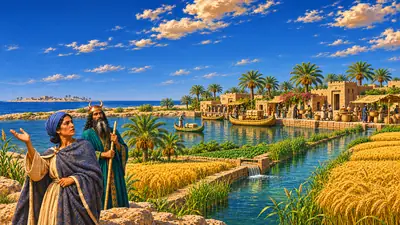
Ninsikila pede água para Dilmun, e a água doce sobe até às bacias da cidade. Depois de uma série de nascimentos, crescem oito plantas. Enki come-as, e Ninhursag regressa para o curar.
FontesVire as páginas com as setas, o teclado ou deslizando o dedo.
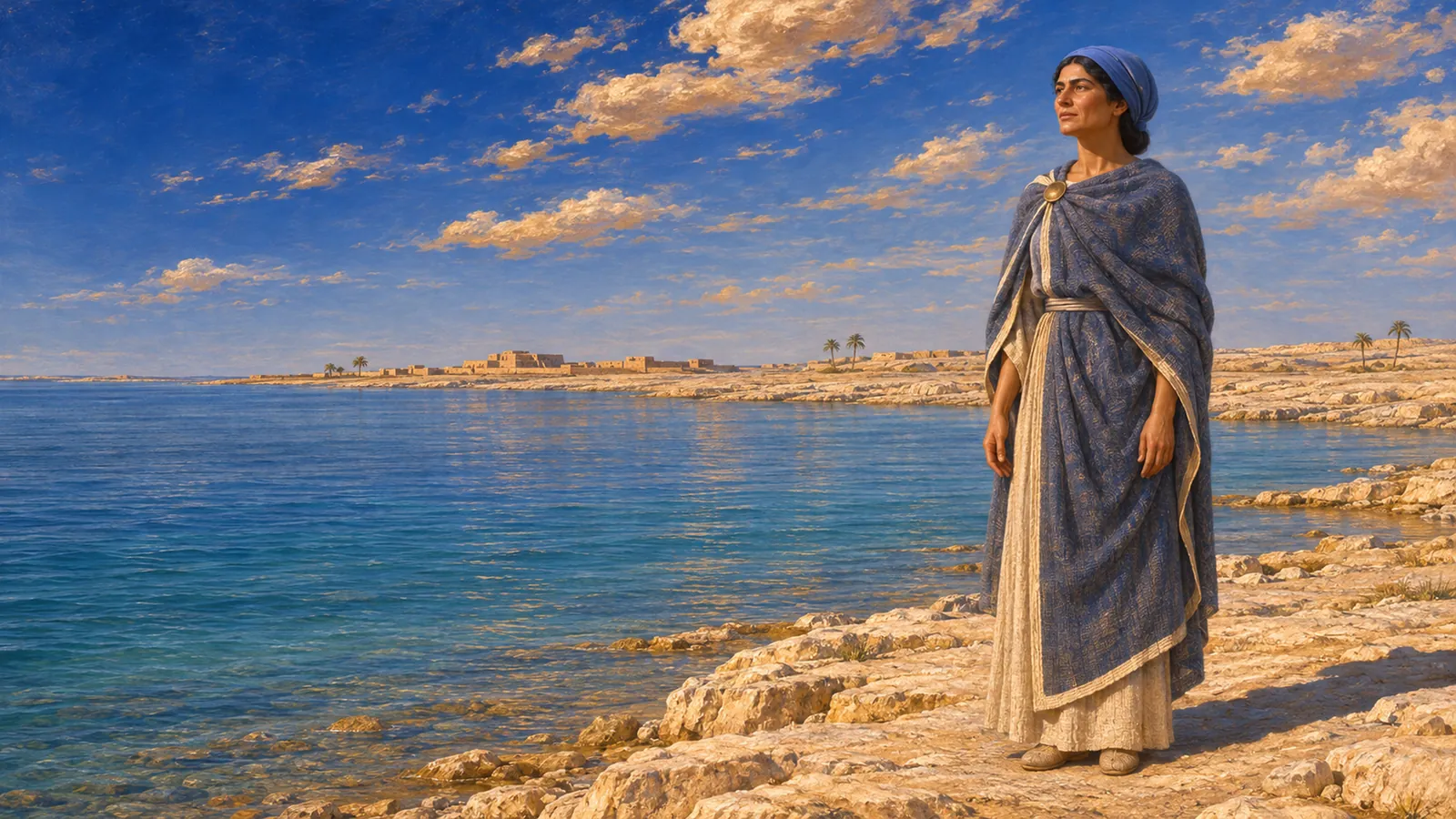
AS ÁGUAS DE DILMUN
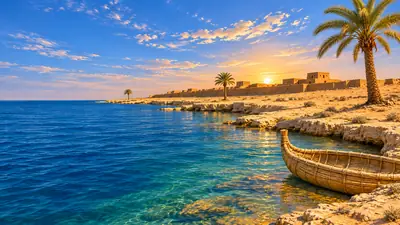
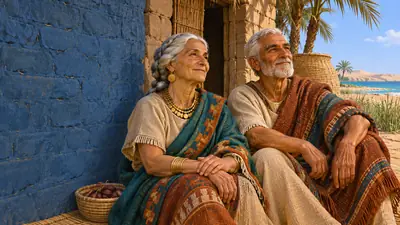
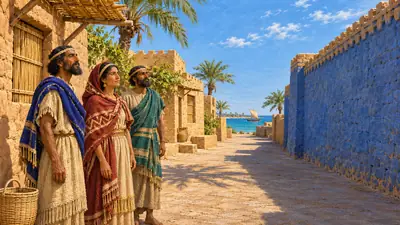
O canto antigo menciona a Suméria e louva Dilmun. Chama Dilmun de pura, luminosa e sem mancha, e retoma essas palavras ao começar a história.
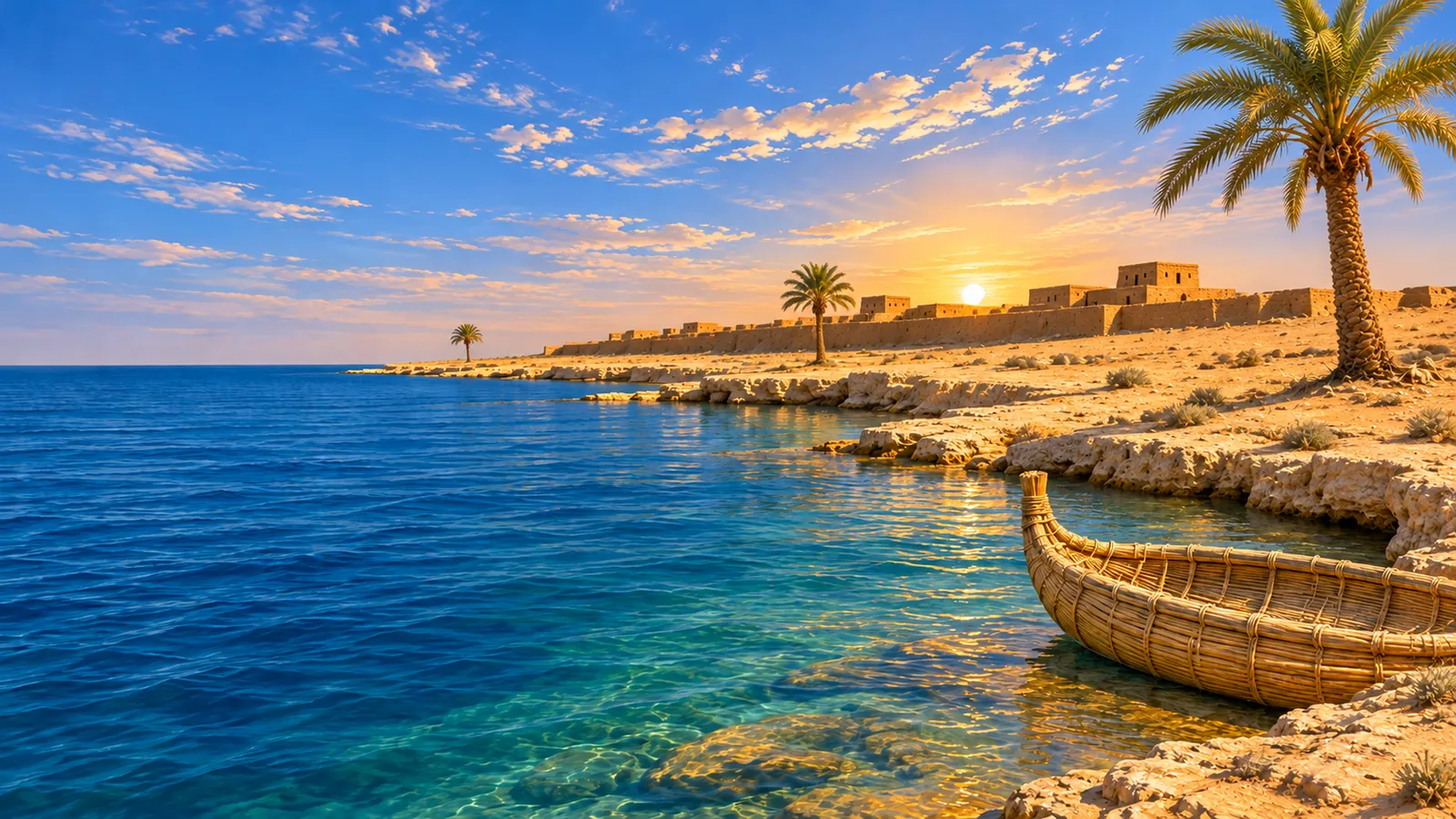
O poema recorda o lugar onde Enki se deitou com Ninsikila. Nesses versos, chama-a de esposa dele e volta a louvar a pureza e o brilho daquela terra.
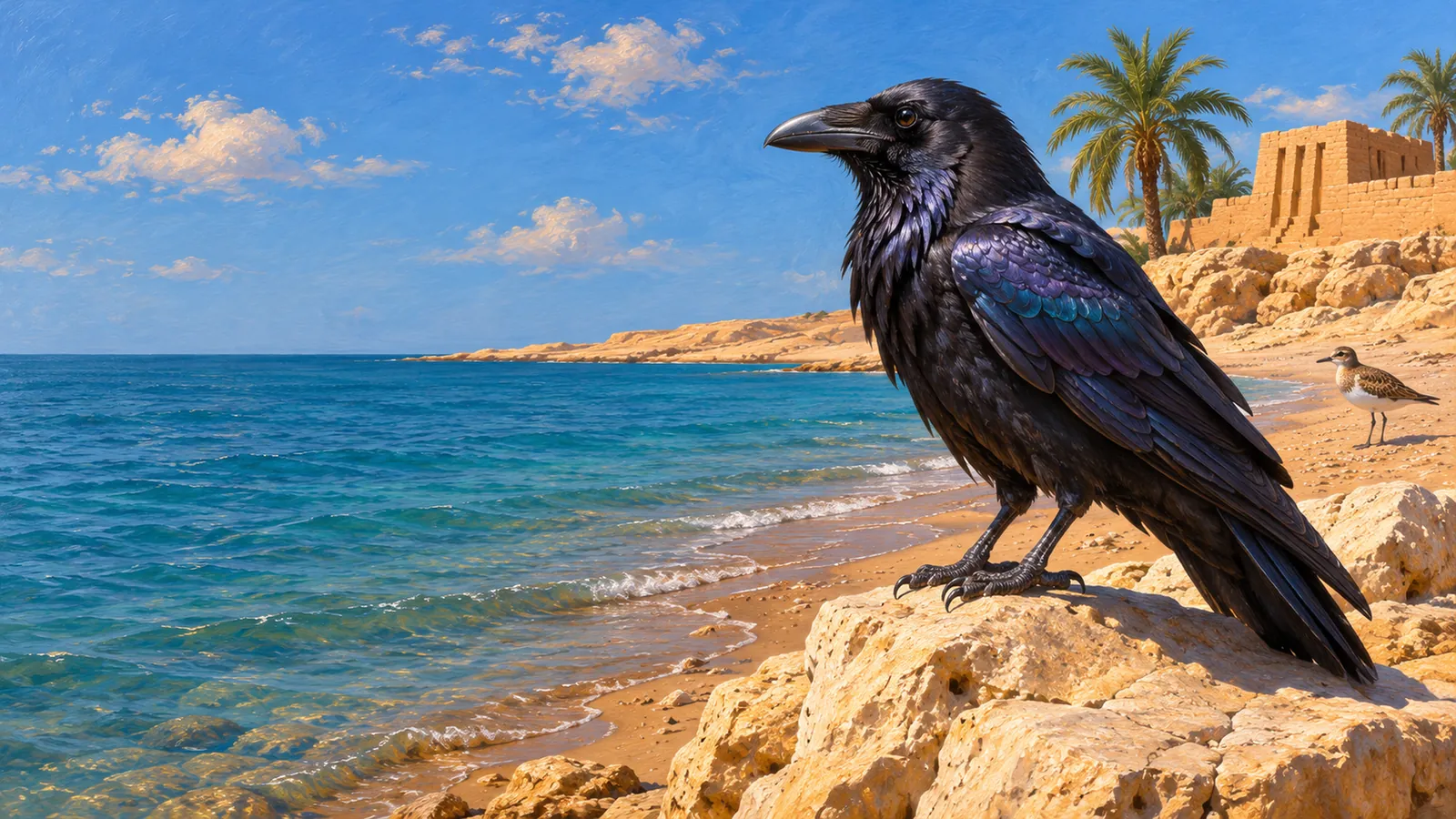
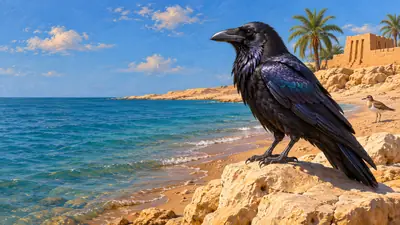
Em Dilmun, o corvo não grasnava. Outra ave também permanecia em silêncio, e o canto descreve uma terra que ainda não tinha ouvido seus chamados.
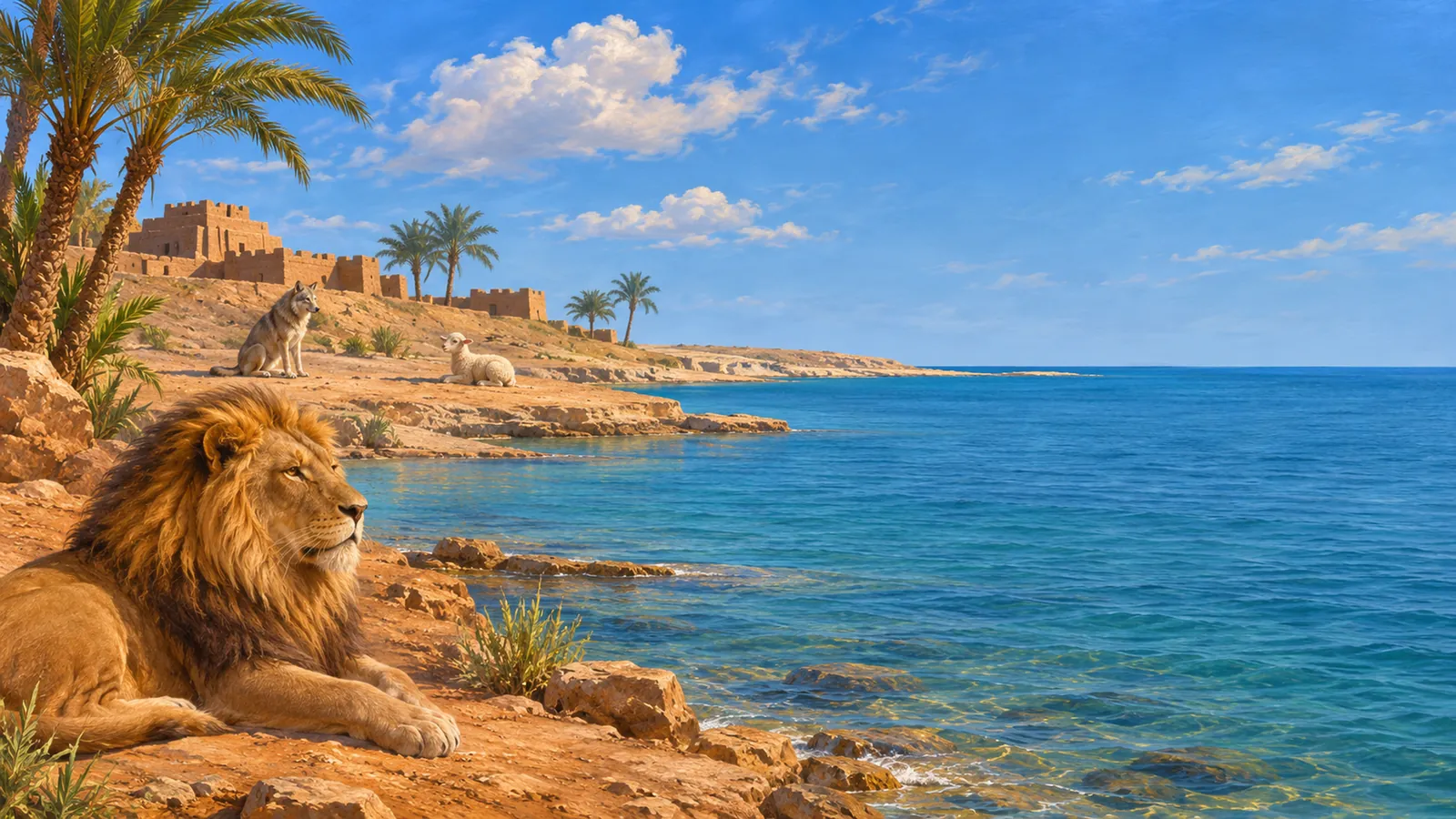
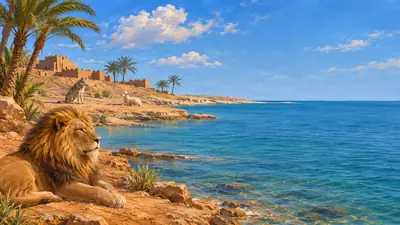
O leão não matava e o lobo não arrebatava cordeiros. O poema continua a enumerar o que ainda não acontecia em Dilmun.
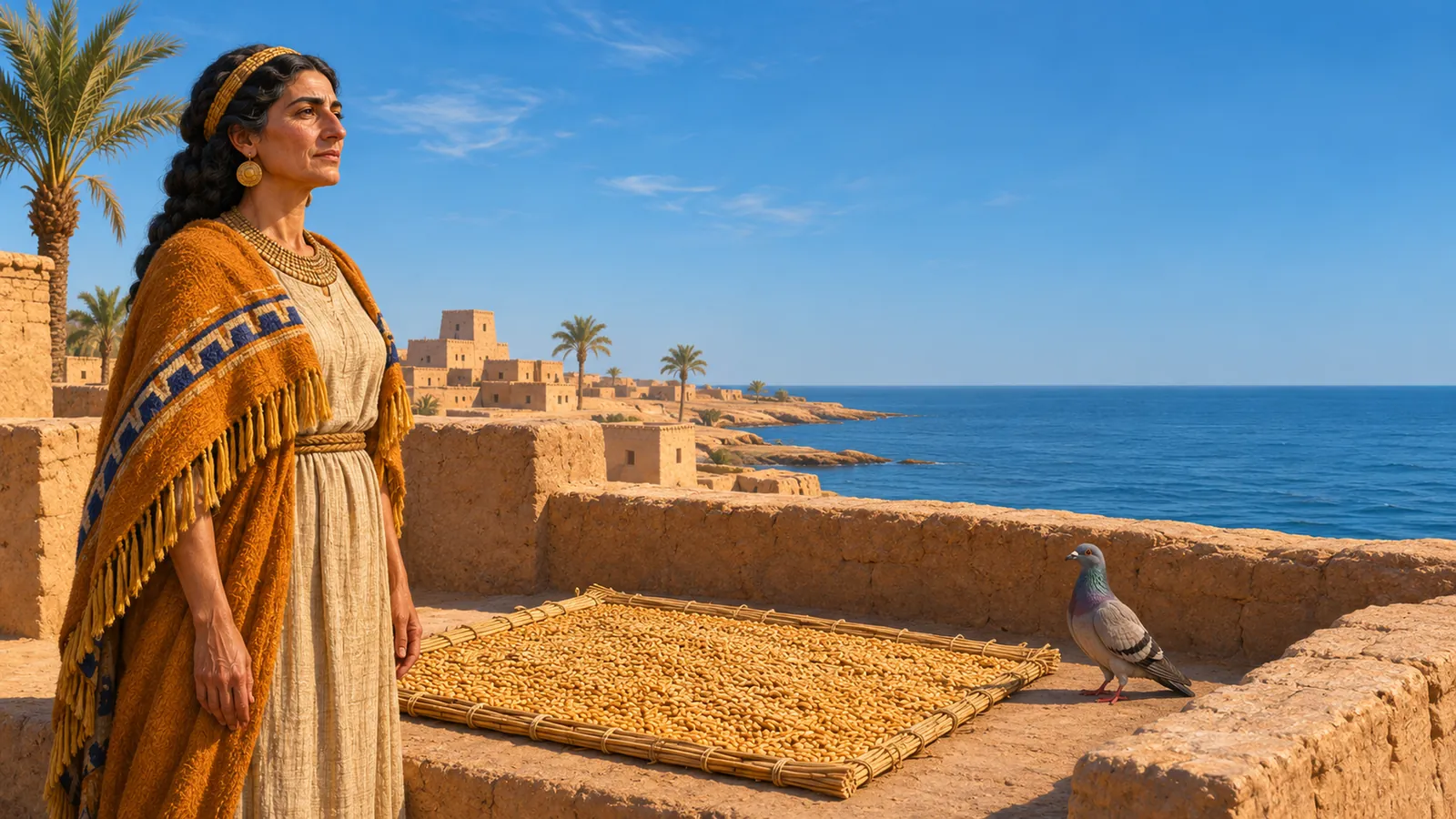
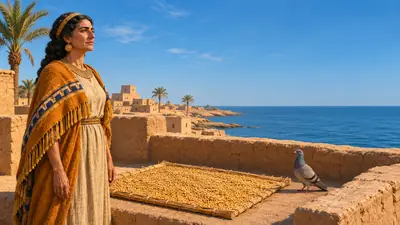
O poema diz que as aves deixaram intacto o malte espalhado no telhado. Acrescenta que a pomba não escondeu a cabeça sob a asa.
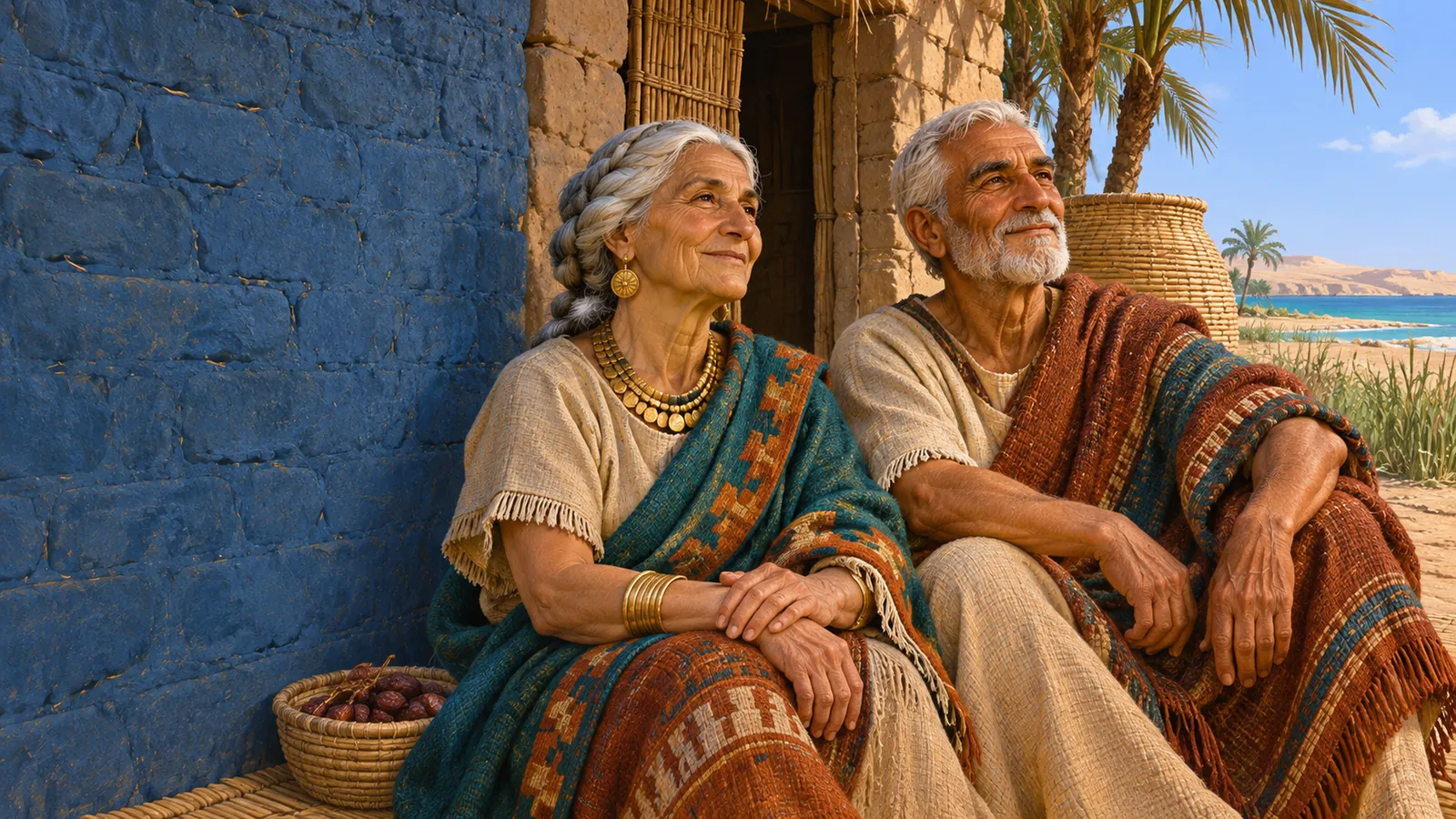
Ninguém falava de dor nos olhos nem de dor de cabeça. Em Dilmun, não se ouvia velha ou velho algum lamentar o envelhecimento.
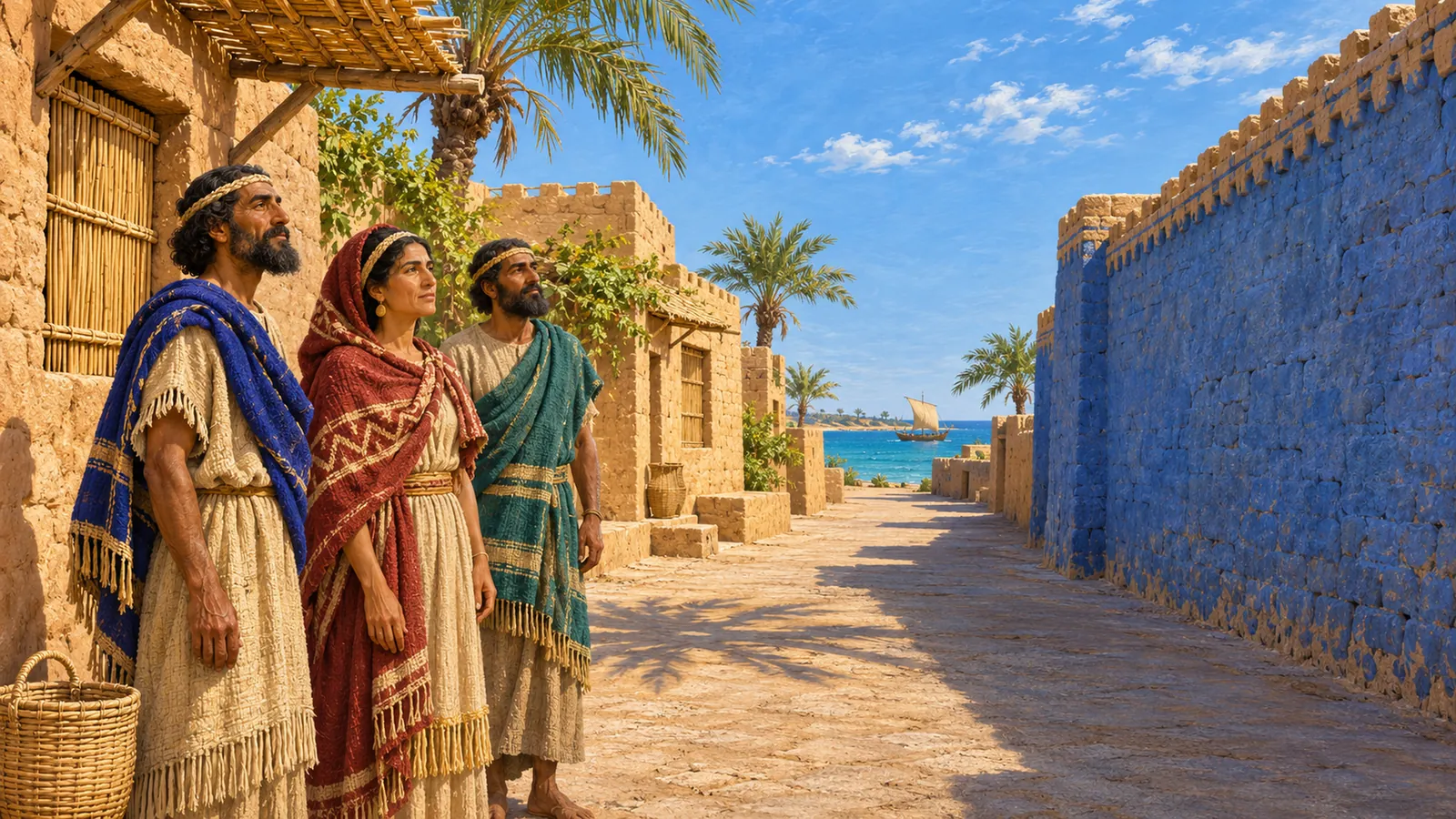
O trabalhador que dragava o canal não dizia que o anoitecer havia chegado, e nenhum arauto erguia a voz. O cantor não cantava, e nenhum lamento se ouvia nos arredores da cidade.
A DÁDIVA
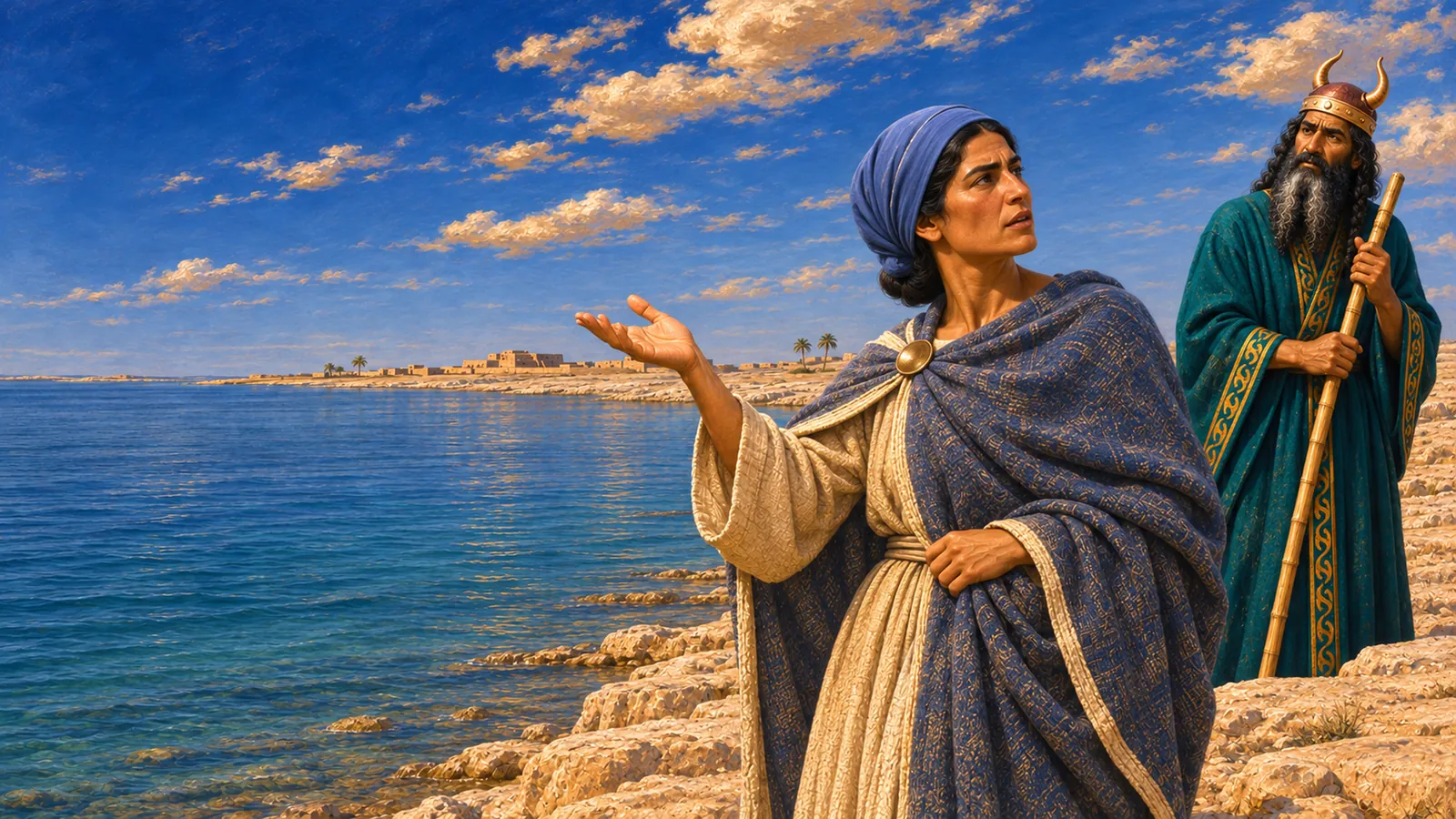
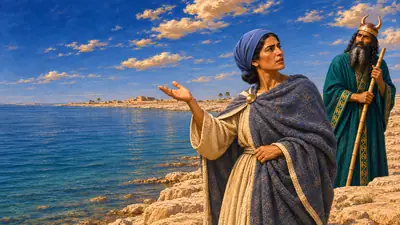
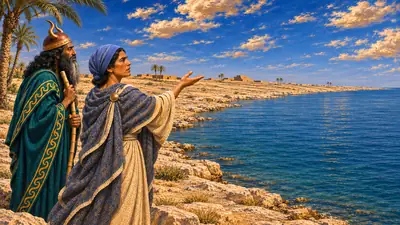
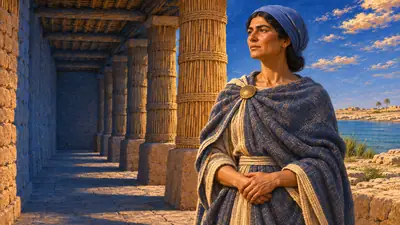
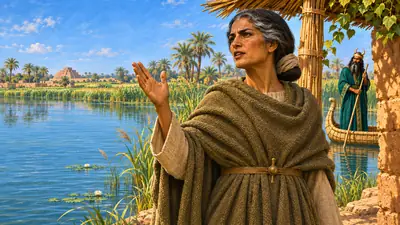
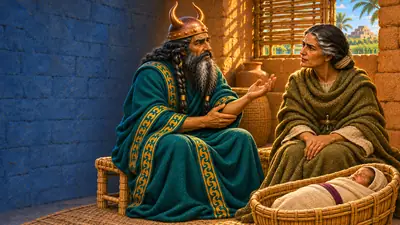
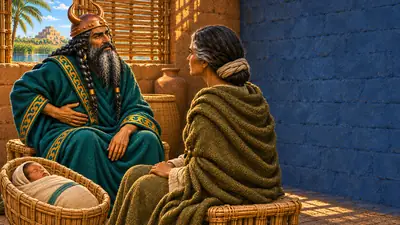
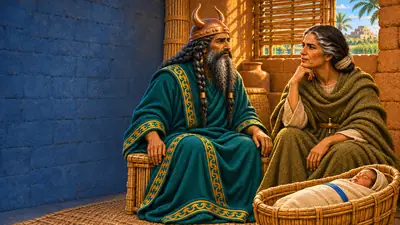
Ninsikila perguntou a Enki de que lhe adiantava a cidade que ele lhe dera. Chamou-o de pai e repetiu a pergunta enquanto olhava para a terra que recebera.
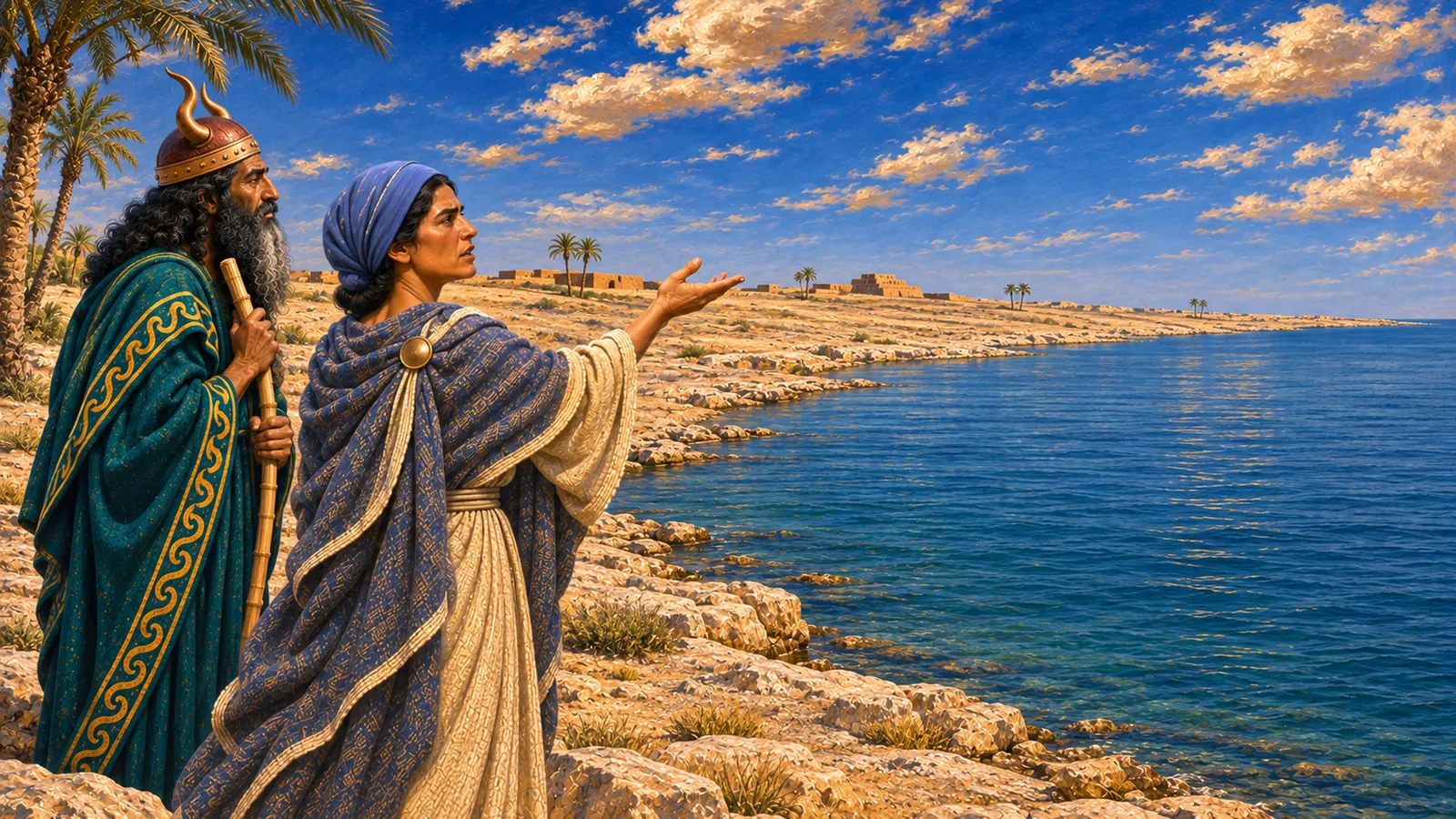
Ninsikila falou de uma cidade sem cais nem lugar de desembarque no rio. As palavras sobre sua terra estão danificadas num trecho, mas sua queixa sobre a falta de sulcos se conserva.
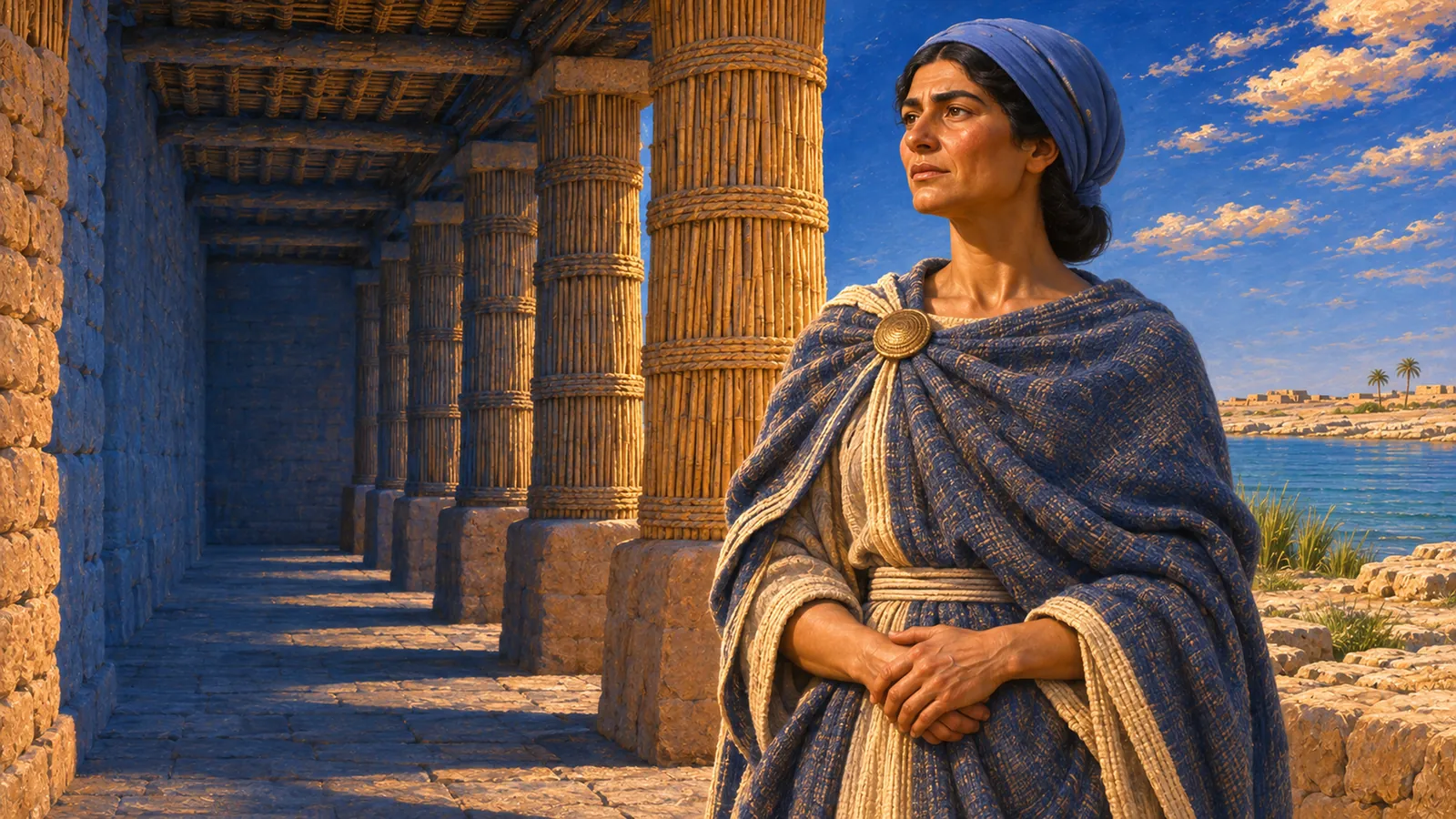
Aqui faltam três versos do poema. As palavras preservadas deixam uma pausa entre a descrição da terra por Ninsikila e a resposta que vem em seguida.
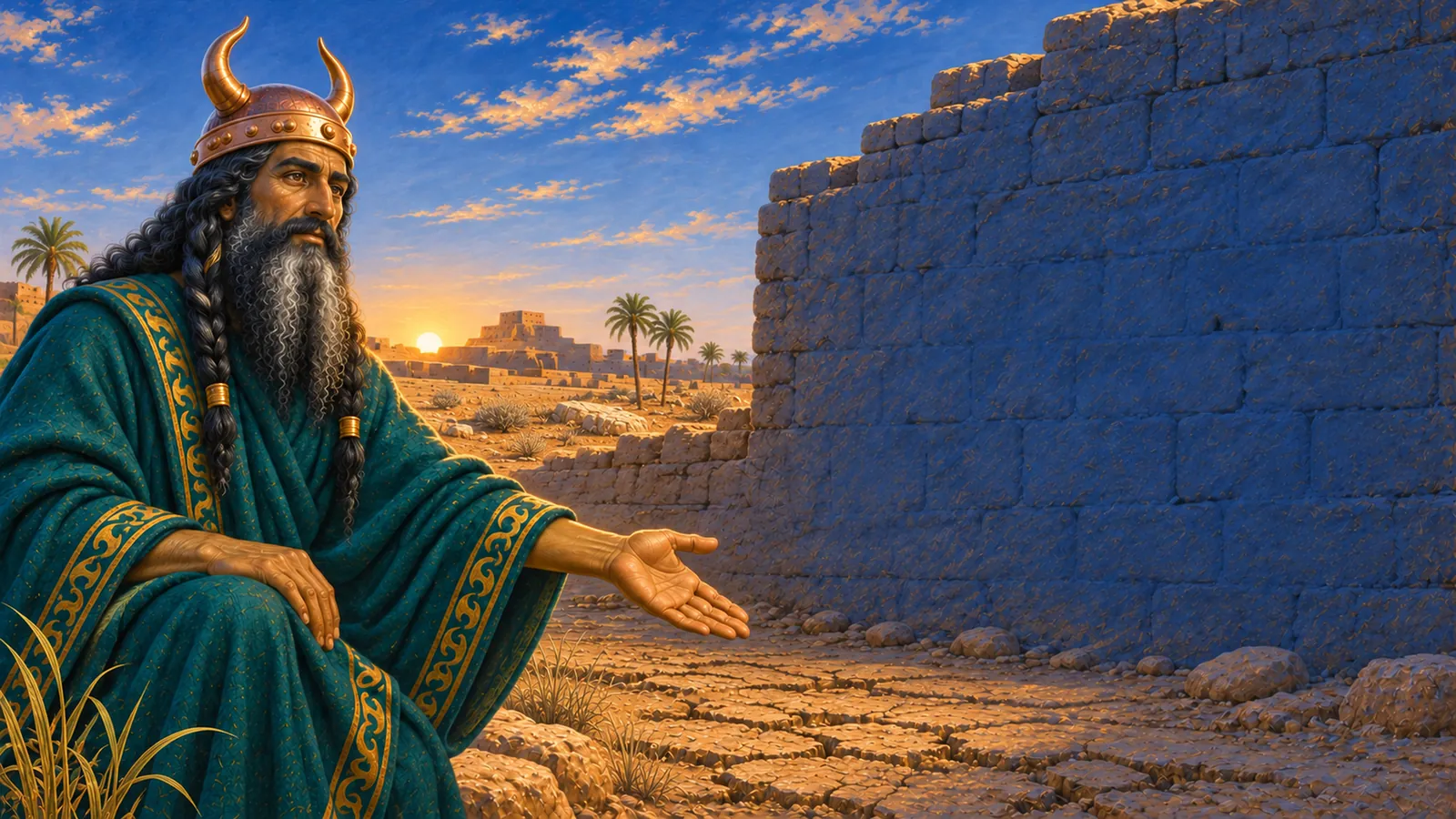
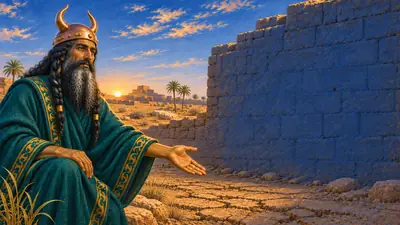
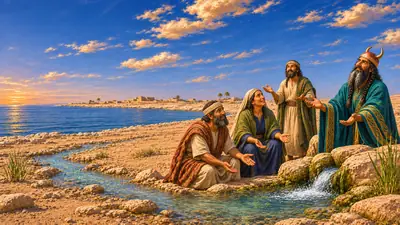
Enki prometeu que água doce brotaria para Dilmun quando Utu trouxesse a luz do dia. De algumas palavras sobre a origem da água só restam vestígios.
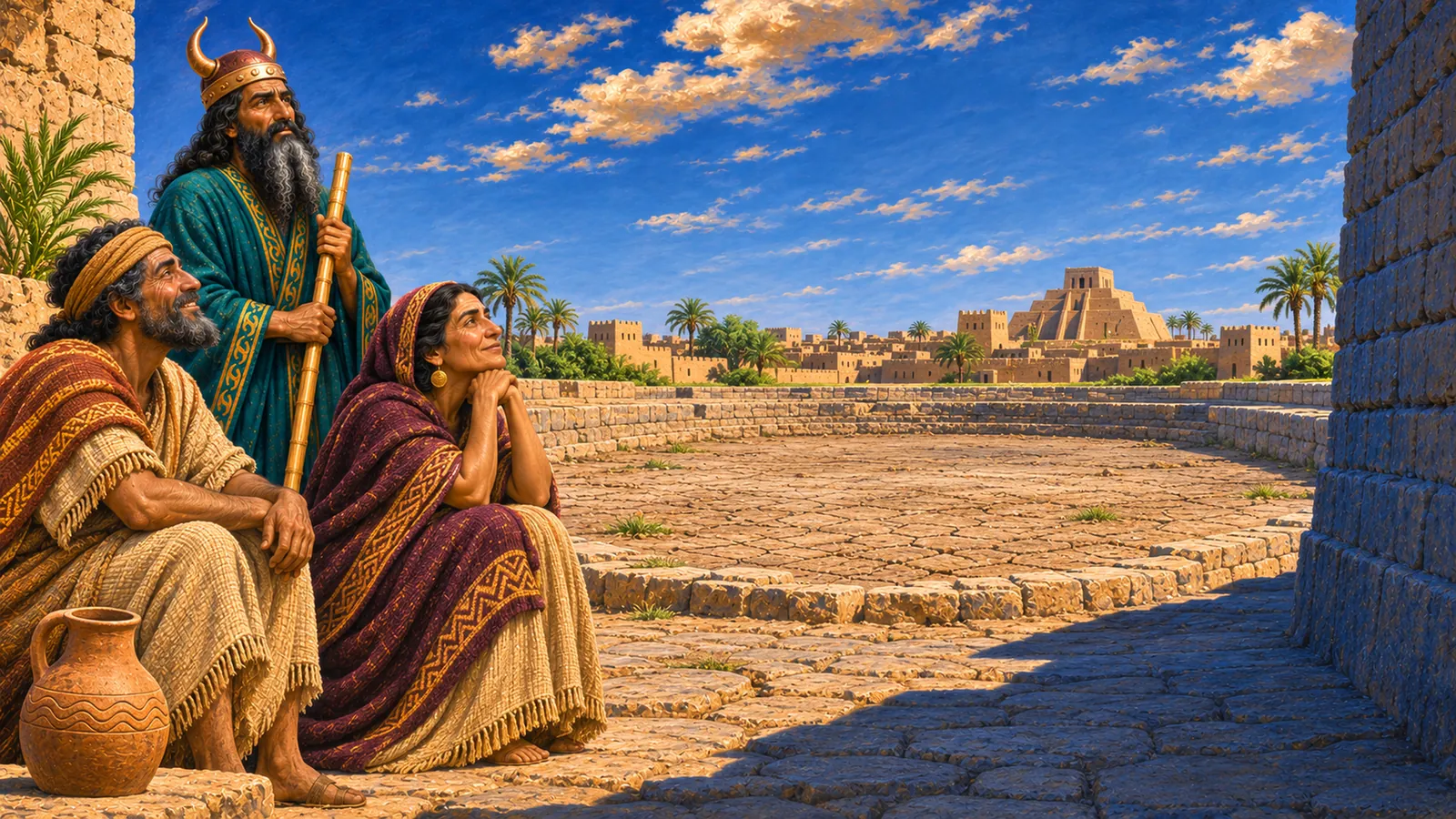
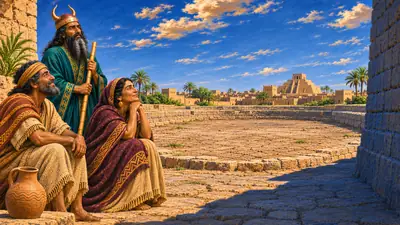
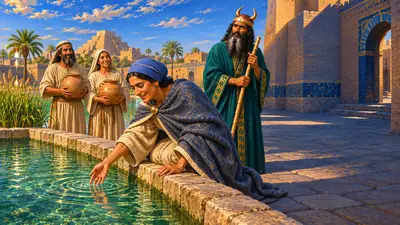
Enki disse que a água subiria de baixo e encheria as grandes bacias da cidade. Por enquanto, o povo de Dilmun ainda precisava esperar.
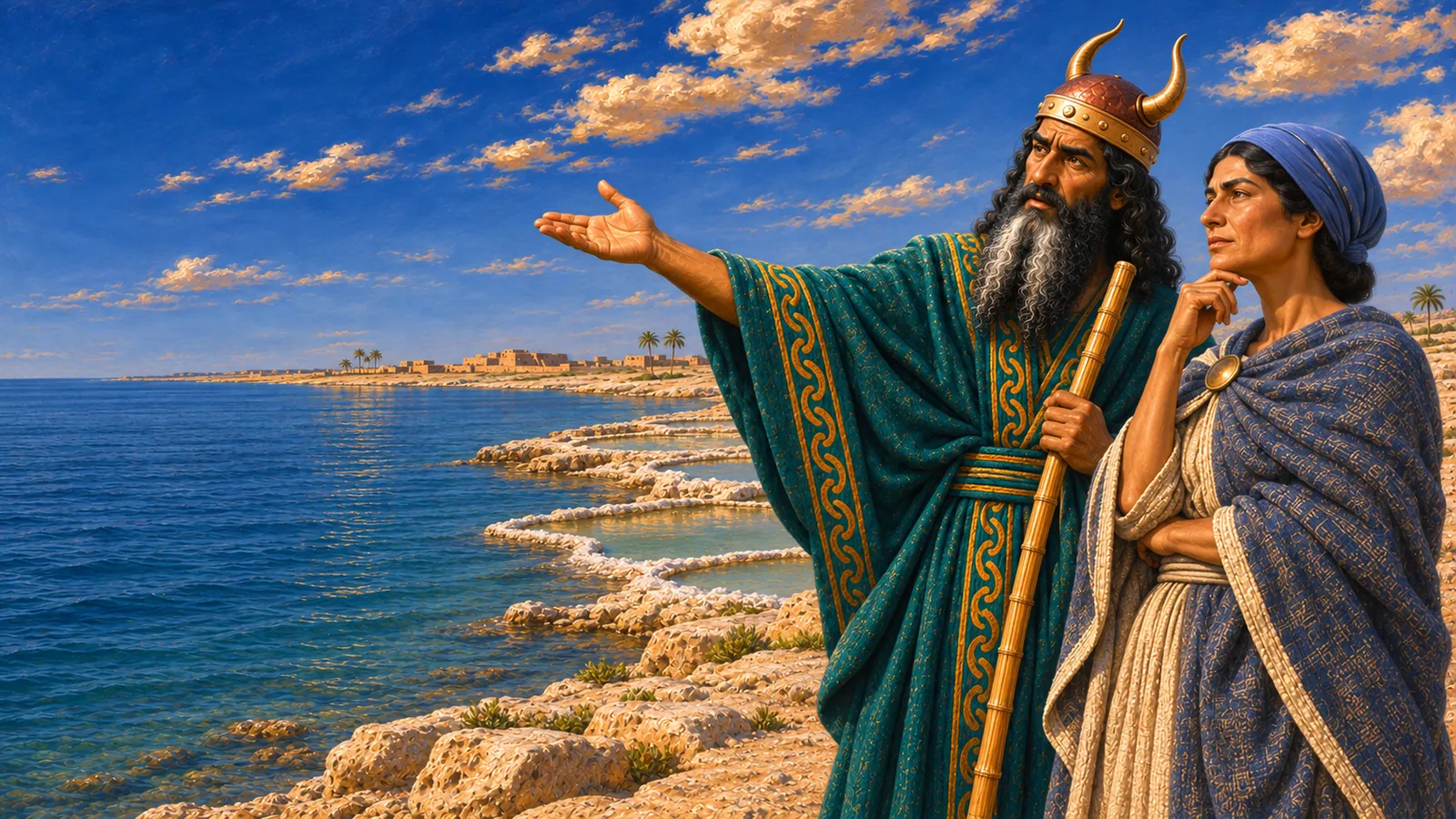
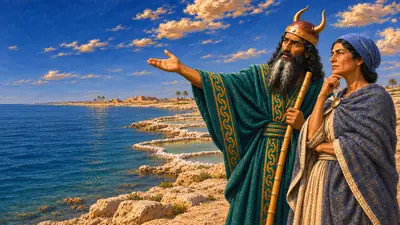
Enki disse que a água das lagoas salgadas se tornaria doce. Disse a Ninsikila que sua cidade se tornaria um porto onde os mercadores poderiam negociar.
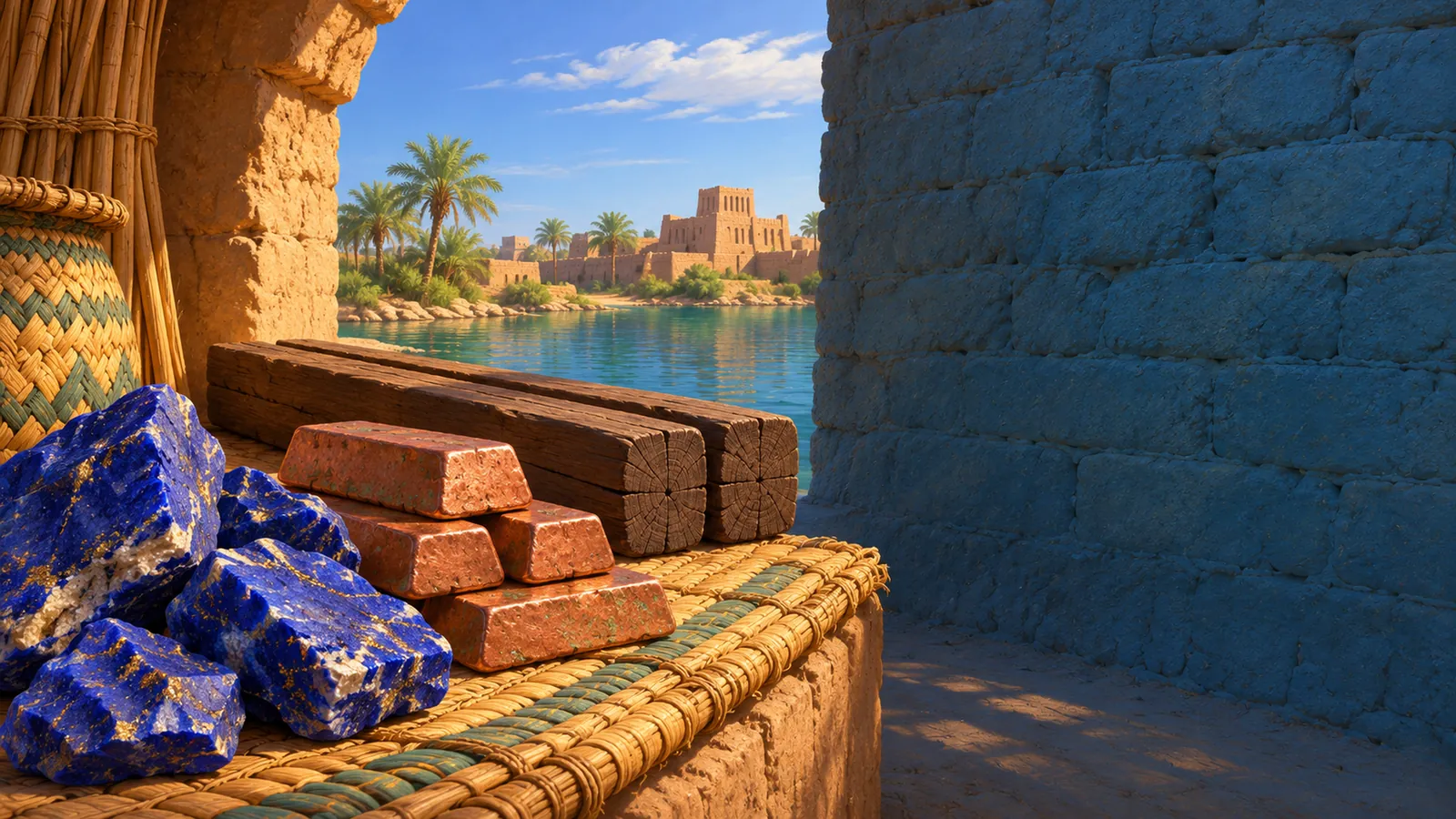
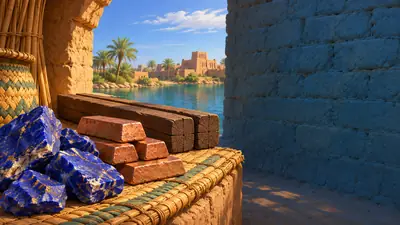
Uma cópia de Ur preserva o desejo de que carregamentos cheguem a Dilmun. Lápis-lazúli, cobre e madeira estão entre os bens mencionados nas linhas que restam.
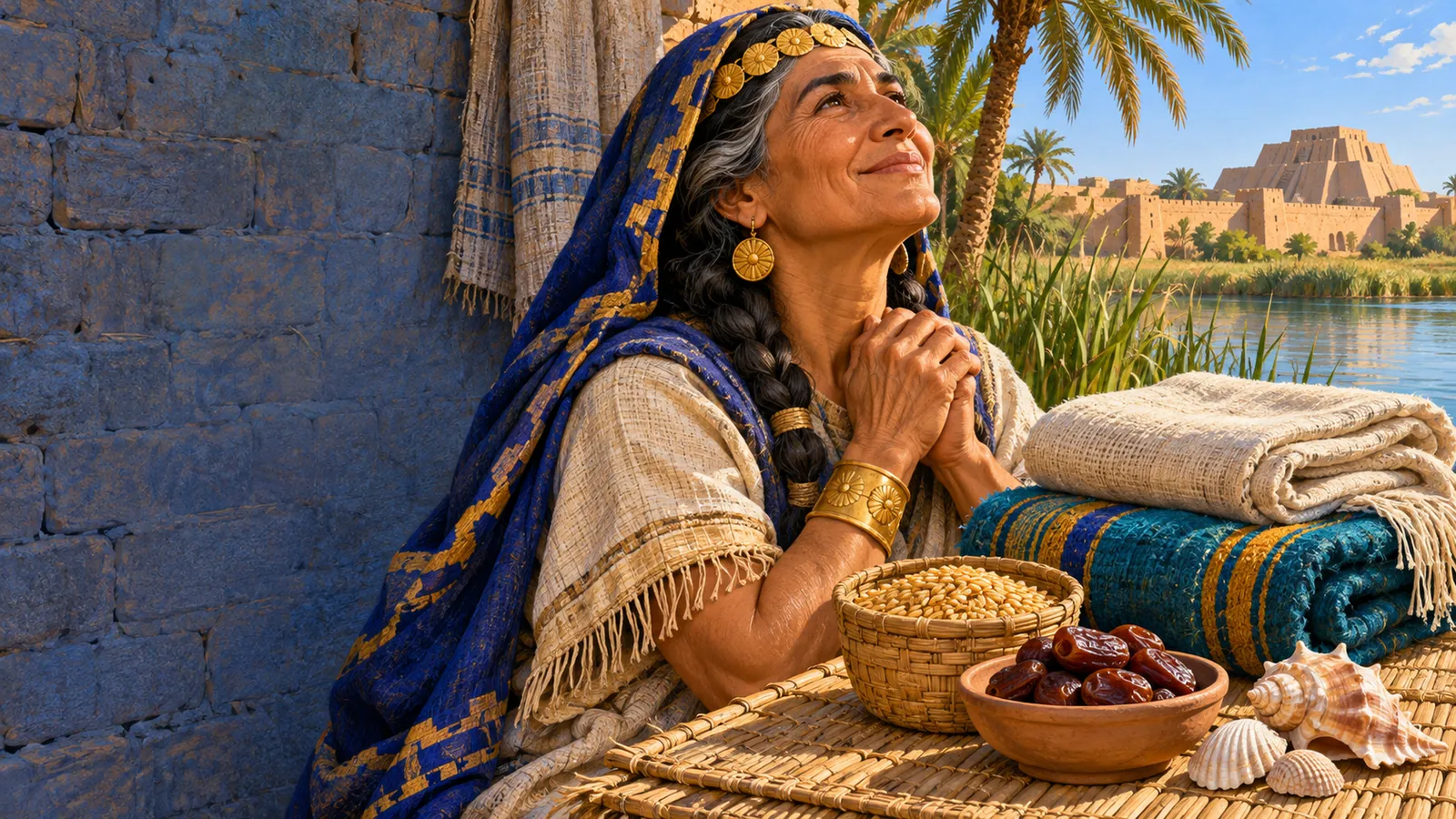
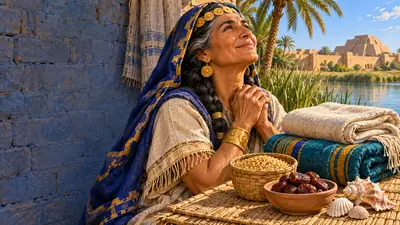
A mesma cópia de Ur deseja tecidos, as riquezas do mar e uma colheita abundante de cereais e tâmaras. Algumas palavras desse trecho estão danificadas.
ÁGUA DOCE
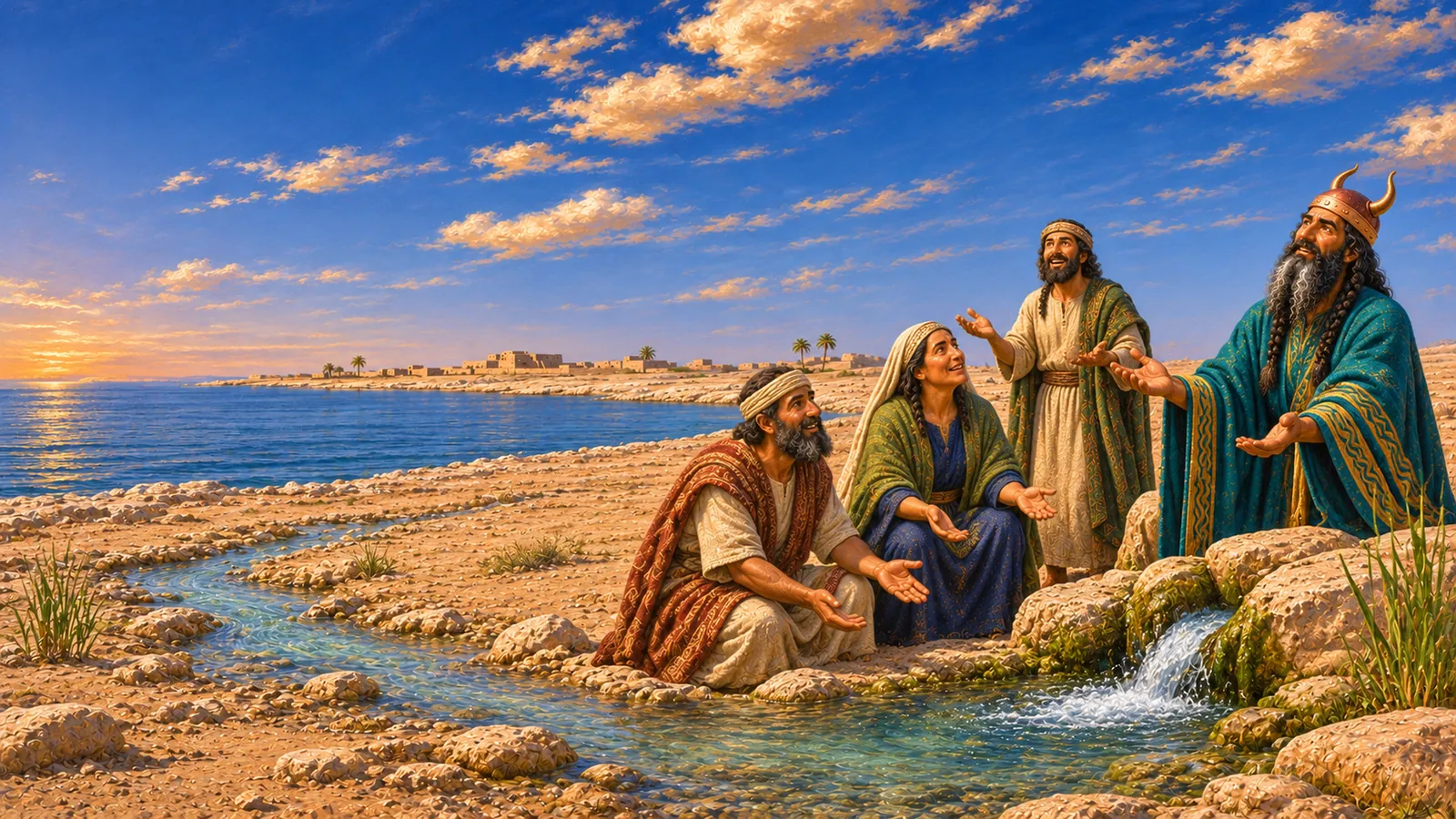
Quando Utu nasceu no horizonte, a água doce brotou da terra para Dilmun. Os versos preservados repetem algumas palavras de leitura incerta da primeira promessa de Enki.
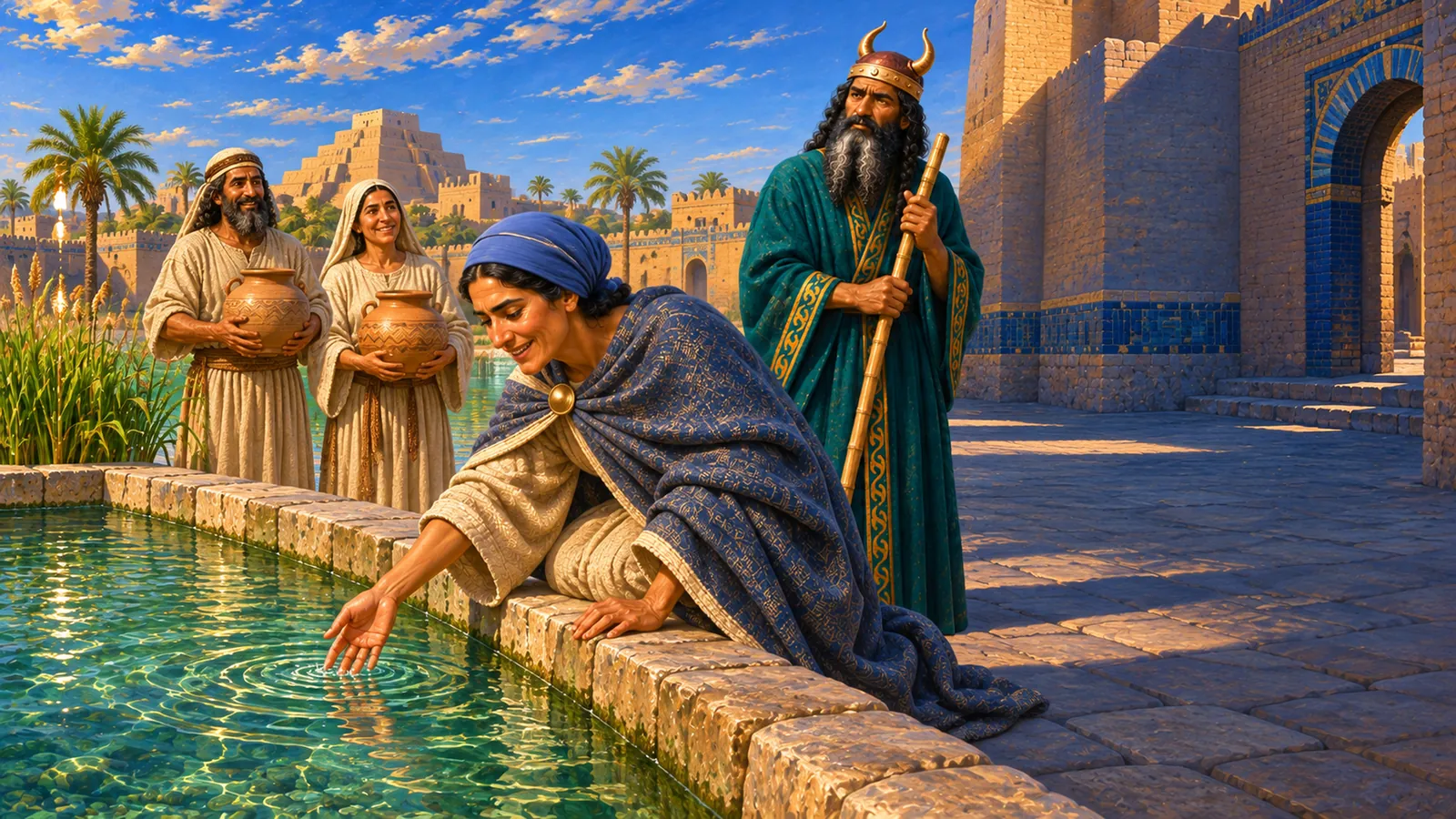
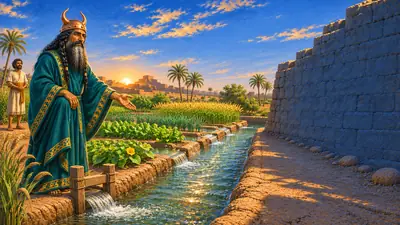
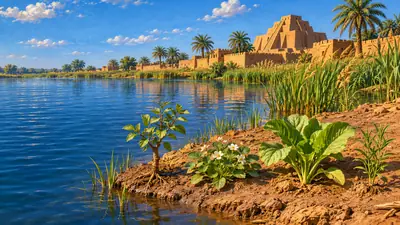
A água doce encheu as bacias da cidade, como Enki havia prometido. As lagoas salgadas também mudaram, e o povo de Dilmun passou a ter água doce.
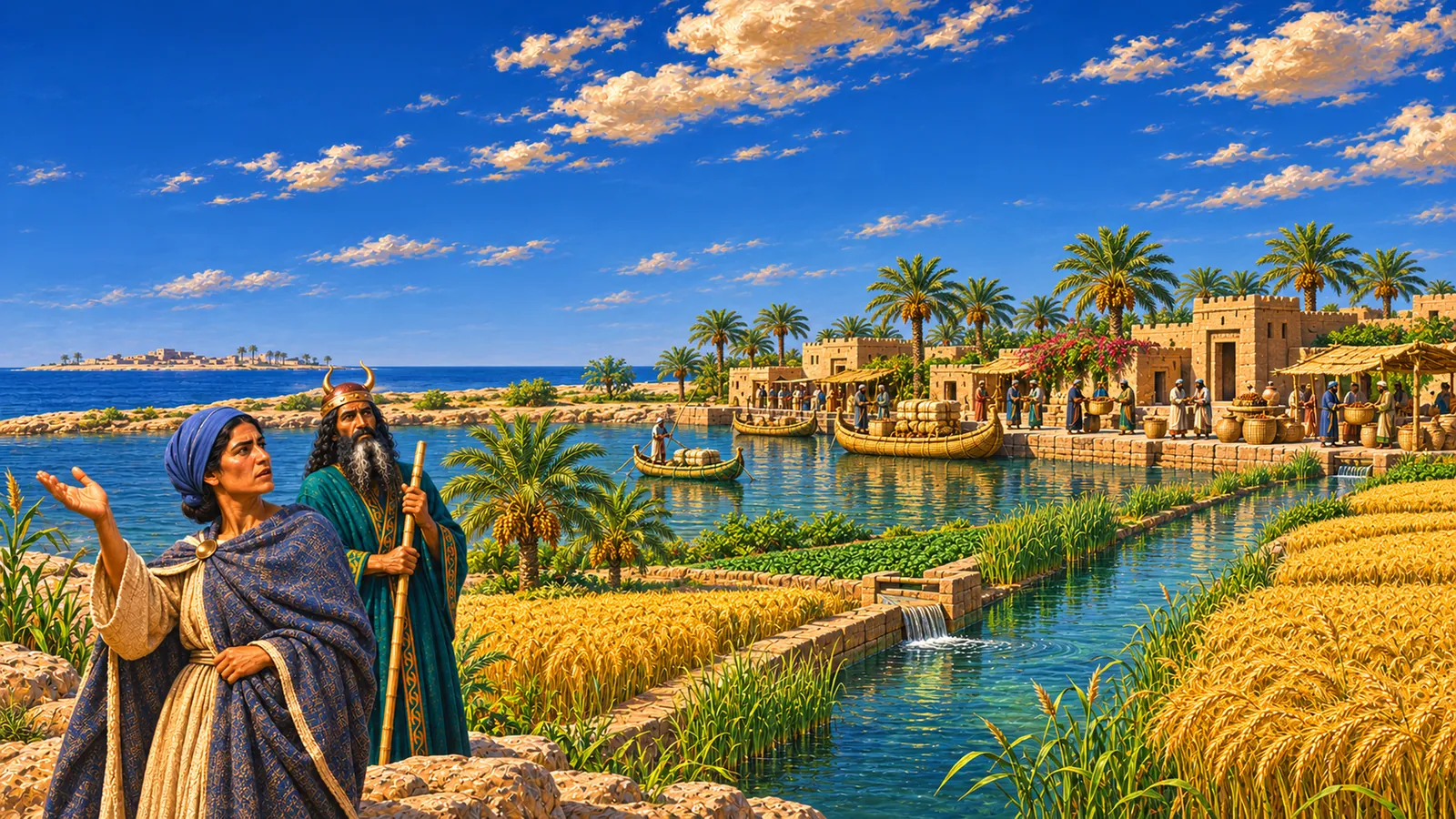
Os campos de Dilmun deram cereais. O cais da cidade prosperou, e o poema diz que a cidade se tornou um lugar onde os mercadores negociavam.
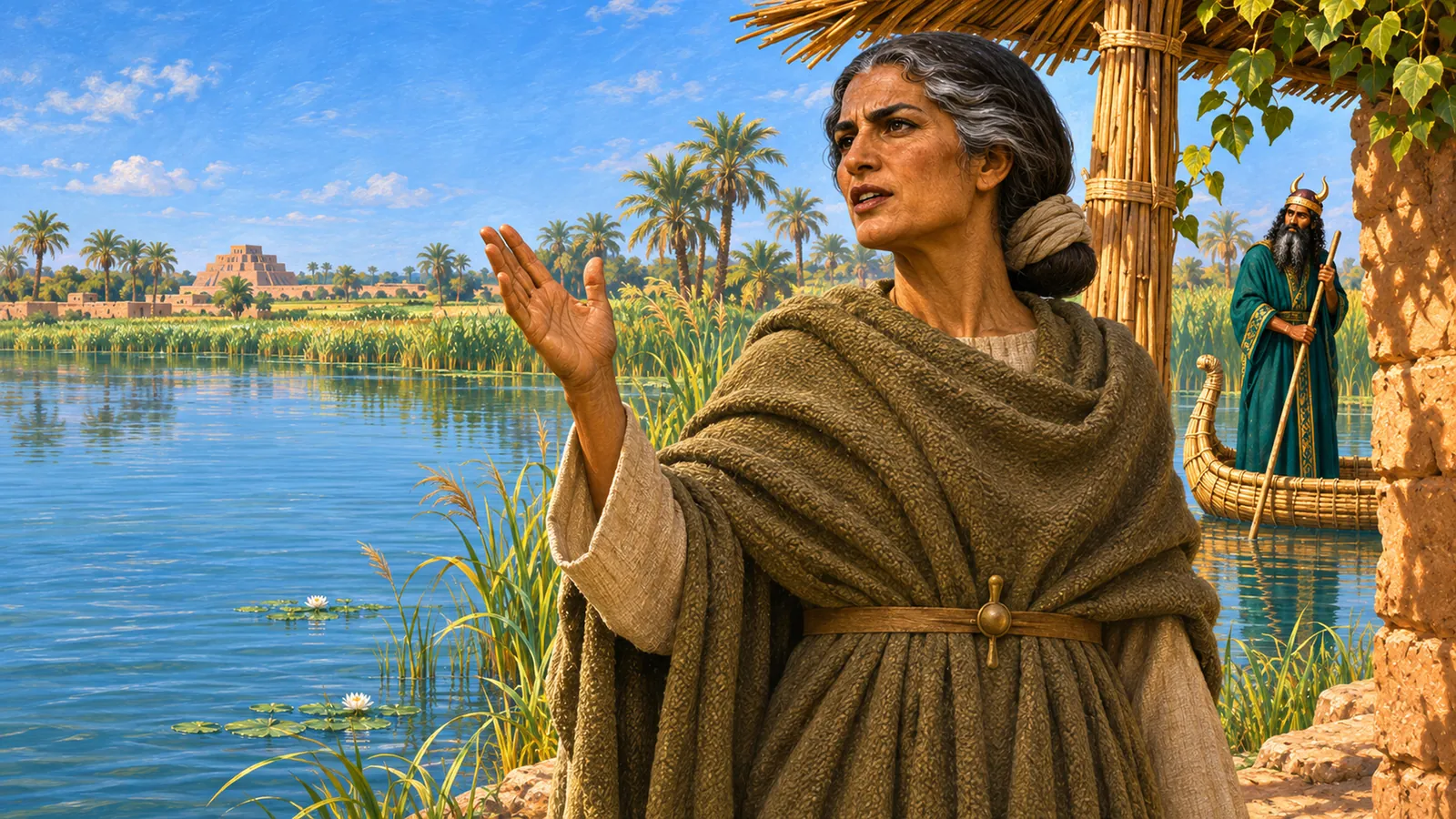
Enki entrou no pântano. Nintud, chamada nessa passagem de mãe do país, tomou a palavra e lhe disse que não se deitaria com ele ali.
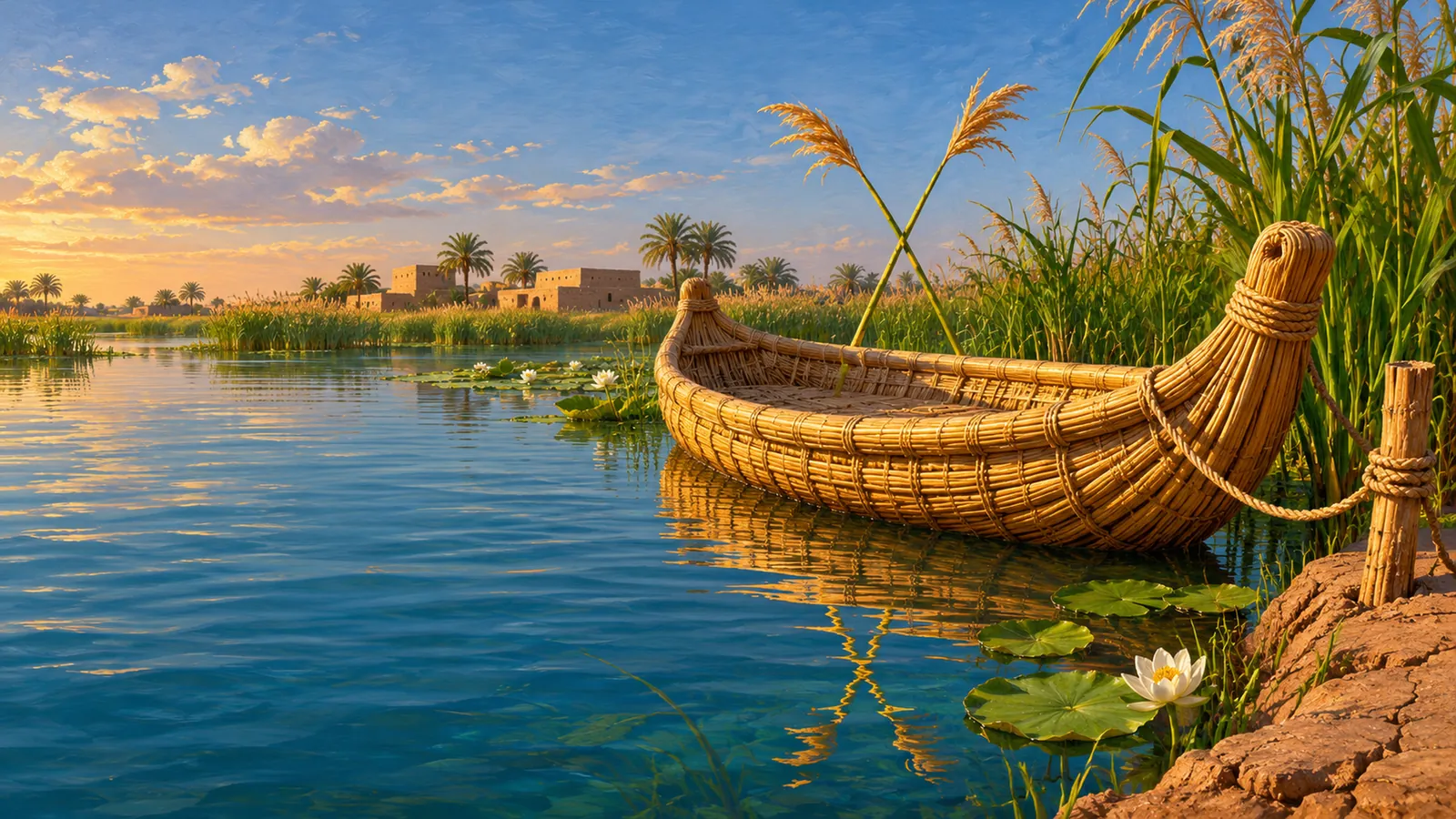
Enki jurou, insistiu e deitou-se com ela. O poema menciona Damgalnuna no que se segue e diz depois que Ninhursag engravidou.
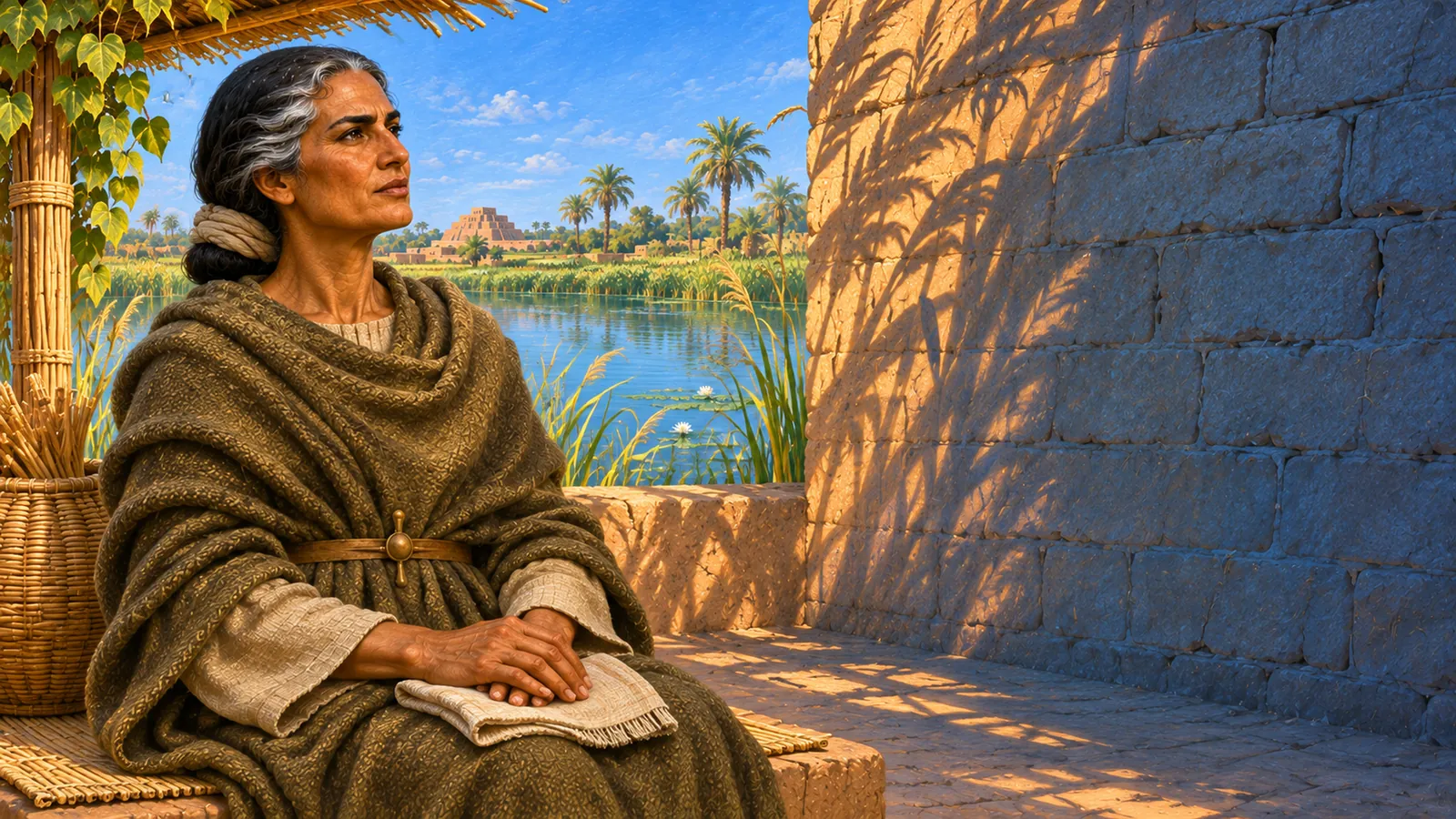
O poema conta os meses um por um, fazendo cada mês caber num dia. Nesse relato, nove meses passam em nove dias.
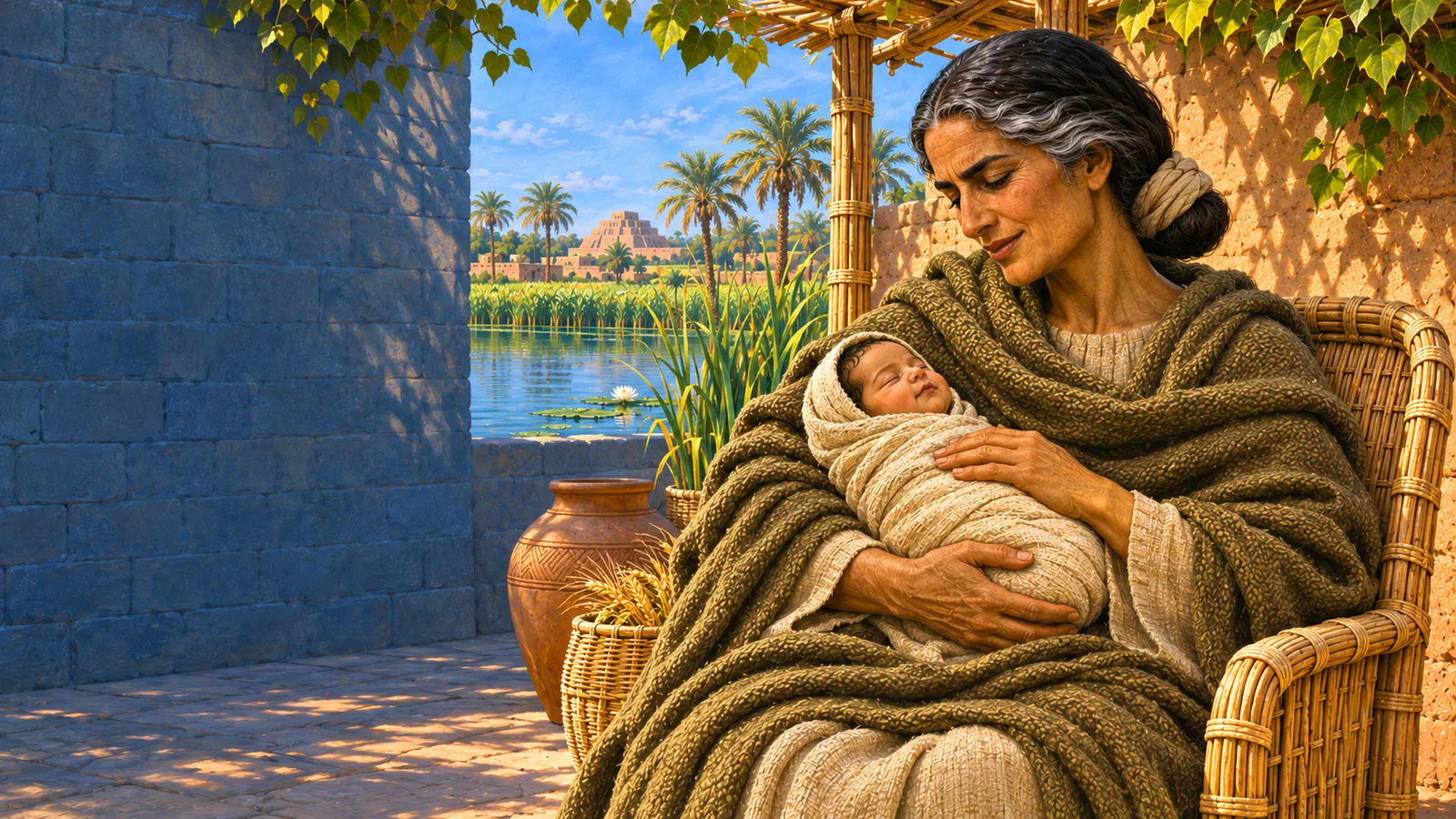
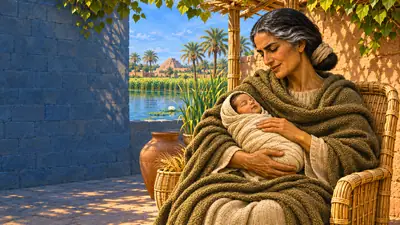
Ninhursag deu à luz Ninsar. O poema compara a facilidade do nascimento ao correr de um óleo fino.
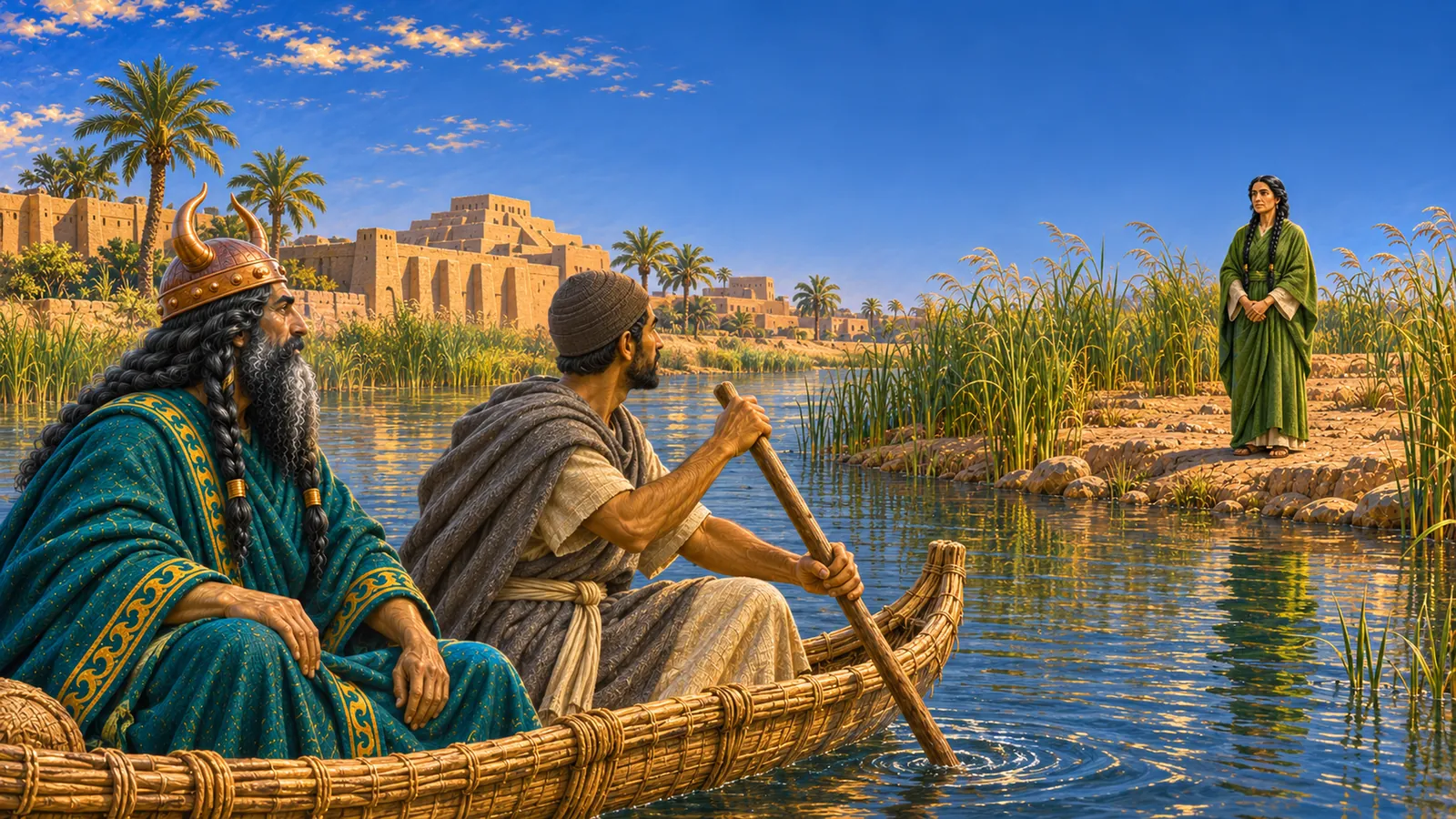
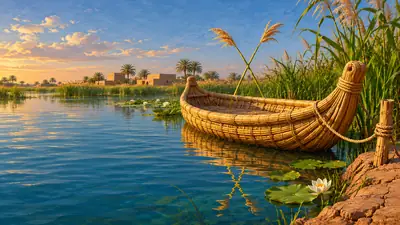
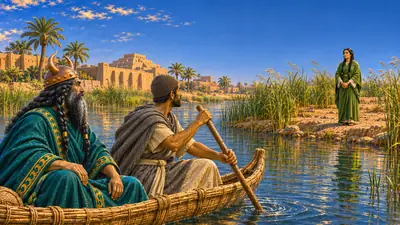
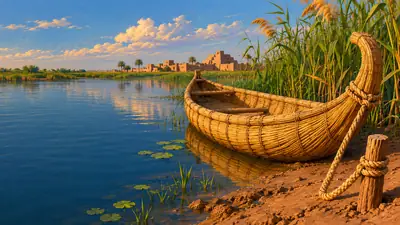
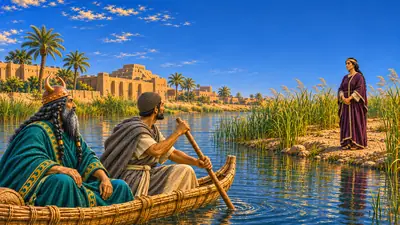
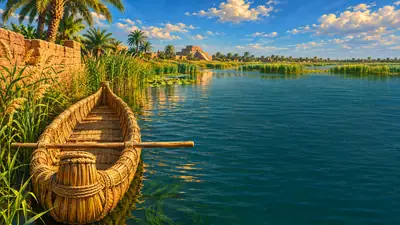
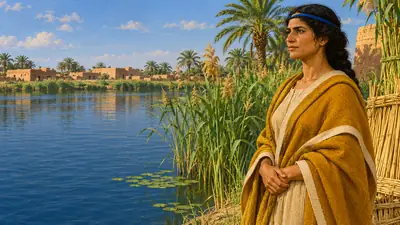
Ninsar foi à margem do rio, onde Enki a viu do pântano. Ele falou com seu ajudante Isimud, que se ofereceu para conduzir o barco até ela.
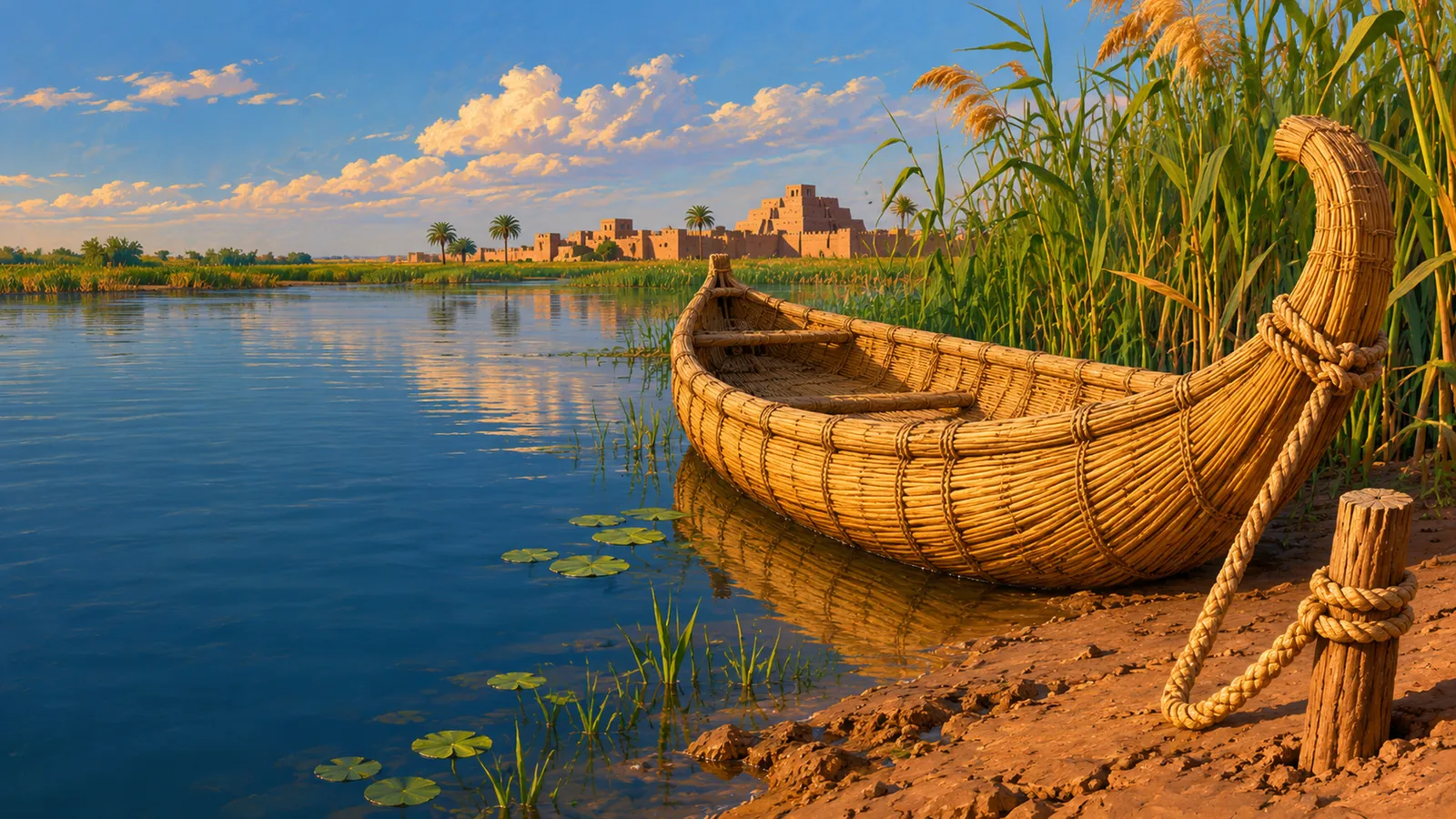
Enki atravessou de barco e desembarcou na margem. Deitou-se com a sua filha Ninsar, que engravidou dele.
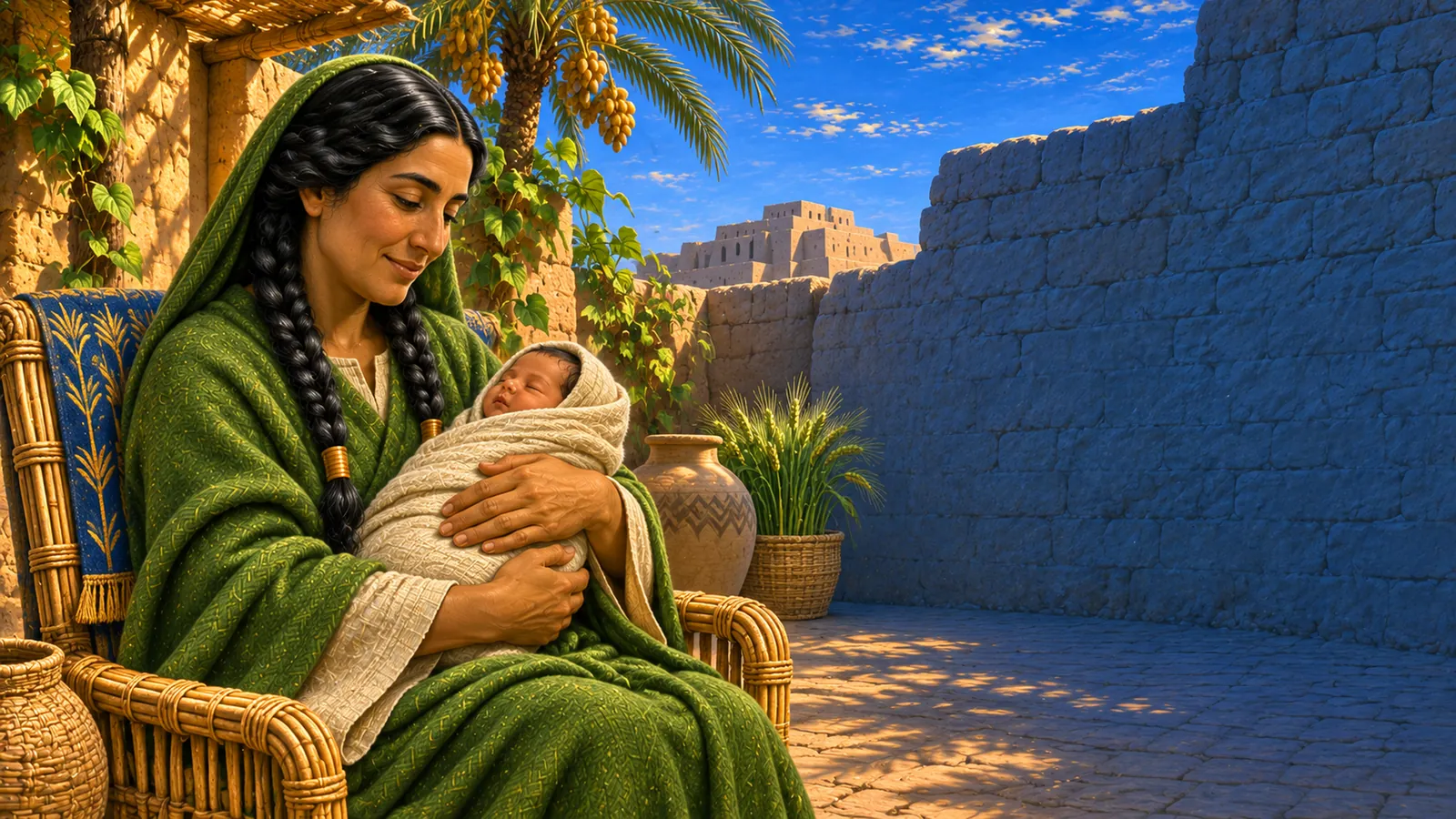
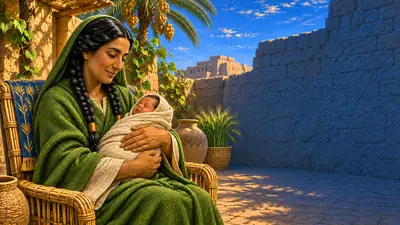
Os meses voltaram a passar como dias, e Ninsar deu à luz Ninkura. O poema retoma a imagem do óleo fino que corre.
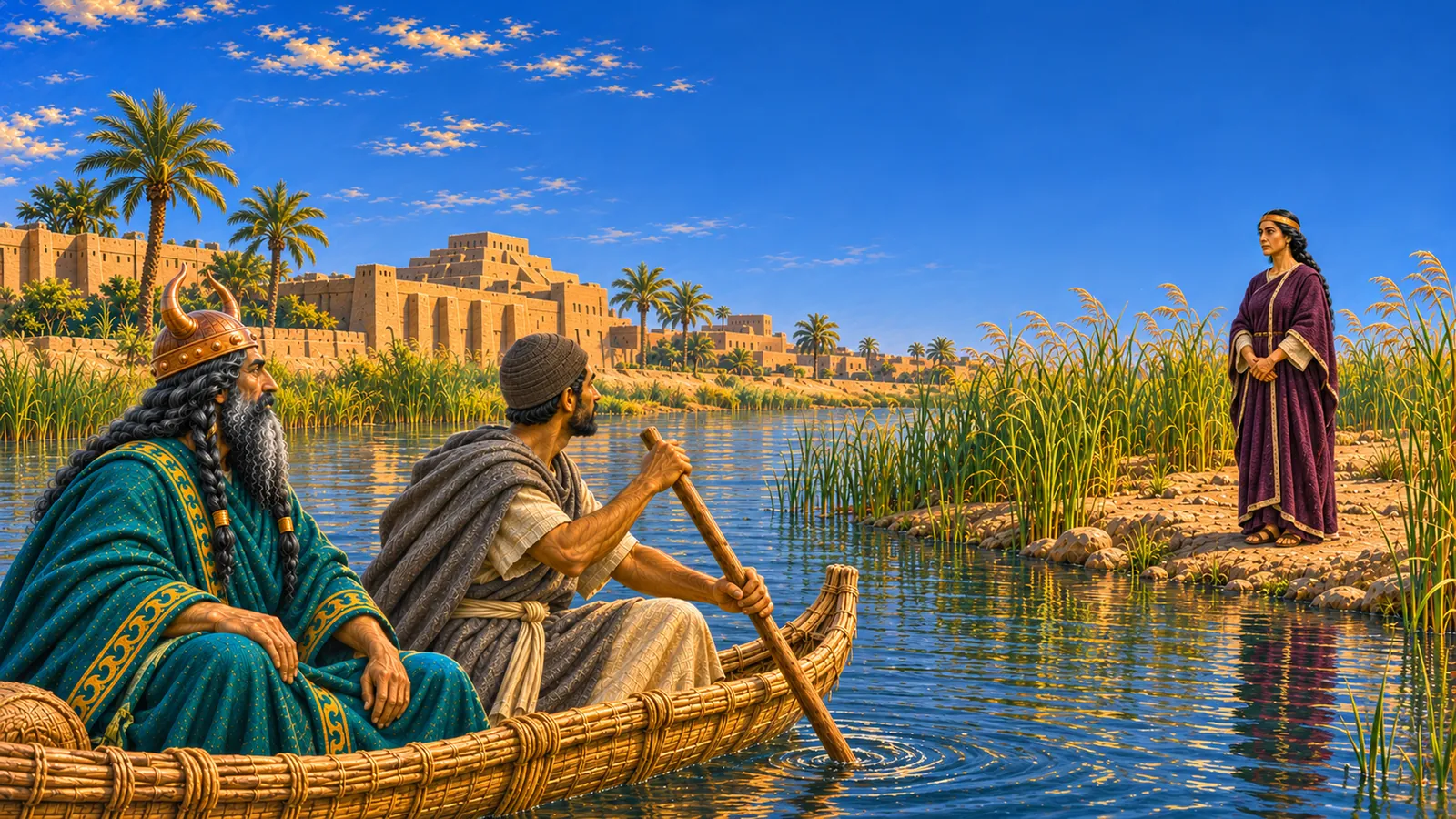
Ninkura veio à margem, e Enki a viu do pântano. Ele tornou a falar com Isimud, que se ofereceu para conduzir o barco.
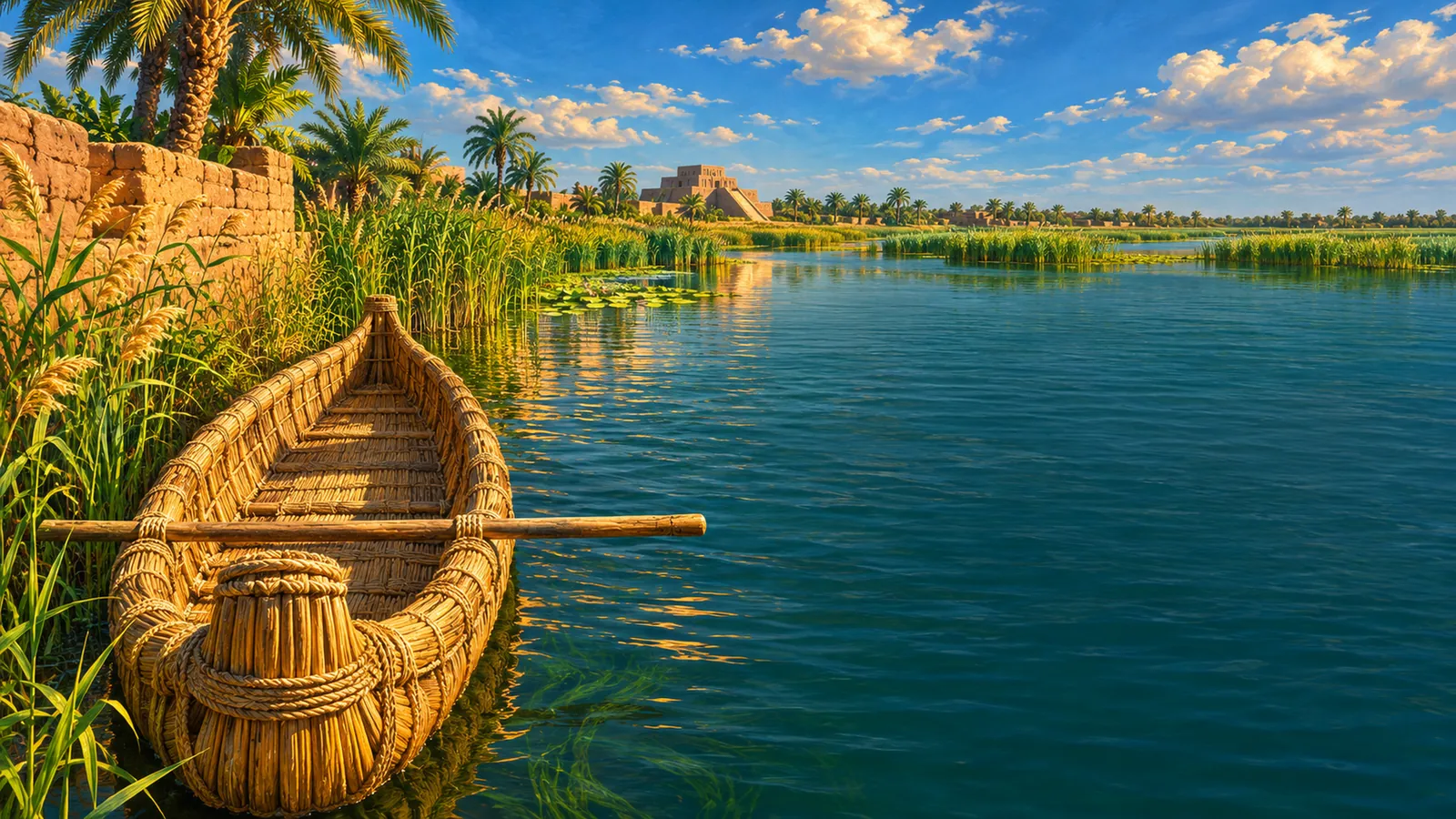
Enki voltou a atravessar de barco até à margem. Deitou-se com a sua neta Ninkura, que engravidou dele.
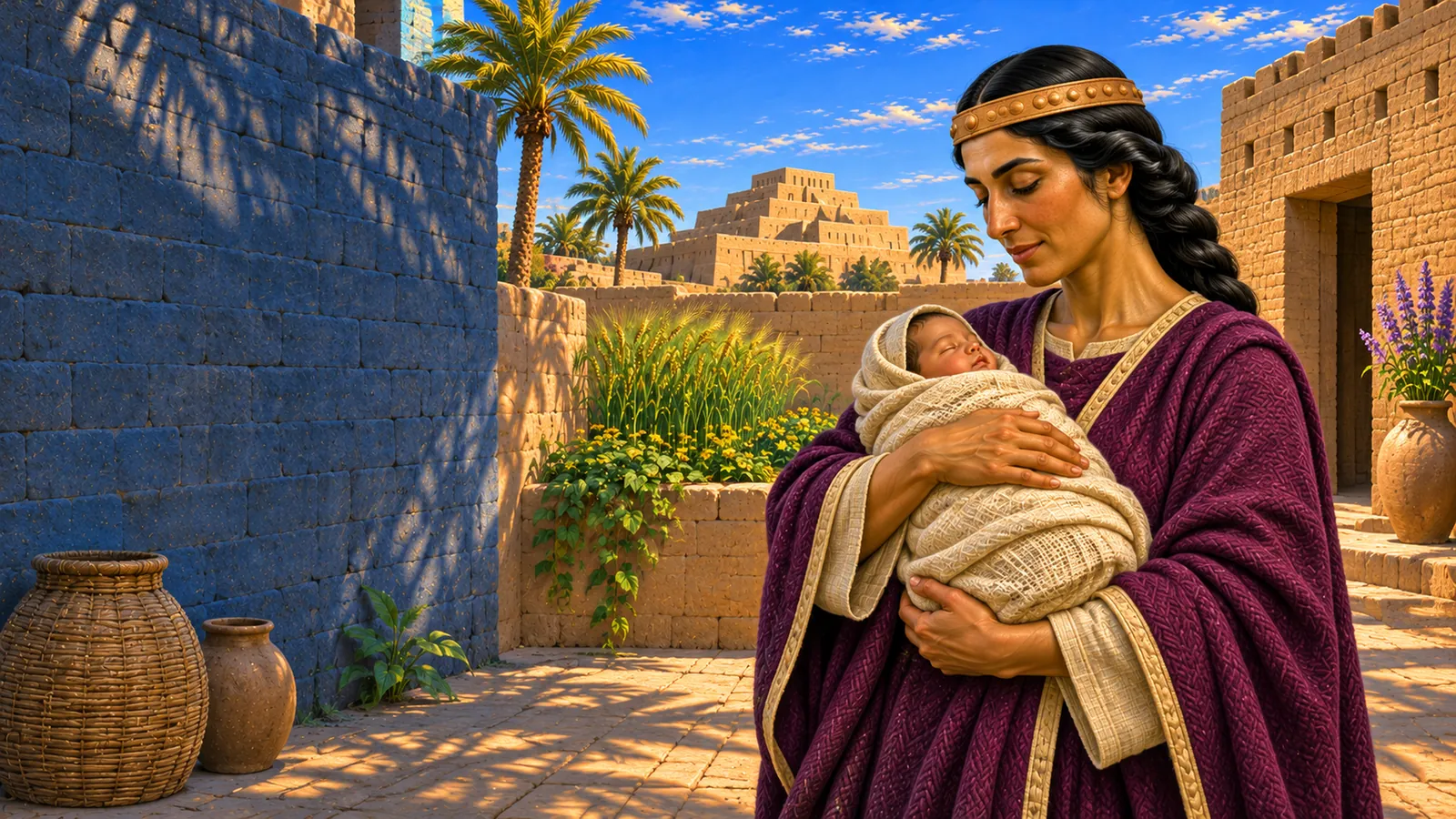
No relato principal, os meses voltam a passar depressa. Ninkura dá à luz Uttu, cuja descrição nas palavras que vêm a seguir é incerta.
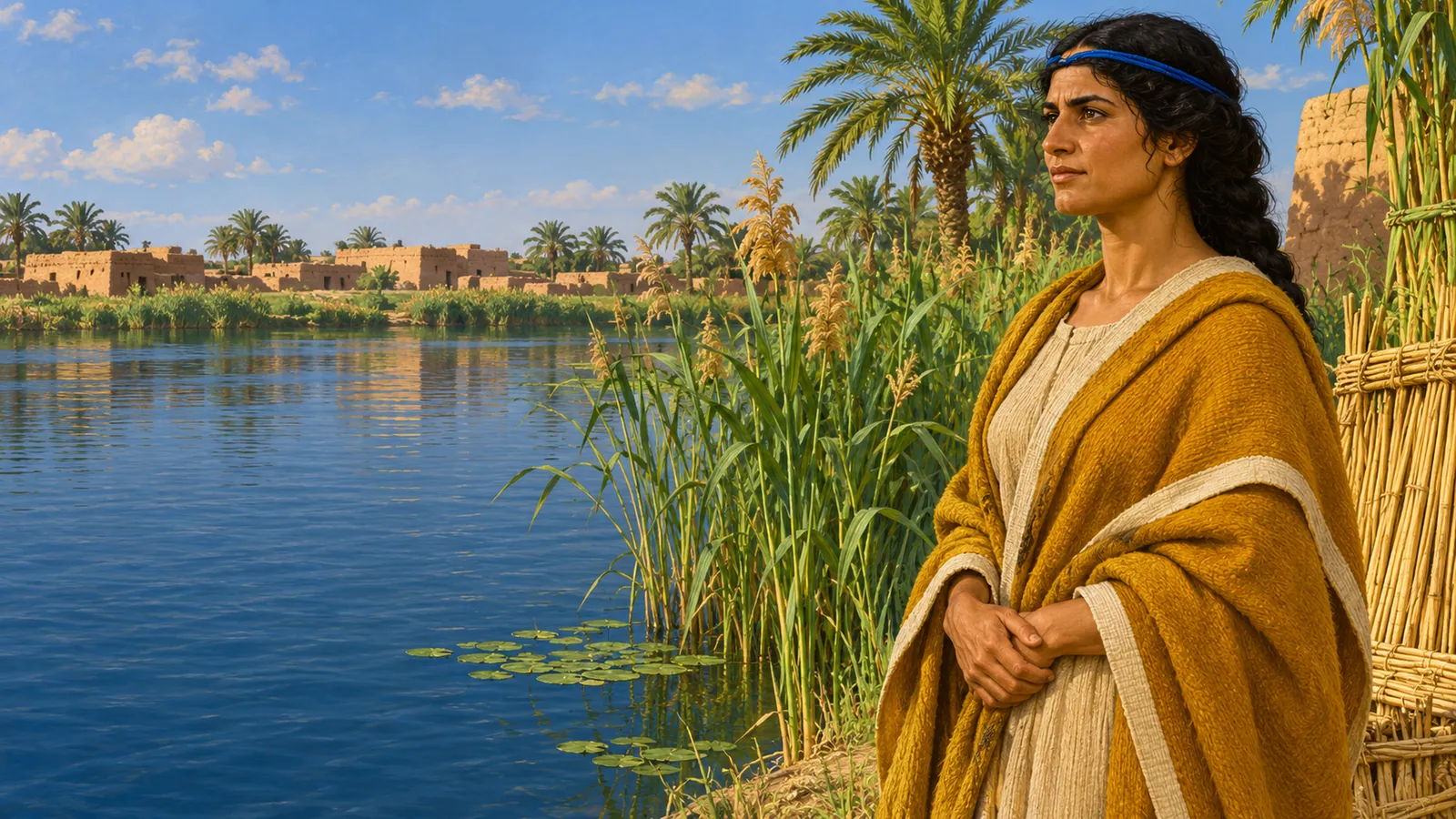
Outra cópia, hoje no Louvre, diz que Ninkura deu à luz Ninimma. Nessa versão, Ninimma veio à margem do rio, e Enki a viu ali.
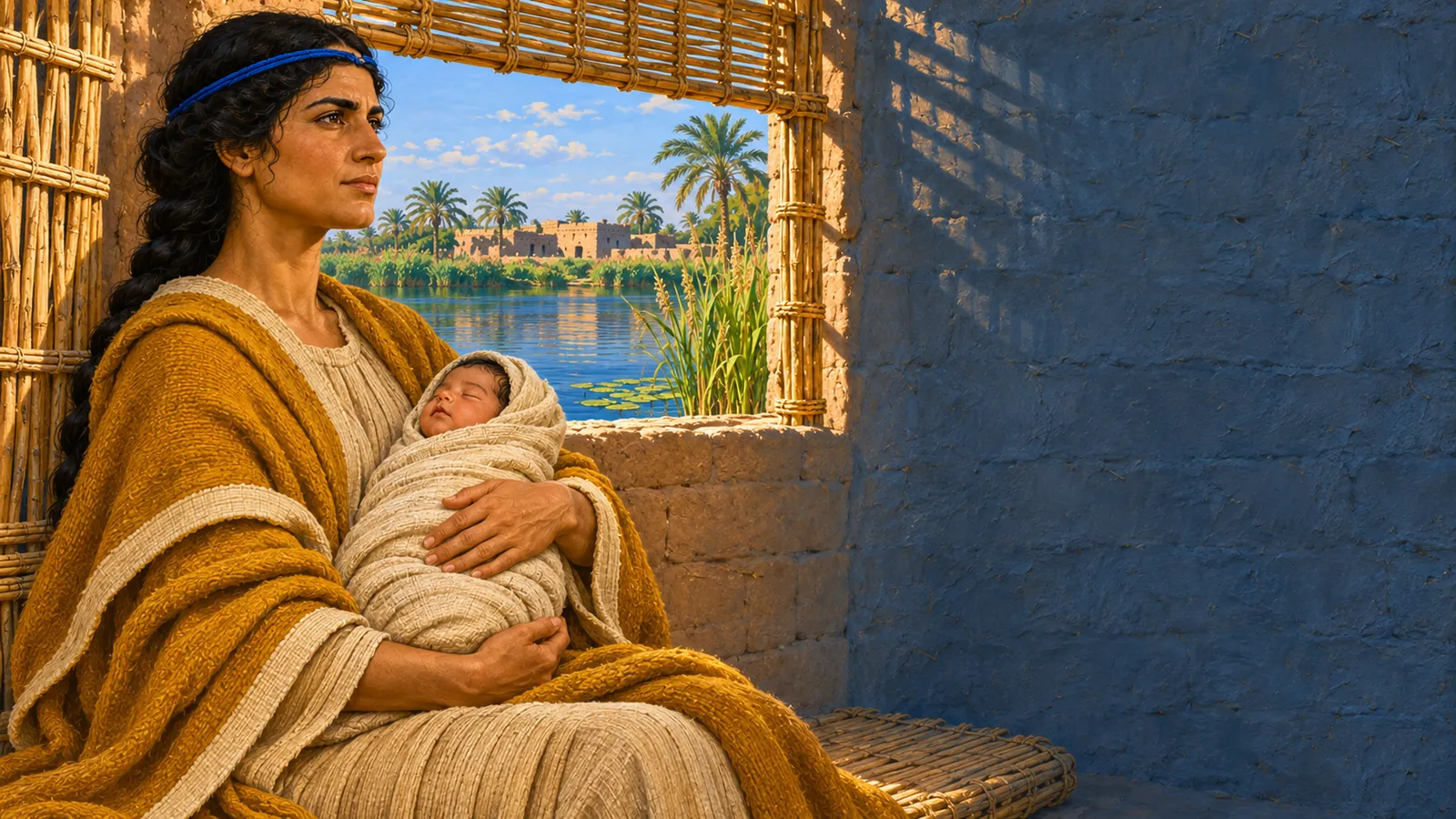
Nessa cópia, Enki deita-se também com Ninimma. O final foi parcialmente reconstituído, e é aí que Ninimma dá à luz Uttu.
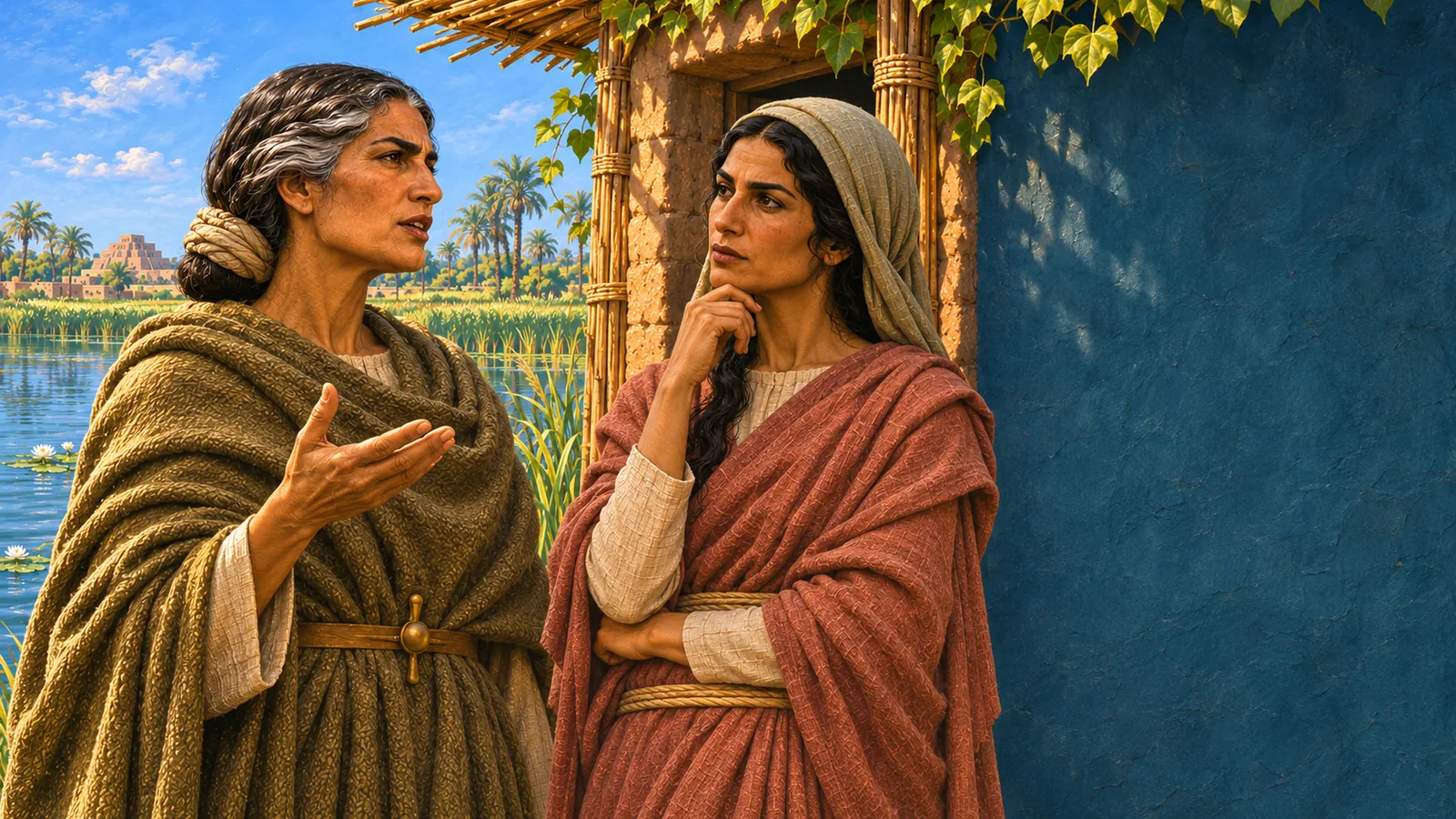
A ADVERTÊNCIA
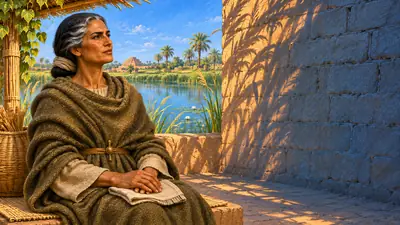
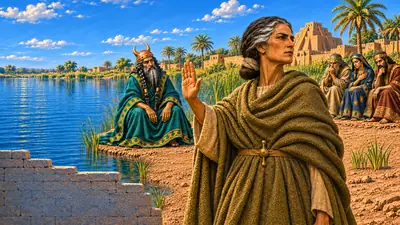
Nintud avisou Uttu de que Enki estava observando do pântano. Disse-lhe que ele a veria.
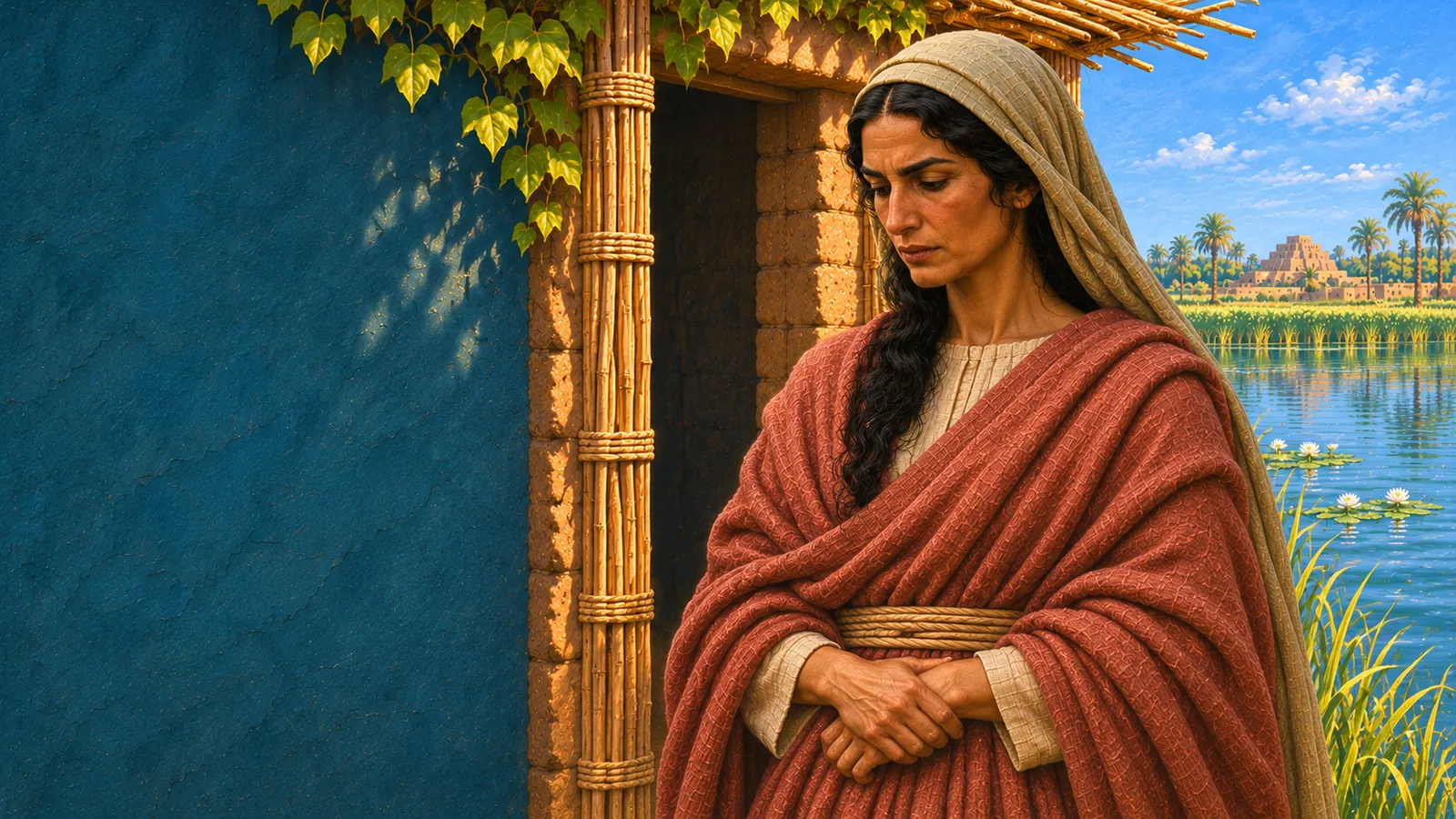
Nesse ponto, a advertência passa a aparecer em fragmentos. O nome de Uttu e algumas palavras permanecem, mas os versos danificados não permitem recuperar o conselho completo.
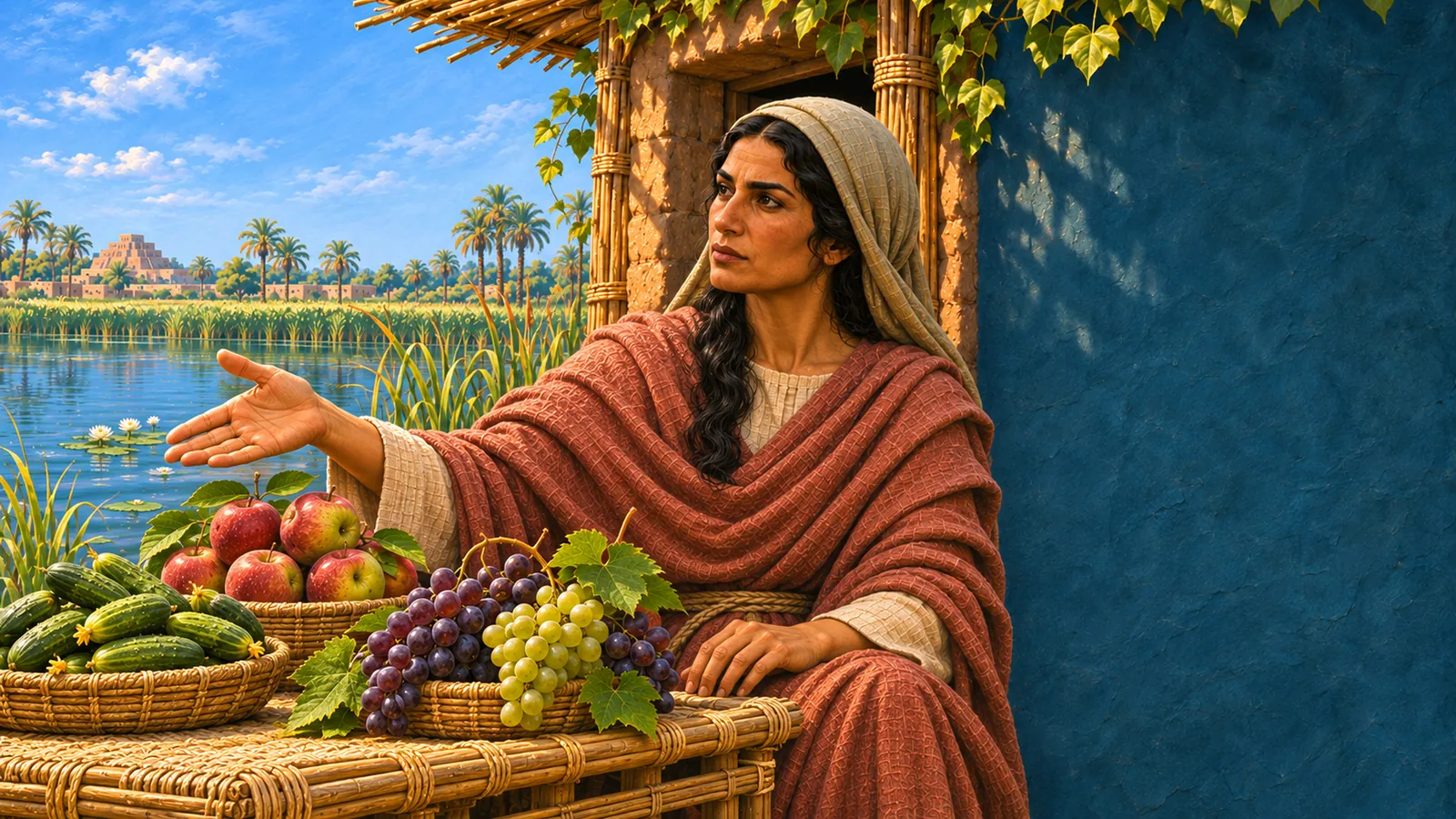
Uttu fala de pepinos, maçãs e uvas. Algumas palavras são incertas, e não se sabe ao certo a quem ela se dirige.
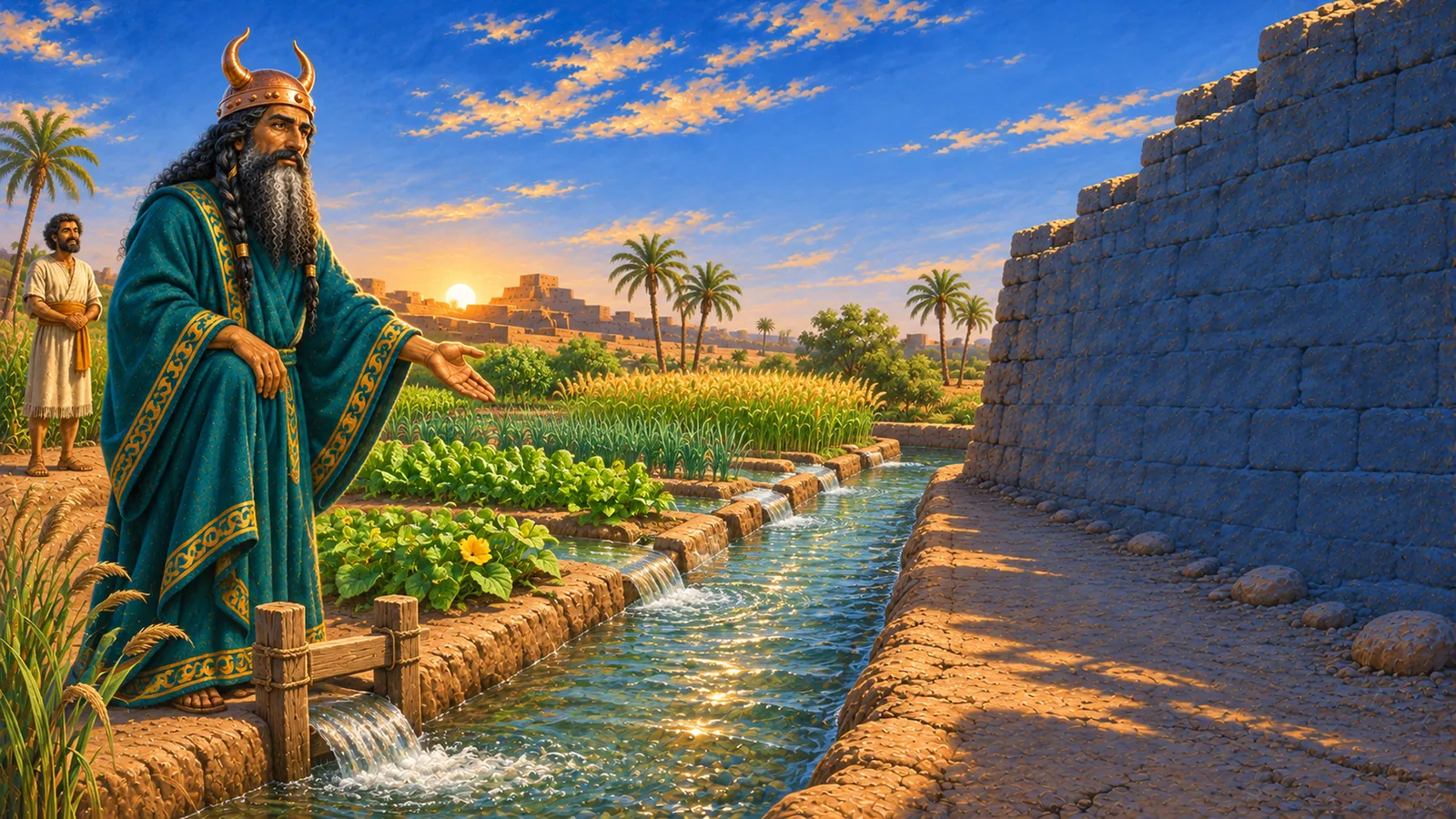
Enki voltou a levar água ao jardim. O poema diz que ele encheu de água os diques e os canais pela segunda vez.
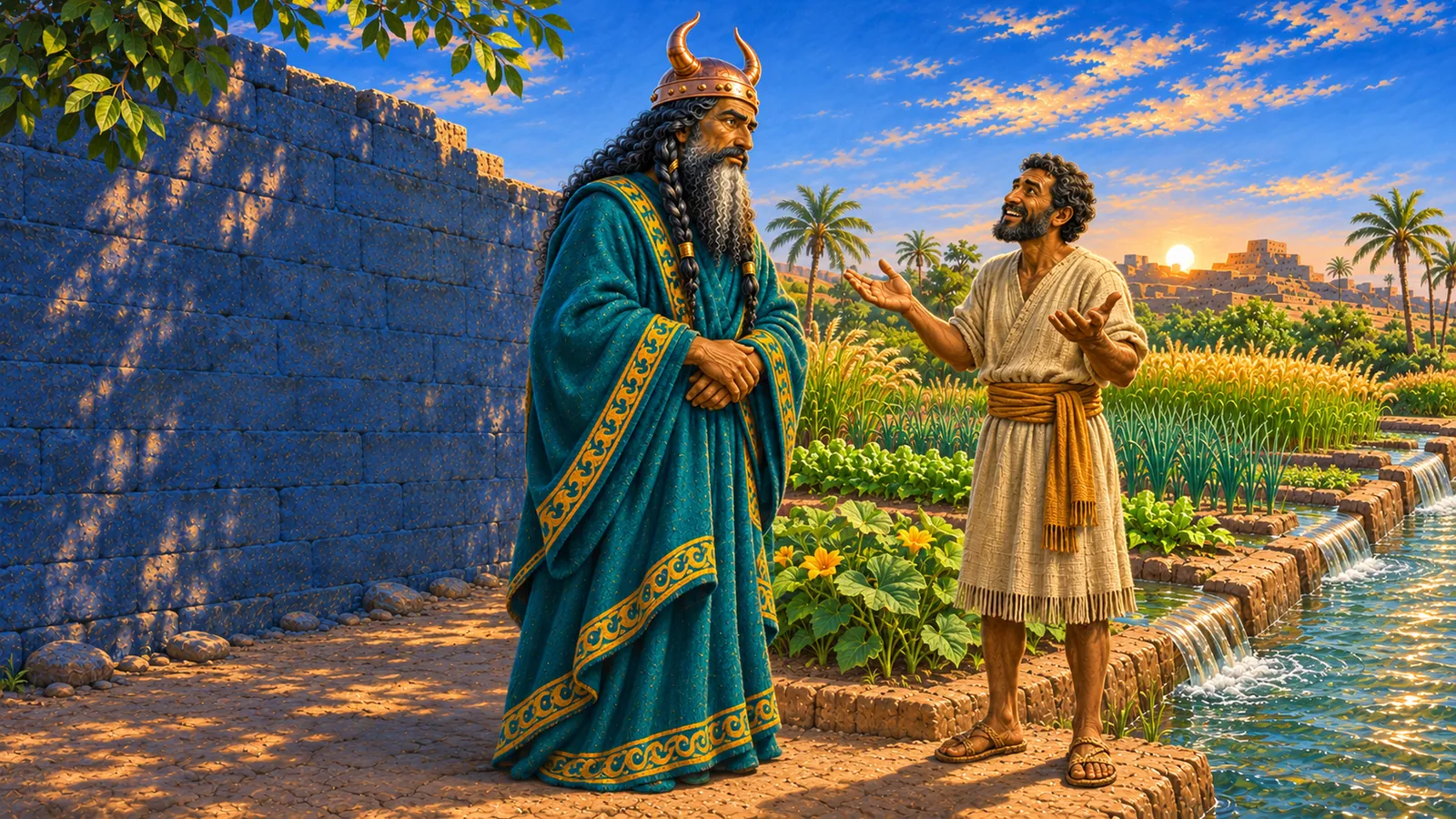
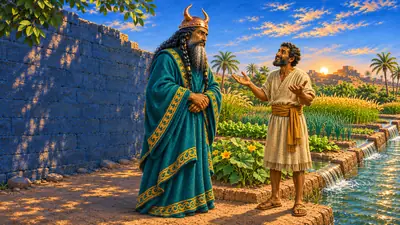
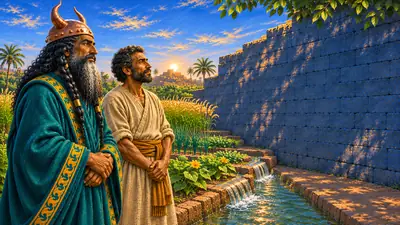
O jardineiro ficou muito contente quando a água chegou à horta. Perguntou a Enki quem era, mas o resto da pergunta está danificado.
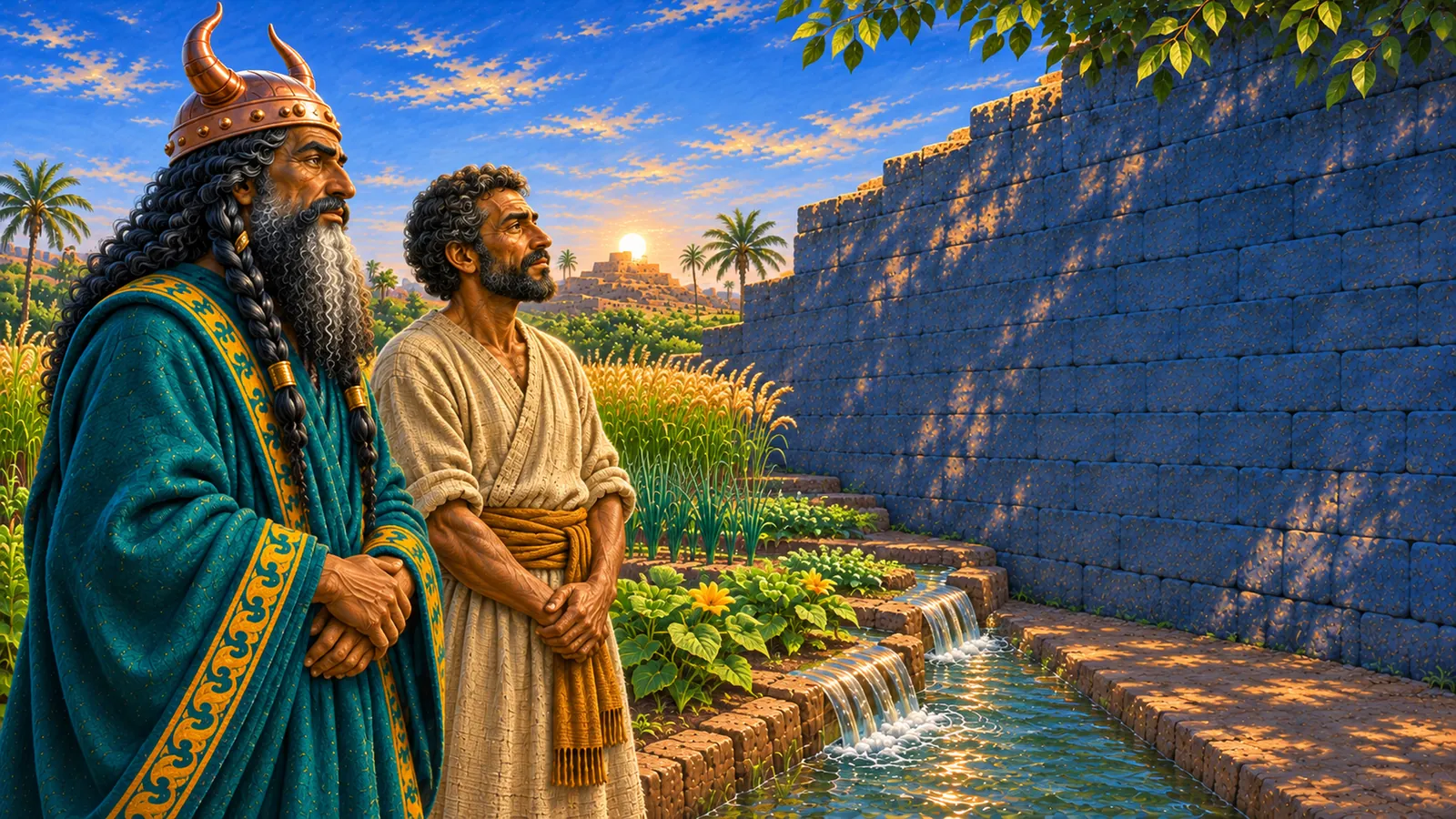
Enki começou a responder ao jardineiro. Faltam aqui quatro linhas, e perderam-se as palavras que trocaram.
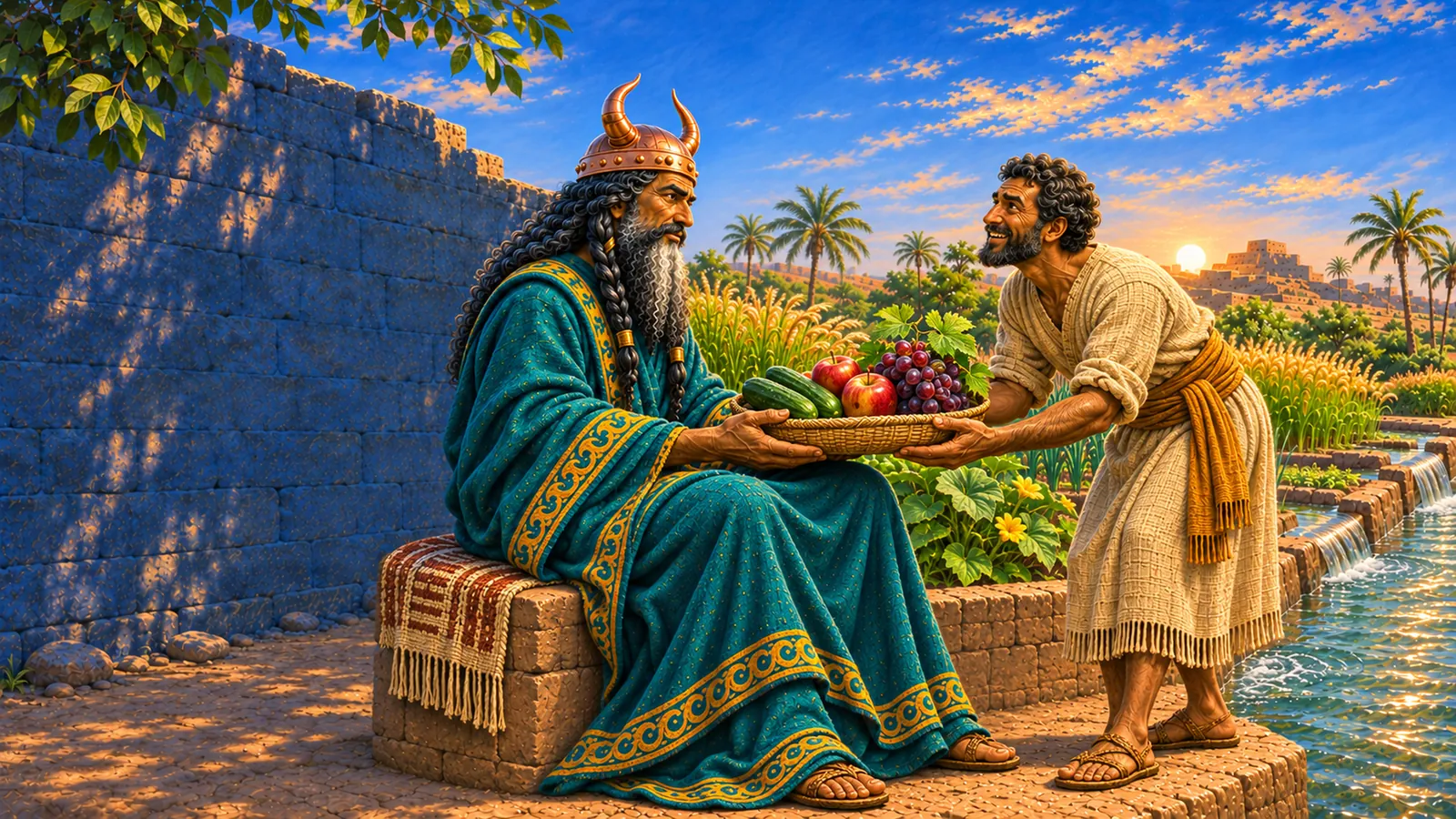
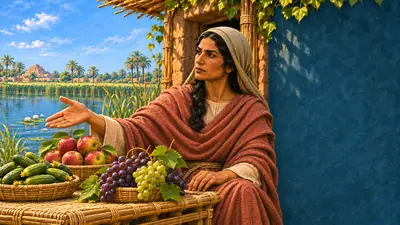
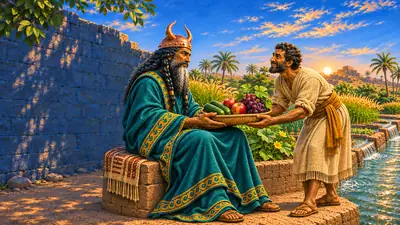
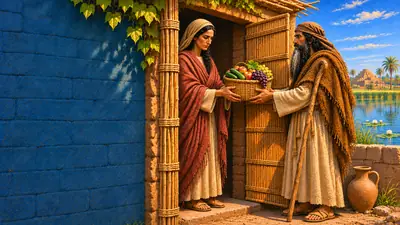
Quando o texto retoma, o jardineiro traz pepinos, maçãs e cachos de uvas a Enki. Enche-lhe o colo com esses frutos.
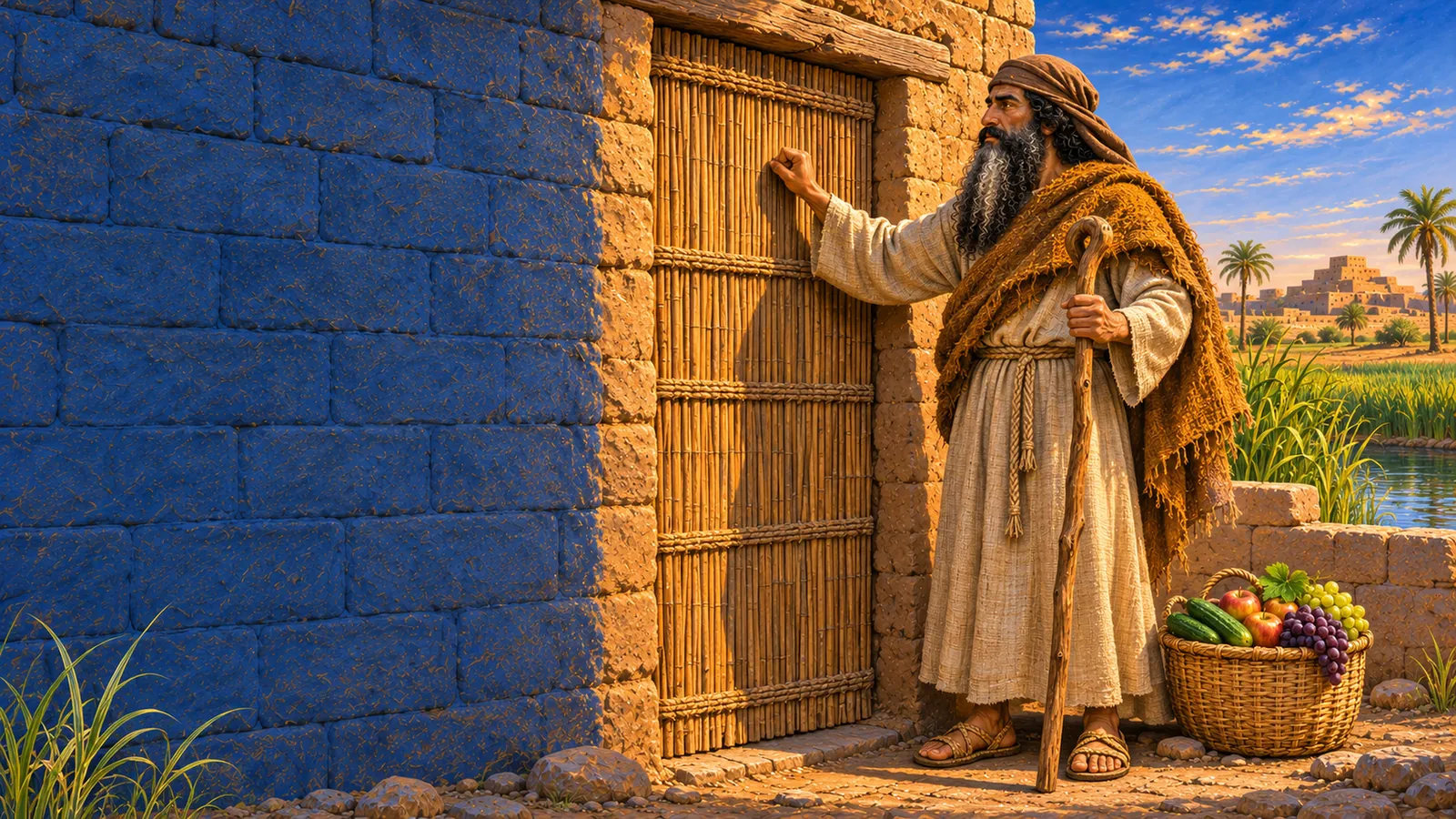
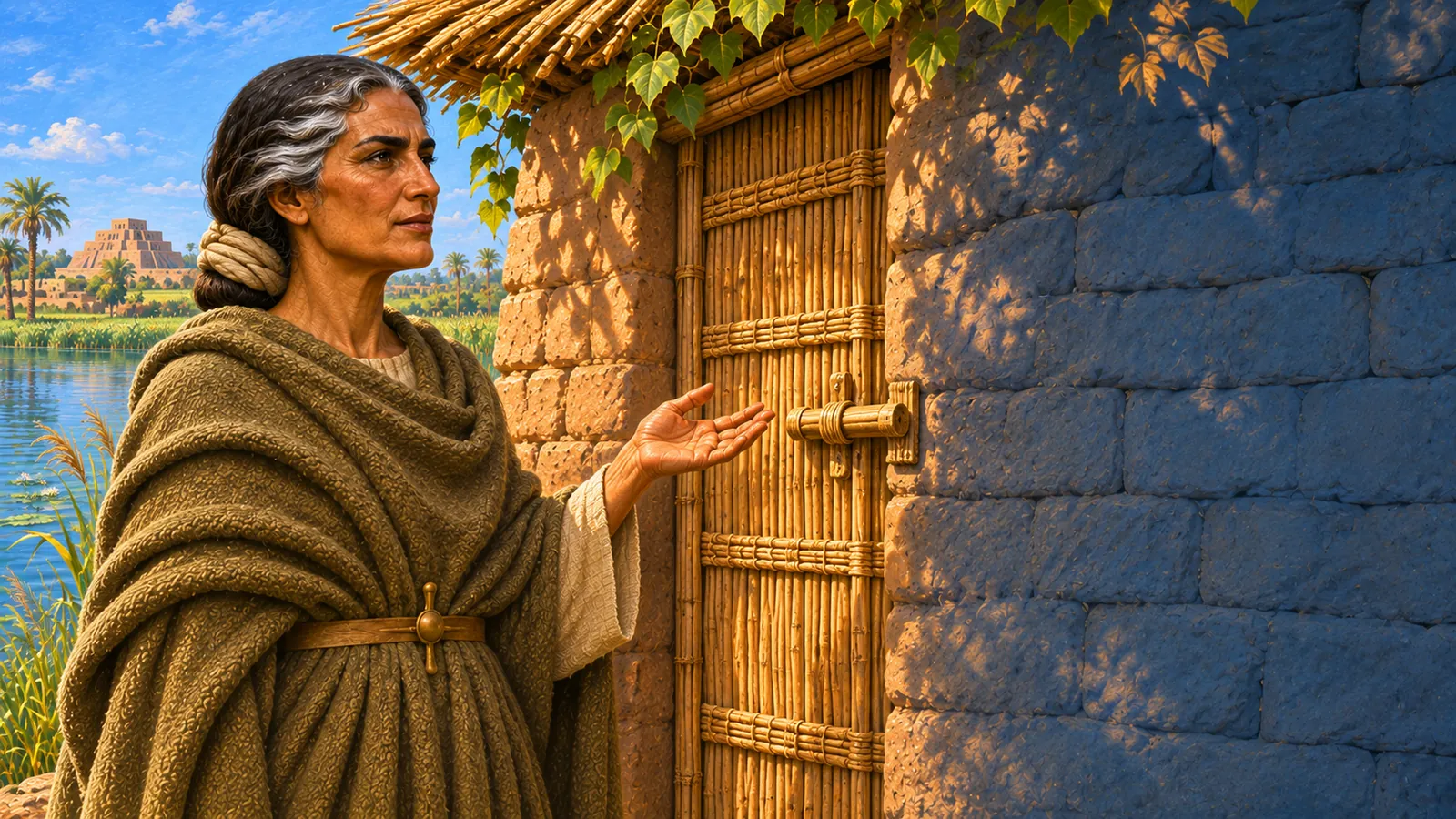
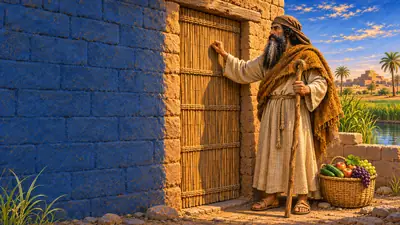
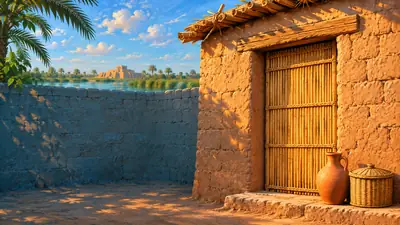
Enki mudou de aparência, pegou num bastão e bateu à porta de Uttu. Quando ela perguntou quem era, ele disse que era jardineiro e ofereceu-lhe os frutos.
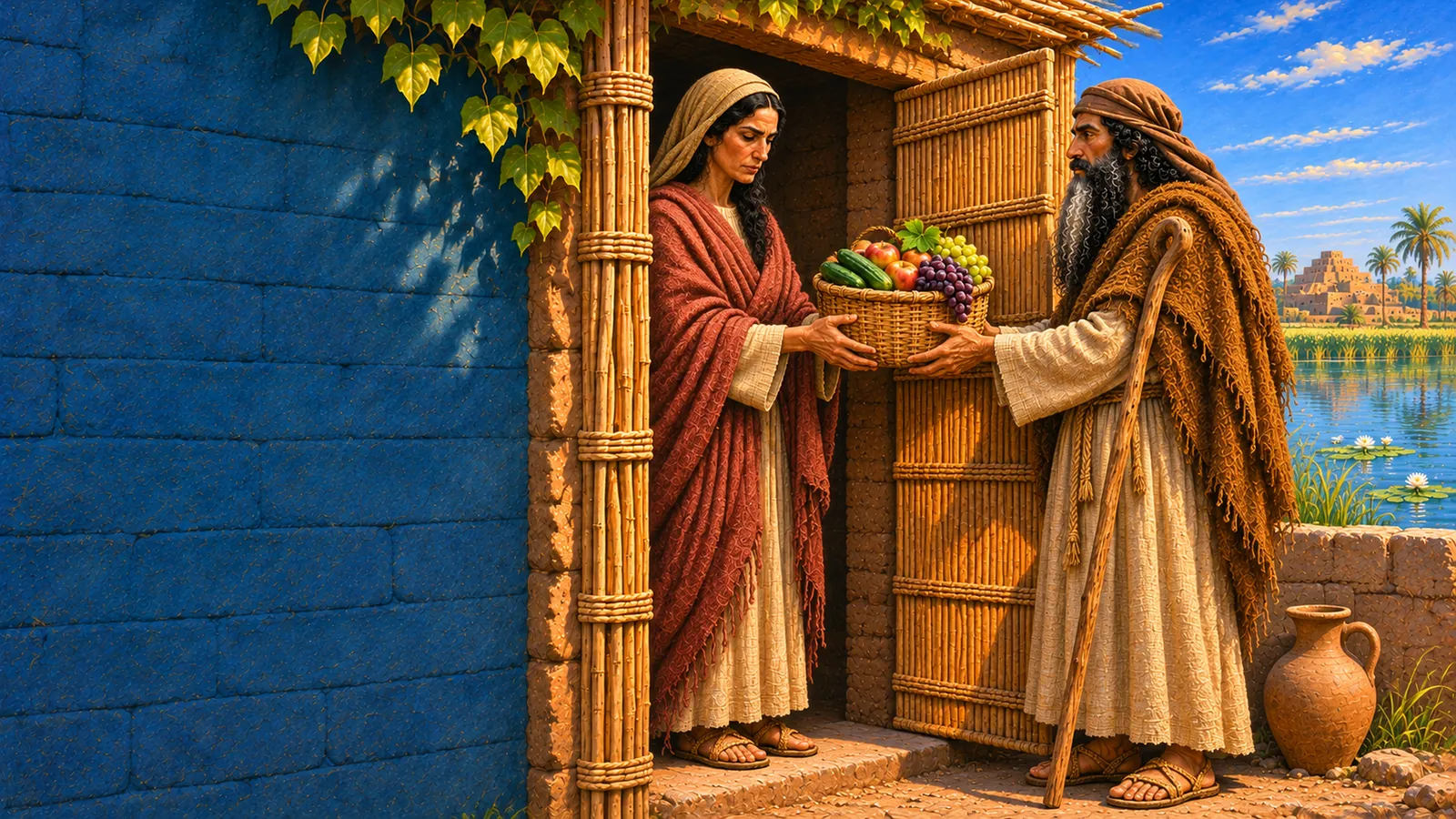
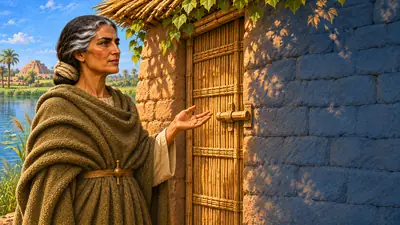
Uttu abriu a porta e recebeu os pepinos, as maçãs e as uvas. Uma cópia do poema diz que Enki também lhe serviu cerveja.
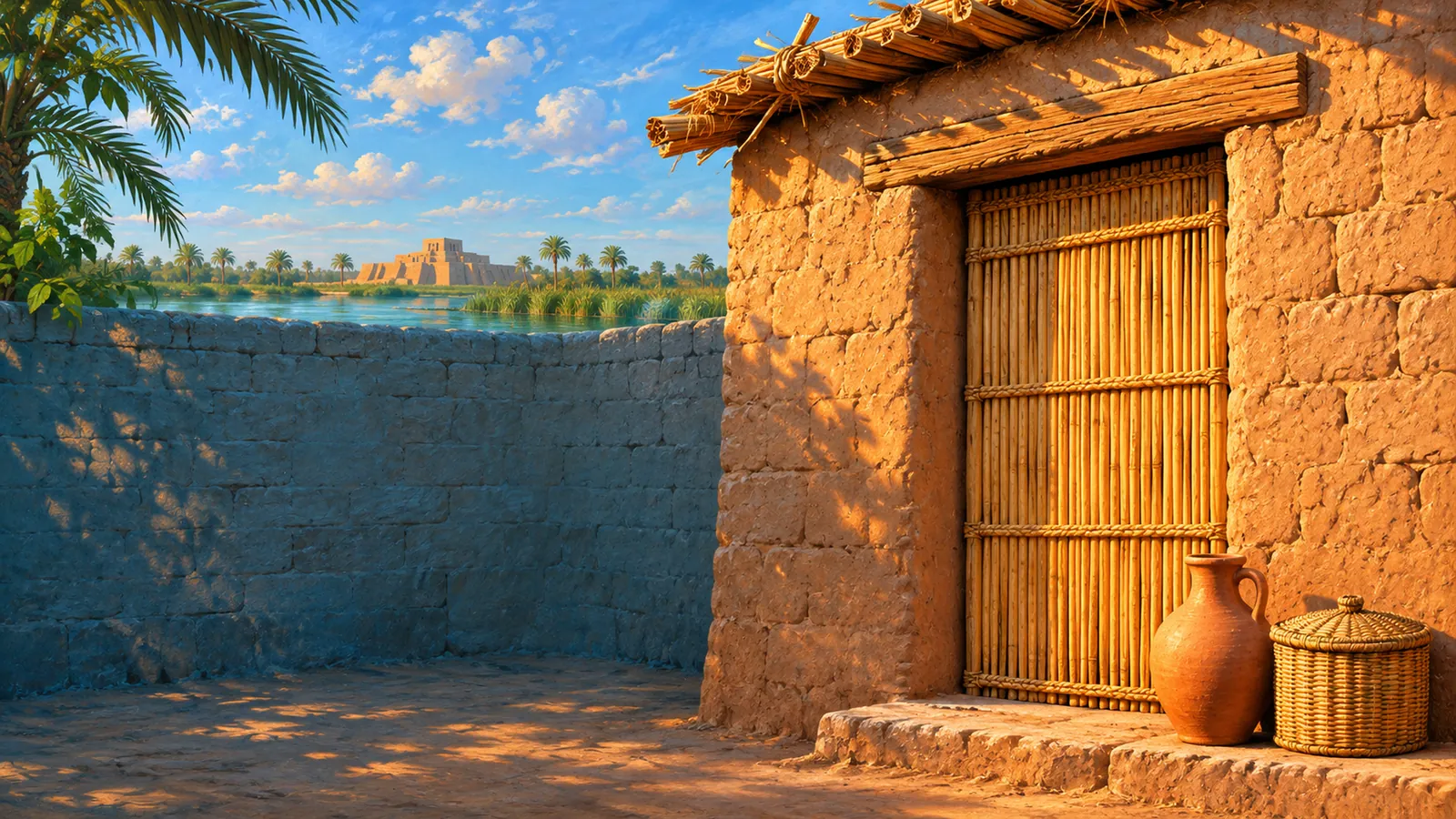
Enki tinha chegado fazendo-se passar por jardineiro. Dentro da casa, deitou-se com Uttu, que engravidou dele.
O GRITO DE UTTU
Uttu gritou de dor. Ninhursag retirou do seu corpo a semente de Enki. Das duas linhas seguintes restam apenas fragmentos.
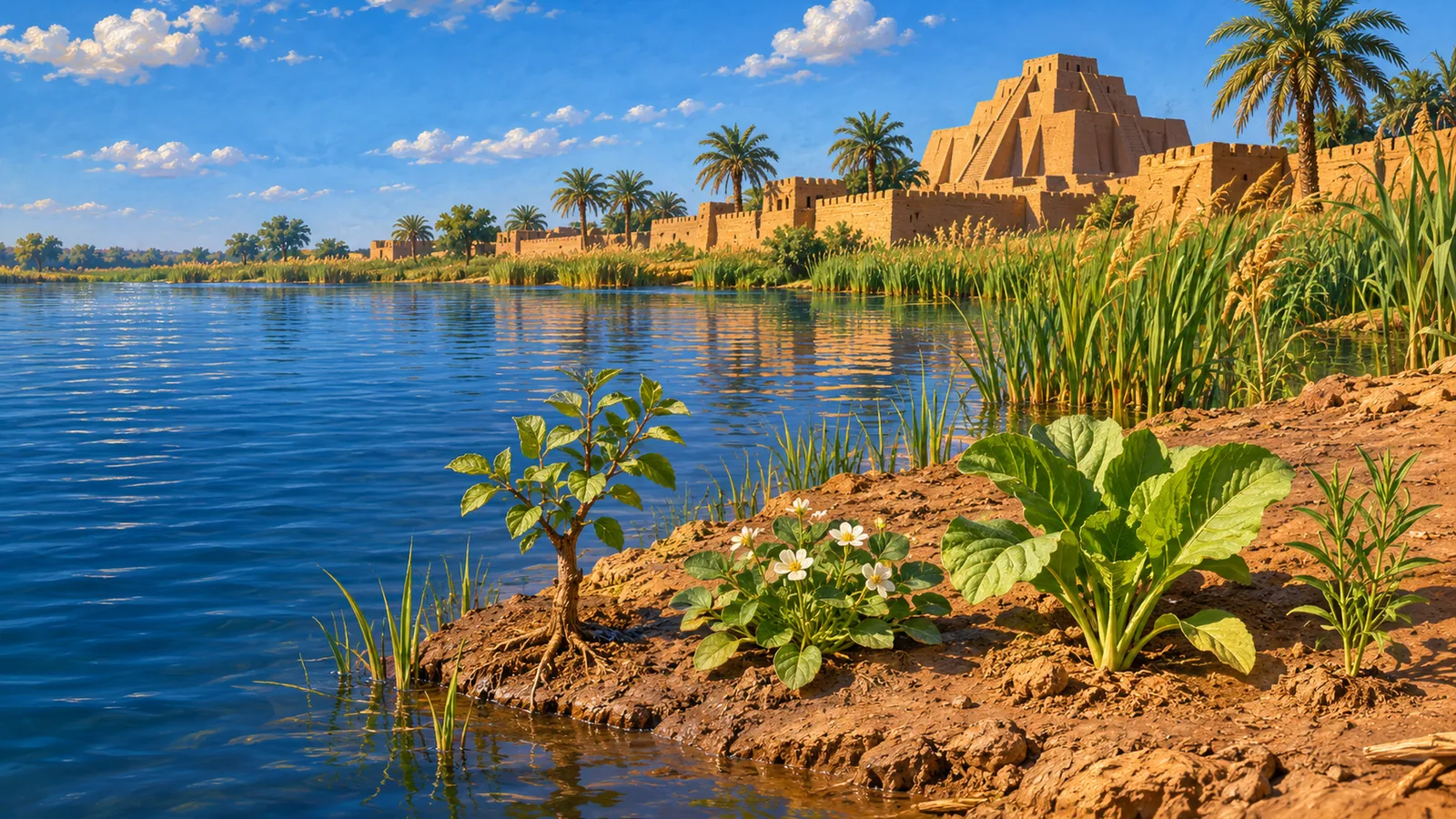
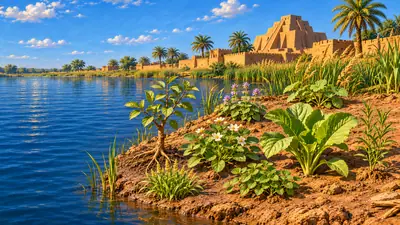
Cresceram quatro tipos de plantas. O poema fala da planta-árvore, da planta-mel e da planta-hortaliça. A quarta é difícil de identificar.
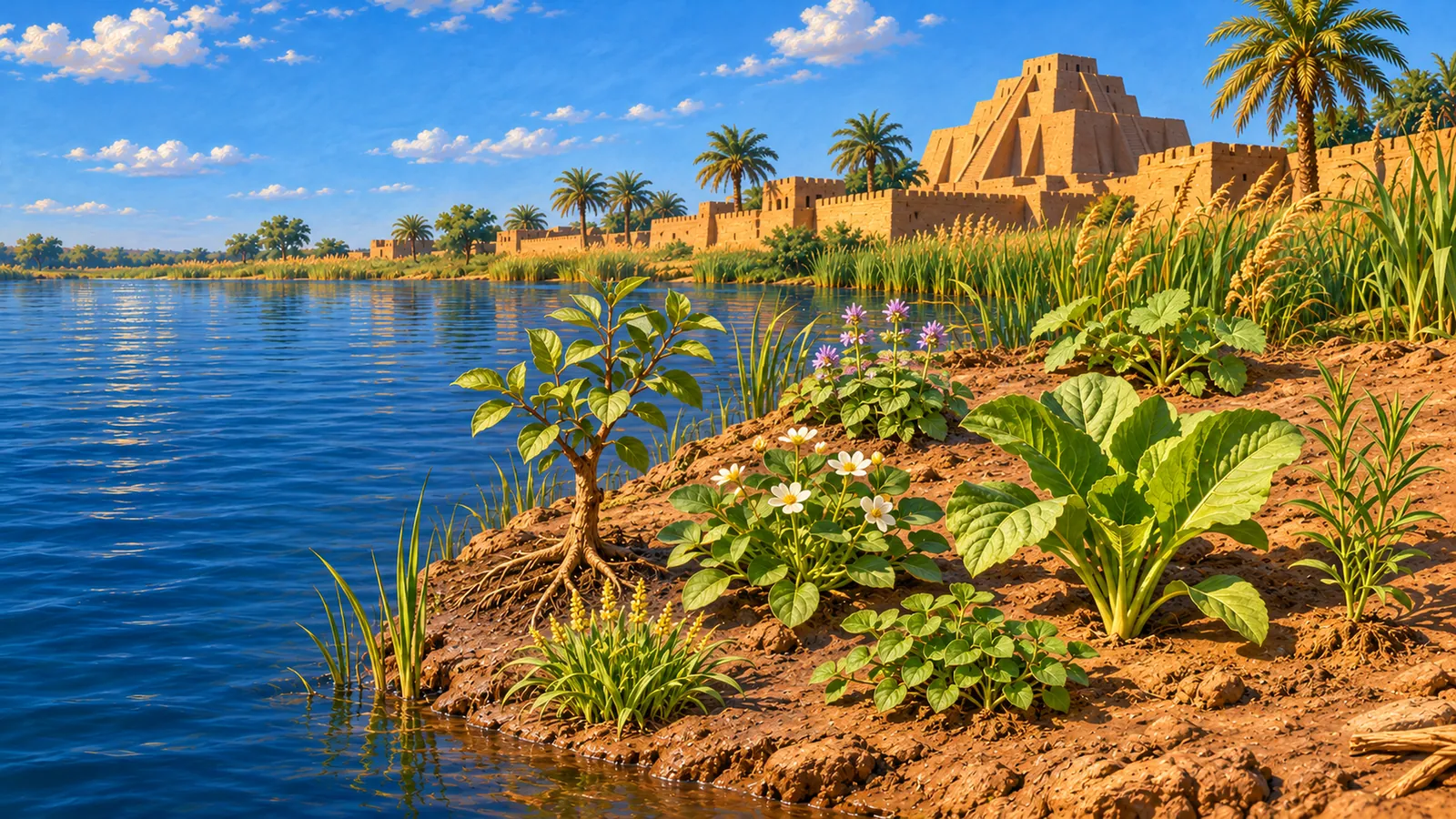
Cresceram mais quatro tipos de plantas. Os nomes são Atutu, Ashtaltal, um nome que se perdeu na tabuinha e Amharu.
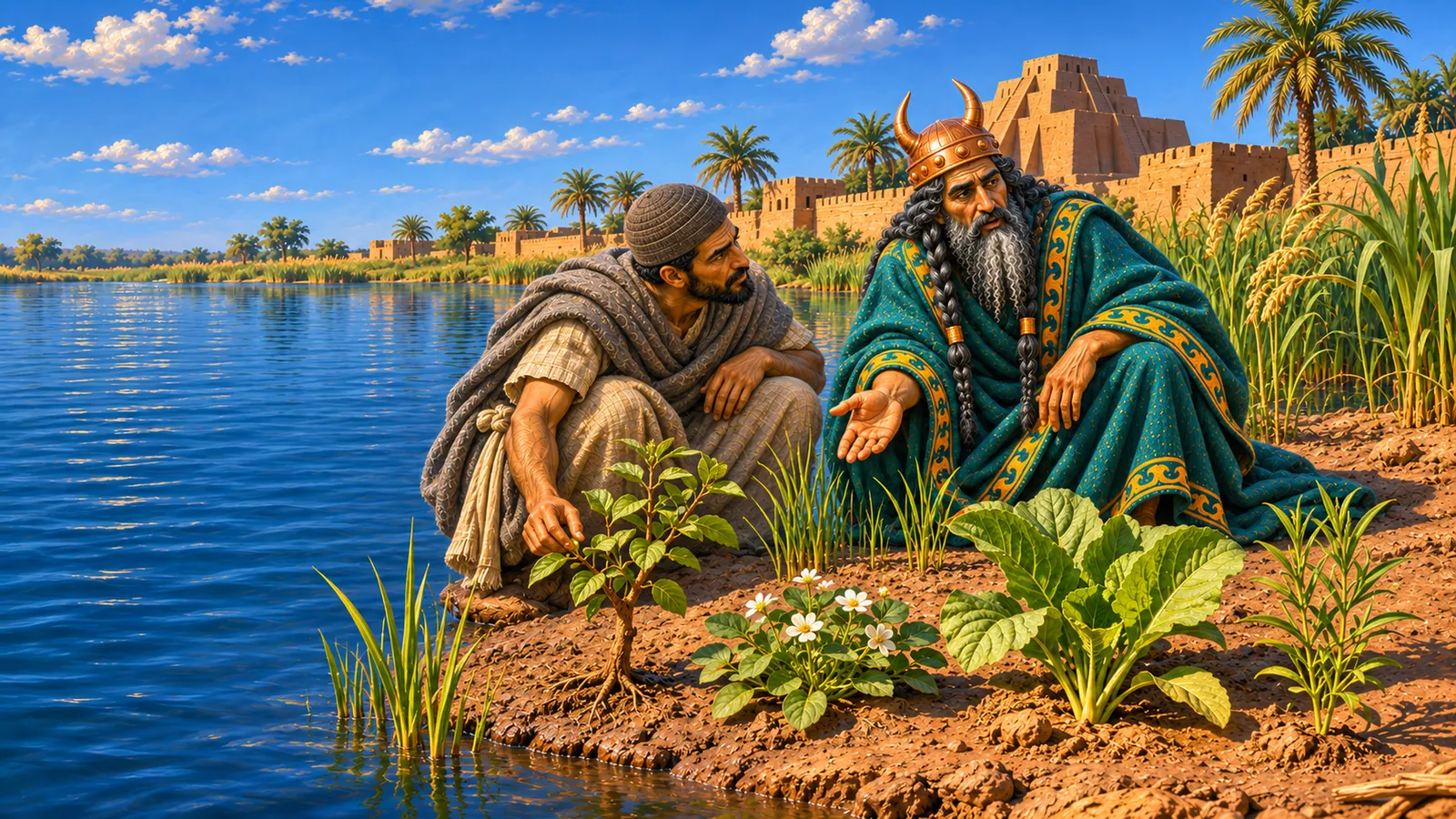
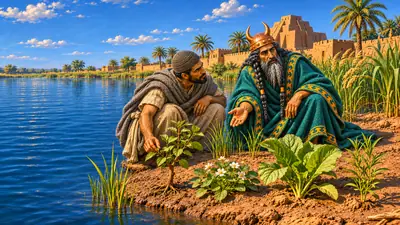
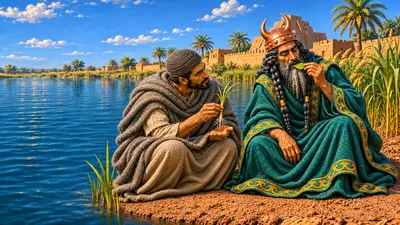
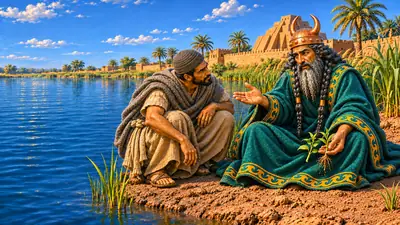
Enki viu as plantas a partir do pântano. Ainda não lhes tinha definido o destino, e começou a perguntar a Isimud o que era cada uma.
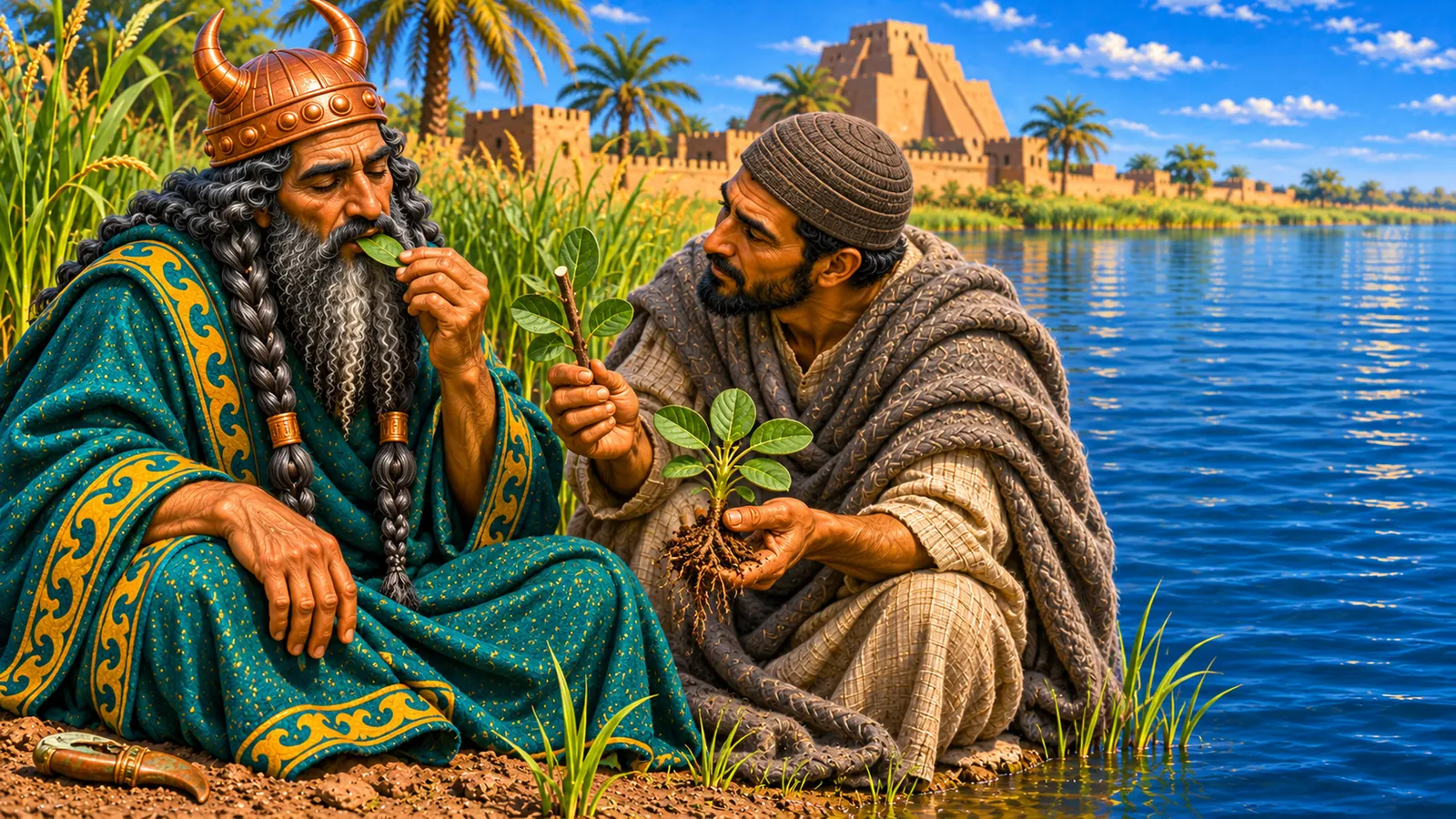
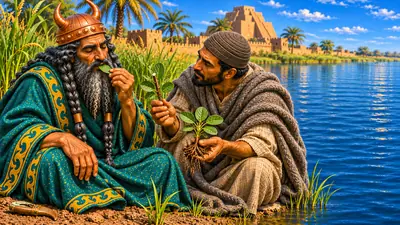
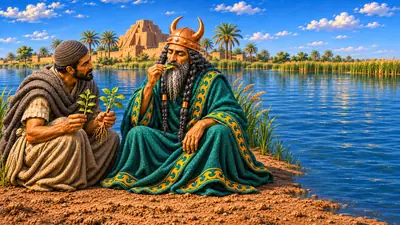
Isimud deu o nome da planta-árvore, cortou-a e deu-a a Enki para comer. Depois nomeou a planta-mel, arrancou-a da terra e deu-lha também a comer.
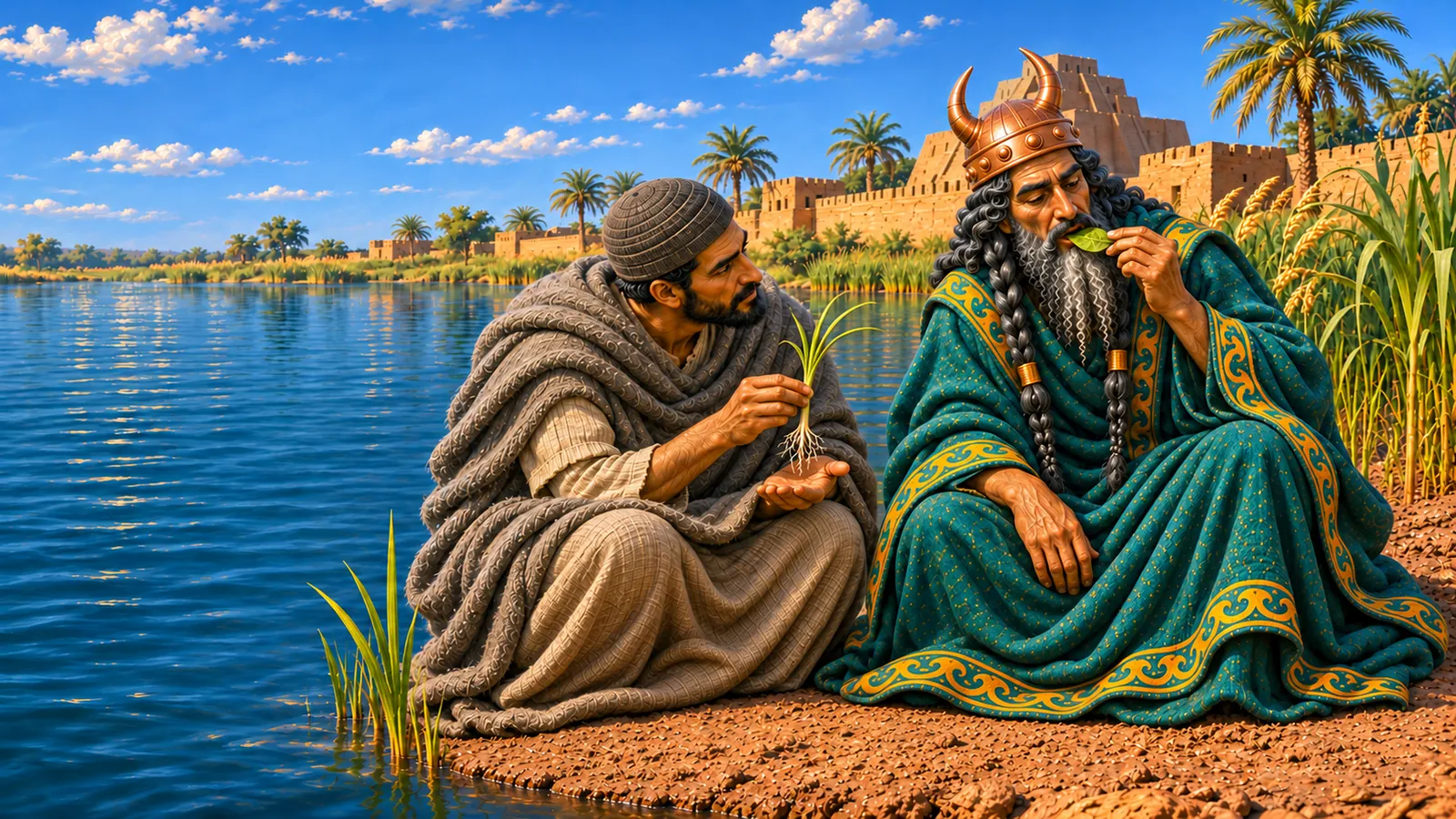
Isimud cortou a planta-hortaliça e arrancou uma planta que talvez fosse uma espécie de erva. Enki comeu cada uma à medida que Isimud as trazia.
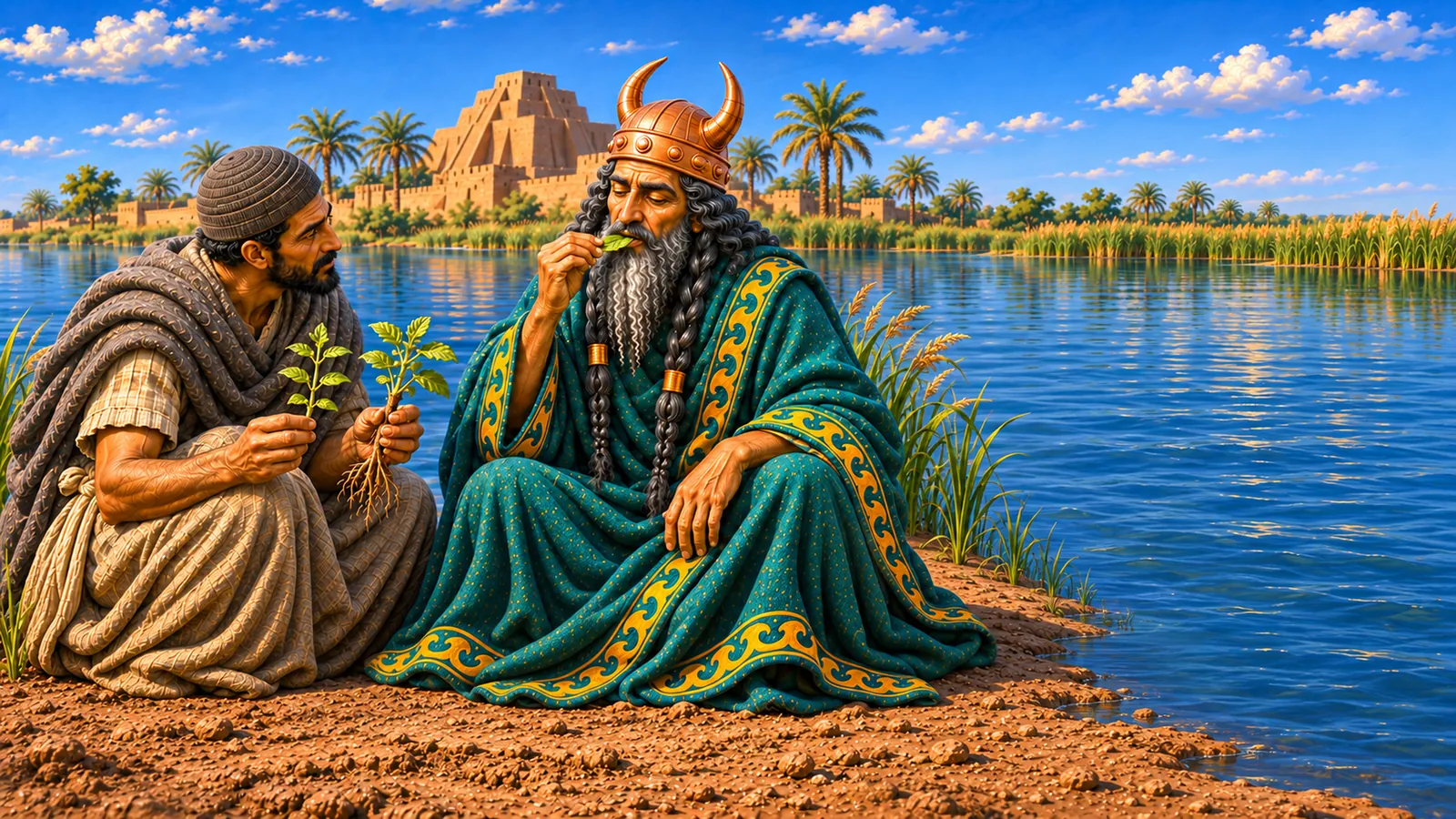
Isimud deu o nome da planta Atutu e cortou-a. Depois nomeou a planta Ashtaltal e arrancou-a. Enki comeu as duas, uma a seguir à outra.
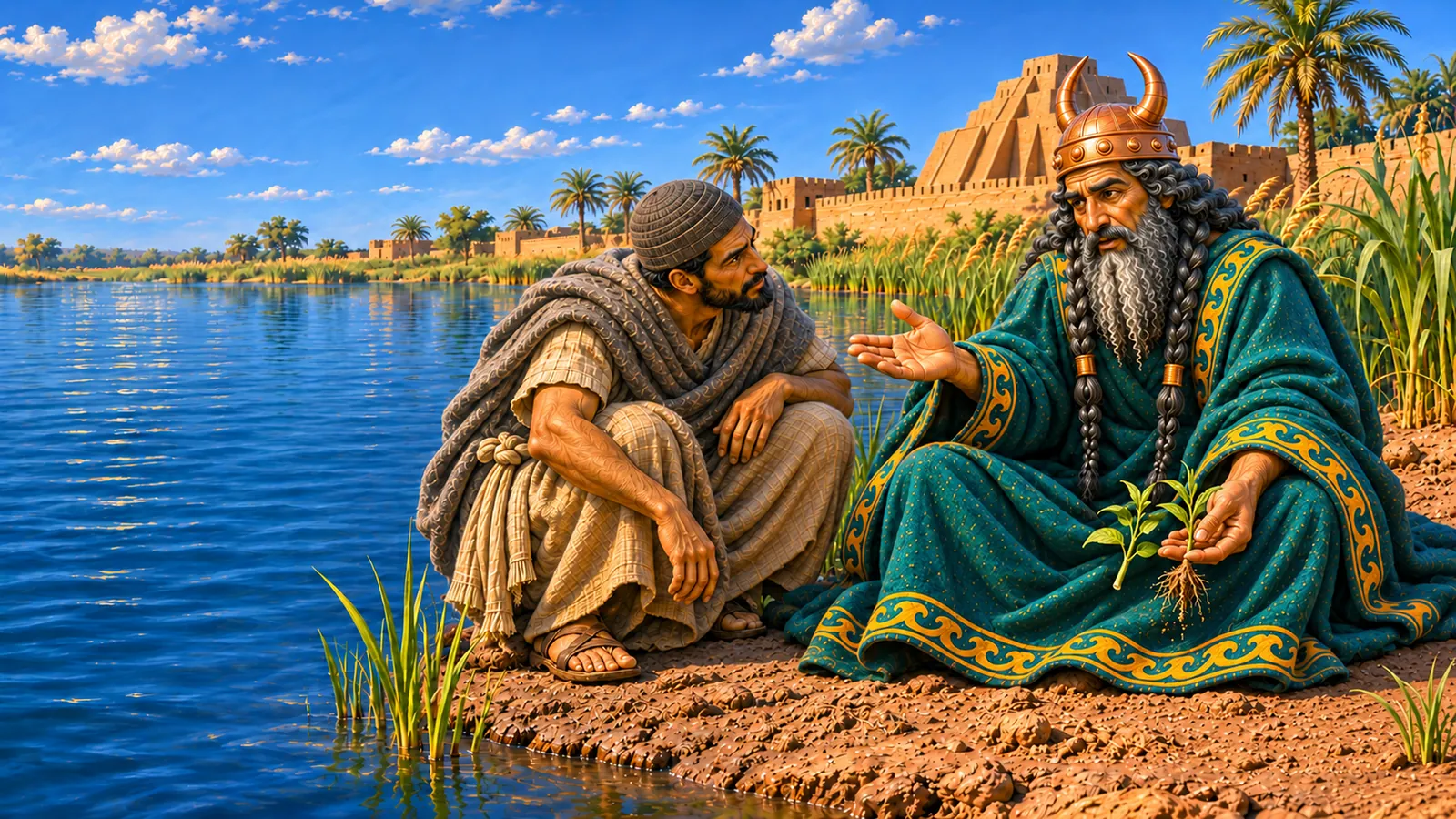
Perdeu-se o nome da sétima planta. Isimud cortou-a, depois arrancou o Amharu, e Enki comeu as duas. A seguir, Enki definiu o destino de todas as plantas.
A MALDIÇÃO
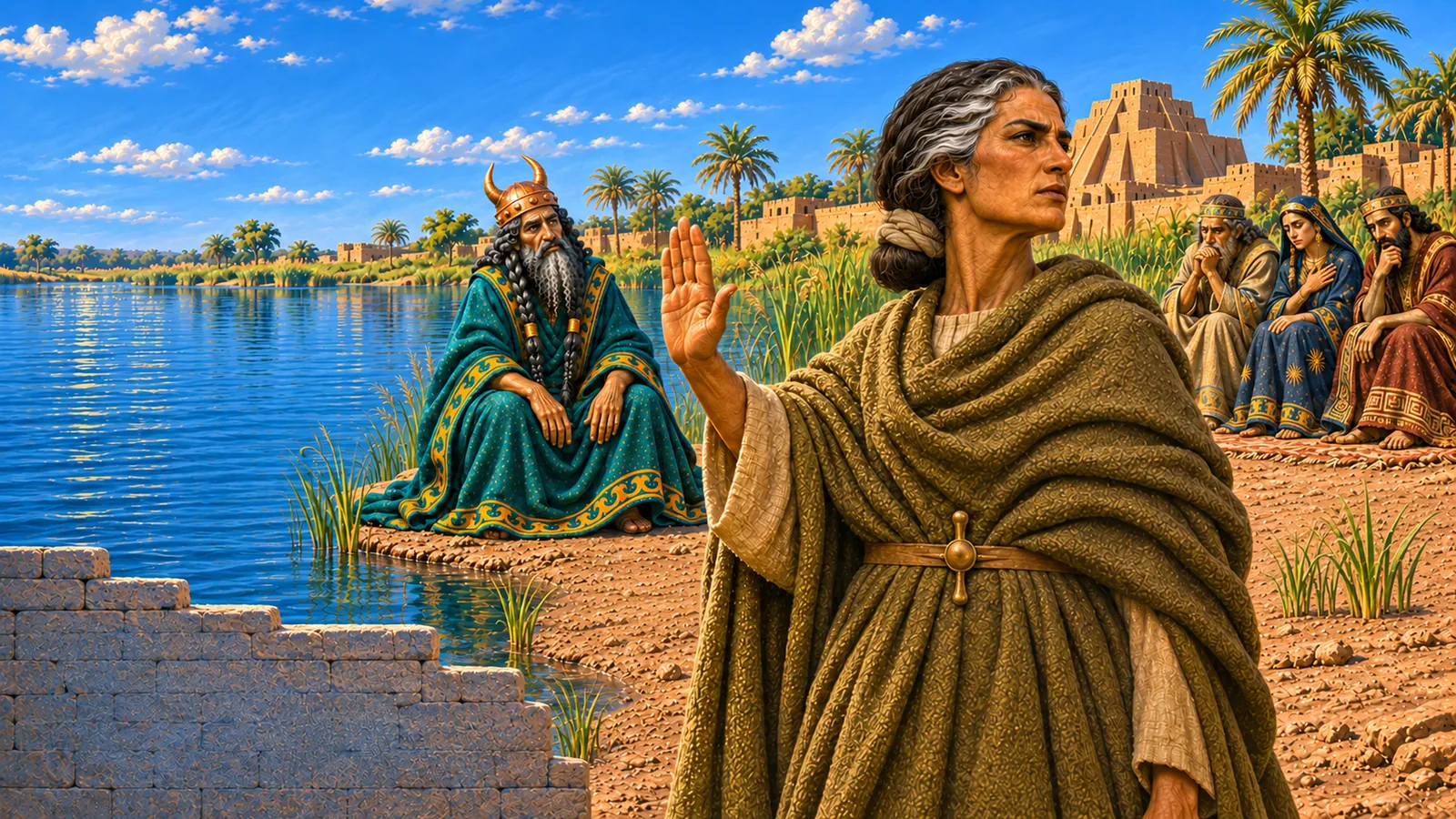
Ninhursag amaldiçoou Enki. Jurou negar-lhe o seu olhar que dá vida, até ao dia da sua morte. Os Anuna sentaram-se no pó.
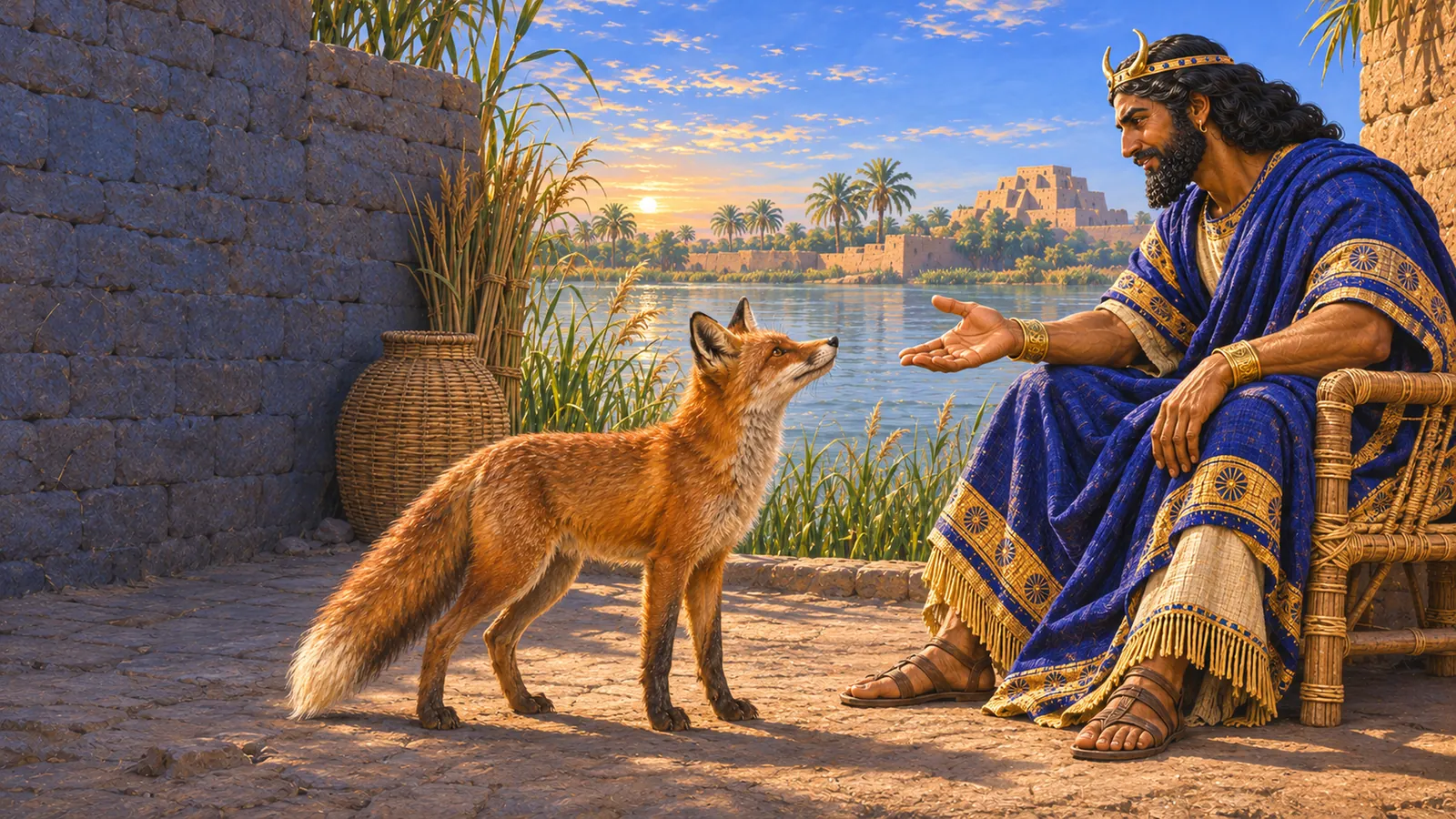
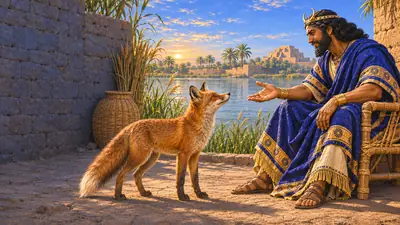
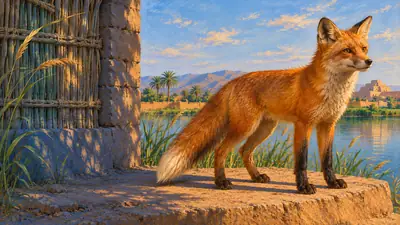
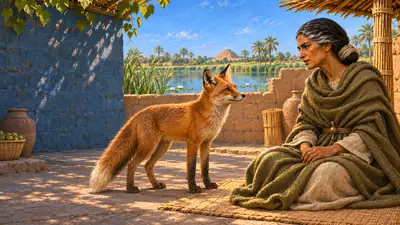
Uma raposa perguntou a Enlil que recompensa receberia se trouxesse Ninhursag de volta. Enlil prometeu que, se conseguisse, seriam erguidos dois estandartes na sua cidade e a raposa ficaria famosa.
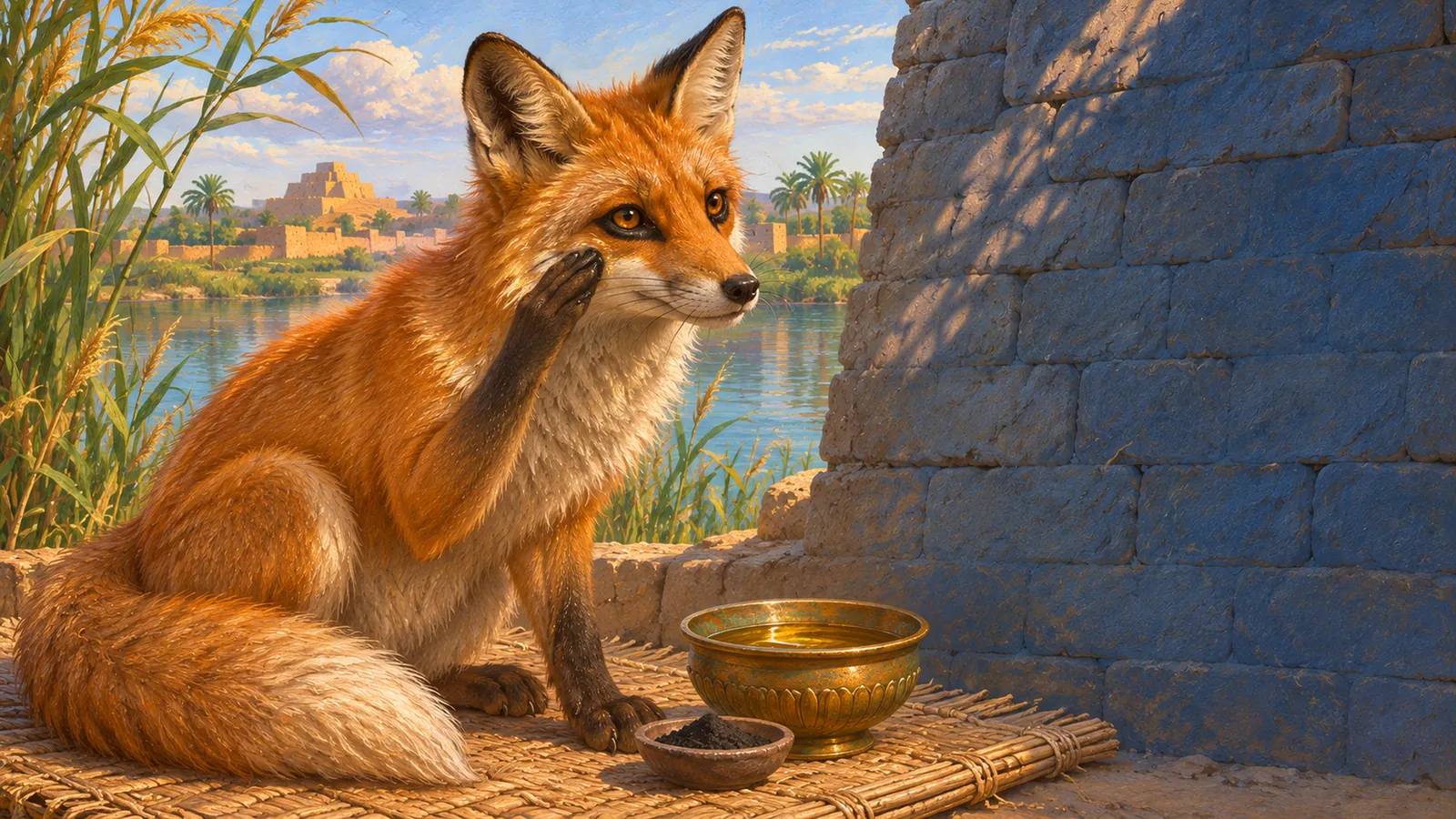
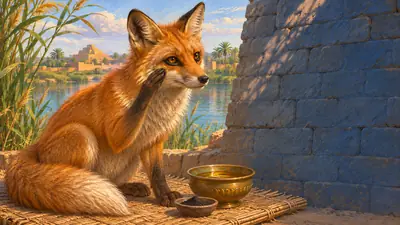
A raposa ungiu-se e pôs kohl à volta dos olhos. As palavras entre esses dois gestos parecem descrever algo que fez ao pelo.
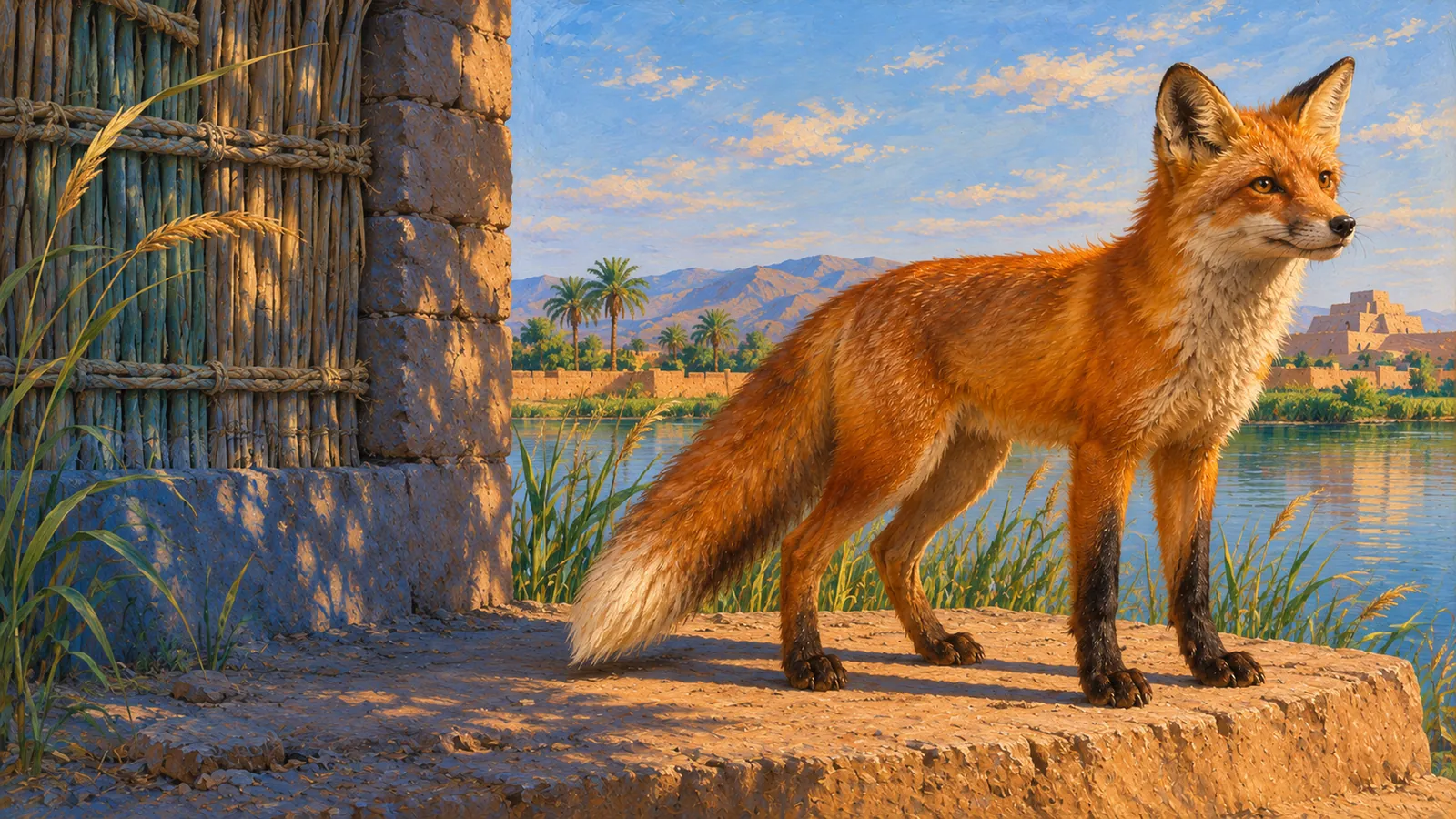
Neste ponto, quatro linhas só se conservam em fragmentos. A tabuinha não deixa claro o que a raposa fez a seguir.
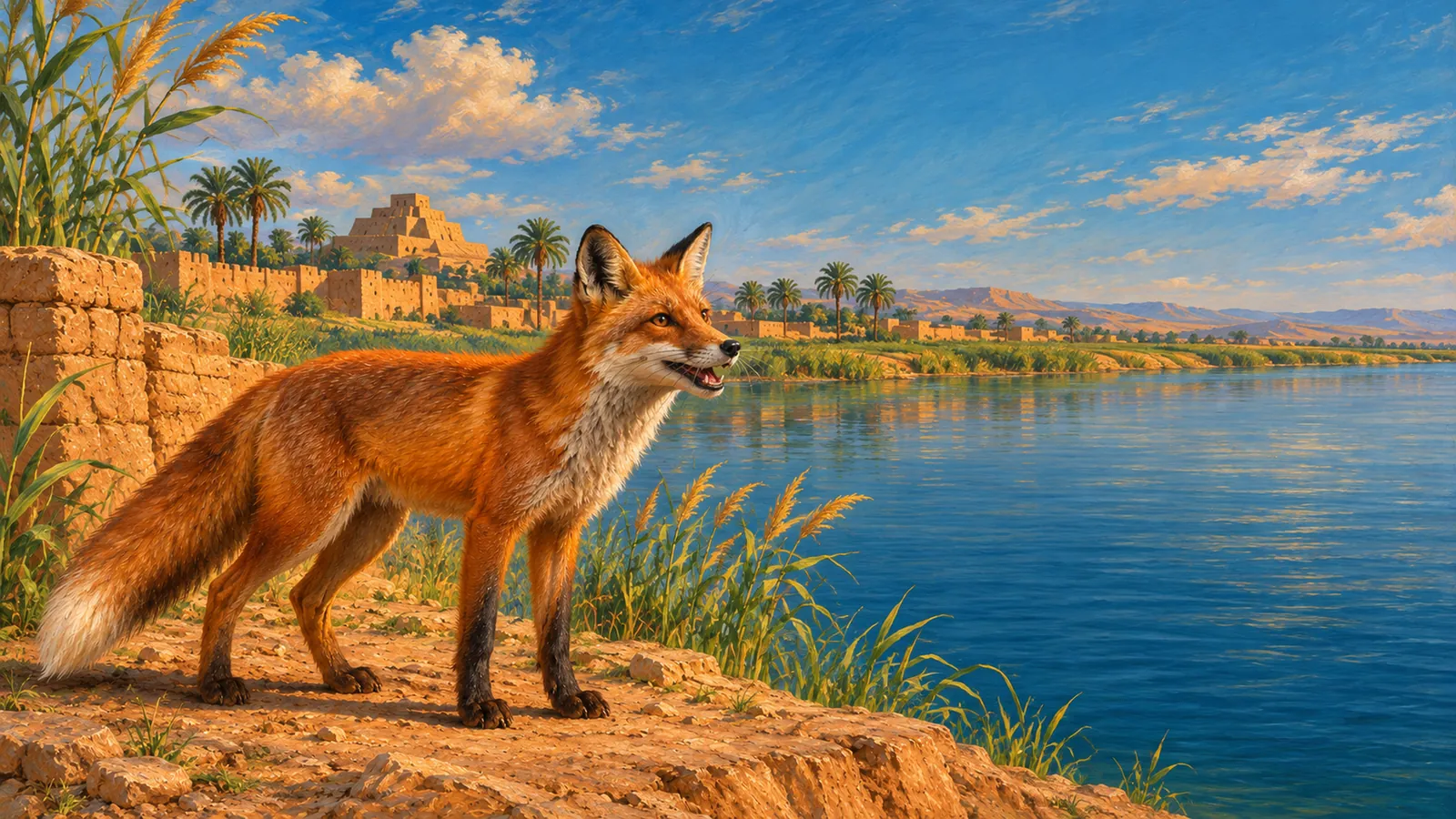
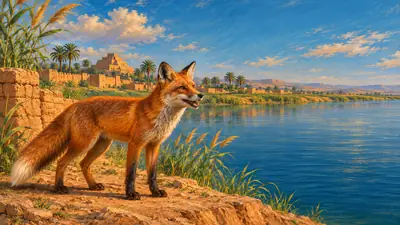
A raposa fala de Nippur e de Enlil, de Ur e de Nanna, de Larsa e de Utu, e de Uruk e de Inanna. É mais difícil perceber o que aconteceu em cada lugar.
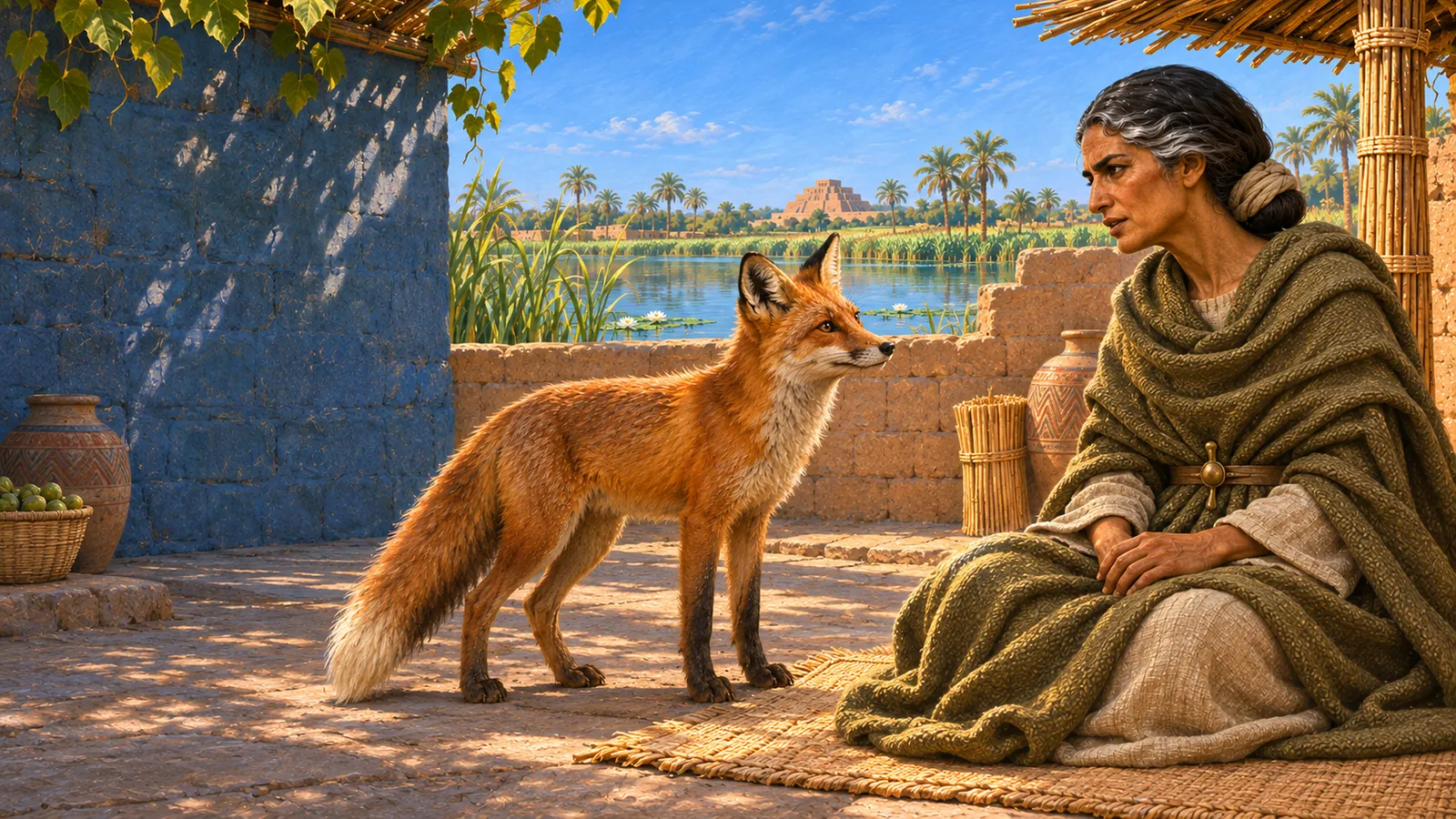
Restam apenas fragmentos da fala, e o nome de Ninhursag ainda se lê. Já não se percebe ao certo o que a raposa lhe disse, nem como ela respondeu.
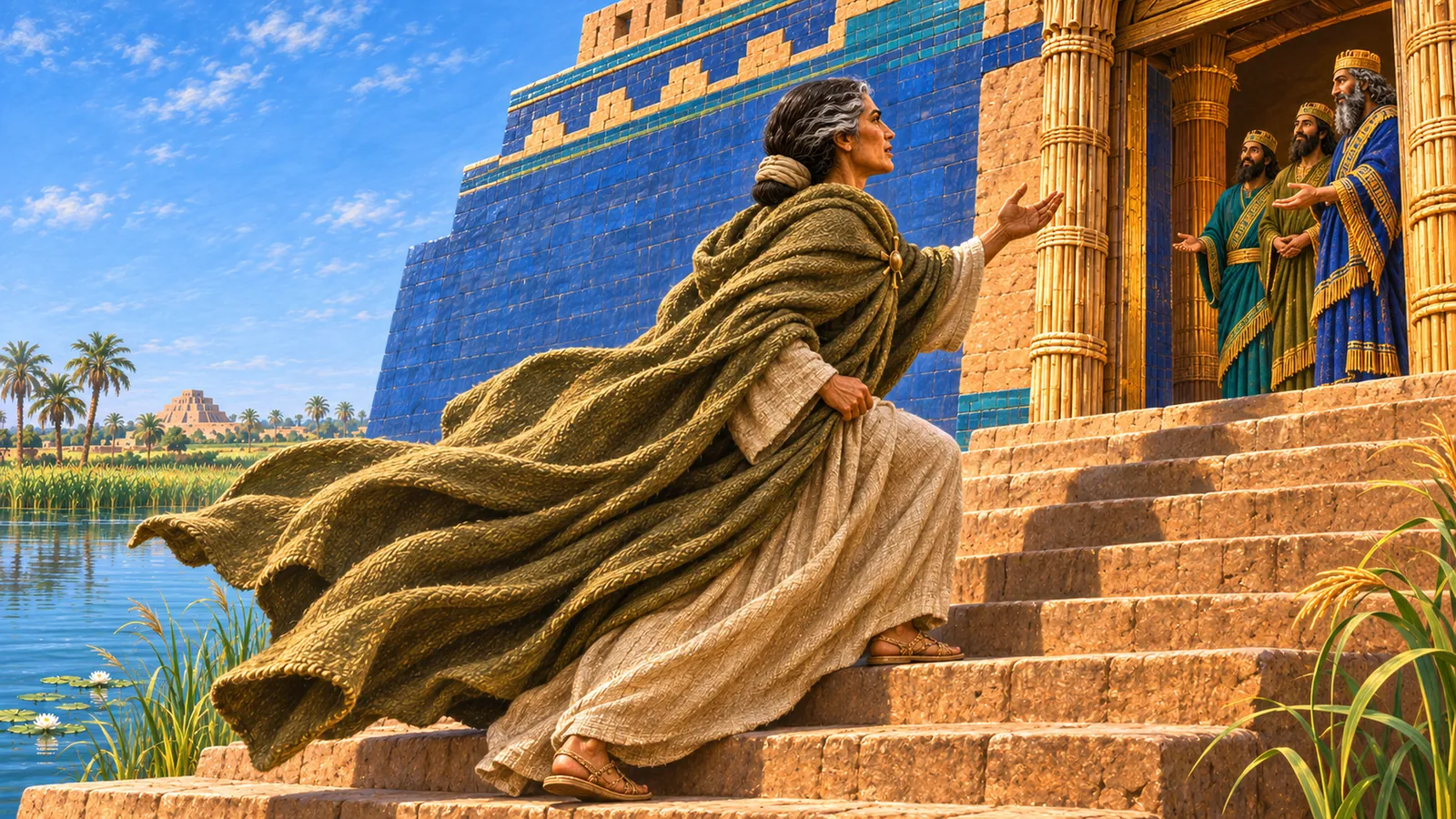
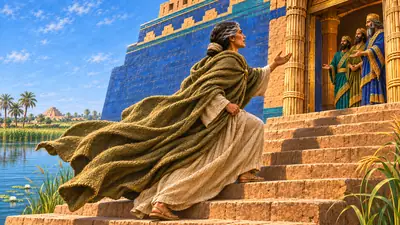
Quando o relato volta a tornar-se claro, Ninhursag apressa-se a ir ao templo. A assembleia divina dos Anuna pega na sua veste, mas perdeu-se parte do que fazem com ela.
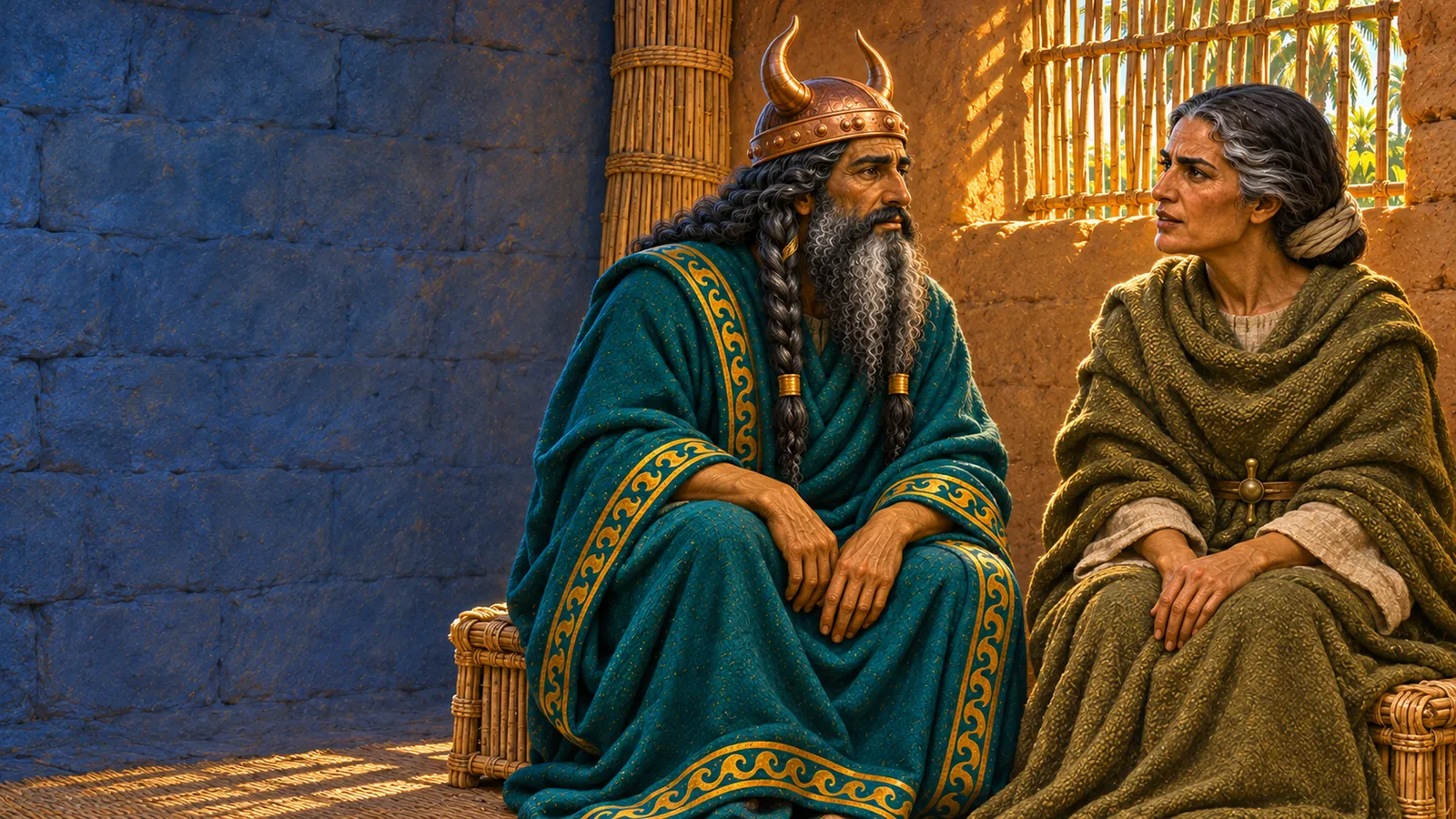
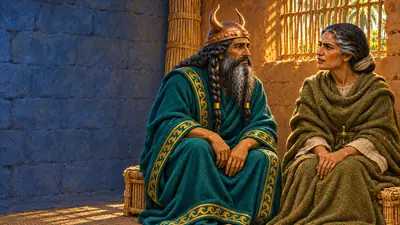
Ninhursag sentou Enki junto de si. Uma linha de outra cópia menciona um gesto das suas mãos, mas as palavras que o descrevem estão danificadas.
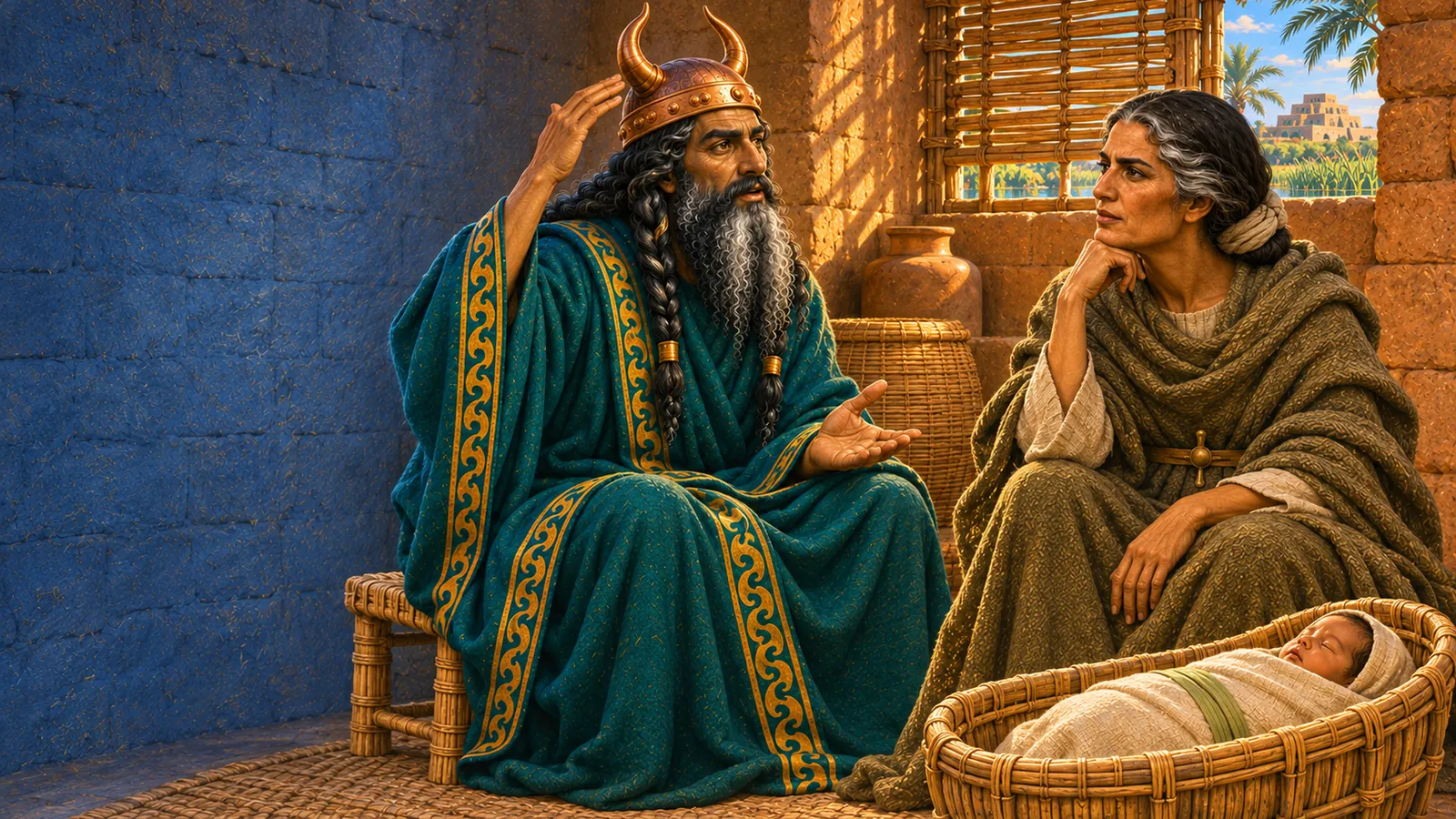
A CURA
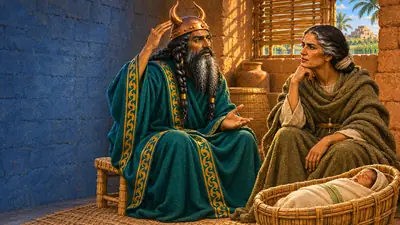
Ninhursag perguntou ao irmão onde lhe doía. Enki disse que lhe doía o alto da cabeça. Ninhursag trouxe Ab-u ao mundo.
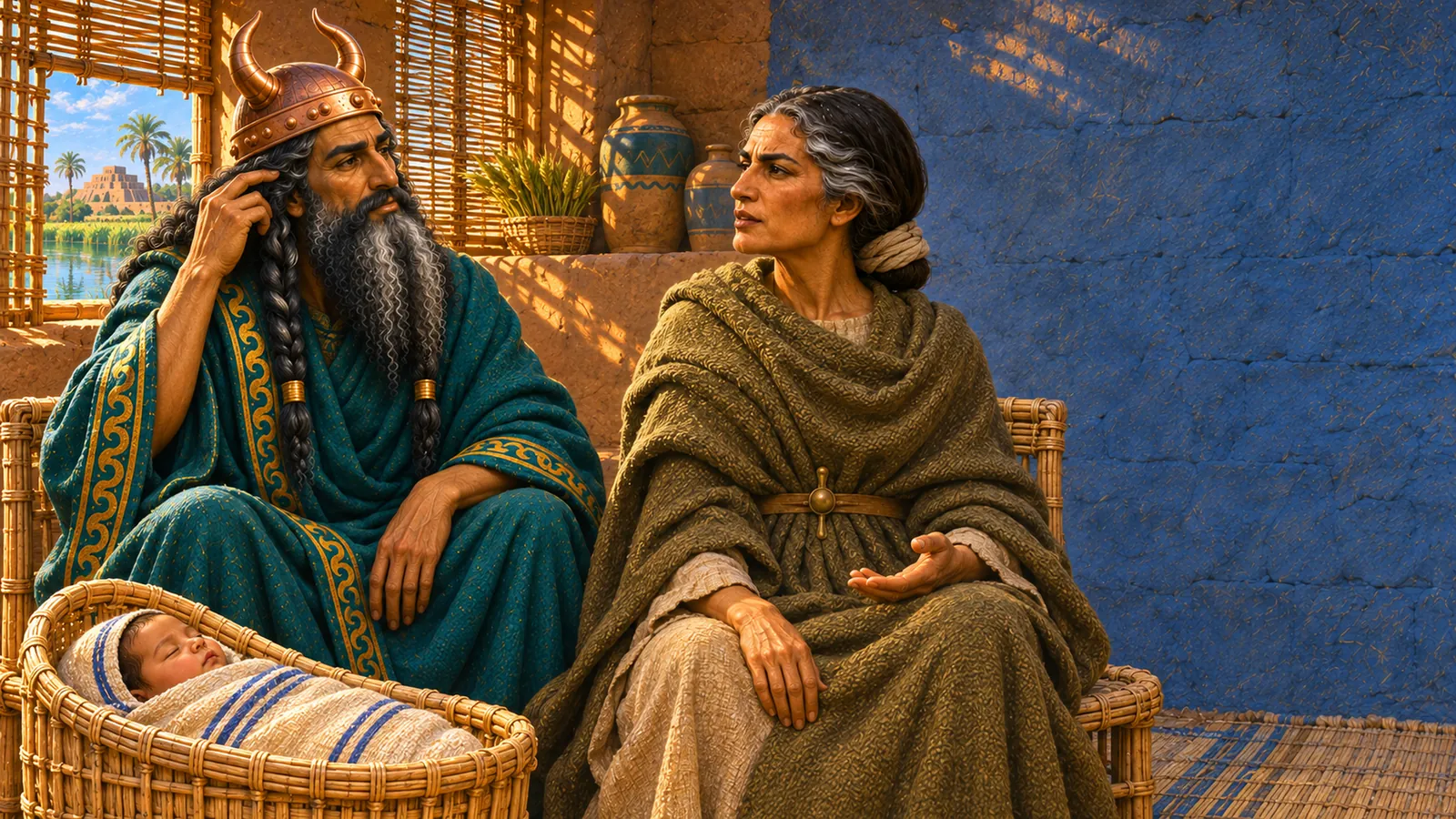
Ninhursag voltou a perguntar-lhe onde lhe doía. Enki disse que desta vez lhe doía o cabelo, e Ninhursag trouxe Ninsikila ao mundo.
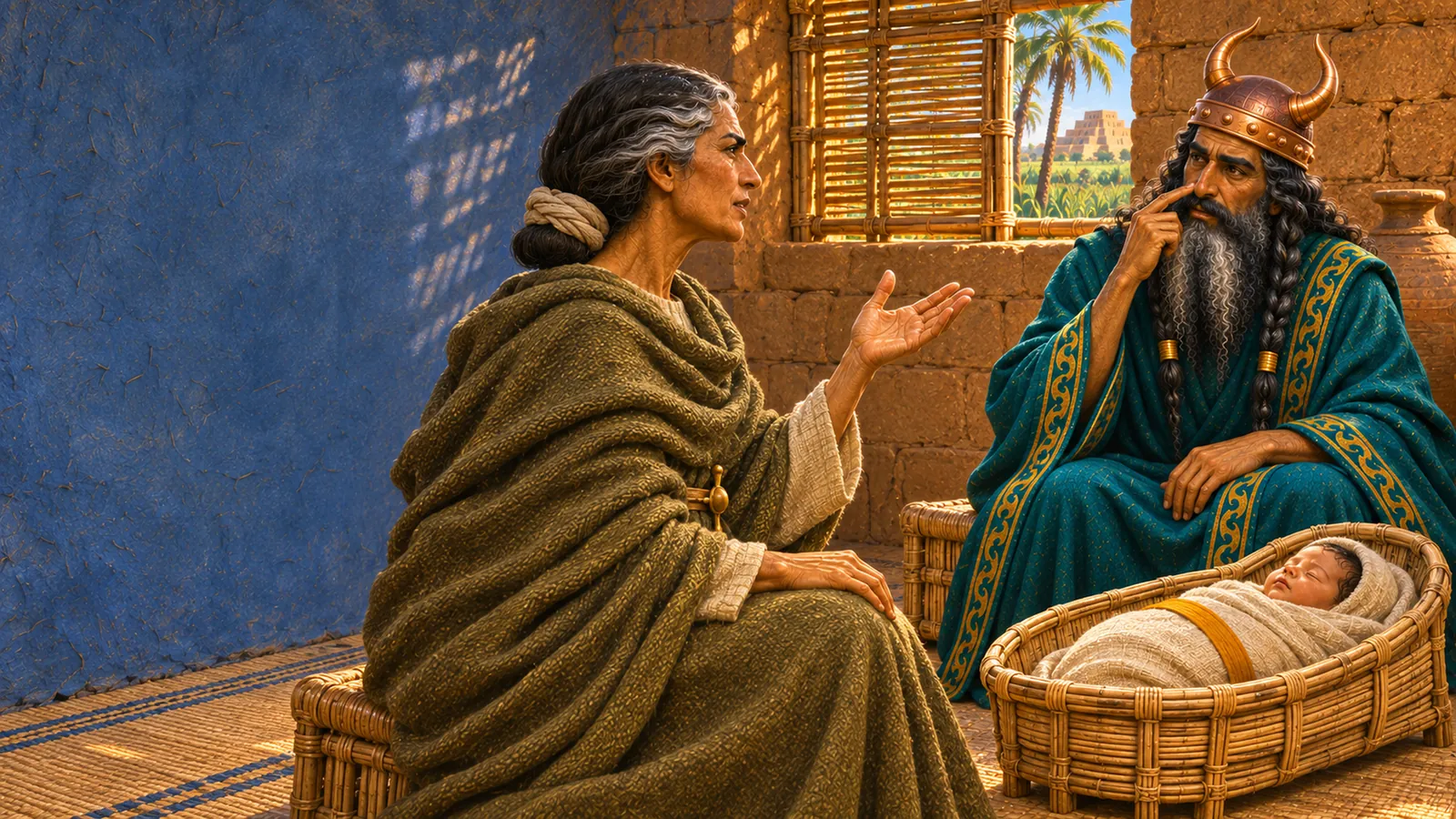
Ninhursag perguntou ao irmão onde lhe doía. Desta vez, Enki nomeou o nariz. Ninhursag trouxe Ningiriudu ao mundo.
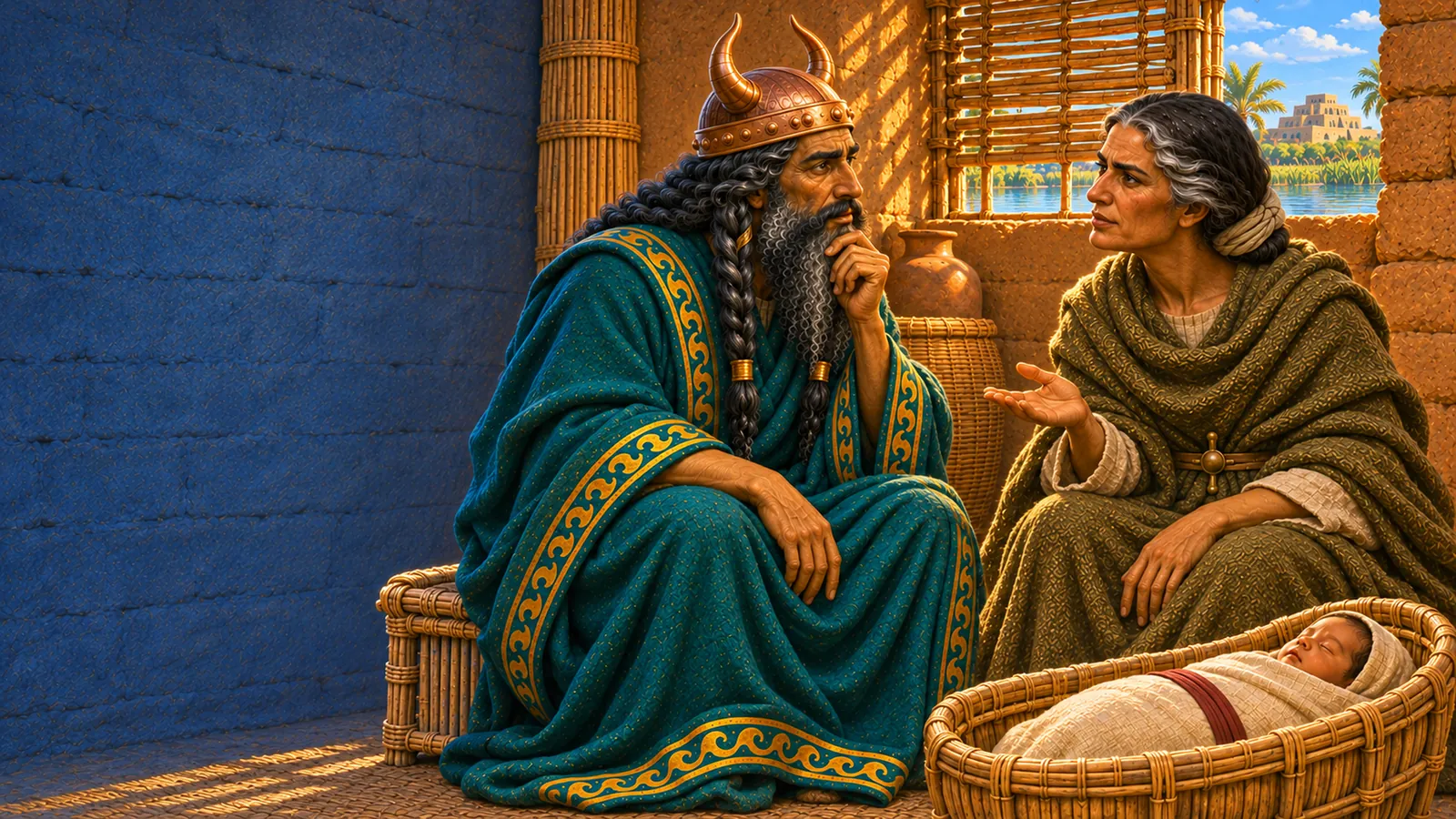
Ninhursag voltou a perguntar-lhe onde lhe doía. Enki disse-lhe que a dor era na boca, e ela deu à luz Ninkasi.
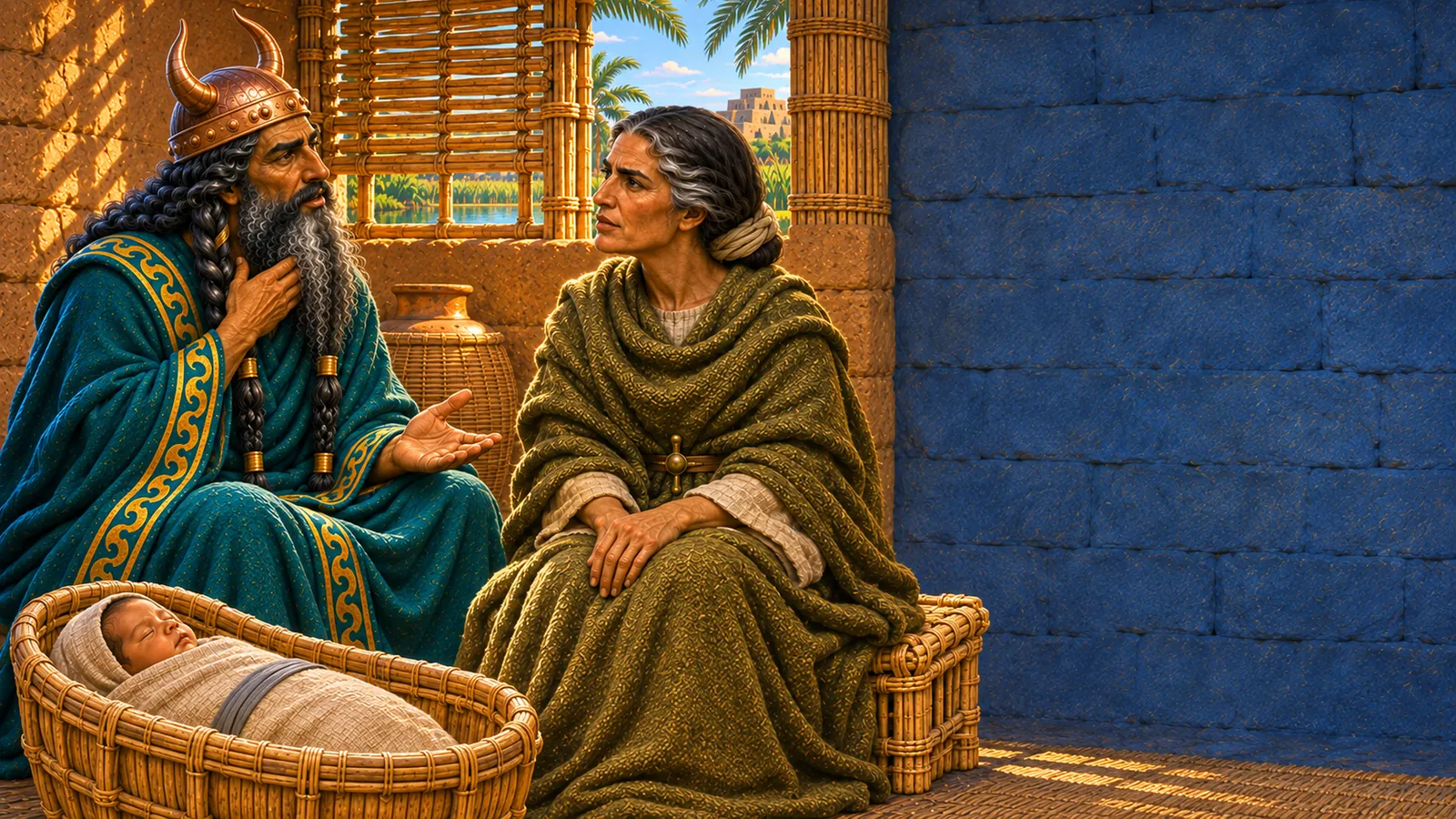
Quando Ninhursag voltou a perguntar-lhe onde lhe doía, Enki respondeu que era na garganta. Ninhursag trouxe Na-zi ao mundo.
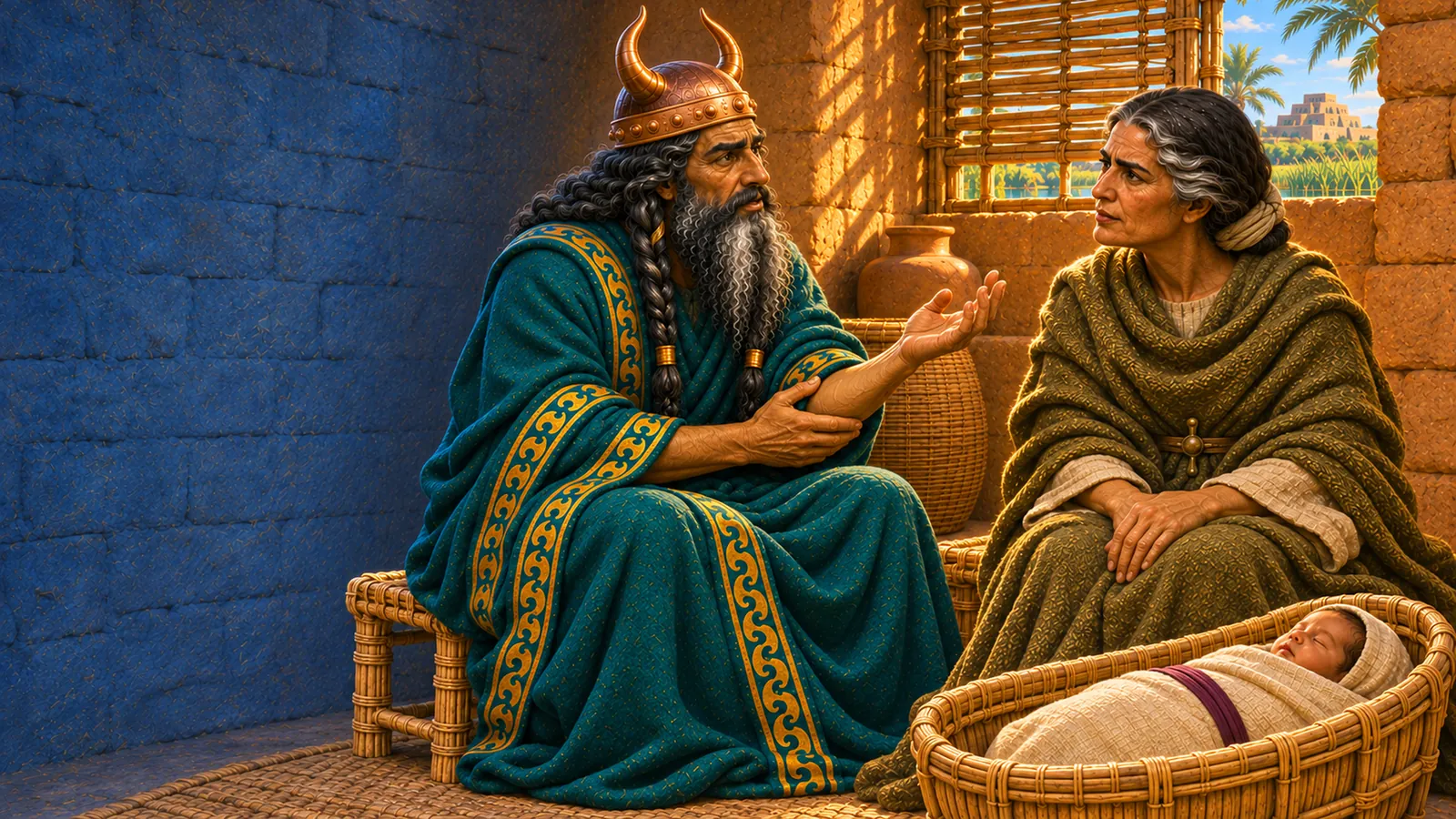
Ninhursag perguntou ao irmão onde lhe doía. Desta vez, Enki nomeou o braço, e Ninhursag trouxe Azimua ao mundo.
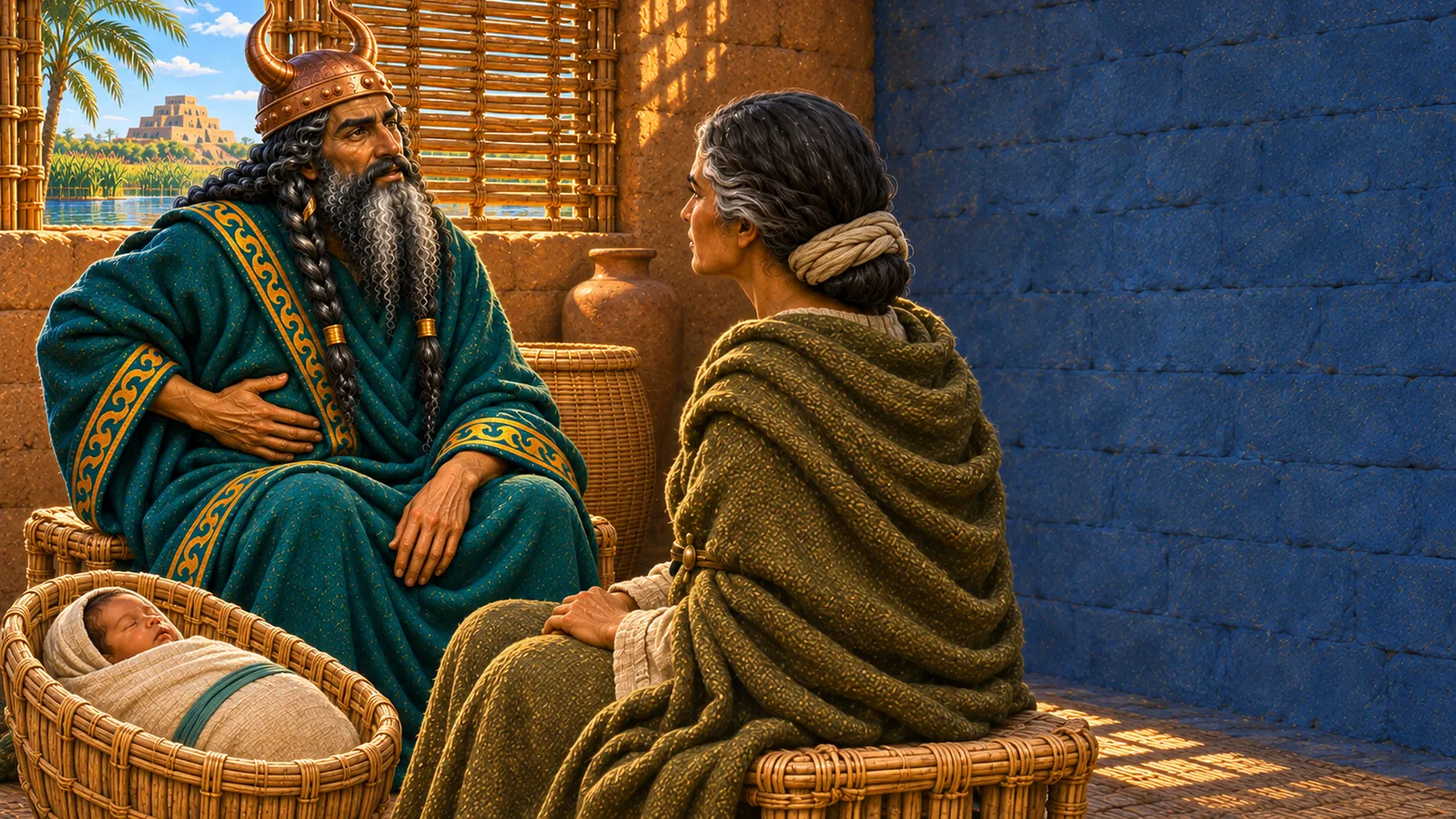
Ninhursag perguntou onde lhe doía, e Enki disse que era nas costelas. Nasceu Ninti, cujo nome faz eco da palavra suméria para costela.
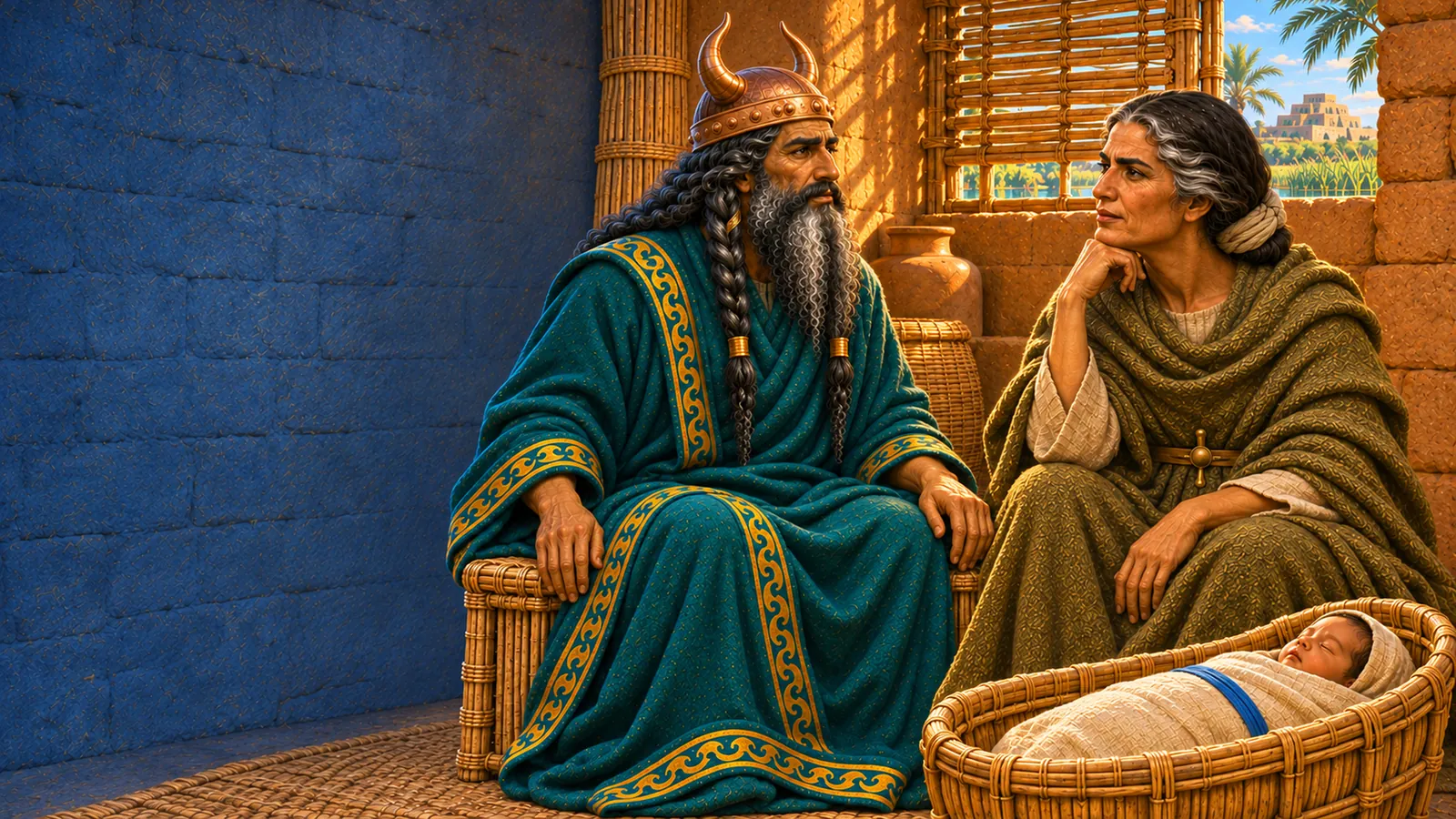
Pela última vez, Ninhursag perguntou ao irmão onde lhe doía. Enki disse que lhe doíam os flancos, e Ninhursag trouxe Ensag ao mundo.
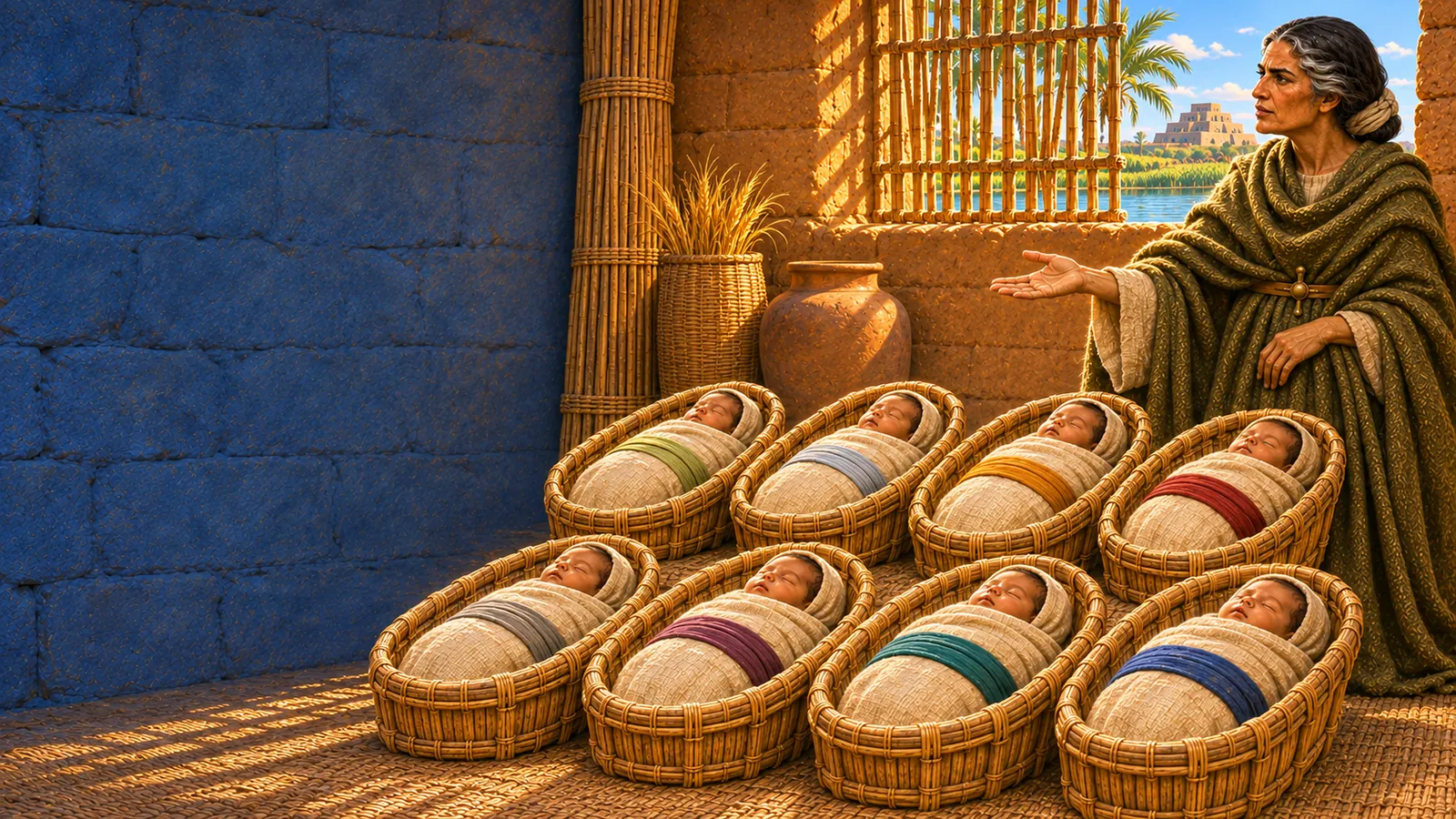
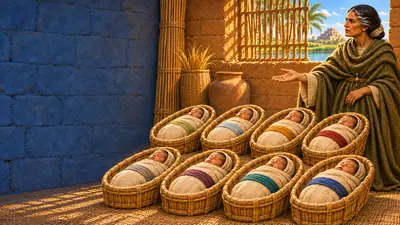
Ninhursag pediu dádivas para os recém-nascidos. Ab-u governaria as ervas, Ninsikila seria senhor de Magan, Ningiriudu casaria com Ninazu e Ninkasi seria o que satisfaz o coração.
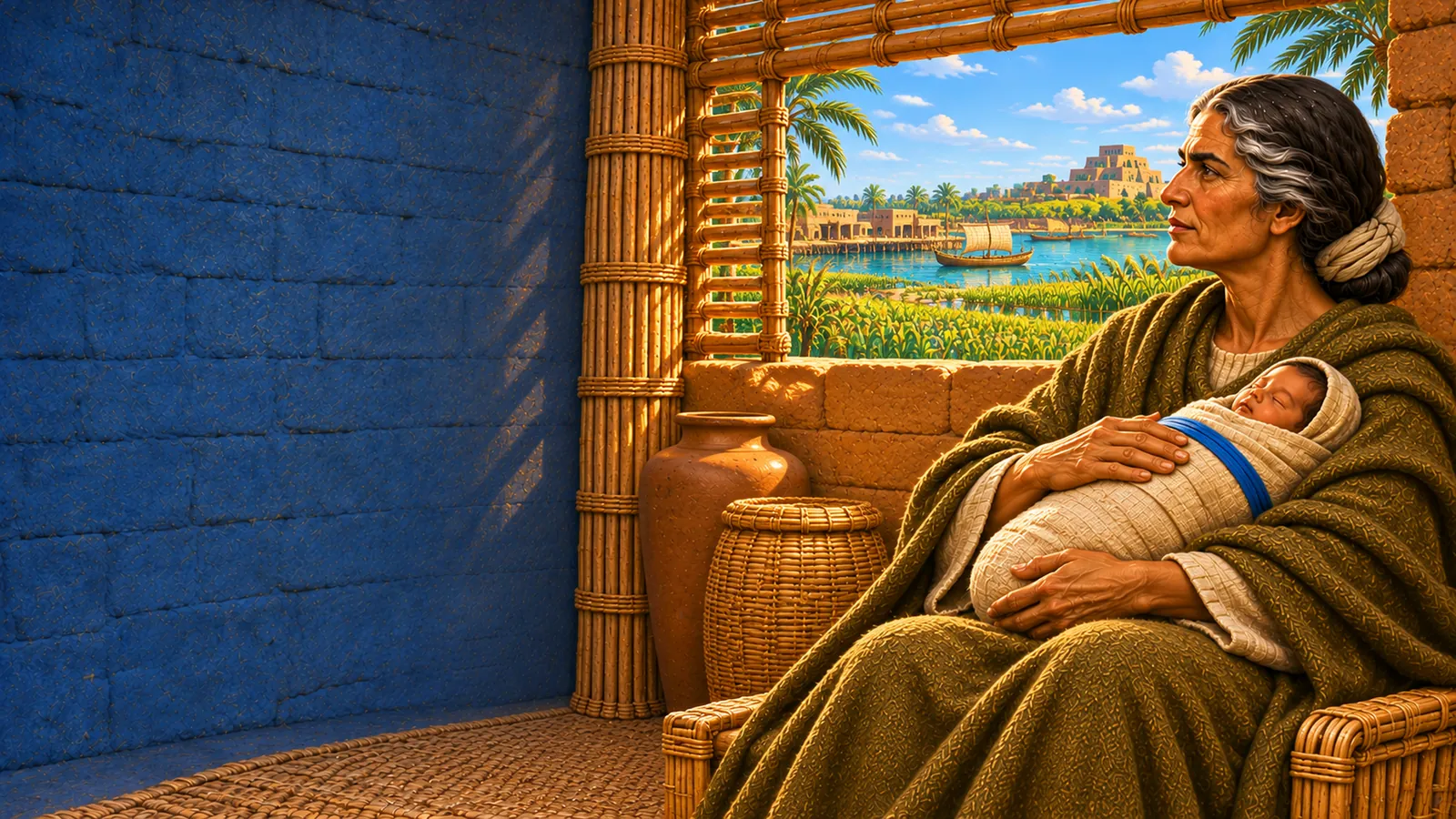
Na-zi casaria com Nindara, e Azimua casaria com Ningishzida. Ninti seria a senhora do mês, e Ensag tornar-se-ia senhor de Dilmun.
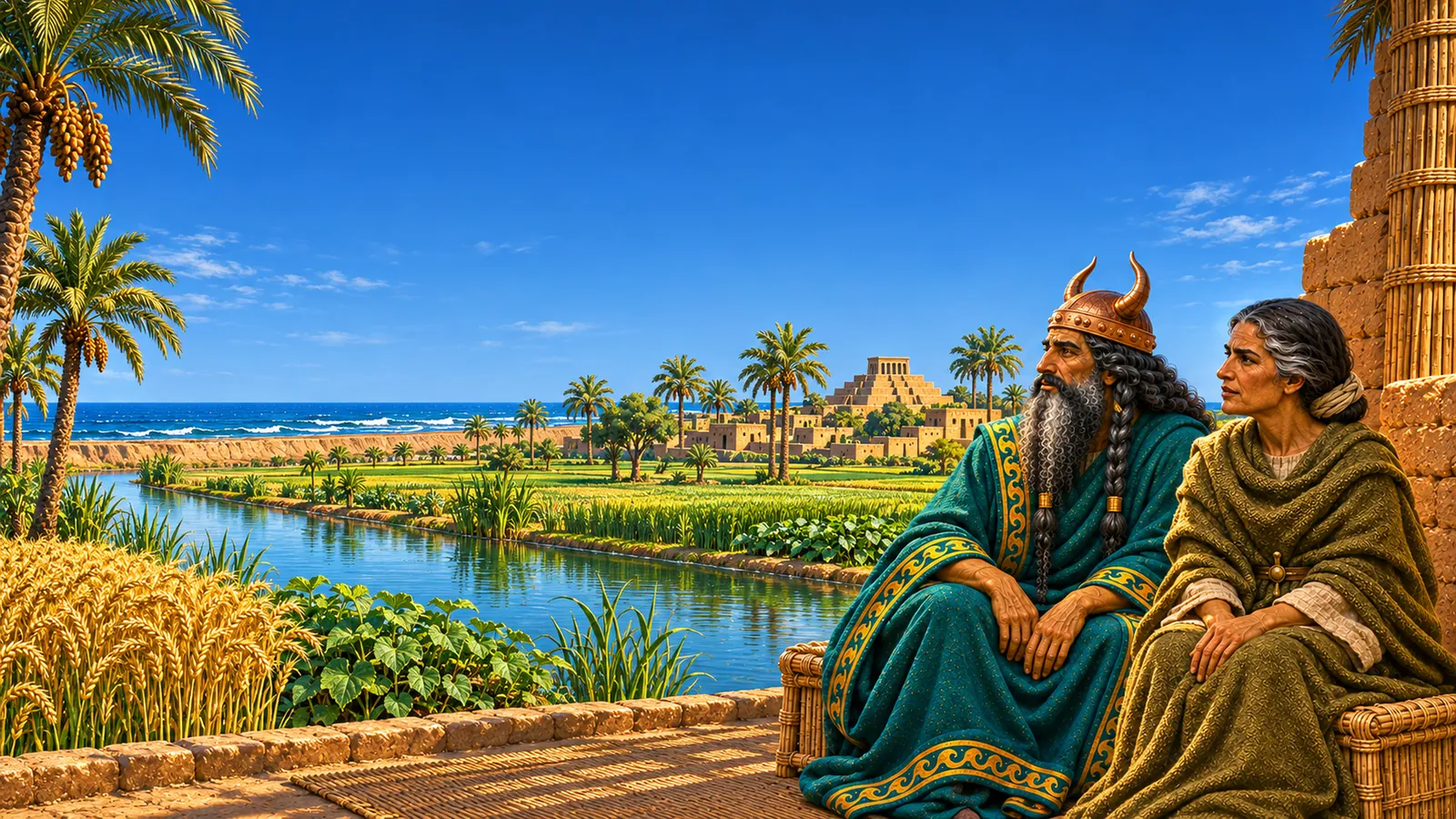
O poema termina com um louvor ao pai Enki, depois de Ninhursag o curar e nomear as dádivas para os oito recém-nascidos.
Fim do capítulo 1
Todas as páginas
Fontes
Page 20. In Oxford ETCSL 1.1.1, lines 69–74, Enki insists after the objection and the next lines describe conception in bodily terms. Line 72 names Damgalnuna. The later birth of Ninsar is at lines 84–87. [Oxford translation](https://etcsl.orinst.ox.ac.uk/section1/tr111.htm)
Edições consultadas
- Oxford ETCSL 1.1.1, Enki and Ninhursanga, translation
- Oxford ETCSL 1.1.1, Sumerian composite
- Oxford ETCSL 1.1.1, manuscript bibliography
- Penn Museum, Nippur witness CBS 4561
- CDLI, Ur witness UET 6/1
- Louvre, AO 6724
- Pascal Attinger, Enki et Ninḫursaĝa, revised translation and commentary
- IL Archive, Enki and Ninhursaga, Sumerian poem
- IL Archive, Dilmun, ancient Gulf land and literary setting
Notas sobre este reconto
Pages 24 and 27. In Oxford ETCSL 1.1.1, lines 97–101 and 117–121, the poem describes Enki’s embrace and the bodily details of intercourse before the two conceptions. Ninsar is Enki’s daughter through the birth at lines 69–87, and Ninkura is his granddaughter through Ninsar at lines 97–107. [Oxford translation](https://etcsl.orinst.ox.ac.uk/section1/tr111.htm)
Page 30. Oxford ETCSL 1.1.1, lines 126L–126Q, describes Enki’s sexual encounter with Ninimma in bodily terms. The end of the alternative account, in which Ninimma gives birth to Uttu, is partly restored. The Louvre catalogue reads the encounter as rape. [Oxford translation](https://etcsl.orinst.ox.ac.uk/section1/tr111.htm) · [Louvre witness AO 6724](https://collections.louvre.fr/ark:/53355/cl010167407)
Pages 40–41. In lines 186–189 Uttu cries out about pain in her thighs, liver and heart. Oxford’s translation leaves the cause of the cries open, and the last two lines are fragmentary. [Oxford translation](https://etcsl.orinst.ox.ac.uk/section1/tr111.htm) · [Attinger’s translation and commentary](https://zenodo.org/records/2667747)
Os versos antigos de cada página
- Page 1: ETCSL 1.1.1 1–4
- Page 2: ETCSL 1.1.1 5–10
The opening names Ninsikila as Enki's spouse in this passage. - Page 3: ETCSL 1.1.1 11–12
- Page 4: ETCSL 1.1.1 13–16
- Page 5: ETCSL 1.1.1 17–19
- Page 6: ETCSL 1.1.1 20–24
- Page 7: ETCSL 1.1.1 25–28
- Page 8: ETCSL 1.1.1 29–32
A phrase has lost words. - Page 9: ETCSL 1.1.1 33–36
One surviving line is fragmentary around the complaint about arable ground. - Page 10: ETCSL 1.1.1 37–39 (lacuna)
- Page 11: ETCSL 1.1.1 40–43
The exact vessel and shore wording is uncertain. - Page 12: ETCSL 1.1.1 44–46
- Page 13: ETCSL 1.1.1 47–49
- Page 14: ETCSL 1.1.1 49A–49K (Ur variant)
Placement of Ur copy’s lines in the sequence is uncertain. - Page 15: ETCSL 1.1.1 49L–49V (Ur variant)
Some terms for harvest and woods are damaged. - Page 16: ETCSL 1.1.1 50–54
The text again has uncertain vessel and shore terms. - Page 17: ETCSL 1.1.1 55–58
- Page 18: ETCSL 1.1.1 59–62
- Page 19: ETCSL 1.1.1 63–68
- Page 20: ETCSL 1.1.1 69–74
Damgalnuna is mentioned in the source without a separate arrival. - Page 21: ETCSL 1.1.1 75–83
- Page 22: ETCSL 1.1.1 84–87
Oil is a simile in the poem. - Page 23: ETCSL 1.1.1 88–96
- Page 24: ETCSL 1.1.1 97–101
The source relates an encounter and conception. - Page 25: ETCSL 1.1.1 102–107
- Page 26: ETCSL 1.1.1 108–116
- Page 27: ETCSL 1.1.1 117–121
- Page 28: ETCSL 1.1.1 122–126
The epithet after Uttu is uncertain. - Page 29: ETCSL 1.1.1 126A–126K (Louvre variant)
- Page 30: ETCSL 1.1.1 126L–126CC (Louvre variant)
The Louvre witness makes this an alternate genealogy and its final birth is restored. - Page 31: ETCSL 1.1.1 127–132
- Page 32: ETCSL 1.1.1 133–146 (damaged passage)
Some words and Uttu’s name survive. - Page 33: ETCSL 1.1.1 147–151
Oxford assigns the speech to Uttu and readings differ on the addressee. - Page 34: ETCSL 1.1.1 152–155
- Page 35: ETCSL 1.1.1 156–158
The gardener’s movement and the end of his question are uncertain. - Page 36: ETCSL 1.1.1 159–163
Four lines are missing after Enki begins to address the gardener. - Page 37: ETCSL 1.1.1 164–166
Several details in the descriptions of the produce are uncertain. - Page 38: ETCSL 1.1.1 167–171
- Page 39: ETCSL 1.1.1 172–177
The beer line at 177 is absent from the Nippur copy. The descriptions of the produce have uncertain details. - Page 40: ETCSL 1.1.1 178–185
- Page 41: ETCSL 1.1.1 186–189
The two lines after Ninhursag’s action are fragmentary. - Page 42: ETCSL 1.1.1 190–193
The wording is partly restored. The fourth written plant name has uncertain identifications. - Page 43: ETCSL 1.1.1 194–197
Parts of this passage are restored. - Page 44: ETCSL 1.1.1 198–202
- Page 45: ETCSL 1.1.1 203–206
The text of the repeated plant gathering is partly restored. - Page 46: ETCSL 1.1.1 207–210
- Page 47: ETCSL 1.1.1 211–214
The names and gathering survive with several editorial restorations. - Page 48: ETCSL 1.1.1 215–219
The seventh name is lost even though the repeated gathering is restored. - Page 49: ETCSL 1.1.1 220–222
- Page 50: ETCSL 1.1.1 223–227
Attinger prefers a kind of tree while allowing the standards reading. - Page 51: ETCSL 1.1.1 228–230
The reading of the fox’s action with its fur is uncertain. - Page 52: ETCSL 1.1.1 231–234
Four lines survive only in fragments. - Page 53: ETCSL 1.1.1 235–239
The cities and gods are named in damaged speech. Oxford restores several city names and leaves gaps in the responses. - Page 54: ETCSL 1.1.1 240–246
The lines around Ninhursag’s decision are fragmentary. The nature of the exchange is uncertain. - Page 55: ETCSL 1.1.1 247–251
The actions with the garment contain damaged words. - Page 56: ETCSL 1.1.1 252–253
The exact wording at 252 is intimate and has been rendered variously. The fragmentary line at 253 is absent from the Nippur copy. - Page 57: ETCSL 1.1.1 254–256
- Page 58: ETCSL 1.1.1 257–259
- Page 59: ETCSL 1.1.1 260–261
- Page 60: ETCSL 1.1.1 262–263
- Page 61: ETCSL 1.1.1 264–265
- Page 62: ETCSL 1.1.1 266–267
Oxford restores the end of each line. - Page 63: ETCSL 1.1.1 268–269
Oxford supplies parts of the broken lines. The name Ninti echoes the Sumerian word for rib. - Page 64: ETCSL 1.1.1 270–271
The healing refrain supplies the damaged endings of these lines. - Page 65: ETCSL 1.1.1 272–276
- Page 66: ETCSL 1.1.1 277–280
Part of the final allotment passage is editorially restored. - Page 67: ETCSL 1.1.1 281
Oxford restores Enki’s name in the surviving closing formula.
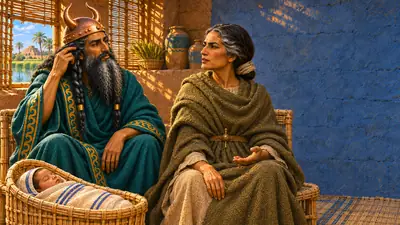
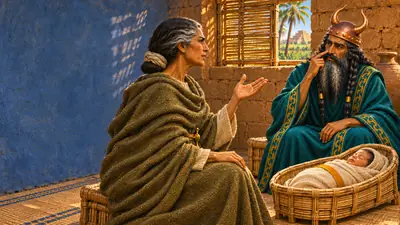
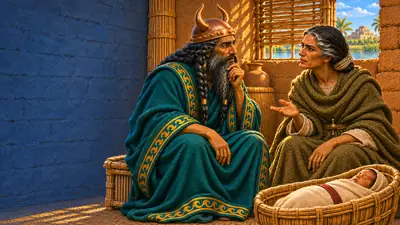
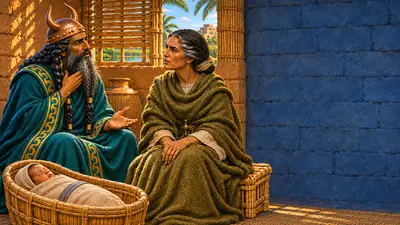
Ilustrações feitas pelo IL Archive com ferramentas de IA; o texto baseia-se nas fontes antigas (veja as fontes no fim de cada capítulo).