Enuma Elish Capítulo 4
Babilónia e os nomes
Os deuses erguem Babilónia e o seu templo depois de os primeiros seres humanos assumirem o trabalho dos deuses. Depois dizem os nomes de Marduk, e o canto pede que sejam transmitidos.
Ver o filmeFontesVire as páginas com as setas, o teclado ou deslizando o dedo.
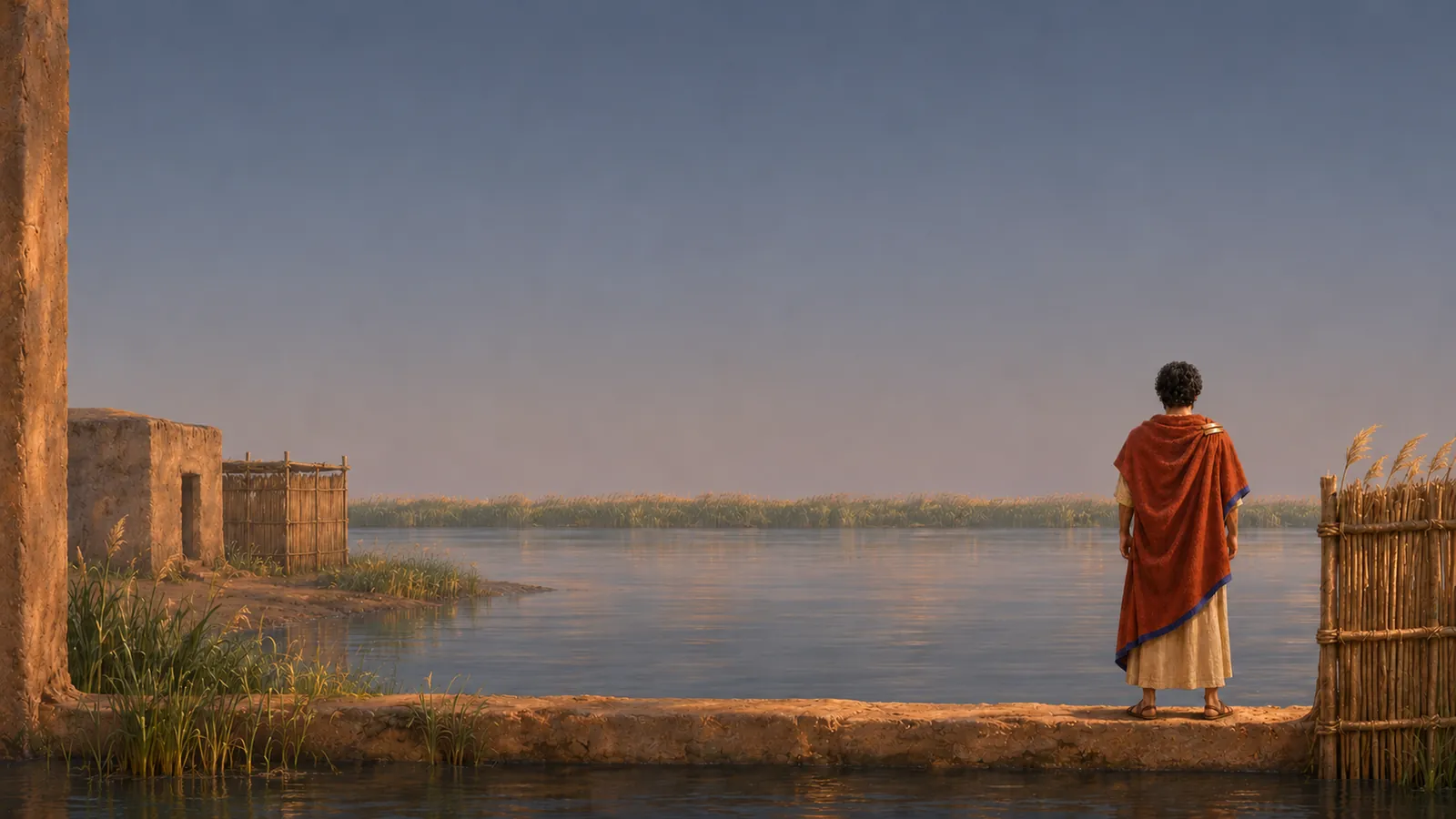
BABILÓNIA E OS NOMES
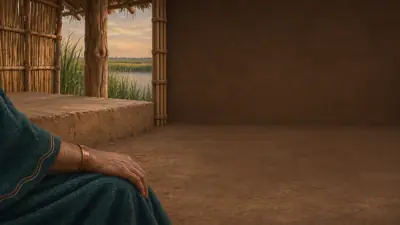
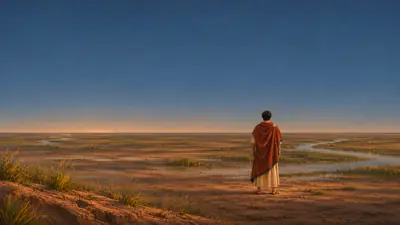
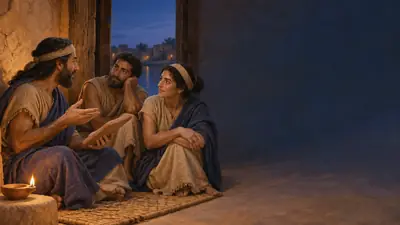
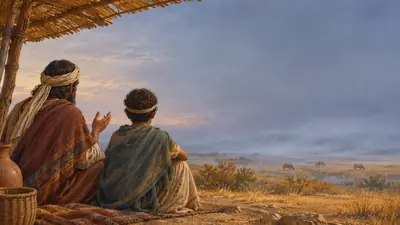
Ao ouvir os deuses, Marduk teve uma ideia nova. Disse a Ea o que pretendia criar.
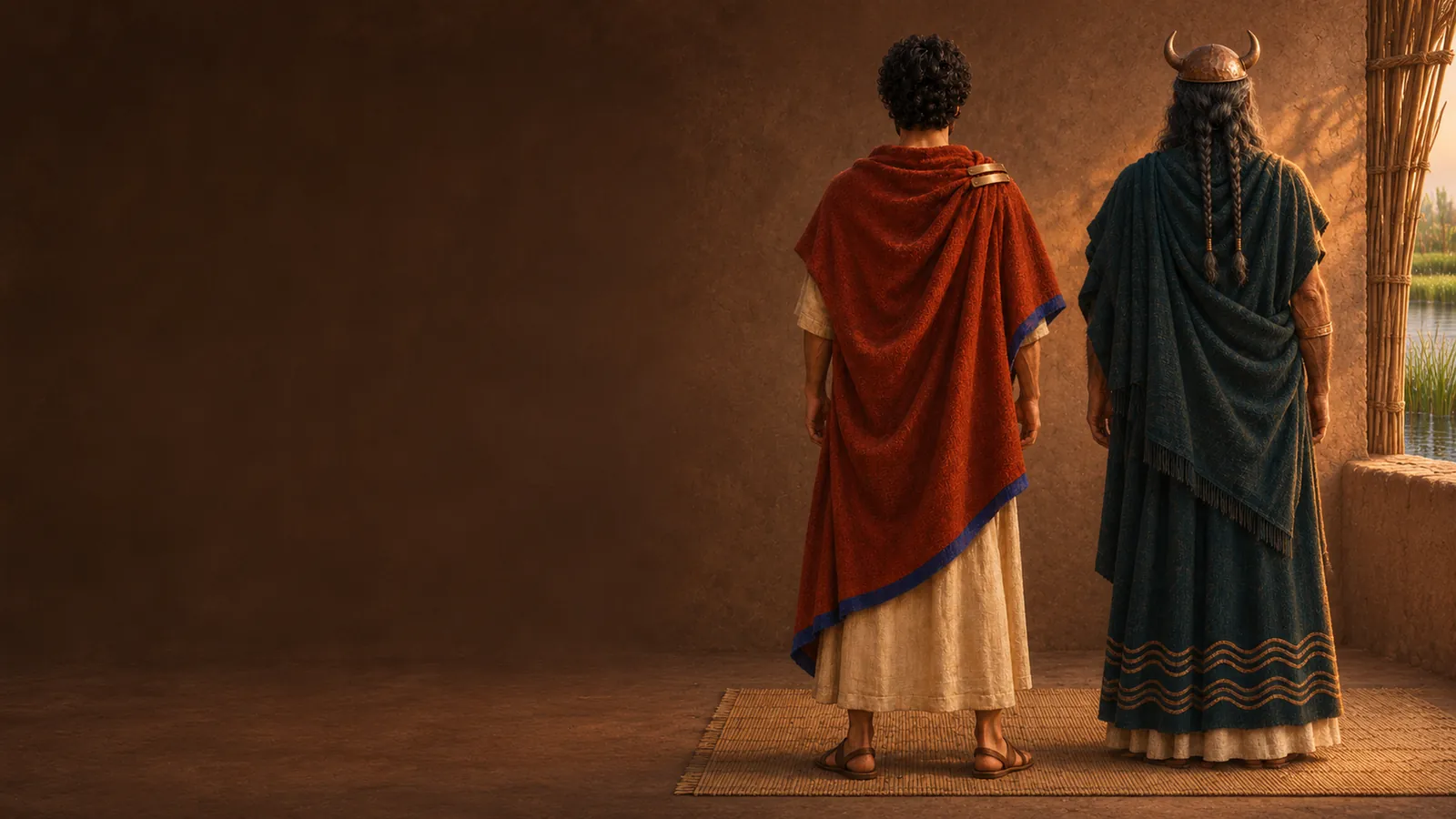
Marduk falou em criar um ser de sangue e osso e chamar-lhe humano. Os humanos tomariam sobre si o trabalho dos deuses, e os deuses descansariam.
Ea aconselhou-o a reunir os grandes deuses. Que entregassem o culpado entre eles, disse, para que os humanos pudessem ser criados.
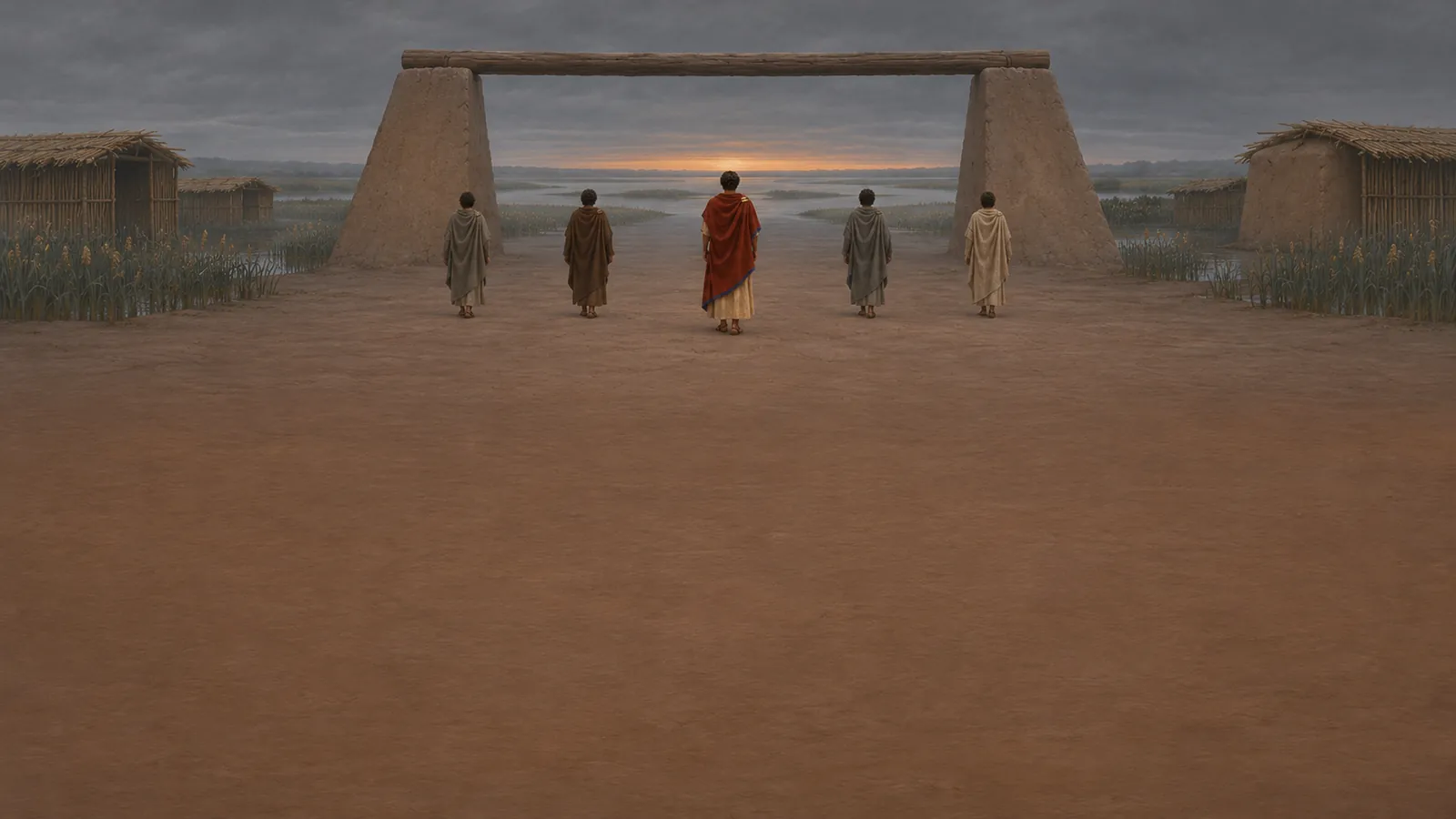
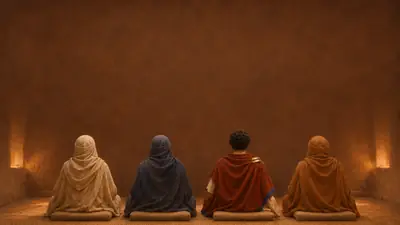
Marduk reuniu os grandes deuses. Deu as suas ordens com voz serena, e a assembleia escutou quando começou a interrogá-los.
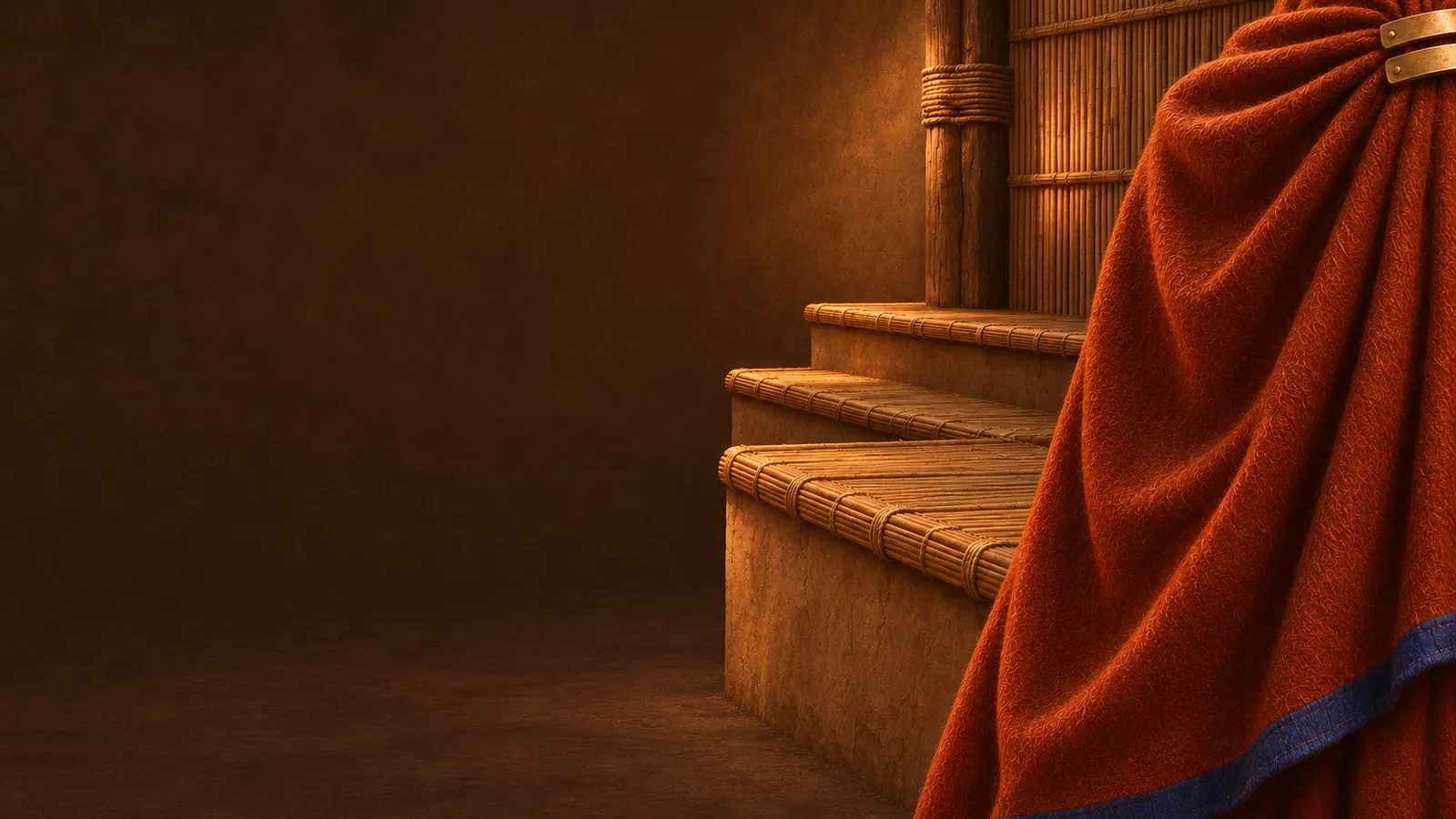
Marduk perguntou quem tinha semeado a discórdia e levado Tiamat à guerra. Entreguem-mo, disse, e os restantes poderão viver em paz.
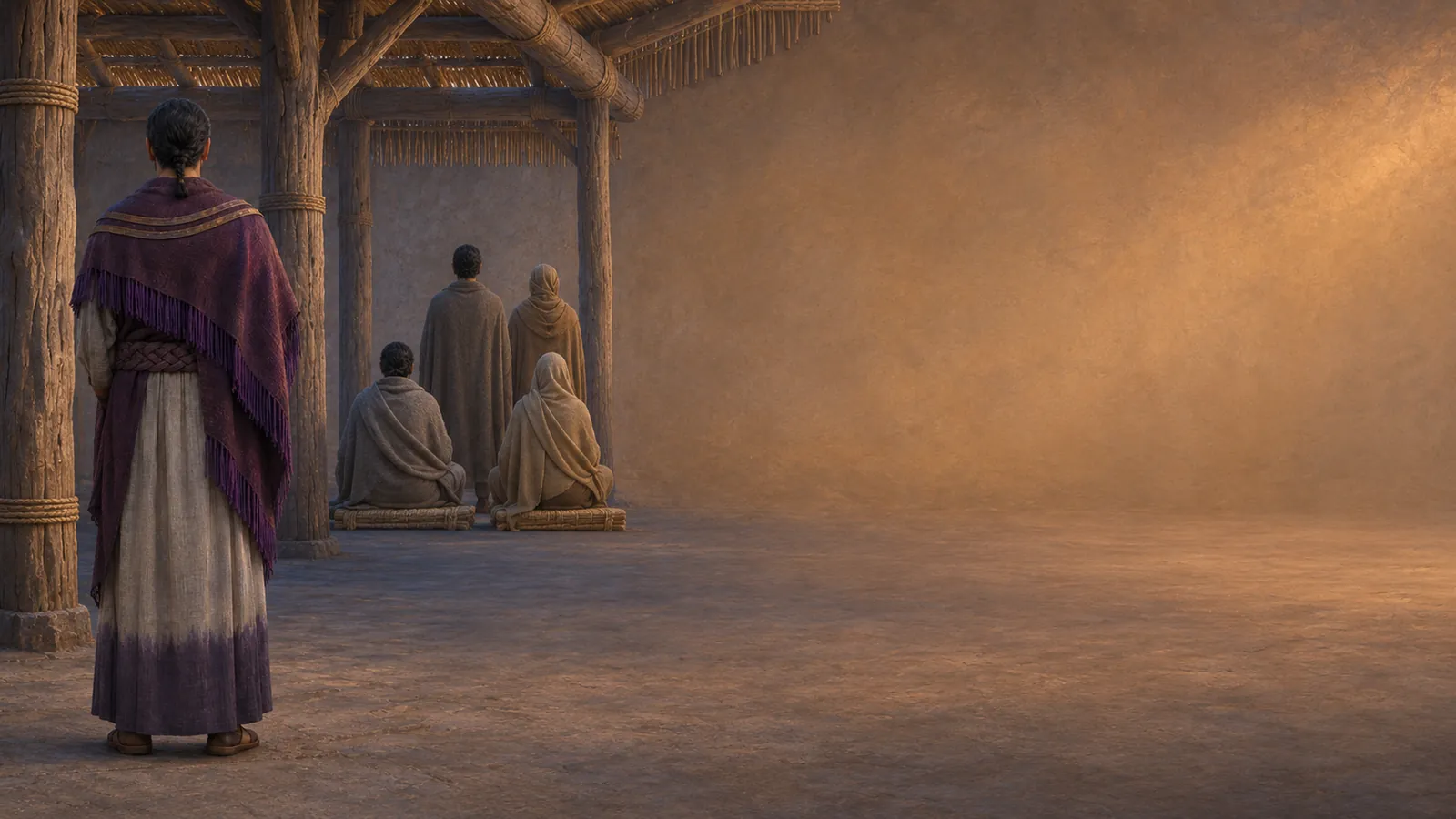
Os grandes deuses responderam a uma só voz. Nomearam Qingu como aquele que tinha semeado a discórdia e instigado Tiamat a fazer a guerra.
Os deuses levaram Qingu à presença de Ea para responder pela guerra. O antigo poema conta como Qingu foi julgado e morto.

Com o sangue de Qingu, Ea criou a humanidade, cumprindo o plano de Marduk. Os humanos assumiram o trabalho dos deuses, e os deuses puderam descansar.

Então, o rei Marduk atribuiu aos deuses os seus lugares. Dividiu os Anunnaki, destinando uns ao mundo de cima e outros ao de baixo.
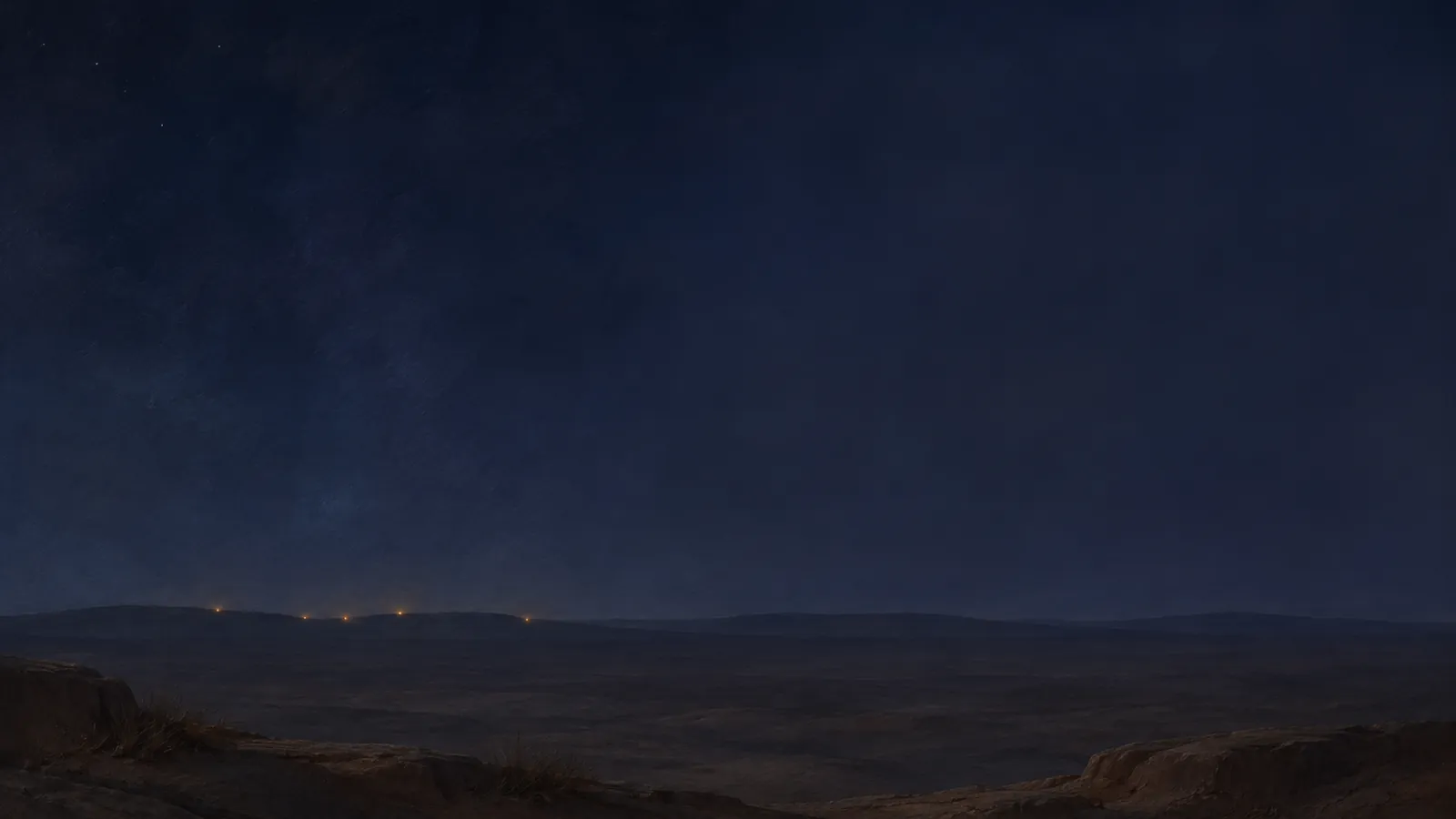
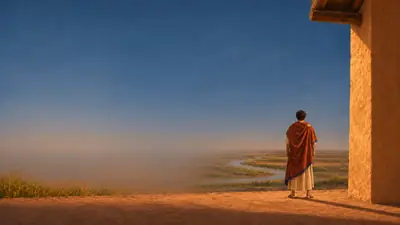
Marduk pôs uma guarda no céu para velar pelos decretos de Anu. Ordenou também os caminhos do mundo inferior e atribuiu aos deuses os seus postos nos dois domínios.
Depois de Marduk proclamar os seus decretos, os Anunnaki receberam o que lhes cabia. Ficaram definidos os seus deveres e lugares nas alturas e nas profundezas.
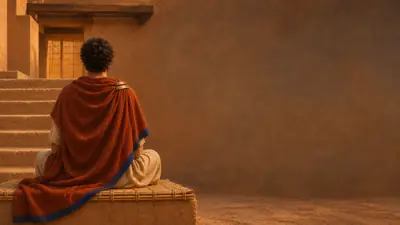
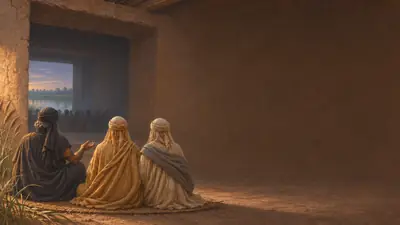
Os Anunnaki perguntaram o que podiam fazer pelo senhor que os tinha libertado do trabalho. Propuseram construir-lhe um estrado cujo nome se ouviria por toda a parte.
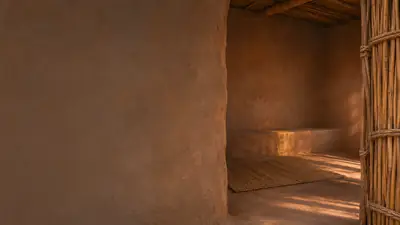
Imaginaram uma sala onde pudessem ficar quando se reunissem. Ali ergueriam o estrado e sentar-se-iam a descansar.
BABILÓNIA
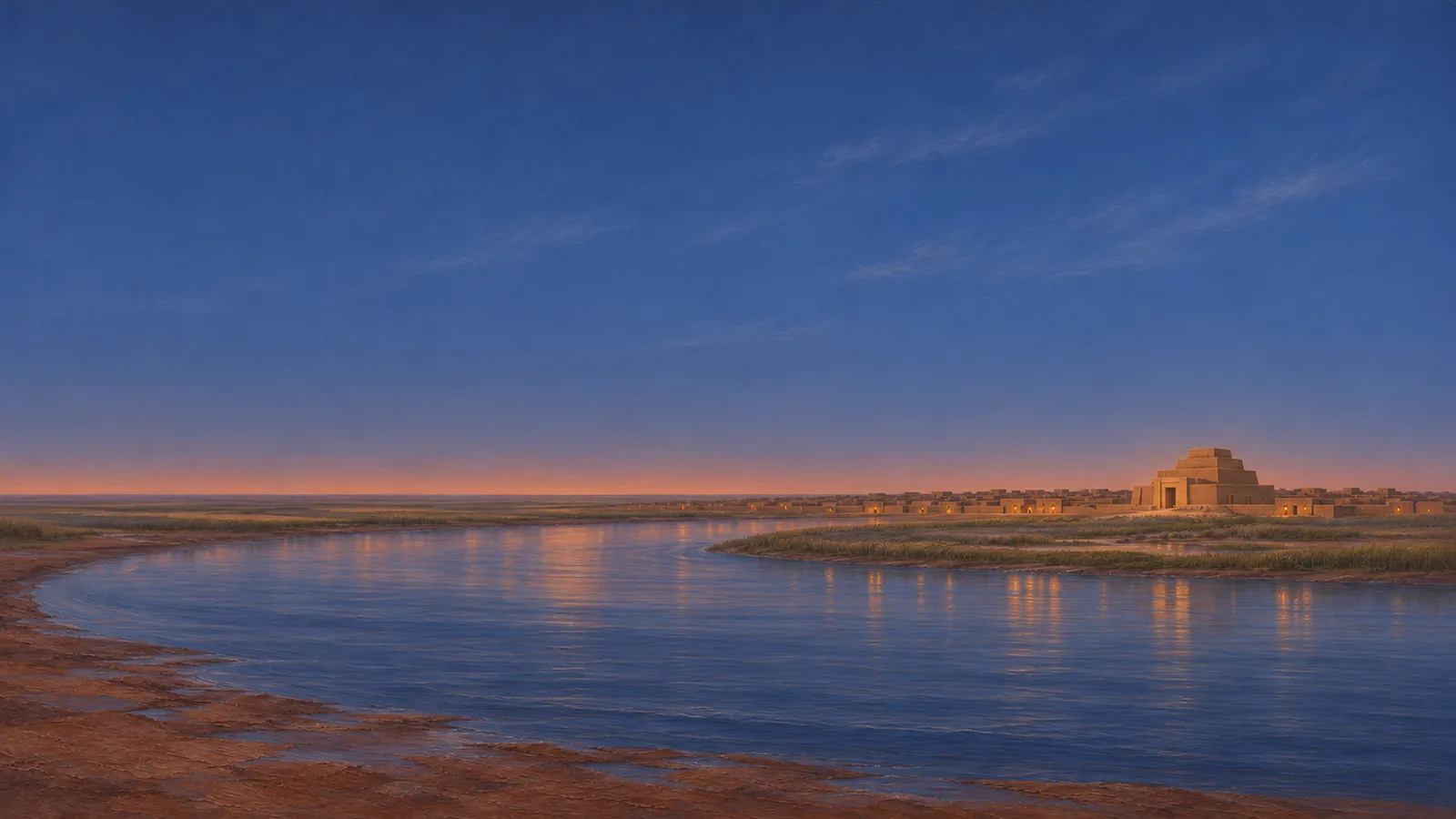
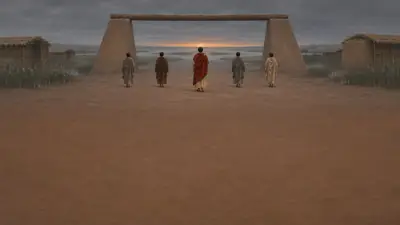
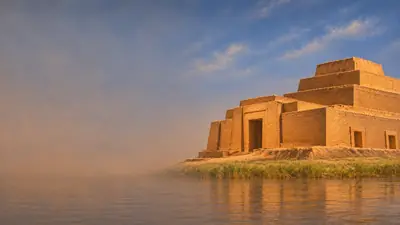
Marduk alegrou-se ao ouvi-los. Disse aos deuses que construíssem Babilónia, o lugar de que já lhes tinha falado, e ali erguessem bem alto o estrado.
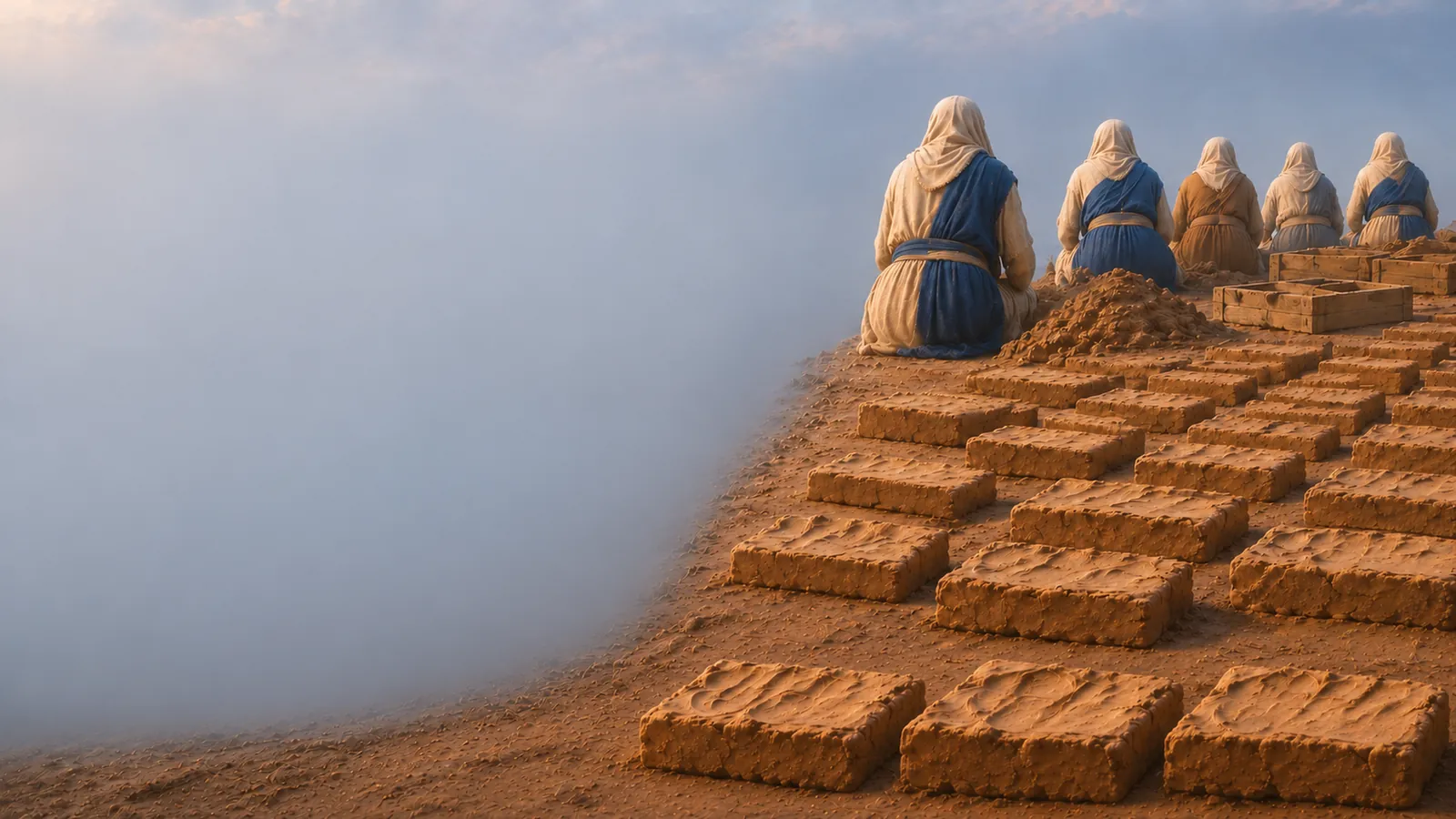
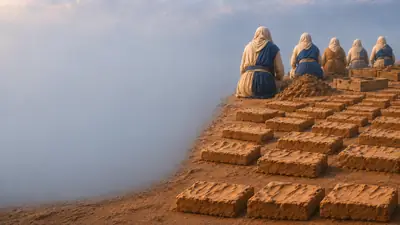
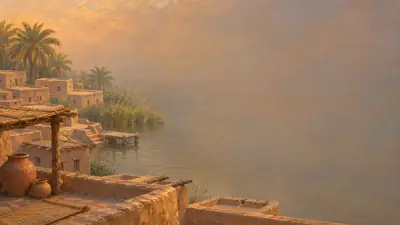
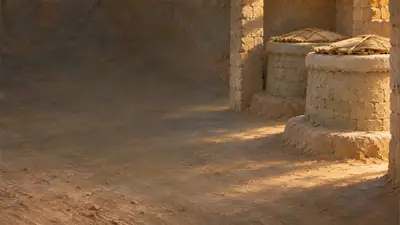
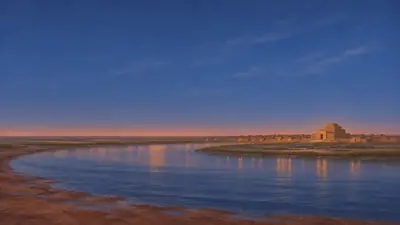
Os Anunnaki revolveram a terra com as enxadas. Durante um ano inteiro prepararam os tijolos que viriam a formar as paredes de Babilónia.
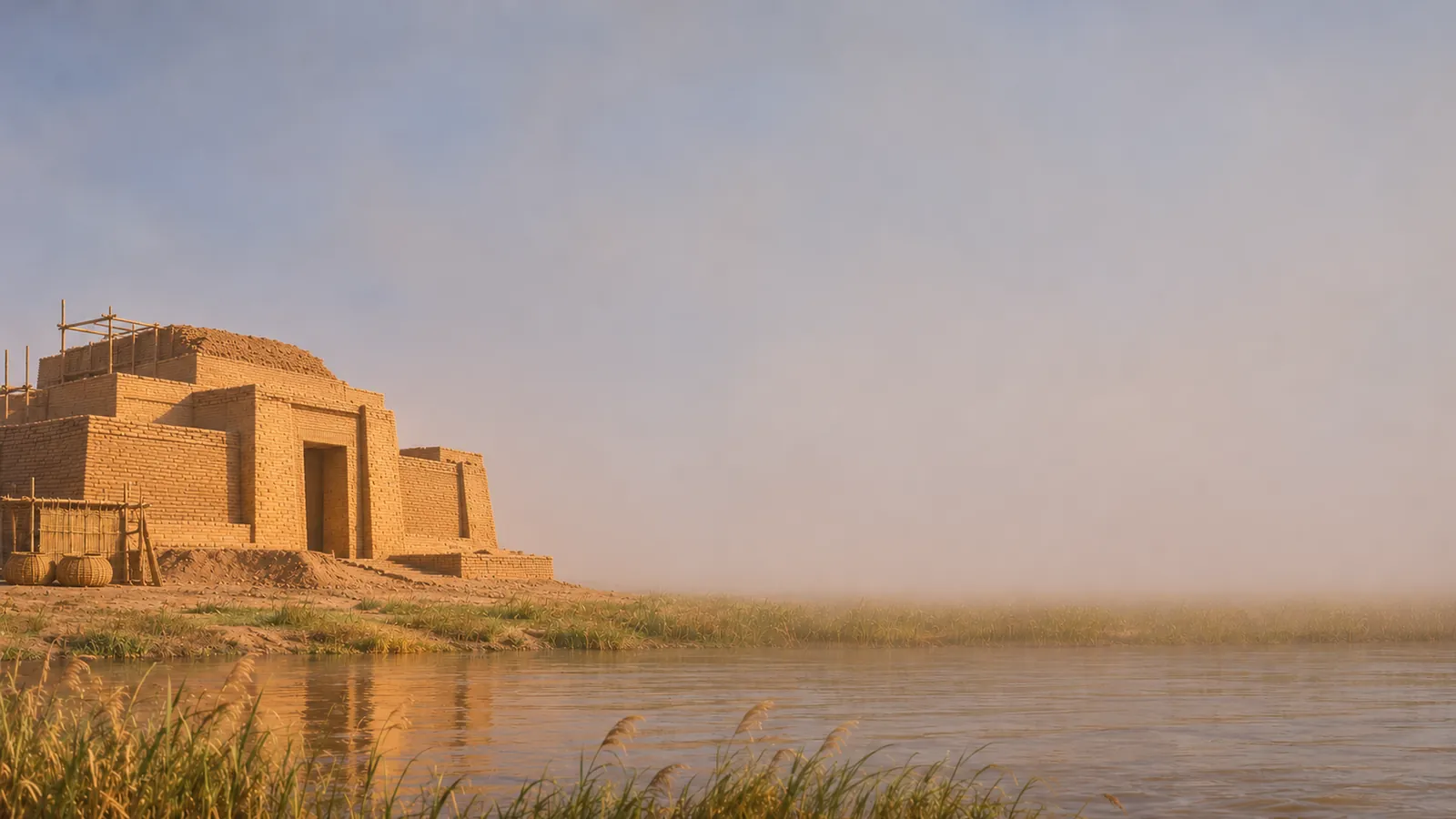
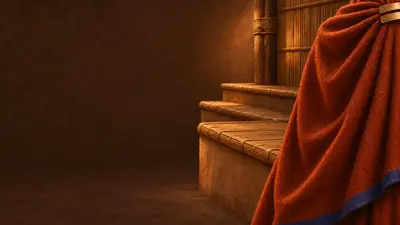
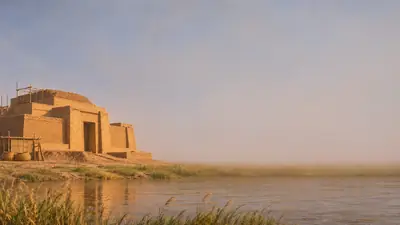
No segundo ano ergueu-se o templo de Esagil. O poema apresenta-o como o correspondente do Apsû, a morada das profundezas.
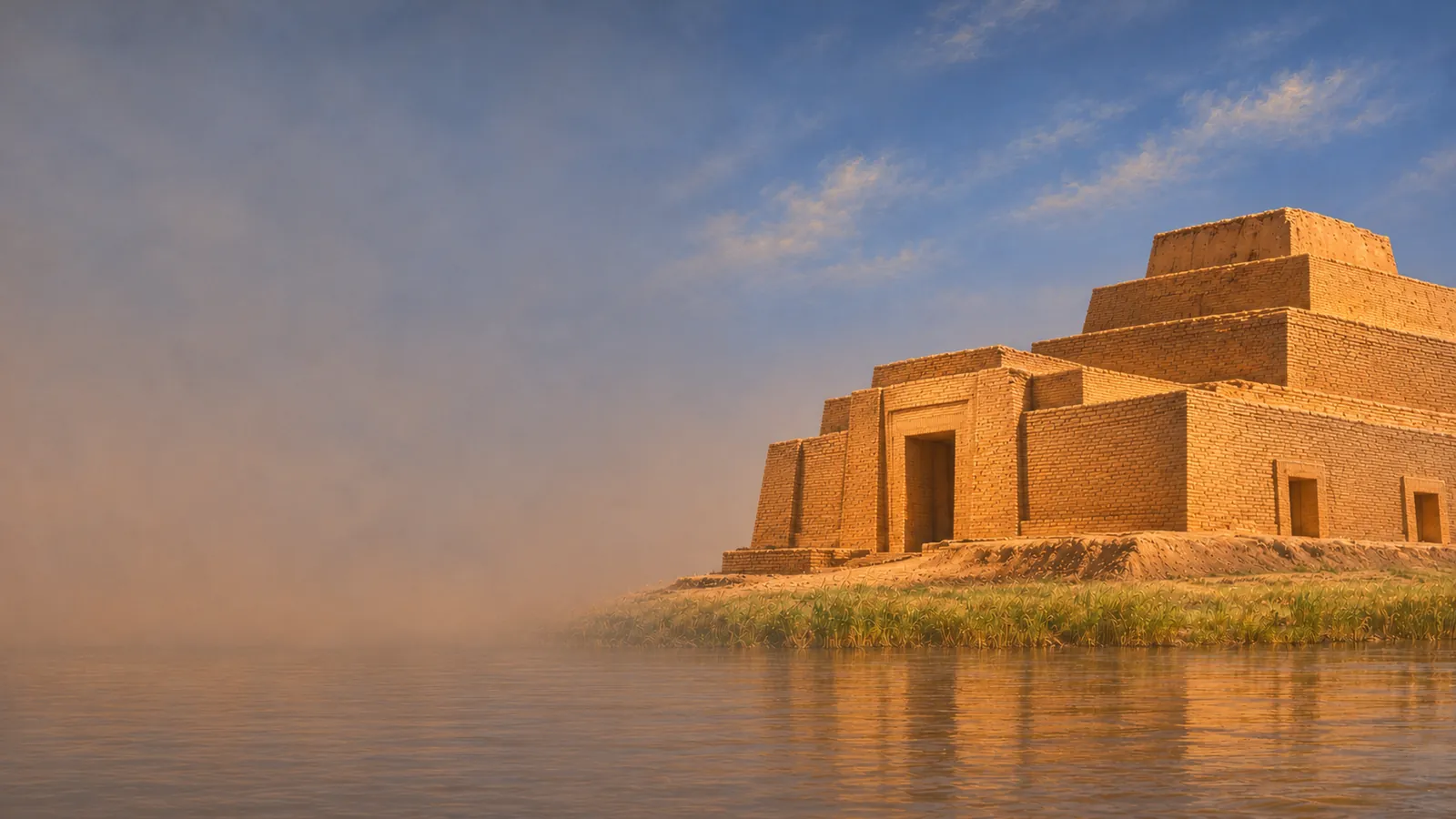
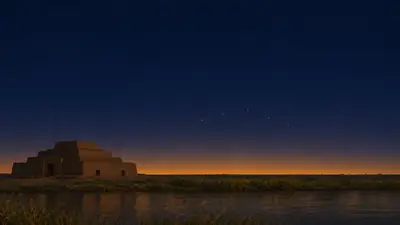
Os construtores ergueram o alto zigurate. Prepararam moradas para Anu, Enlil e Ea, e fizeram também uma para Marduk.
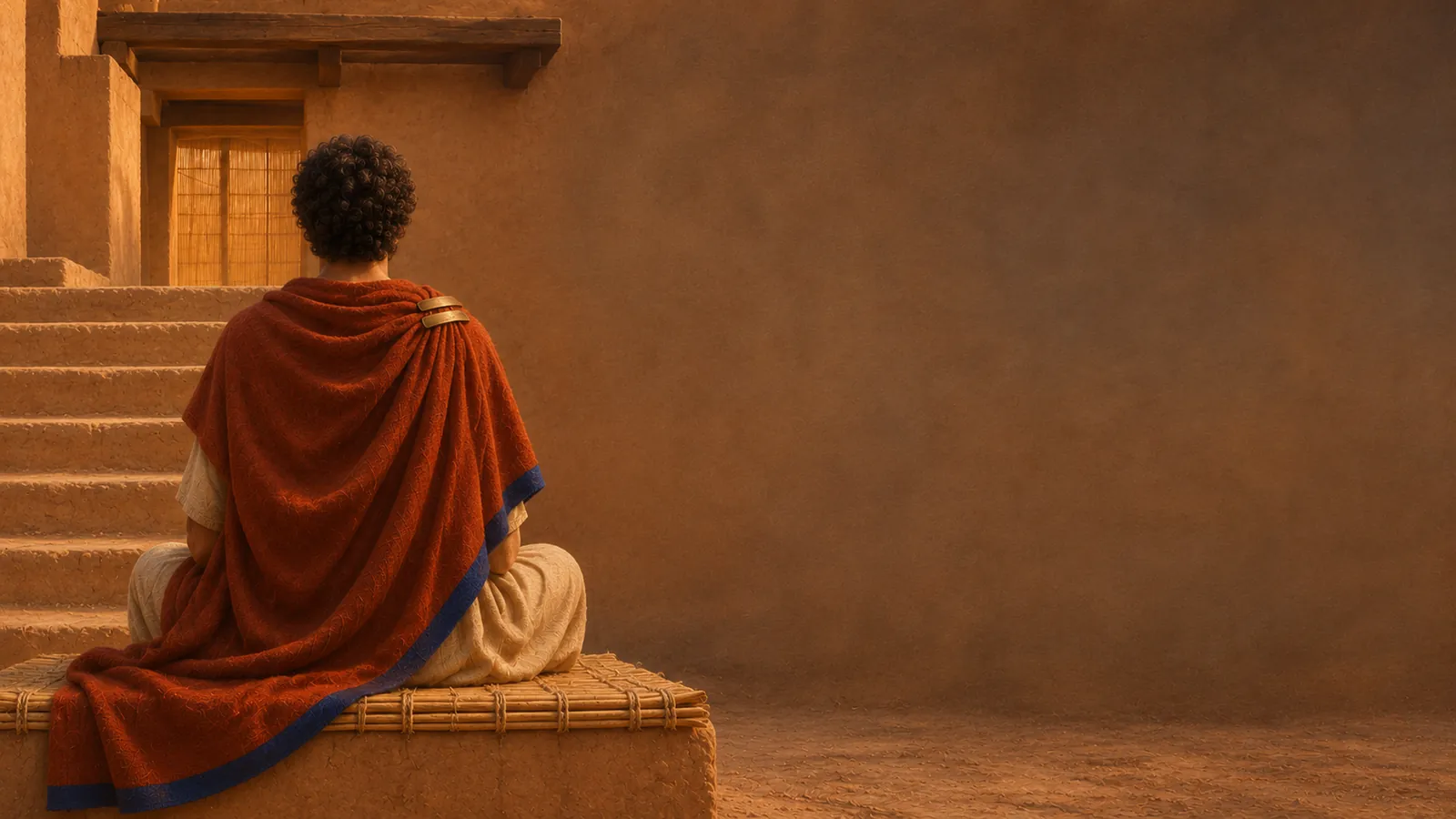
Marduk tomou o seu lugar em todo o esplendor. Um verso liga esta cena a Eshara, embora o sentido exato seja incerto. Os Anunnaki acabaram os seus próprios estrados.
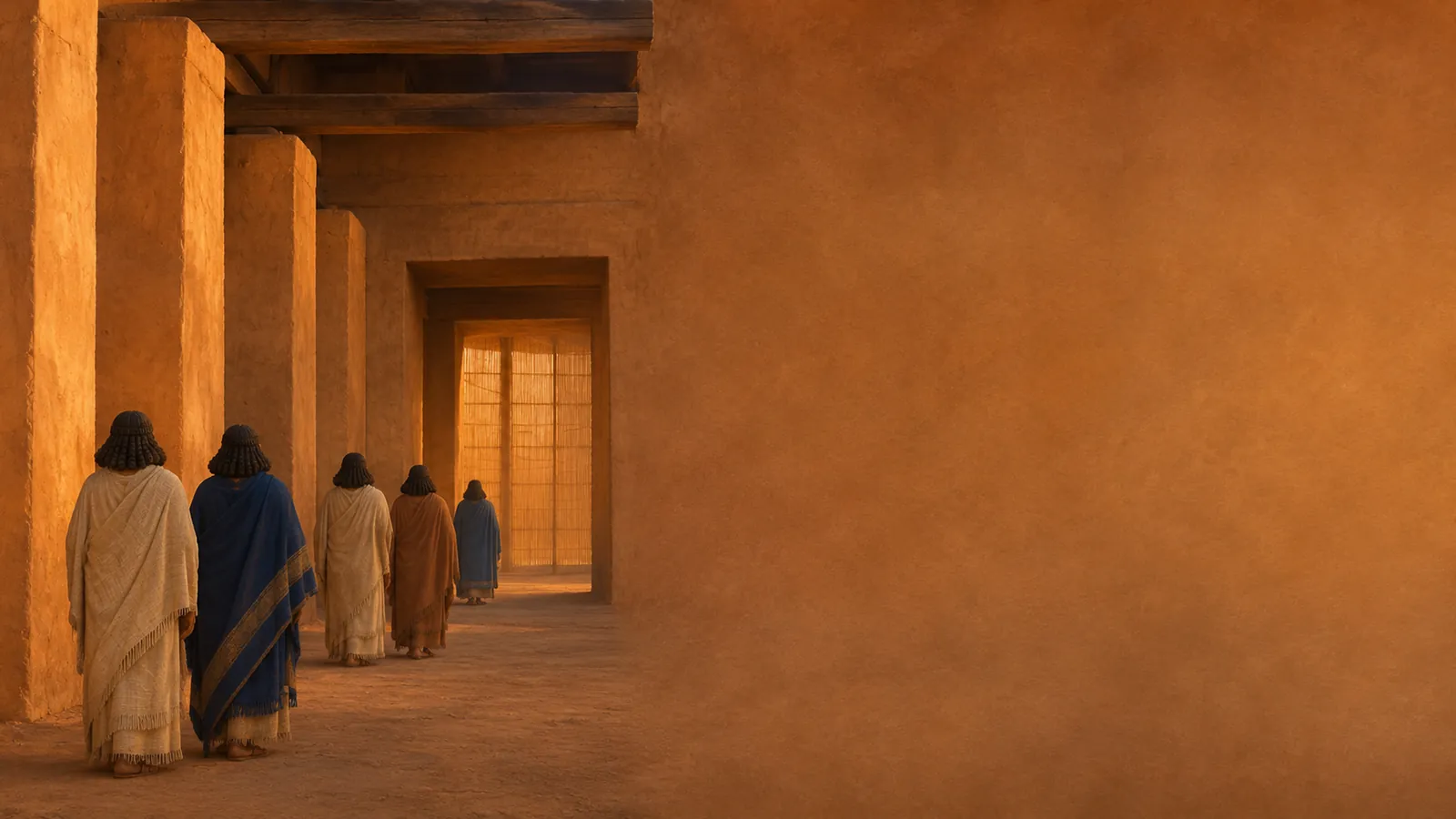
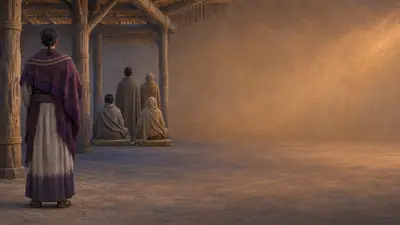
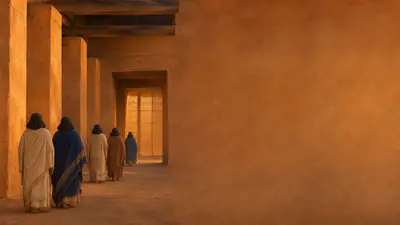
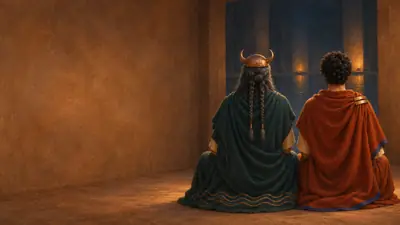
Os deuses do céu e do Apsû reuniram-se. Marduk acolheu os mais velhos na sala que tinham construído e deu-lhes lugar no seu banquete.
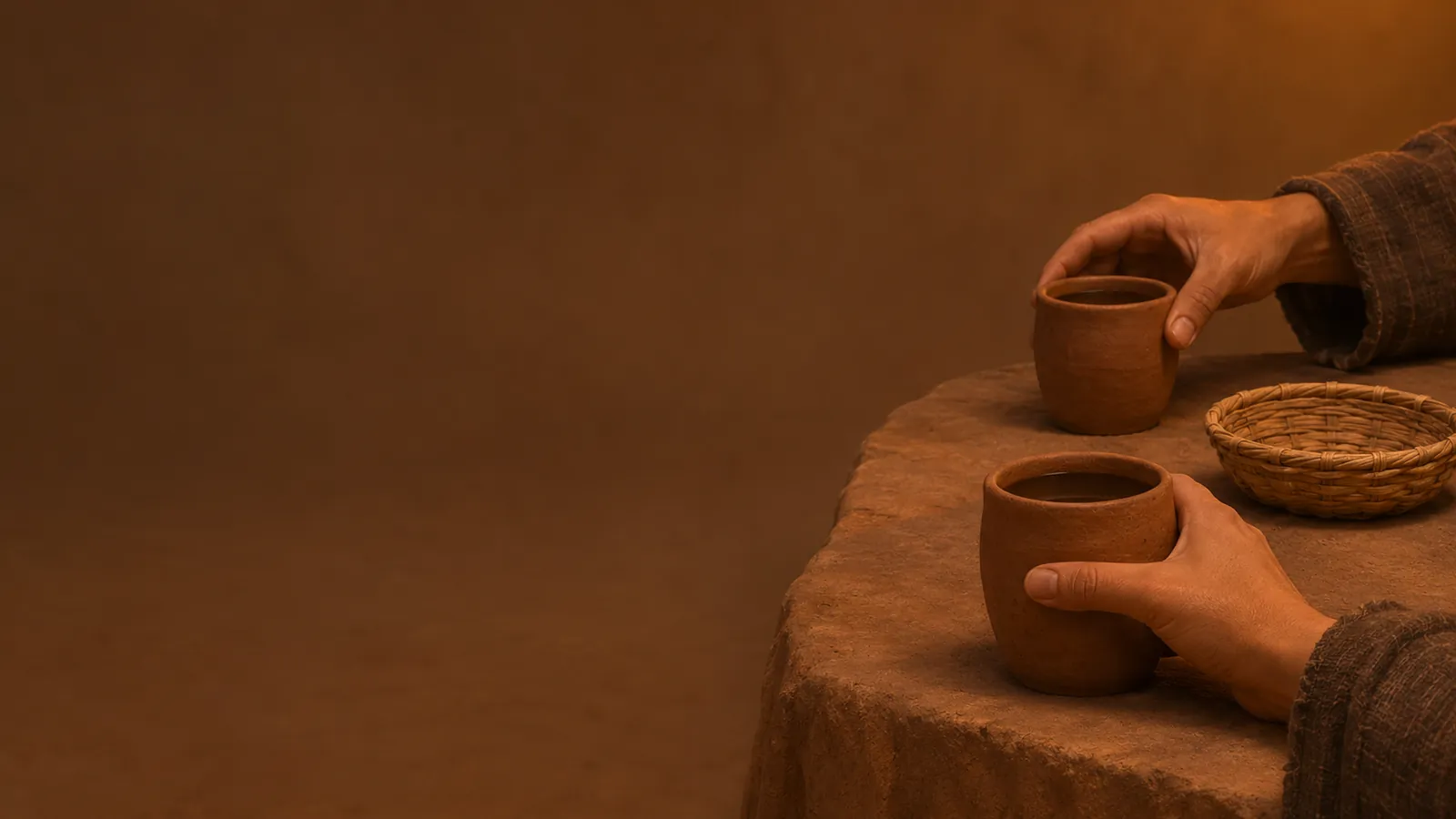
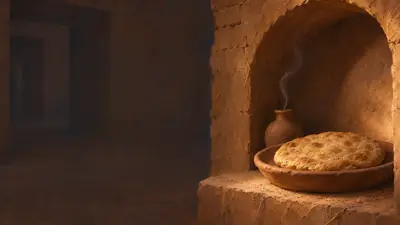
Marduk convidou-os a fazer de Babilónia a sua morada. Sentaram-se, dispuseram os copos de cerveja e festejaram no lugar que tinham construído.
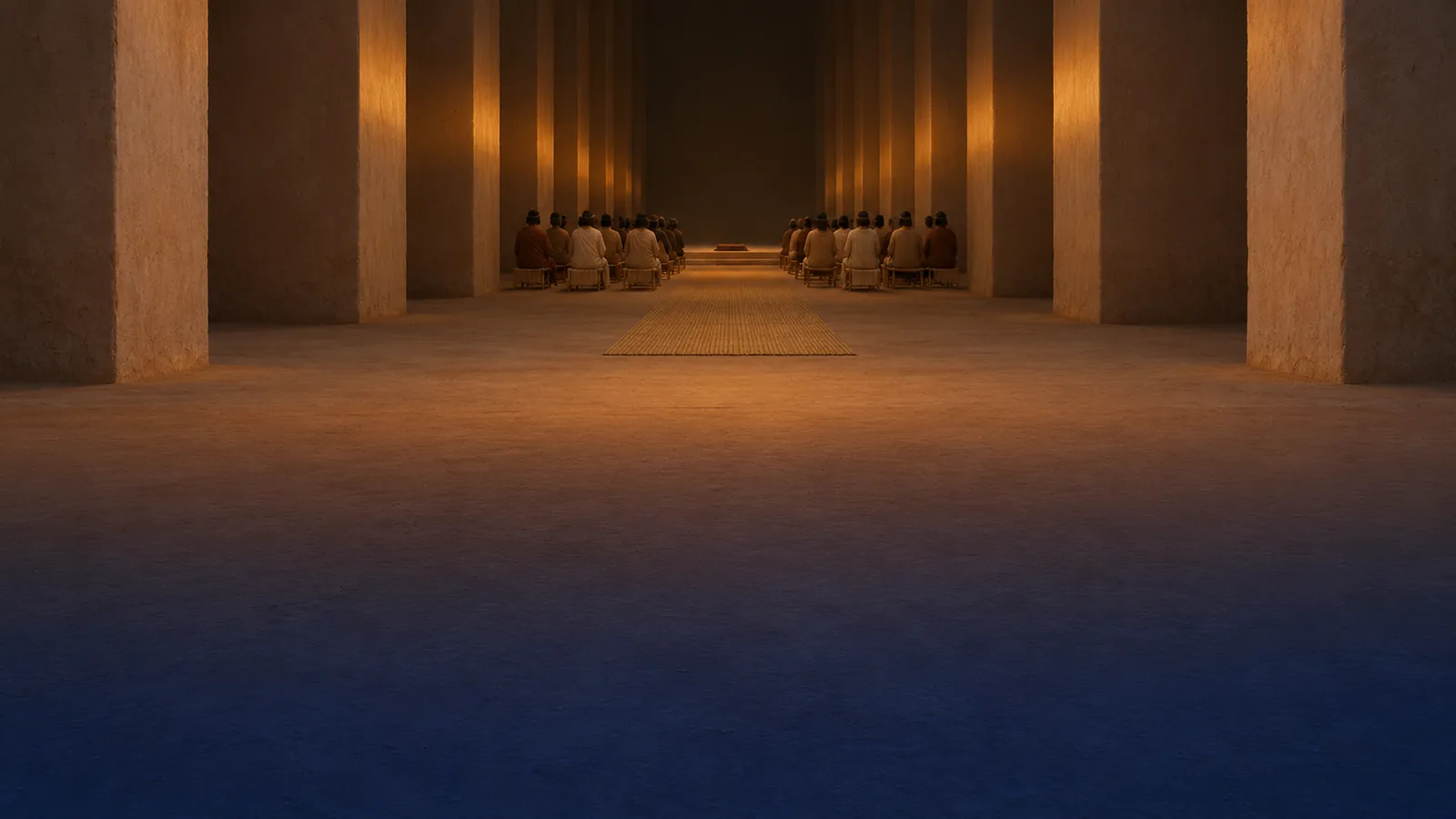
No Esagil, os deuses cumpriram o seu rito e confirmaram os seus postos no céu e na terra. Deram aos sete deuses do destino autoridade para decidir.
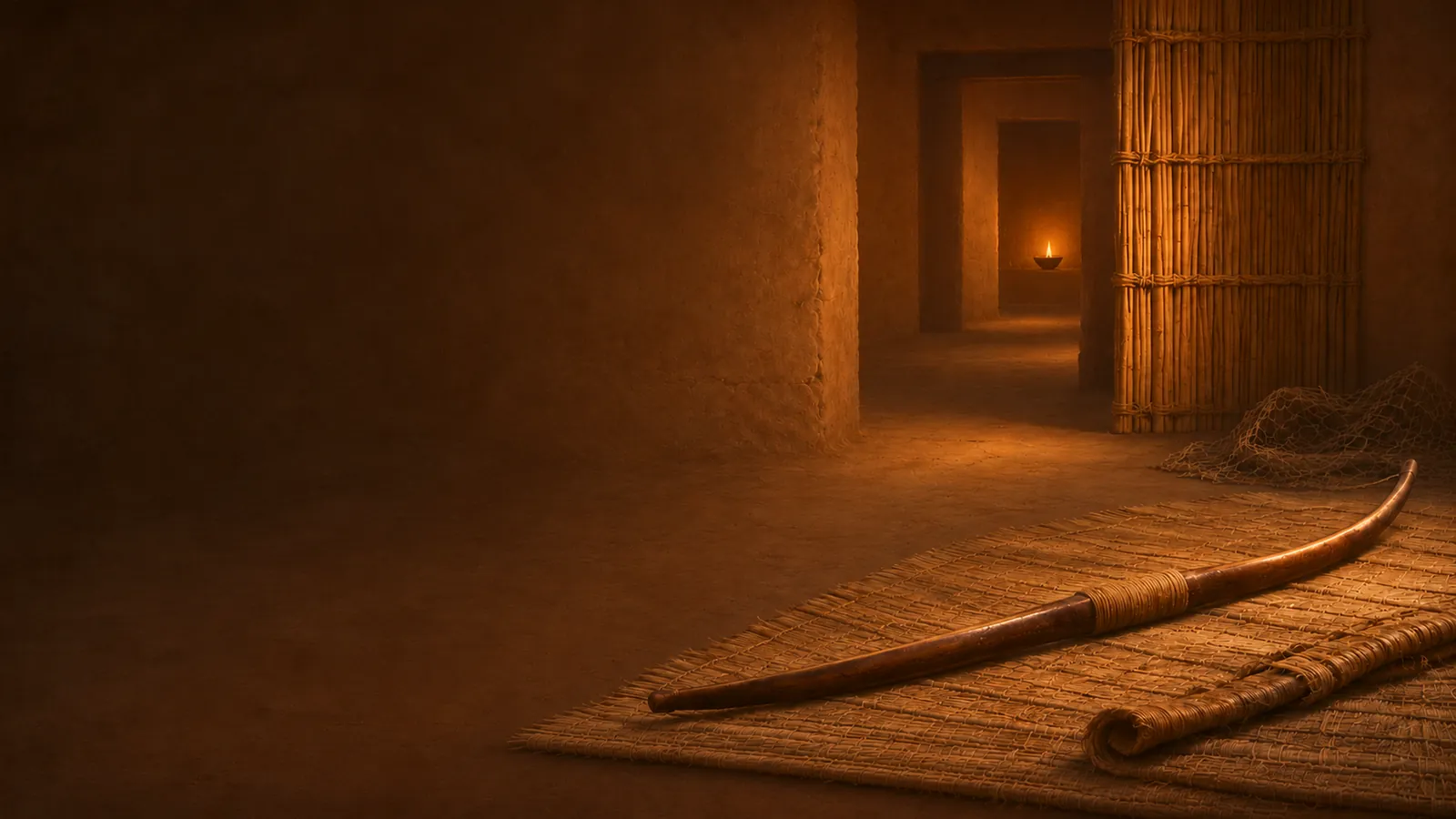
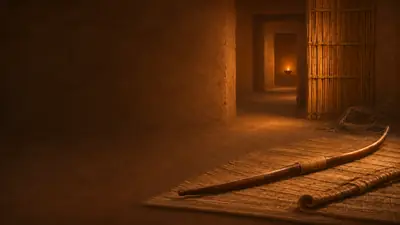
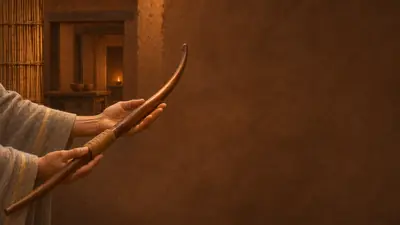
Marduk depôs o arco diante dos deuses. Viram também a rede que fizera e louvaram a arte com que o arco tinha sido feito.
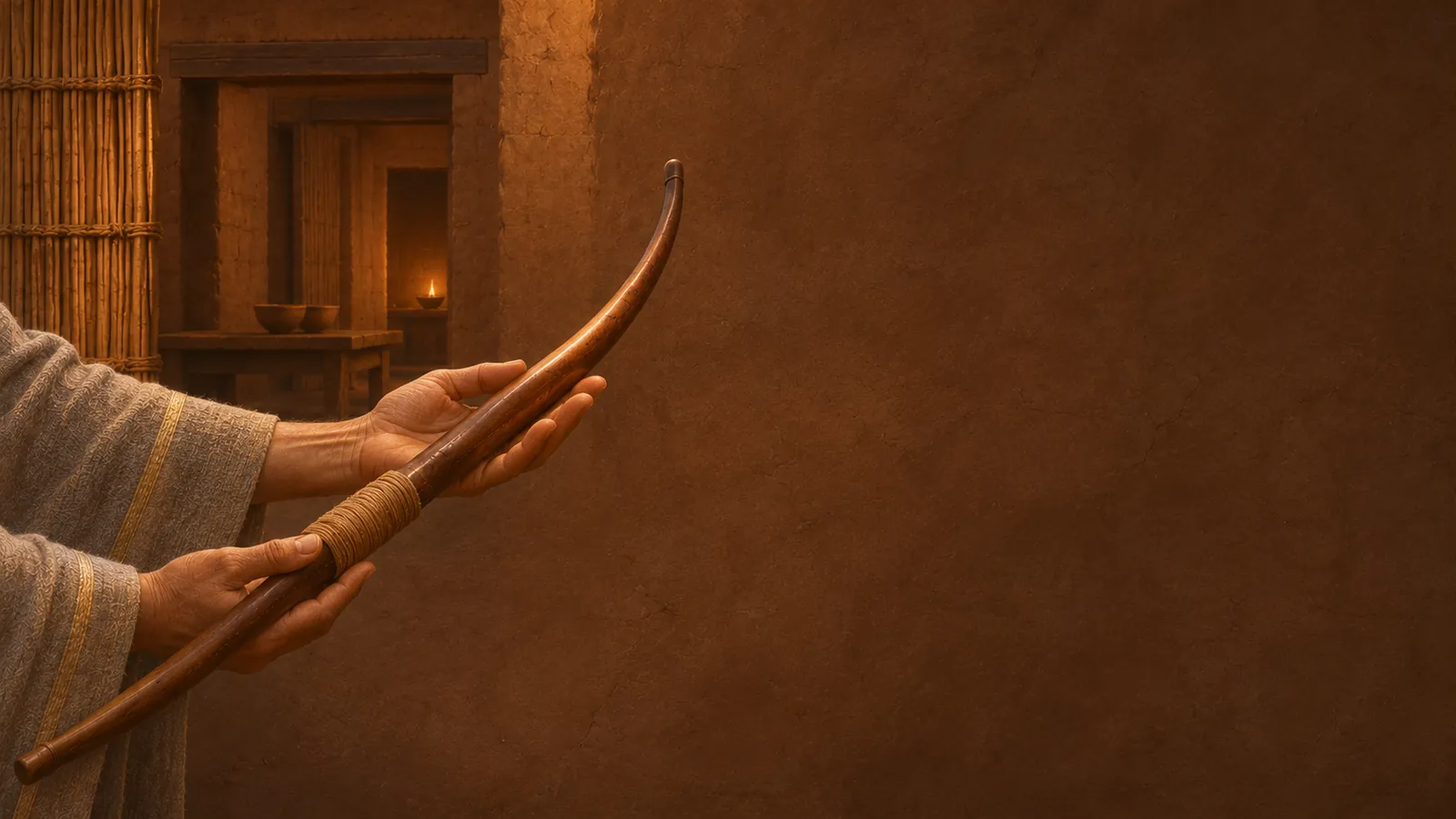
Anu ergueu o arco perante a assembleia. Beijou-o e chamou-lhe sua filha, e depois começou a dizer os seus nomes.
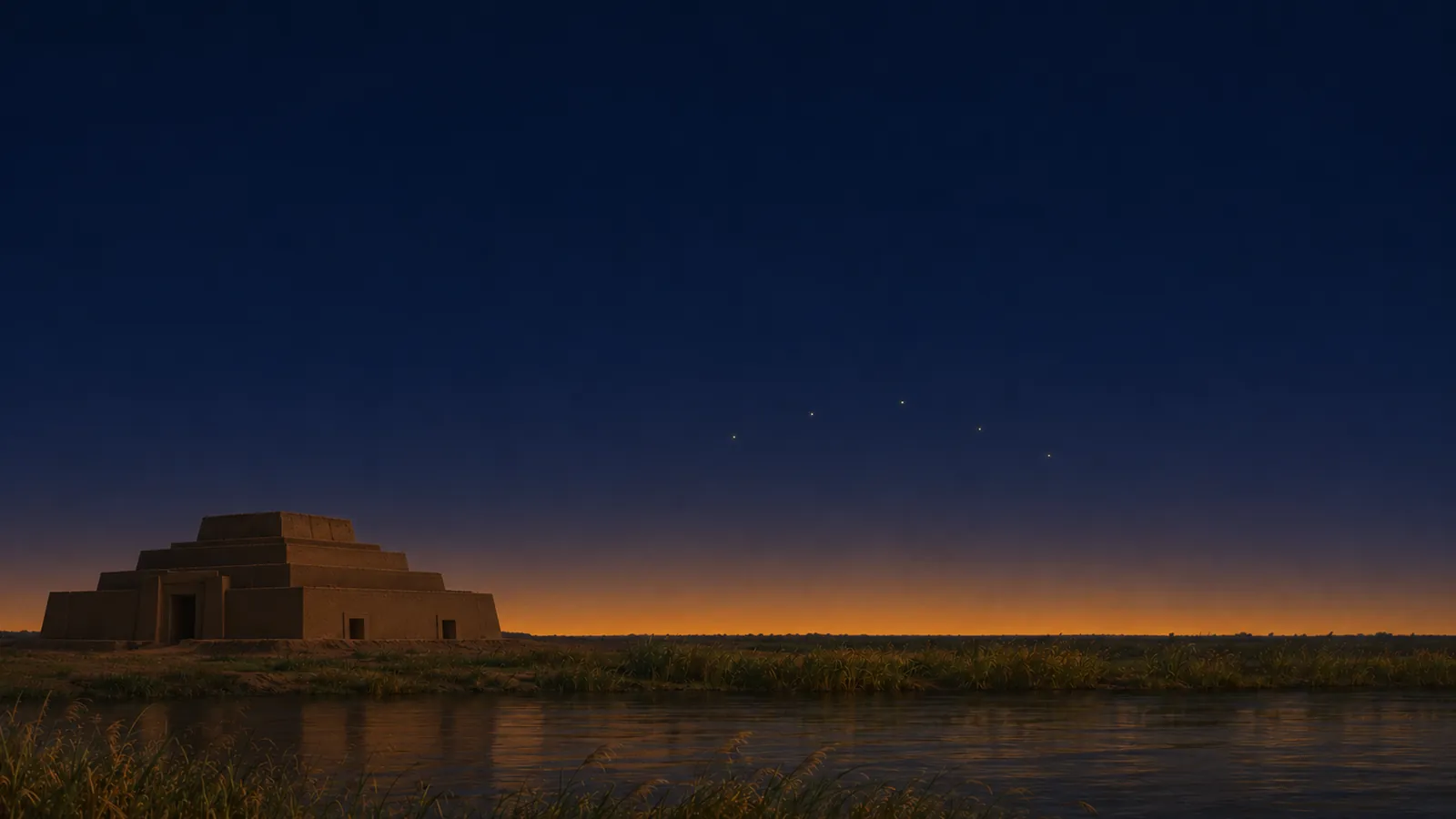
A ESTRELA DO ARCO
Anu chamou ao arco Madeira Longa, Aquele que Golpeia e Estrela do Arco. Deu-lhe um lugar entre as estrelas do céu.
Os grandes deuses inclinaram-se e fizeram um juramento solene com água e azeite. Confirmaram Marduk como rei dos deuses do céu e da terra.
Os deuses pediram que a palavra do seu vingador tivesse autoridade em cima e em baixo. Falaram do dever de guiar as pessoas como um pastor guia o seu rebanho.
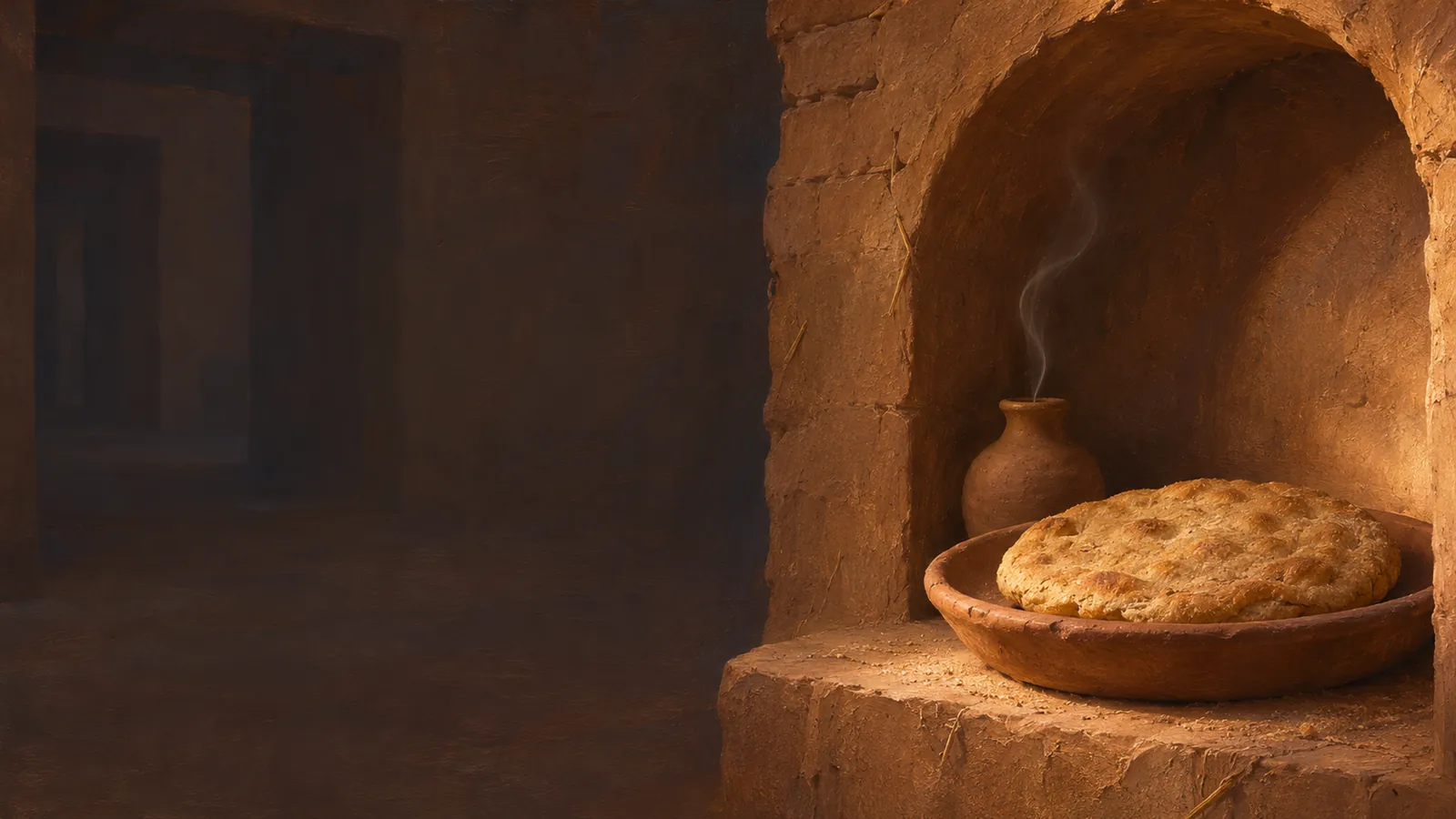
Os deuses pediram a Marduk que cuidasse das pessoas e provesse às necessidades dos santuários. Falaram de oferendas de alimentos e do incenso que sobe e pediram que as pessoas se lembrassem dos seus deuses.
CINQUENTA NOMES
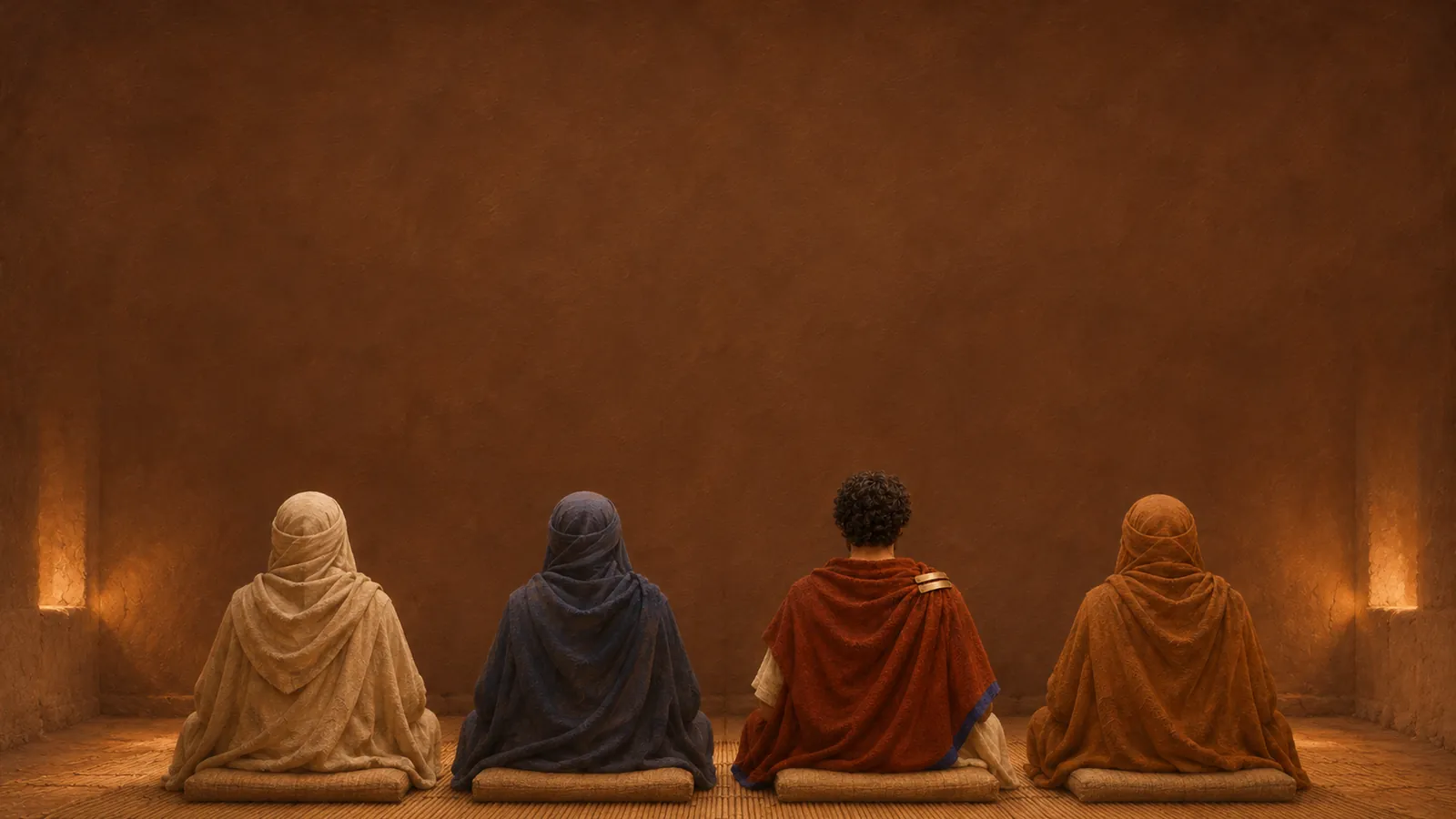
A assembleia quis então dar cinquenta nomes a Marduk. Cada nome falaria de um feito seu ou de uma tarefa que lhe fora confiada.
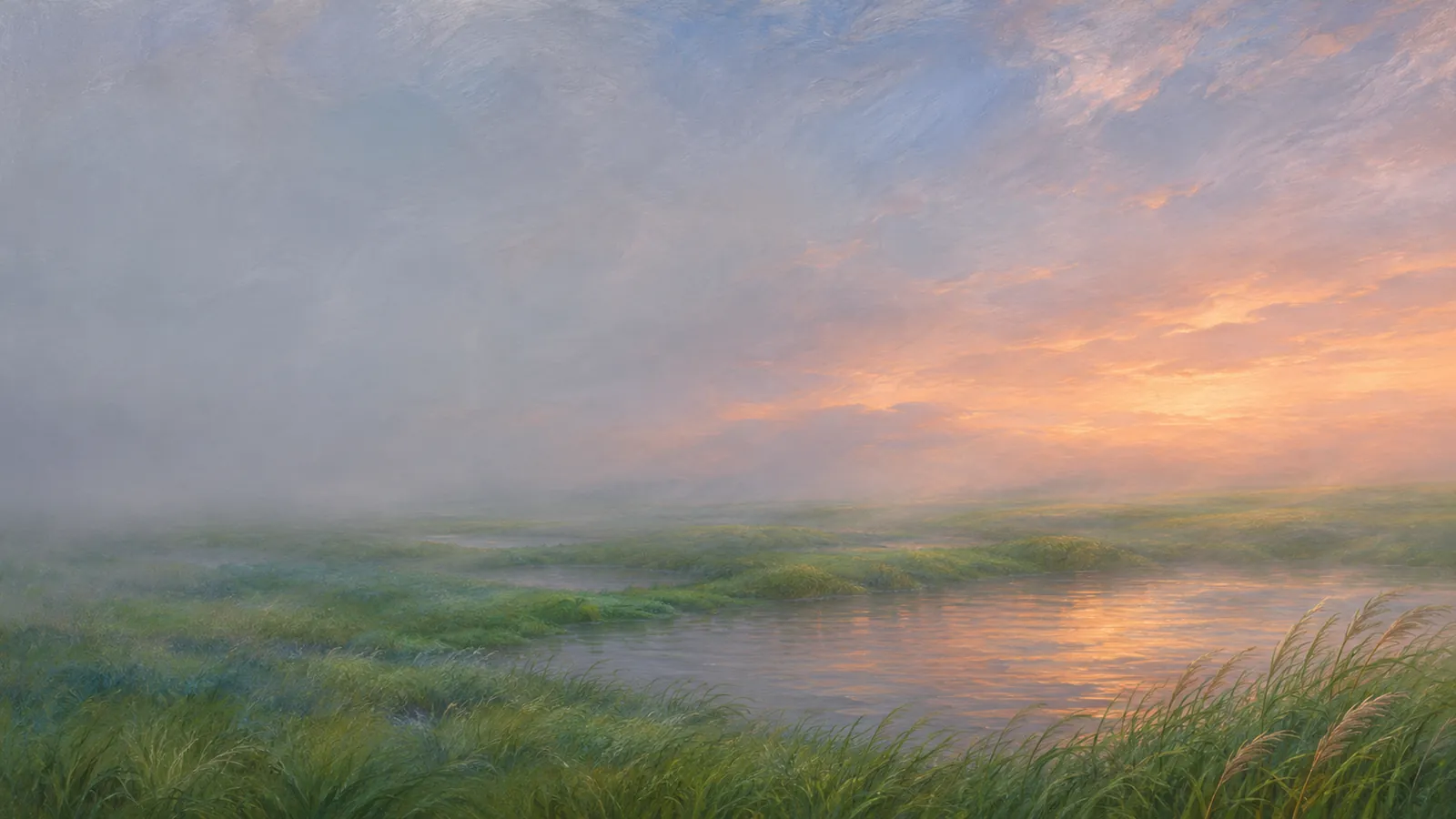
Marduk era o nome que Anu lhe dera à nascença. Com esse nome, os deuses louvaram-no por os ter salvado e por ter feito abundar a erva e a água.
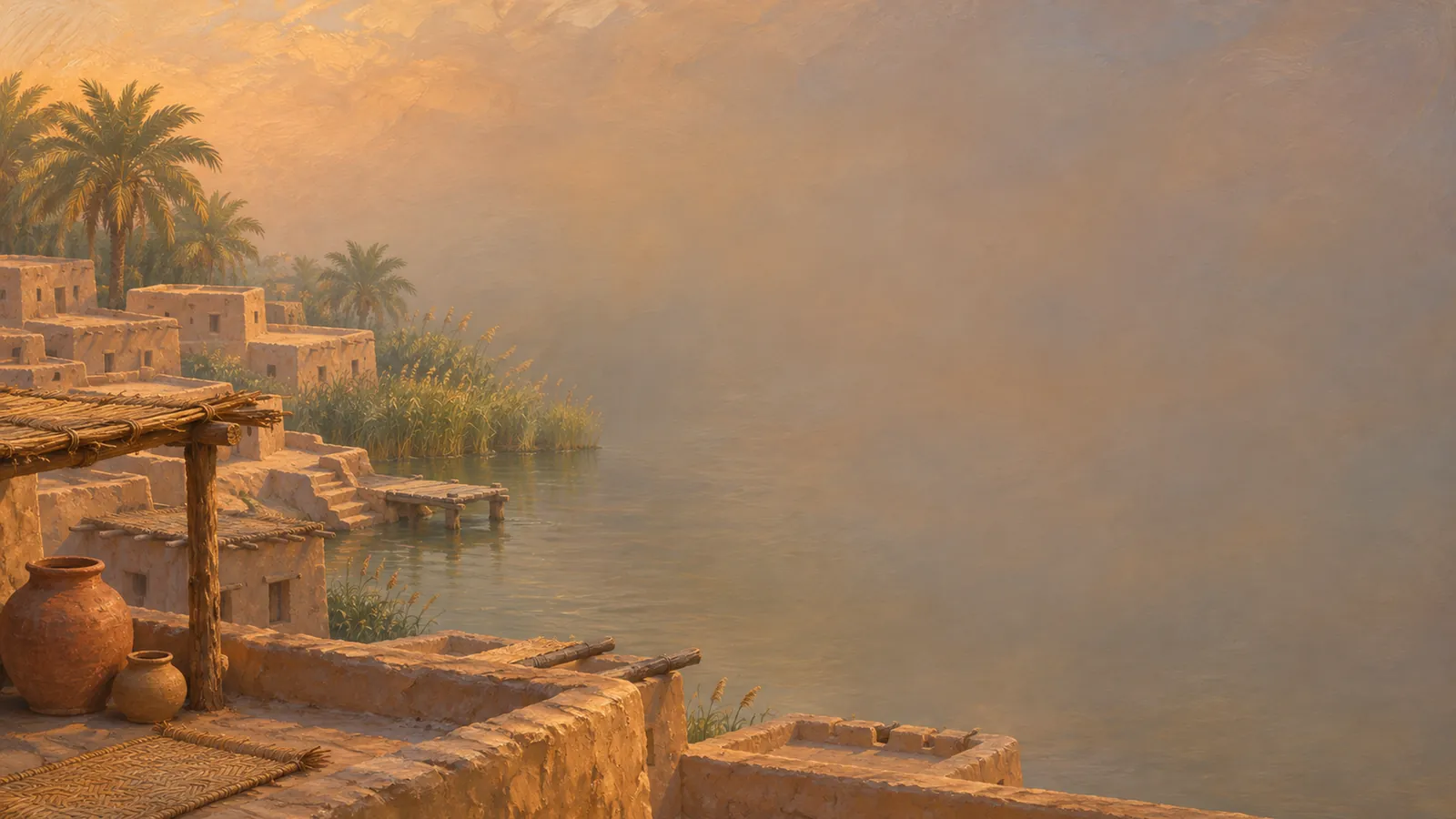
Chamaram-lhe Marukka por ter dado descanso aos deuses. Como Marutukku, era aquele com quem podiam contar o país, a cidade e os seus habitantes.
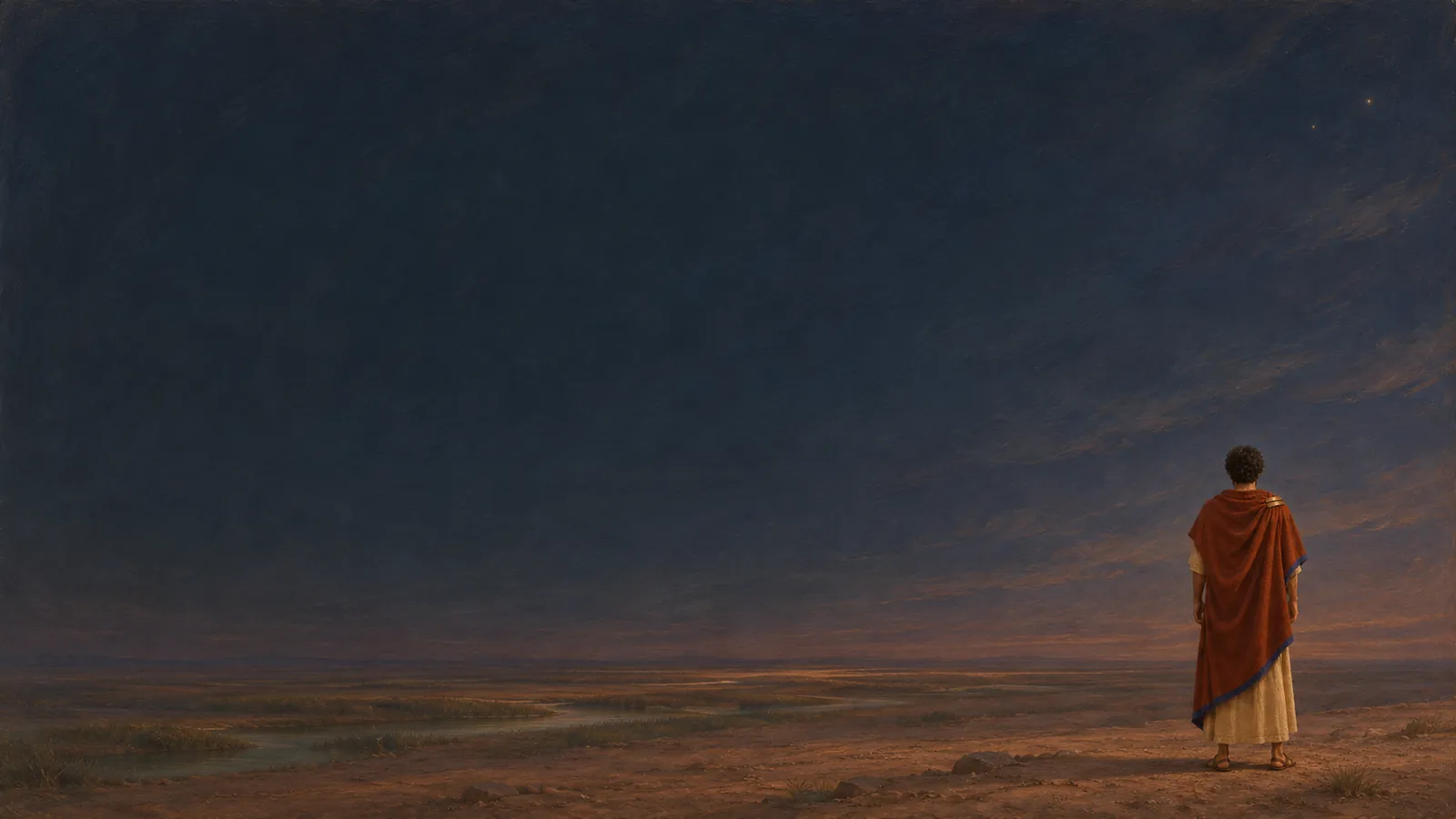
Com um dos nomes, louvaram Marduk como rei de todos os deuses do céu e da terra. Com outro, recordaram as moradas e os postos que ele lhes tinha atribuído.
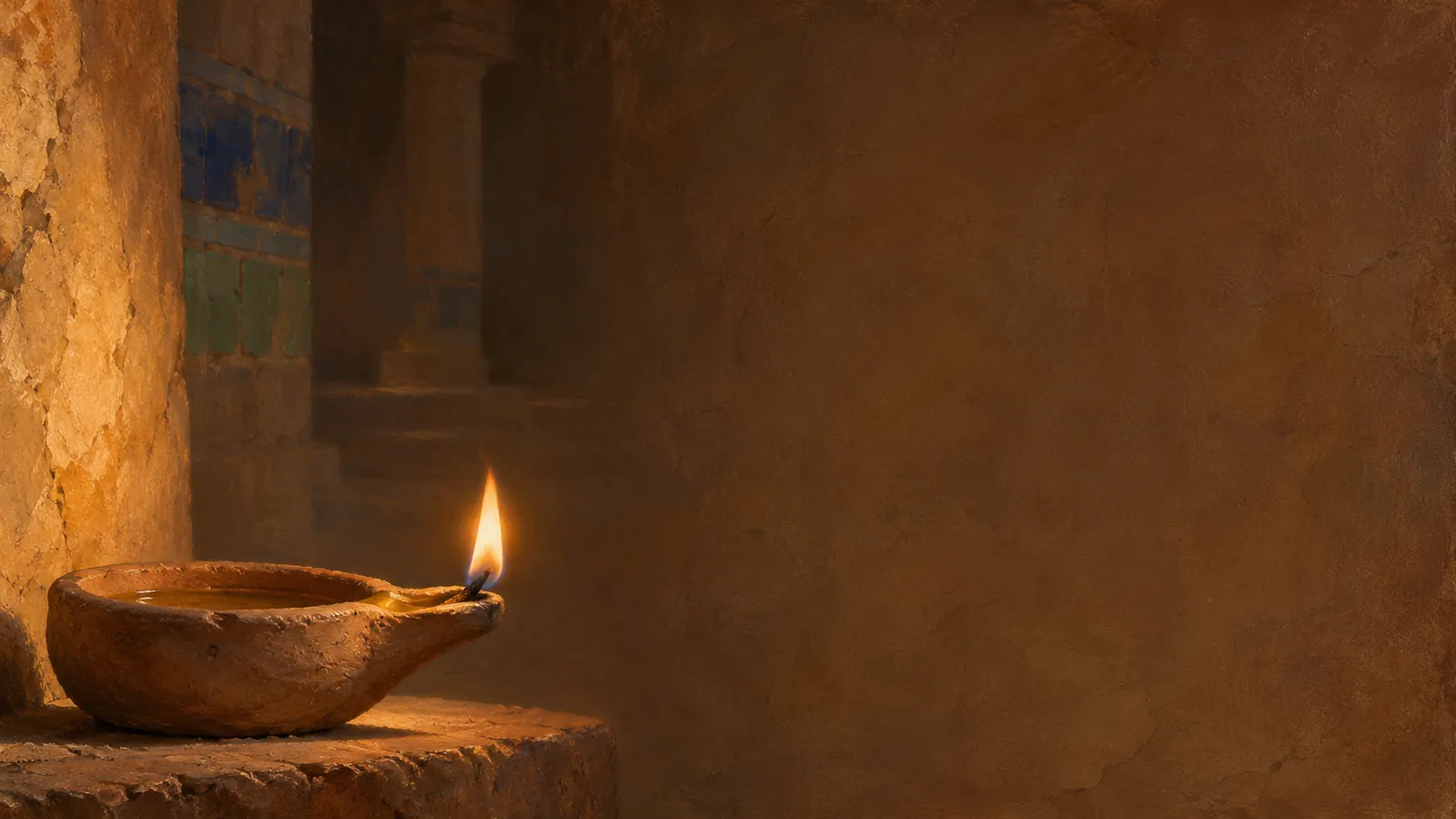
Asarluhi era outro nome vindo de Anu. Com esse nome, Marduk era uma luz para os deuses e um guardião do país.
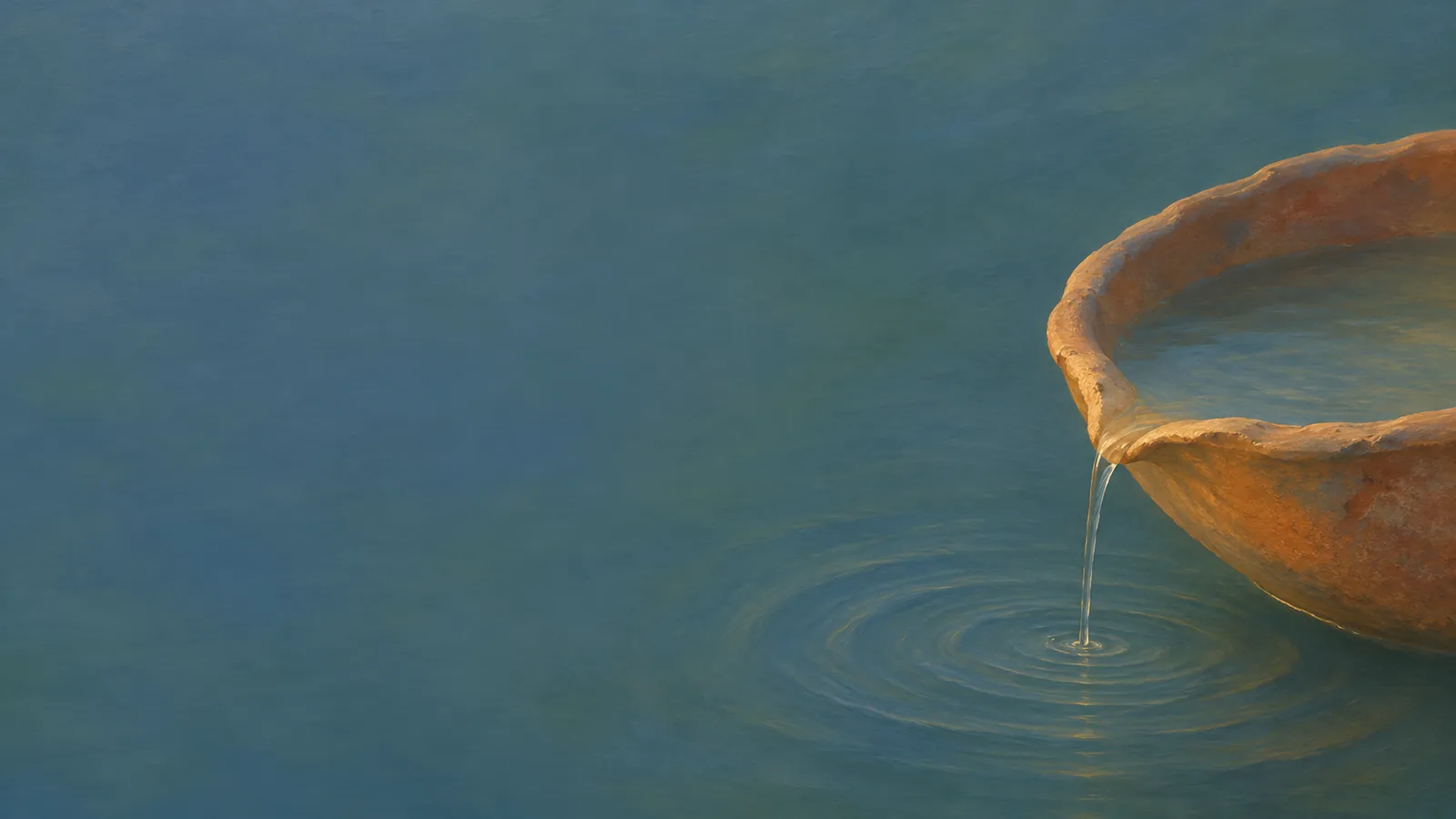
Chamaram-lhe Asarluhi-Namtila, aquele que dá a vida e reanimou os deuses abatidos, e Asarluhi-Namru, aquele que purificou os seus caminhos.
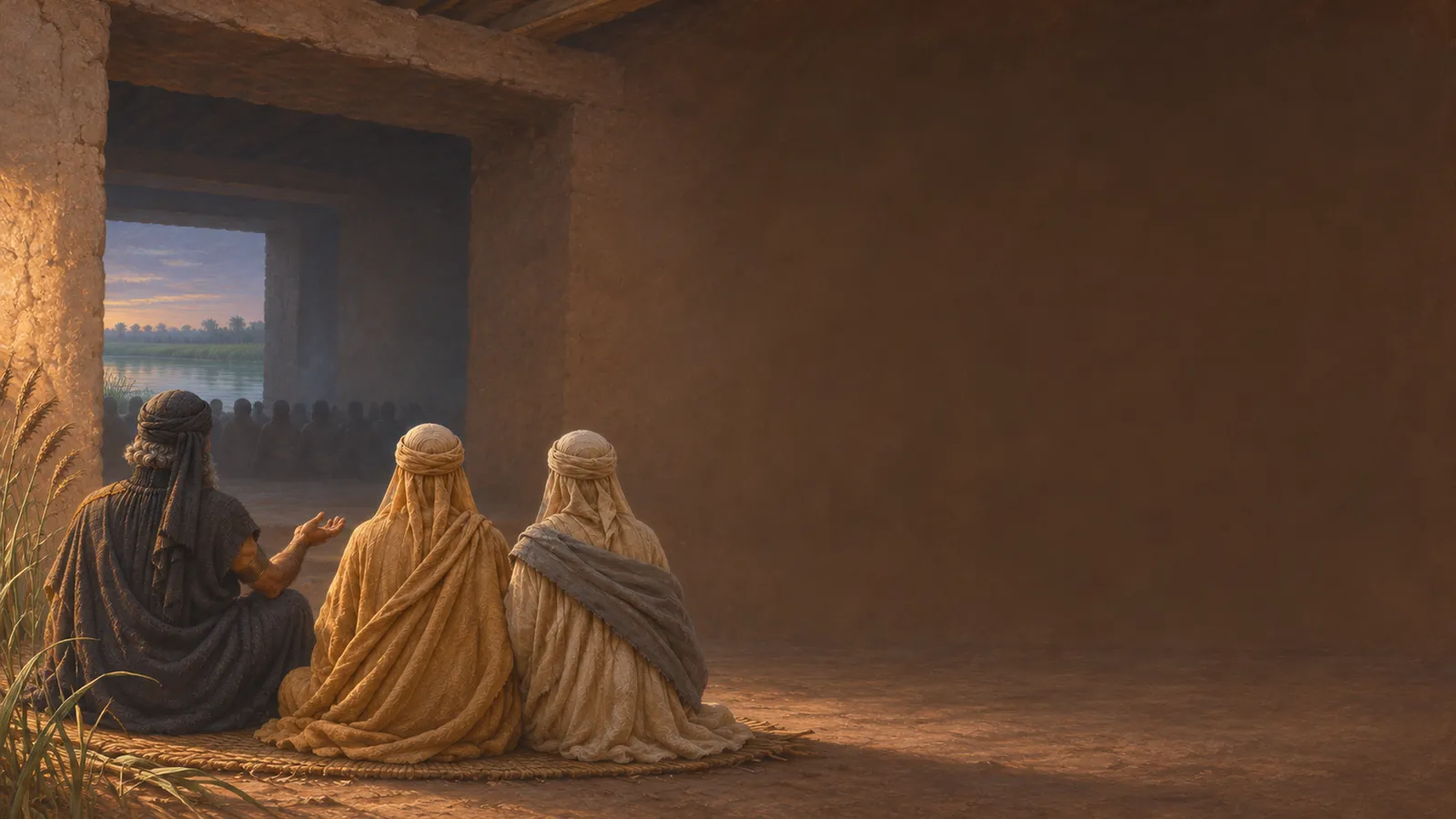
Anshar, Lahmu e Lahamu tinham proferido três nomes cada um. Depois convidaram os deuses mais jovens a tomar a sua vez, e a assembleia sentou-se para continuar.
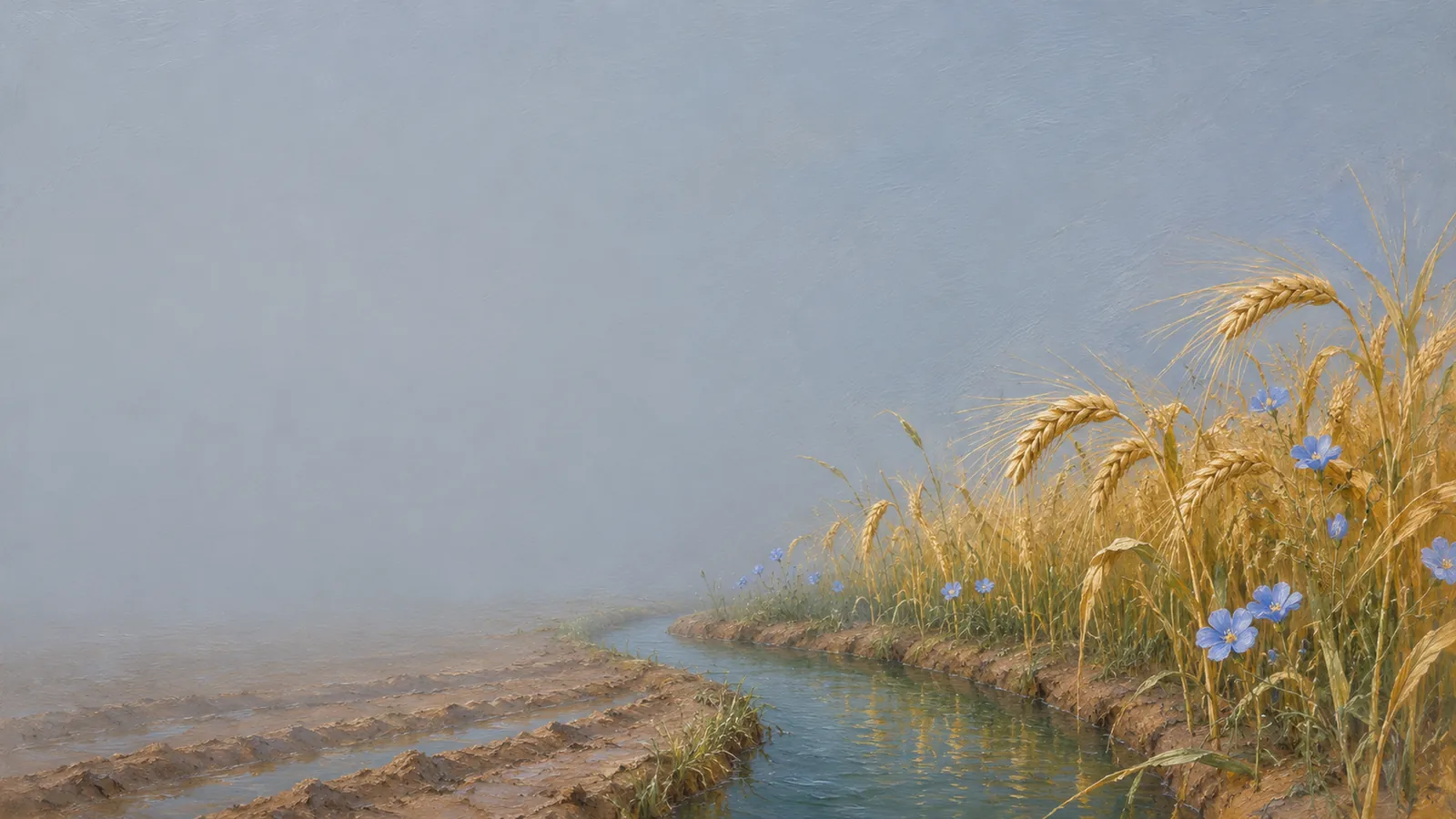
Pronunciaram o nome de Asari, aquele que dá água aos campos e faz crescer o cereal e o linho. Os nomes começaram a soar como a própria terra.
Com o nome de Tutu falaram do restabelecimento dos deuses e da renovação dos seus santuários. Com o de Zi-Ukkina recordaram os postos que ele fixou no céu.
Ziku era o nome daquele que trazia um vento benfazejo. Os deuses recordaram como respiraram aquele vento na necessidade e o louvaram quando à escassez sucedeu a abundância.
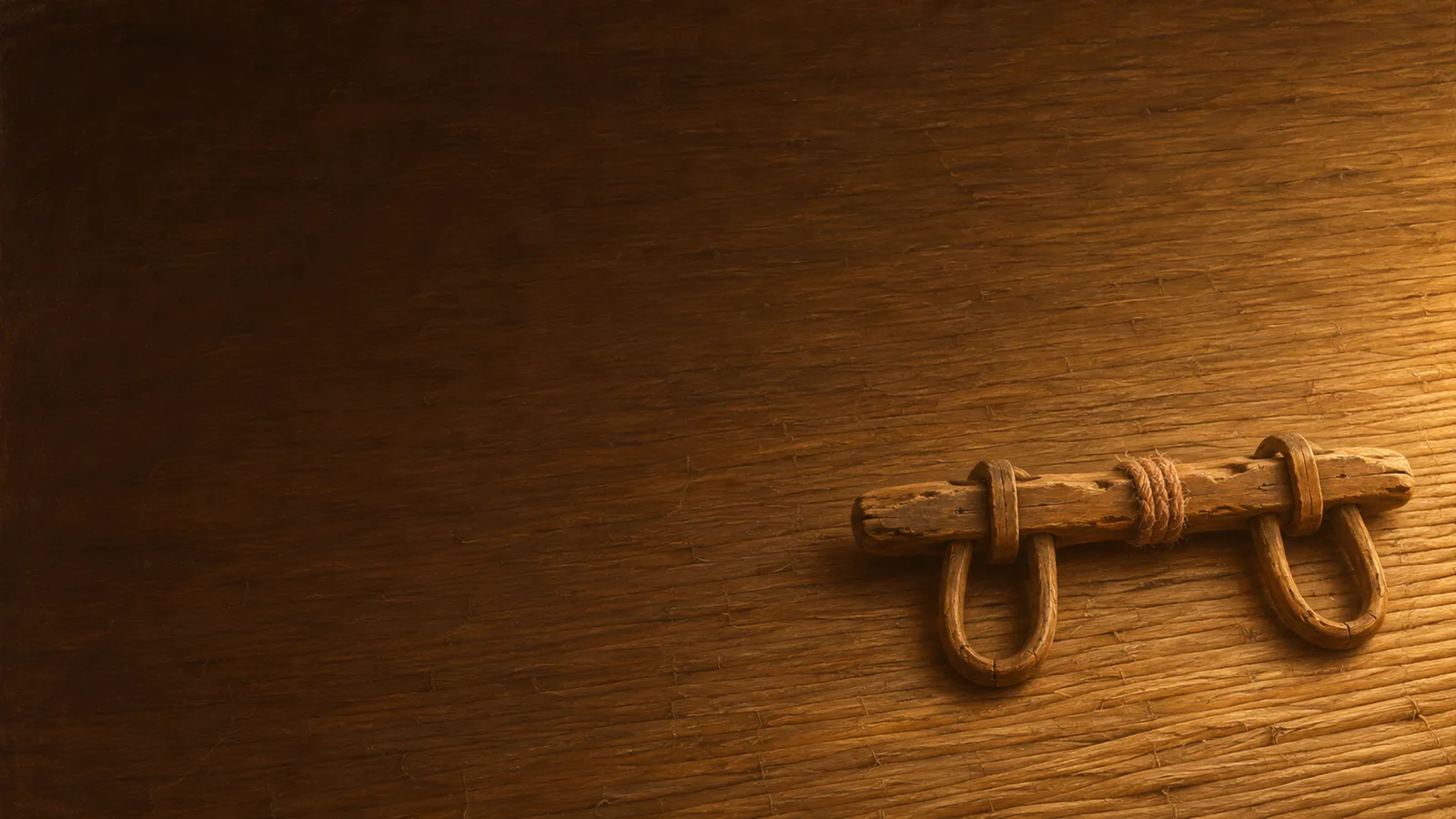
Chamaram-lhe Agaku por se compadecer dos deuses presos e lhes tirar o jugo. Era assim que este nome voltava a contar a criação dos seres humanos.
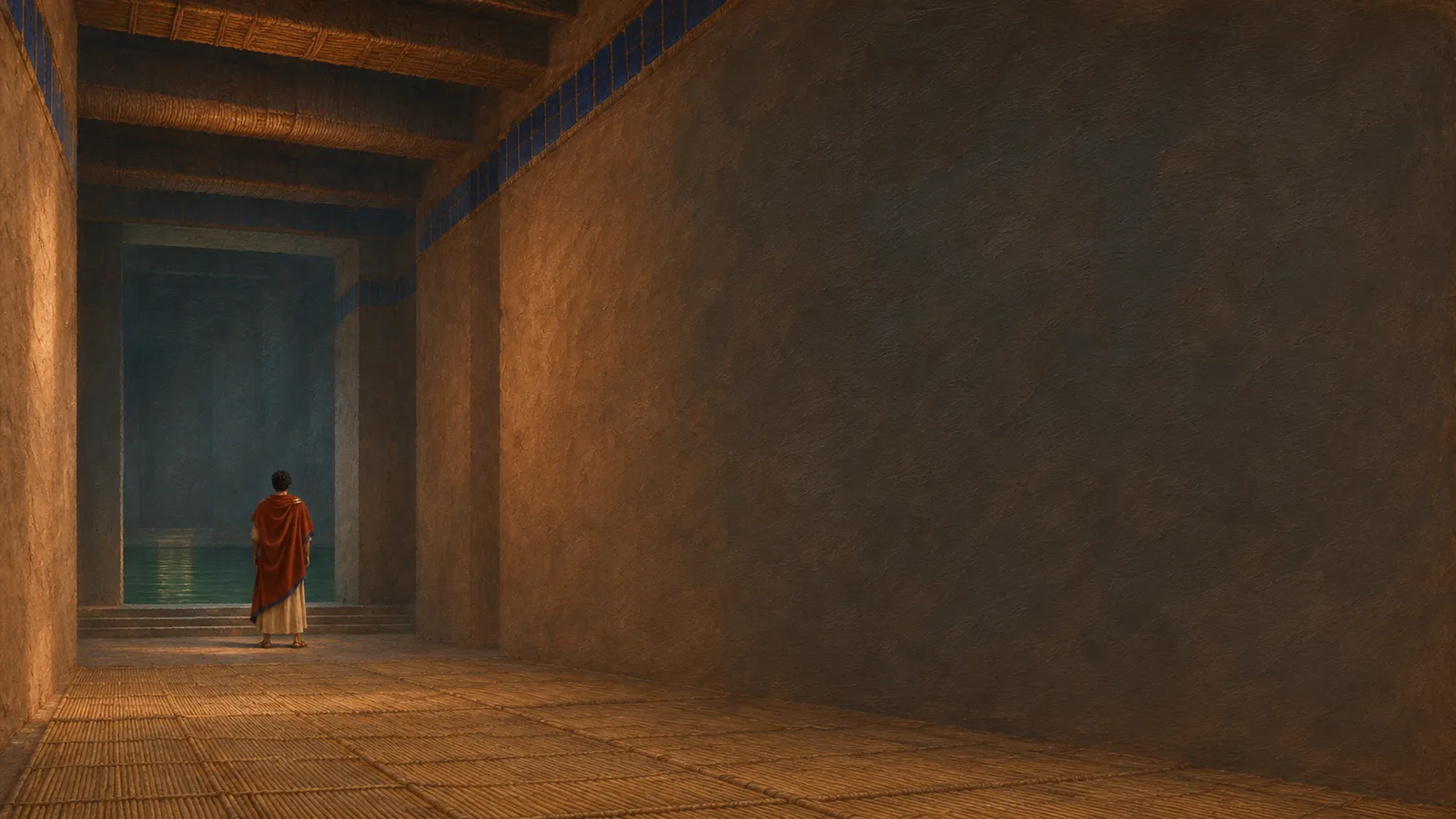
Shazu sabia o que os deuses guardavam no coração. Com esse nome, louvaram Marduk por dar firmeza à assembleia, desvendar palavras falsas e julgar com justiça.
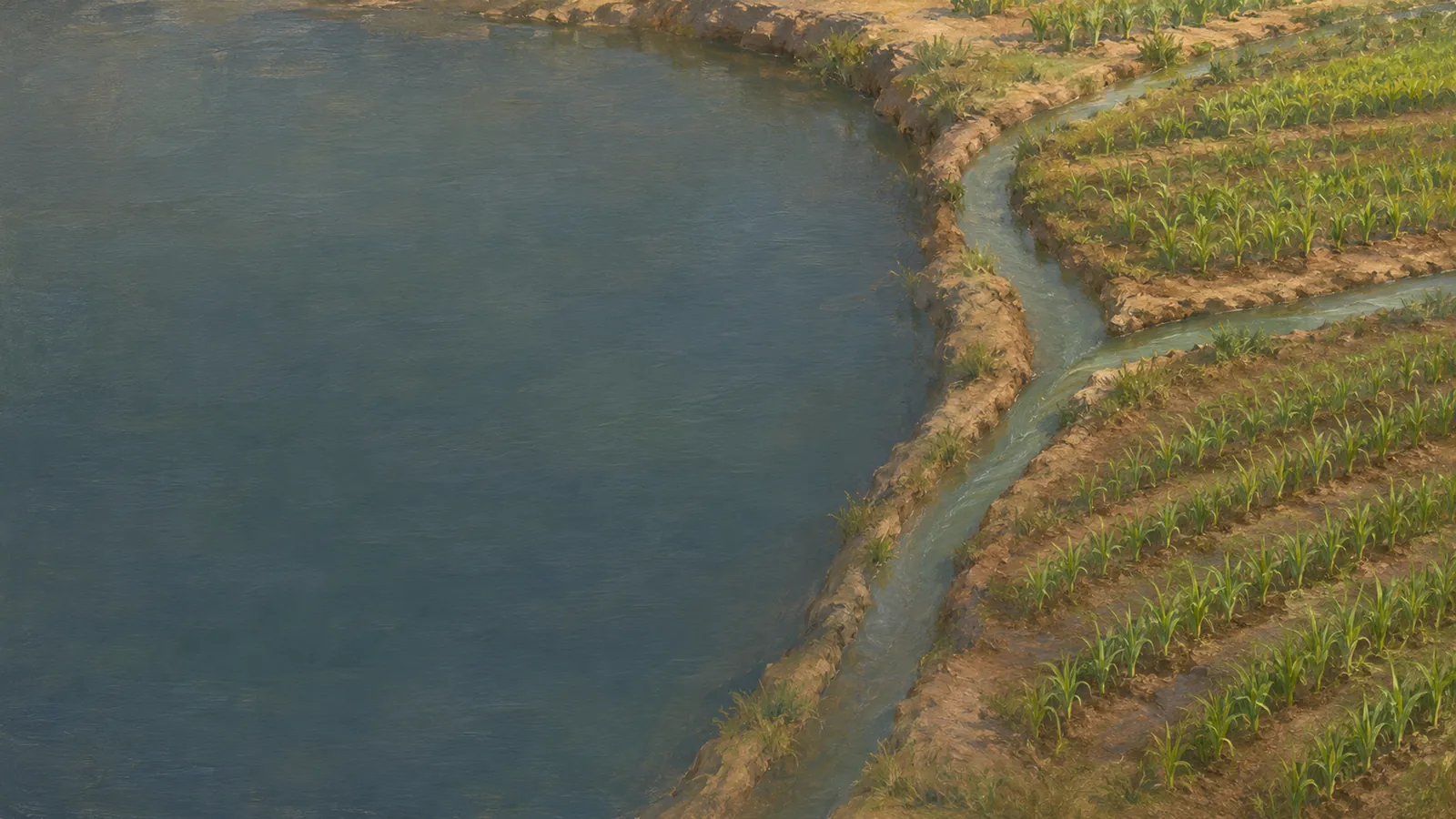
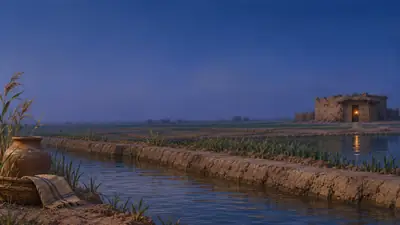
Como Enbilulu, abriu canais e deixou correr a água. Como Epadun, cuidou dos canais e diques, e os sulcos estenderam-se pela estepe aberta.
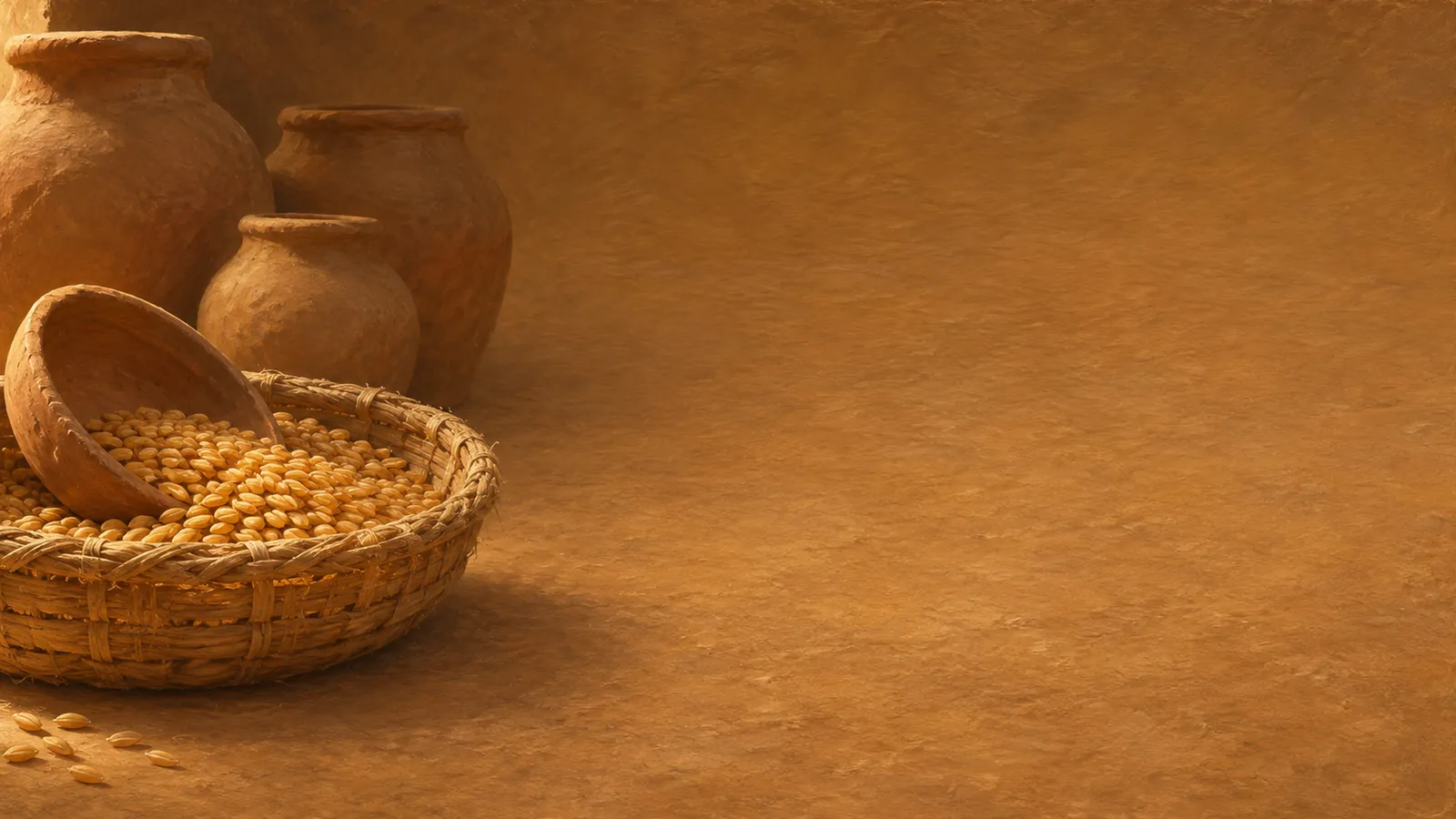
Aos outros nomes seguiram-se Gugal e Hegal. Com eles, os deuses falaram de levar trigo e montes de cereal às povoações e de cobrir de verde a terra vasta.
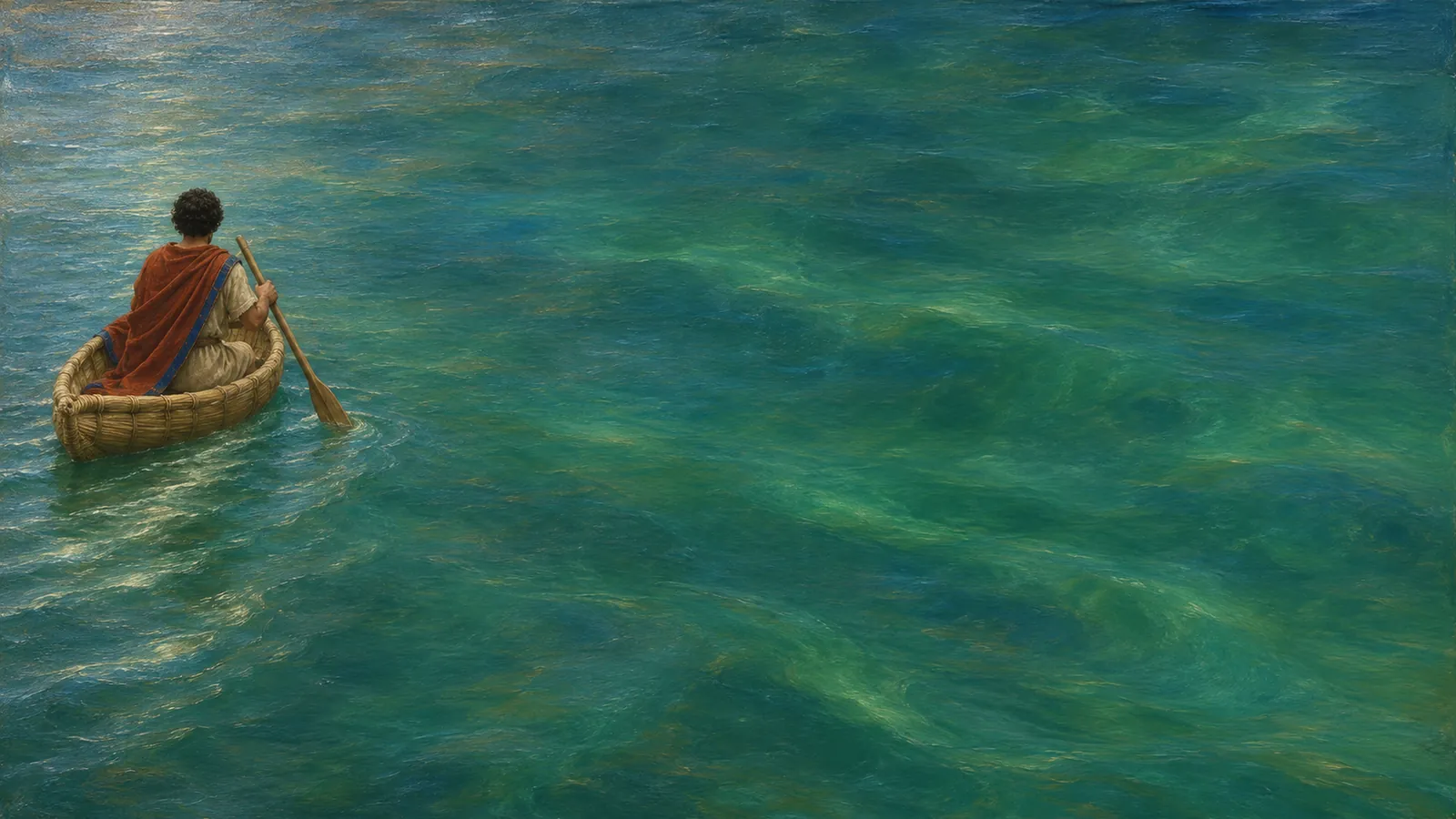
Como Sirsir, Marduk era o pastor fiel do país. O poema chama-lhe também barqueiro e imagina Tiamat como a barca que ele conduz.
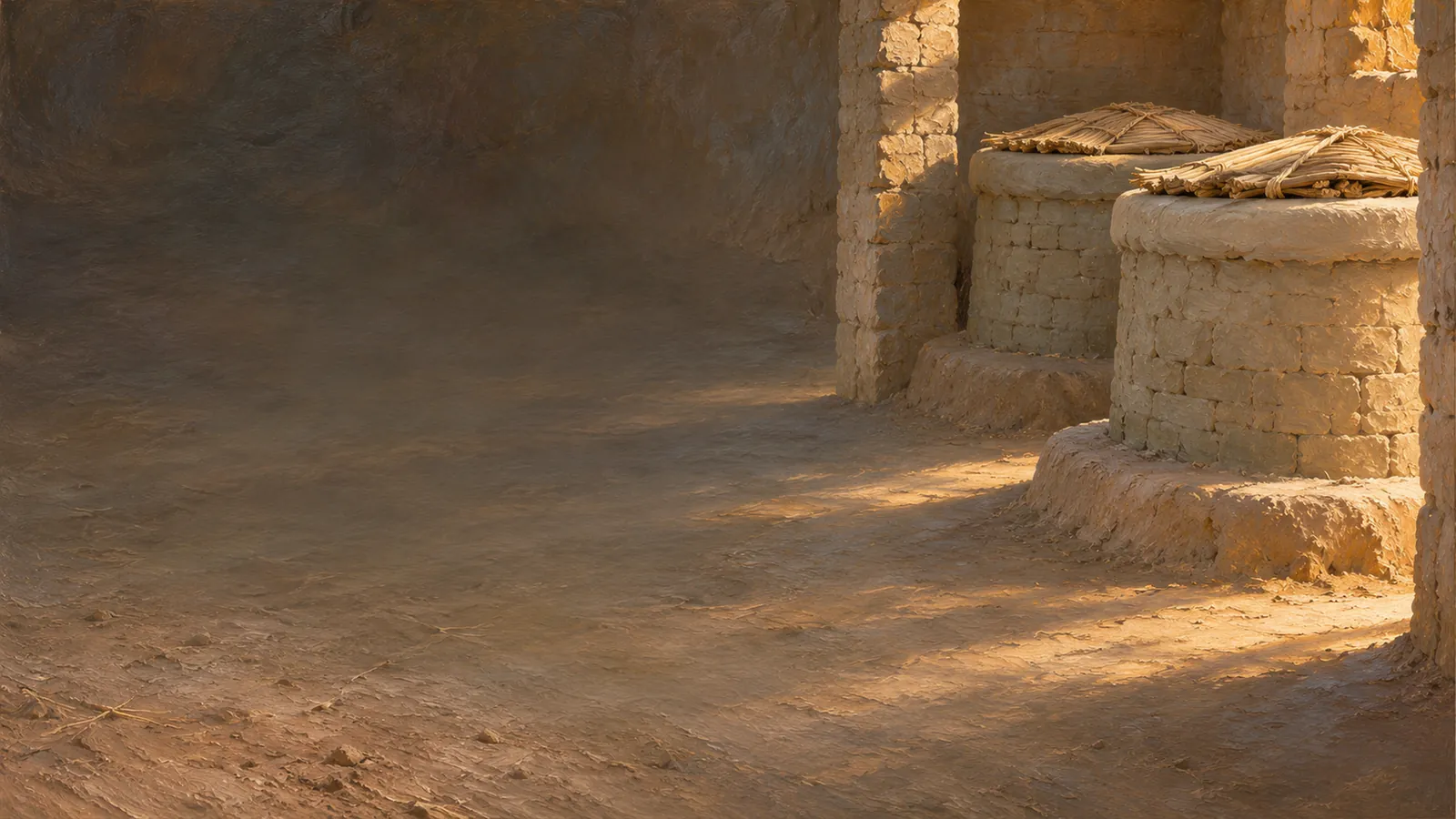
Como Gil, enchia os celeiros e dava semente à terra. Os nomes prosseguiram, e um deles louvava um rei de alicerces firmes.
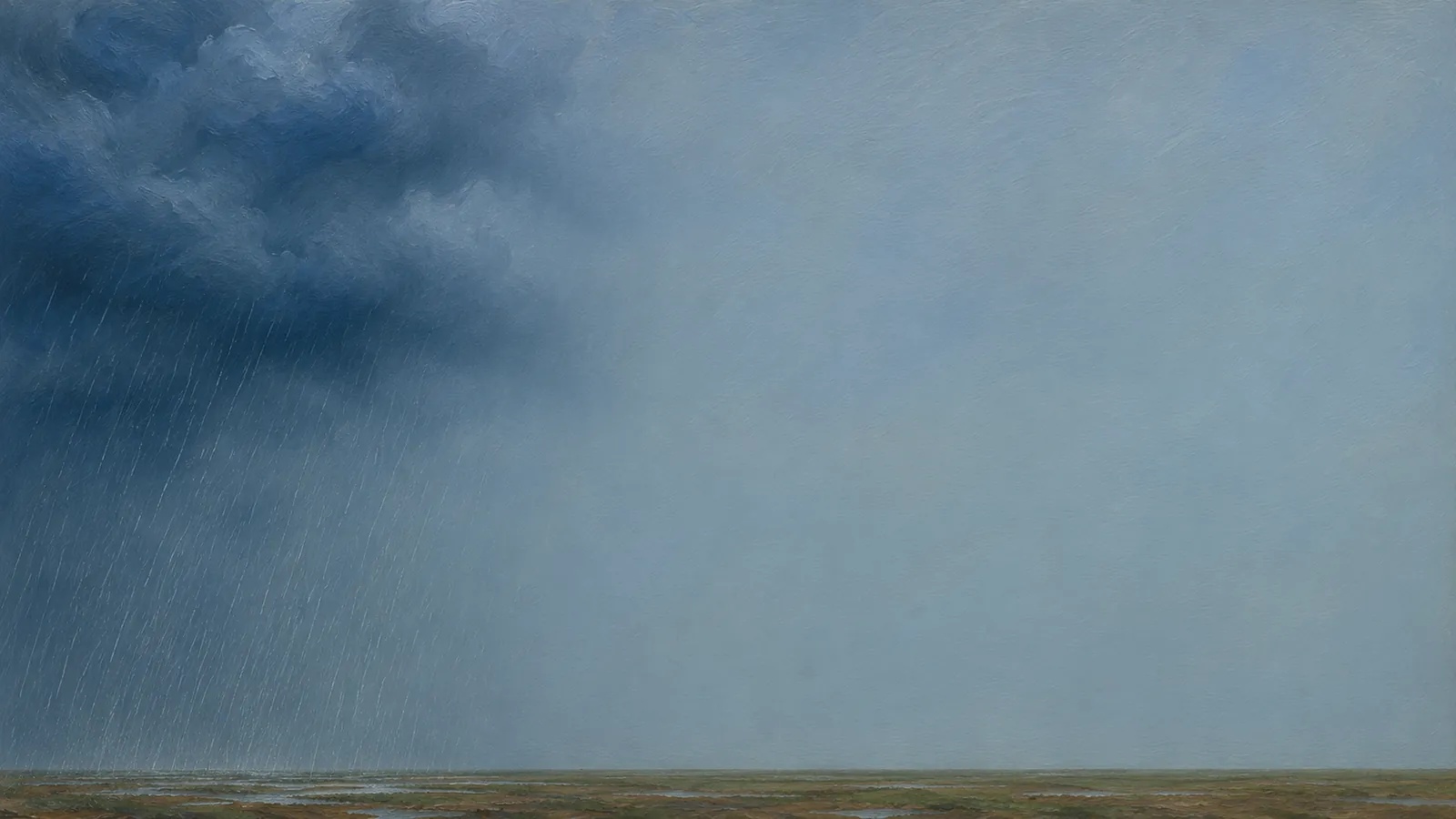
Outro nome, Adad, levava o som do trovão sobre a terra. Os deuses desejaram que as nuvens se enchessem e dessem sustento às pessoas lá em baixo.
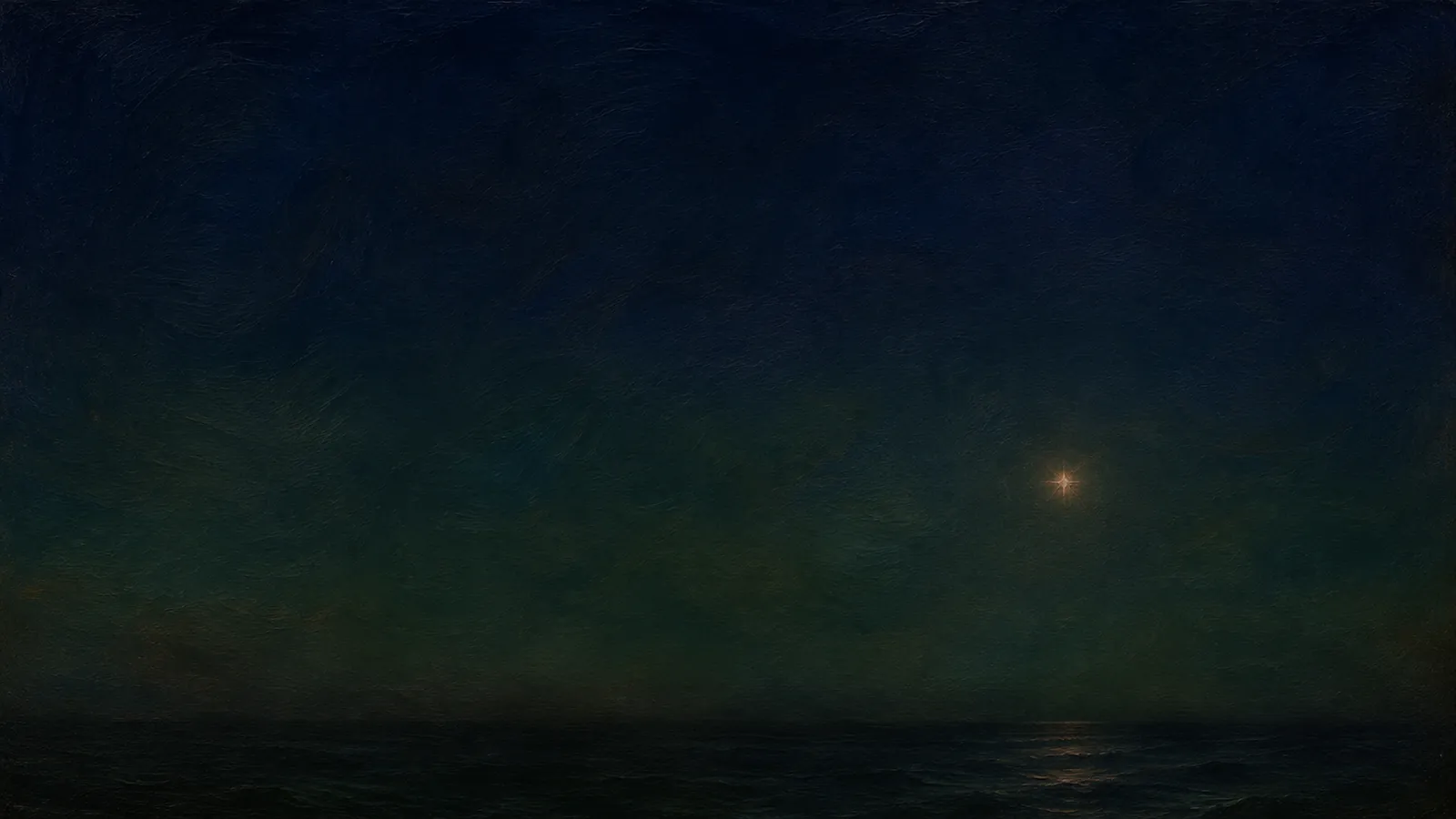
NEBERU
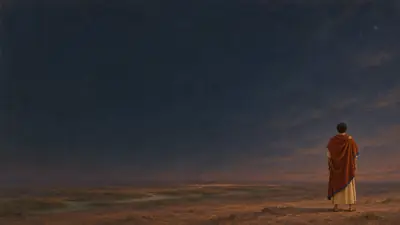
Chamaram-lhe Neberu na passagem entre o céu e a terra. As estrelas esperariam por ele ali, e ele mantê-las-ia nos seus cursos.
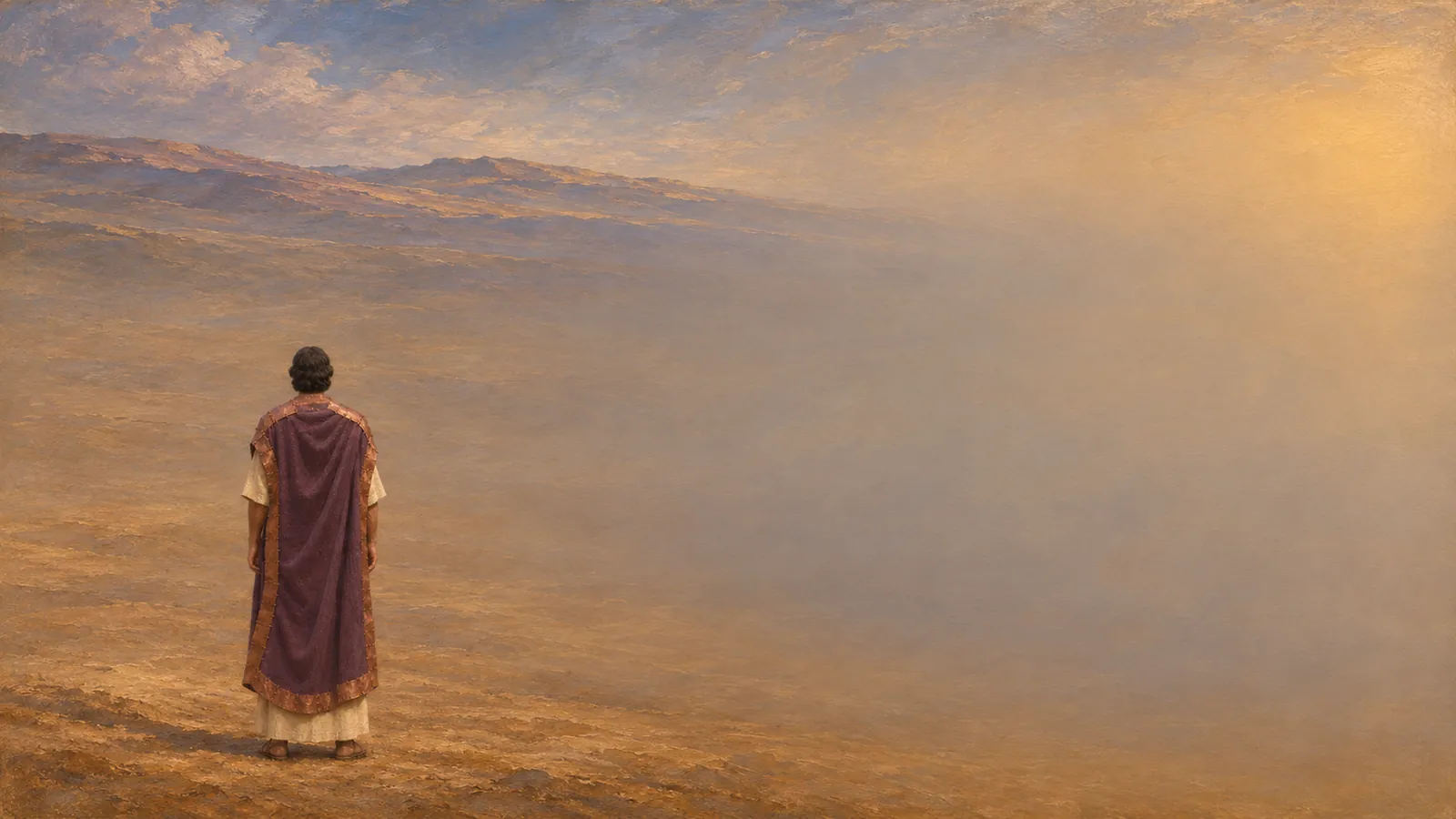
O céu fora posto no seu lugar e a terra recebera a sua forma. Por essas obras, Enlil deu a Marduk o nome de Senhor das Terras.
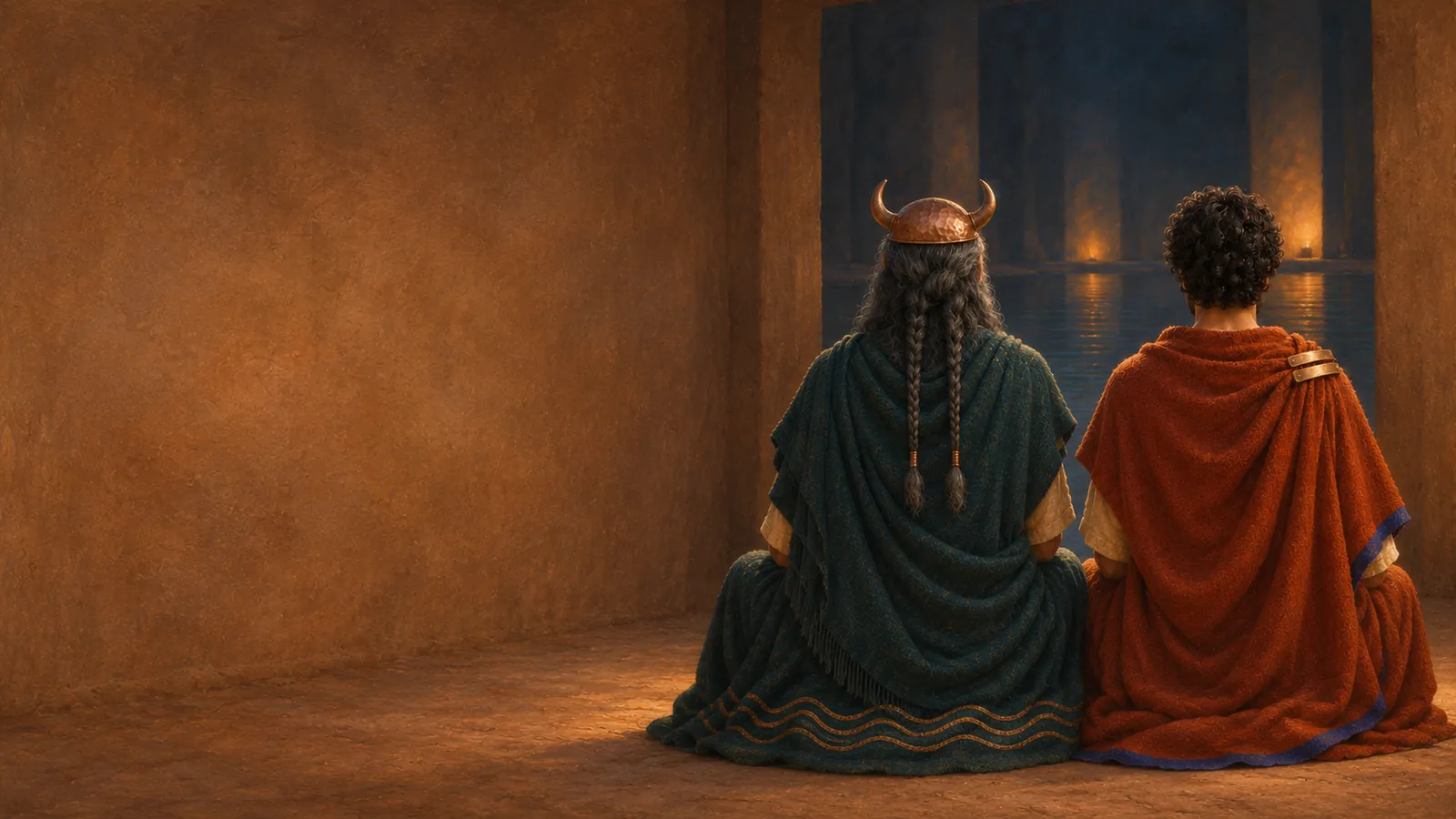
Ea ouviu os nomes e alegrou-se. Deu a Marduk o seu próprio nome, Ea, e confiou-lhe os seus ritos e decretos. Os grandes deuses tinham pronunciado cinquenta nomes.
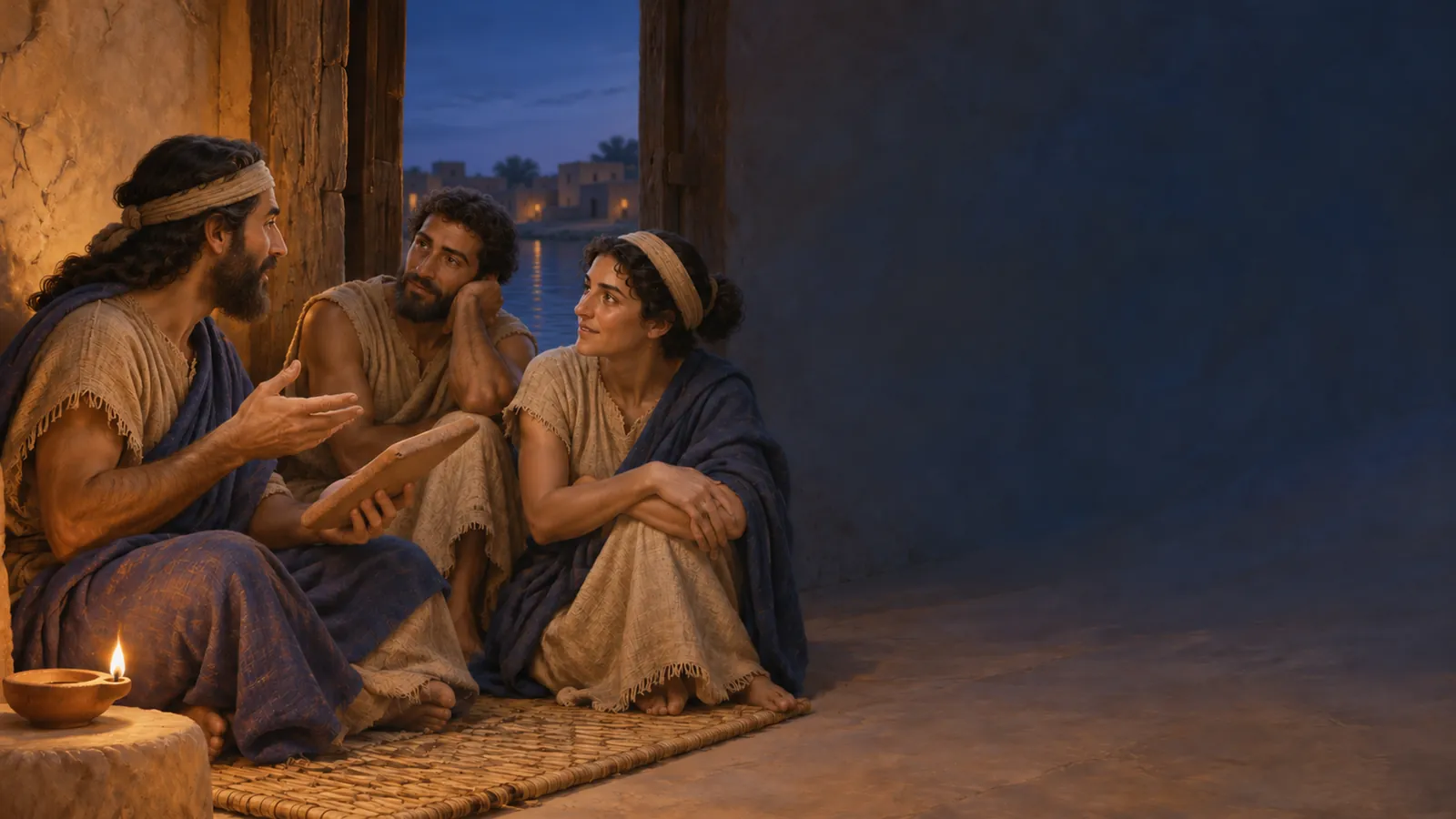
O poema volta-se para quem há de ouvir estes nomes. Que o primeiro recitador os traga à luz, diz, e que os sábios conversem sobre eles.
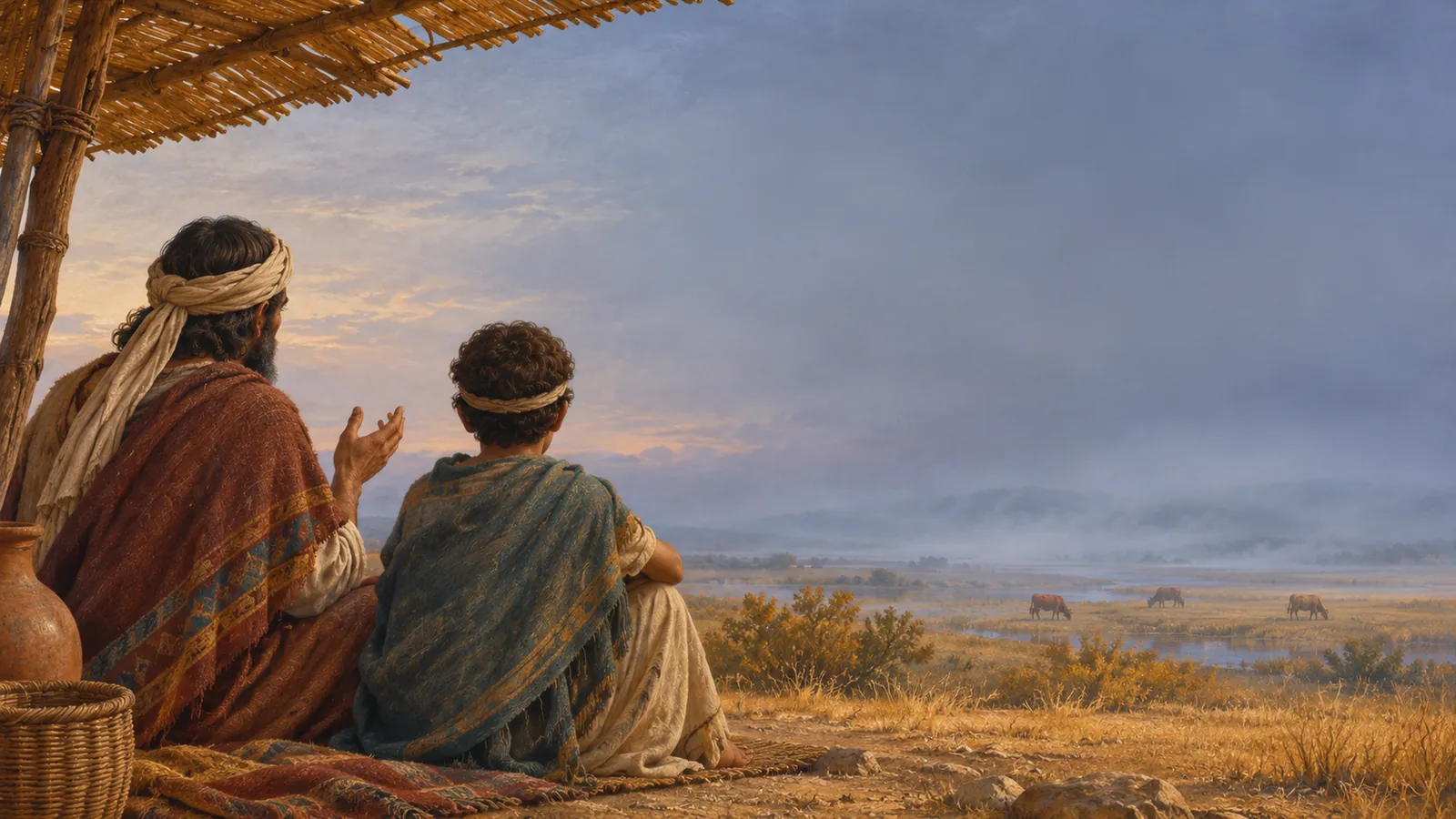
Que um pai repita os nomes e ajude o filho a compreendê-los. Que cheguem ao pastor com as suas ovelhas e ao boieiro com o seu gado.
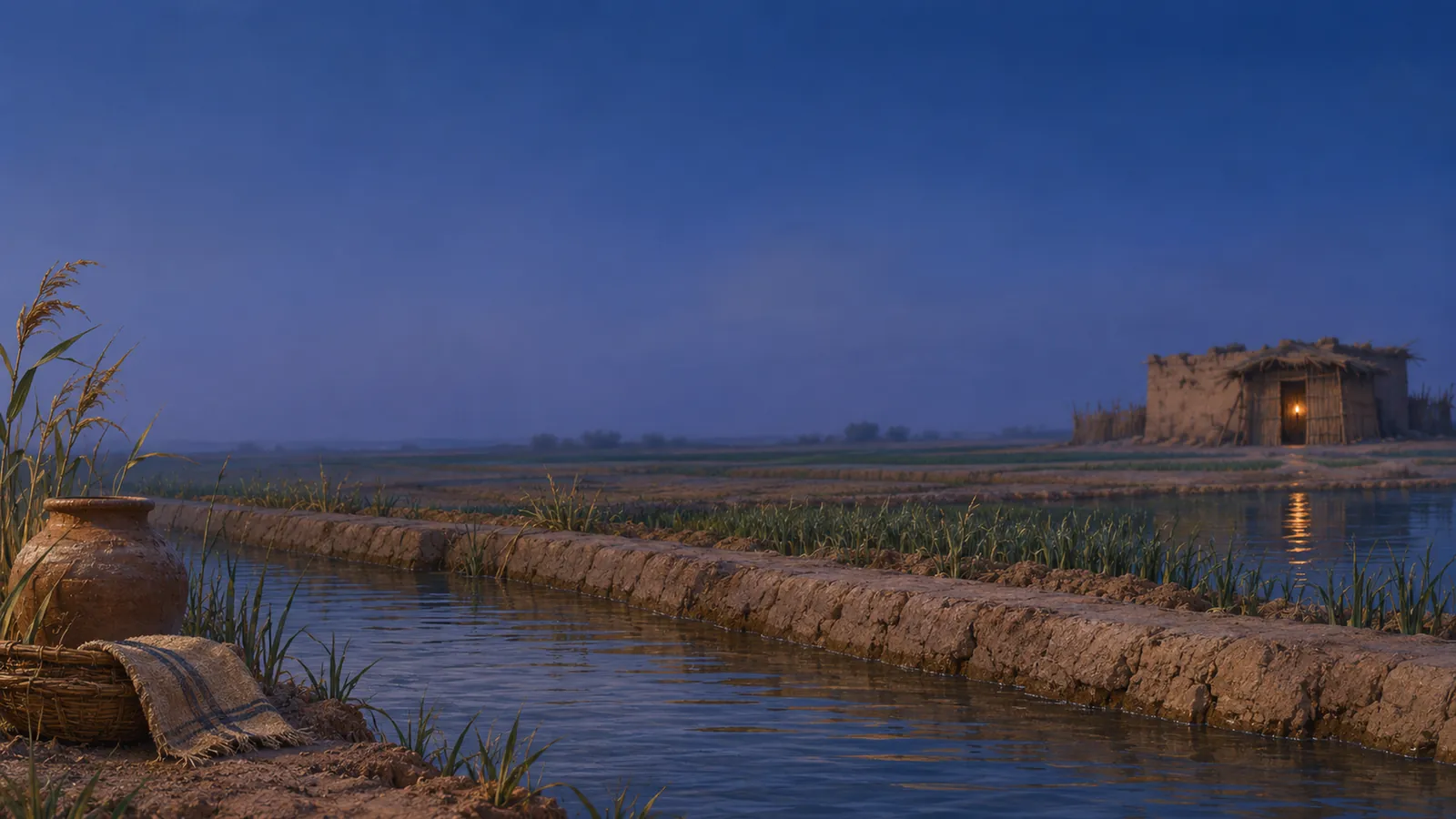
O poema promete segurança a quem se lembra de Marduk e prosperidade para a sua terra. Diz que a sua palavra permanece firme e que nenhum outro deus pode revogá-la.
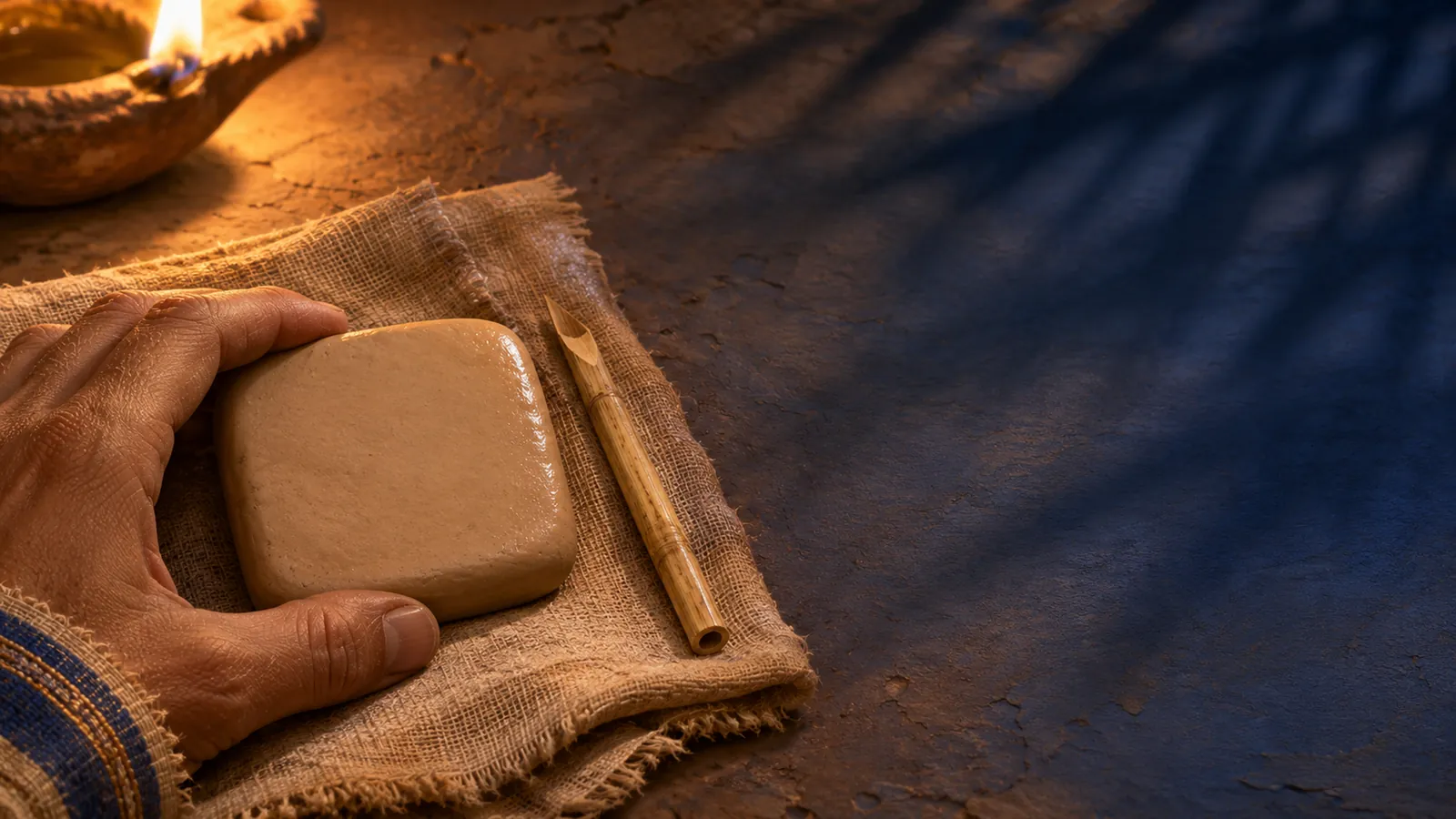
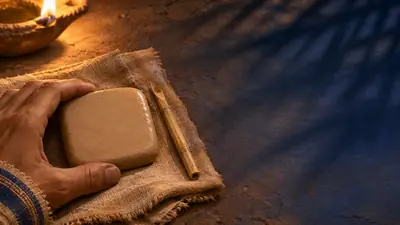
O poema diz que um primeiro recitador o disse e o pôs por escrito para quem viesse depois. Onde quer que se beba água, pede que se recorde o nome de Marduk.
O CANTO DE MARDUK
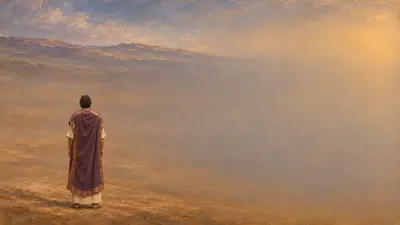
E aqui termina o canto de Marduk. Recorda como ele subjugou Tiamat e como se tornou rei.
Fim do capítulo 4
Todas as páginas














Fontes
Edições consultadas
- Heinrich’s Akkadian text and Helle’s translation, Tablets VI–VII, pp. 74–95
- Electronic Babylonian Library, Standard Babylonian Tablet VI
- Electronic Babylonian Library, Standard Babylonian Tablet VII
- Fadhil and Jiménez, the Sippar manuscript and the Babylonian closing lines
Os versos antigos de cada página
- Page 1: Enūma Eliš VI 1–4 · eBL L I.2 · Heinrich–Helle
- Page 2: Enūma Eliš VI 5–10 · eBL L I.2 · Heinrich–Helle
- Page 3: Enūma Eliš VI 11–16 · eBL L I.2 · Heinrich–Helle
- Page 4: Enūma Eliš VI 17–20 · eBL L I.2 · Heinrich–Helle
- Page 5: Enūma Eliš VI 21–26 · eBL L I.2 · Heinrich–Helle
- Page 6: Enūma Eliš VI 27–30 · eBL L I.2 · Heinrich–Helle
- Page 7: Enūma Eliš VI 31–32 · eBL L I.2 · Heinrich–Helle
- Page 8: Enūma Eliš VI 33–38 · eBL L I.2 · Heinrich–Helle
- Page 9: Enūma Eliš VI 39–40 · eBL L I.2 · Heinrich–Helle
- Page 10: Enūma Eliš VI 41–44 · eBL L I.2 · Heinrich–Helle
- Page 11: Enūma Eliš VI 45–46 · eBL L I.2 · Heinrich–Helle
- Page 12: Enūma Eliš VI 47–51 · eBL L I.2 · Heinrich–Helle
- Page 13: Enūma Eliš VI 52–54 · eBL L I.2 · Heinrich–Helle
The reading of a possible altar in VI 53 is uncertain. - Page 14: Enūma Eliš VI 55–58 and V 117–130 · eBL L I.2 · Heinrich–Helle
- Page 15: Enūma Eliš VI 59–60 · eBL L I.2 · Heinrich–Helle
- Page 16: Enūma Eliš VI 61–62 · eBL L I.2 · Heinrich–Helle
- Page 17: Enūma Eliš VI 63–64 · eBL L I.2 · Heinrich–Helle
- Page 18: Enūma Eliš VI 65–68 · eBL L I.2 · Heinrich–Helle
The relation between Marduk’s crown or the temple’s height and Eshara is open to several readings in VI 66. - Page 19: Enūma Eliš VI 69–71 · eBL L I.2 · Heinrich–Helle
Tablet VI gives different groups and numbers here and when the gods first receive their stations. - Page 20: Enūma Eliš VI 72–76 · eBL L I.2 · Heinrich–Helle
- Page 21: Enūma Eliš VI 77–81 · eBL L I.2 · Heinrich–Helle
- Page 22: Enūma Eliš VI 82–85 · eBL L I.2 · Heinrich–Helle
- Page 23: Enūma Eliš VI 86–88 · eBL L I.2 · Heinrich–Helle
- Page 24: Enūma Eliš VI 89–94 · eBL L I.2 · Heinrich–Helle
- Page 25: Enūma Eliš VI 95–101 · eBL L I.2 · Heinrich–Helle
- Page 26: Enūma Eliš VI 102–108 · eBL L I.2 · Heinrich–Helle
- Page 27: Enūma Eliš VI 109–120 · eBL L I.2 · Heinrich–Helle
The sense of VI 112–118 is uncertain in places. - Page 28: Enūma Eliš VI 121–122 · eBL L I.2 · Heinrich–Helle
- Page 29: Enūma Eliš VI 123–132 · eBL L I.2 · Heinrich–Helle
- Page 30: Enūma Eliš VI 133–138 · eBL L I.2 · Heinrich–Helle
- Page 31: Enūma Eliš VI 139–146 · eBL L I.2 · Heinrich–Helle
- Page 32: Enūma Eliš VI 147–150 · eBL L I.2 · Heinrich–Helle
- Page 33: Enūma Eliš VI 151–156 · eBL L I.2 · Heinrich–Helle
- Page 34: Enūma Eliš VI 157–166 · eBL L I.2 · Heinrich–Helle
- Page 35: Enūma Eliš VII 1–6 · eBL L I.2 · Heinrich–Helle
- Page 36: Enūma Eliš VII 7–18 · eBL L I.2 · Heinrich–Helle
- Page 37: Enūma Eliš VII 19–24 · eBL L I.2 · Heinrich–Helle
- Page 38: Enūma Eliš VII 25–34 · eBL L I.2 · Heinrich–Helle
- Page 39: Enūma Eliš VII 35–56 · eBL L I.2 · Heinrich–Helle
- Page 40: Enūma Eliš VII 57–63 · eBL L I.2 · Heinrich–Helle
- Page 41: Enūma Eliš VII 64–69 · eBL L I.2 · Heinrich–Helle
- Page 42: Enūma Eliš VII 70–77 · eBL L I.2 · Heinrich–Helle
- Page 43: Enūma Eliš VII 78–96, especially 78–79 and 91–92 · eBL L I.2 · Heinrich–Helle
- Page 44: Enūma Eliš VII 97–123, especially 119–121b · eBL L I.2 · Heinrich–Helle
- Page 45: Enūma Eliš VII 124–134 · eBL L I.2 · Heinrich–Helle
- Page 46: Enūma Eliš VII 135–138 · eBL L I.2 · Heinrich–Helle
- Page 47: Enūma Eliš VII 139–144 · eBL L I.2 · Heinrich–Helle
- Page 48: Enūma Eliš VII 145–146 · eBL L I.2 · Heinrich–Helle
- Page 49: Enūma Eliš VII 147–148 · eBL L I.2 · Heinrich–Helle
- Page 50: Enūma Eliš VII 149–156 · eBL L I.2 · Heinrich–Helle
- Page 51: Enūma Eliš VII 157–160 · eBL L I.2 · Heinrich–Helle
- Page 52: Enūma Eliš VII 161–162 · visual echo of VII 163–164, damaged Babylonian witnesses · eBL L I.2 · Heinrich–Helle
The two damaged Babylonian closing lines mention Babylon and Esagil.
Ilustrações feitas pelo IL Archive com ferramentas de IA; o texto baseia-se nas fontes antigas (veja as fontes no fim de cada capítulo).