Enuma Elish Capítulo 3
A forma do céu
Marduk enfrenta Tiamat na tempestade e toma de Qingu a Tábua dos Destinos. Dá ordem ao céu, faz brotar os rios das profundezas e nomeia o lugar onde se erguerá Babilónia.
Ver o filmeFontesVire as páginas com as setas, o teclado ou deslizando o dedo.
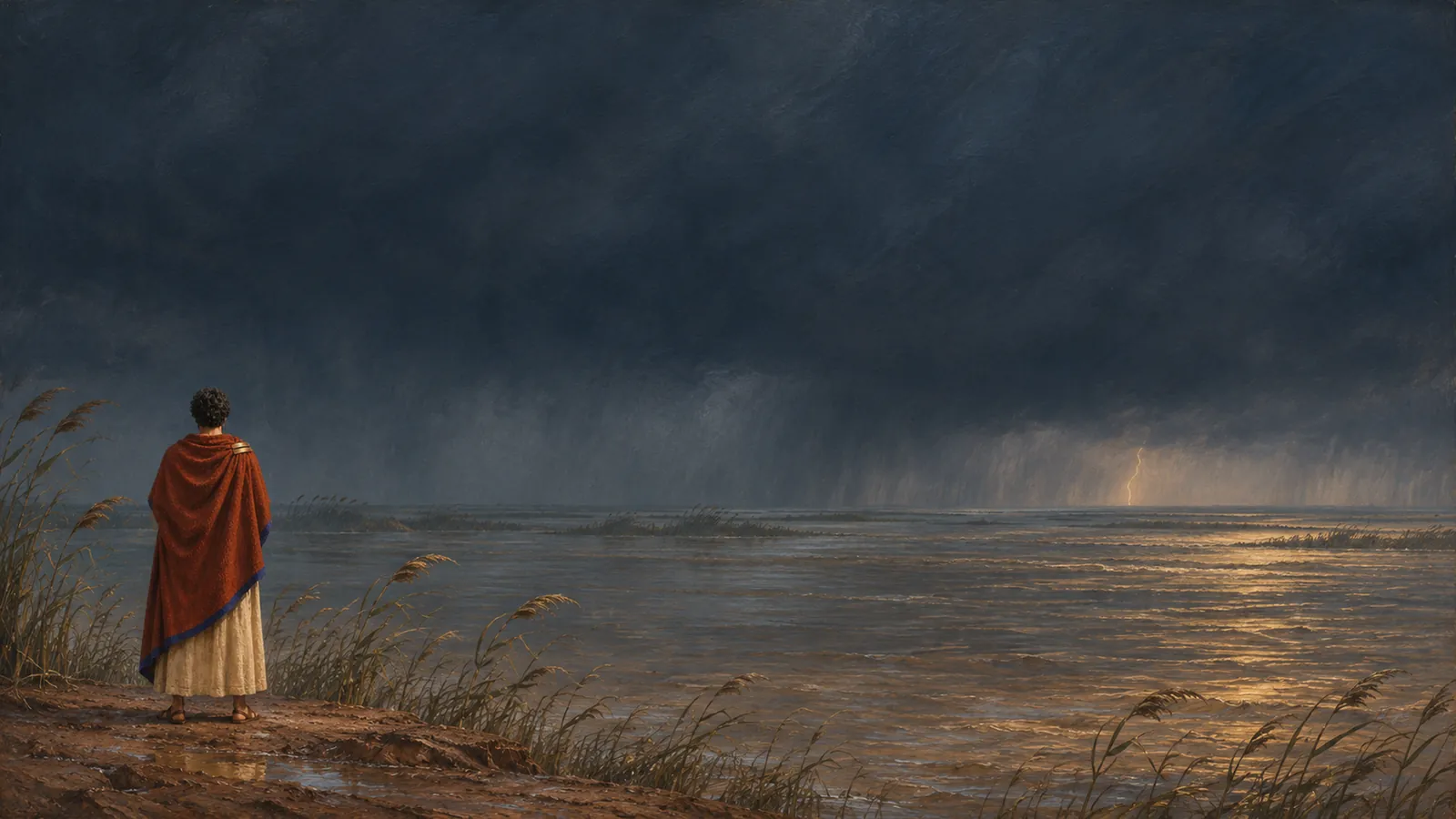
A FORMA DO CÉU
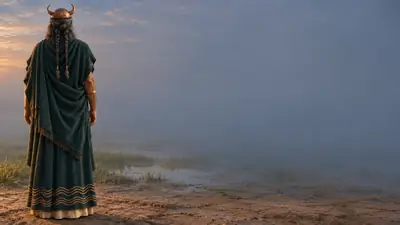
Marduk fez um arco e reuniu as suas armas. O relâmpago ia à sua frente, e o poema veste-o com o fulgor da chama.
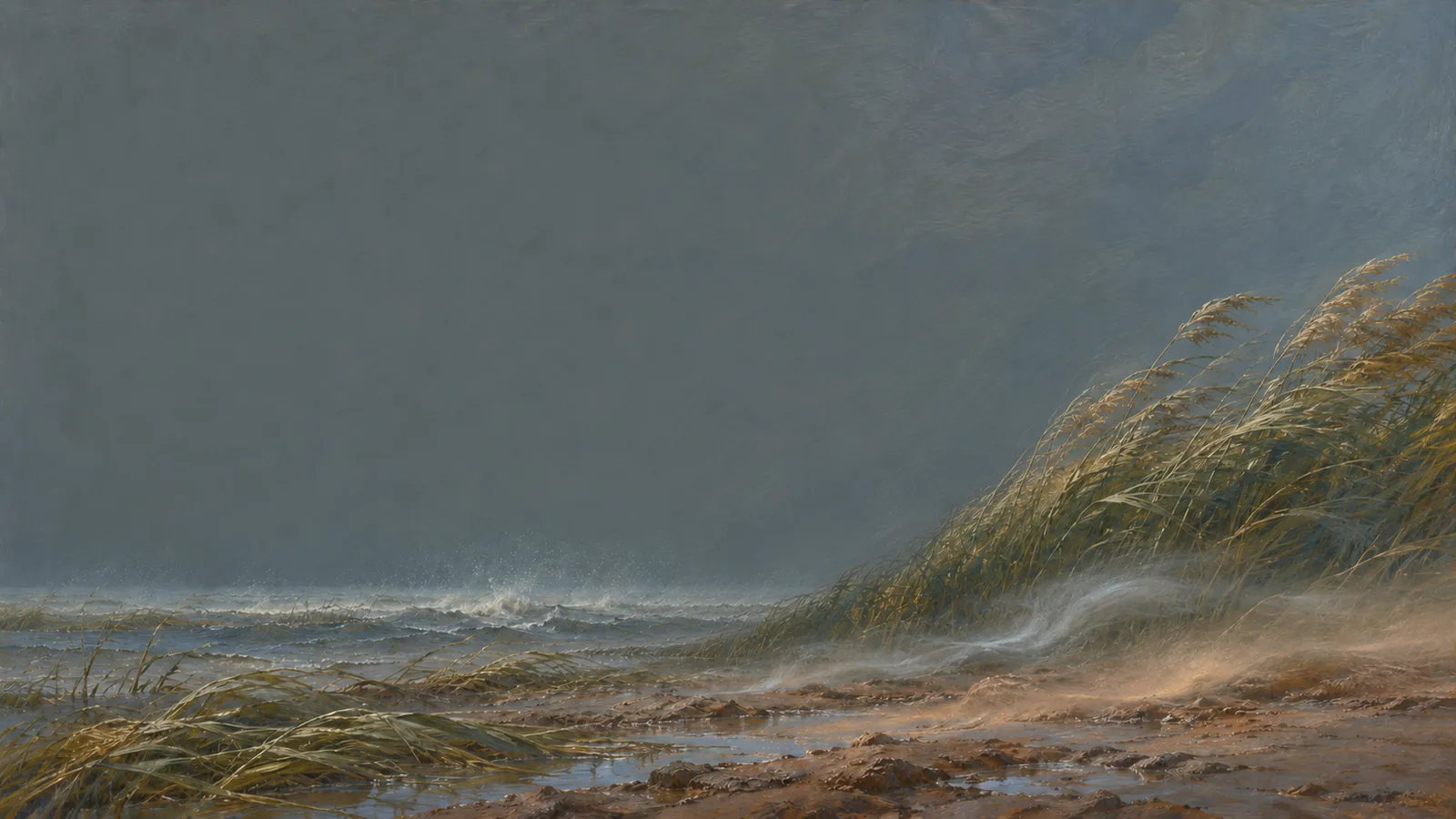
Preparou uma rede e reuniu os ventos dos quatro pontos do horizonte. Depois chamou ventos mais violentos, sete ao todo, e lançou-os no seu encalço.
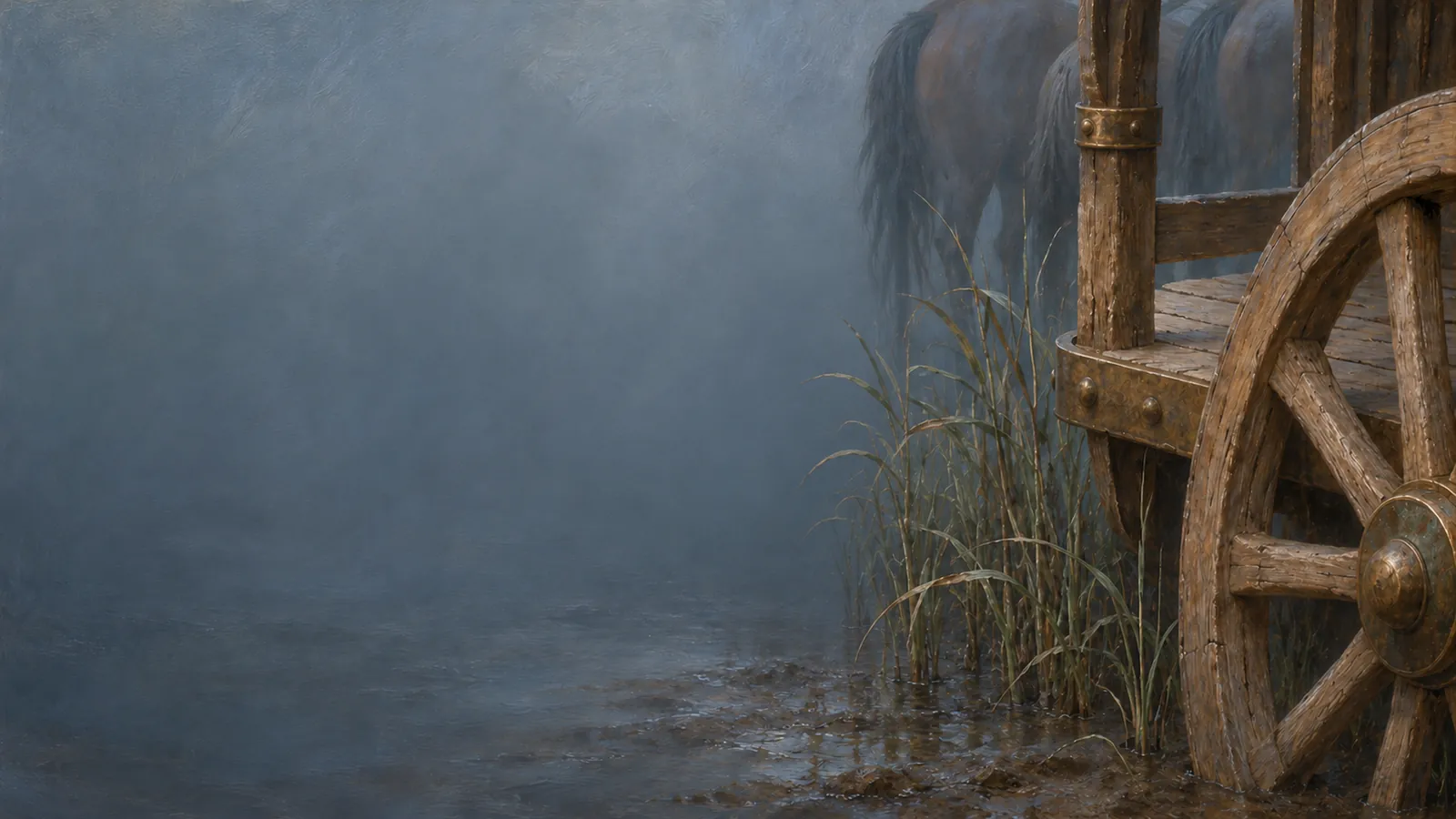
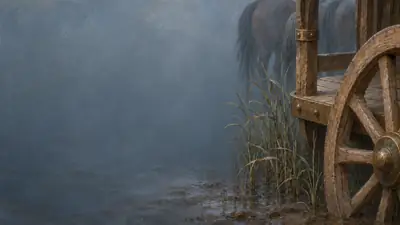
Marduk tomou o Dilúvio em toda a sua força e subiu ao carro da tempestade. O poema dá aos seus quatro corcéis incansáveis nomes que exprimem o terror que inspiram.
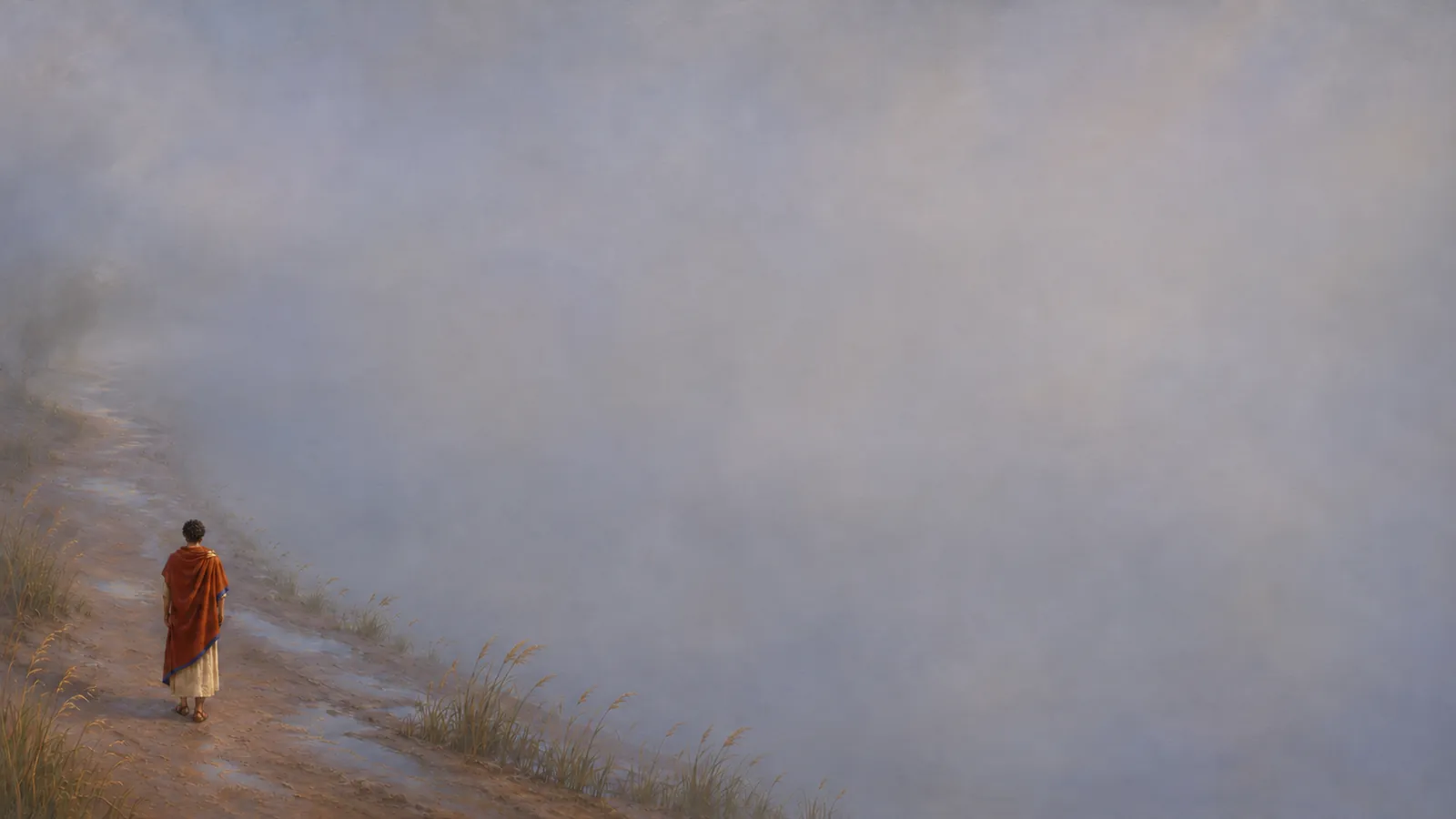
Com o tumulto da batalha de ambos os lados, Marduk partiu ao encontro de Tiamat. Ia com um encantamento pronto a dizer e uma planta contra o veneno na mão.
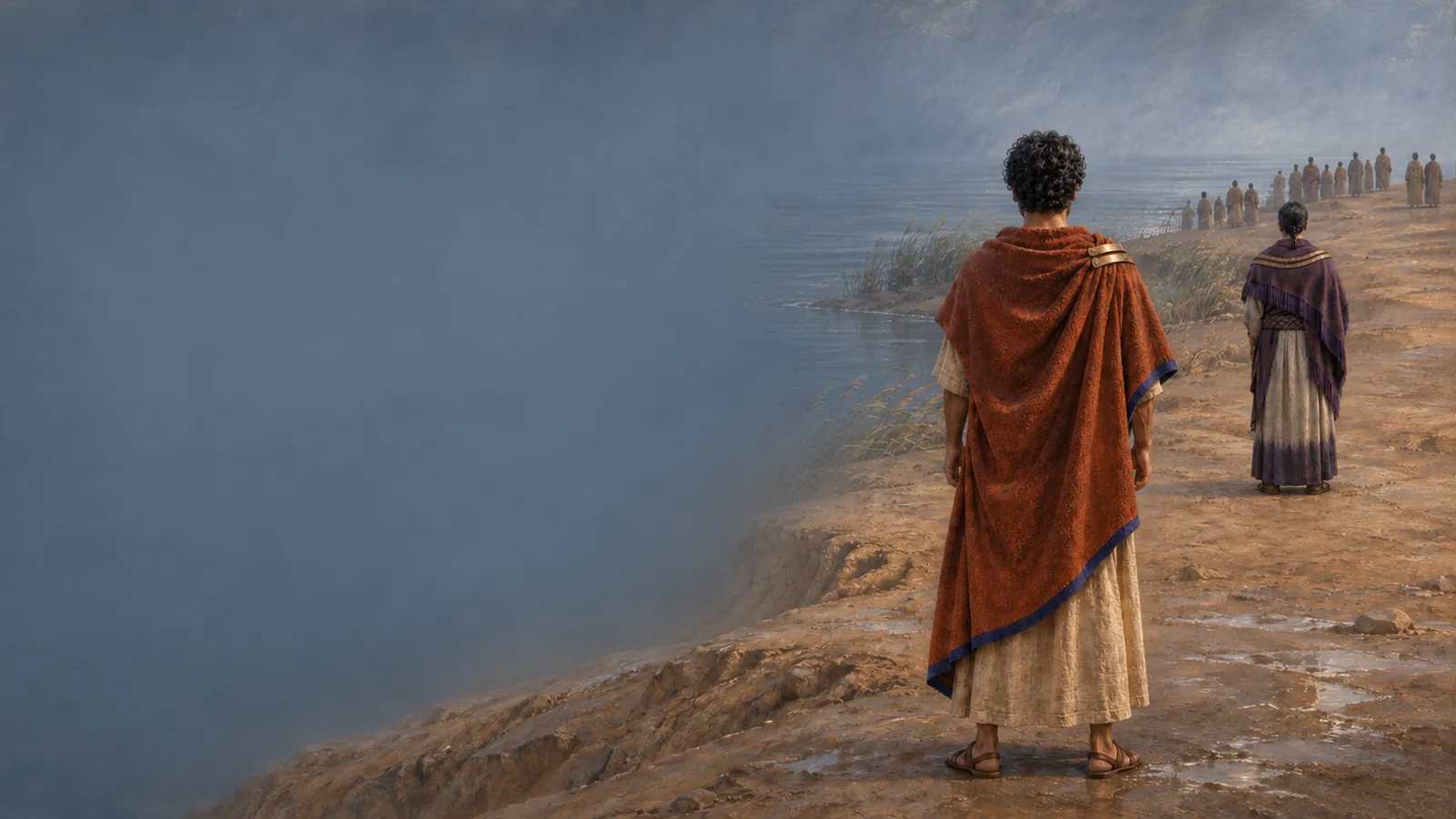
Os deuses mais antigos juntaram-se em torno de Marduk. Ao aproximar-se das forças de Tiamat, viu como Qingu as tinha disposto.
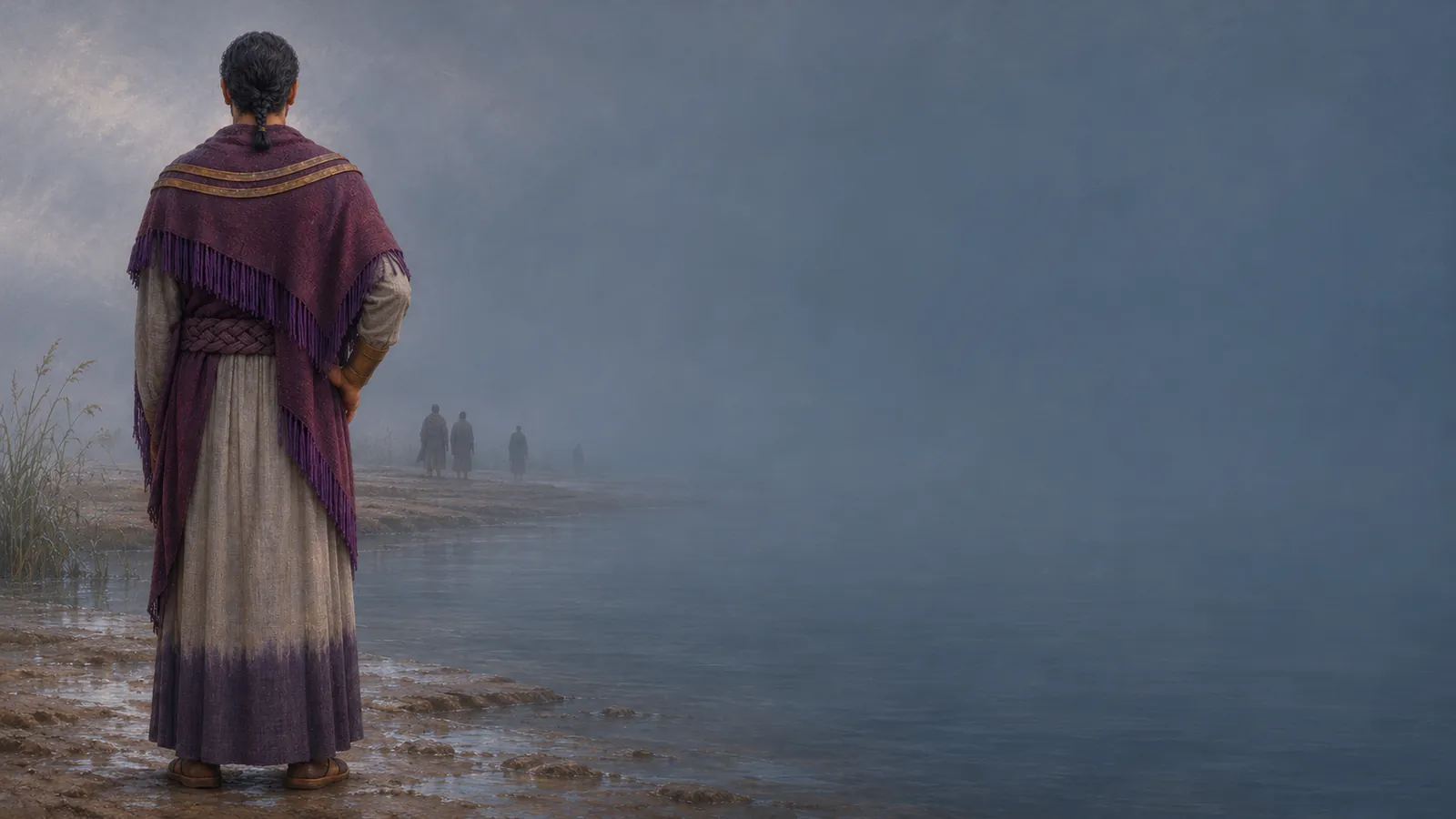
Por um instante, o poema deixa em suspenso quem perdeu a coragem. Qingu e os seus aliados ficam desorientados à vista de Marduk.
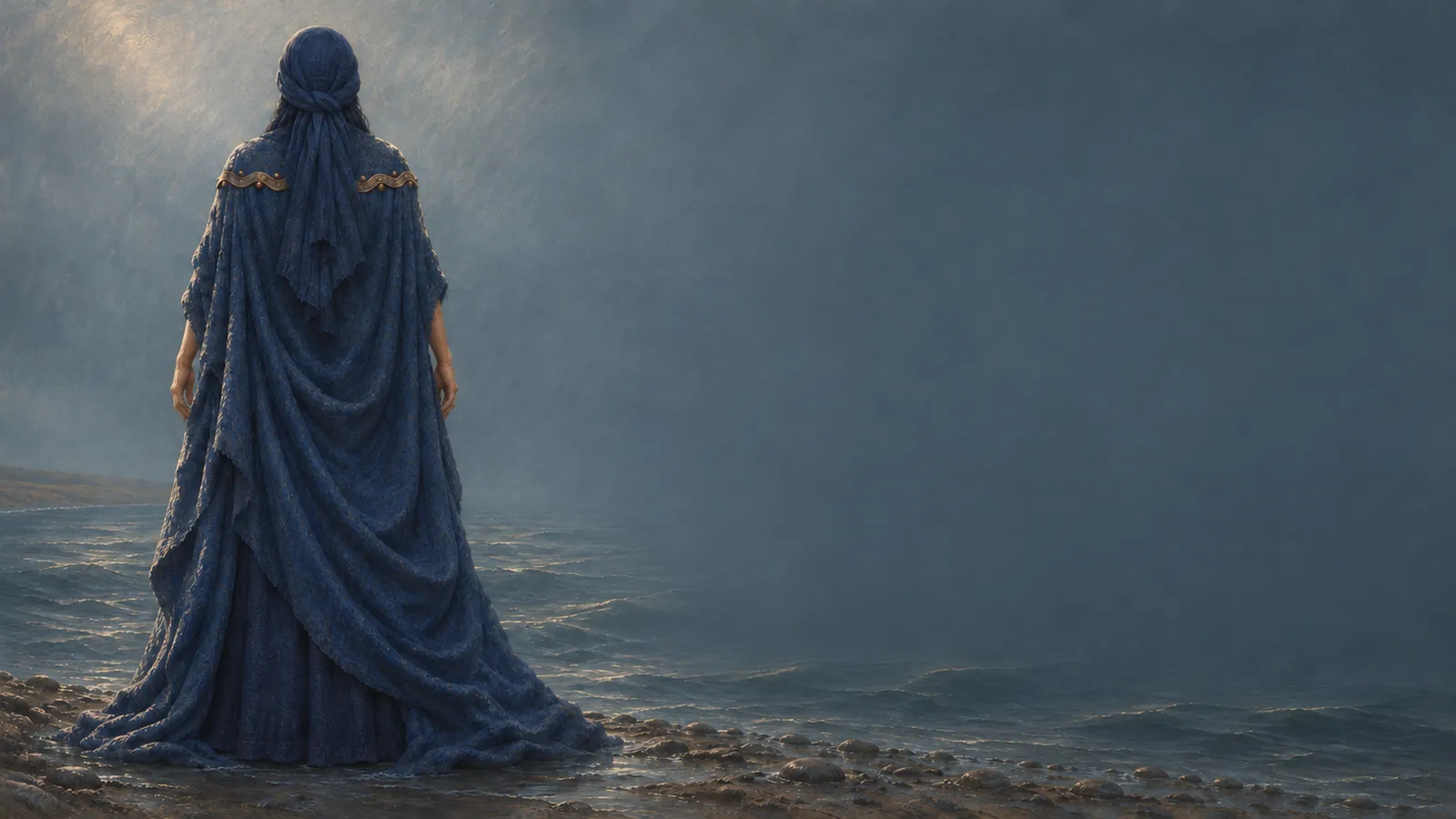
Tiamat pronunciou um encantamento e fez frente a Marduk. As palavras que se seguem estão danificadas, e o seu tom pode ser entendido como conciliação ou provocação.
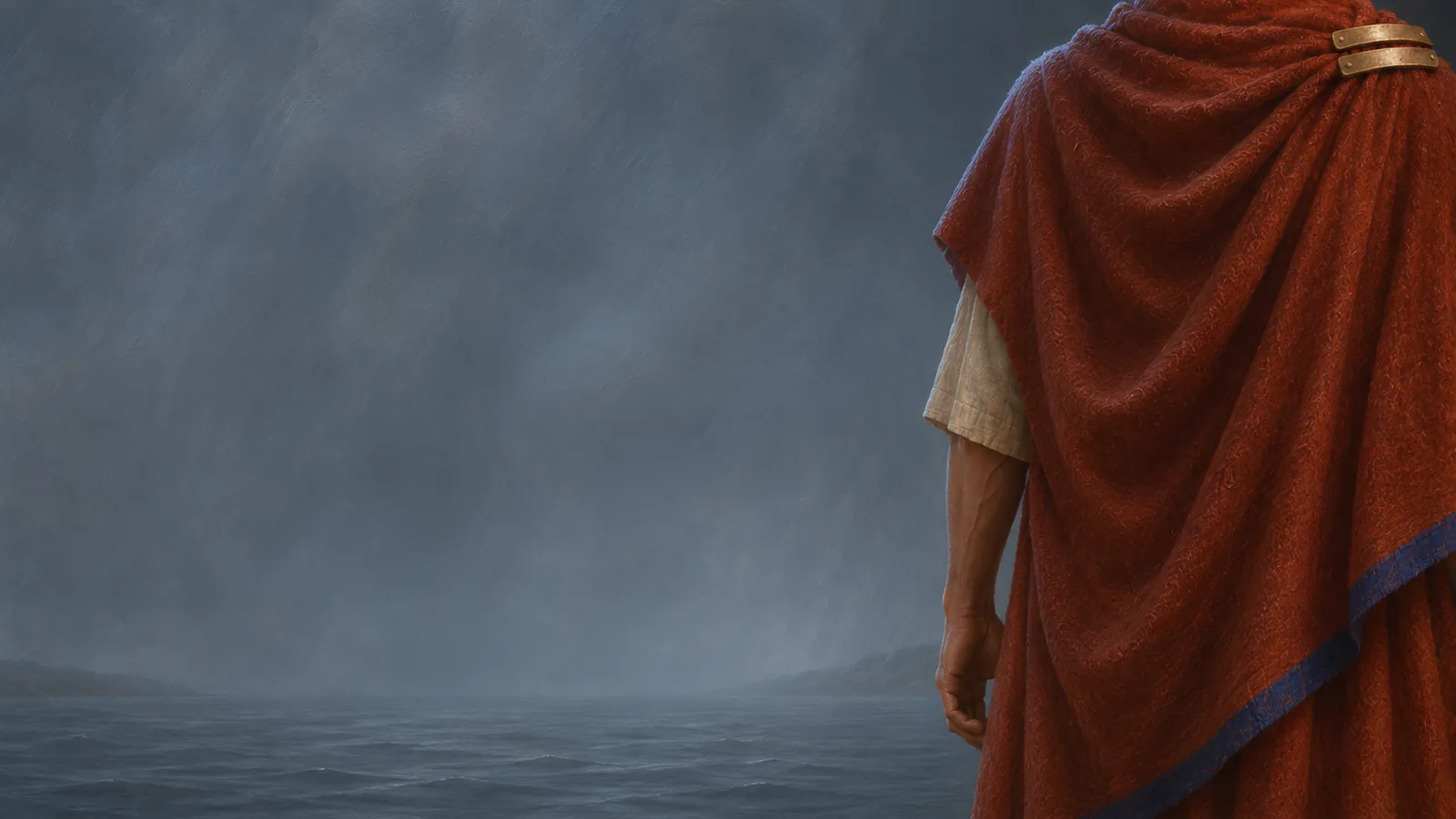
Marduk acusou Tiamat de negar clemência aos deuses mais jovens. Contestou que ela tivesse dado a Qingu uma autoridade que, segundo ele, nunca lhe coubera.
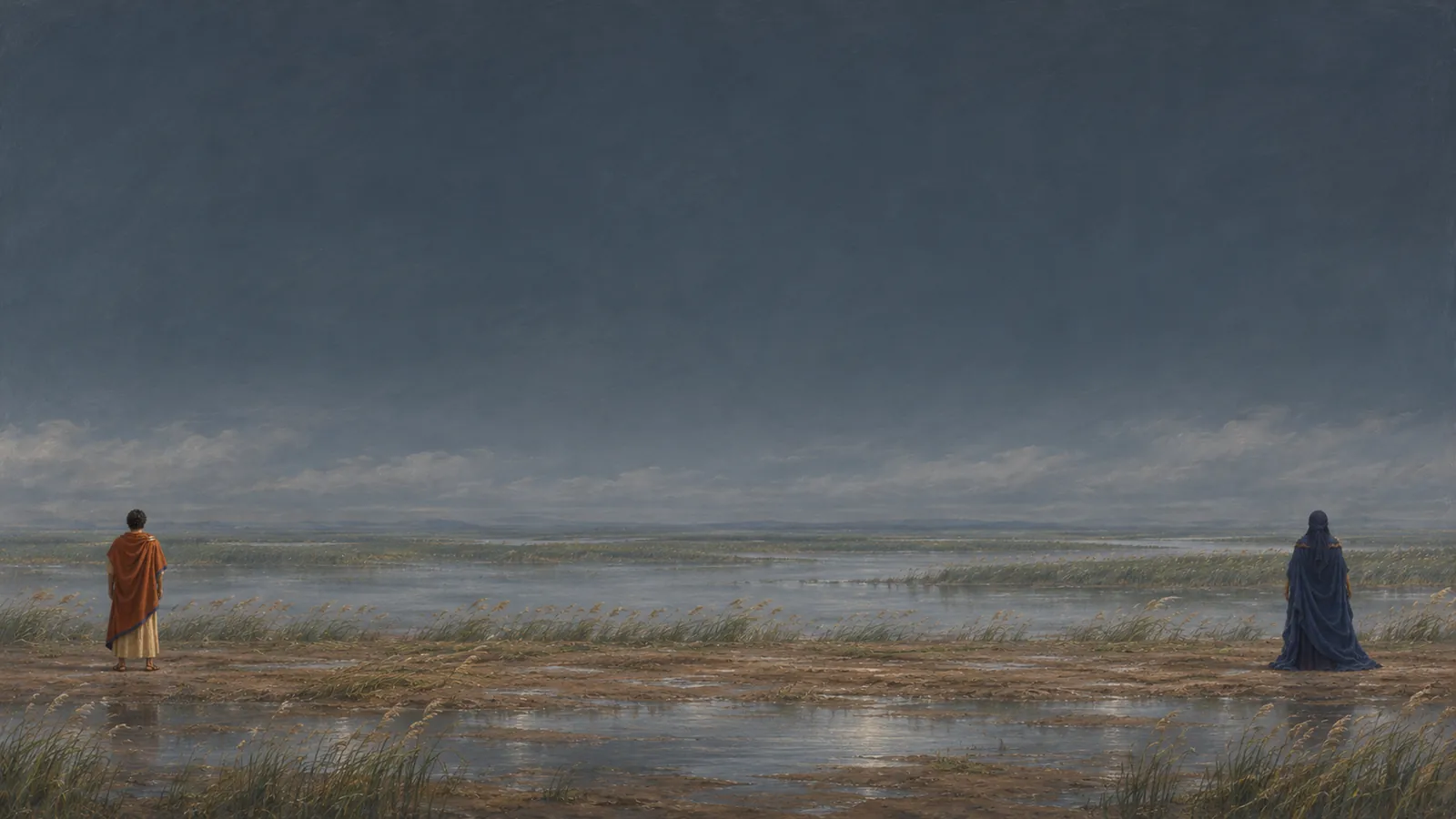
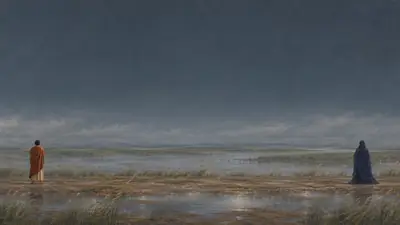
Marduk desafiou Tiamat a enfrentá-lo sozinha, apesar das forças que ela trouxera. As suas palavras despertaram a ira de Tiamat.
O grito de Tiamat abalou-a até às profundezas, e ela continuou a entoar o encantamento. Depois, Tiamat e Marduk defrontaram-se em combate.

Marduk lançou a sua rede. No poema, um vento feroz caiu sobre Tiamat, com outros ventos a avançar logo atrás.
A QUEDA DE TIAMAT
O poema conta que Marduk feriu Tiamat e a matou. A batalha entre os dois tinha terminado.
Com a queda de Tiamat, a sua assembleia dispersou-se. Os aliados tentaram fugir e viram-se cercados.
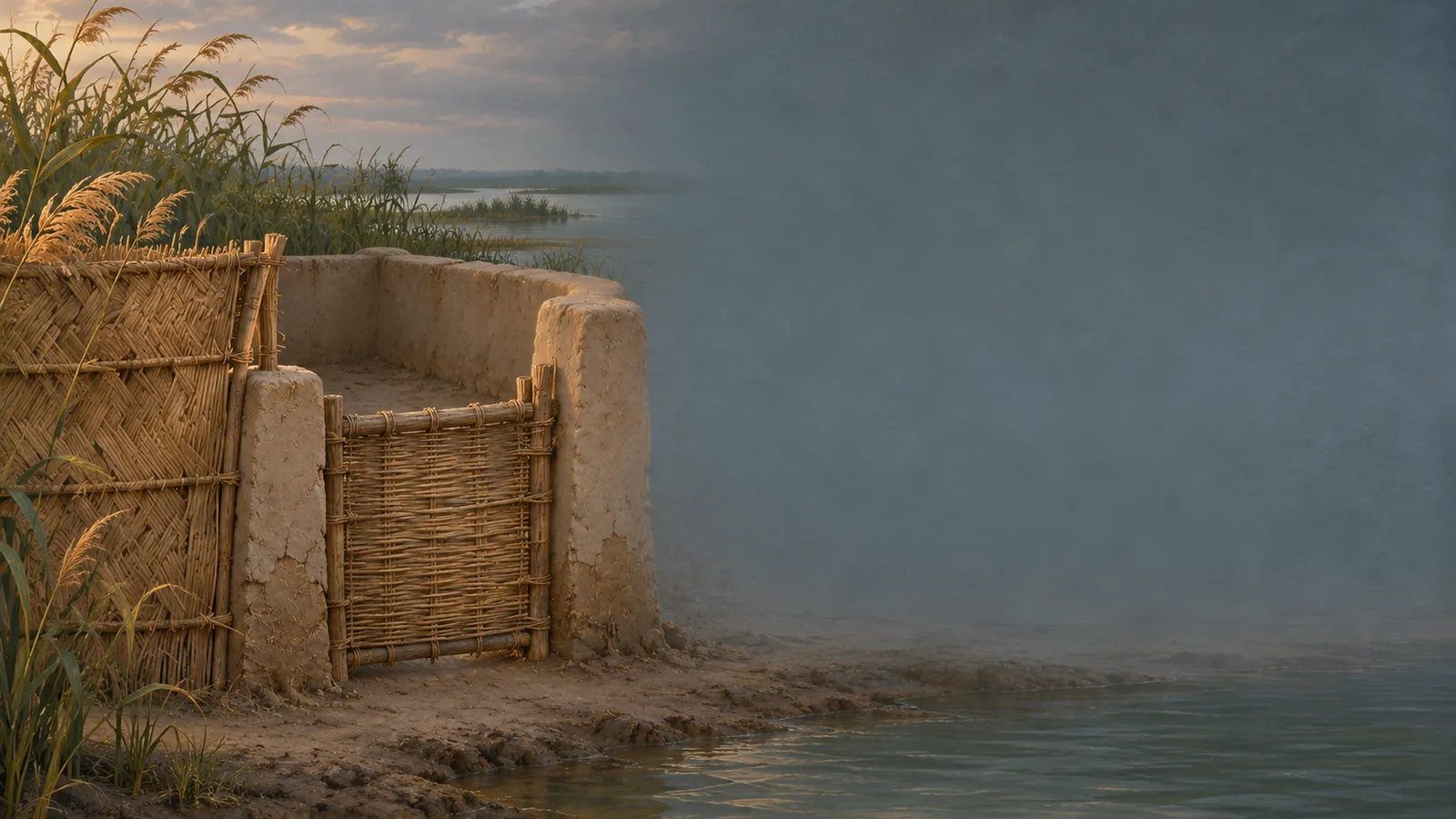
Marduk fez prisioneiros os deuses adversários e partiu-lhes as armas. Entre os cativos estavam os onze seres que Tiamat tinha criado.
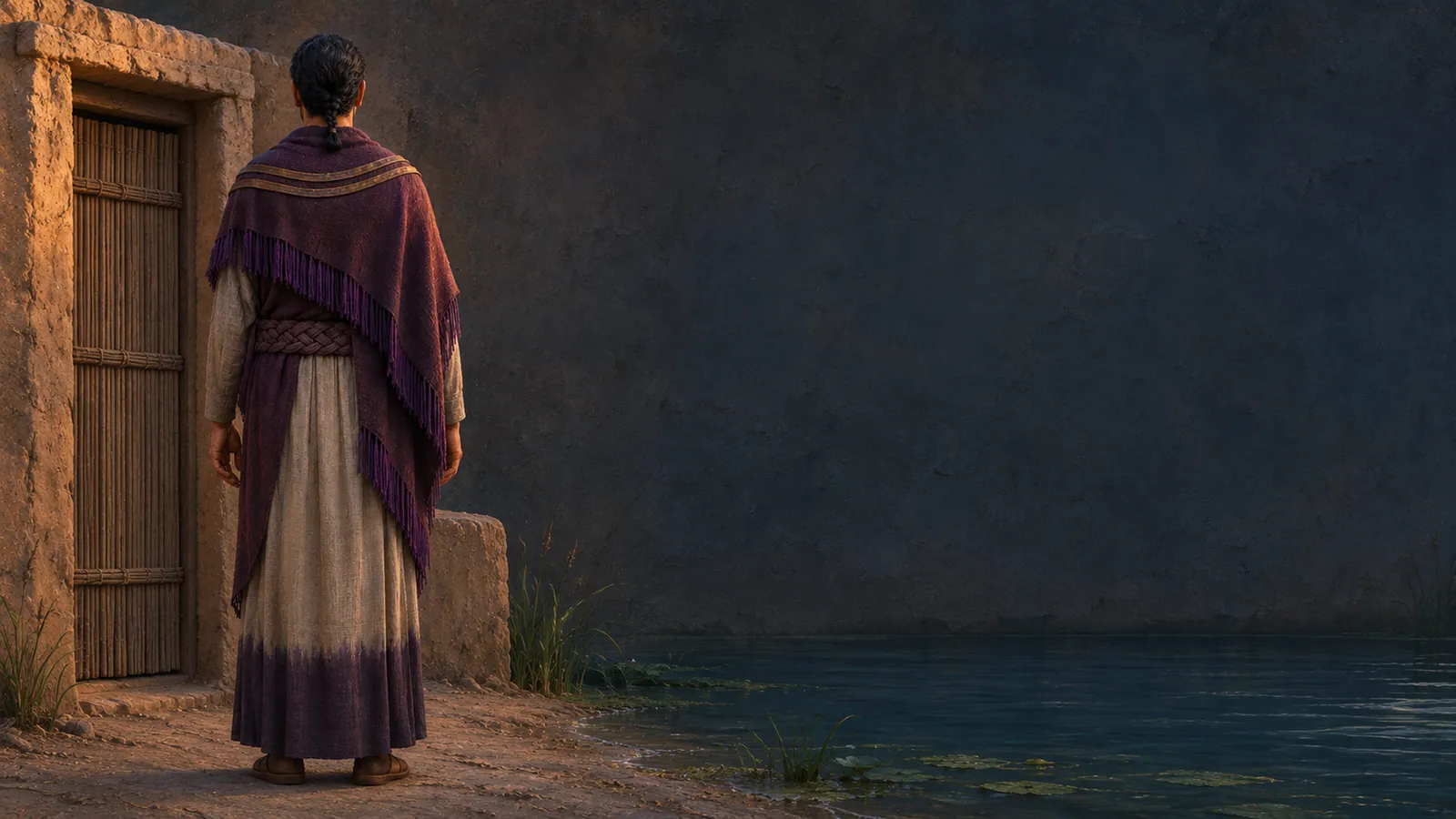
Qingu, que se tinha elevado acima dos outros aliados de Tiamat, foi feito prisioneiro. O poema inclui-o entre os deuses destinados à morte.
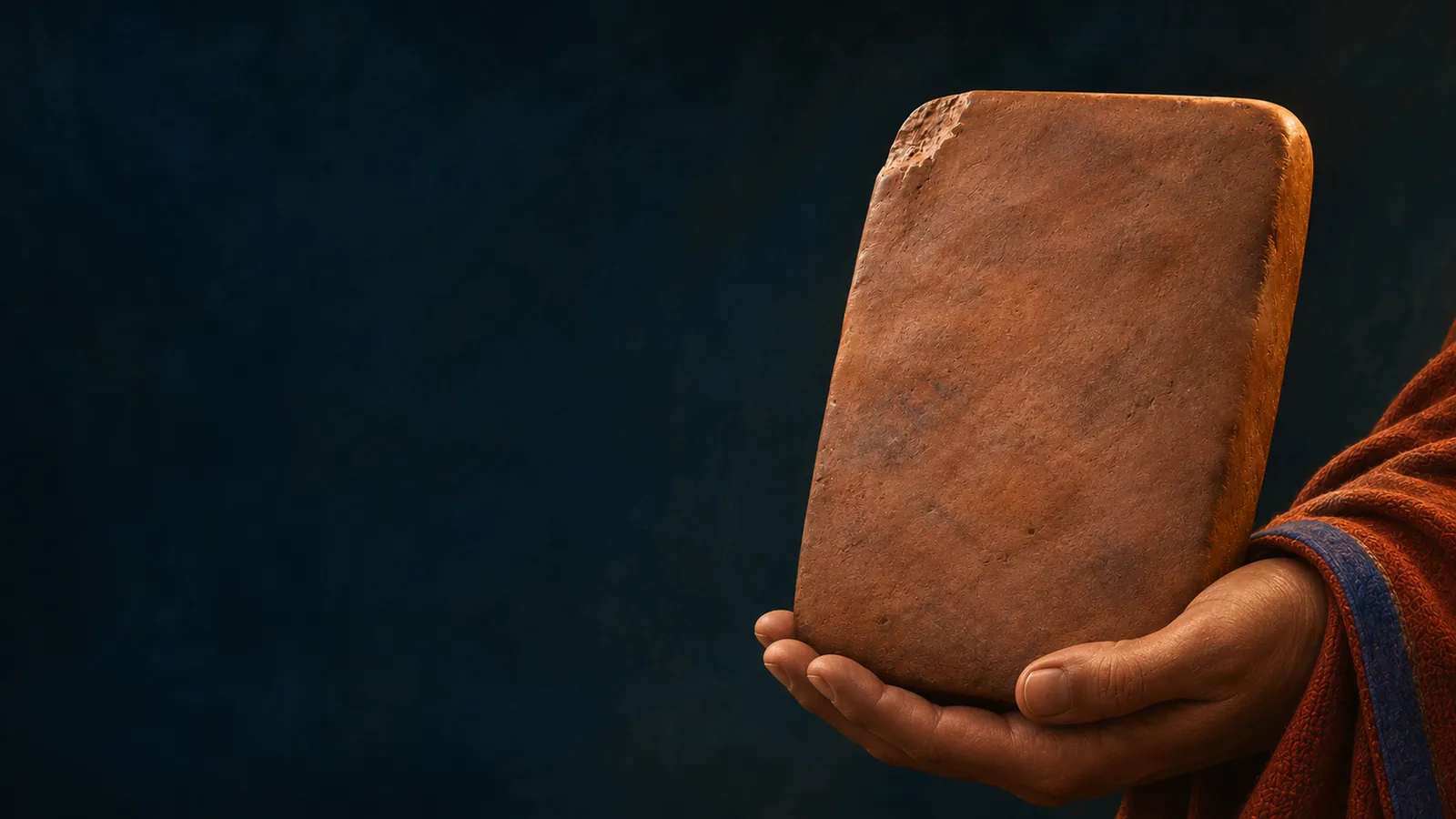
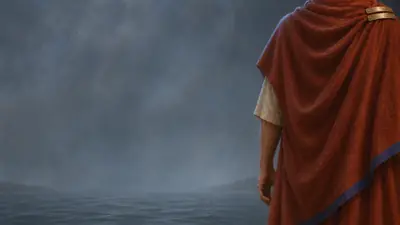
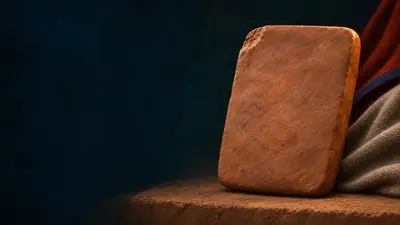
Marduk tirou a Qingu a Tábua dos Destinos. Imprimiu nela o seu próprio selo e prendeu-a ao peito.
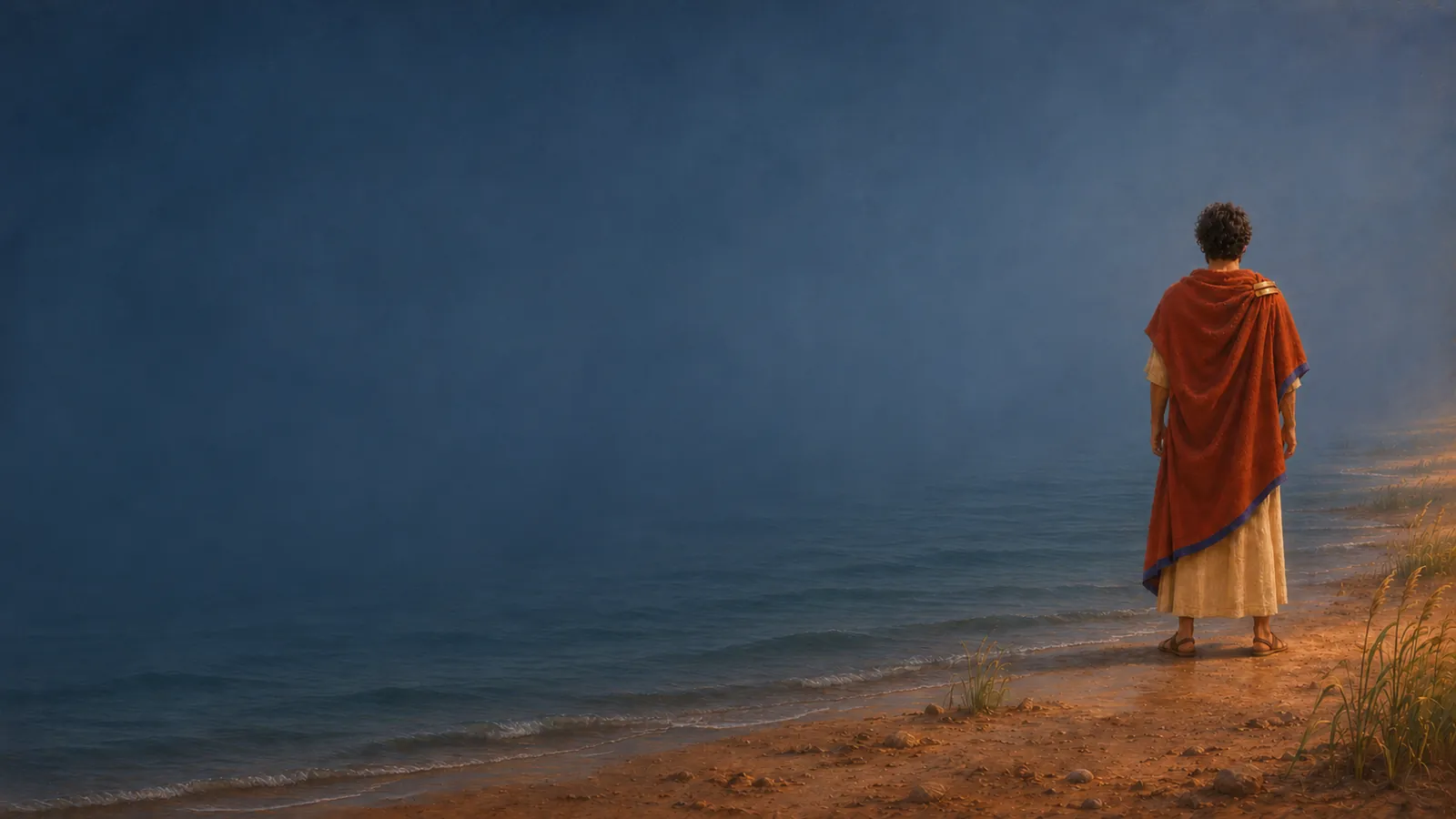
A vitória de Marduk deu razão a Anshar e realizou o que Ea procurava. Uma vez vigiados os cativos, Marduk voltou para junto de Tiamat.
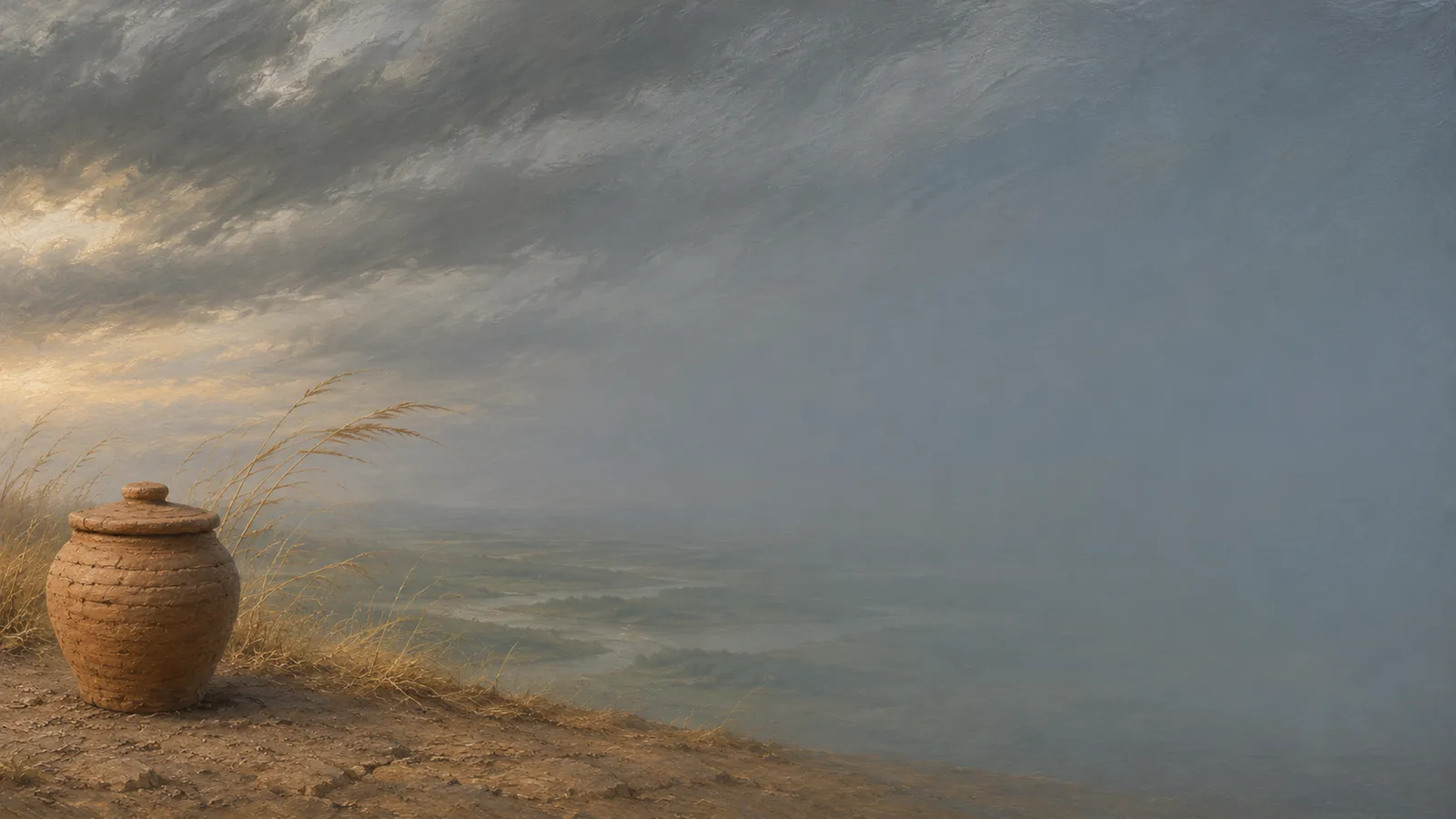
No poema, o vento do norte leva o sangue de Tiamat como sinal da vitória. Quando souberam o que tinha acontecido, os deuses mais antigos alegraram-se e enviaram presentes.

O TETO DO CÉU
Marduk voltou a atenção para as vastas águas de Tiamat. De uma das suas metades fez a cobertura que se estende sobre o céu.
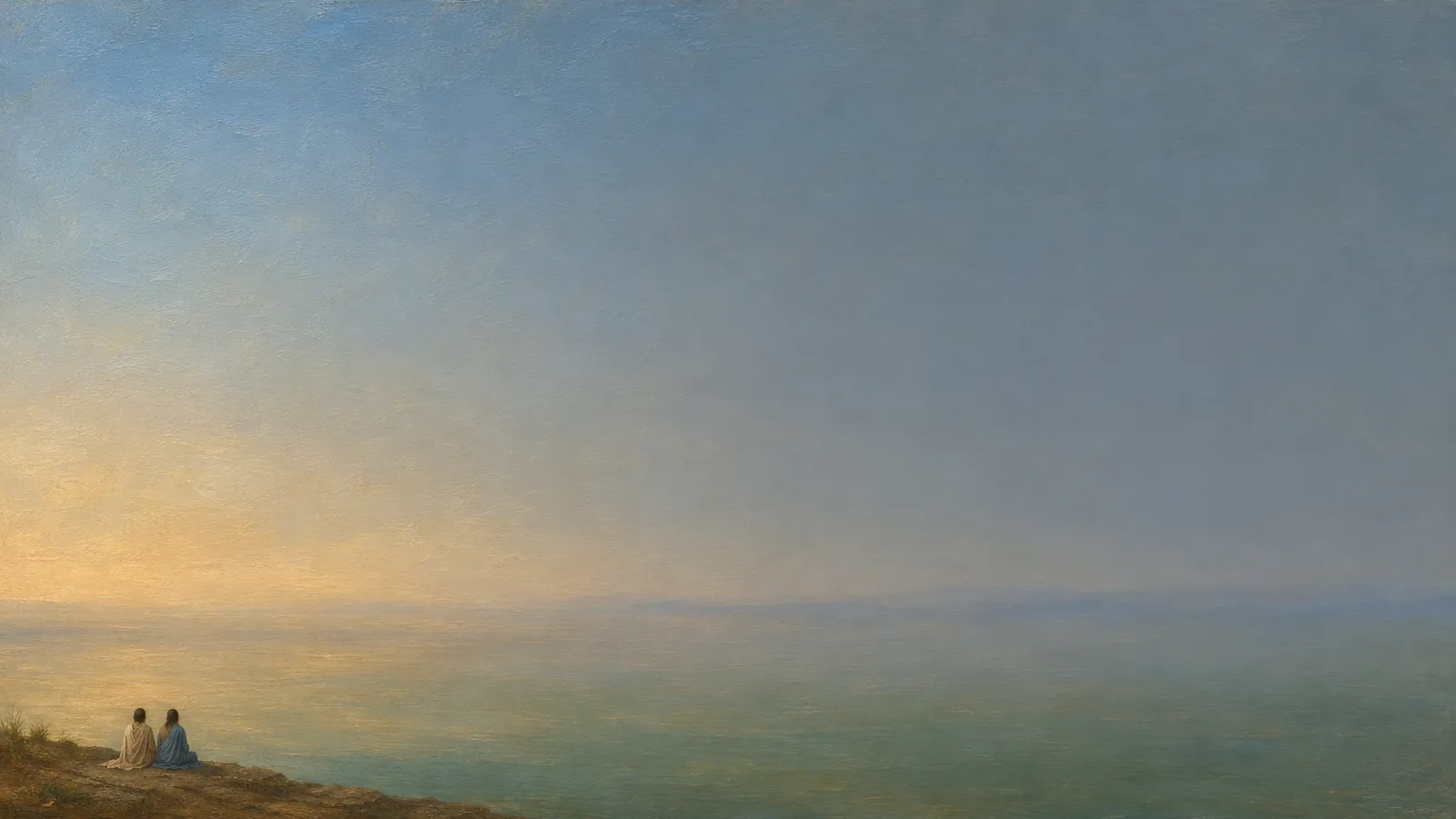
Marduk pôs guardiões a vigiar as águas elevadas. Disse-lhes que não as deixassem escapar.

Marduk atravessou o céu e examinou a sua extensão. Tomou por medida o Apsû, a morada de Ea nas profundezas, e fundou Eshara à imagem de Eshgala.
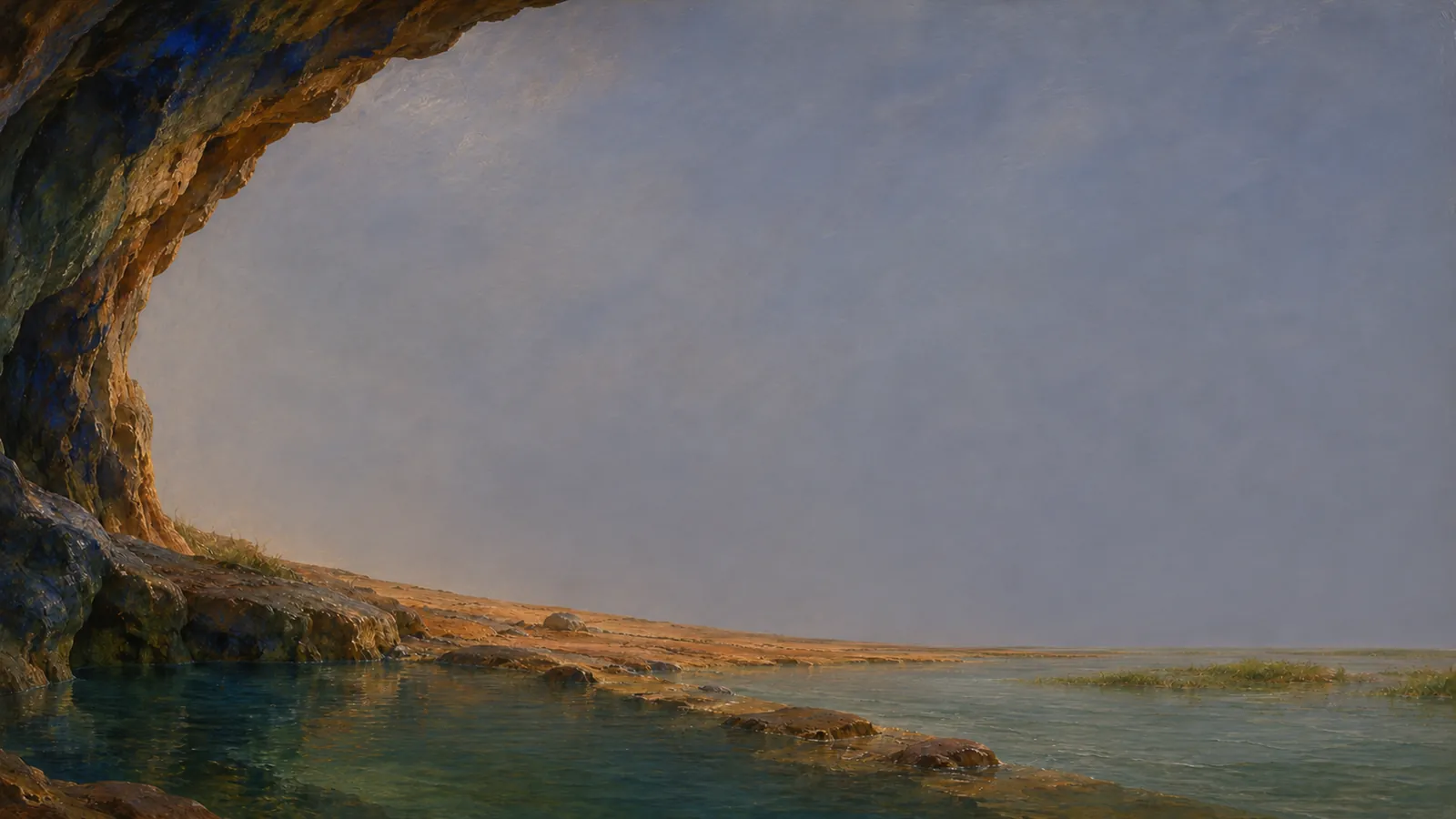
O poema dá a Anu o seu lugar no céu, a Enlil o seu em Eshara, na terra, e a Ea o seu em Eshgala, o santuário do Apsû.
AS CONSTELAÇÕES
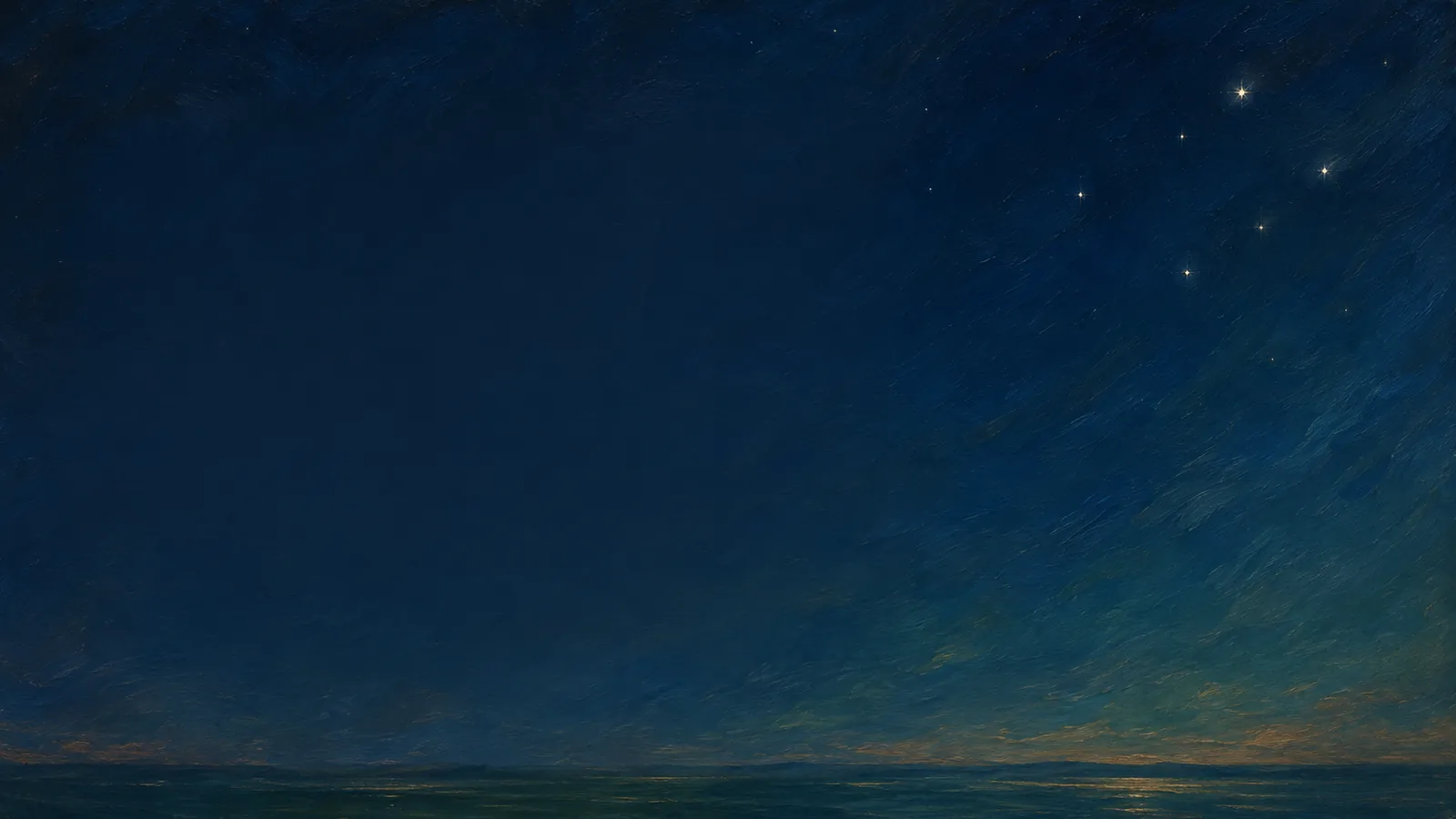
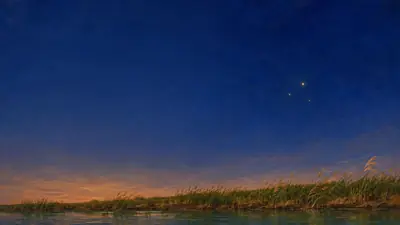
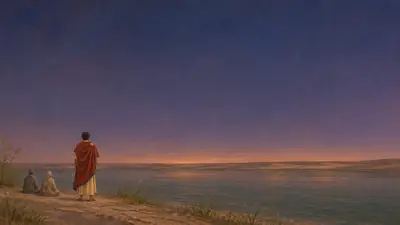
Marduk deu aos grandes deuses os seus lugares nas alturas. Pôs as constelações no céu noturno como imagens desses deuses.
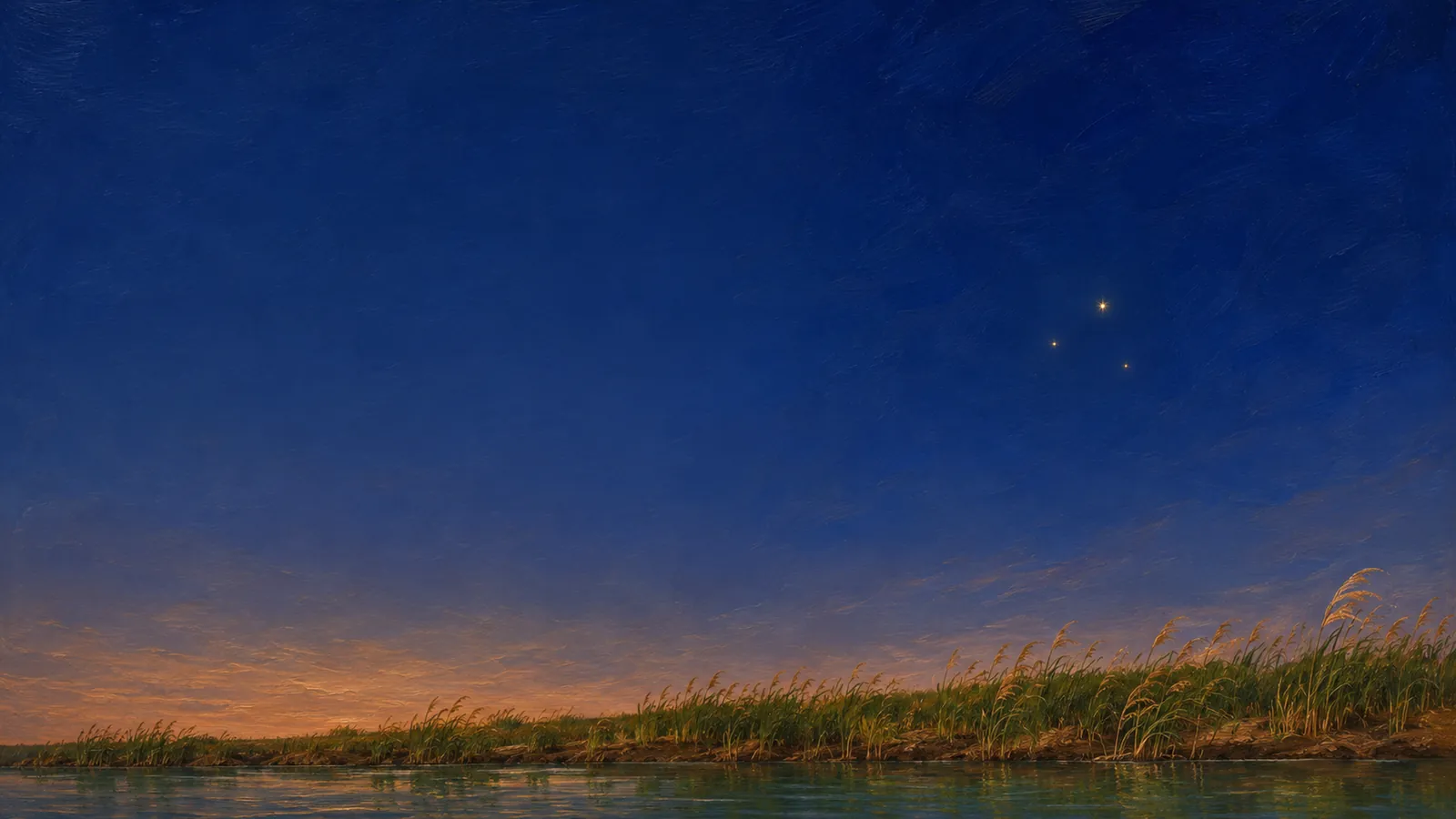
Traçou o curso do ano e ordenou os seus doze meses. O poema atribui três estrelas a cada mês.
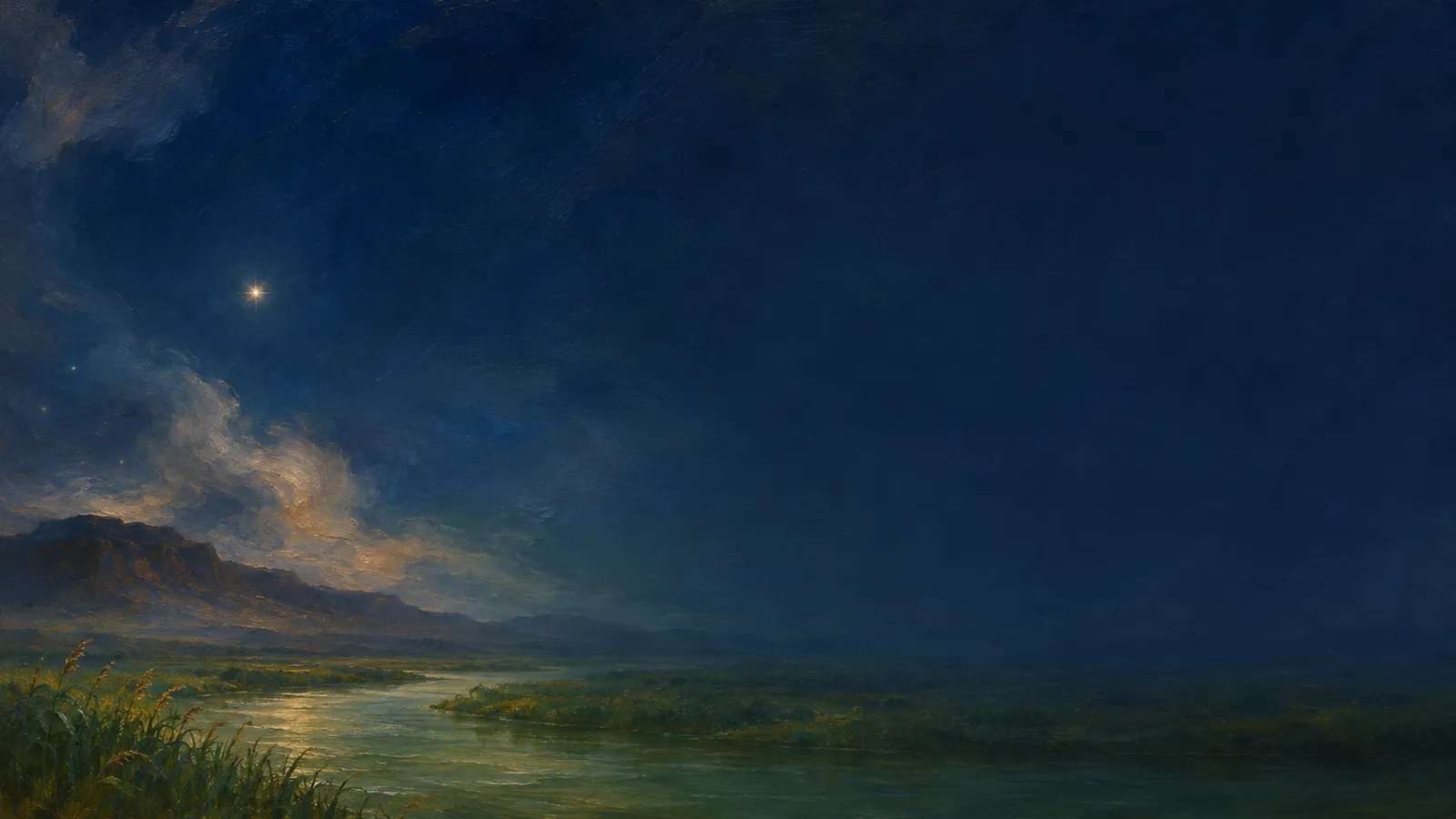
Marduk fixou o lugar de Neberu para que as estrelas seguissem os seus cursos. Junto dele estabeleceu os lugares de Enlil e Ea.

Marduk abriu portões dos dois lados e reforçou os seus ferrolhos. O poema põe outra parte de Tiamat no alto do céu.
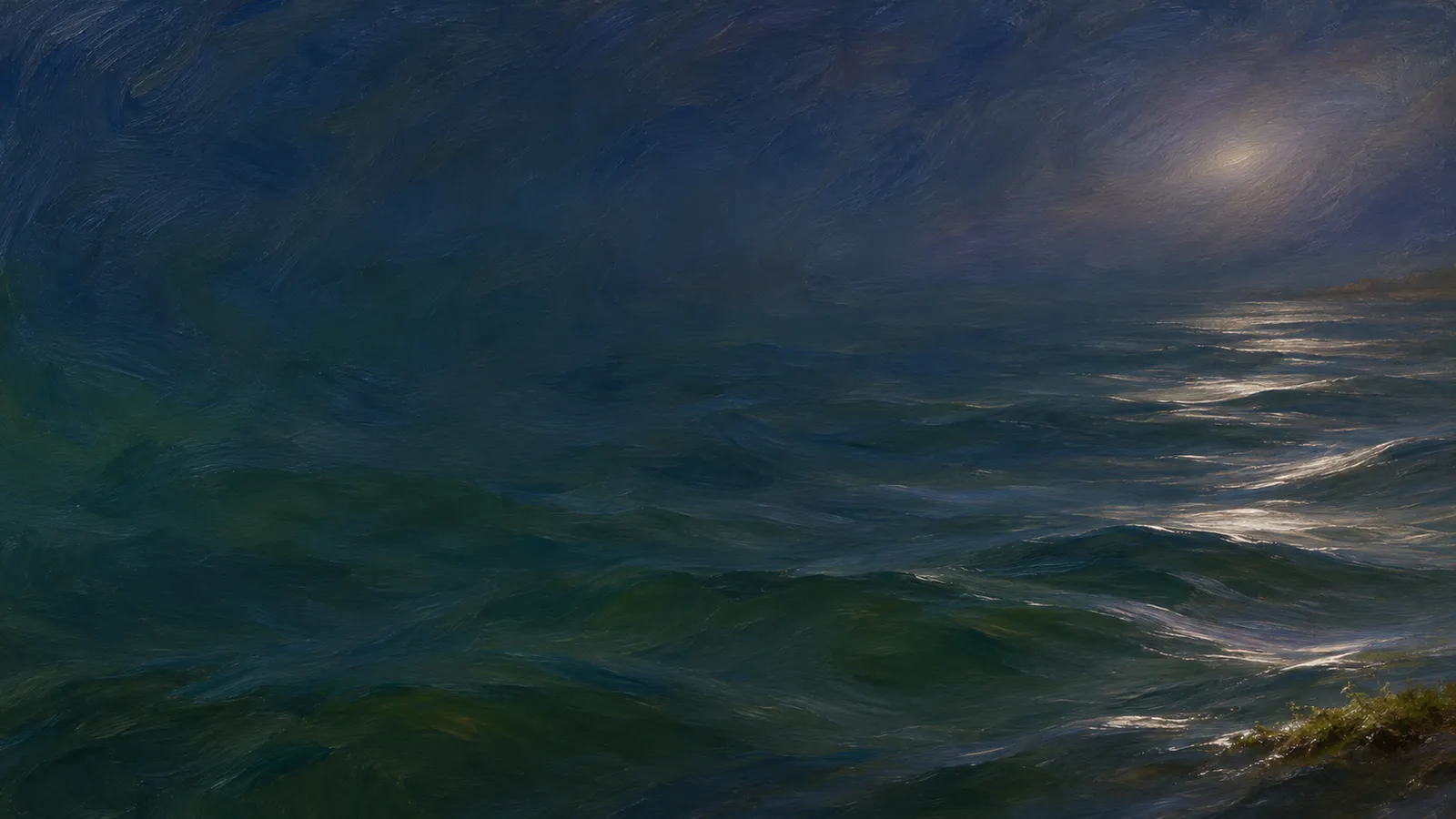
Marduk fez surgir a Lua para velar pela noite. Pela sua luz mutável, os dias poderiam ser distinguidos.
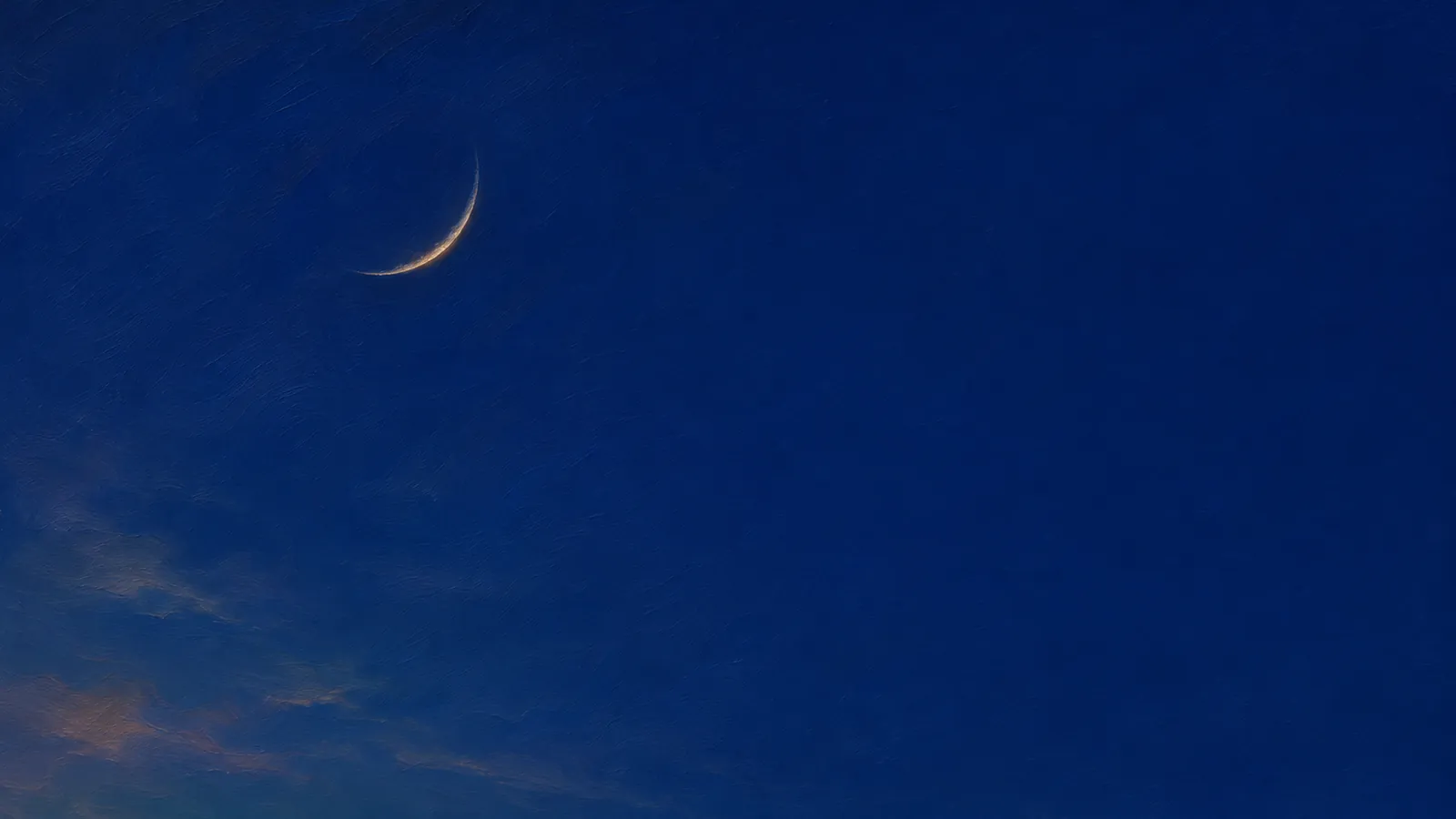
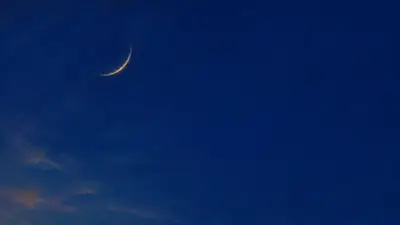
No começo de cada mês, a Lua havia de brilhar com cornos esguios. Eles marcariam os primeiros dias à medida que chegassem.
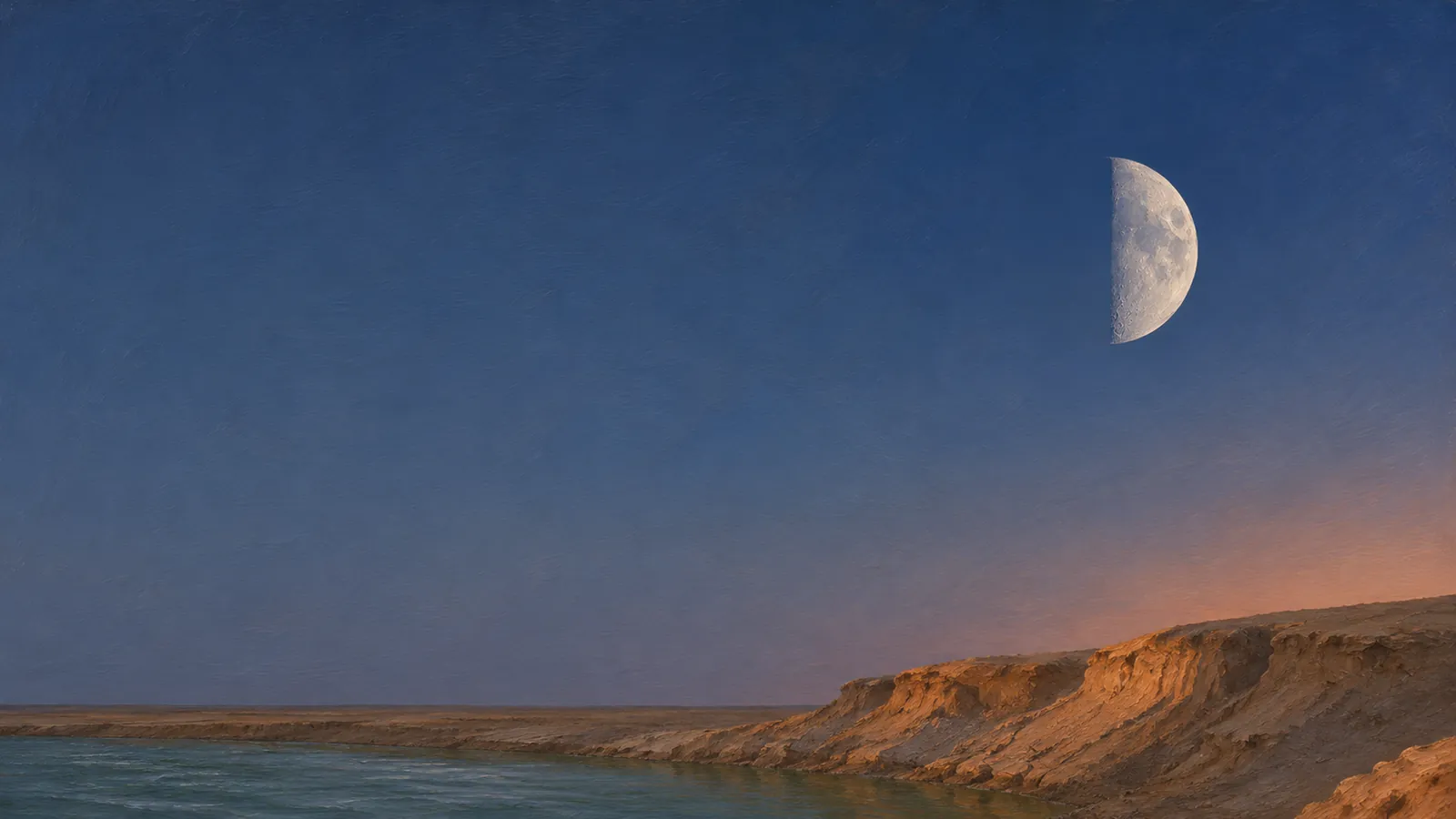
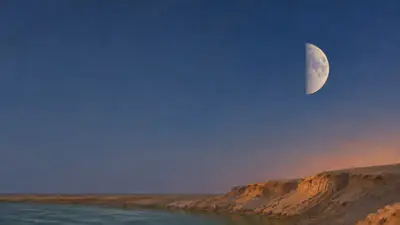
No sétimo dia do mês, a Lua mostraria apenas metade da sua coroa.
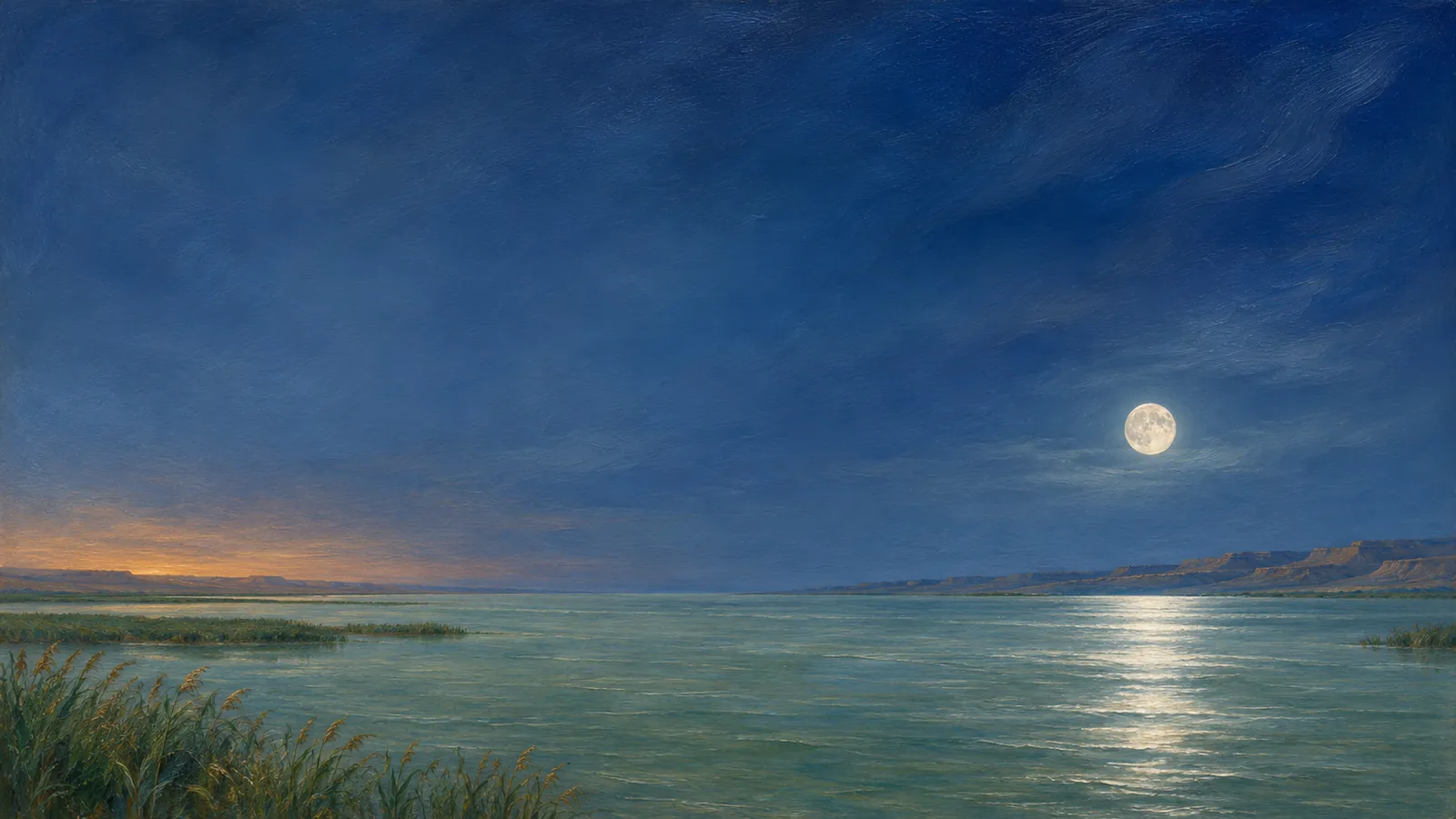
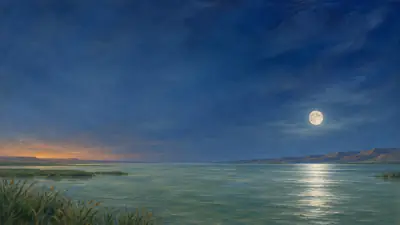
A meio do mês, a Lua estaria cheia, diante de Shamash, o Sol. Depois, a sua forma mutável começaria a voltar à escuridão.
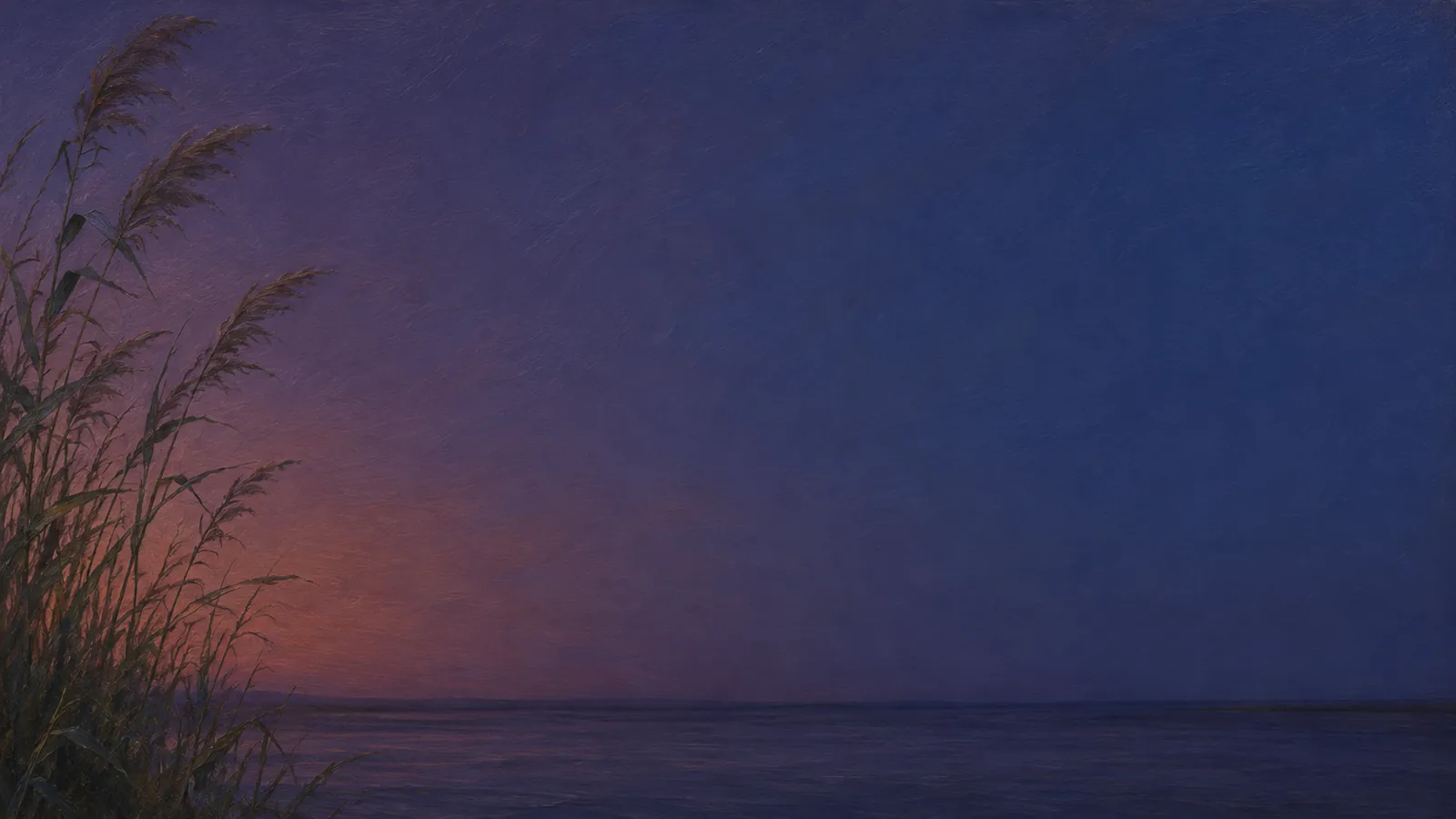
No fim do mês, a Lua aproximar-se-ia do caminho de Shamash. Nesse encontro, a Lua desapareceria da vista.
A tábua está muito danificada neste ponto. Ainda se leem, entre as palavras dispersas, o nome de Shamash e referências a sinais e veredictos, mas perdeu-se a relação entre eles.
Os versos danificados conservam algumas palavras sobre o ano, o Ano Novo e as vigílias da noite e do dia. Resta pouco demais para seguir a sua ordem com segurança.

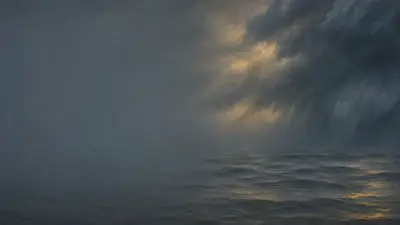
Quando as palavras voltam a ser legíveis, a humidade de Tiamat toma a forma de nuvens revoltas. O verso que nomeia o criador só se conserva numa cópia assíria, que traz Assur em lugar de Marduk.

Marduk encarregou-se de erguer os ventos, fazer cair a chuva e levantar a névoa. O verso também menciona o veneno de Tiamat, cujo sentido é incerto.
OS DOIS RIOS
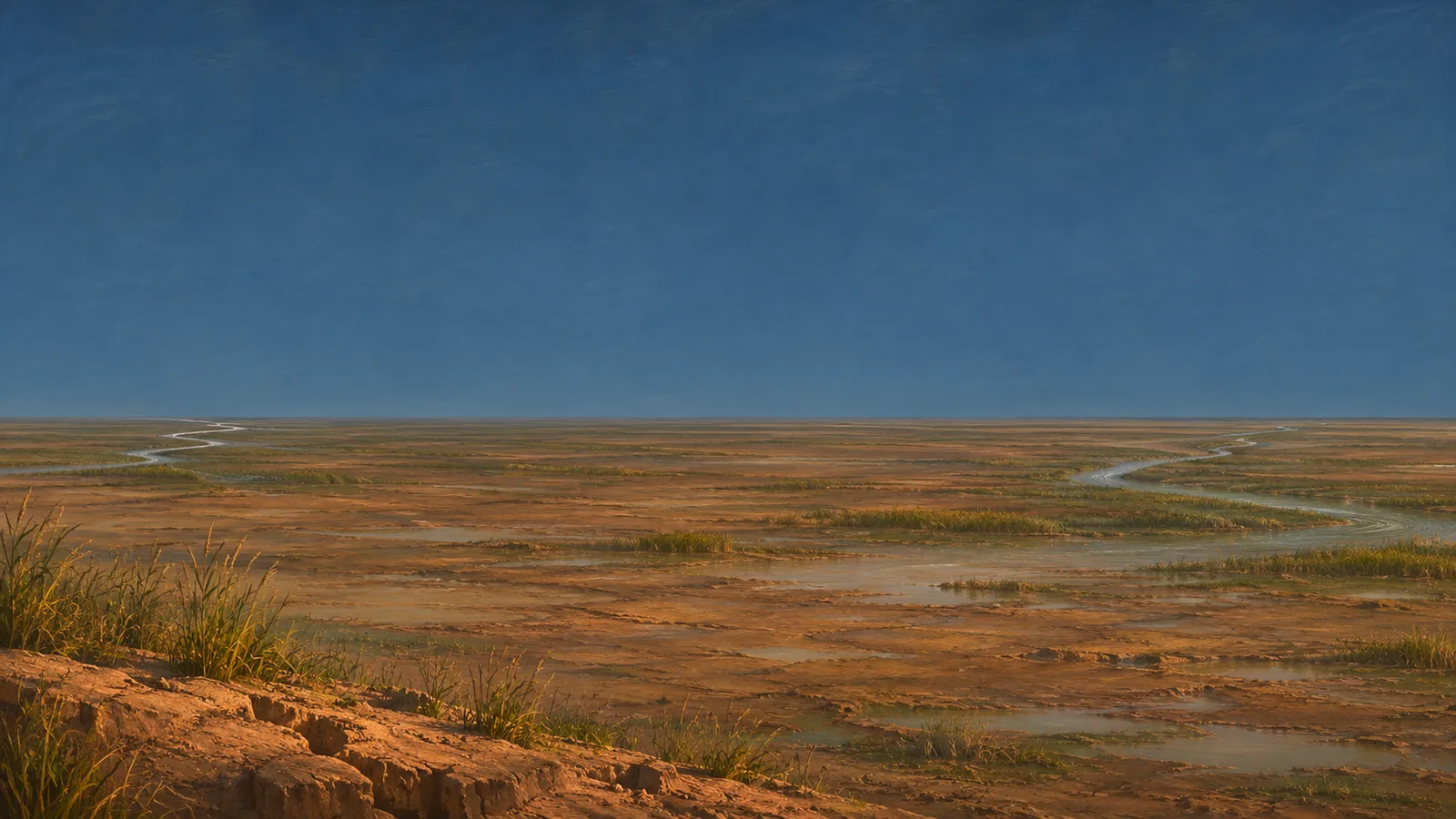
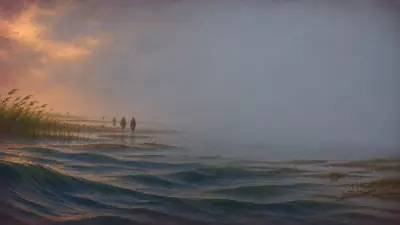
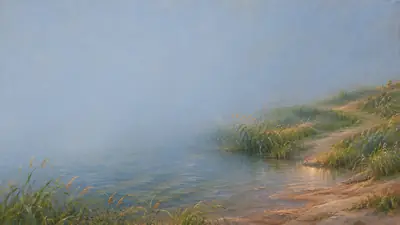
A água encheu uma fenda. No poema, o Eufrates e o Tigre brotam dos olhos de Tiamat e levam as suas águas pelo mundo.

Da matéria de Tiamat ergueram-se montanhas. Marduk abriu ali nascentes para que a água brotasse das profundezas.

O poema nomeia o Grande Vínculo que mantinha juntos o céu e a terra. Numa passagem em parte danificada, Marduk firma a terra acima do abismo.
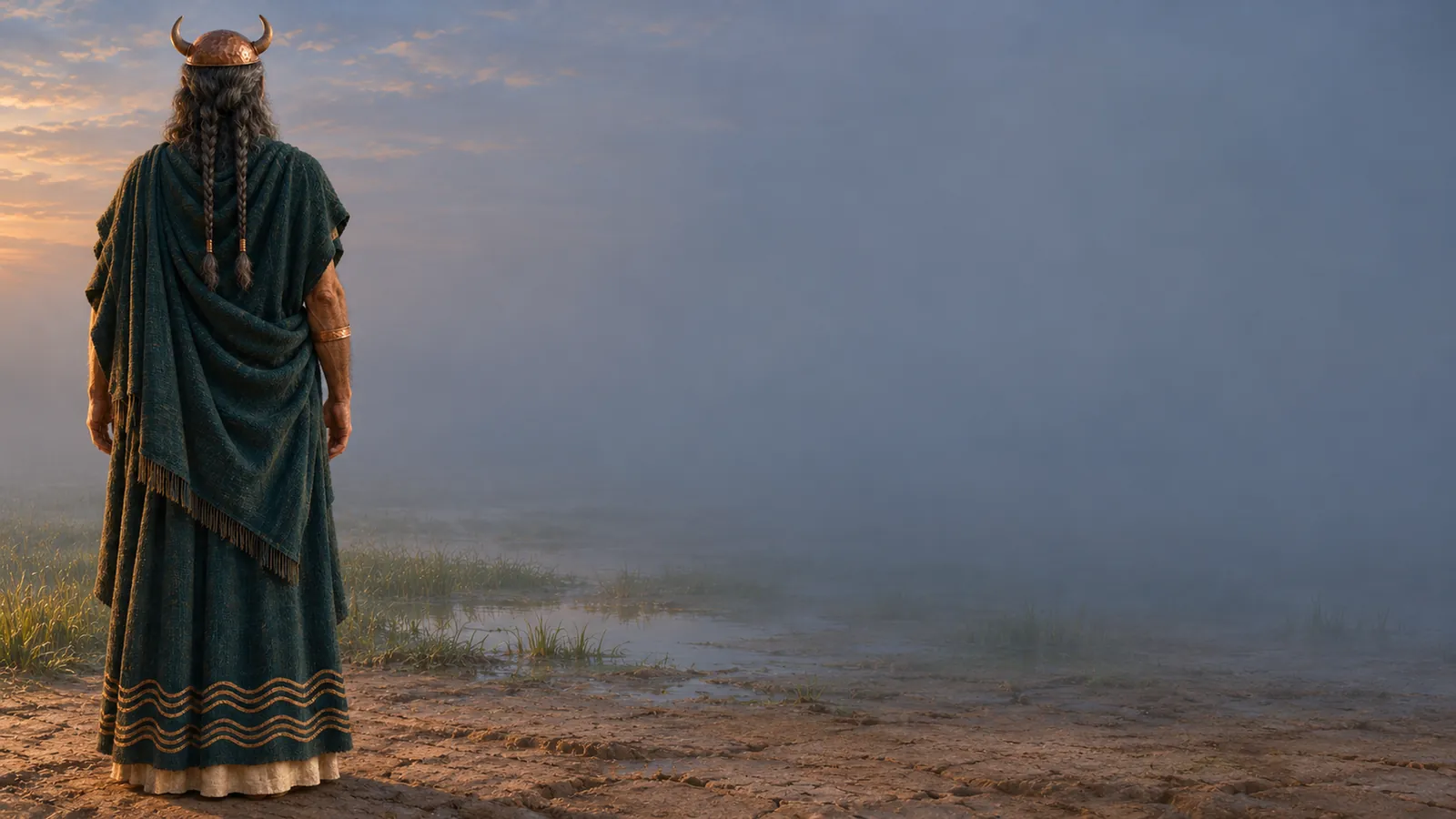
Marduk abriu a rede e deixou tudo sair. Depois de dar ao mundo as suas ordenanças e os seus ritos, pôs as rédeas nas mãos de Ea.
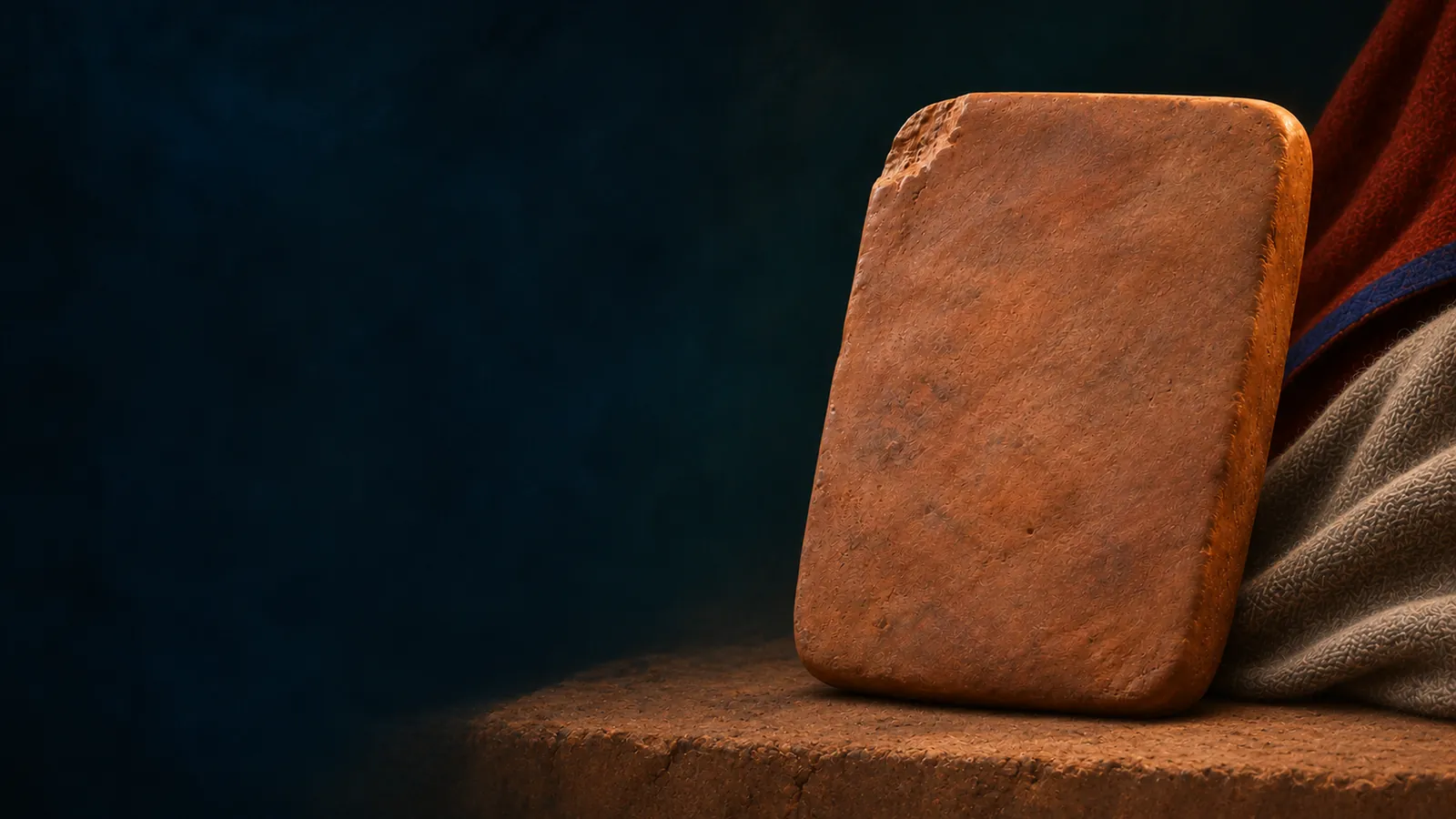
Marduk trouxe a Tábua dos Destinos que tomara a Qingu. Entregou-a a Anu como o principal sinal da sua vitória.
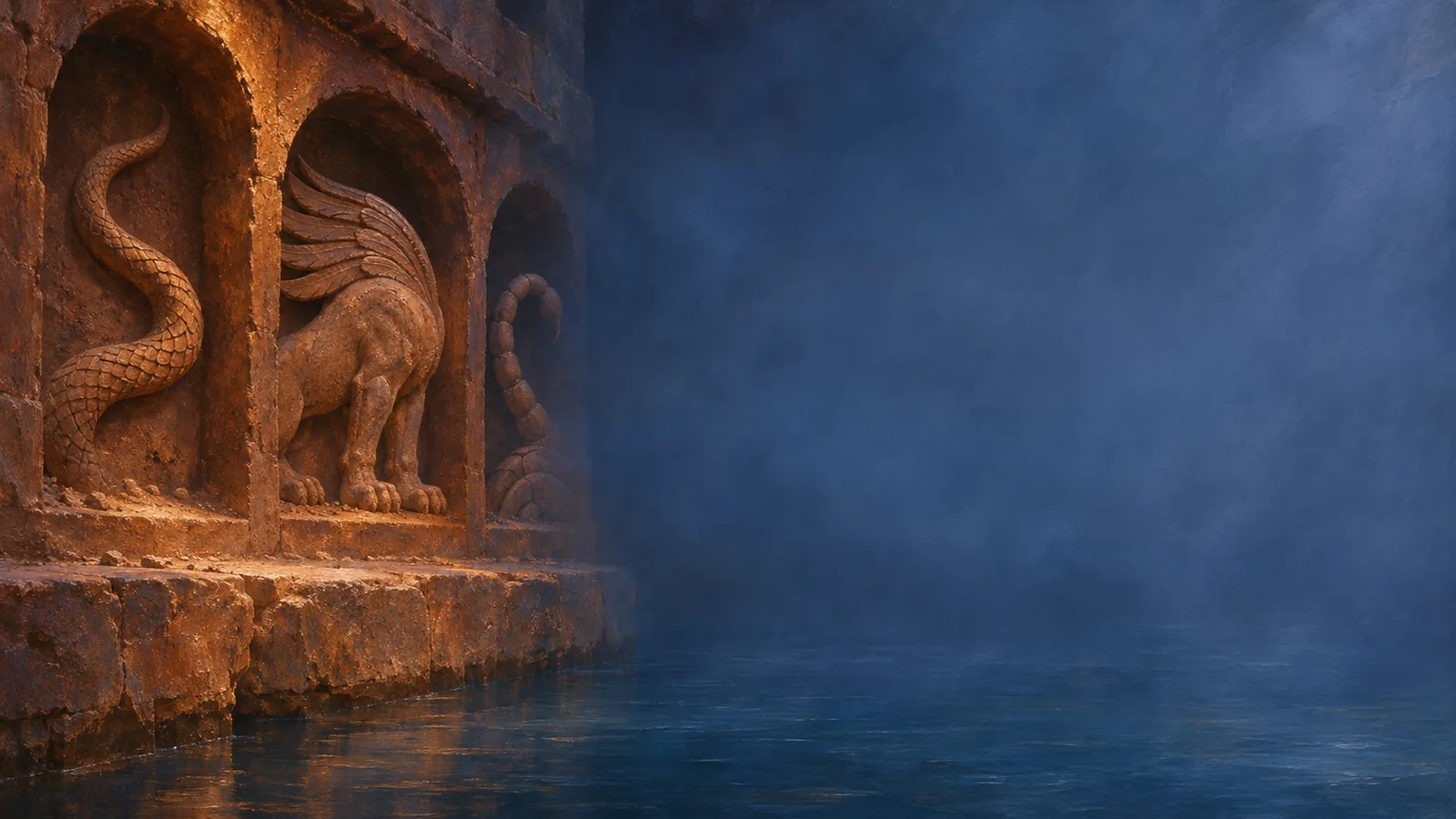
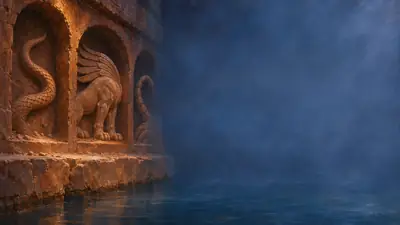
Marduk colocou no portão do Apsû imagens dos onze seres que Tiamat criara. As figuras guardariam a memória do que tinha acontecido.
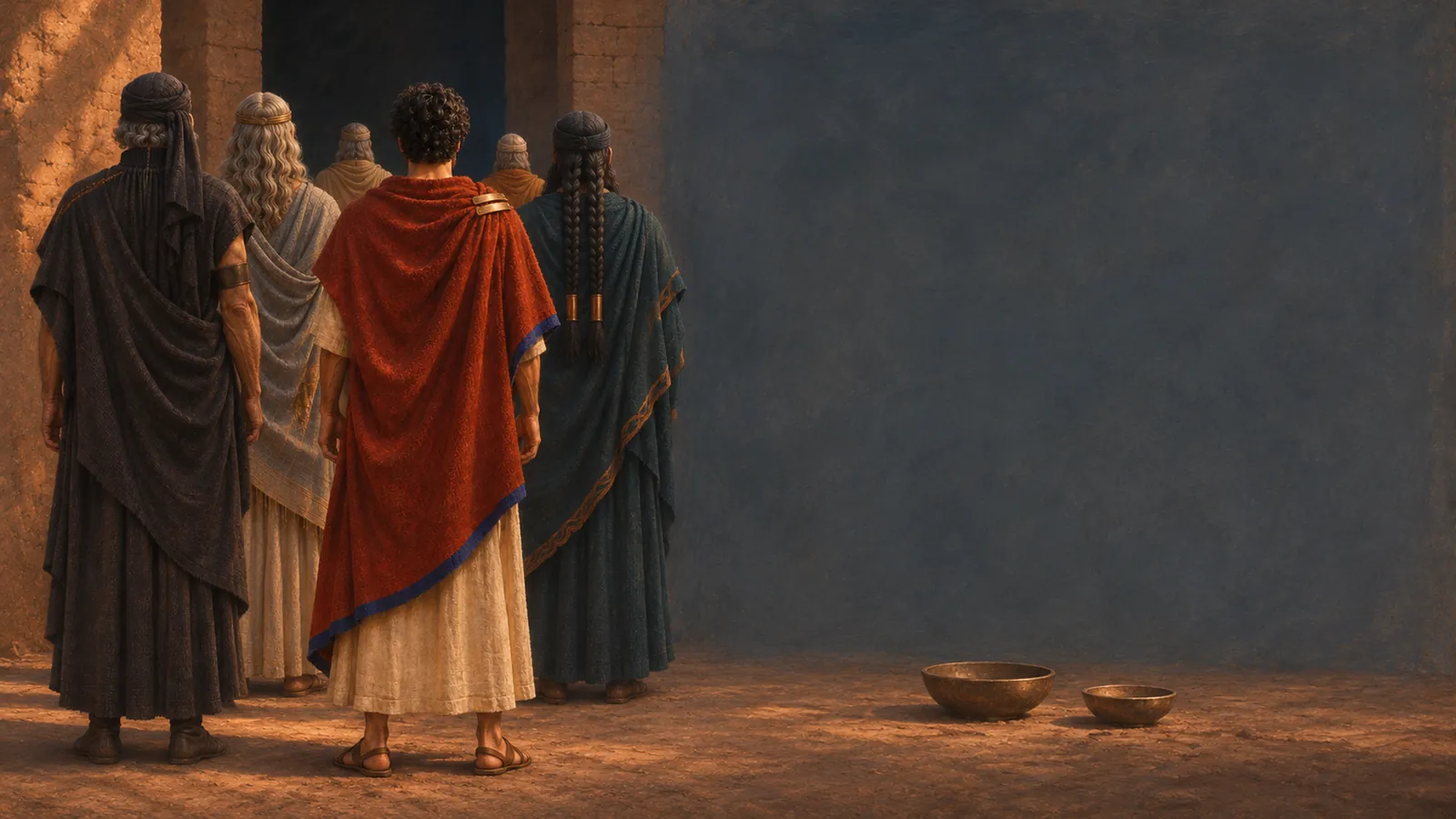
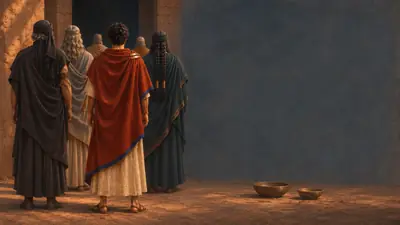
Lahmu, Lahamu e os deuses mais antigos alegraram-se. Anshar recebeu Marduk como rei, e Anu, Enlil e Ea ofereceram-lhe presentes.
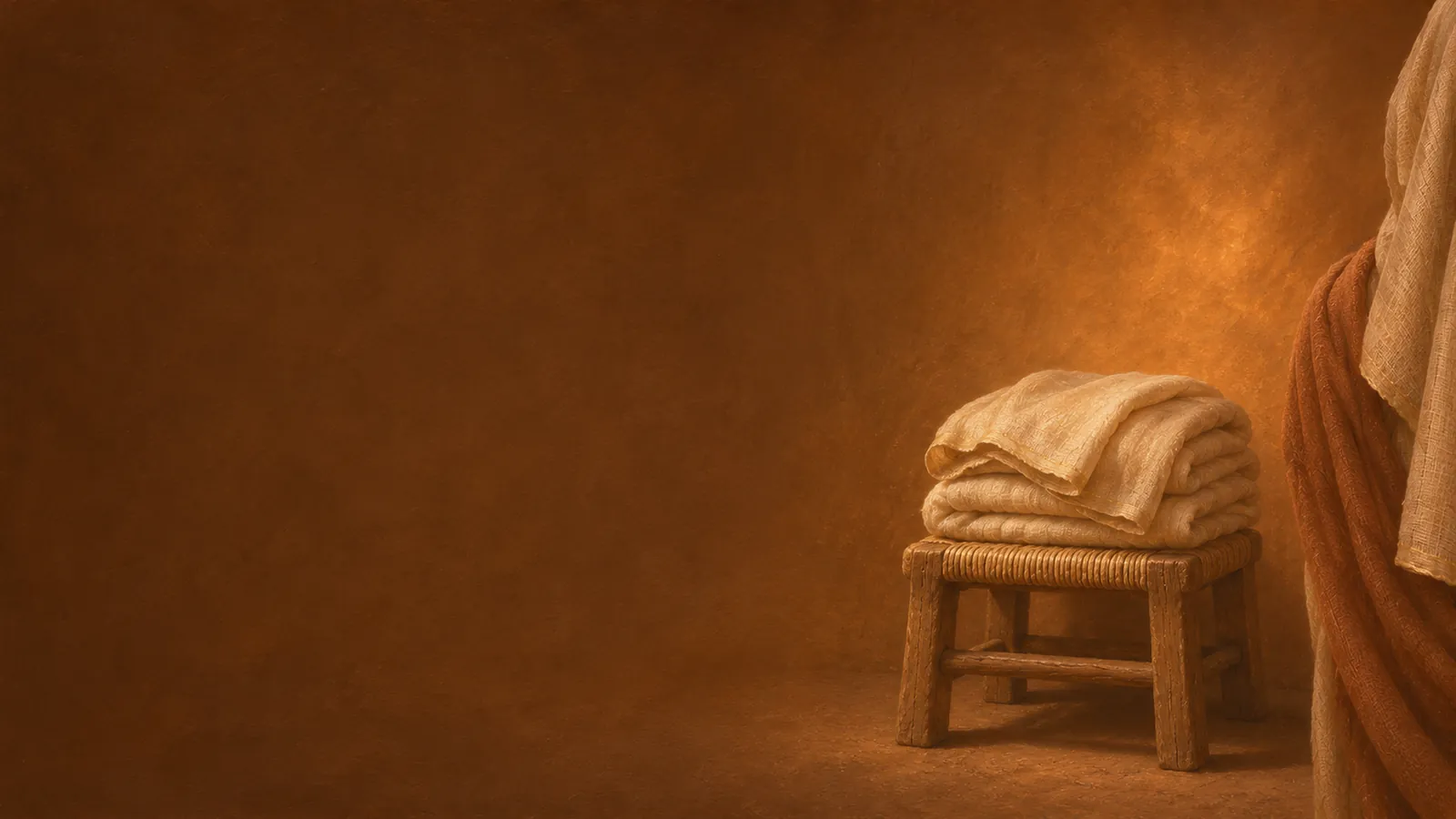
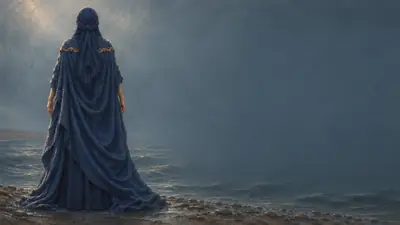
Damkina alegrou-se pelo filho e deu-lhe um manto cerimonial resplandecente. Marduk confiou a Usmu, que lhe tinha levado a notícia da dádiva, a guarda do Apsû e dos seus santuários.
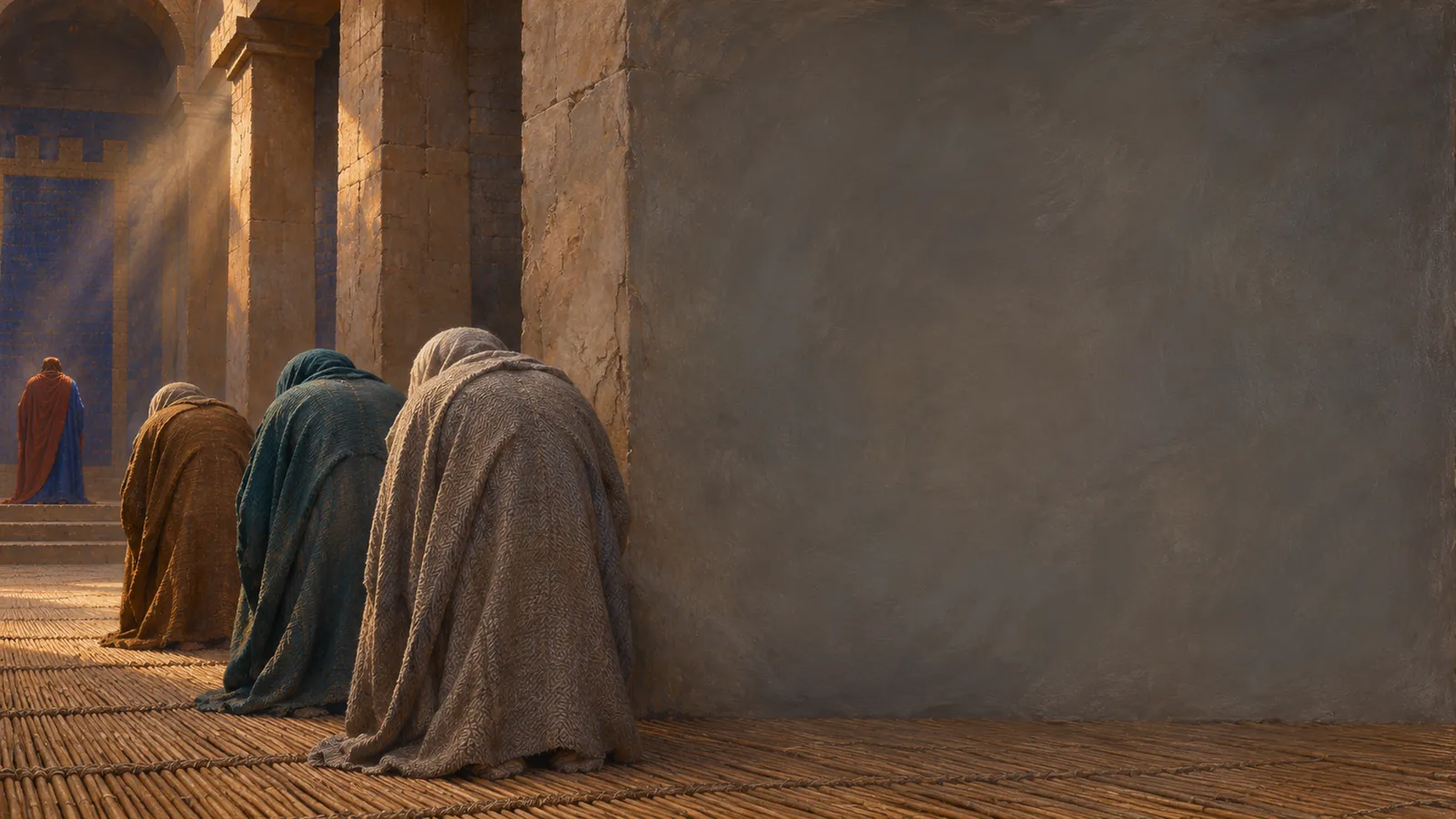
Os Igigi e os Anunnaki inclinaram-se diante de Marduk, o seu rei. Os versos seguintes, já danificados em alguns pontos, falam de óleo de cedro, de um traje real e do esplendor da sua coroa.
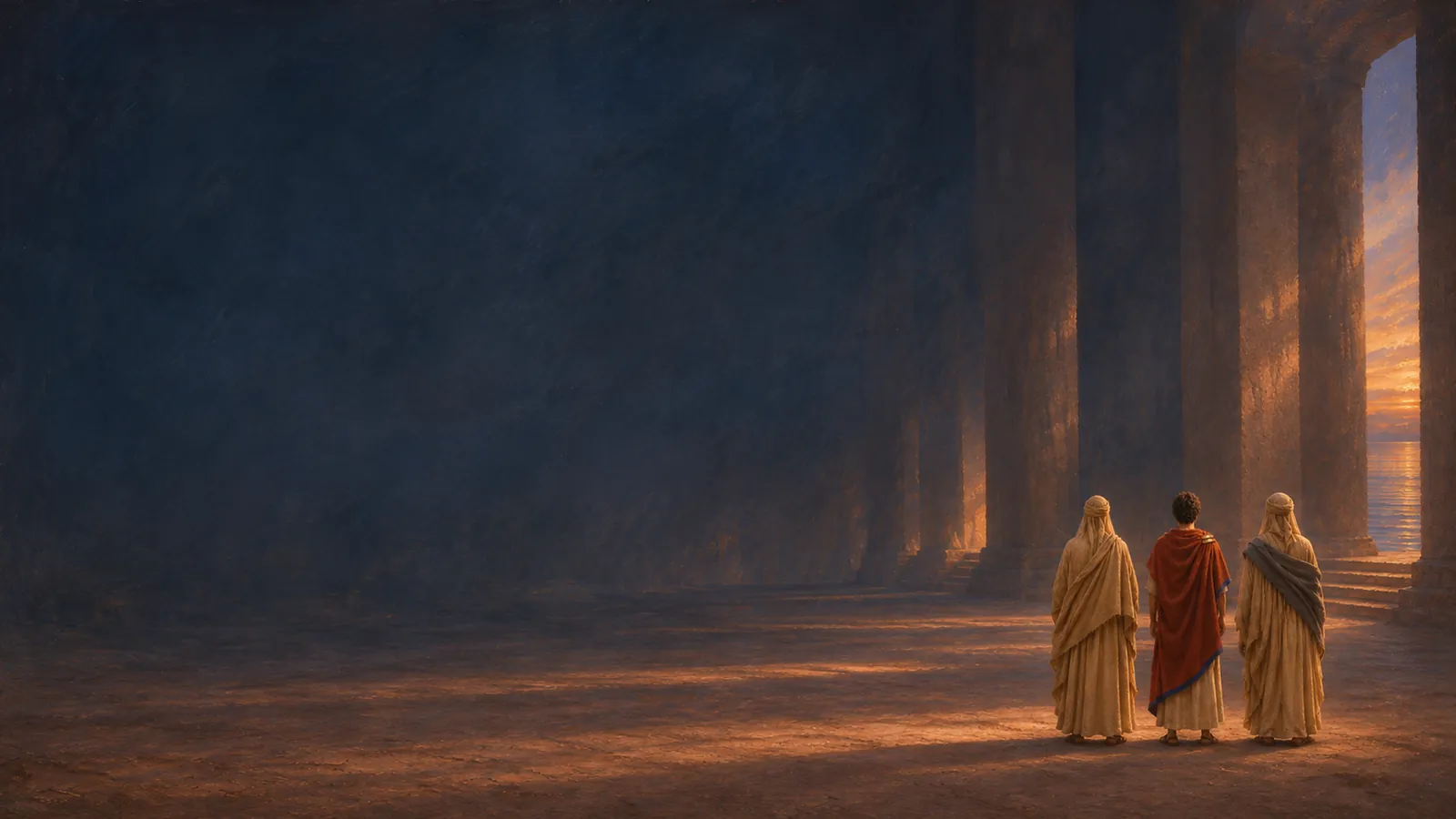
Depois de uma passagem fragmentária, os deuses chamam a Marduk rei dos deuses do céu e da terra. Pedem-lhe que cuide dos seus santuários e prometem cumprir as suas ordens.
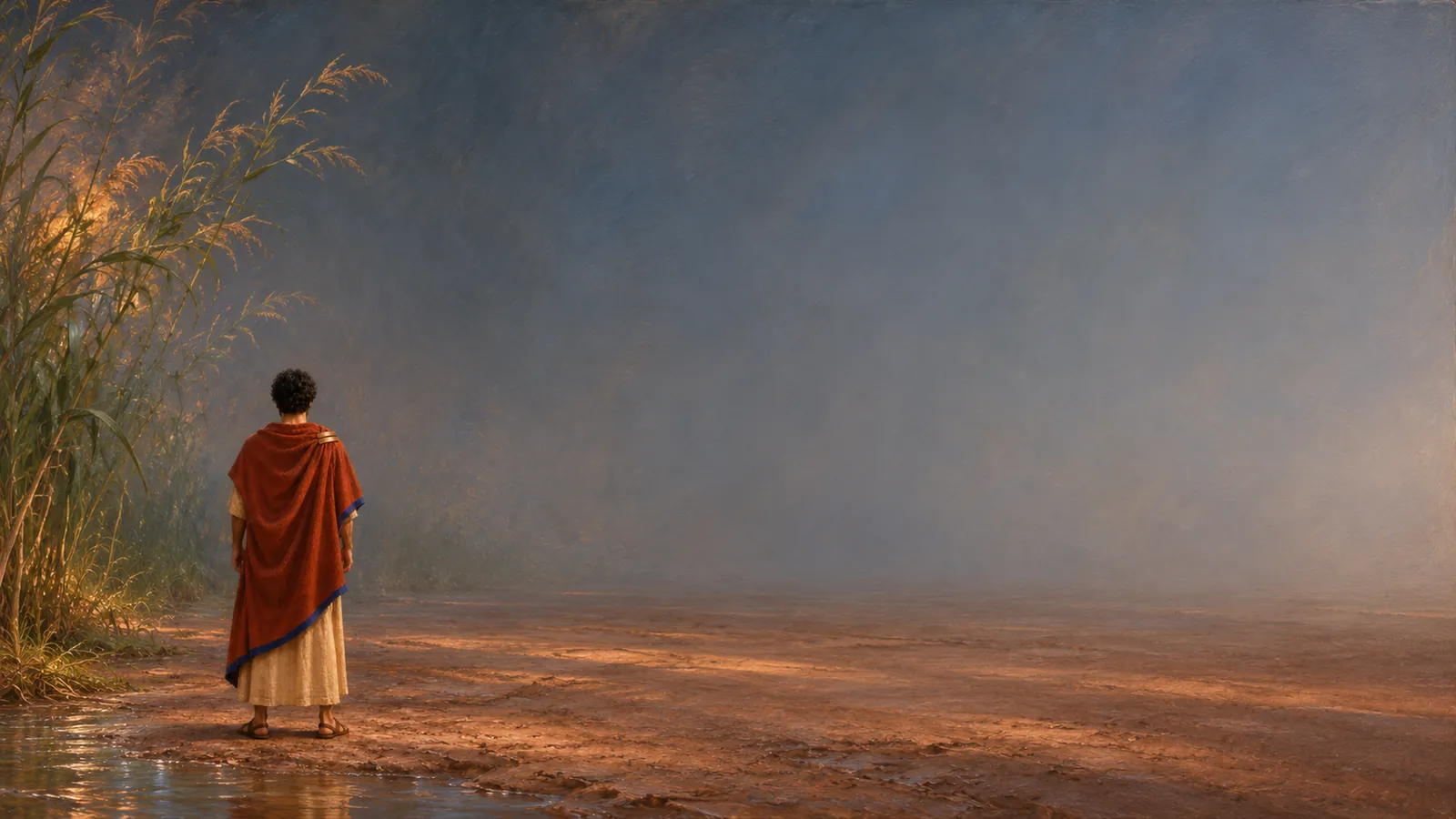
Marduk propôs uma casa acima do Apsû e abaixo do firmamento, em frente de Eshara. Ali ficaria o seu santuário e o seu reinado seria firmado.
Quem subisse do Apsû e quem descesse do céu descansaria no mesmo lugar antes de começar a assembleia.

BABILÓNIA
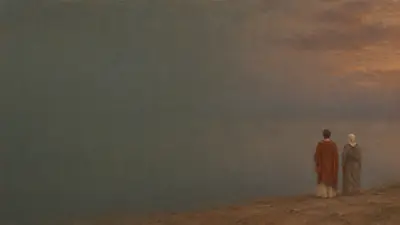
Marduk chamou ao lugar Babilónia e associou o nome às casas dos grandes deuses. Falou de uma festa ali, um tempo em que poderiam descansar.
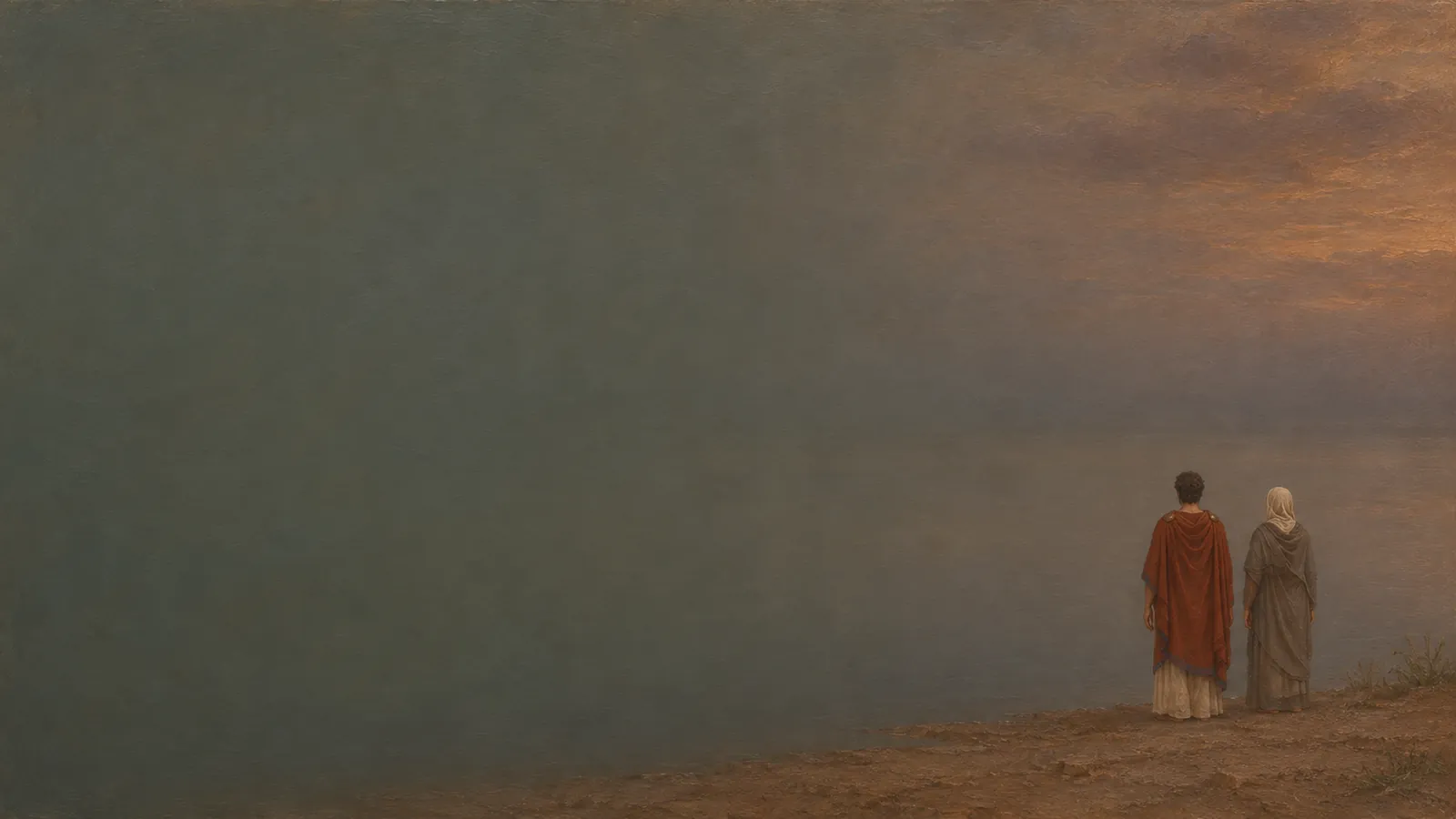
Os deuses pediram um lugar de repouso duradouro na Babilónia e falaram de oferendas regulares. Depois dessas palavras, os versos partidos guardam apenas fragmentos sobre trabalho e decretos.
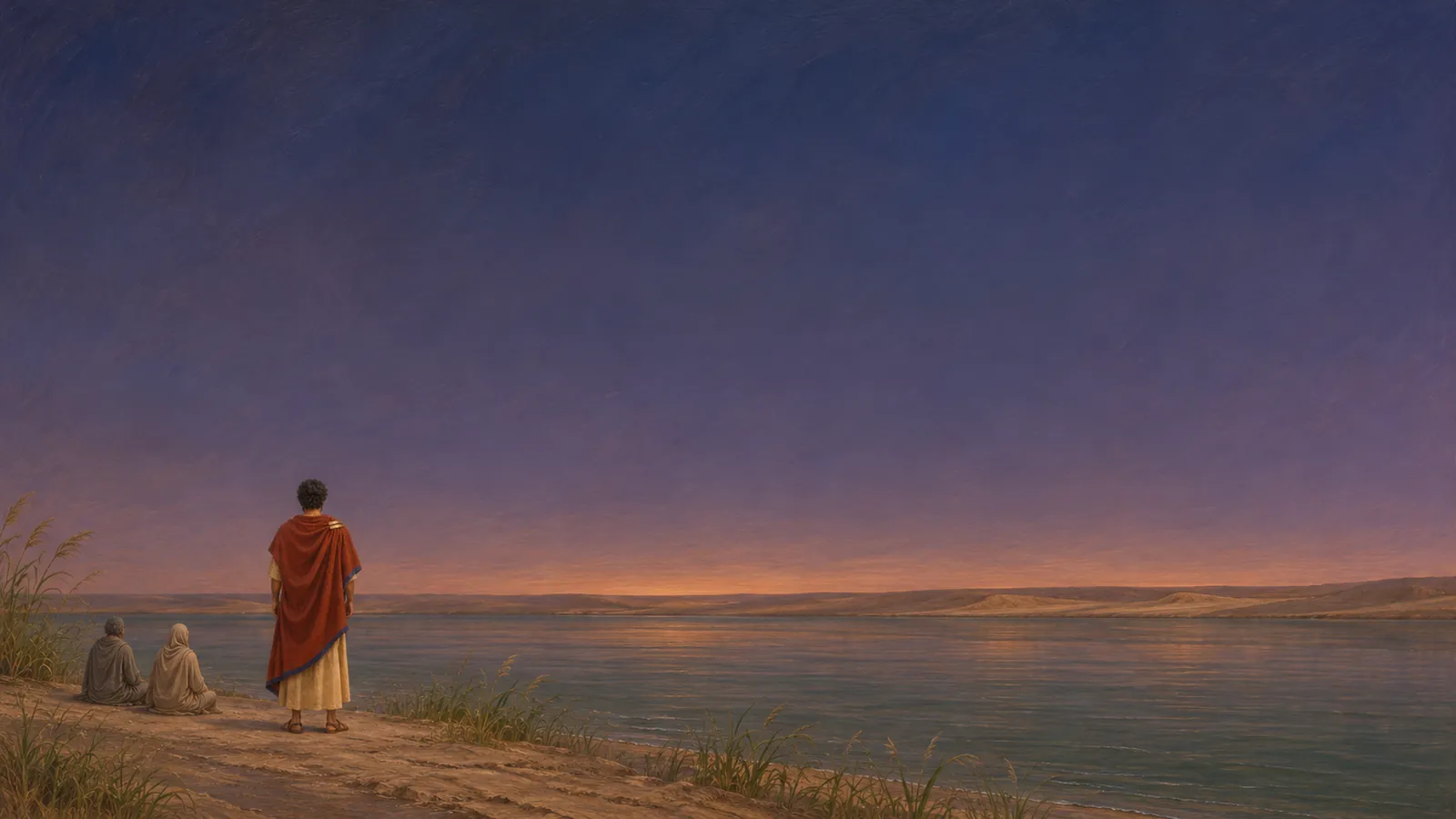
Os deuses inclinaram-se e chamaram a Marduk o filho amado que se tornara o seu rei. A tábua interrompe-se entre os louvores e aos pedidos do que ele ainda poderia fazer.
Fim do capítulo 3
Todas as páginas

















Fontes
Page 12: in the English translation by Heinrich and Helle (eBL L I.2, Enūma Eliš IV 99–104), Marduk’s arrow tears Tiamat’s belly and pierces her heart, and he stands over her body.
Edições consultadas
- Heinrich’s Akkadian text and Helle’s translation, Tablet IV, pp. 54–63 and Tablet V, pp. 64–73
- Electronic Babylonian Library, Standard Babylonian Tablet IV
- Electronic Babylonian Library, Standard Babylonian Tablet V
Notas sobre este reconto
Pages 18–19: after crushing Tiamat’s skull and cutting her blood vessels, Marduk divides her like a fish prepared for drying (Heinrich and Helle, eBL L I.2, Enūma Eliš IV 129–138).
Os versos antigos de cada página
- Page 1: Enūma Eliš IV 35–40, eBL L I.2; Heinrich–Helle
- Page 2: Enūma Eliš IV 41–46, eBL L I.2; Heinrich–Helle
- Page 3: Enūma Eliš IV 47–52, eBL L I.2; Heinrich–Helle
- Page 4: Enūma Eliš IV 53–58, eBL L I.2; Heinrich–Helle
- Page 5: Enūma Eliš IV 59–64, eBL L I.2; Heinrich–Helle
- Page 6: Enūma Eliš IV 65–70, eBL L I.2; Heinrich–Helle
- Page 7: Enūma Eliš IV 71–78, eBL L I.2; Heinrich–Helle
- Page 8: Enūma Eliš IV 79–84, eBL L I.2; Heinrich–Helle
- Page 9: Enūma Eliš IV 85–88, eBL L I.2; Heinrich–Helle
- Page 10: Enūma Eliš IV 89–94, eBL L I.2; Heinrich–Helle
- Page 11: Enūma Eliš IV 95–100, eBL L I.2; Heinrich–Helle
- Page 12: Enūma Eliš IV 101–104, eBL L I.2; Heinrich–Helle
- Page 13: Enūma Eliš IV 105–110, eBL L I.2; Heinrich–Helle
- Page 14: Enūma Eliš IV 111–118, eBL L I.2; Heinrich–Helle
- Page 15: Enūma Eliš IV 119–120, eBL L I.2; Heinrich–Helle
- Page 16: Enūma Eliš IV 121–122, eBL L I.2; Heinrich–Helle
- Page 17: Enūma Eliš IV 123–128, eBL L I.2; Heinrich–Helle
- Page 18: Enūma Eliš IV 129–134, eBL L I.2; Heinrich–Helle
- Page 19: Enūma Eliš IV 135–137, eBL L I.2; Heinrich–Helle
- Page 20: Enūma Eliš IV 138–139, eBL L I.2; Heinrich–Helle
- Page 21: Enūma Eliš IV 140–144, eBL L I.2; Heinrich–Helle
- Page 22: Enūma Eliš IV 145–146, eBL L I.2; Heinrich–Helle
- Page 23: Enūma Eliš V 1–2, eBL L I.2; Heinrich–Helle
- Page 24: Enūma Eliš V 3–5, eBL L I.2; Heinrich–Helle
- Page 25: Enūma Eliš V 6–8, eBL L I.2; Heinrich–Helle
- Page 26: Enūma Eliš V 9–11, eBL L I.2; Heinrich–Helle
- Page 27: Enūma Eliš V 12–14, eBL L I.2; Heinrich–Helle
- Page 28: Enūma Eliš V 15–16, eBL L I.2; Heinrich–Helle
- Page 29: Enūma Eliš V 17, eBL L I.2; Heinrich–Helle
- Page 30: Enūma Eliš V 18–20, eBL L I.2; Heinrich–Helle
- Page 31: Enūma Eliš V 21–22, eBL L I.2; Heinrich–Helle
- Page 32: Enūma Eliš V 23–35, eBL L I.2; Heinrich–Helle
- Page 33: Enūma Eliš V 36–46, eBL L I.2; Heinrich–Helle
- Page 34: Enūma Eliš V 47–49, eBL L I.2; Heinrich–Helle
The edition reads the divine name in V 48 from an Assyrian recension. - Page 35: Enūma Eliš V 50–52, eBL L I.2; Heinrich–Helle
The sense of the word for poison in V 51 is uncertain. - Page 36: Enūma Eliš V 53–56, eBL L I.2; Heinrich–Helle
- Page 37: Enūma Eliš V 57–58, eBL L I.2; Heinrich–Helle
- Page 38: Enūma Eliš V 59–62, eBL L I.2; Heinrich–Helle
- Page 39: Enūma Eliš V 63–68, eBL L I.2; Heinrich–Helle
Reins are a metaphor for authority. - Page 40: Enūma Eliš V 69–70, eBL L I.2; Heinrich–Helle
- Page 41: Enūma Eliš V 71–76, eBL L I.2; Heinrich–Helle
- Page 42: Enūma Eliš V 77–80, eBL L I.2; Heinrich–Helle
- Page 43: Enūma Eliš V 81–84, eBL L I.2; Heinrich–Helle
- Page 44: Enūma Eliš V 85–99, eBL L I.2; Heinrich–Helle
- Page 45: Enūma Eliš V 100–116, eBL L I.2; Heinrich–Helle
- Page 46: Enūma Eliš V 117–124, eBL L I.2; Heinrich–Helle
- Page 47: Enūma Eliš V 125–128, eBL L I.2; Heinrich–Helle
- Page 48: Enūma Eliš V 129–130, eBL L I.2; Heinrich–Helle
- Page 49: Enūma Eliš V 131–150, eBL L I.2; Heinrich–Helle
- Page 50: Enūma Eliš V 151–158, eBL L I.2; Heinrich–Helle
The closing lines of Tablet V are partly broken.
Ilustrações feitas pelo IL Archive com ferramentas de IA; o texto baseia-se nas fontes antigas (veja as fontes no fim de cada capítulo).