Enuma Elish Capítulo 1
Antes dos céus
Antes de o céu ter nome, as águas de Apsû e Tiamat misturaram-se e delas surgiram os primeiros deuses. Ea frustra o plano de Apsû, Marduk nasce nas profundezas e Tiamat entrega a Qingu a Tábua dos Destinos.
Ver o filmeFontesVire as páginas com as setas, o teclado ou deslizando o dedo.
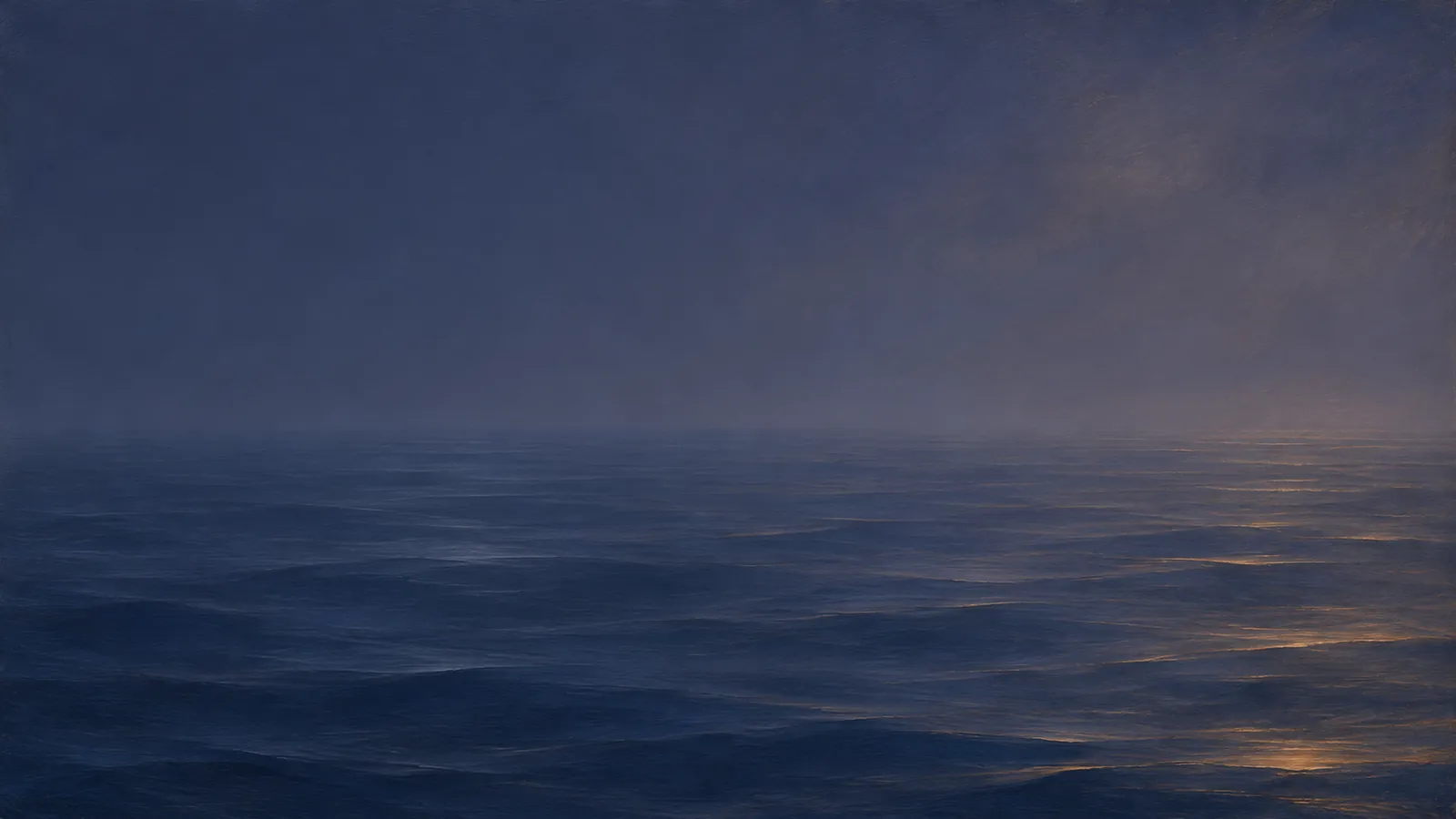
ANTES DOS CÉUS
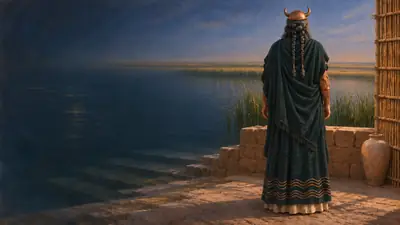
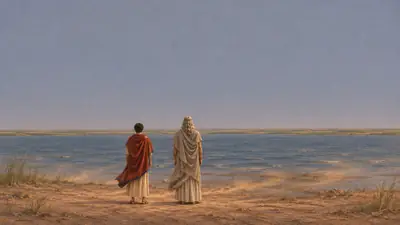
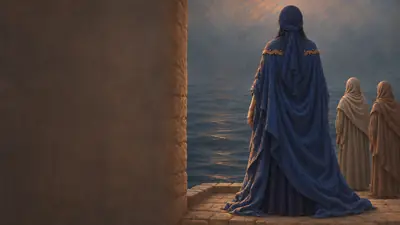
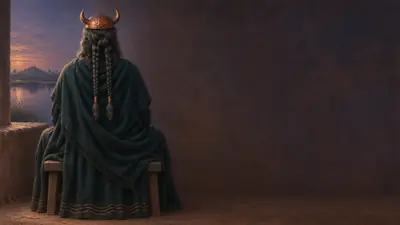
O poema começa antes de o céu ou a terra abaixo terem nome. O mundo que conhecemos ainda não tinha tomado forma.

Apsû e Tiamat estavam ali no princípio. As suas águas misturaram-se, e desse encontro vieram os primeiros deuses.

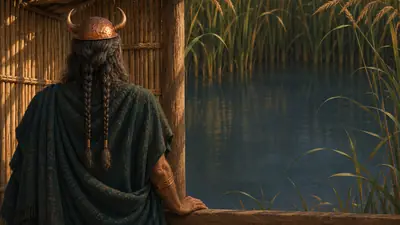
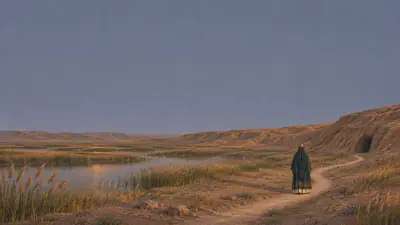
Nenhum caniçal se tinha formado e as águas pouco fundas ainda não tinham tomado forma. Nenhum deus surgira para receber um nome ou um destino.
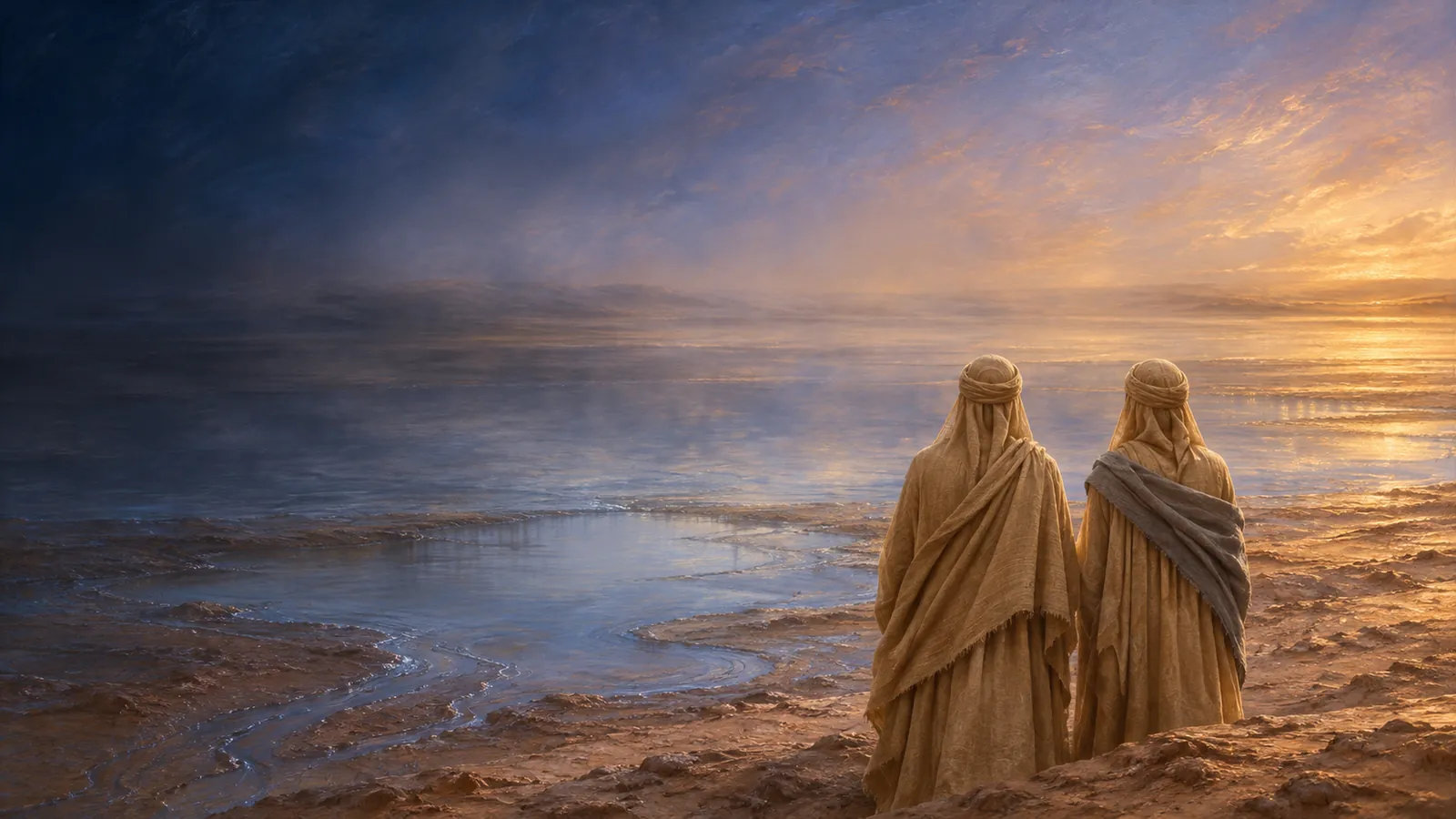
Do interior das águas vieram os primeiros deuses que o poema nomeia, Lahmu e Lahamu. Cresceram antes de surgir outro par.
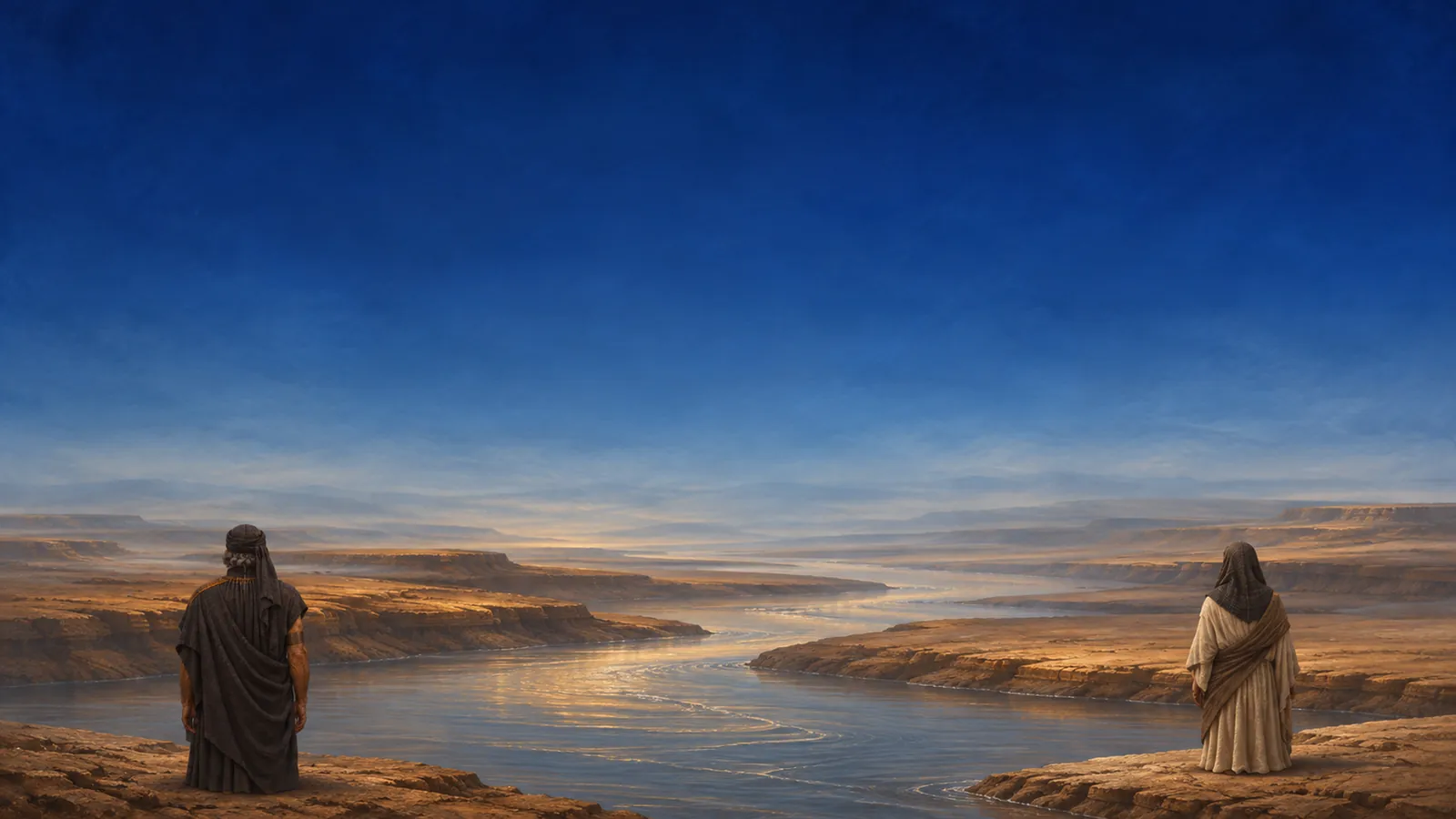
Depois vieram Anshar e Kishar, maiores do que o par que os precedera. Os dias prolongaram-se em anos, e Anu deu seguimento à sua linhagem.
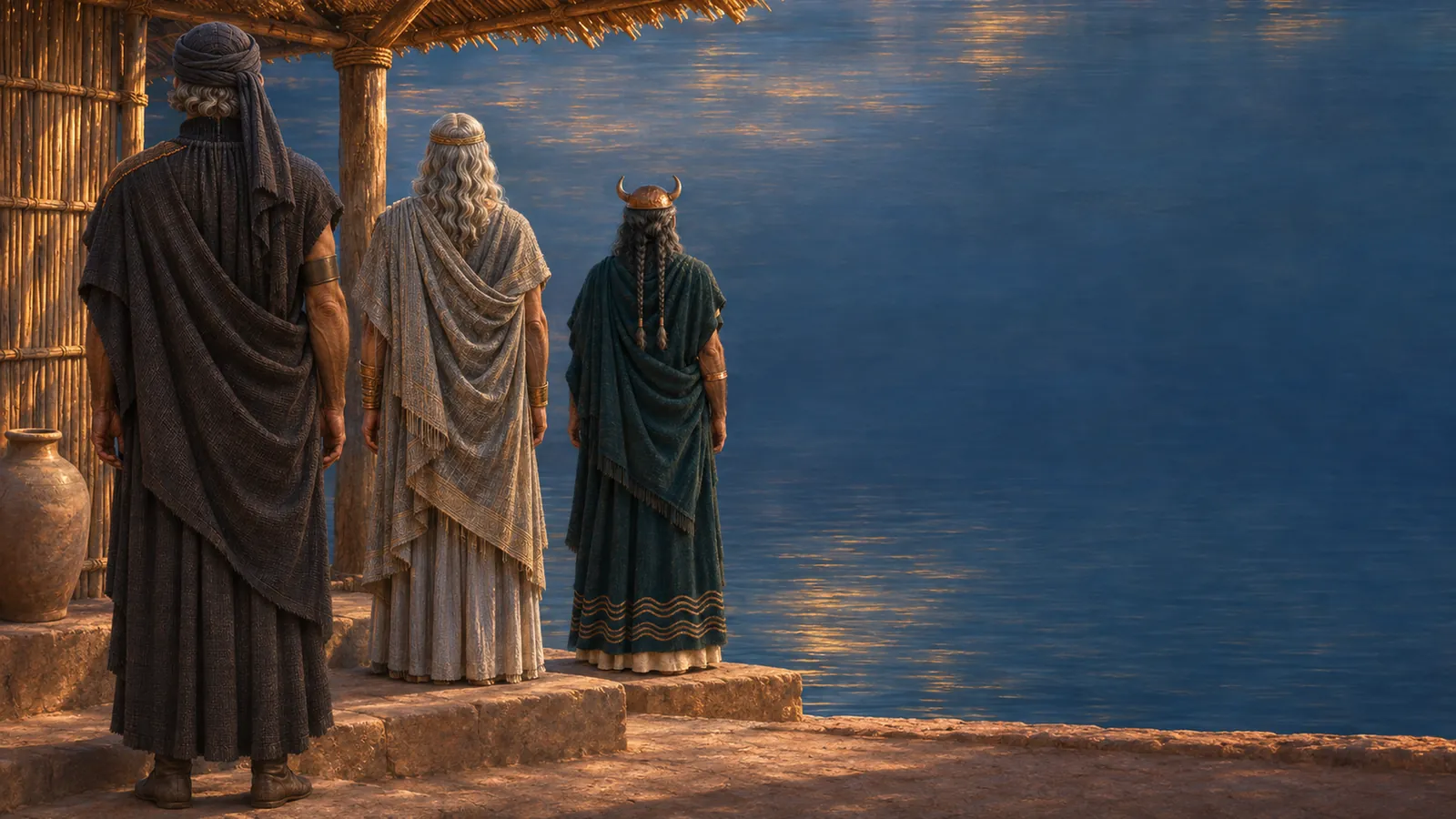
Anu assemelhava-se a Anshar e, com o tempo, gerou um filho à sua própria imagem. Esse filho era Nudimmud, o deus a quem o poema também chama Ea.
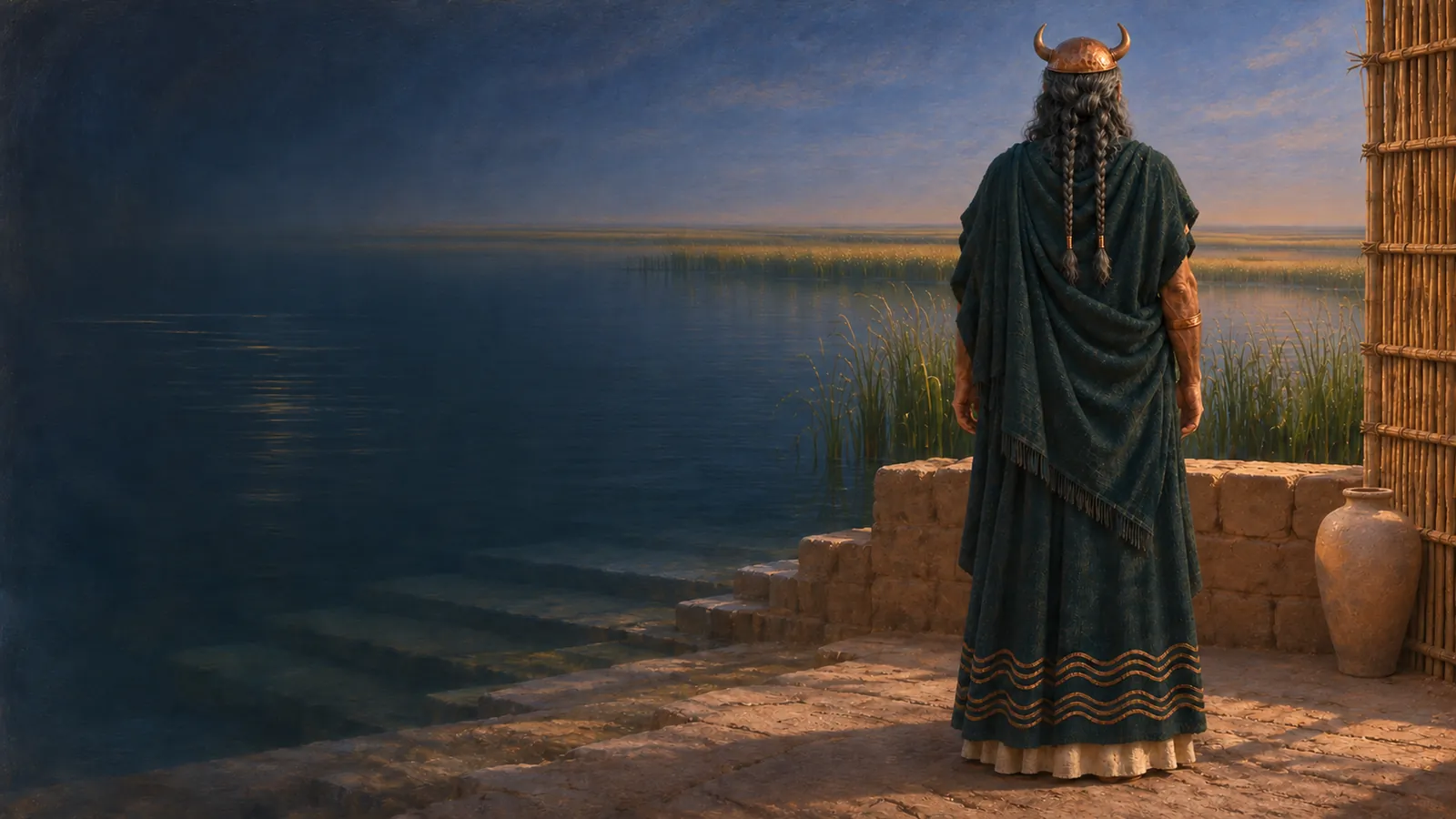
Ea distinguia-se entre os da sua geração. O poema louva a vastidão do seu entendimento e diz que nem Anshar lhe igualava a força.
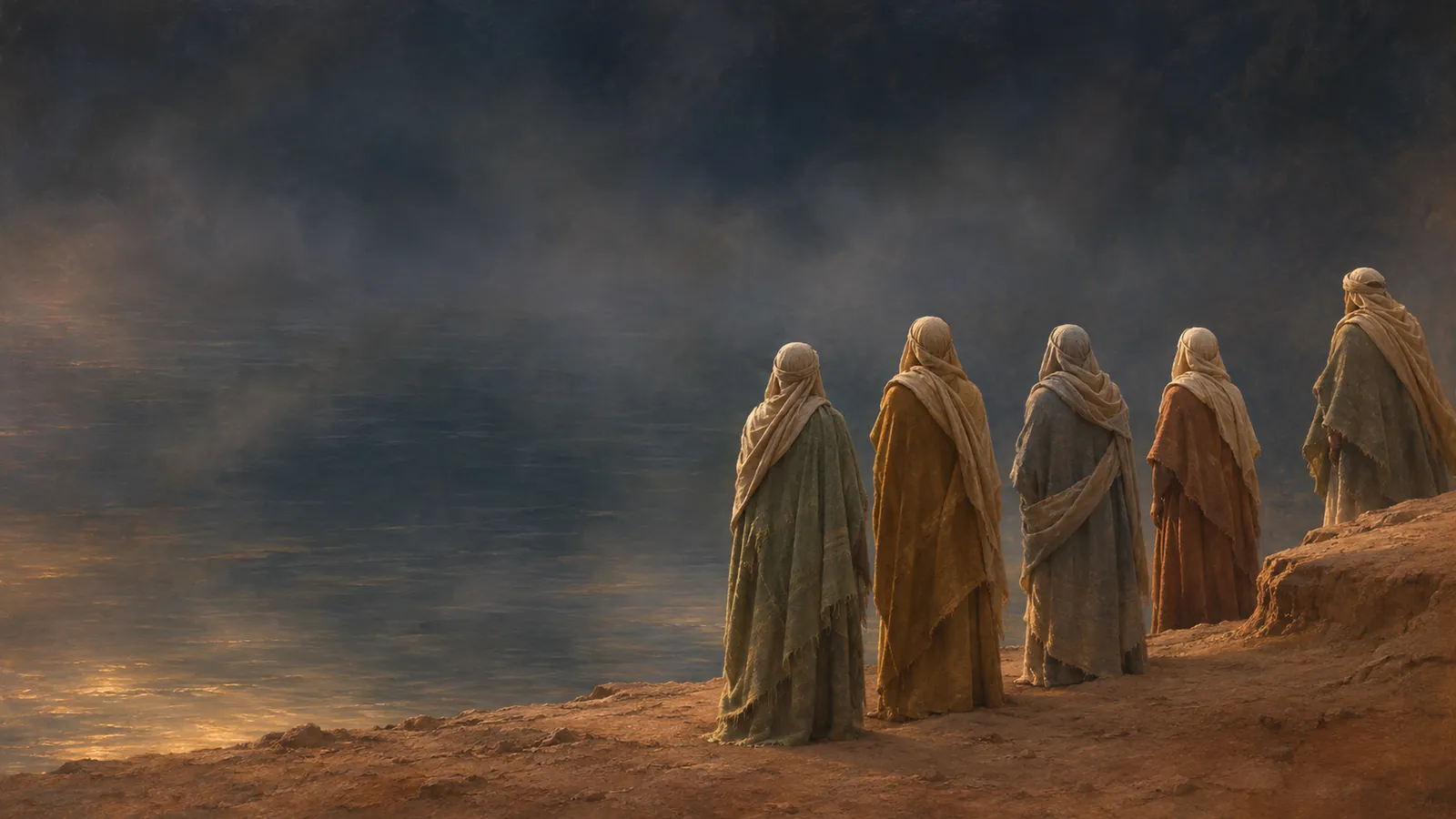
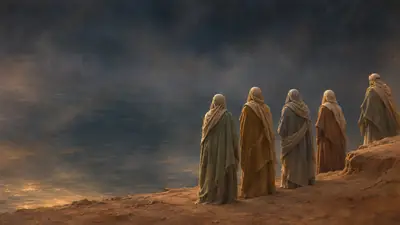
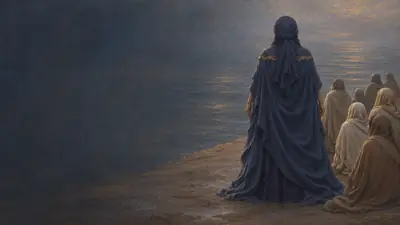
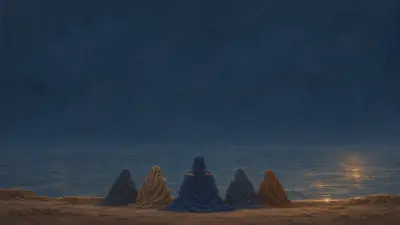
Os deuses mais jovens começaram a juntar-se nas águas. Sempre que se reuniam, as vozes erguiam-se e levavam o som mais longe pelo lugar que partilhavam.
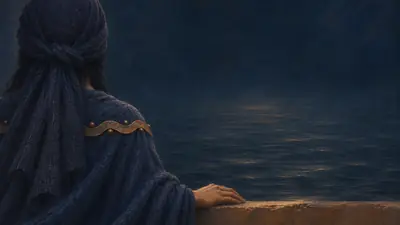
O clamor chegou a Tiamat. No poema agita-lhe as águas e perturba-a por dentro, como se a mesma inquietação atravessasse ambas.
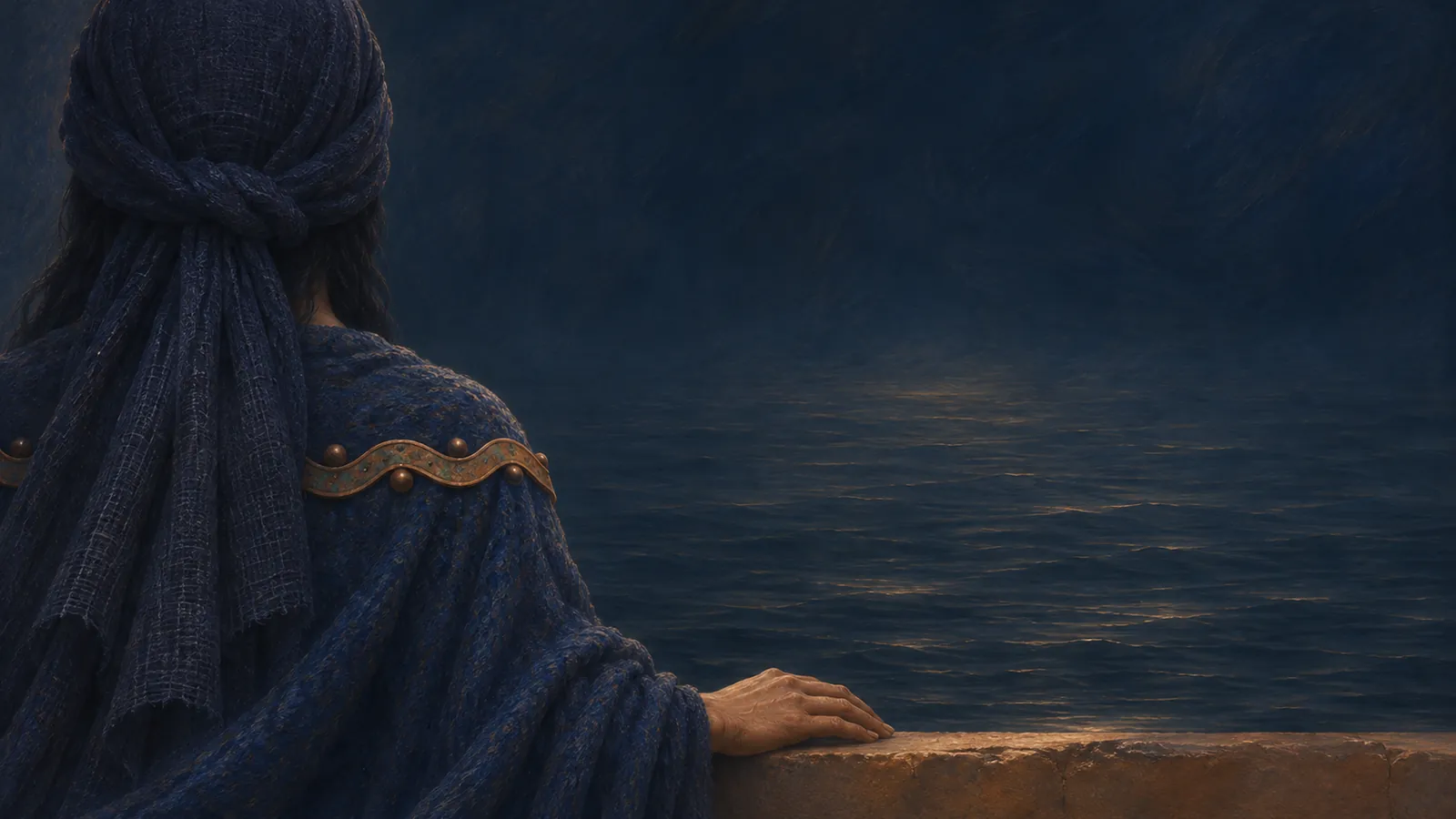
Apsû mal conseguia suportar a conduta dos deuses mais jovens. Tiamat também se inquietava, mas durante algum tempo guardou silêncio diante deles.
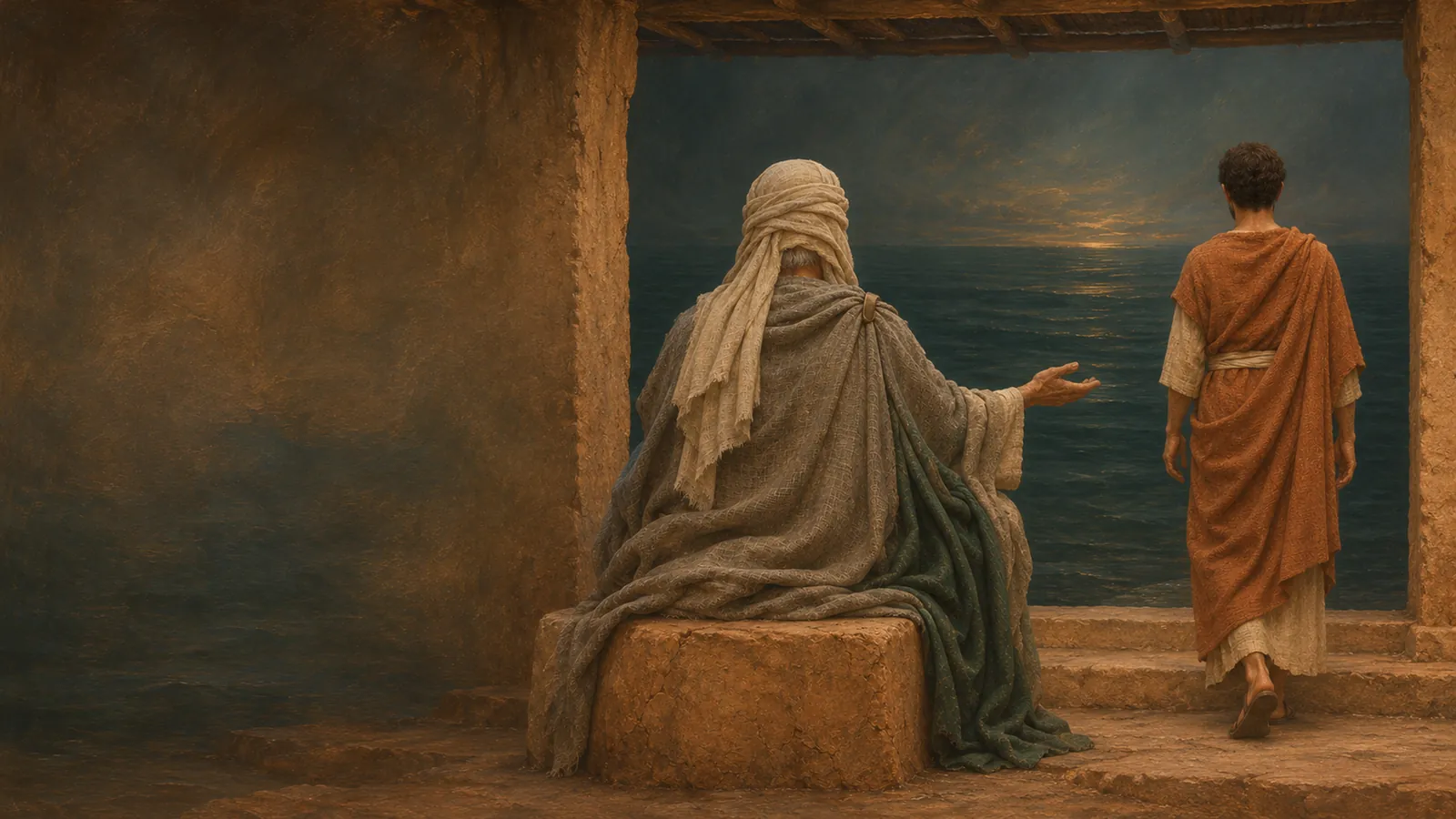
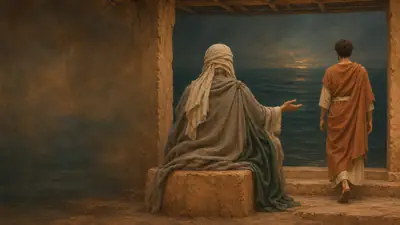
Apsû chamou Mummu, o conselheiro que conhecia os seus pensamentos. Pediu-lhe que o acompanhasse para se aconselharem com Tiamat.
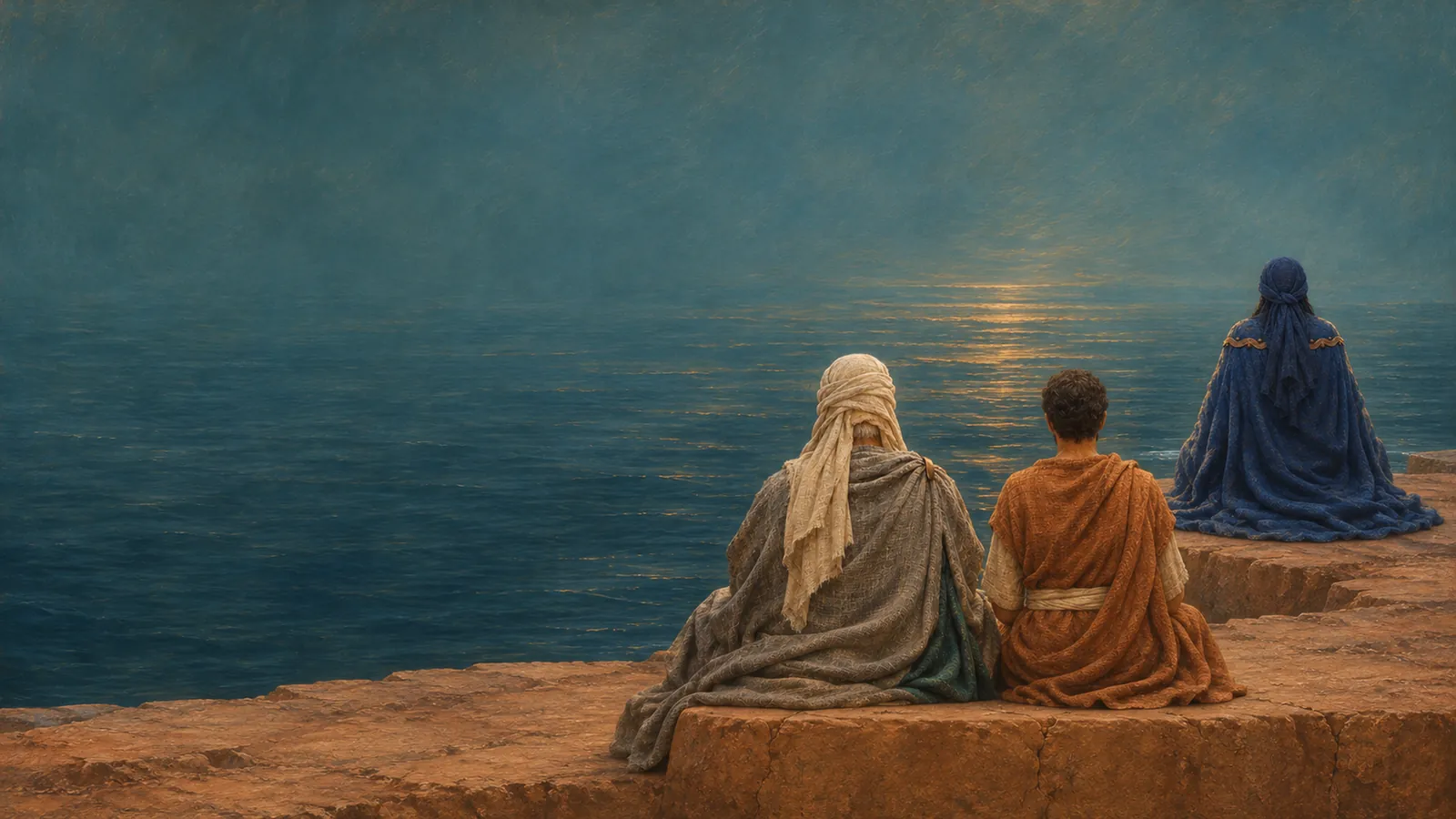
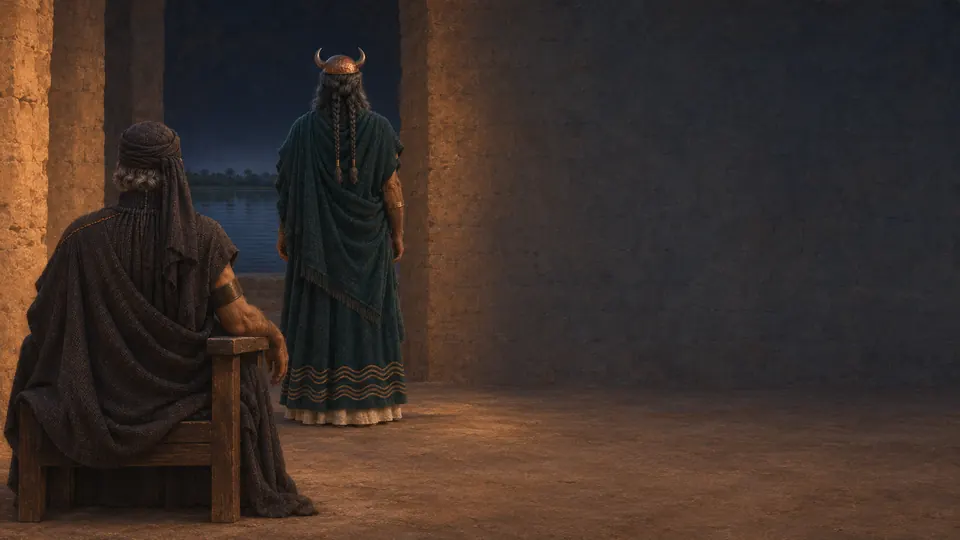
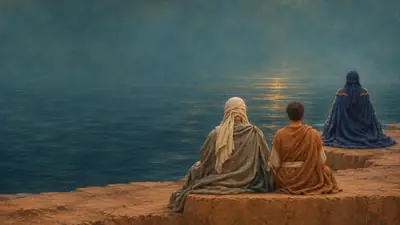
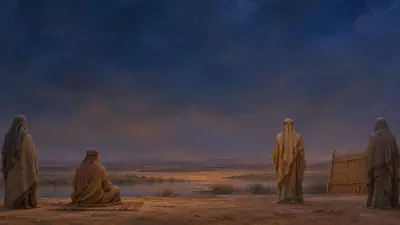
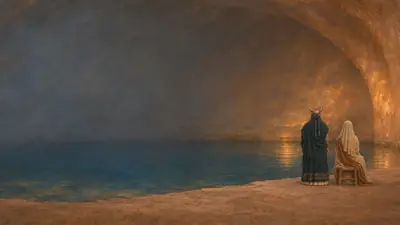
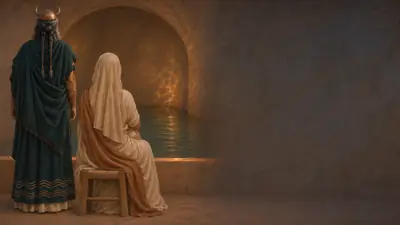
Os dois foram então sentar-se diante de Tiamat. Apsû queria falar dos deuses que ele e Tiamat tinham trazido ao mundo.
Apsû disse a Tiamat que não encontrava descanso de dia. Mesmo quando chegava a noite, os deuses mais jovens não o deixavam dormir.
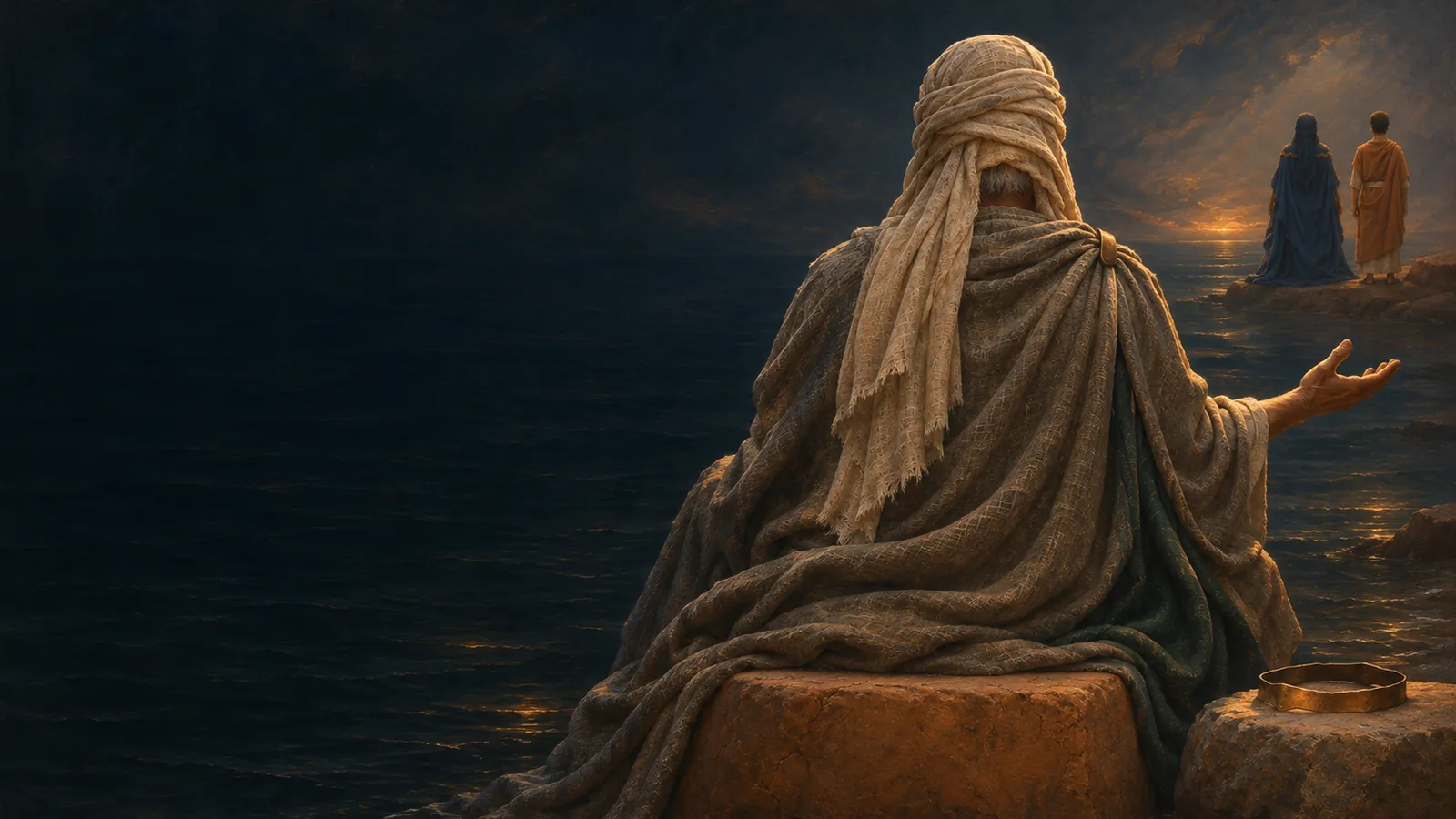
Para pôr fim ao ruído, Apsû propôs acabar com os deuses mais jovens. Então, disse a Tiamat, talvez tivessem silêncio suficiente para dormir.
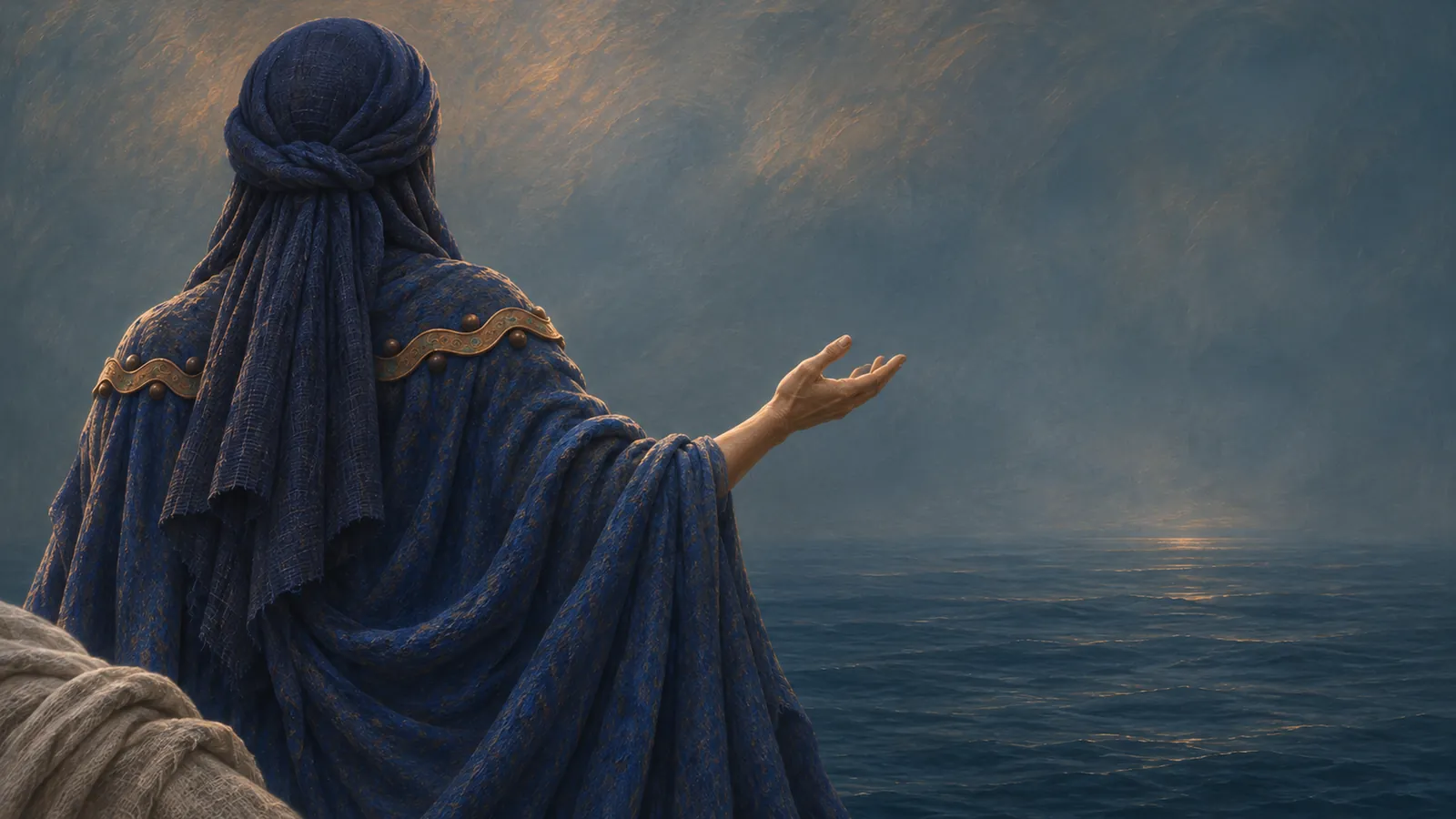
Tiamat zangou-se ao ouvi-lo. Eram deuses que eles próprios tinham trazido ao mundo e, por mais incómodos que fossem, pediu-lhe que os suportasse.
Mummu instou Apsû a levar avante o plano e prometeu-lhe sossego em troca. O conselho agradou a Apsû, que o chamou para junto de si enquanto pensavam no que fazer.
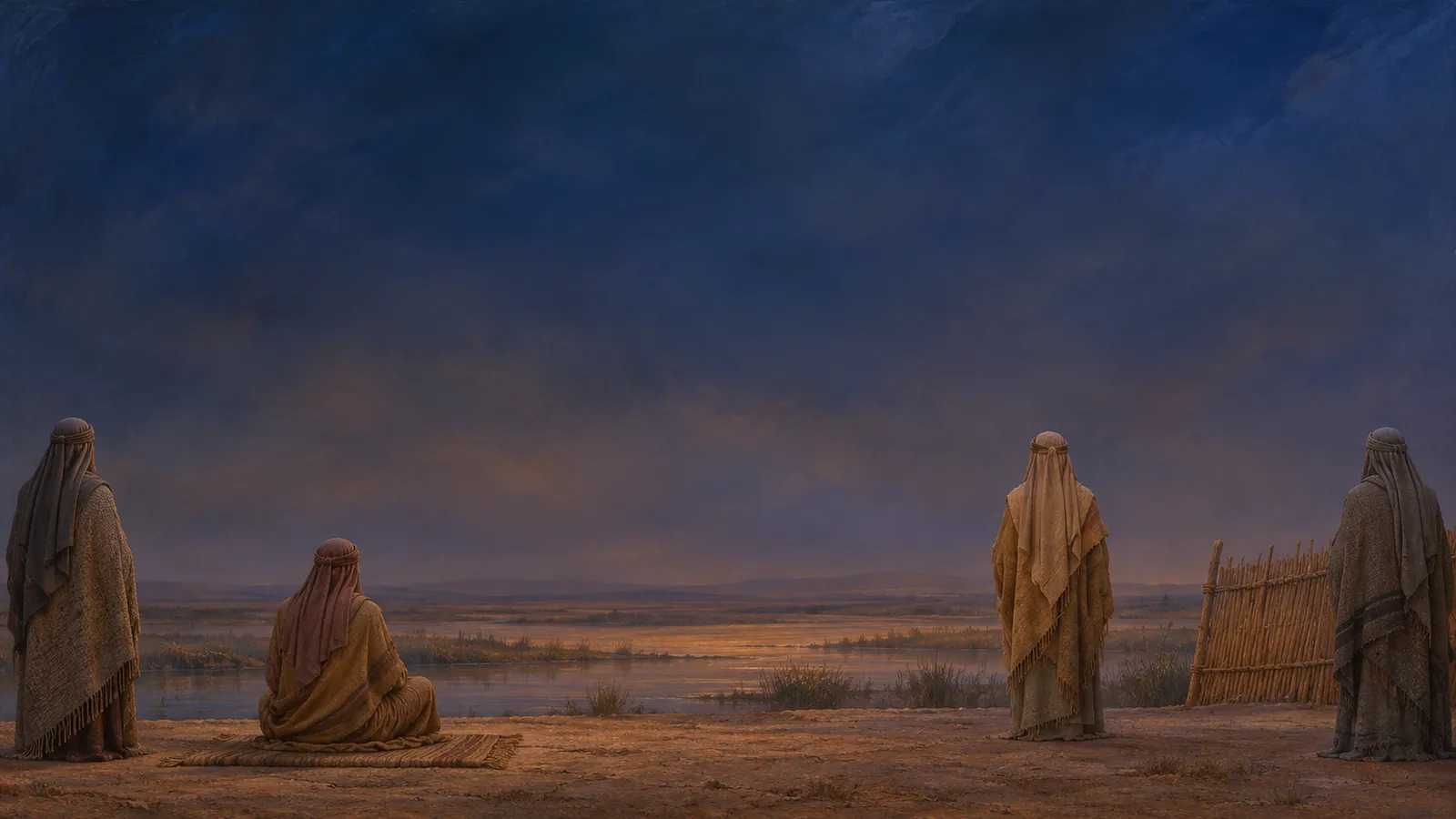
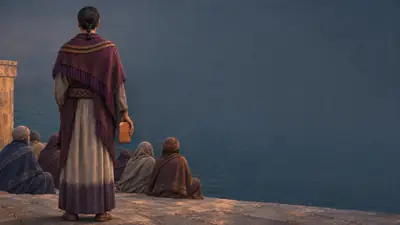
Os deuses mais jovens souberam do que Apsû e Mummu pretendiam fazer. Antes, as suas reuniões eram ruidosas, mas agora ficaram sentados sem falar.
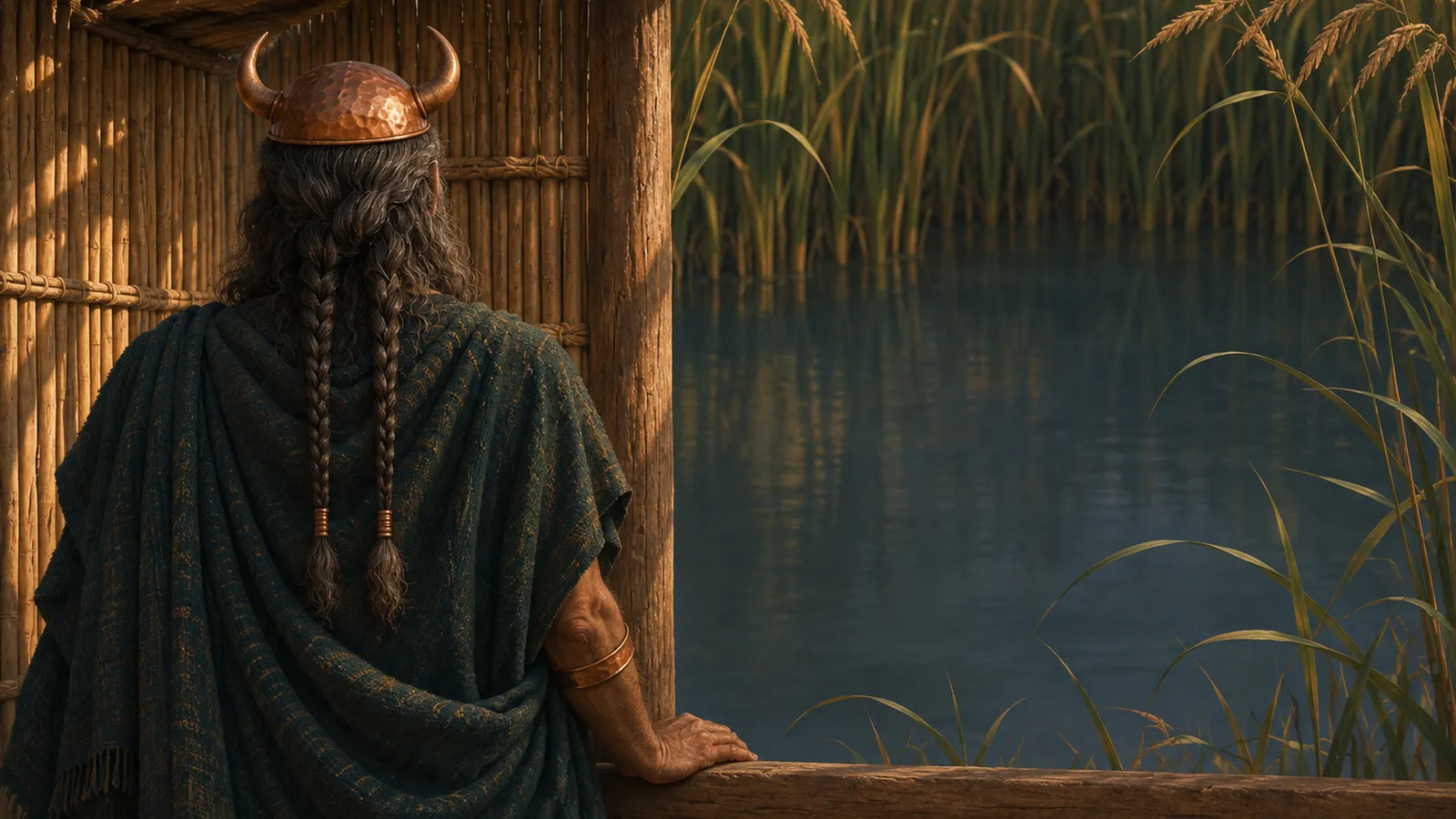
Ea ouviu o que os outros tinham descoberto. Percebeu o que se preparava contra eles e começou a pensar em como impedi-lo.
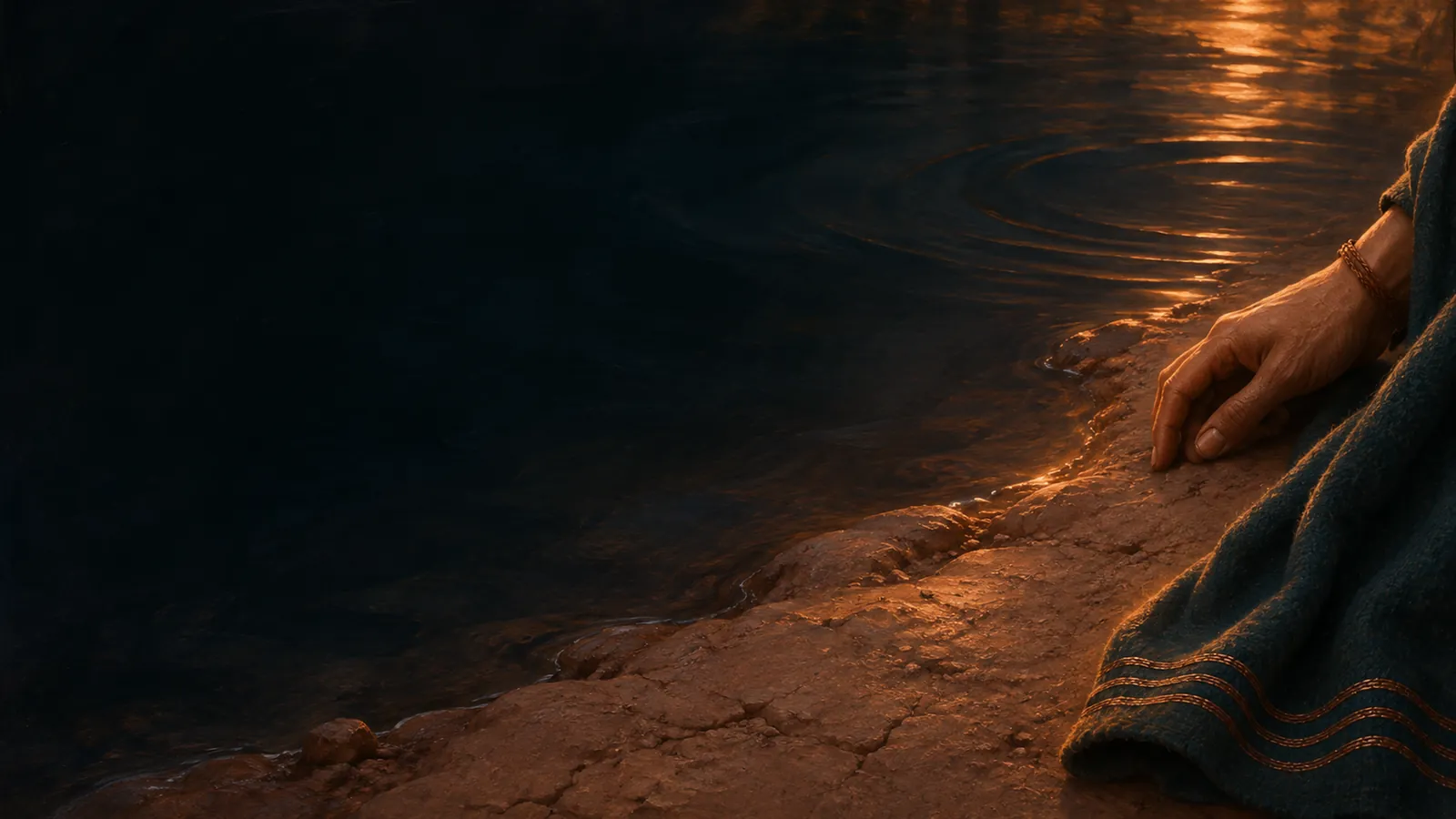
Ea concebeu um encantamento e pronunciou-o sobre as águas. Aquelas palavras eram a sua resposta ao plano urdido contra os deuses mais jovens.
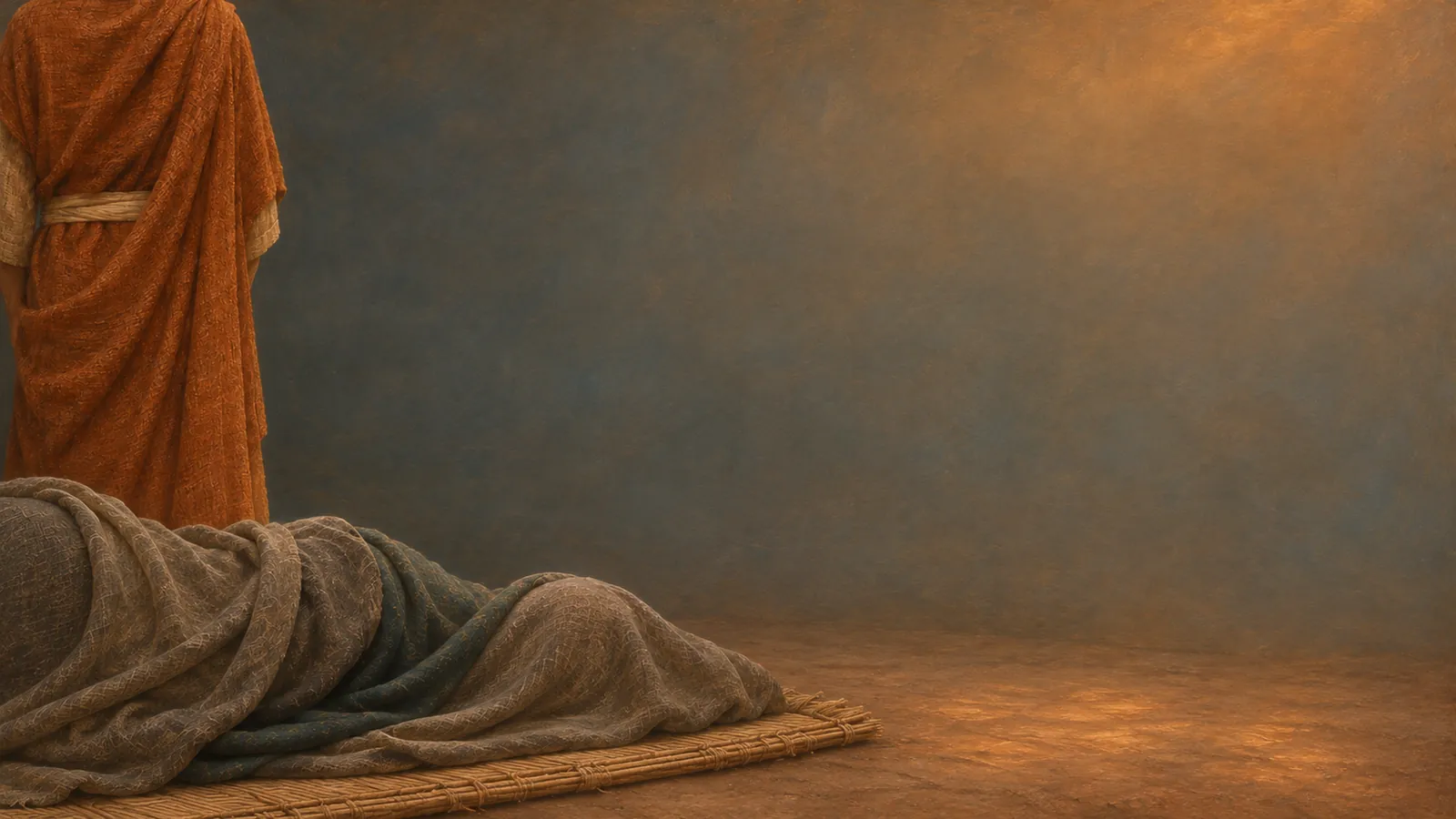
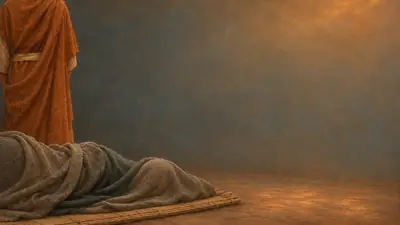
Apsû caiu no sono que Ea lhe trouxera. Mummu continuava acordado, mas o encantamento impediu-o de socorrer o seu senhor.
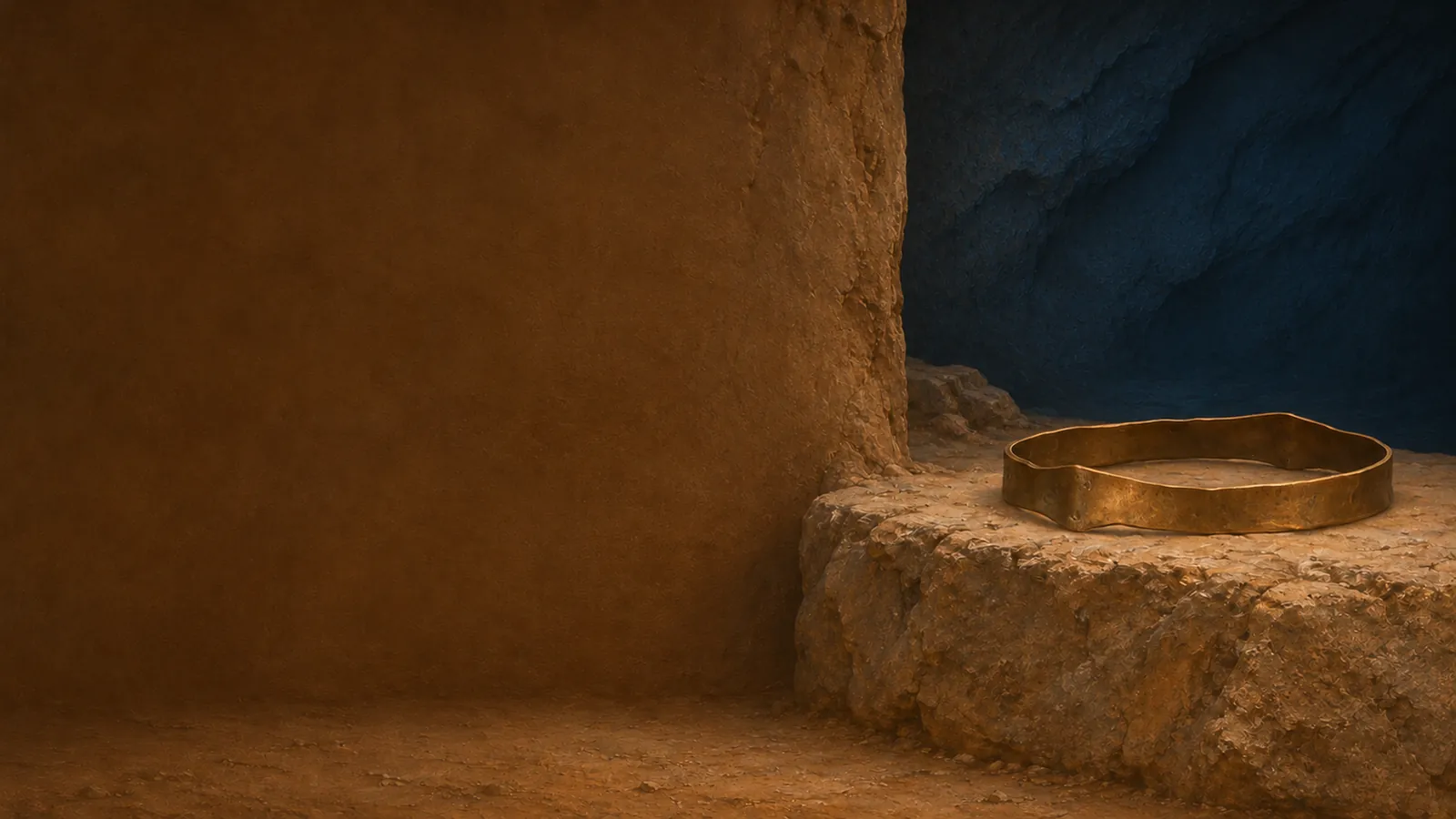
A COROA
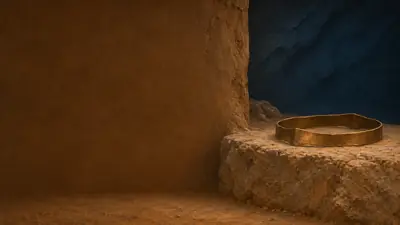
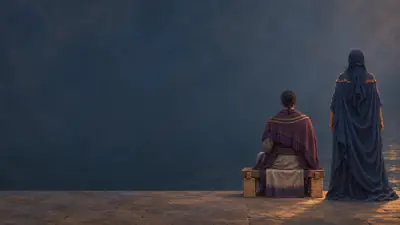
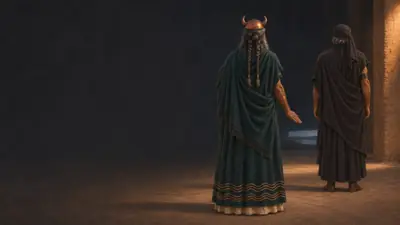
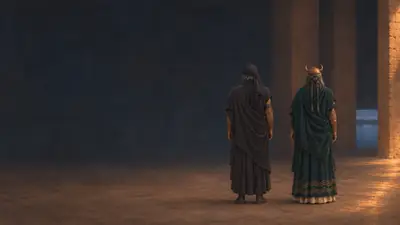
Ea tirou a coroa a Apsû e tomou para si o seu fulgor. O poema diz que matou Apsû, e a antiga autoridade chegou ao fim.
Mummu também caiu em poder de Ea. É difícil determinar o sentido exato dos versos, mas o conselheiro fica cativo depois de Ea vencer os seus adversários.
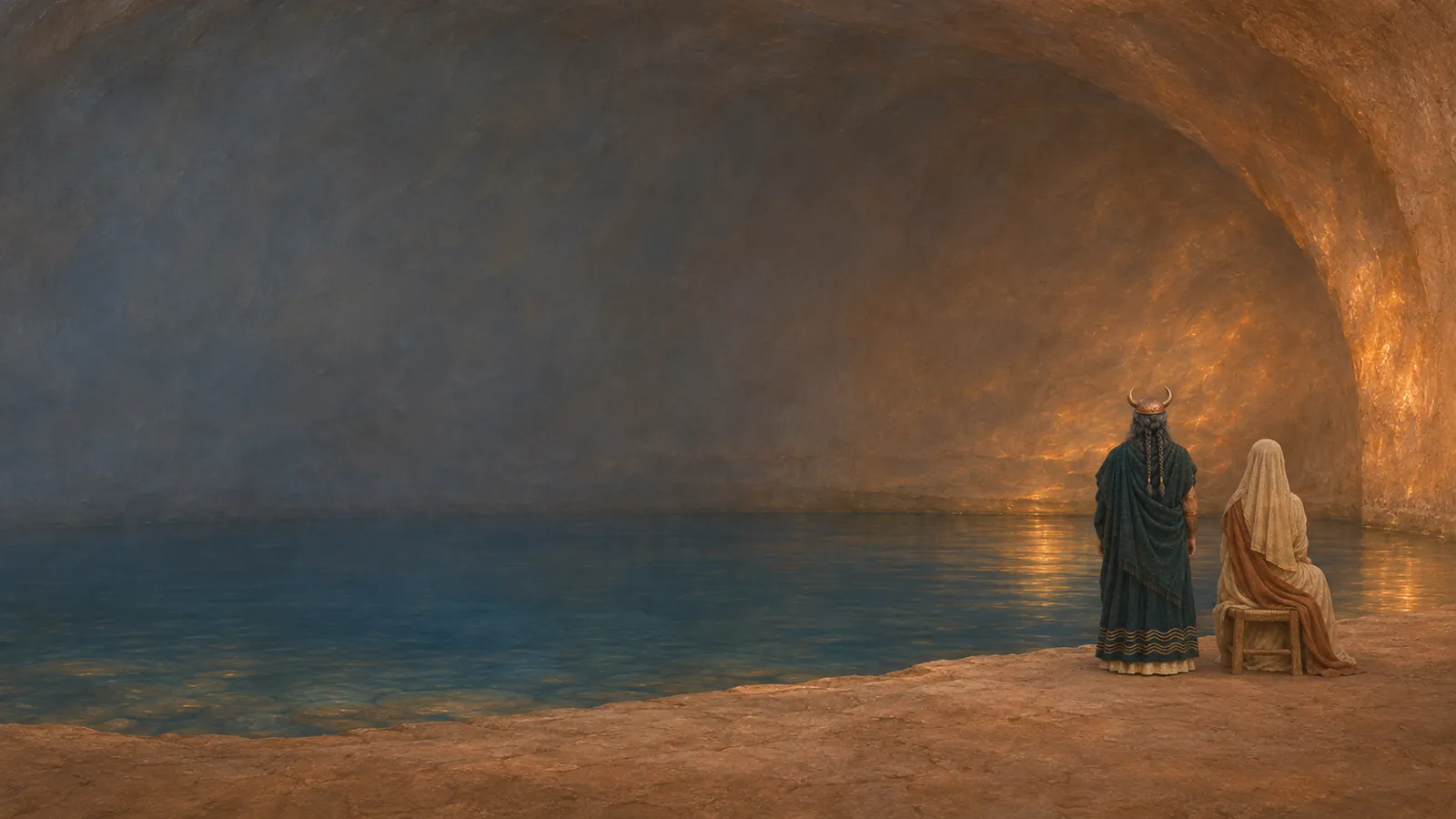
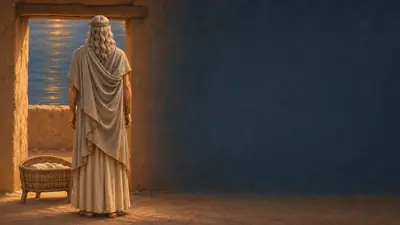
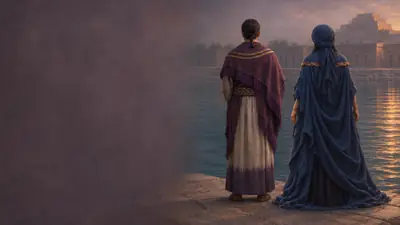
Ea encontrou repouso no lugar onde tinha triunfado. Deu à sua morada o nome de Apsû e ali viveu com Damkina.
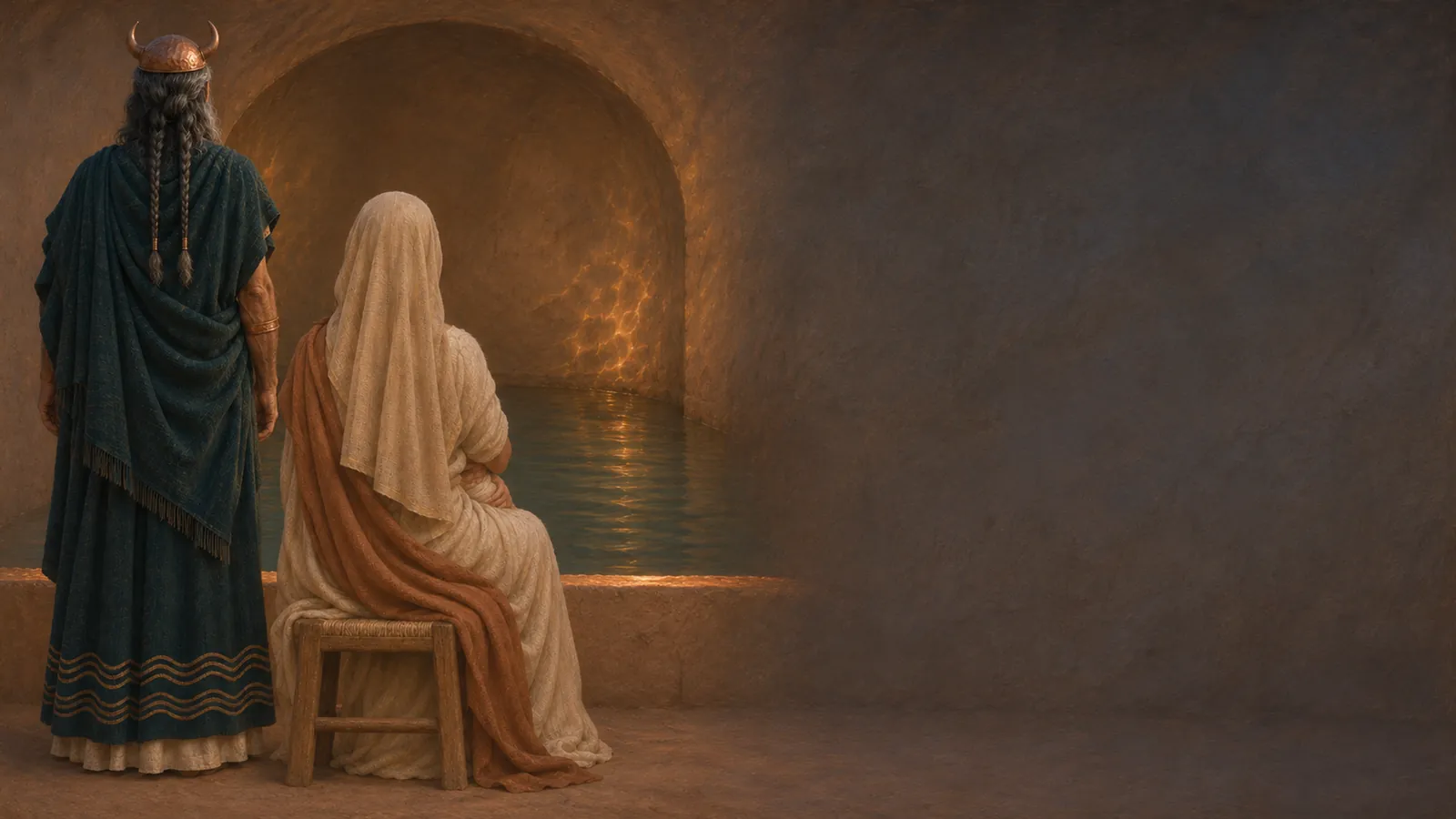
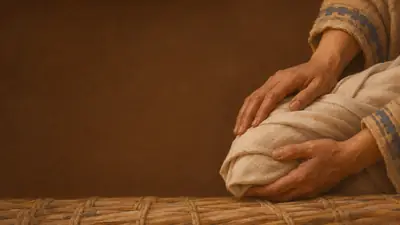
Na morada das profundezas nasceu uma criança. Ea era o pai, Damkina era a mãe, e o nome da criança era Marduk.
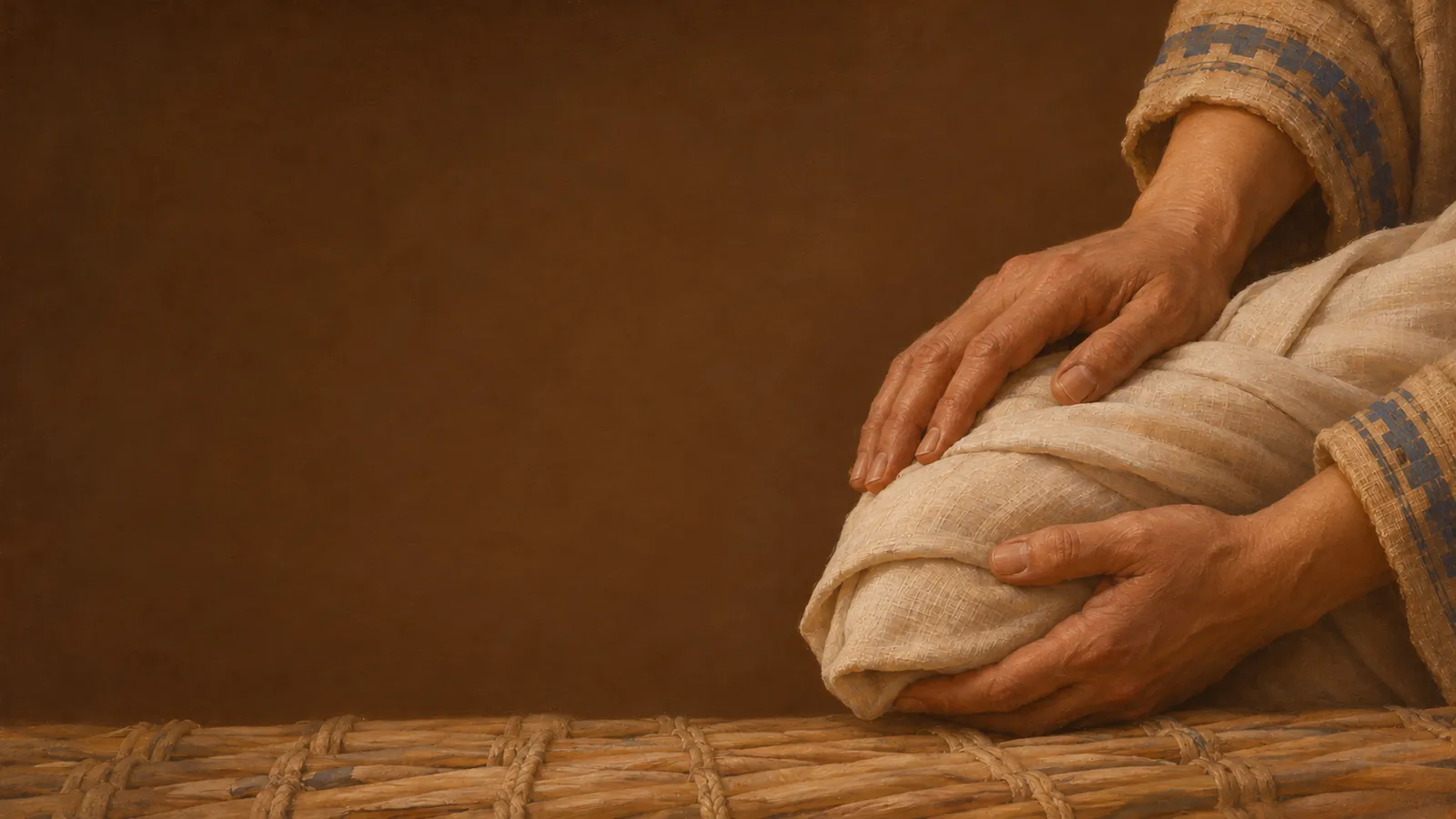
Deusas amamentaram Marduk, e a ama que o criou fez dele uma criança que inspirava reverência. A sua força tornou-se visível desde os primeiros dias.
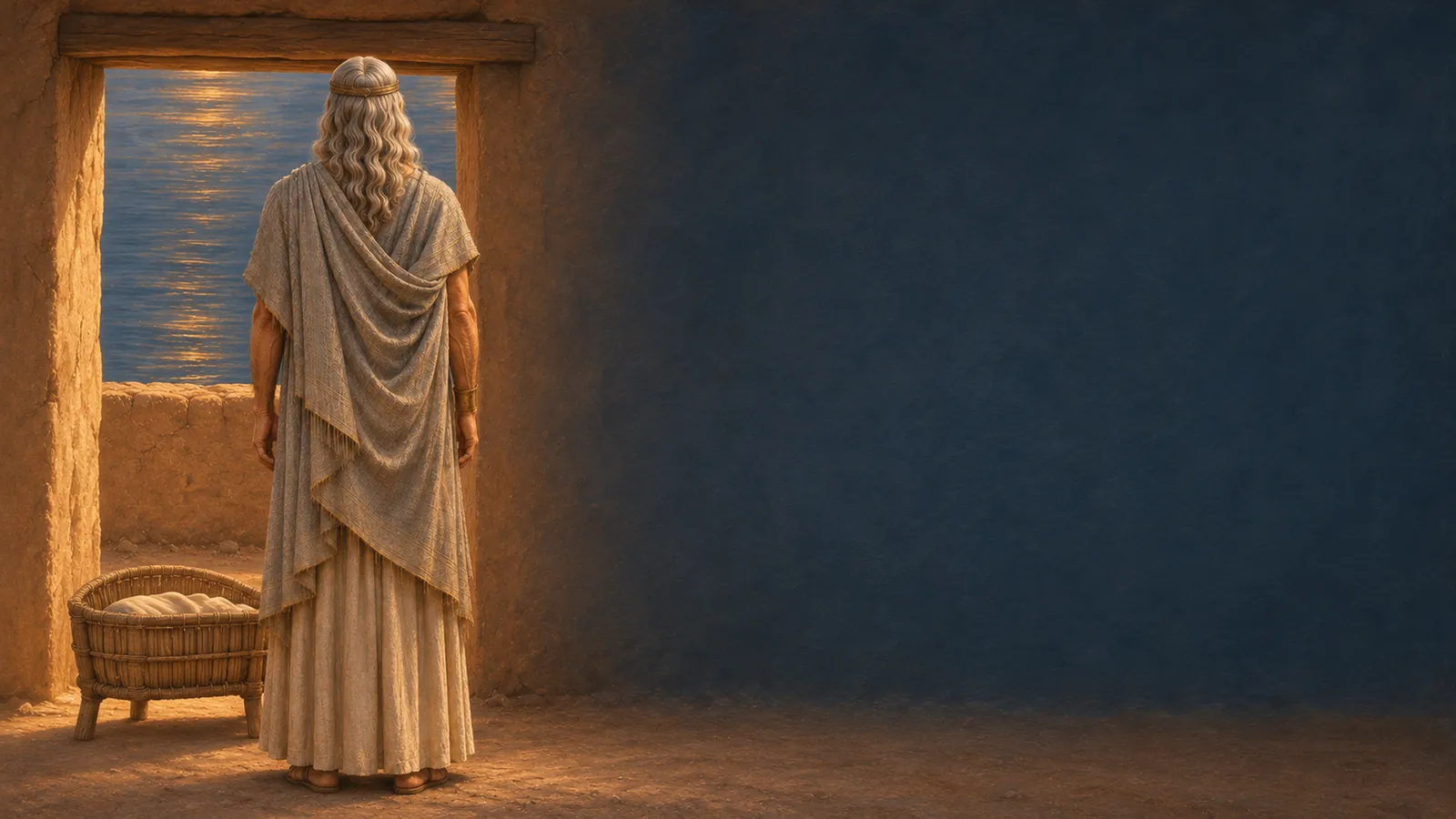
Anu viu a criança do seu filho e encheu-se de alegria. No poema, torna ainda maiores os dons do jovem deus.
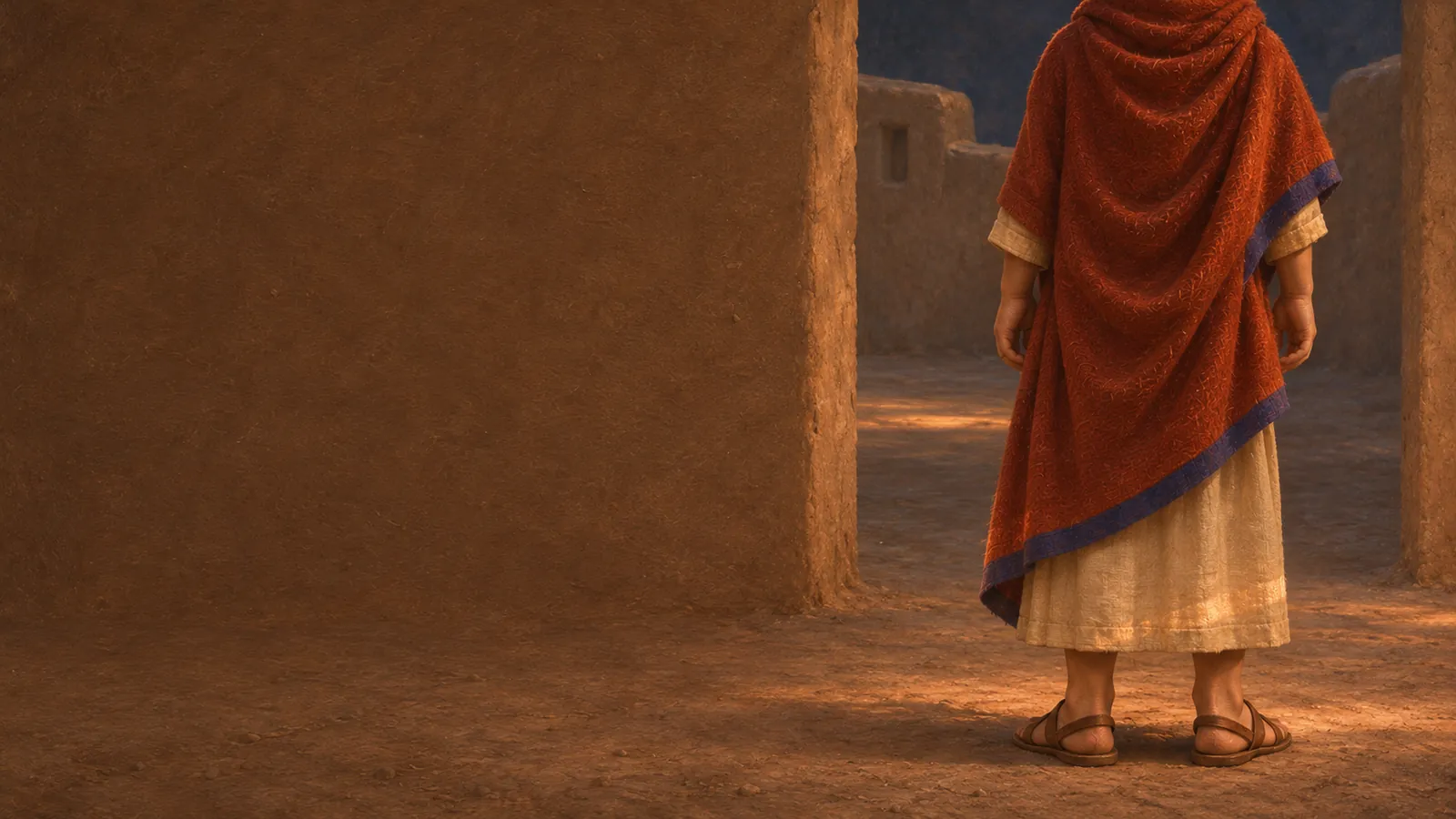
Para dizer até onde chegavam os sentidos de Marduk, o poema dá-lhe quatro olhos e quatro ouvidos. Diz que o fogo faiscava quando ele falava.
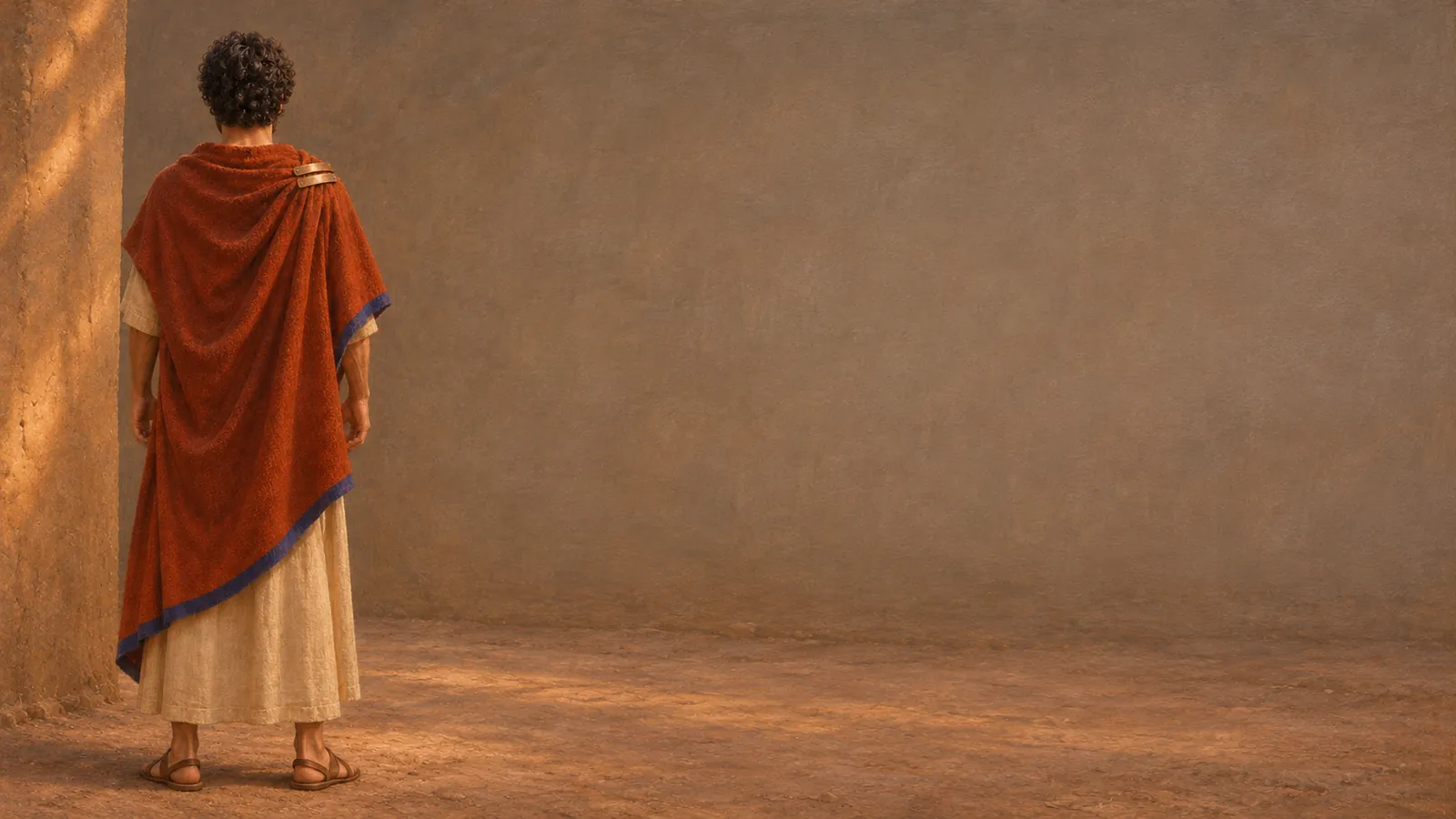
O poema evoca o brilho do sol ao louvar Marduk. A sua luz e a reverência que o rodeia distinguem-no dos outros deuses.
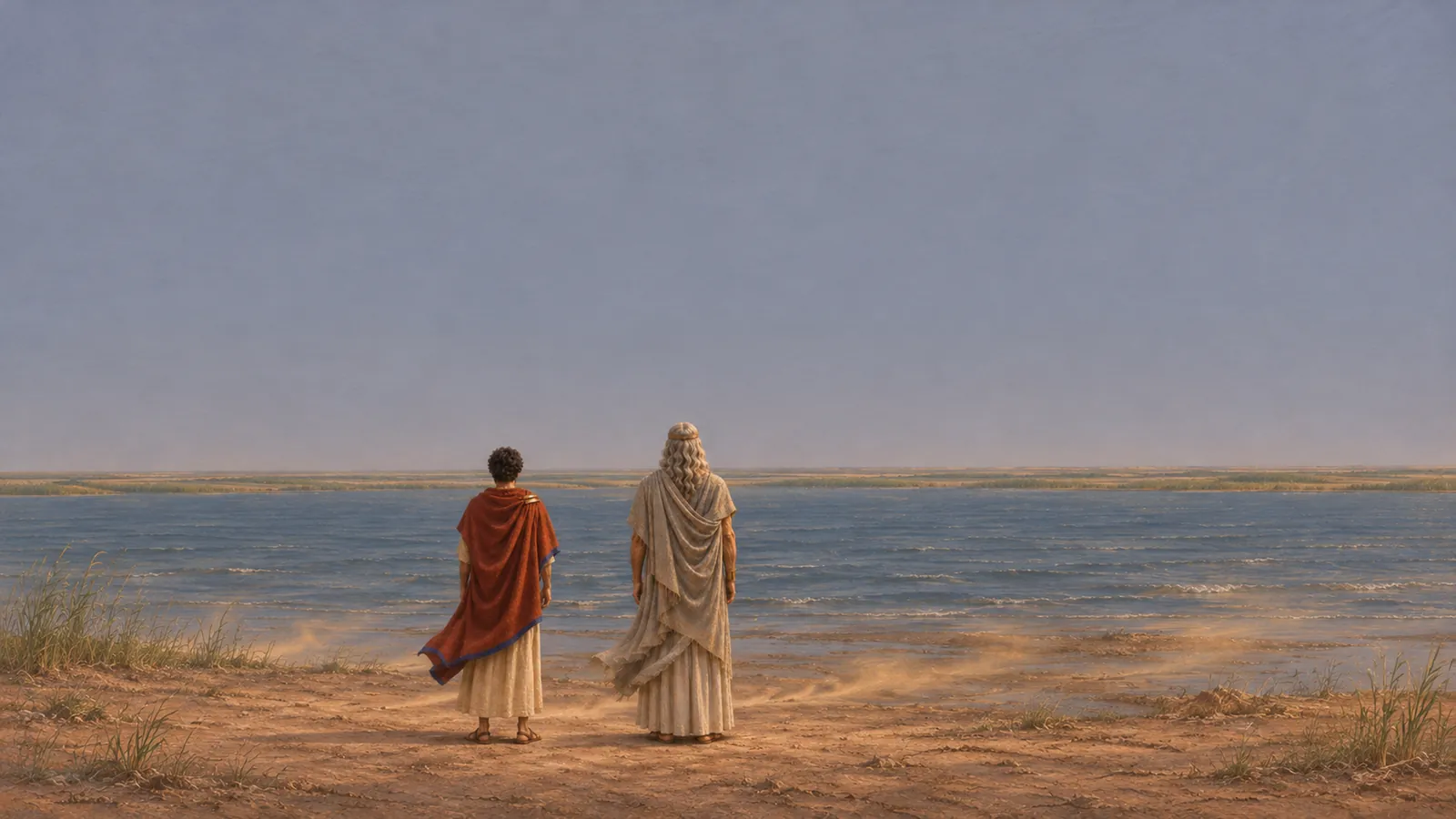
OS QUATRO VENTOS
Anu fez nascer quatro ventos e deu-os a Marduk. Enquanto o jovem deus brincava com eles, as águas levantaram ondas e Tiamat ficou inquieta.
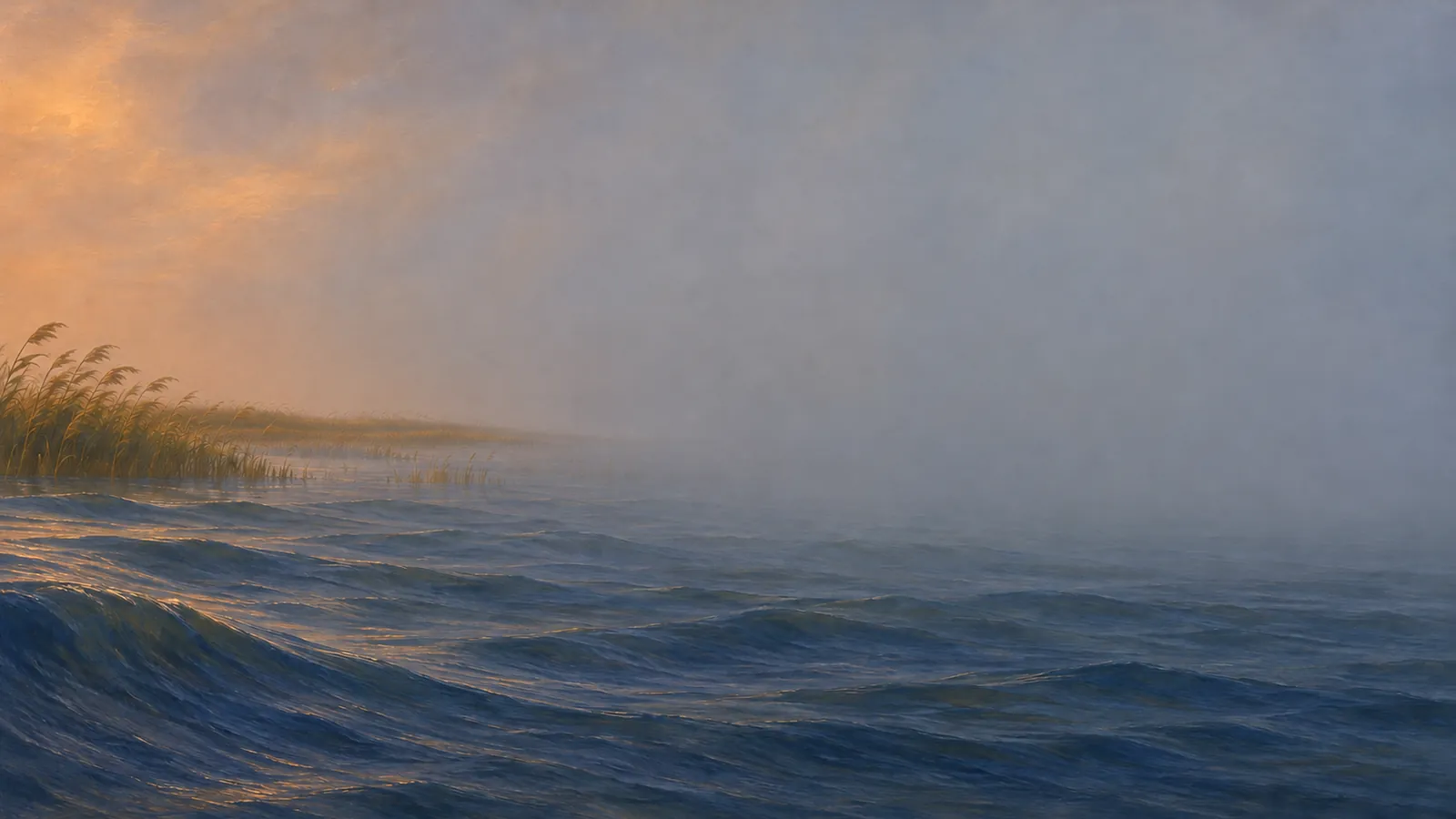
Os ventos continuavam a perturbar Tiamat, de dia e de noite. Nas águas em redor, os deuses já não conseguiam ficar quietos nem encontrar repouso.
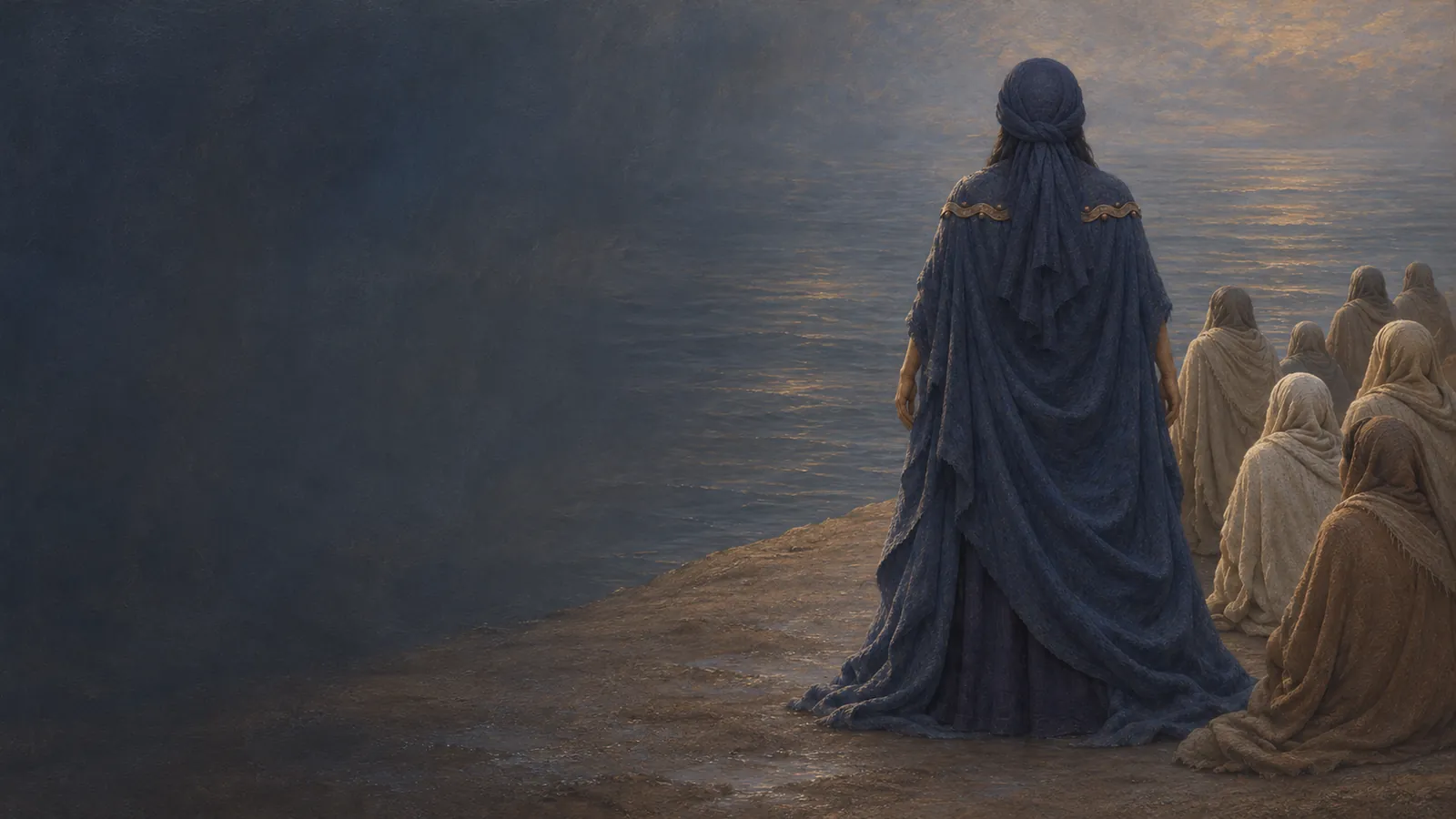
Alguns deuses trouxeram à fala a morte de Apsû. Lembraram a Tiamat que então ficara sentada em silêncio e que Mummu também tinha sido levado.
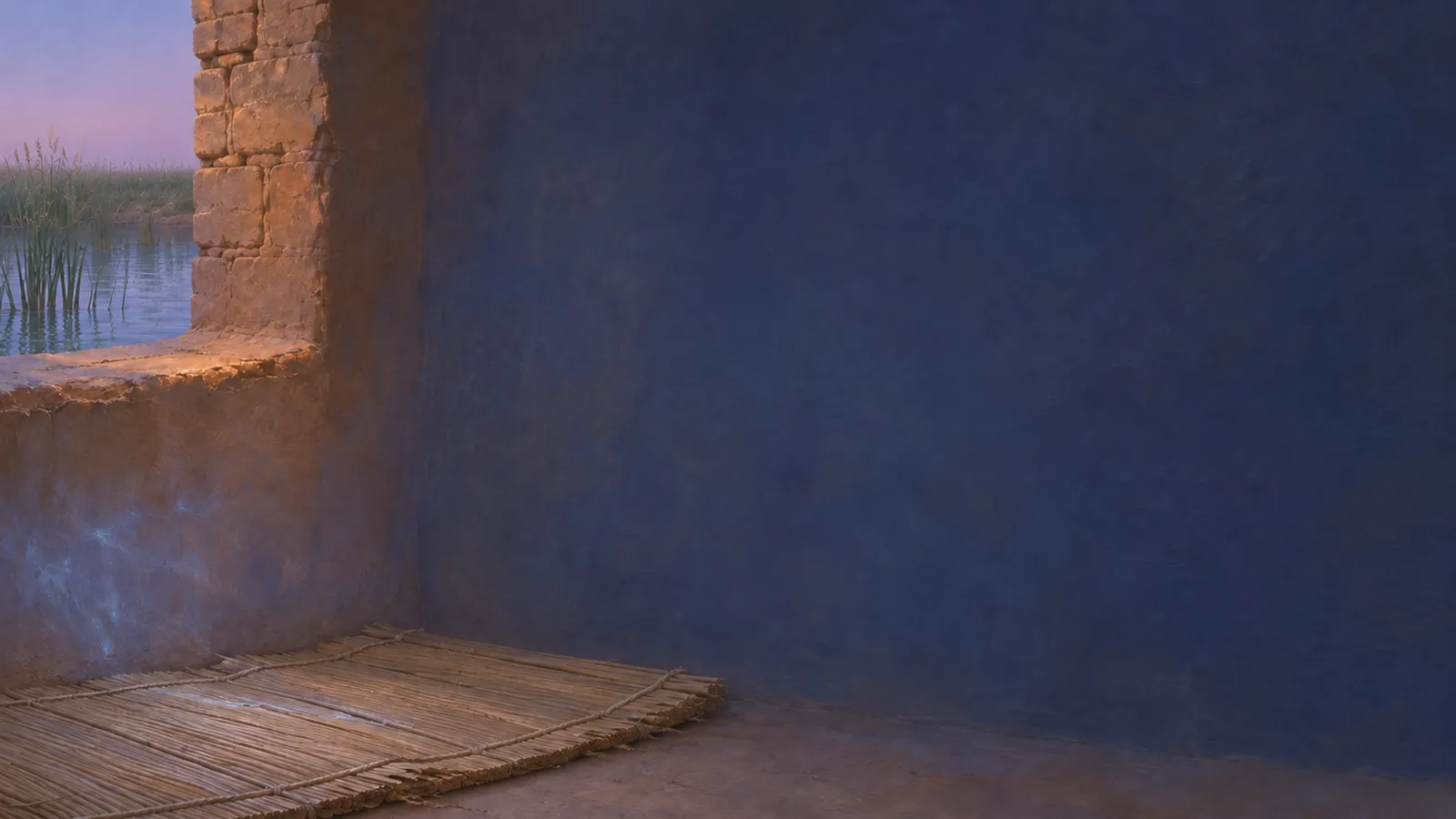
Pediram a Tiamat que pusesse fim às noites sem dormir e vingasse o que tinha acontecido. As últimas palavras do apelo estão danificadas, mas é claro que lhe pediam que agisse.
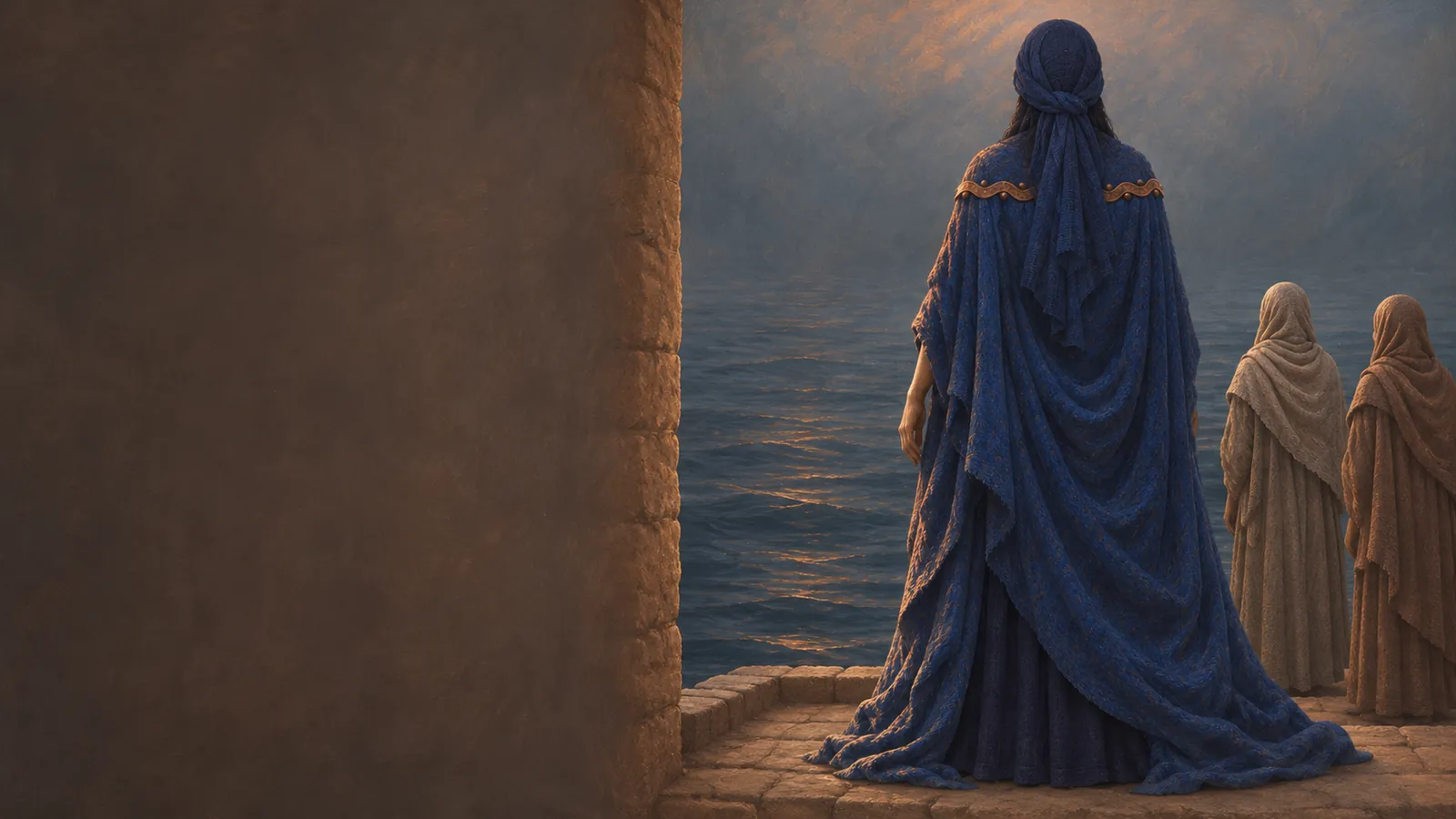
Desta vez, Tiamat aceitou o seu conselho. Disse que fariam o que tinham proposto, e os deuses reuniram-se no interior das suas águas para o pôr em prática.
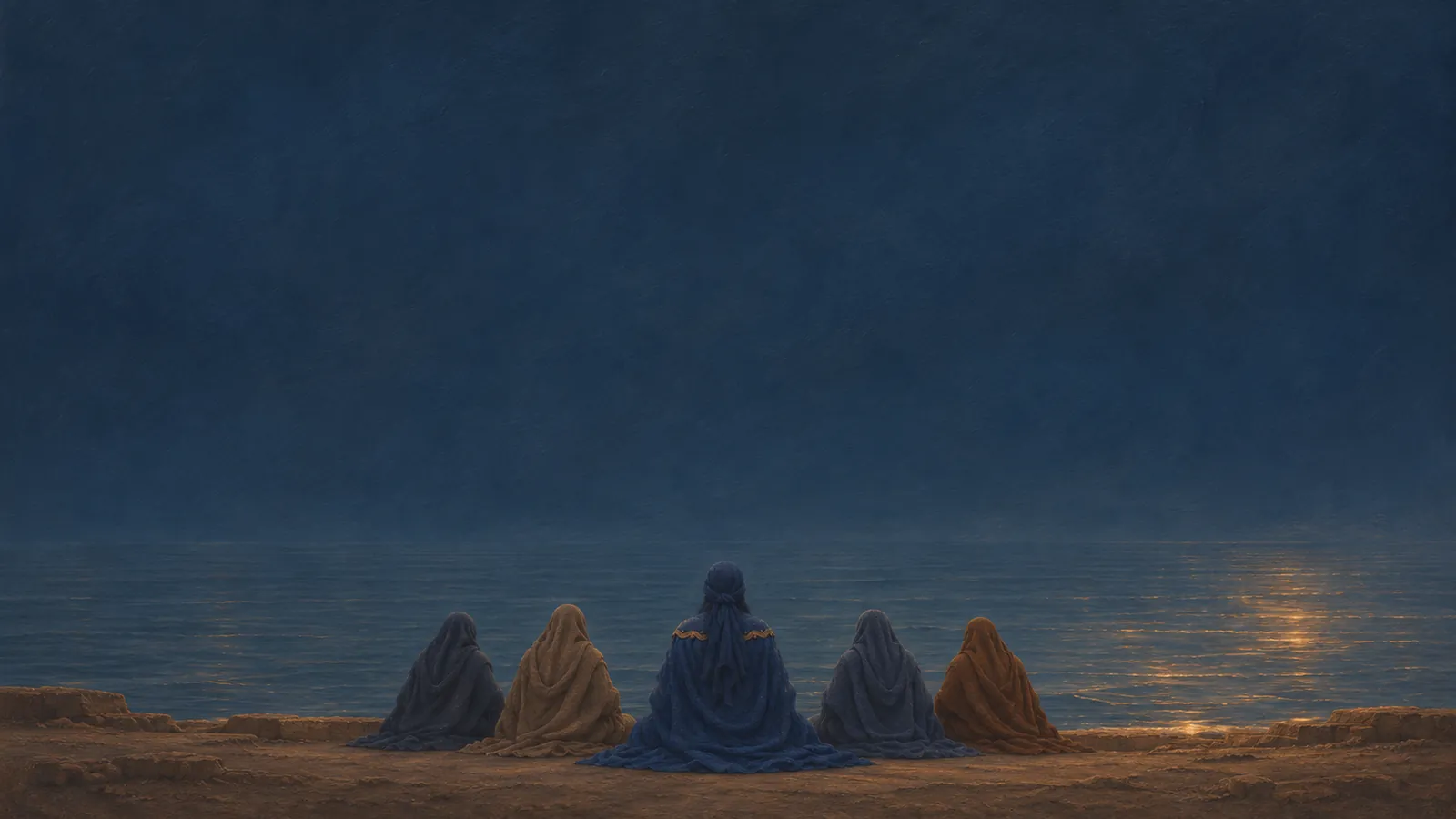
Os deuses tomaram os seus lugares ao lado de Tiamat. A inquietação de antes tirara-lhes o sono, e agora passavam aqueles dias e noites a preparar o conflito.
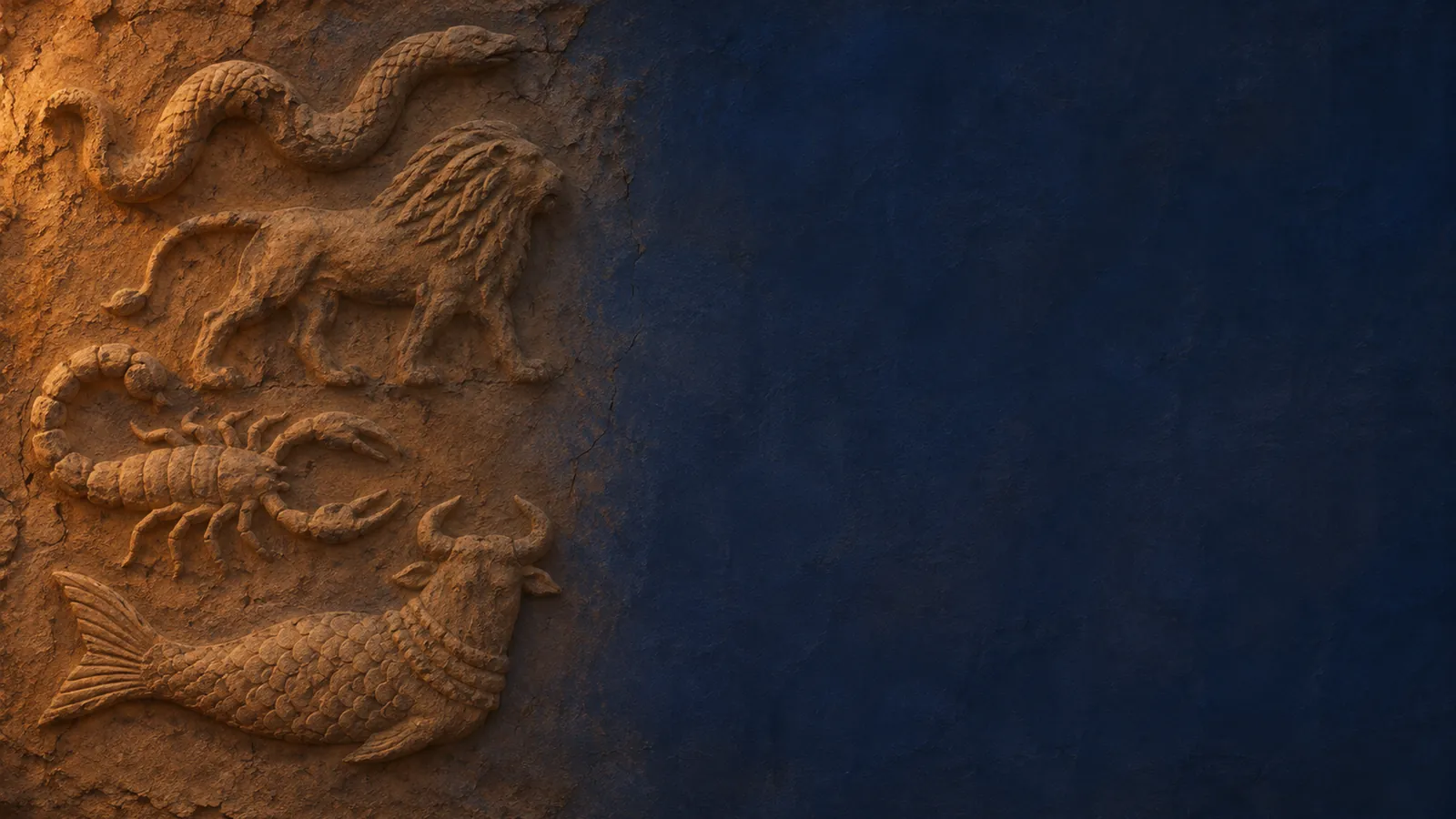
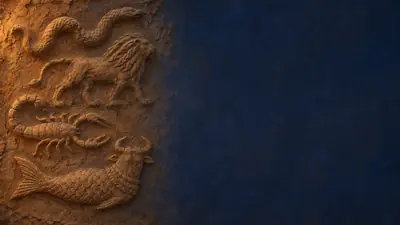
Tiamat deu origem a onze seres. Entre os que reuniu, o poema menciona serpentes e criaturas com formas de leões, escorpiões, peixes e touros.
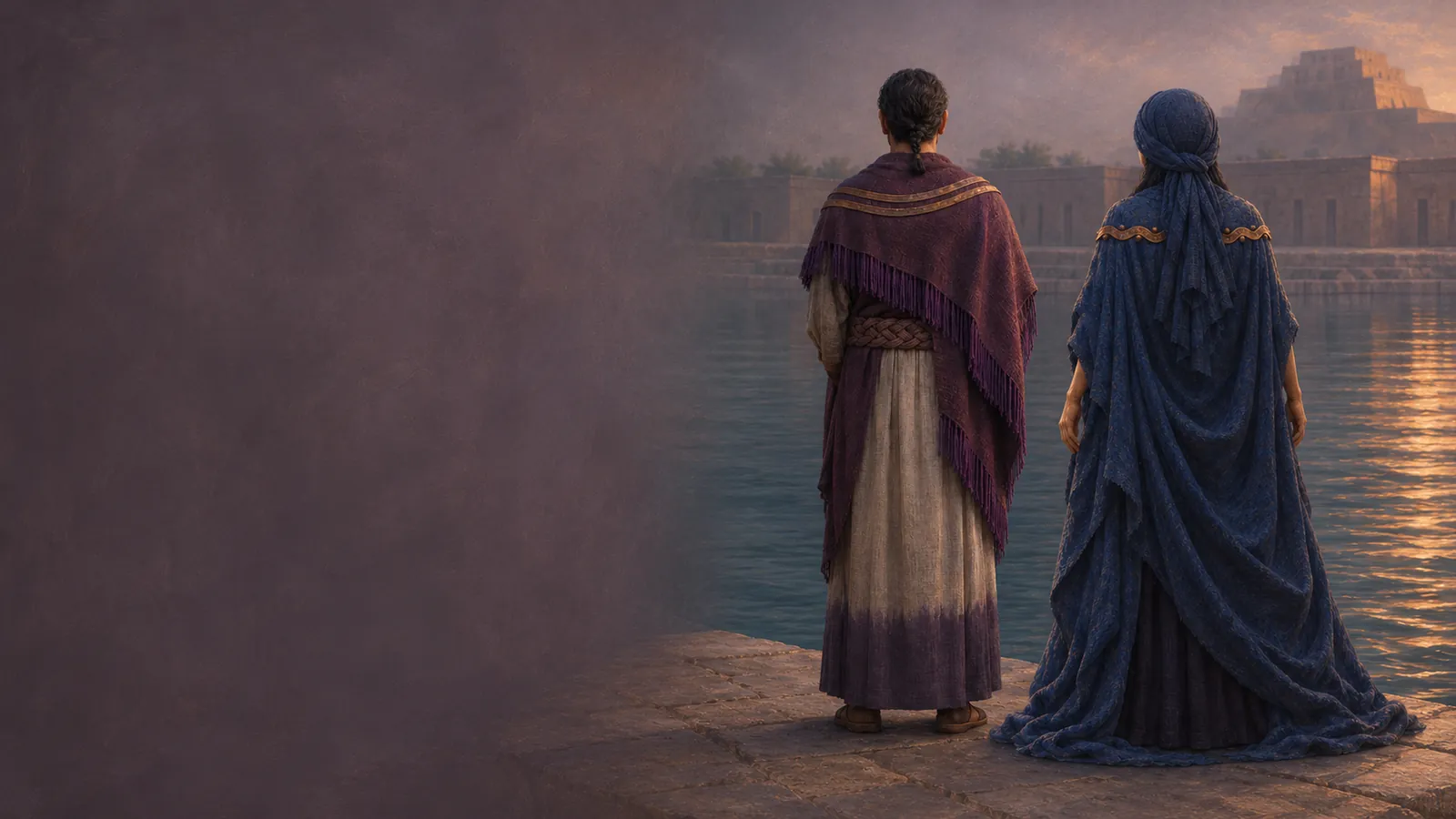
Entre os deuses que se tinham juntado a ela, Tiamat escolheu Qingu. Elevou-o acima dos outros e deu-lhe um lugar à frente do seu conselho.
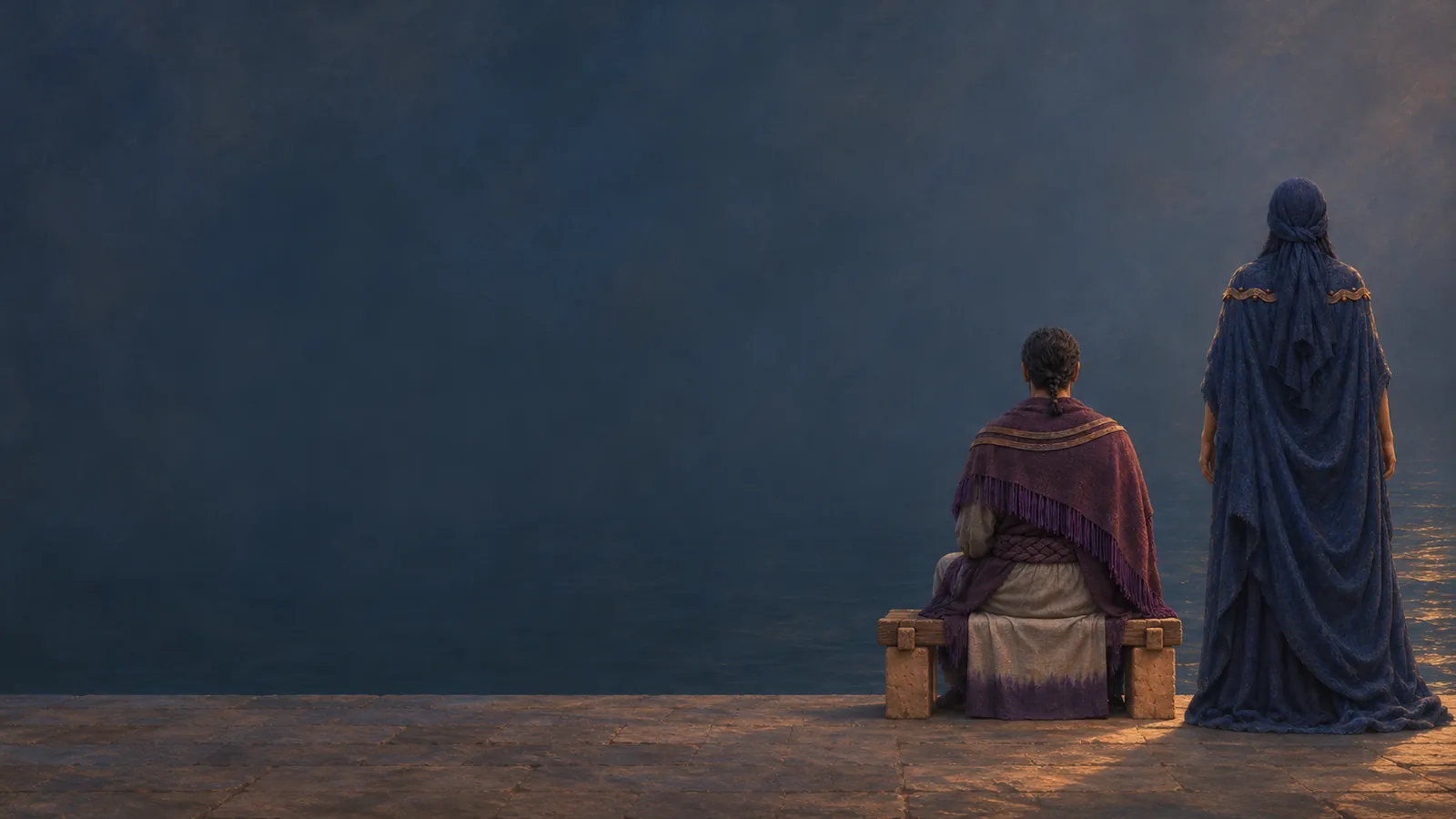
Tiamat encarregou Qingu de liderar os que estavam do seu lado. Confiou-lhe a assembleia e sentou-o no lugar de comando.
Diante dos deuses reunidos, Tiamat declarou que escolhera Qingu como companheiro. A partir de então, disse, a sua palavra teria o maior peso na assembleia.
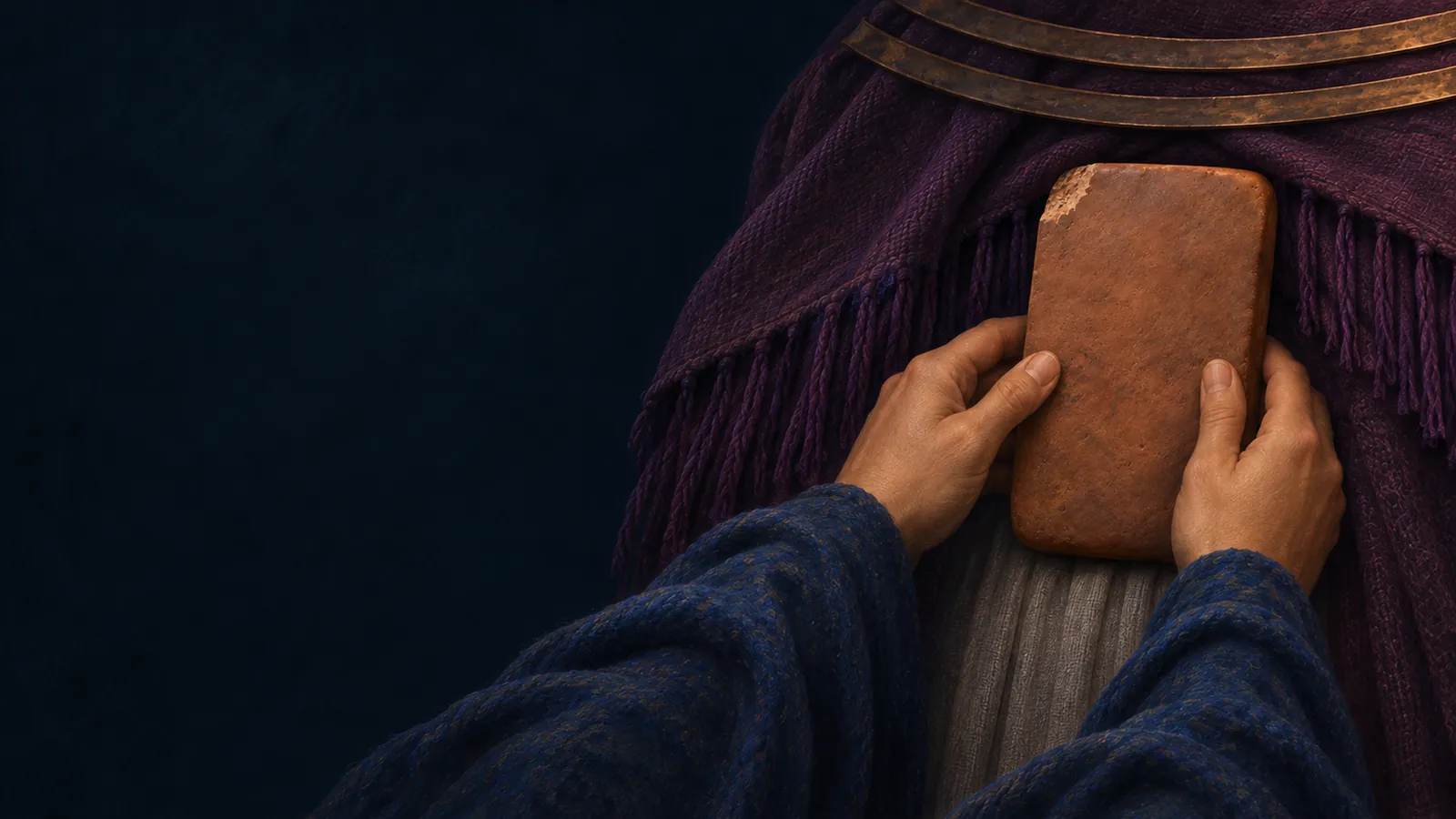
A TÁBUA DOS DESTINOS
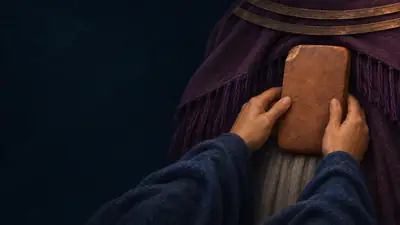
Tiamat colocou a Tábua dos Destinos contra o peito de Qingu. Declarou que as decisões que ele pronunciasse a partir daquele momento permaneceriam inalteradas.
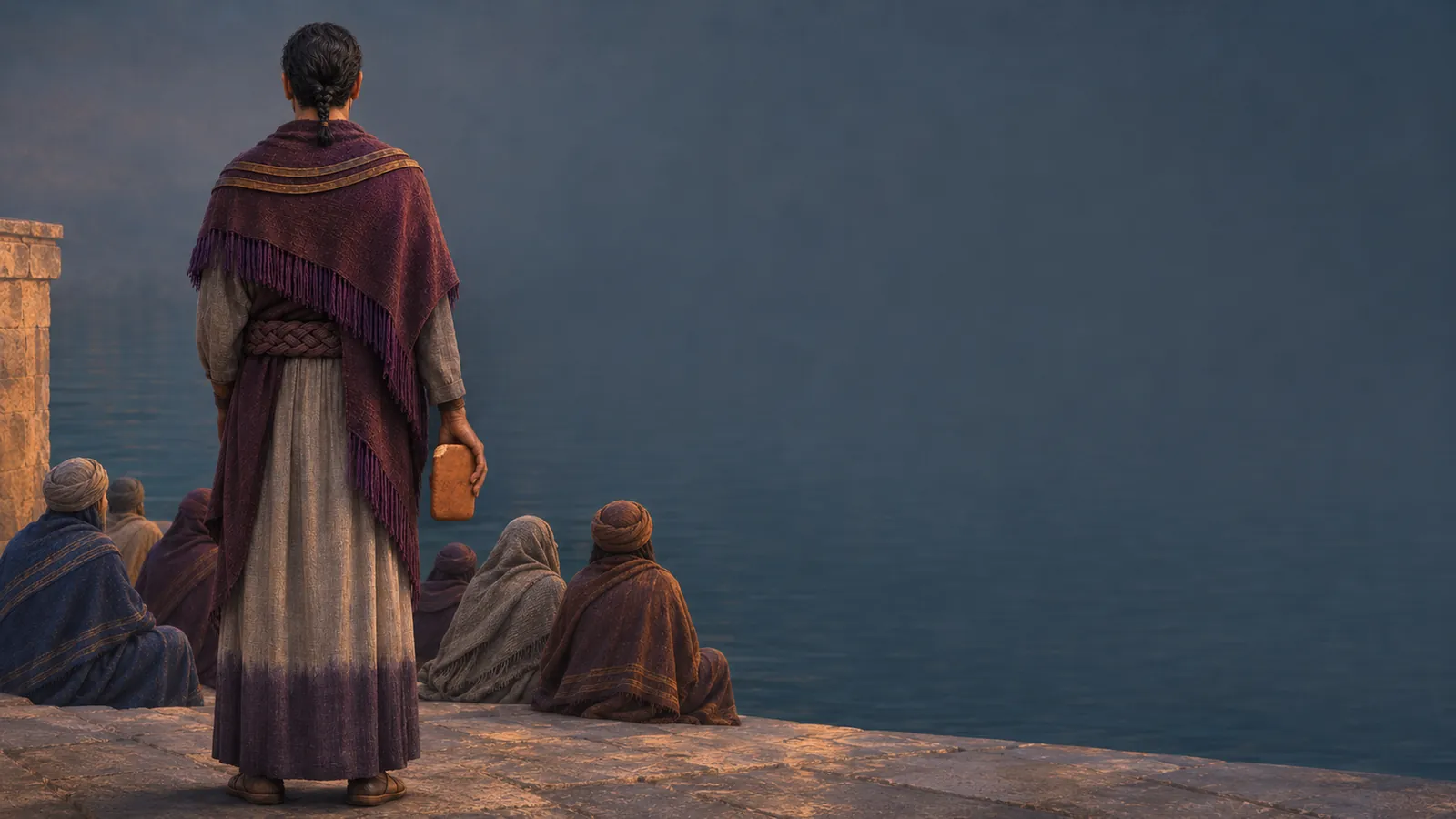
Qingu recebeu a sua nova autoridade e começou a fixar os destinos dos que acompanhavam Tiamat. O poema dá às suas palavras força suficiente para apagar o fogo.
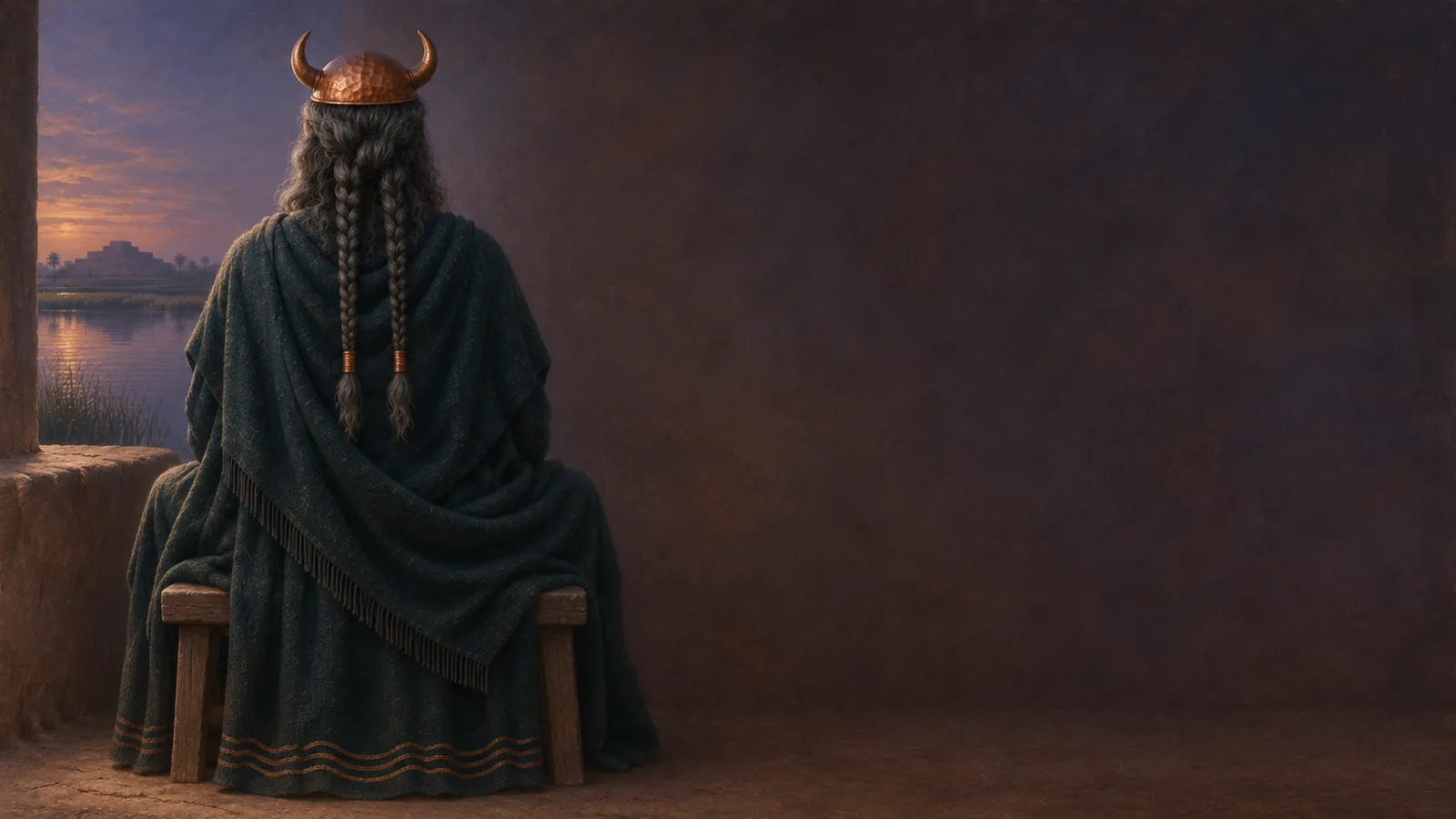
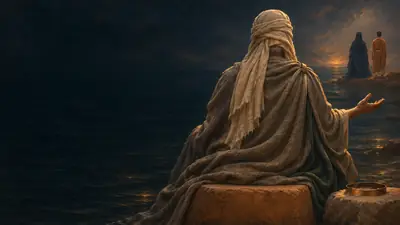
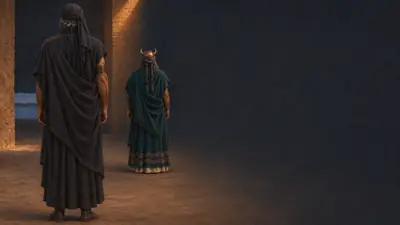
Ea soube que Tiamat tinha reunido os seus. Quando recebeu a notícia, ficou sem palavras e passou algum tempo sentado, sozinho, no seu aposento.
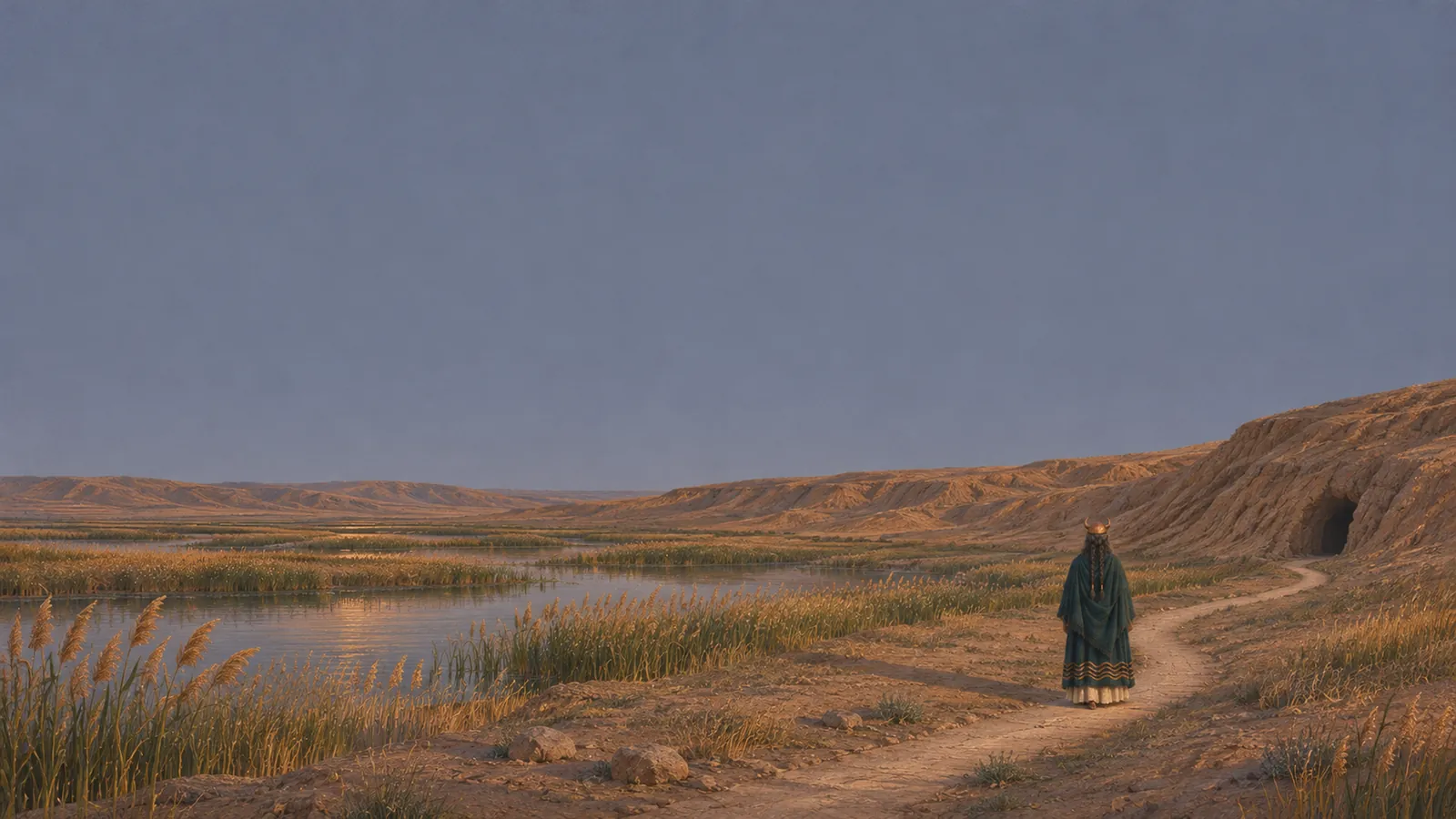
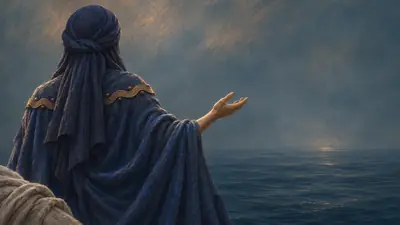
Depois de ponderar e deixar passar a ira, Ea foi ter com Anshar. Apresentou-se diante do pai do seu pai para lhe contar o que ouvira.
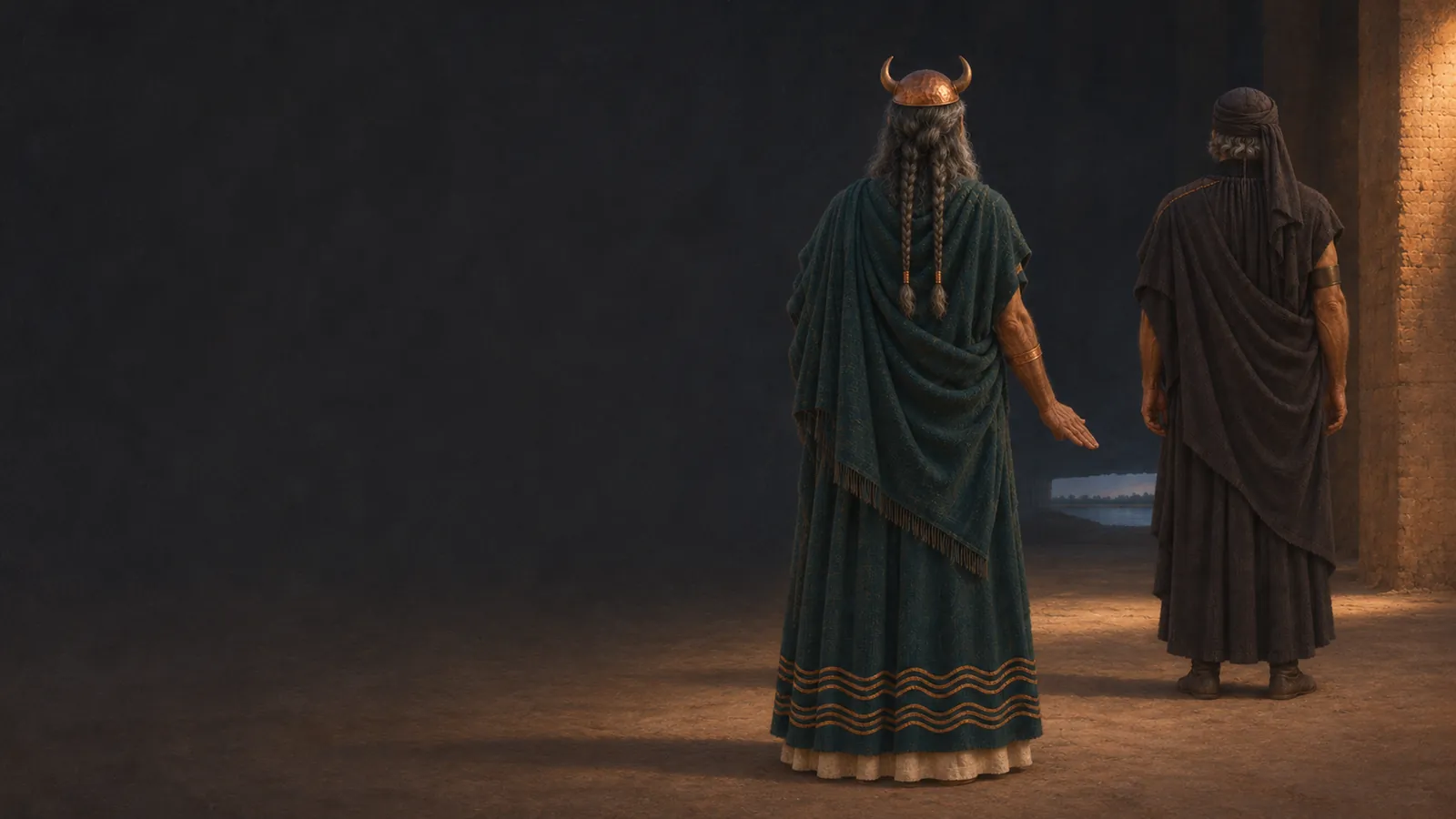
Ea falou a Anshar da reunião de Tiamat e dos onze seres que ela tinha criado. Contou como ela elevara Qingu e lhe entregara a Tábua dos Destinos.
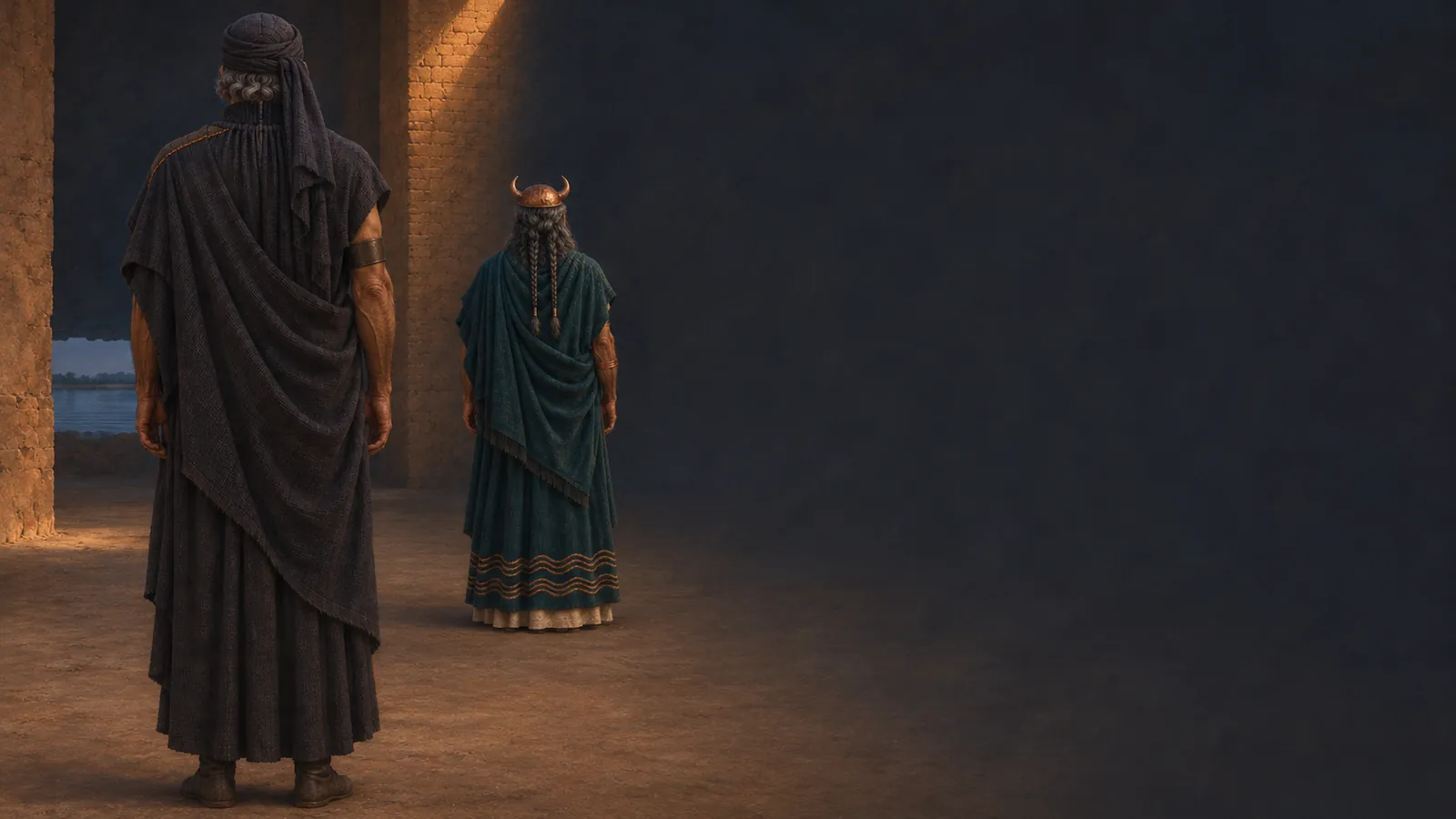
O relato perturbou tanto Anshar que ele se virou contra Ea. Repreendeu-o por ter matado Apsû e perguntou quem poderia agora fazer frente a Tiamat.
Ea respondeu com brandura e pediu a Anshar que o ouvisse até ao fim. Defendeu a sua decisão e perguntou quem poderia ter previsto a perturbação que se seguiria.
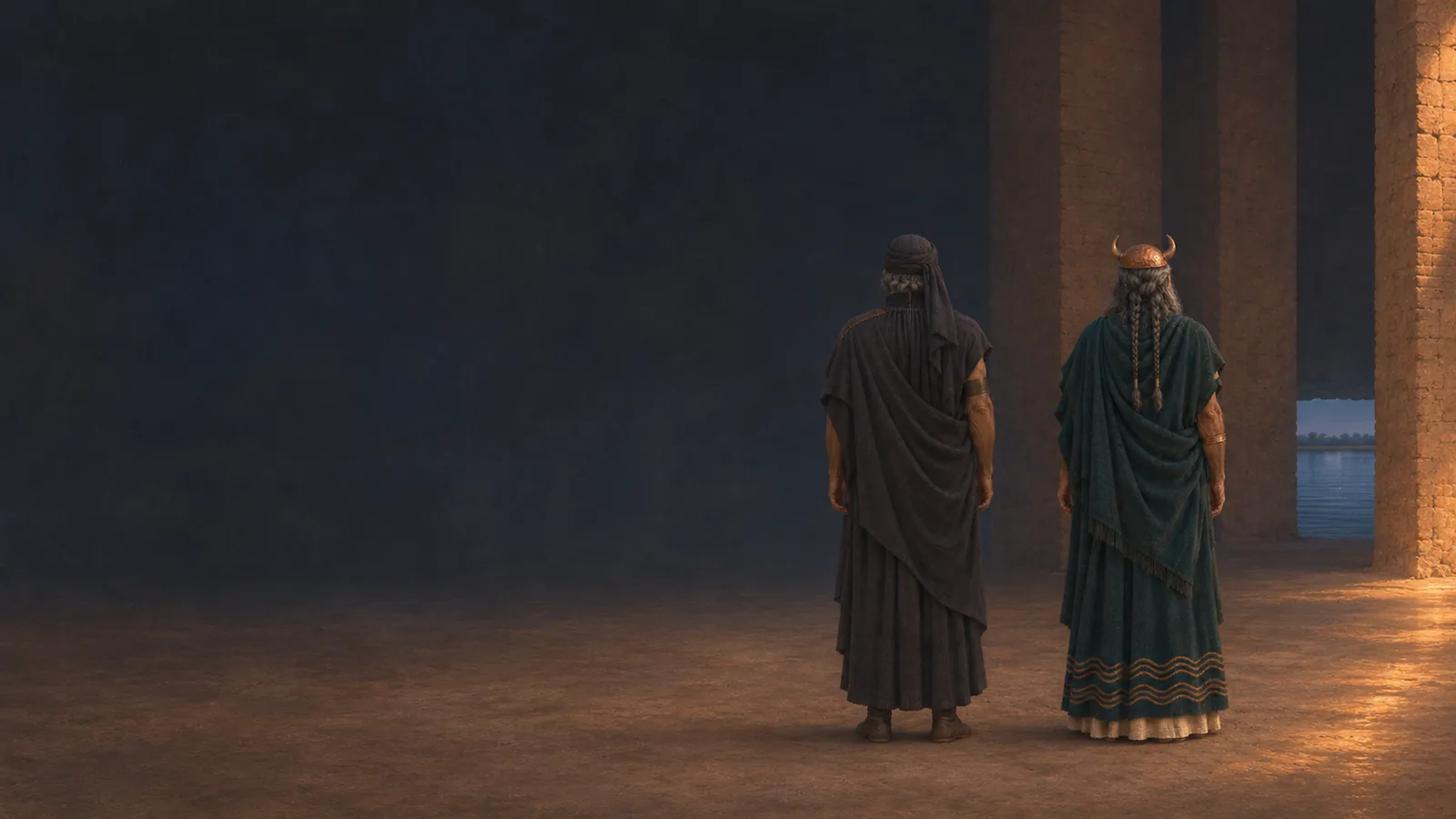
ANSHAR ESCUTA
Anshar ouviu a resposta de Ea e a sua ira abrandou. Quando voltou a falar, estava disposto a ouvir o que se poderia fazer a respeito de Tiamat.
Fim do capítulo 1
Todas as páginas






Fontes
Edições consultadas
- Electronic Babylonian Library, Tablet I: , lines 1–162.
- Electronic Babylonian Library, Tablet II: , lines 1–70.
- Heinrich and Helle, open 2024 edition: , pp. 24–41.
- IL Archive, Enuma Elish: , for story context and terminology.
Os versos antigos de cada página
- Page 1: Enūma Eliš I 1–2, eBL L I.2; Heinrich–Helle
- Page 2: Enūma Eliš I 3–5, eBL L I.2; Heinrich–Helle
- Page 3: Enūma Eliš I 6–8, eBL L I.2; Heinrich–Helle
The two plant-place words vary in translation. - Page 4: Enūma Eliš I 9–11, eBL L I.2; Heinrich–Helle
- Page 5: Enūma Eliš I 12–14, eBL L I.2; Heinrich–Helle
- Page 6: Enūma Eliš I 14–17, eBL L I.2; Heinrich–Helle
- Page 7: Enūma Eliš I 17–20, eBL L I.2; Heinrich–Helle
- Page 8: Enūma Eliš I 21–22, eBL L I.2; Heinrich–Helle
- Page 9: Enūma Eliš I 22–24, eBL L I.2; Heinrich–Helle
The text joins physical and inward disturbance. - Page 10: Enūma Eliš I 25–29, eBL L I.2; Heinrich–Helle
I 25–29 is difficult, and the possible reading of lenience is left open. - Page 11: Enūma Eliš I 30–33, eBL L I.2; Heinrich–Helle
Mummu here is a named adviser. - Page 12: Enūma Eliš I 33–36, eBL L I.2; Heinrich–Helle
- Page 13: Enūma Eliš I 37–38, eBL L I.2; Heinrich–Helle
- Page 14: Enūma Eliš I 39–40, eBL L I.2; Heinrich–Helle
- Page 15: Enūma Eliš I 41–46, eBL L I.2; Heinrich–Helle
- Page 16: Enūma Eliš I 47–54, eBL L I.2; Heinrich–Helle
- Page 17: Enūma Eliš I 55–58, eBL L I.2; Heinrich–Helle
- Page 18: Enūma Eliš I 59–61, eBL L I.2; Heinrich–Helle
- Page 19: Enūma Eliš I 60–64, eBL L I.2; Heinrich–Helle
- Page 20: Enūma Eliš I 64–66, eBL L I.2; Heinrich–Helle
- Page 21: Enūma Eliš I 67–69, eBL L I.2; Heinrich–Helle
- Page 22: Enūma Eliš I 70–74, eBL L I.2; Heinrich–Helle
The reading of Tablet I, line 70 is disputed. - Page 23: Enūma Eliš I 75–78, eBL L I.2; Heinrich–Helle
- Page 24: Enūma Eliš I 79–84, eBL L I.2; Heinrich–Helle
- Page 25: Enūma Eliš I 85–88, eBL L I.2; Heinrich–Helle
- Page 26: Enūma Eliš I 89–92, eBL L I.2; Heinrich–Helle
- Page 27: Enūma Eliš I 93–100, eBL L I.2; Heinrich–Helle
The poem gives Marduk four eyes and four ears. - Page 28: Enūma Eliš I 101–104, eBL L I.2; Heinrich–Helle
- Page 29: Enūma Eliš I 105–108, eBL L I.2; Heinrich–Helle
- Page 30: Enūma Eliš I 109–112, eBL L I.2; Heinrich–Helle
- Page 31: Enūma Eliš I 113–118, eBL L I.2; Heinrich–Helle
- Page 32: Enūma Eliš I 119–124, eBL L I.2; Heinrich–Helle
Vengeance wording in 123–124 is partly restored. - Page 33: Enūma Eliš I 125–128, eBL L I.2; Heinrich–Helle
- Page 34: Enūma Eliš I 129–133, eBL L I.2; Heinrich–Helle
- Page 35: Enūma Eliš I 134–146, eBL L I.2; Heinrich–Helle
- Page 36: Enūma Eliš I 147–148, eBL L I.2; Heinrich–Helle
- Page 37: Enūma Eliš I 149–152, eBL L I.2; Heinrich–Helle
- Page 38: Enūma Eliš I 153–156, eBL L I.2; Heinrich–Helle
- Page 39: Enūma Eliš I 157–158, eBL L I.2; Heinrich–Helle
- Page 40: Enūma Eliš I 159–162, eBL L I.2; Heinrich–Helle
- Page 41: Enūma Eliš II 1–6, eBL L I.2; Heinrich–Helle
- Page 42: Enūma Eliš II 7–10, eBL L I.2; Heinrich–Helle
- Page 43: Enūma Eliš II 11–48, eBL L I.2; Heinrich–Helle
- Page 44: Enūma Eliš II 49–56, eBL L I.2; Heinrich–Helle
- Page 45: Enūma Eliš II 57–68, eBL L I.2; Heinrich–Helle
- Page 46: Enūma Eliš II 69–70, eBL L I.2; Heinrich–Helle
Ilustrações feitas pelo IL Archive com ferramentas de IA; o texto baseia-se nas fontes antigas (veja as fontes no fim de cada capítulo).