Erra e Ishum Capítulo 1
A Promessa de Erra
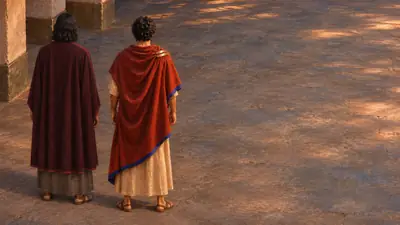
Os Sete incitam Erra a agir, e Ishum pede-lhe que poupe a terra e os seus habitantes. Erra vai à Babilónia, onde Marduk recorda um dilúvio e ouve Erra prometer que manterá a ordem na sua ausência.
FontesVire as páginas com as setas, o teclado ou deslizando o dedo.
INVOCAÇÃO
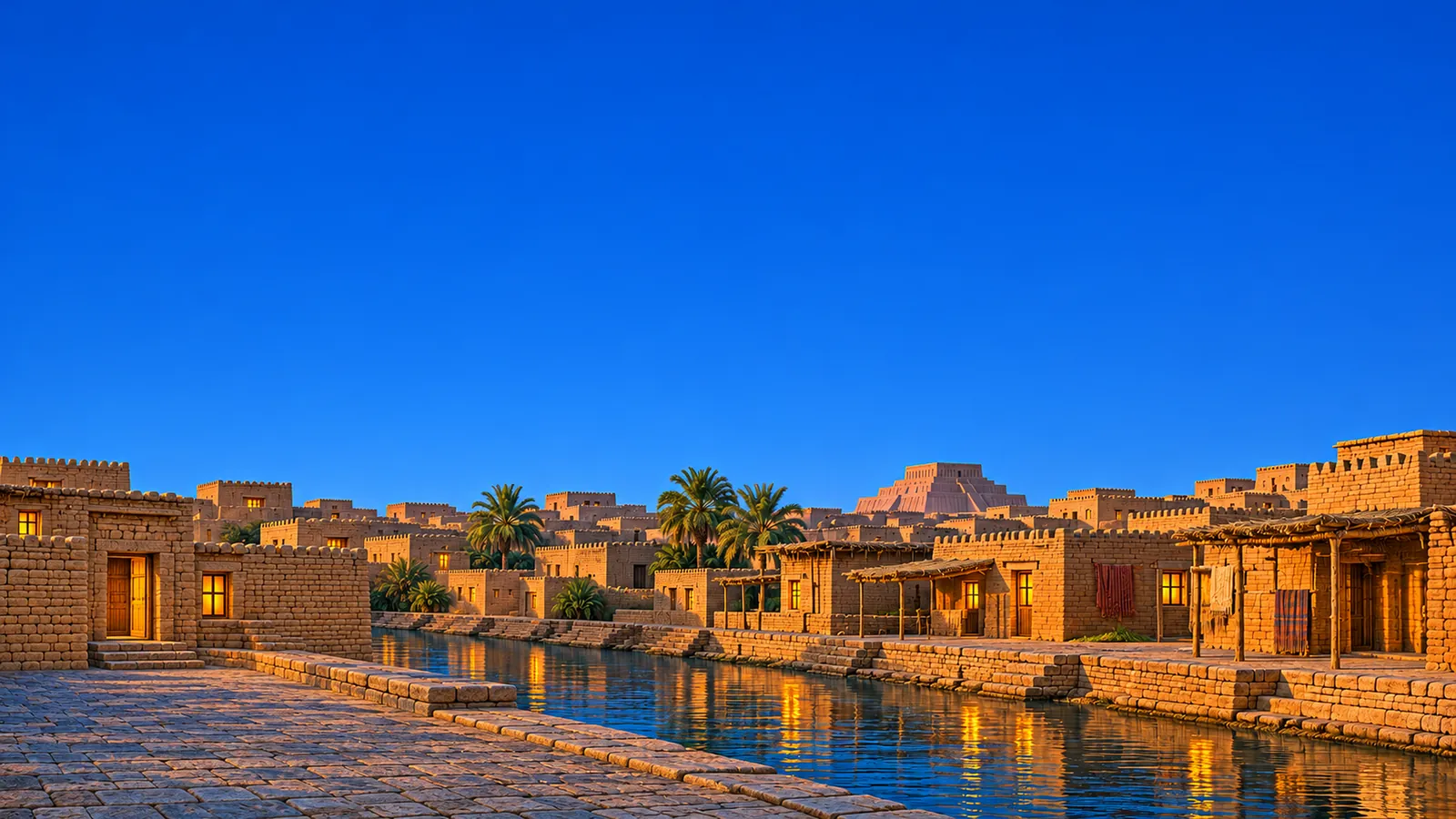
O canto começa por louvar um rei de todas as povoações e criador do mundo. O primeiro verso não diz o seu nome.
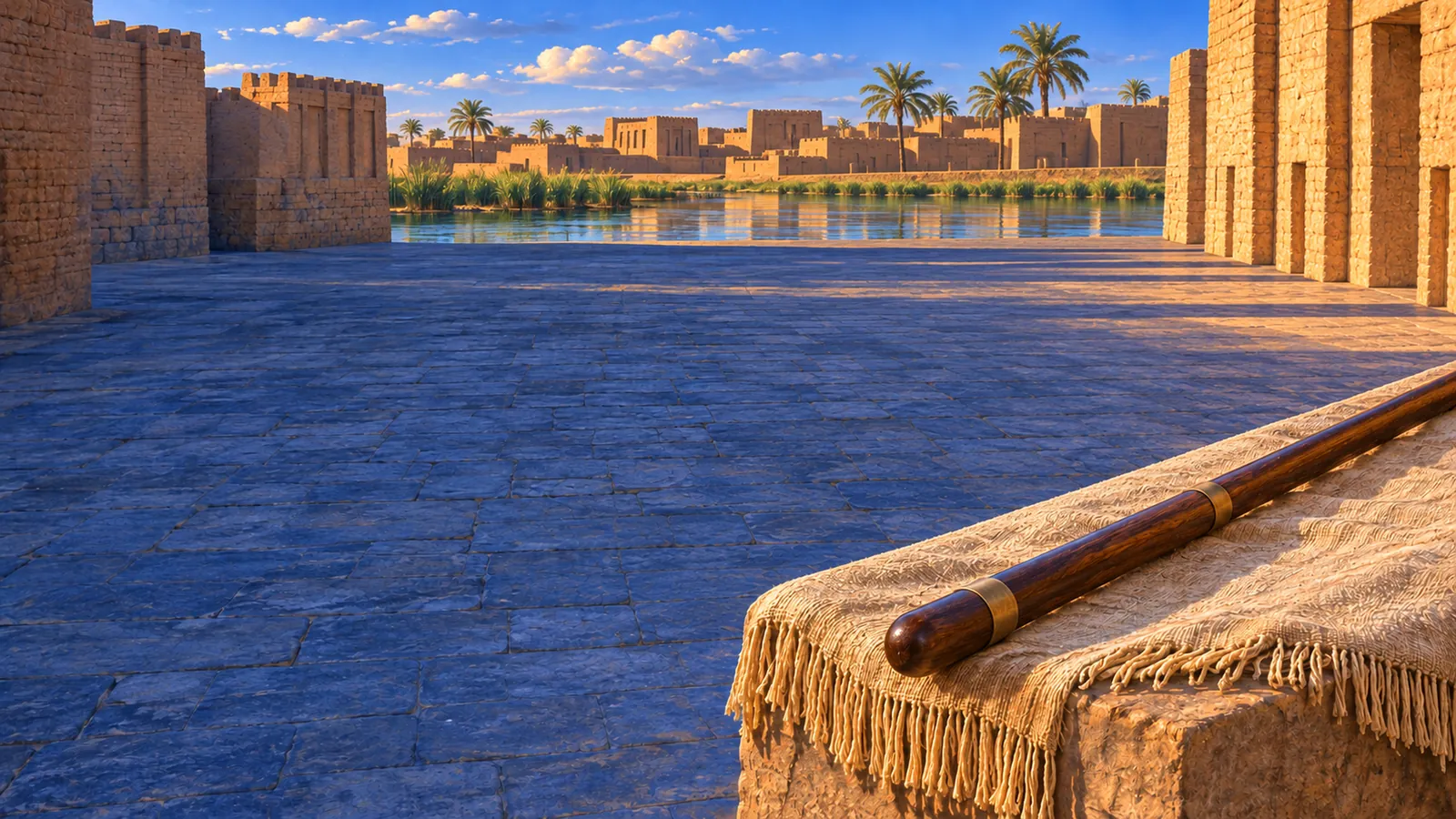
O canto invoca Hendursanga, o primogénito de Enlil. Louva-o como portador do cetro e pastor dos homens.
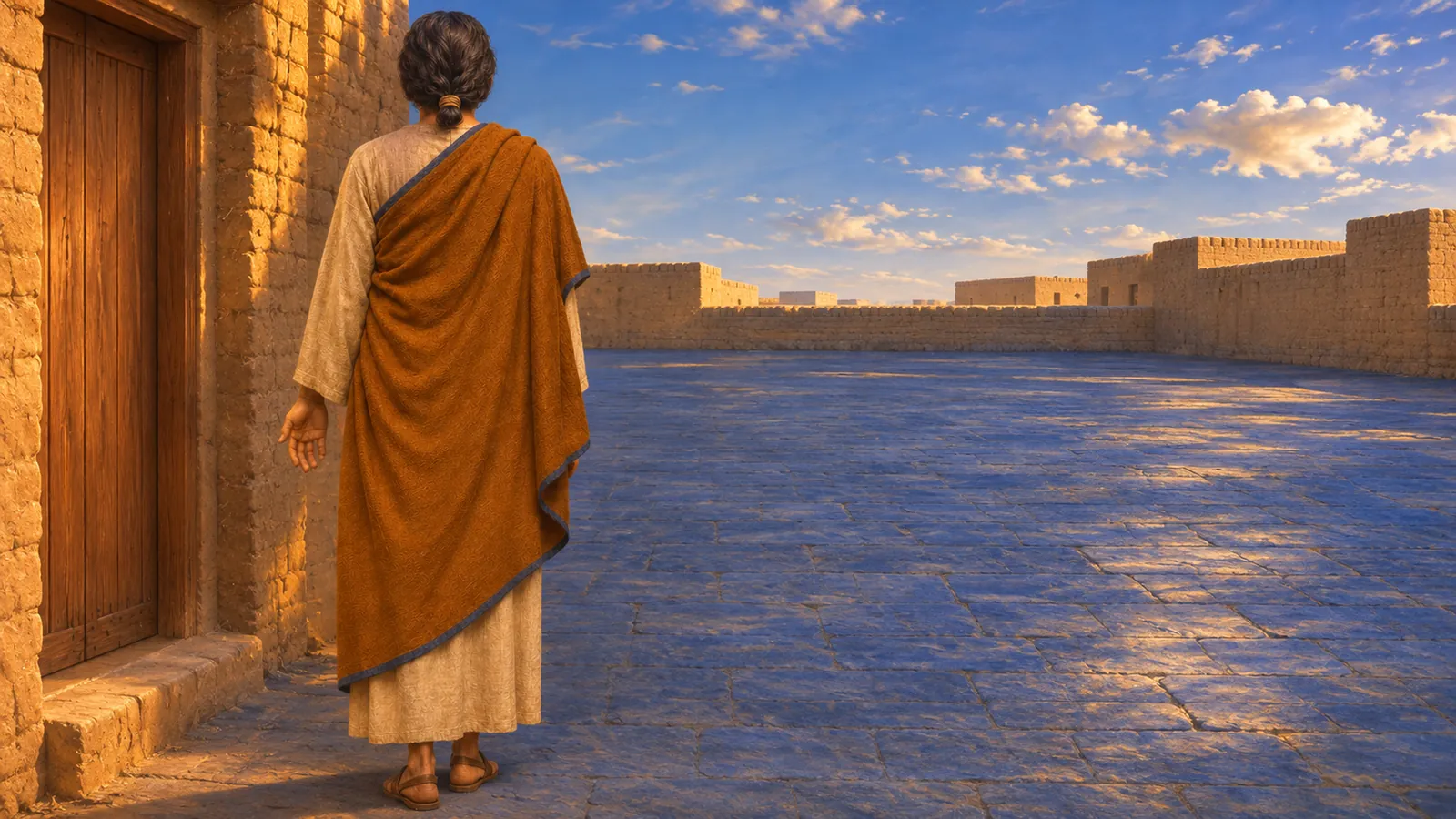
O canto volta-se então para Ishum e louva a sua força. Diz que até Erra estremece quando ela se manifesta.
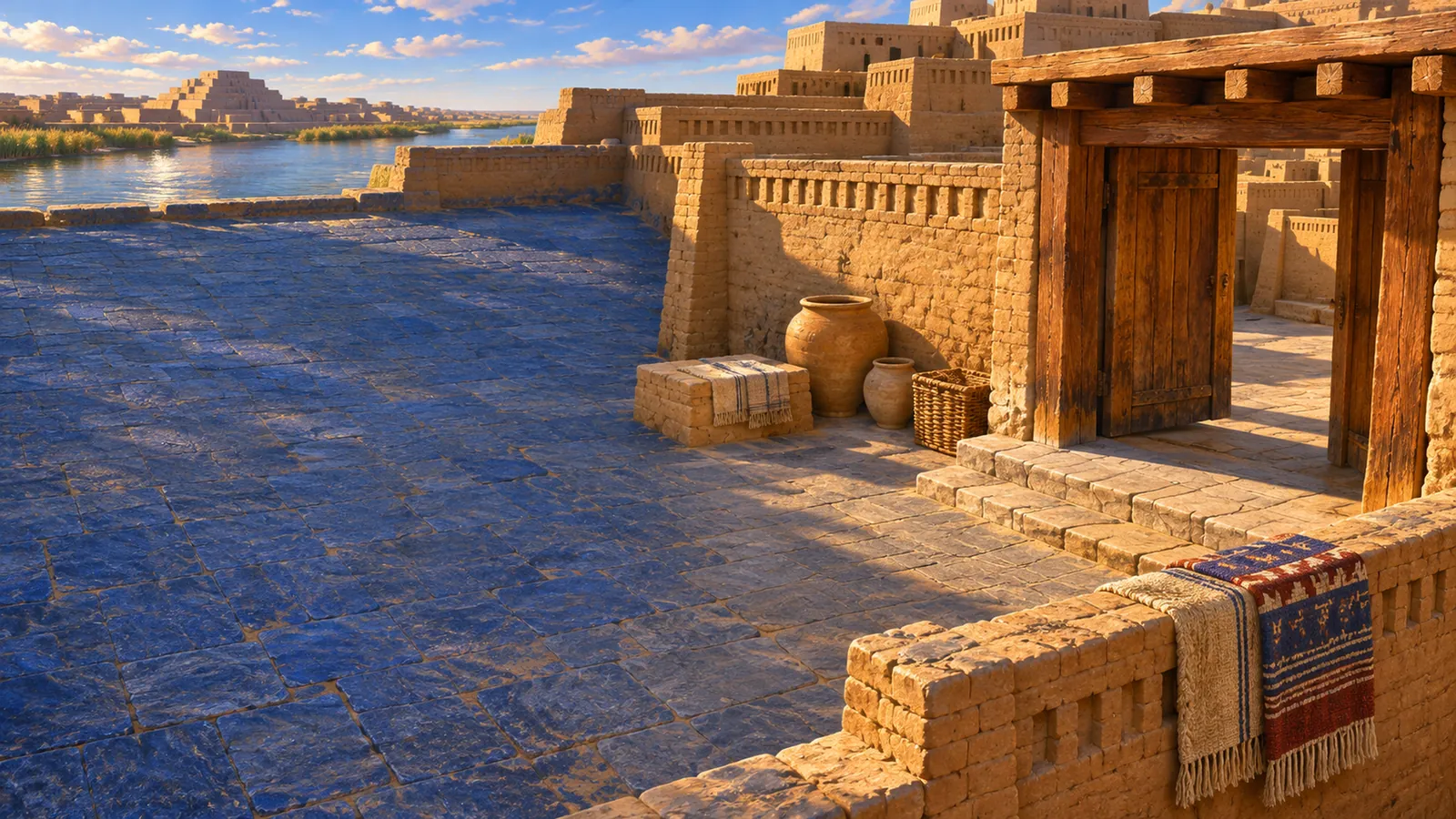
Nos primeiros versos, uma voz anseia pelo combate e chama os Sete. As palavras antigas admitem leituras diferentes e não se sabe ao certo quem fala aqui.
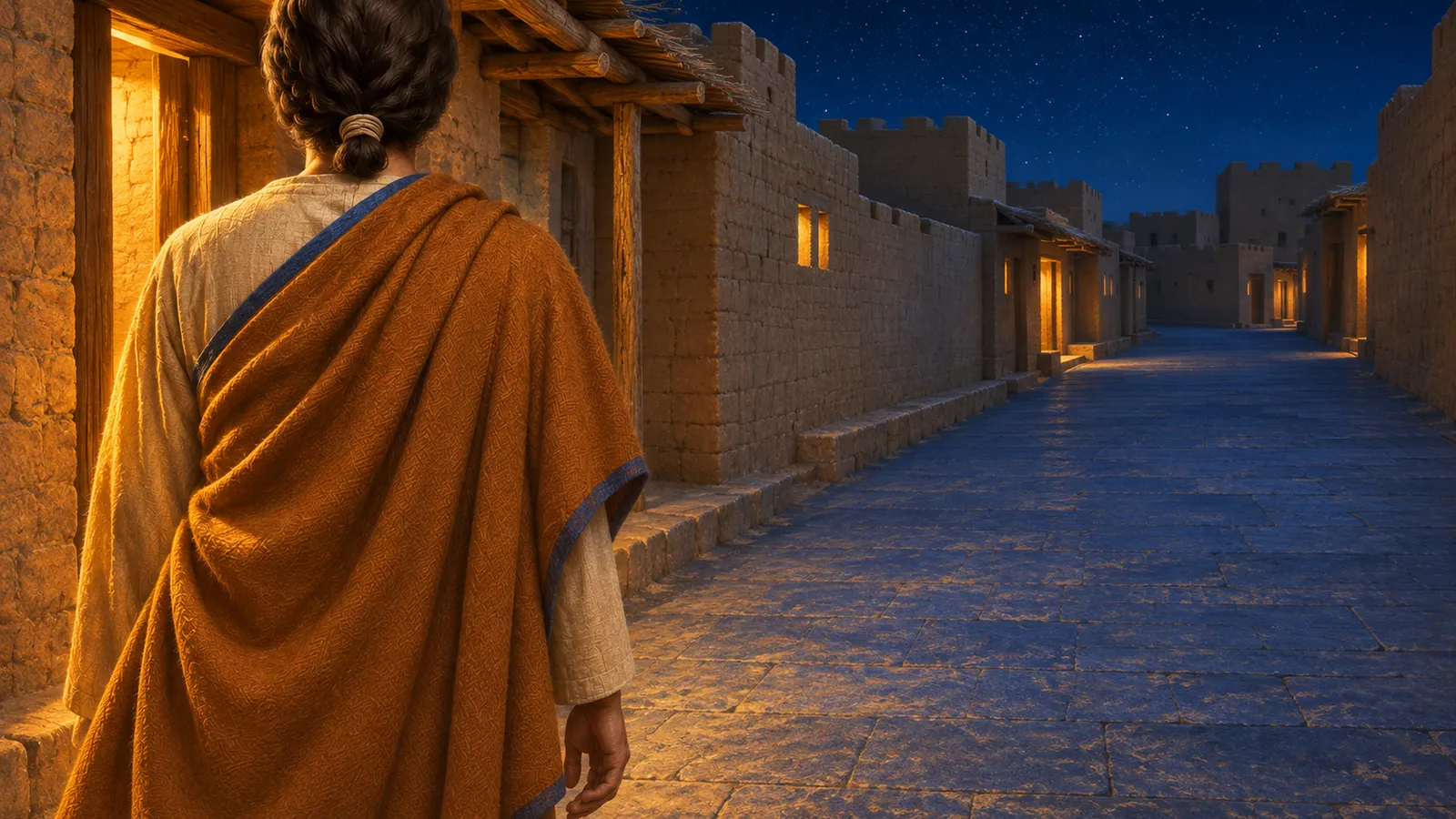
A abertura compara um guia a uma tocha que outros seguem. Pergunta ainda se pode haver alegria quando Erra se ergue para devastar a terra.
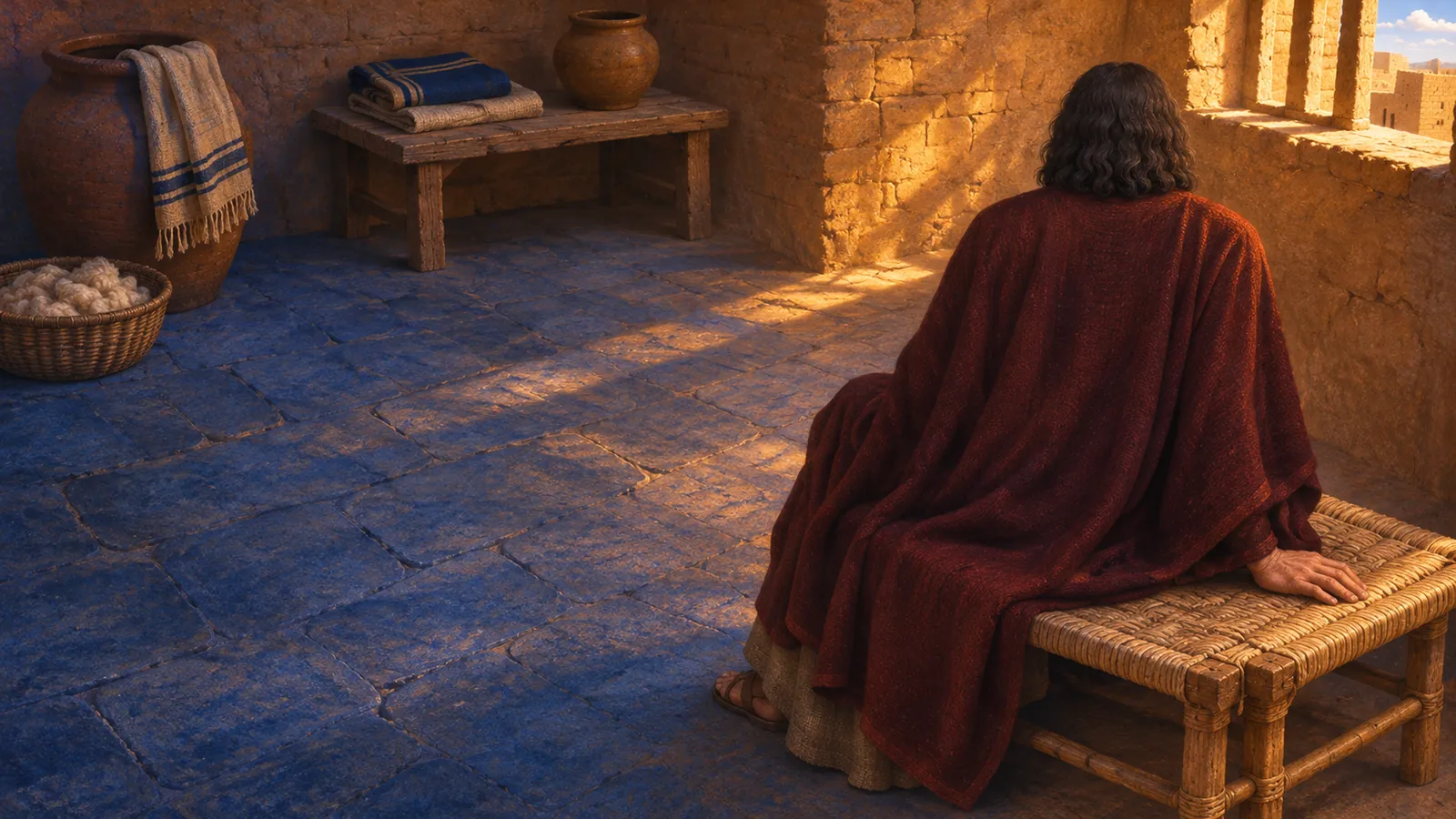
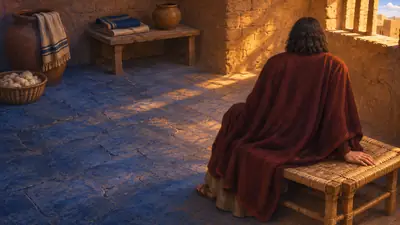
Cansado como quem não dormiu, Erra pergunta a si mesmo se deve levantar-se. Manda os Sete de volta e permanece em repouso com Mami. O canto invoca Engidudu, o guia que caminha à noite.
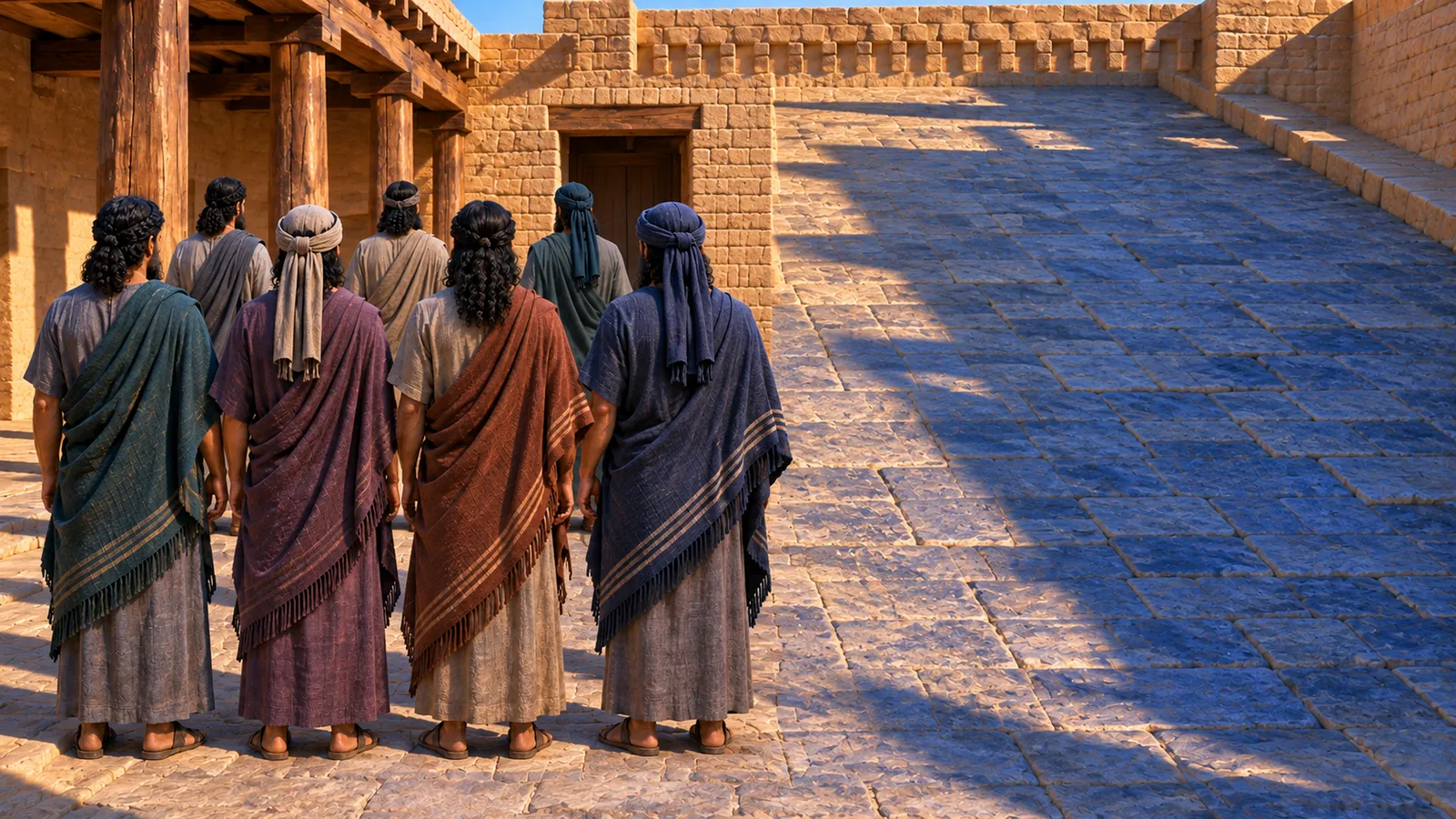
O canto apresenta os Sete como seres de outra natureza. A sua origem é estranha e o medo apodera-se de quem os vê.
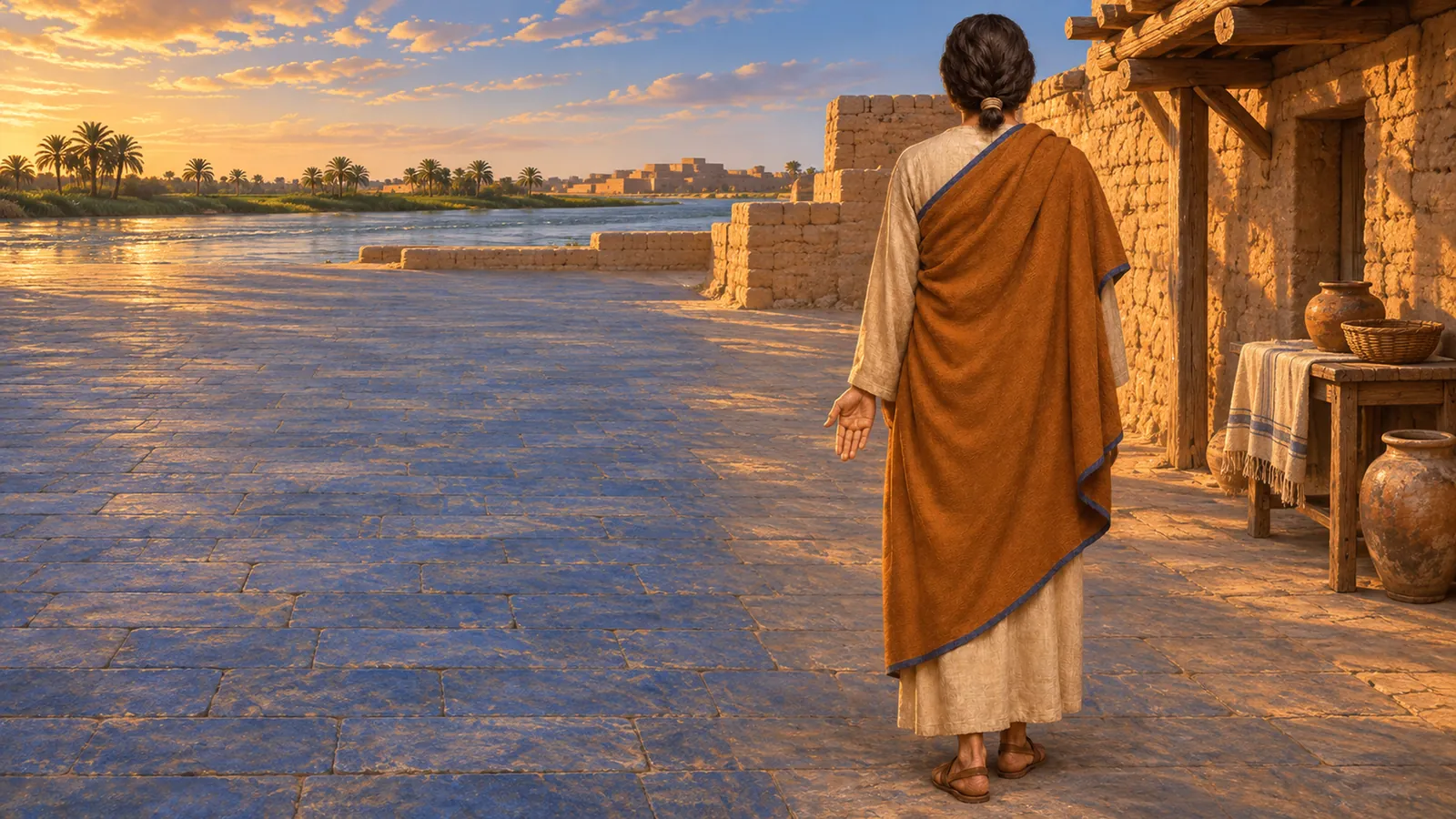
O poema compara Ishum a uma porta trancada diante dos Sete. Por ora, há algo que os impede de passar.
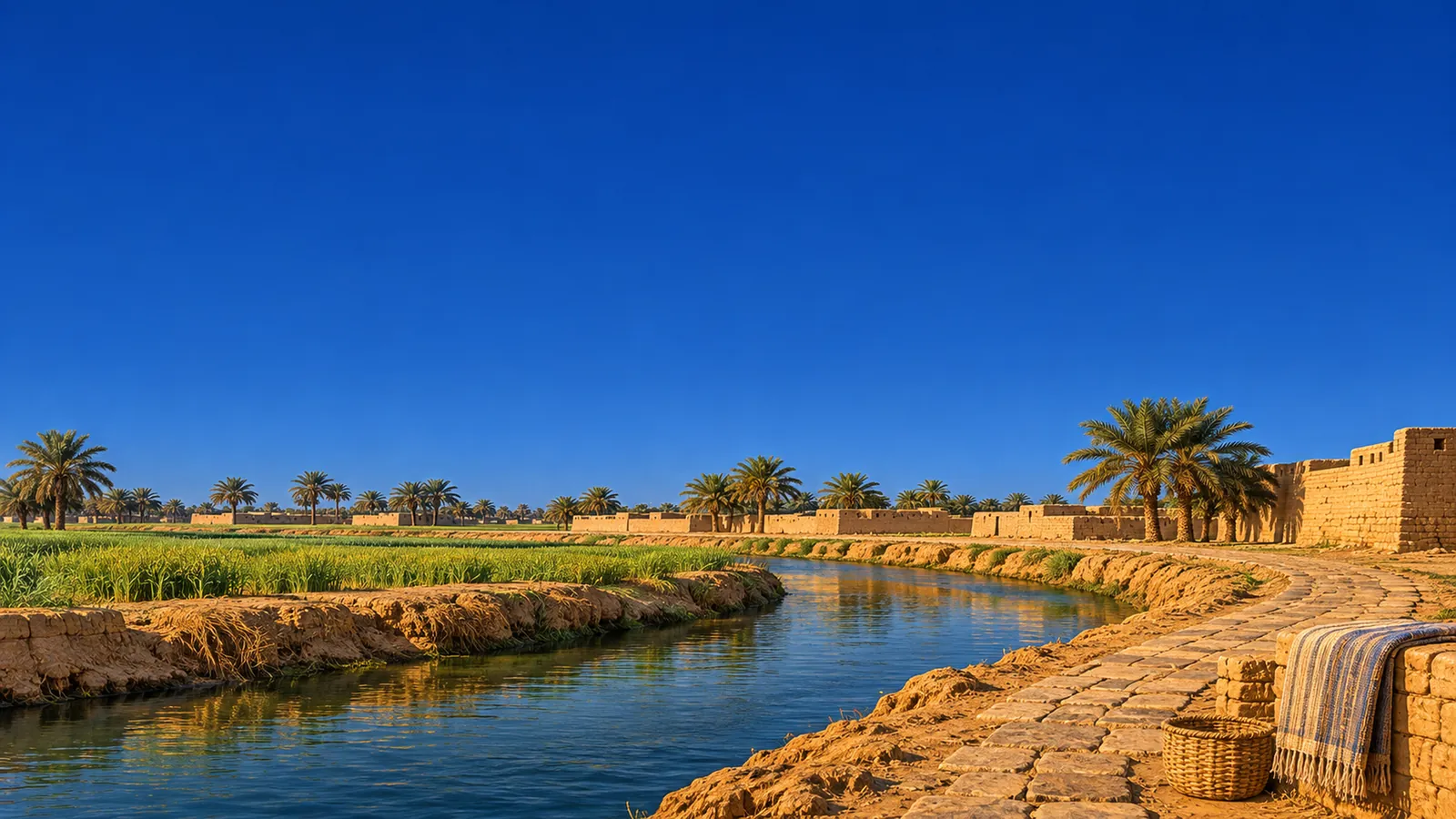
OS SETE
O canto conta como Anu, rei dos deuses, gerou sete deuses com a Terra. A Terra deu-os à luz e Anu chamou-lhes os Sete.
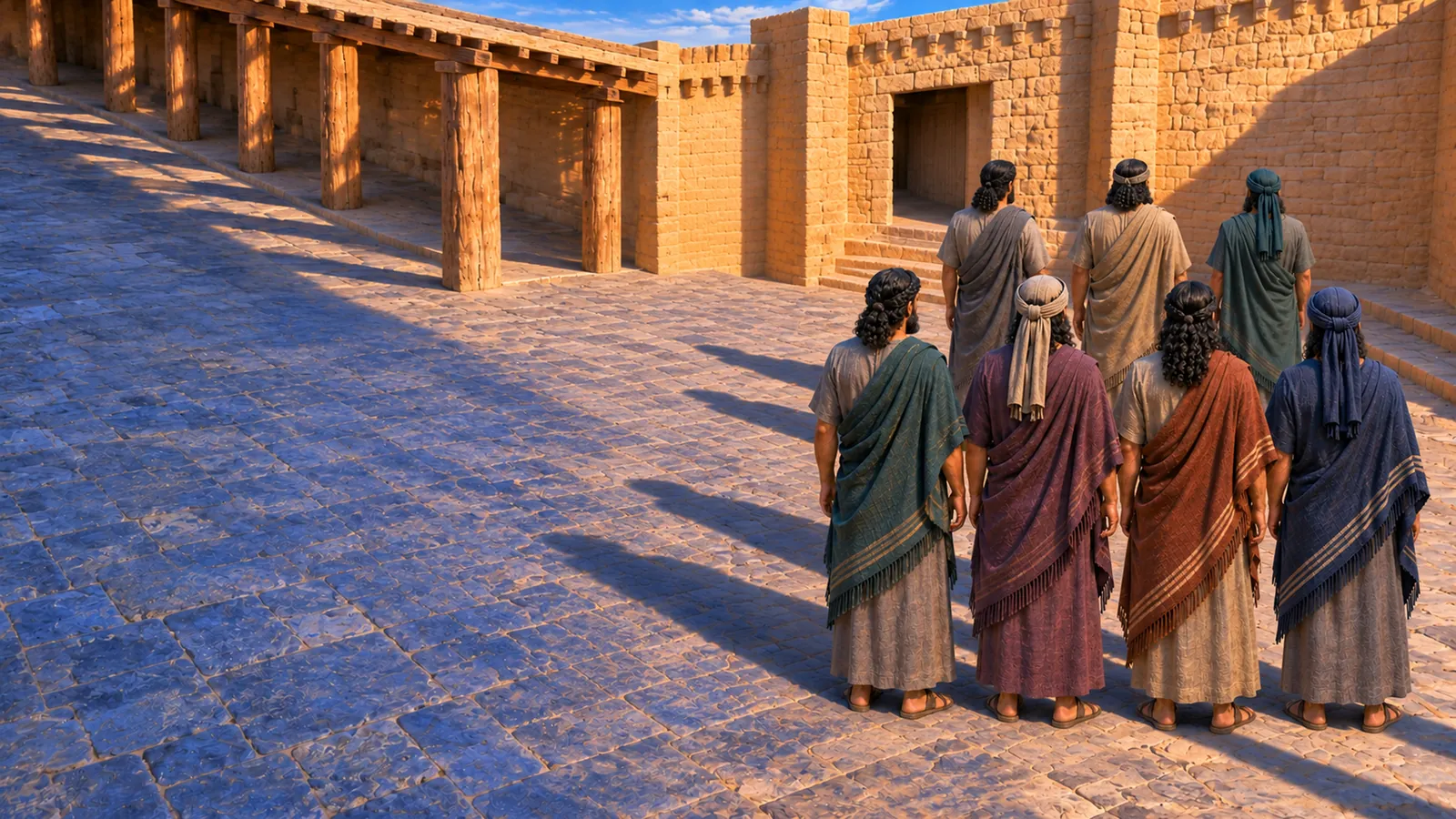
Os Sete apresentam-se diante de Anu, que lhes atribui as suas tarefas. As suas palavras evocam forças como o fogo, o leão e o vento.
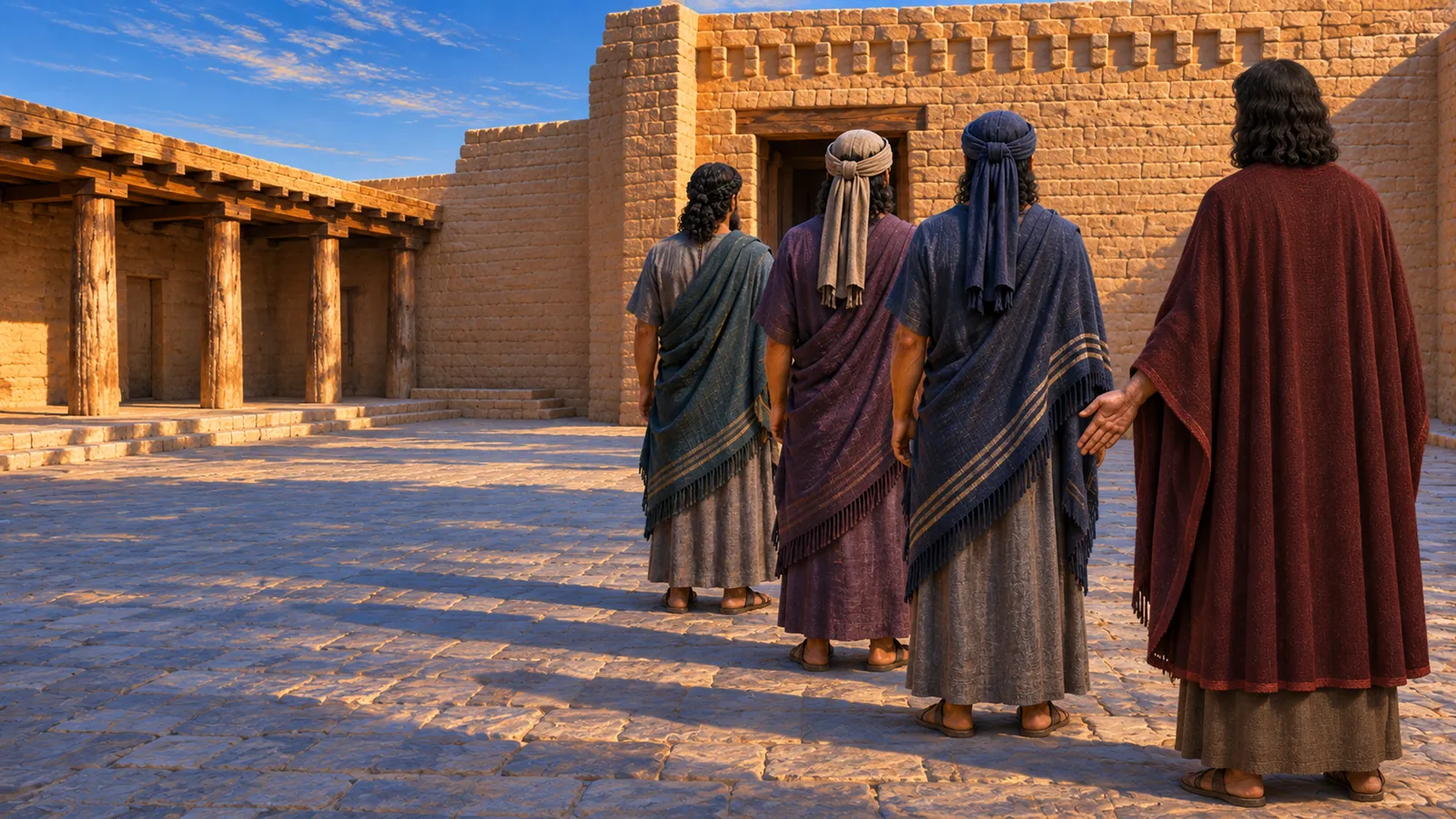
Uma vez fixadas as suas tarefas, Anu põe os Sete ao lado de Erra. Devem acompanhá-lo quando a sua ira se voltar contra as pessoas e os seus rebanhos.
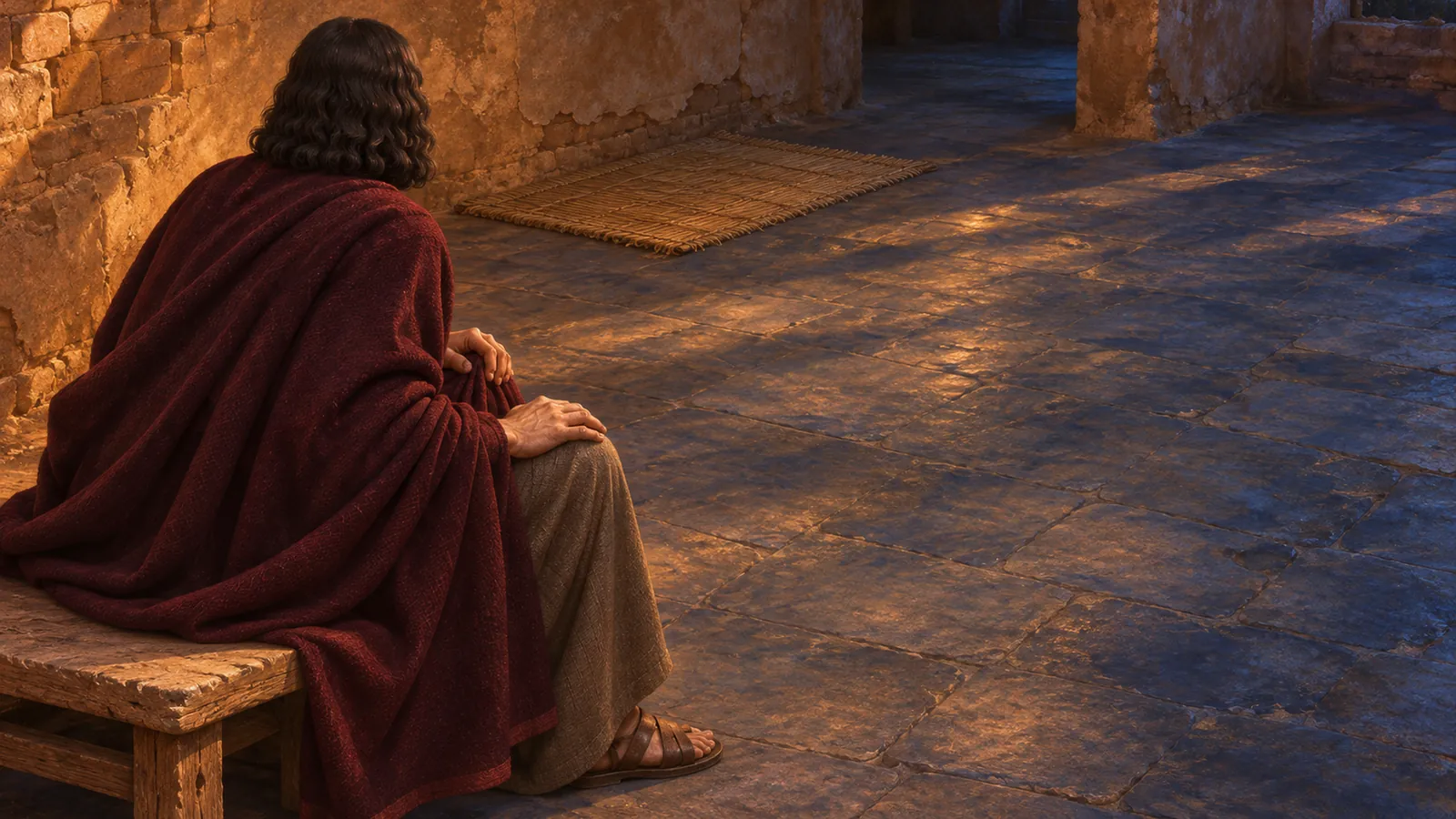
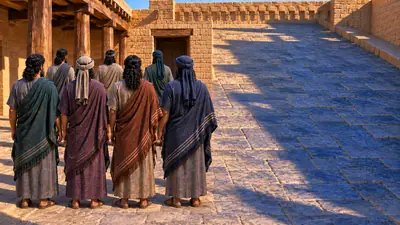
Os Sete enfurecem-se e incitam Erra a levantar-se. Troçam dele por ficar na cidade e permanecer em casa.
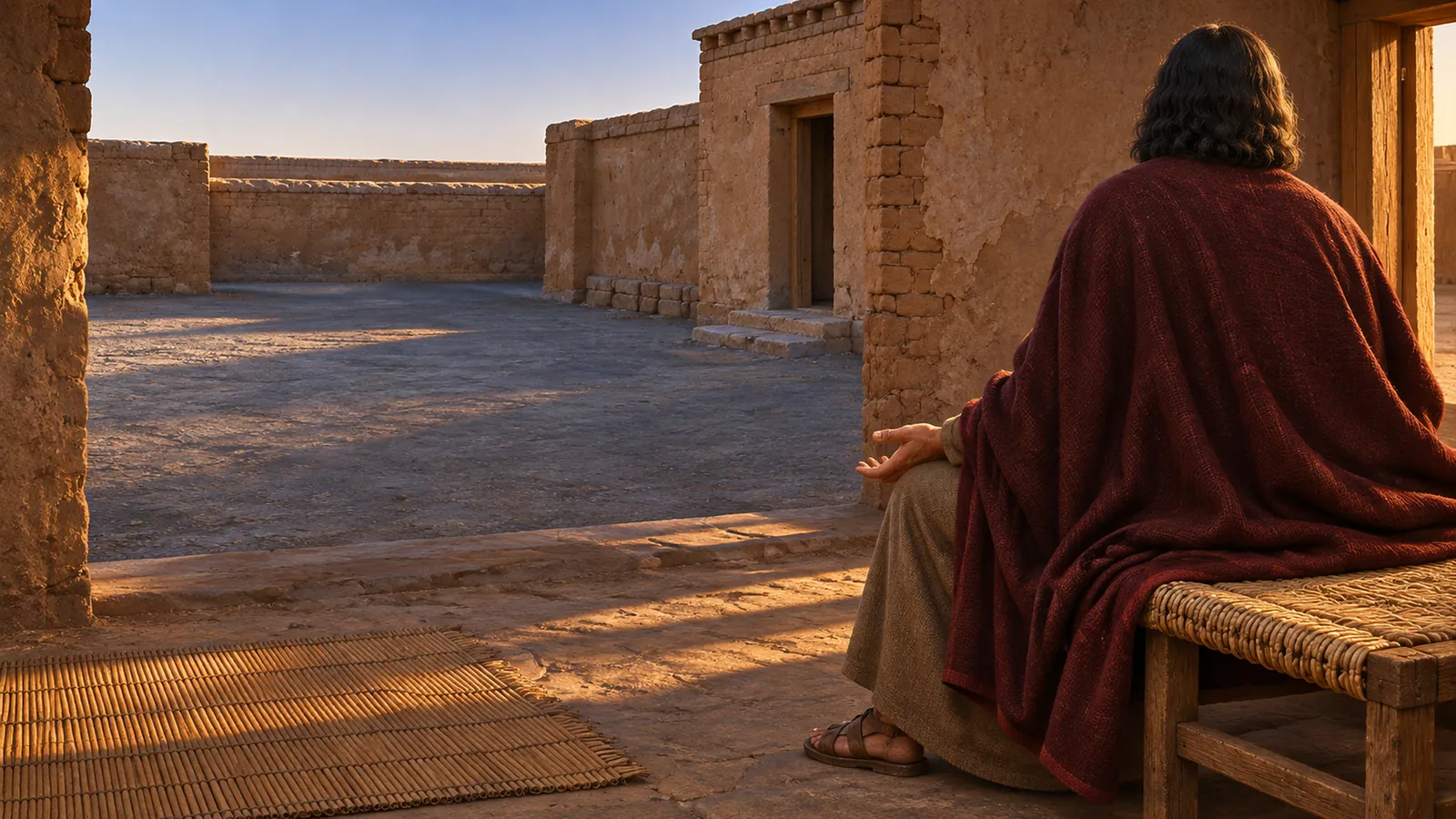
Os Sete troçam de quem fica em casa e fazem das suas bravatas uma questão de virilidade. Falam de partir para a guerra como se fosse uma festa.
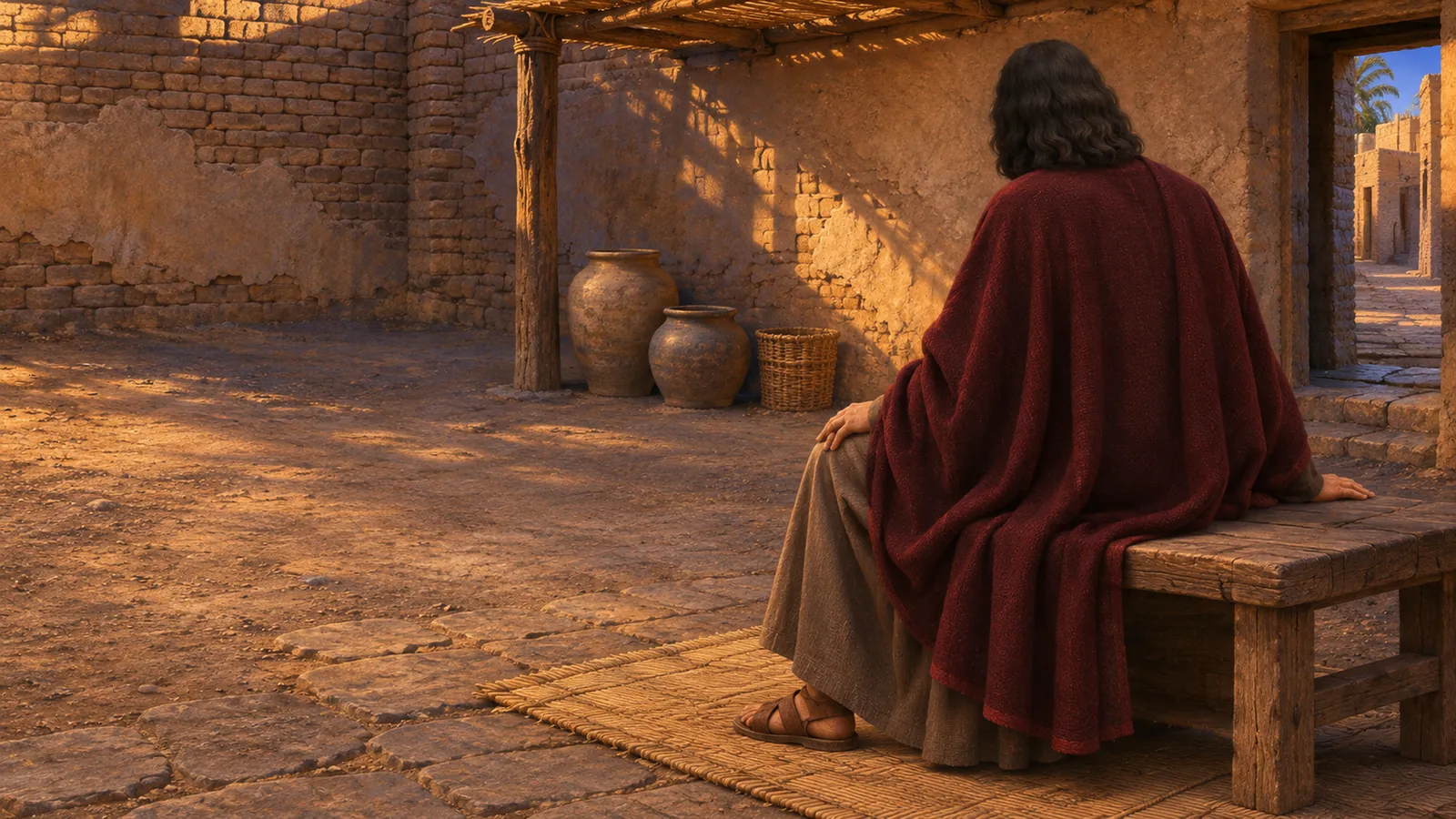
Segundo os Sete, nem um príncipe fica saciado na cidade. Dizem que as pessoas troçam de quem fica para trás, por mais forte que seja.
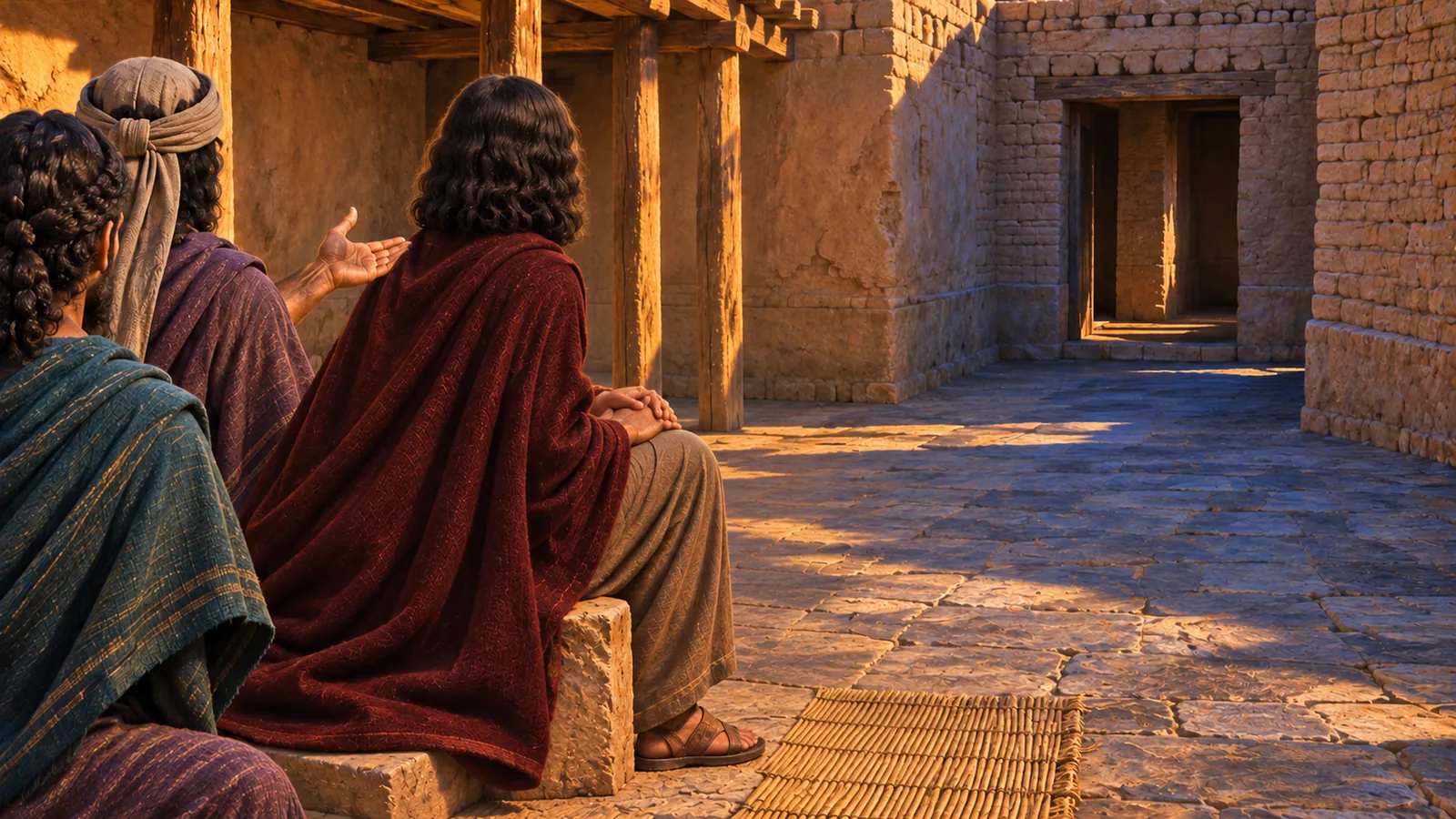
Os Sete preferem o pão cozido na cinza ao pão fino da cidade e a água de um odre à cerveja doce. Até preferem acampar ao relento a ficar num palácio. Voltam a chamar Erra para que parta.
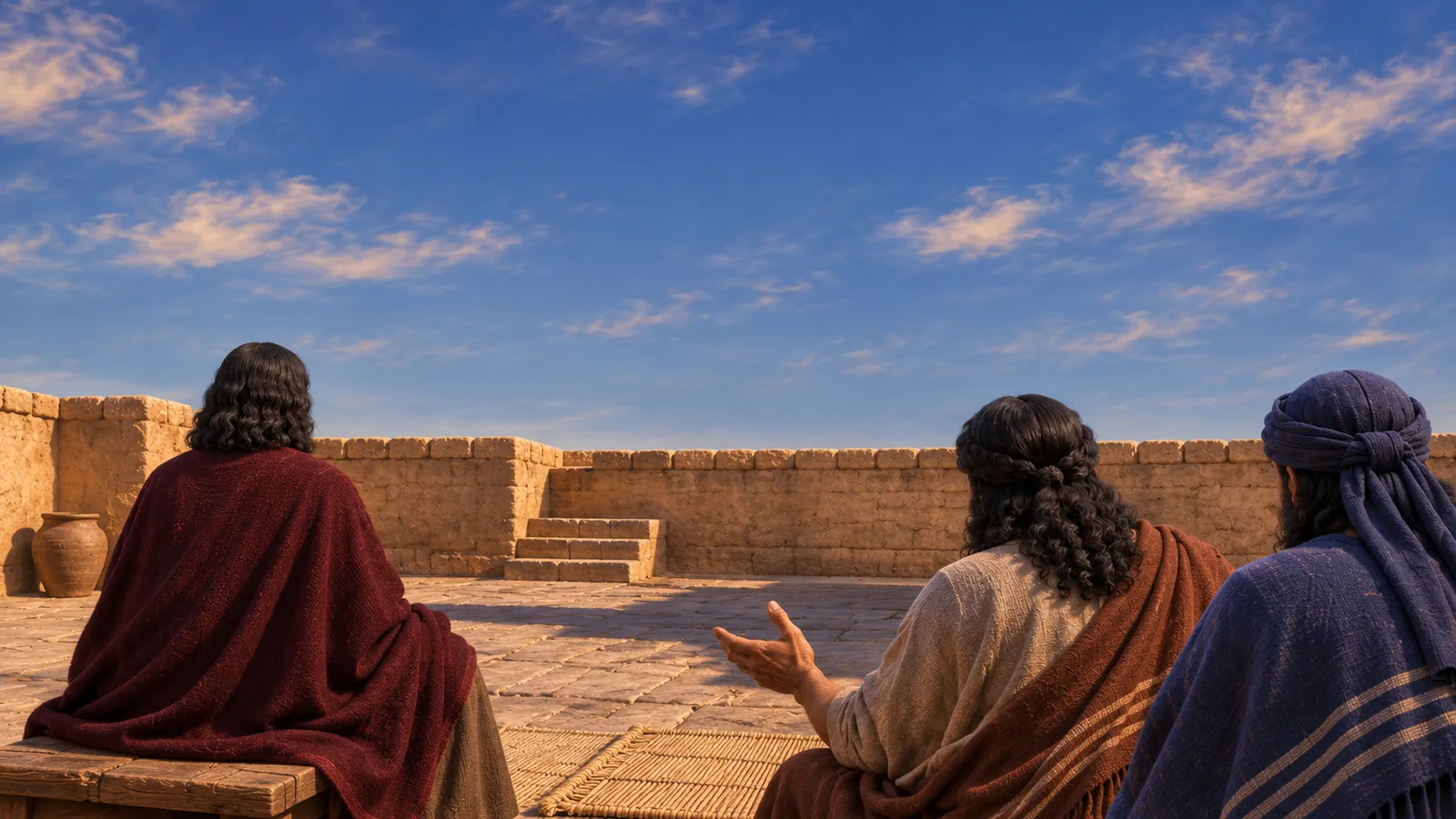
QUE OUÇAM
Os Sete incitam Erra a fazer-se ouvir em cima e em baixo. Querem que os Igigi louvem o seu nome e que os Anunnaku temam ouvi-lo.
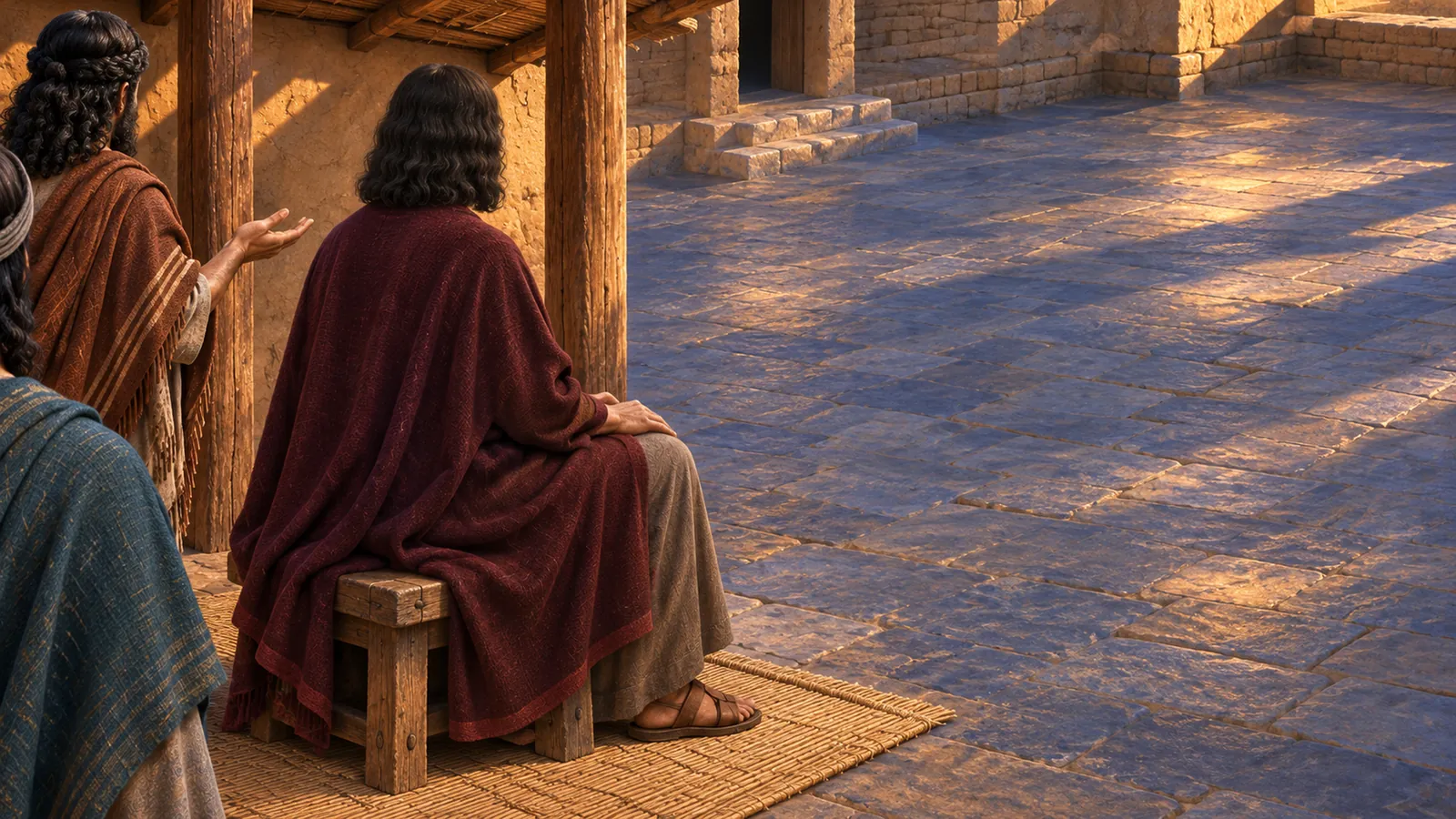
Os Sete imaginam os deuses a ceder, os reis a ajoelhar-se e os países a trazer tributo. Gabam-se de que até as montanhas cederiam.
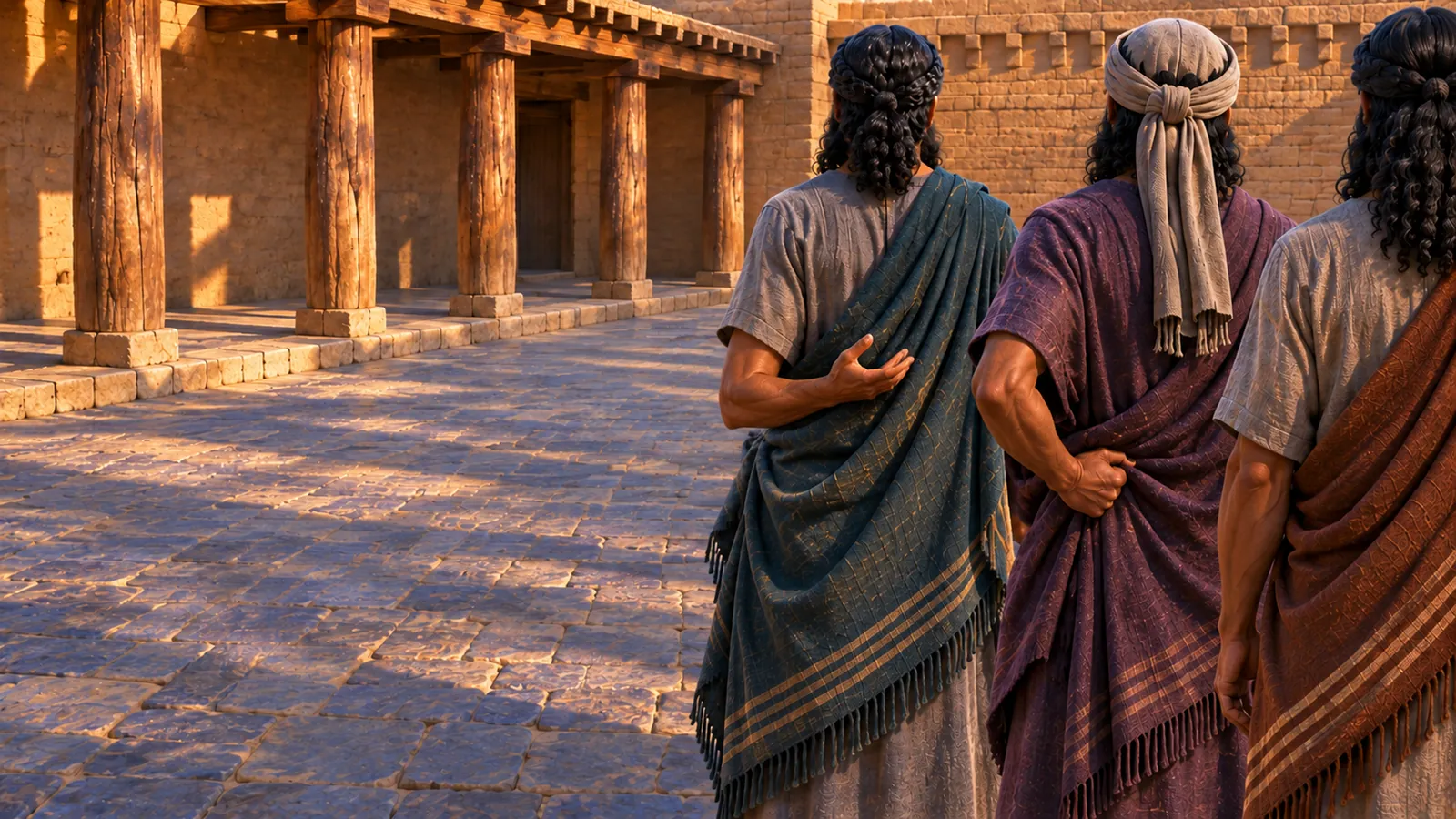
Os Sete dizem que um pastor tem de ficar acordado a vigiar o rebanho. Queixam-se de ter esquecido as passagens da serra e de ter o equipamento coberto de teias de aranha.
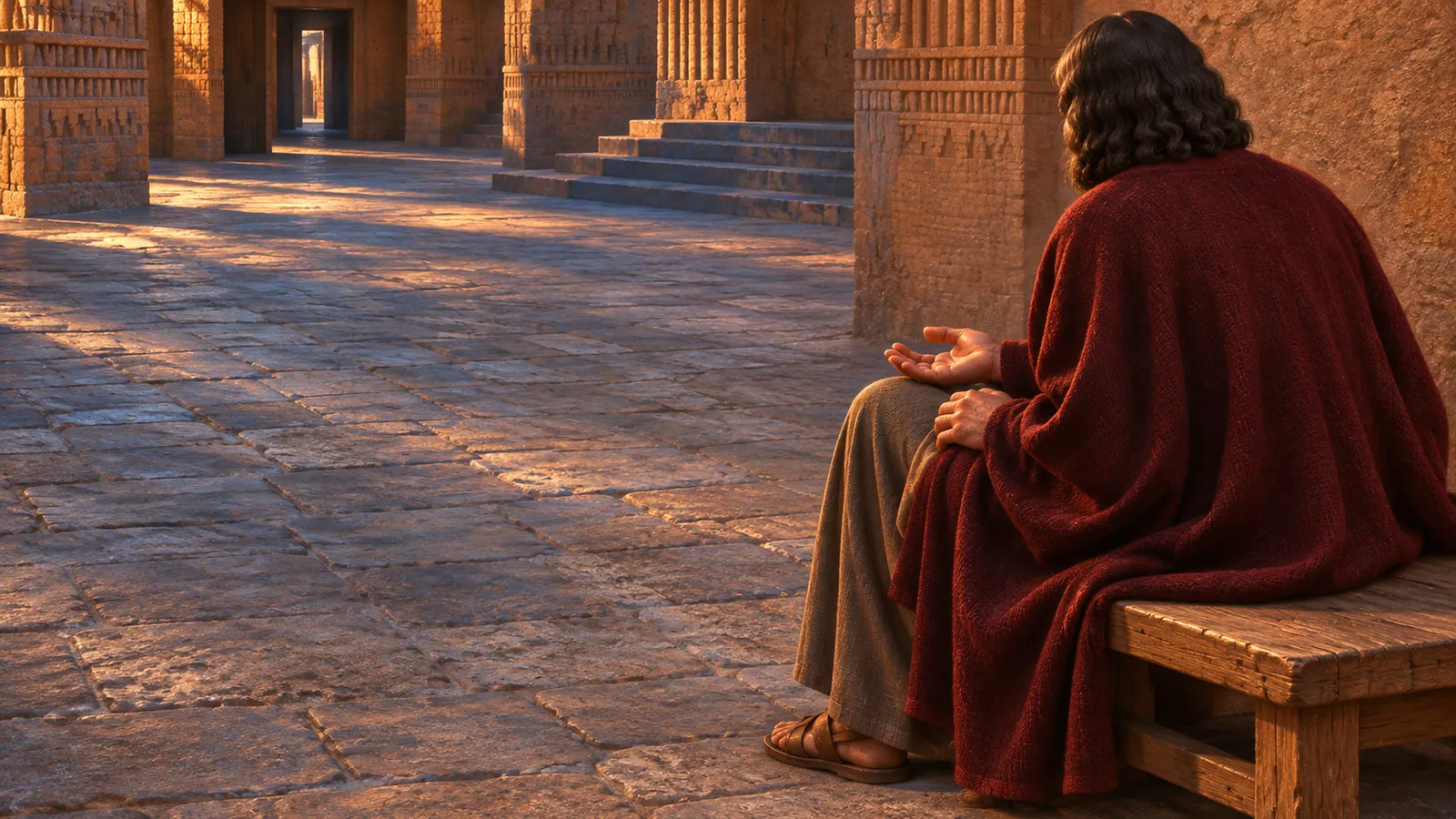
Erra escuta os Sete. As palavras deles agradam-lhe tanto como o óleo mais fino.
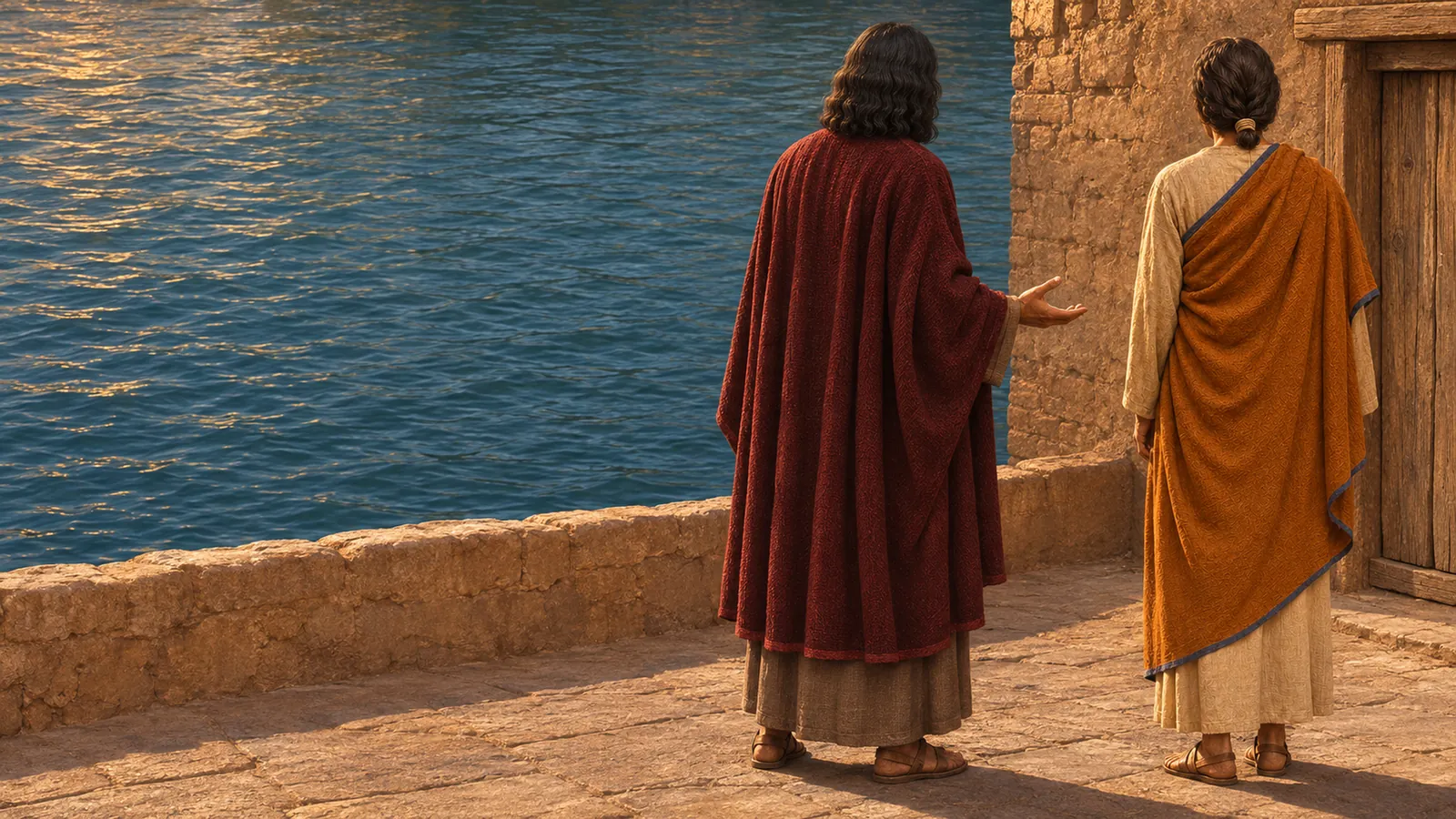
Erra pergunta a Ishum por que continua calado depois de ouvir os Sete. Manda-o abrir caminho para poder partir.
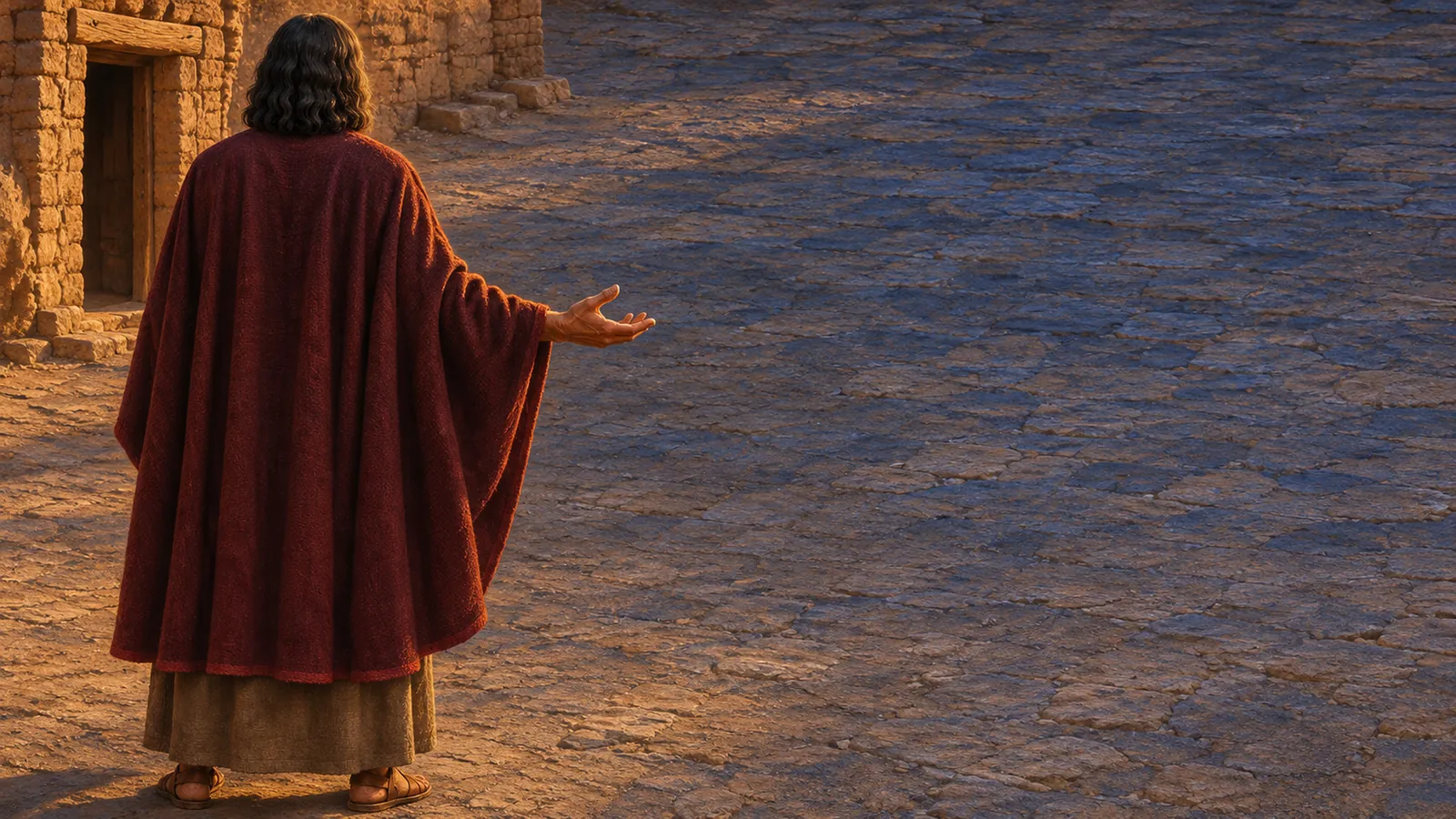
Erra chama os Sete para a guerra. Ordena que as suas armas sigam ao seu lado.
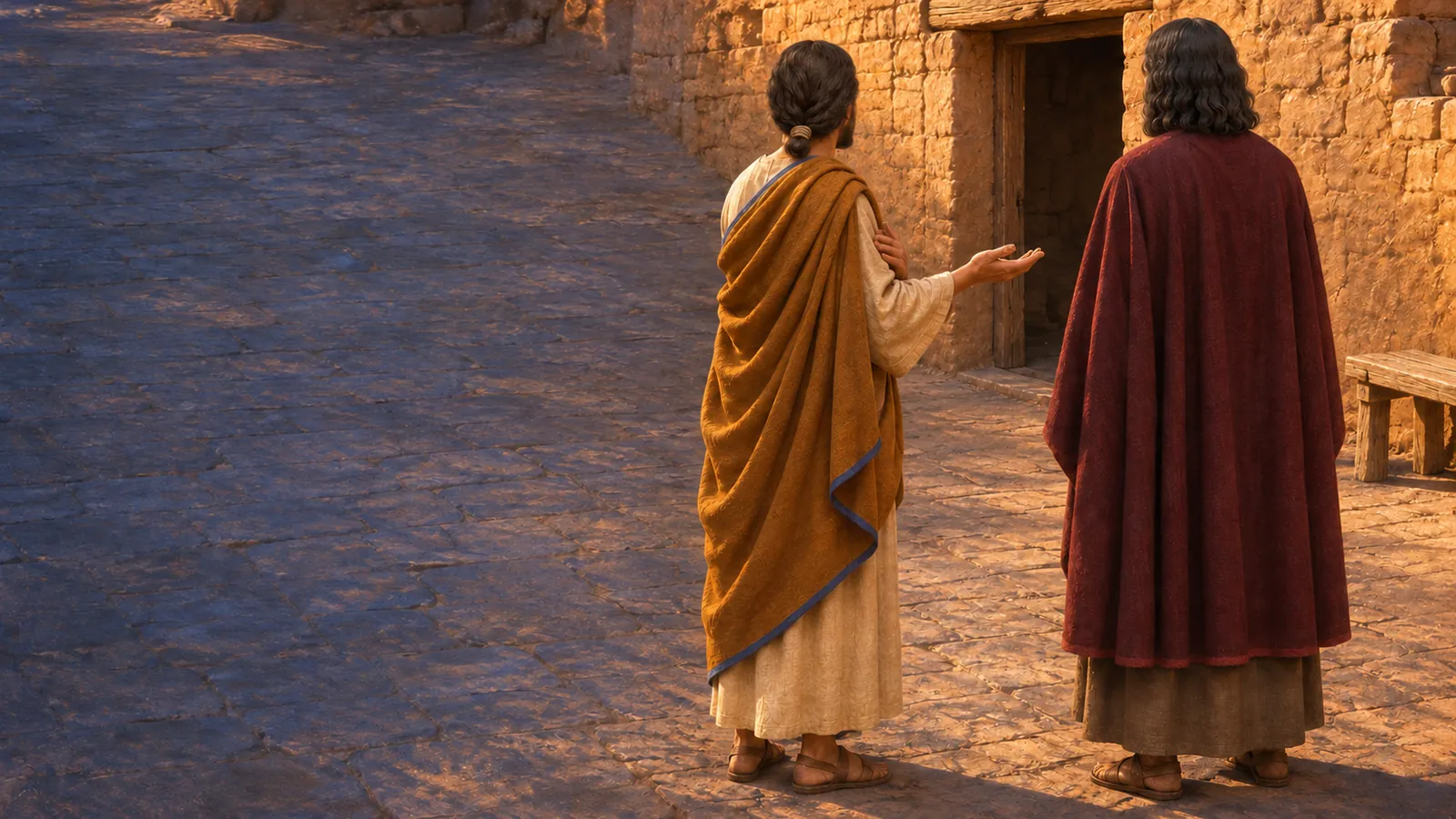
Ishum ouve Erra e enche-se de compaixão. Pergunta-lhe por que quer fazer mal aos deuses, à terra e aos seus habitantes. Pede-lhe que desista.
A RESPOSTA DE ERRA
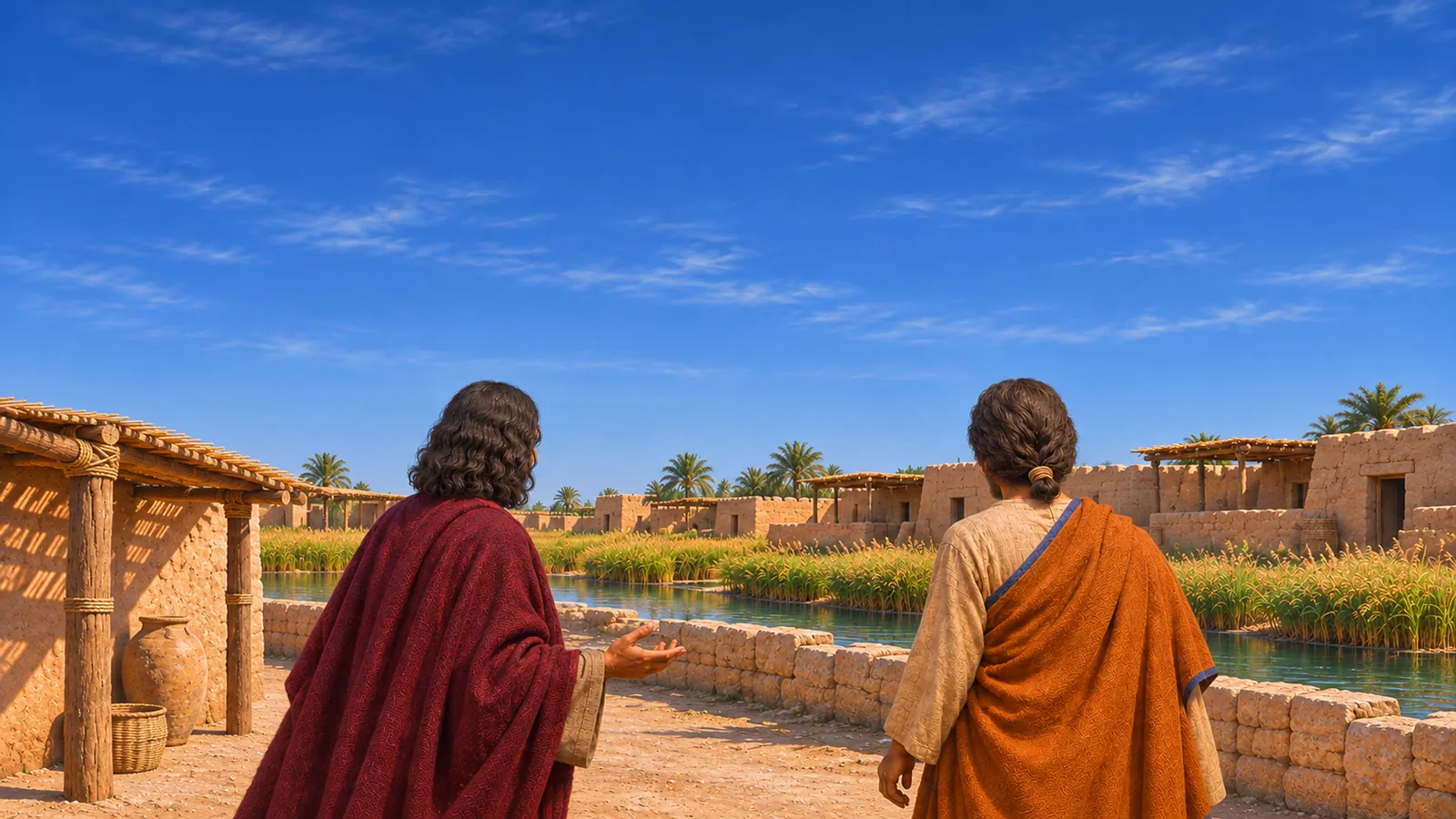
Erra pede a Ishum que escute. Reconhece a sabedoria de Ishum e a sua súplica pelas pessoas, depois começa a falar do seu próprio poder.
Erra diz ser touro selvagem no céu e leão na terra. Entre os Igigi e os Anunnaku, reivindica o lugar de um herói.
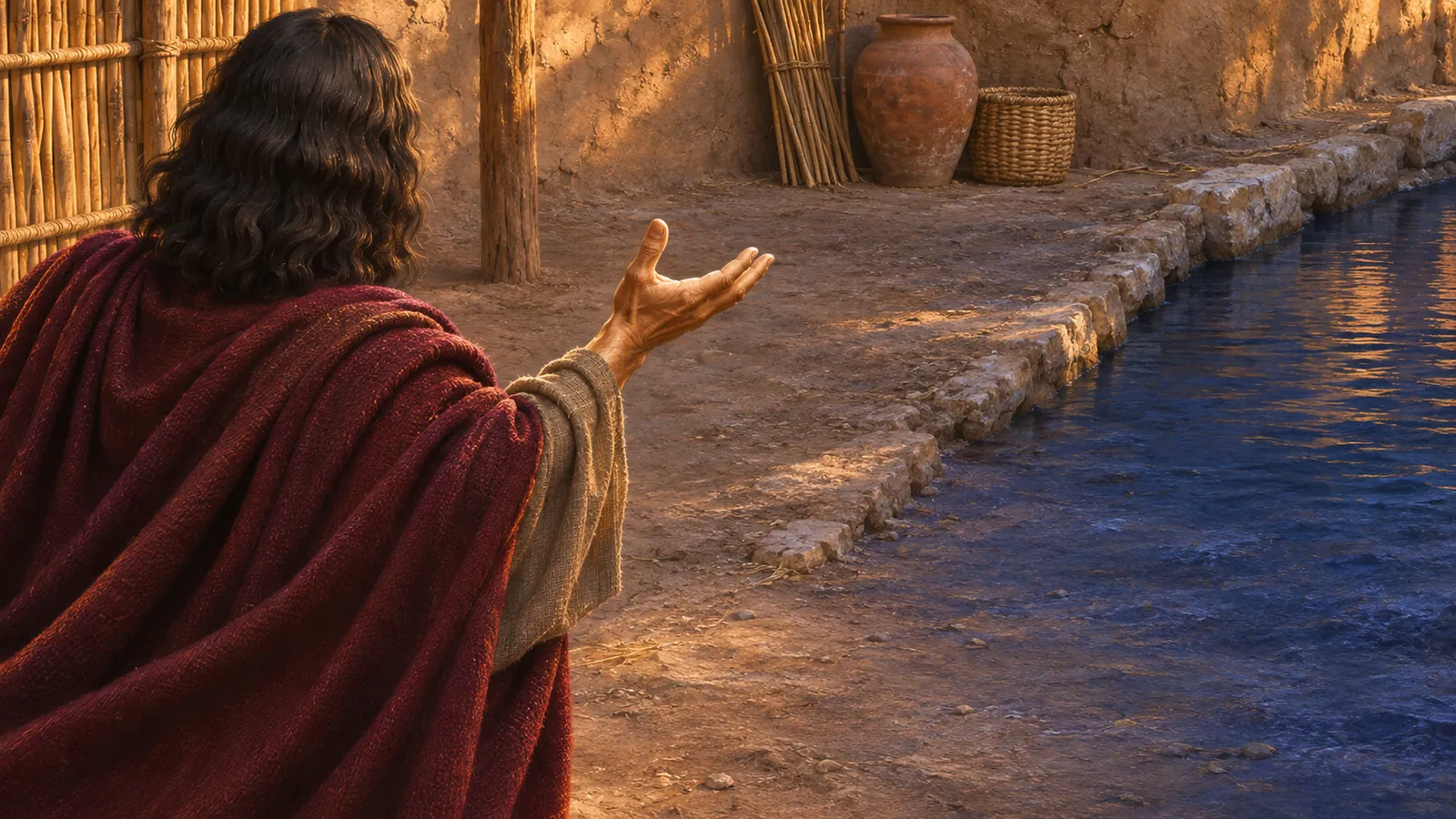
Erra compara-se ao vento e ao trovão de Adad. Invoca Nergal ao falar da estepe e diz que todos os deuses temem o seu nome.
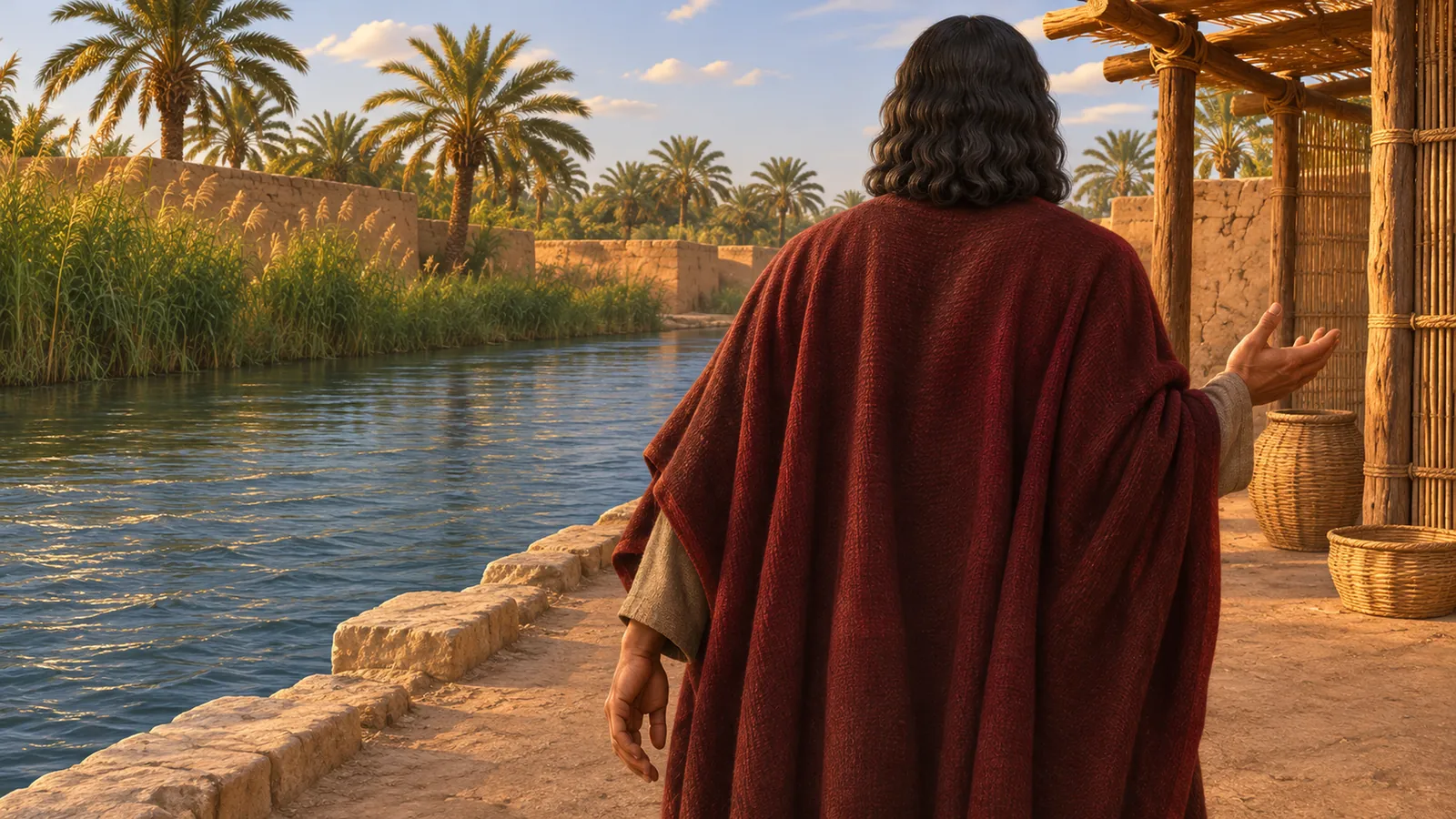
Erra diz que vai enfurecer Marduk e expulsá-lo da sua morada. Em seguida, ameaça também as pessoas.
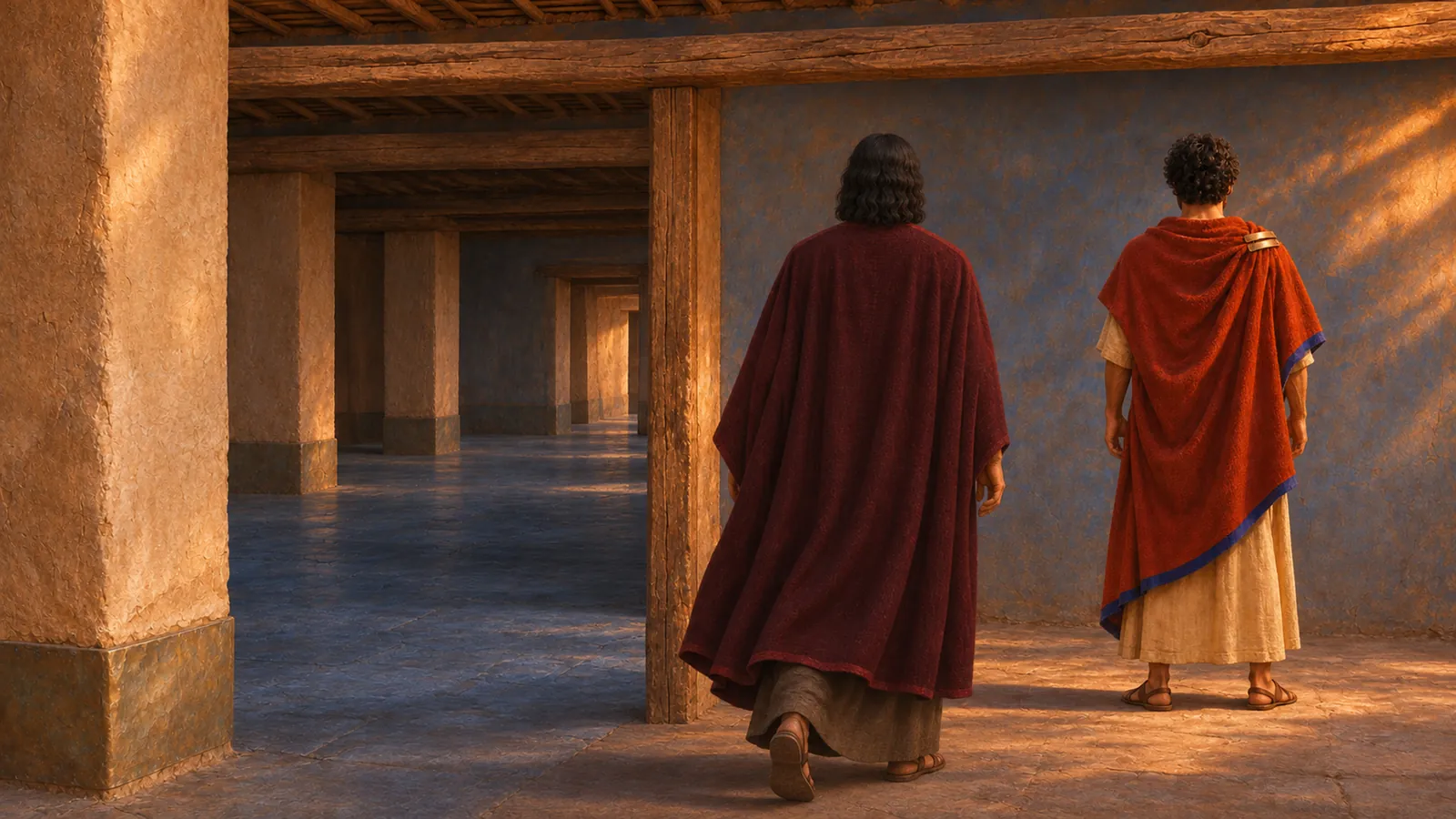
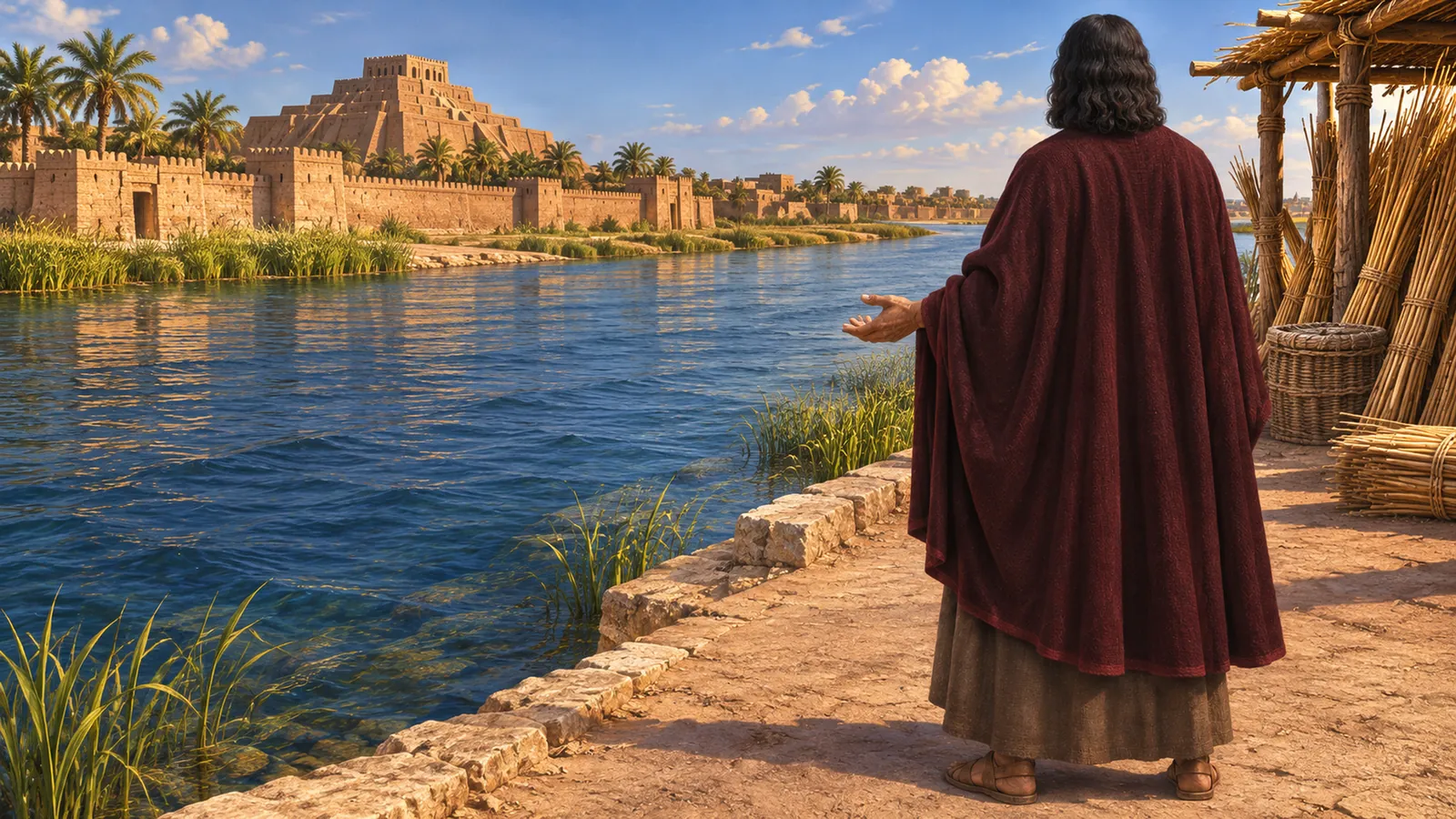
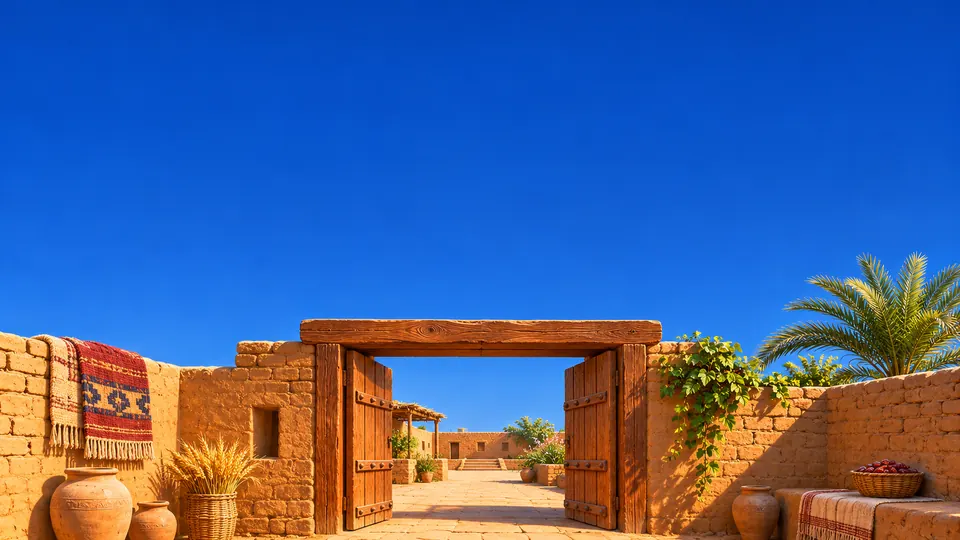
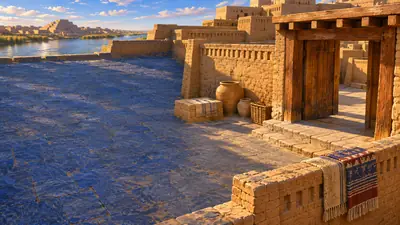
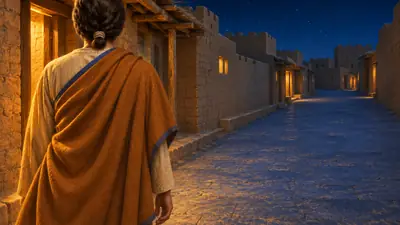
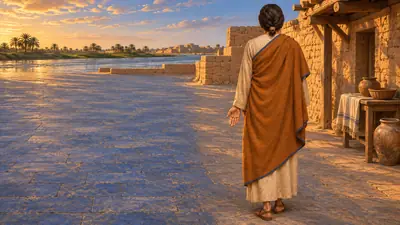
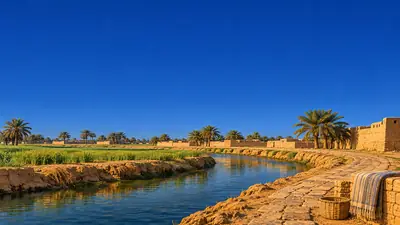
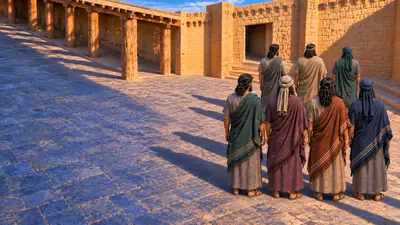
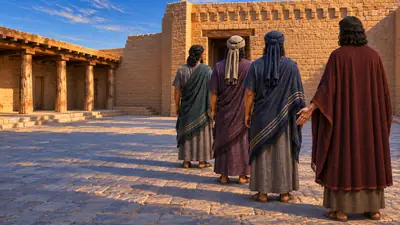
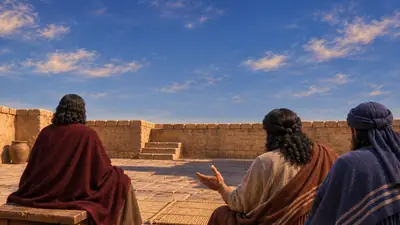
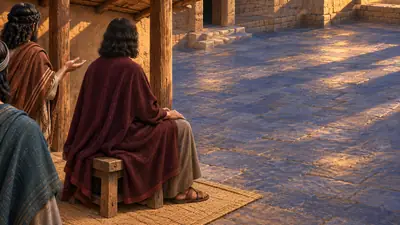
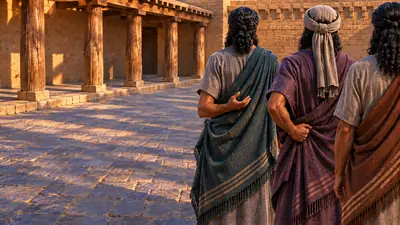
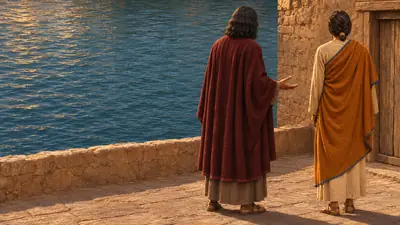
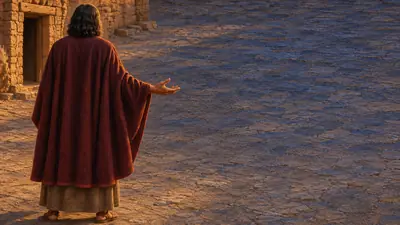
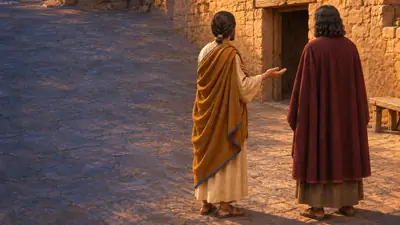
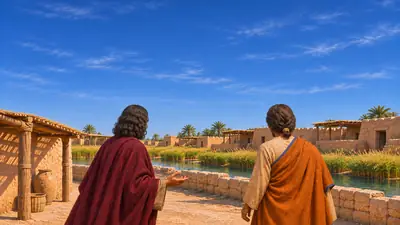
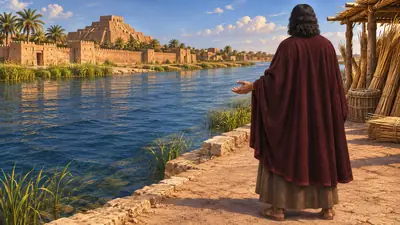
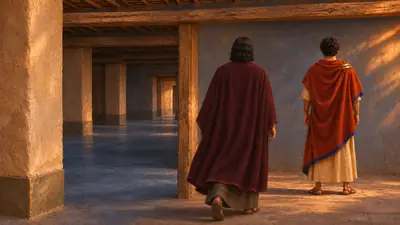
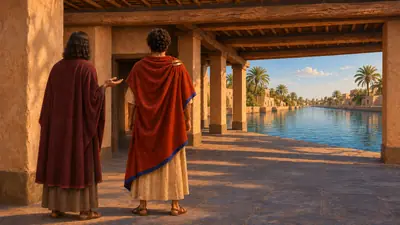
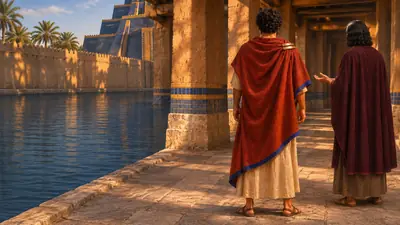
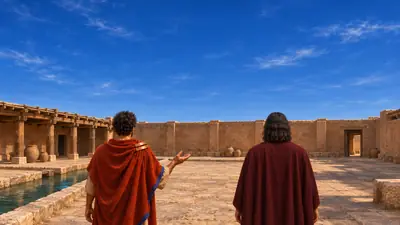
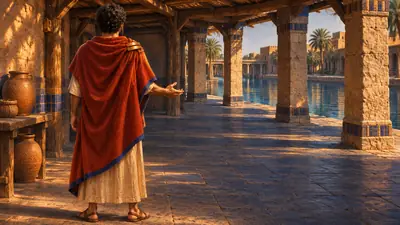
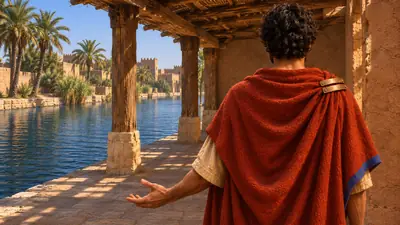
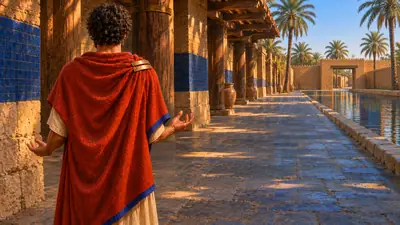
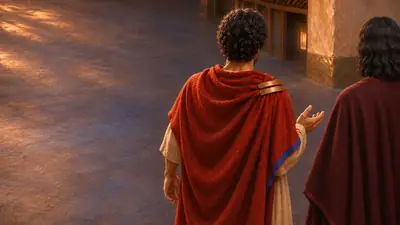
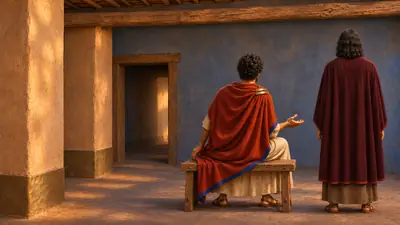
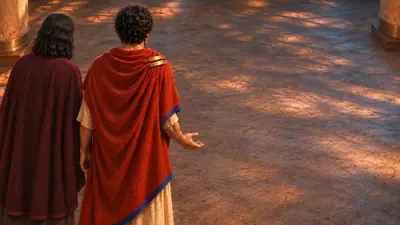
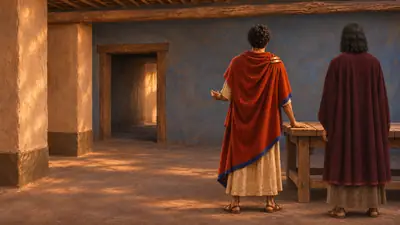
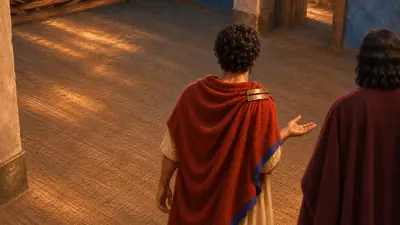
Erra vai à Babilónia, cidade do rei dos deuses. Entra no Esagil, chamado palácio do céu e da terra, e apresenta-se diante de Marduk.
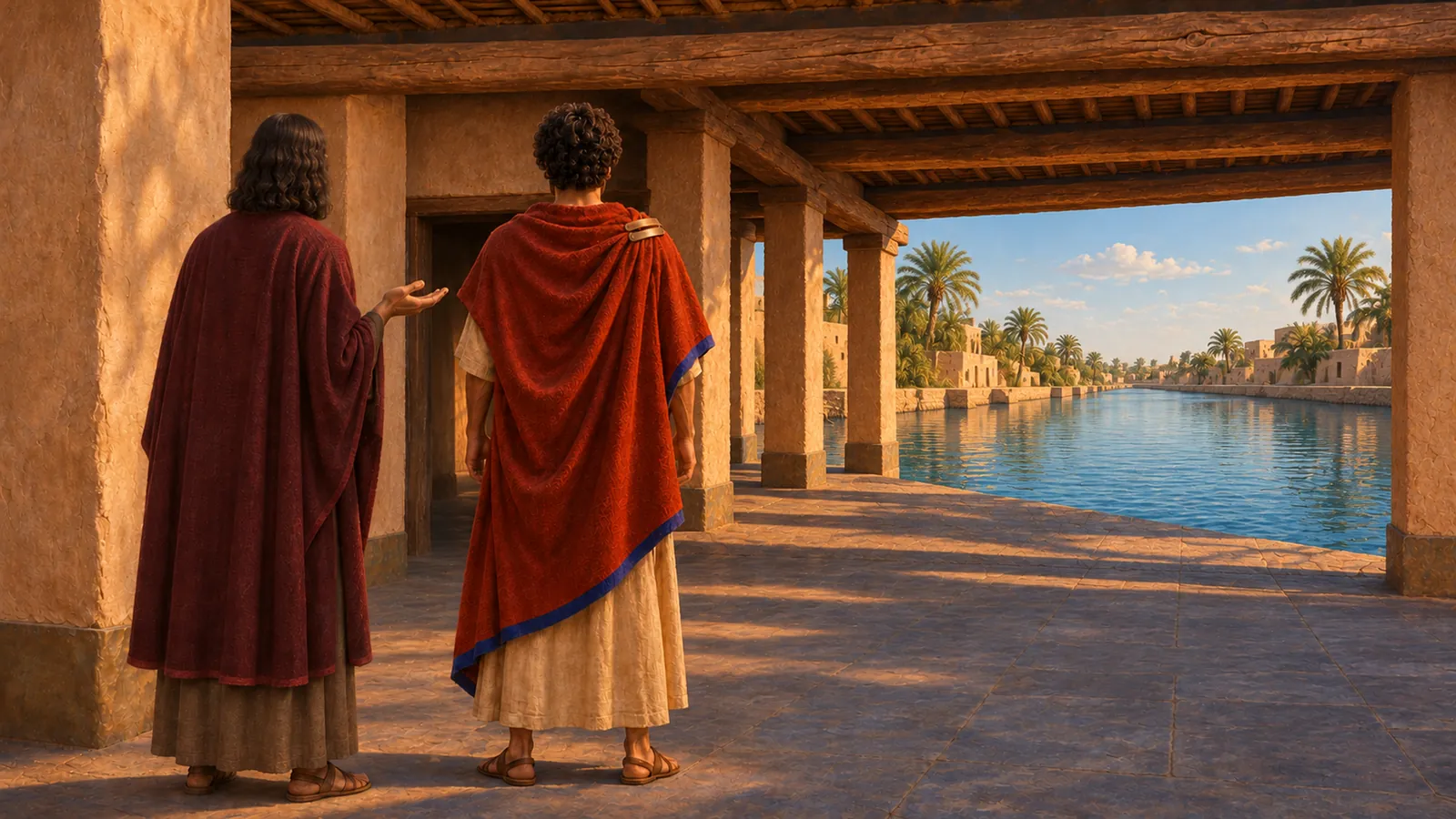
Erra pergunta por que está sujo o adorno de Marduk. Diz que outrora brilhava como as estrelas.
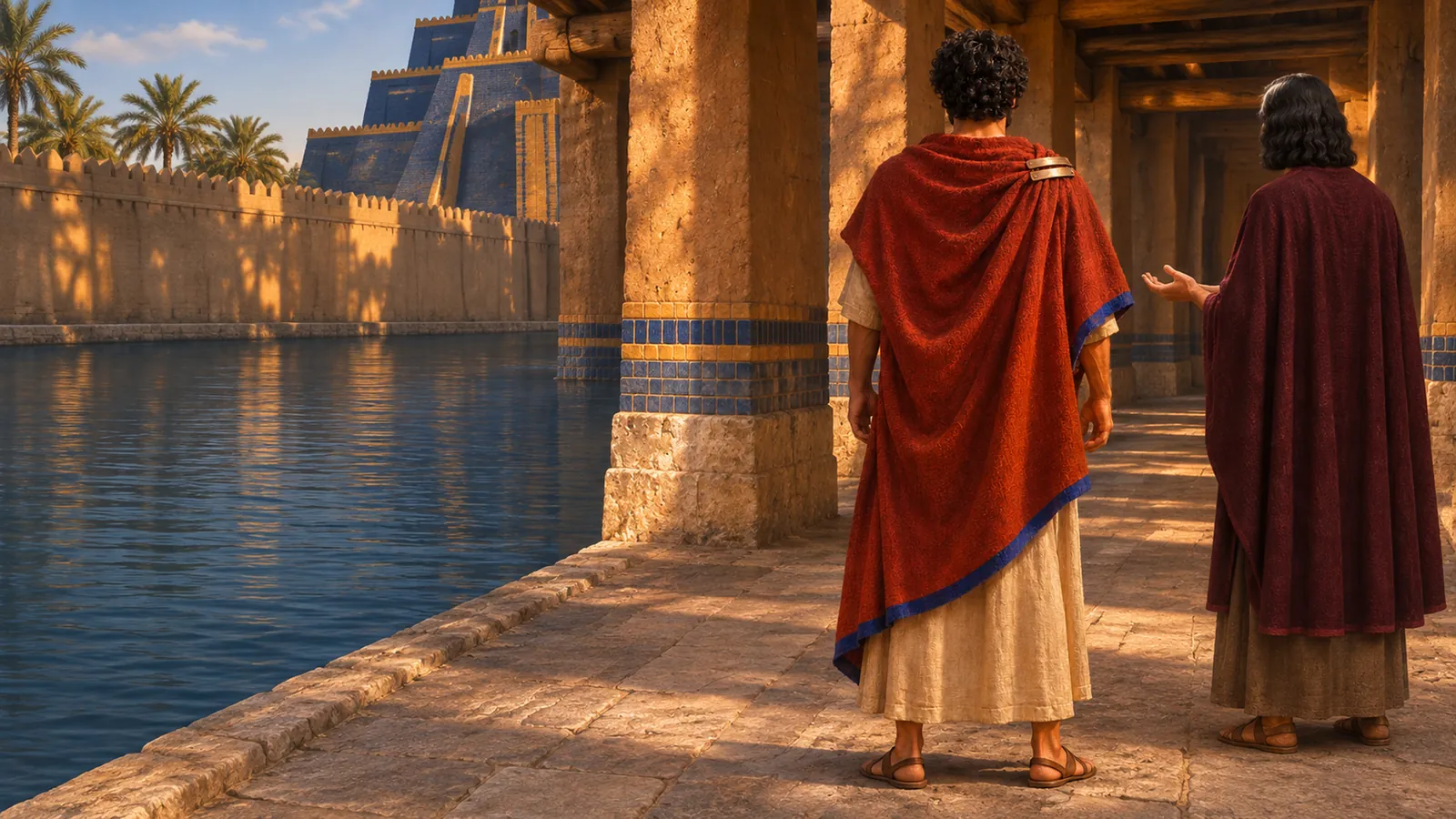
Erra pergunta também por que perdeu o brilho a coroa do senhorio de Marduk. Recorda como iluminava outrora uma morada sagrada.
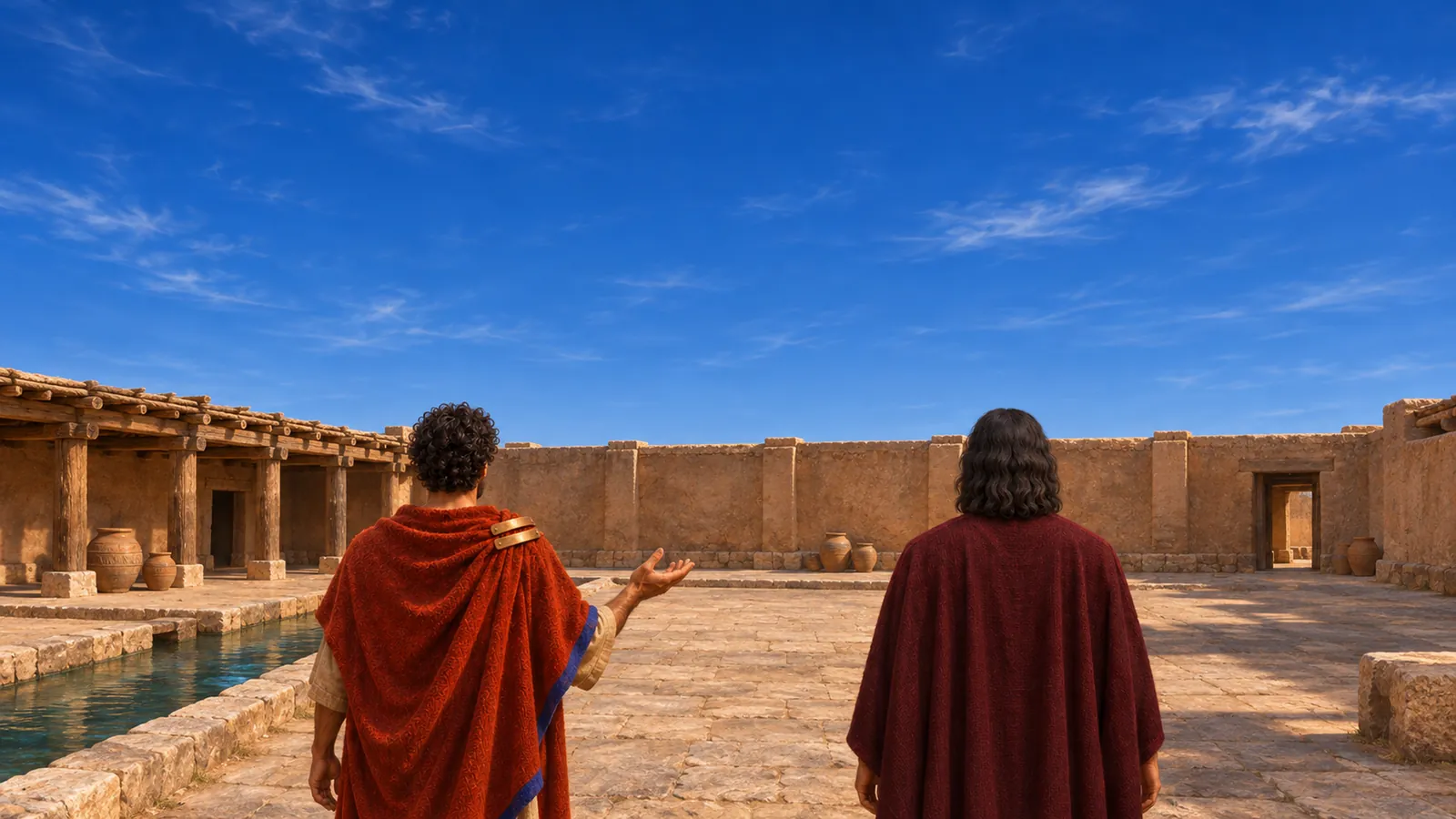
O DILÚVIO
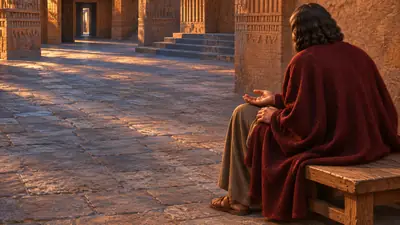
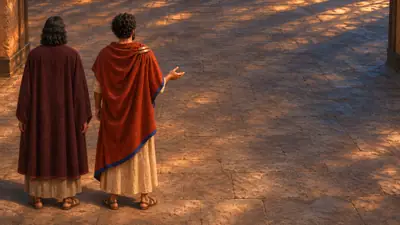
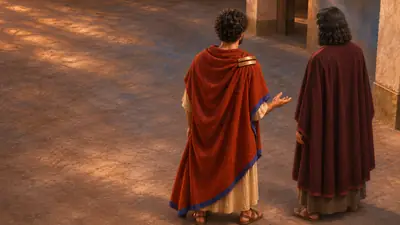
Marduk conta a Erra o que aconteceu há muito tempo. Diz que se ergueu do assento, irado, e provocou um dilúvio. As junções do céu e da terra rasgaram-se.
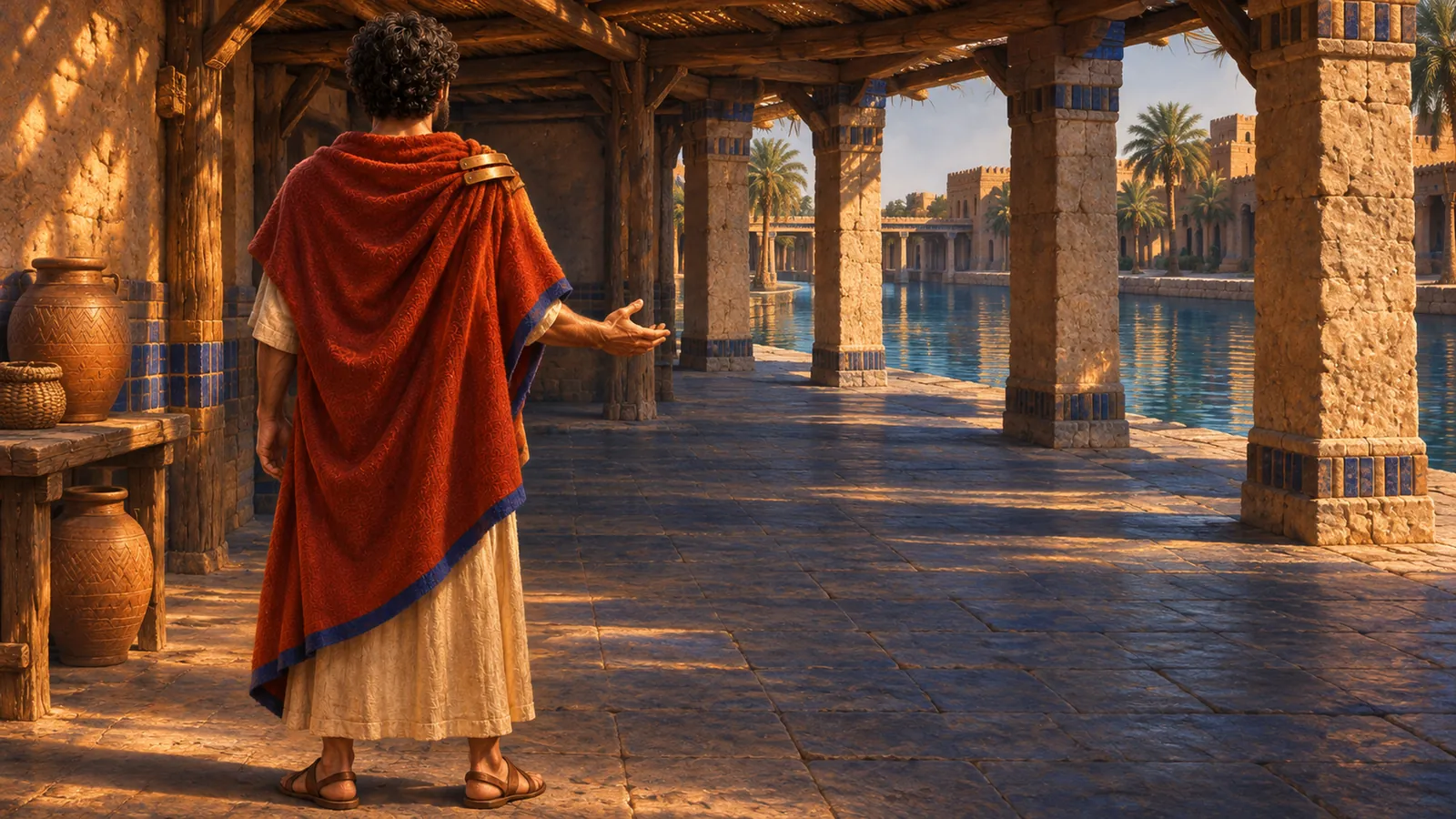
Marduk recorda que as estrelas mudaram de lugar quando o céu estremeceu. Diz que os sulcos davam tão pouco que se tornou difícil cobrar o que era devido.
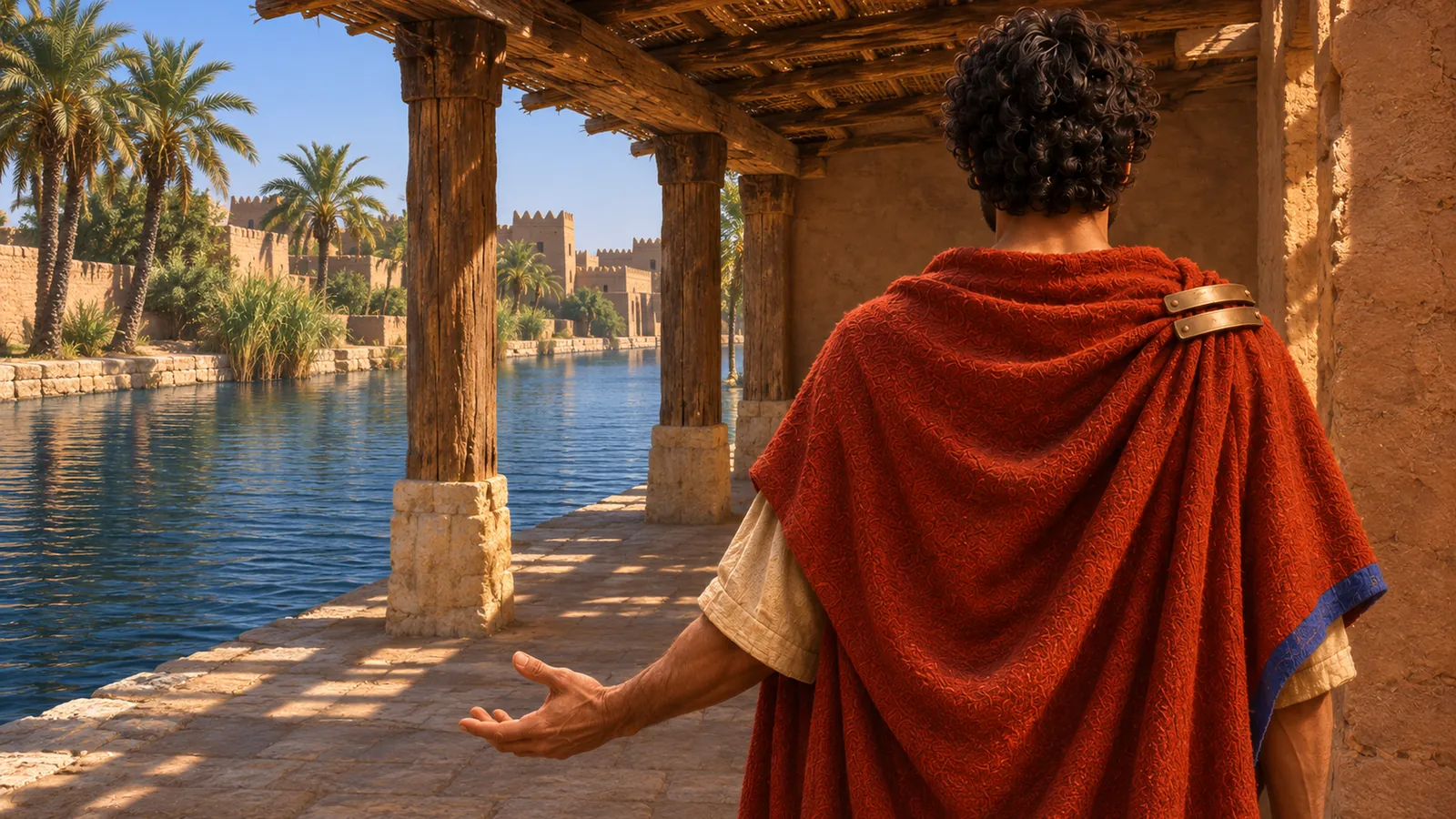
Marduk diz que as nascentes minguaram e as águas altas recuaram. Quando voltou a olhar, mal restava água suficiente.
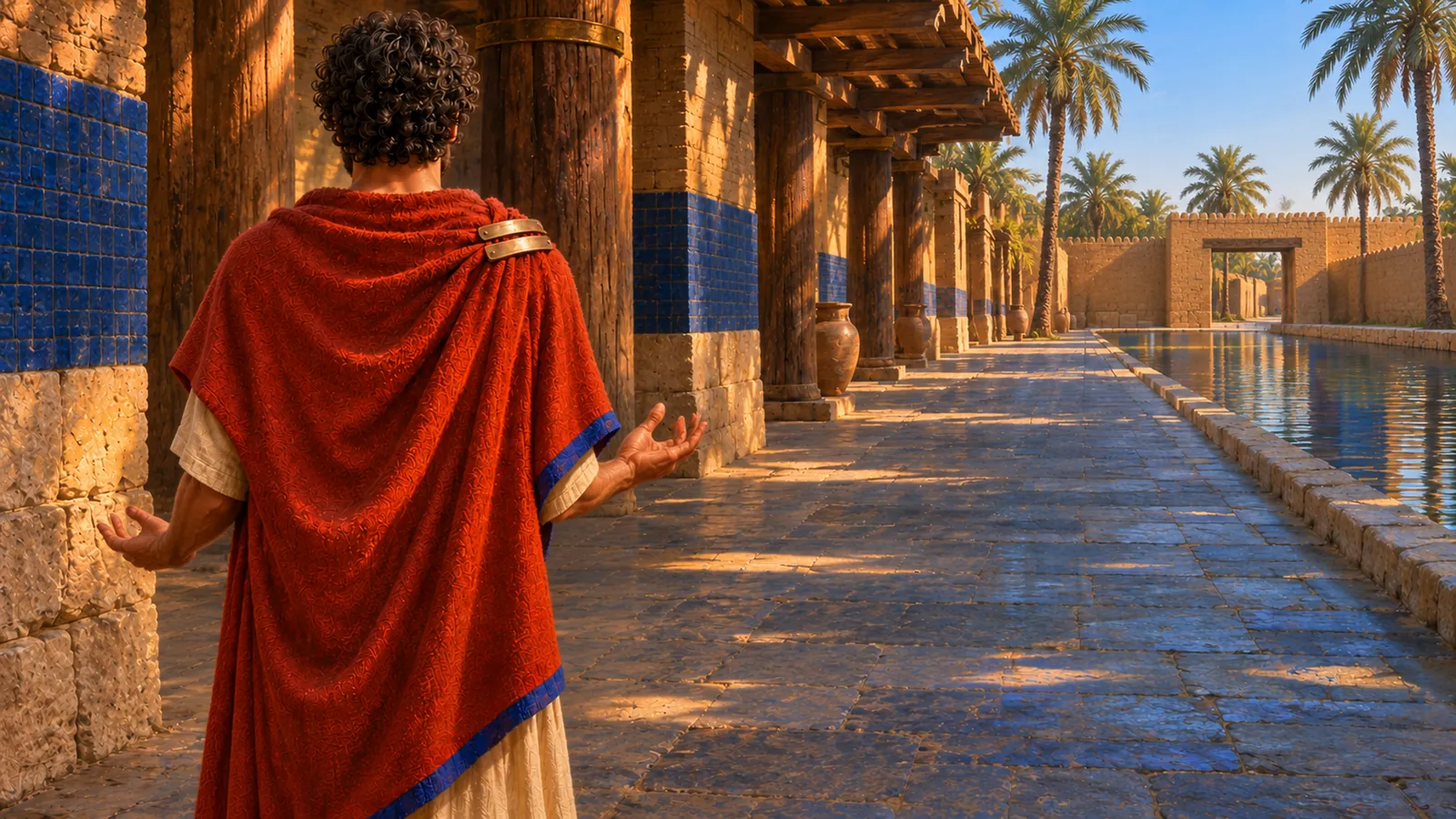
Marduk recorda quão poucas crias restavam dos seres vivos. Diz que acabou por tomá-las na mão, como um lavrador junta as suas mudas.
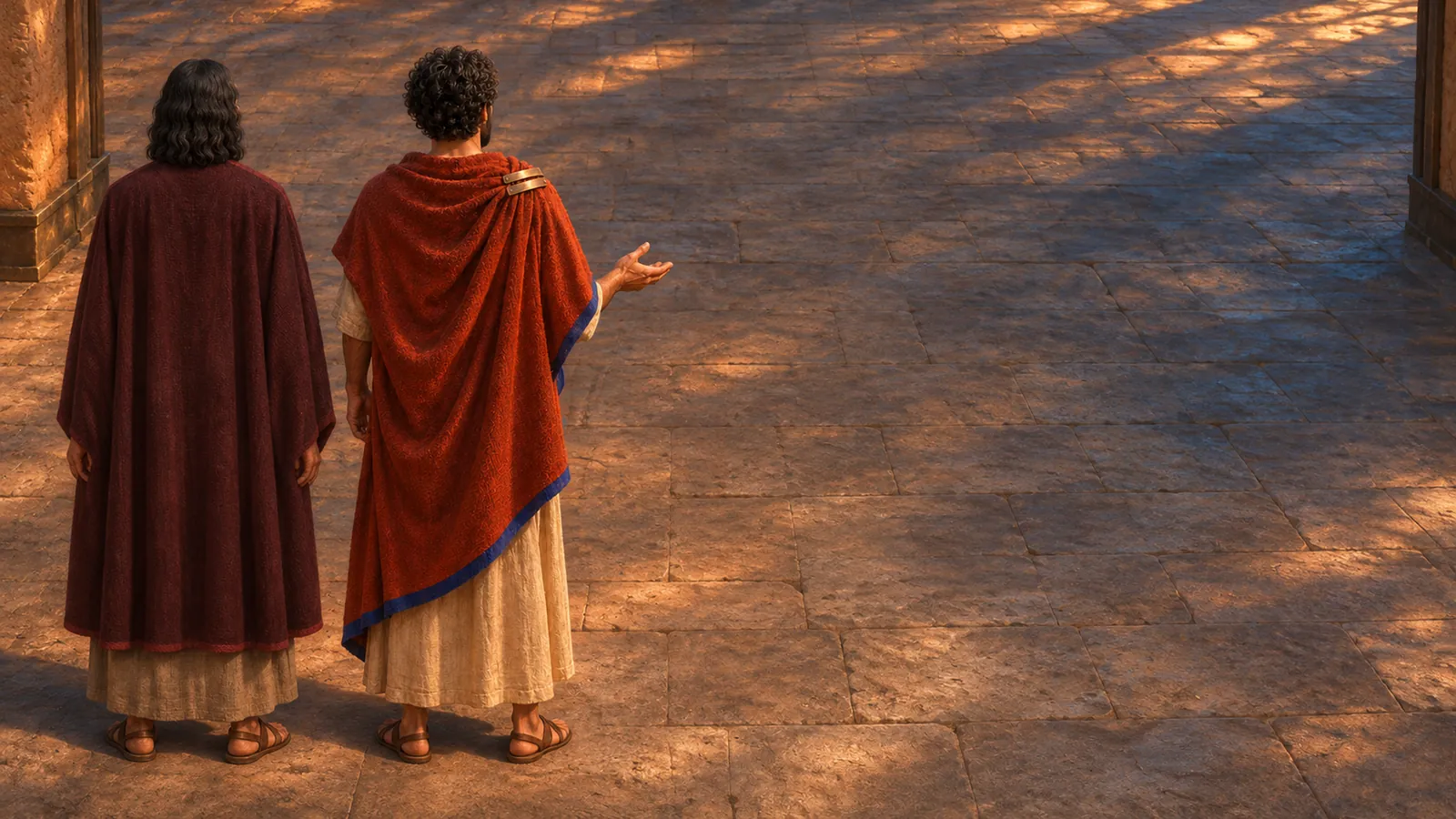
Marduk recorda que construiu outra morada e nela se instalou. A sua imagem perdera o brilho, e ele pediu ao deus do fogo que o devolvesse e limpasse as suas vestes.
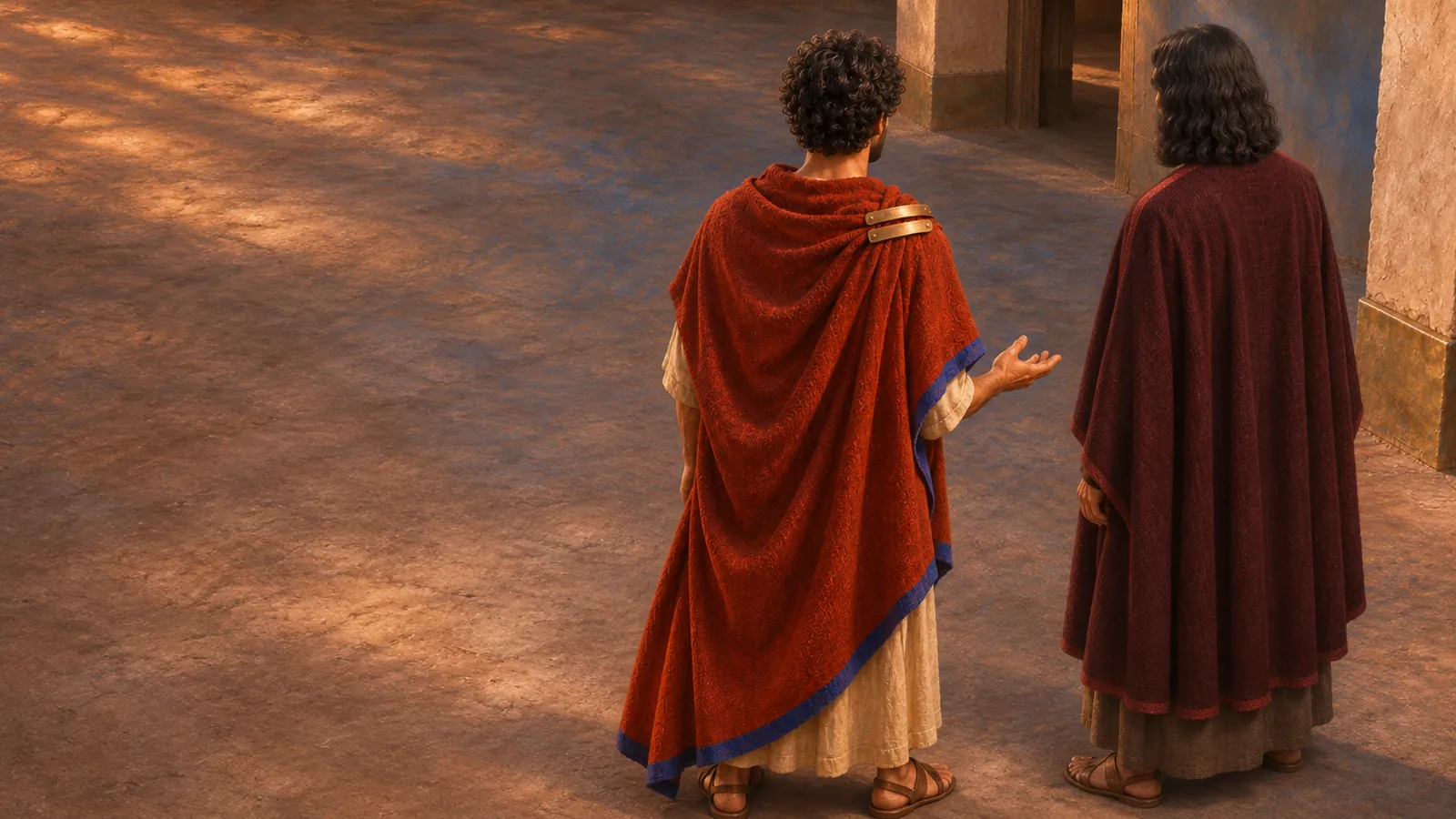
Marduk diz que a obra terminou e que regressou com a coroa. Os sobreviventes do dilúvio viram o que fora feito. Pergunta-se se a sua ira destruiria agora quem ainda resta.
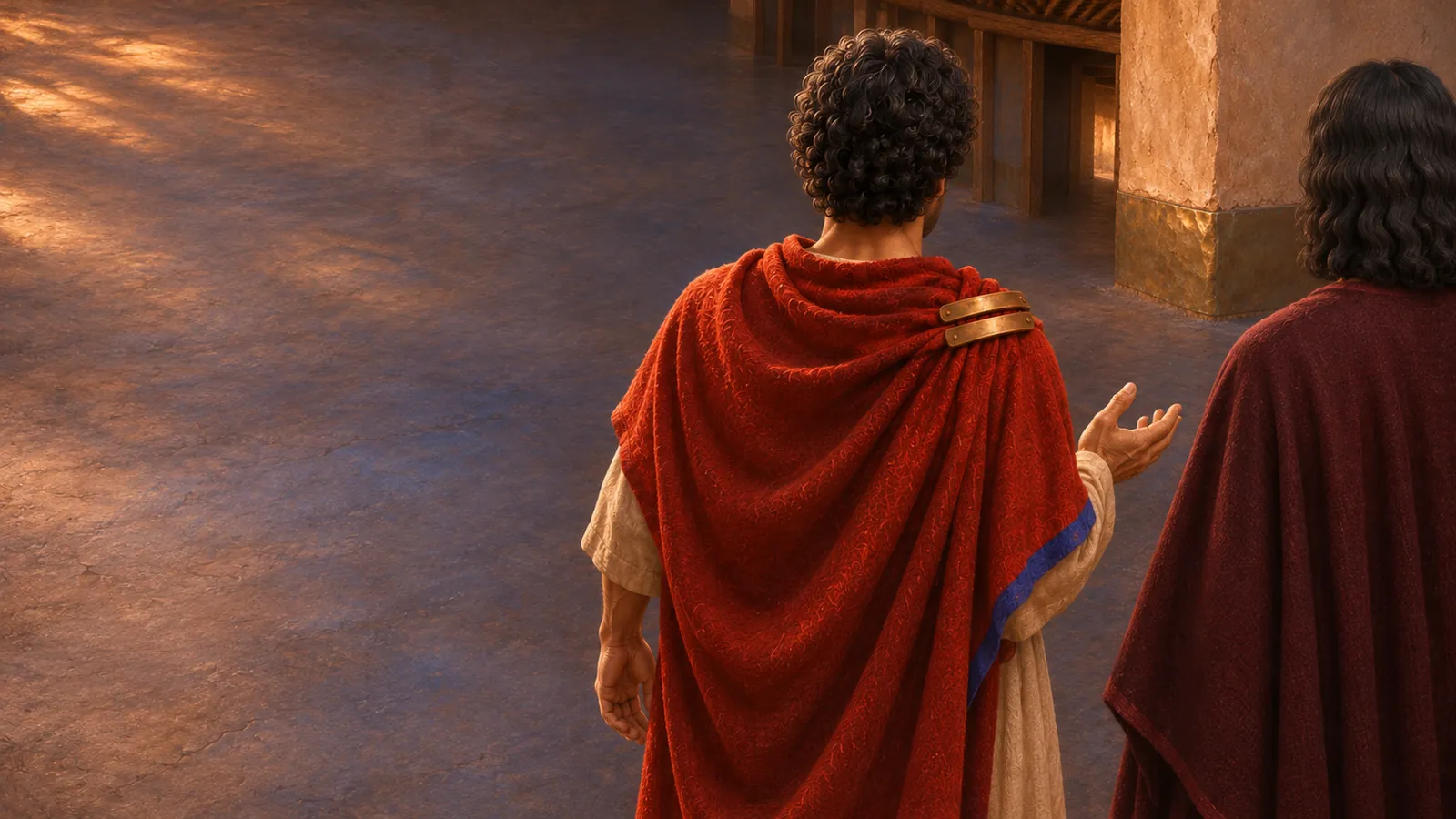
Marduk diz que mandou os artesãos descer ao Apsu e não ordenou que regressassem. Mudou a árvore mesu e o âmbar de lugar e guardou para si o segredo do seu paradeiro.
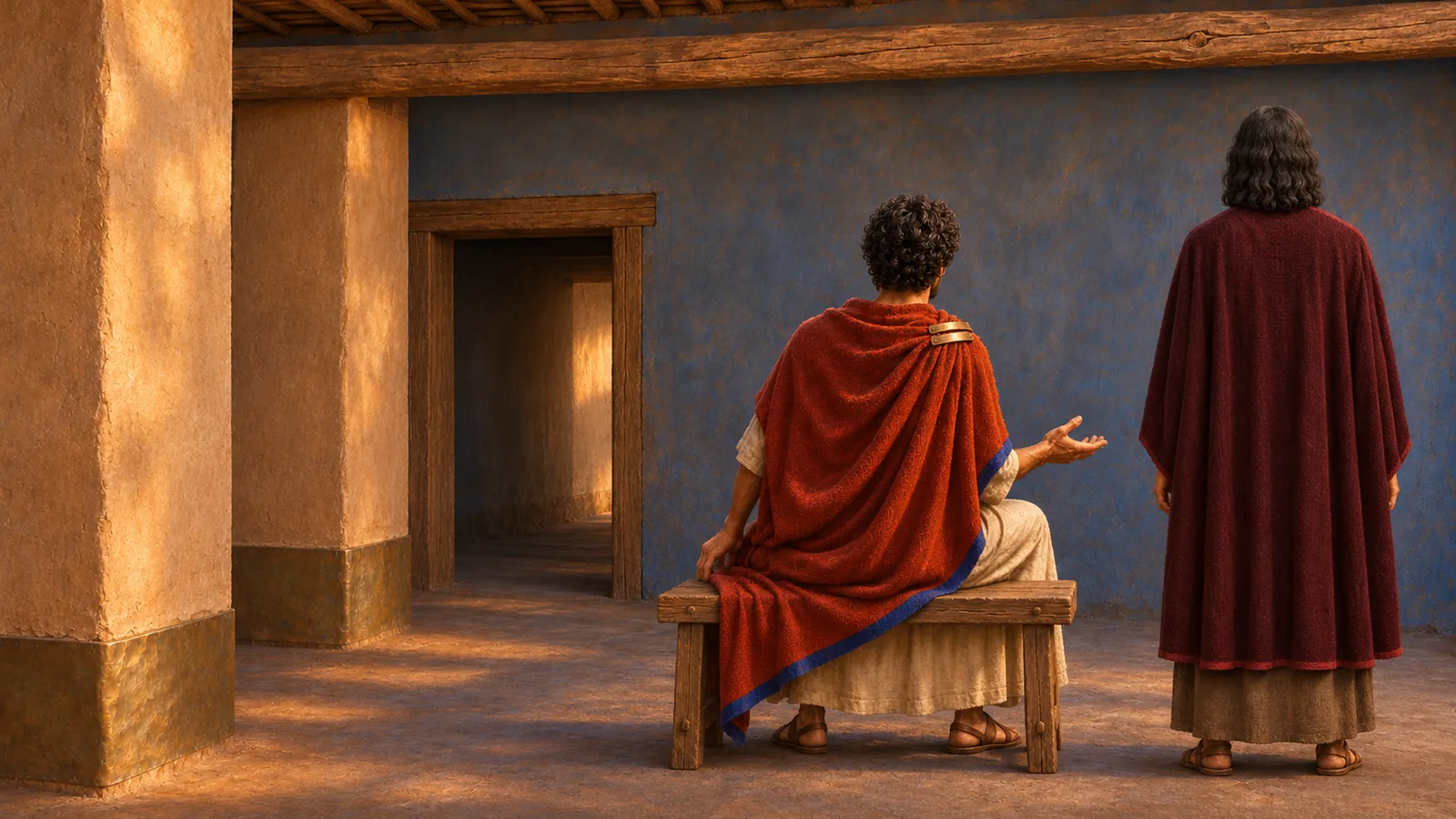
Marduk volta à proposta de Erra e pergunta onde se pode encontrar a árvore mesu. Chama-lhe carne dos deuses e diz que é digna de um rei.
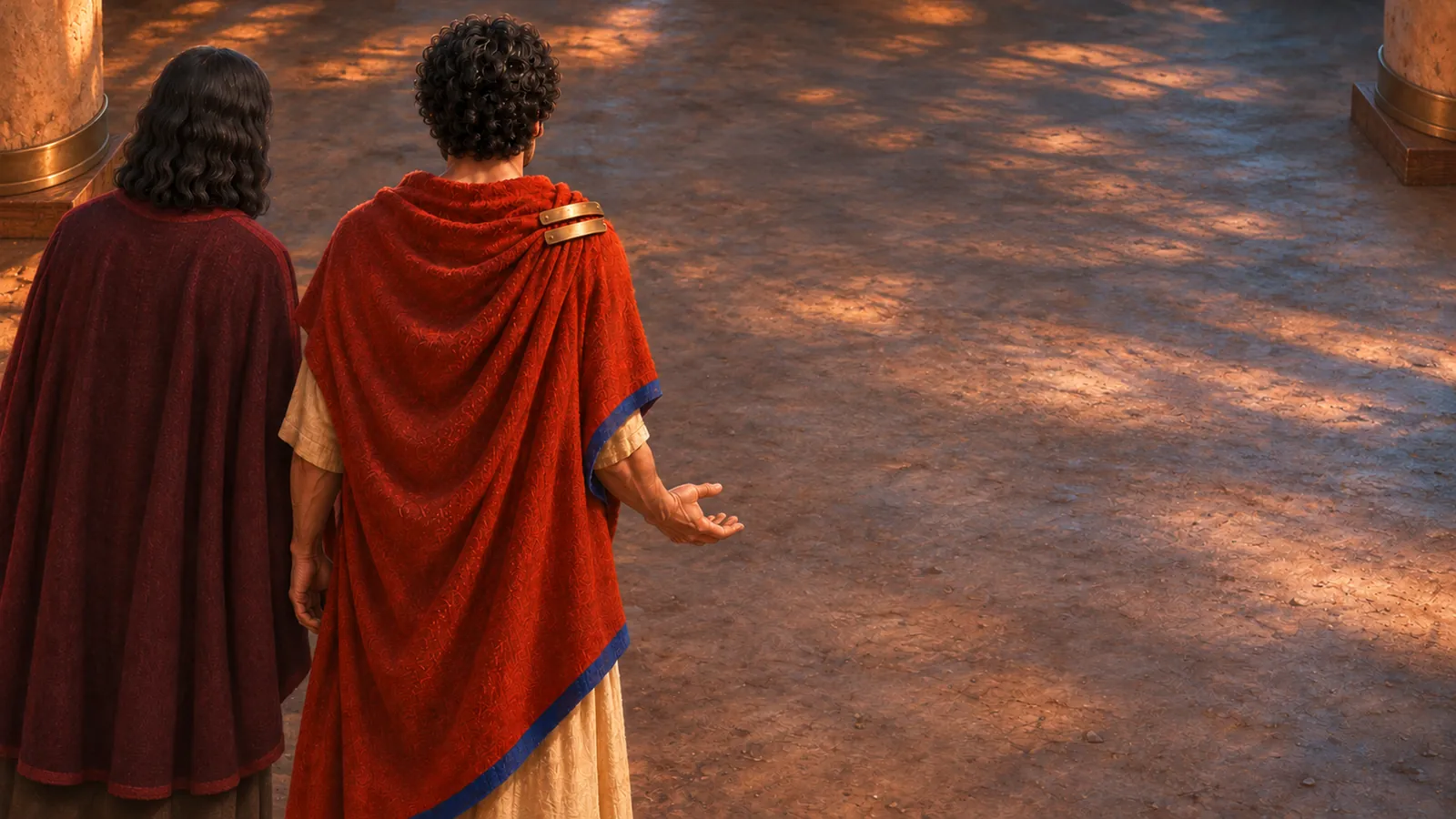
Marduk diz que as raízes chegavam às profundezas e que a copa tocava o céu de Anu. Pergunta também onde foi parar a esplêndida matéria azul.
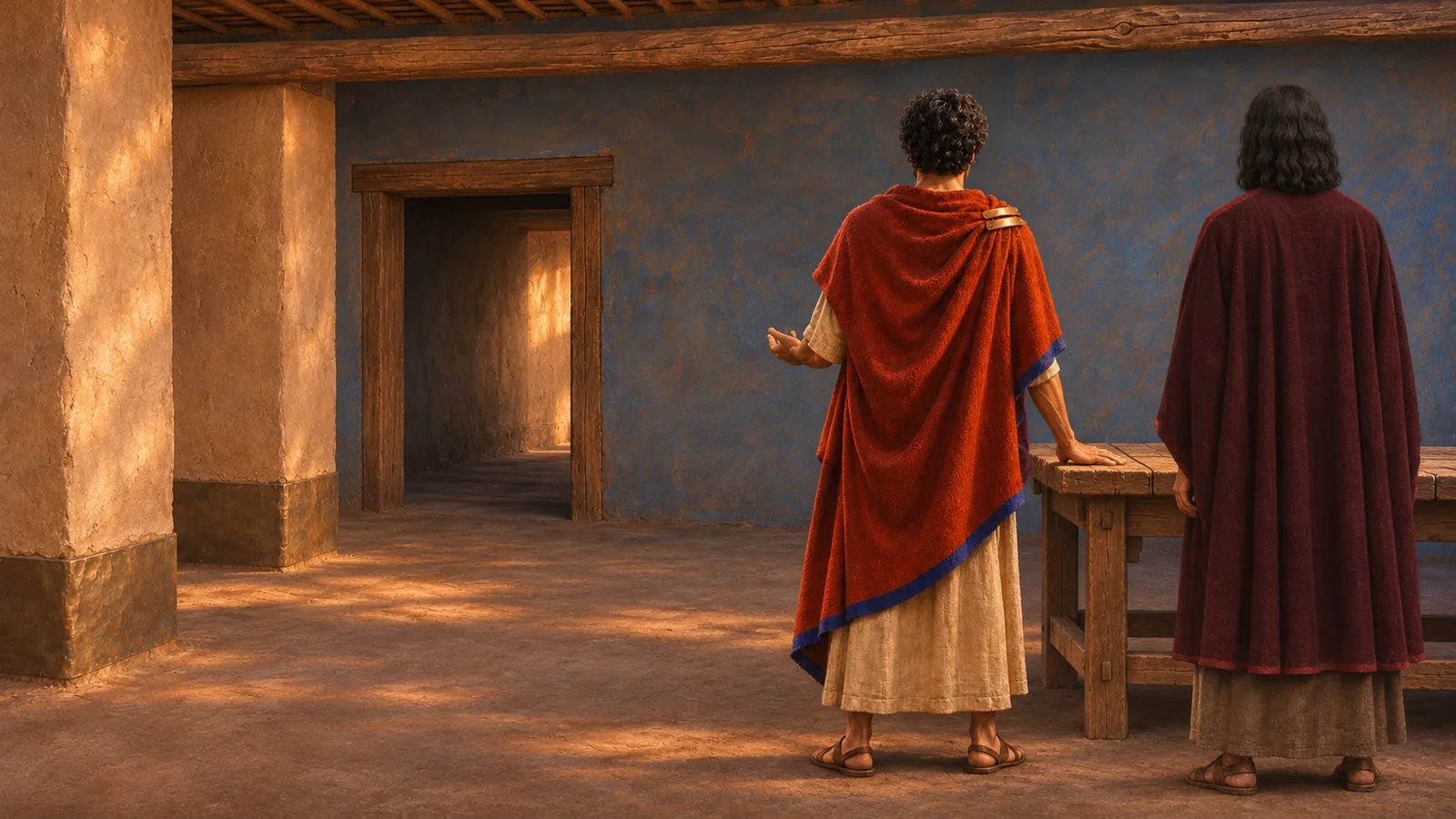
Marduk pergunta para onde foi Ninildu, o seu mestre carpinteiro. A cópia de Sultantepe também conserva os nomes de Kusibanda e Ninagal, embora se tenham perdido partes das descrições.
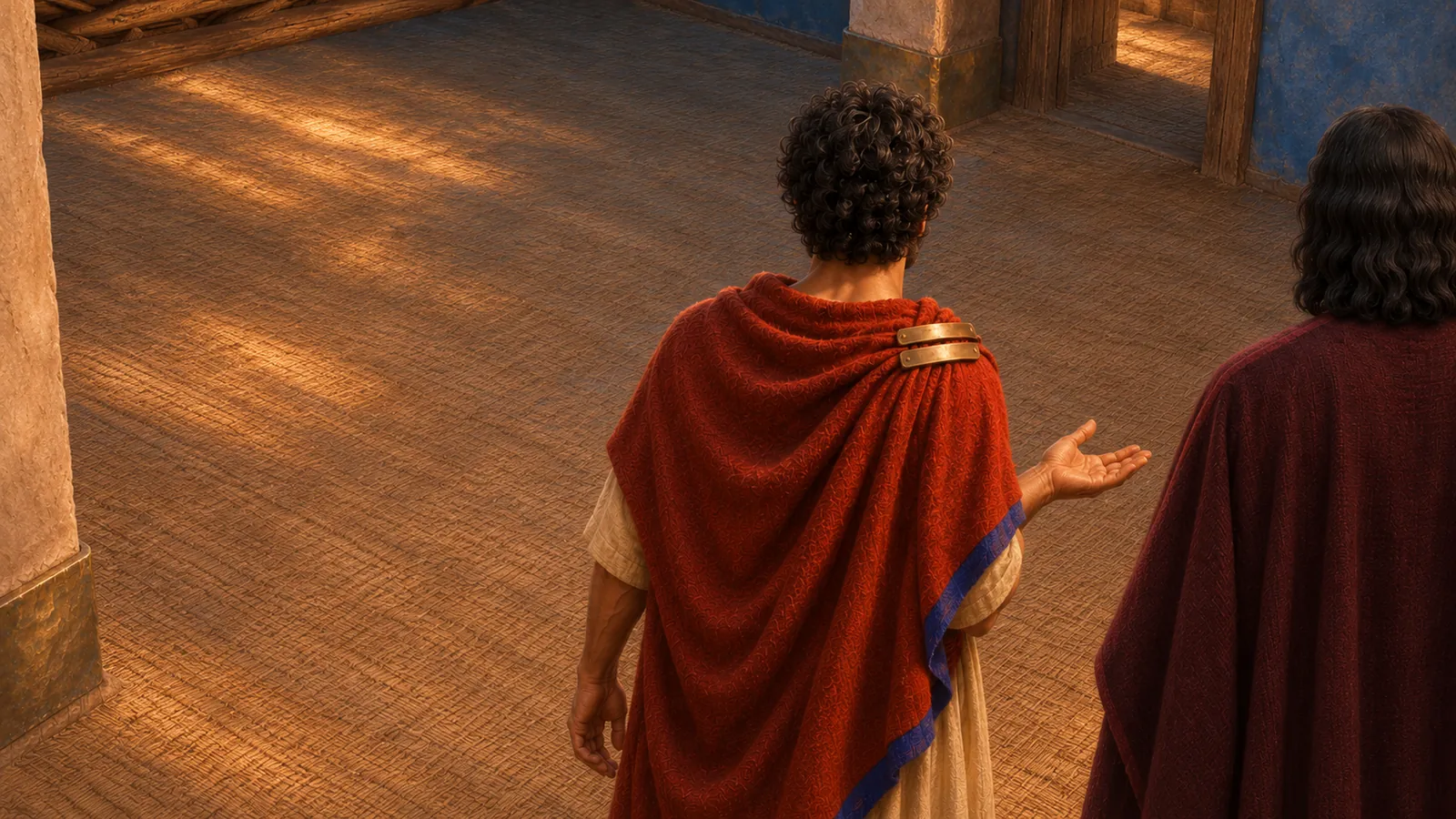
Marduk pergunta depois onde estão os sete sábios do Apsu. A cópia de Sultantepe compara-os com Ea, mas o resto da frase está incompleto.
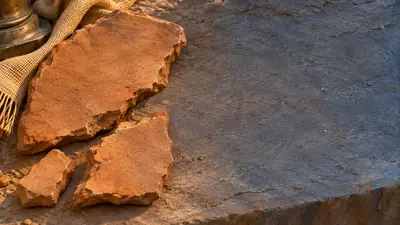
Parte da conversa está danificada. Só restam fragmentos da resposta de Erra, e Marduk volta a falar da ordem do céu e da terra. A palavra que significa escuridão ainda se lê.
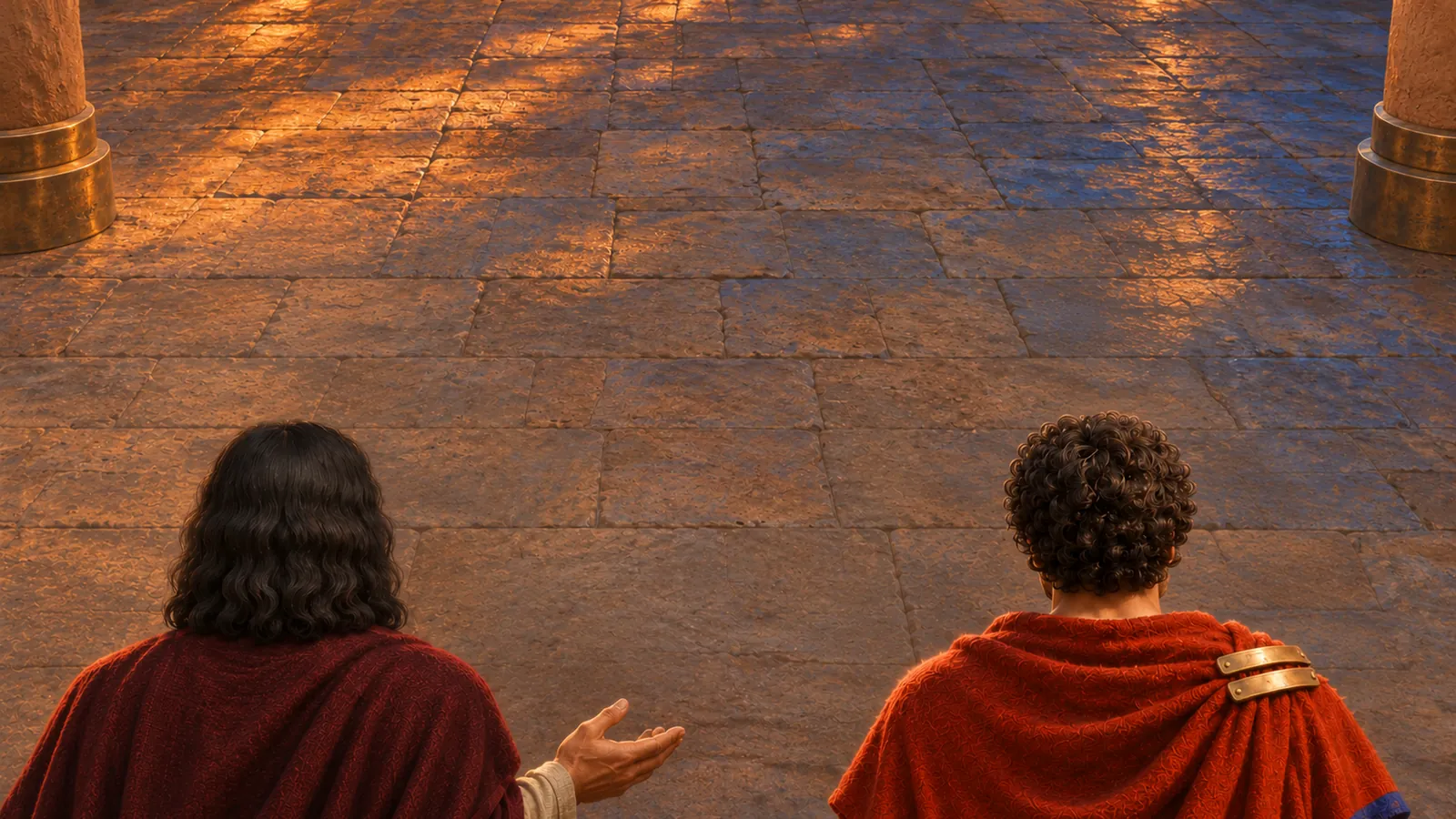
A PROMESSA
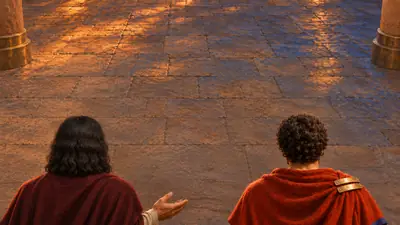
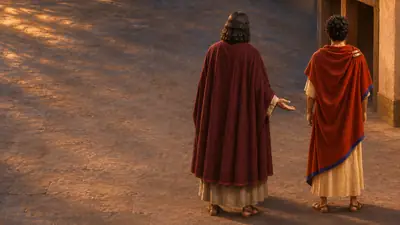
Erra promete manter a ordem do céu e da terra até ao regresso de Marduk. Fala de subir até aos Igigi e descer ao Apsu para cuidar dos Anunnaku.
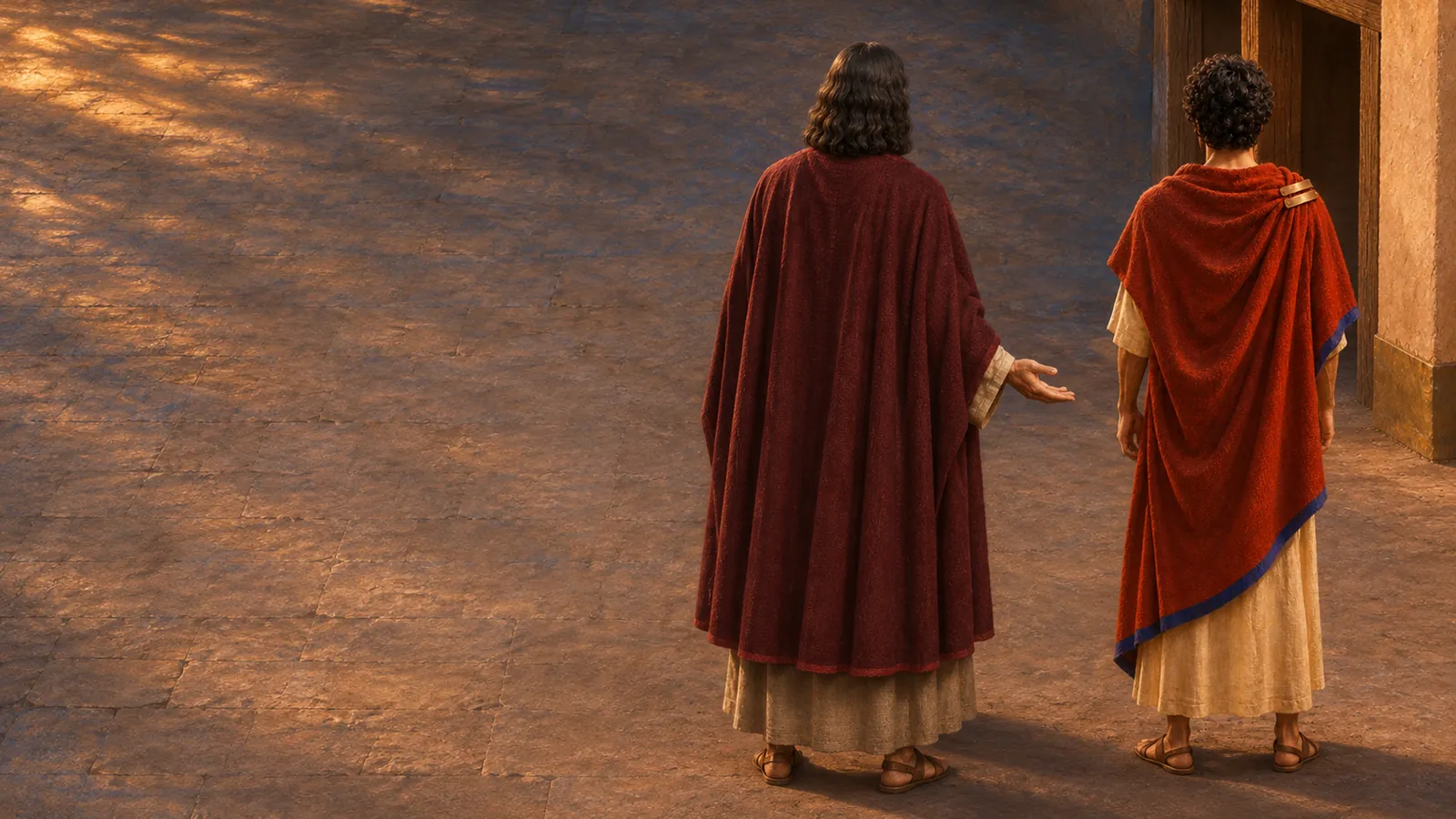
Erra diz que afastará seres ferozes e prenderá o vento maligno como a uma ave. Colocará Anu e Enlil como bois, um de cada lado da entrada da morada de Marduk.
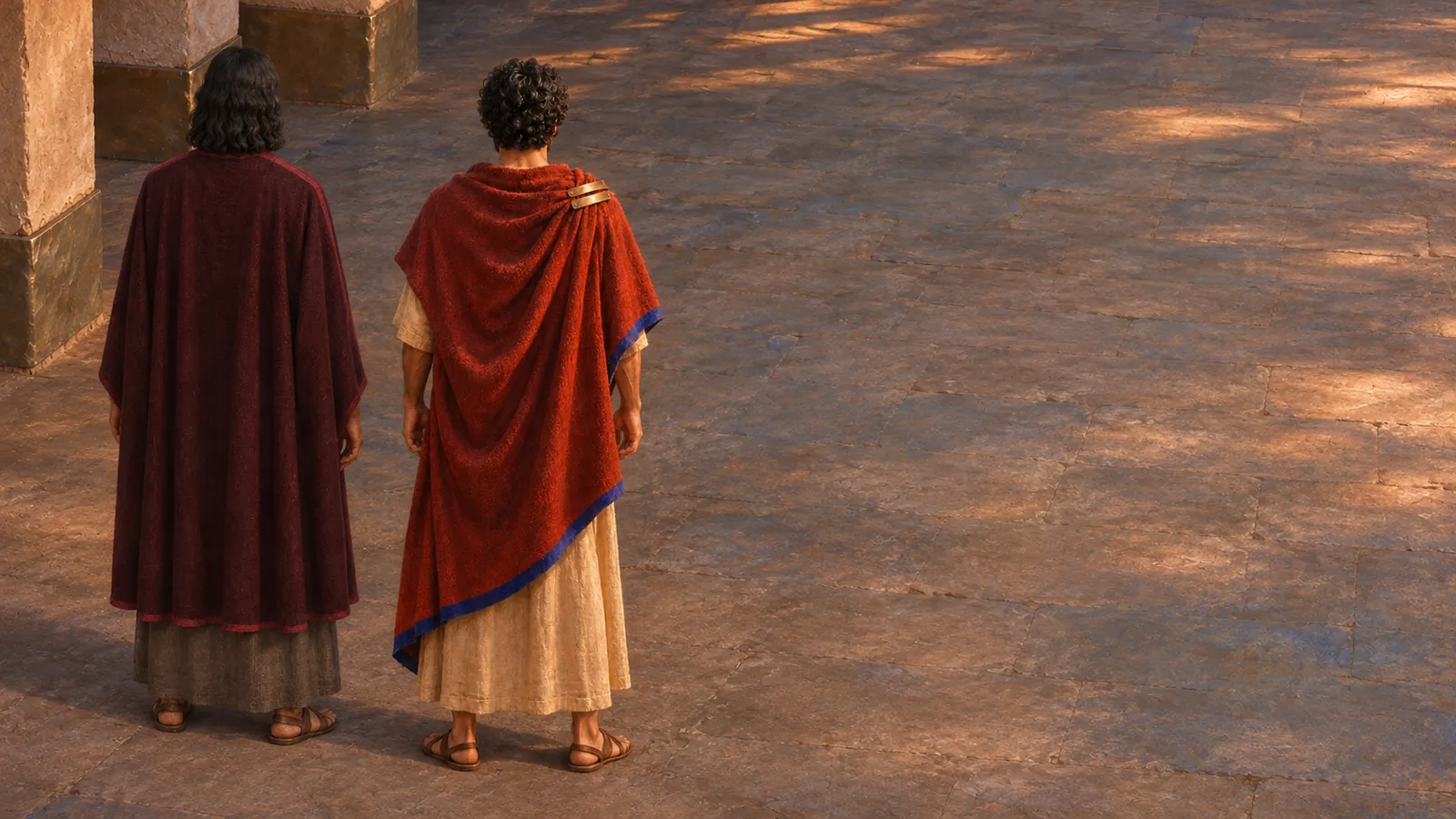
Marduk ouve o que Erra diz. A garantia agrada-lhe, e é aqui que a primeira tabuinha chega ao fim.
Fim do capítulo 1
Todas as páginas
Fontes
Edições consultadas
- Enrique Jiménez, Erra and Išum, Tablet I, electronic Babylonian Library
- ORACC CAMS/GKAB, Sultantepe Tablet I, STT 16 (P338333)
- A. R. George, The poem of Erra and Ishum, pp. 49–56
- IL Archive, The Poem of Erra and Ishum
Os versos antigos de cada página
- Page 1: eBL I 1
The opening line does not name the person addressed. - Page 2: eBL I 2–3
- Page 3: eBL I 4–5
- Page 4: eBL I 6–9; STT 16 obv. i 6–9
The eBL edition and the translation of STT 16 read the opening speaker differently. - Page 5: eBL I 10–14
- Page 6: eBL I 15–21
- Page 7: eBL I 23–26
- Page 8: eBL I 27
The barred door is a metaphor for Ishum. - Page 9: eBL I 28–30
- Page 10: eBL I 30–36
- Page 11: eBL I 39; STT 16 obv. i 39–44
- Page 12: eBL I 45–48
- Page 13: eBL I 49–51; George I 49–51
- Page 14: George I 52–56
- Page 15: George I 57–60
- Page 16: eBL I 61–63
- Page 17: eBL I 64–69
- Page 18: eBL I 85–90; George I 87–91
- Page 19: eBL I 92–93; STT 16 obv. ii 24–25
- Page 20: eBL I 94–96; STT 16 obv. ii 26–28
- Page 21: eBL I 97–98
- Page 22: eBL I 100–103
Part of Ishum’s question is restored in the eBL edition. - Page 23: eBL I 104–109
- Page 24: eBL I 109–111
- Page 25: eBL I 115–119
Erra associates himself with Nergal in this line of his boast. - Page 26: STT 16 obv. ii 54–55; George I 120–123 discussed
- Page 27: eBL I 124–125
- Page 28: eBL I 126–127; STT 16 obv. ii 58–59
- Page 29: eBL I 128; STT 16 rev. i 1
- Page 30: eBL I 129–133; STT 16 rev. i 2–5
- Page 31: eBL I 134–135
- Page 32: eBL I 136; STT 16 rev. i 9
- Page 33: eBL I 137–138
- Page 34: eBL I 139–141
- Page 35: eBL I 142–146; STT 16 rev. i 16–19
- Page 36: eBL I 147–148; STT 16 rev. i 20–21
Apsu remains a place of the poem. - Page 37: eBL I 149–151; STT 16 rev. i 22–24
- Page 38: eBL I 152–154; STT 16 rev. i 25–27
The blue substance is described differently in the eBL edition and the STT 16 translation. - Page 39: eBL I 155; STT 16 rev. i 28–34
The Sultantepe names and their surviving descriptions belong to a damaged passage. - Page 40: STT 16 rev. i 35
- Page 41: STT 16 rev. i 36–53
The condition of the Sultantepe copy leaves parts of the exchange uncertain. - Page 42: STT 16 rev. ii 1–4
- Page 43: STT 16 rev. ii 5–9
- Page 44: STT 16 rev. ii 10–11
The next surviving line anticipates the departure that opens Tablet II.
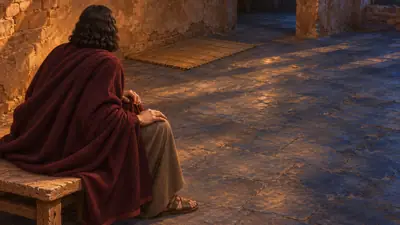
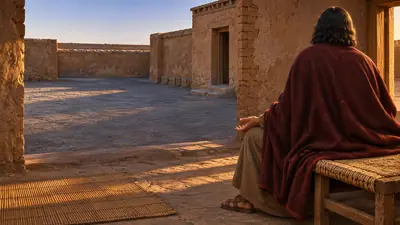
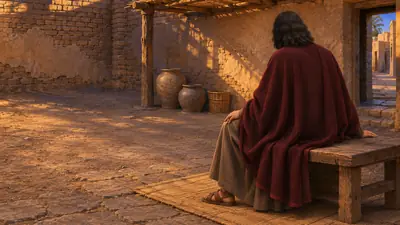
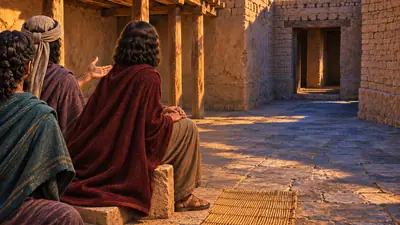
Ilustrações feitas pelo IL Archive com ferramentas de IA; o texto baseia-se nas fontes antigas (veja as fontes no fim de cada capítulo).