Erra e Ishum Capítulo 2
O canto que ficou
O poema acompanha a desordem que surge depois da promessa de Erra. Ishum conta o que a Babilónia e a terra sofreram, e pede depois a Erra que escute e se acalme. Erra pede à terra que volte a dar fruto. Os versos finais dão o nome do homem que recebeu o canto e exprimem o desejo de que seja ouvido por gerações.
FontesVire as páginas com as setas, o teclado ou deslizando o dedo.
O CANTO QUE FICOU
No fim da primeira tabuinha, alguém se ergue de uma morada inacessível e toma o rumo da morada dos Anunnaki. O verso faz a passagem para a segunda tabuinha.
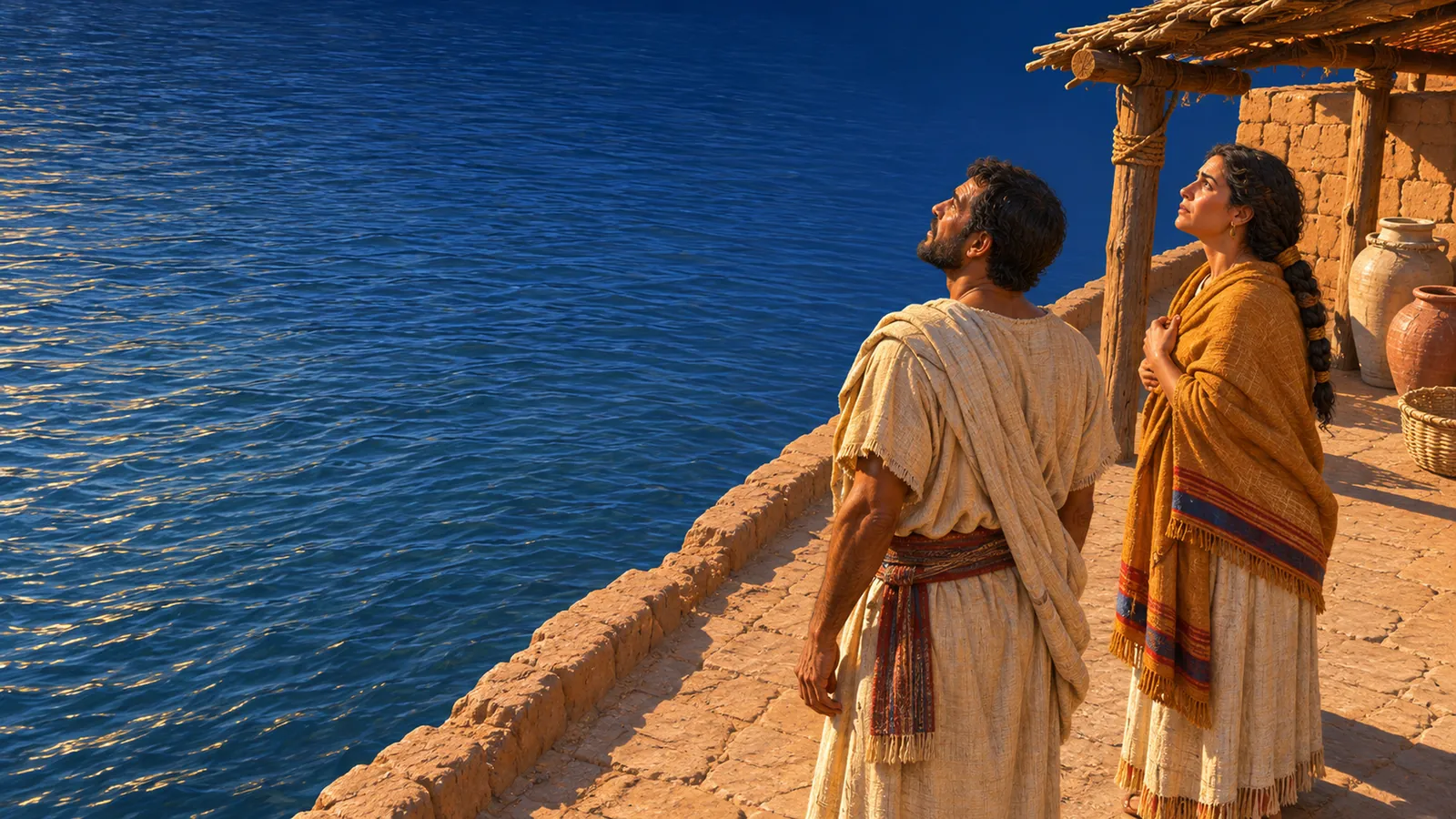
Na segunda tabuinha, o dia luminoso escurece. As palavras que restam desta cópia deixam em aberto quem provocou a escuridão.
UMA LACUNA NA CÓPIA
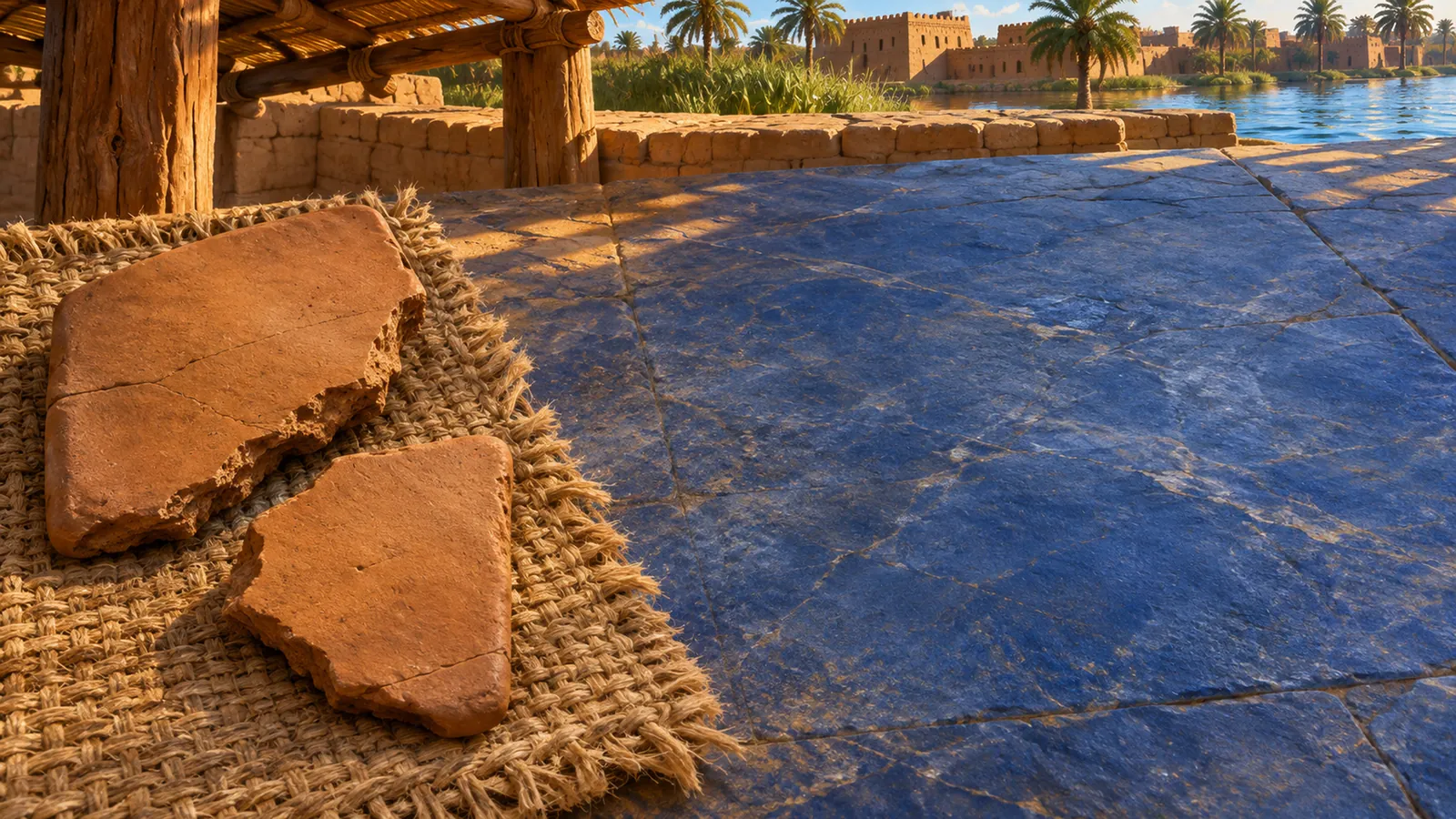
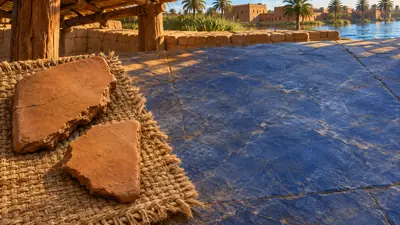
Aqui falta uma parte da cópia de Sultantepe. Quando o texto conservado recomeça, encaminha o relato para os artesãos.
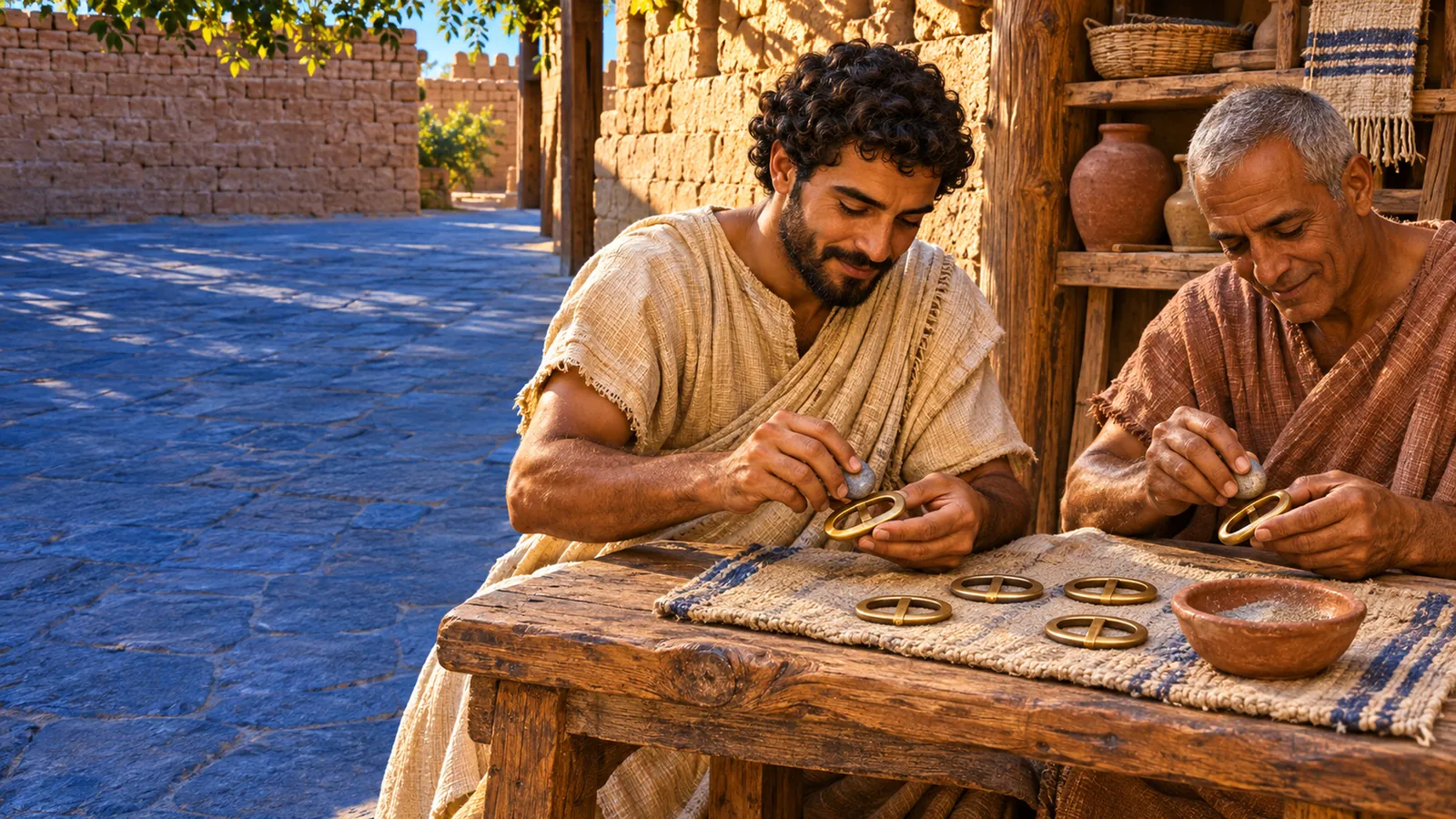
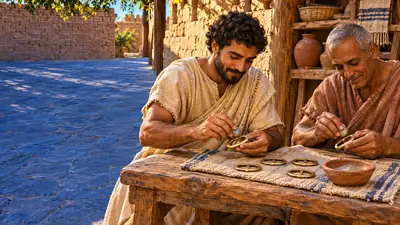
Os artesãos recebem entendimento e habilidade. As palavras conservadas destes versos não nomeiam quem lhos concede.
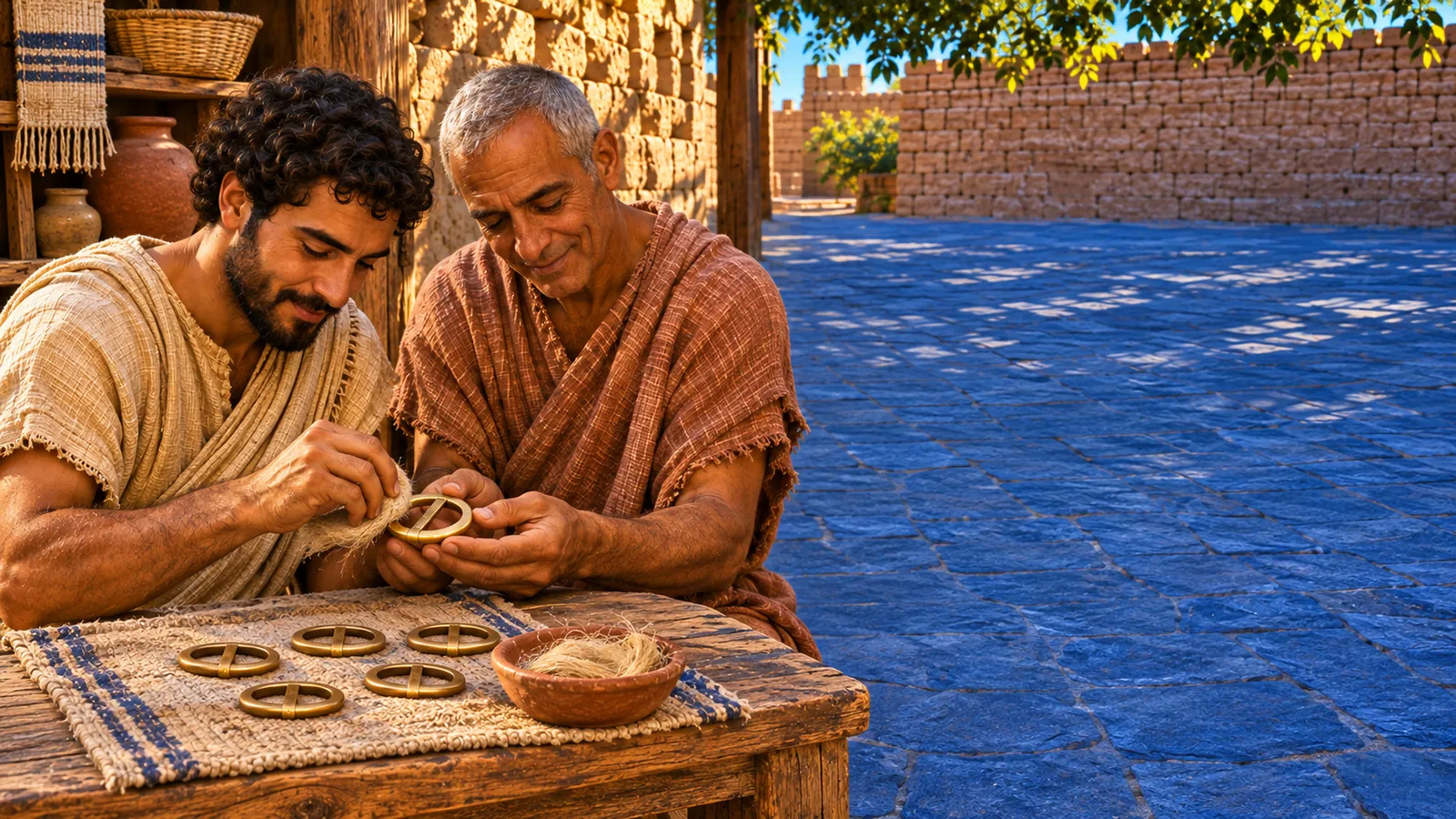
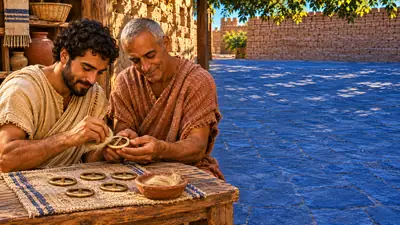
Os artesãos devolvem o brilho ao adorno. No canto, o trabalho deles torna-o mais belo do que antes.
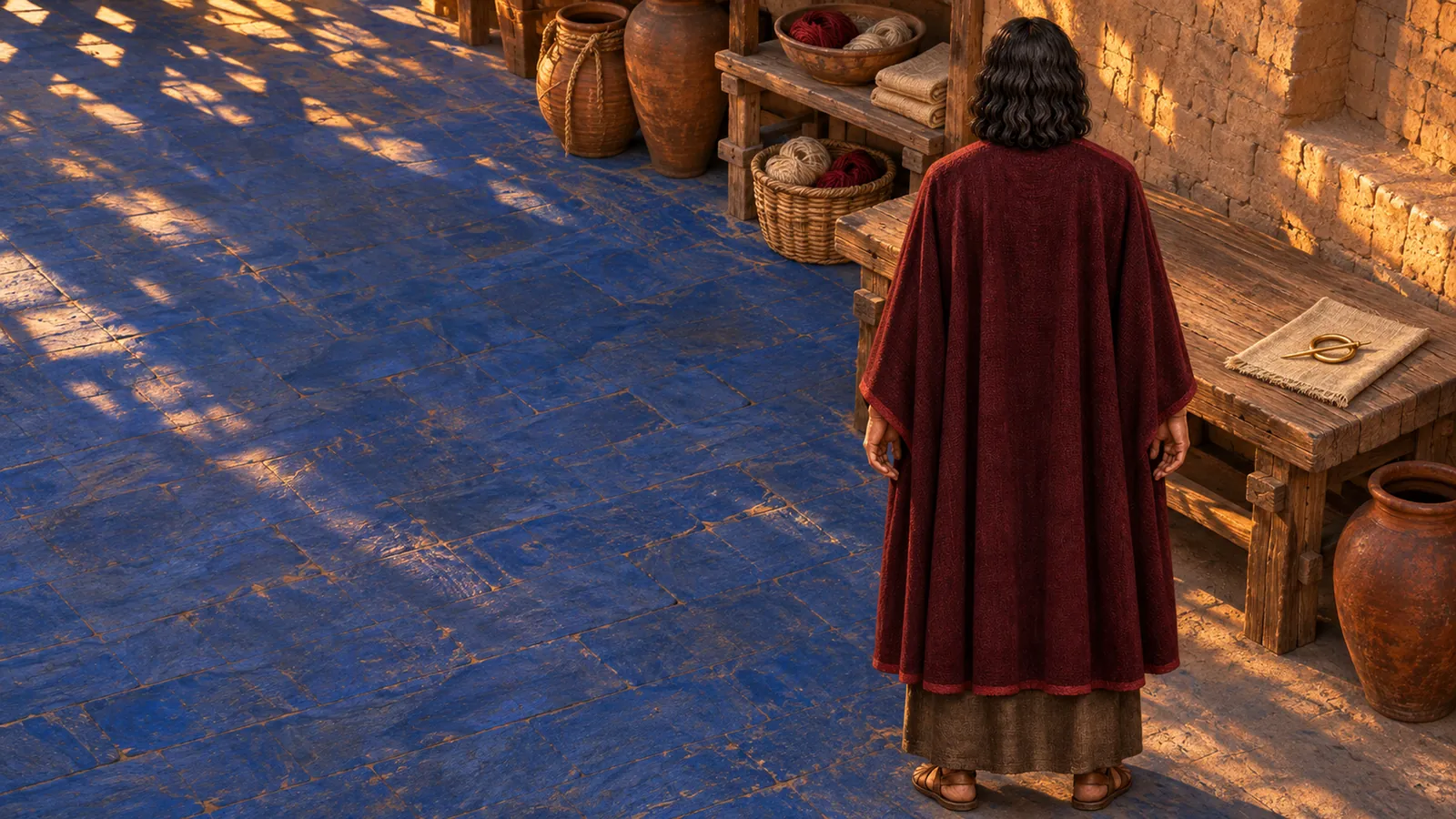
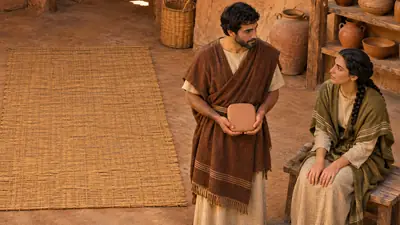
Erra fica diante do adorno de dia e de noite. Os versos danificados que se seguem conservam um aviso para que ninguém se aproxime do trabalho.
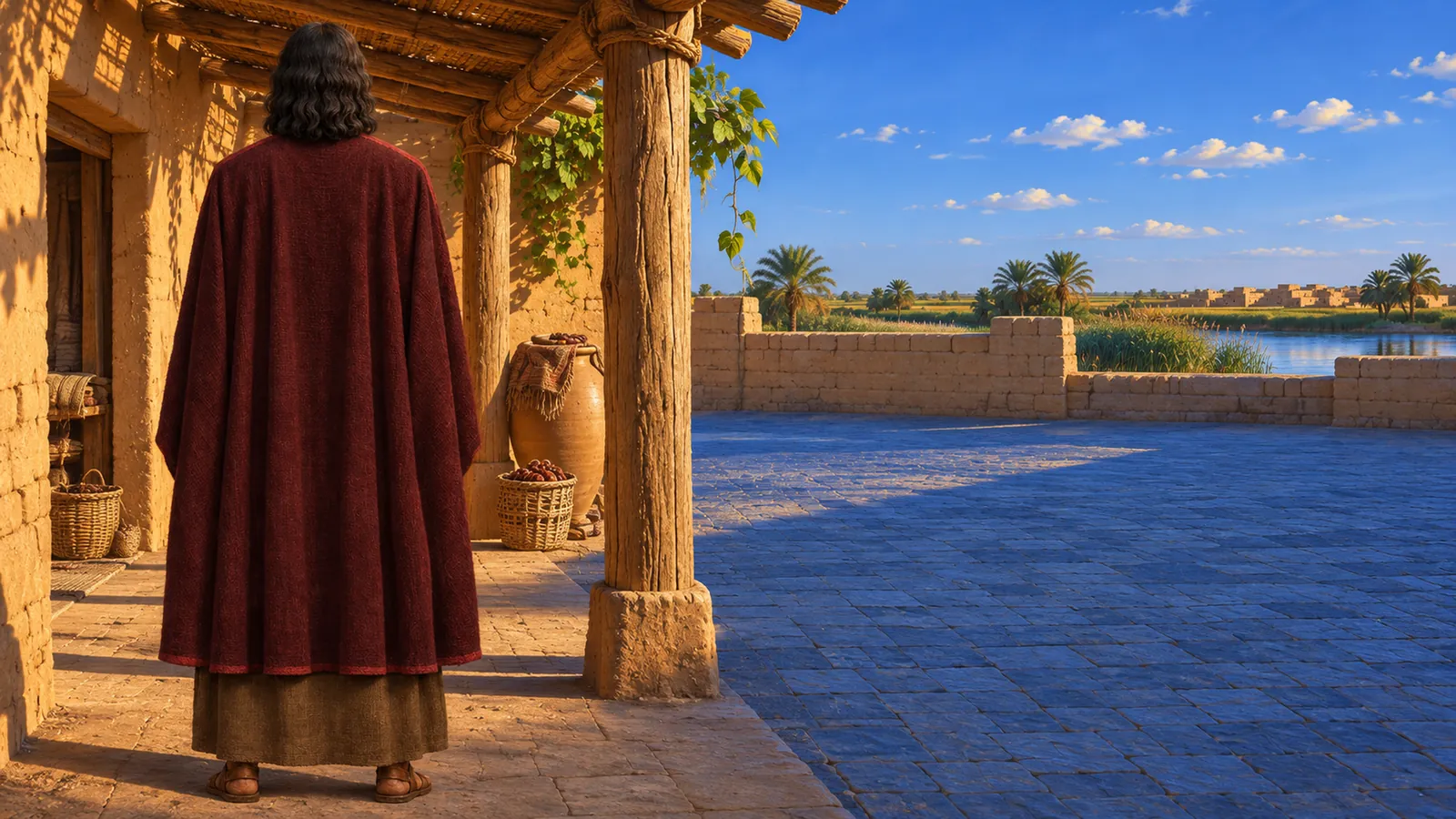
Uma passagem da cópia de Tell Haddad fala da ira de Erra. Erra não dá ouvidos a ninguém.
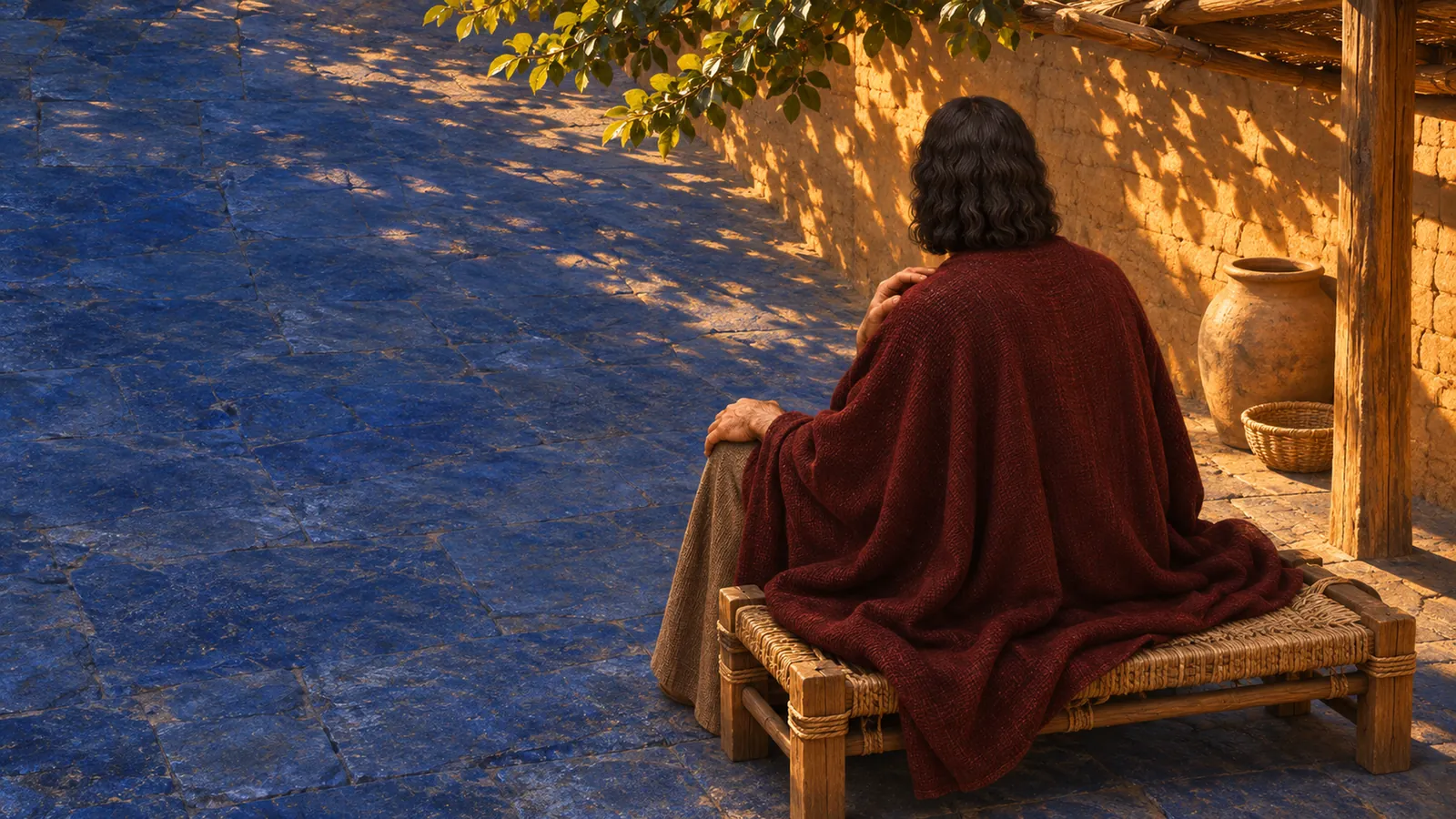
Erra procura conselho dentro de si. O seu coração perturbado não lhe dá resposta.
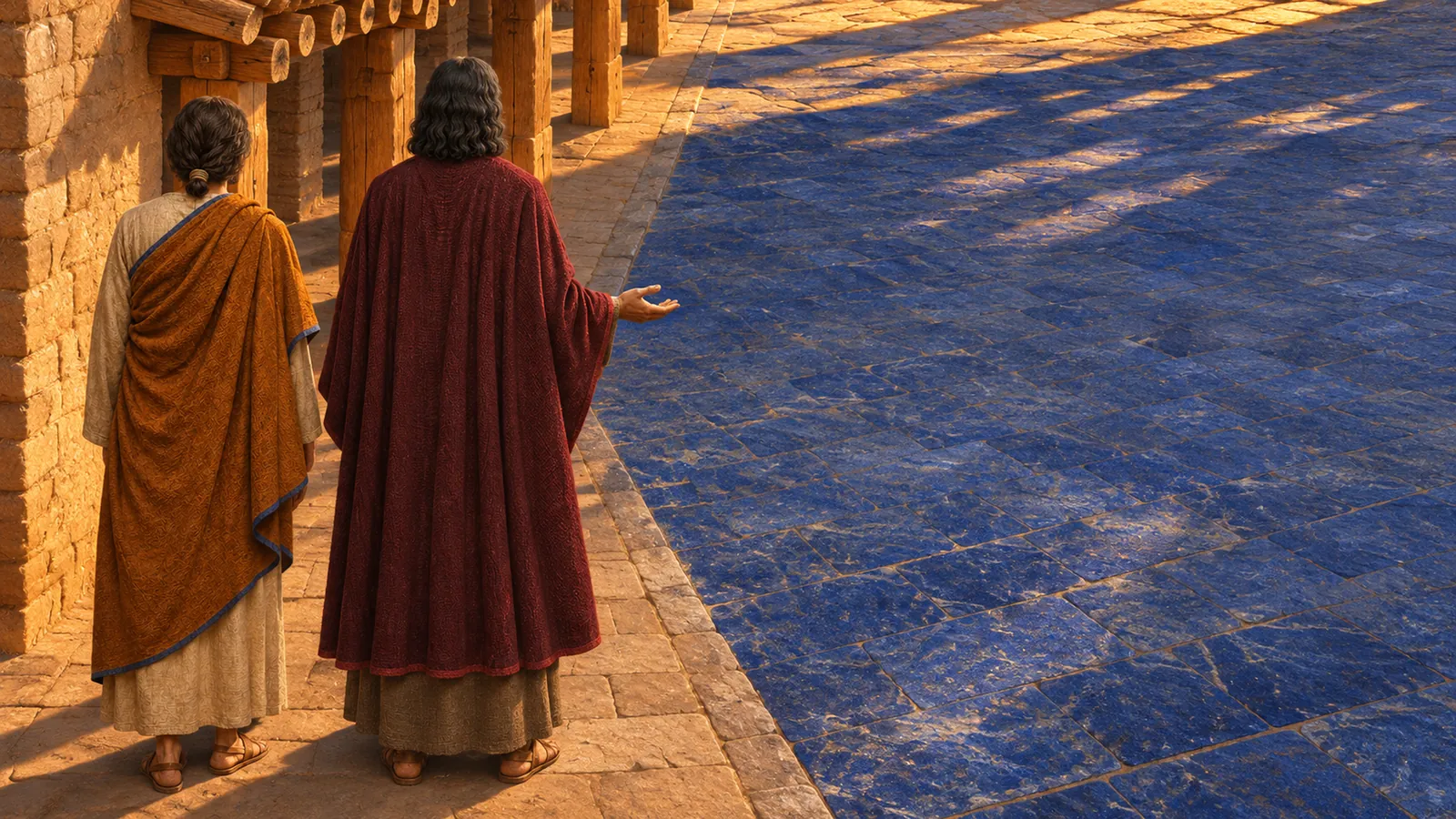
Erra diz que pedirá ao rei dos deuses que rejeite as preces das pessoas. É essa a intenção que declara.
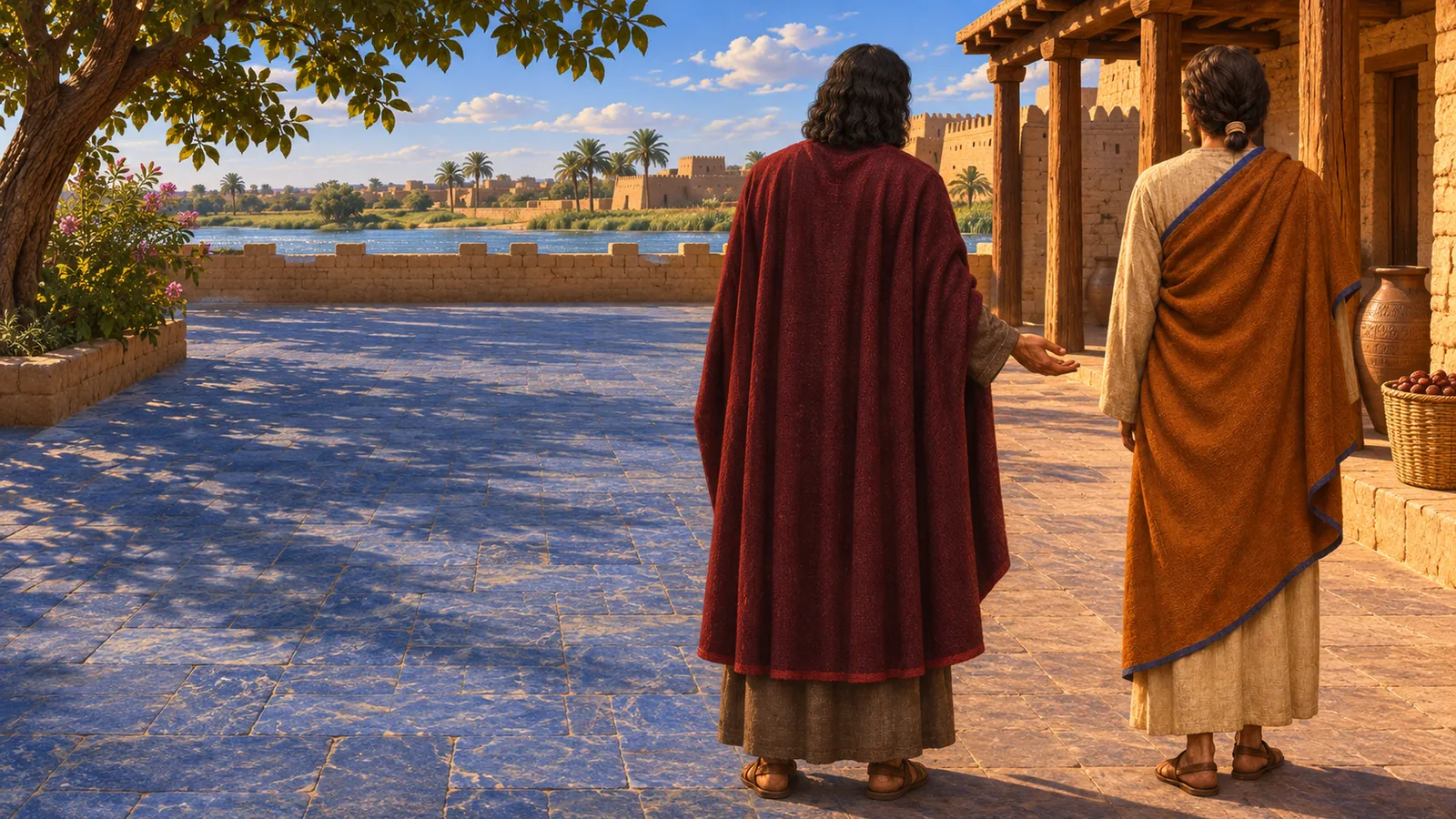
Na terceira tabuinha, Erra ameaça quem age com justiça e intercede pelos outros. Diz que daria uma posição elevada a quem lhes faz mal.
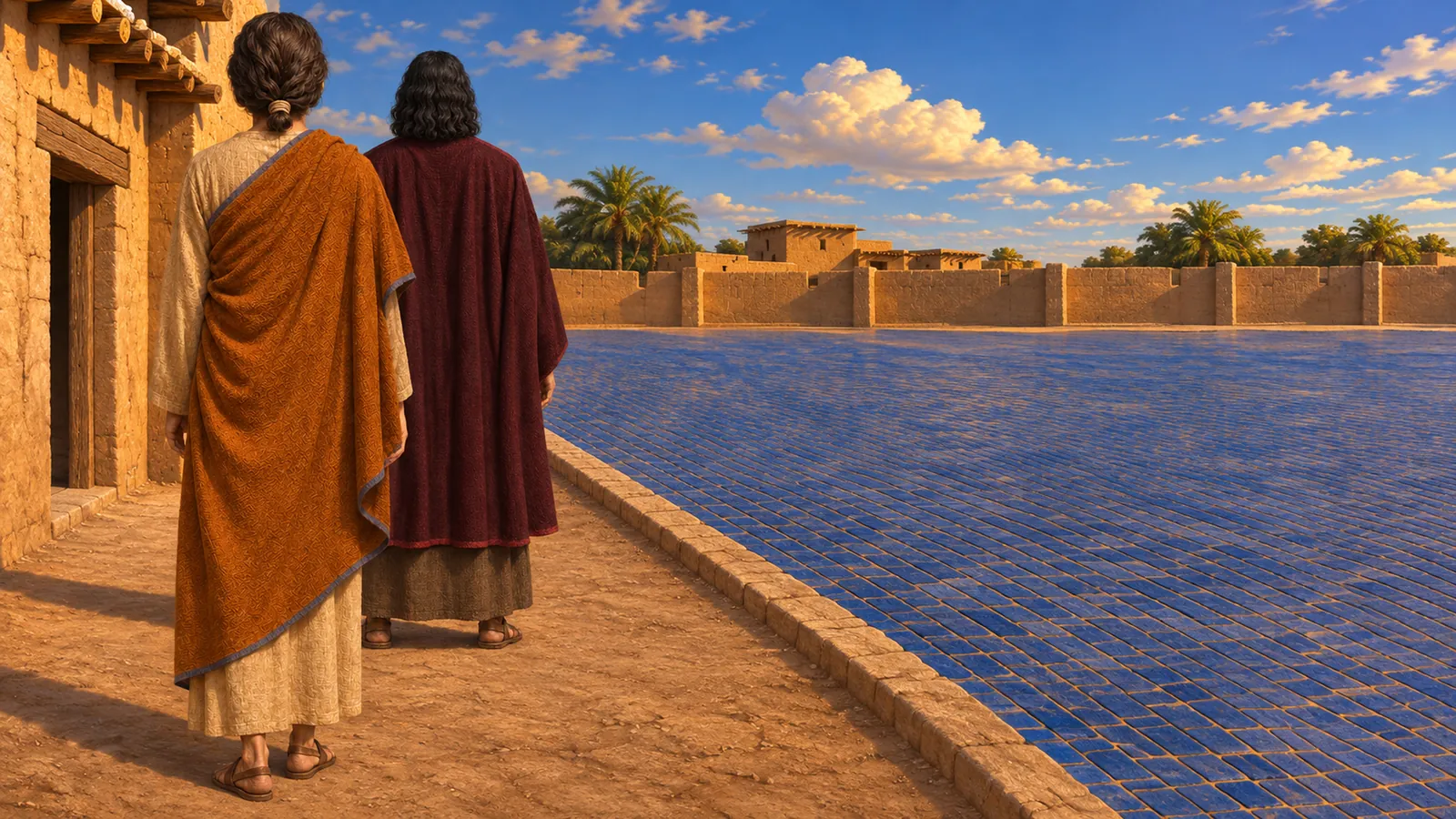
Erra descreve Ishum como aquele que vai à sua frente e aquele que o segue. Atribui os dois lugares ao mesmo companheiro.
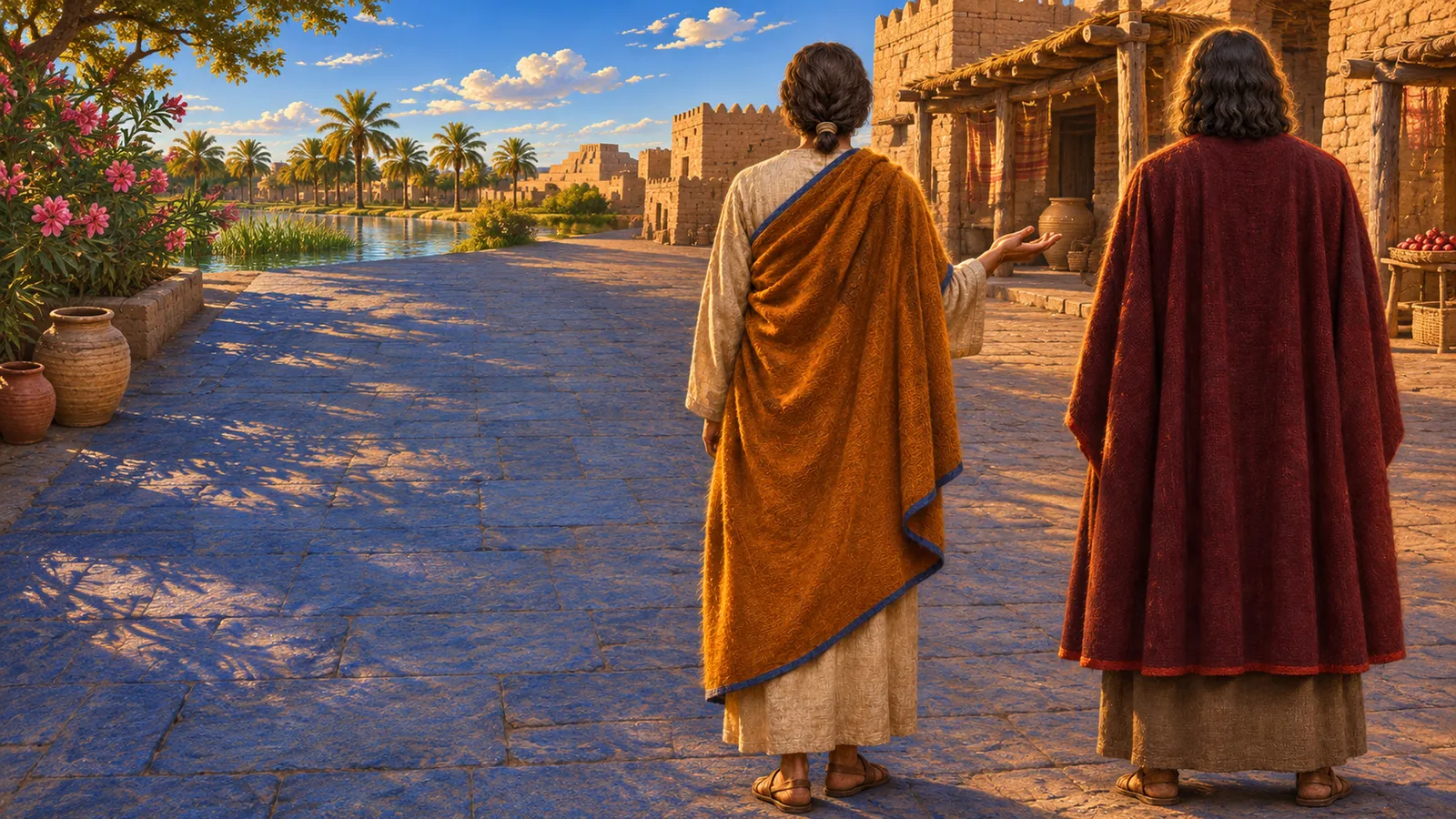
Ishum pergunta a Erra por que planeou fazer mal aos deuses e aos seres humanos. Dirige a pergunta ao próprio Erra.
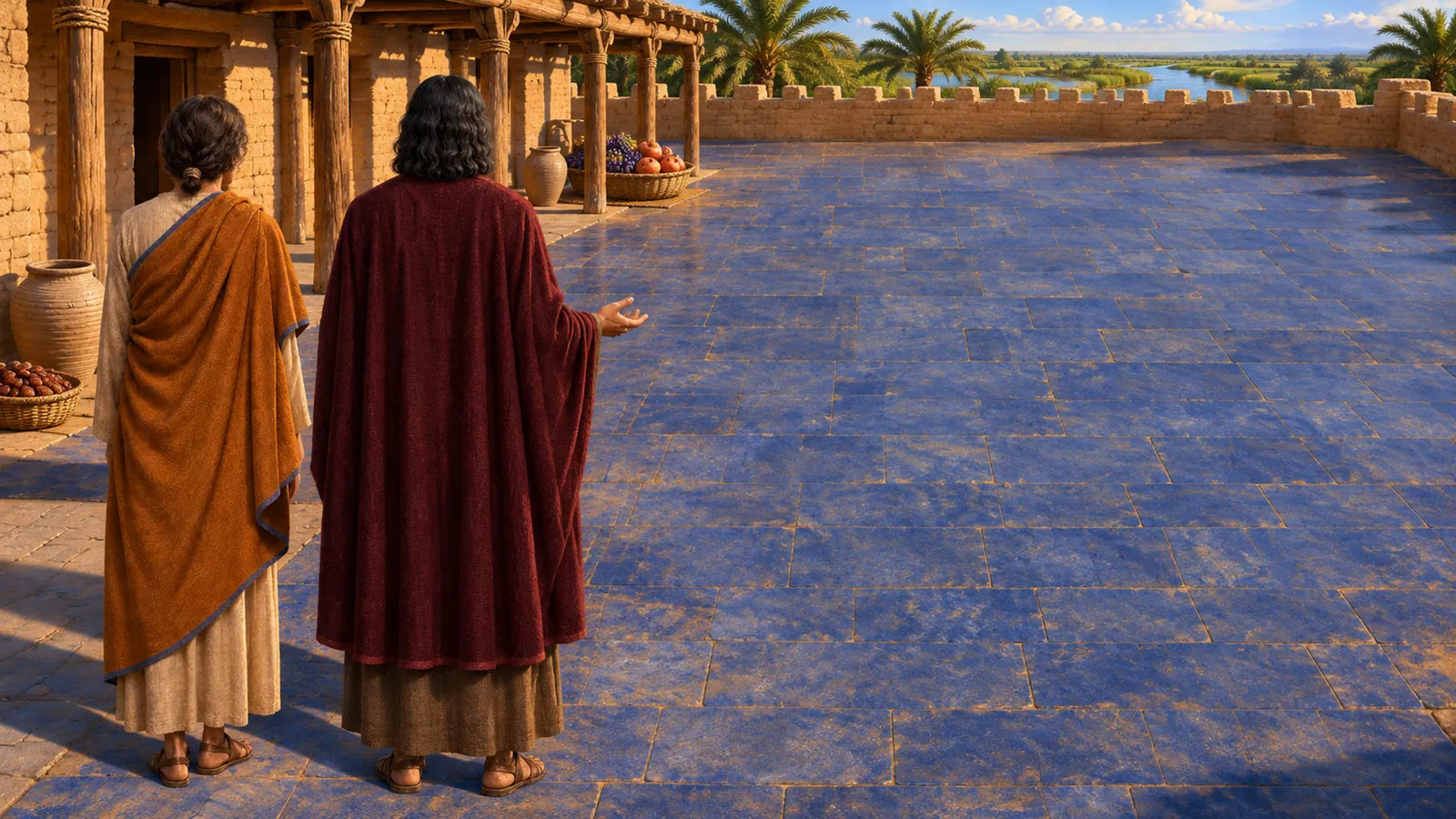
Erra responde que o vínculo entre os deuses e os seres humanos se desfez quando Marduk deixou o seu assento. Assim explica o sucedido a Ishum.
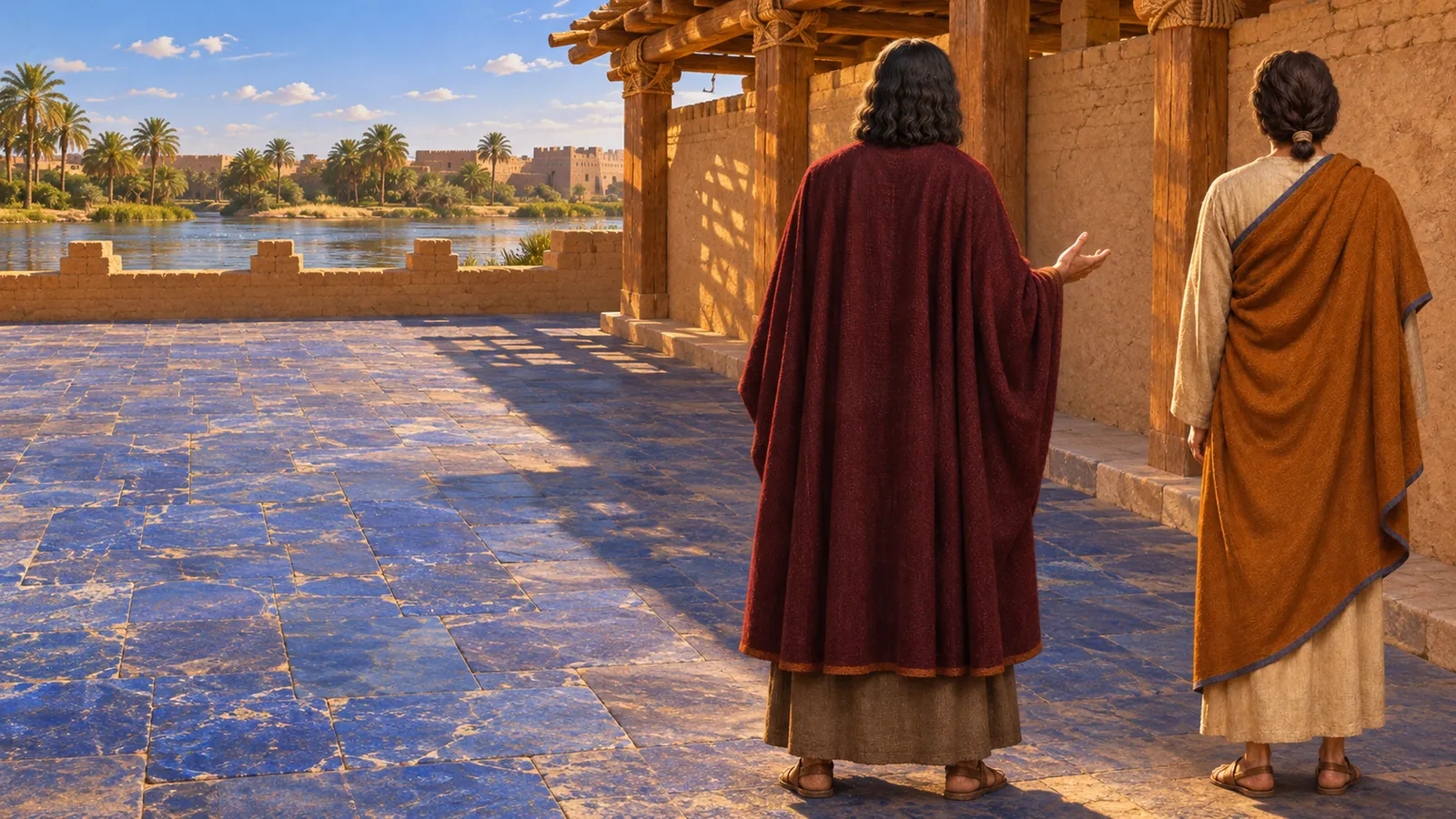
Erra acusa os governantes de terem negligenciado o culto. Aponta essa negligência como uma razão da partida de Marduk.
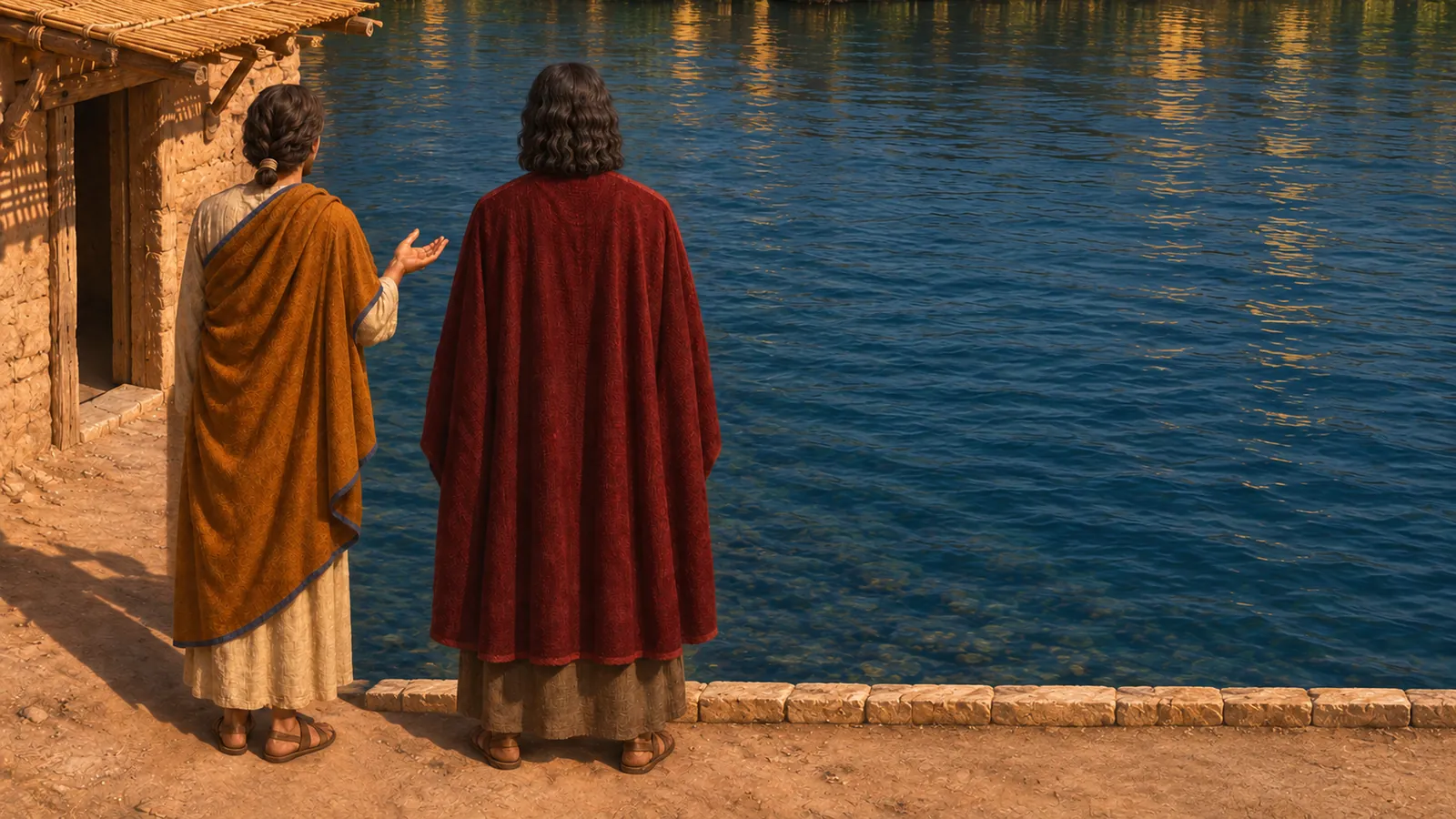
Ishum dirige-se a Erra em termos solenes. Diz que Erra tem poder sobre o céu e a terra, sobre o mar e as montanhas.
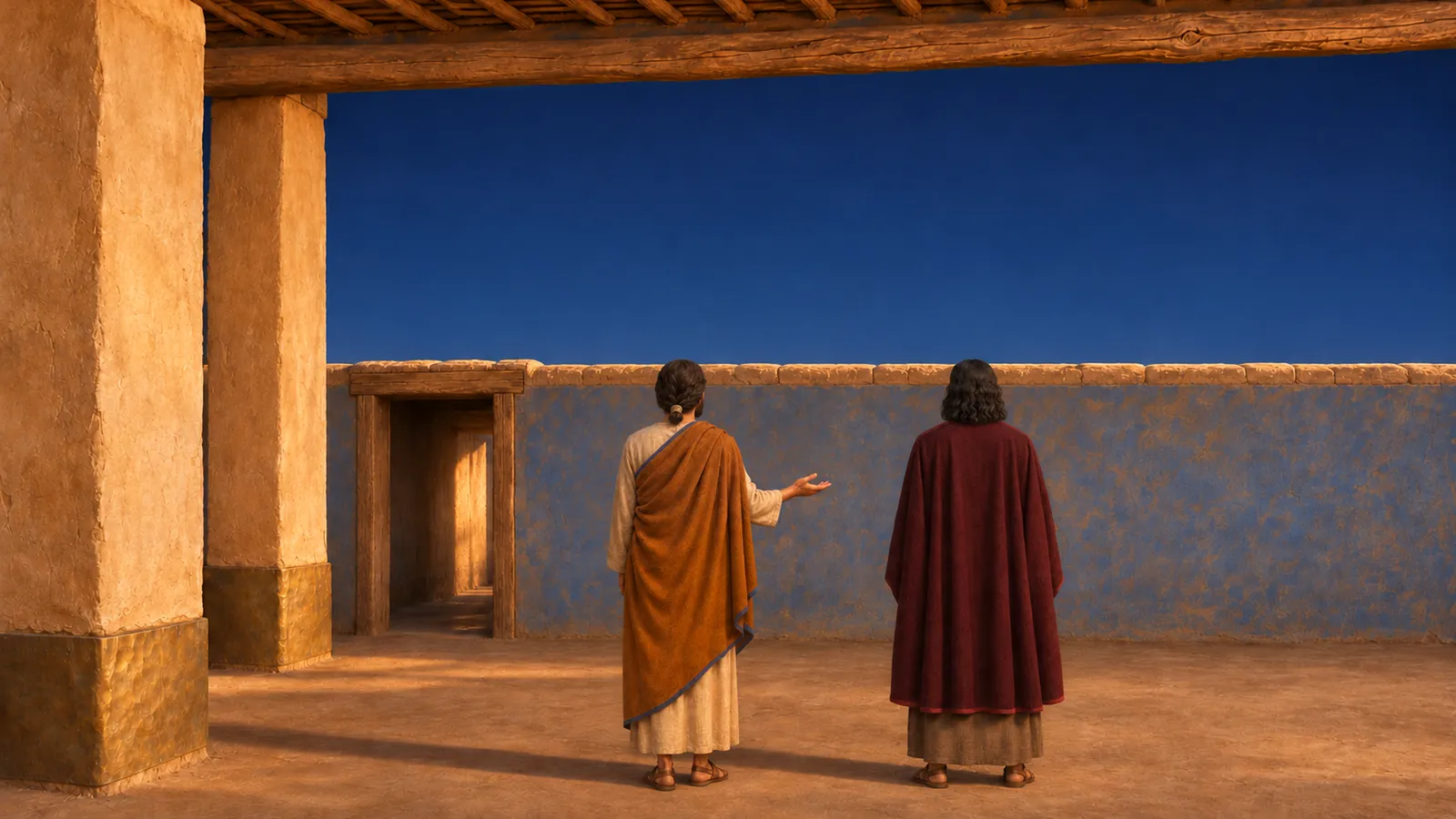
BABILÓNIA E O ESAGIL
Ishum diz que Erra tem Babilónia a seu cargo e dá ordens ao Esagil. Diz que até os deuses o temem e pergunta se há guerra sem ele.
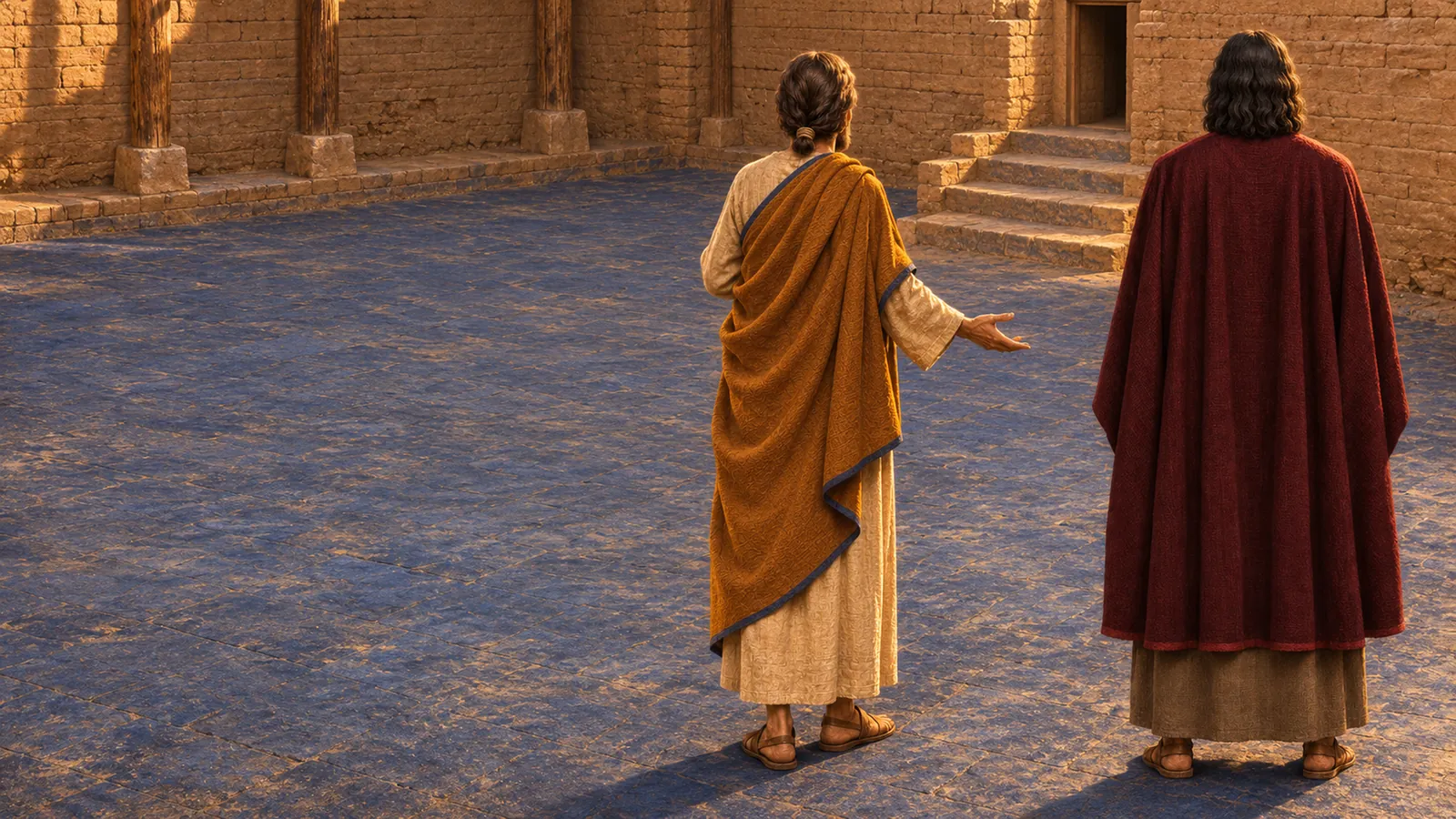
Ishum diz que Erra não temeu o nome de Marduk. Acusa-o de ter desfeito o vínculo que unia a cidade do rei dos deuses.
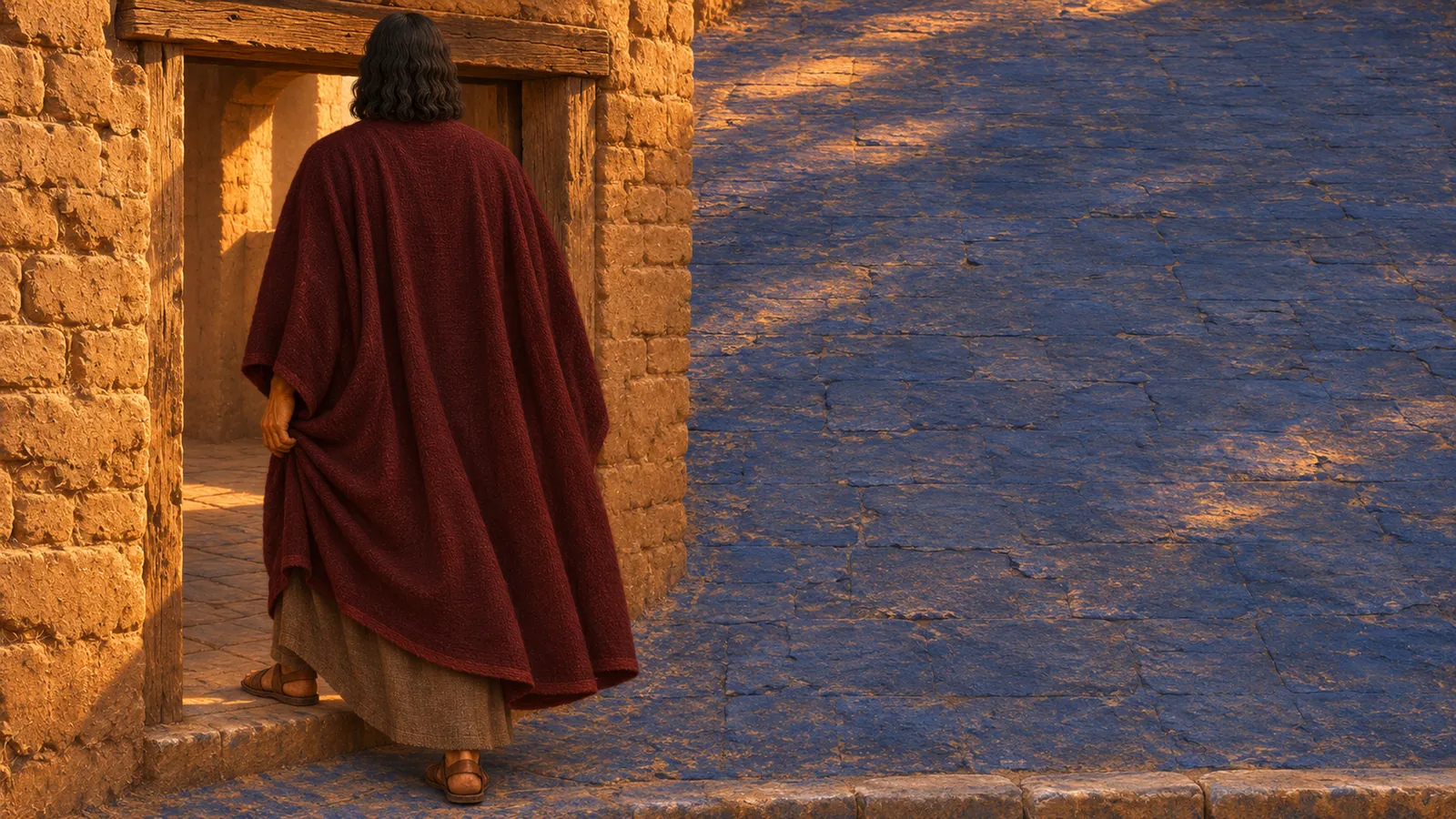
Ishum diz que Erra parecia humano ao entrar em Babilónia. As suas palavras admitem mais de uma leitura dessa semelhança.
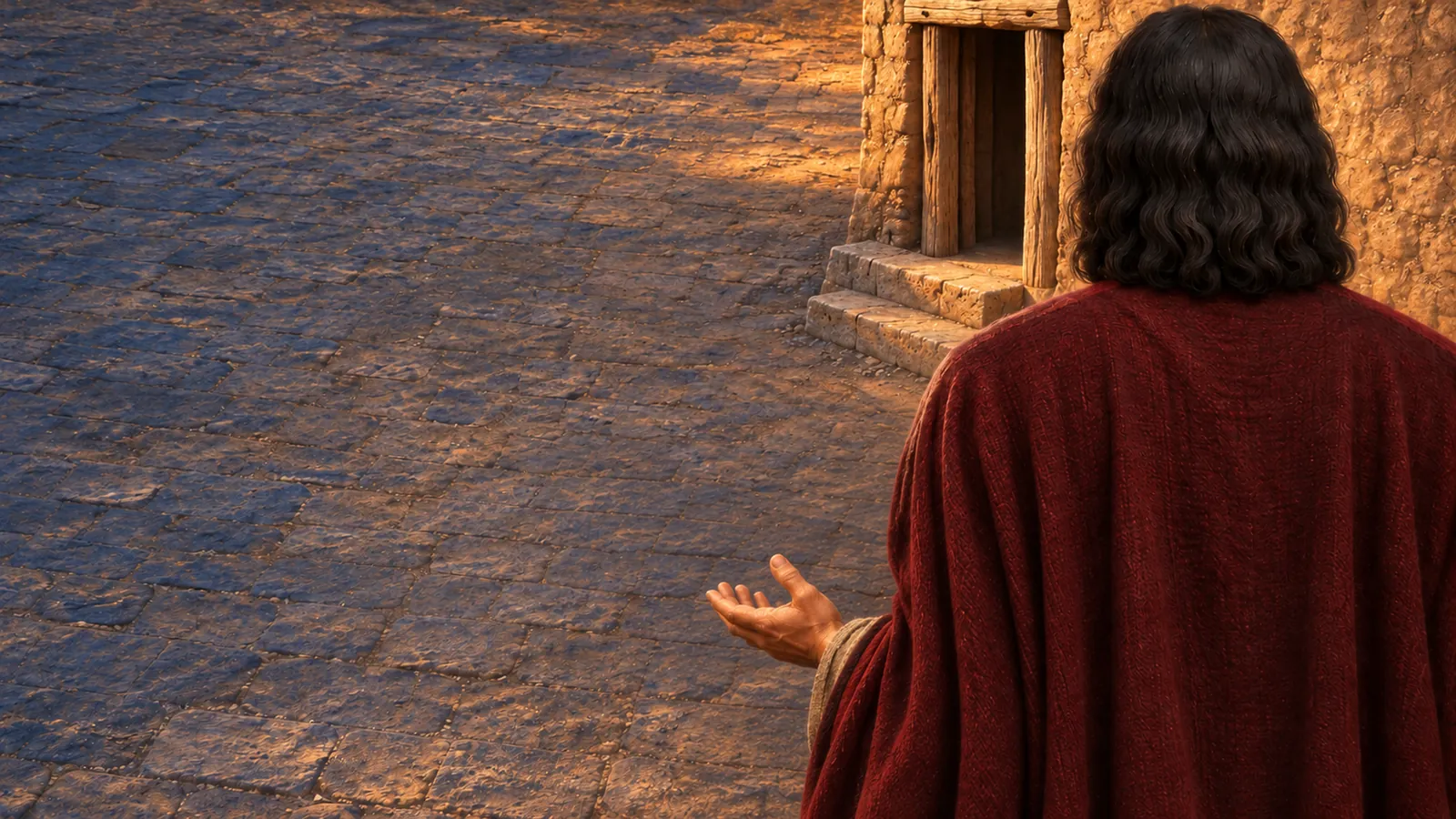
Ishum conta como Erra falou dentro de Babilónia. Descreve as suas palavras como as de alguém que procura tomar a cidade.
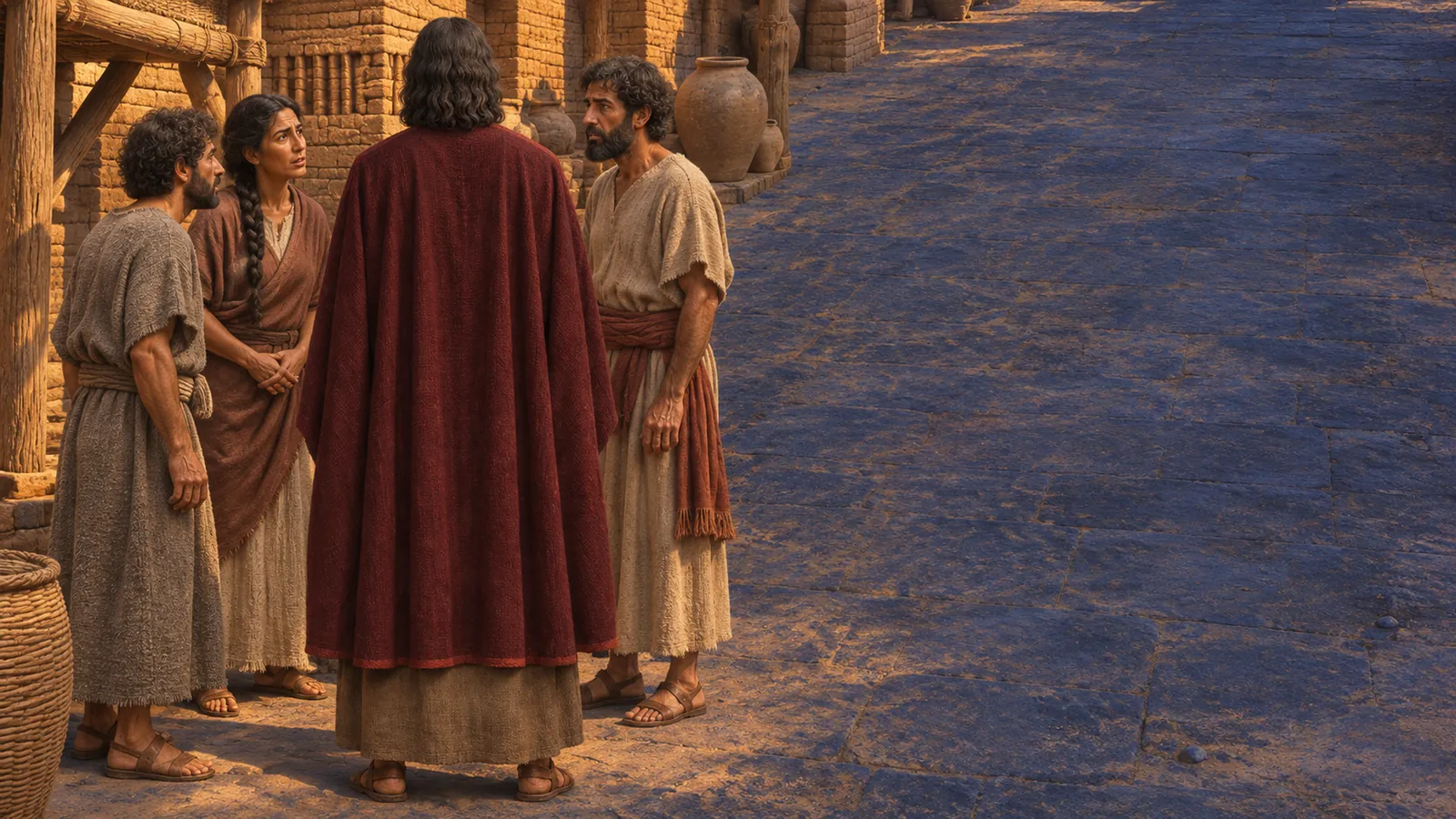
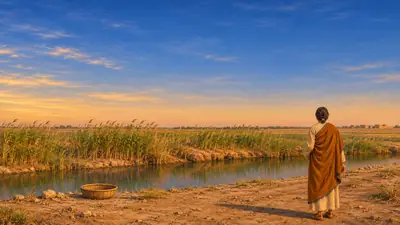
Os habitantes de Babilónia reuniram-se à volta de Erra, diz Ishum. Compara-os a juncos do pântano, sem ninguém que os guie.
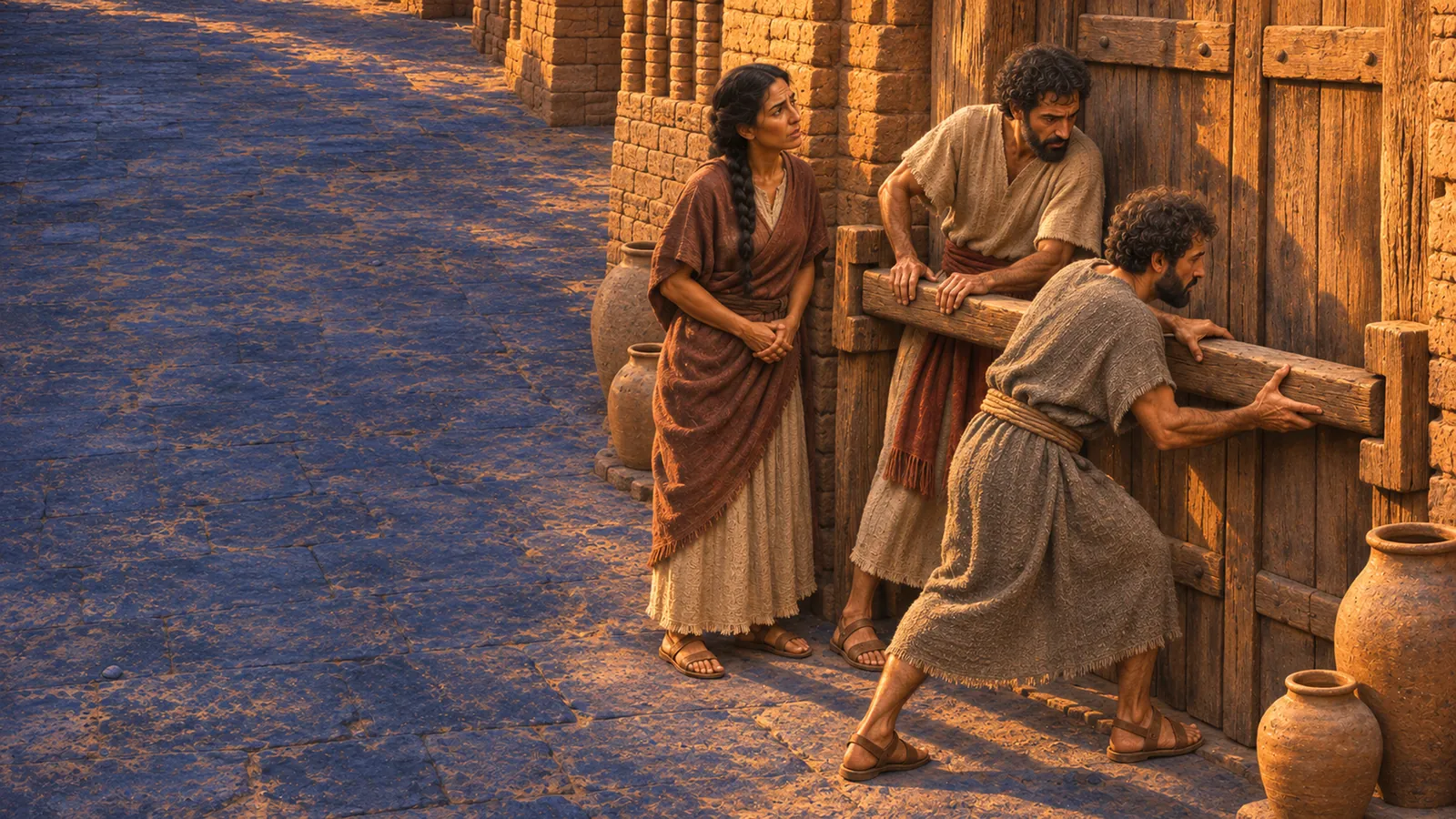
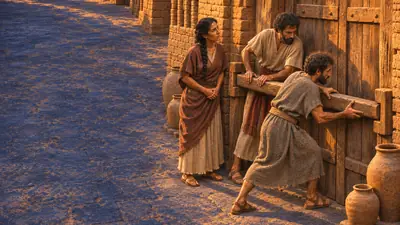
Ishum diz que o povo condenou o seu governador e trancou a porta da cidade. O seu relato acompanha a agitação que tomou conta de Babilónia.
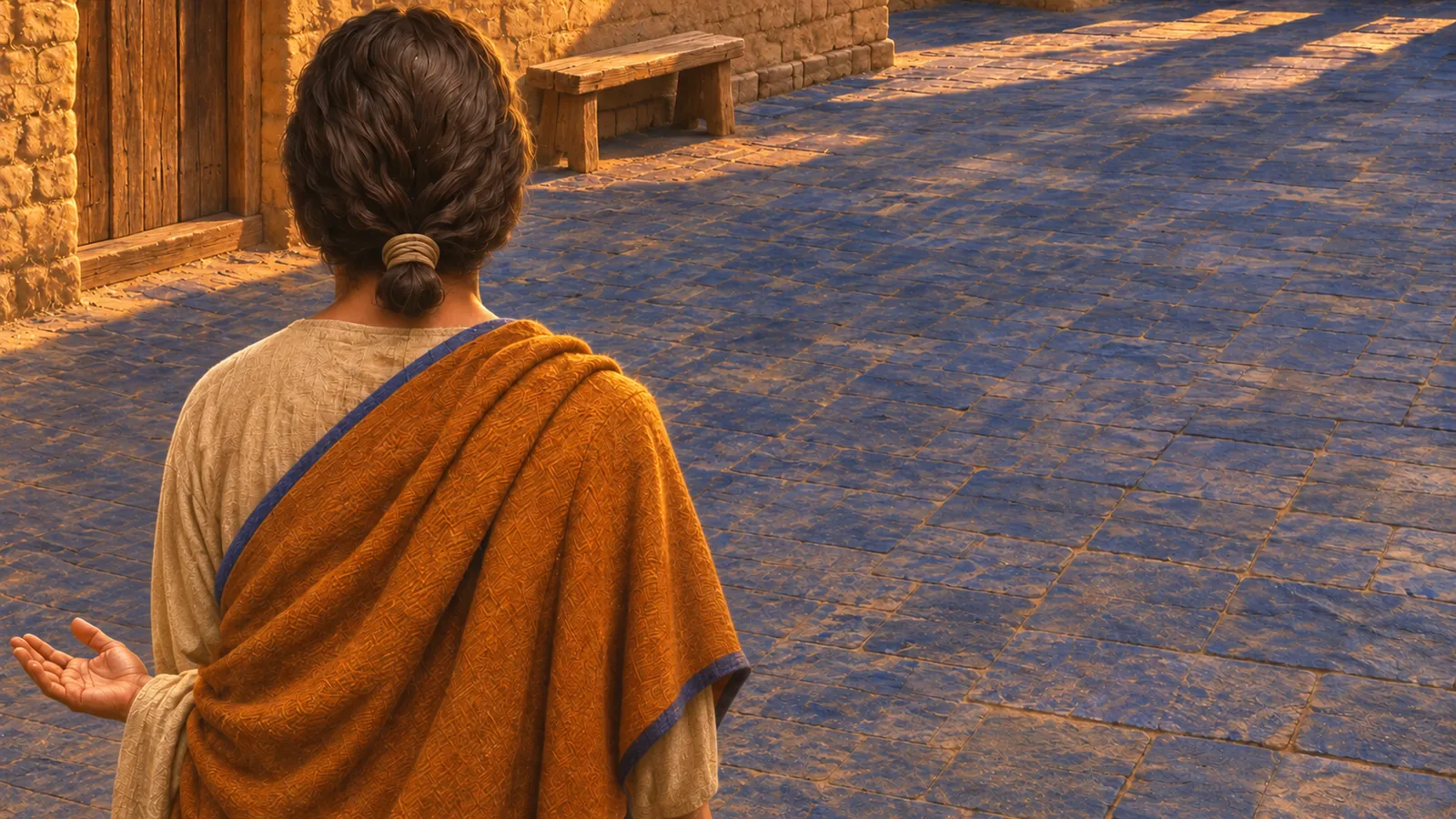
Ishum diz que Erra tomou a dianteira. Compara Erra a um chamariz e os habitantes de Babilónia a aves atraídas para uma armadilha.
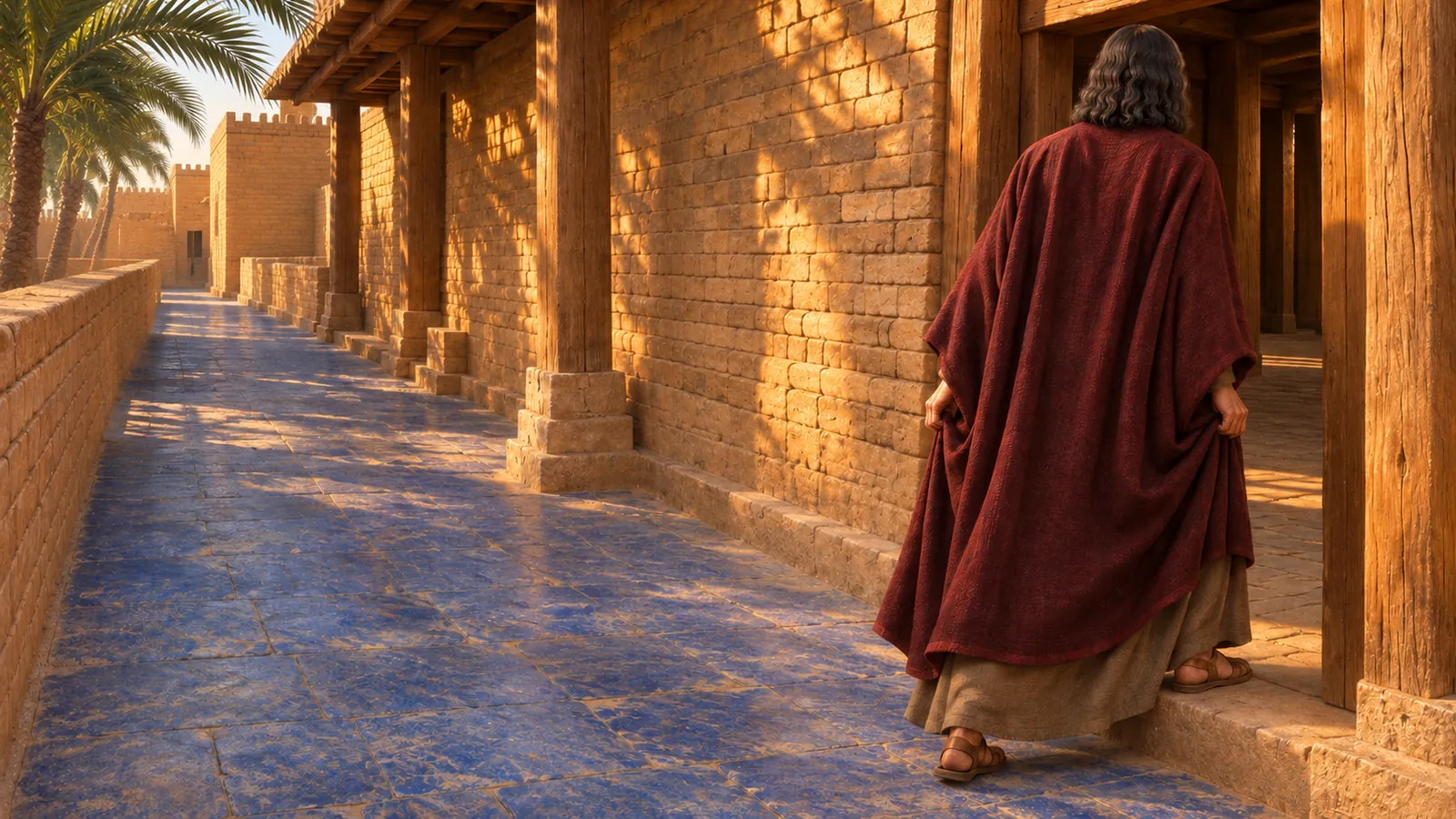
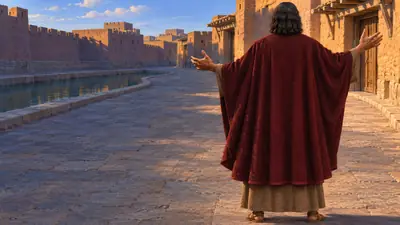
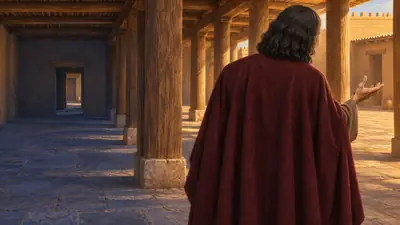
Ishum acompanha o percurso de Erra até ao palácio. Ao descrever a sua entrada, compara-o a um leão.
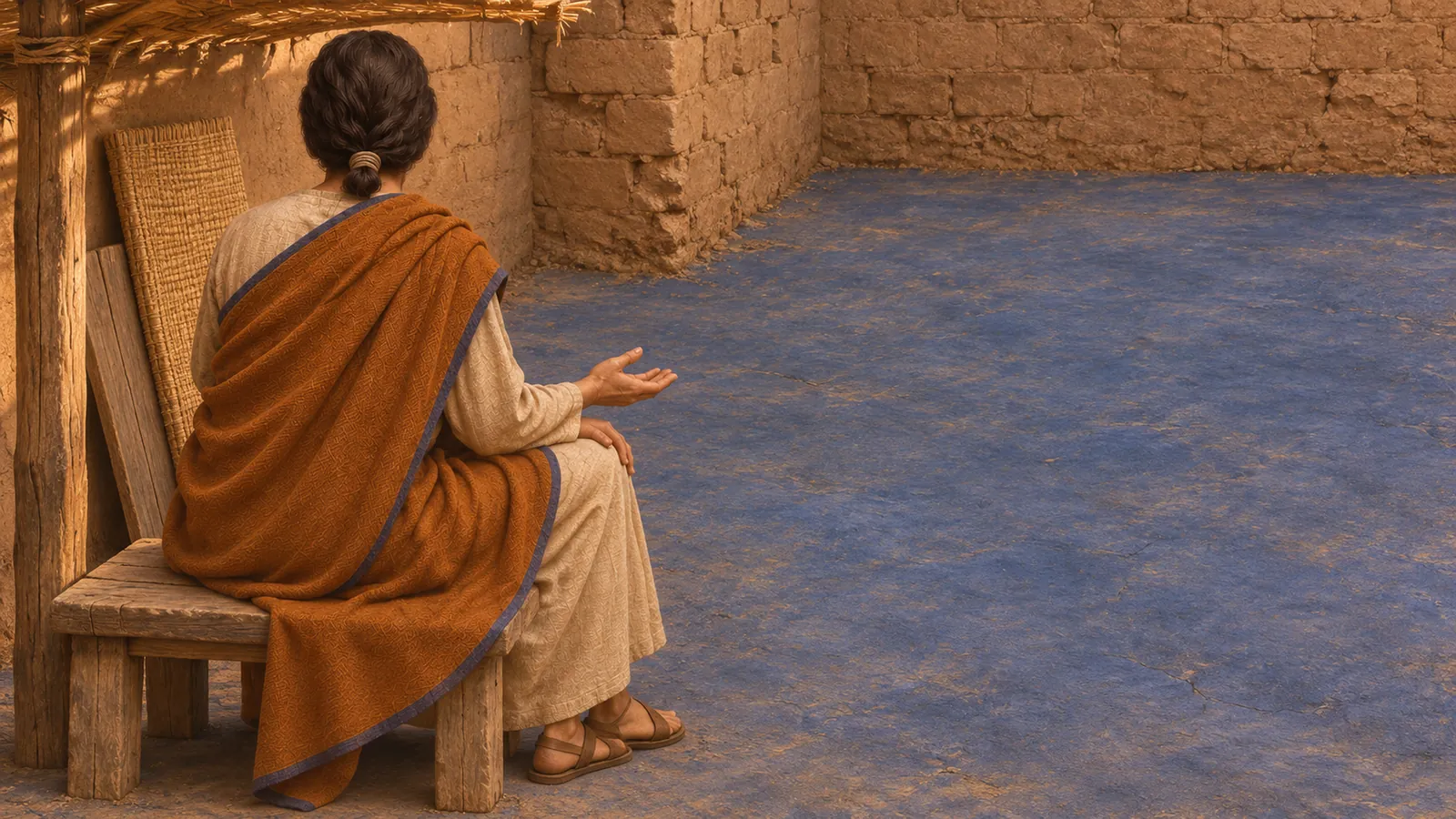
No relato de Ishum, o governador enfurece-se. Manda saquear Babilónia como se fosse uma cidade inimiga.
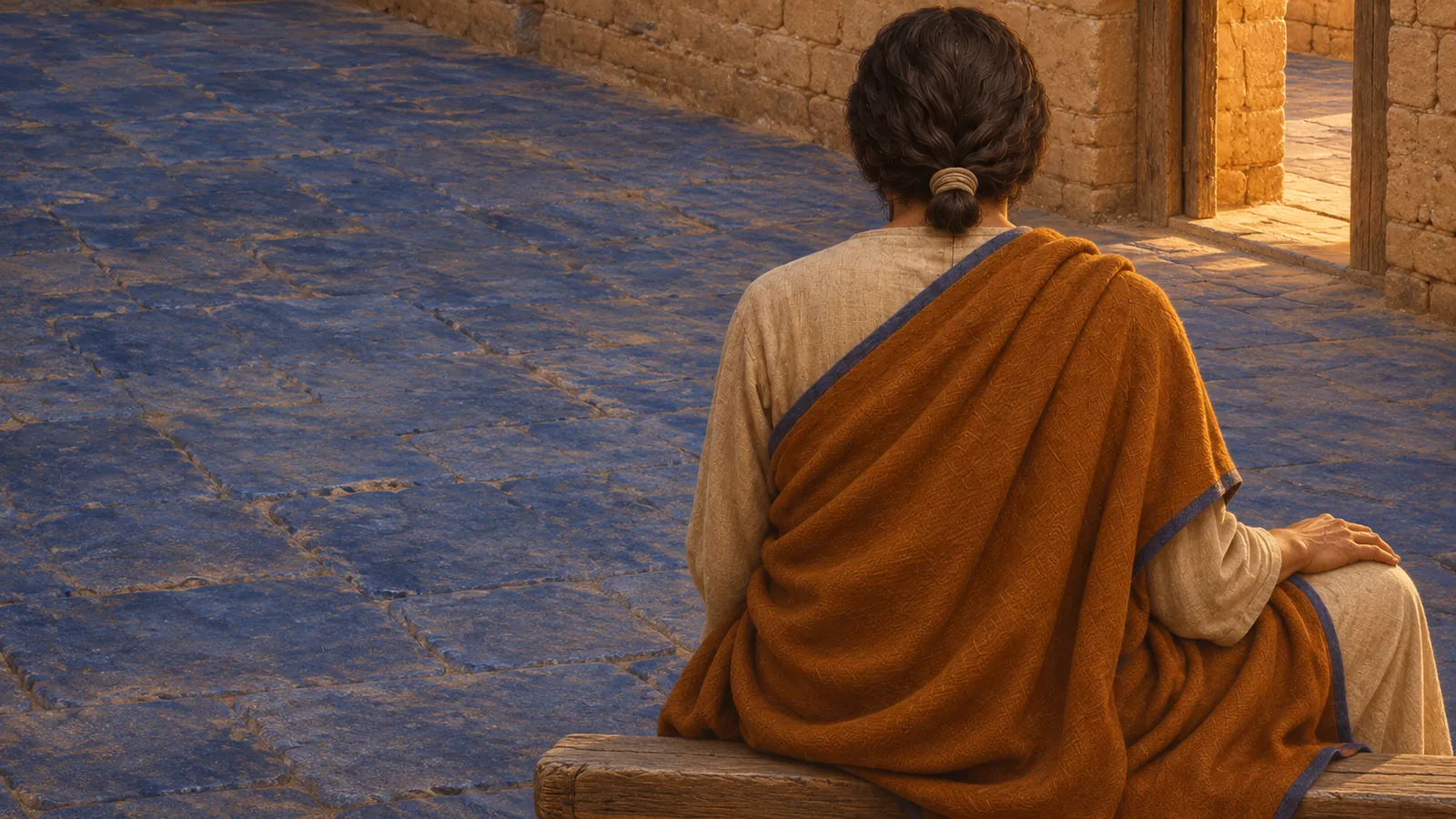
Ishum transmite a ordem do governador. A ordem não concede clemência por causa da idade, a novos ou a velhos.
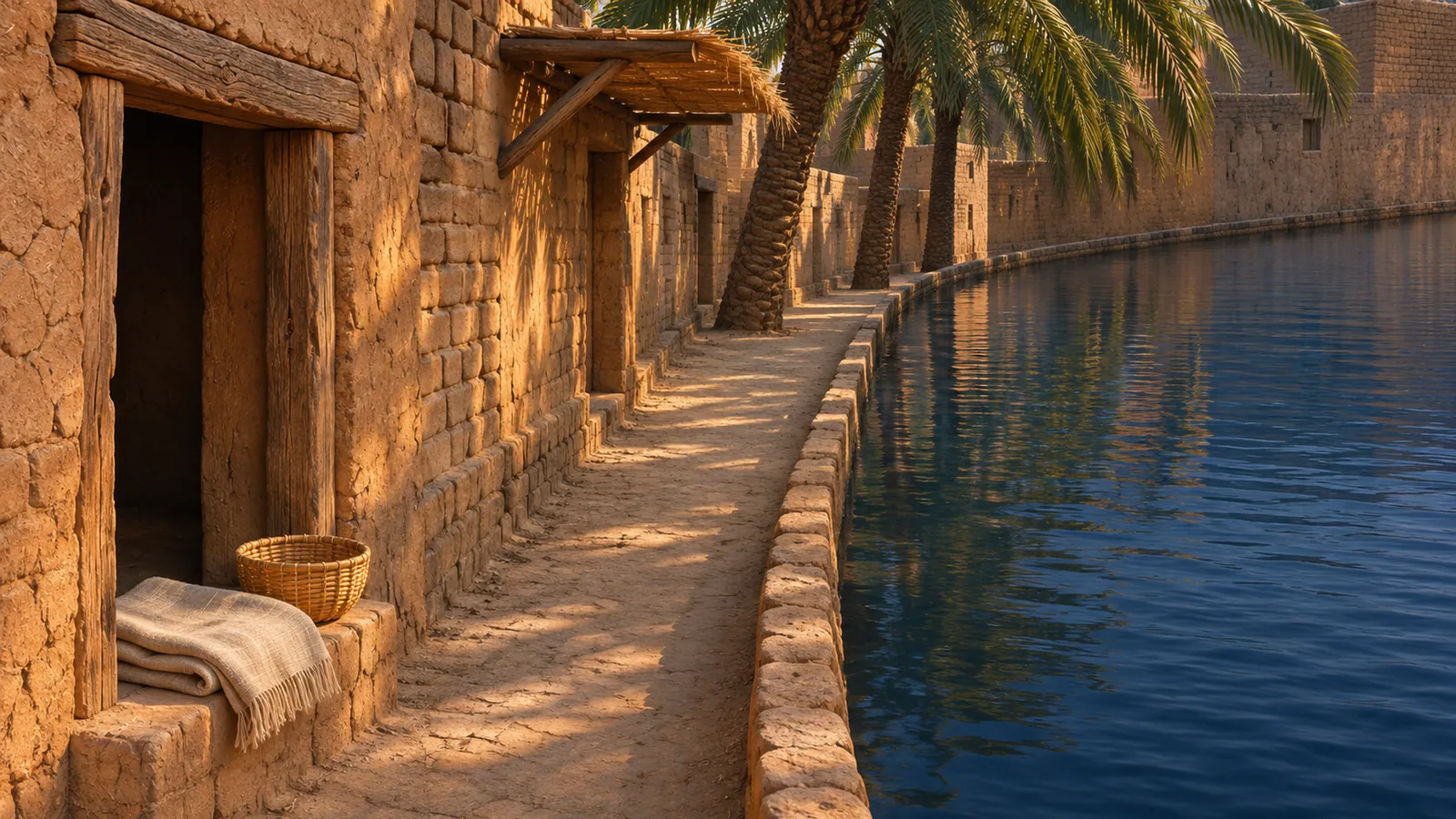
Ishum conta como as forças reais entraram na Babilônia e mataram pessoas que estavam sob a proteção da cidade.
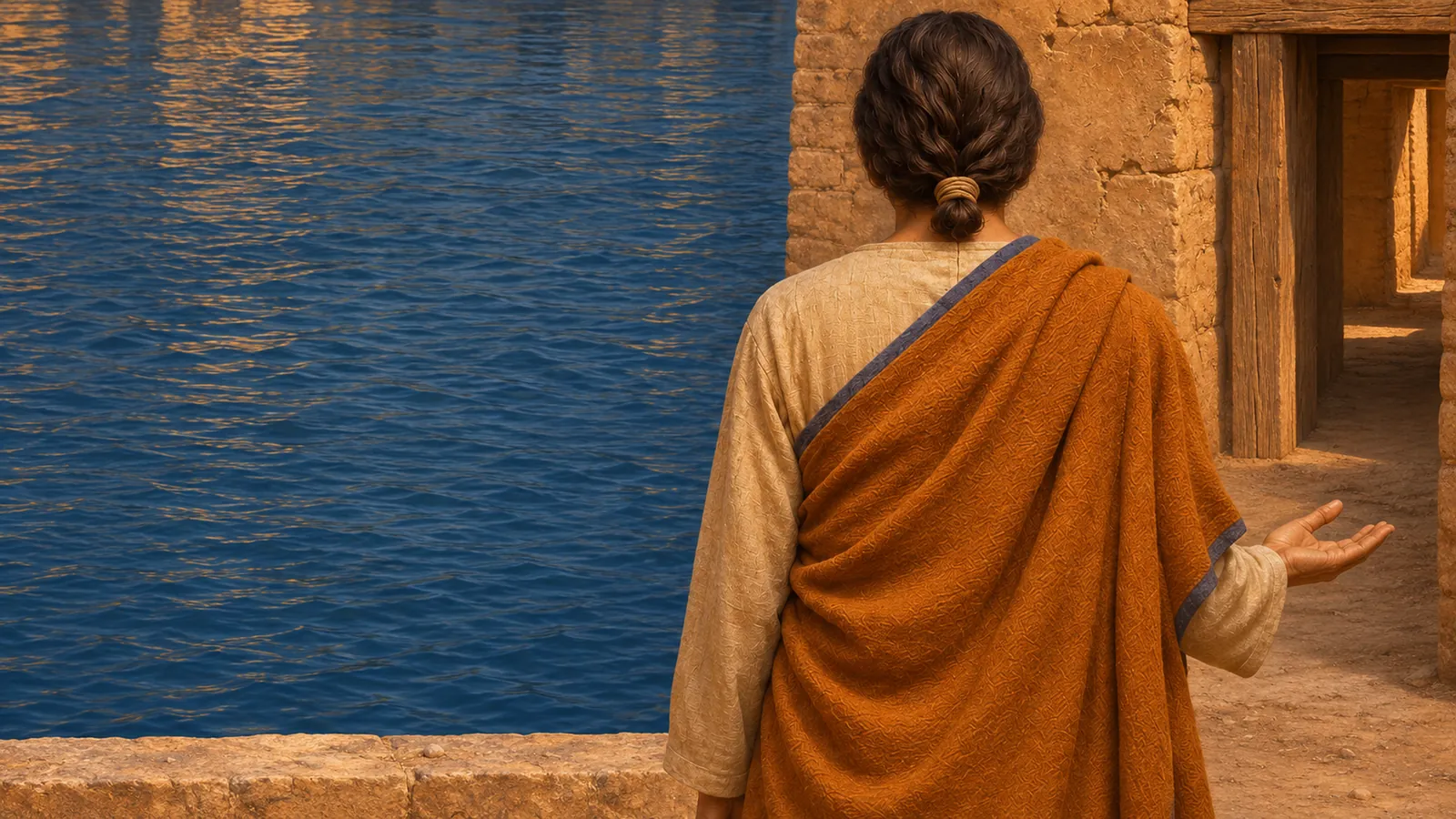
Ishum diz que Erra pôs um grupo contra o outro. Compara o que Erra fez à brincadeira destrutiva de um rapaz.
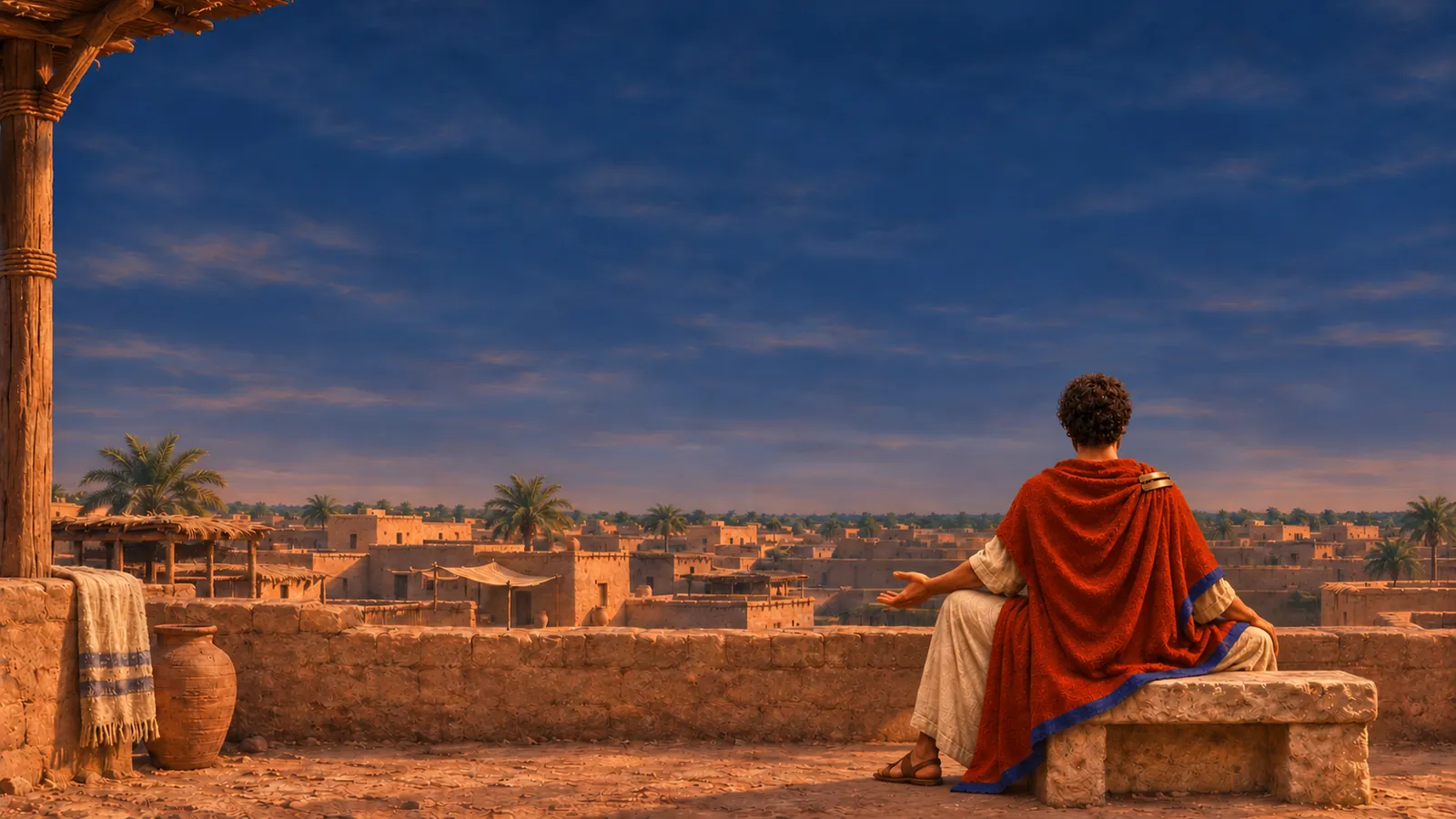
O LAMENTO DE MARDUK
No relato de Ishum, Marduk lamenta Babilónia. O rei dos deuses dá voz ao sofrimento da sua cidade.
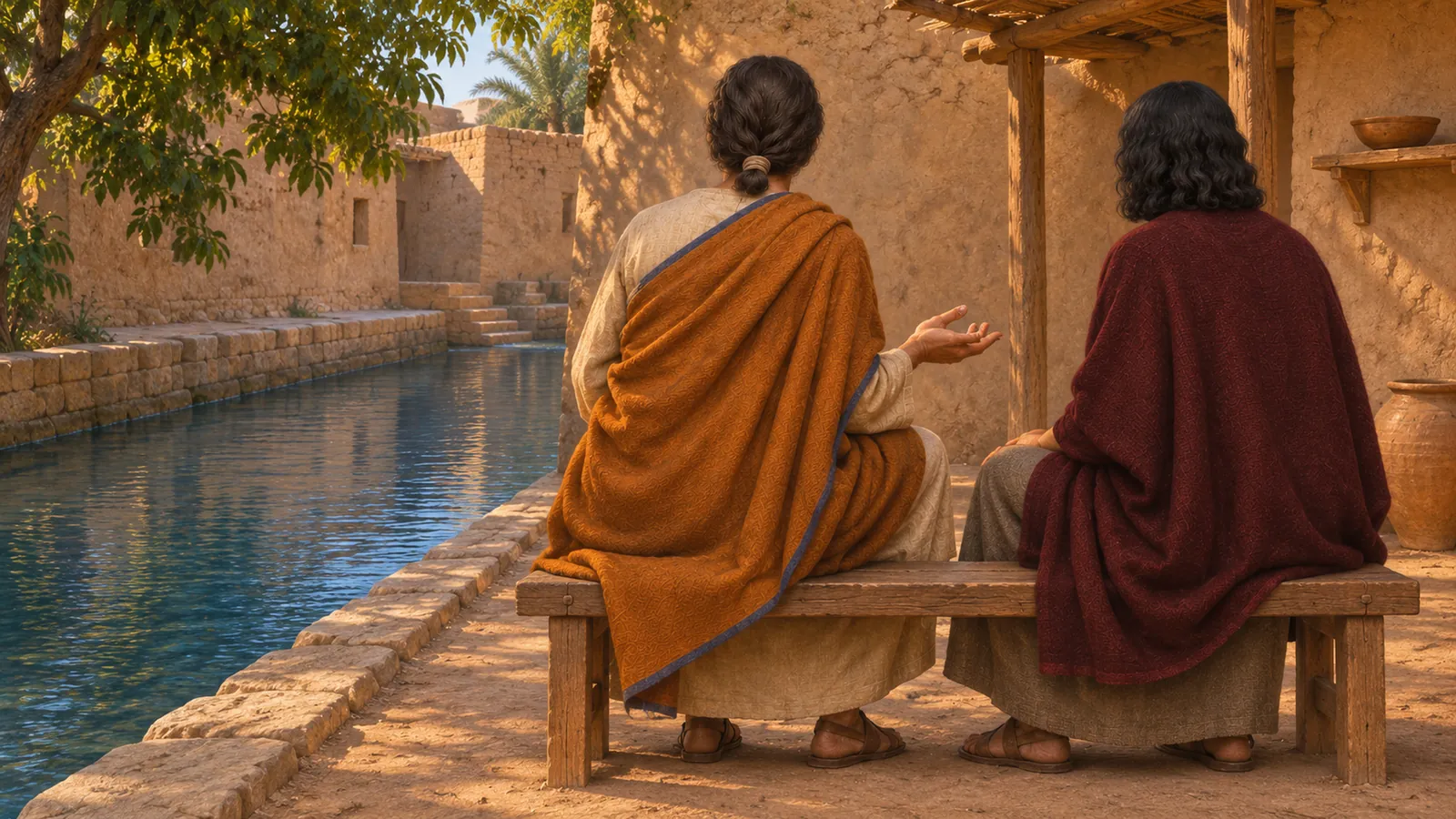
Ishum continua a repetir as ameaças de Erra. Um pai cria o filho na esperança de que este cuide dele mais tarde. Erra ameaça tirar-lhe essa esperança.
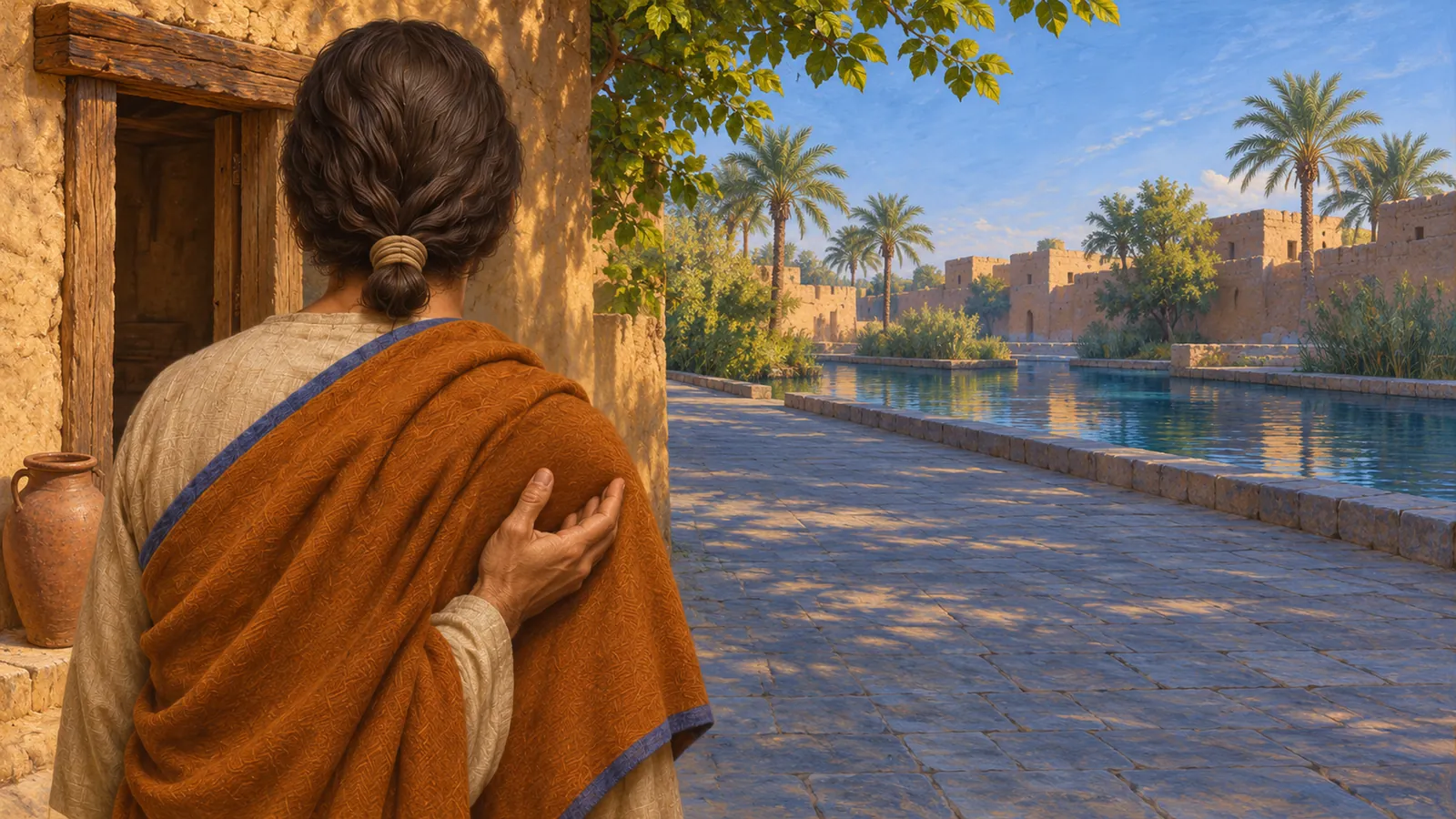
Ishum repete outra parte da ameaça de Erra. Um homem constrói uma casa para si, na esperança de nela encontrar abrigo e fazer dela o seu lugar de repouso.
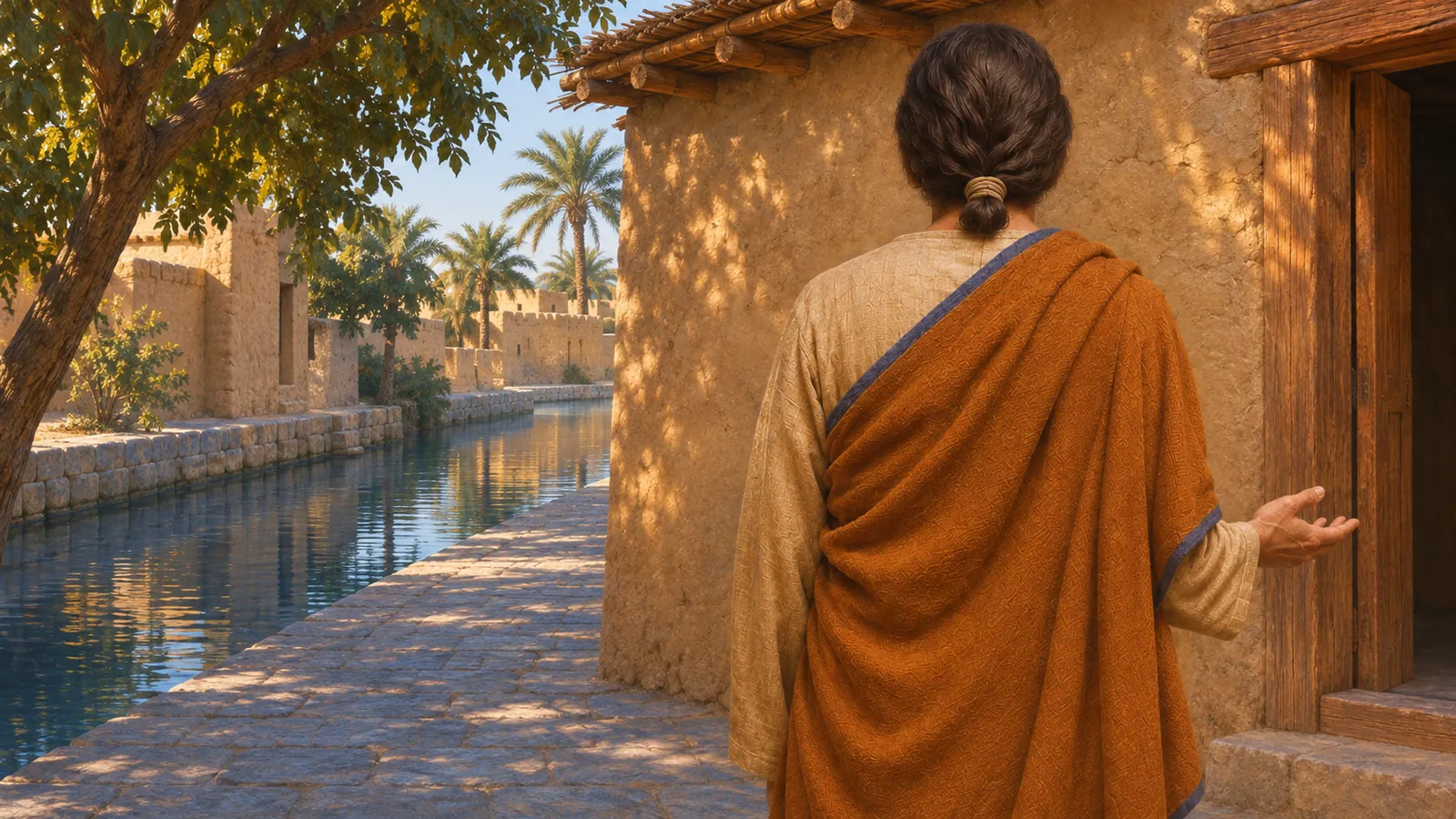
Nas palavras que Ishum repete, Erra tiraria a casa a quem a construiu. Entregá-la-ia a um estranho.
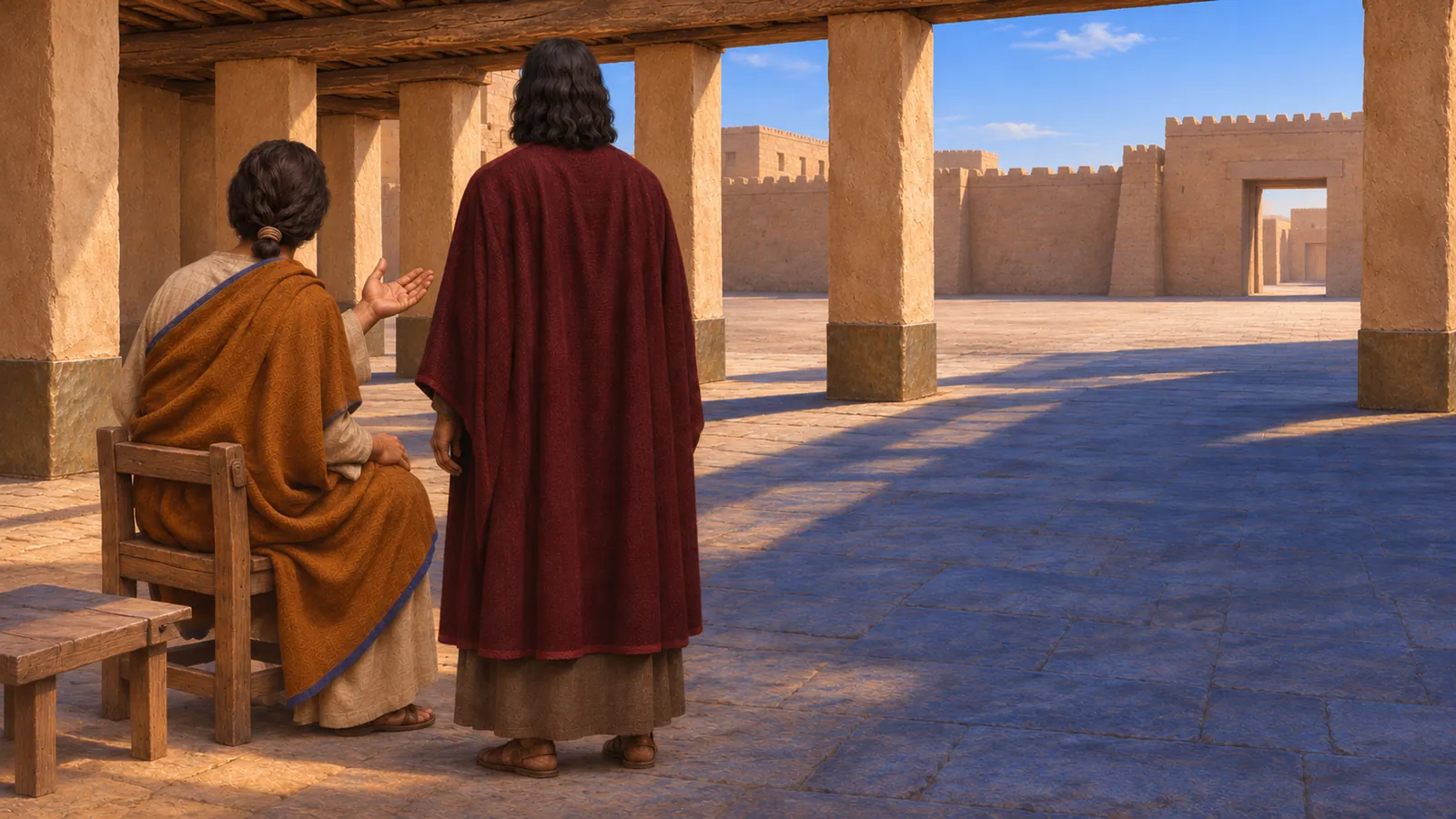
Ishum recorda uma ameaça de Erra contra o assento do rei dos deuses. Erra faria calar ali a voz do conselho.
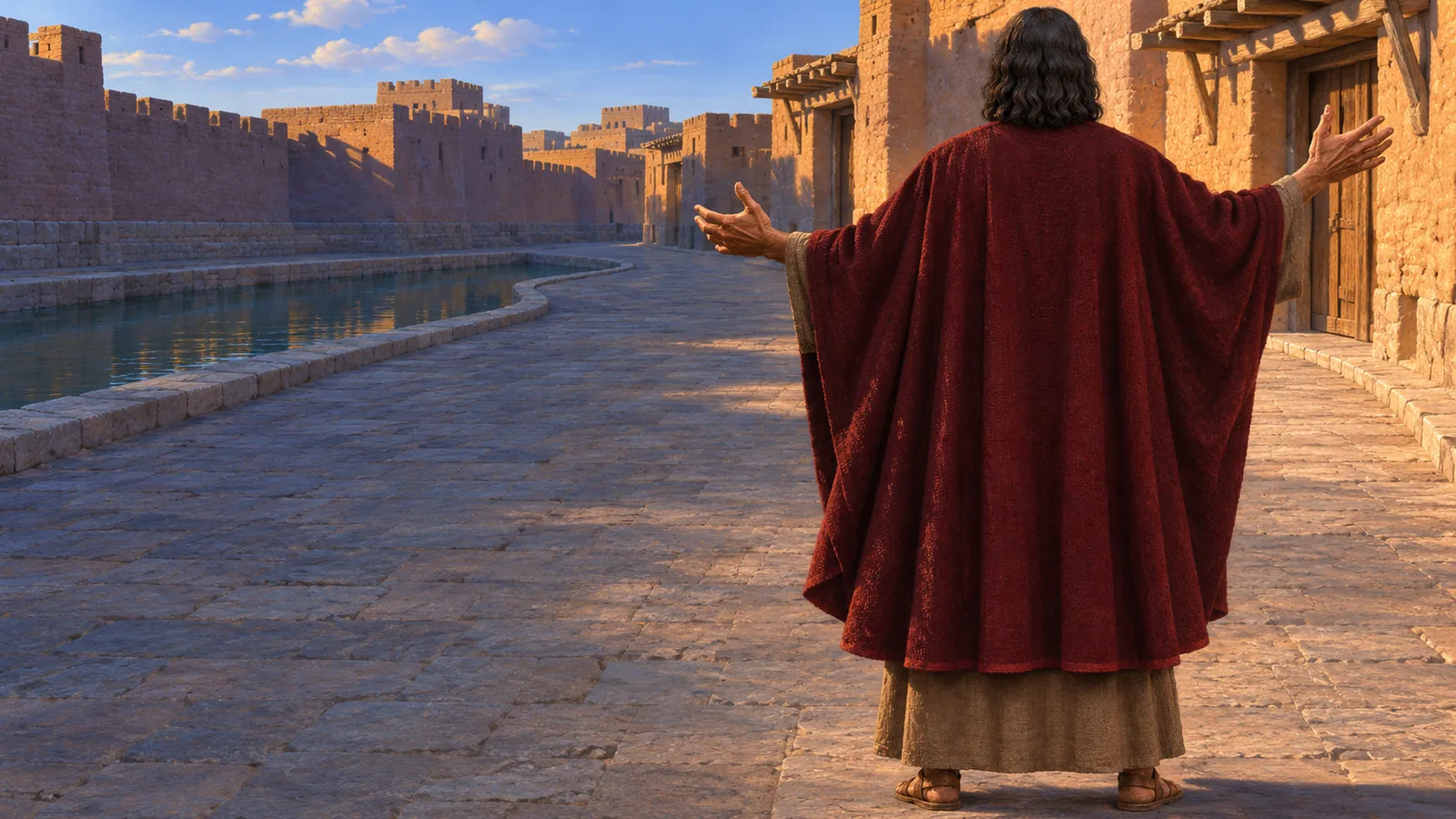
Erra pede que a discórdia chegue às terras e às próprias cidades. Nas suas palavras, de lugar em lugar, as pessoas hão de voltar-se contra os seus.
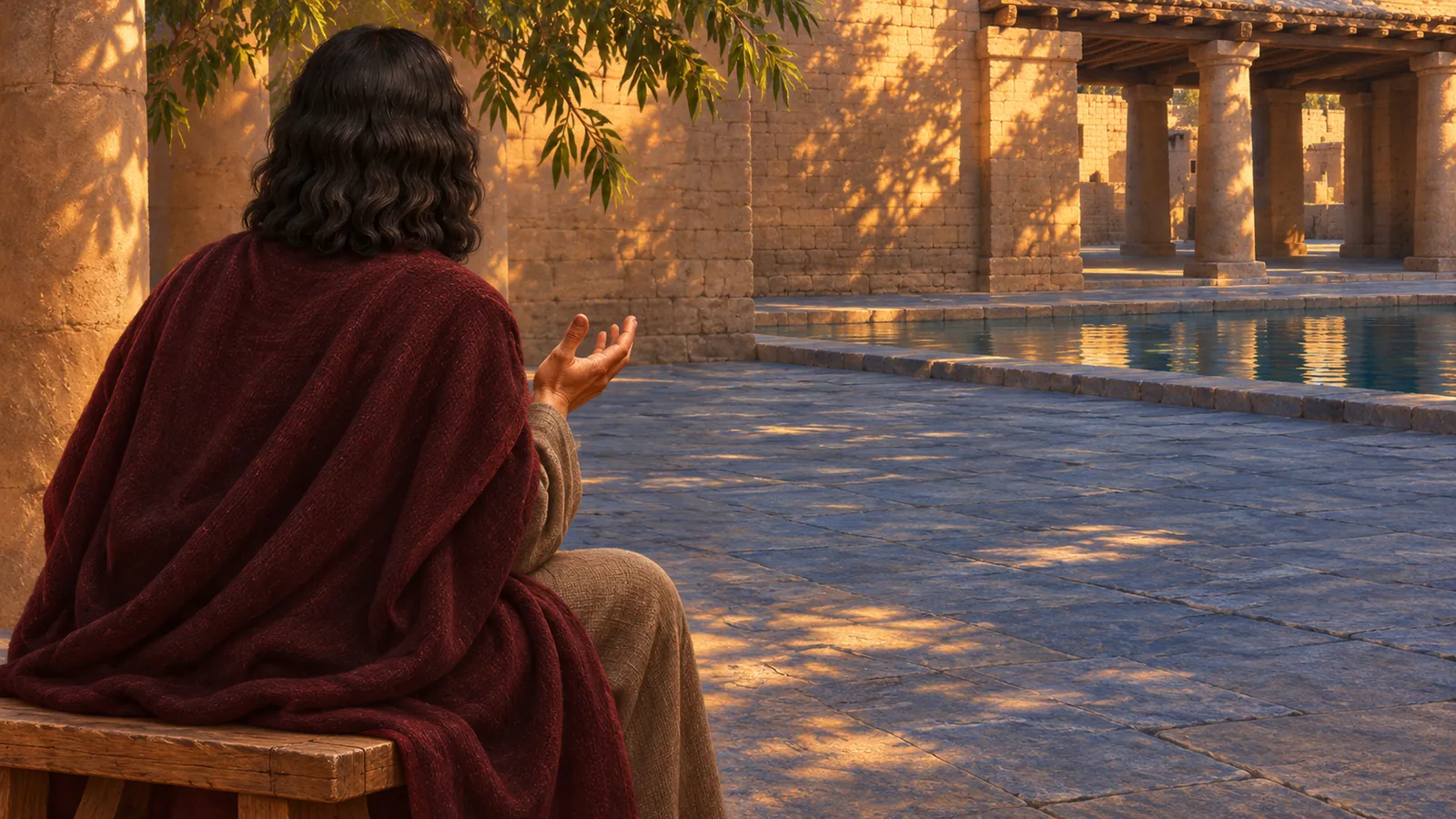
Erra diz que a discórdia há de durar até que surja um governante na Babilónia. Nesta passagem, não lhe dá nome.
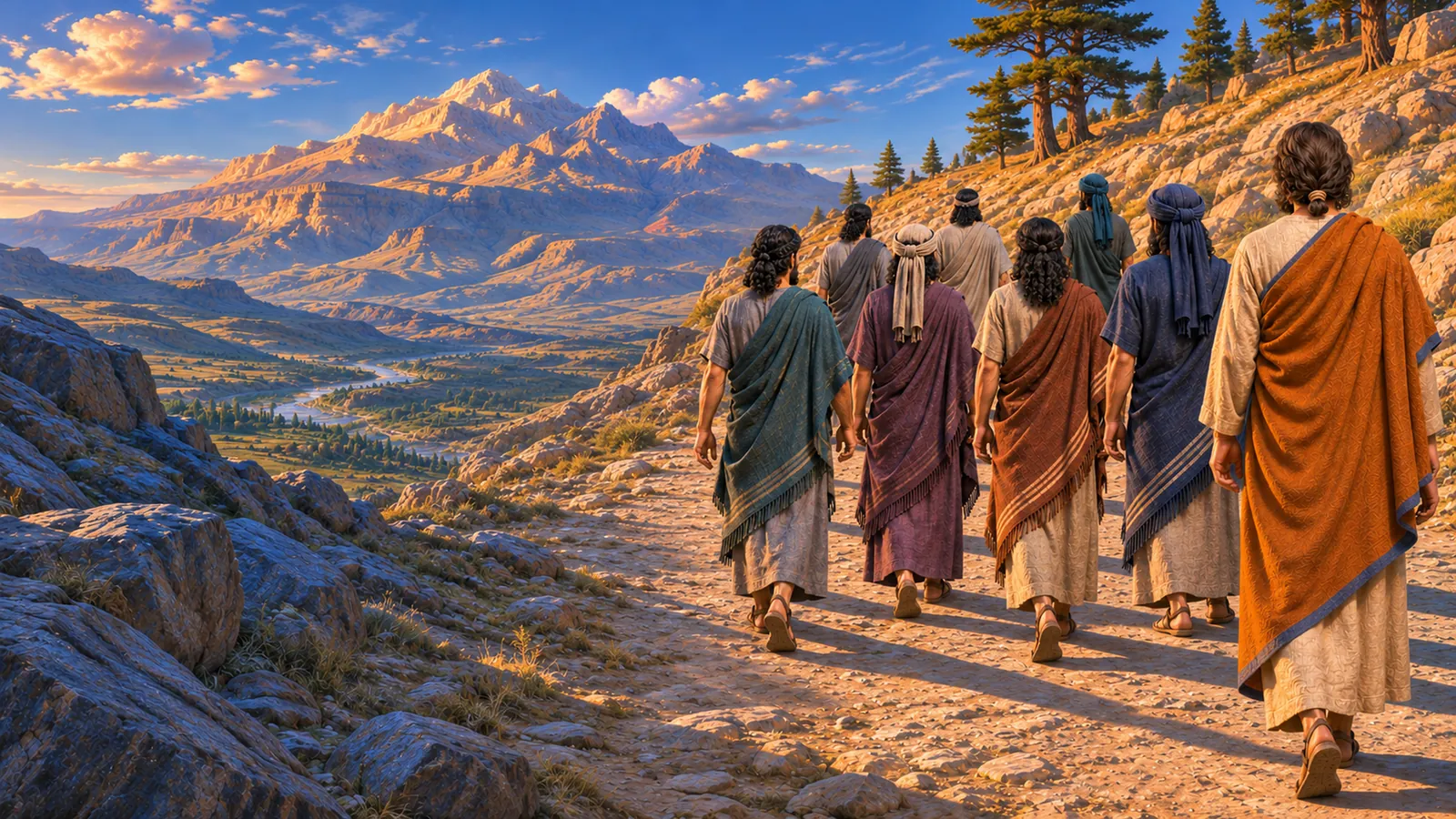
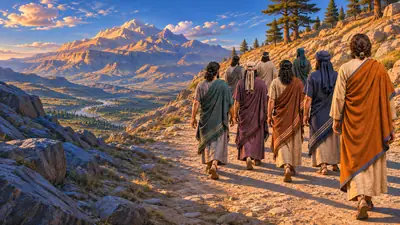
Ishum parte para o monte Sharshar com os Sete. Depois das palavras de Erra, o poema antigo leva-os à região das montanhas.
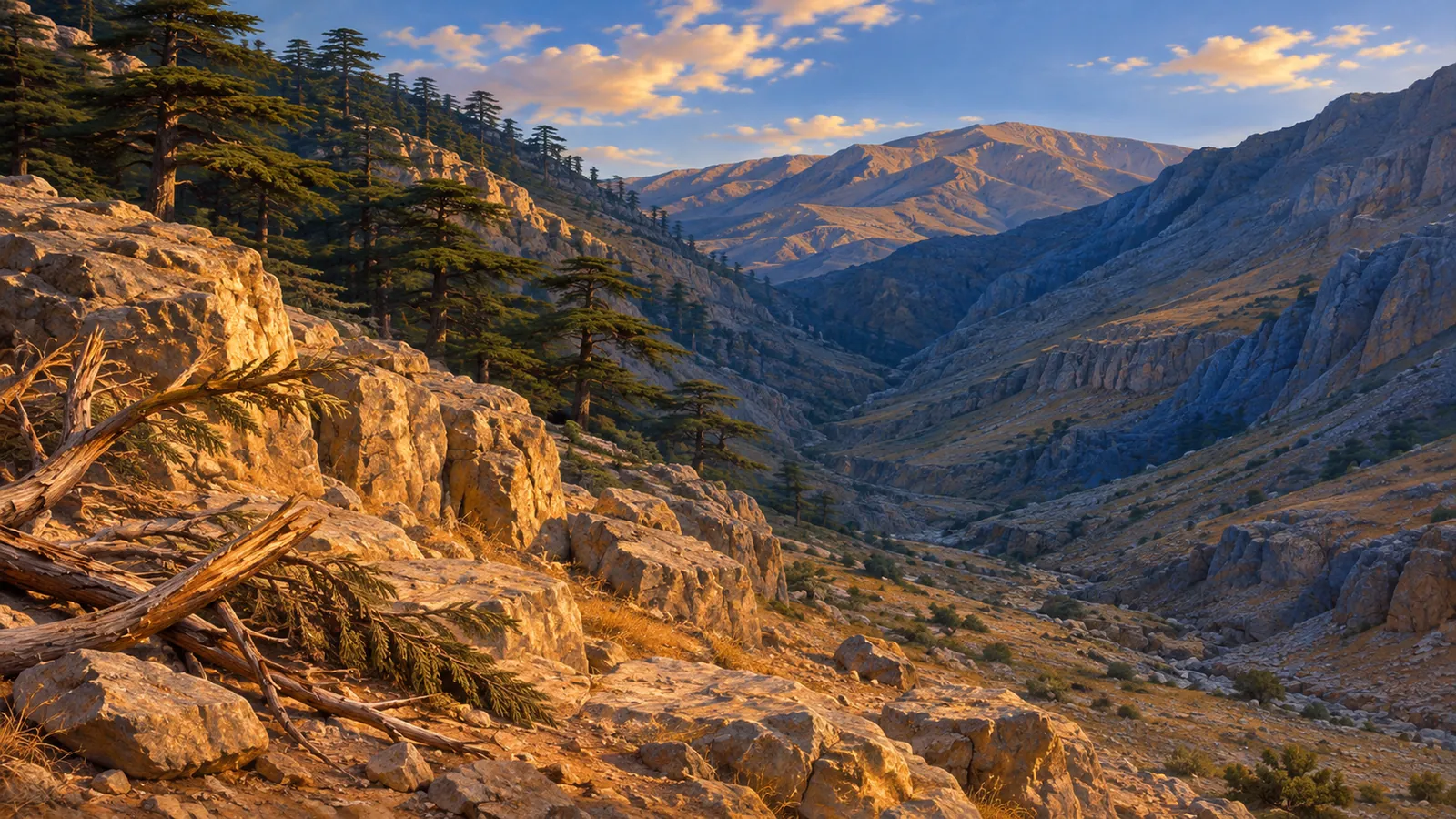
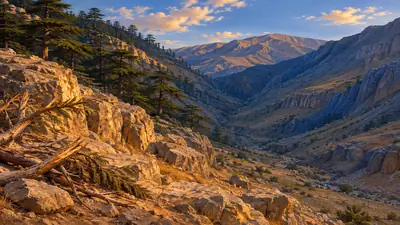
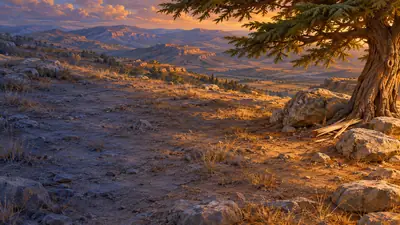
Um guerreiro chega à montanha. O poema conta a devastação da montanha e do seu bosque de cedros. O verso deixa em aberto a identidade do guerreiro.
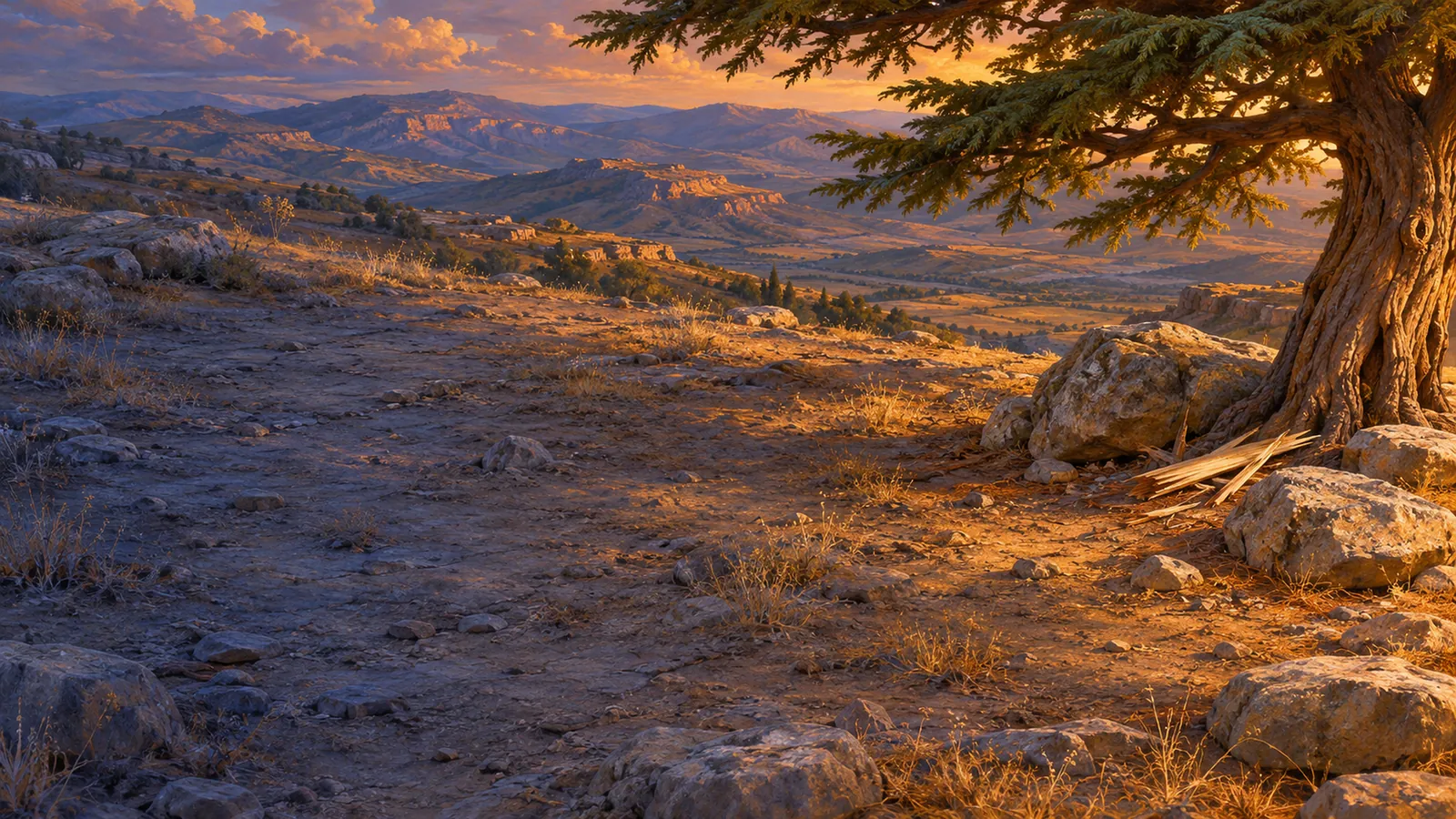
O poema compara o bosque devastado a um lugar por onde passou o dilúvio. O relato das perdas chega às povoações e às terras altas.
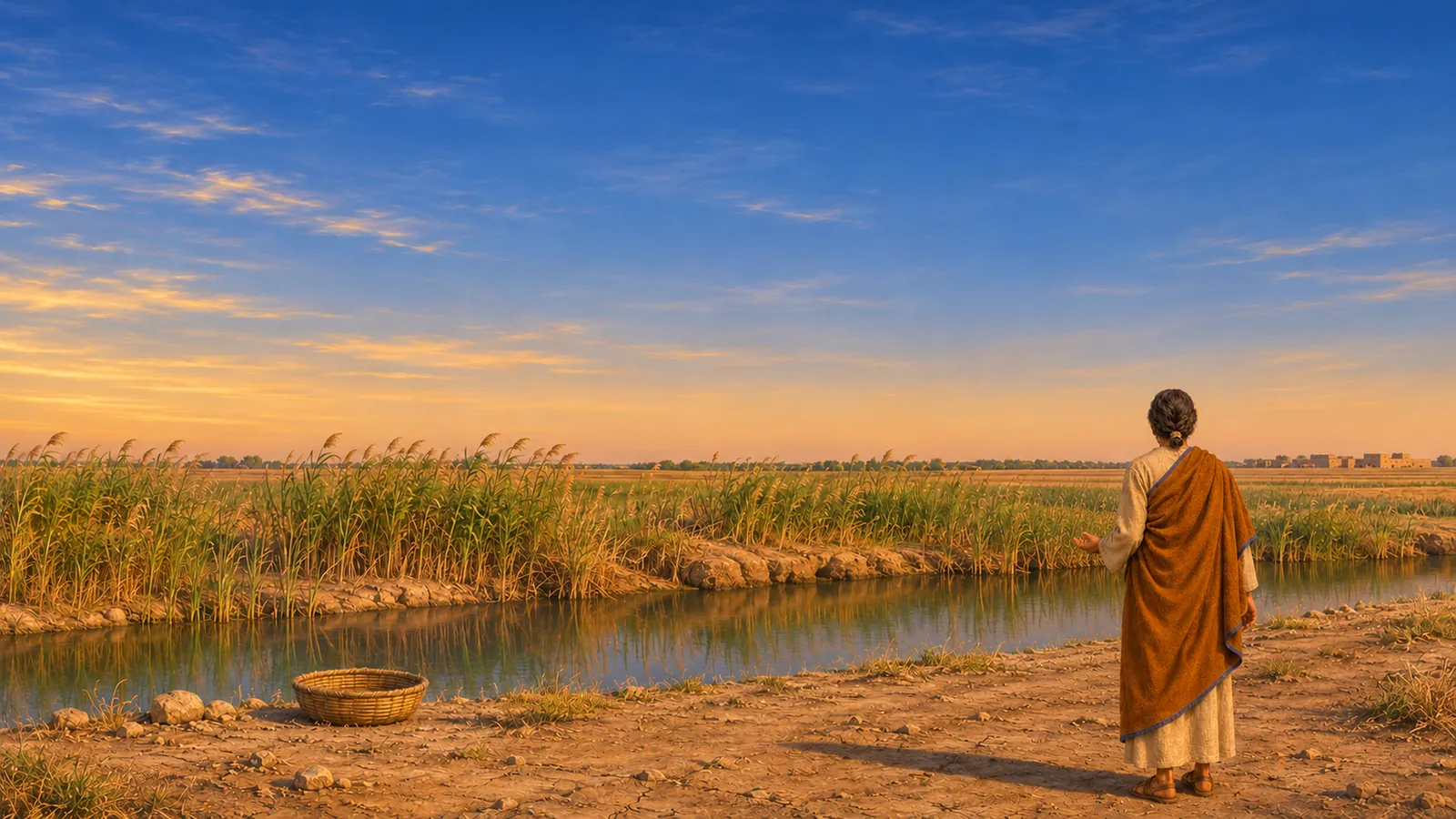
OS CANAVIAIS
A tabuinha termina o relato da devastação com a perda das colheitas e dos canaviais. A terra tem menos para dar.
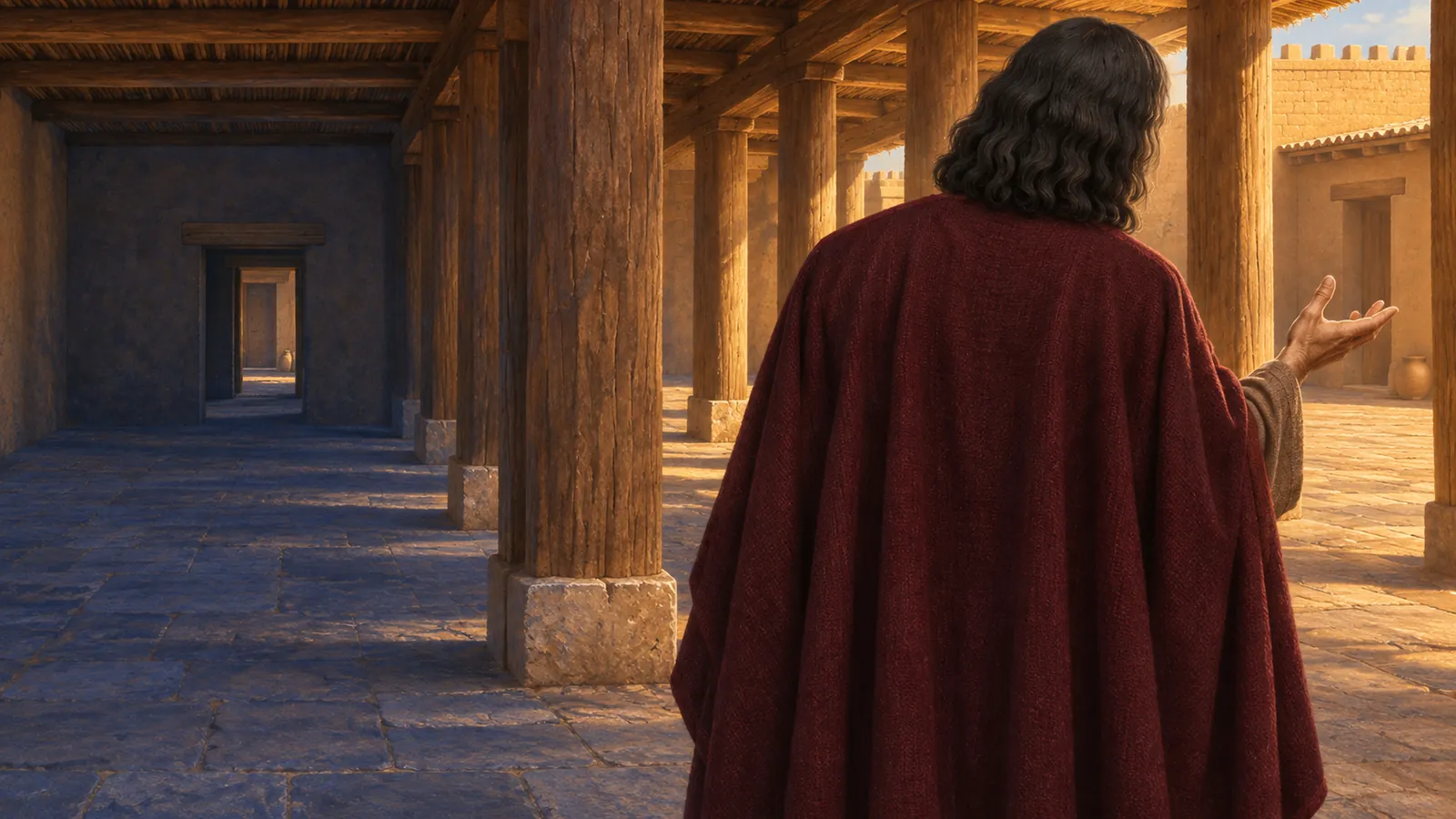
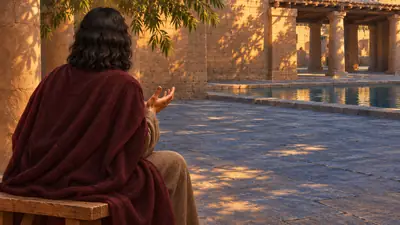
Erra pede aos que estão diante dele que escutem. Reconhece o mal que quis fazer e a fúria com que agiu.
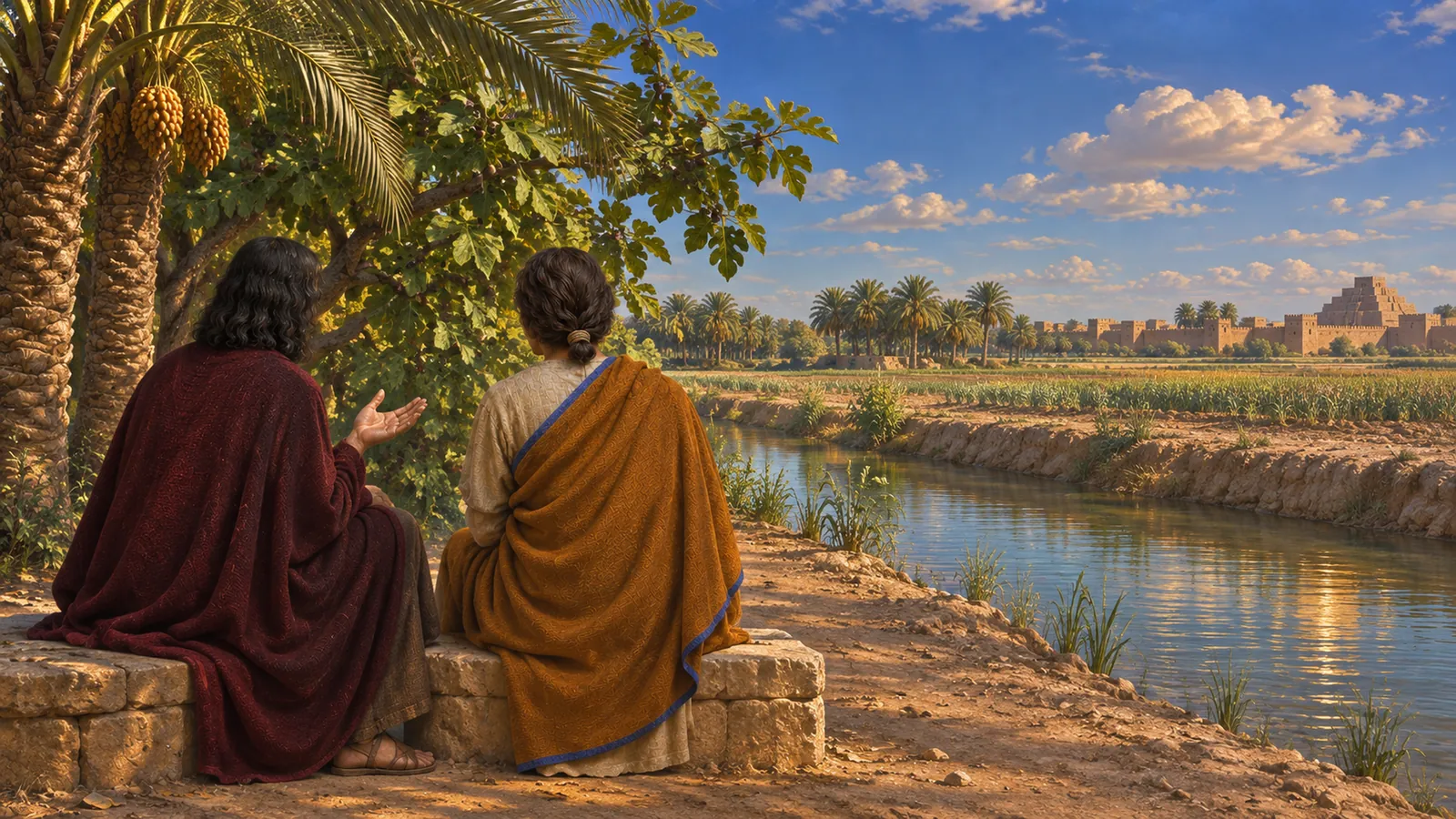
Erra compara a sua indiferença à de quem não plantou um pomar. Diz que a sua fúria não fez distinções entre as pessoas.
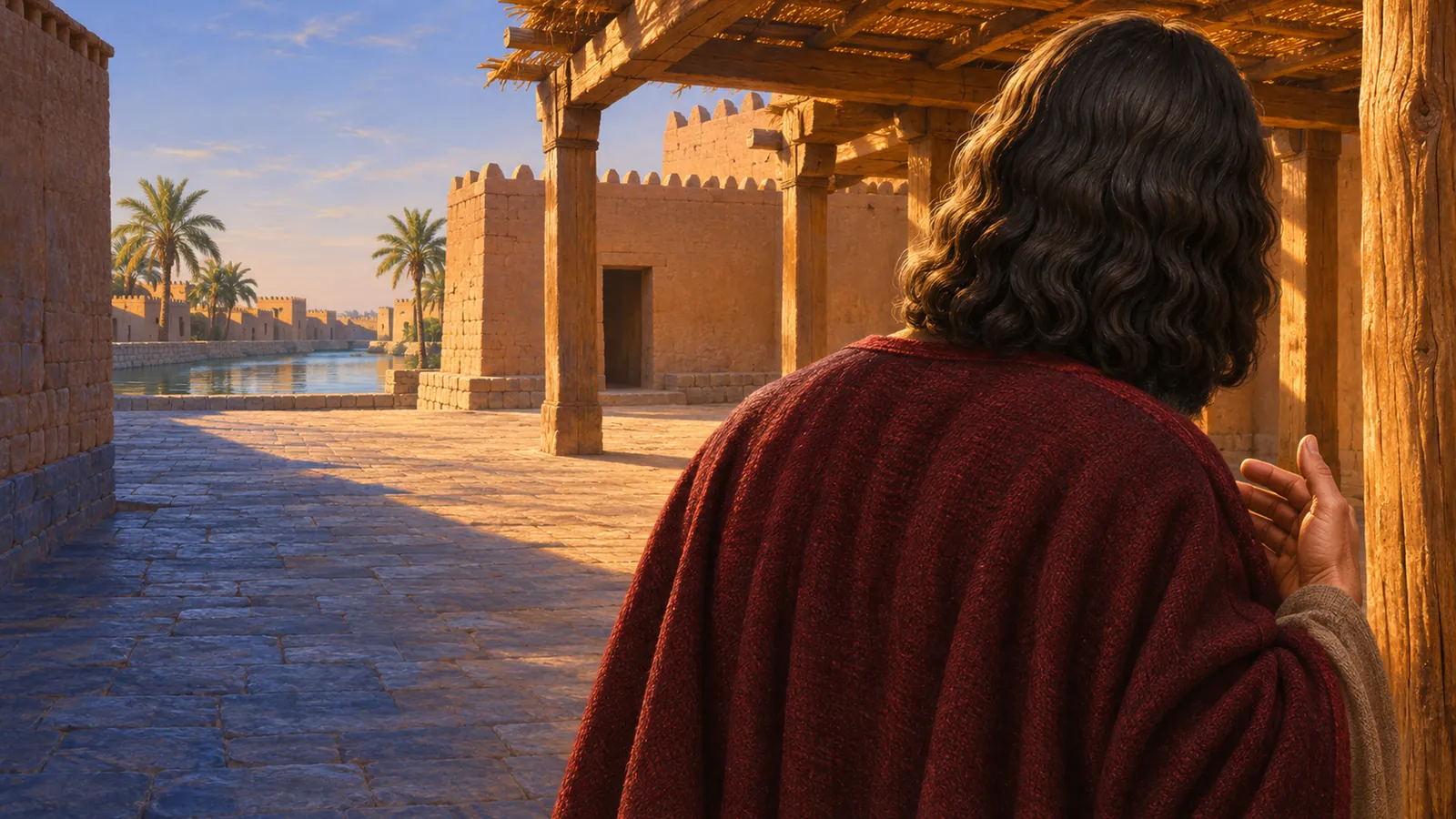
Erra compara a sua fúria a um leão. Diz que quem está tomado por tal fúria não consegue escutar o conselho de outra pessoa.
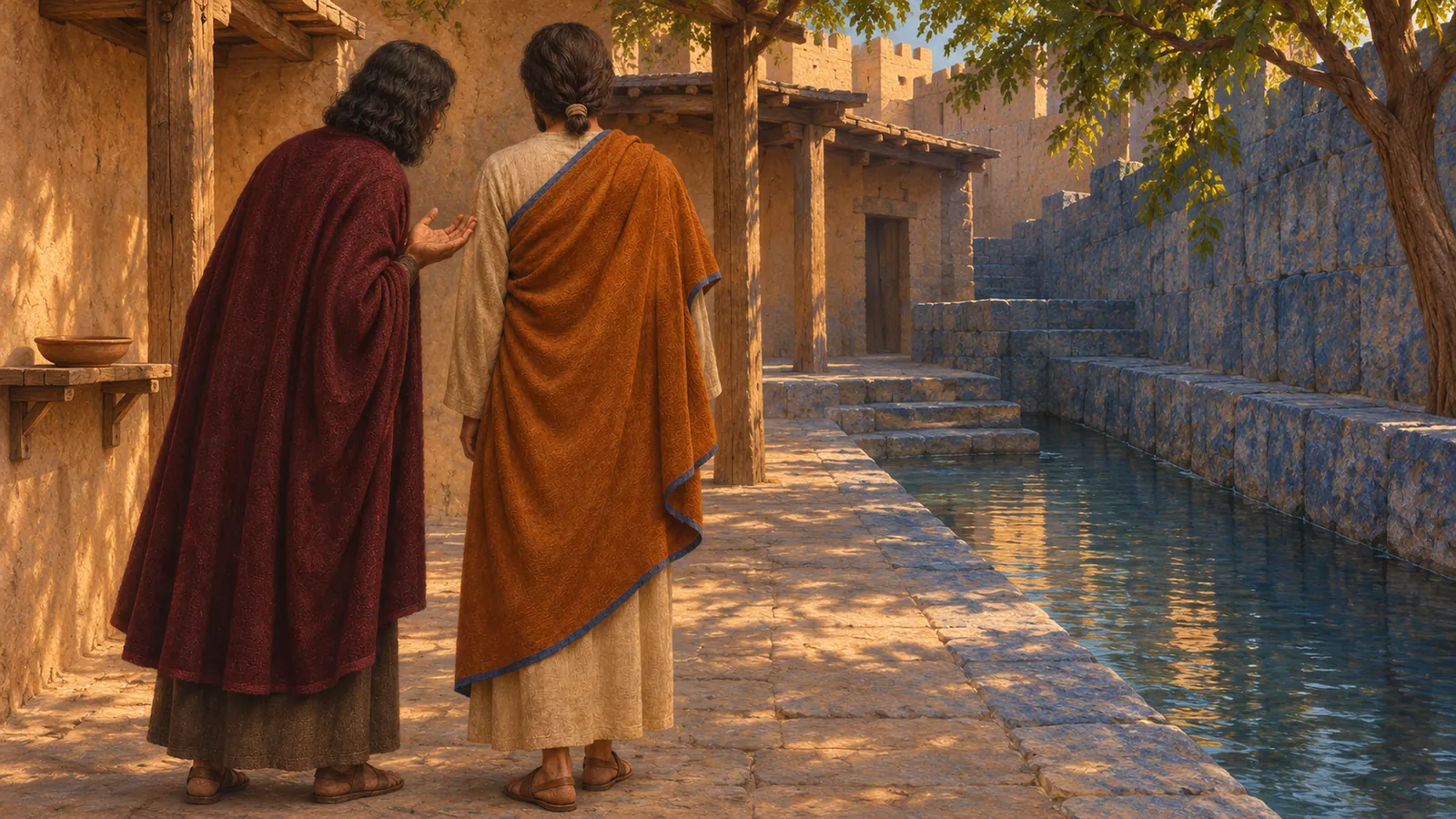
Erra pergunta o que teria sobrevivido sem a intervenção de Ishum. Fala de quem serve os deuses e das oferendas que lhes são feitas.
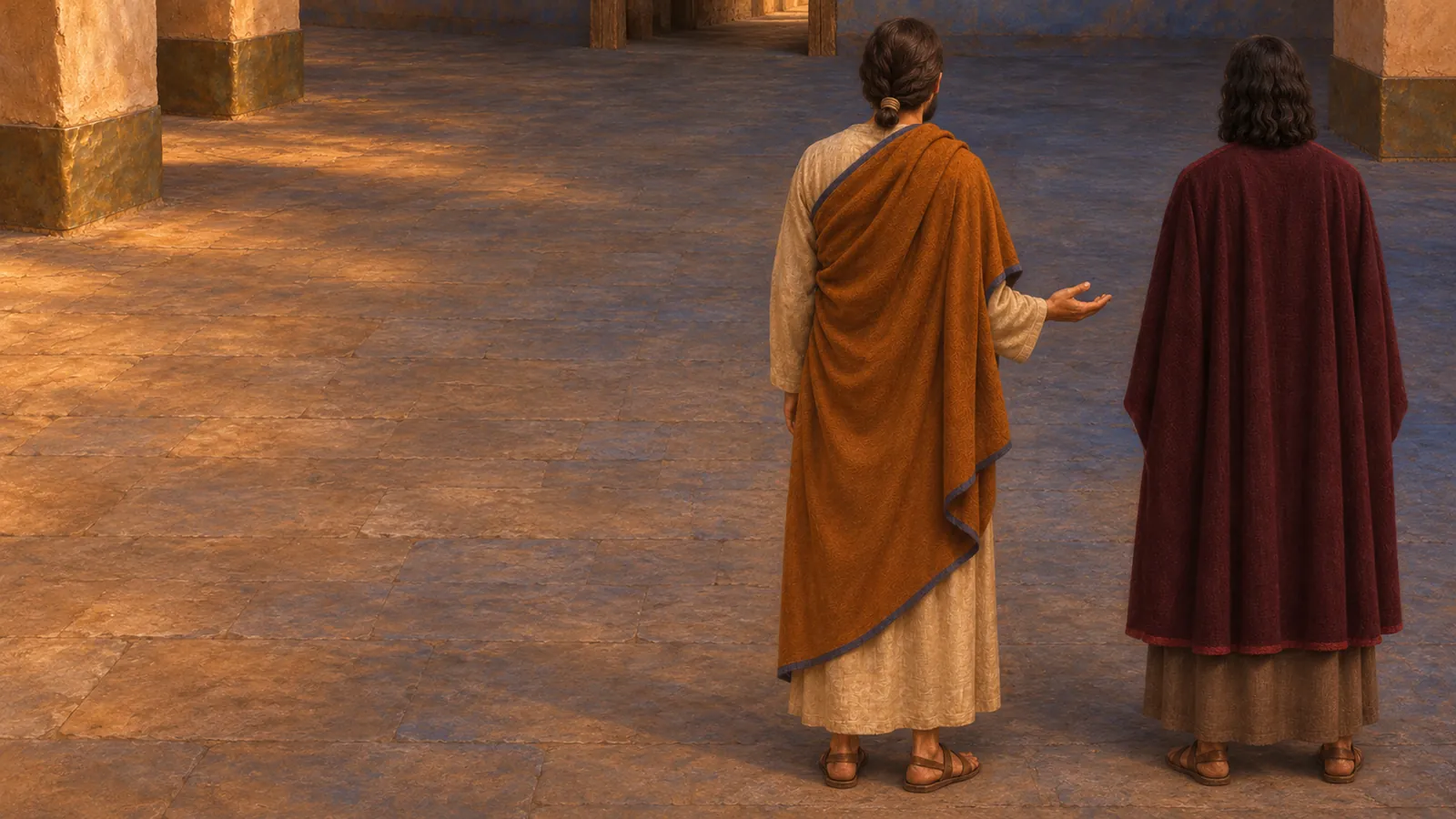
ACALMA-TE
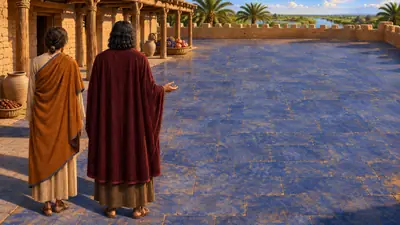
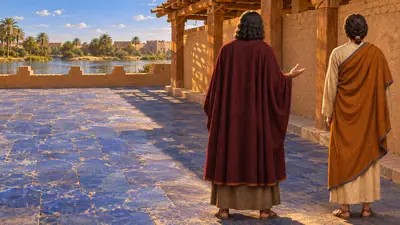
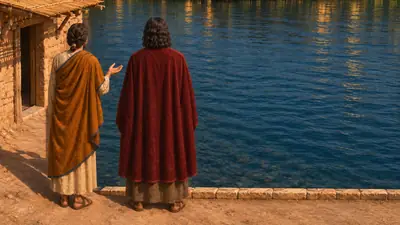
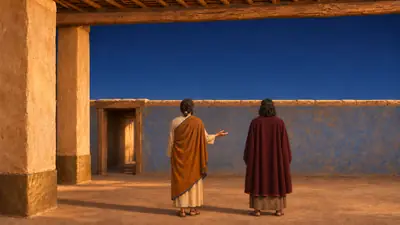
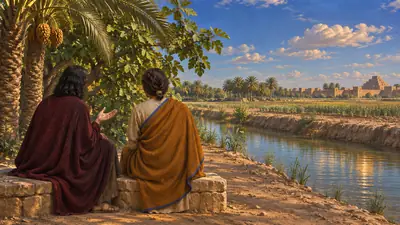
Ishum responde com respeito ao senhor a quem serve. Pede a Erra que o escute e se acalme.
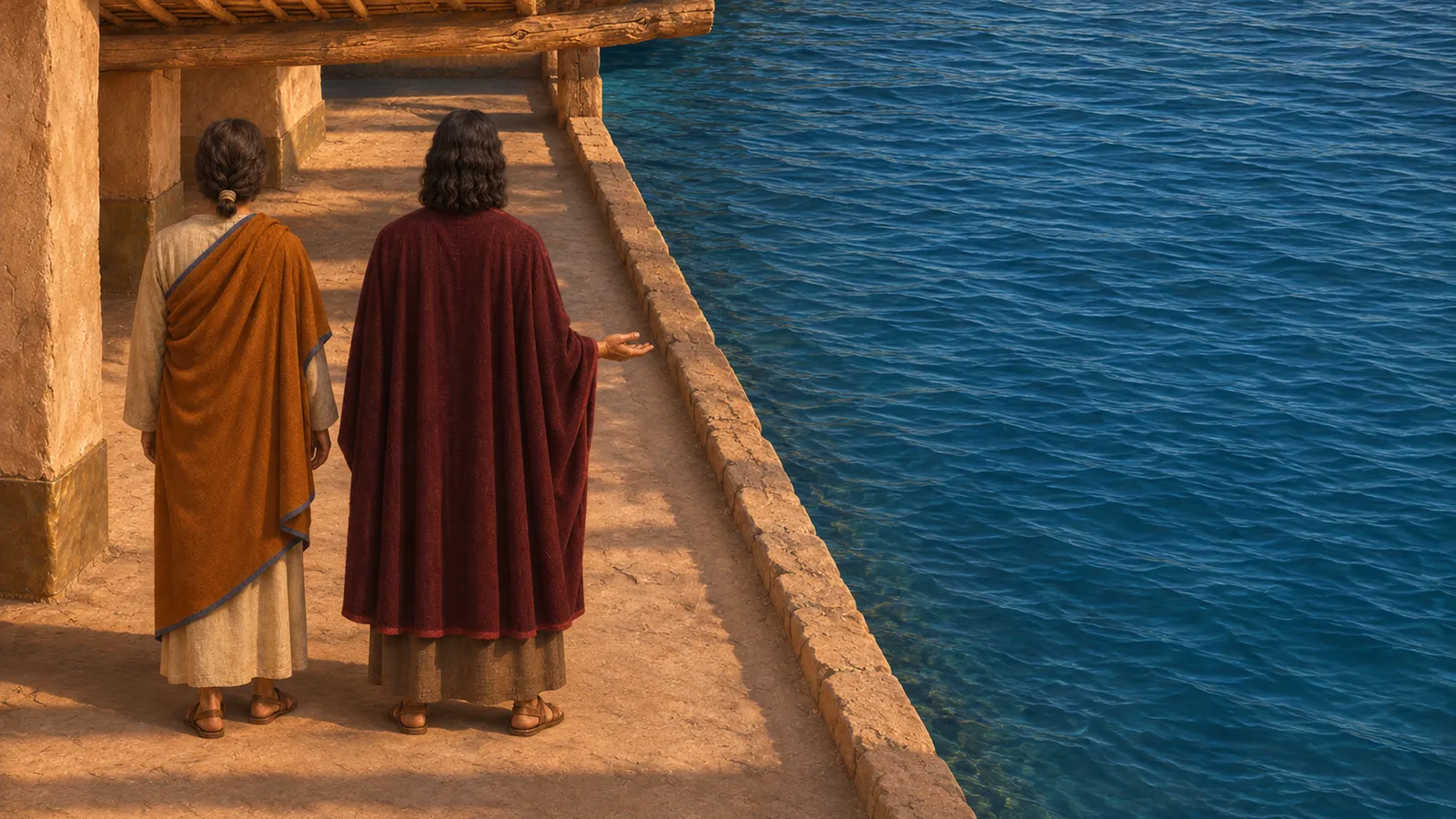
Erra fala de novo e anuncia que os babilónios hão de erguer-se acima de outras terras. Ordena que se tragam riquezas para a Babilónia.
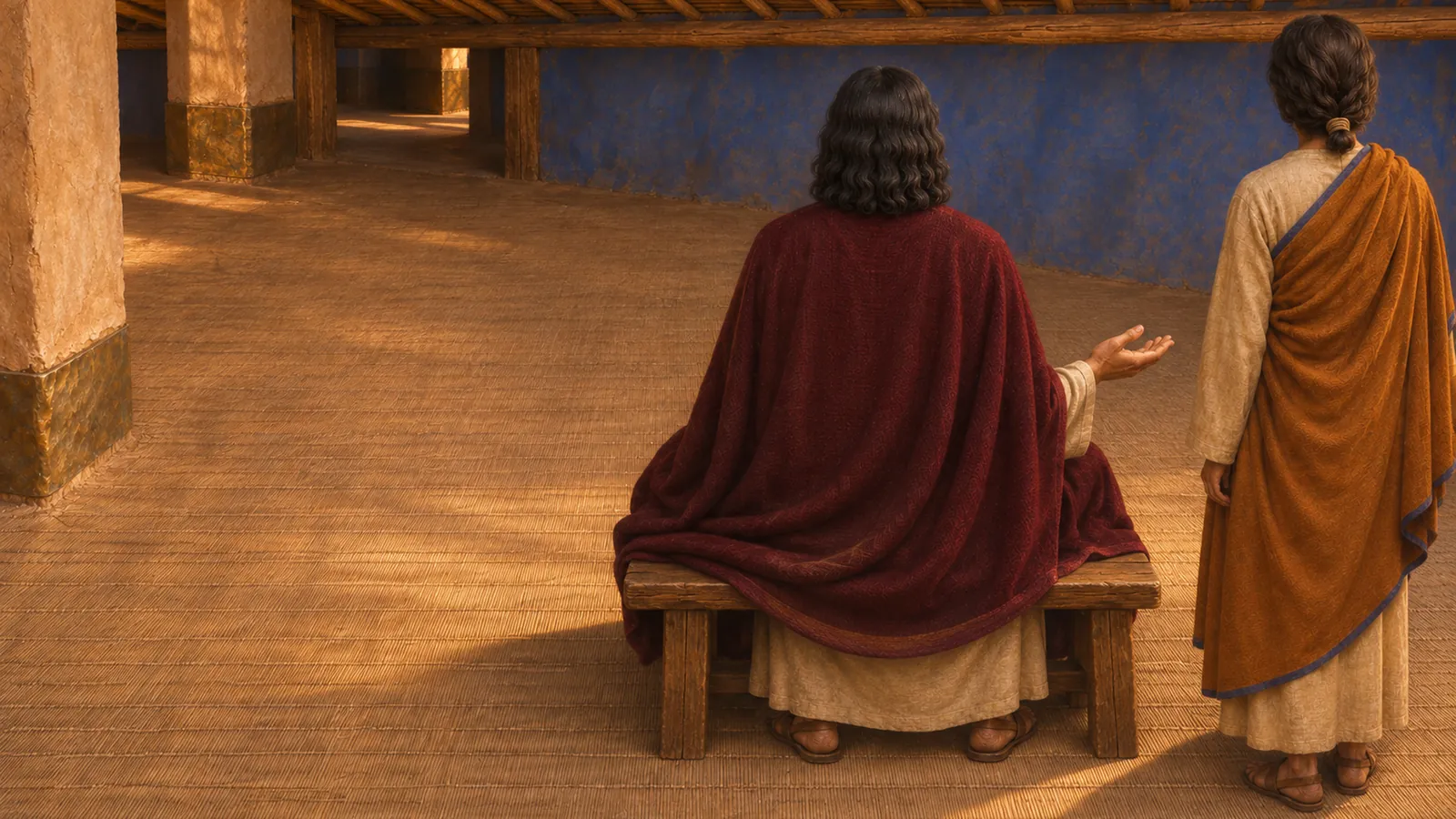
Erra pede a Ishum que reconcilie os deuses irados da terra com as suas moradas. É a primeira destas instruções para a renovação.
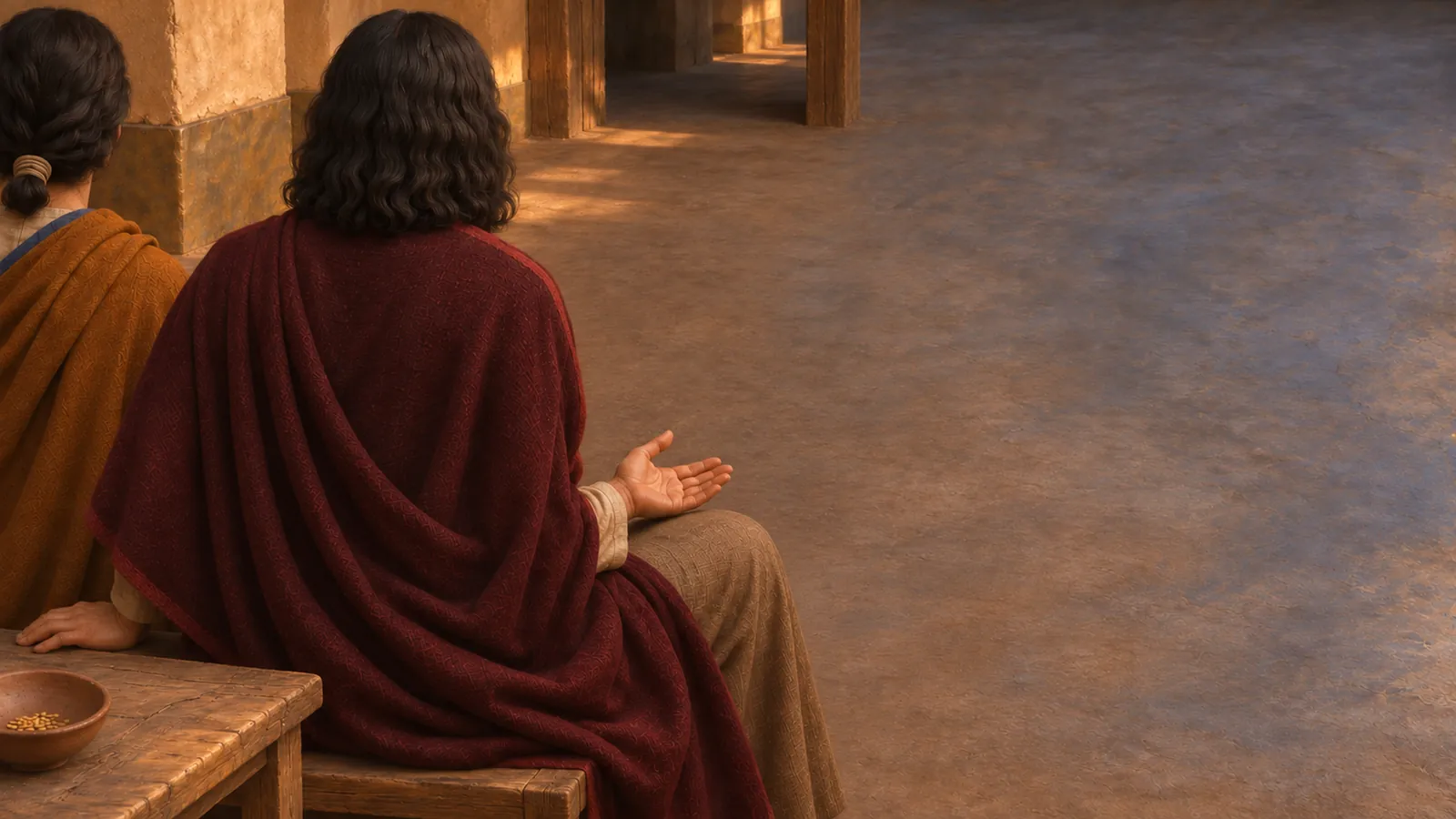
Erra pede que regressem as forças que velam pelo gado e pelo cereal. As suas palavras voltam-se para o que pode sustentar a terra.
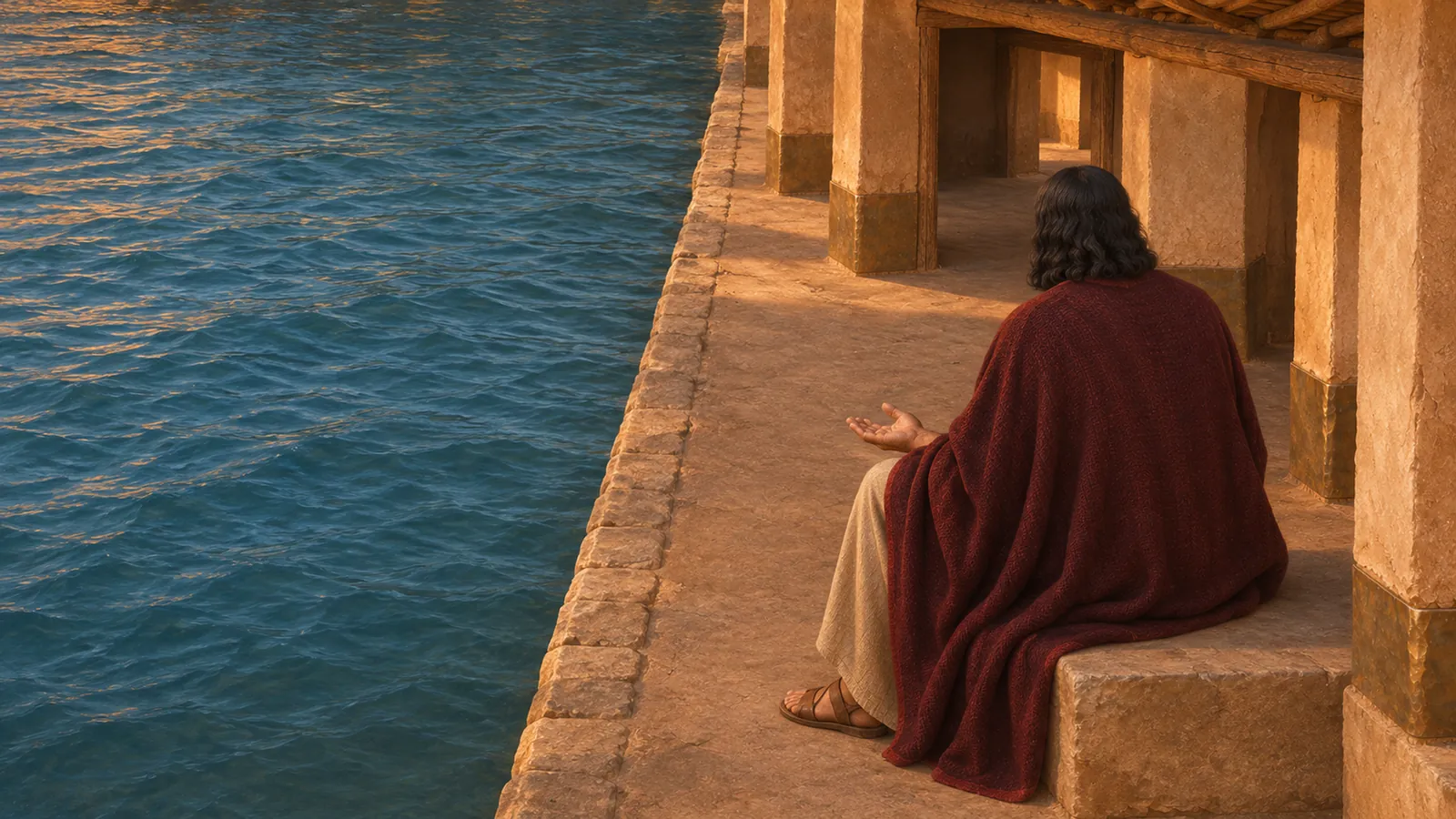
Erra pede às terras altas e ao mar que voltem a dar o seu produto. Fala daquilo que hão de fornecer.
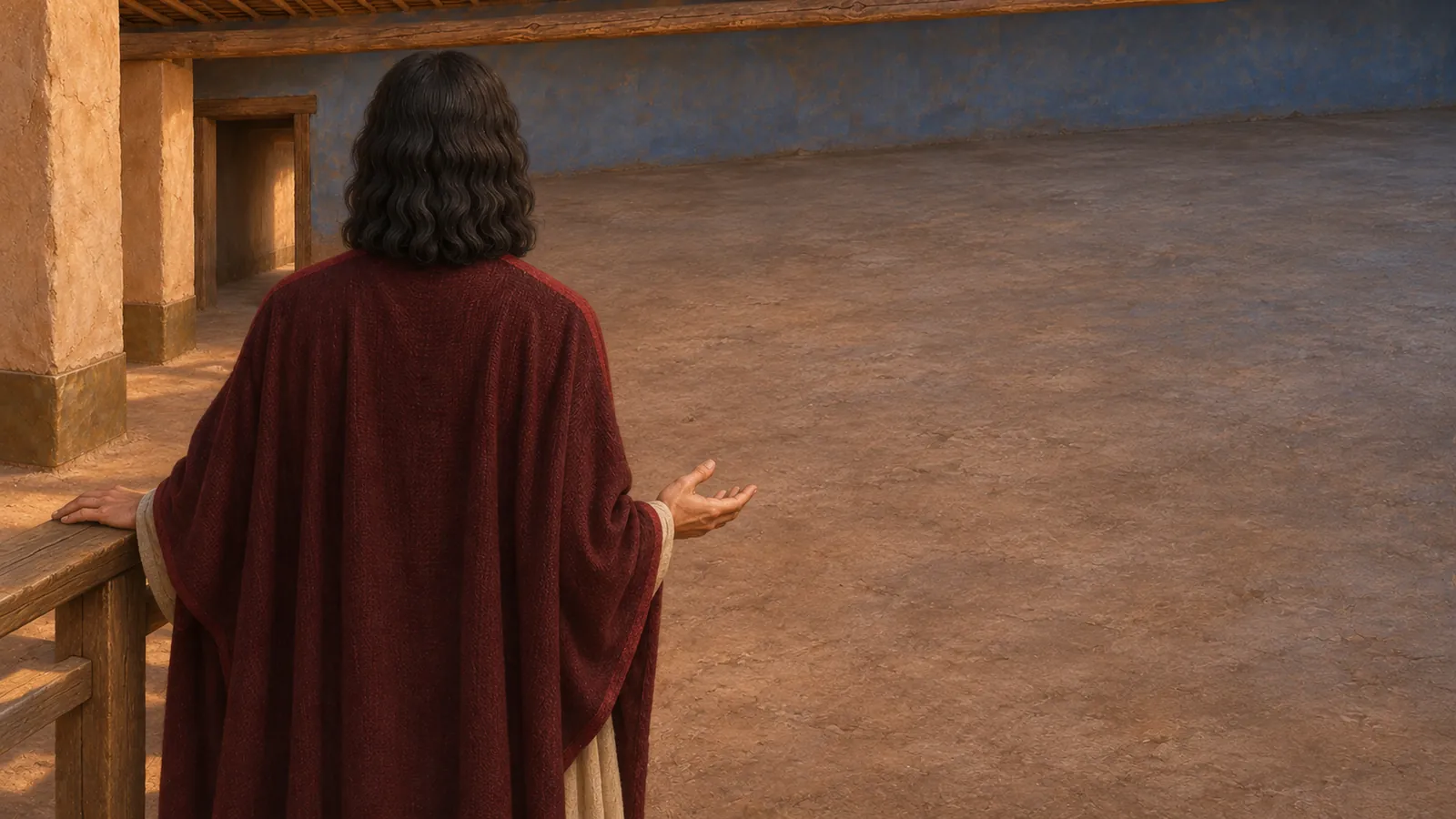
Erra pede que as culturas regressem aos prados que tinham sido devastados. Diz que a terra há de voltar a dar fruto.
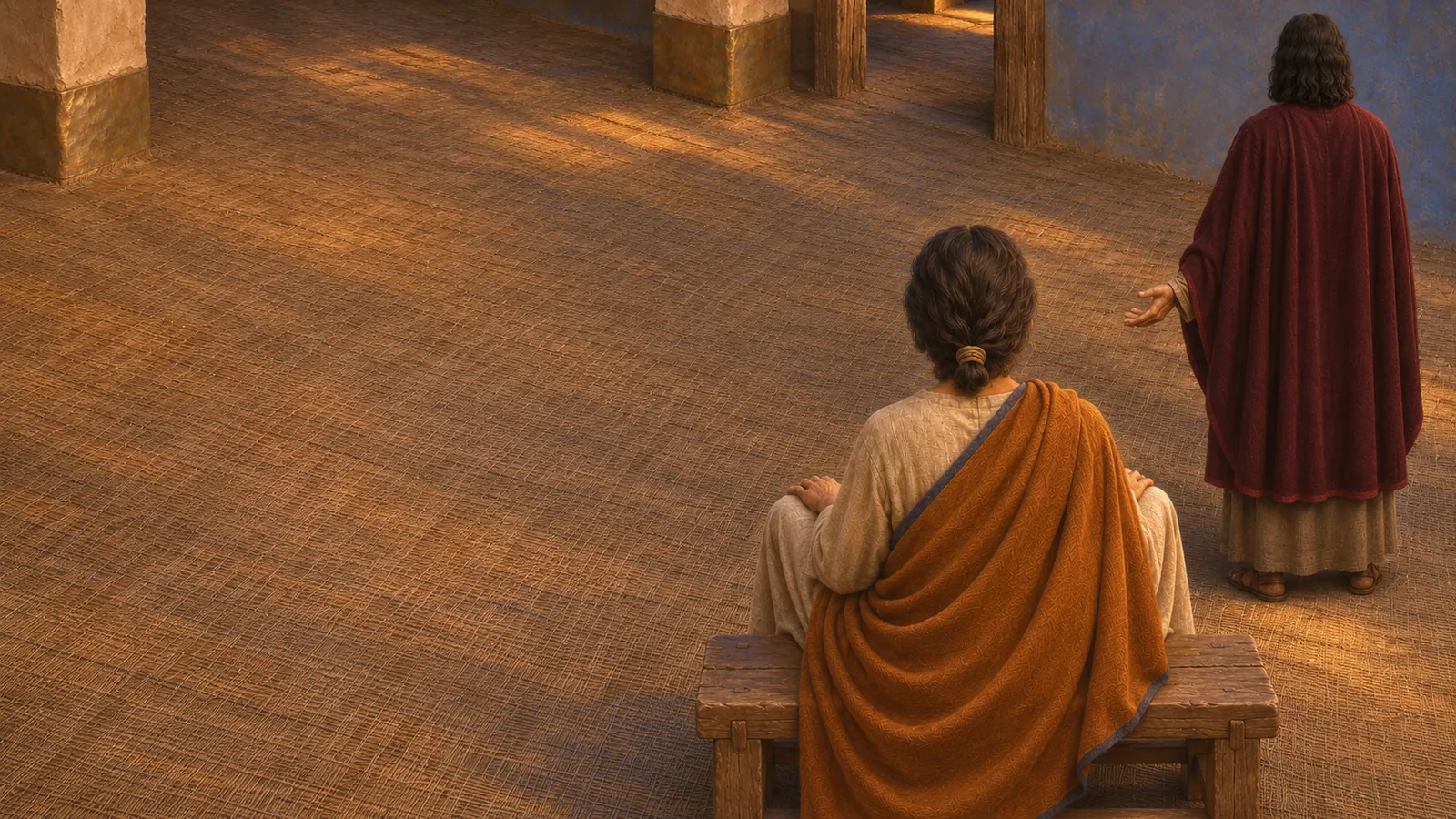
As instruções de Erra preveem uma longa autoridade para quem prover ao Esagil e à Babilónia. Com estas palavras, o seu discurso chega ao fim.
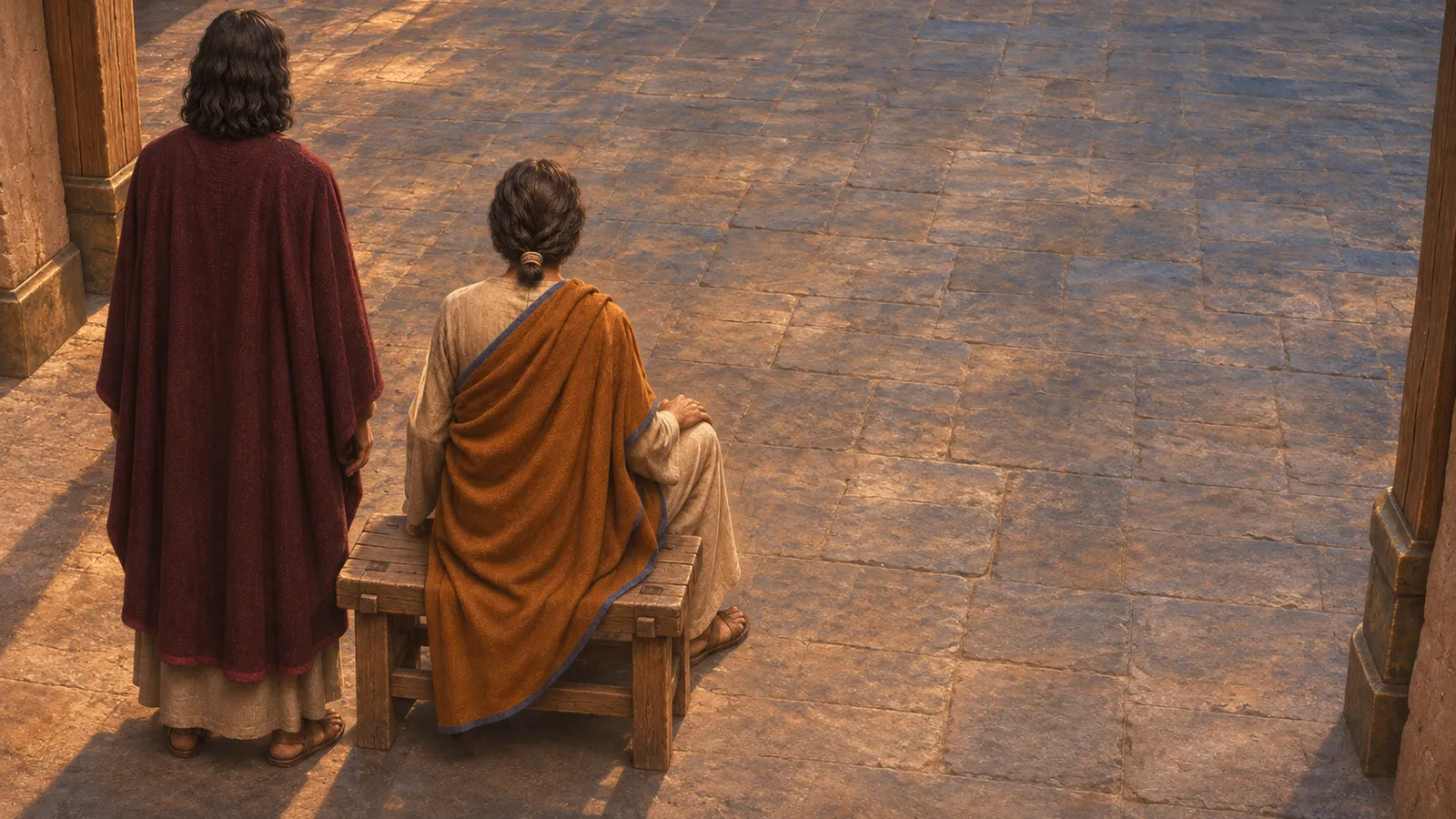
O poema nomeia Erra e Ishum no seu fecho. Recorda o conselho de Ishum e diz que, graças a ele, se pouparam vidas.
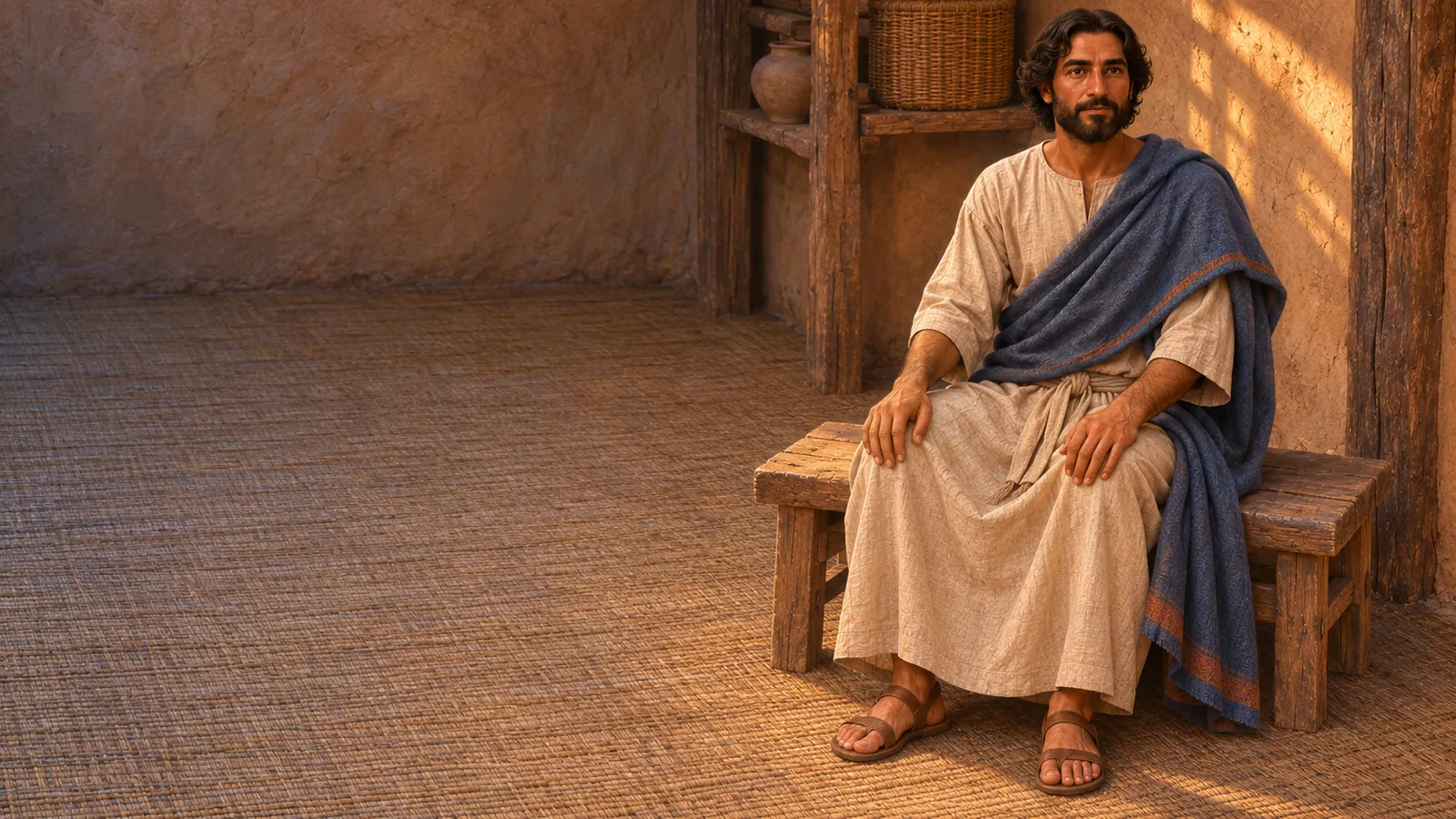
O poema dá o nome do homem a quem está associada a sua composição. É Kabti-ilani-Marduk, filho de Dabibu.
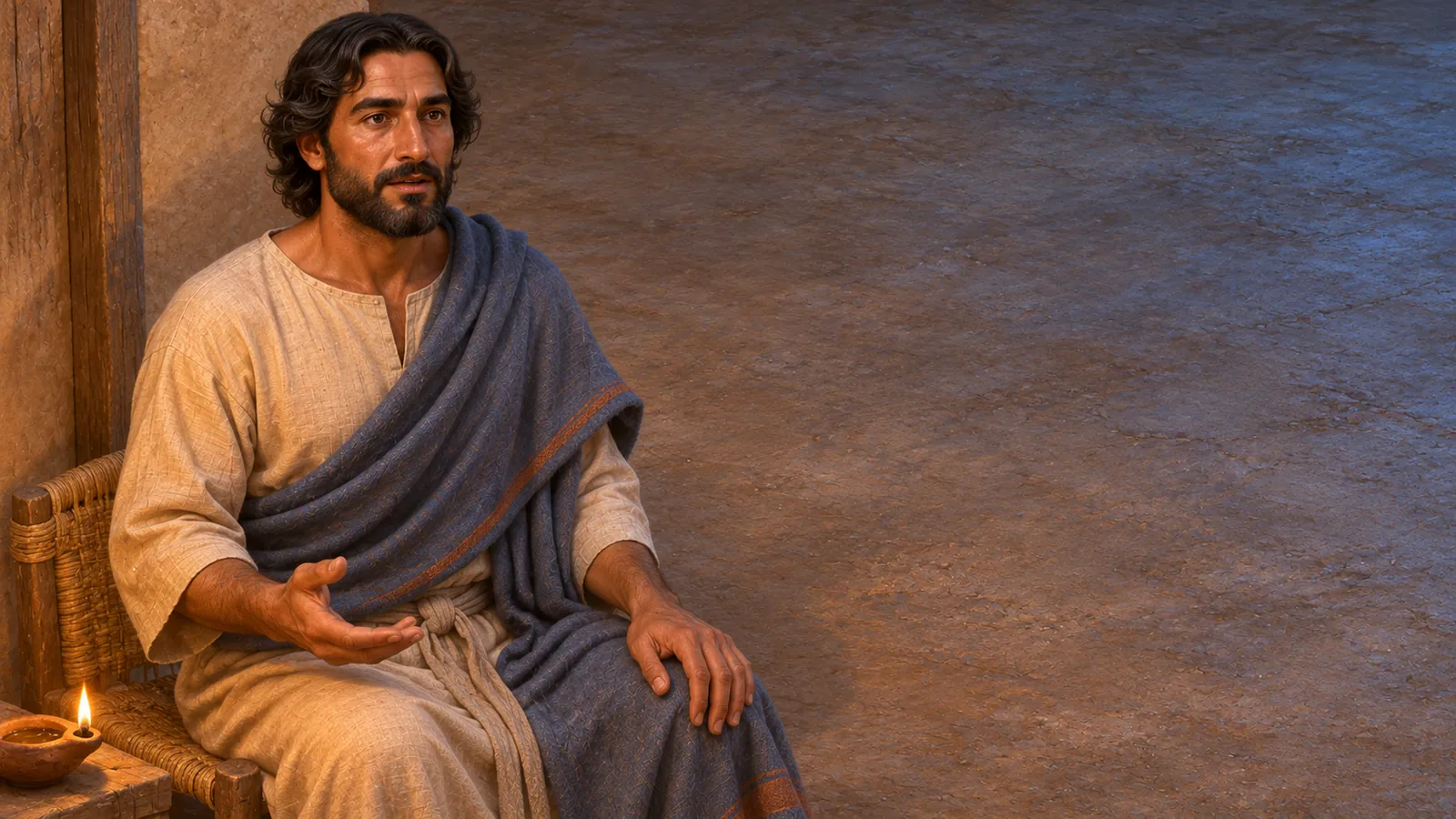
O canto diz que foi revelado numa visão noturna. Já desperto, o homem recitou-o fielmente, tal como o recebera.
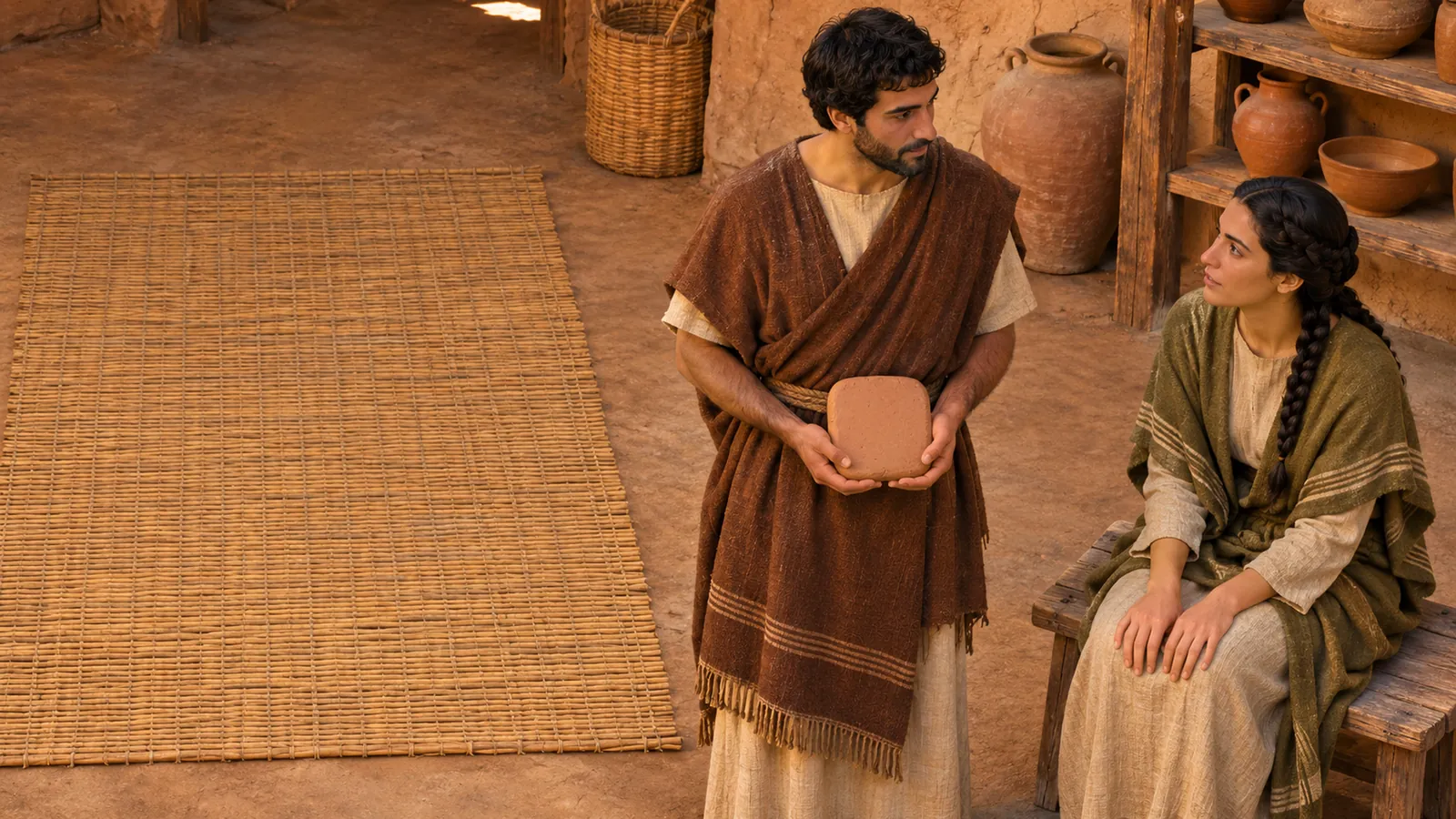
O poema promete benefícios a quem o honra e transmite. Fala de governantes e cantores, de escribas e de pessoas nas suas casas.
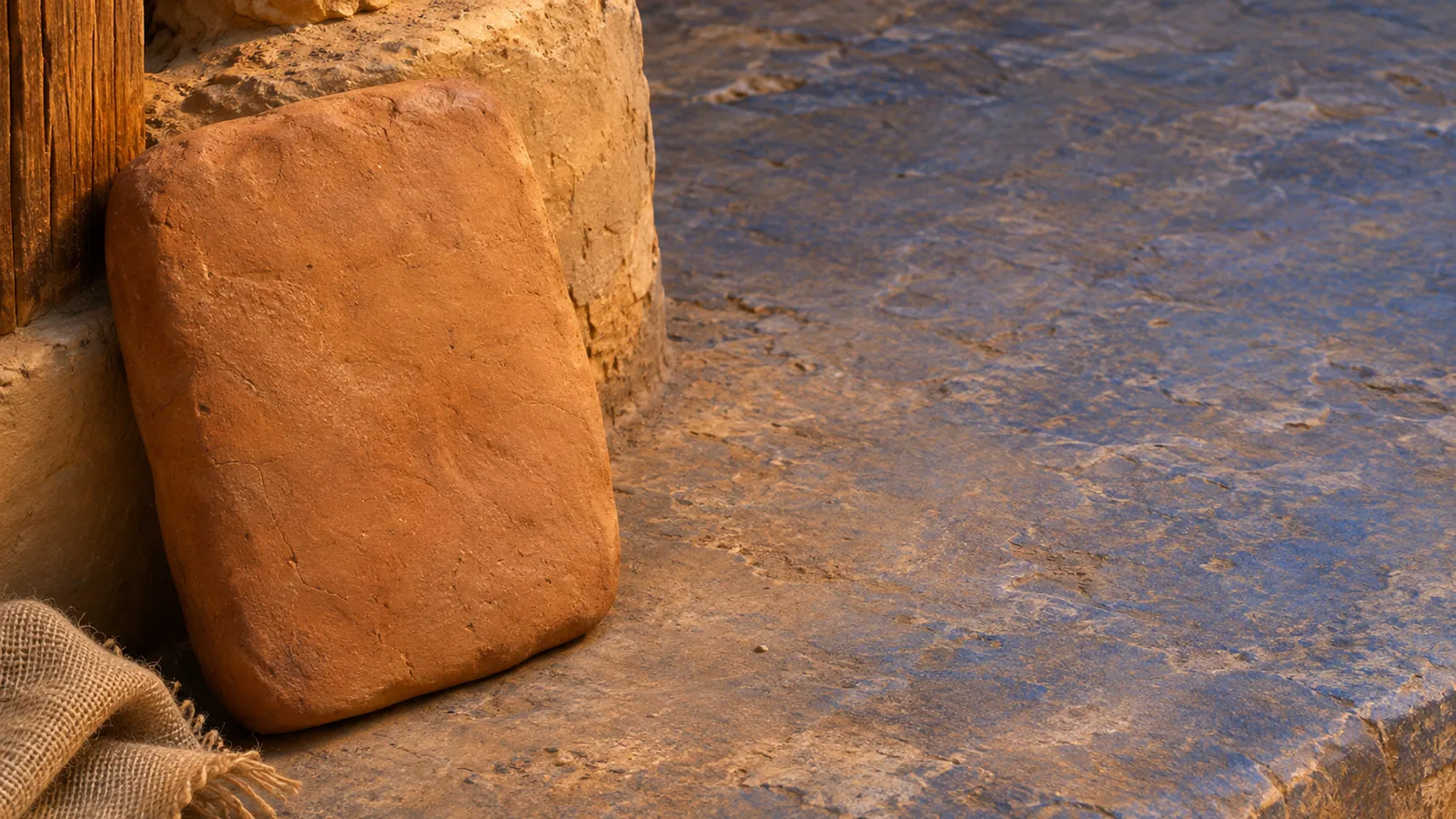
Os versos finais prometem proteção à casa onde se guarda a tabuinha. A promessa faz parte das palavras que este poema deixa.
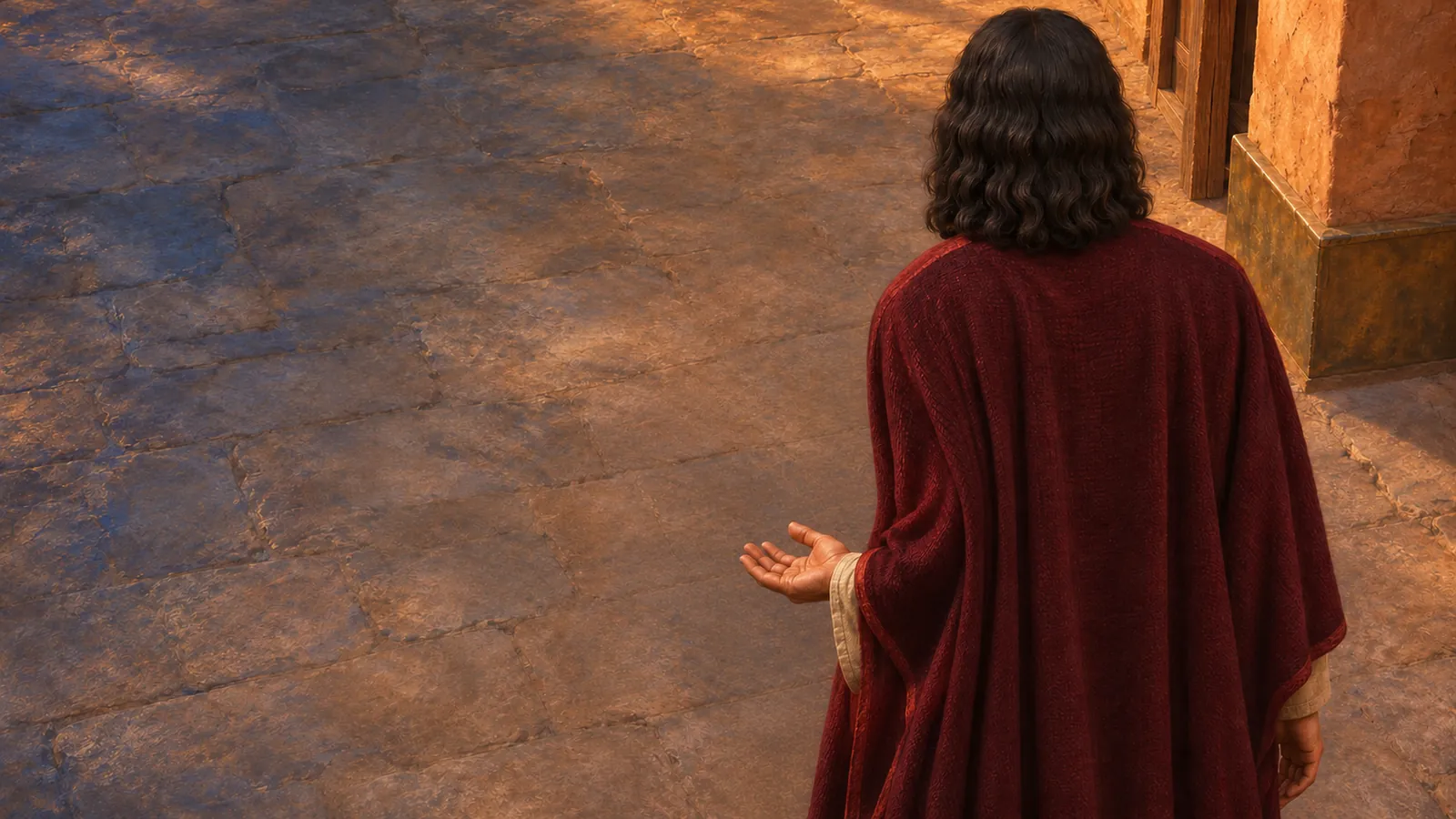
Erra fala no fim do poema. Deseja que o canto perdure e esteja presente nos tempos vindouros.
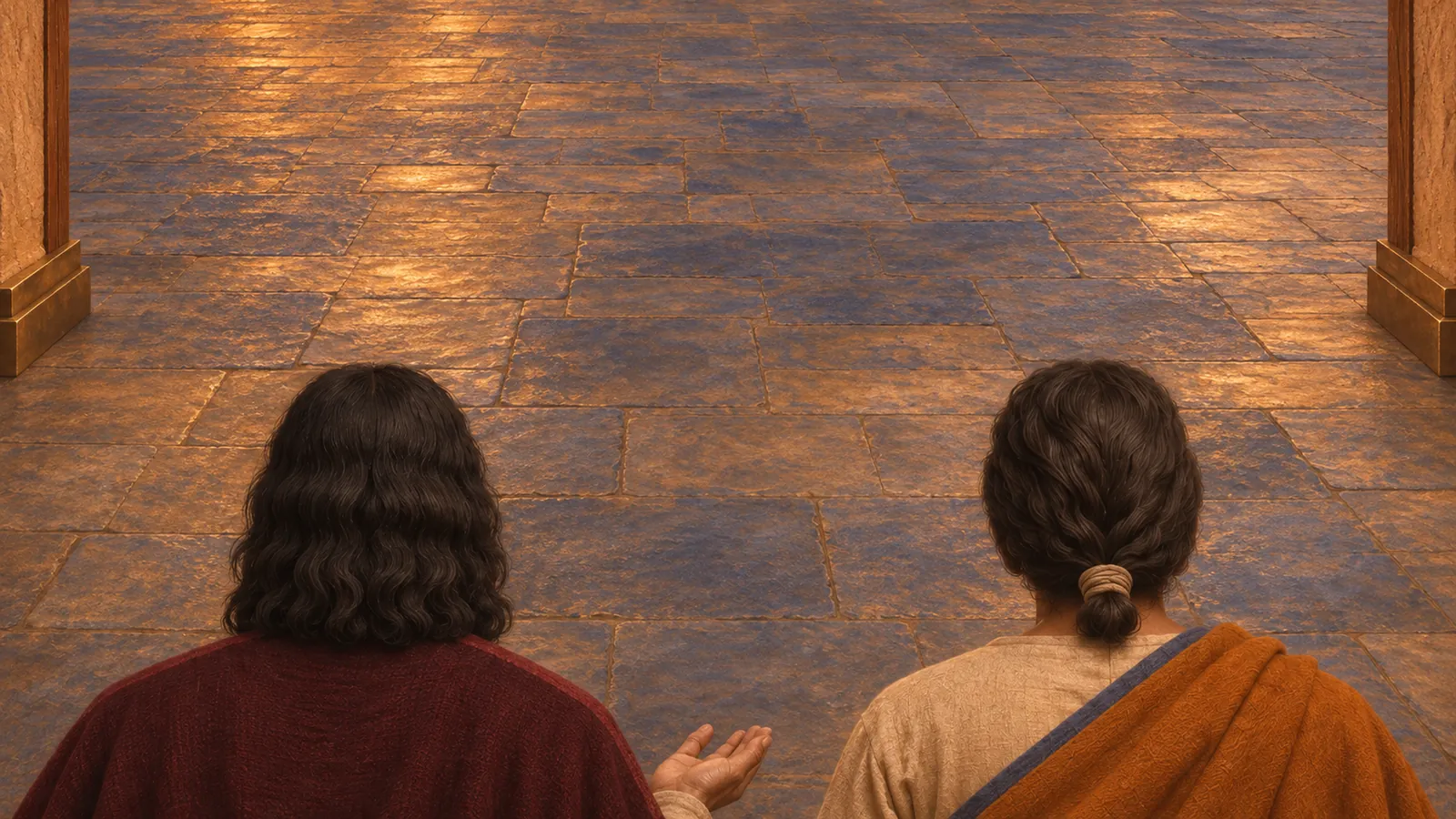
O CANTO
Erra deseja que o canto se ouça por toda a parte. Que aqueles que o ouvirem se recordem do seu nome.
Fim do capítulo 2
Todas as páginas
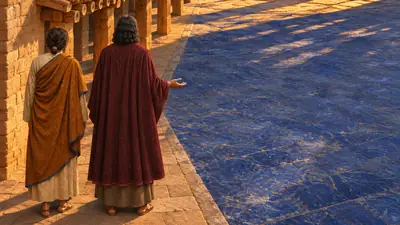
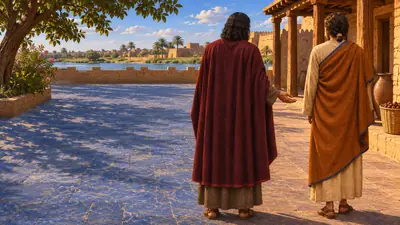
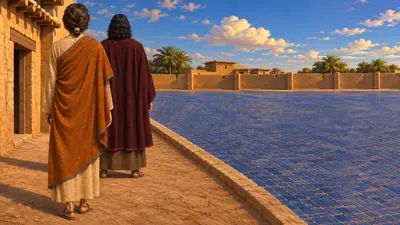
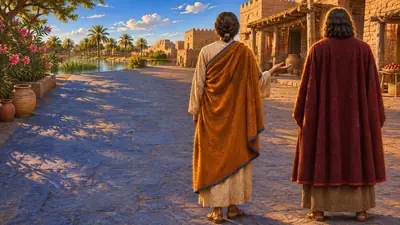
Fontes
Ishum’s longer catalogue in Tablet IV describes Erra killing the righteous and wicked alike and names the ruin of Uruk and Der (Foster and George, Tablet IV, approximately 104–127; line numbering varies by edition).
Edições consultadas
- ORACC CAMS/GKAB, STT 16 with the catchline for Tablet II
- ORACC CAMS/GKAB, STT 17, the Sultantepe copy of Tablet II
- F. N. H. Al-Rawi and J. A. Black, The Second Tablet of Išum and Erra
- Simonetta Ponchia, textual readings from Tablets II–V, pp. 194–196
- A. R. George, The Poem of Erra and Ishum, pp. 54–66
- Eli Tadmor, Erra’s Human Form, Tablet IV discussion and translation
- Kynthia Taylor, The Erra Song, chapter 1
- Selena Wisnom, Erra textual notes and discussion
- IL Archive, The Poem of Erra and Ishum
Os versos antigos de cada página
- Page 1: ORACC STT 16 rev. ii 12, Tablet II catchline
- Page 2: ORACC STT 17 obv. 6
- Page 3: ORACC STT 17 obv. 9 to obv. 1′, witness lacuna
The break is in this physical witness. - Page 4: ORACC STT 17 obv. 8′–9′
- Page 5: ORACC STT 17 obv. 10′
- Page 6: ORACC STT 17 obv. 11′–13′
- Page 7: Ponchia II C 5 = Tell Haddad iii 33′
The exact wording of the passage is fragmentary. - Page 8: Ponchia II C 9 = Tell Haddad iii 37′
- Page 9: Ponchia II C 22–23 = Tell Haddad iv 10–11
- Page 10: Cagni III A 7–8, quoted by Ponchia
- Page 11: George III C 27
- Page 12: Ponchia III C 36
- Page 13: Ponchia III 40–56, within the discussion of III C
- Page 14: Wisnom, p. 23 on III C 47
- Page 15: George III D 3–6
- Page 16: George III D 7–9, 13
- Page 17: Tadmor IV 1–2
- Page 18: Tadmor IV 3–4; George IV 3–6
- Page 19: Tadmor IV 5
- Page 20: George IV 6
- Page 21: Tadmor on IV 6–14
- Page 22: Tadmor IV 15–19
- Page 23: Tadmor IV 20–21
- Page 24: George IV 22–24
- Page 25: George IV 25–29
- Page 26: Tadmor on IV 31–39
- Page 27: Tadmor on IV 31–39
- Page 28: Taylor IV 40–44, witness IB 212; George p. 55
- Page 29: George IV 95–98
- Page 30: George IV 99–101
- Page 31: George IV 102–103
- Page 32: George IV 127
- Page 33: George IV 131–135
- Page 34: George’s reading of IV 136
- Page 35: George IV 139–140
- Page 36: George IV 141–144
The referent of “the warrior” at IV 141 is uncertain. - Page 37: George IV 145–147
- Page 38: George IV 148–150
- Page 39: George V 5–7
- Page 40: George V 8–10
- Page 41: George V 11–12
- Page 42: George V 13–21, Erra’s speech
- Page 43: George V 13–21, Ishum’s reply
- Page 44: George V 27–30
- Page 45: George V 31
- Page 46: George V 32
- Page 47: George V 33
- Page 48: George V 34
- Page 49: George V 38–39, final instruction
The printed reading leaves uncertainty about the reference to the governors. - Page 50: George V 39–41, coda
- Page 51: George V 42
- Page 52: George V 43–44
- Page 53: George’s analysis of V 49–58
- Page 54: Wisnom p. 18 on V 57–58; George on V 49–58
- Page 55: George V 59
- Page 56: George V 60–61
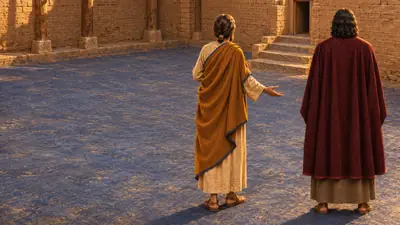
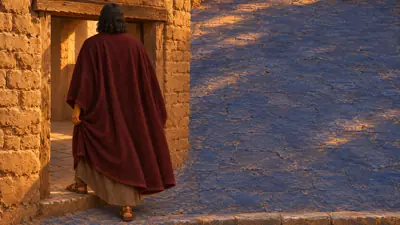
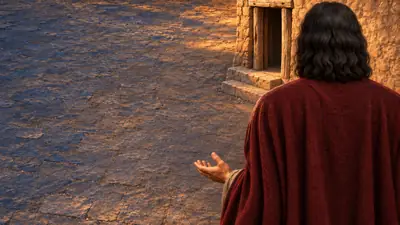
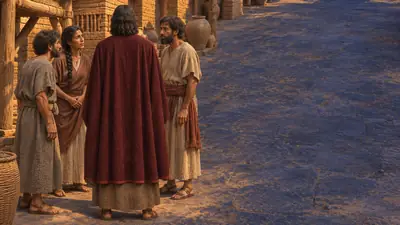
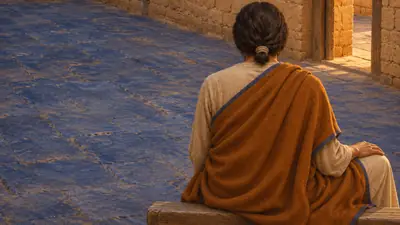
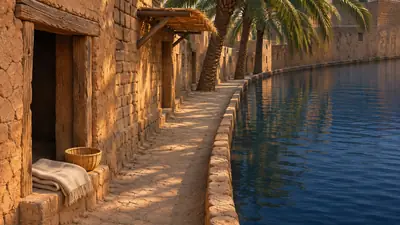
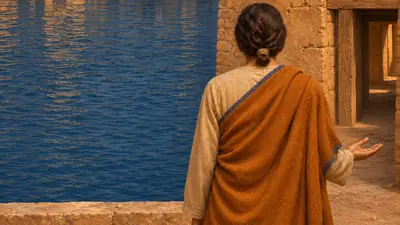
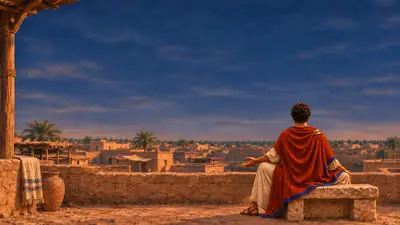
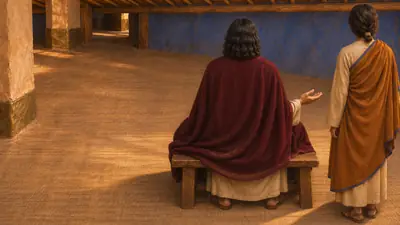
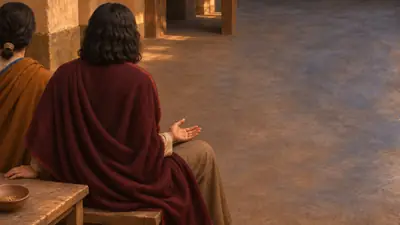
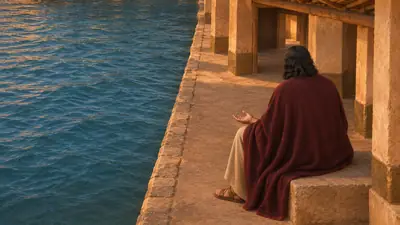
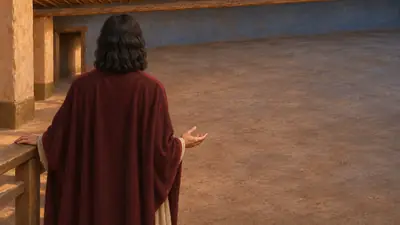
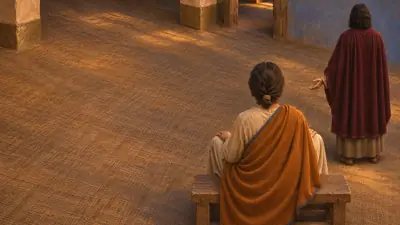
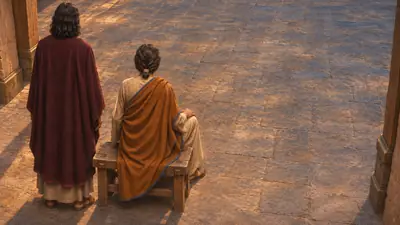
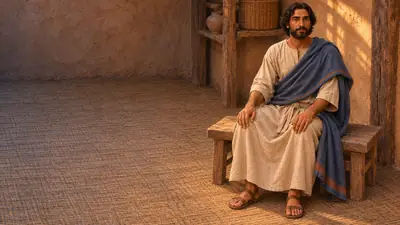
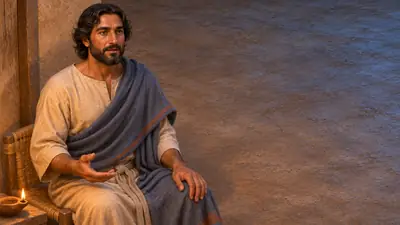
Ilustrações feitas pelo IL Archive com ferramentas de IA; o texto baseia-se nas fontes antigas (veja as fontes no fim de cada capítulo).