Pelos campos de Hetep Capítulo 2
Os campos e os lagos
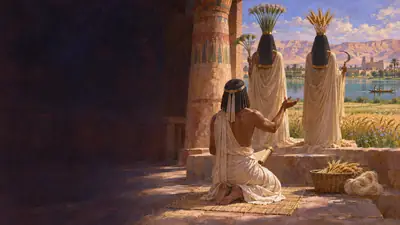
O recitante volta a pedir que possa viver com Hetep e que lhe sejam dados alimento e poder. Dirige-se a lugares pelo nome, faz a conta da sua colheita e termina por amarrar a barca nos lagos celestes e louvar os deuses de Sekhet-hetep.
FontesVire as páginas com as setas, o teclado ou deslizando o dedo.
OS CAMPOS E OS LAGOS
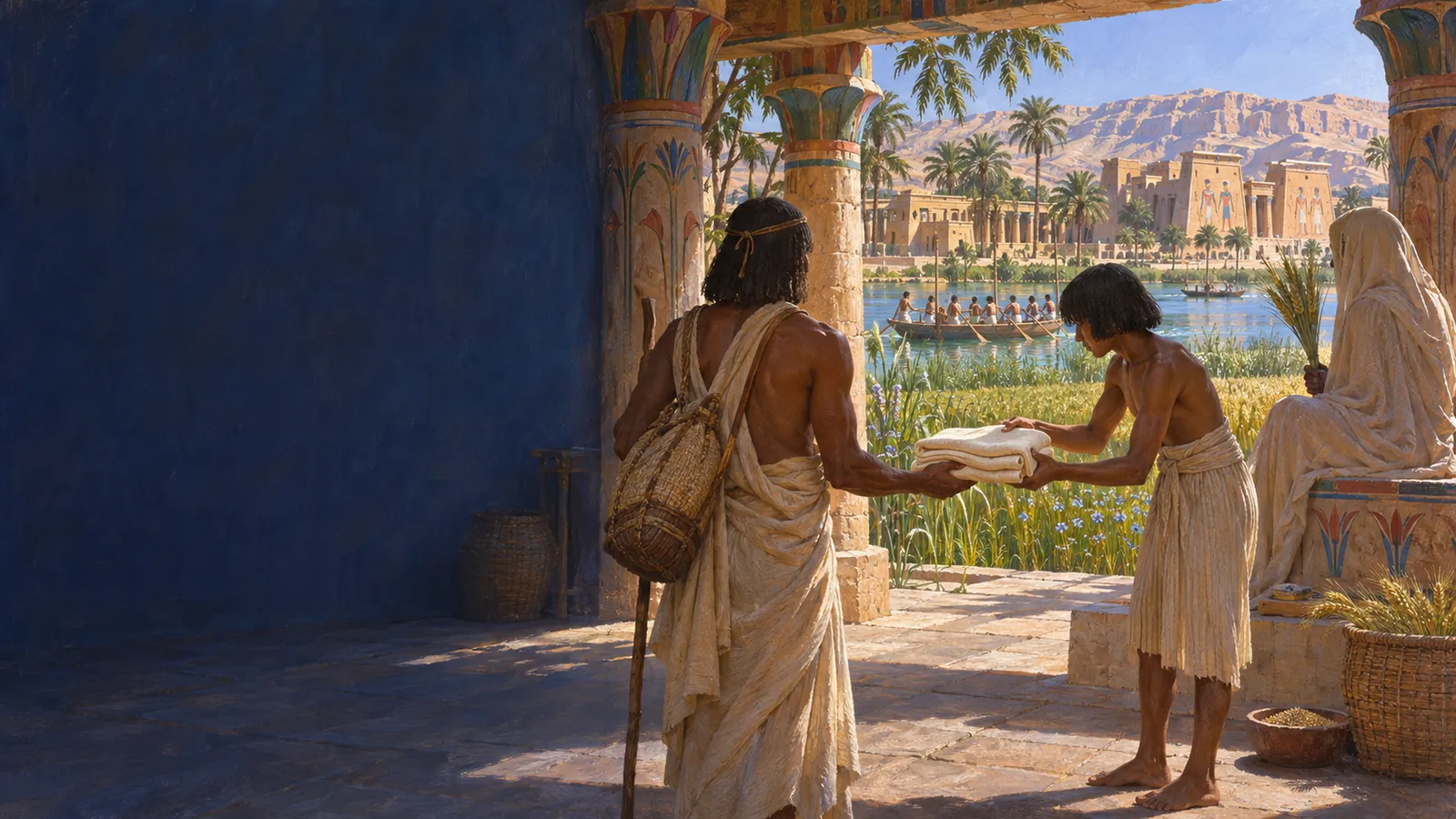
O orador pede para viver com o deus Hetep, estar vestido e ficar a salvo da pilhagem dos senhores do norte.
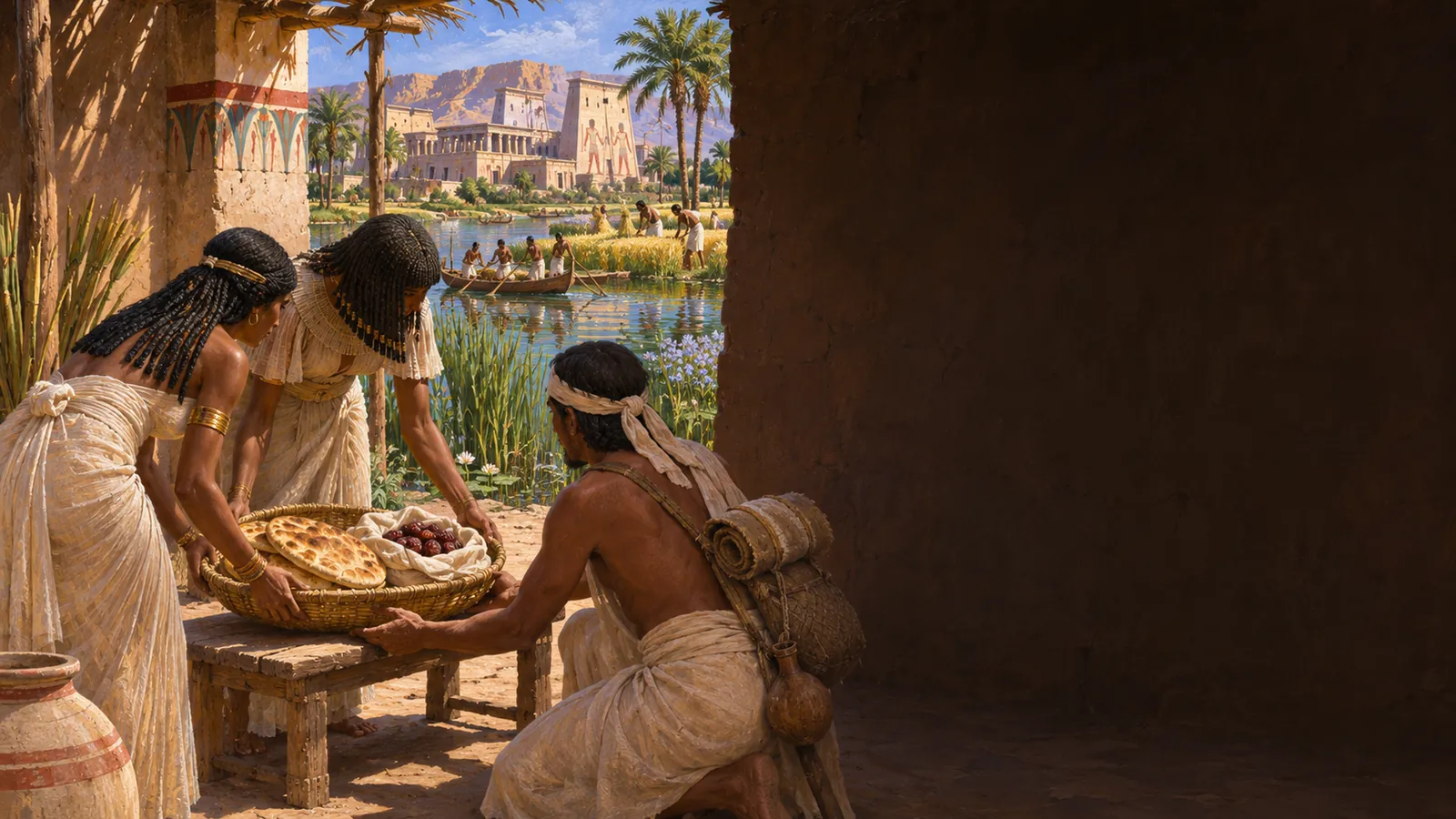
Ao continuar a súplica, o orador pede àquele a quem chama senhor das coisas divinas que lhe traga alimento.
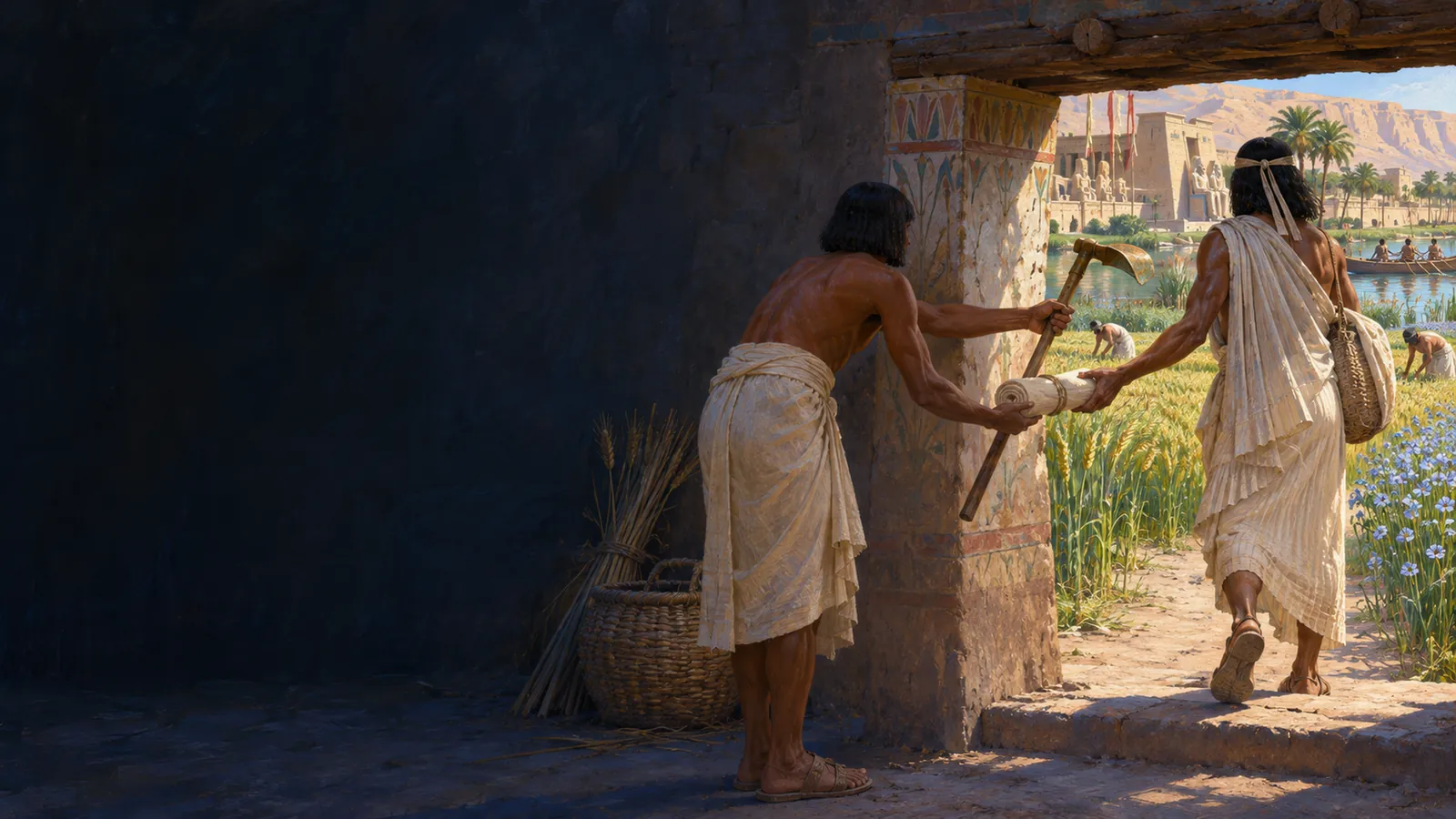
Pede para avançar e sair. Pede que lhe tragam ali o seu poder para que o possa receber e que o seu equipamento lhe venha de Hetep.
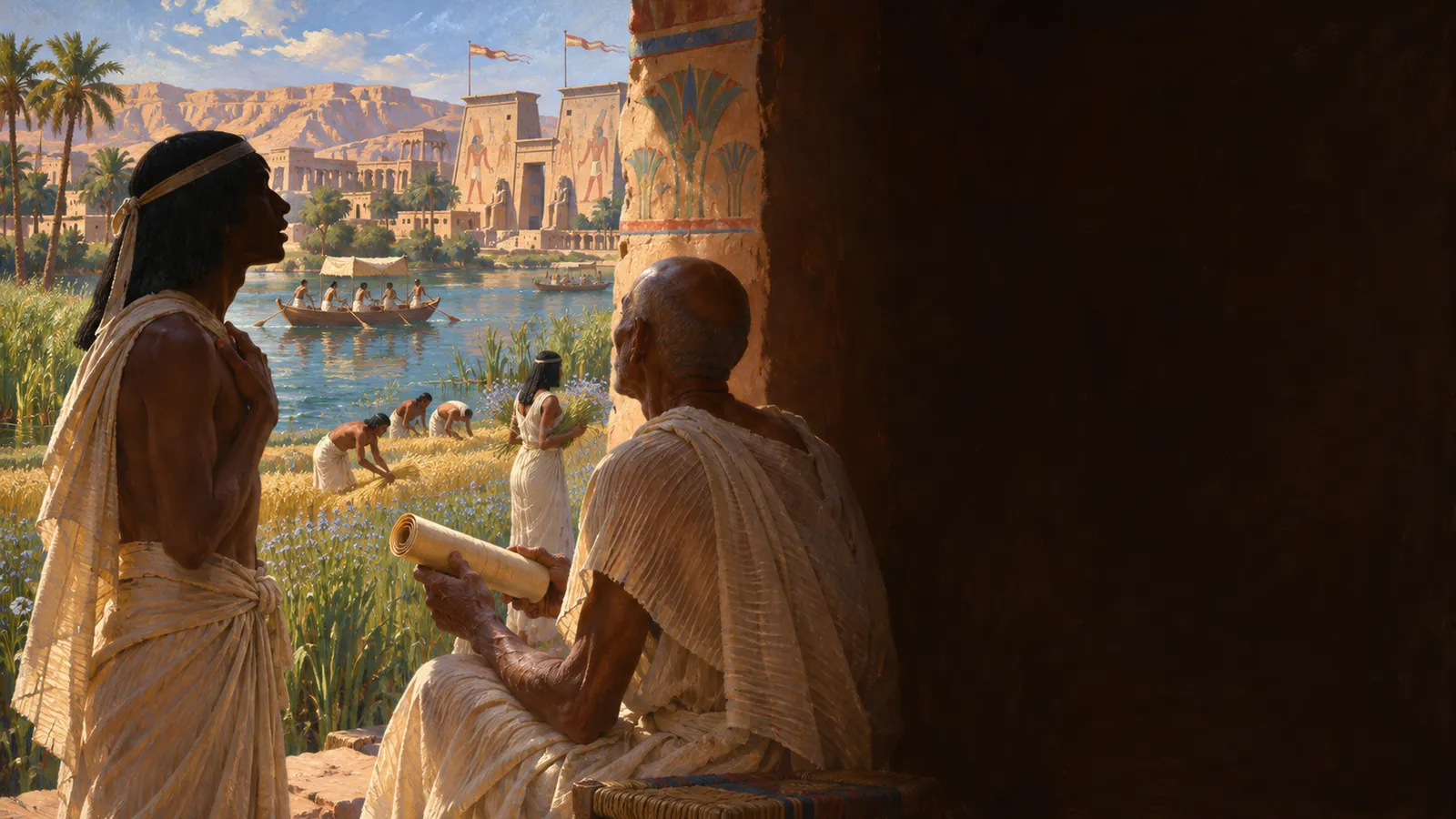
O orador pede domínio sobre a grande e poderosa palavra que tem no corpo. Diz que por meio dela se lembrará e esquecerá.
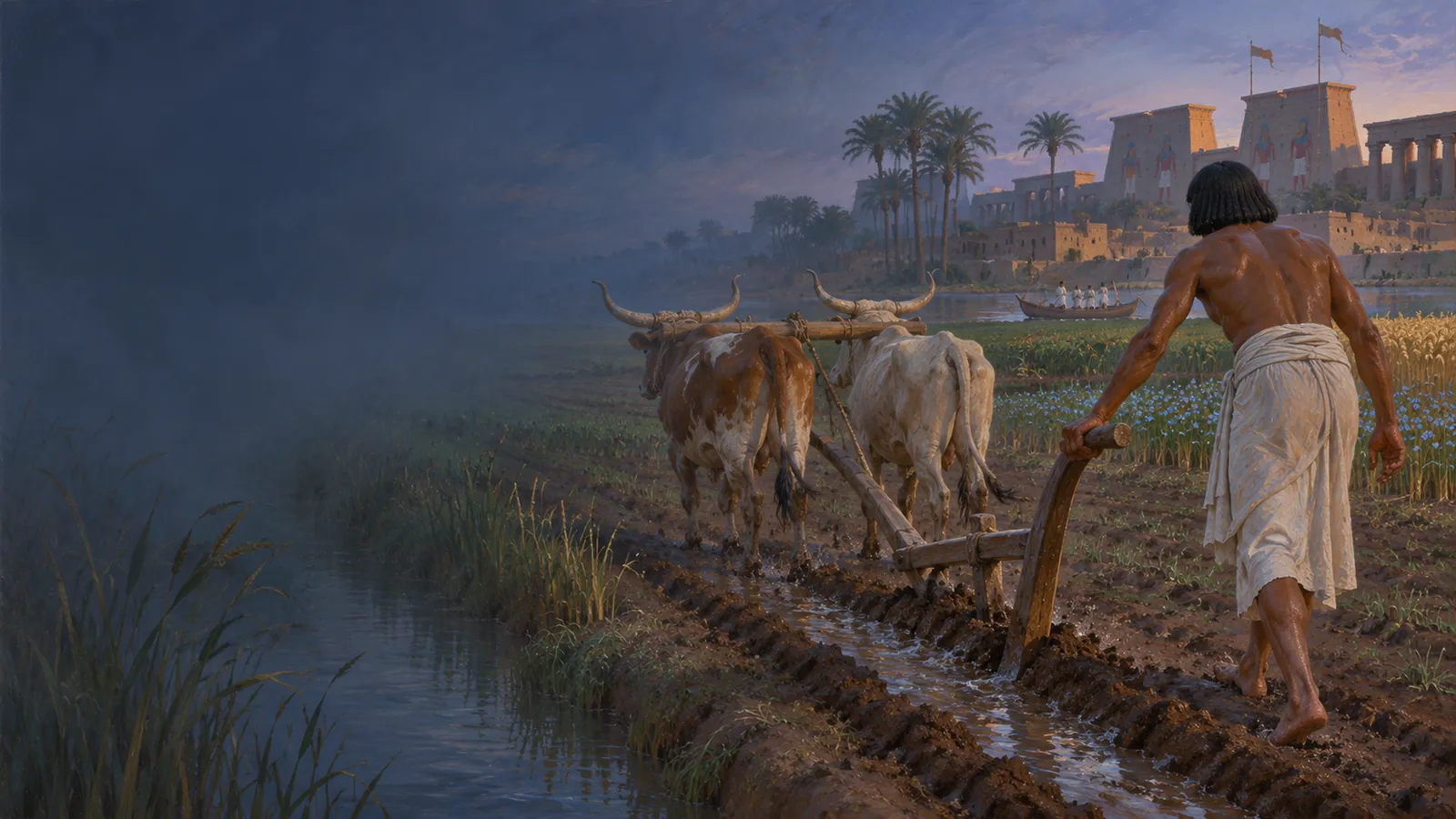
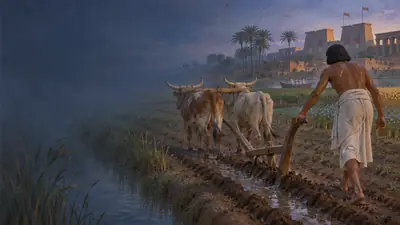
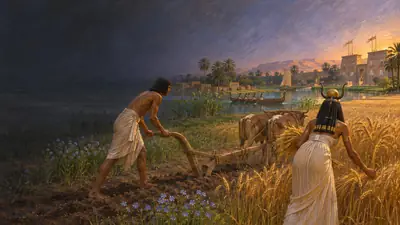
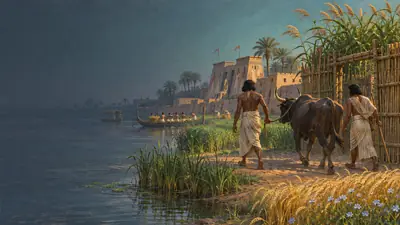
O orador pede que lhe seja permitido seguir o seu caminho e lavrar a terra.
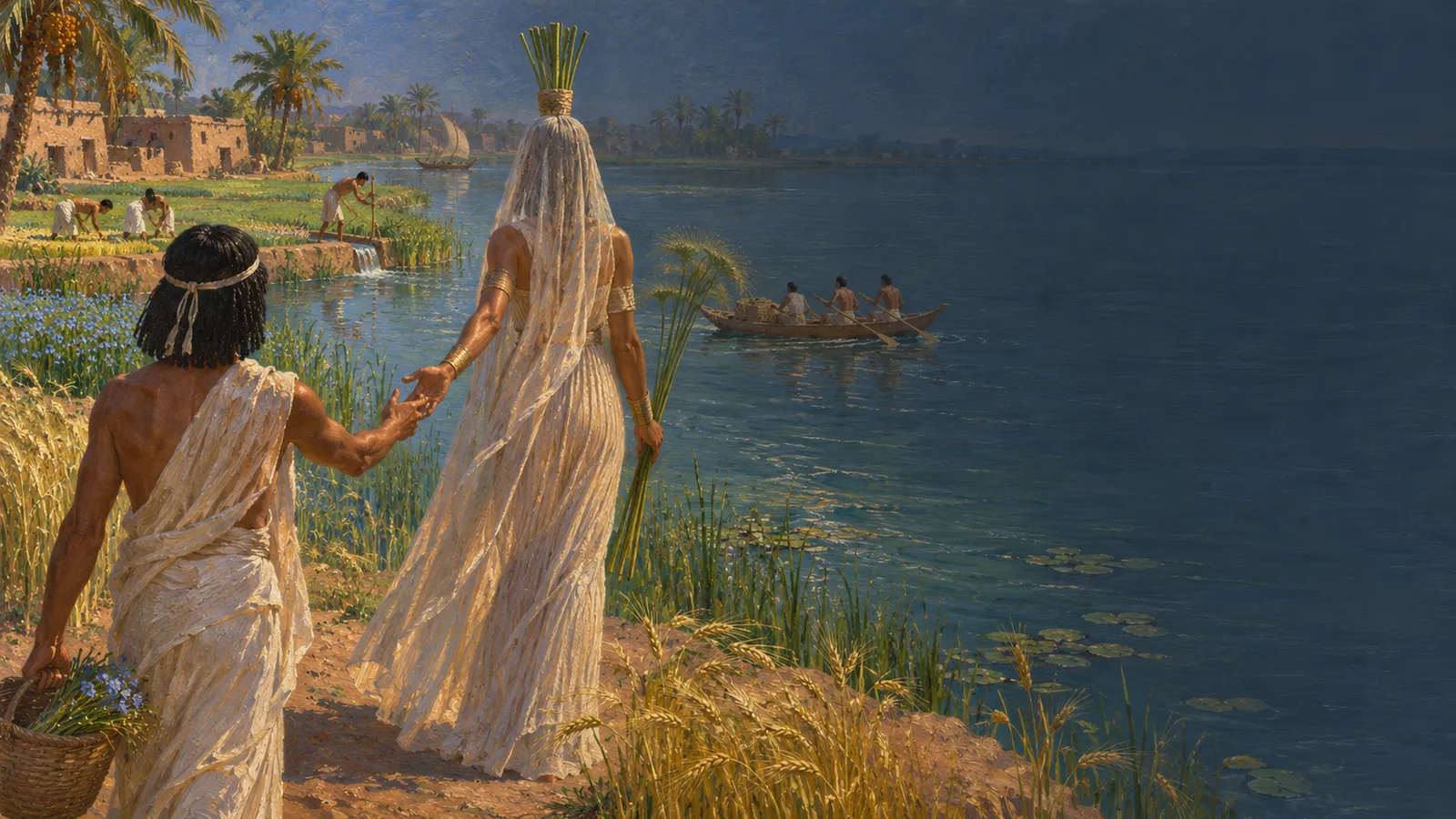
O orador diz que está em paz com o deus da cidade. Diz que conhece as águas, as cidades, os nomos e os lagos de Sekhet-Hetep.
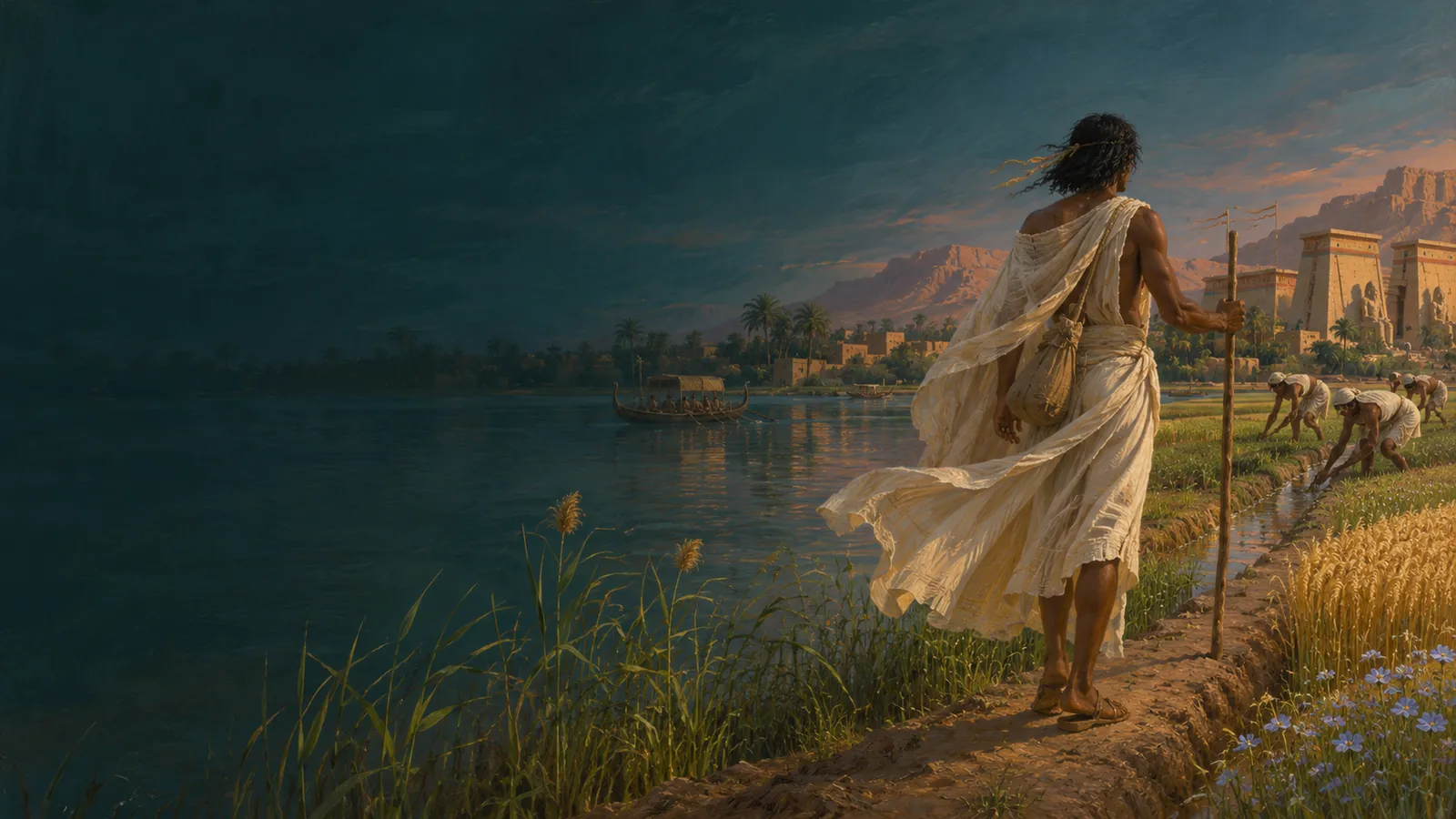
O orador declara que existe naquele lugar e que ali é forte. Diz que ali se tornou um espírito.
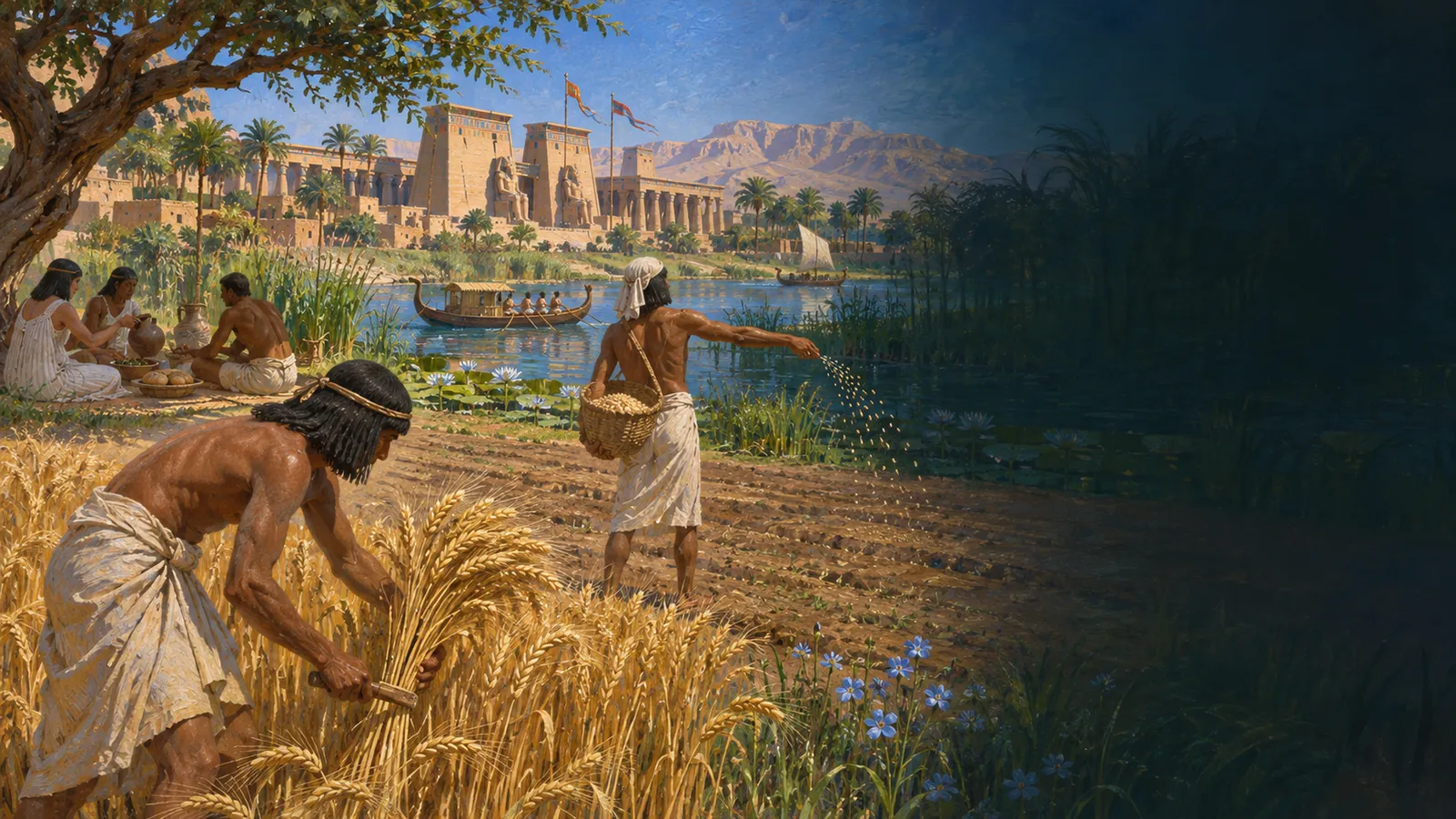
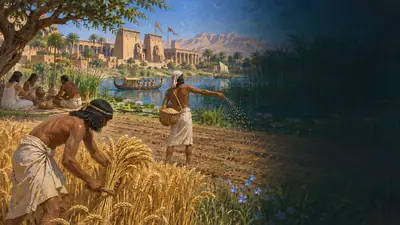
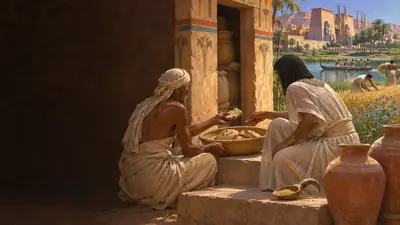
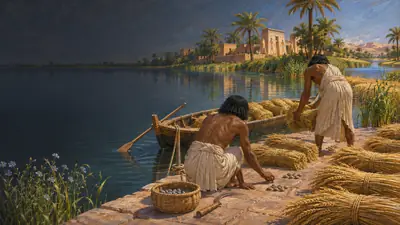
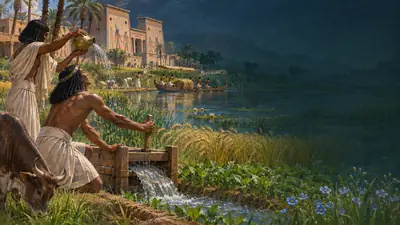
O orador diz que em Sekhet-Hetep come, lança a semente, faz a colheita e lavra a terra.
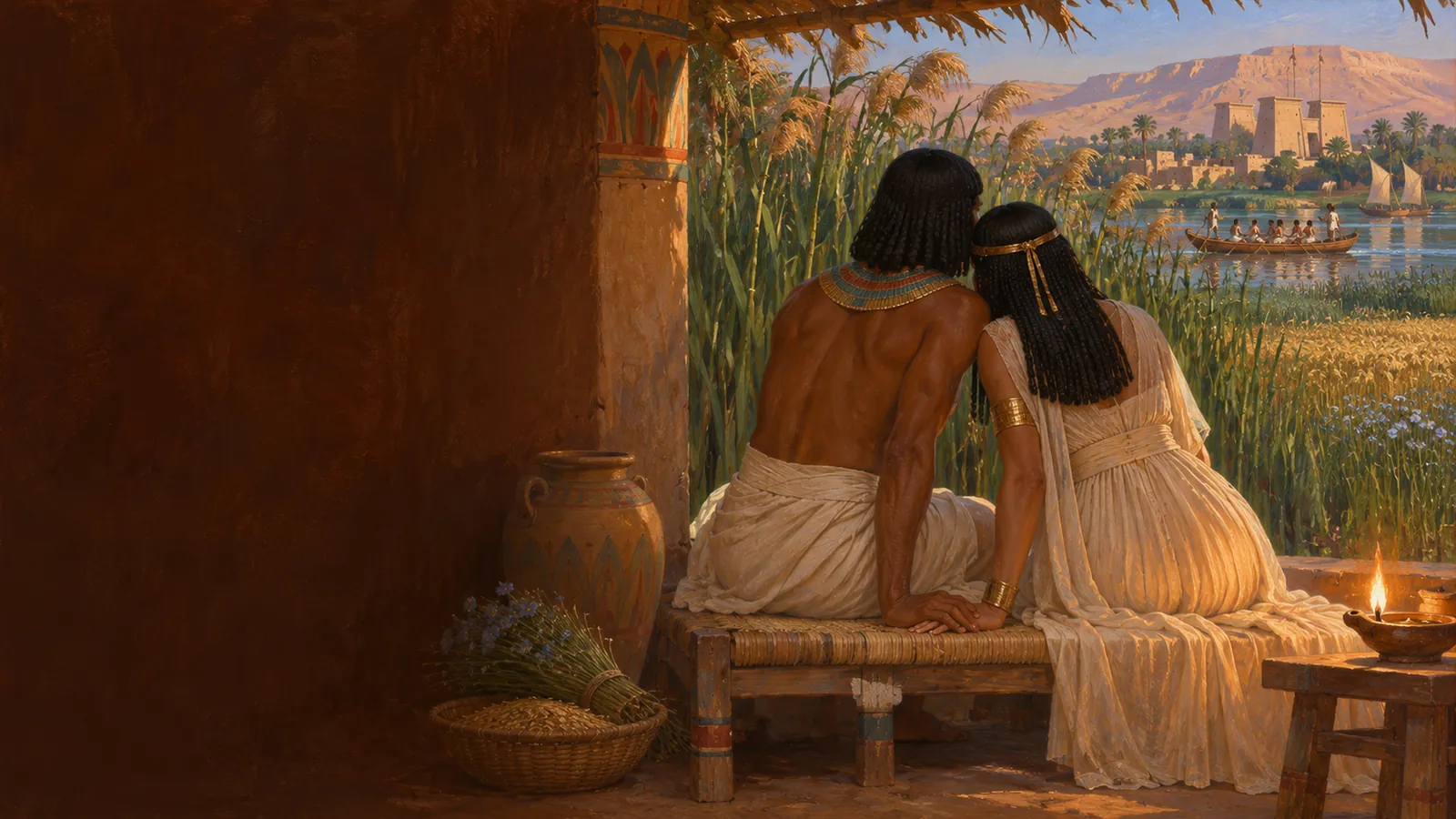
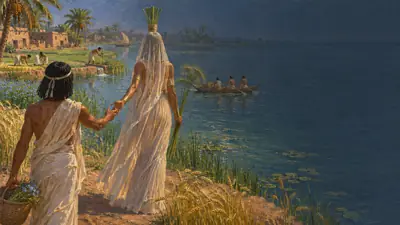
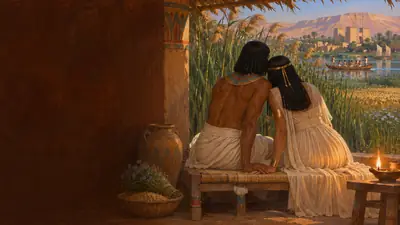
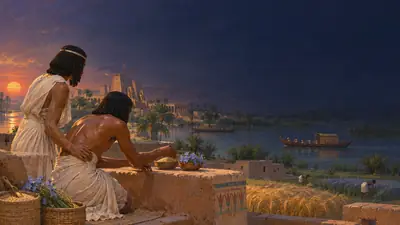
O orador diz que faz amor em Sekhet-Hetep e que está em paz com o deus Hetep.
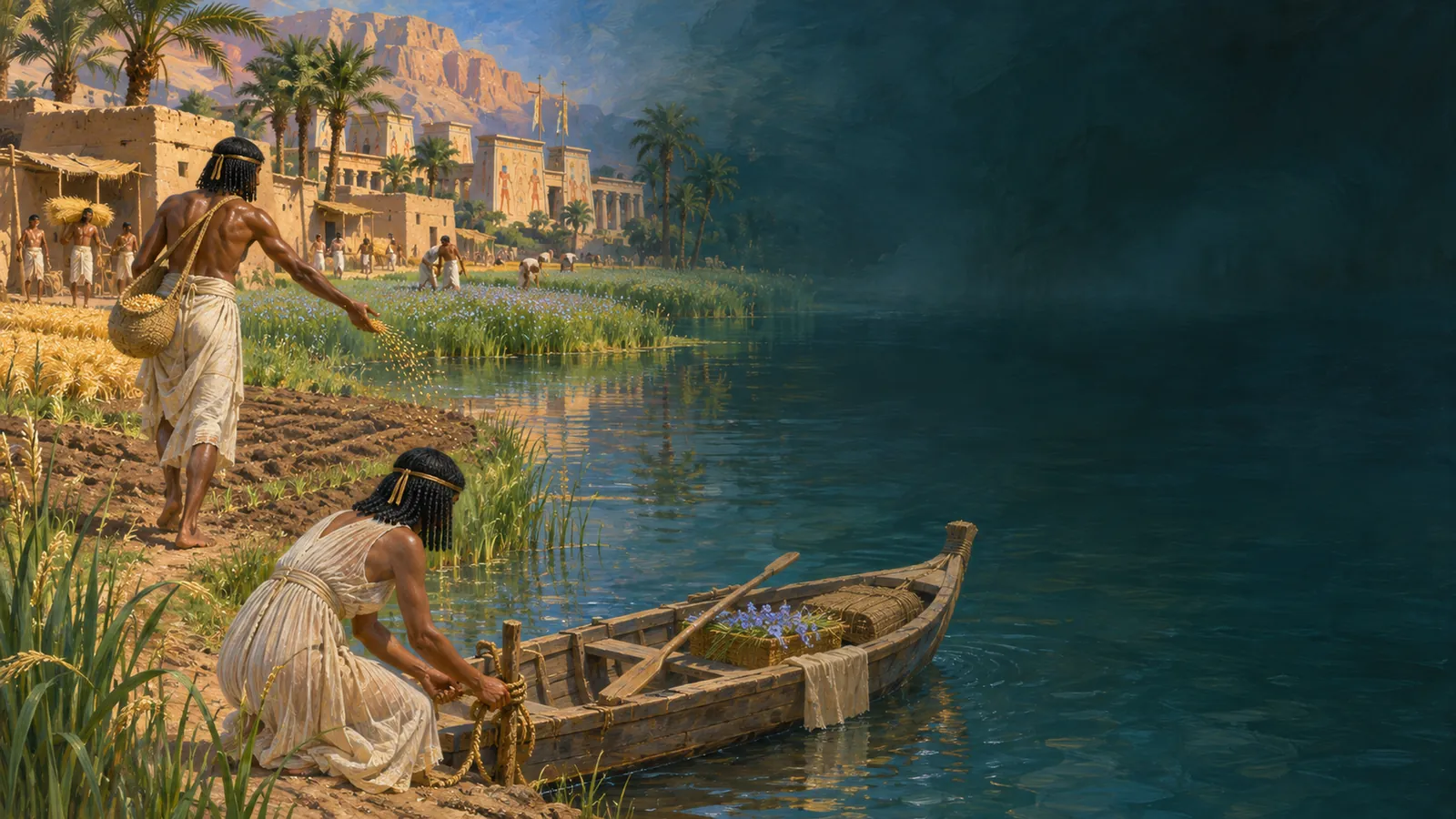
O orador diz ao divino Hetep que espalha a semente, navega entre os lagos e avança para as suas cidades.
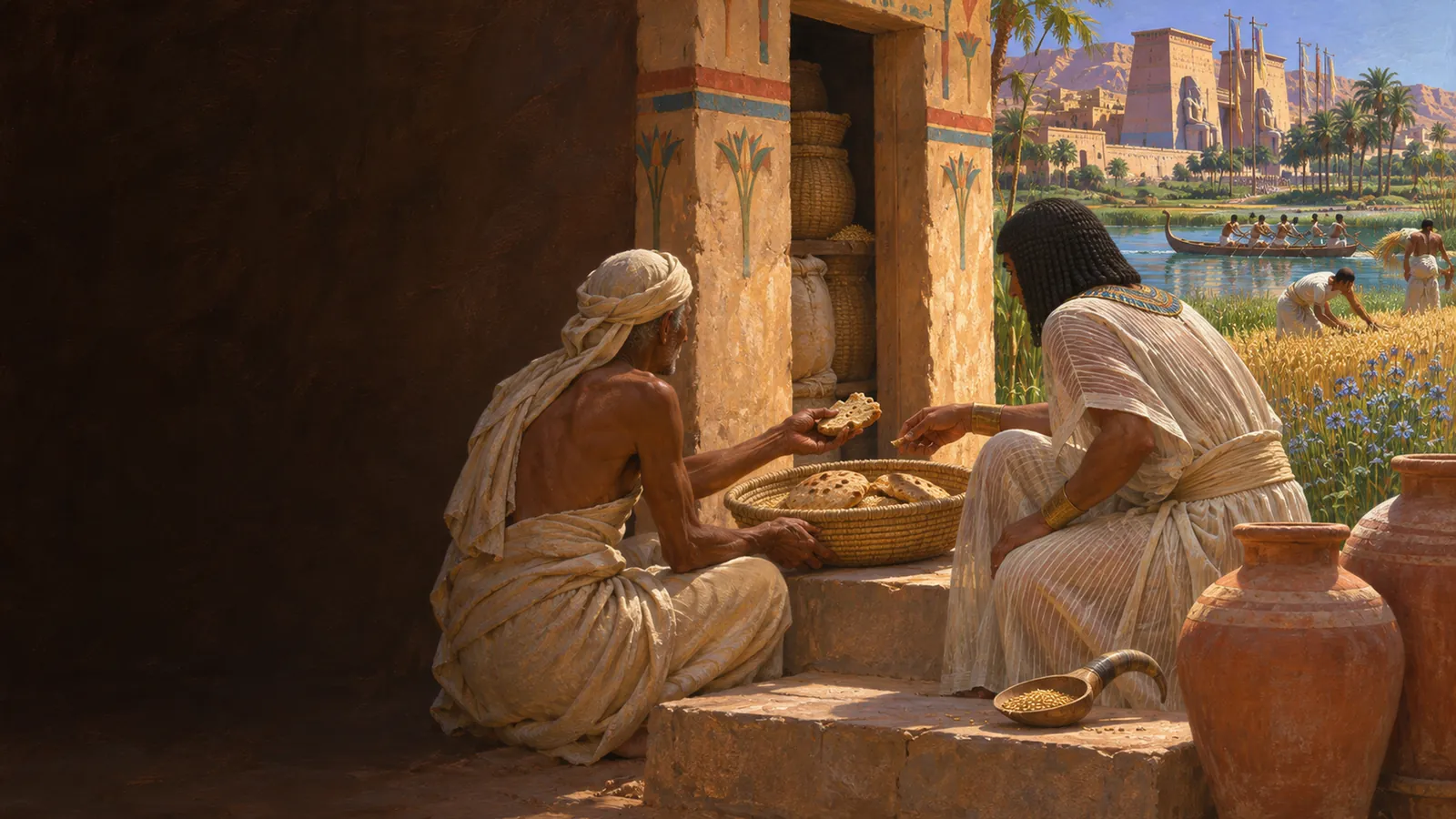
O orador diz que a sua boca tem dentes como cornos, numa frase em que Budge acrescenta palavras entre parênteses retos. Pede alimento abundante da espécie de que vivem os Duplos e os Espíritos.
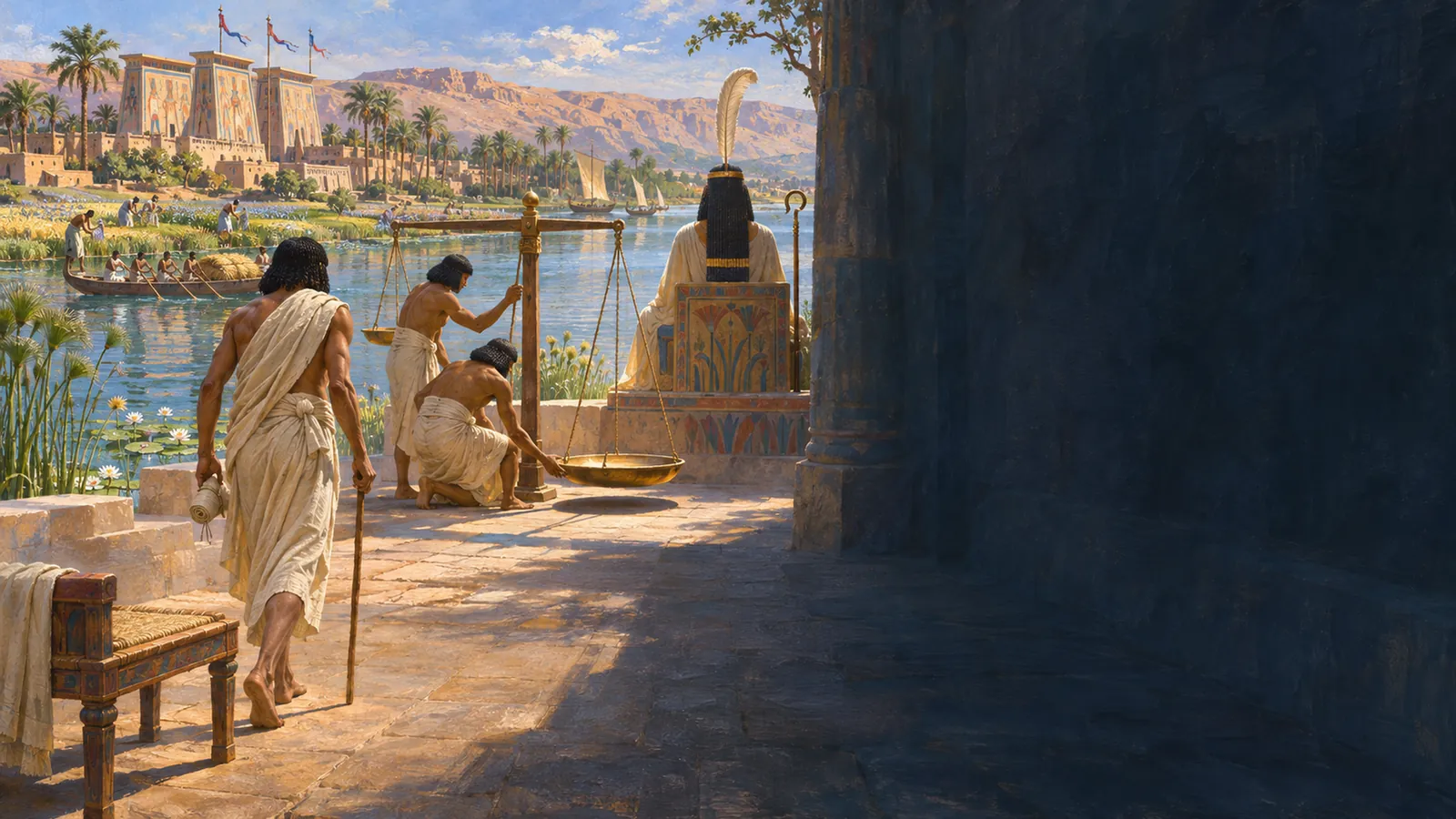
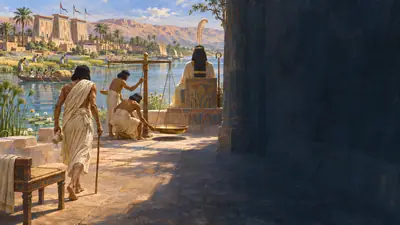
O recitante diz que passou pelo julgamento que Shu pronuncia sobre quem o conhece.
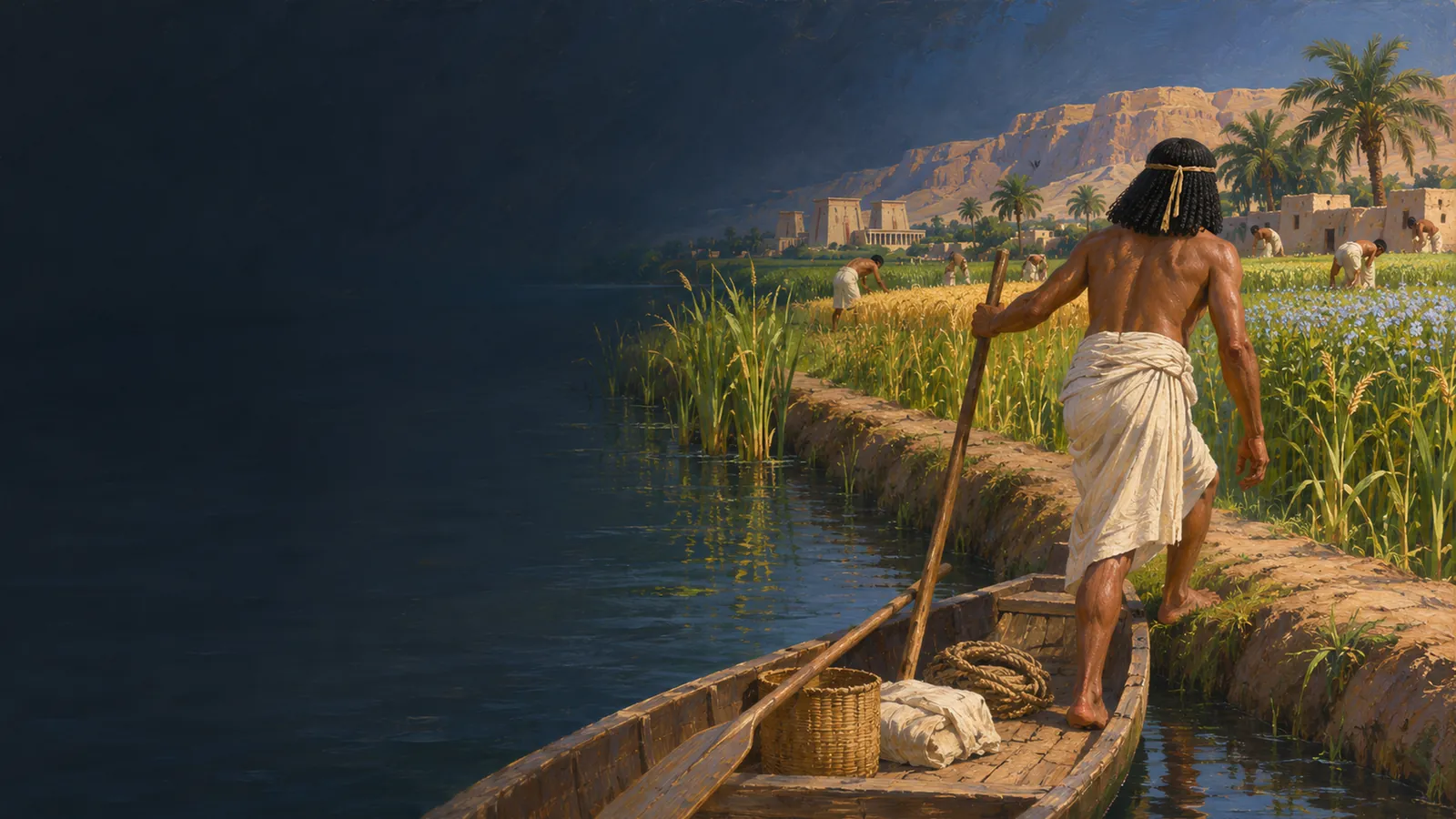
O recitante pede por isso para partir rumo às cidades de Hetep. Pede para navegar entre os seus lagos e andar por Sekhet-Hetep.
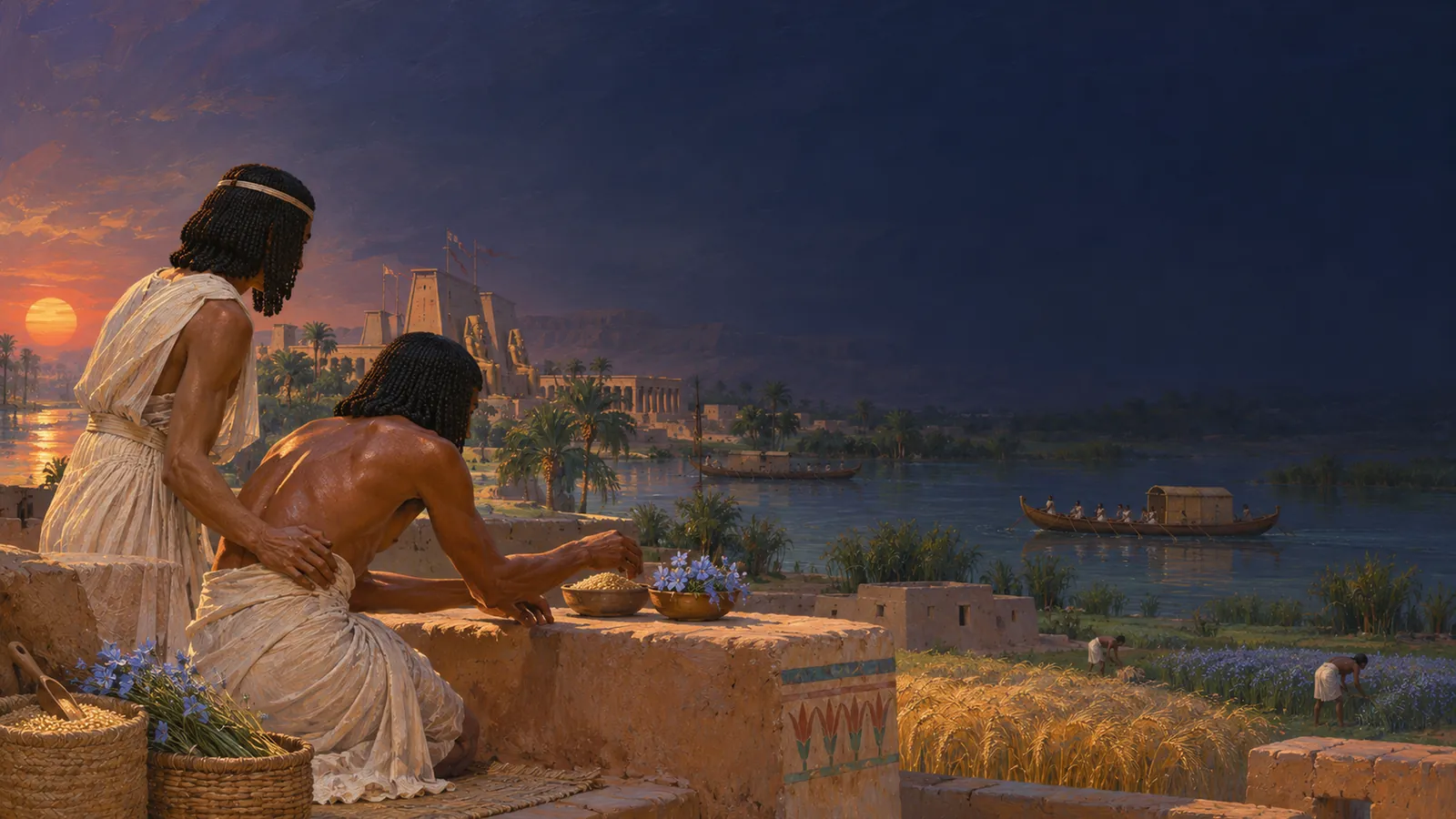
O recitante diz que Rá está no céu e chama ao deus Hetep «a sua oferenda dupla».
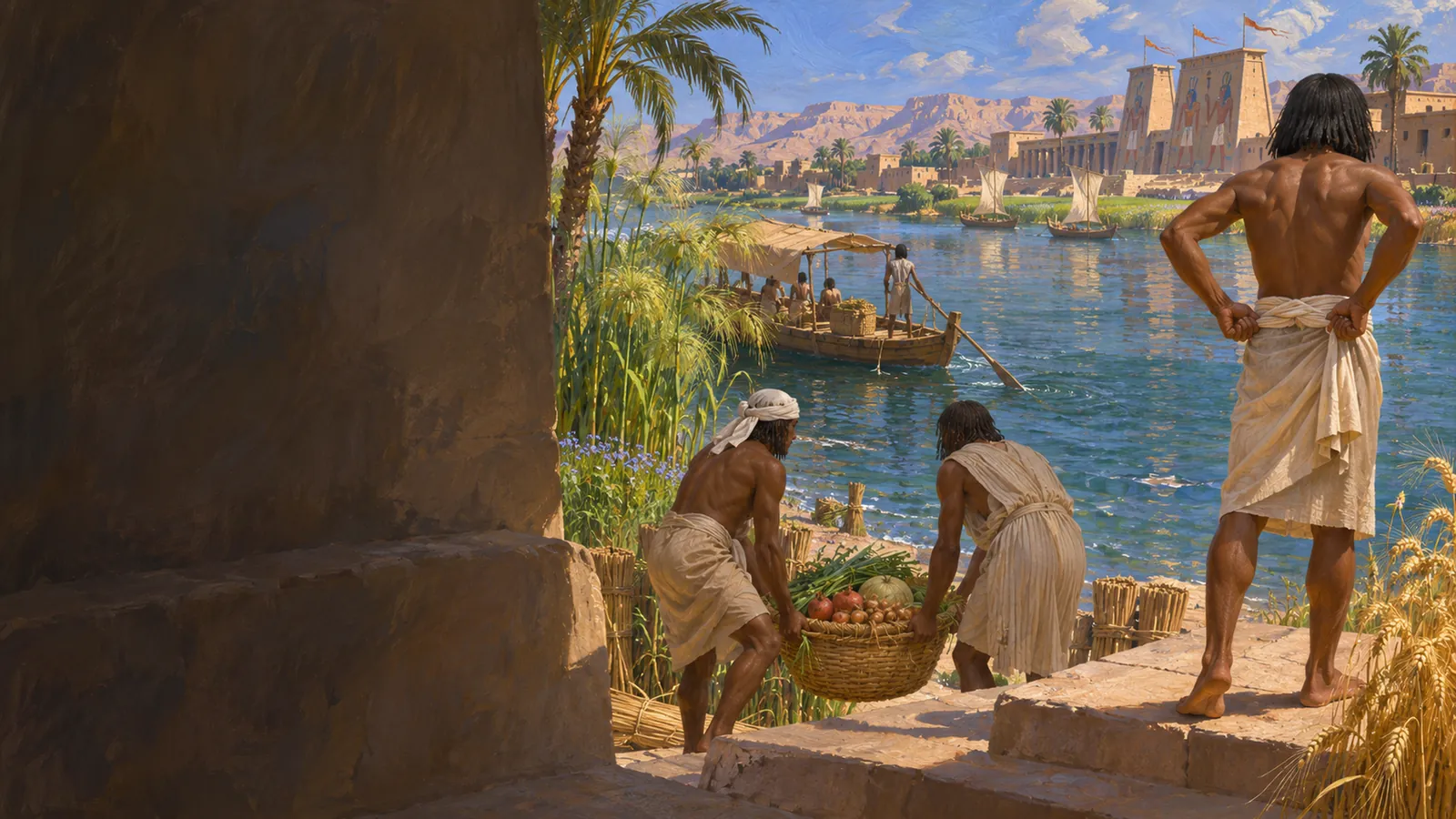
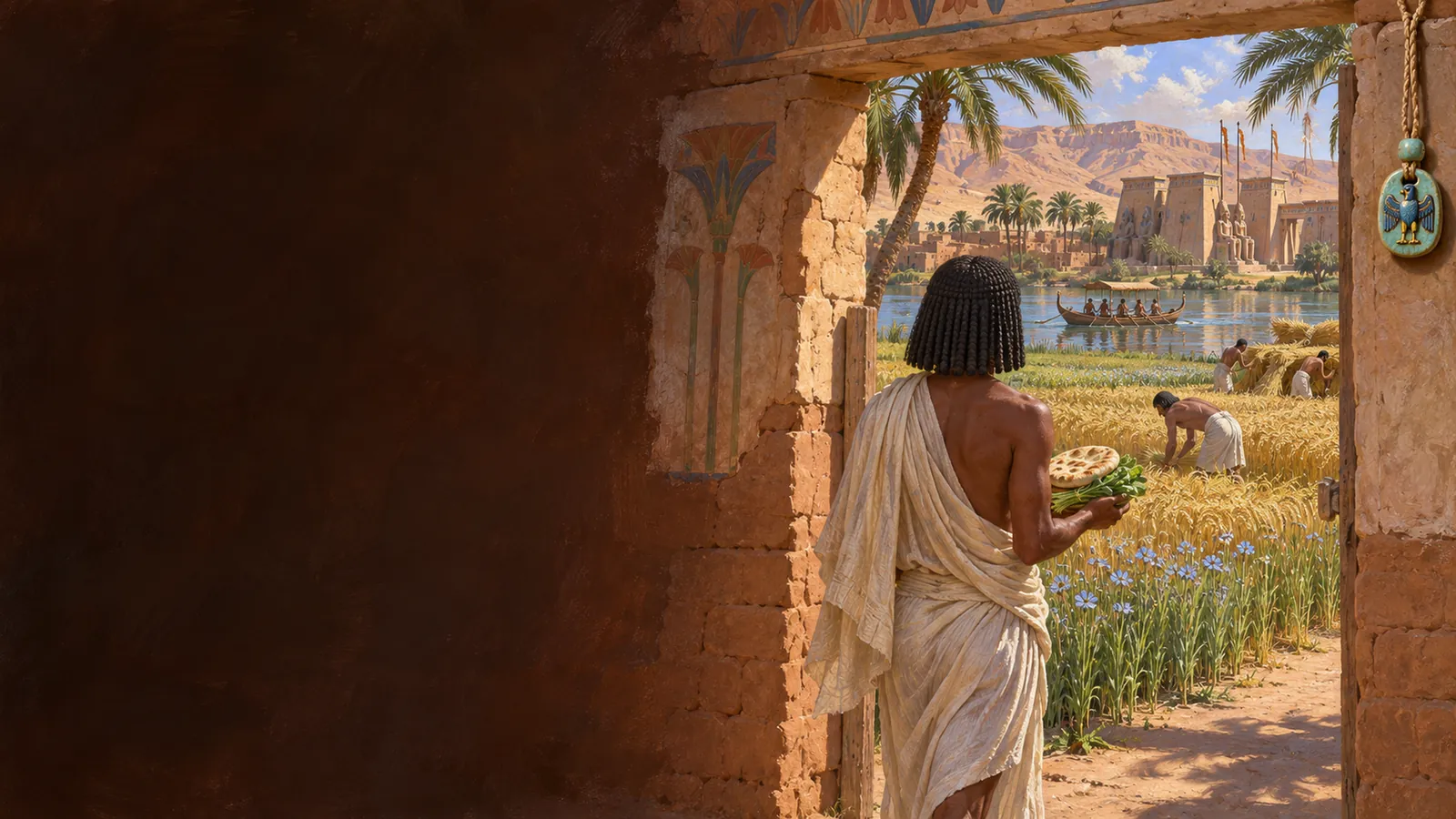
O recitante diz que chegou à terra de Hetep e cingiu os lombos. Diz que saiu para receber as dádivas que estão prestes a ser-lhe concedidas.
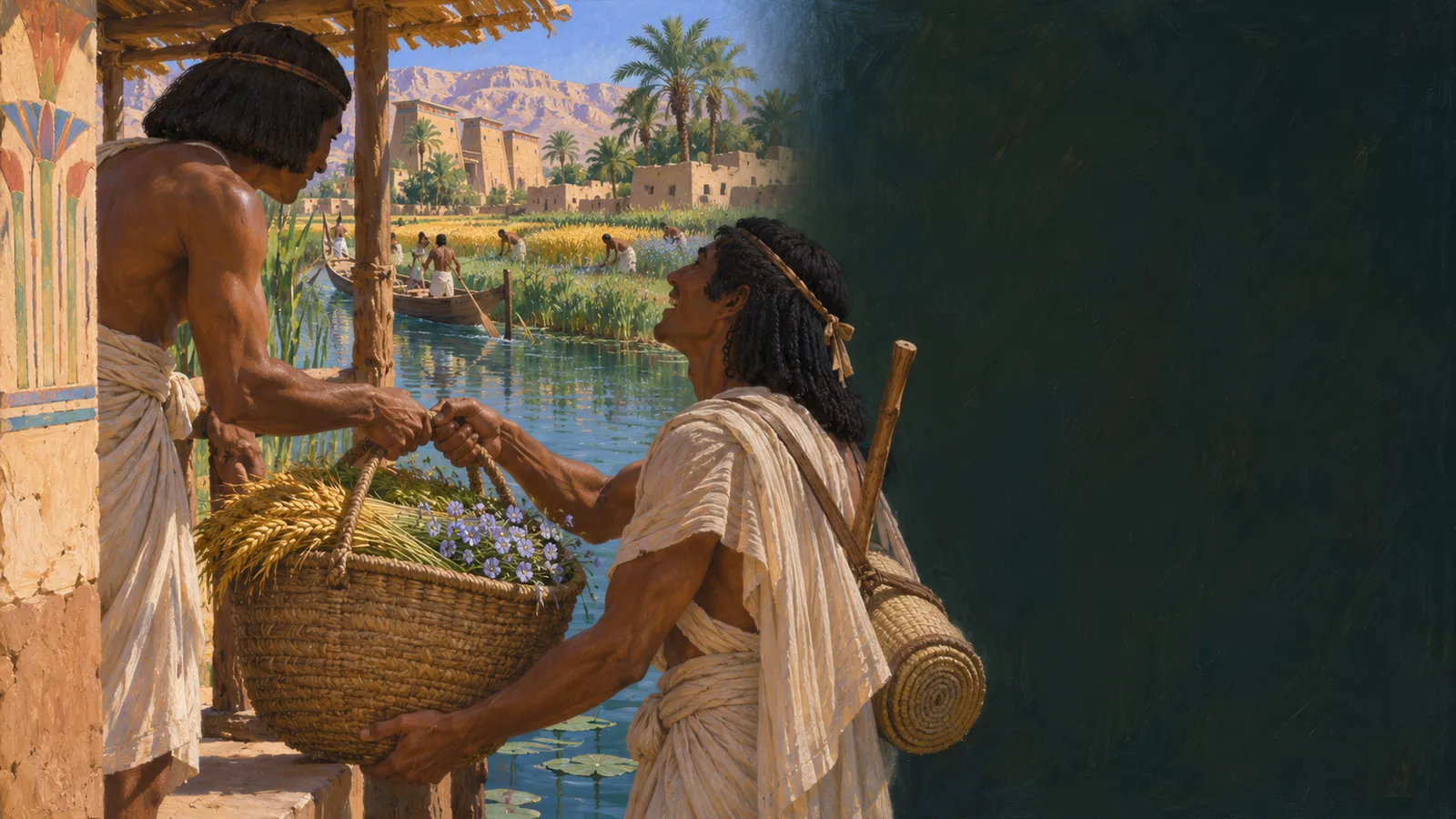
O recitante diz que está contente e se apodera da sua força, que o deus Hetep lhe aumentou muito.
CHEGADA
O recitante dirige-se a Unen-em-hetep e diz que ali entrou com a sua alma a segui-lo. Diz que o seu alimento divino está sobre as suas mãos.
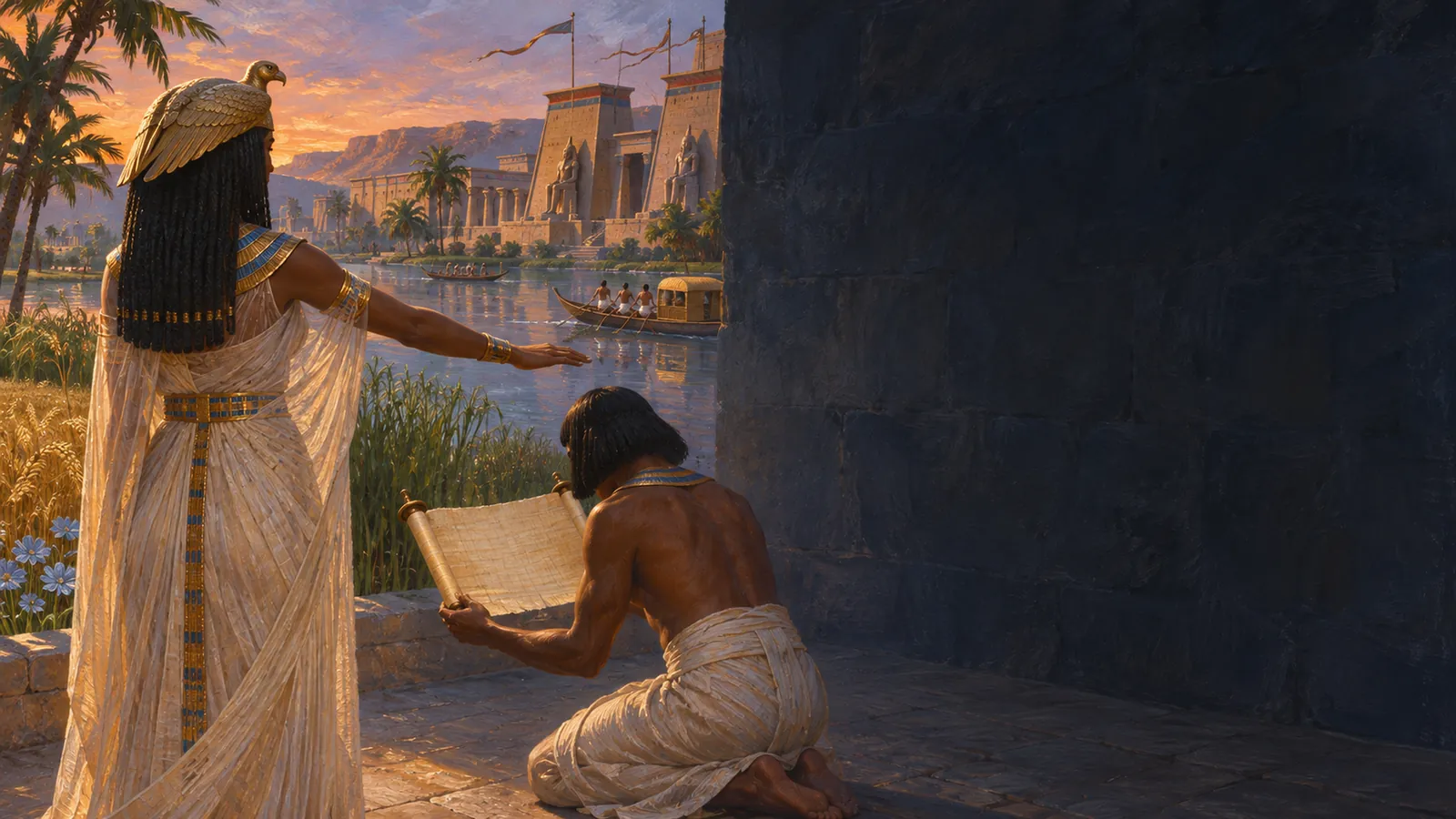
O recitante invoca a Senhora das Duas Terras. Diz que ela firma a sua palavra, pela qual se lembra e esquece.
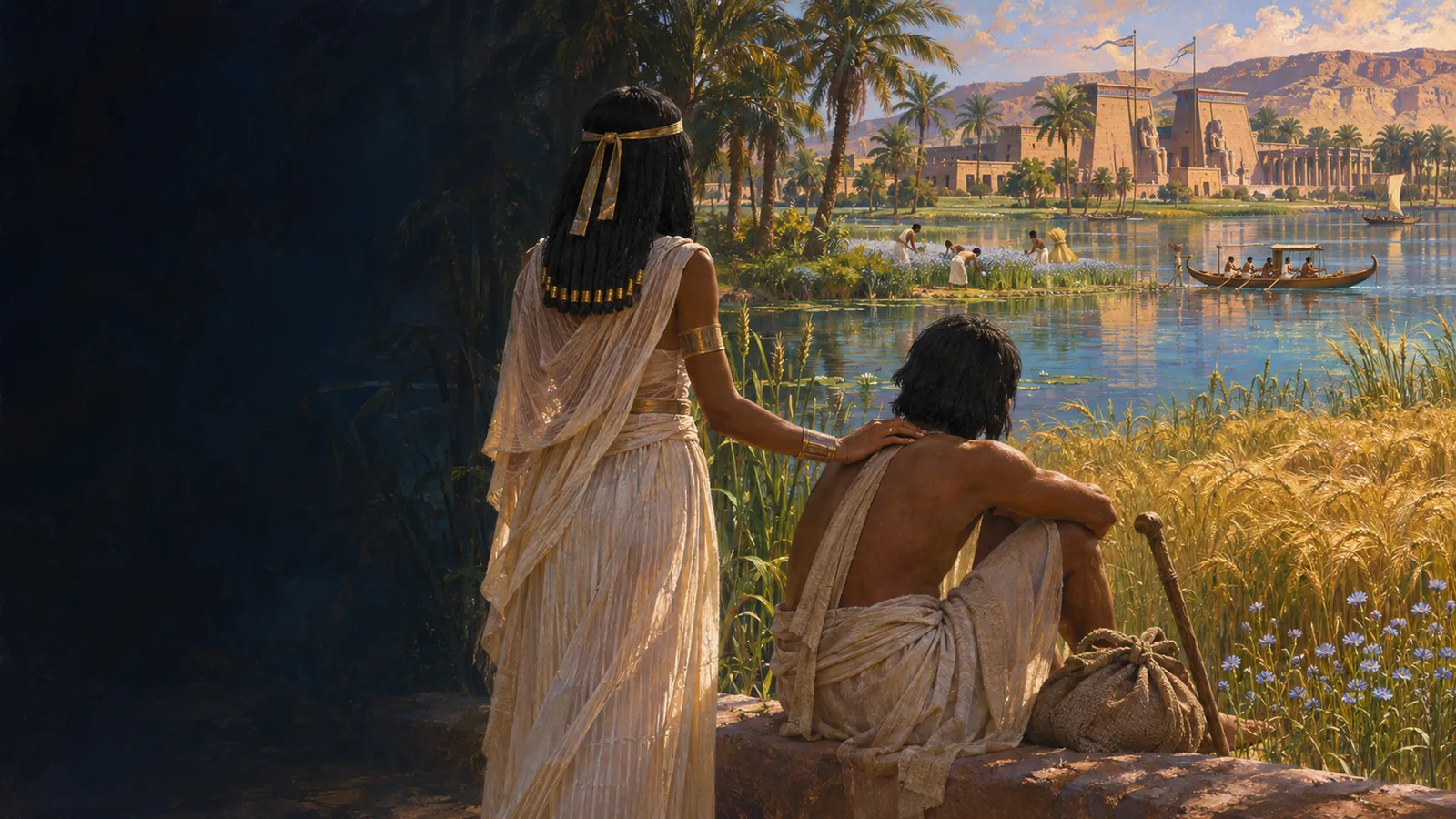
O recitante pede para viver sem sofrer ferimentos. Pede alegria de coração e pede à Senhora que lhe dê paz.
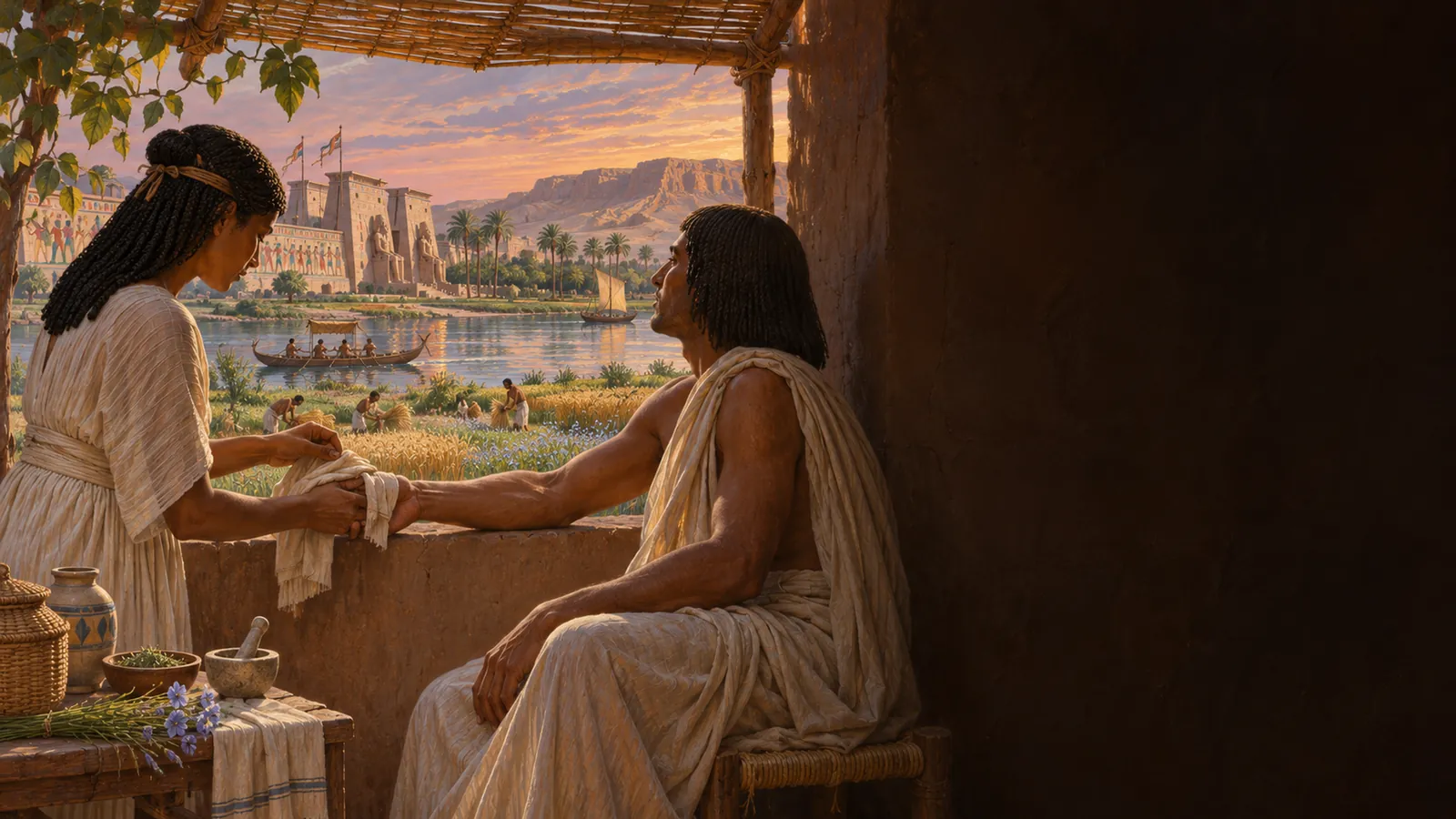
Pede à Senhora das Duas Terras que lhe ligue os tendões e os músculos e o faça receber ar.
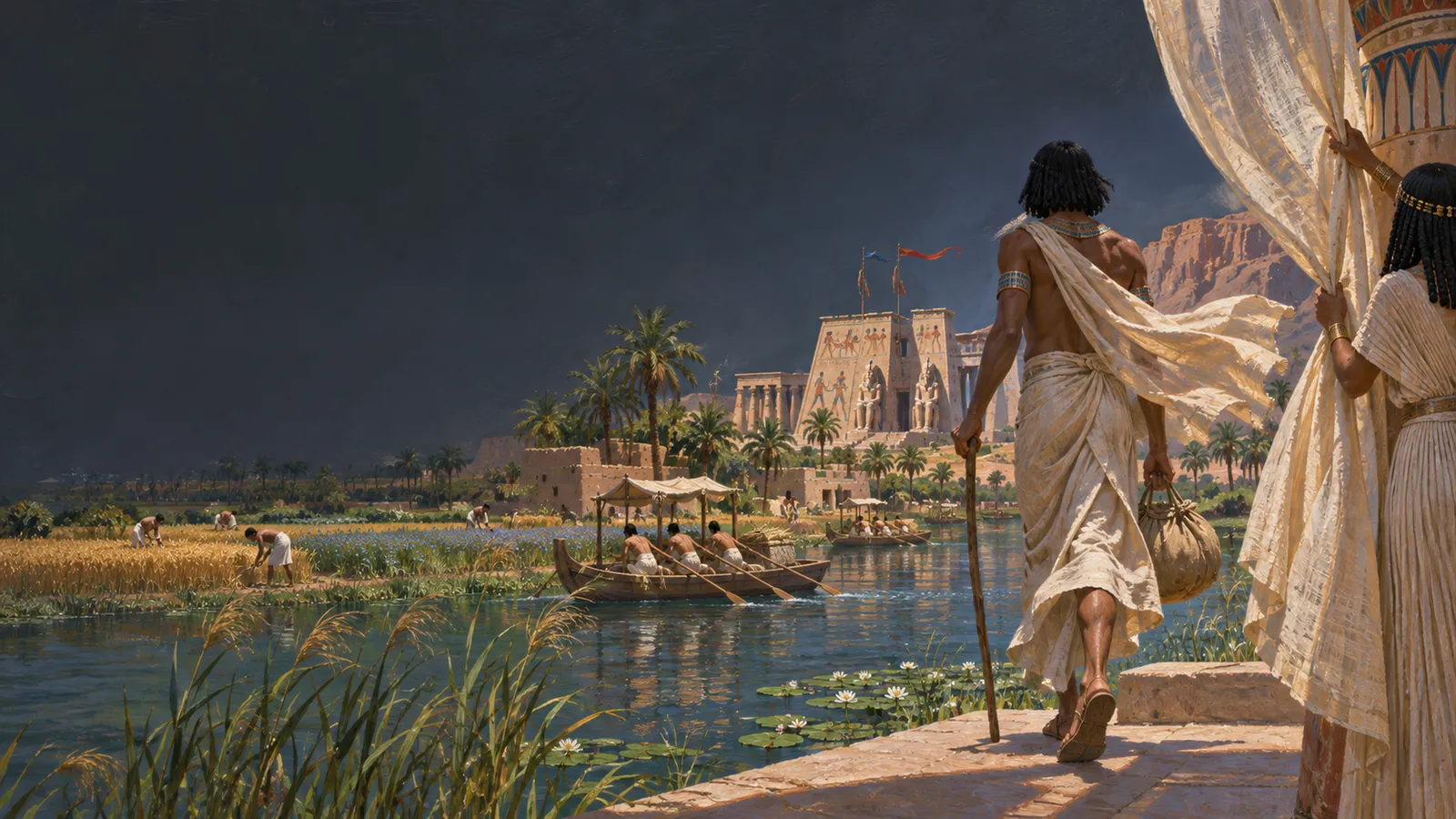
O recitante dirige-se a Unen-em-hetep como Senhora dos Ventos. Diz que ali entrou e ali mostrou a cabeça.
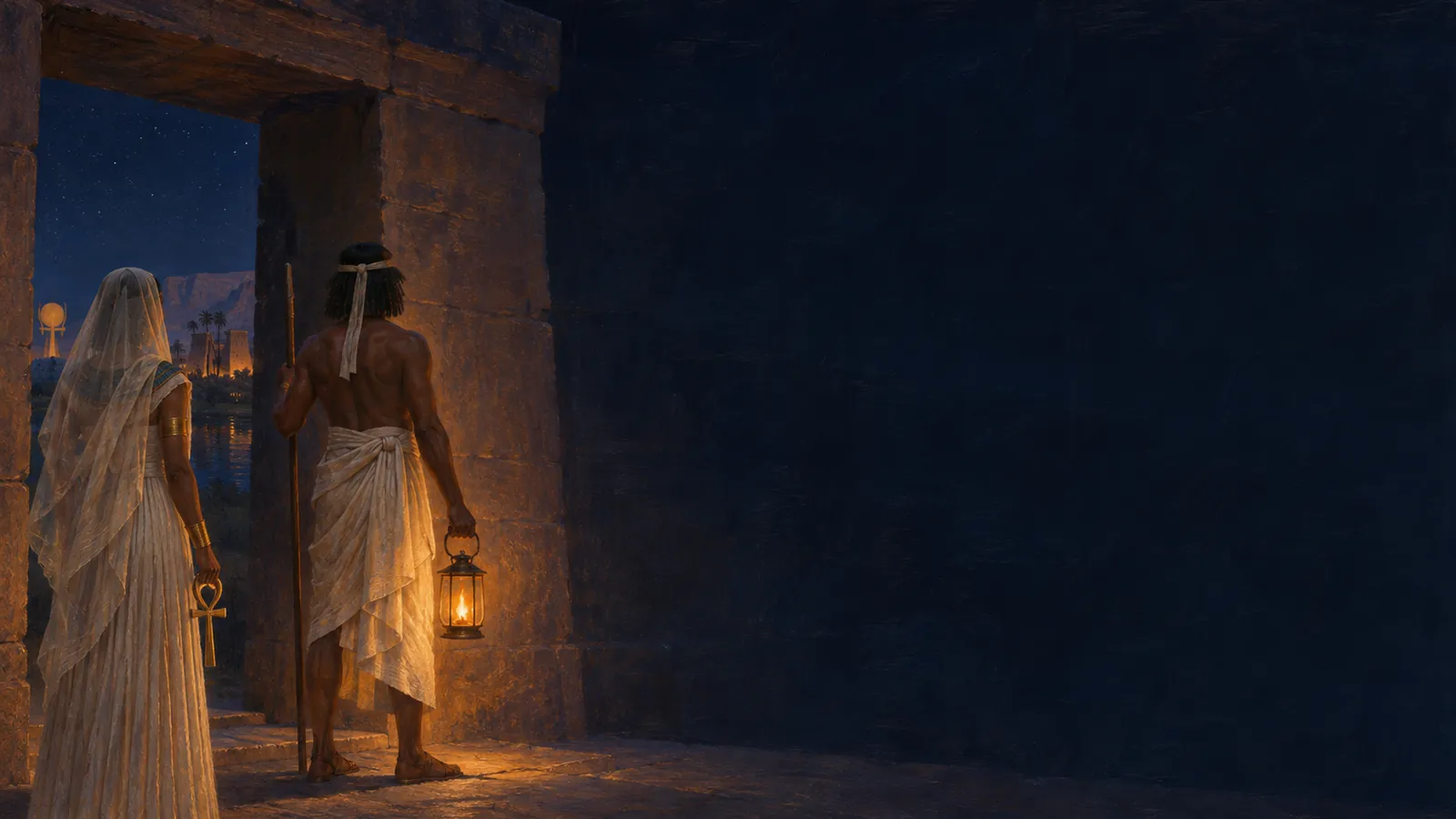
Rá dorme e o recitante diz que está acordado. Diz que a deusa Hast está à porta do céu durante a noite.
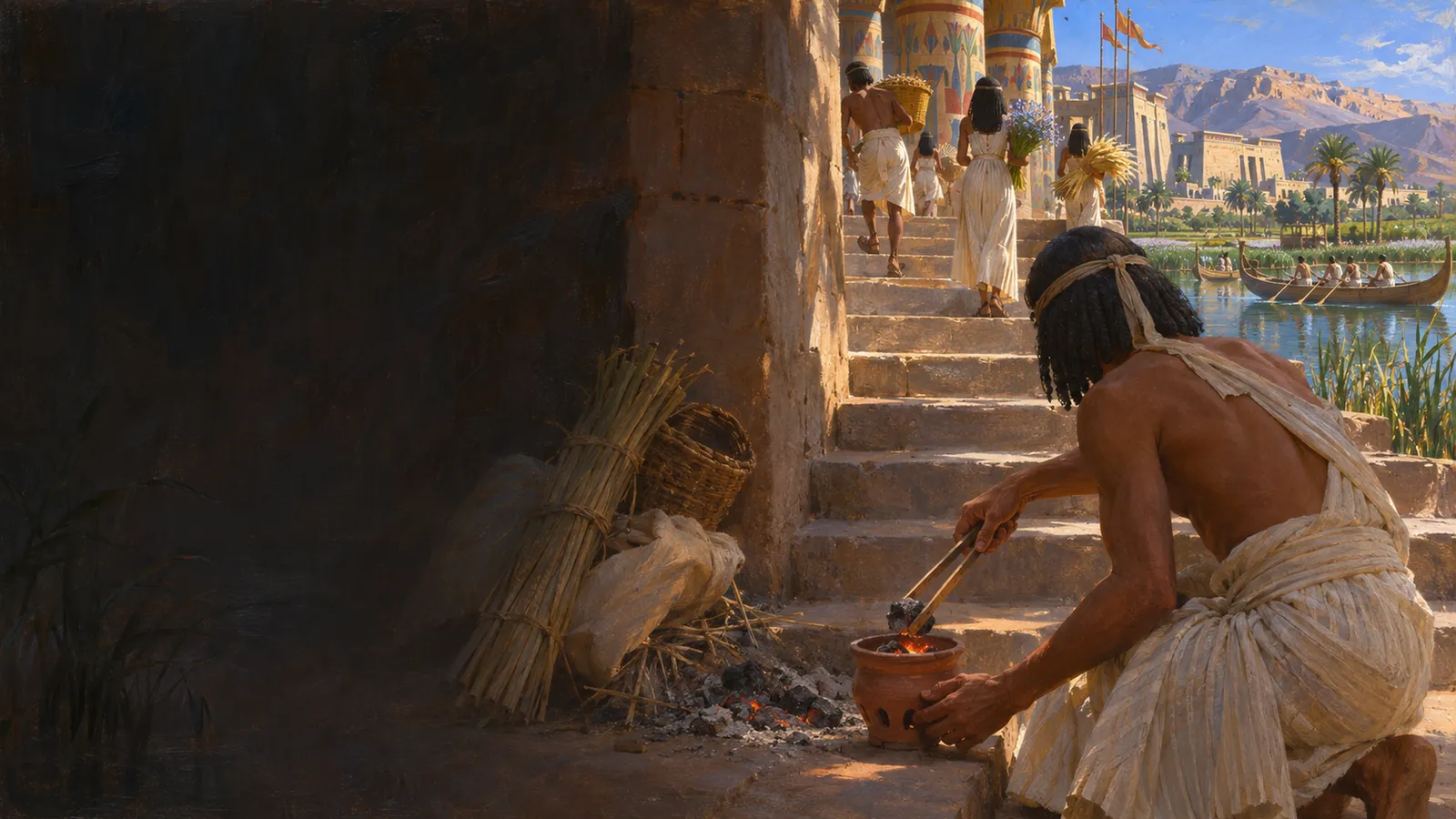
O orador diz que lhe puseram obstáculos à frente, mas que reuniu o que Rá tinha emitido. Diz que está na sua cidade.
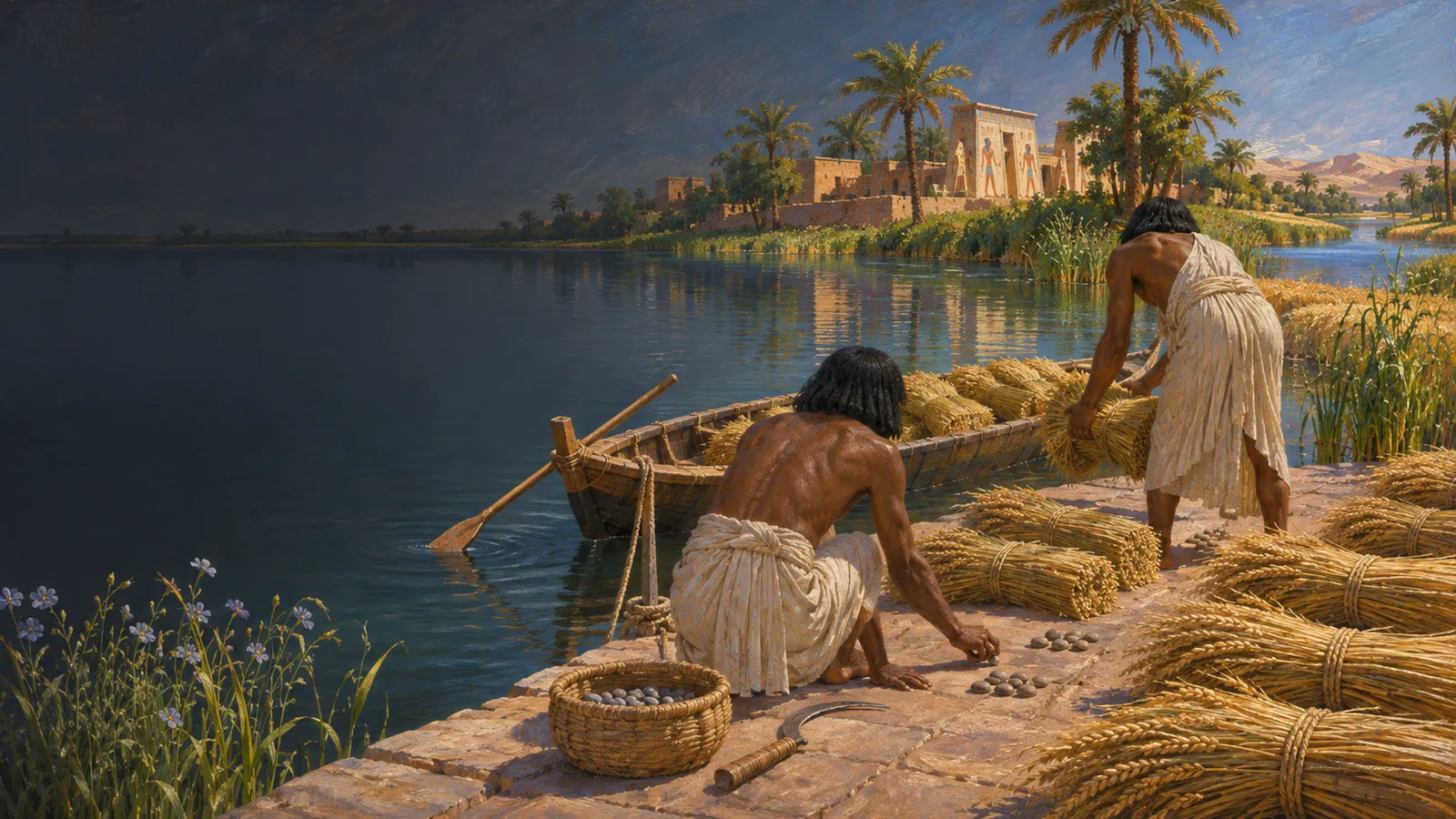
NUT-URT E UAKH
O orador diz que entrou em Nut-urt, contou a sua colheita e seguiu para Uakh. Budge identifica os dois lugares como lagos.
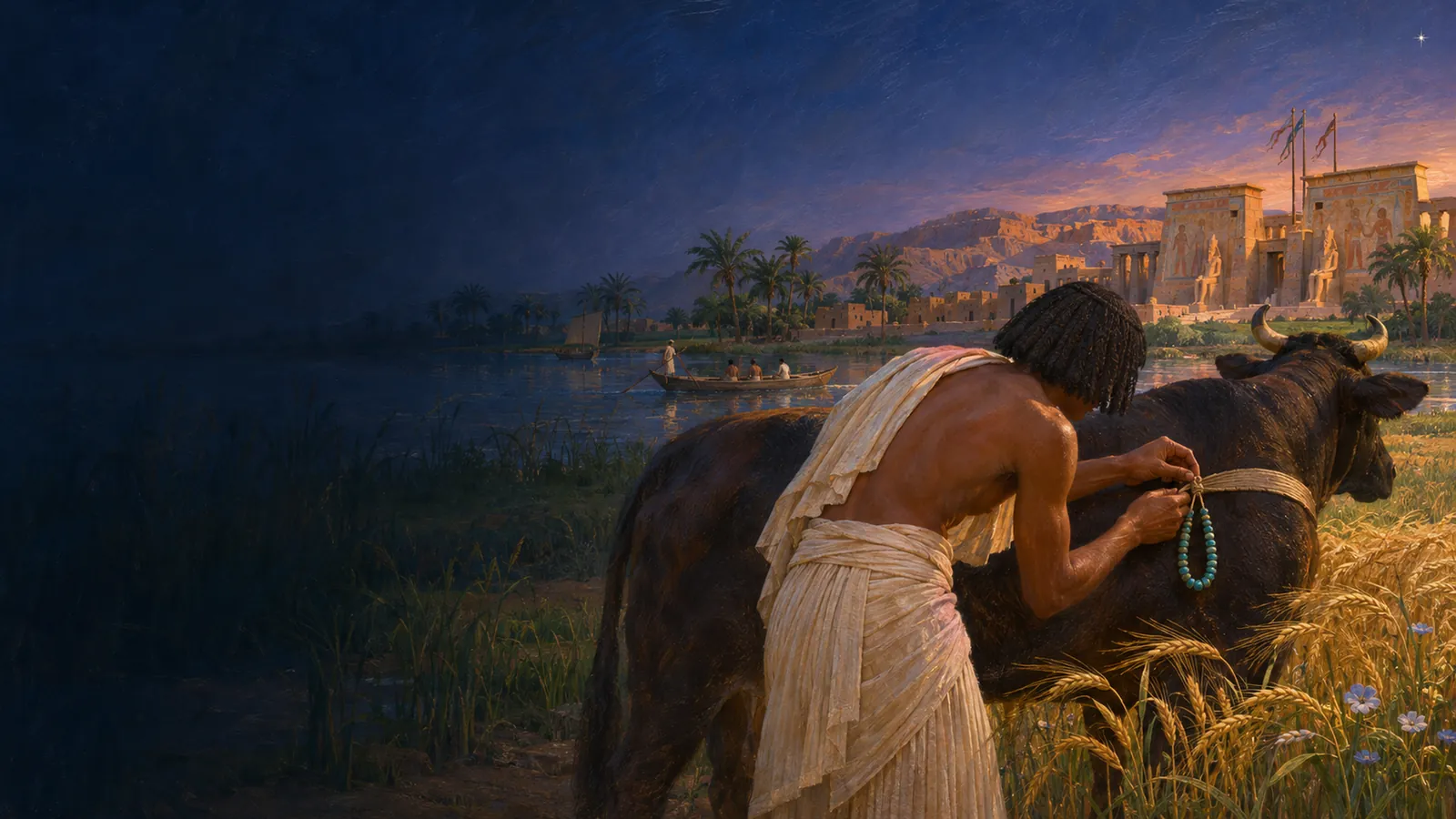
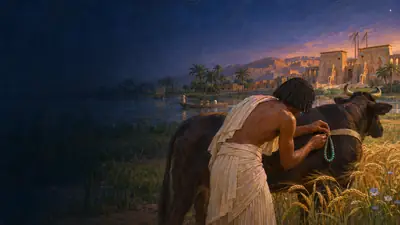
O orador chama a si mesmo o Touro envolto em turquesa e senhor do Campo do Touro. Declara-se senhor da palavra divina de Septet às suas horas. Budge identifica Septet com Sóthis.
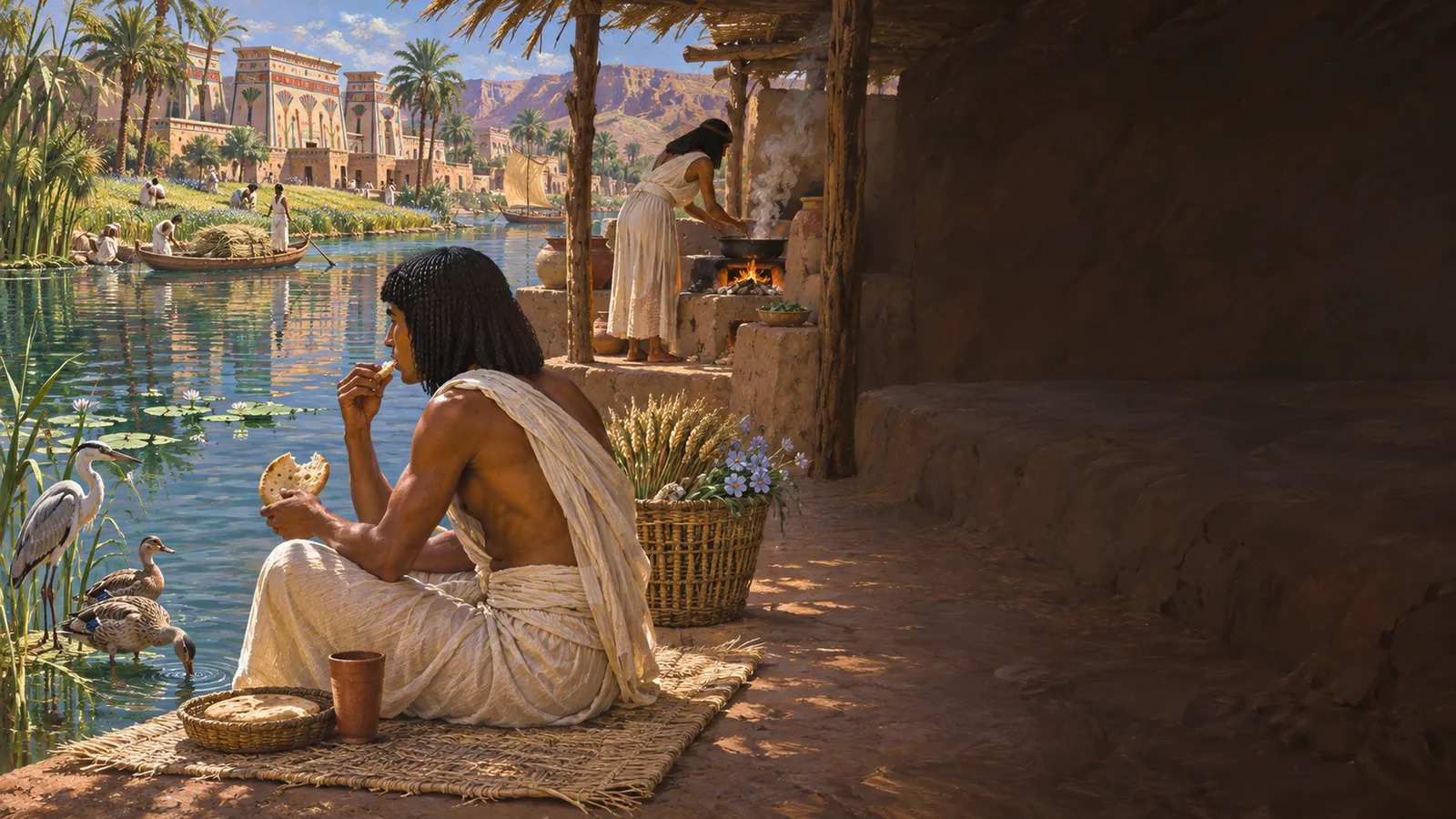
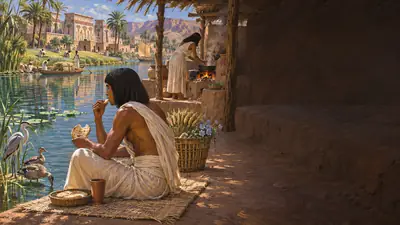
Diz que entrou em Uakh, comeu o seu pão e passou a dispor de carne escolhida de bovino e de aves. Diz que lhe deram as aves de Shu.
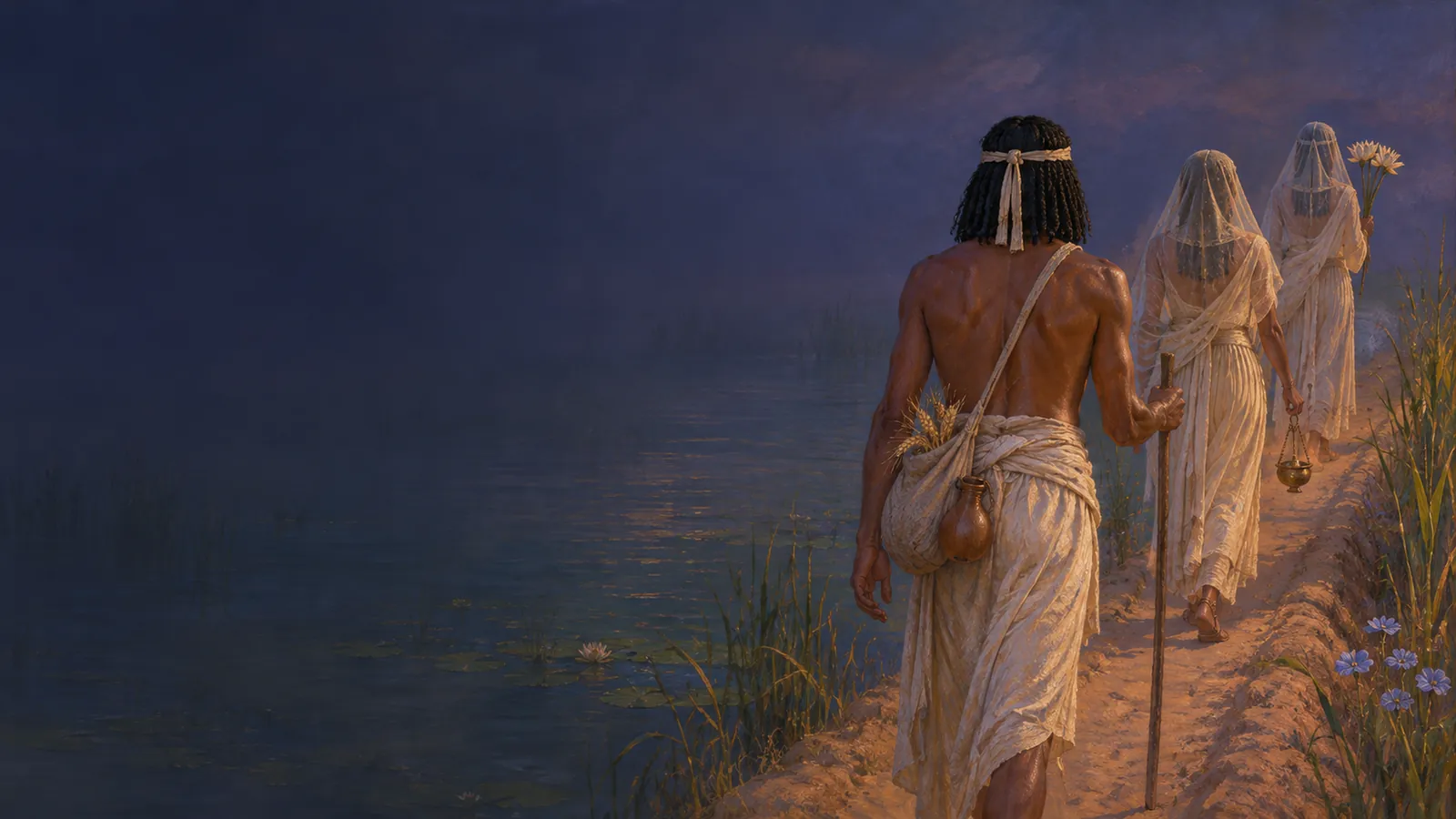
O orador termina a sua fala a Uakh dizendo que segue os deuses e os Duplos divinos.
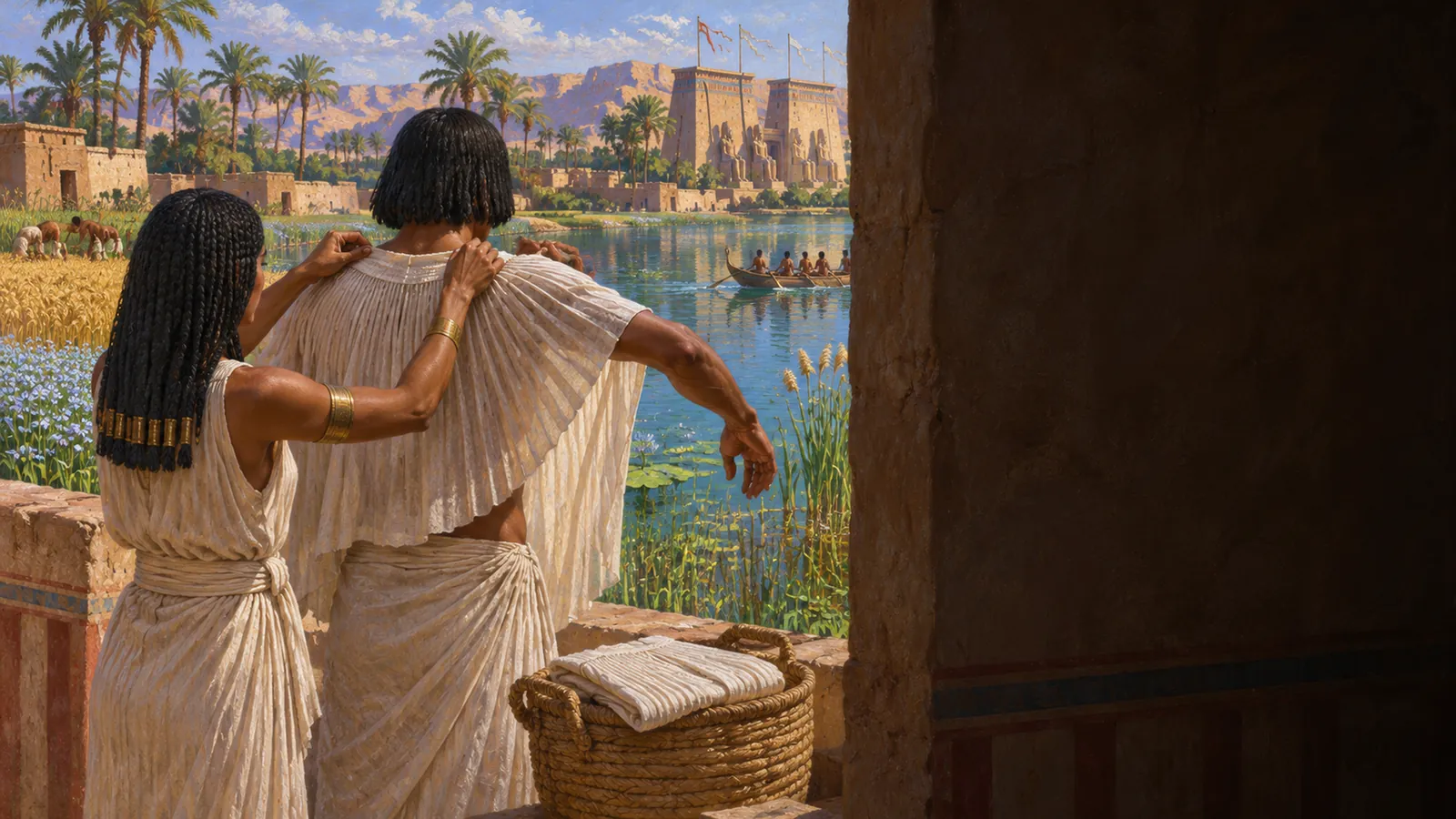
O orador diz que entrou em Tohefet e se vestiu. Diz que se protegeu com a veste Sa de Rá.
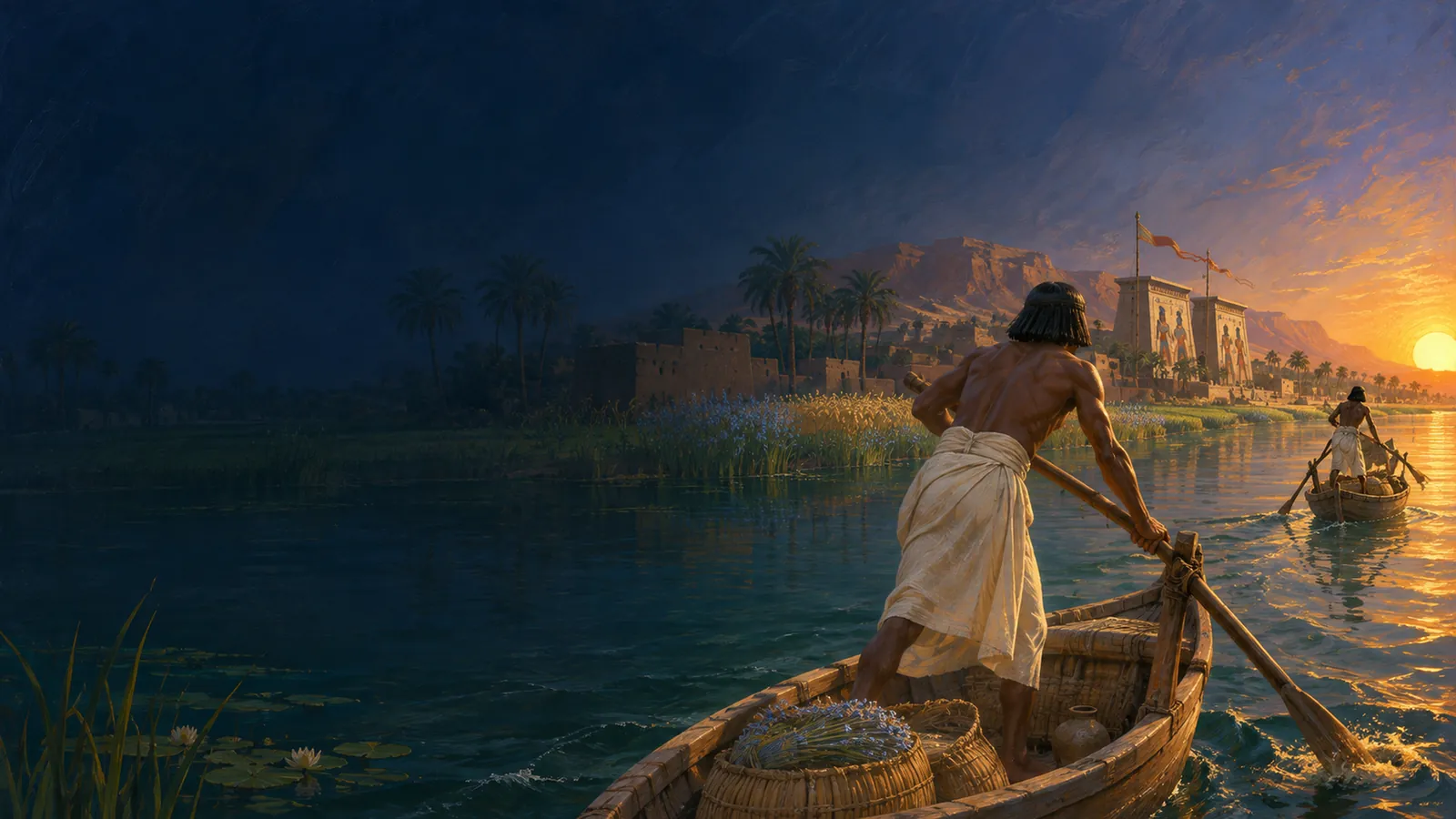
O orador diz que Rá está no céu e que os que lá habitam o seguem. Diz que também ele segue Rá no céu.
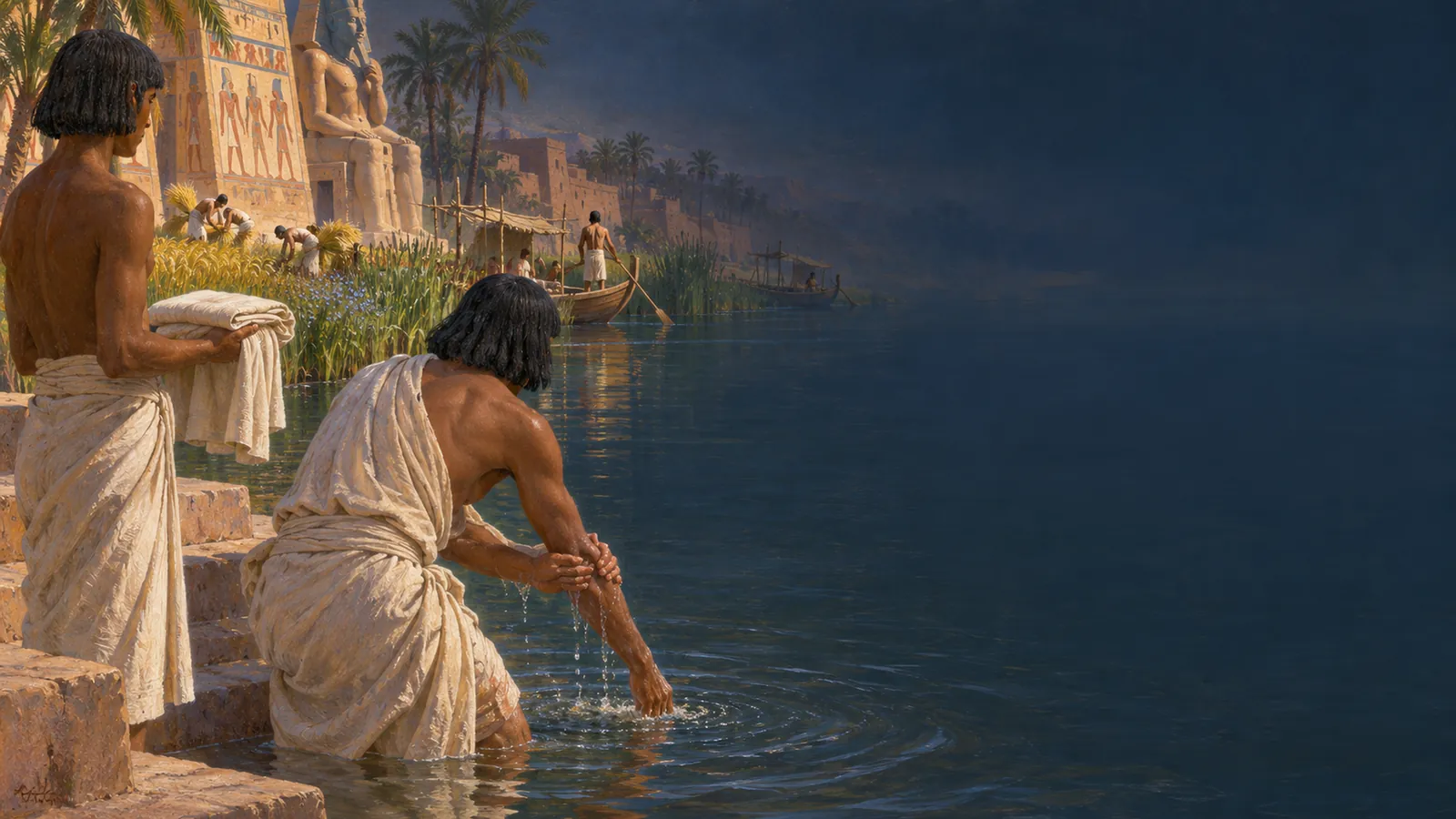
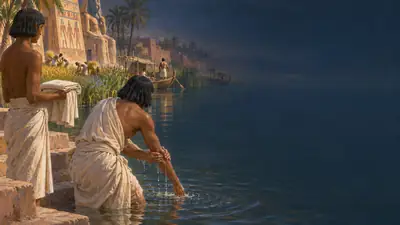
Dirige-se a Unen-em-hetep como senhor das Duas Terras e diz que entrou. Diz que mergulhou nos lagos de Tohesert e que toda a impureza o deixou.
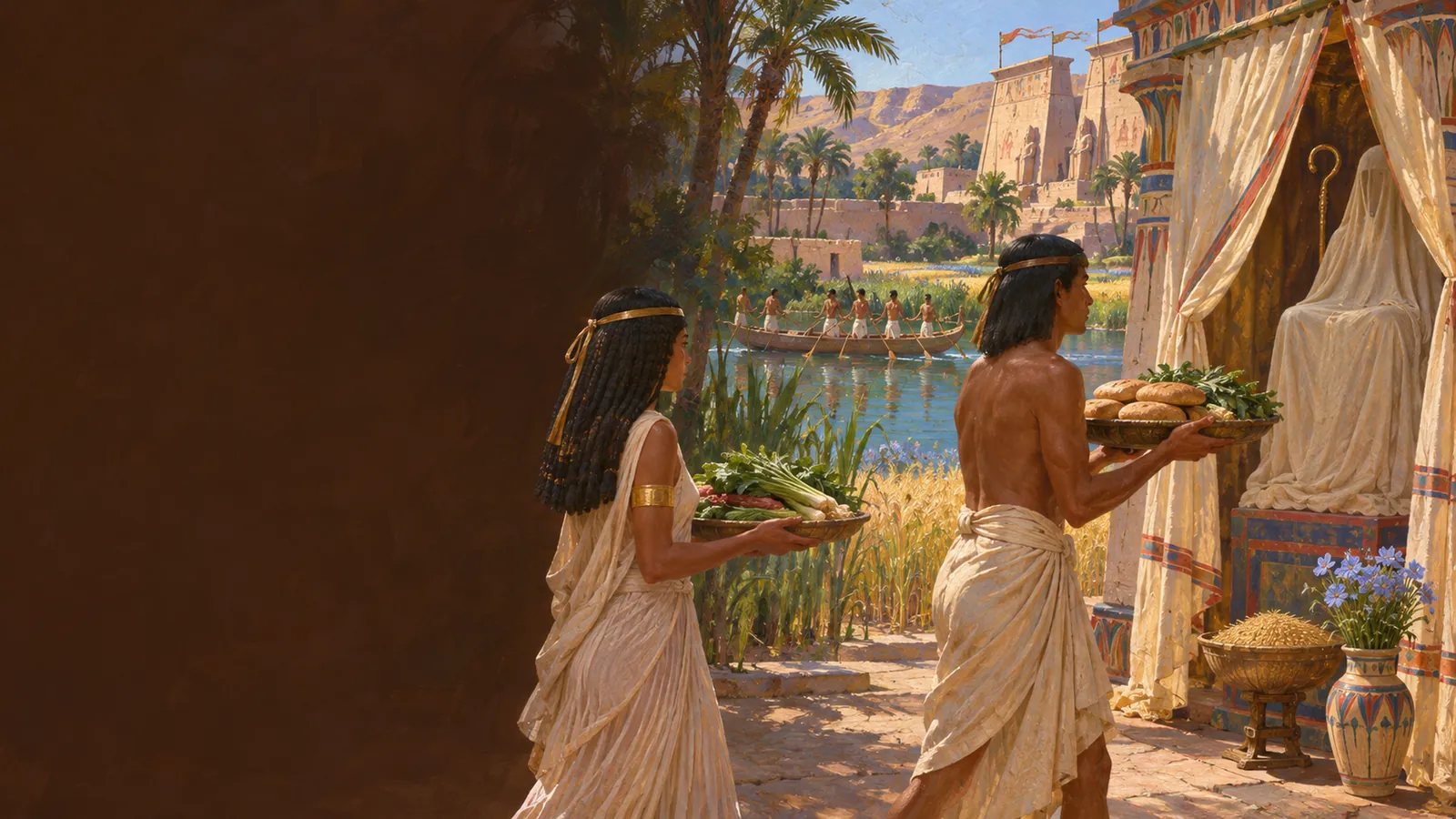
O orador diz que o Grande Deus cresce naquele lugar. Diz também que encontrou algo, e Budge acrescenta entre parênteses retos que ali encontrou alimento.
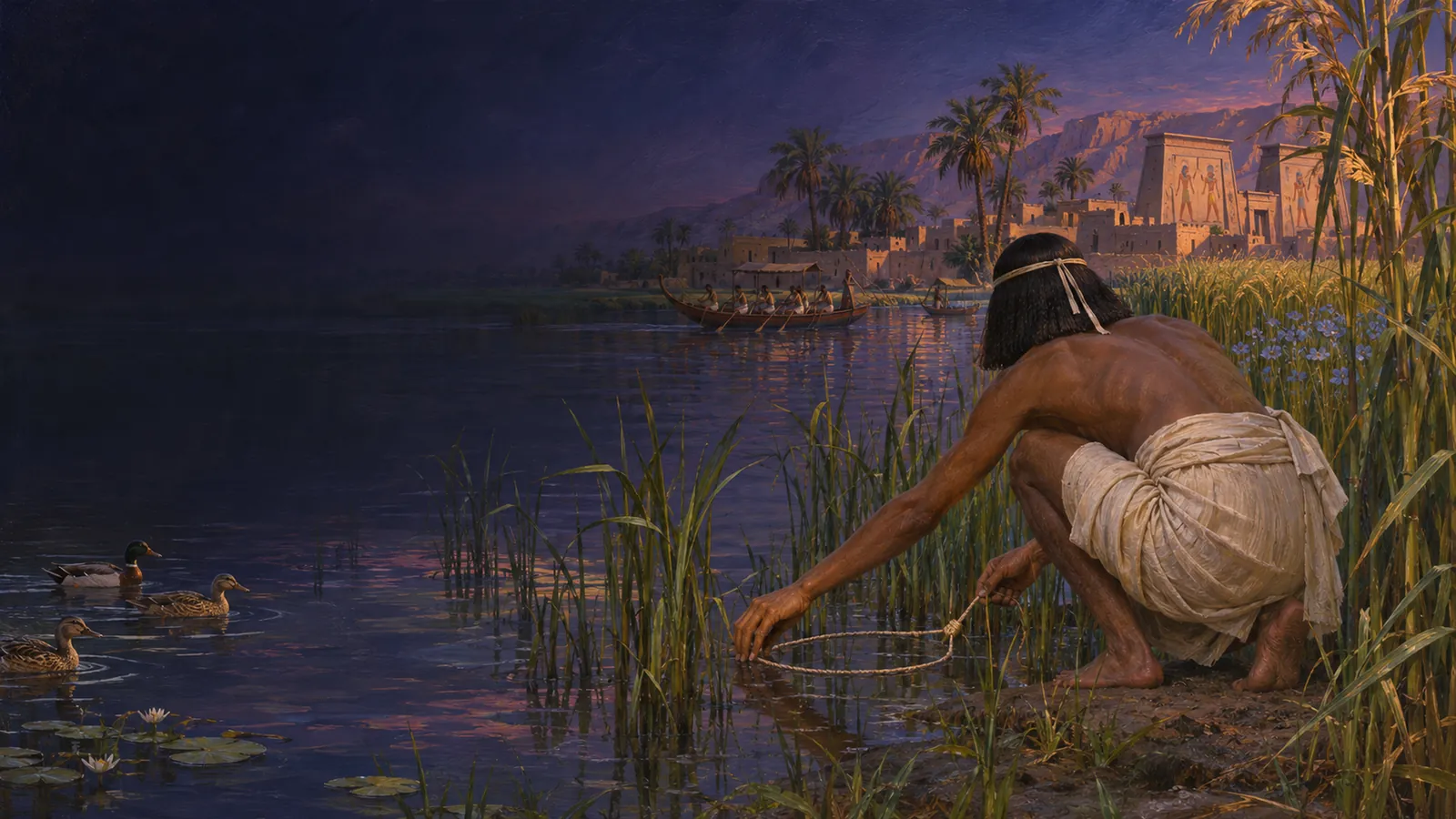
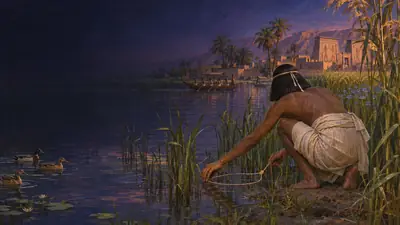
O orador diz que apanhou aves com um laço e que se alimentou das melhores.
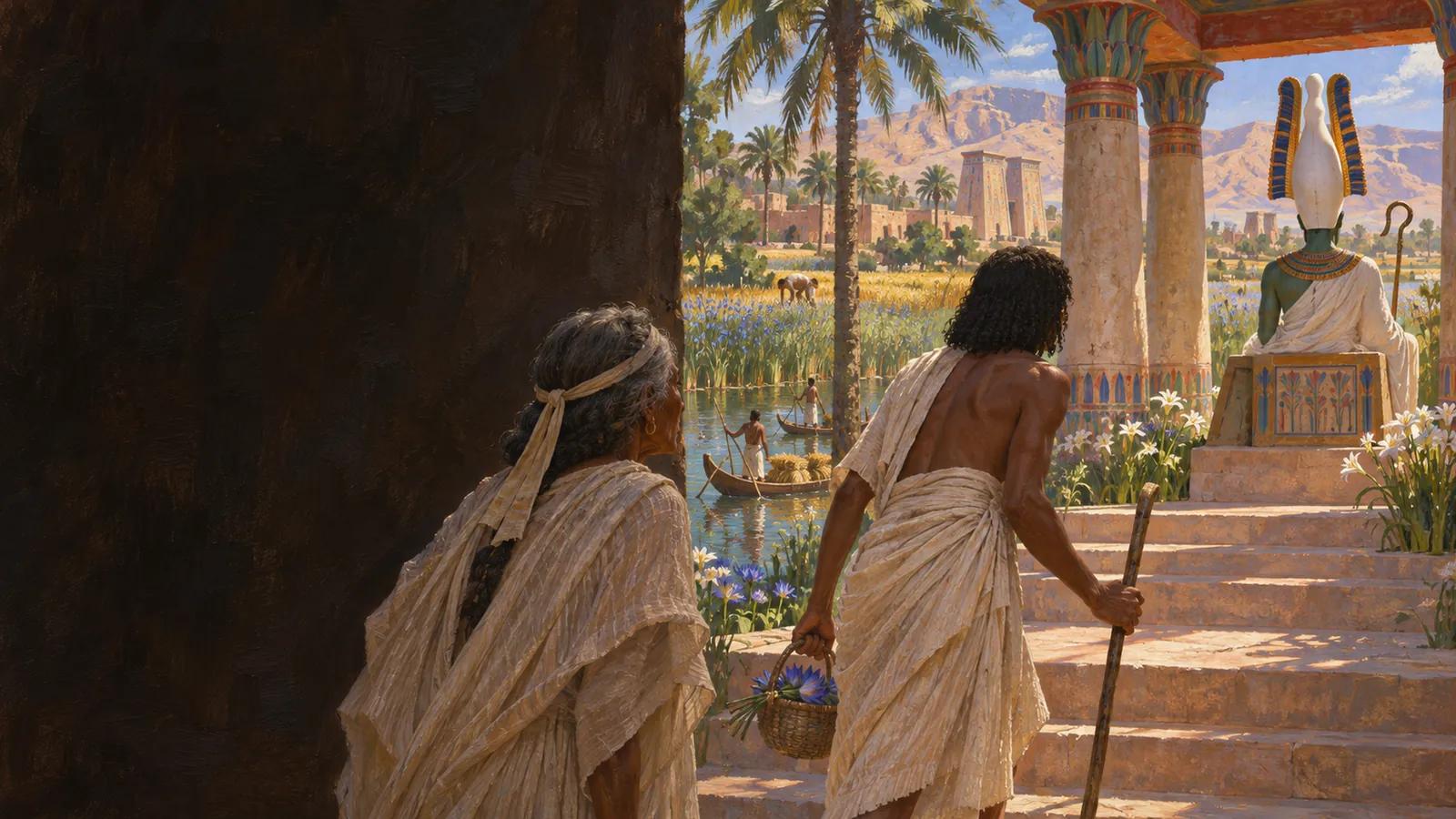
Depois de entrar em Qenqentet, o orador diz que viu Osíris, a quem Budge chama seu pai entre parênteses retos. Diz que contemplou a sua mãe. Diz também que fez amor.
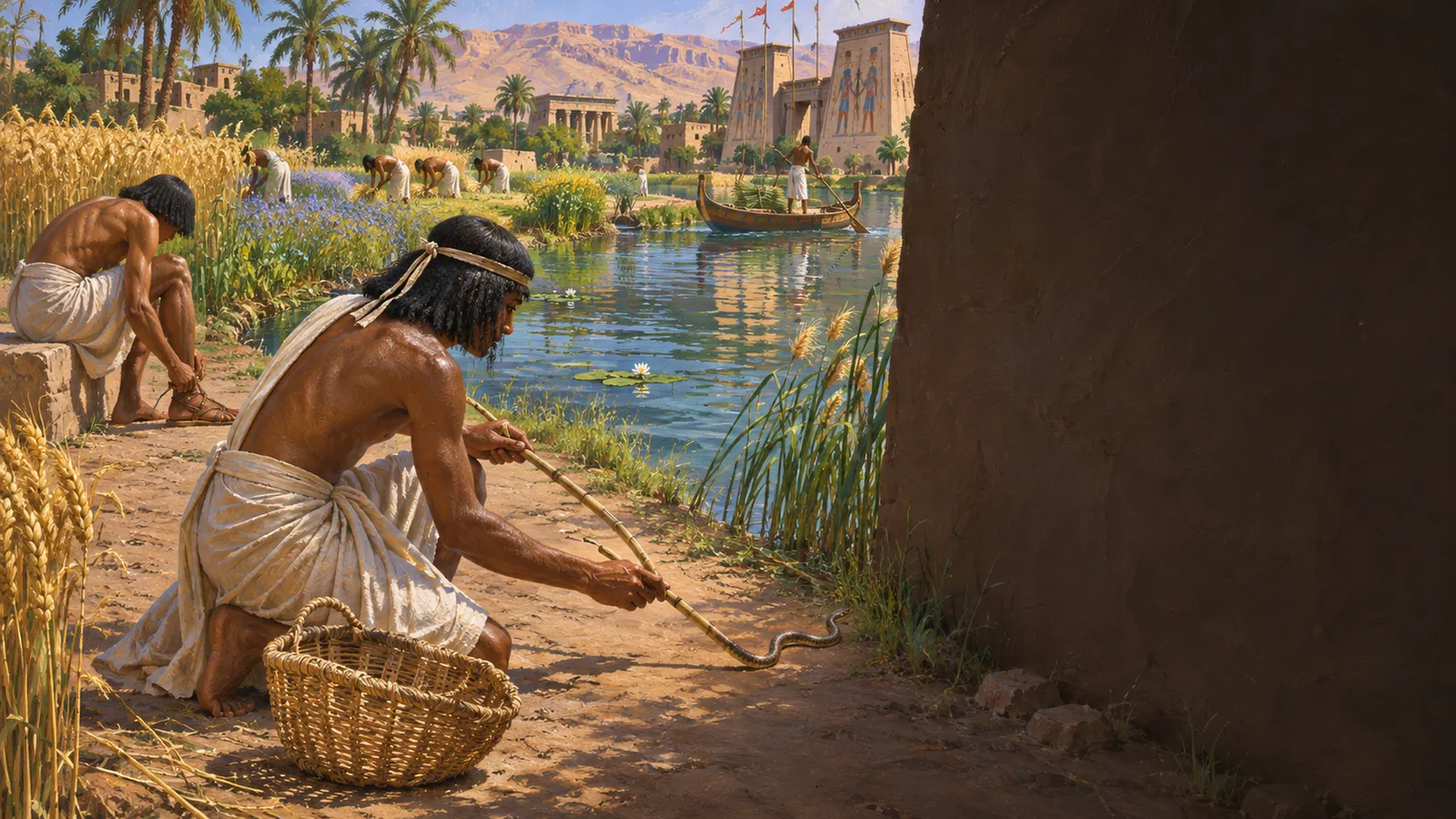
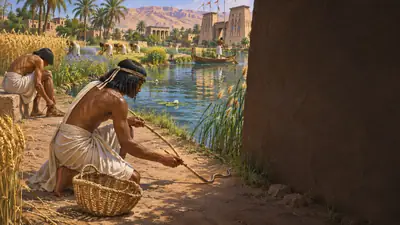
O recitante diz que captura vermes e serpentes no lugar em que entrou. Diz que se liberta.
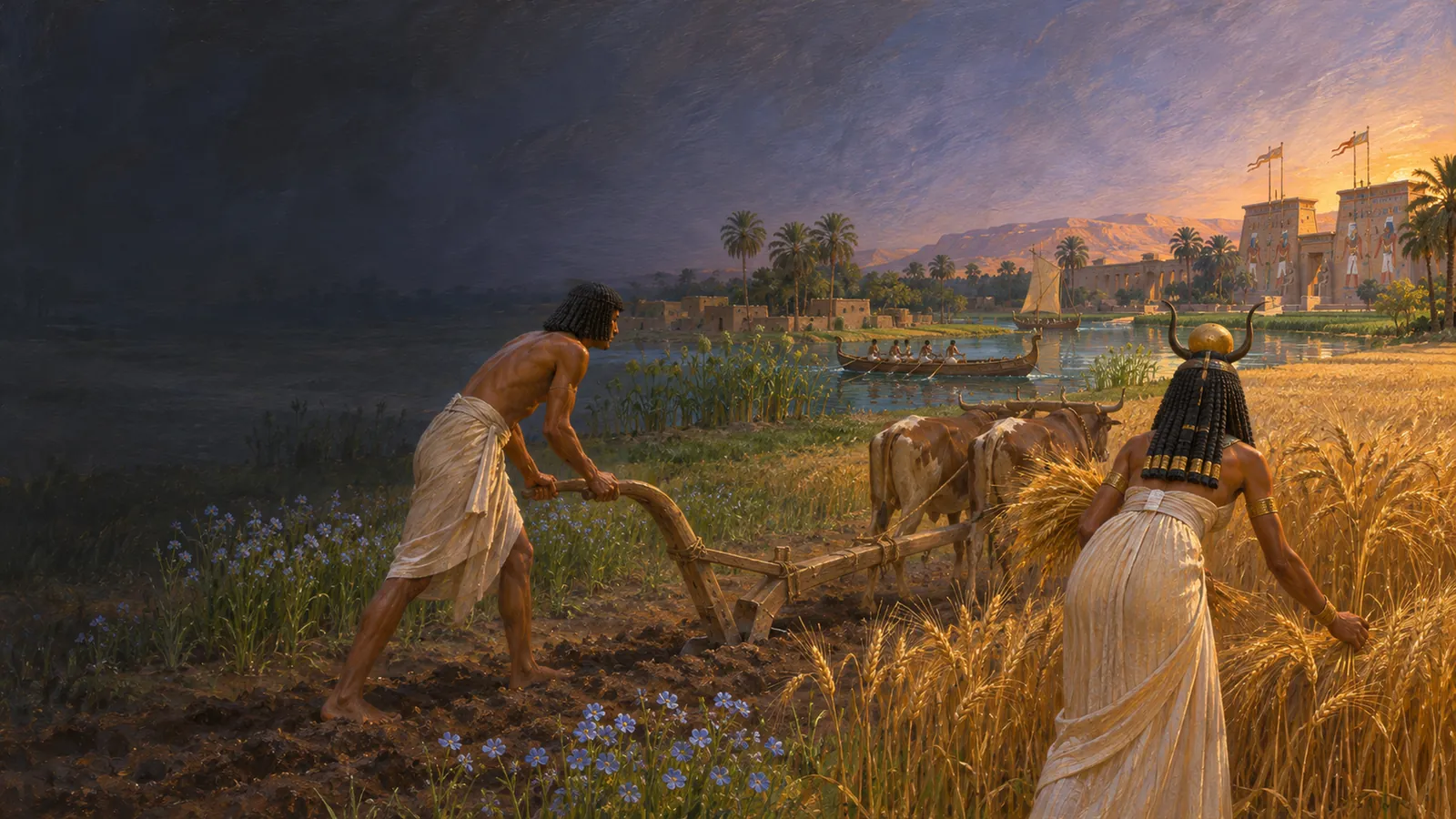
Diz conhecer o nome do deus diante de Tohesert, que tem cabelos lisos e chifres. Esse deus colhe, enquanto o recitante ara e colhe.
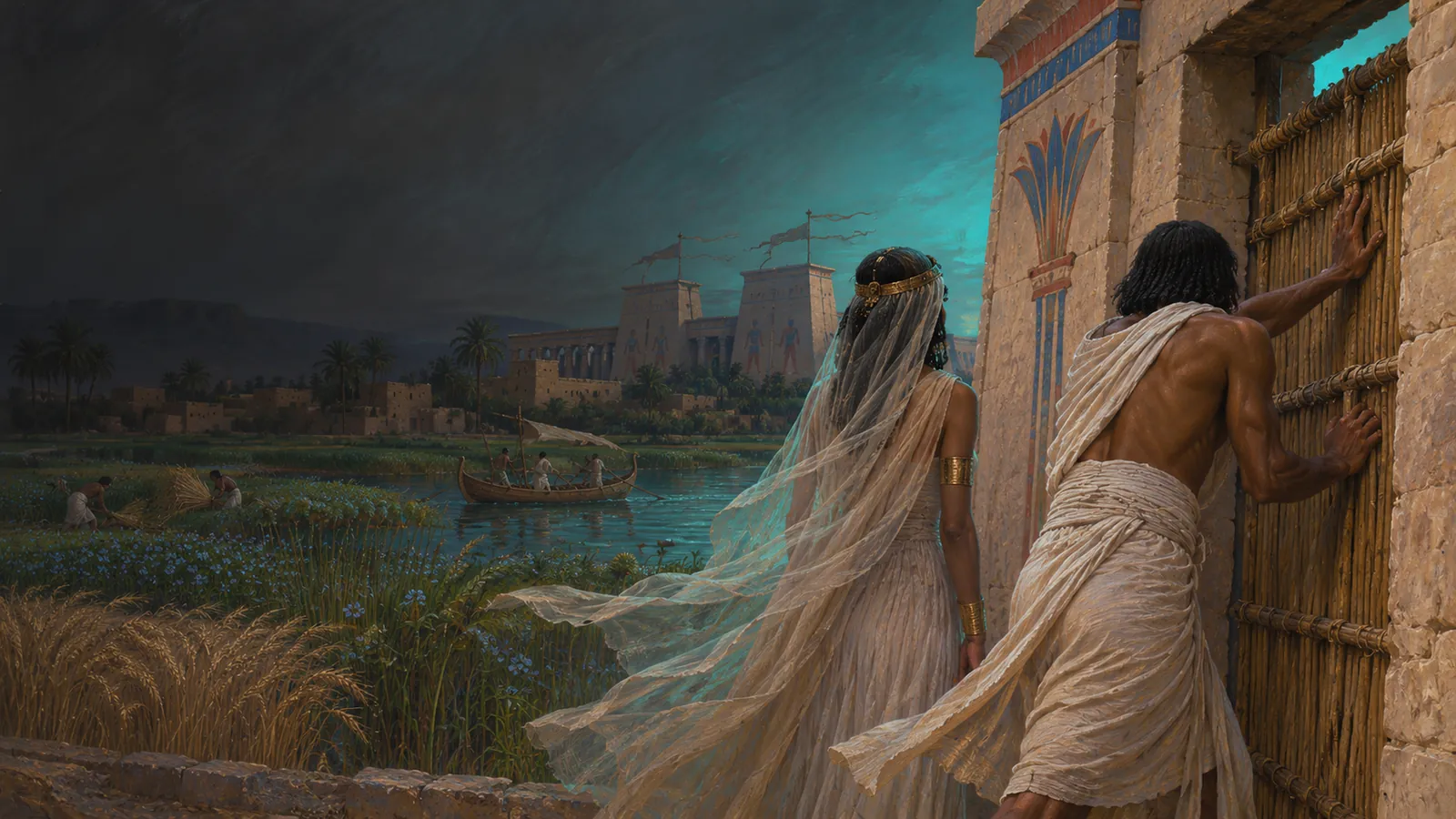
O CÉU TURQUESA
Diz a Hast que entra e repele os que desejariam chegar ao céu turquesa. Depois diz que seguiu os ventos da assembleia dos deuses.
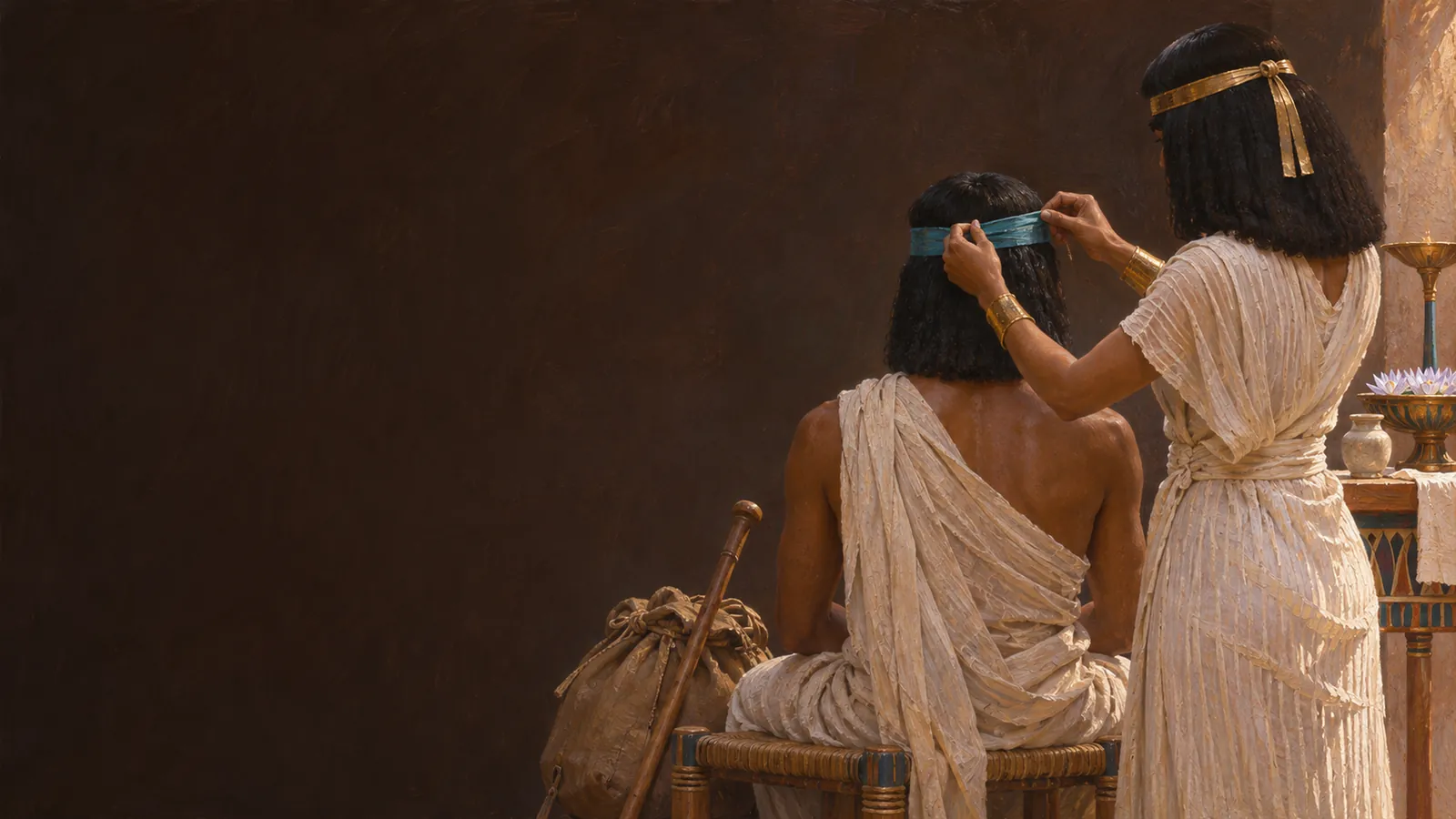
Diz que o Grande Deus lhe dá a cabeça. O Poderoso de olhos turquesa prende-a nele. É Ari-en-ab-f.
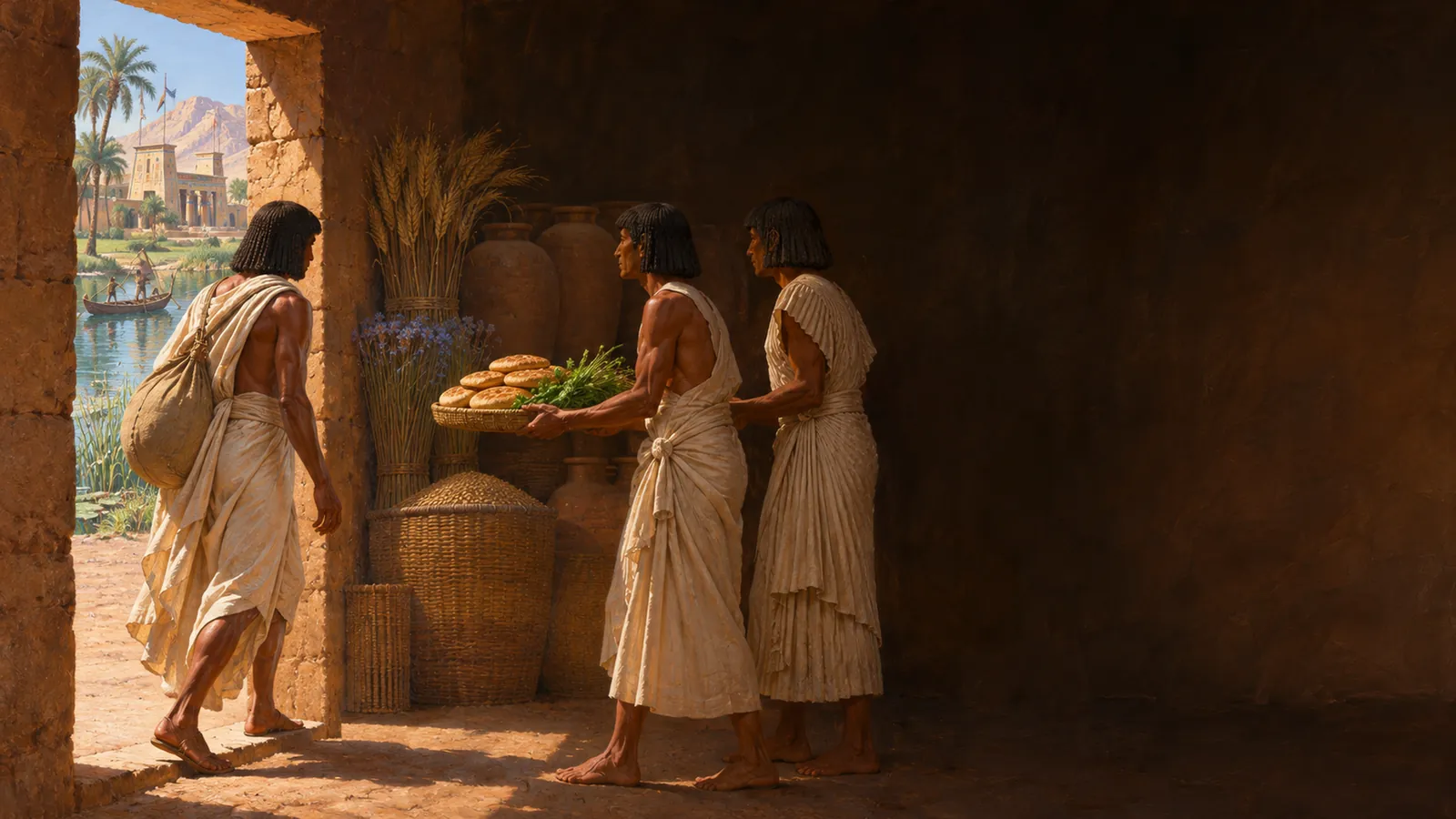
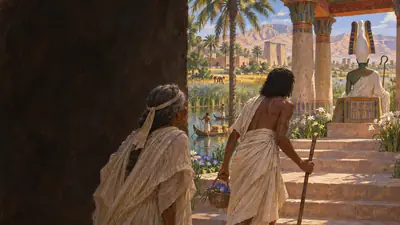
O recitante dirige-se a Usert e diz ter chegado à casa onde lhe trazem o alimento divino.
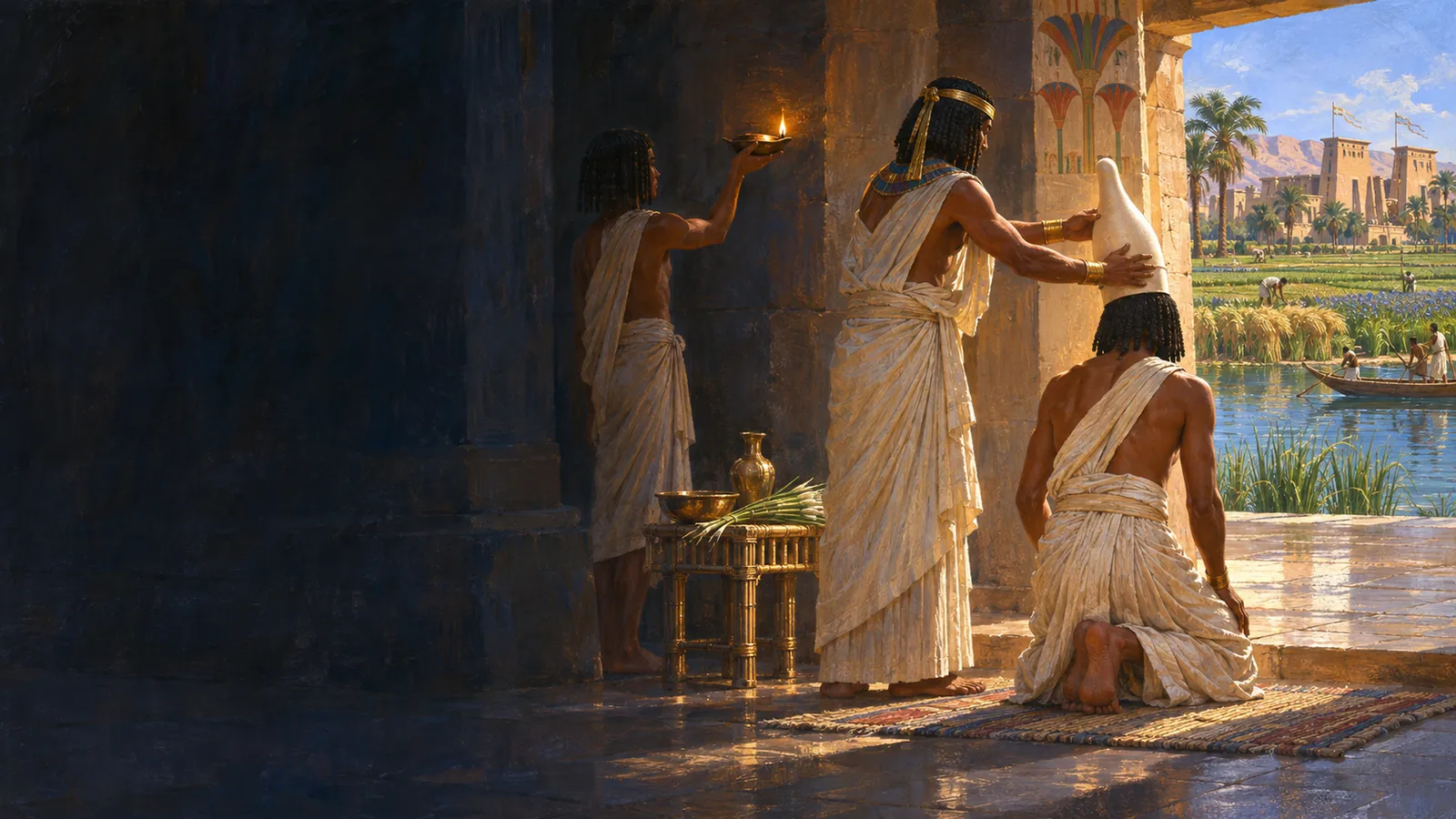
Anuncia que chegou a Smam. Diz que seu coração vigia e que lhe entregam a coroa branca.
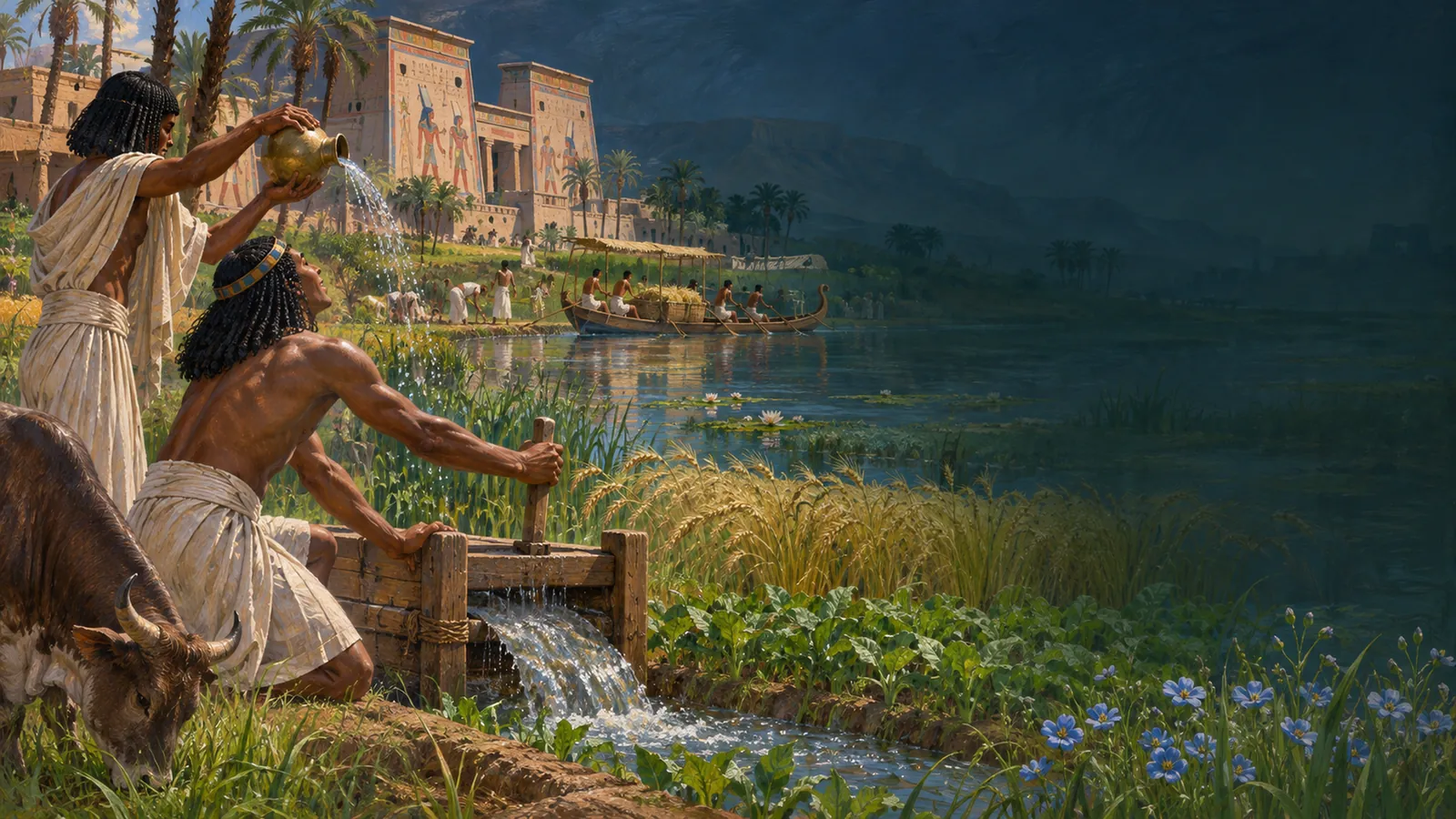
Diz que é conduzido às regiões celestes e faz florescer as coisas da terra. Fala da alegria do Touro, dos seres celestes e da assembleia dos deuses.
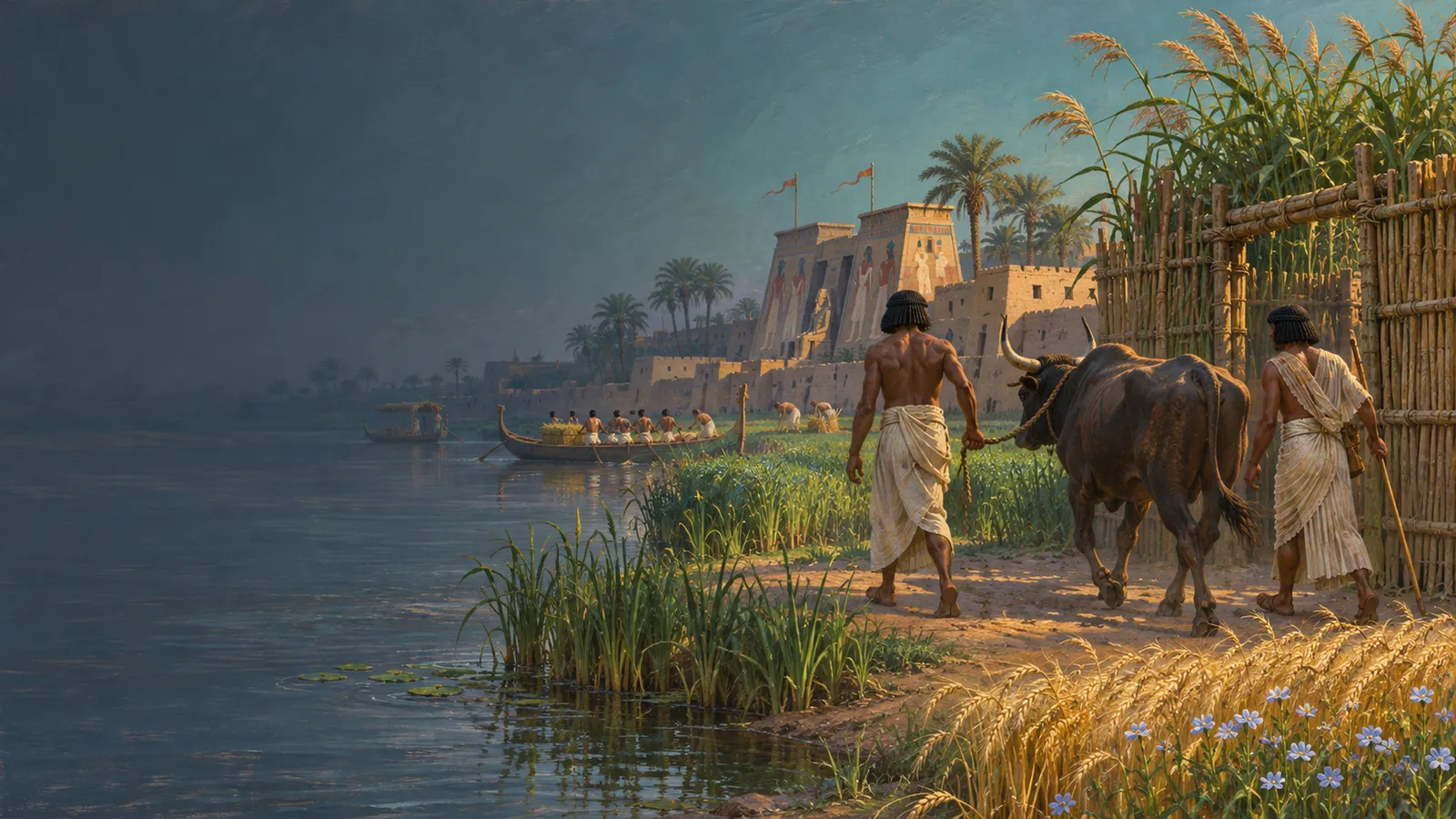
Nomeia-se o deus que é o Touro. Chama a si mesmo de senhor dos deuses ao sair do céu turquesa.
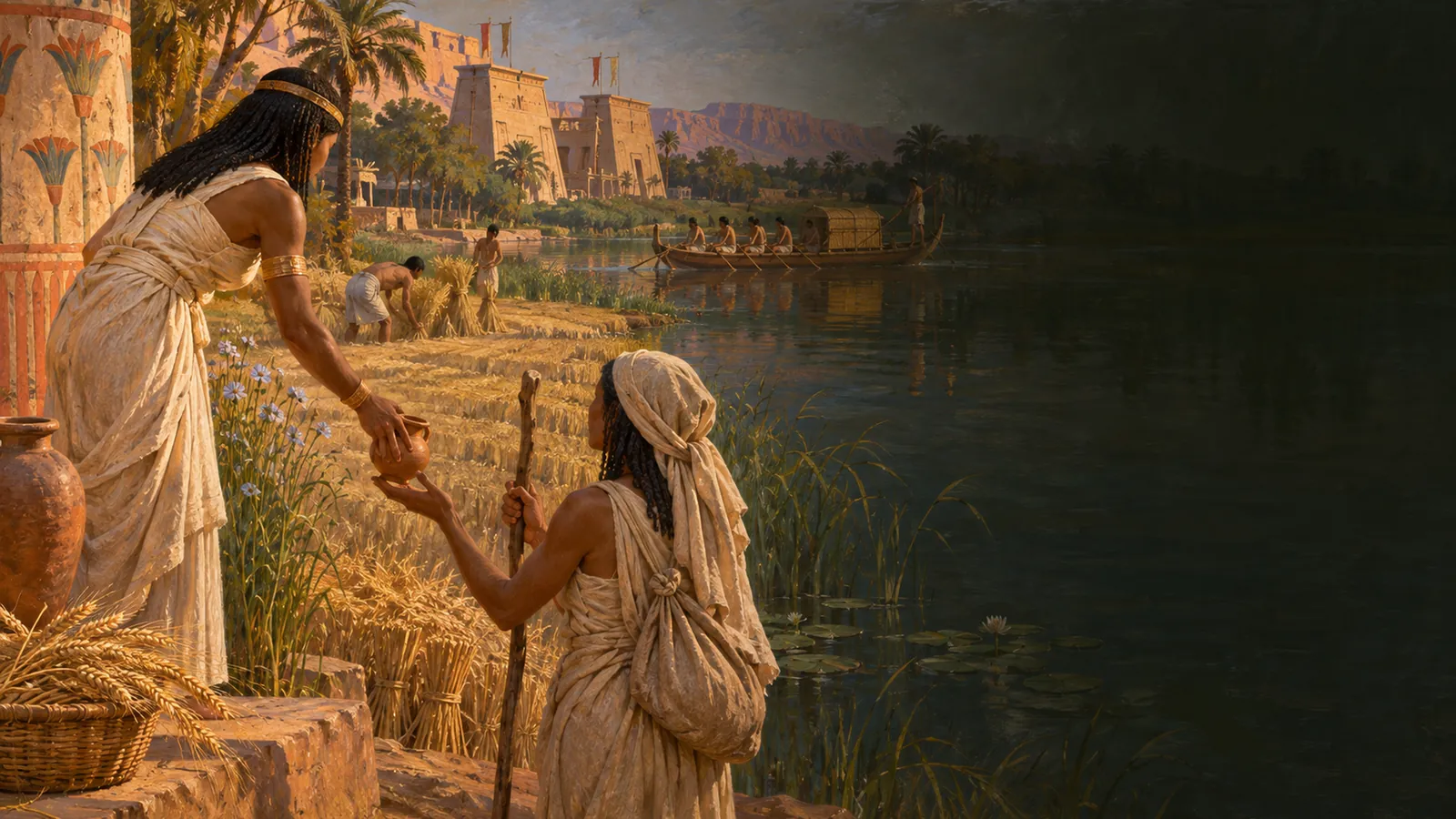
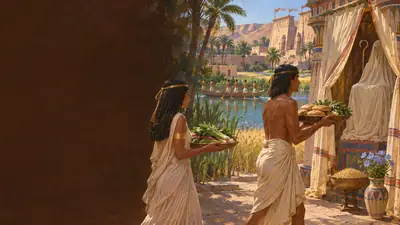
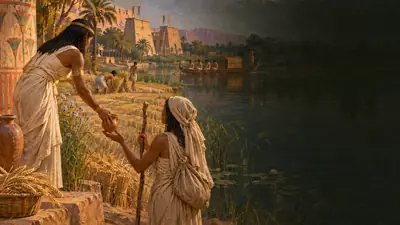
Dirige-se ao distrito divino do trigo e da cevada e diz que avançou até ele. Toma o que o segue, as melhores libações da assembleia dos deuses.
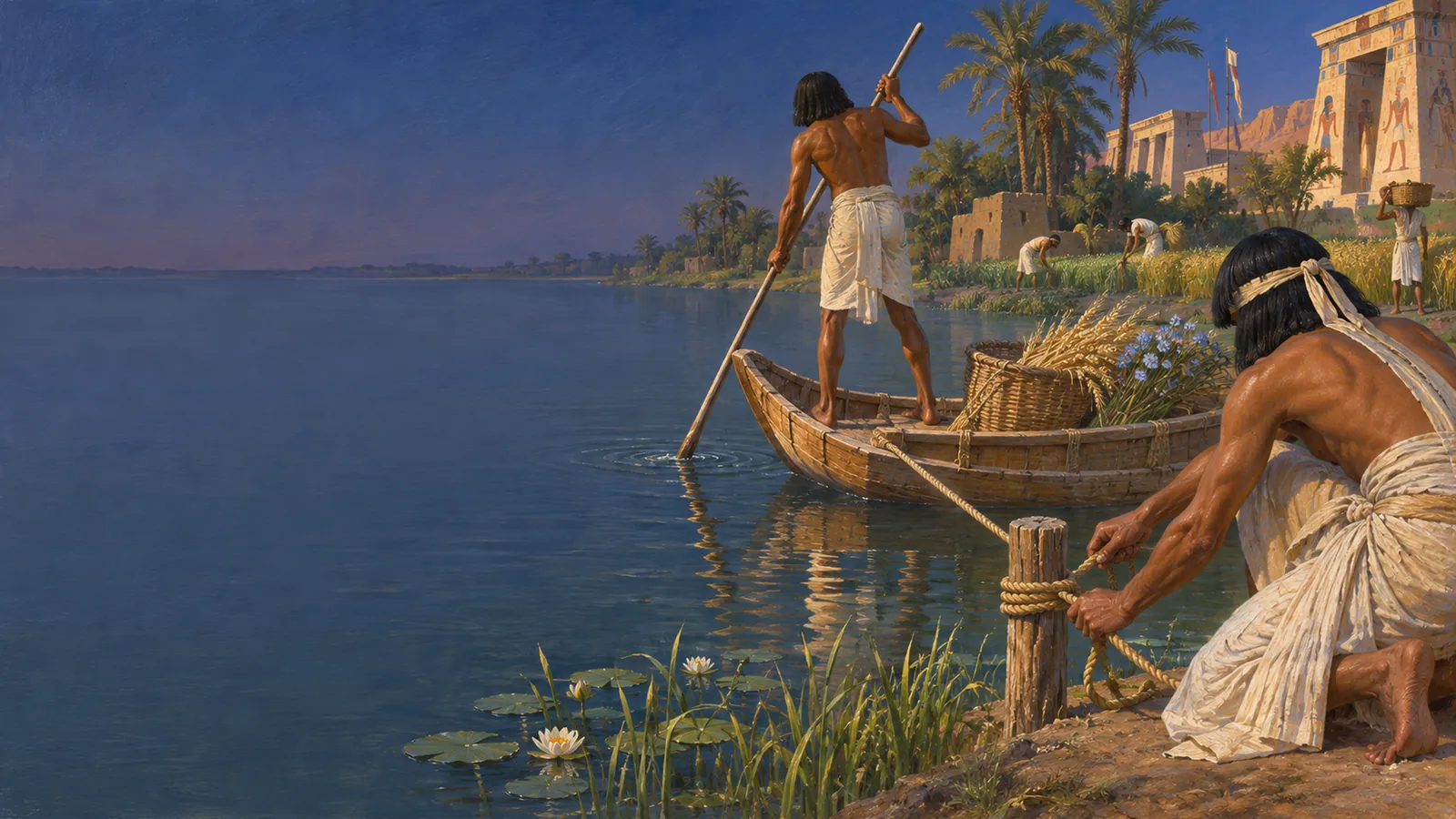
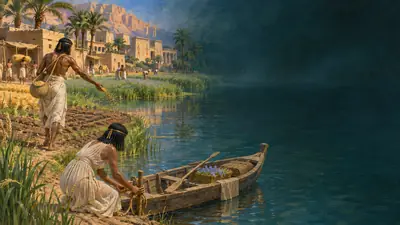
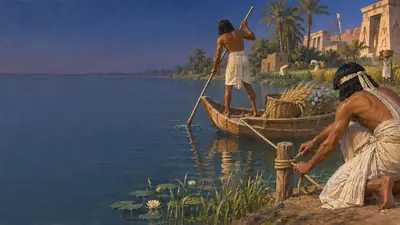
O recitante diz que amarrou a barca nos lagos celestes. Depois diz que levantou o poste onde ancorar.
O LOUVOR EM SEKHET-HETEP
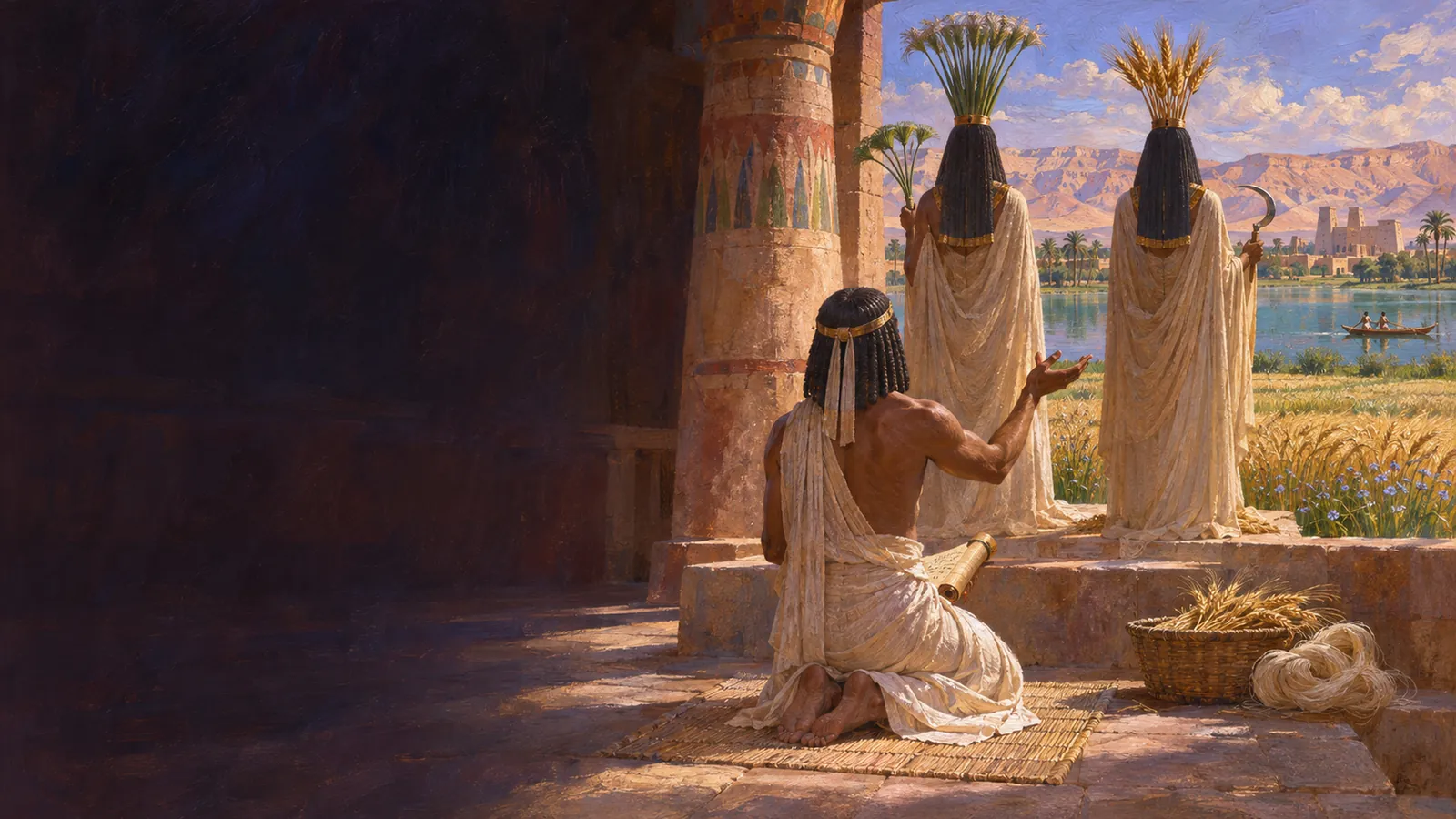
Diz que recitou as palavras prescritas com a própria voz. Encerra louvando os deuses que habitam Sekhet-hetep.
Fim do capítulo 2
Todas as páginas



Fontes
A. Wallis Budge’s Egyptian Ideas of the Future Life, third edition, 1908. It ends with the praises at the end of the printed Chapter CX translation, before the author’s next paragraph. He gives no manuscript name for this translation.
Edições consultadas
- Egyptian Ideas of the Future Life, publication record
- Budge 1908, Chapter V, The Resurrection and Immortality
- Budge’s note 138
- Budge’s note 139
- Budge’s note 140
- Budge’s note 141
- Budge’s note 142
- Budge’s note 143
- Budge’s note 144
- Budge’s note 145
- Budge’s note 146
- Budge’s note 147
Notas sobre este reconto
The speaker asks to live with Hetep, be clothed and remain safe from plunder by the lords of the north. He then asks the lord of divine things for food. The two addresses keep their distinct wording.
He asks to go forward and come out, have his power brought to him and receive it, and get his equipment from Hetep. The next request is mastery of the great word within his body. Through it, he says, he will remember and forget.
He asks to go forward on his way and plough. He then declares peace with the city god and knowledge of the waters, cities, nomes and lakes of Sekhet-Hetep. The text’s word “nomes” refers to districts. The transition to these declarations follows the request to plough.
The speaker declares that he exists in the fields, is strong there and has become a spirit. Budge prints KHU beside his translation “spirit.” The next four declarations are eating, sowing, reaping and ploughing, in that order.
The speaker says he makes love in the fields and is at peace with Hetep. The speech gives no partner.
The speaker addresses divine Hetep and declares that he scatters seed, sails among the lakes and advances to their cities.
Budge brackets “teeth which are like.” “Horns” follows outside the brackets. The speaker asks for plentiful food of the kind that sustains the “Doubles” and “Spirits,” Budge’s KAU and KHU respectively.
After the provisions for Doubles and Spirits, the speaker declares that he has passed the judgment Shu passes upon the person who knows him. The claim belongs to the speaker’s recitation.
The speaker links that claim to his wish to go out to the cities, sail among their lakes and walk in Sekhet-Hetep. Budge adds “[Hetep]” to the designation of the cities. The next statement places Rā in heaven and calls the god Hetep the “twofold offering thereof.” The relation remains open as printed.
Budge supplies “[of Hetep]” after “the land.” The speaker says he has reached the land, girded his loins and come forth so that the expected gifts can be given to him. He says that he is glad and has taken hold of the strength that the god Hetep has greatly increased for him.
A new quoted address begins on the same printed line as the end of the preceding speech. The speaker says he has entered Unen-em-hetep, his soul follows him and his divine food is upon his hands. Budge’s note 138 describes Unen-em-hetep as the first large section of Sekhet-Aaru. The address then calls on the Lady of the Two Lands, who establishes the word by which he remembers and forgets. Note 139 identifies this Lady here as a lake in the second section of Sekhet-Aaru.,
Budge supplies “[being done]” in the second phrase. The twice-spoken appeal to grant him joy of heart is grouped with the wish for peace. The next request names the binding of his sinews and muscles and asks the Lady to make him receive air.
A new paragraph calls Unen-em-hetep Lady of the Winds. Budge’s note 140 gives “opened” as the literal reading behind “shewn.” Rā sleeps, the speaker says he is awake, and Hast is named as the goddess at the gate of heaven by night. The next sentence begins on line 4593 with the obstacles that belong to page 23.
The speaker says obstacles were set before him, that he gathered what Rā had emitted and that he is in his city. The text leaves the obstacles and the city unnamed in these lines.
The speaker enters Nut-urt, reckons his harvest and goes forward to Uakh. Budge identifies Nut-urt as a lake in the first section of Sekhet-Aaru, and Uakh as a lake in the second. ·
The speaker calls himself the Bull enfolded in turquoise, lord of the Field of the Bull and lord of Septet’s divine speech at her hours. Budge prints the identification of Septet as Sothis in parentheses. On entering Uakh the speaker eats his bread, gains control of choice meat from cattle and fowl, and is given the birds of Shu. The last statement is that he follows the gods and divine Doubles, Budge’s KAU.
The speaker enters Tohefet and clothes and protects himself with Rā’s Sa garment. Budge identifies Tohefet as a district in the third section of Sekhet-Aaru. The text then places Rā in heaven, followed by its inhabitants and by the speaker.
The address calls Unen-em-hetep lord of the two lands. The speaker says he enters, plunges into the lakes of Tohesert and is free of all uncleanness. Tohefet and Tohesert are the two spellings used in the printed text. The Great God grows there. The words “I have found” precede Budge’s bracketed “food therein” at line 4614.
The speaker says he snares fowl and eats the finest of them.
Budge identifies Qenqentet as a lake in the first section of Sekhet-Aaru. The speaker enters it and says he sees Osiris. Budge supplies “my father” in brackets at line 4620. The speaker next says he has looked upon his mother, then says separately that he has made love. The passage gives no partner.
Page 34, Budge 1908, Book of the Dead CX, transcription lines 4622–4624. The text has the speaker capture both worms and serpents and deliver himself. Budge supplies the words which are there in brackets to place them where the speaker is.
Page 35, Budge 1908, Book of the Dead CX, transcription lines 4624–4626. The speaker says he knows the name of the god opposite the goddess Tohesert. He describes the god’s straight hair and horns. The god reaps. The speaker ploughs and reaps.
Page 36, Budge 1908, Book of the Dead CX, transcription lines 4628–4632 and n. 145. Note 145 identifies Hast as a lake in the third section. Budge supplies sky in brackets after turquoise.
Page 37, Budge 1908, Book of the Dead CX, transcription lines 4632–4635. The text gives the head from the Great God and its binding from the Mighty One with turquoise eyes. Budge translates the name Ari-en-ab-f parenthetically as he who does as he pleases.
Page 38, Budge 1908, Book of the Dead CX, transcription lines 4637–4639 and n. 146. Note 146 identifies Usert as a lake in the third section. The speaker addresses the lake and says he is at the house where the divine food is brought to him.
Page 39, Budge 1908, Book of the Dead CX, transcription lines 4641–4643 and n. 147. Note 147 identifies Smam as a lake in the third section. The speaker mentions his watchful heart and receiving the white crown.
Page 40, Budge 1908, Book of the Dead CX, transcription lines 4643–4645. The clauses concern the speaker’s being led to the celestial regions and making earthly things flourish. Joy is separately named for the Bull, celestial beings and the company of gods.
Page 41, Budge 1908, Book of the Dead CX, transcription lines 4645–4648. The speaker identifies himself as the god who is the Bull and as lord of the gods. Budge prints sky in brackets again after turquoise.
Page 42, Budge 1908, Book of the Dead CX, transcription lines 4650–4652. The divine nome, or district, is identified with wheat and barley. The speaker says he has come forward and taken up what follows him, the finest libations of the company of the gods.
Page 43, Budge 1908, Book of the Dead CX, transcription lines 4652–4654. The boat is tied in the celestial lakes. The speaker then says that he lifts up the post at which to anchor. The text makes these two separate references without explaining the latter action.
Page 44, Budge 1908, Book of the Dead CX, transcription lines 4654–4655. The speaker says he has recited the prescribed words aloud and praised the gods in Sekhet-hetep. The translation ends here. The following paragraph in Budge’s book is separate.
Os versos antigos de cada página
- Page 1: Budge 1908, Egyptian Ideas of the Future Life, ch. V, Book of the Dead Chapter CX, deceased’s recitation (local)
- Page 2: Budge 1908, Egyptian Ideas of the Future Life, ch. V, Book of the Dead Chapter CX, deceased’s recitation (local)
- Page 3: Budge 1908, Egyptian Ideas of the Future Life, ch. V, Book of the Dead Chapter CX, deceased’s recitation (local)
- Page 4: Budge 1908, Egyptian Ideas of the Future Life, ch. V, Book of the Dead Chapter CX, deceased’s recitation (local)
- Page 5: Budge 1908, Egyptian Ideas of the Future Life, ch. V, Book of the Dead Chapter CX, deceased’s recitation (local)
- Page 6: Budge 1908, Egyptian Ideas of the Future Life, ch. V, Book of the Dead Chapter CX, deceased’s recitation (local)
- Page 7: Budge 1908, Egyptian Ideas of the Future Life, ch. V, Book of the Dead Chapter CX, deceased’s recitation (local)
- Page 8: Budge 1908, Egyptian Ideas of the Future Life, ch. V, Book of the Dead Chapter CX, deceased’s recitation (local)
- Page 9: Budge 1908, Egyptian Ideas of the Future Life, ch. V, Book of the Dead Chapter CX, deceased’s recitation (local)
- Page 10: Budge 1908, Egyptian Ideas of the Future Life, ch. V, Book of the Dead Chapter CX, deceased’s recitation (local)
- Page 11: Budge 1908, Egyptian Ideas of the Future Life, ch. V, Book of the Dead Chapter CX, deceased’s recitation (local)
- Page 12: Budge 1908, Egyptian Ideas of the Future Life, ch. V, Book of the Dead Chapter CX, deceased’s recitation (local)
- Page 13: Budge 1908, Egyptian Ideas of the Future Life, ch. V, Book of the Dead Chapter CX, deceased’s recitation (local)
- Page 14: Budge 1908, Egyptian Ideas of the Future Life, ch. V, Book of the Dead Chapter CX, deceased’s recitation (local)
- Page 15: Budge 1908, Egyptian Ideas of the Future Life, ch. V, Book of the Dead Chapter CX, deceased’s recitation (local)
- Page 16: Budge 1908, Egyptian Ideas of the Future Life, ch. V, Book of the Dead Chapter CX, deceased’s recitation (local)
- Page 17: Budge 1908, Egyptian Ideas of the Future Life, ch. V, Book of the Dead Chapter CX, deceased’s recitation (local)
- Page 18: Budge 1908, Egyptian Ideas of the Future Life, ch. V, Book of the Dead Chapter CX, deceased’s recitation (local)
- Page 19: Budge 1908, Egyptian Ideas of the Future Life, ch. V, Book of the Dead Chapter CX, deceased’s recitation (local)
- Page 20: Budge 1908, Egyptian Ideas of the Future Life, ch. V, Book of the Dead Chapter CX, deceased’s recitation (local)
- Page 21: Budge 1908, Egyptian Ideas of the Future Life, ch. V, Book of the Dead Chapter CX, deceased’s recitation (local)
- Page 22: Budge 1908, Egyptian Ideas of the Future Life, ch. V, Book of the Dead Chapter CX, deceased’s recitation (local)
- Page 23: Budge 1908, Egyptian Ideas of the Future Life, ch. V, Book of the Dead Chapter CX, deceased’s recitation (local)
- Page 24: Budge 1908, Egyptian Ideas of the Future Life, ch. V, Book of the Dead Chapter CX, deceased’s recitation (local)
- Page 25: Budge 1908, Egyptian Ideas of the Future Life, ch. V, Book of the Dead Chapter CX, deceased’s recitation (local)
- Page 26: Budge 1908, Egyptian Ideas of the Future Life, ch. V, Book of the Dead Chapter CX, deceased’s recitation (local)
- Page 27: Budge 1908, Egyptian Ideas of the Future Life, ch. V, Book of the Dead Chapter CX, deceased’s recitation (local)
- Page 28: Budge 1908, Egyptian Ideas of the Future Life, ch. V, Book of the Dead Chapter CX, deceased’s recitation (local)
- Page 29: Budge 1908, Egyptian Ideas of the Future Life, ch. V, Book of the Dead Chapter CX, deceased’s recitation (local)
- Page 30: Budge 1908, Egyptian Ideas of the Future Life, ch. V, Book of the Dead Chapter CX, deceased’s recitation (local)
- Page 31: Budge 1908, Egyptian Ideas of the Future Life, ch. V, Book of the Dead Chapter CX, deceased’s recitation (local)
- Page 32: Budge 1908, Egyptian Ideas of the Future Life, ch. V, Book of the Dead Chapter CX, deceased’s recitation (local)
- Page 33: Budge 1908, Egyptian Ideas of the Future Life, ch. V, Book of the Dead Chapter CX, deceased’s recitation (local)
- Page 34: Budge 1908, Egyptian Ideas of the Future Life, ch. V, Book of the Dead CX (local)
- Page 35: Budge 1908, Egyptian Ideas of the Future Life, ch. V, Book of the Dead CX (local)
- Page 36: Budge 1908, Egyptian Ideas of the Future Life, ch. V, Book of the Dead CX (local)
- Page 37: Budge 1908, Egyptian Ideas of the Future Life, ch. V, Book of the Dead CX (local)
- Page 38: Budge 1908, Egyptian Ideas of the Future Life, ch. V, Book of the Dead CX (local)
- Page 39: Budge 1908, Egyptian Ideas of the Future Life, ch. V, Book of the Dead CX (local)
- Page 40: Budge 1908, Egyptian Ideas of the Future Life, ch. V, Book of the Dead CX (local)
- Page 41: Budge 1908, Egyptian Ideas of the Future Life, ch. V, Book of the Dead CX (local)
- Page 42: Budge 1908, Egyptian Ideas of the Future Life, ch. V, Book of the Dead CX (local)
- Page 43: Budge 1908, Egyptian Ideas of the Future Life, ch. V, Book of the Dead CX (local)
- Page 44: Budge 1908, Egyptian Ideas of the Future Life, ch. V, Book of the Dead CX (local)
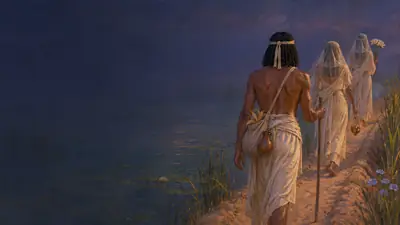
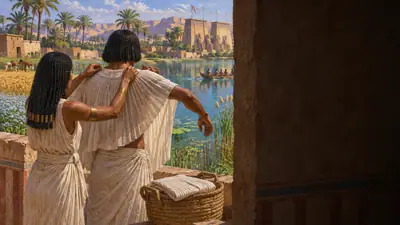
Ilustrações feitas pelo IL Archive com ferramentas de IA; o texto baseia-se nas fontes antigas (veja as fontes no fim de cada capítulo).