Pelos campos de Hetep Capítulo 1
O lago de Hetep
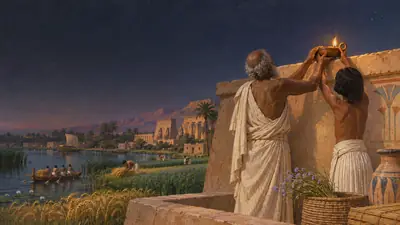
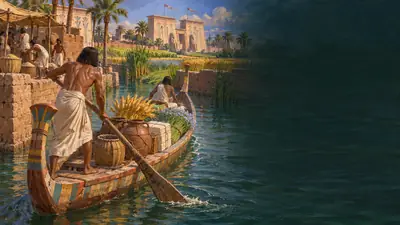
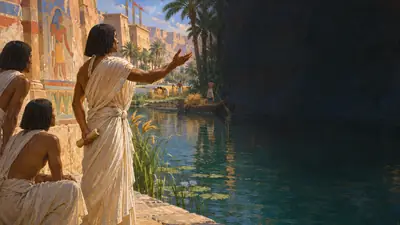
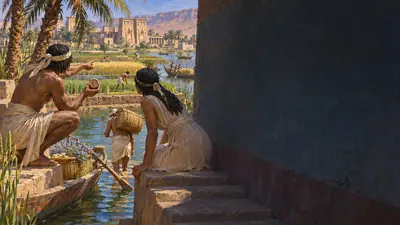
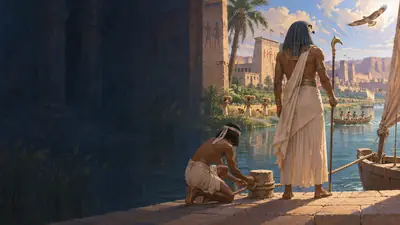
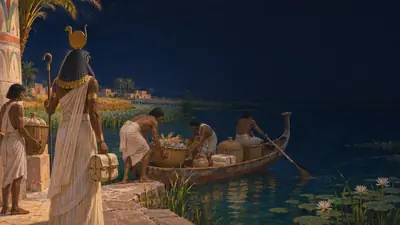
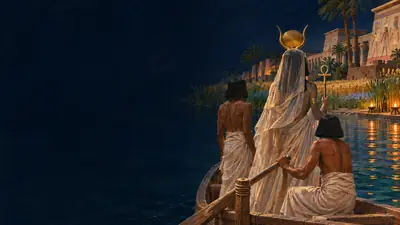
O recitante parte do palácio de Shu, atravessa o lago de Hetep de barca e pede para trabalhar nos campos. A recitação passa a Hórus e Hetep e compara os seus atos com o que se faz no Lago do Fogo Duplo.
FontesVire as páginas com as setas, o teclado ou deslizando o dedo.
O LAGO DE HETEP
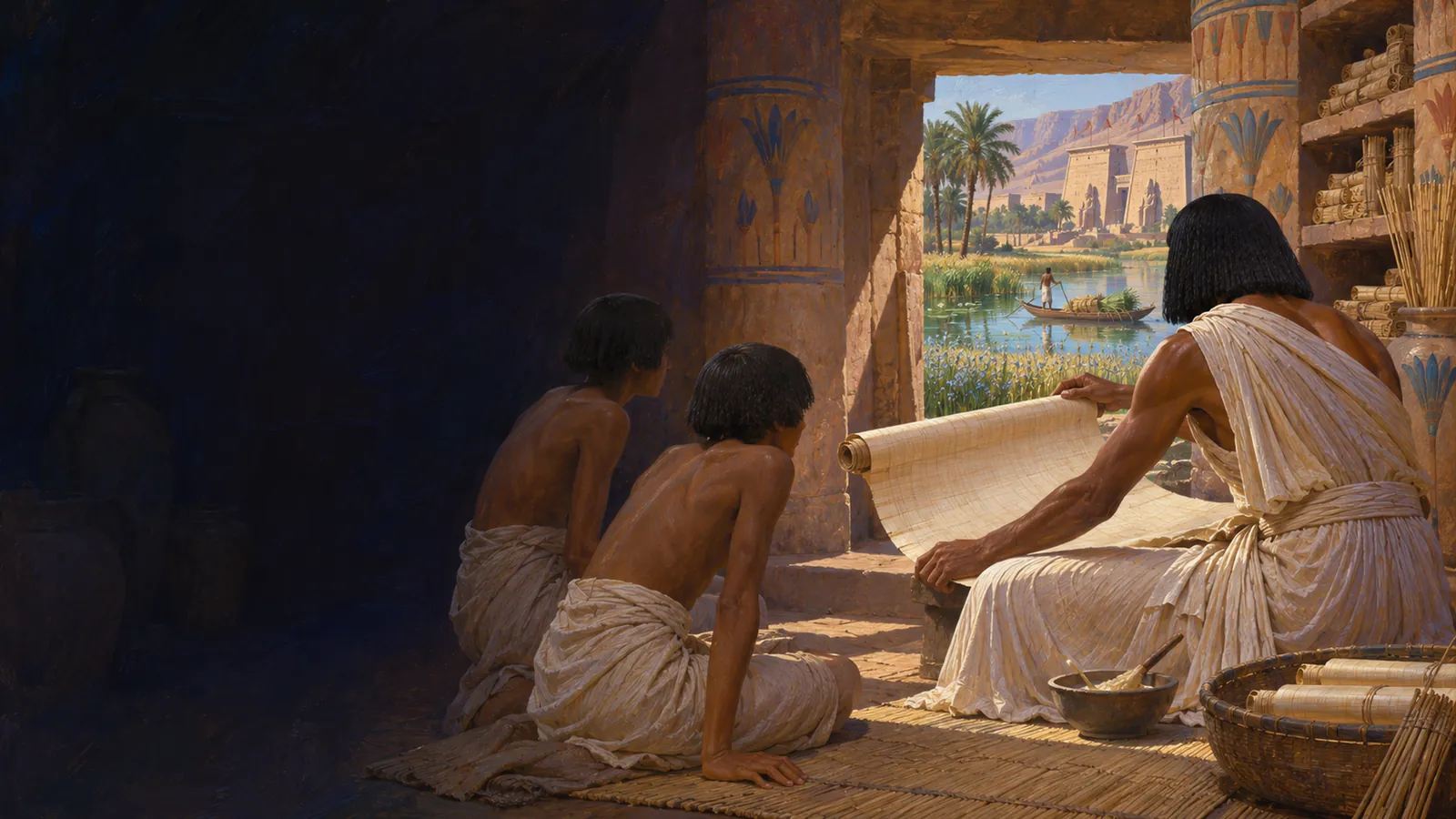
Esta leitura segue a seleção do capítulo 110 do Livro dos Mortos egípcio que Budge publicou em 1908. O título reúne os capítulos de Sekhet-Hetepet e os capítulos da Saída à Luz do Dia.
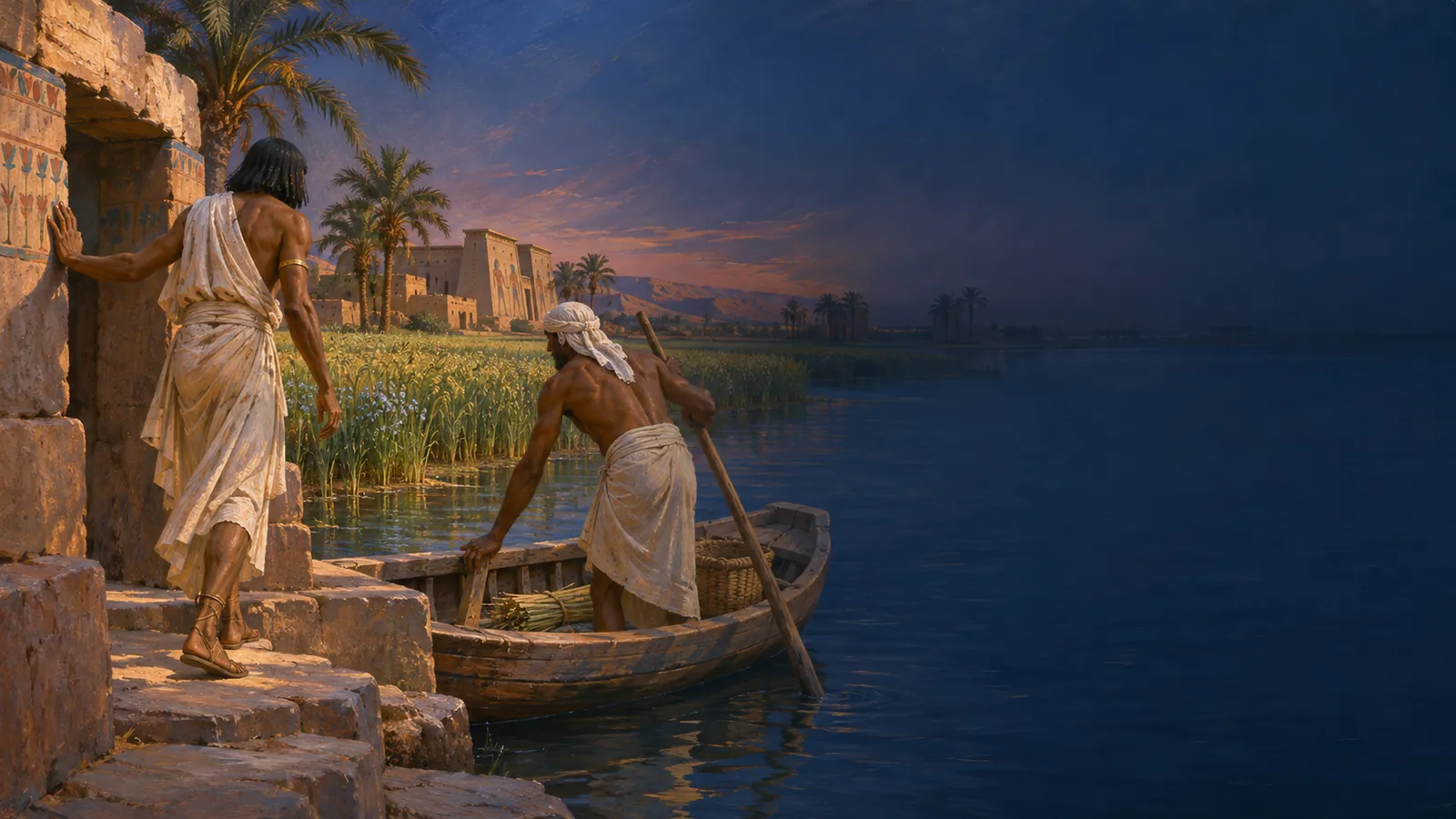
O título menciona a entrada no mundo subterrâneo e a saída dele. Menciona também a chegada a Sekhet-Aaru.
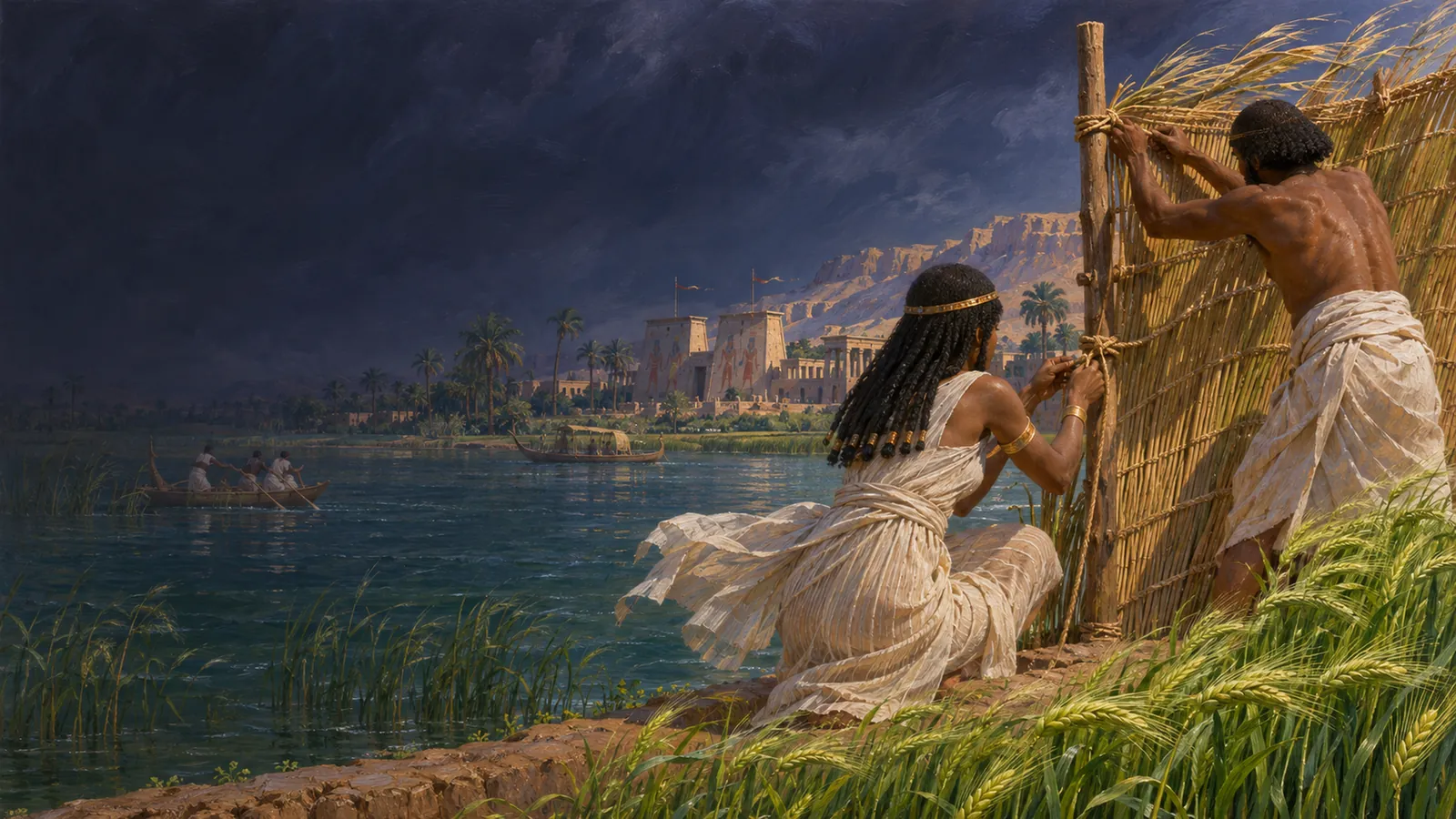
O título chama Sekhet-Hetepet a terra poderosa e a senhora dos ventos. Fala em ter poder ali e em tornar-se ali um espírito.
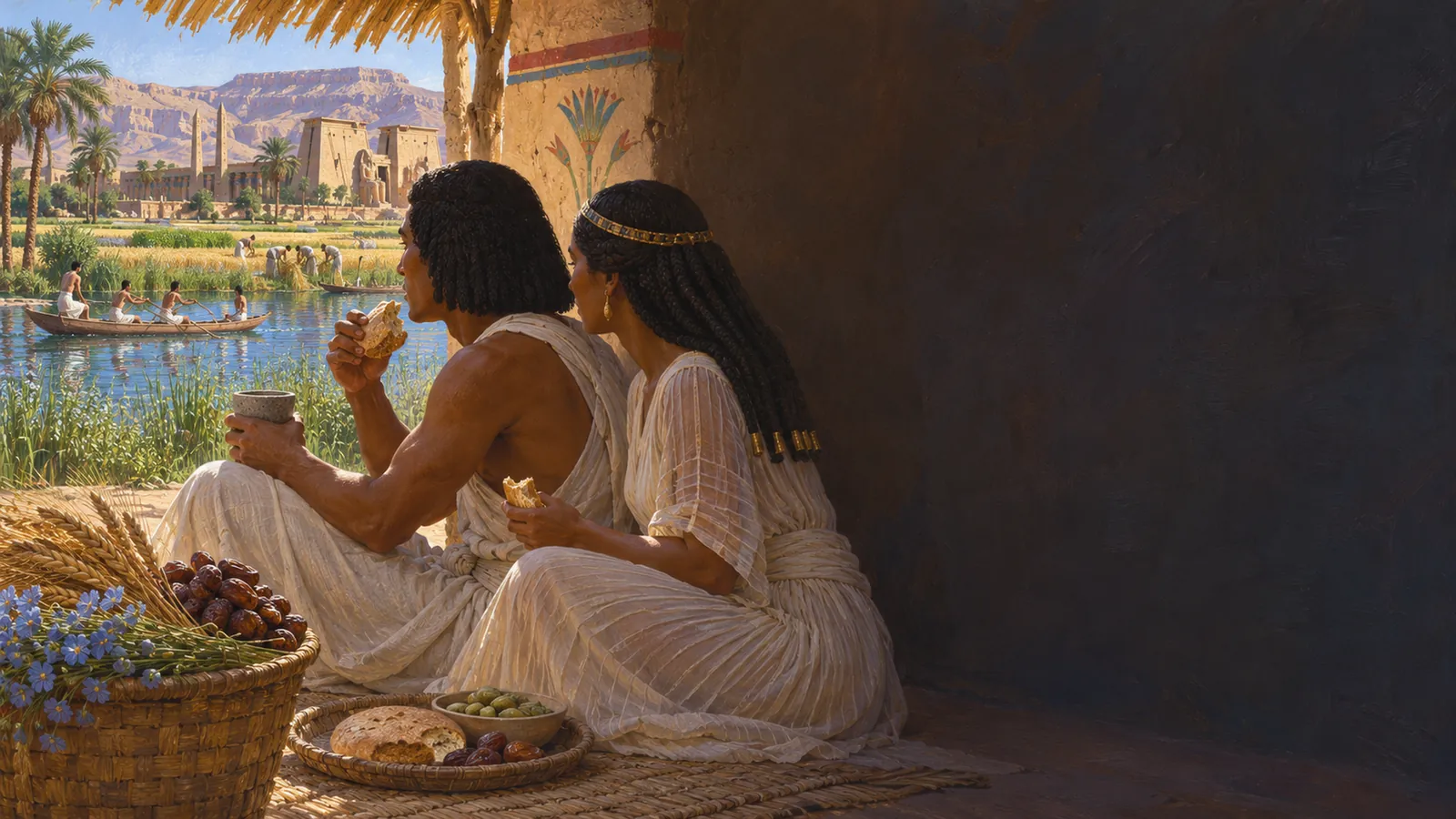
O título fala de ceifar, comer, beber e fazer amor nos campos. Descreve fazer ali o que uma pessoa faz na terra.
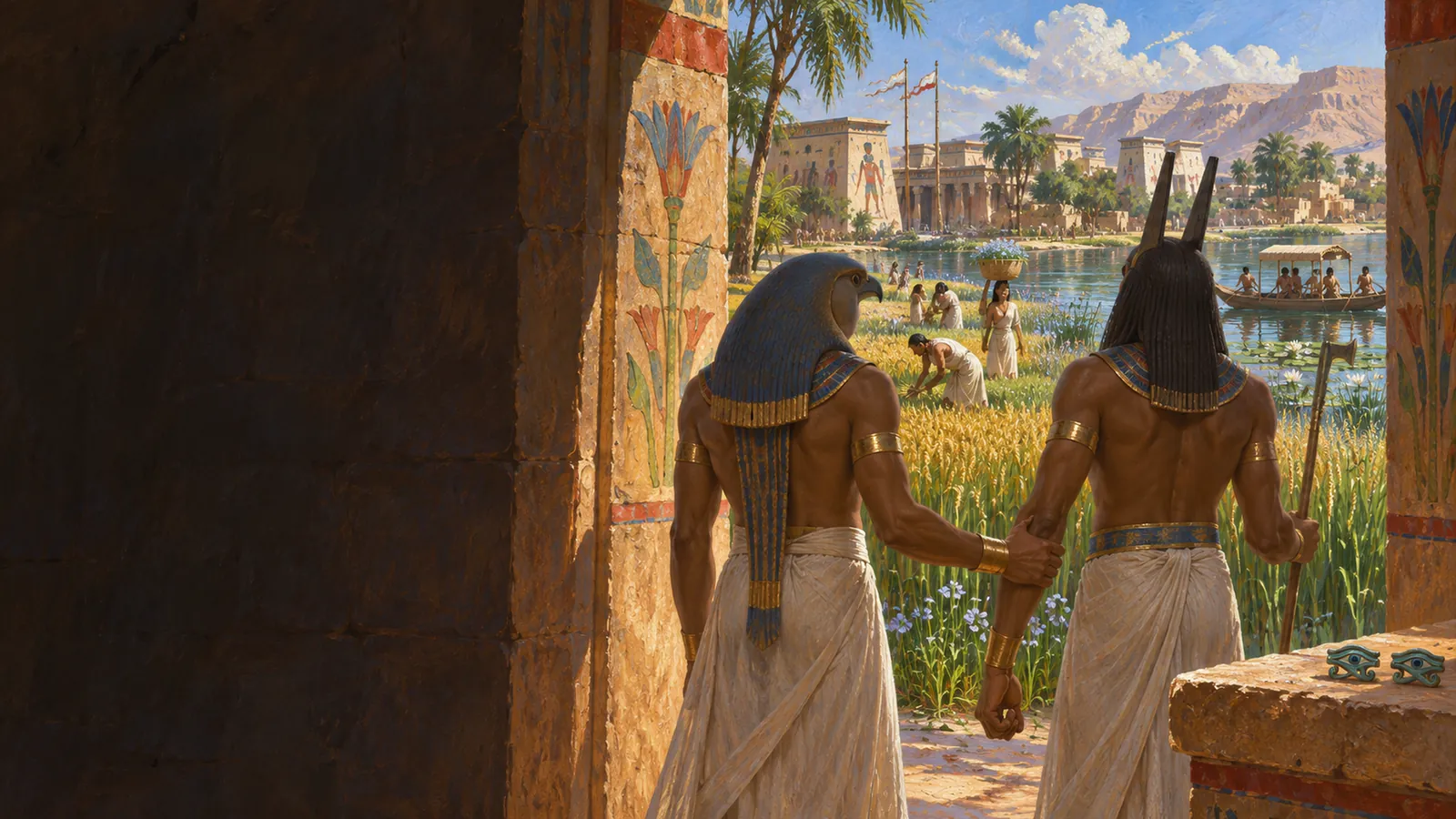
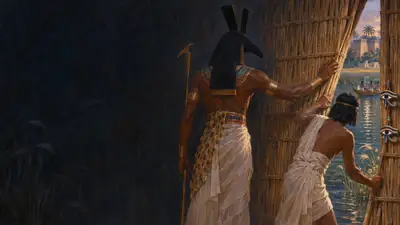
O orador diz que Set agarrou Hórus enquanto Hórus olhava com os dois olhos para o que Budge chama, com reserva, um edifício em torno de Sekhet-hetep. Budge identifica-os como o olho de Rá e o de Hórus.
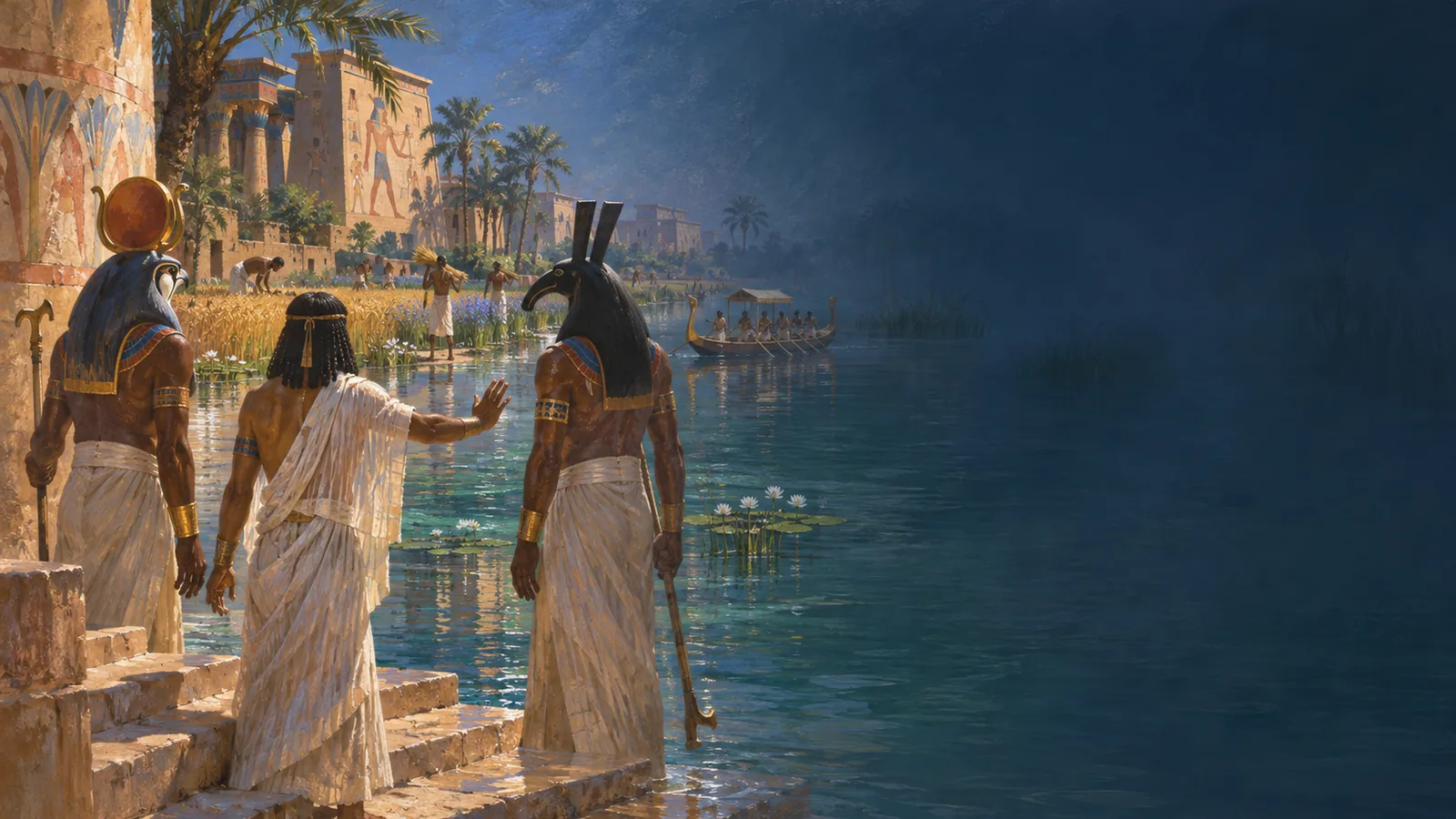
O orador diz que libertou Hórus. Budge acrescenta as palavras segundo as quais o tirou de Set.
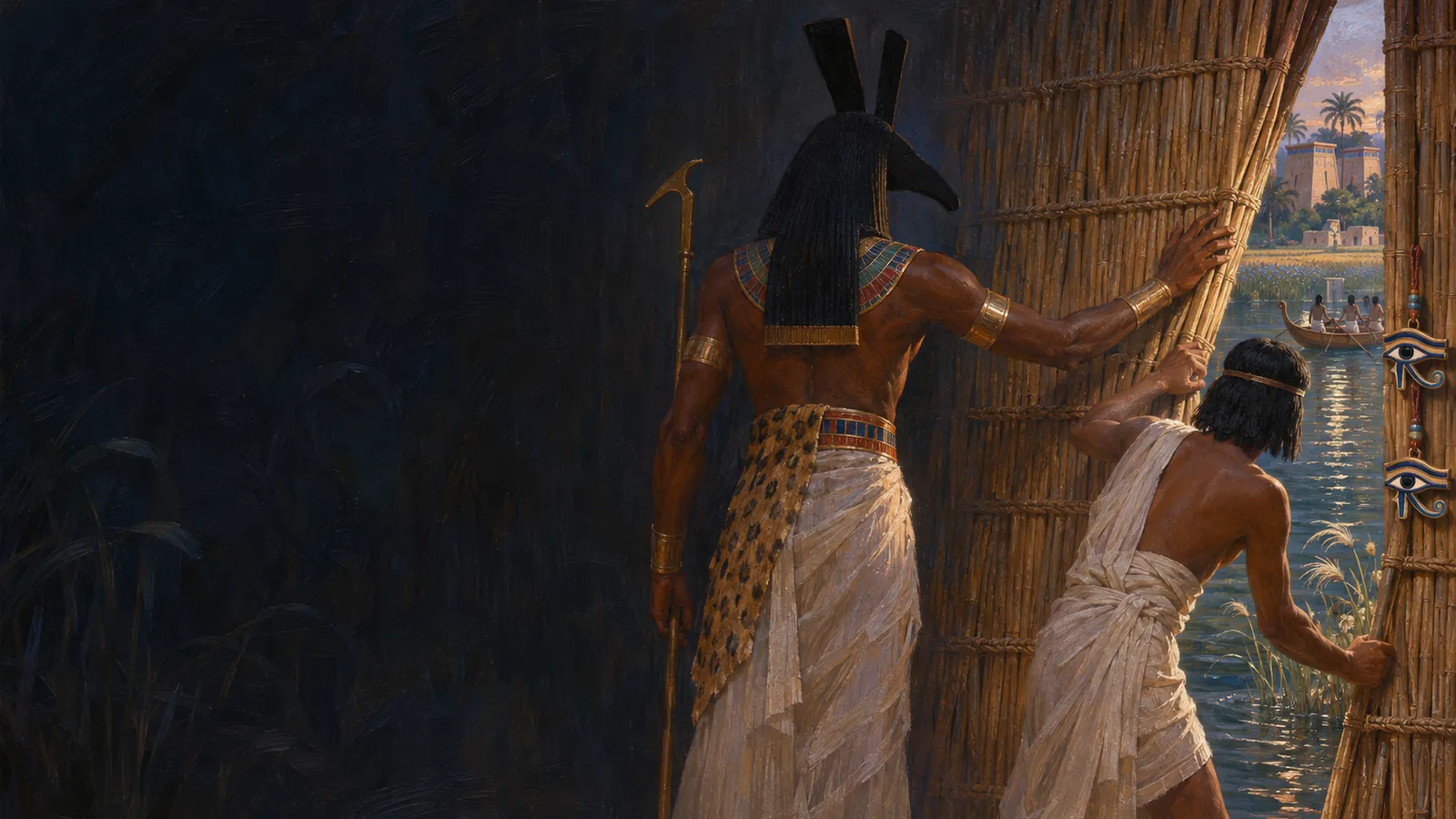
Set abre o caminho dos dois olhos, diz o texto. Budge acrescenta as palavras que ligam os olhos ao seu lugar no céu.
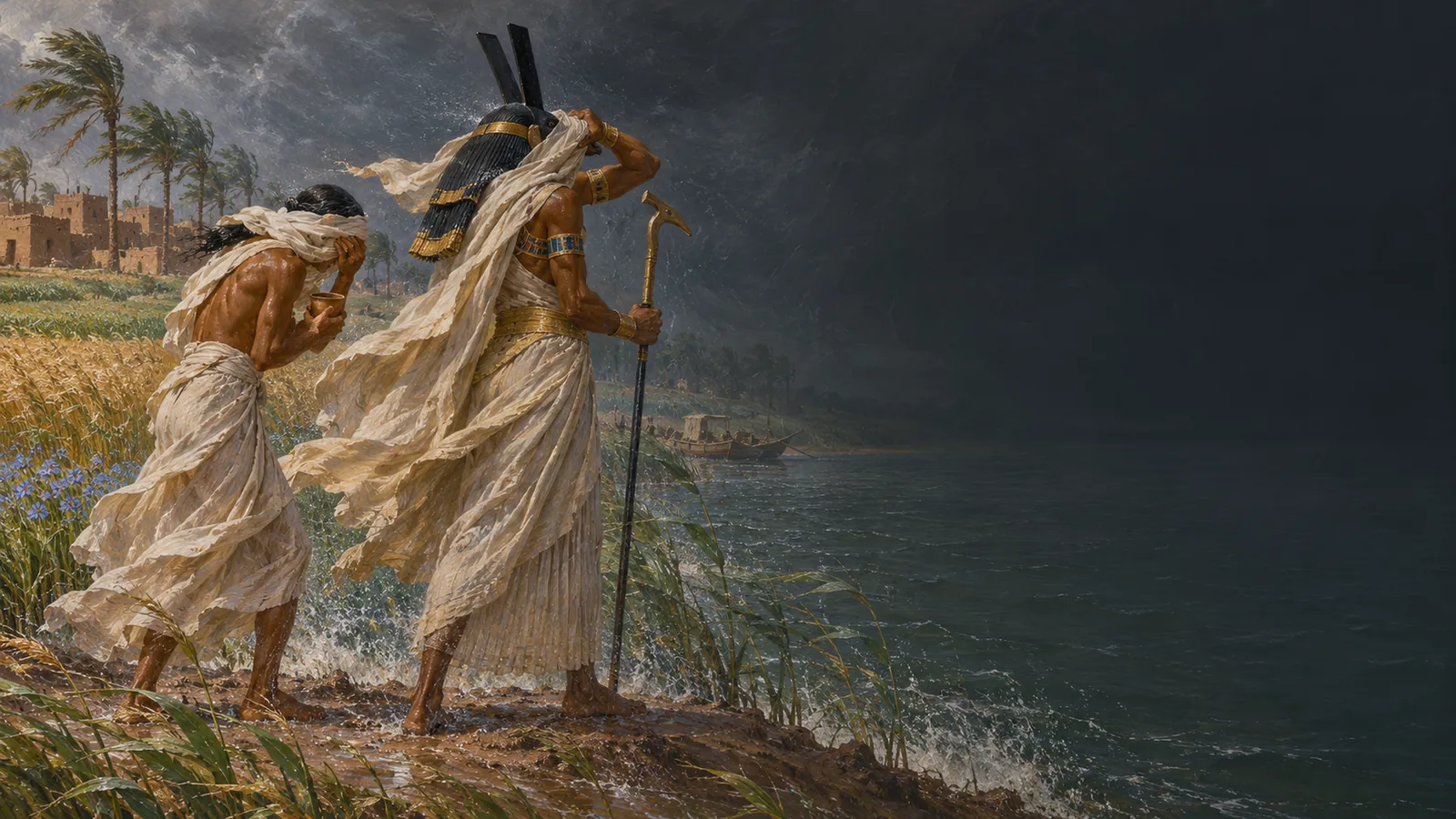
Budge propõe, com reserva, que Set lançou a sua humidade aos ventos, sobre a alma que tem o seu dia e habita na cidade de Mert.
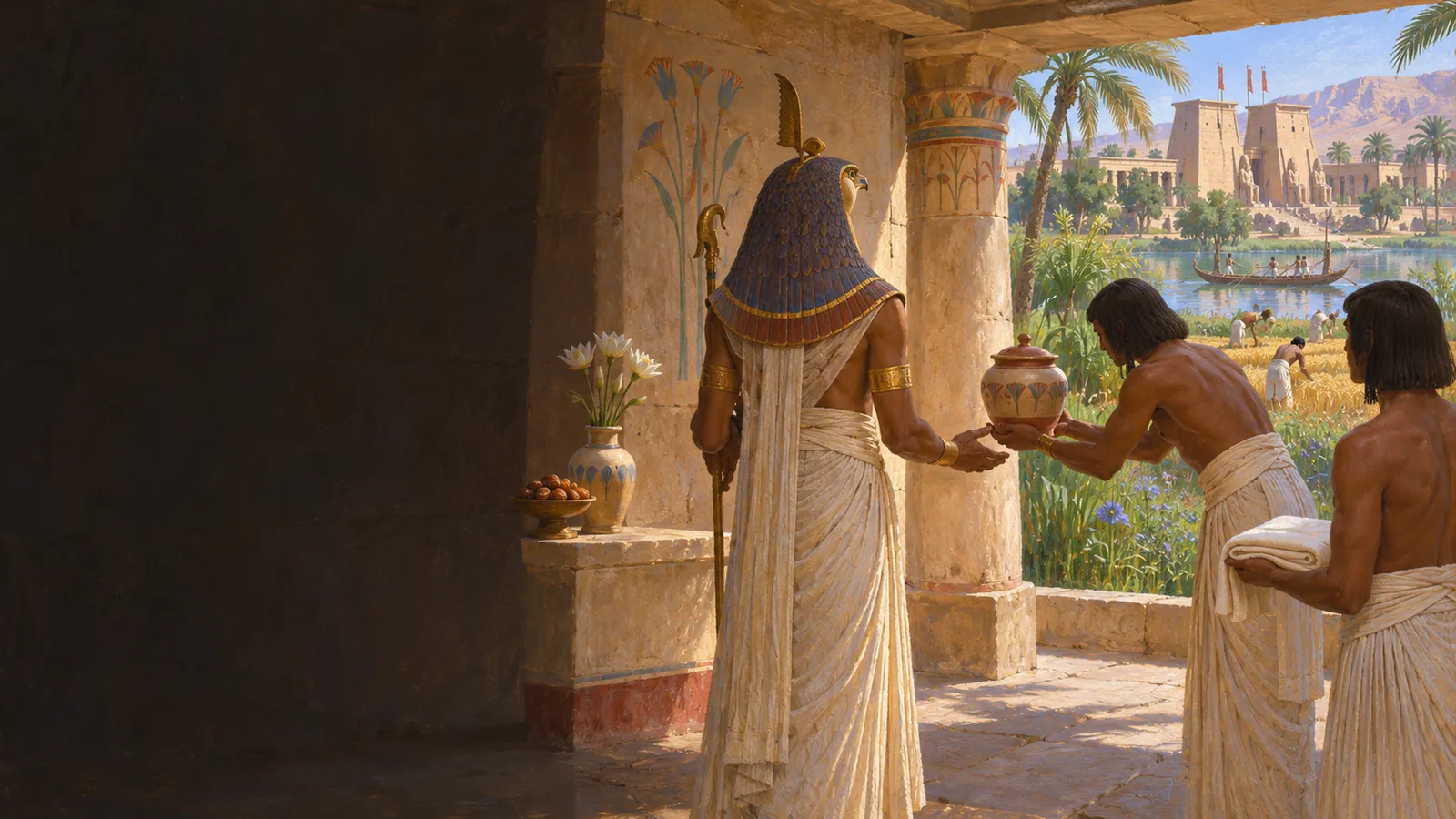
A recitação diz que Set livrou o interior do corpo de Hórus dos deuses de Akert.
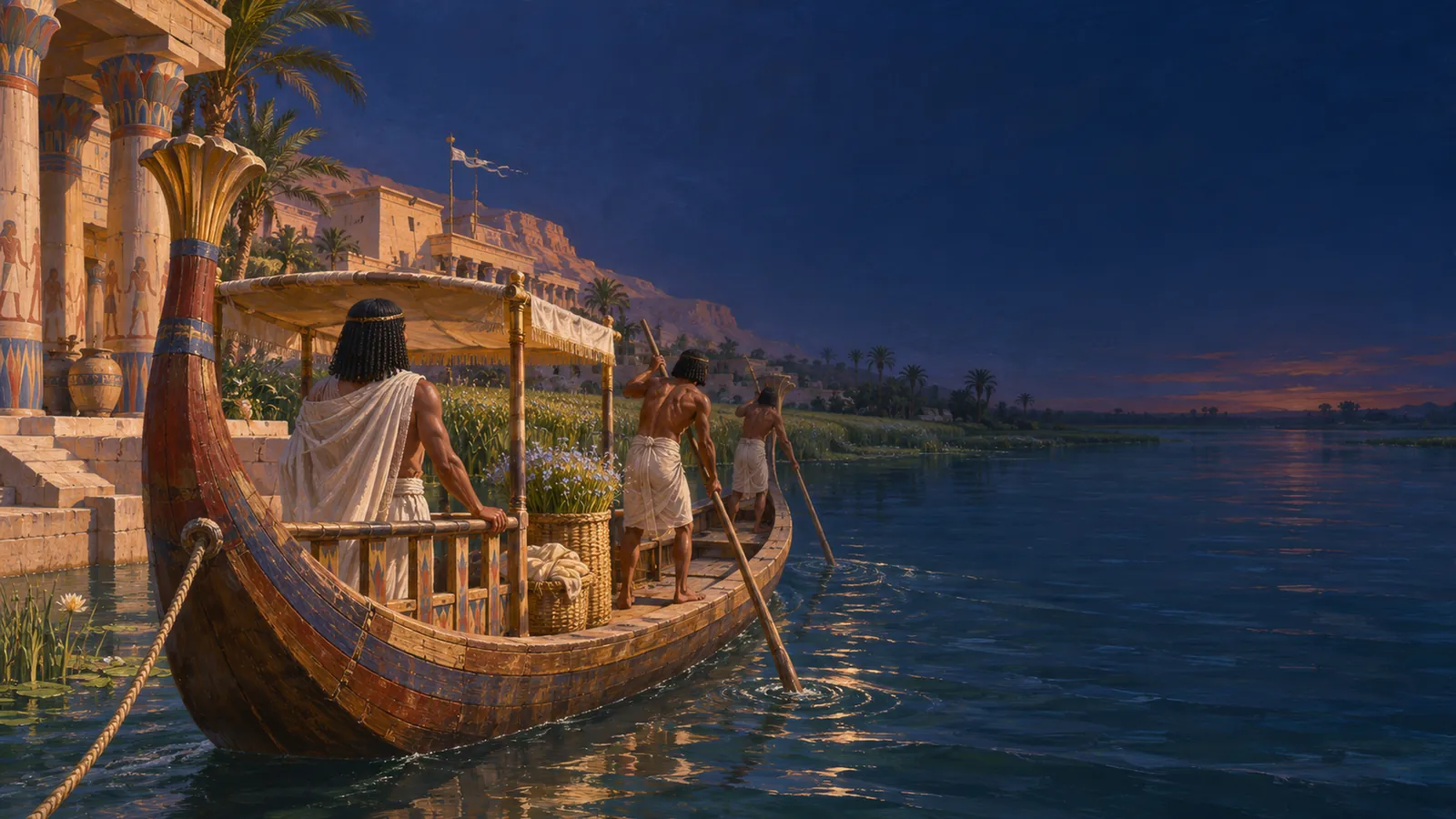
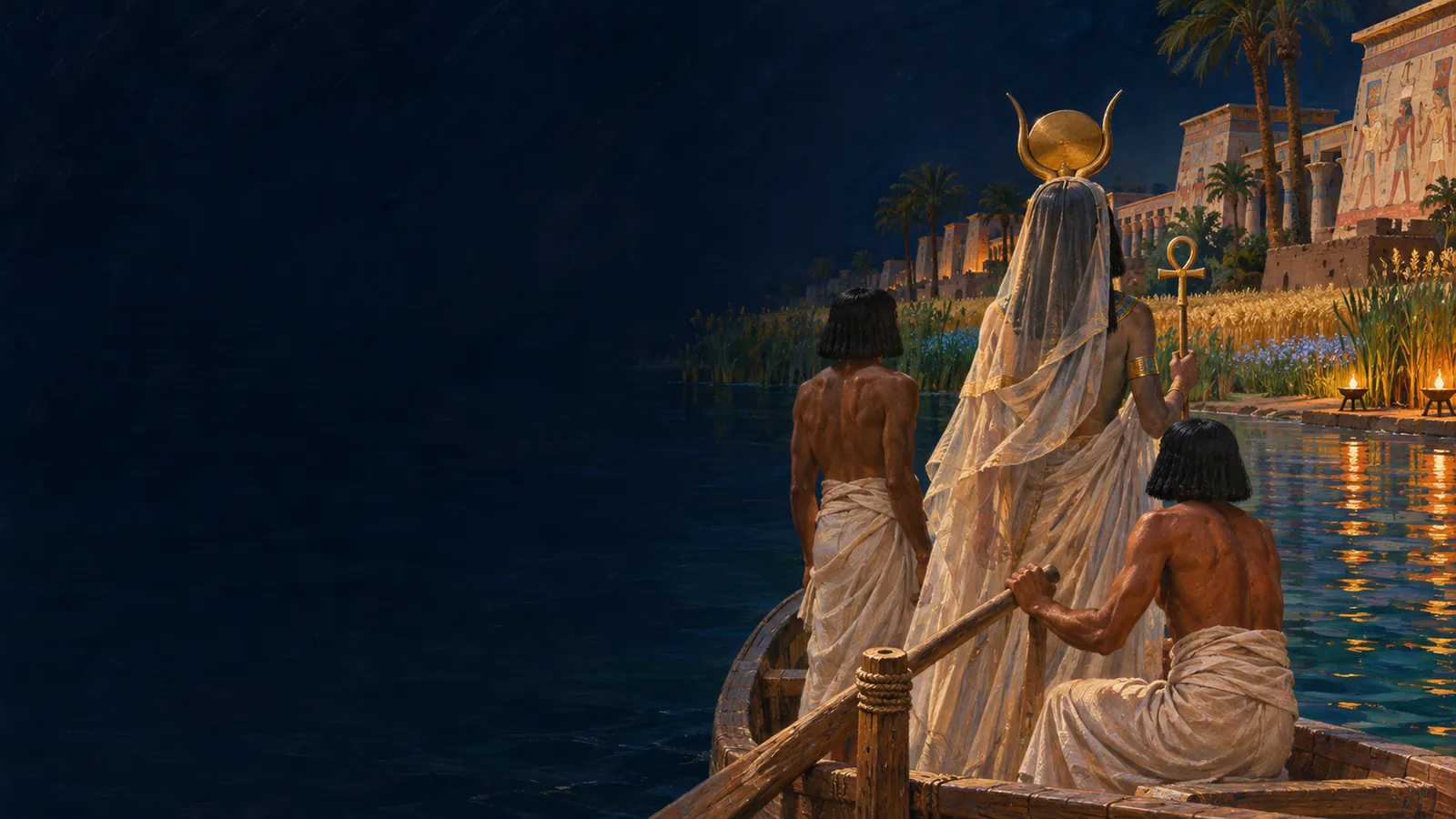
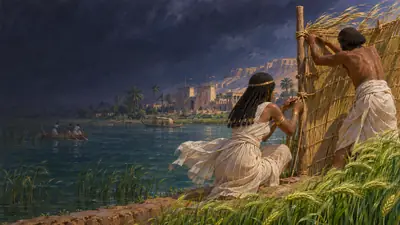
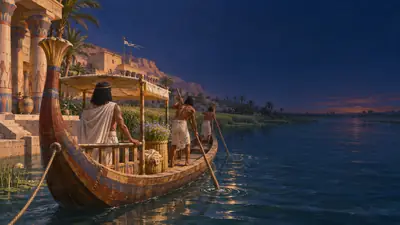
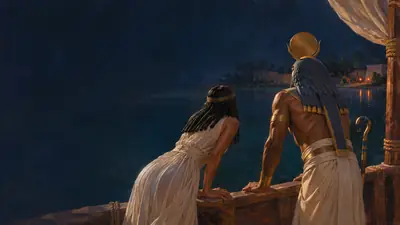
O orador diz que faz a poderosa barca navegar no Lago de Hetep. Diz que a levou com força do palácio de Shu.
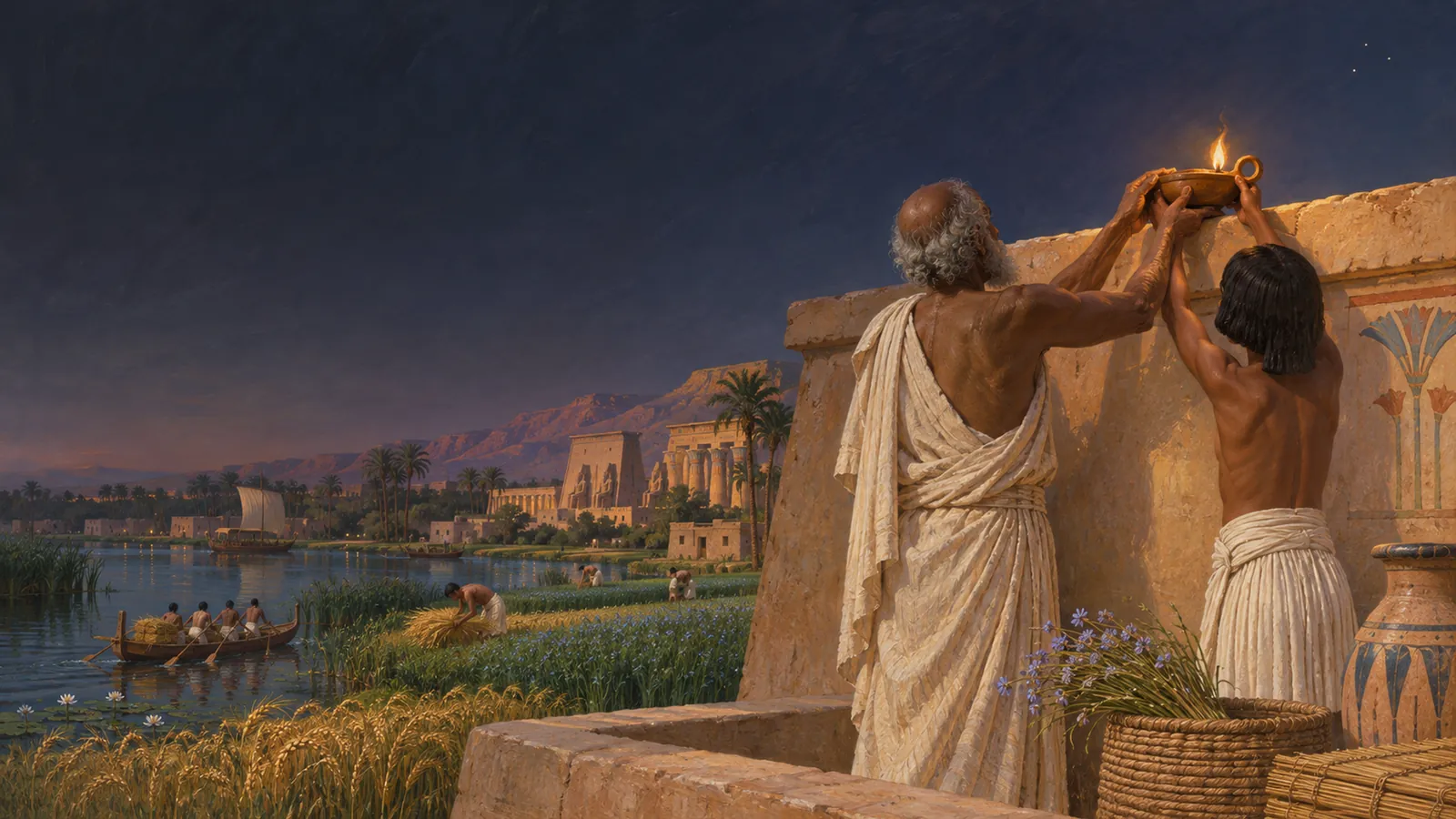
O domínio das estrelas de Shu rejuvenesce, diz o texto. Renova a força que tinha noutros tempos.
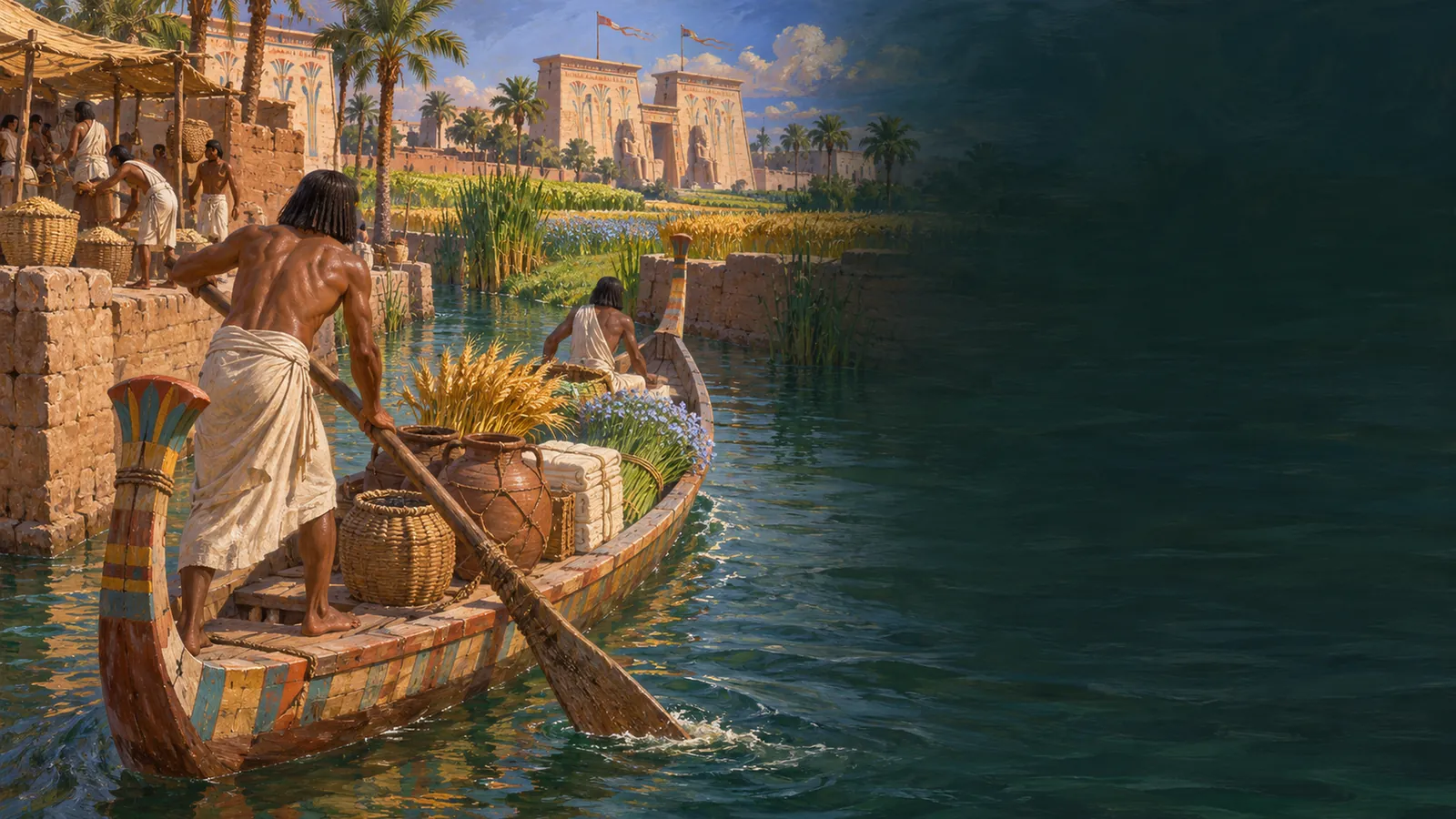
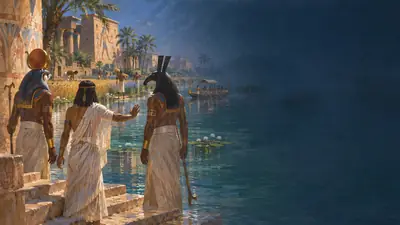
O recitante leva a barca para os lagos a fim de chegar às suas cidades. Diz que navegou até à sua cidade divina, Hetep.
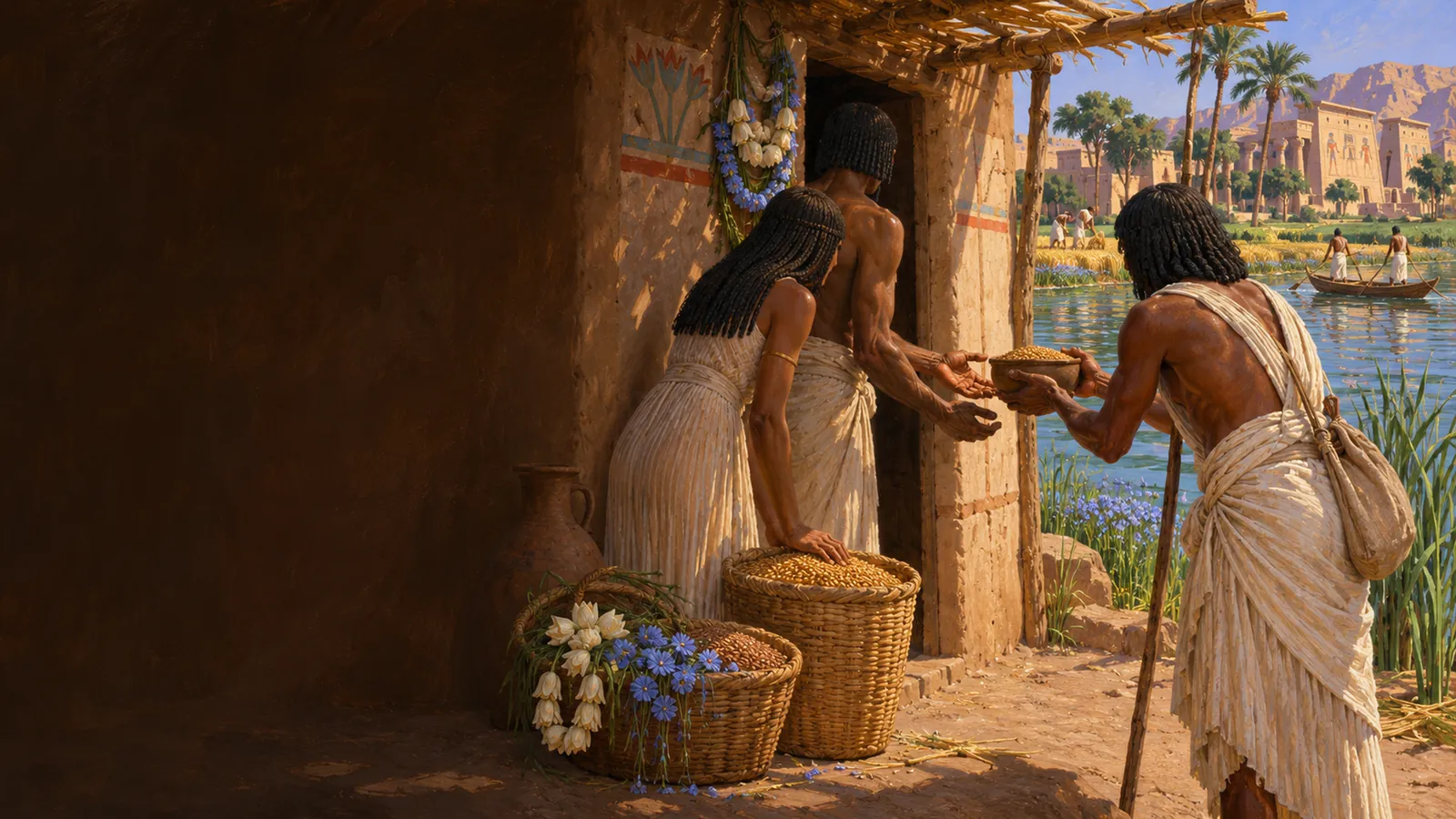
O recitante diz «Estou em paz com as suas estações, a sua direção, o seu território e a assembleia dos deuses que são os seus primogénitos».
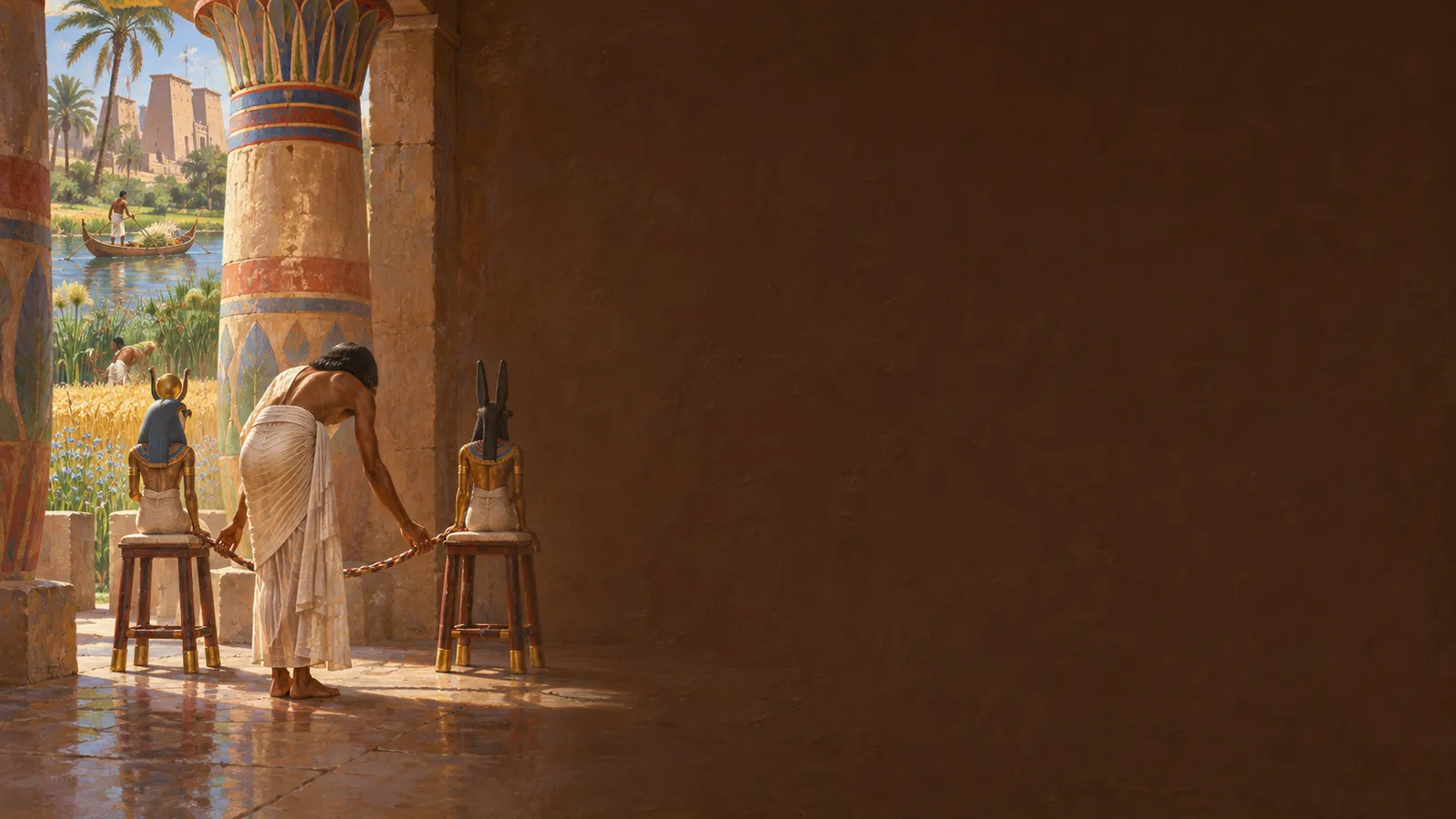
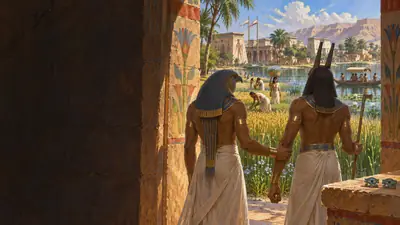
A recitação diz que ele estabelece a paz entre Hórus e Set e os guardiões dos seres vivos que criou com forma bela. Repete a paz entre Hórus e Set e aqueles que velam por eles.
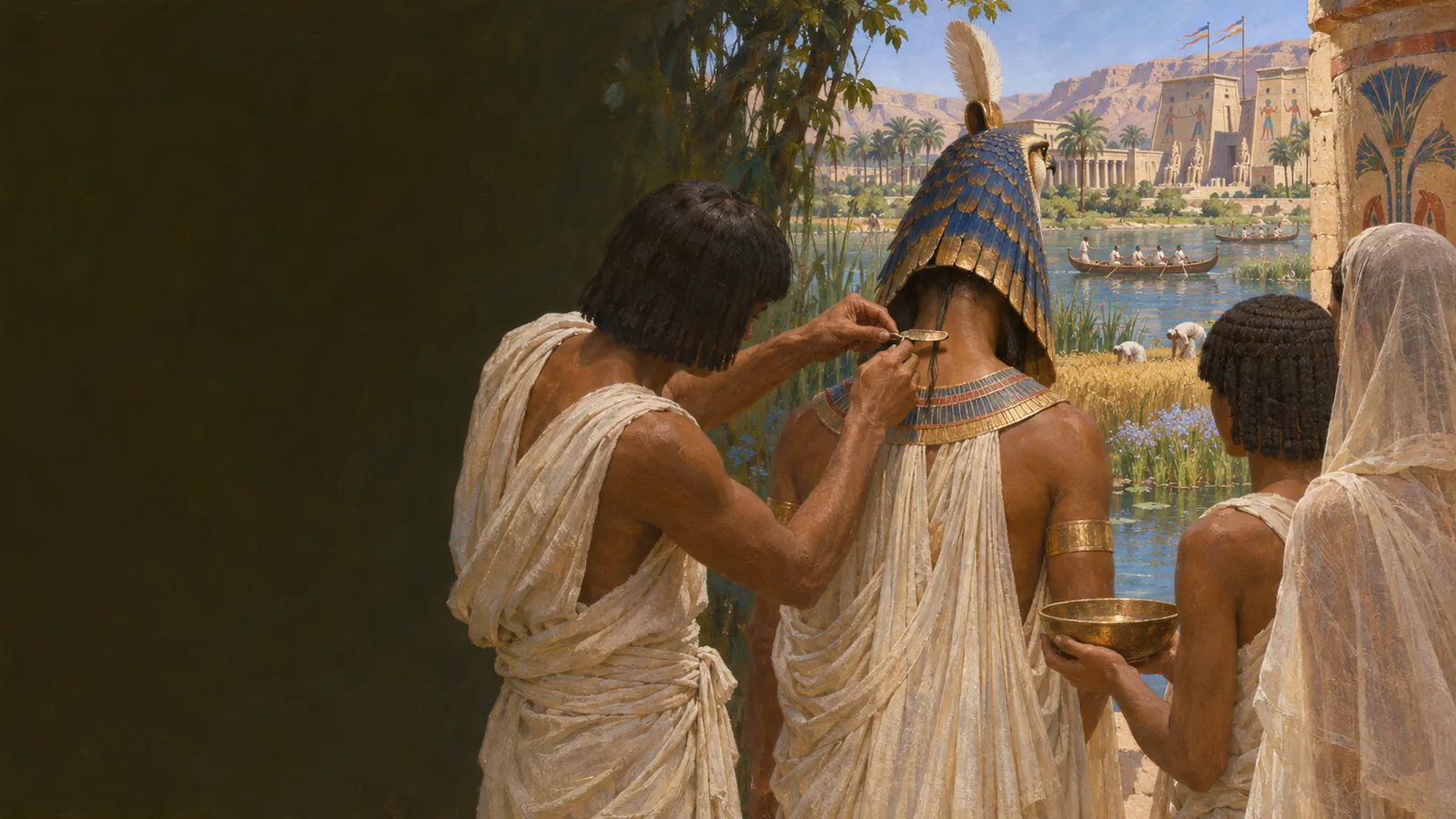
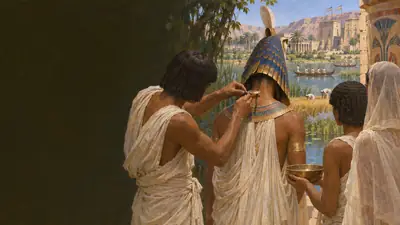
A passagem seguinte da recitação diz que ele corta o cabelo tanto a Hórus como a Set.
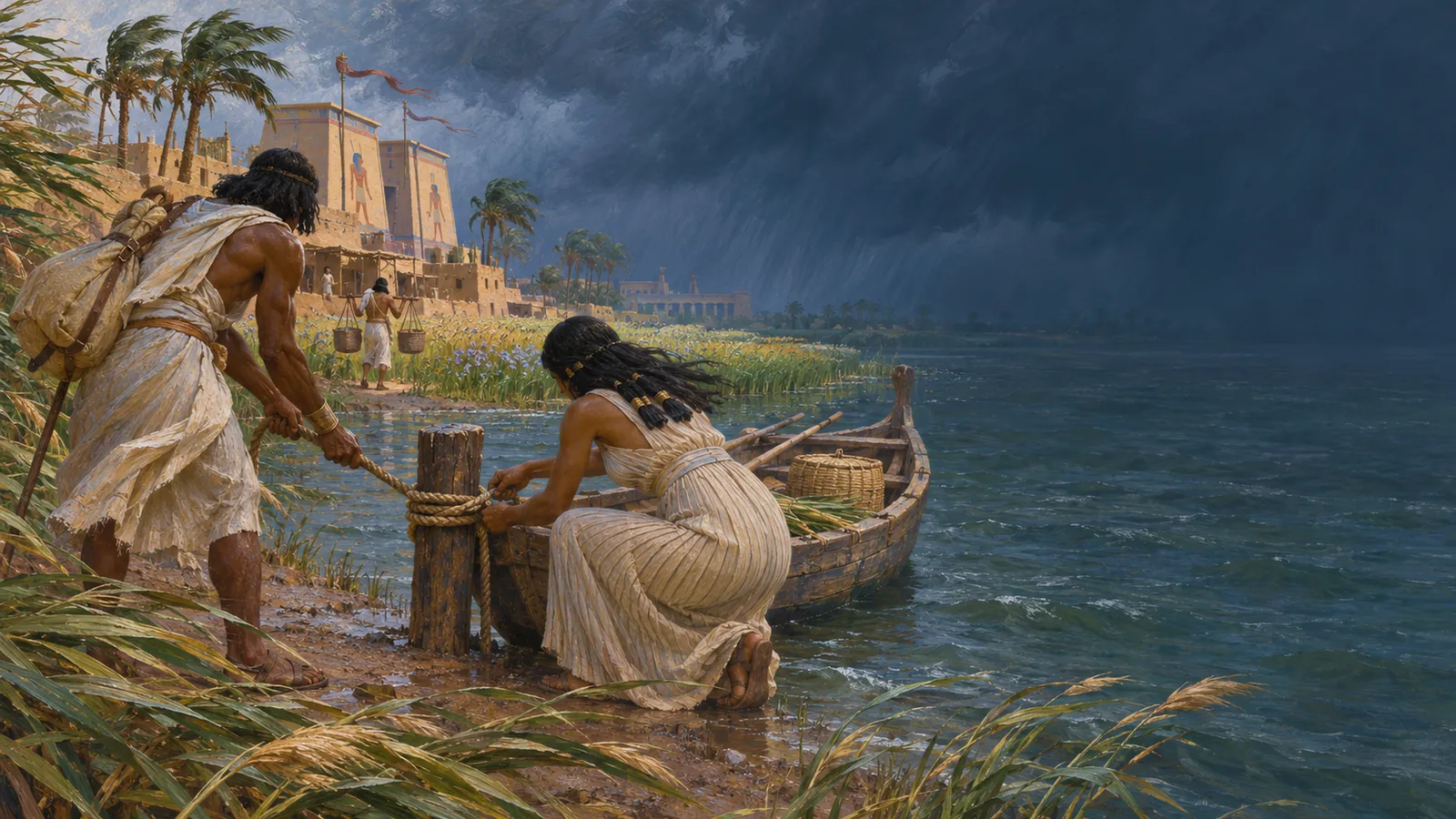
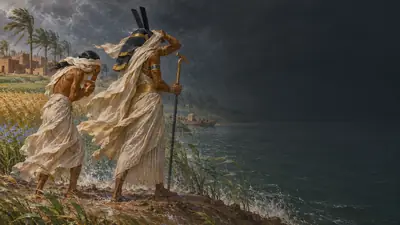
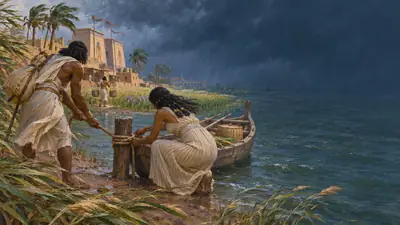
A recitação diz que ele afasta a tempestade dos indefesos. Acrescenta que mantém longe do mal os espíritos a que Budge chama KHU.
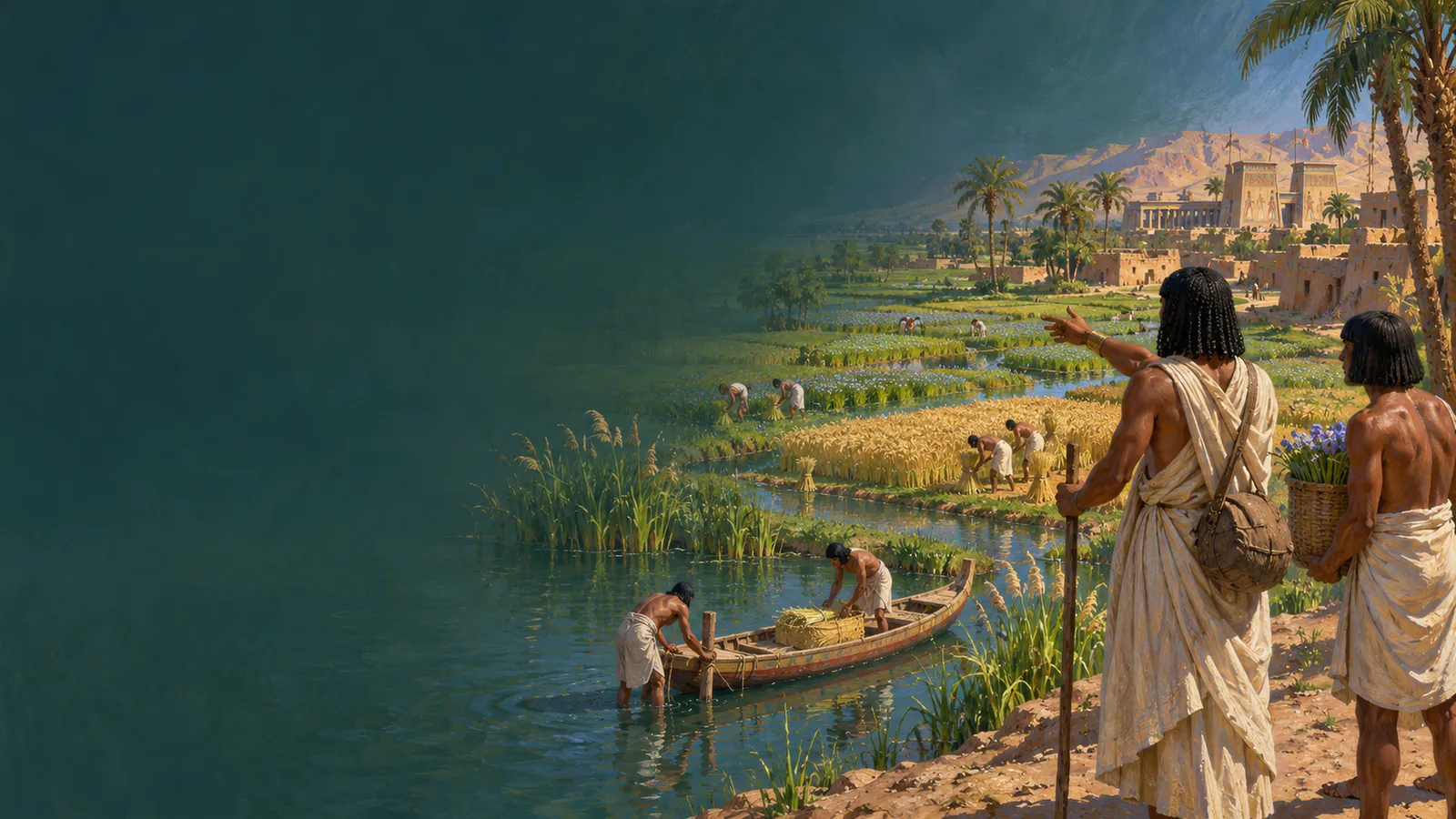
OS CAMPOS
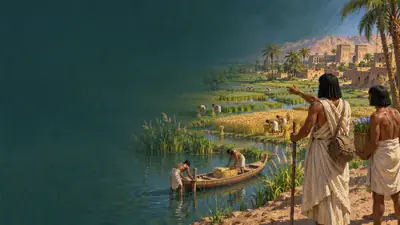
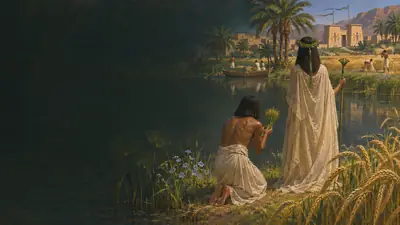
O recitante pede domínio no campo porque o conhece e navegou entre os seus lagos para chegar às suas cidades.
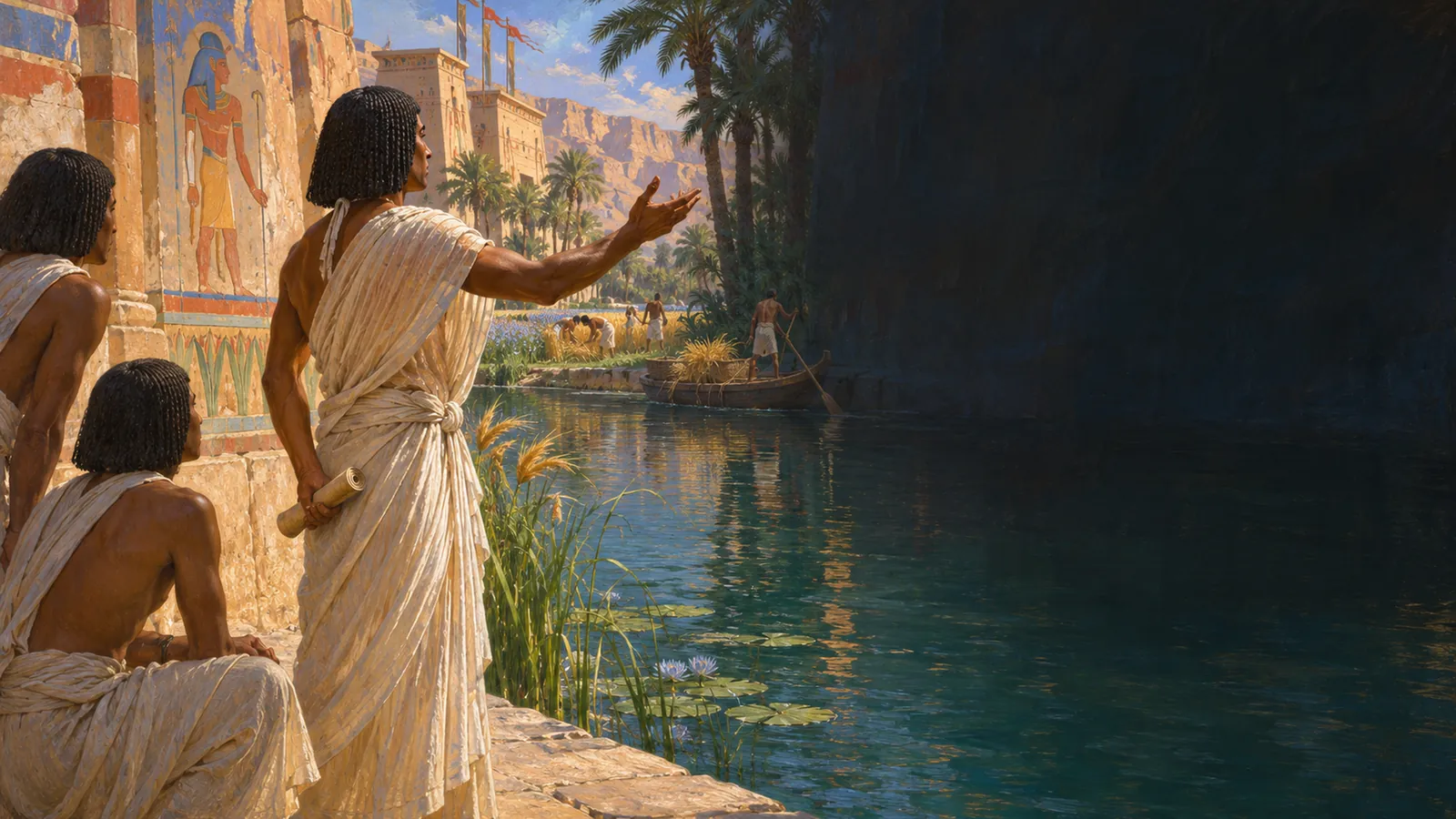
O recitante diz que a sua boca é firme, expressão que Budge explica como pronunciar com vigor palavras de poder. Está preparado para resistir aos espíritos e diz que eles não terão domínio sobre ele.
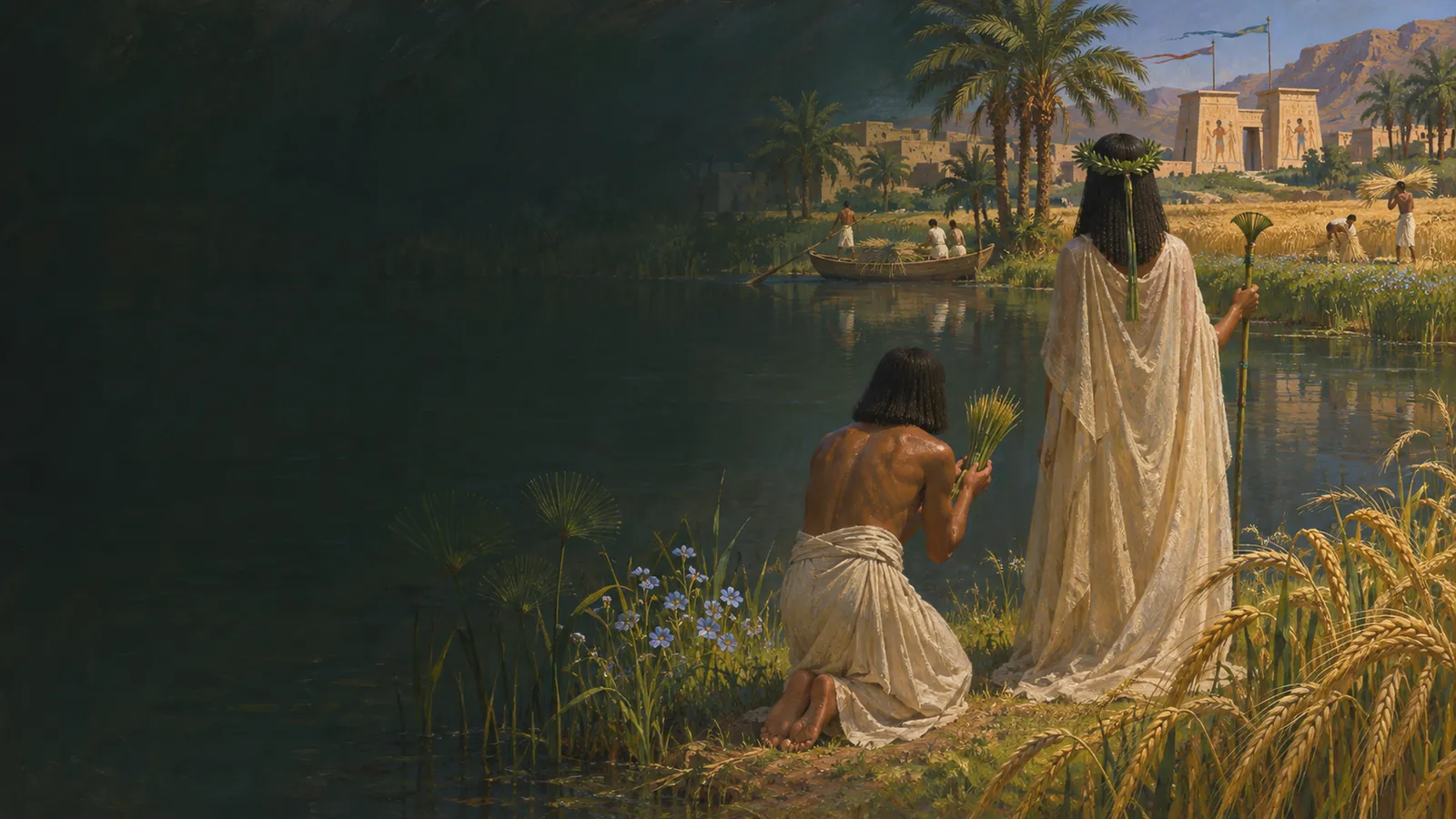
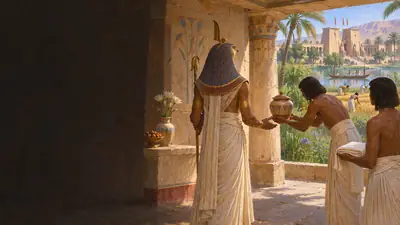
O recitante pede ao deus Hetep que lhe dê os campos como recompensa. Pede ao senhor dos ventos que faça o que quiser.
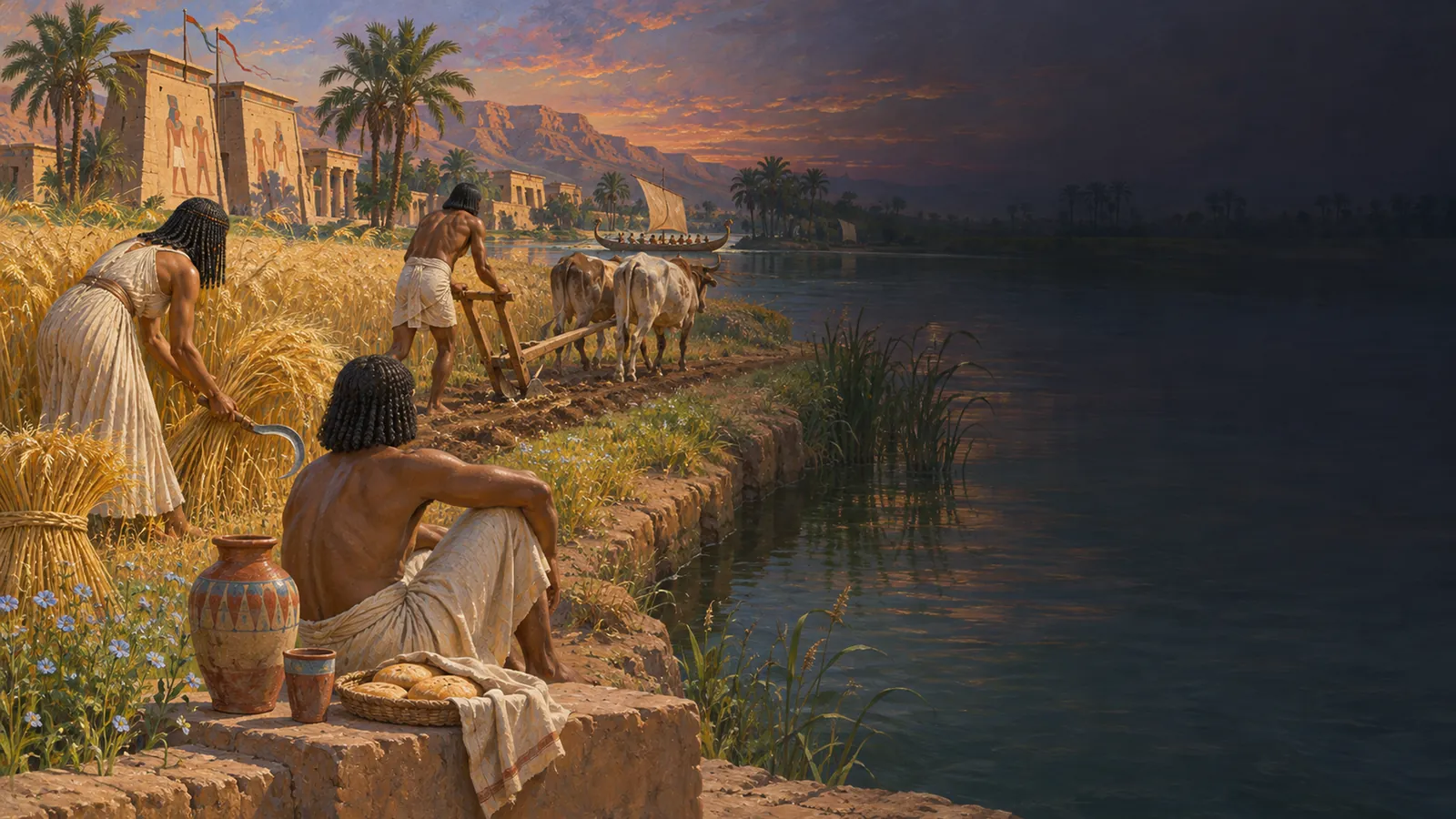
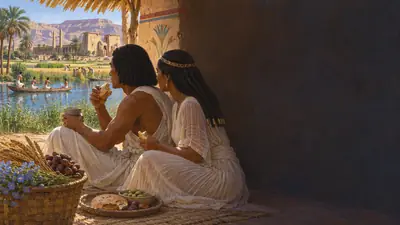
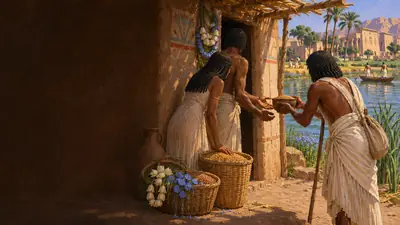
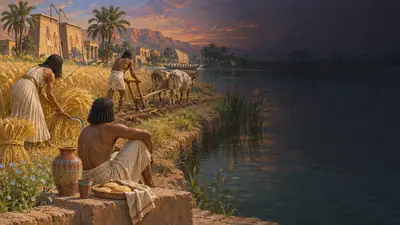
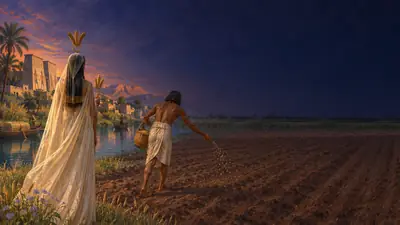
O recitante deseja tornar-se um espírito nos campos de Hetep, e ali comer, beber, lavrar e colher.
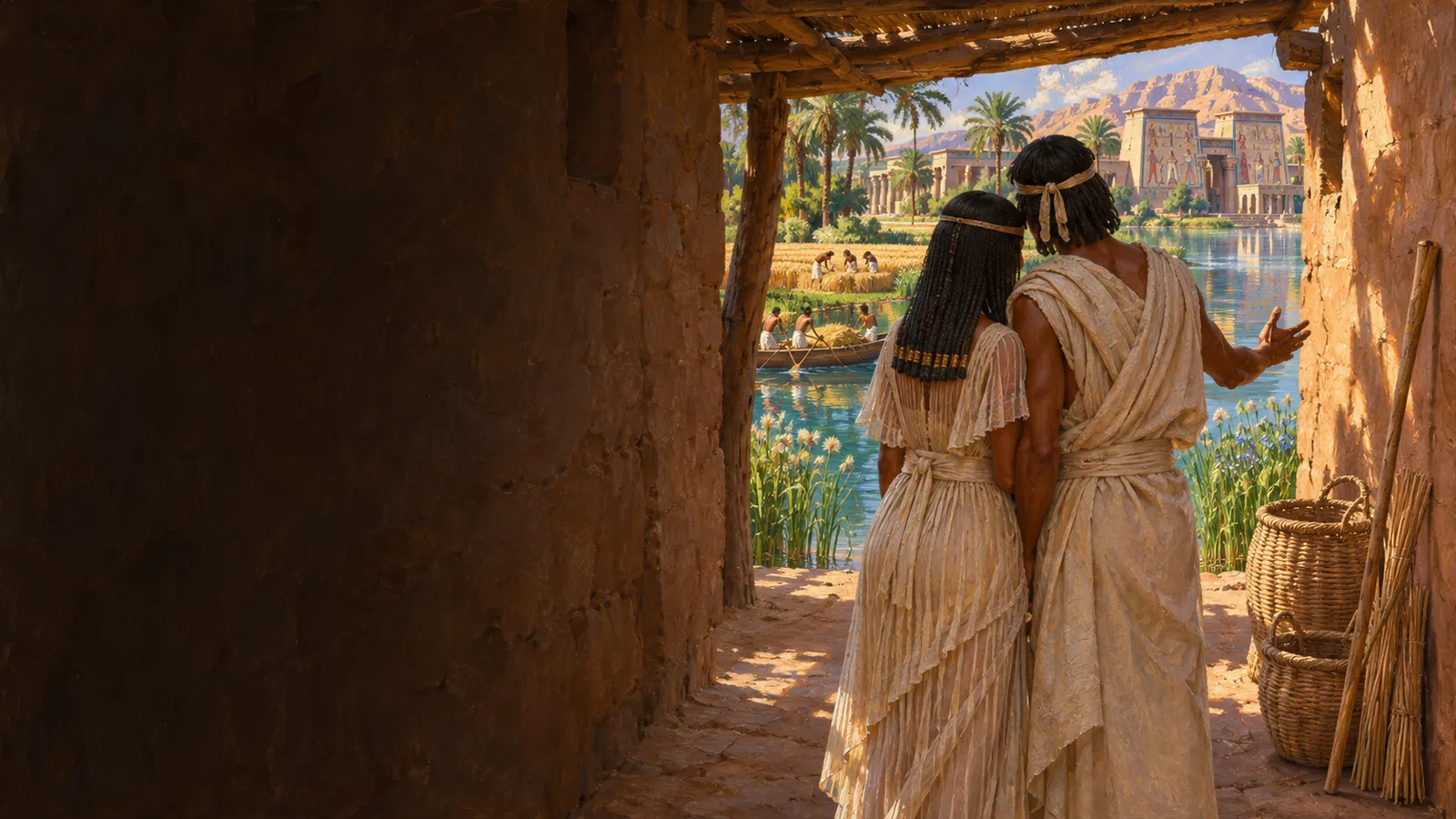
Na mesma recitação, o recitante pede para lutar e fazer amor nos campos, e para que as suas palavras tenham poder ali.
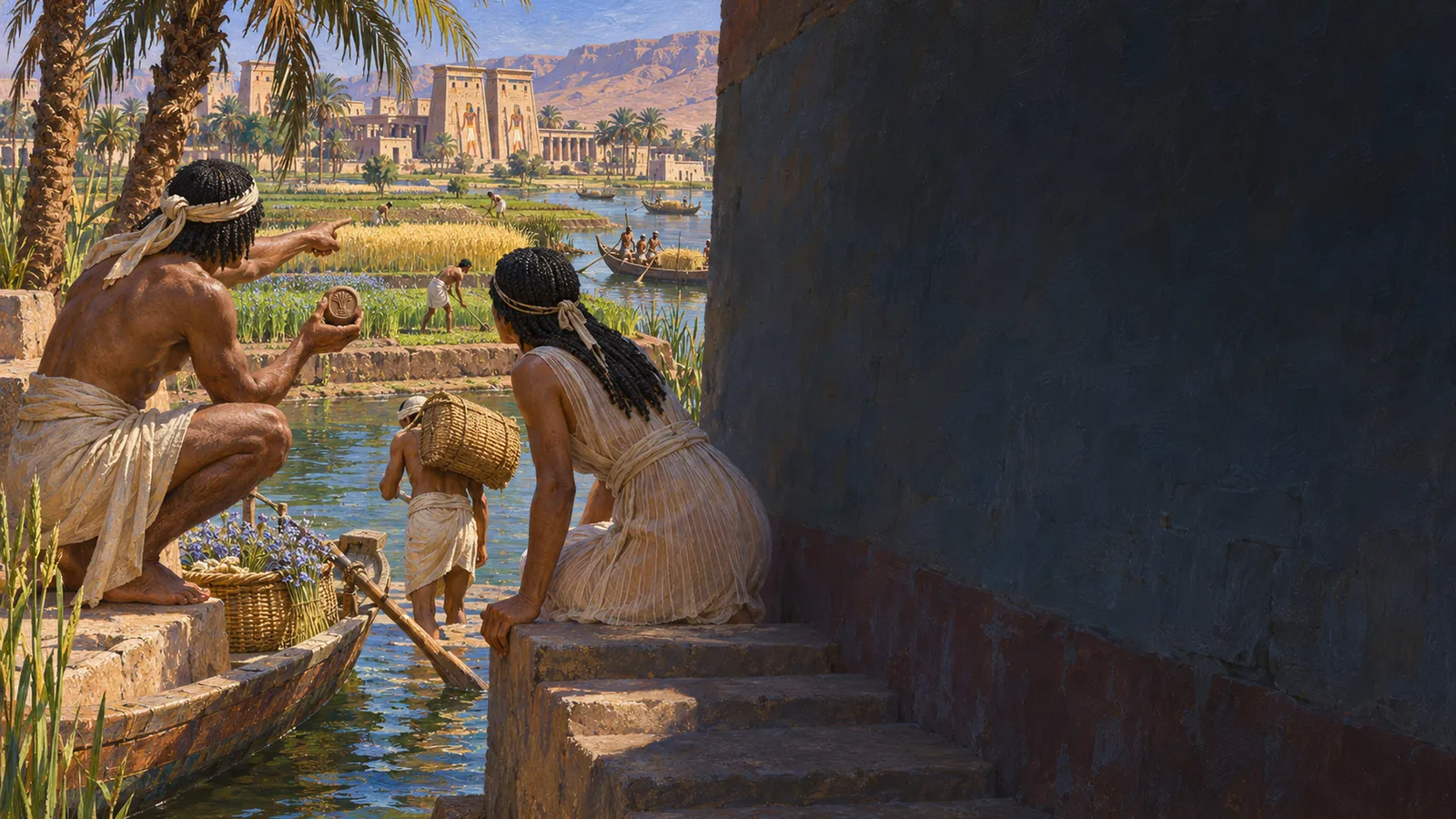
O recitante pede para nunca estar em estado de servidão nos campos. Pede para ter autoridade ali.
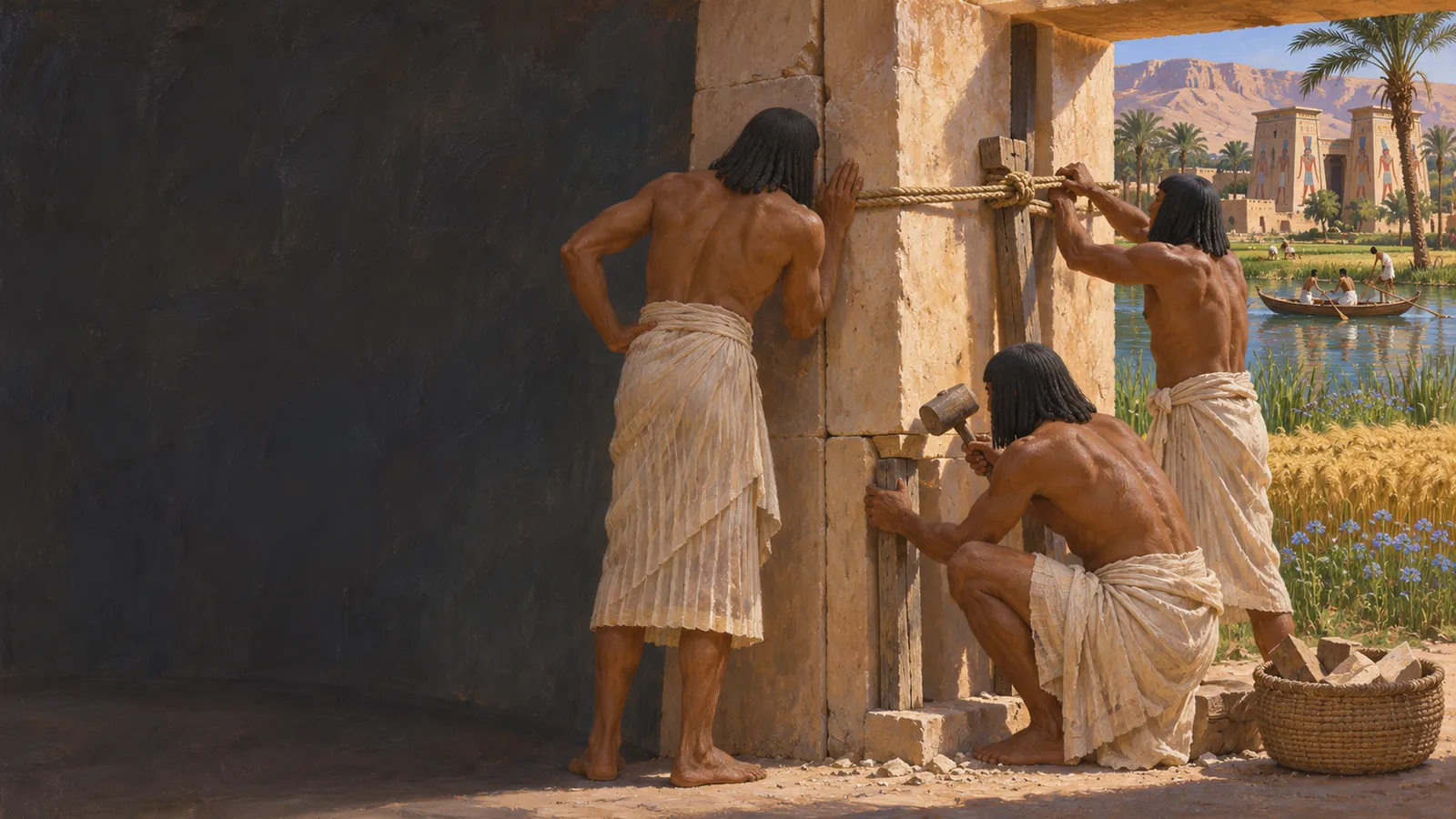
O texto diz que a boca ou porta de Hetep e aquilo que Budge lê com incerteza como sua garganta foram fortalecidas. O nome indicado é Qetet-bu.
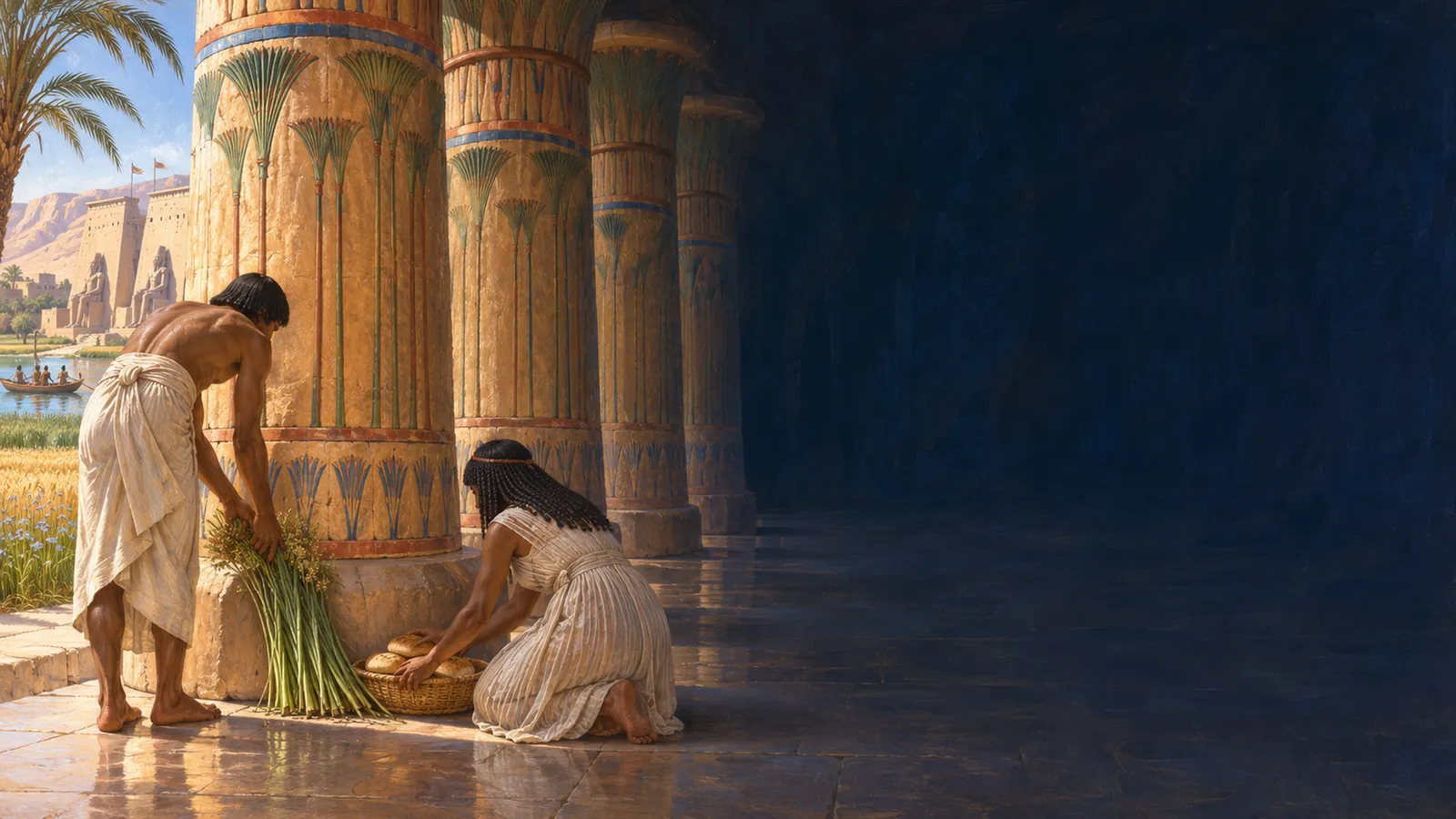
O texto diz que ele está firmado sobre os pilares de Shu. Liga-o às coisas agradáveis de Rá.
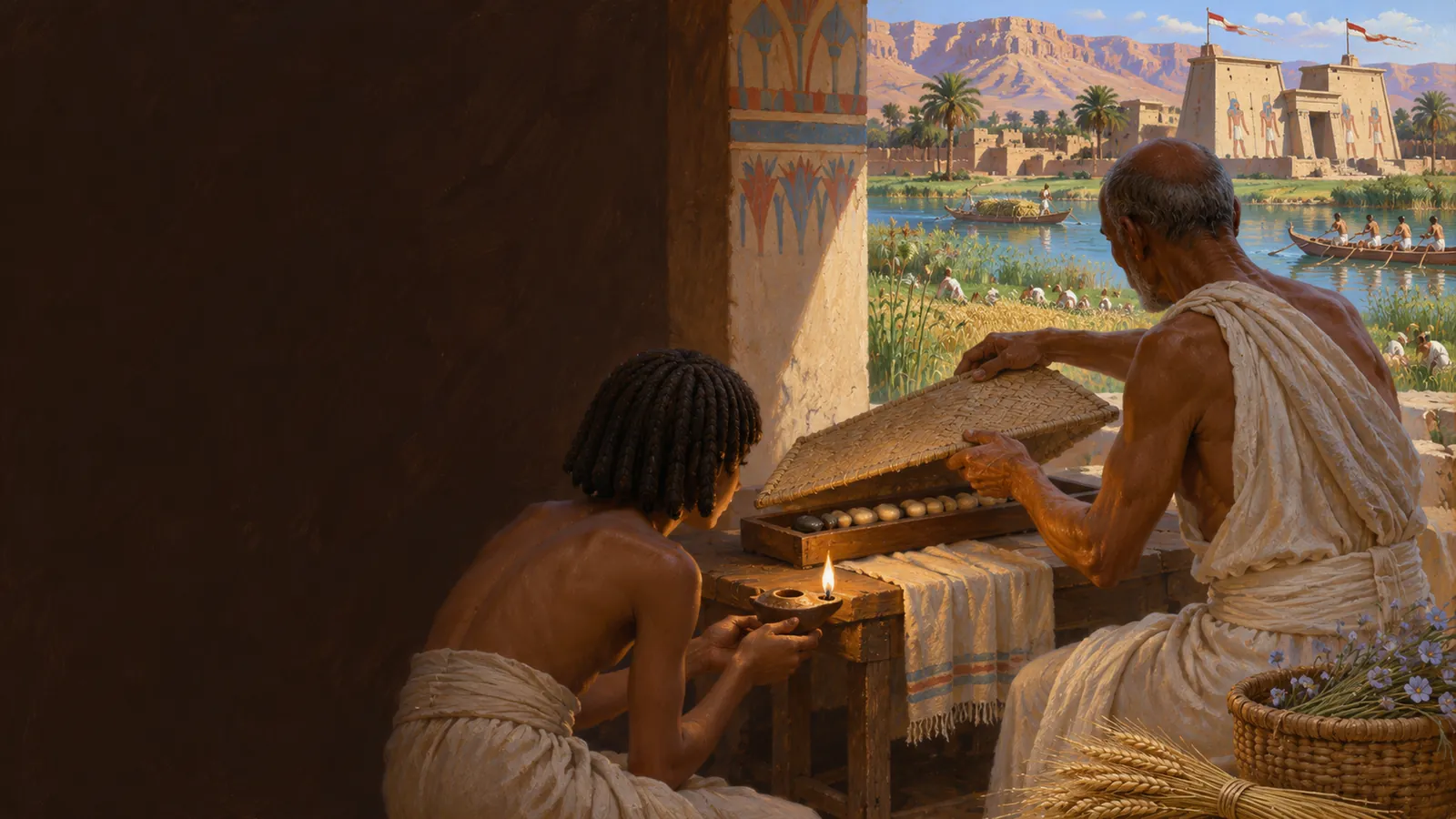
Ele divide os anos. Sua boca está oculta e em silêncio, e as palavras que pronuncia são secretas.
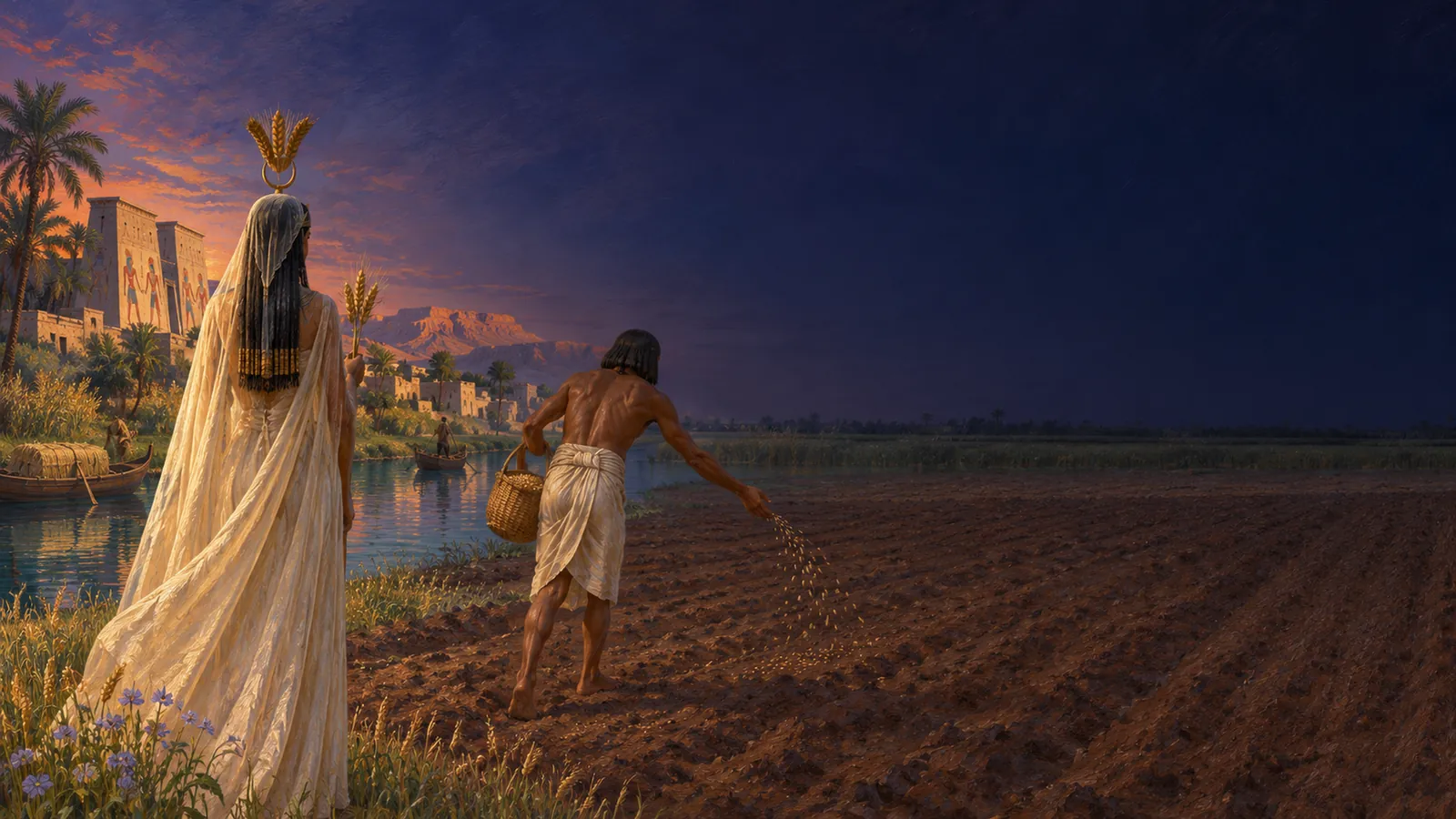
O texto diz que ele cumpre a eternidade e possui existência sem fim. Chama-o Hetep, o senhor Hetep.
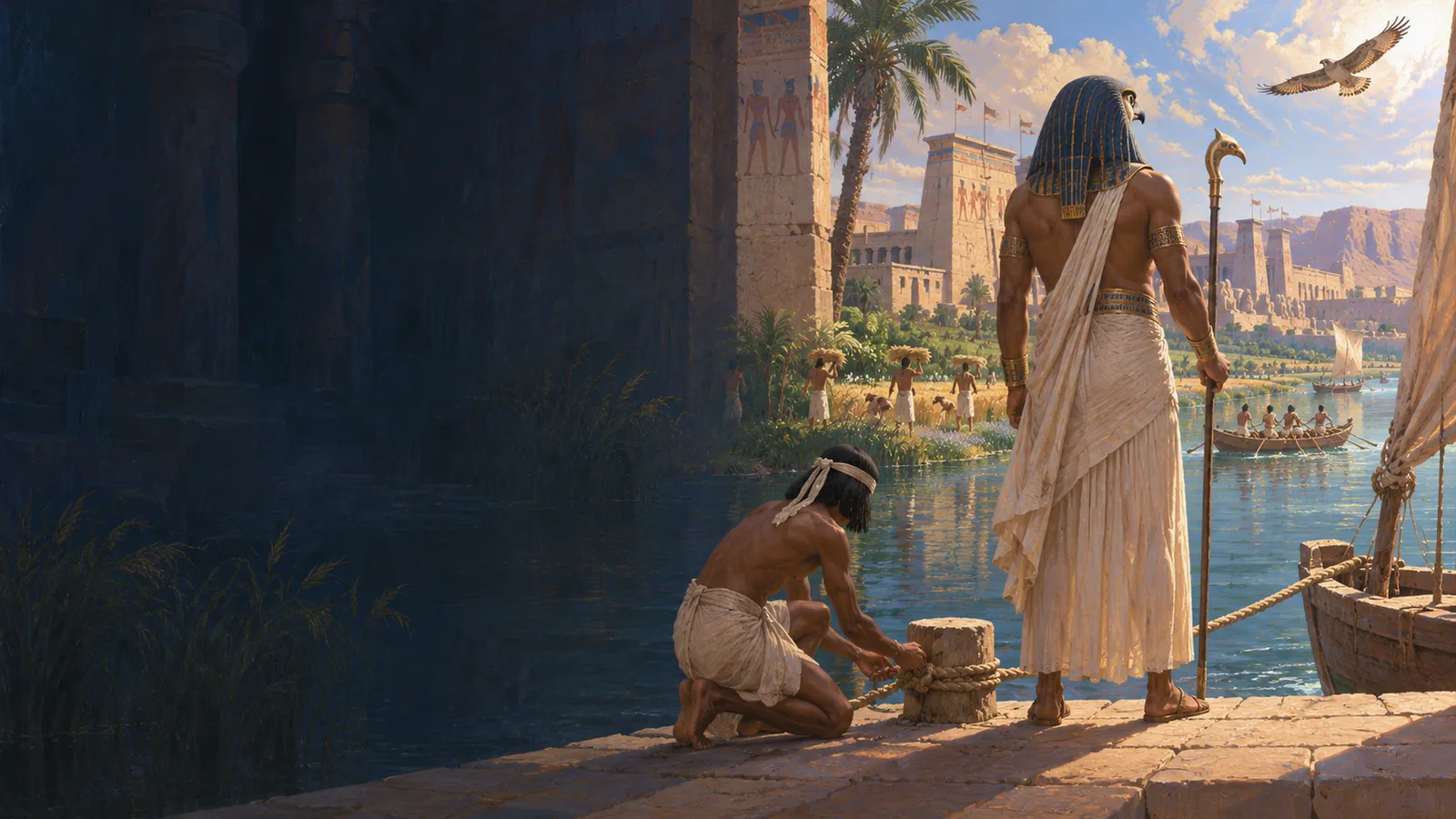
O texto diz que Hórus se torna forte como um falcão de mil côvados de comprimento. Sua largura é de dois mil côvados na leitura de Budge.
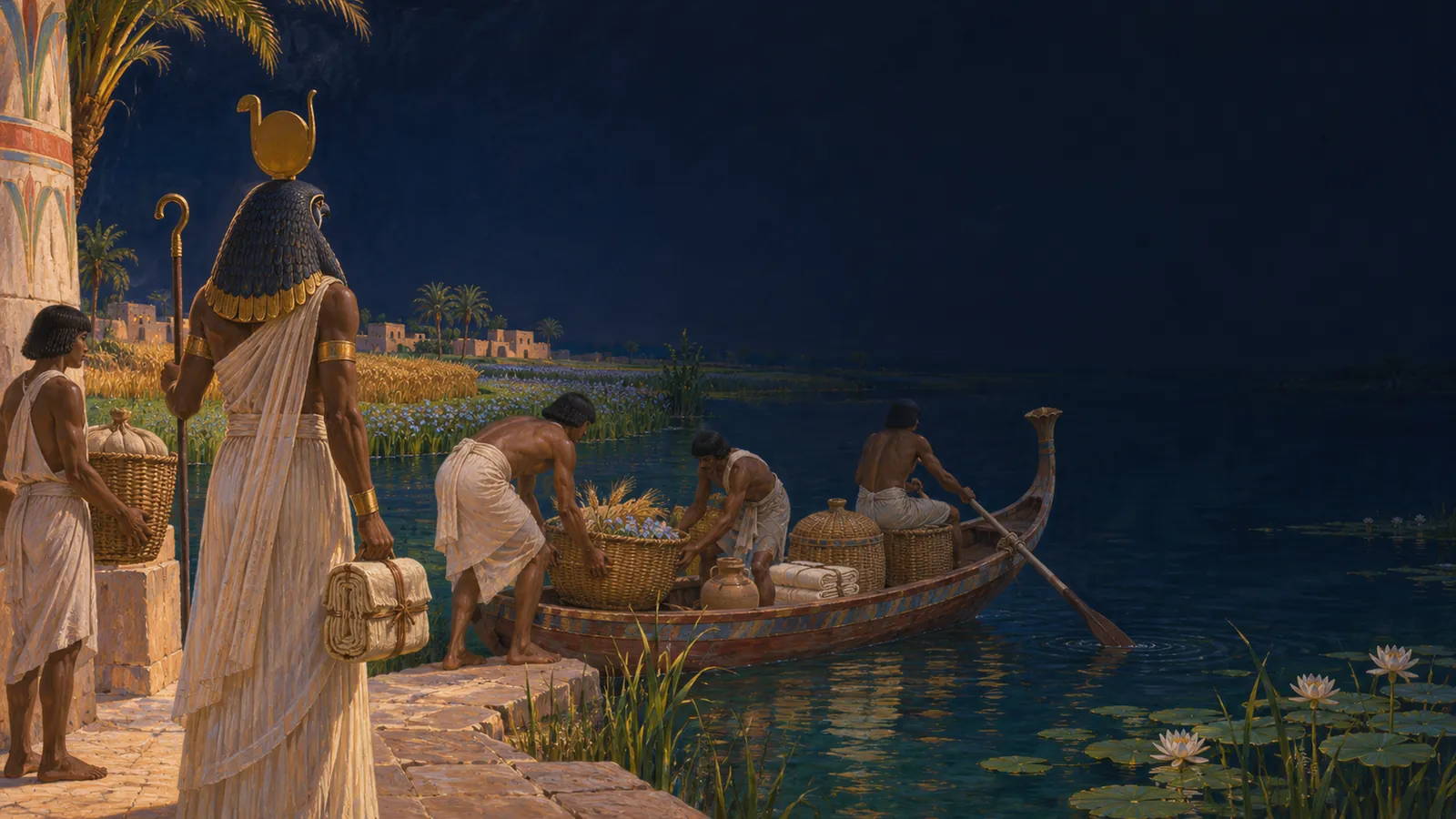
Hórus leva seu equipamento na viagem. Chega aonde o trono de seu coração deseja estar, nas lagoas e nas cidades que lhes pertencem.
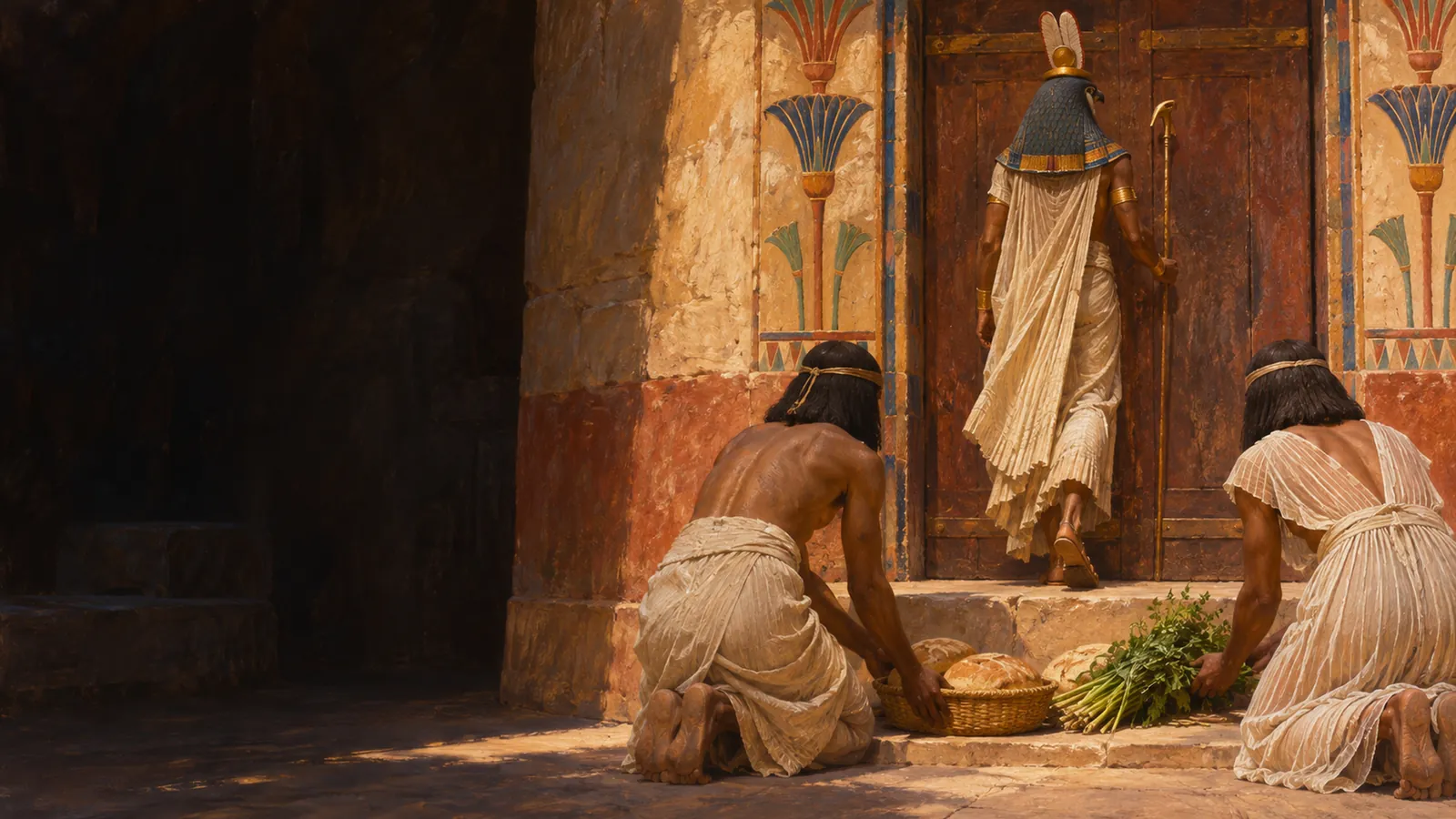
O texto diz que Hórus é gerado na câmara de nascimento do deus da cidade. Ali recebe as oferendas desse deus.
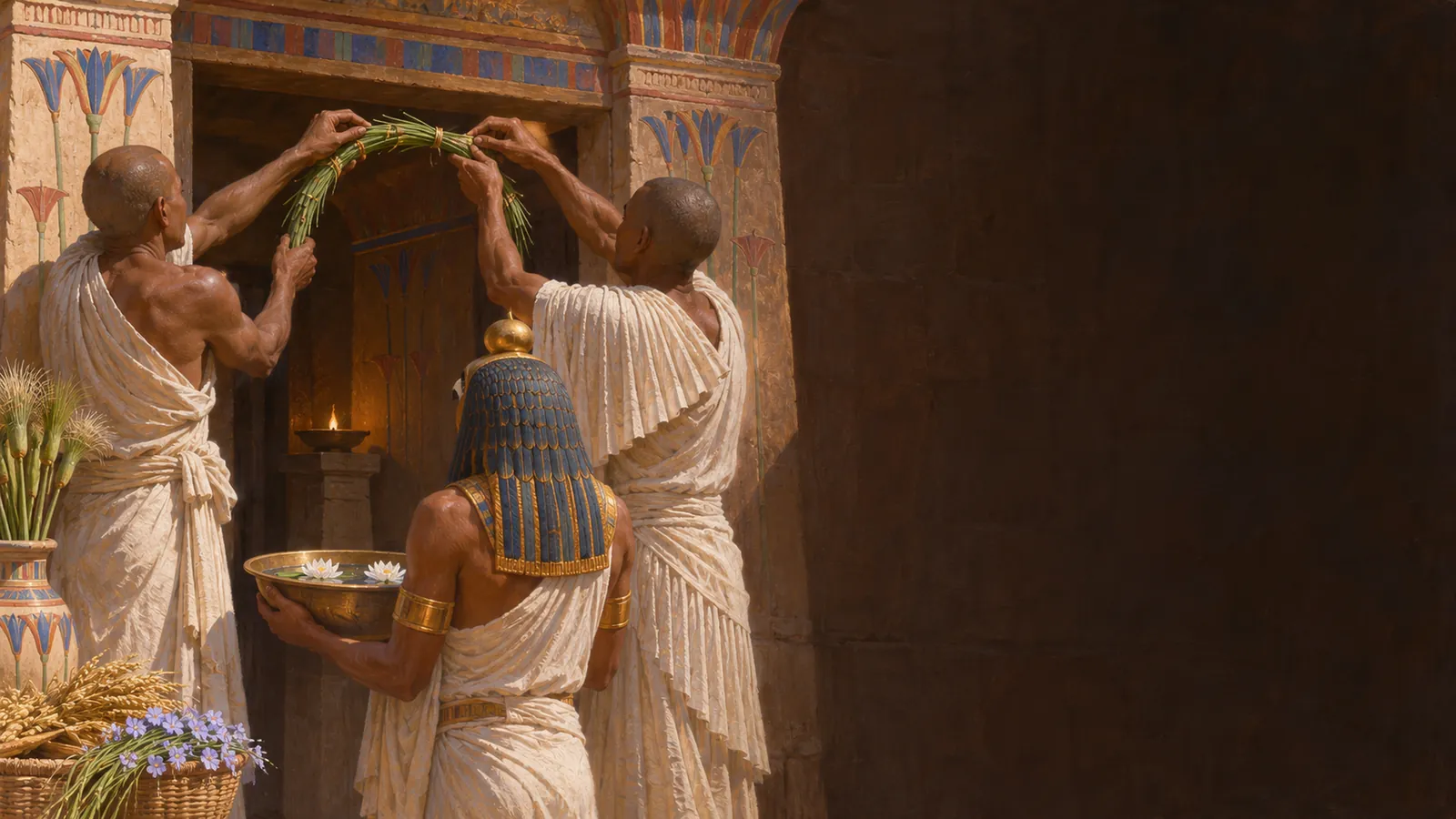
Ali faz o que convém e realiza a união. Cumpre tudo o que diz respeito à câmara de nascimento da cidade divina.
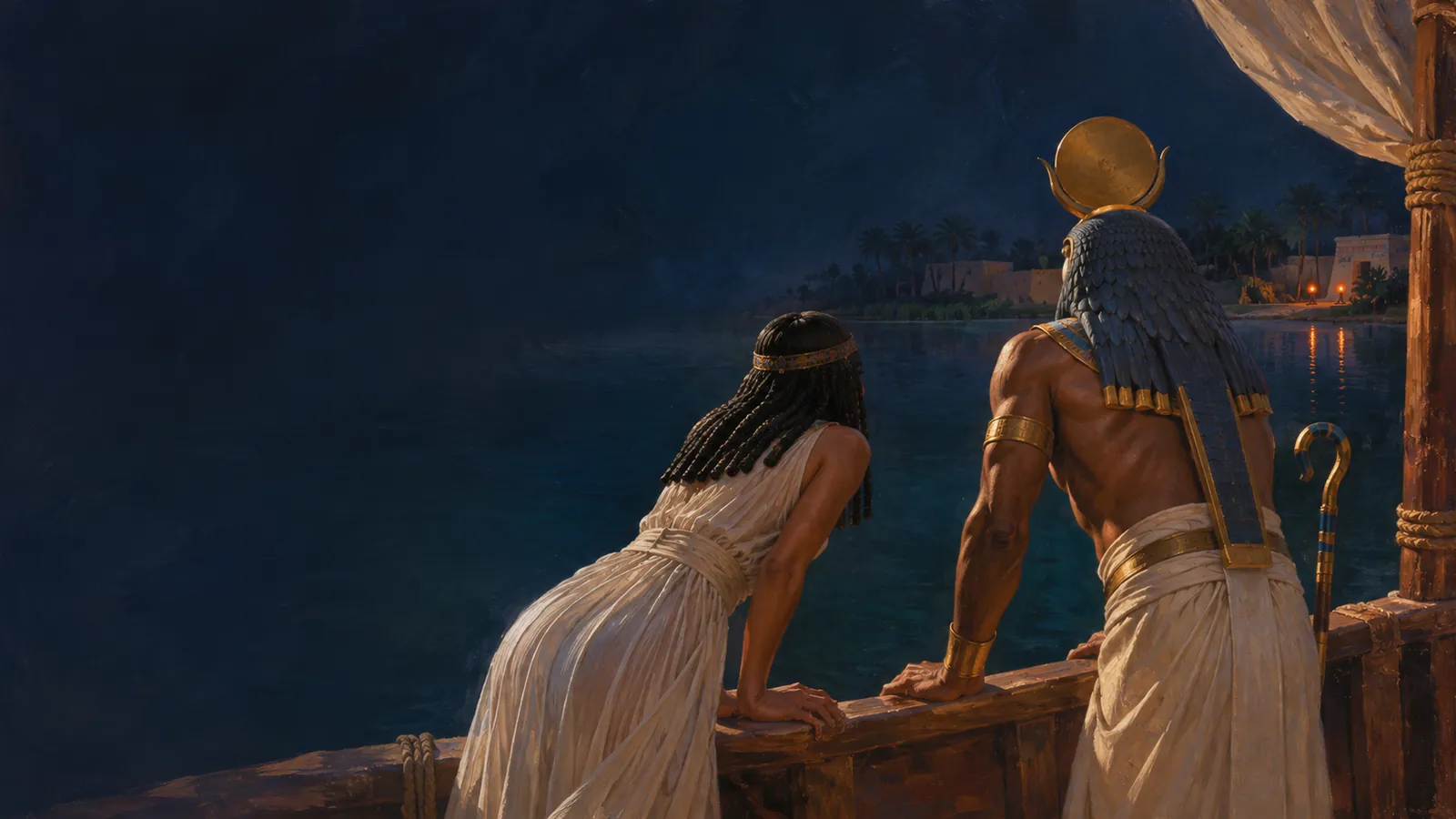
Hórus faz tudo ali quando se põe na vida, como cristal. O texto compara seus atos com o que se faz no Lago do Fogo Duplo, onde ninguém se alegra e há toda espécie de males.
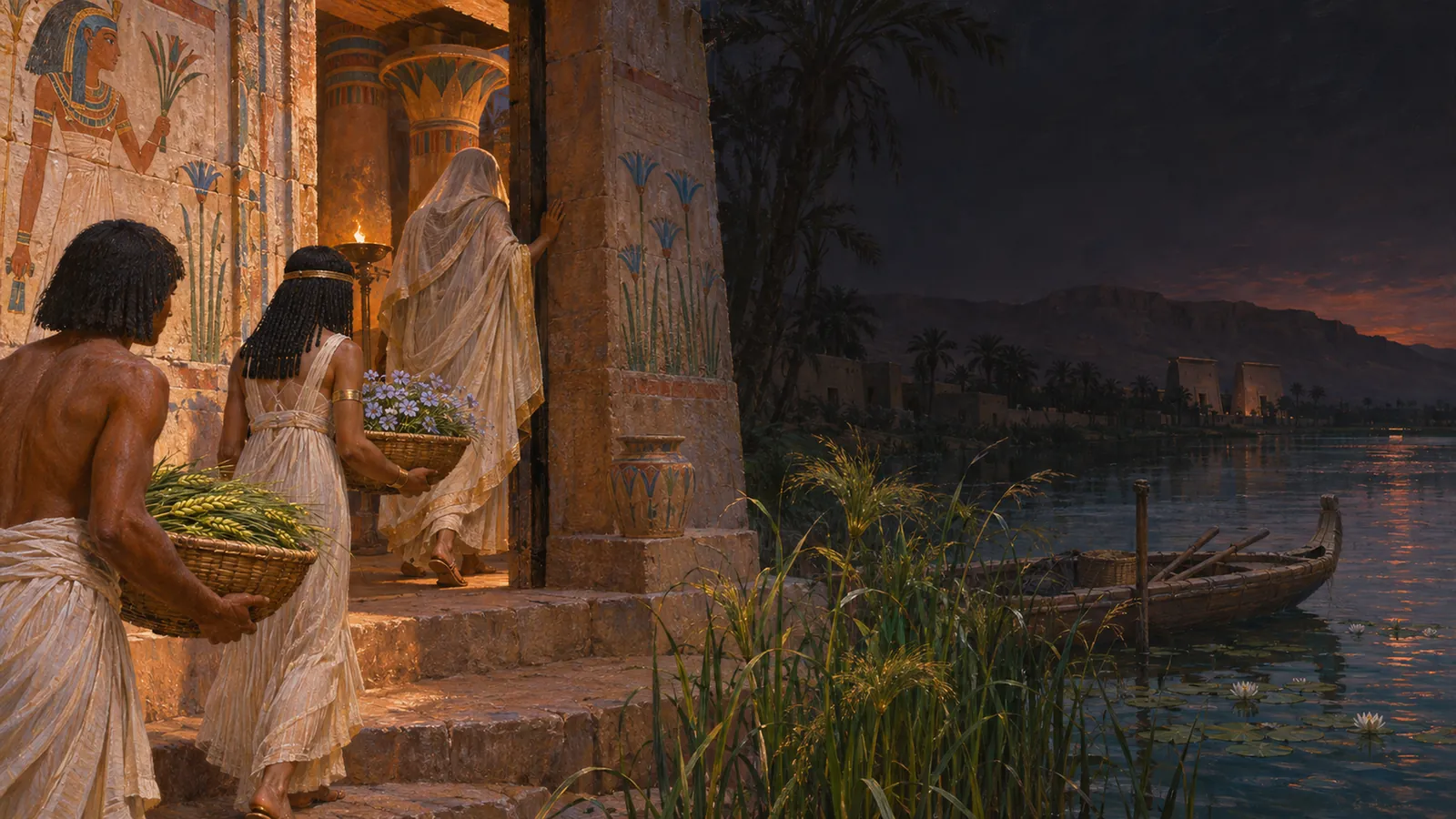
Hetep entra, sai e recua. O campo reúne toda espécie de coisas para a câmara de nascimento do deus da cidade.
O LAGO DO FOGO DUPLO
O texto repete a comparação para Hetep quando se põe na vida, como cristal. Tudo o que faz ali se parece com o que se faz no Lago do Fogo Duplo, onde ninguém se alegra e há toda espécie de males.
Fim do capítulo 1
Todas as páginas
Fontes
A. Wallis Budge’s Egyptian Ideas of the Future Life, third edition, 1908. He gives no manuscript name for this translation.
Edições consultadas
- Egyptian Ideas of the Future Life, publication record
- Budge 1908, Chapter V, The Resurrection and Immortality
- Budge’s note 135
- Budge’s note 136
- Budge’s note 137
Notas sobre este reconto
The title joins the Chapters of Sekhet-Hetepet and the Chapters of Coming Forth by Day. It names entering and leaving the underworld and arriving at Sekhet-Aaru.
Sekhet-Hetepet is called the mighty land and lady of winds. The title names having power there, becoming a spirit (Budge’s KHU), reaping, eating, drinking and making love. It ends by saying that one may do there what a person does on earth.
The deceased says that Set seized Horus as Horus looked with the two eyes. Budge puts a question mark after his reading of the building around Sekhet-hetep. In note 135 he identifies the eyes as the Eye of Rā and the Eye of Horus.
The speaker says that he freed Horus. Budge brackets the words “and taken him from” before the name Set. Budge brackets “which are” to connect the eyes to their position in heaven. Heaven is outside the brackets.
Budge puts a question mark after “cast,” his reading for what Set does with moisture and the winds. The soul is said to have its day and dwell in Mert. The following clause says that Set delivers the interior of Horus’s body from the gods of Akert.
The speaker says he makes the mighty boat travel over the Lake of Hetep and brought it away with might from Shu’s palace. The domain of Shu’s stars grows young and regains the strength it had before.
The speaker brings the boat into the lakes to reach their cities and says he has entered the divine city Hetep by boat. In the peace clause he says “his” before seasons, direction, territory and firstborn.
Peace is first made for Horus and Set with those who watch over the living beings created in fair form. The text then says the unnamed subject brings peace and repeats the peace with those who watch over Horus and Set. The next clauses give the cutting of their hair, the driving away of storm from the helpless and the keeping of harm away from the spirits. Budge labels the spirits KHU. The sequence does not name the subject of these clauses.
The speaker asks for dominion in the field, which he knows and whose lakes he has sailed to reach its cities. The firm mouth marks the claim about his own speech. Budge’s note 136 explains it through the speaker’s knowledge of how to utter words of power with vigour. The next clause says that he is equipped to resist the spirits and that they shall have no dominion over him.
The speaker asks the god Hetep for the fields as a reward and addresses the lord of the winds about doing what he wishes. The wishes that follow begin with becoming a spirit there, eating, drinking, ploughing and reaping.
The speaker also asks to fight and make love there and to have mighty words there. He ends this group of wishes by asking to stay free of servitude and exercise authority. They remain requests in his address.
Page 23, Budge 1908, Book of the Dead CX, transcription lines 4517–4519. Budge prints mouth with the alternative or door, and throat with a question mark. His sentence gives the name Qetet-bu without resolving the referent for the reader.
Page 24, Budge 1908, Book of the Dead CX, transcription lines 4519–4521 and n. 137. The pillars are Shu’s. Note 137 identifies the four supports at the cardinal points. The speech links the unnamed he in this line to the pleasant things of Rā.
Page 25, Budge 1908, Book of the Dead CX, transcription lines 4521–4522. The printed description joins the dividing of years, the hidden and silent mouth and secret utterance. The selection offers no explanatory mechanism.
Page 26, Budge 1908, Book of the Dead CX, transcription lines 4522–4524. The sentence completes the passage on eternity and everlasting existence under the name Hetep, the lord Hetep.
Page 27, Budge 1908, Book of the Dead CX, transcription lines 4526–4529. The sentence compares Horus to the Hawk. The numbers are one thousand and two thousand. Budge places the measurement words cubits in width in brackets. The unclear phrase in life follows the dimensions.
Page 28, Budge 1908, Book of the Dead CX, transcription lines 4529–4532. The text retains the expression his heart’s throne. Budge supplies of Hetep in brackets after the Pools. The text mentions their cities as well as the Pools.
Page 29, Budge 1908, Book of the Dead CX, transcription lines 4532–4534. Budge’s translation says begotten in the birth-chamber of the god of the city. It attributes the offerings to the same city god.
Page 30, Budge 1908, Book of the Dead CX, transcription lines 4534–4536. The text records the bringing about of a union. It supplies no particulars about the union here. It concludes this sentence with the birth-chamber of the divine city.
Page 31, Budge 1908, Book of the Dead CX, transcription lines 4536–4540. The comparison mentions setting in life like crystal, then the Lake of Twofold Fire, without joy and full of evil things. The speaker’s next sentences shift from Horus to Hetep.
Page 32, Budge 1908, Book of the Dead CX, transcription lines 4540–4543. The three directions are entering, coming out and going backwards. Budge supplies in in brackets before that Field. The Field gathers things for the city god’s birth-chamber.
Page 33, Budge 1908, Book of the Dead CX, transcription lines 4543–4547. Budge prints the parallels to crystal and the Lake of Twofold Fire again, with Hetep now the subject. The complete paragraph ends at line 4547. A new paragraph starts at line 4549 with a renewed plea to live with Hetep.
Os versos antigos de cada página
- Page 1: Budge 1908, Egyptian Ideas of the Future Life, ch. V, Book of the Dead Chapter CX, translated title (local)
- Page 2: Budge 1908, Egyptian Ideas of the Future Life, ch. V, Book of the Dead Chapter CX, translated title (local)
- Page 3: Budge 1908, Egyptian Ideas of the Future Life, ch. V, Book of the Dead Chapter CX, translated title (local)
- Page 4: Budge 1908, Egyptian Ideas of the Future Life, ch. V, Book of the Dead Chapter CX, translated title (local)
- Page 5: Budge 1908, Egyptian Ideas of the Future Life, ch. V, Book of the Dead Chapter CX, deceased’s recitation (local)
- Page 6: Budge 1908, Egyptian Ideas of the Future Life, ch. V, Book of the Dead Chapter CX, deceased’s recitation (local)
- Page 7: Budge 1908, Egyptian Ideas of the Future Life, ch. V, Book of the Dead Chapter CX, deceased’s recitation (local)
- Page 8: Budge 1908, Egyptian Ideas of the Future Life, ch. V, Book of the Dead Chapter CX, deceased’s recitation (local)
- Page 9: Budge 1908, Egyptian Ideas of the Future Life, ch. V, Book of the Dead Chapter CX, deceased’s recitation (local)
- Page 10: Budge 1908, Egyptian Ideas of the Future Life, ch. V, Book of the Dead Chapter CX, deceased’s recitation (local)
- Page 11: Budge 1908, Egyptian Ideas of the Future Life, ch. V, Book of the Dead Chapter CX, deceased’s recitation (local)
- Page 12: Budge 1908, Egyptian Ideas of the Future Life, ch. V, Book of the Dead Chapter CX, deceased’s recitation (local)
- Page 13: Budge 1908, Egyptian Ideas of the Future Life, ch. V, Book of the Dead Chapter CX, deceased’s recitation (local)
- Page 14: Budge 1908, Egyptian Ideas of the Future Life, ch. V, Book of the Dead Chapter CX, deceased’s recitation (local)
- Page 15: Budge 1908, Egyptian Ideas of the Future Life, ch. V, Book of the Dead Chapter CX, deceased’s recitation (local)
- Page 16: Budge 1908, Egyptian Ideas of the Future Life, ch. V, Book of the Dead Chapter CX, deceased’s recitation (local)
- Page 17: Budge 1908, Egyptian Ideas of the Future Life, ch. V, Book of the Dead Chapter CX, deceased’s recitation (local)
- Page 18: Budge 1908, Egyptian Ideas of the Future Life, ch. V, Book of the Dead Chapter CX, deceased’s recitation (local)
- Page 19: Budge 1908, Egyptian Ideas of the Future Life, ch. V, Book of the Dead Chapter CX, deceased’s recitation (local)
- Page 20: Budge 1908, Egyptian Ideas of the Future Life, ch. V, Book of the Dead Chapter CX, deceased’s recitation (local)
- Page 21: Budge 1908, Egyptian Ideas of the Future Life, ch. V, Book of the Dead Chapter CX, deceased’s recitation (local)
- Page 22: Budge 1908, Egyptian Ideas of the Future Life, ch. V, Book of the Dead Chapter CX, deceased’s recitation (local)
- Page 23: Budge 1908, Egyptian Ideas of the Future Life, ch. V, Book of the Dead CX (local)
- Page 24: Budge 1908, Egyptian Ideas of the Future Life, ch. V, Book of the Dead CX (local)
- Page 25: Budge 1908, Egyptian Ideas of the Future Life, ch. V, Book of the Dead CX (local)
- Page 26: Budge 1908, Egyptian Ideas of the Future Life, ch. V, Book of the Dead CX (local)
- Page 27: Budge 1908, Egyptian Ideas of the Future Life, ch. V, Book of the Dead CX (local)
- Page 28: Budge 1908, Egyptian Ideas of the Future Life, ch. V, Book of the Dead CX (local)
- Page 29: Budge 1908, Egyptian Ideas of the Future Life, ch. V, Book of the Dead CX (local)
- Page 30: Budge 1908, Egyptian Ideas of the Future Life, ch. V, Book of the Dead CX (local)
- Page 31: Budge 1908, Egyptian Ideas of the Future Life, ch. V, Book of the Dead CX (local)
- Page 32: Budge 1908, Egyptian Ideas of the Future Life, ch. V, Book of the Dead CX (local)
- Page 33: Budge 1908, Egyptian Ideas of the Future Life, ch. V, Book of the Dead CX (local)
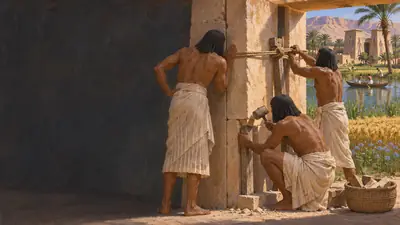
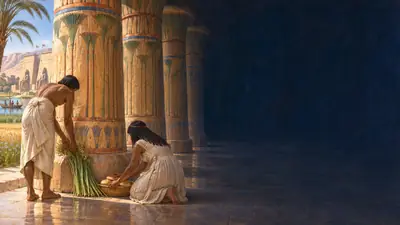
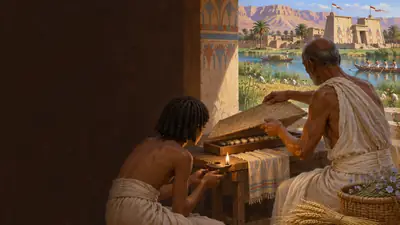
Ilustrações feitas pelo IL Archive com ferramentas de IA; o texto baseia-se nas fontes antigas (veja as fontes no fim de cada capítulo).