Gilgamesh, Enkidu e o mundo subterrâneo Capítulo 3
O que Enkidu viu
Gilgamesh pergunta pela sorte dos mortos, e Enkidu conta-lhe o que viu. As perguntas e respostas prolongam-se até ao fim da versão A de Oxford. Três manuscritos de Ur e uma versão de Me-Turan apresentam outras leituras e outros desfechos. Os seus relatos surgem sob títulos separados.
FontesVire as páginas com as setas, o teclado ou deslizando o dedo.
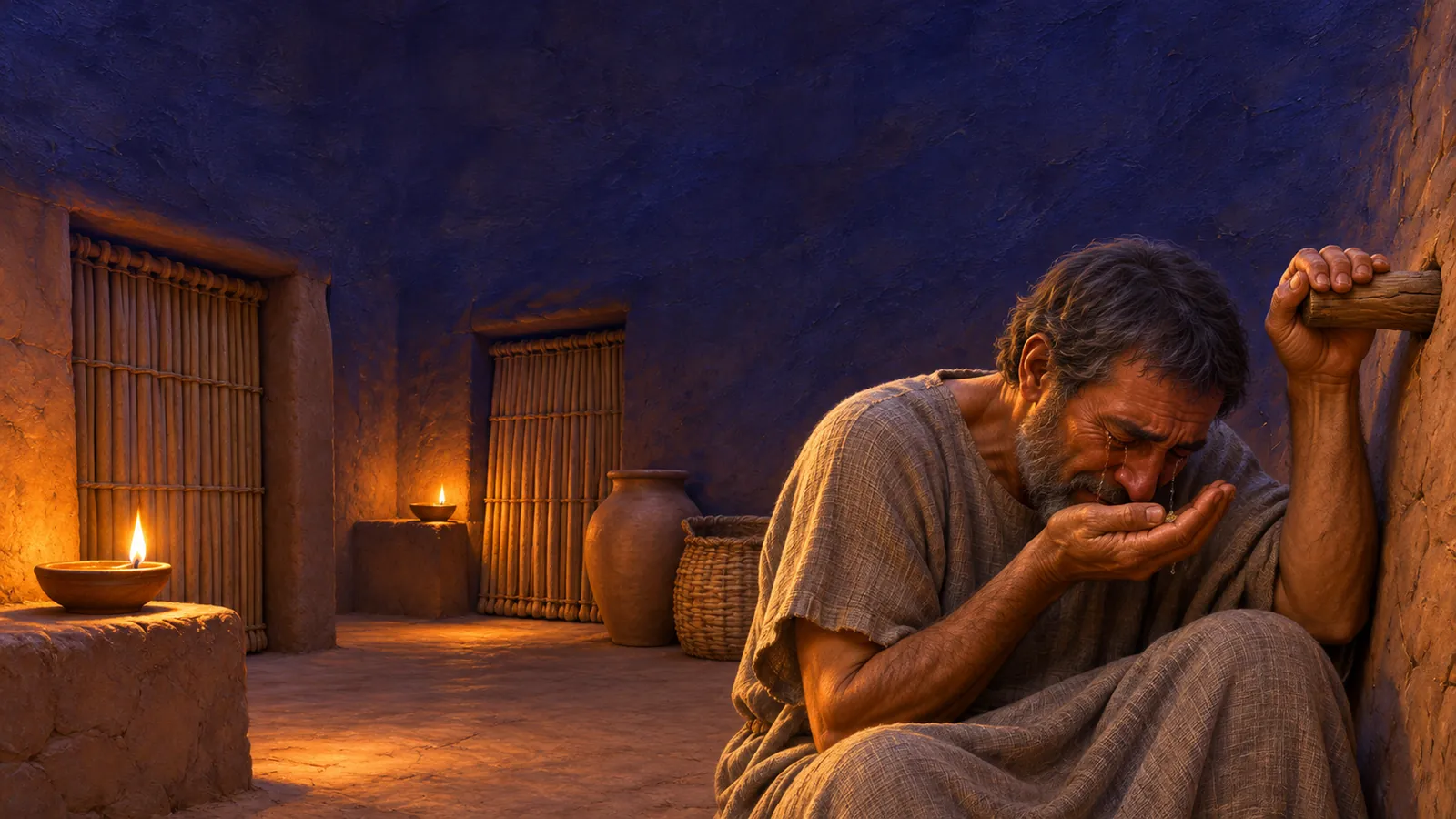
O QUE ENKIDU VIU
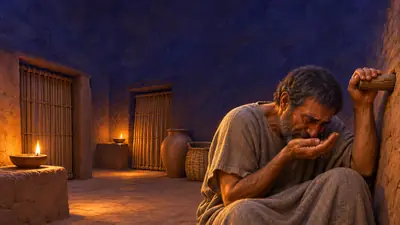
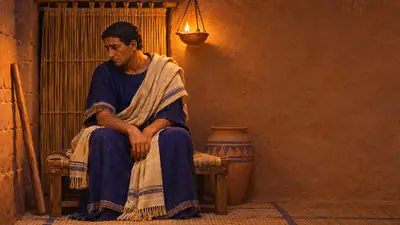
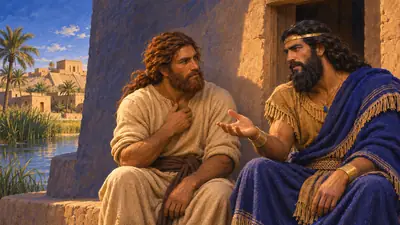
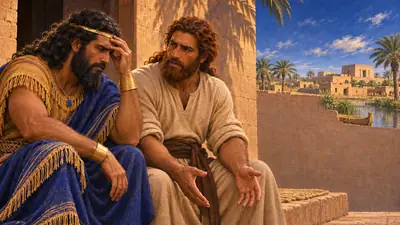
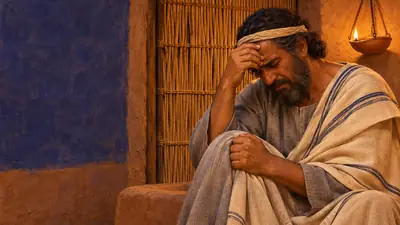
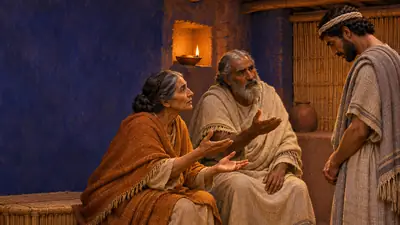
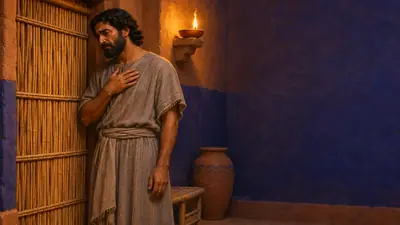
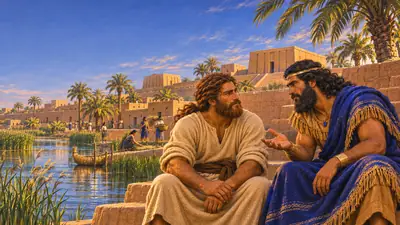
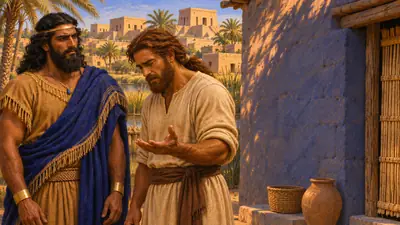
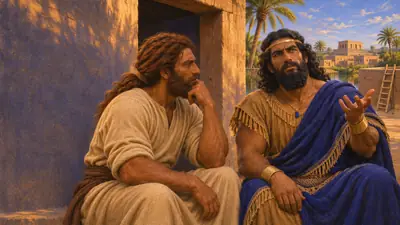
Gilgamesh perguntou pelo homem que tivera um filho. Enkidu disse que o vira chorar amargamente junto à cavilha de madeira cravada na sua parede.
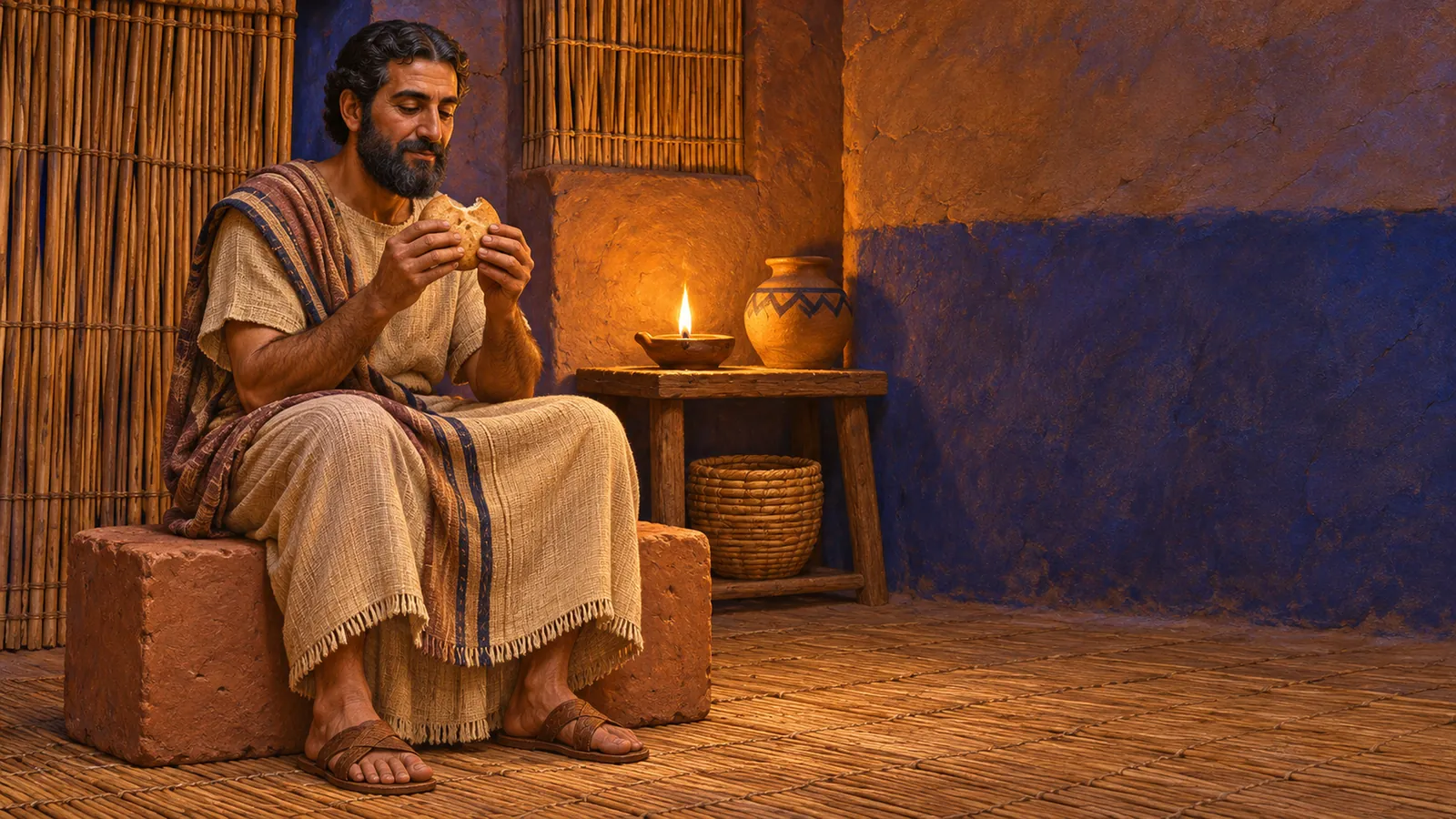
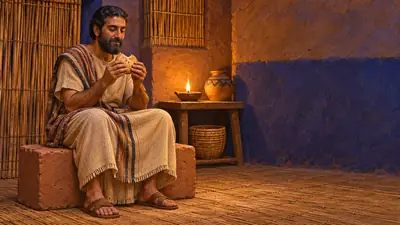
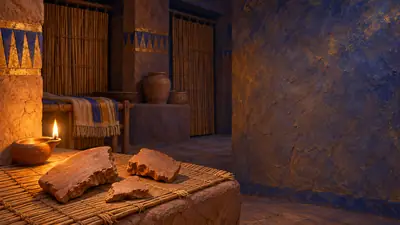
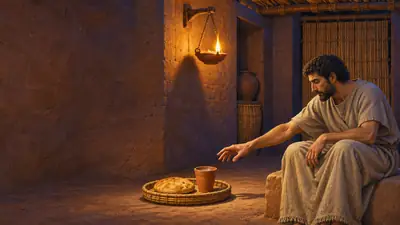
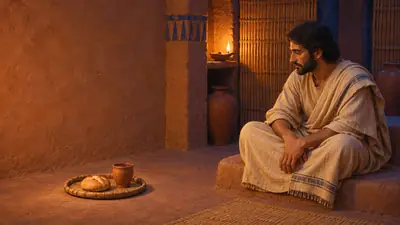
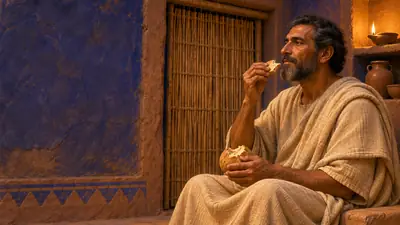
Gilgamesh perguntou pelo homem que tivera dois filhos. Enkidu disse que estava sentado sobre dois tijolos, a comer pão.
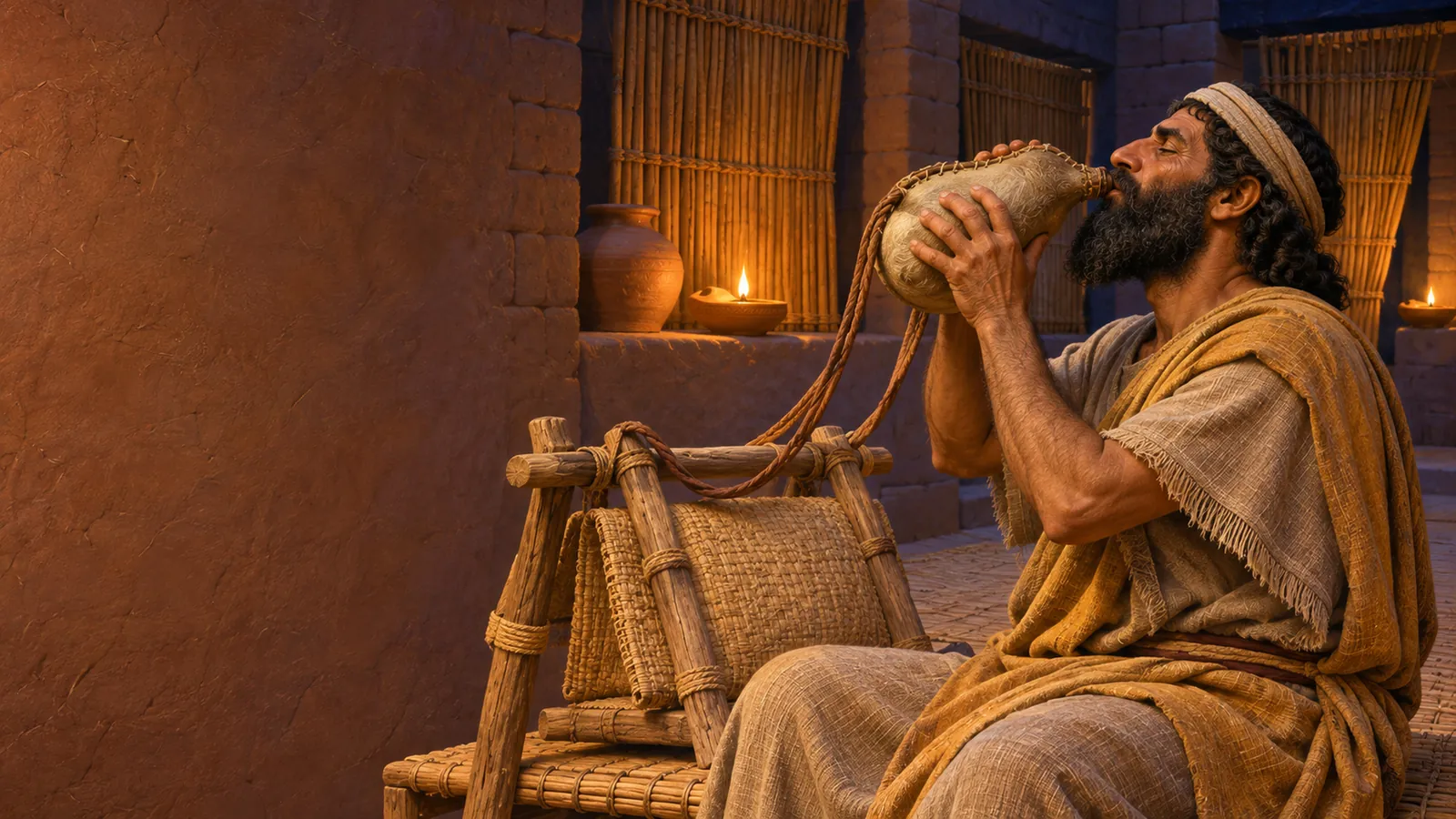
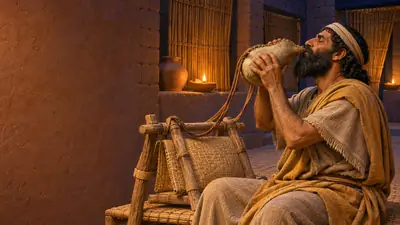
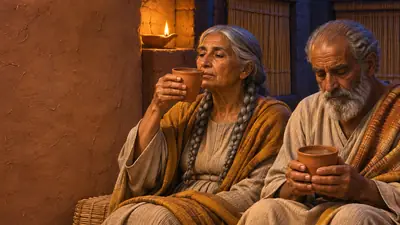
Gilgamesh perguntou pelo homem que tivera três filhos. Enkidu disse que bebia água de um odre de sela.
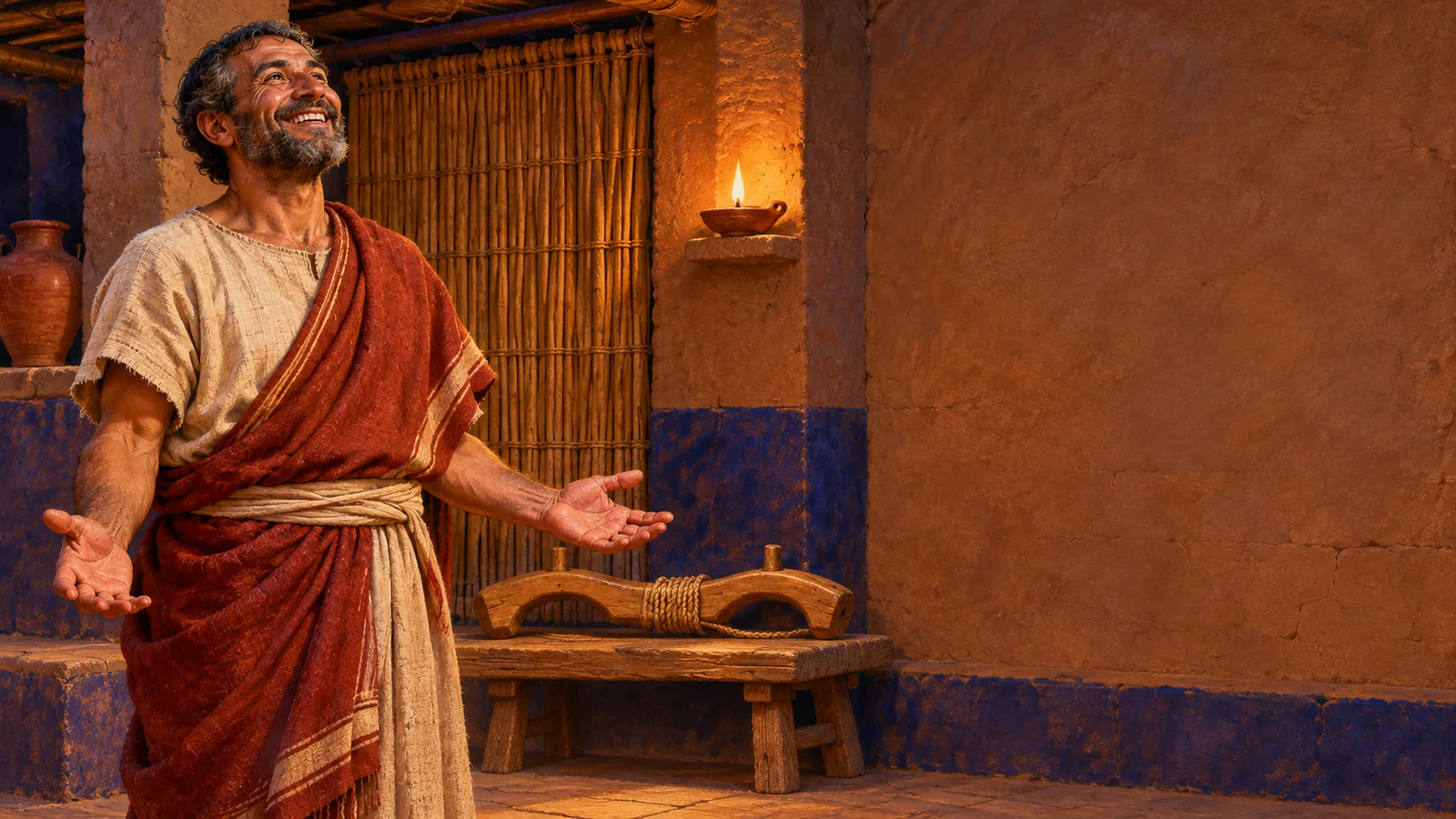
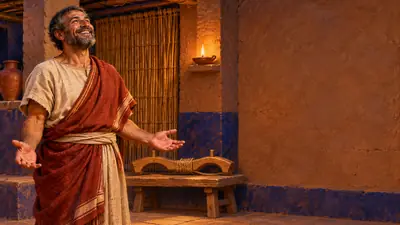
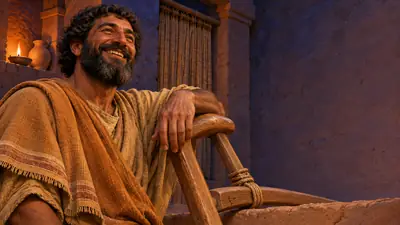
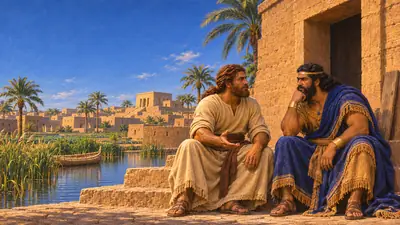
Gilgamesh perguntou pelo homem que tivera quatro filhos. Enkidu disse que o seu coração se alegrava como o de alguém que tinha quatro burros para atrelar.
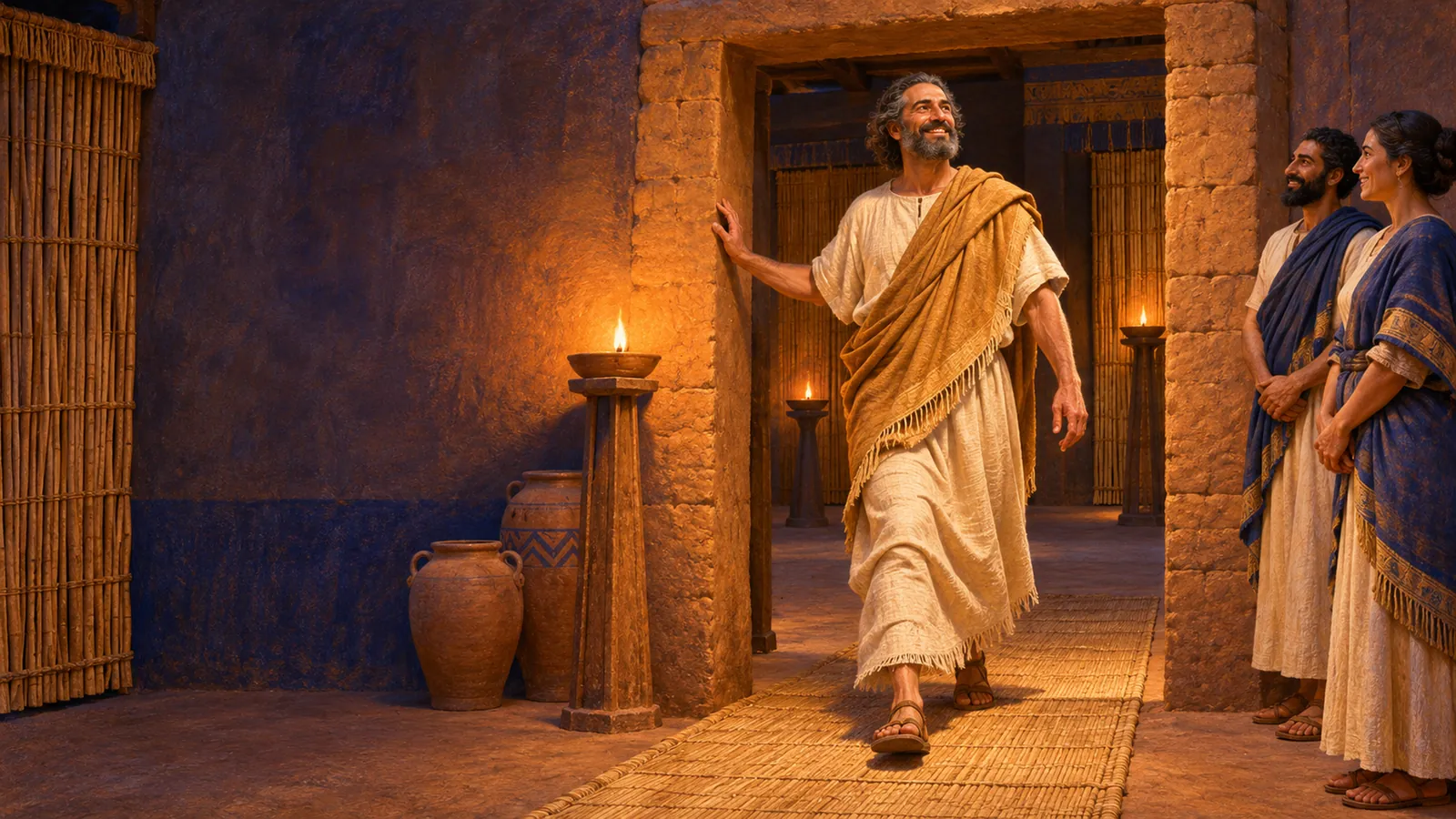
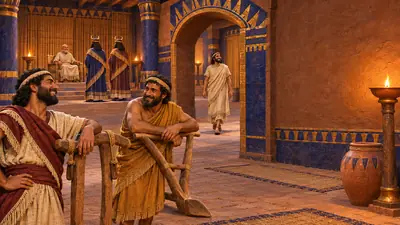
Gilgamesh perguntou pelo homem que tivera cinco filhos. Enkidu disse que era incansável como um bom escriba e que entrava facilmente no palácio.
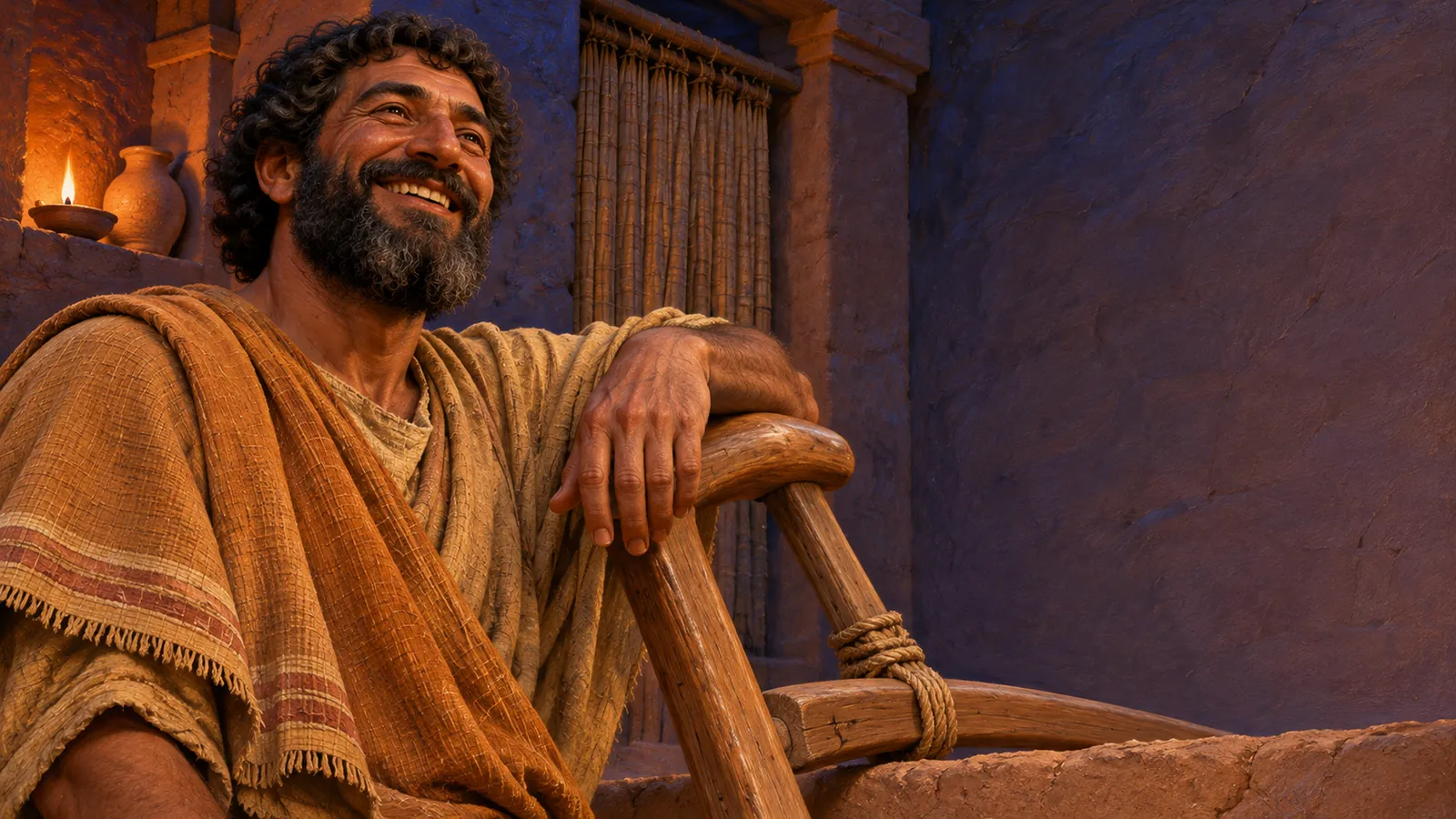
Gilgamesh perguntou pelo homem que tivera seis filhos. Enkidu disse que era tão alegre como um lavrador.
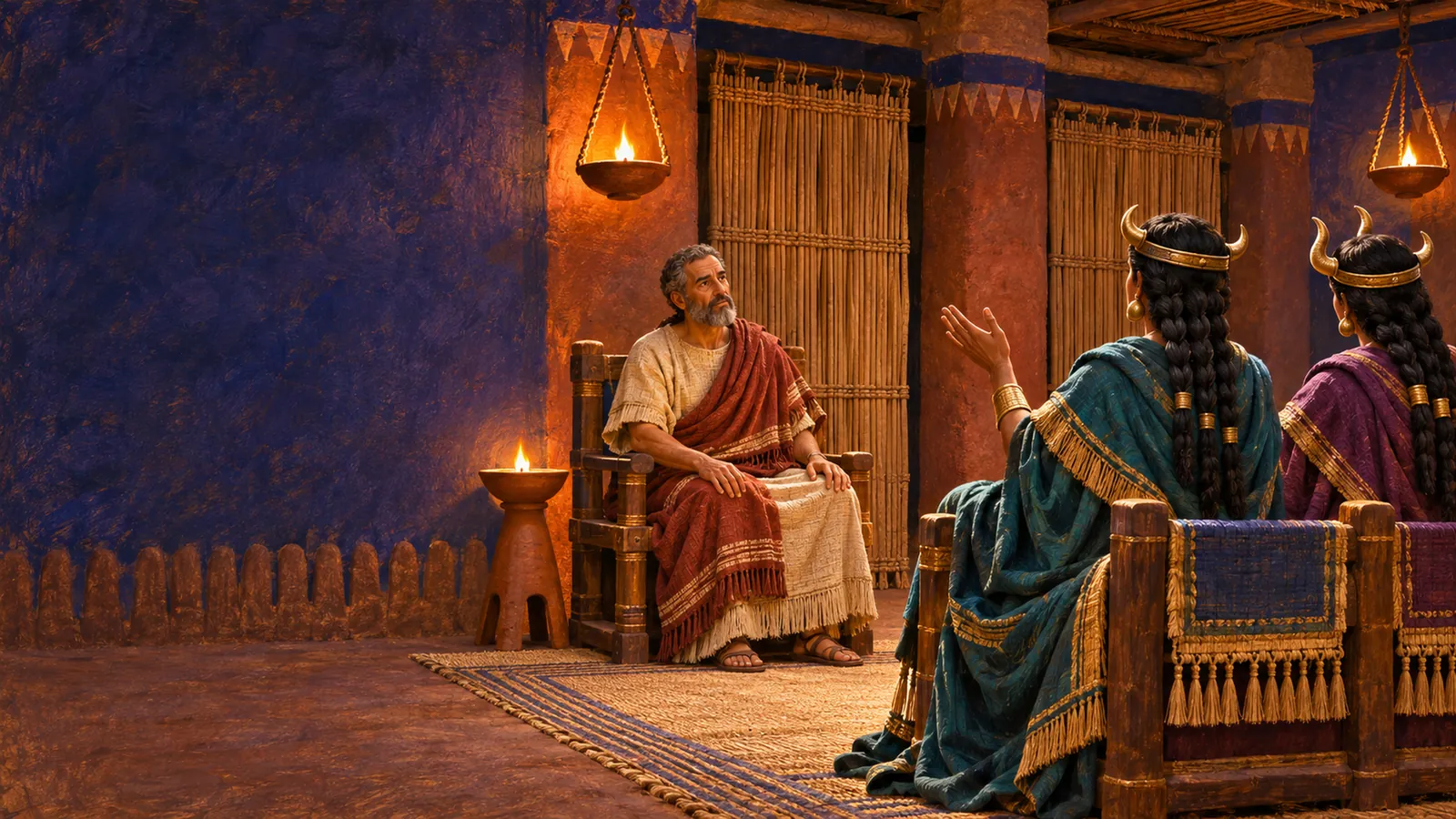
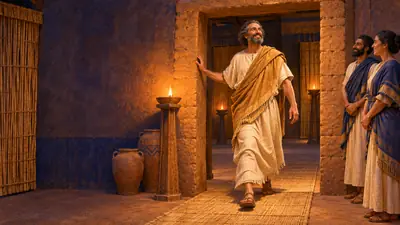
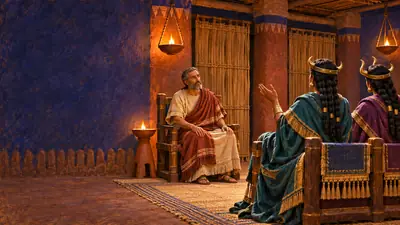
Gilgamesh perguntou pelo homem que tivera sete filhos. Enkidu disse que se sentava num trono como companheiro dos deuses e escutava as sentenças.
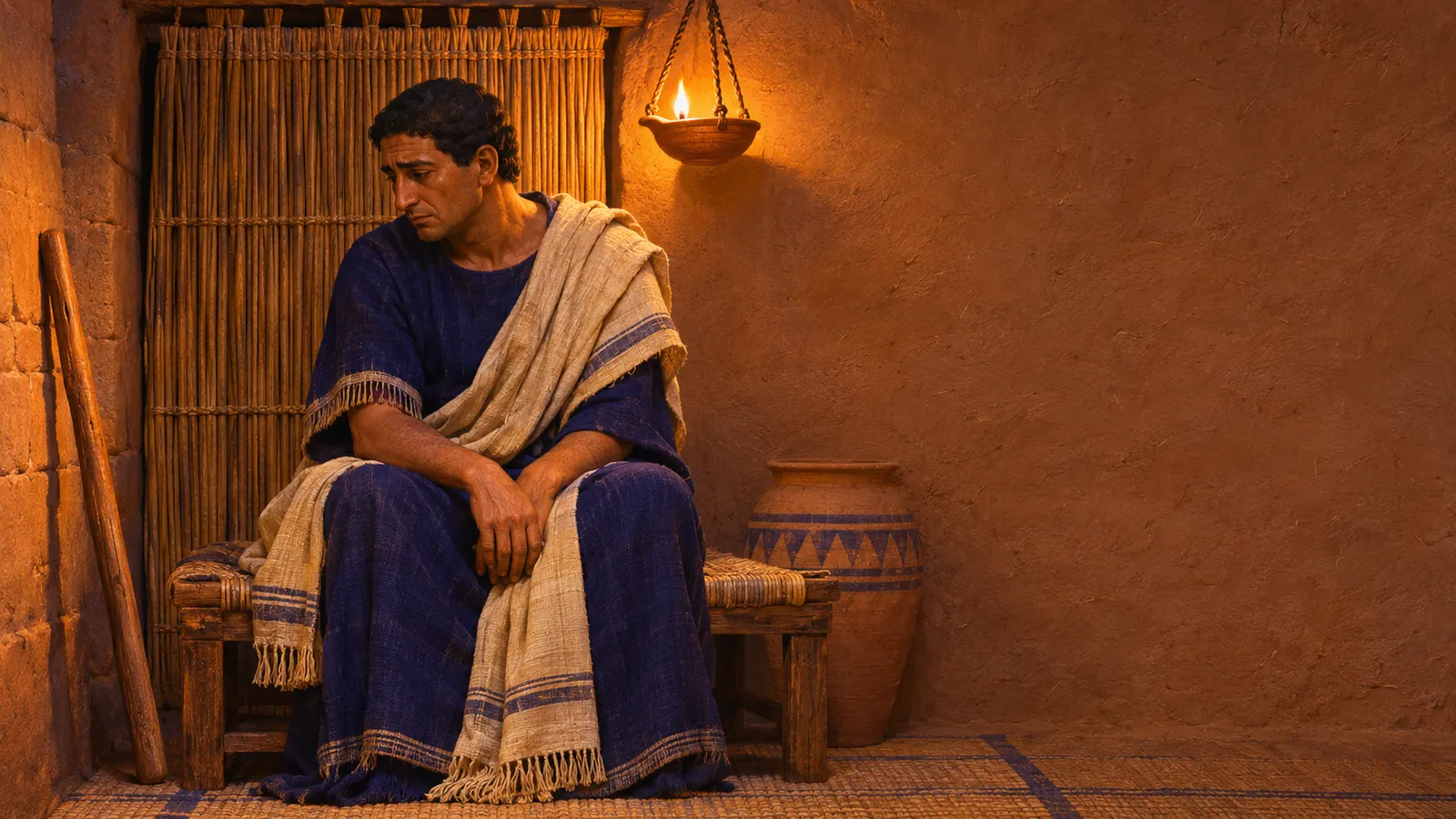
Gilgamesh perguntou pelo eunuco do palácio. Na resposta, Enkidu comparou-o a um bastão alala deixado a um canto.
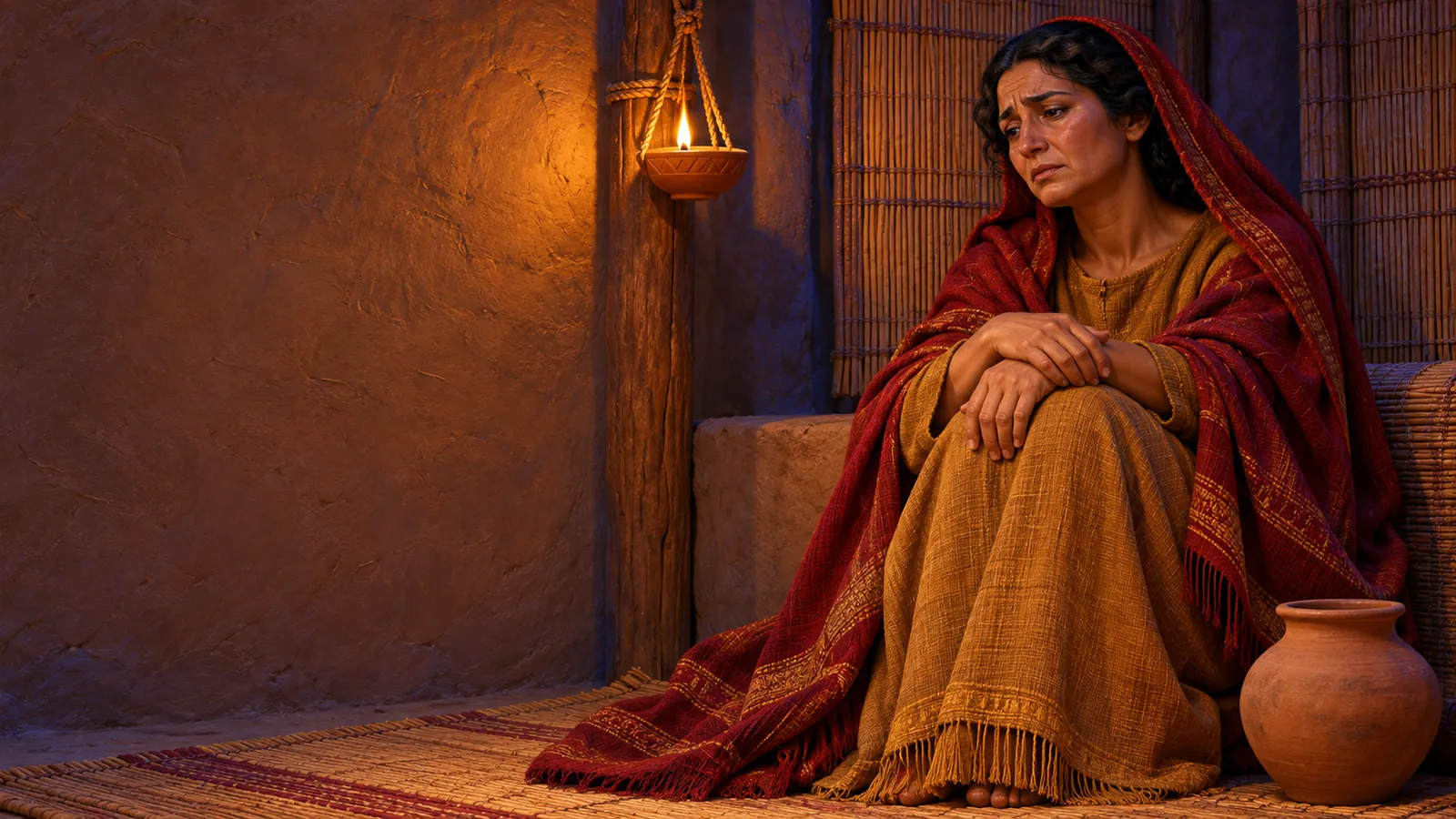
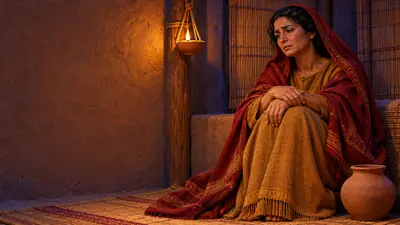
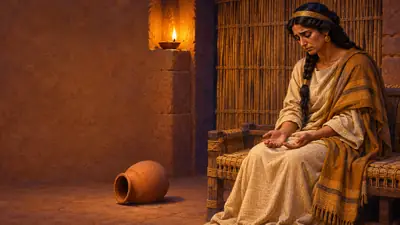
Gilgamesh perguntou pela mulher que nunca tinha dado à luz. Enkidu comparou-a a uma vasilha atirada fora com violência e disse que não dava alegria a homem algum.
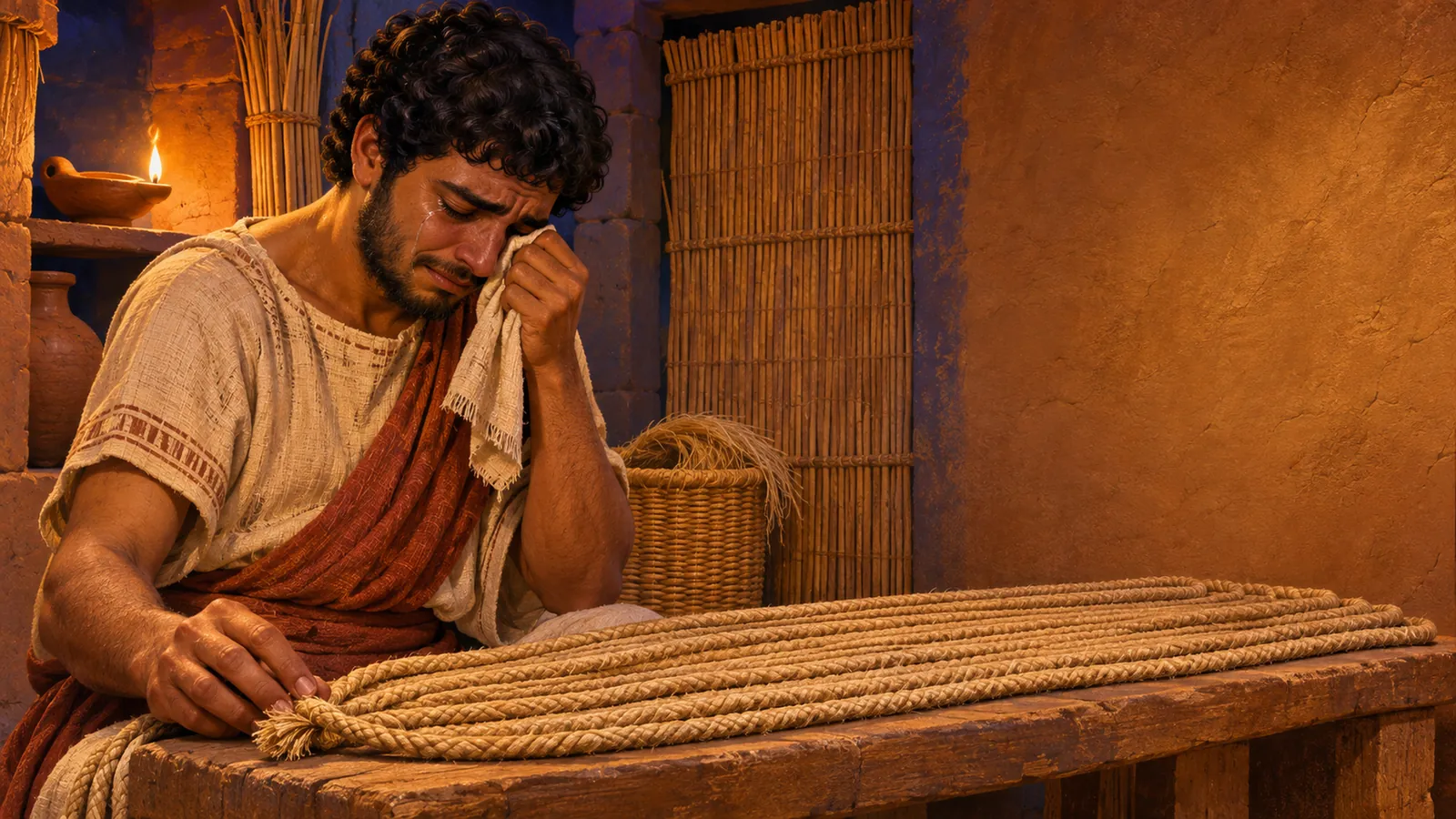
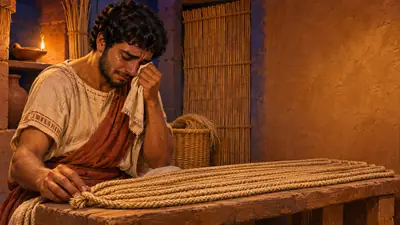
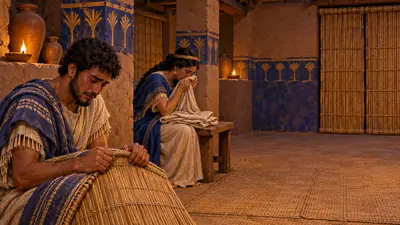
Gilgamesh perguntou pelo jovem que nunca tinha despido a mulher. Enkidu disse que ele chorava sobre uma corda quando esta ficava pronta.
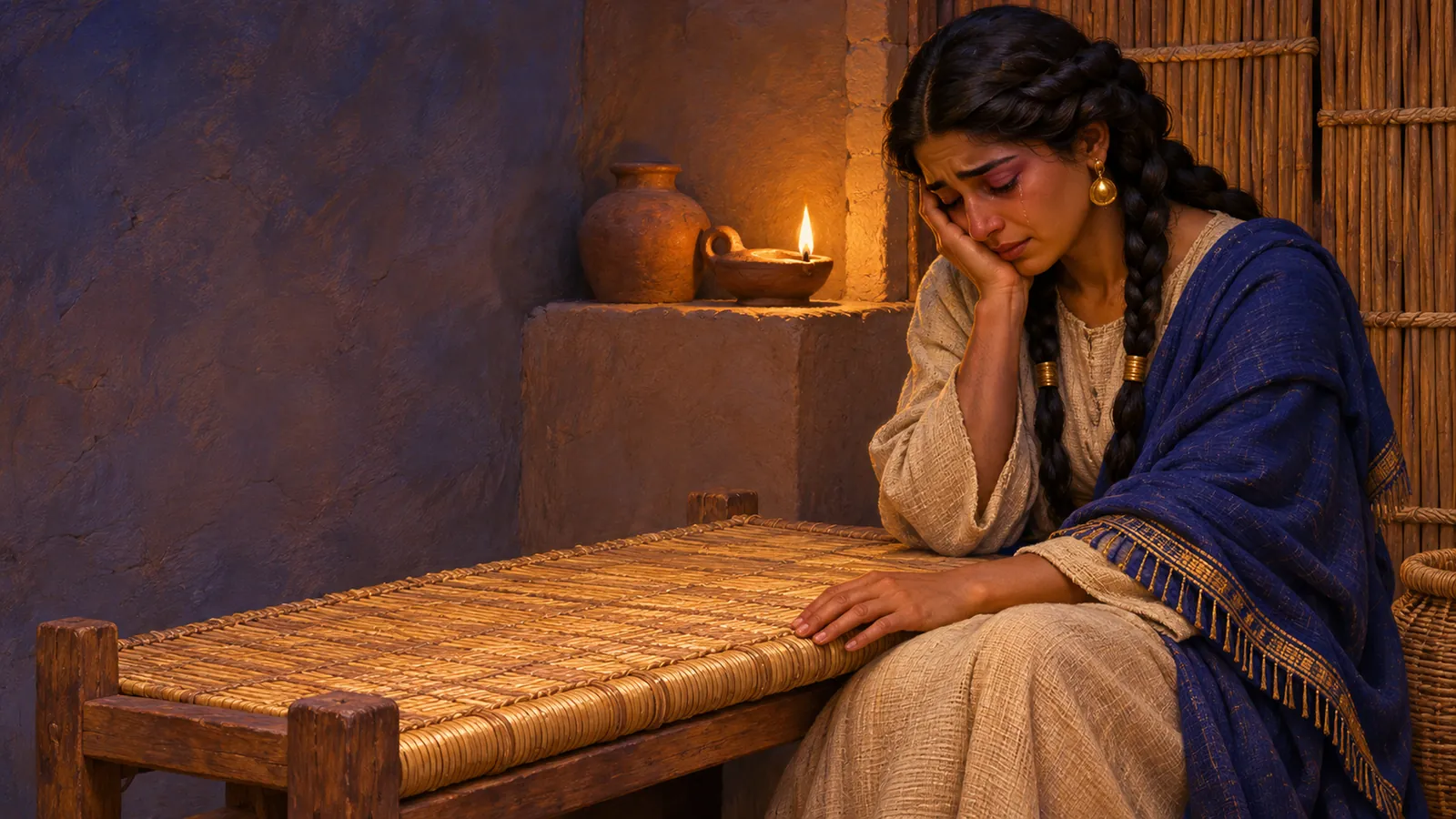
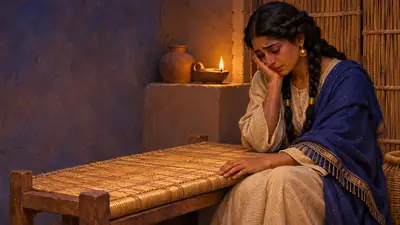
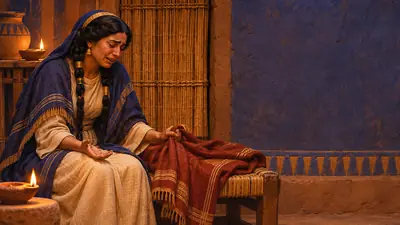
Gilgamesh perguntou pela jovem que nunca tinha despido o marido. Enkidu disse que ela chorava sobre uma esteira de canas quando esta ficava pronta.
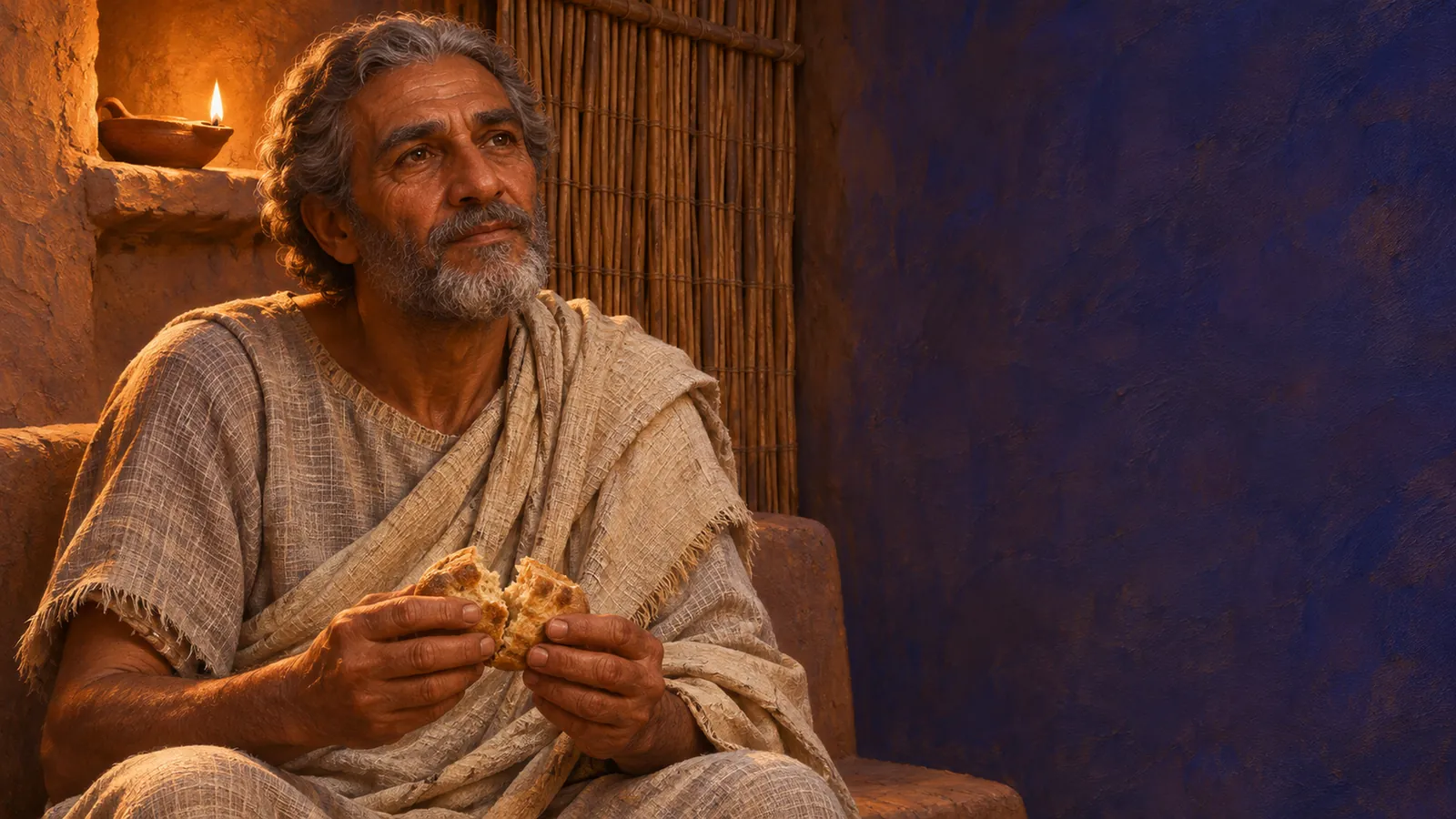
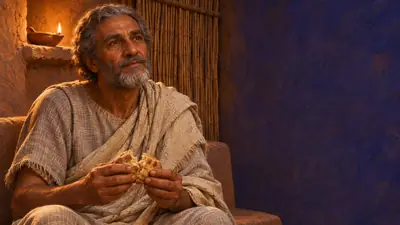
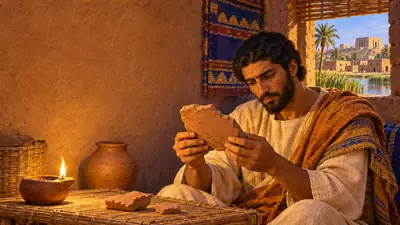
Enkidu disse que o homem sem herdeiro comia pão. A sua resposta compara-o a alguém numa passagem danificada que talvez mencione tijolos.
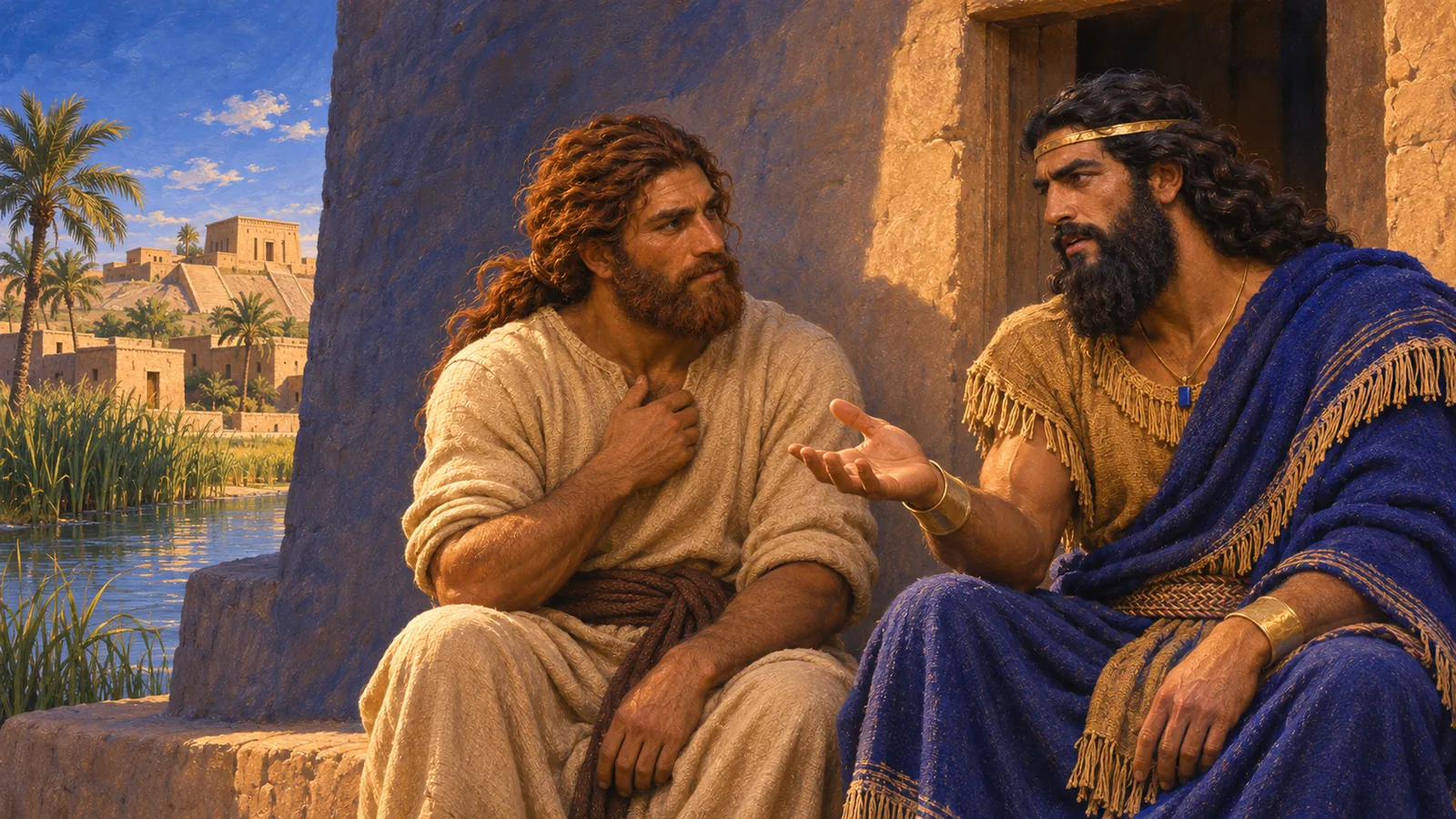
A pergunta seguinte perdeu as palavras que dizem de quem se trata. Enkidu diz que o viu, e o interlocutor pergunta como ele passa.
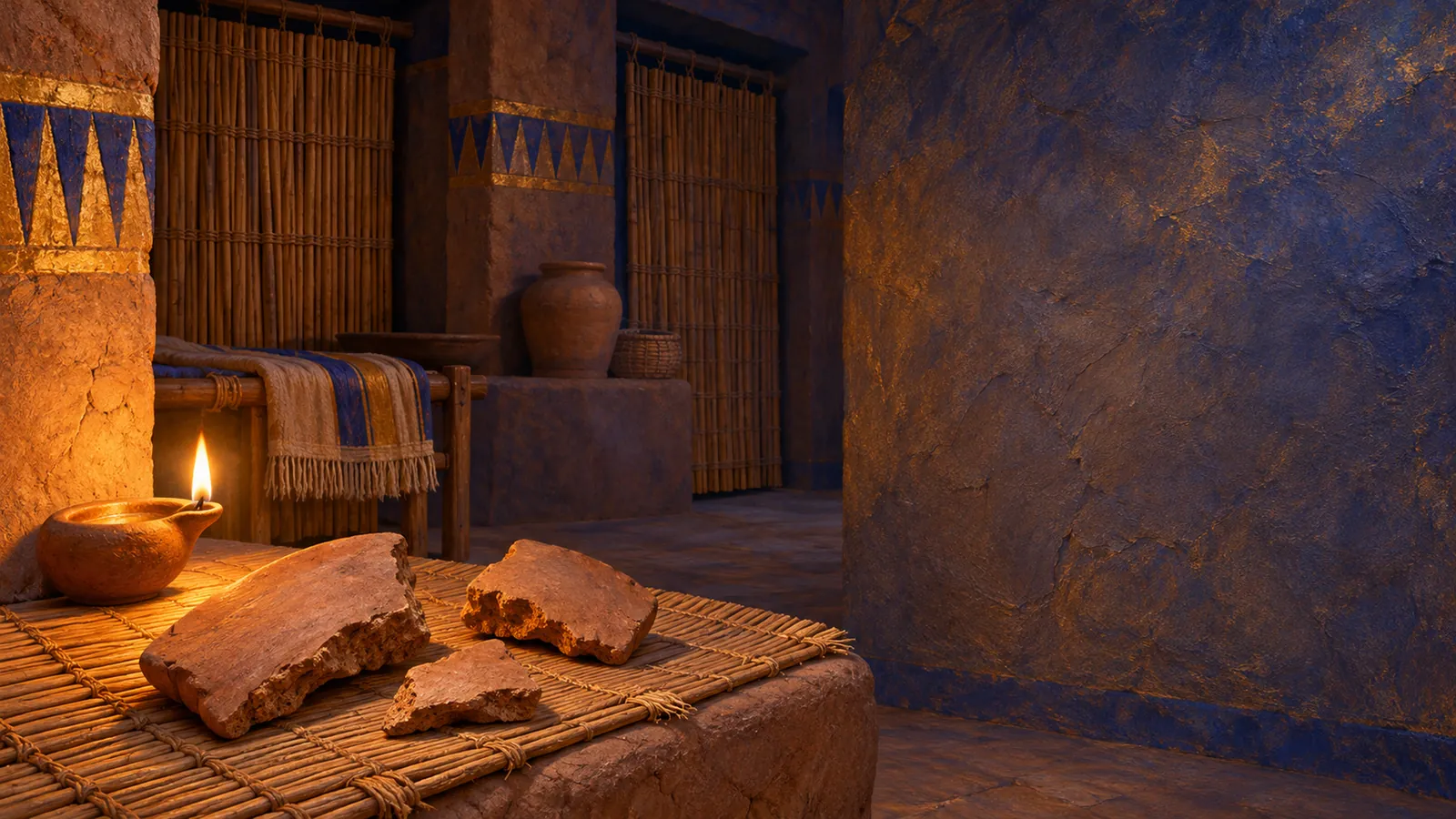
Neste ponto, a edição de Oxford assinala sete linhas fragmentárias ou perdidas. As perguntas prosseguem na passagem seguinte que se conserva.
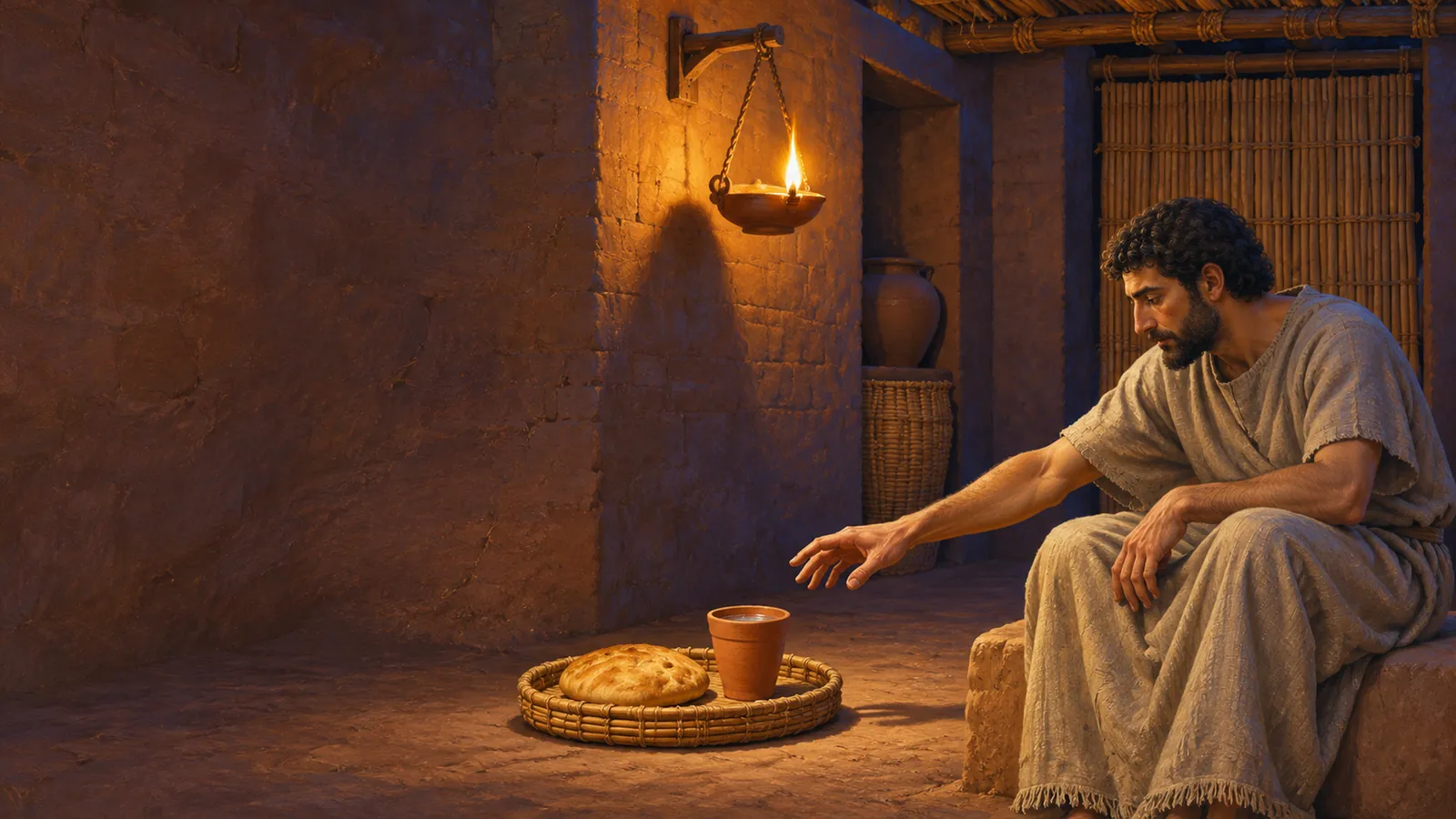
Na pergunta seguinte perderam-se as palavras que identificavam o homem. Enkidu diz que a sua comida e a sua água estão à parte, e que aparentemente ele come e bebe o que lhe oferecem.
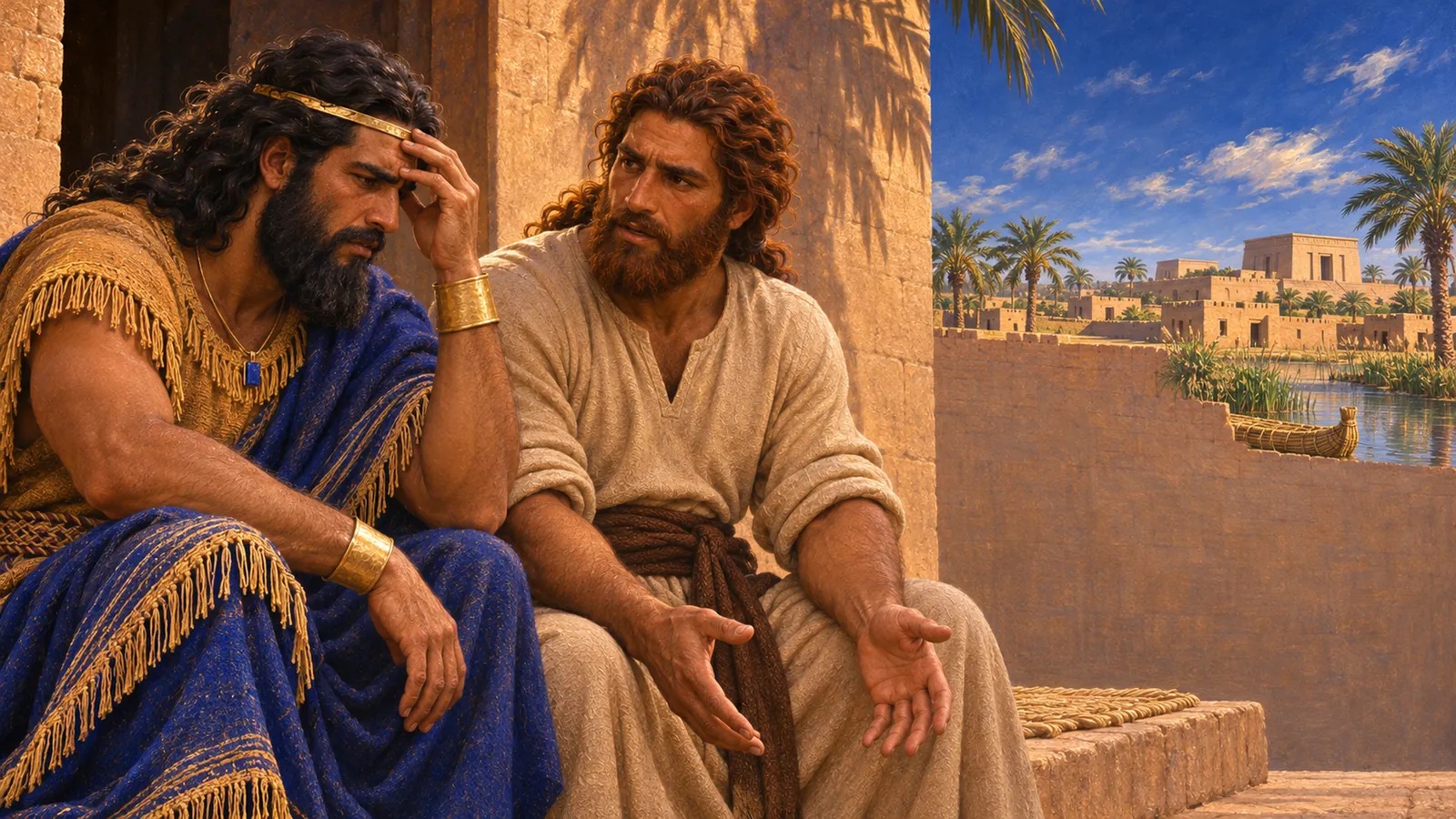
Um manuscrito acrescenta duas perguntas. Um homem devorado por um leão lamenta-se amargamente pelas mãos e pelas pernas. A resposta sobre um homem que caiu de um telhado menciona os seus ossos, mas o resto da frase está danificado.
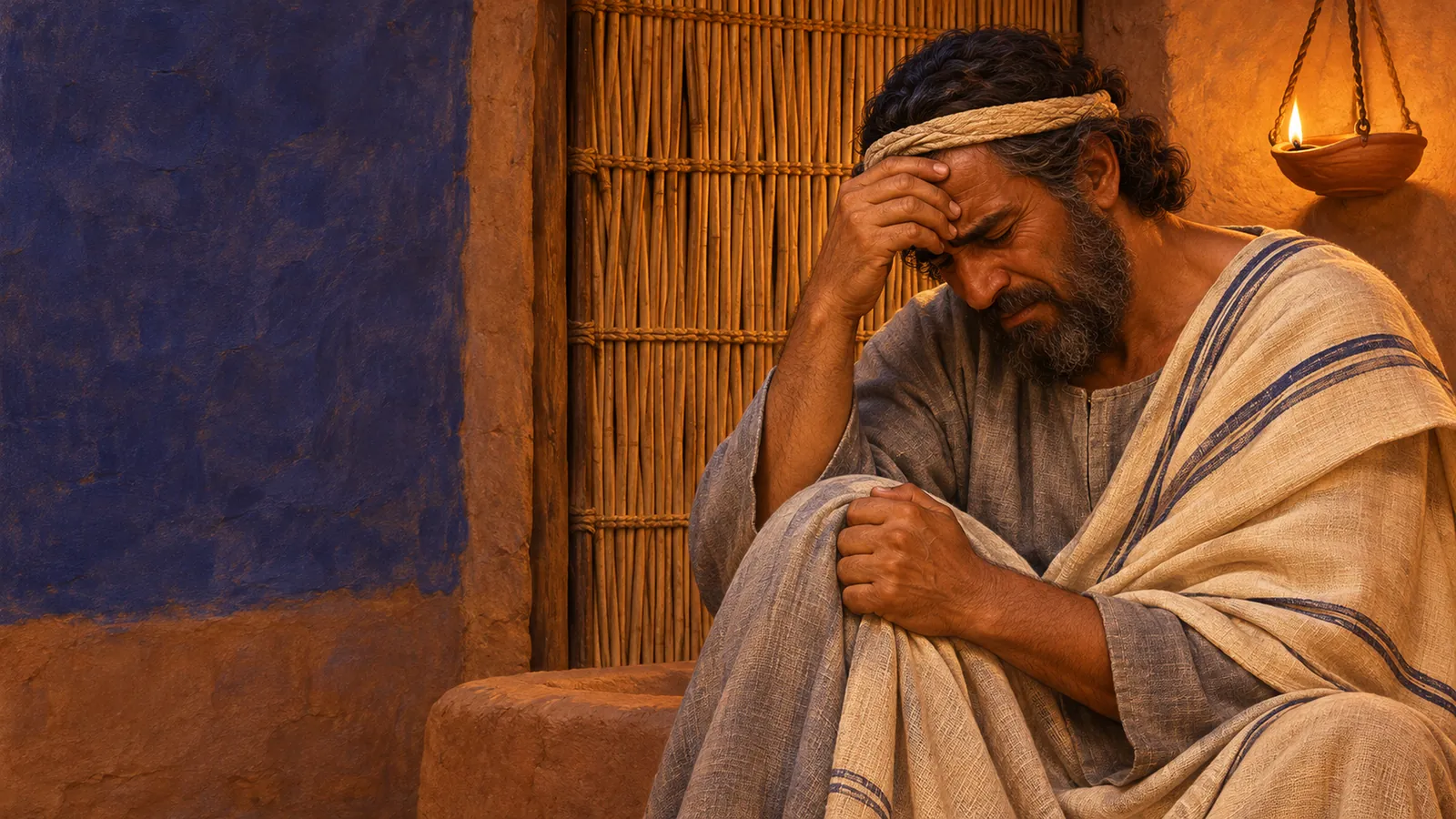
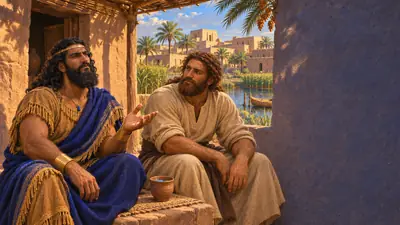
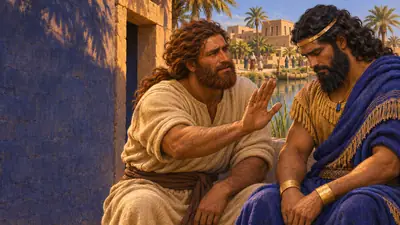
Gilgamesh pergunta pelo homem a quem a tradução chama leproso. Enkidu descreve-o a estremecer em grande sofrimento. A sua resposta é um dos relatos do poema sobre os mortos.
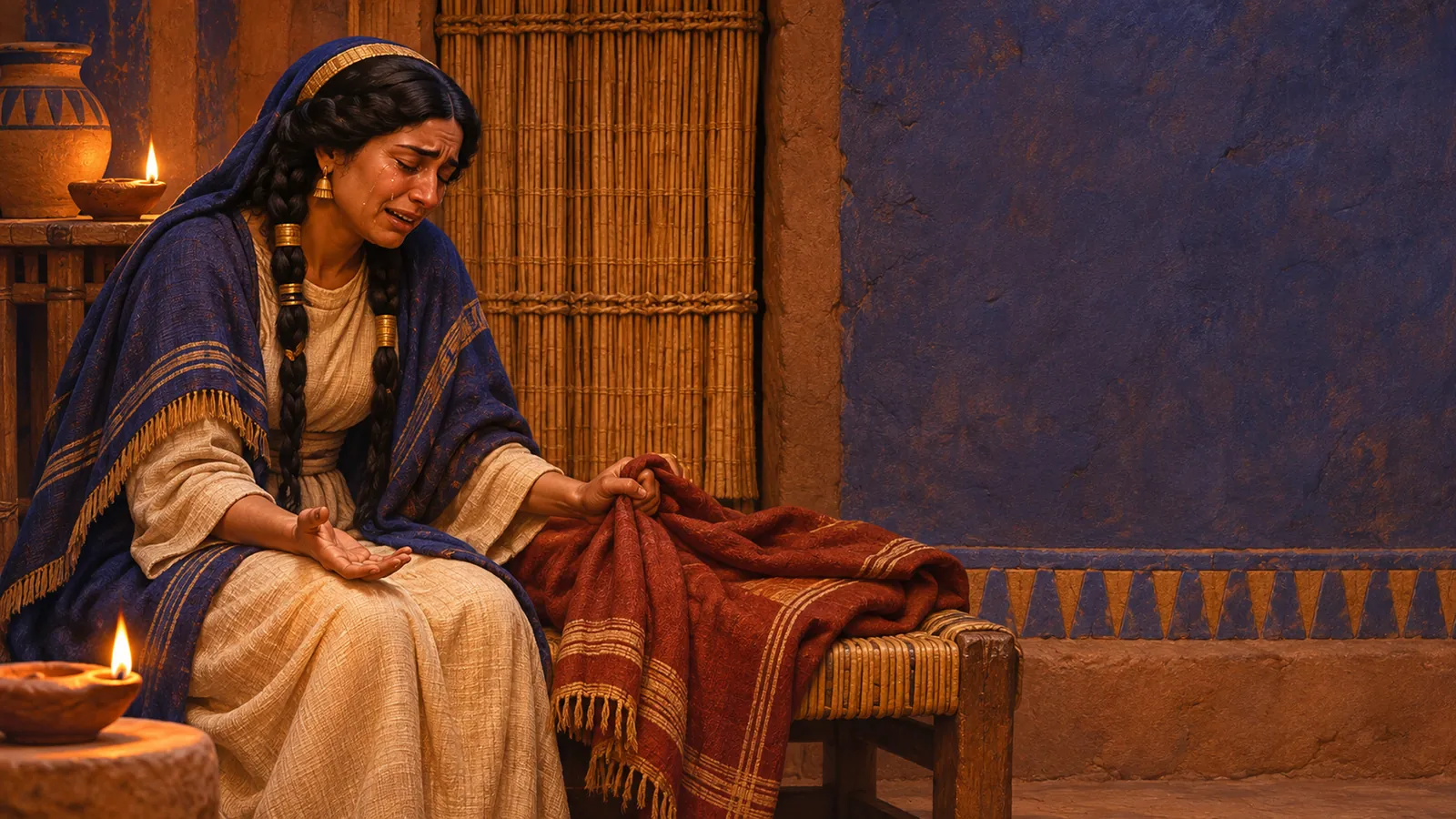
Enkidu viu o homem que caiu em combate. A mãe e o pai estão ausentes quando precisa deles, e a mulher chora por ele.
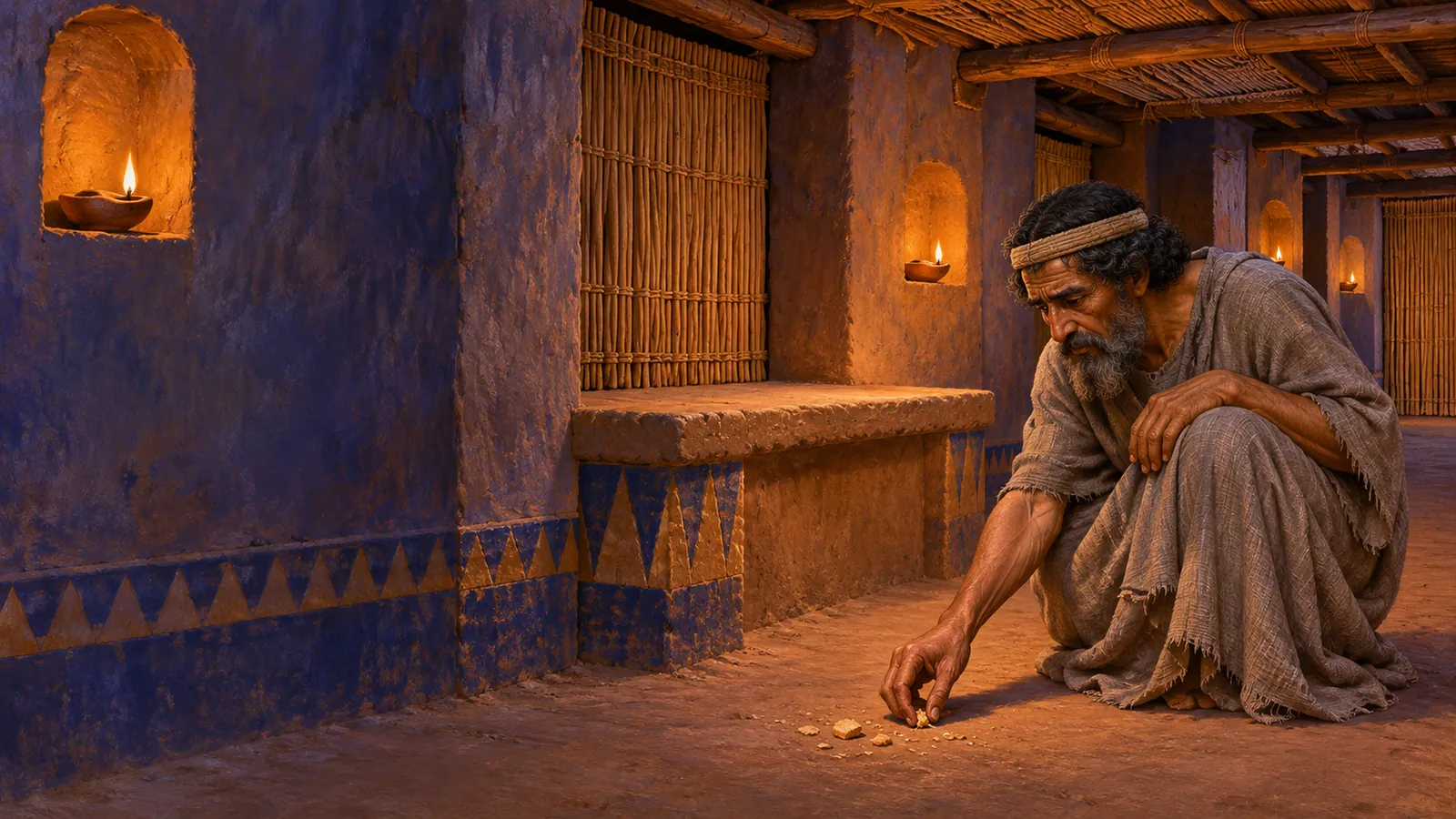
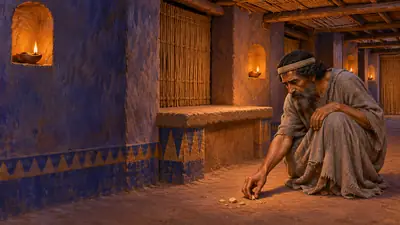
Perguntam o que acontece ao espírito sem oferendas funerárias. Enkidu diz que come os restos e as migalhas deitados para a rua.
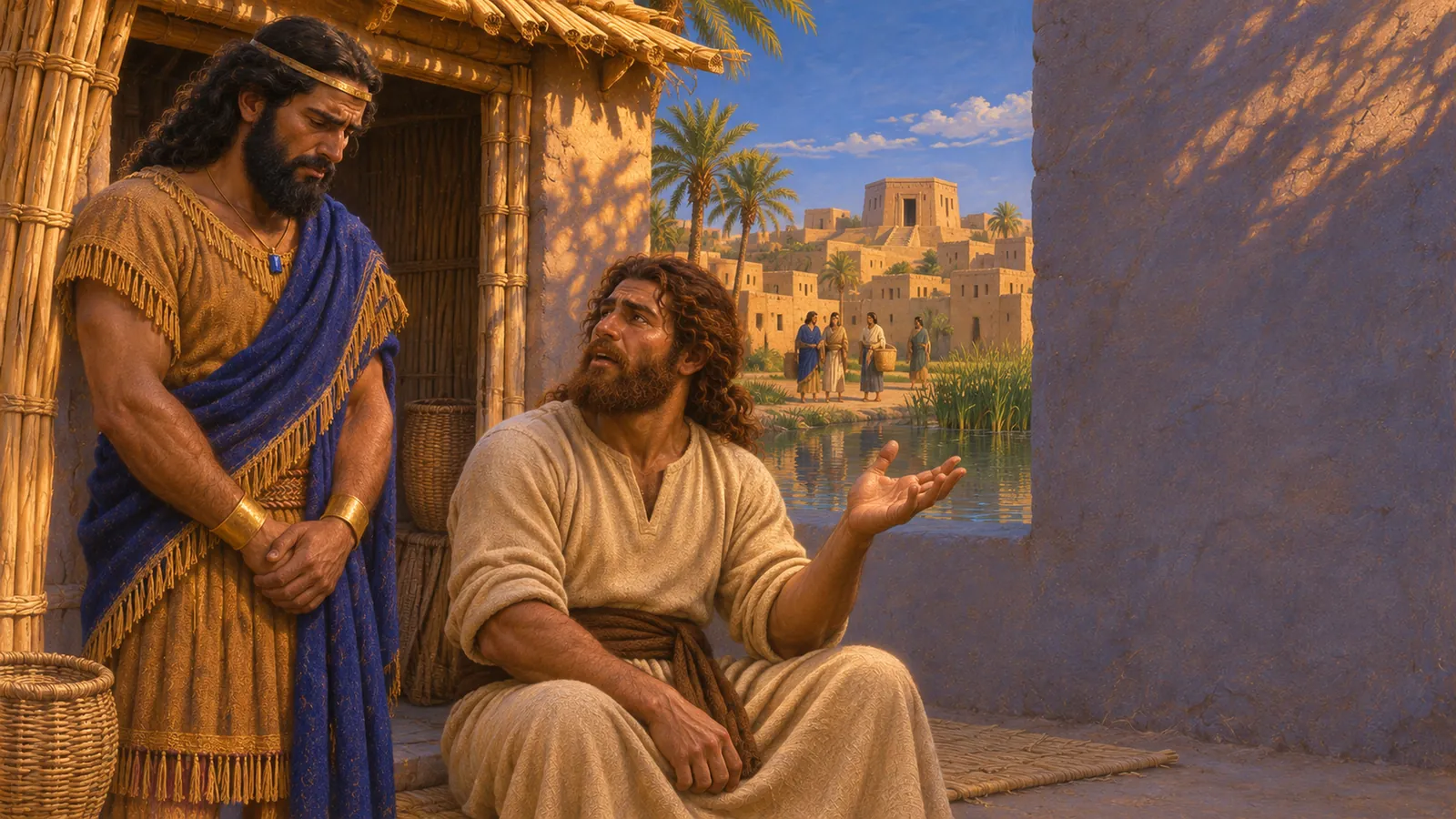
Enkidu descreve um homem atingido por uma tábua de um barco. O homem chama pela mãe. Grande parte do resto da resposta está incompleta.
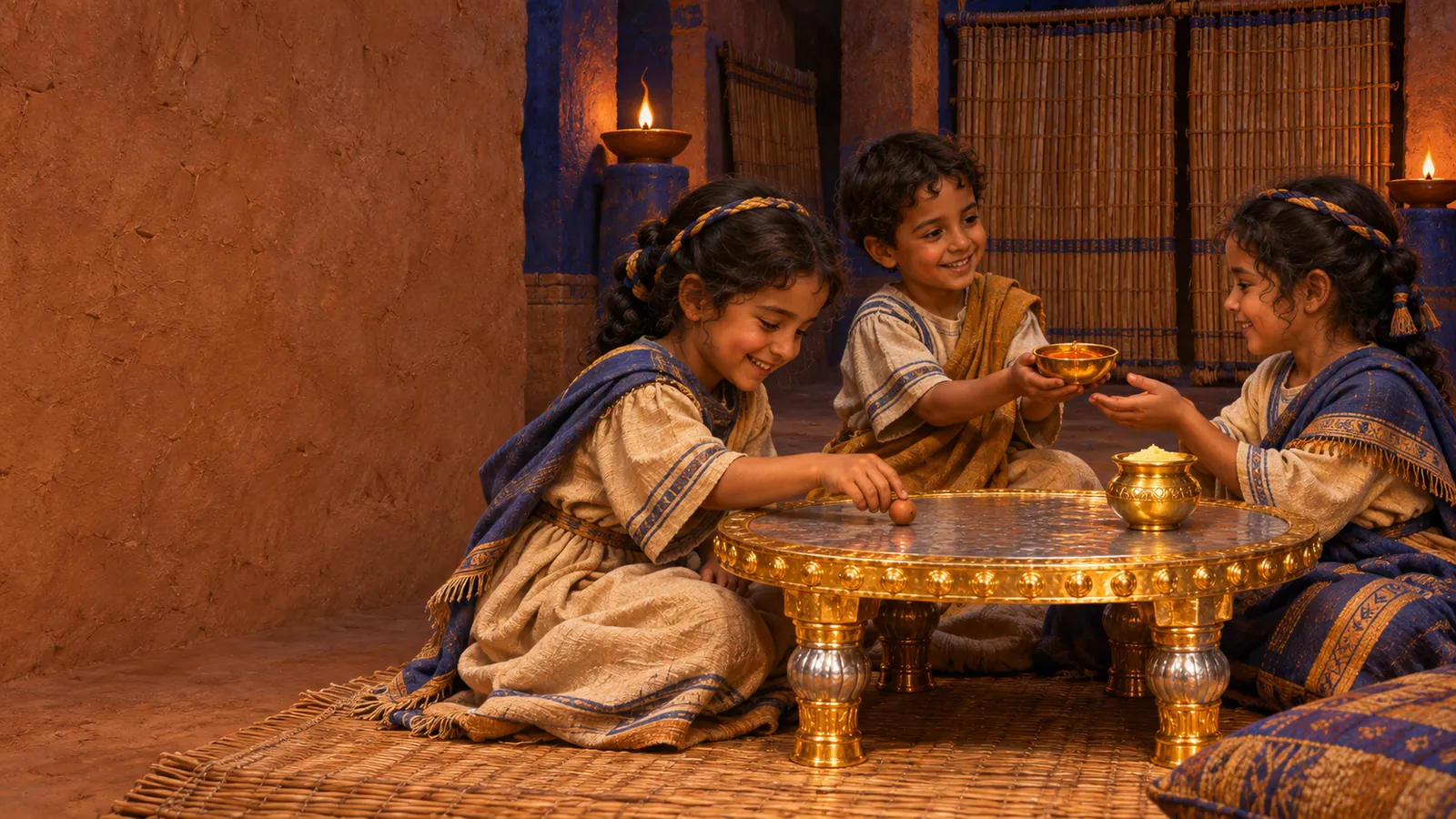
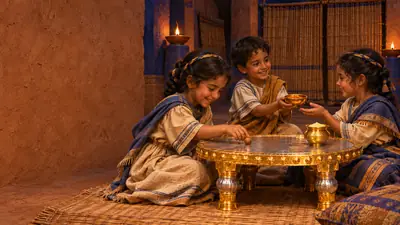
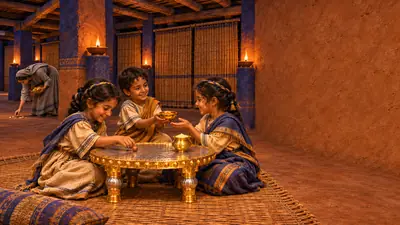
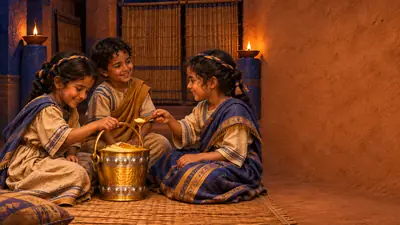
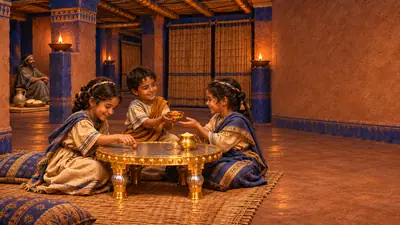
Gilgamesh pergunta pelos seus filhos pequenos que nasceram mortos. Enkidu diz que os viu brincar a uma mesa de ouro e prata, repleta de mel e manteiga clarificada.
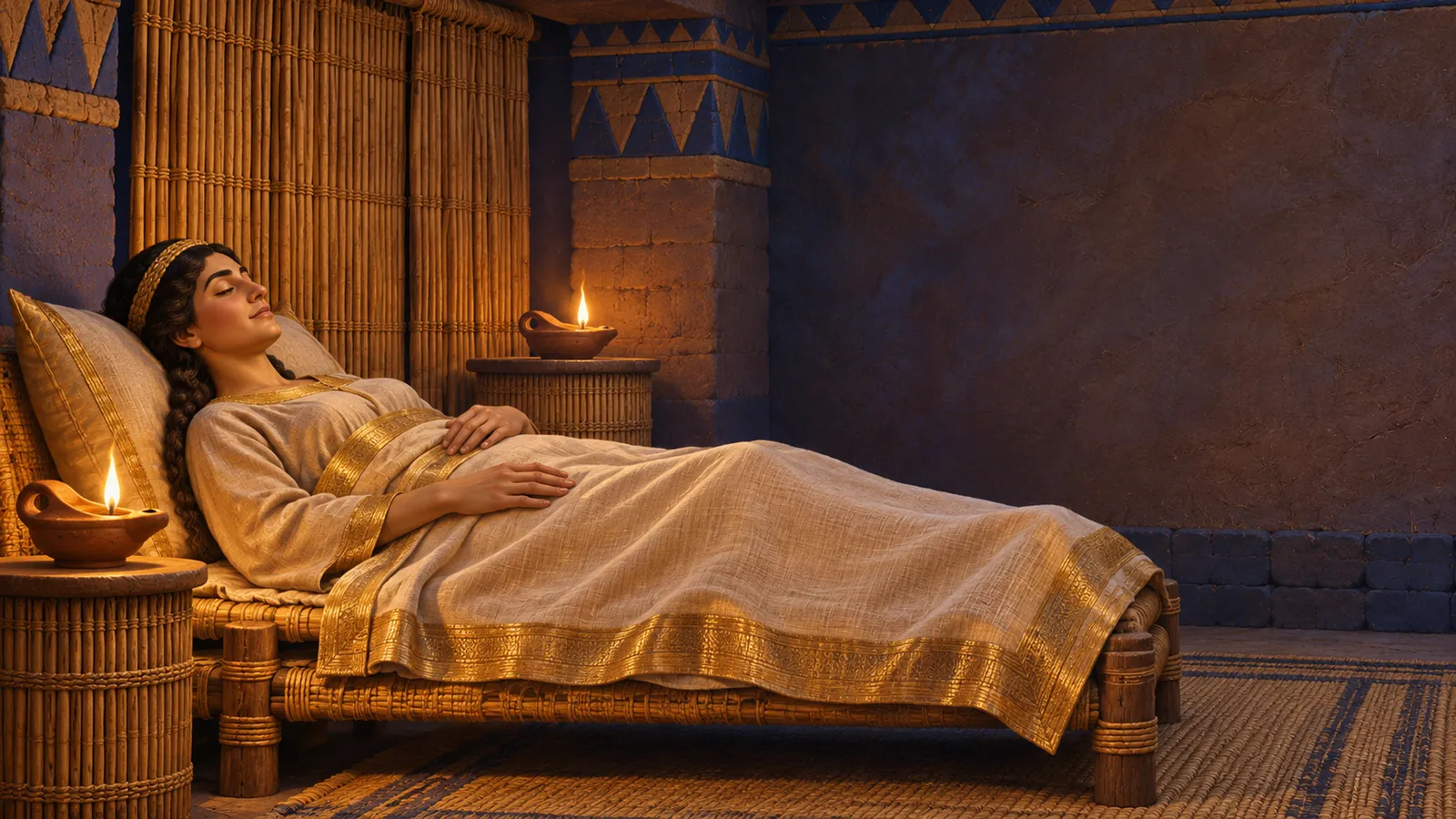
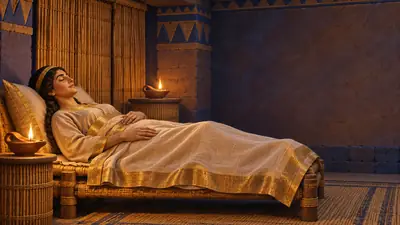
Resta outra pergunta, sem que se saiba como morreu o homem. Enkidu responde que o viu e que ele jaz num leito dos deuses.
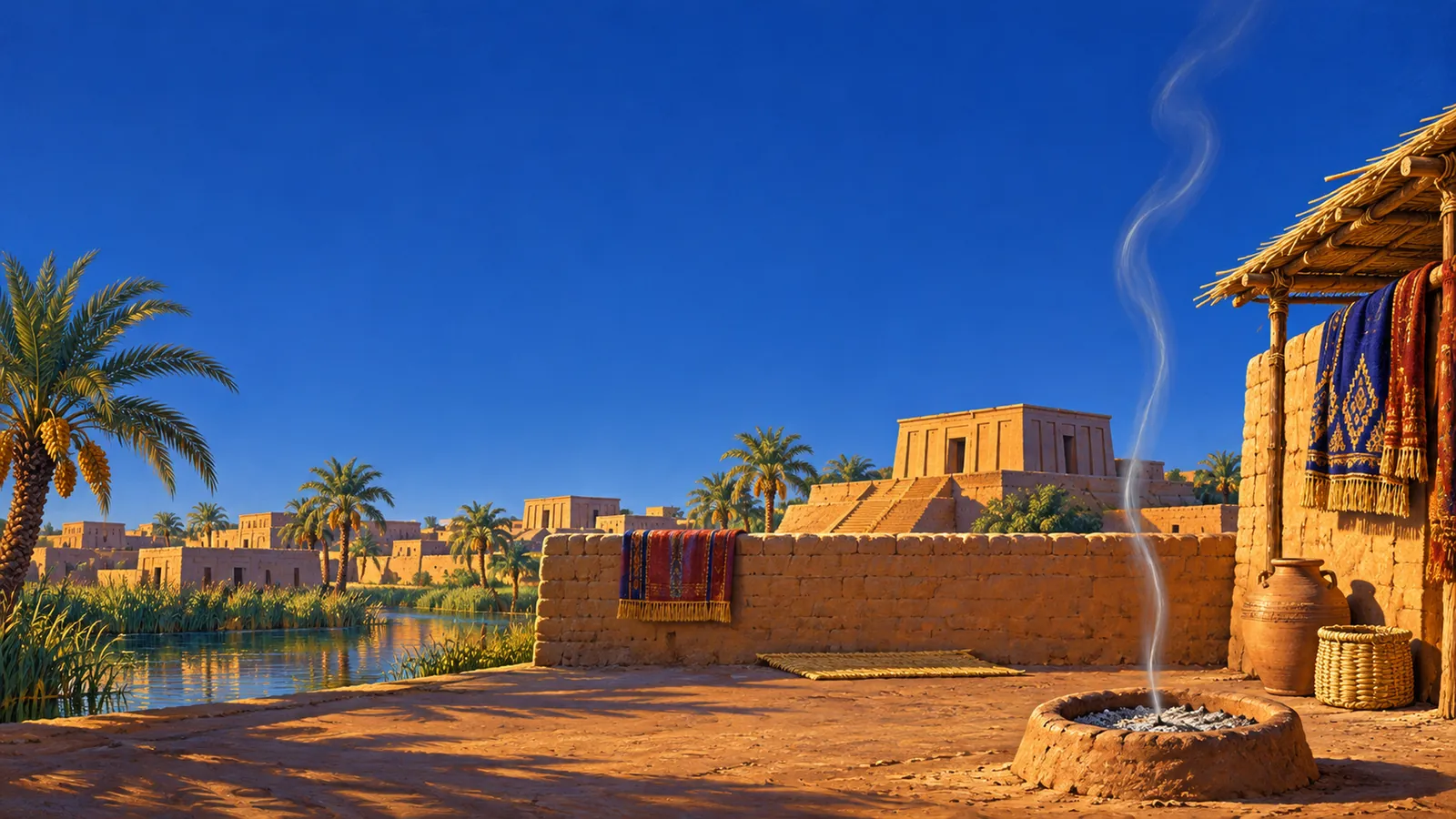
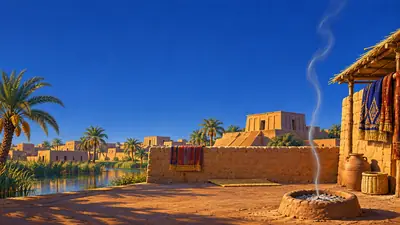
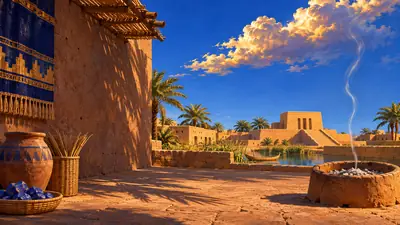
Quando Gilgamesh pergunta pelo homem a quem pegaram fogo, Enkidu diz que não o viu. O seu espírito não está ali, e o seu fumo subiu ao céu.
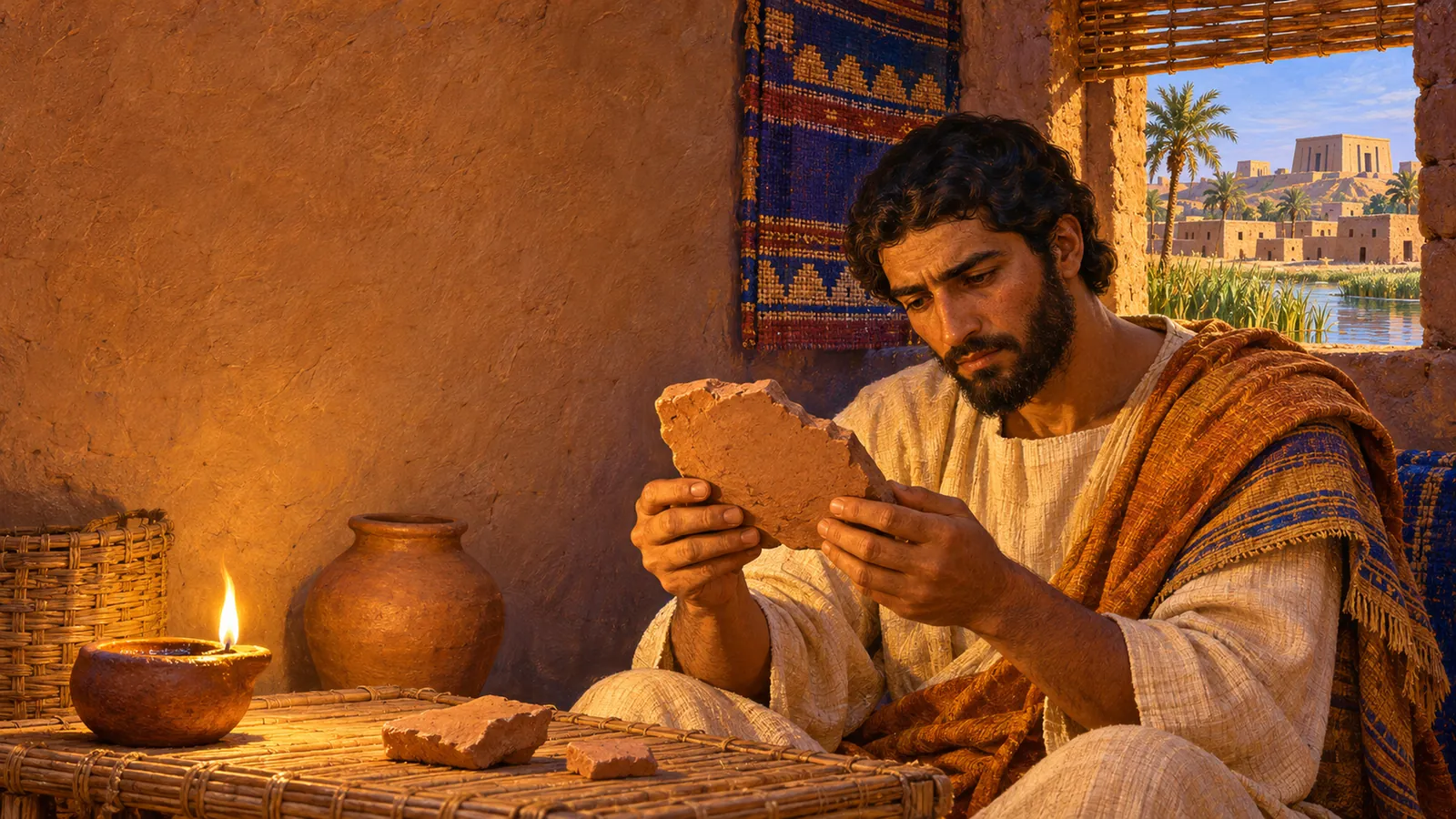
UR · UET 6 58
Uma tabuinha de Ur apresenta outro final. Fala de um homem que caiu de um telhado, de uma possível cheia tempestuosa de Ishkur e de um homem a quem a tradução chama leproso. A sua comida e água ficam separadas fora da cidade.
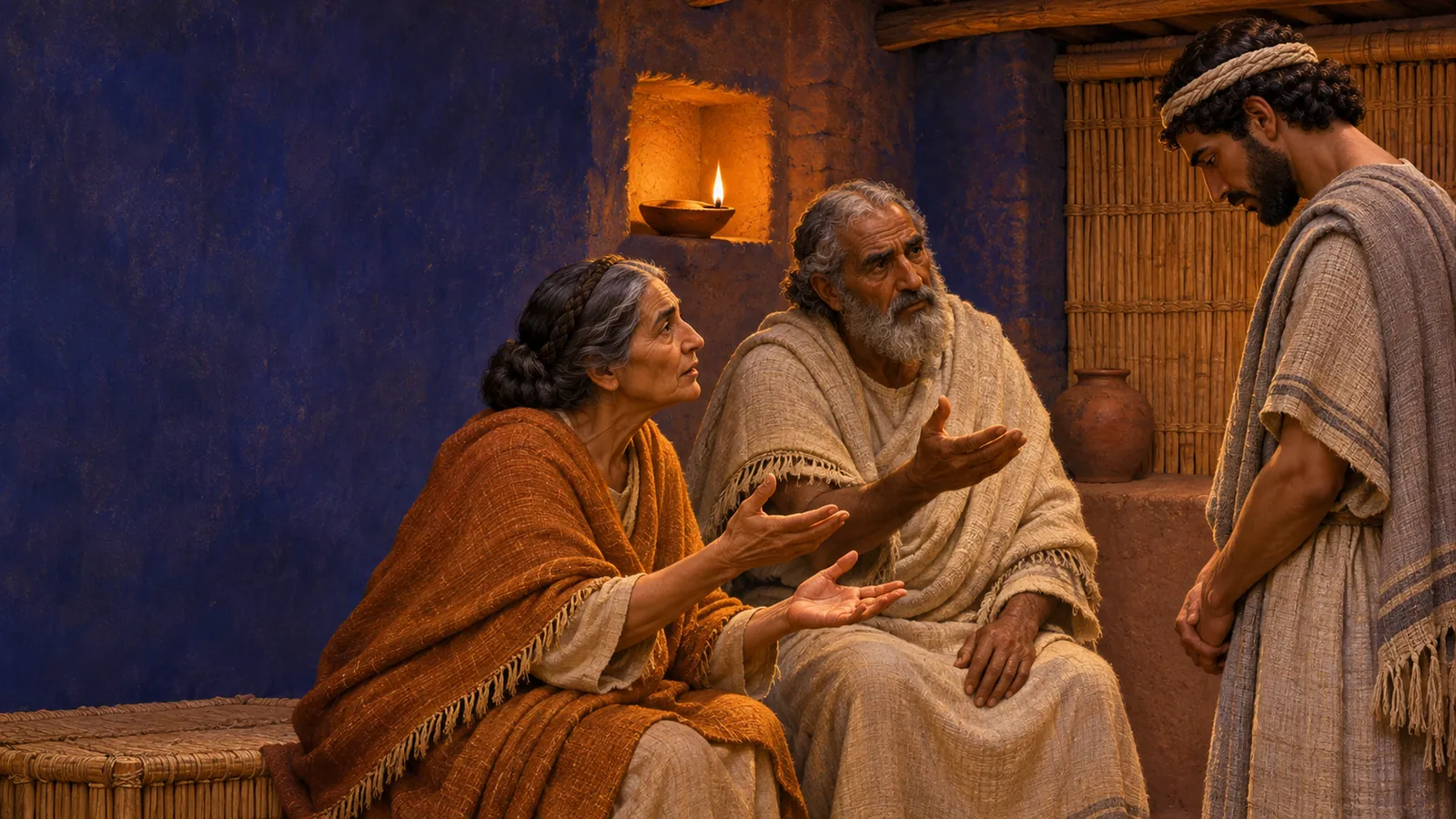
Nesta tabuinha, o homem que desrespeita as palavras dos pais grita de dor. Aquele a quem chega a sua maldição fica sem herdeiro, e o seu espírito vagueia. Uma terceira pergunta sobre o nome de um deus está danificada.
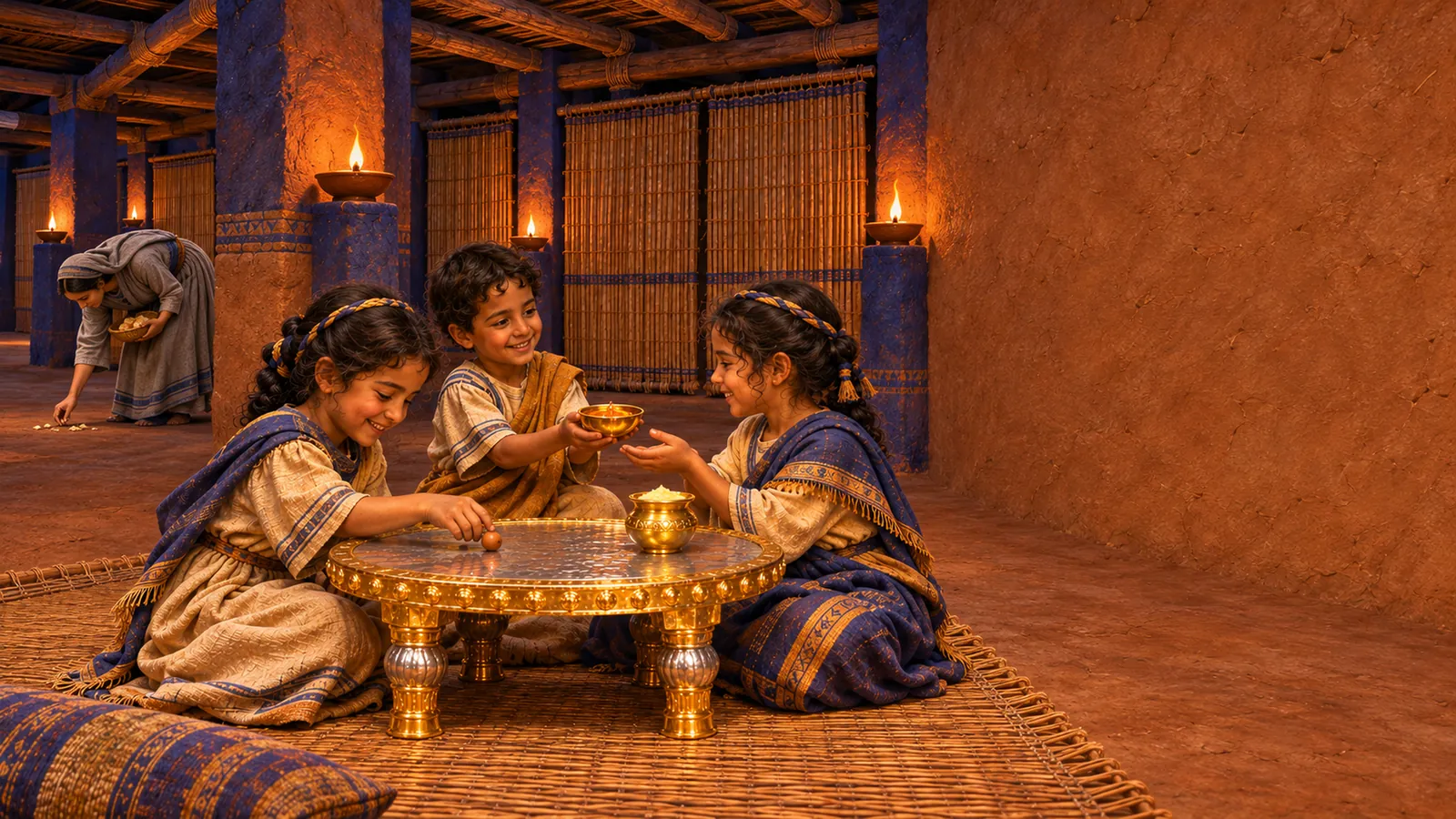
Também nesta tabuinha, o espírito sem oferendas come restos da rua. As crianças que nasceram mortas brincam a uma mesa de ouro e prata com mel e manteiga clarificada.
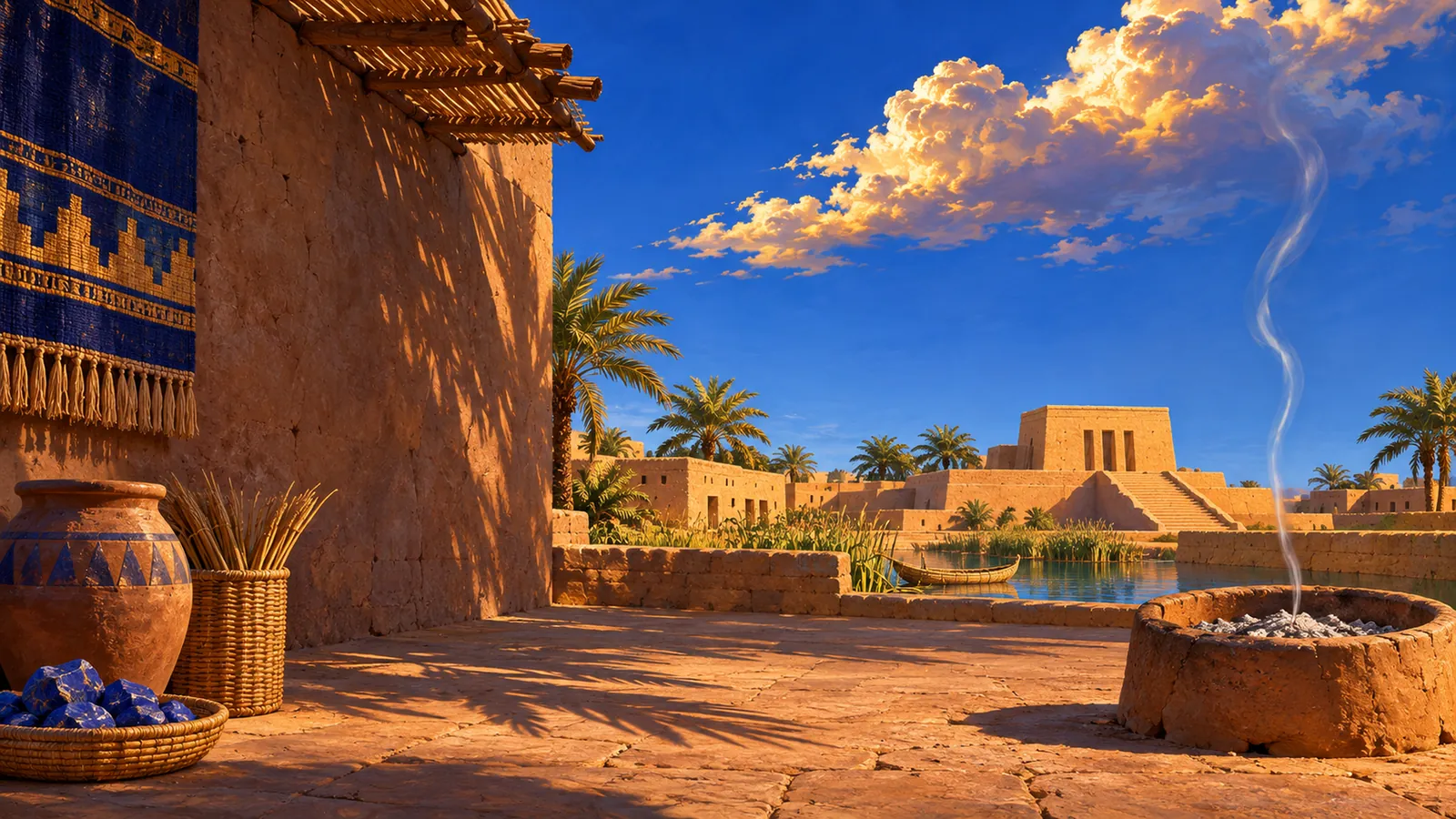
Enkidu diz que não viu o homem a quem pegaram fogo. O seu fumo subiu ao céu, e o seu espírito não vive no mundo subterrâneo.
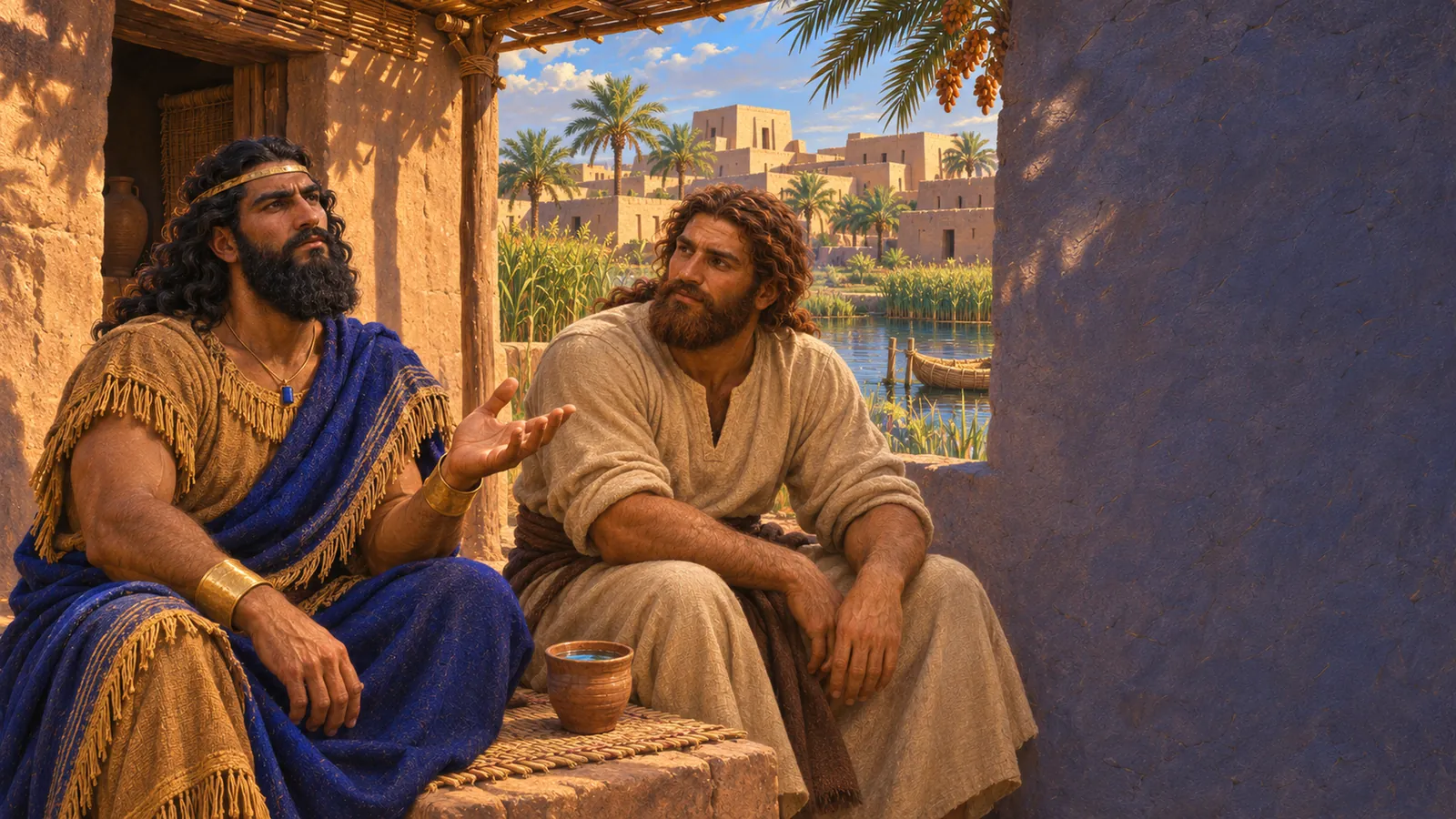
Esta versão pergunta por um homem que jurou em falso perante os deuses e por um homem de Girsu que poderá ter recusado água aos pais. As duas respostas estão danificadas.
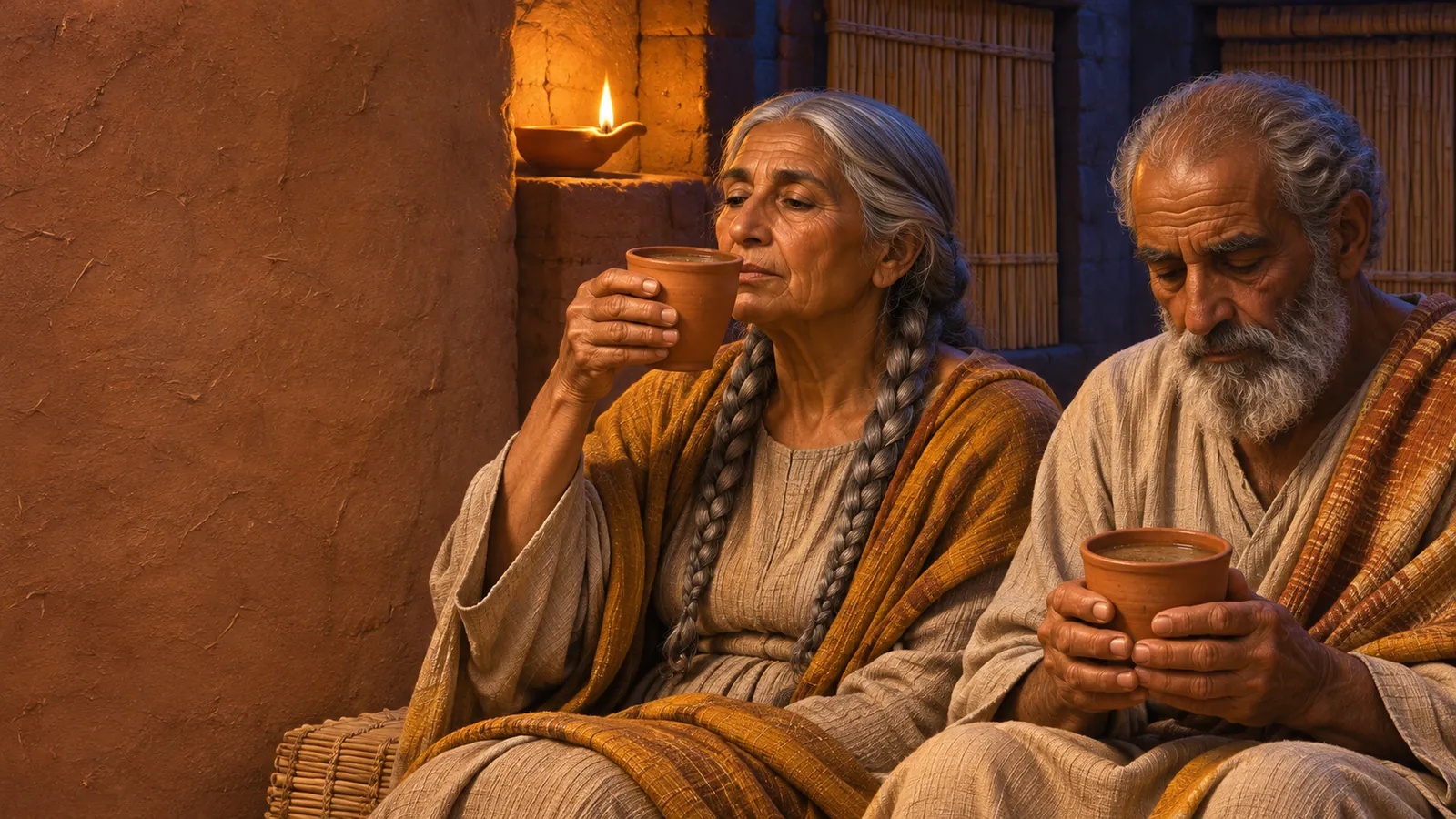
A resposta diz que as pessoas da Suméria e de Acádia bebem água turva. O pai e a mãe de quem pergunta também a bebem. As palavras que indicam o lugar estão danificadas.
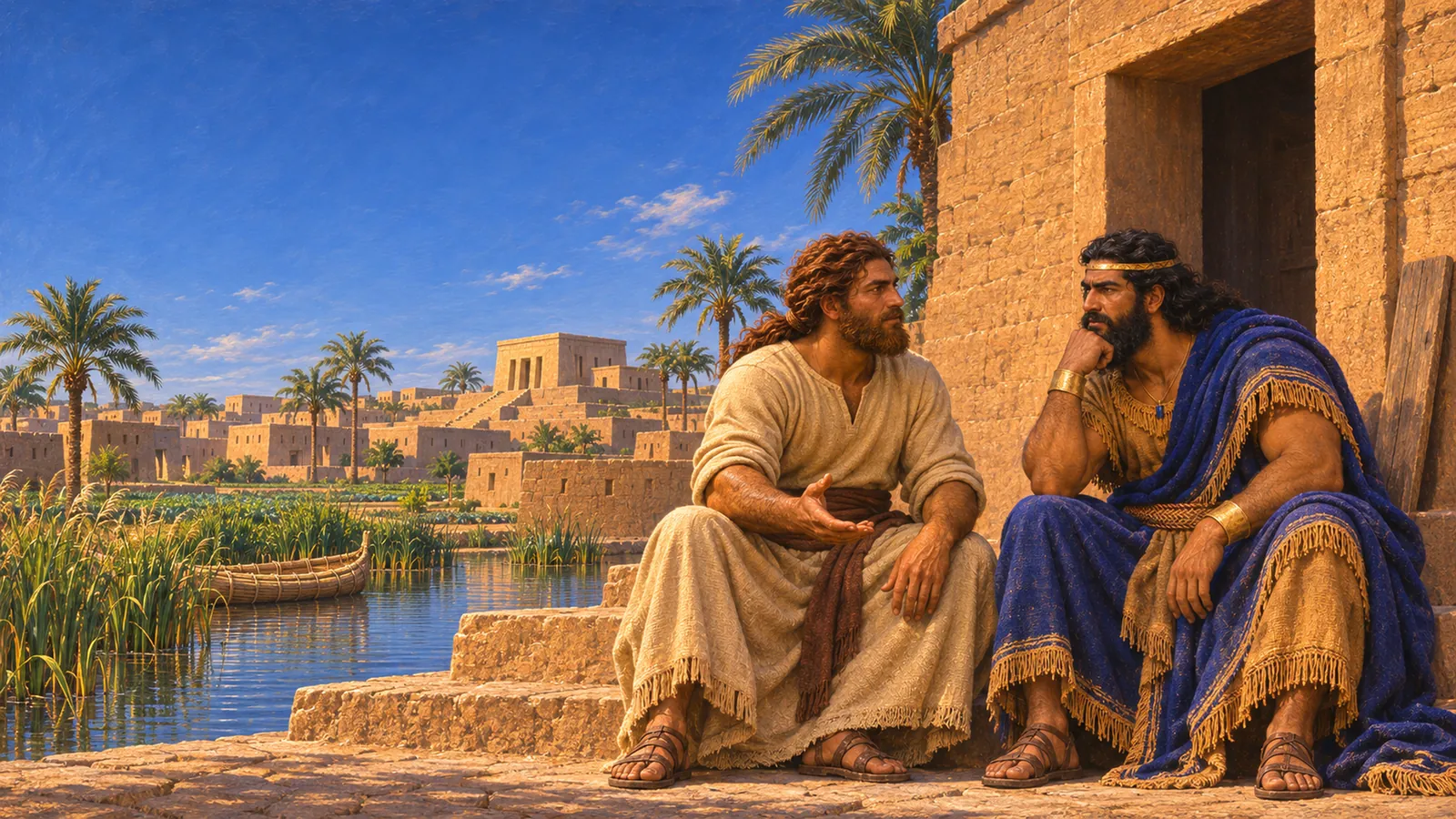
UMA SEGUNDA VERSÃO DE UR
Outro manuscrito de Ur pergunta por um homem atingido por uma tábua de navio e por outro que caiu de um telhado. A resposta compara os movimentos do segundo aos de um boi e diz que os vermes o devoram.
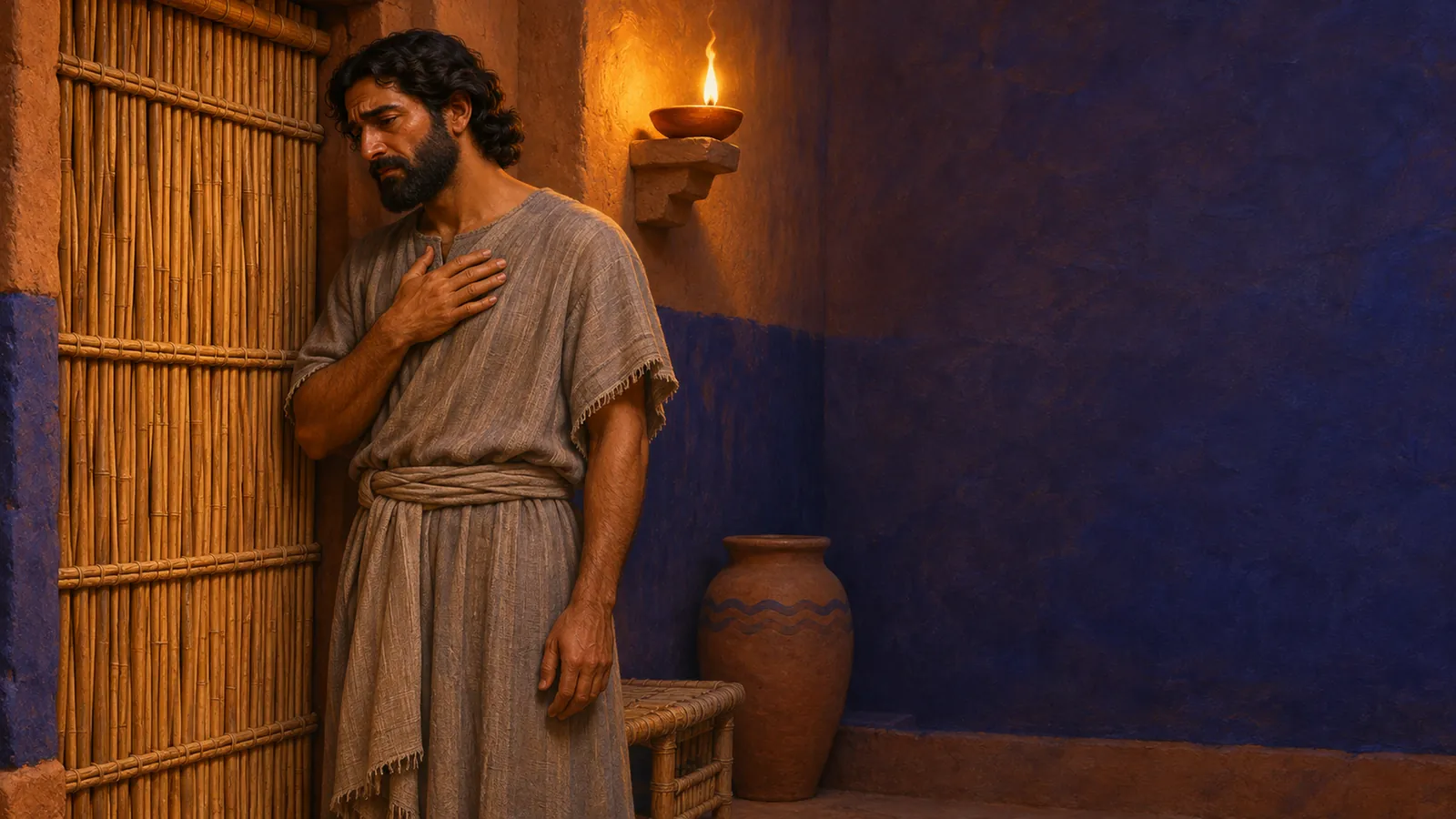
O homem atingido pela maldição da mãe fica sem herdeiro, e o seu espírito talvez vagueie. A cópia pergunta depois por um homem que desrespeitou as palavras dos pais, mas interrompe-se depois da pergunta.
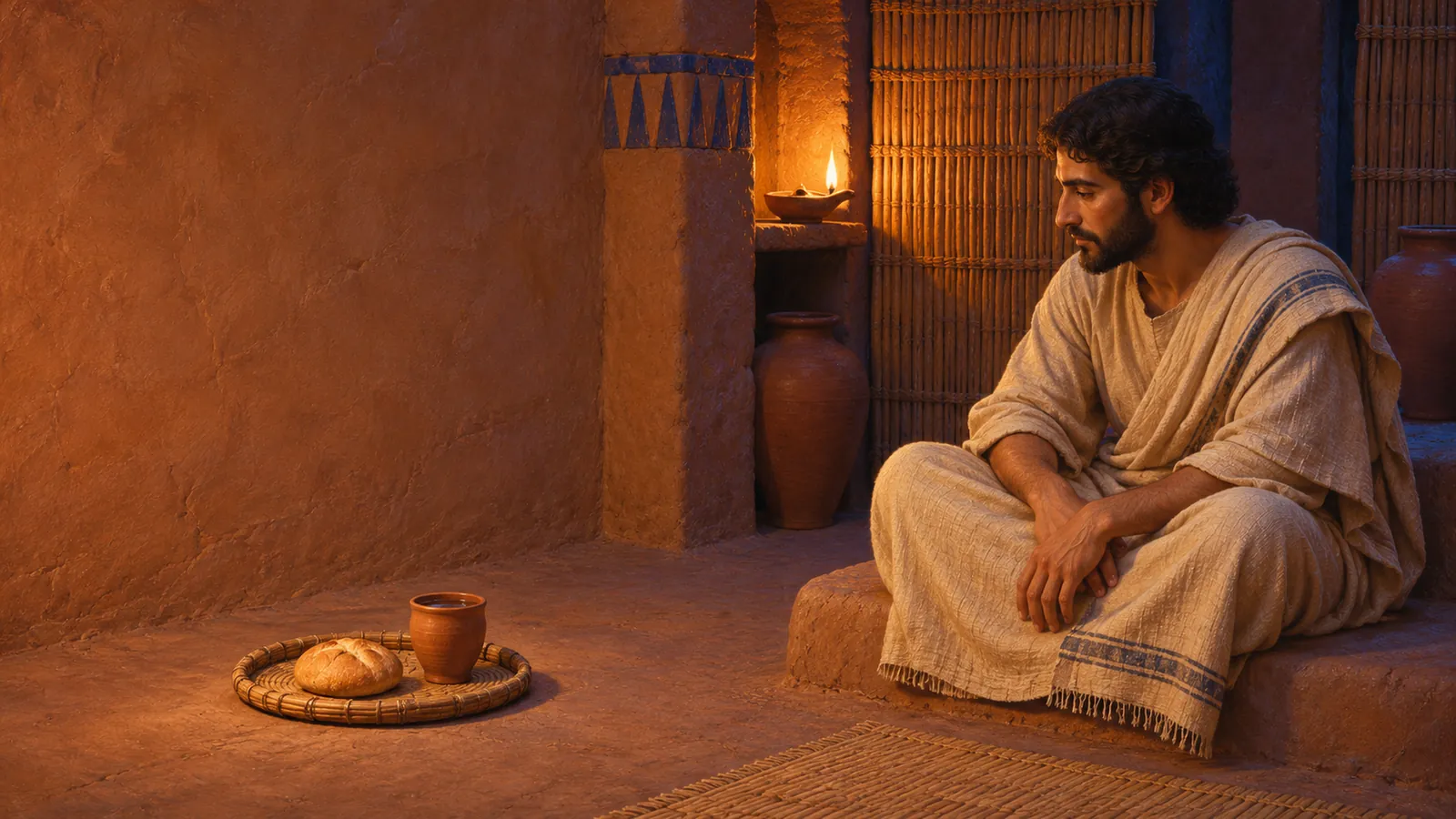
O fragmento seguinte começa com comida e água separadas para alguém que as palavras conservadas não permitem identificar. Um homem caído em combate não tem lá os pais para lhe amparar a cabeça, e a mulher chora. Outra pergunta e a sua resposta estão danificadas.
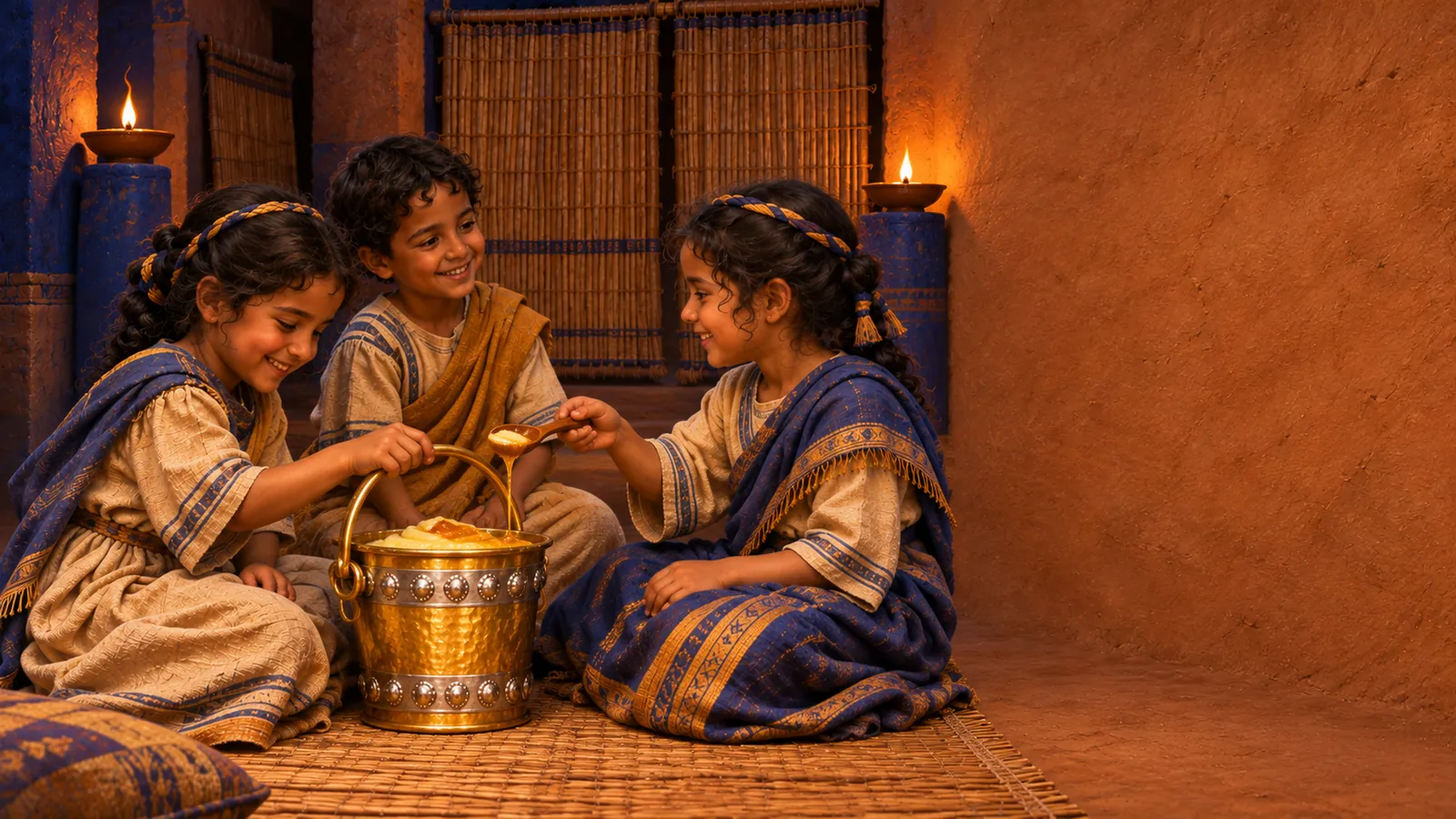
Um espírito sem oferendas funerárias come restos lançados para a rua. Os filhos de quem pergunta, nascidos sem vida, brincam com um balde de ouro e prata cheio de mel e manteiga clarificada.
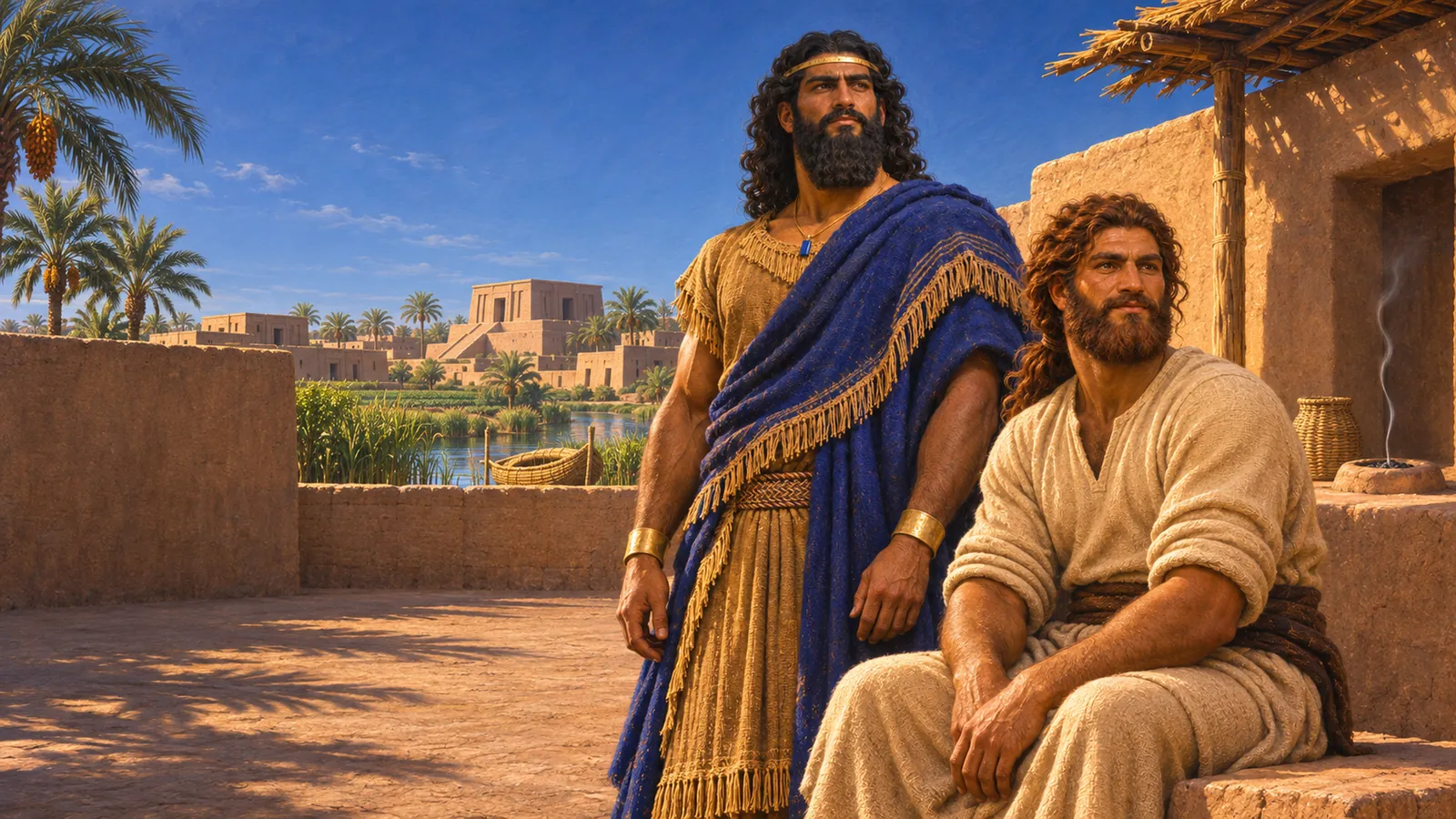
Ao ser perguntado pelo homem a quem atearam fogo, quem responde diz que não o viu. O espírito estava ausente, e o seu fumo subiu ao céu.
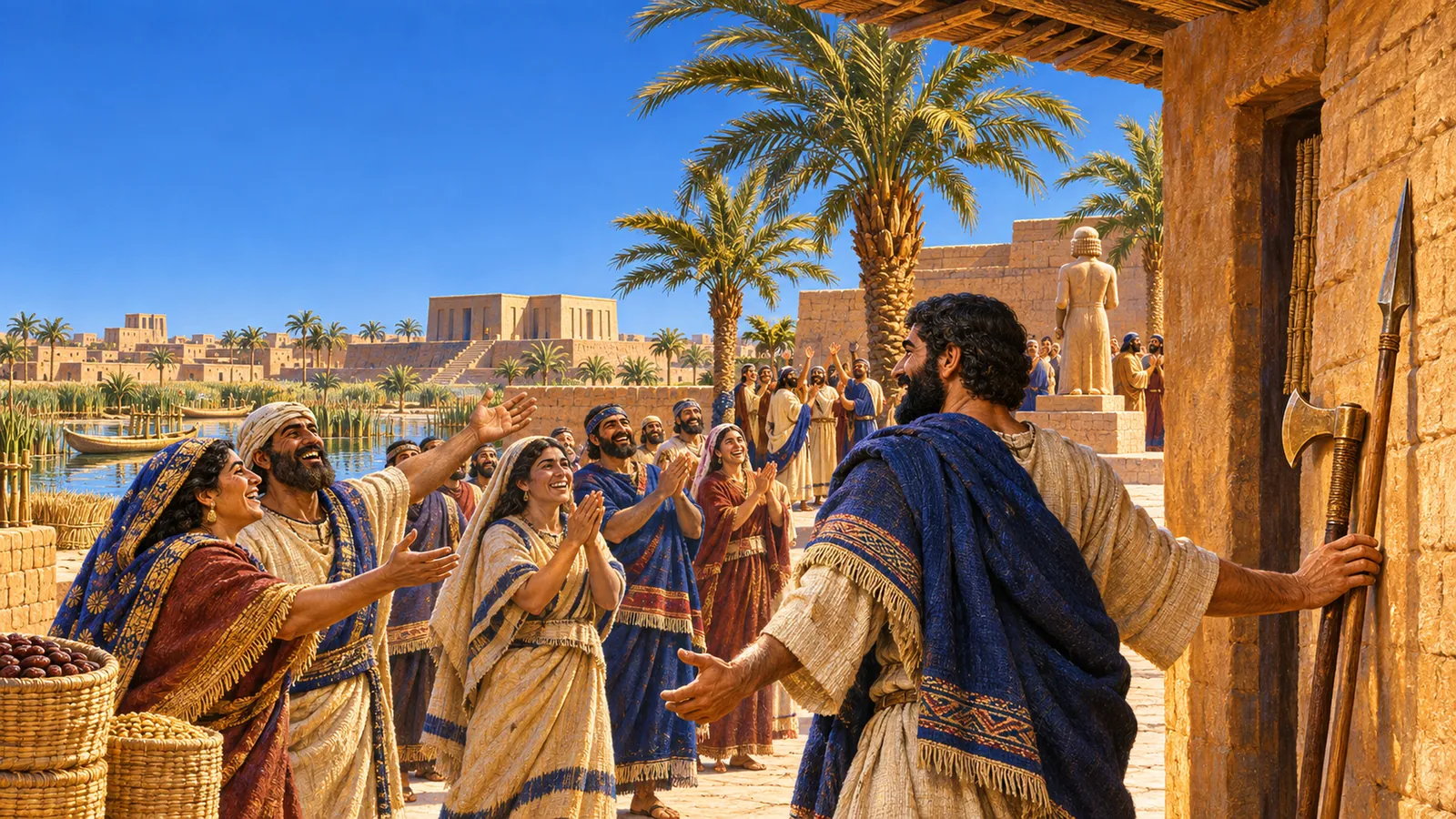
UMA TERCEIRA VERSÃO DE UR
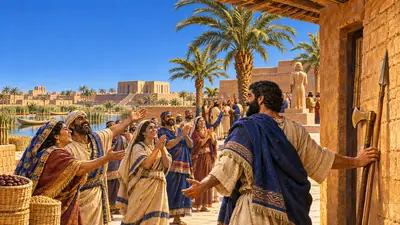
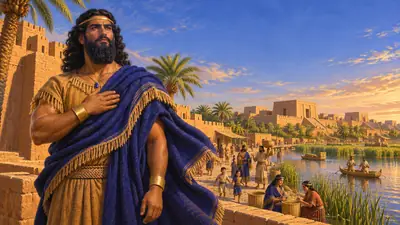
Um terceiro manuscrito de Ur descreve um regresso a Uruk. O homem que entra no palácio deposita ali as suas ferramentas e armas. Pessoas de Uruk e Kulaba alegram-se diante de uma estátua.
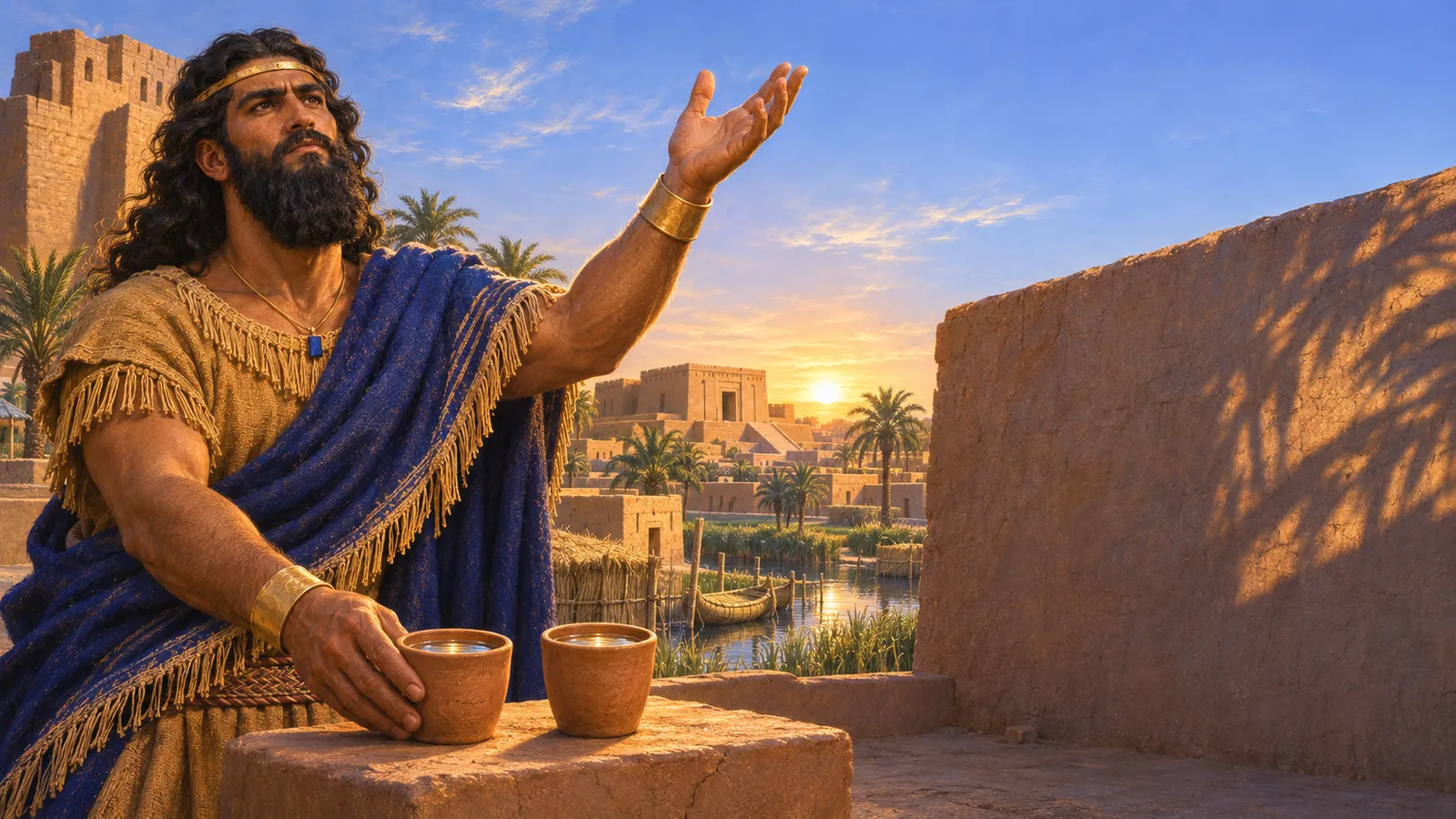
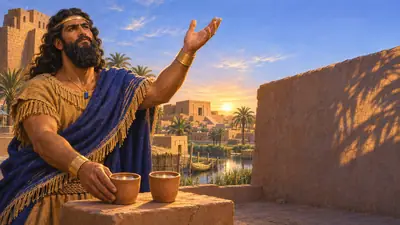
Quando Utu sai, a cópia talvez nomeie Gilgamesh como o homem que pede aos pais que bebam água limpa. A formulação sobre a coroa de uma estátua é incerta.
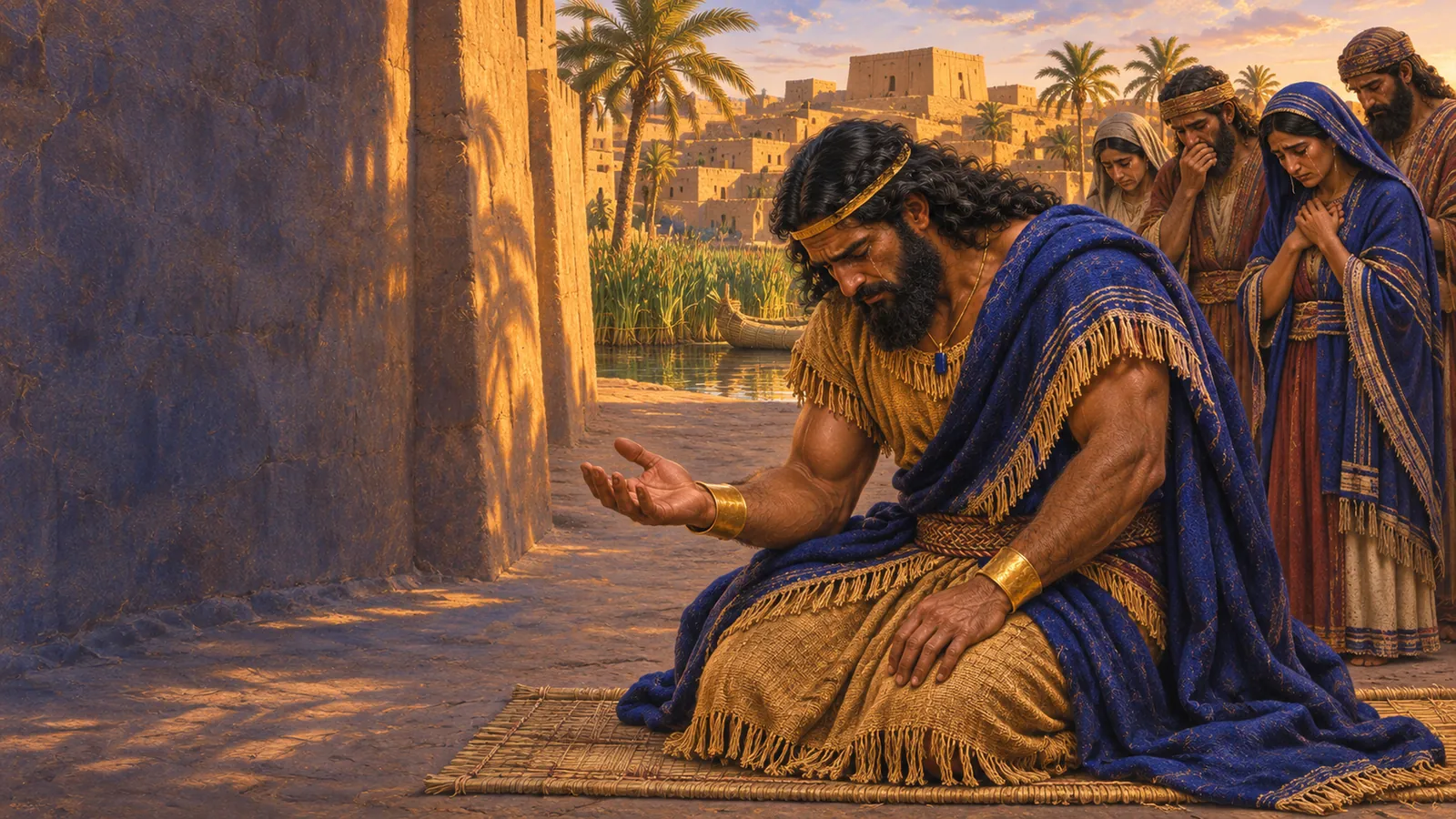
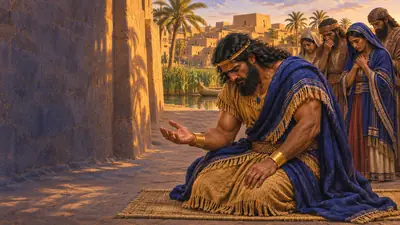
Gilgamesh lançou-se por terra no lugar de luto durante nove dias. As pessoas choraram, e ele repeliu um homem de Girsu. Voltou a pedir aos pais que bebessem água limpa.
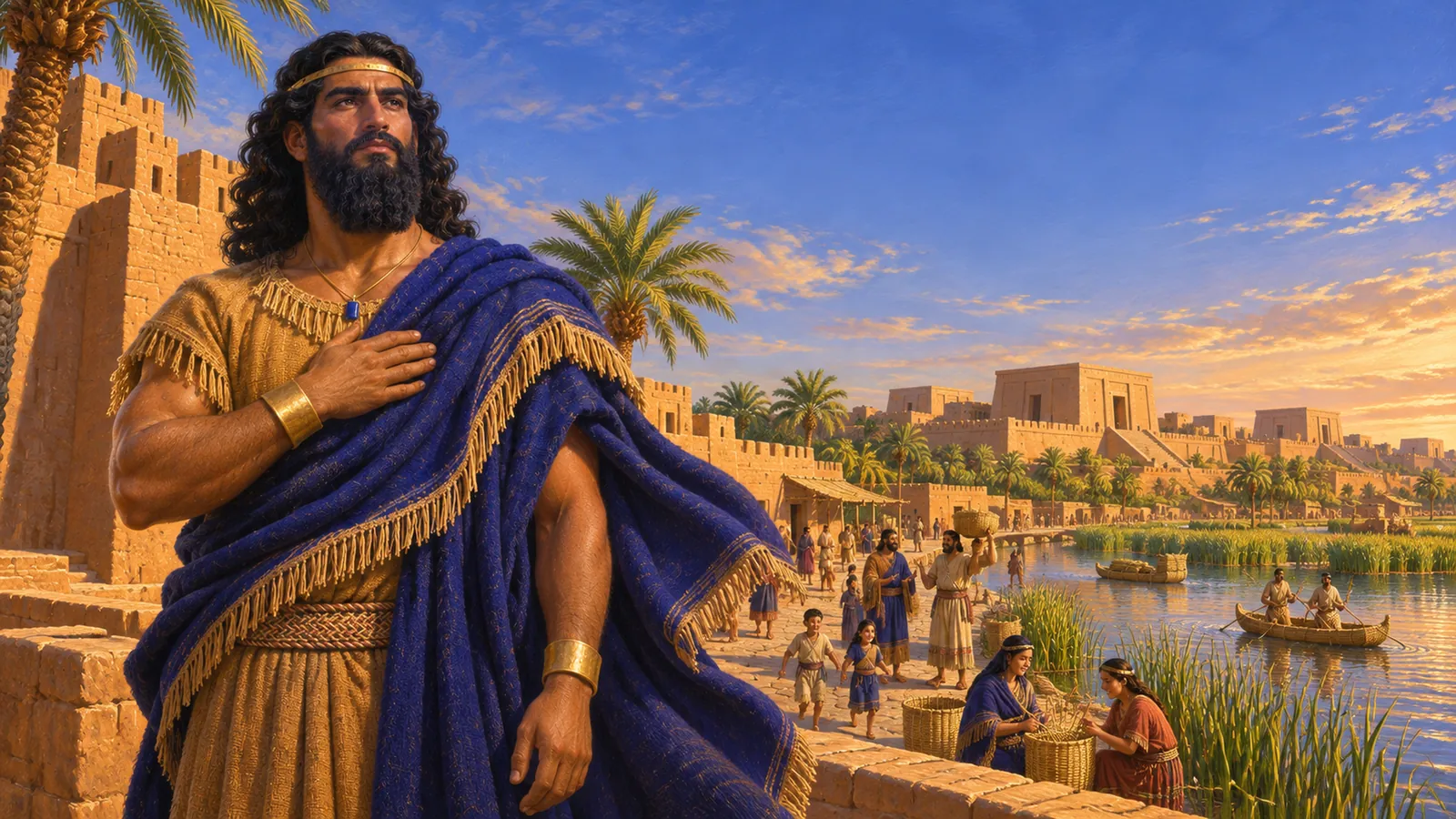
As últimas palavras desta versão louvam o guerreiro Gilgamesh, filho de Ninsun. Dizem que é doce o seu louvor.
ME-TURAN
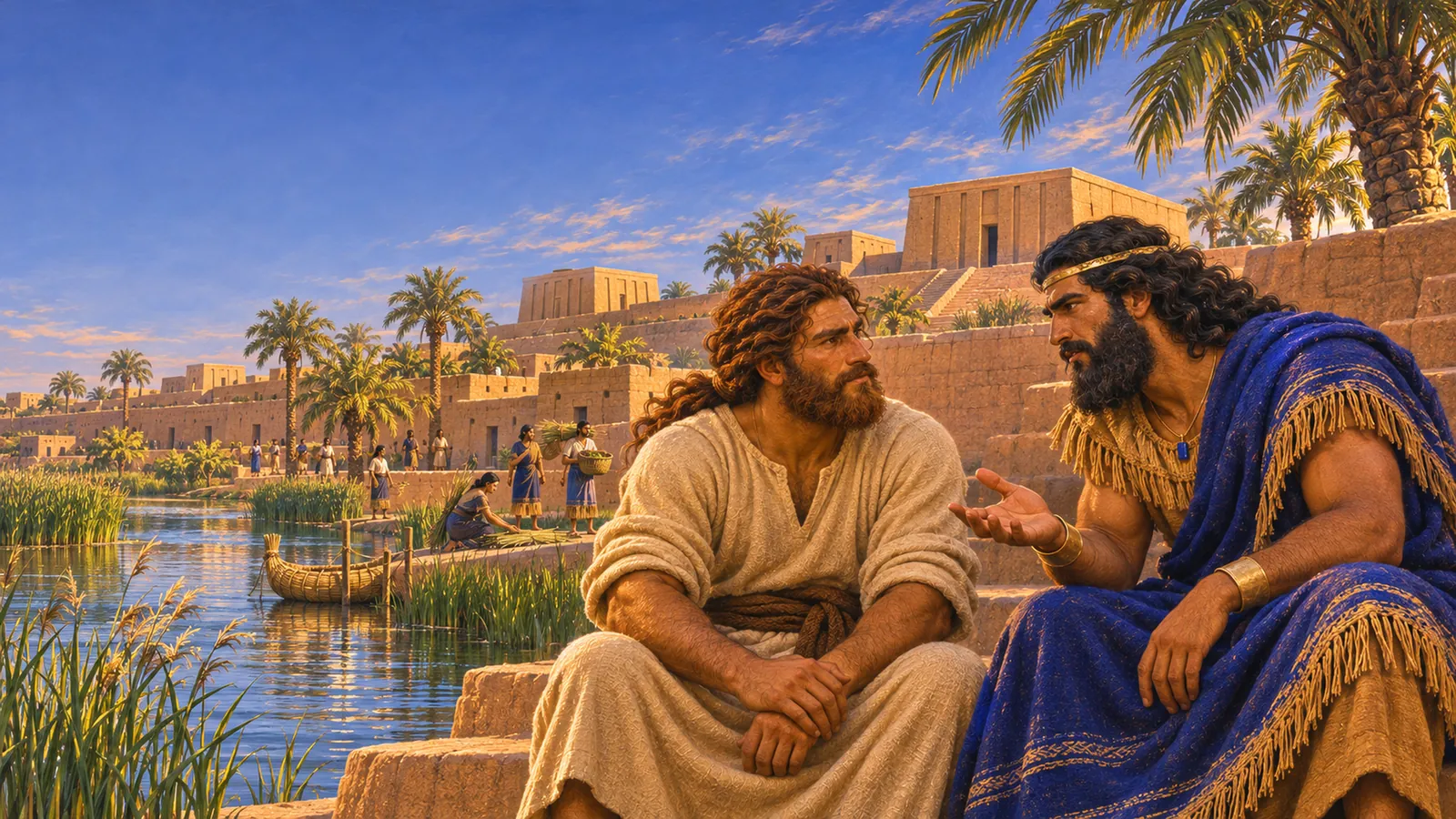
Uma cópia antiga de Me-Turan volta a fazer as perguntas. O homem com um filho chora, o que tem dois senta-se e o que tem três bebe. Faltam pormenores das últimas duas respostas.
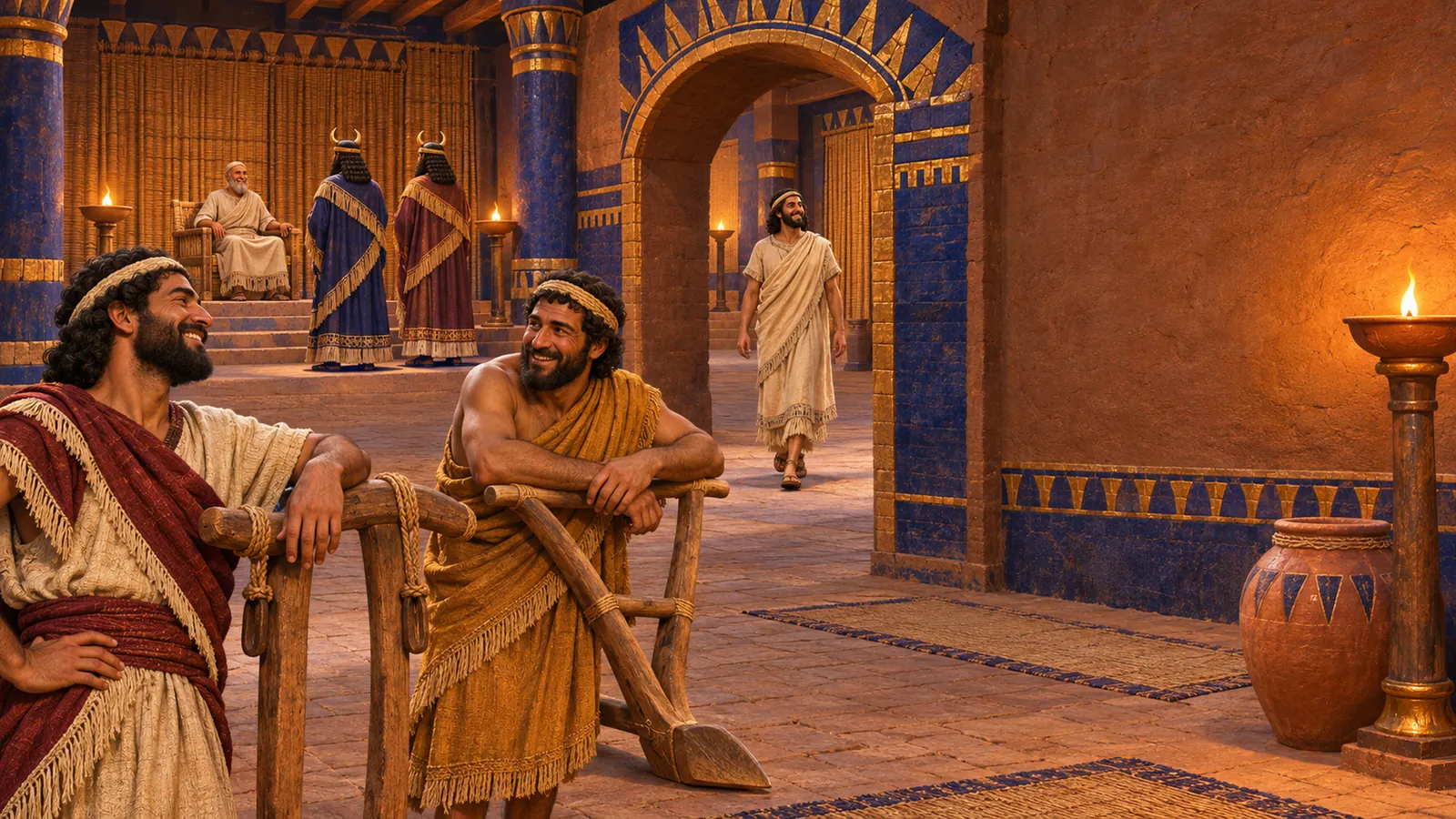
Com quatro filhos, o homem é feliz. Com cinco entra no palácio como um escriba incansável e, com seis, alegra-se como um lavrador. Com sete, senta-se num trono junto dos deuses e ouve os julgamentos.
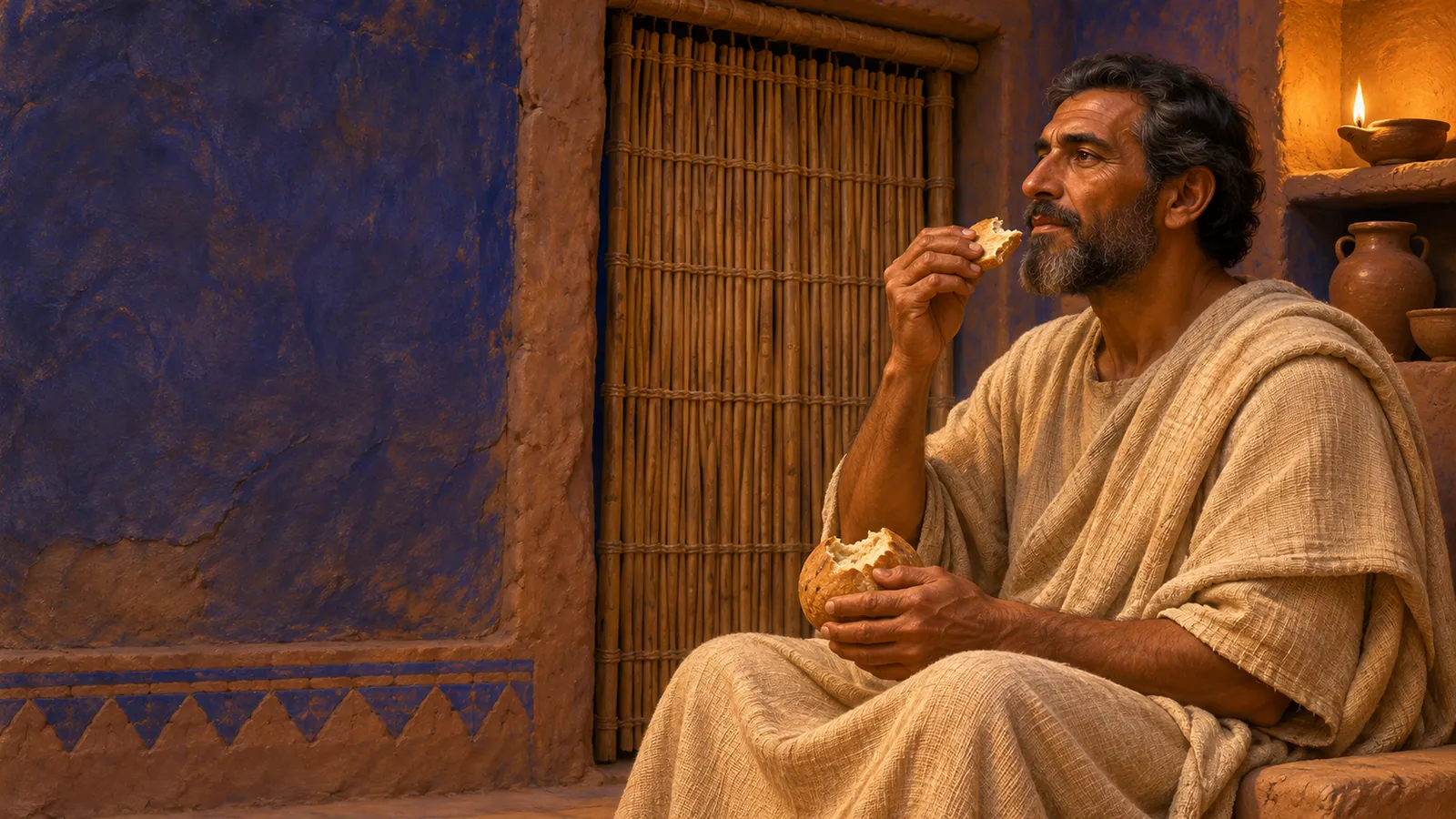
Quando perguntam por um homem sem herdeiro, a resposta ainda diz que come pão. A comparação está danificada e depois faltam cerca de três versos.
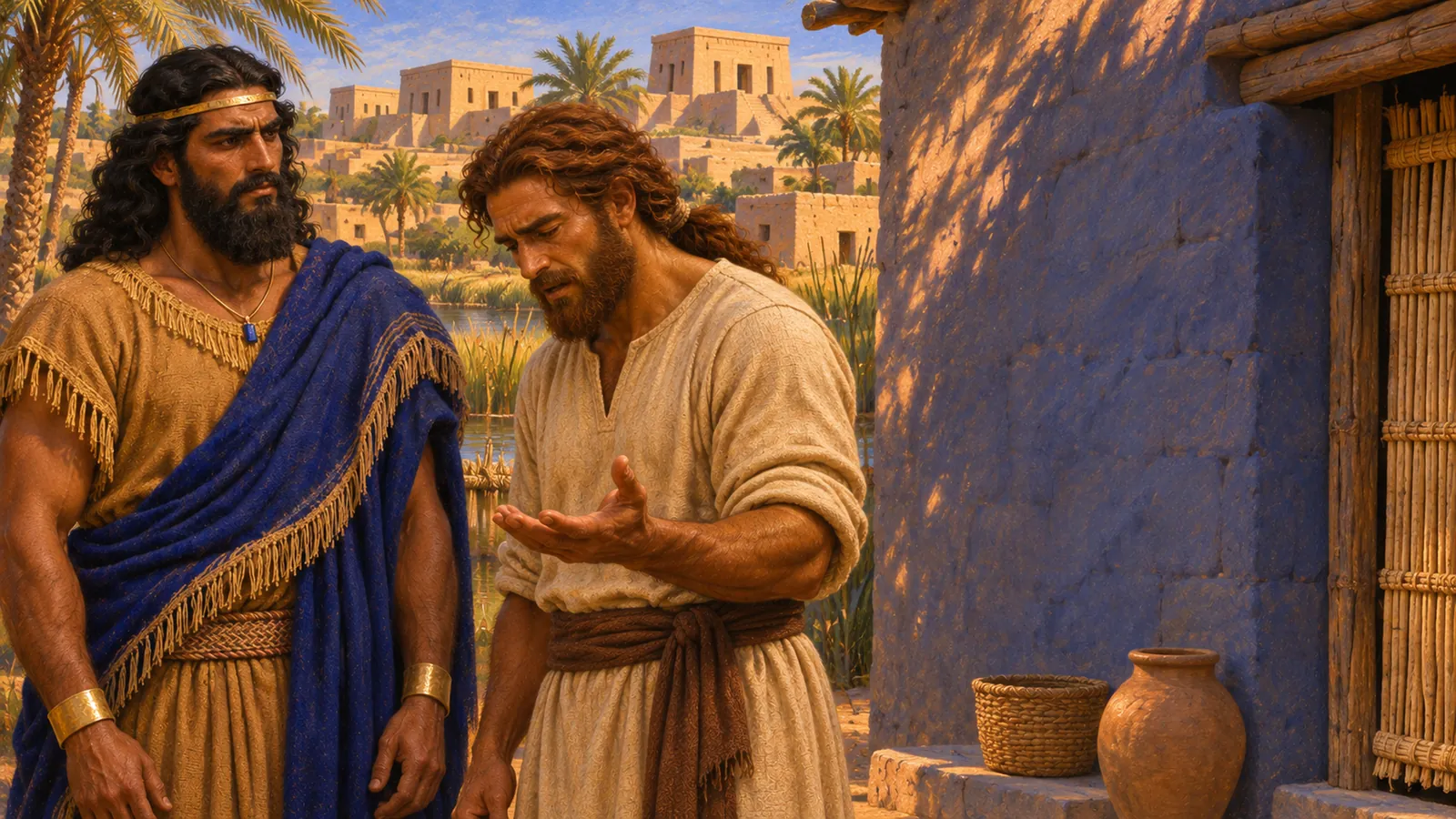
Enkidu fala de um homem devorado por um cão e de outro talvez atingido pelo mastro de um barco. Duas respostas anteriores estão danificadas e as palavras sobre estes homens também se interrompem.
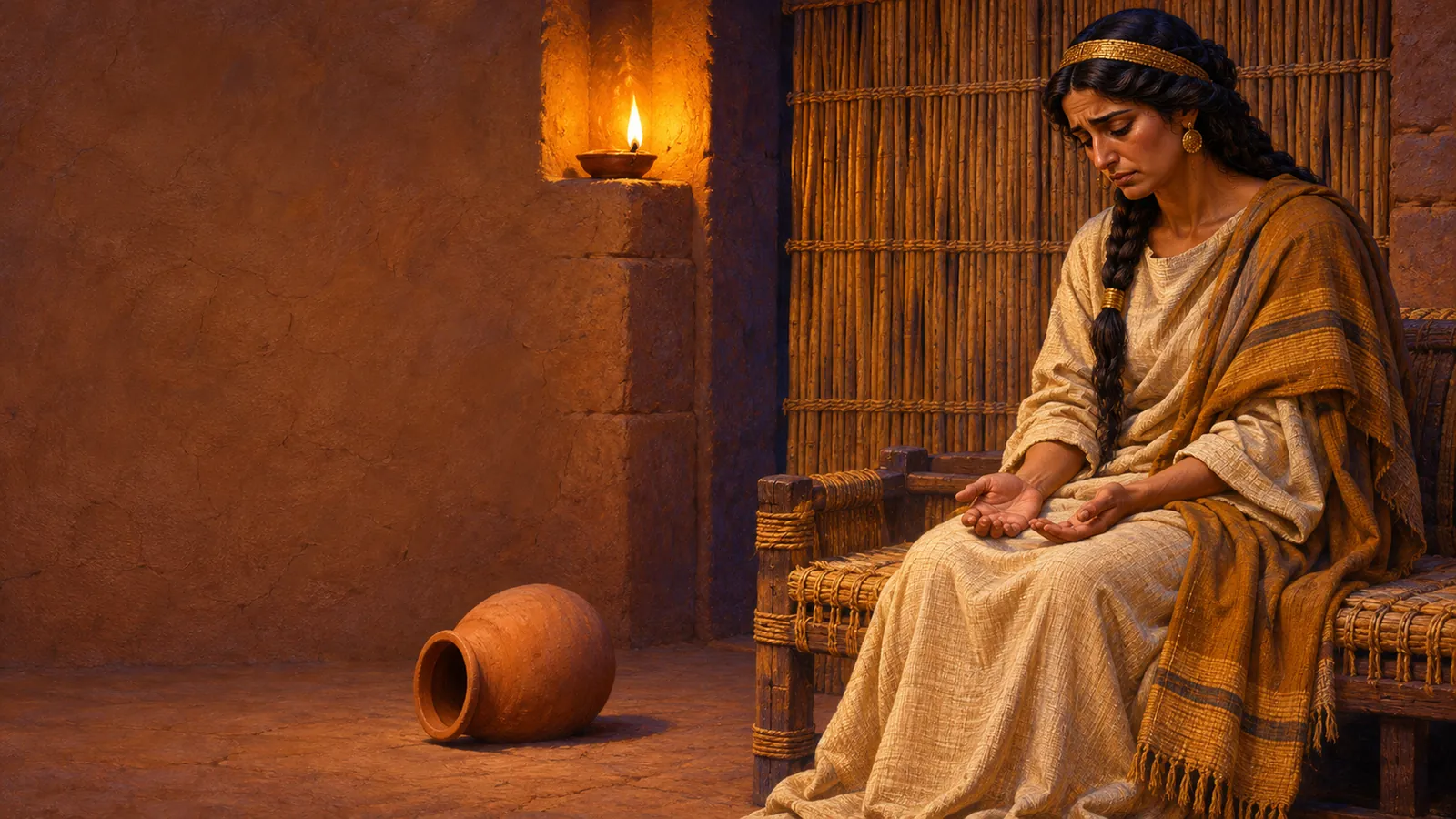
Nesta cópia, Enkidu diz que uma mulher que nunca deu à luz é deitada fora como um vaso. Falta a palavra que descreve o vaso.
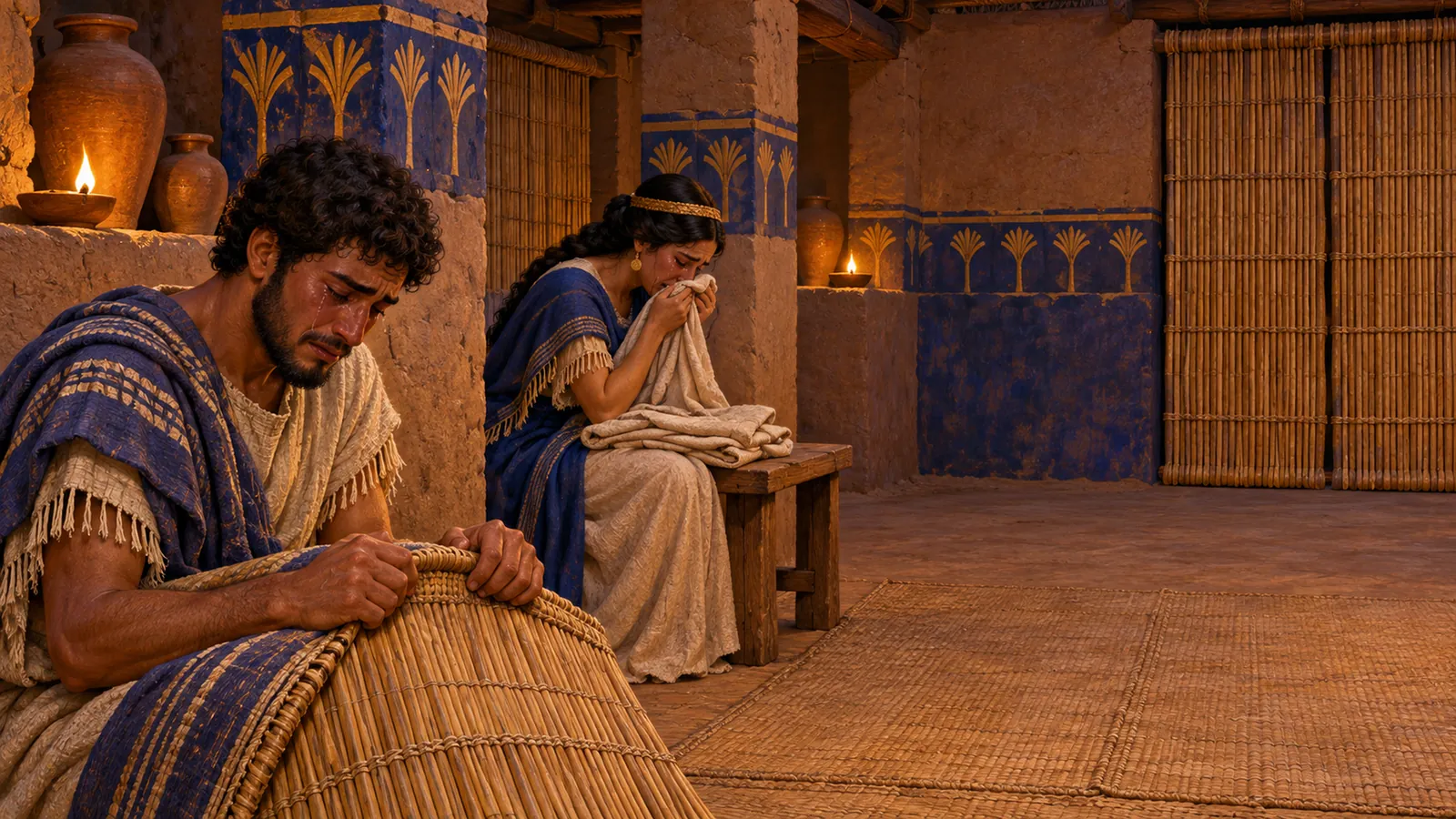
Um homem que nunca despiu a mulher chora sobre uma esteira de junco acabada. Uma mulher que nunca despiu o marido chora sobre uma roupa cuja descrição está danificada.
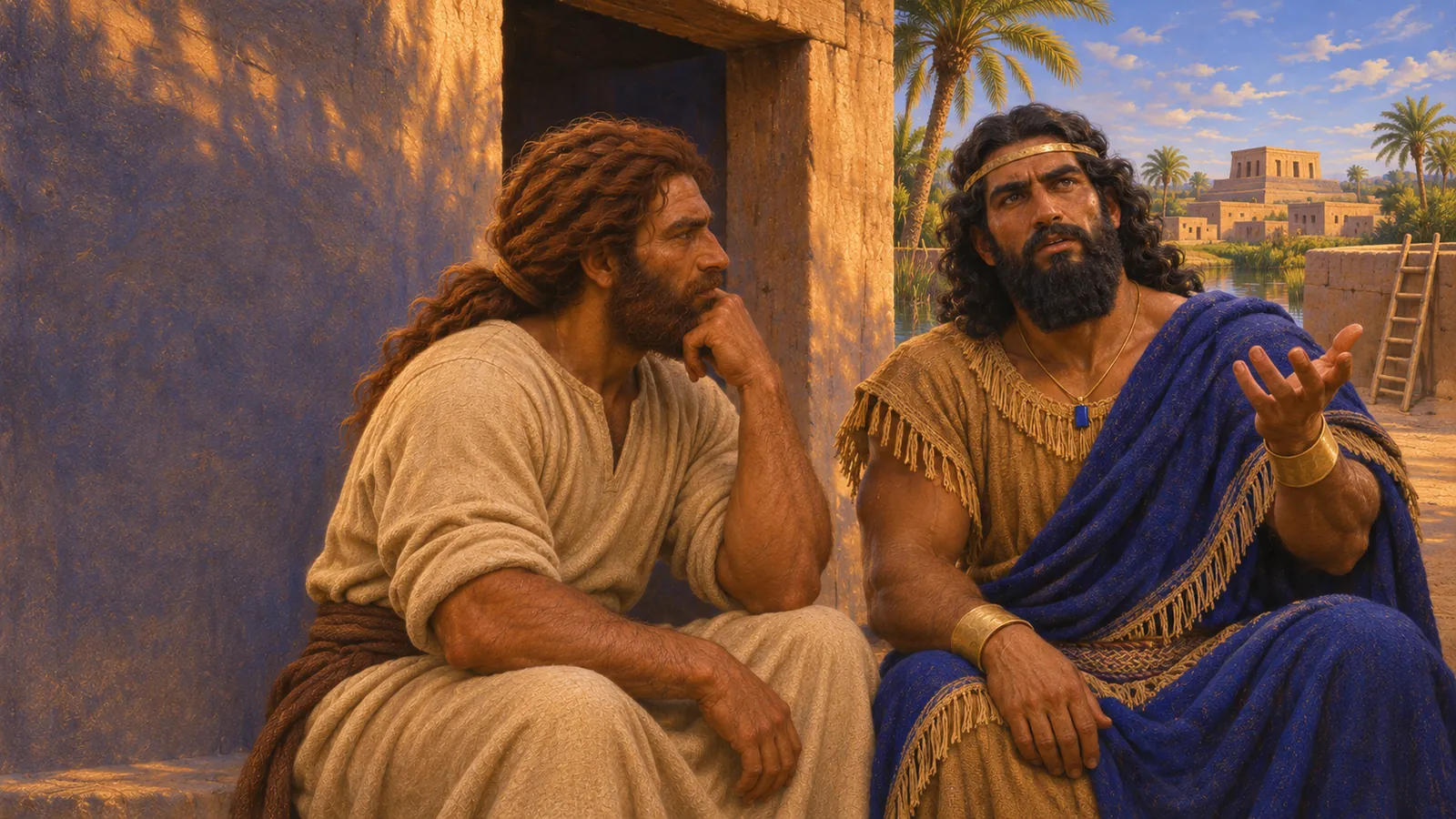
Enkidu fala de alguém que talvez se tenha gabado e de um homem que caiu de um telhado. Quase nada resta de outra pergunta e da sua resposta.
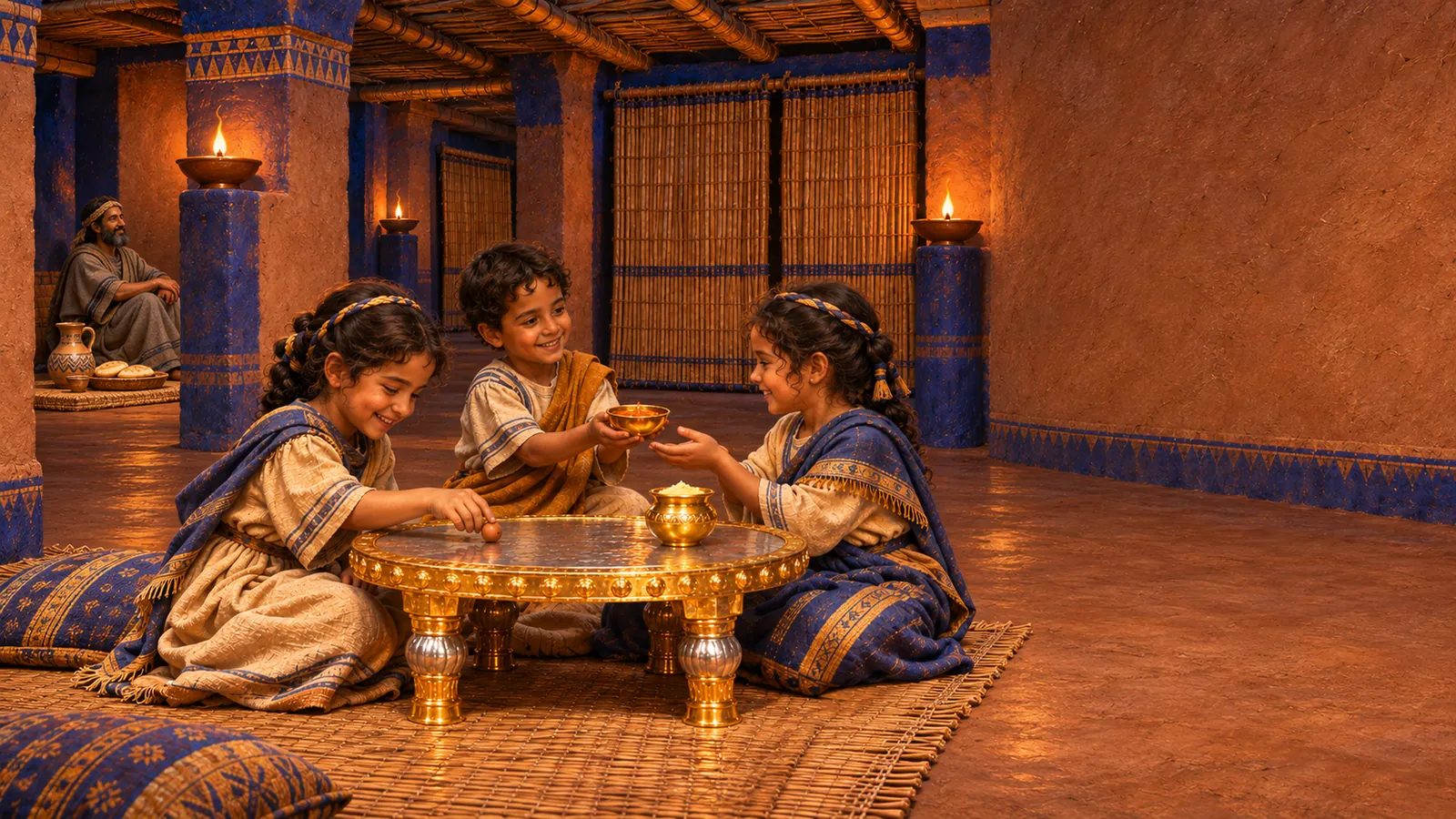
O homem a quem a tradução chama leproso vive fora da cidade, com a sua comida e água separadas. Os filhos de Gilgamesh que nasceram mortos e não receberam nome brincam a uma mesa de ouro e prata.
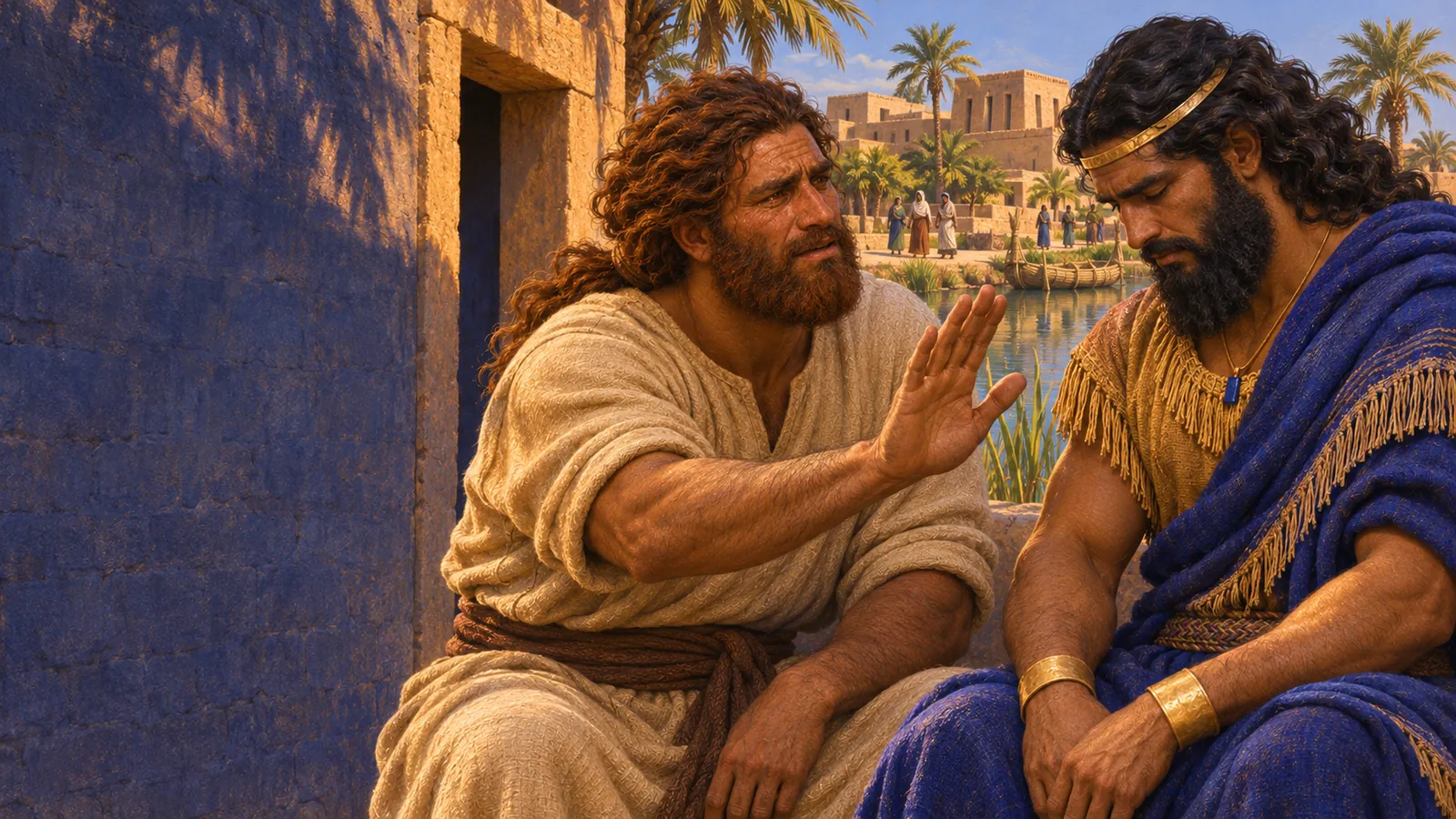
Gilgamesh pergunta se Enkidu viu a pessoa a quem pegaram fogo. Enkidu preferia que ele não tivesse feito essa pergunta. Na resposta incompleta, o espírito talvez tenha subido com o fumo.
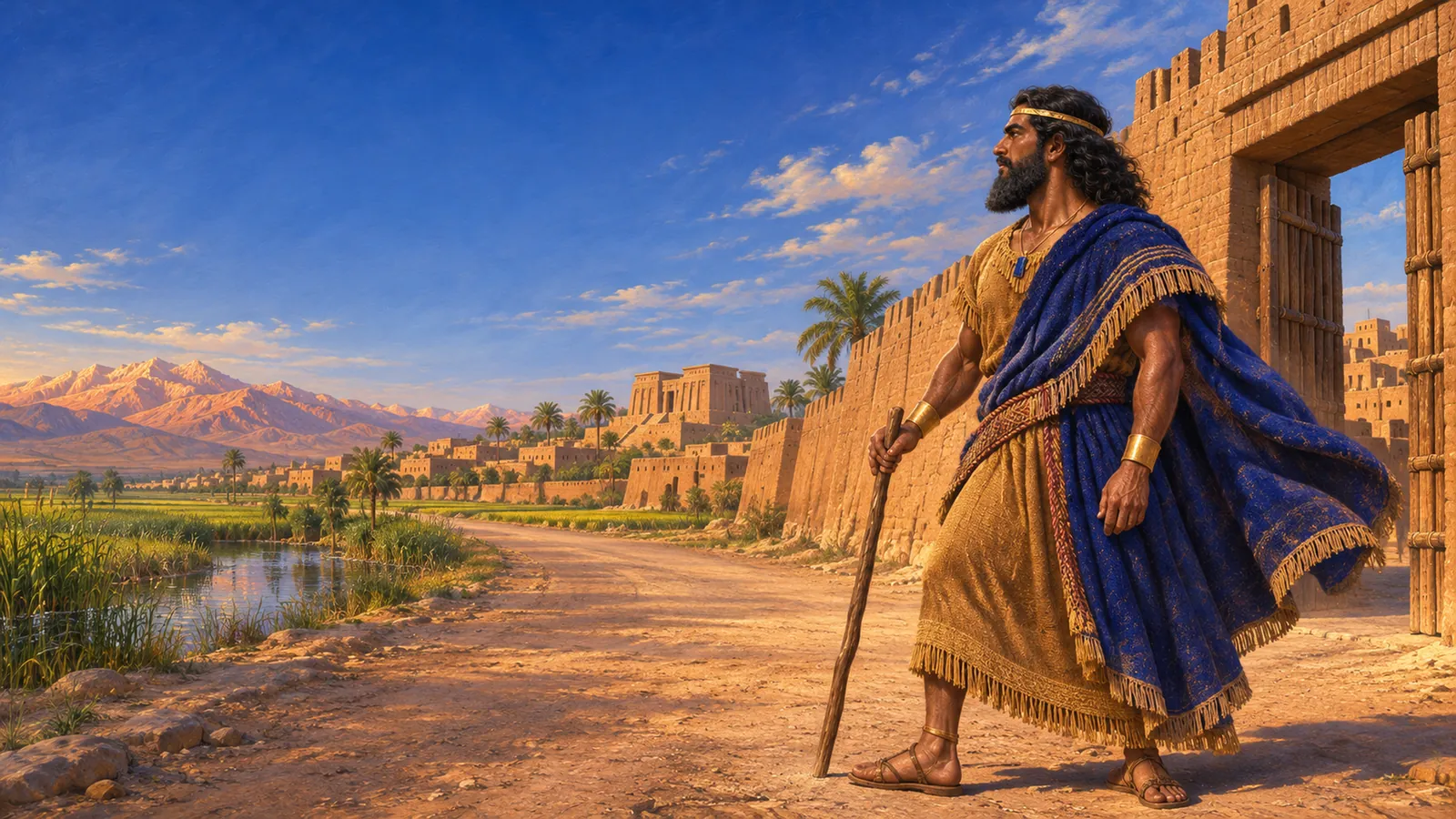
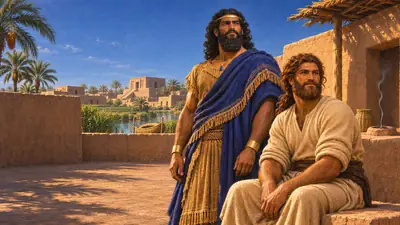
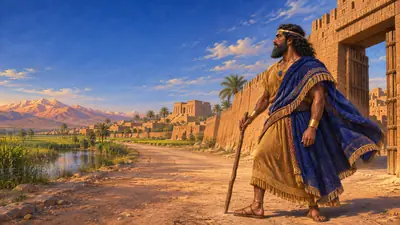
O rei ficou abatido e começou a procurar a vida. Nesta cópia decide partir para a montanha onde vive o homem.
Fim do capítulo 3
Todas as páginas
Fontes
The cited line numbers follow each witness as the Oxford edition prints it. The descriptions of the dead are answers in the poem’s dialogue. The site text keeps the separate manuscripts, queried readings and unidentified people in their own source passages.
Edições consultadas
Notas sobre este reconto
Pages 1–7, Version A 254–267. Gilgamesh asks about men who had one through seven sons, in that order. Their reported fates are weeping at a wooden peg, sitting on bricks and eating bread, drinking from a saddle waterskin, the joy of someone who can yoke four donkeys, a tireless scribe’s easy entry to the palace, a ploughman’s cheerfulness and sitting on a throne to hear judgments as a companion of the gods. The retelling condenses the repeated question-and-answer formula and preserves the distinct descriptions and similes.
Pages 8–9, Version A 268–285. The poem asks about a palace eunuch and a woman who never gave birth. The retelling gives the sense of the stick being set aside. A descriptor of the discarded pot in Enkidu’s reply about the woman is lost.
Pages 10–11, Version A 268–285. Oxford says the young man never undressed his wife and the young woman never undressed her husband.
Pages 12–14, Version A 268–285. The man without an heir eats bread. Part of a comparison is damaged, and Oxford marks the reference to bricks as uncertain. The next question loses the identity of its subject. Enkidu’s statement that he saw him and the question about how he fares survive. At the end of the printed 268–285 block, Oxford marks seven lines as fragmentary or missing and then resumes with its 286–303 block. The edition prints no individual line numbers for those damaged lines here.
Page 15, Version A 286–303. The identity in the opening question is damaged. His food and water are set apart.
Page 16, Version A 286–303, one-manuscript addition. The Oxford translation sets two accounts inside a single manuscript variant. The man eaten by a lion cries bitterly for his hands and legs. The man who fell from a roof is the subject of a damaged reply about what cannot be done with his bones. The following page returns to the main sequence.
Page 17, Version A 286–303. Oxford renders the ancient term as leprous, then gives a comparison with a twitching ox and mentions worms.
Pages 18–19, Version A 286–303. The fallen warrior’s parents are absent to hold his head, and his wife weeps. The spirit without offerings eats scraps thrown in the street. In the second the line in the phrase about scraps is damaged.
Page 20, Version A 286–303. The main reading has a blow by a ship’s board. One manuscript adds the queried circumstance of diving. A cry to the man’s mother is explicit. The subsequent lines about a board and cross beam and scraps break off.
Pages 21–22, Version A 286–303. The questioner names his stillborn children, and Enkidu places them at the gold and silver table with honey and ghee. The next question preserves the fact of a death but loses its circumstances. The reply names a bed of the gods.
Page 23, Version A 286–303. Enkidu reports absence of the person and his spirit and says his smoke rose to the sky. This is the end of Version A in Oxford’s translation. The next page restarts in another witness.
Page 24, Ur tablet UET 6 58, printed lines 1–7. The reply on the man who fell from a roof breaks at the words about his bones. Oxford marks uncertainty around a person struck in a flood-storm of Ishkur and gives an ox and worms in the reply. The man called leprous in this witness lives outside town with separate provisions. Wording about offerings is marked uncertain.
Page 25, UET 6 58, lines 8–19. The two parental questions are distinct. The first reply gives ongoing cries about body and limbs. The second says a curse reached the man, he lacks an heir and his spirit roams. The subject and response of the question mentioning the god’s name survive only in fragments.
Pages 26–27, UET 6 58, lines 8–19. This witness includes the crumbs in the street, the gold and silver table for the stillborn children, and the question about the person set on fire. The answer expressly states his spirit does not live in the underworld. The following UET 6 58 range begins a new group of questions at line 20.
Page 28 (UET 6 58, 20–28). The reply about the false oath preserves drinking and a libation place at the entrance to the netherworld, with the entrance reading queried. The copy also queries whether the man from Girsu refused water to his father and mother. Its answer mentions a thousand Amorites in front of each of them. The antecedents and the account of what the spirit could do are damaged.
Page 29 (UET 6 58, 20–28). The reply says the people of Sumer and Akkad drink muddy water. The questioner’s parents drink muddy water as well. The designation of the place is damaged in both replies. This ends the first Ur witness.
Pages 30–31 (UET 6 59, Segment A 1–9). The reply concerning the man hit by a ship’s board preserves his cry to his mother and broken references to a crossbeam and crumbs. The answer about the fall from the roof gives the ox comparison and worms. The mother’s curse leaves the man without an heir, and Oxford queries whether his spirit roams. After the question about disregarding the words of both parents, the edition marks one fragmentary line and an unknown number of missing lines.
Pages 32–34 (UET 6 59, Segment B 1–11). The surviving segment opens with food and water set apart for an unidentified person. Oxford queries the words about their being offered to him. The man fallen in battle lacks his parents to hold his head, and his wife weeps. The next subject is broken and its reply preserves a queried reference to a hand. The spirit without funerary offerings eats scraps and crumbs. This witness gives the stillborn children a bucket of gold and silver filled with honey and ghee.
Pages 35–36 (UET 6 60, 1–10). This witness starts with a return to Uruk. The man who enters lays up tools and armaments, including an axe and spear. The wording supplies no identification of the tools as the ellag and ekidma. The people of Uruk and Kulaba rejoice before a statue, with the reference to the old men queried. At Utu’s coming forth, Oxford tentatively identifies Gilgamesh as the speaker of the call for his parents to drink clean water. The wording about whom he addresses and the statue associated with the crown is uncertain.
Page 37 (UET 6 60, block headed 11). Gilgamesh goes to the place of mourning for nine days, the people weep, a citizen of Girsu is repulsed and the call for clean water is repeated. Oxford’s English displays this as a single block headed 11. Its next printed line label is 17.
Page 38 (UET 6 60, 17). The final line praises Gilgamesh, the warrior and son of Ninsun, whom Oxford calls Ninsumun. This closes the third Ur witness.
Pages 39–41, Me-Turan Segment B 1–28. B starts after an unknown gap from A. Two- and three-son answers are damaged after sitting and drinking. One witness adds the four-asses comparison. The man without an heir eats bread in an uncertain comparison. The editor indicates about three missing lines at the end of the block.
Page 42, B 29–51. Neither subject of the first two questions is preserved. One damaged reply speaks of drinking water and one of worms. One man was eaten by a dog, and the blow from a boat’s mast is a queried reading. Cries about hands and legs and a cry to the mother survive in these damaged accounts.
Pages 43–44, B 29–51. The descriptor of the thrown-away pot and the rest of the woman’s reply are damaged.
Page 45, B 52–68. The damaged question may concern a man praising himself. Its reply has a queried comparison with an ox and a line about worms. The roof fall is explicit. Details of the bones, the spirit and the next question are damaged.
Page 46, B 52–68. Oxford translates the ancient descriptor as leprous. Food and water are separate, the man lives outside the city, and the clause mentioning spirits is damaged. The questioner identifies the unnamed stillborn children as his own. They play at a gold and silver table. The words after that are broken.
Page 47, B 52–68. Enkidu questions why his friend did not spare him the question about the person set on fire. The friend reiterates his question. The reply on the spirit and the rising smoke is damaged, and the smoke is queried.
Page 48, B 69–71. The king is stricken in heart and insides, seeks life, and decides to set off toward the mountain where the man lives. Oxford marks this as a transition to *Gilgamesh and Huwawa*, Version A.
Os versos antigos de cada página
- Page 1: ETCSL 1.8.1.4, Version A, lines 254–267
- Page 2: ETCSL 1.8.1.4, Version A, lines 254–267
- Page 3: ETCSL 1.8.1.4, Version A, lines 254–267
- Page 4: ETCSL 1.8.1.4, Version A, lines 254–267
- Page 5: ETCSL 1.8.1.4, Version A, lines 254–267
- Page 6: ETCSL 1.8.1.4, Version A, lines 254–267
The right is a continuous naturally shaded ochre-gray soil plane with no horizon, field lines or markings in it. - Page 7: ETCSL 1.8.1.4, Version A, lines 254–267
- Page 8: ETCSL 1.8.1.4, Version A, lines 268–285
- Page 9: ETCSL 1.8.1.4, Version A, lines 268–285
- Page 10: ETCSL 1.8.1.4, Version A, lines 268–285
- Page 11: ETCSL 1.8.1.4, Version A, lines 268–285
- Page 12: ETCSL 1.8.1.4, Version A, lines 268–285
- Page 13: ETCSL 1.8.1.4, Version A, lines 268–285
- Page 14: ETCSL 1.8.1.4, Version A, lines 268–285
Low side macro study of the irregular break along the short pale edge of a single completely plain clay fragment, at the extreme lower left. The entire right text rectangle is continuous softly shaded clay. - Page 15: ETCSL 1.8.1.4, Version A, lines 286–303
- Page 16: ETCSL 1.8.1.4, Version A, lines 286–303
- Page 17: ETCSL 1.8.1.4, Version A, lines 286–303
- Page 18: ETCSL 1.8.1.4, Version A, lines 286–303
- Page 19: ETCSL 1.8.1.4, Version A, lines 286–303
- Page 20: ETCSL 1.8.1.4, Version A, lines 286–303
- Page 21: ETCSL 1.8.1.4, Version A, lines 286–303
- Page 22: ETCSL 1.8.1.4, Version A, lines 286–303
- Page 23: ETCSL 1.8.1.4, Version A, lines 286–303
- Page 24: ETCSL 1.8.1.4, UET 6 58, lines 1–7
Upper title reserve for the Ur 58 witness. - Page 25: ETCSL 1.8.1.4, UET 6 58, lines 8–19
- Page 26: ETCSL 1.8.1.4, UET 6 58, lines 8–19
- Page 27: ETCSL 1.8.1.4, UET 6 58, lines 8–19
- Page 28: ETCSL 1.8.1.4, UET 6 58, lines 20–28
- Page 29: ETCSL 1.8.1.4, UET 6 58, lines 20–28
- Page 30: ETCSL 1.8.1.4, UET 6 59, Segment A, lines 1–9
- Page 31: ETCSL 1.8.1.4, UET 6 59, Segment A, lines 1–9
- Page 32: ETCSL 1.8.1.4, UET 6 59, Segment B, lines 1–11
- Page 33: ETCSL 1.8.1.4, UET 6 59, Segment B, lines 1–11
- Page 34: ETCSL 1.8.1.4, UET 6 59, Segment B, lines 1–11
- Page 35: ETCSL 1.8.1.4, UET 6 60, lines 1–10
- Page 36: ETCSL 1.8.1.4, UET 6 60, lines 1–10
- Page 37: ETCSL 1.8.1.4, UET 6 60, block headed line 11
- Page 38: ETCSL 1.8.1.4, UET 6 60, line 17
- Page 39: ETCSL 1.8.1.4, Me-Turan, Segment B, lines 1–28
- Page 40: ETCSL 1.8.1.4, Me-Turan, Segment B, lines 1–28
- Page 41: ETCSL 1.8.1.4, Me-Turan, Segment B, lines 1–28
- Page 42: ETCSL 1.8.1.4, Me-Turan, Segment B, lines 29–51
Right is naturally even blue-gray water and reflected mist, without a horizon line across the text field. - Page 43: ETCSL 1.8.1.4, Me-Turan, Segment B, lines 29–51
- Page 44: ETCSL 1.8.1.4, Me-Turan, Segment B, lines 29–51
- Page 45: ETCSL 1.8.1.4, Me-Turan, Segment B, lines 52–68
- Page 46: ETCSL 1.8.1.4, Me-Turan, Segment B, lines 52–68
- Page 47: ETCSL 1.8.1.4, Me-Turan, Segment B, lines 52–68
- Page 48: ETCSL 1.8.1.4, Me-Turan, Segment B, lines 69–71
Ilustrações feitas pelo IL Archive com ferramentas de IA; o texto baseia-se nas fontes antigas (veja as fontes no fim de cada capítulo).