Gilgamesh, Enkidu e o mundo subterrâneo Capítulo 2
A porta de Ganzer
Enkidu oferece-se para recuperar as peças de jogo que Gilgamesh perdeu. Desrespeita as instruções para a descida e o mundo subterrâneo retém-no. Gilgamesh pede auxílio a Enlil e a Enki. Quando Enkidu é trazido de volta, Gilgamesh pergunta-lhe o que viu lá em baixo.
FontesVire as páginas com as setas, o teclado ou deslizando o dedo.
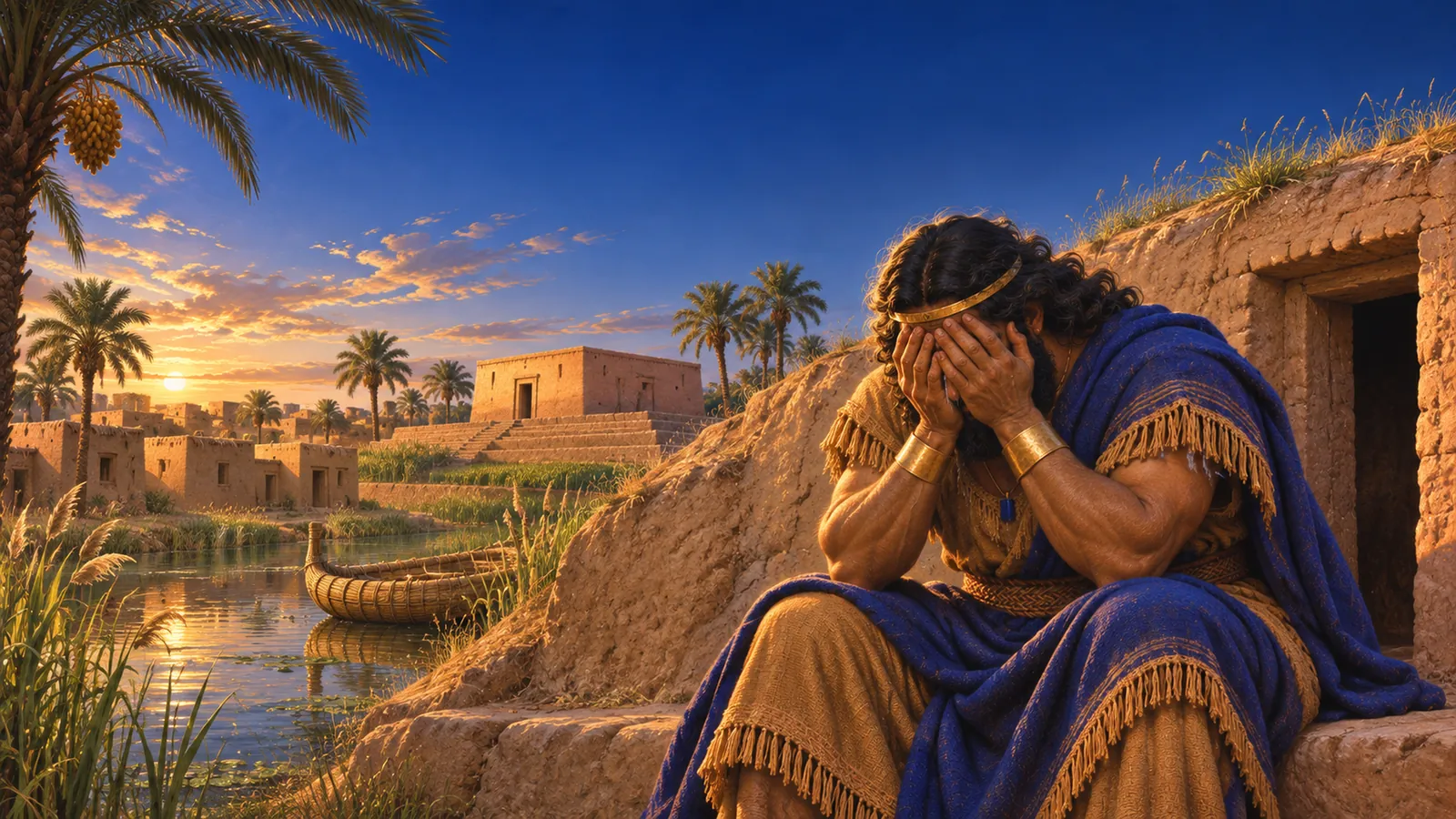
A PORTA DE GANZER
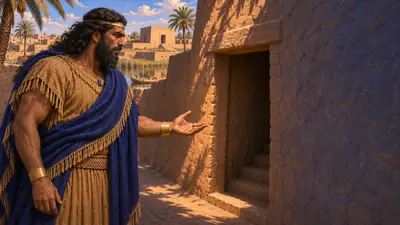
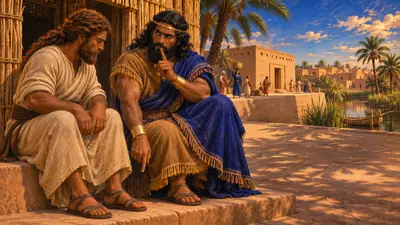
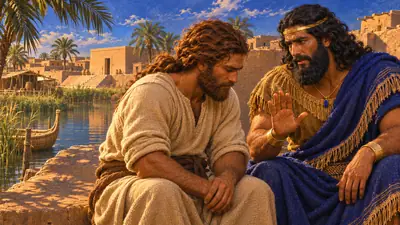
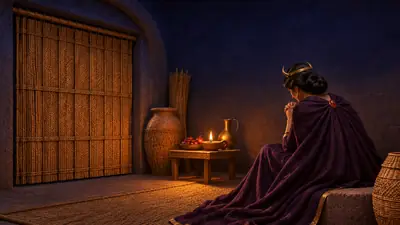
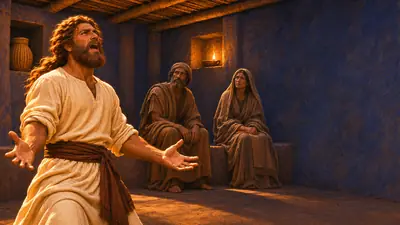
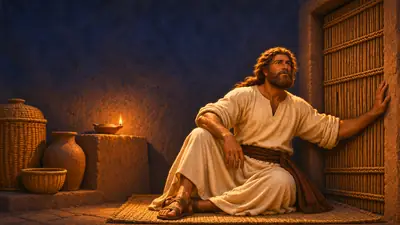
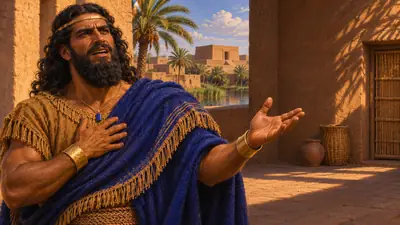
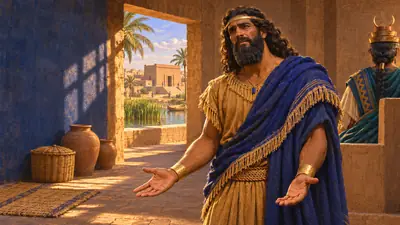
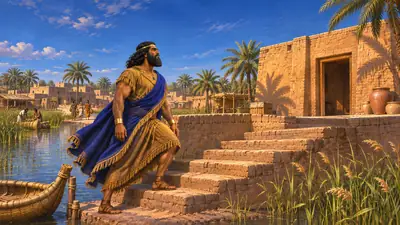
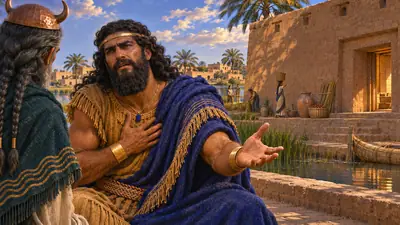
Gilgamesh sentou-se à porta de Ganzer, à entrada do mundo subterrâneo, e chorou amargamente.
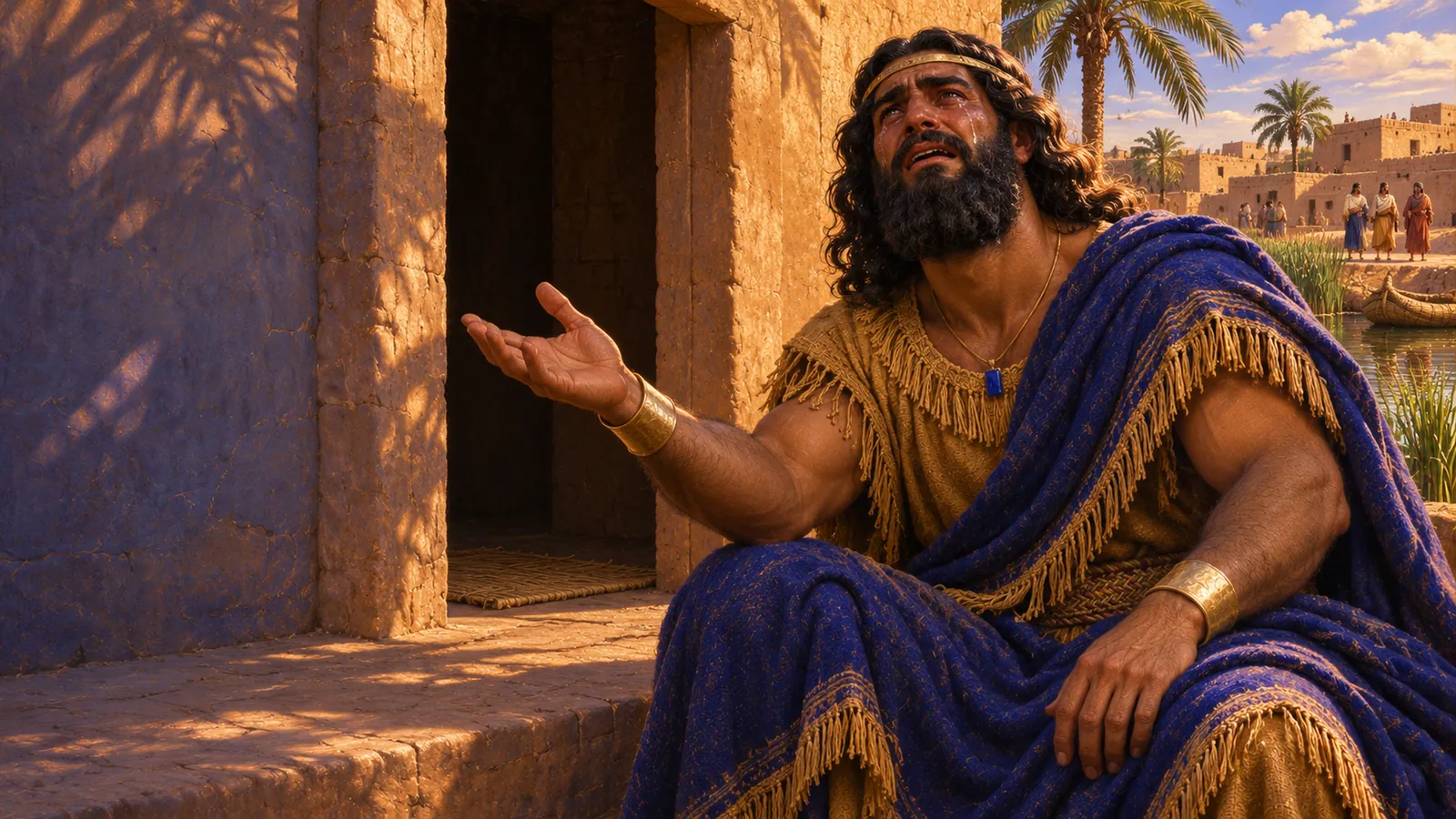
Gilgamesh lamentou a perda do seu ellag e do seu ekidma. Ainda gostava do jogo e não se tinha cansado de jogar.
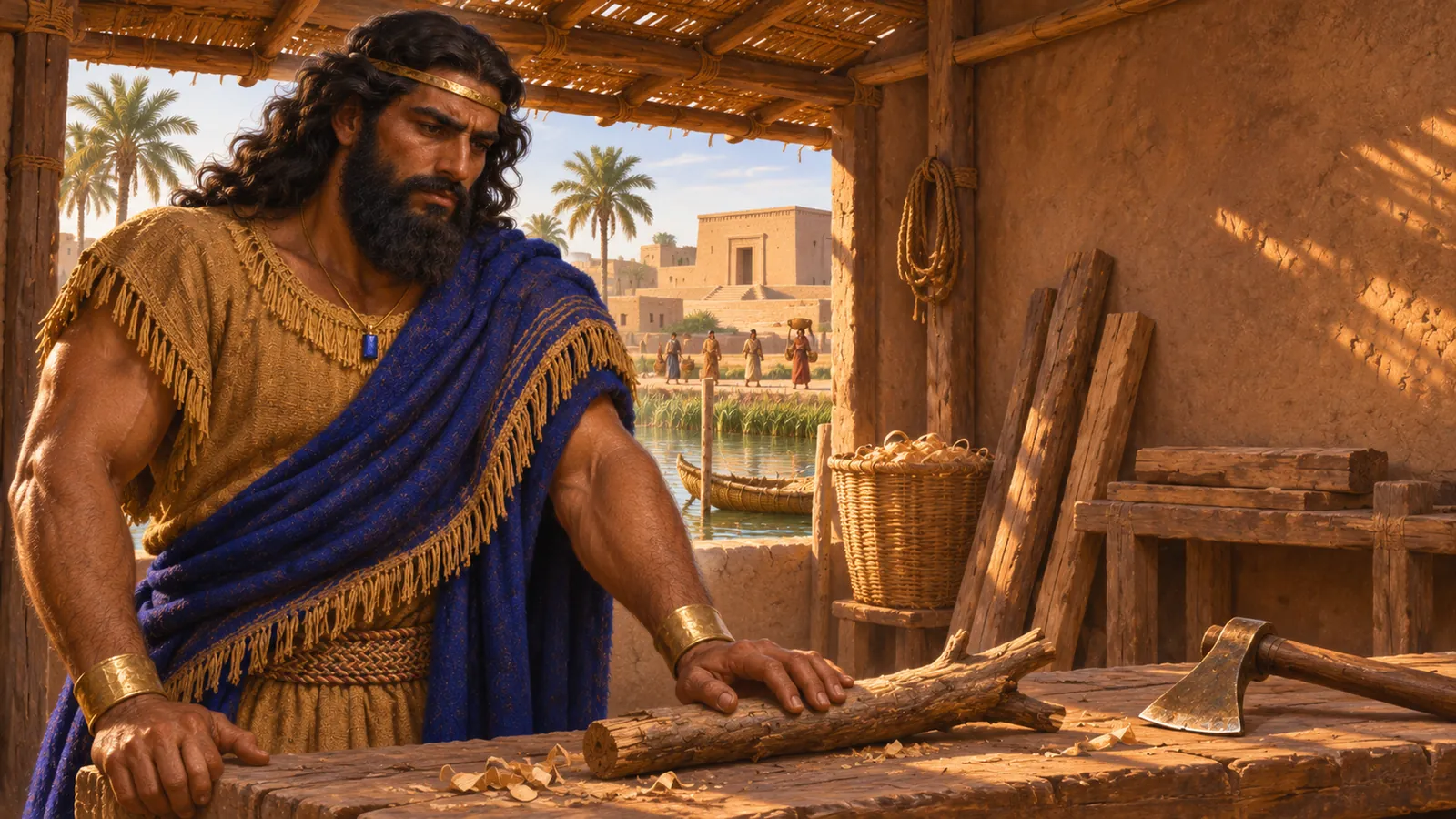
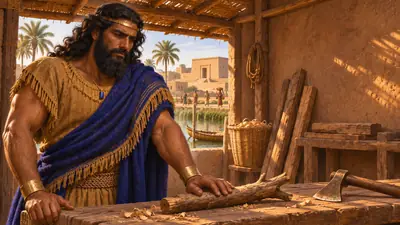
«Se ao menos o ellag ainda estivesse à minha espera em casa do carpinteiro», lamentou Gilgamesh.
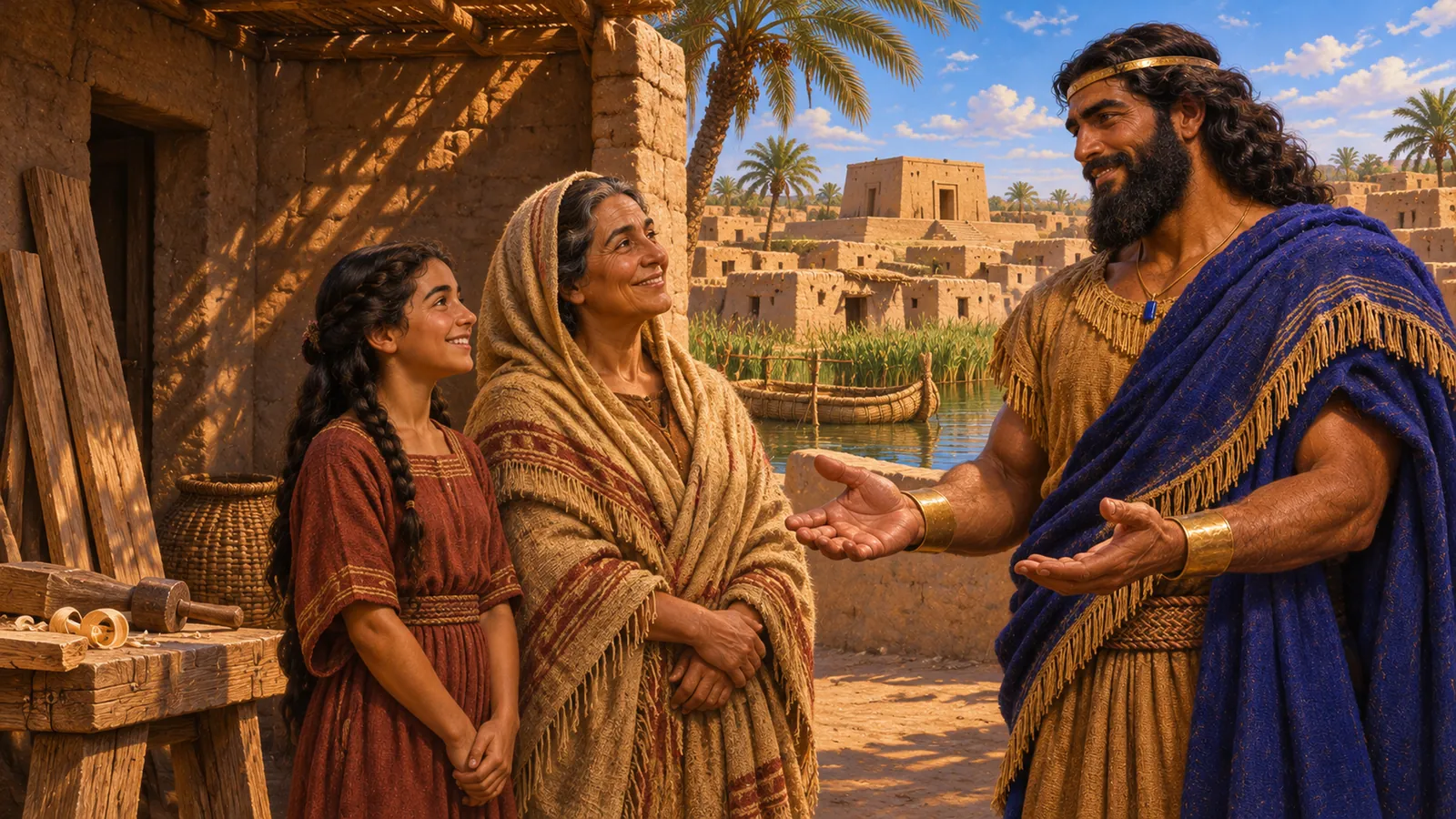
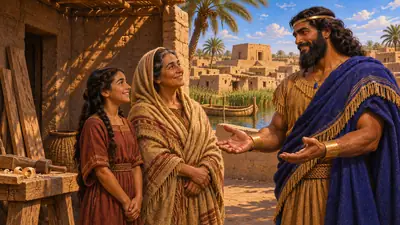
Gilgamesh disse que trataria a mulher do carpinteiro como a sua própria mãe e a criança como a sua irmã mais nova, se ao menos o ellag ainda lá estivesse.
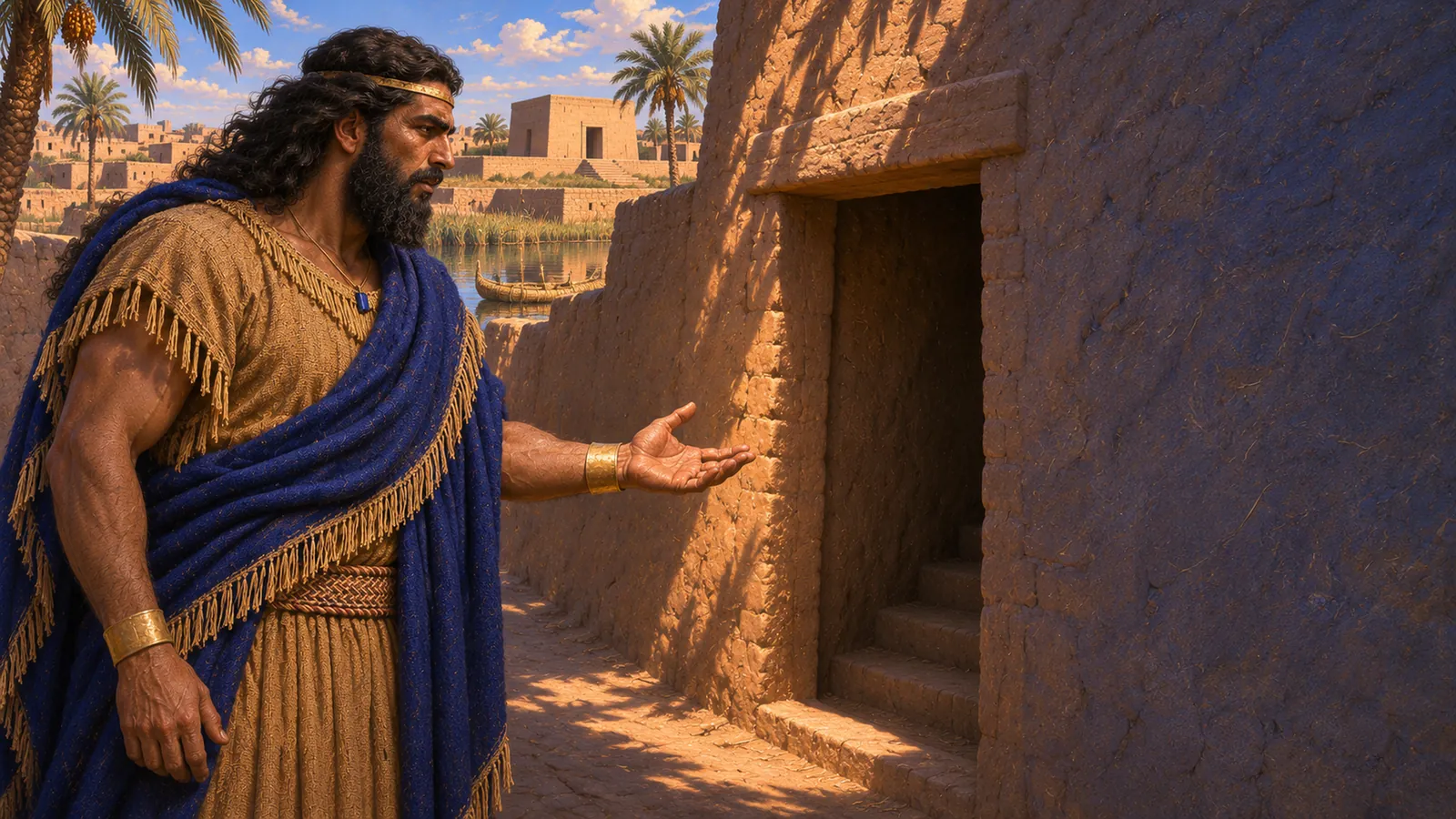
Gilgamesh perguntou quem lhe iria buscar o ellag ao mundo subterrâneo. Perguntou quem lhe traria de volta o ekidma de Ganzer.
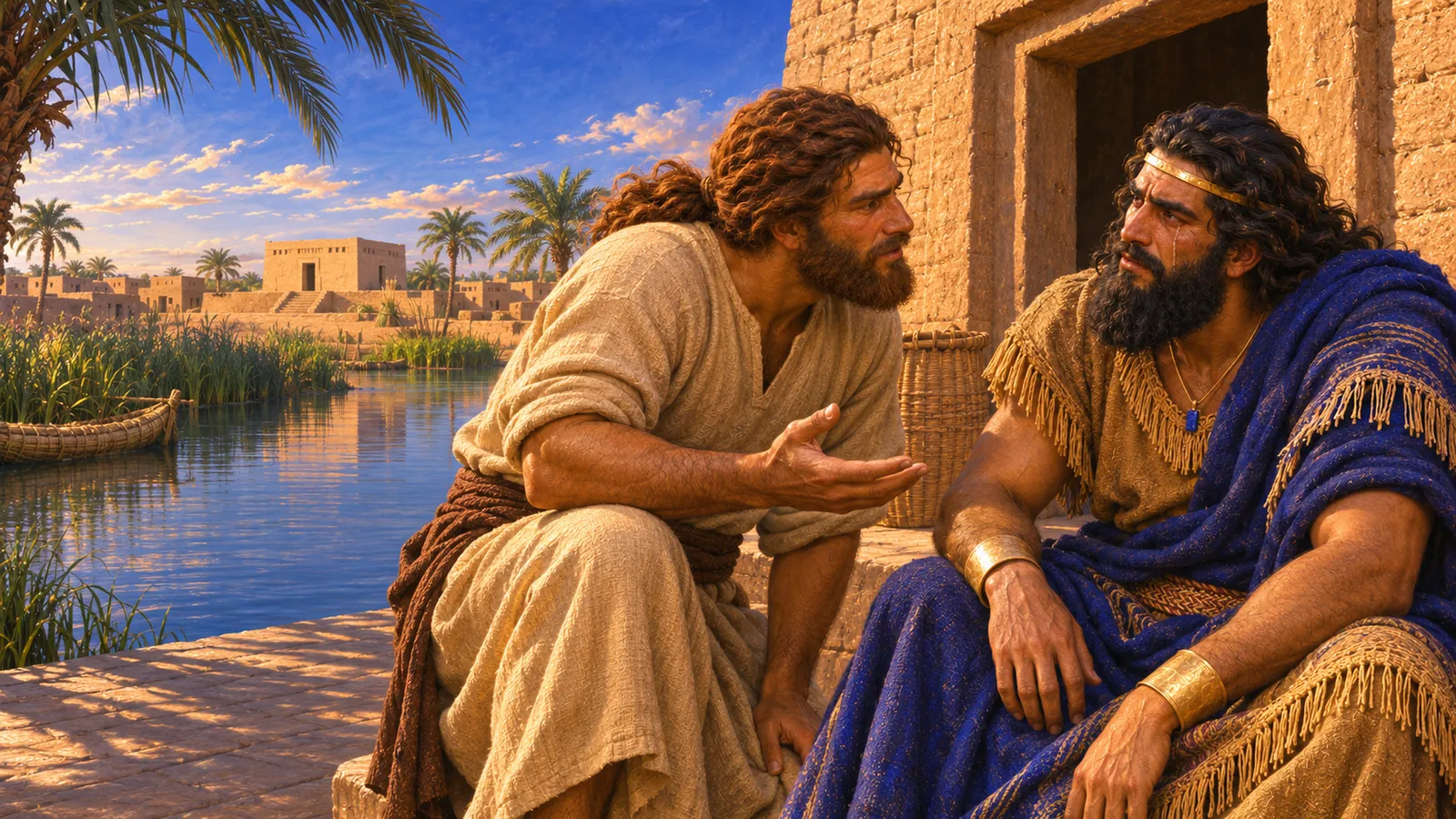
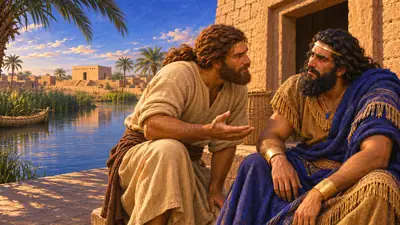
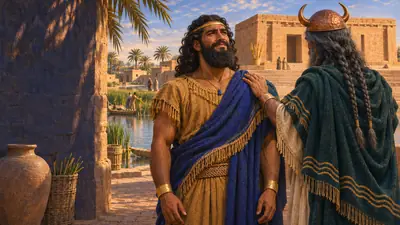
Enkidu, seu servo, respondeu-lhe. Ao ver o rei chorar, perguntou-lhe o que lhe pesava no coração.
A PROMESSA
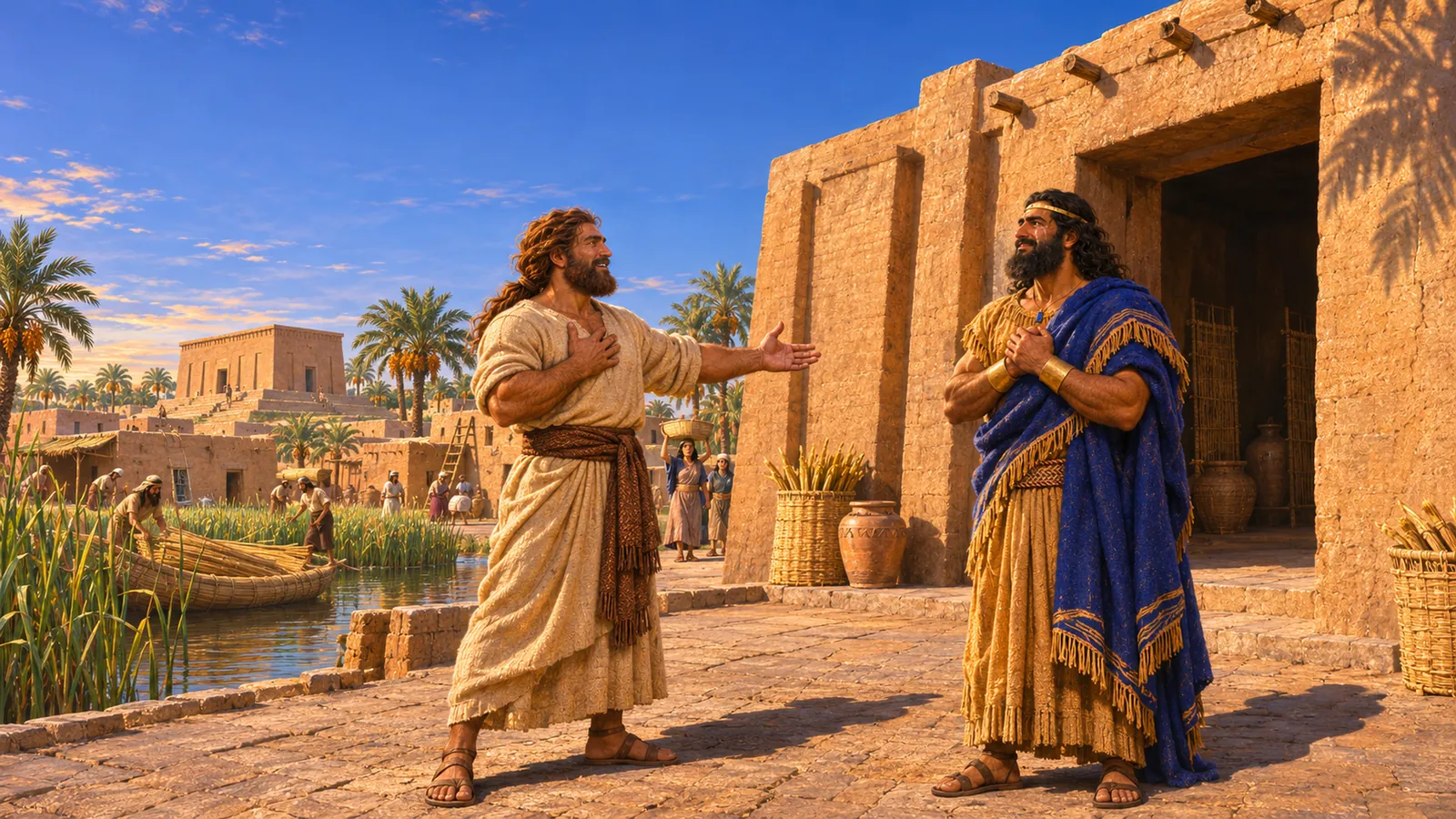
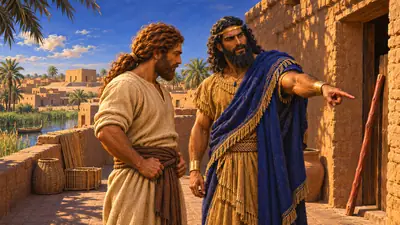
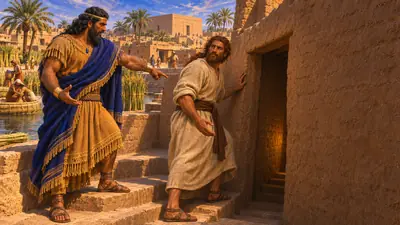
«Hoje trarei de volta o teu ellag do mundo subterrâneo e o teu ekidma de Ganzer», prometeu Enkidu.
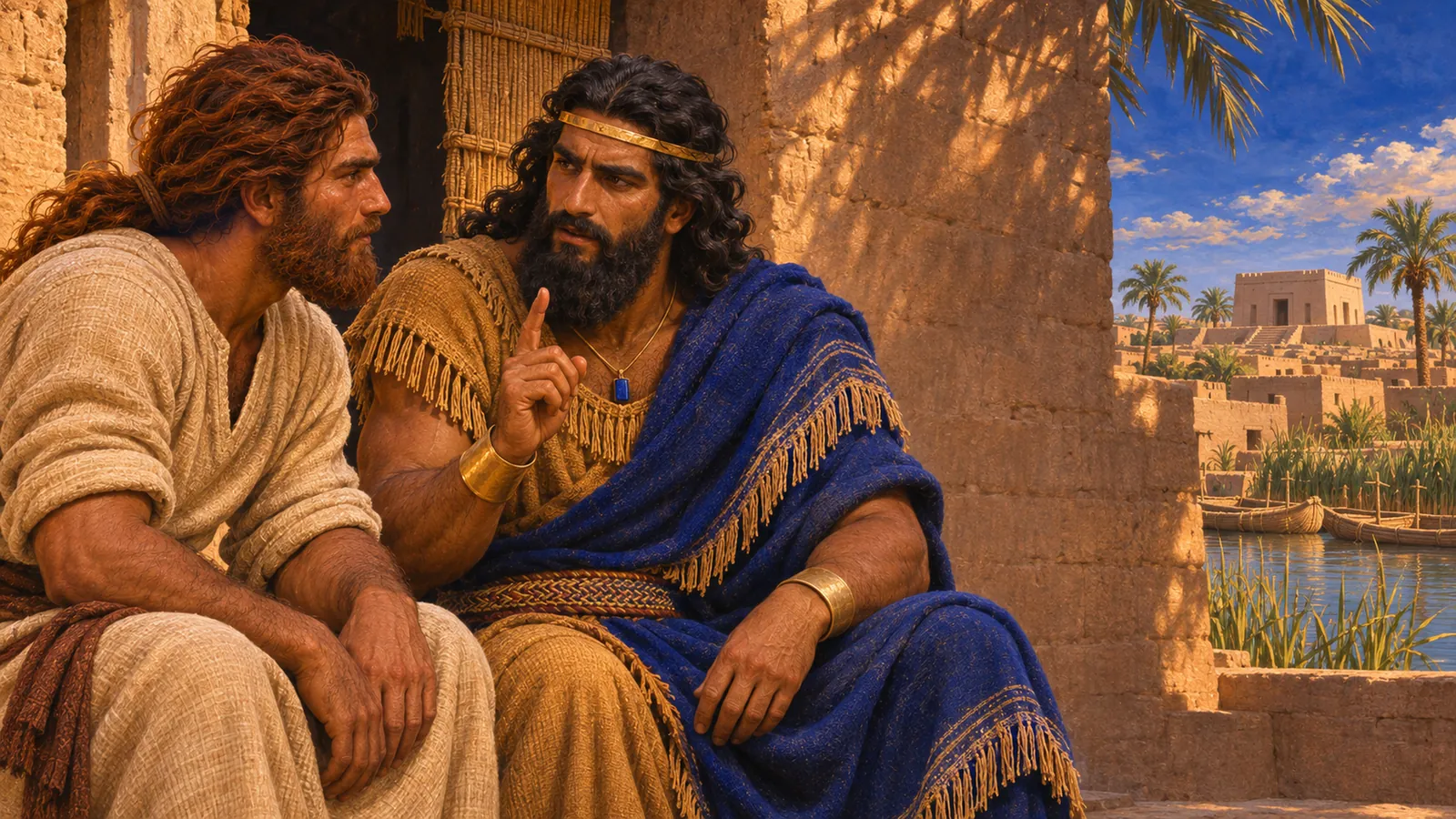
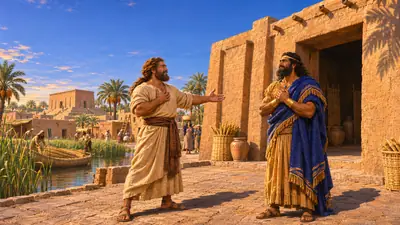
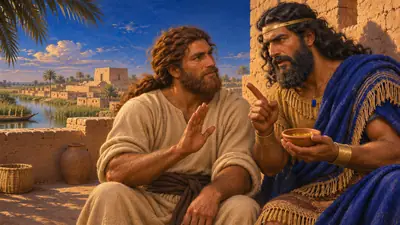
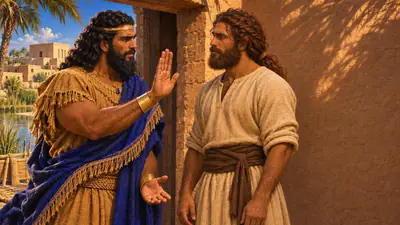
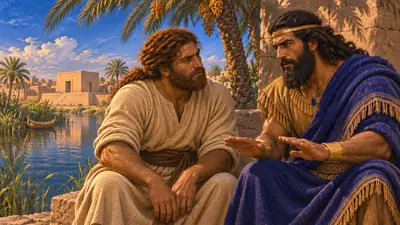
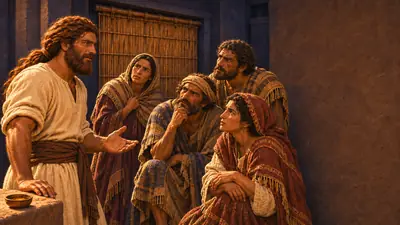
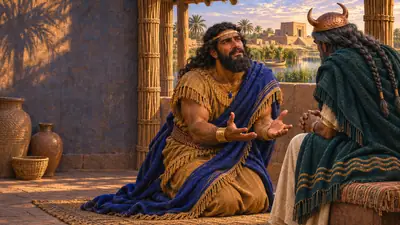
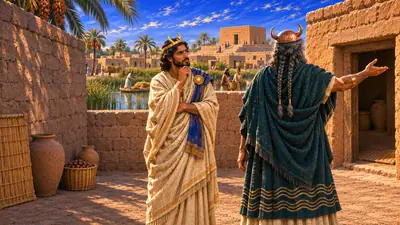
Gilgamesh respondeu que, se Enkidu tencionava descer ao mundo subterrâneo naquele dia, tinha conselhos para lhe dar.
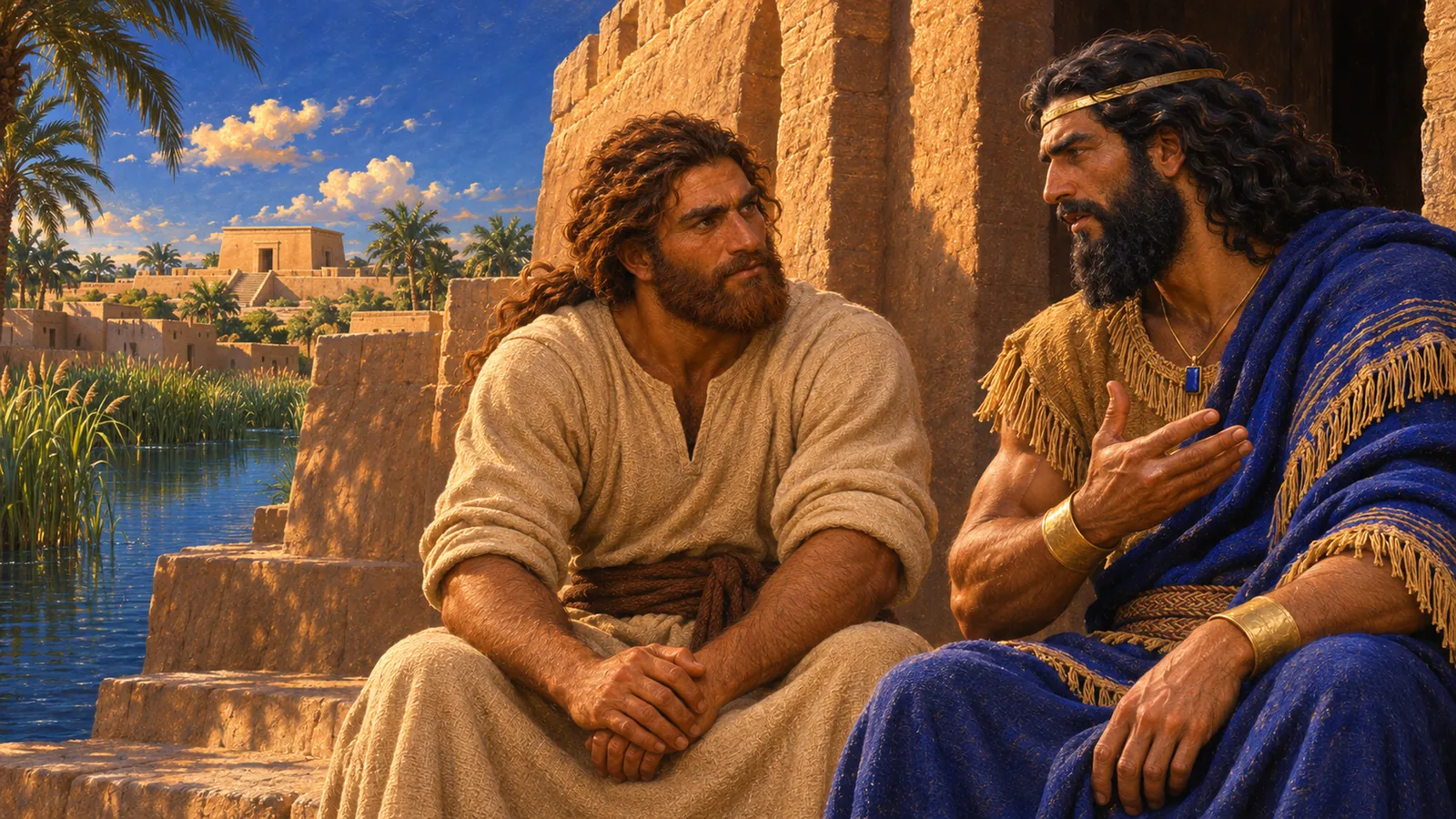
Disse a Enkidu que escutasse com atenção as suas palavras e seguisse as instruções que estava prestes a dar-lhe.
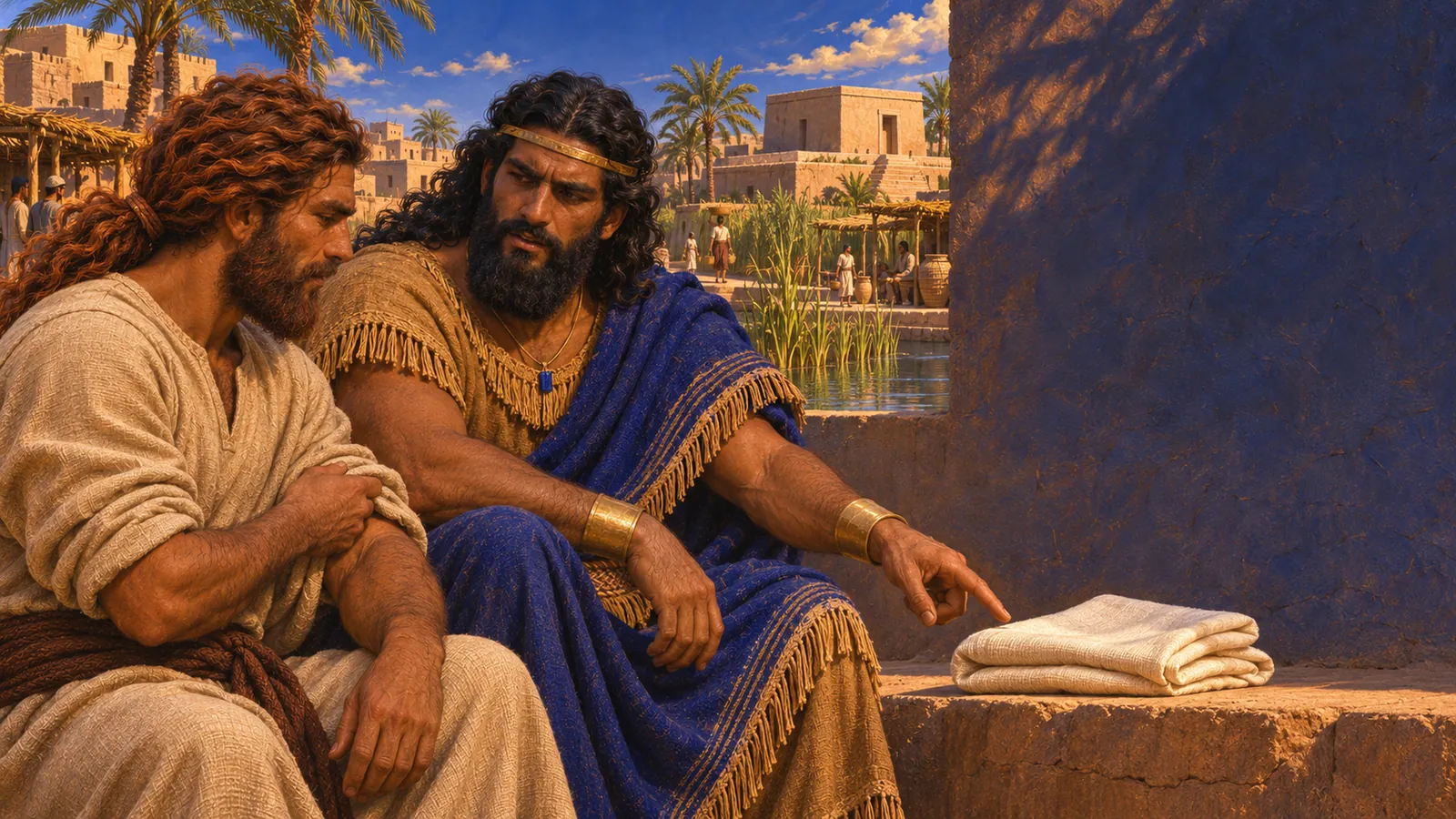
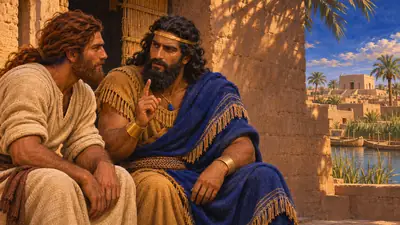
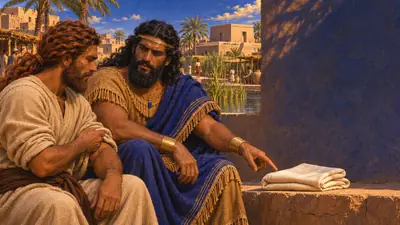
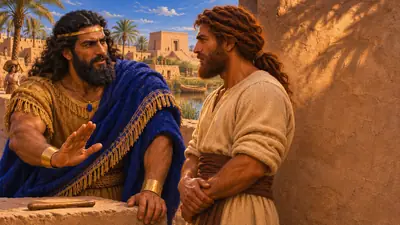
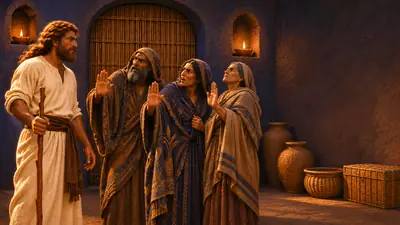
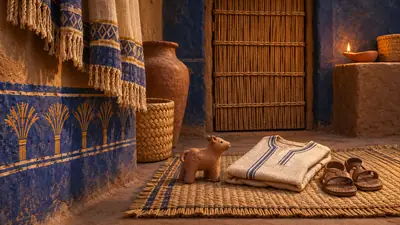
Gilgamesh avisou Enkidu para não vestir roupa limpa lá em baixo, pois quem lá estivesse reconhecê-lo-ia imediatamente como um estranho.
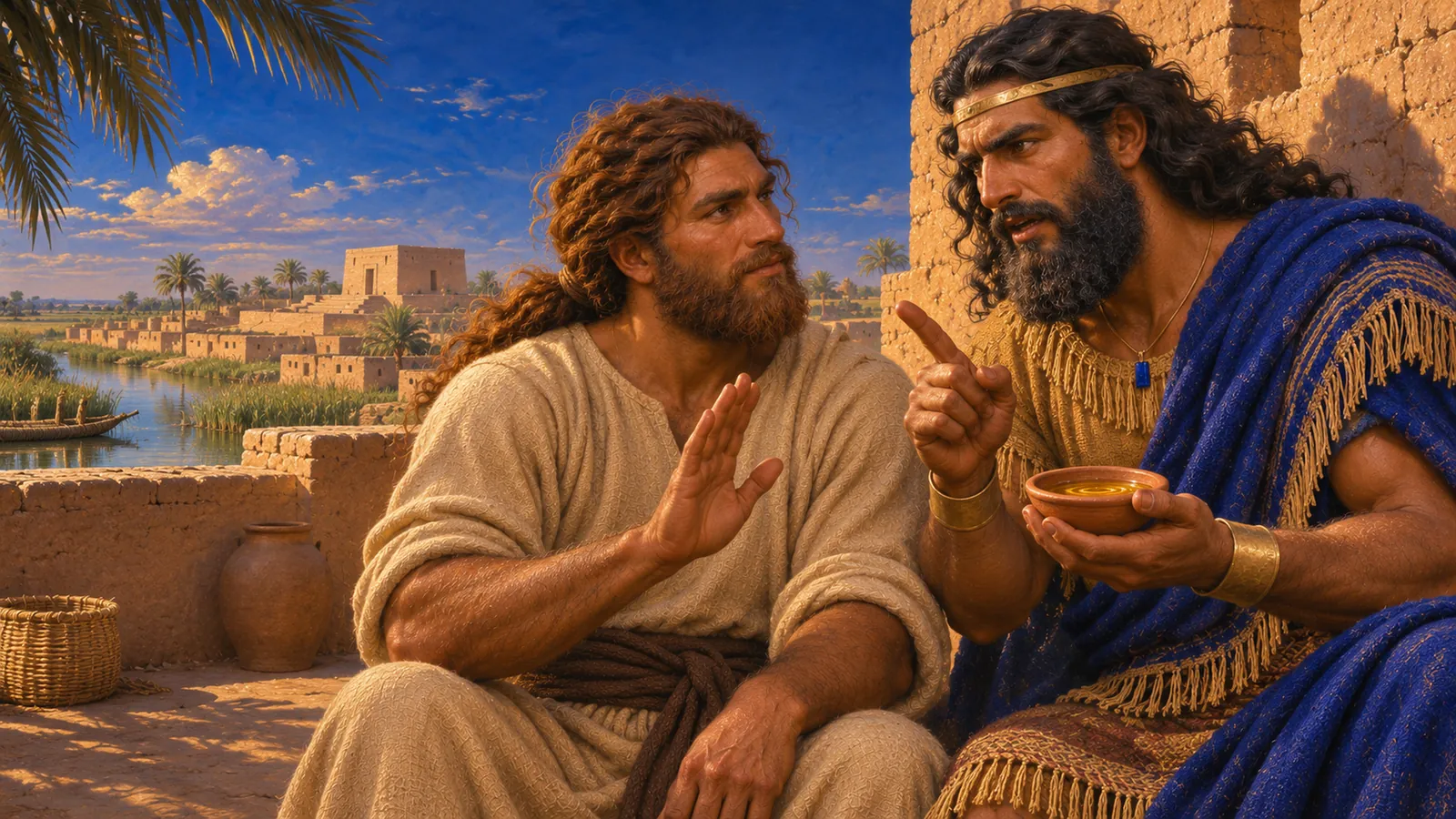
Gilgamesh disse-lhe que não se ungisse com óleo fino de uma taça. O seu aroma atrairia para junto dele aqueles que viviam lá em baixo.
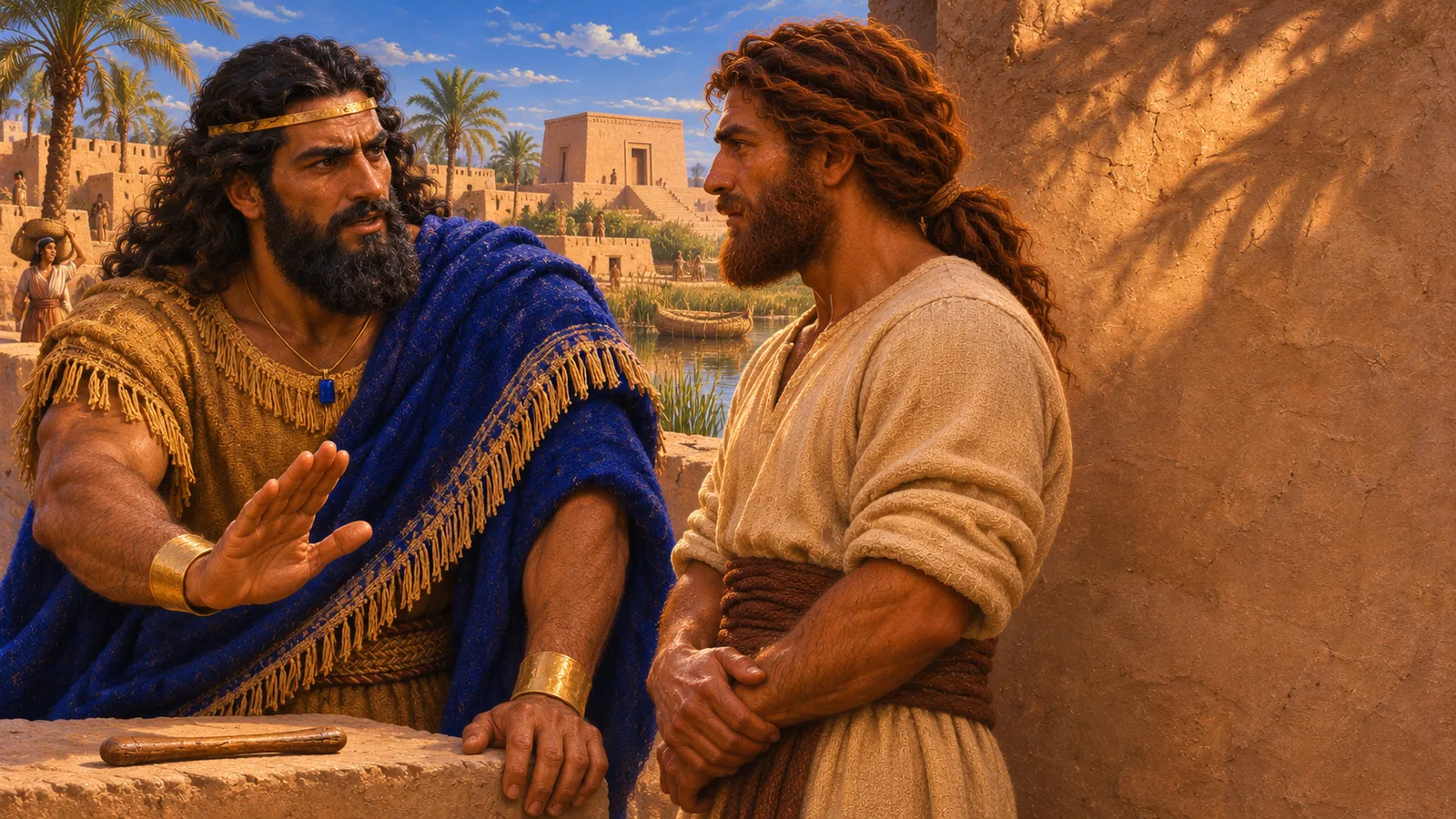
Disse a Enkidu que não arremessasse paus de arremesso no mundo subterrâneo. Aqueles que os paus tinham abatido rodeá-lo-iam.
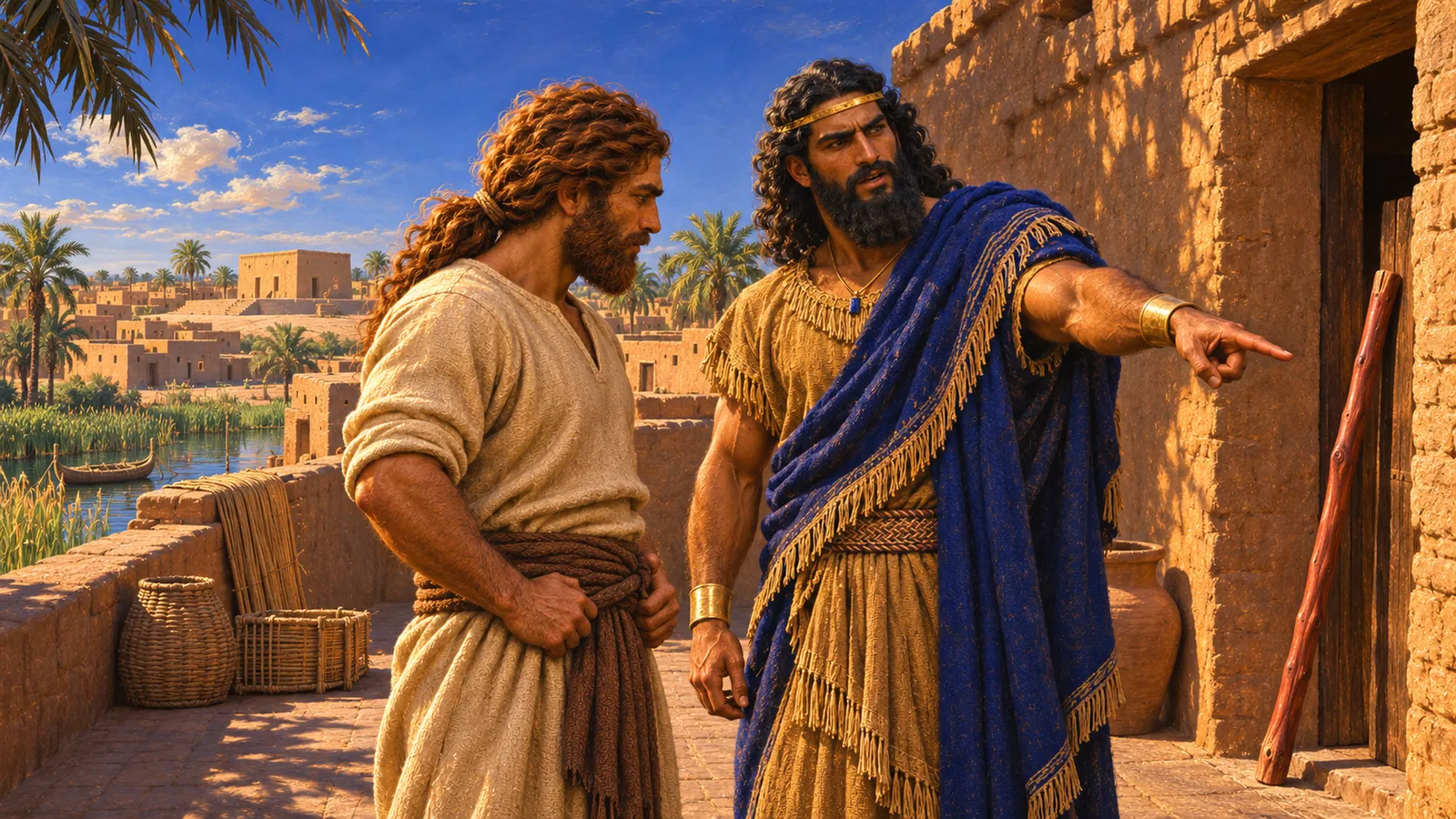
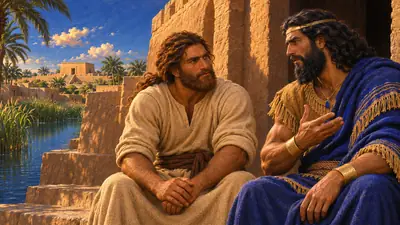
Disse-lhe que não segurasse lá em baixo um bastão de madeira de cornalheira. Os espíritos tomariam isso como um insulto.
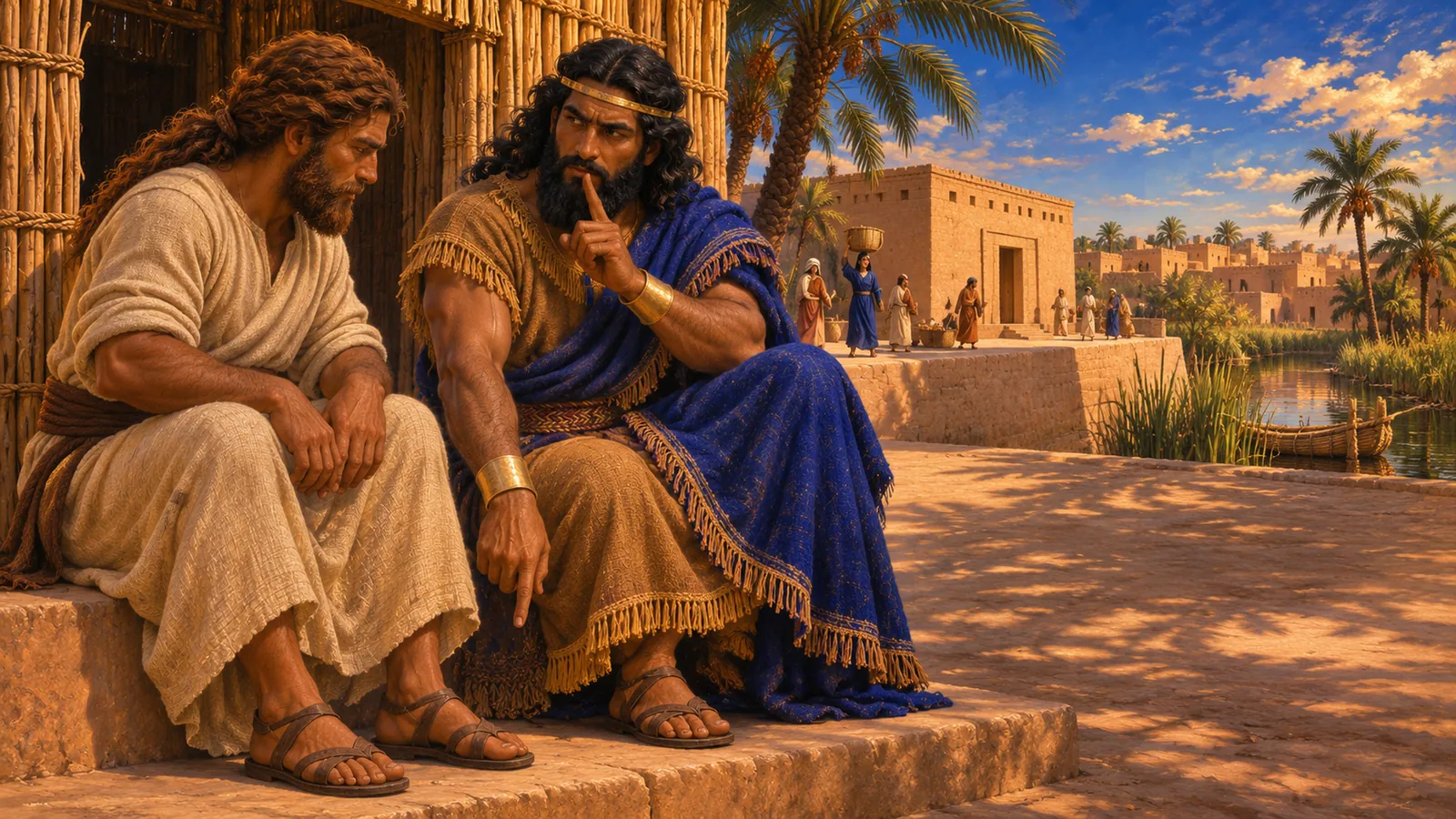
Gilgamesh deu-lhe mais duas instruções para o mundo subterrâneo. Não devia calçar sandálias nem gritar.
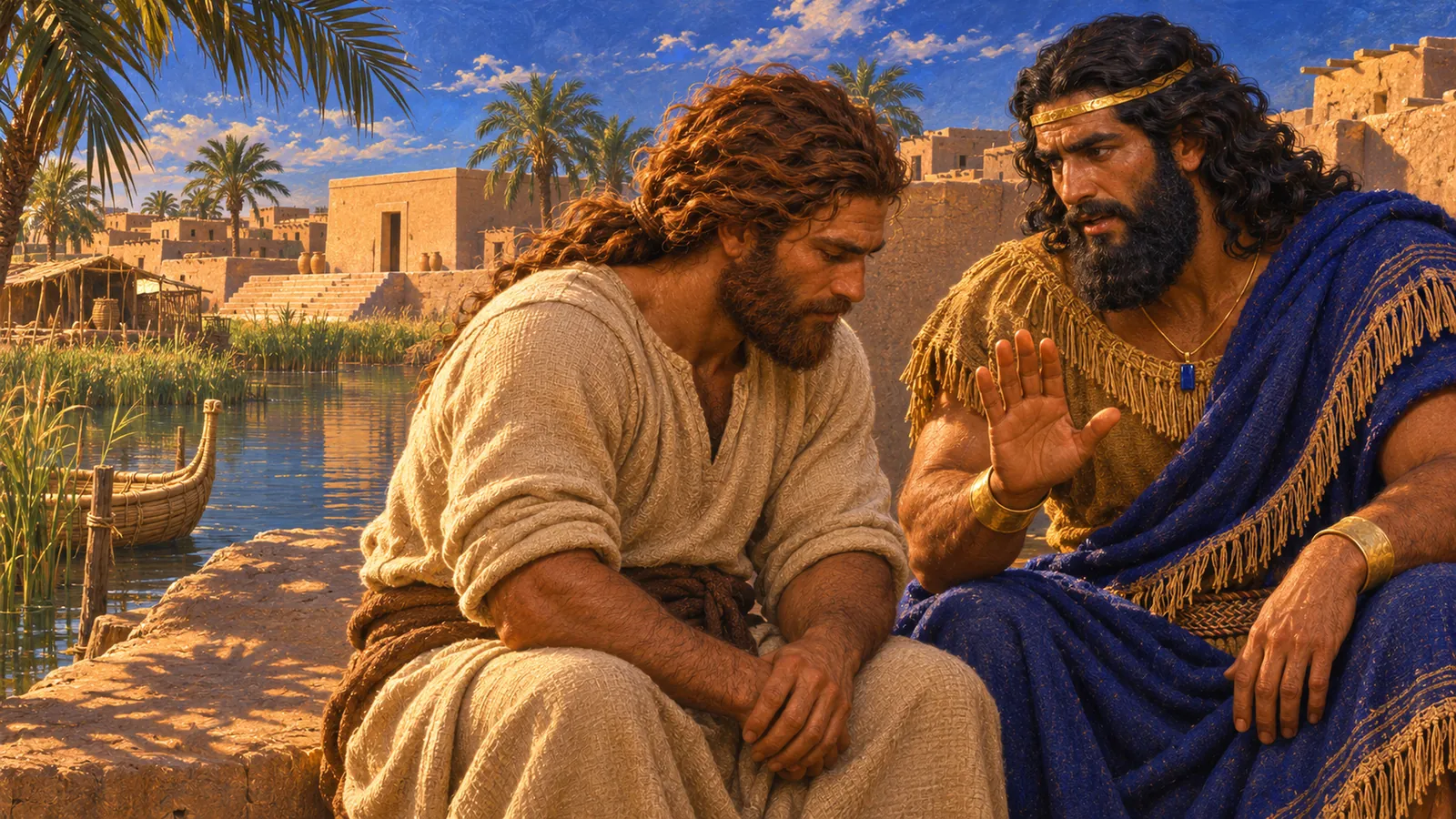
Gilgamesh disse a Enkidu que, quando descesse ao mundo dos mortos, não devia beijar a sua amada mulher.
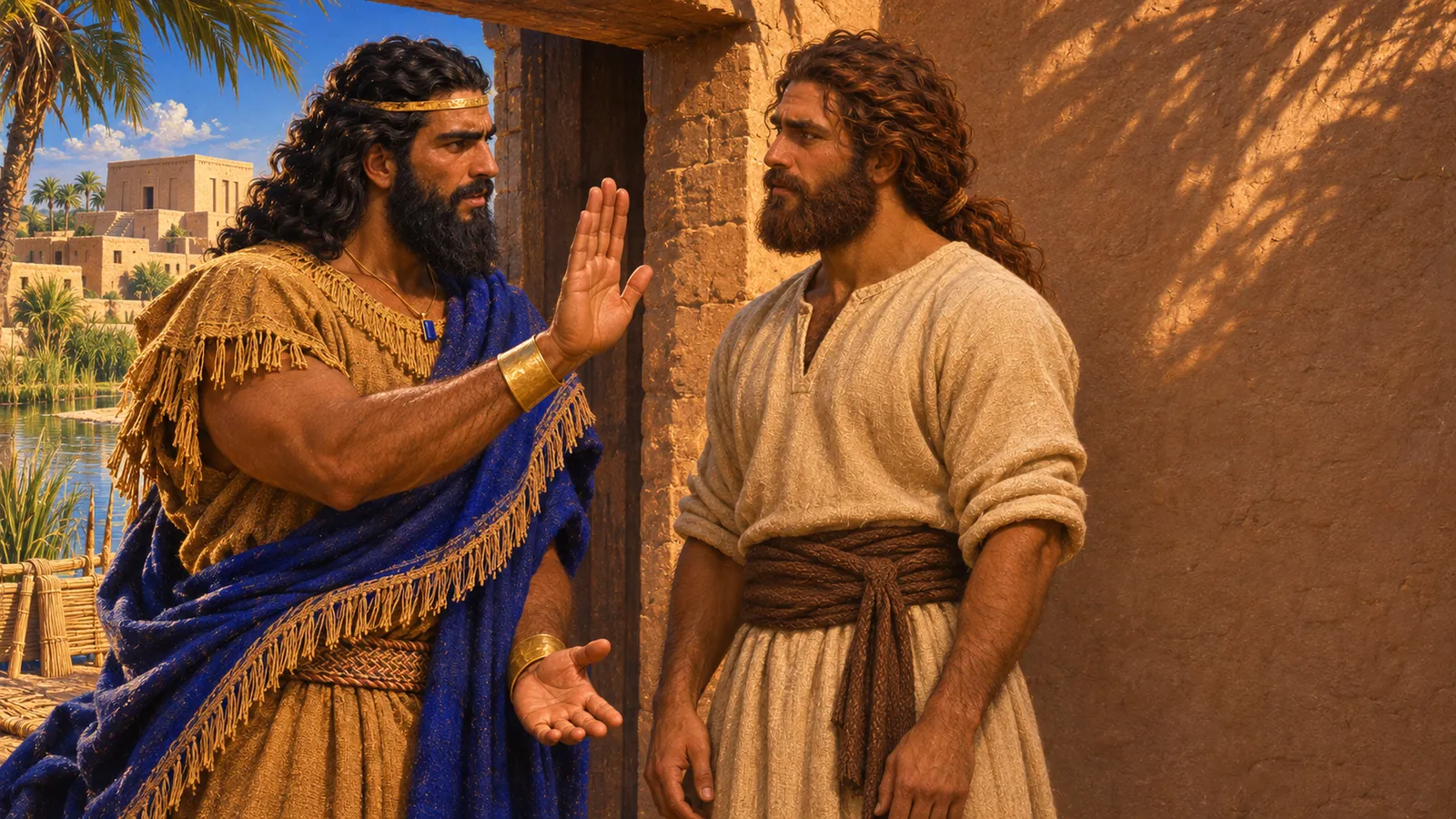
Gilgamesh disse a Enkidu que não batesse na mulher, mesmo que se irritasse com ela.
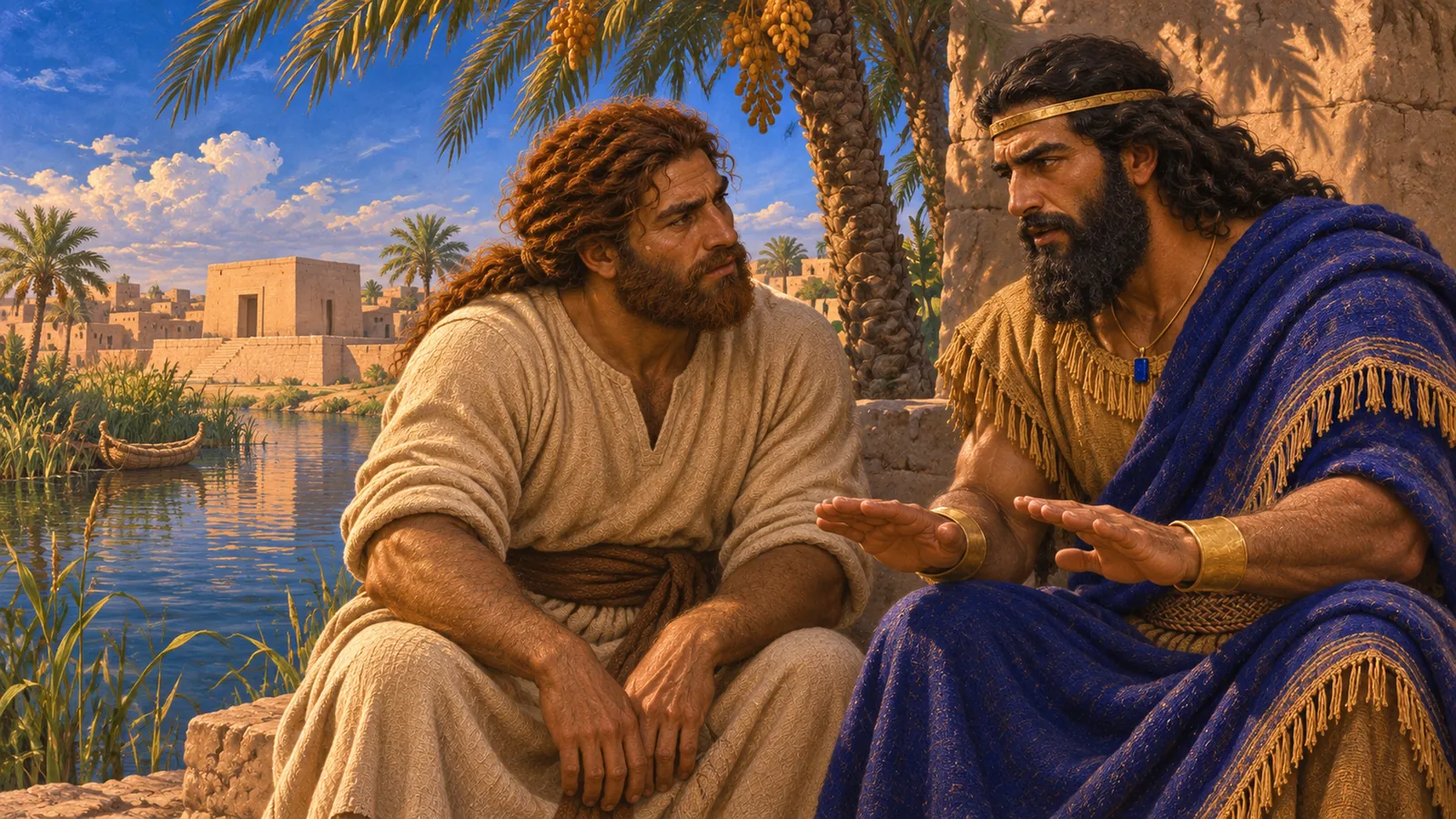
Também disse a Enkidu que não beijasse a sua criança querida e que não batesse no filho, mesmo que se irritasse com ele.
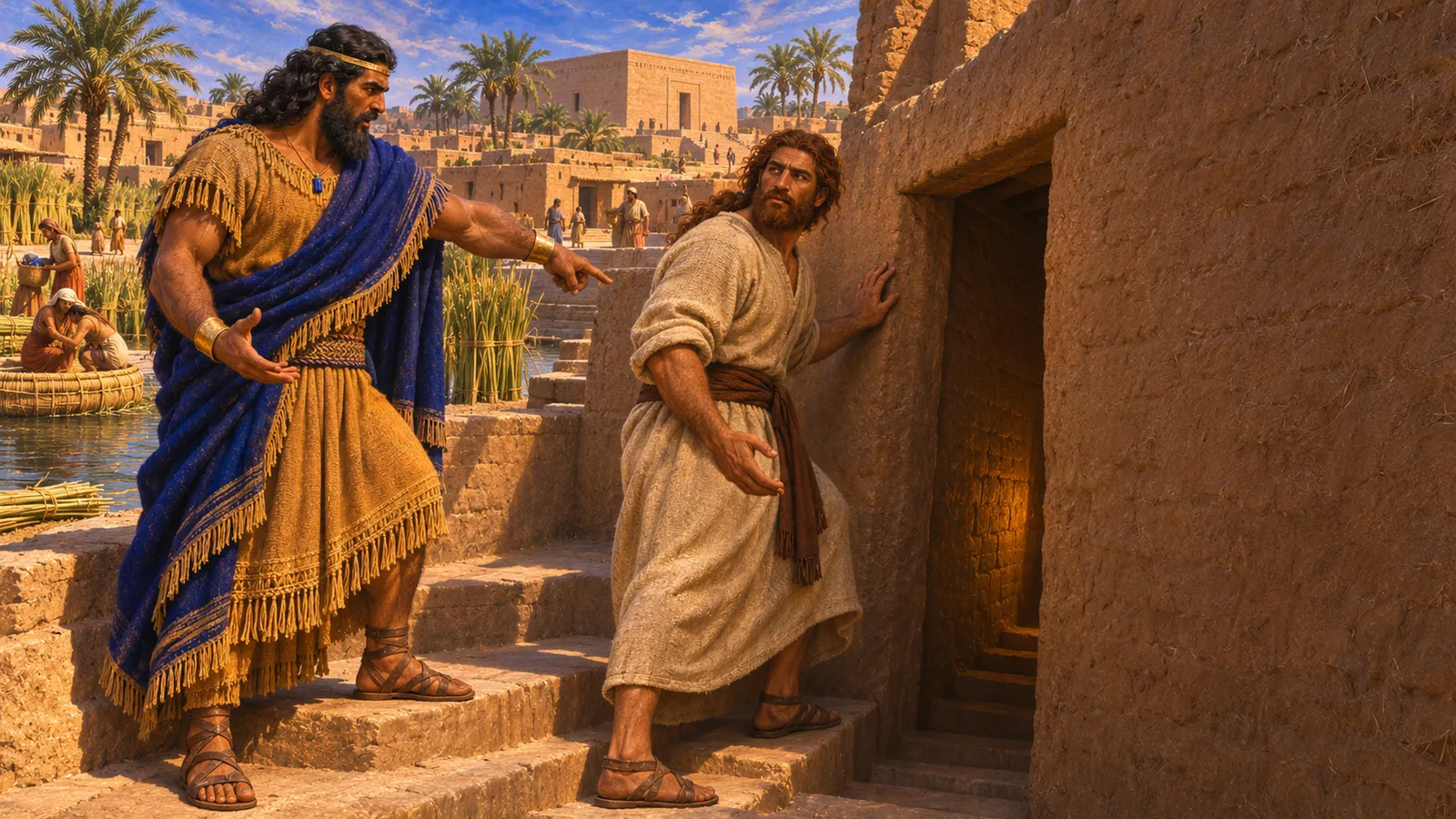
Gilgamesh avisou Enkidu de que, se os seus atos levantassem um clamor, esse clamor iria retê-lo no mundo dos mortos.
AS INSTRUÇÕES
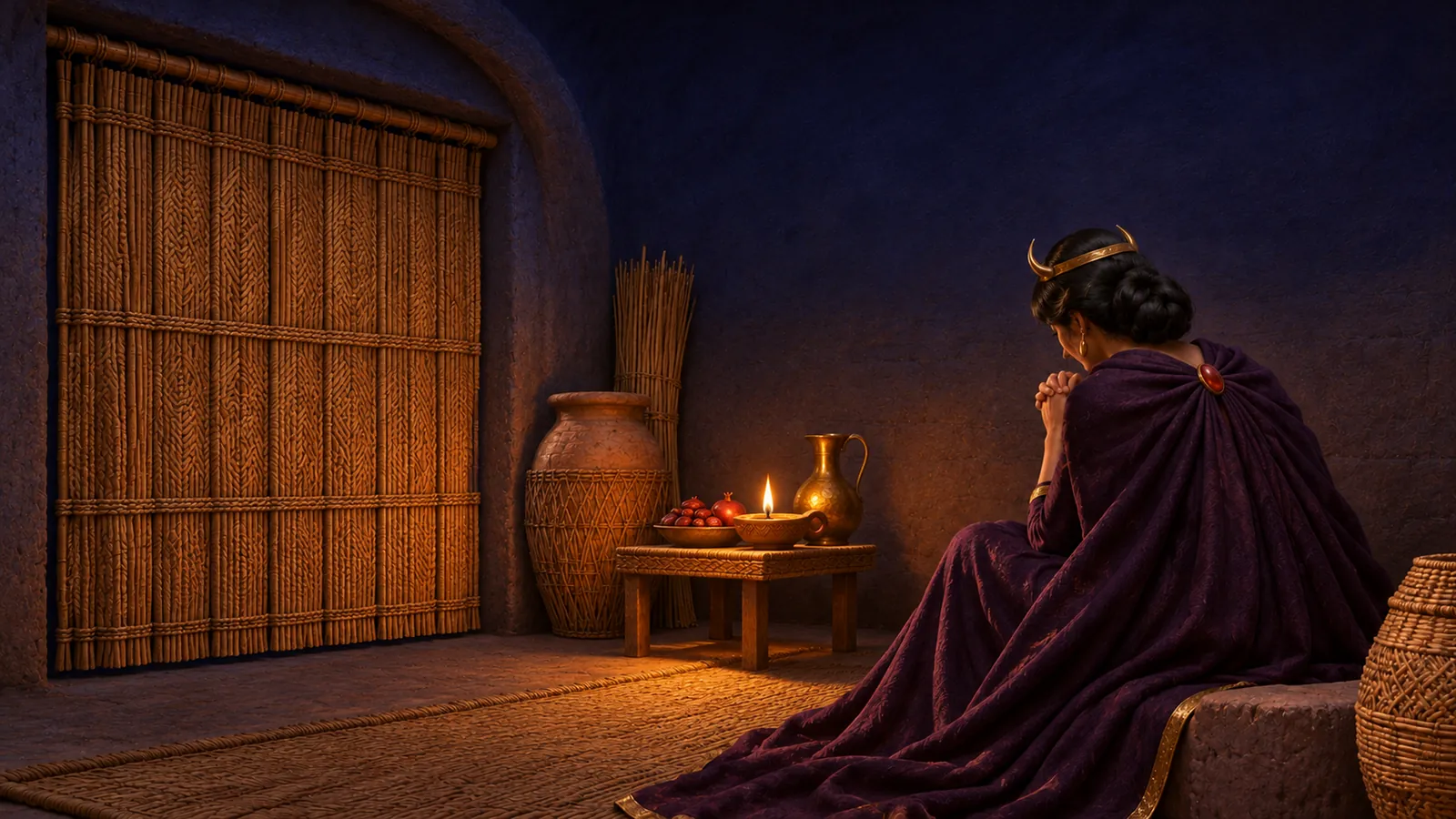
Gilgamesh falou de uma mulher deitada no mundo dos mortos. Chamou-lhe mãe de Ninazu.

Disse que nenhuma roupa lhe cobria os ombros puros e que nenhum pano de linho lhe cobria o peito puro.

No relato de Gilgamesh, a mãe de Ninazu estava ali deitada e arrancava os próprios cabelos, aflita.
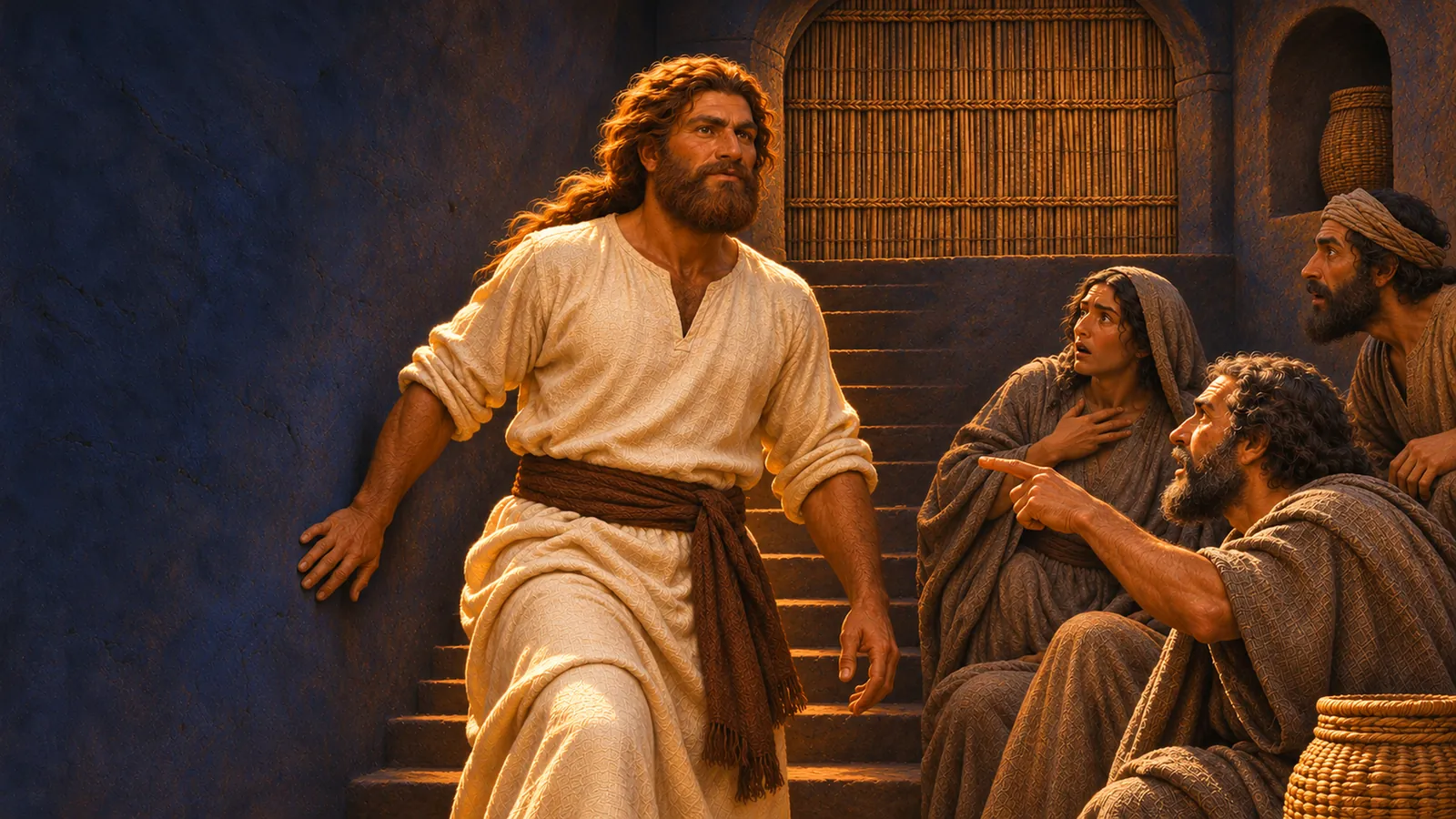
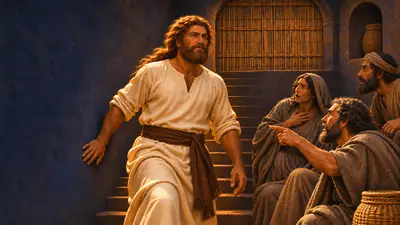
Enkidu não seguiu as palavras do seu senhor. Vestiu a roupa limpa, e os que ali estavam reconheceram que ele era um estranho.
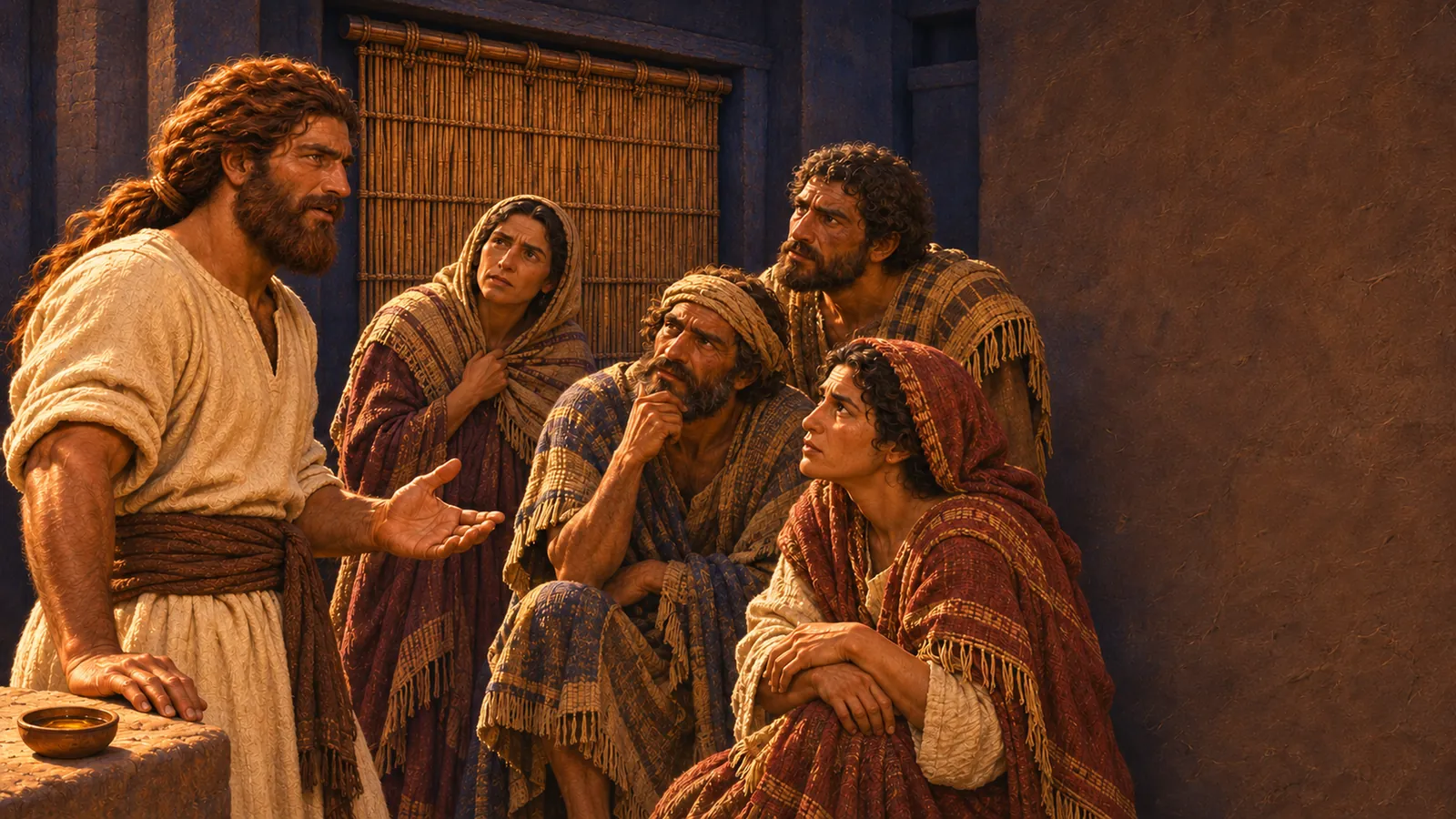
Enkidu ungiu-se com óleo fino de uma tigela. Ao sentir o cheiro do óleo, os que estavam no mundo dos mortos cercaram-no.
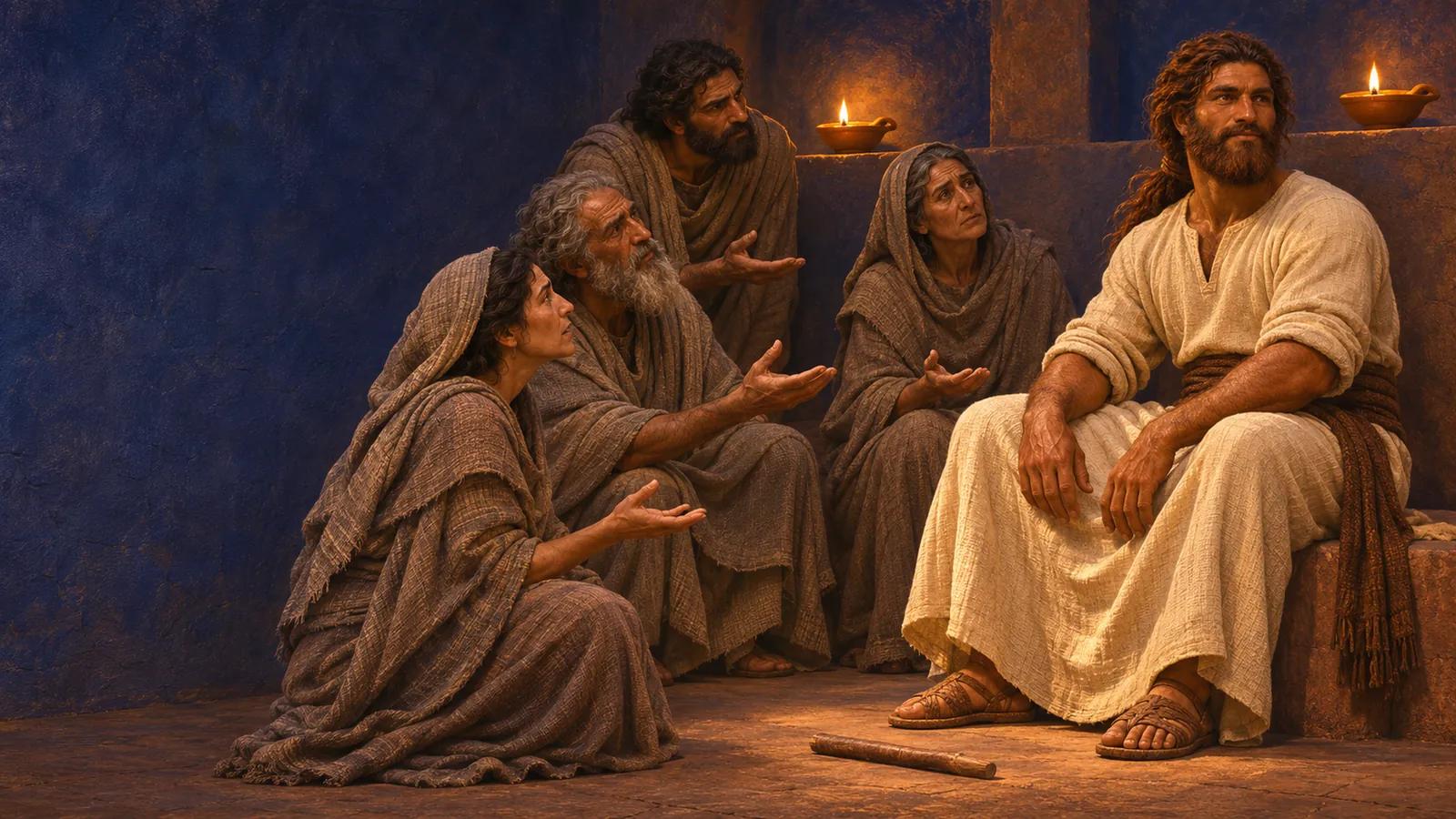
Enkidu arremessou paus de arremesso no mundo dos mortos. Os que tinham sido abatidos por esses paus juntaram-se à sua volta.
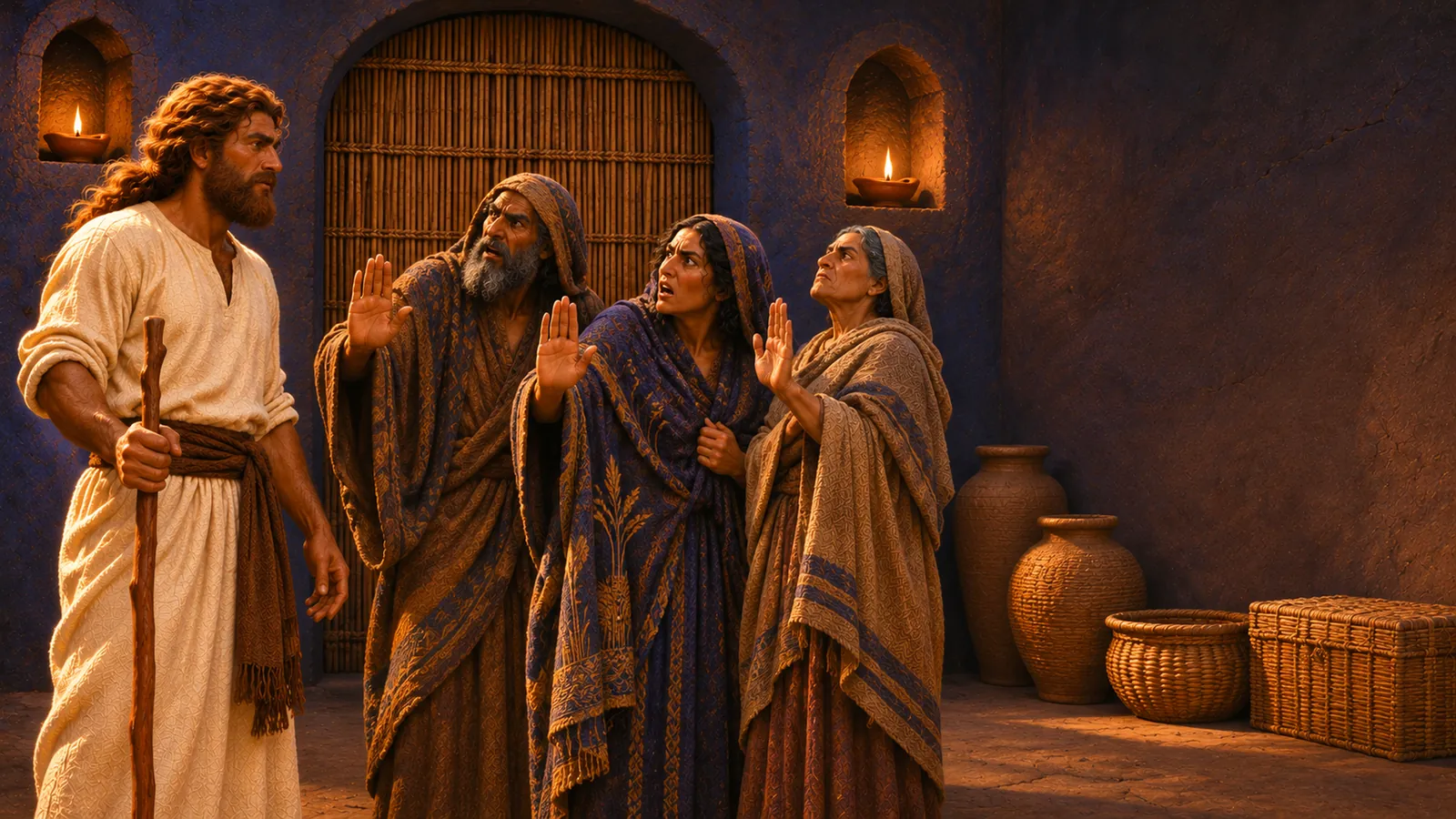
Enkidu segurou na mão um pau de madeira de corniso. O poema diz que os espíritos se sentiram insultados com o seu gesto.
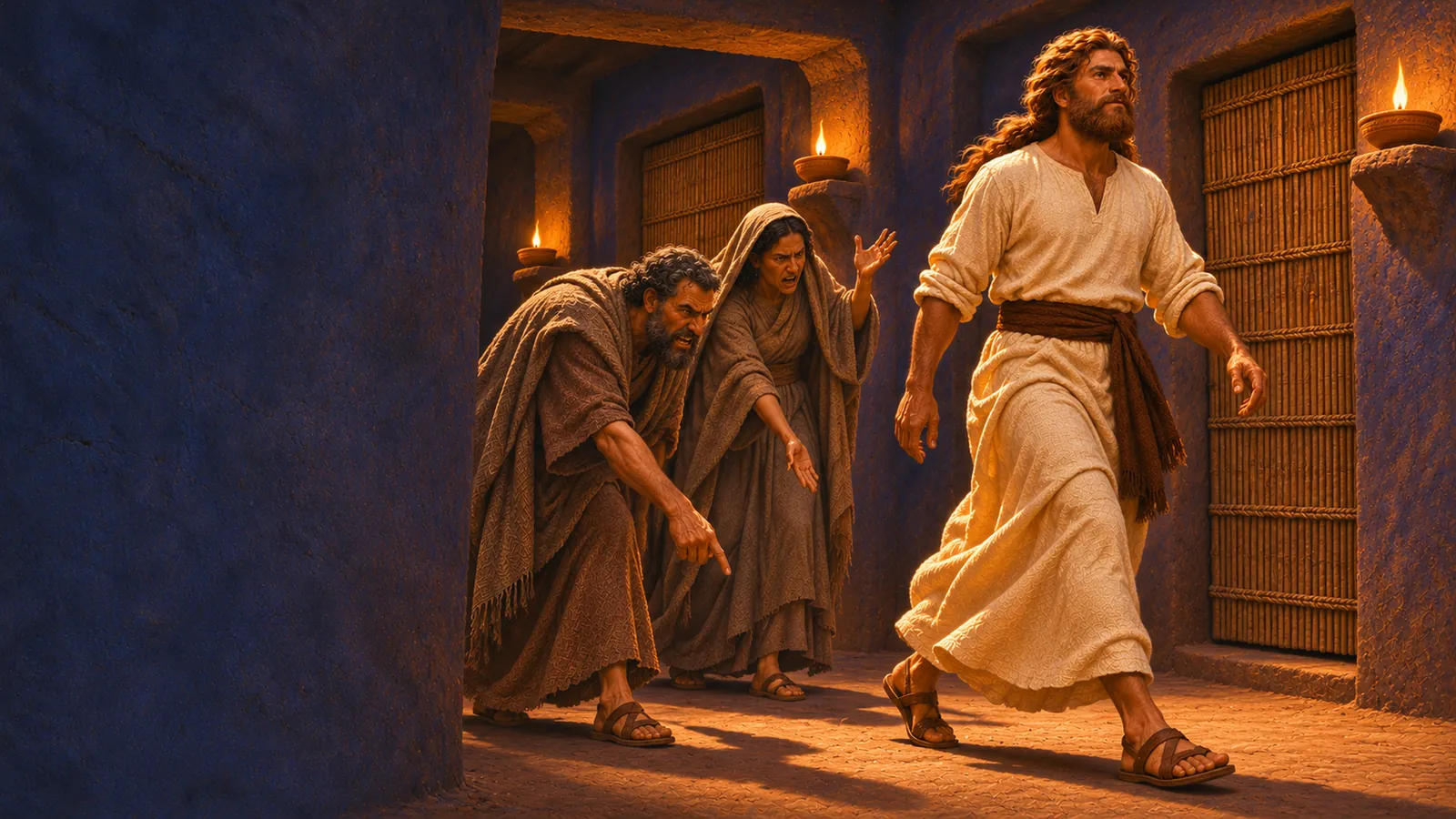
Depois Enkidu calçou as sandálias. O poema diz que causou irritação no mundo dos mortos.
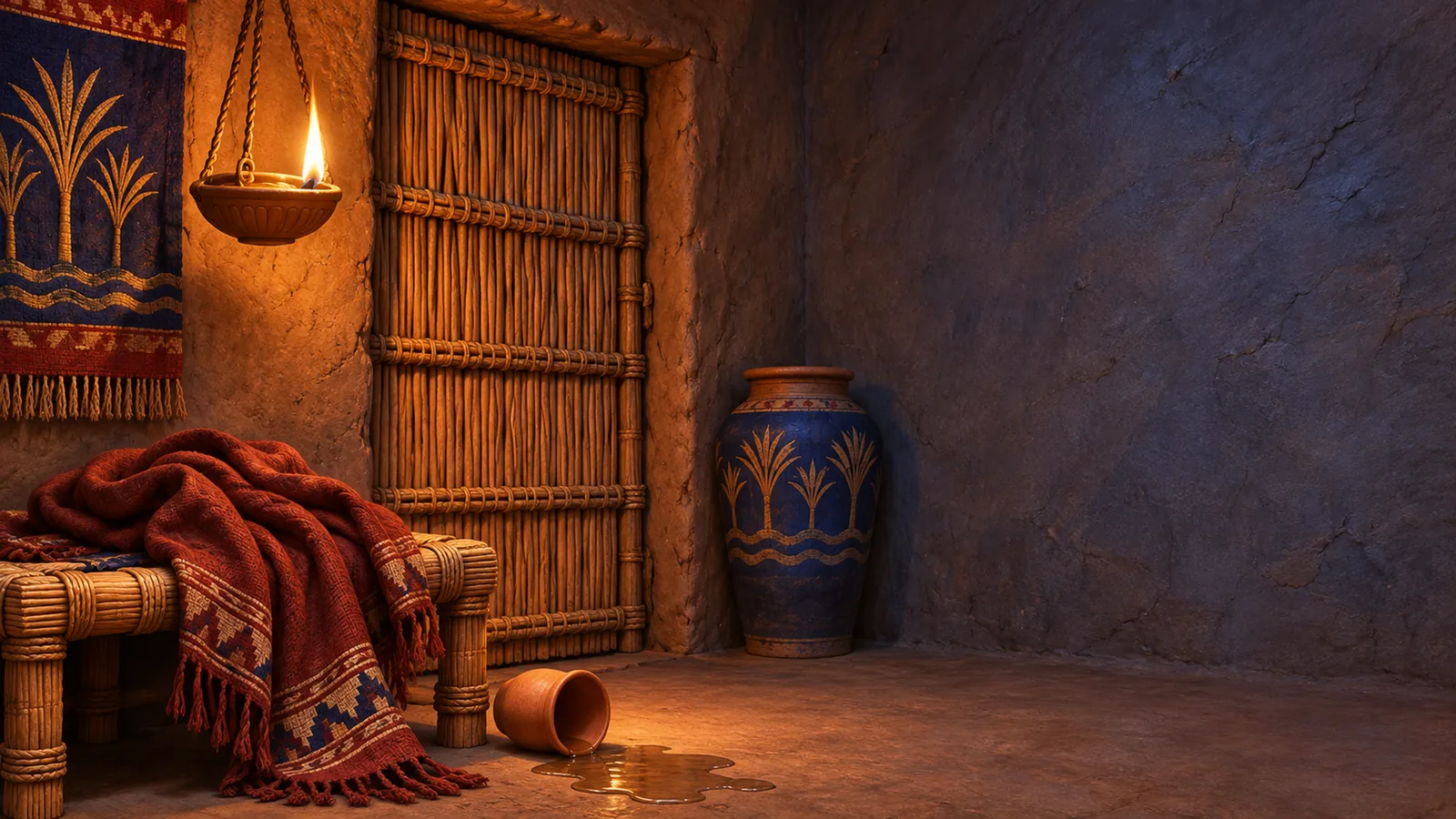
Enkidu beijou a sua amada mulher no mundo dos mortos. Bateu-lhe quando se irritou com ela.

Enkidu beijou a sua criança querida. Depois bateu no filho quando se irritou com ele.
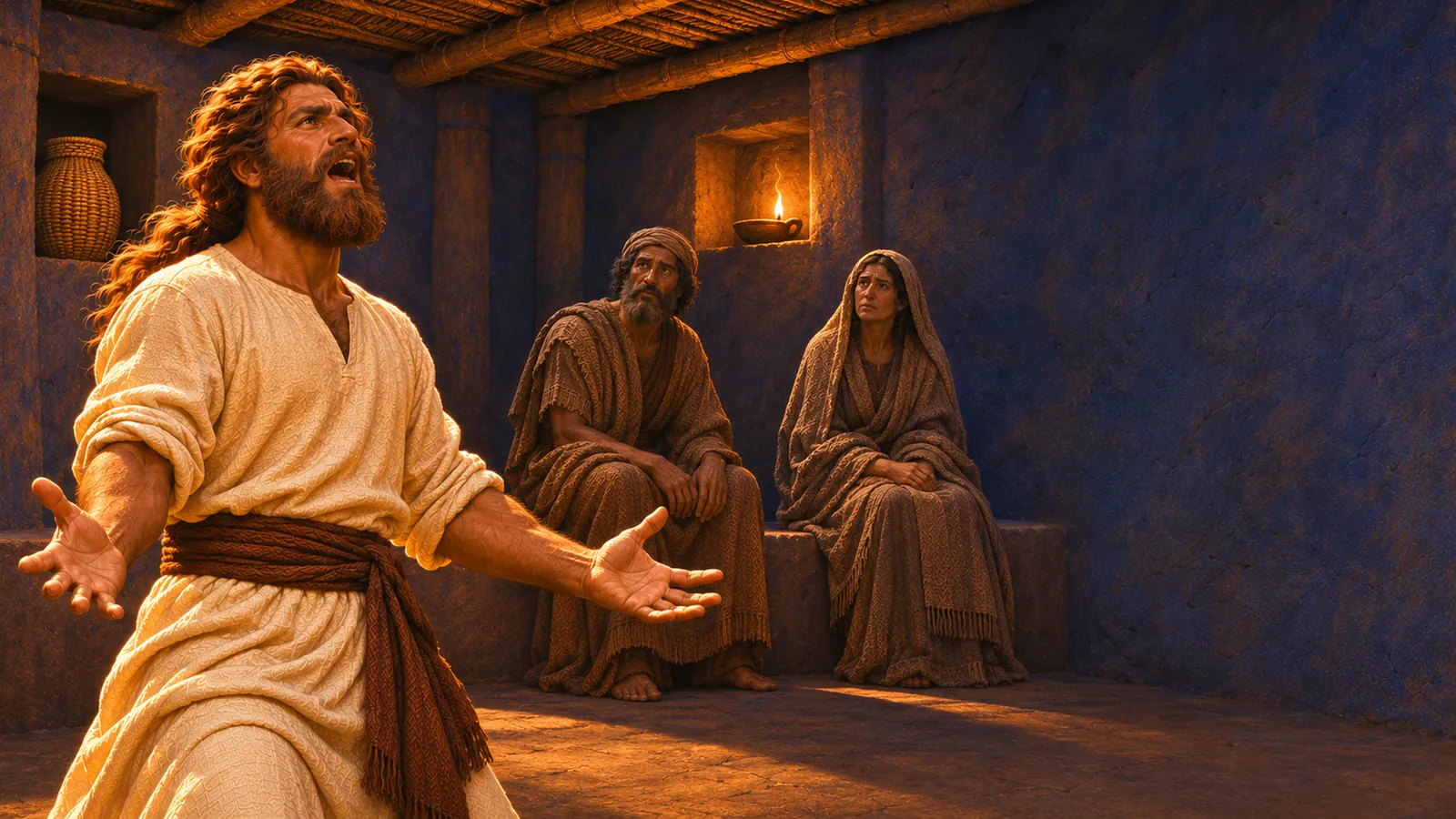
Os atos de Enkidu levantaram um clamor no mundo dos mortos, como Gilgamesh o tinha avisado.
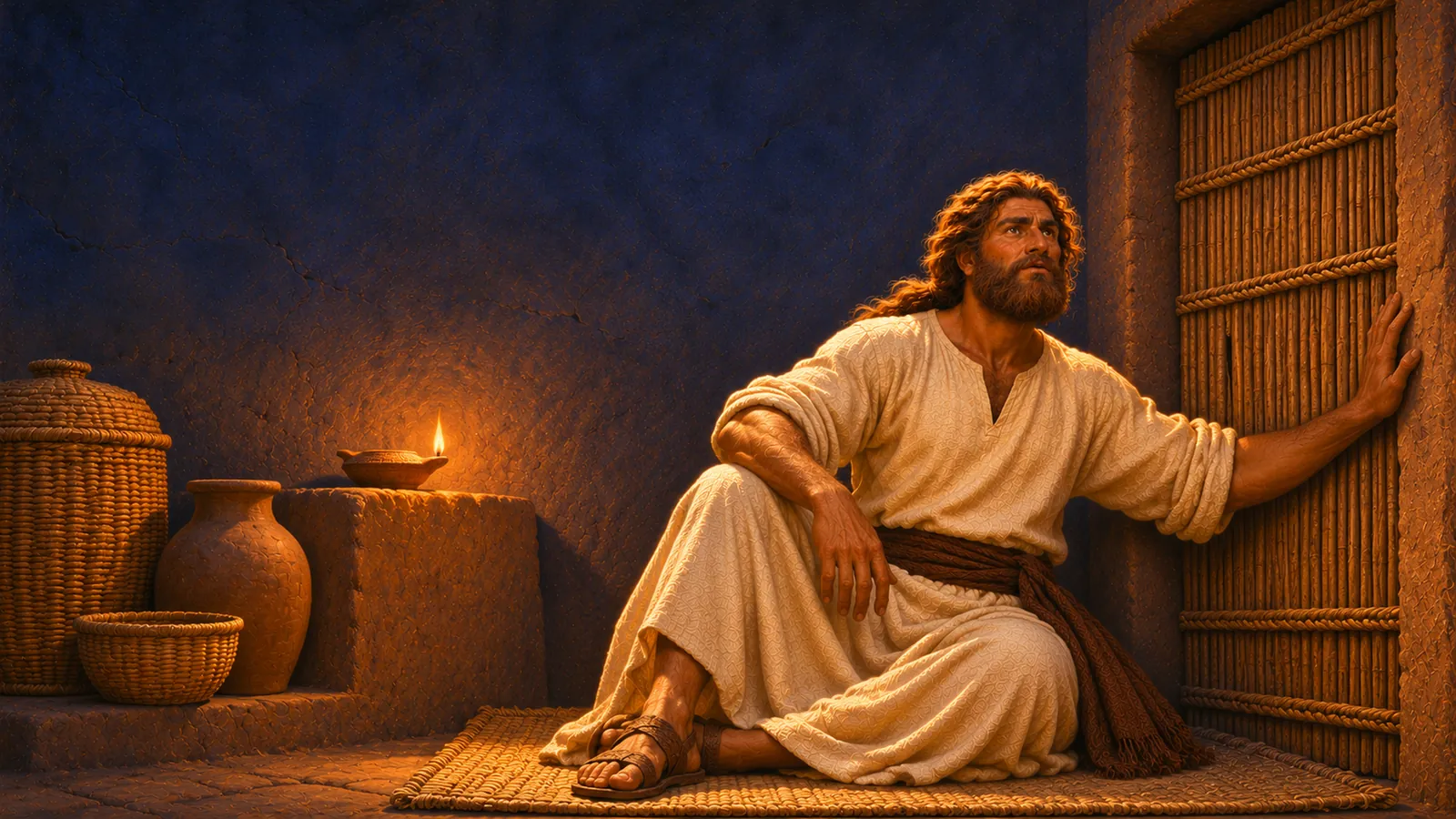
RETIDO
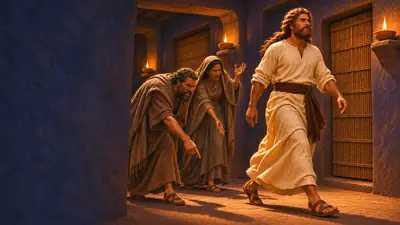
Os seus atos tinham provocado um clamor. O mundo subterrâneo reteve Enkidu, que ficou lá em baixo.
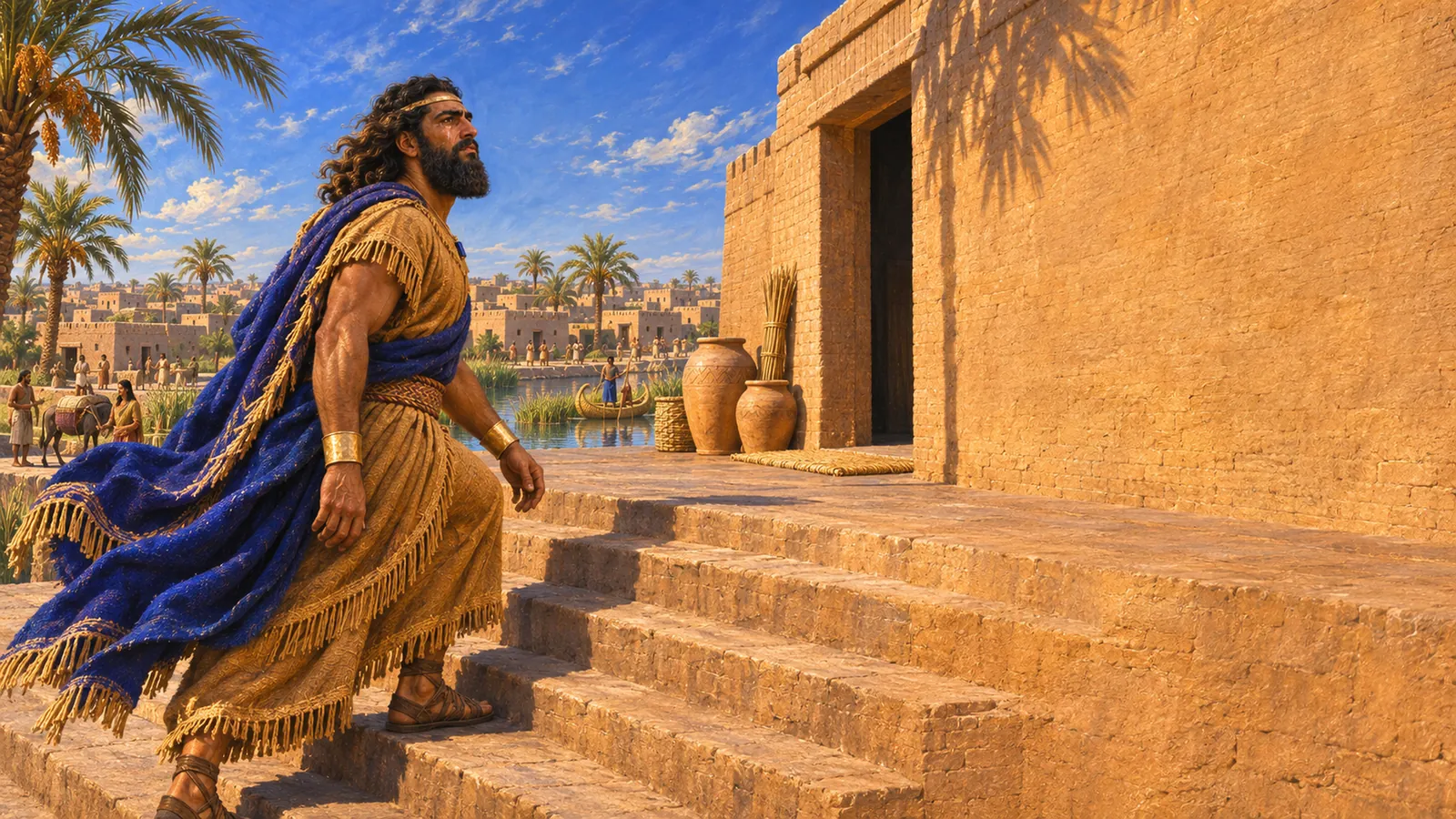
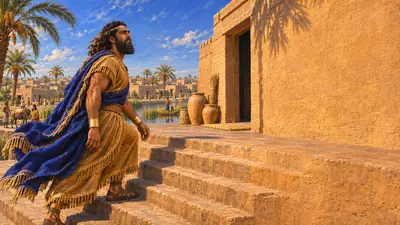
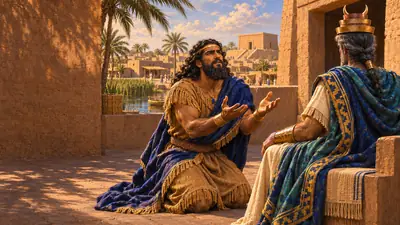
Gilgamesh, o guerreiro e filho de Ninsun, foi sozinho a Ekur, o templo de Enlil. Clamou diante de Enlil.
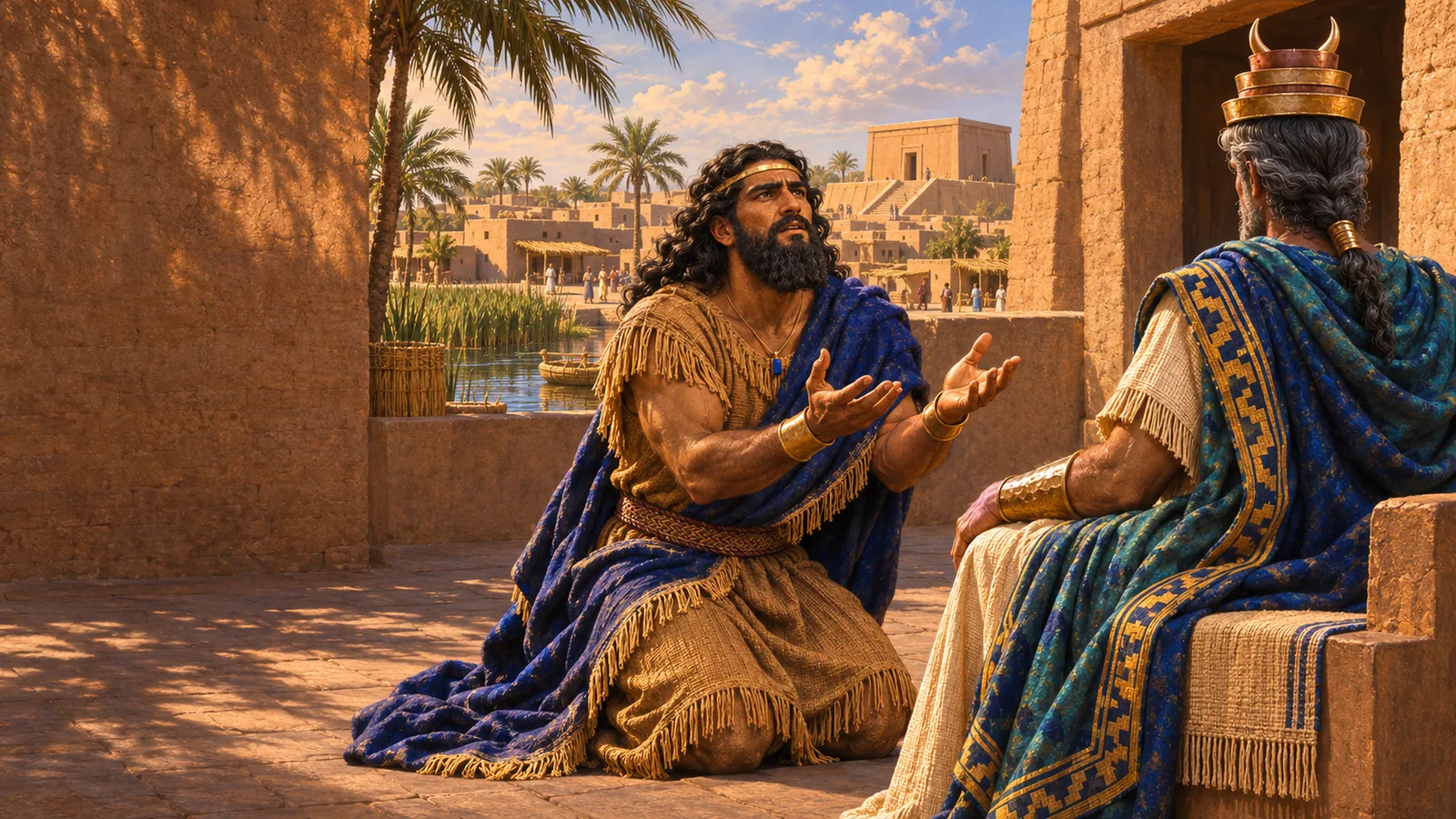
Gilgamesh disse a Enlil que o seu ellag tinha caído no mundo subterrâneo e o seu ekidma em Ganzer. Enkidu descera para os recuperar, e o mundo subterrâneo tinha-o prendido.
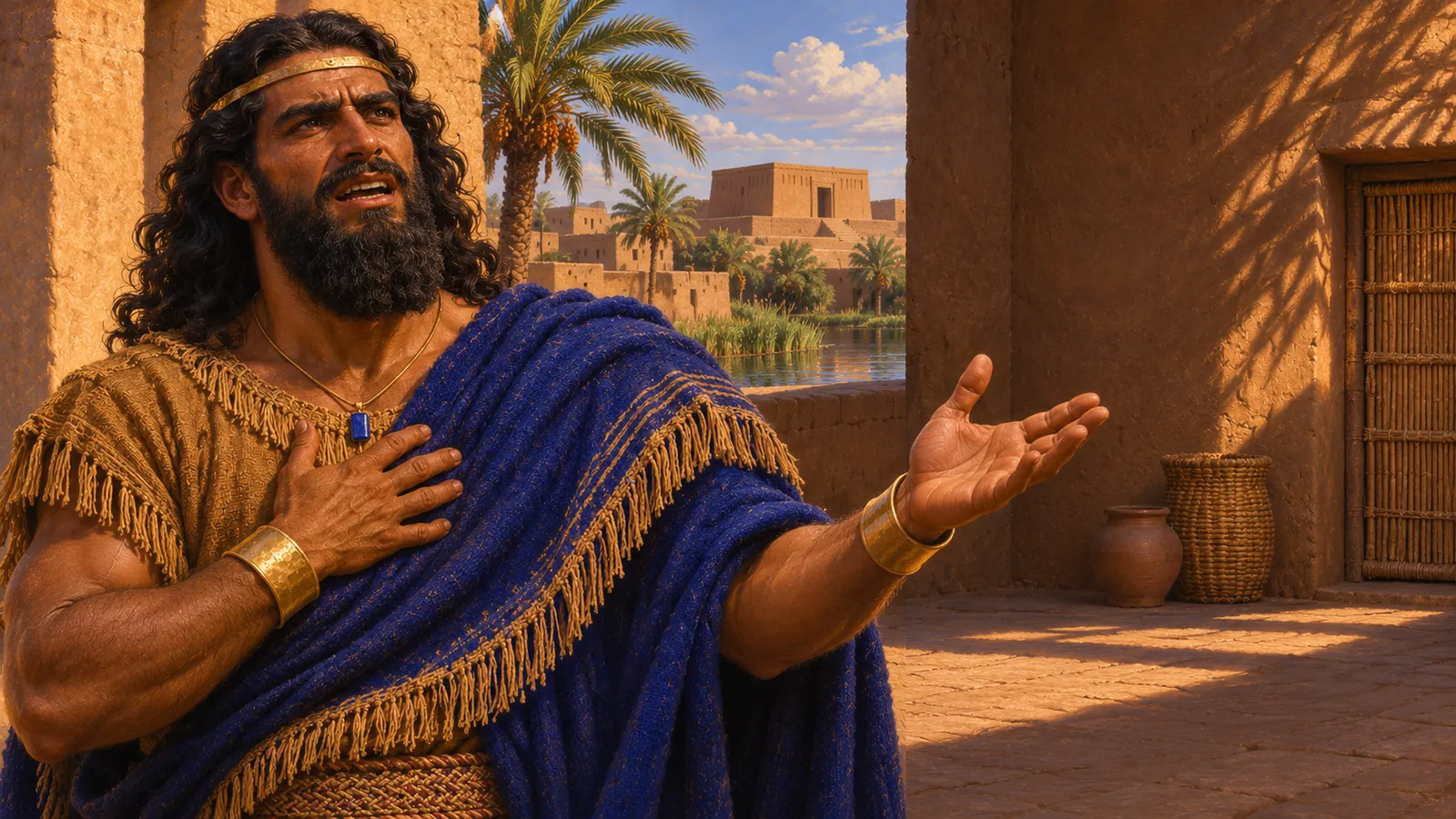
Gilgamesh disse que nem Namtar nem Asag tinham prendido Enkidu. Repetiu que fora o próprio mundo subterrâneo a prendê-lo.
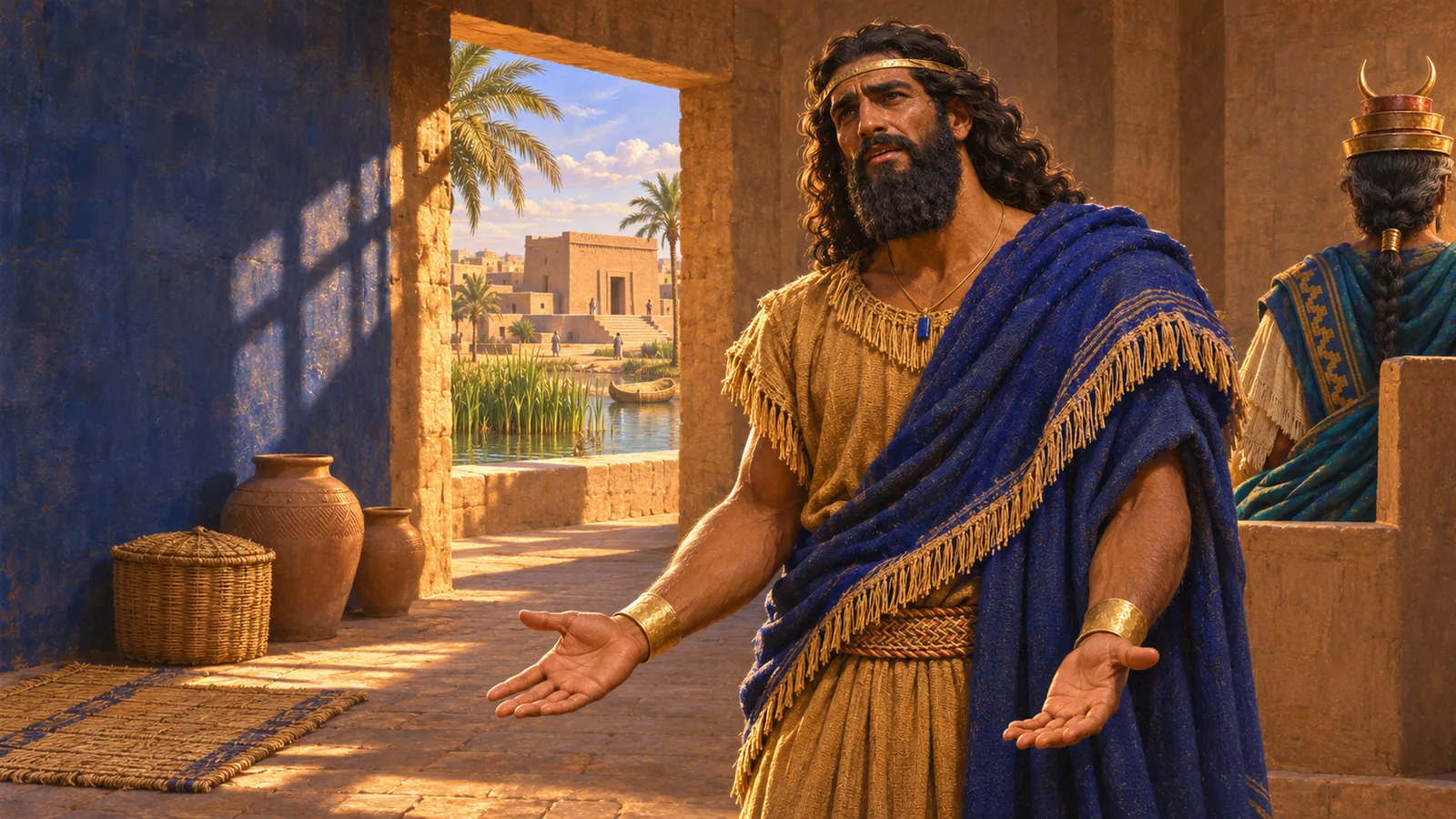
Disse que o demónio udug de Nergal, que não poupa ninguém, não tinha prendido Enkidu. Enkidu também não tinha caído em combate. O mundo subterrâneo tinha-o prendido.
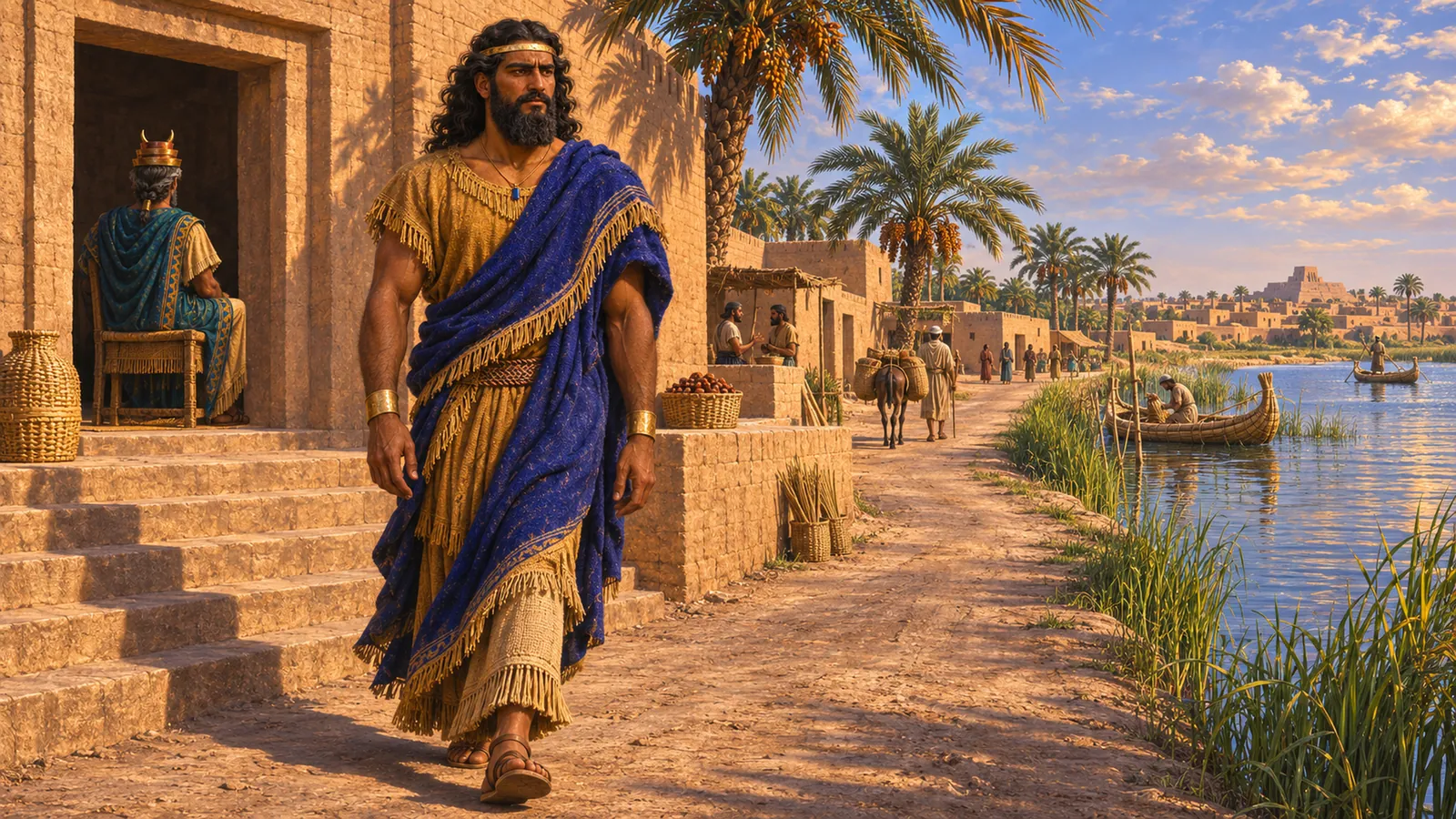
Enlil não apoiou Gilgamesh. O guerreiro seguiu então para Eridu, onde voltaria a pedir ajuda.
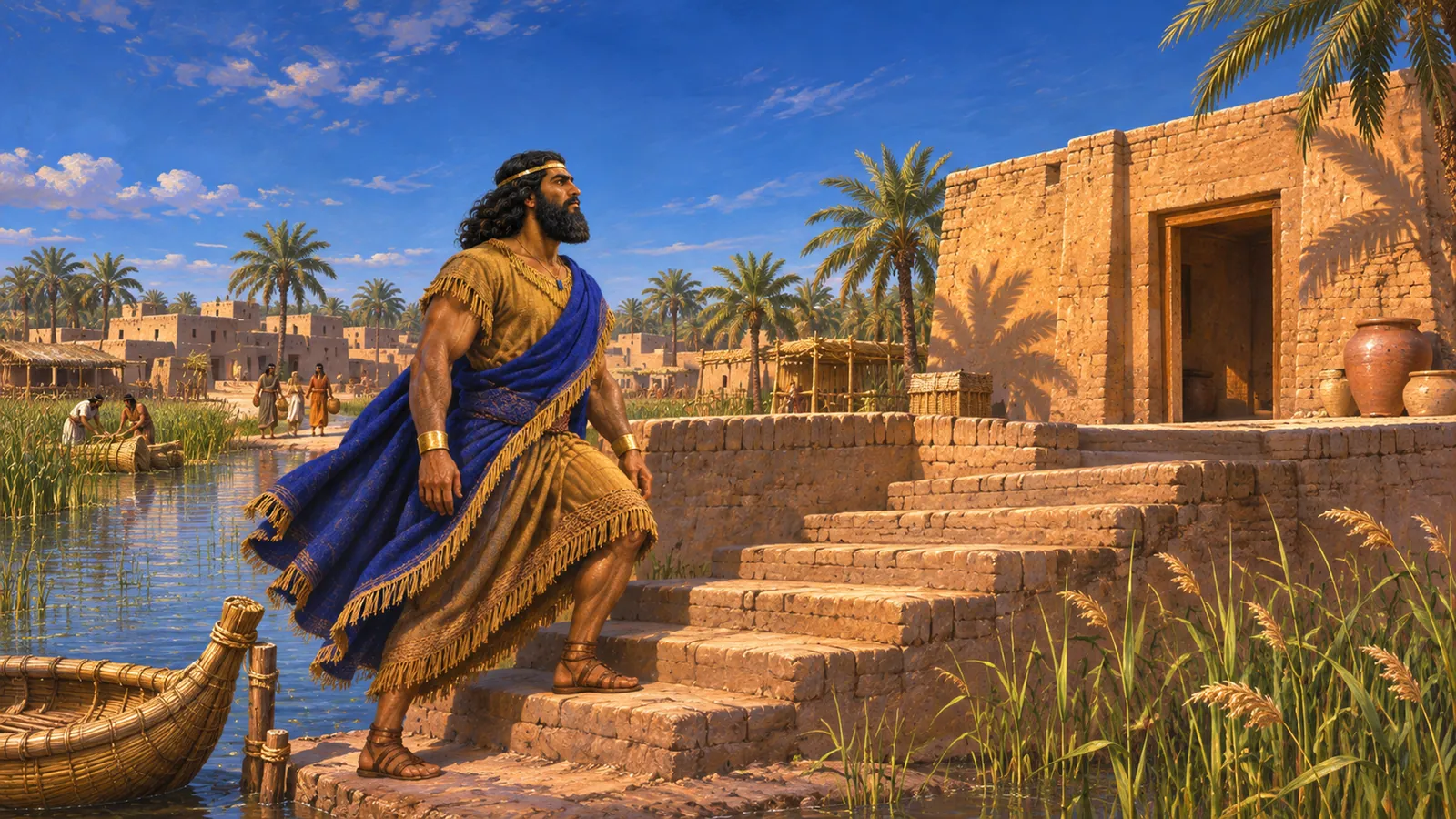
ERIDU
Em Eridu, Gilgamesh foi sozinho ao templo de Enki. Ali clamou diante de Enki.
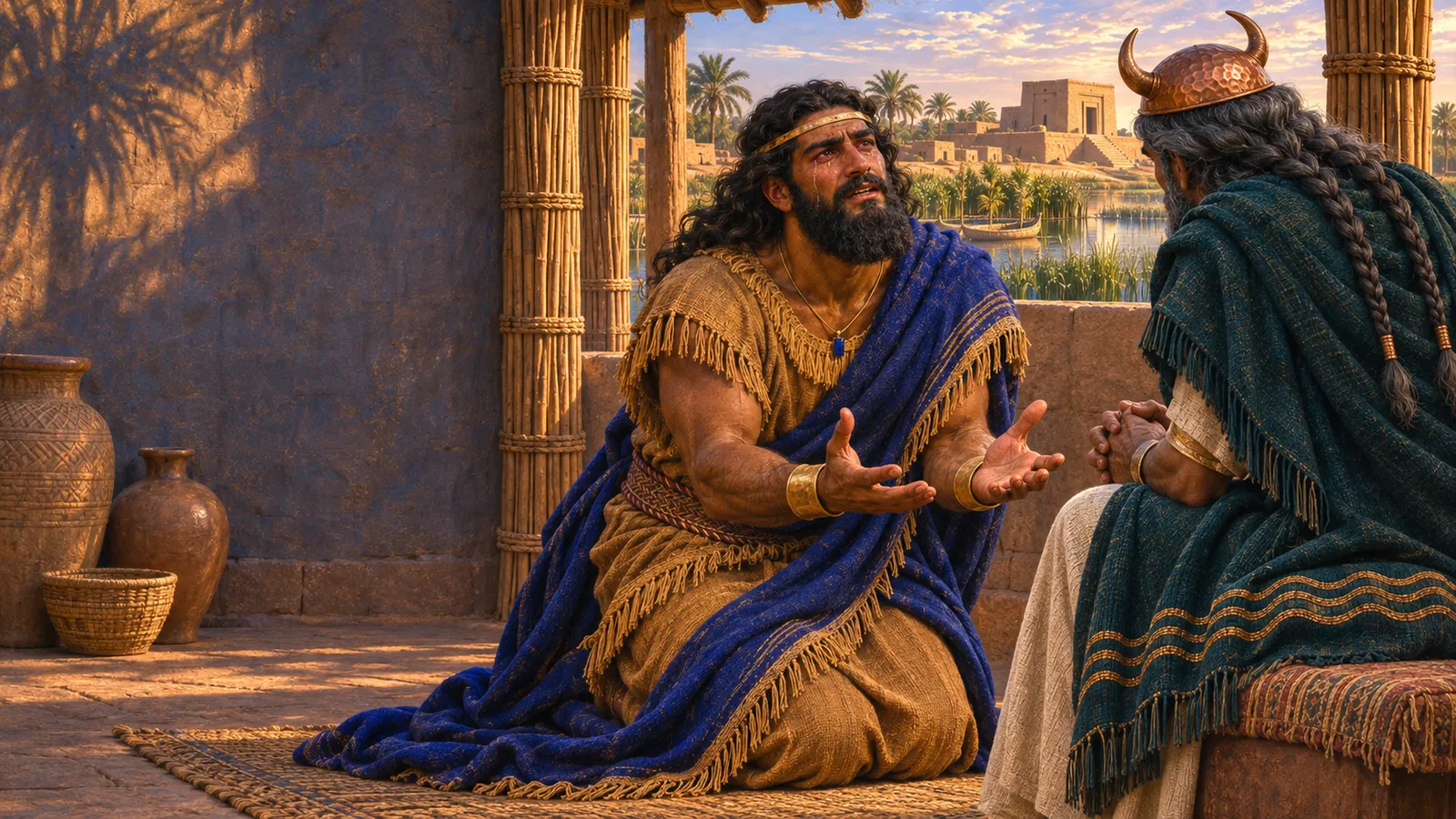
Disse a Enki que o seu ellag tinha caído no mundo subterrâneo e o seu ekidma em Ganzer. Enkidu descera para os recuperar, e o mundo subterrâneo tinha-o prendido.
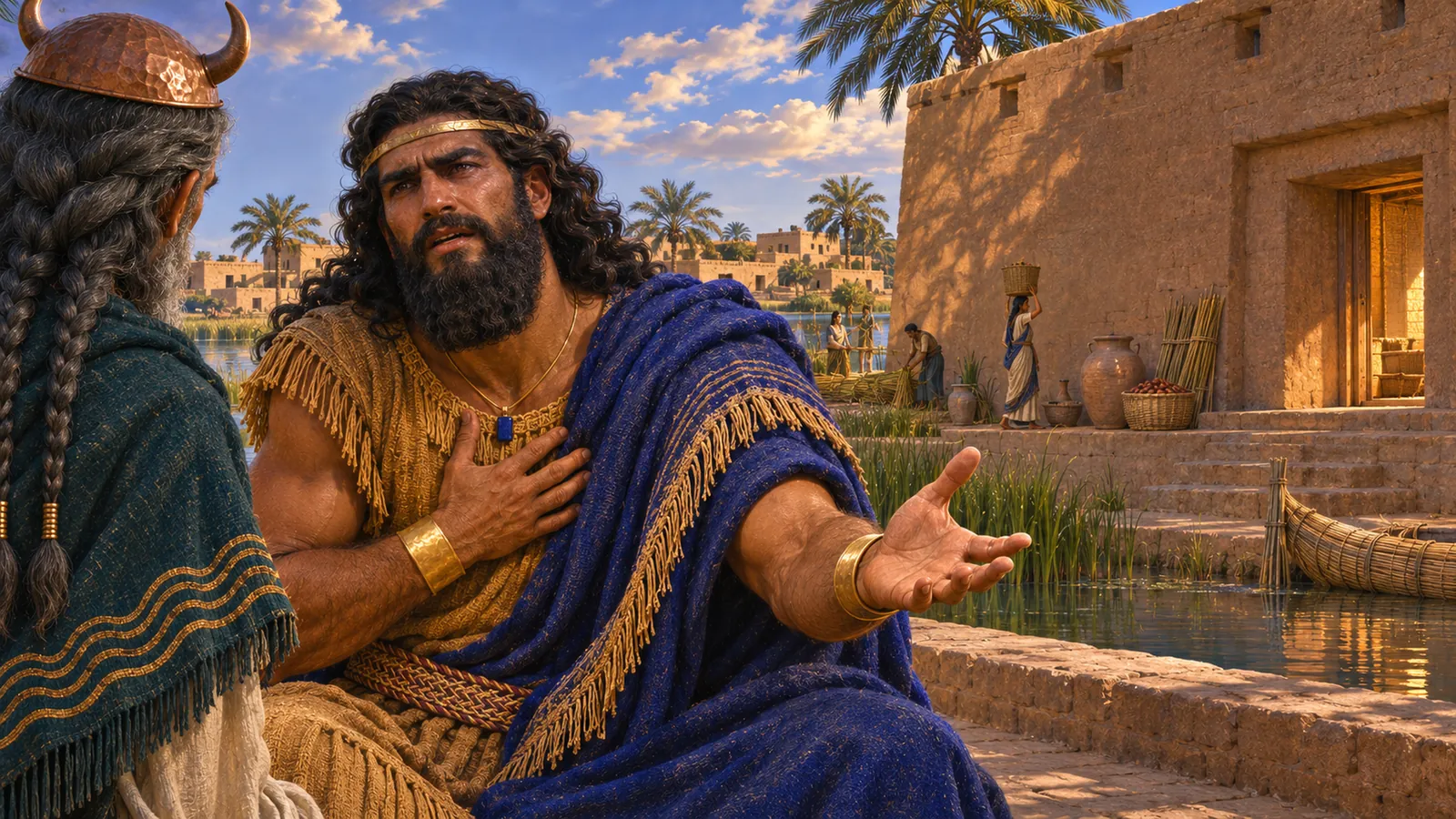
Nomeou Namtar, Asag e o demónio udug de Nergal e disse que nenhum deles tinha prendido Enkidu. Disse que Enkidu também não tinha caído em combate. O mundo subterrâneo tinha-o prendido.
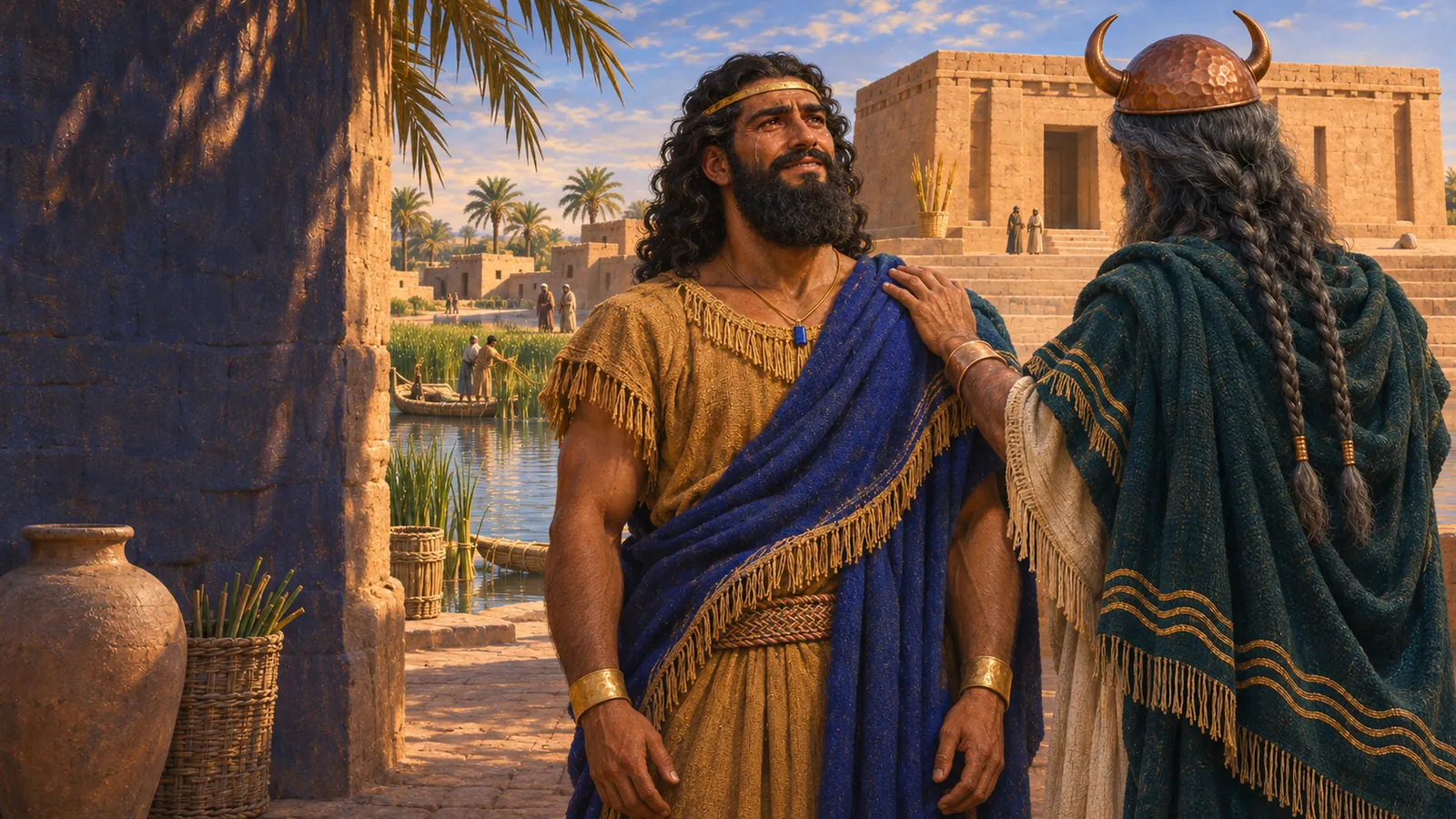
Depois de Gilgamesh lhe contar o que acontecera a Enkidu, Enki apoiou-o nessa questão.
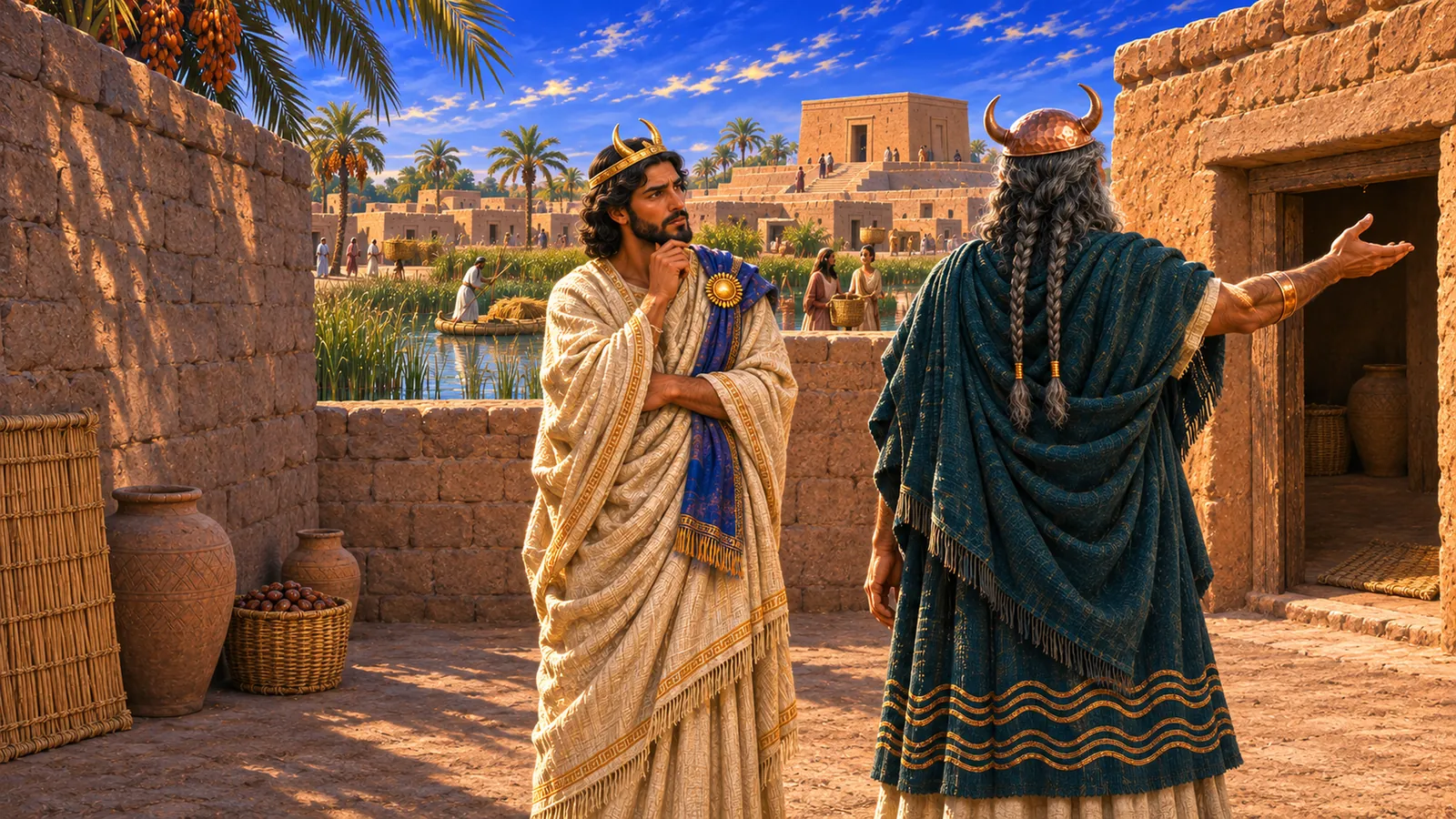
Enki falou com Utu, o jovem guerreiro que Ningal dera à luz. Mandou-o abrir de imediato uma abertura no mundo subterrâneo e trazer Enkidu para cima.
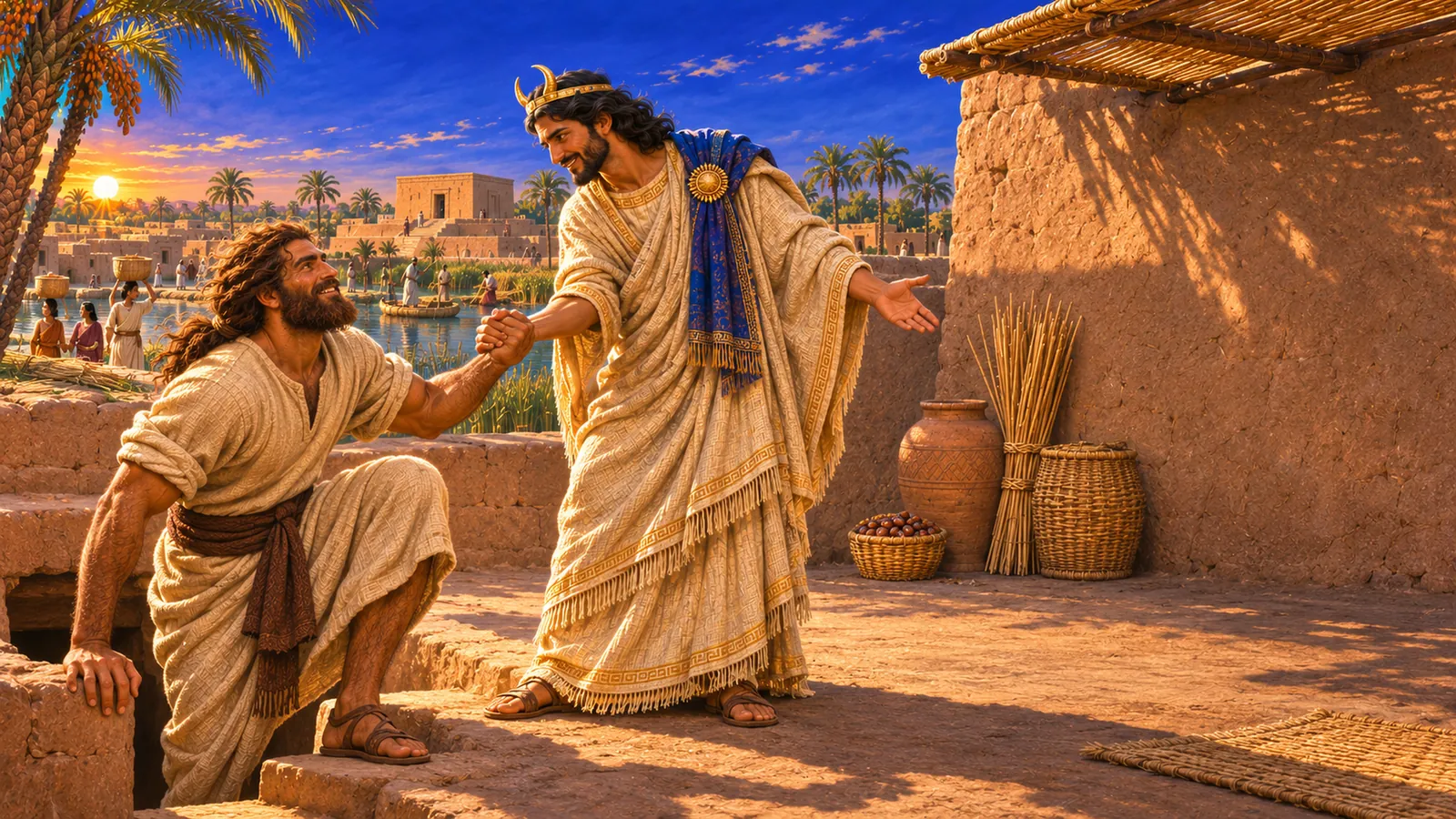
Utu abriu uma passagem no mundo subterrâneo e trouxe Enkidu para cima. As palavras antigas talvez digam que o levou para o alto numa brisa.
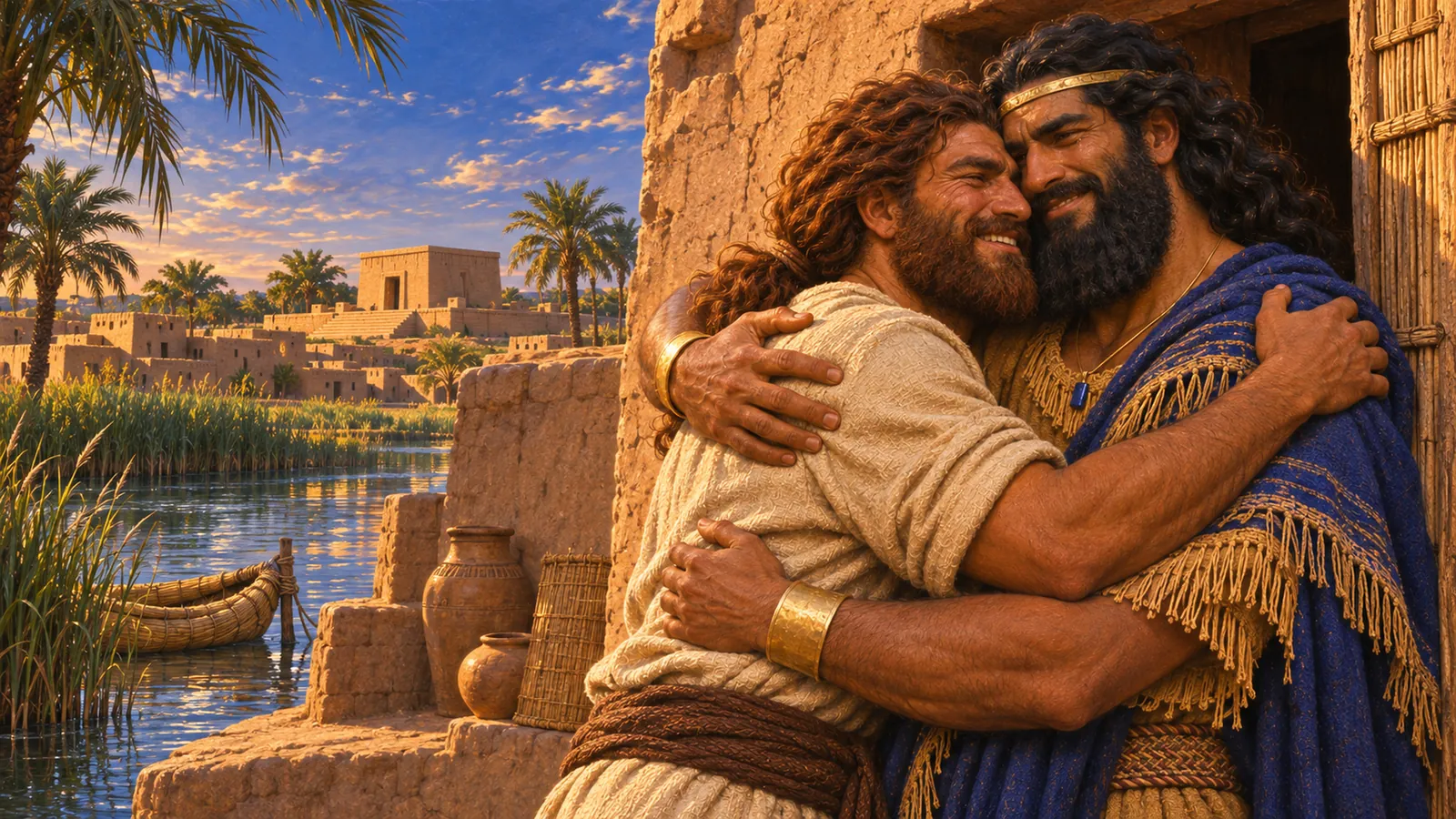
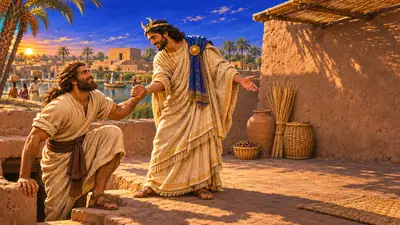
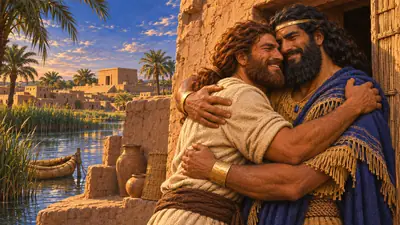
Gilgamesh e Enkidu abraçaram-se e beijaram-se quando voltaram a encontrar-se. Depois começaram a fazer perguntas um ao outro, uma após outra.
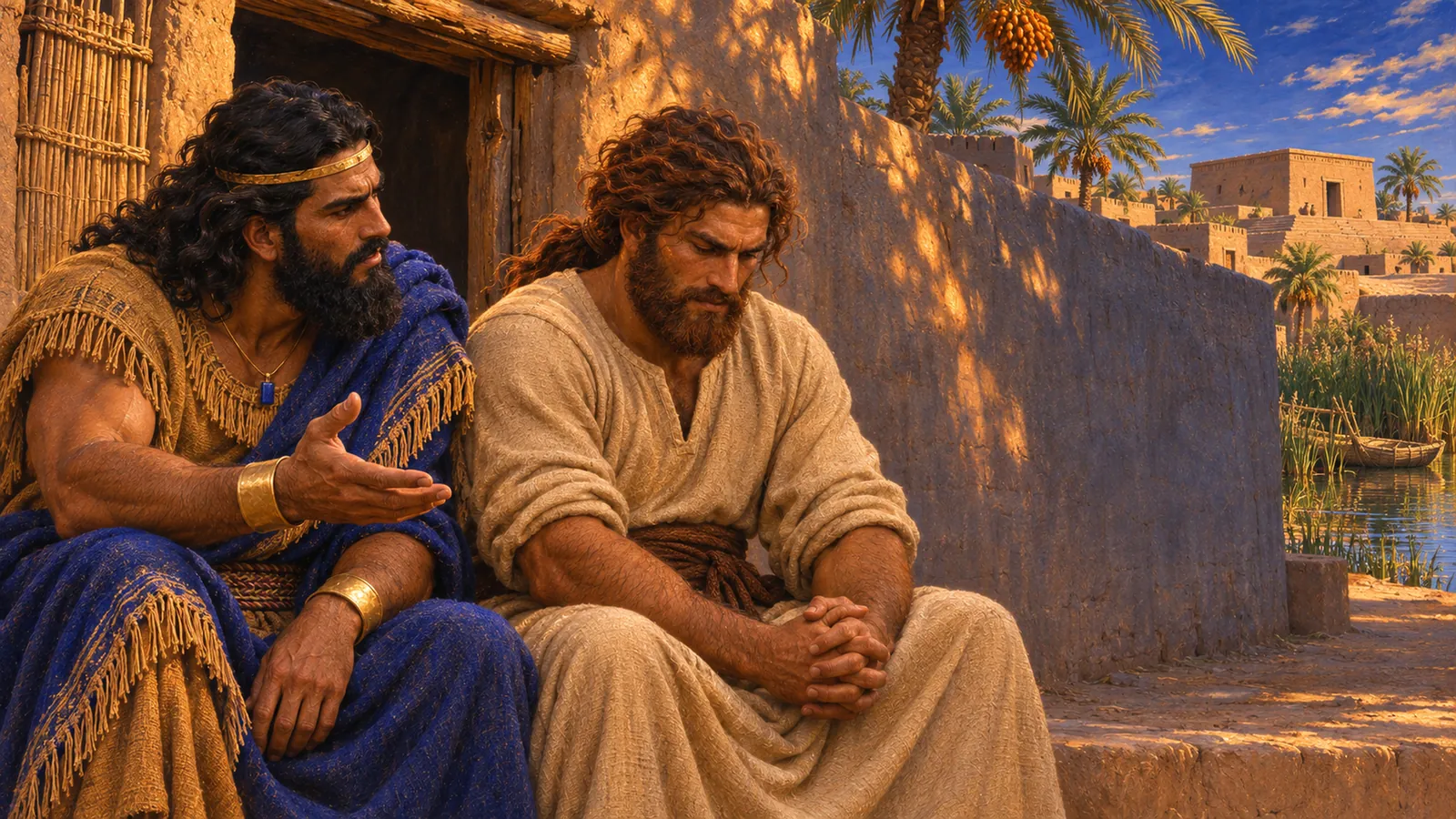
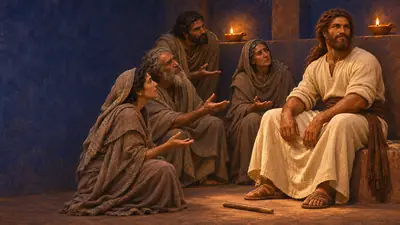
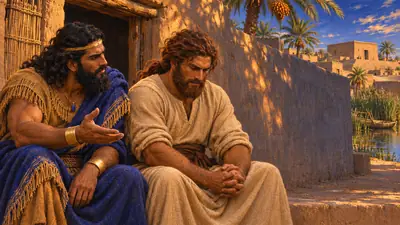
Gilgamesh perguntou ao amigo como se ordenavam as coisas no mundo subterrâneo. Enkidu respondeu que, se lho contasse, ambos teriam de se sentar e chorar.
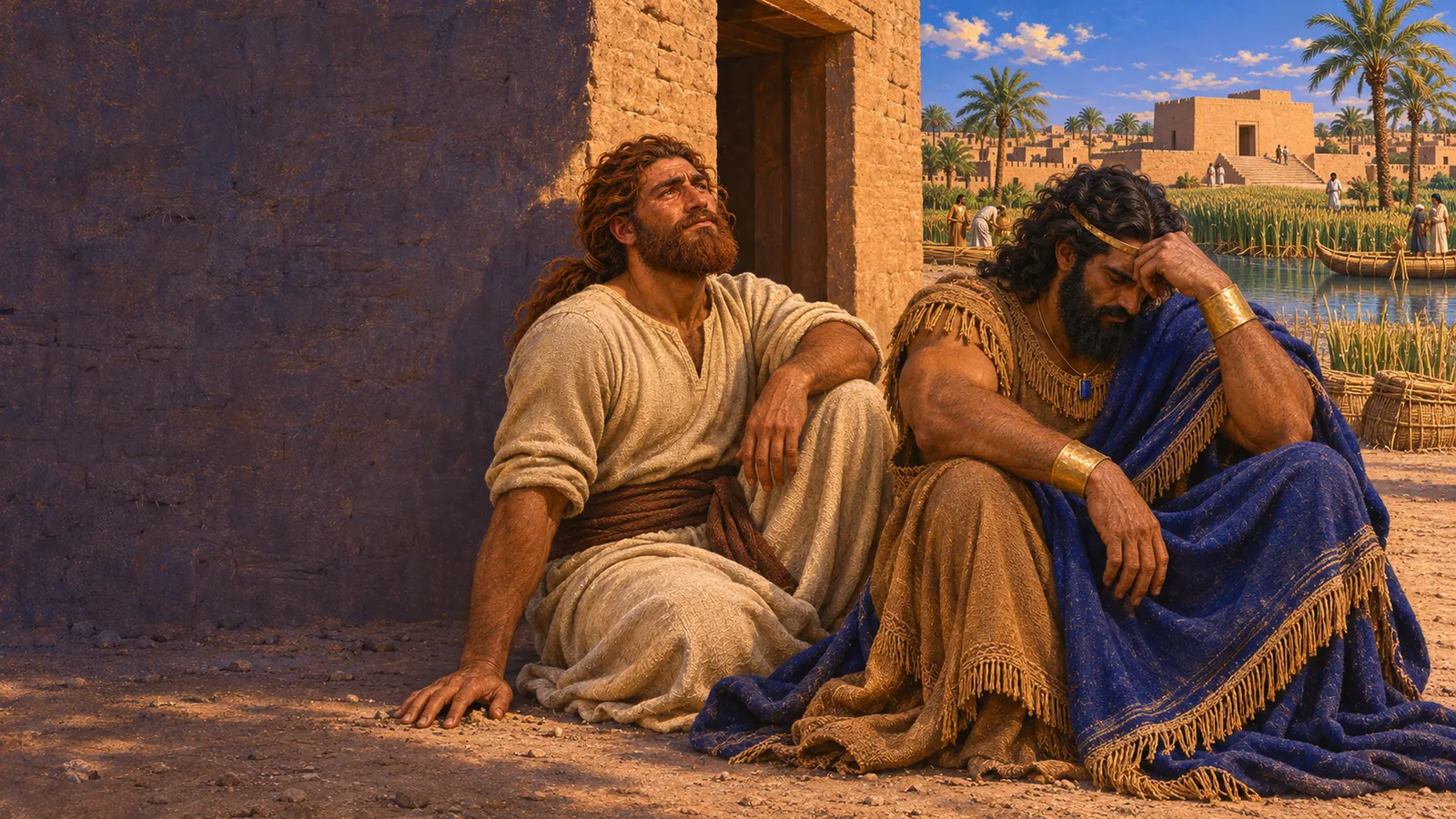
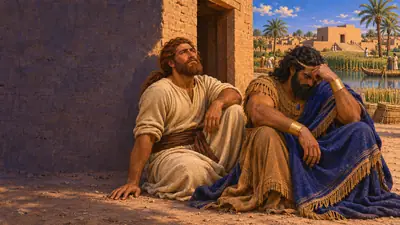
Na resposta danificada de Enkidu restam palavras sobre a decomposição, uma roupa velha e o pó. Não é claro o que descreve. Depois ouve-se um lamento, e alguém senta-se no pó.
Fim do capítulo 2
Todas as páginas



Fontes
The page references follow the printed groups in Oxford’s Version A. The parallel from Me-Turan has its own line numbering and supplies details specific to that witness.
Edições consultadas
Notas sobre este reconto
Pages 1–5, Version A 166–175. Gilgamesh weeps at the gate of Ganzer. He laments both implements, wishes that the ellag were still waiting in the carpenter’s house and says how he would treat the carpenter’s wife and child. The translation gives manuscript variations for the wording of both retrieval questions. The retelling condenses the recurring wish and keeps the two questions distinct. Ellag and ekidma are the edition’s terms for the two game implements. The passage supplies no rules and the edition notes earlier that the pronunciation of ekidma is uncertain (Version A 136–150).
Pages 6–9, Version A 176–183. The composite calls Enkidu Gilgamesh’s servant and gives his promise to retrieve each implement. The wording of “answered,” the designation of his addressee and the formula urging attention vary across the witnesses. In Gilgamesh’s conditional instruction one witness omits “today.” The retelling follows the composite and condenses the final repeated appeals to heed the advice.
Pages 10–12, Version A 184–198. The clean garments would mark Enkidu as an outsider. A witness shifts the possessive in the phrase about scent from the oil to the person. The retelling uses the scent of the oil. Gilgamesh warns that those struck down by throw-sticks would surround Enkidu if he hurled them. These are his instructions and describe no action by Enkidu on these pages.
Pages 13–14, Version A 184–198. The Oxford English has a duplicated negative in the instruction about the cornel-wood stick. The sequence of prohibitions and the later description of the spirits’ reaction when Enkidu holds it (Version A 205–220) support reading the clause as a warning against holding the stick. The instructions against sandals and shouting finish this group of pages. The following pages continue the same Oxford passage.
Pages 15–18, Version A 184–198. Gilgamesh warns against kissing his beloved wife on page 15, striking his wife even if annoyed with her on page 16, and kissing his beloved child or striking his son even if annoyed on page 17. Page 18 gives his warning that the resulting outcry would detain Enkidu below. The warnings are part of Gilgamesh’s instructions.
Pages 19–21, Version A 199–204. This passage is still Gilgamesh speaking. The woman is identified as the mother of Ninazu who lies there. She has no proper name in this passage. The exact comparison gives fingers like a pickaxe, and says she plucks her hair like leeks. The artwork uses empty settings throughout.
Pages 22–26, Version A 205–220. The translation prints a duplicated negative in the sentence about whether Enkidu heeded his master. His ensuing actions establish the intended disobedience. Clean garments give him away, the smell of fine oil draws those below around him, those struck down by throw-sticks surround him, the spirits take offense when he holds the cornel-wood stick, and he puts on sandals and causes irritation. The earlier warning includes shouting. This paragraph describes irritation without specifying a shout.
Pages 27–29, Version A 205–220. The text says Enkidu kissed his wife and struck her when annoyed. It then says he kissed his child and struck his son when annoyed. The two assaults are reported separately. Page 29 gives the ensuing outcry. Detention belongs to the final clause, taken up on page 30.
Page 30 (Version A 205–220). The Oxford English translation prints a duplicated negative in the introductory phrase about heeding Gilgamesh. The actions, including striking his wife and his son when annoyed, give the result of breaking the prohibitions. The outcry and Enkidu’s detention close this source group.
Page 31 (Version A 221–229). The warrior Gilgamesh is identified as the son of Ninsumun, the name rendered here as Ninsun. He goes alone to Ekur, Enlil’s temple. The place name Nippur appears in the linked account of Ekur. In this passage the translation gives the sanctuary’s name.
Pages 32–35 (Version A 221–229). Gilgamesh says the ellag fell into the netherworld and the ekidma fell into Ganzer. In his appeal he distinguishes the netherworld’s seizure of Enkidu from seizure by Namtar, Asag and Nergal’s udug, and from falling in battle. Enlil does not stand by him. He then goes to Eridu, written Eridug in Oxford’s translation.
Pages 36–39 (Version A 230–237). Gilgamesh goes alone to the temple of Enki and repeats the loss of the objects and the distinctions concerning Enkidu’s seizure. This time Enki stands by him. The instruction to Utu starts in the following group, 238–242.
Me-Turan, Segment A 10–24. In this parallel the servant stays below for seven days, and the king calls Enkidu his beloved servant, faithful companion and counsellor. The witness repeats the appeal at Ekur with damaged wording. Oxford marks an unknown number of missing lines after Segment A 17–24. The seven days belong to this witness.
Pages 40–41, ETCSL 1.8.1.4, Version A, lines 238–242. Enki instructs Utu, the young warrior born to Ningal, to open a hole and bring Gilgamesh’s servant up. Utu opens it and brings him up. Oxford places a question mark after the reading about a breeze. The translation does not settle which form Enkidu took or whether the implements were recovered.
Pages 42–43, lines 243–253. The two embrace and kiss, then ask questions. Gilgamesh asks about the netherworld’s order. Enkidu says that if he tells him, both will sit and weep.
Page 44, lines 243–253. The referent of the damaged clause is unclear. The surviving description says worms infest it, with a questioned old-garment comparison, and speaks of dust. The translation ends the exchange with a lament and sitting in the dust, using a pronoun.
Os versos antigos de cada página
- Page 1: ETCSL 1.8.1.4, Version A, lines 166–175
- Page 2: ETCSL 1.8.1.4, Version A, lines 166–175
- Page 3: ETCSL 1.8.1.4, Version A, lines 166–175
- Page 4: ETCSL 1.8.1.4, Version A, lines 166–175
- Page 5: ETCSL 1.8.1.4, Version A, lines 166–175
- Page 6: ETCSL 1.8.1.4, Version A, lines 176–183
The whole left text rectangle is continuous dull earth-clay shade. - Page 7: ETCSL 1.8.1.4, Version A, lines 176–183
- Page 8: ETCSL 1.8.1.4, Version A, lines 176–183
- Page 9: ETCSL 1.8.1.4, Version A, lines 176–183
- Page 10: ETCSL 1.8.1.4, Version A, lines 184–198
- Page 11: ETCSL 1.8.1.4, Version A, lines 184–198
- Page 12: ETCSL 1.8.1.4, Version A, lines 184–198
- Page 13: ETCSL 1.8.1.4, Version A, lines 184–198
- Page 14: ETCSL 1.8.1.4, Version A, lines 184–198
- Page 15: ETCSL 1.8.1.4, Version A, lines 184–198
- Page 16: ETCSL 1.8.1.4, Version A, lines 184–198
- Page 17: ETCSL 1.8.1.4, Version A, lines 184–198
- Page 18: ETCSL 1.8.1.4, Version A, lines 184–198
- Page 19: ETCSL 1.8.1.4, Version A, lines 199–204
- Page 20: ETCSL 1.8.1.4, Version A, lines 199–204
- Page 21: ETCSL 1.8.1.4, Version A, lines 199–204
- Page 22: ETCSL 1.8.1.4, Version A, lines 205–220
- Page 23: ETCSL 1.8.1.4, Version A, lines 205–220
- Page 24: ETCSL 1.8.1.4, Version A, lines 205–220
- Page 25: ETCSL 1.8.1.4, Version A, lines 205–220
- Page 26: ETCSL 1.8.1.4, Version A, lines 205–220
- Page 27: ETCSL 1.8.1.4, Version A, lines 205–220
- Page 28: ETCSL 1.8.1.4, Version A, lines 205–220
- Page 29: ETCSL 1.8.1.4, Version A, lines 205–220
- Page 30: ETCSL 1.8.1.4, Version A, lines 205–220
- Page 31: ETCSL 1.8.1.4, Version A, lines 221–229
- Page 32: ETCSL 1.8.1.4, Version A, lines 221–229
- Page 33: ETCSL 1.8.1.4, Version A, lines 221–229
- Page 34: ETCSL 1.8.1.4, Version A, lines 221–229
- Page 35: ETCSL 1.8.1.4, Version A, lines 221–229
- Page 36: ETCSL 1.8.1.4, Version A, lines 230–237
- Page 37: ETCSL 1.8.1.4, Version A, lines 230–237
- Page 38: ETCSL 1.8.1.4, Version A, lines 230–237
- Page 39: ETCSL 1.8.1.4, Version A, lines 230–237
- Page 40: ETCSL 1.8.1.4, Version A, lines 238–242
- Page 41: ETCSL 1.8.1.4, Version A, lines 238–242
- Page 42: ETCSL 1.8.1.4, Version A, lines 243–253
- Page 43: ETCSL 1.8.1.4, Version A, lines 243–253
- Page 44: ETCSL 1.8.1.4, Version A, lines 243–253
Ilustrações feitas pelo IL Archive com ferramentas de IA; o texto baseia-se nas fontes antigas (veja as fontes no fim de cada capítulo).