A Epopeia de Gilgamesh Capítulo 4
O Touro Celeste
De volta a Uruk, Gilgamesh recusa a proposta de casamento de Ishtar. Ela regressa com o Touro Celeste, e a vitória termina quando Enkidu se levanta depois de um sonho.
Ver o filmeFontesVire as páginas com as setas, o teclado ou deslizando o dedo.
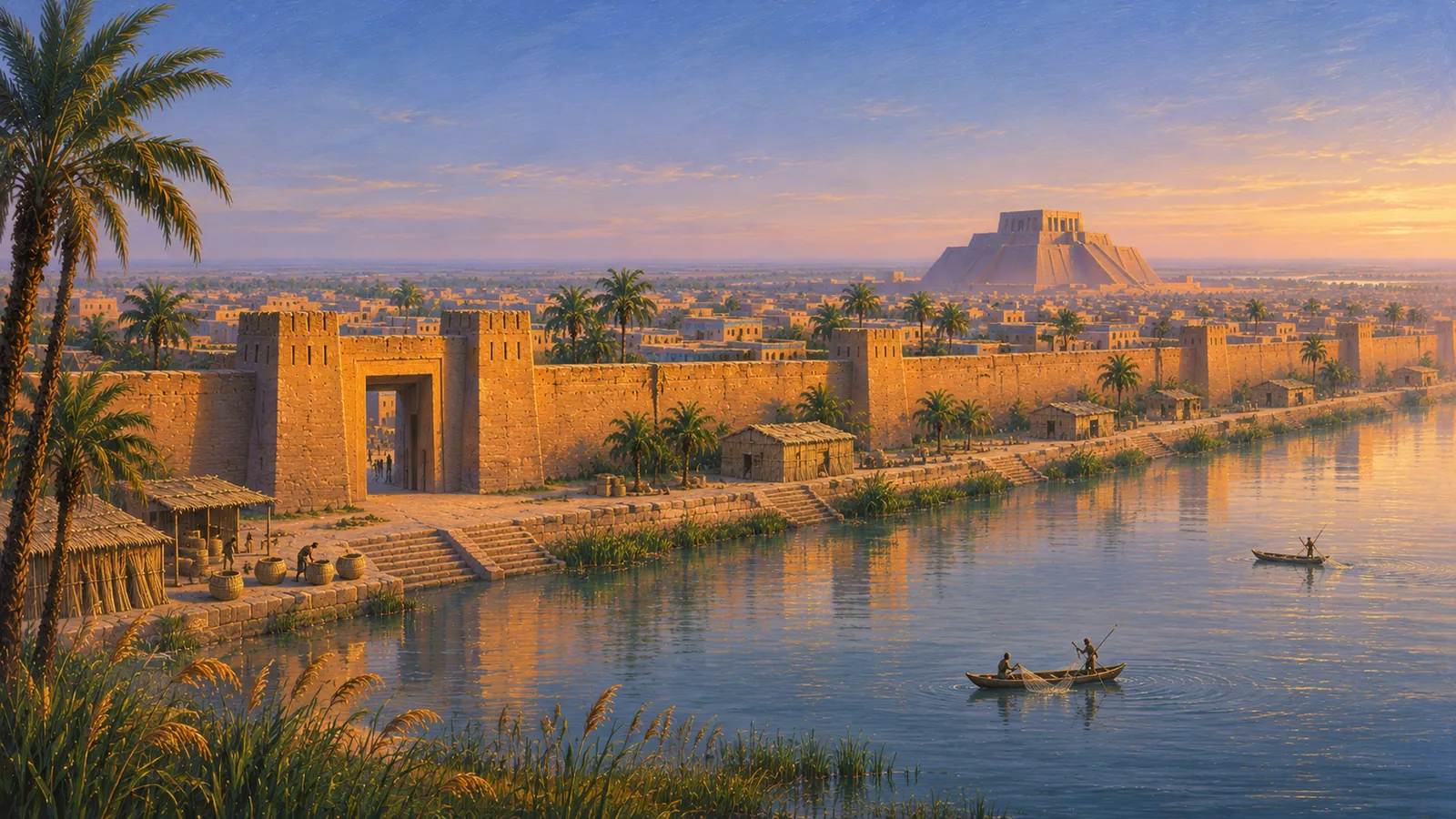
URUK
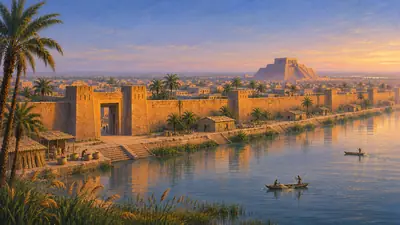
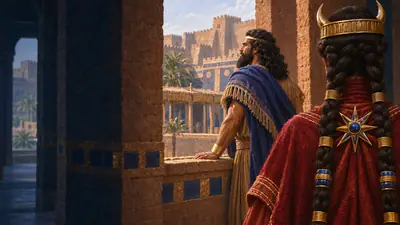
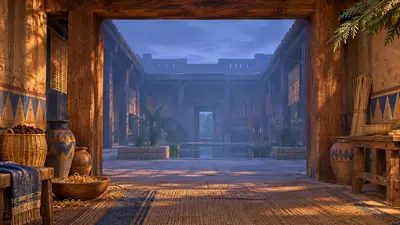
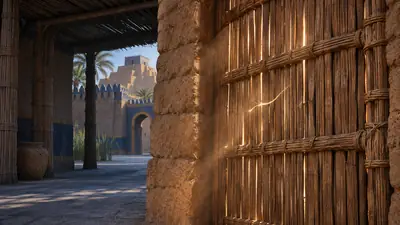
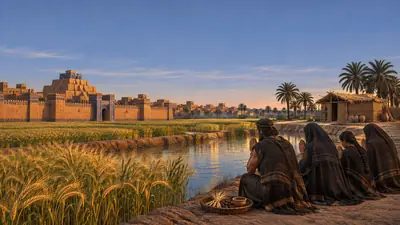
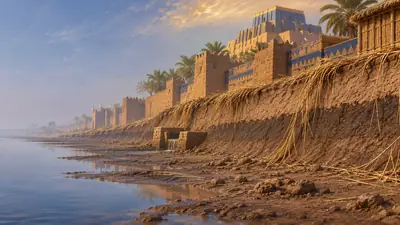
Do outro lado do canal, as muralhas de Uruk recebiam a luz da manhã. Gilgamesh regressara da terra dos cedros, e a cidade despertava à sua volta.
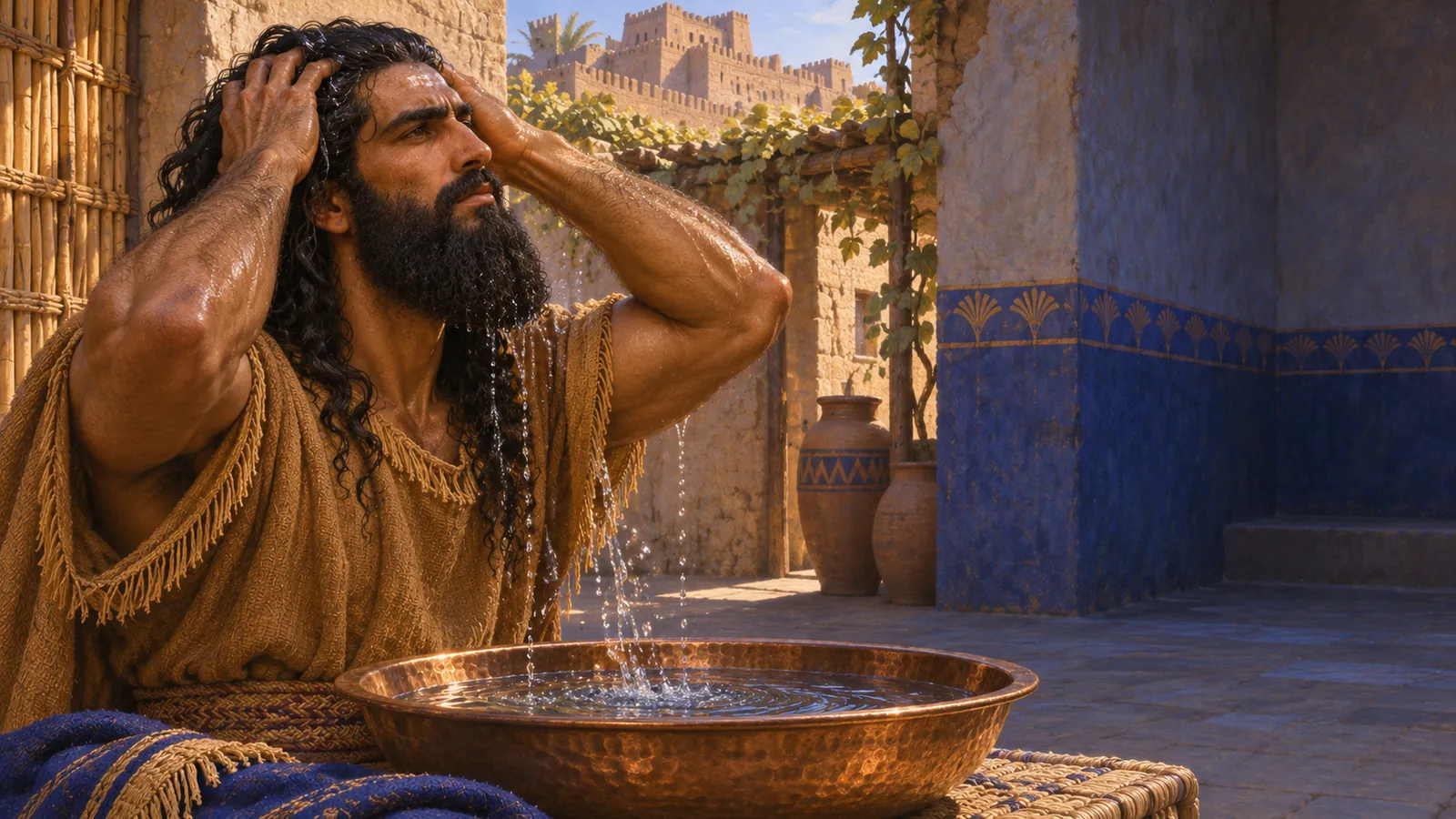
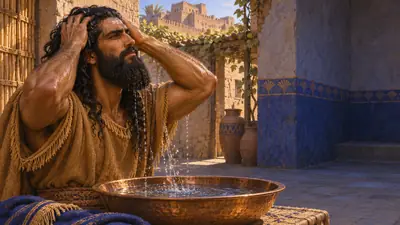
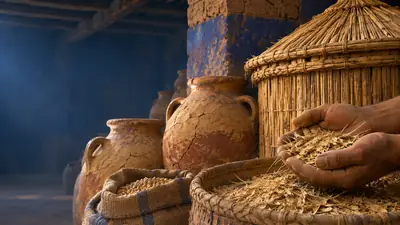
Em Uruk, Gilgamesh lavou o cabelo e limpou o equipamento que trouxera de tão longe. A longa viagem ainda se via em cada nó e em cada dobra.
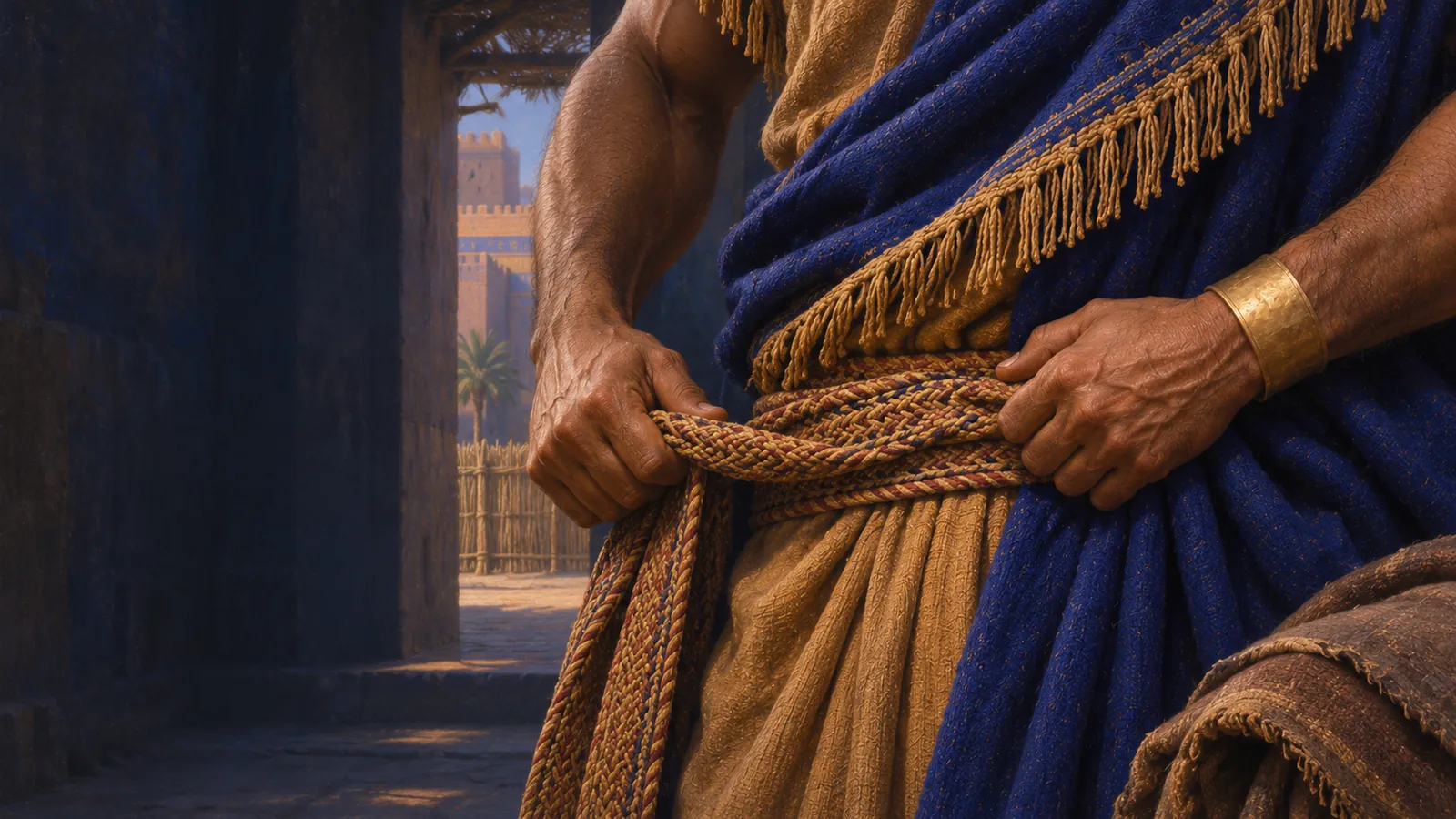
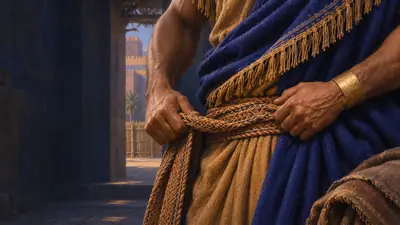
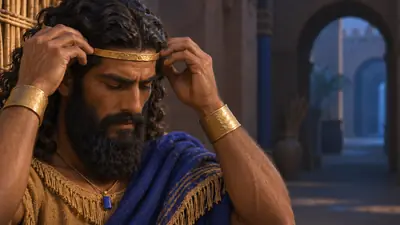
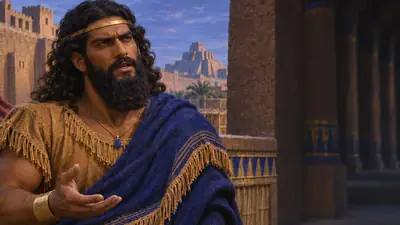
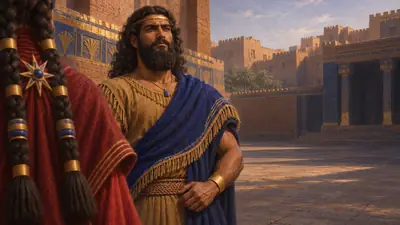
Deixou de lado as roupas de viagem e vestiu outras, limpas. Envolveu-se num manto e apertou a faixa à cintura.
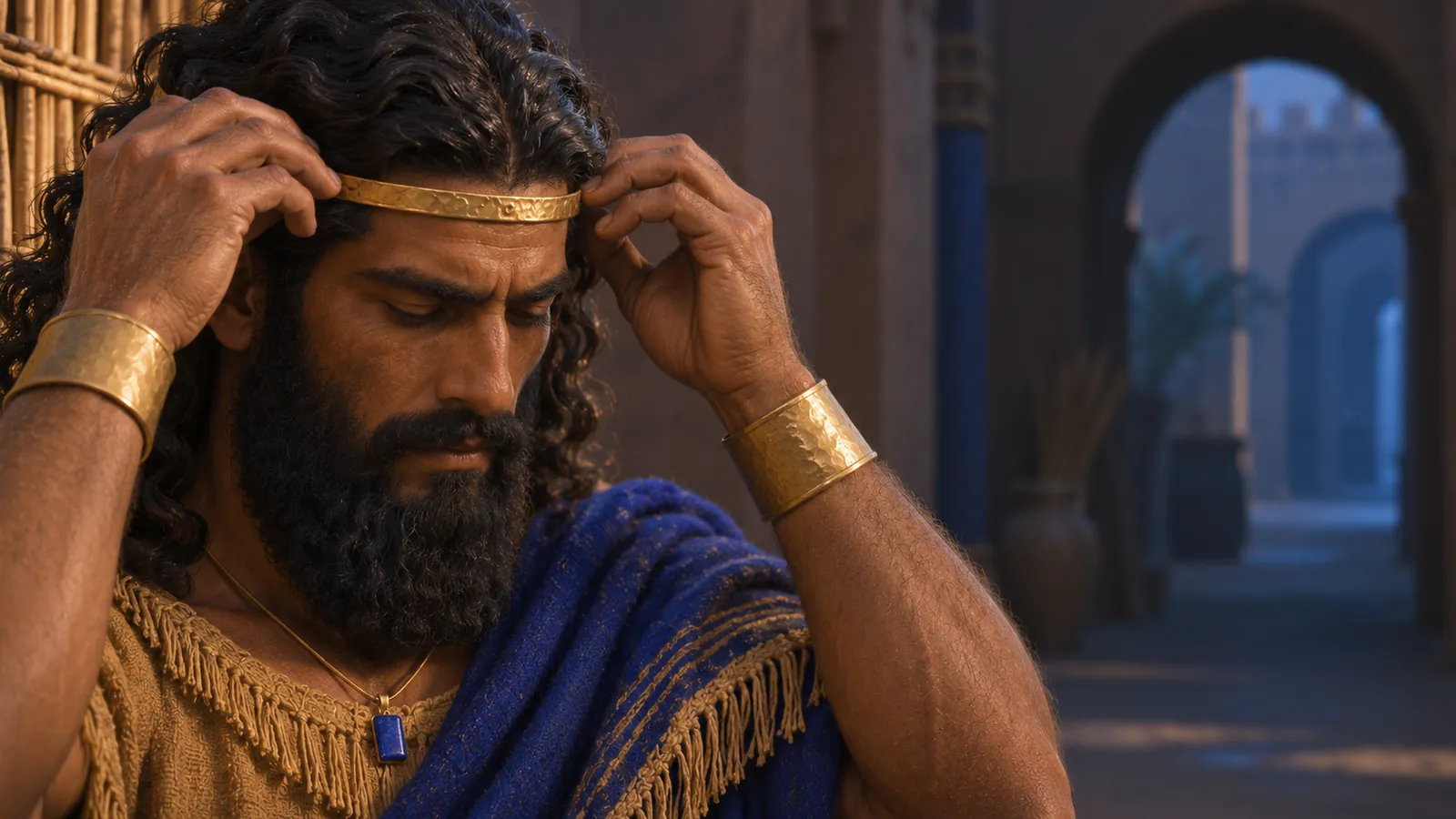
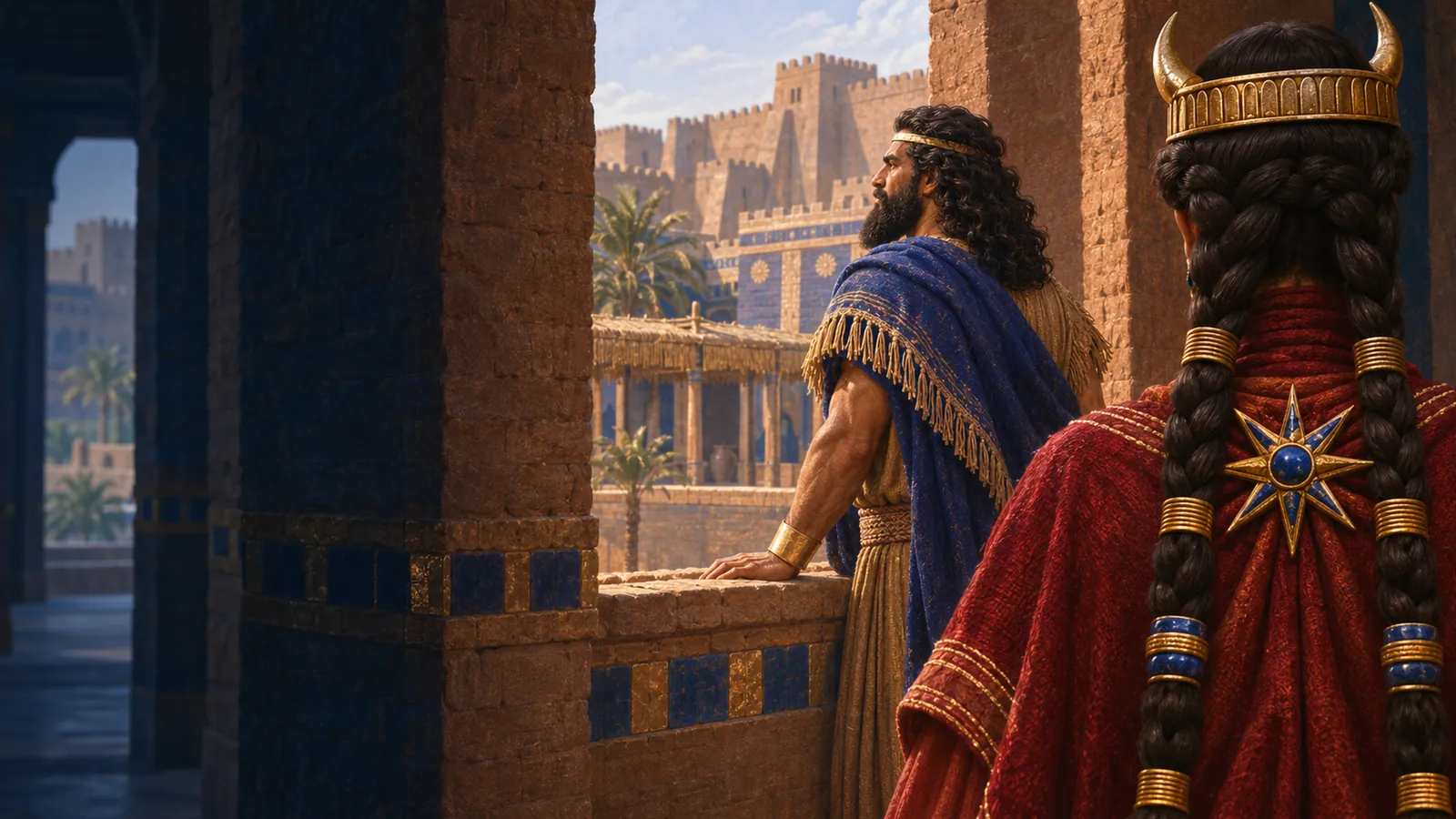
Gilgamesh voltou a pôr a coroa. O homem que saíra da sombra dos cedros erguia-se de novo como rei de Uruk.
ISHTAR
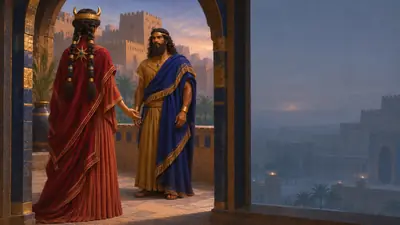
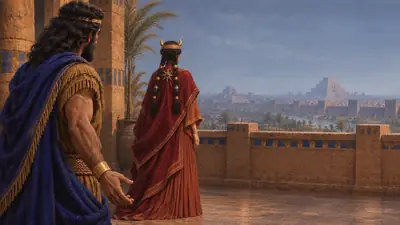
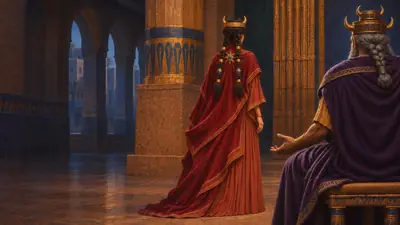
Ishtar viu o rei nas suas roupas limpas e desejou-o. As palavras que disse a seguir chegariam muito além da sala onde ele as ouviu.
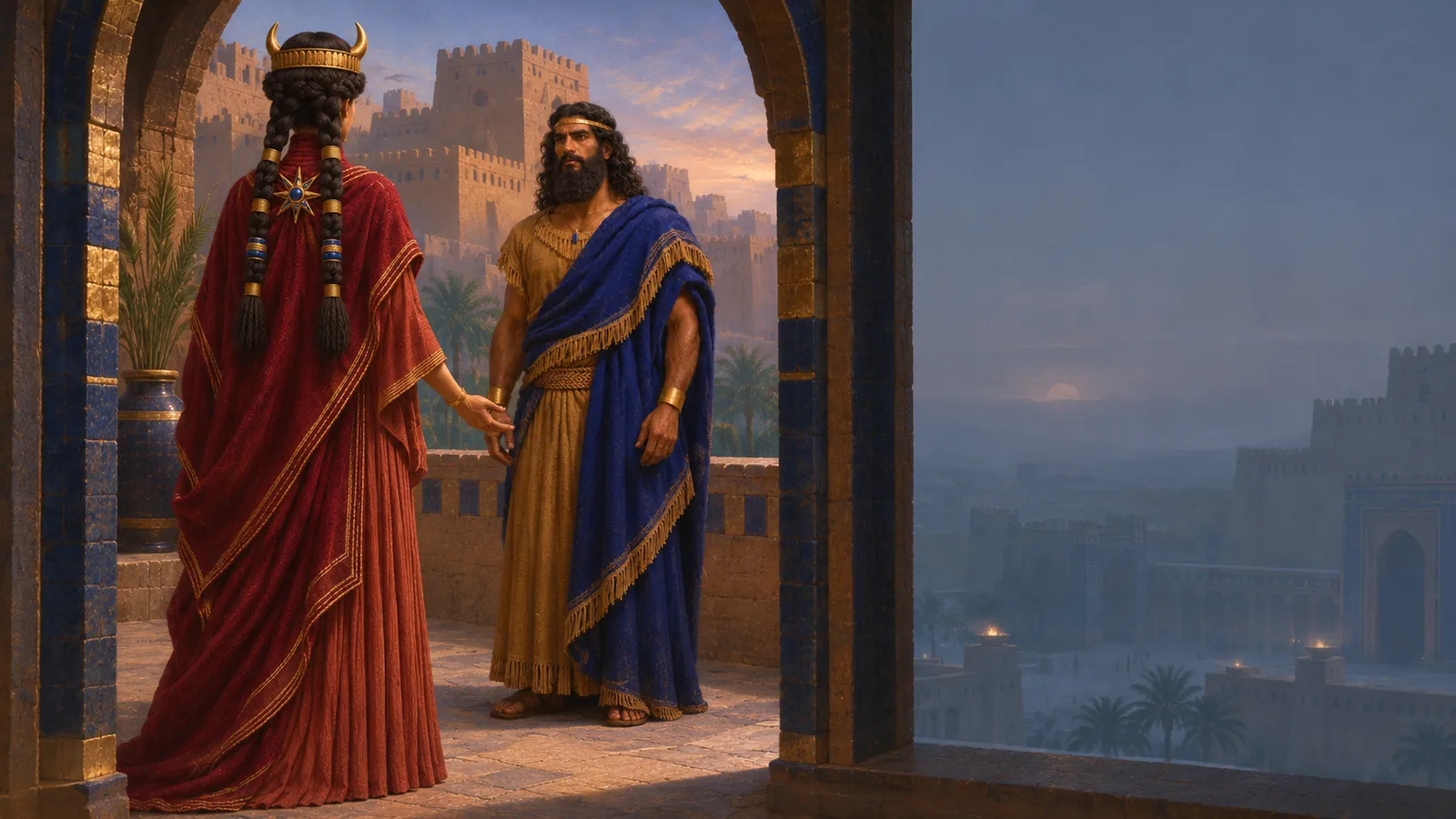
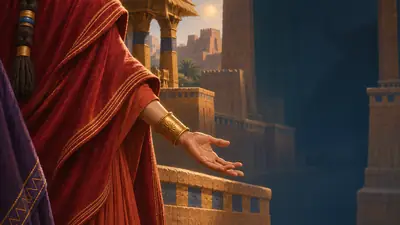
Ishtar pediu a Gilgamesh que fosse seu marido. Foi ela própria quem lhe fez a proposta, e já imaginava o que a vida em comum lhes poderia trazer.
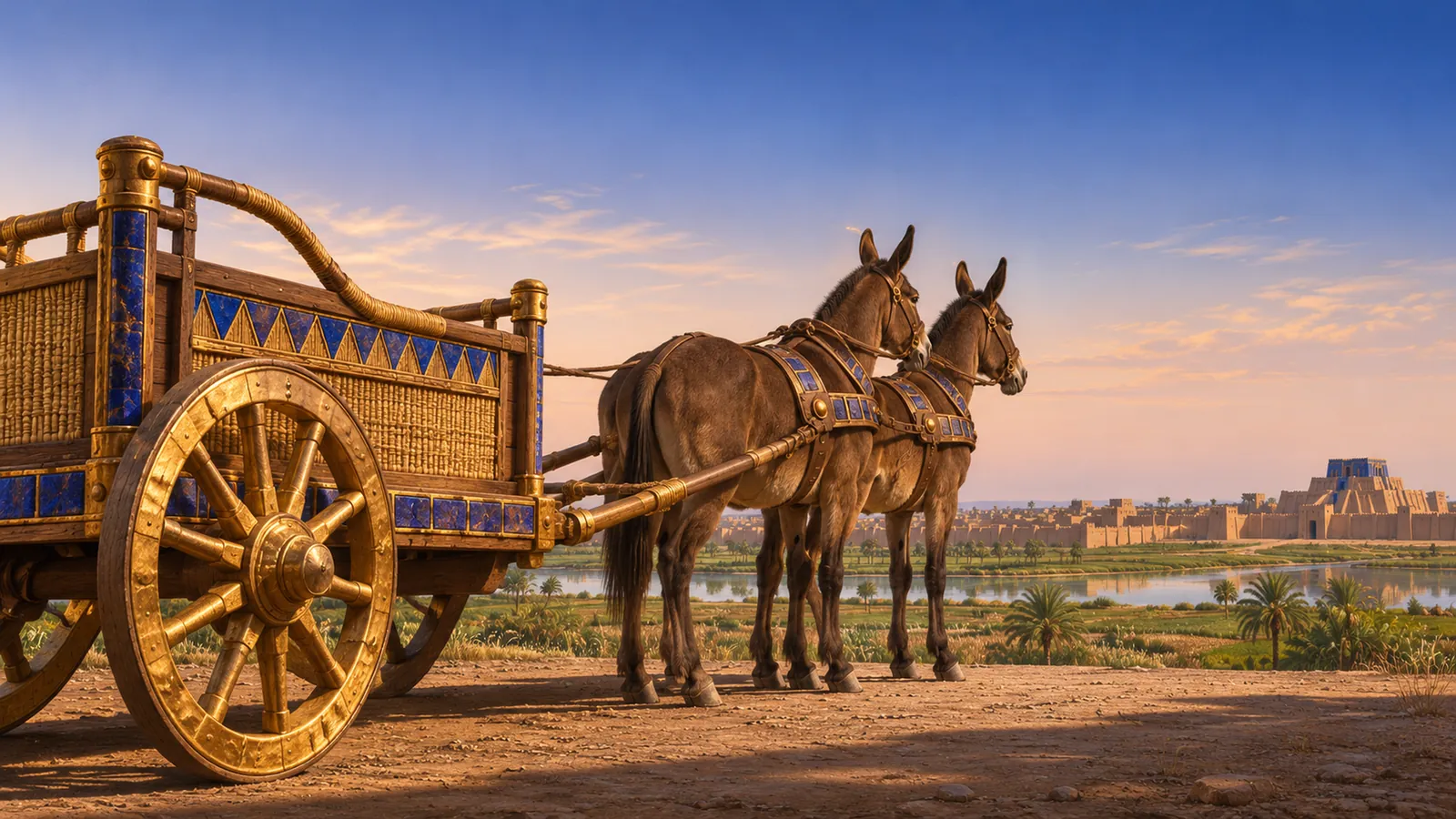
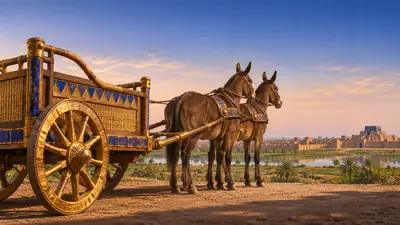
Prometeu-lhe um carro incrustado de lápis-lazúli, com rodas que brilhavam de ouro. Mulas fortes puxá-lo-iam, velozes como a tempestade, segundo ela.
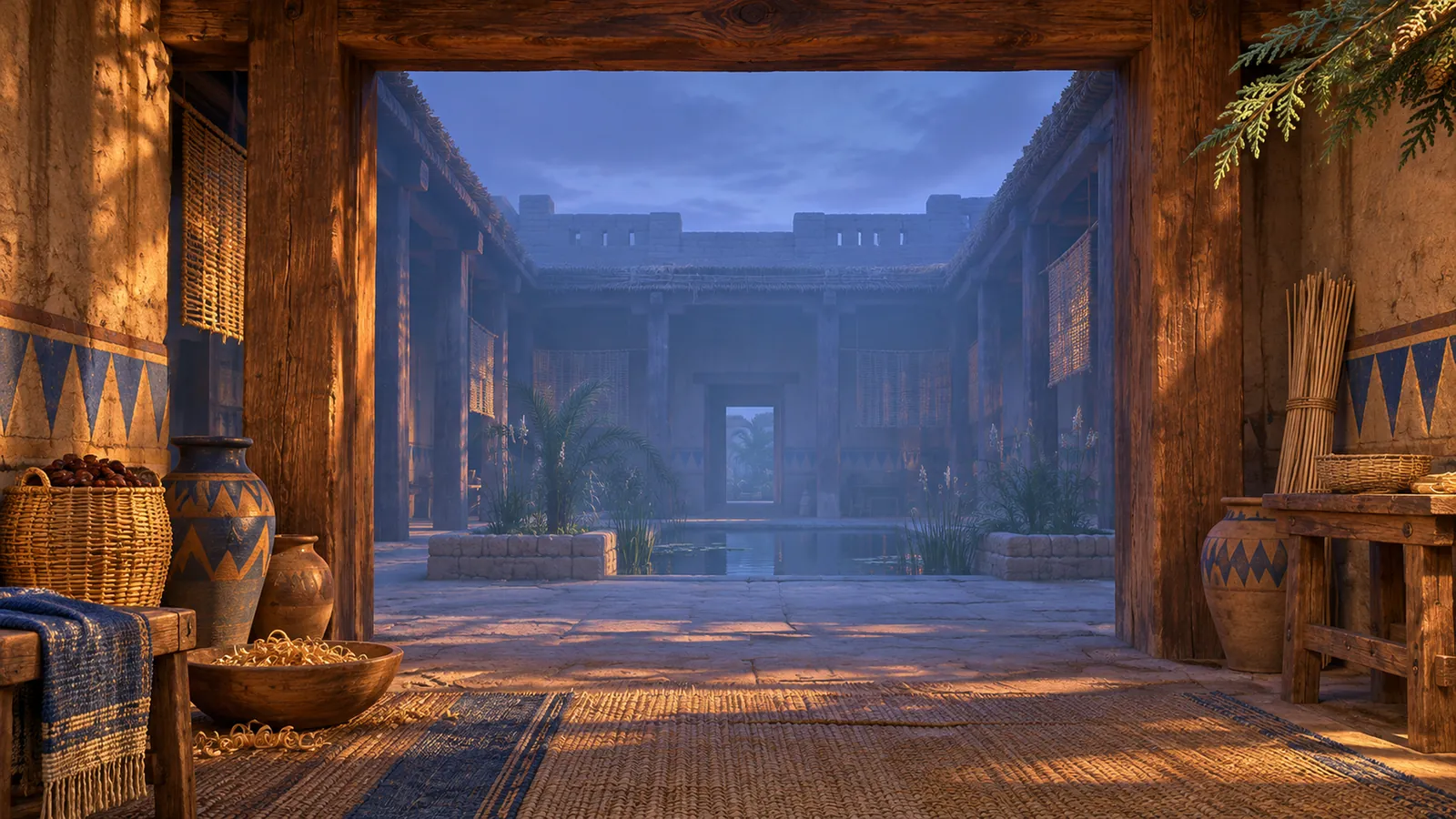
Ishtar falou-lhe de uma casa onde o aroma de cedro o receberia à porta. Até a soleira, disse ela, lhe prestaria homenagem quando entrasse.
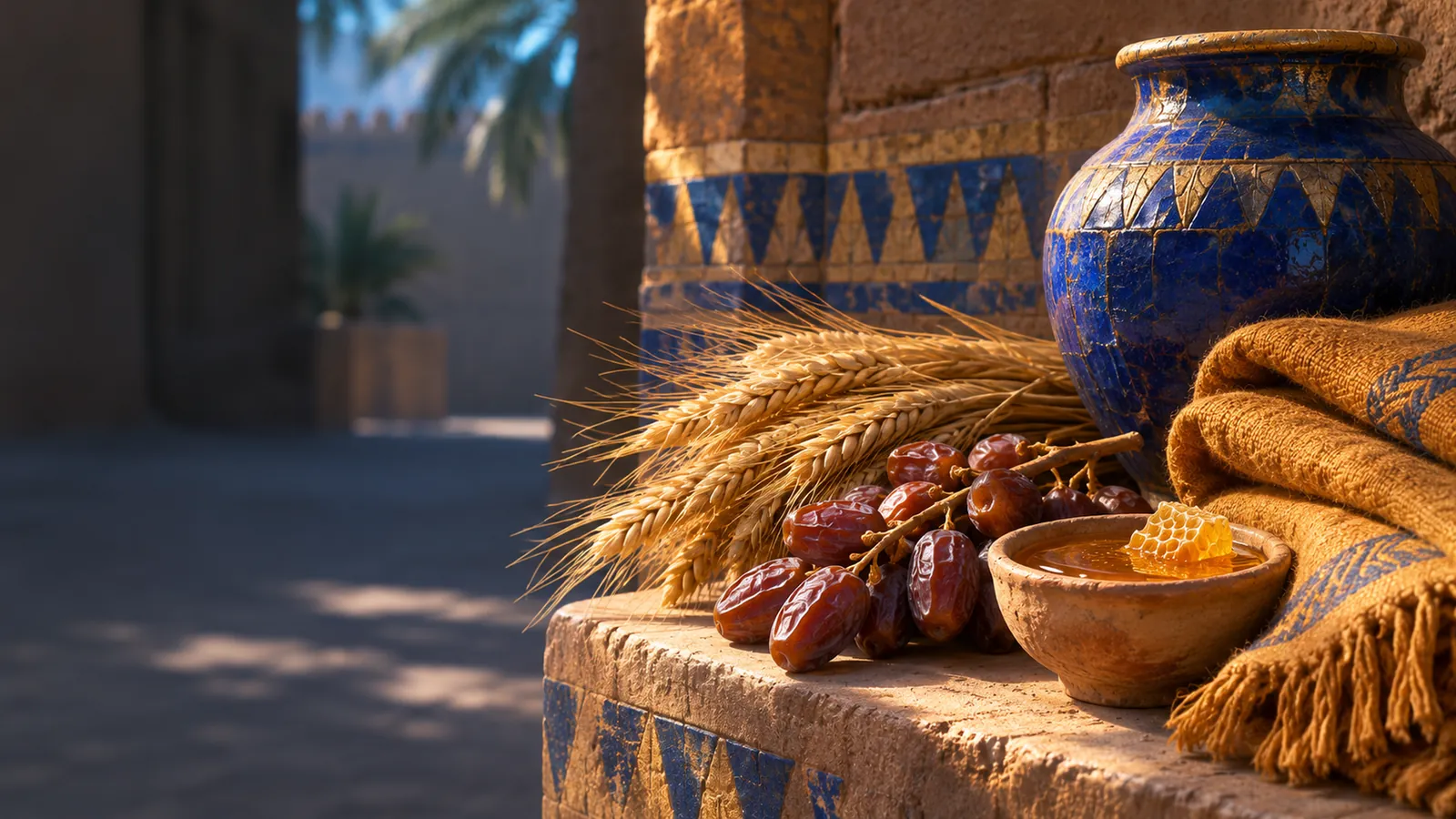
Governantes e cortesãos curvar-se-iam diante dele, prometeu-lhe. Trariam-lhe os bens das colinas e da planície, e até os seus rebanhos prosperariam mais do que era habitual.
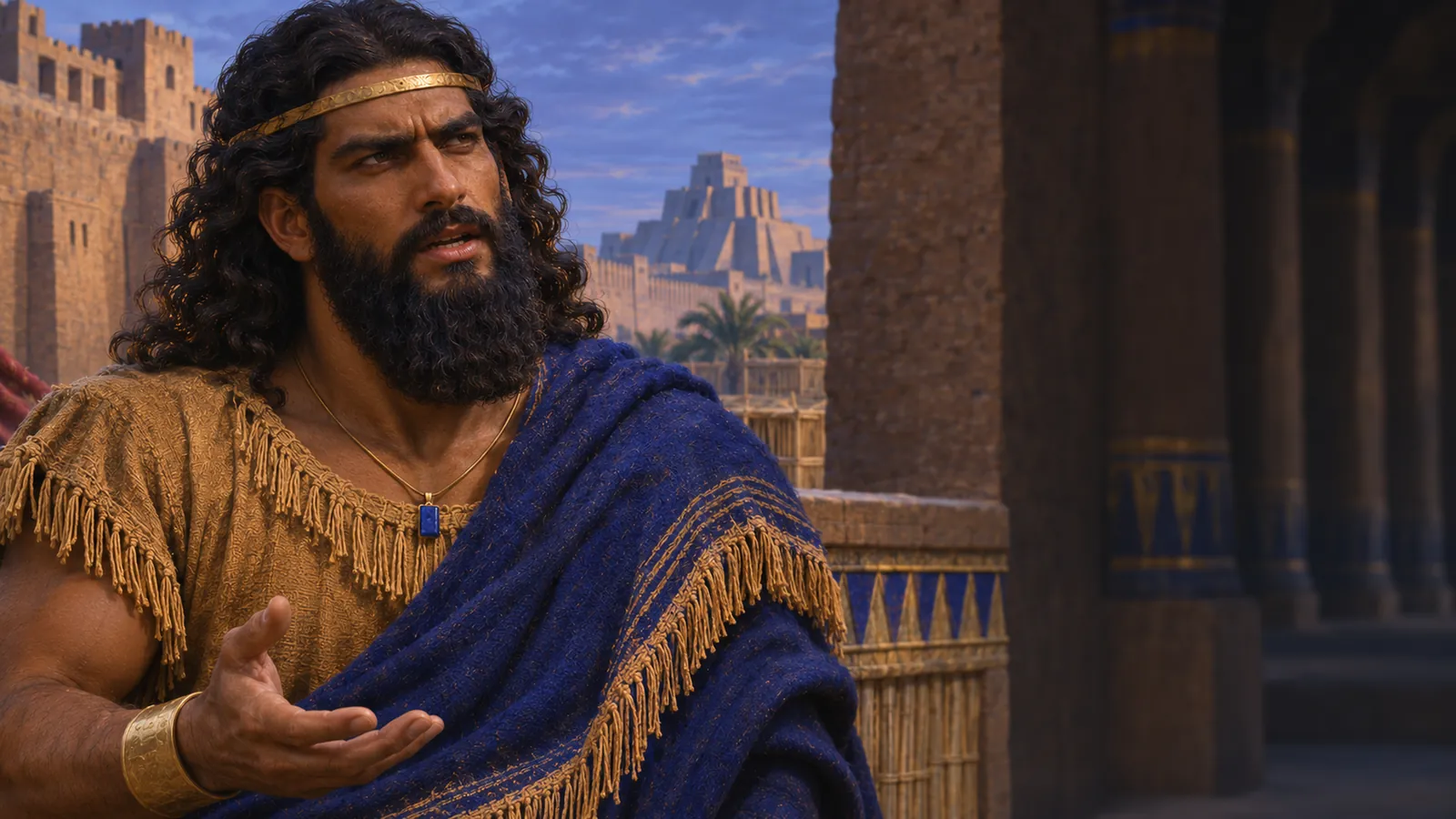
Quando ela acabou, Gilgamesh perguntou o que seria viver como seu marido. Aqui a argila está danificada, mas restam algumas perguntas, entre elas a de como seria alimentado.
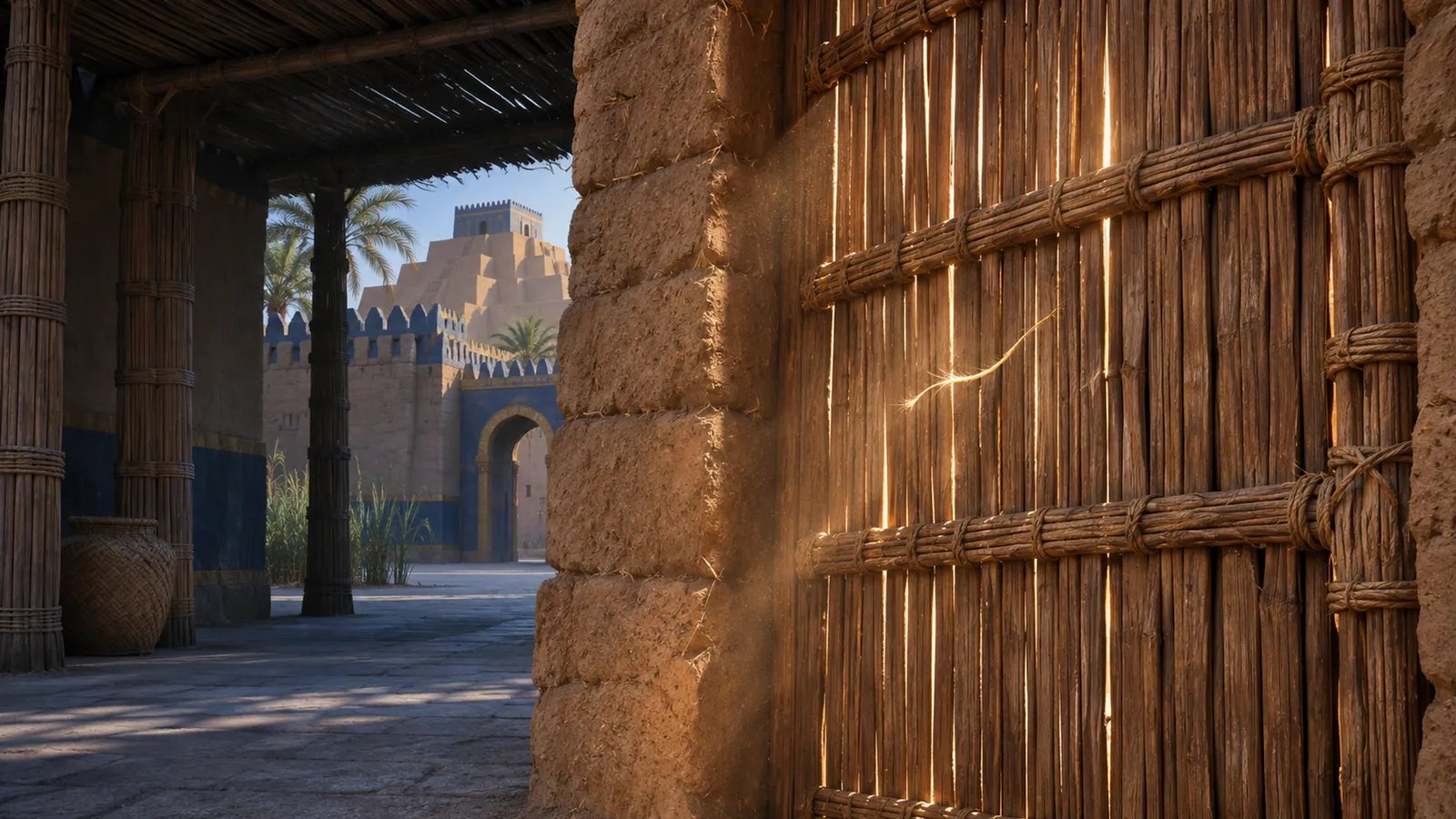
Então respondeu-lhe com uma série de comparações. Falou de uma porta que não abriga do vento e de um sapato que magoa o pé que devia proteger.
QUEM FICOU?
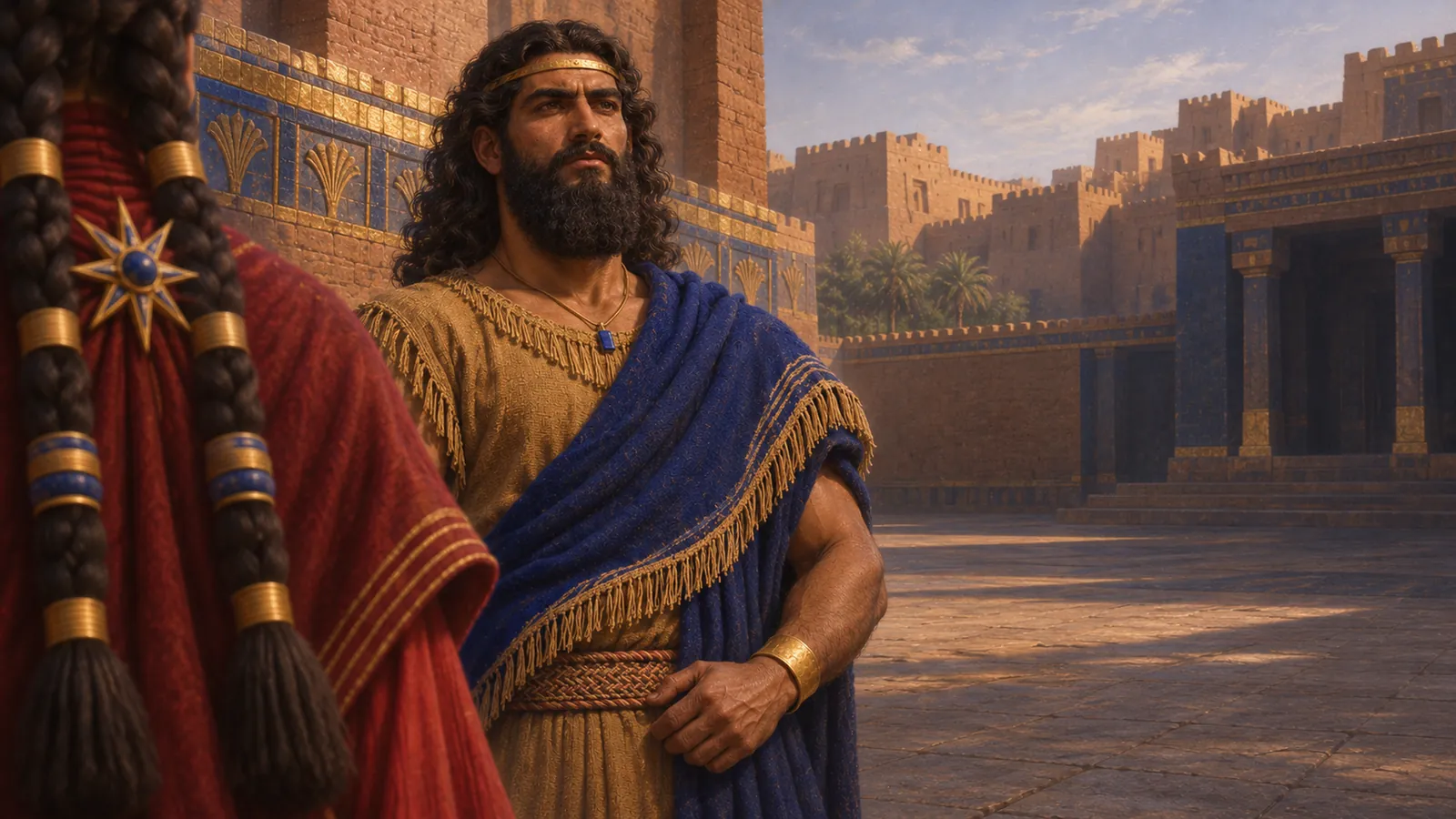
Gilgamesh perguntou qual dos seus antigos esposos tinha resistido. Antes de ouvir a resposta ao seu pedido, Ishtar ouviria os nomes de que ele se lembrava.
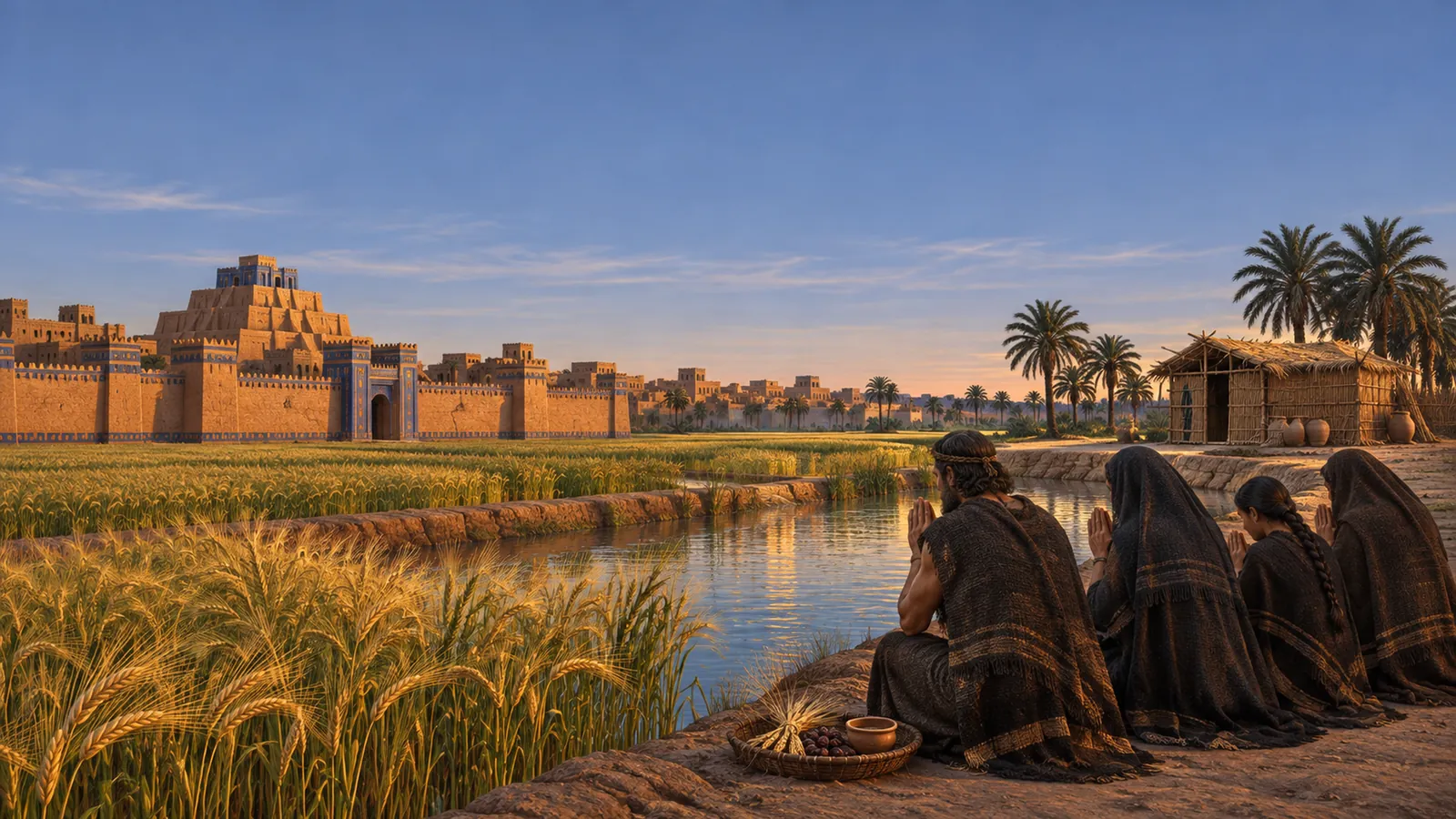
Gilgamesh falou primeiro de Dumuzi, o marido da juventude de Ishtar. No relato do rei, as lágrimas voltavam a cada ano, tão certas como a mudança da estação.
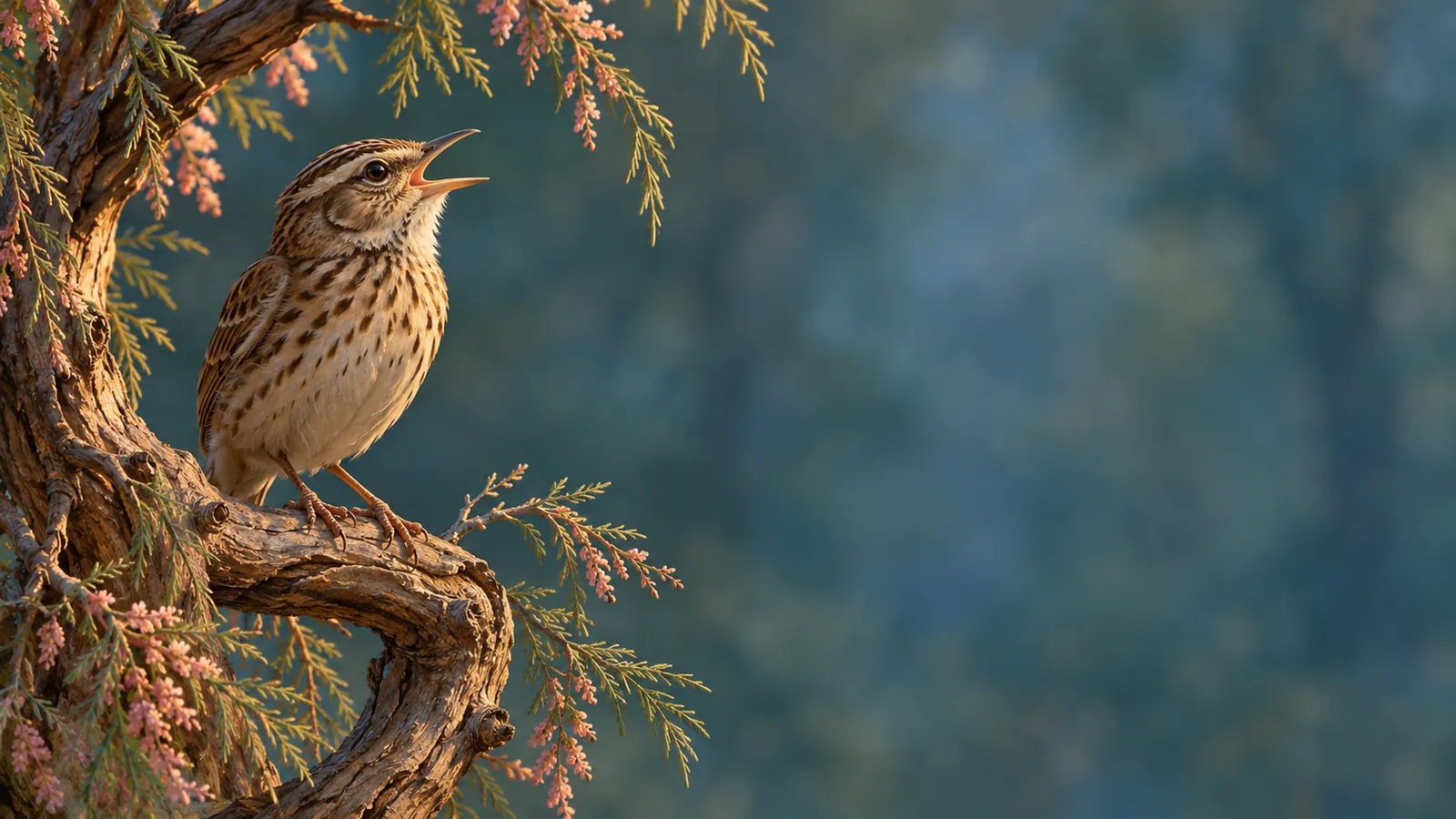
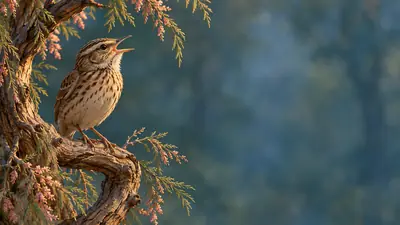
Contou a história de um pequeno pássaro malhado que Ishtar amara um dia. No seu relato, o pássaro ficou com uma asa partida, e desde então ouvia-se o seu chamamento no bosque.
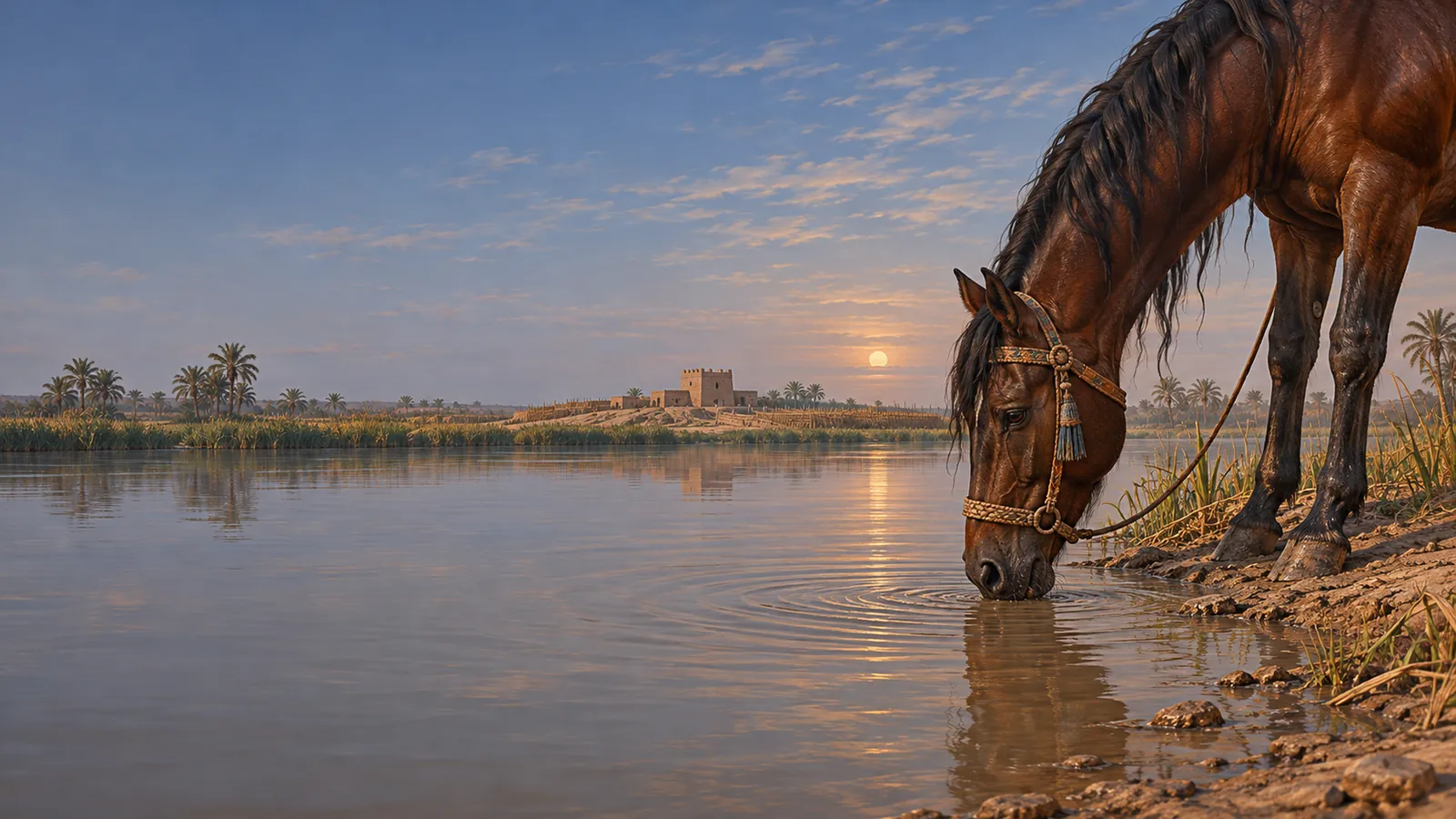
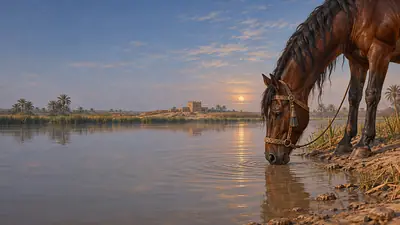
Lembrou-se de um leão forte e das covas que lhe cavaram. Depois falou de um grande cavalo de guerra cuja recompensa foram cavalgadas duras e água turva para beber.
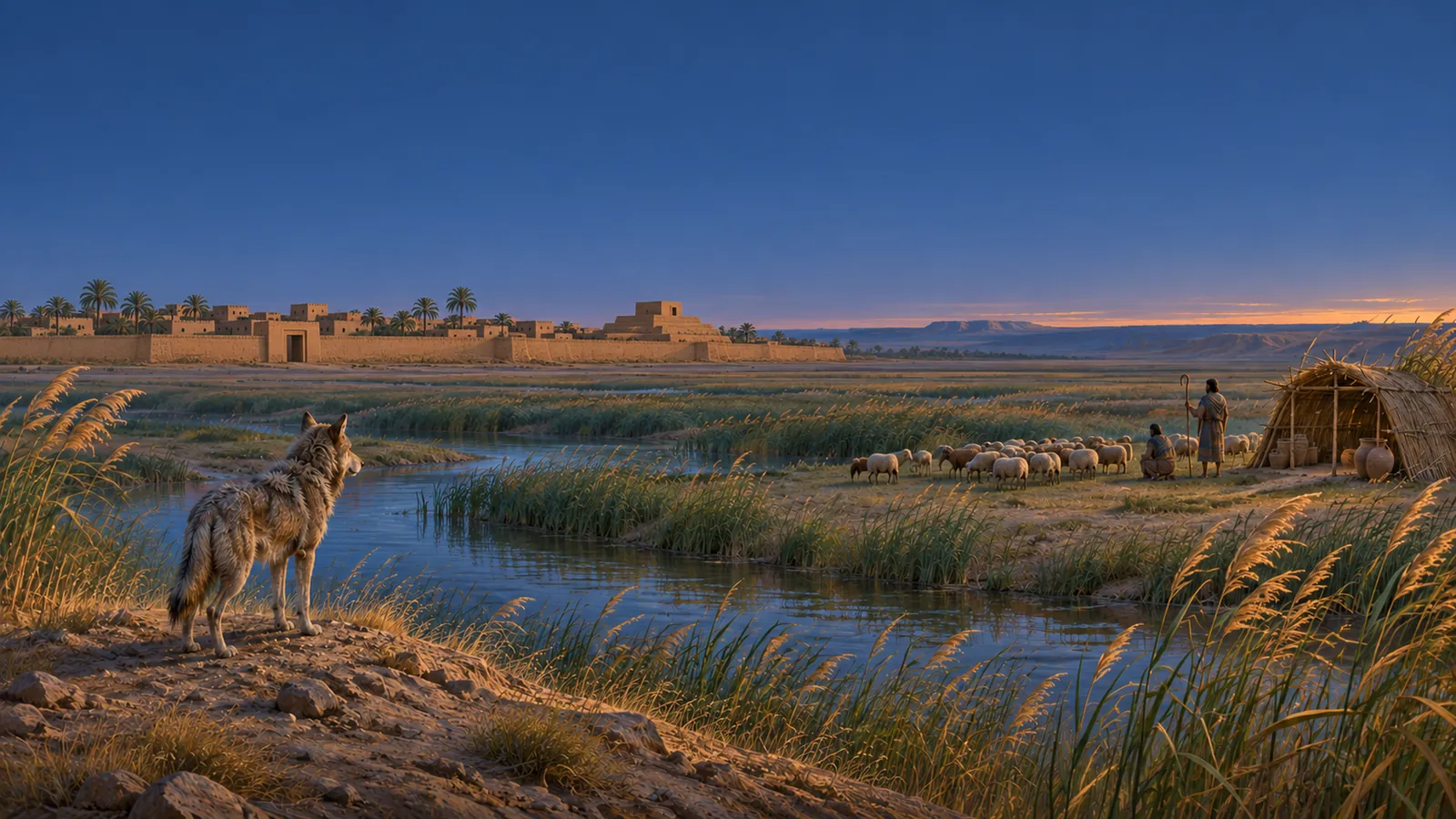
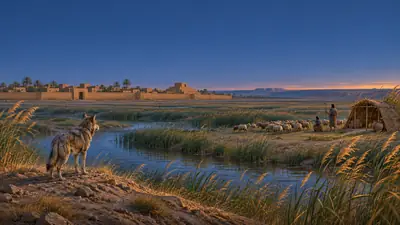
Houve ainda um pastor, disse Gilgamesh, que em tempos lhe fazia oferendas. No relato do rei, tornou-se lobo, expulso por aqueles mesmos que com ele guardavam o rebanho.
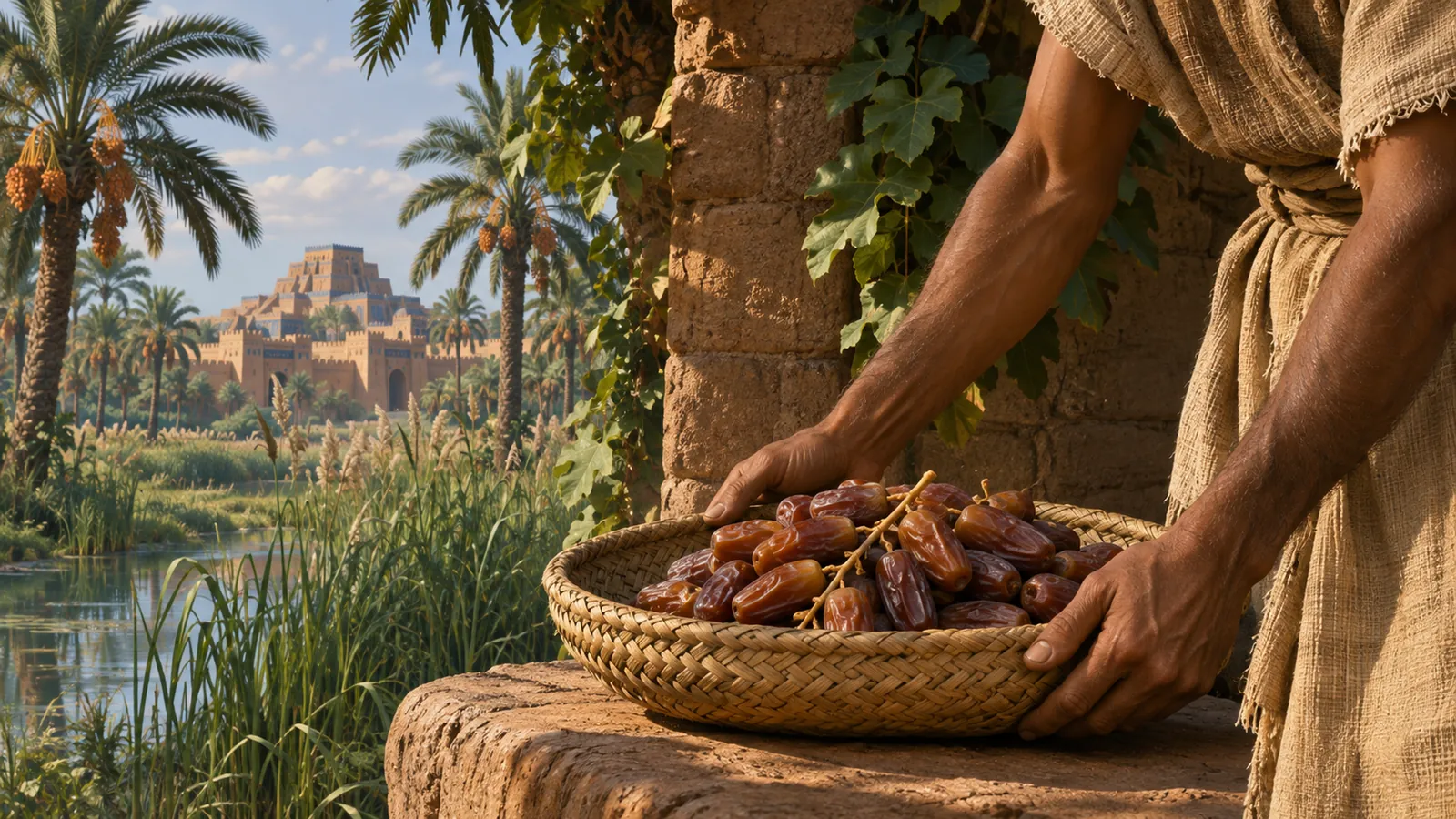
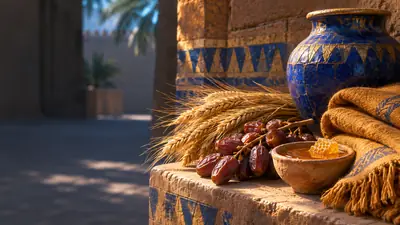
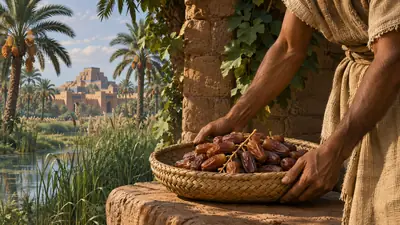
Ishullanu, o jardineiro do pai de Ishtar, levava tâmaras para a sua mesa. Gilgamesh contou como o jardineiro recusou a aproximação de Ishtar e como ela o transformou depois.
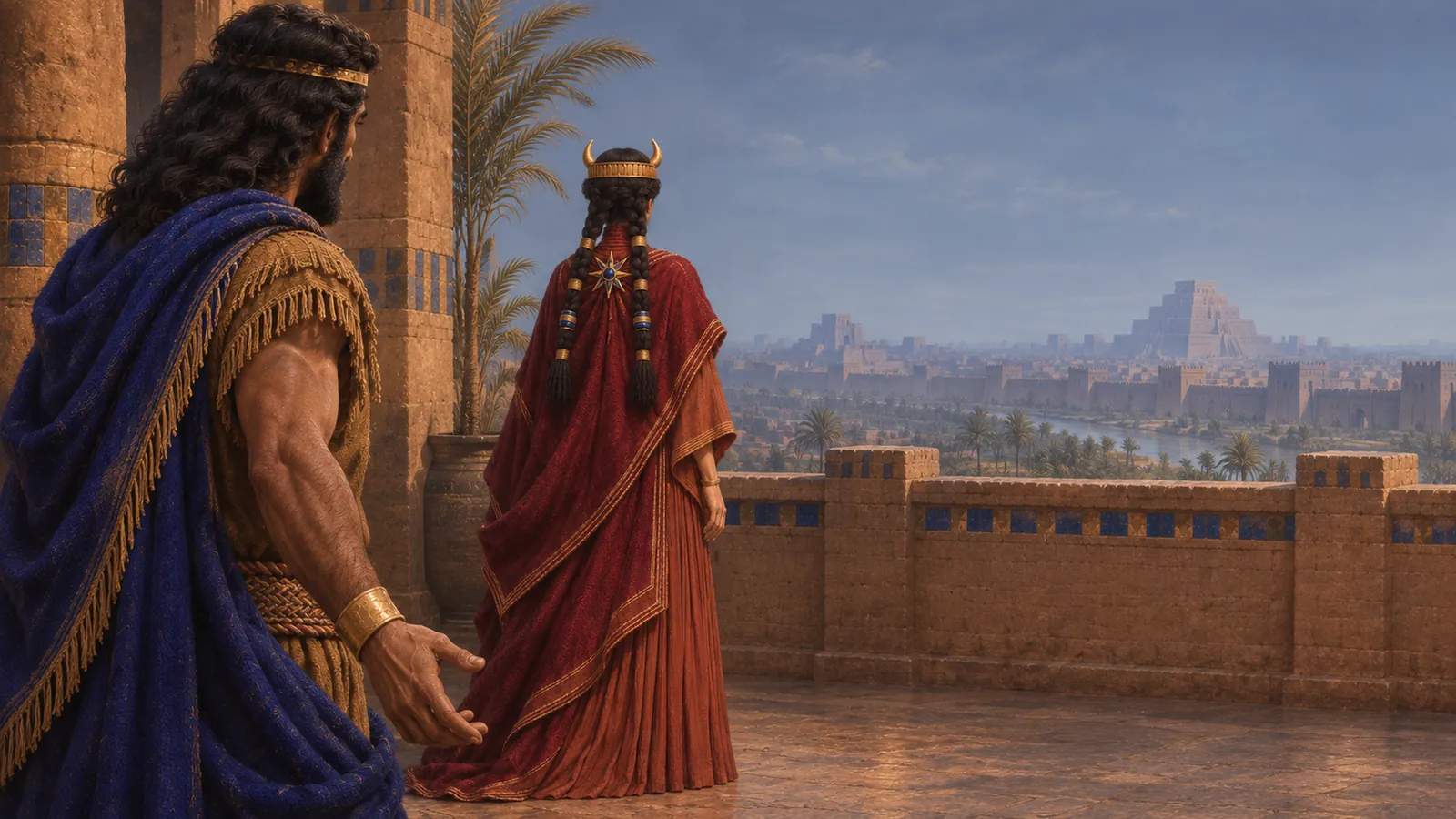
RECUSA
Gilgamesh apresentou-lhe as histórias deles como aviso. Se aceitasse casar com ela, perguntou, o que o impediria de acabar como eles?
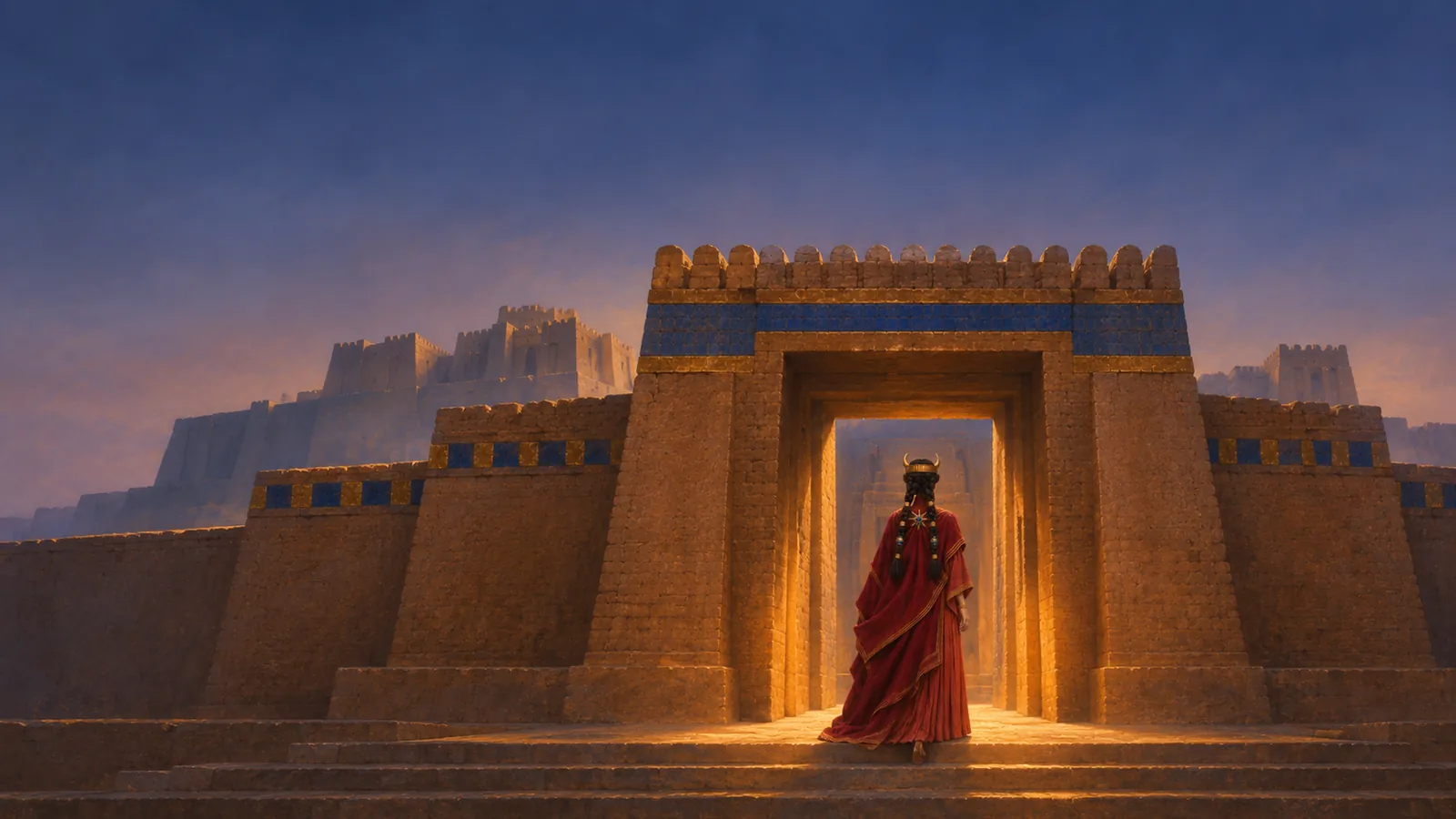
Ishtar subiu ao céu, tomada de ira. Ali levou as suas lágrimas e a sua queixa aos pais, Anu e Antu, e contou-lhes o que o rei dissera.
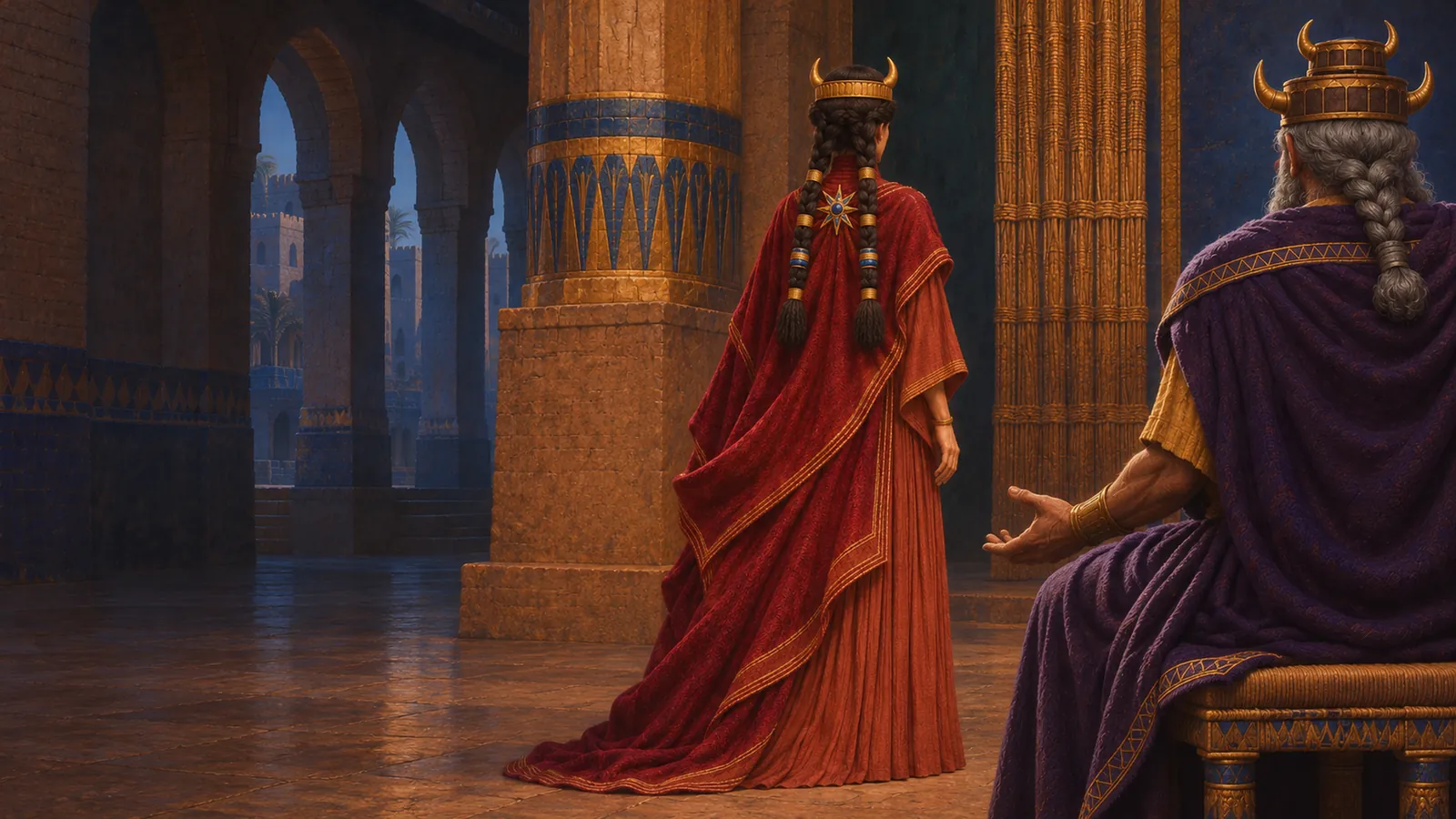
Anu escutou o seu relato. Depois perguntou a Ishtar se não teria sido ela própria a provocar Gilgamesh antes de o rei dizer todas aquelas palavras que agora trazia ao céu.
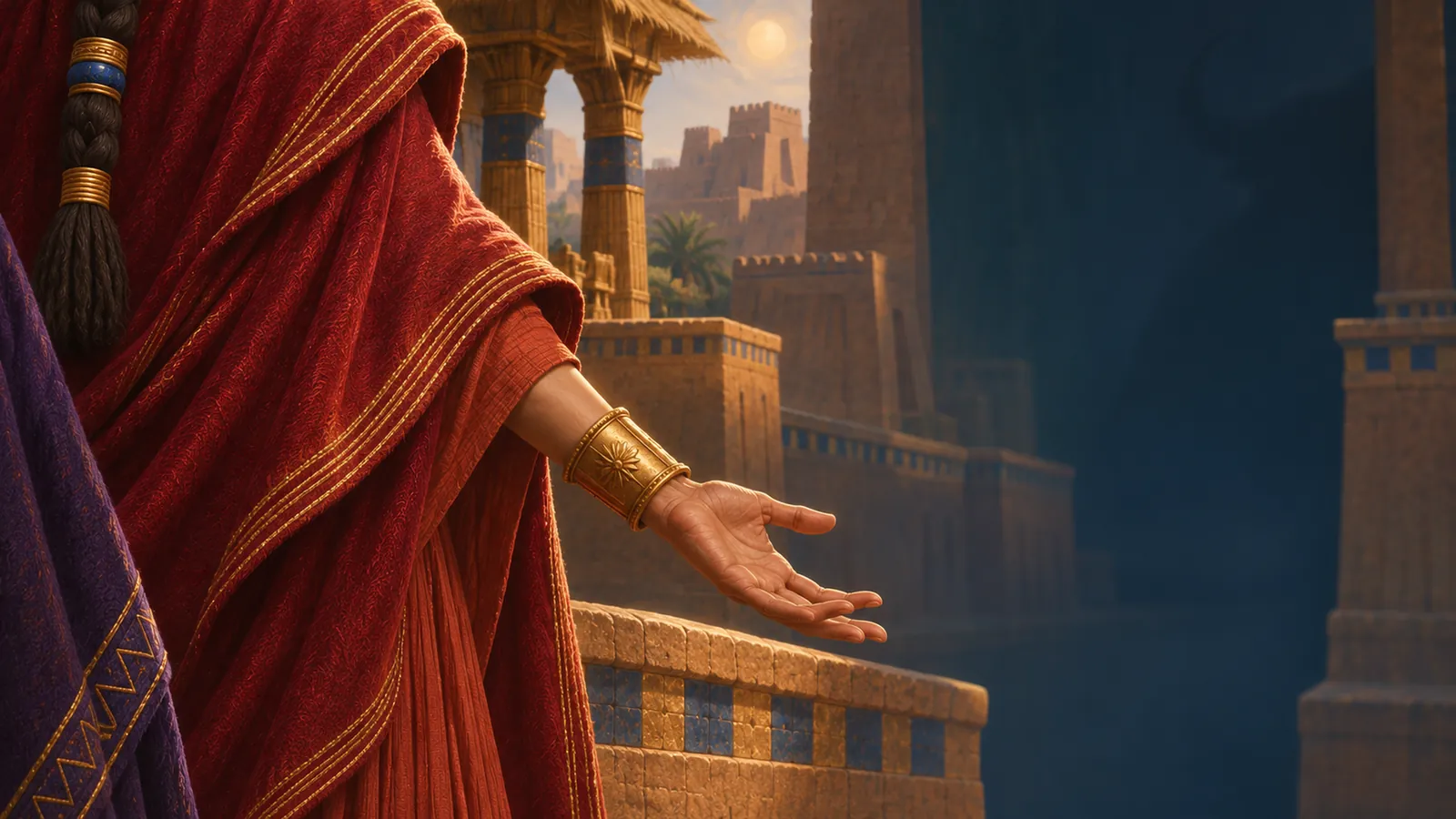
Ishtar pediu ao pai que lhe entregasse o Touro Celeste. Queria levar o animal até Uruk e fazer o rei pagar pelo que dissera.
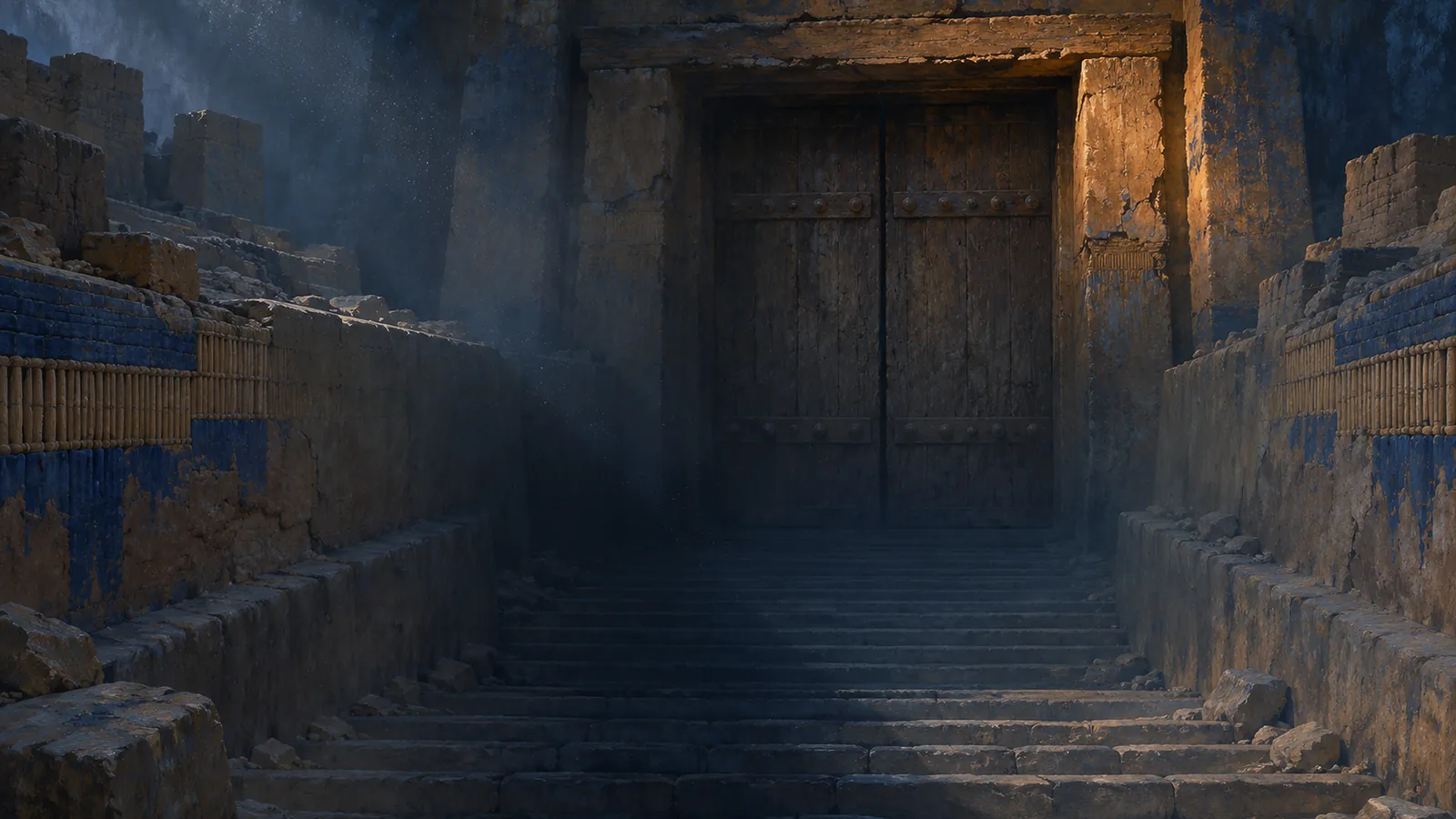
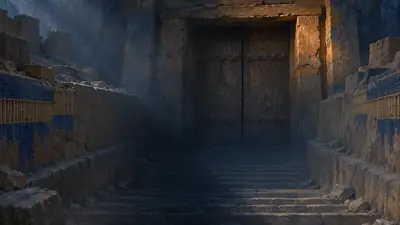
Se Anu recusasse, disse ela, arrombaria a entrada do mundo de baixo. Os mortos voltariam em tamanho número que seriam mais do que os vivos.
SETE ANOS
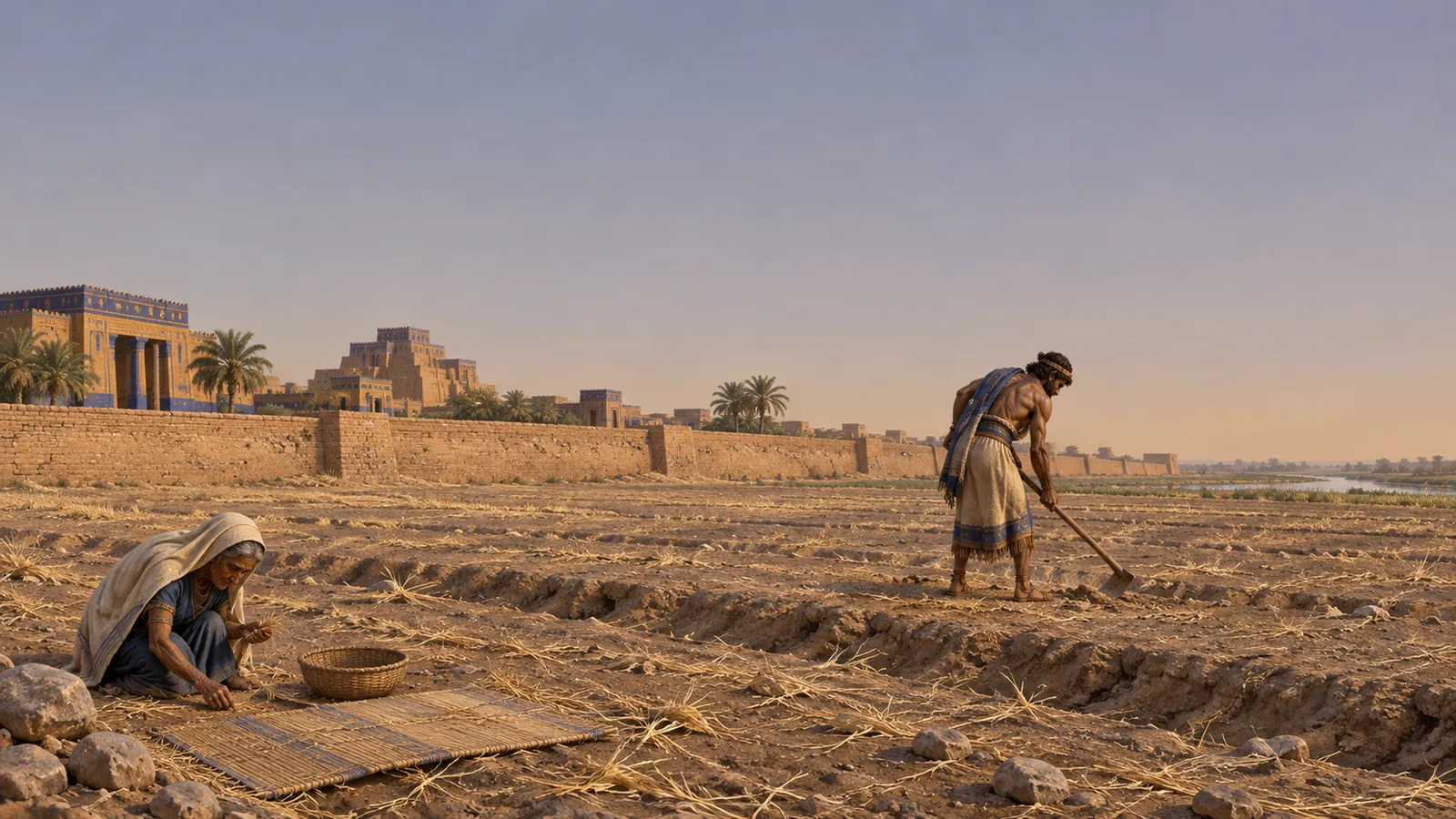
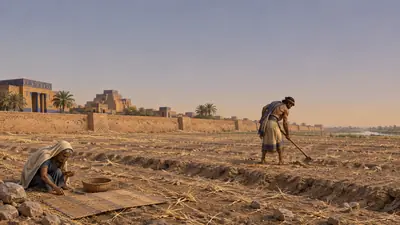
Anu avisou-a do que a vinda do Touro significaria para Uruk. Durante sete anos, o povo teria de viver do pouco que pudesse recolher e da forragem que conseguisse cultivar.
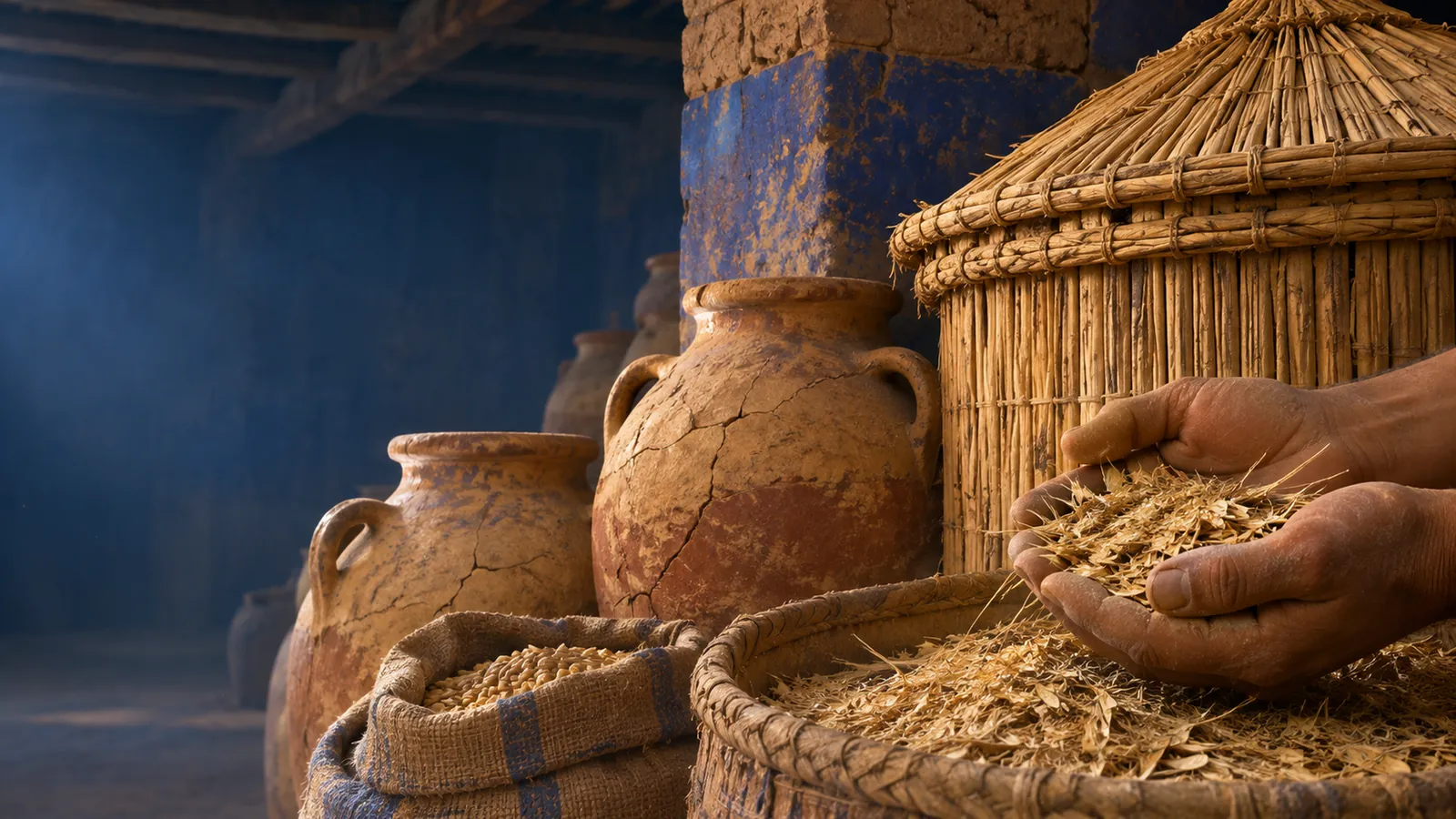
A resposta de Ishtar tem uma parte perdida na argila quebrada. O que resta fala de provisões já guardadas e de forragem cultivada, como se ela se tivesse preparado para os anos que Anu temia.
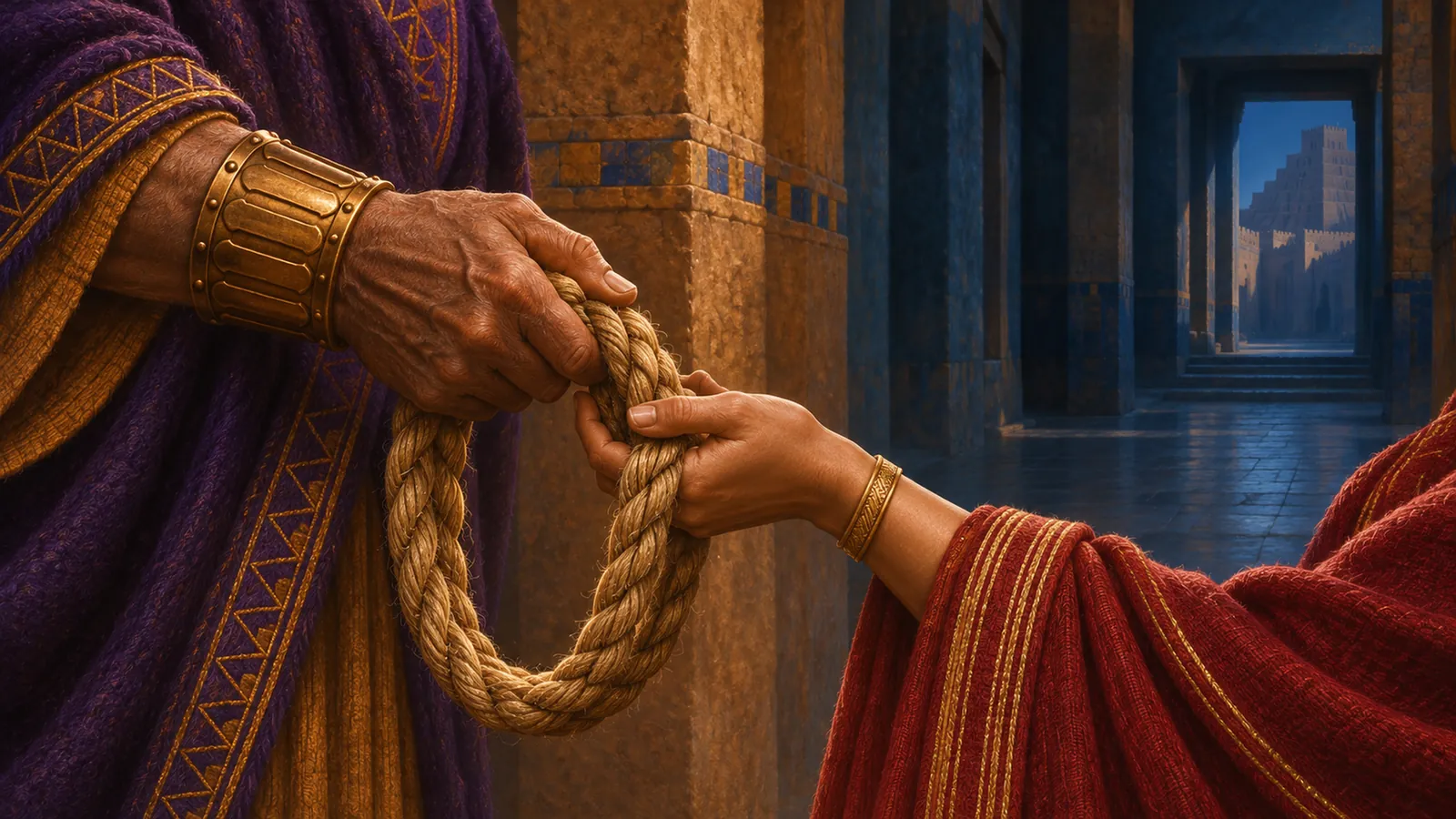
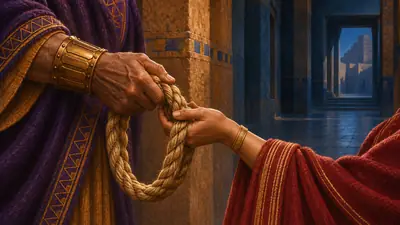
Anu ouviu a resposta e pôs-lhe nas mãos a corda do Touro. O que começara em Uruk com um pedido de casamento voltava agora à cidade sob outra forma.
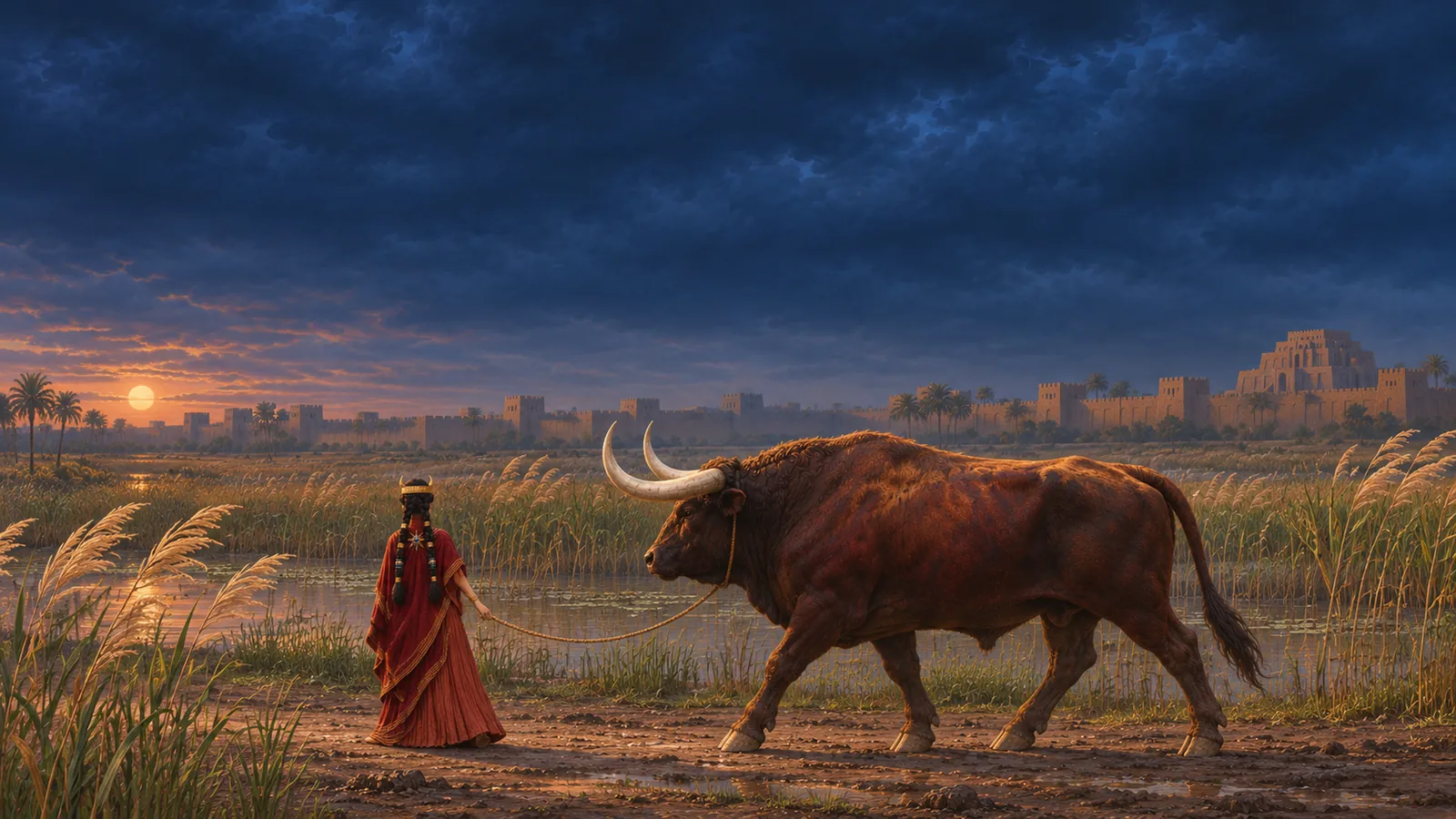
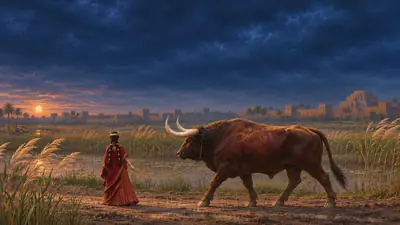
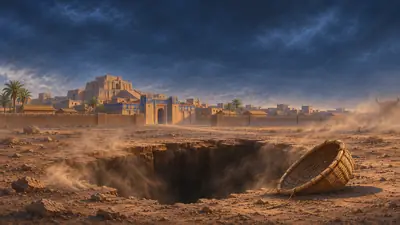
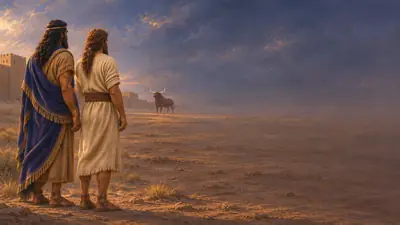
Ishtar conduziu o Touro para baixo. Quando chegou às terras de Uruk, o chão húmido começou a secar e os juncos murcharam à sua passagem.
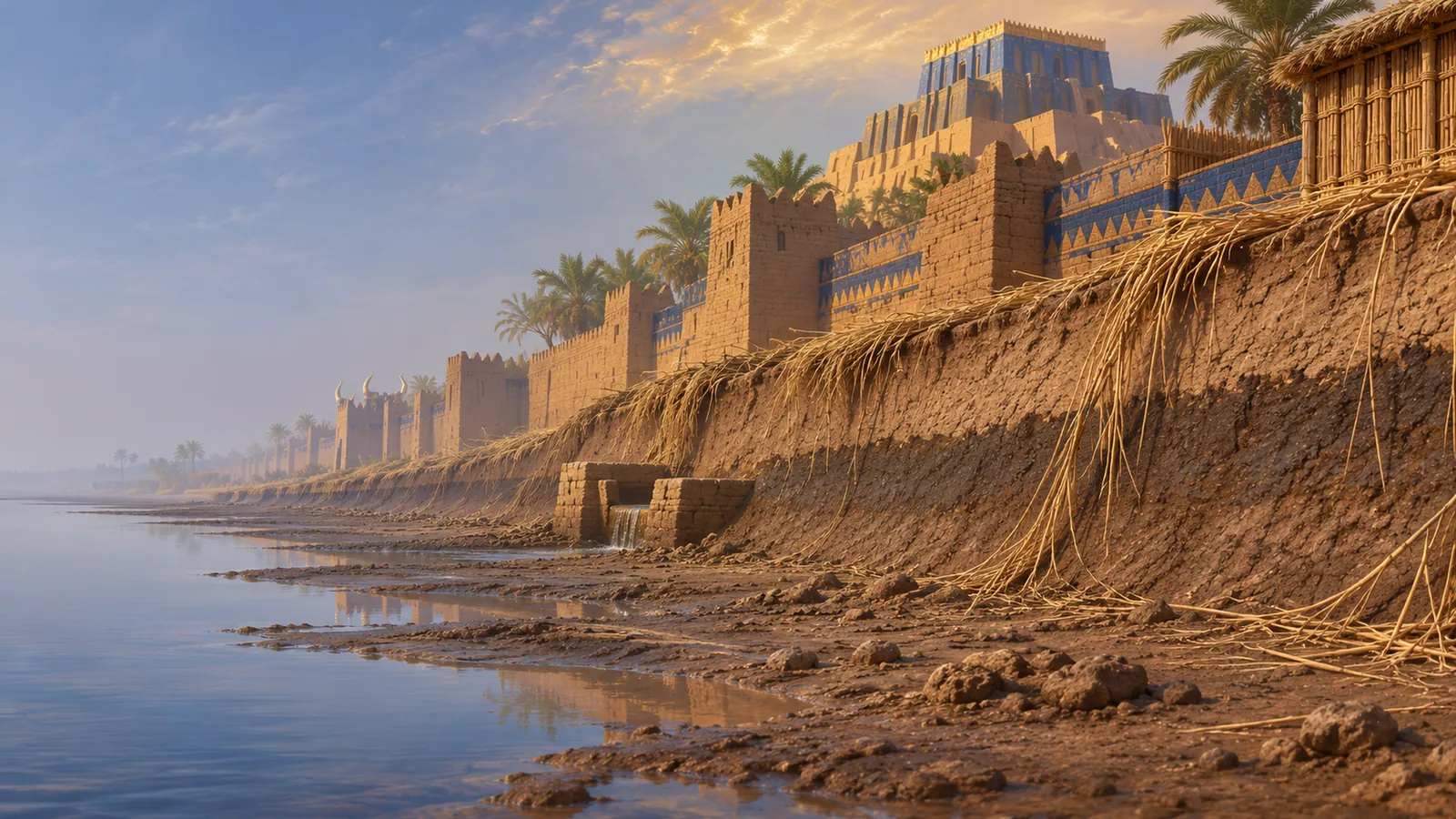
O Touro foi até ao rio, e a água baixou sete côvados. A marca húmida que deixou na margem ficava mais alta do que qualquer junco junto da água agora rasa.
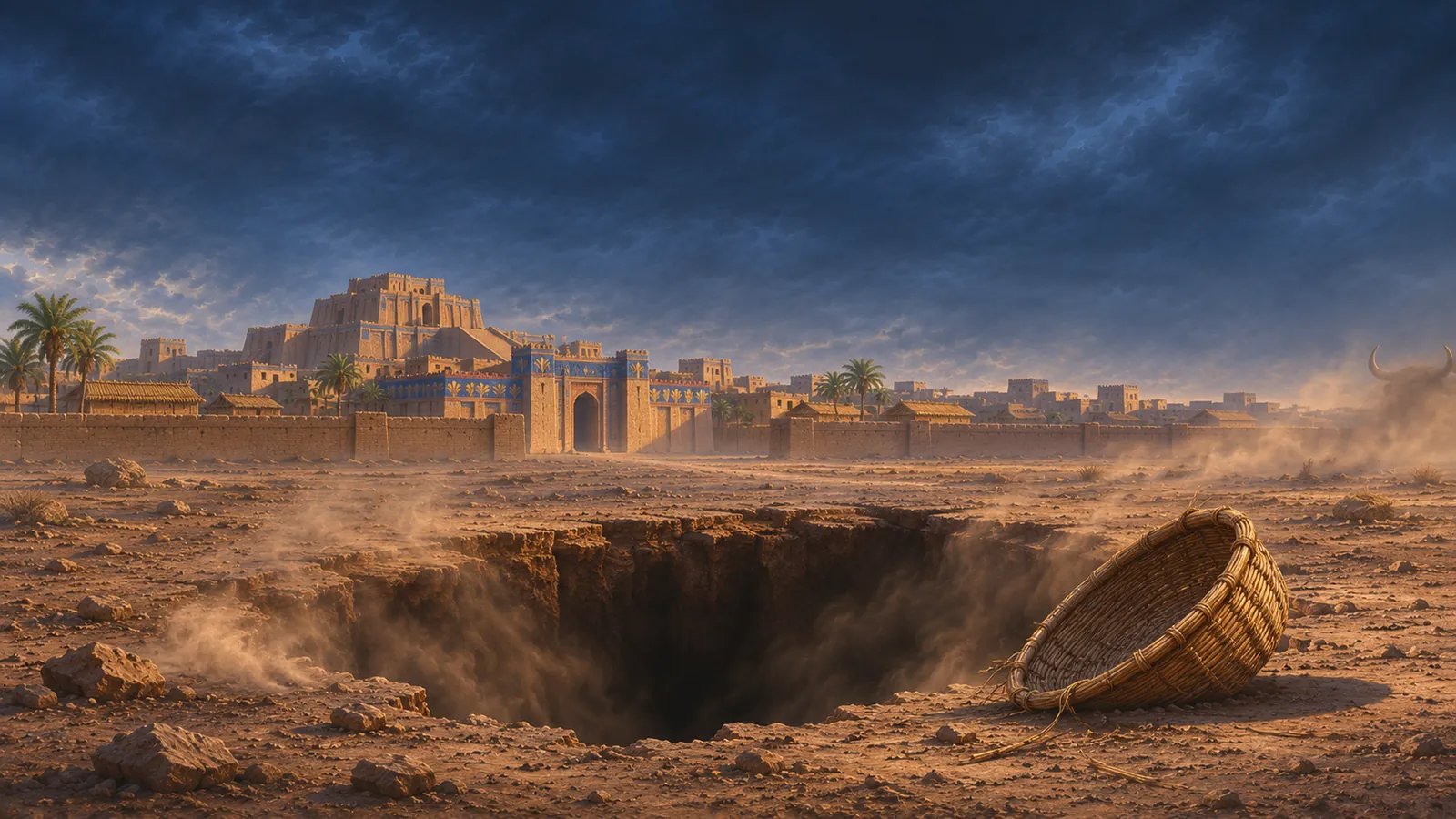
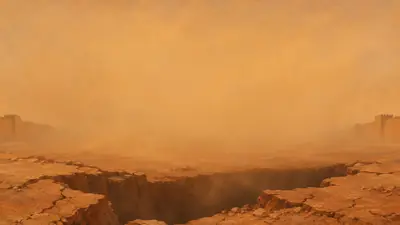
O Touro bufou, e abriu-se uma cova sob os homens de Uruk. O poema conta cem que caíram nessa primeira abertura súbita da terra.
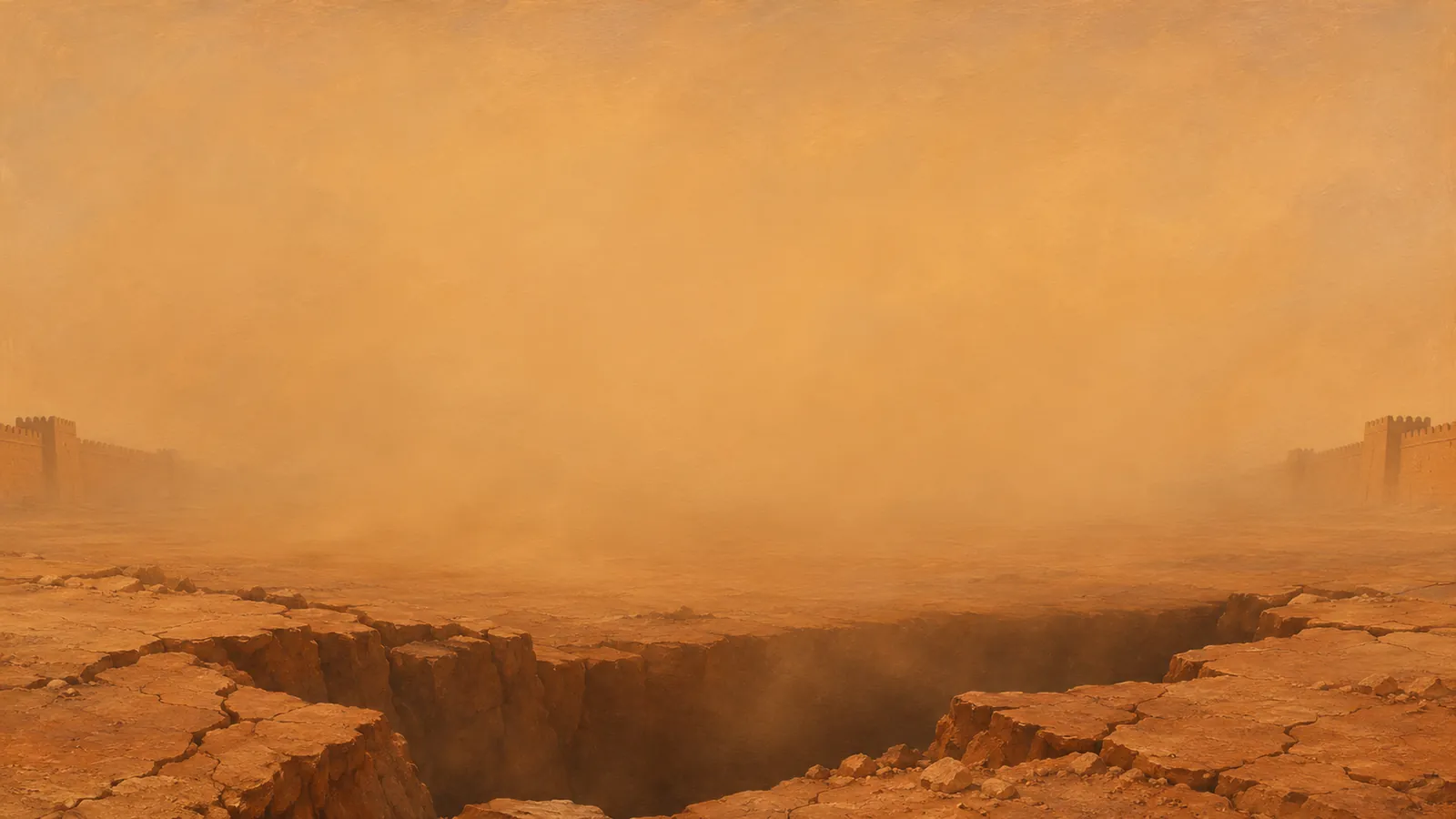
O Touro bufou de novo, e a terra cedeu uma segunda vez. O antigo poema conta mais duzentos, e o medo da cidade cresce a cada sopro.
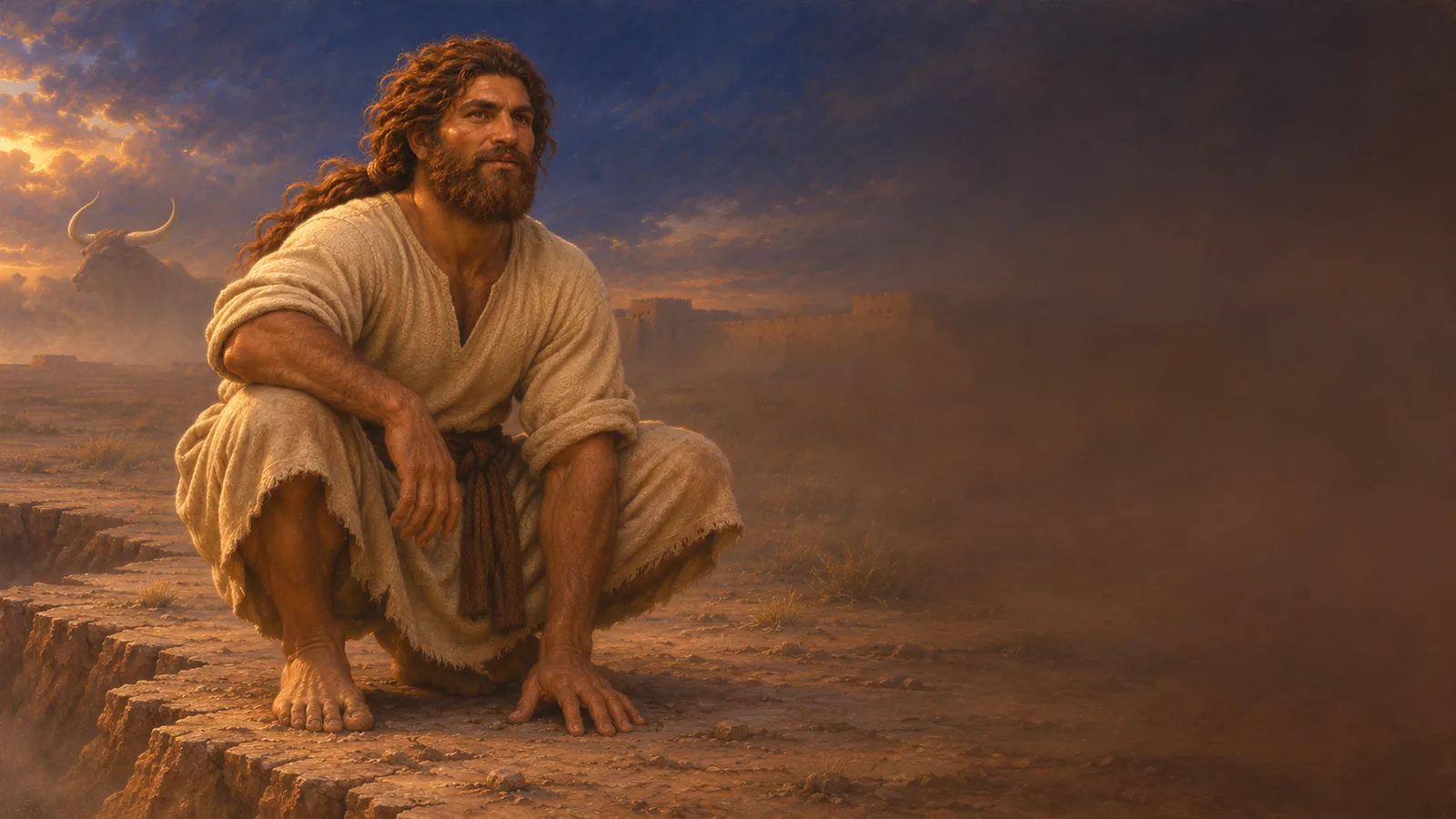
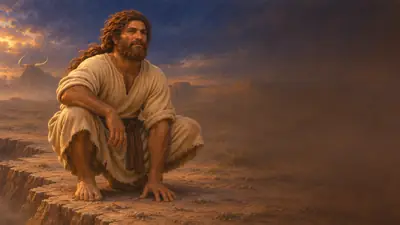
Ao terceiro sopro, a terra voltou a ceder. Enkidu afundou-se até à cintura, mas saltou para fora enquanto o Touro, imenso, se erguia no meio da poeira.
POR URUK
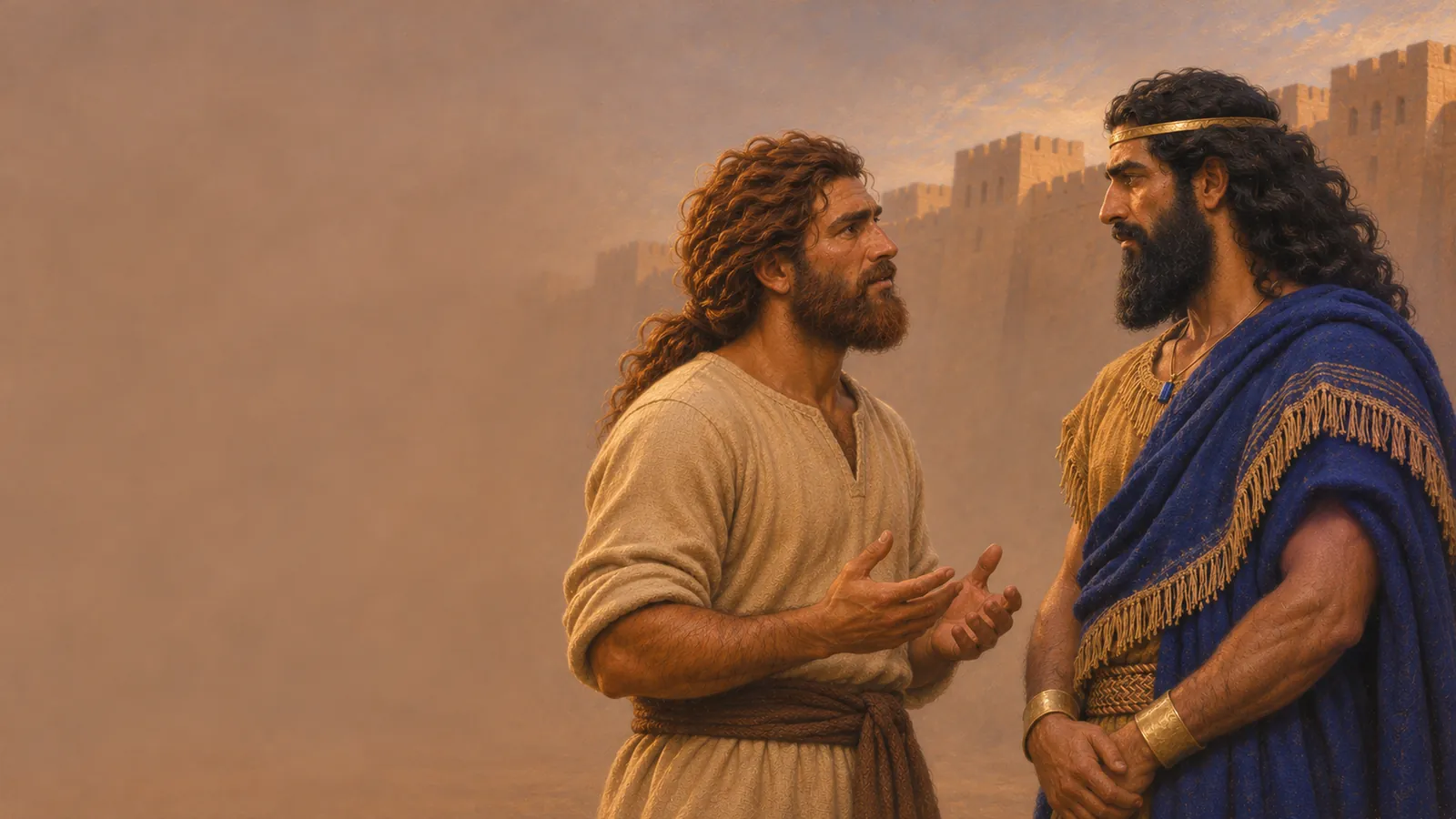
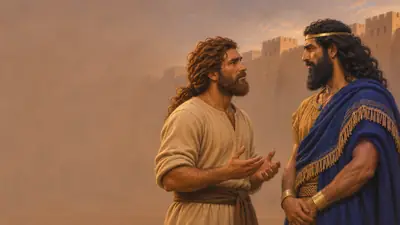
Enkidu chamou o amigo. Outrora tinham-se orgulhado da sua cidade, e agora perguntava-lhe como poderiam reparar o mal feito a todos os que tinham caído.
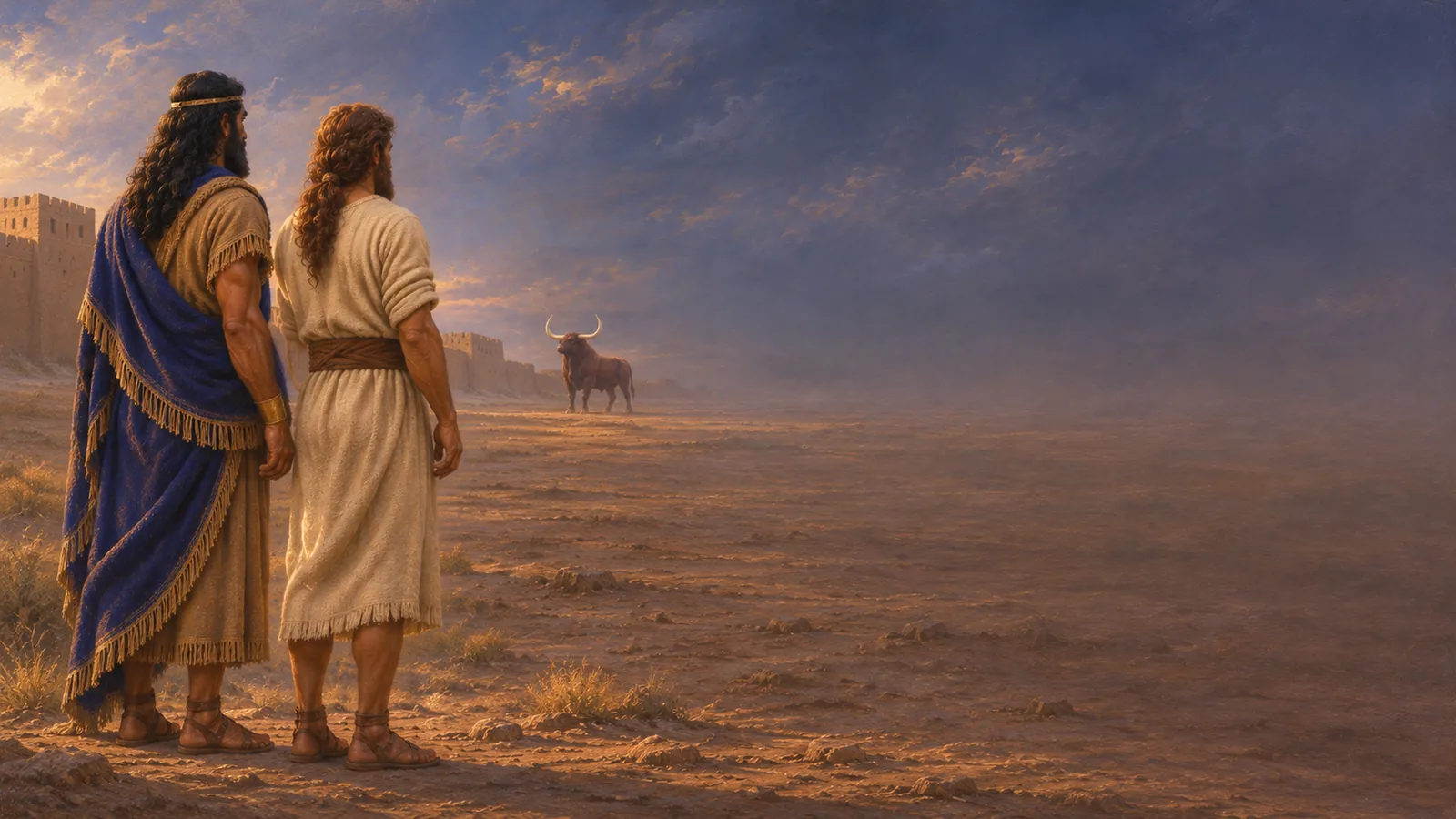
Enkidu disse a Gilgamesh que teriam de agir juntos. Já sentira a força do Touro, e agora punha a sua confiança no amigo que tinha ao lado.
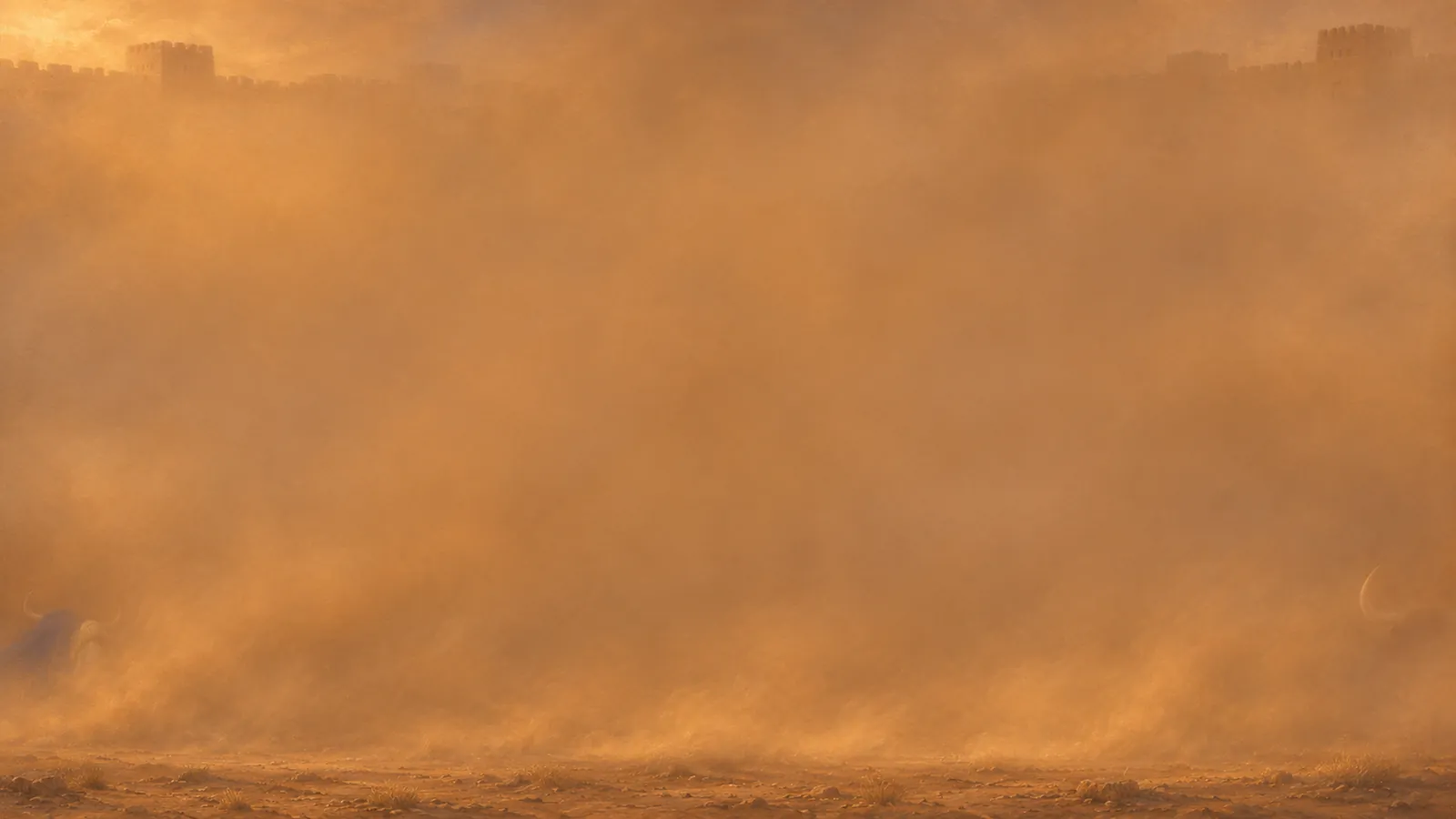
Os dois amigos enfrentaram o Touro Celeste. Enkidu agarrou-o pela cauda, e Gilgamesh matou-o com a sua faca. O poema conta a luta em poucas linhas.
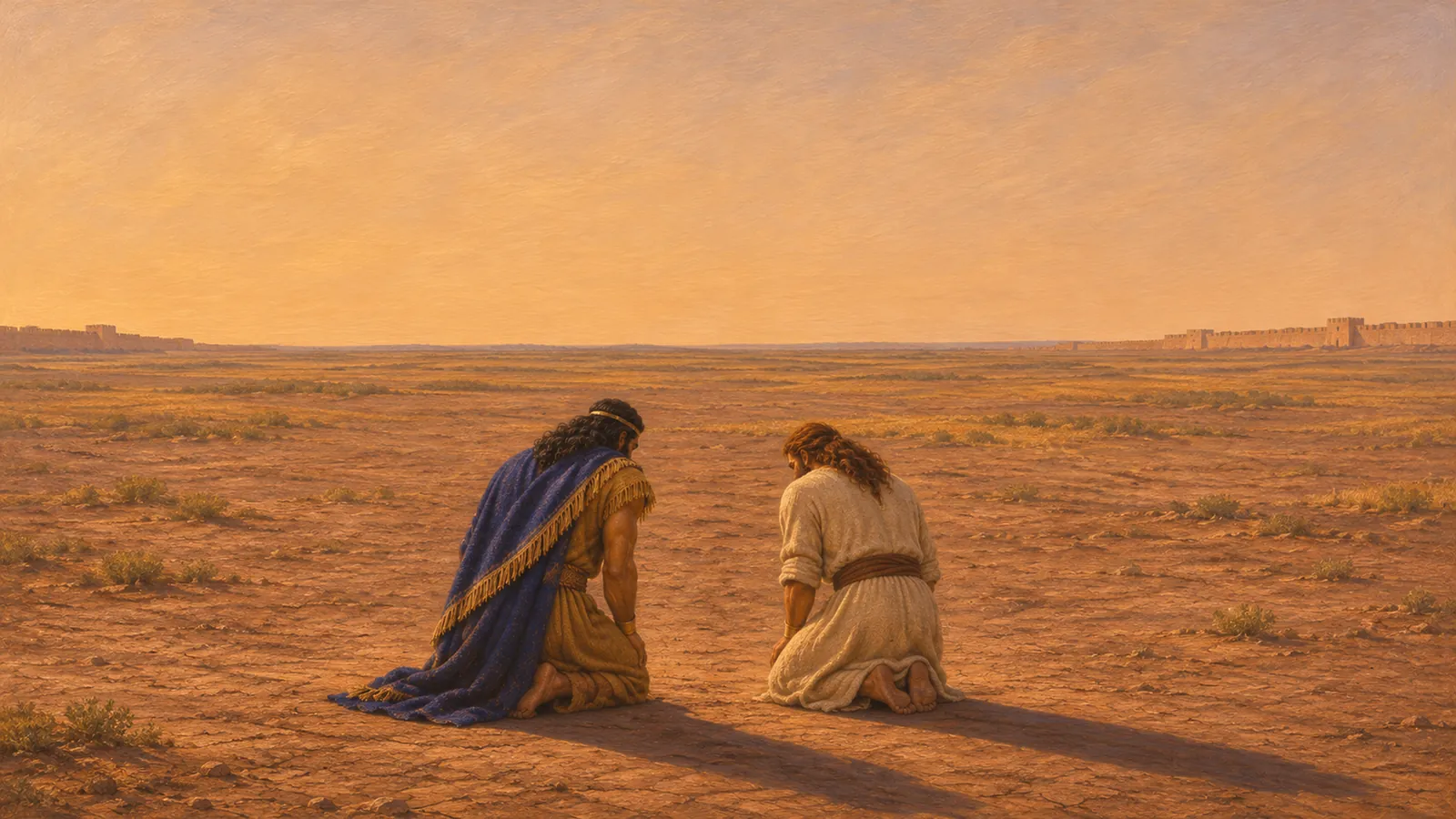
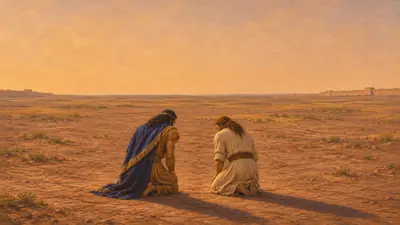
Depois de o Touro cair, Gilgamesh e Enkidu fizeram uma oferenda a Shamash. Inclinaram-se primeiro e depois sentaram-se juntos, à medida que a luz chegava à terra.
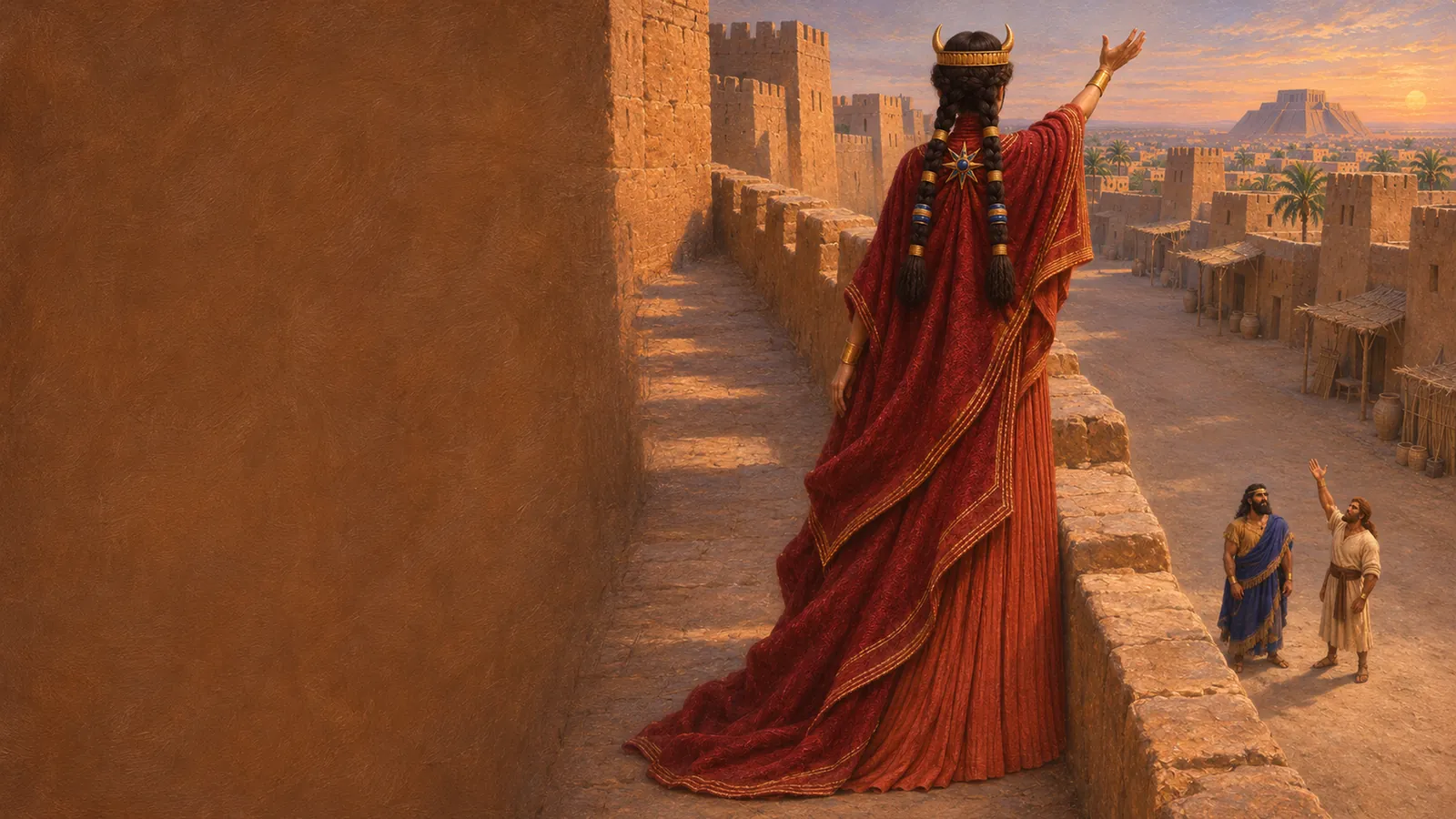
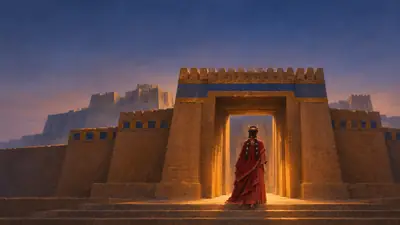
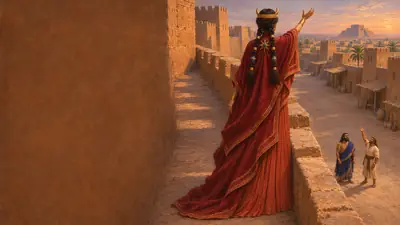
Ishtar subiu à muralha de Uruk e amaldiçoou o rei. Enkidu arrancou uma perna traseira do Touro, atirou-a ao chão diante dela e ameaçou fazer-lhe o mesmo.
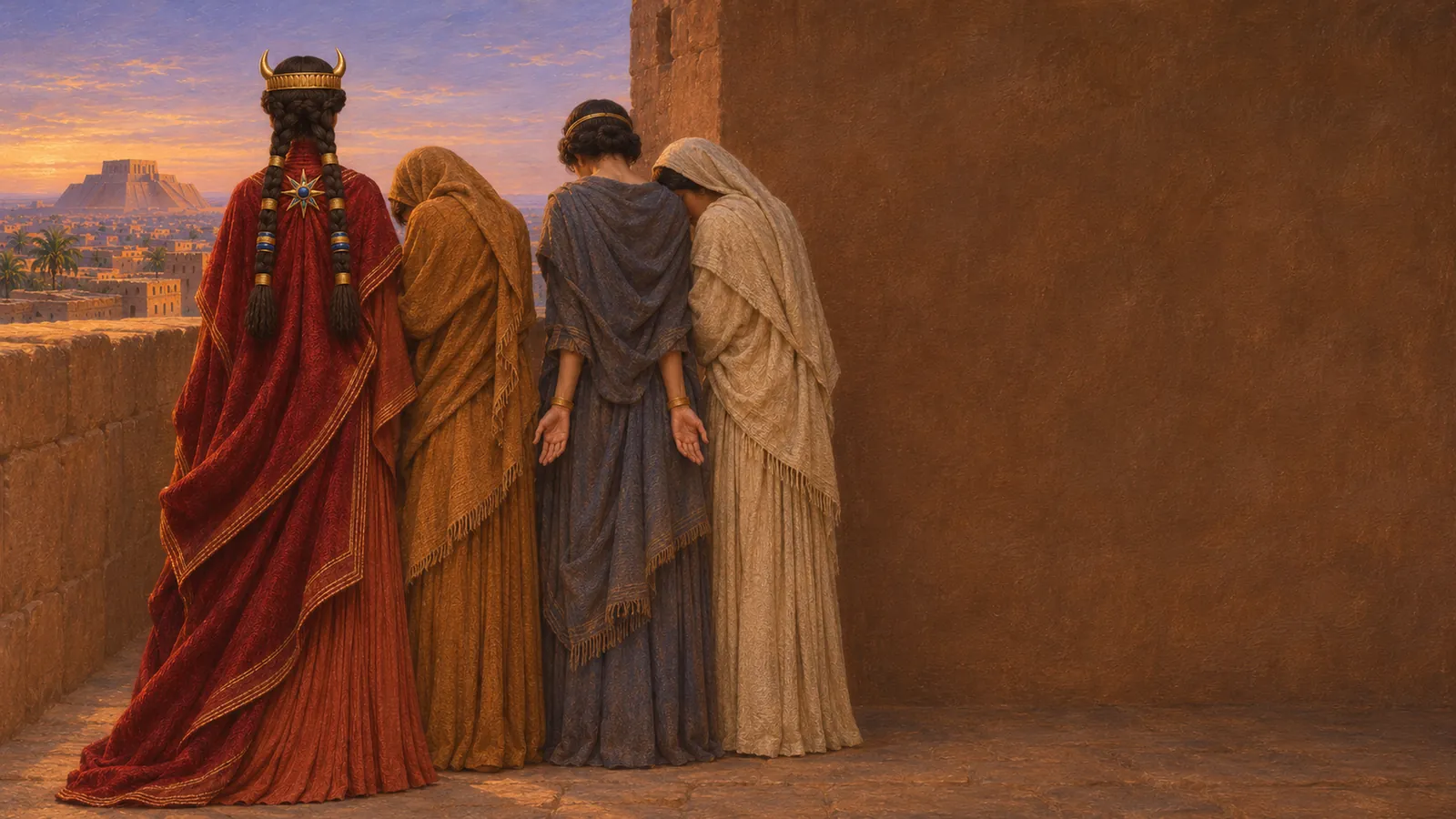
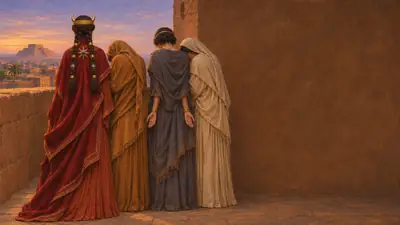
Ishtar reuniu mulheres à sua volta para chorarem o Touro. Enquanto a notícia da vitória corria por Uruk, o que se ouvia da muralha era um lamento.
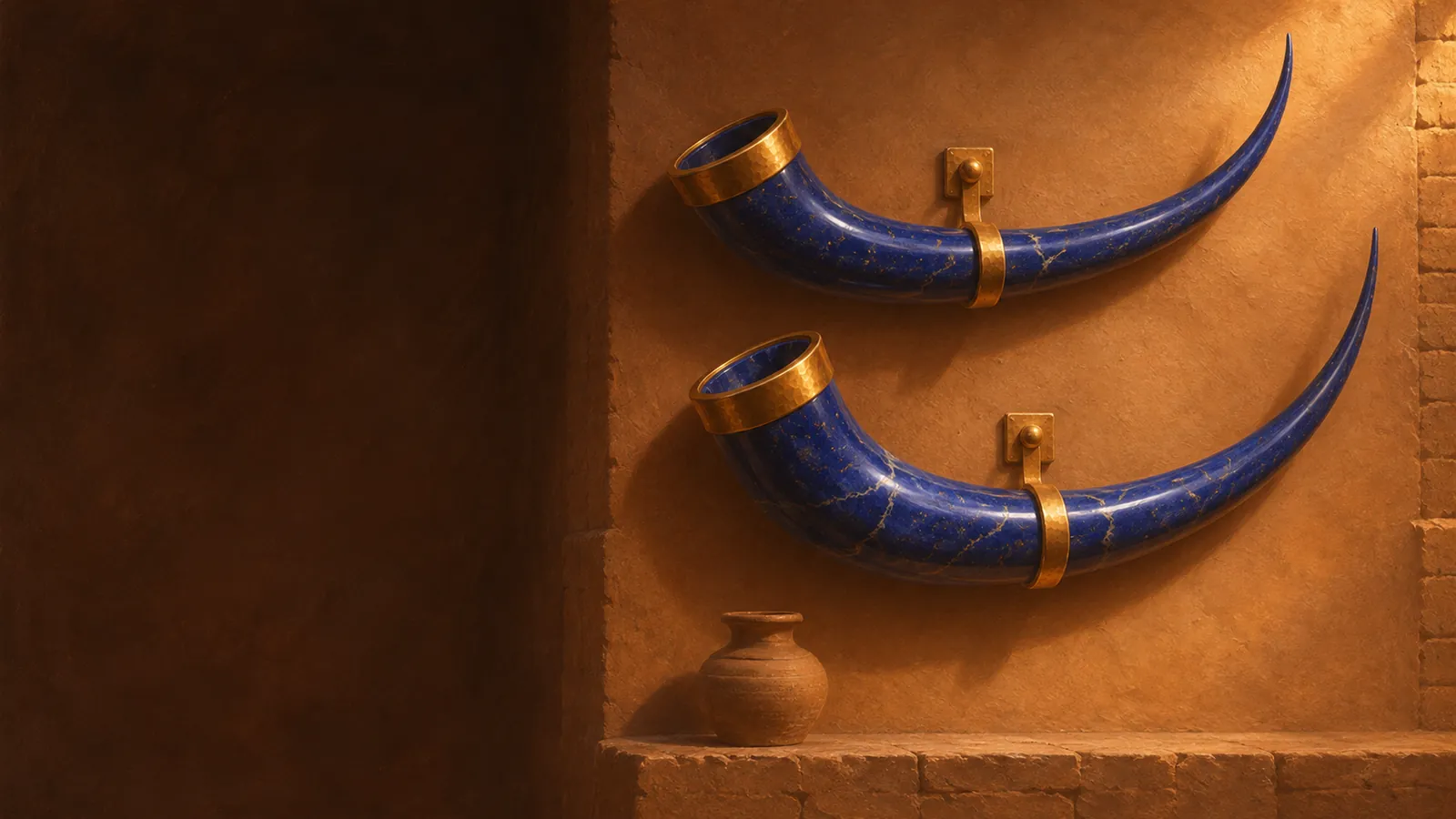
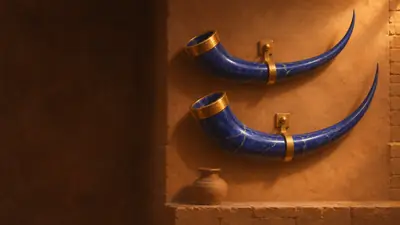
Gilgamesh chamou os artesãos para verem os cornos. Reservou-os para a unção de Lugalbanda e pendurou-os no seu aposento, onde podiam conter uma grande quantidade de óleo.
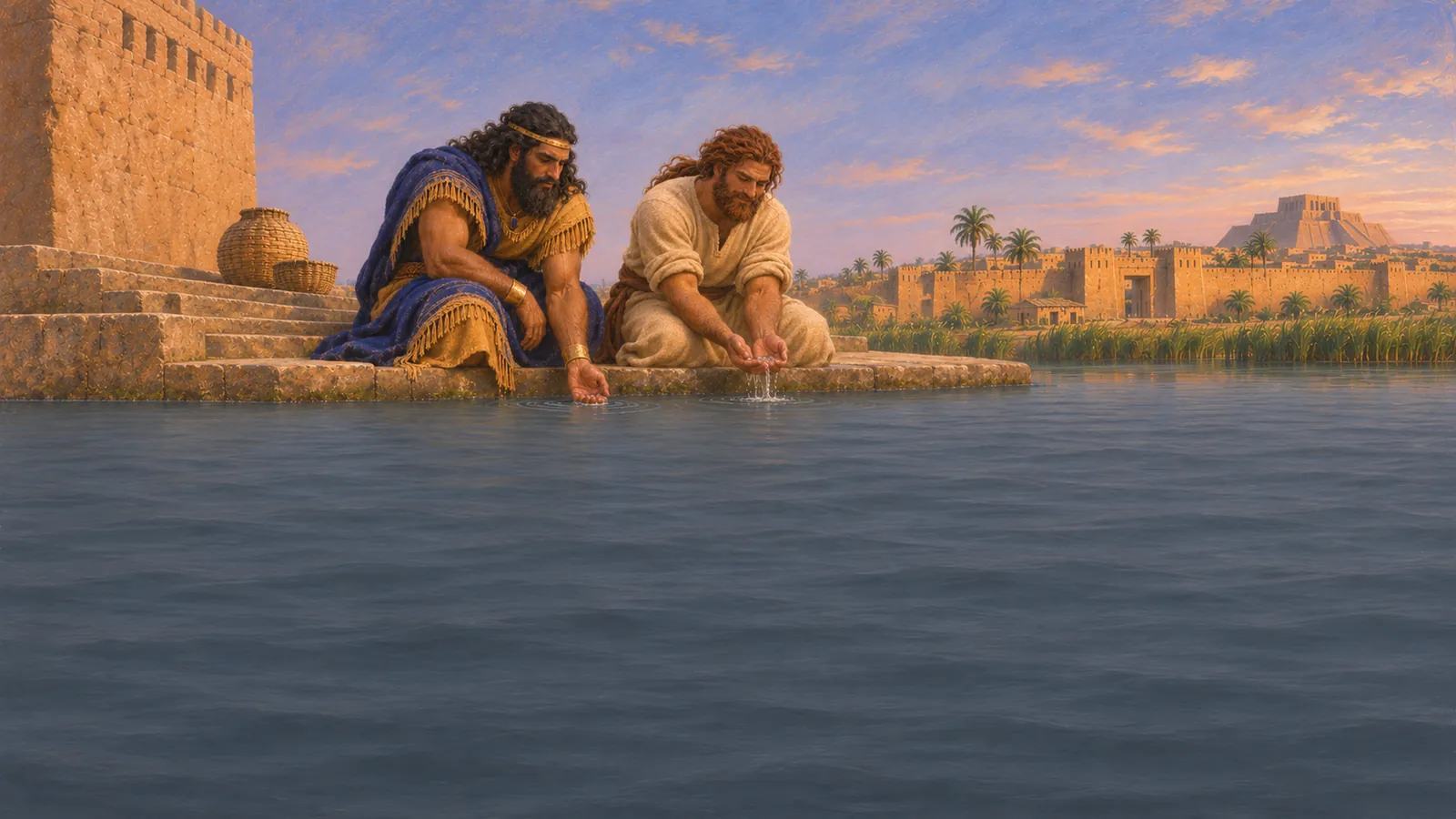
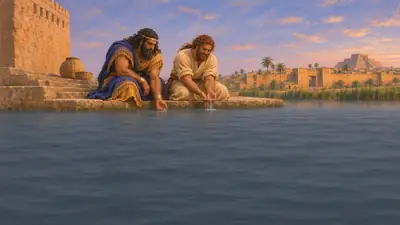
Os amigos lavaram-se junto do Eufrates e depois deram as mãos. Atravessaram Uruk montados, e o povo juntou-se ao longo do caminho para os ver passar.
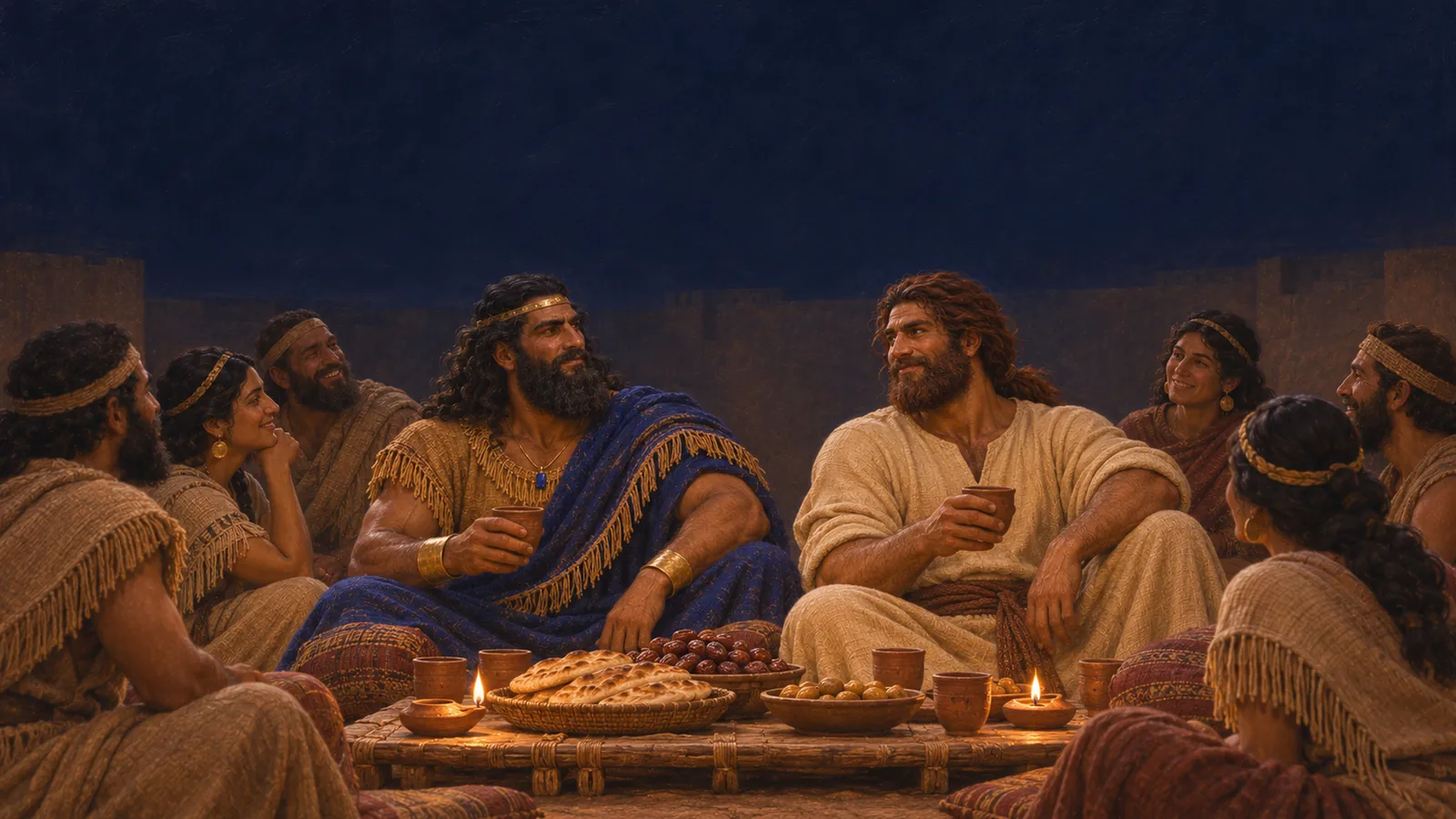
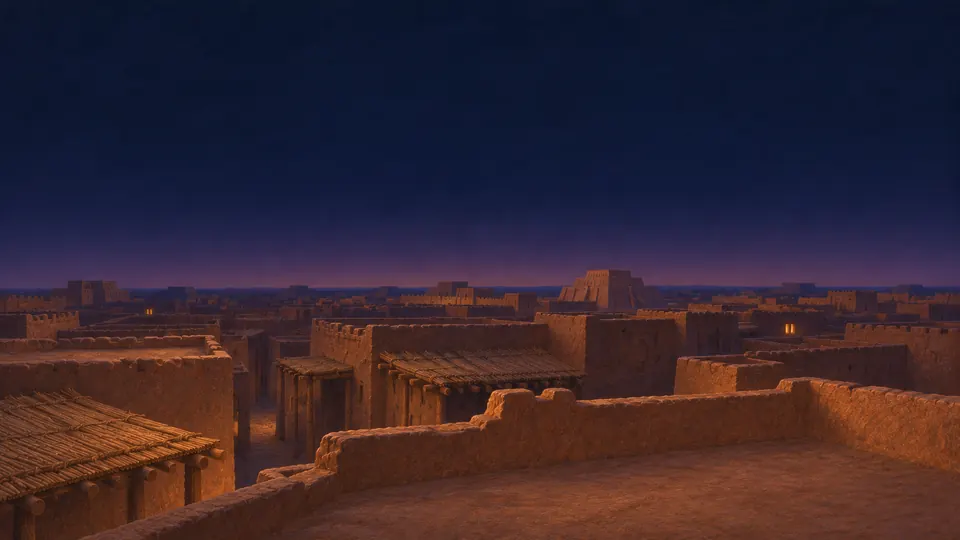
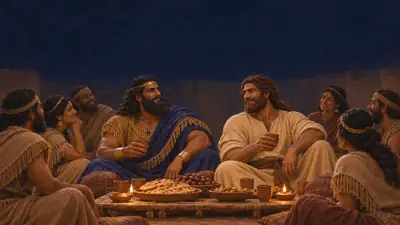
No palácio louvaram o rei, e nessa noite Gilgamesh festejou ali. Depois da celebração, a luz das lamparinas enfraqueceu, e os homens deitaram-se para dormir.
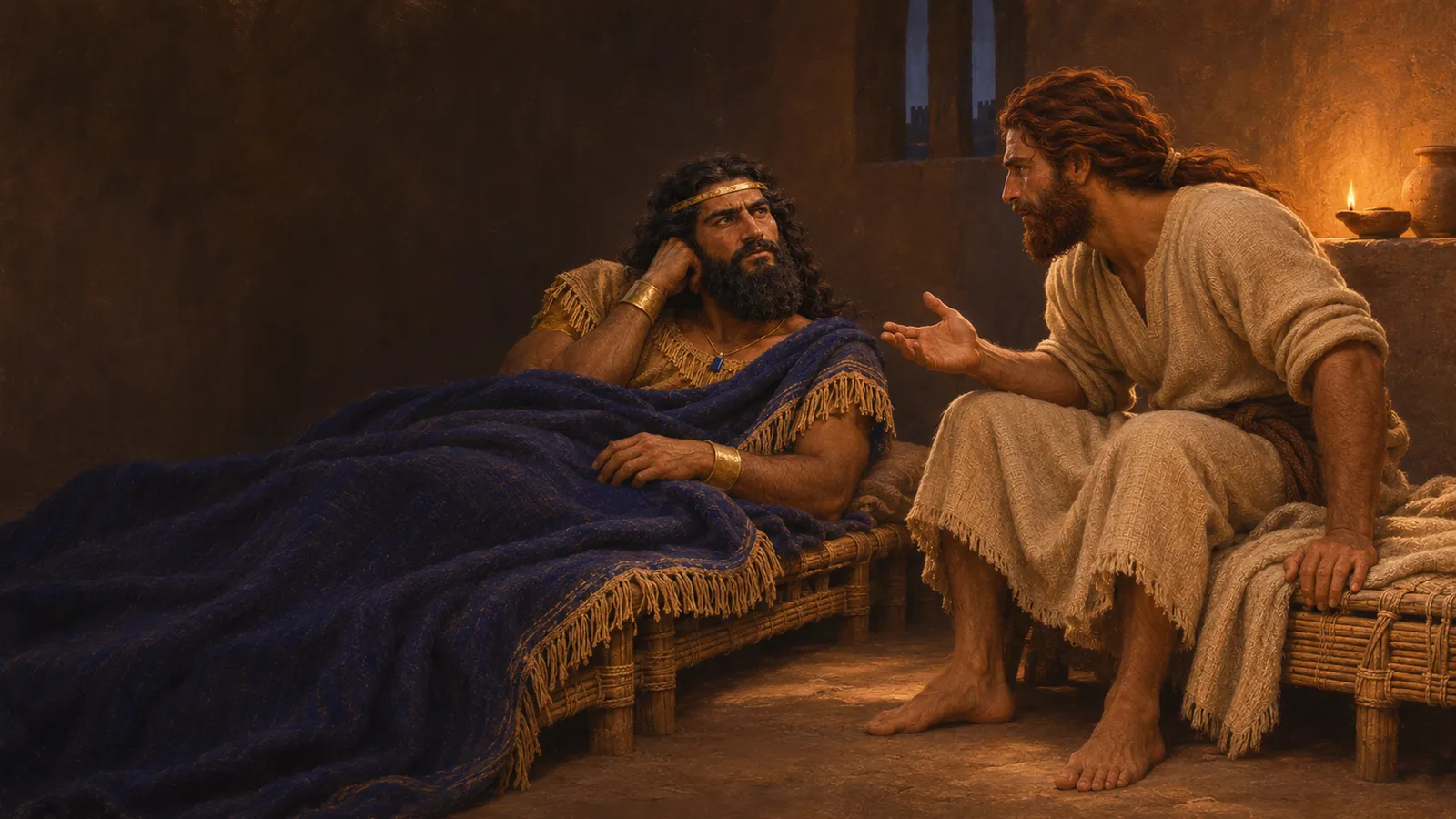
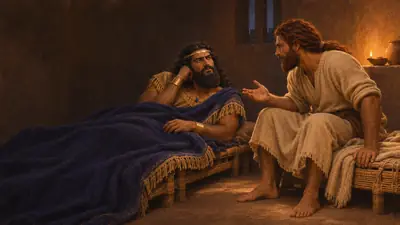
Antes de a noite acabar, Enkidu levantou-se do leito. Tivera um sonho, e, quando se virou para contar a Gilgamesh o que vira, acabaram as palavras desta tabuleta.
Fim do capítulo 4
Todas as páginas
Fontes
The retelling gives the killing and the companions’ roles.
Edições consultadas
- Electronic Babylonian Library, Standard Babylonian Gilgamesh Tablet VI: . The official chapter export was checked directly through the [LMU chapter endpoint](https://www.ebl.lmu.de/api/texts/L/1/4/chapters/SB/VI), lines 1–183. Earlier editions and separate Sumerian poems can differ.
- Andrew George, “The Epic of Gilgamesh”: pp. 8–9, Tablet VI synopsis and transition to VII.
- Andrew George, “Shattered Tablets and Tangled Threads”: pp. 15–16 for the manuscript readings in several lines of Tablet VI. The script flags material ambiguities and does not stage a detailed dream on the basis of VI alone.
Notas sobre este reconto
On page 34, the friends take the Bull’s heart and set it before Shamash (SB Gilgamesh VI 147–150, George’s eBL translation). The retelling describes this as an offering.
On page 35, Enkidu adds that he would drape the Bull’s entrails on Ishtar’s arms (SB Gilgamesh VI 156–157, George’s eBL translation). The retelling gives the threat in general terms.
On page 36, Ishtar gathers courtesans, prostitutes and harlots and begins mourning over the Bull’s haunch (SB Gilgamesh VI 158–159, George’s eBL translation). The retelling describes the women mourning the Bull.
Os versos antigos de cada página
- Page 1: SB Gilgamesh VI 1–5, eBL
- Page 2: SB Gilgamesh VI 1–2, eBL
The text describes washing. - Page 3: SB Gilgamesh VI 3–4, eBL
- Page 4: SB Gilgamesh VI 5, eBL
- Page 5: SB Gilgamesh VI 6, eBL
- Page 6: SB Gilgamesh VI 7–9, eBL
- Page 7: SB Gilgamesh VI 10–12, eBL
- Page 8: SB Gilgamesh VI 13–15, eBL
- Page 9: SB Gilgamesh VI 16–21, eBL
- Page 10: SB Gilgamesh VI 22–31, eBL
Lines include breaks and restorations. - Page 11: SB Gilgamesh VI 32–41, eBL
- Page 12: SB Gilgamesh VI 42–45, eBL
The partially preserved example in 45 is omitted. - Page 13: SB Gilgamesh VI 46–47, eBL
- Page 14: SB Gilgamesh VI 48–50, eBL
The allallu species is uncertain. - Page 15: SB Gilgamesh VI 51–57, eBL
- Page 16: SB Gilgamesh VI 58–63, eBL
- Page 17: SB Gilgamesh VI 64–78, eBL
The uncertain form of his transformation is left open. - Page 18: SB Gilgamesh VI 79–81, eBL
- Page 19: SB Gilgamesh VI 80–86, eBL
- Page 20: SB Gilgamesh VI 87–91, eBL
- Page 21: SB Gilgamesh VI 92–95, eBL
- Page 22: SB Gilgamesh VI 96–100, eBL
- Page 23: SB Gilgamesh VI 101–105, eBL
- Page 24: SB Gilgamesh VI 106–112, eBL
Wording in 108–112 includes restorations. - Page 25: SB Gilgamesh VI 113–114, eBL
- Page 26: SB Gilgamesh VI 115–117, eBL
- Page 27: SB Gilgamesh VI 118, eBL
The measurement follows the text. - Page 28: SB Gilgamesh VI 119–120, eBL
- Page 29: SB Gilgamesh VI 121–122, eBL
The text gives a larger toll, not a measured depth. - Page 30: SB Gilgamesh VI 123–127, eBL
- Page 31: SB Gilgamesh VI 128–133, eBL
- Page 32: SB Gilgamesh VI 134–140, eBL
The passage is partly restored. - Page 33: SB Gilgamesh VI 141–147, Andrew R. George’s eBL translation
- Page 34: SB Gilgamesh VI 147–150, eBL
- Page 35: SB Gilgamesh VI 151–157, Andrew R. George’s eBL translation
- Page 36: SB Gilgamesh VI 158–159, eBL
- Page 37: SB Gilgamesh VI 160–166, eBL
Exact rim reading varies. The text calls Lugalbanda his god. - Page 38: SB Gilgamesh VI 167–170, eBL
- Page 39: SB Gilgamesh VI 171–180, eBL
Lines 176–178 include broken dialogue. - Page 40: SB Gilgamesh VI 180–183, eBL
Ilustrações feitas pelo IL Archive com ferramentas de IA; o texto baseia-se nas fontes antigas (veja as fontes no fim de cada capítulo).