A Epopeia de Gilgamesh Capítulo 5
O Amigo que Não Pôde Ficar
Enkidu descobre que seus dias estão contados. Ele caminha com Gilgamesh mais uma vez e depois adoece. Cabe ao rei chorar o amigo e encarar o próprio medo da morte.
Ver o filmeFontesVire as páginas com as setas, o teclado ou deslizando o dedo.
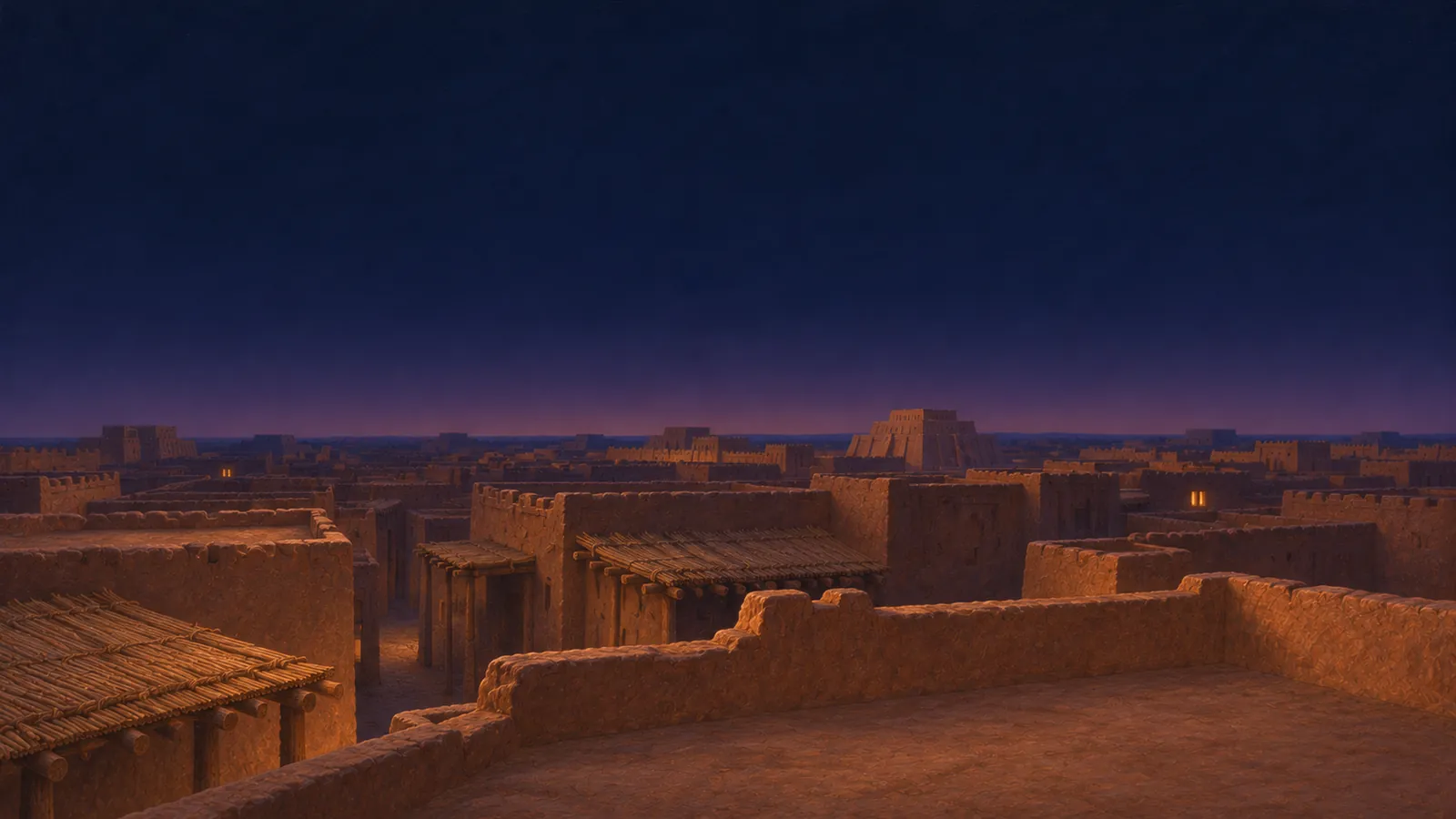
NOITE
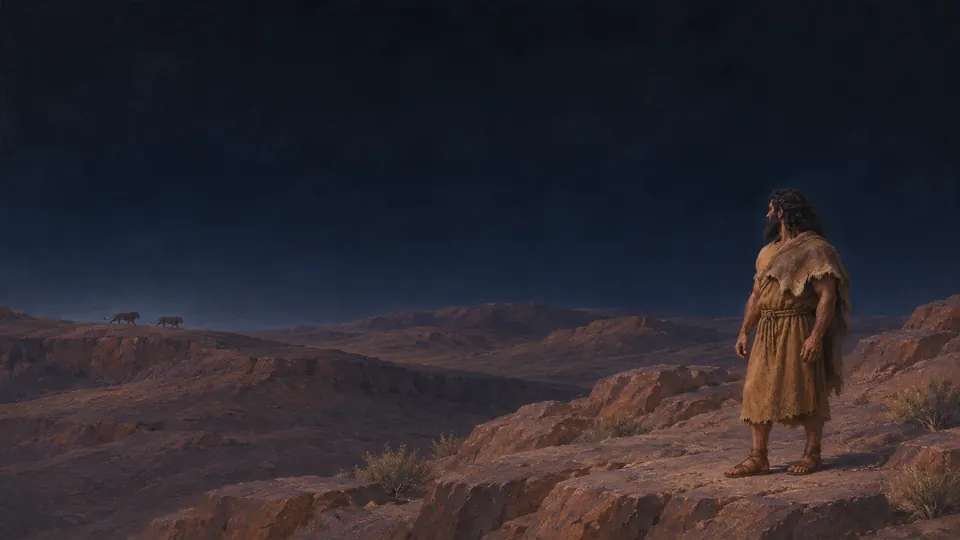
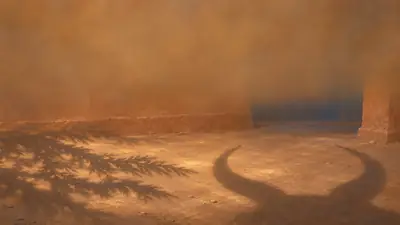
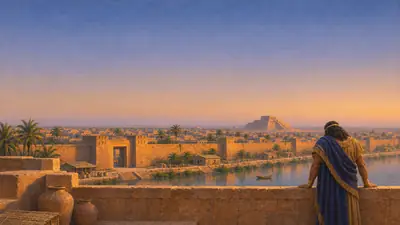
Uruk havia celebrado a queda do Touro Celeste. Naquela noite, Enkidu teve um sonho que precisaria contar ao amigo.
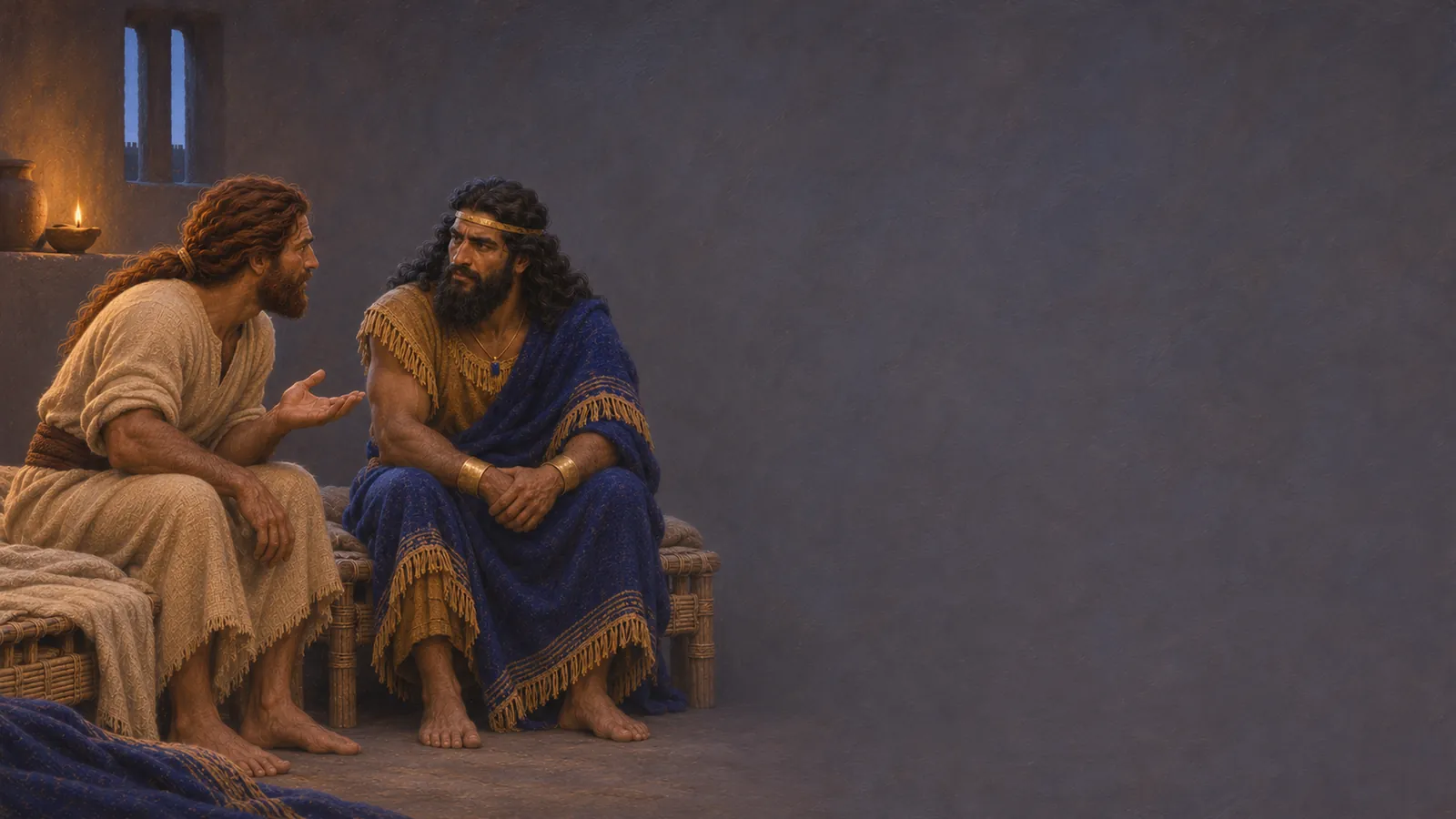
Enkidu se voltou para Gilgamesh com uma pergunta sobre os deuses e por que haviam se reunido. A tabuleta babilônica conserva essa pergunta no início, quase todo danificado.
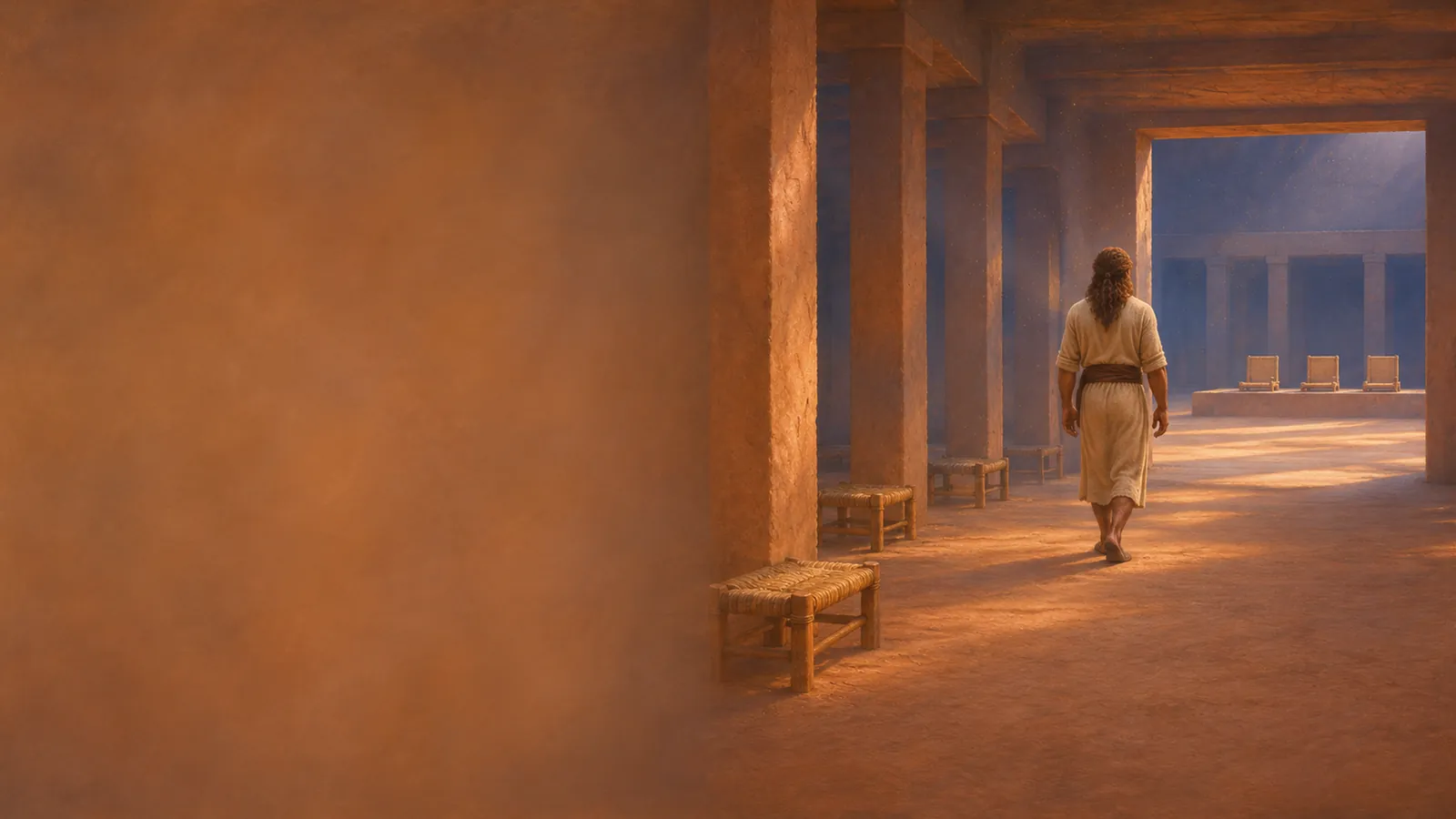
Um relato de Hattusa preserva o sonho que deu origem à pergunta. Nessa versão hitita, Enkidu vê os grandes deuses se reunirem para decidir o destino dos dois amigos.
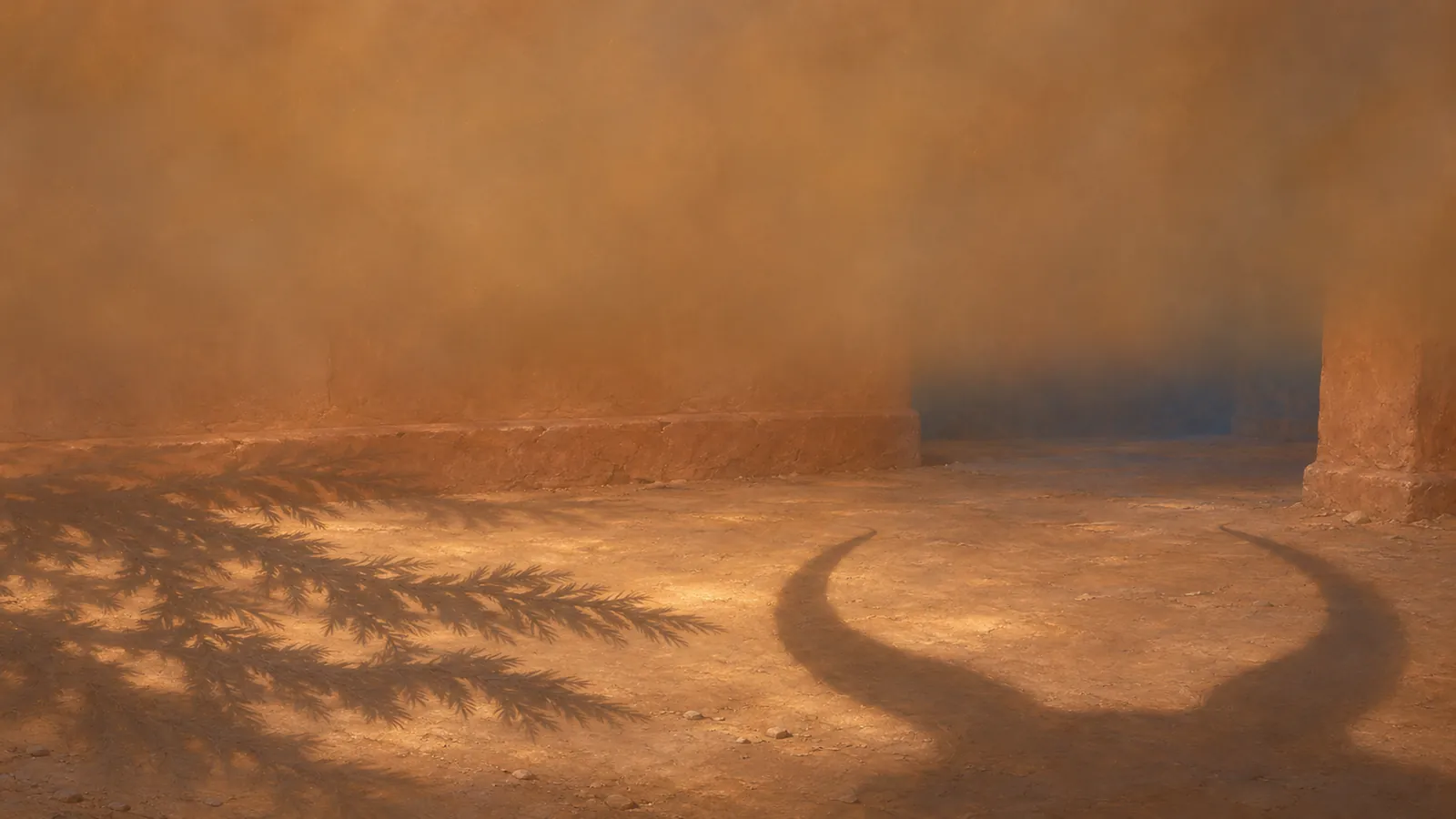
A assembleia considerou dois feitos: a morte do Touro Celeste e a do guardião da Floresta dos Cedros. Os dois homens haviam participado de ambos.
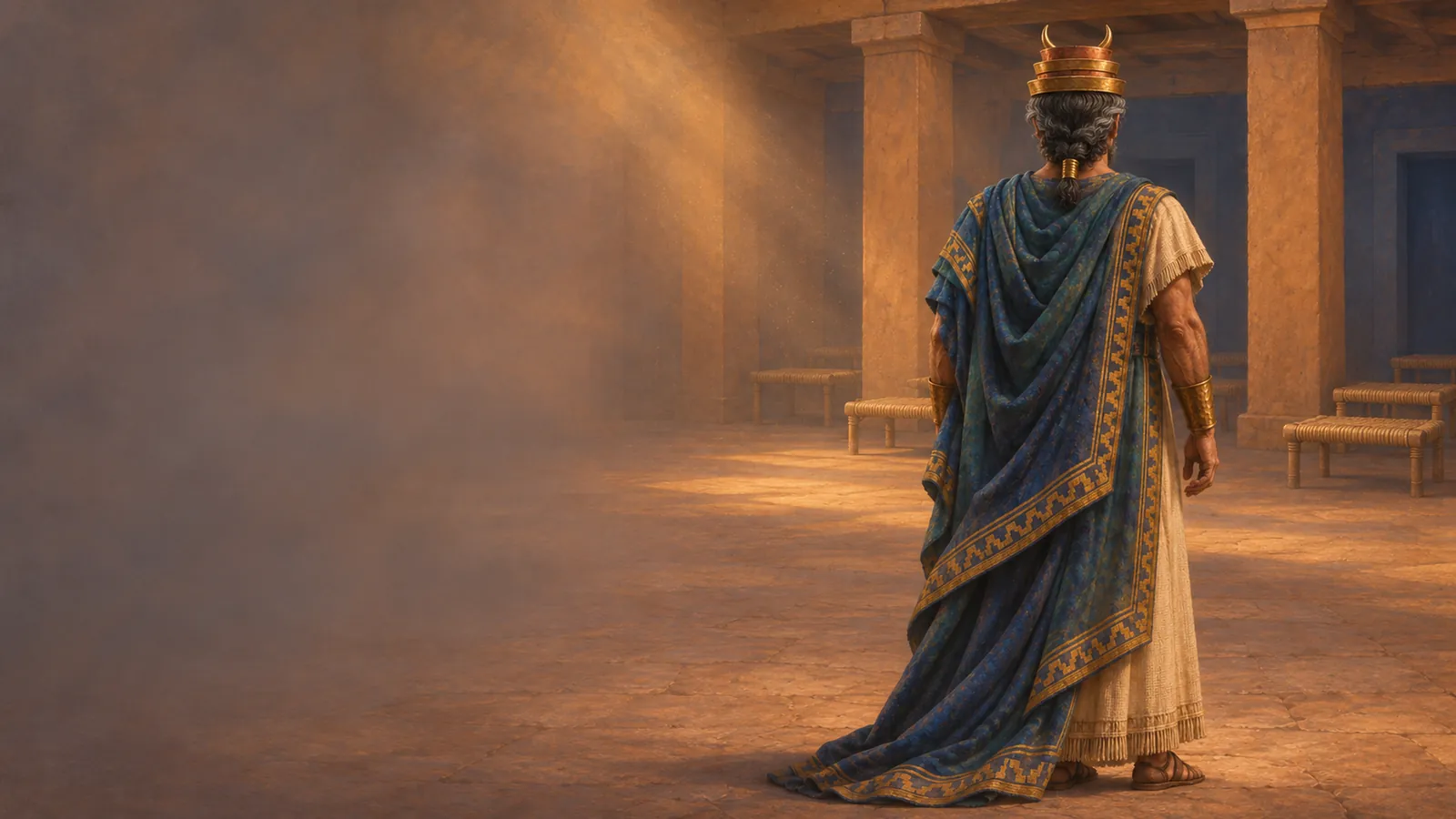
No sonho de Enkidu, Enlil decidiu que Enkidu morreria e Gilgamesh viveria. O deus do sol se opôs, mas o relato que chegou até nós não concede trégua a Enkidu.
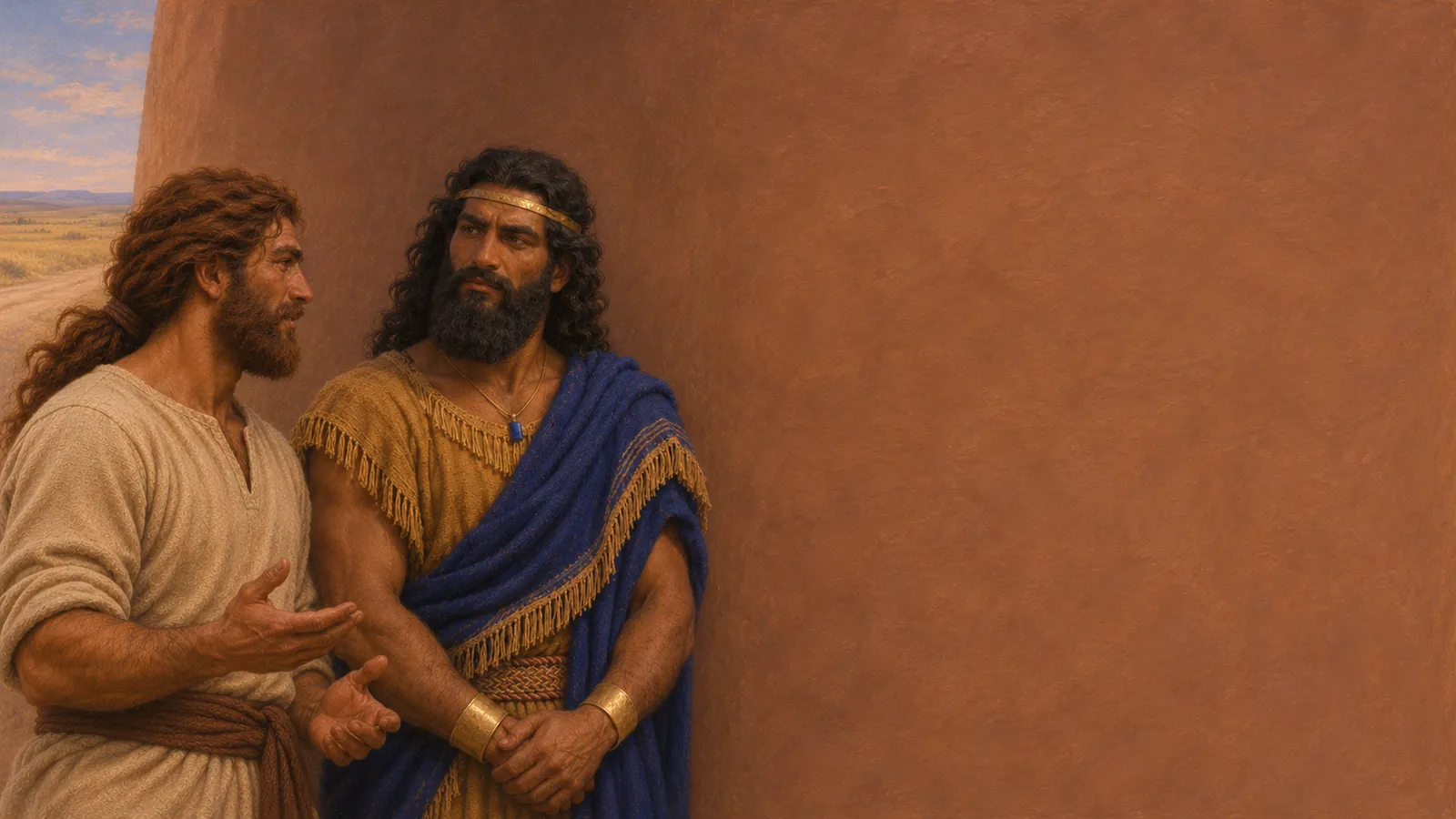
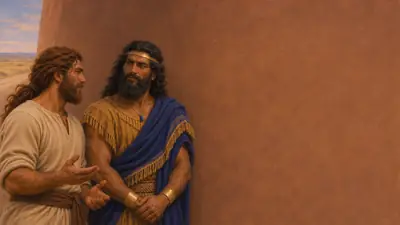
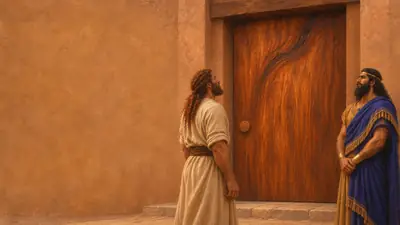
Quando o texto babilônico volta a ser legível, Enkidu tem algo em mente. Pede a Gilgamesh que vá com ele a Nippur para arrancar a porta de cedro do templo de Enlil.
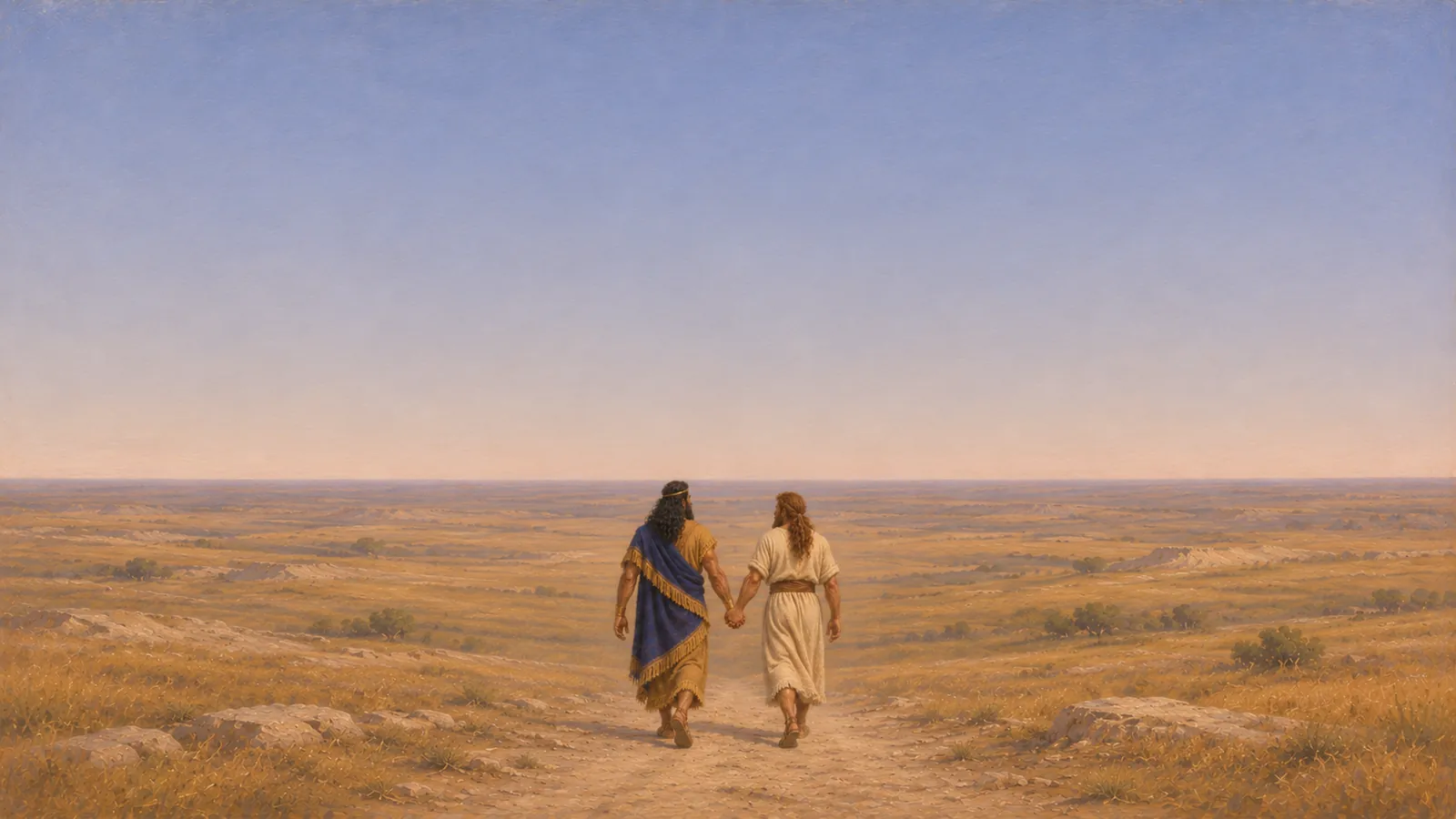
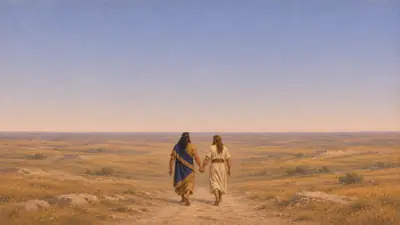
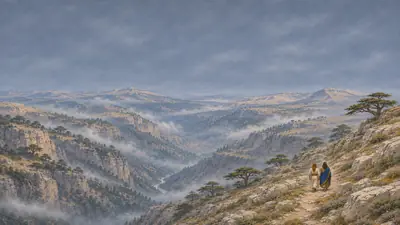
Gilgamesh foi com ele. O novo fragmento conserva um gesto que já conhecemos do poema: os amigos dão as mãos ao partir juntos.
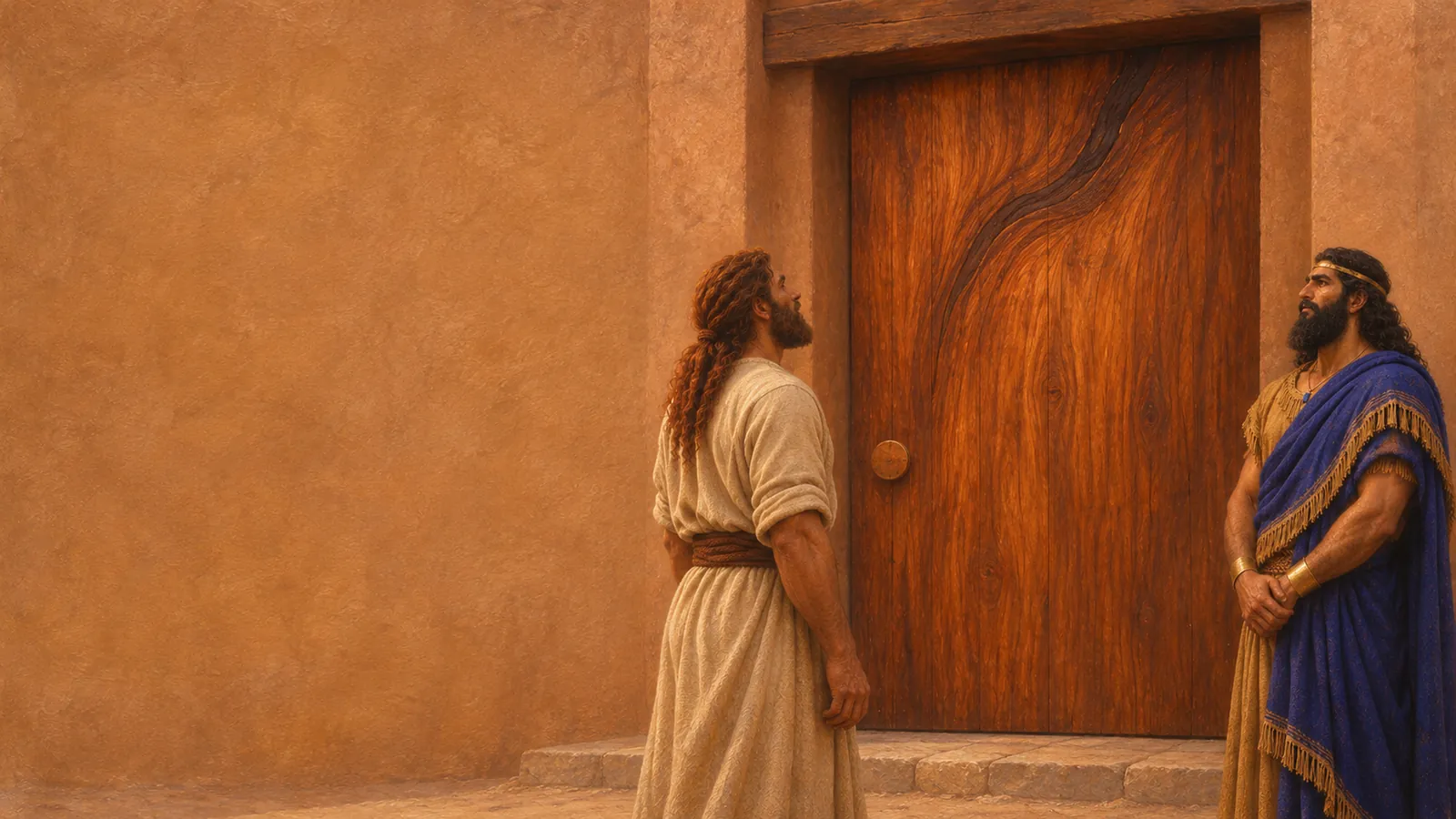
No templo de Enlil, Enkidu ficou diante da grande porta de cedro que um dia quisera dar de presente. Falou com ela como se a porta pudesse ouvi-lo.

A porta o leva de volta ao dia em que admirou a madeira. Boa parte do que ele diz está danificada, mas o arrependimento é claro: queria ter escolhido de outro modo.
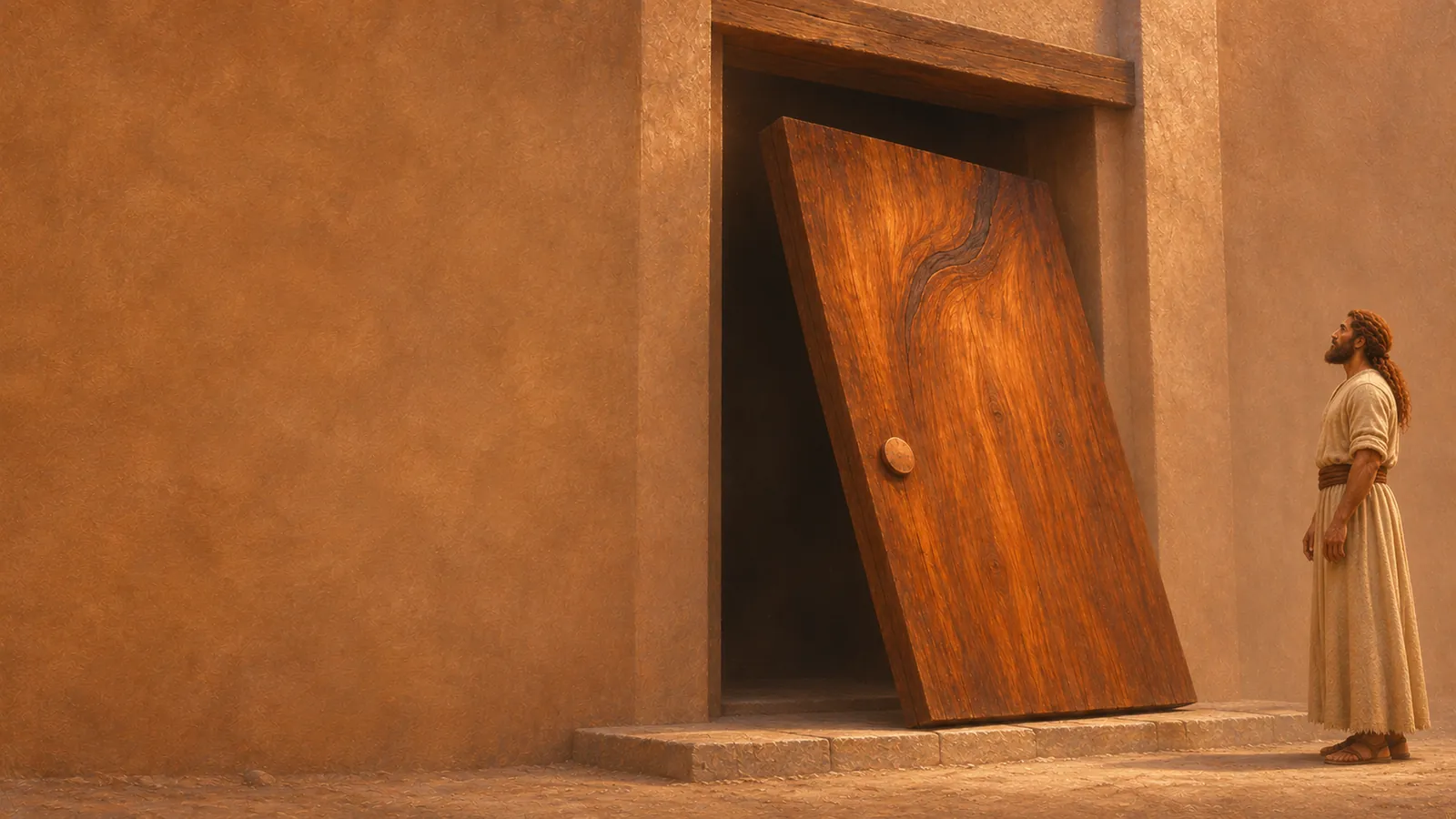
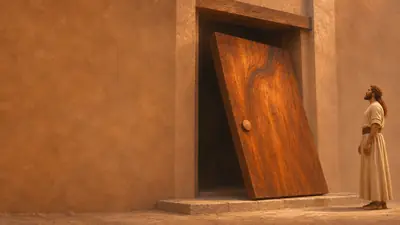
Para Enkidu, a porta havia se tornado um sinal do que dera e do que perdera. Depois de amaldiçoá-la, arrancou-a, como havia dito a Gilgamesh que faria.
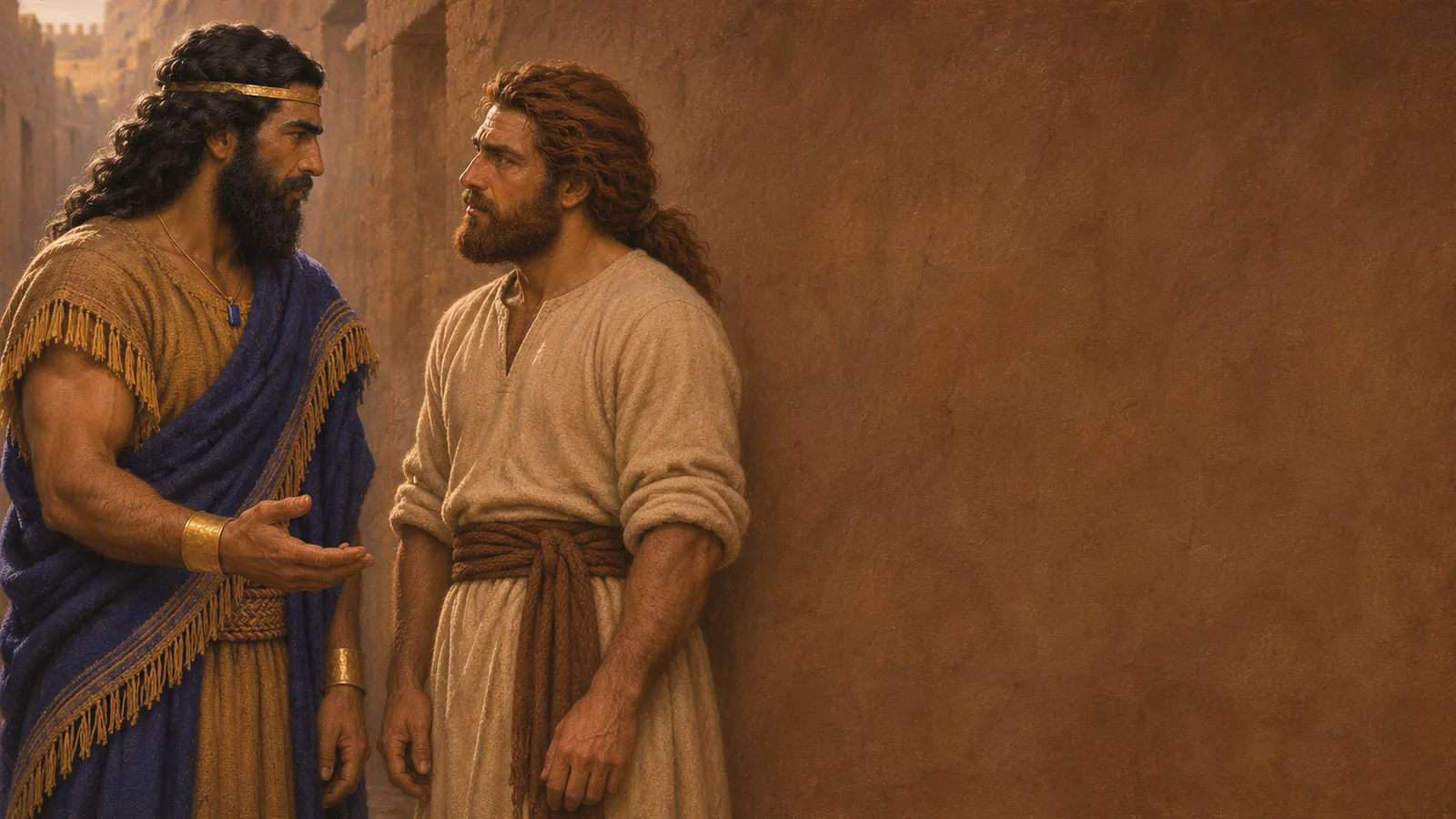
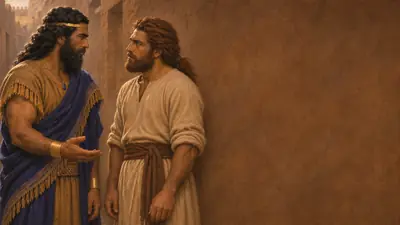
Gilgamesh ouviu o medo por trás da ira do amigo. Na passagem danificada que vem a seguir, oferece-se para suplicar aos grandes deuses em favor de Enkidu.
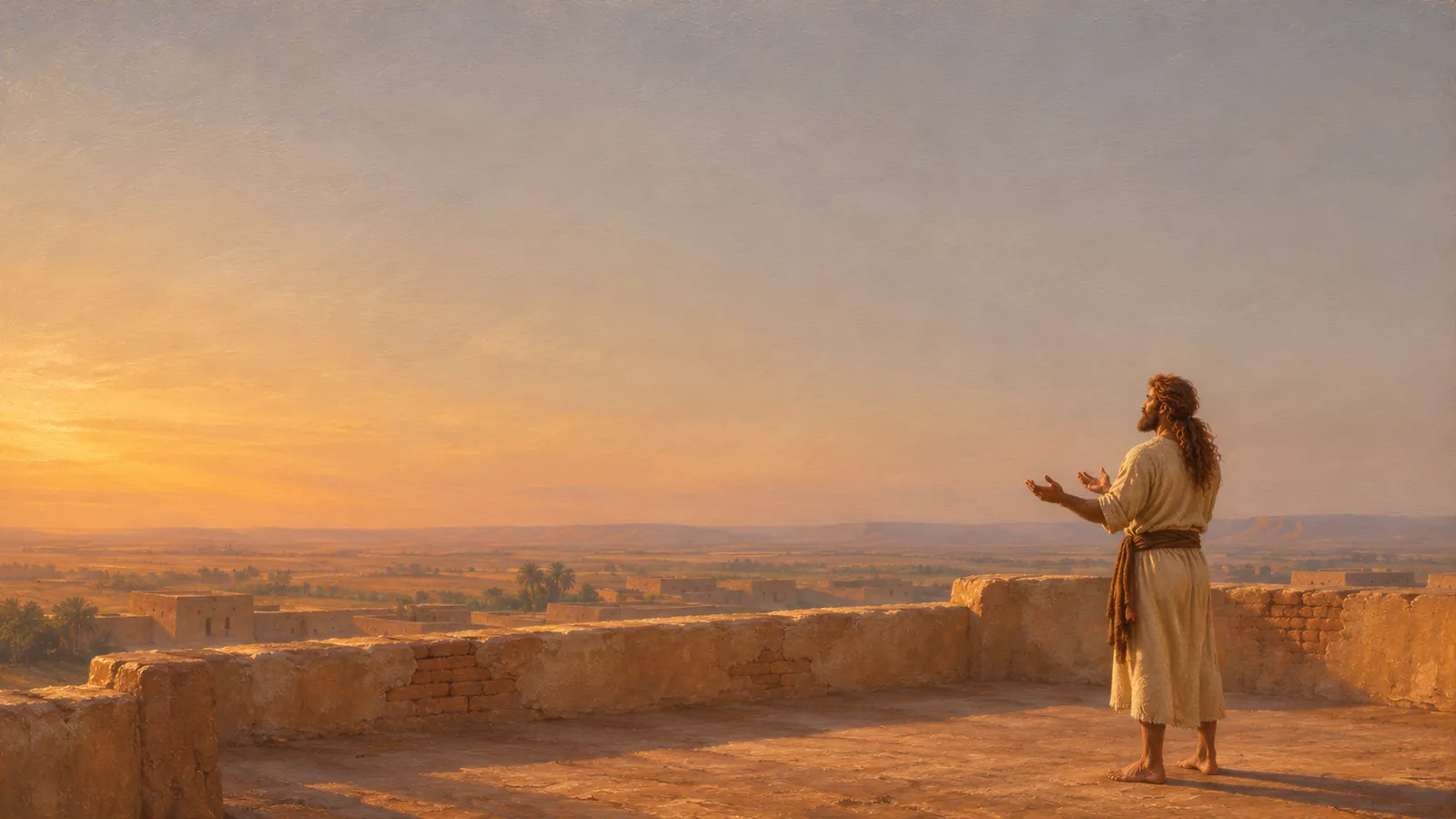
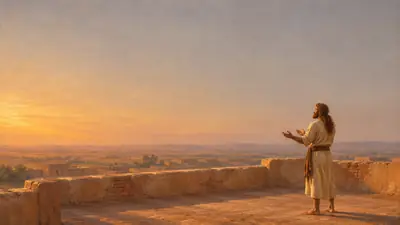
À primeira luz do dia, Enkidu chamou por Shamash. Suplicou pela própria vida sob os raios do sol nascente.

Enkidu culpou o caçador que primeiro dera outro rumo à sua vida. Desejou que o trabalho do homem fracassasse e que seu sustento diminuísse.

Enkidu voltou a sua ira contra Shamhat, que o ajudara a entrar na vida da cidade. Amaldiçoou-a a viver sem lar, nas encruzilhadas e entre bêbados.
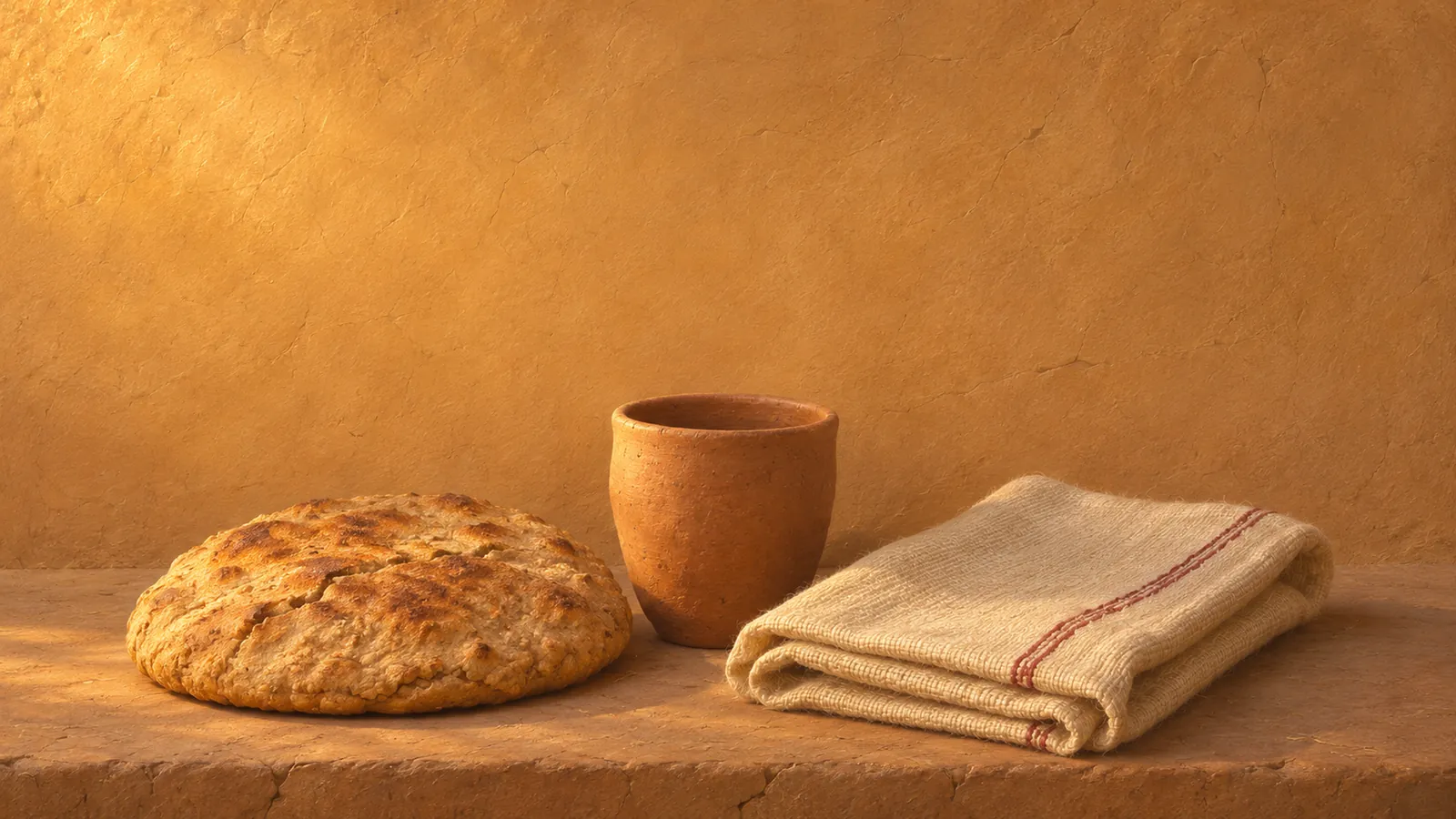
Shamash o lembrou da comida, da bebida e das roupas que Shamhat lhe oferecera. Ela também o ajudara a encontrar o amigo que agora temia perder.
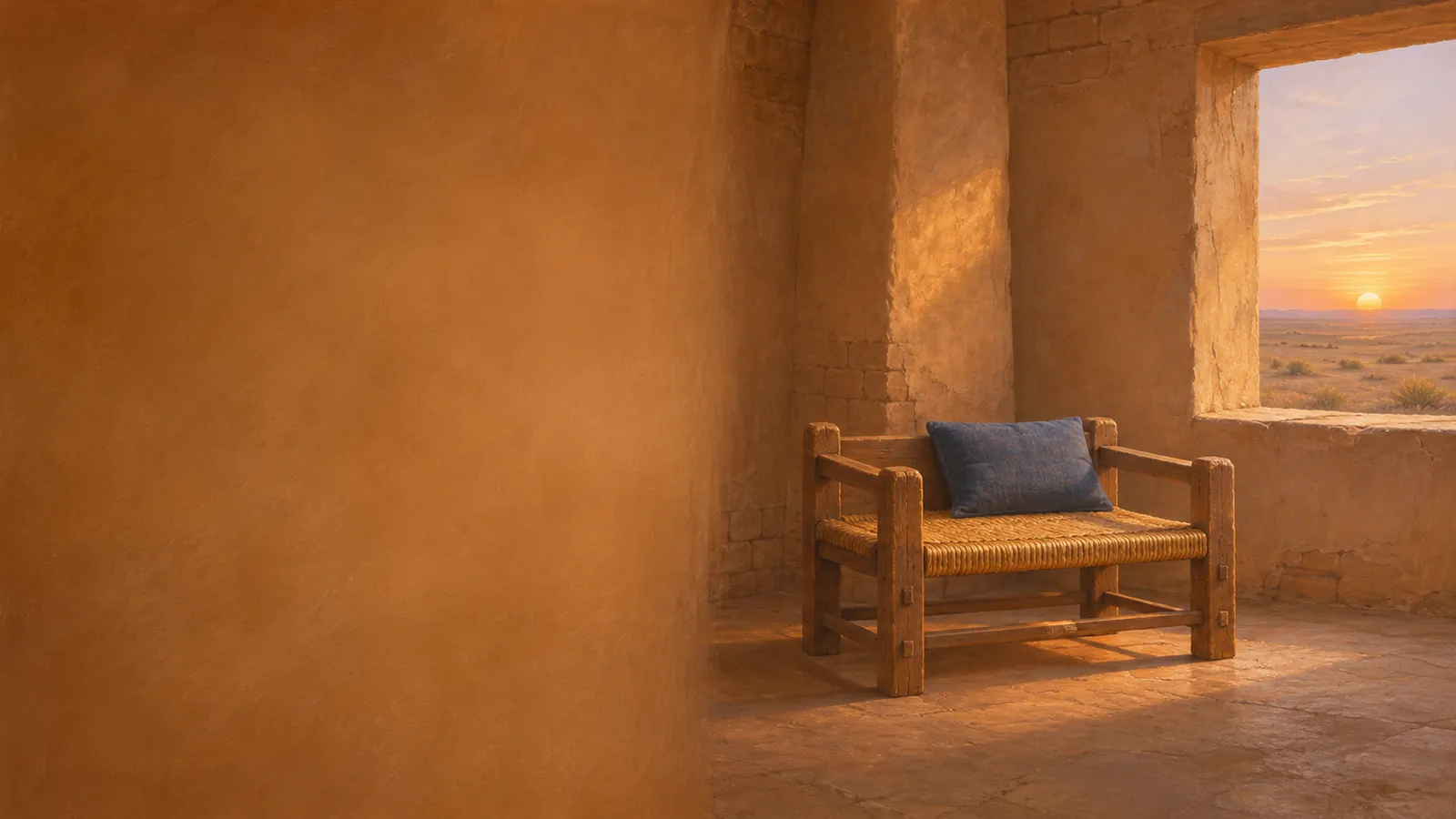
Shamash contou a Enkidu o que Gilgamesh faria por ele: daria a ele um lugar de honra e pediria que toda Uruk o pranteasse. Também previu que Gilgamesh partiria pela estepe.

A lembrança acalmou Enkidu. Ele retirou o que havia desejado a Shamhat e a abençoou, desejando-lhe a consideração dos poderosos.
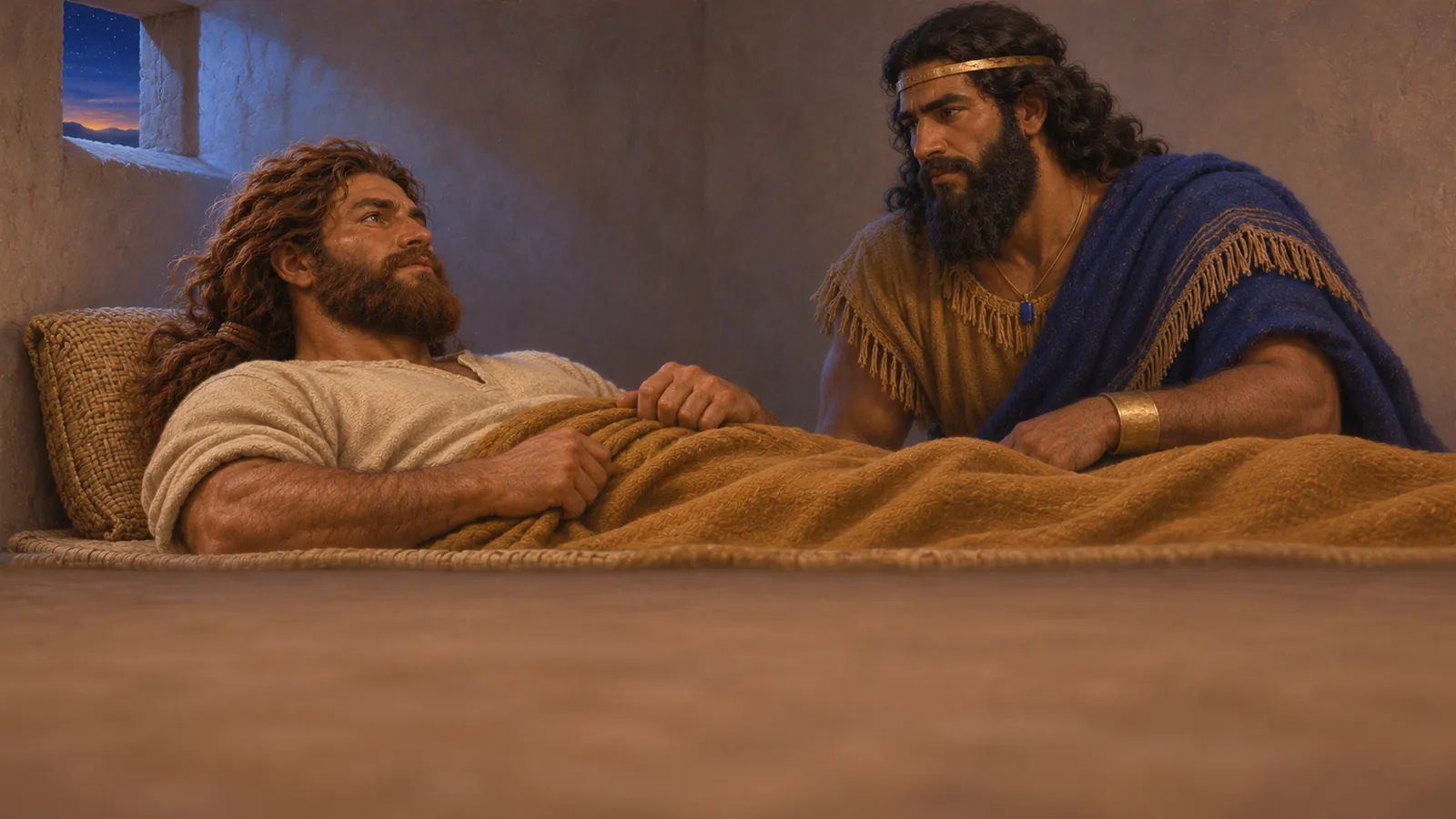
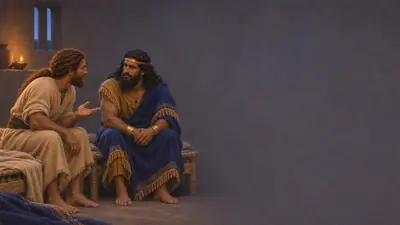
Já doente, Enkidu teve outro sonho e o contou a Gilgamesh. O céu soltou um grito, a terra respondeu, e Enkidu ficou em meio ao estrondo antes que alguém viesse ajudá-lo.
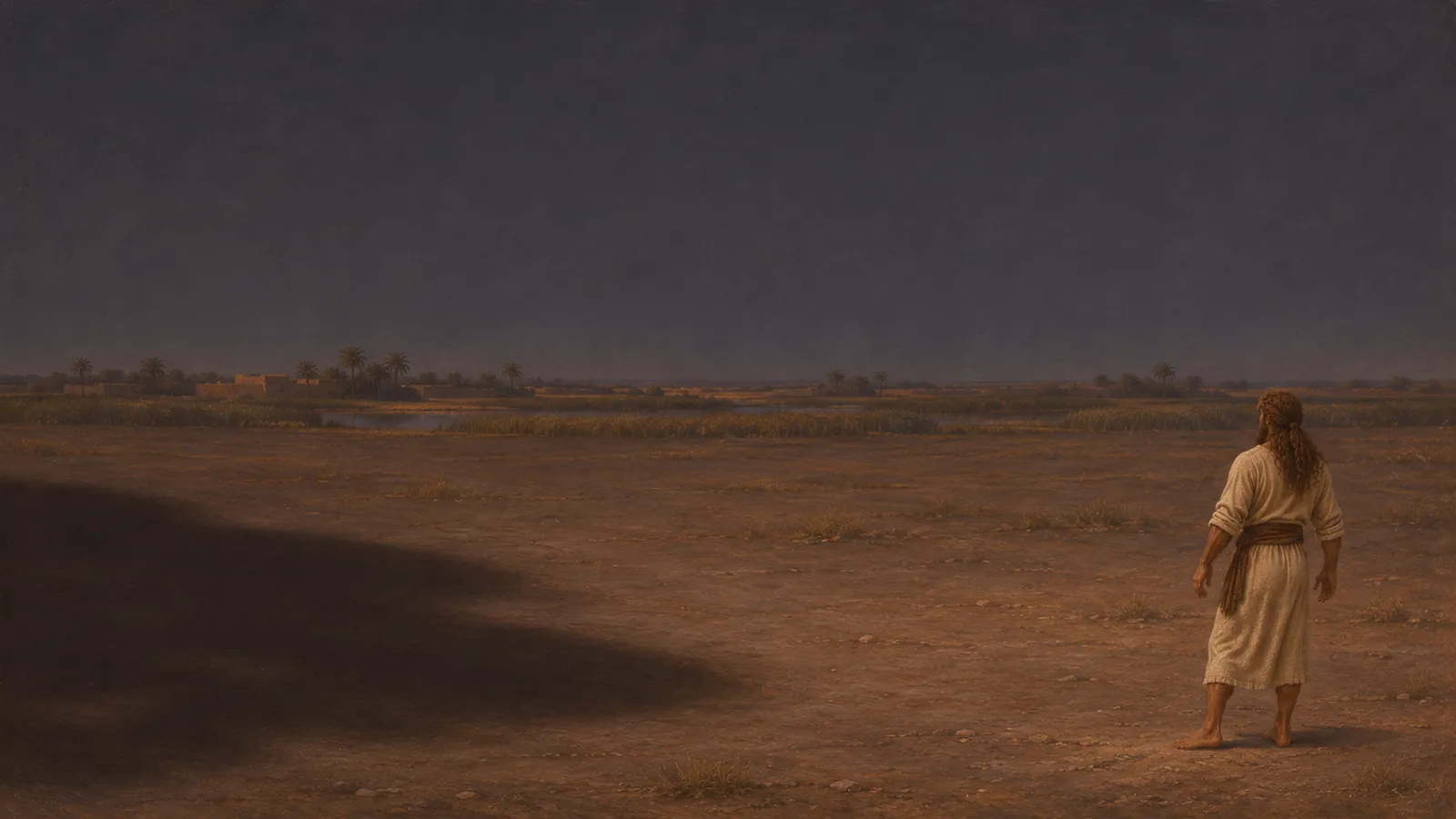
Uma figura de rosto escuro apareceu no sonho. Enkidu descreveu patas de leão e garras de águia. A figura o agarrou e o dominou.
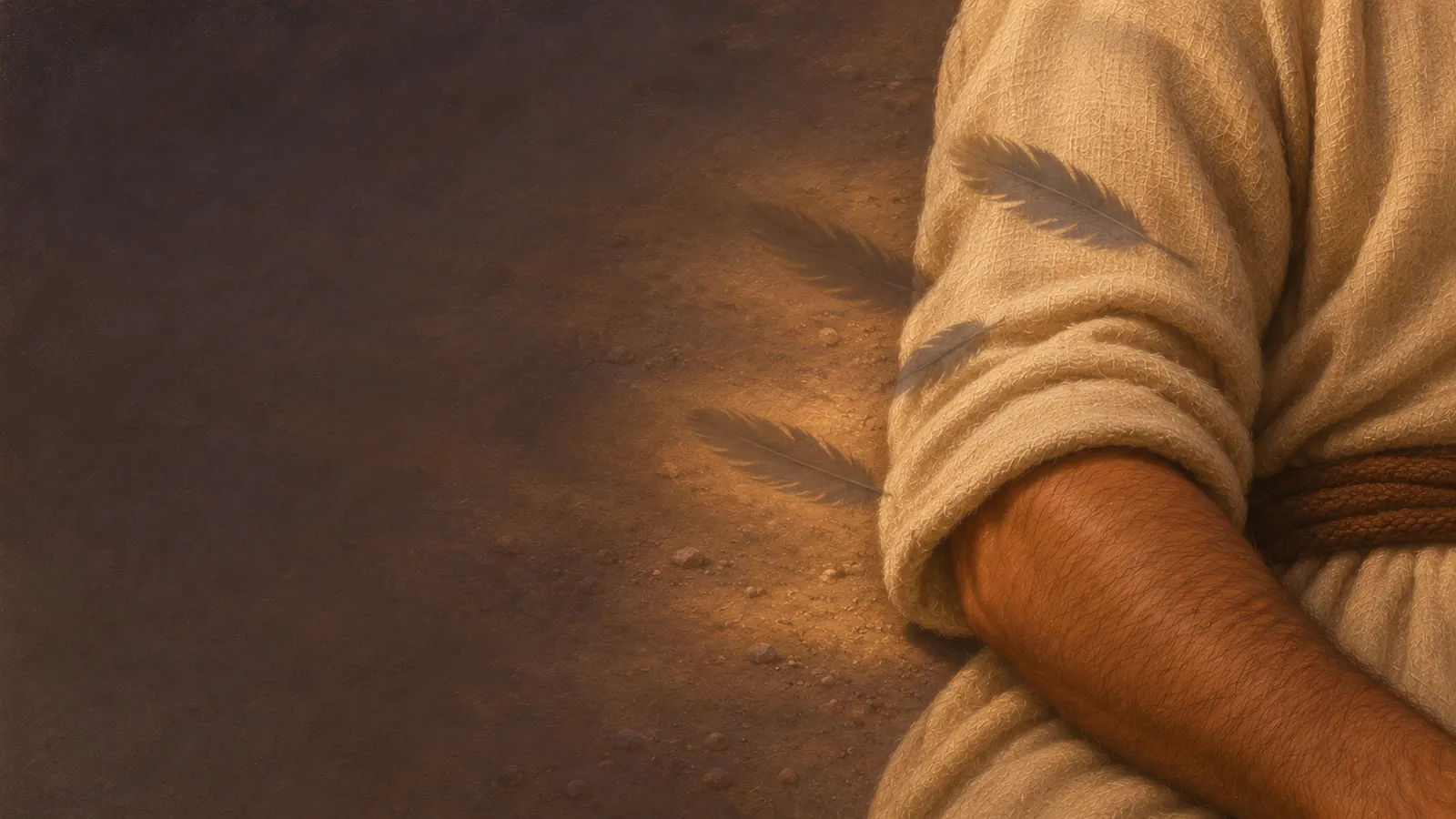
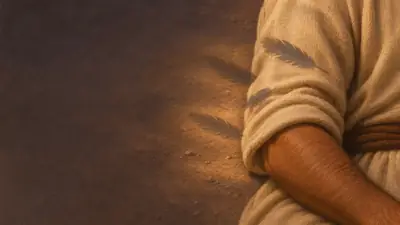
No sonho, Enkidu viu que seus braços tinham mudado e estavam cobertos de penas, como os de uma ave. A figura o levou adiante, para um caminho sem volta.

ESCURIDÃO
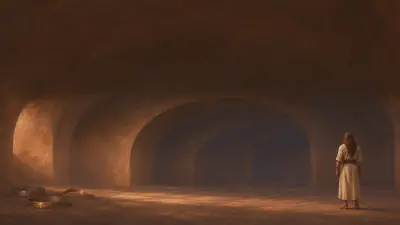
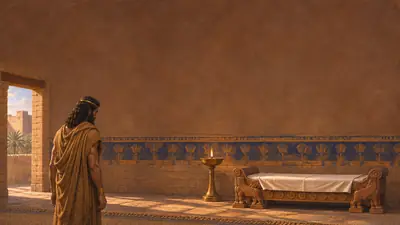
O caminho levava a uma casa sem luz do dia. Quem entrava não voltava, e seus moradores se alimentavam de pó e argila.
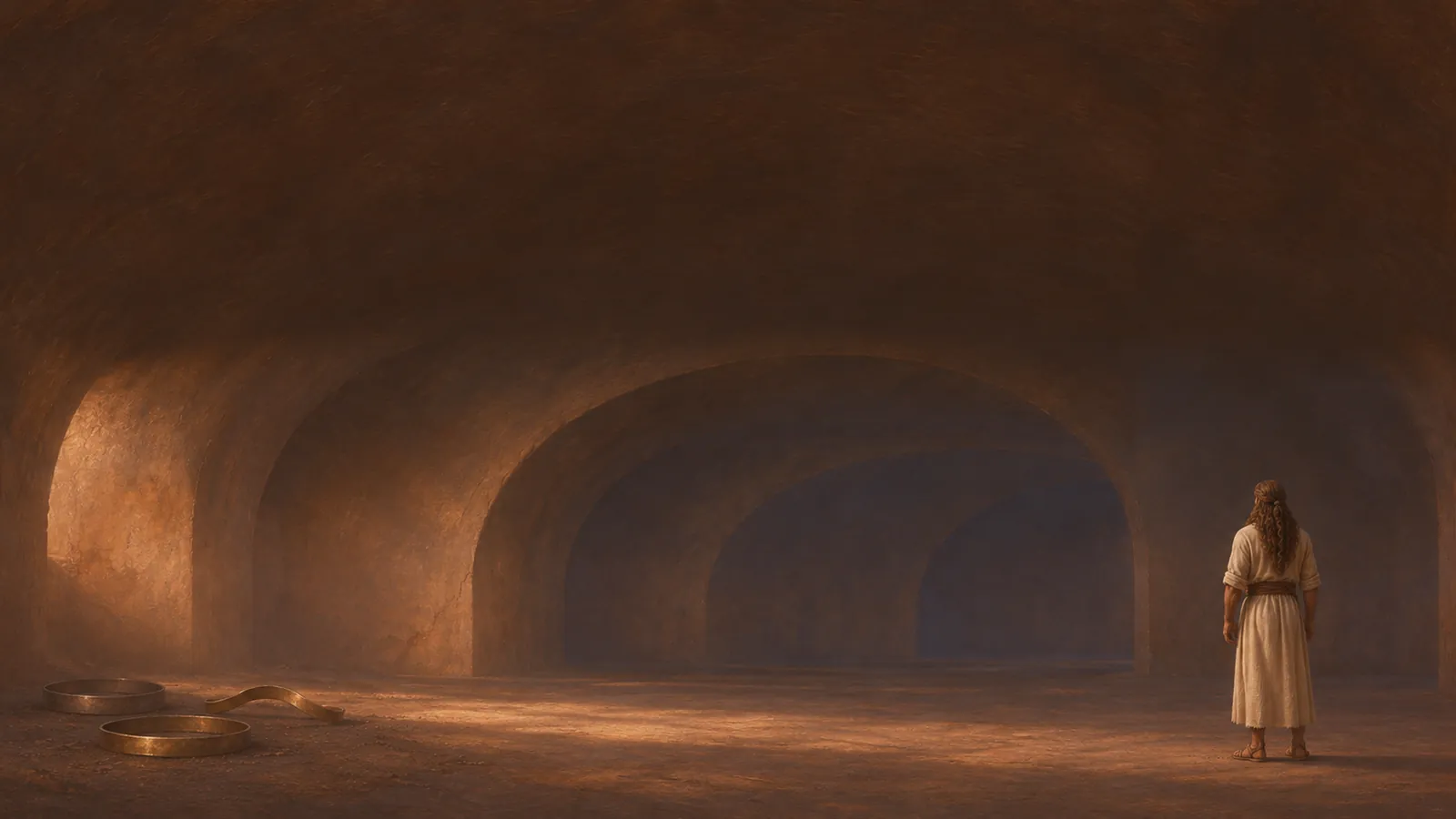
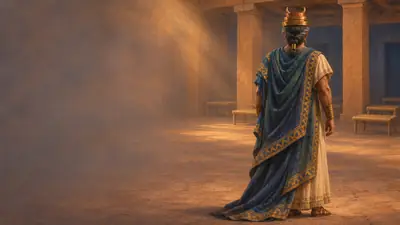
Enkidu viu pessoas que um dia haviam usado coroas. Muito tempo antes, elas tinham governado a terra. Ali, compartilhavam a escuridão com os outros habitantes da casa.
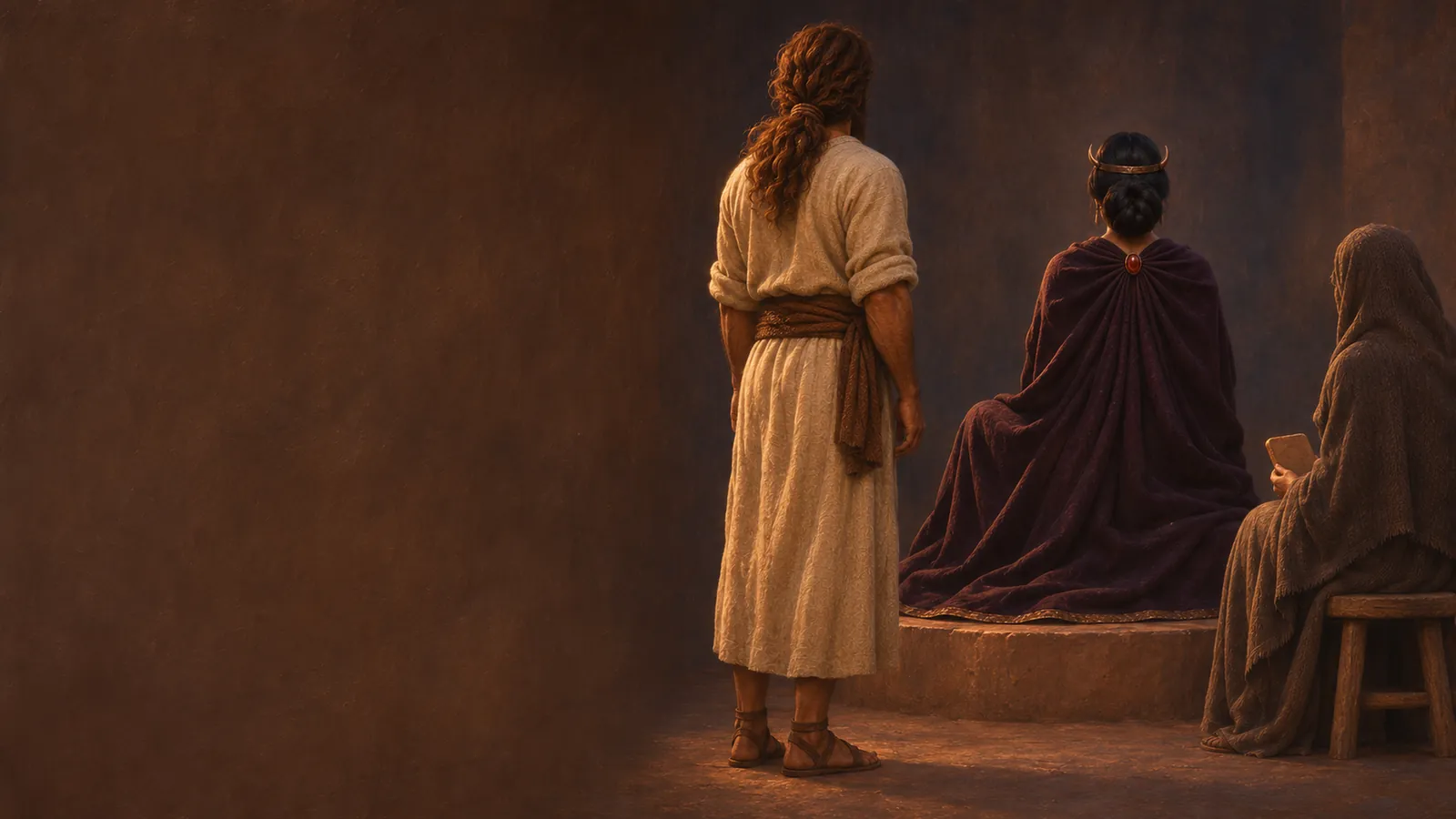
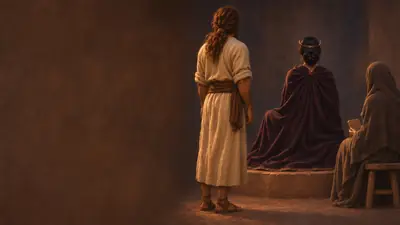
Na Casa do Pó estava sentada Ereshkigal, rainha dos mortos. Belet-seri leu uma tabuleta diante dela, e a rainha perguntou quem havia trazido Enkidu até ali.
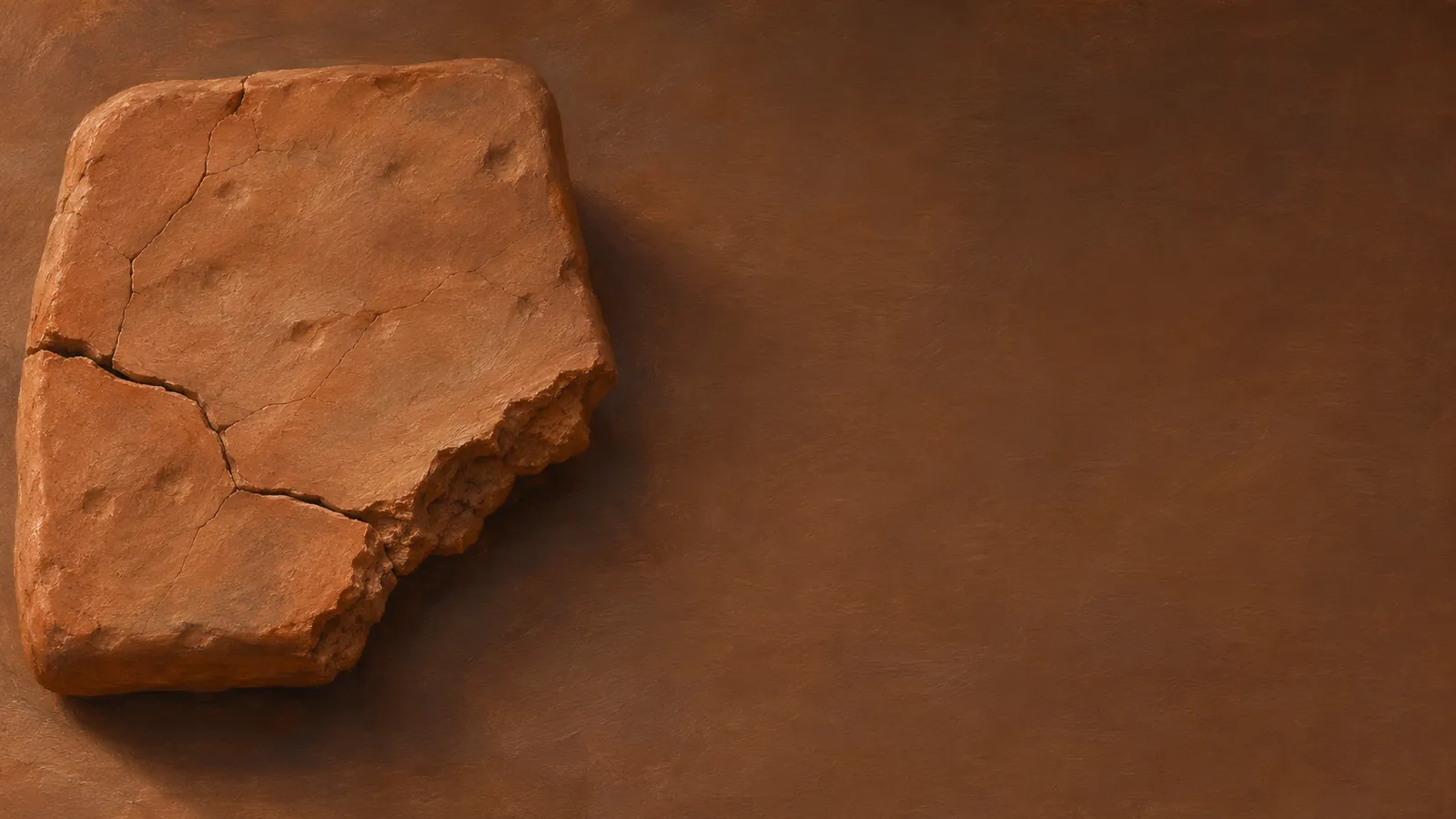
Um fragmento recuperado conserva a ordem de preparar oferendas e construir um túmulo. Talvez seja para Enkidu, mas os indícios se dispersam antes de seu relato terminar.
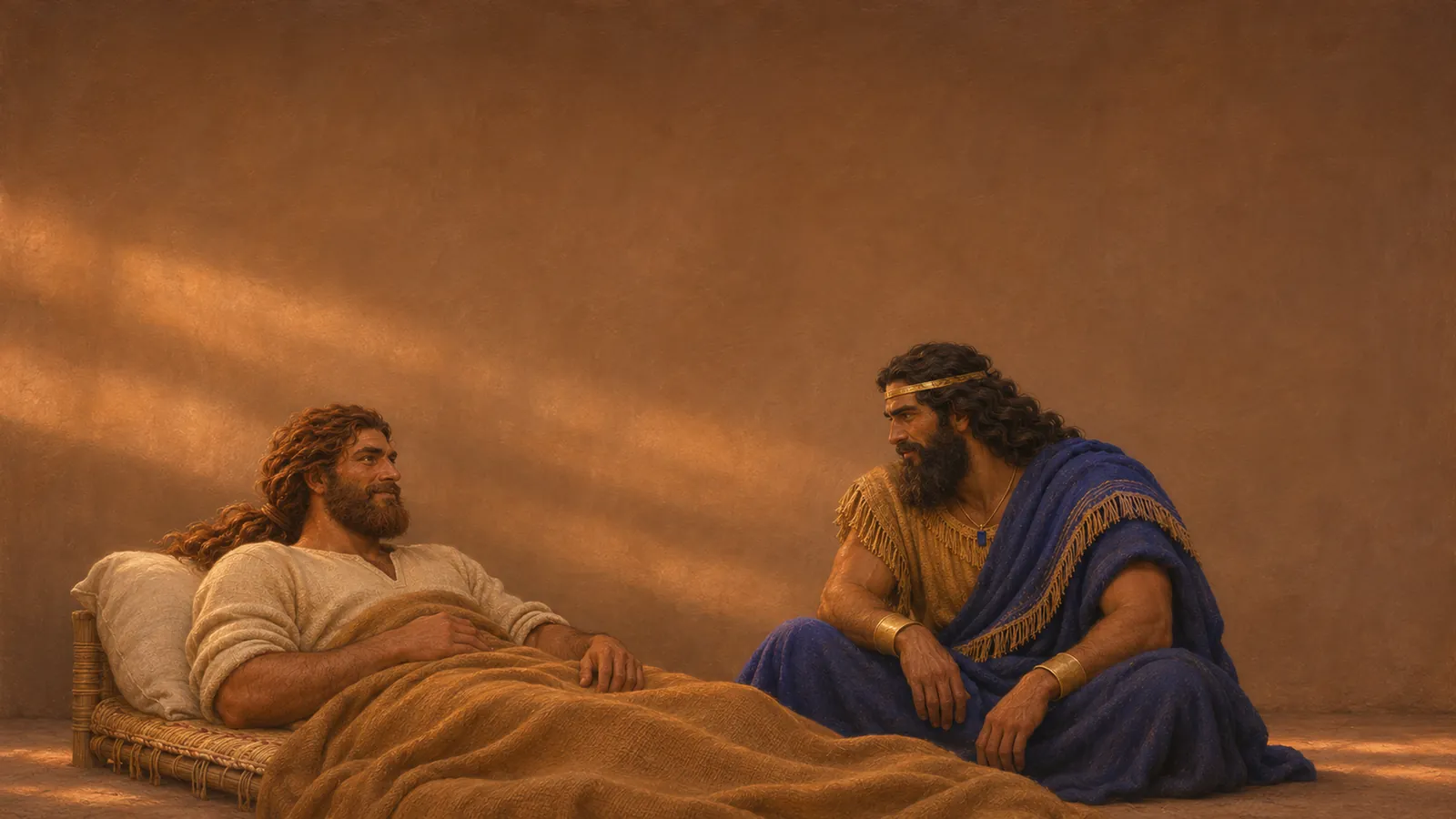
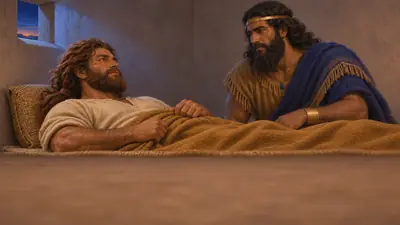
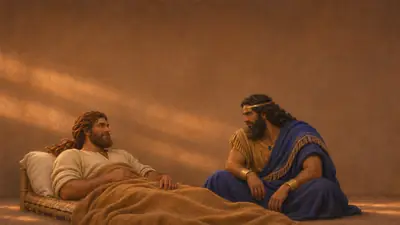
O poema começa a contar os dias. Enkidu permaneceu em seu leito enquanto a doença se prolongava, e a contagem chegou ao décimo primeiro dia e depois ao décimo segundo.
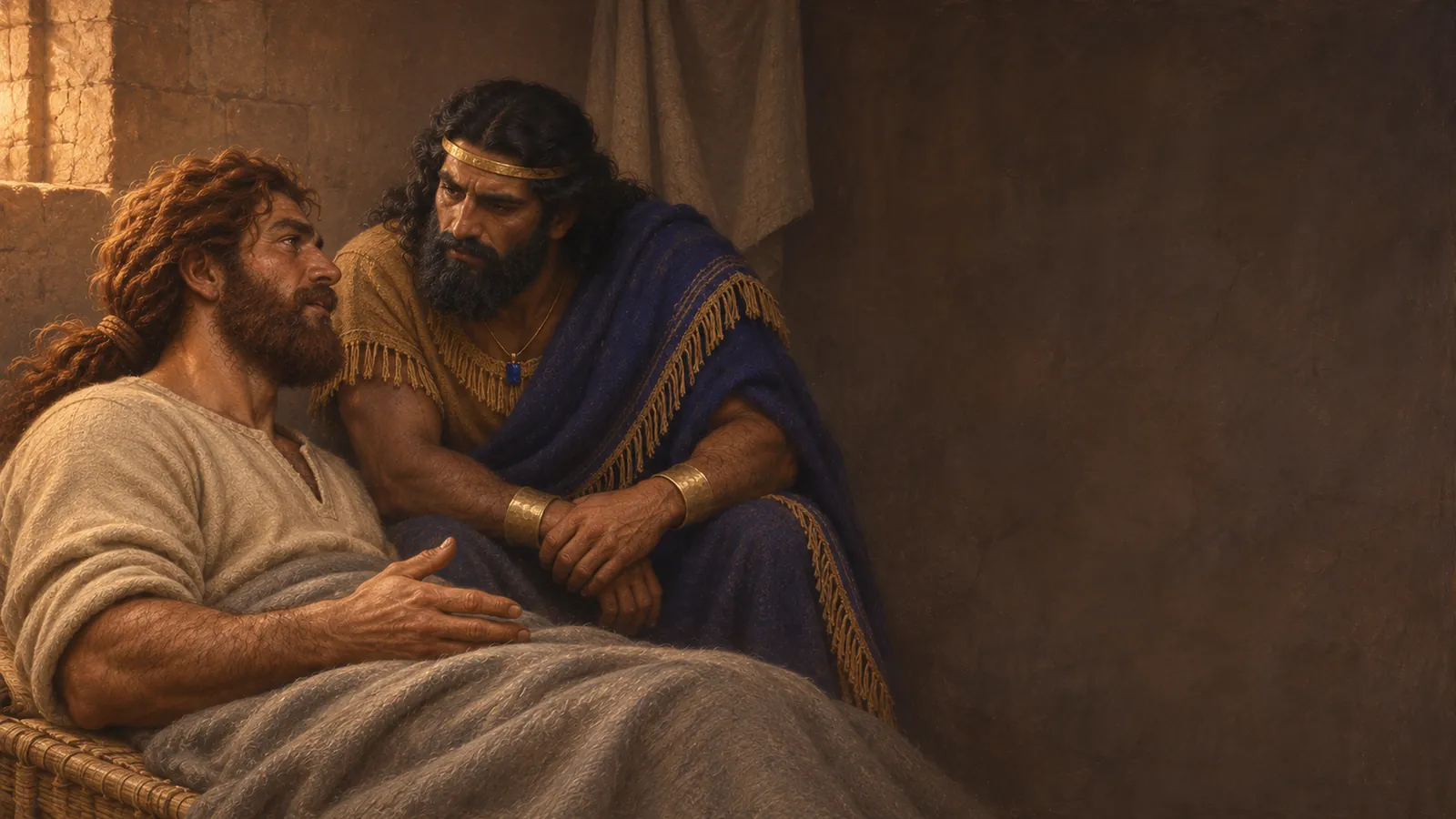
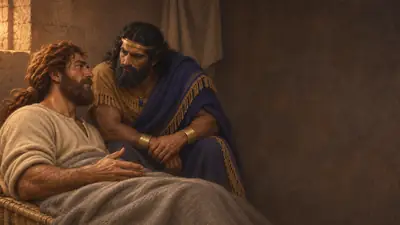
Do leito, Enkidu chamou Gilgamesh. As palavras que restaram falam de batalha: ele imaginara que, se a morte viesse buscá-lo, o encontraria ali.
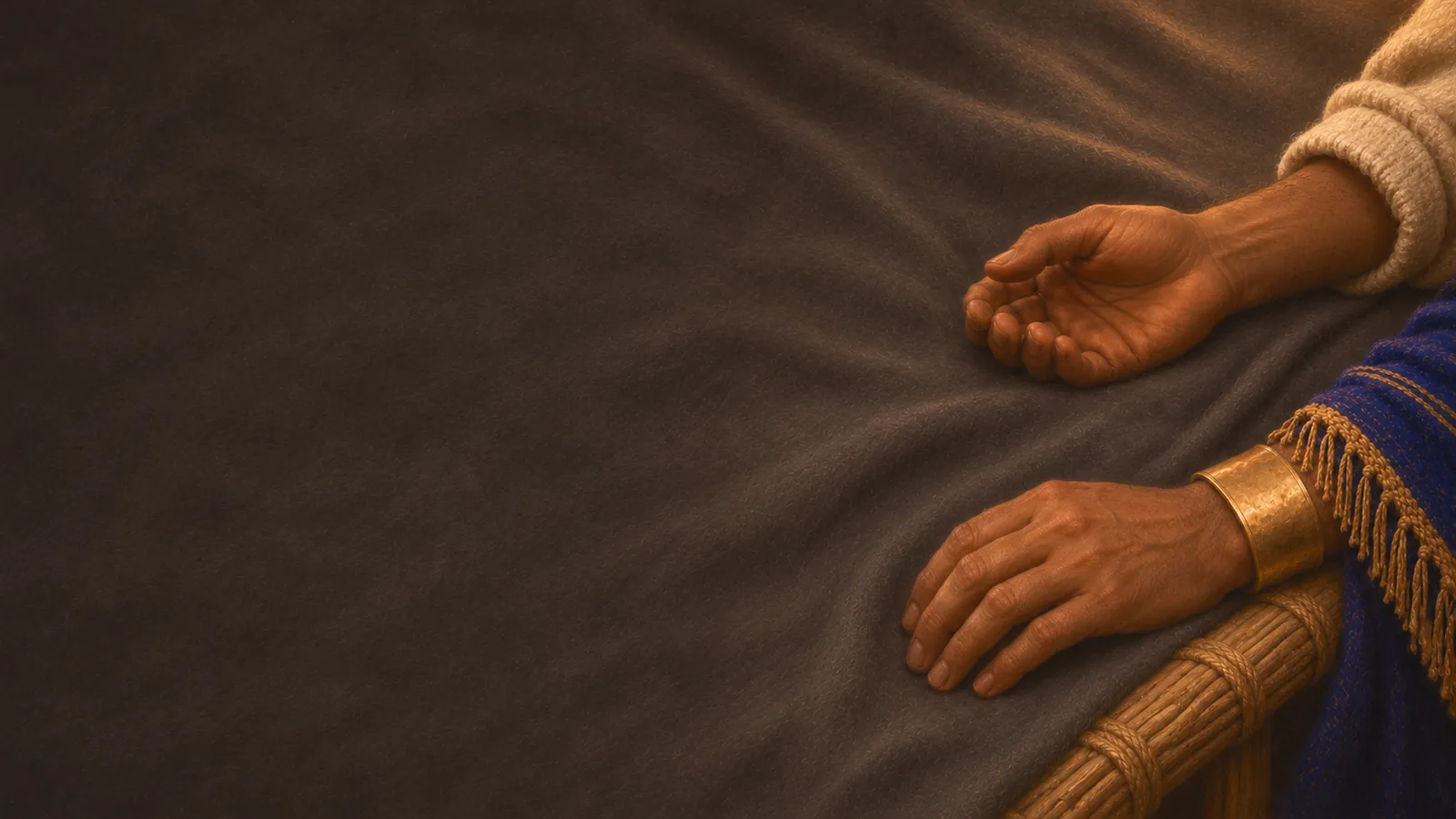
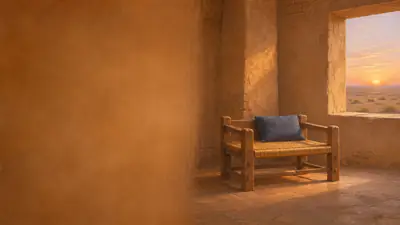
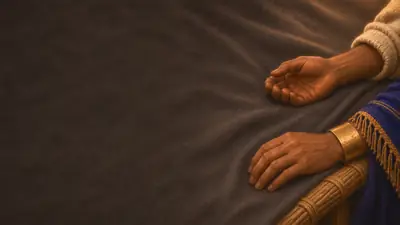
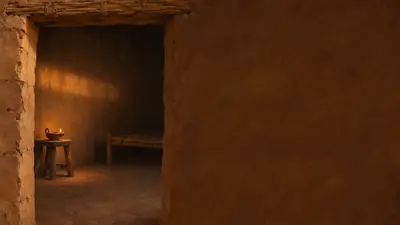
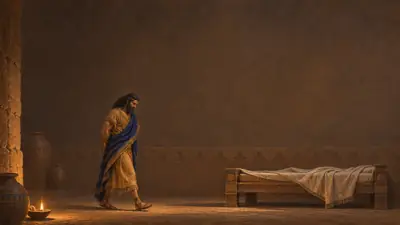
Na última cena preservada com Enkidu ainda vivo, ele chama pelo amigo. O poema nos deixa com o som desse chamado e o espaço ao lado de seu leito.
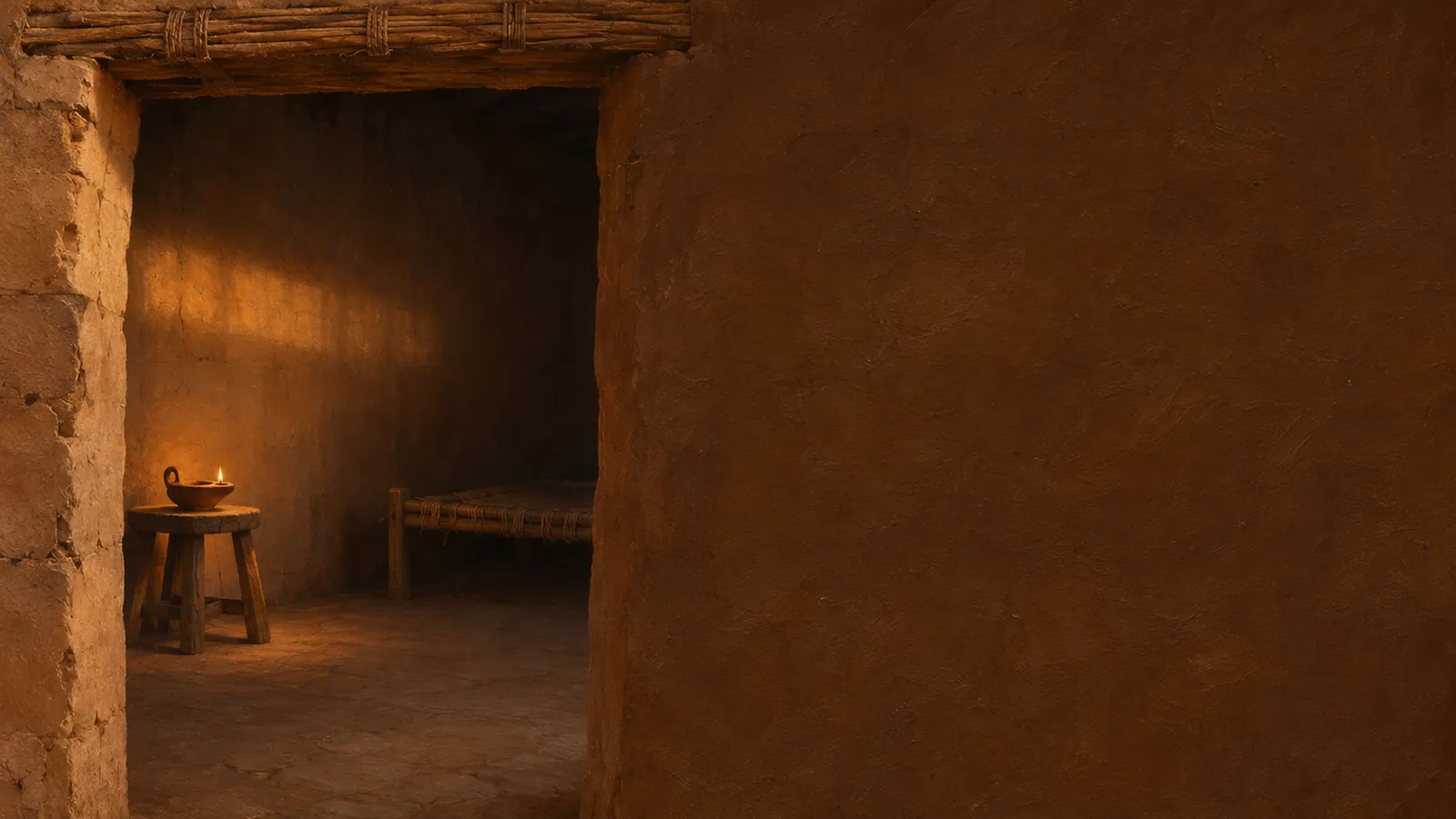
A tabuleta se interrompe depois dessas palavras. A morte de Enkidu fica clara no lamento que se segue, mas o momento e a maneira como morreu se perderam com a argila.
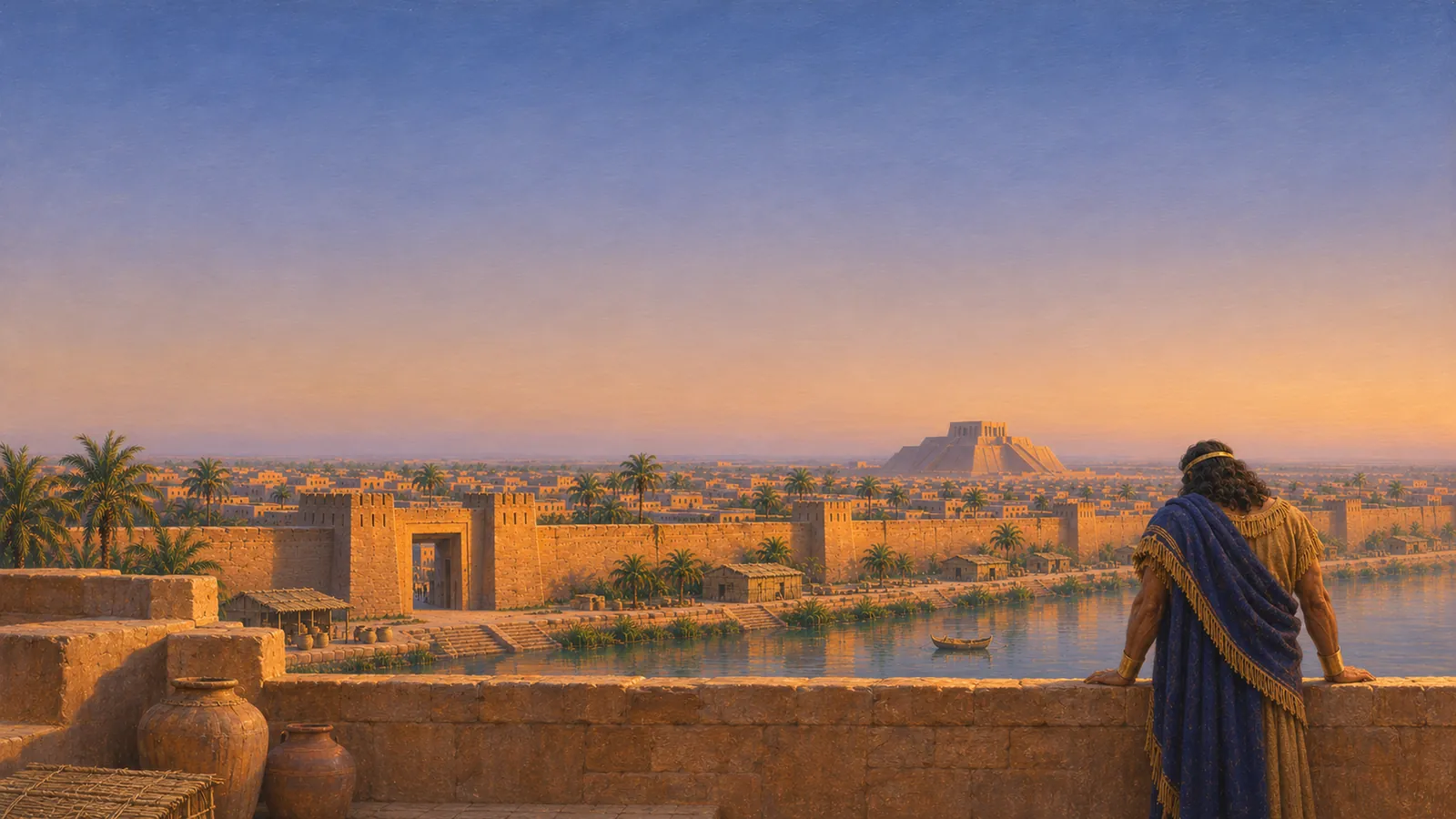
LAMENTO
À luz do amanhecer que abre a tabuleta seguinte, Gilgamesh começa seu lamento. O rei fala primeiro do homem que conheceu e da vida que Enkidu levou.
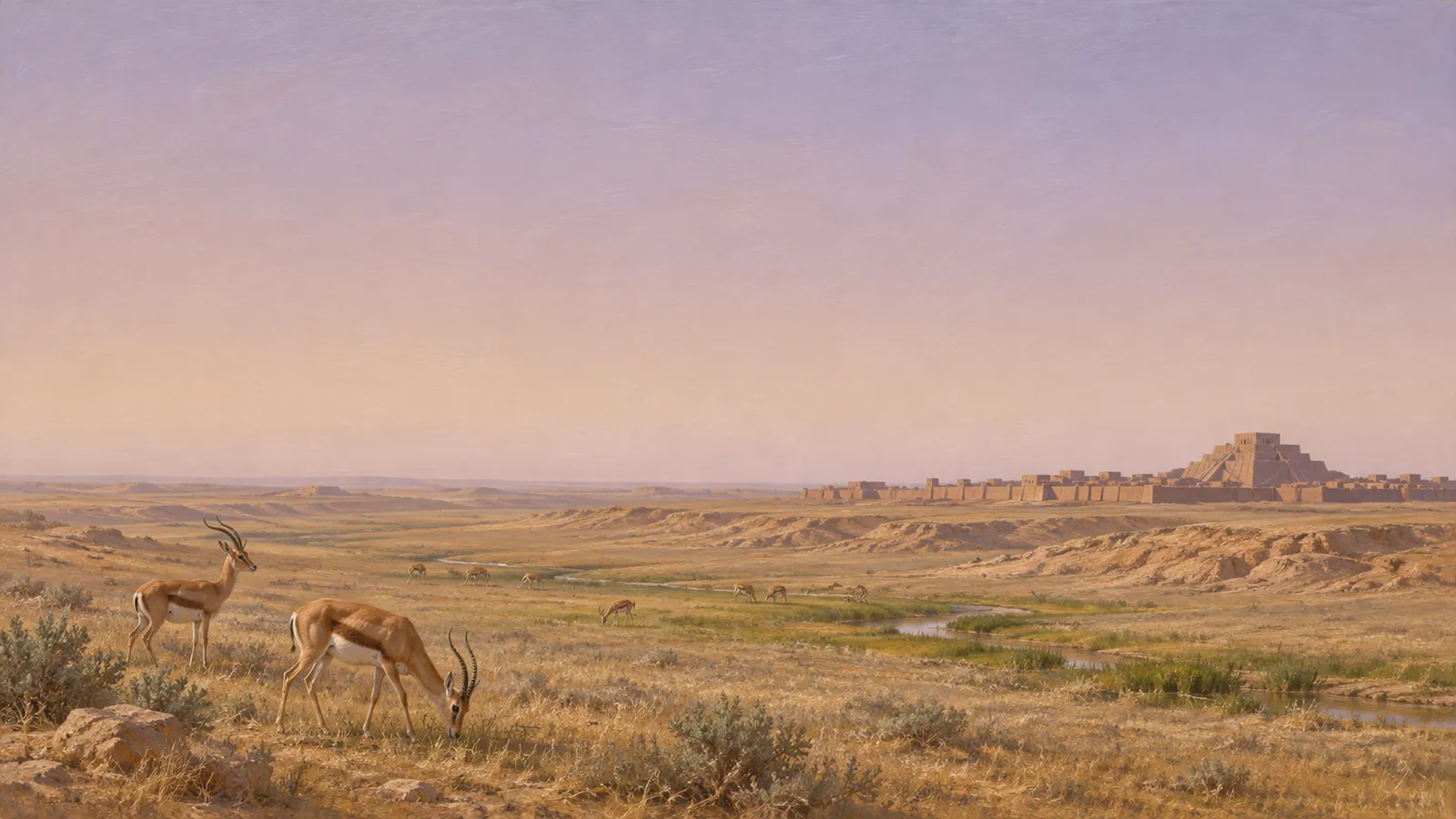
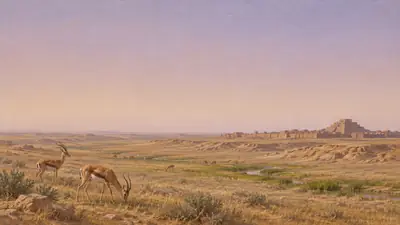
Gilgamesh recorda primeiro a vida de Enkidu antes de Uruk. O lamento volta à gazela e aos rebanhos que lhe mostraram os lugares de pasto.
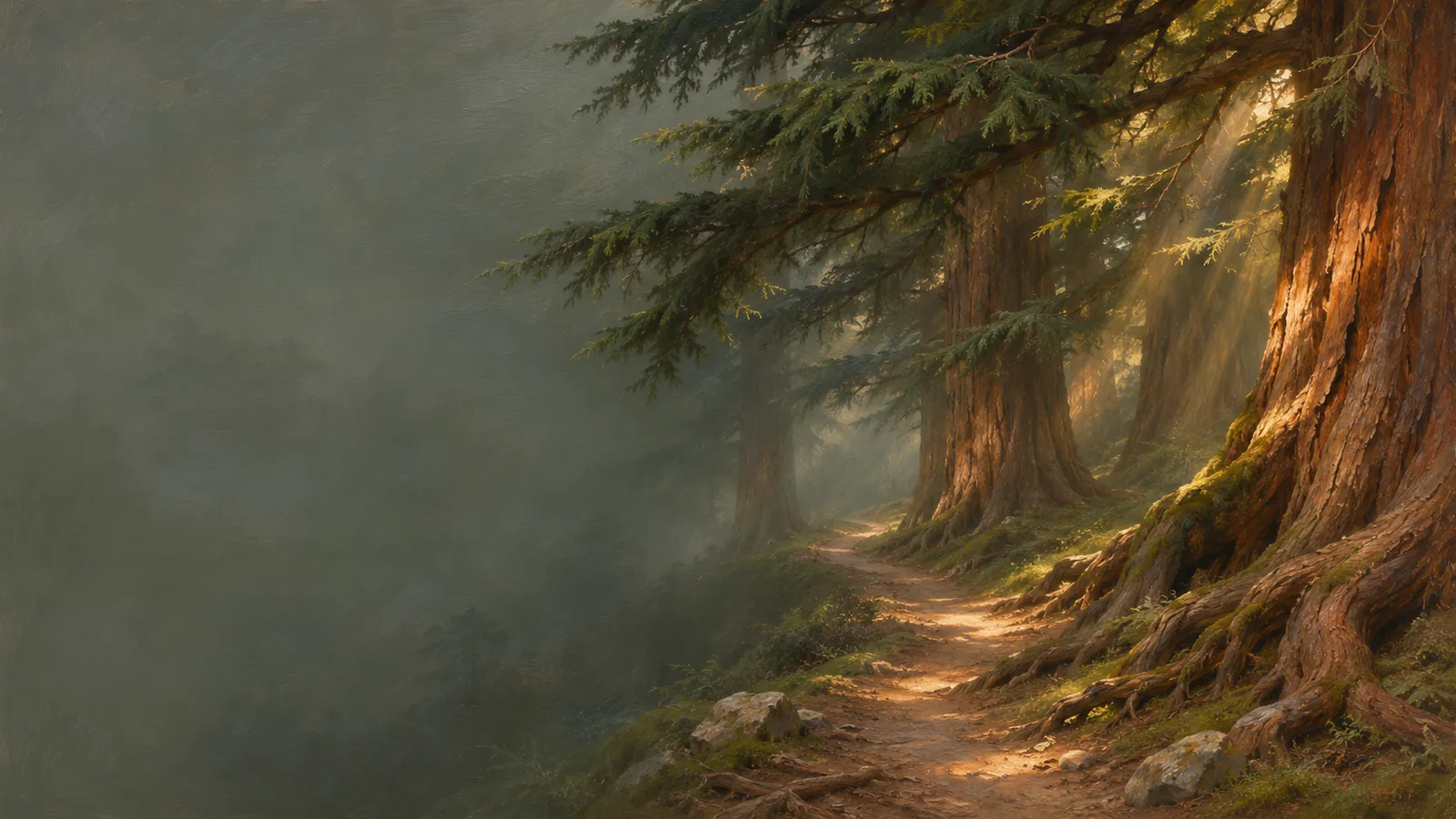
Ele pede que os caminhos da Floresta dos Cedros chorem, como se pudessem lembrar quem passou por eles. Chama também as árvores e as colinas.

O lamento nomeia animais selvagens, entre eles cervos e leões. A estepe havia sido todo o mundo de Enkidu, e Gilgamesh pede que esse mundo chore por ele.
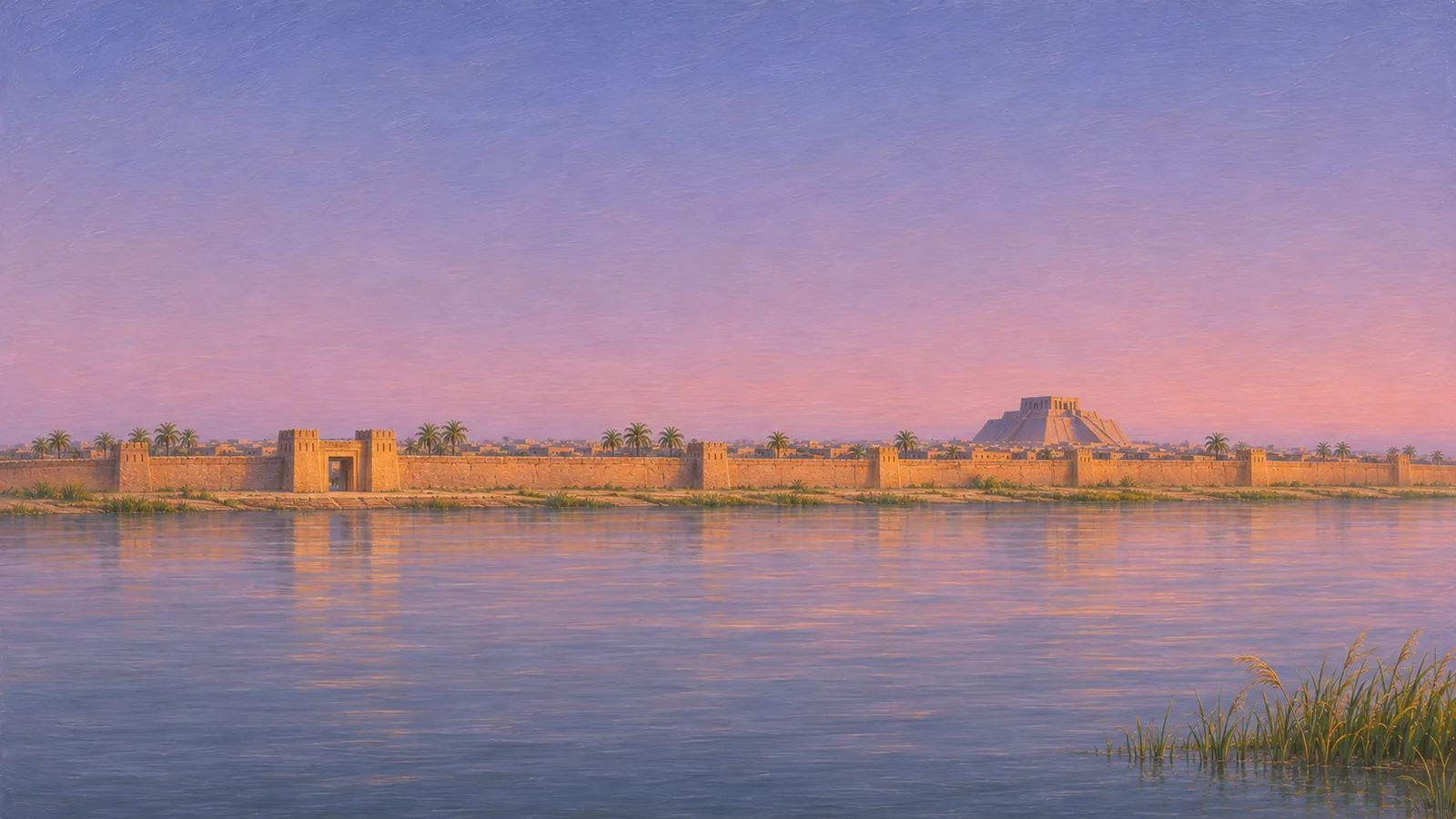
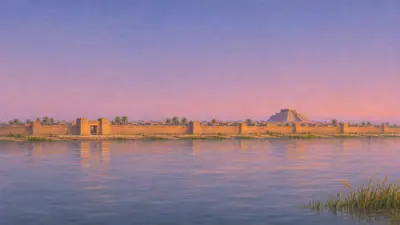
Ele chama o Eufrates, de cujas águas os dois amigos haviam feito uso. O rio tem lugar no lamento porque fizera parte da vida que compartilharam.
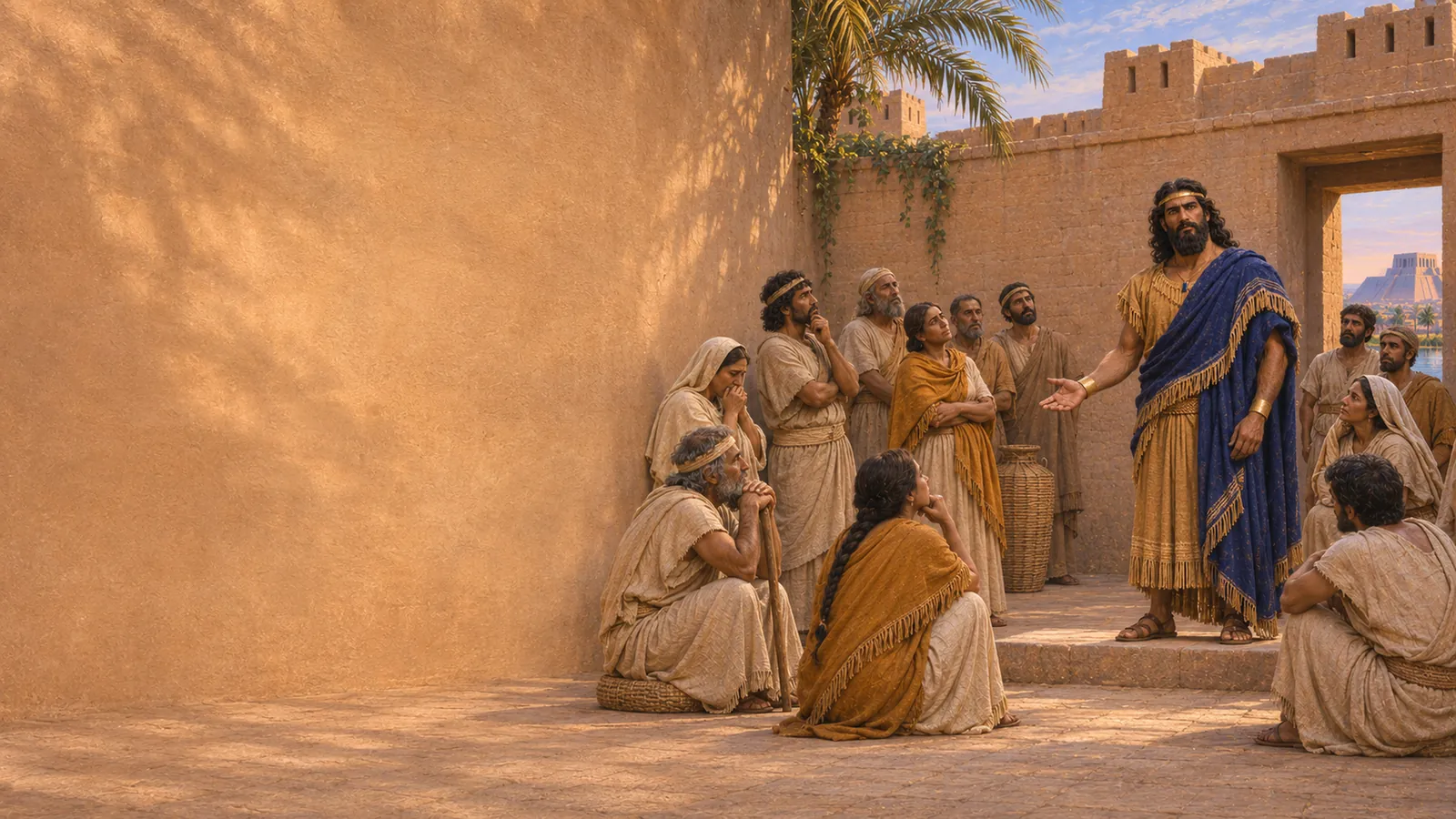
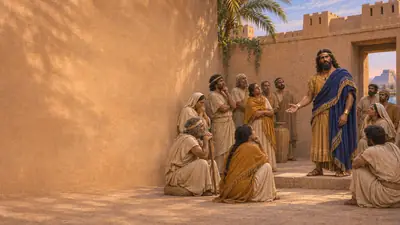
Gilgamesh pede ao povo de Uruk que pranteie Enkidu. Lembra-se de quem lhe deu de comer e de quem viu os dois amigos enfrentarem o Touro Celeste.
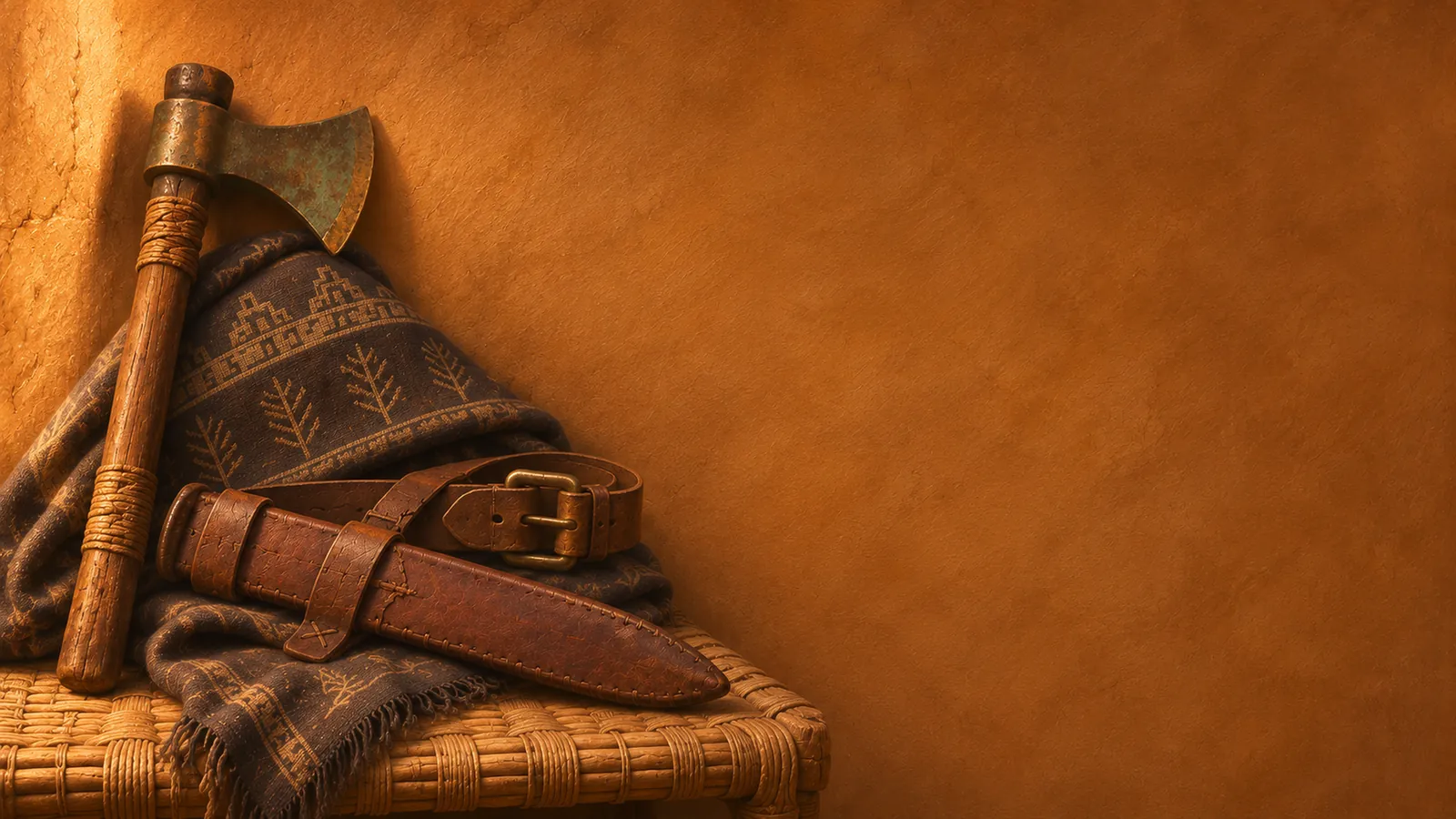
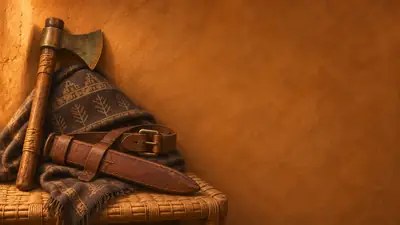
Gilgamesh se lembra de como se sentia seguro quando Enkidu estava ao seu lado. Seu lamento evoca aquilo em que um guerreiro mais confia: o machado ao lado e a espada à cintura.
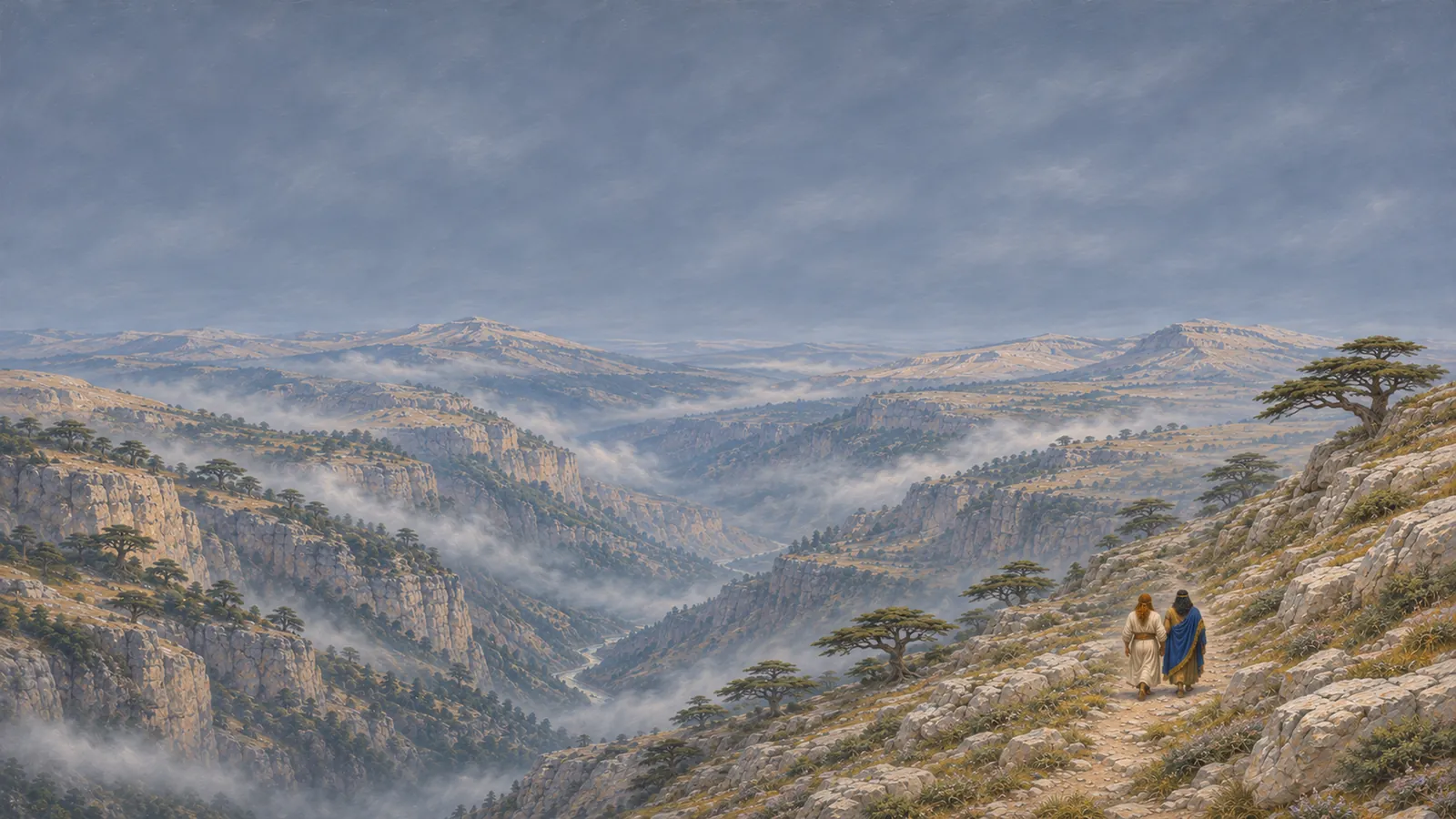
Tinham atravessado montanhas juntos. Gilgamesh recordou o Touro Celeste e o guardião da Floresta dos Cedros. Enfrentara os dois com Enkidu ao seu lado.
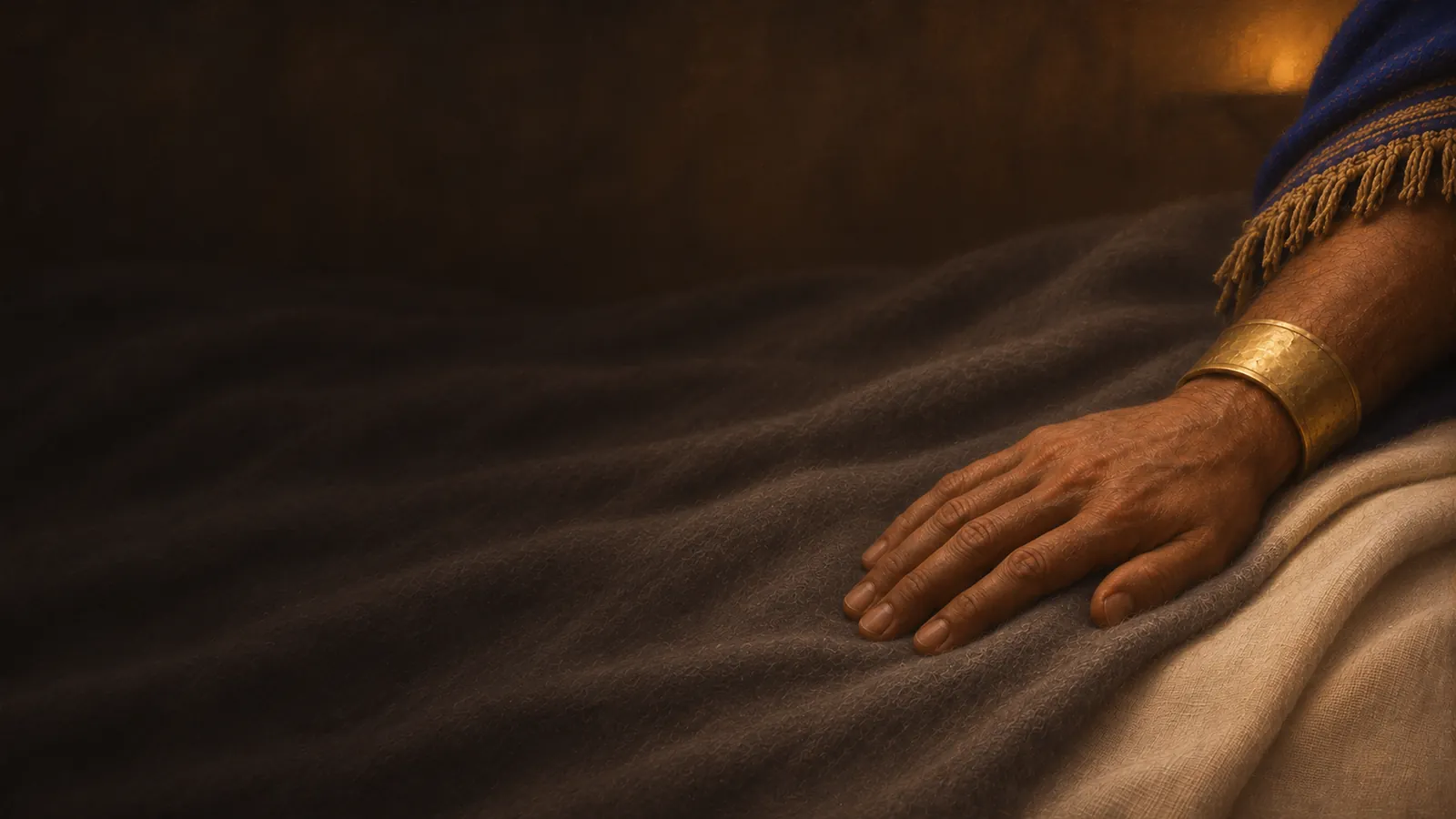
Gilgamesh perguntou o que havia acontecido com Enkidu. Seu amigo não respondeu. Gilgamesh lhe tocou o peito e sentiu que o coração já não batia.
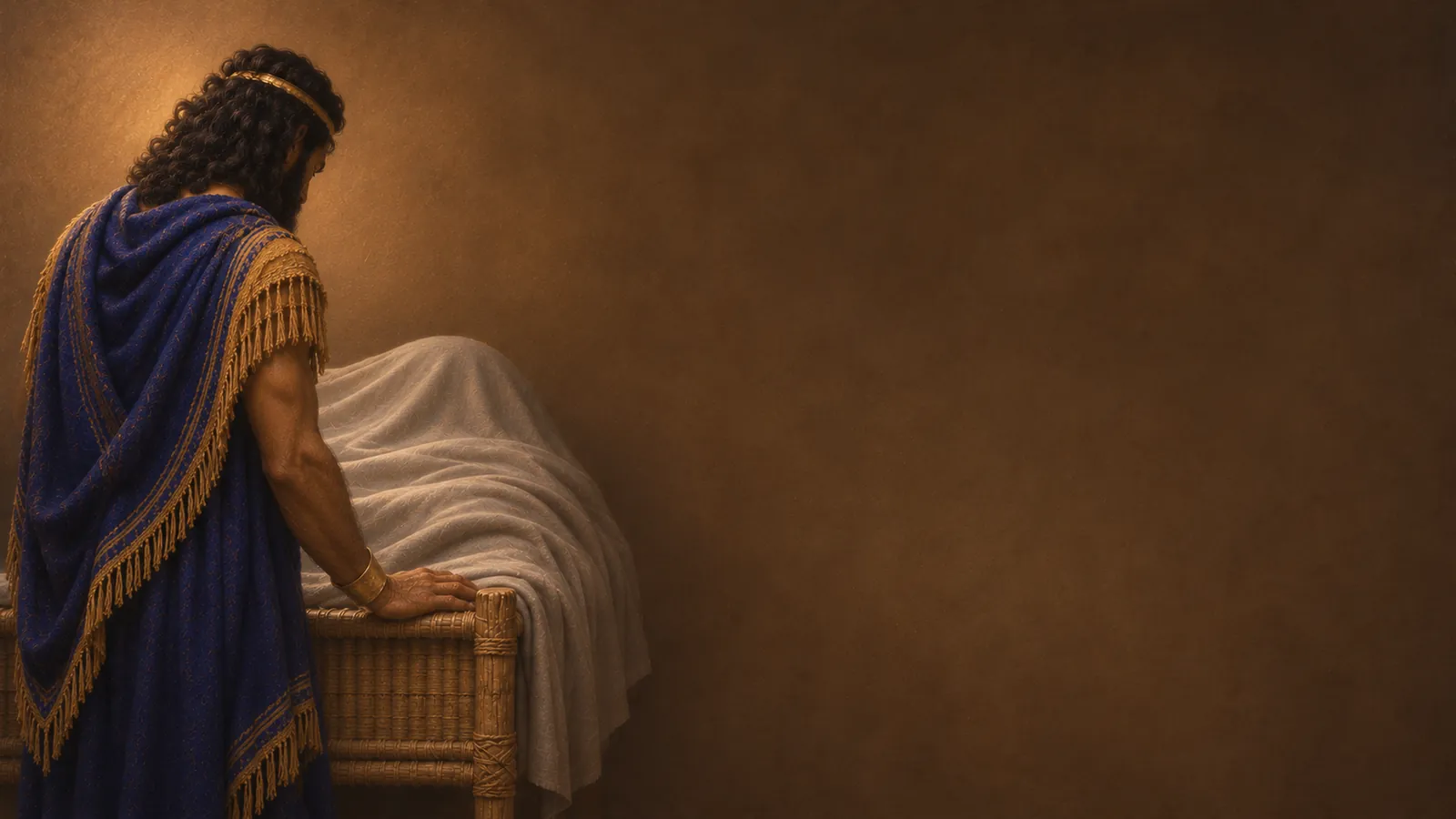
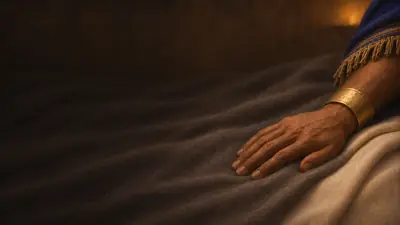
Gilgamesh cobriu o rosto de Enkidu, e o poeta o compara a uma noiva por trás do véu. Com esse pequeno gesto, o rei começou a cuidar do amigo após a morte.
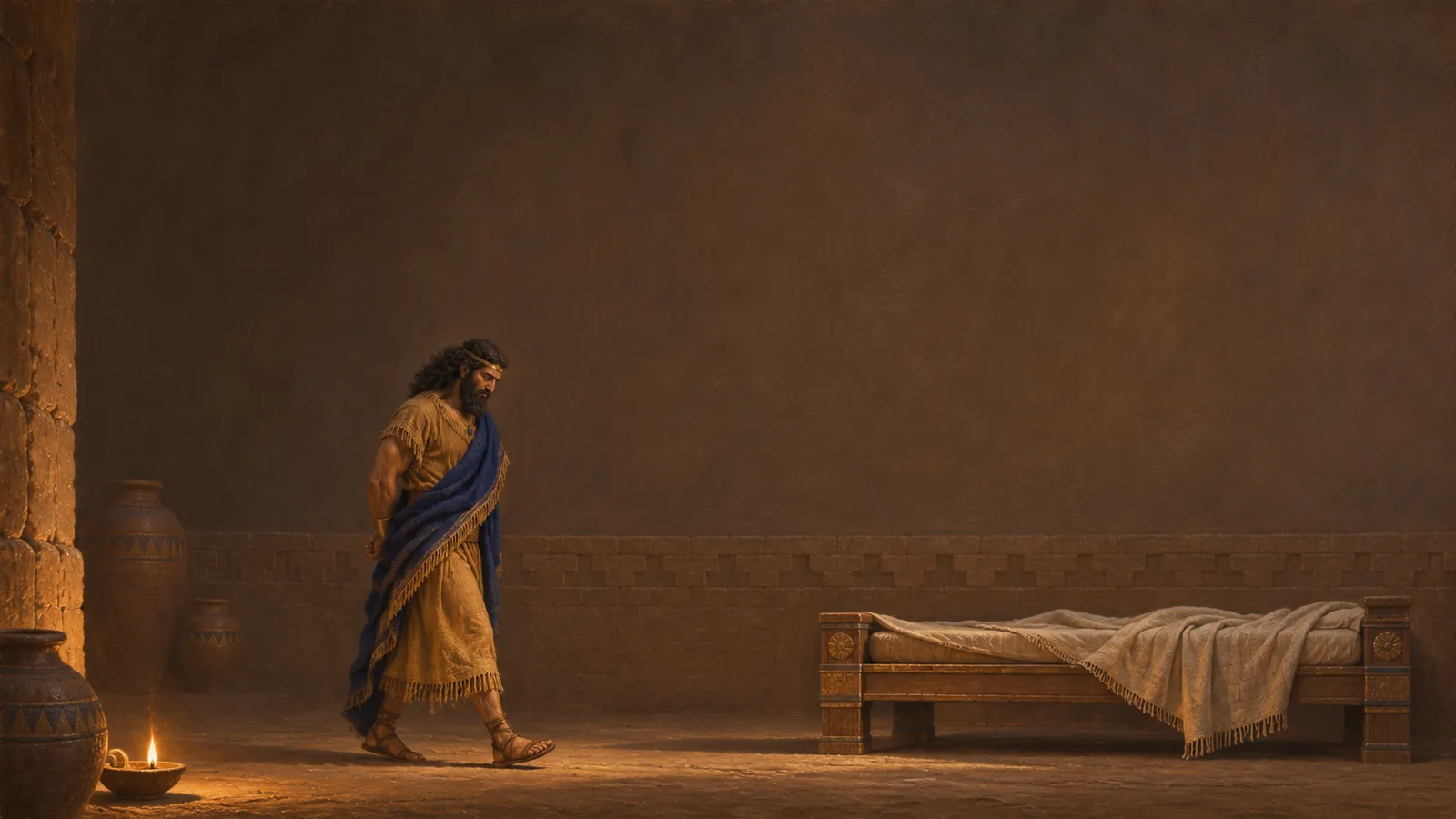
O lamento compara Gilgamesh a uma leoa de quem tiraram os filhotes. Ele vai e volta ao lado de Enkidu, sem ter aonde ir para reparar o que aconteceu.
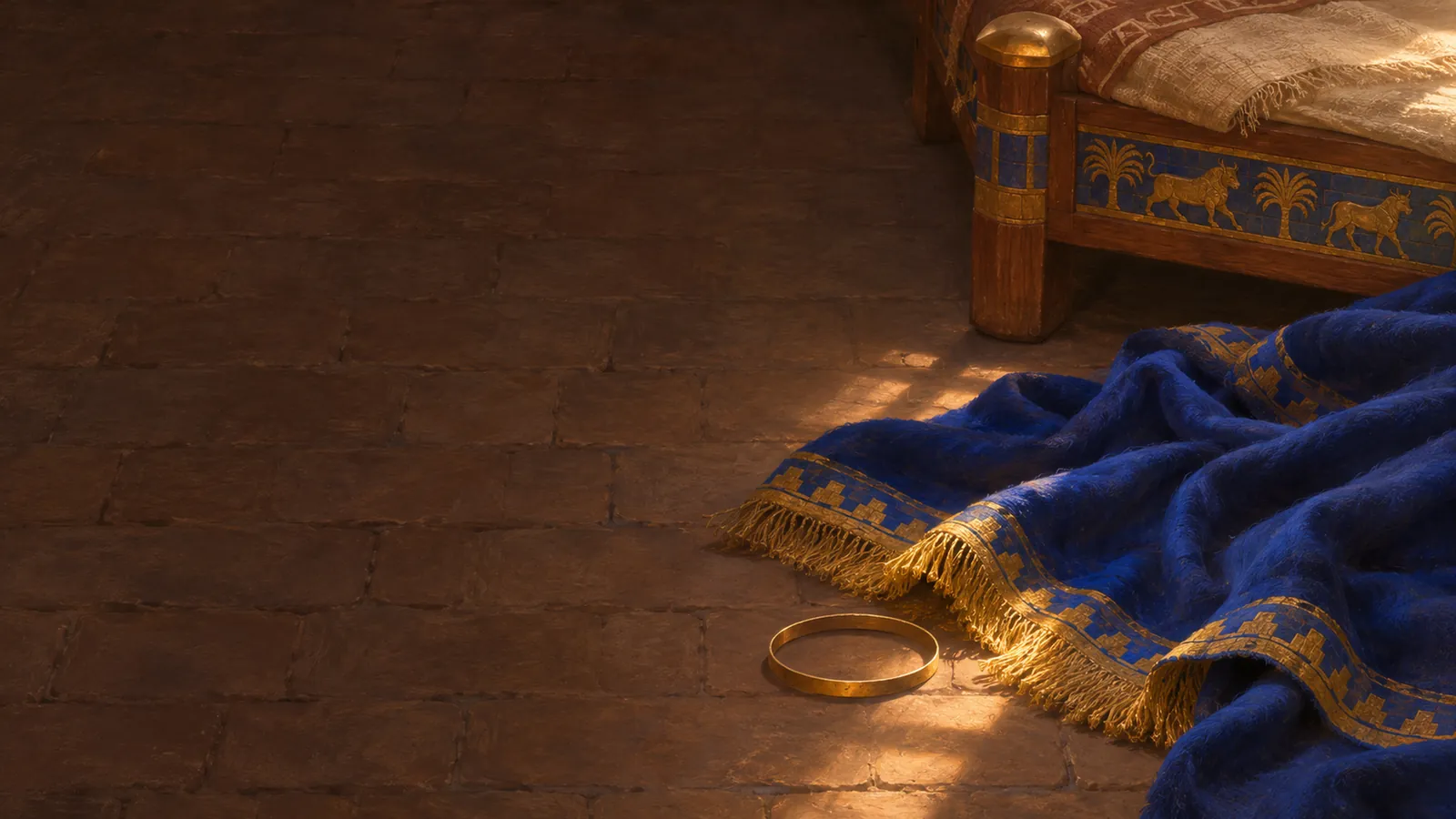
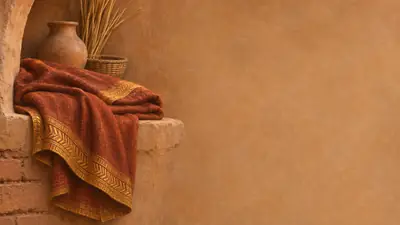
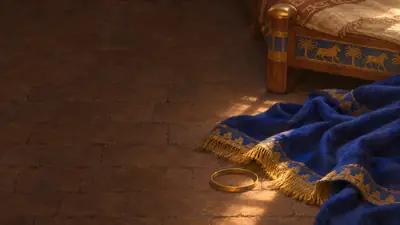
Em sua dor, Gilgamesh puxou os próprios cabelos e atirou longe suas vestes finas. O tecido vistoso que um dia usara nos festejos agora estava abandonado.
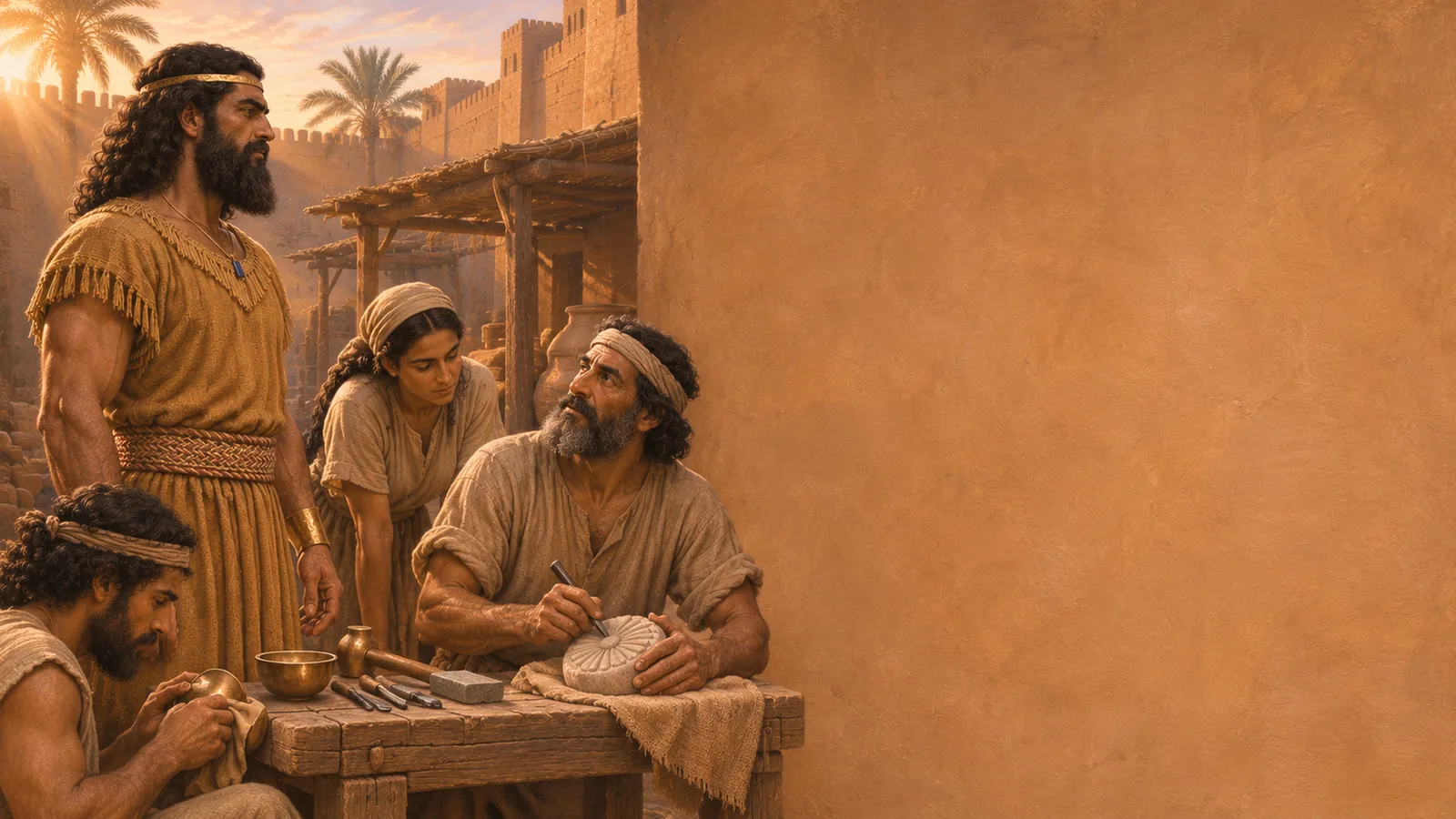
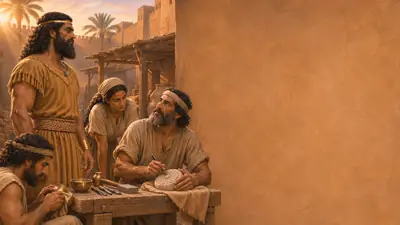
Em outro amanhecer, Gilgamesh chamou quem sabia trabalhar o metal e a pedra. Pediu que fizessem uma imagem do amigo que havia perdido.
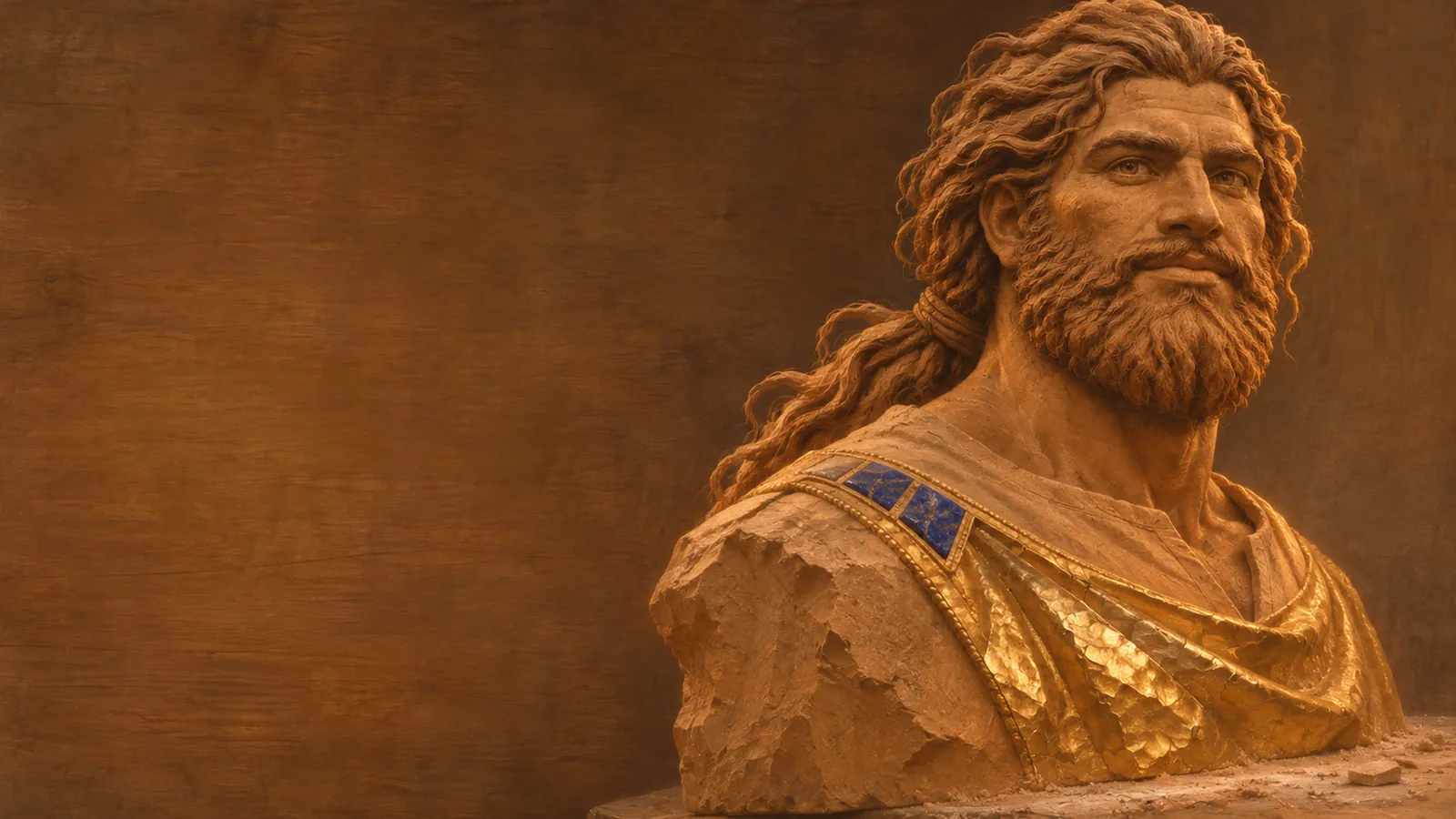
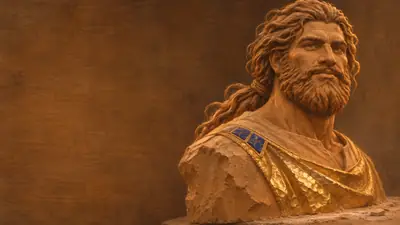
Os artesãos fizeram uma estátua de Enkidu. As linhas danificadas preservam dois de seus materiais, lápis-lazúli e ouro, embora não permitam reconstituir a figura inteira.
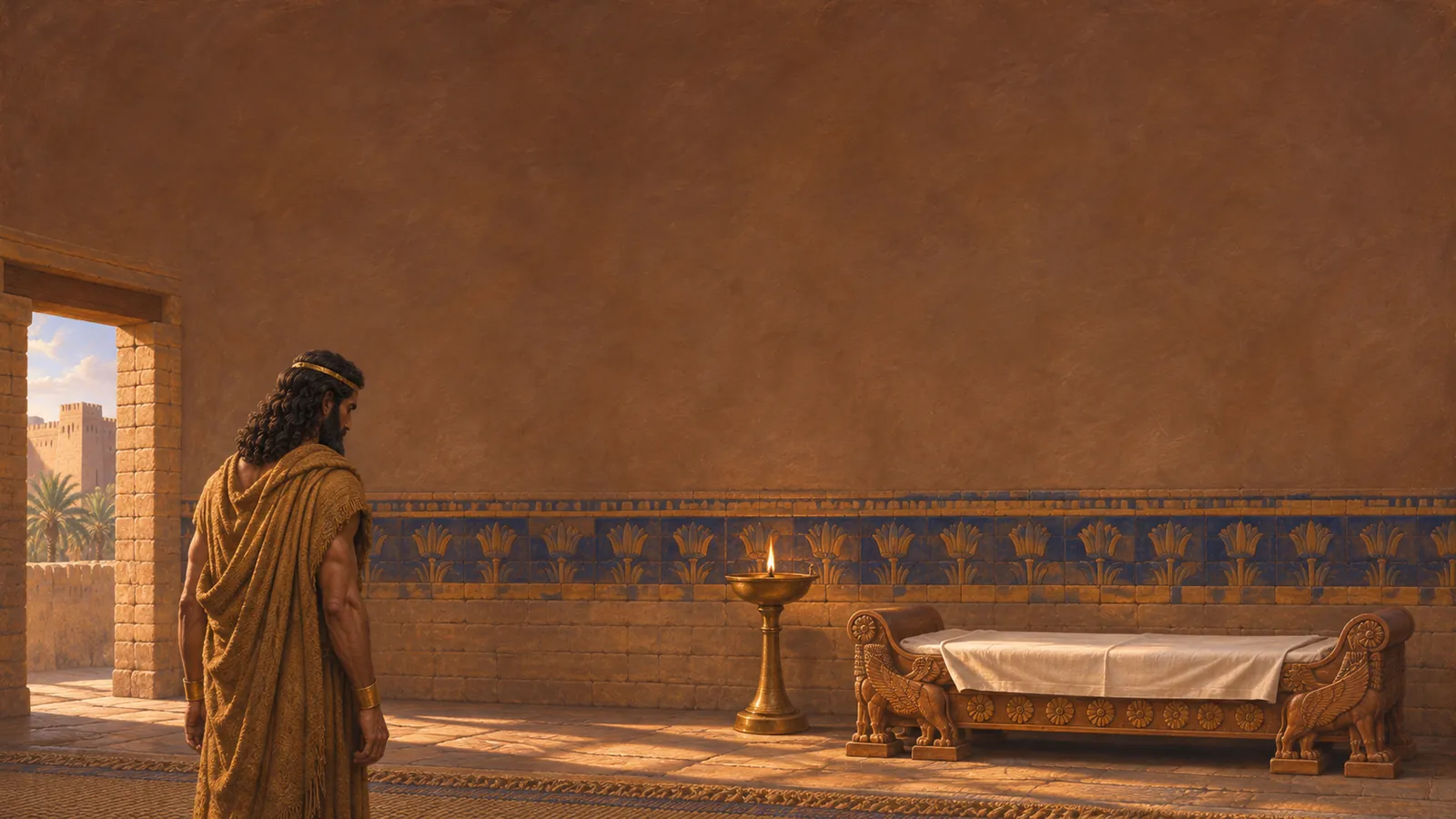
HONRA
Gilgamesh promete a Enkidu um lugar de repouso digno dele e pede ao povo de Uruk que o pranteie. Na mesma passagem, fala em vagar pela estepe vestido com uma pele de leão.
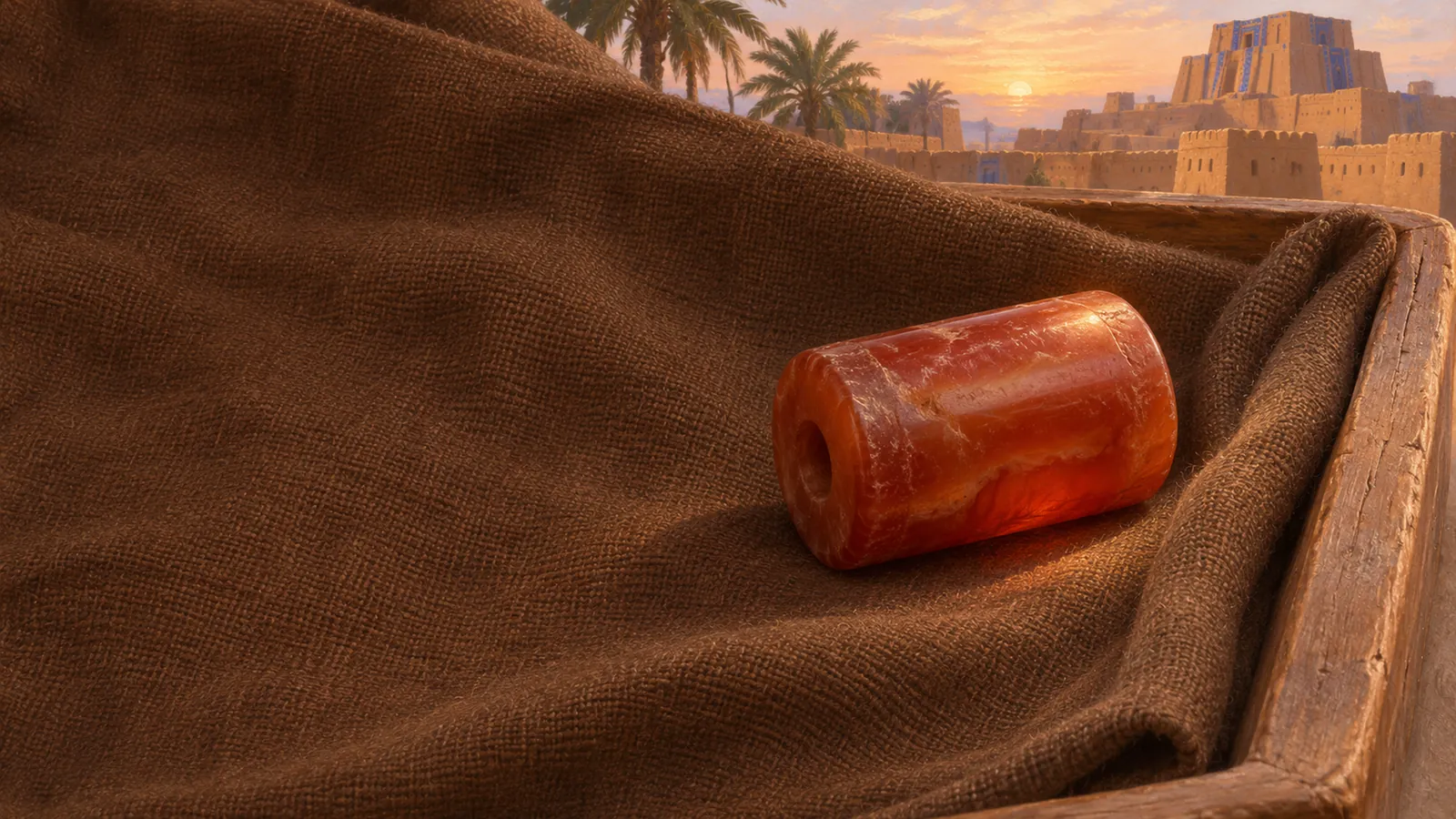
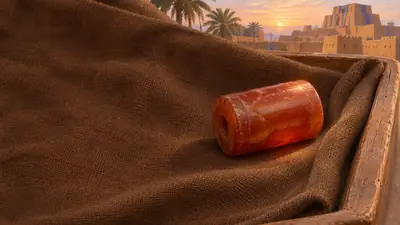
Ao amanhecer, o poema passa aos objetos dispostos para o amigo. Entre as linhas quebradas, um fragmento decifrado há pouco preserva um pequeno detalhe: um selo de cornalina.
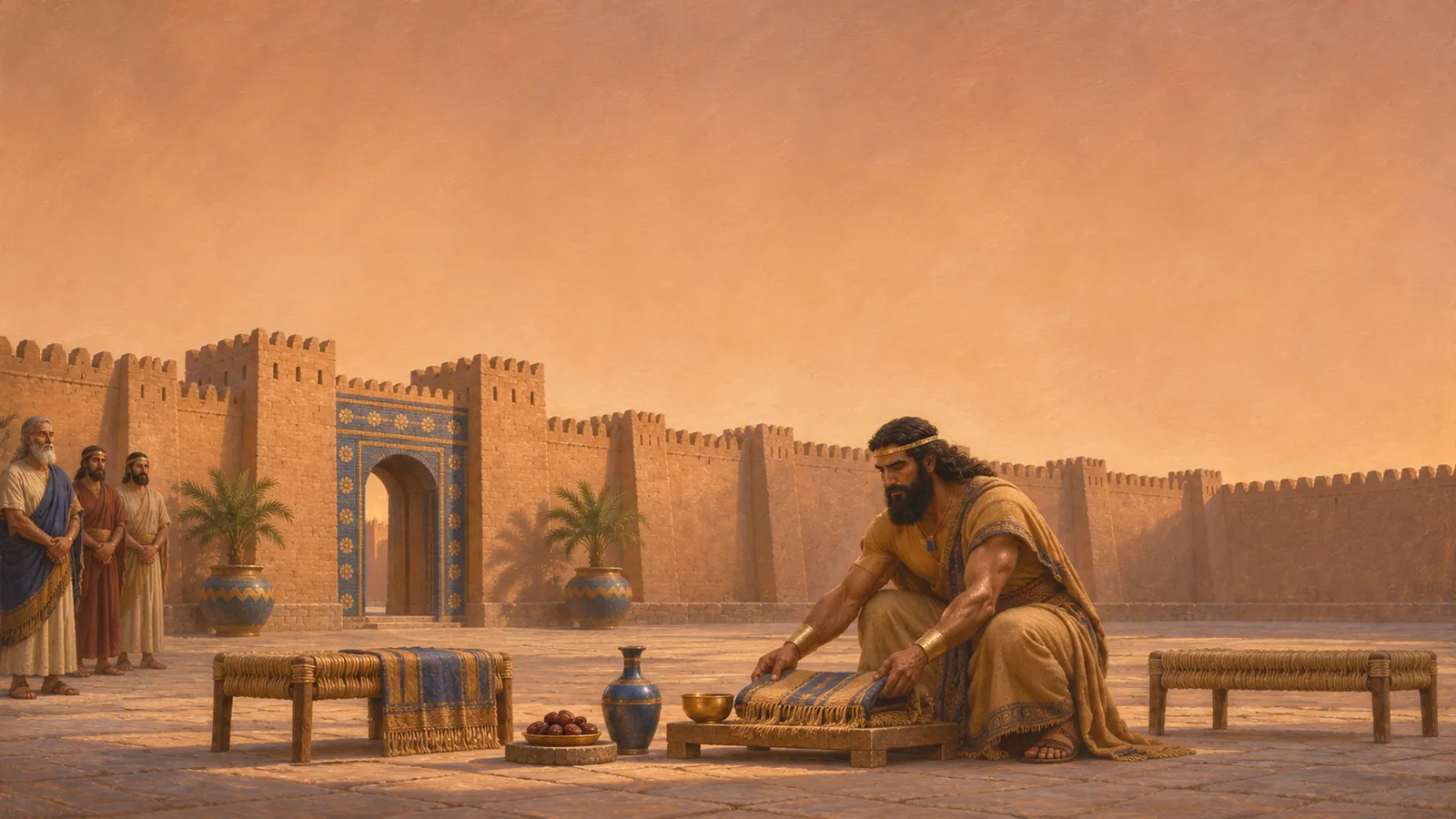
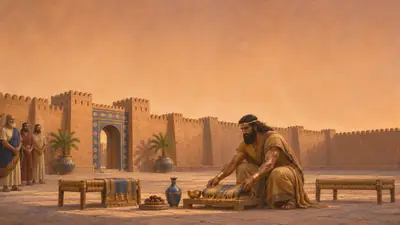
Gilgamesh dispôs as oferendas funerárias para que outros as vissem. Apresentou-as a Shamash e pediu ajuda para Enkidu na terra dos mortos.
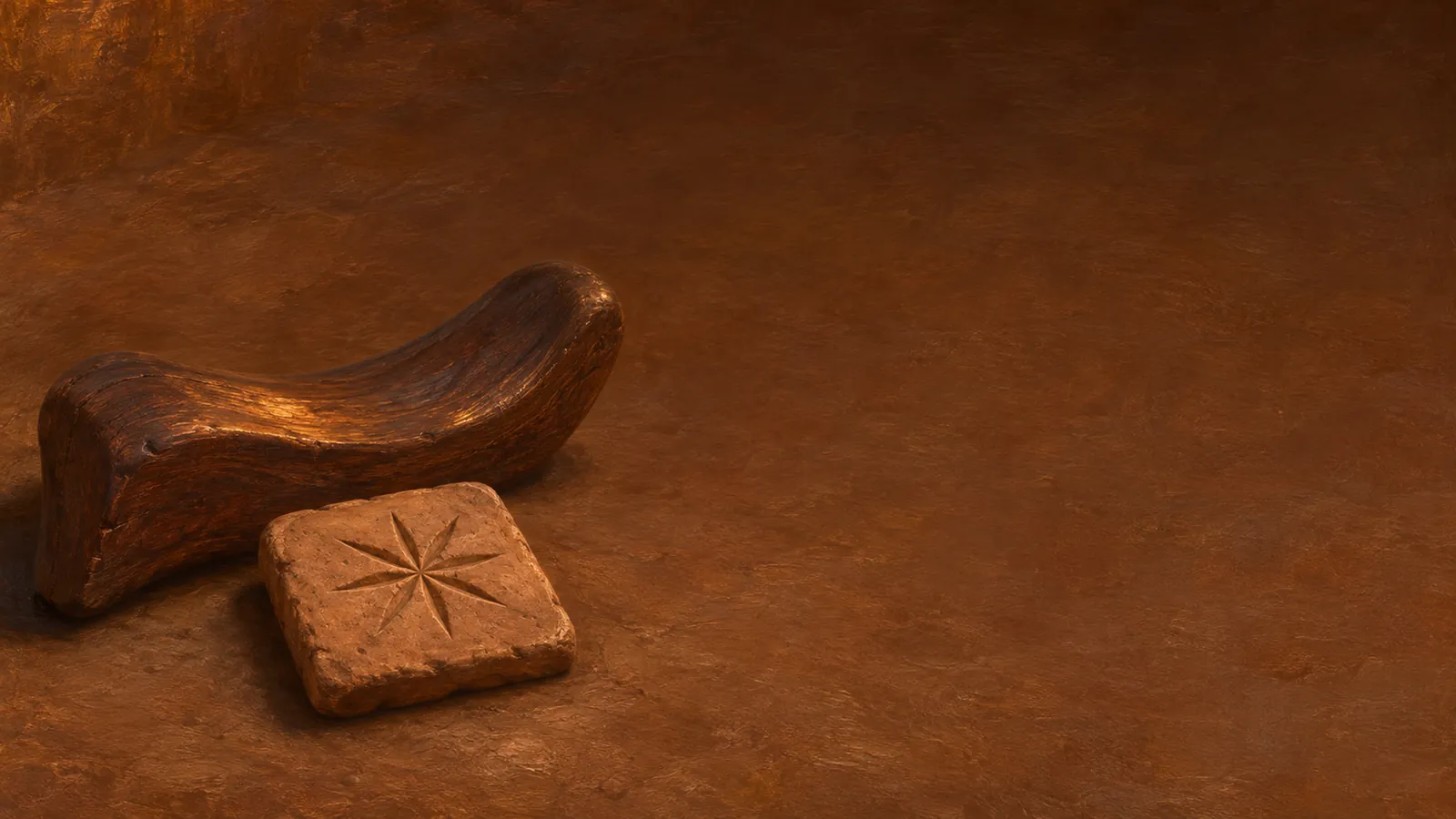
Uma das oferendas era para Ishtar, que havia enviado o Touro Celeste contra Uruk. Aqui, Gilgamesh recorre a ela como uma rainha que poderia acolher o homem que ele amava.
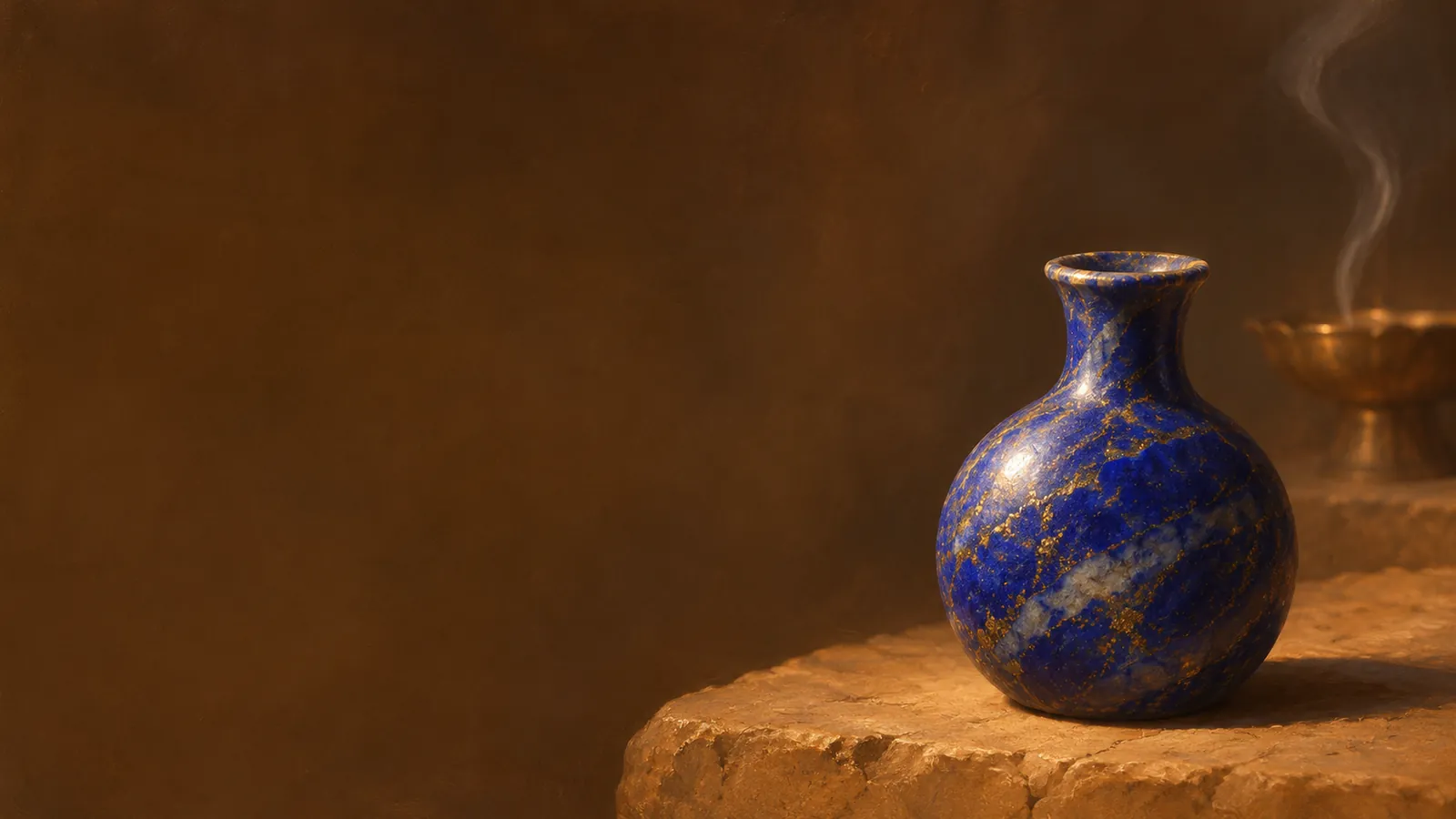
Gilgamesh pôs um frasco de lápis-lazúli para Ereshkigal, rainha dos mortos. Pediu que ela acolhesse o amigo e ficasse perto dele enquanto prosseguia.
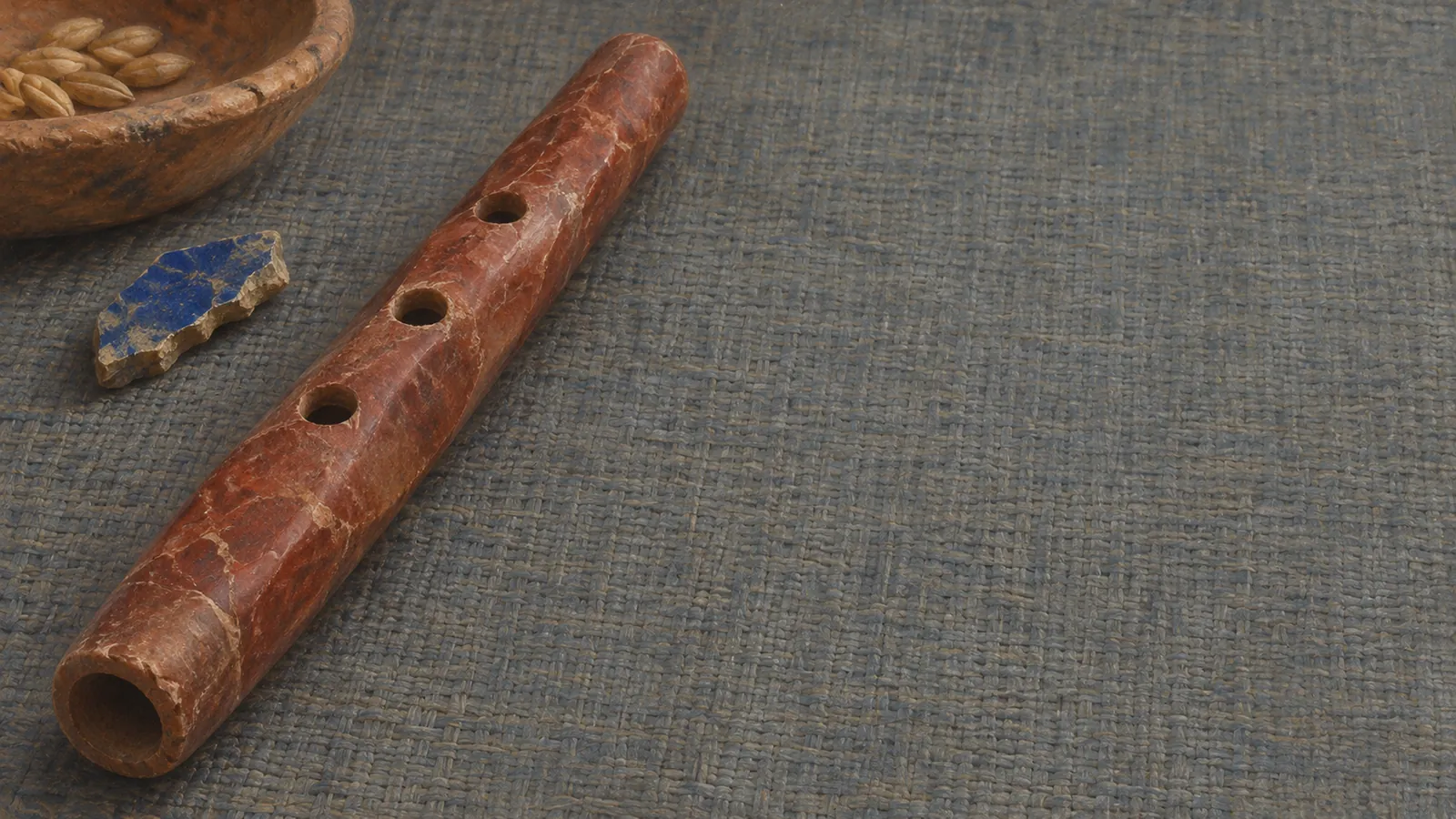
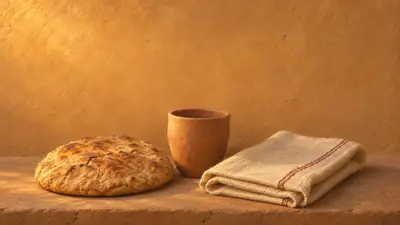
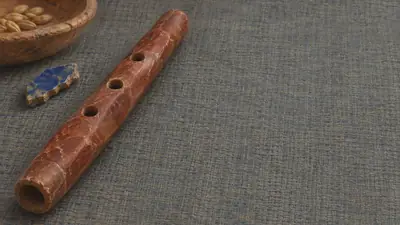
Para Dumuzi havia uma flauta de cornalina. Para outras forças do mundo de baixo havia outros presentes. Em cada apelo, ouvimos Gilgamesh pedir que alguém caminhe com seu amigo.
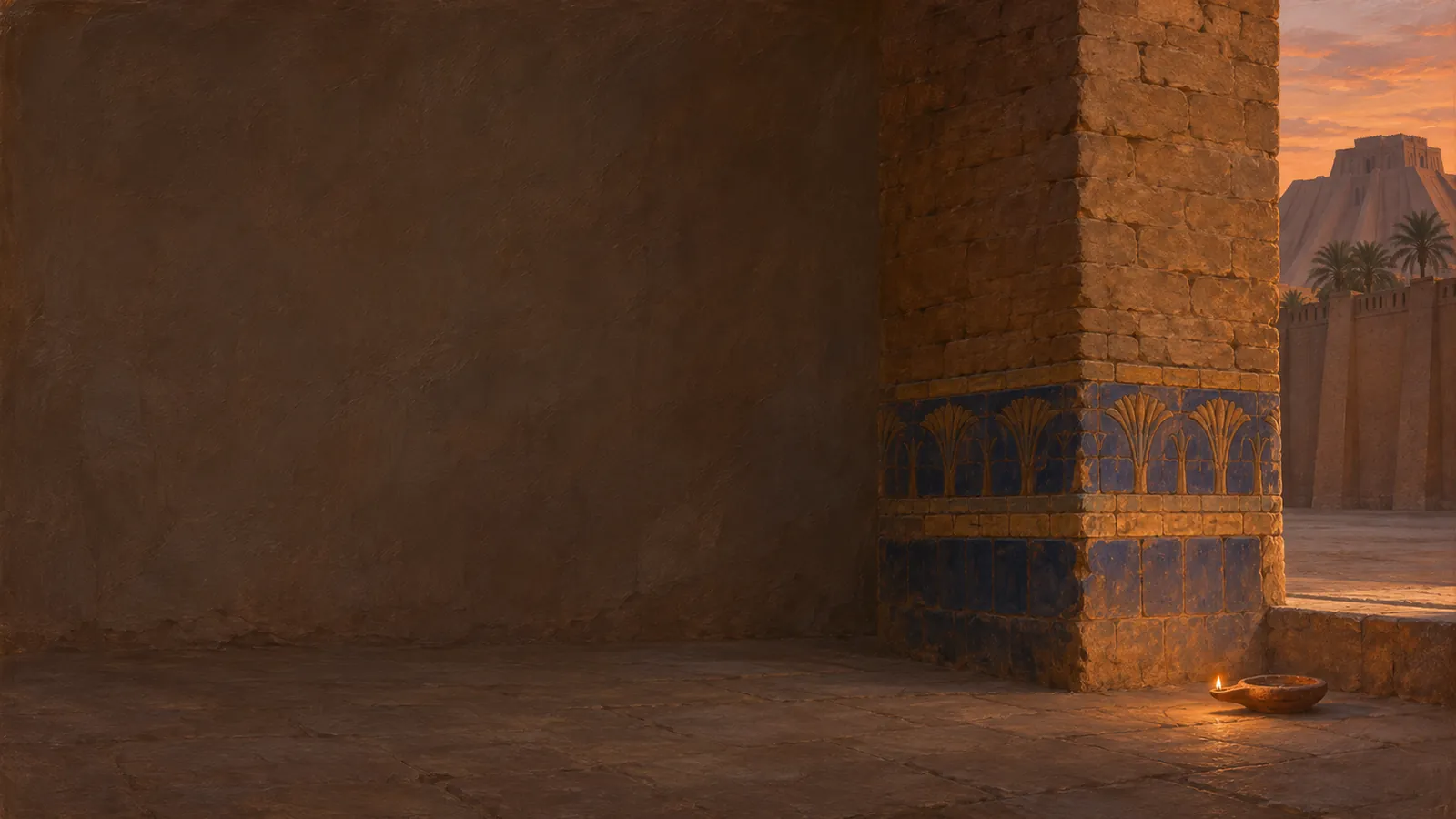
Nas linhas quebradas que se seguem, aparecem outras oferendas funerárias. A tabuleta provavelmente terminava com o sepultamento de Enkidu, mas a argila que restou não nos diz como Gilgamesh lhe deu sepultura.
MORTE
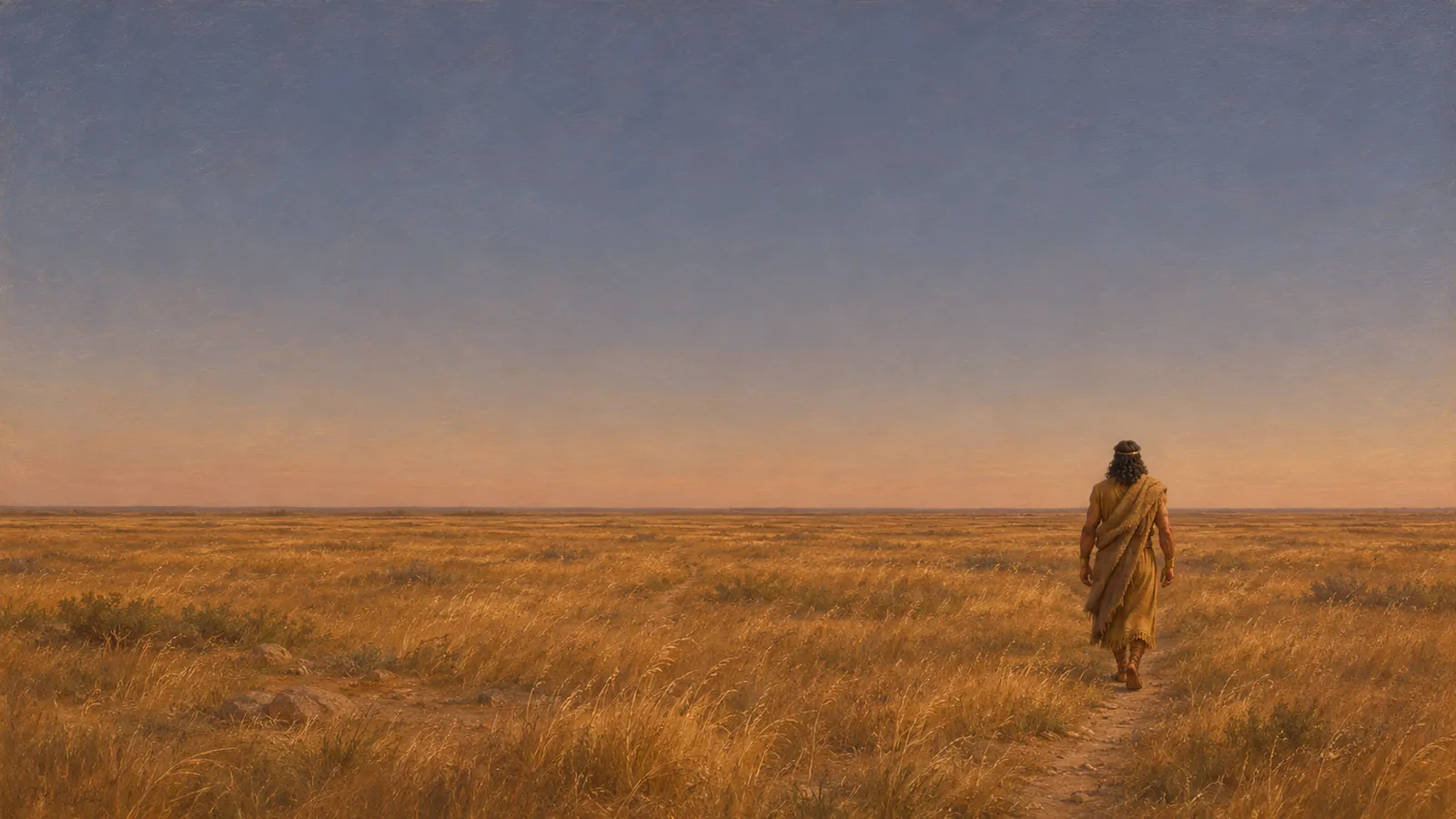
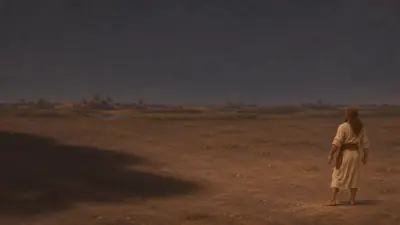
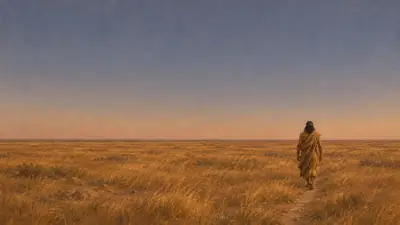
A tabuleta seguinte se abre com Gilgamesh na estepe, de luto pelo amigo. A morte de Enkidu lhe deixou uma pergunta que já não podia evitar: aconteceria o mesmo com ele?
Fim do capítulo 5
Todas as páginas










Fontes
On page 14, the curse runs to some thirty lines, including Enkidu’s wish that a drunkard soil Shamhat’s clothes (SB Gilgamesh VII 100–131, George VII score and Heidel pp. 58–59). The retelling gives the curse and its broad terms.
Edições consultadas
- Rozzi, Jiménez and Bennett, 2025, section 49: . The new fragments clarify the Nippur episode, elements of the underworld dream and parts of the mourning sequence.
- Andrew George, Tablet VII score: and [Tablet VIII score](https://soas-repository.worktribe.com/output/452101/sb-gilgamesh-viii-score-transliteration).
- Andrew George, “The Epic of Gilgamesh”: pp. 8–9, including the Hittite dream and the transition to the journey.
- Andrew George, “Shattered Tablets and Tangled Threads”: pp. 8–10, the reconstruction of lines VII 168–173.
- Andrew George, “What's New in the Gilgamesh Epic?”: the recovered rites and grave gifts.
- Hethitologie Portal Mainz, CTH 341: catalogue of the Hittite witnesses.
Os versos antigos de cada página
- Page 1: SB VI ending; SB VII 1; George, synopsis p. 8
- Page 2: SB VII 1 and the SB VI catchline; eBL corpus index
Paraphrase of the surviving question. - Page 3: Hittite Gilgamesh, CTH 341.III, Tablet III §1; George, synopsis p. 8; Rozzi et al. 2025 §49.2
- Page 4: Hittite Gilgamesh, CTH 341.III, Tablet III §1; Heidel, pp. 56–57; George, synopsis p. 8
- Page 5: Hittite Gilgamesh, CTH 341.III, Tablet III §1; Heidel, pp. 56–57; George, synopsis p. 8
- Page 6: SB VII 27–33; Rozzi et al. 2025 §49.2, BM.46069
Lines 31–33 partly restored; the proposal and Ekur destination are supported. - Page 7: SB VII 34–36; Rozzi et al. 2025 §49.2; compare SB III 19
Handclasp is an editorial restoration grounded in parallels. - Page 8: SB V 316–318; SB VII 36–45; Rozzi et al. 2025 §49.2
- Page 9: SB VII 39–63; Rozzi et al. 2025 §49.2
- Page 10: SB VII 32, 39–64; Rozzi et al. 2025 §49.2
The new study identifies the door as the object in line 64. The gift/loss reading is interpretation. - Page 11: SB VII 67–83, especially 77–80; George VII score
The plea survives in fragments. - Page 12: SB VII 90–95; George VII score
- Page 13: SB VII 94–100; George VII score; Heidel p. 58
- Page 14: SB Gilgamesh VII 100–131, George VII score and Heidel pp. 58–59
- Page 15: SB VII 132–139; George VII score; George, synopsis p. 8
- Page 16: SB VII 139–147; George VII score; parallel SB VIII 84–91
- Page 17: SB VII 148–161; George VII score; Heidel p. 59
- Page 18: SB VII 162–167; George VII score; Heidel p. 60; Rozzi et al. 2025 §49.2
- Page 19: SB VII 168–176; George, Shattered Tablets, pp. 8–10; George VII score
- Page 20: SB VII 180–186, especially 182–184; George VII score; Heidel p. 60
First lines very damaged. - Page 21: SB VII 184–190; George VII score; Heidel p. 60
- Page 22: SB VII 193–203; George VII score; Heidel p. 61; Rozzi et al. 2025 §49.2
- Page 23: SB VII 203–208; Rozzi et al. 2025 §49.2; George VII score
- Page 24: SB VII 209–217 and gaps before 249–253; Rozzi et al. 2025 §49.2, BM.46069; George VII score
The tomb’s intended occupant is uncertain. - Page 25: SB VII 253–261; George VII score; Heidel pp. 61–62
- Page 26: SB VII 261–267; George VII score; Heidel pp. 61–62
Final speech damaged. - Page 27: SB VII 261–267; George VII score
- Page 28: SB VII after 267; SB VIII 55–59; George VII–VIII scores and synopsis pp. 8–9
- Page 29: SB VIII 1–3; George VIII score; George, synopsis p. 9
- Page 30: SB VIII 3–6; George VIII score; Heidel p. 62
- Page 31: SB VIII 7–15; George VIII score; Rozzi et al. 2025 §49.3.A
The lines address features in a lament. - Page 32: SB VIII 16–17; Rozzi et al. 2025 §49.3.A; George VIII score
- Page 33: SB VIII 18–20, especially 19–20; Rozzi et al. 2025 §49.3.A; George VIII score
- Page 34: SB VIII 21–35, 42–44; George VIII score; Rozzi et al. 2025 §49.3.A
The surviving speech addresses several groups. - Page 35: SB VIII 44–51, especially 46–49; George VIII score
- Page 36: SB VIII 50–54; George VIII score; Heidel p. 63
- Page 37: SB VIII 55–58; George VIII score; Heidel p. 63
- Page 38: SB VIII 59; George VIII score; Heidel p. 63
The ancient simile is paraphrased. - Page 39: SB VIII 60–62; George VIII score; Heidel p. 63
Final clause is a restrained reading of his grief. - Page 40: SB VIII 63–64, with echoes at 76–77; George VIII score; Rozzi et al. 2025 §49.3.B
- Page 41: SB VIII 65–70; George VIII score; George, synopsis p. 9
- Page 42: SB VIII 69–75; Rozzi et al. 2025 §49.3.B; George VIII score
- Page 43: SB VIII 84–91; Rozzi et al. 2025 §49.3.C; compare SB VII 139–147
Wording is substantially restored from the parallel VII passage. - Page 44: SB VIII 92–97; Rozzi et al. 2025 §49.3.C, note on 95
- Page 45: SB VIII 131–138, 143–151; George, What's New, pp. 7–8; George VIII score
- Page 46: SB VIII 134–138; George, What's New, p. 7; SB VI for previous role
- Page 47: SB VIII 143–147; George, What's New, p. 7; George VIII score
- Page 48: SB VIII 148–179; George, What's New, pp. 7–8; George VIII score
The formulaic pleas are paraphrased. - Page 49: SB VIII, fragmentary later funeral sequence and loss at end; George VIII score; George, synopsis p. 9
- Page 50: SB IX 1–7; George, synopsis p. 9; Heidel p. 64; cf. SB VIII 90–91
Ilustrações feitas pelo IL Archive com ferramentas de IA; o texto baseia-se nas fontes antigas (veja as fontes no fim de cada capítulo).