A Epopeia de Gilgamesh Capítulo 6
Além do Limiar do Dia
Gilgamesh atravessa a escuridão do monte Mashu e procura um caminho para além do mar. Sua busca o leva a Utnapishtim, cujas palavras o fazem perguntar o que cabe numa vida humana.
Ver o filmeFontesVire as páginas com as setas, o teclado ou deslizando o dedo.
NOITE
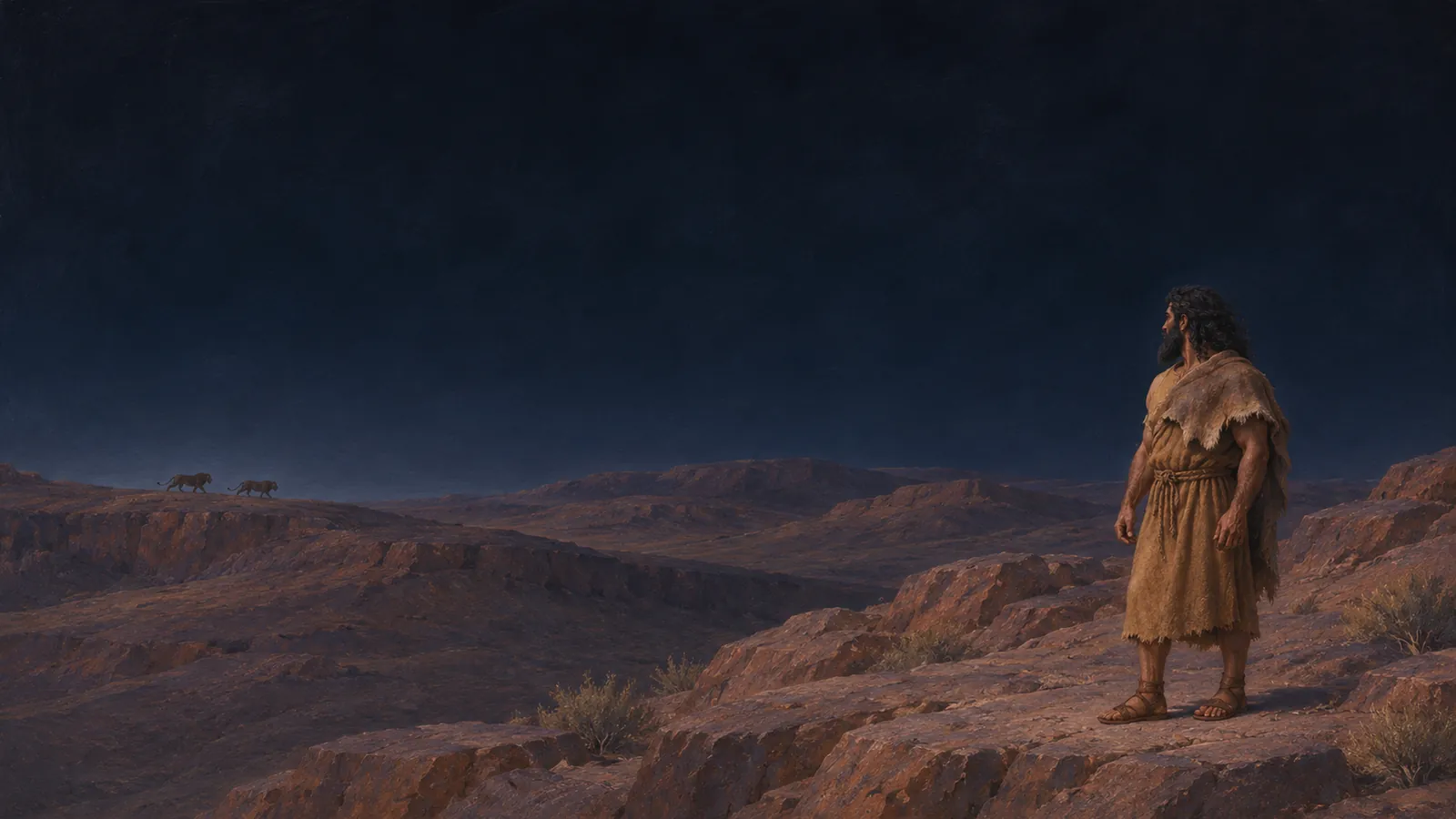
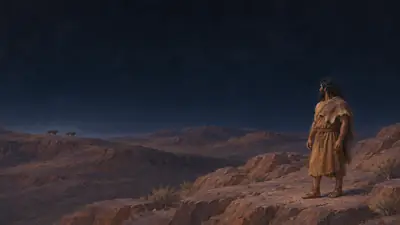
A noite já havia caído quando Gilgamesh chegou às passagens das montanhas. Viu leões na escuridão e sentiu medo, longe de qualquer lugar onde soubesse estar a salvo.
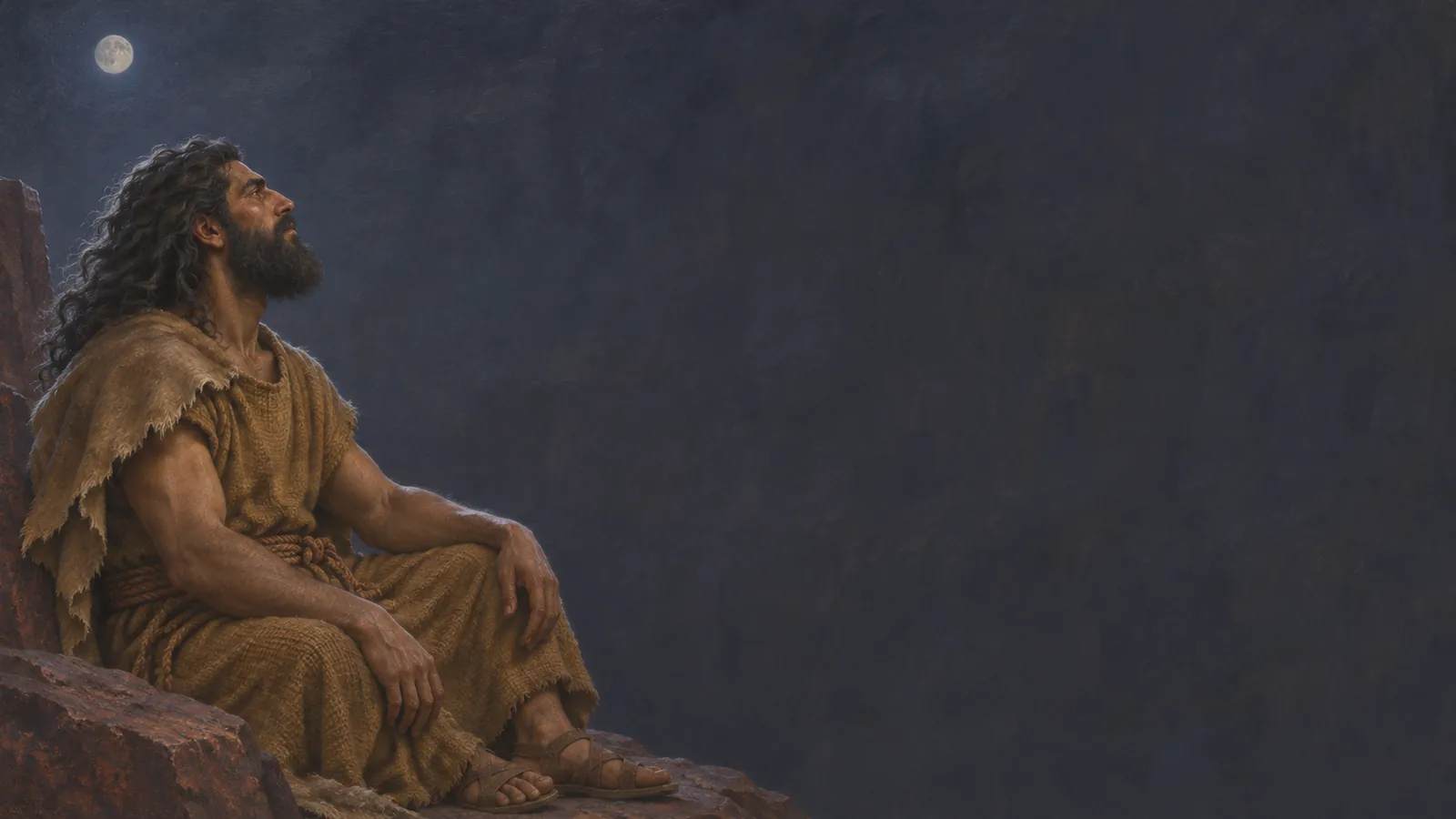
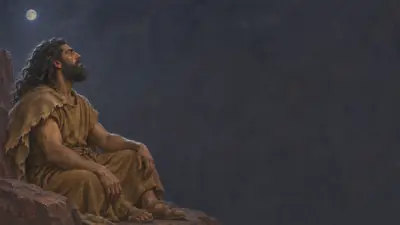
Gilgamesh ergueu o rosto para o deus da lua e pediu proteção. Longe das muralhas de Uruk, uma prece era o que tinha na escuridão.
Gilgamesh acordou assustado. O poema conta que ele avançou contra os leões e depois se quebra em fragmentos, até que o reencontramos no monte Mashu.
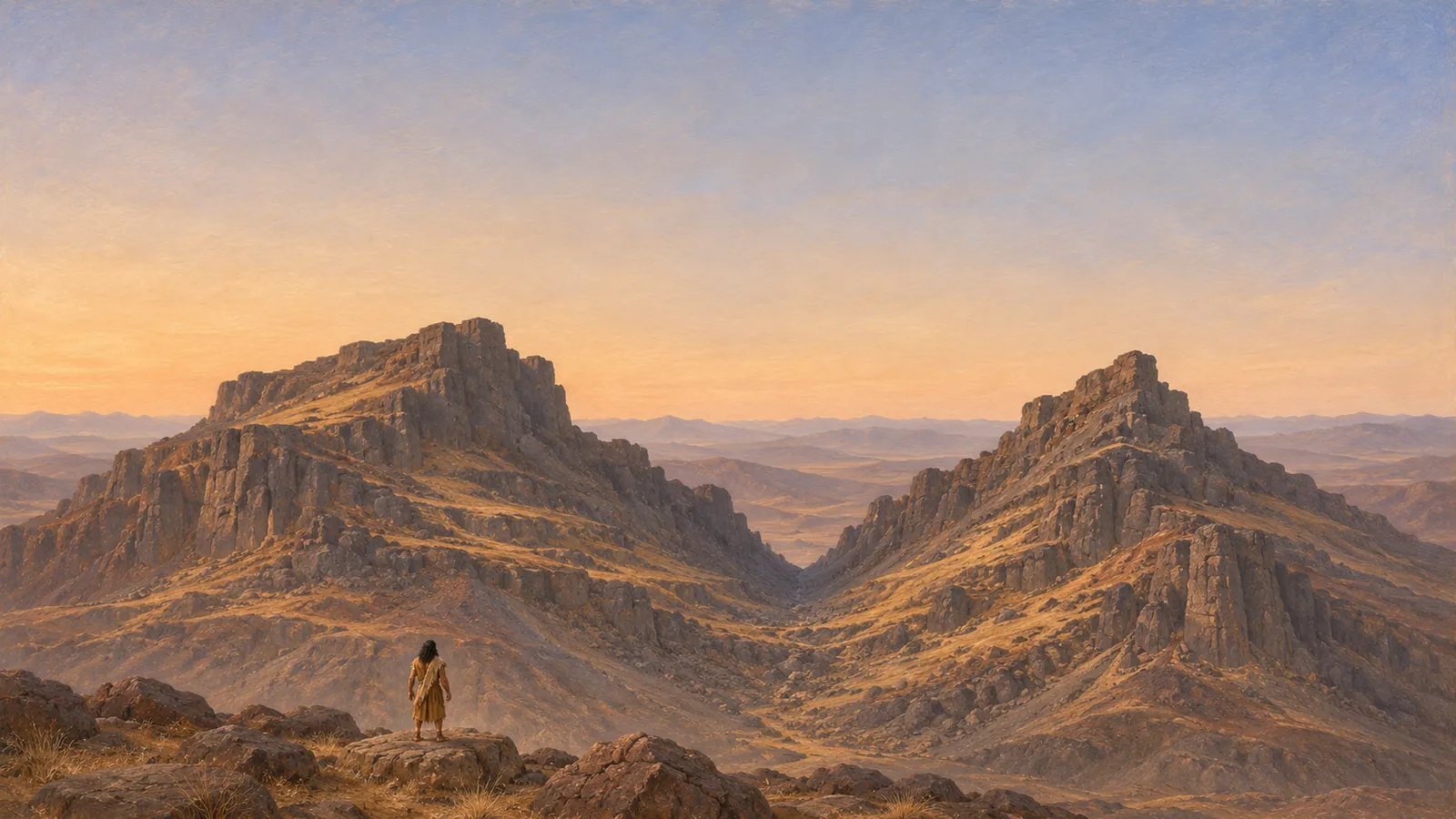
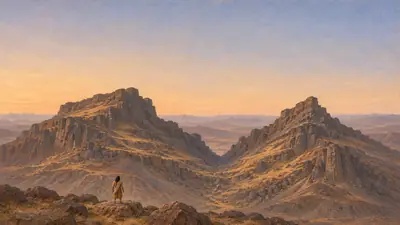
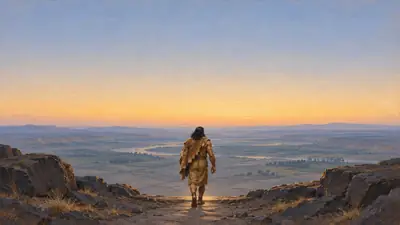
Gilgamesh chegou aos picos gêmeos de Mashu, onde o poema situa o nascer do sol. Seus cumes alcançam a borda do céu e suas bases tocam o mundo de baixo.
GUARDIÕES
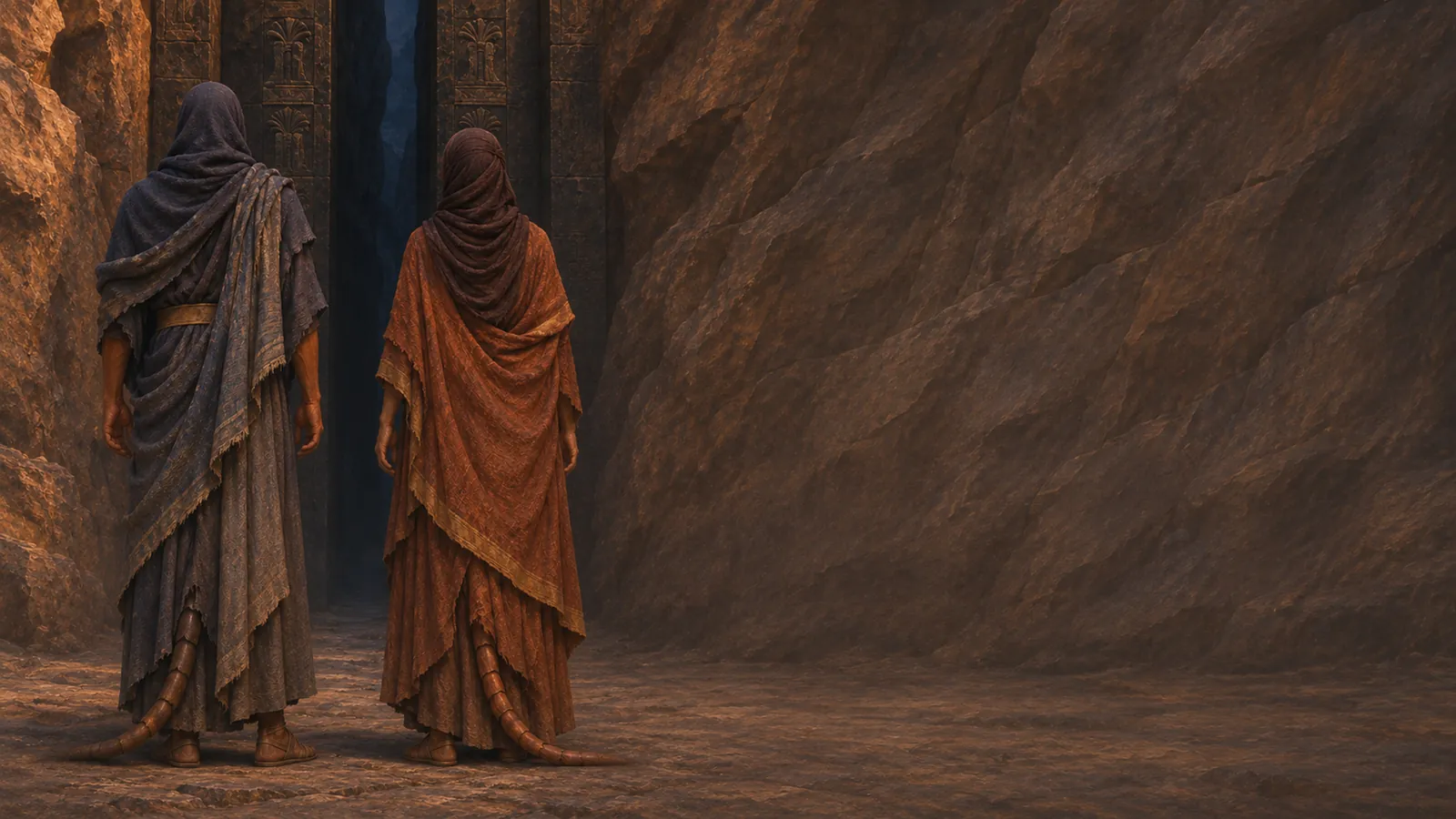
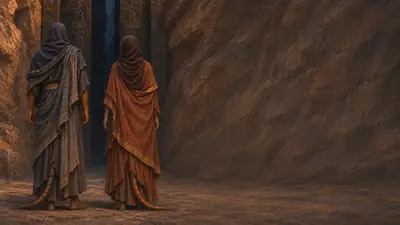
O portão pertencia a dois seres-escorpião. O poema diz que vê-los podia trazer a morte e que guardavam o sol ao nascer e ao se pôr.
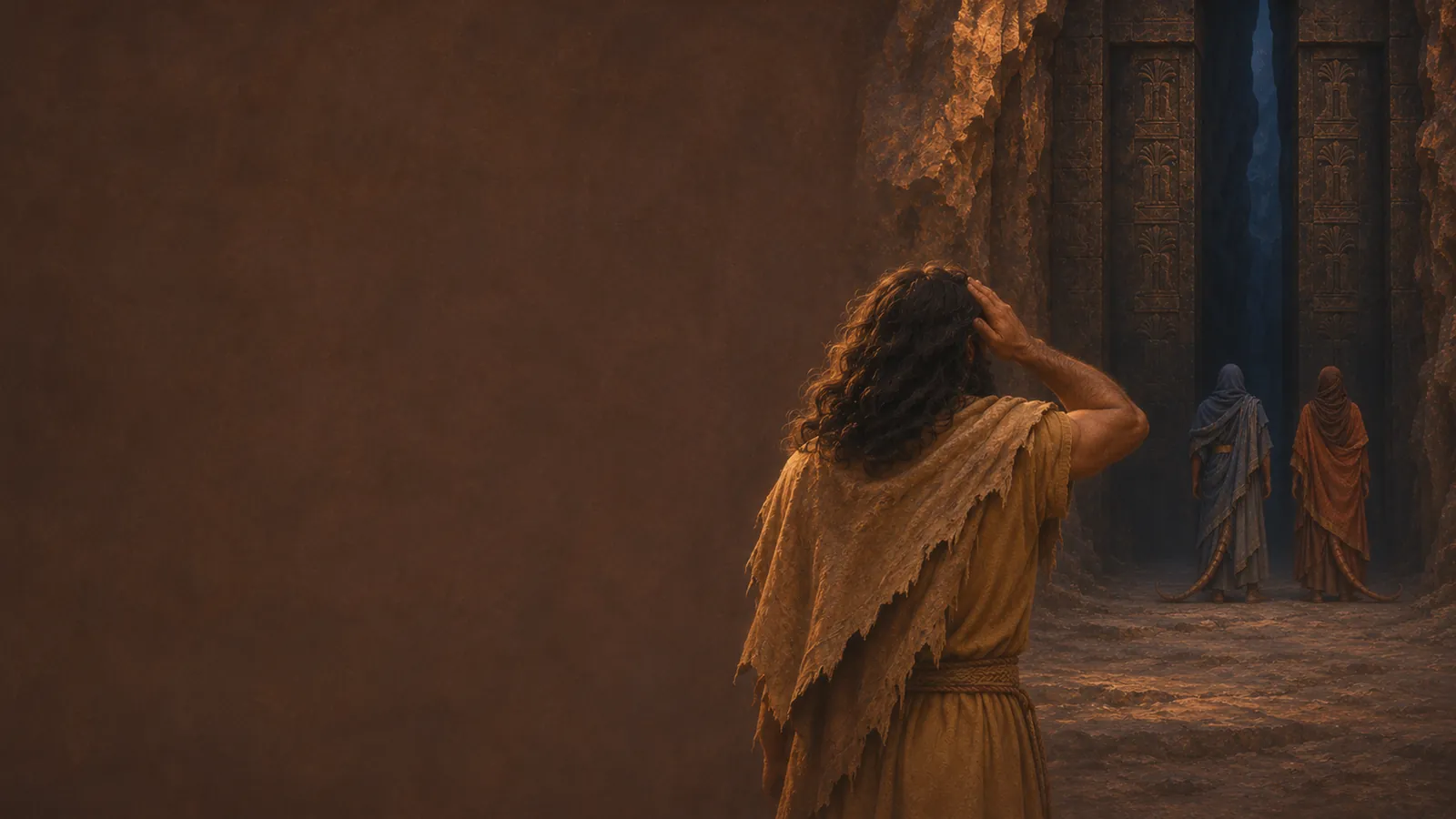
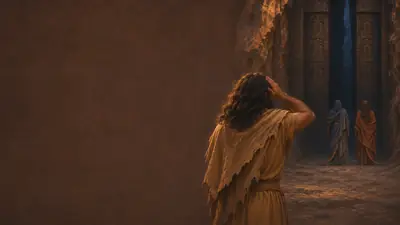
Ao vê-los, Gilgamesh cobriu o rosto de medo. Recompôs-se e se aproximou dos dois seres que estavam junto ao portão.
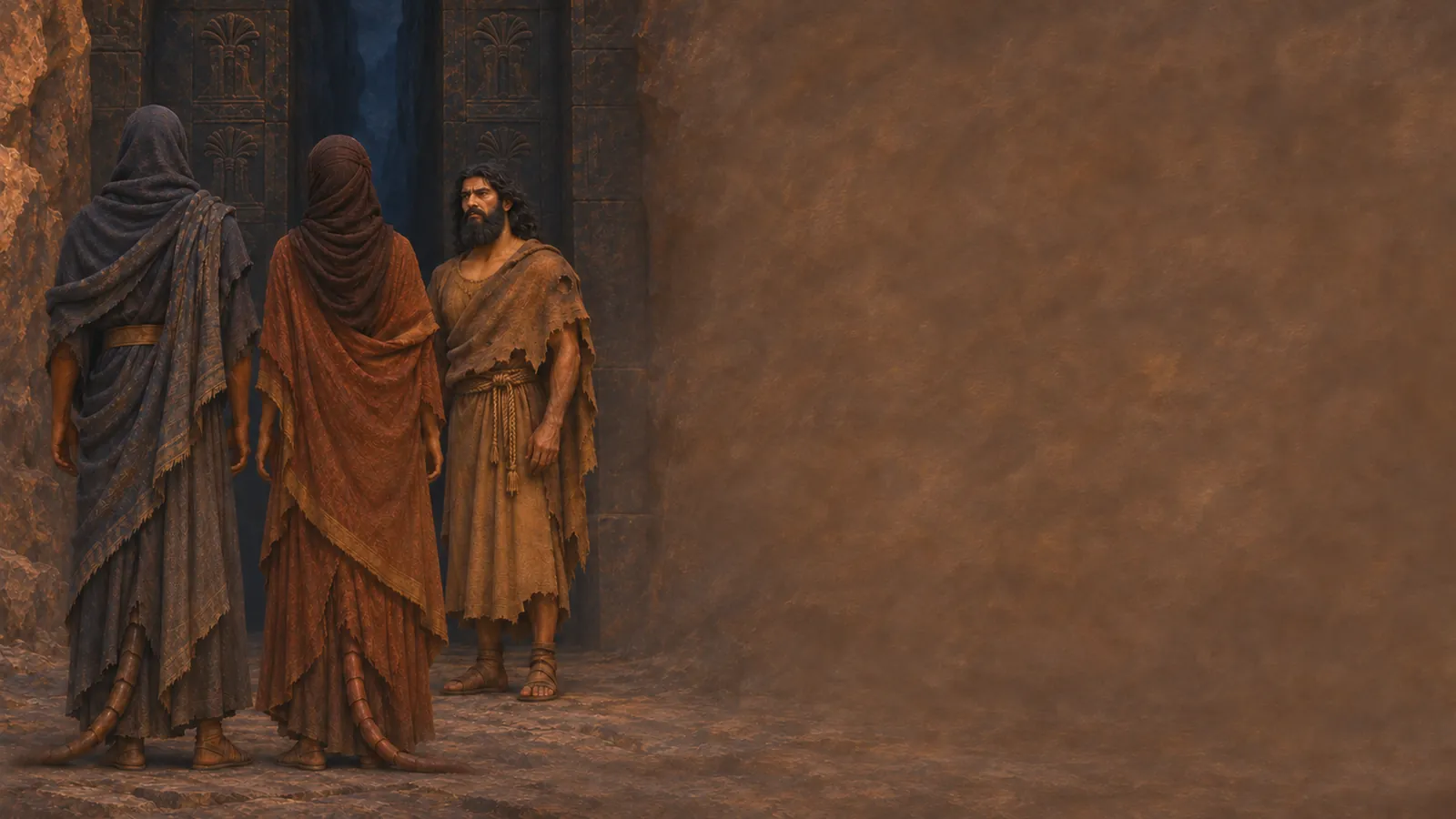
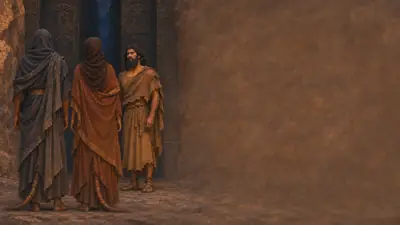
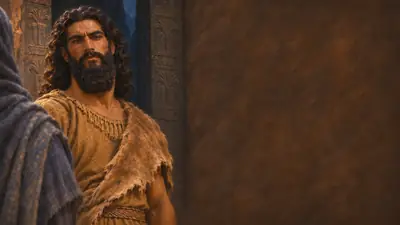
O primeiro guardião reconheceu algo divino no viajante. Sua mulher viu também o outro lado: Gilgamesh era em parte deus e em parte homem.
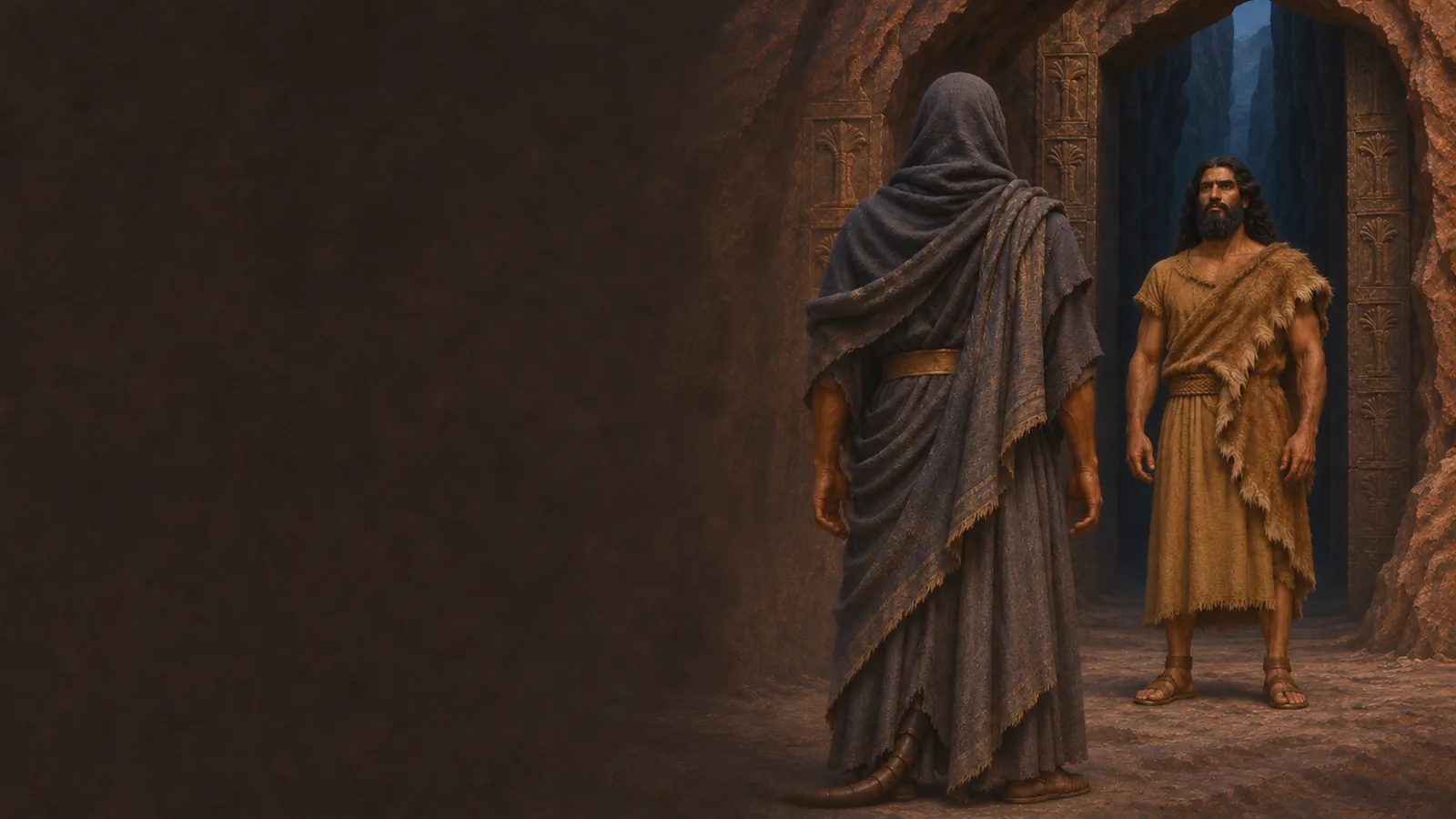
O guardião perguntou o que trouxera Gilgamesh tão longe de casa. A pergunta chegou até nós em fragmentos, mas fica claro que ele precisava explicar por que viera.
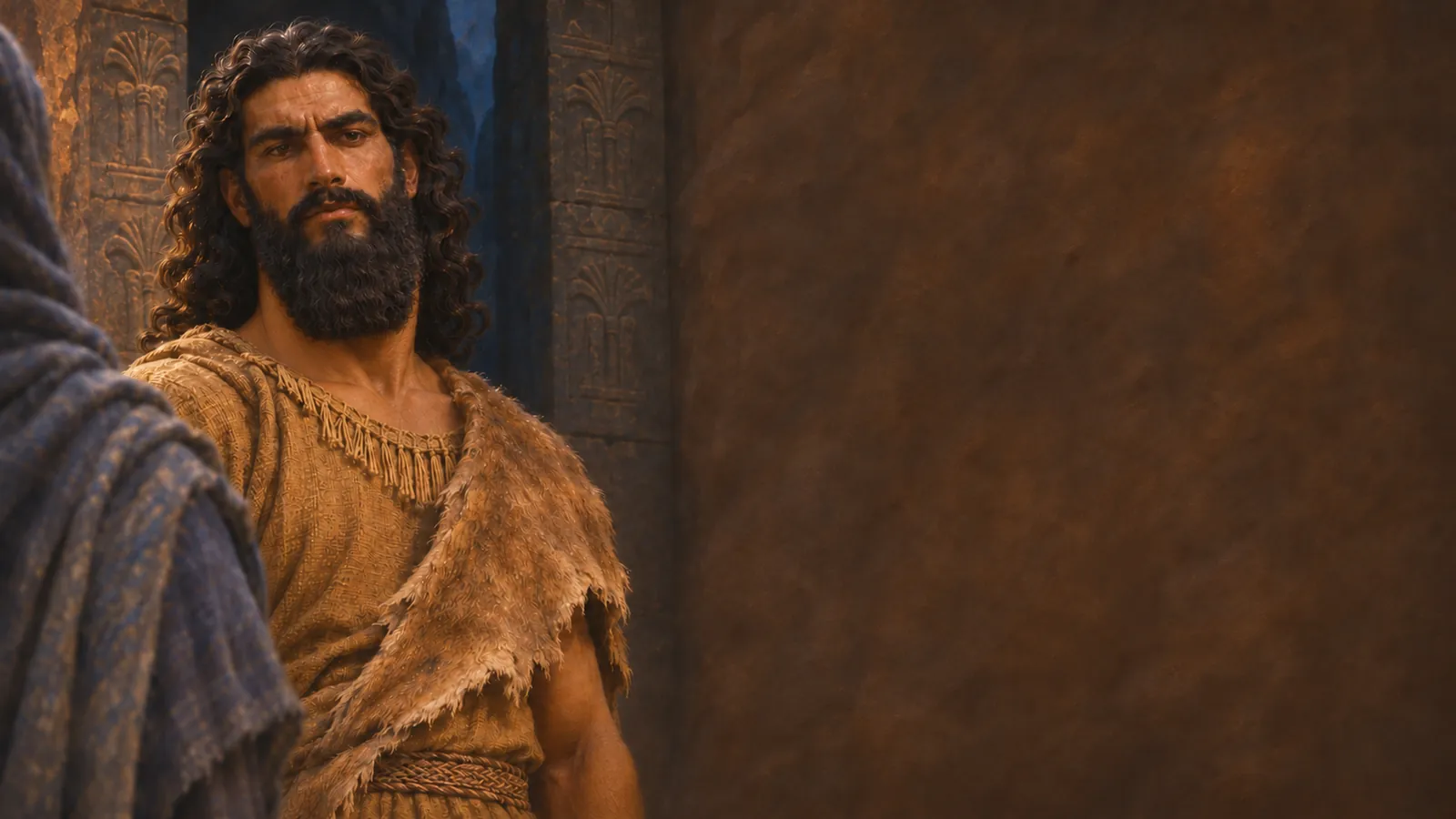
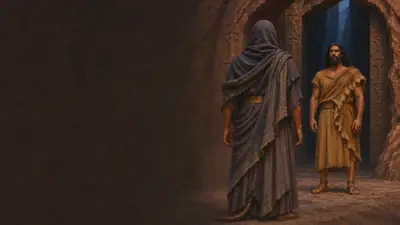
Gilgamesh viera em busca de Utnapishtim, seu antepassado distante. Queria perguntar a ele sobre a vida e a morte, a questão que trouxera consigo até Mashu.
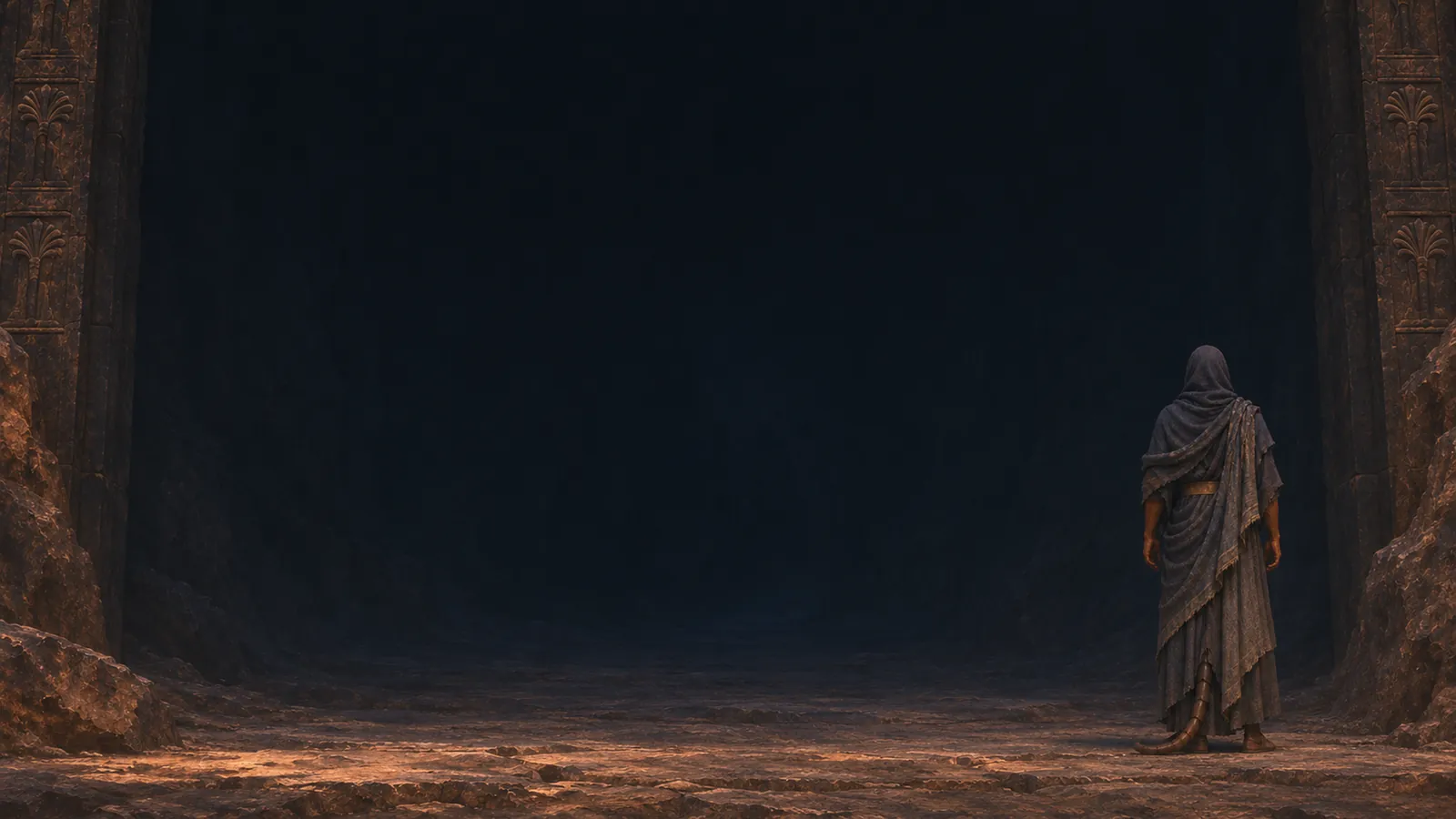
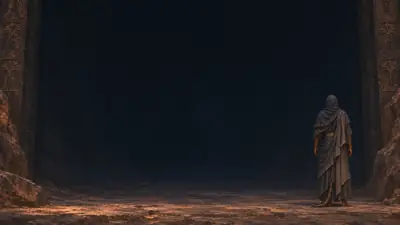
O guardião o avisou de que ninguém havia atravessado a montanha por aquele caminho. Por um longo trecho, a passagem era escura, sem luz para guiar um viajante.
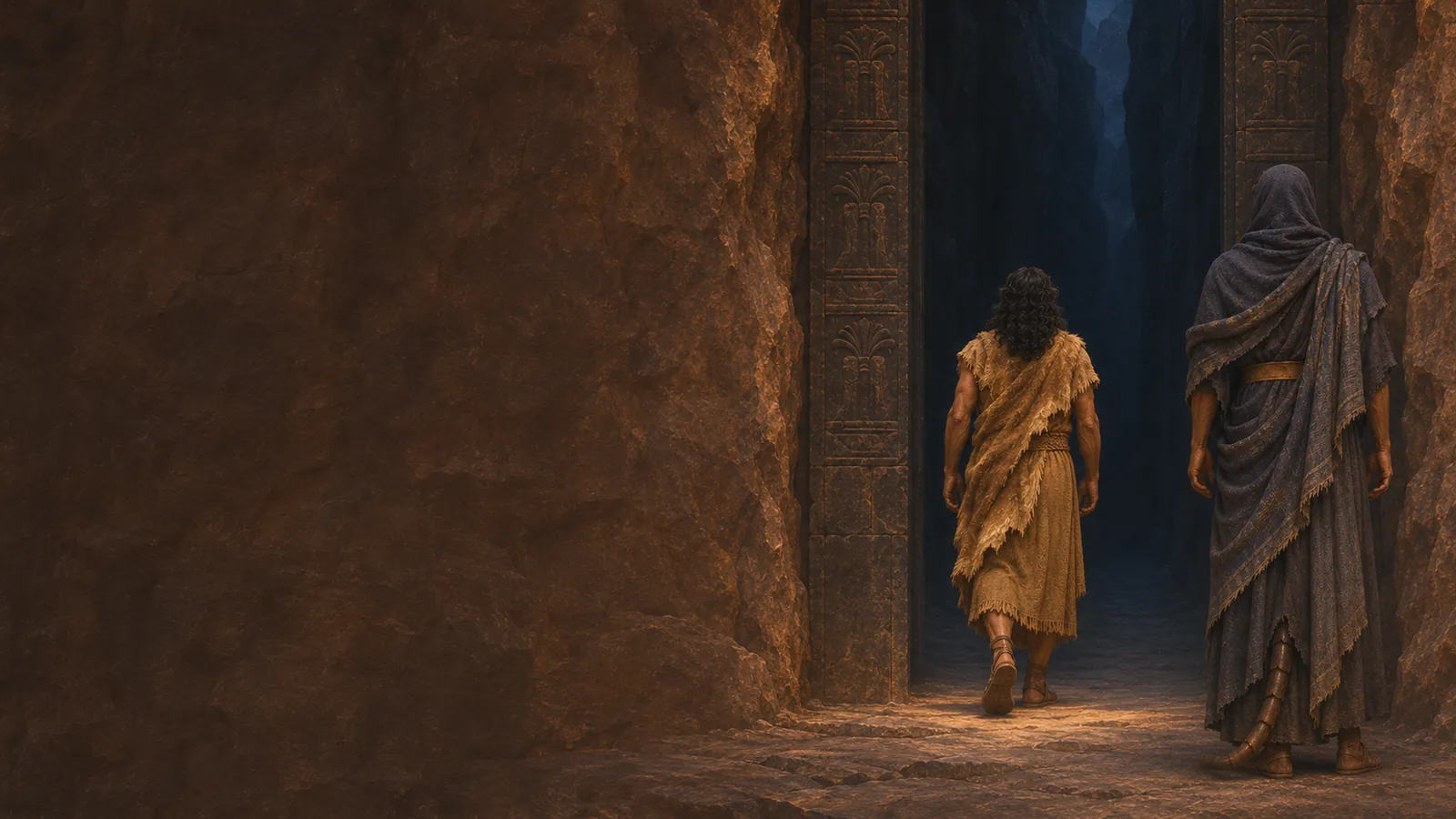
A tabuleta se interrompe antes que ouçamos toda a conversa. Quando as palavras voltam, o guardião deixa Gilgamesh atravessar Mashu e lhe deseja uma travessia segura.
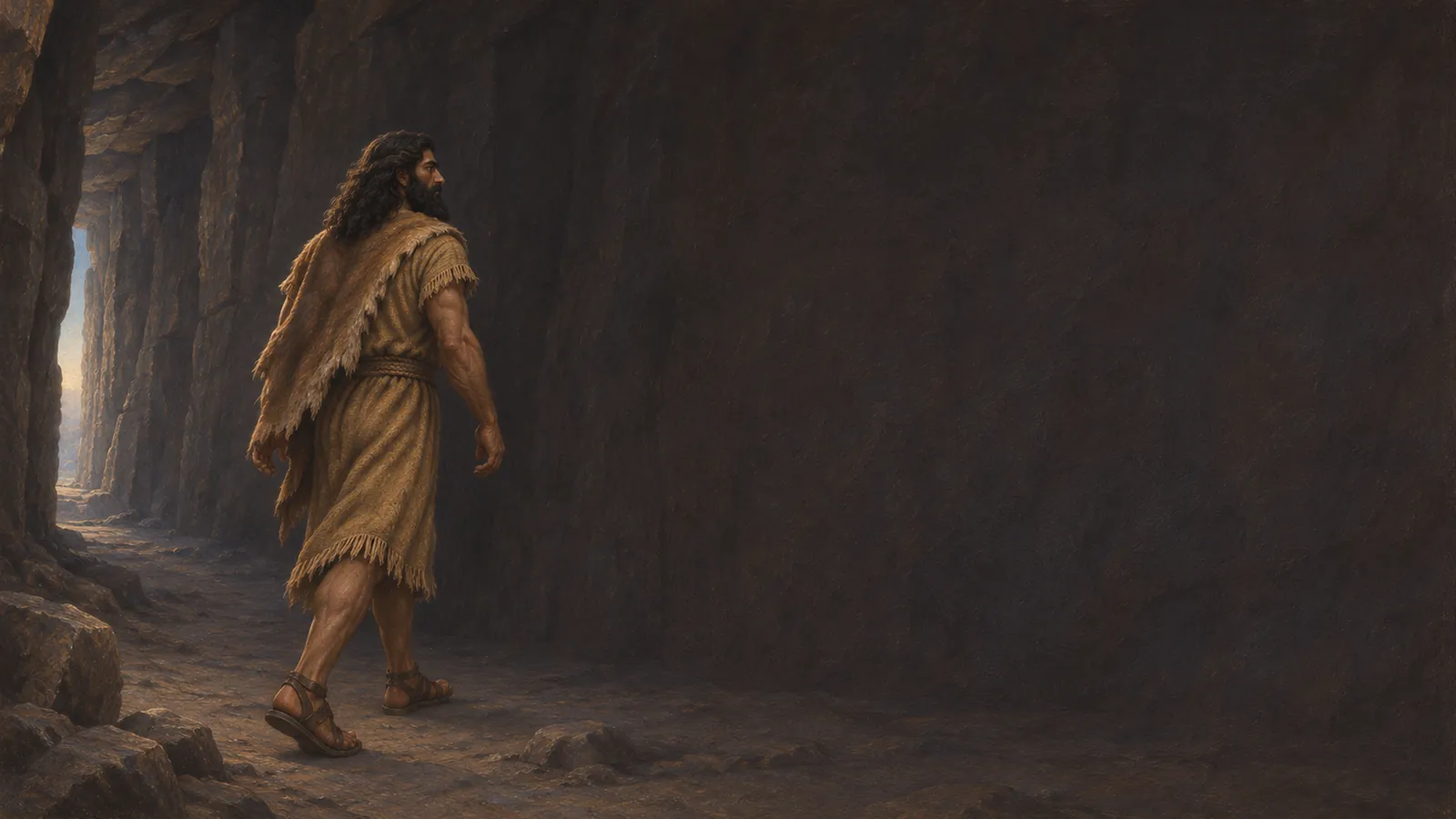
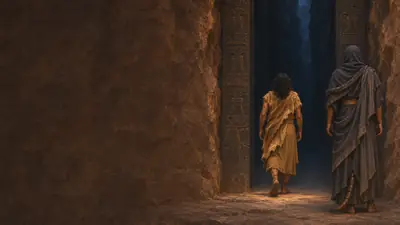
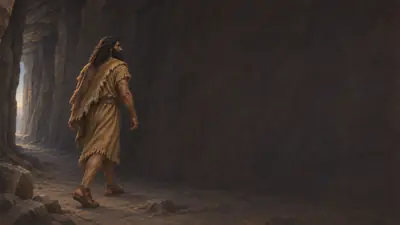
Gilgamesh ouviu e entrou pelo caminho que o deus do sol percorria. A abertura atrás dele foi ficando pequena conforme avançava rocha adentro.
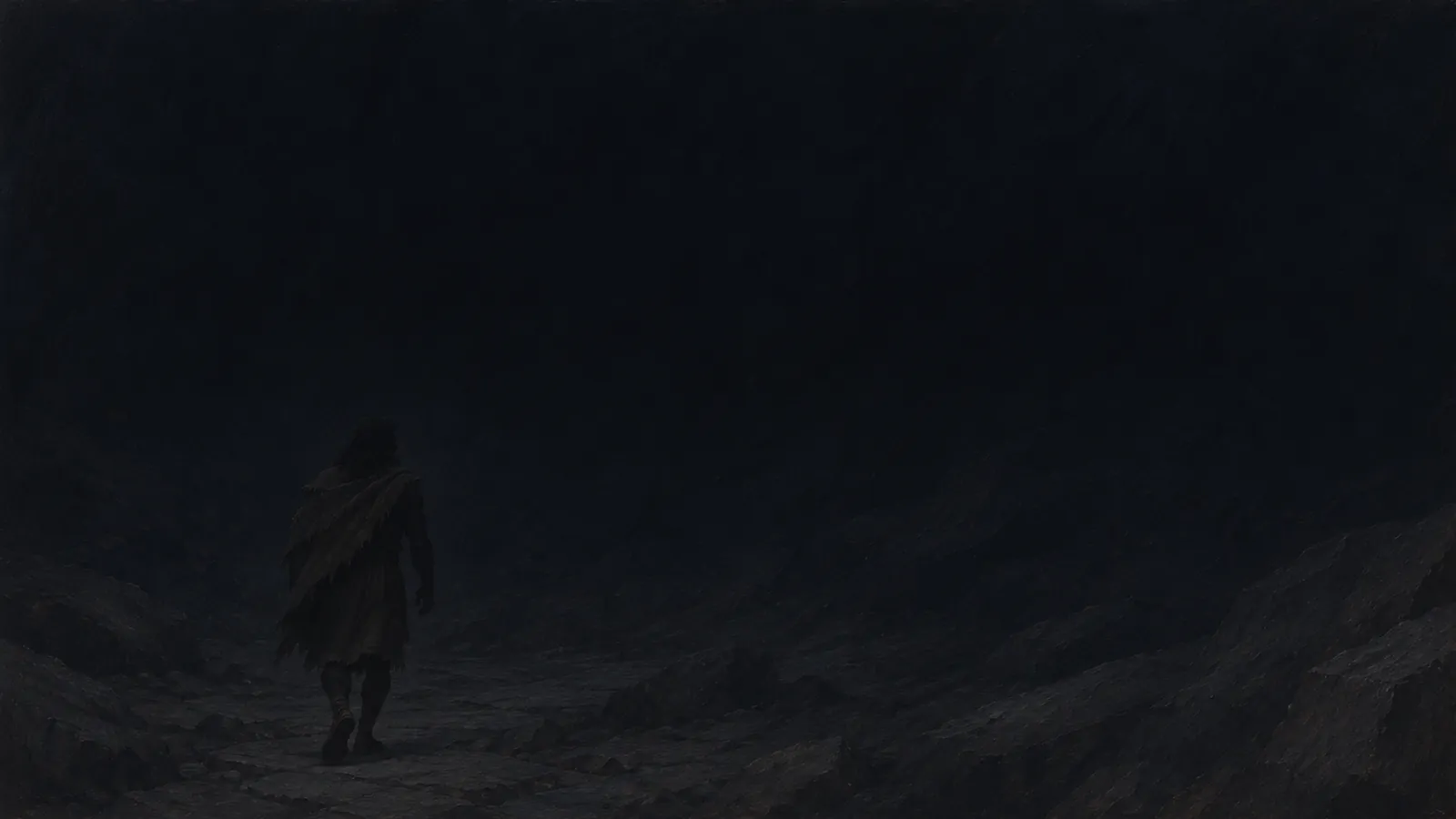
O primeiro trecho passou numa escuridão tão densa que Gilgamesh já não via o caminho por onde viera. O poema repete a imagem dessa escuridão à medida que ele avança.
O poema conta mais um trecho, depois outro. A repetição das palavras nos dá uma ideia da distância, enquanto Gilgamesh não vê nada que lhe permita medi-la.
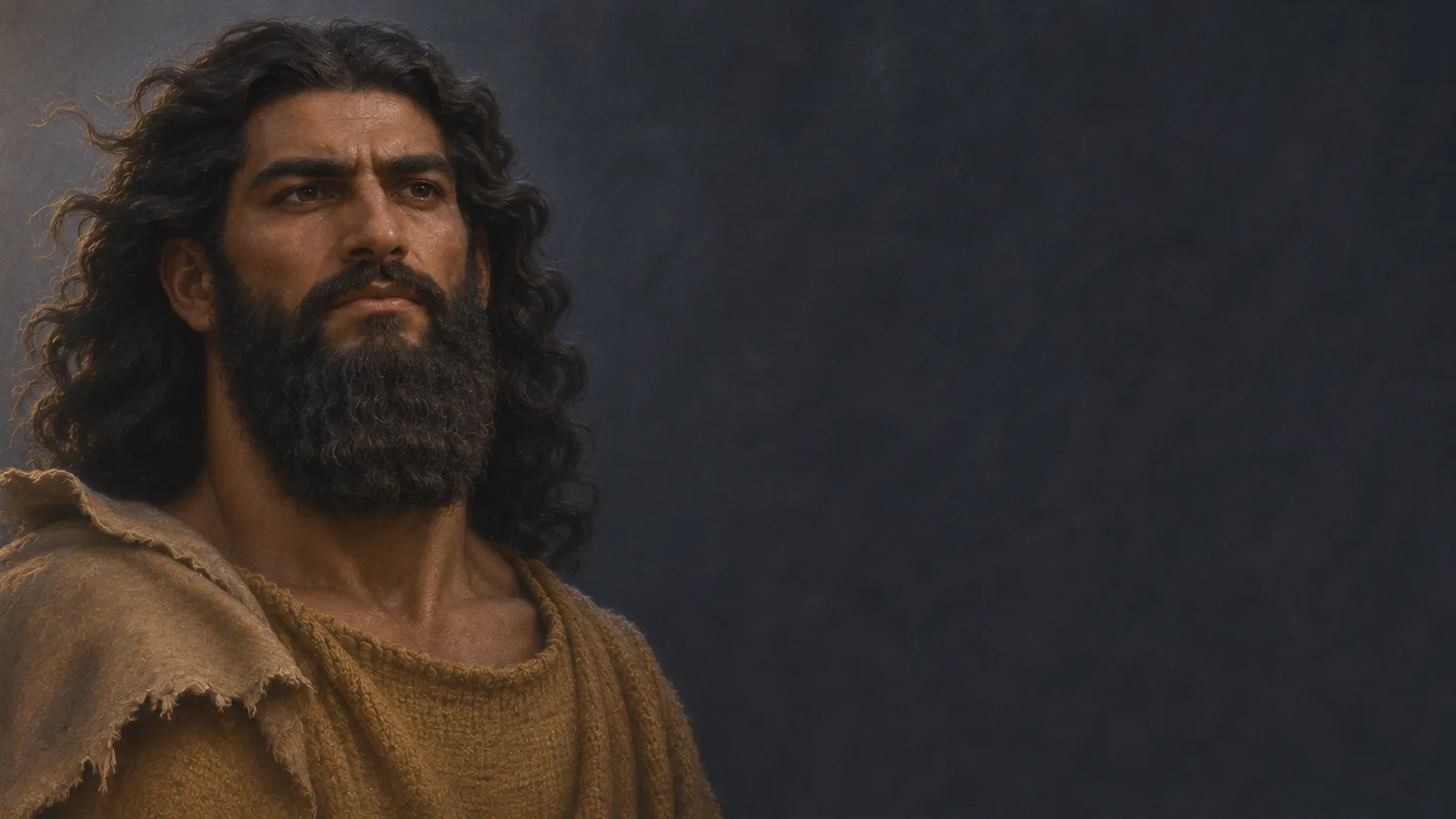
Nas profundezas da passagem, o poema menciona um vento do norte. A linha está danificada, mas vem pouco antes de a escuridão começar a ceder ao dia que se aproxima.
LUZ
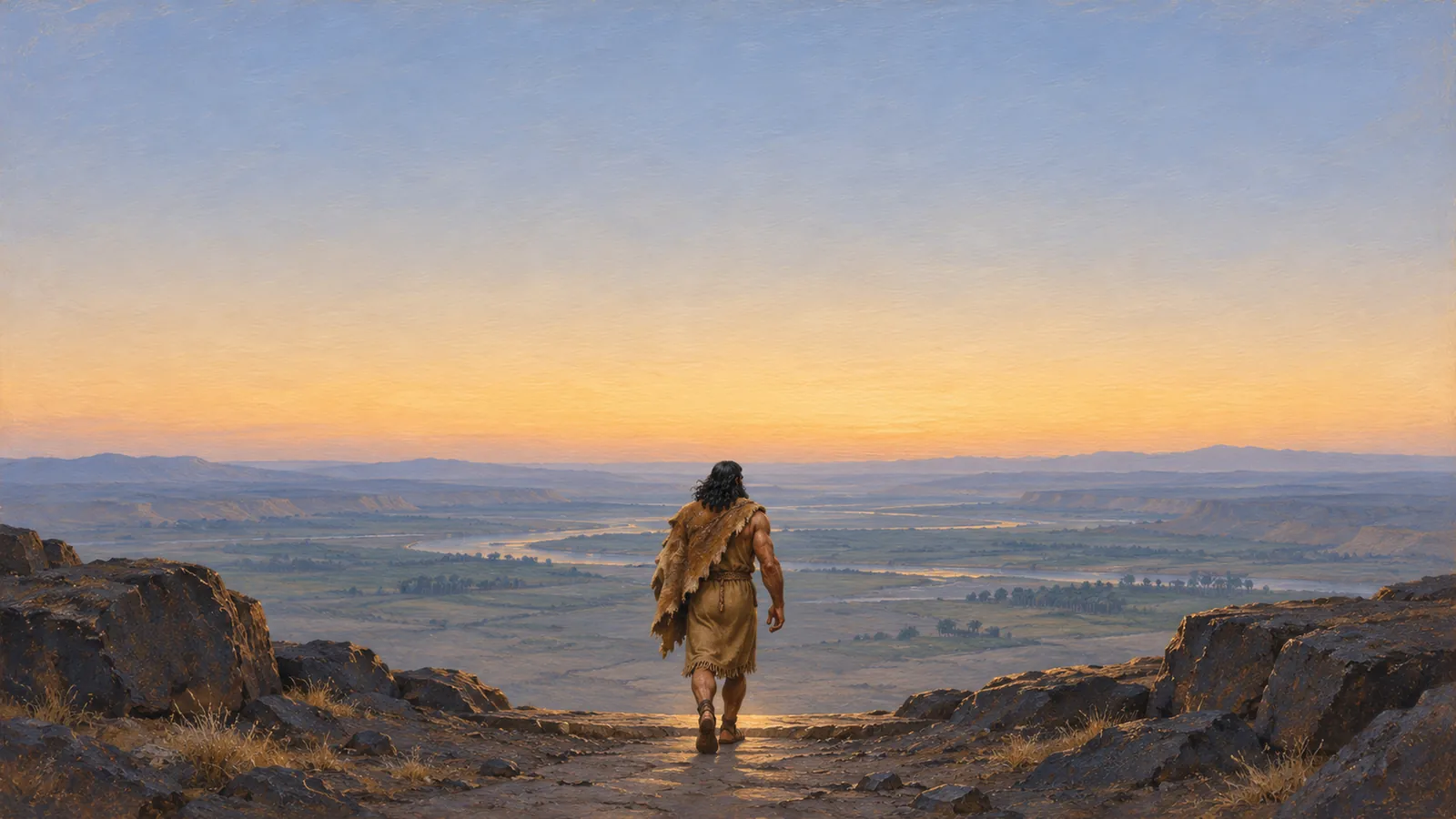
Gilgamesh chegou ao fim da passagem antes do sol. Tinha atravessado toda a extensão da escuridão e saído para uma claridade que o poema descreve em fragmentos.
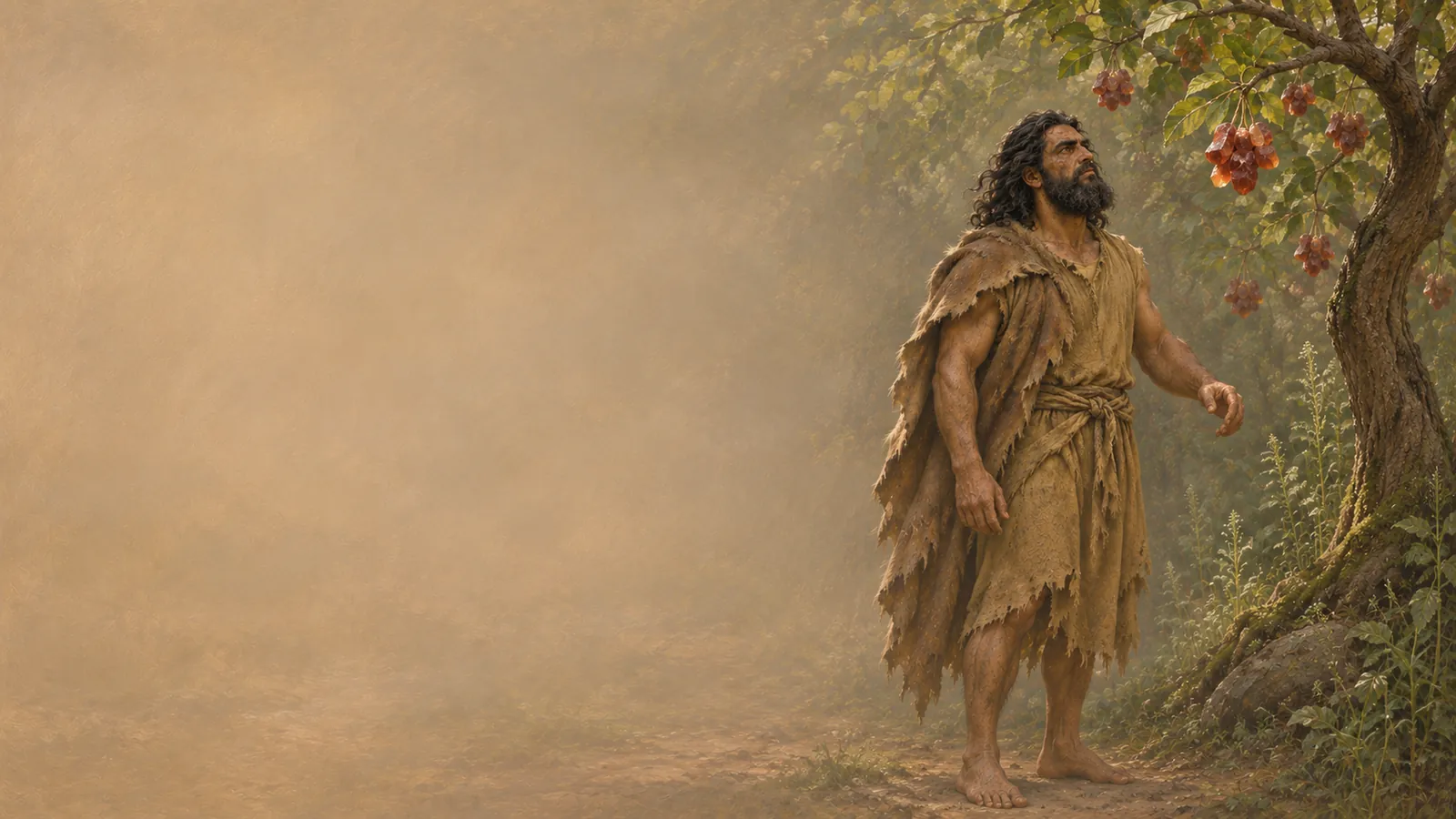
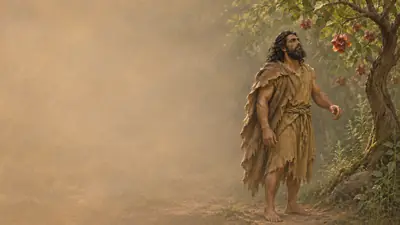
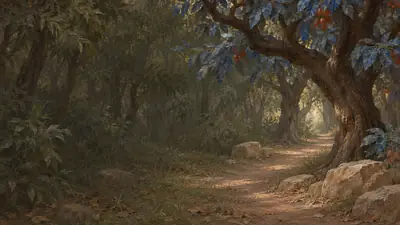
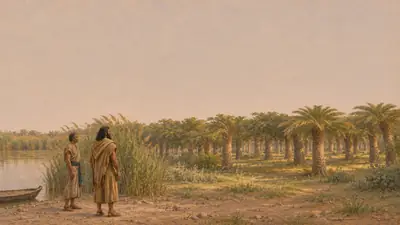
A luz do dia revelou um jardim onde pedras preciosas cresciam nos galhos. Gilgamesh se aproximou e viu cachos de cornalina vermelha pendendo ao sol como frutos.
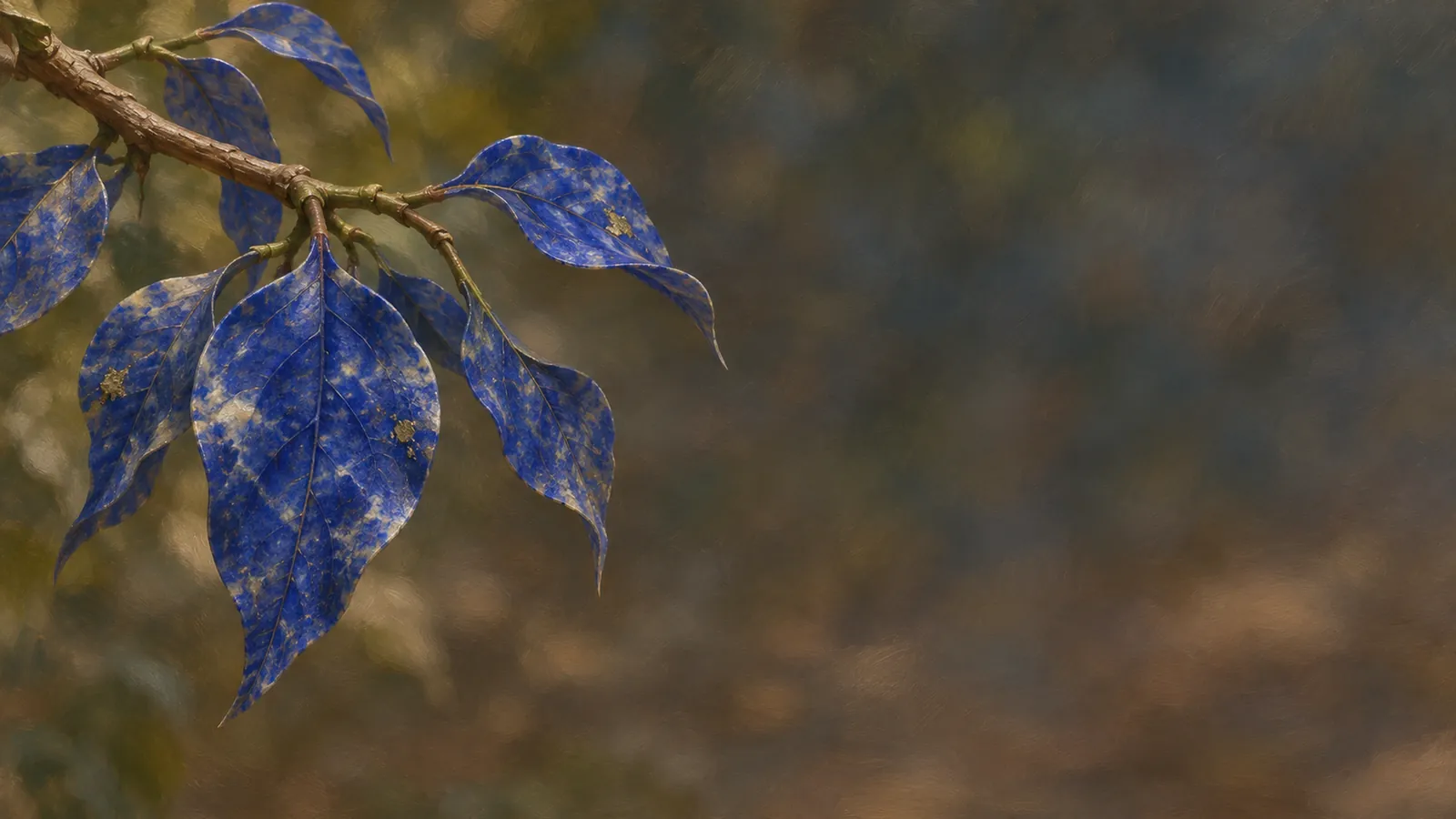
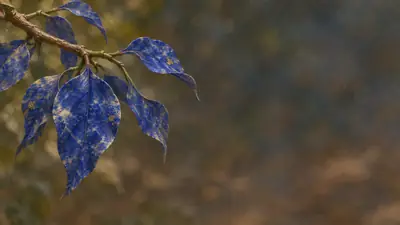
Outro galho tinha lápis-lazúli onde esperaríamos encontrar folhas. O poema se demora no que Gilgamesh podia ver agora, depois de seguir um caminho pela escuridão.
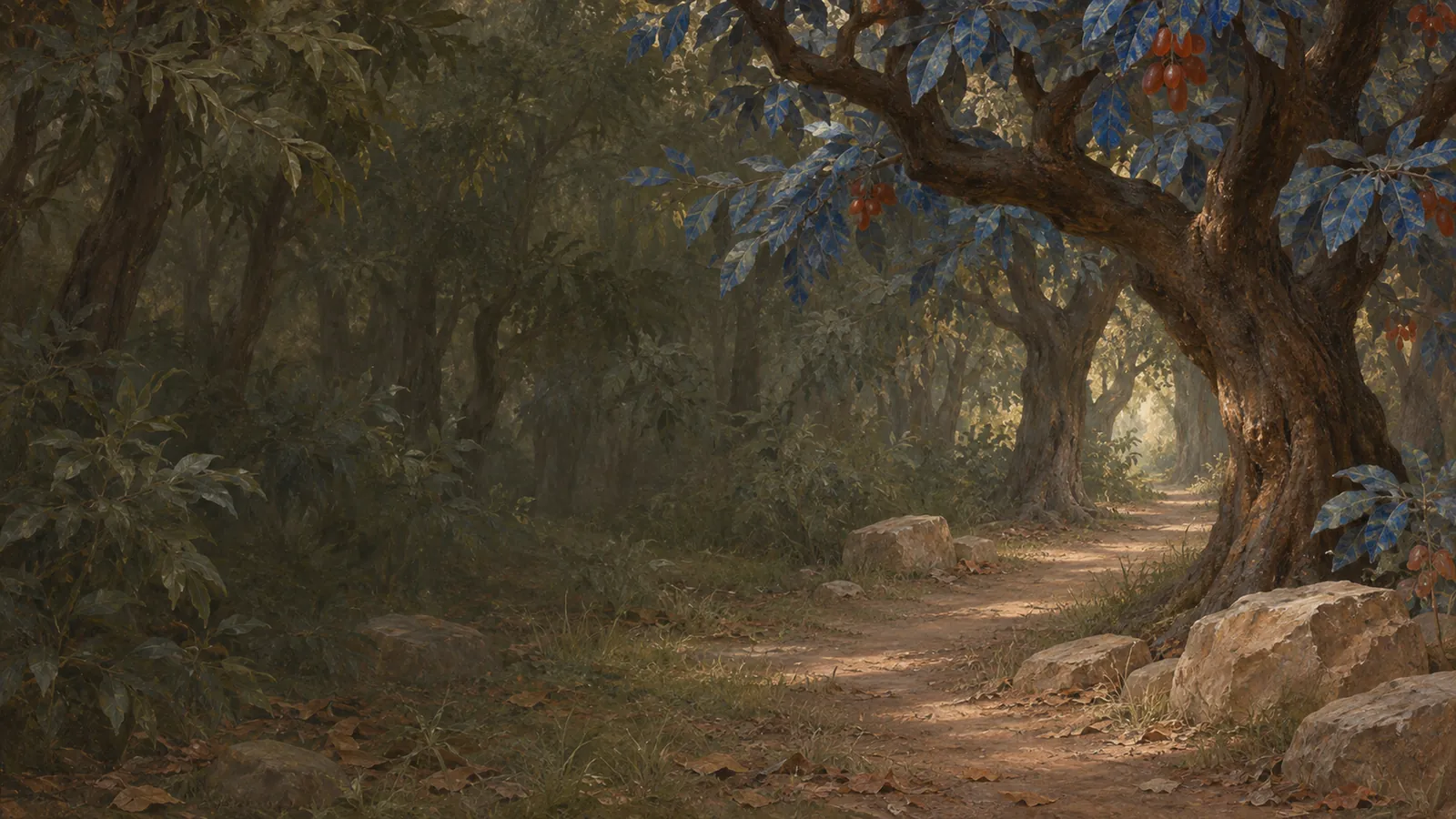
Da descrição do jardim, só ficaram mais alguns vislumbres. No fim da tabuleta, enquanto Gilgamesh caminha maravilhado, alguém ergue a cabeça para observá-lo.
SIDURI
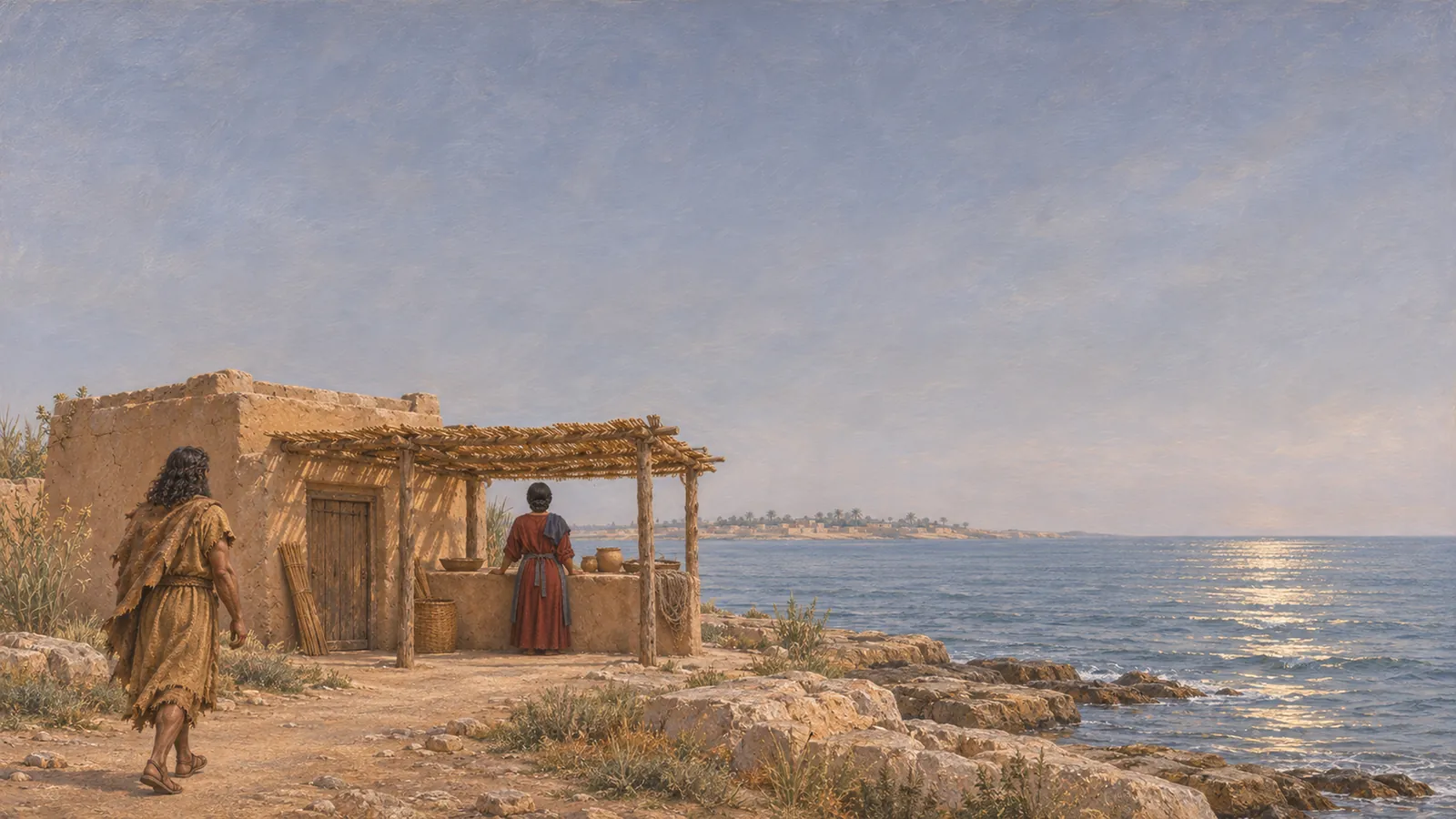
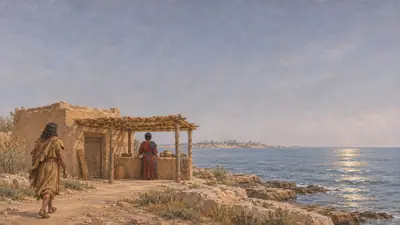
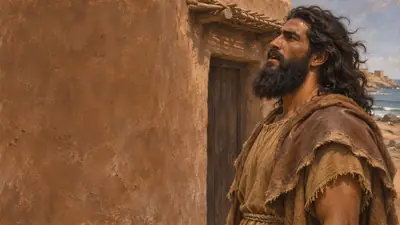
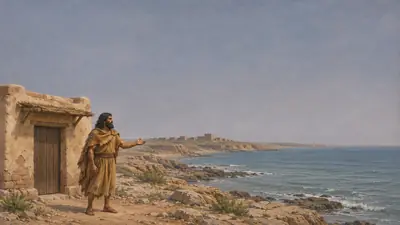
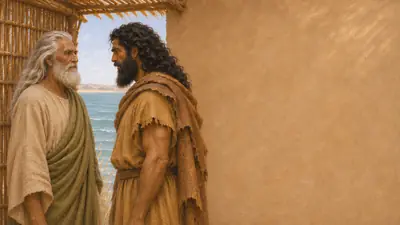
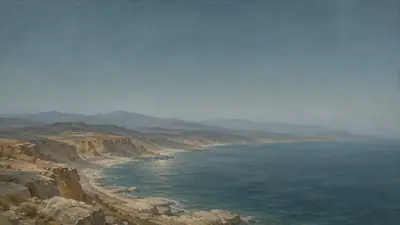
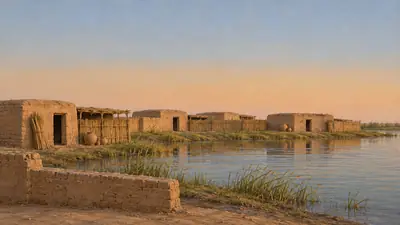
Uma taverneira chamada Siduri vivia onde a terra encontrava a vastidão das águas. Gilgamesh saiu da região selvagem e chegou ao lugar onde ficava a porta dela.
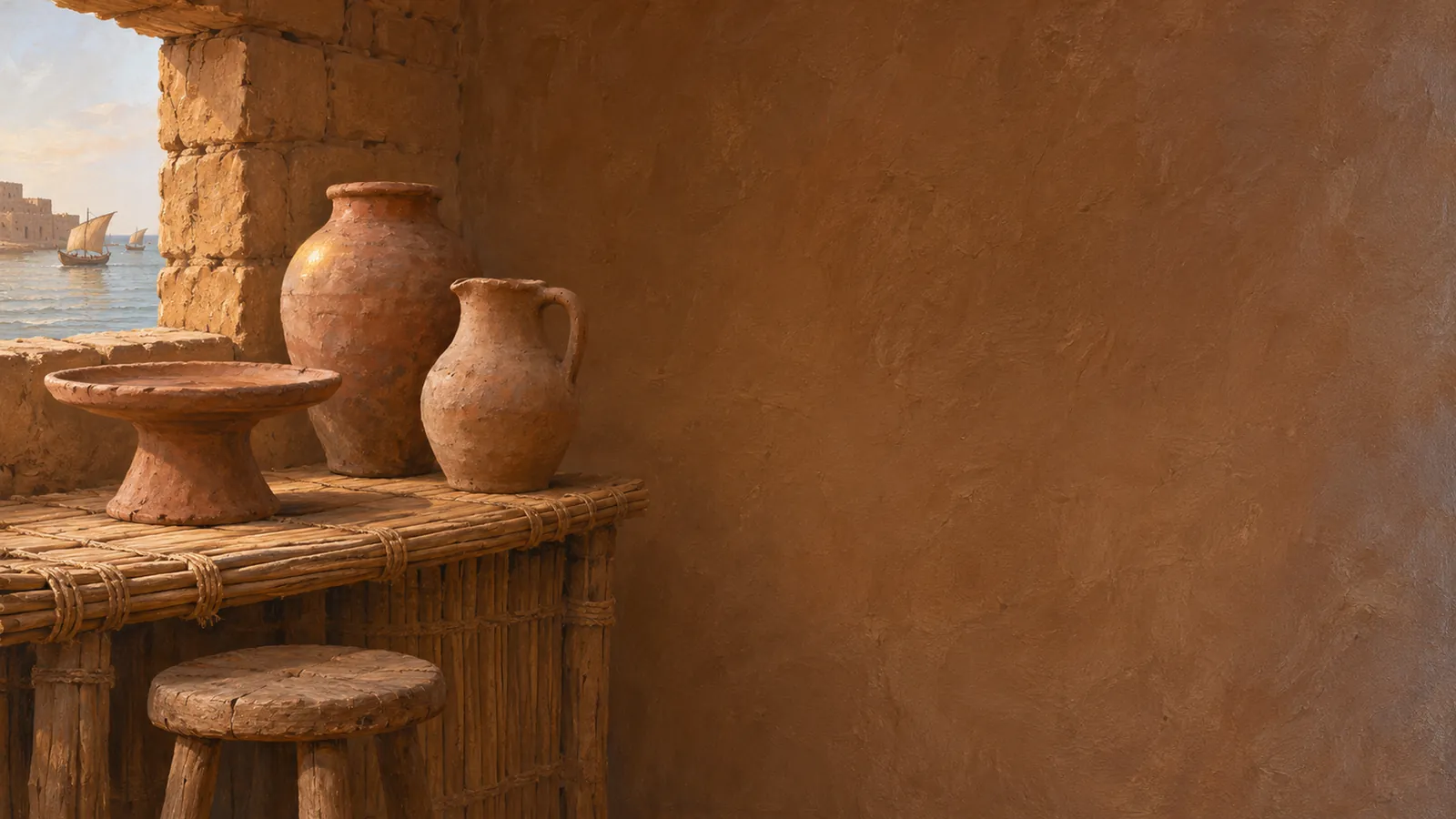
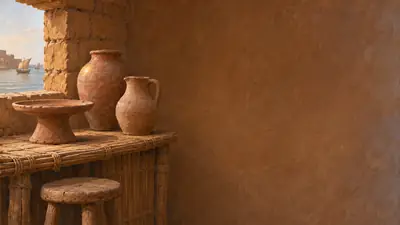
Siduri tinha suportes para vasilhas, e a linha danificada talvez descreva também cubas de ouro. De sua casa, podia-se ver alguém chegando da região selvagem.
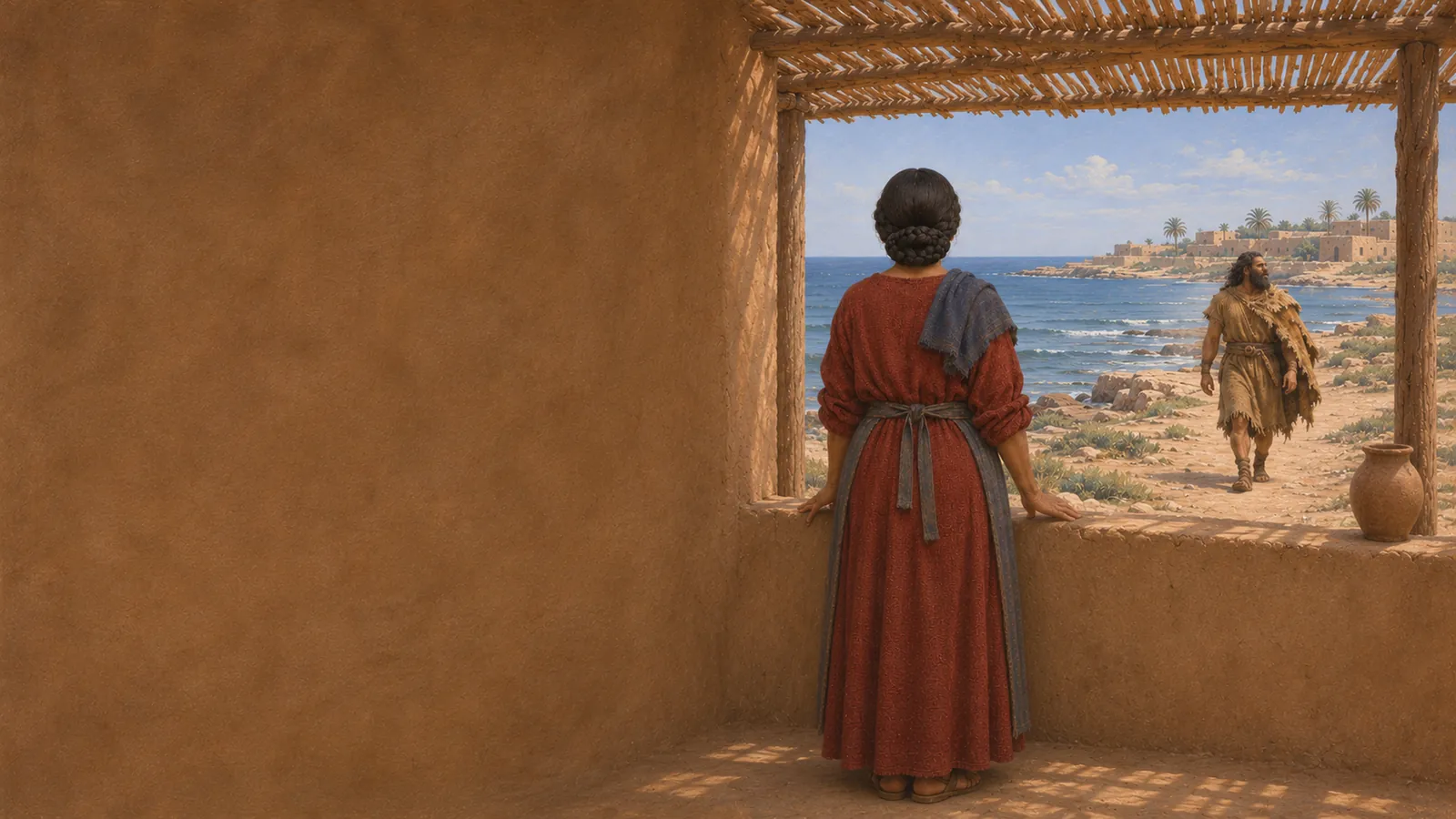
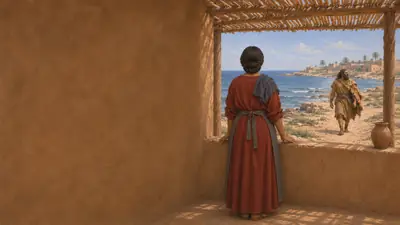
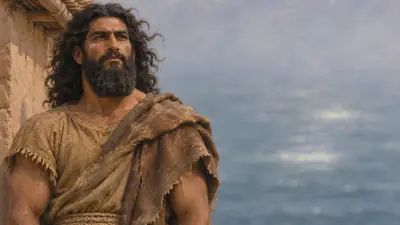
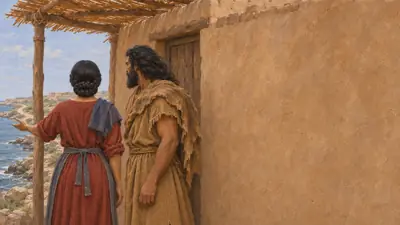
Siduri viu um homem vestido com uma pele se aproximar do portão. Ele parecia ter viajado de longe e, aos olhos dela, ser capaz de matar um touro selvagem.
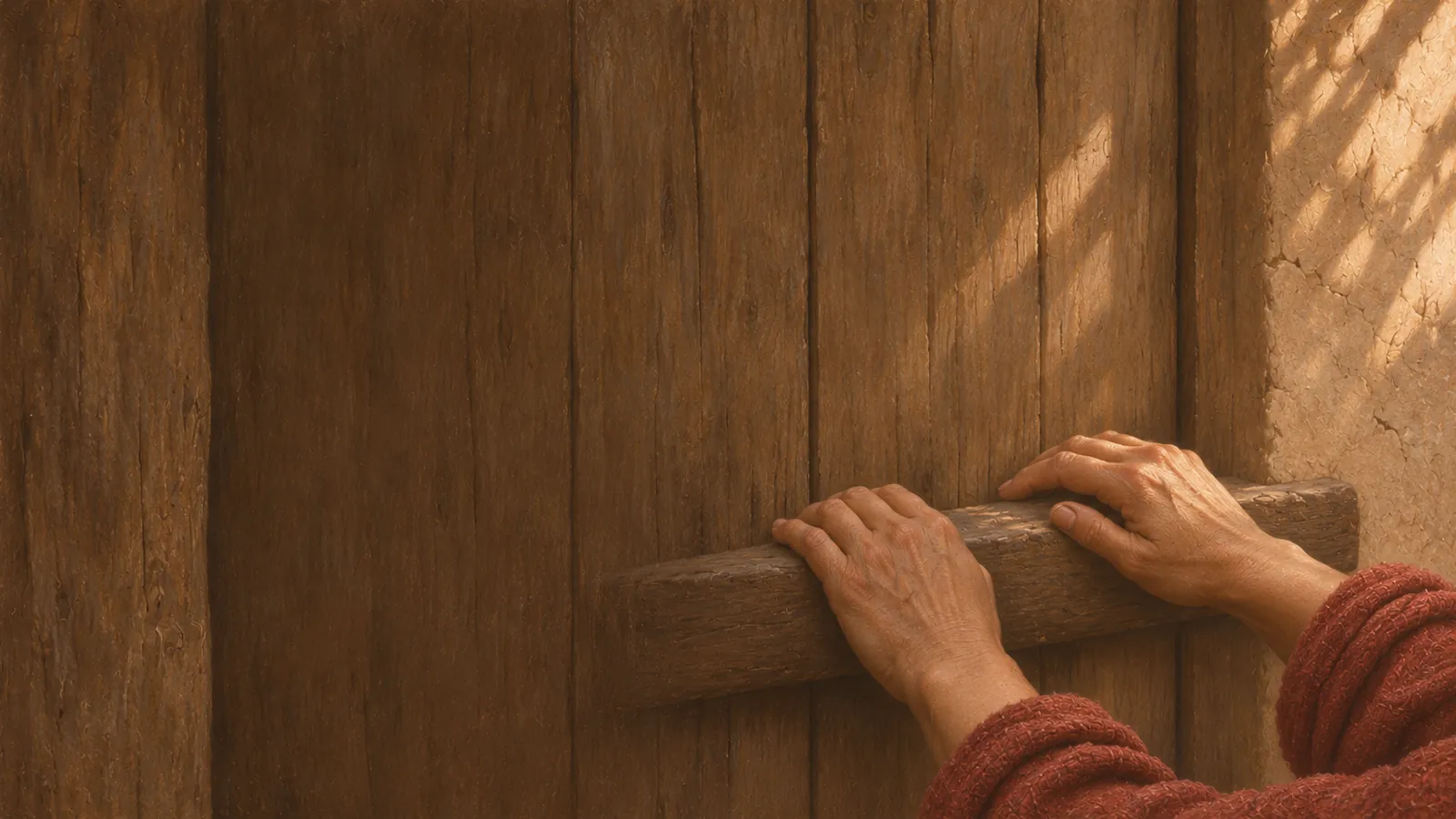
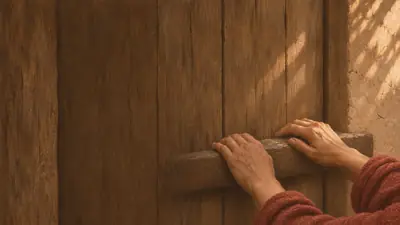
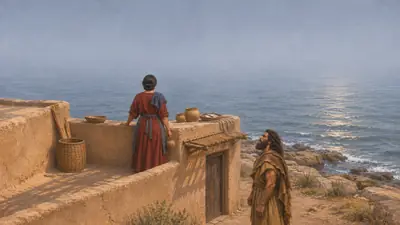
Siduri fechou a porta e subiu ao terraço. Com a porta fechada, podia ver quem chegara sem deixá-lo entrar.
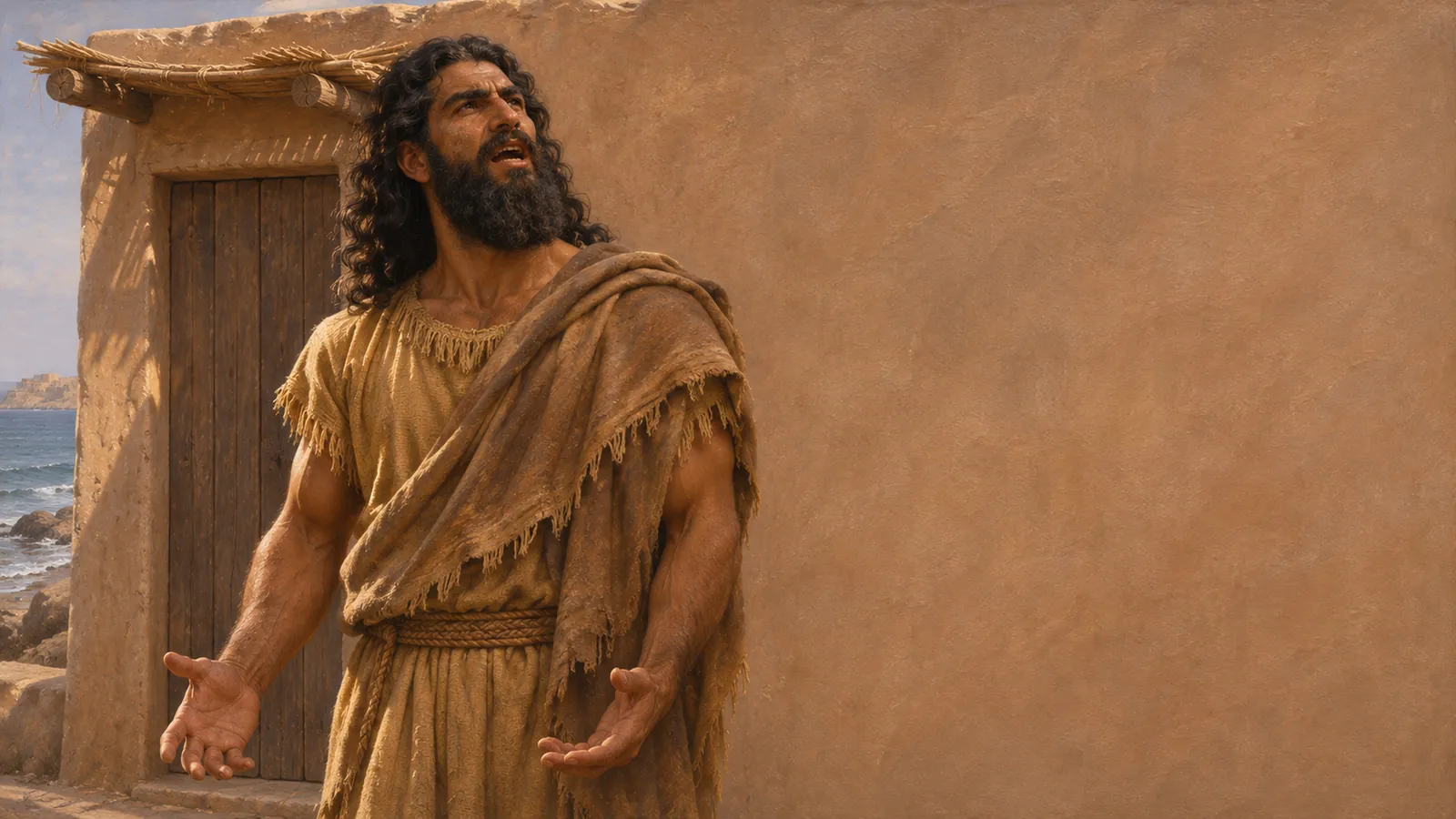
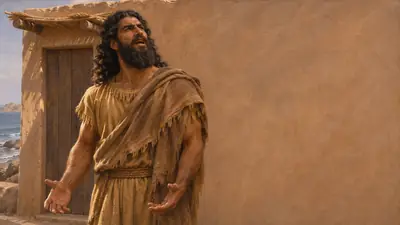
Gilgamesh perguntou a Siduri por que ela lhe fechara a porta. Nas linhas que restaram, ameaça quebrá-la, e dá para ouvir a dureza que suas palavras deviam ter para quem não o conhecia.
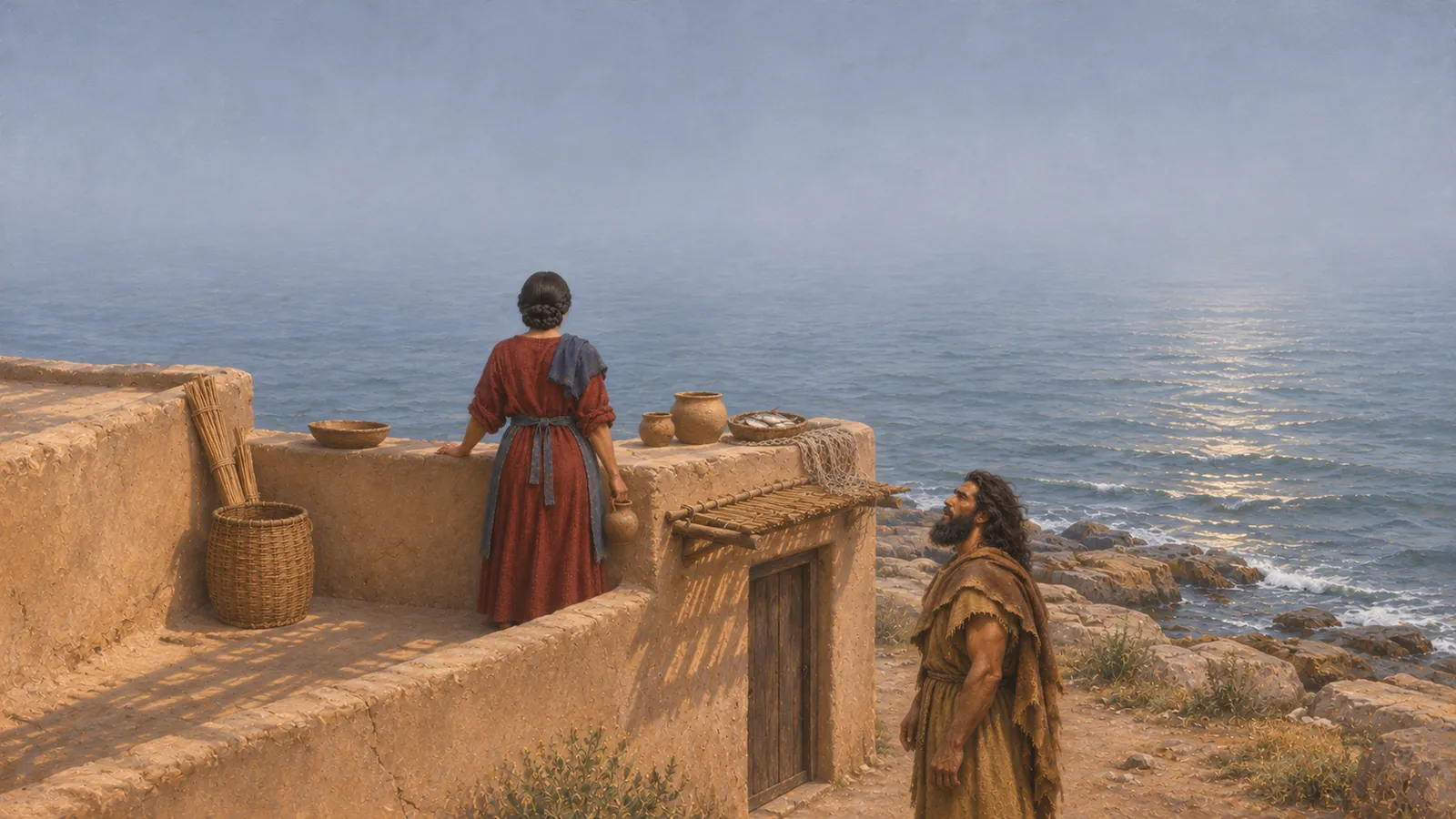
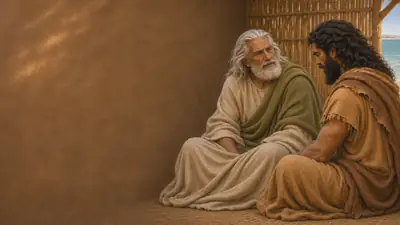
Do terraço, Siduri perguntou pelo caminho que o trouxera até ali. O diálogo danificado deixa perceber sua cautela, mesmo quando ela começa a escutá-lo.
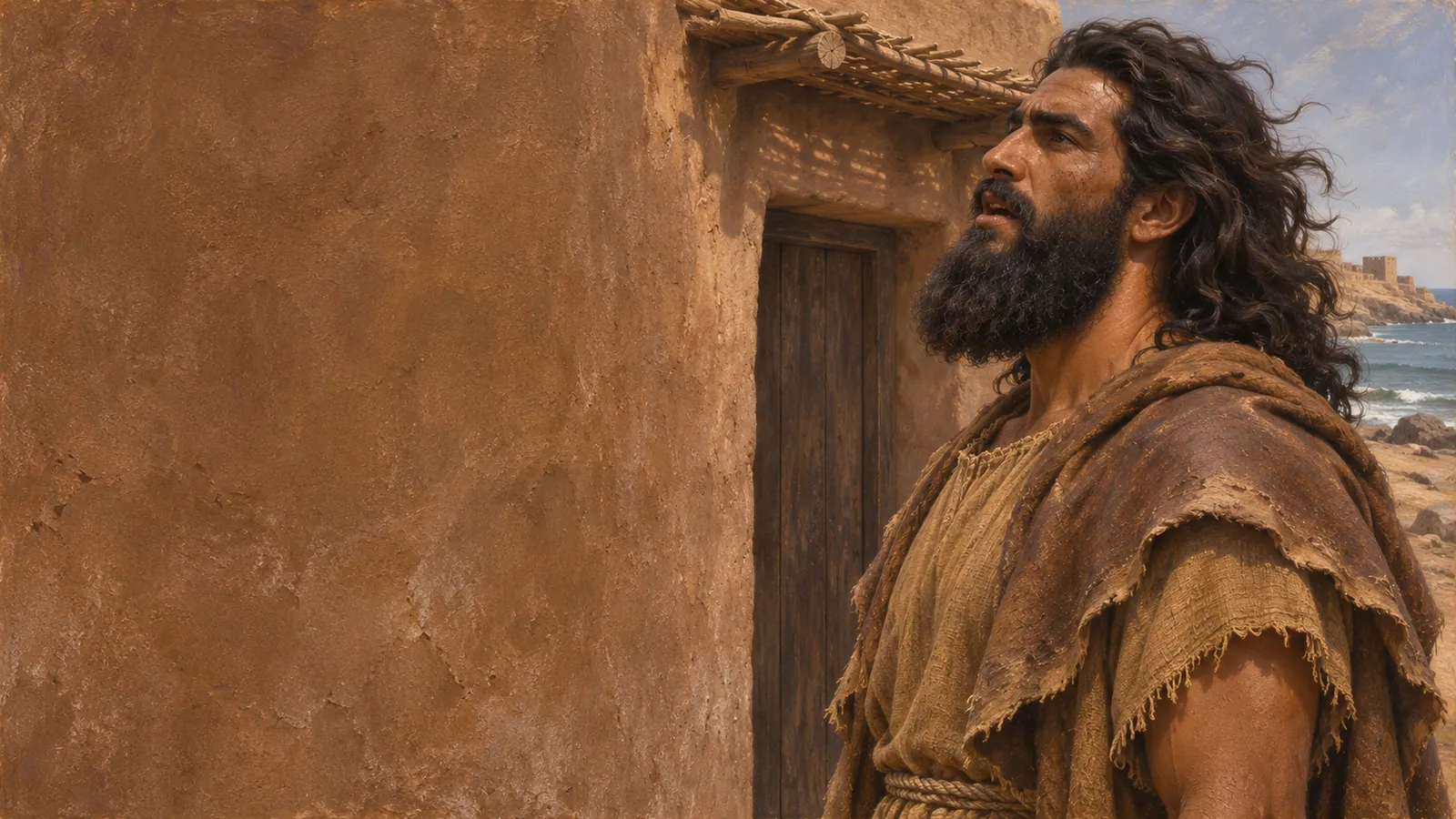
Gilgamesh contou a ela sobre as montanhas atravessadas, o Touro Celeste e o guardião da floresta. Falou no plural ao recordar o que ele e Enkidu tinham feito juntos.
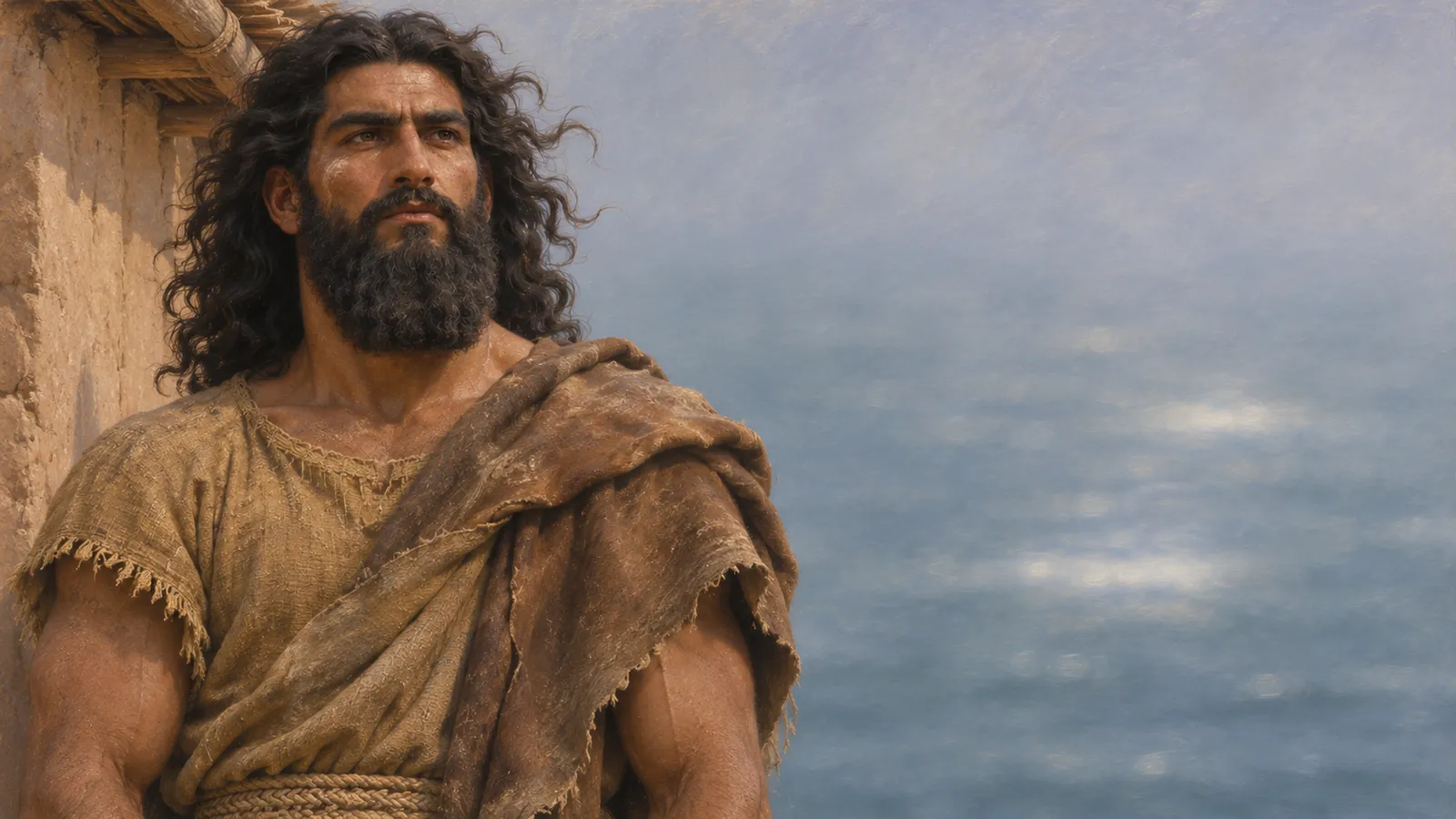
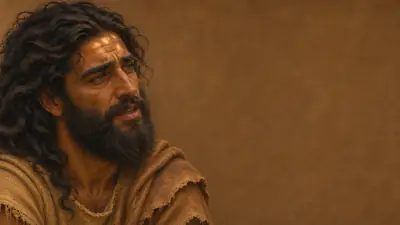
Siduri ouvira o que ele dizia ter feito. Queria saber por que seu rosto estava assim, castigado pelo tempo e abatido como o de um homem que tinha vindo de longe.
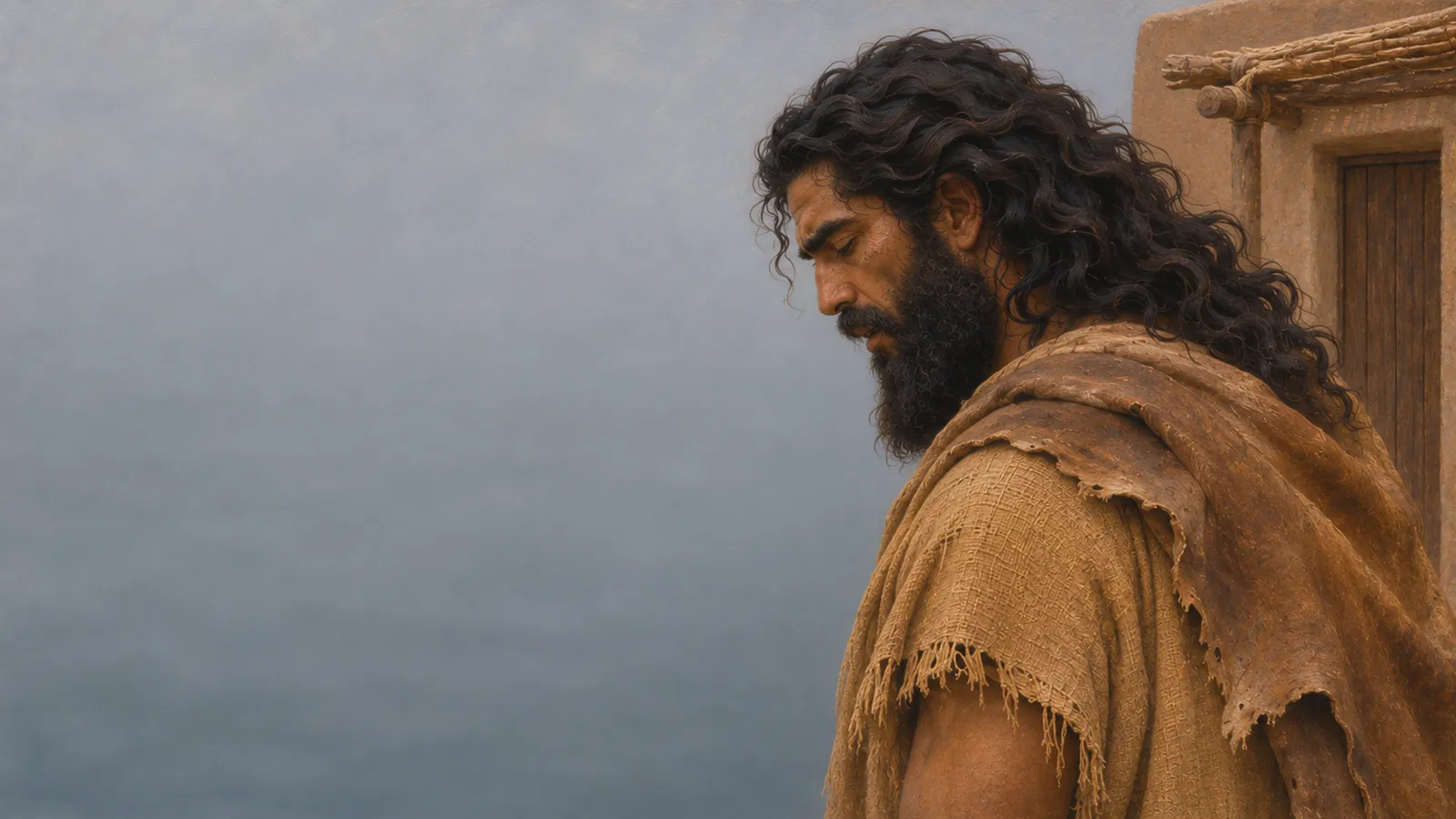
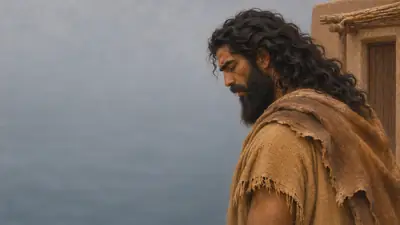
Gilgamesh chorou por Enkidu seis dias e sete noites e recusou-se a deixá-lo ser sepultado. Quando viu sinais de decomposição no corpo do amigo, começou a temer a própria morte.
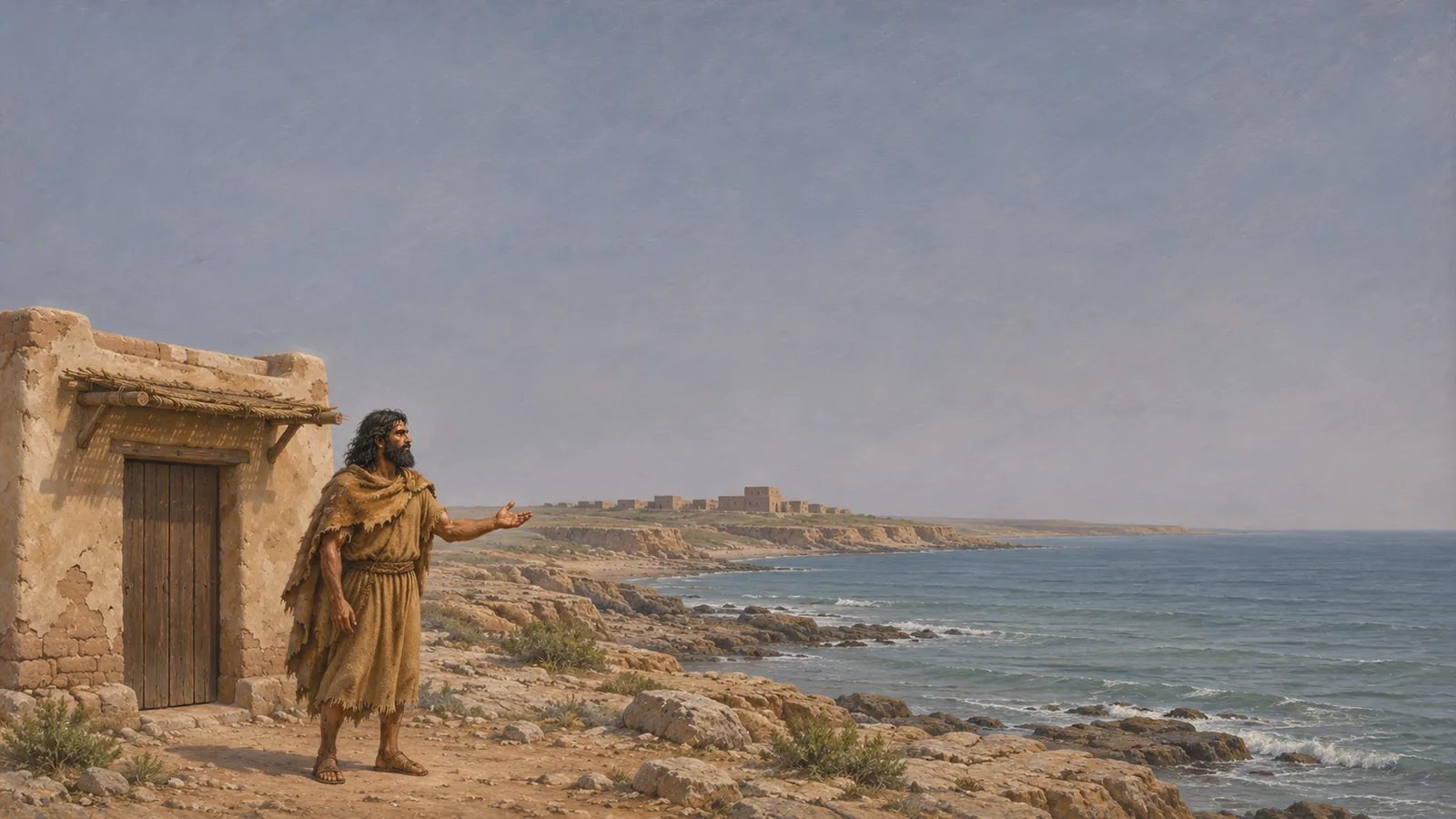
CAMINHO
Gilgamesh perguntou como chegar a Utnapishtim. Se houvesse um jeito de atravessar o mar, pretendia tentar, embora o caminho até ali já lhe tivesse custado muito.
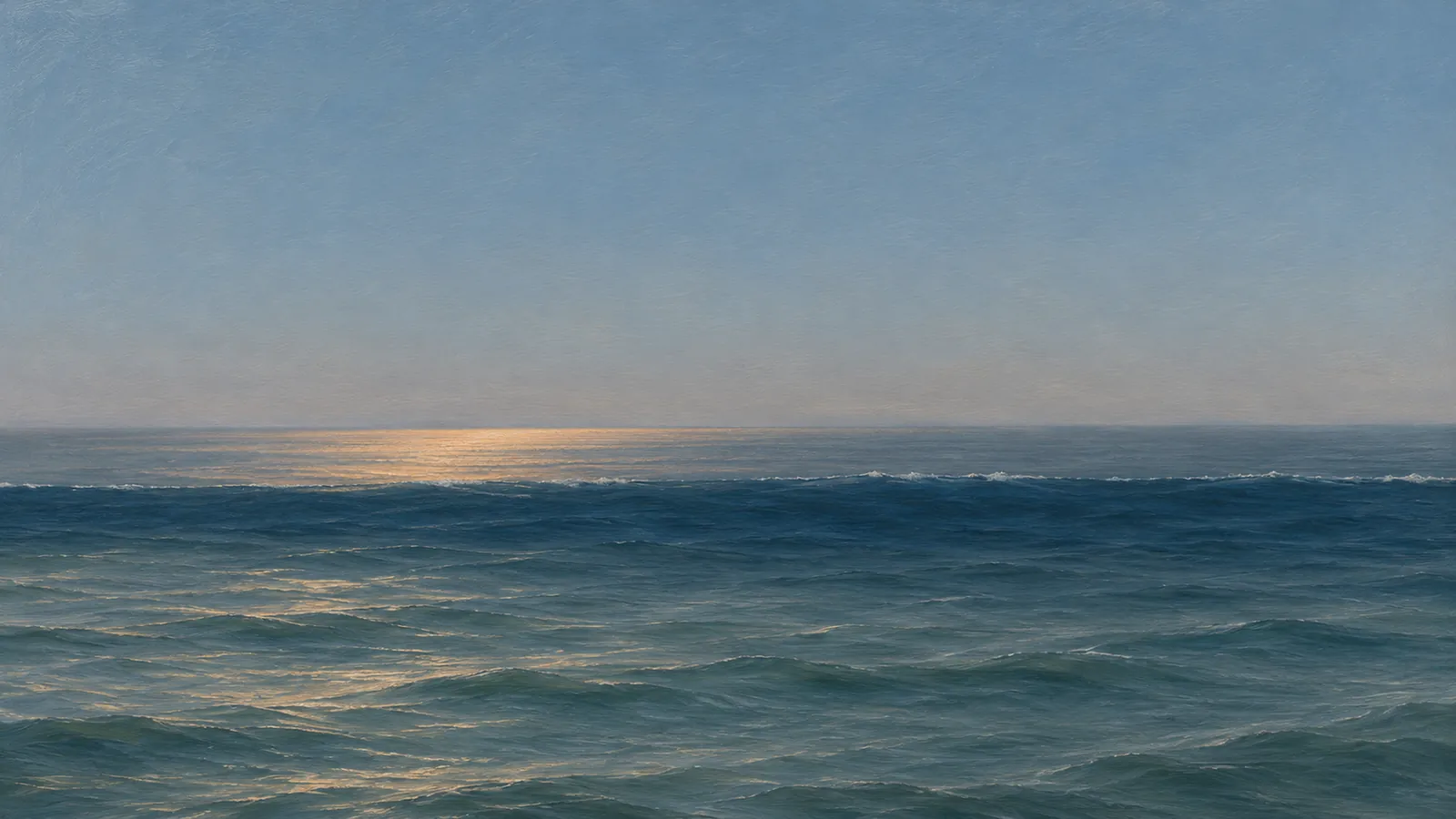
Siduri lhe disse que o deus do sol atravessava o mar, mas que a passagem estava fora do alcance dos viajantes comuns. O caminho era barrado pelo que ela chamava de Águas da Morte.
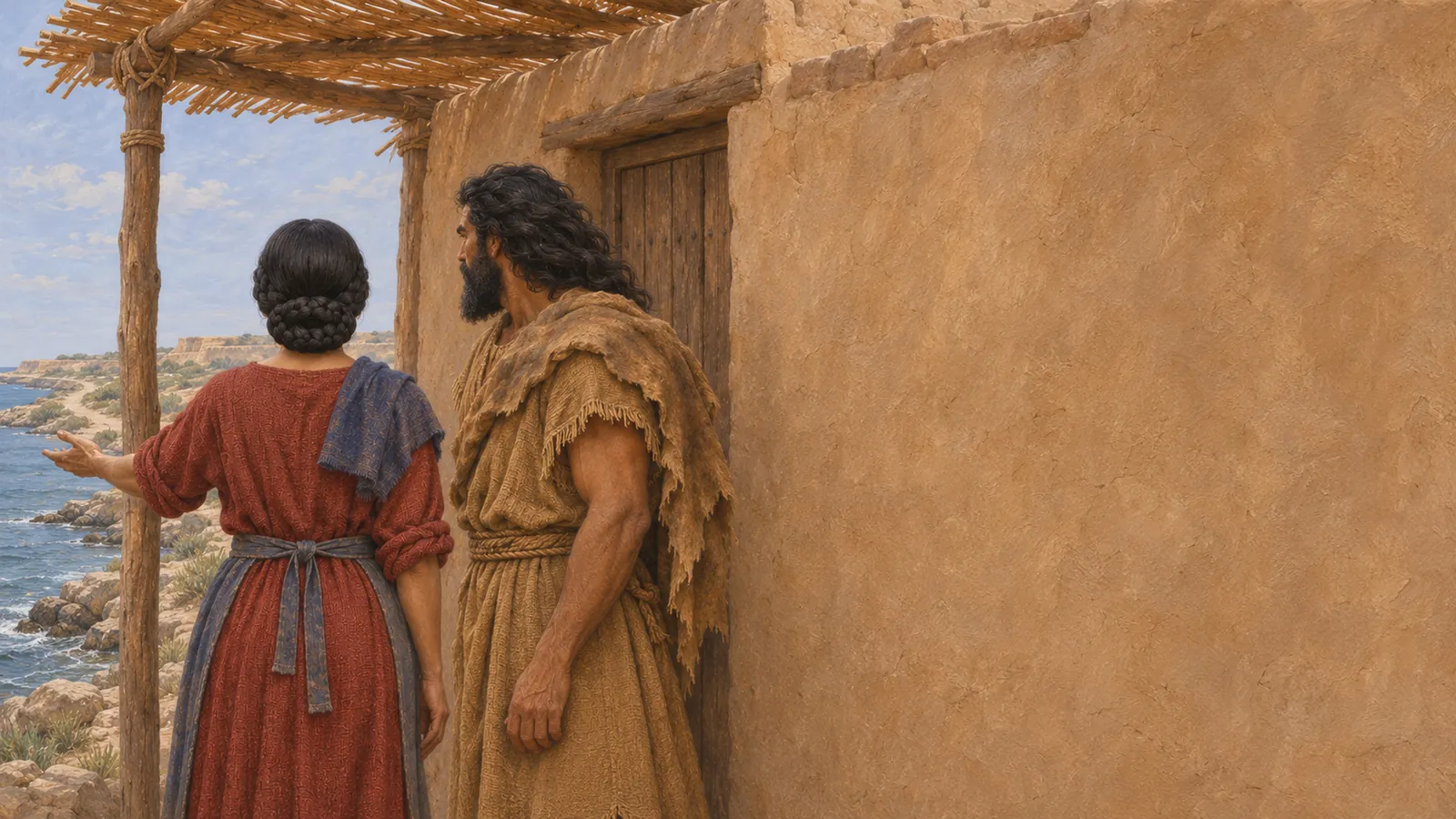
Ainda assim, Siduri conhecia alguém que Gilgamesh podia procurar. Indicou Urshanabi, o barqueiro de Utnapishtim, que trazia consigo o que o poema chama de «os de pedra».
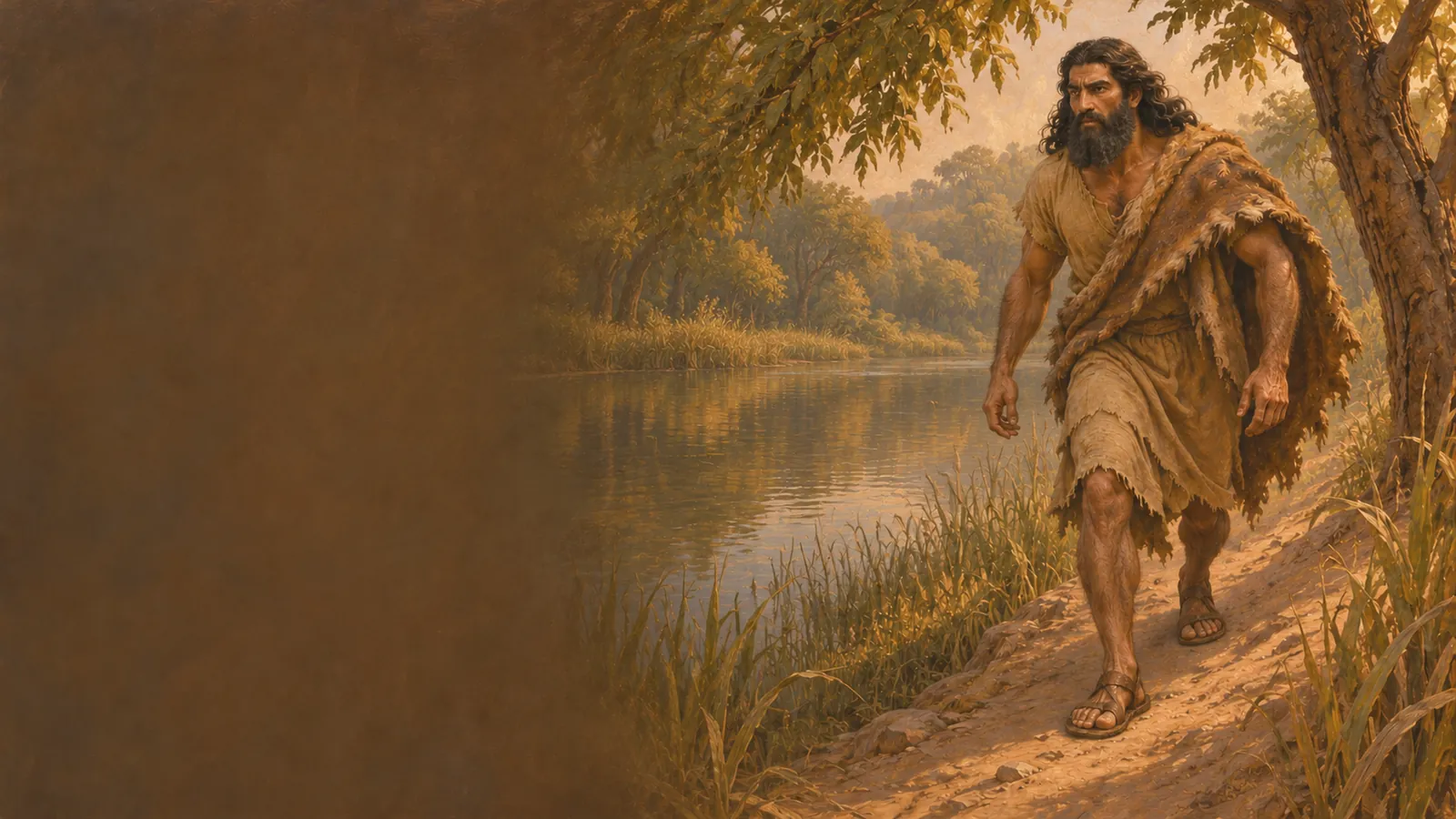
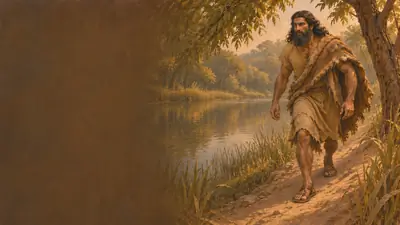
Gilgamesh ouviu Siduri e desceu às pressas pelo bosque. Agarrou o barqueiro, justamente a pessoa que, segundo Siduri, poderia ajudá-lo.
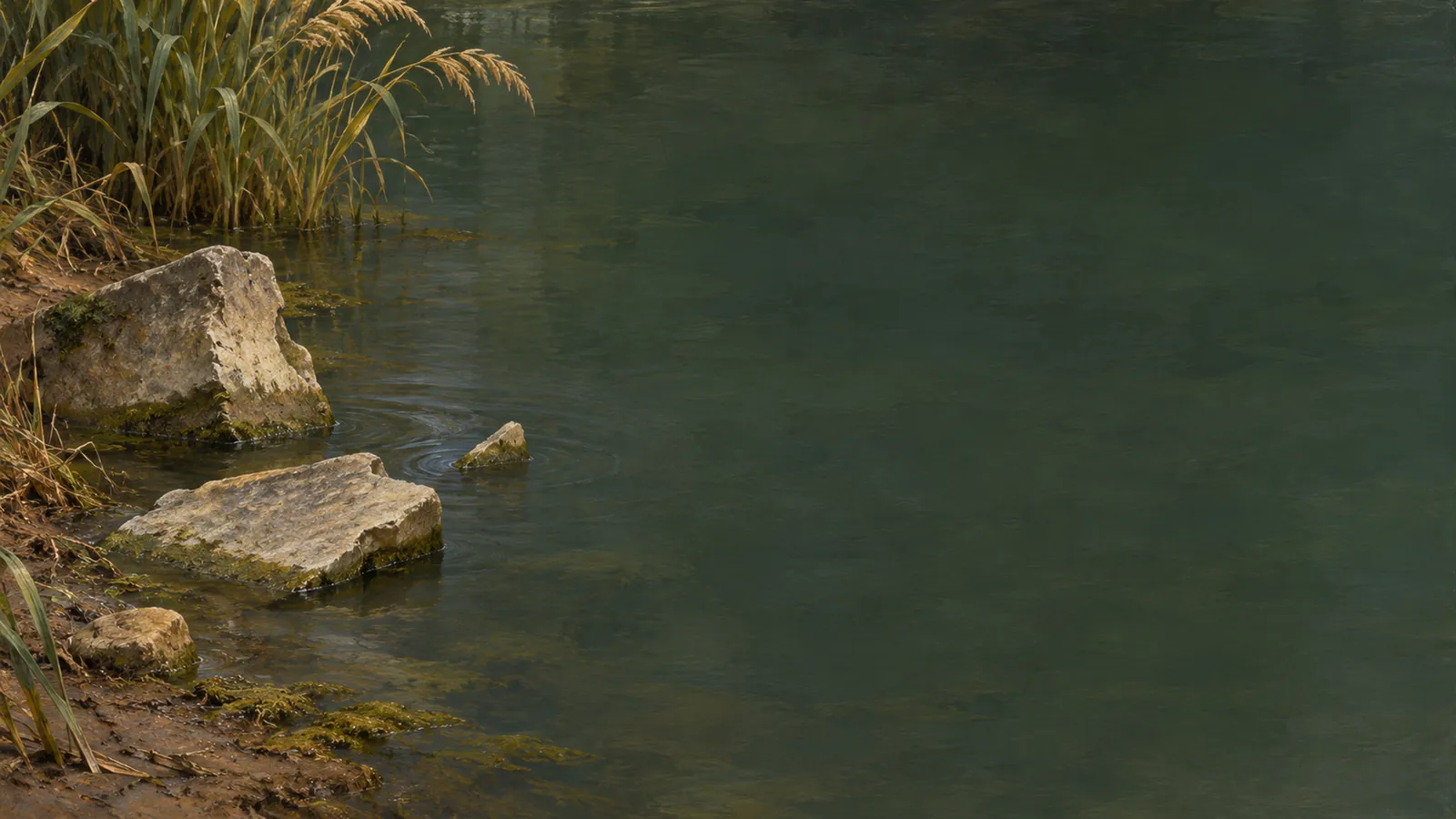
Os de pedra foram quebrados e atirados no rio. O poema conta o que Gilgamesh fez com eles e quanto isso importava, embora não se saiba ao certo o que eram.
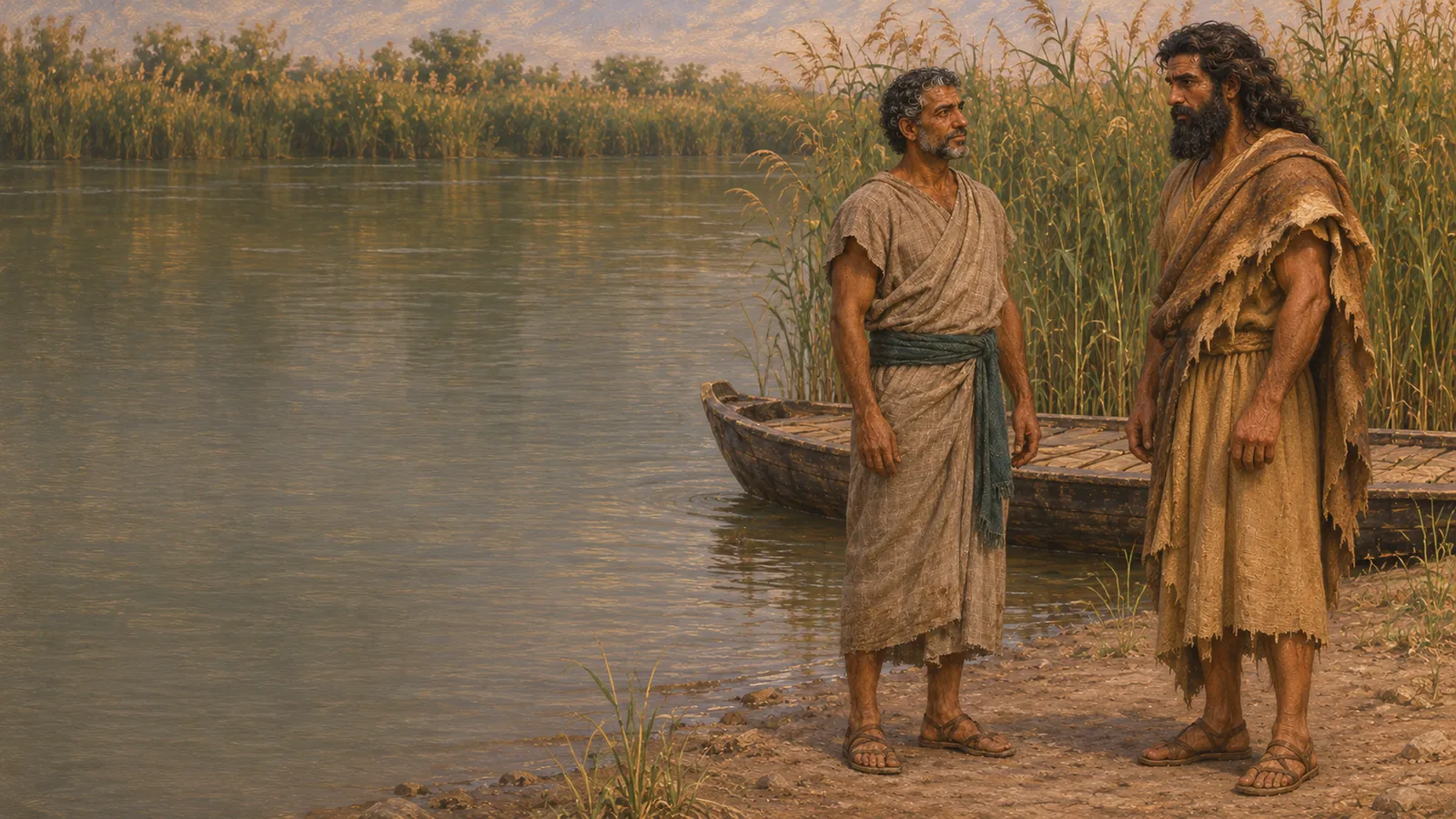
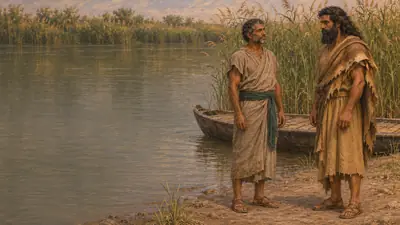
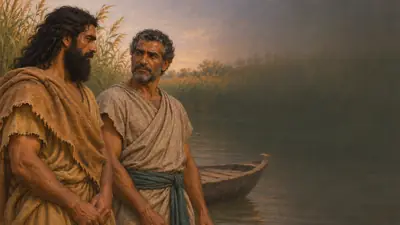
Na margem, Gilgamesh enfim falou com Urshanabi, o homem que podia levá-lo ao outro lado. O barqueiro olhava para um estranho que já havia quebrado algo de que precisava.
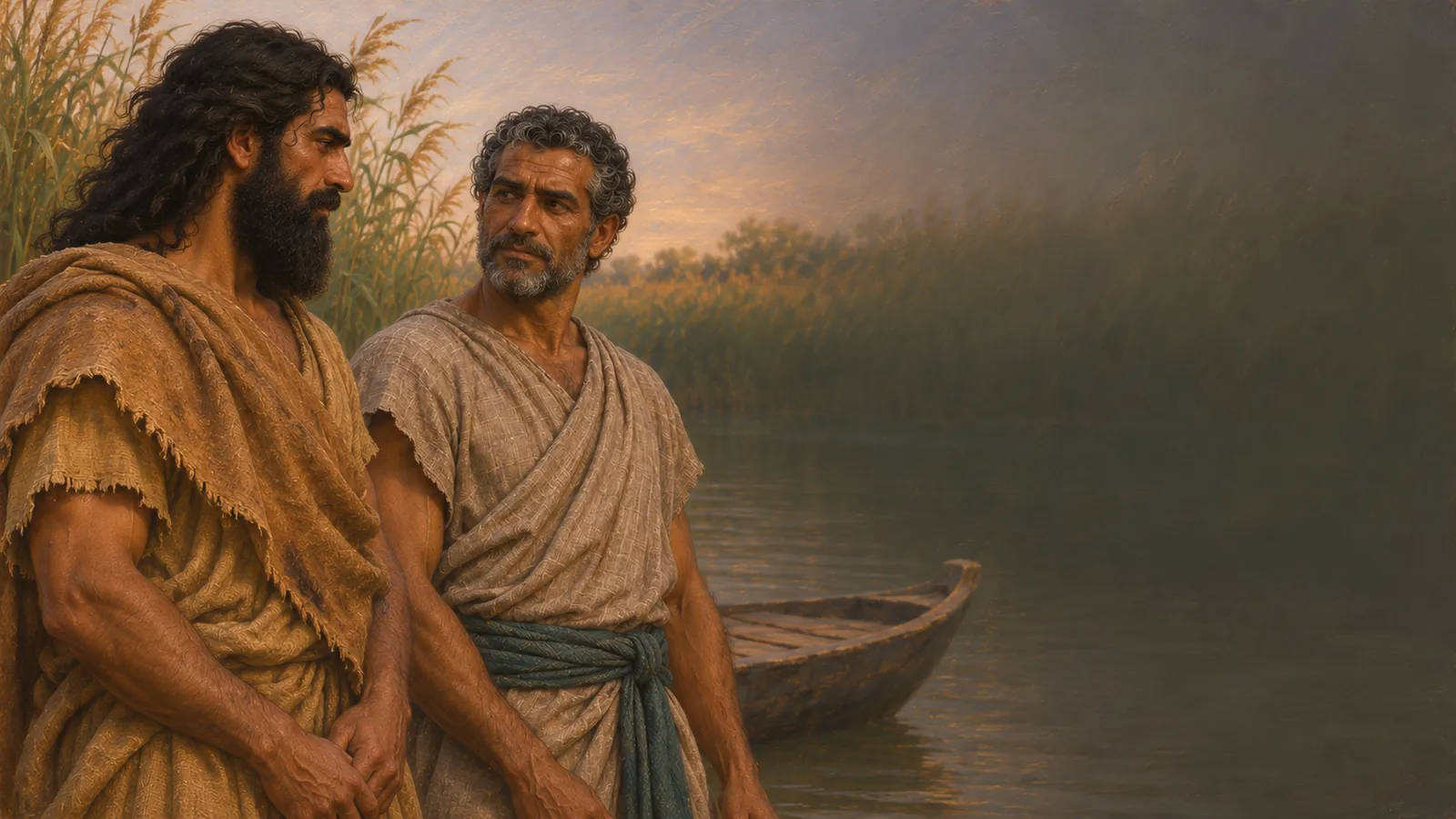
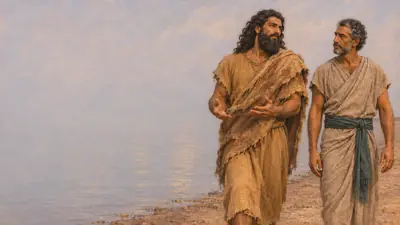
Urshanabi perguntou por que ele parecia tão abatido depois da viagem. Assim como Siduri, queria entender o que podia ter levado um homem tão longe de casa.
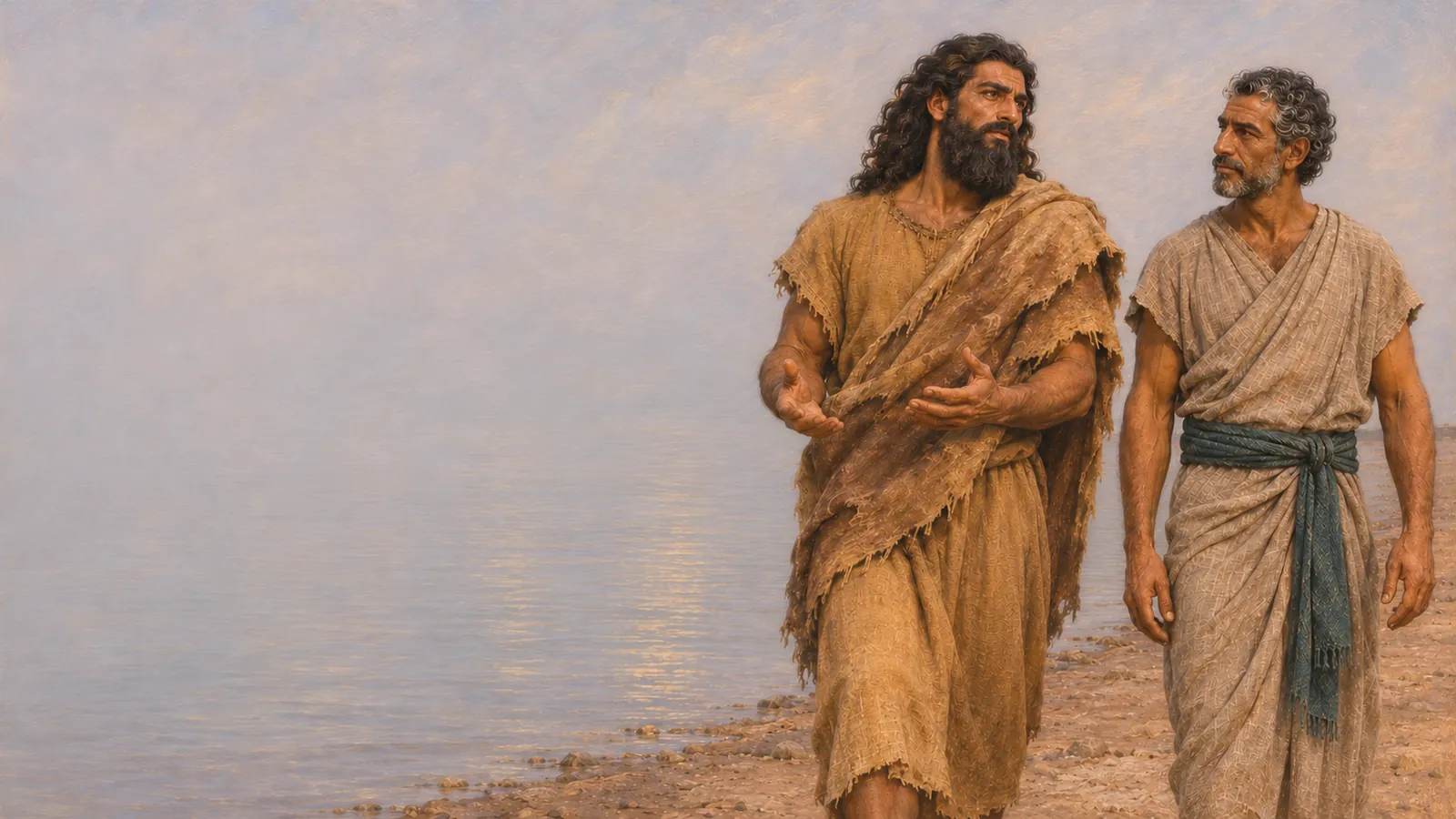
Gilgamesh contou a história outra vez. Enkidu estivera ao seu lado em todos os perigos, e agora o pensamento da morte do amigo o acompanhava mais longe do que qualquer viagem que tivessem feito juntos.
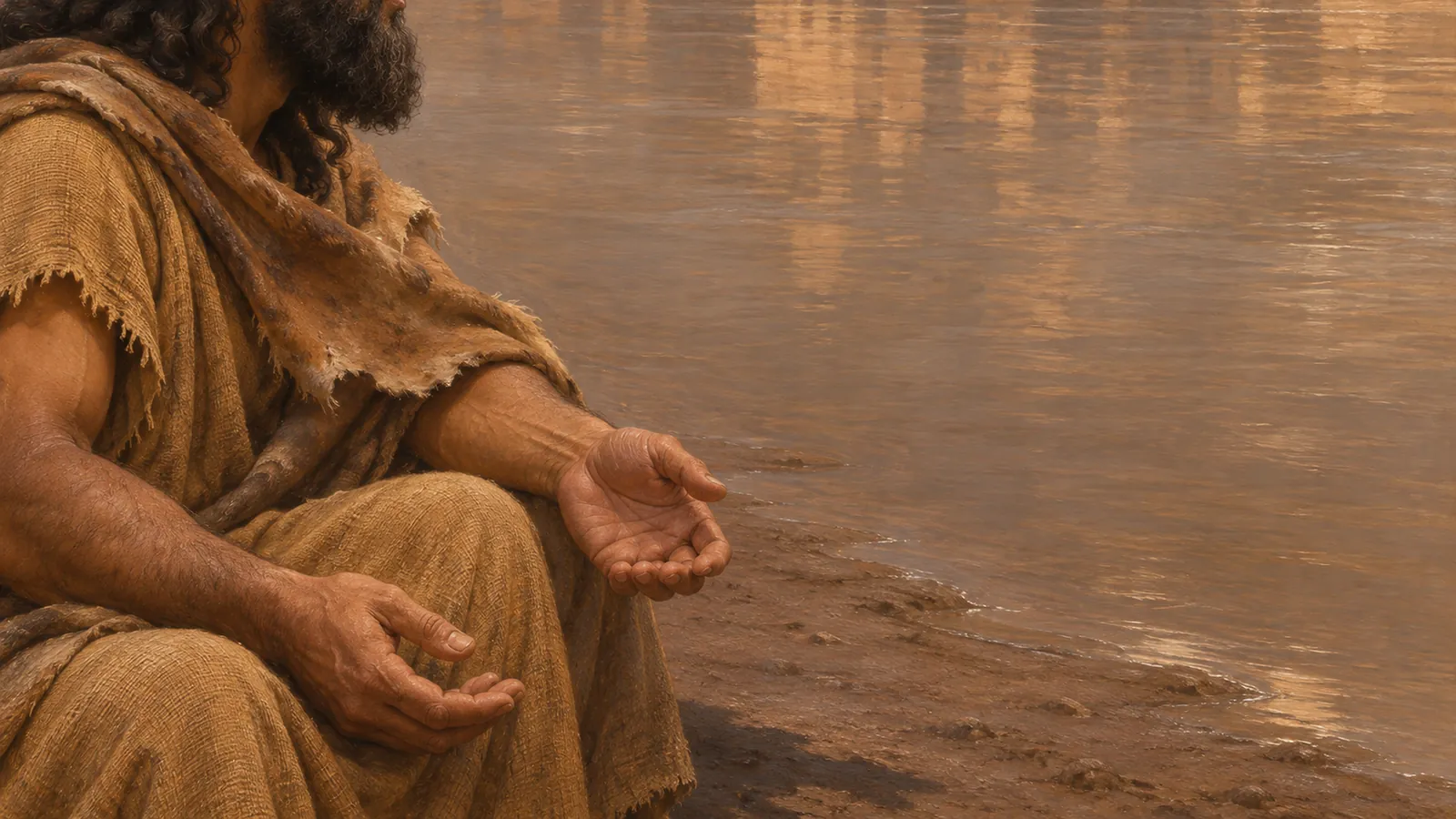
Quando Gilgamesh voltou a perguntar pelo caminho, Urshanabi lhe disse que suas próprias mãos o tinham fechado. Ao quebrar os de pedra, tornara a travessia mais difícil para si mesmo.
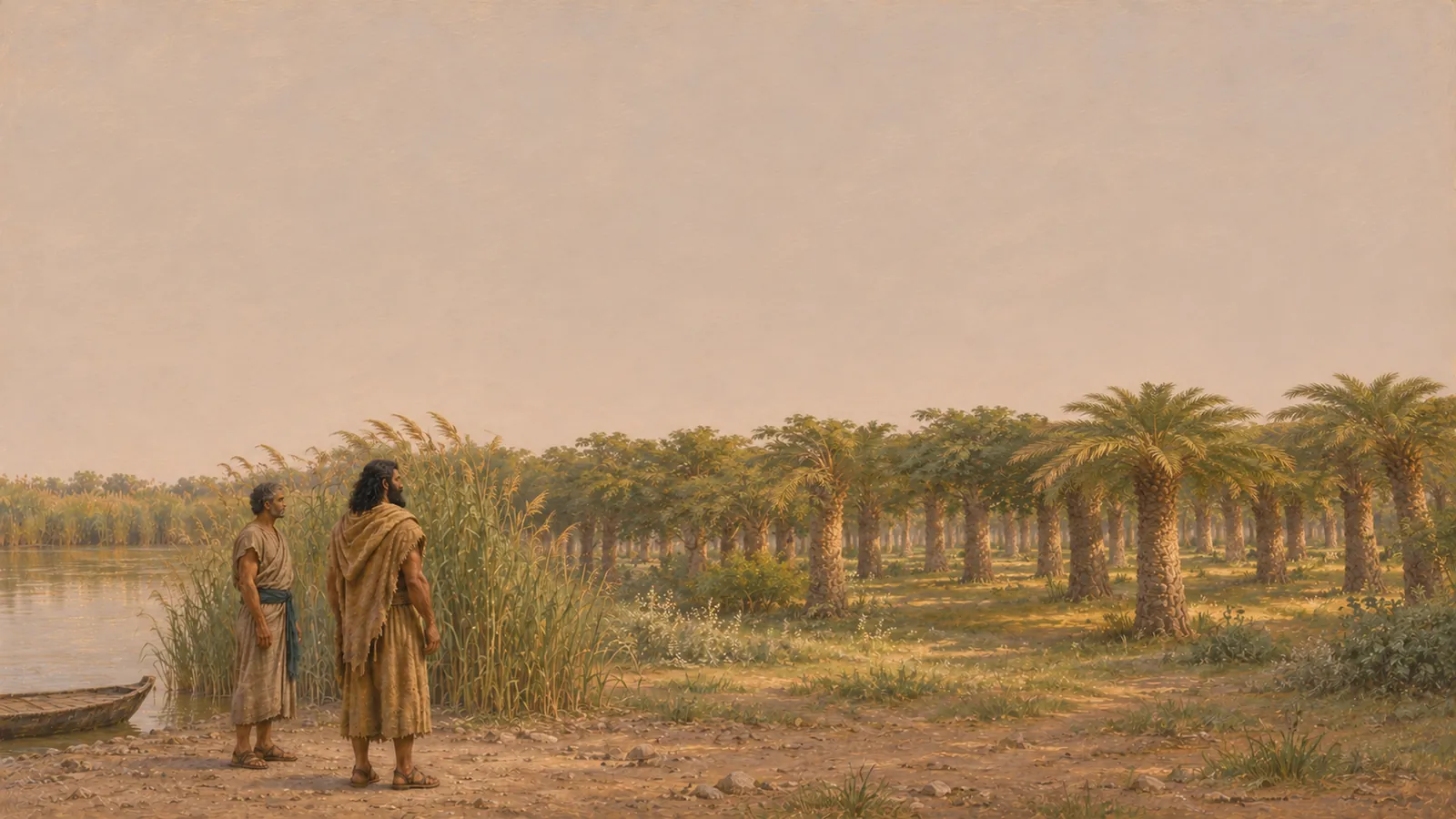
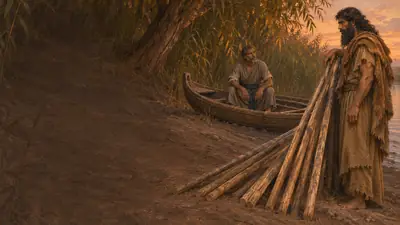
Urshanabi deu uma tarefa a Gilgamesh. Ele teria de cortar varas compridas no bosque e prepará-las para atravessar sem os de pedra.
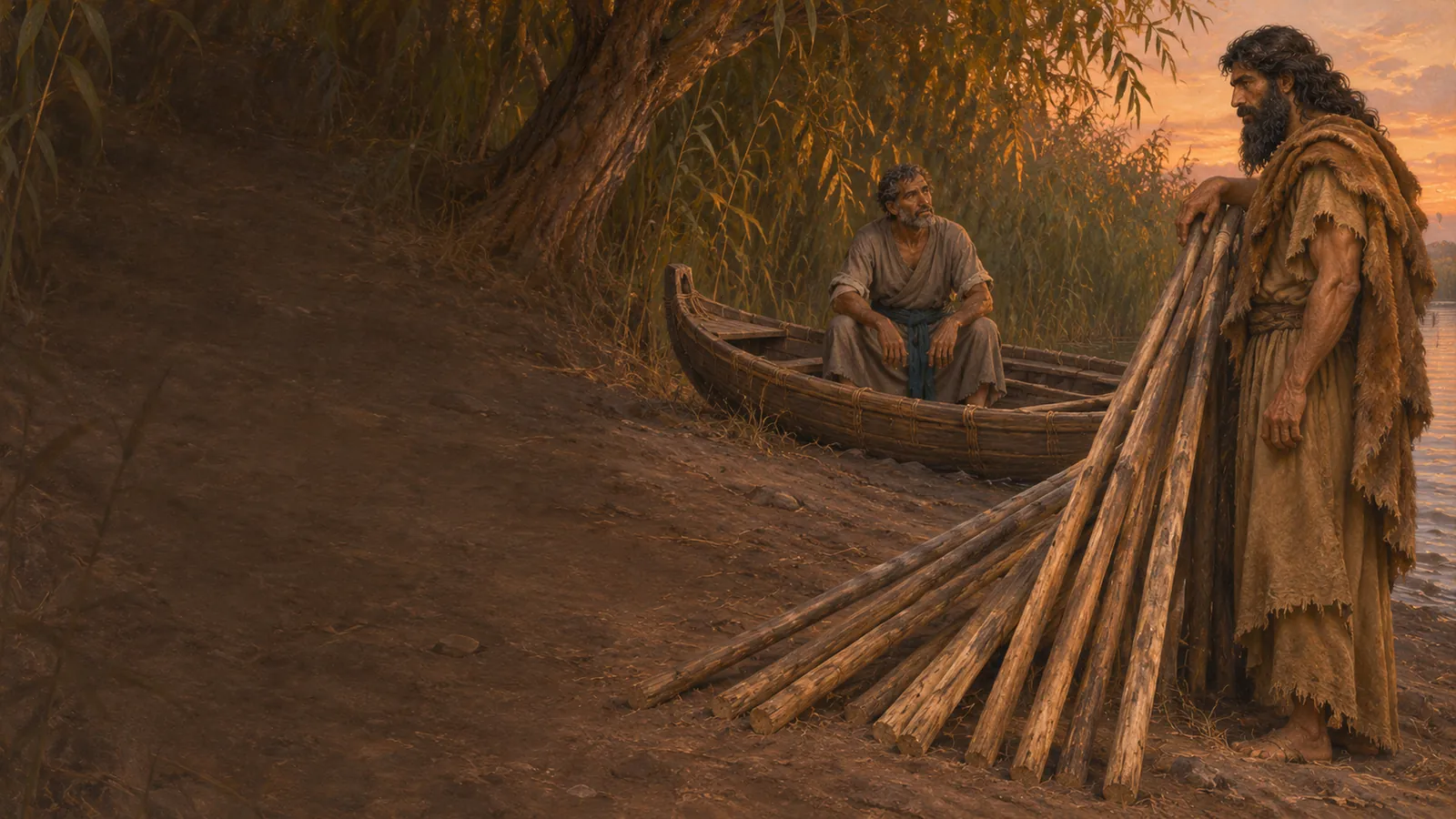
Gilgamesh entrou no bosque, cortou as varas e as levou de volta ao barqueiro. Tinha encontrado alguém que conhecia as águas e, dessa vez, seguiu seu conselho.
MAR
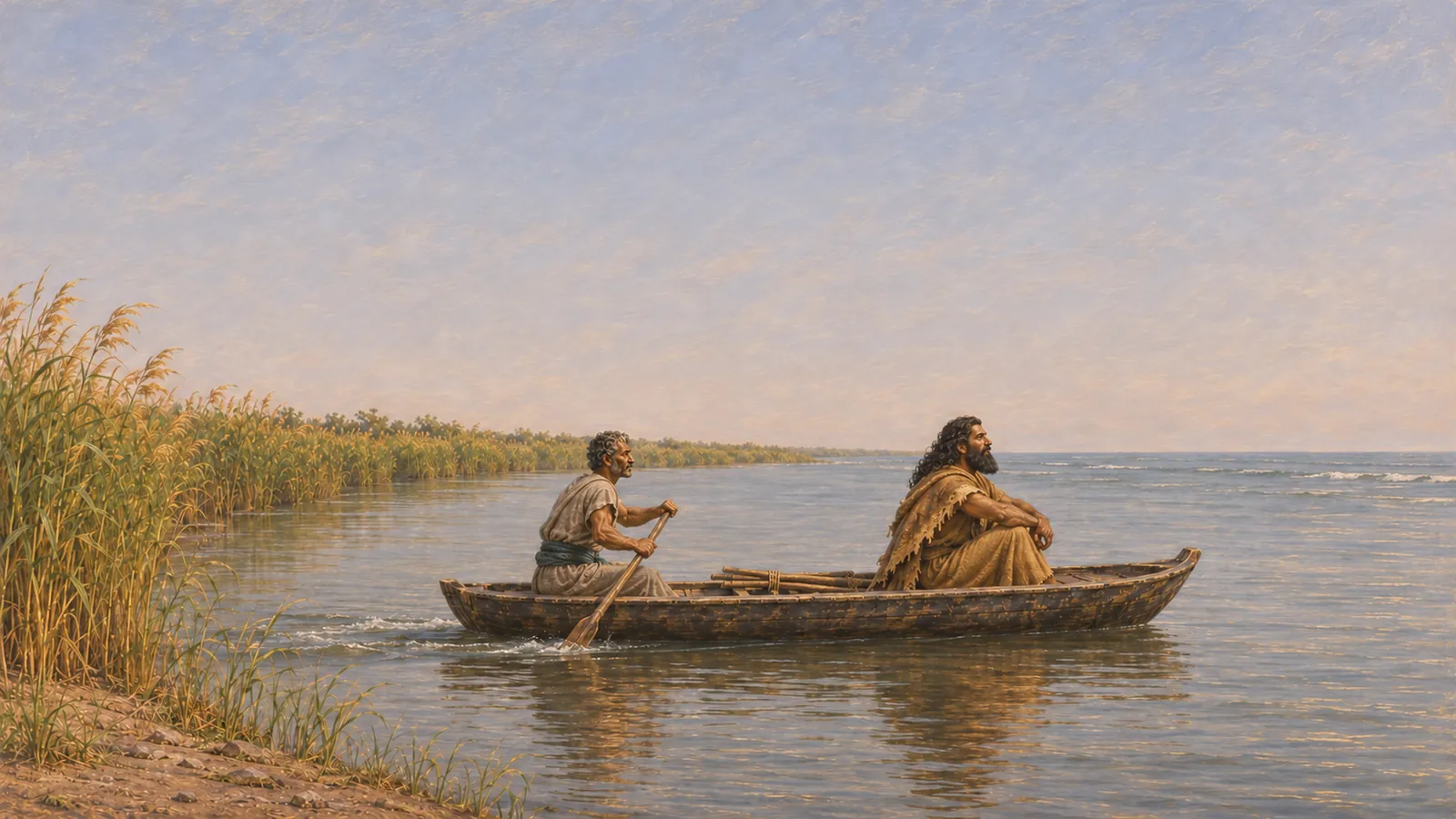
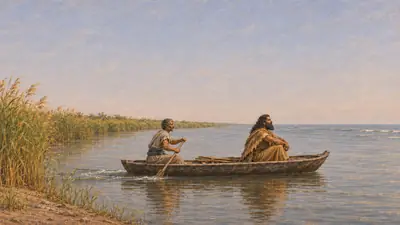
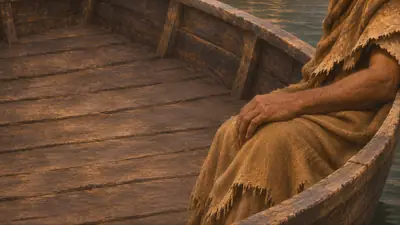
Com as varas prontas, Gilgamesh e Urshanabi subiram na embarcação. A terra ficou para trás enquanto o barqueiro os levava para as águas abertas.
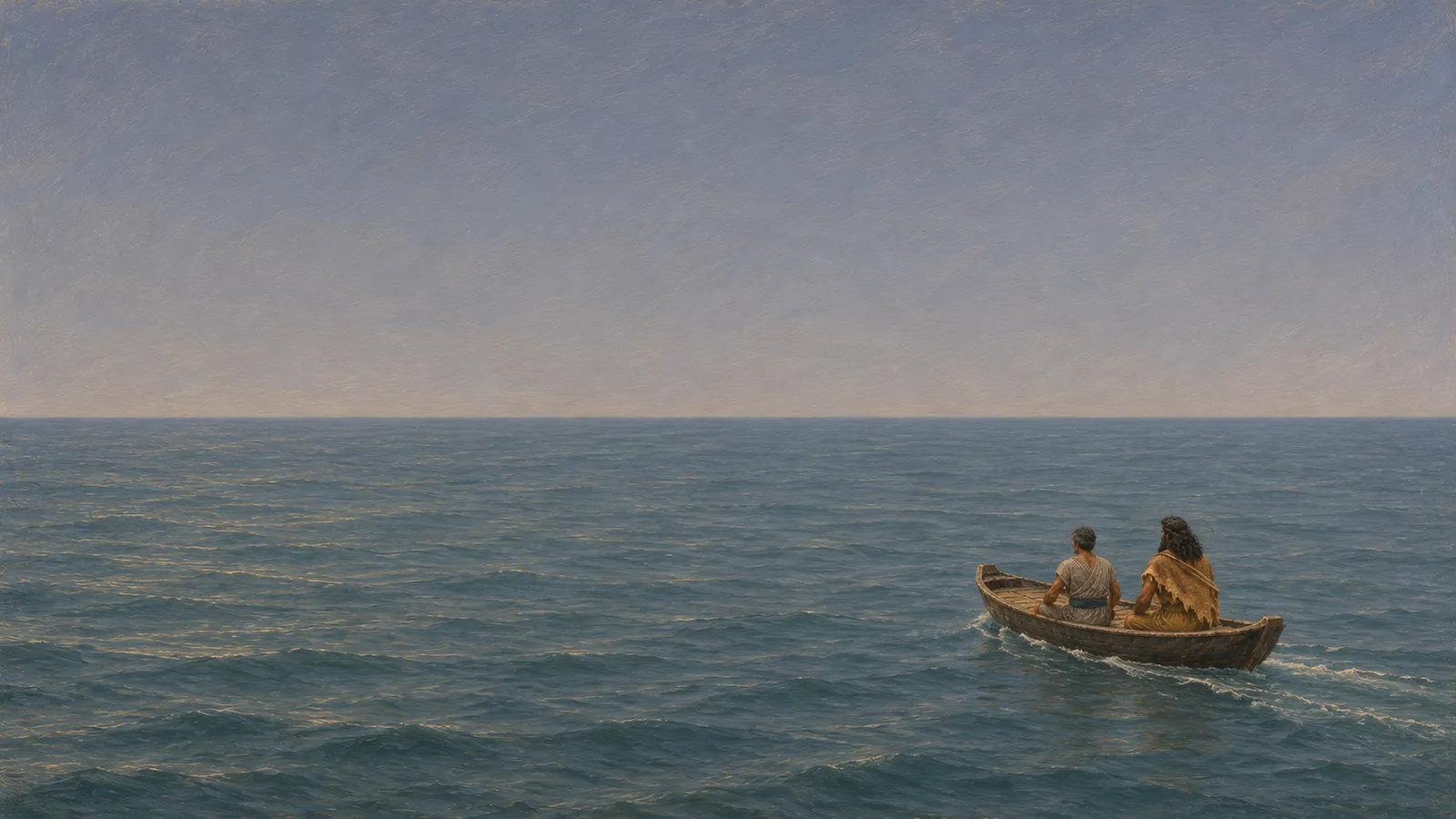
No terceiro dia, já haviam percorrido a distância de um mês e meio de navegação. Então Urshanabi levou Gilgamesh às águas sobre as quais Siduri o alertara.
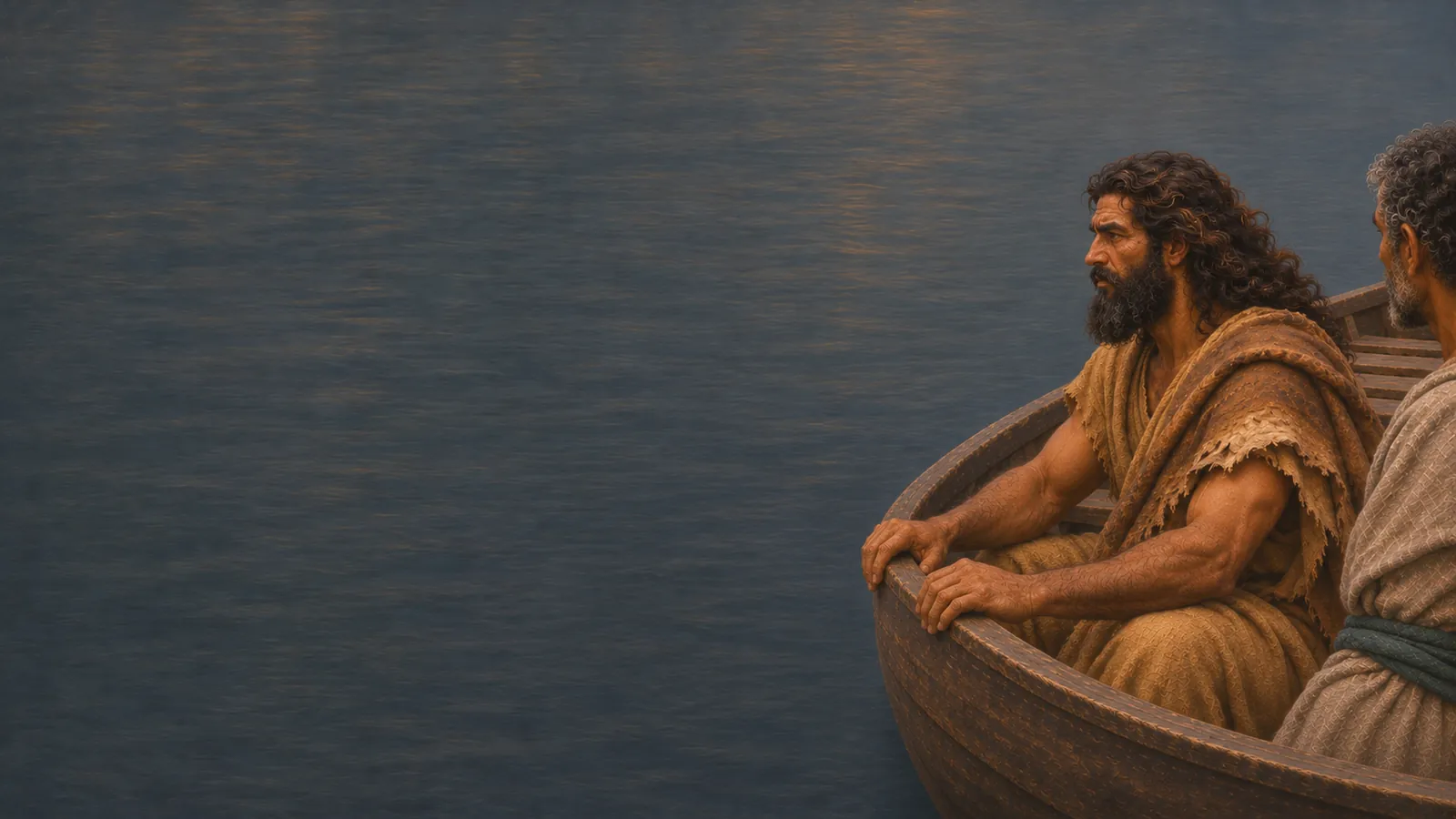
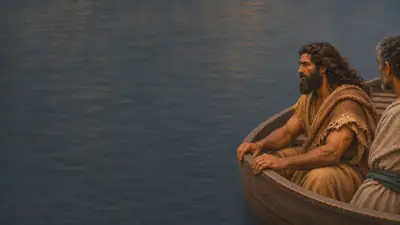
Nas Águas da Morte, Urshanabi avisou Gilgamesh para manter as mãos longe da água. O que ele podia fazer com as mãos agora era guiar a embarcação com as varas.
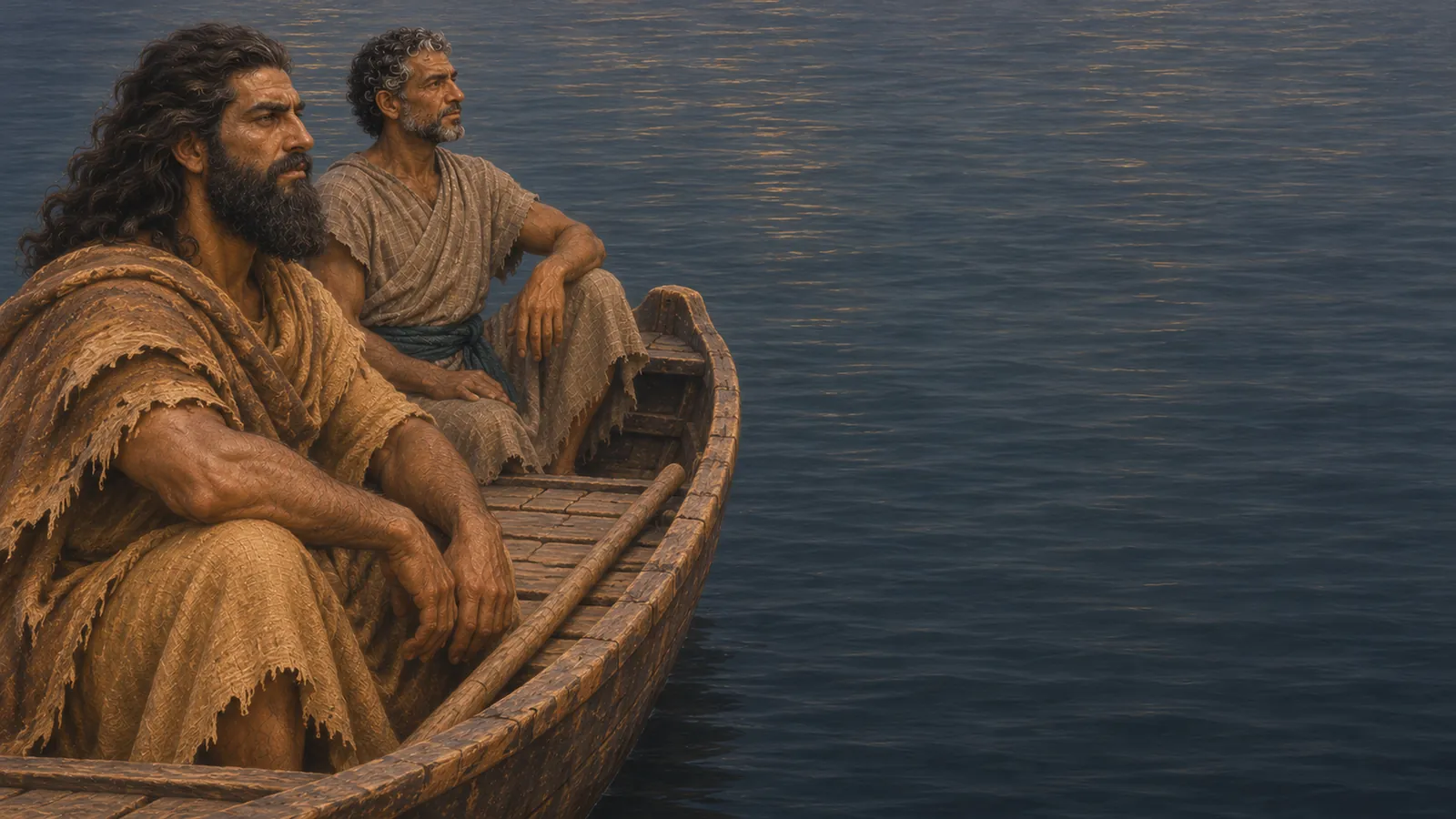
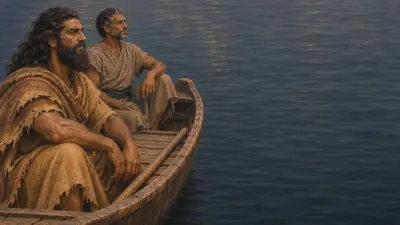
Urshanabi pediu outra vara, depois mais outra. O poema segue contando enquanto Gilgamesh trabalha, mas o barco ainda tem um longo caminho a percorrer no silêncio.
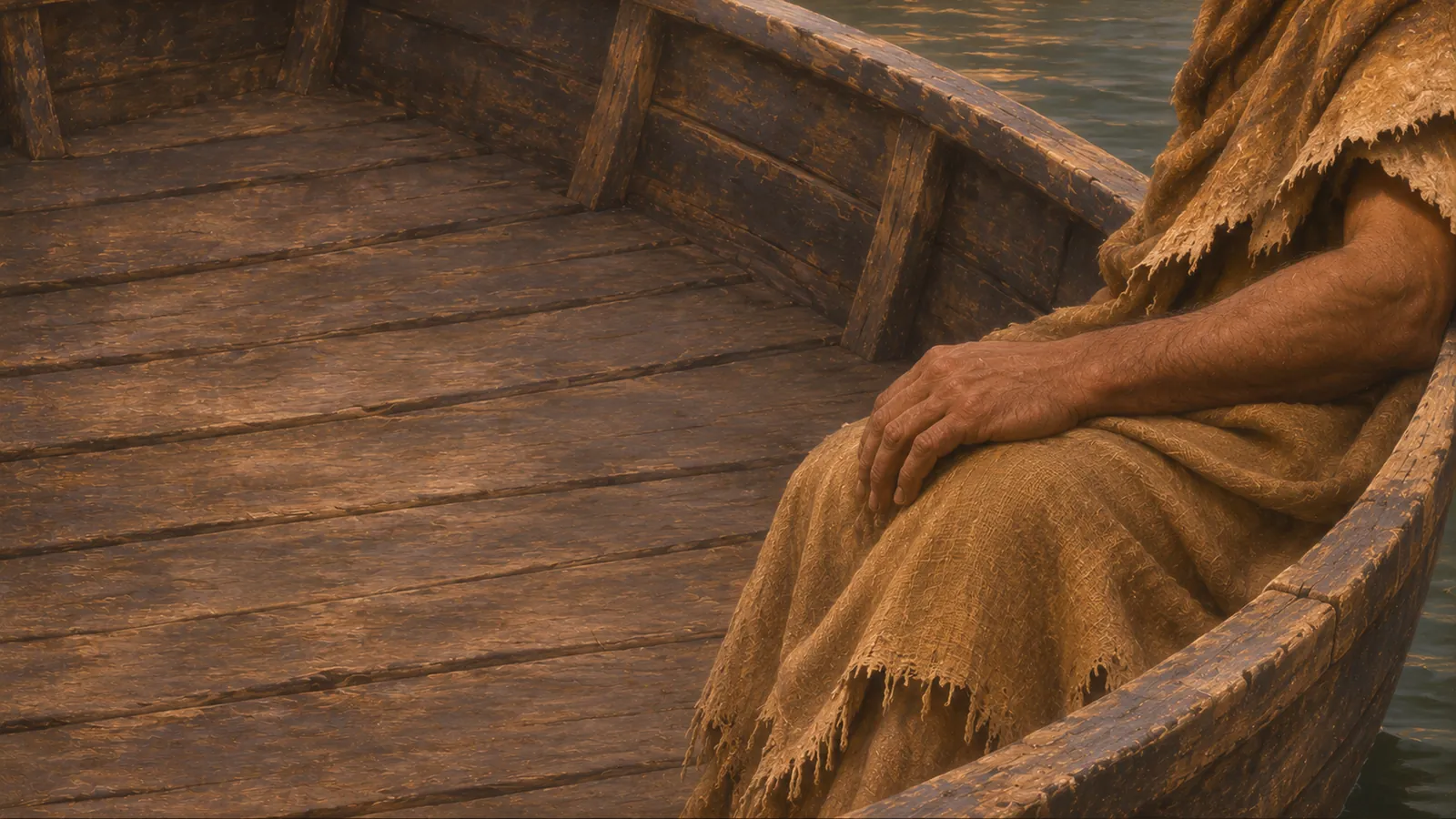
Por fim, não restava mais nenhuma vara para usar. Gilgamesh havia esgotado o que preparara, e a embarcação ainda estava nas Águas da Morte.
VELA
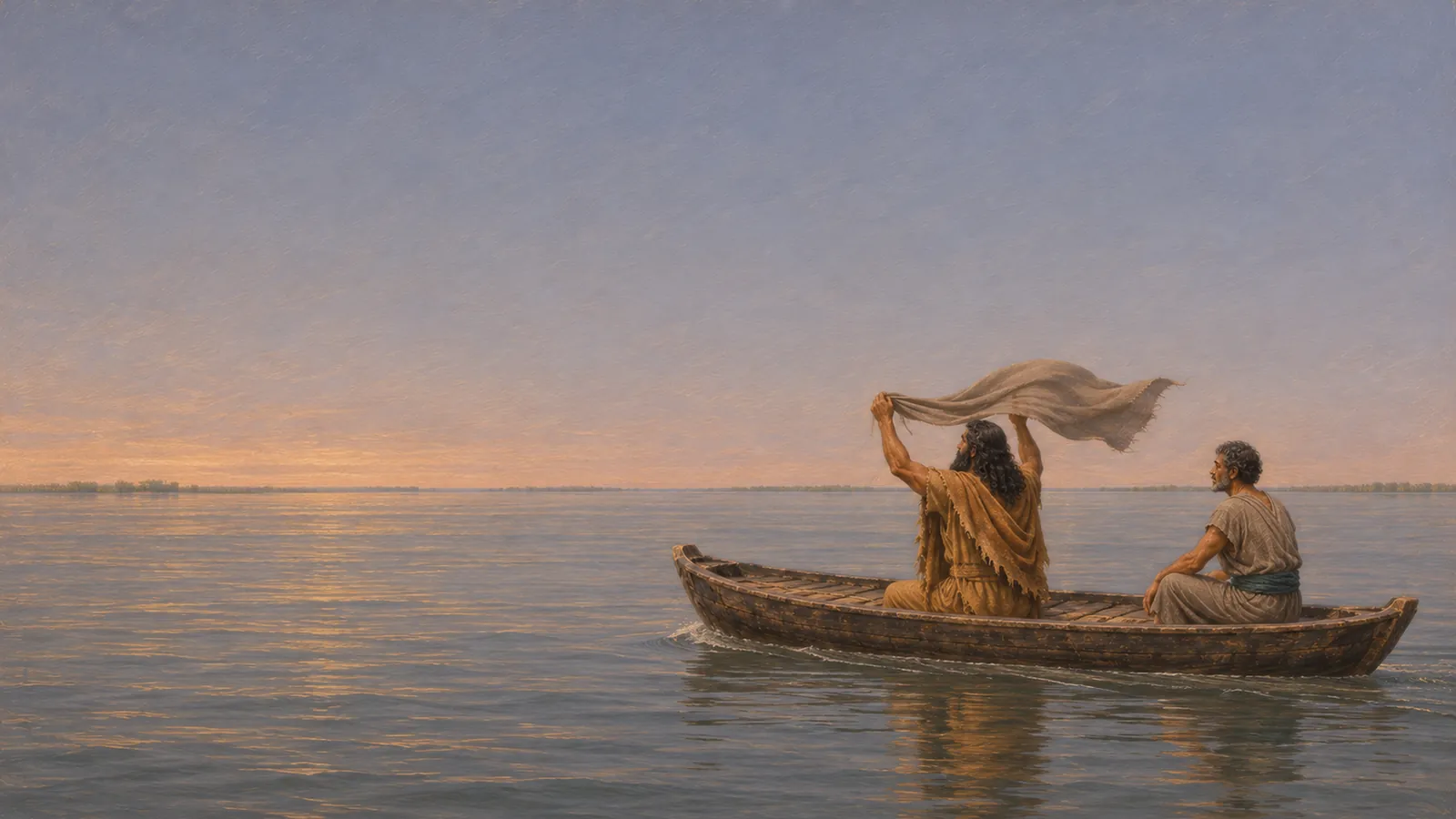
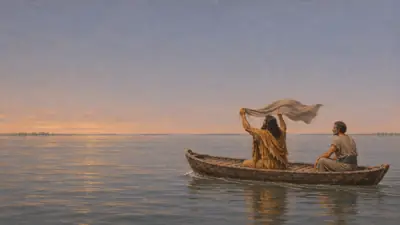
Gilgamesh ergueu uma vestimenta ao vento e a usou como vela. Da margem distante, alguém podia ver o barco se aproximar.
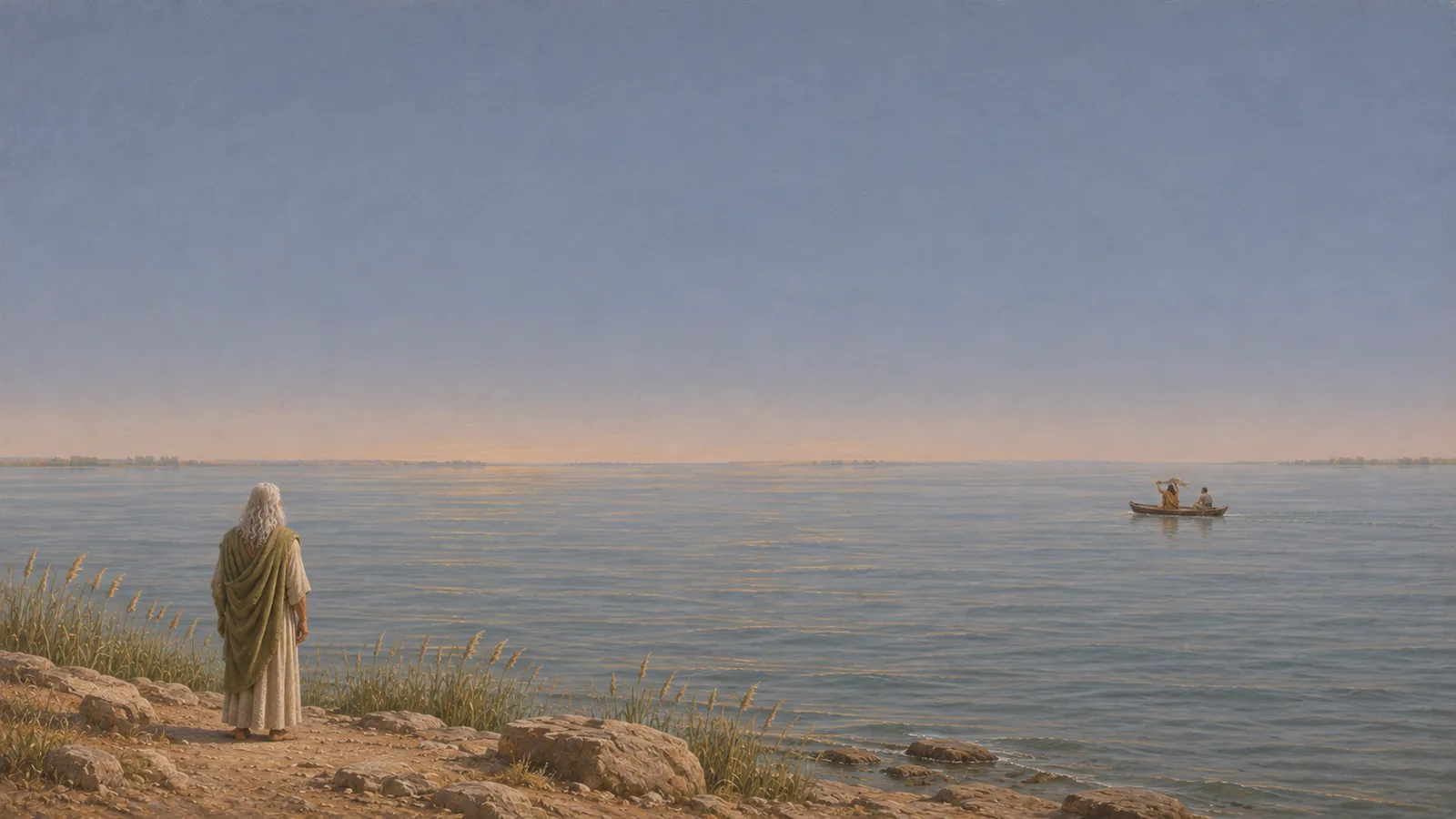
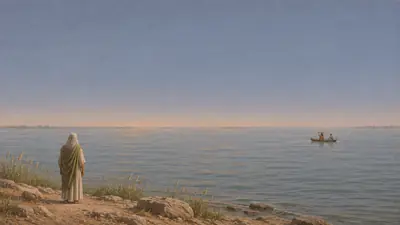
Ao longe, Utnapishtim viu o barco se aproximar. Até ali, Gilgamesh carregara o nome do velho em cada dificuldade, e agora o próprio homem podia vê-lo.
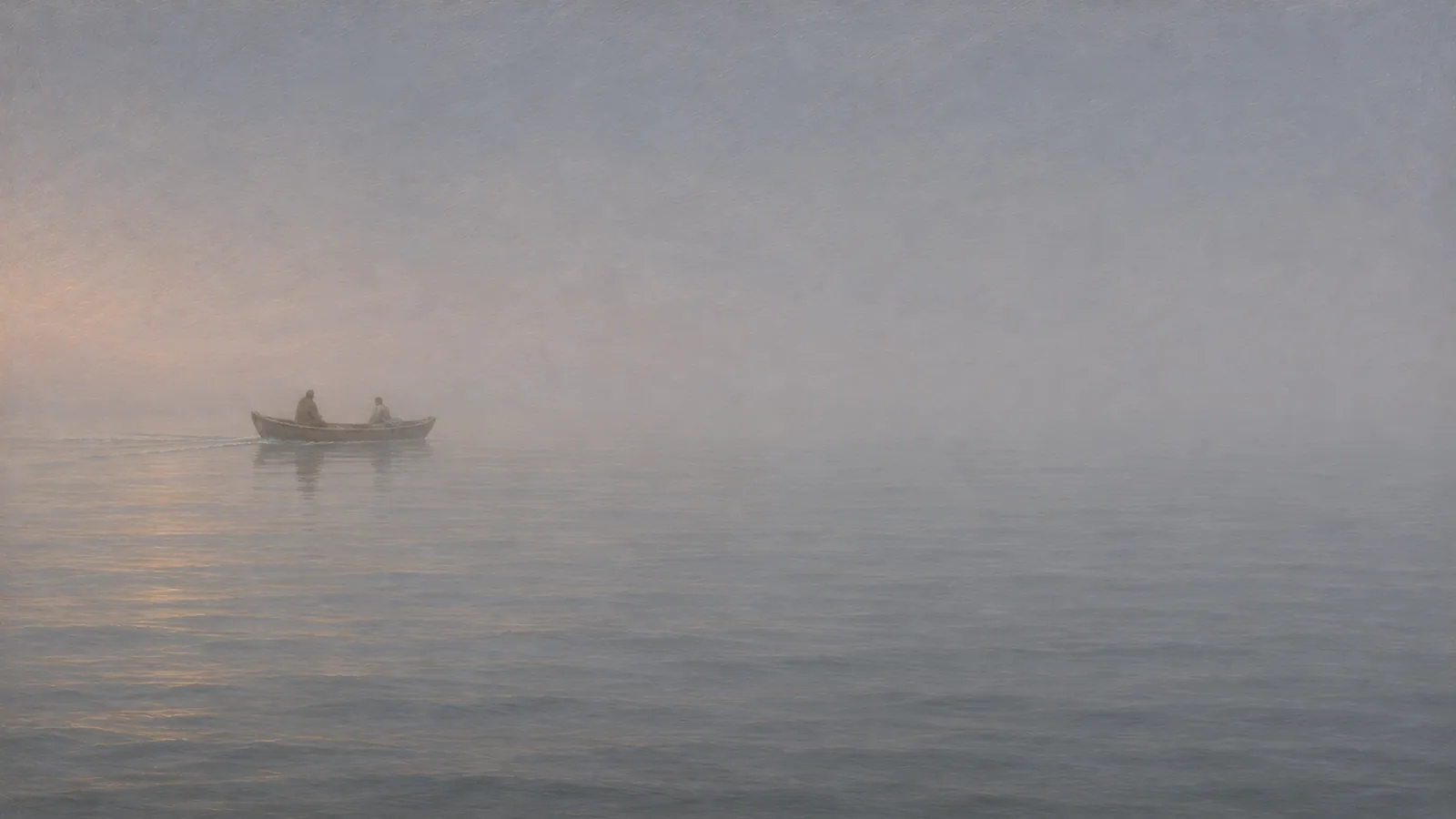
Utnapishtim notou que havia algo errado com o barco. Os de pedra estavam quebrados, e ele não reconhecia o homem que ia a bordo com o barqueiro.
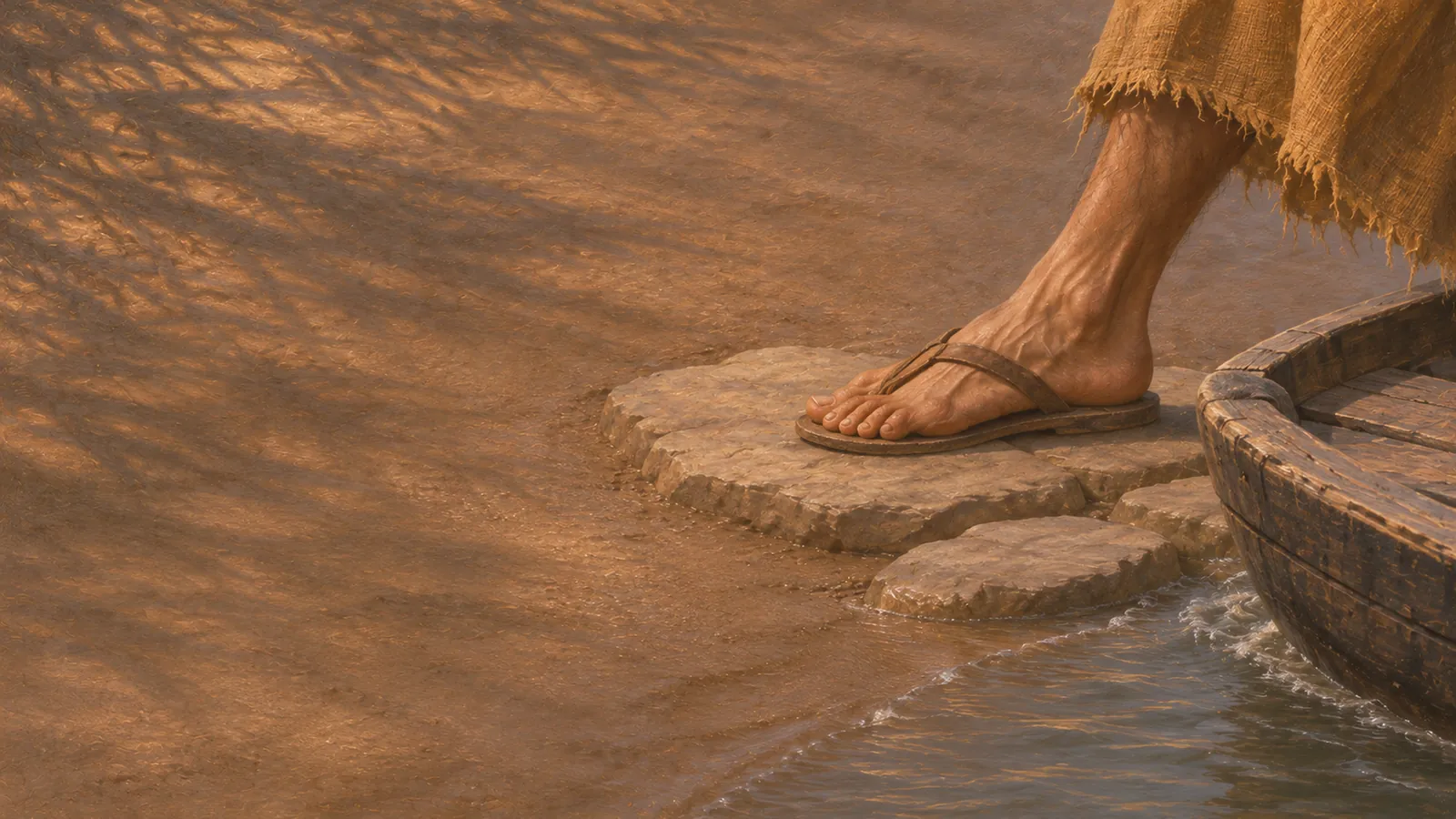
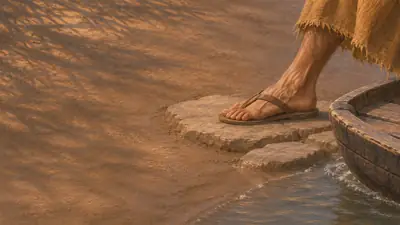
O barco chegou à margem distante. As linhas sobre a chegada estão danificadas, mas levam Gilgamesh são e salvo à margem onde Utnapishtim o espera.
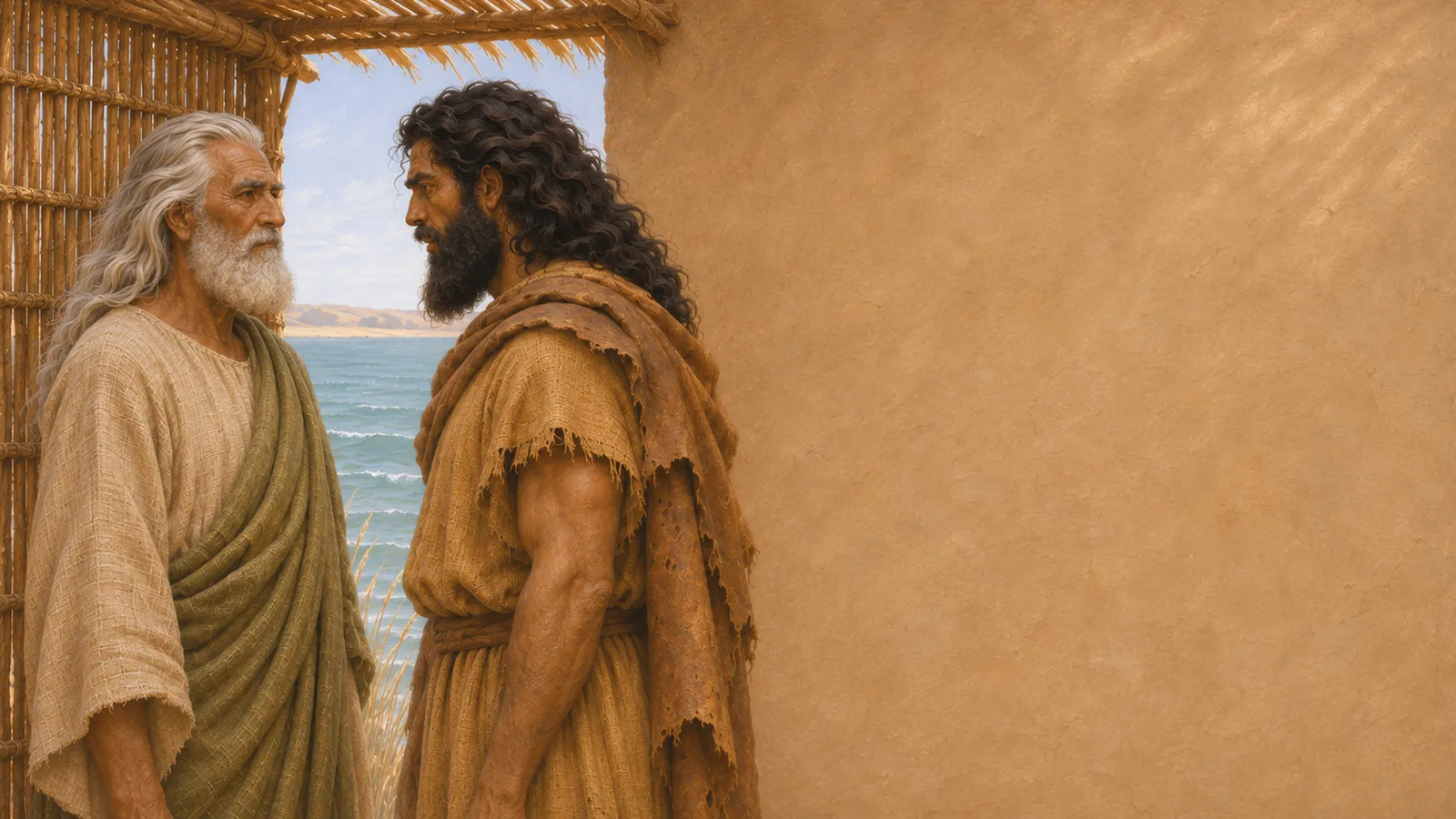
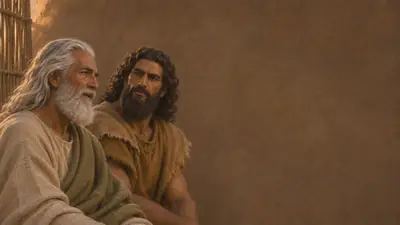
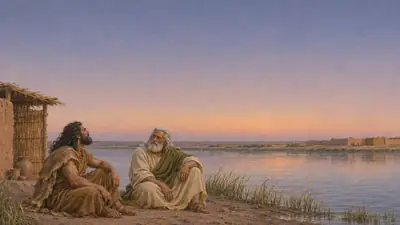
Gilgamesh falou enfim com o homem que atravessara o mar para encontrar. Conhecia Utnapishtim como filho de Ubar-Tutu, o nome que aparece nas linhas que restaram.
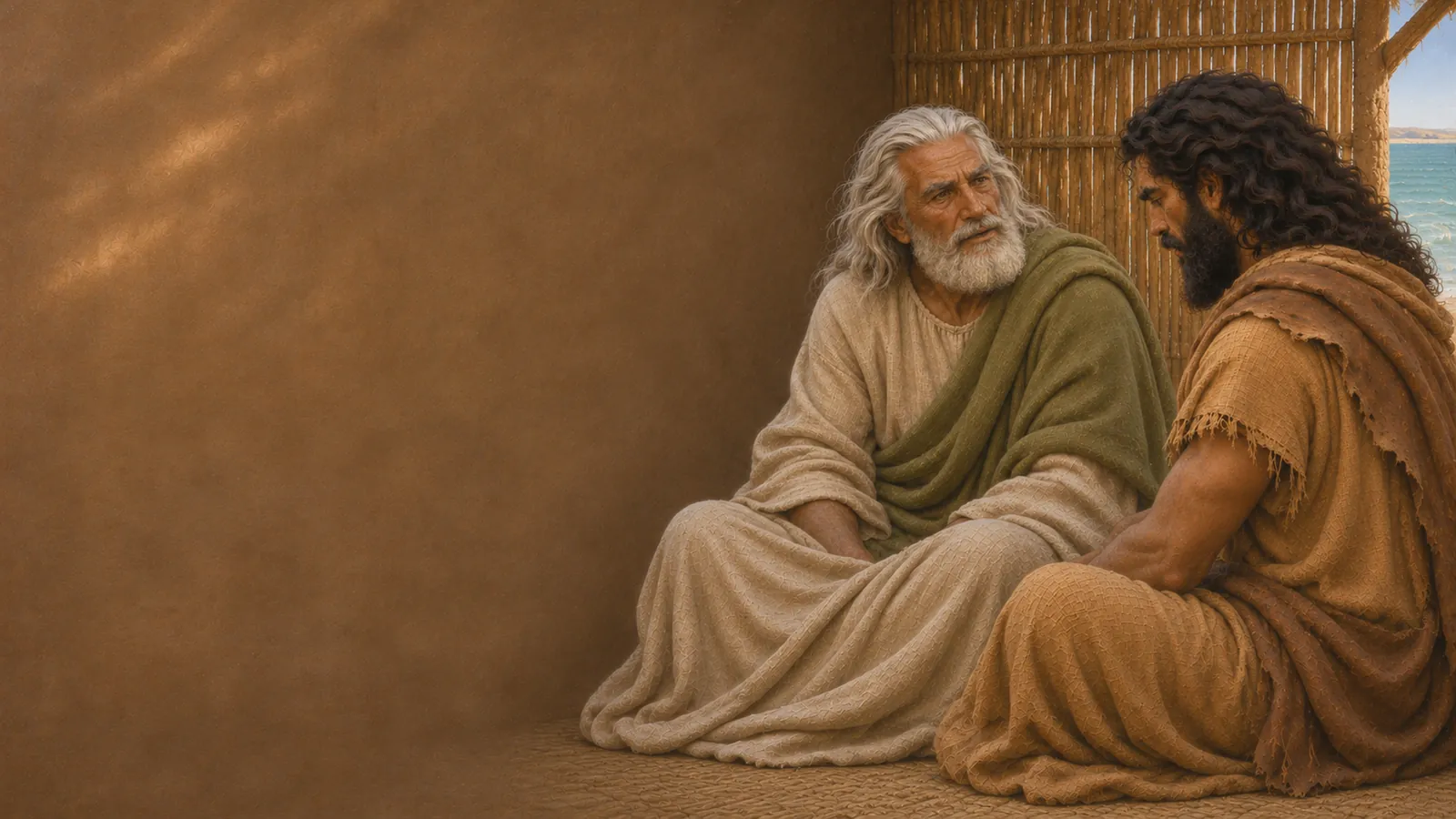
Utnapishtim olhou para Gilgamesh e fez quase a mesma pergunta que Siduri e o barqueiro tinham feito. No rosto dele viu o cansaço da viagem e o sofrimento que o fizera partir.
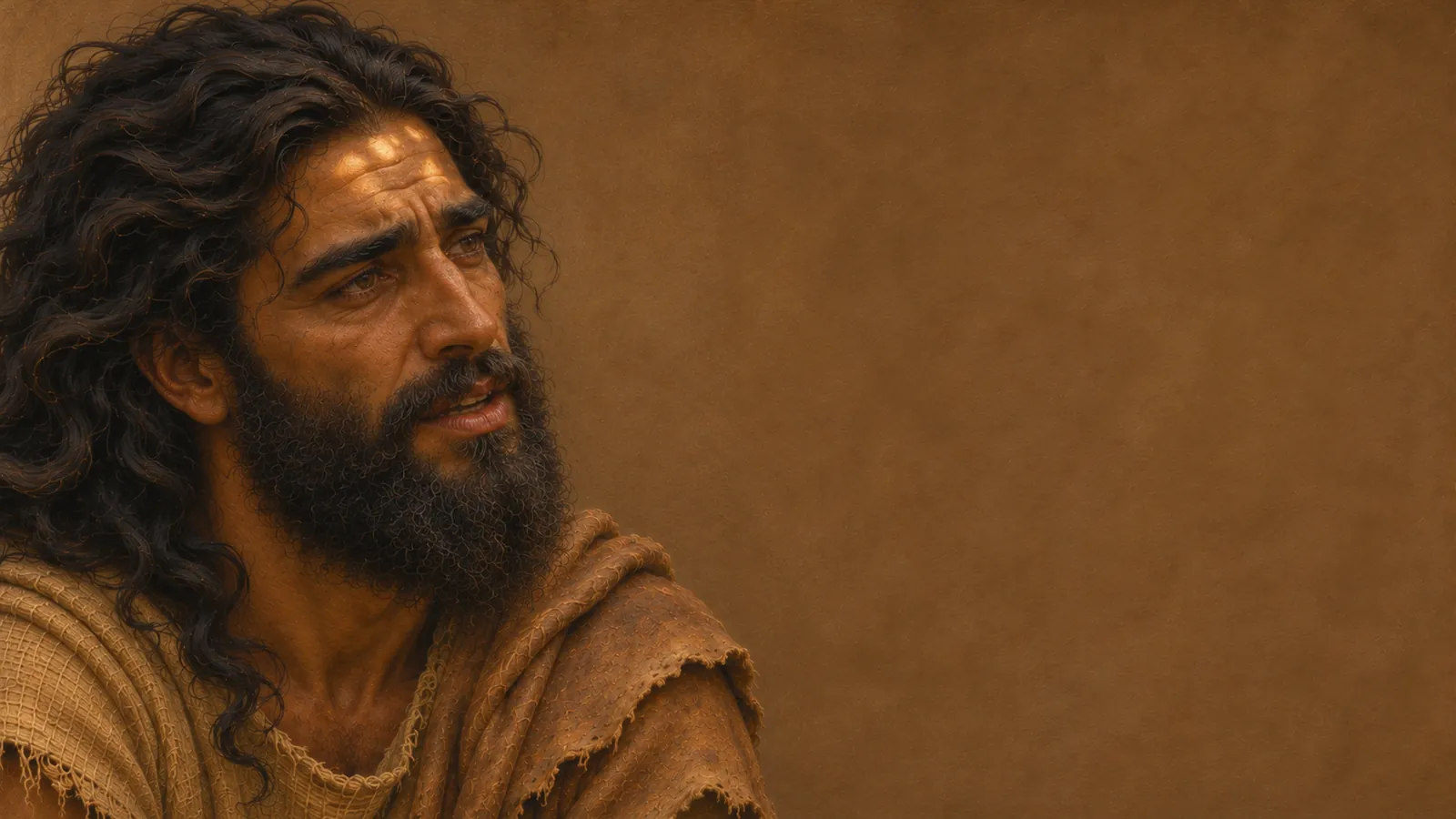
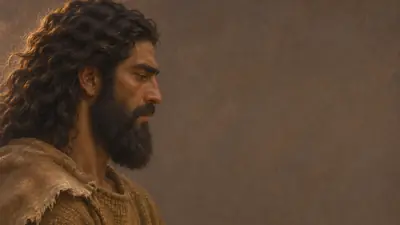
Gilgamesh falou outra vez de seus feitos e do amigo que amava. Por mais que pudesse dizer sobre sua própria coragem, a história sempre voltava à morte de Enkidu.
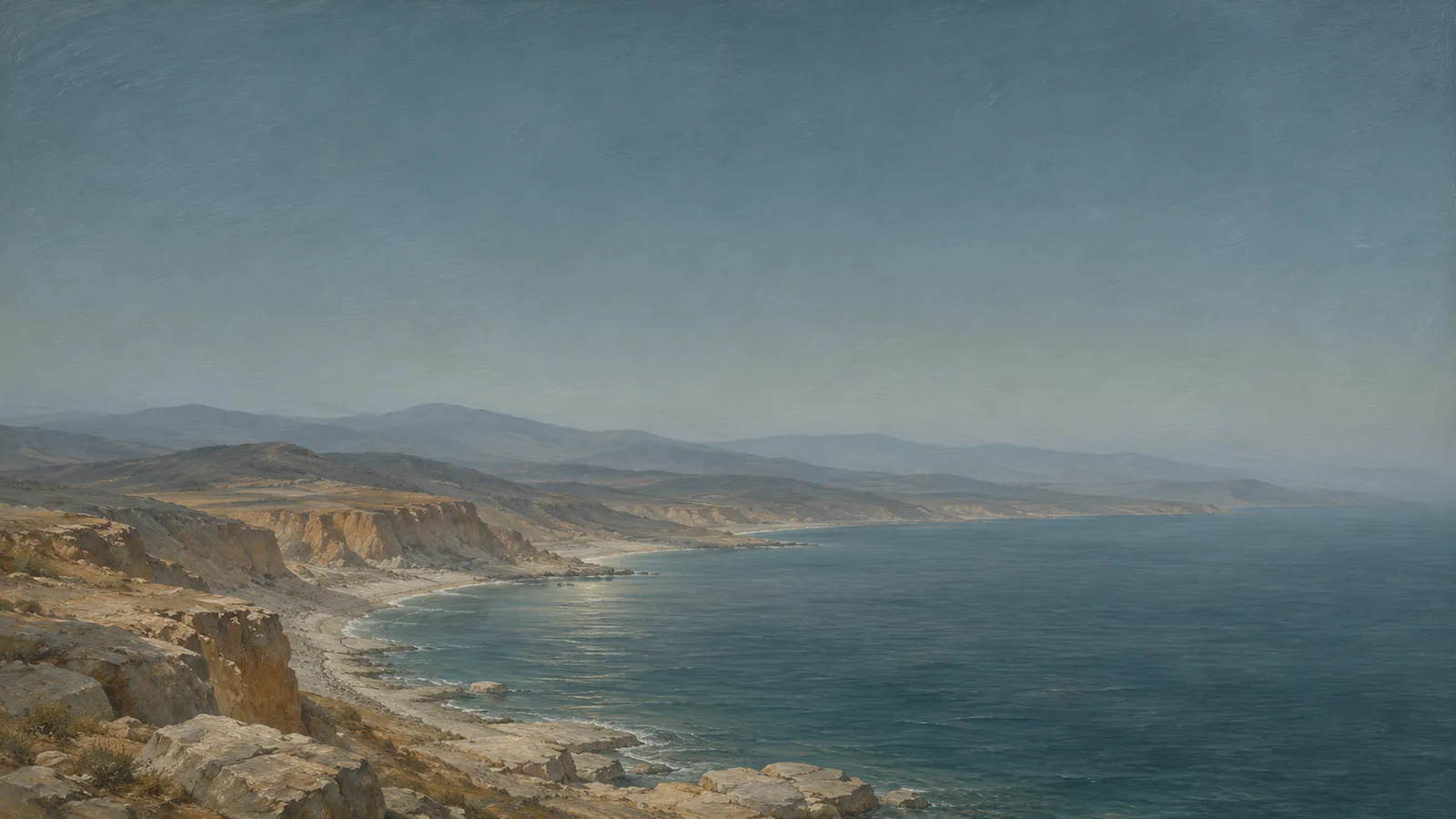
Gilgamesh contou a ele sobre as terras por onde passara, as montanhas que atravessara e os mares que navegara. Toda aquela distância o separava da vida que conhecia.
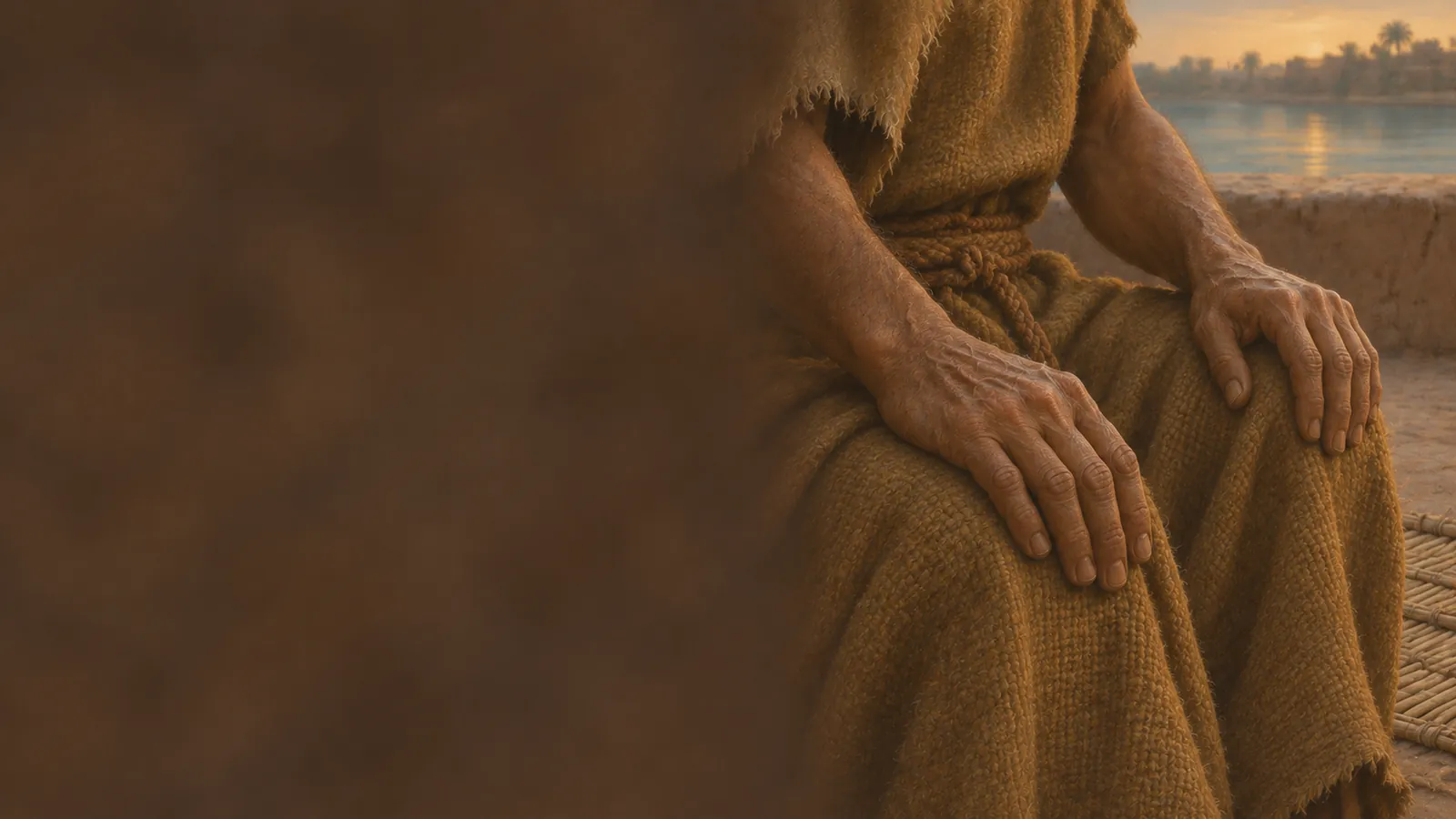
Falou das noites em que mal pôde dormir e das dificuldades que o caminho lhe trouxera. Encontrar Utnapishtim era o que o havia mantido em marcha.
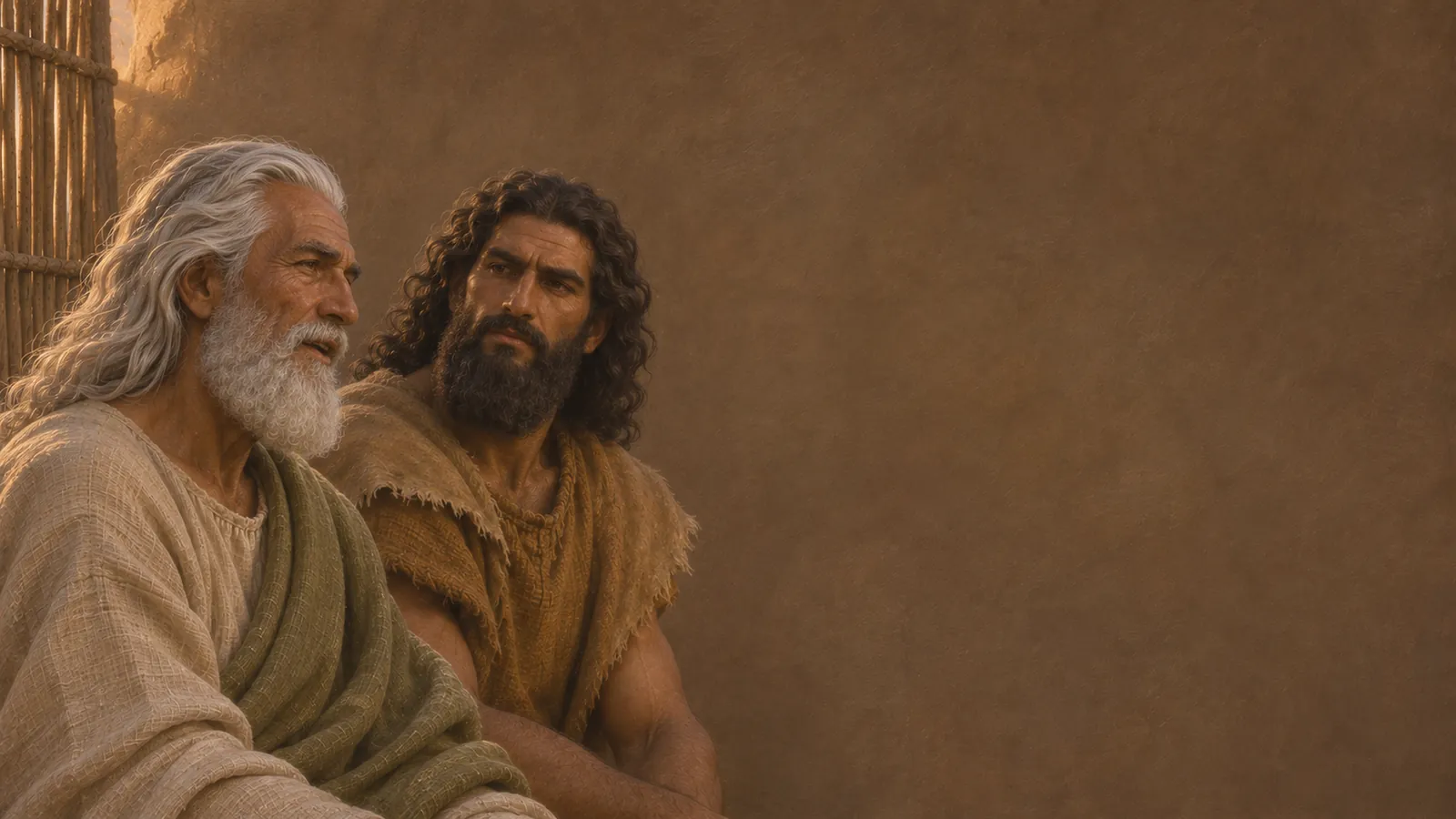
Utnapishtim respondeu falando da tristeza de Gilgamesh e de sua origem ao mesmo tempo divina e humana. Partes dessa resposta se perderam na argila quebrada.
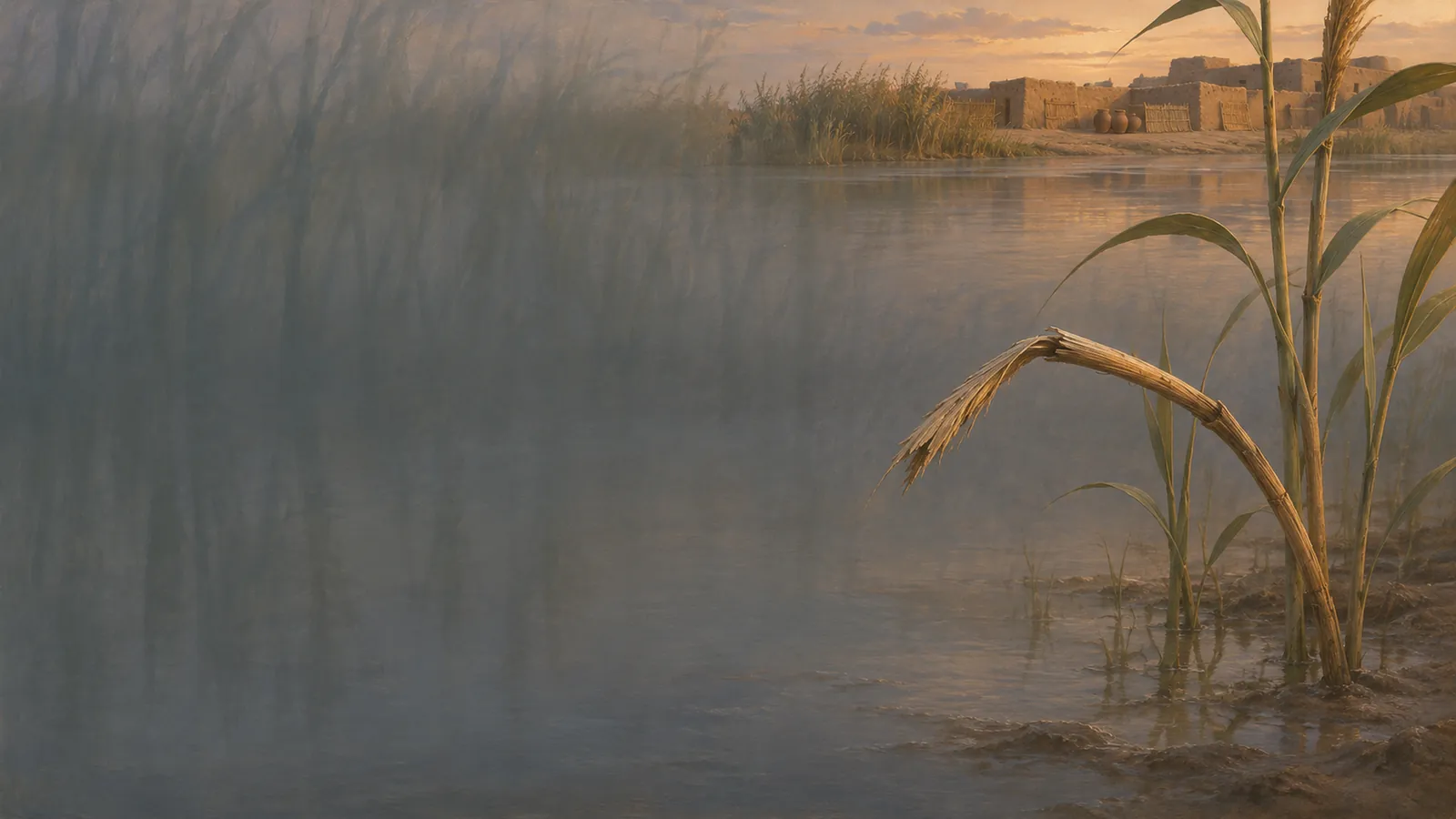
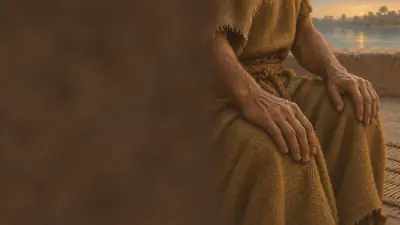
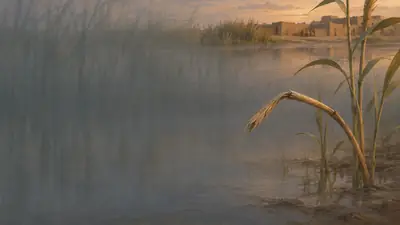
Utnapishtim comparou as pessoas e seus filhos a juncos que podiam se quebrar. Até homens e mulheres no auge da vida podiam ser levados pela morte.
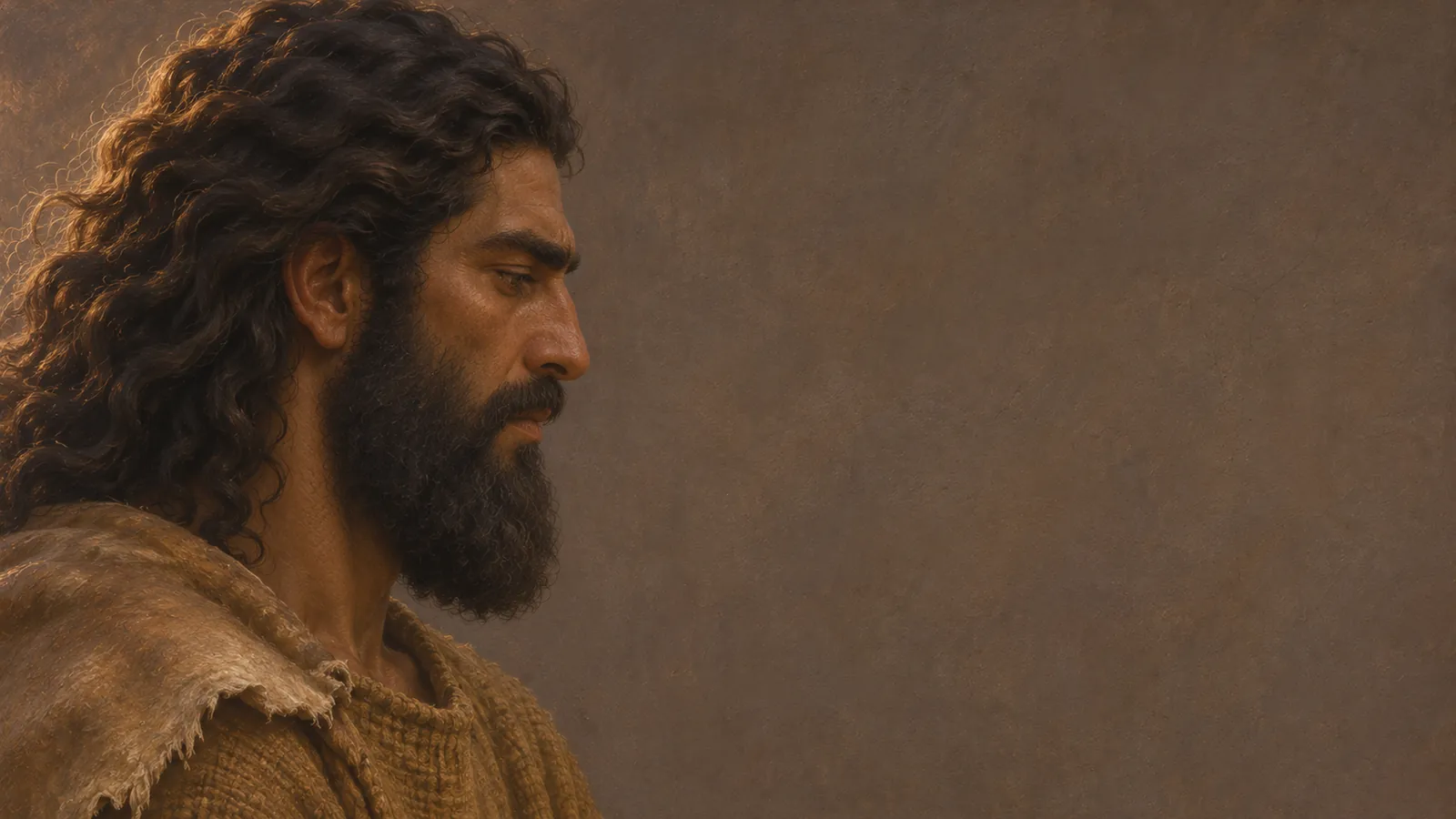
Ninguém vê o rosto da morte nem ouve sua voz ao se aproximar, disse Utnapishtim. Nada do que Gilgamesh tinha feito poderia avisá-lo de quando ela chegaria.
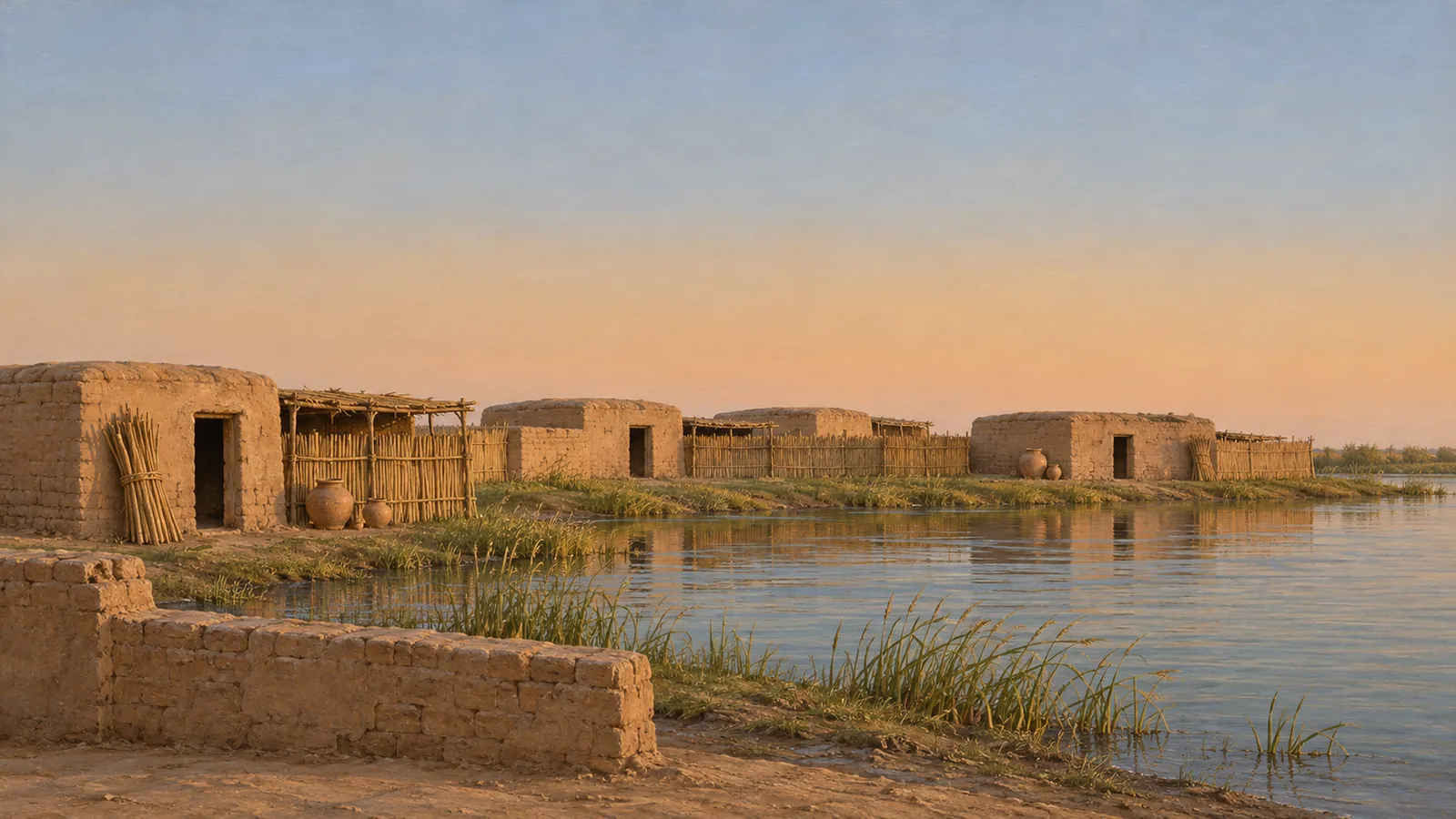
Falou de casas que se constroem, famílias que se formam e irmãos que dividem o que cabe a cada um. O poema coloca esses gestos familiares ao lado de uma imagem de como a vida pode desaparecer depressa.

Utnapishtim evocou um rio em cheia e uma efêmera flutuando na água, à luz do dia. Esteve ali por um instante e depois desapareceu.
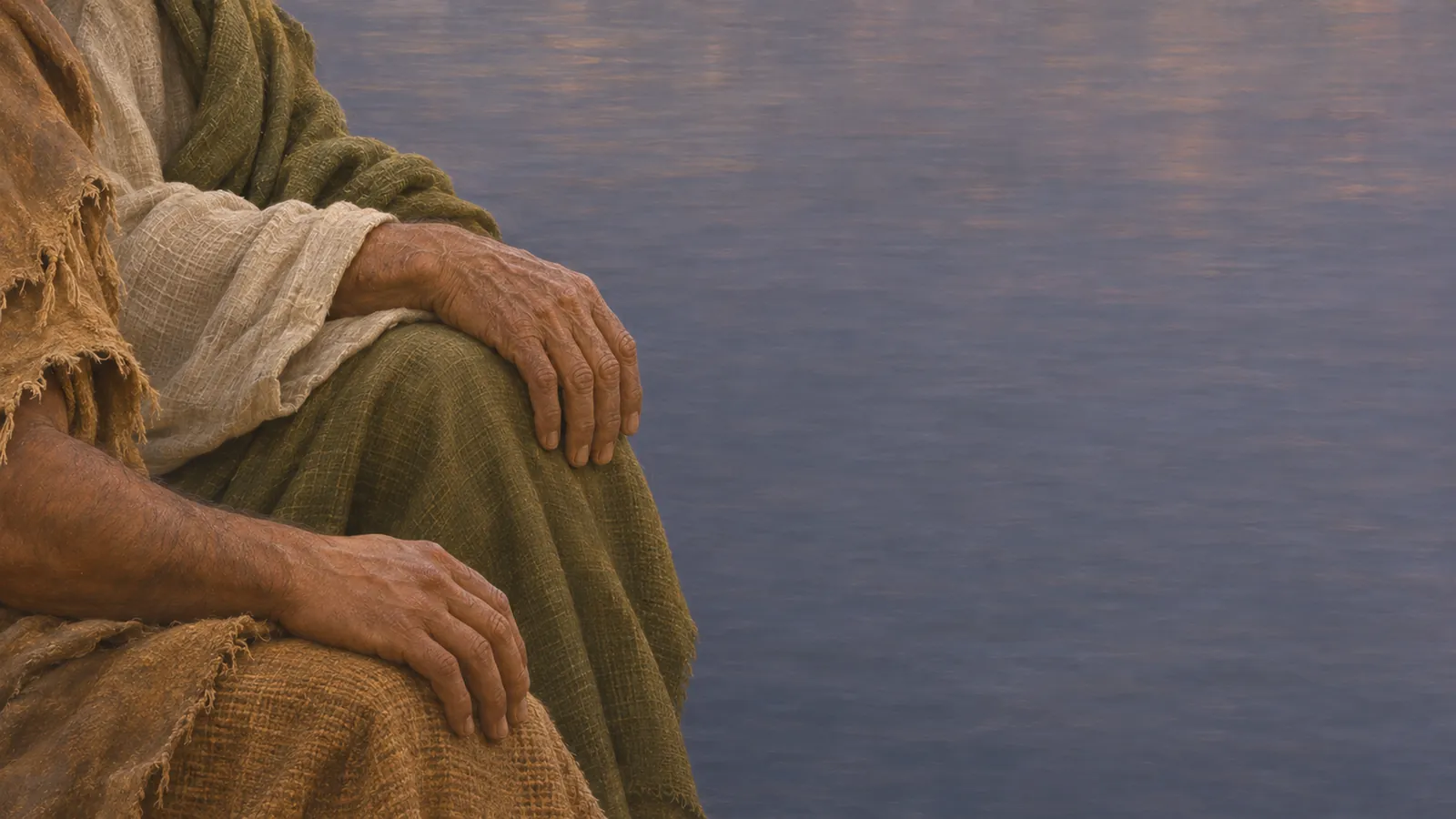
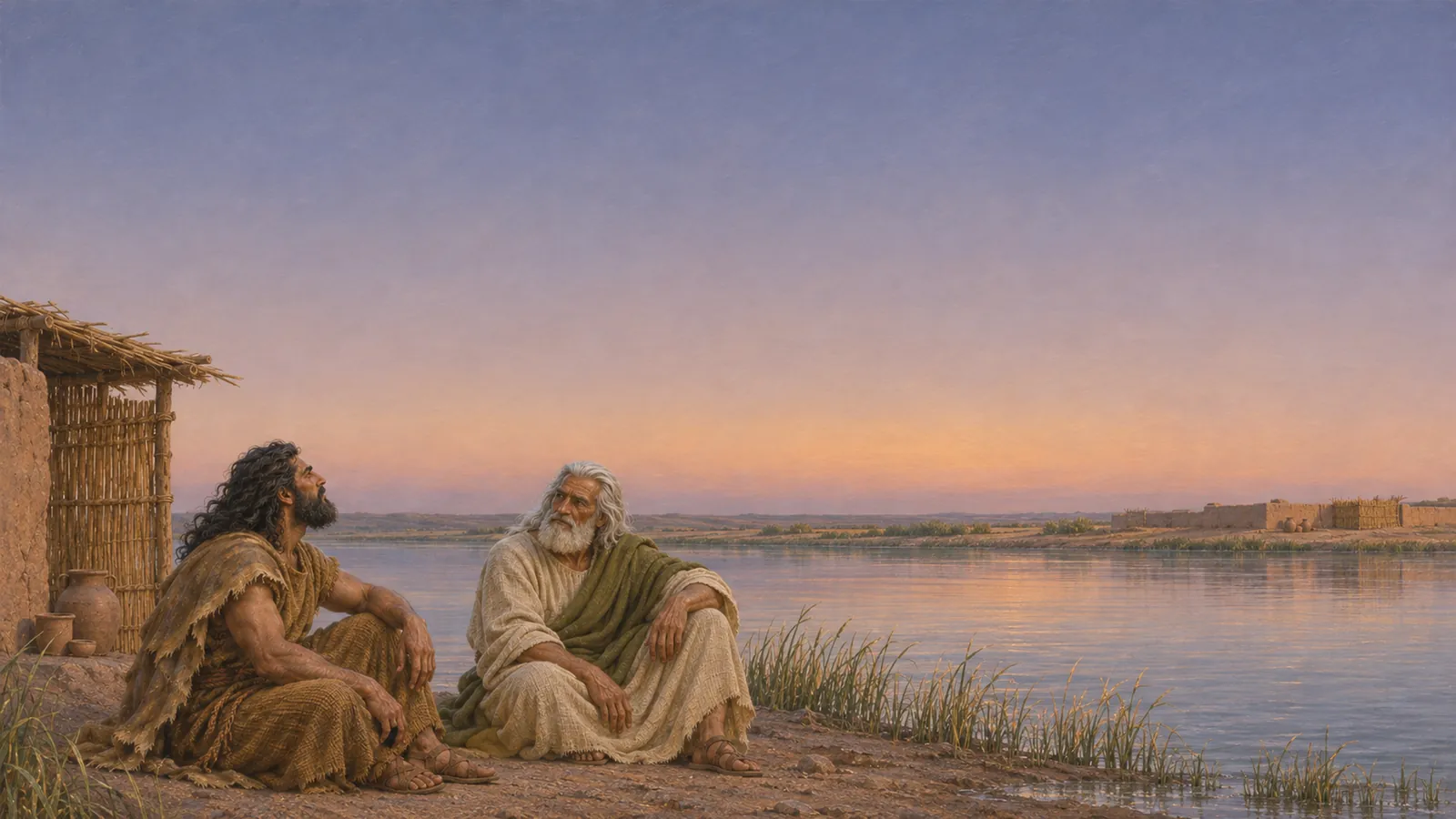
Utnapishtim voltou ao que Gilgamesh queria saber. Os deuses tinham estabelecido a vida e a morte, mas não revelaram às pessoas o dia da morte.
TABULETA XI
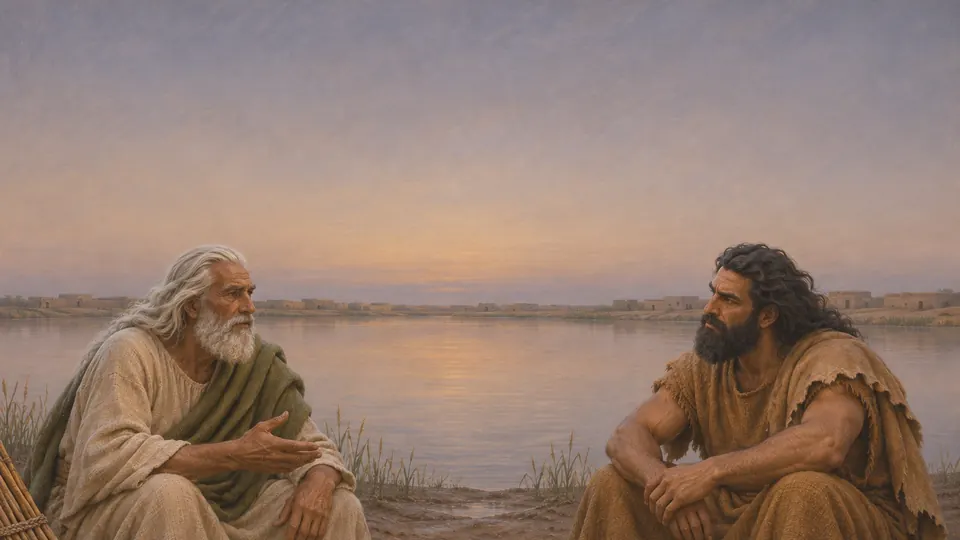
No início da tabuleta seguinte, Gilgamesh olha para Utnapishtim e vê um homem muito parecido com ele. Pergunta como aquele homem chegou a estar entre os deuses e continuou a viver.
Fim do capítulo 6
Todas as páginas





Fontes
On pages 28, 36 and 51, Gilgamesh says he would not give Enkidu up for burial until a maggot fell from his nostril (SB Gilgamesh X 58–62, 135–139 and 235–239, George’s eBL translation). The retelling describes the sign of decay on page 28 and condenses the two later repetitions.
Edições consultadas
- Electronic Babylonian Library, Tablet IX: and [Tablet X](https://www.ebl.lmu.de/corpus/L/1/4/SB/X). Both official text exports were checked line by line.
- Electronic Babylonian Library, Tablet XI: opening address credited separately.
- Andrew George, “The Epic of Gilgamesh”: synopsis of the westward journey and Utnapishtim’s answer.
- Andrew George, “Gilgamesh and the Babylonian World”: with the latter part of Tablet X discussed alongside manuscript context.
Notas sobre este reconto
On page 3, Gilgamesh takes up an axe and a dagger, strikes the lions and kills and scatters them in a partly restored passage (SB Gilgamesh IX 13–18, George’s eBL translation). On page 26 he tells Siduri that he and Enkidu killed the Bull, destroyed Humbaba and killed lions in the passes (SB Gilgamesh X 29–39, partly restored). The retelling condenses the attack and the list of deeds.
Os versos antigos de cada página
- Page 1: SB IX 8–9, eBL
- Page 2: SB IX 10–12, eBL
- Page 3: SB IX 13–29, gap before 37, eBL
The awakening and brief rush are attested. - Page 4: SB IX 37–41, eBL
- Page 5: SB IX 42–45 and 48–51, eBL
- Page 6: SB IX 46–47, eBL
- Page 7: SB IX 48–51, eBL; cf. SB I 48
Her correction is preserved. - Page 8: SB IX 52–59, eBL
- Page 9: SB IX 5–7 and 75–77, eBL
- Page 10: SB IX 78–90, especially 80–83, eBL
- Page 11: SB IX 91–93, lacuna before 125, and 125–135, eBL
- Page 12: SB IX 136–139, eBL
- Page 13: SB IX 139–144, eBL
- Page 14: SB IX 145–162, eBL
- Page 15: SB IX 163–169, eBL
- Page 16: SB IX 169–172, eBL
- Page 17: SB IX 172–174, eBL
- Page 18: SB IX 175–176, eBL
- Page 19: SB IX 184–196, eBL; cf. SB X 1–2
The last line is damaged and the pronoun points forward to Siduri. - Page 20: SB X 1–4, 5–9, eBL; George, synopsis p. 9; George X score
- Page 21: SB X 1–9, eBL; George X score; Heidel, Tablet X, Assyrian version col. i
- Page 22: SB X 5–14, eBL; George X score; Heidel, Tablet X, Assyrian version col. i
- Page 23: SB X 15–16, 20–21, eBL; George X score; George, synopsis p. 9
- Page 24: SB X 17–22, eBL; George X score; Heidel, Tablet X, Assyrian version col. i
Only the spoken threat is attested. - Page 25: SB X 25–28, eBL; George X score; George, synopsis p. 9
The wording of her question is damaged and restored in part. - Page 26: SB X 29–39, eBL; George X score
The shared action is preserved in the repeated lines. - Page 27: SB X 35–45, eBL; George X score
- Page 28: SB Gilgamesh X 53–62, especially 58–62, eBL; compare X 134–139 and 234–239
Original paraphrase of largely restored and repeated lines. - Page 29: SB X 72–77, eBL; George X score
Paraphrased request. - Page 30: SB X 78–86, eBL; George X score; George, synopsis p. 9
- Page 31: SB X 87–91, eBL; George X score; George, Ur-šanabi
- Page 32: SB X 92–105 and 155–158, eBL; George X score; George, synopsis p. 9
The composite preserves the ambush’s broad action despite damaged phrases. - Page 33: SB X 102–108 and 155–158, eBL; George, Ur-šanabi
- Page 34: SB X 108–113, 155–158, eBL; George X score; George, Ur-šanabi
- Page 35: SB X 112–119, eBL; cf. X 40–46; George X score
- Page 36: SB X 119–148, eBL; George X score; George, synopsis p. 9
This is the poem’s deliberate repetition condensed. - Page 37: SB X 149–158, eBL; George X score; George, synopsis p. 9
- Page 38: SB X 159–163, eBL; George X score; George, synopsis p. 9
The composite restorations at X 160 and 166 give three hundred exceptionally long poles. - Page 39: SB X 163–168, eBL; George X score
- Page 40: SB X 169–171, eBL; George X score; George, Ur-šanabi
- Page 41: SB X 169–172, eBL; George X score; George, synopsis p. 9
The exceptional duration is a reading of the poem at X 171. - Page 42: SB X 172–175, eBL; George X score; Heidel, Tablet X, Assyrian version col. iv
- Page 43: SB X 174–179, eBL; George X score
- Page 44: SB X 179–181, eBL; George, synopsis p. 9
- Page 45: SB X 181–183, eBL; George X score; George, synopsis p. 9
The clothing actions in 181–182 are partly restored. - Page 46: SB X 184–186, eBL; George X score; George, synopsis p. 9
- Page 47: SB X 186–195, eBL; George X score
Utnapishtim’s observations are damaged in places. - Page 48: SB X 196–207, especially 204–207, eBL; George X score; George, synopsis p. 9
- Page 49: SB X 207–212, eBL; George X score
The nearby flood word is broken and its sense is uncertain, with the full account starting in XI. - Page 50: SB X 212–225, eBL; George X score; George, synopsis p. 9
- Page 51: SB X 226–248, eBL; George X score; George, synopsis p. 9
- Page 52: SB X 249–253, eBL; George X score
- Page 53: SB X 254–265, eBL; George X score; George, synopsis p. 9
- Page 54: SB X 266–280, eBL; George X score; George, synopsis p. 9
The passage contains partially preserved counsel. - Page 55: SB X 296–307, especially 301–303 and 307, eBL; George X score; George, synopsis p. 9
The simile and examples support the mortality lesson. - Page 56: SB X 304–307, eBL; cf. X 322; George X score
- Page 57: SB X 308–311, eBL; George X score; George, synopsis p. 9
- Page 58: SB X 312–315, eBL
- Page 59: SB X 316–322, eBL; George X score; George, synopsis p. 9
- Page 60: SB X catchline; SB XI 1–7; George, synopsis p. 9; SOAS BAPLAR XI 1–34
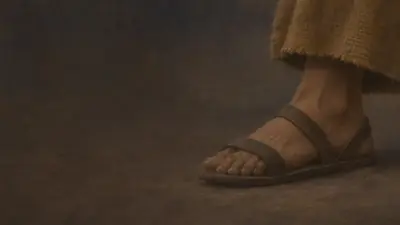
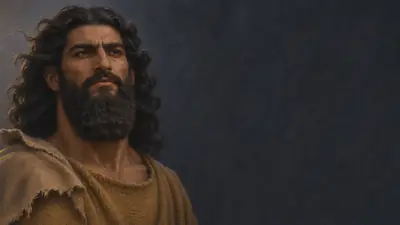
Ilustrações feitas pelo IL Archive com ferramentas de IA; o texto baseia-se nas fontes antigas (veja as fontes no fim de cada capítulo).