A Epopeia de Gilgamesh Capítulo 8
O que o rei traz de volta
Gilgamesh fracassa na prova de Utnapishtim e depois fica sabendo de uma planta que poderia lhe devolver a juventude. Uma serpente a leva no caminho de volta, e Gilgamesh mostra a Urshanabi o que as muralhas de Uruk encerram.
Ver o filmeFontesVire as páginas com as setas, o teclado ou deslizando o dedo.
PROVA
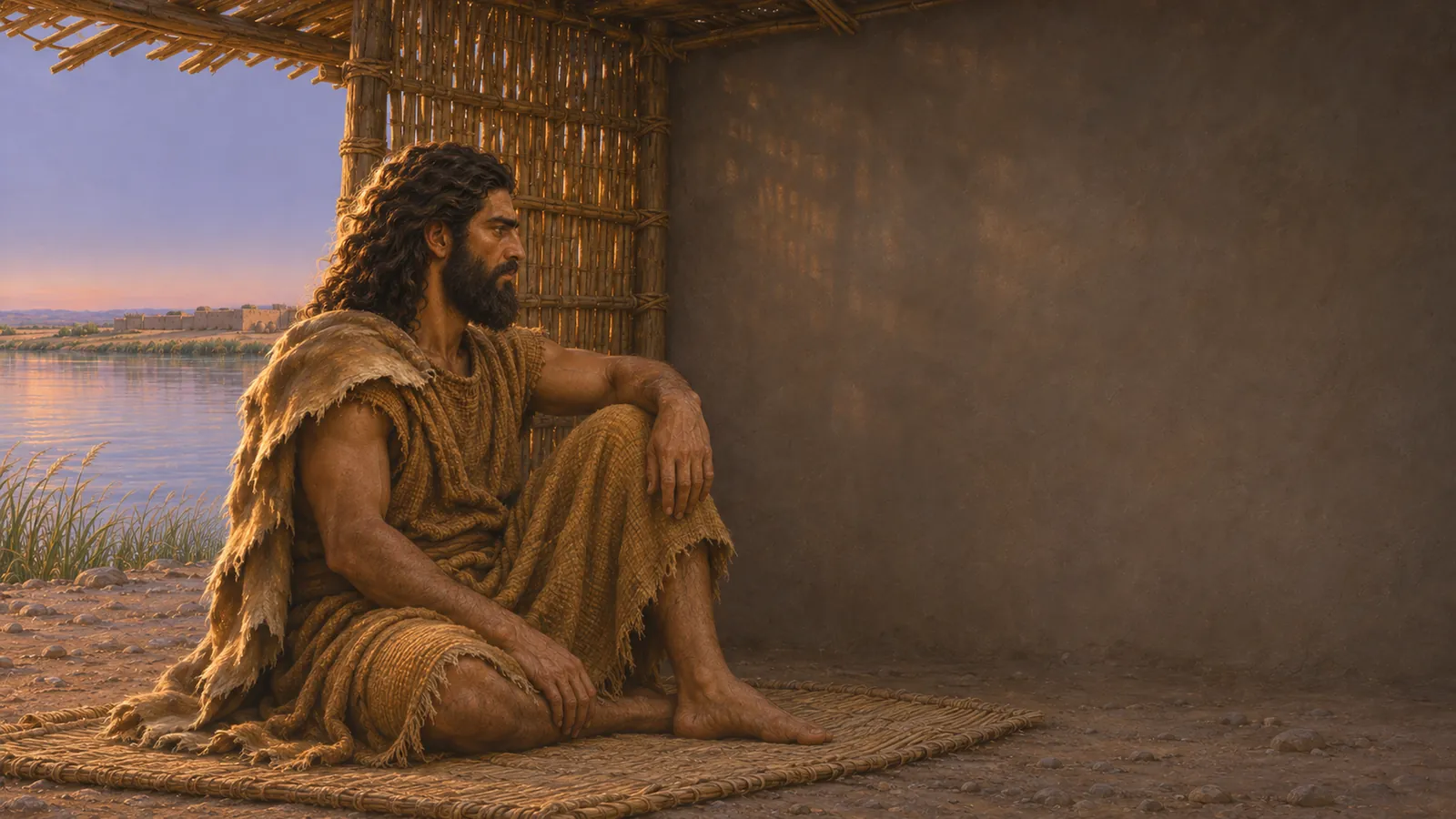
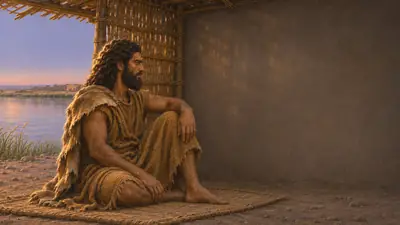
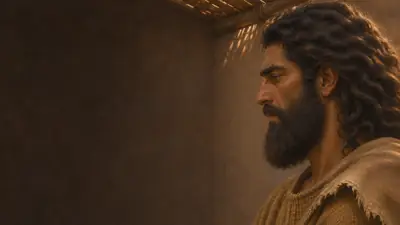
Tinham pedido a Gilgamesh que passasse sem dormir. Ele se sentou onde estava e a prova começou. Só precisava ficar acordado.
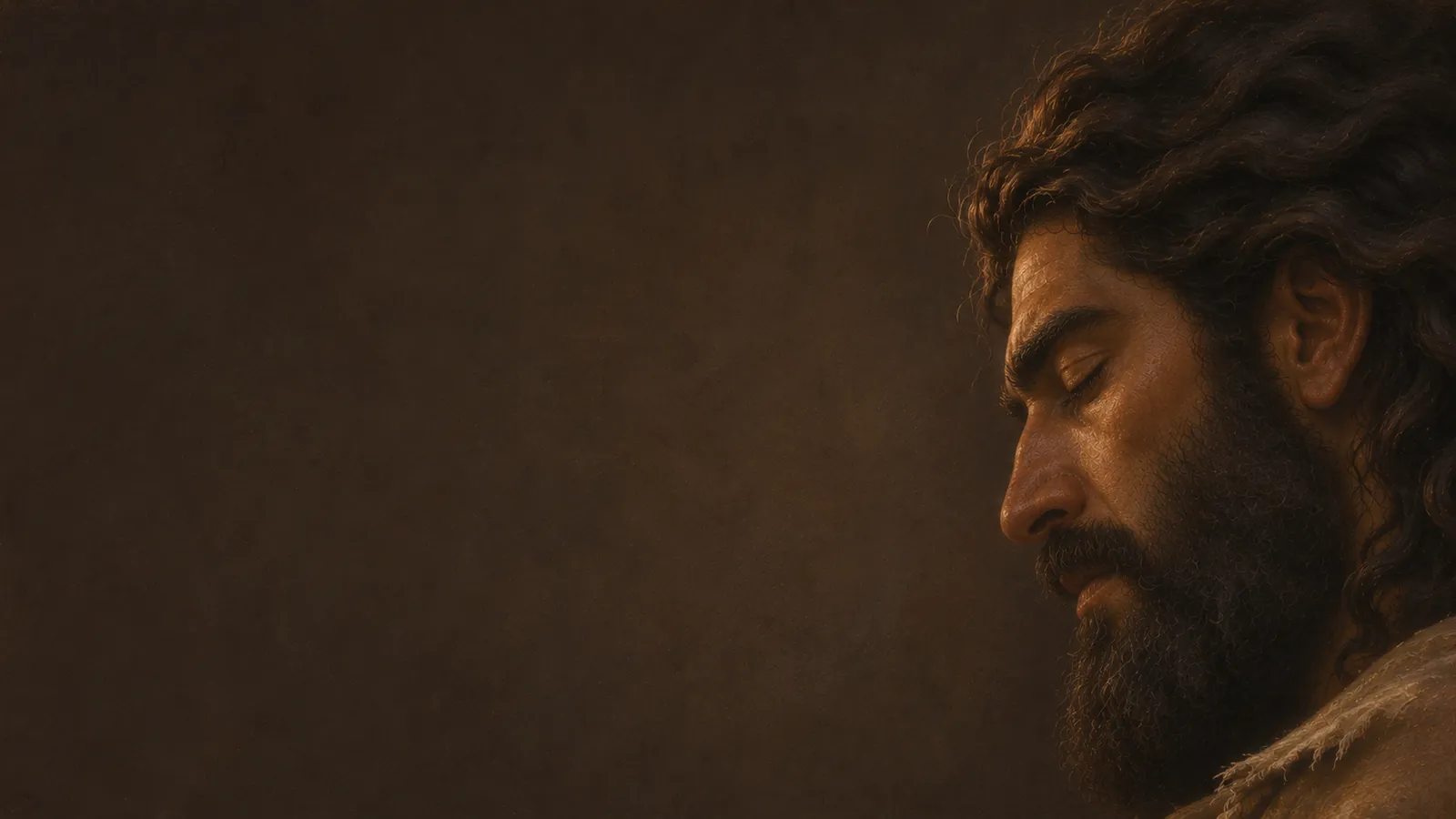
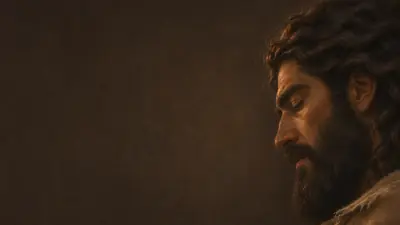
O sono tomou conta de Gilgamesh assim que ele se sentou. O poema o compara a uma névoa tão silenciosa que o homem que viera em busca de uma vida mais longa não conseguiu detê-la.
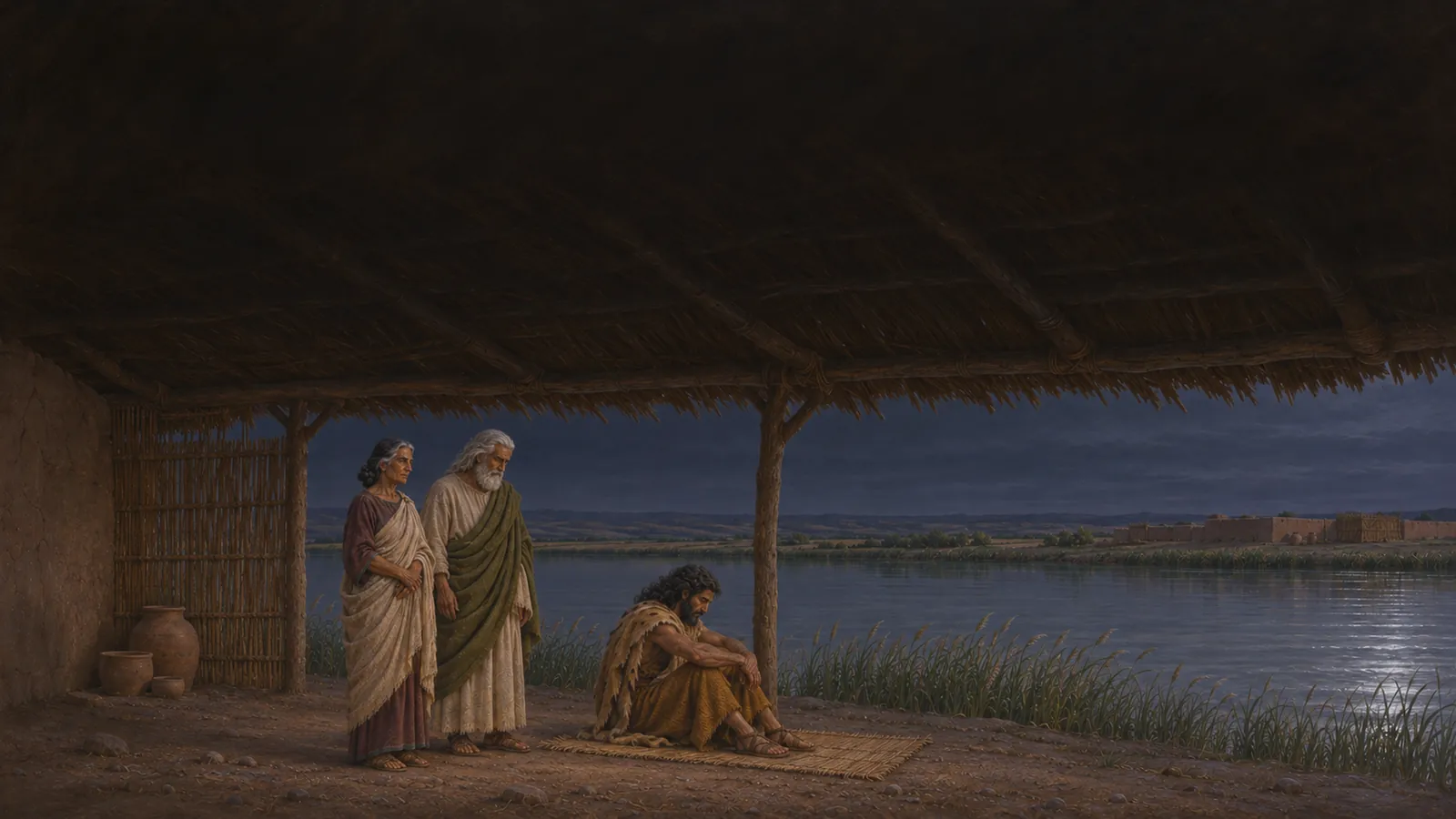
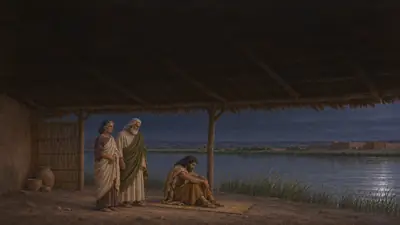
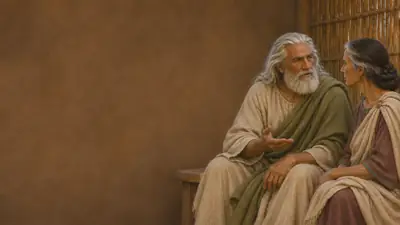
Utnapishtim chamou a atenção da esposa para o visitante. Ali estava o homem que tanto se empenhara na busca da vida, já vencido nos primeiros instantes do sono.
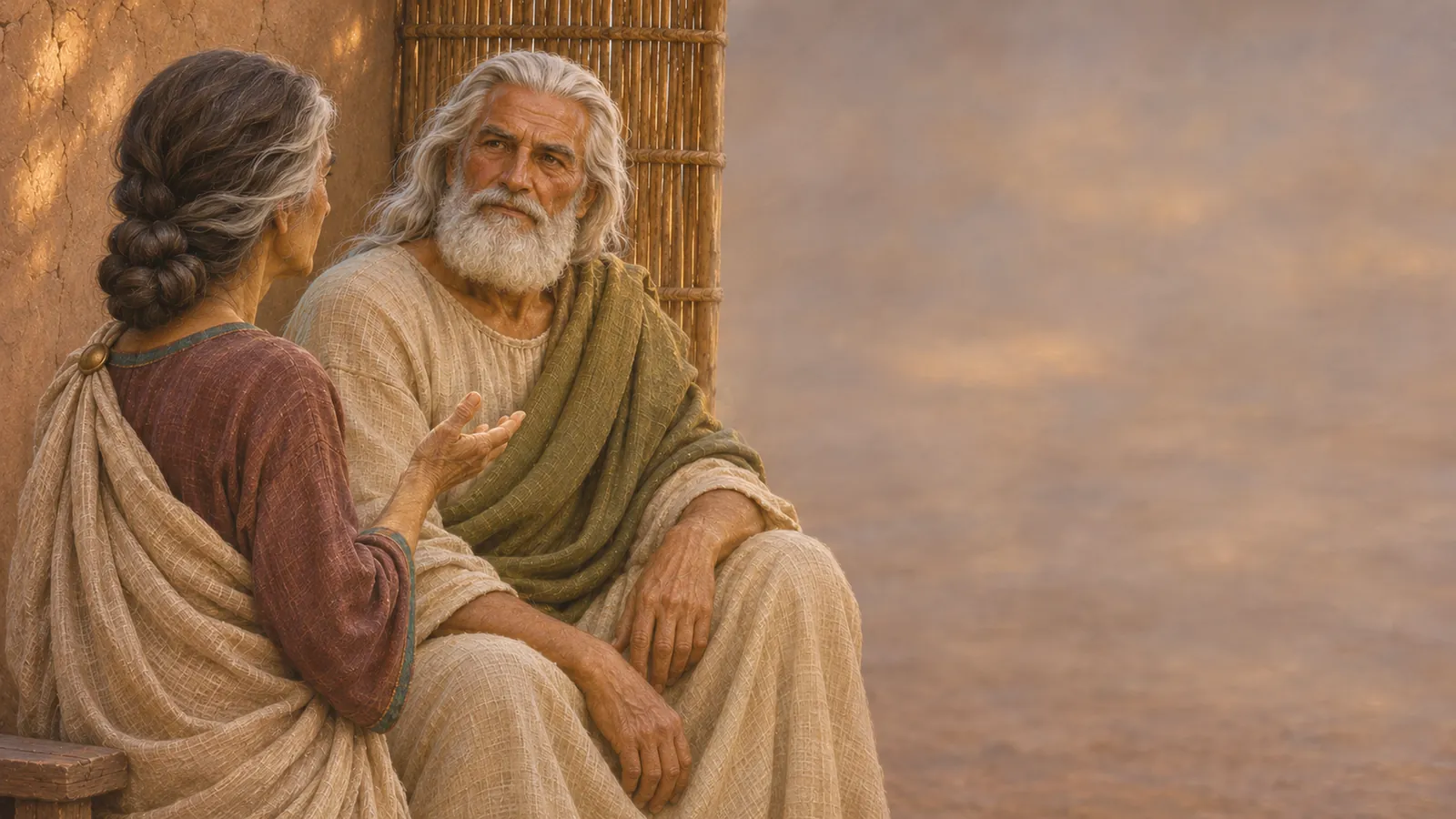
A esposa de Utnapishtim pediu que ele acordasse o viajante. Queria que pudesse voltar para casa em segurança pelo caminho por onde viera.
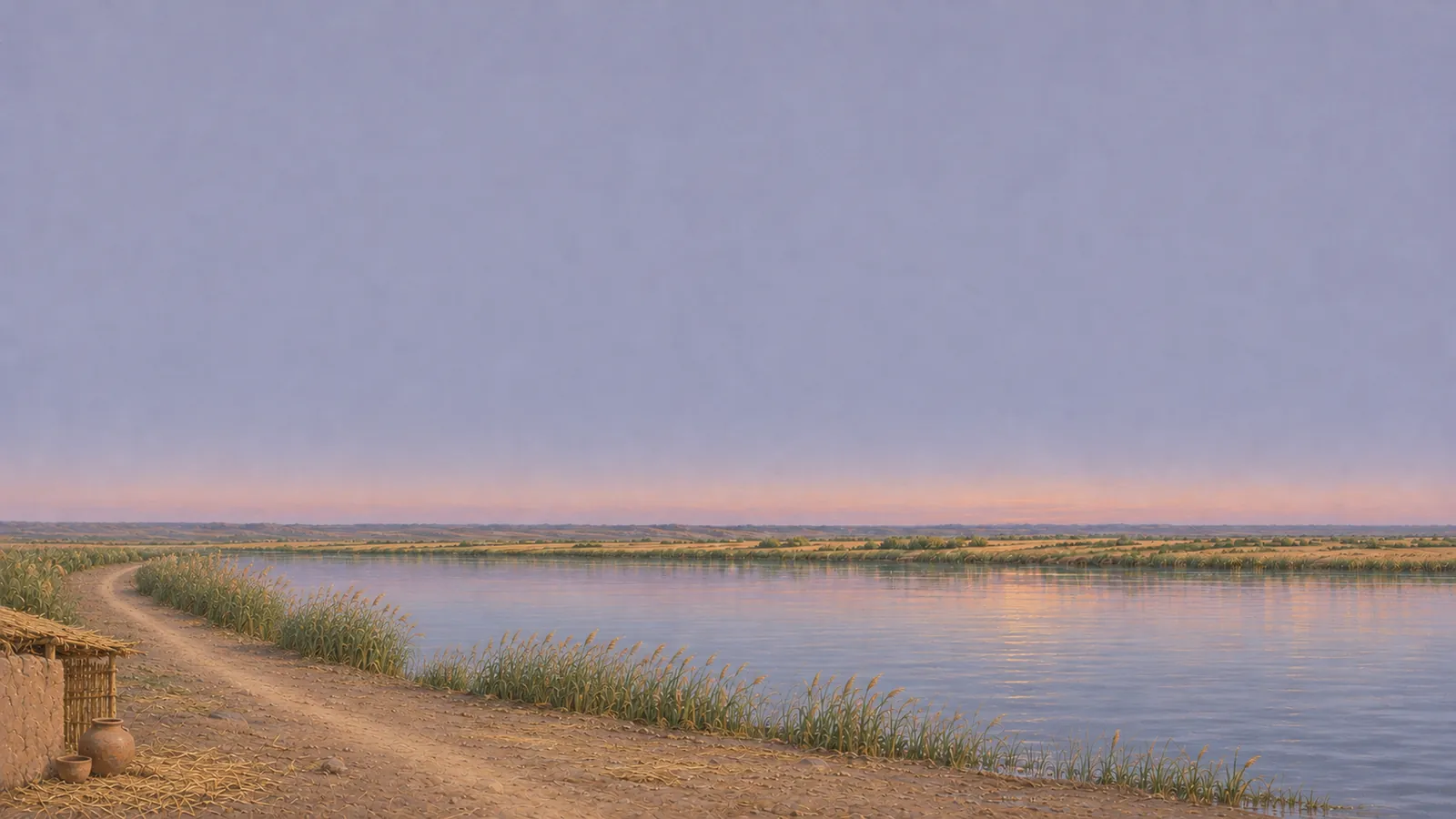
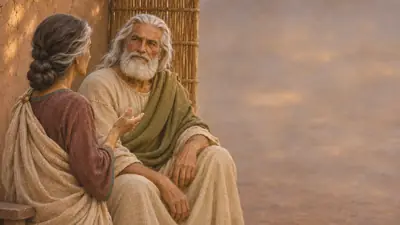
Ela falou do caminho de volta e do portão pelo qual ele havia saído. Seu desejo era simples. Que a estrada que ele tomara o levasse de volta à sua terra.
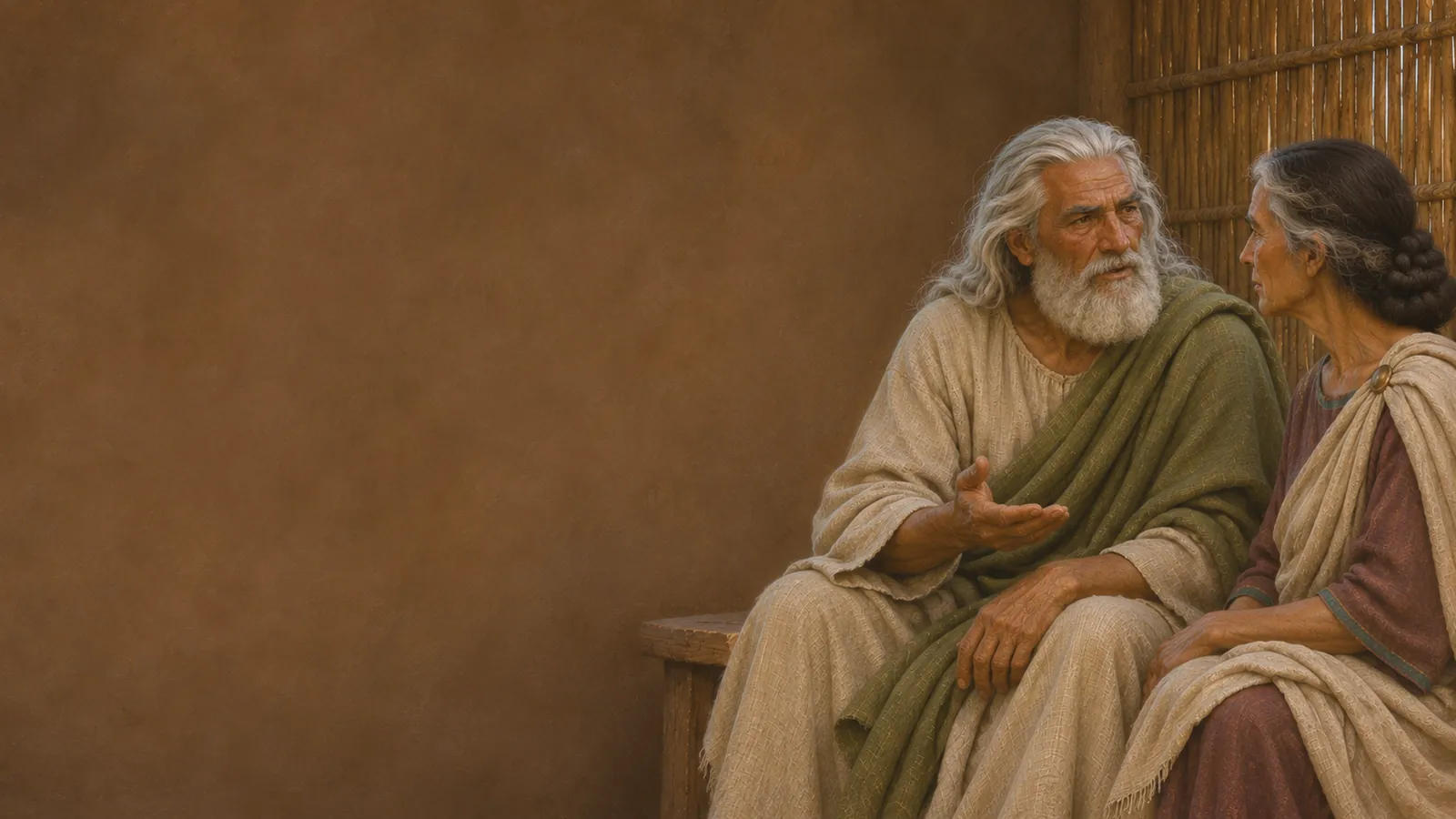
Utnapishtim ainda não estava pronto para acordá-lo. Advertiu a esposa de que um homem poderia negar que tinha dormido e pediu que desse ao visitante algo que ele pudesse ver com os próprios olhos.
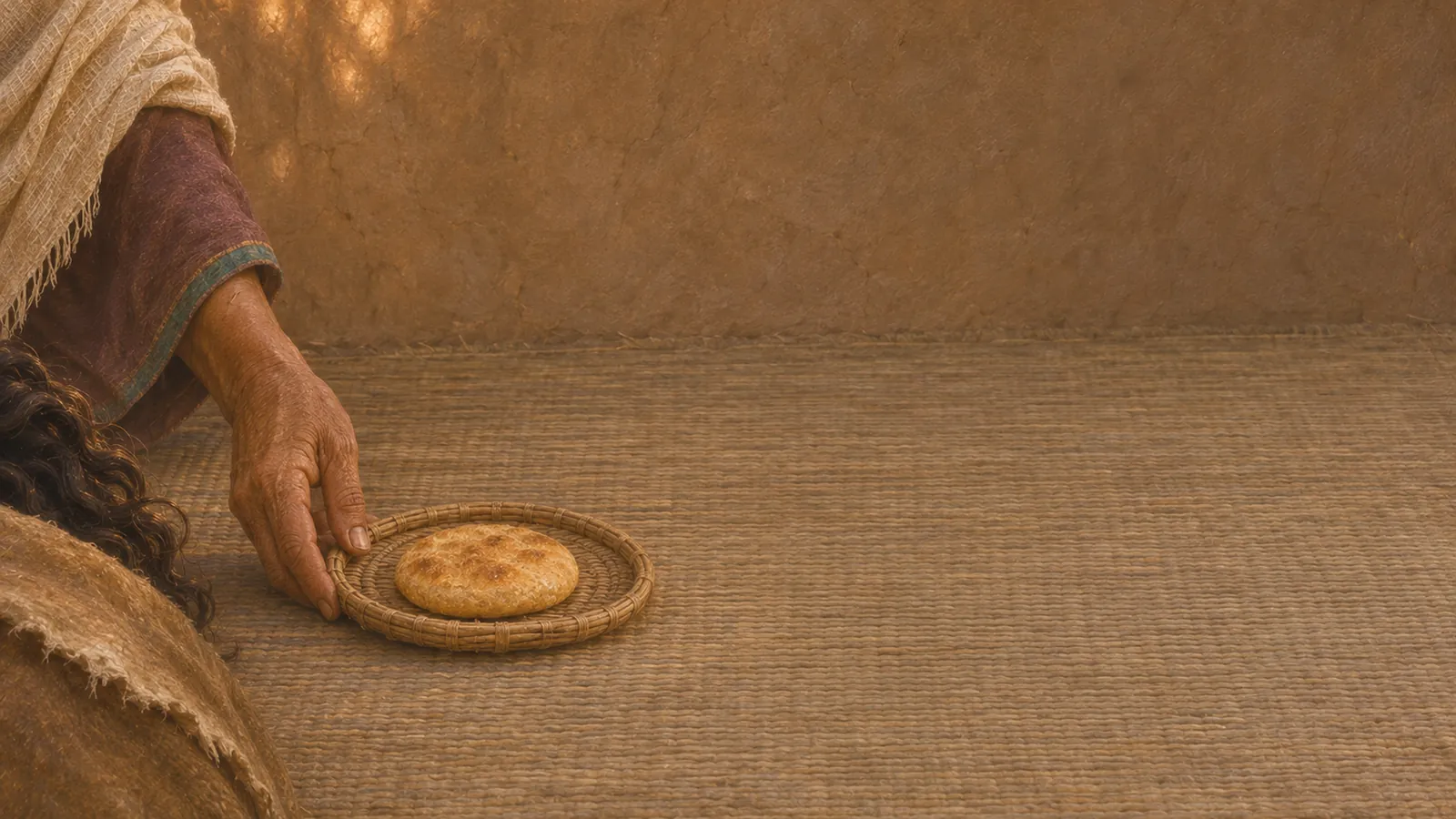
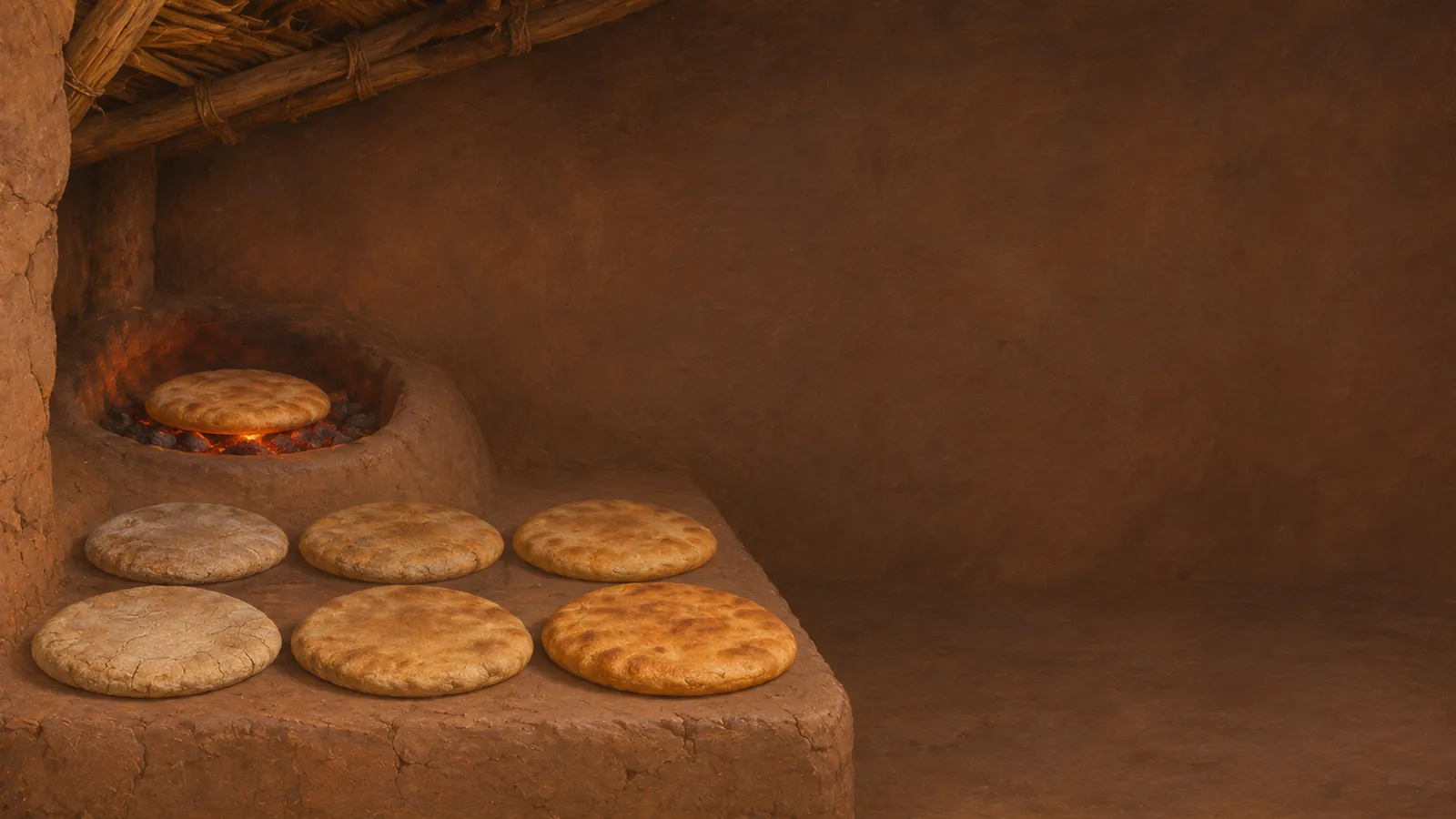
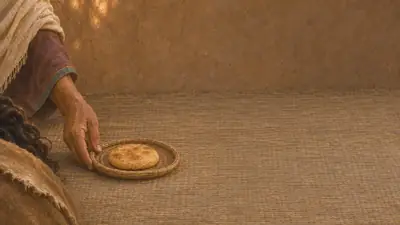
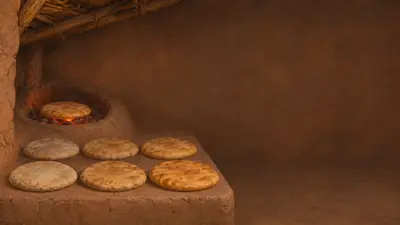
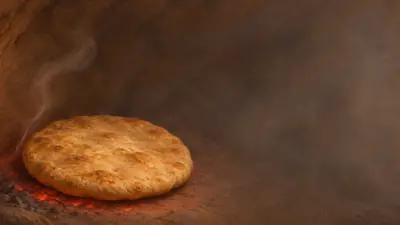
Utnapishtim disse à esposa que assasse pão todos os dias e o colocasse junto à cabeça de Gilgamesh. Ela fez o que ele pediu e deixou um registro que o homem adormecido não viu.
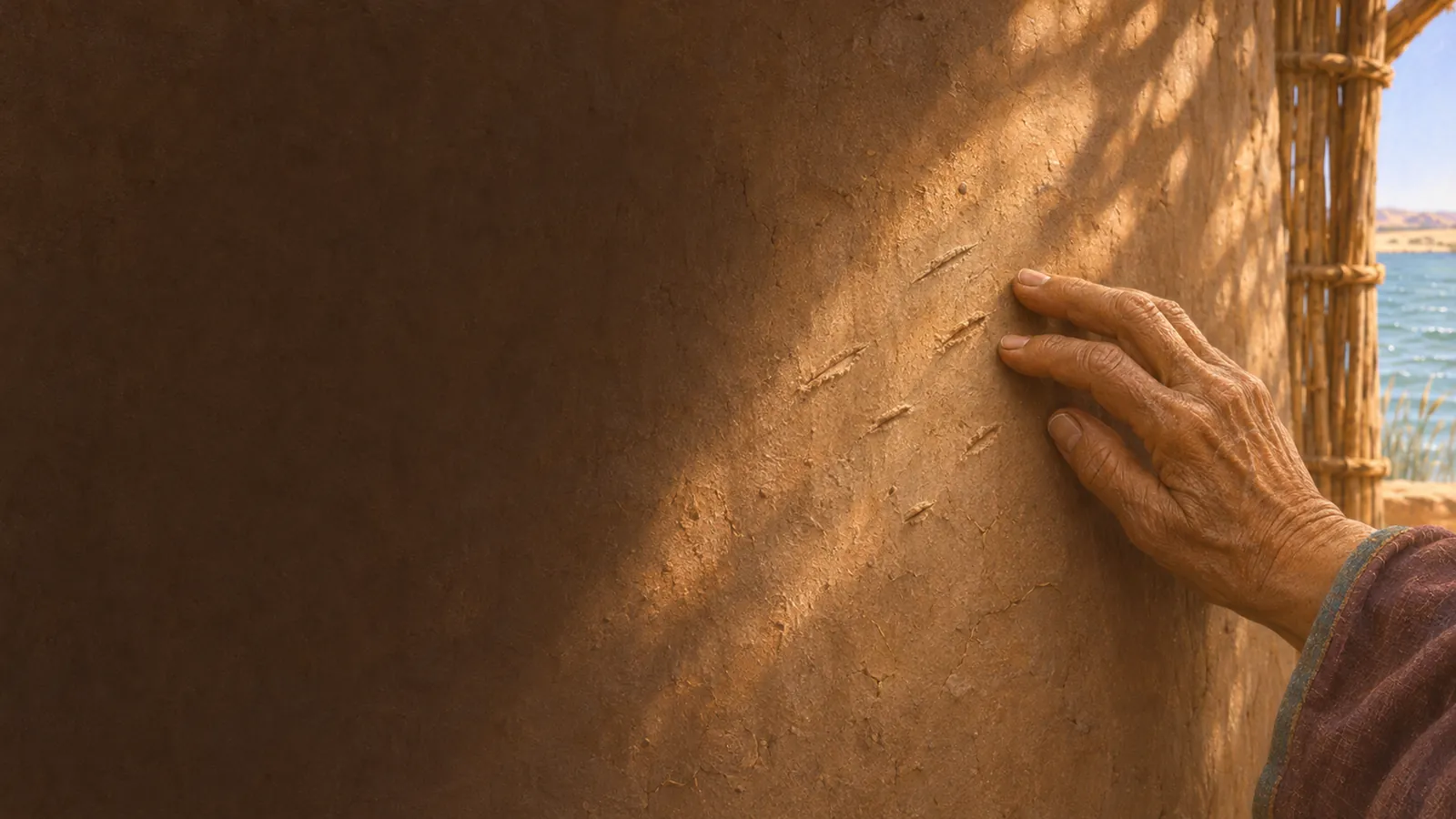
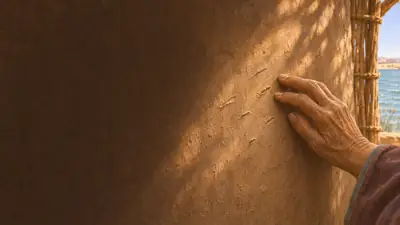
Ela também deixou um registro na parede. Enquanto Gilgamesh dormia, marcou ali os dias, para que ele pudesse comparar as marcas com os pães ao abrir os olhos.
PÃO
Ao lado dele, o pão foi mudando. O primeiro pão redondo estava seco, um dos seguintes começava a estragar, e os mais recentes ainda estavam frescos ou no fogo.
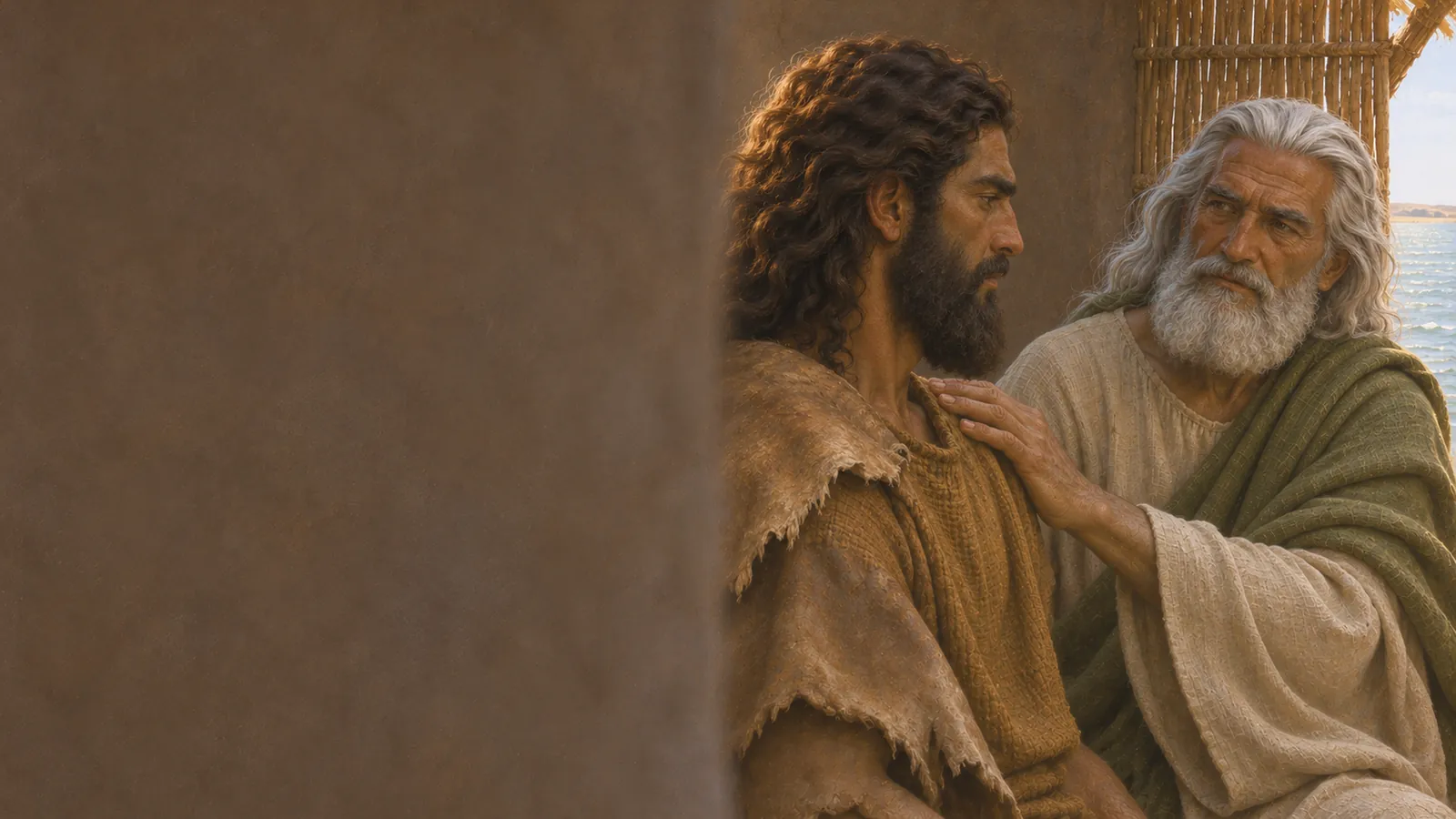
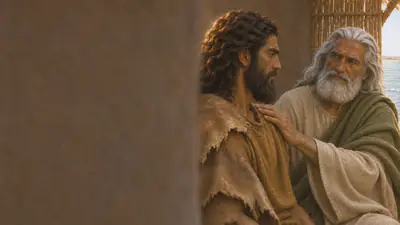
Com o sétimo pão ainda nas brasas, Utnapishtim tocou Gilgamesh. Bastou esse toque para que o viajante adormecido abrisse os olhos.
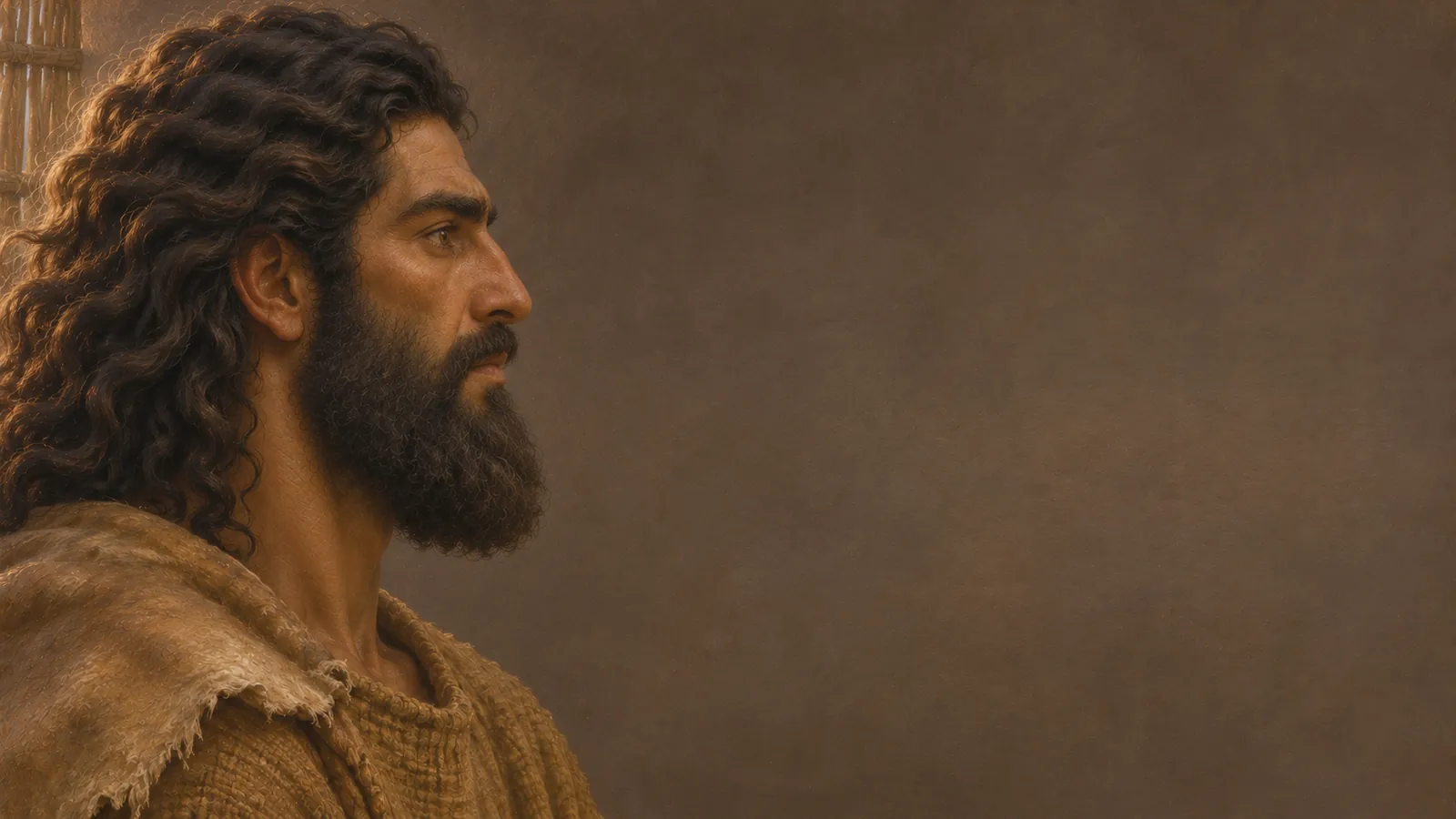
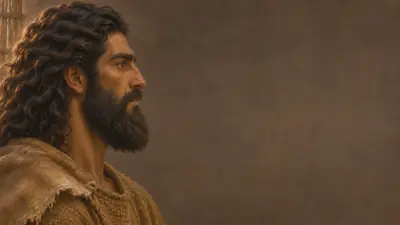
A Gilgamesh pareceu que quase não tinha passado tempo algum. Disse a Utnapishtim que mal começara a adormecer quando sentiu a mão que o despertou.
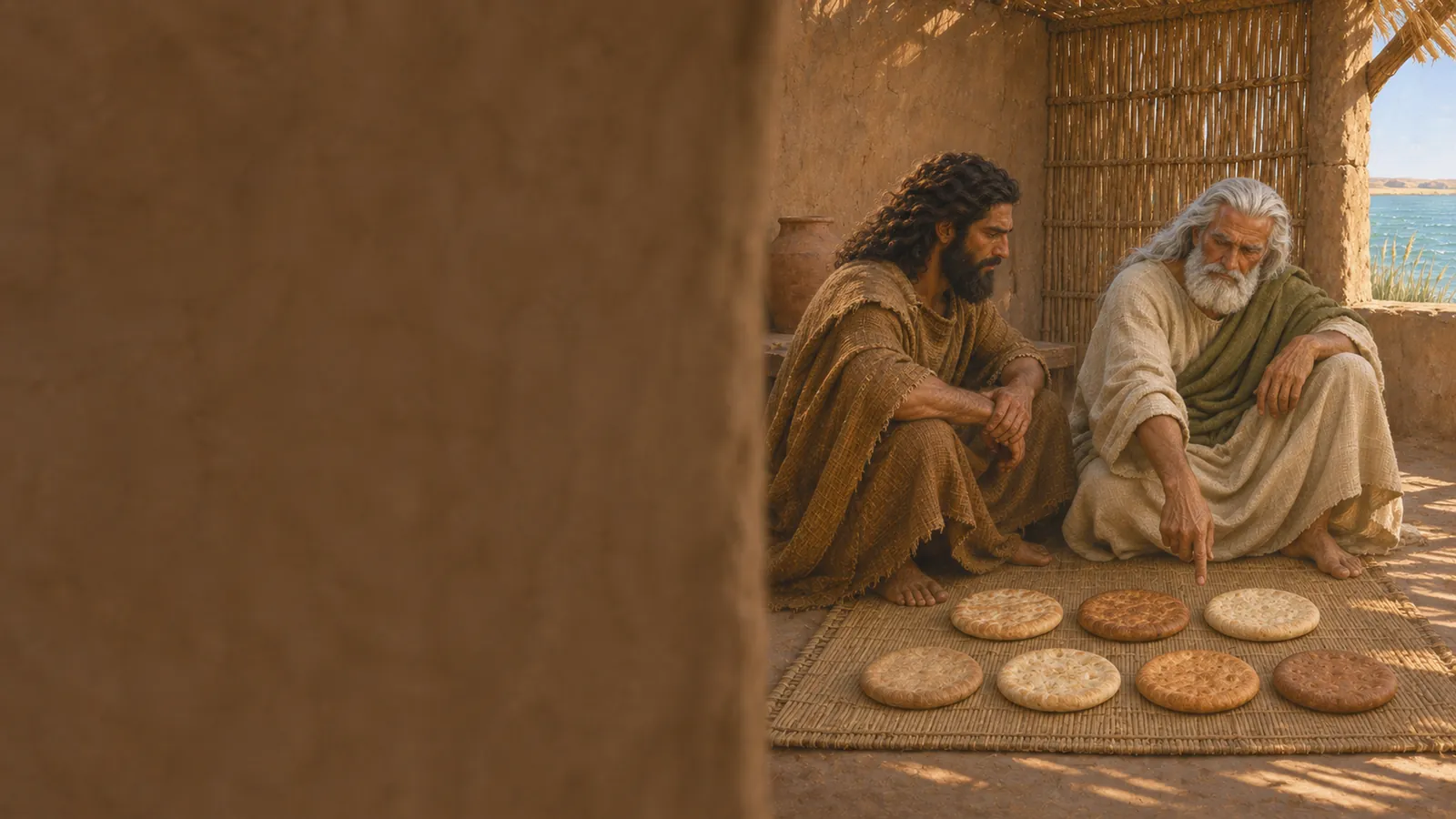
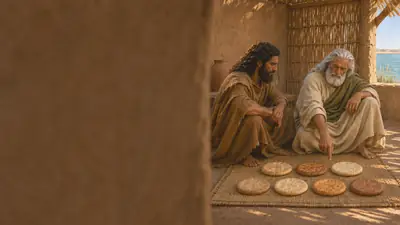
Utnapishtim dirigiu o olhar de Gilgamesh para o pão. Ele podia contar os pães e ver, pelo estado de cada um, quanto tempo da prova o sono lhe havia tomado.
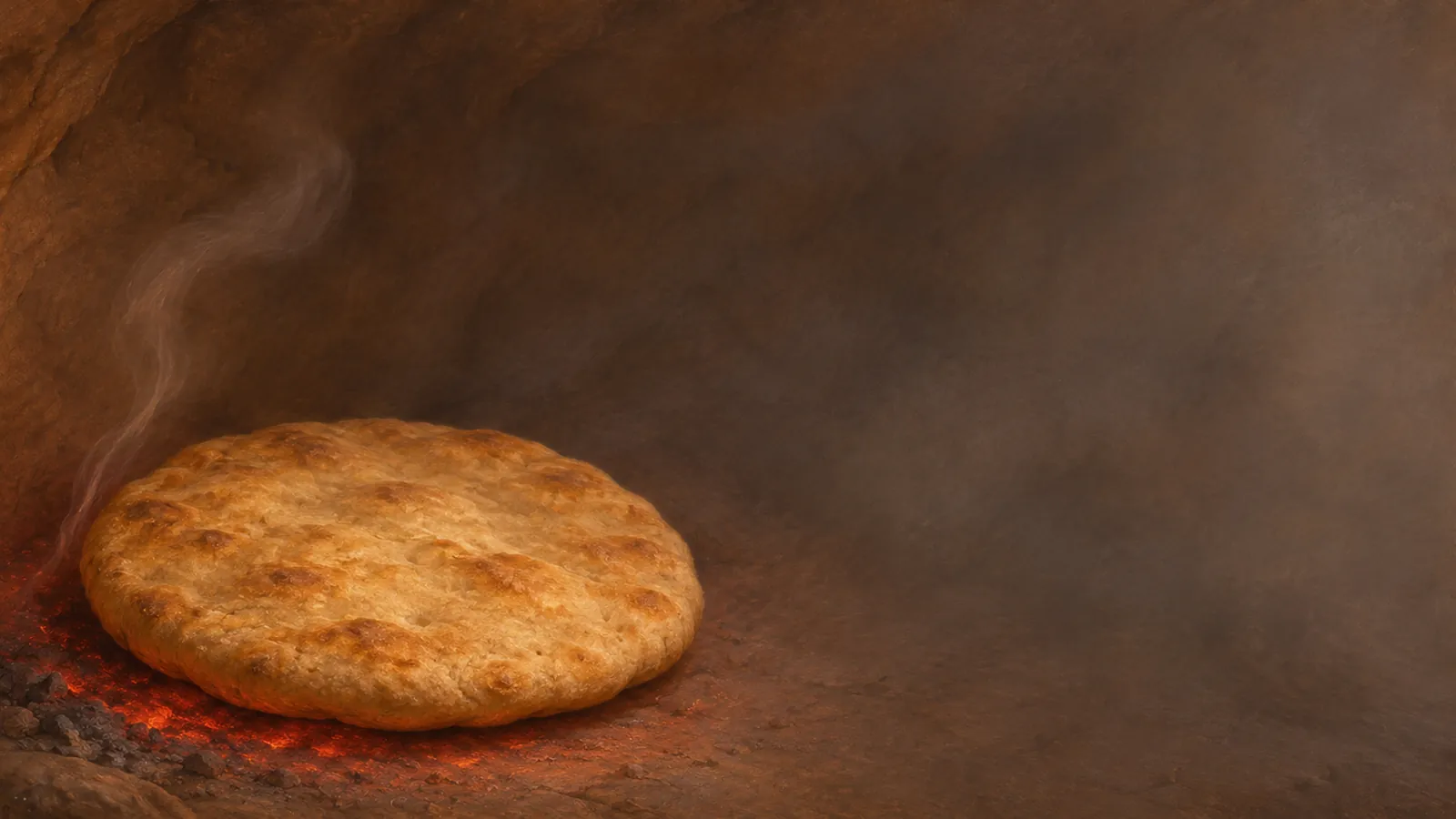
Ele tinha dormido desde que o primeiro pão ainda estava fresco até o sétimo chegar às brasas. O pão tornou claro o que o instante do despertar lhe escondera.
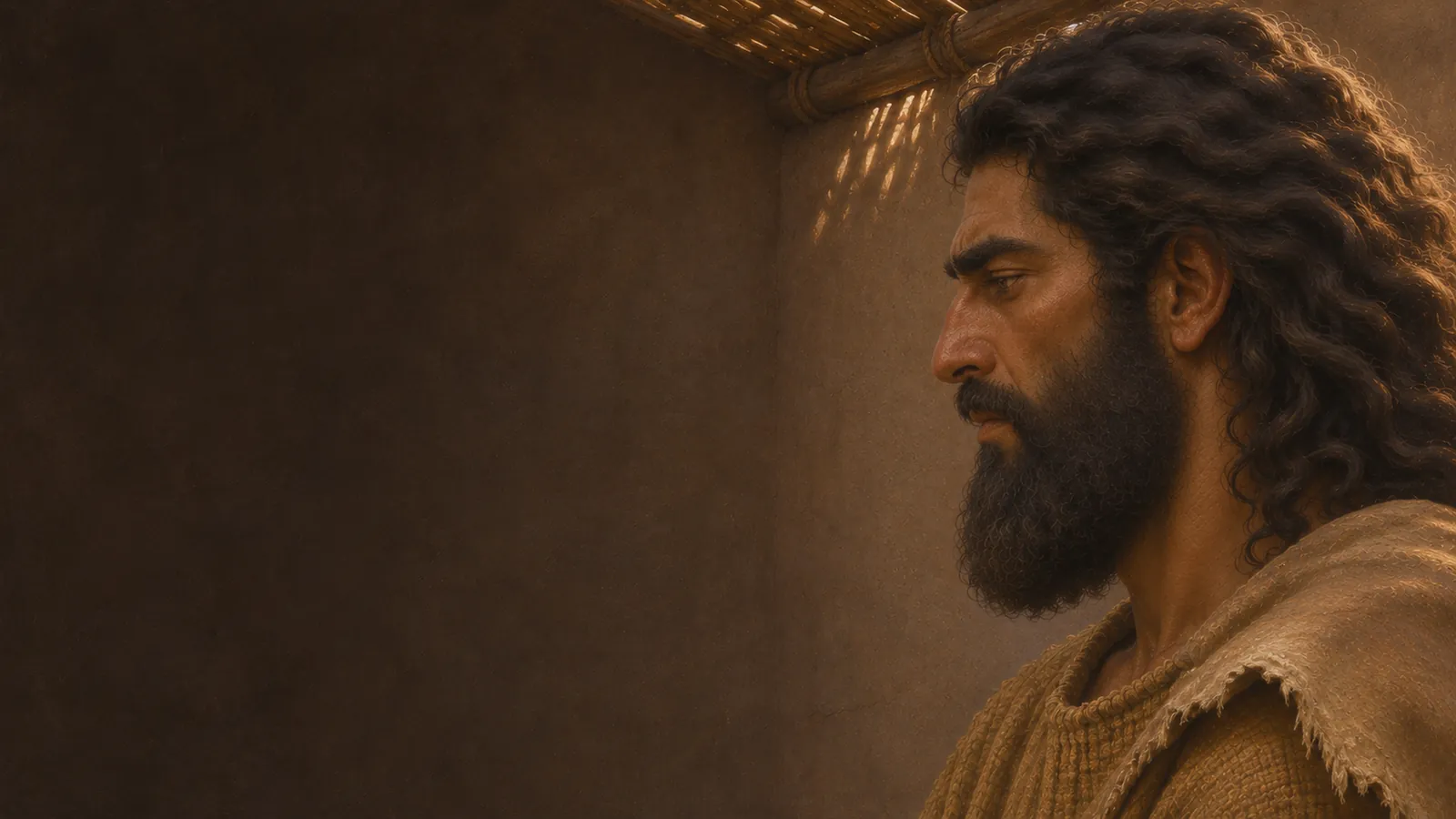
MORTE
Gilgamesh perguntou para onde poderia ir agora. No próprio quarto ou para onde quer que se voltasse, sentia que a morte estaria à sua espera.
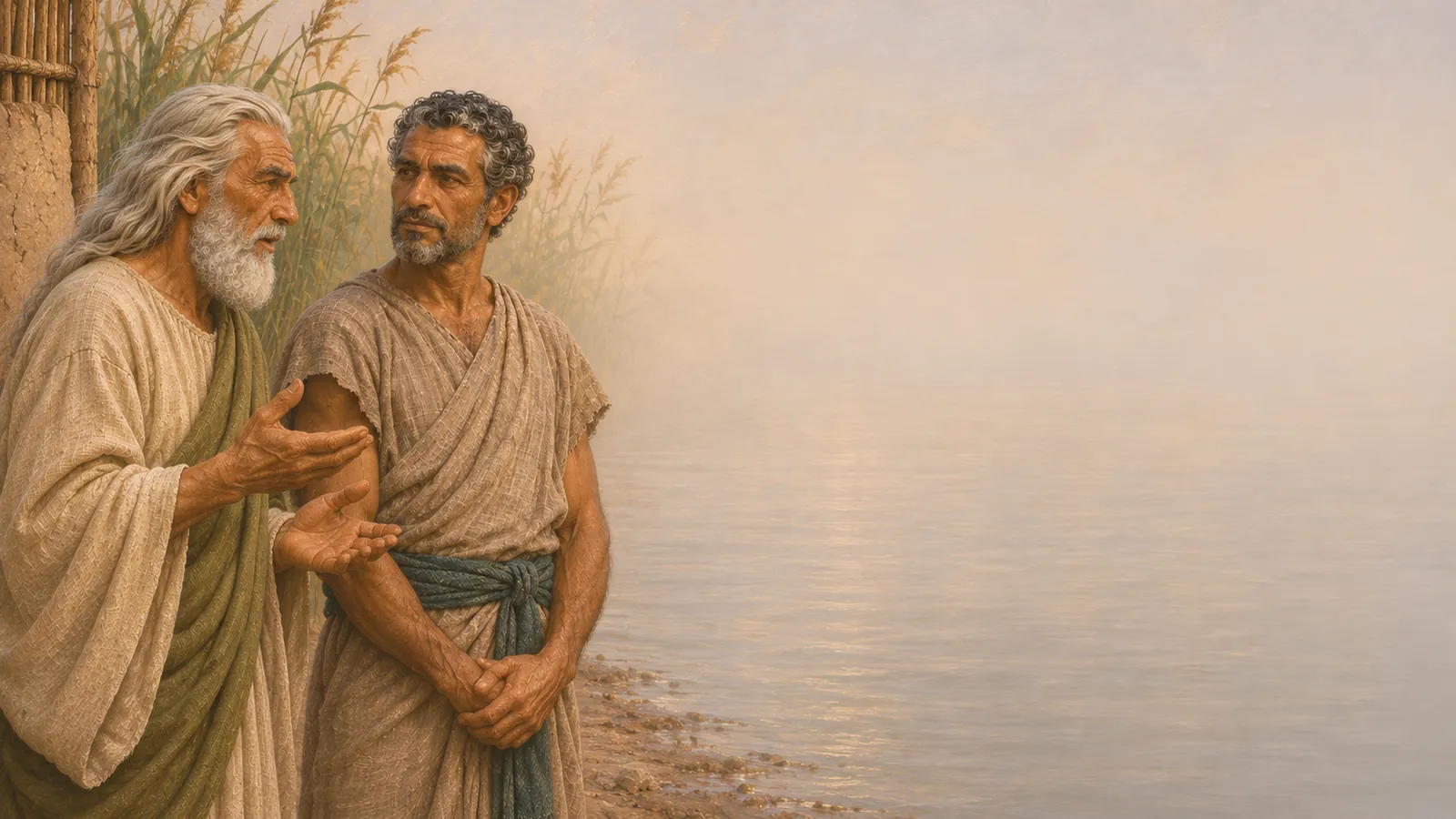
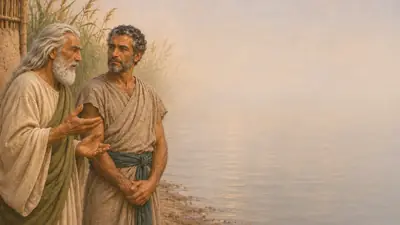
Utnapishtim voltou-se para Urshanabi e declarou que o ancoradouro e a travessia estariam fechados para ele. O barqueiro que trouxera Gilgamesh até ali o levaria embora.
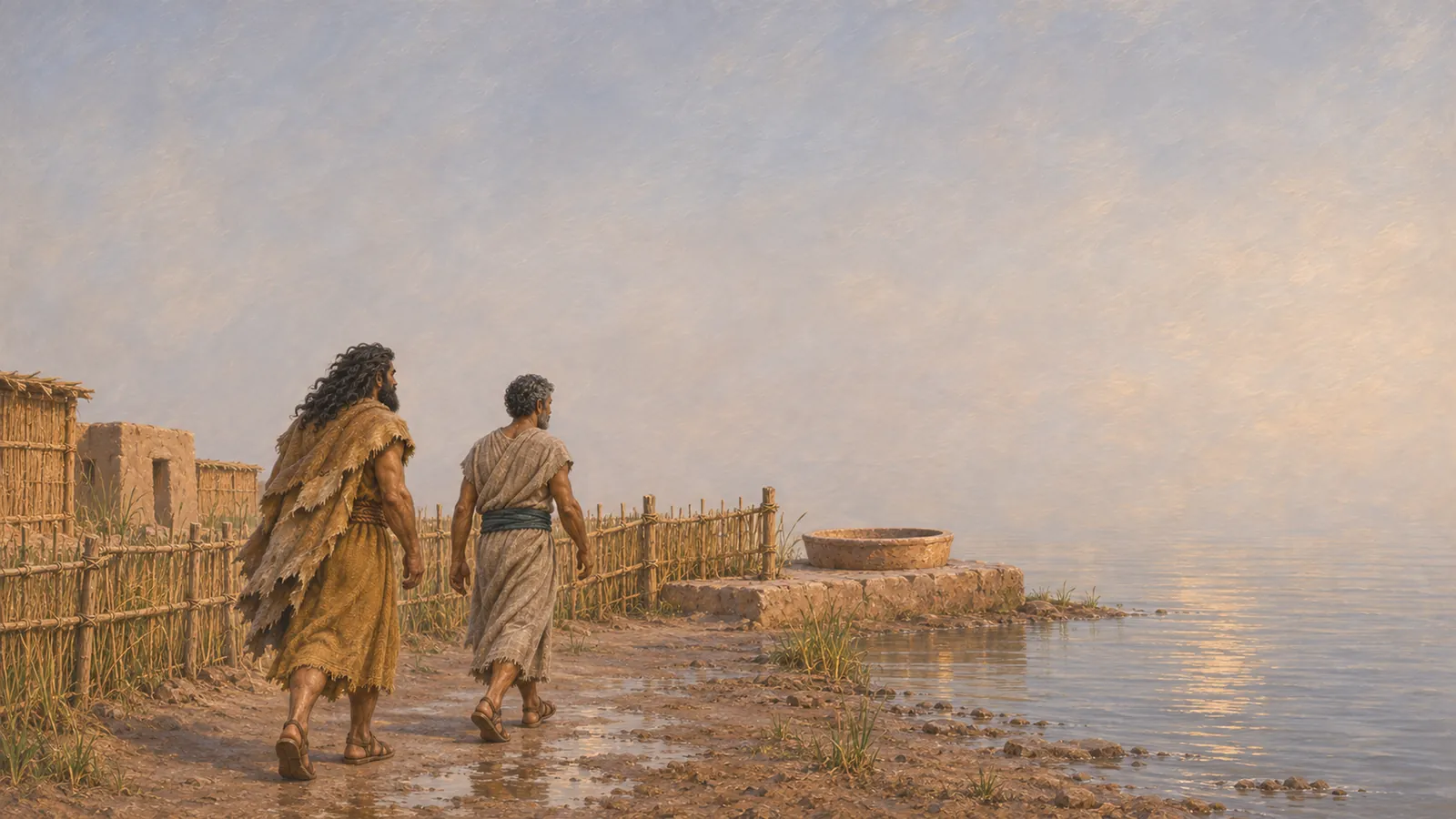
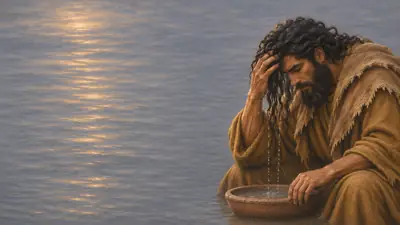
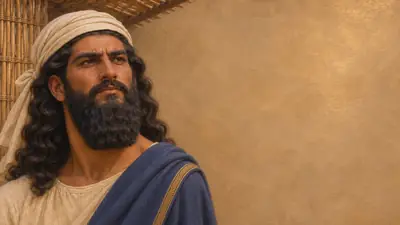
Utnapishtim mandou Urshanabi levar Gilgamesh ao lugar onde devia se lavar. Depois da viagem, o cabelo do rei estava emaranhado e as peles que usava lhe davam um ar abatido.
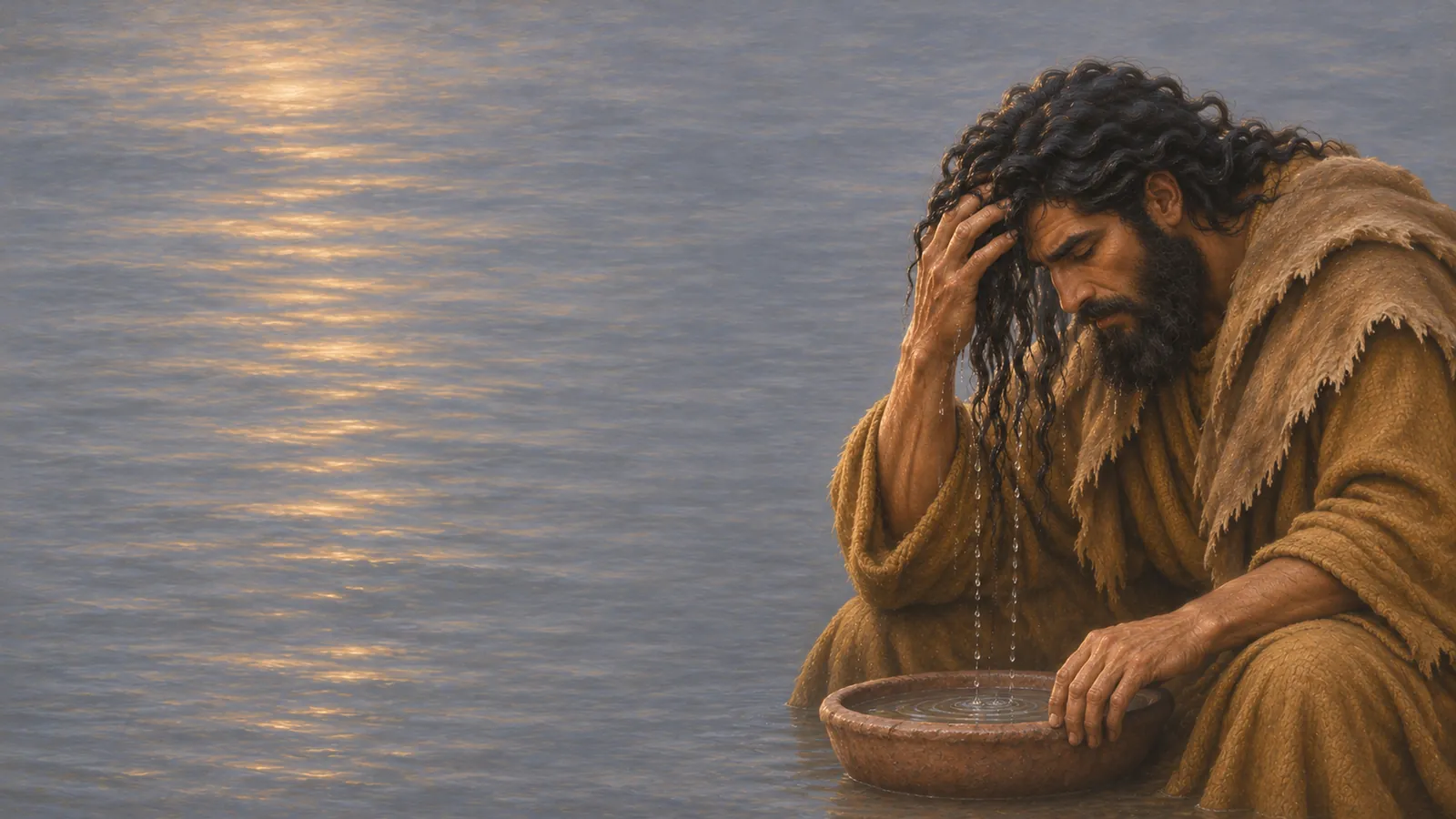
No lugar do banho, Gilgamesh enxaguou o cabelo emaranhado. Depois de passar tanto tempo na estrada, pôde lavar parte do que ela deixara nele.
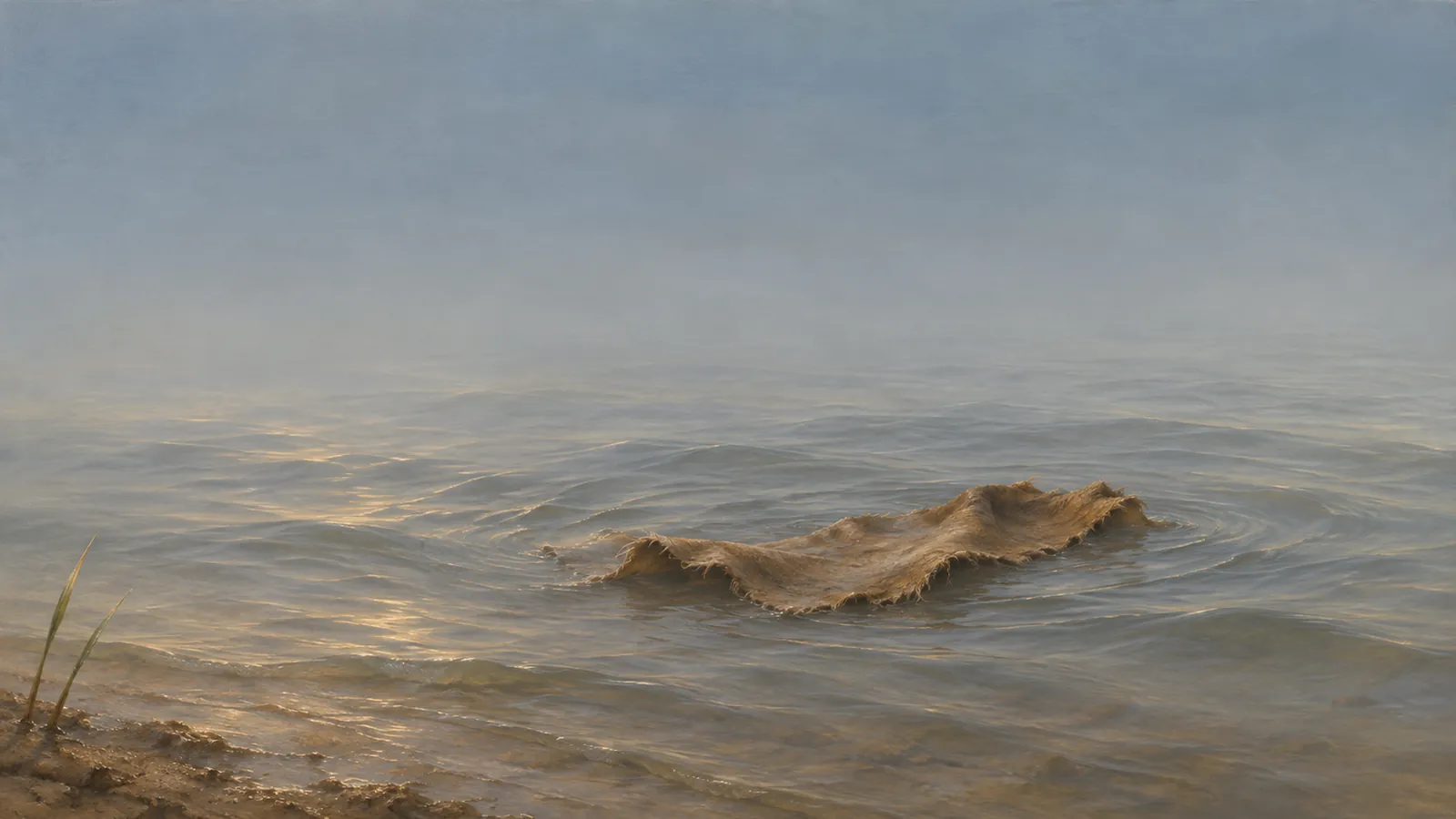
Gilgamesh tirou as peles que usara durante a viagem. O mar as levou enquanto ele deixava para trás aquela parte do caminho.
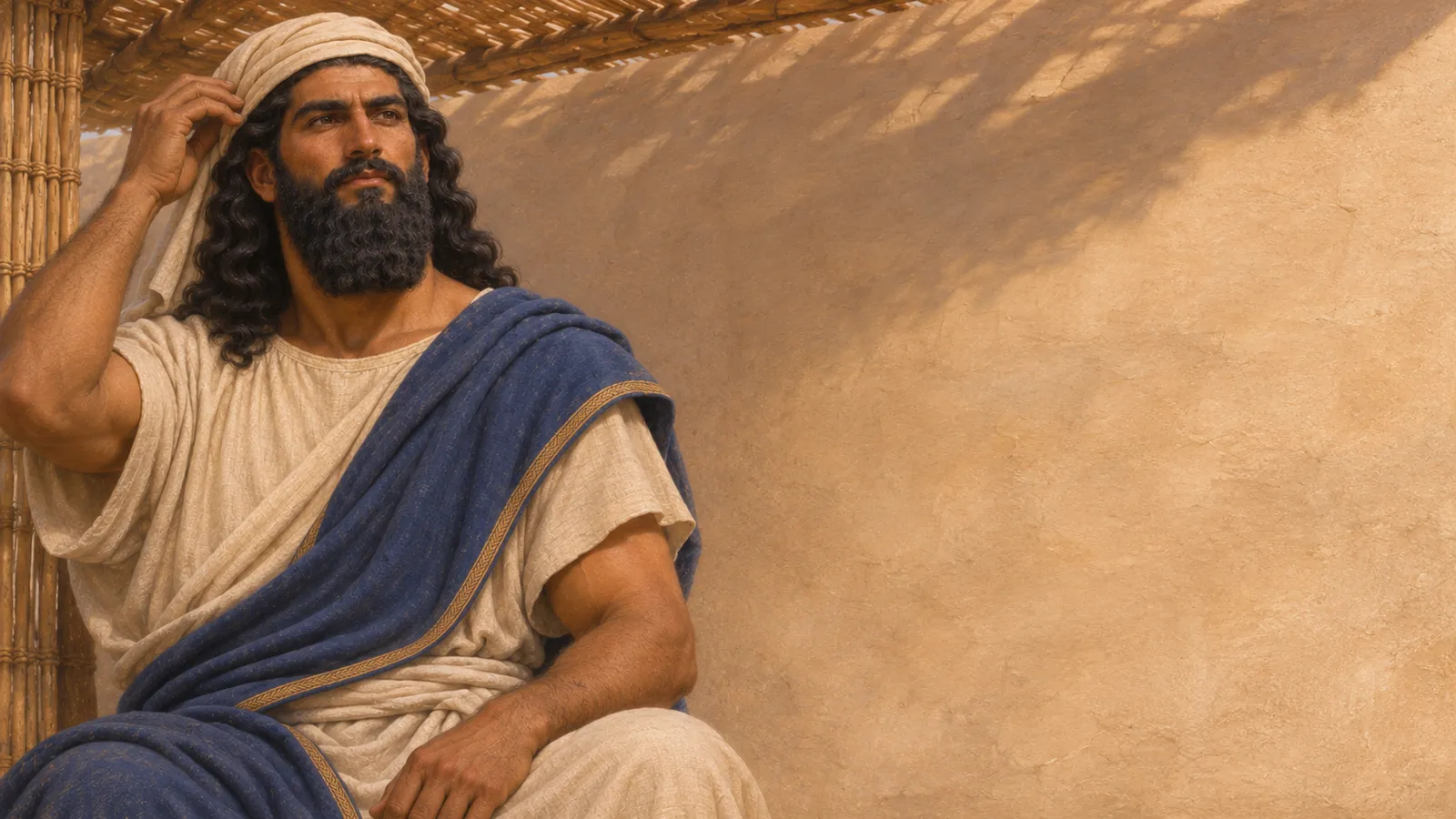
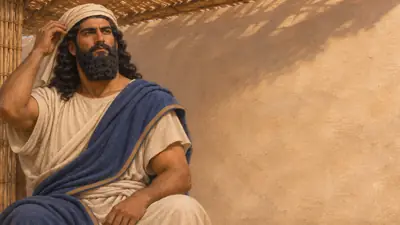
Deram a Gilgamesh um pano novo para a cabeça e uma túnica digna de rei. O viajante que chegara vestido de peles partiria de novo em trajes reais.
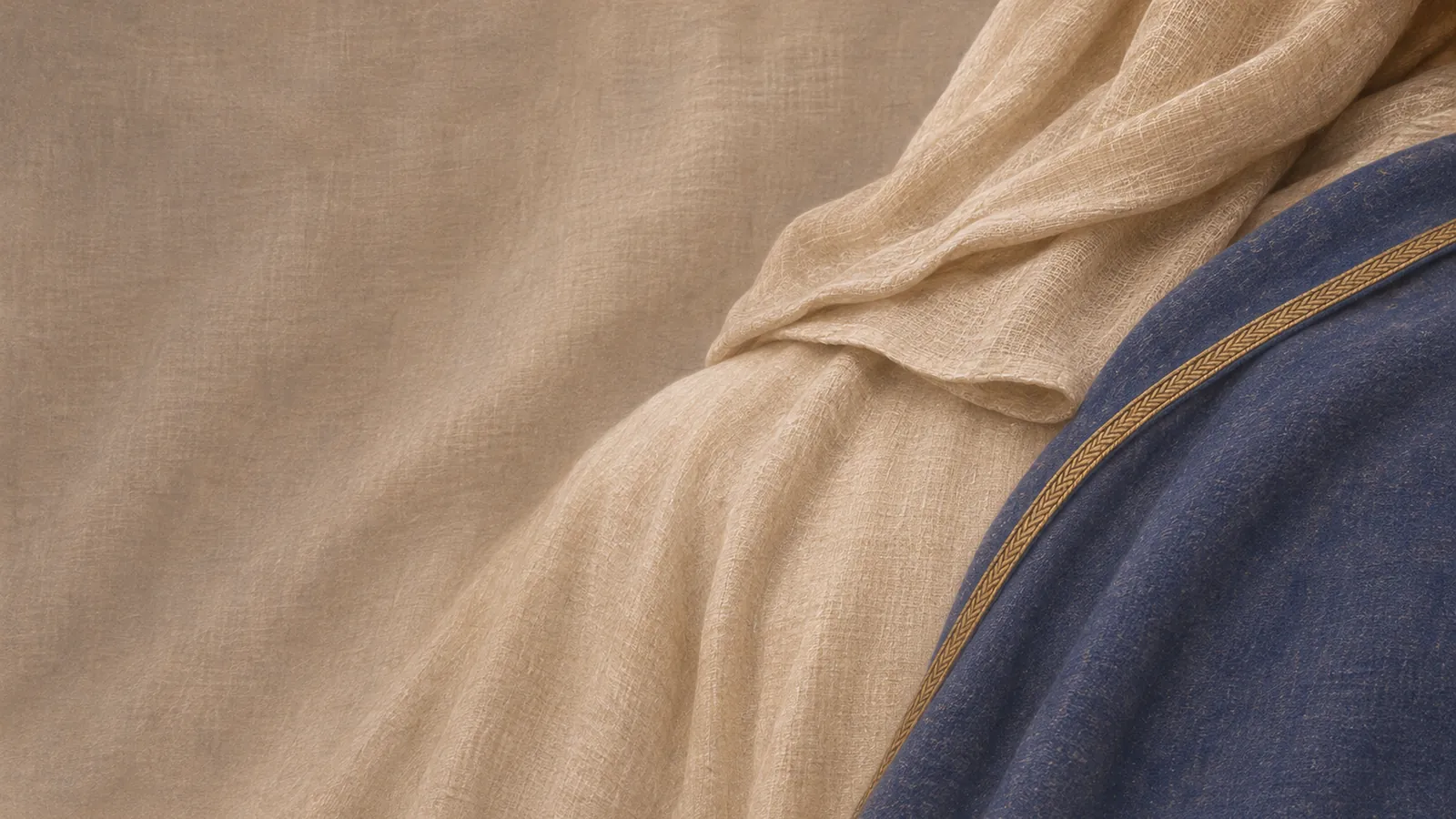
Utnapishtim queria que a túnica se mantivesse como nova até Gilgamesh alcançar sua cidade. O poema repete esse desejo enquanto o rei se prepara para voltar para casa.
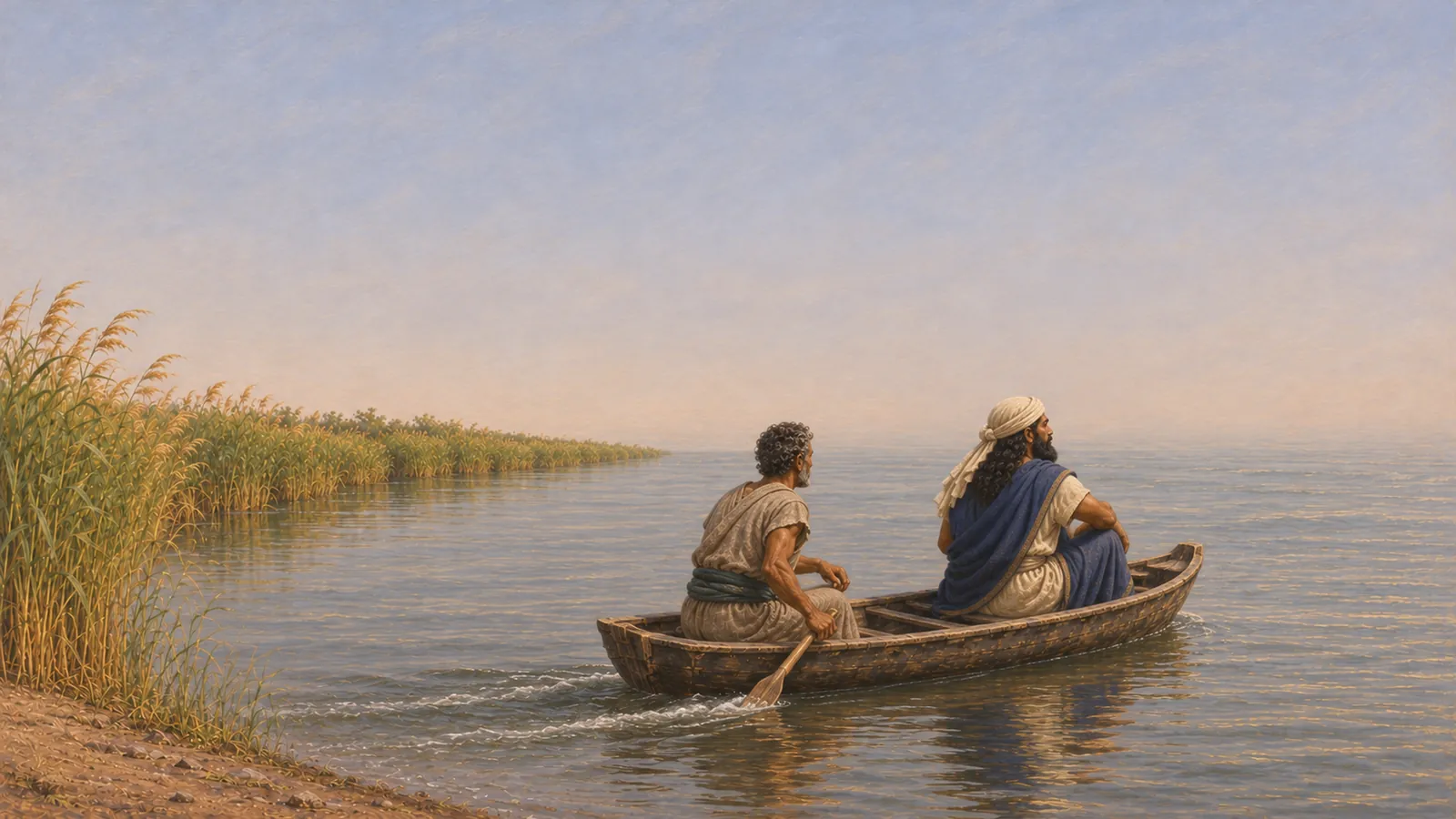
PARTIDA
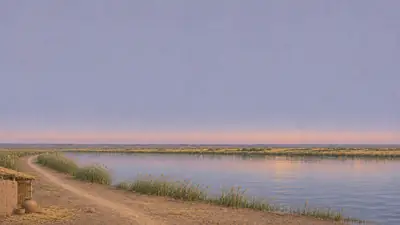
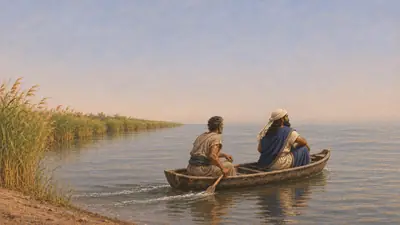
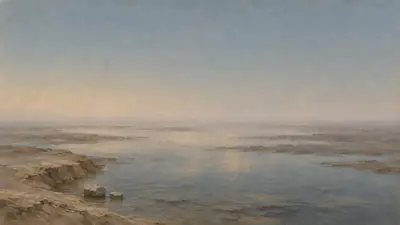
Gilgamesh e Urshanabi subiram ao barco e se afastaram da margem. Parecia que nada mais tinham a fazer na praia distante e que a viagem de volta havia começado.
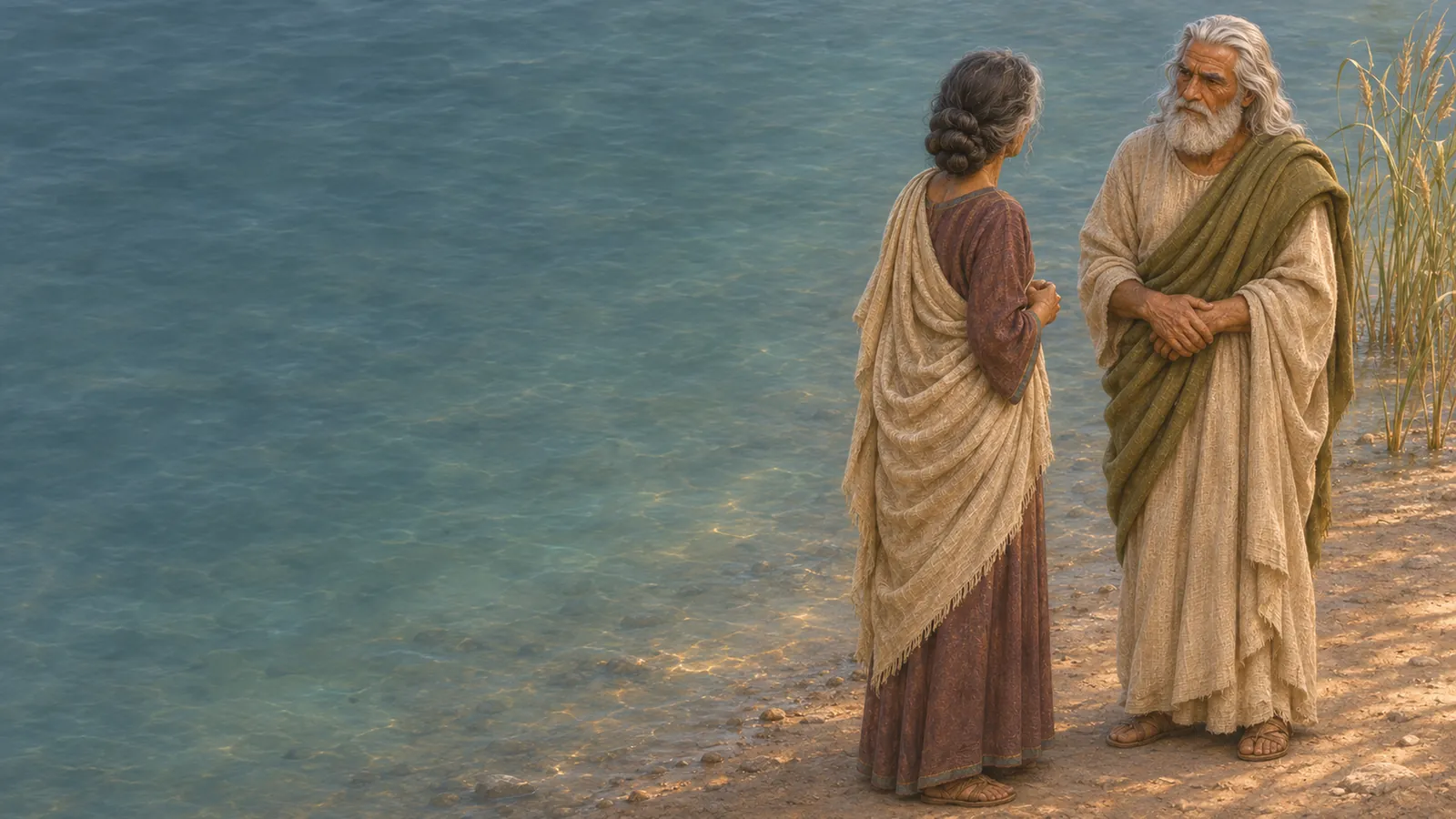
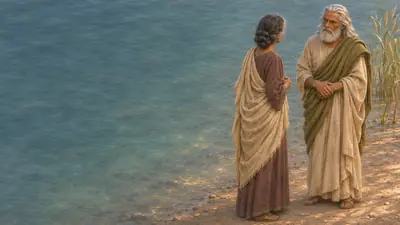
A esposa de Utnapishtim tomou a palavra quando o barco já se afastava. Lembrou a distância que Gilgamesh percorrera e como estava cansado, e perguntou o que lhe dariam para levar à sua terra.
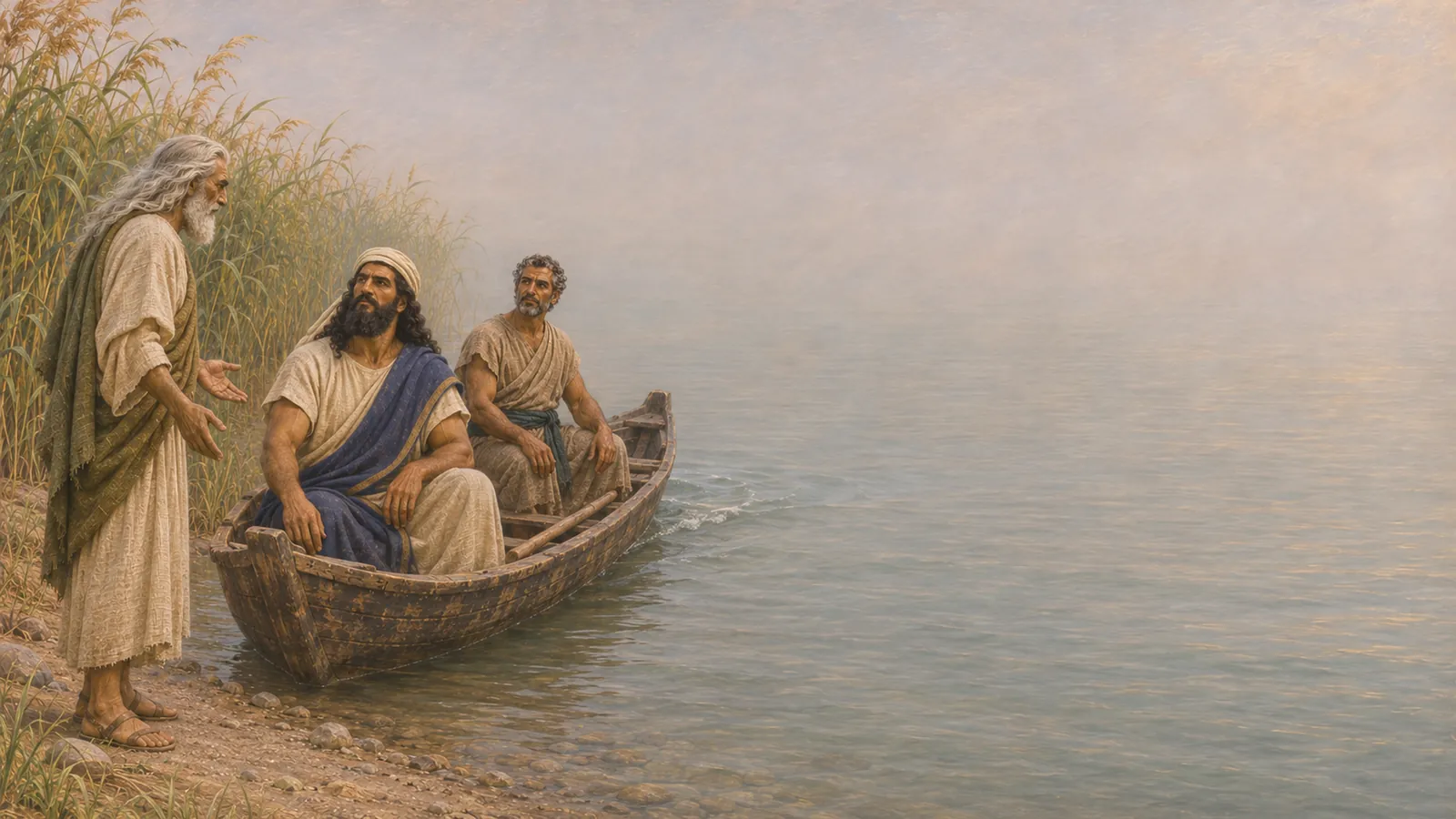
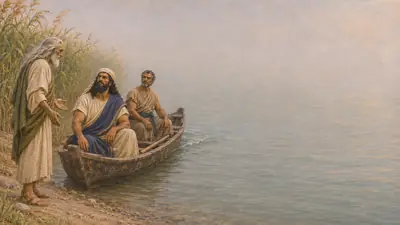
Gilgamesh ergueu a vara e aproximou o barco da margem. Utnapishtim ainda estava ali e tinha mais alguma coisa a lhe dizer antes que se separassem.
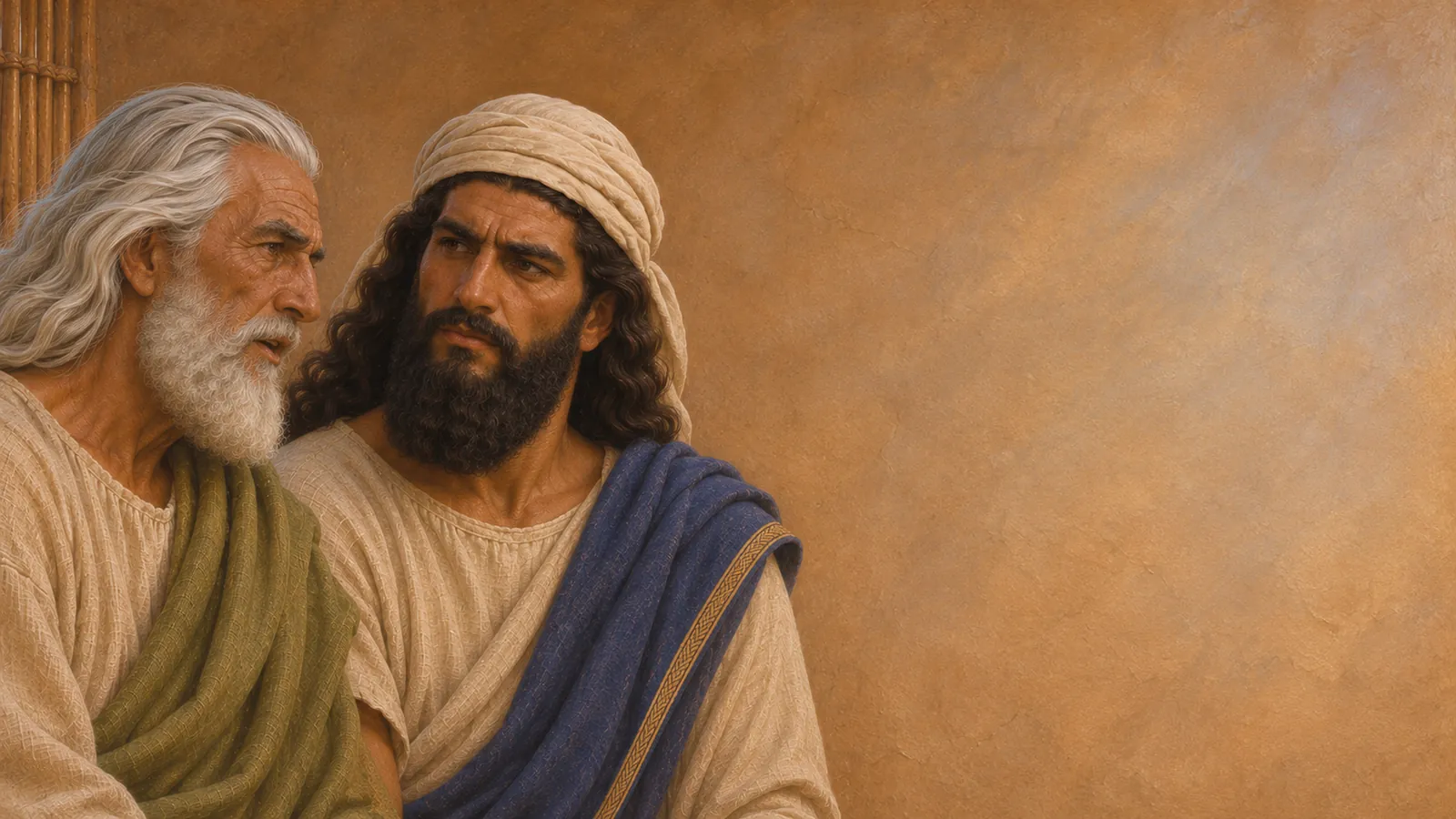
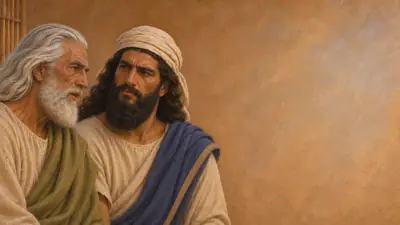
Utnapishtim reconheceu o esforço que Gilgamesh fizera para chegar até ele. Havia uma coisa que podia lhe dar antes da partida, o conhecimento de algo oculto.
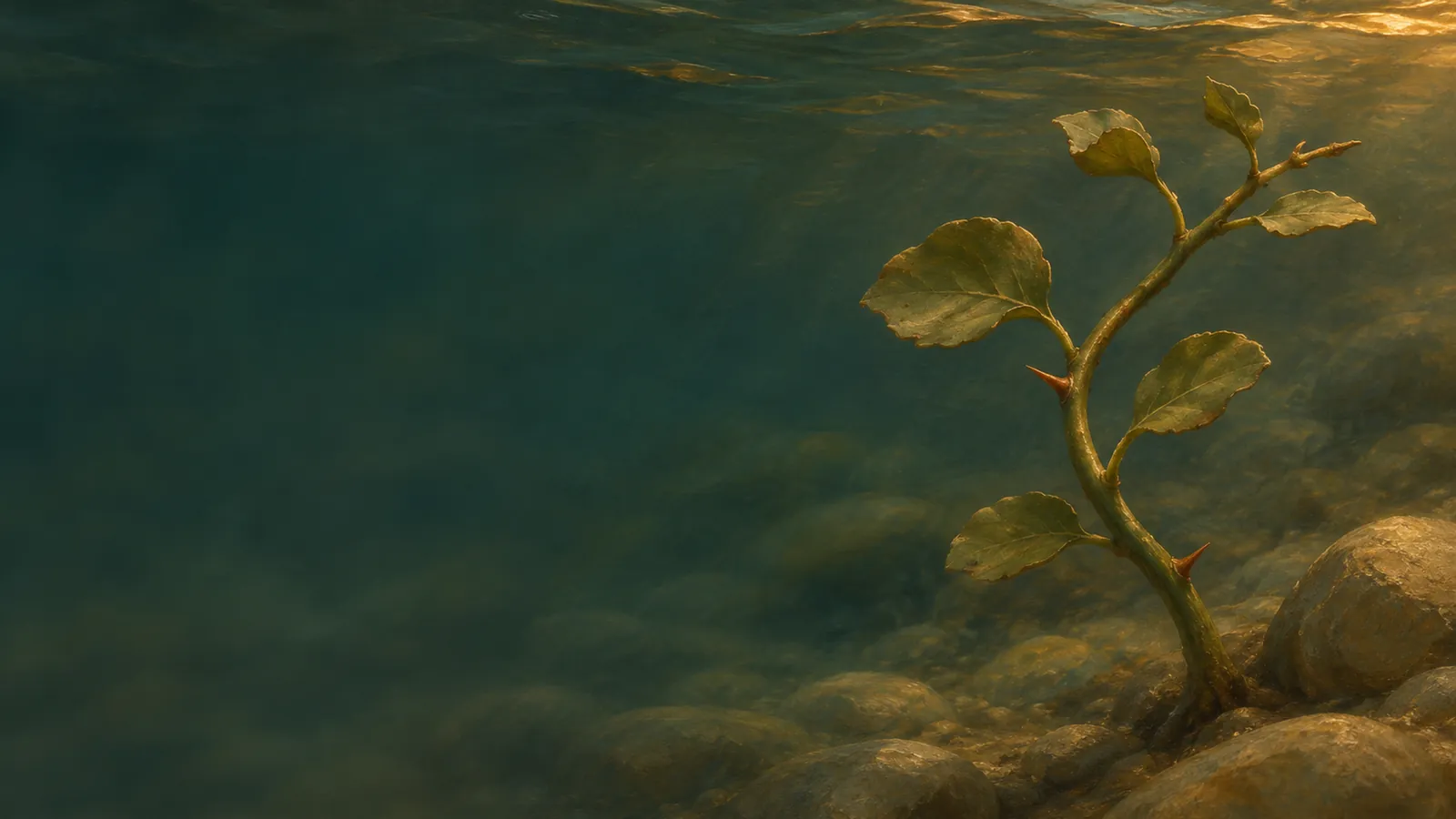
ESPINHOS
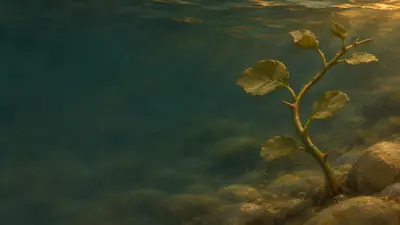
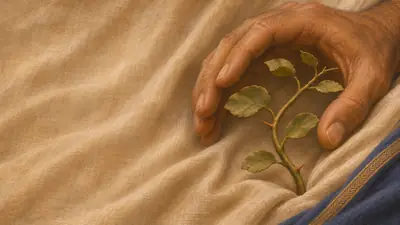
Ele descreveu uma planta espinhosa, daquelas que se prendem à mão e a picam. Até aquela pequena esperança estava num lugar a que Gilgamesh teria de chegar.
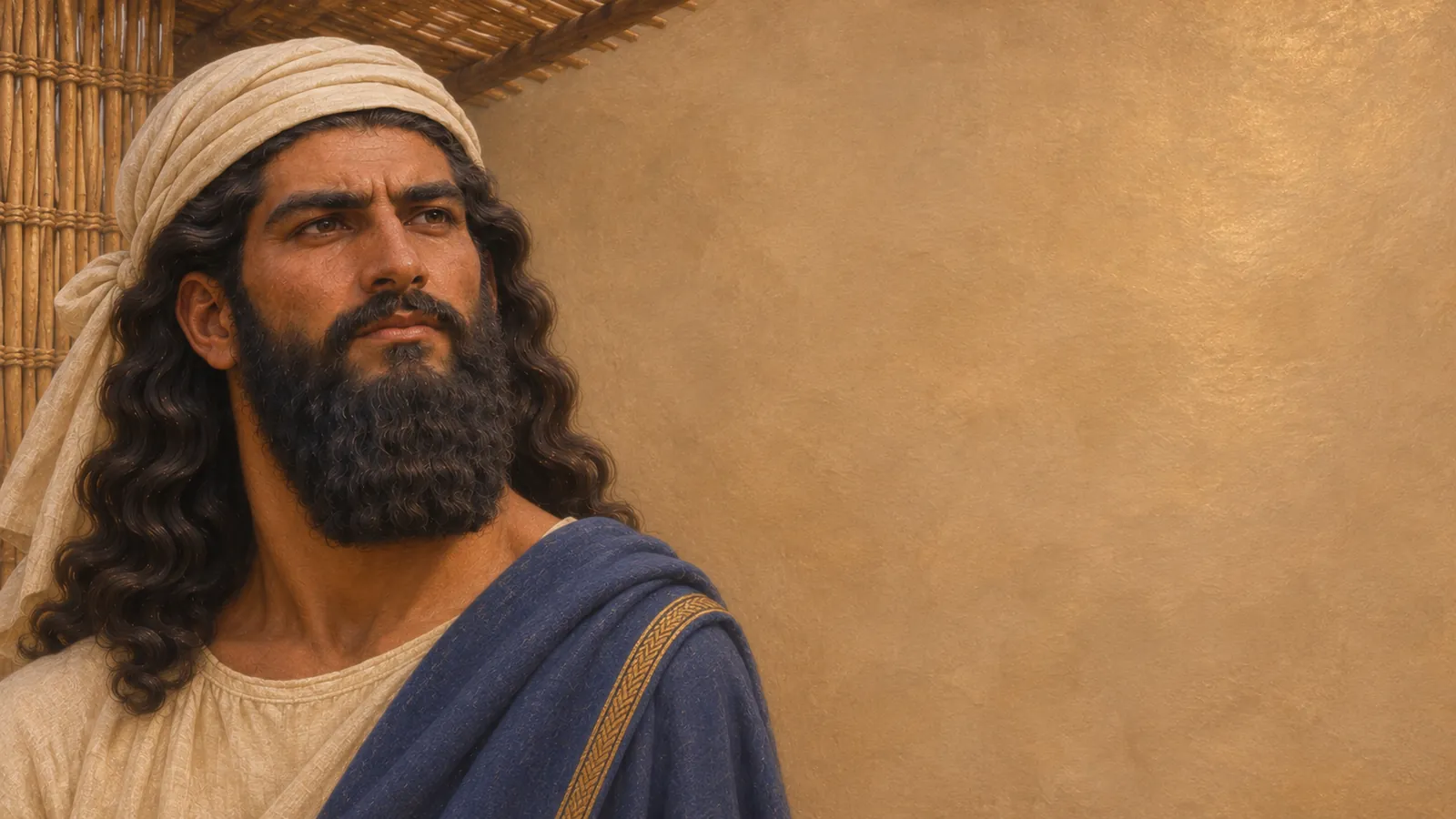
Se conseguisse obter a planta, Gilgamesh teria a esperança de voltar a ser jovem. É esse o sentido da leitura reconstituída das palavras danificadas no fim da promessa.
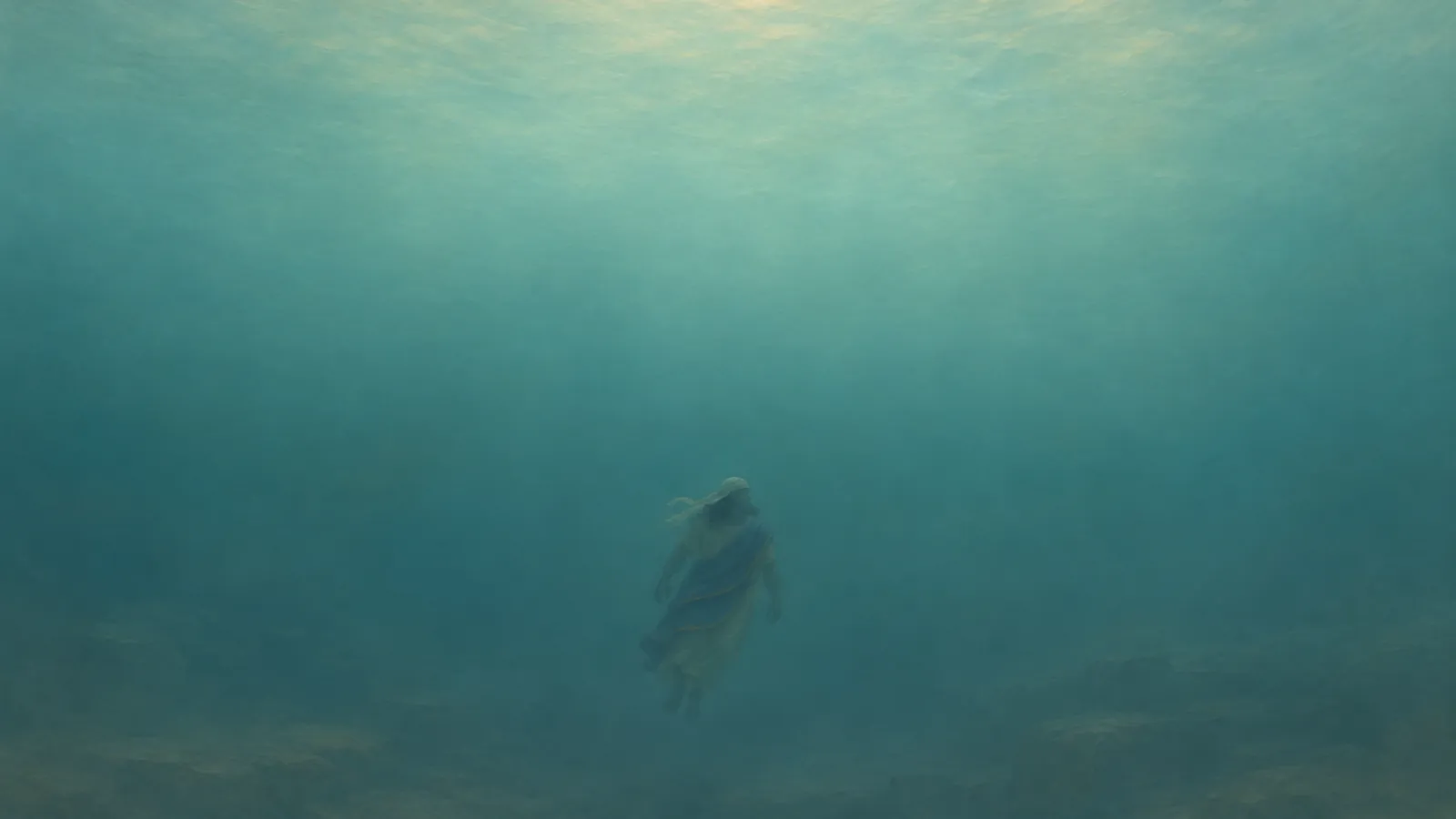
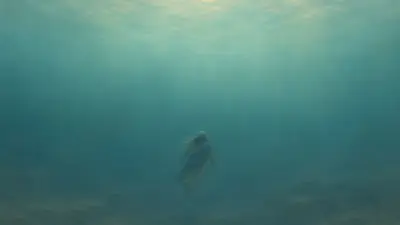
Quando ouviu isso, Gilgamesh agiu. Pedras pesadas o puxaram para as águas profundas que o poema chama de Apsu, onde a planta estava ao seu alcance.
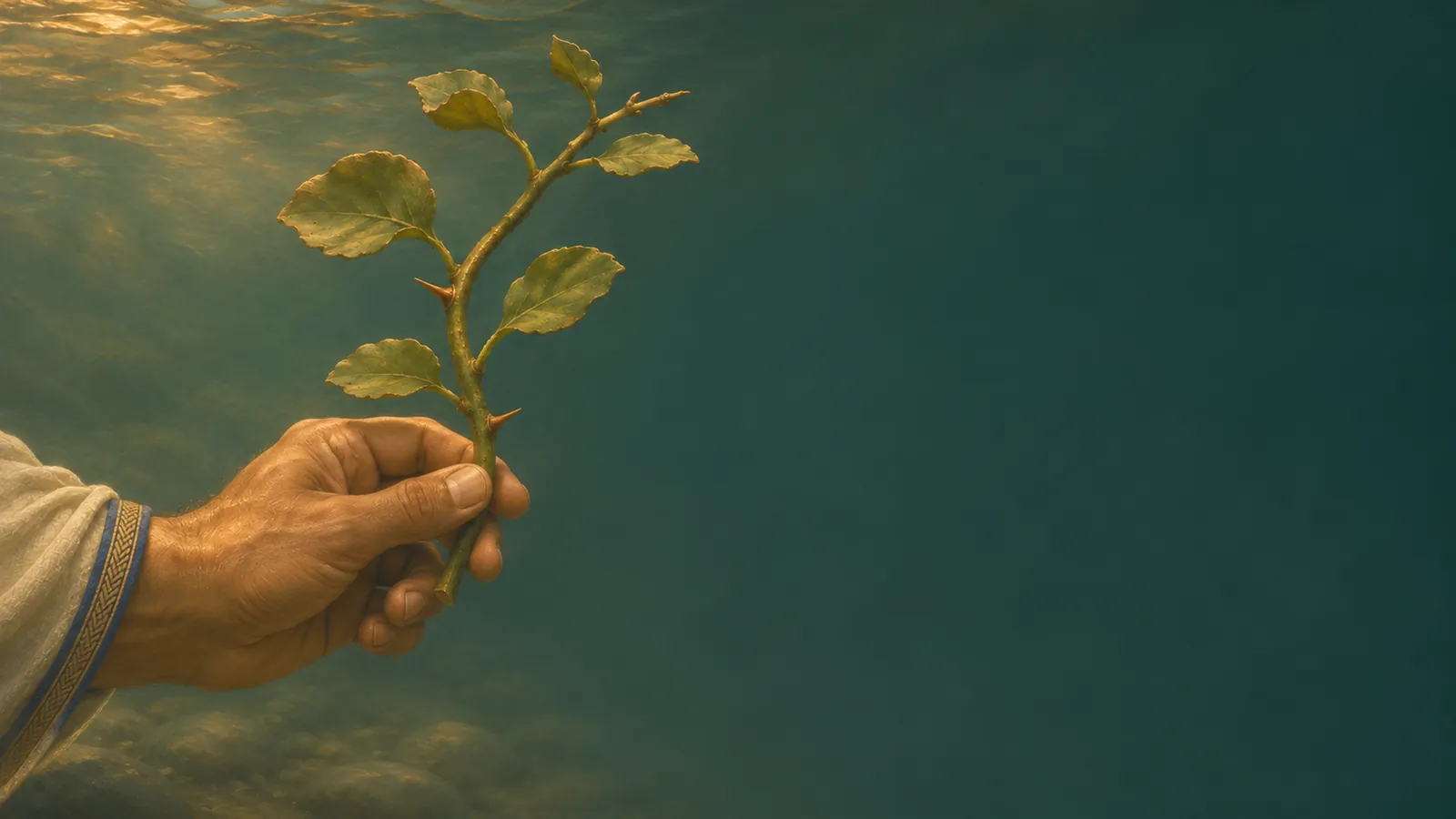
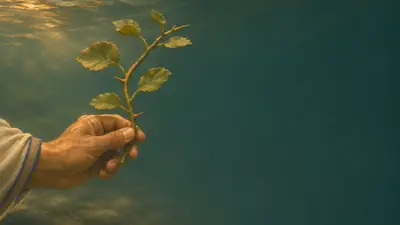
Gilgamesh alcançou a planta e a arrancou. As palavras sobre como ele a pegou estão danificadas em alguns pontos, mas a planta veio das profundezas com ele.
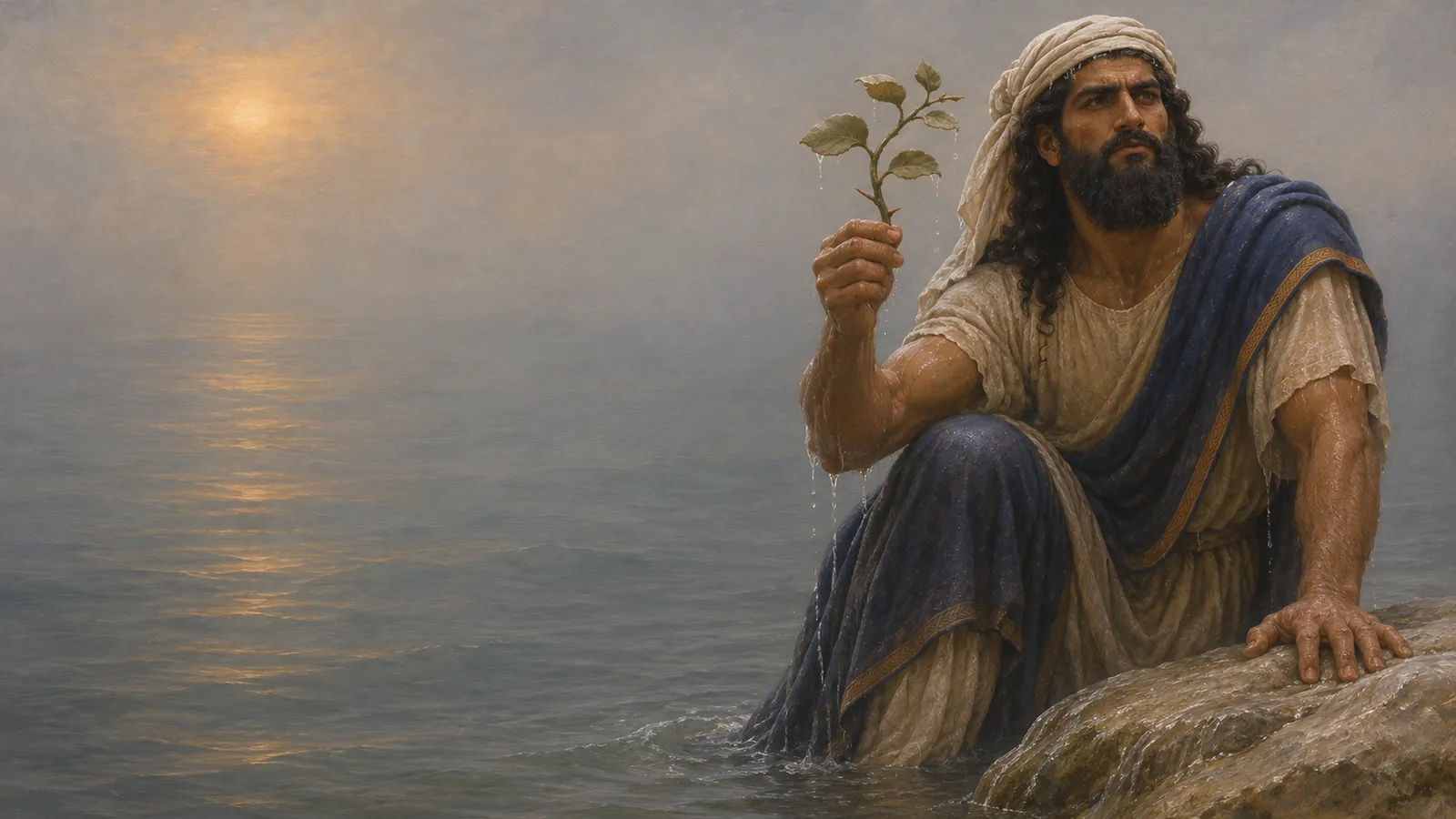
Ele se livrou das pedras, e o mar o trouxe de volta à margem. Tinha saído com a planta que fora buscar no fundo.
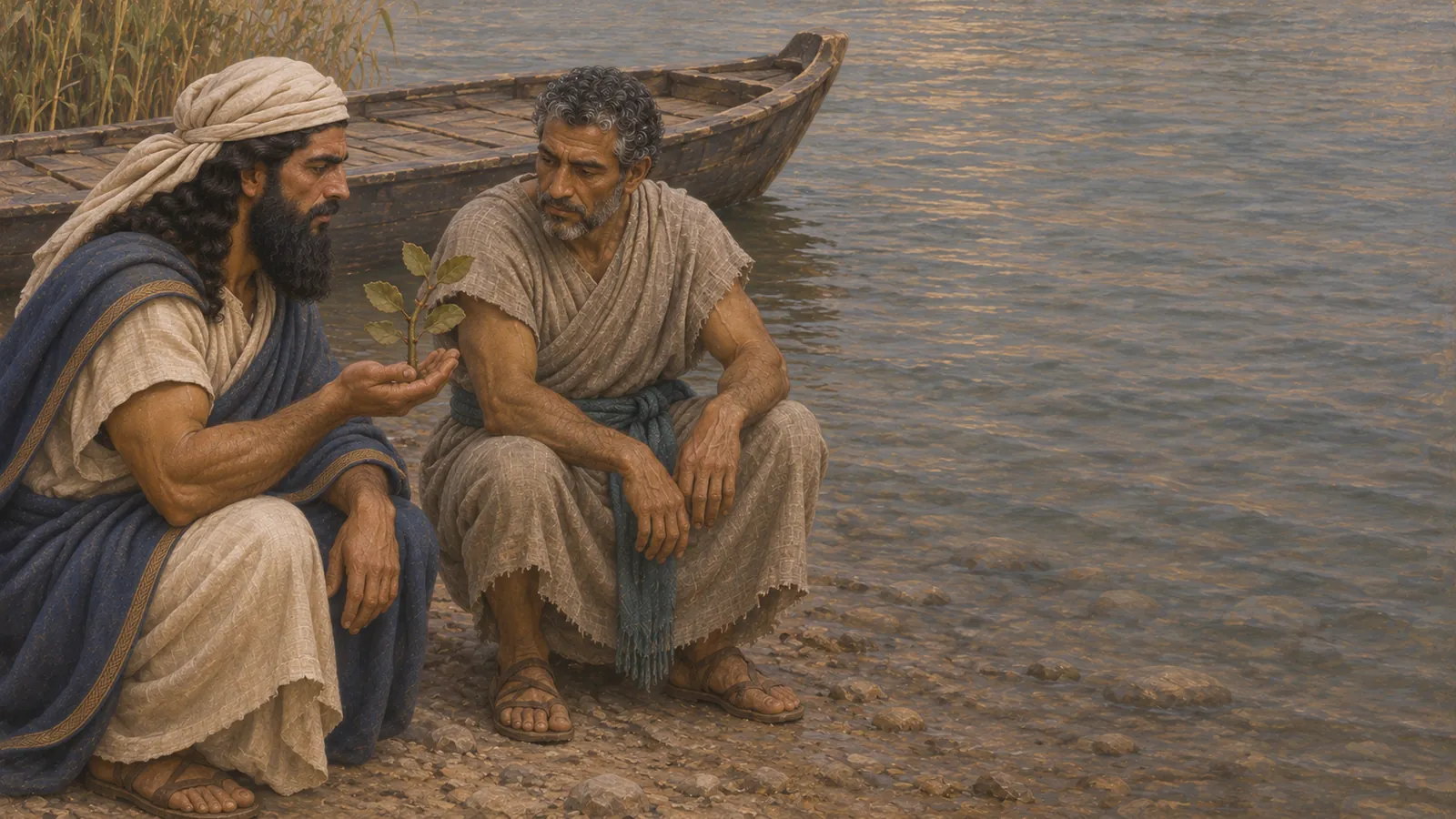
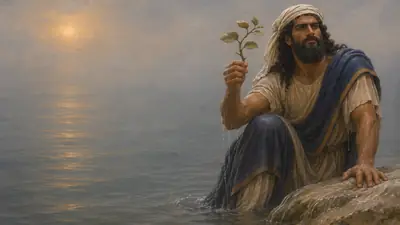
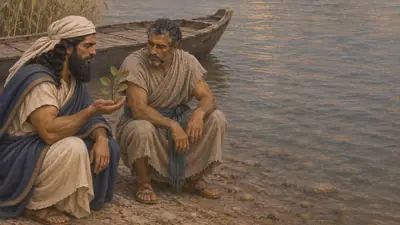
Gilgamesh mostrou a planta a Urshanabi e descreveu o que ela poderia fazer. Acreditava que a planta devolveria a uma pessoa o vigor que o tempo lhe tirara.
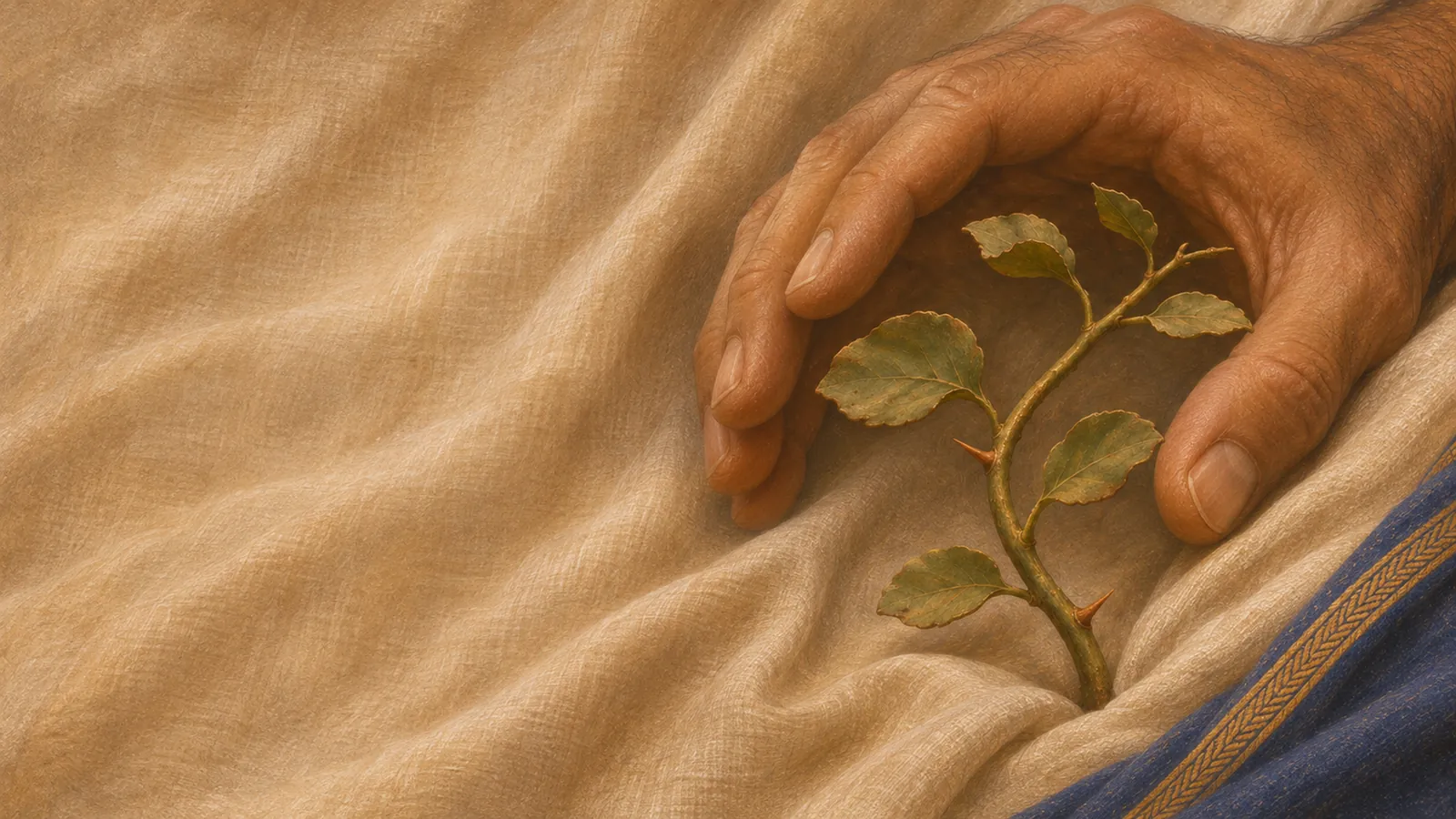
Gilgamesh pretendia levar a planta a Uruk e experimentá-la primeiro num homem idoso. Se esse homem ficasse jovem outra vez, Gilgamesh comeria um pouco dela.
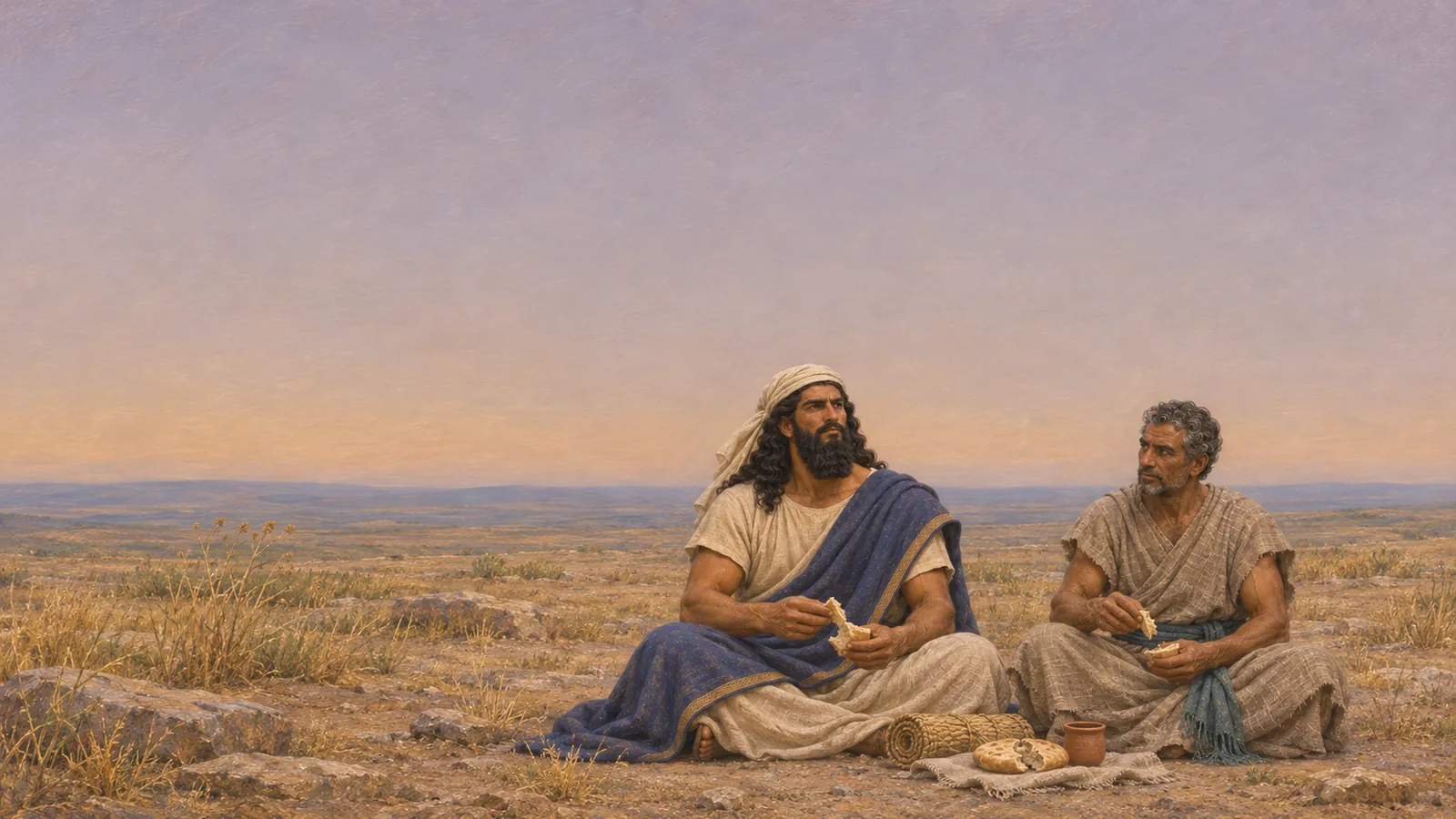
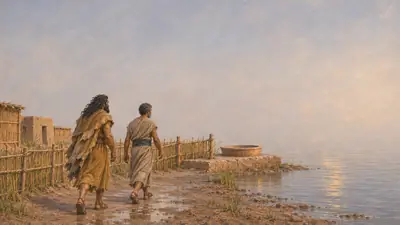
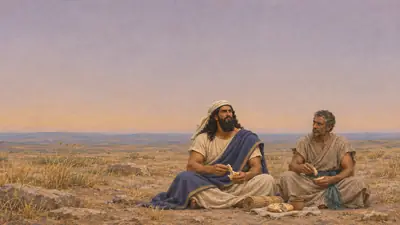
Os dois seguiram para casa. O poema marca as etapas do caminho. Pararam para comer pão e, mais adiante, armaram acampamento para passar a noite.
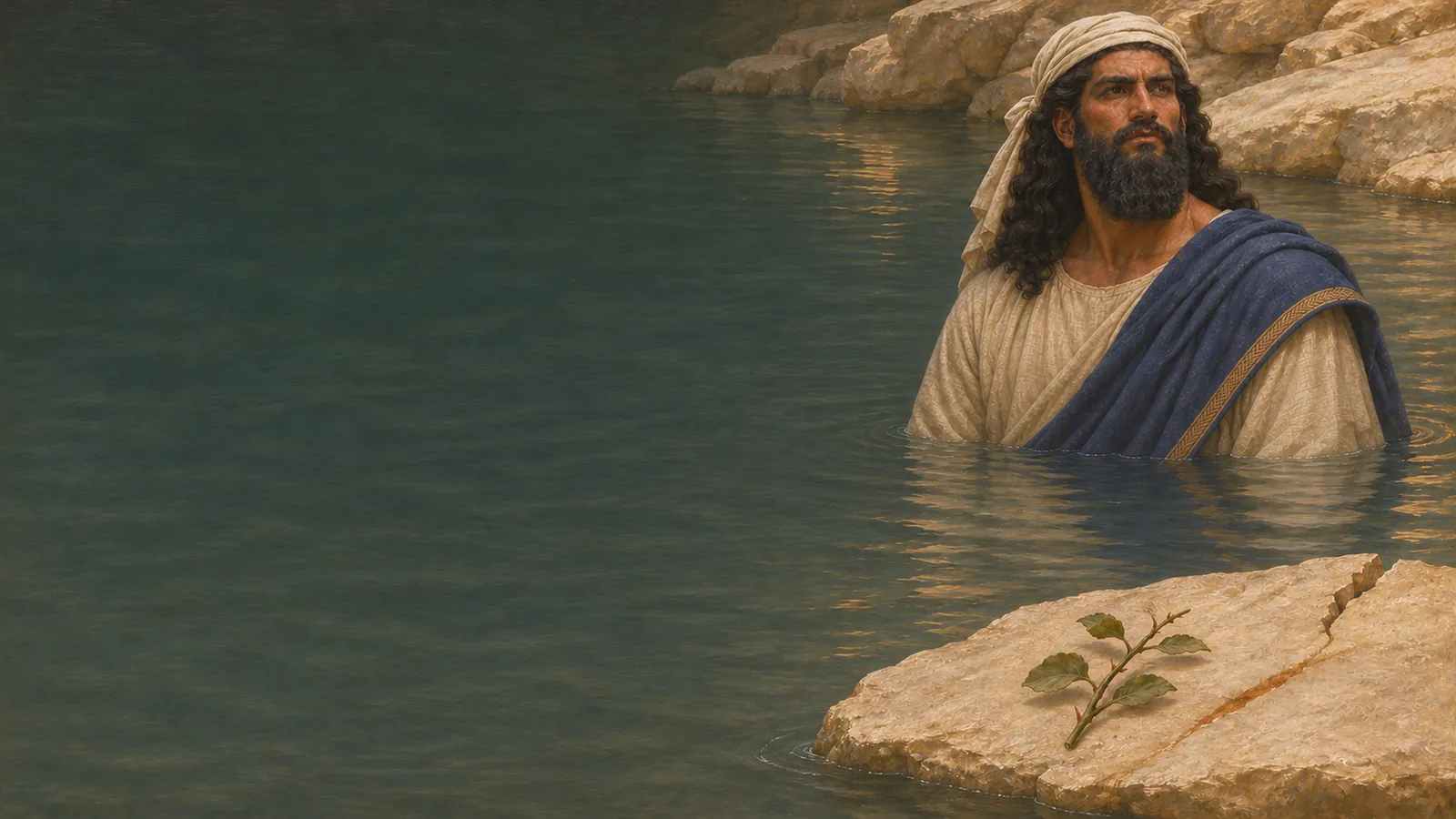
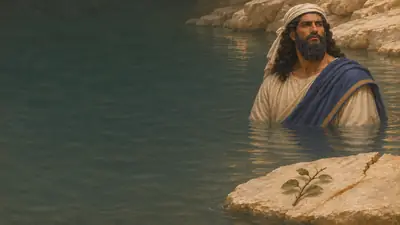
Gilgamesh encontrou um remanso de água fresca e desceu para se banhar. A planta estava perto o bastante para que seu aroma alcançasse algo que ele não via.
SERPENTE
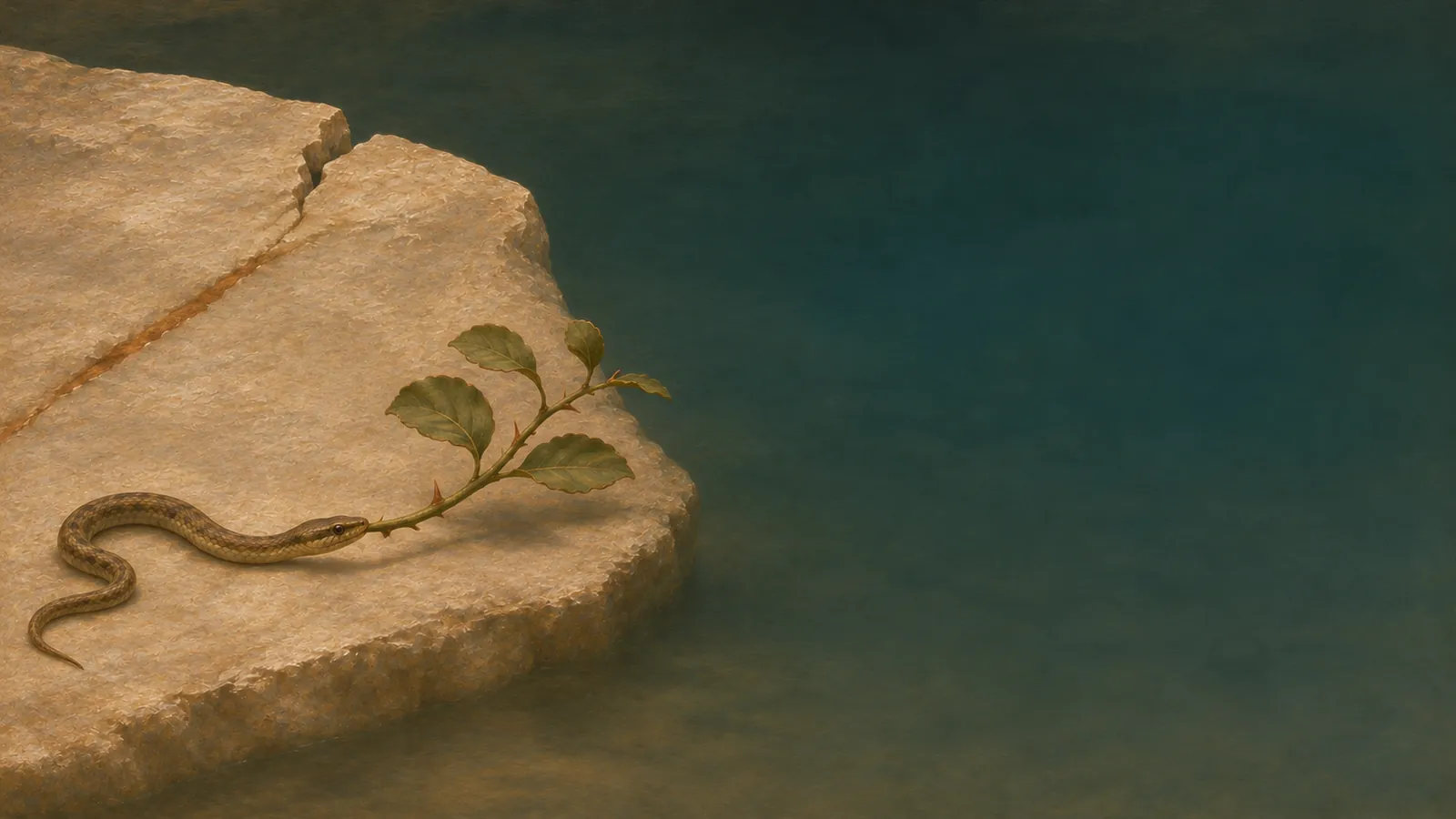
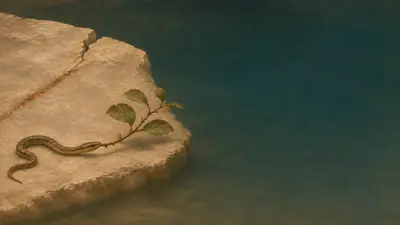
Uma serpente percebeu o aroma da planta e se aproximou. Enquanto Gilgamesh estava na água, ela levou o que ele tinha guardado para Uruk.
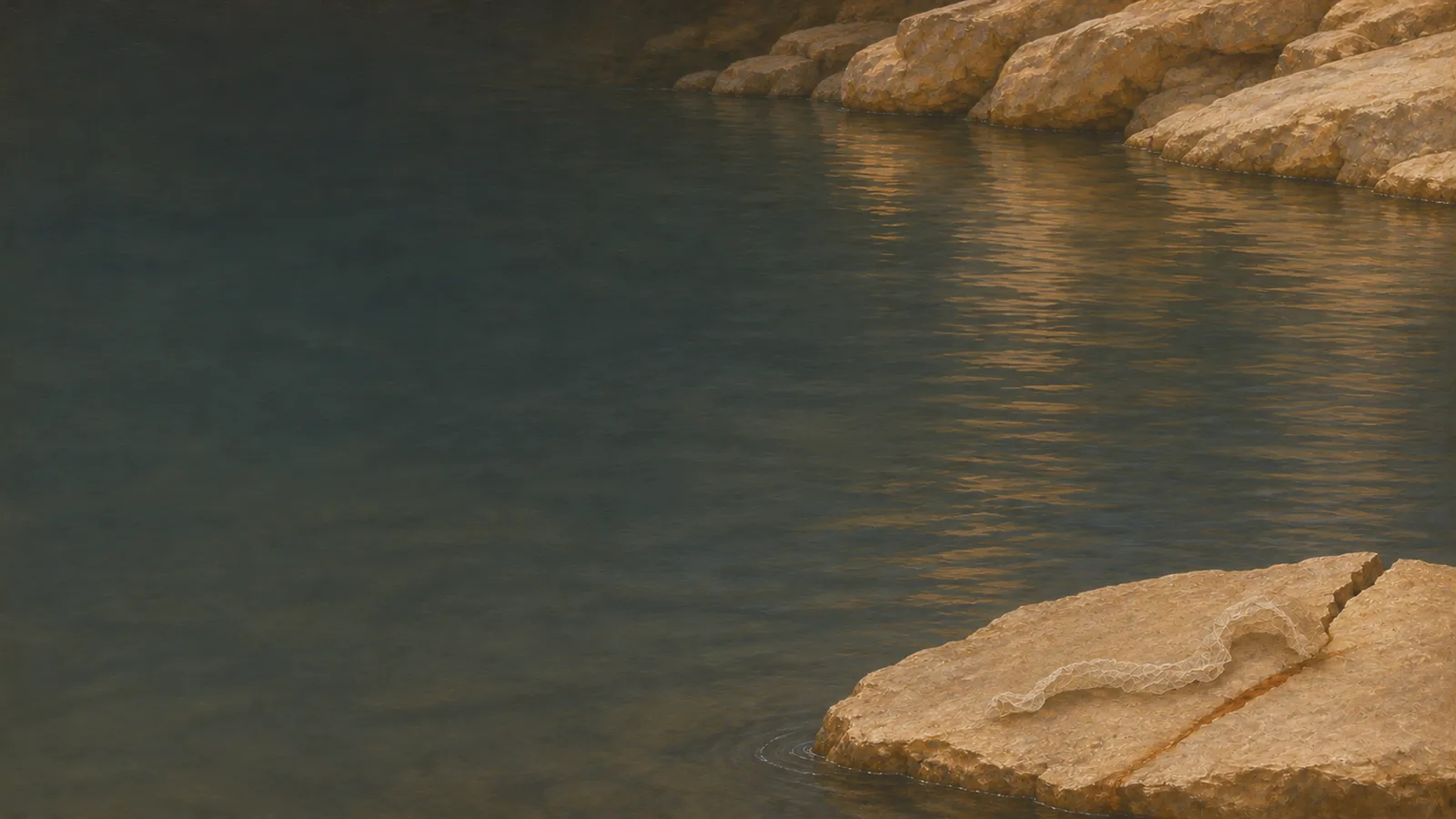
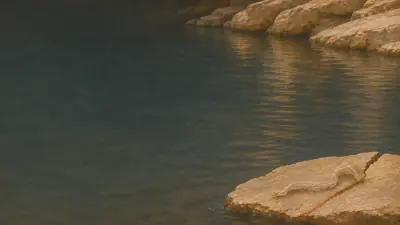
Ao se afastar, a serpente trocou de pele. A planta tinha desaparecido, e à beira da água ficou apenas a pele vazia.
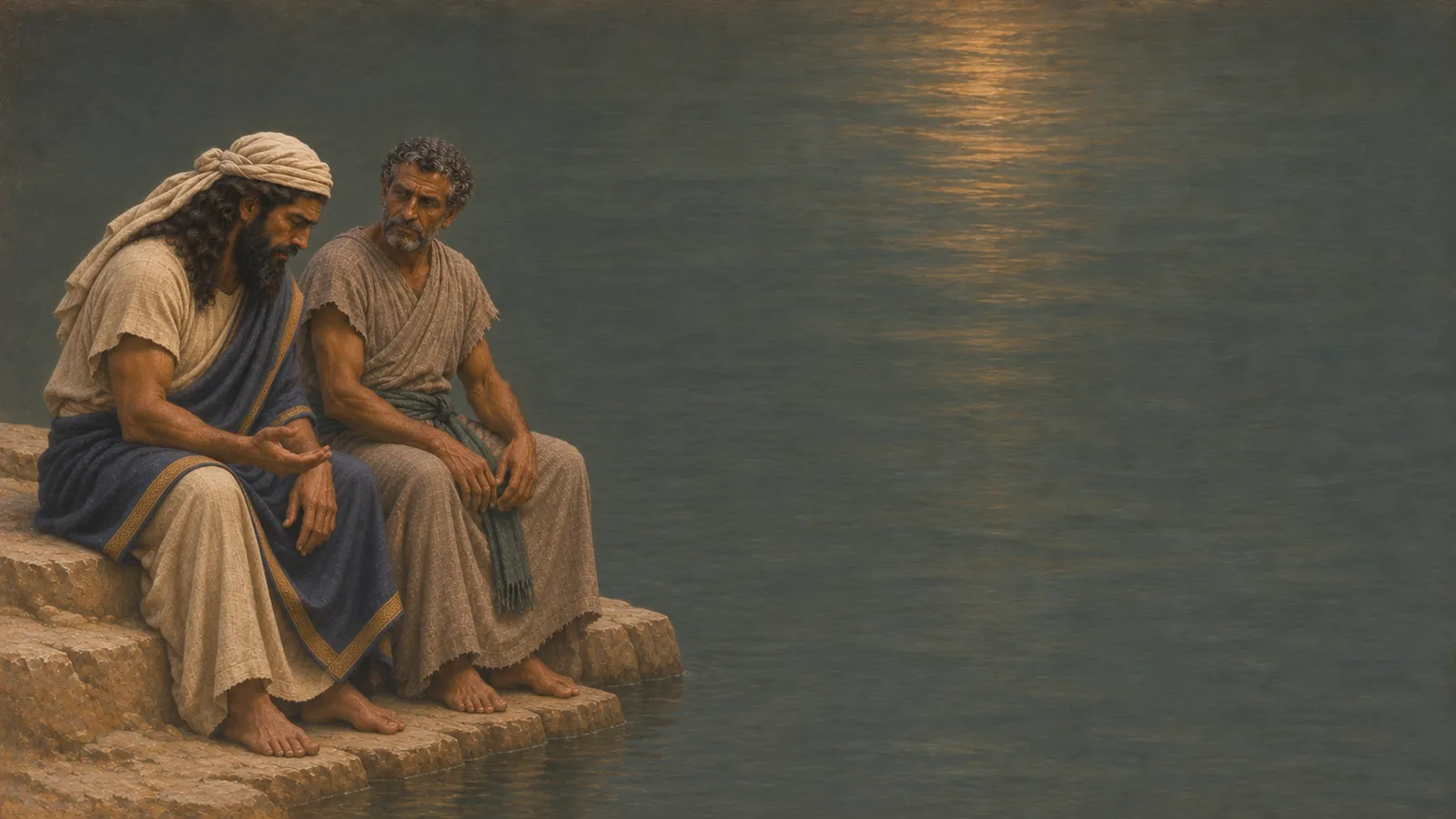
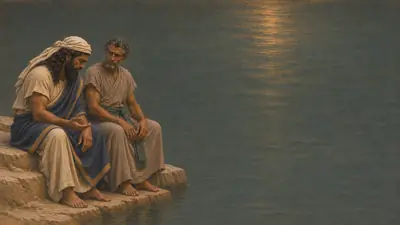
Gilgamesh se sentou e chorou. Perguntou a Urshanabi quem havia tirado proveito de todo o seu esforço, agora que a serpente ficara com o benefício que ele buscara para si.
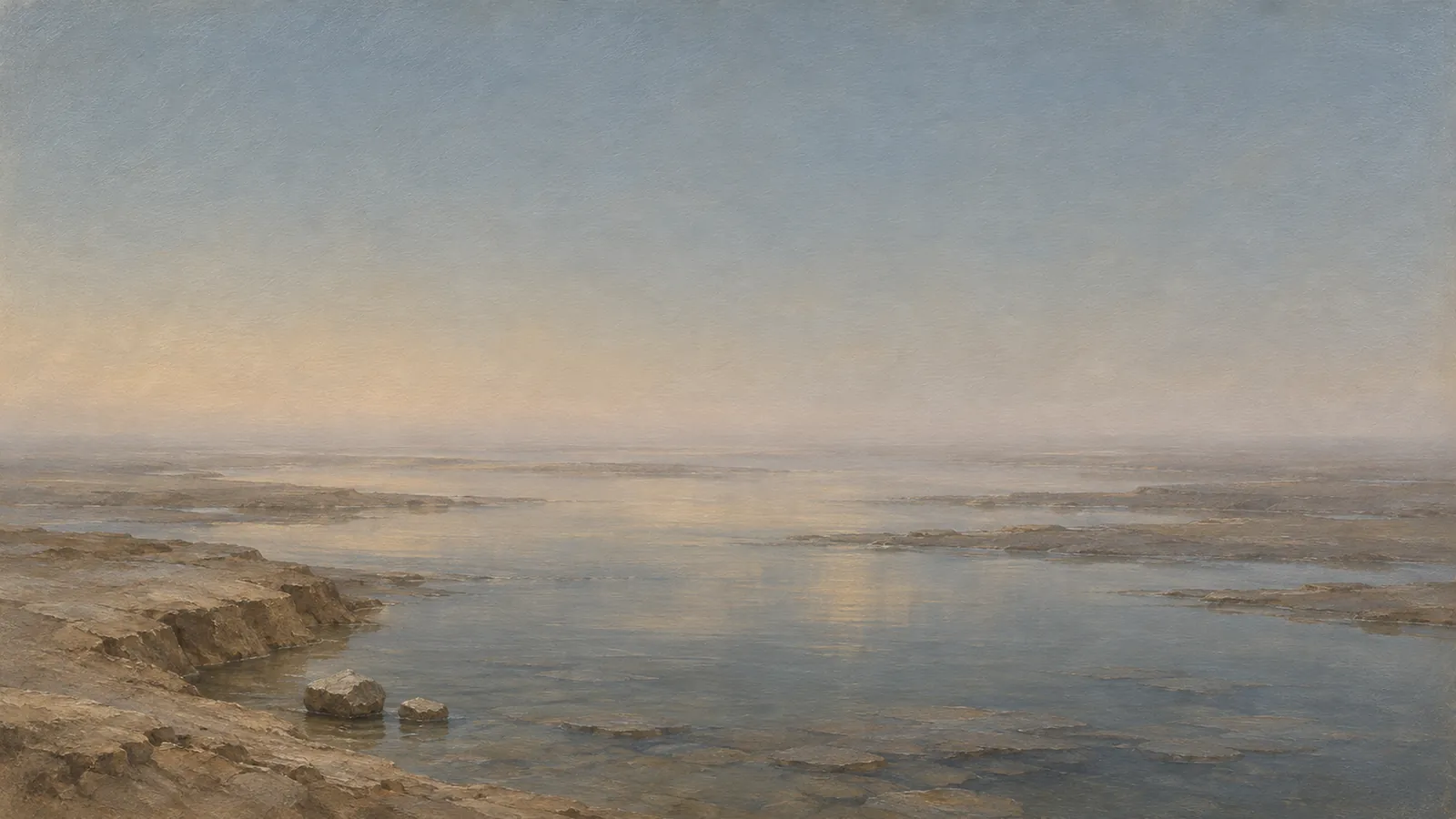
Os versos danificados falam de um canal e de um marco que ele já não conseguia encontrar. No fim do lamento, Gilgamesh desejou ter voltado atrás e deixado o barco na margem.
REGRESSO
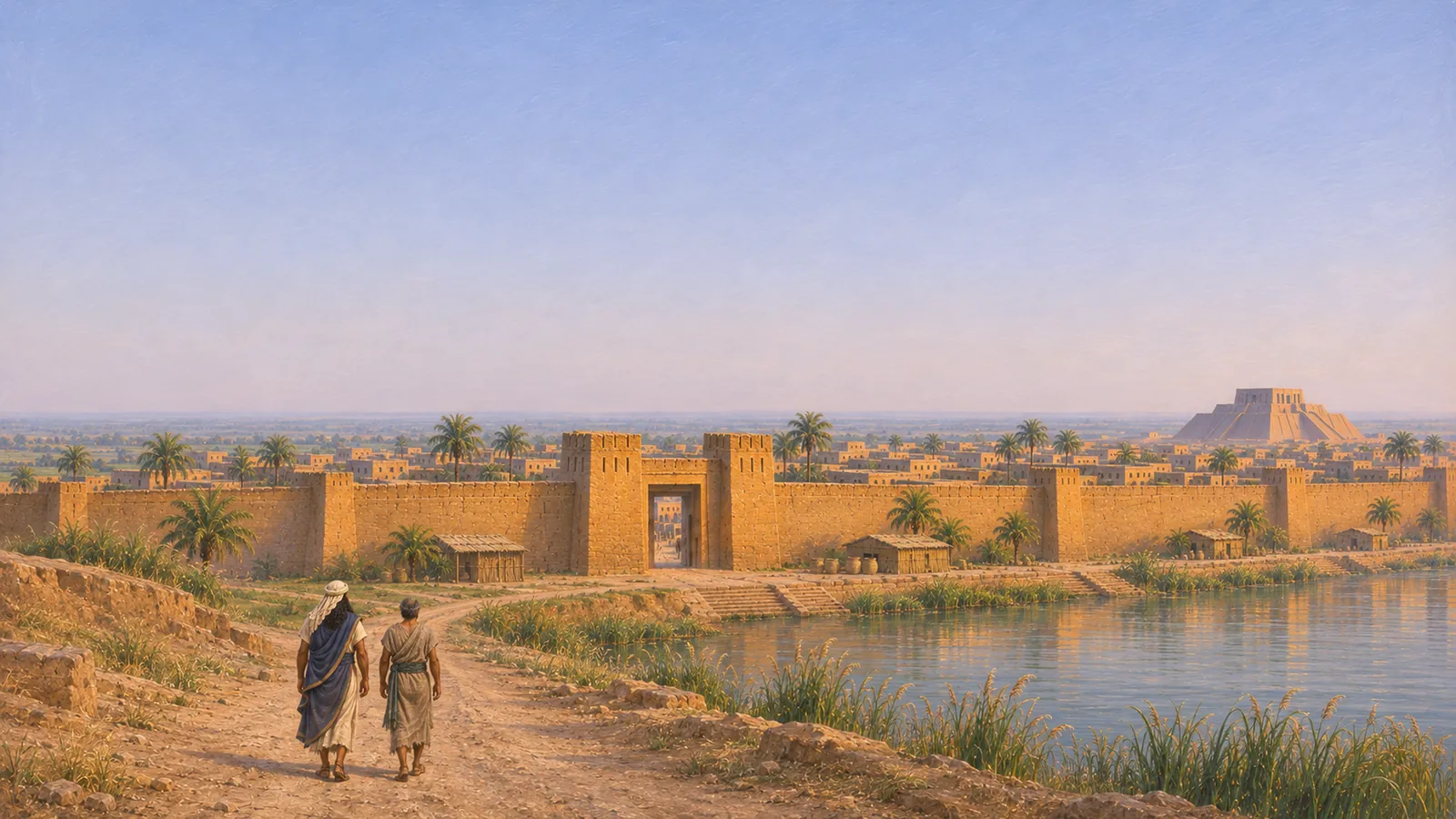
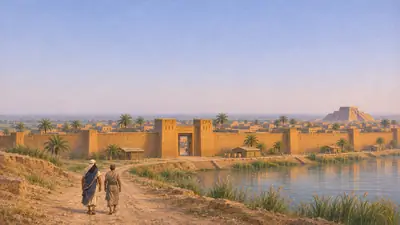
Os dois seguiram em frente, parando outra vez para comer e passar a noite. Então chegaram a Uruk, a cidade que Gilgamesh deixara quando partiu em busca da vida.
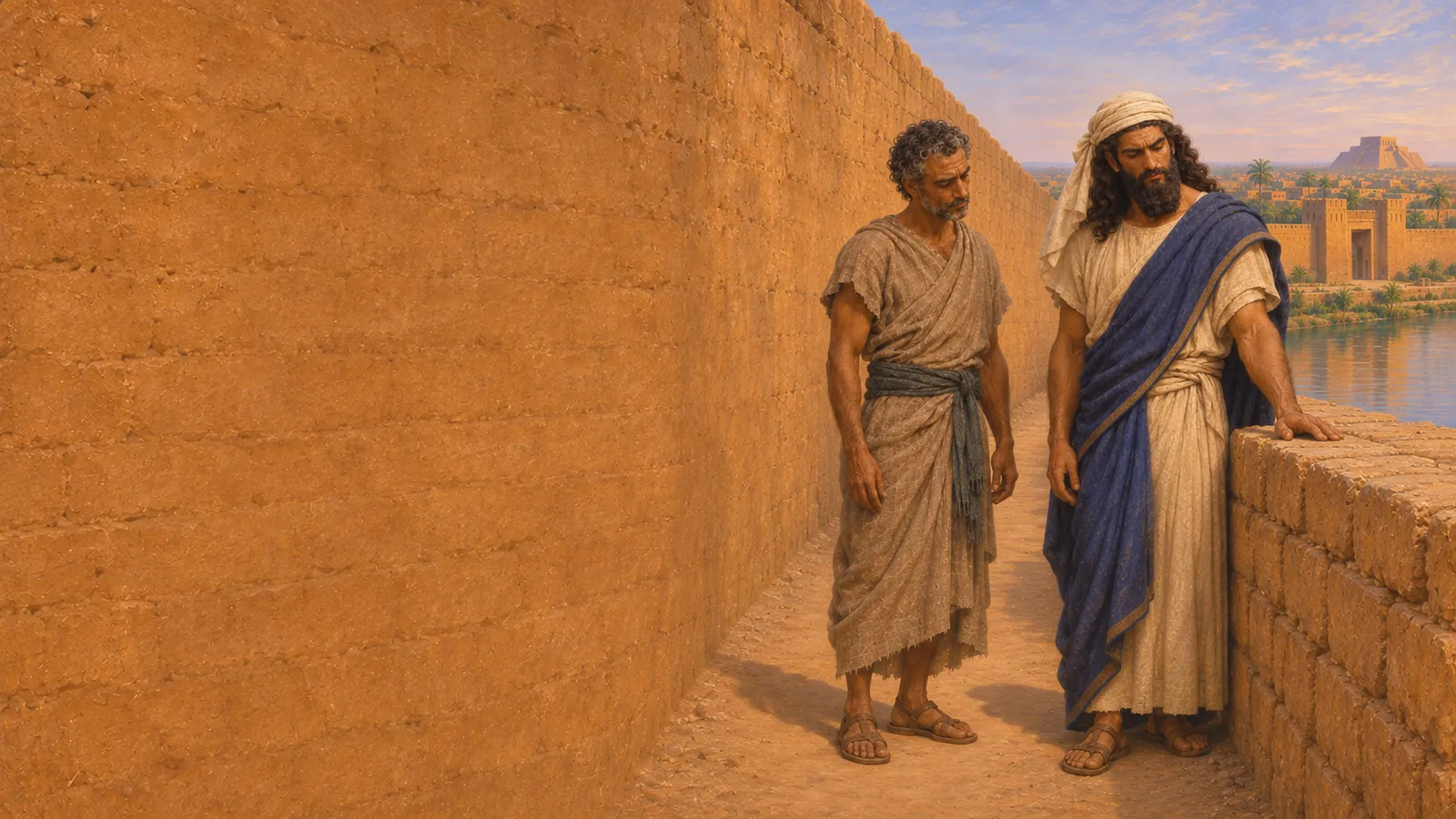
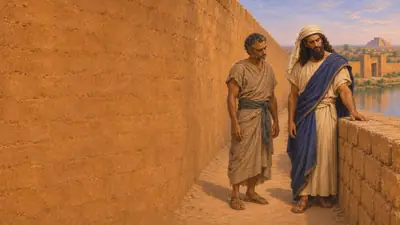
Gilgamesh convidou Urshanabi a andar sobre a muralha de Uruk e a examinar os alicerces e os tijolos cozidos. Falou dos Sete Sábios a quem se atribuía a construção daqueles alicerces.
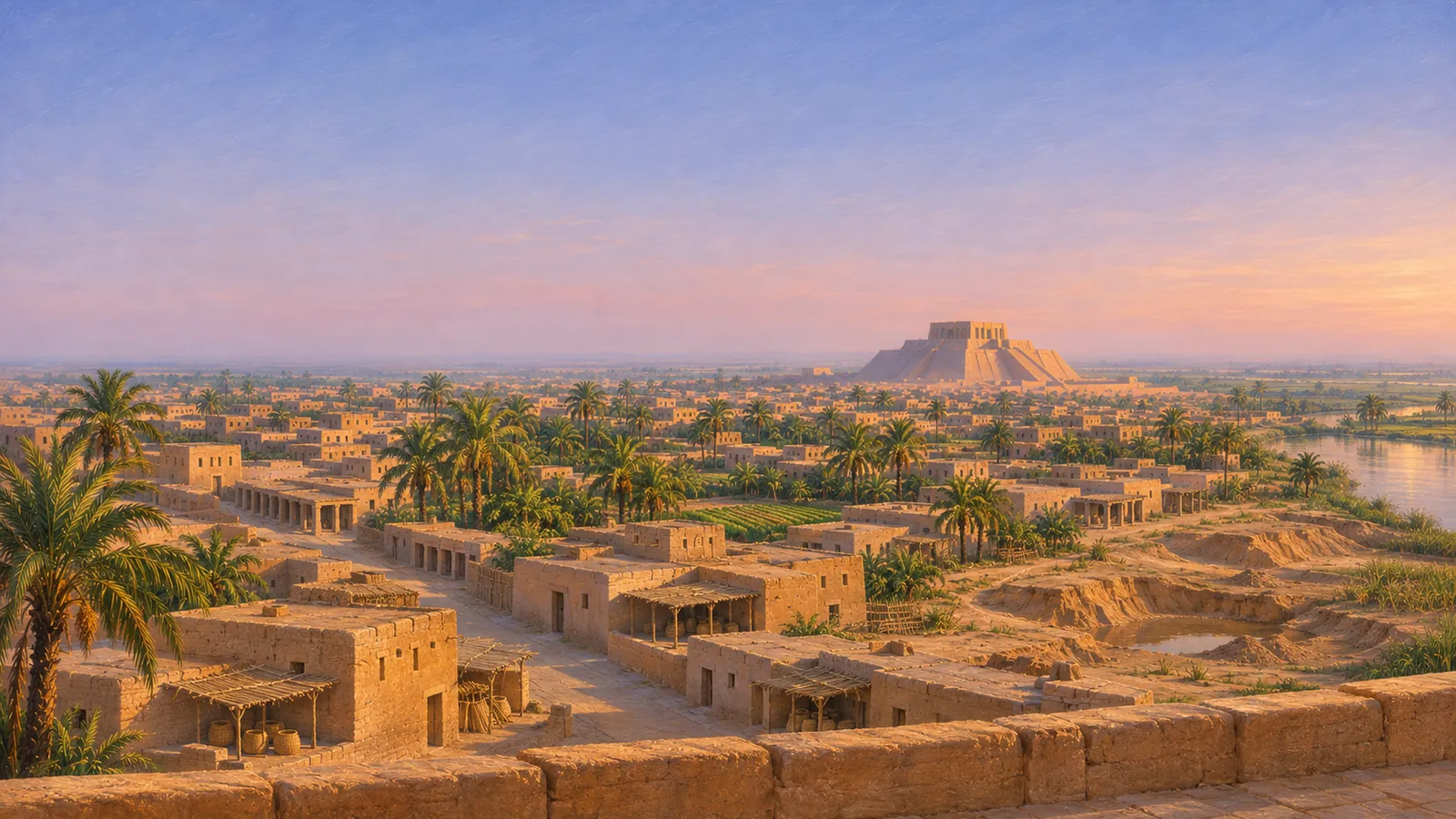
URUK
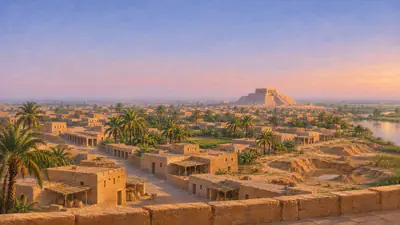
Do alto da muralha, Gilgamesh enumerou a cidade, seus bosques de tamareiras, as escavações de argila e o templo de Ishtar. O poema deixa os dois homens ali, com Uruk diante deles.
Fim do capítulo 8
Todas as páginas
Fontes
Edições consultadas
- Andrew George, Tablet XI score transliteration: institutional record and modern line framework.
- Alexander Heidel, The Gilgamesh Epic and Old Testament Parallels: pp. 89–93, the sleep ordeal through the view of Uruk. This edition uses older readings and numbering.
- Andrew George, “The Mayfly on the River”: pp. 232–235, including the closing survey of Uruk.
- Andrew George, “The Epic of Gilgamesh”: the authoritative synopsis of the final episode.
- Electronic Babylonian Library, Tablet XI: the modern edition. Lines 210–328 of the [official chapter export](https://www.ebl.lmu.de/api/texts/L/1/4/chapters/SB/XI) were checked directly.
Os versos antigos de cada página
- Page 1: SB XI 210; compare the challenge at XI 209
- Page 2: SB XI 210–211
Mist is a simile, not a spell or an actual event. - Page 3: SB XI 212–214
- Page 4: SB XI 215–218
- Page 5: SB XI 217–218
- Page 6: SB XI 219–222
The expected denial is a paraphrase of distrust. - Page 7: SB XI 221–224
- Page 8: SB XI 222–224
- Page 9: SB XI 225–230
- Page 10: SB XI 229–230
- Page 11: SB XI 231–233
- Page 12: SB XI 234–241
- Page 13: SB XI 237–241
- Page 14: SB XI 242–246
- Page 15: SB XI 247–253
- Page 16: SB XI 250–254, 262
- Page 17: SB XI 262–263
- Page 18: SB XI 255, 264
- Page 19: SB XI 256–258, 265–267
- Page 20: SB XI 259–261, 268–270
- Page 21: SB XI 271–272
- Page 22: SB XI 273–275
- Page 23: SB XI 276–278
Damaged passage. - Page 24: SB XI 278–282
- Page 25: SB XI 283–285
- Page 26: SB XI 285–286; compare XI 294–300
The consequence in line 286 is restored; Gilgamesh later speaks of returning to youth. - Page 27: SB XI 287–290
The action around the opening in XI 288 is damaged. - Page 28: SB XI 290–292
- Page 29: SB XI 292–293
- Page 30: SB XI 294–296
The plant’s epithet varies in translations. - Page 31: SB XI 297–300
The test is a plan with a damaged/restored line, not an event. - Page 32: SB XI 301–302
- Page 33: SB XI 303–305
- Page 34: SB XI 305–306
- Page 35: SB XI 306–307
The text does not say the serpent ate the plant or became immortal. - Page 36: SB XI 308–314
- Page 37: SB XI 315–318
- Page 38: SB XI 319–321
- Page 39: SB XI 322–326
- Page 40: SB XI 327–328; compare the frame at I 16–23
These are textual divisions, not a precise geographic plan or a personal moral the poem states.
Ilustrações feitas pelo IL Archive com ferramentas de IA; o texto baseia-se nas fontes antigas (veja as fontes no fim de cada capítulo).