Inanna e Enki Capítulo 1
A Barca do Céu
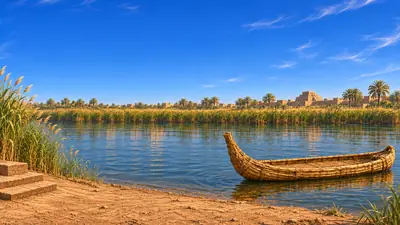
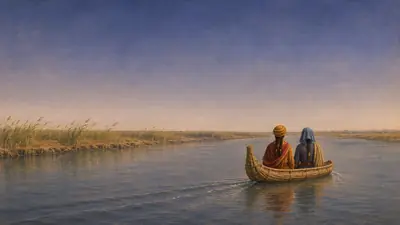
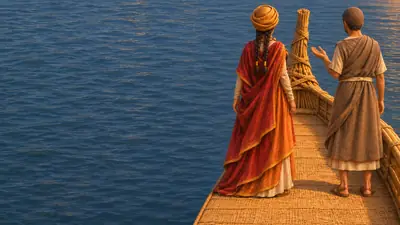
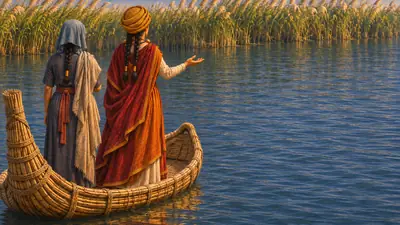
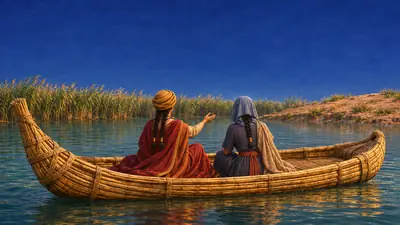
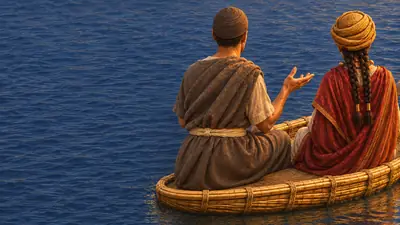
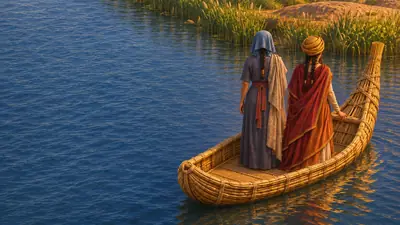
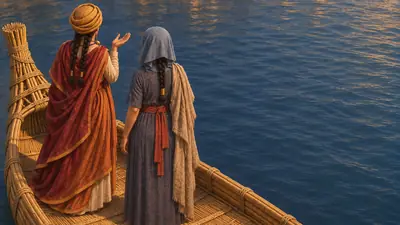
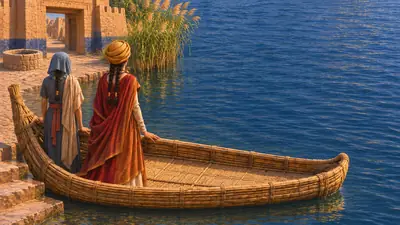
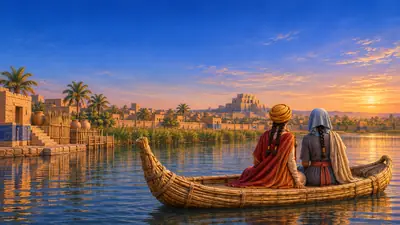
Inanna recebe de Enki os poderes divinos e parte de Eridu a bordo da Barca do Céu. Enquanto Enki tenta recuperar a barca, Inanna e Ninshubur seguem para Uruk. O poema que chegou até nós interrompe-se depois da sua chegada.
FontesVire as páginas com as setas, o teclado ou deslizando o dedo.
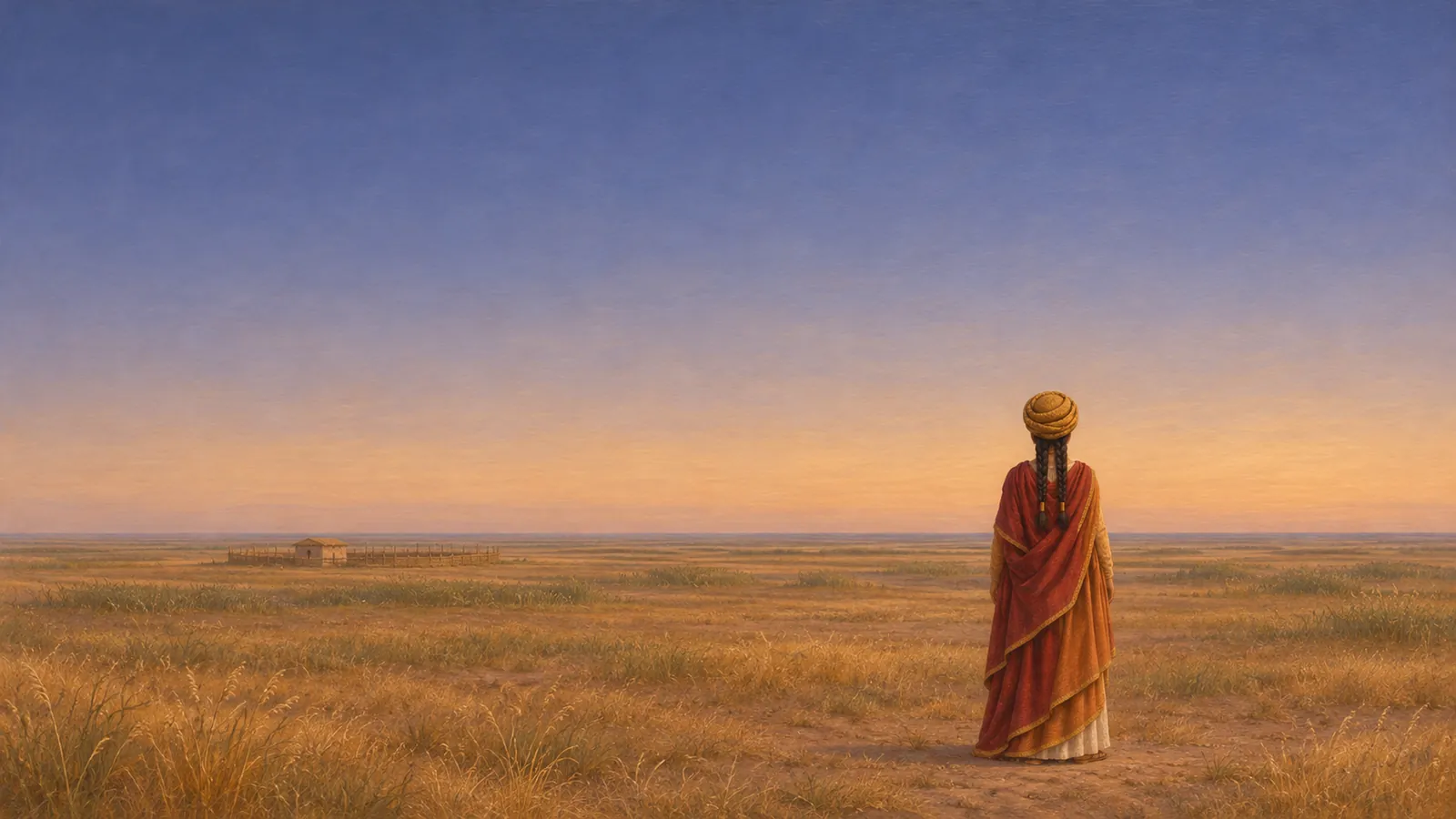
COROA
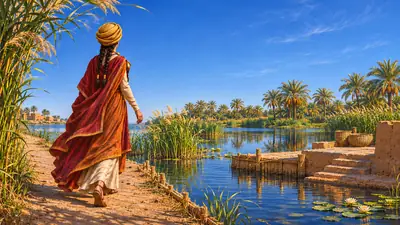
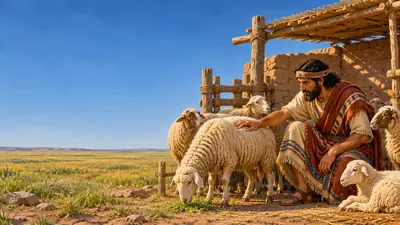
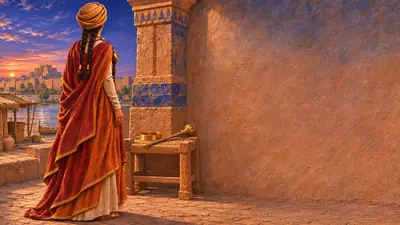
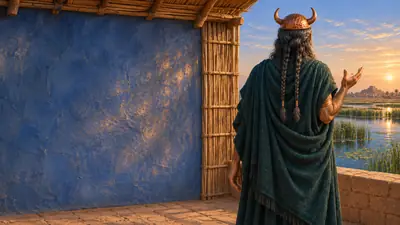
Na abertura conservada, Inanna usa a coroa em campo aberto. Perderam-se as primeiras palavras do poema.
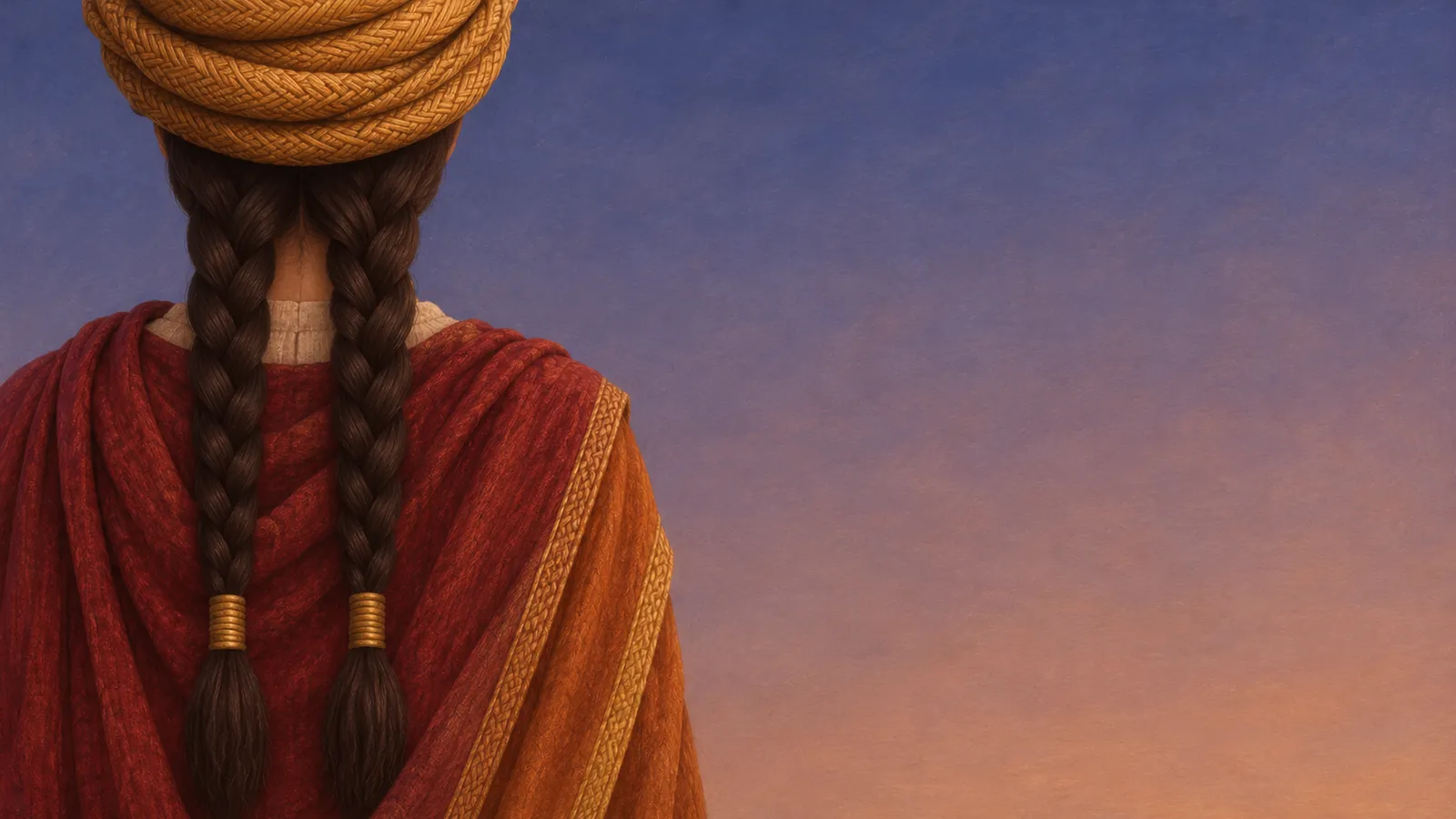
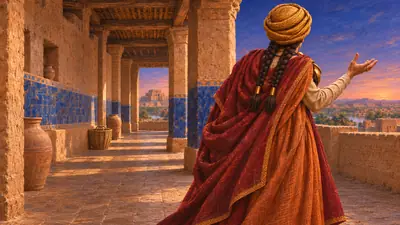
Inanna alegra-se com a sua figura e louva-se a si própria. Algumas imagens nas suas palavras chegaram-nos em fragmentos.

À medida que as suas palavras se tornam mais claras, ouve-se Inanna falar de ir ao Abzu. Ali tenciona apresentar o seu pedido a Enki.

Uma longa lacuna interrompe as palavras de Inanna. Depois, ouvimos que quer procurar Enki e dirigir-lhe um pedido.
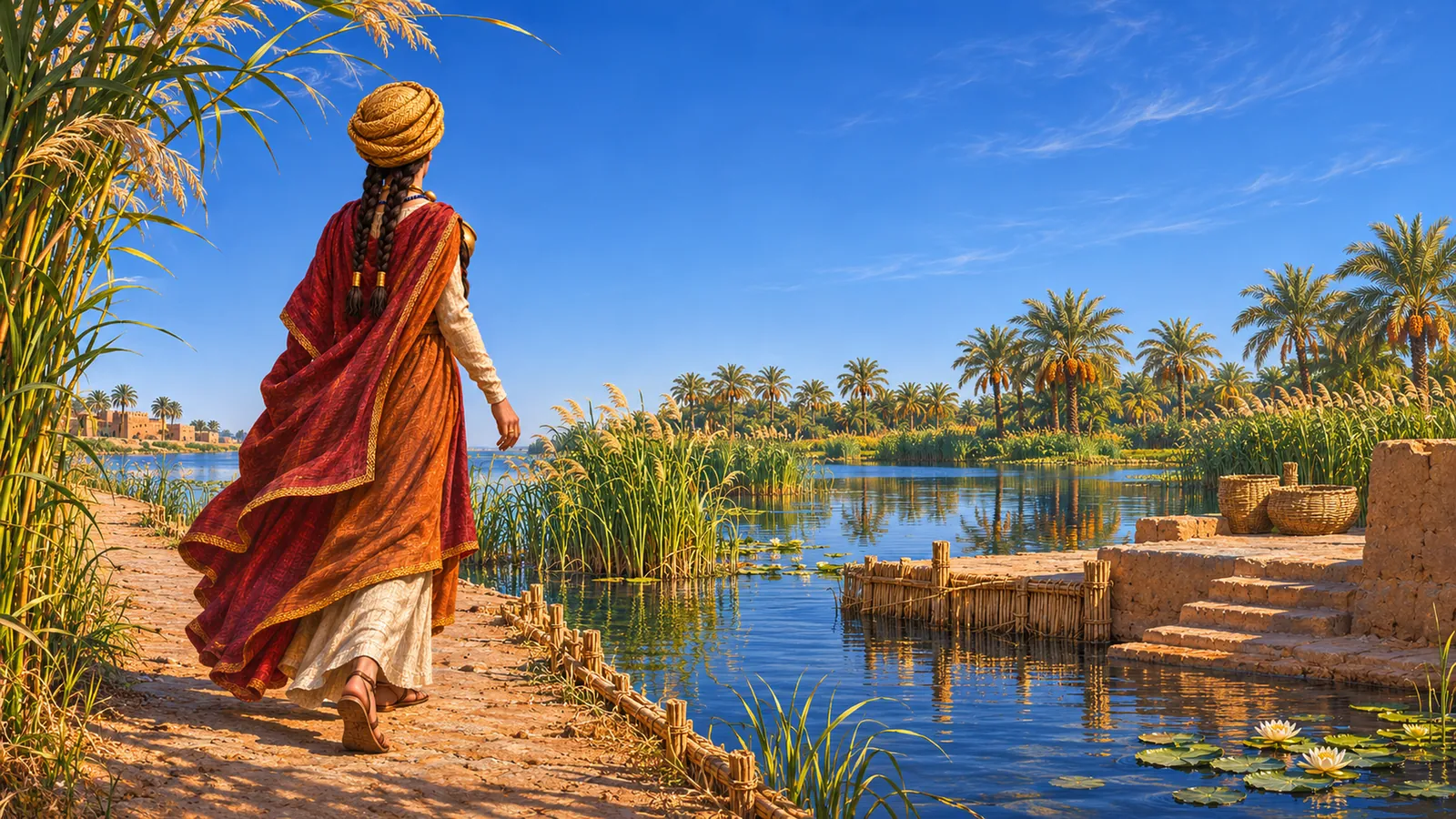
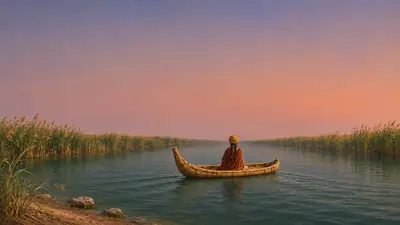
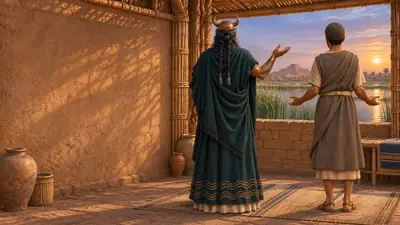
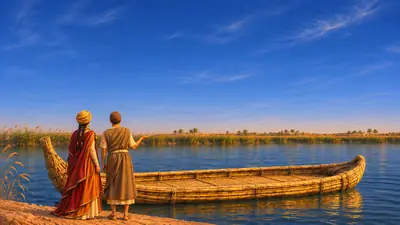
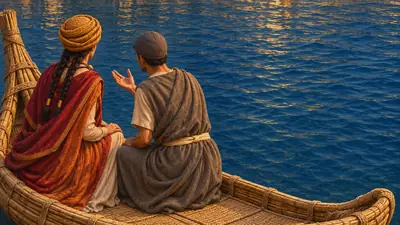
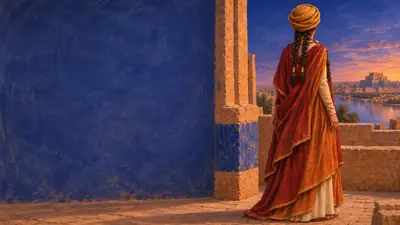
Inanna partiu sozinha para Eridu, onde ficava o Abzu de Enki. Ia ao seu encontro para lhe falar.
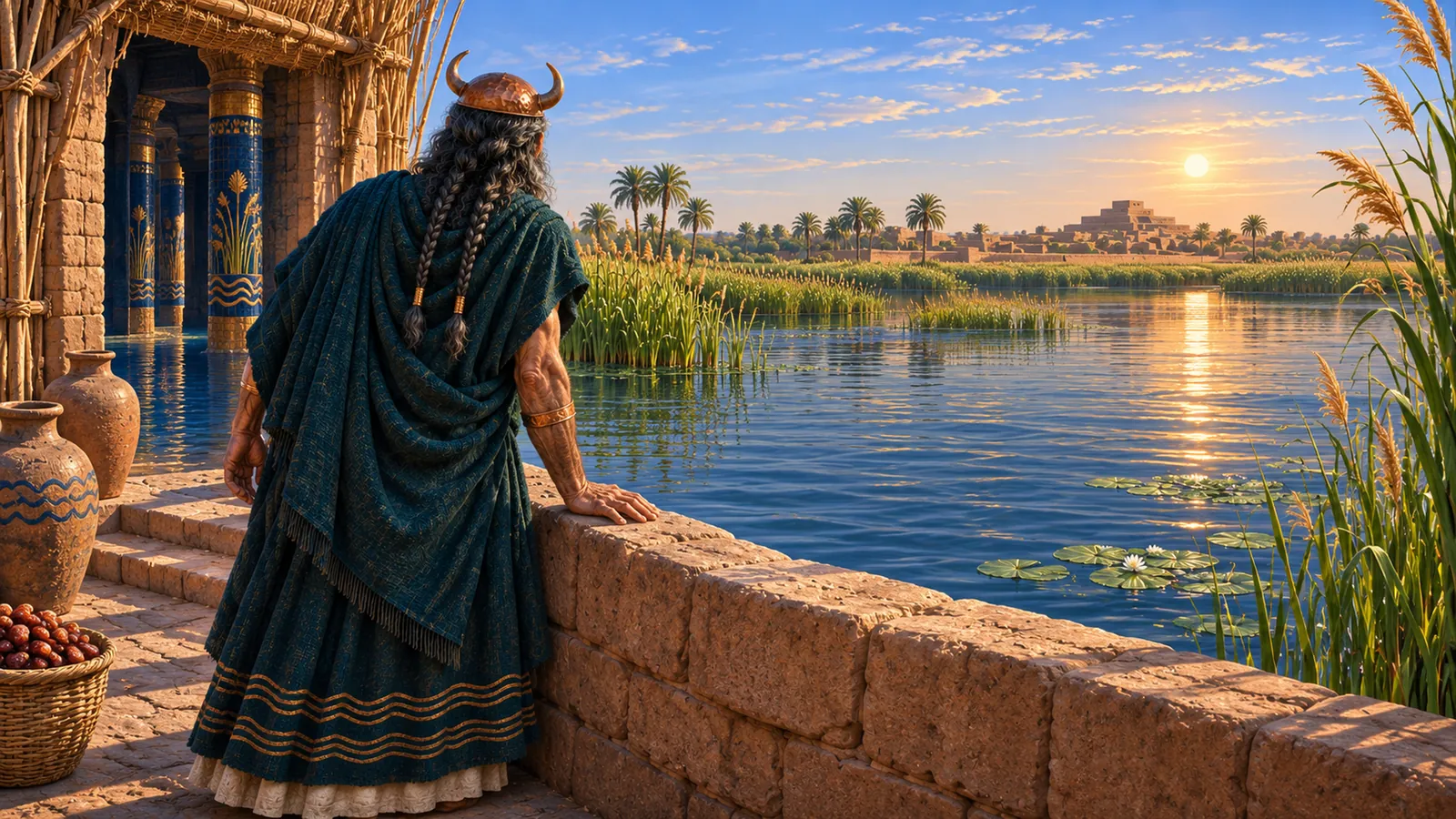
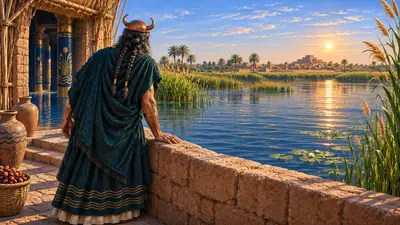
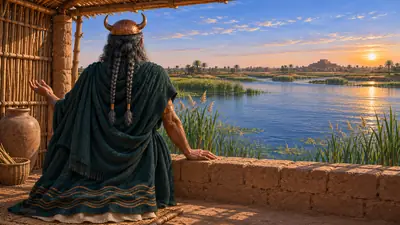
Antes de Inanna se aproximar, Enki já sabia da sua visita. As cópias conservadas dão ao seu lugar designações ligeiramente diferentes.
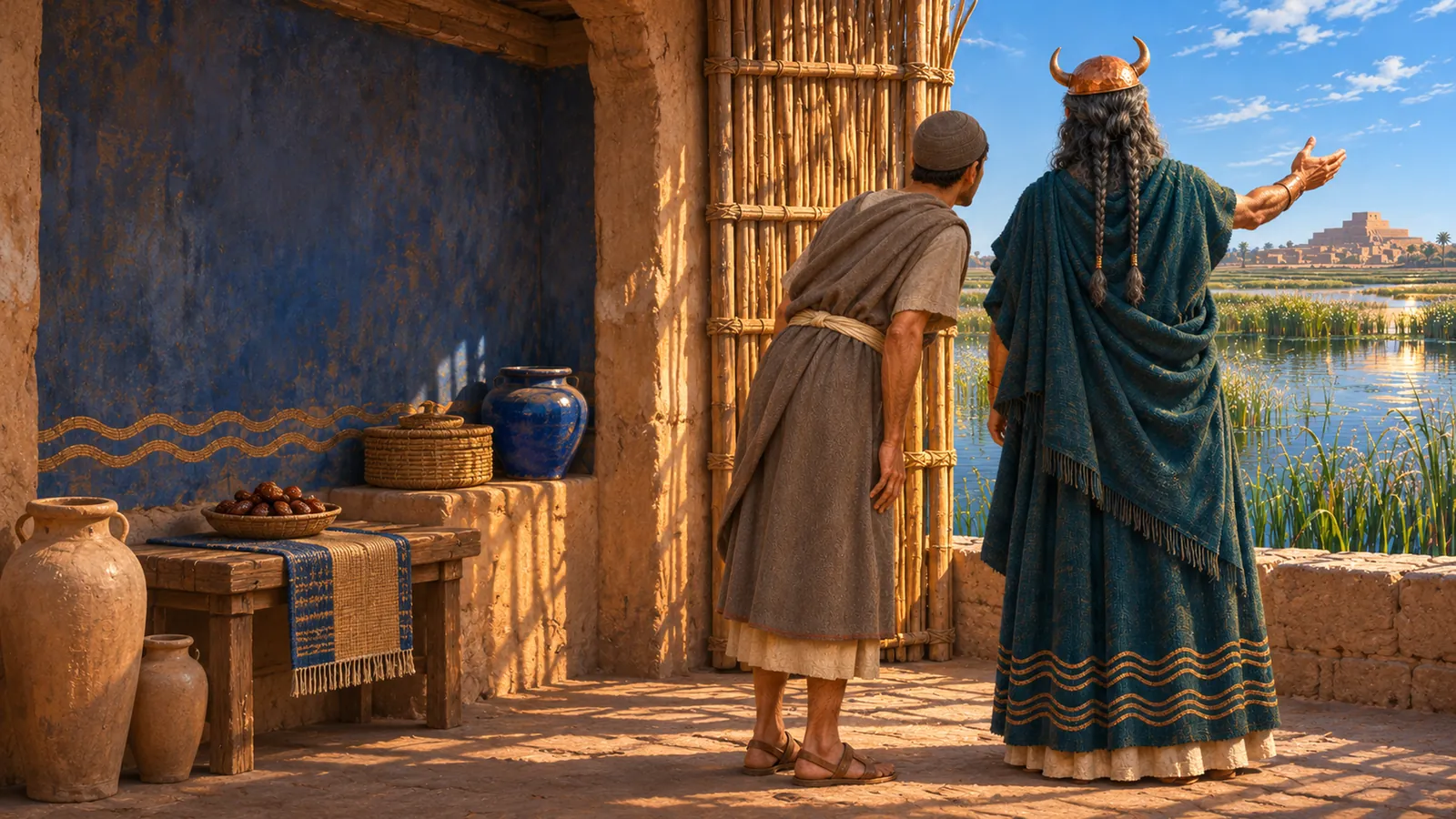
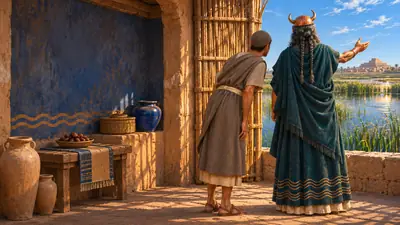
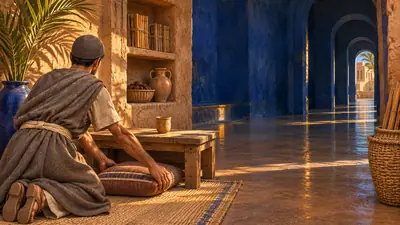
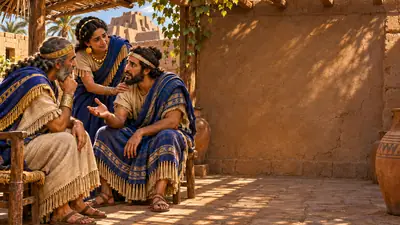
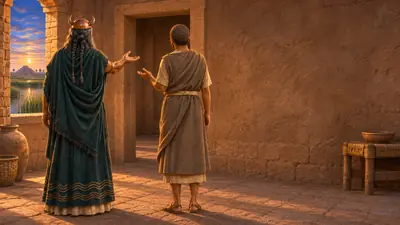
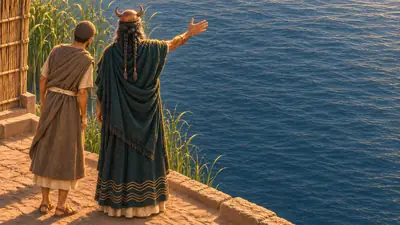
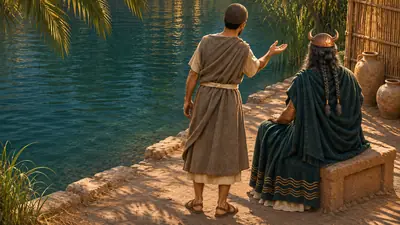
Enki chamou o homem que o servia. O texto interrompe-se de novo, pouco antes de ouvirmos as instruções para receber Inanna.
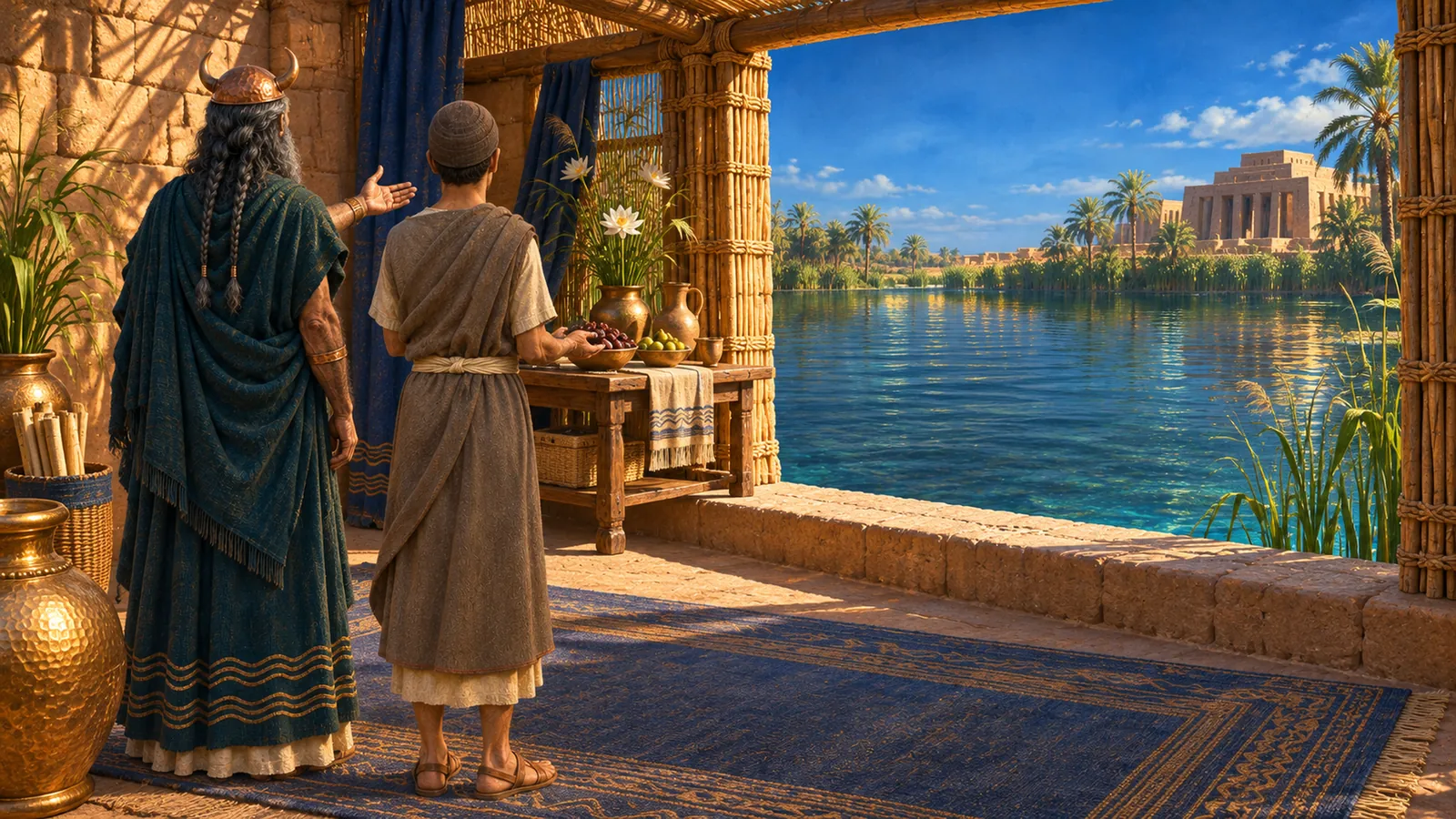
Alguns preparativos são mencionados em versos fragmentários. Depois, Enki dá instruções para a chegada de Inanna a Eridu e ao Abzu.
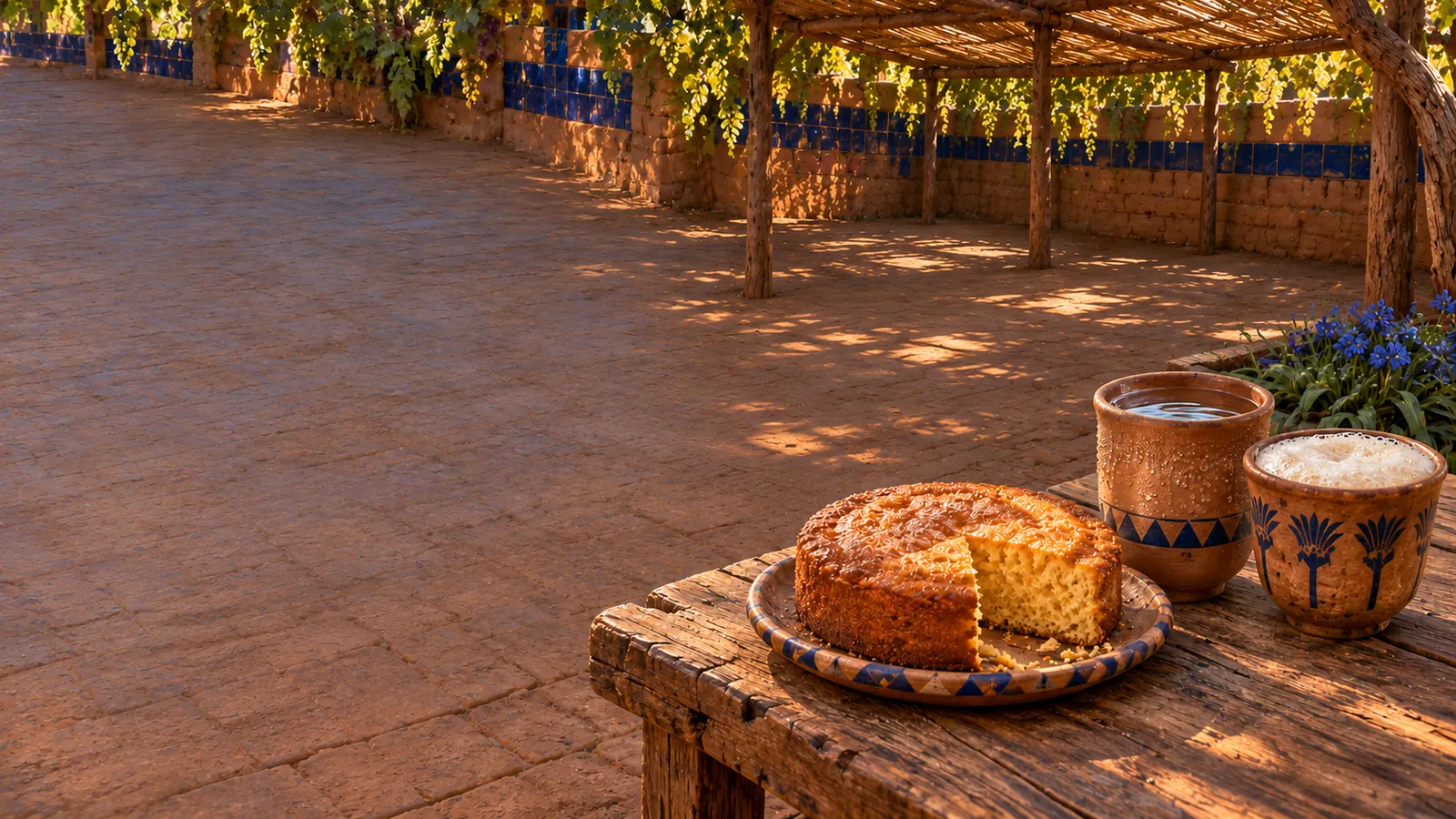
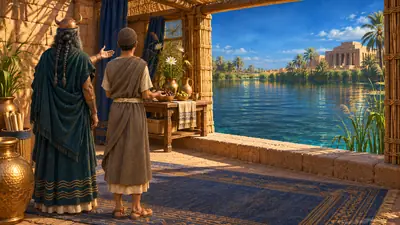
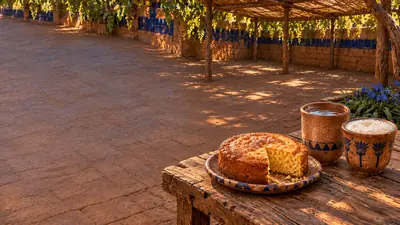
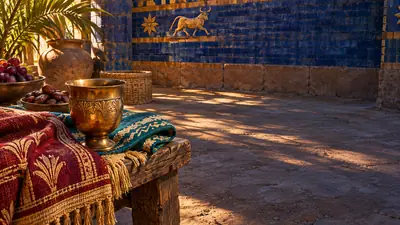
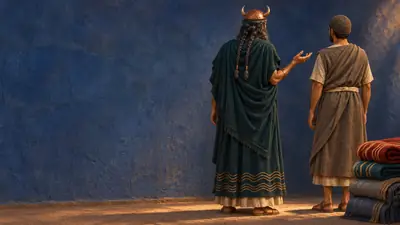
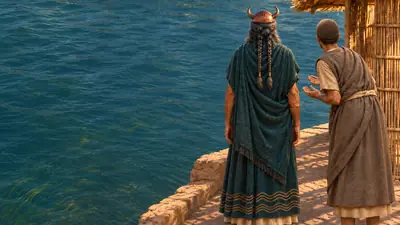
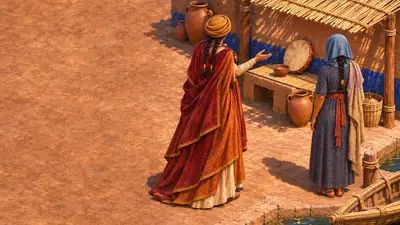
Junto à Porta dos Leões, deviam oferecer a Inanna bolos de manteiga, água fresca e cerveja. Isso fazia parte das instruções de Enki para a receber.
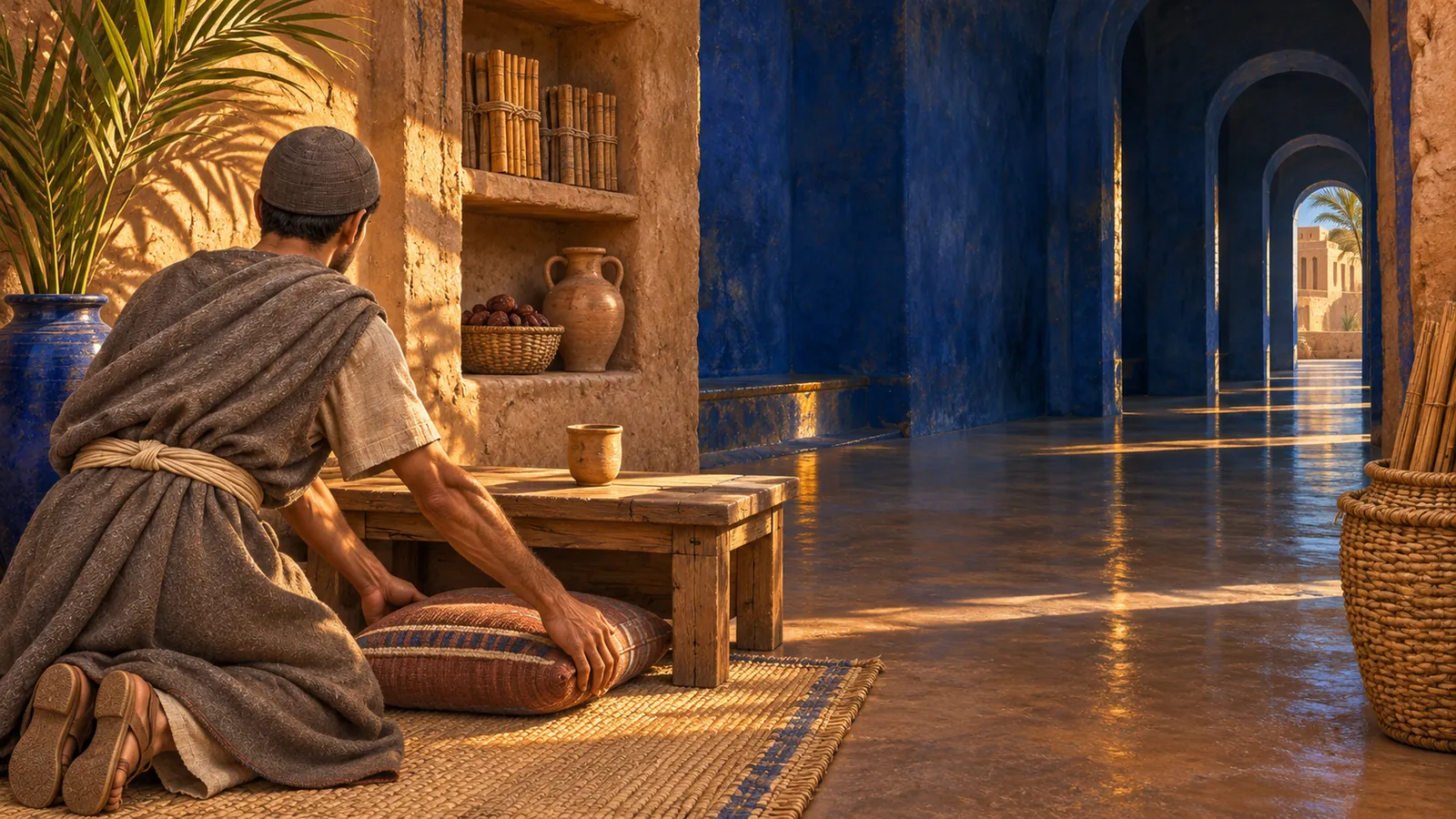
Enki mandou o seu servidor receber Inanna à mesa sagrada associada a An. Ali seria tratada como convidada.
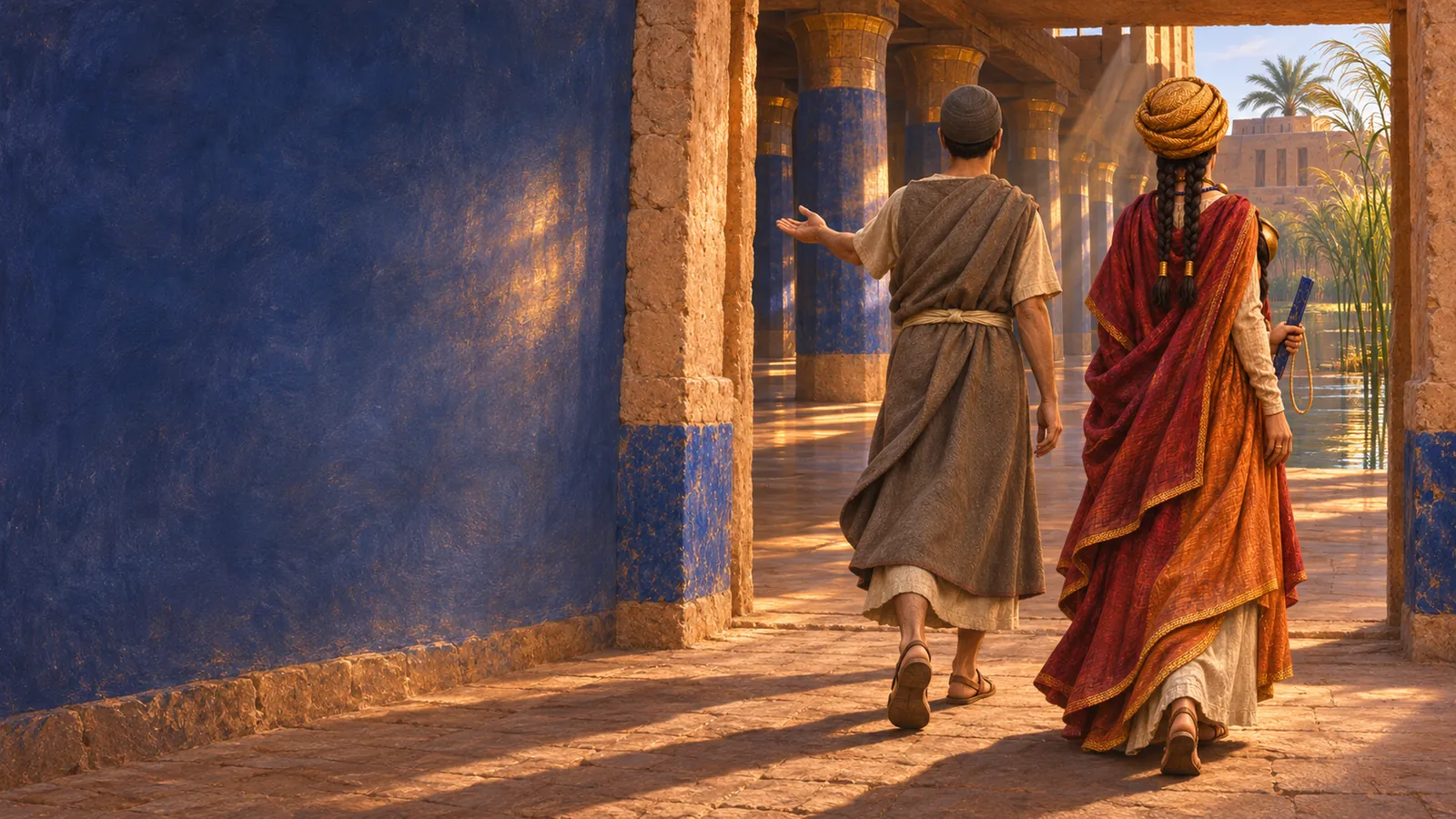
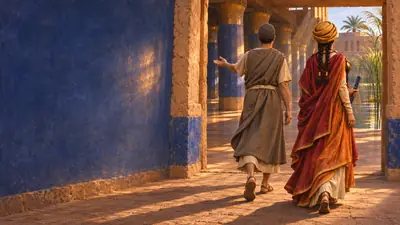
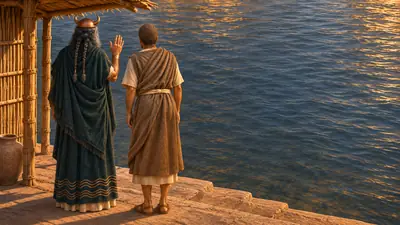
Isimud foi ao encontro de Inanna, como Enki lhe pedira. Quando chegou a Eridu, levou-a para o Abzu.
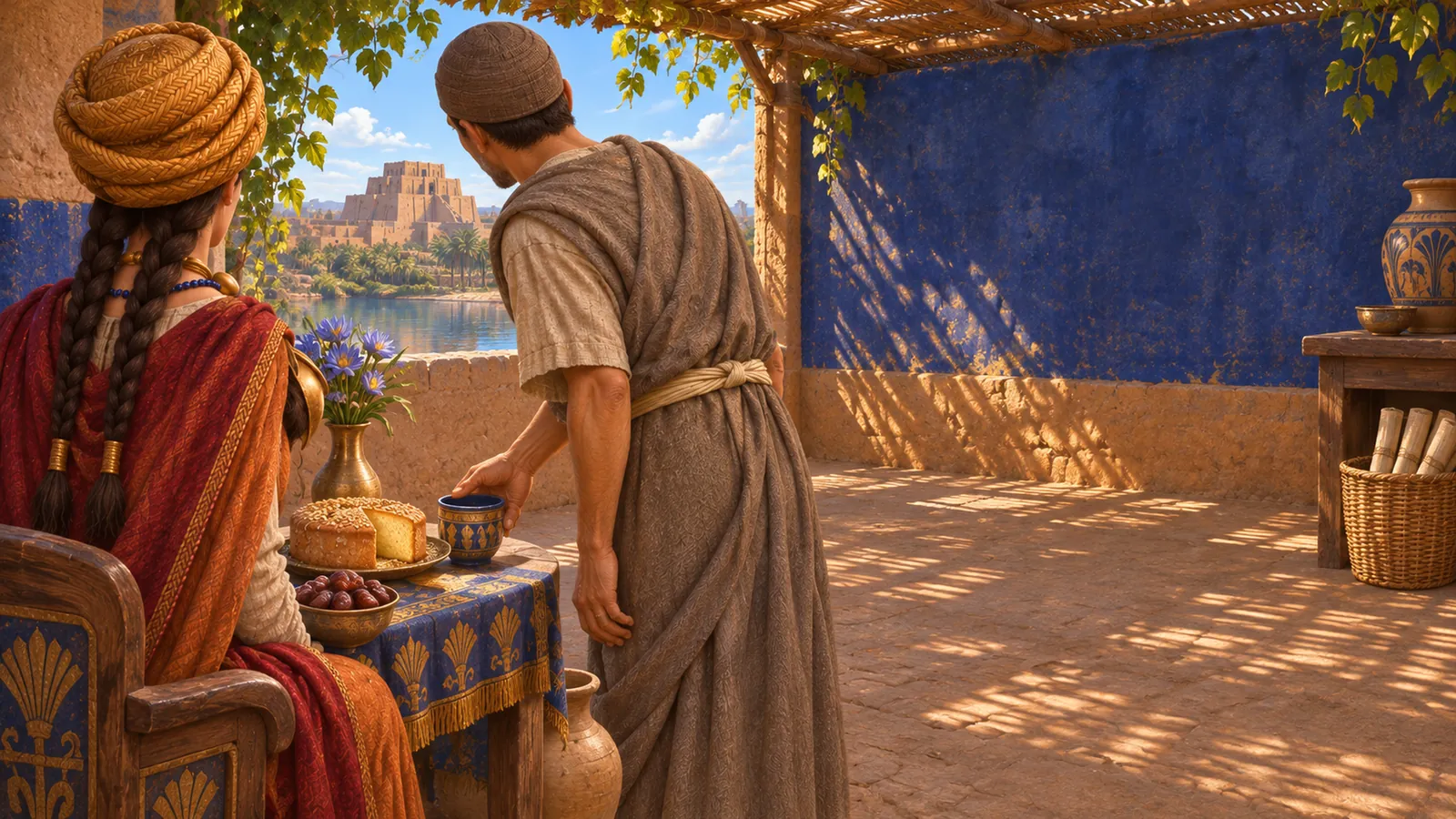
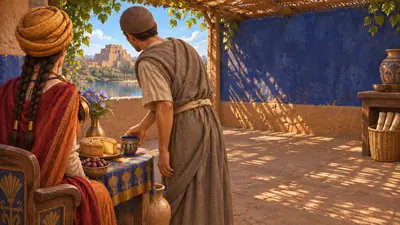
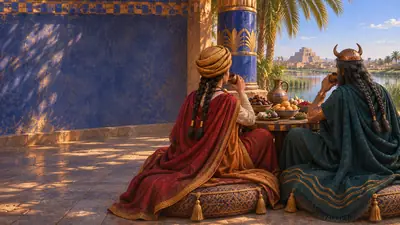
A receção fez-se conforme as instruções. Inanna teve bolos, água, cerveja e um lugar à mesa.
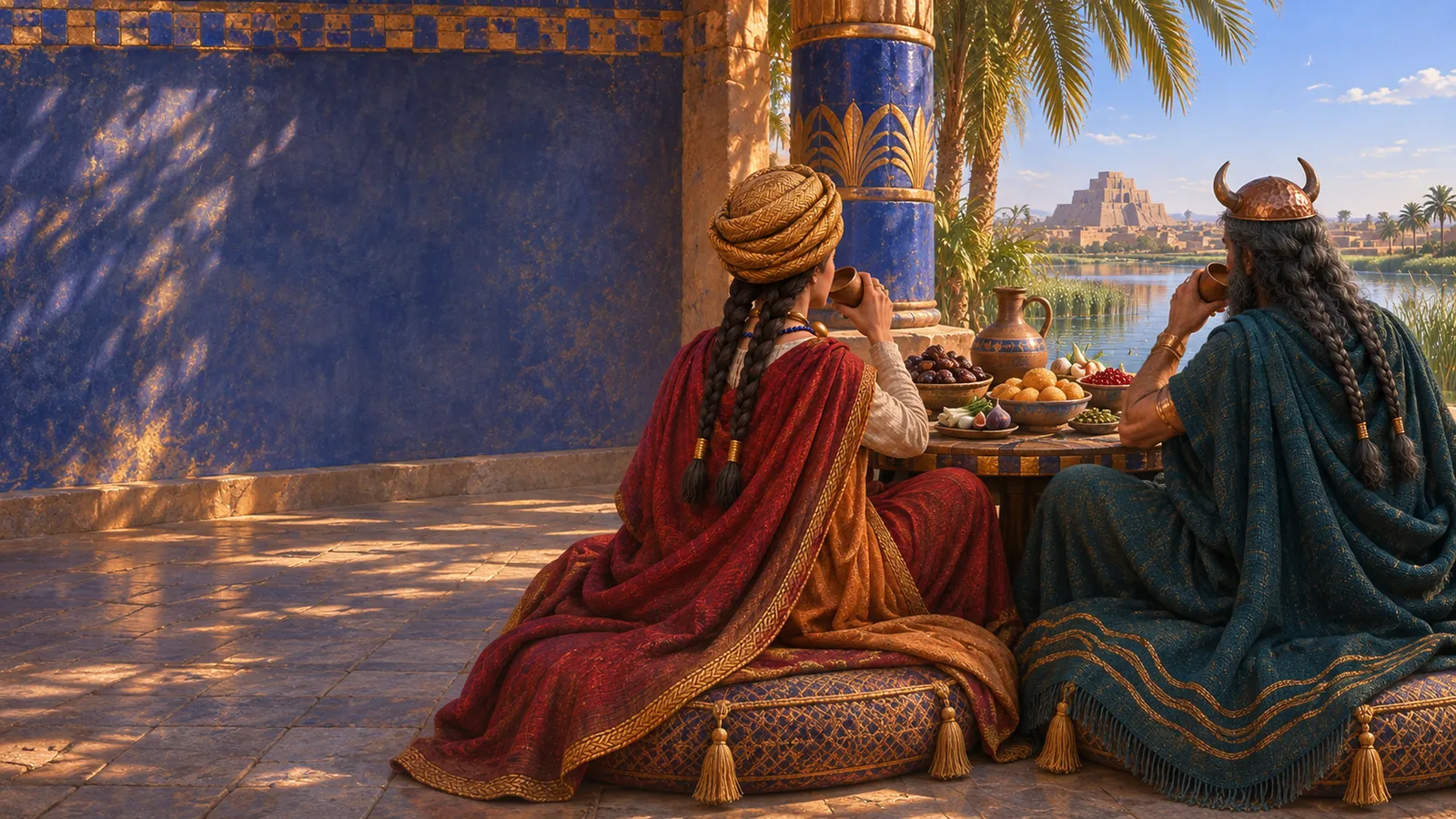
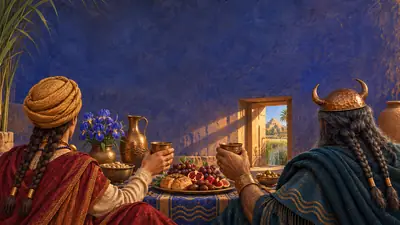
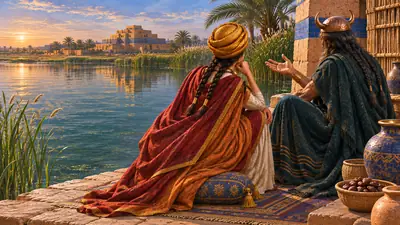
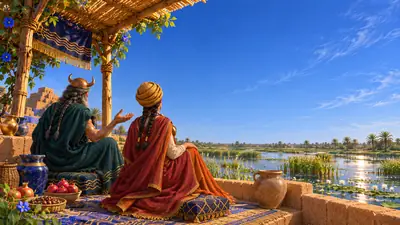
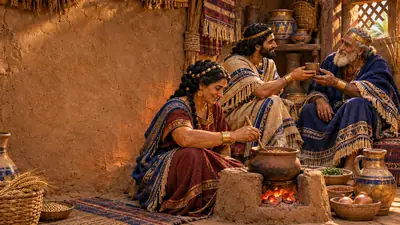
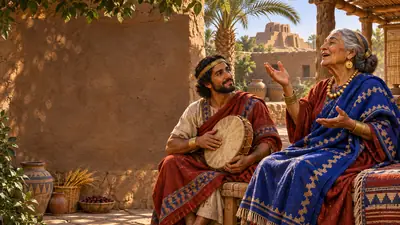
Inanna e Enki partilharam cerveja no banquete. O poema menciona também vinho doce enquanto os dois bebem juntos.
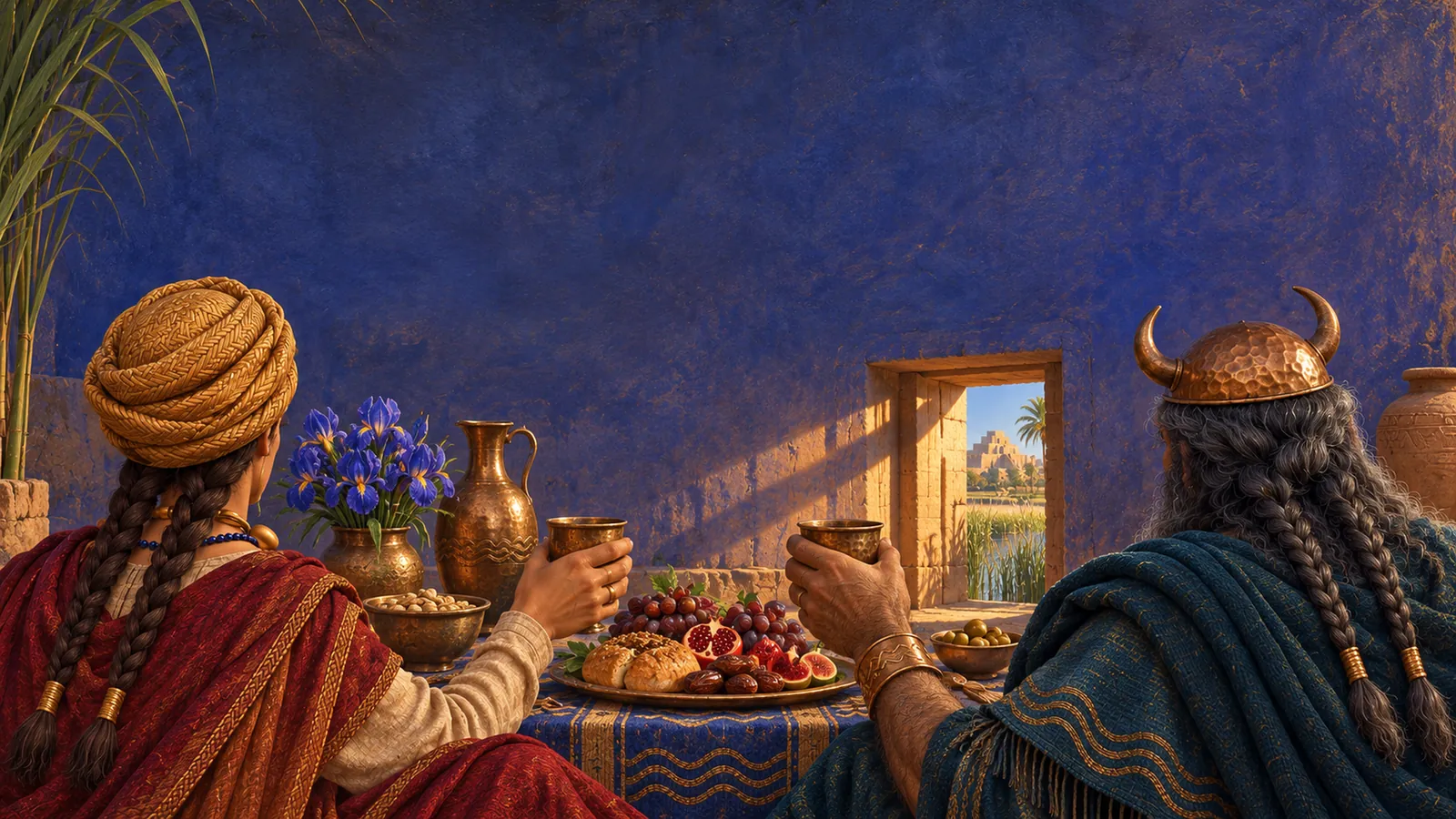
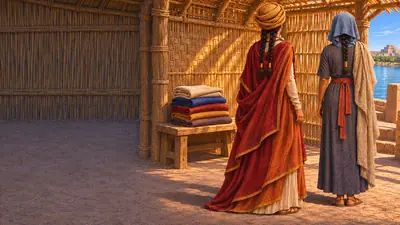
BANQUETE
O poema descreve uma competição de bebida e menciona vasos de bronze. O banquete é a última coisa que se pode acompanhar com clareza antes da lacuna.
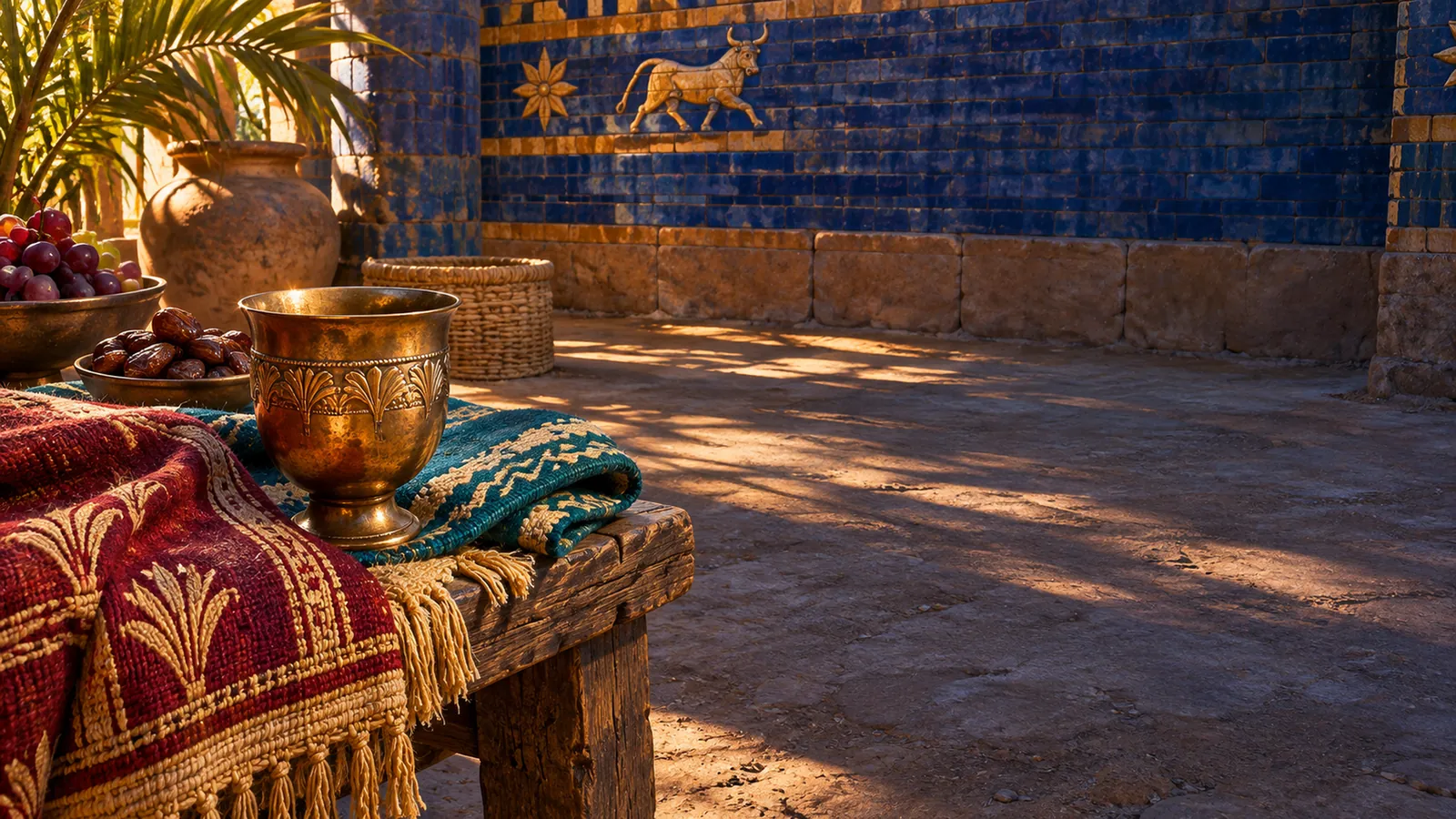
Faltam cerca de trinta e cinco linhas depois da competição. Quando o texto volta a ser legível, Enki pronuncia as palavras de uma dádiva.
DÁDIVAS
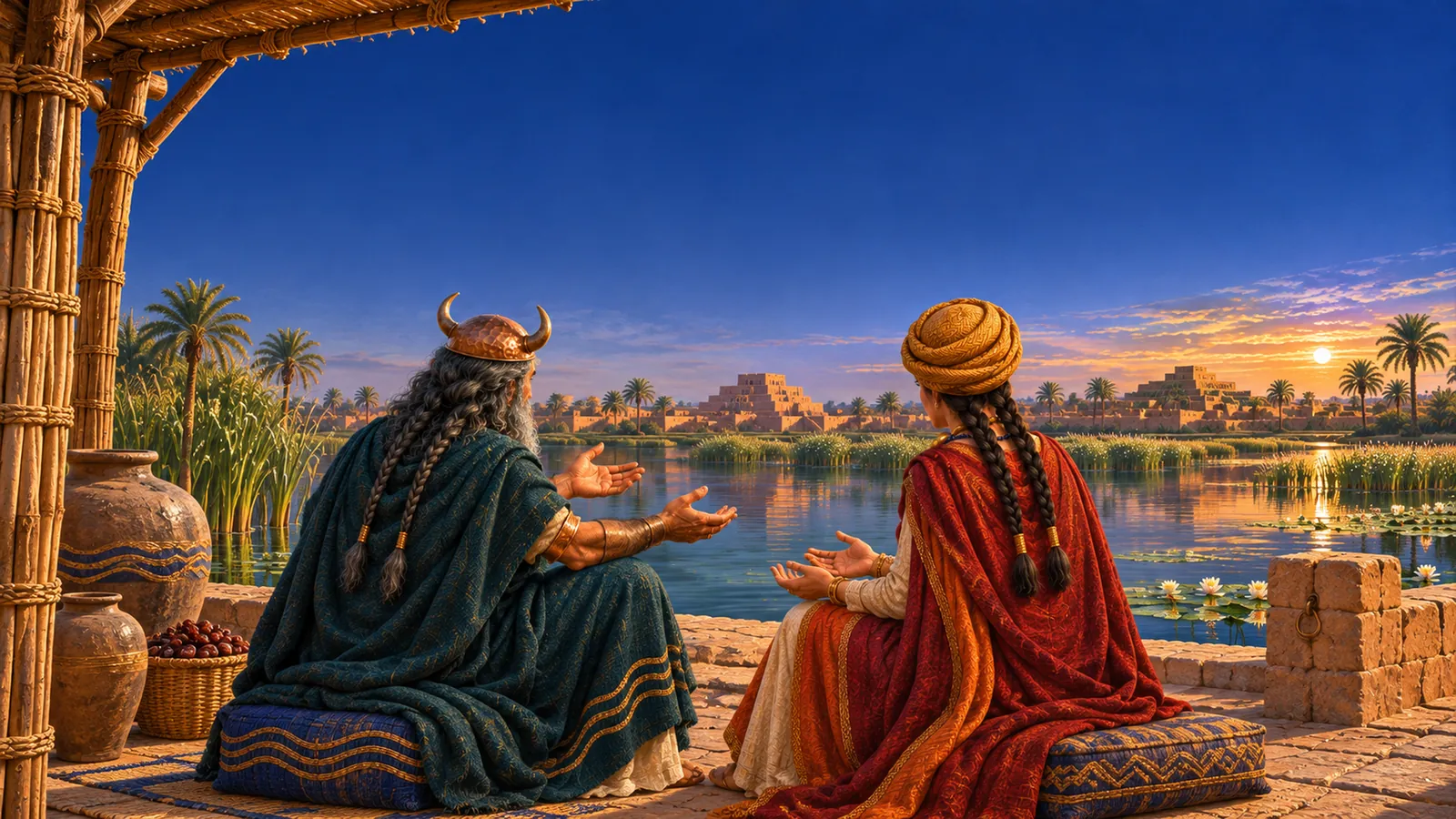
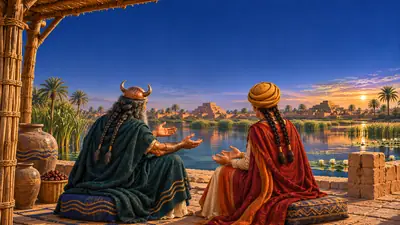
Enki jurou pelo seu poder e pelo seu Abzu. Deu a Inanna os poderes divinos chamados me, entre os quais se contam modos de vida, cargos e saberes.
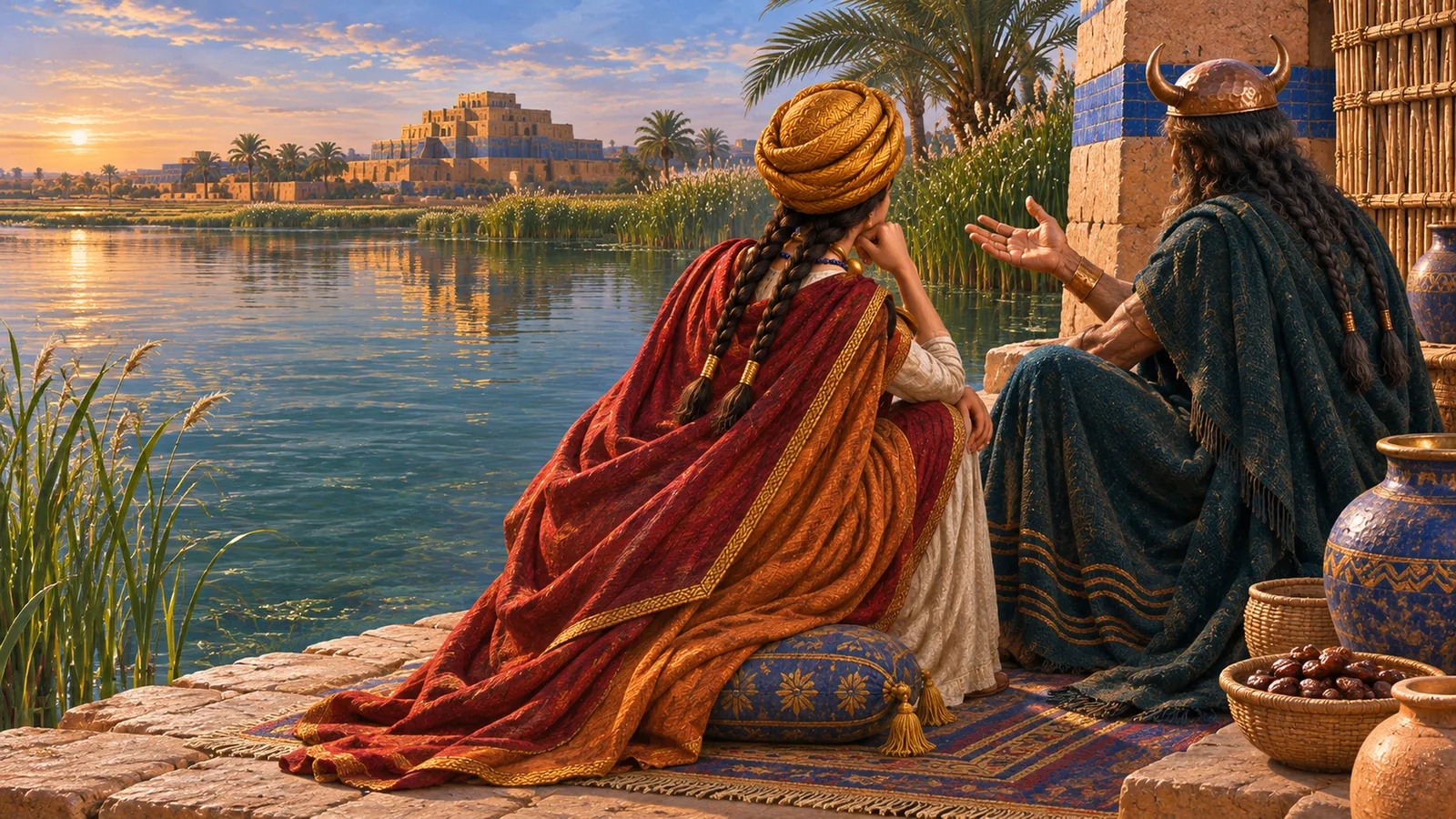
As dádivas aqui nomeadas incluem a coragem e a força, mas também a injustiça e a pilhagem. O lamento e a alegria são mencionados em conjunto.
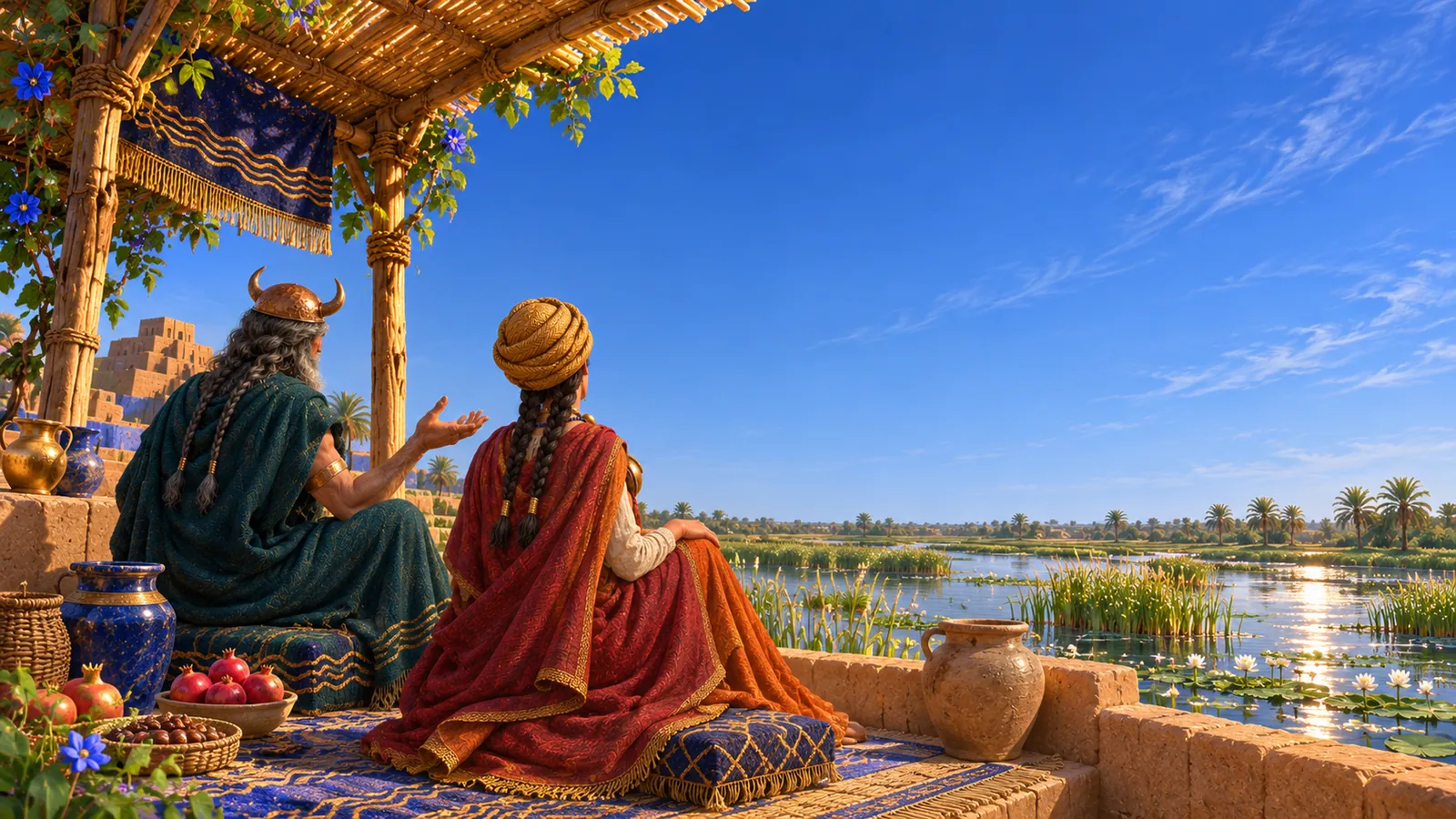
A bondade e o engano são nomeados na mesma dádiva. A lista evoca também quem anda de lugar em lugar e quem se fixa.
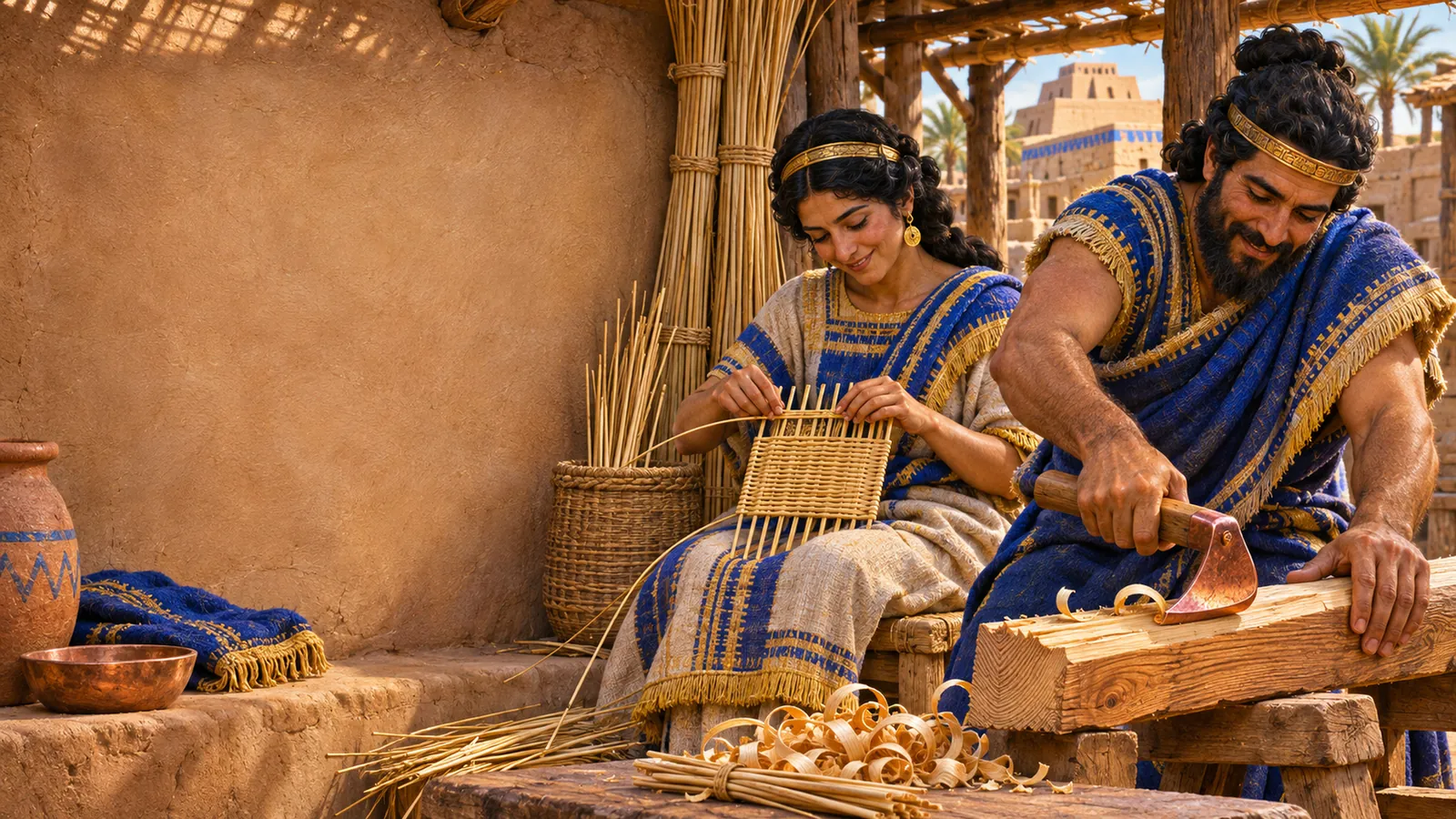
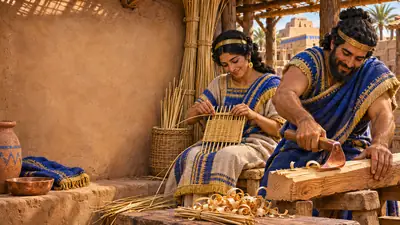
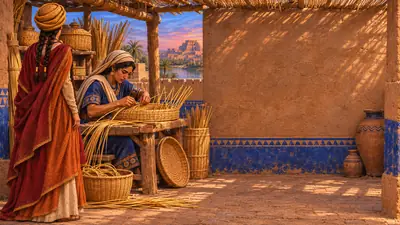
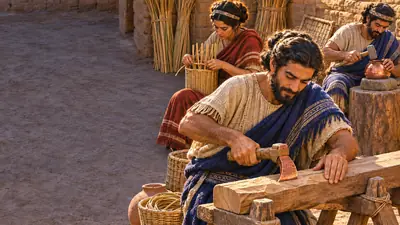
A lista de Enki passa ao trabalho das mãos. A carpintaria e o trabalho com canas contam-se entre as artes que dá a Inanna.
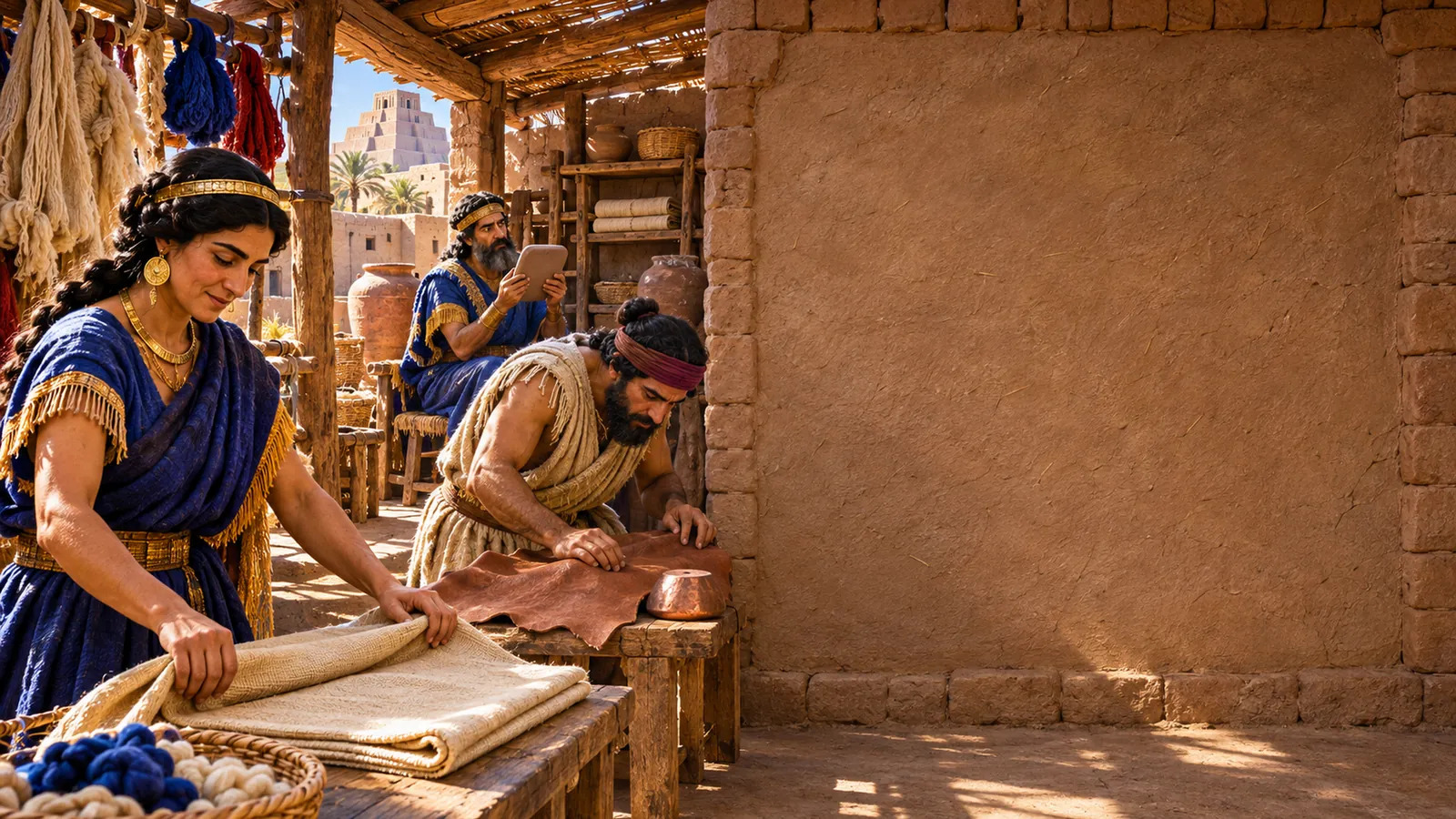
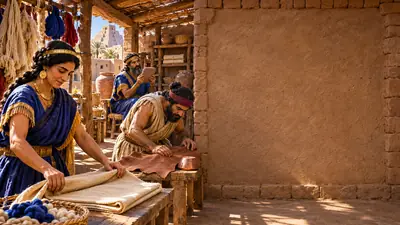
Também se mencionam o trabalho do metal e do couro, o acabamento dos tecidos e a construção. A lista inclui o trabalho dos escribas entre as dádivas.
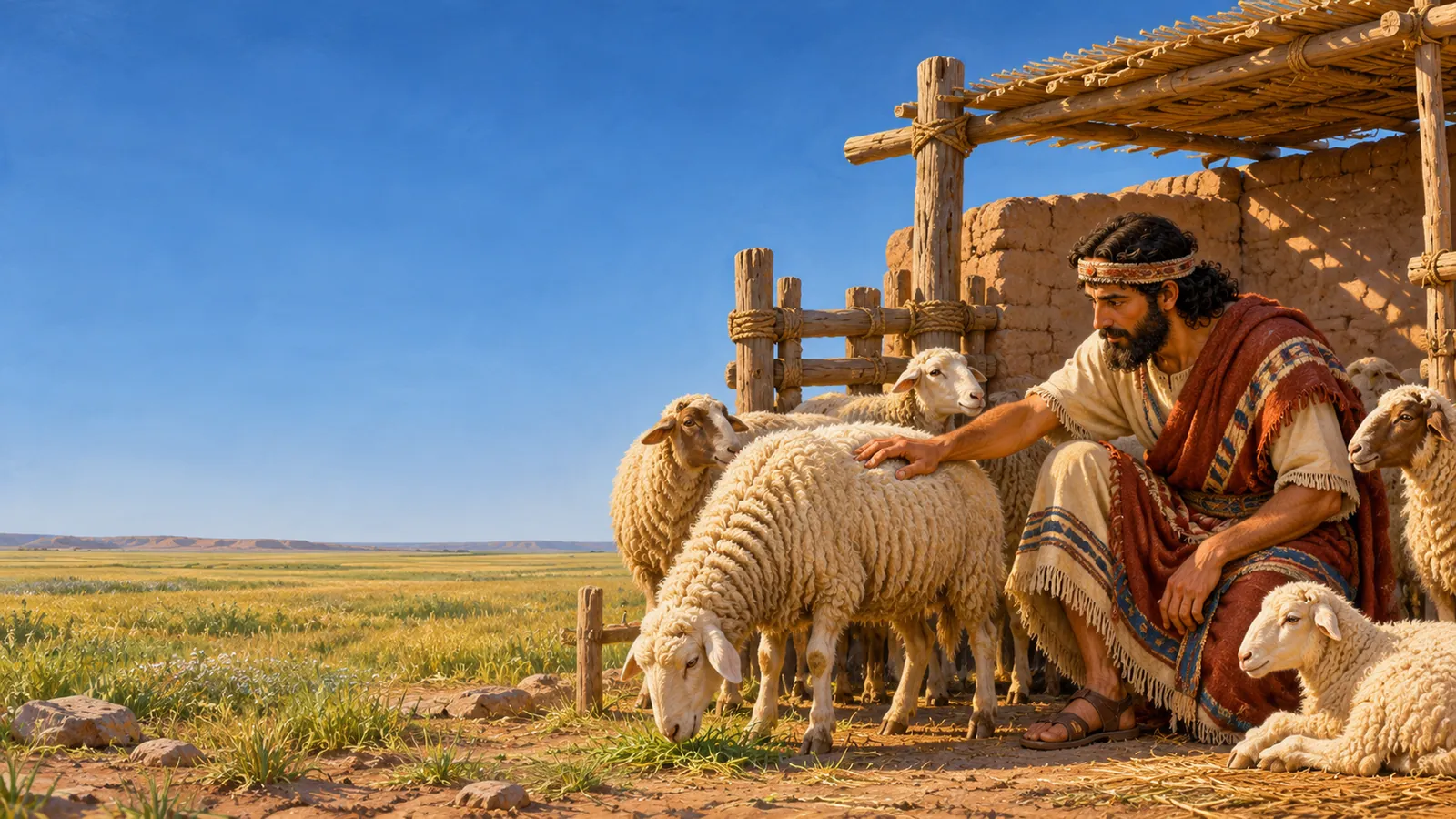
O poema nomeia a sabedoria, a atenção e a purificação. Entre as mesmas dádivas inclui o cuidado dos rebanhos e o silêncio reverente.
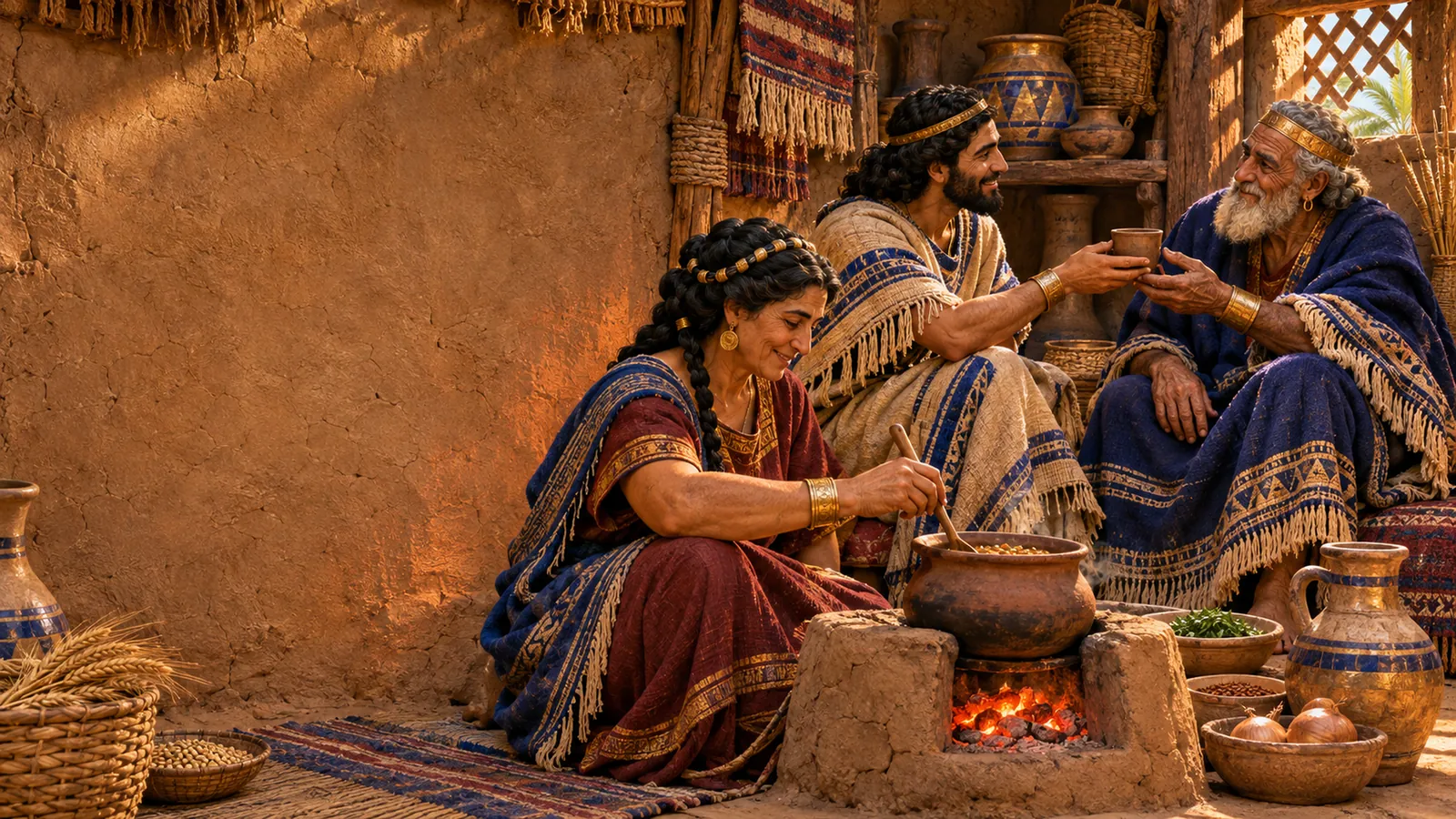
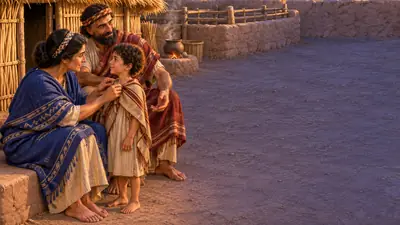
A lista fala de acender e apagar o fogo. Também aparecem o trabalho, a reunião da família e as gerações que se seguem.
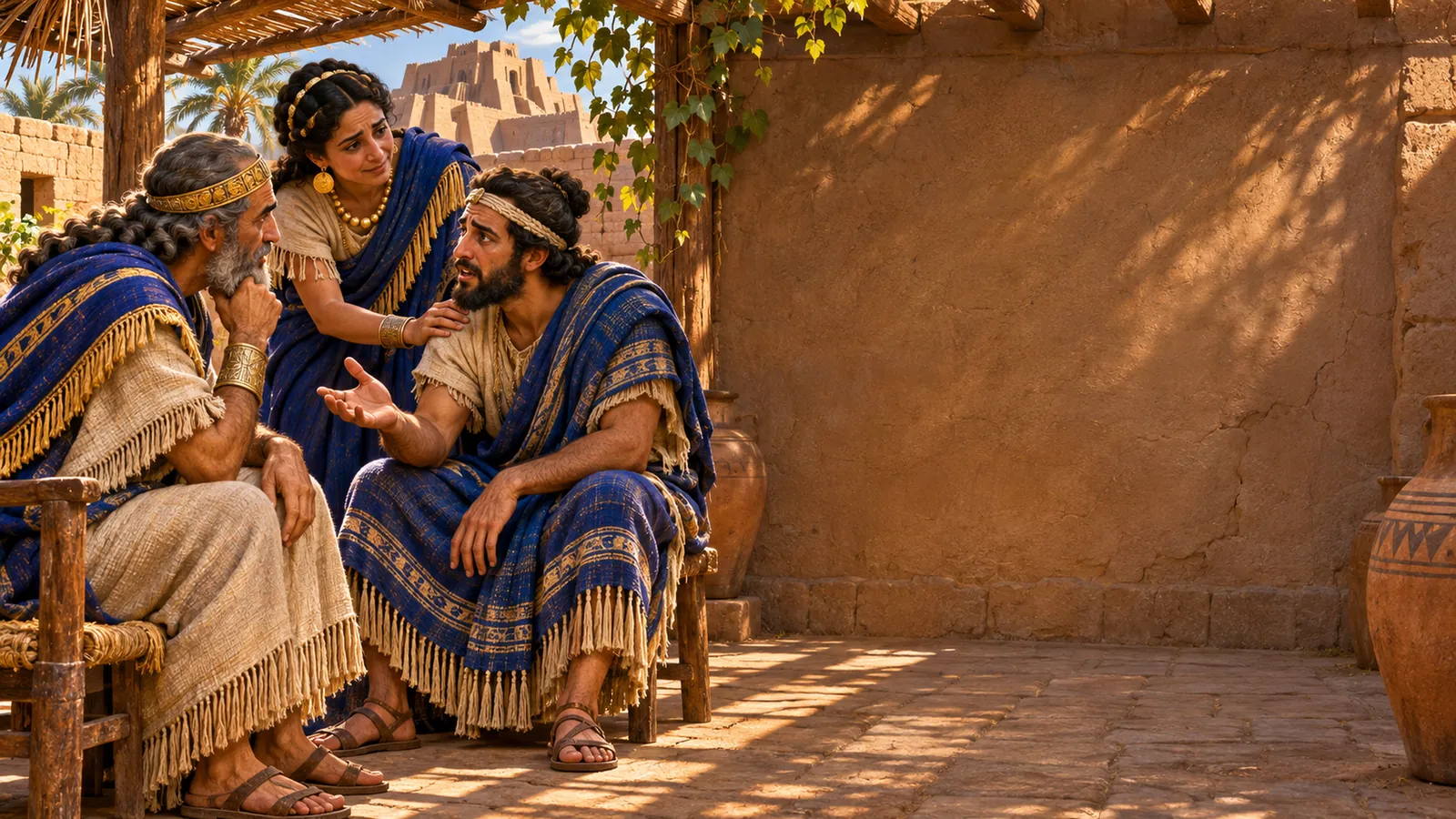
A lista passa da contenda e do triunfo ao conselho, ao consolo e ao juízo. Depois, o trecho conservado interrompe-se e faltam muitos versos.
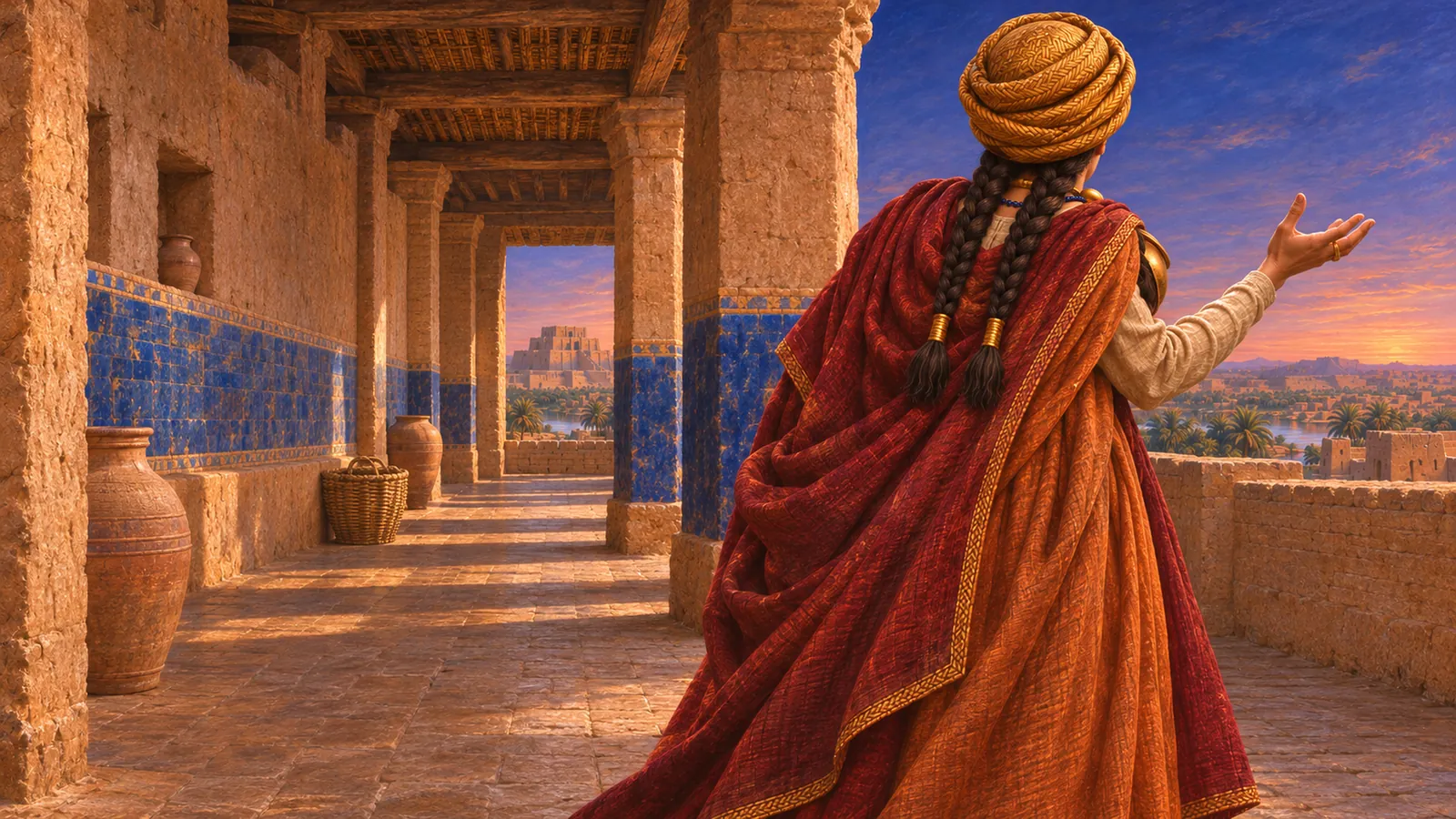
Recebi o que Enki me deu. Com as dádivas recebi a justiça e a alegria, a bondade e o engano.
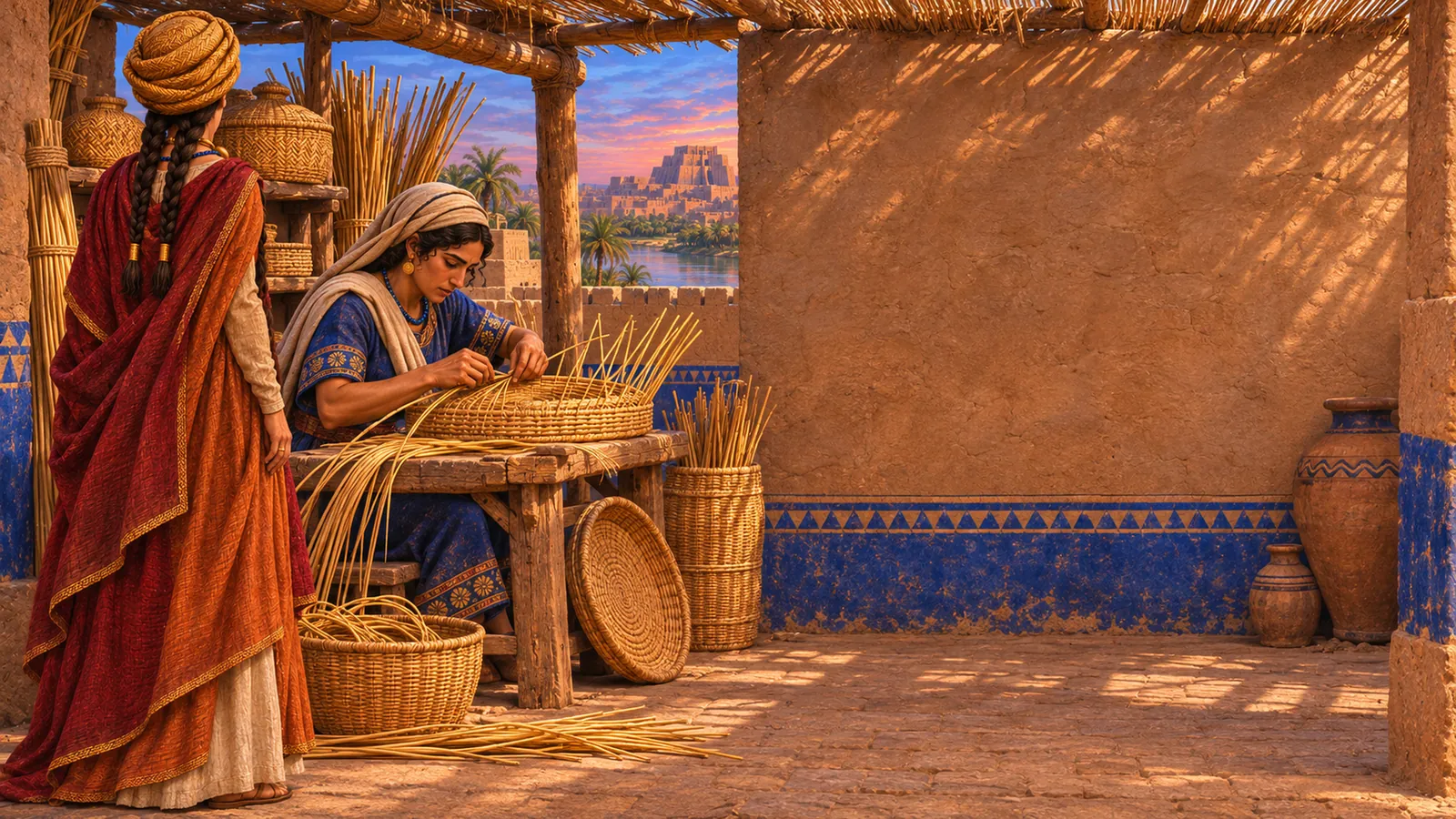
Na sua recordação, Inanna volta aos ofícios e saberes. Também nomeia a sabedoria, o cuidado dos rebanhos e o silêncio guardado por respeito.
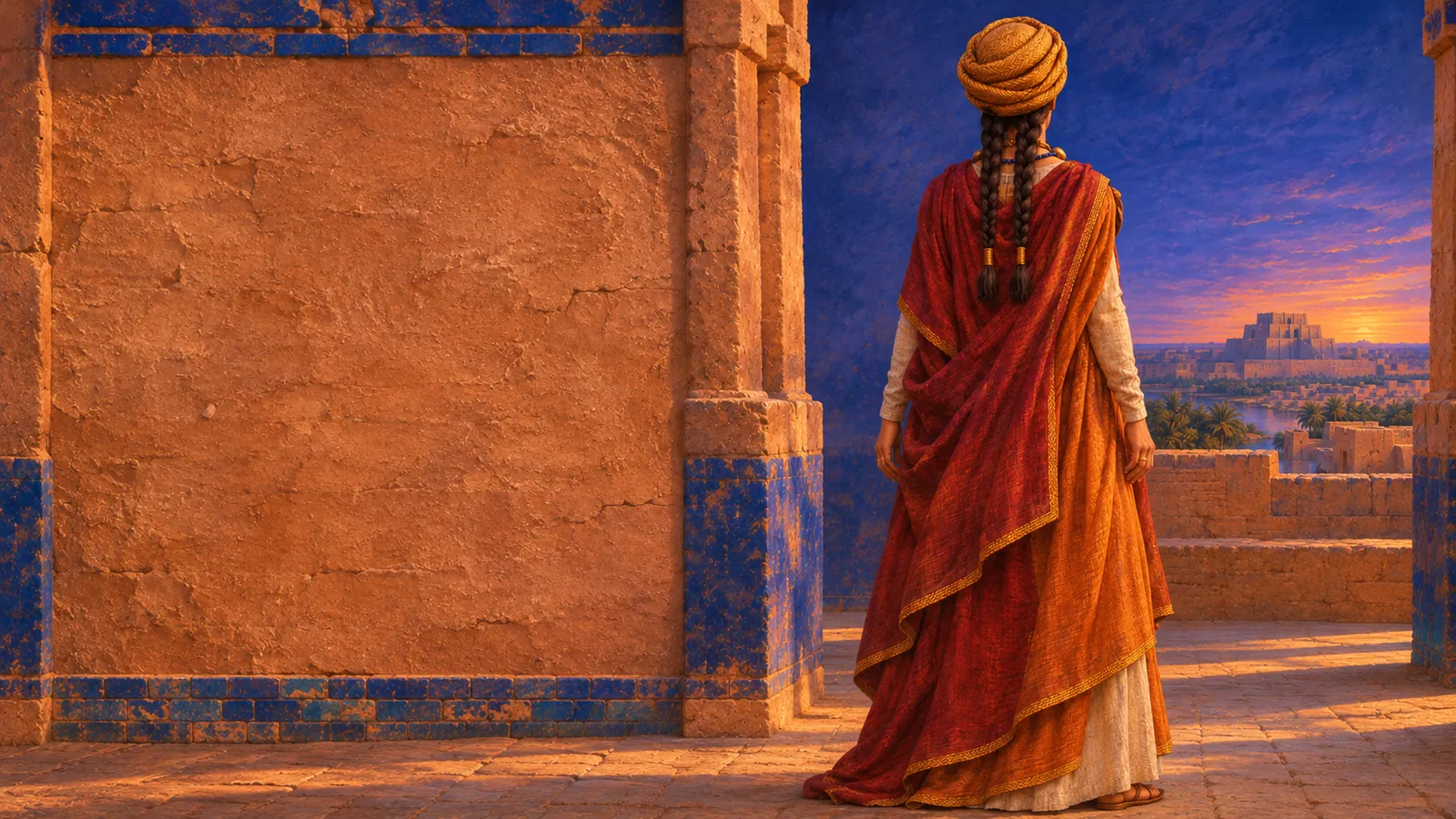
Das palavras sobre o fogo, a família, a contenda e o conselho restam apenas fragmentos. Depois da recordação de Inanna, falta outro longo trecho do poema.
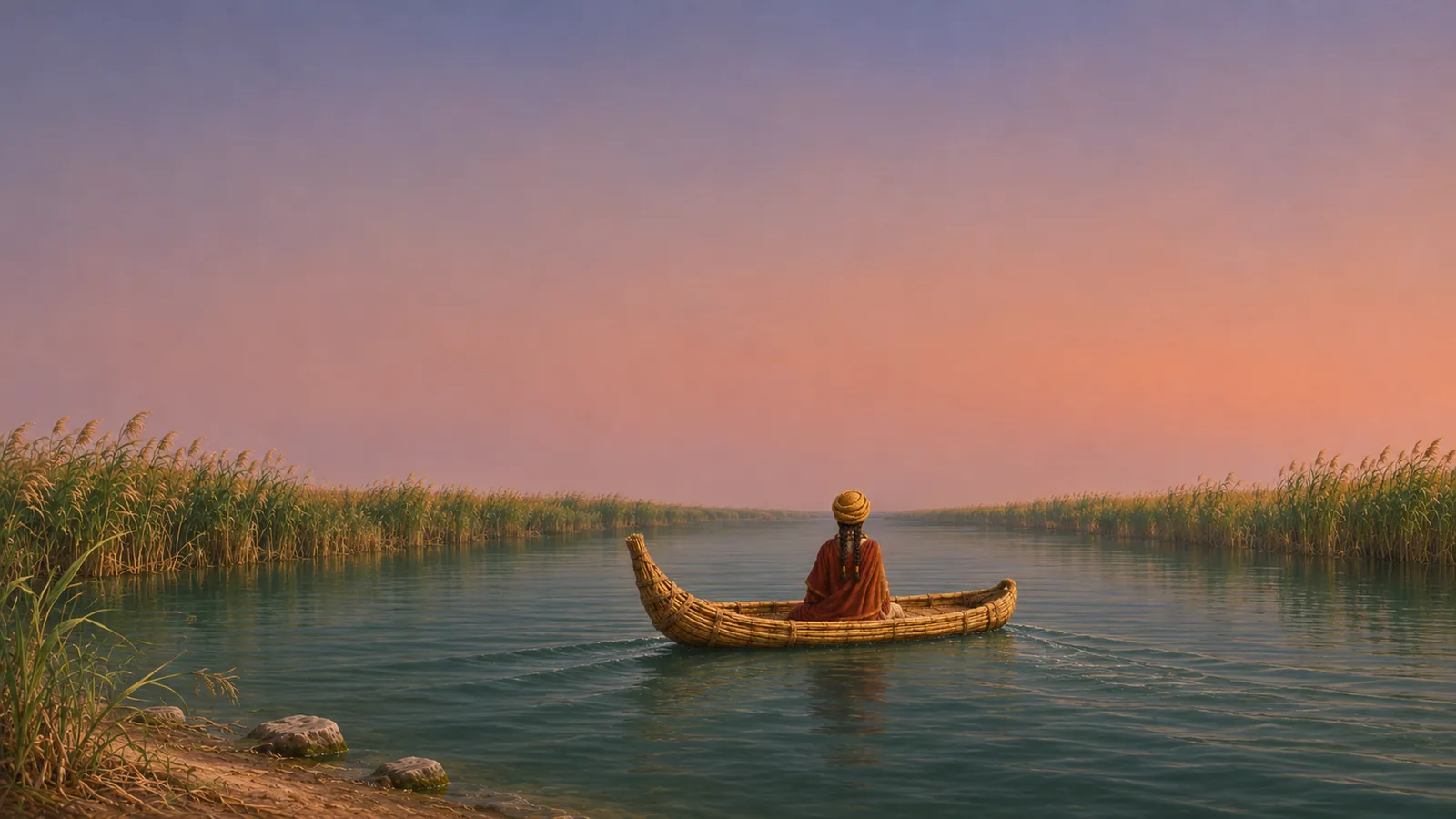
PARTIDA
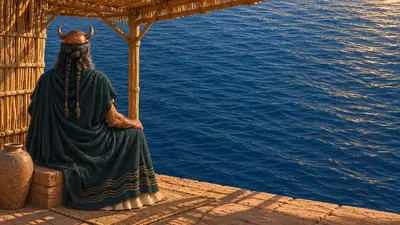
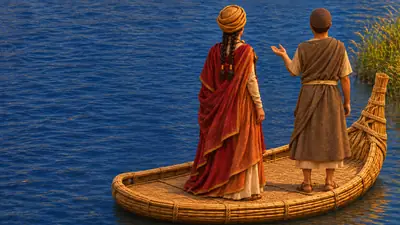
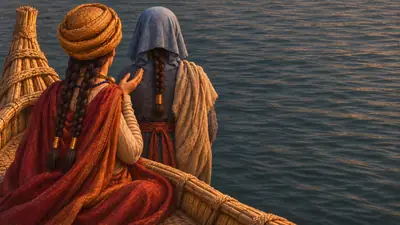
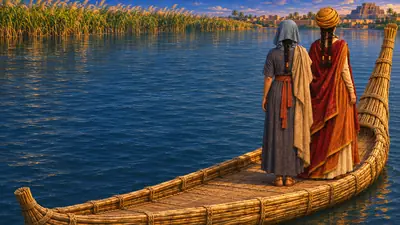
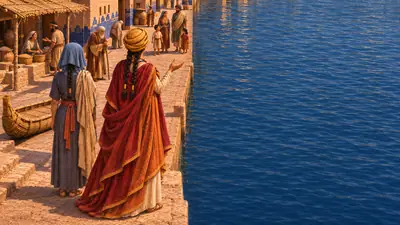
Enki perguntou se ainda se podia alcançar Inanna. Ela já carregara os poderes divinos na Barca do Céu e deixara o cais.
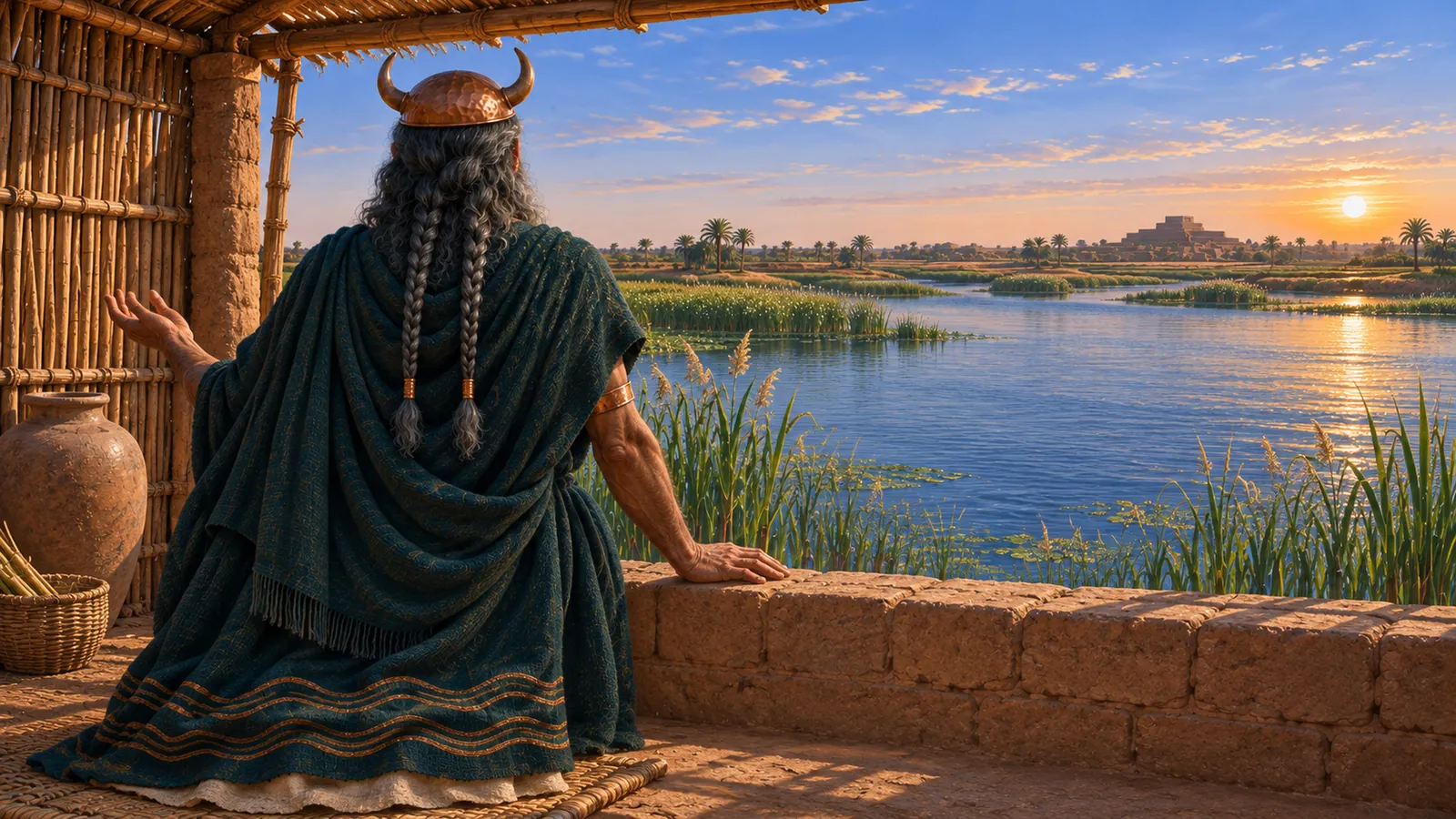
Quando os efeitos da cerveja passaram, Enki voltou a pensar no Abzu e em Eridu. Seguiram-se as suas perguntas.
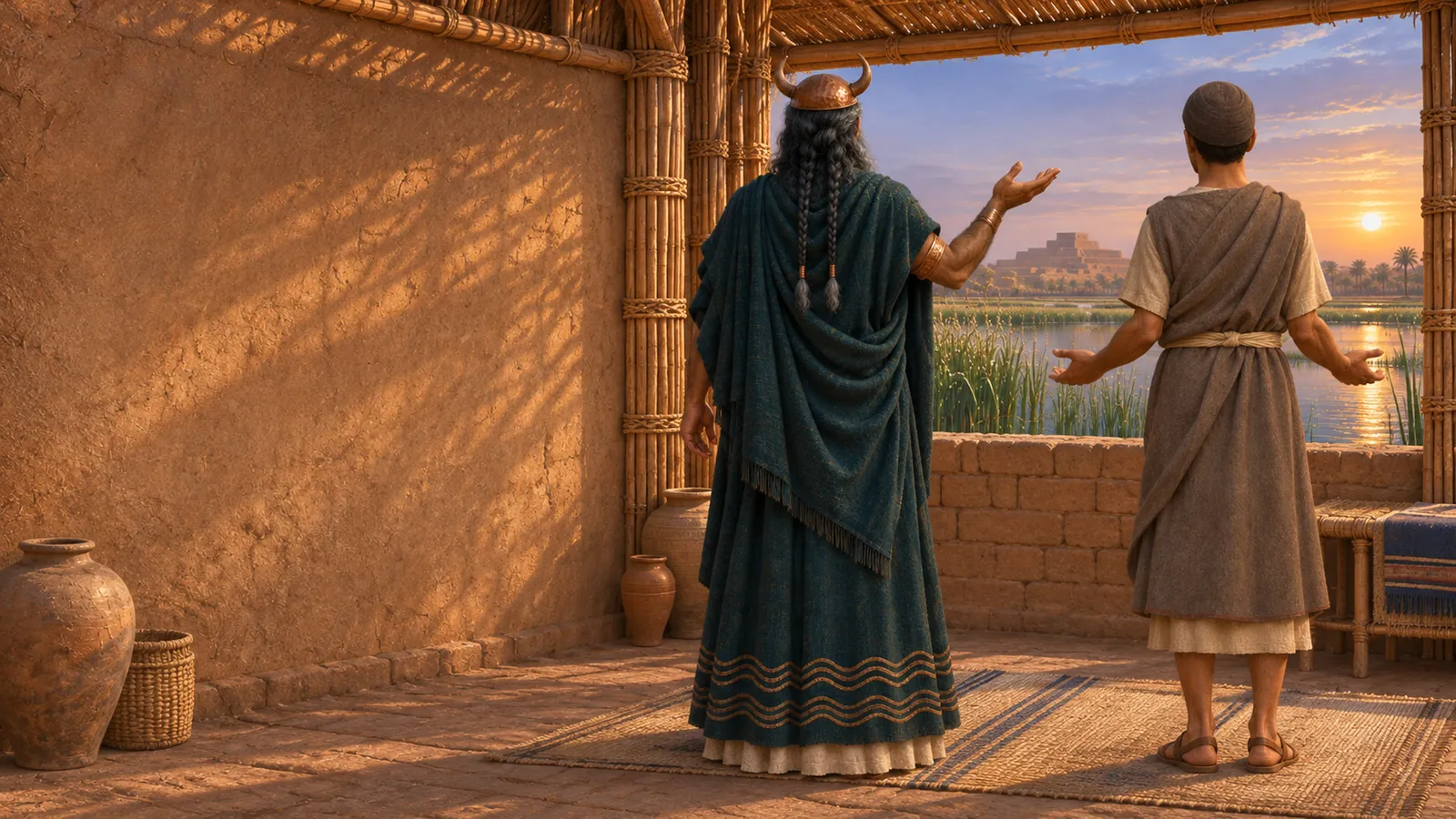
Enki perguntou pelos cargos, pela coroa e pelo trono, pelo cetro e pela realeza. Isimud lembrou-lhe que os tinha dado a Inanna.
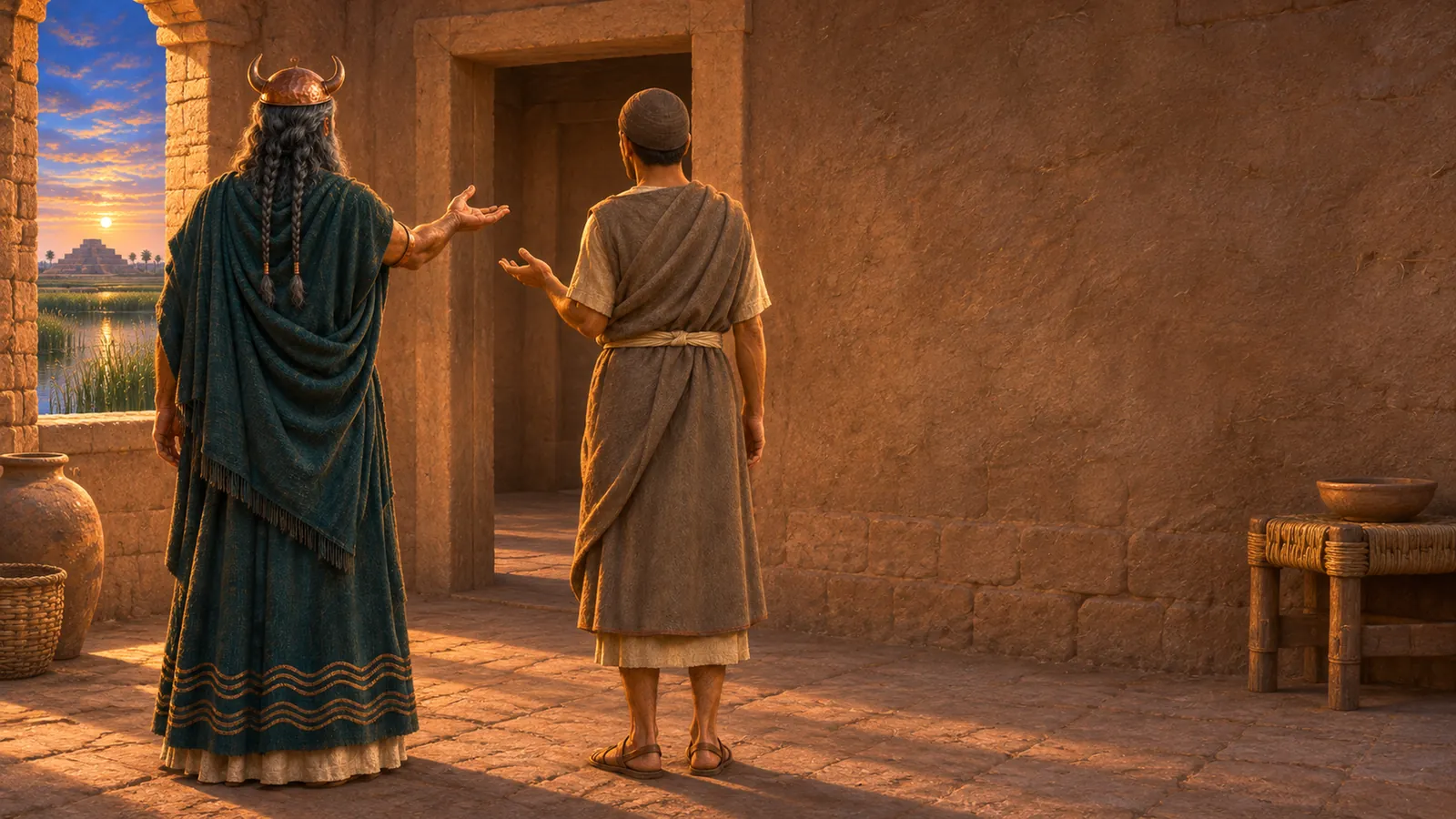
As suas perguntas voltaram-se para os cargos sacerdotais e outros poderes. Entre eles estavam a descida ao mundo dos mortos e o regresso de lá.
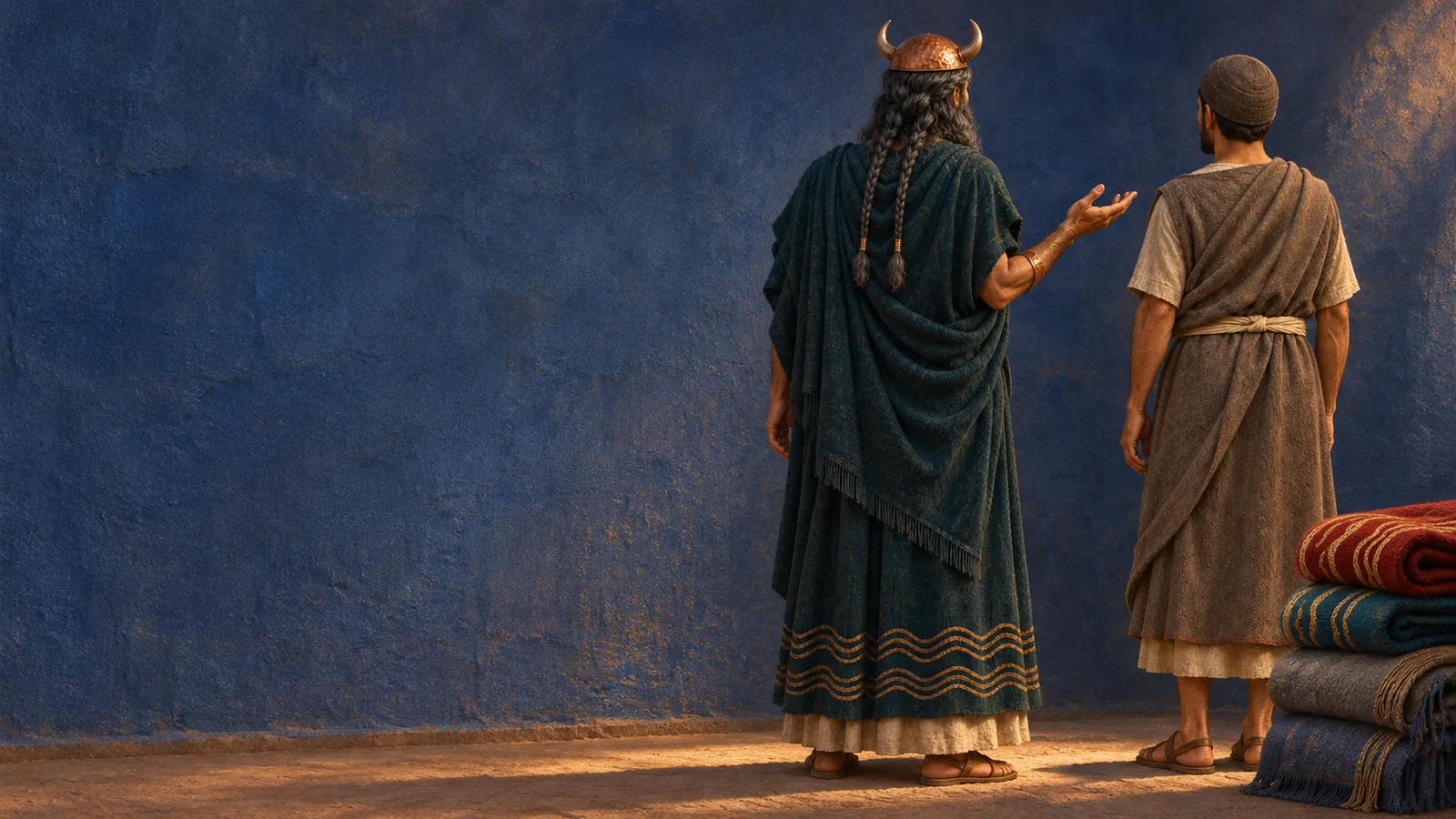
Nestes versos aparecem vestes e funções de serviço sagrado. Perdeu-se grande parte de uma pergunta, e outras palavras estão danificadas.
A lista nomeia o estandarte e a aljava, as relações sexuais, os beijos e a prostituição. Nomeia ainda a fala franca e a enganadora, a prostituta ritual e a taberna sagrada.
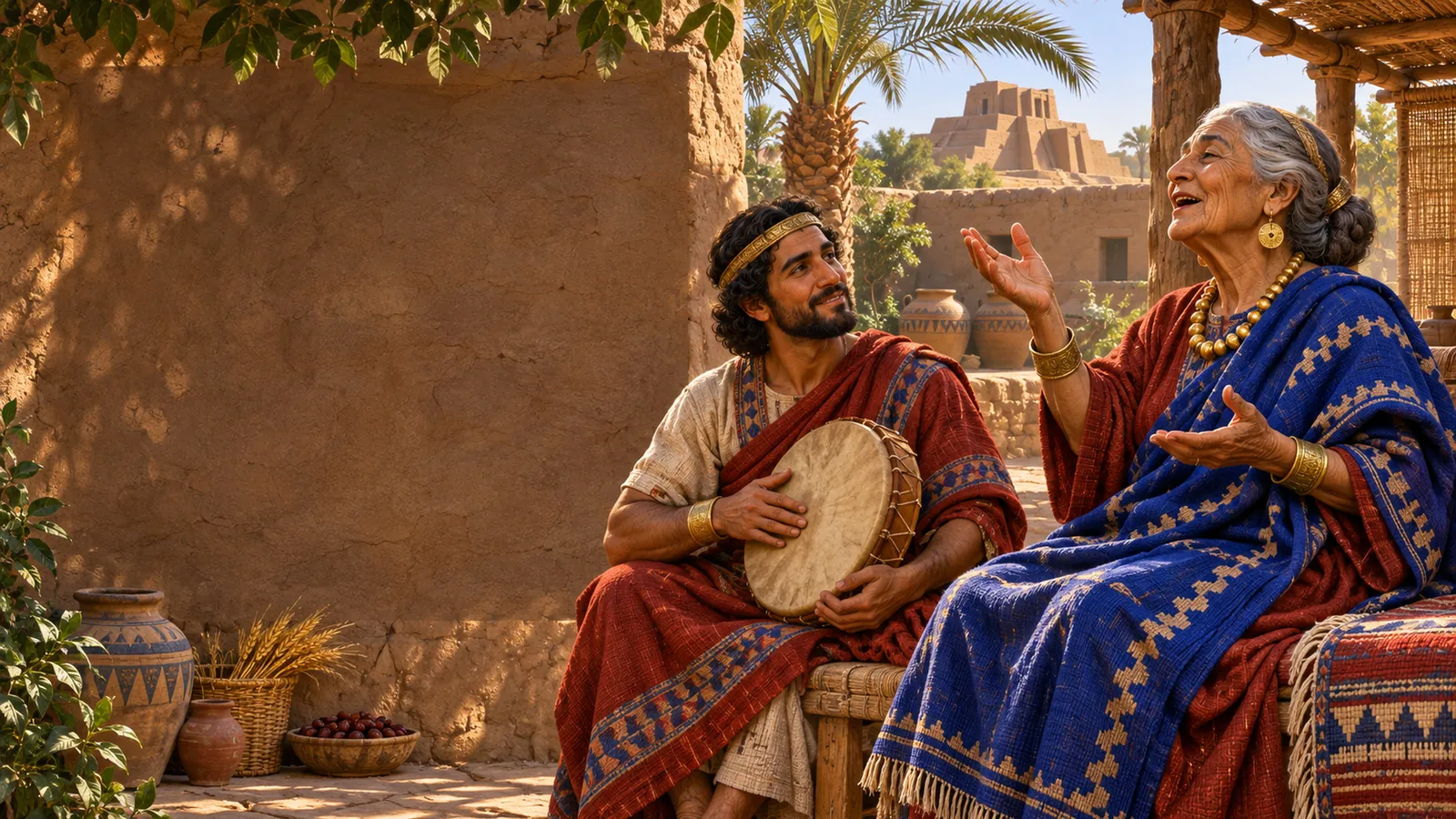
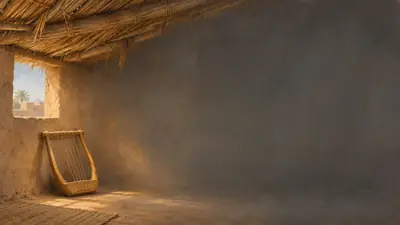
Nos versos fragmentários seguintes ouve-se falar de um santuário, de música e de canto. Os poderes concedidos incluem a honra de chegar à velhice.
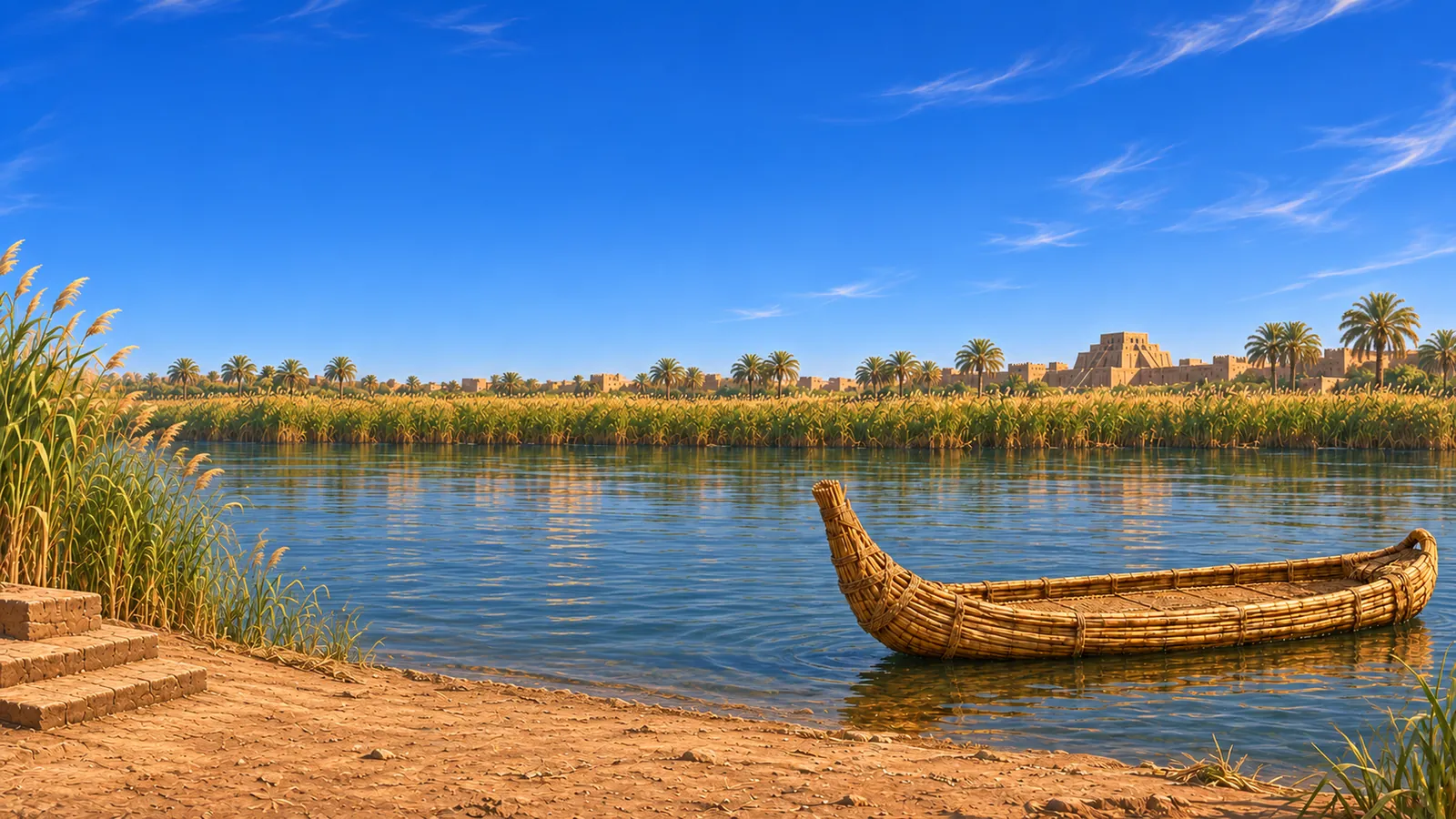
Depois da lista, faltam mais de trinta versos. Há uma interrupção antes de ser possível acompanhar a passagem seguinte.
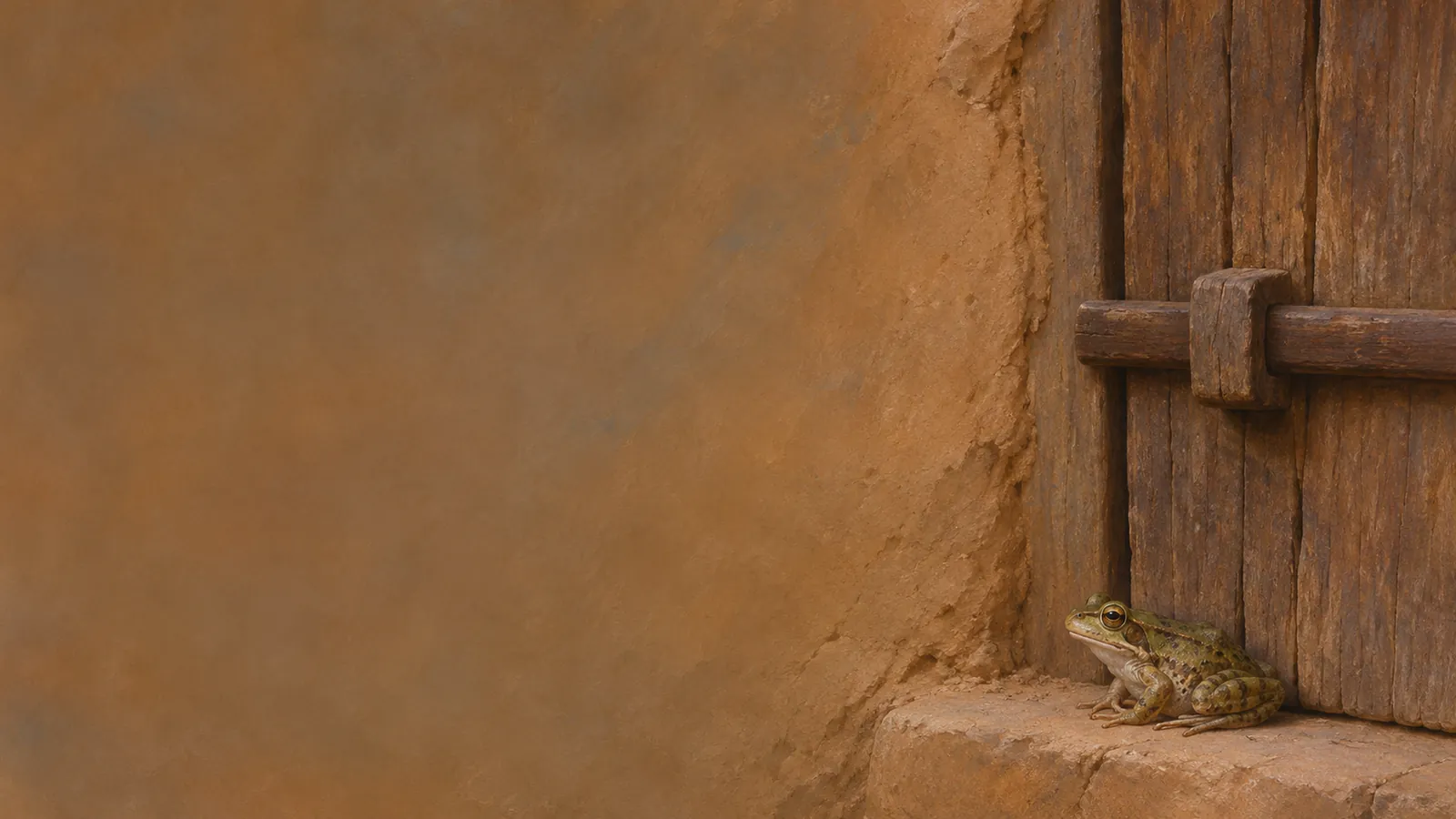
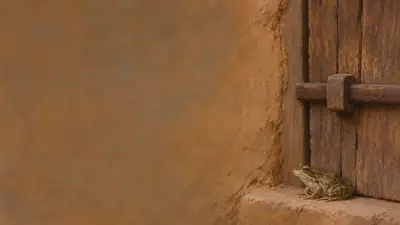
Palavras fragmentárias mencionam a casa de Enki e uma rã que fala junto de um ferrolho. Mencionam também uma ave, um peixe e árvores.
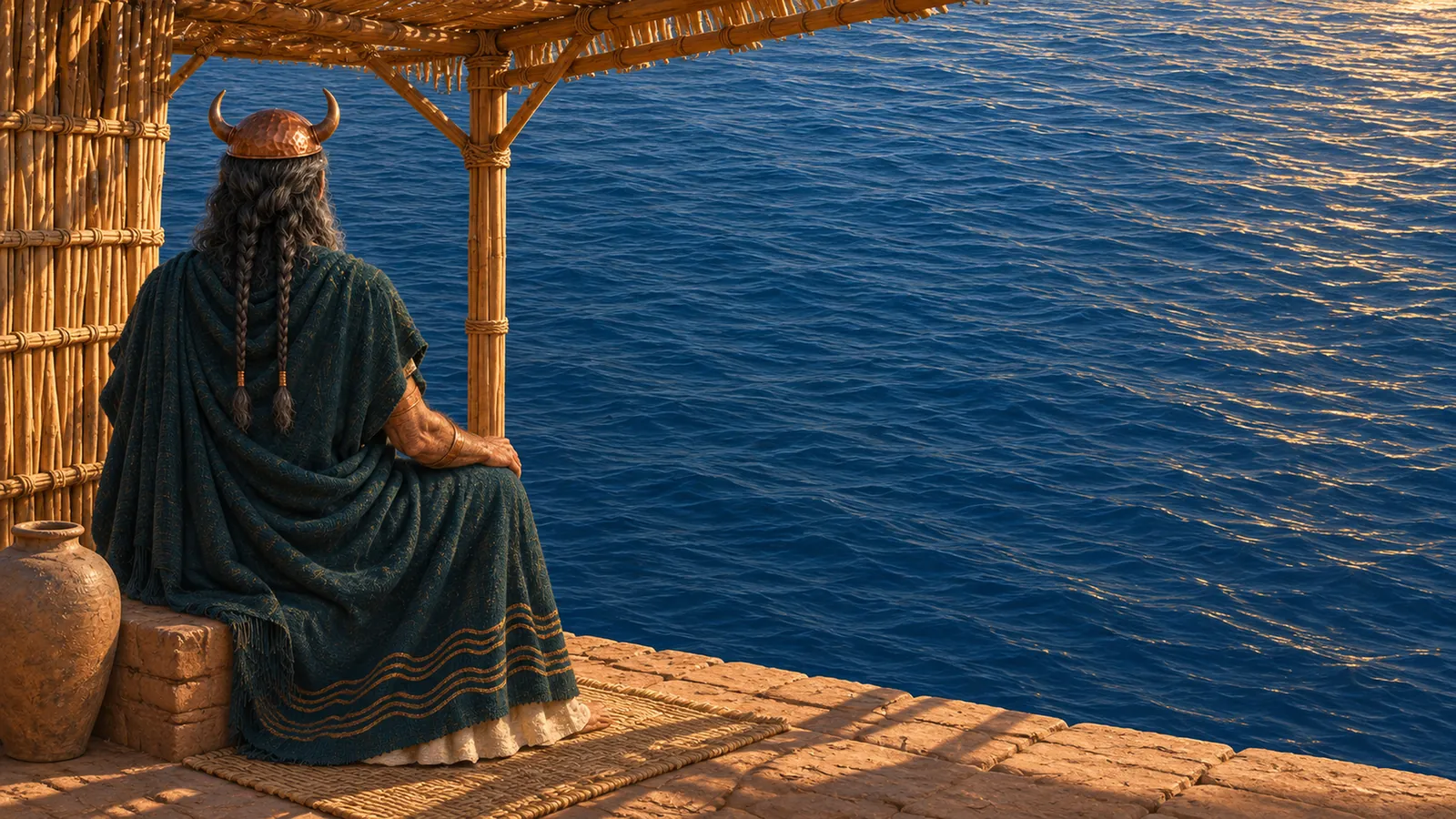
Aqui restam apenas palavras dispersas, e depois o texto interrompe-se de novo. Não se ouve como esta passagem conduzia ao que vem a seguir.
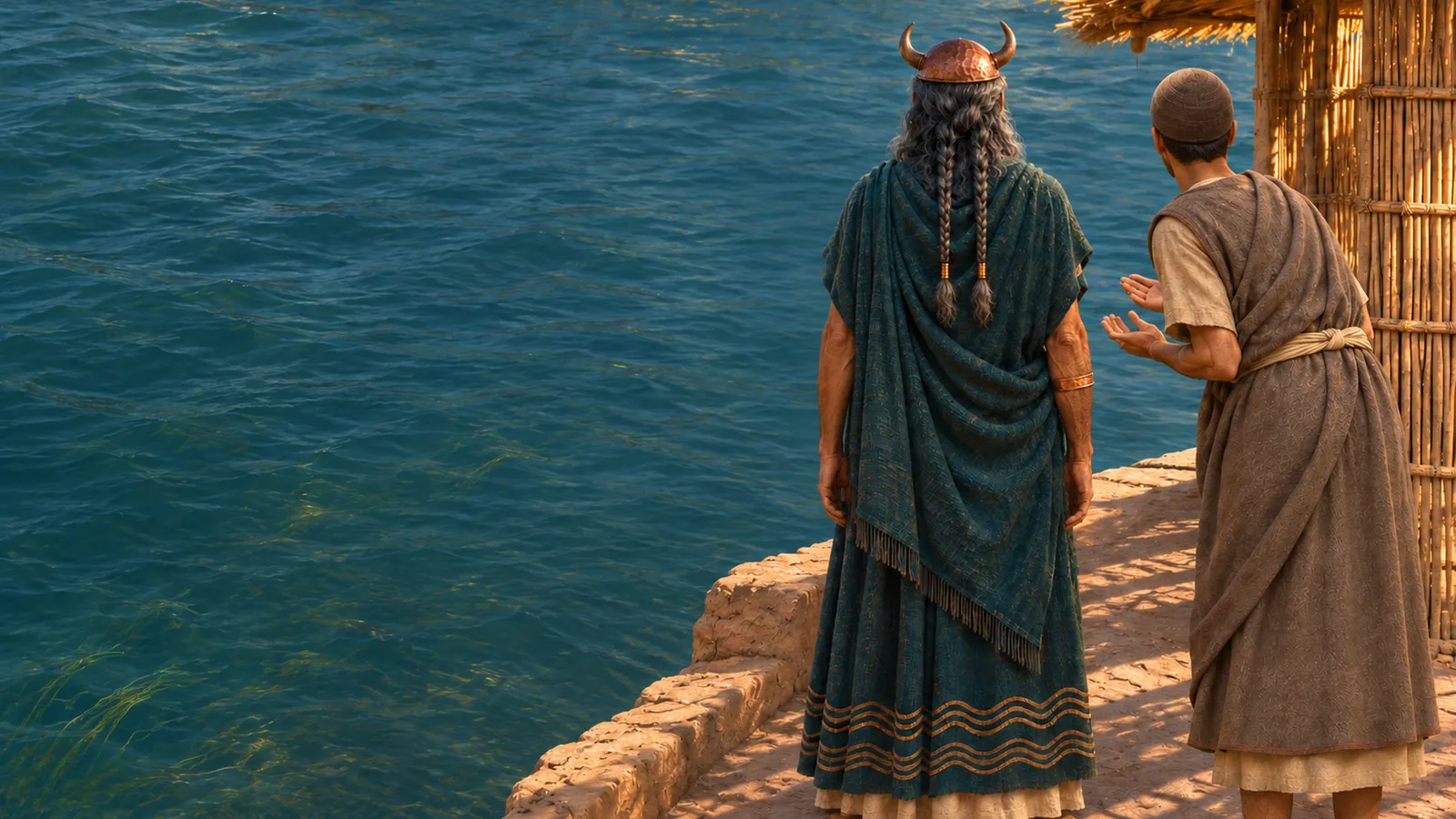
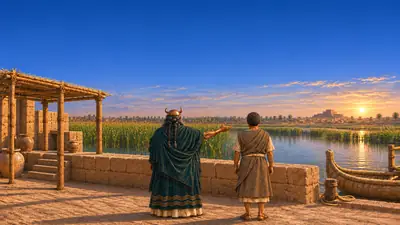
Quando o texto retoma, Enki pergunta onde chegou a Barca do Céu. Envia Isimud para um cais cujo nome só em parte se conserva.
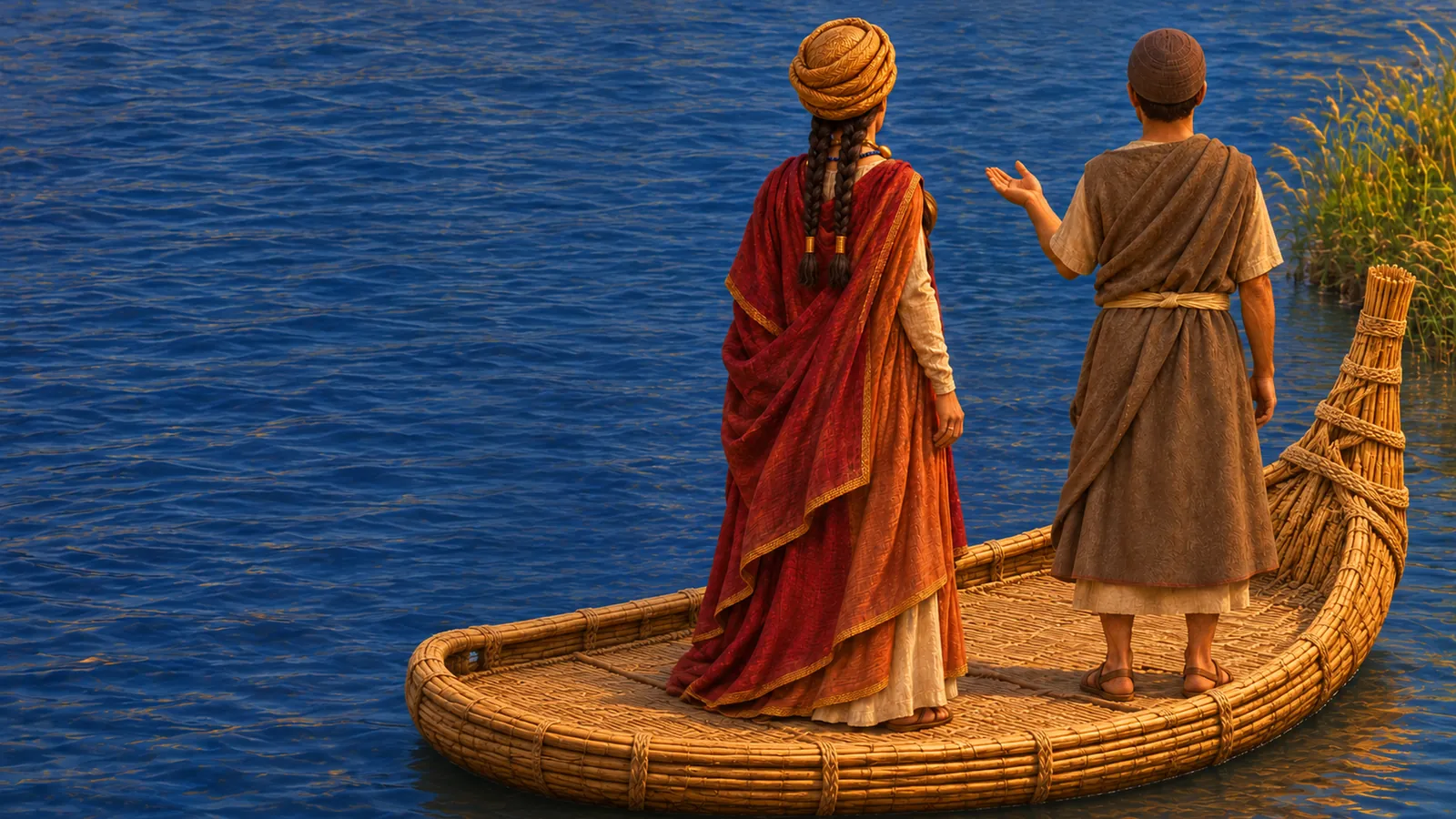
Isimud transmitiu a Inanna a ordem de Enki. Ela podia prosseguir para Uruk, mas a Barca do Céu devia voltar a Eridu.
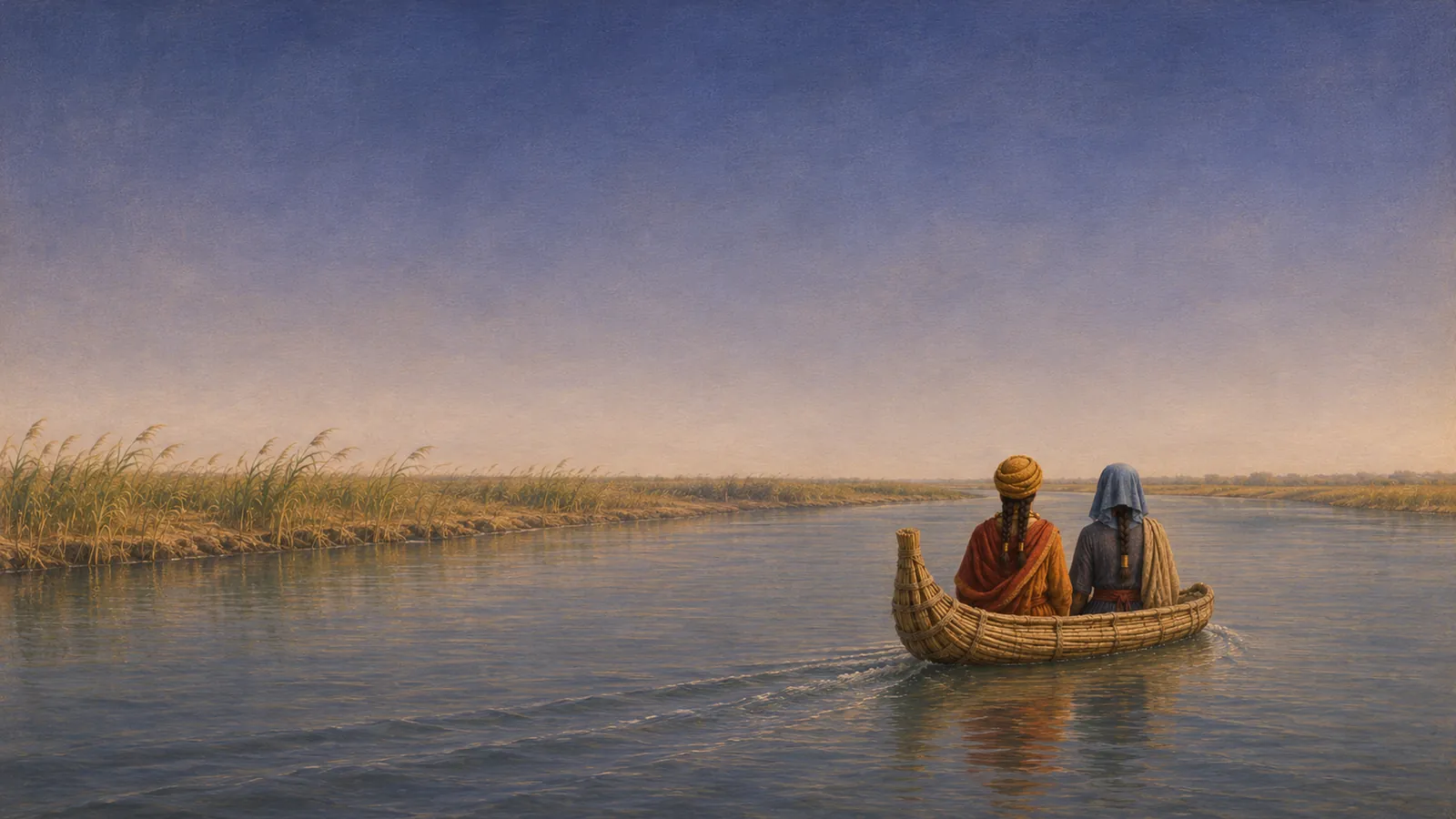
NINSHUBUR
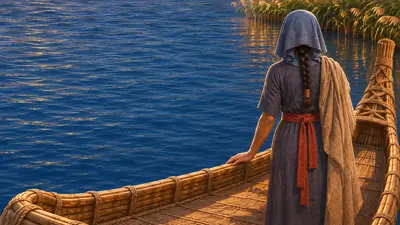
Inanna perguntou como podia Enki voltar atrás na sua palavra. Quando os enkum se apoderaram da barca, chamou Ninshubur. Recuperou a barca e os poderes divinos.
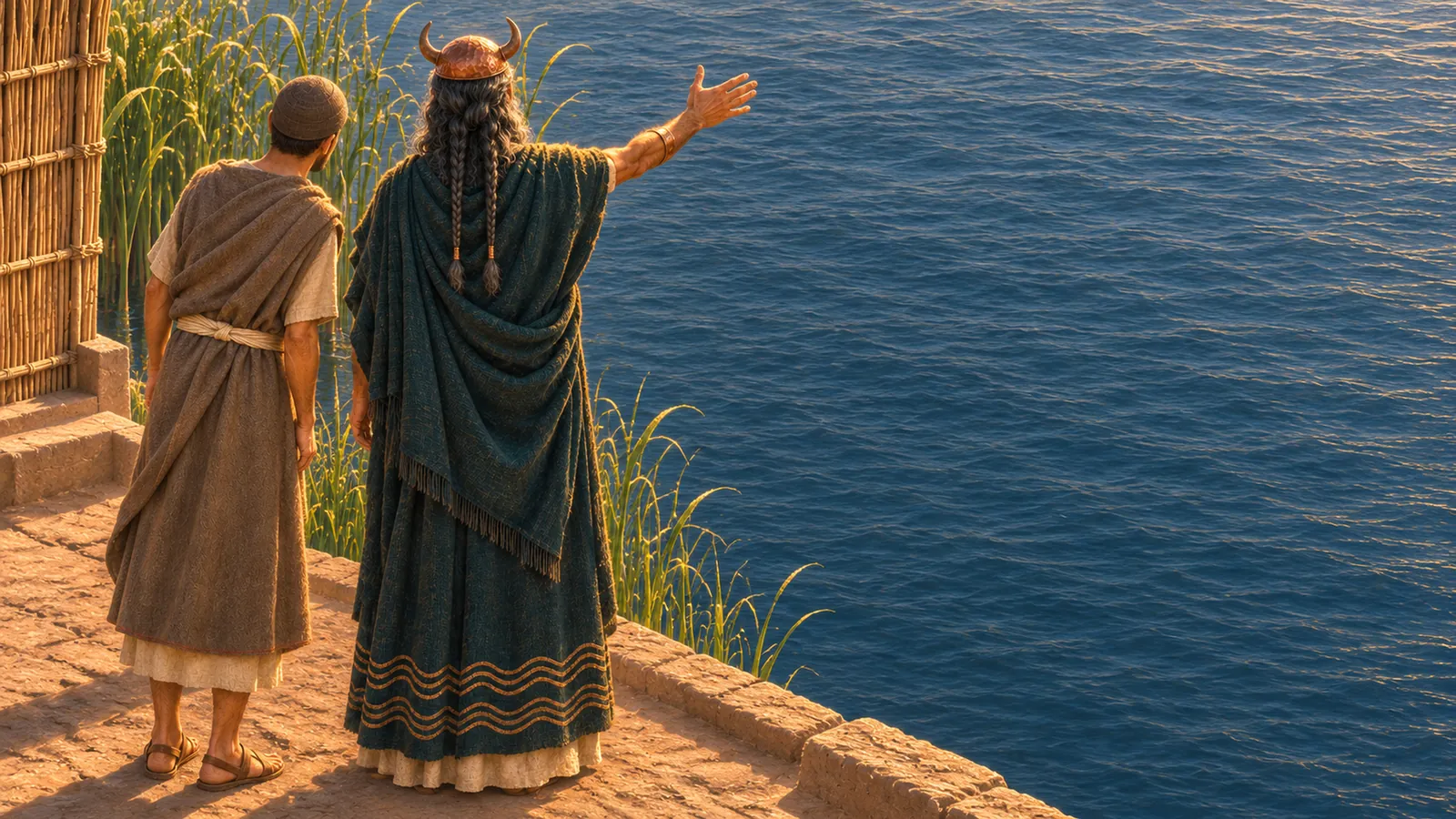
Enki perguntou uma segunda vez pela barca. O nome do lugar está incompleto, mas a ordem é clara. Enviou os cinquenta gigantes de Eridu.
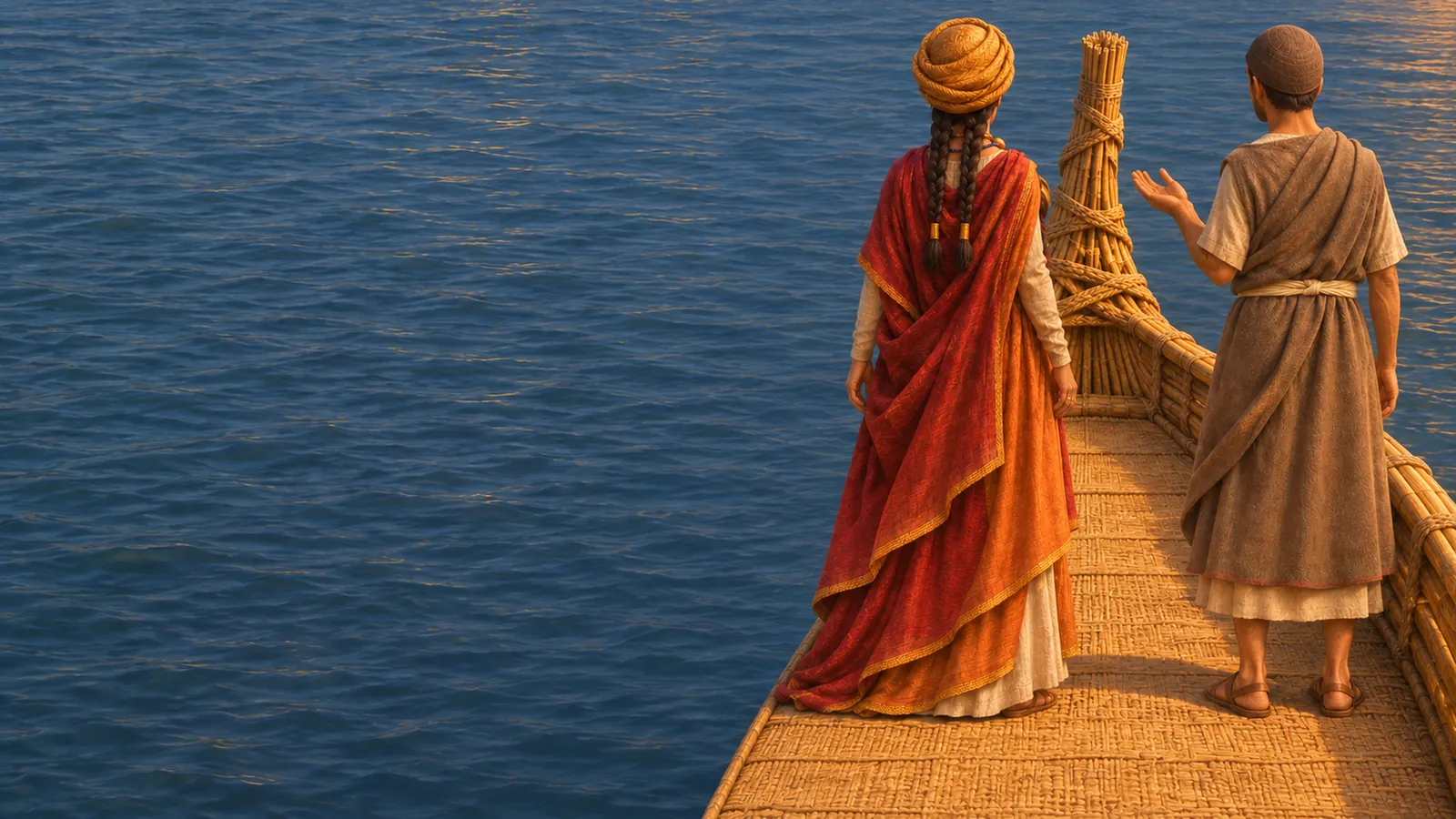
Isimud falou de novo a Inanna. Enki deixava-a seguir para Uruk. Continuava a querer que lhe trouxessem de volta a Barca do Céu.
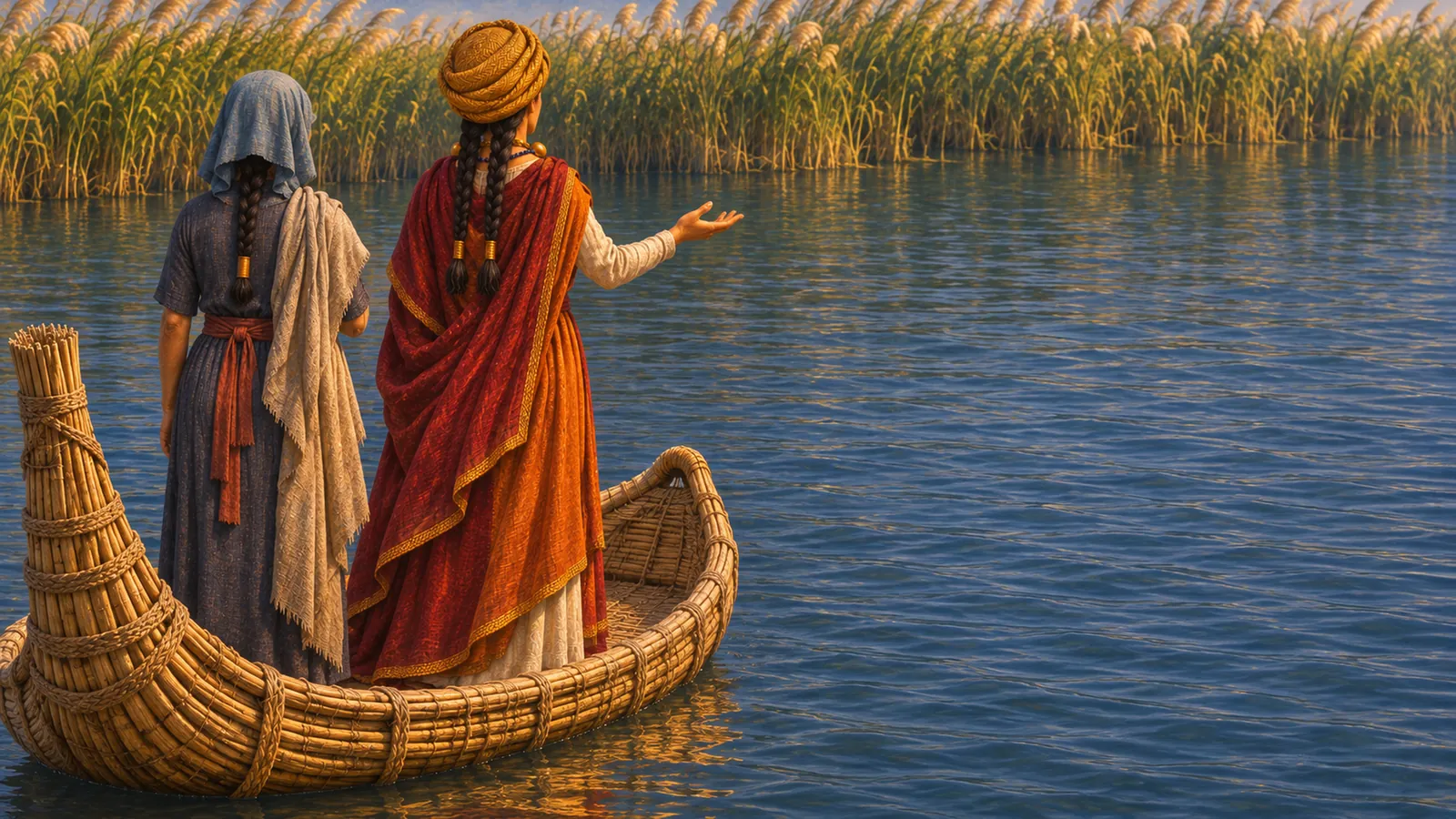
Inanna perguntou por que mudara Enki a sua palavra. Quando os gigantes se apoderaram da barca, chamou Ninshubur. Recuperou a barca e o que levava.
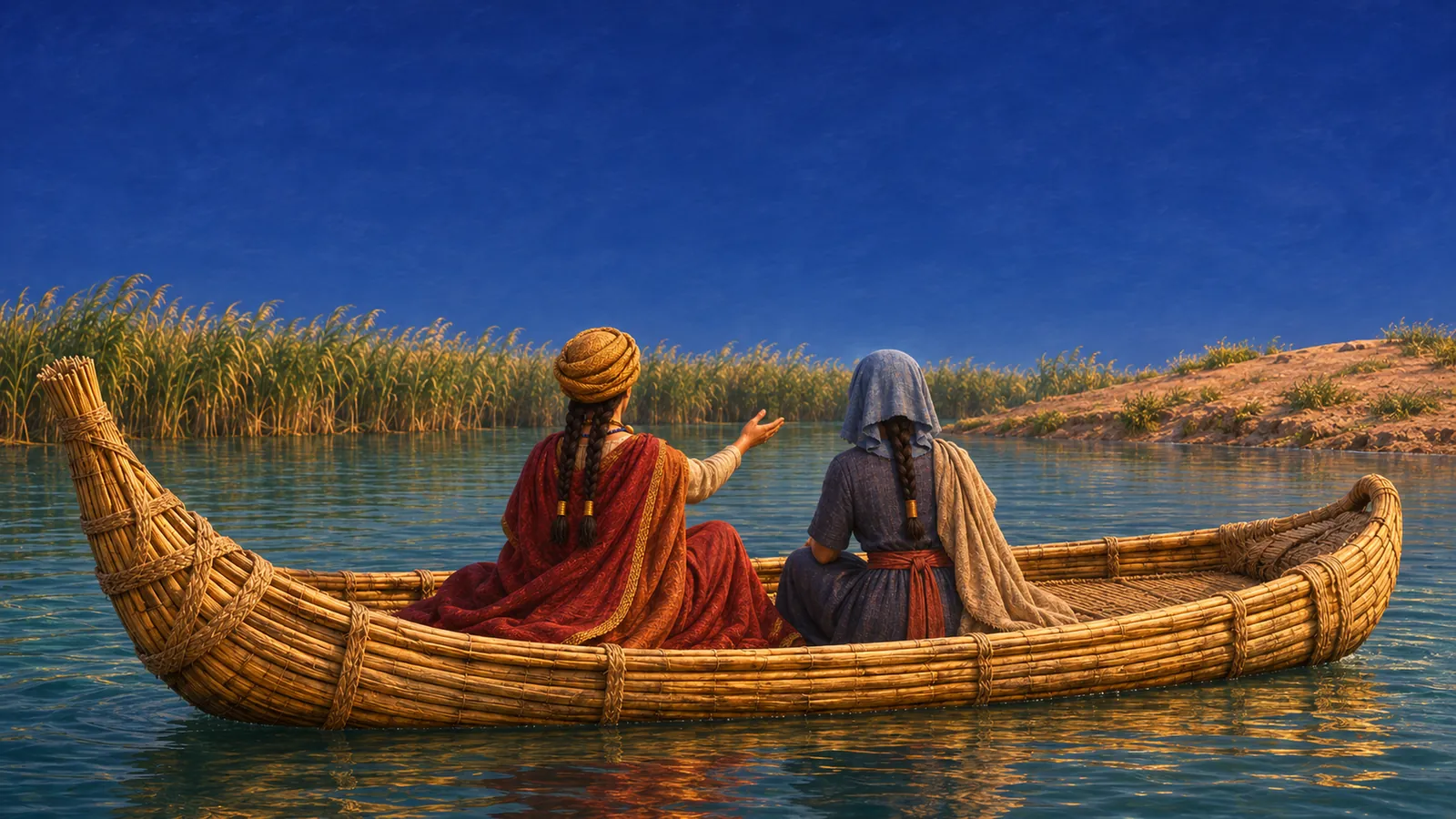
O terceiro relato situa a Barca do Céu na colina chamada UL.MA. Enki enviou os cinquenta lahama das águas subterrâneas.
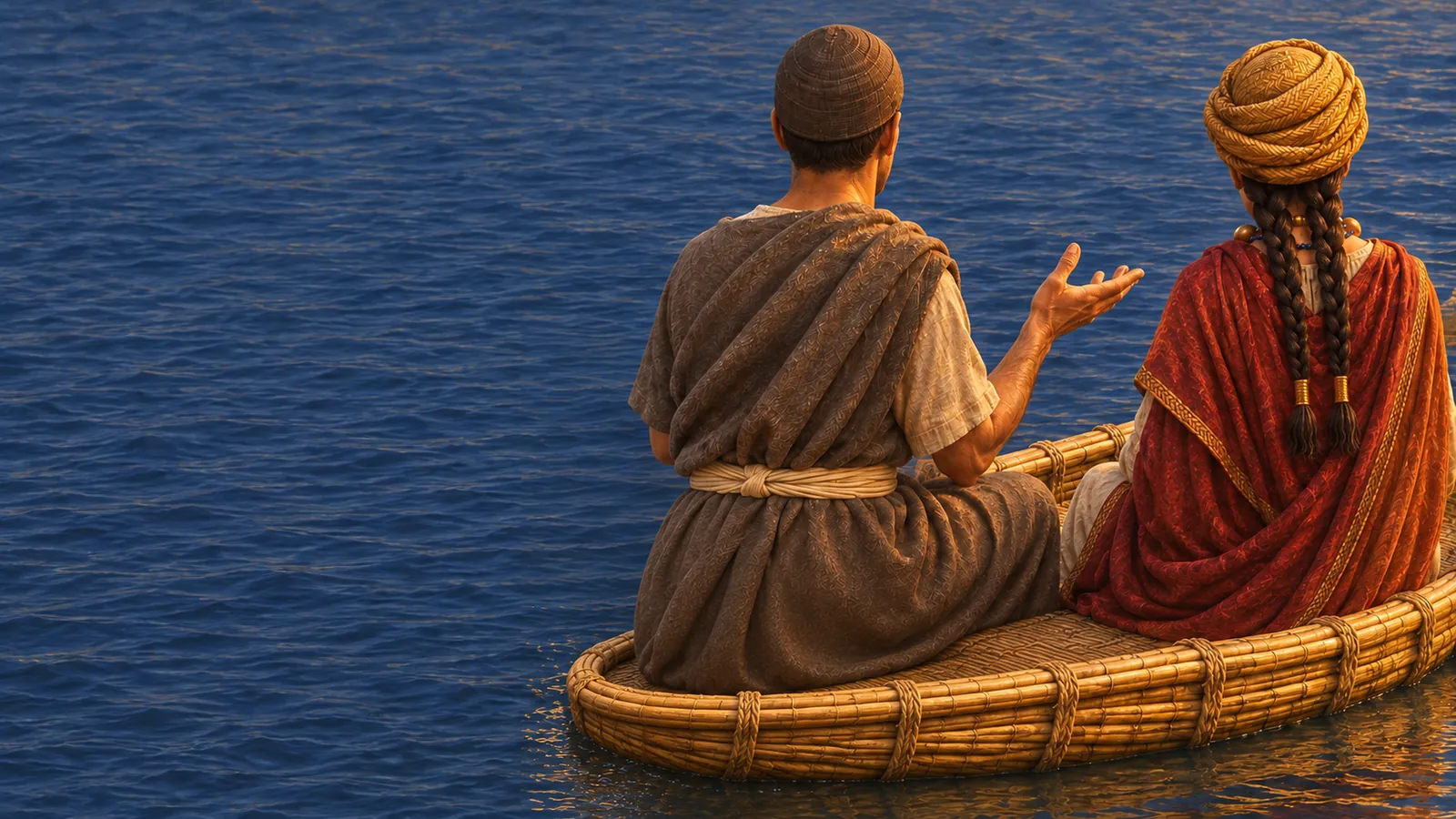
Isimud procurou Inanna pela terceira vez. Ela ouviu o mesmo pedido de devolver a barca a Eridu.
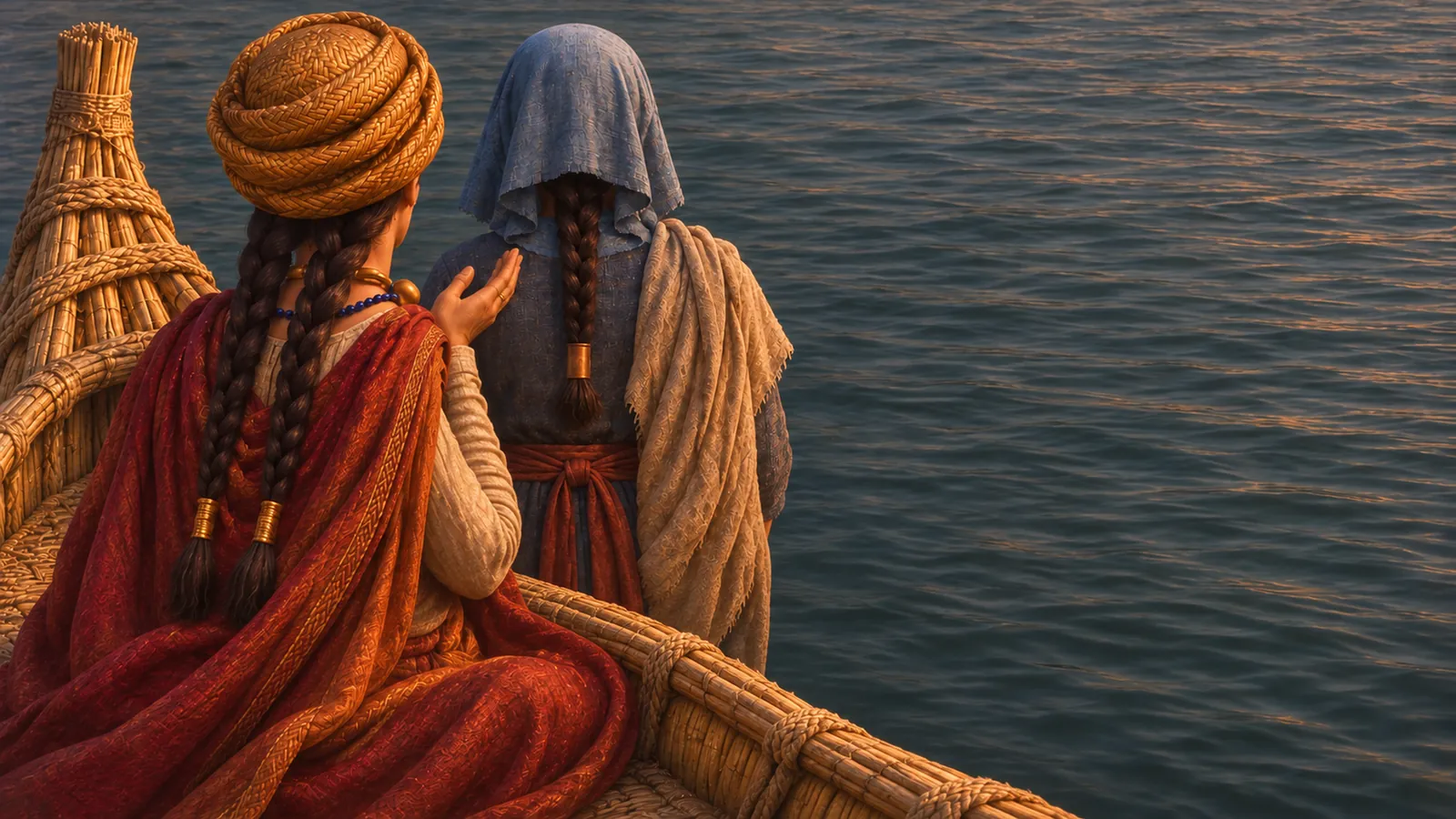
Os lahama das águas profundas apoderaram-se da barca. Inanna voltou a chamar Ninshubur e recuperou a barca e os poderes divinos.
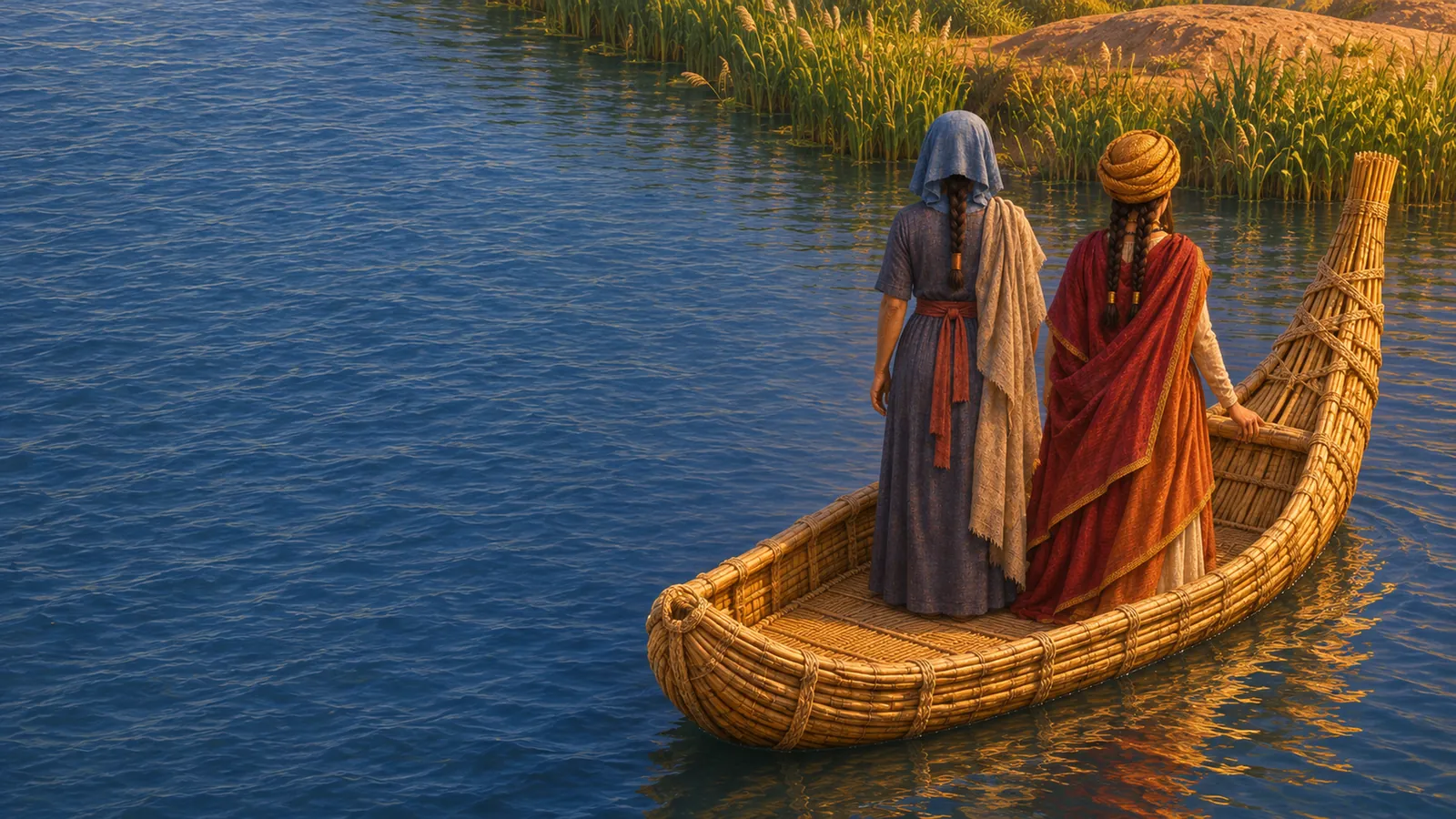
No quarto relato, a barca chegara à Colina do Campo. Nas palavras fragmentárias da ordem, Enki chama grandes peixes.
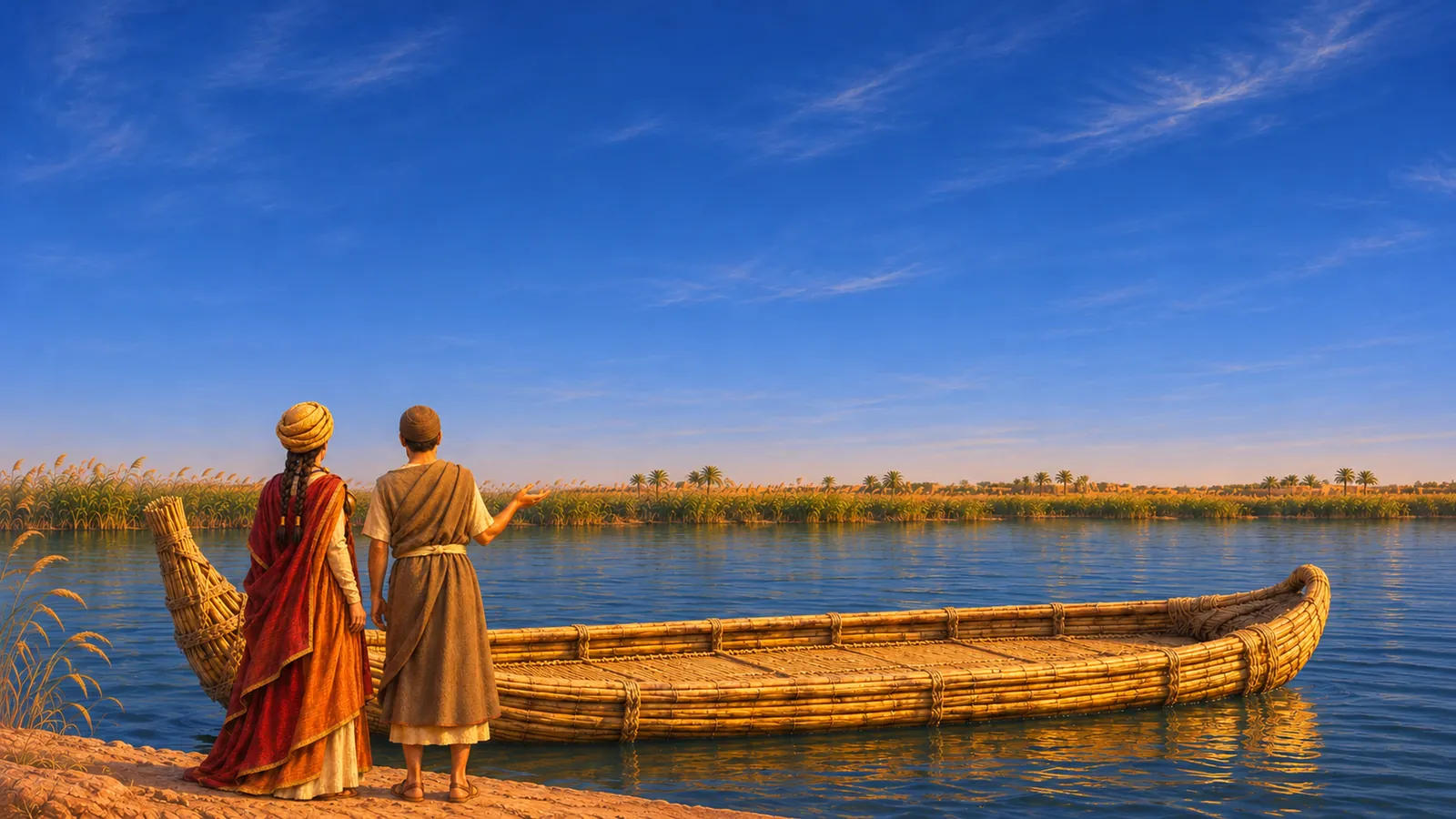
Também aqui Isimud trouxe a mesma ordem. Inanna podia seguir para Uruk. Em Eridu continuavam a reclamar a Barca do Céu.
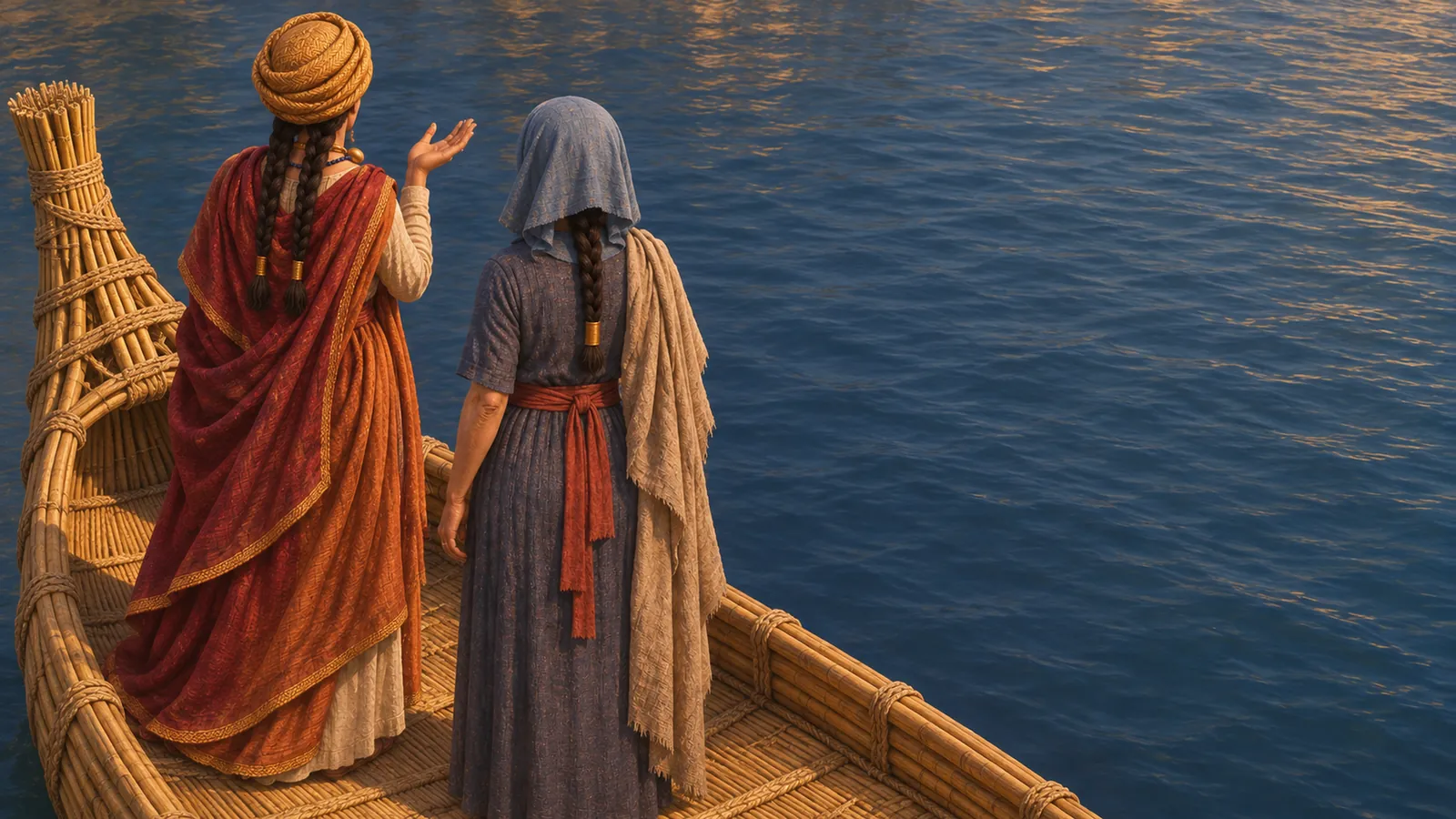
Inanna interrogou o juramento alterado. Quando os grandes peixes se apoderaram da barca, chamou Ninshubur e recuperou a barca e os poderes divinos.
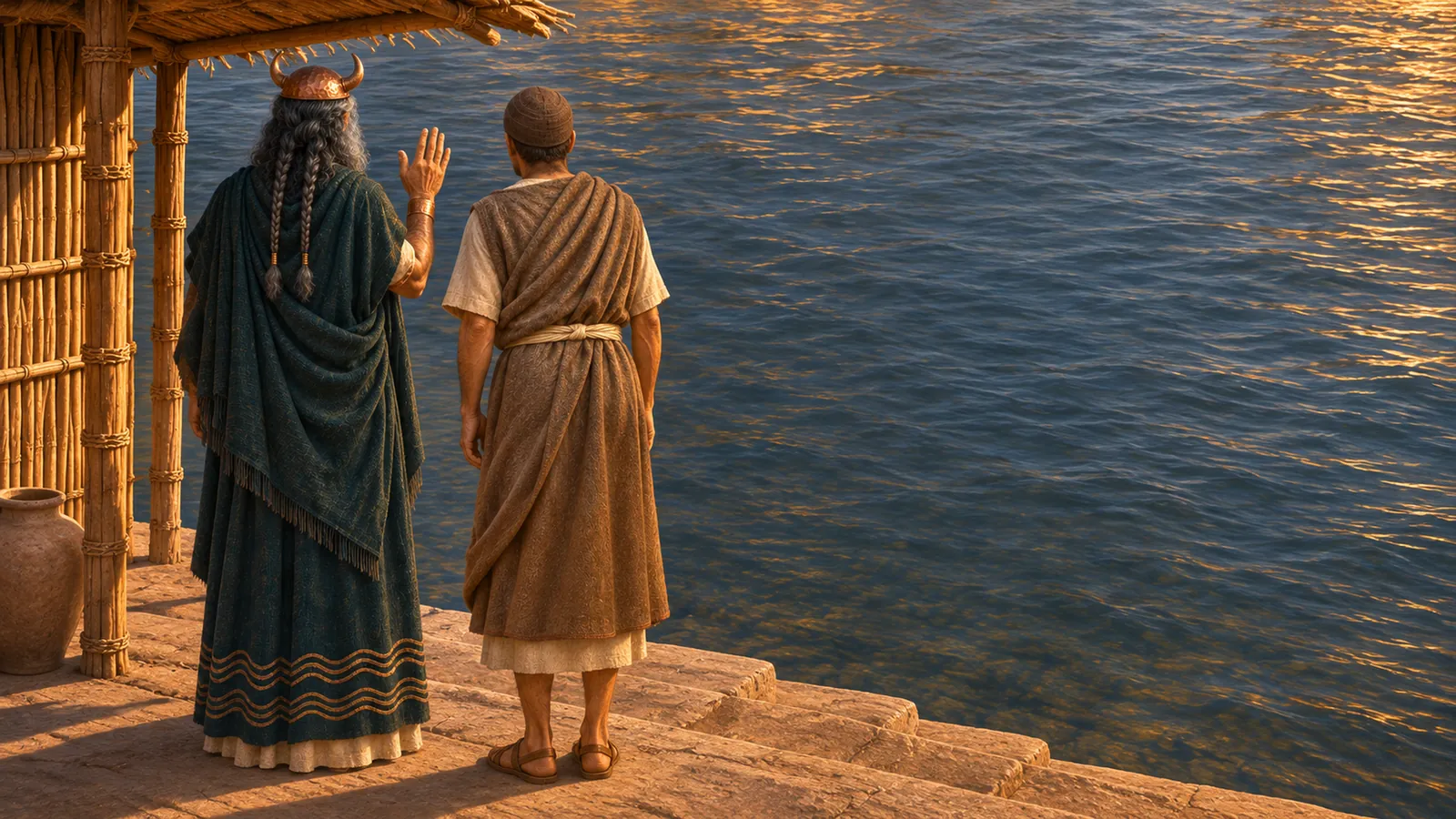
Chega um quinto relato, mas o nome do lugar está fragmentado. A ordem chama agora os guardiões de Uruk para tomarem a barca.

Isimud repetiu as palavras de Enki entre Eridu e Uruk. O ministro continuava a pedir que a Barca do Céu voltasse ao seu ponto de partida.
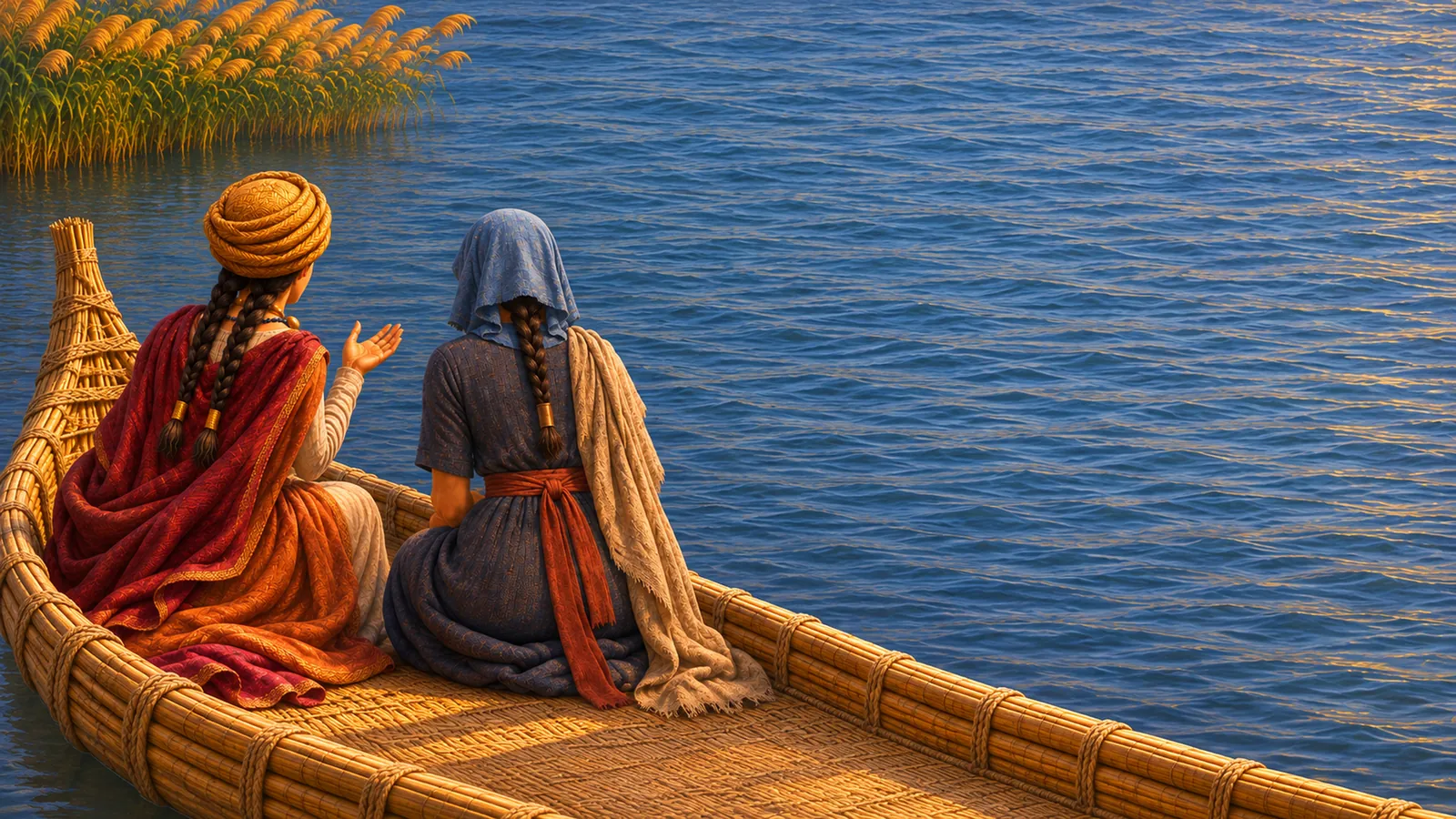
Os guardiões de Uruk apoderaram-se da barca. Mais uma vez, Inanna chamou Ninshubur. A barca e os poderes divinos voltaram às suas mãos.
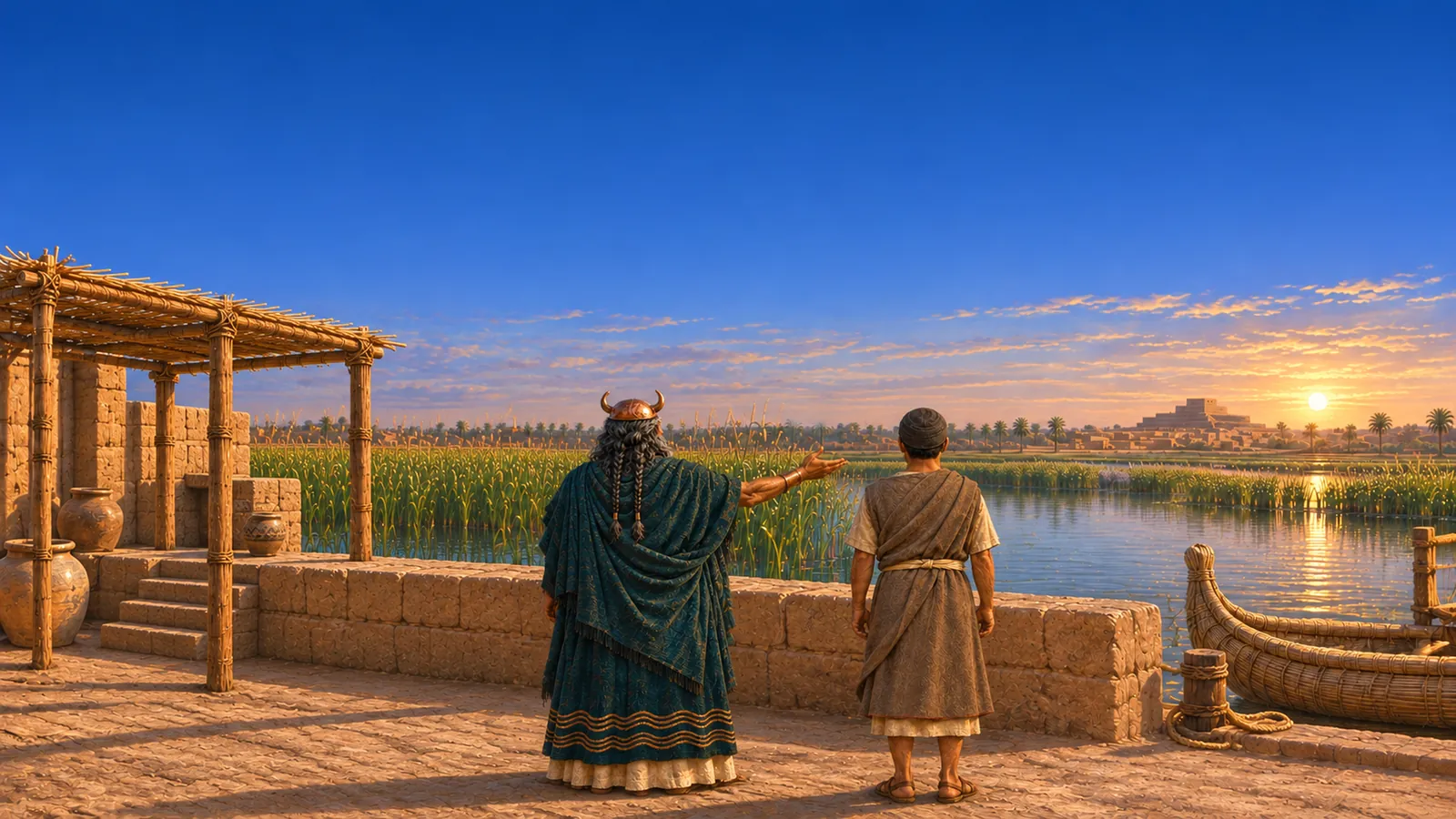
No sexto relato, Isimud dá o nome de Id-surungal. Da ordem que se segue restam fragmentos. Não se sabe ao certo quem Enki envia.
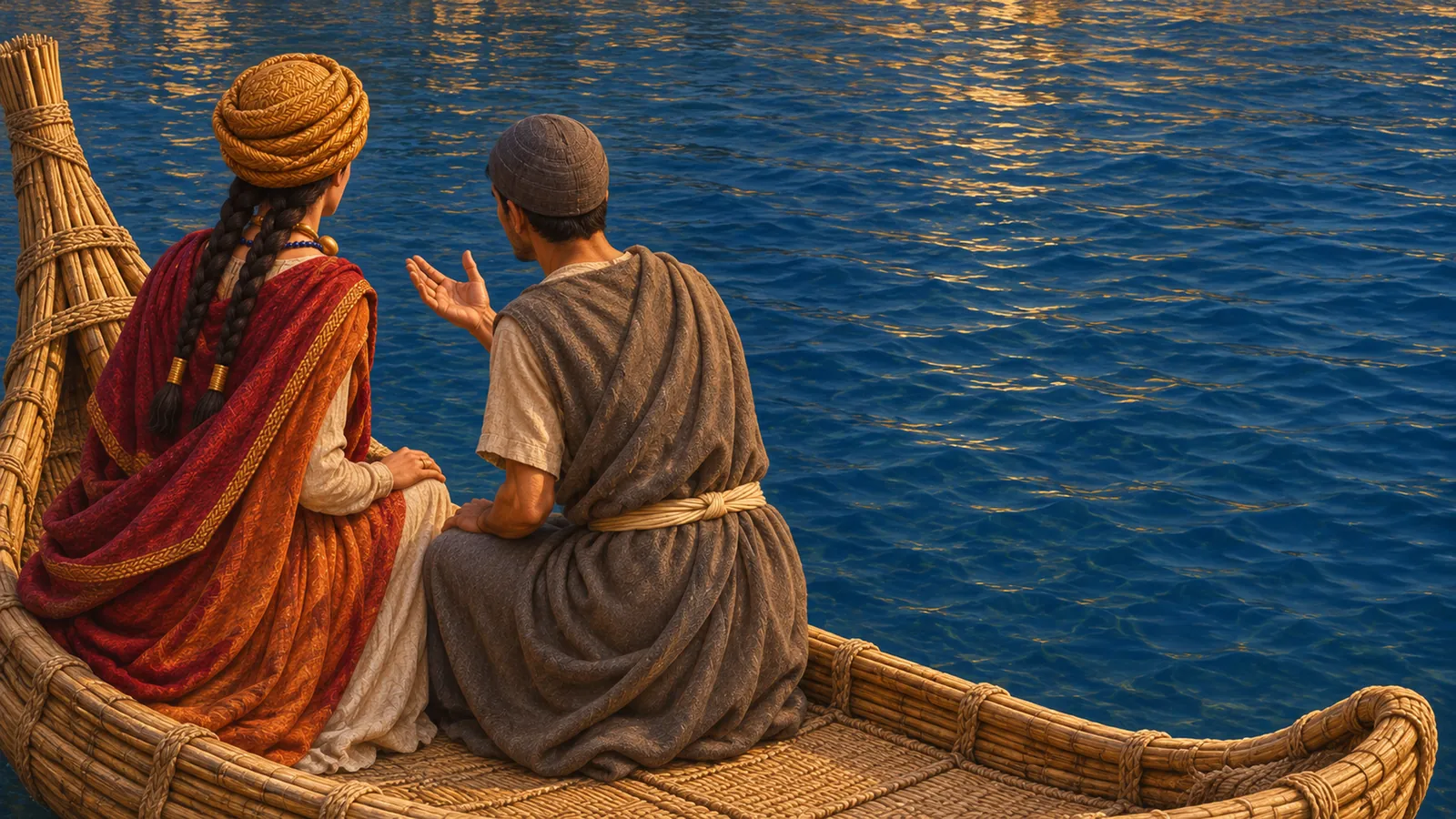
Isimud falou mais uma vez a Inanna. Ela podia viajar para Uruk, disse ele. A ordem de Enki continuava a ser trazer a barca de volta a Eridu.
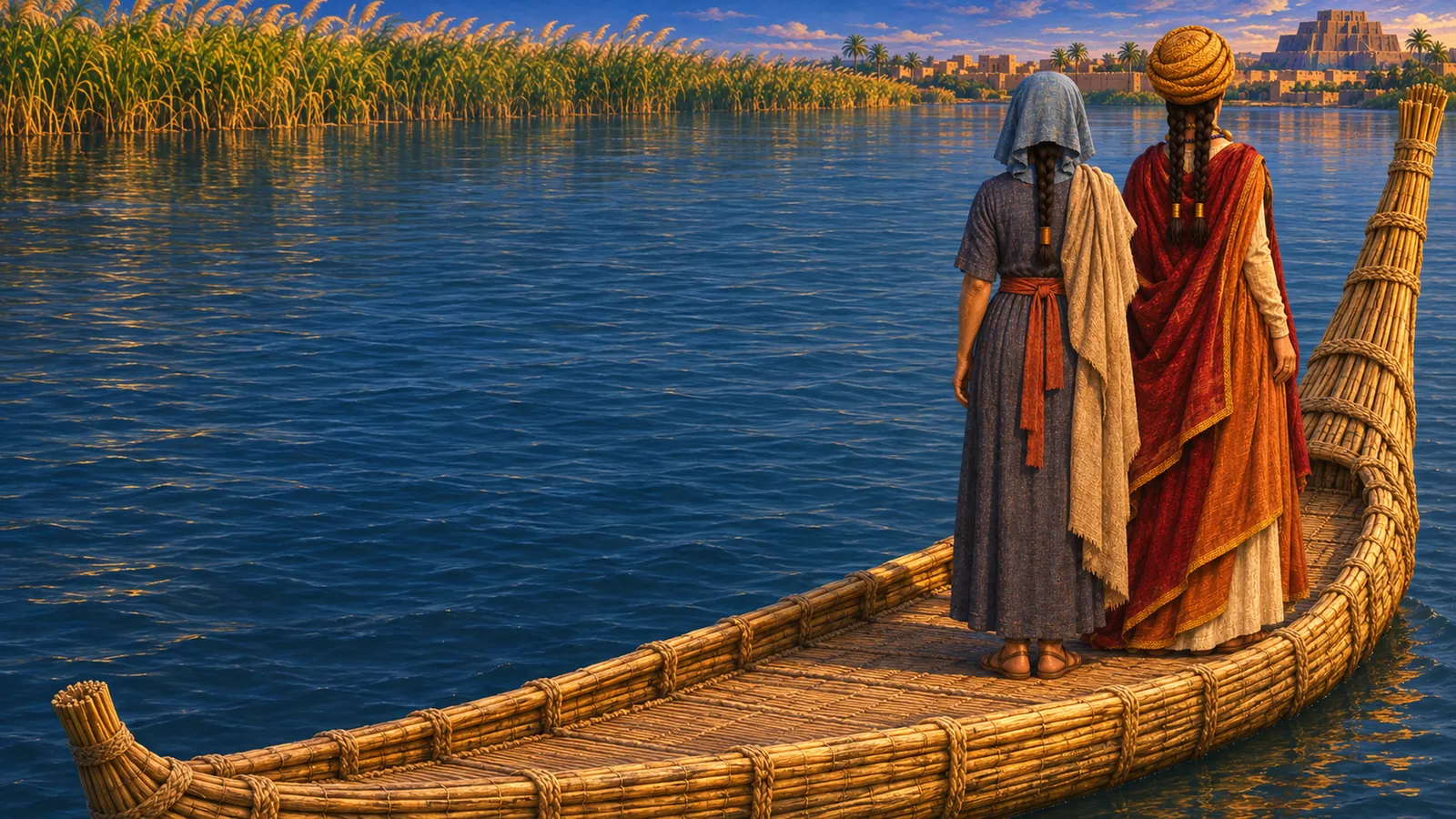
Na restituição do editor, Inanna volta a perguntar pela palavra alterada e chama Ninshubur. Recupera a barca e os poderes divinos.
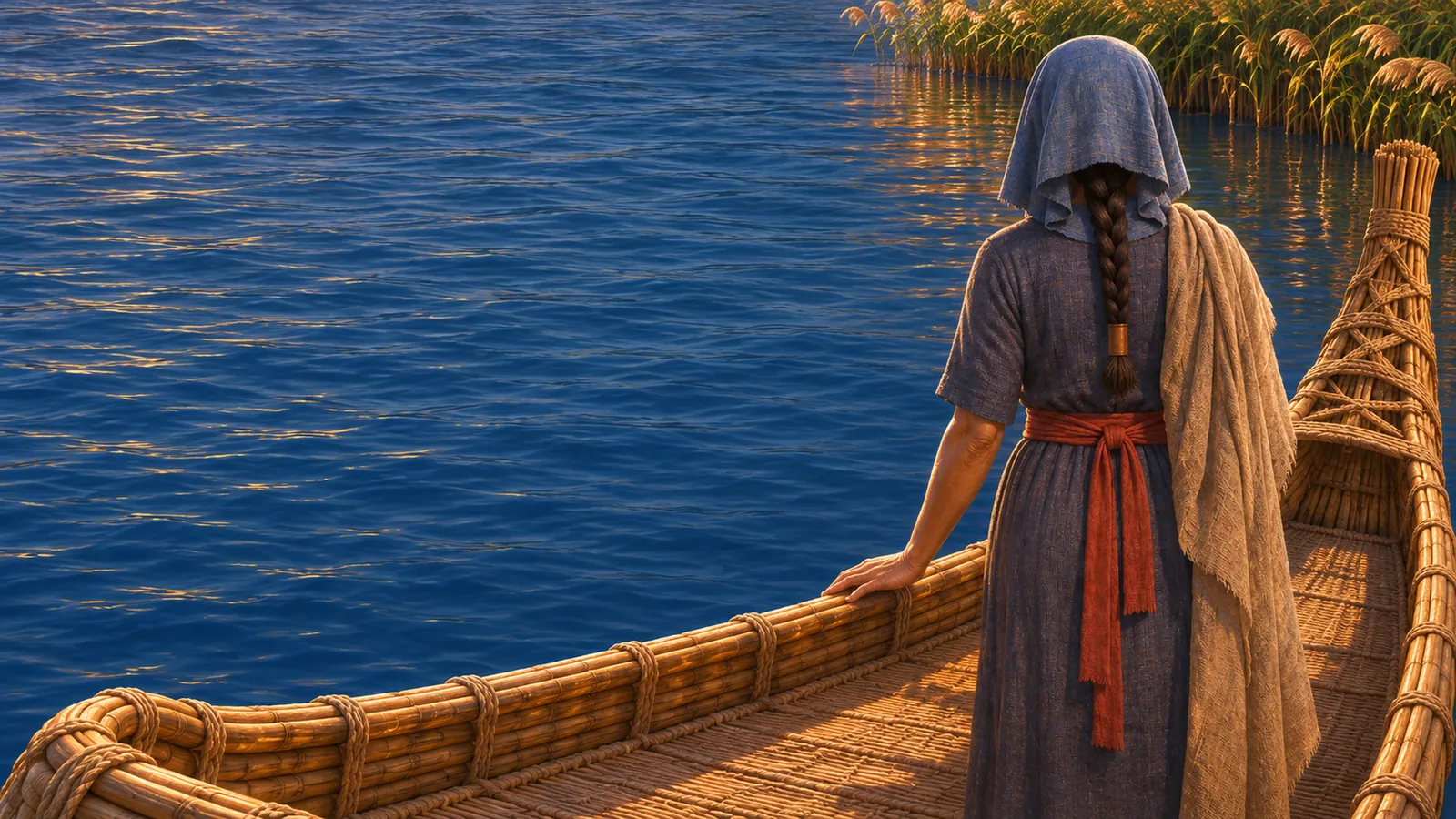
Versos fragmentários nomeiam Ninshubur e a Barca do Céu e falam de uma sétima vez. Perderam-se os pormenores do que aconteceu.
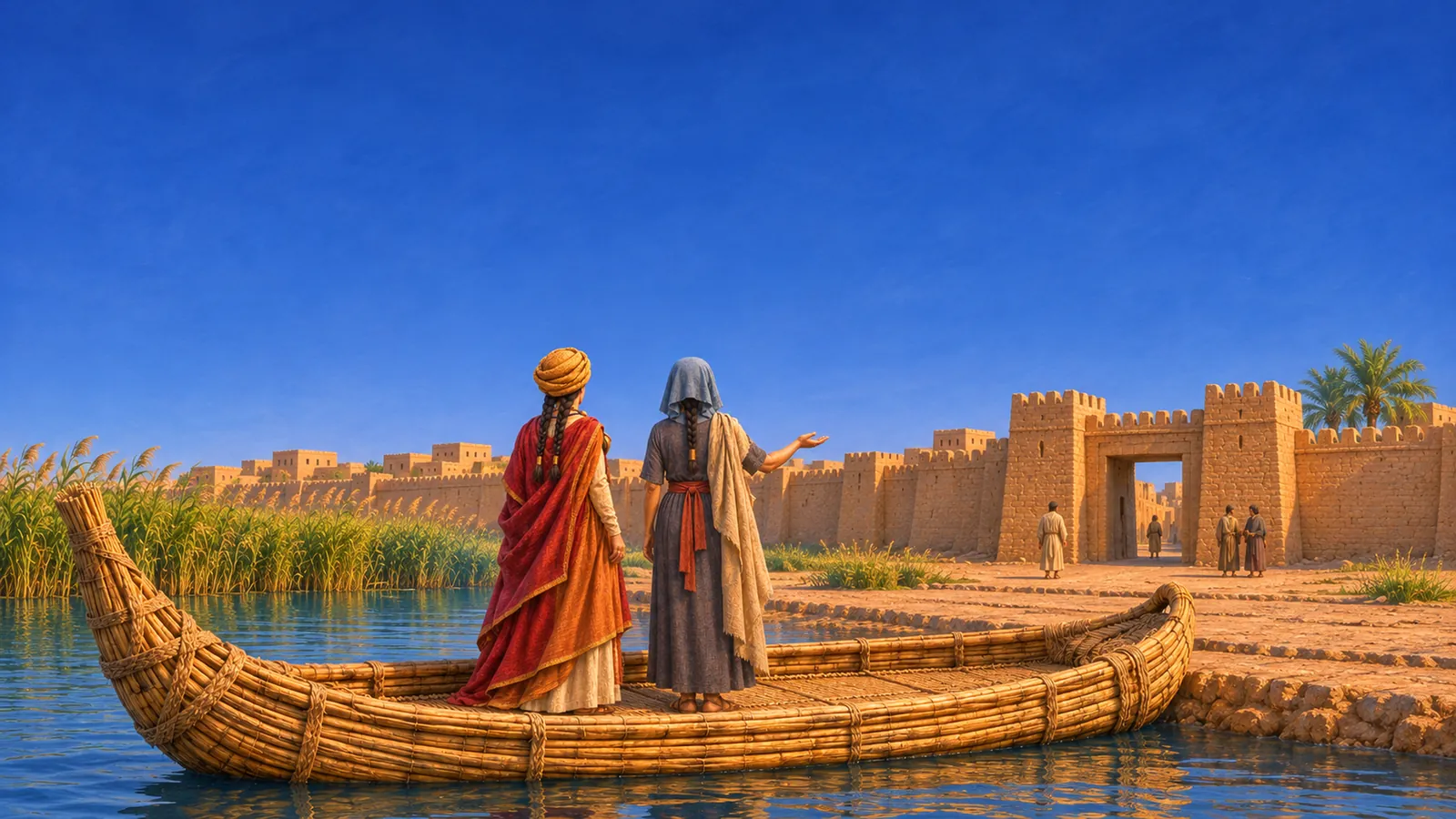
PORTA DA ALEGRIA
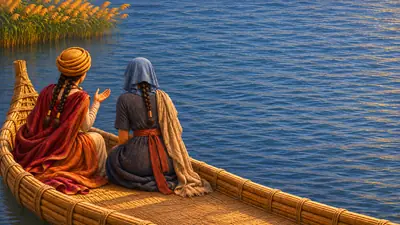
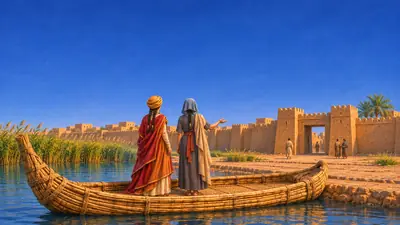
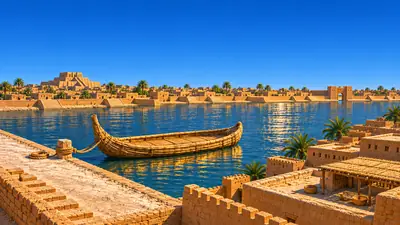
Ninshubur disse a Inanna que ela levara a Barca do Céu até à Porta da Alegria, em Uruk Kulaba. Disse que a cidade se alegraria.
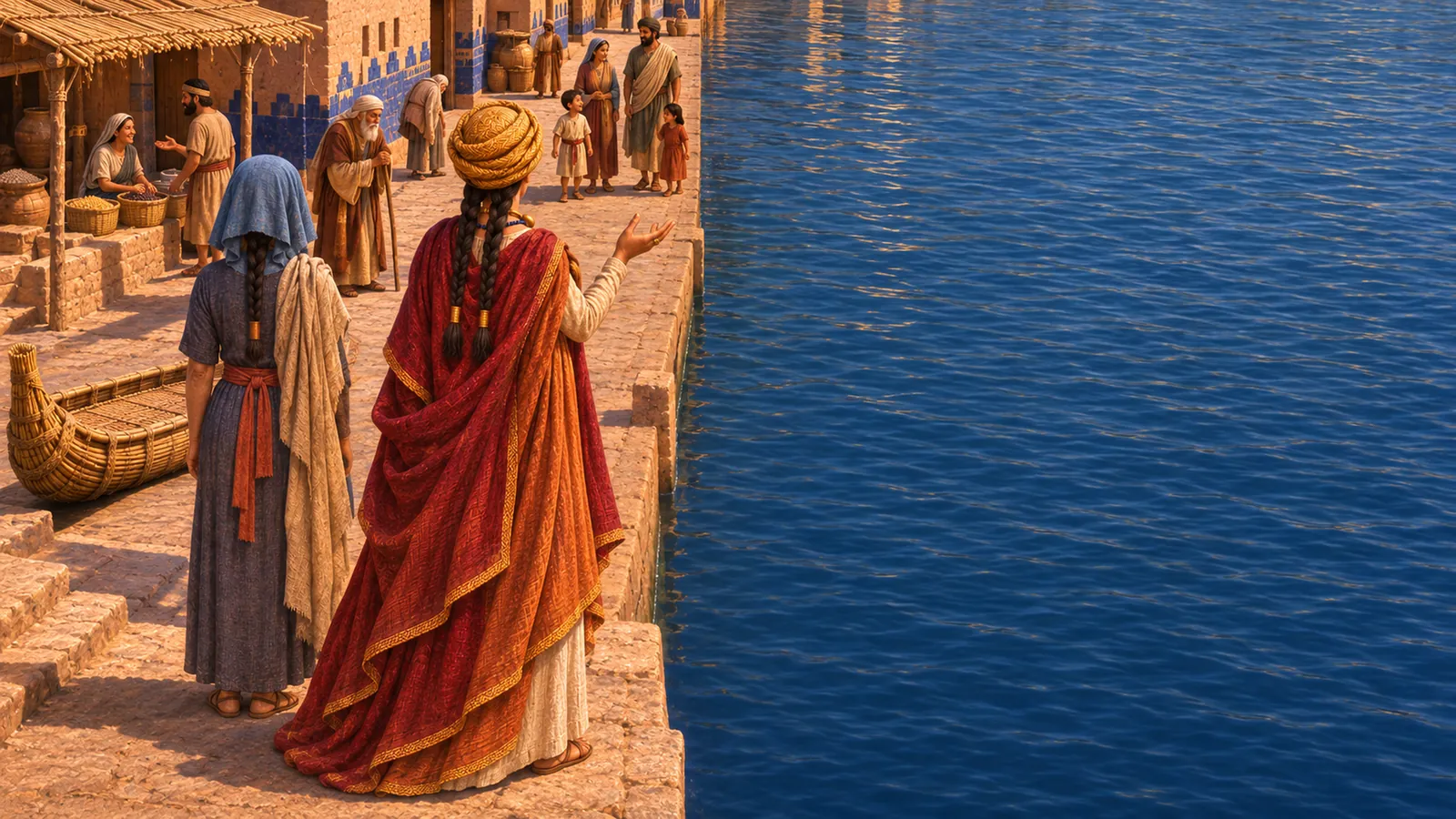
Inanna disse que a barca passaria pela rua. Em versos fragmentários falou dos idosos, dos jovens e da alegria das crianças.
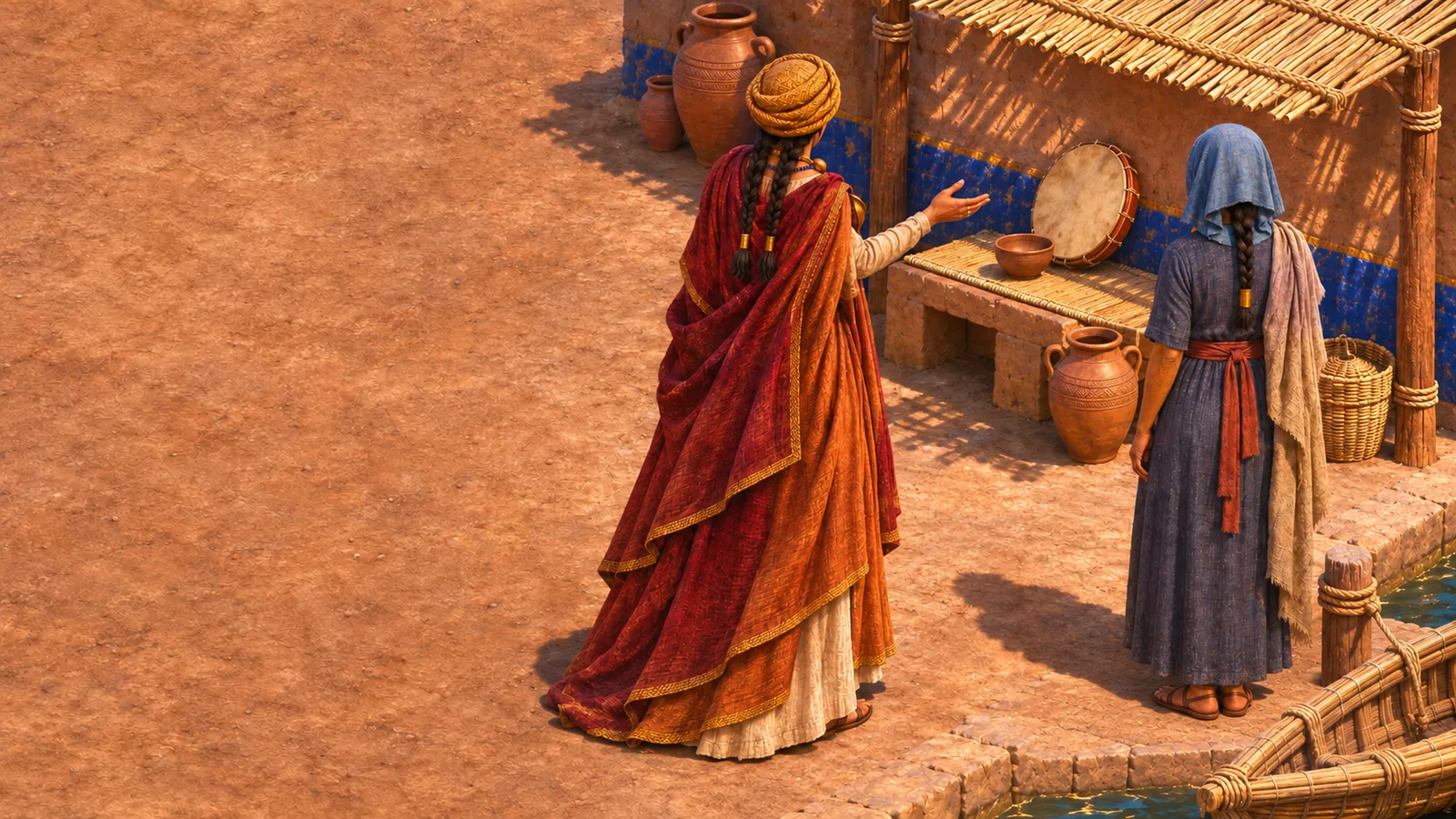
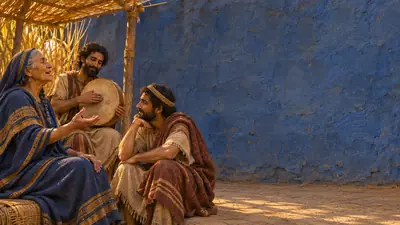
Inanna falou de uma festa para a Barca do Céu. Haveria preces, cerveja vertida de uma taça e o som dos tambores e dos instrumentos.
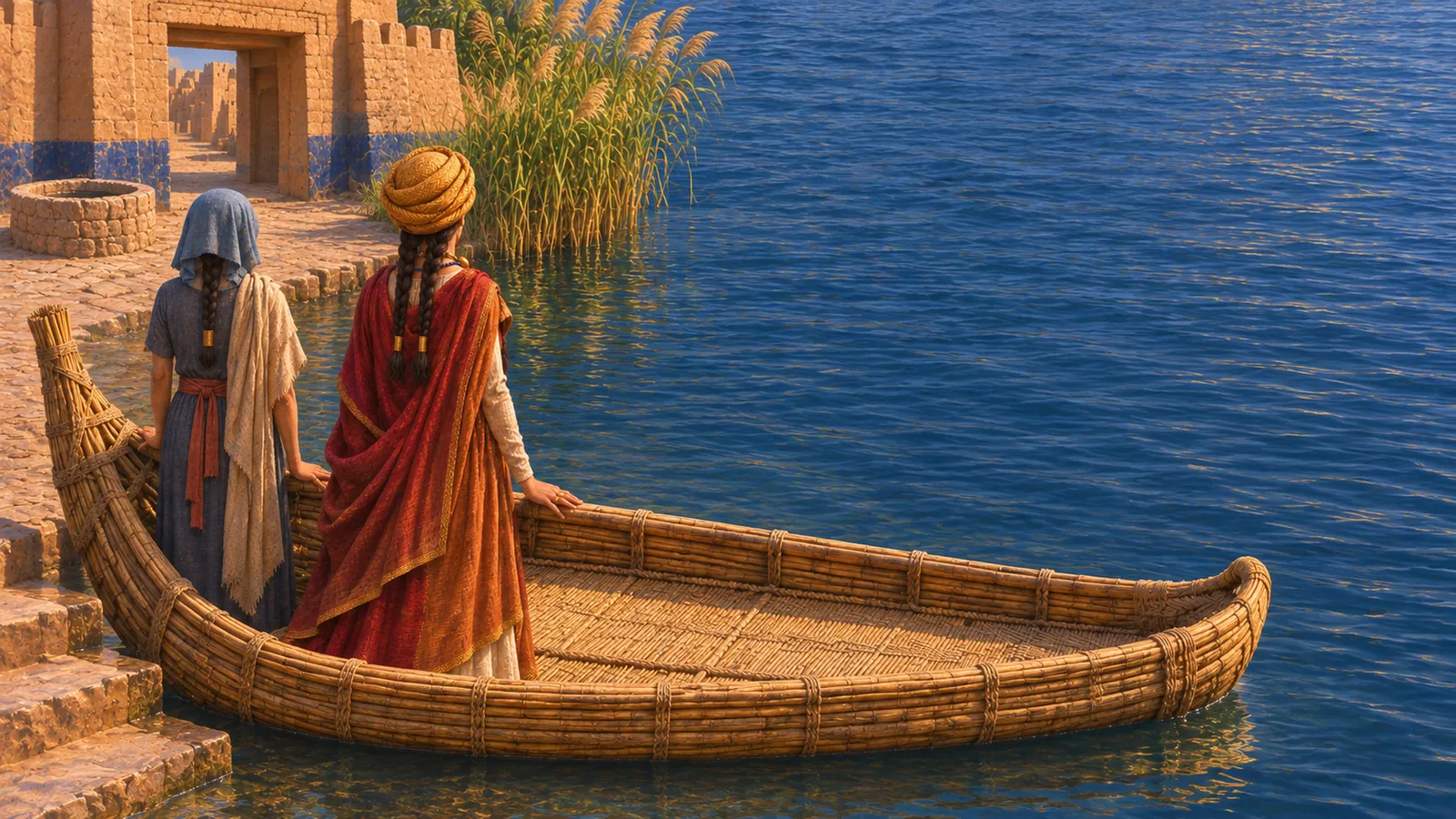
O poema conta como a barca passou pela rua. Menciona um poço purificado e a porta do Jipar, embora parte do que ali aconteceu se tenha perdido.
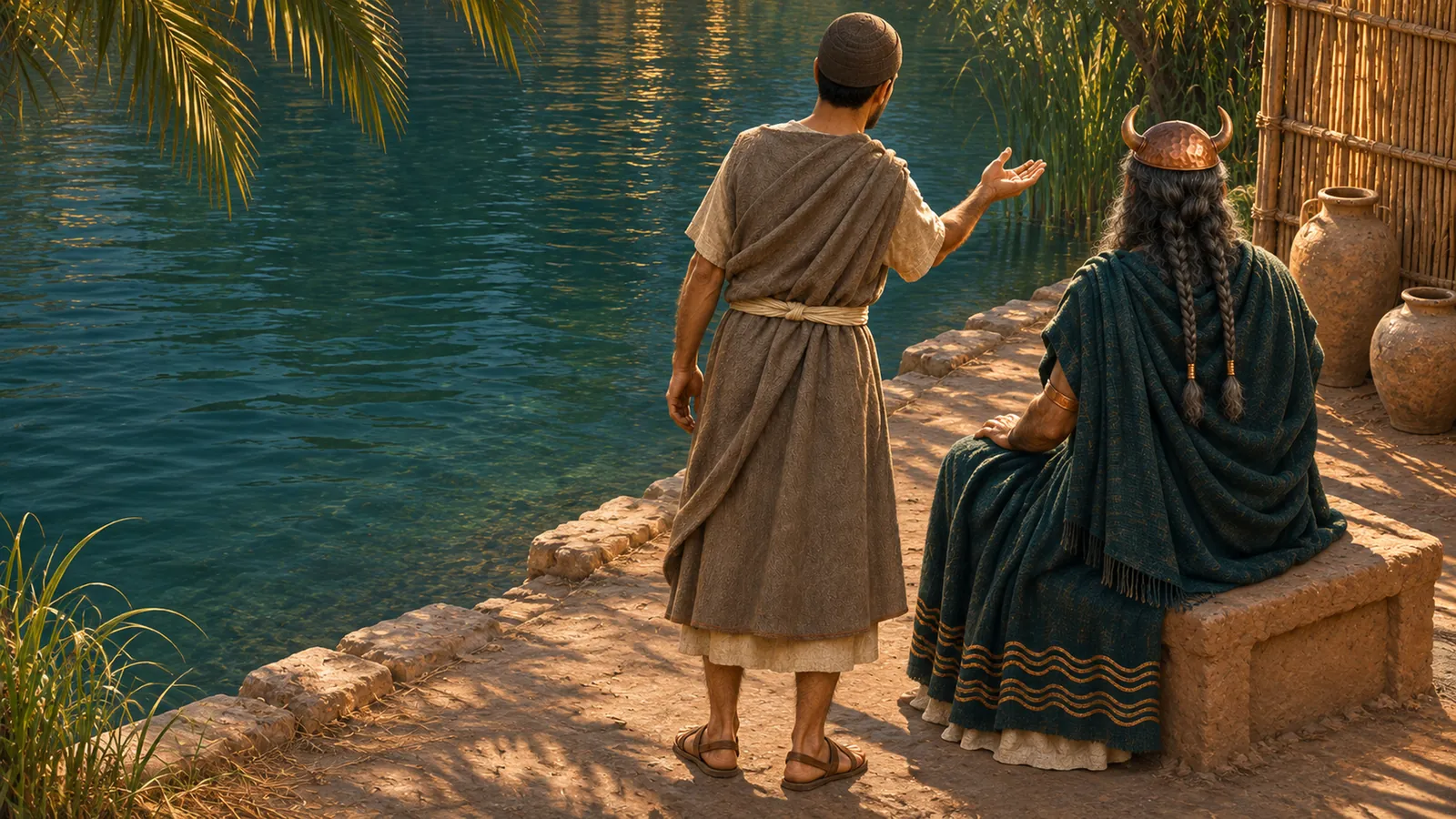
Isimud disse a Enki que a barca chegara ao Cais Branco. Da instrução seguinte restam fragmentos, com algumas palavras sobre admiração.
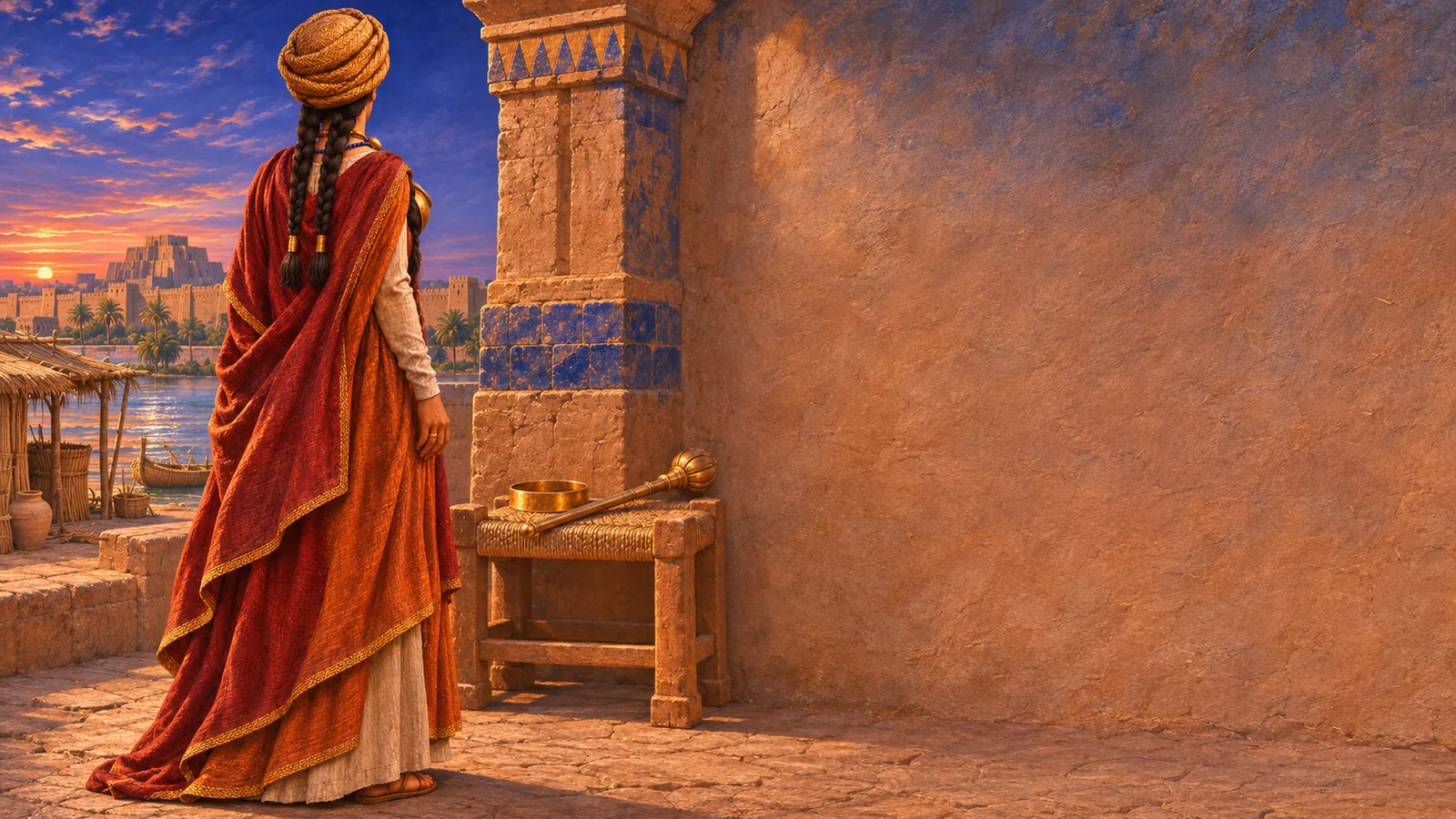
Uma voz nomeia agora o que Inanna trouxe. Entre esses poderes estavam cargos sagrados, uma coroa e um trono, o cetro e a própria realeza.
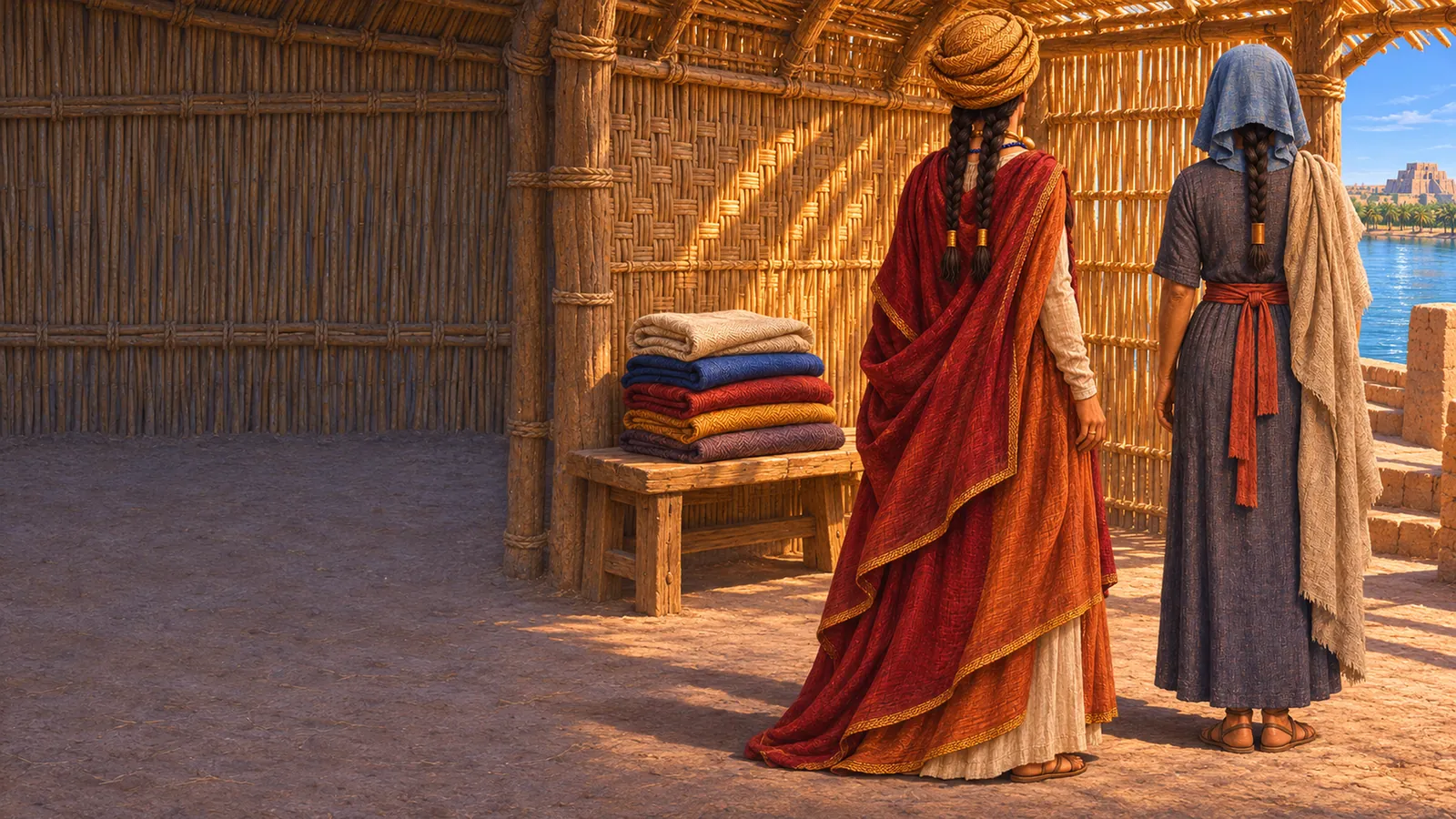
A lista continua. Nela aparecem os poderes de descer ao mundo subterrâneo e voltar a subir, funções sagradas e vestes. Outras entradas ficam fragmentadas.
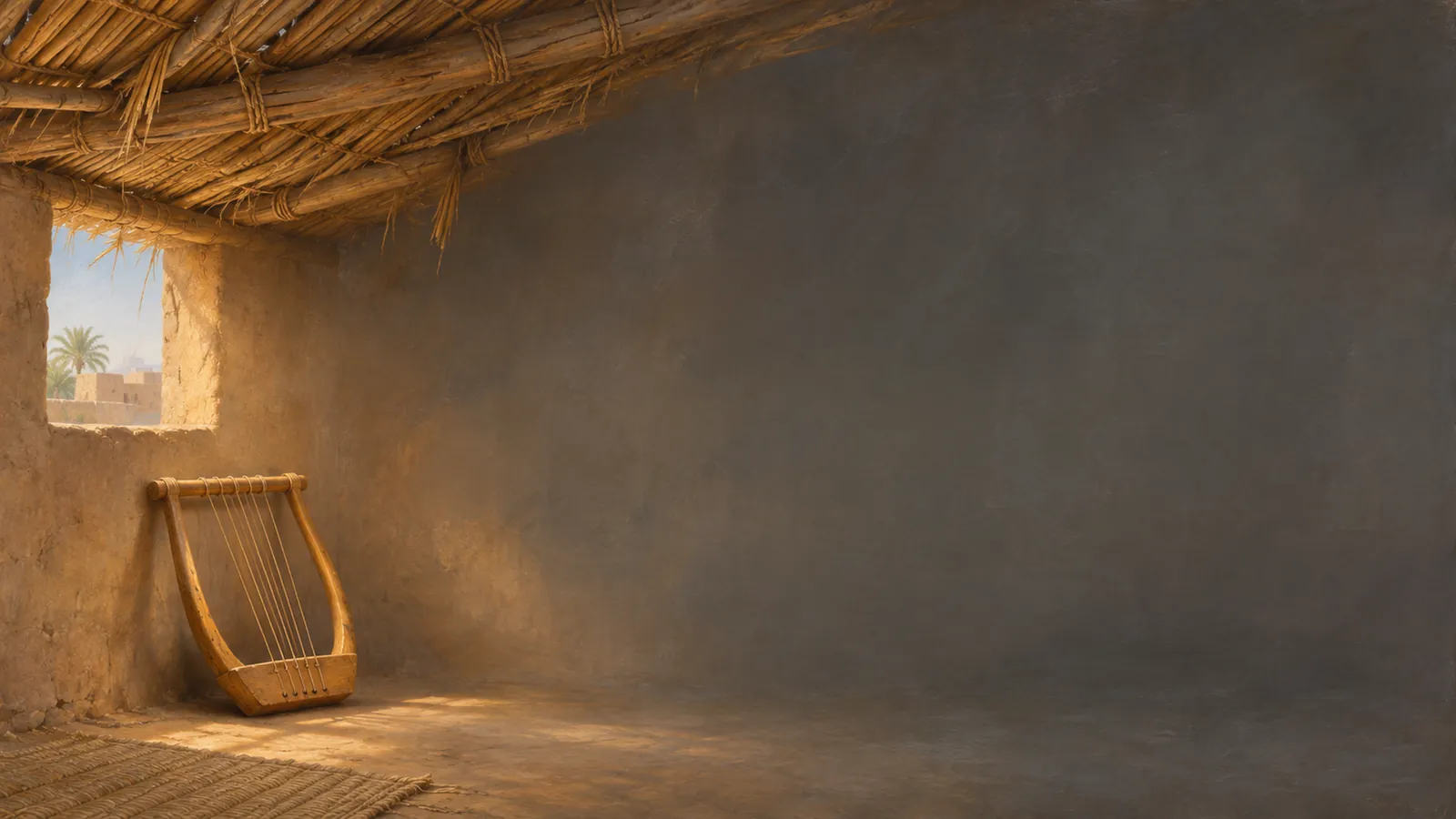
A voz nomeia as relações sexuais, os beijos, a prostituição, a prostituta ritual, a taberna sagrada e a hieródula do céu, além das maneiras de falar, do canto e da velhice venerável.
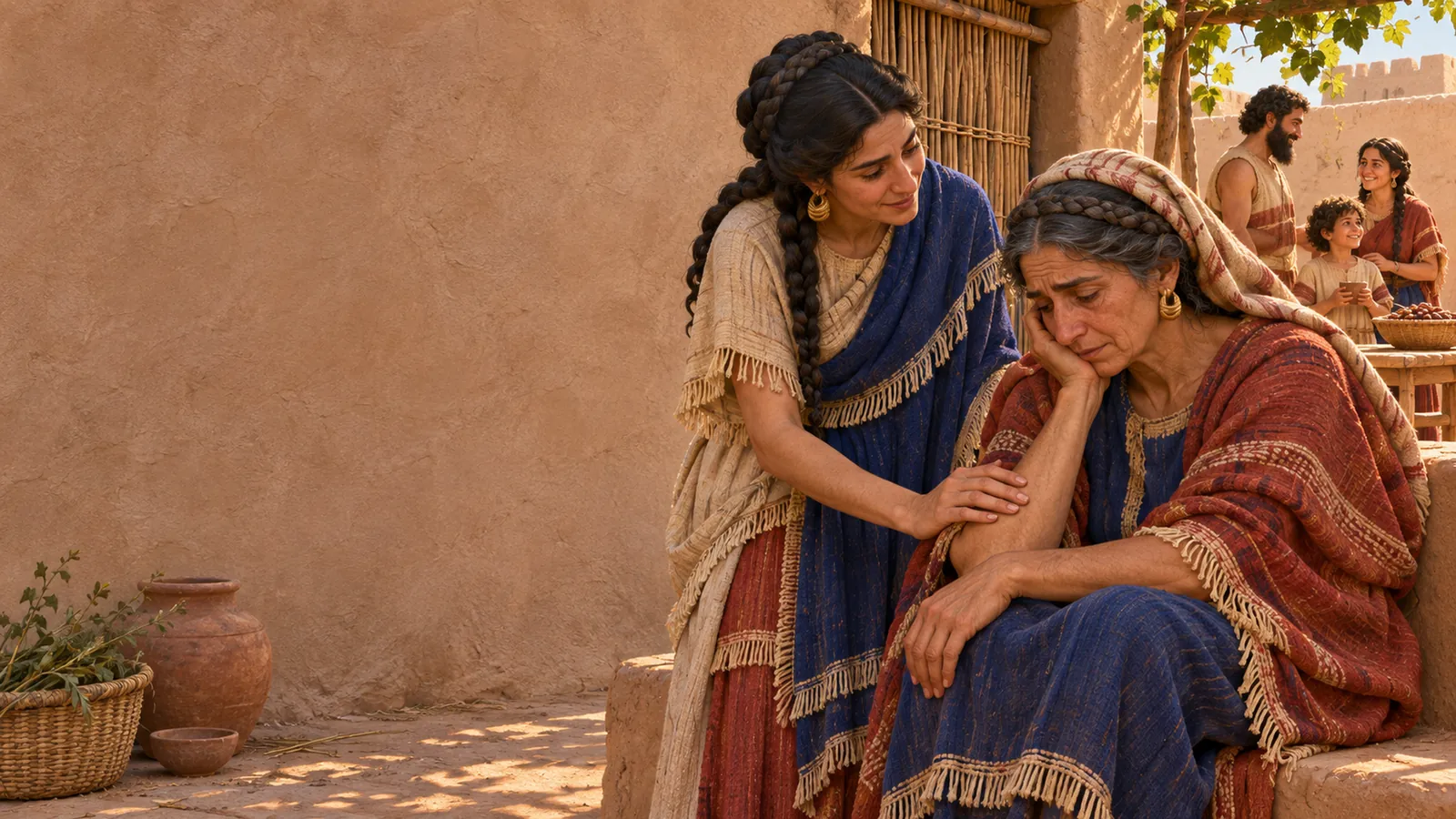
Os poderes tocam muitos aspetos da vida. Nomeiam-se a coragem e a maldade, a bondade e o engano, o lamento e a alegria.
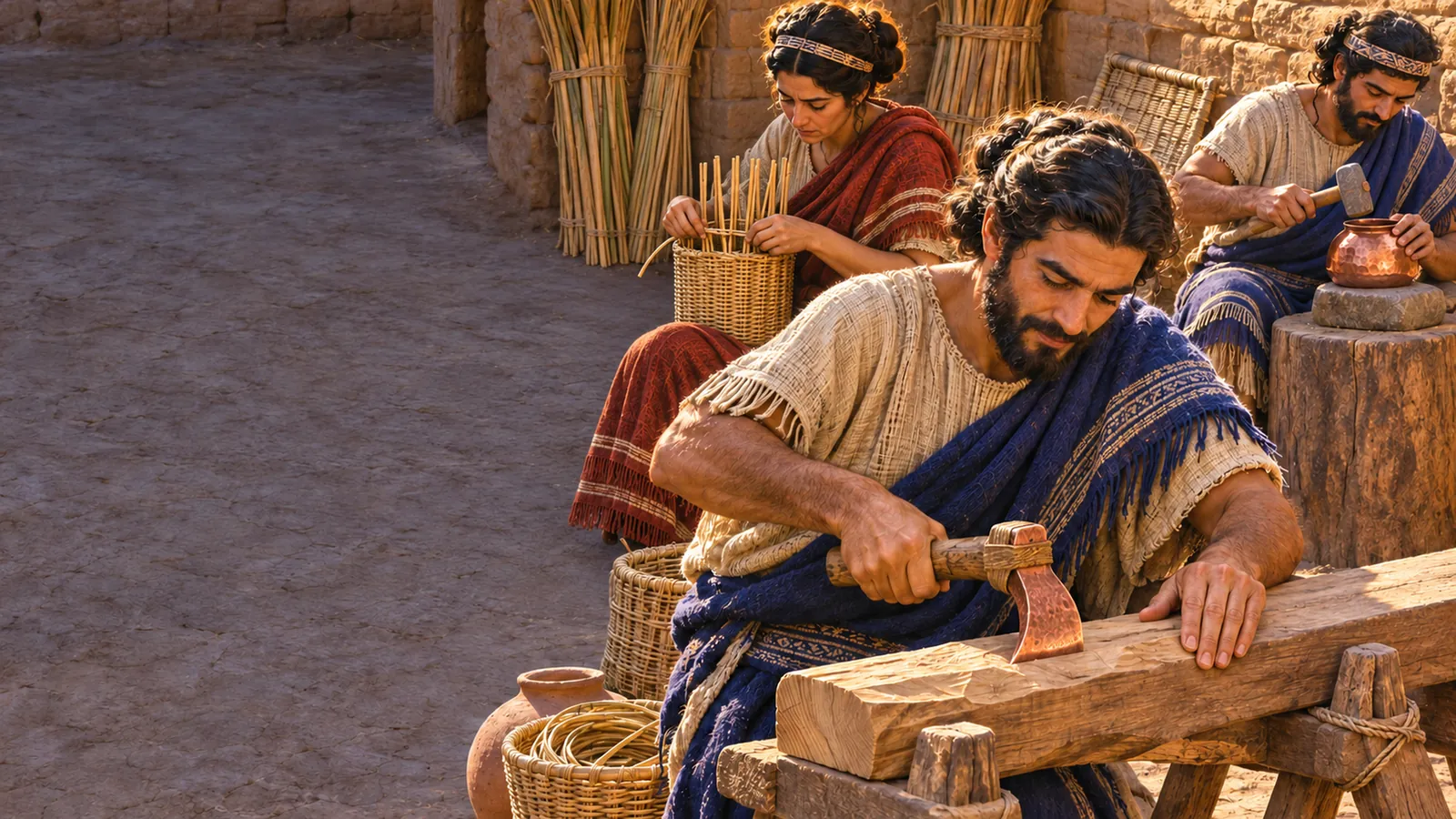
Os ofícios voltam à lista. Ouvimos de novo falar do trabalho da madeira e do cobre, de construir e de fazer objetos de caniço.
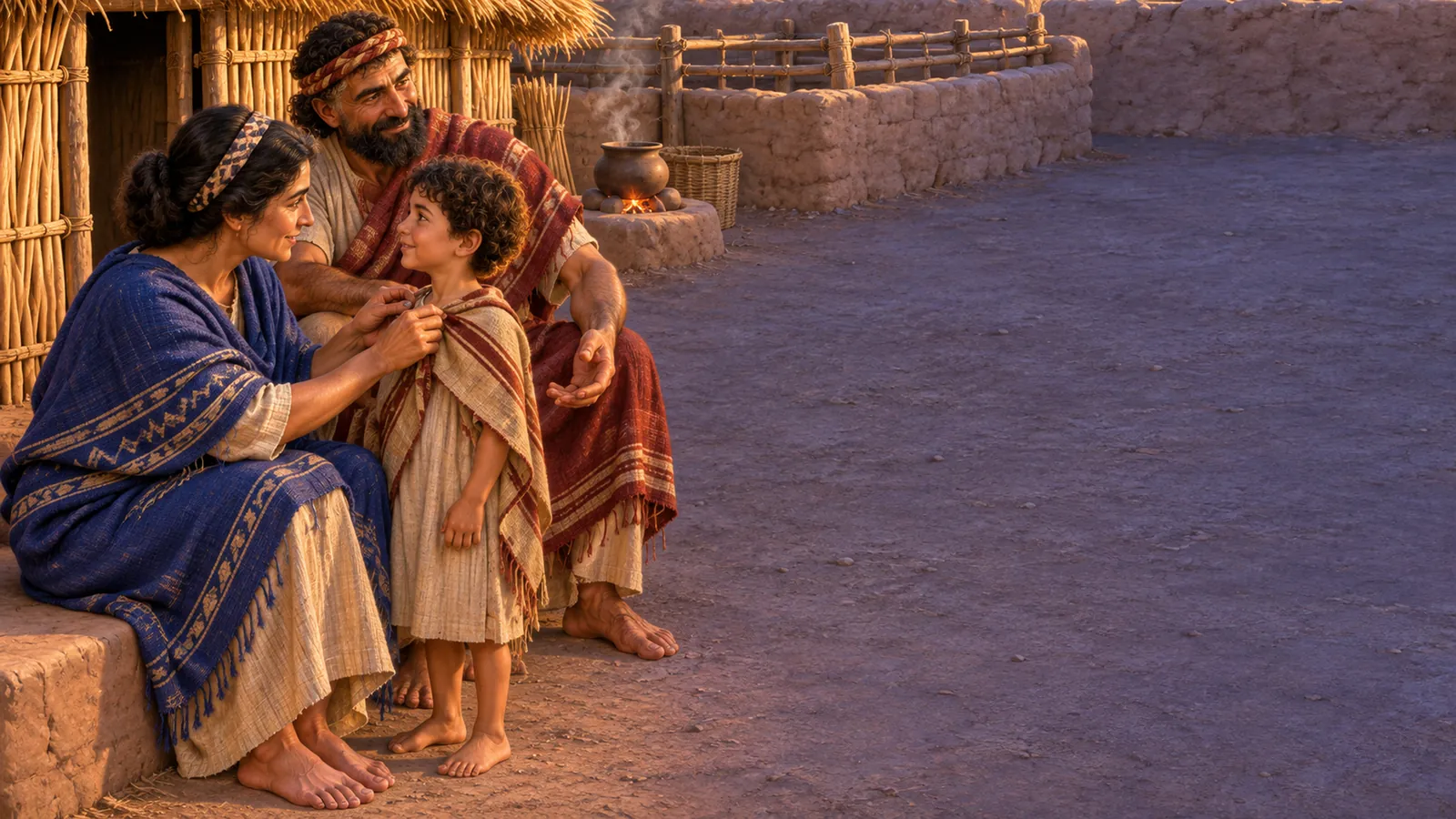
Nomeiam-se de novo a sabedoria e a atenção, com a cabana do pastor e o redil das ovelhas. A lista abrange também o fogo e a família.
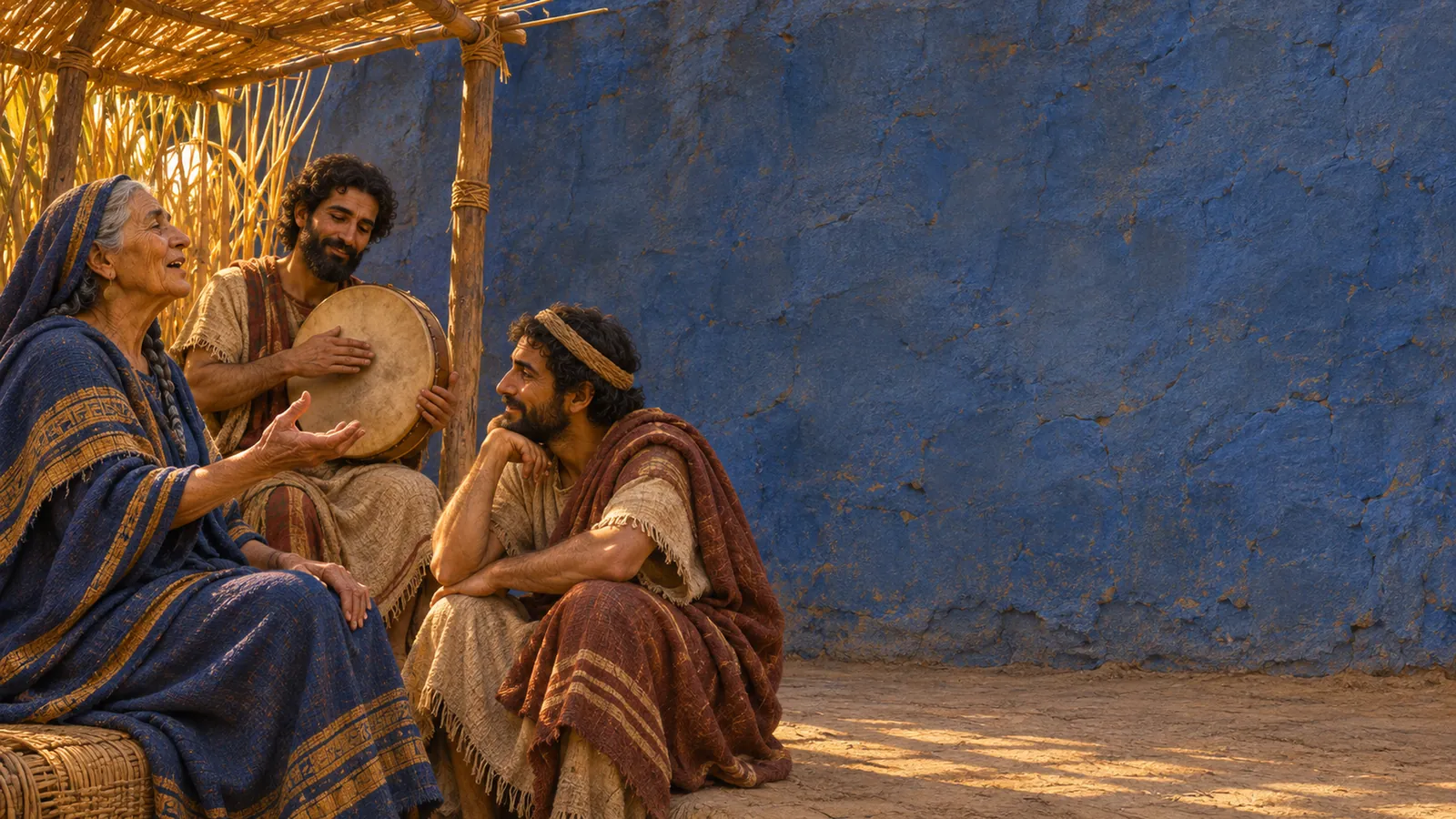
Ainda conseguimos ler sobre o conselho, o consolo e as decisões, e sobre vários instrumentos sagrados. Depois, o fim da lista torna-se mais difícil de ler.
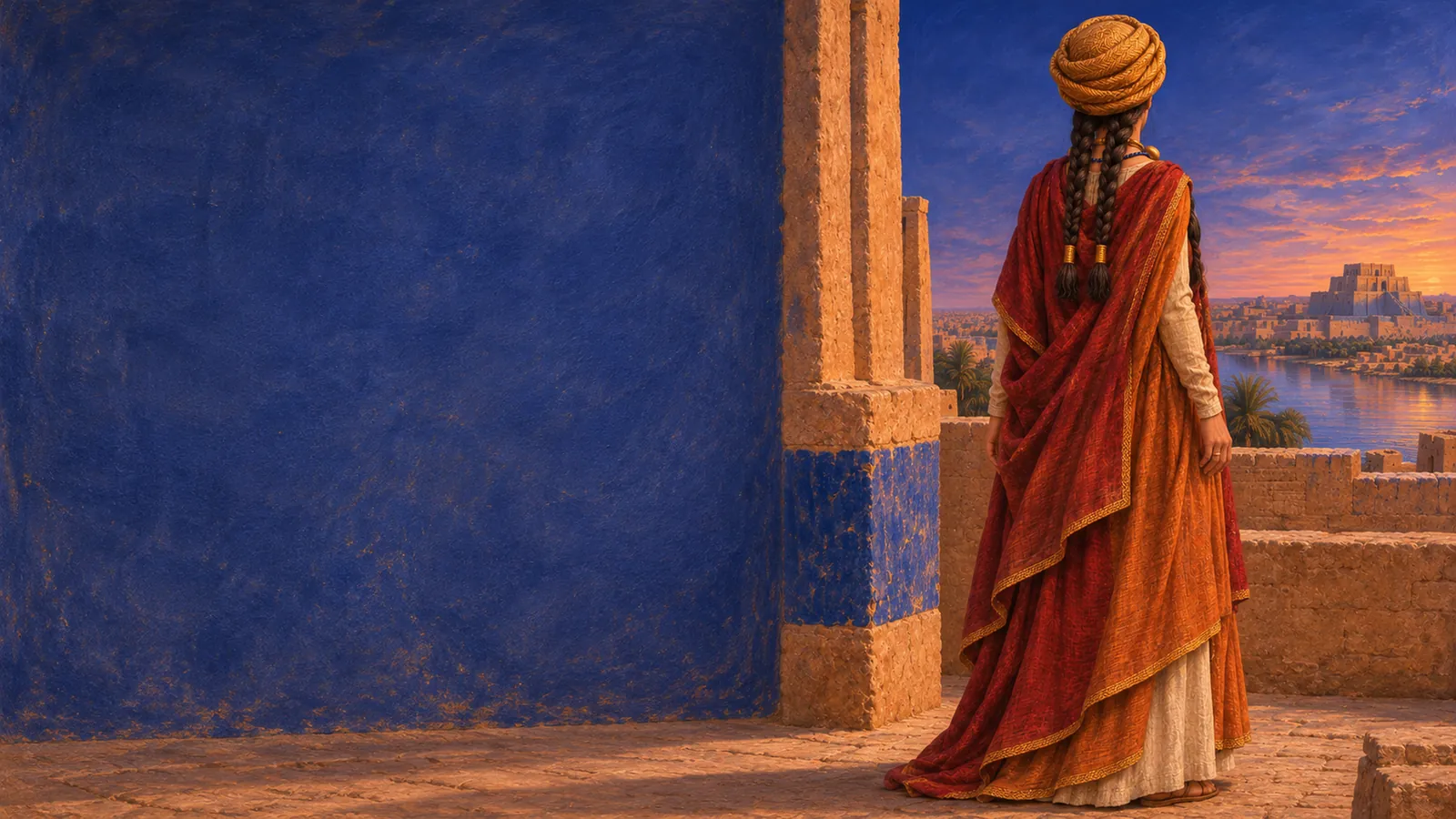
No fim da longa lista restam dois versos fragmentários. Faltam outros seis versos antes de o poema retomar.
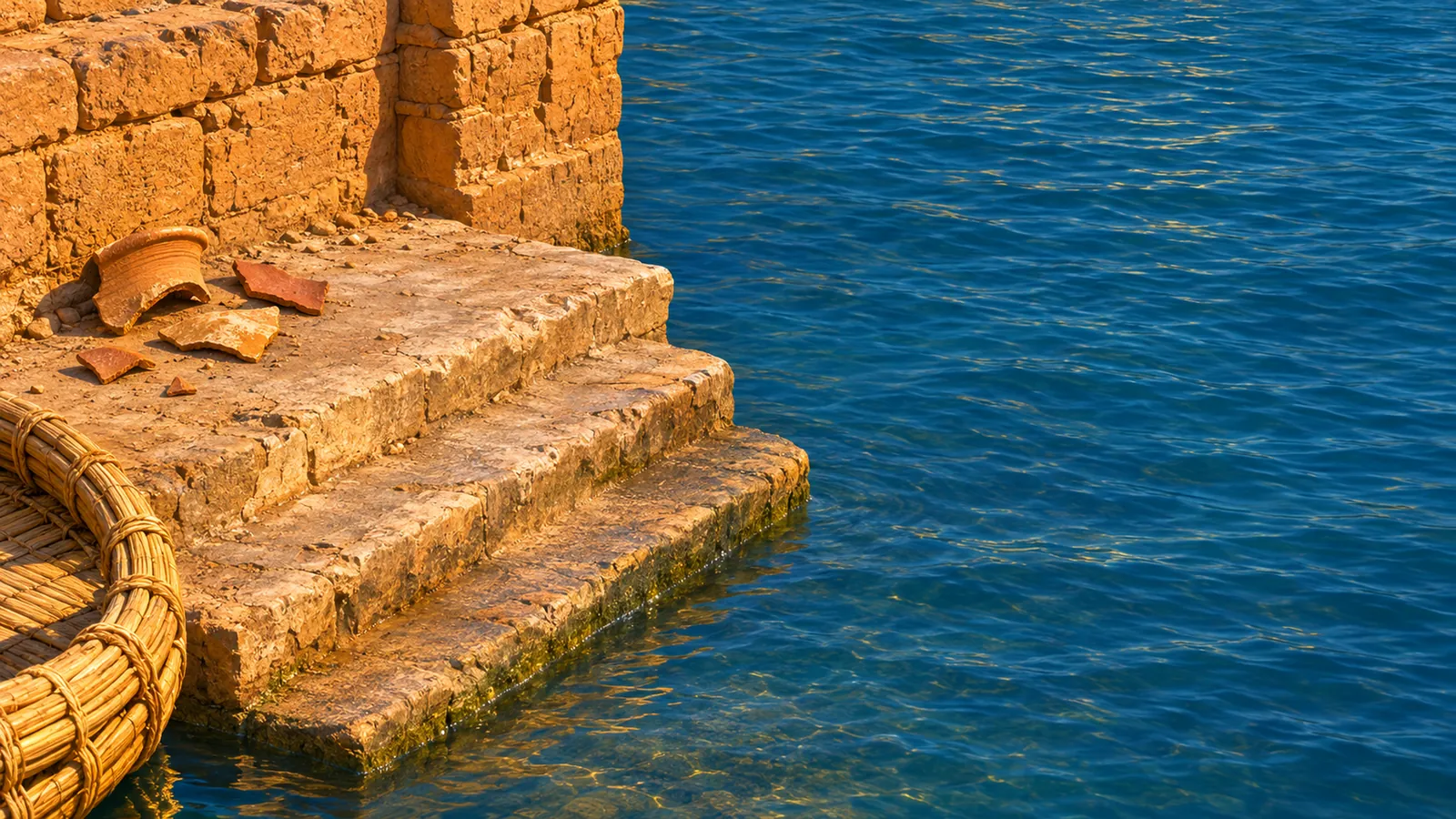
O poema fragmentário conta como se deram nomes a lugares. Restam palavras sobre Ganzer, um mercador e uma quantia, e sobre um lugar cujo nome pode mencionar cacos de cerâmica.
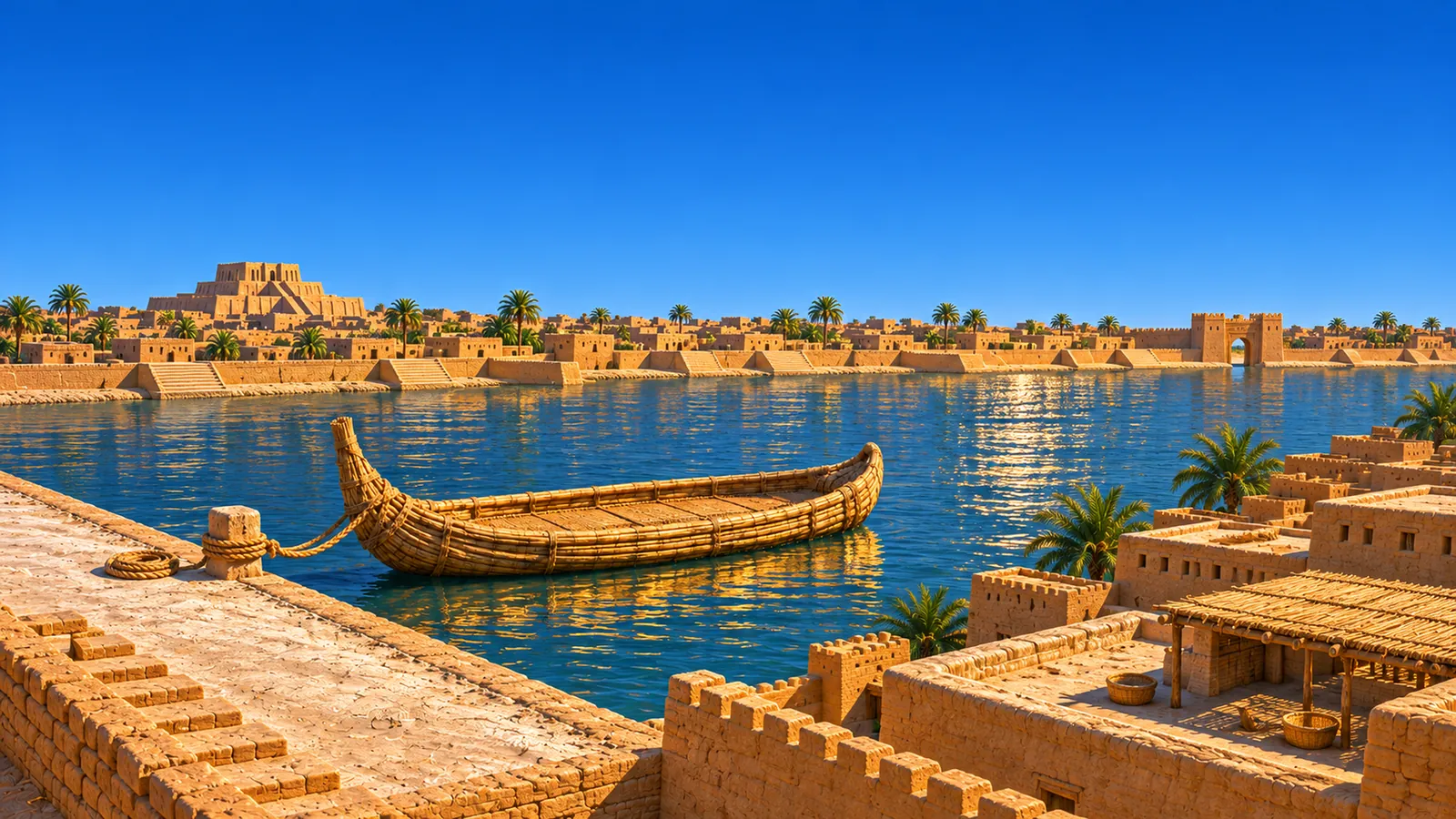
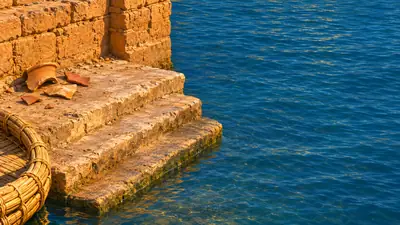
O lugar onde a barca acostou recebeu o nome de Cais Branco. O Cais Azul também é nomeado, embora as palavras que o rodeiam estejam fragmentadas.
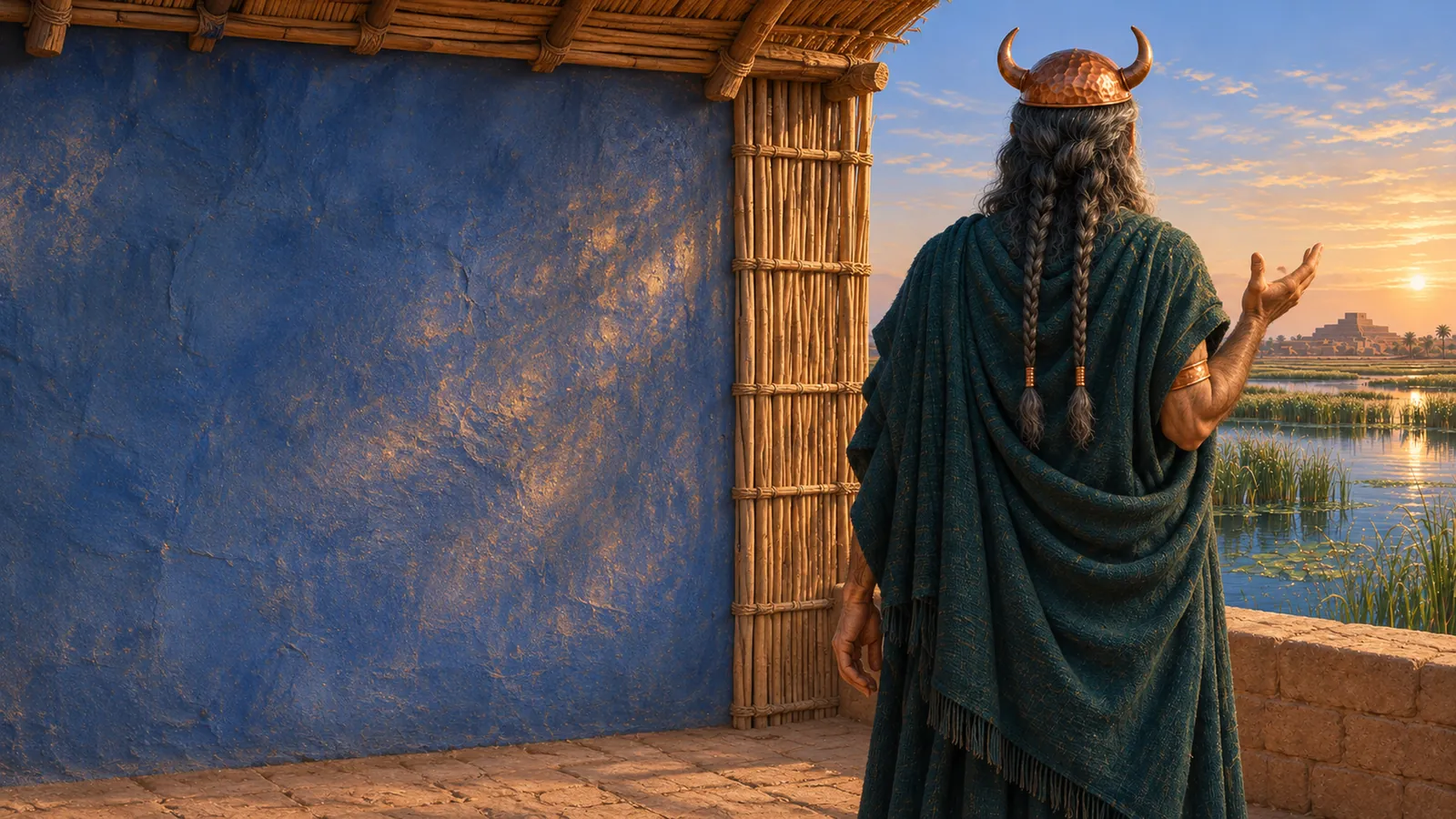
Enki volta a falar a Inanna, com um juramento e palavras fragmentárias sobre o seu Abzu. De uma pergunta de Inanna restam fragmentos.
AS ÚLTIMAS PALAVRAS
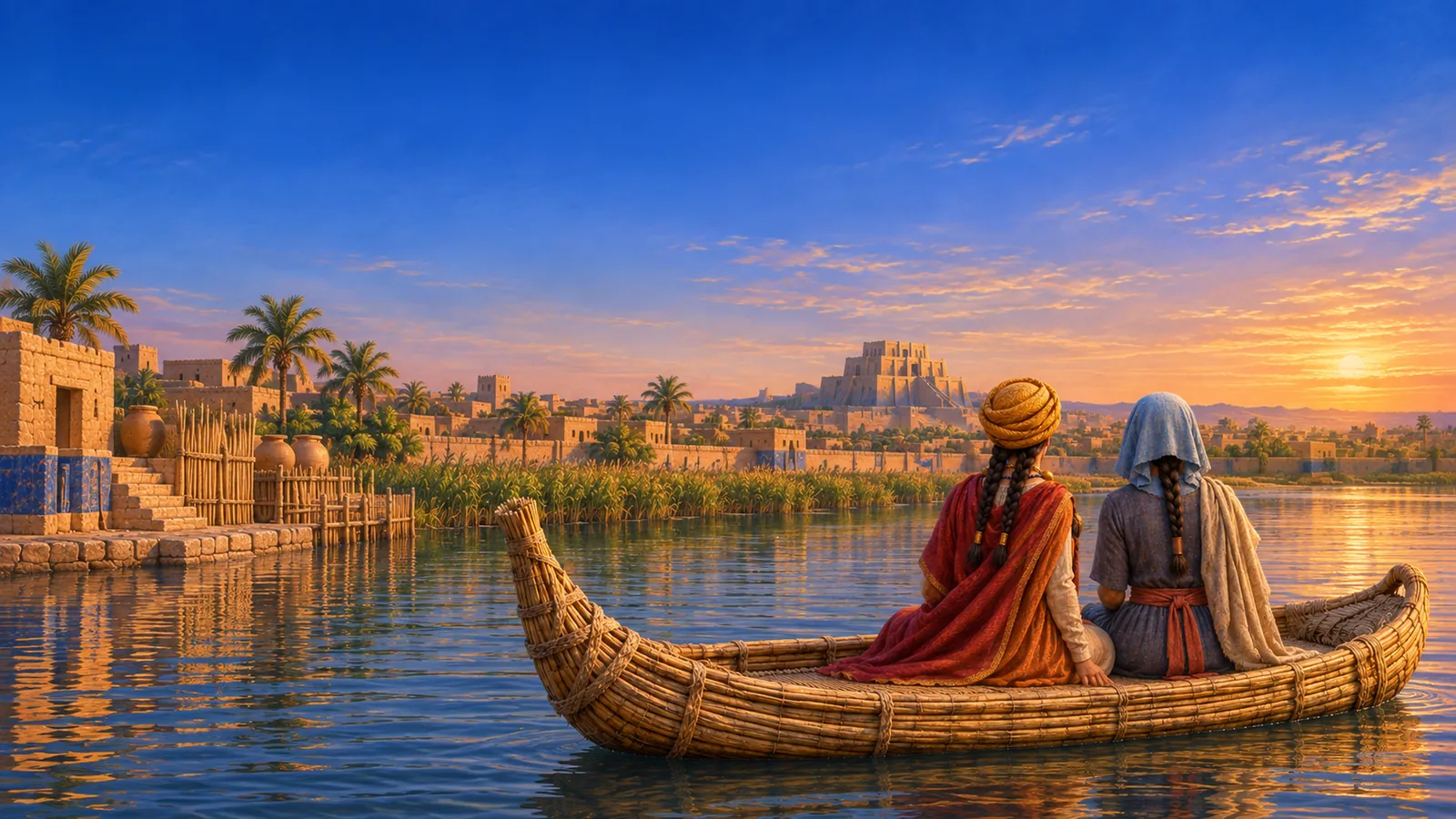
No fim fragmentário ouve-se uma terceira voz. São nomeadas uma festa e as cidades de Uruk e Eridu. As últimas palavras estão incompletas.
Fim do capítulo 1
Todas as páginas

Fontes
Page 33. The partially preserved list in Oxford ETCSL 1.3.1, F 33–34 names the hierodule of heaven alongside the holy nijin-jar shrine and musical instruments. [Oxford translation](https://etcsl.orinst.ox.ac.uk/section1/tr131.htm)
Edições consultadas
- Oxford ETCSL 1.3.1, Inana and Enki, translation
- Oxford ETCSL 1.3.1, Sumerian composite
- Oxford ETCSL 1.3.1, manuscript bibliography
- Penn Museum, CBS 13571 and joins
- Penn Museum, CBS 15283
- CDLI, Geneva witness MAH 16127
- IL Archive, Ninshubur and the Boat of Heaven
- IL Archive, Enki and the divine powers
Os versos antigos de cada página
- Page 1: ETCSL 1.3.1 A 1–10, opening lacuna
The opening has about six missing lines and remains fragmentary. - Page 2: ETCSL 1.3.1 A 1–10
The self-praise survives in damaged lines. - Page 3: ETCSL 1.3.1 A 11–27
Several parts of her intentions are broken. - Page 4: ETCSL 1.3.1 B 1–5, preceding lacuna
About twenty-one lines are missing between A and B. - Page 5: ETCSL 1.3.1 B 6–8
- Page 6: ETCSL 1.3.1 B 9–12
One witness reads temple where another reads Abzu. - Page 7: ETCSL 1.3.1 B 13–15, following lacuna
The last line is fragmentary before about two missing lines. - Page 8: ETCSL 1.3.1 C 1–8
Some of the preparations survive in broken wording. - Page 9: ETCSL 1.3.1 C 9–12
- Page 10: ETCSL 1.3.1 C 13–14
- Page 11: ETCSL 1.3.1 C 15–18
- Page 12: ETCSL 1.3.1 C 19–26
- Page 13: ETCSL 1.3.1 C 27–28
- Page 14: ETCSL 1.3.1 C 29–30
The passage names bronze drinking vessels. - Page 15: ETCSL 1.3.1 After C 30, lacuna
About thirty-five lines are missing before the surviving gift passage. - Page 16: ETCSL 1.3.1 D 1–5
The first surviving gift formula names Enki’s power and Abzu. He calls Inanna his daughter in this poem. - Page 17: ETCSL 1.3.1 D 1–5
- Page 18: ETCSL 1.3.1 D 6–9
- Page 19: ETCSL 1.3.1 D 10–13
- Page 20: ETCSL 1.3.1 D 10–13
- Page 21: ETCSL 1.3.1 D 14–17
- Page 22: ETCSL 1.3.1 D 18–21
Some of the terms are damaged. - Page 23: ETCSL 1.3.1 D 22–27, following lacuna
The end of D is damaged before about seventy-eight missing lines. - Page 24: ETCSL 1.3.1 E 1–9
- Page 25: ETCSL 1.3.1 E 10–26
- Page 26: ETCSL 1.3.1 E 27–36, following lacuna
The wording is damaged and about thirty-four to thirty-five further lines are missing. - Page 27: ETCSL 1.3.1 F 1–8
This quay is unnamed in the surviving lines. - Page 28: ETCSL 1.3.1 F 8–13
The beer has worn off by this point in the poem. - Page 29: ETCSL 1.3.1 F 14–20
- Page 30: ETCSL 1.3.1 F 21–24
- Page 31: ETCSL 1.3.1 F 25–28
One question is largely lost, and other words are damaged. - Page 32: ETCSL 1.3.1 F 29–32
- Page 33: ETCSL 1.3.1 F 33–34
The wording around these terms is partly broken. - Page 34: ETCSL 1.3.1 After F 34, lacuna
About thirty-three to thirty-six lines are missing. - Page 35: ETCSL 1.3.1 G 1–10
The frog and a bolt are legible, but their larger context is uncertain. - Page 36: ETCSL 1.3.1 G 11–21, following lacuna
These numbered lines are fragmentary, followed by about ten to fifteen missing lines. - Page 37: ETCSL 1.3.1 H 1–7
The name of the first quay is damaged. The poem calls on the enkum. - Page 38: ETCSL 1.3.1 H 8–19
- Page 39: ETCSL 1.3.1 H 20–34
- Page 40: ETCSL 1.3.1 H 35–41
- Page 41: ETCSL 1.3.1 H 42–53
- Page 42: ETCSL 1.3.1 H 54–68
- Page 43: ETCSL 1.3.1 H 69–75
UL.MA is a reading label for the hill’s name in the Oxford edition. - Page 44: ETCSL 1.3.1 H 76–87
- Page 45: ETCSL 1.3.1 H 88–102
The text names fifty lahama of the subterranean waters and repeats the call to Ninshubur. - Page 46: ETCSL 1.3.1 H 103–109
The command referring to the great fish is partly damaged. - Page 47: ETCSL 1.3.1 H 110–121
- Page 48: ETCSL 1.3.1 H 122–136
- Page 49: ETCSL 1.3.1 H 137–143
The name of the place is damaged. - Page 50: ETCSL 1.3.1 H 144–155
- Page 51: ETCSL 1.3.1 H 156–170
- Page 52: ETCSL 1.3.1 H 171–178
Words specifying its agents are damaged. - Page 53: ETCSL 1.3.1 H 179–190
- Page 54: ETCSL 1.3.1 H 191–206
Oxford restores much of the repeated wording in this passage. - Page 55: ETCSL 1.3.1 H 207–217
The seventh time is mentioned in broken lines. The details of the event remain uncertain. - Page 56: ETCSL 1.3.1 H 218–223
The arrival at the Gate of Joy is described in Ninshubur’s words. - Page 57: ETCSL 1.3.1 H 224–240
The words about the people of Uruk are partly broken. - Page 58: ETCSL 1.3.1 H 241–248
- Page 59: ETCSL 1.3.1 H 249–256
Further actions around the well, Jipar Gate and Agrun Chamber are damaged. - Page 60: ETCSL 1.3.1 H 257–266, following lacuna
The instruction after the White Quay report is damaged. Oxford marks about three missing lines after H 266. - Page 61: ETCSL 1.3.1 J 1–15
The speaker of the catalogue is unidentified in the surviving lines. - Page 62: ETCSL 1.3.1 J 16–34
Several entries in this part of the arrival catalogue are fragmentary. - Page 63: ETCSL 1.3.1 J 35–52
Some wording around the cultic roles and the types of speech is uncertain. - Page 64: ETCSL 1.3.1 J 53–64
- Page 65: ETCSL 1.3.1 J 65–72
- Page 66: ETCSL 1.3.1 J 73–88
- Page 67: ETCSL 1.3.1 J 89–106
Several entries late in the arrival list are fragmentary. - Page 68: ETCSL 1.3.1 J 107–114
J 107–108 are fragmentary. The subsequent six numbered lines, J 109–114, are missing. - Page 69: ETCSL 1.3.1 J 115–121
The name referring to potsherds and metal is a doubtful reading. The surrounding account is damaged. - Page 70: ETCSL 1.3.1 J 122–125
The White Quay is named where the boat docks. The wording around the Blue Quay is fragmentary. - Page 71: ETCSL 1.3.1 J 126–130
Enki’s proposal and Inanna’s response are both fragmentary. - Page 72: ETCSL 1.3.1 J 131–142
Ilustrações feitas pelo IL Archive com ferramentas de IA; o texto baseia-se nas fontes antigas (veja as fontes no fim de cada capítulo).