Ísis e Osíris Capítulo 3
O rio dos juncos
Ísis regressa aos pântanos quando descobre o que Set fez. O relato de Plutarco oferece duas explicações para os túmulos de Osíris. Hórus enfrenta Set e Tot ajuda-o a responder à acusação sobre a sua origem. As últimas palavras voltam-se para o nascimento de Harpócrates.
FontesVire as páginas com as setas, o teclado ou deslizando o dedo.
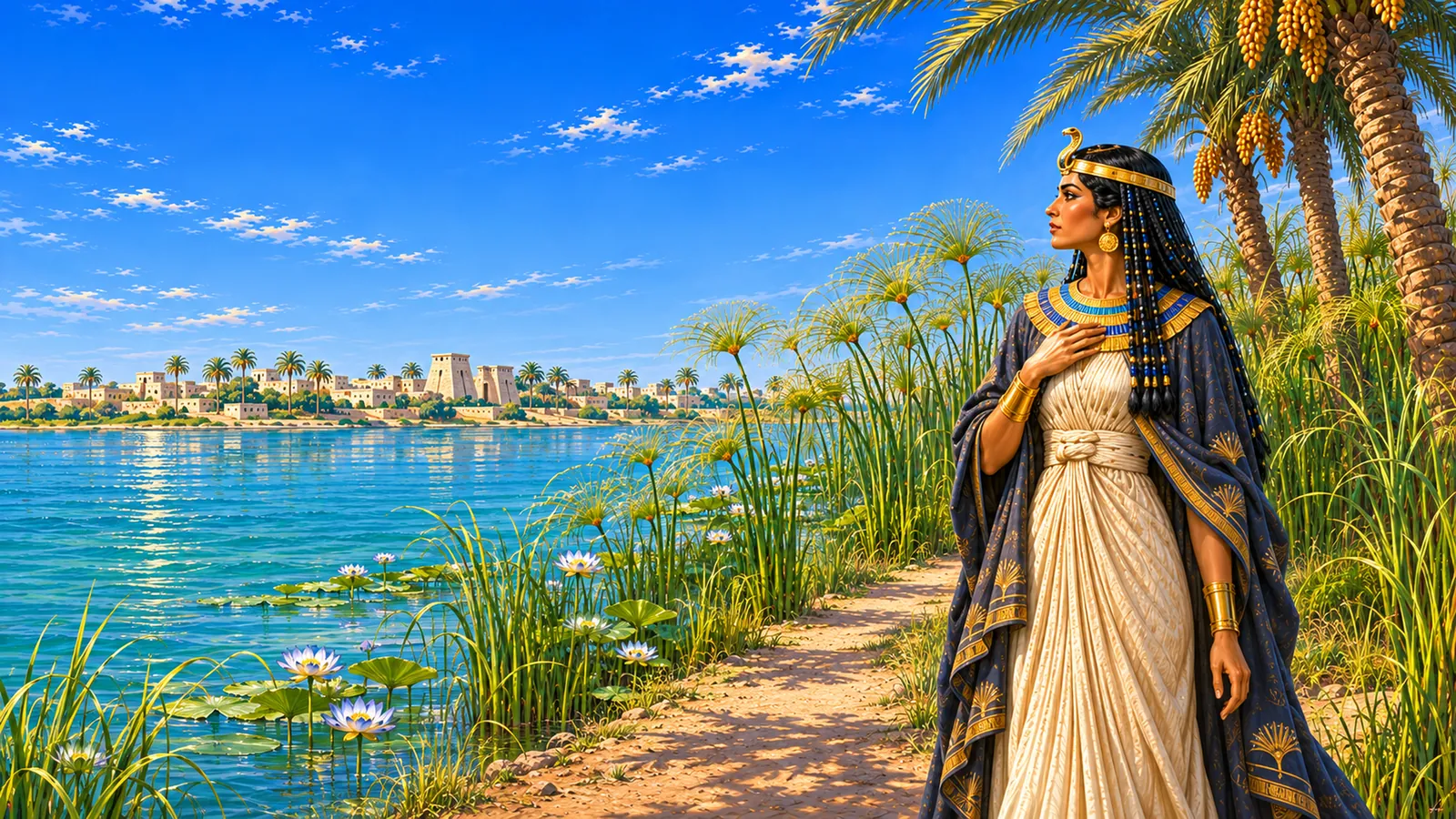
O PÂNTANO
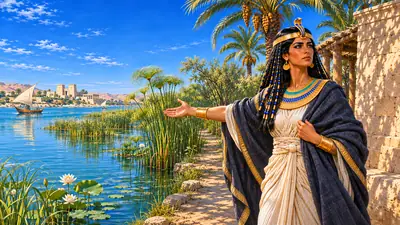
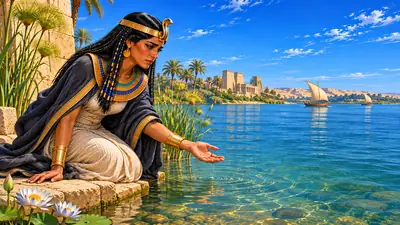
De volta ao Egito, Ísis tencionava visitar o seu filho Hórus. O relato diz que ele estava a ser criado em Buto.

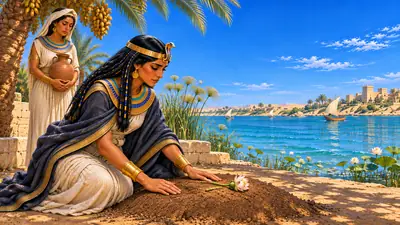
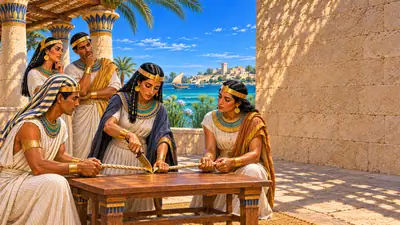
Antes de ir ver o filho, Ísis pôs o cofre de parte. Escolheu um sítio remoto onde raramente passavam pessoas.
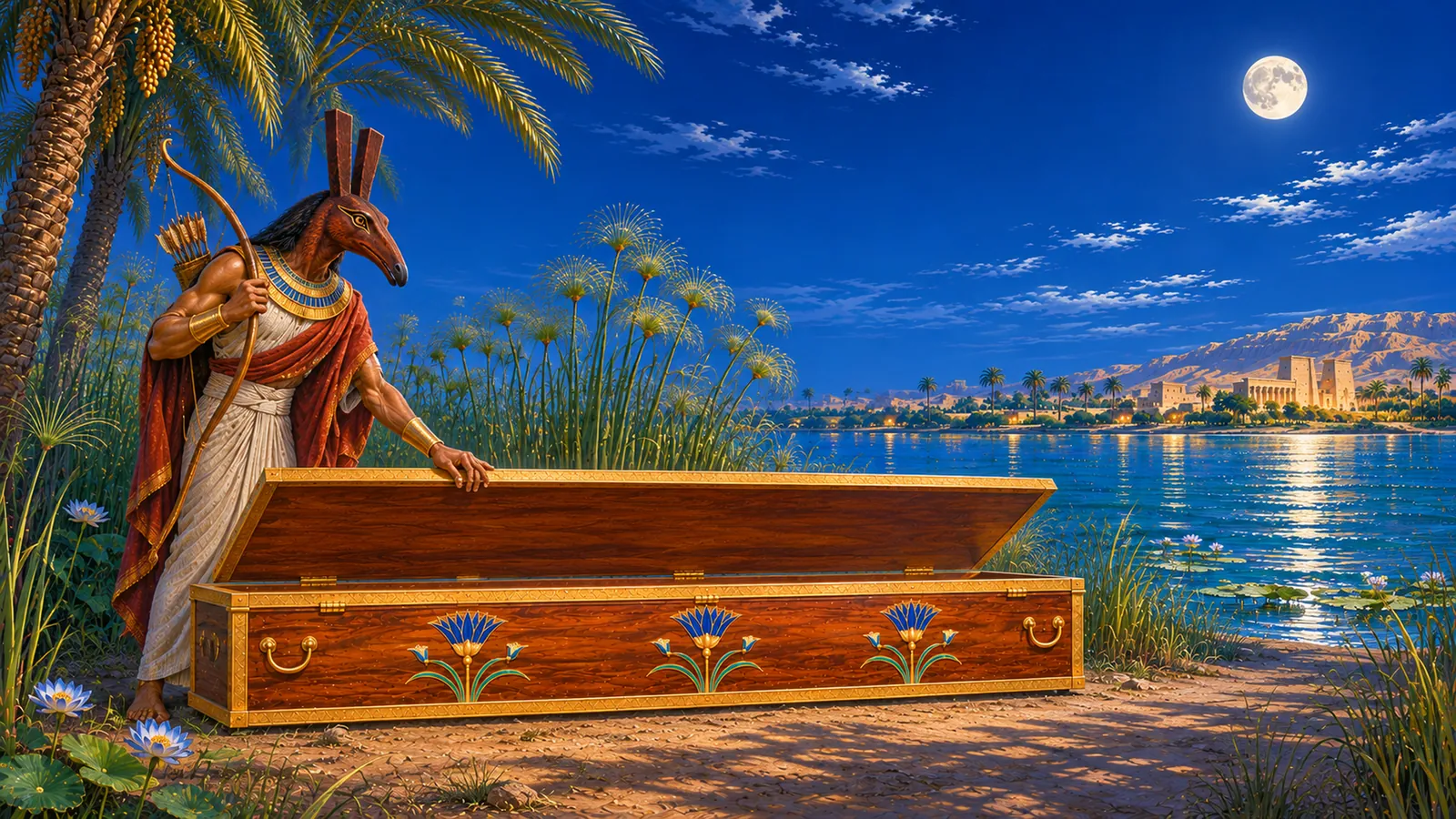
Set caçava uma noite à luz da lua. Encontrou o cofre por acaso e reconheceu o corpo que estava dentro.
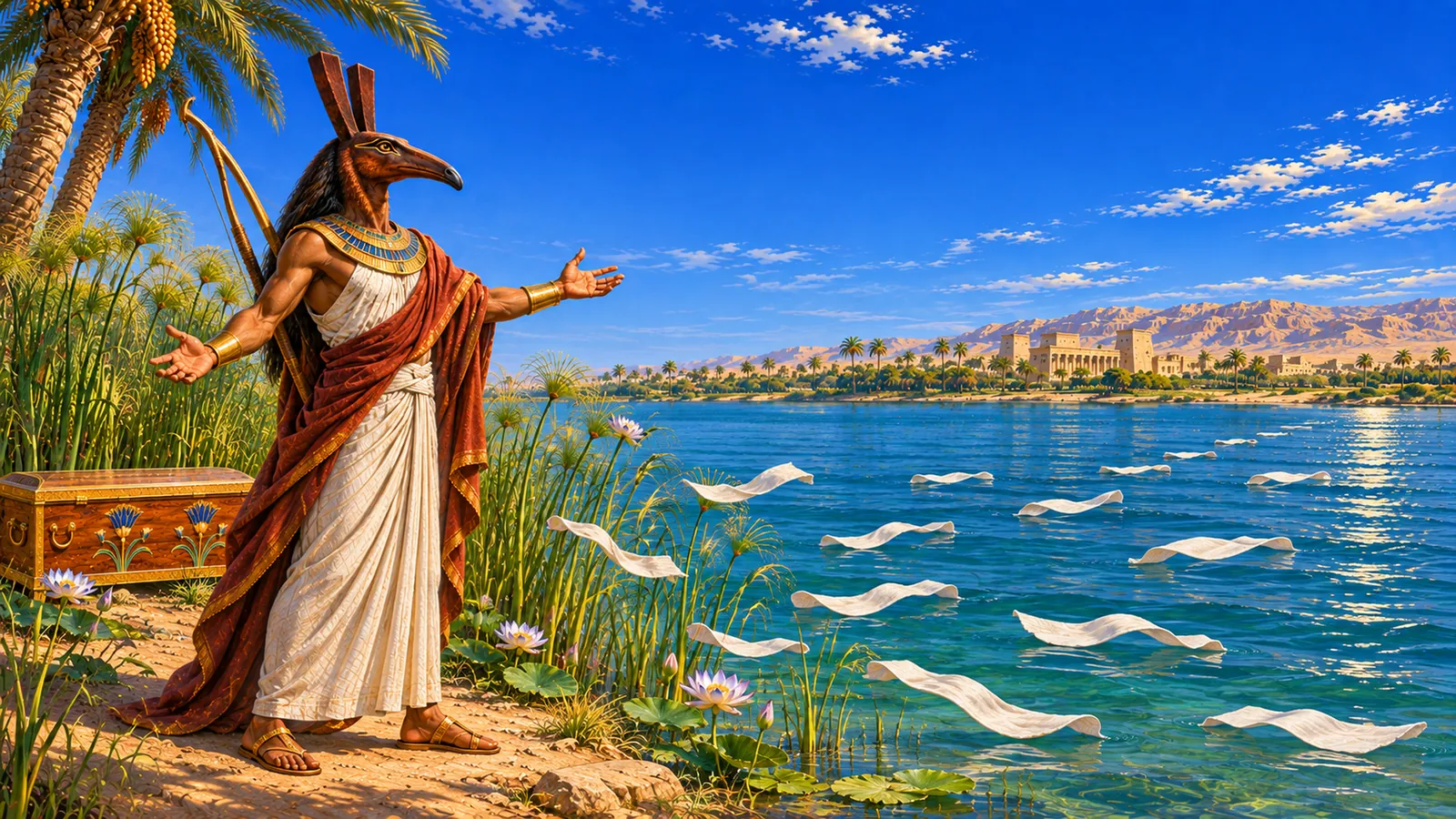
Set reconheceu Osíris dentro do cofre. O relato diz que rasgou o corpo em catorze pedaços e os espalhou por diferentes partes do país.
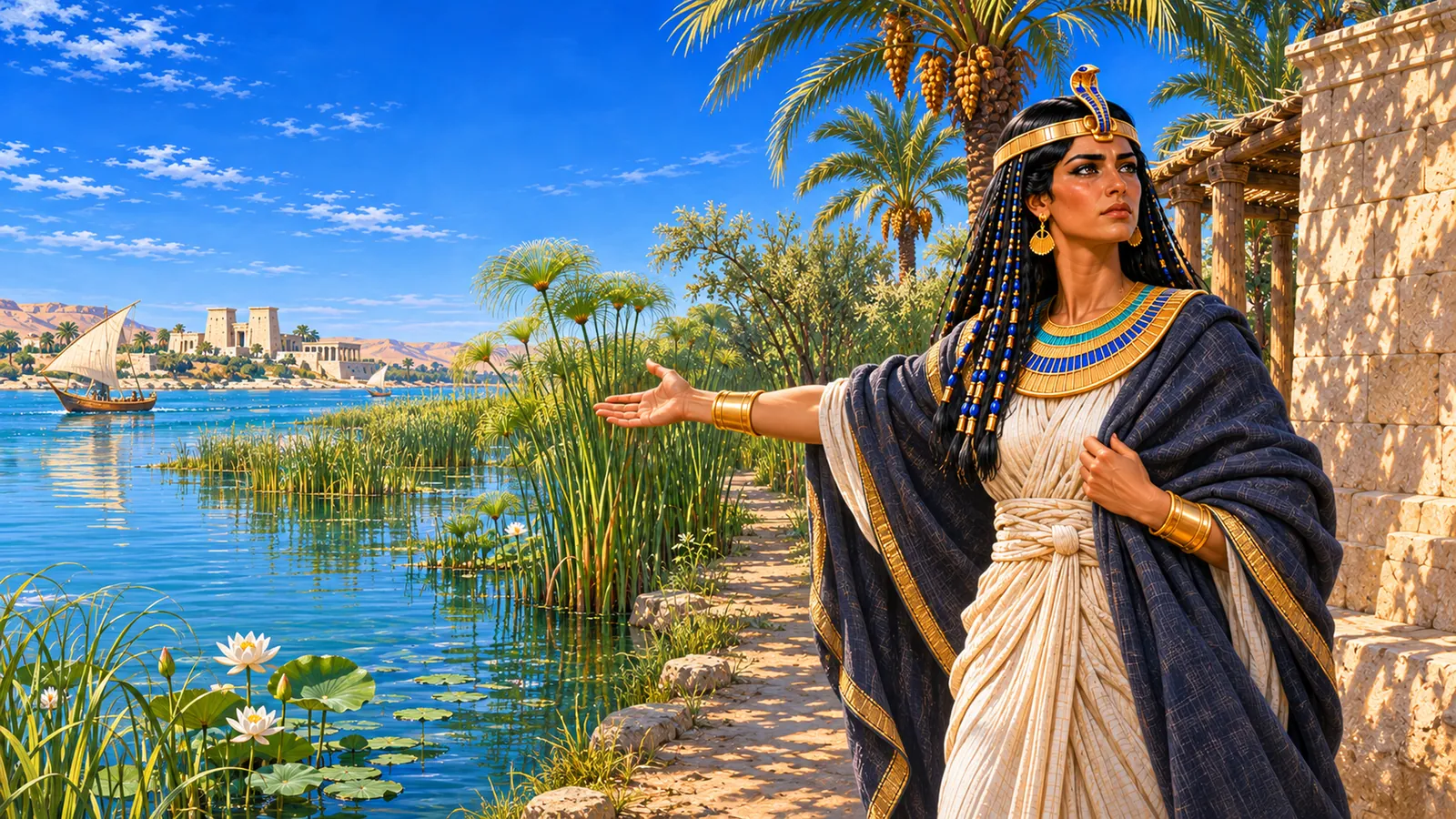
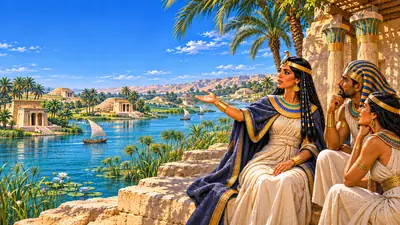
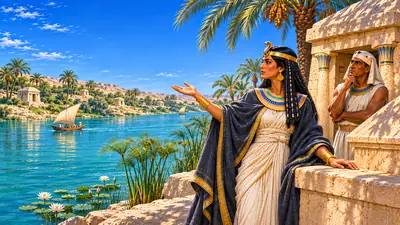
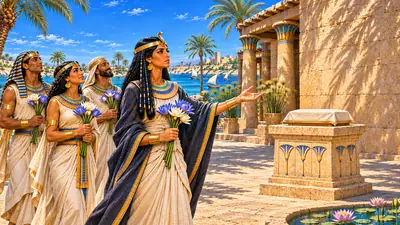
Ísis soube o que acontecera ao corpo de Osíris. Partiu de novo, desta vez para encontrar os pedaços que Set espalhara.
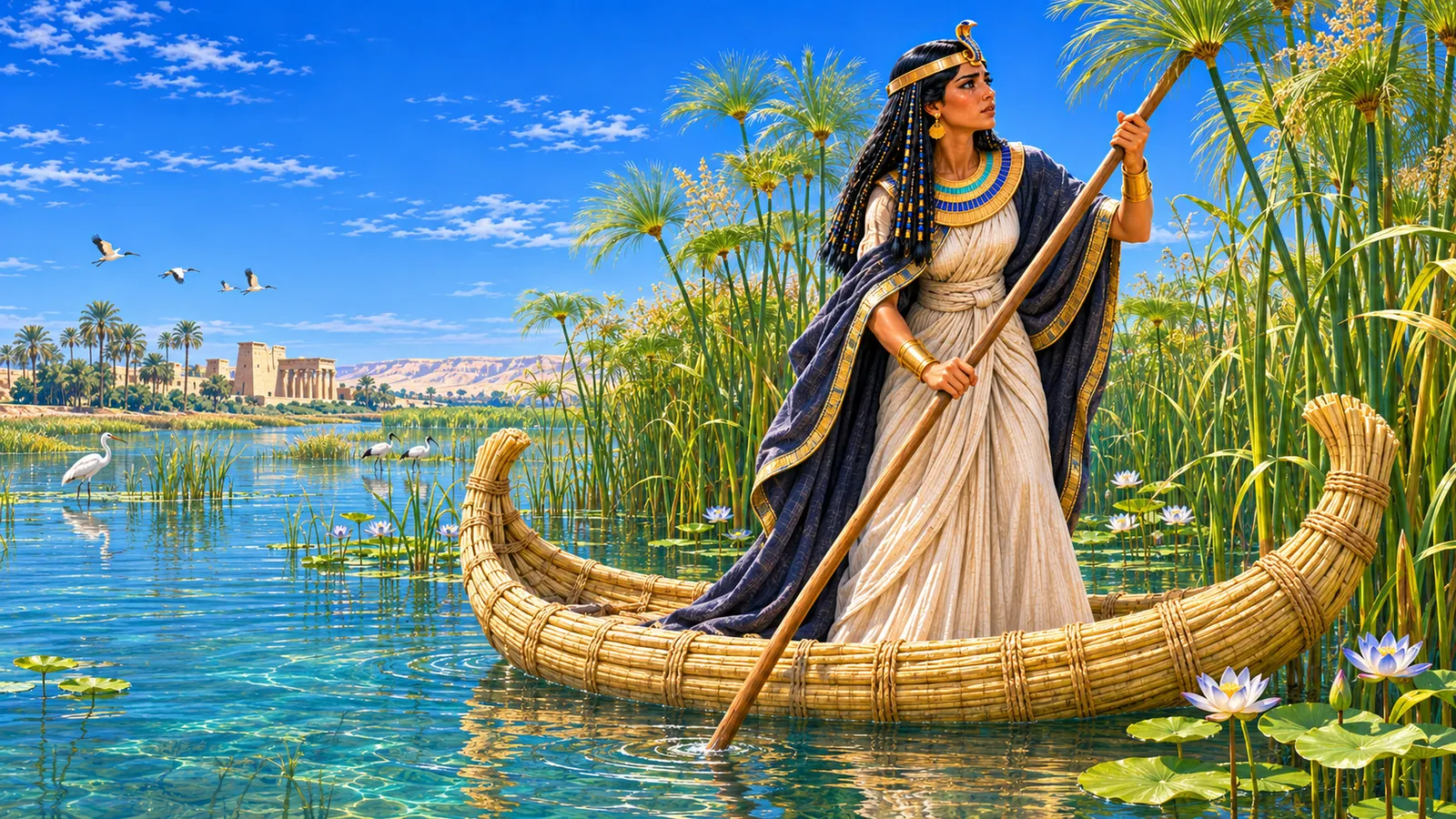
A BARCA
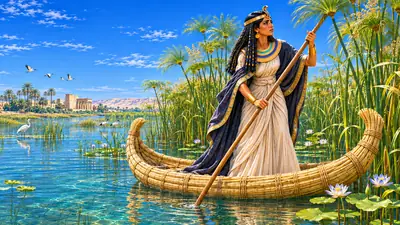
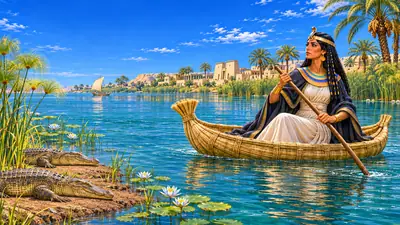
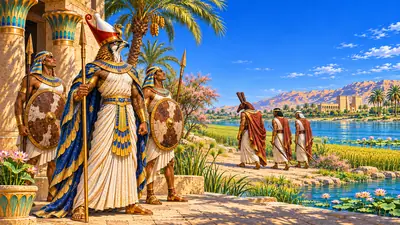
Ísis fez-se ao caminho numa barca de papiro. A embarcação permitia-lhe atravessar mais facilmente as terras baixas e pantanosas do país.
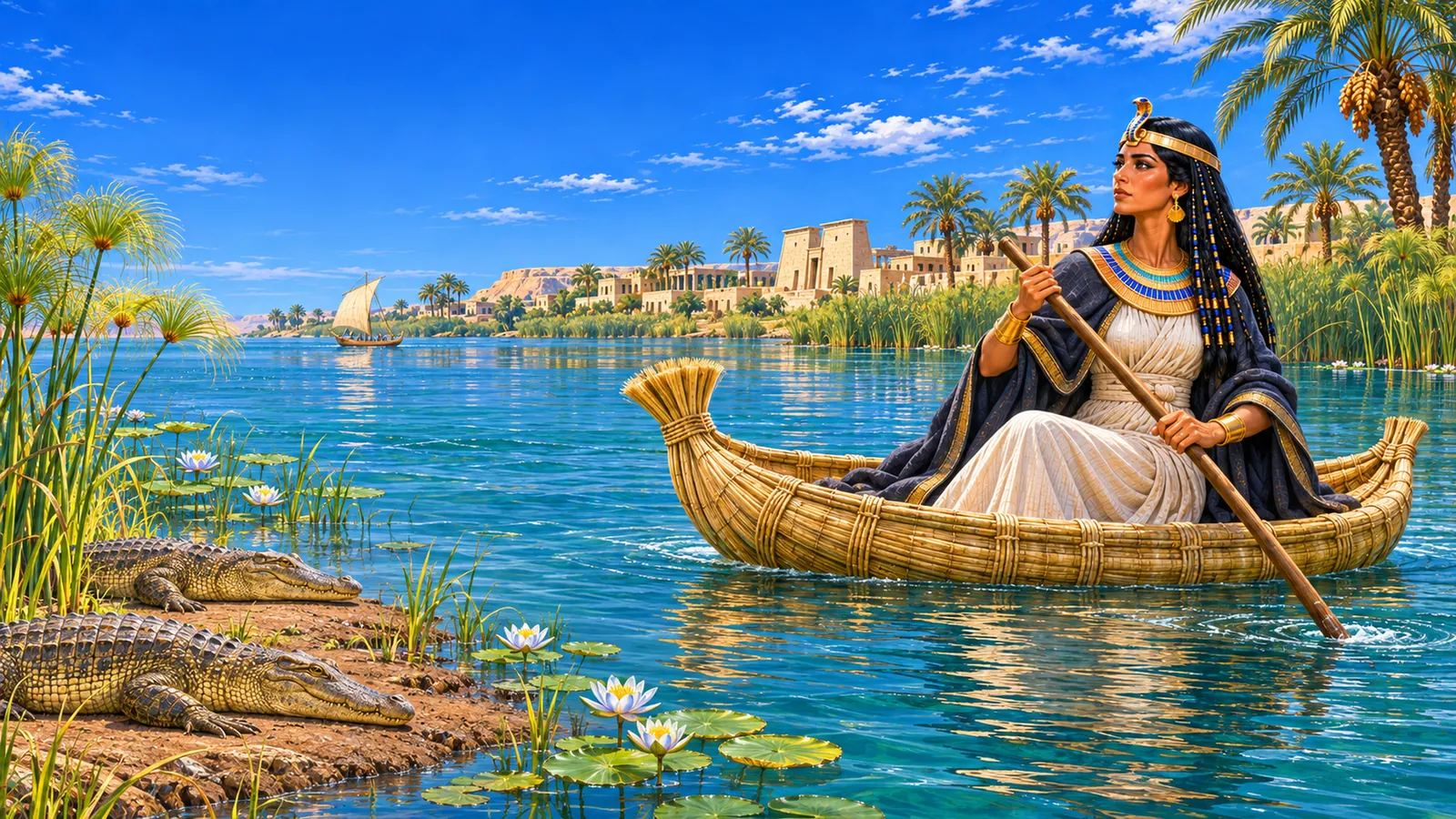
O relato diz que os crocodilos poupam quem viaja em tais barcas. Dá duas explicações: o medo da ira de Ísis, ou o respeito pelo tipo de embarcação que um dia a transportou.
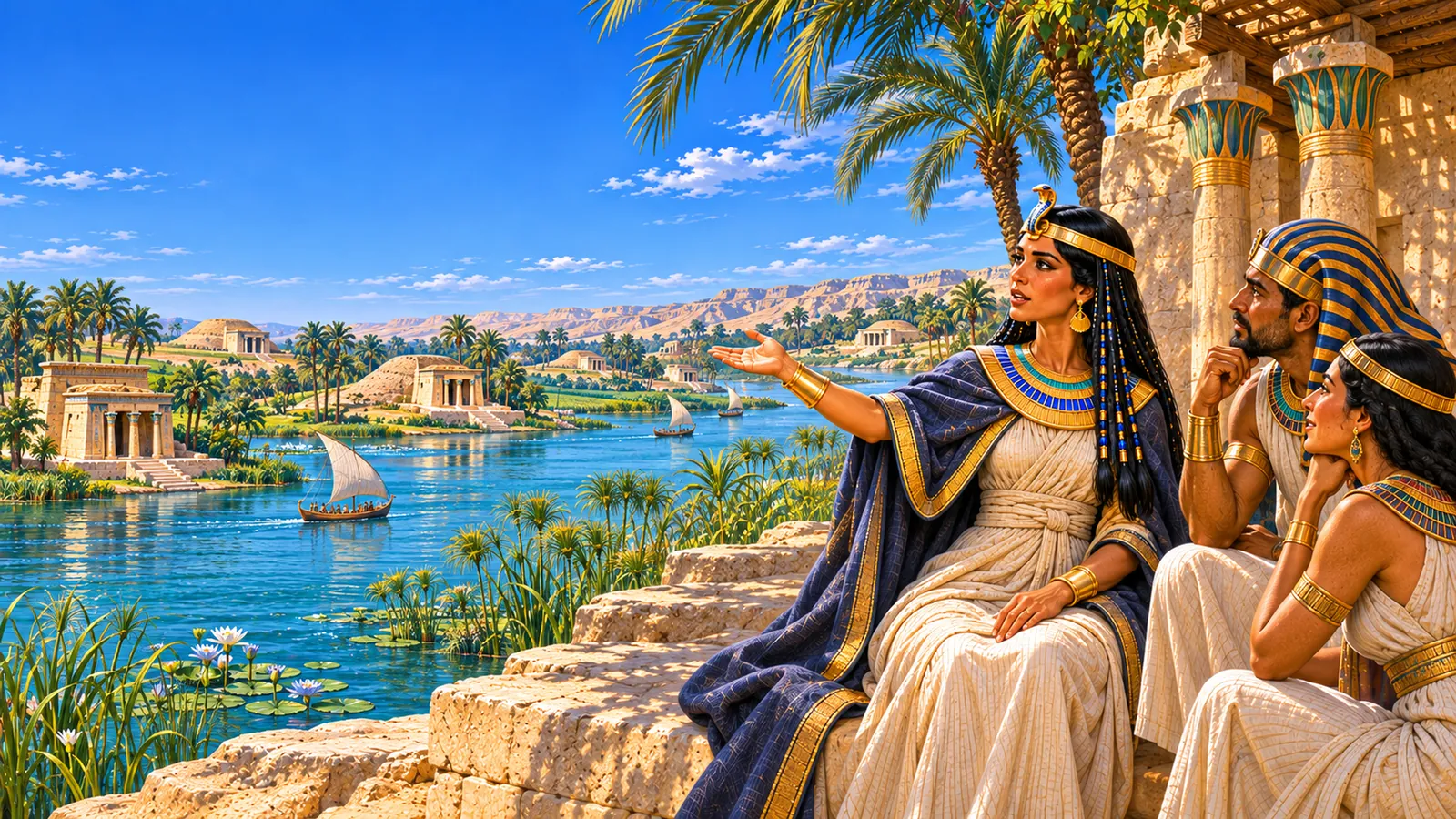
O antigo relato liga a busca de Ísis aos muitos lugares que se mostravam no Egito como túmulos de Osíris. Depois conta por que motivo eram tantos.
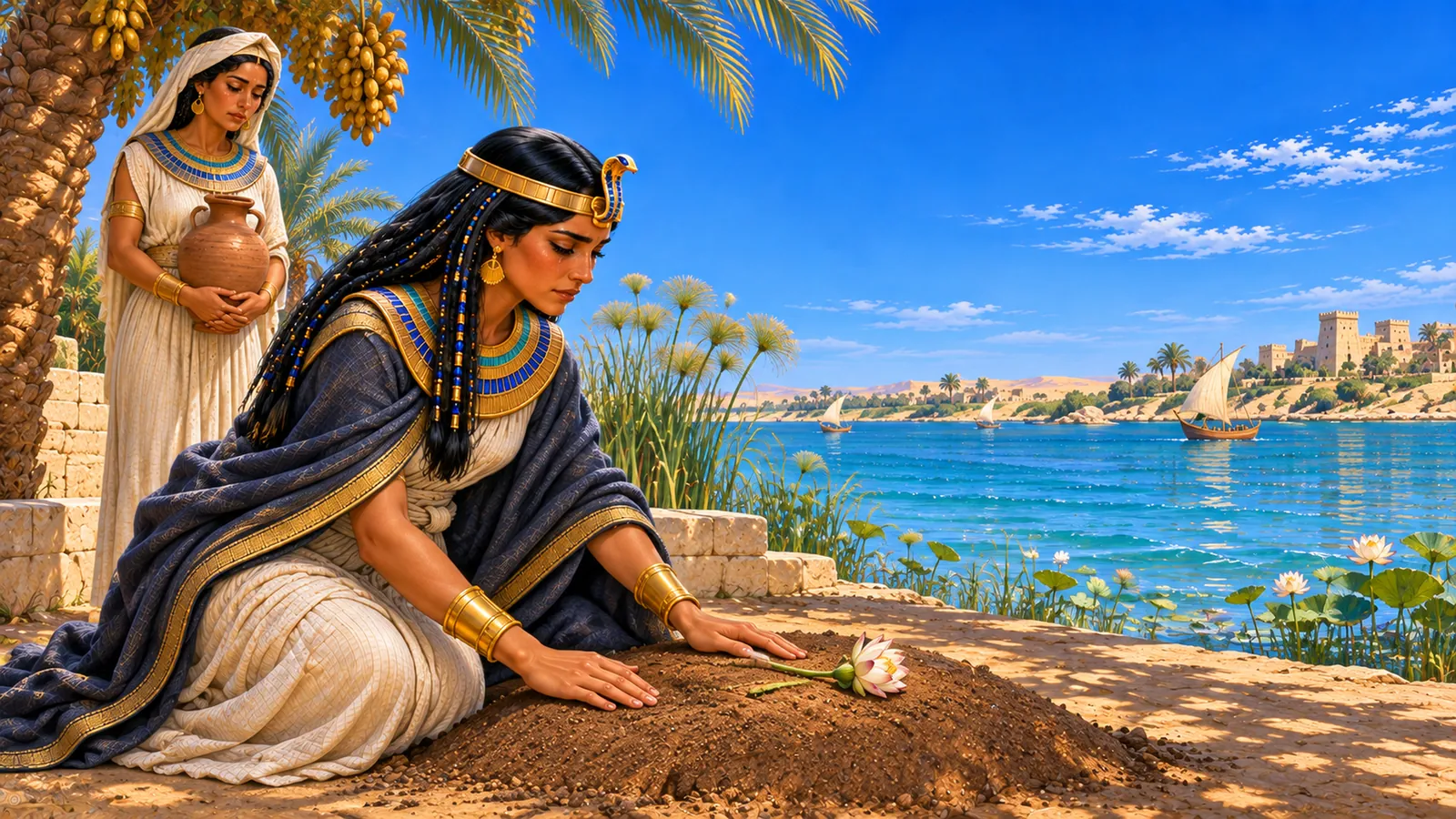
Segundo a primeira explicação, Ísis sepultou os pedaços de Osíris em lugares diferentes. De cada vez que encontrava um, enterrava-o onde o tinha encontrado.
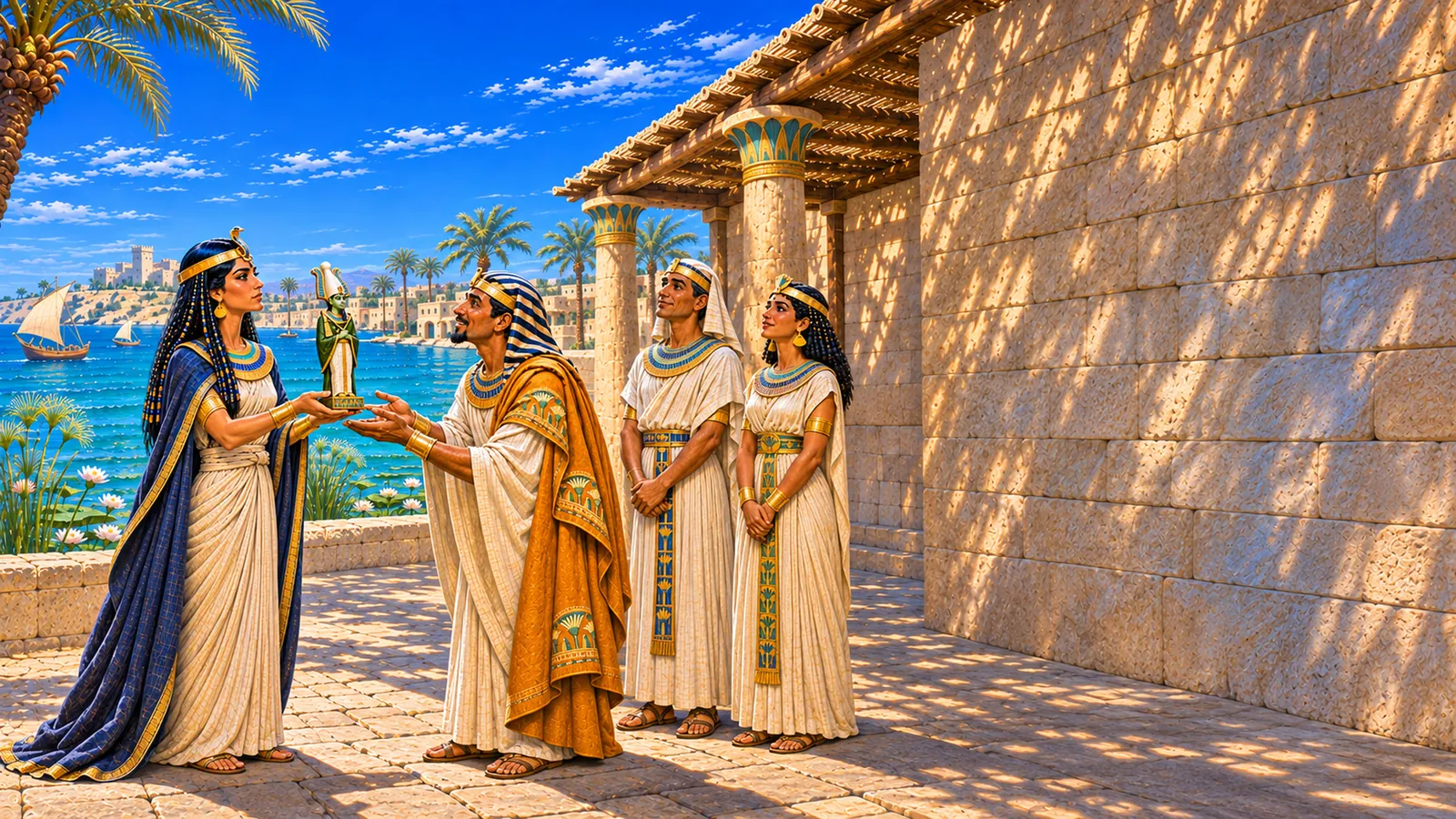
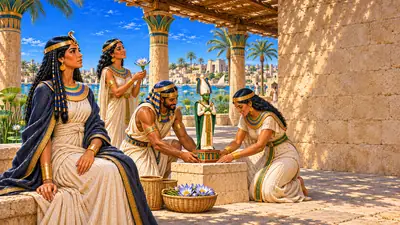
Outros contestavam essa explicação. Diziam que Ísis entregara a várias cidades imagens de Osíris que elas tomaram pelo seu verdadeiro corpo.
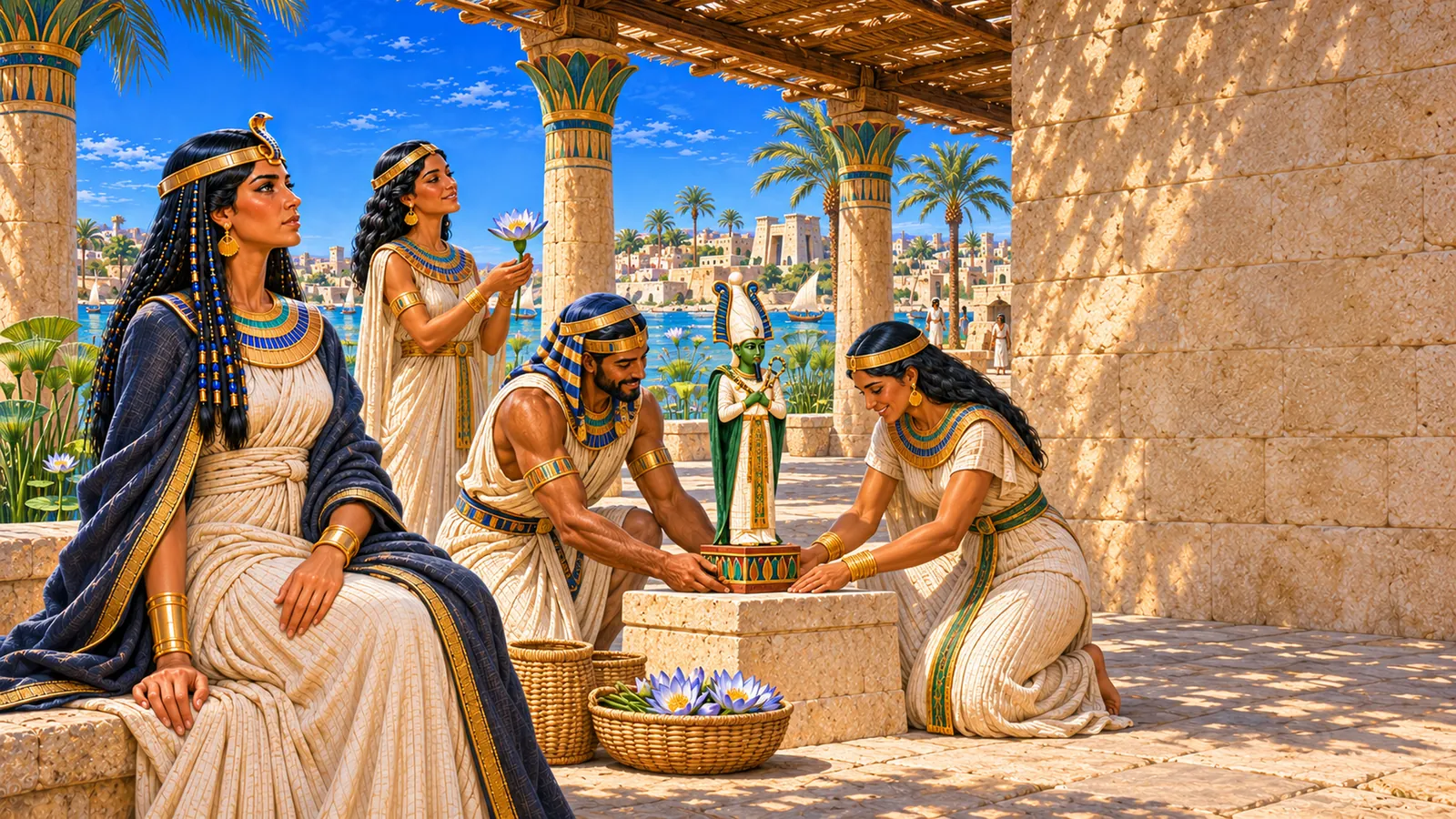
Quem contava assim a história dava duas razões para a distribuição das imagens. A primeira era difundir as honras prestadas à memória de Osíris.
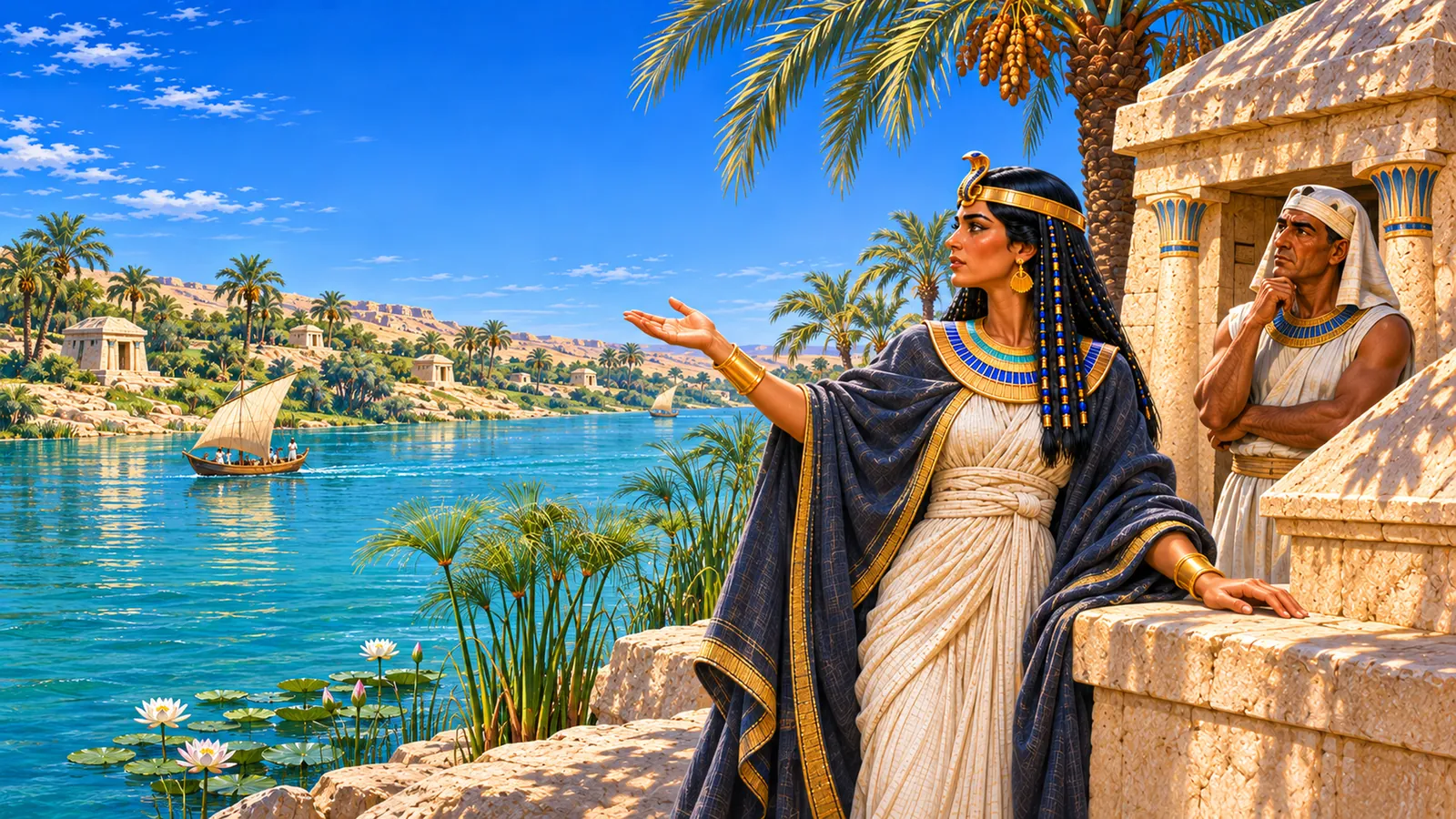
A segunda razão dizia respeito a Set. Se vencesse Hórus na guerra que se avizinhava, a profusão de túmulos podia impedi-lo de descobrir o verdadeiro.
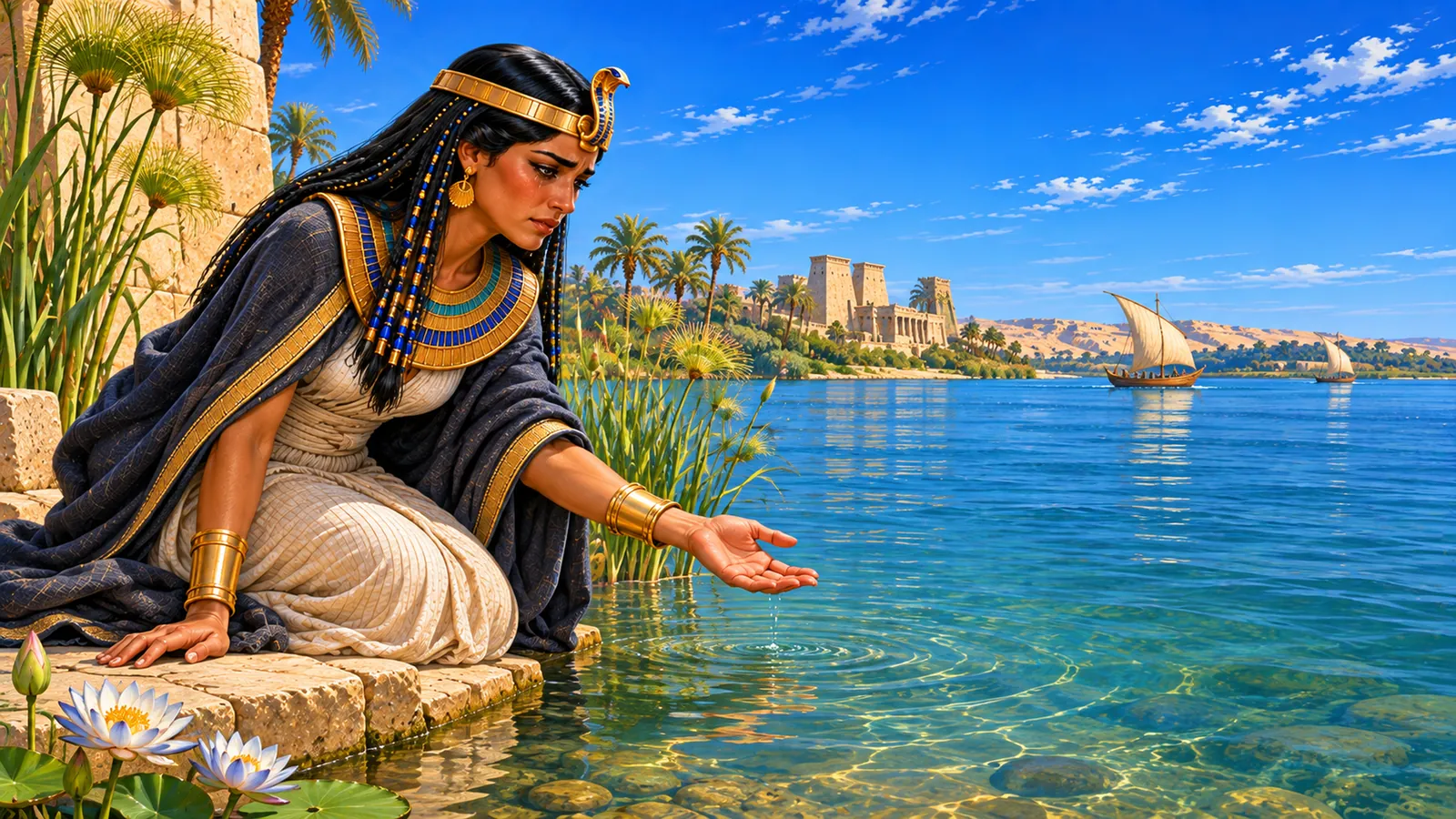
Houve uma parte que Ísis nunca conseguiu recuperar. O relato diz que o pénis de Osíris fora lançado ao Nilo e comido por três peixes.
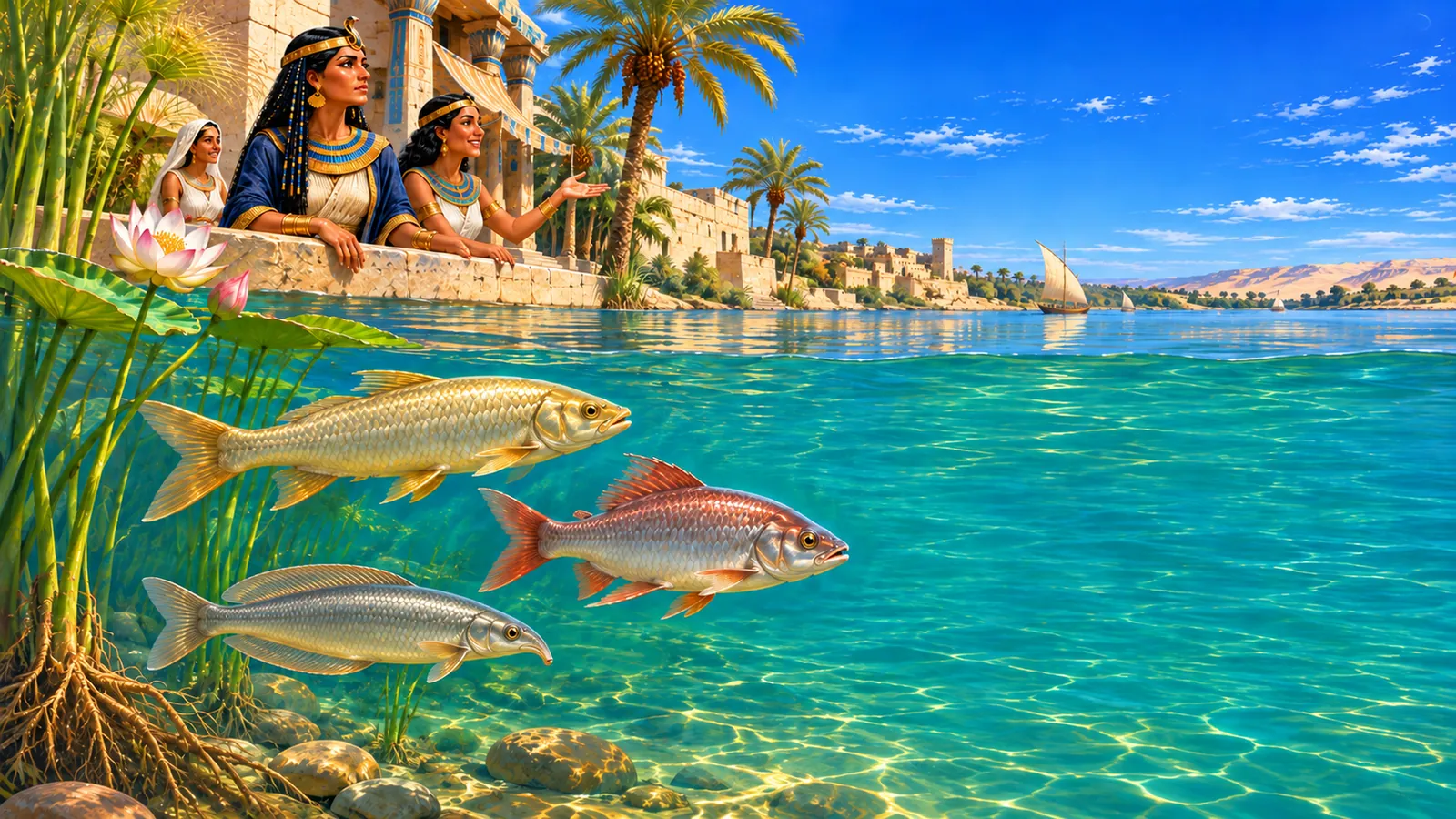
A tradução de Squire chama aos peixes Lepidoto, Fagro e Oxirrinco. O relato apresenta o que ocorreu no Nilo como razão para os egípcios evitarem especialmente esses peixes.
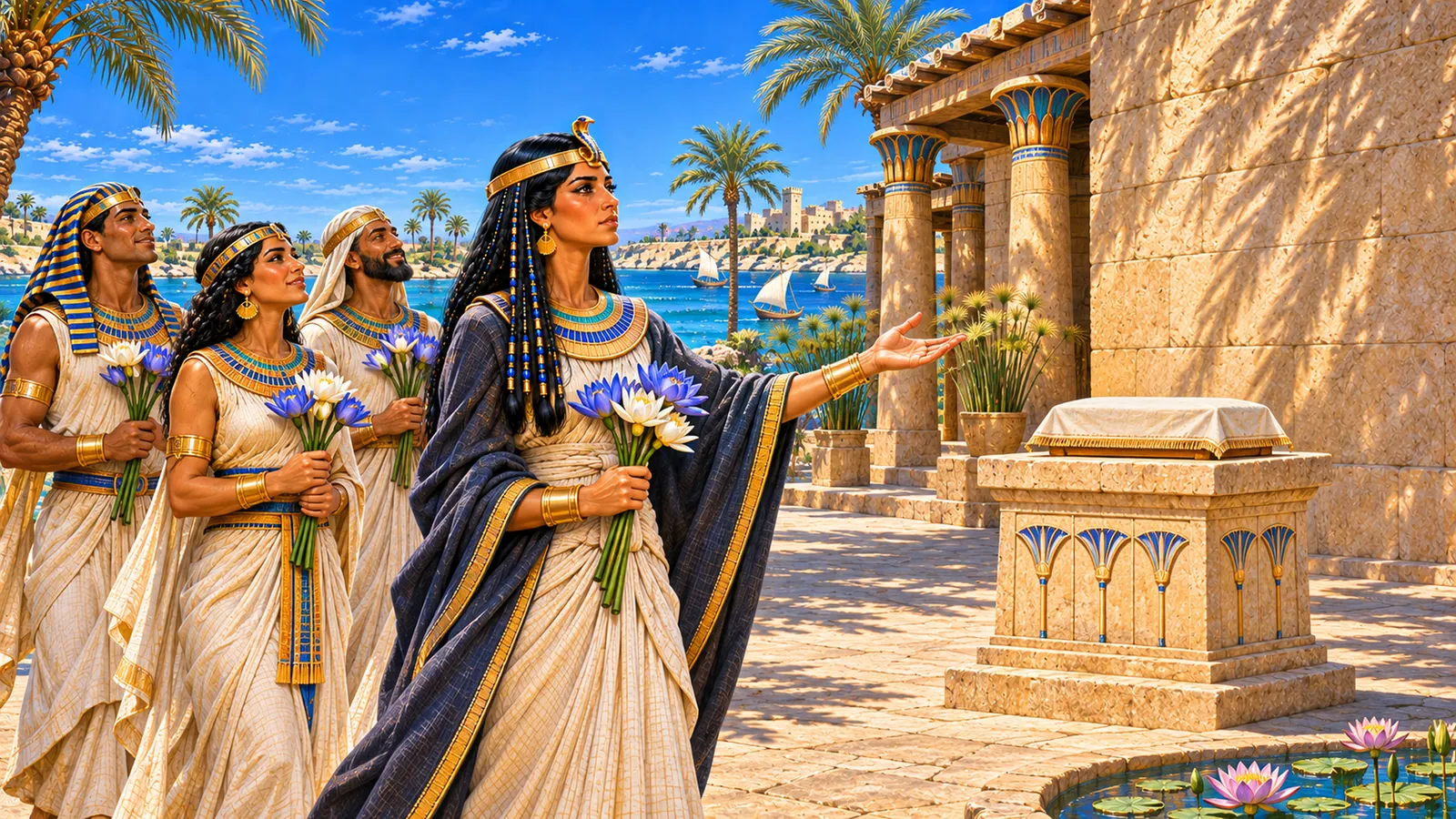
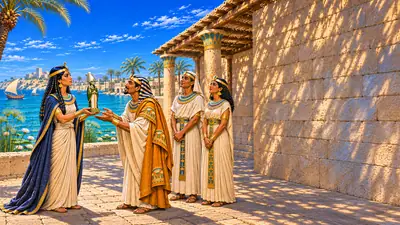
Plutarco diz que Ísis consagrou uma imagem do pénis perdido de Osíris e instituiu uma festa em memória desse órgão.
DO ALÉM
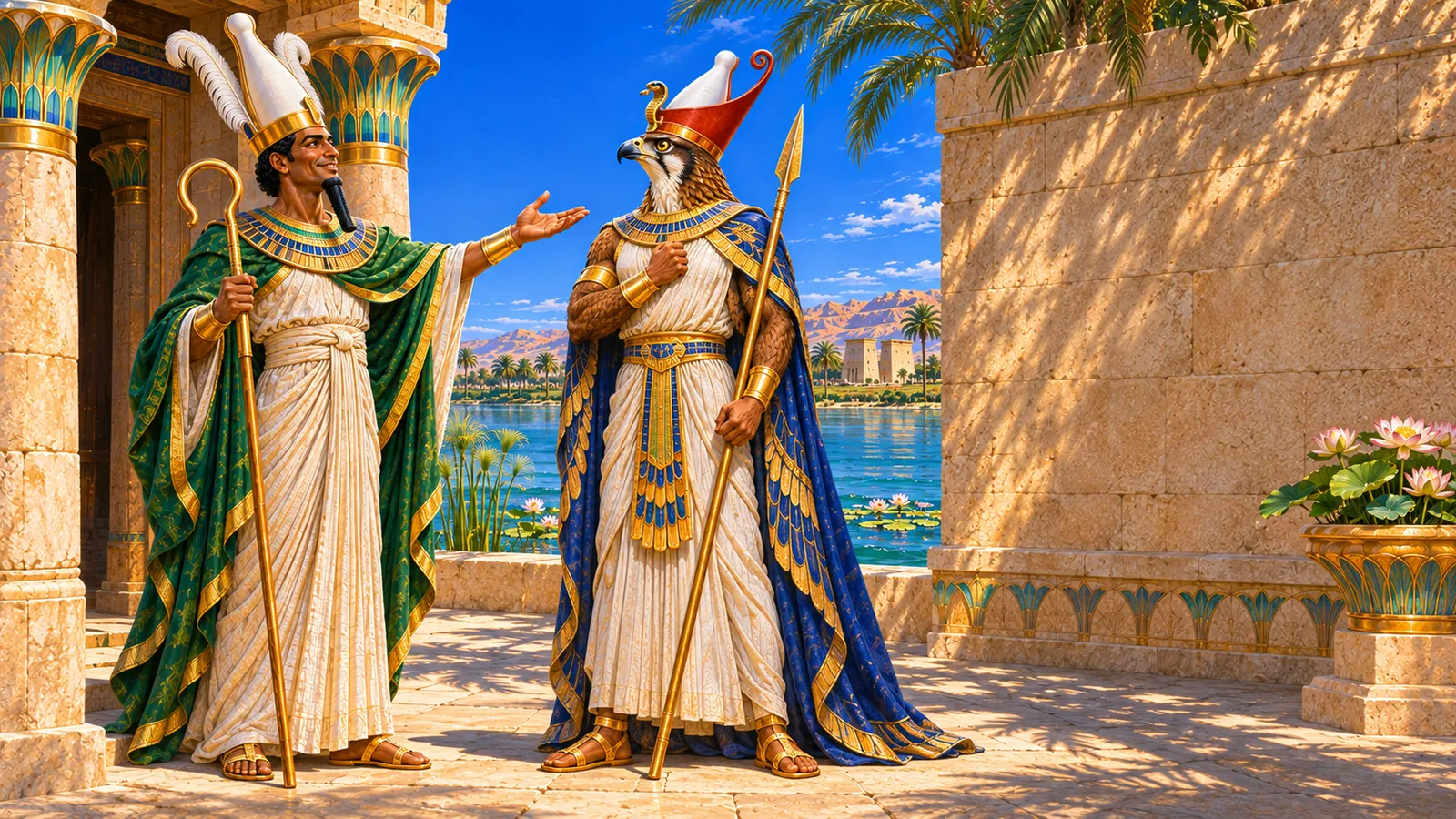
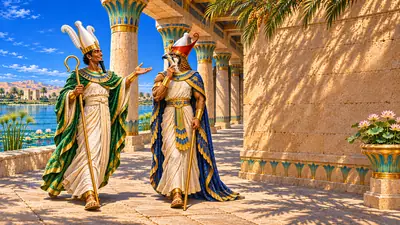
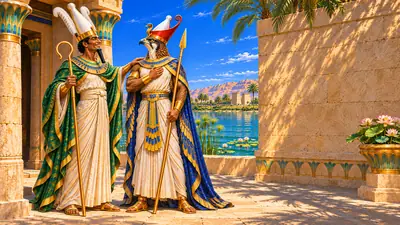
No relato de Plutarco, Osíris apareceu ao seu filho Hórus vindo do outro mundo. Encorajou-o e preparou-o para a batalha que se aproximava.
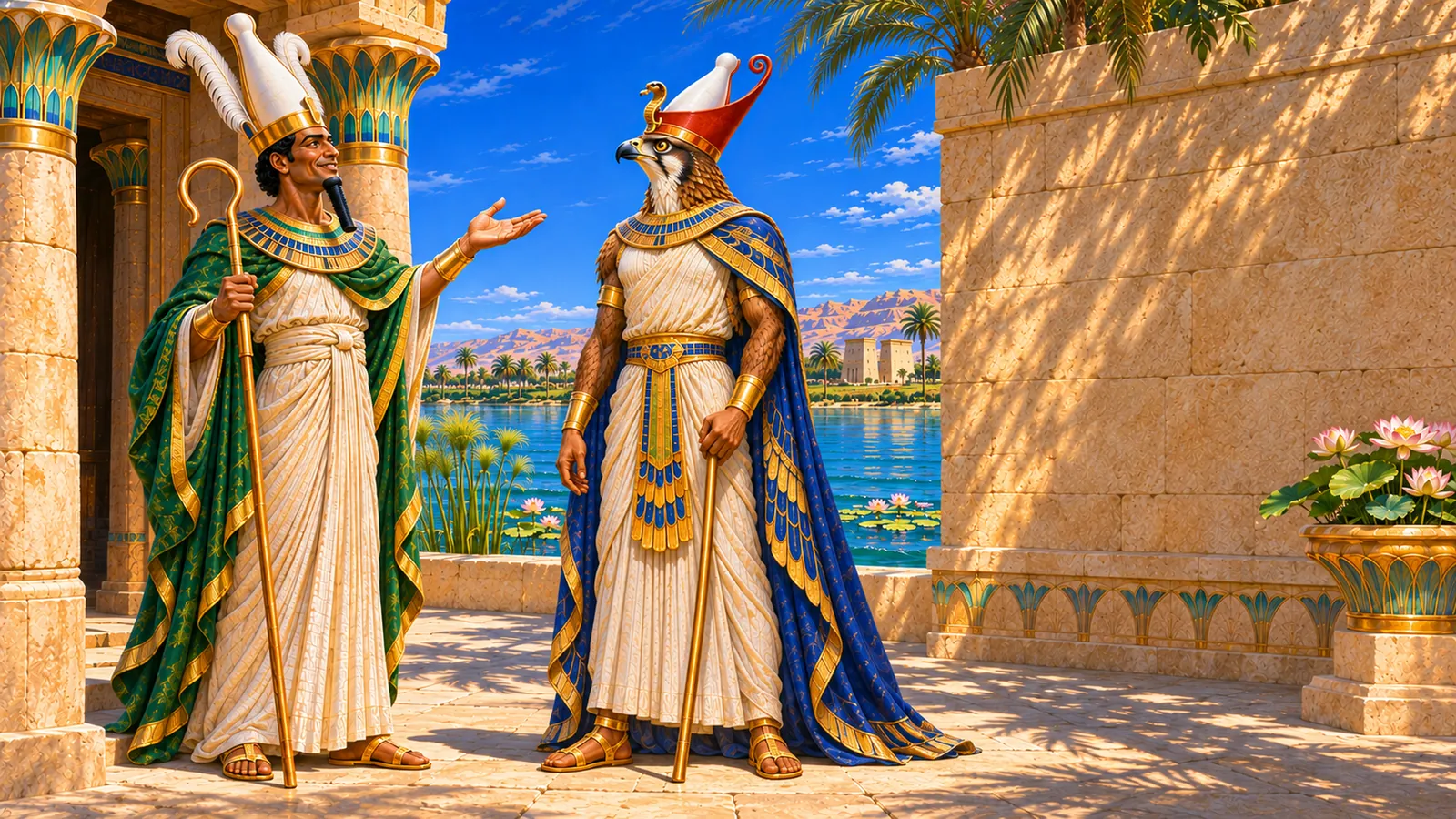
Osíris perguntou a Hórus qual seria, na sua opinião, o ato mais glorioso que uma pessoa poderia realizar.
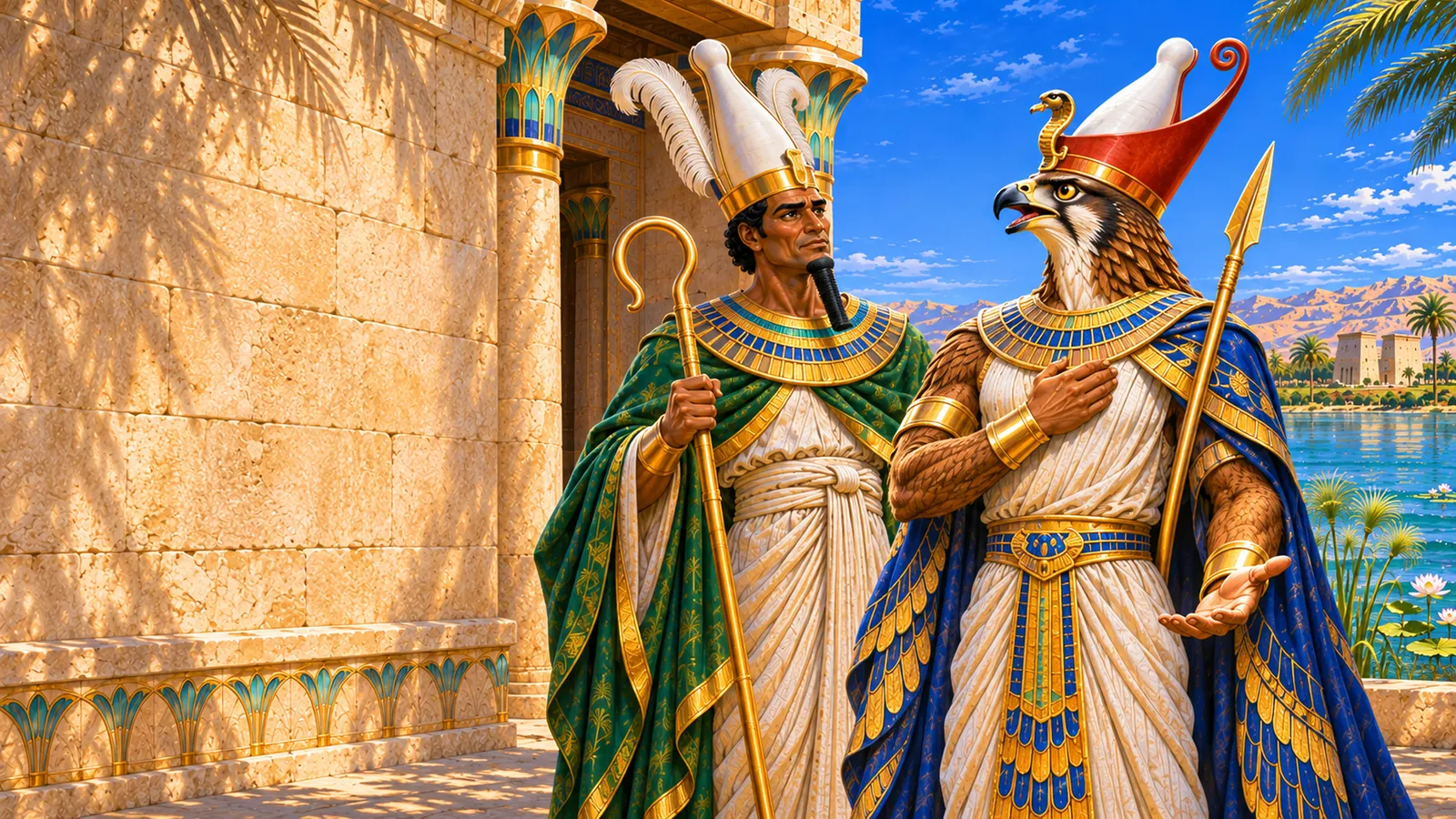
Hórus respondeu que o ato mais glorioso seria vingar o mal feito ao pai e à mãe.
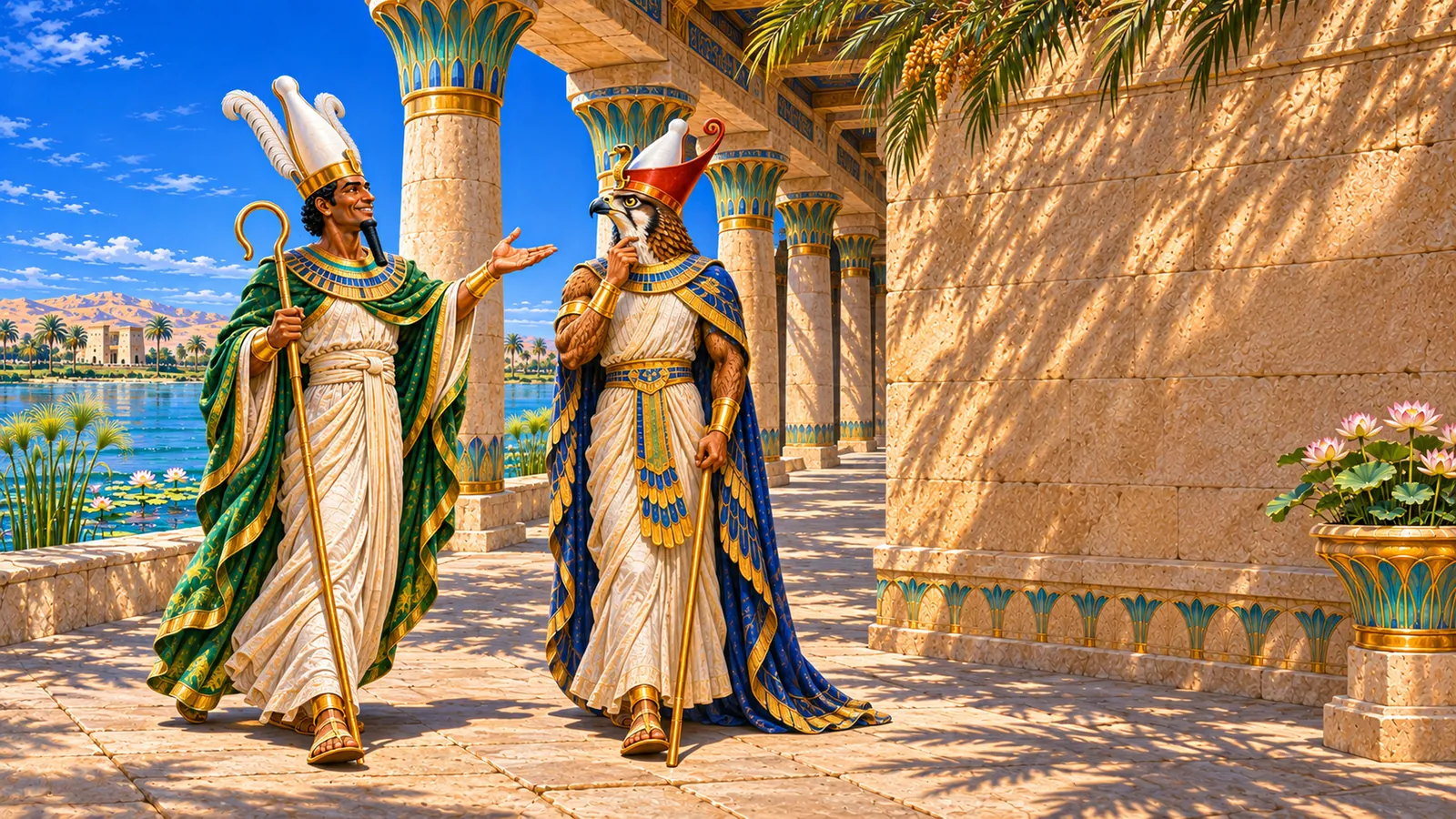
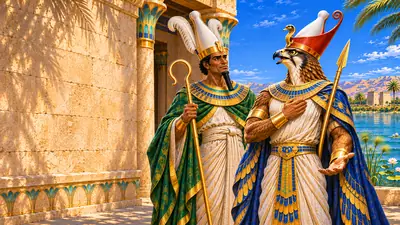
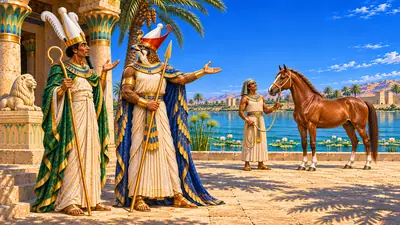
Osíris perguntou depois a Hórus que animal julgava mais útil para um soldado em combate.
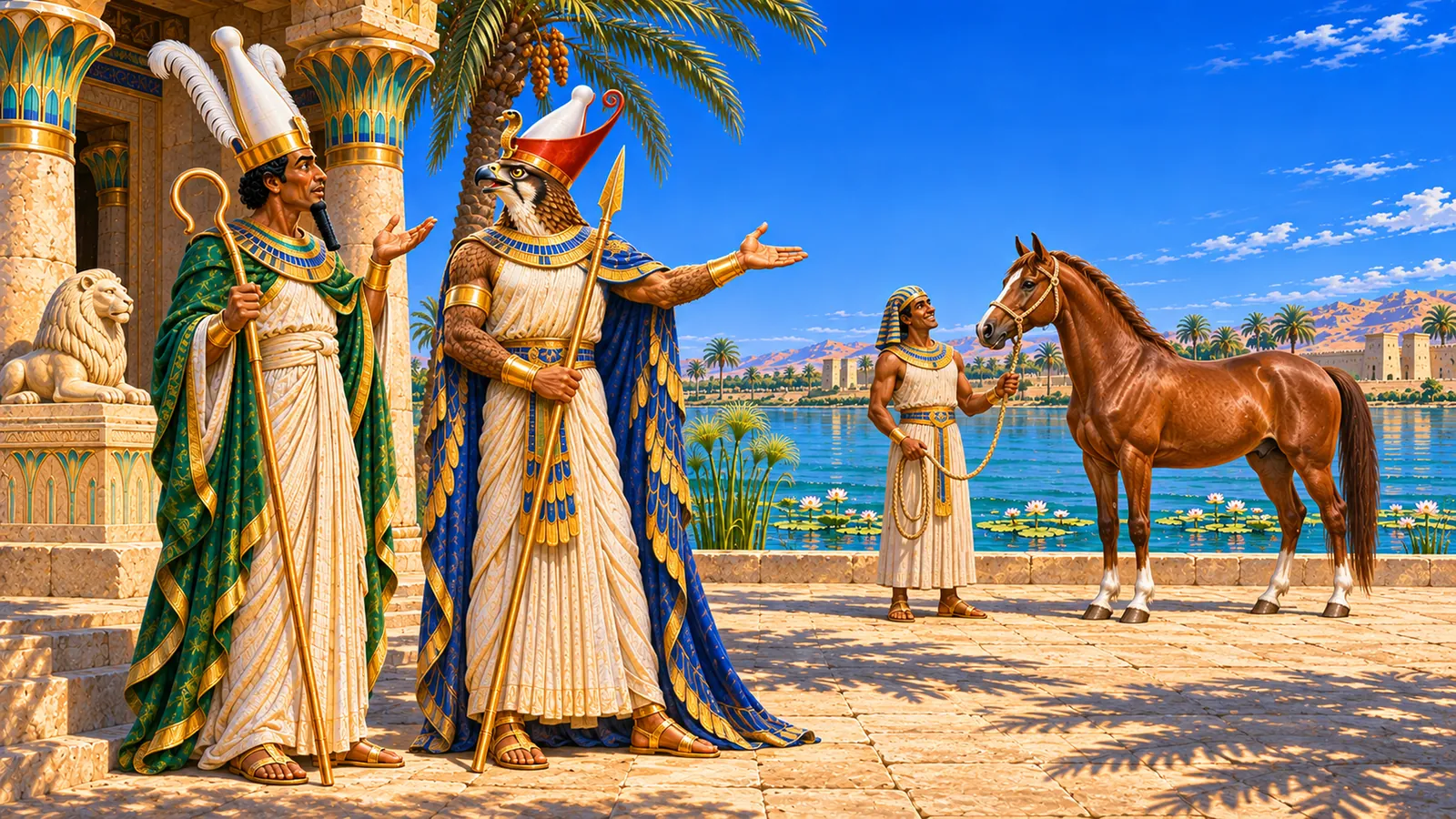
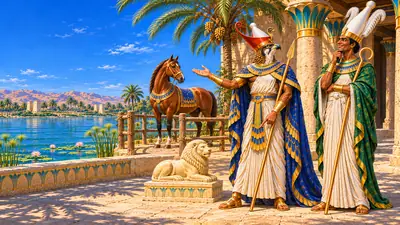
Hórus respondeu que o cavalo seria o mais útil. Osíris ficou surpreendido e perguntou por que razão Hórus o preferia a um leão.
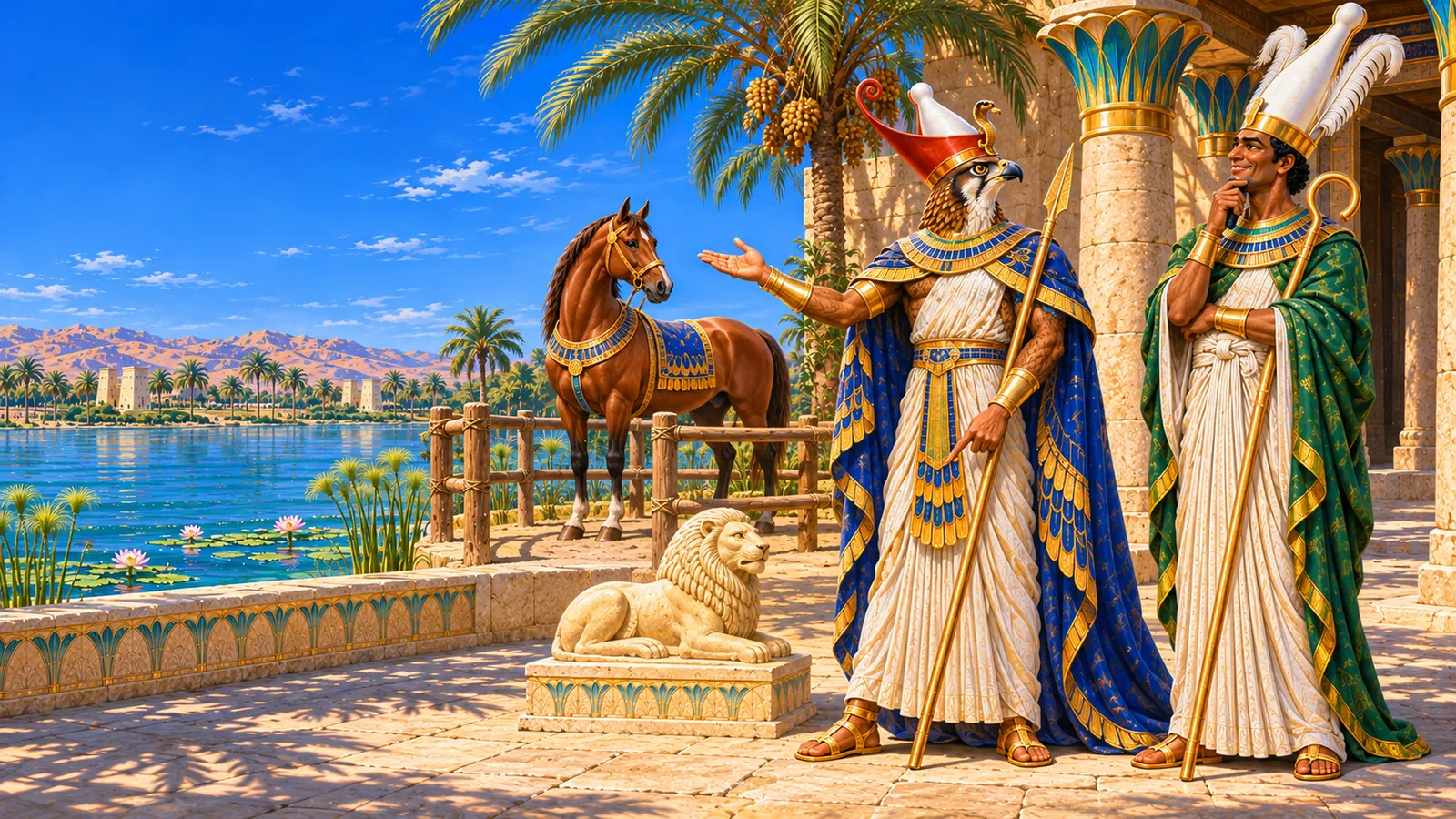
Hórus disse que um leão prestava mais auxílio a quem dele precisasse. Achava que um cavalo era mais útil para seguir um adversário em fuga.
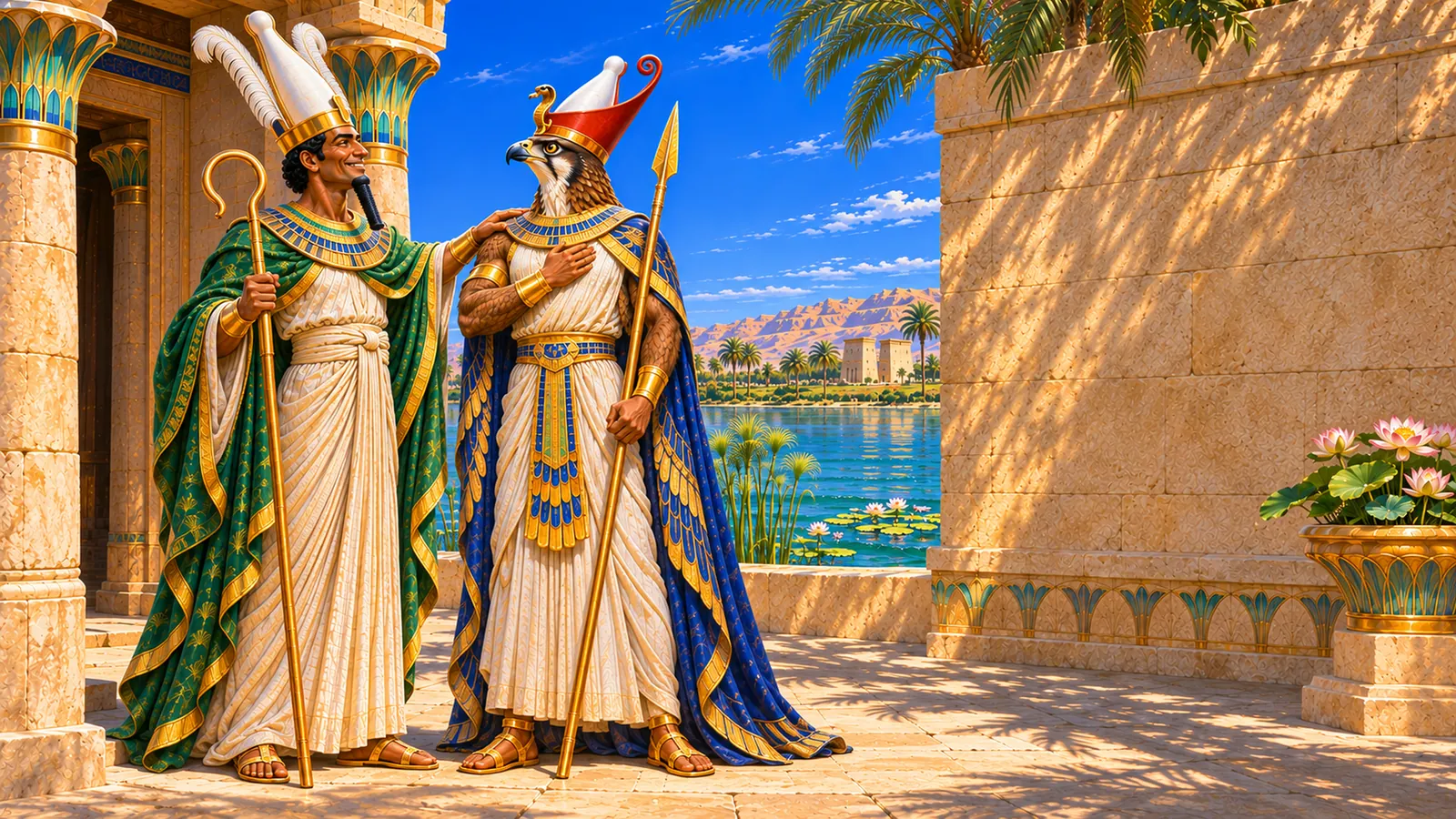
Osíris ficou satisfeito com as respostas de Hórus. No relato, mostravam-lhe que o seu filho estava pronto para enfrentar o inimigo.
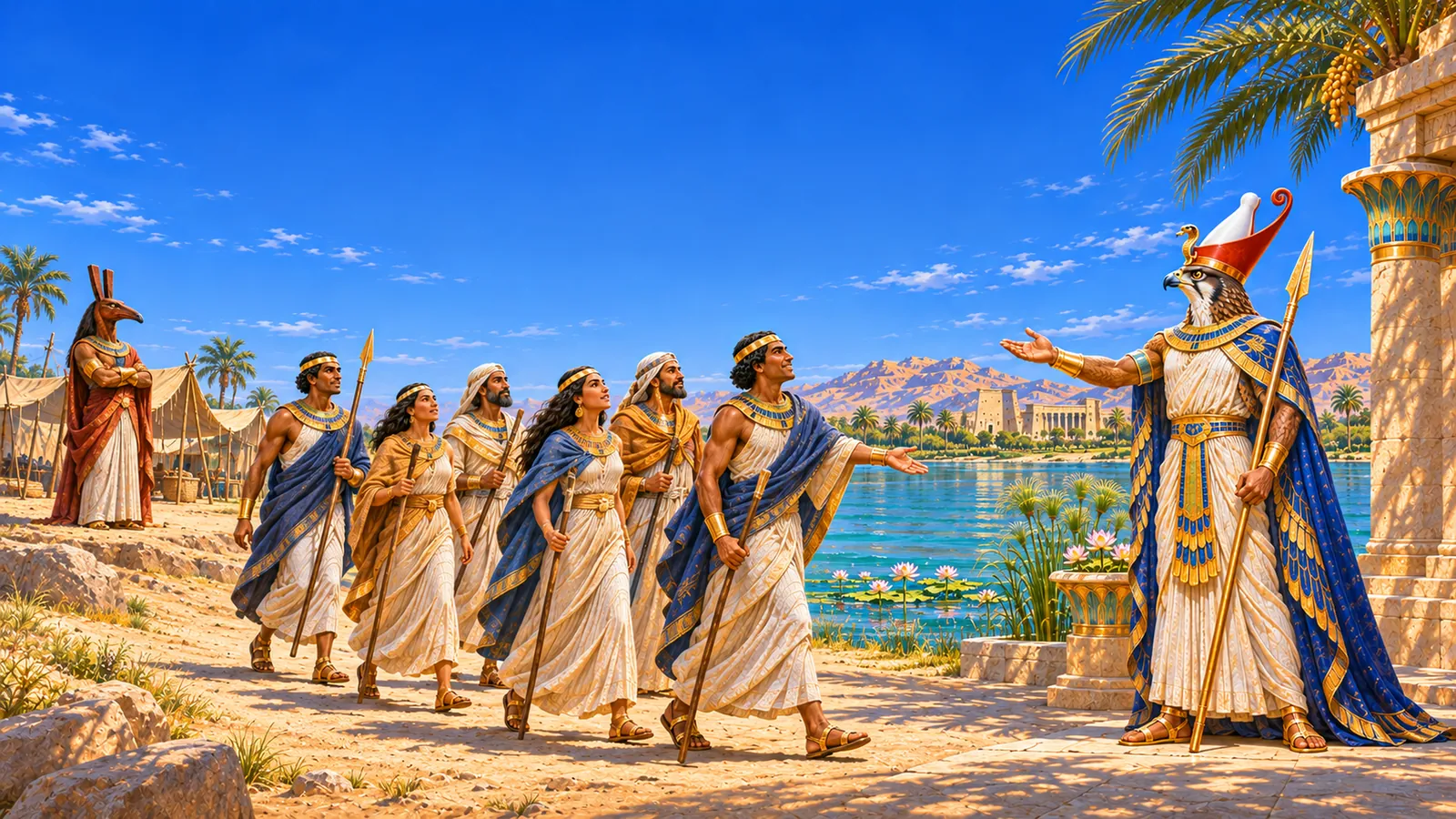
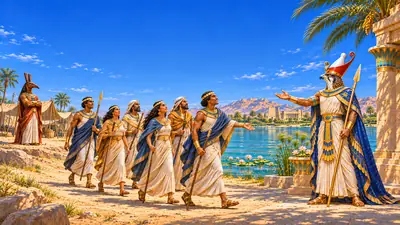
Plutarco conta também que muita gente continuava a abandonar o lado de Set no conflito.
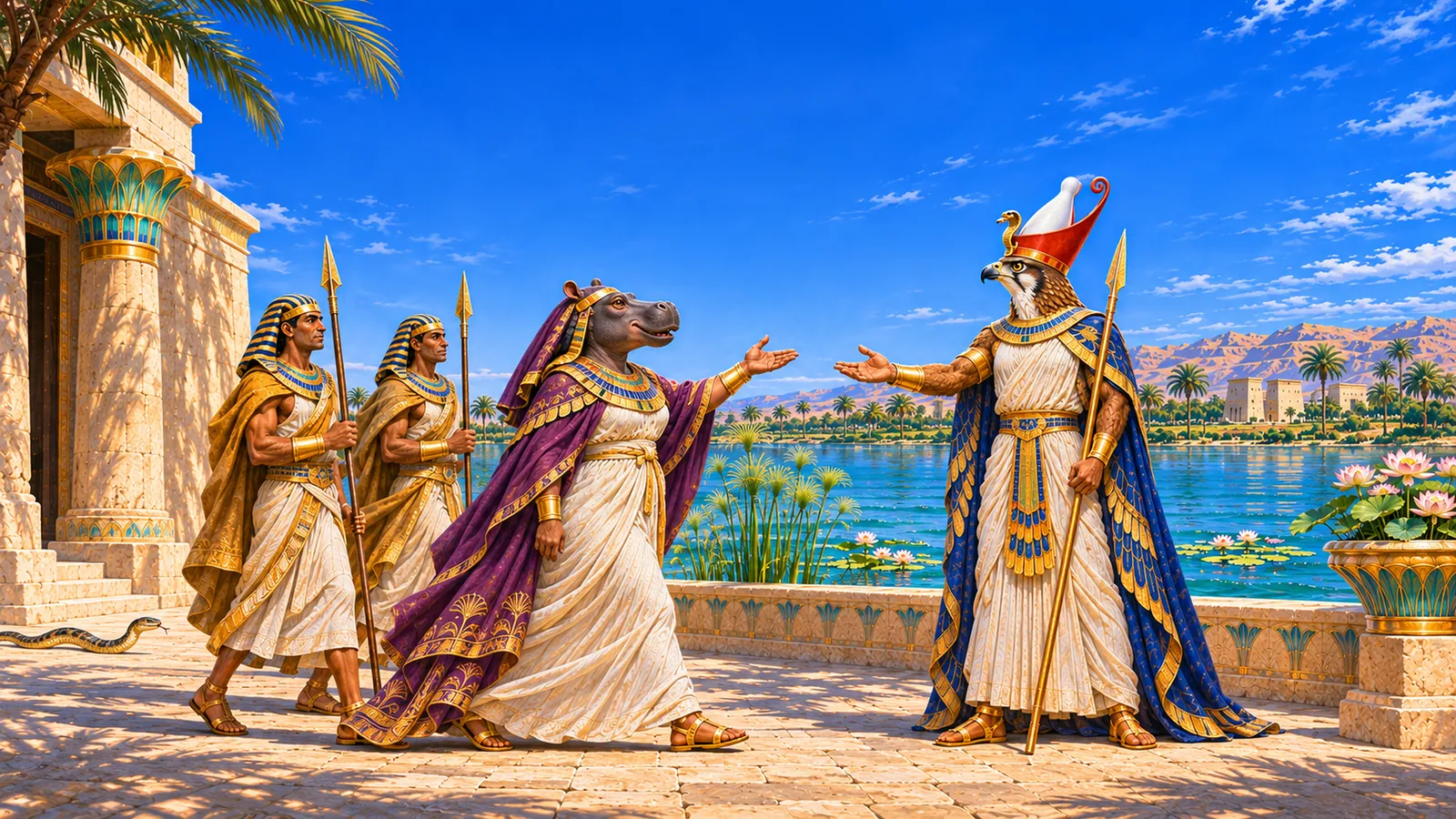
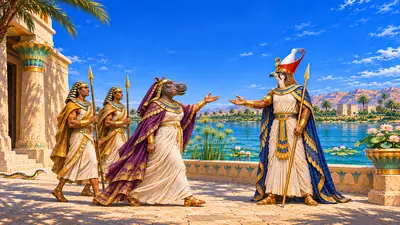
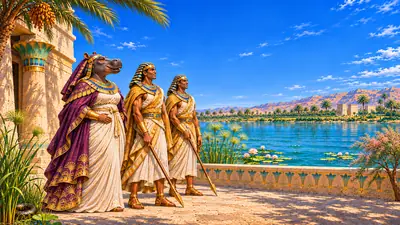
Entre as pessoas que abandonaram Set estava a sua consorte Thueris. No relato de Plutarco, uma serpente perseguiu-a quando passou para o lado de Hórus.
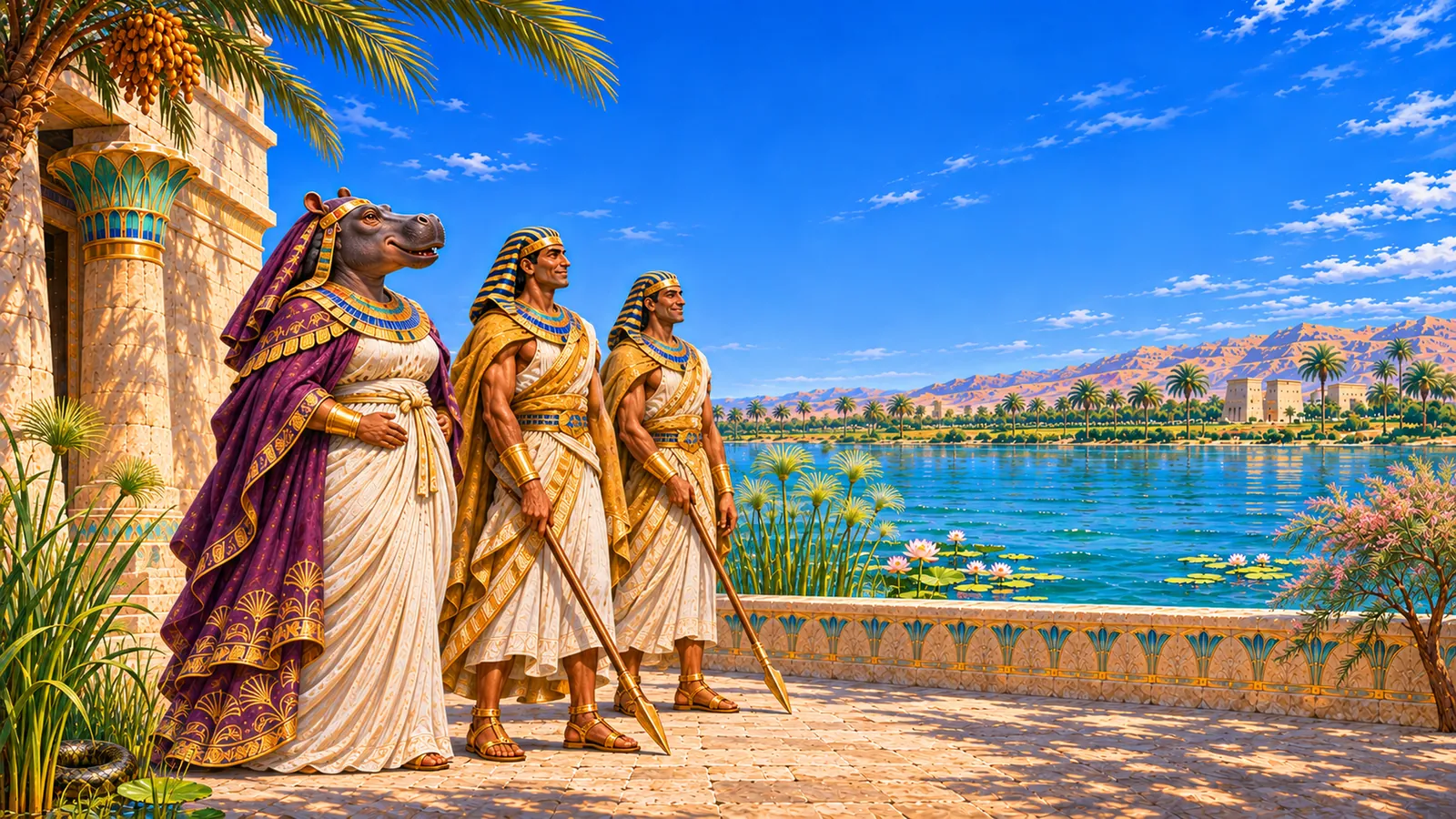
O relato diz que os soldados que acompanhavam Thueris mataram a serpente que a tinha perseguido.
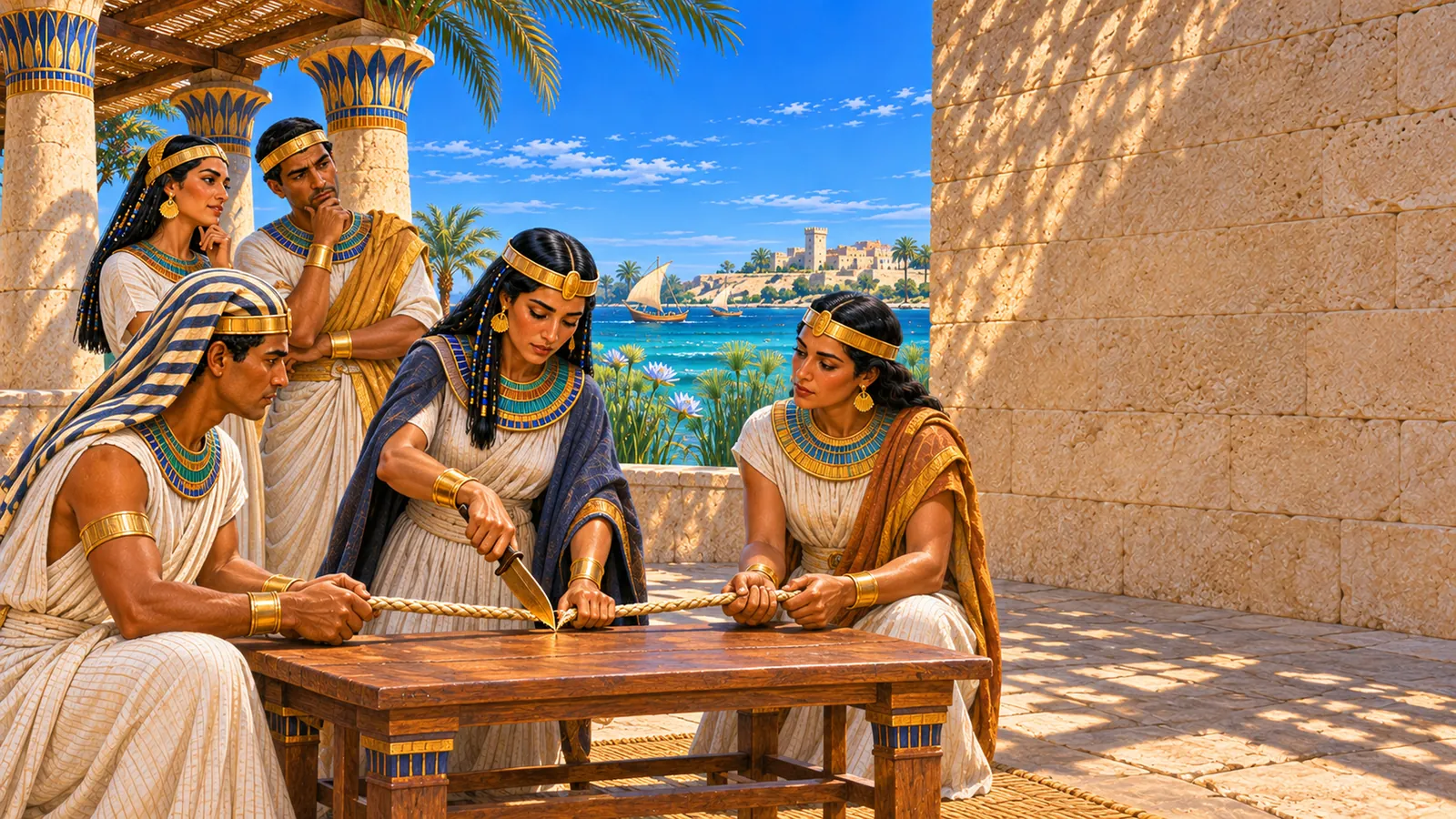
Plutarco liga esse acontecimento a uma corda cortada em certas reuniões. Diz que isso se fazia em memória da morte da serpente.
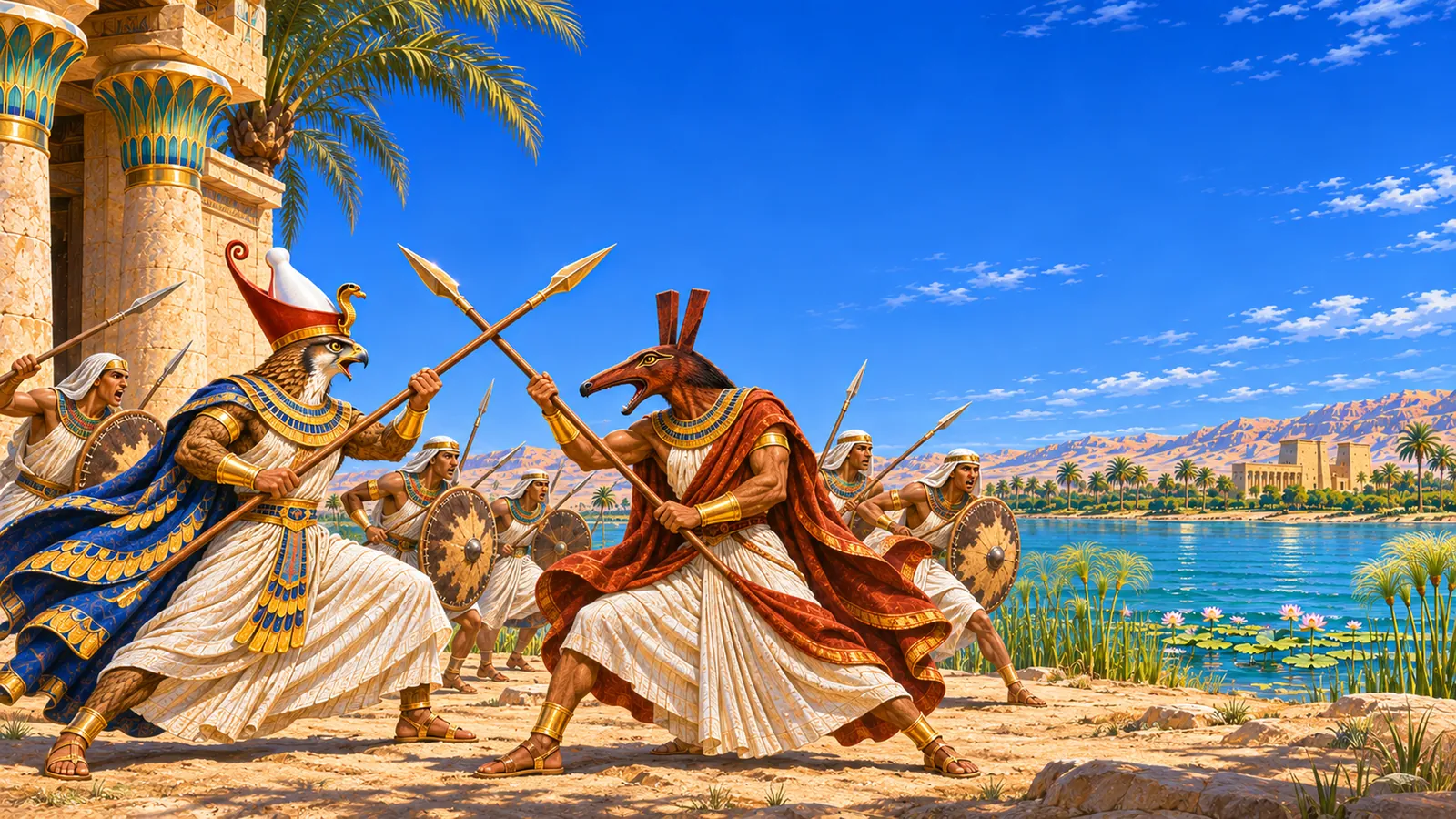
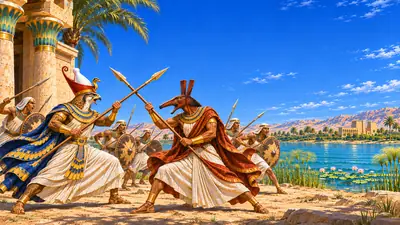
Houve uma batalha entre Hórus e Set. No relato de Plutarco, o combate prolongou-se por muitos dias.
VITÓRIA
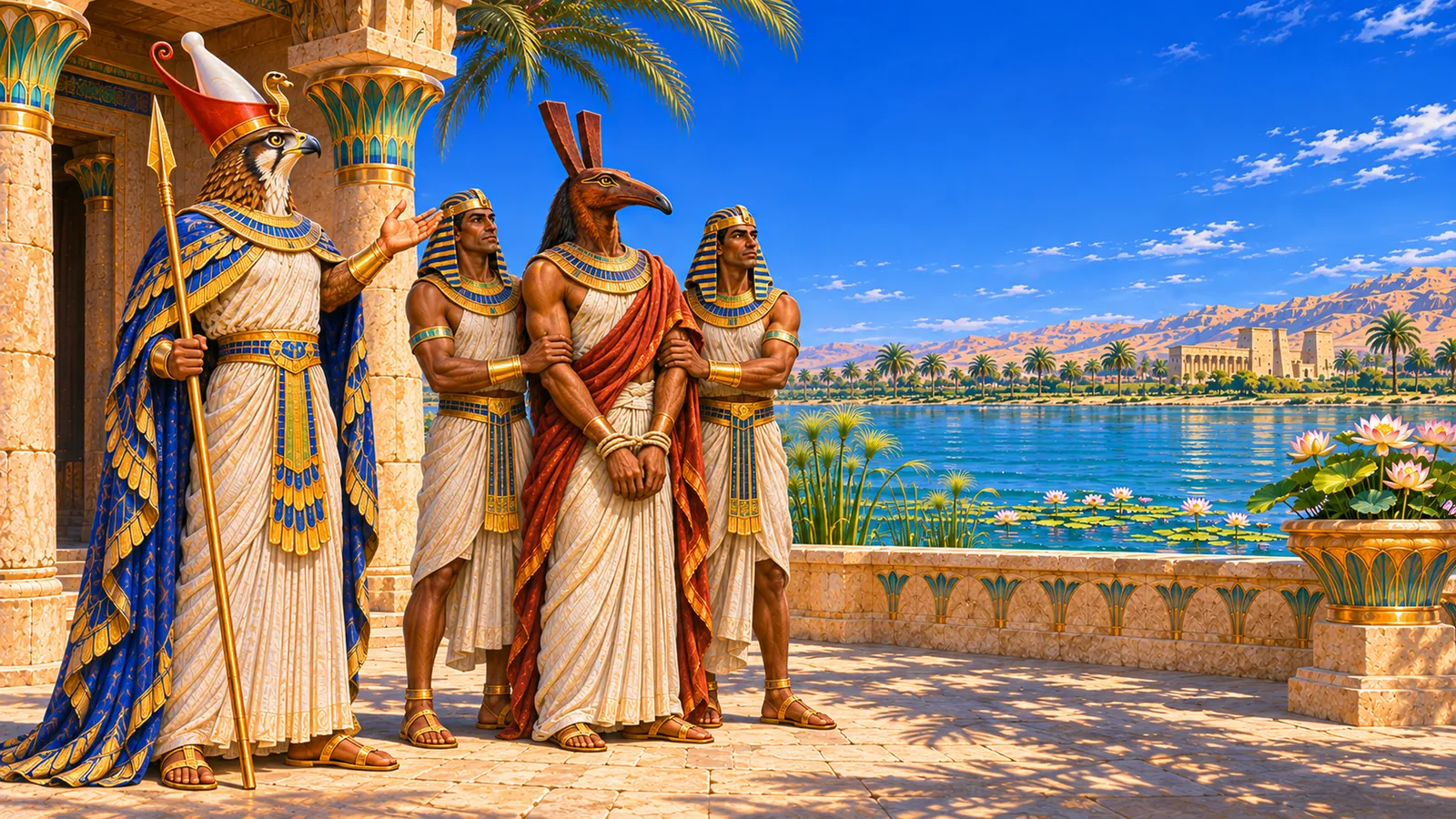
No fim da batalha, diz Plutarco, a vitória coube a Hórus e Set foi feito prisioneiro.
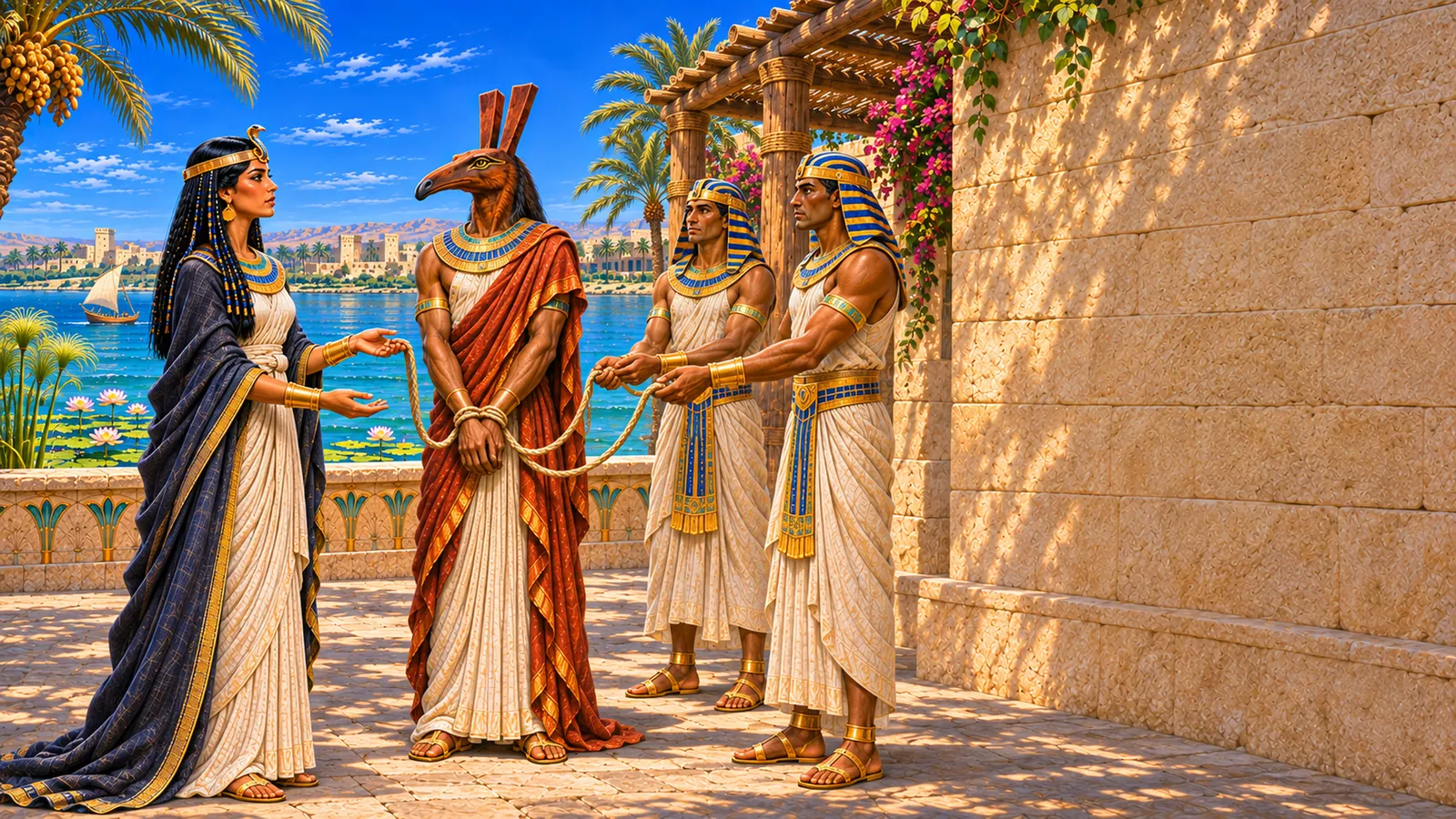
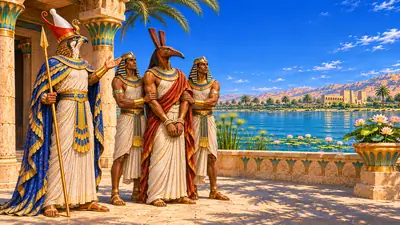
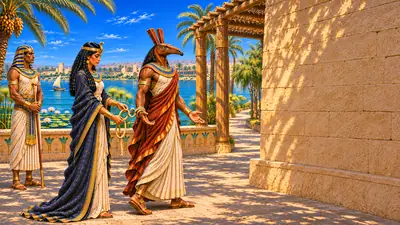
Set fora capturado no fim da batalha. O relato diz que aqueles que o prenderam o entregaram à guarda de Ísis.
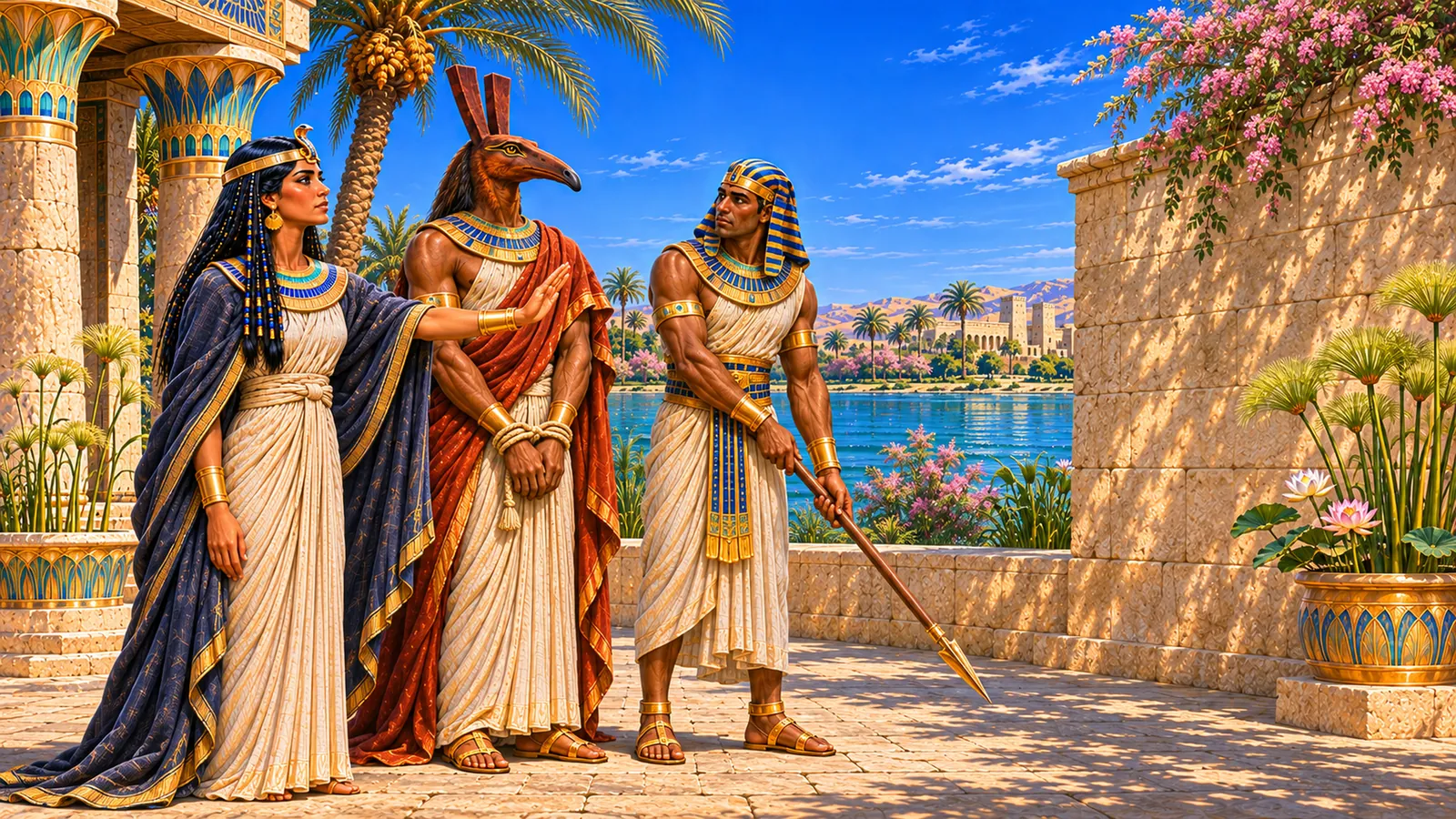
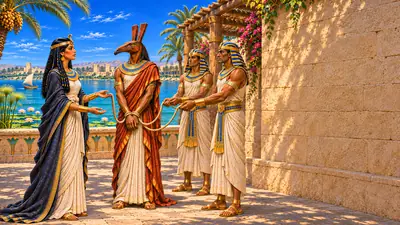
Set estava agora à guarda de Ísis. Embora o tivesse como prisioneiro, o relato diz que ela lhe poupou a vida.
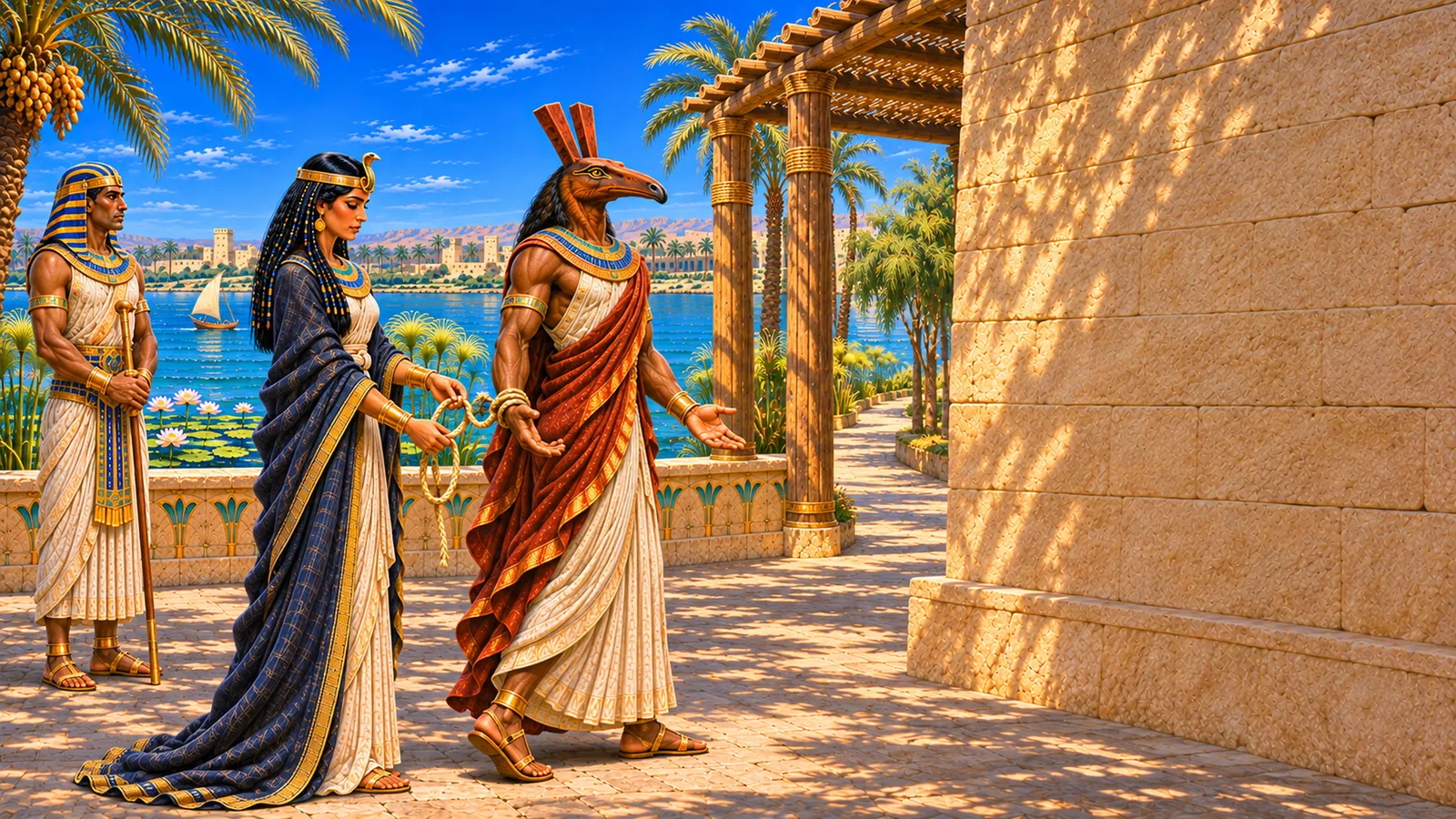
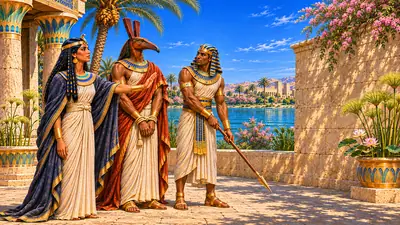
Ísis foi além de lhe poupar a vida. Desatou as amarras de Set e deixou-o ir em liberdade.
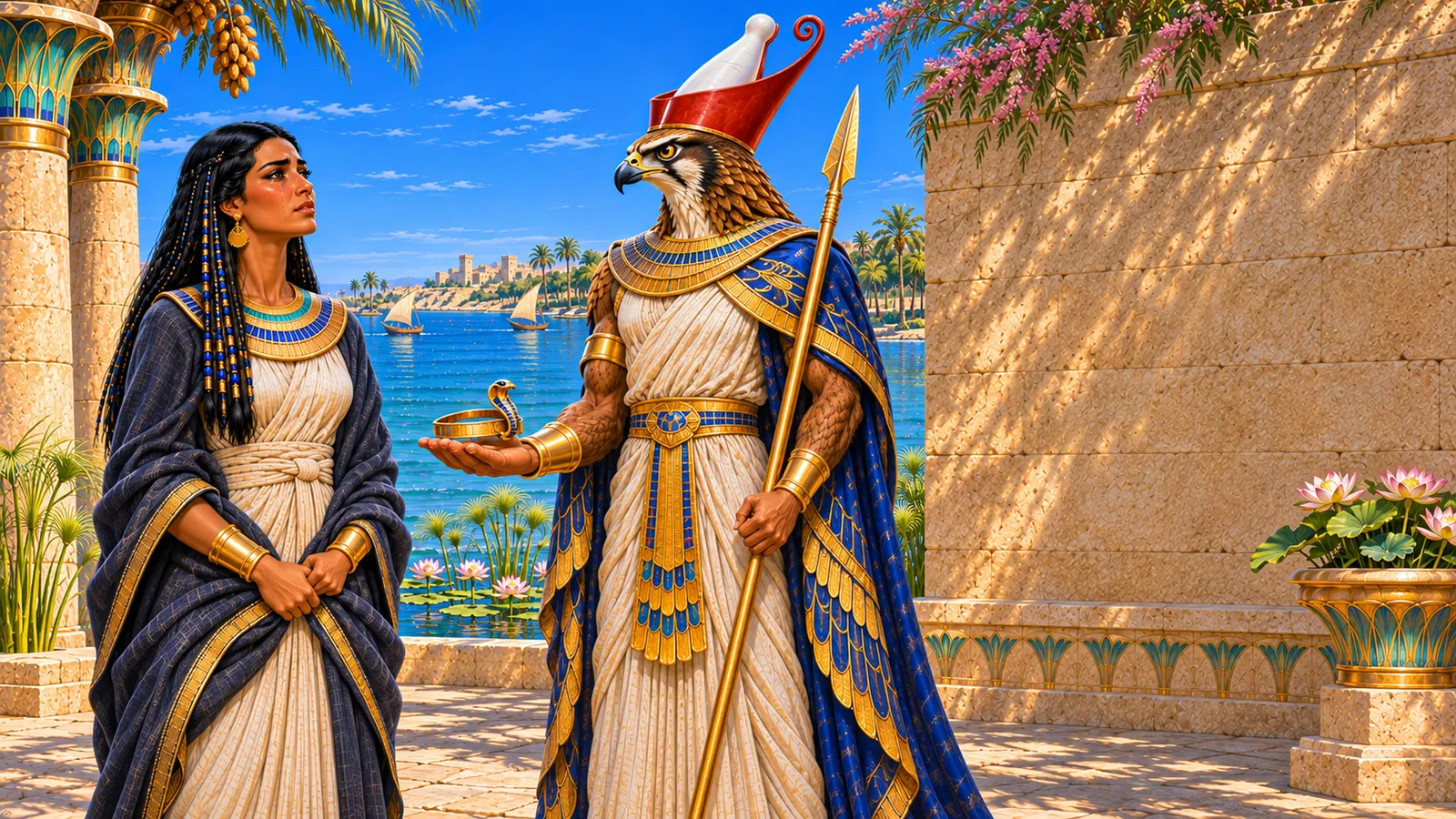
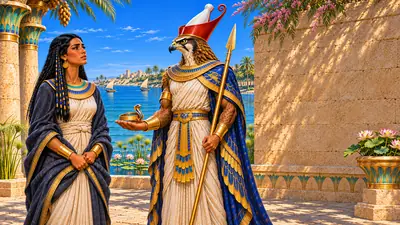
A libertação de Set enfureceu tanto Hórus que ele investiu contra a mãe. Arrancou-lhe a insígnia real que ela usava.
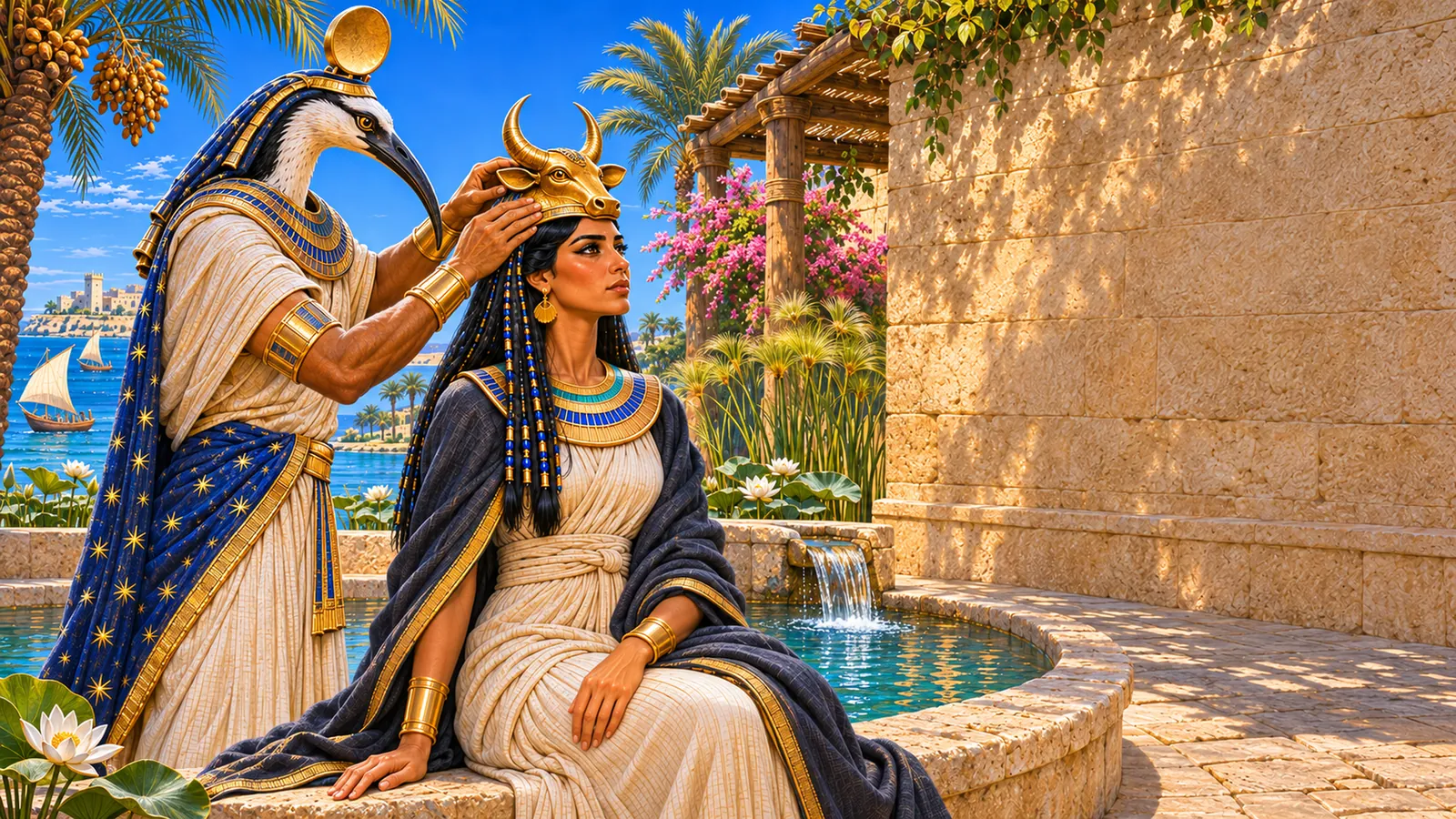
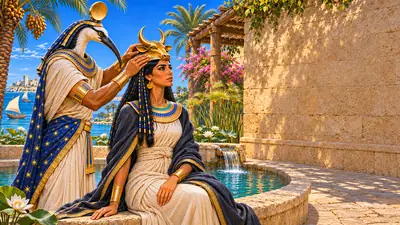
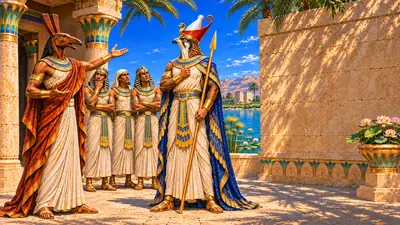
Tot pôs outro adorno no lugar da insígnia real. O relato descreve-o como um elmo em forma de cabeça de boi.
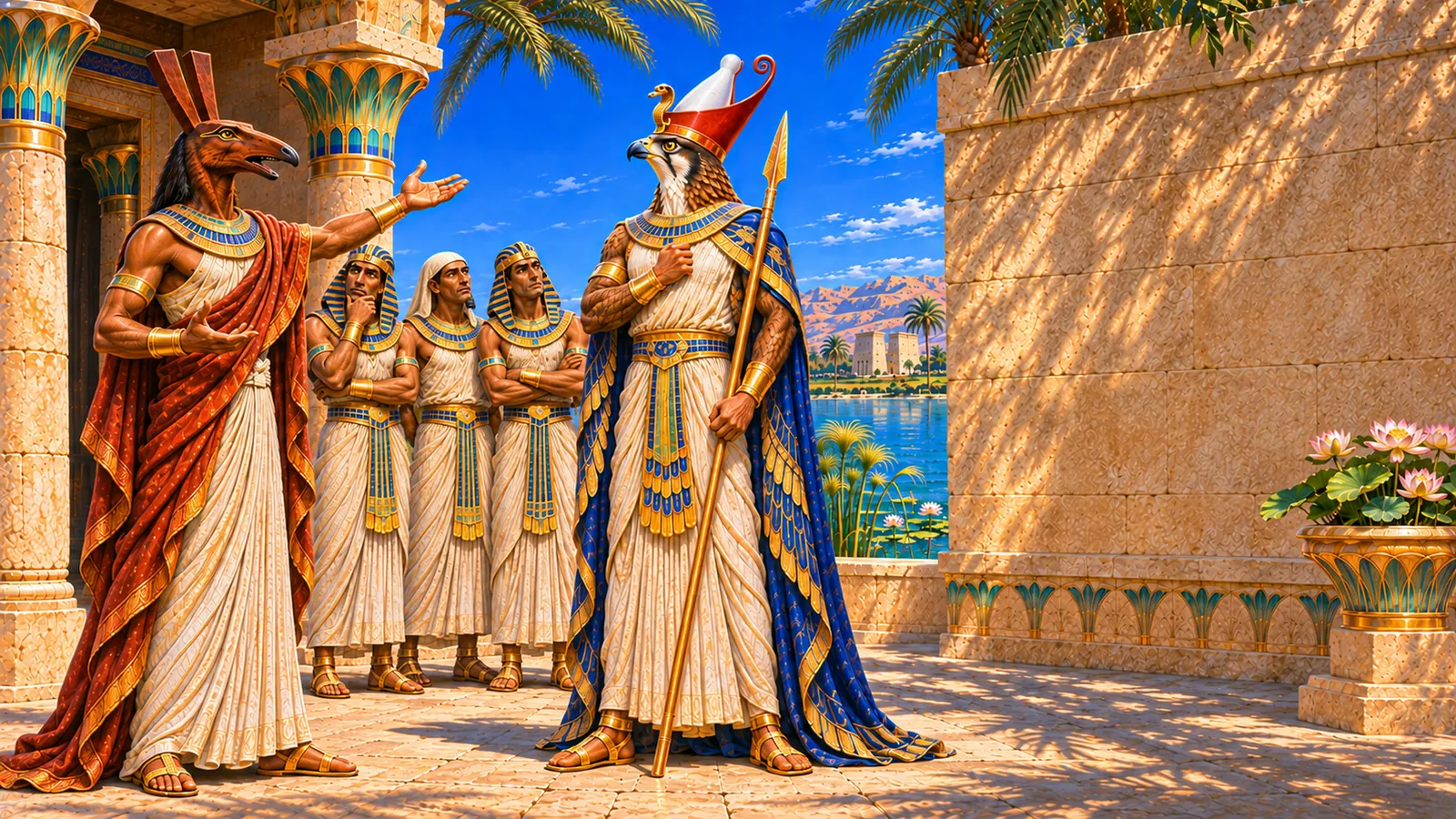
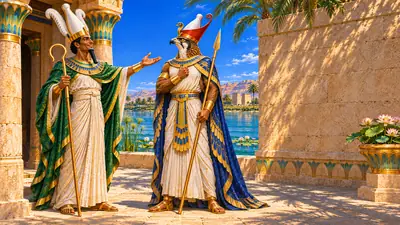
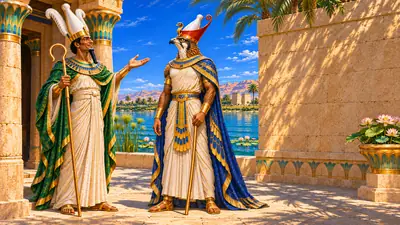
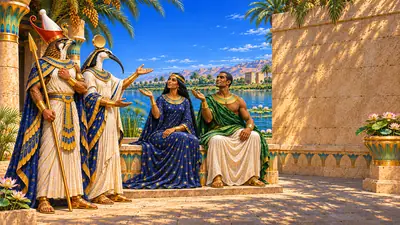
Set passou então à acusação. Em público, afirmou que Hórus era um filho ilegítimo.
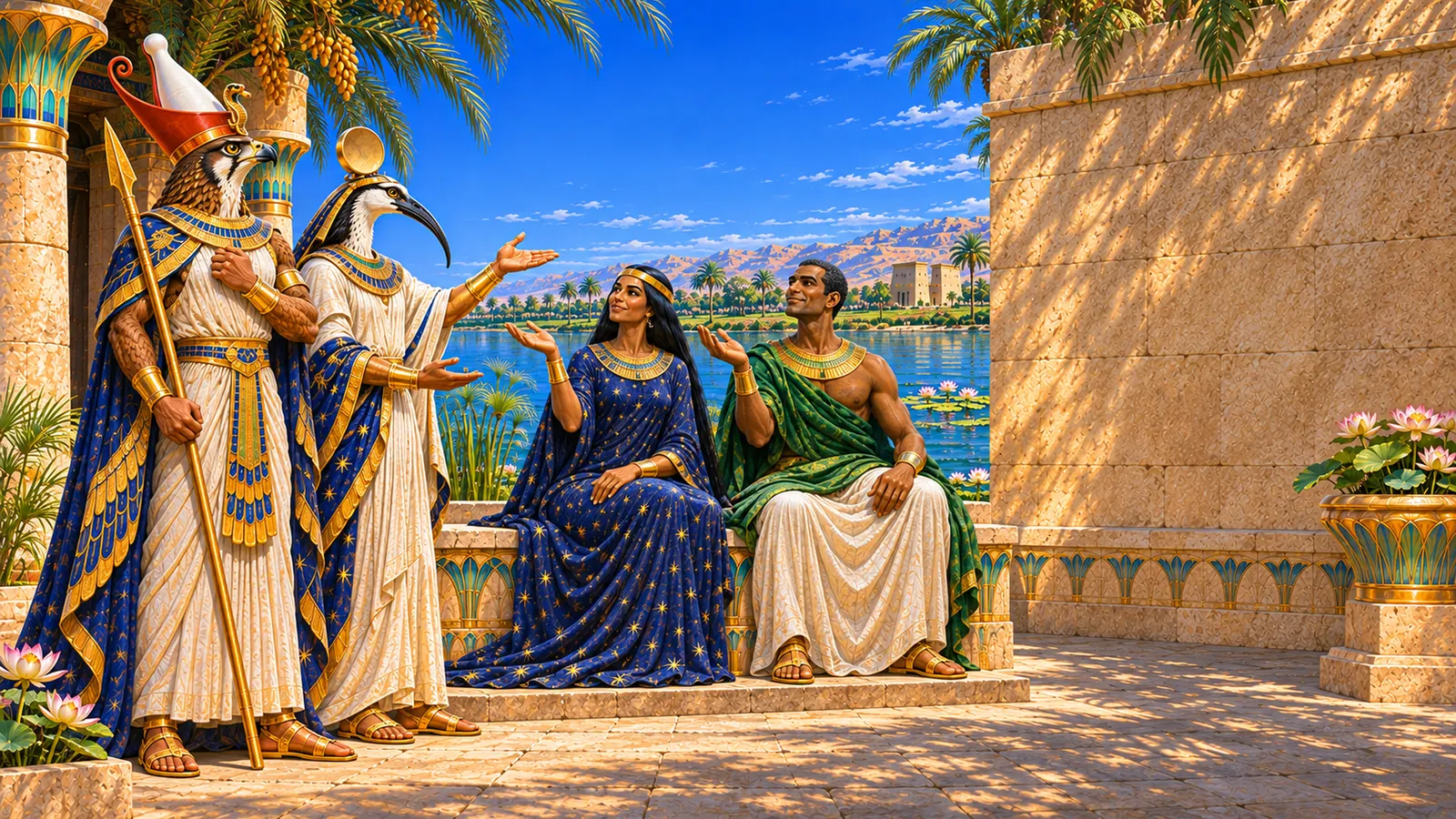
Tot ajudou Hórus a responder à acusação. No relato, os próprios deuses julgaram a questão e reconheceram a sua legitimidade.
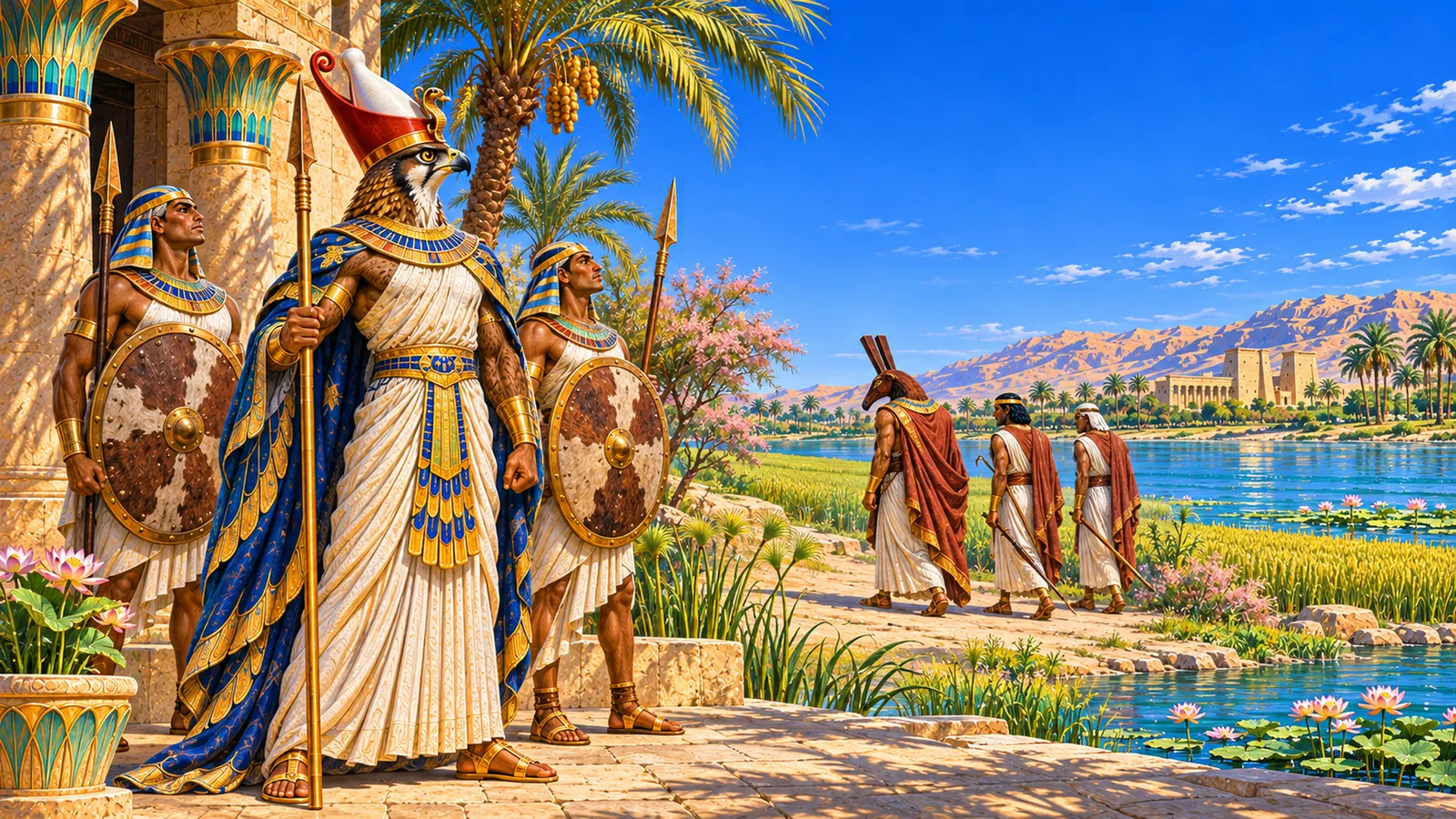
Houve mais duas batalhas depois da decisão. Segundo o relato antigo, Set levou a pior nas duas.
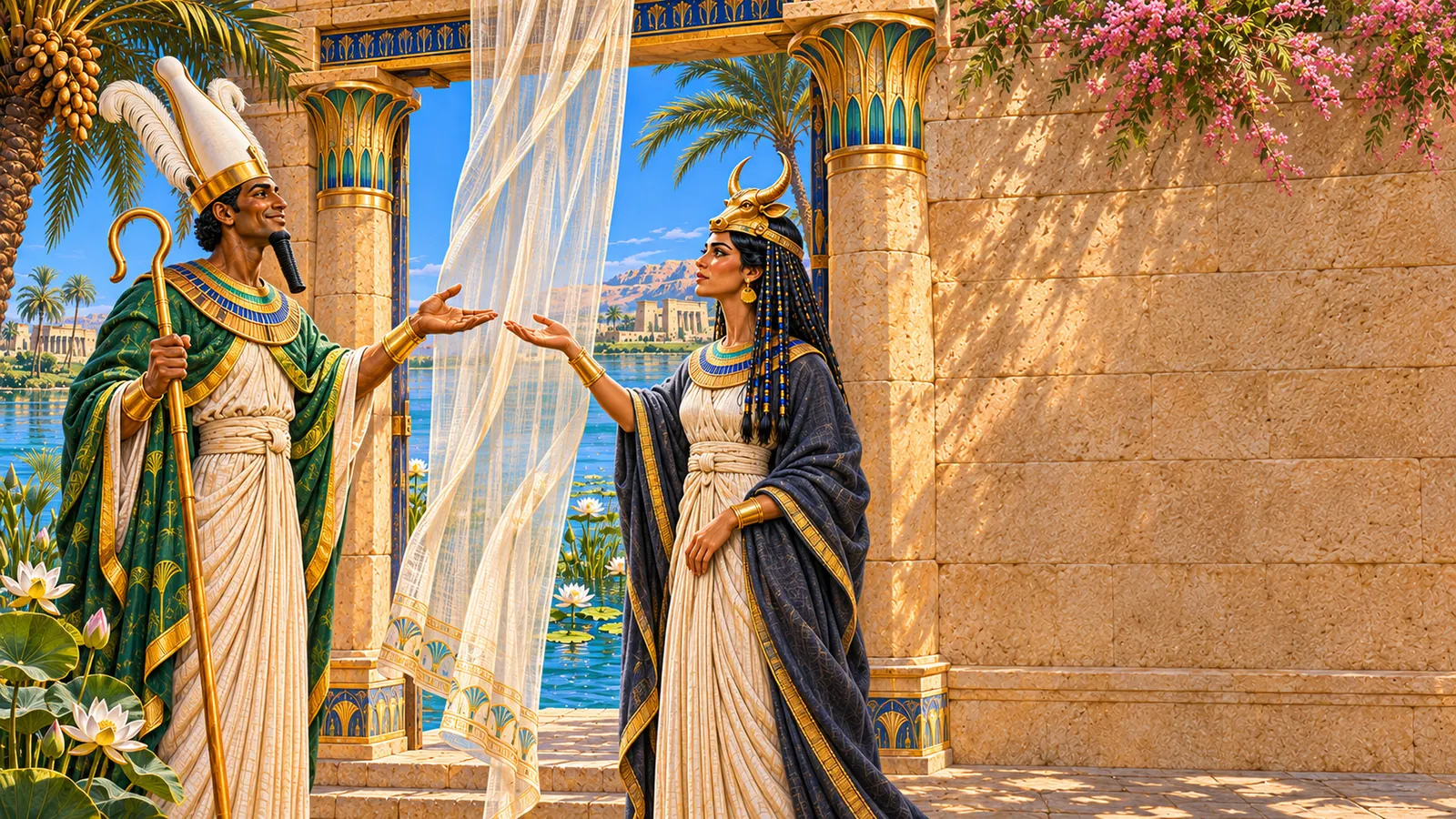
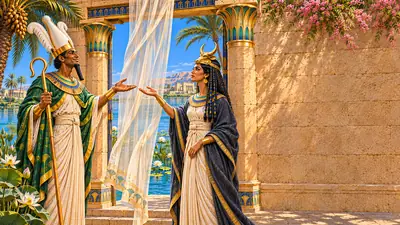
Na tradição final, diz-se que Ísis dormiu com Osíris depois da morte dele. O relato volta-se então para o filho de ambos.
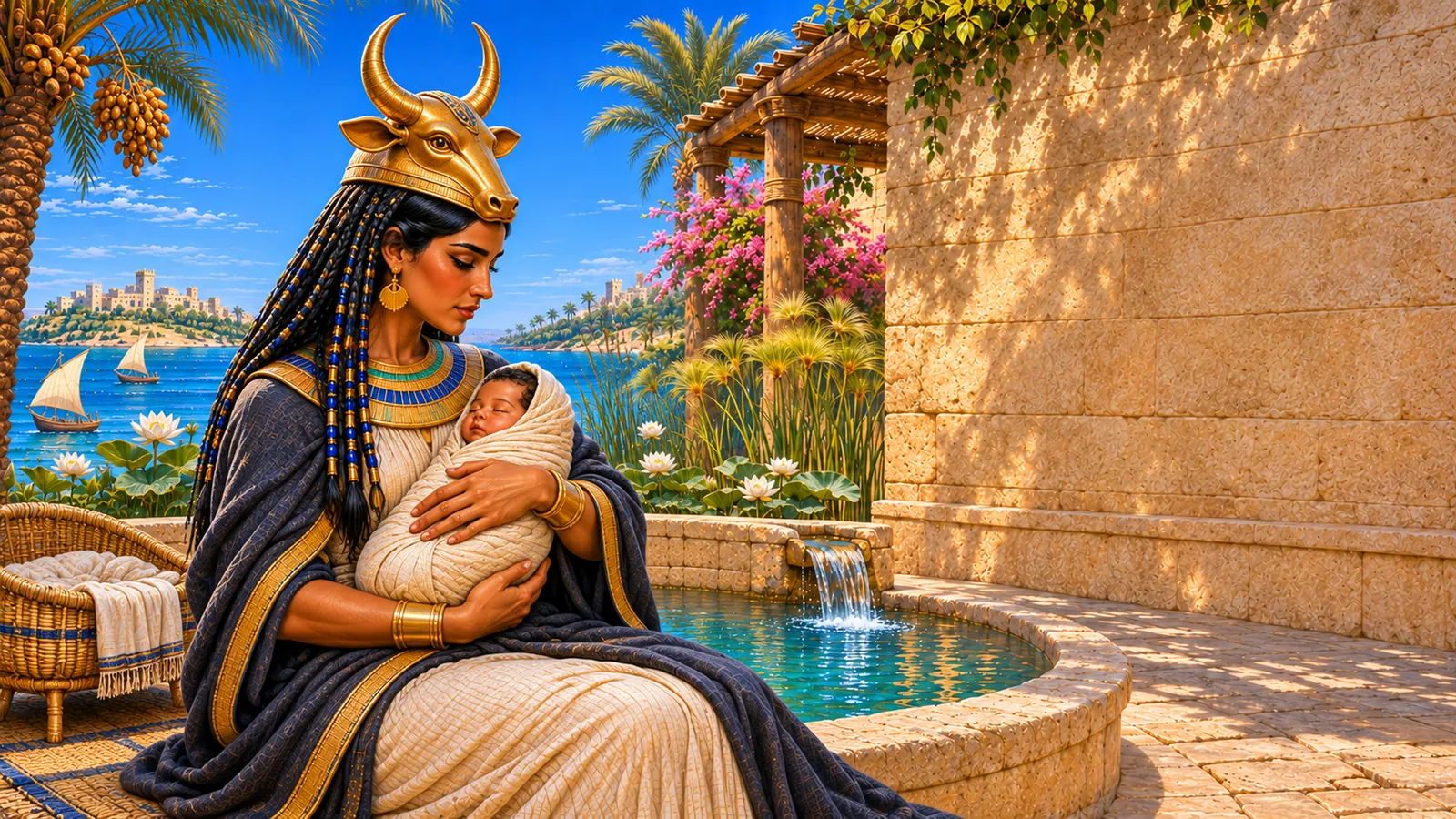
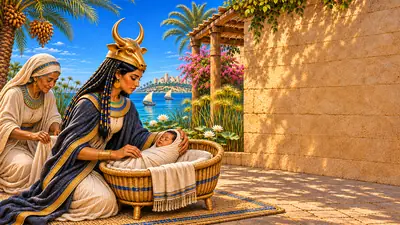
O relato diz que dessa união nasceu um filho de Ísis. O nome que lhe dá é Harpócrates.
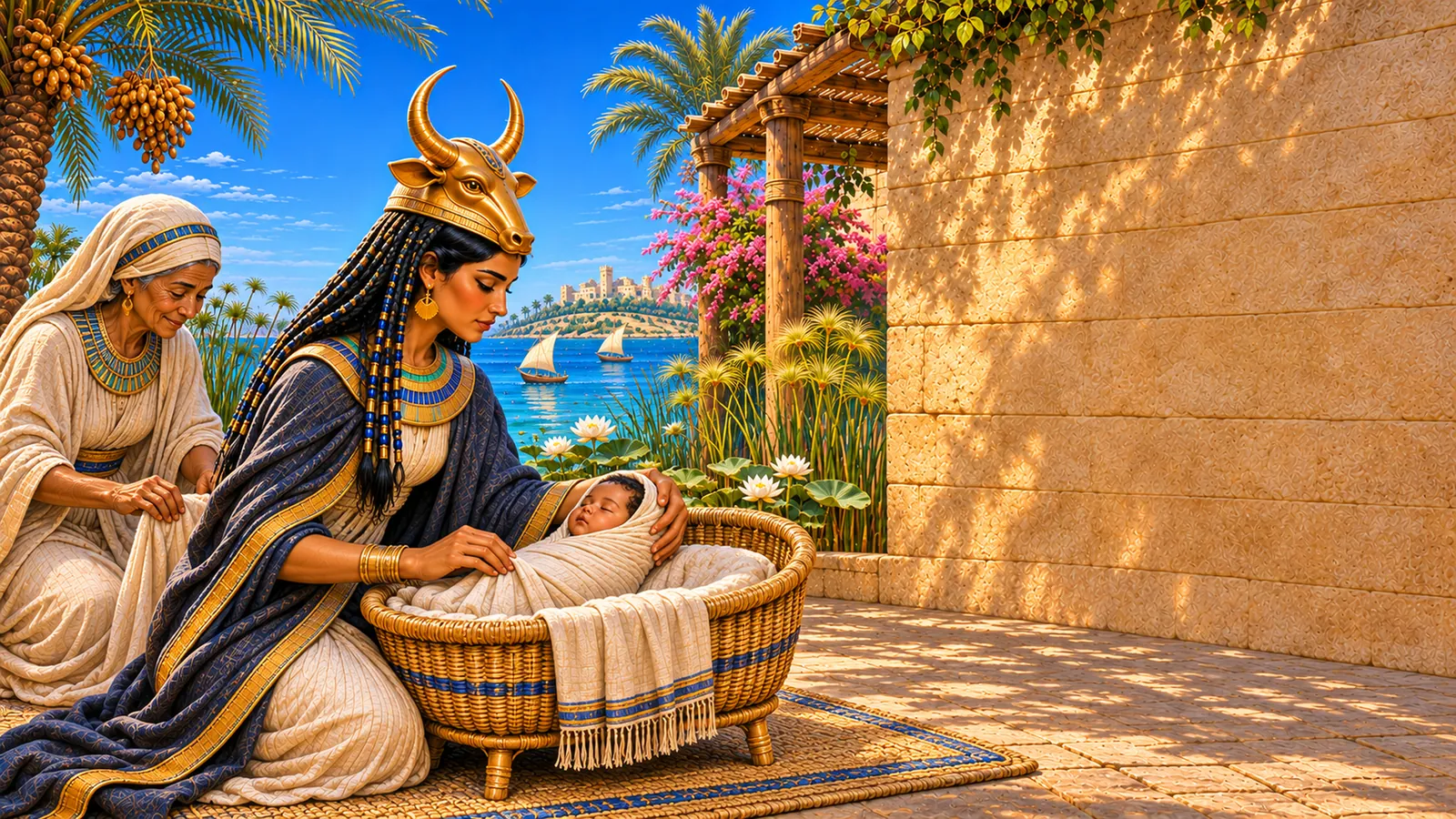
O relato recorda as circunstâncias deste último nascimento. Diz que Harpócrates veio ao mundo antes do tempo.
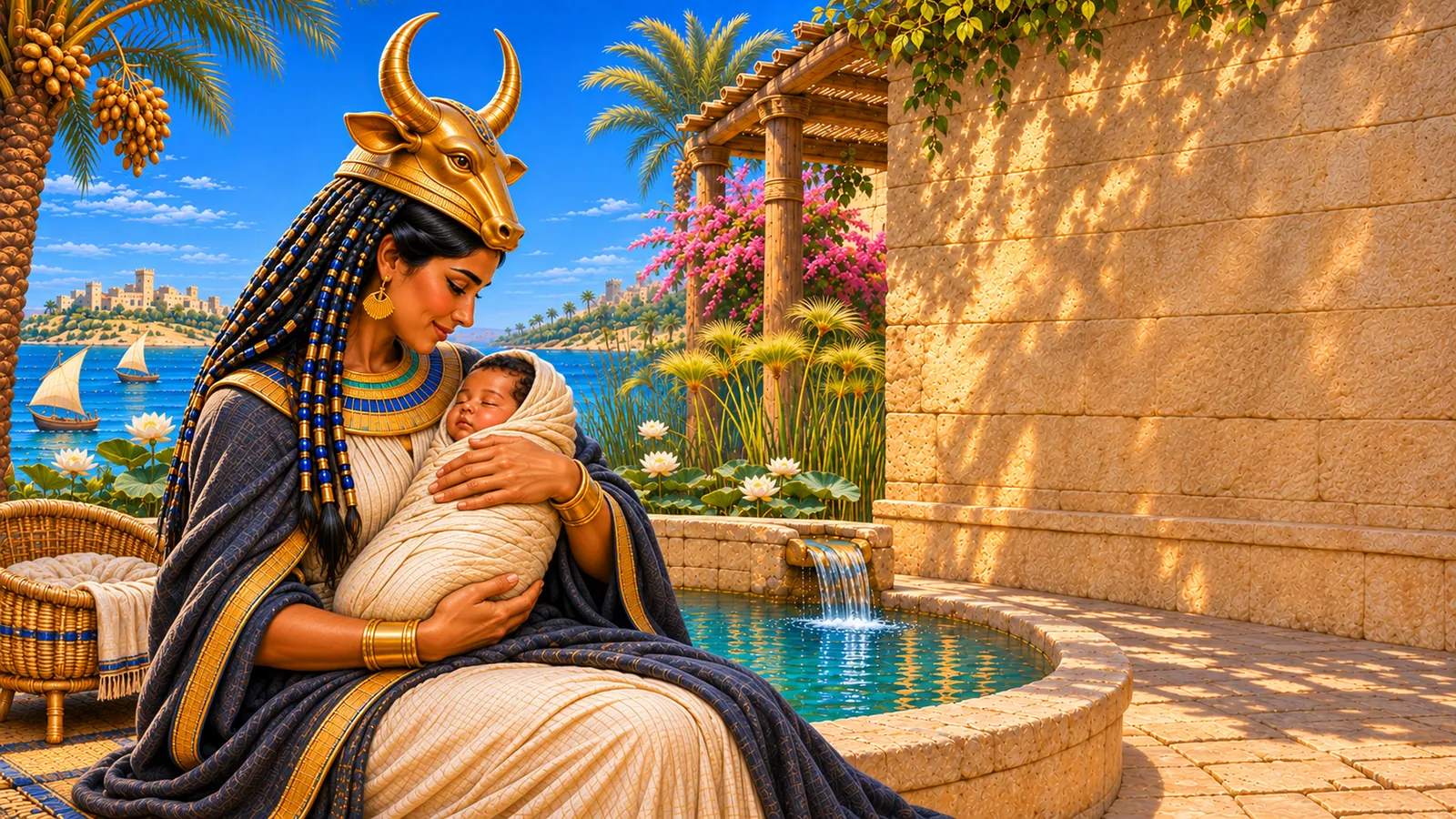
UM NASCIMENTO
O narrador termina dizendo que Harpócrates nasceu com uma deficiência que afetava os membros inferiores. São as últimas palavras deste relato.
Fim do capítulo 3
Todas as páginas






Fontes
Line positions in the page notes refer to the Project Gutenberg HTML of Budge’s edition. Literary claims about the safety of reed boats are part of the tale.
Edições consultadas
- E. A. Wallis Budge, Egyptian Ideas of the Future Life, third edition, 1908, Chapter II
- Plutarch’s narrative in Samuel Squire’s translation, as quoted in Chapter II
- Budge’s note on the horse in Plutarch’s retelling
Notas sobre este reconto
### Pages 01–14 · The return to the marshes
Page 15 (Squire 1744 in Budge 1908, chapter II, HTML 1393–1396). He calls the likeness a “Phallus” and reports that the festival was still observed in the teller’s time.
Page 16 (1398–1400). Osiris appears to his son Orus, rendered Horus here, from the other world. He encourages his son for battle and, in Squire’s words, instructs him “in the exercise of arms.”
Pages 17–18 (1400–1403). Osiris asks what action would be most glorious. The cached wording has Orua at line 1402, with Orus in the surrounding dialogue.
Pages 19–20 (1403–1406). Osiris asks which animal would be most useful to a soldier. Horus names the horse. Osiris asks with surprise why he prefers it to the lion.
Pages 21–22 (1406–1412). Horus says the lion offers greater aid to a person needing help and the horse is more useful in pursuit. Osiris is pleased because he takes the answers as signs of readiness. Budge adds a separate chronological comment about the horse in footnote 53.
Pages 23–24 (1412–1415). The teller describes many people leaving Typho’s side. Thueris is among them. Squire calls her Typho’s concubine. In the account, a serpent pursues her when she goes over to Orus.
Pages 25–26 (1414–1417). The soldiers accompanying Thueris kill the serpent. Plutarch connects the event with a cord cut at assemblies as a remembrance.
Pages 27–28 (1417–1419). The first battle between Horus and Set continues for many days. Victory ultimately goes to Horus, and Set is taken prisoner. The next source lines concern what Isis does after Set is placed in her custody.
### Pages 29–40 · Isis, the judgment, and the last birth
Os versos antigos de cada página
- Page 1: Plutarch, Squire 1744 as printed by Budge 1908, Chapter II, HTML lines 1362–1364
- Page 2: Plutarch, Squire 1744 as printed by Budge 1908, Chapter II, HTML lines 1363–1364
- Page 3: Plutarch, Squire 1744 as printed by Budge 1908, Chapter II, HTML lines 1364–1366
- Page 4: Plutarch, Squire 1744 as printed by Budge 1908, Chapter II, HTML lines 1365–1367
- Page 5: Plutarch, Squire 1744 as printed by Budge 1908, Chapter II, HTML lines 1368–1370
- Page 6: Plutarch, Squire 1744 as printed by Budge 1908, Chapter II, HTML lines 1369–1371
- Page 7: Plutarch, Squire 1744 as printed by Budge 1908, Chapter II, HTML lines 1371–1374
- Page 8: Plutarch, Squire 1744 as printed by Budge 1908, Chapter II, HTML lines 1374–1377
- Page 9: Plutarch, Squire 1744 as printed by Budge 1908, Chapter II, HTML lines 1376–1378
- Page 10: Plutarch, Squire 1744 as printed by Budge 1908, Chapter II, HTML lines 1378–1382
- Page 11: Plutarch, Squire 1744 as printed by Budge 1908, Chapter II, HTML lines 1381–1384
- Page 12: Plutarch, Squire 1744 as printed by Budge 1908, Chapter II, HTML lines 1384–1387
- Page 13: Plutarch, Squire 1744 as printed by Budge 1908, Chapter II, HTML lines 1387–1391
- Page 14: Plutarch, Squire 1744 as printed by Budge 1908, Chapter II, HTML lines 1390–1393
- Page 15: Plutarch, Squire 1744 in Budge 1908, chapter II, HTML 1393–1396
- Page 16: Plutarch, Squire 1744 in Budge 1908, chapter II, HTML 1398–1400
- Page 17: Plutarch, Squire 1744 in Budge 1908, chapter II, HTML 1400–1401
- Page 18: Plutarch, Squire 1744 in Budge 1908, chapter II, HTML 1401–1403
- Page 19: Plutarch, Squire 1744 in Budge 1908, chapter II, HTML 1403–1404
- Page 20: Plutarch, Squire 1744 in Budge 1908, chapter II, HTML 1404–1406
- Page 21: Plutarch, Squire 1744 in Budge 1908, chapter II, HTML 1406–1410
- Page 22: Plutarch, Squire 1744 in Budge 1908, chapter II, HTML 1410–1412
- Page 23: Plutarch, Squire 1744 in Budge 1908, chapter II, HTML 1412–1414
- Page 24: Plutarch, Squire 1744 in Budge 1908, chapter II, HTML 1413–1415
- Page 25: Plutarch, Squire 1744 in Budge 1908, chapter II, HTML 1414–1416
- Page 26: Plutarch, Squire 1744 in Budge 1908, chapter II, HTML 1415–1417
- Page 27: Plutarch, Squire 1744 in Budge 1908, chapter II, HTML 1417–1419
- Page 28: Plutarch, Squire 1744 in Budge 1908, chapter II, HTML 1418–1419
- Page 29: Plutarch, Squire 1744 as printed by Budge 1908, Chapter II, HTML lines 1419–1420
- Page 30: Plutarch, Squire 1744 as printed by Budge 1908, Chapter II, HTML lines 1419–1421
- Page 31: Plutarch, Squire 1744 as printed by Budge 1908, Chapter II, HTML lines 1420–1421
- Page 32: Plutarch, Squire 1744 as printed by Budge 1908, Chapter II, HTML lines 1422–1424
- Page 33: Plutarch, Squire 1744 as printed by Budge 1908, Chapter II, HTML lines 1423–1425
Broken reflected sunlight picks out a thin copper edge of floor; right side ancient matte lapis plaster uninterrupted. - Page 34: Plutarch, Squire 1744 as printed by Budge 1908, Chapter II, HTML lines 1425–1426
- Page 35: Plutarch, Squire 1744 as printed by Budge 1908, Chapter II, HTML lines 1426–1427
- Page 36: Plutarch, Squire 1744 as printed by Budge 1908, Chapter II, HTML lines 1427–1429
- Page 37: Plutarch, Squire 1744 as printed by Budge 1908, Chapter II, HTML lines 1429–1430
- Page 38: Plutarch, Squire 1744 as printed by Budge 1908, Chapter II, HTML lines 1430–1431
- Page 39: Plutarch, Squire 1744 as printed by Budge 1908, Chapter II, HTML lines 1431–1432
- Page 40: Plutarch, Squire 1744 as printed by Budge 1908, Chapter II, HTML lines 1431–1432
Ilustrações feitas pelo IL Archive com ferramentas de IA; o texto baseia-se nas fontes antigas (veja as fontes no fim de cada capítulo).