Ísis e Osíris Capítulo 2
O pilar de Biblos
O mar leva o cofre a uma costa chamada Biblos, onde uma tamargueira cresce à sua volta. O tronco transforma-se num pilar da casa real. Ísis segue a pista até uma fonte, entra na corte e pede o pilar. O relato conserva várias versões do que acontece a seguir.
FontesVire as páginas com as setas, o teclado ou deslizando o dedo.
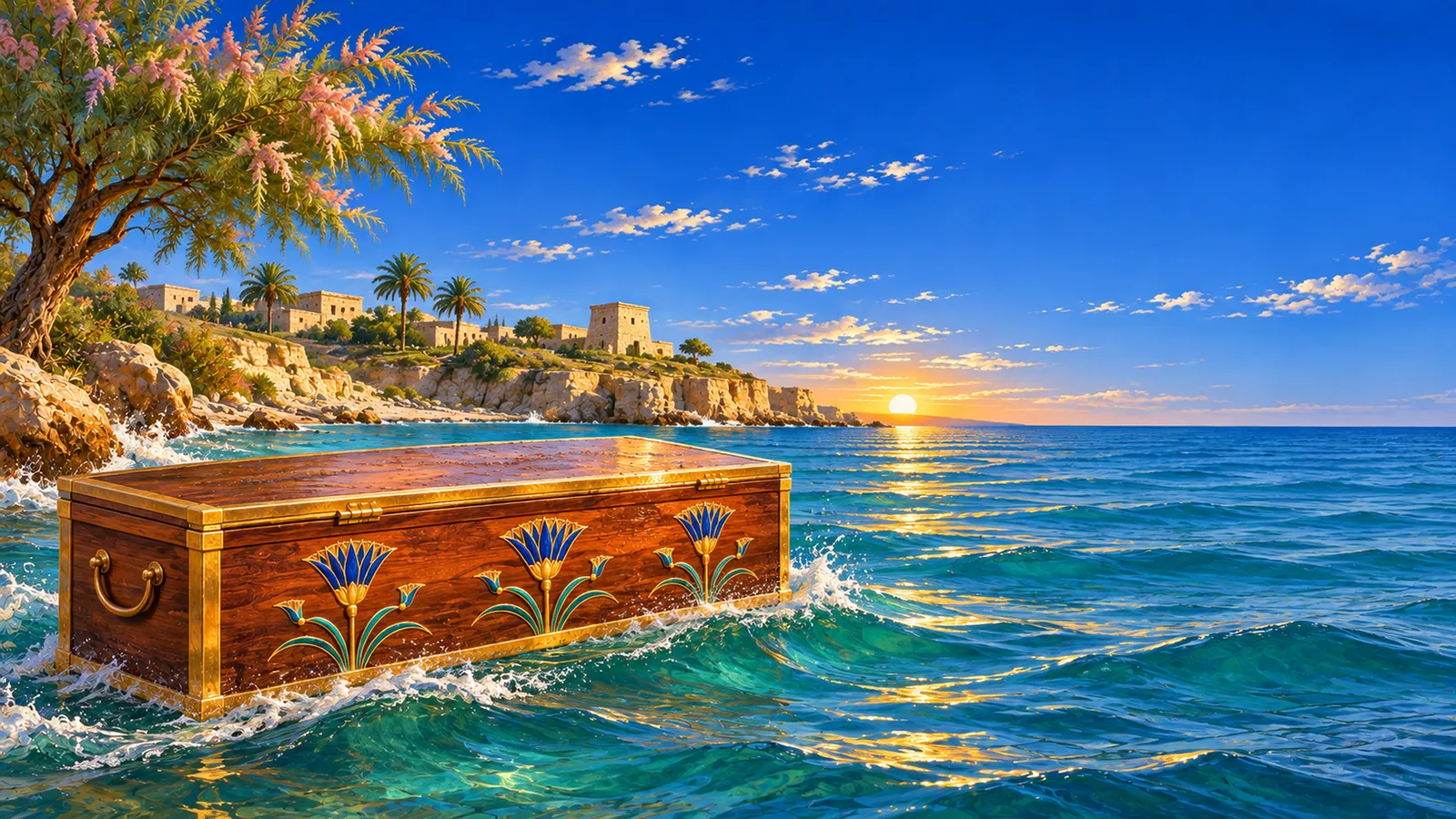
A COSTA
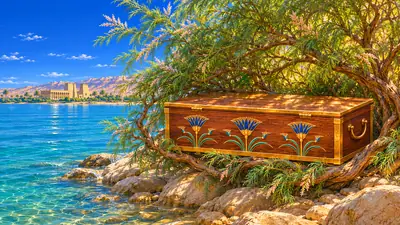
O mar levou a arca sobre as ondas. No relato antigo, ela chegou a um lugar da costa chamado Biblos.
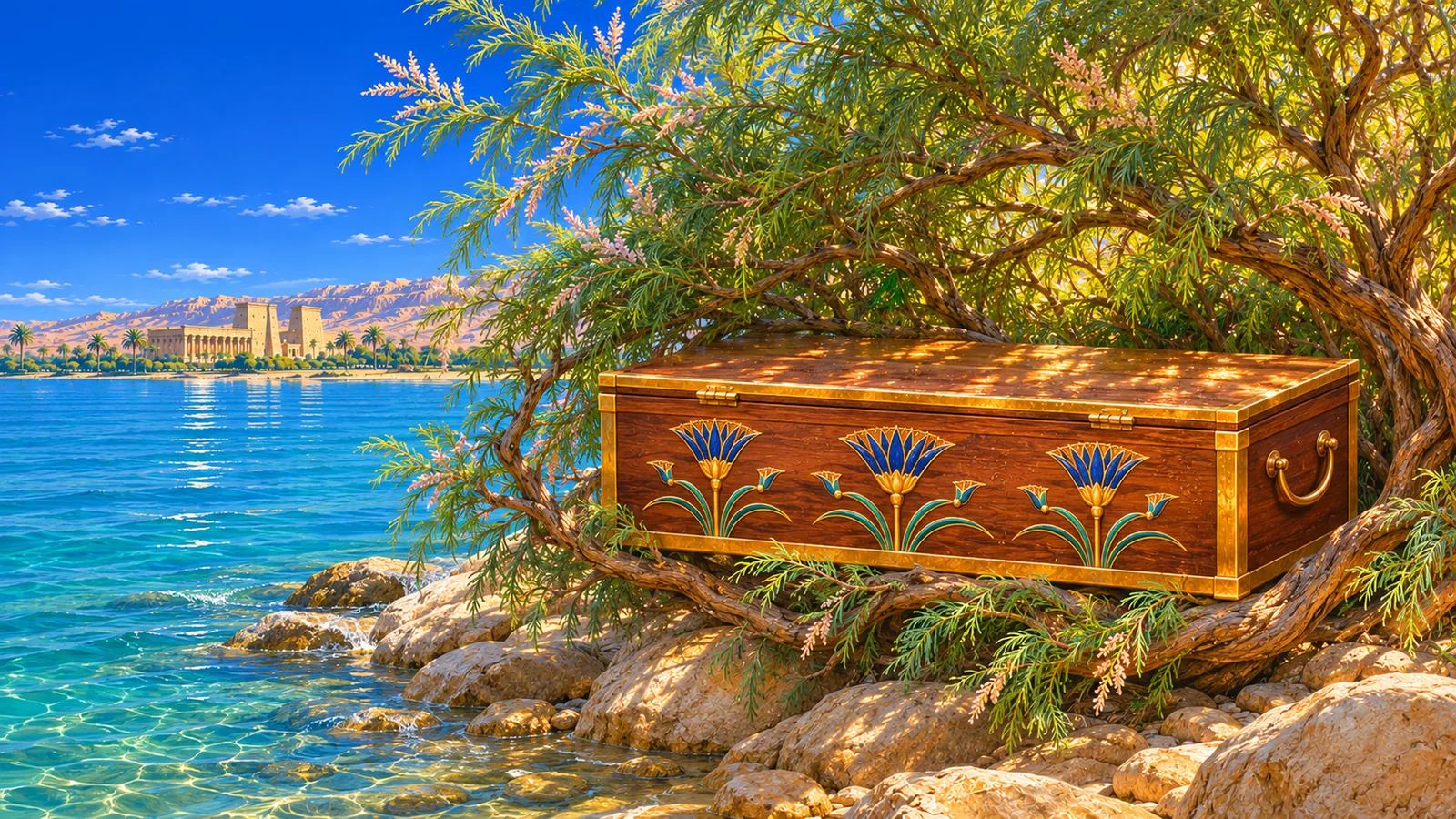
Ali, a arca ficou entre os ramos de uma tamargueira. O relato antigo diz que ali se acomodou suavemente.
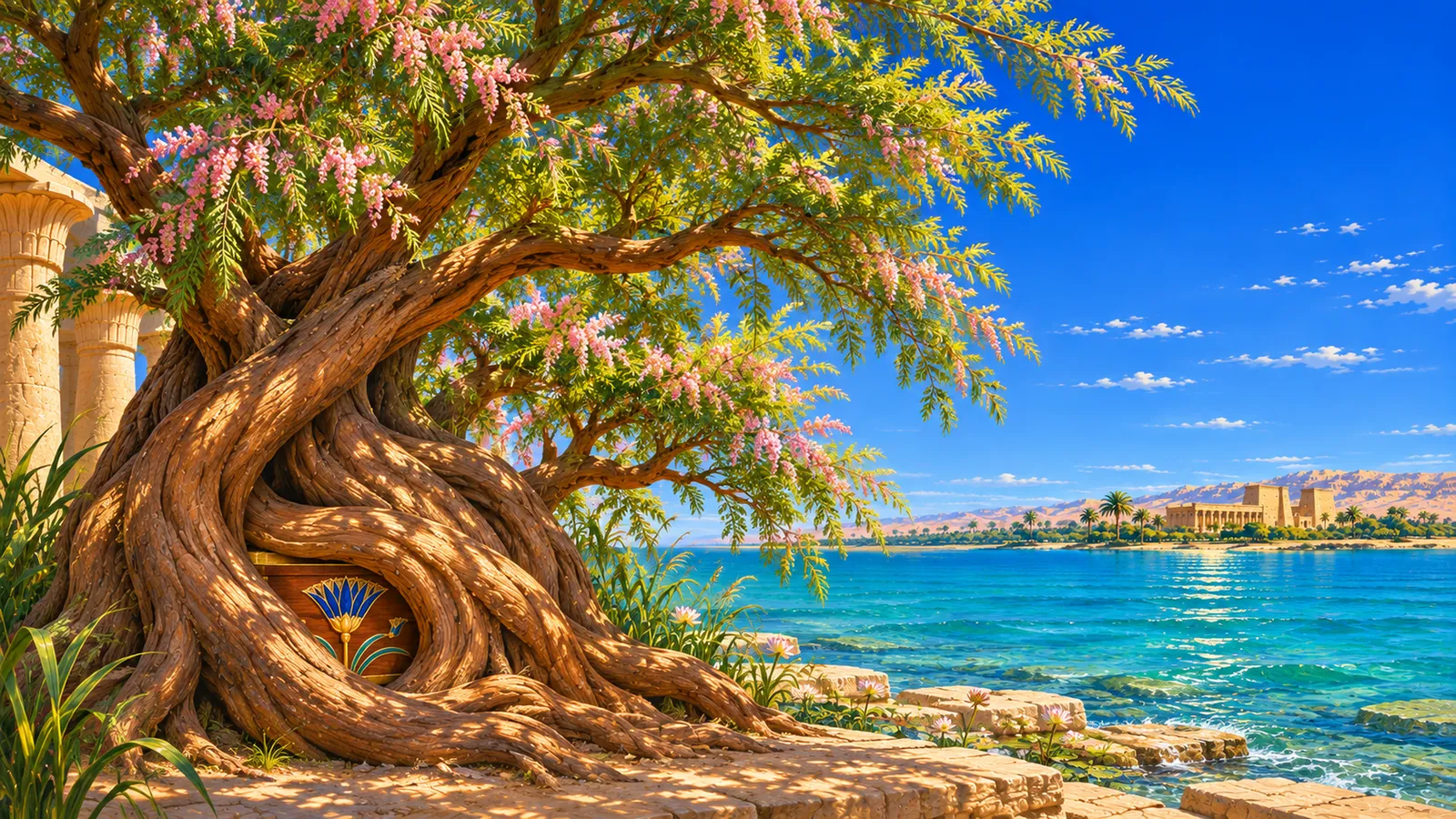
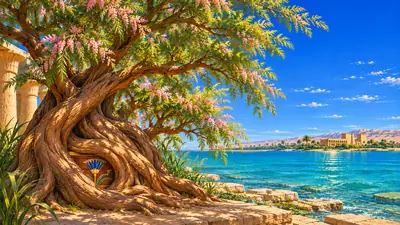
Em pouco tempo, a tamargueira tornou-se uma árvore grande e bela. Os seus ramos cresceram à volta da arca.

A árvore envolveu a arca por todos os lados. O relato diz que a arca ficou escondida da vista dentro do tronco.
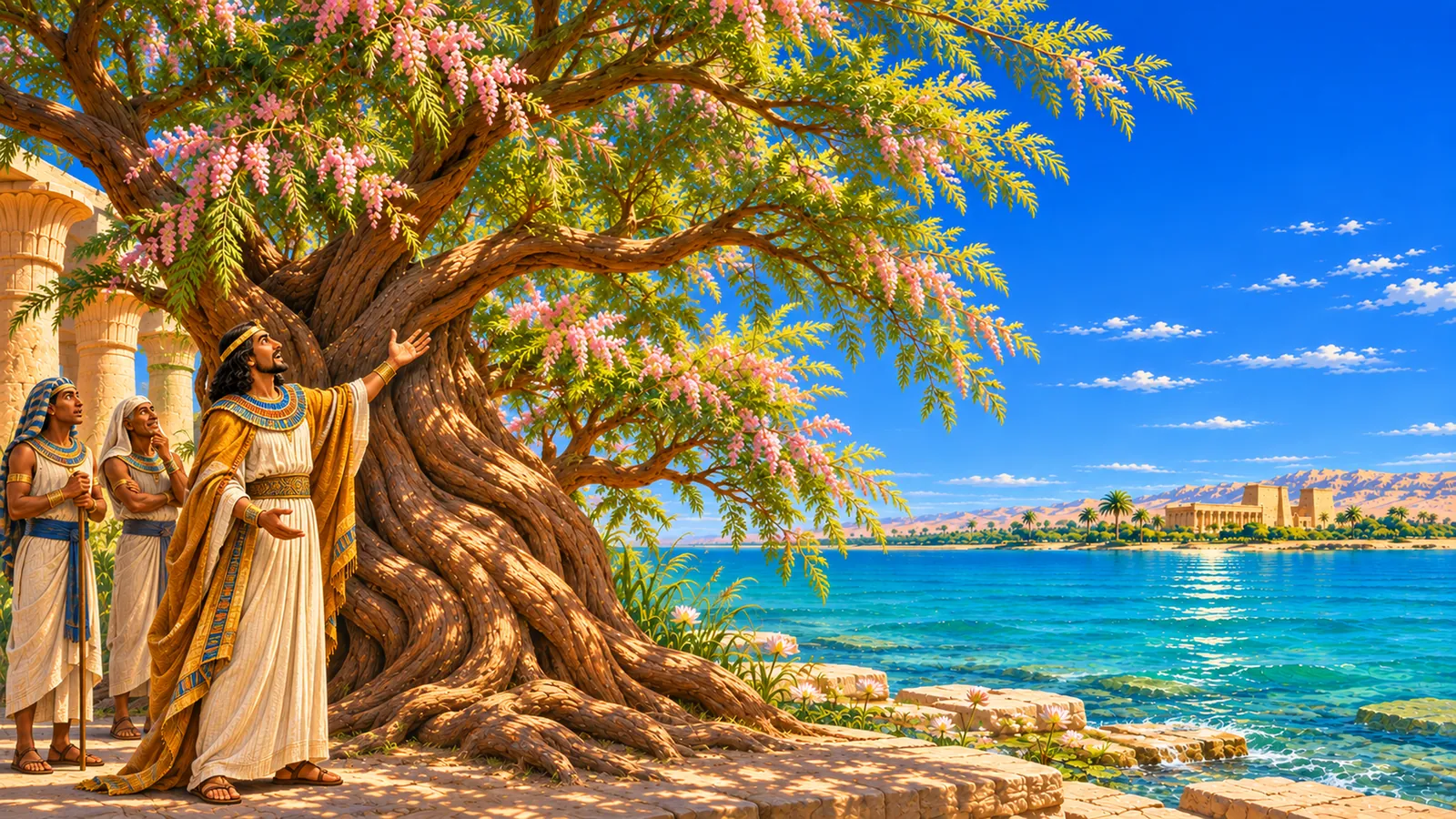
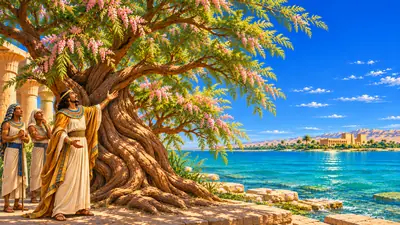
O rei da terra viu a tamargueira e admirou-se com o tamanho invulgar que ela tinha atingido.
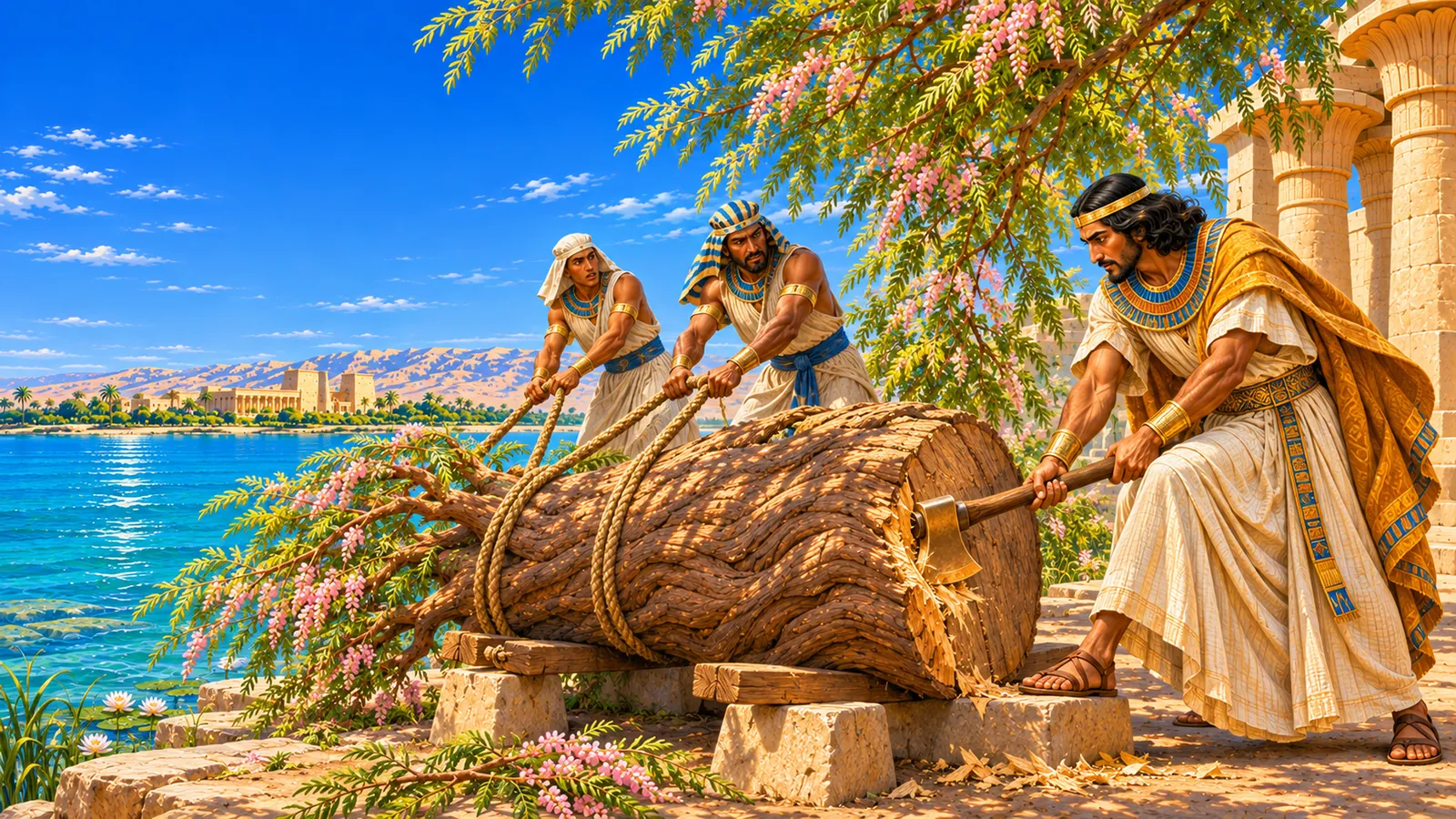
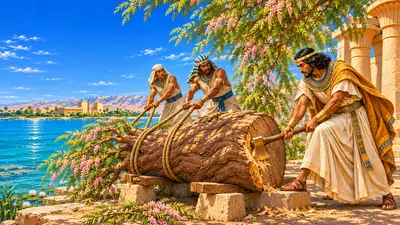
O rei cortou a árvore. Levou a parte do tronco onde a arca continuava escondida.
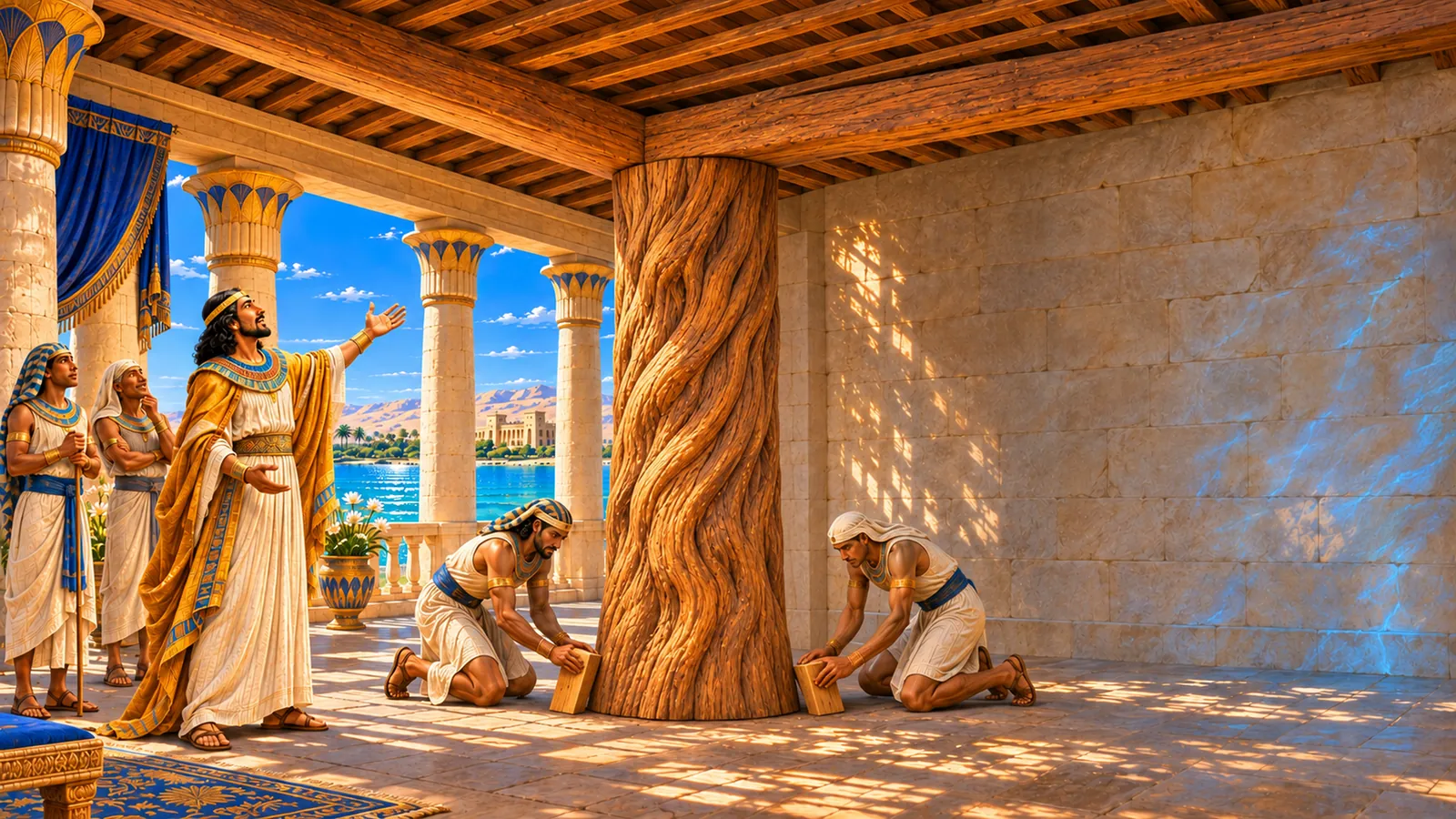
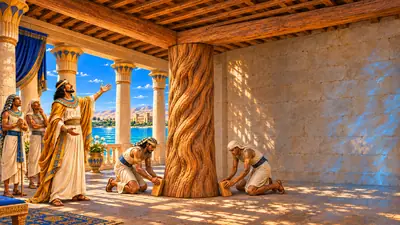
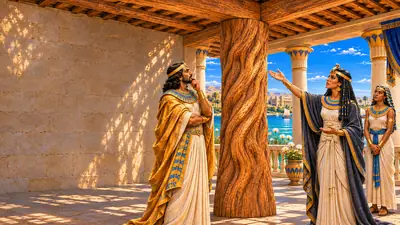
O rei fez um pilar daquela parte do tronco. Posto de pé, sustentava o telhado da sua casa.
A NOTÍCIA
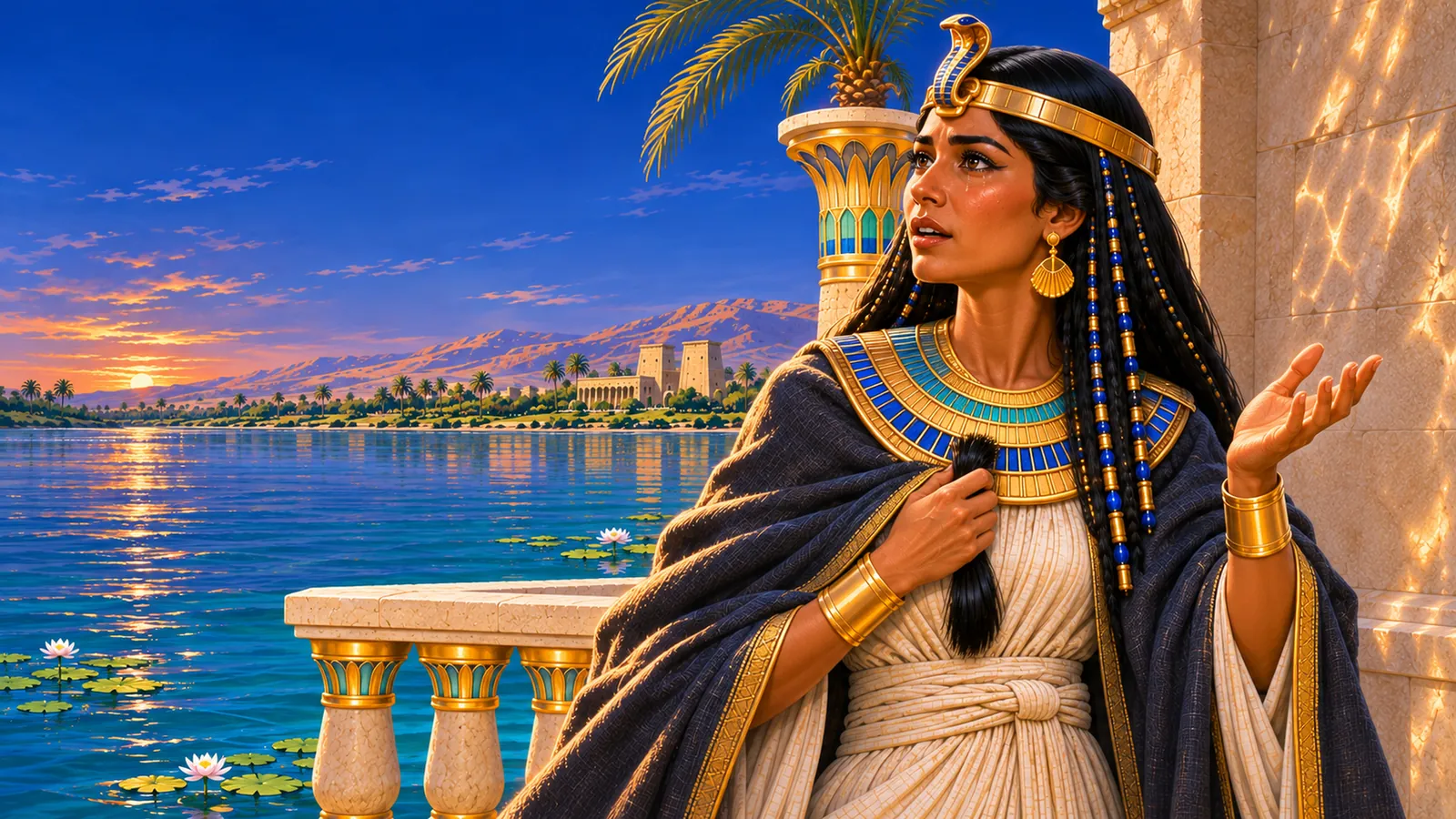
Neste relato, espíritos levaram a Ísis a notícia da árvore e da arca. O narrador descreve como extraordinária a forma pela qual a notícia lhe chegou.
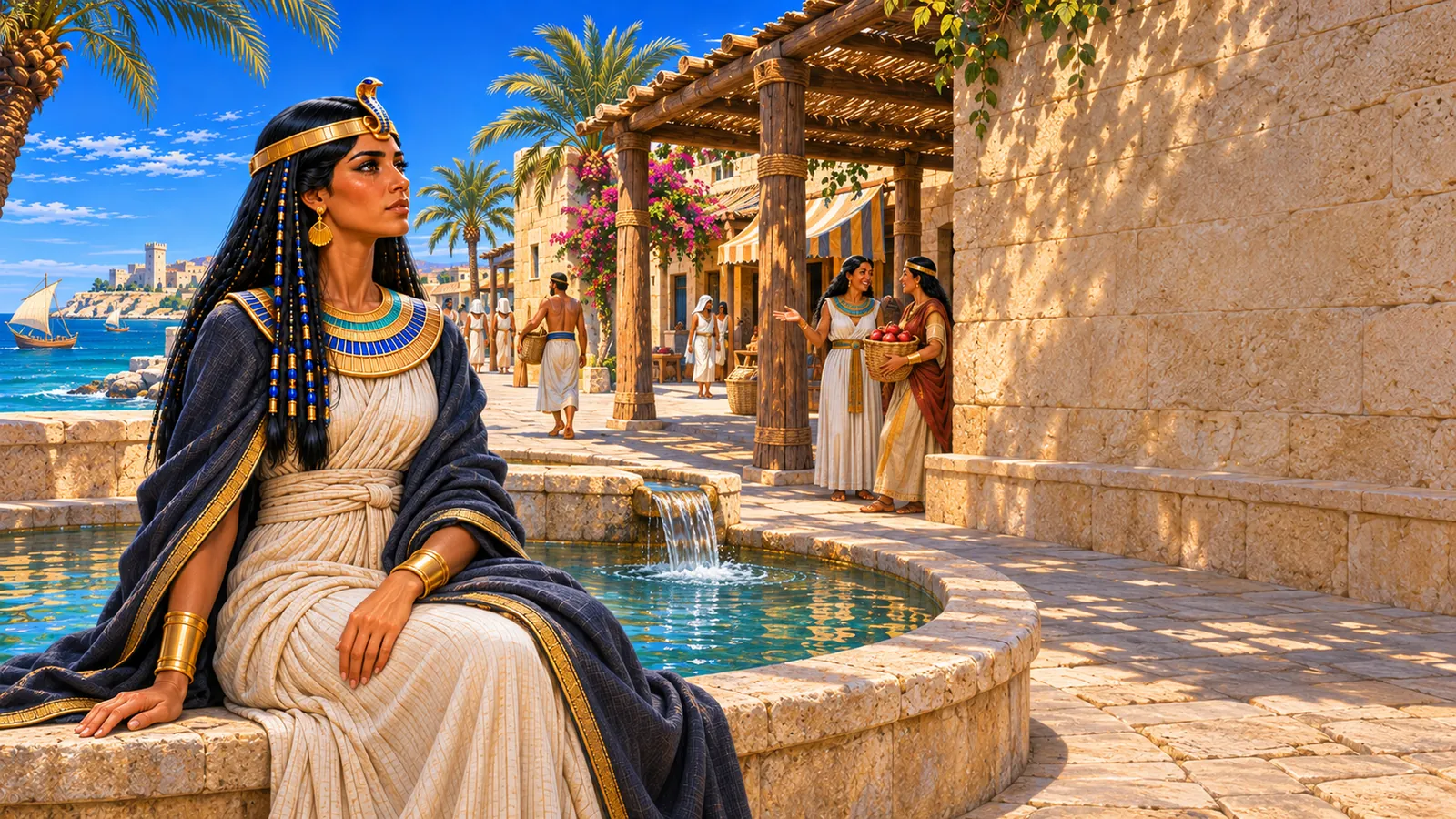
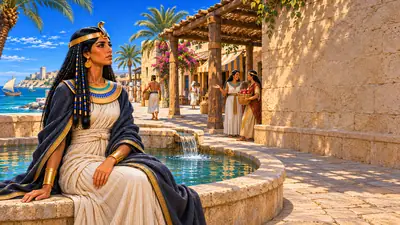
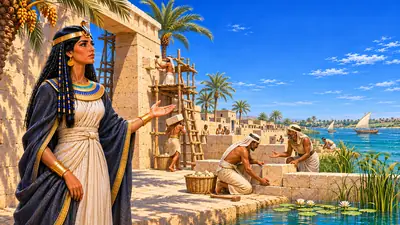
Ísis foi de imediato para Biblos. Quando chegou, sentou-se junto de uma fonte.
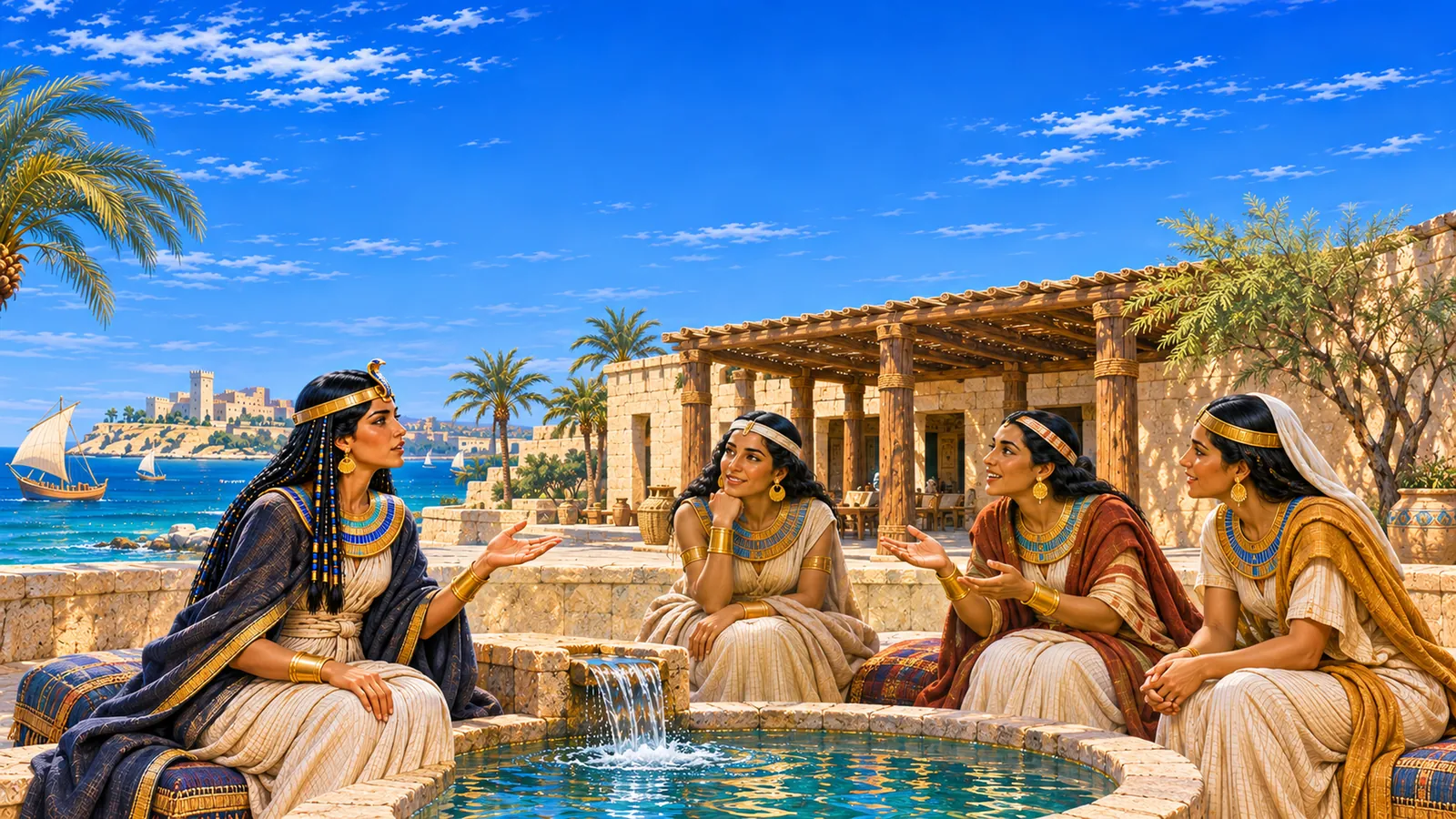
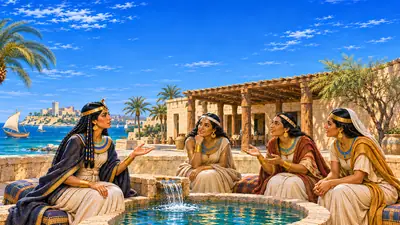
Ísis recusou-se a falar com qualquer pessoa que não fosse uma das mulheres ao serviço da rainha. Por acaso, elas estavam junto da fonte.
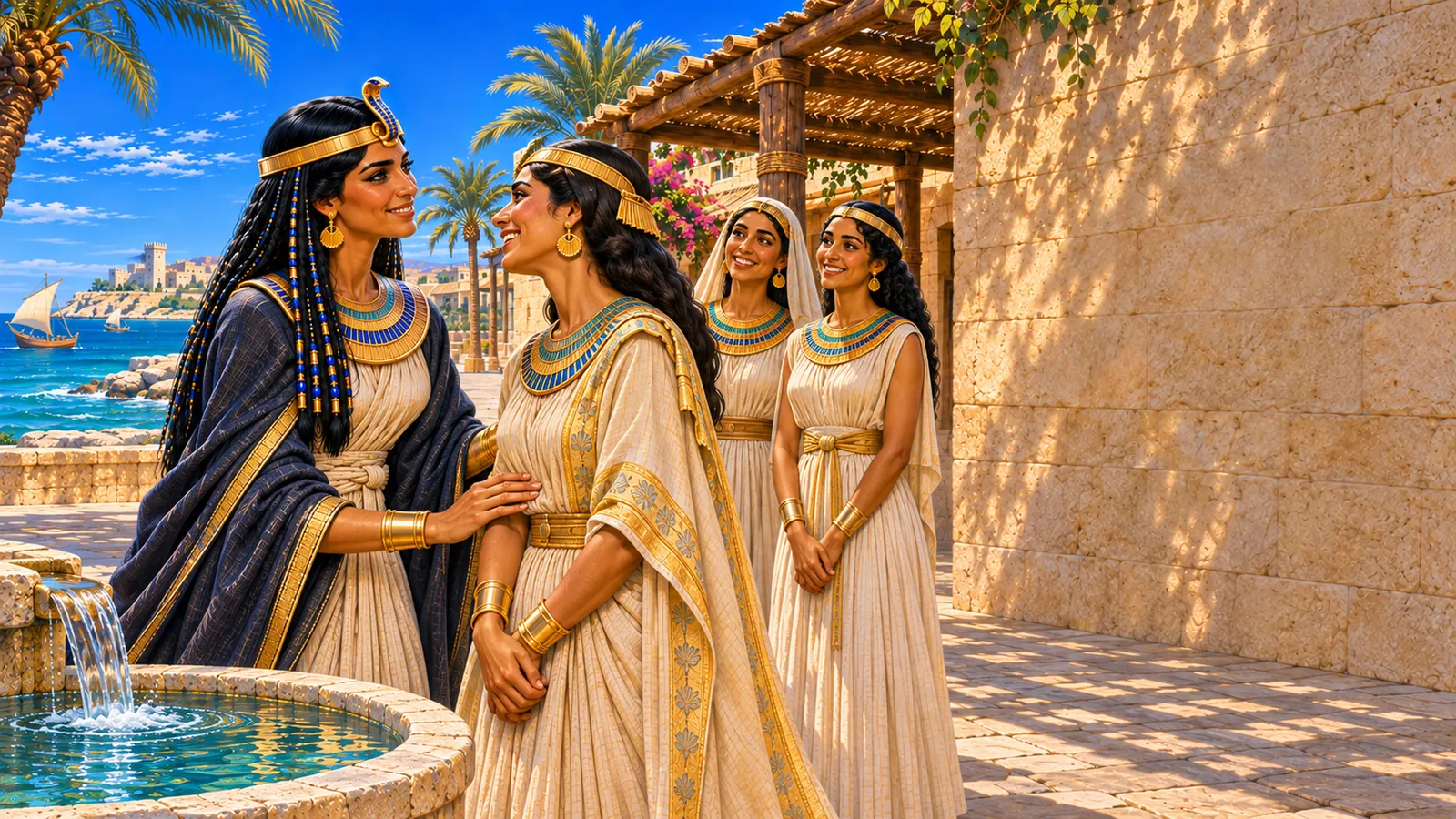
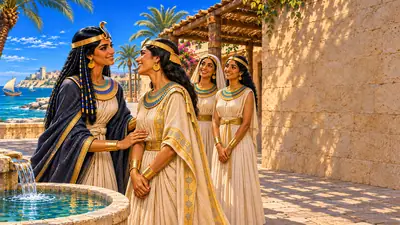
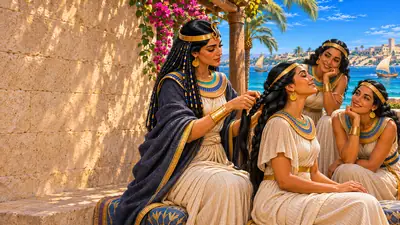
Ísis saudou calorosamente as mulheres ao serviço da rainha. O relato diz que as tratou com a maior gentileza.
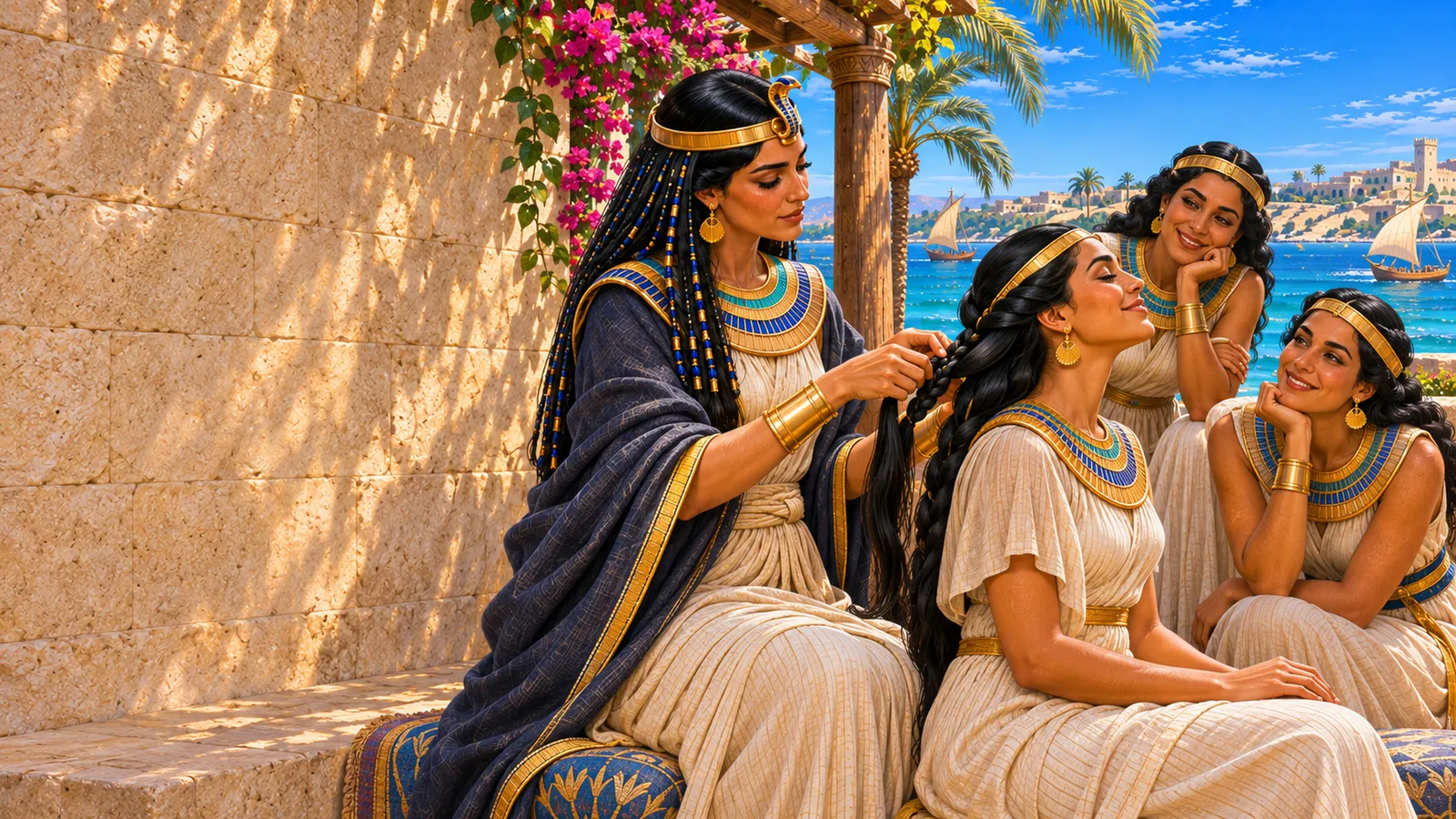
Ísis entrançou-lhes o cabelo. No relato, parte da sua própria fragrância passou para as mulheres enquanto o fazia.
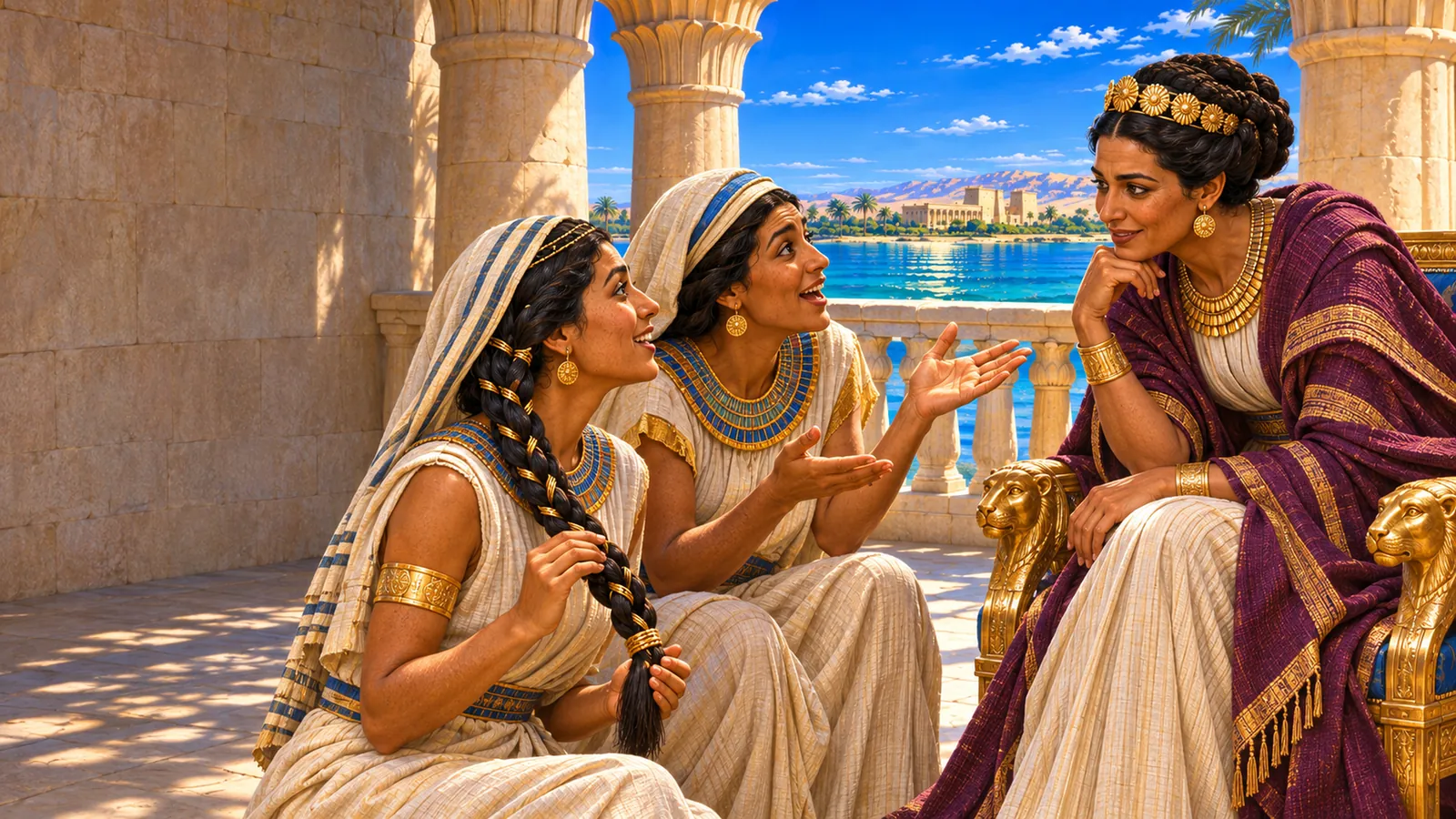
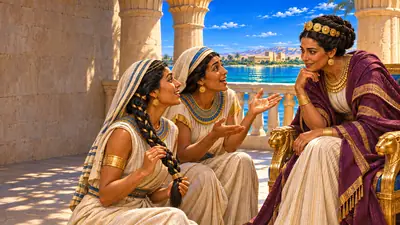
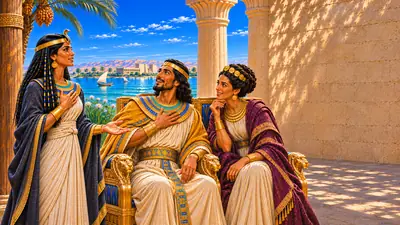
A rainha soube que uma desconhecida tinha transmitido às mulheres parte da sua própria fragrância. Quis muito vê-la.
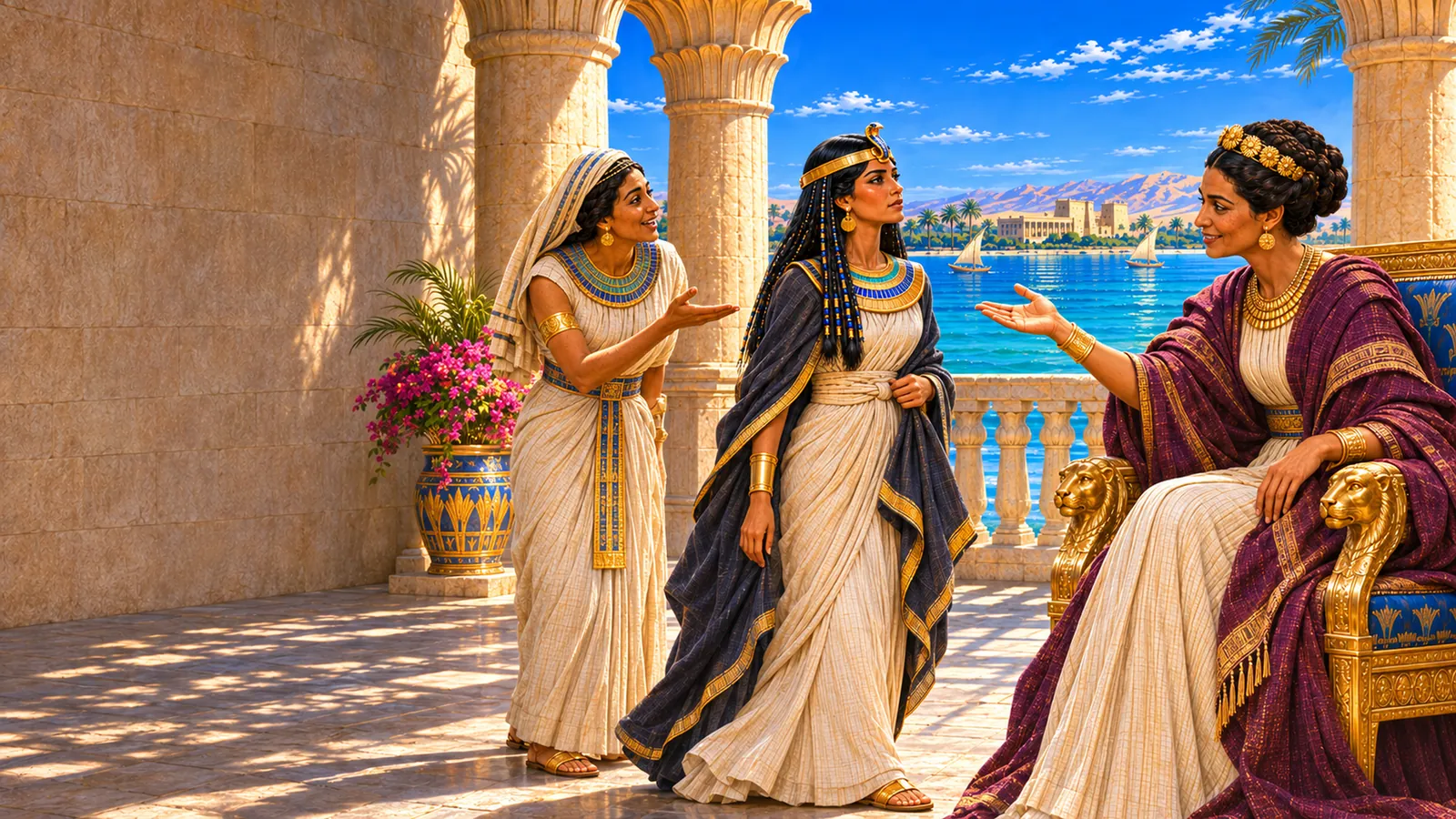
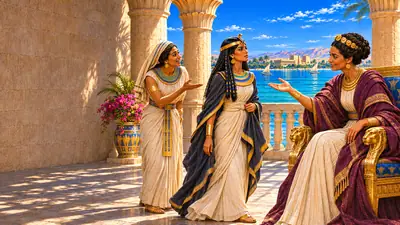
A rainha mandou chamar a desconhecida que estivera junto da fonte. Chamou-a à corte para a conhecer.
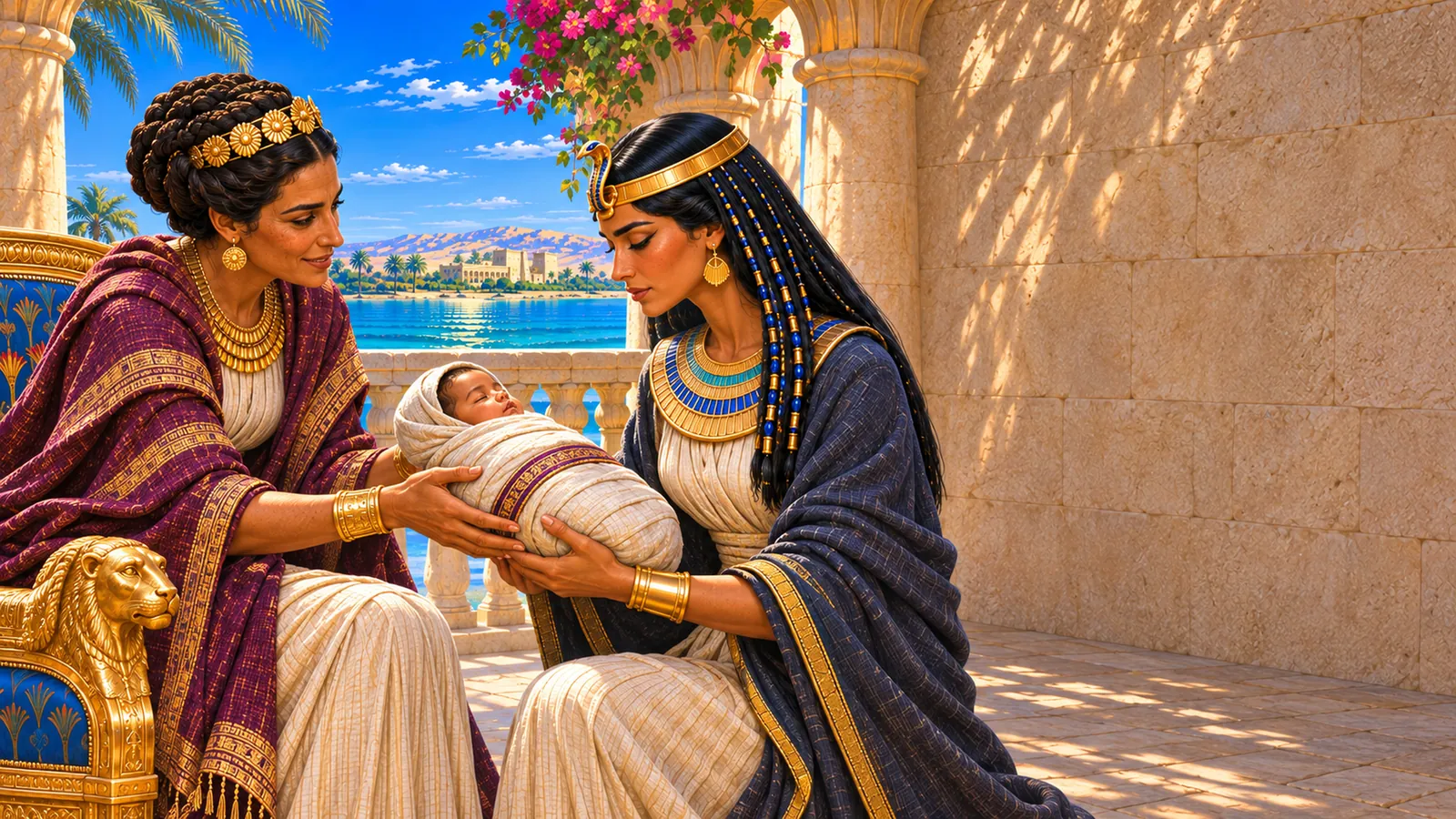
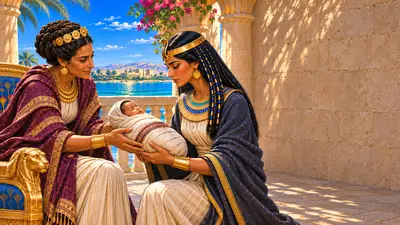
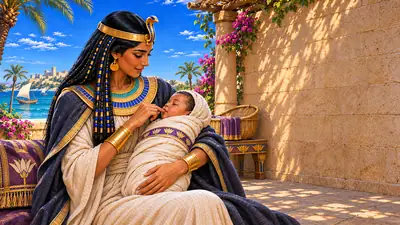
Depois de conhecer melhor a visitante, a rainha confiou-lhe um dos seus filhos. Ísis tornou-se a sua ama.
A CORTE
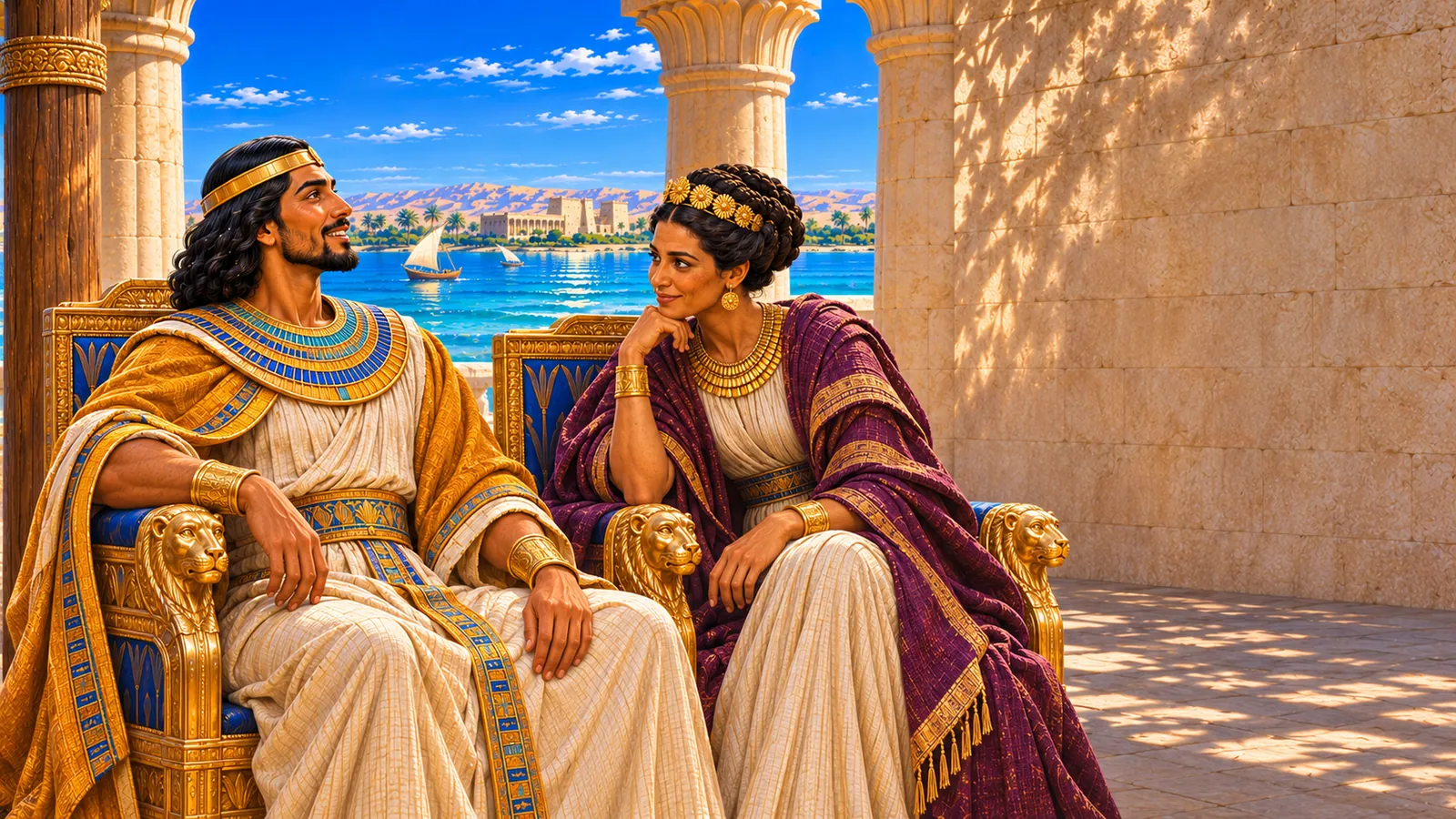
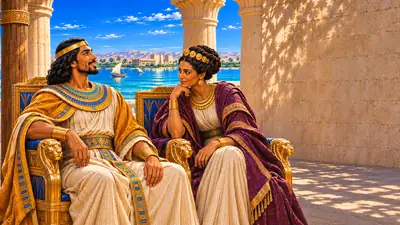
O rei de Biblos chamava-se Meloarthus. A rainha chama-se Astarte num relato e Saosis noutro. Alguns chamam-lhe Nemanoun, nome que o texto associa ao nome grego Athenais.
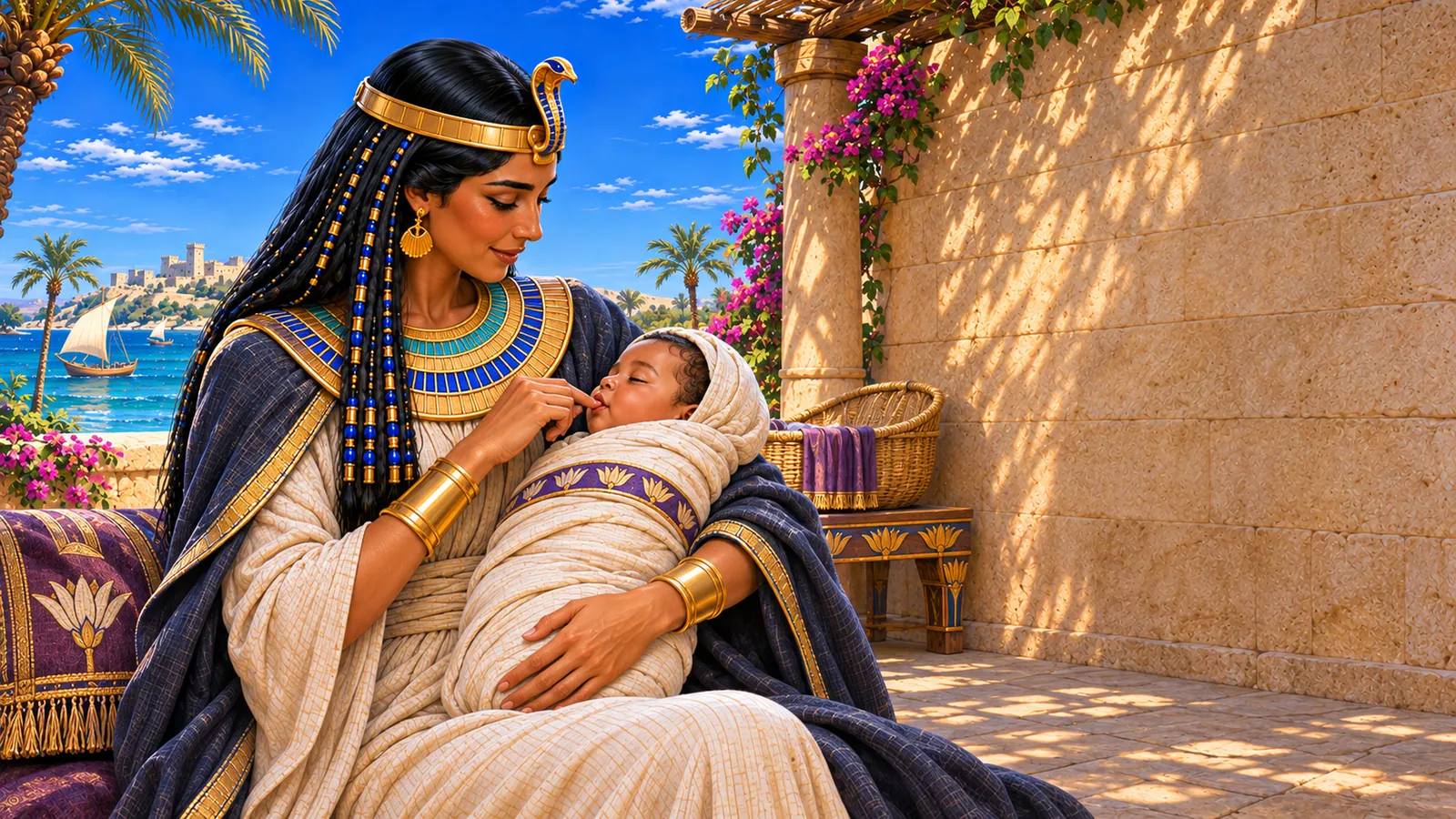
No relato, Ísis alimenta a criança de forma invulgar. A tradução de Squire diz que a deixa chupar-lhe o dedo.
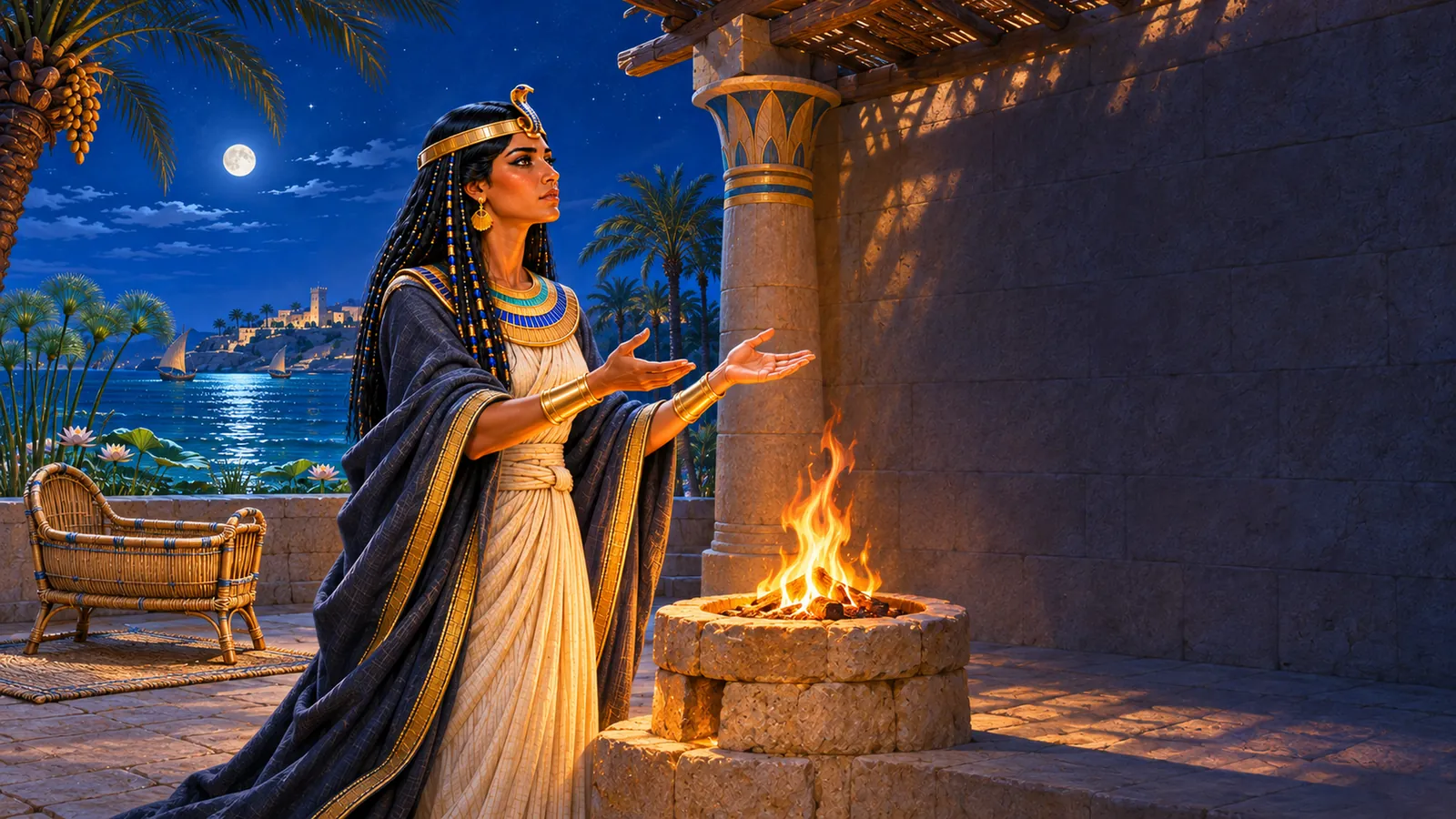
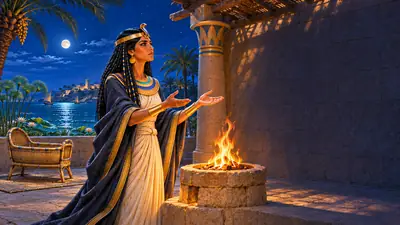
Plutarco diz que Ísis pôs a criança no fogo durante a noite. No mito, pretendia retirar-lhe o que nela era mortal.
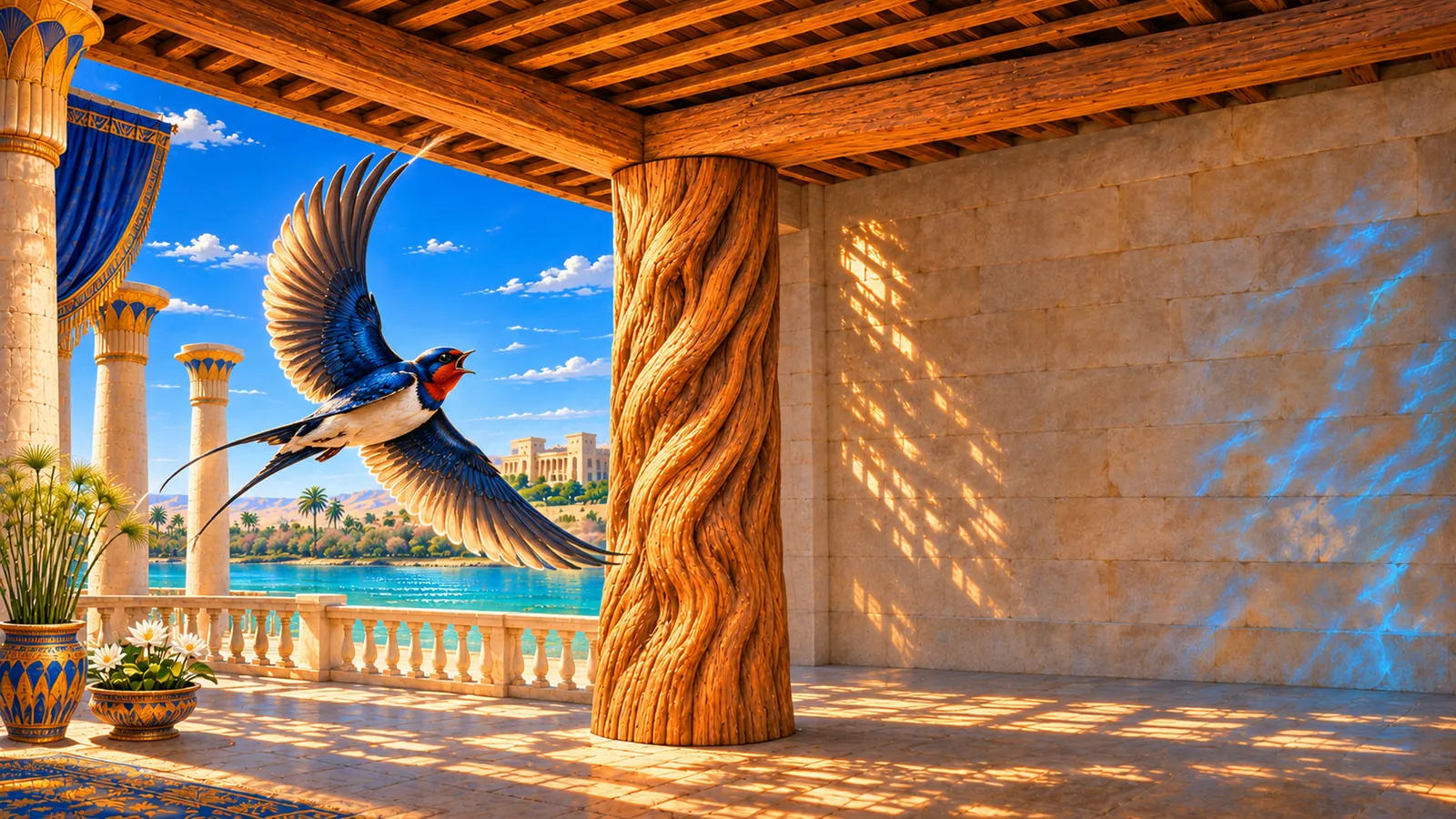
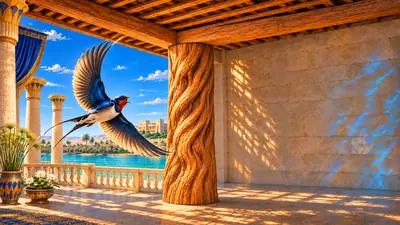
O relato diz que Ísis se transformou numa andorinha e voou em torno do pilar, lamentando o que lhe acontecera.
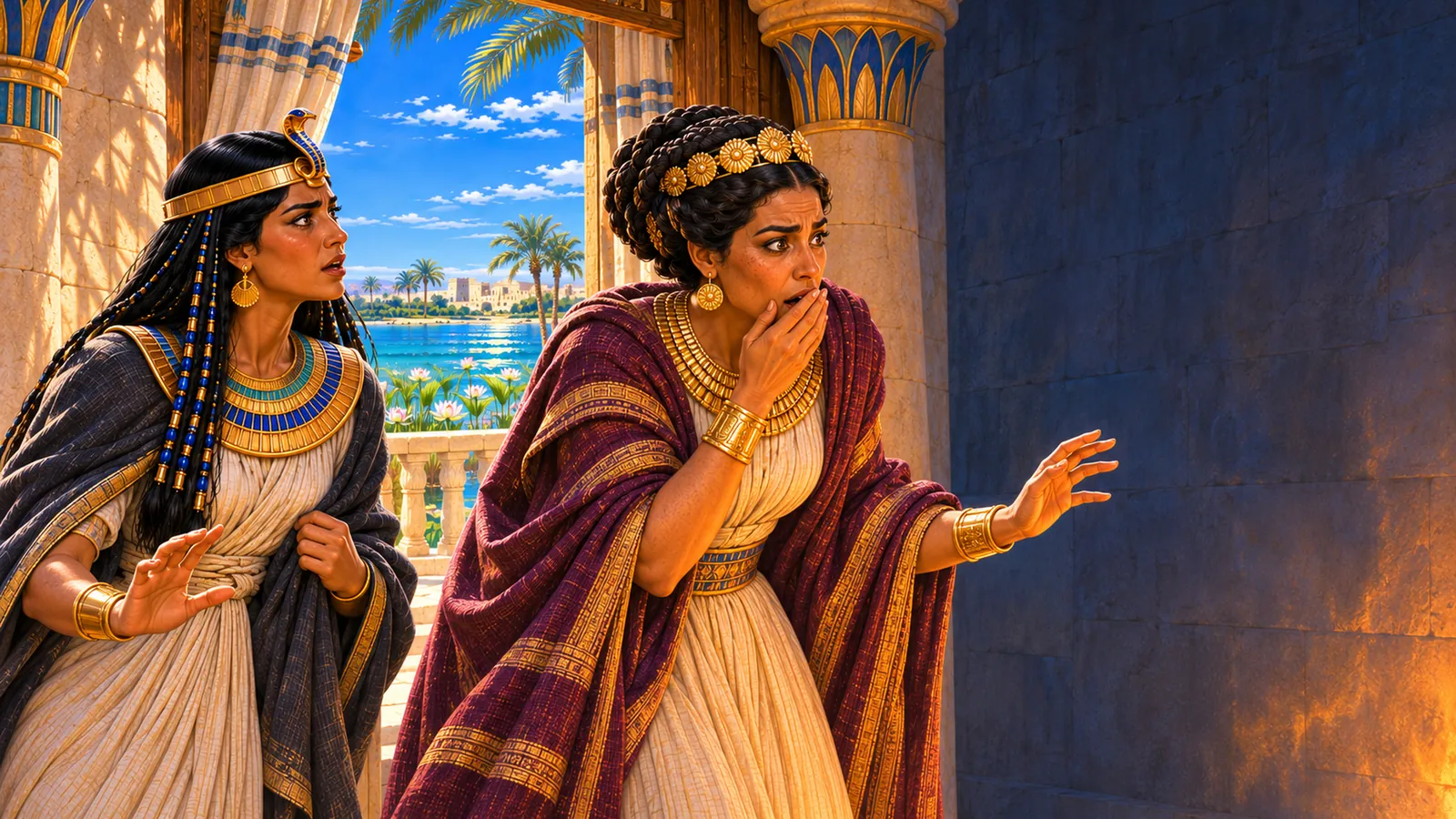
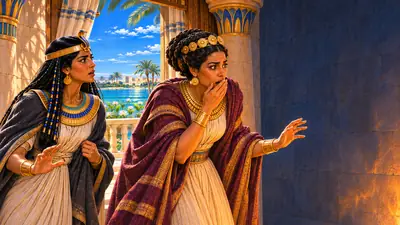
Depois de isto se prolongar durante algum tempo, a rainha observou Ísis. No relato de Plutarco, viu a criança no fogo.
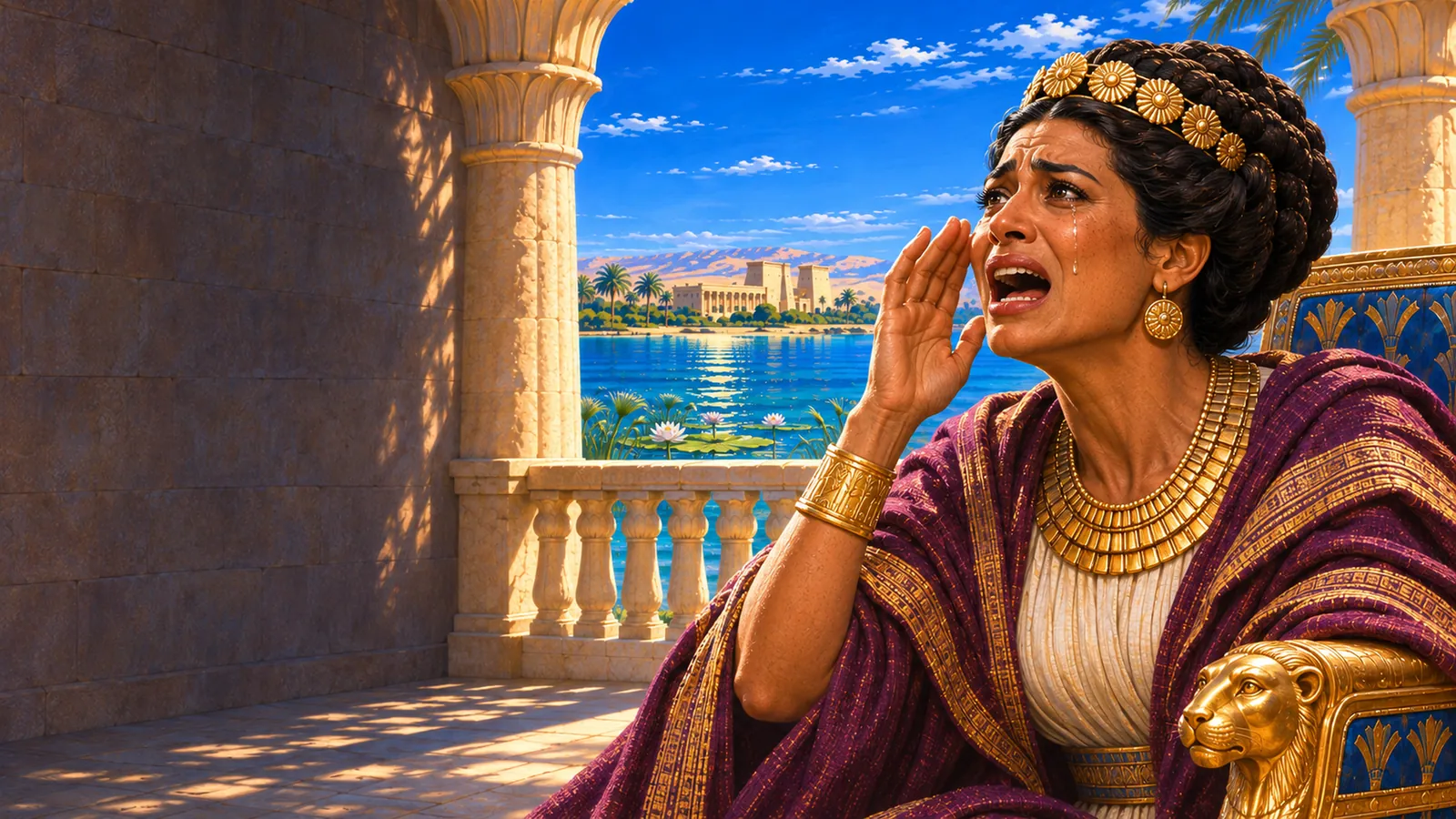
A rainha soltou um grito ao vê-lo. No relato de Plutarco, o seu grito privou a criança da imortalidade que de outro modo teria recebido.
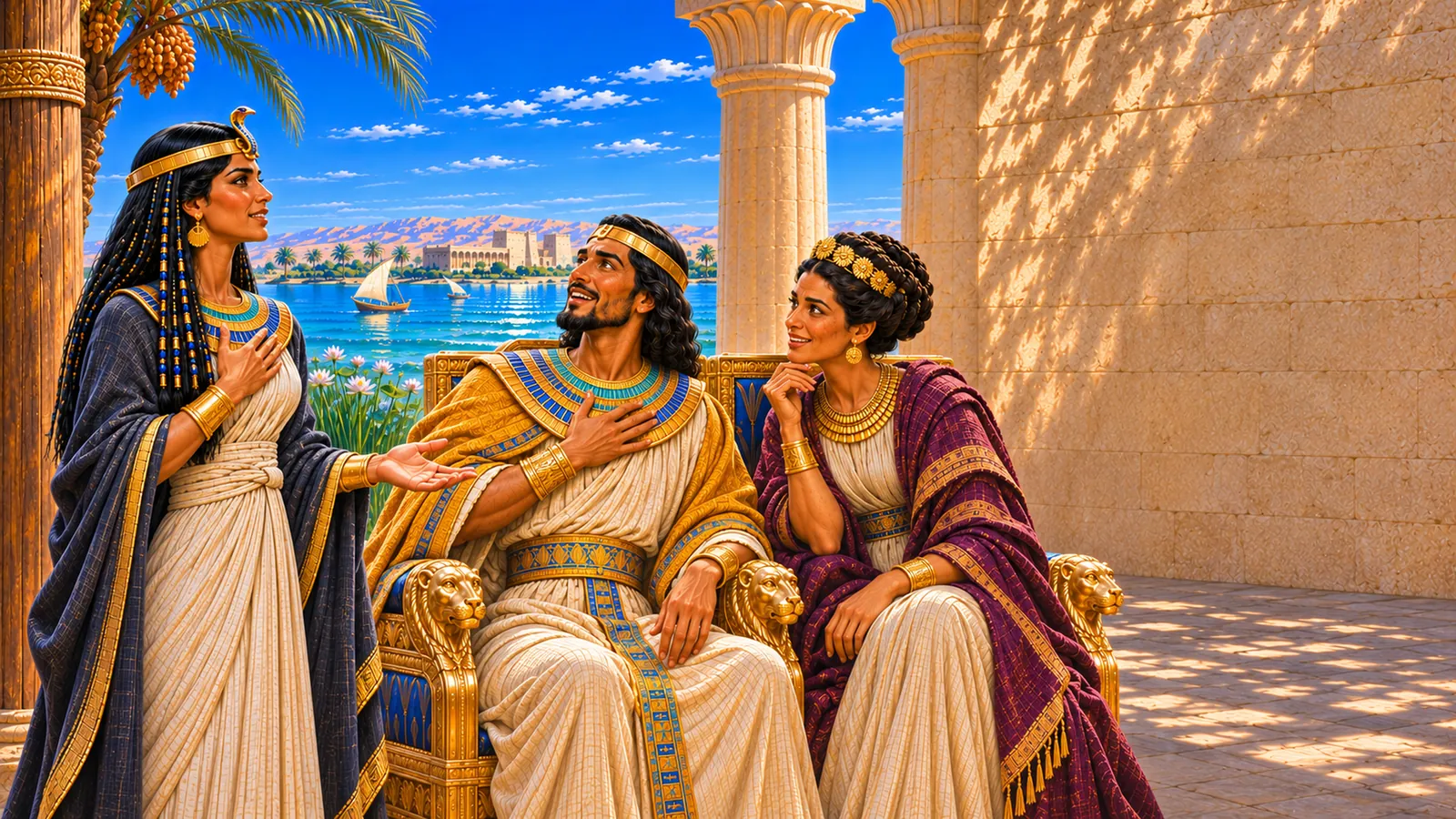
Ísis revelou então a sua identidade. Até esse momento no relato, tinha servido na corte como ama da criança.
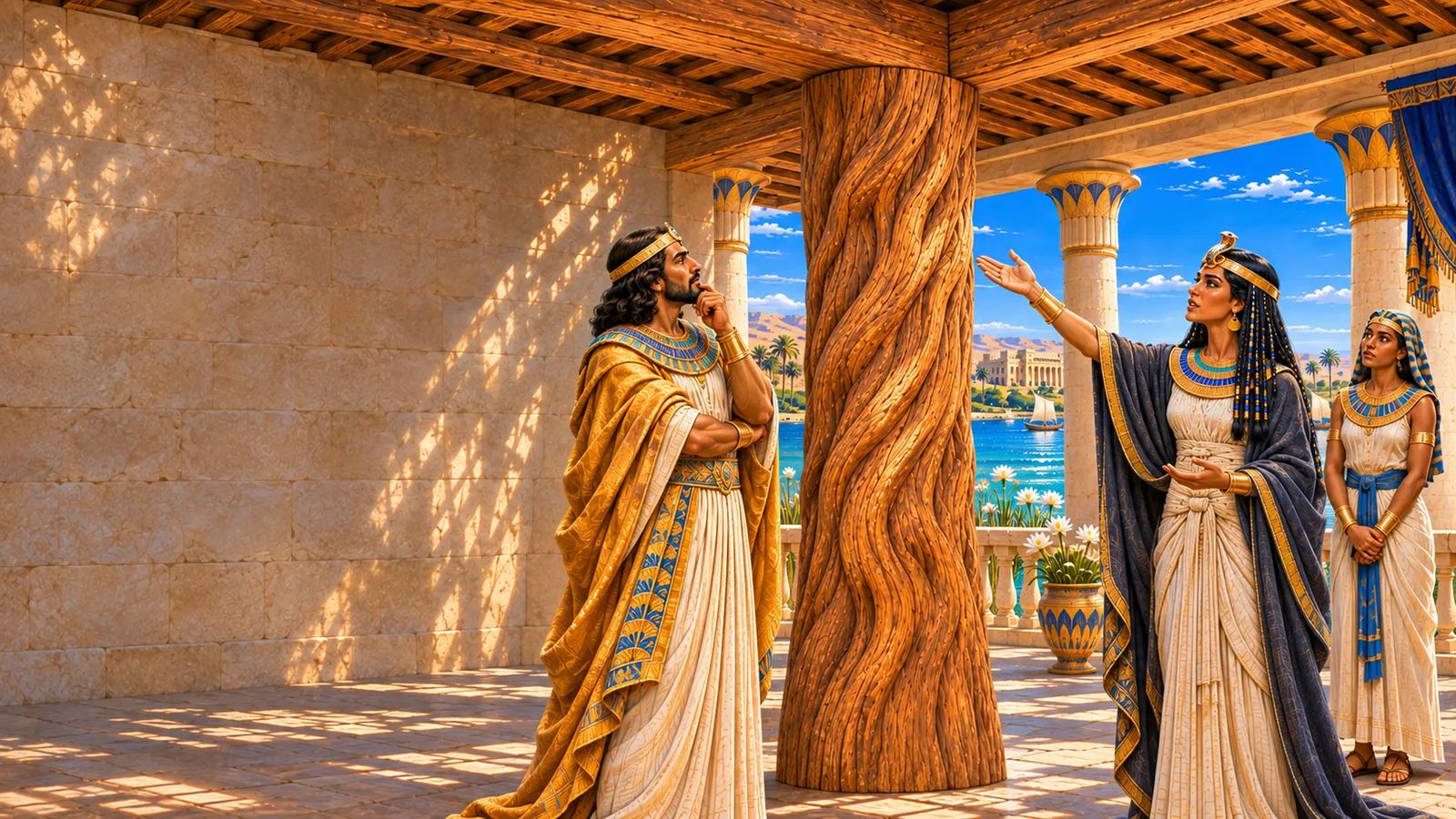
O PILAR
Ísis pediu que lhe dessem o pilar que sustentava o teto da casa do rei.
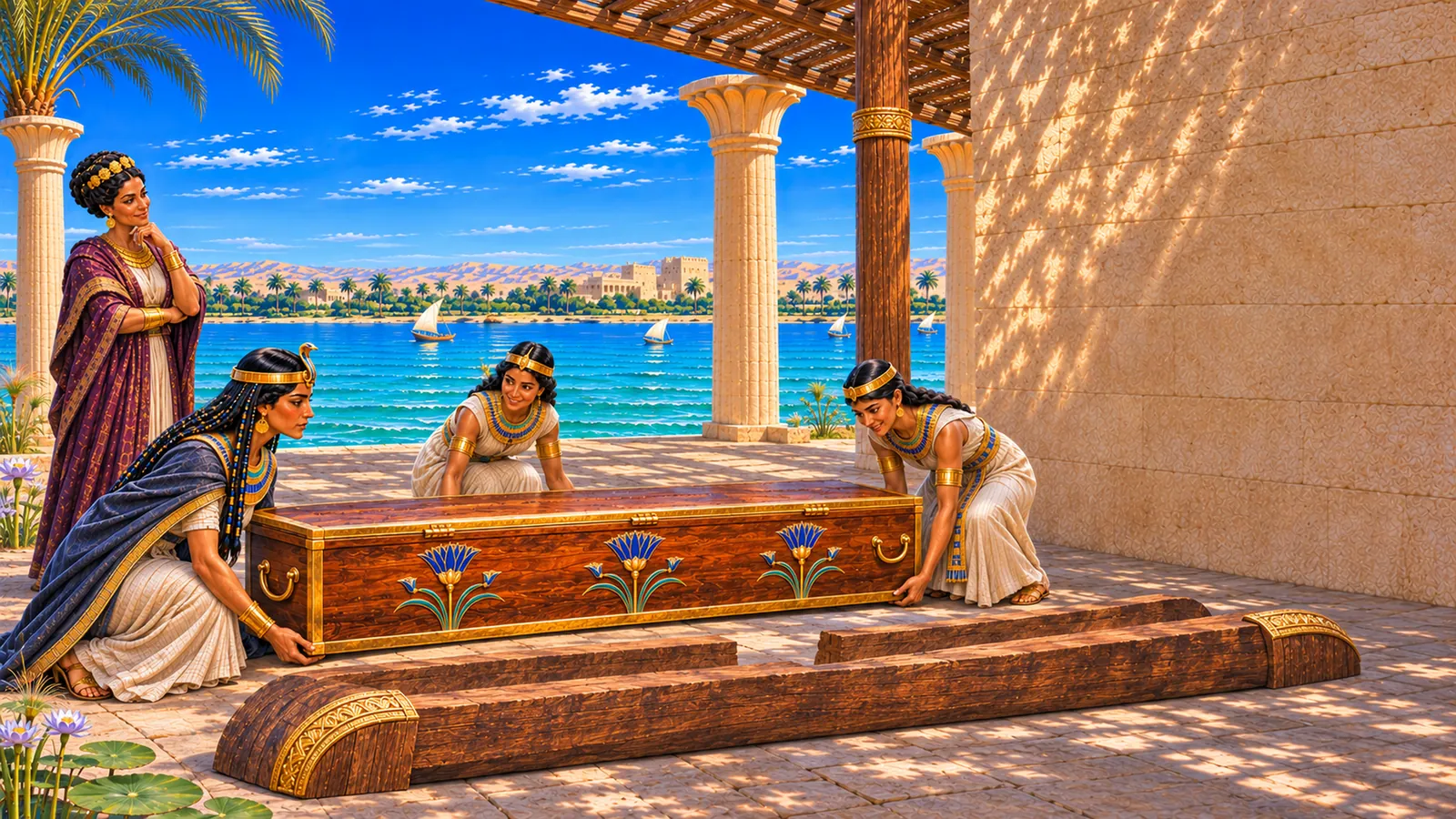
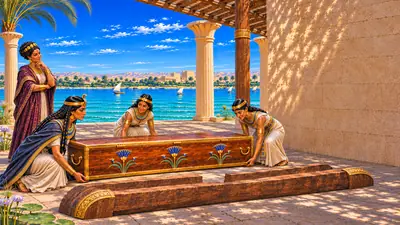
Ísis abriu o pilar e retirou o que viera recuperar. O baú estivera escondido dentro do tronco.
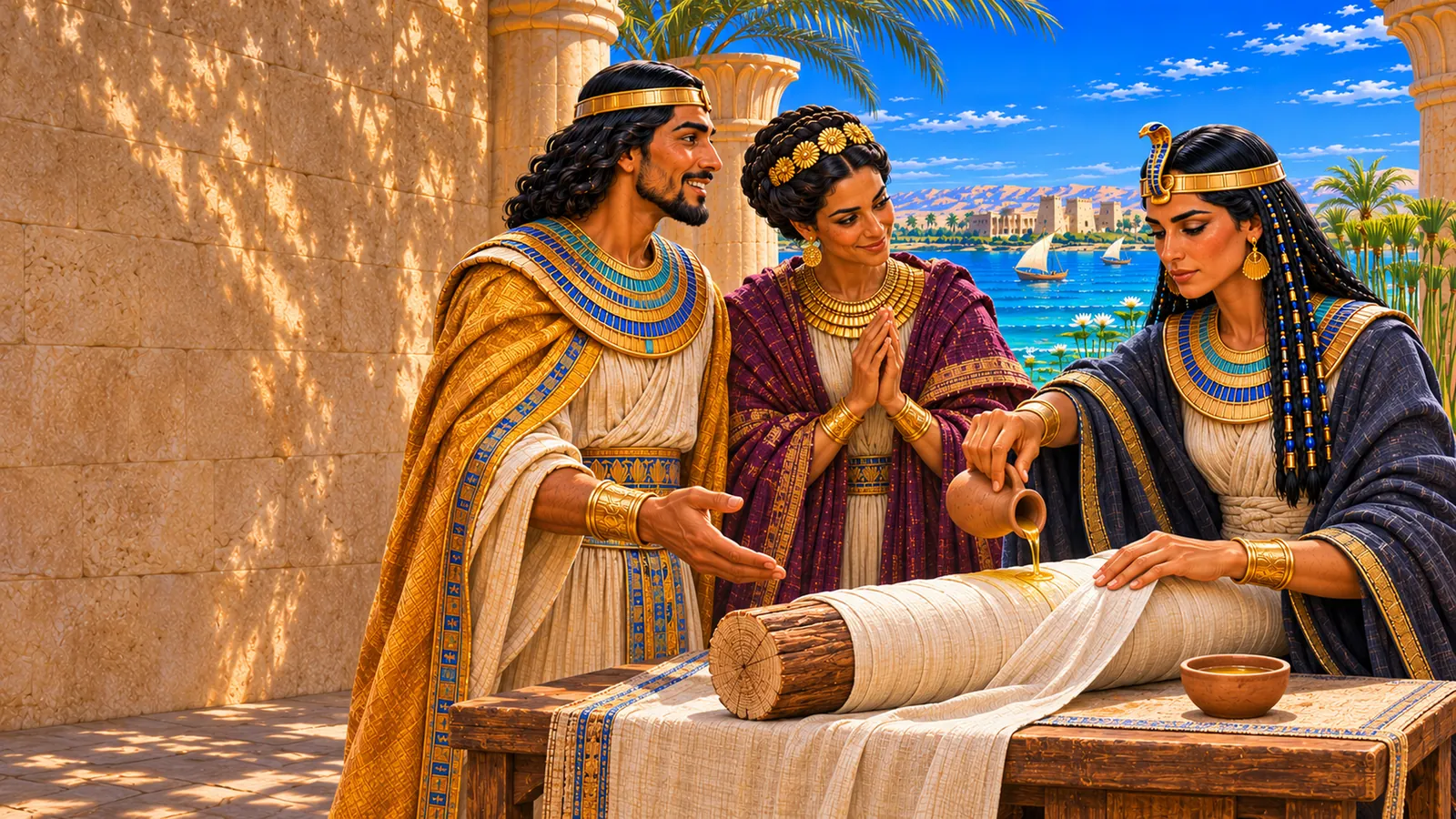
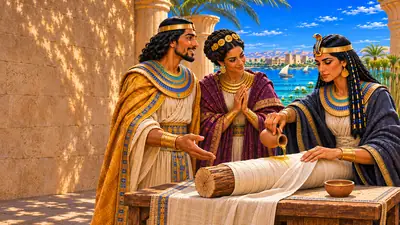
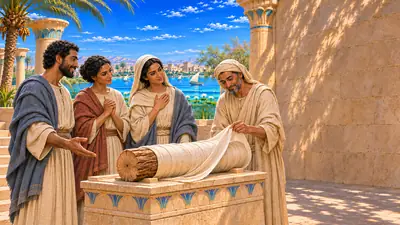
Envolveu a madeira que restava em linho fino e ungiu-a com óleo perfumado. Depois devolveu-a ao rei e à rainha.
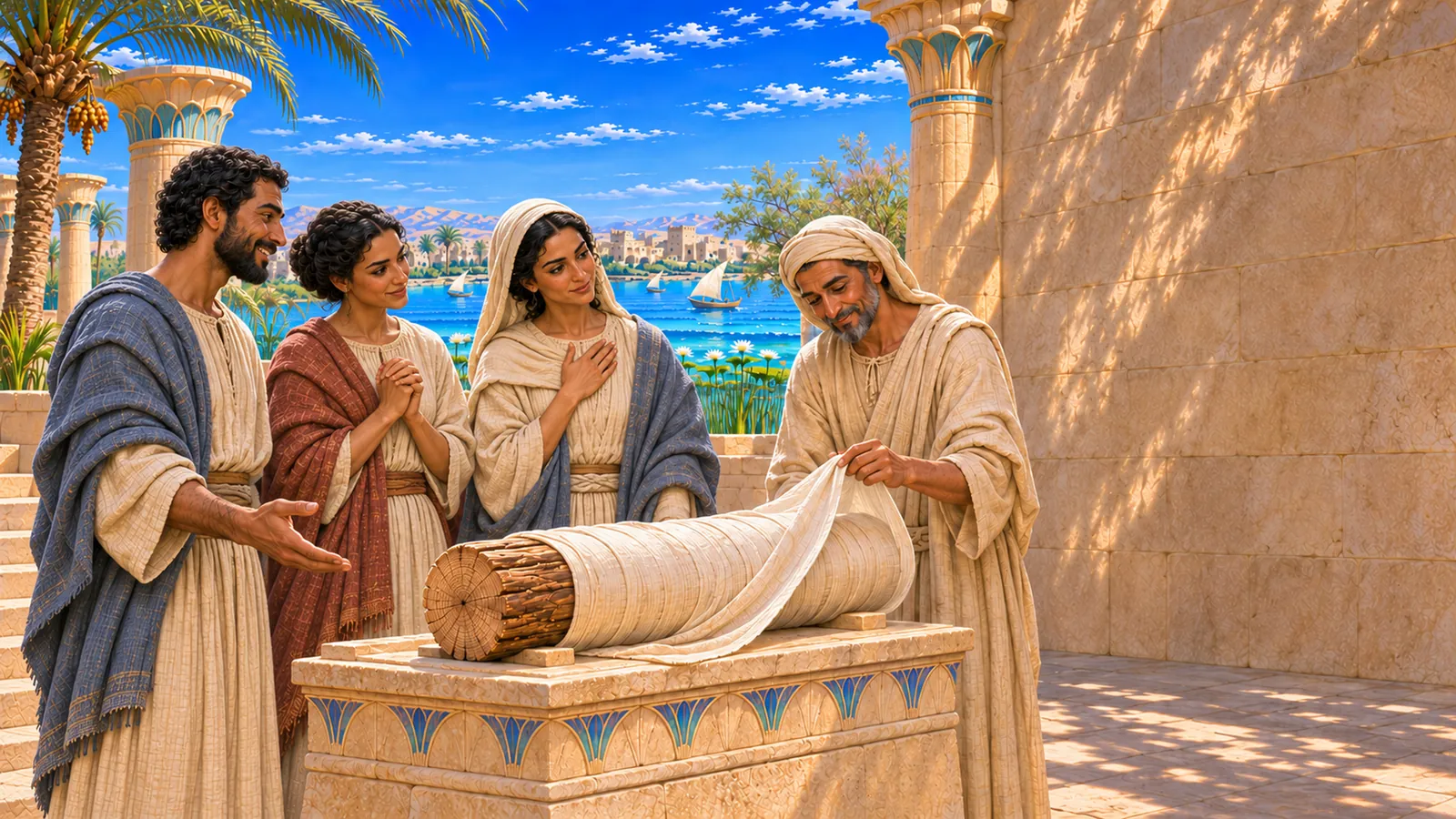
Plutarco diz que, no seu tempo, a madeira era guardada num templo de Ísis. Diz que as pessoas do lugar a que chama Biblos a veneravam ali.
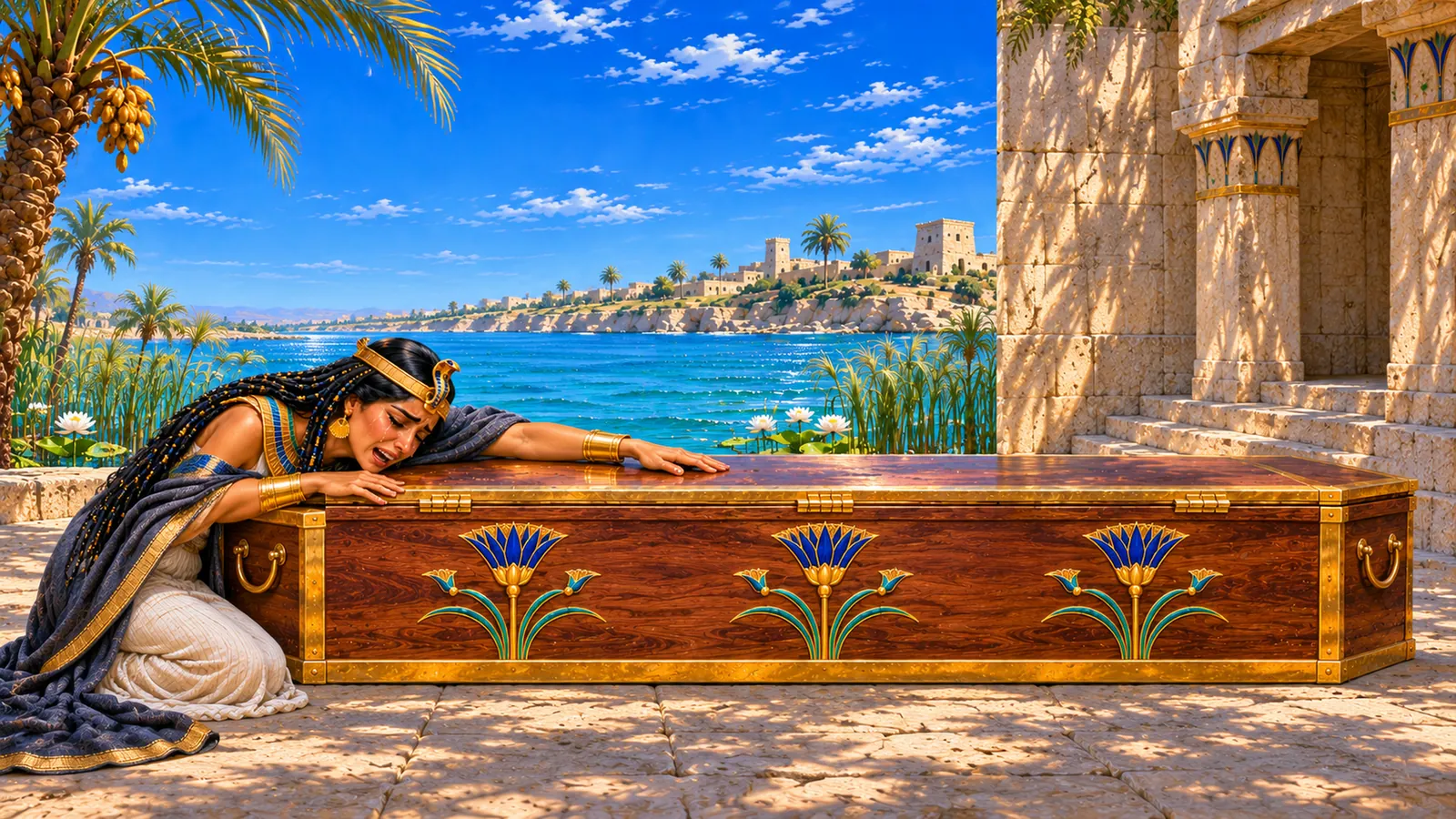
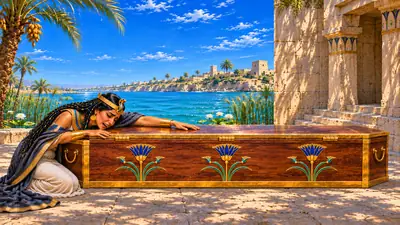
Depois de devolvida a madeira, conta-se que Ísis se lançou sobre o baú e soltou um lamento alto.
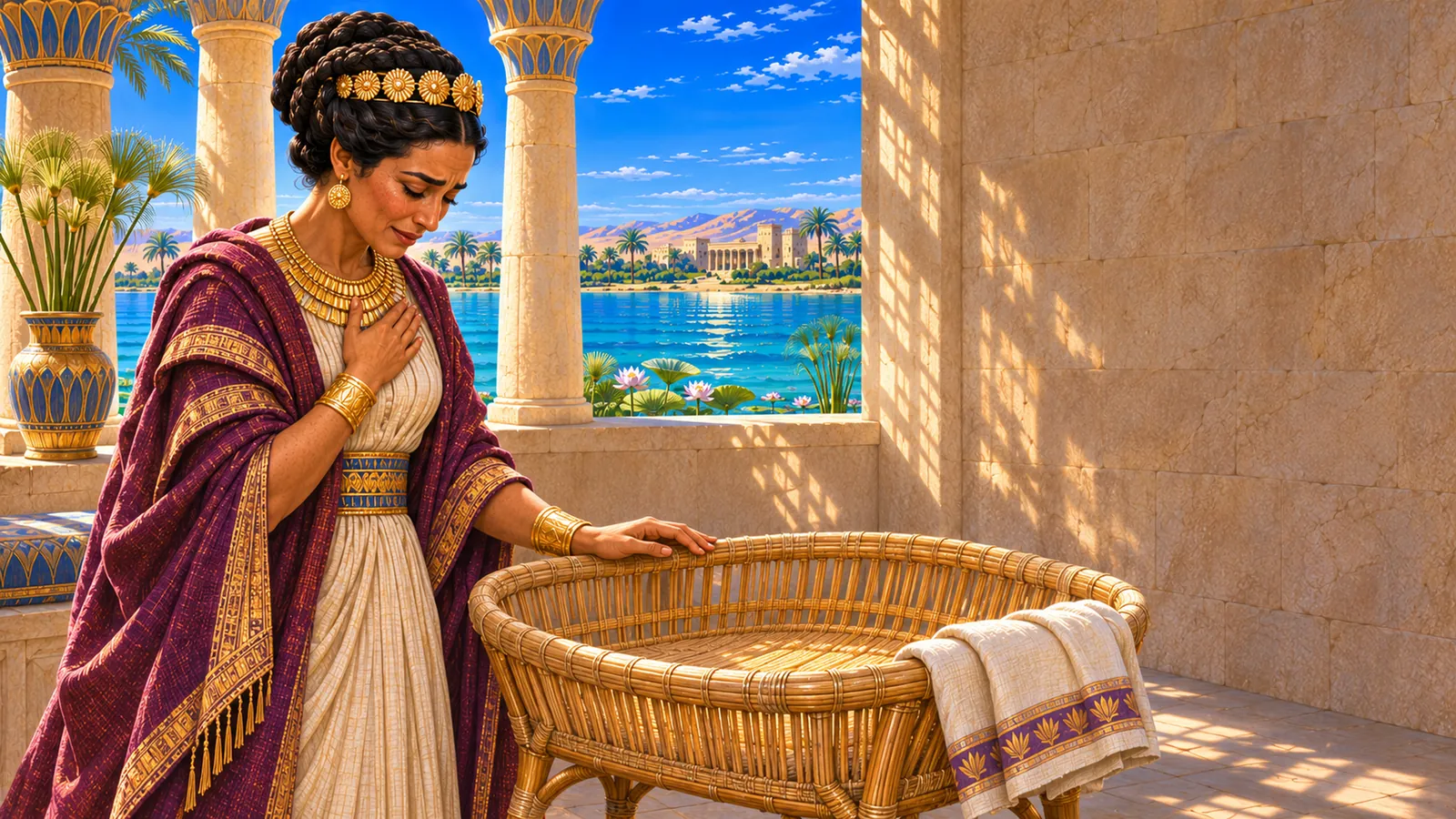
Plutarco diz que o mais novo dos filhos do rei ouviu o lamento de Ísis. Nesta versão, o grito assustou-o até à morte.
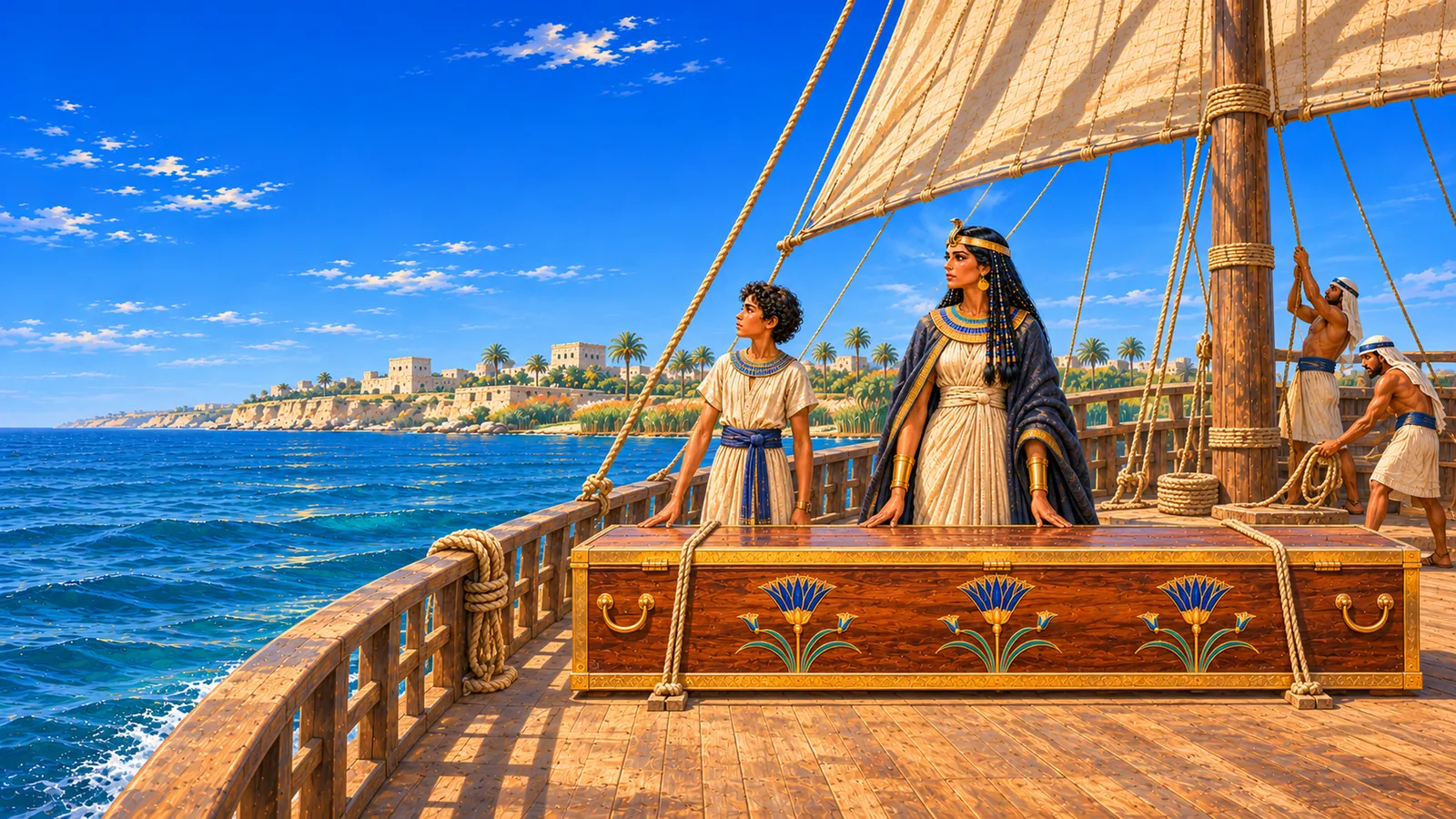
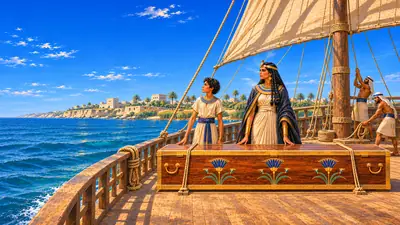
Ísis levou consigo o filho mais velho do rei. Com o cofre a bordo, fizeram-se ao mar rumo ao Egito.

Chegou a manhã, e do rio Fedro soprou um vento áspero e cortante. Irritada com o vento, Ísis secou a corrente, segundo o relato.
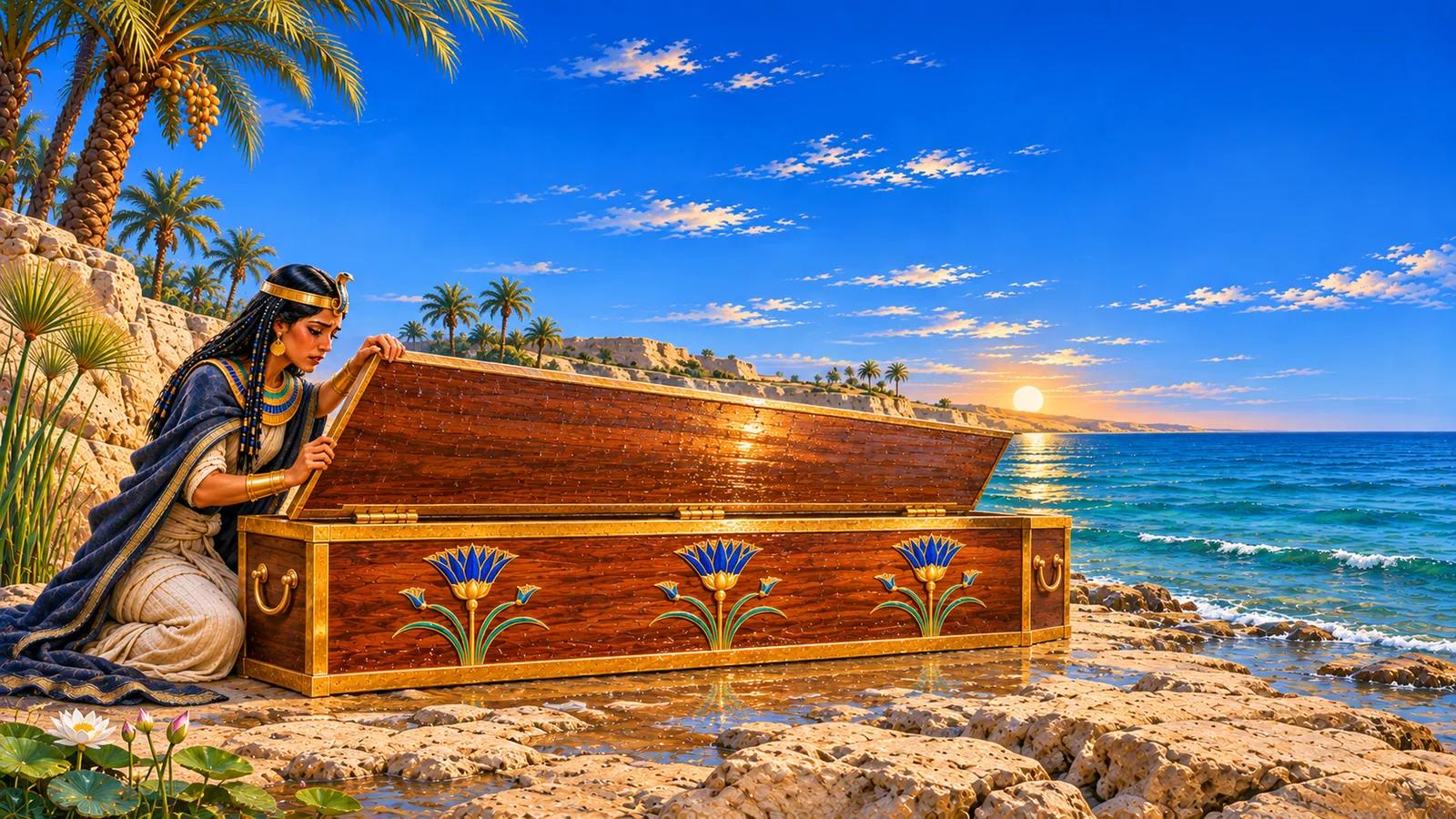
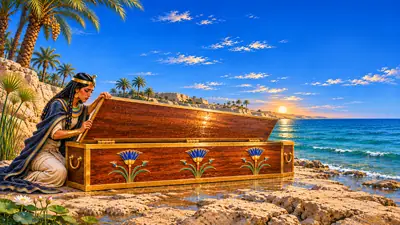
Quando Ísis chegou a um lugar deserto, julgou que estava sozinha. Ali abriu finalmente o cofre que trouxera pelo mar.
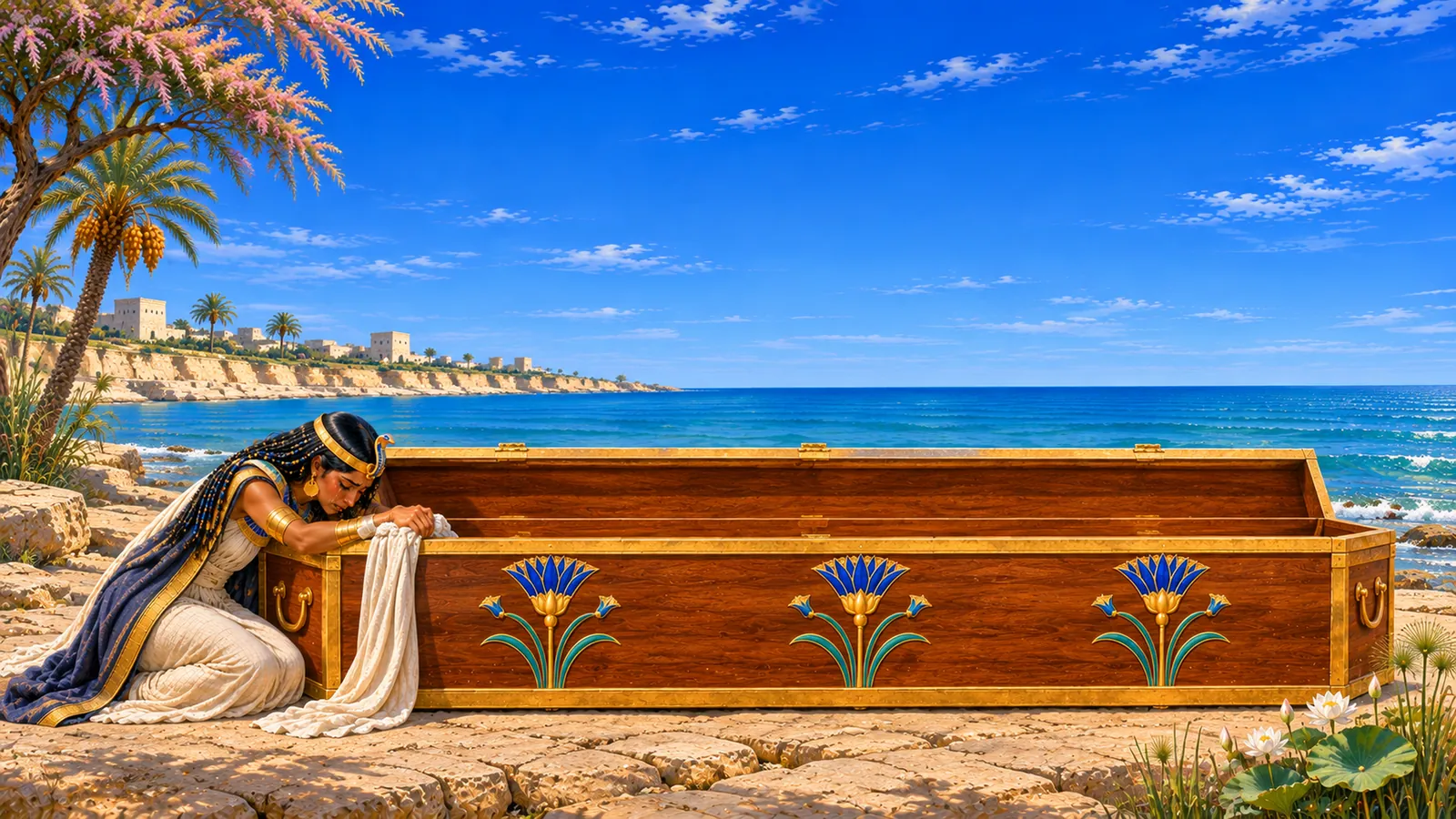
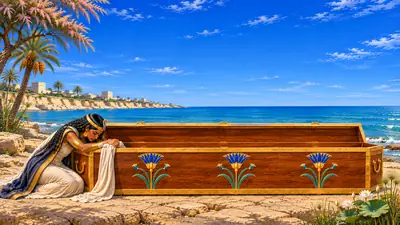
Ísis encostou o rosto ao do seu marido morto. Abraçou Osíris e chorou amargamente.
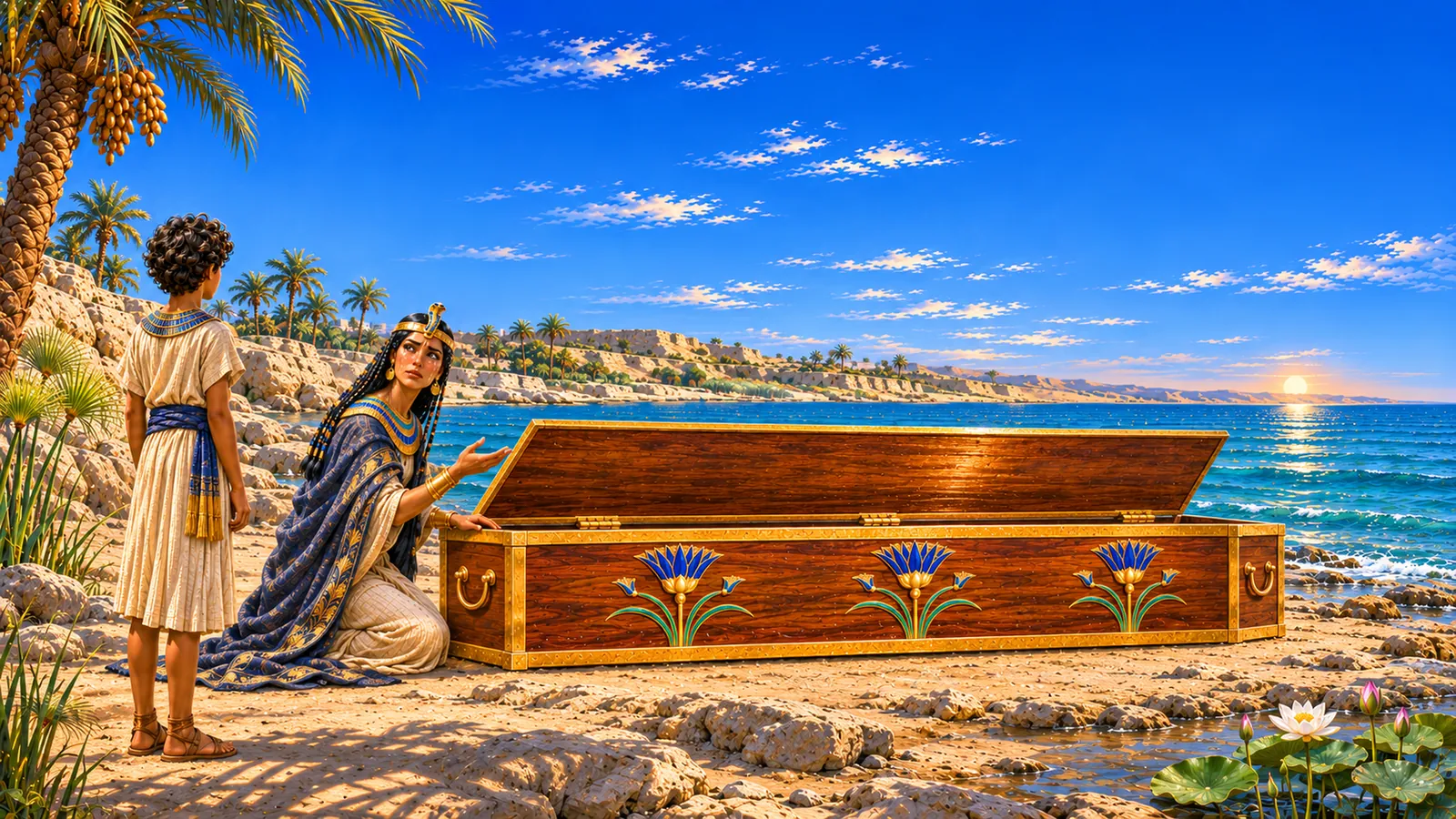
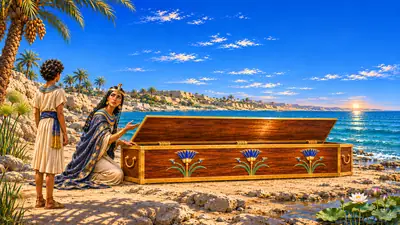
Um rapaz seguira-a em silêncio e vira a causa da sua dor. O relato diz que, quando Ísis se voltou para ele com raiva, ele morreu de susto.
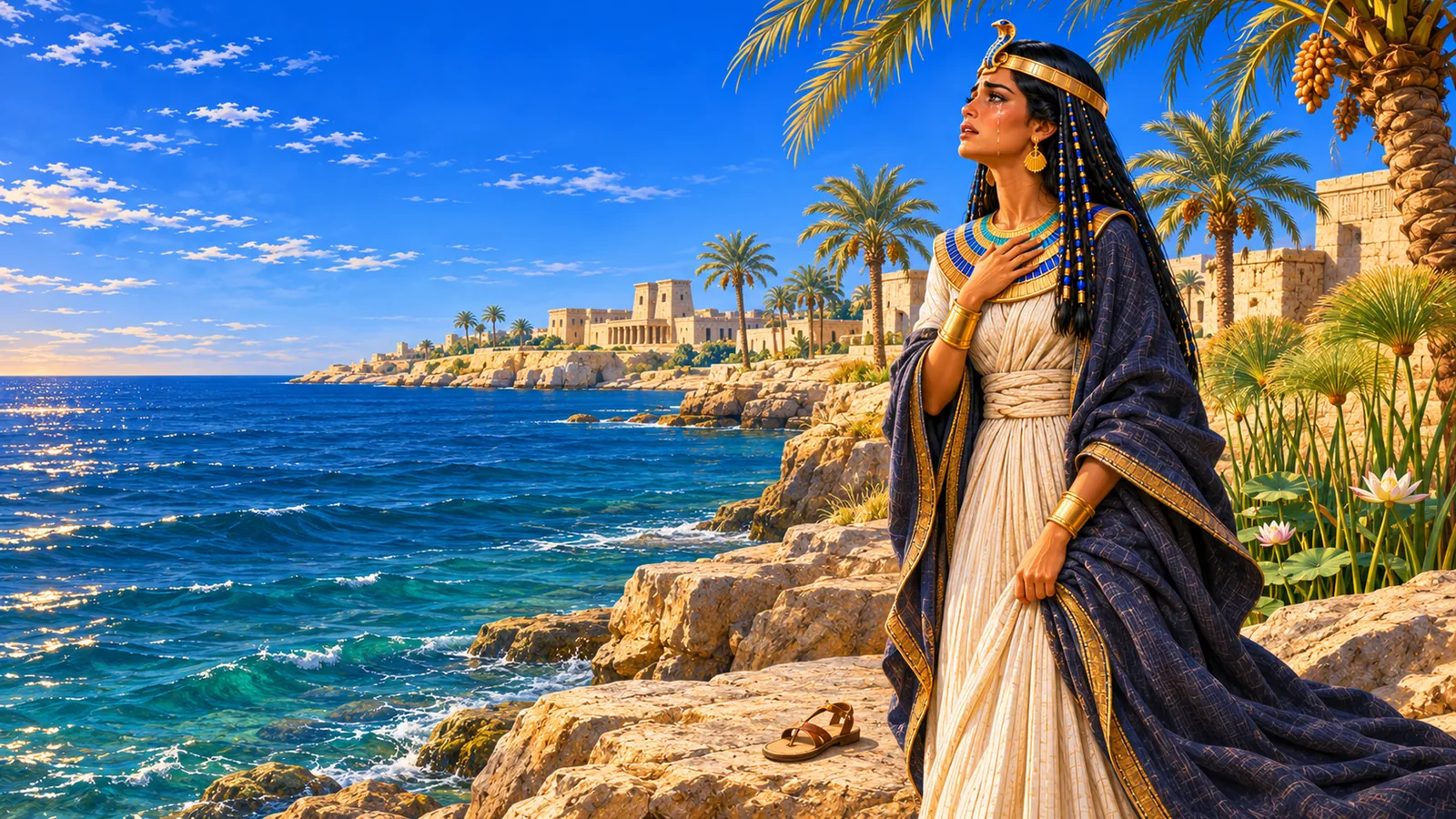
Outros contavam a história de outra forma. Diziam que o rapaz morreu ao cair no mar e recebeu mais tarde grandes honras por causa de Ísis.
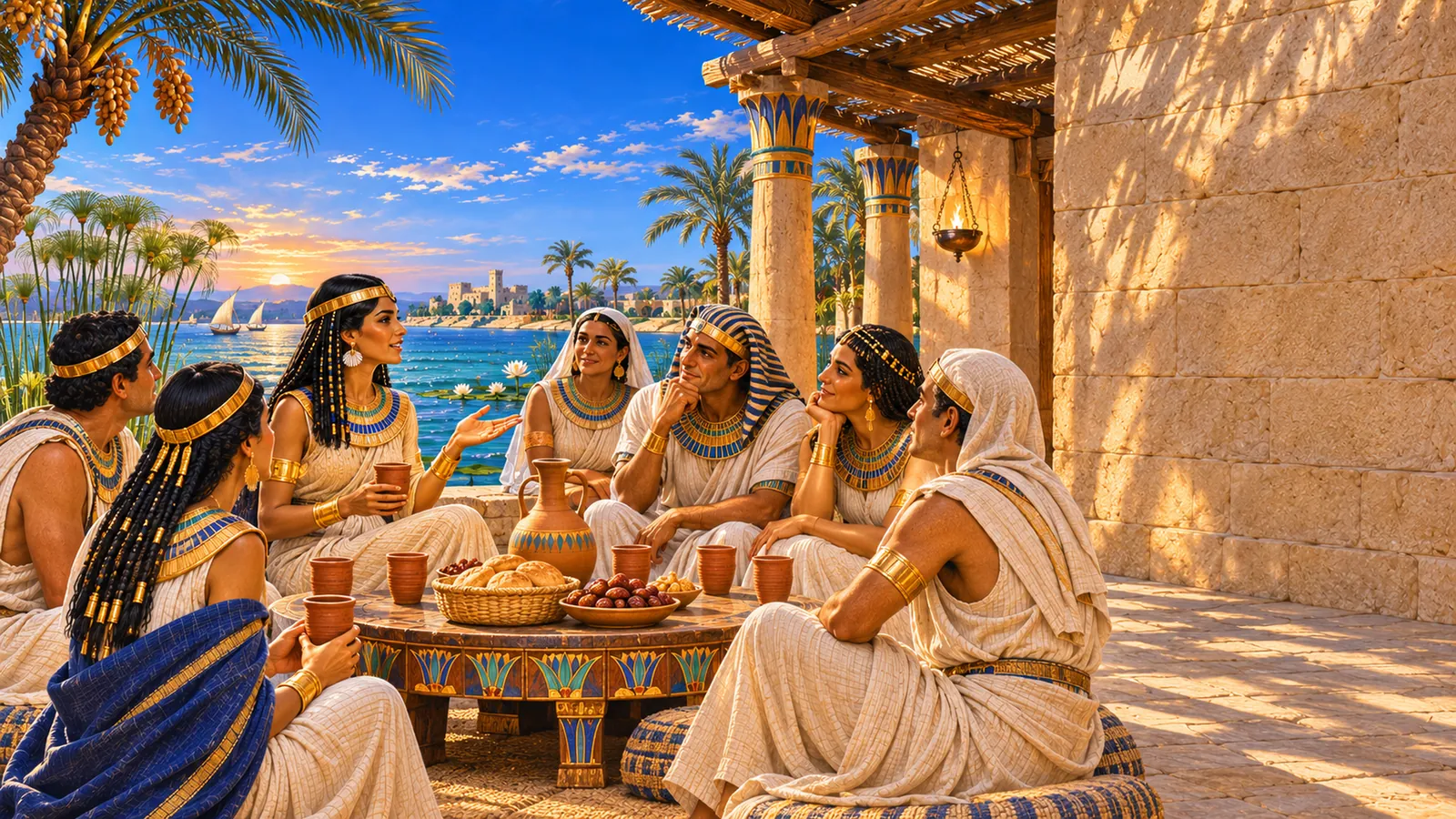
Nesta versão o rapaz é Maneros. O relato liga-o ao nome que, segundo Plutarco, tantas vezes se invocava nos banquetes egípcios.
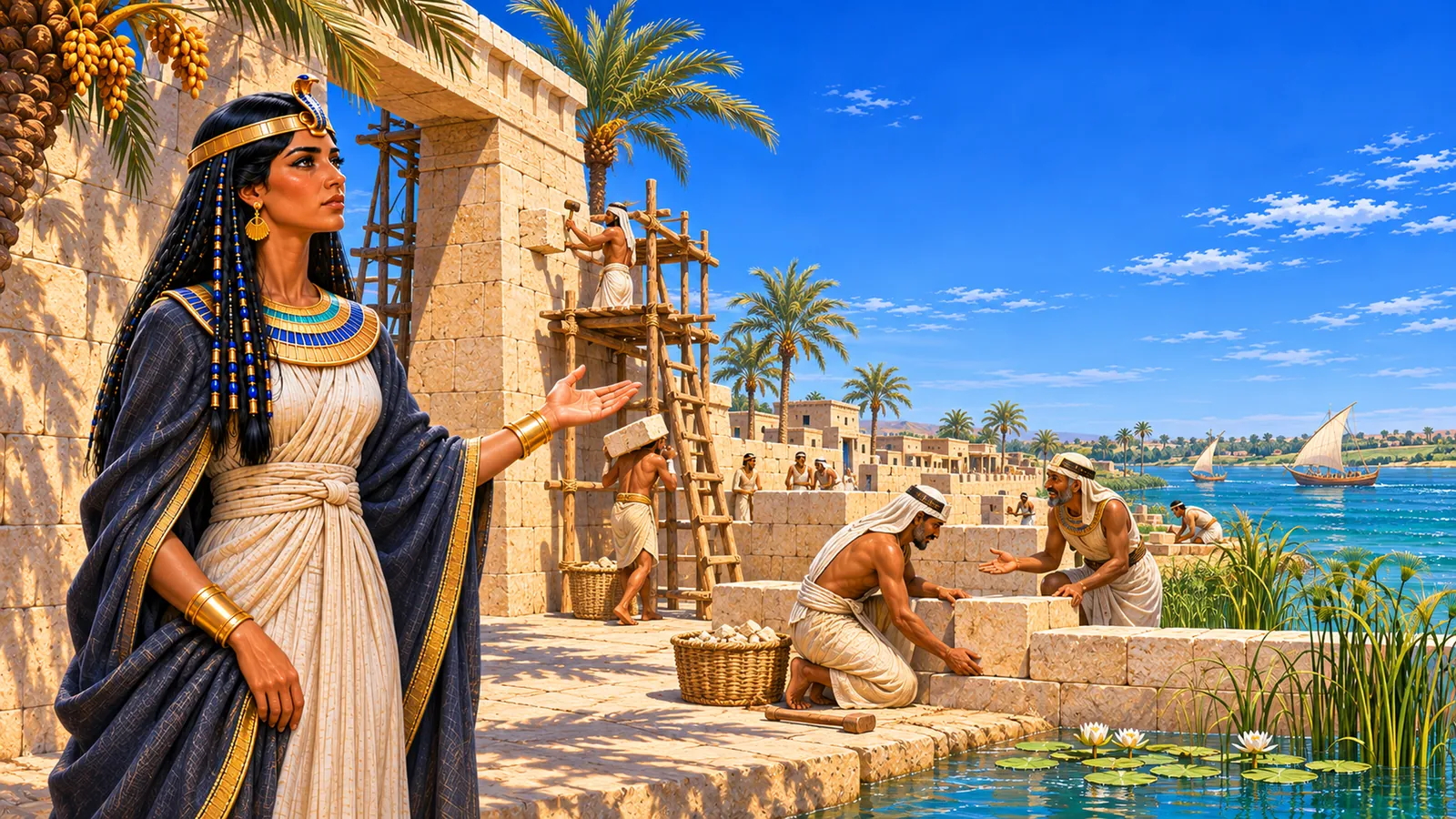
Outros rejeitavam essa versão e davam à criança o nome de Palaestinus ou Pelusius. Diziam que Ísis fundara em sua memória uma cidade com o seu nome.
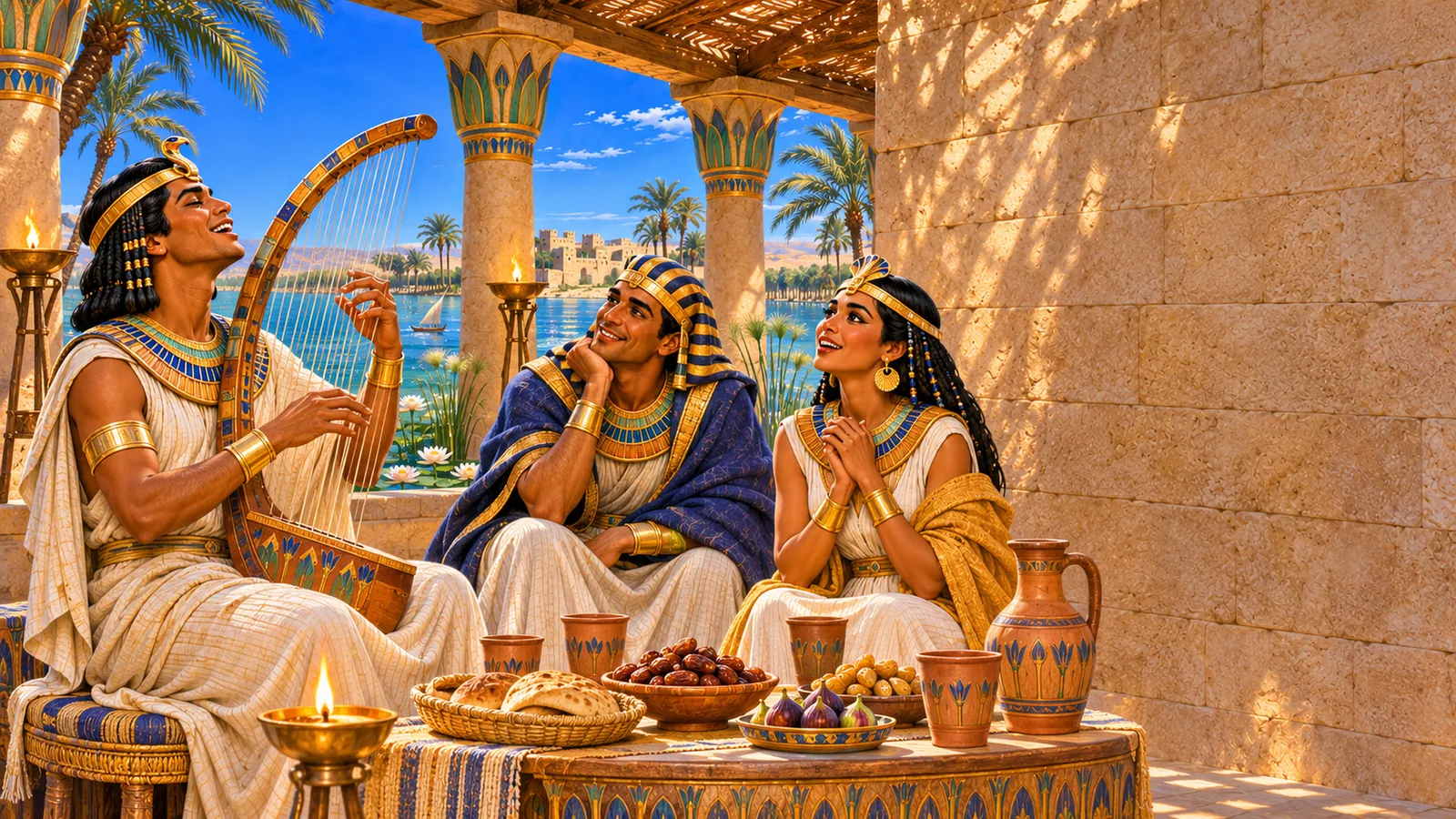
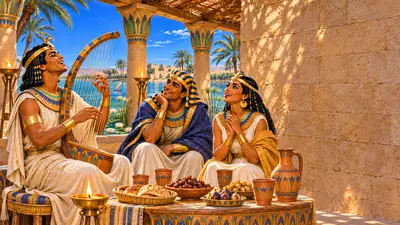
Quem dava outro nome ao rapaz explicava de outra maneira a homenagem a Maneros nas festas. Diziam que ele fora o primeiro a inventar a música.
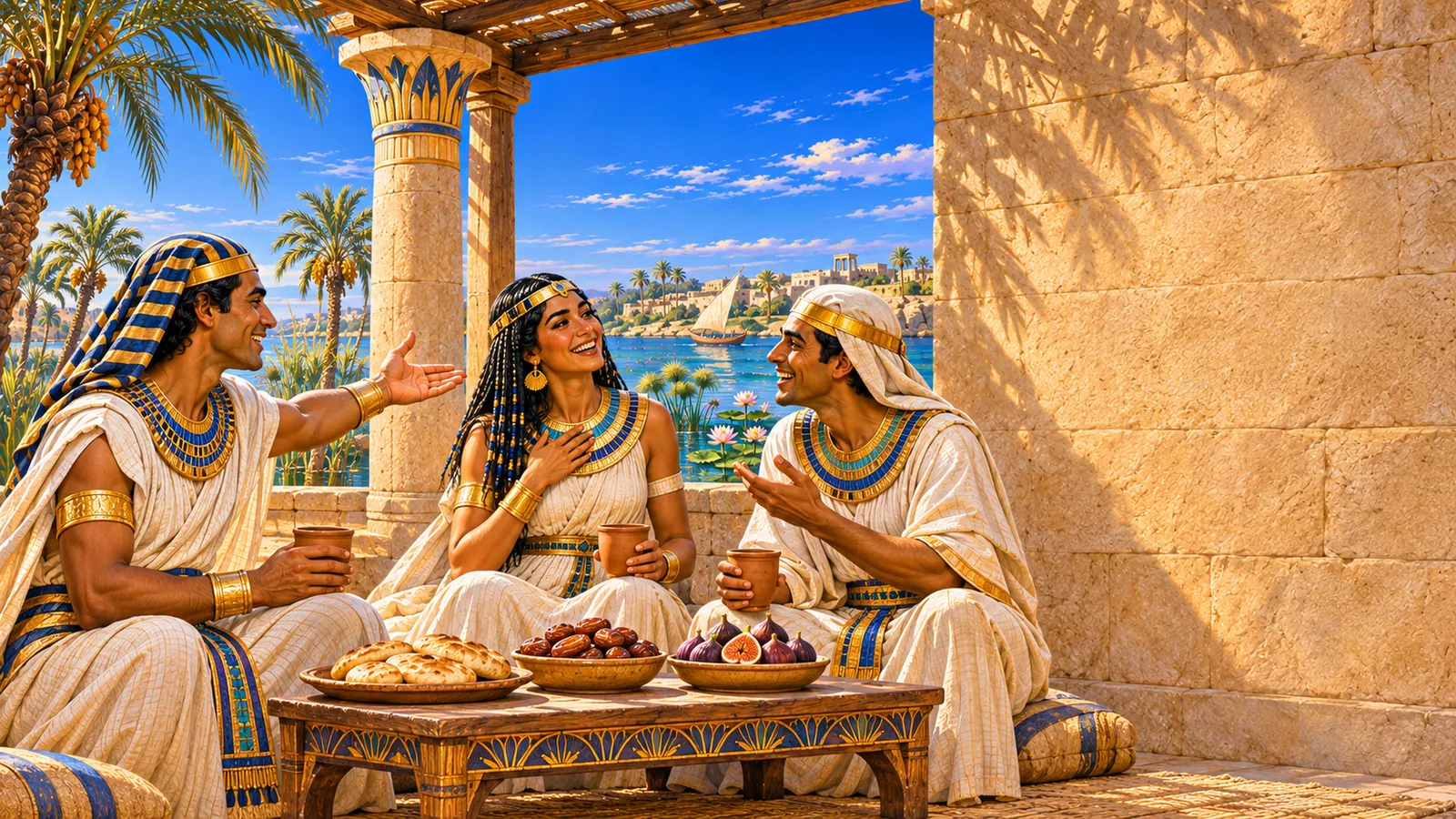
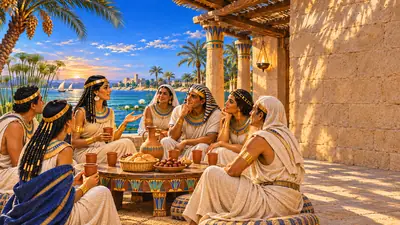
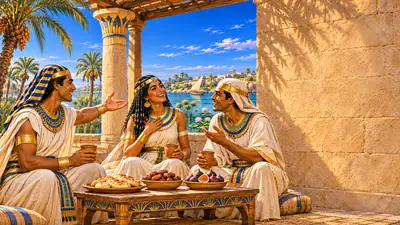
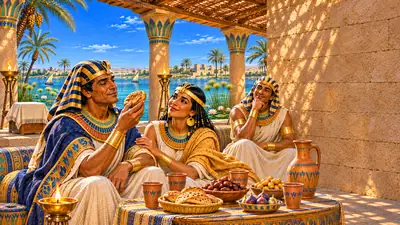
Outros ainda diziam que Maneros era uma saudação habitual nos banquetes solenes. Na sua versão, era uma expressão trocada entre os convidados.
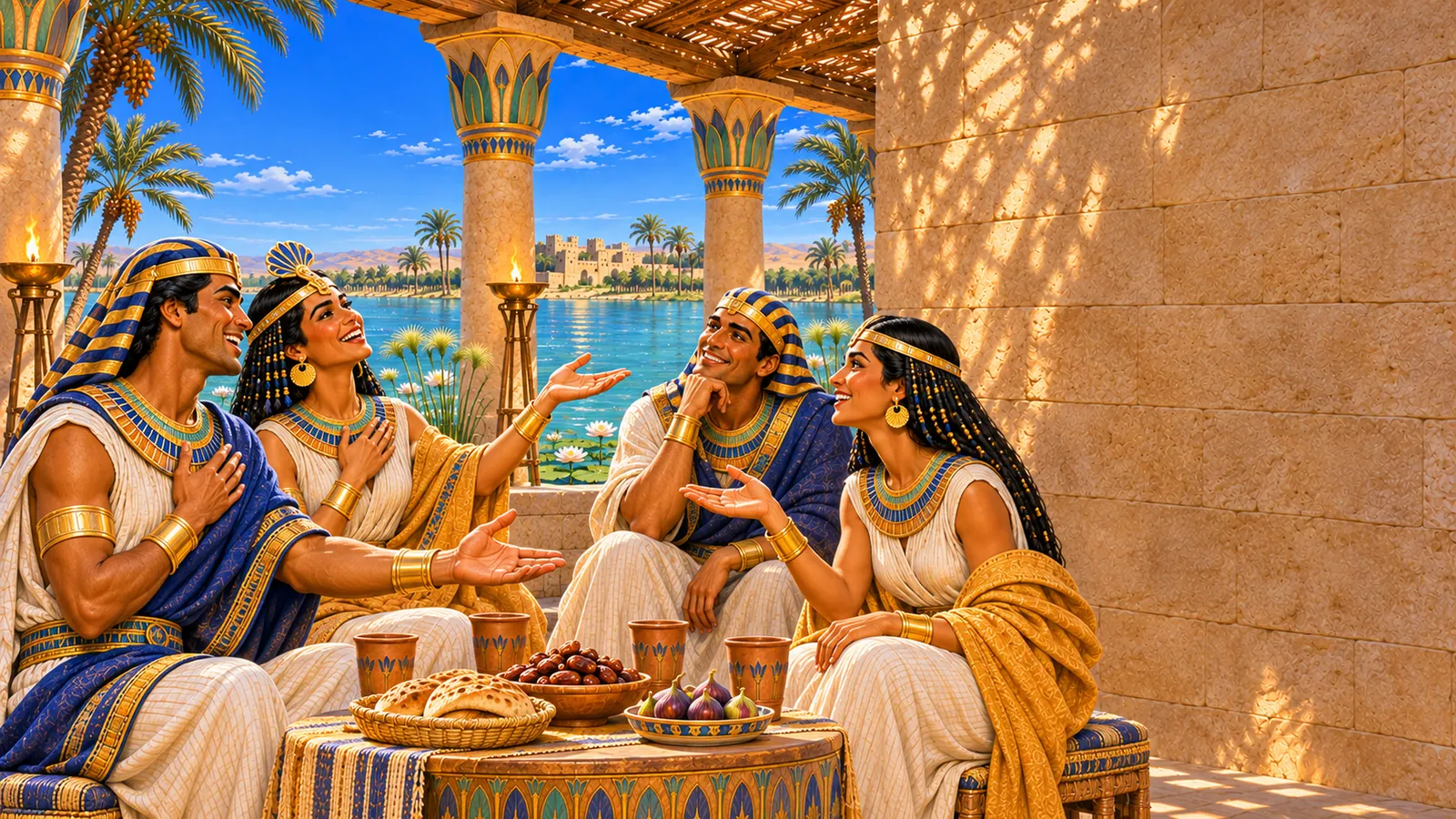
Nesta explicação, a saudação exprimia um desejo. Os convivas esperavam que aquilo que estavam prestes a partilhar lhes trouxesse fortuna e felicidade.
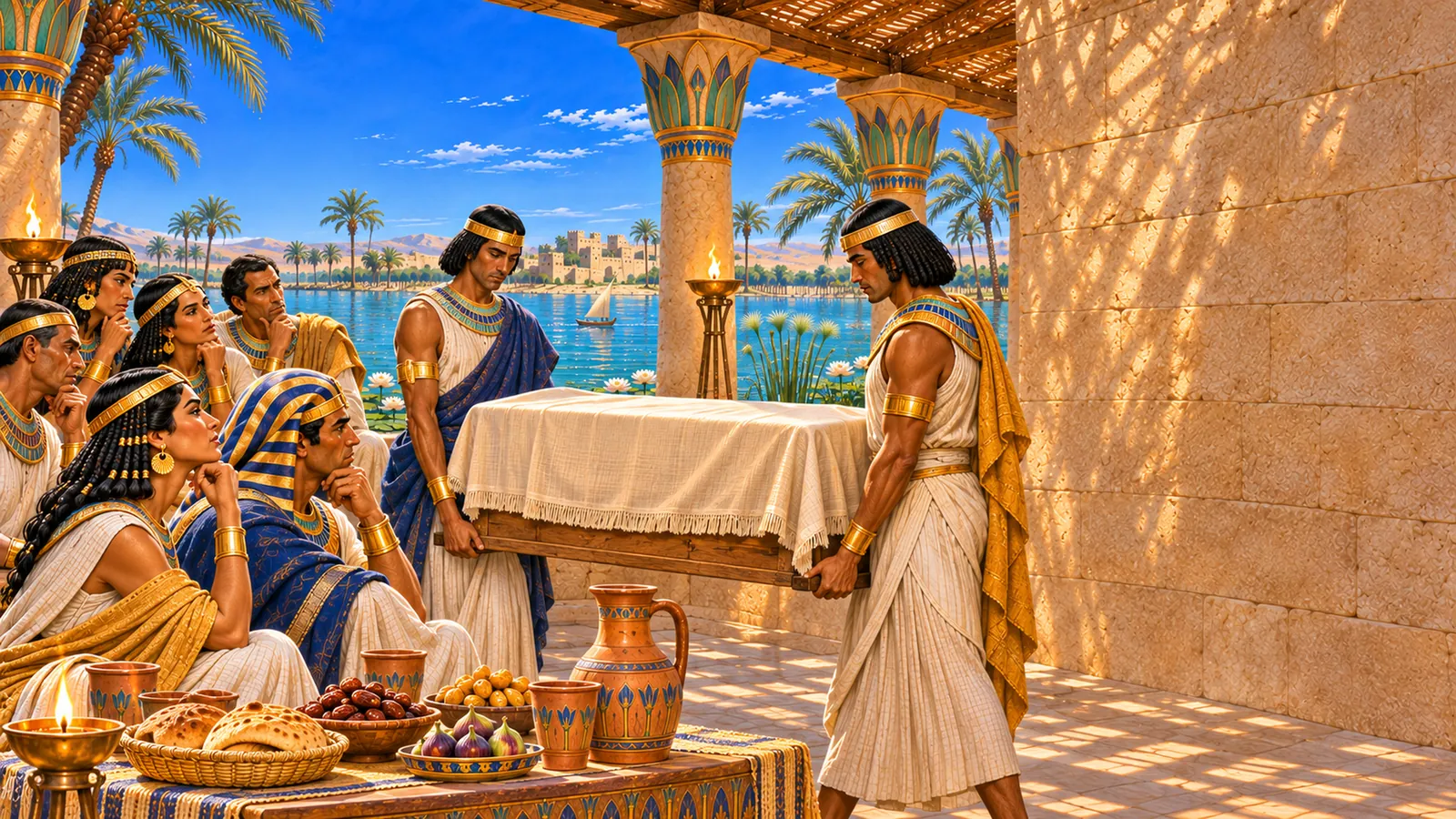
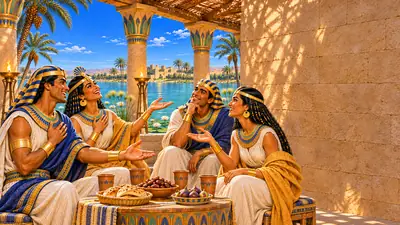
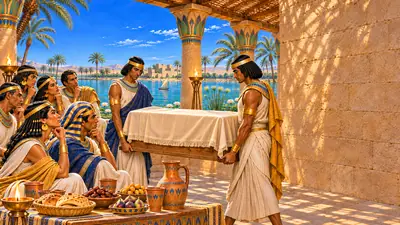
Plutarco fala também de um esqueleto humano que era transportado numa caixa e mostrado a todos os convidados de um banquete.
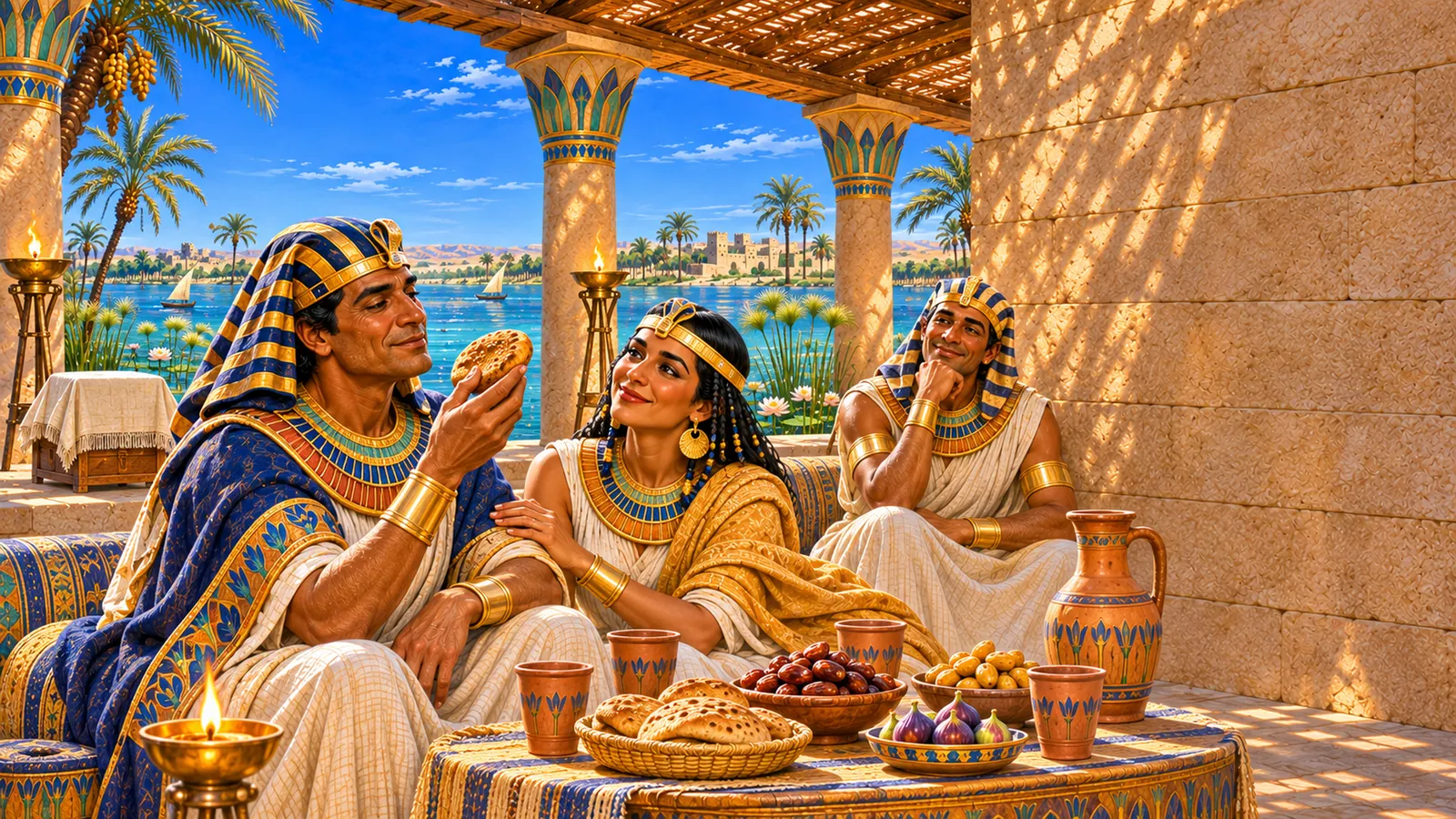
Alguns ligavam esta prática aos infortúnios de Osíris. Outros diziam que ela lembrava aos convivas a sua mortalidade e os incitava a desfrutar as coisas boas diante deles.
OCULTO
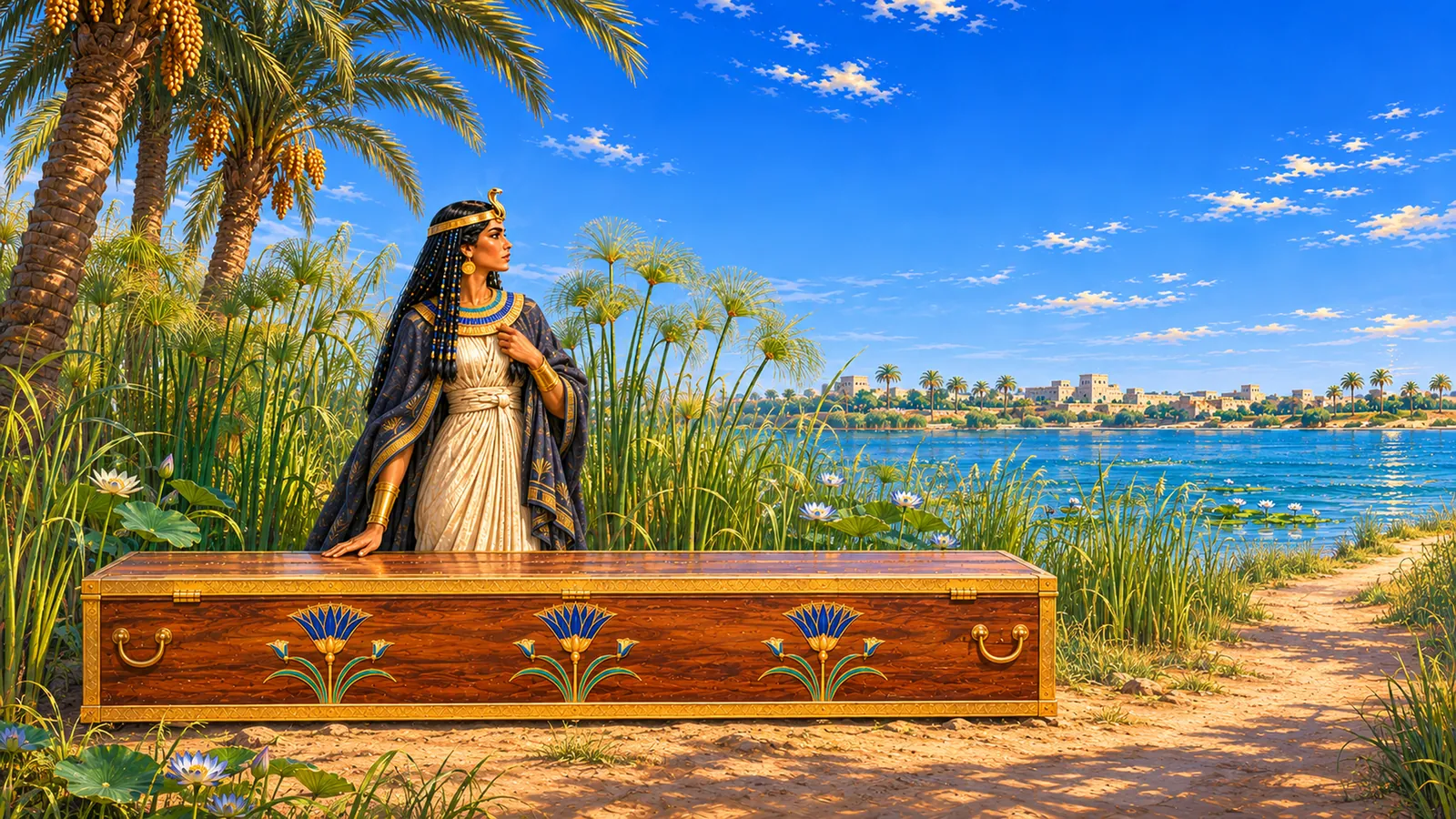
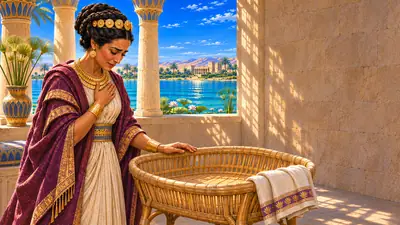
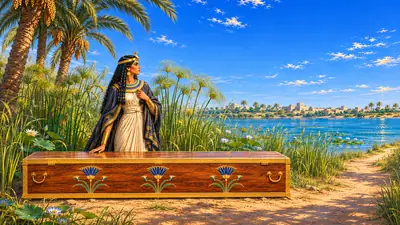
O relato volta ao cofre. Ísis deixa-o num lugar pouco frequentado, pois pretende visitar o seu filho Hórus, que está a ser criado em Buto.
Fim do capítulo 2

Todas as páginas






Fontes
Line positions in the page notes refer to the Project Gutenberg HTML of Budge’s edition. The source gives several names for the queen at Byblos.
Edições consultadas
- E. A. Wallis Budge, Egyptian Ideas of the Future Life, third edition, 1908, Chapter II
- Plutarch’s narrative in Samuel Squire’s translation as quoted in Chapter II
- Budge’s footnote on the name Byblos
- Budge’s footnote on Maneros
- Budge, Egyptian Ideas of the Future Life, Gutenberg ebook 11277
Notas sobre este reconto
Plutarch in Samuel Squire’s 1744 translation as quoted by E. A. Wallis Budge, *Egyptian Ideas of the Future Life*, third edition (1908), chapter II. Numbers refer to physical lines in the locally cached Gutenberg HTML. The title pages are 1, “The Coast,” and 8, “The Report.” Stings are on pages 3 and 8.
The text spells the place Byblos.
Page 15 (Squire 1744 in Budge 1908, chapter II, HTML 1301–1303). After getting to know the visitor, the queen appoints her as nurse to one of her sons. The passage leaves the nursed son unnamed.
Page 16 (1303–1306). Squire calls the king at Byblos Meloarthus. Astarte, Saosis and Nemanoun are given as names of the queen. The text pairs Nemanoun with the Greek name Athenais. Byblos is the story’s place name. Budge’s footnote 51 locates it in the papyrus swamps of the Egyptian Delta. The location remains uncertain.
Page 17 (1308–1309). In Squire’s translation, Isis feeds the child by letting him suck her finger in place of ordinary nursing.
Pages 18–19 (1309–1311). The account says Isis puts the child into fire at night in an attempt to remove his mortal part. It also says she changes into a swallow, circles the pillar and laments her fate.
Pages 20–21 (1312–1315). The queen watches and sees the child in the fire. She cries out. The myth says her cry deprives him of the immortality he would otherwise have received.
Pages 22–23 (1315–1317). Isis makes her identity known and asks to be given the pillar that supports the roof.
Page 24 (1317–1318). Isis takes the pillar down, opens it and removes what Squire calls “what she wanted.” In 1285–1291 the trunk enclosed the chest before it was made into a pillar. The chest is named again in the lament at 1322–1324.
Page 25 (1318–1320). Isis wraps the remaining wood in fine linen, applies perfumed oil to it and returns it to the king and queen.
Page 26 (1320–1322). The old account says the wood was preserved and worshipped at a temple of Isis in Byblos “to this day.” The time reference belongs to the teller’s claim.
Pages 27–28 (1322–1325). Isis falls upon the chest and laments aloud. In this telling the king’s younger son hears her and dies of fright. This passage identifies him as the younger son. Earlier it calls the child entrusted to Isis one of the queen’s sons. The elder son appears in the following sentence, and later pages record other accounts of a boy’s death.
### Pages 29–42 · The return across the sea
Os versos antigos de cada página
- Page 1: Plutarch, Squire 1744 in Budge 1908, chapter II, HTML 1282–1285
- Page 2: Plutarch, Squire 1744 in Budge 1908, chapter II, HTML 1285–1287
Left is desaturated matte gray-green water and naturally soft shade, with no ripples, shore line or distinct objects in the box. - Page 3: Plutarch, Squire 1744 in Budge 1908, chapter II, HTML 1286–1288
- Page 4: Plutarch, Squire 1744 in Budge 1908, chapter II, HTML 1287–1288
- Page 5: Plutarch, Squire 1744 in Budge 1908, chapter II, HTML 1288–1289
- Page 6: Plutarch, Squire 1744 in Budge 1908, chapter II, HTML 1289–1291
- Page 7: Plutarch, Squire 1744 in Budge 1908, chapter II, HTML 1290–1291
- Page 8: Plutarch, Squire 1744 in Budge 1908, chapter II, HTML 1291–1293
- Page 9: Plutarch, Squire 1744 in Budge 1908, chapter II, HTML 1292–1294
- Page 10: Plutarch, Squire 1744 in Budge 1908, chapter II, HTML 1293–1295
- Page 11: Plutarch, Squire 1744 in Budge 1908, chapter II, HTML 1295–1296
- Page 12: Plutarch, Squire 1744 in Budge 1908, chapter II, HTML 1296–1298
- Page 13: Plutarch, Squire 1744 in Budge 1908, chapter II, HTML 1298–1301
- Page 14: Plutarch, Squire 1744 in Budge 1908, chapter II, HTML 1300–1302
- Page 15: Plutarch, Squire 1744 in Budge 1908, chapter II, HTML 1301–1303
- Page 16: Plutarch, Squire 1744 in Budge 1908, chapter II, HTML 1303–1306
- Page 17: Plutarch, Squire 1744 in Budge 1908, chapter II, HTML 1308–1309
- Page 18: Plutarch, Squire 1744 in Budge 1908, chapter II, HTML 1309–1310
- Page 19: Plutarch, Squire 1744 in Budge 1908, chapter II, HTML 1310–1311
- Page 20: Plutarch, Squire 1744 in Budge 1908, chapter II, HTML 1312–1313
- Page 21: Plutarch, Squire 1744 in Budge 1908, chapter II, HTML 1313–1315
- Page 22: Plutarch, Squire 1744 in Budge 1908, chapter II, HTML 1315–1316
- Page 23: Plutarch, Squire 1744 in Budge 1908, chapter II, HTML 1316–1317
- Page 24: Plutarch, Squire 1744 in Budge 1908, chapter II, HTML 1317–1318
- Page 25: Plutarch, Squire 1744 in Budge 1908, chapter II, HTML 1318–1320
- Page 26: Plutarch, Squire 1744 in Budge 1908, chapter II, HTML 1320–1322
At far lower right, show only the shallow opening of a low ordinary limestone recess and one matte dark wood fragment on a simple shelf. - Page 27: Plutarch, Squire 1744 in Budge 1908, chapter II, HTML 1322–1324
- Page 28: Plutarch, Squire 1744 in Budge 1908, chapter II, HTML 1324–1325
- Page 29: Plutarch, Squire 1744 as printed by Budge 1908, Chapter II, HTML lines 1325–1326
- Page 30: Plutarch, Squire 1744 as printed by Budge 1908, Chapter II, HTML lines 1326–1328
- Page 31: Plutarch, Squire 1744 as printed by Budge 1908, Chapter II, HTML lines 1330–1332
- Page 32: Plutarch, Squire 1744 as printed by Budge 1908, Chapter II, HTML lines 1331–1333
- Page 33: Plutarch, Squire 1744 as printed by Budge 1908, Chapter II, HTML lines 1333–1336
Right side solid near wall in quiet slate shade, no water line or object in it. - Page 34: Plutarch, Squire 1744 as printed by Budge 1908, Chapter II, HTML lines 1336–1339
- Page 35: Plutarch, Squire 1744 as printed by Budge 1908, Chapter II, HTML lines 1339–1341
- Page 36: Plutarch, Squire 1744 as printed by Budge 1908, Chapter II, HTML lines 1342–1344
- Page 37: Plutarch, Squire 1744 as printed by Budge 1908, Chapter II, HTML lines 1344–1346
- Page 38: Plutarch, Squire 1744 as printed by Budge 1908, Chapter II, HTML lines 1346–1349
- Page 39: Plutarch, Squire 1744 as printed by Budge 1908, Chapter II, HTML lines 1349–1352
- Page 40: Plutarch, Squire 1744 as printed by Budge 1908, Chapter II, HTML lines 1352–1355
- Page 41: Plutarch, Squire 1744 as printed by Budge 1908, Chapter II, HTML lines 1353–1359
- Page 42: Plutarch, Squire 1744 as printed by Budge 1908, Chapter II, HTML lines 1359–1364
Ilustrações feitas pelo IL Archive com ferramentas de IA; o texto baseia-se nas fontes antigas (veja as fontes no fim de cada capítulo).