Ludlul bēl nēmeqi Capítulo 2
Sonhos e libertação
Sonhos e visões em vigília trazem a Šubši-mešrê-Šakkan mensagens de alívio, e ele conta como recuperou as forças e os sentidos. Passadas as passagens fragmentárias da quarta tabuinha, recorda as portas de Esagil e dá graças na Babilónia. O poema termina em louvor.
FontesVire as páginas com as setas, o teclado ou deslizando o dedo.
OS SONHOS
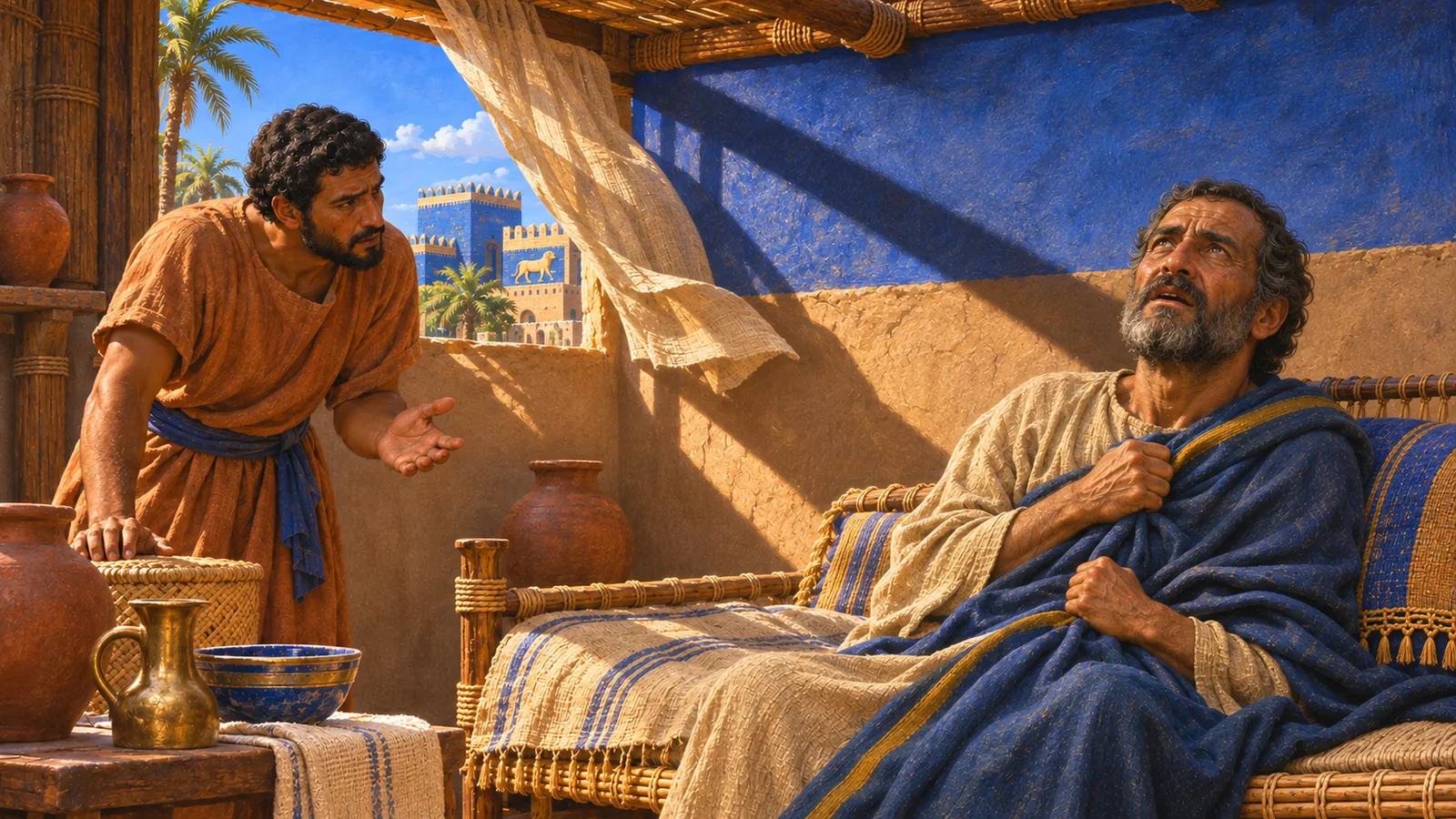
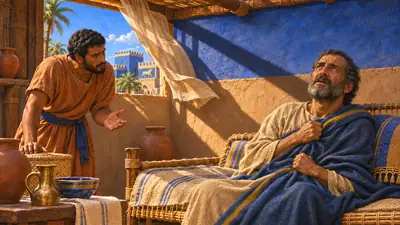
A sua mão pesava tanto sobre mim que eu não a podia suportar. O medo dominou-me. Nas linhas danificadas, falo de castigo, de uma inundação e de uma doença grave.
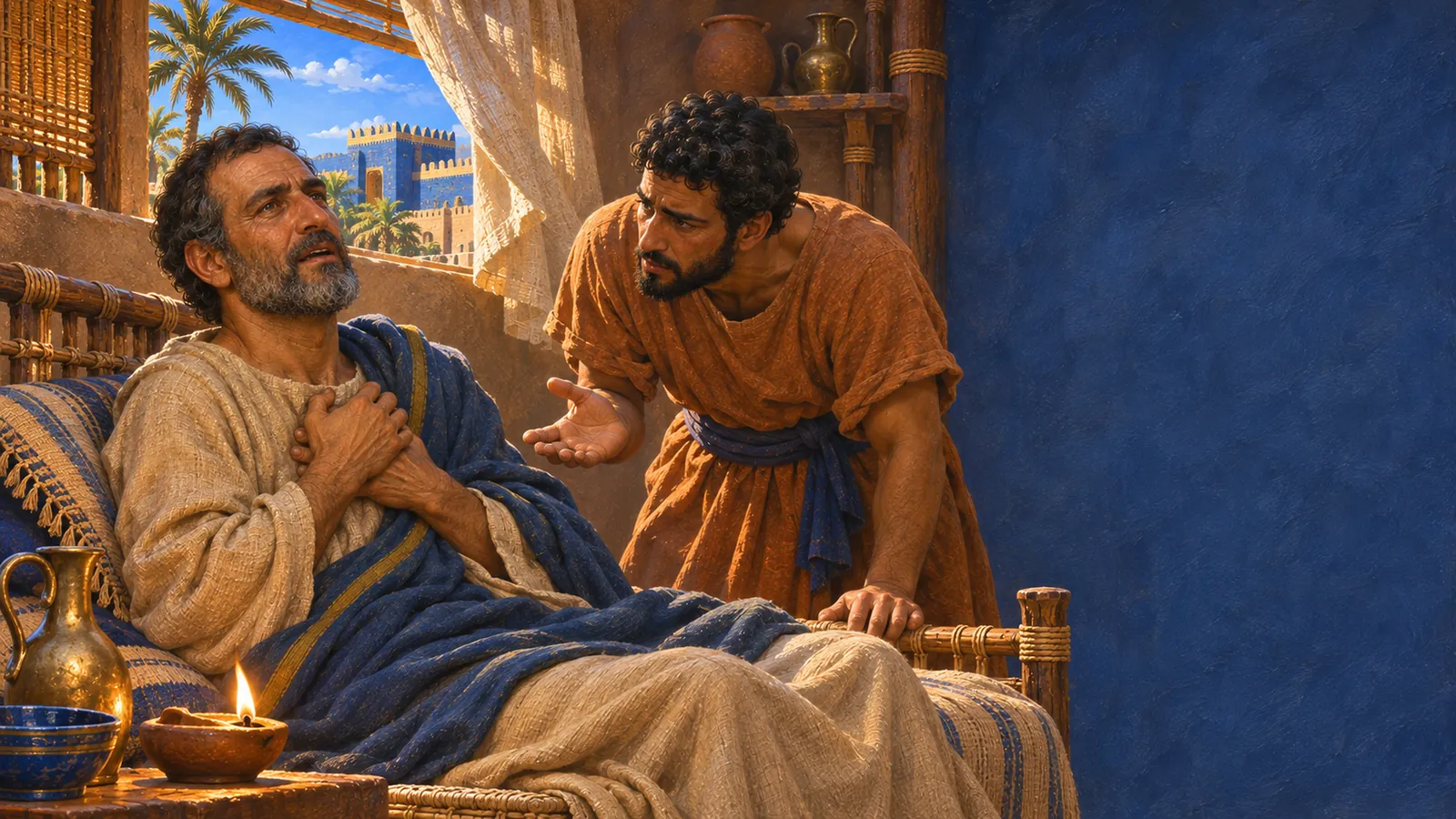
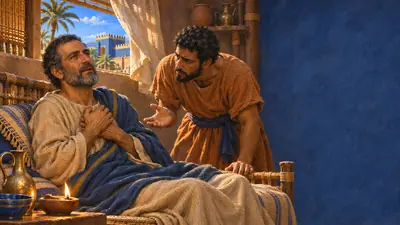
Perdi a lucidez e comecei a delirar. Gemia de dia e de noite, perturbado por sonhos e por visões que me vinham quando estava acordado.
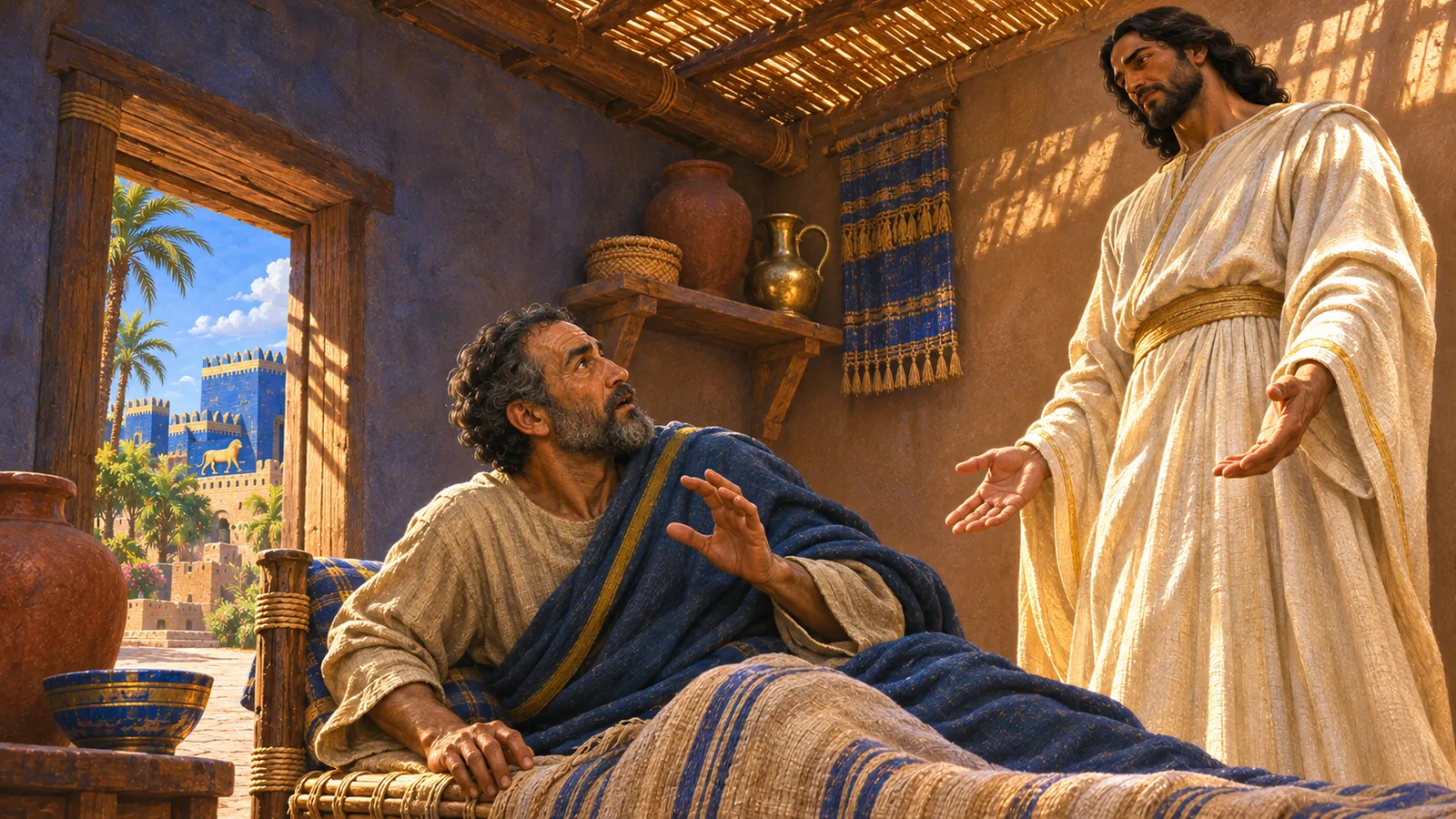
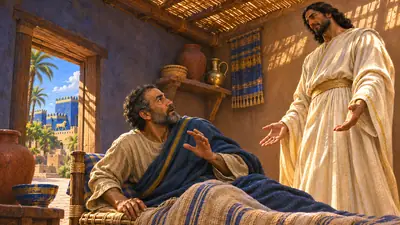
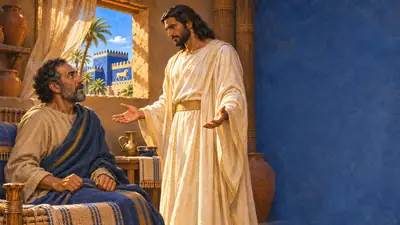
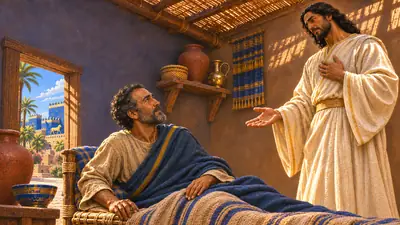
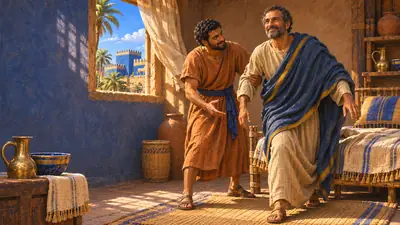
Um homem de aspeto extraordinário ergueu-se diante de mim. Vi-o numa visão enquanto estava acordado, uma figura altíssima cujas roupas pareciam brilhar.
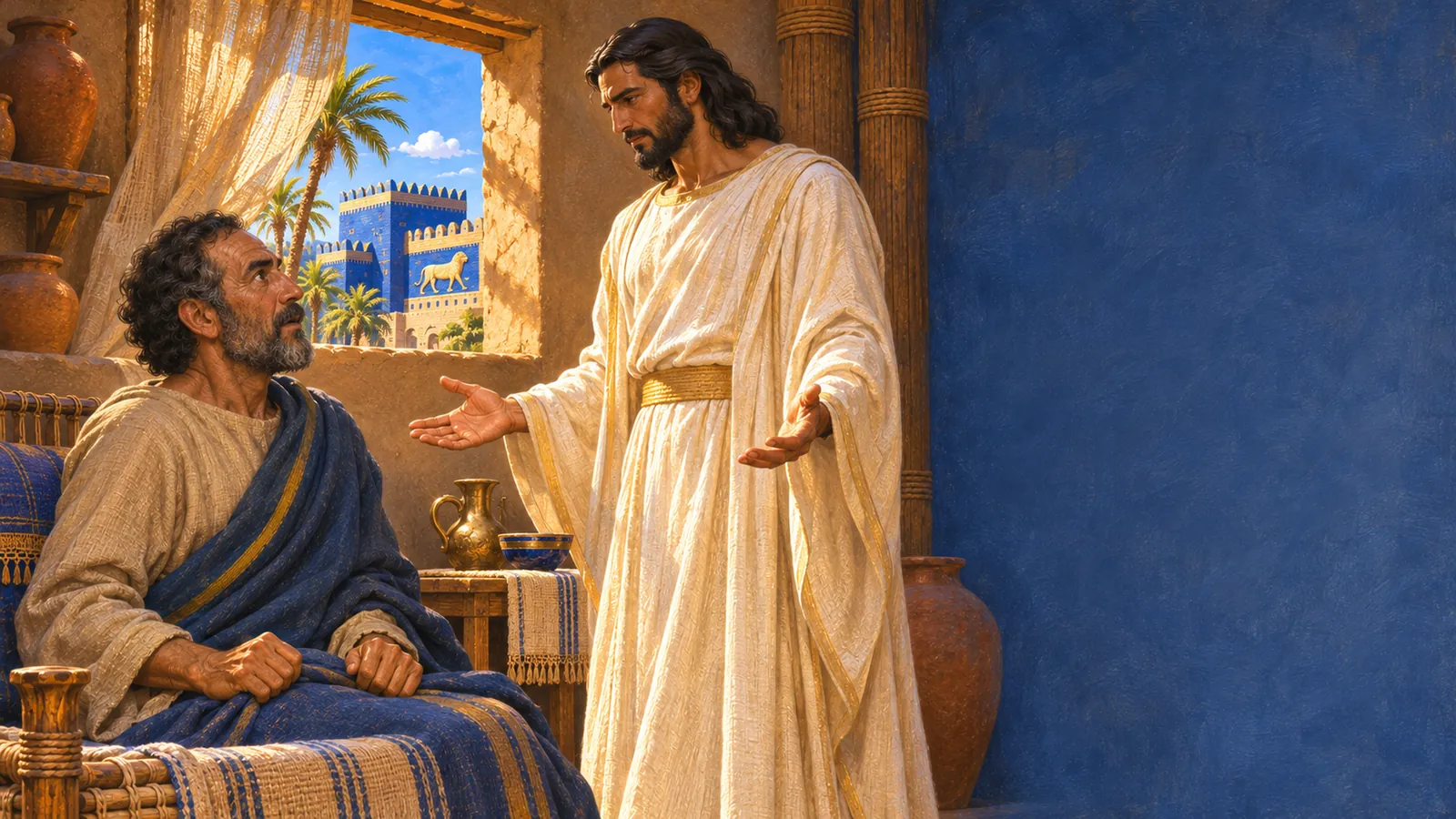
Entrou e ficou de pé por cima de mim. Ao vê-lo, o meu corpo ficou paralisado.
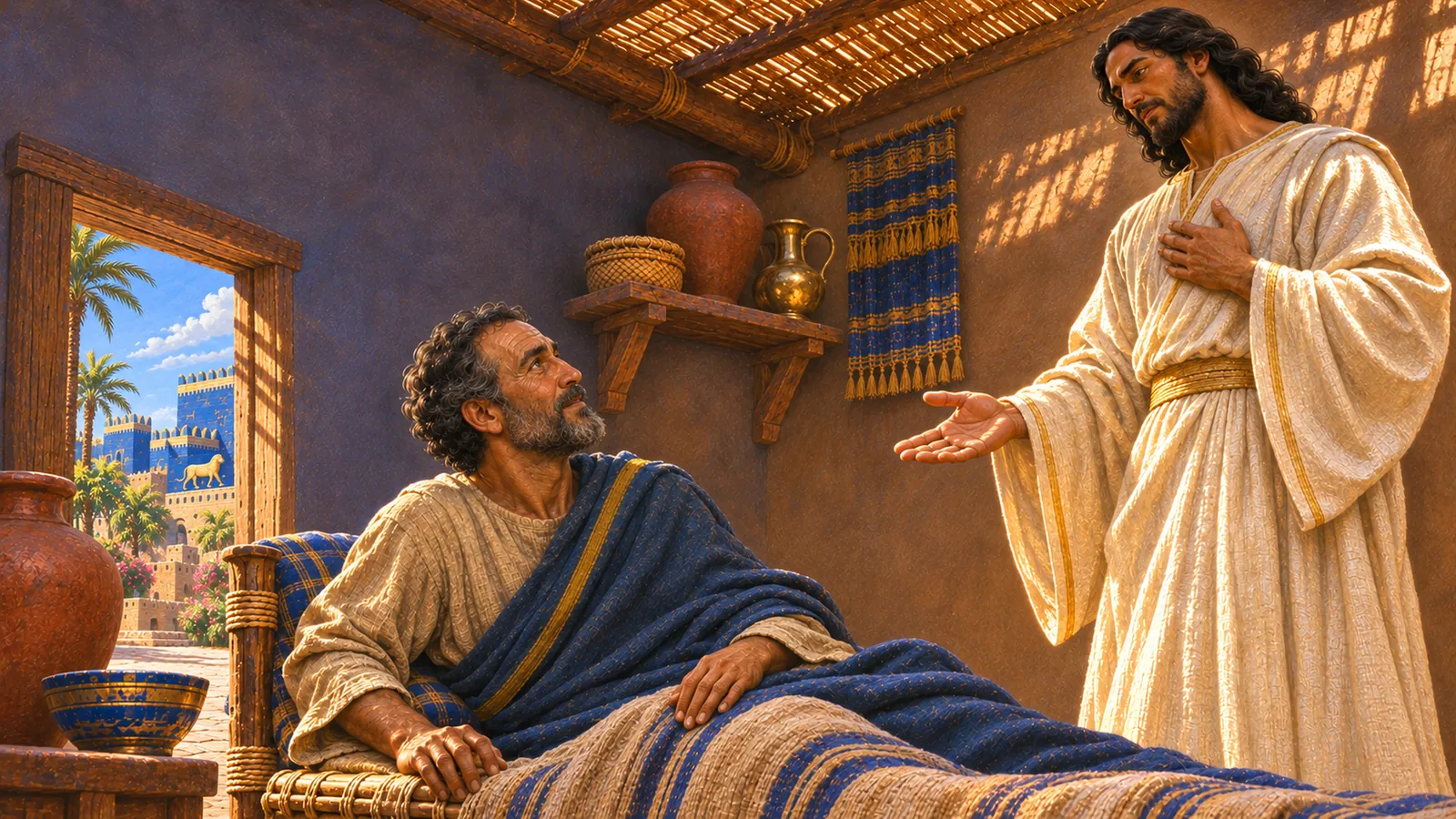
Disse que o meu senhor o tinha enviado. Uma linha fragmentária fala do homem aflito à espera de recuperar.
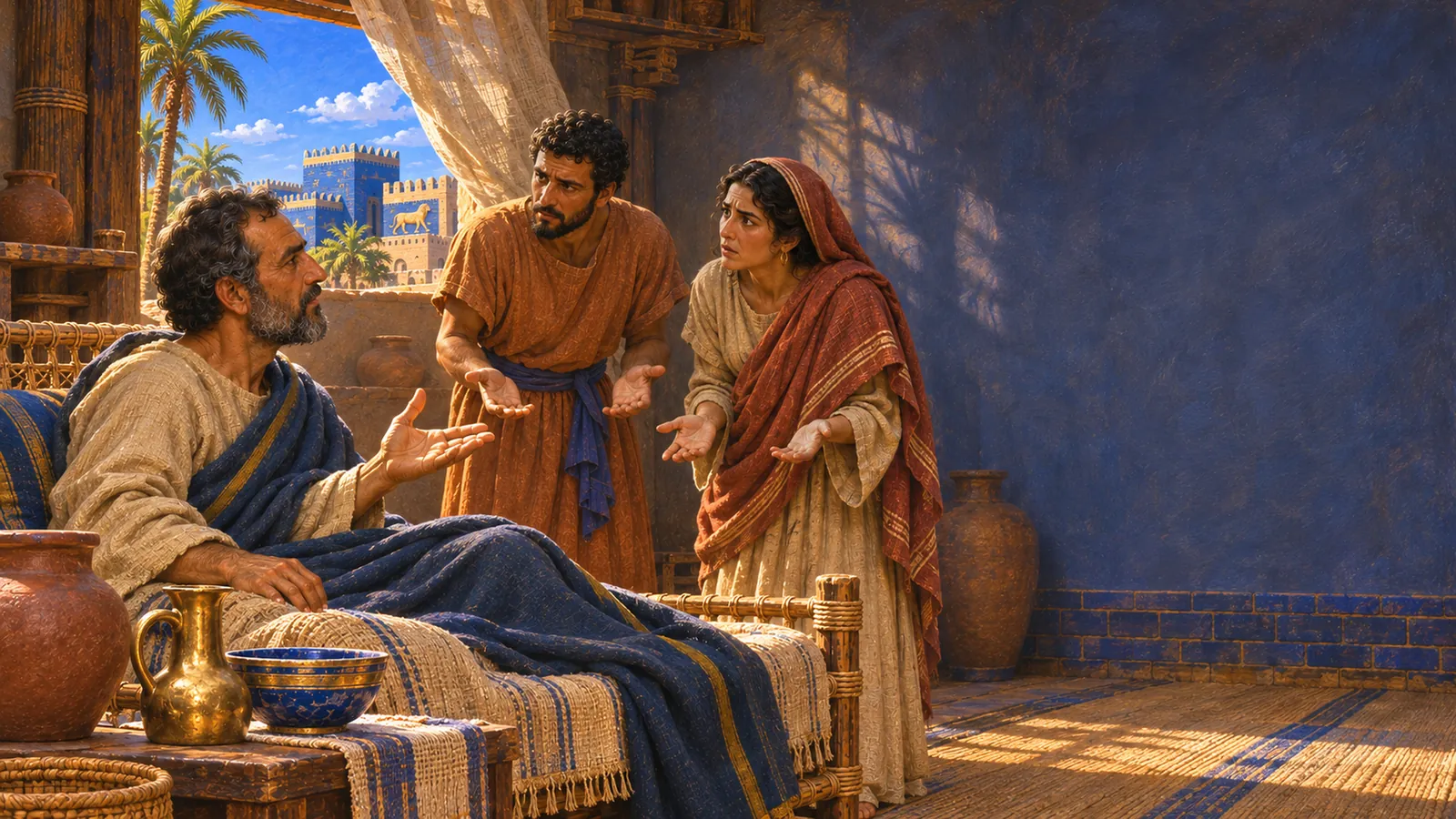
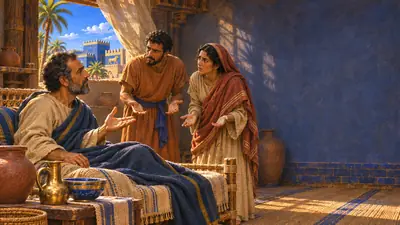
Acordei e perguntei aos meus criados quem era o homem que o rei tinha enviado. Ninguém respondeu. Os que me ouviram ficaram espantados.
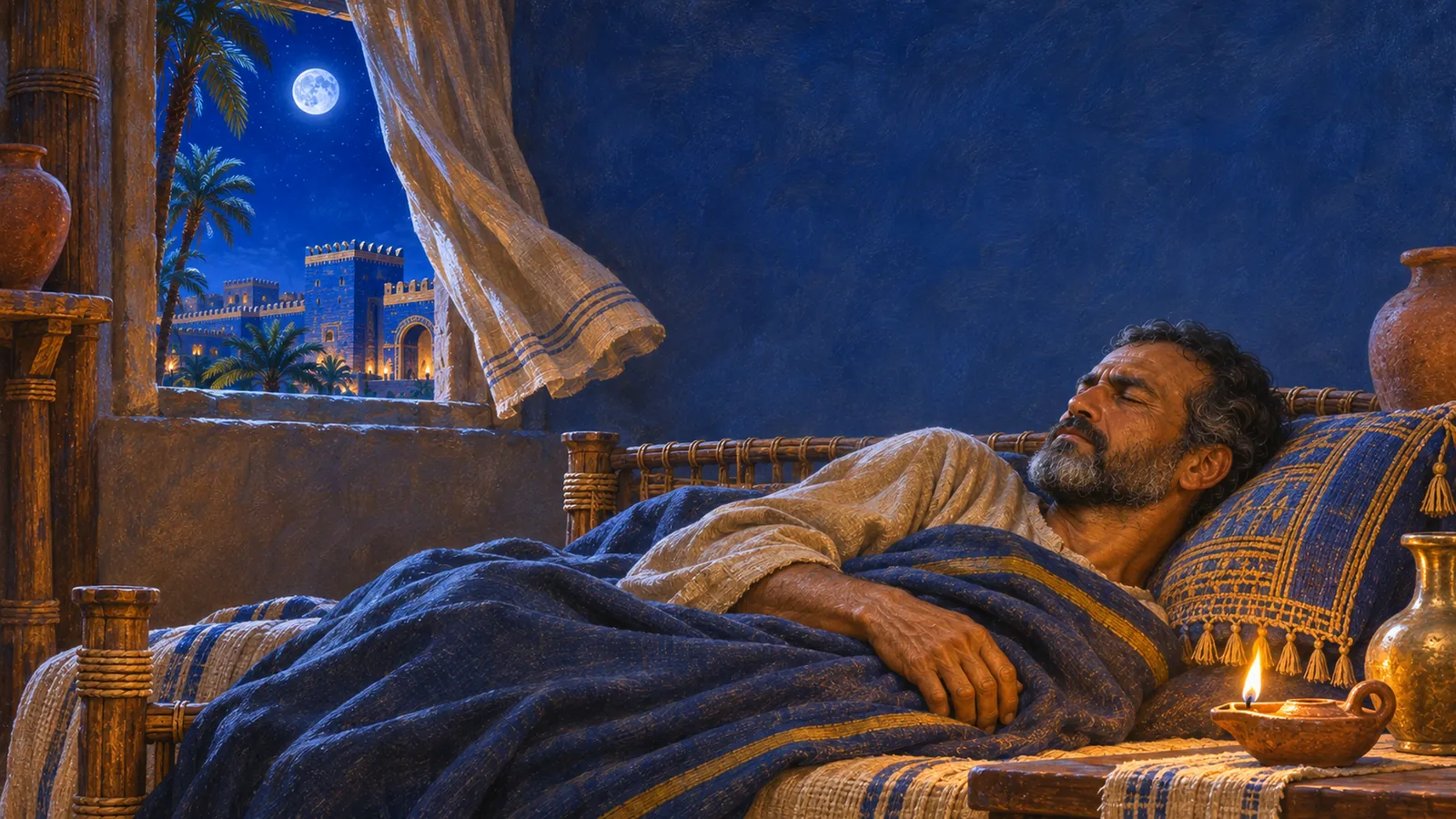
O SEGUNDO SONHO
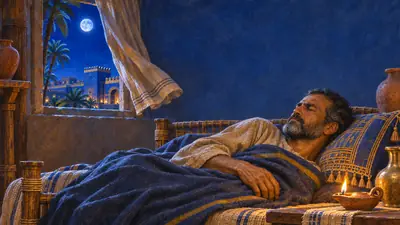
Da vez seguinte em que sonhei, o sonho veio de noite. Recordo-o como o meu segundo sonho.
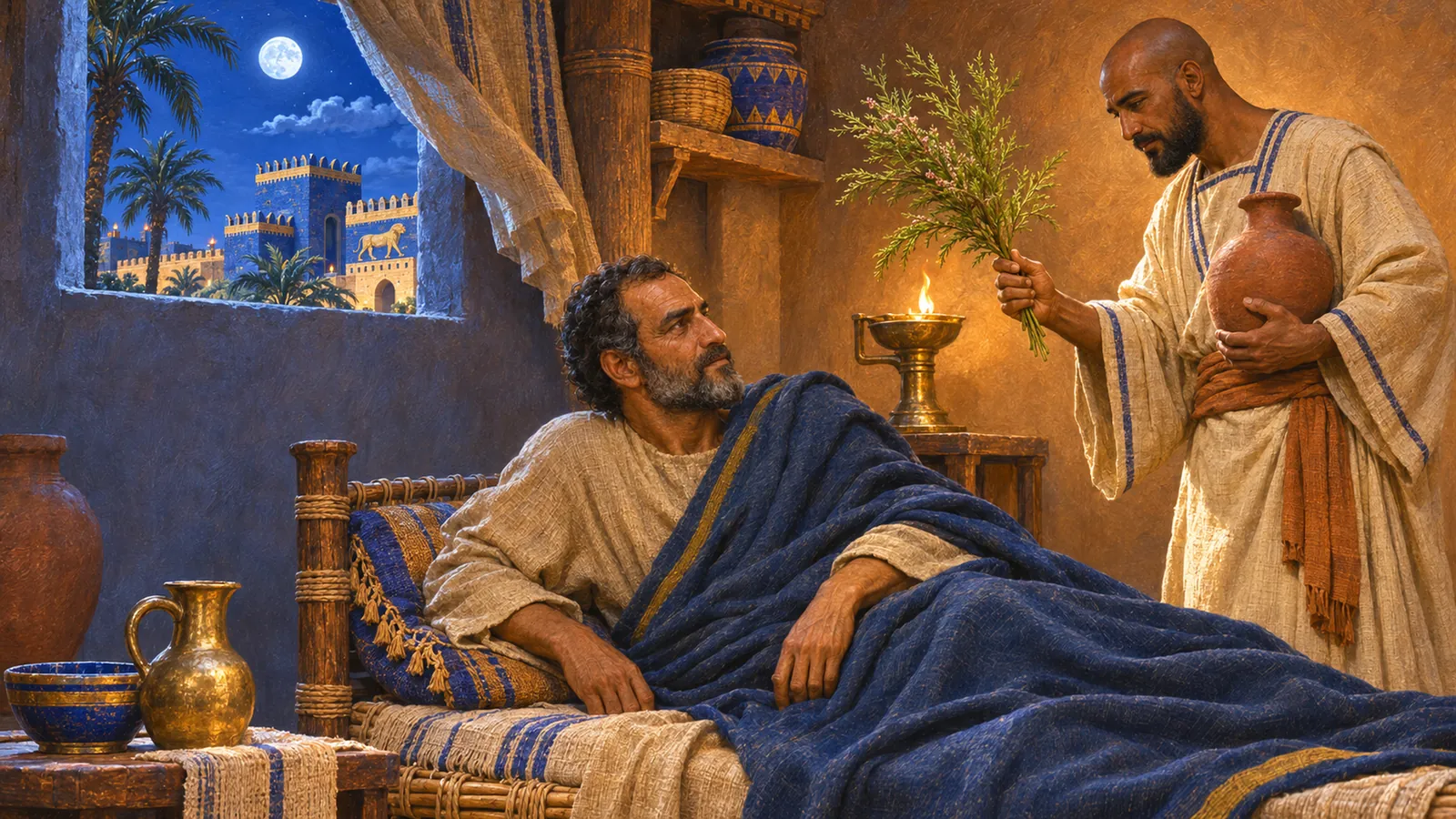
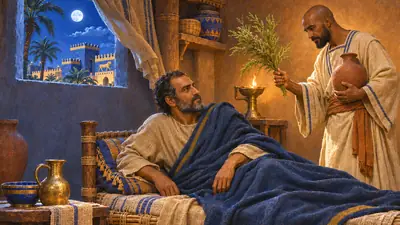
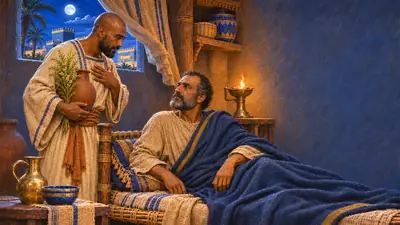
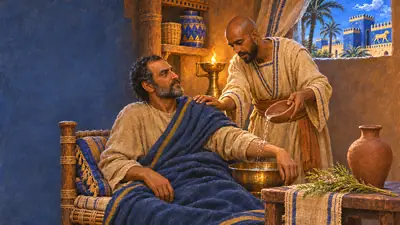
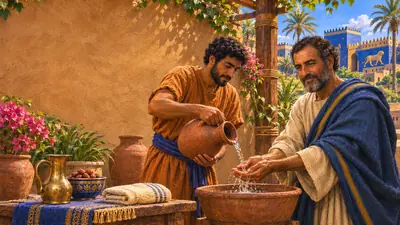
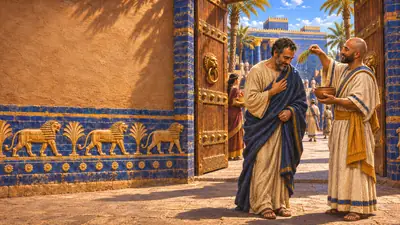
No sonho vi um sacerdote da purificação que trazia água para um encantamento. Na mão levava tamargueira para purificar.
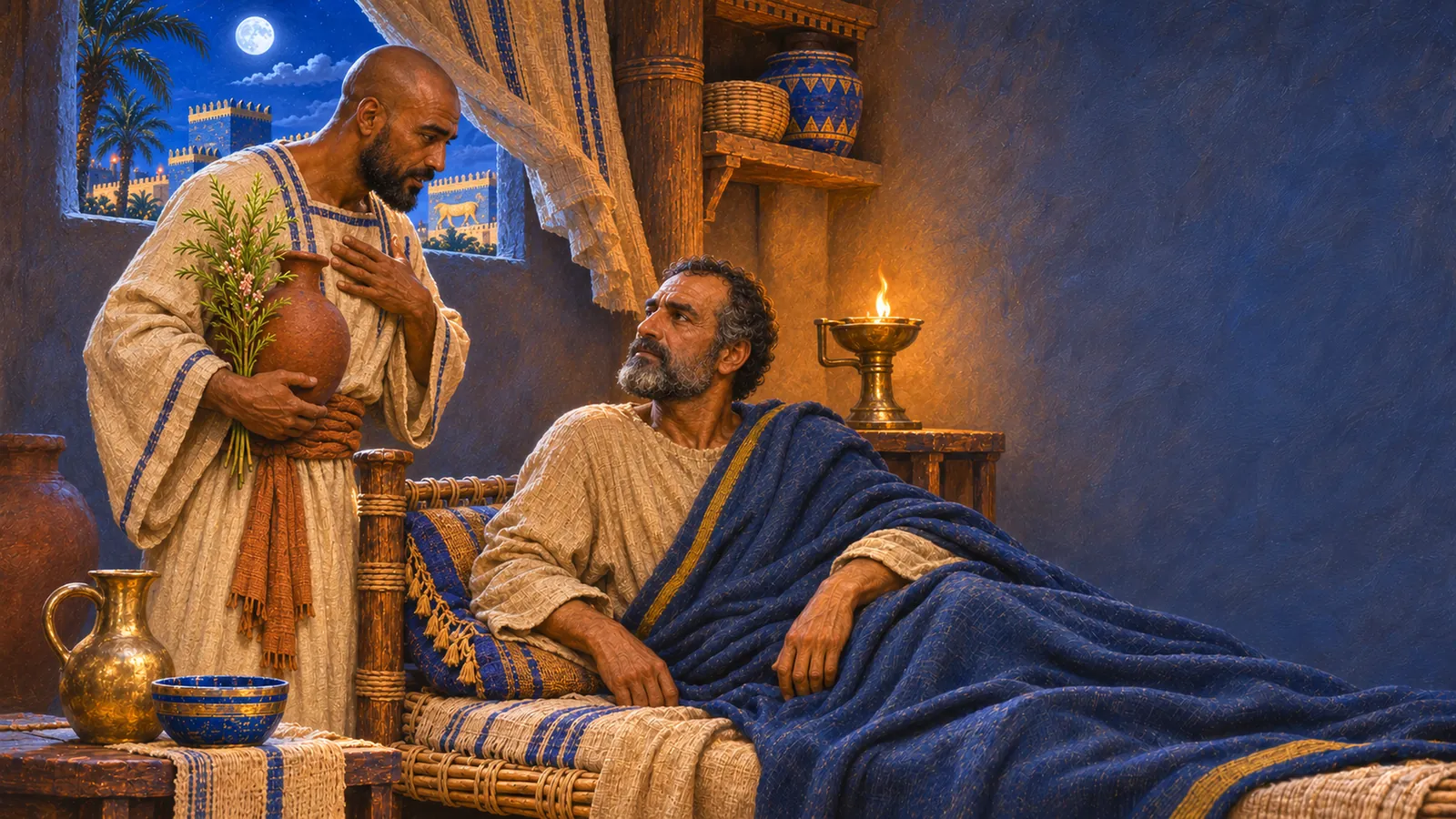
O homem do sonho disse-me que Laluralimma, um exorcista de Nippur, o tinha enviado para me purificar.
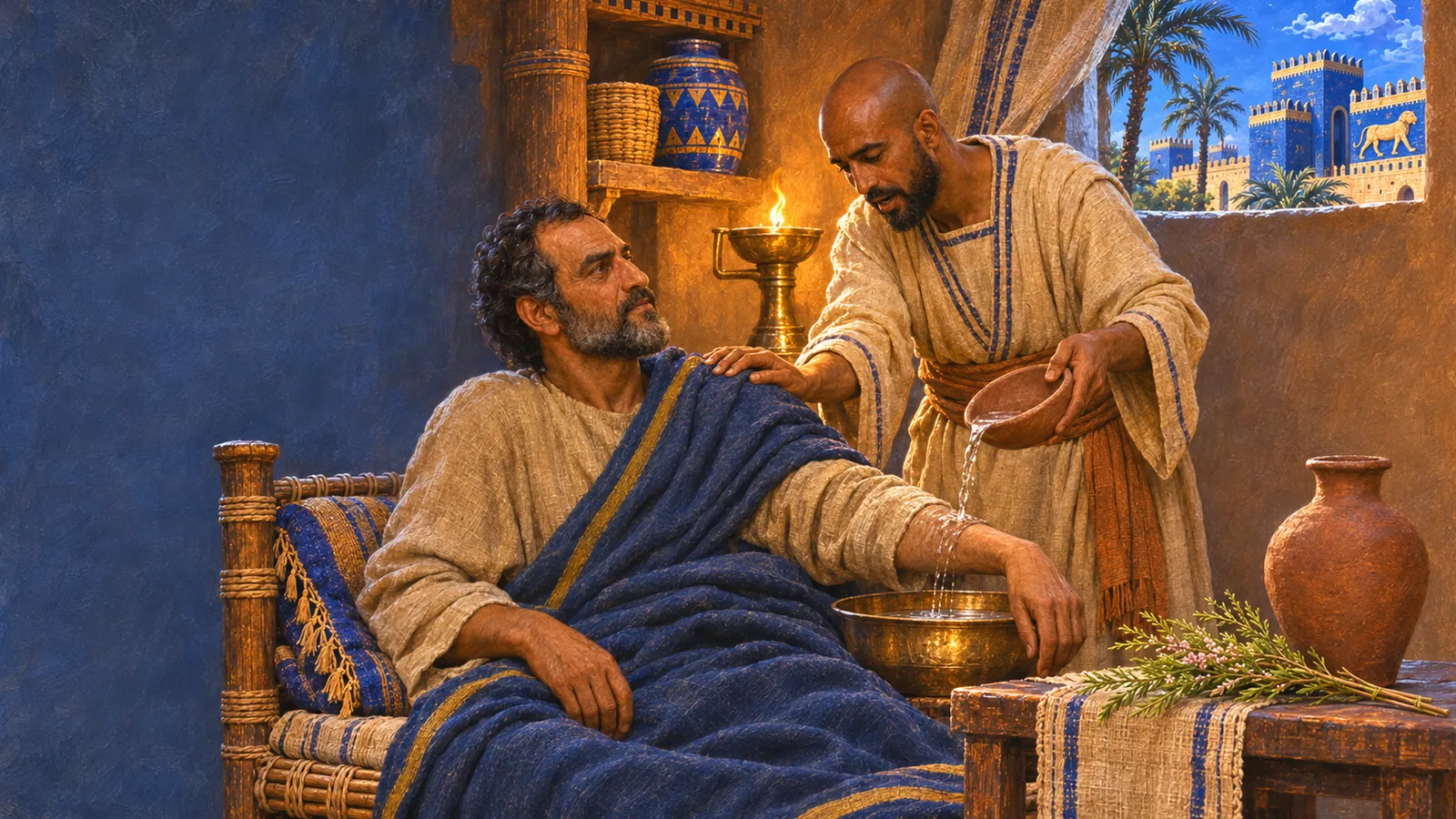
Deitou sobre mim a água que tinha trazido. Pronunciou o encantamento da vida e massajou-me o corpo.
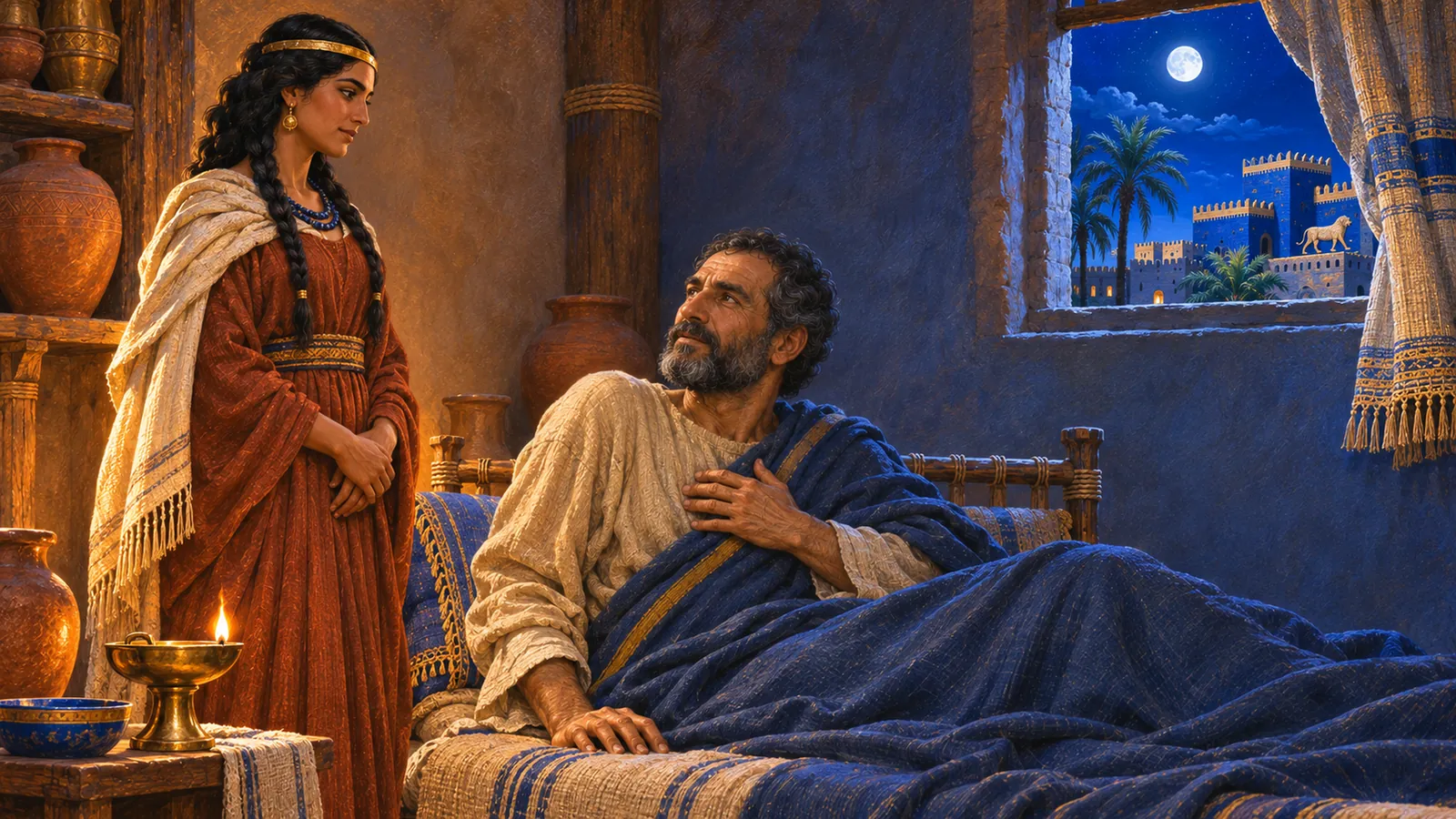
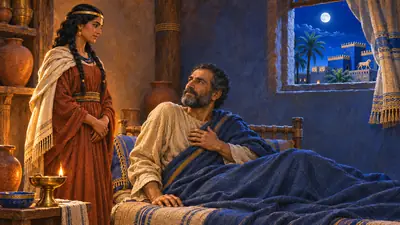
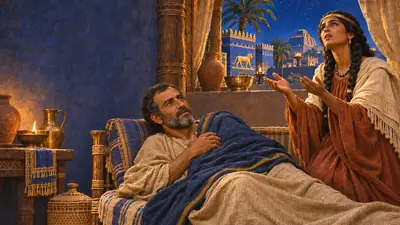
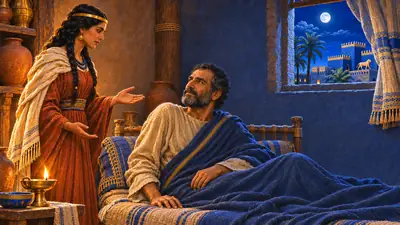
Um terceiro sonho chegou-me de noite. Apareceu uma mulher jovem, bela de se ver. Mesmo de longe, parecia-me divina.
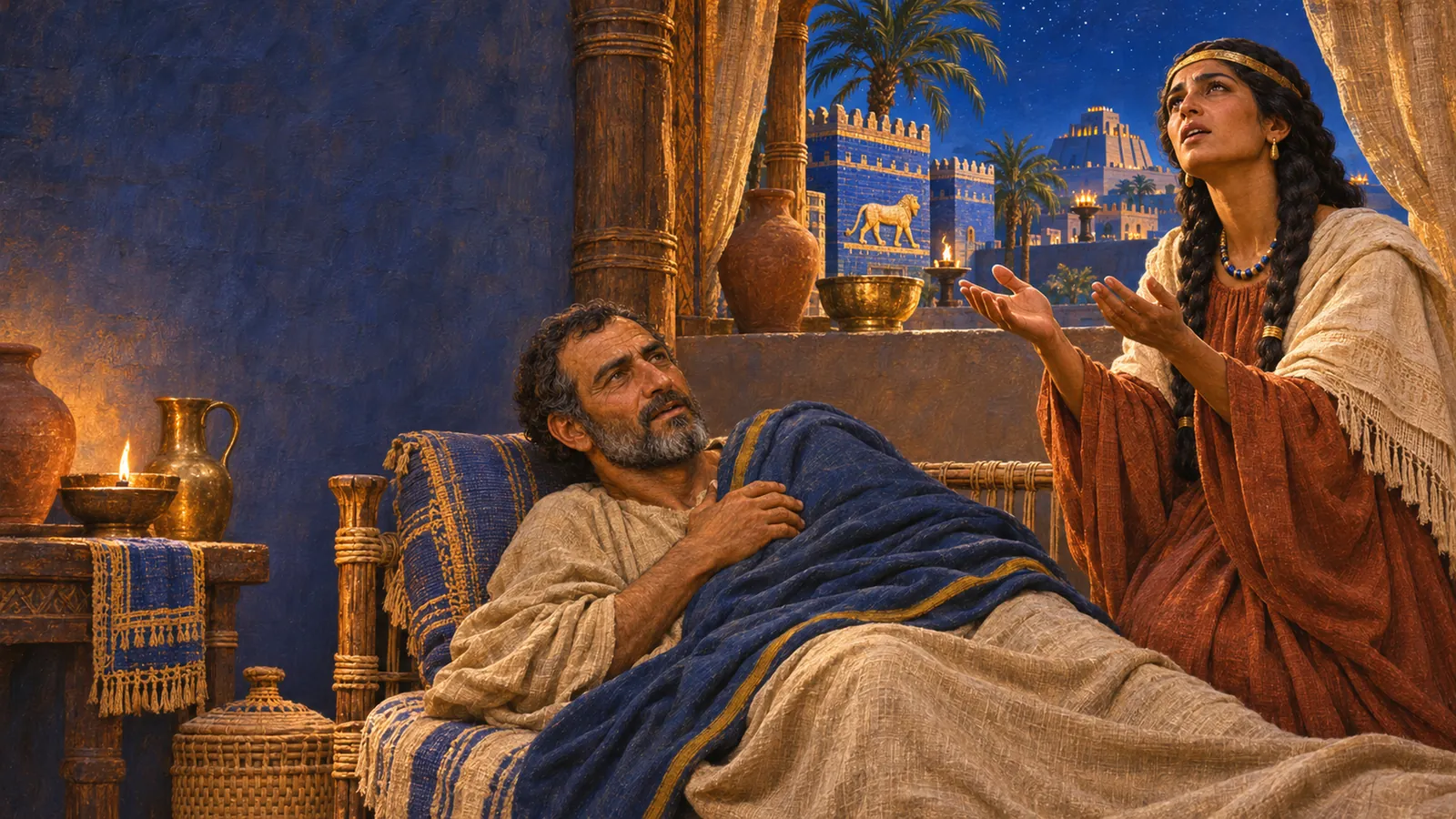
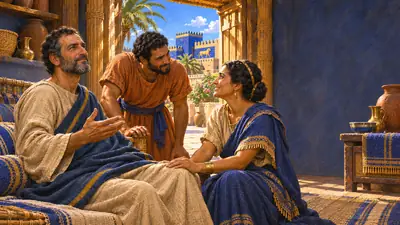
No sonho, é chamada rainha do povo. Entrou, e as palavras seguintes estão danificadas. Ela disse: «Piedade! Está completamente exausto.»
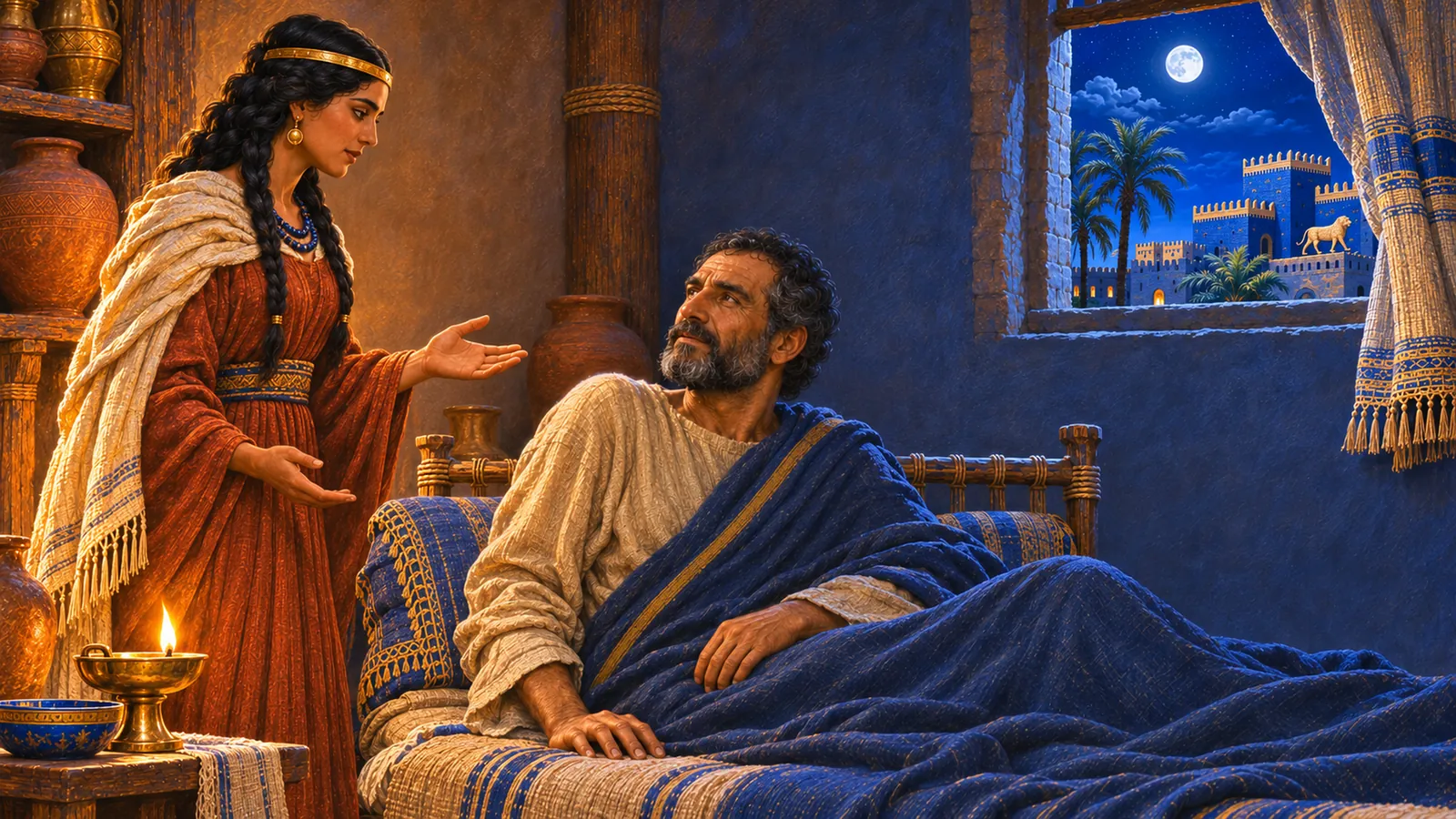
«Não tenhas medo», disse-me. Nas palavras do sonho que se conservaram, pediu misericórdia mais uma vez e falou do quanto eu sofria.
MENSAGEM
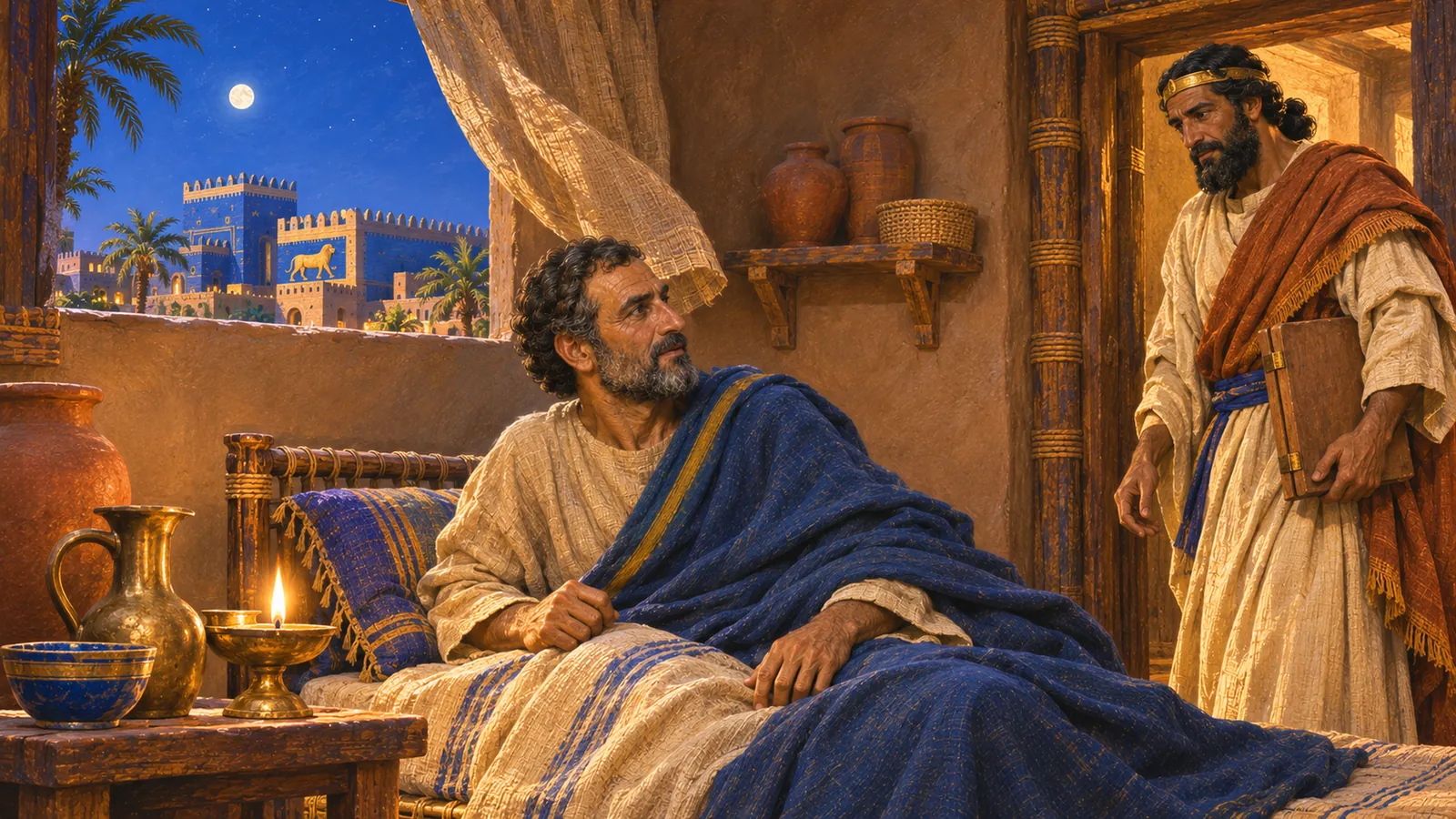
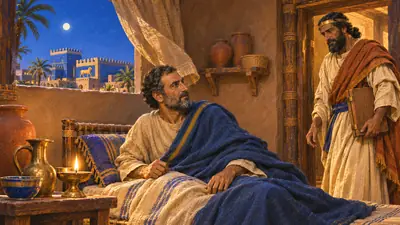
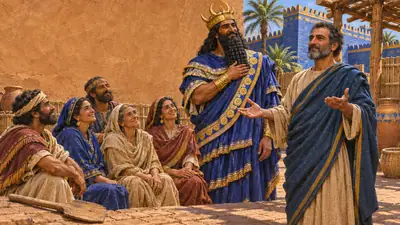
A tabuinha menciona Ur-Nintinugga da Babilónia numa passagem danificada sobre outro sonho. Descreve um exorcista barbudo, com um diadema e uma tábua de escrita.
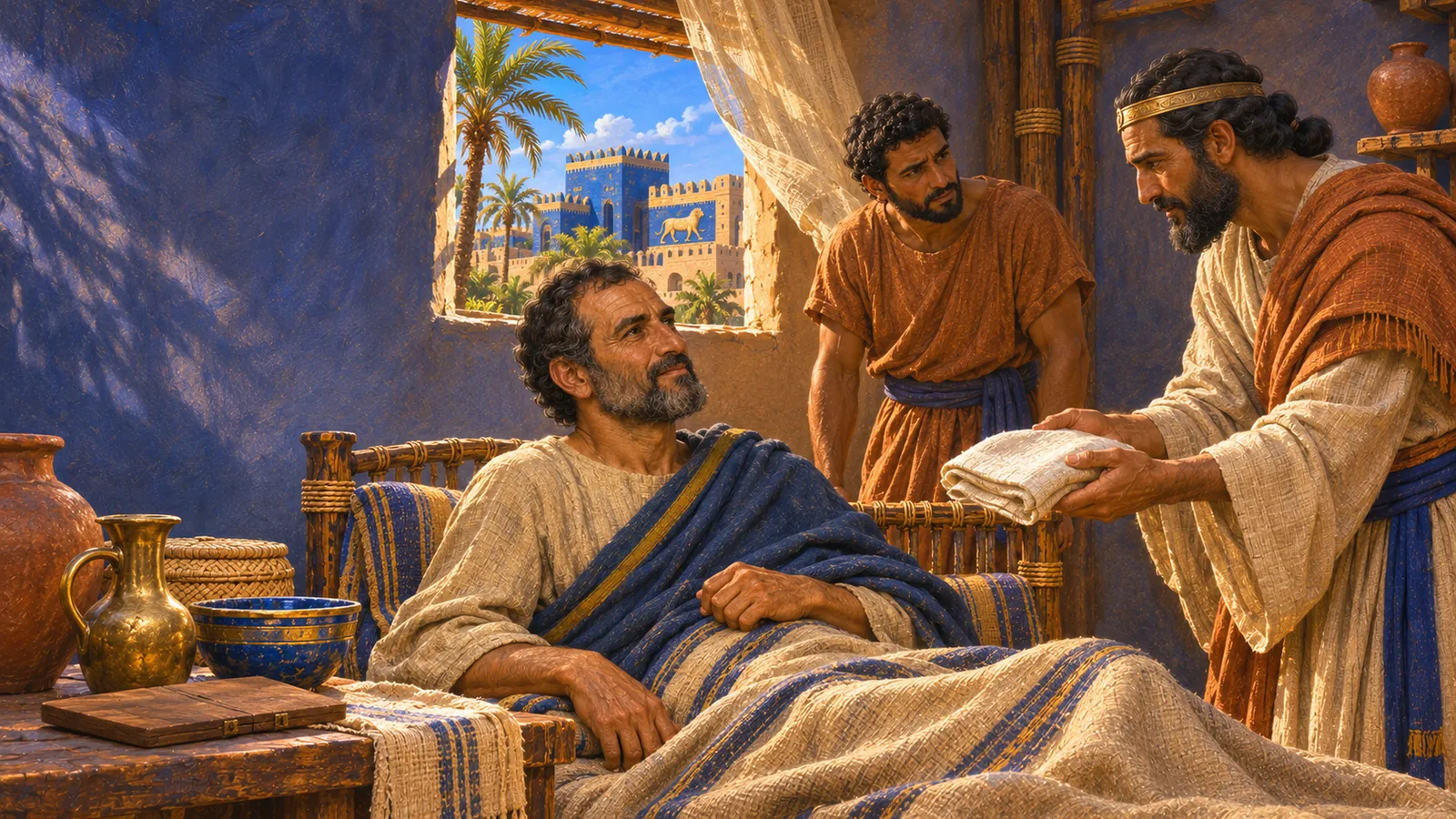
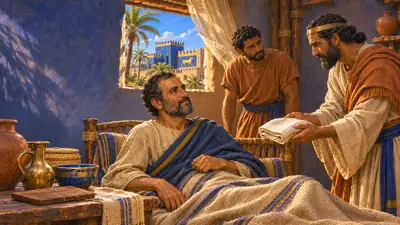
Disse que Marduk o enviara e que trouxera uma ligadura para mim, Šubši-mešrê-Šakkan. Trouxe-a nas mãos. As palavras danificadas sugerem que a entregou ao meu criado.
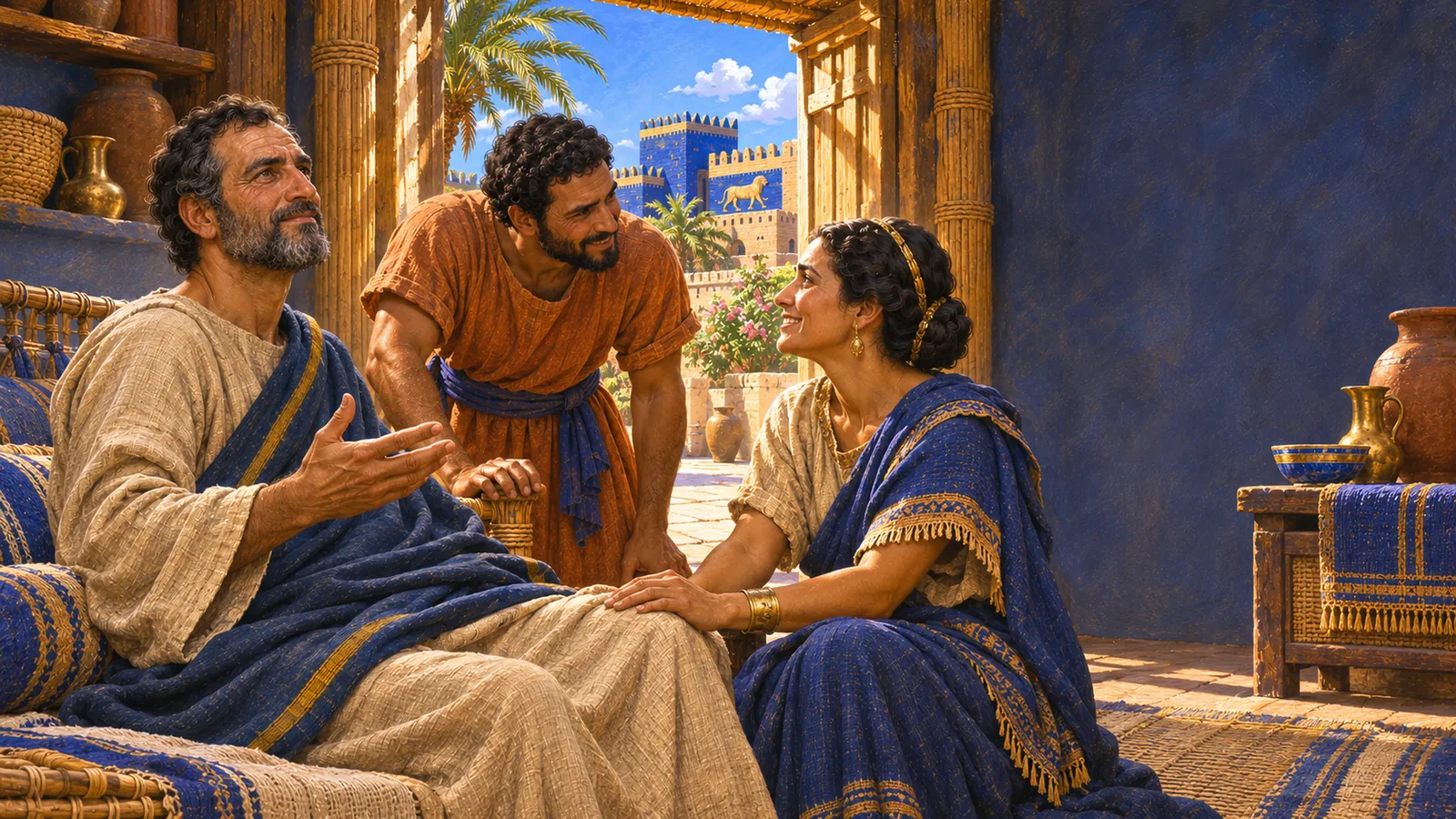
Marduk enviou a mensagem numa visão enquanto eu estava acordado. Revelou ao meu povo um sinal do seu favor.
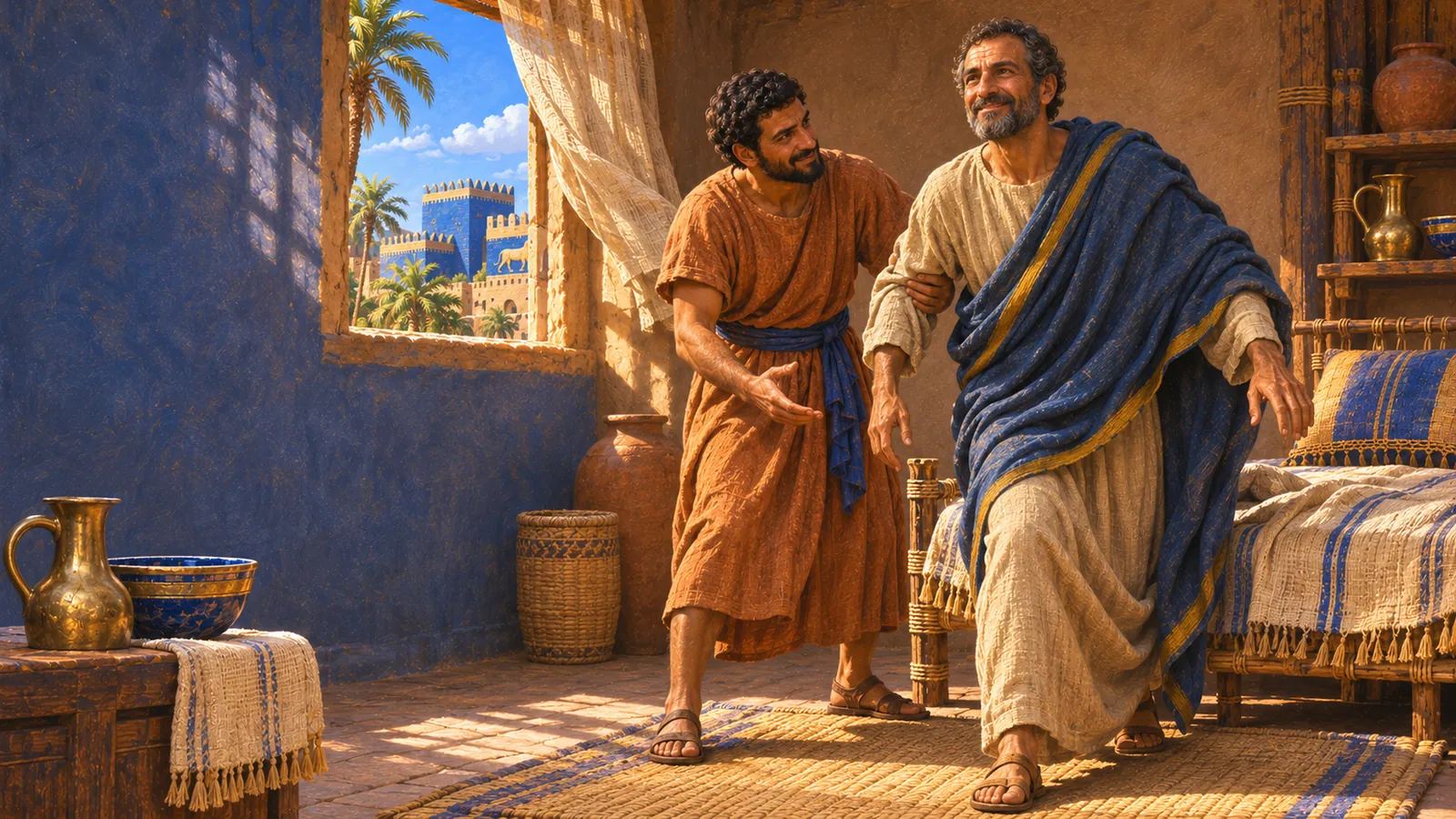
A tabuinha menciona uma serpente numa linha danificada. Nas palavras que se conservam a seguir, digo que a minha doença acabou depressa.
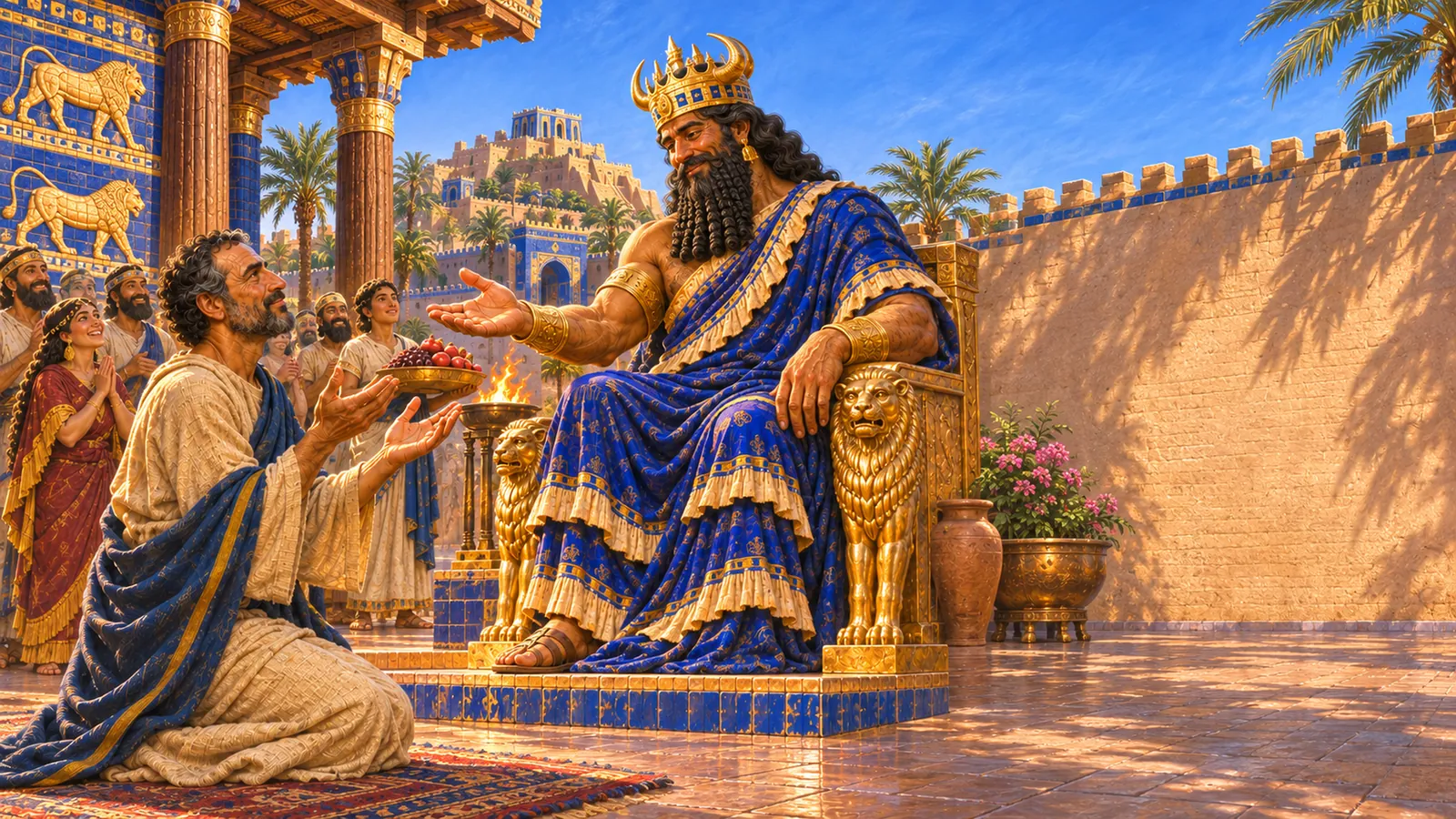
A ira do misericordioso Marduk aplacou-se. Ouviu as minhas preces e os meus pedidos e concedeu-me o seu favor. As palavras danificadas voltam a pedir misericórdia e falam da minha exaustão.
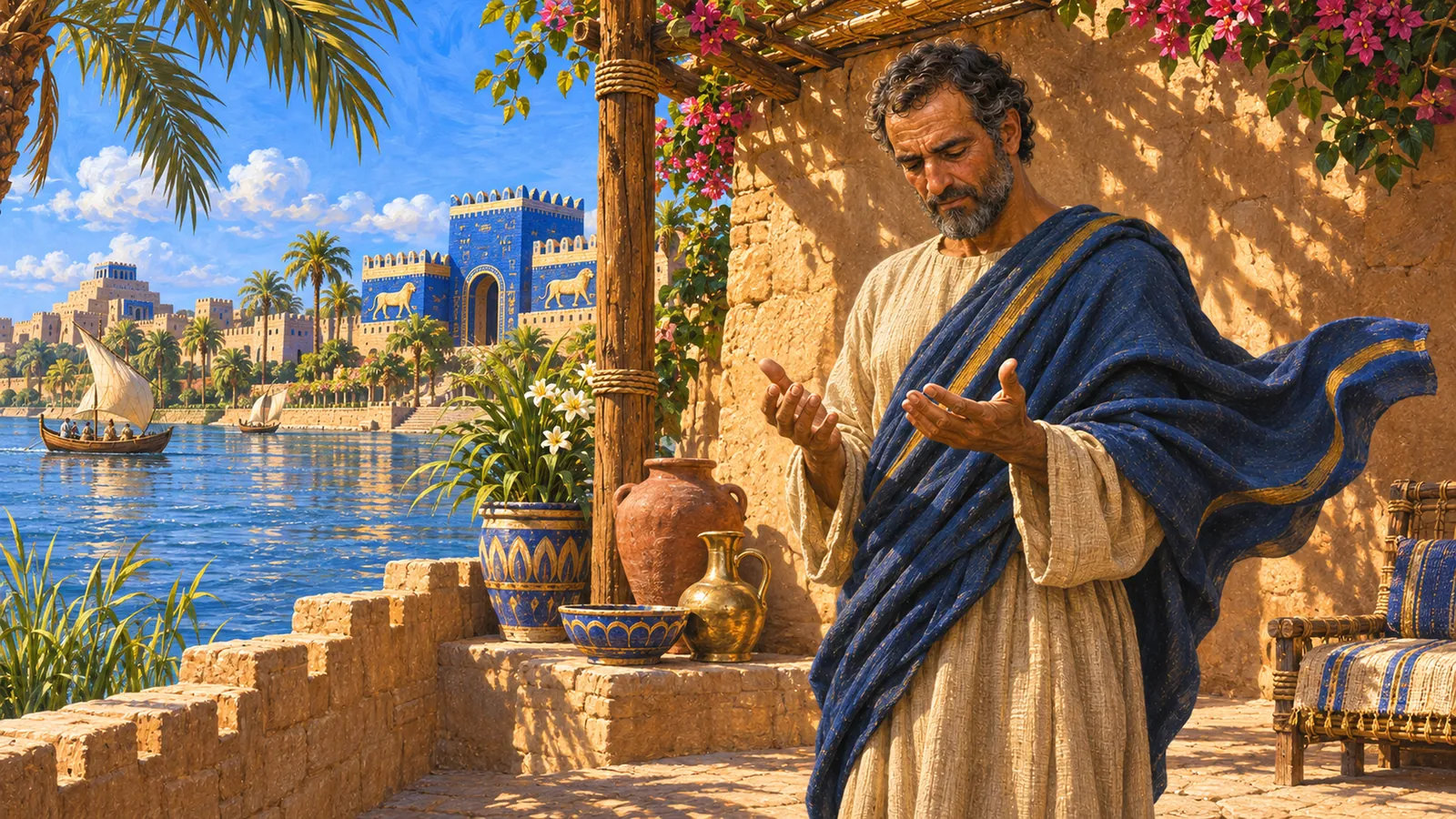
As linhas danificadas mencionam o meu pecado, a minha culpa e a minha transgressão. O vento leva os meus atos de negligência. Conservou-se ainda uma referência a uma maldição.
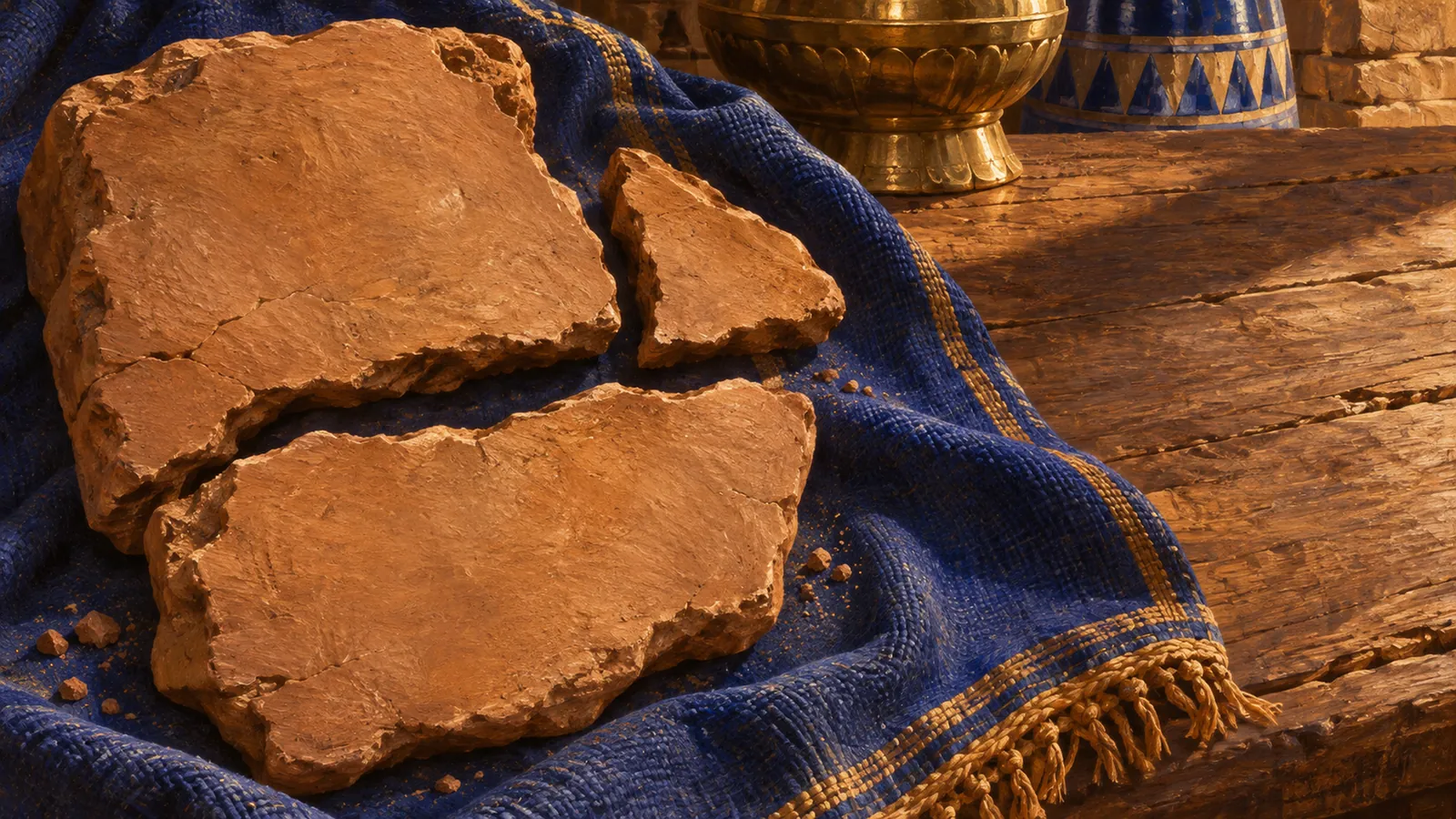
Perderam-se por completo duas linhas da tabuinha. Das três seguintes só restam fragmentos, que não esclarecem o que aconteceu depois.
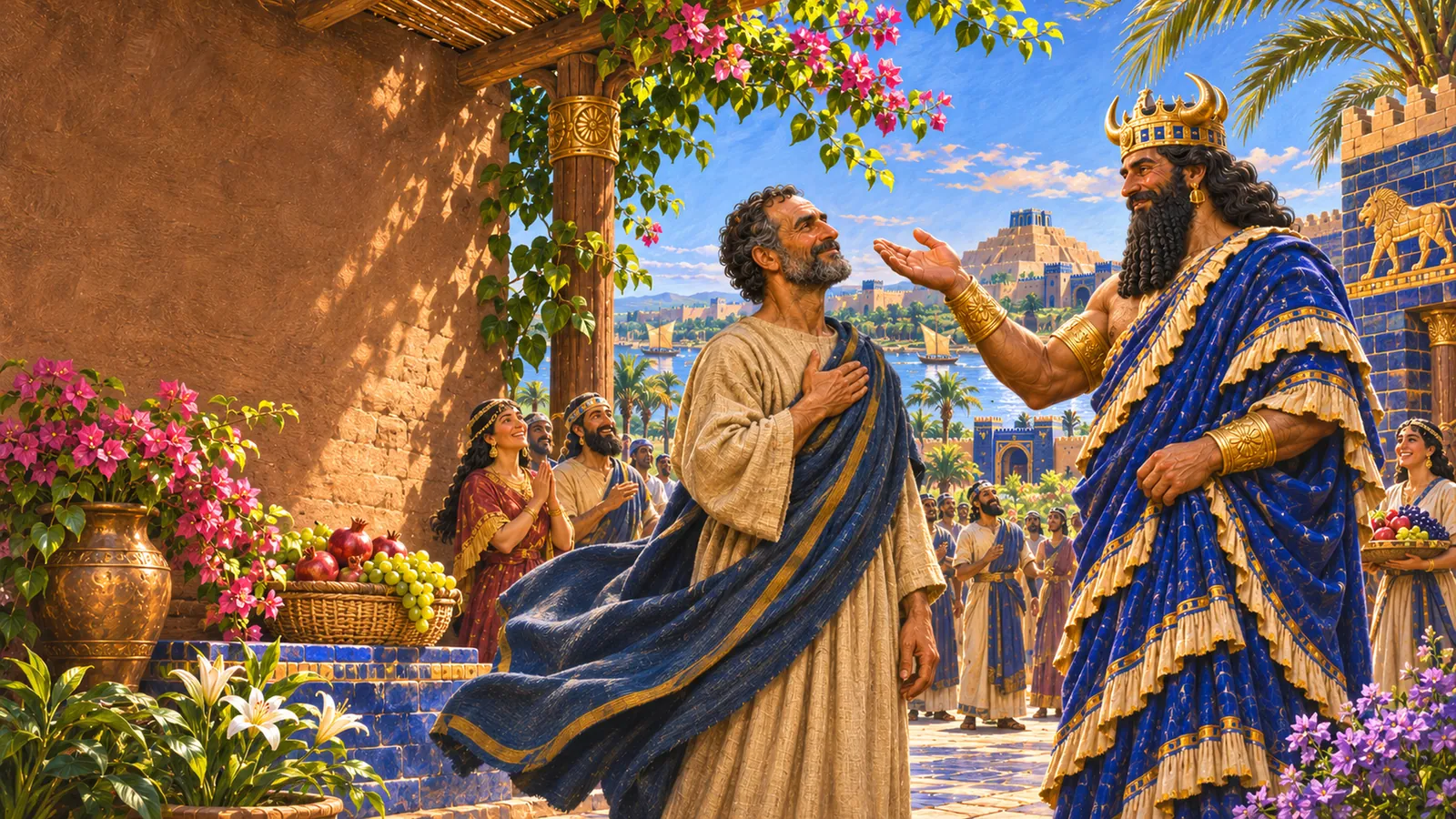
Usou o seu encantamento de vida e bem-estar. O vento maligno voltou ao horizonte, a febre ao mundo subterrâneo, a tosse maligna às profundezas do Apsu, o fantasma a Ekur e Lamaštu às montanhas.
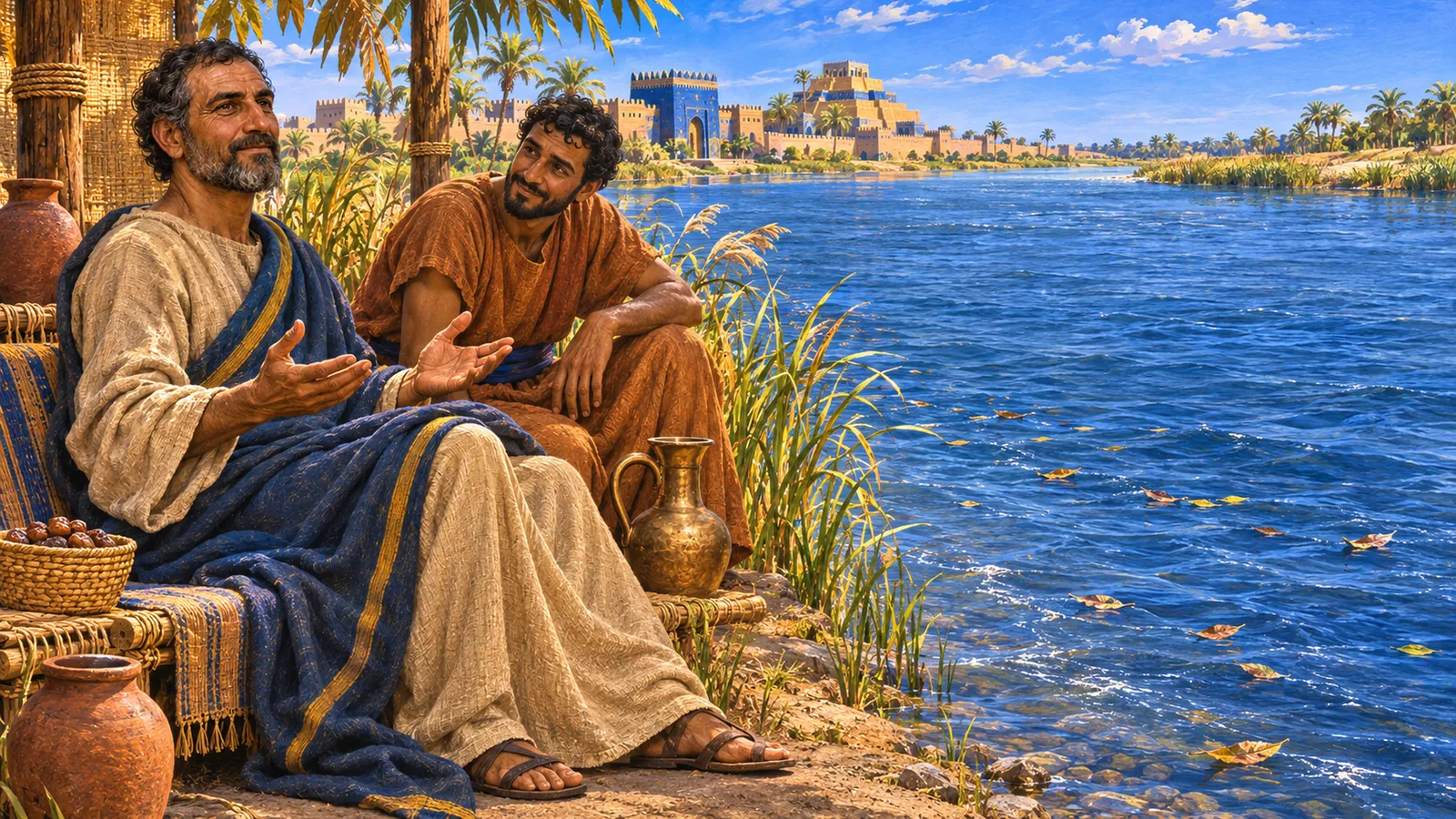
A água corrente levou os meus calafrios. Ele arrancou a minha fraqueza como se arranca uma planta pela raiz e dissipou o meu sono agitado como fumo.
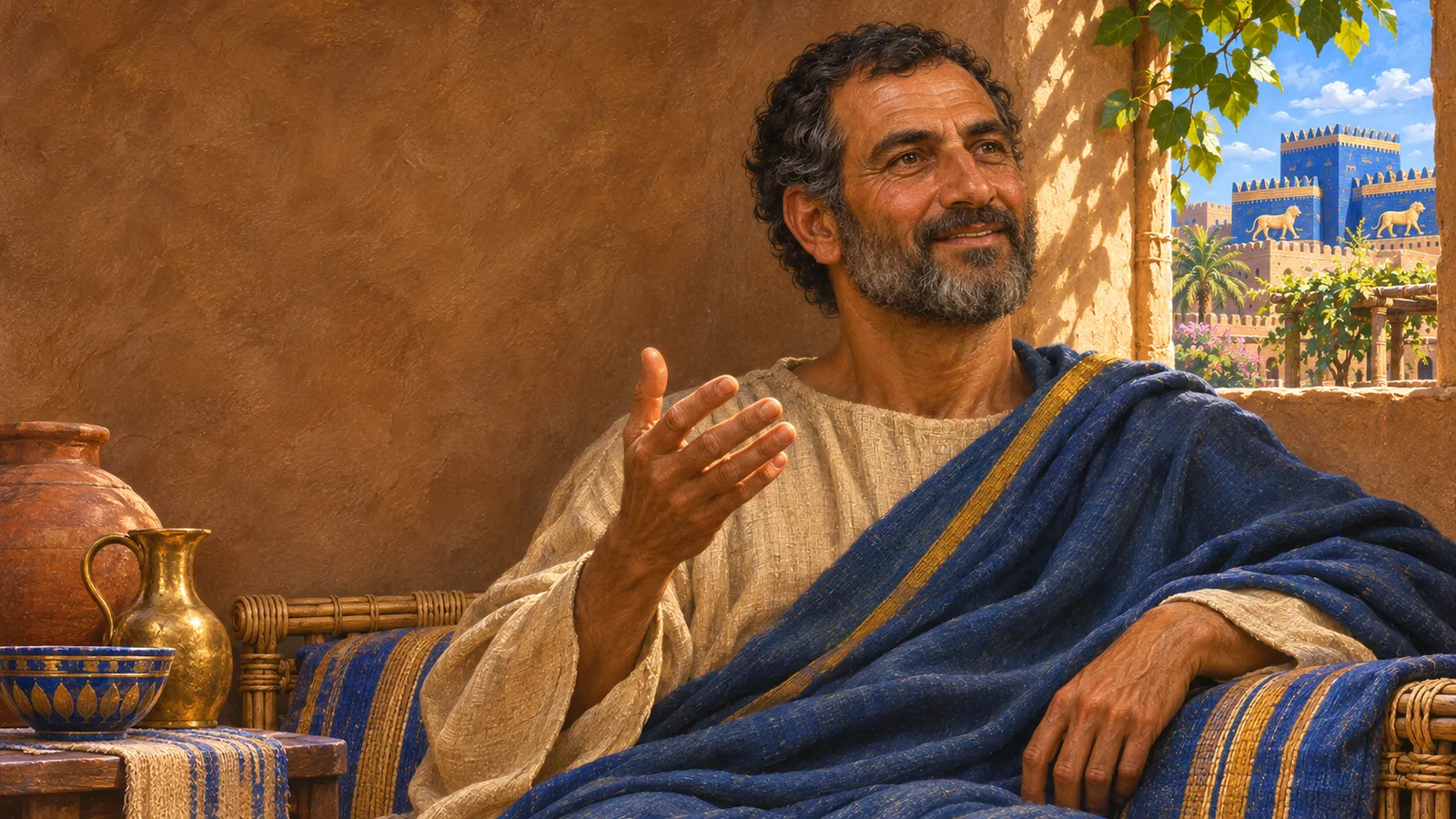
Dissipou os meus gritos de dor como a névoa sobre a terra. Aliviou a dor constante na minha cabeça, pesada como uma pedra de moer, e afastou-a como o orvalho da noite.
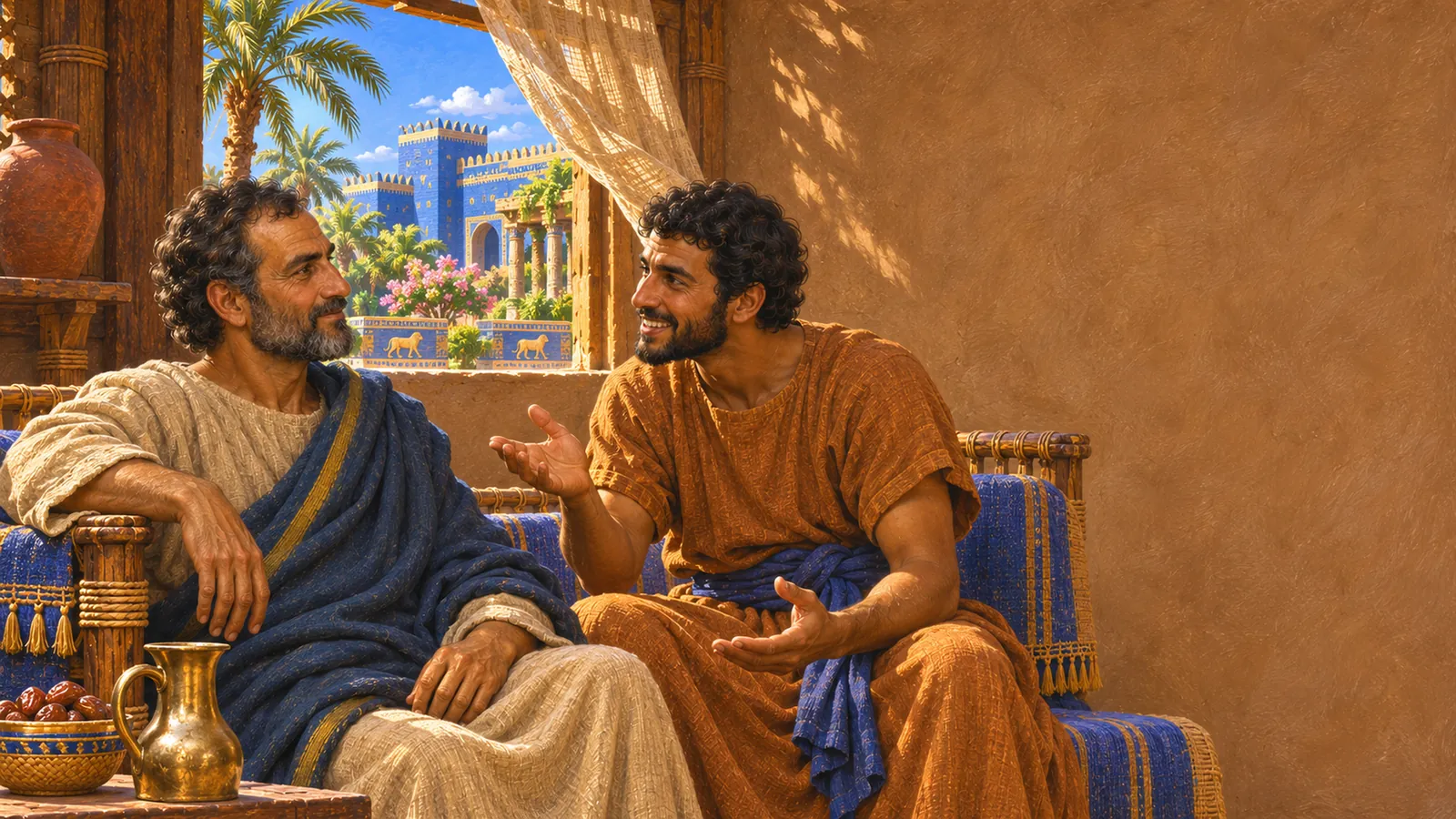
Diz que a névoa se dissipou dos seus olhos e que voltou a ver. Os ouvidos, antes tapados, ficaram desimpedidos e voltou a ouvir.
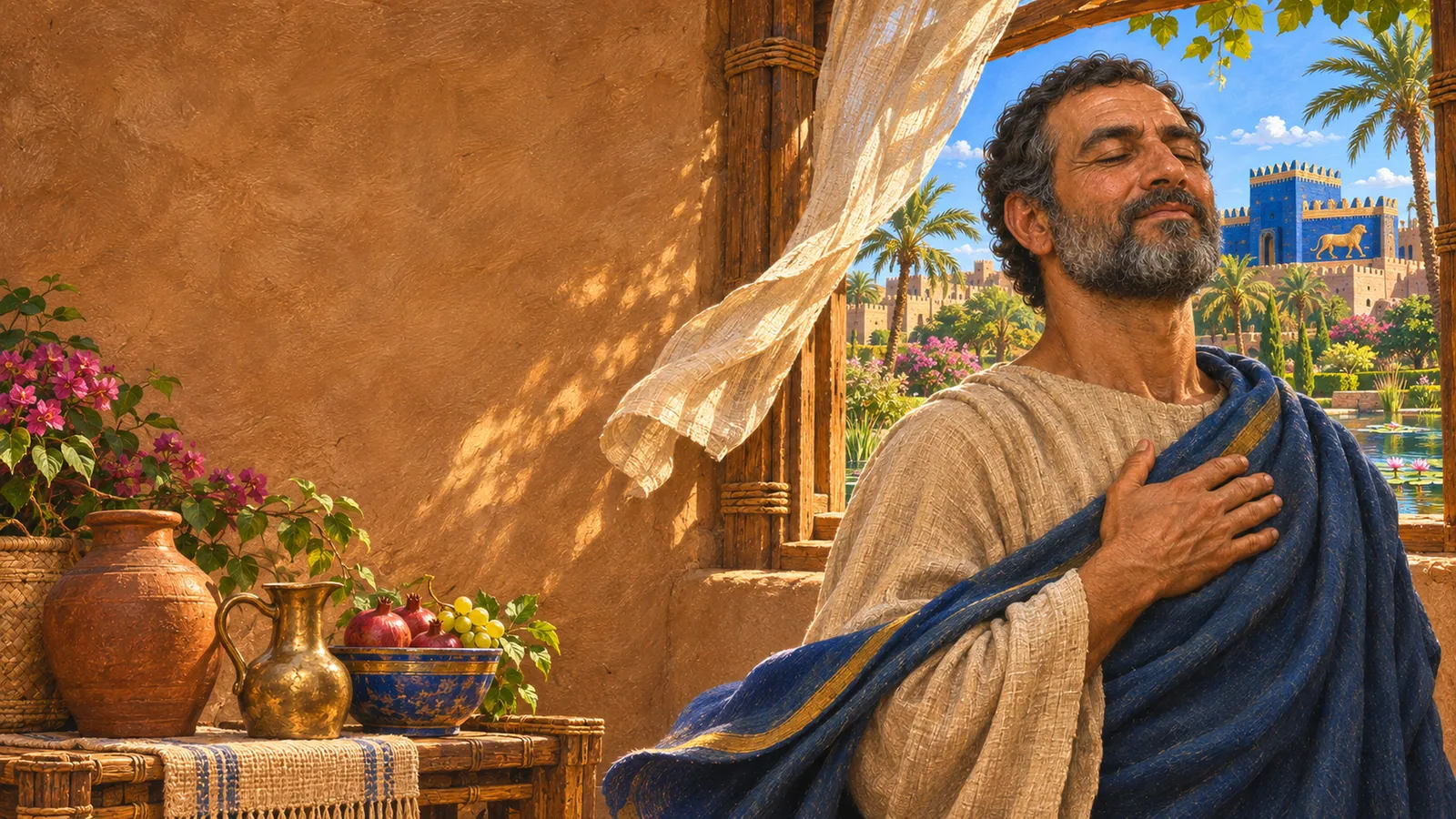
Diz que a febre lhe impedia a respiração e que pôde voltar a respirar livremente. Foram-lhe limpas as bolhas dos lábios e lavaram-lhe a boca rígida como se lava um recipiente.
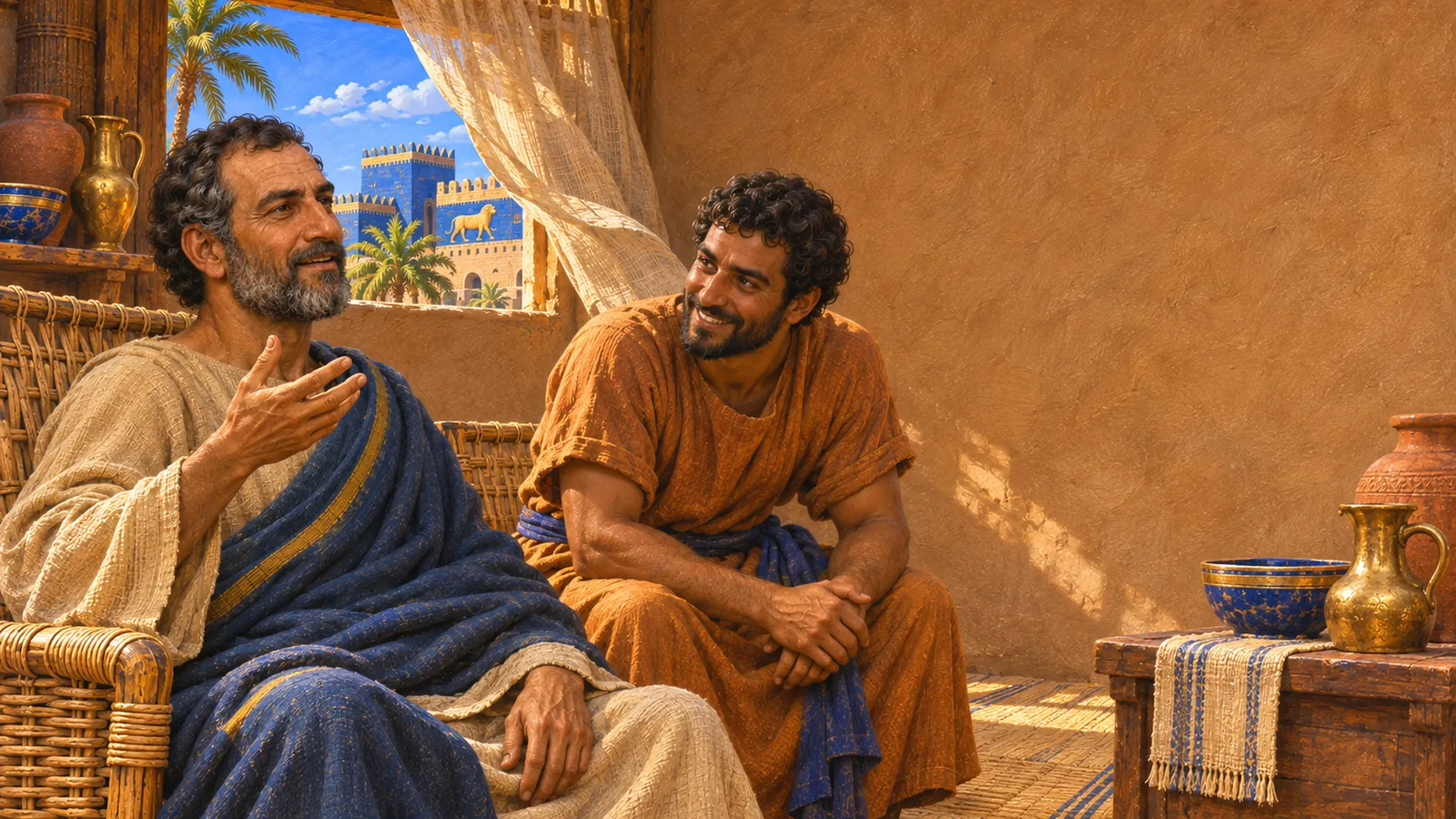
Diz que os dentes cerrados se separaram e que a língua se soltou. As palavras sobre a clareza da sua fala são incertas. O aperto na garganta aliviou e o inchaço na goela diminuiu.
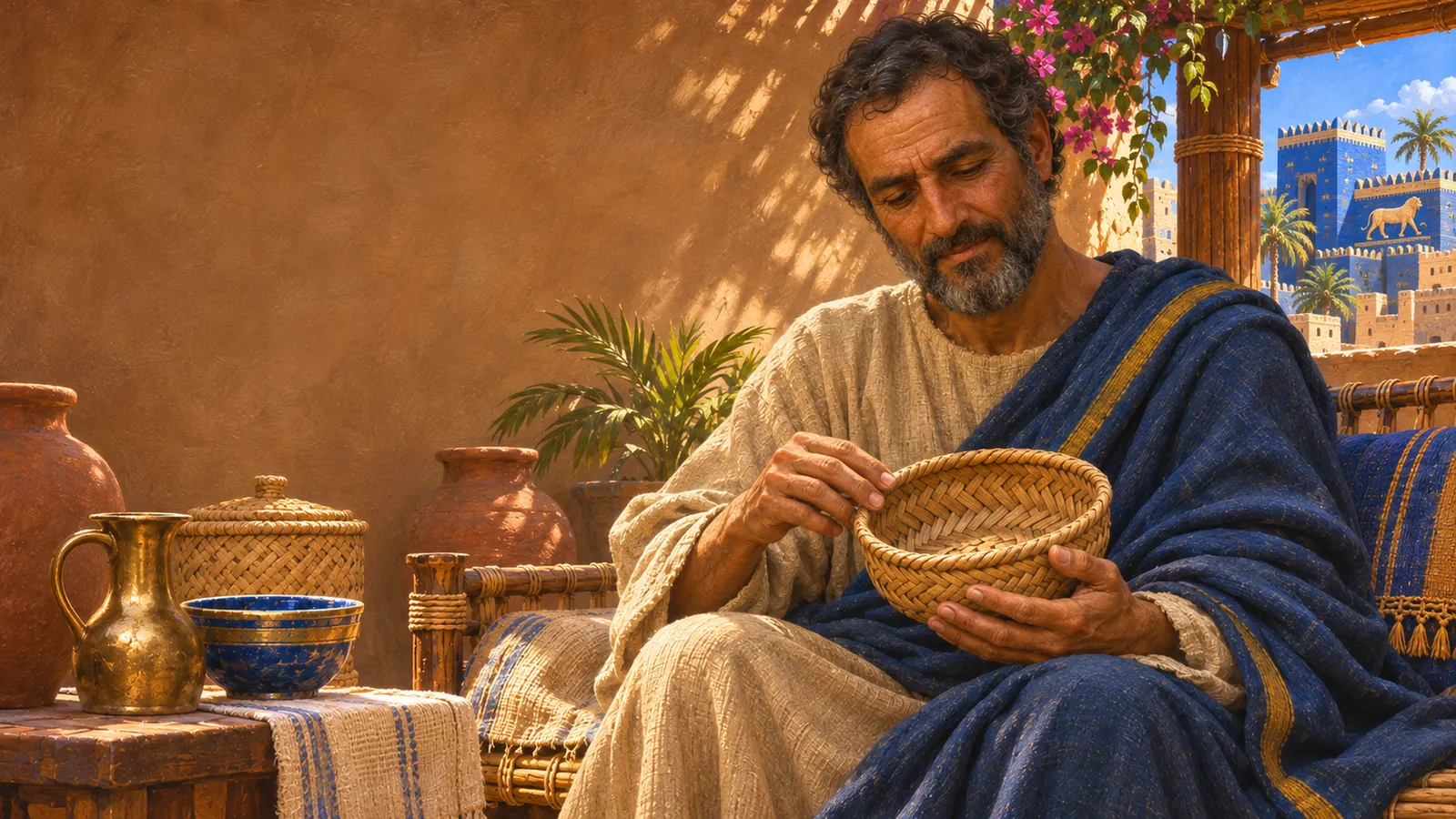
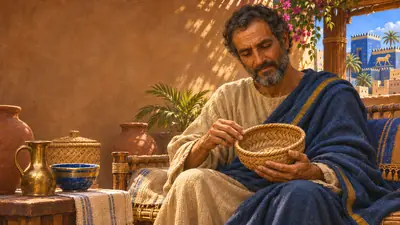
As linhas seguintes sobrevivem em fragmentos, com uma referência a algo que é vertido. Uma linha compara-lhe o intestino a um cesto entrançado. As palavras sobre a fome e o inchaço são em parte incertas.
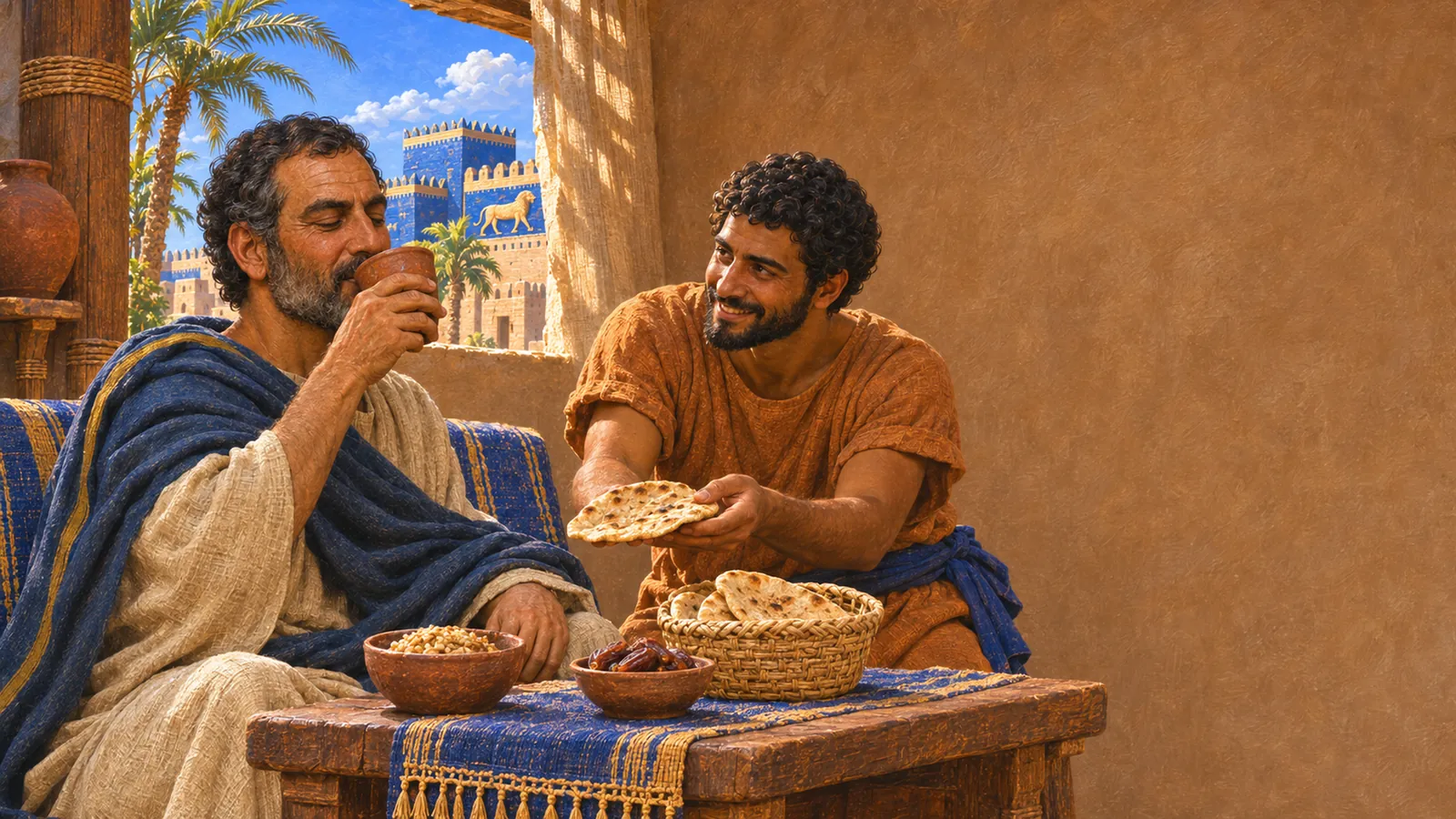
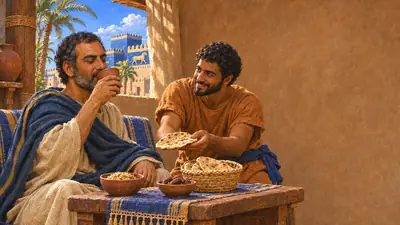
Volta a conseguir comer e beber. Essa frase conserva-se com clareza, e a tabuinha deixa depois apenas alguns vestígios dispersos.
A LACUNA
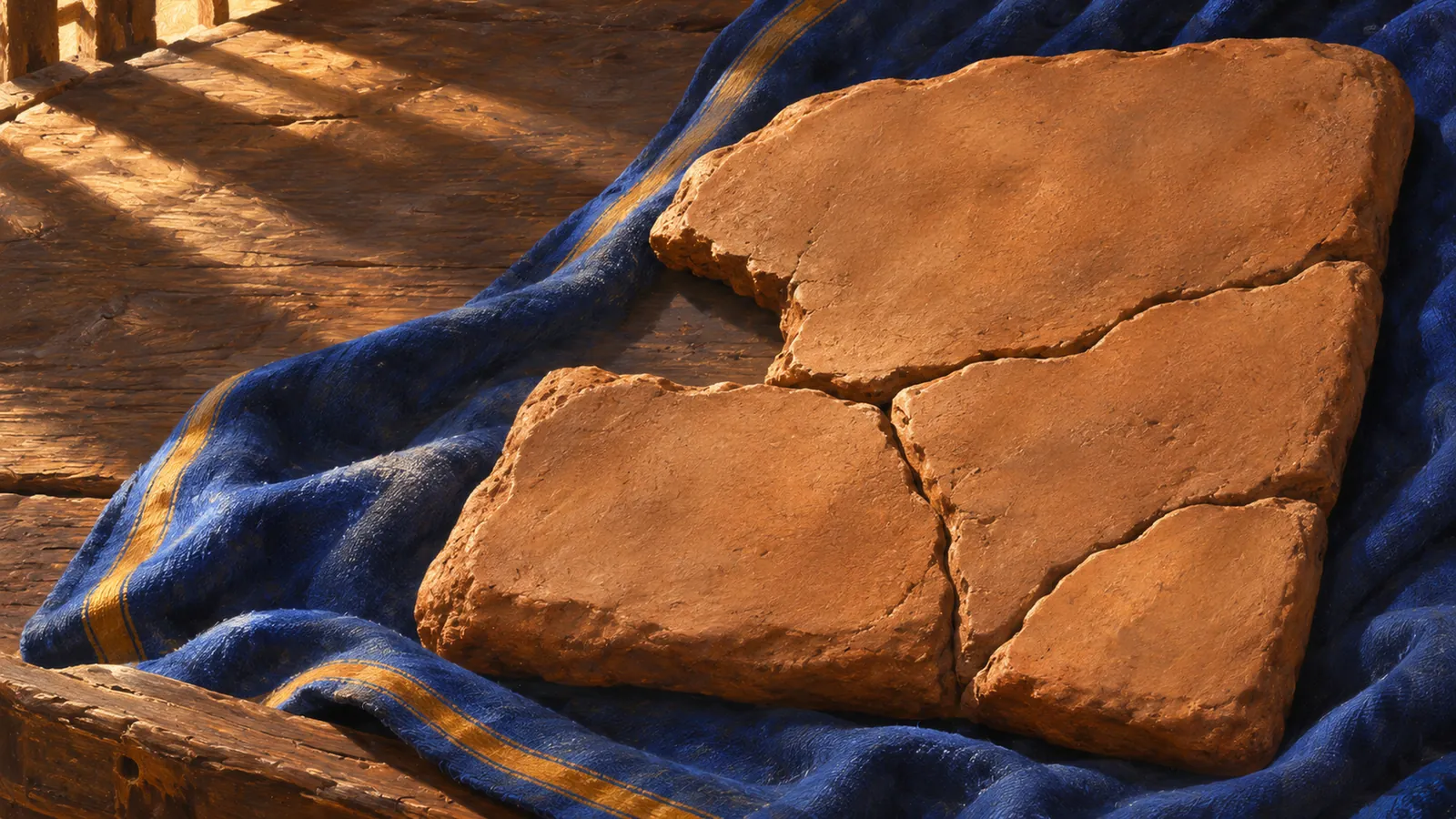
Faltam dez linhas no fim da terceira tabuinha. Um comentário antigo conserva expressões relacionadas, mas o lugar delas no poema é incerto.
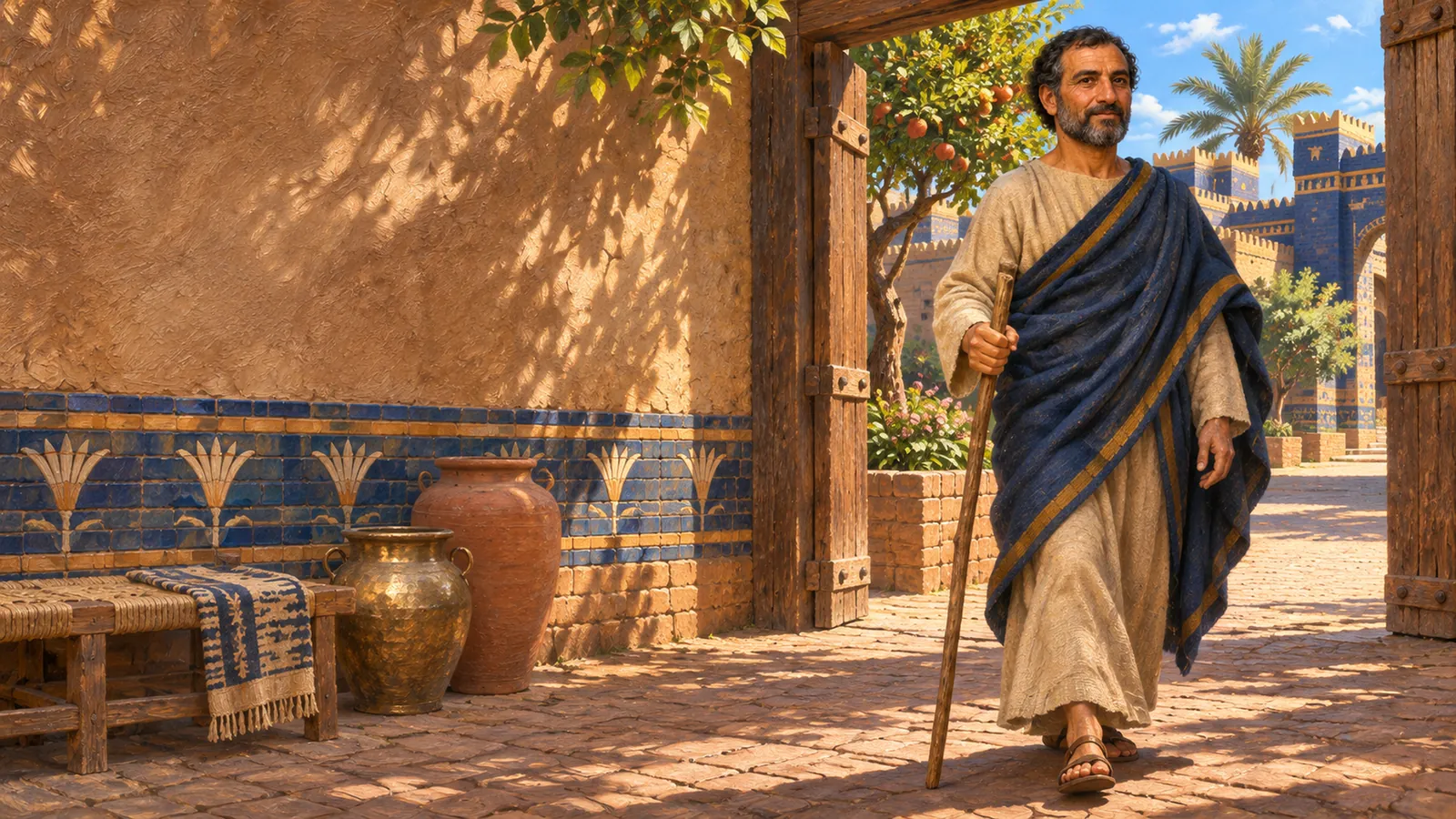
A quarta tabuinha recomeça com linhas danificadas. Uma passagem paralela do comentário fala de joelhos que tinham estado presos. A tabuinha descreve pés em ruínas, com uma expressão incerta sobre chão firme.
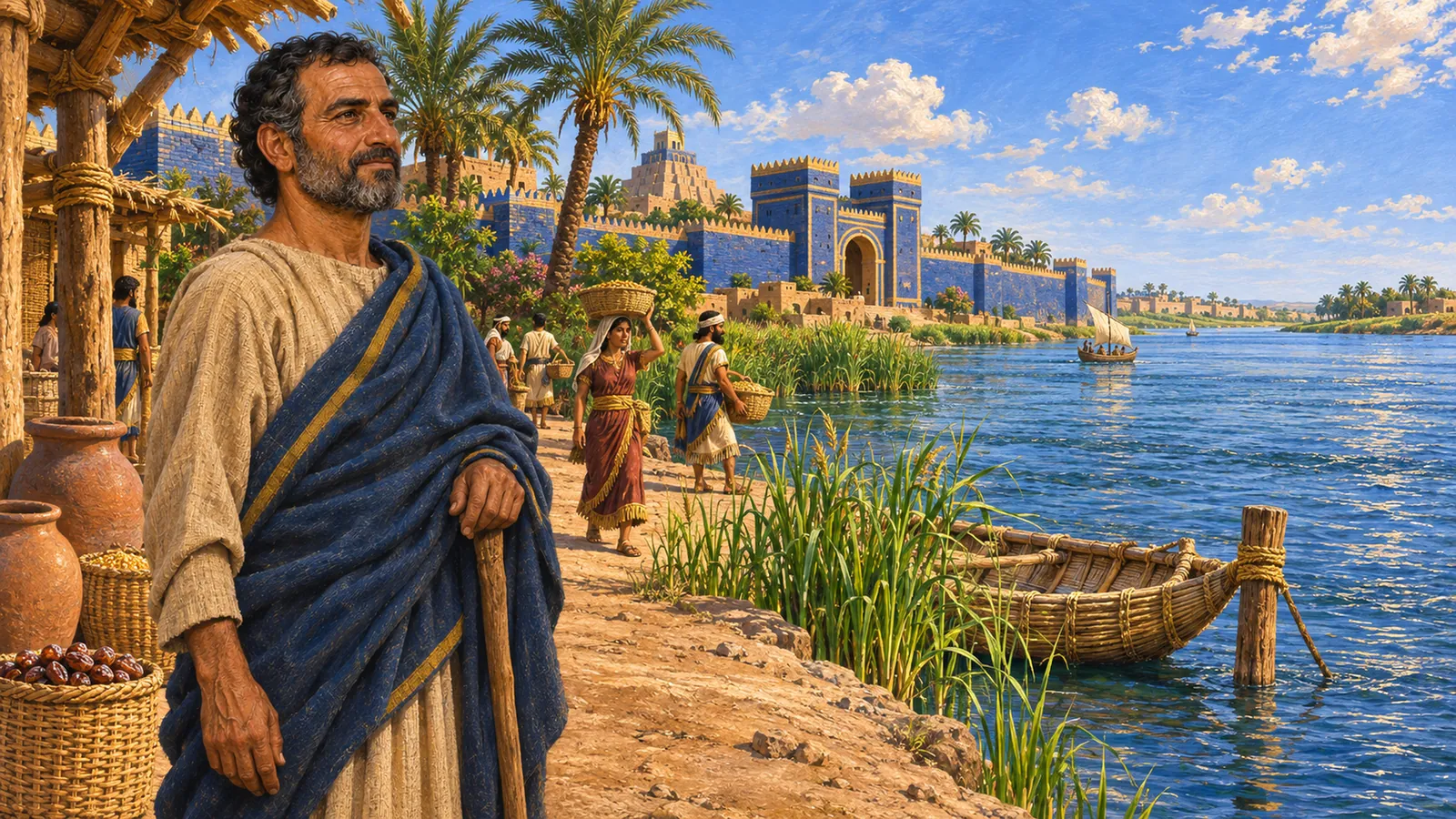
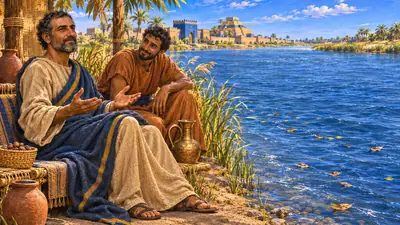
O comentário fala de limpeza e do brilho que regressa aos seus traços. Menciona também uma margem de rio onde se julgam as causas. O comentador antigo identifica esse lugar com uma ordália fluvial.
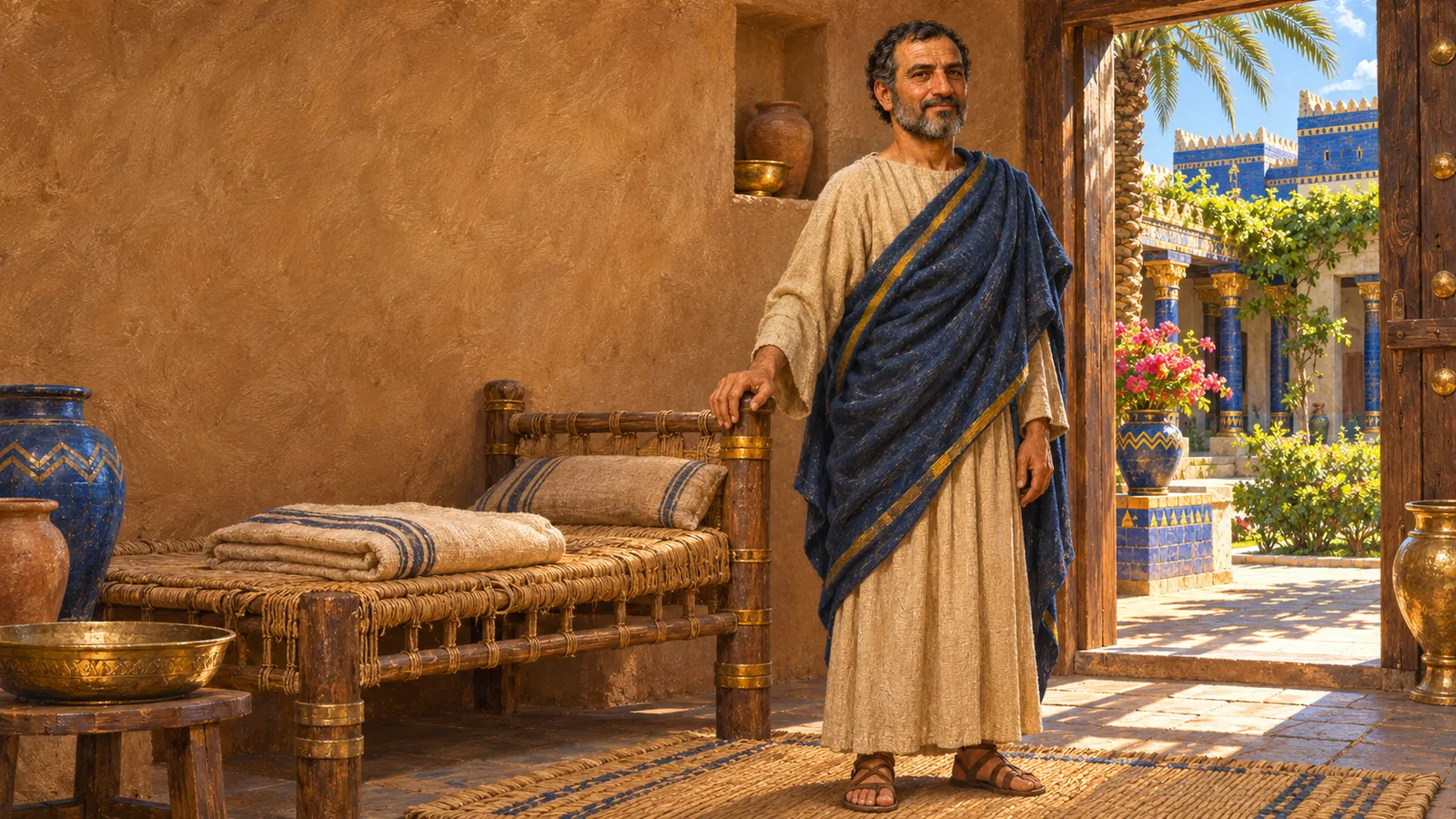
Outro fragmento começa com vestígios de palavras sobre deuses e deusas. Algumas linhas falam de aflição e de saúde recuperada. Perdeu-se grande parte do que as ligava.
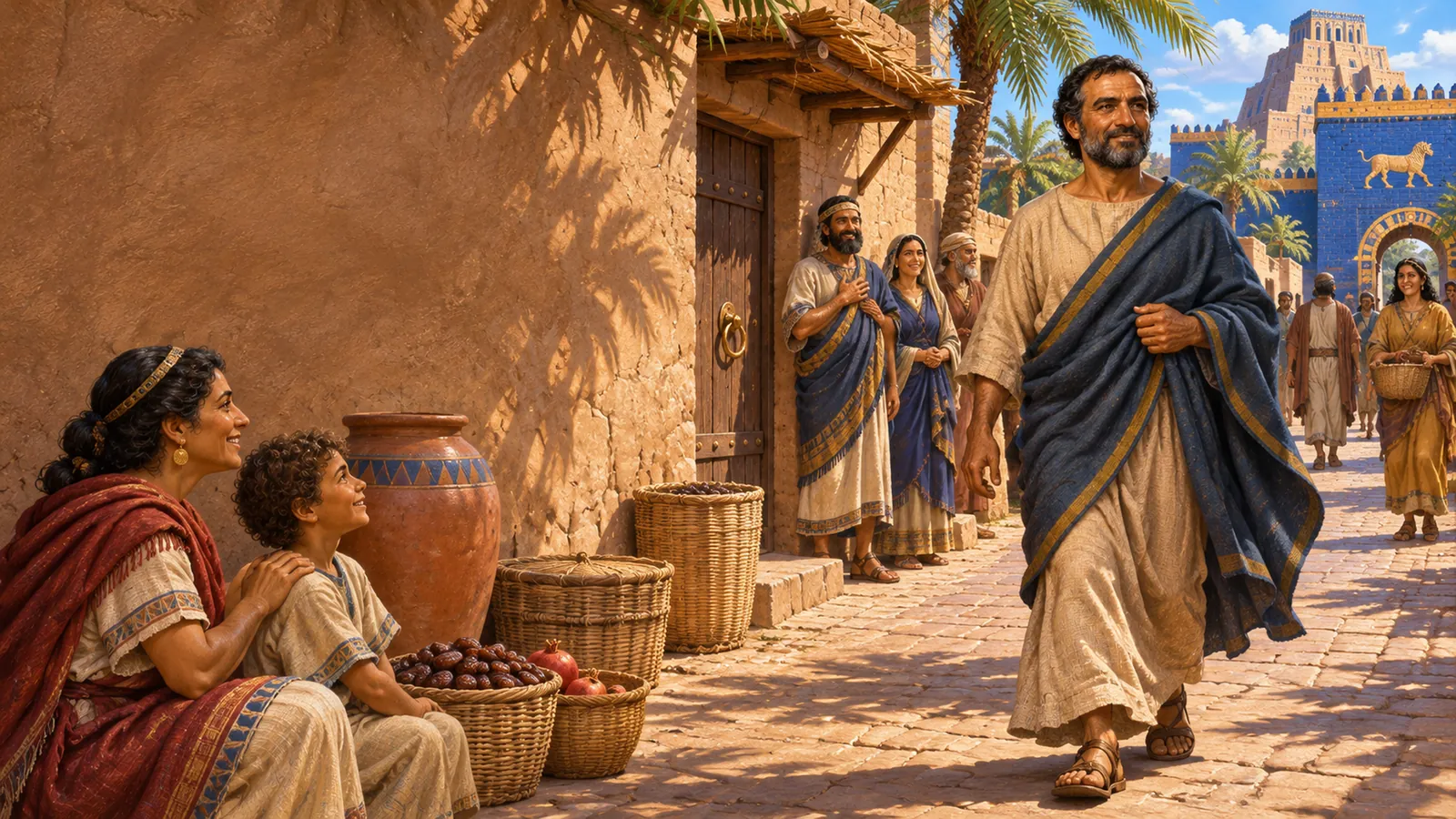
Diz que foi atingido na testa e libertado da escravidão. As linhas danificadas mencionam uma oração šigû. Numa linha com o nome da rua parcialmente restituído diz que andou por ela como homem livre.
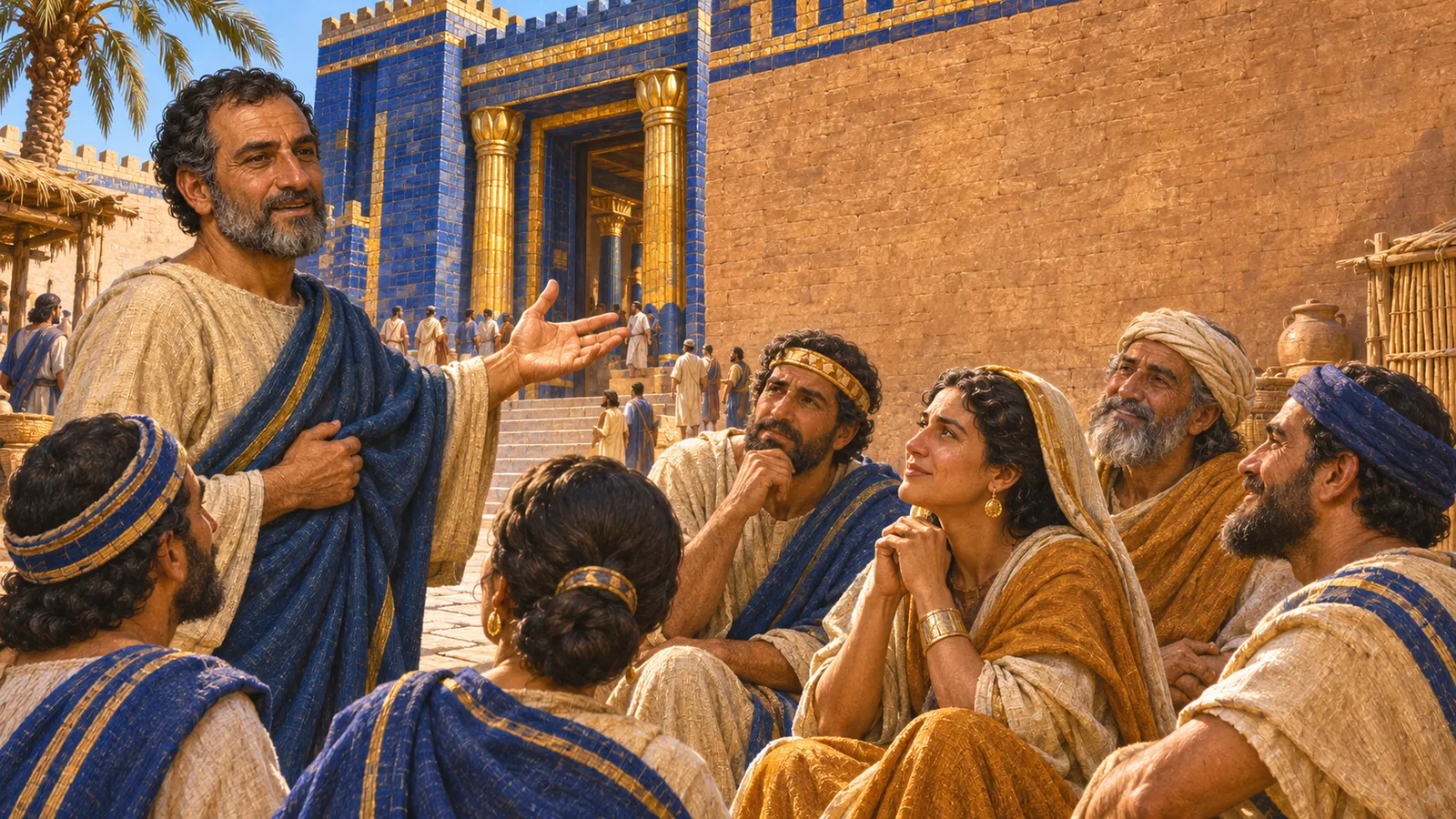
ESAGIL
Uma invocação em linhas danificadas nomeia Zarpanitu, o seu deus e a sua deusa. Pede a quem descuidou Esagil que aprenda com o seu exemplo. Após algumas palavras fragmentárias sobre Babilónia, a secção volta a interromper-se.
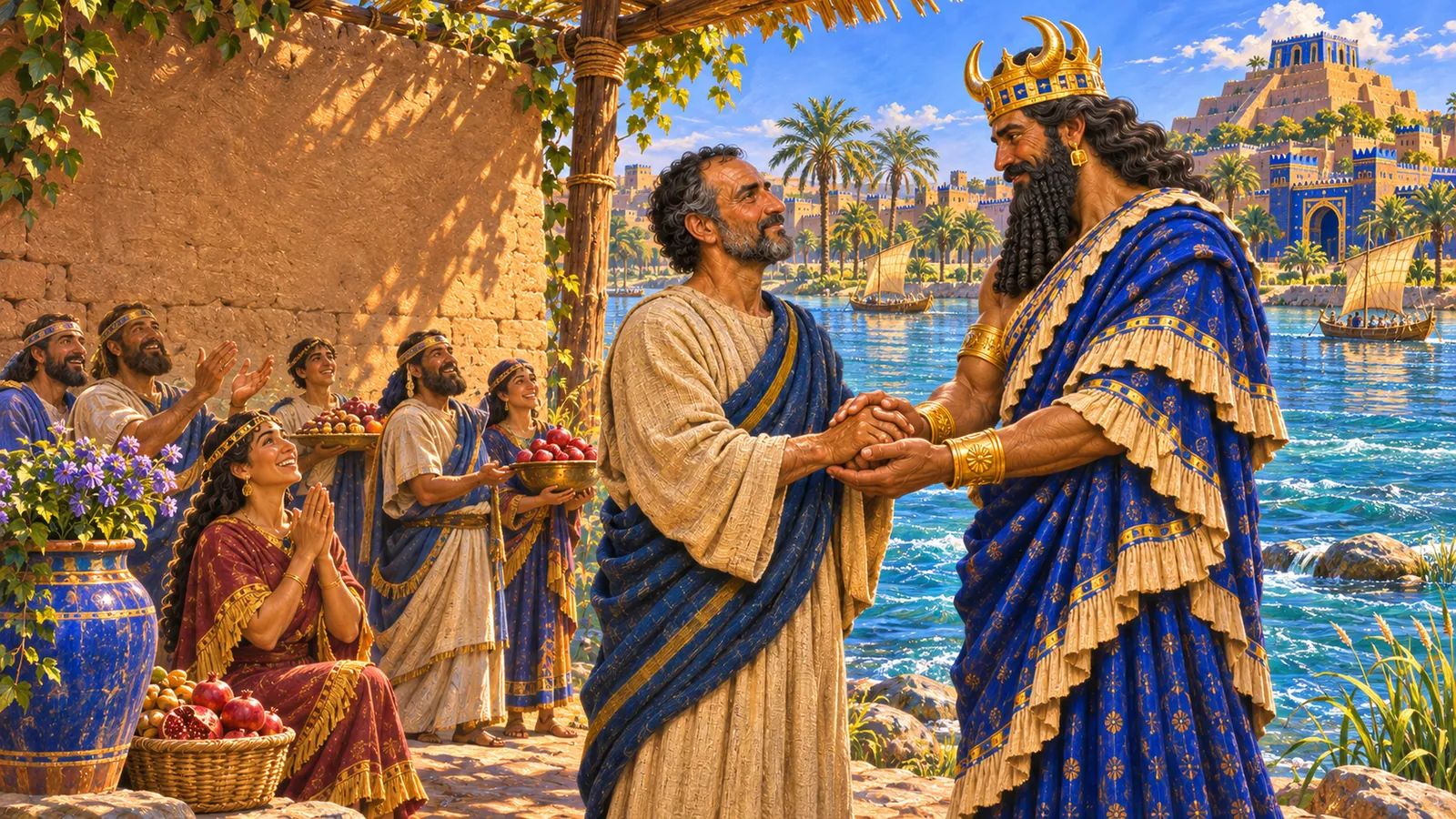
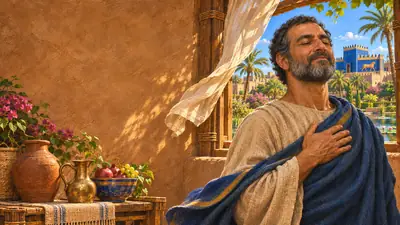
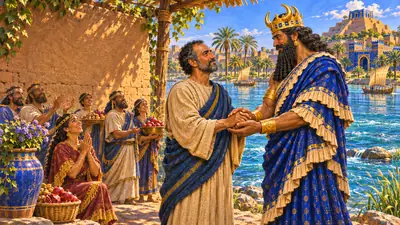
O meu senhor curou-me e pôs-me ligaduras. Segurou-me a mão na adversidade. Foi como se me tivesse tirado da sepultura e do rio Hubur.
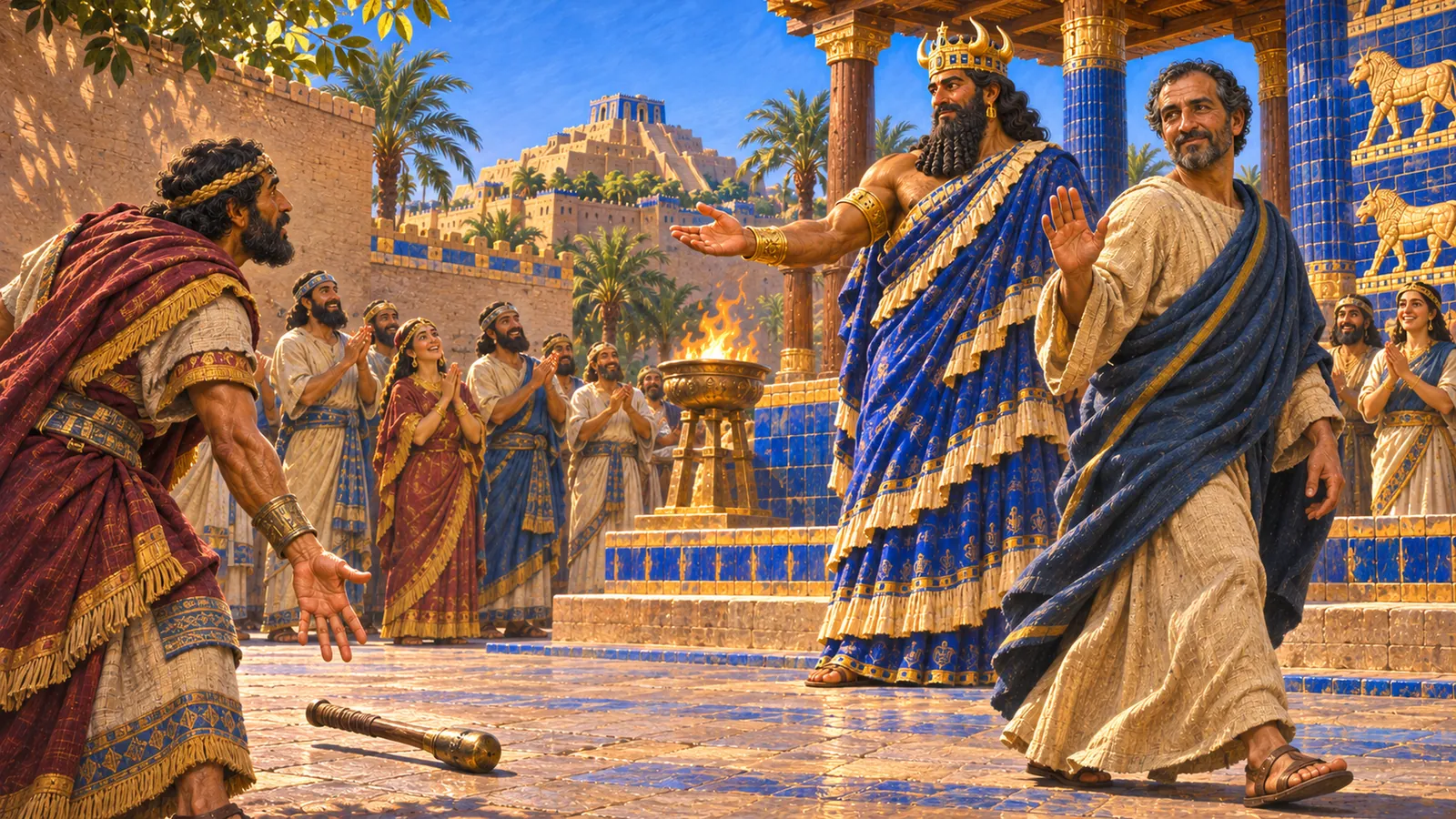
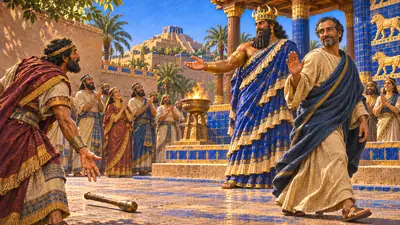
Marduk fez com que o homem que me ferira largasse a arma. Pôs um açaime ao leão que me devorava e desviou a pedra da funda de quem me perseguia.
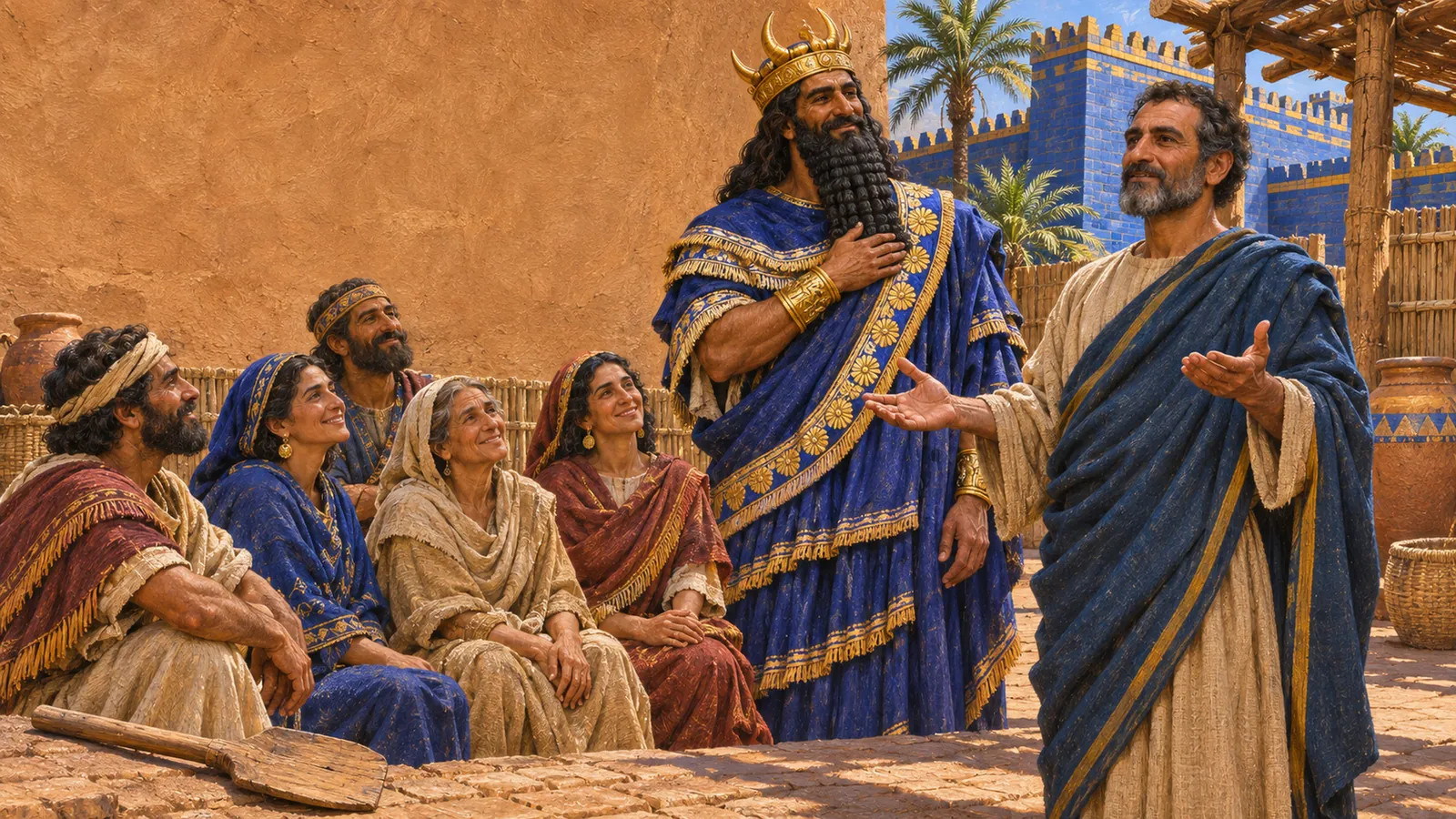
Tiraram a pá ao coveiro, e quem chorava calou-se. As palavras sobre o último rito de luto chegaram até nós apenas em fragmentos.
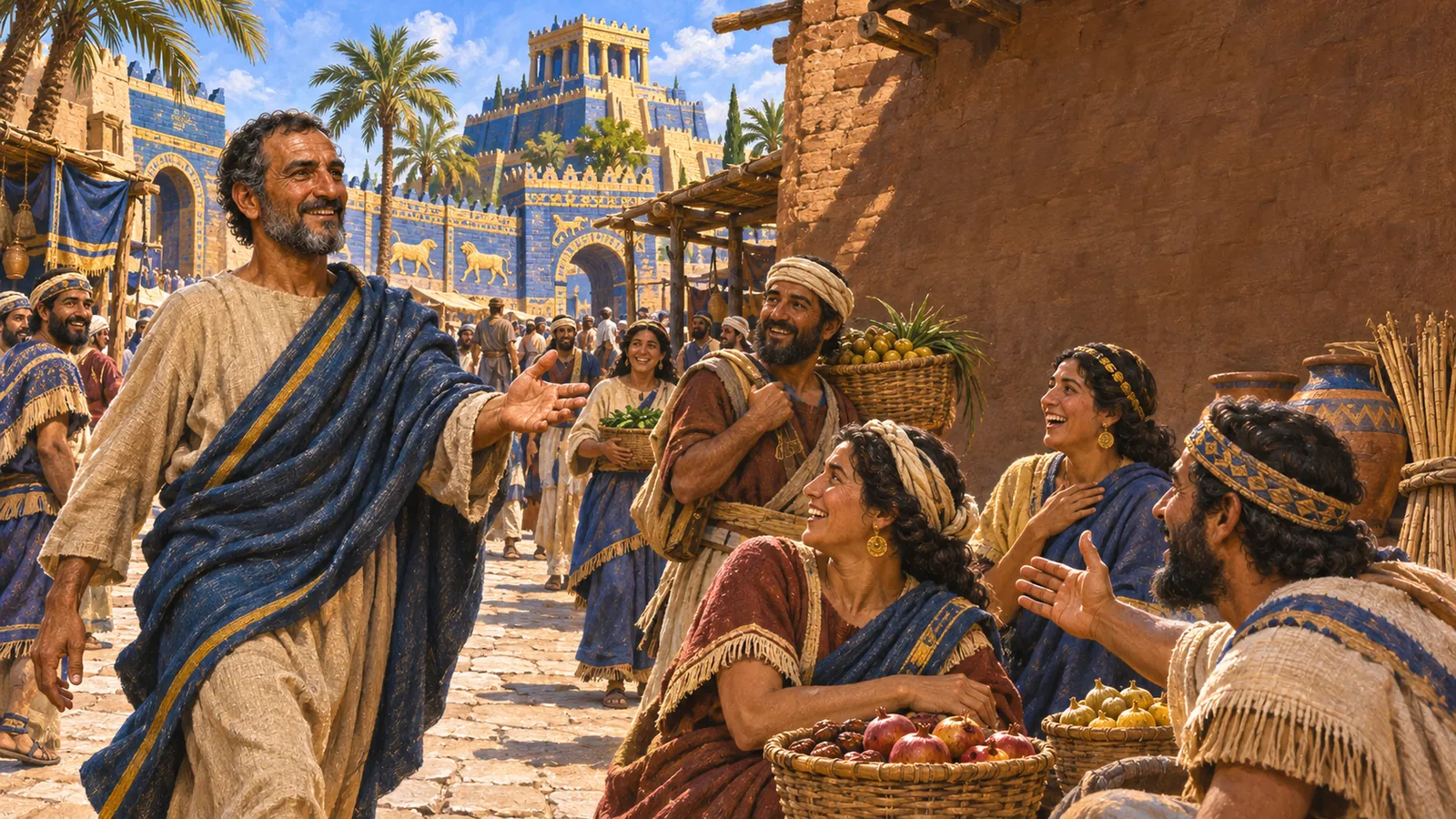
Cheguei à praça da cidade. Teria chegado ao fim da minha vida? Estive tão perto que fiz essa pergunta, e cantei que Marduk me poupara.
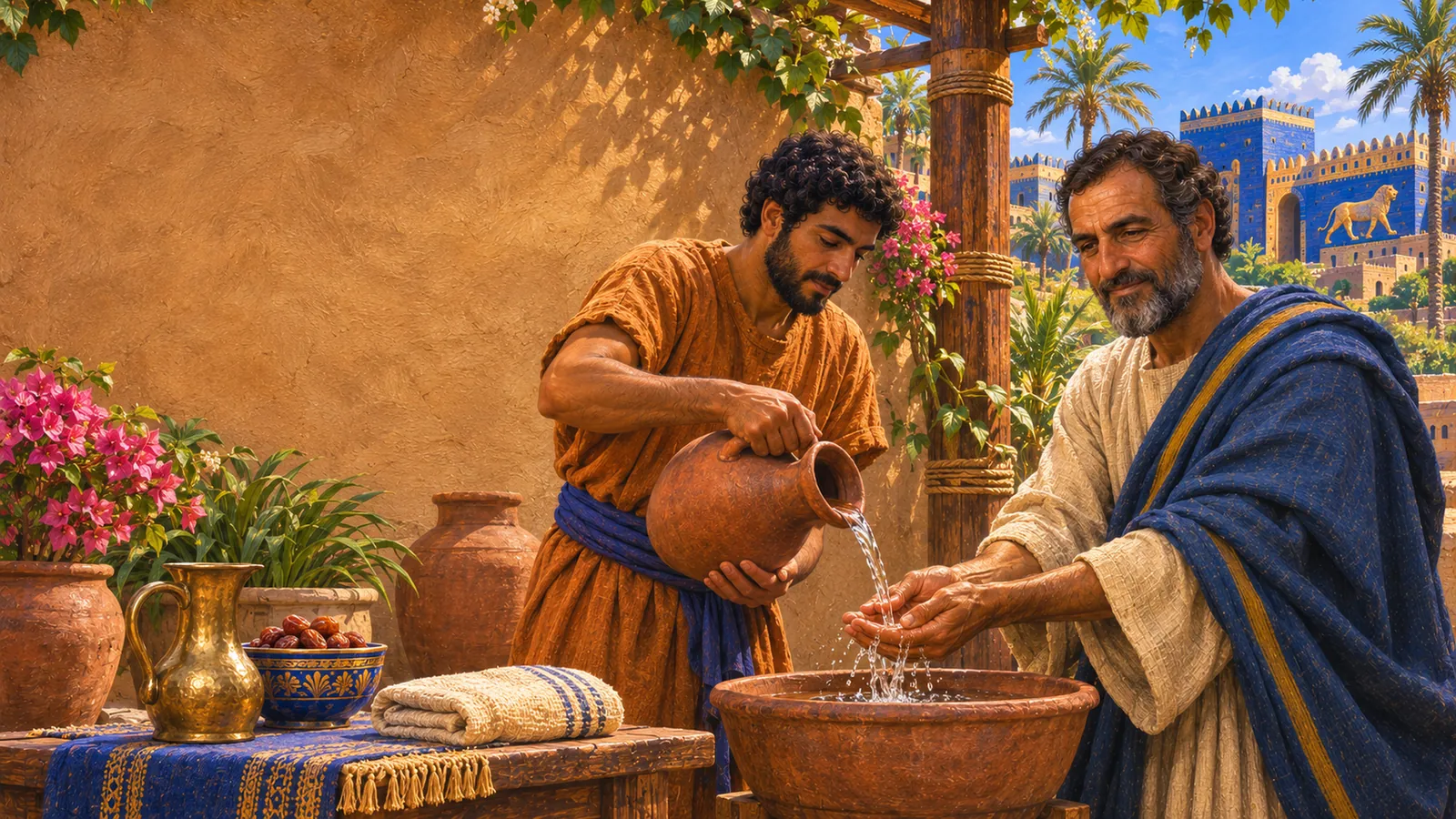
Lavaram-me o cabelo emaranhado e fui purificado repetidas vezes. O verso danificado fala depois da subida ao Esagil para mostrar submissão e rezar.
PORTA
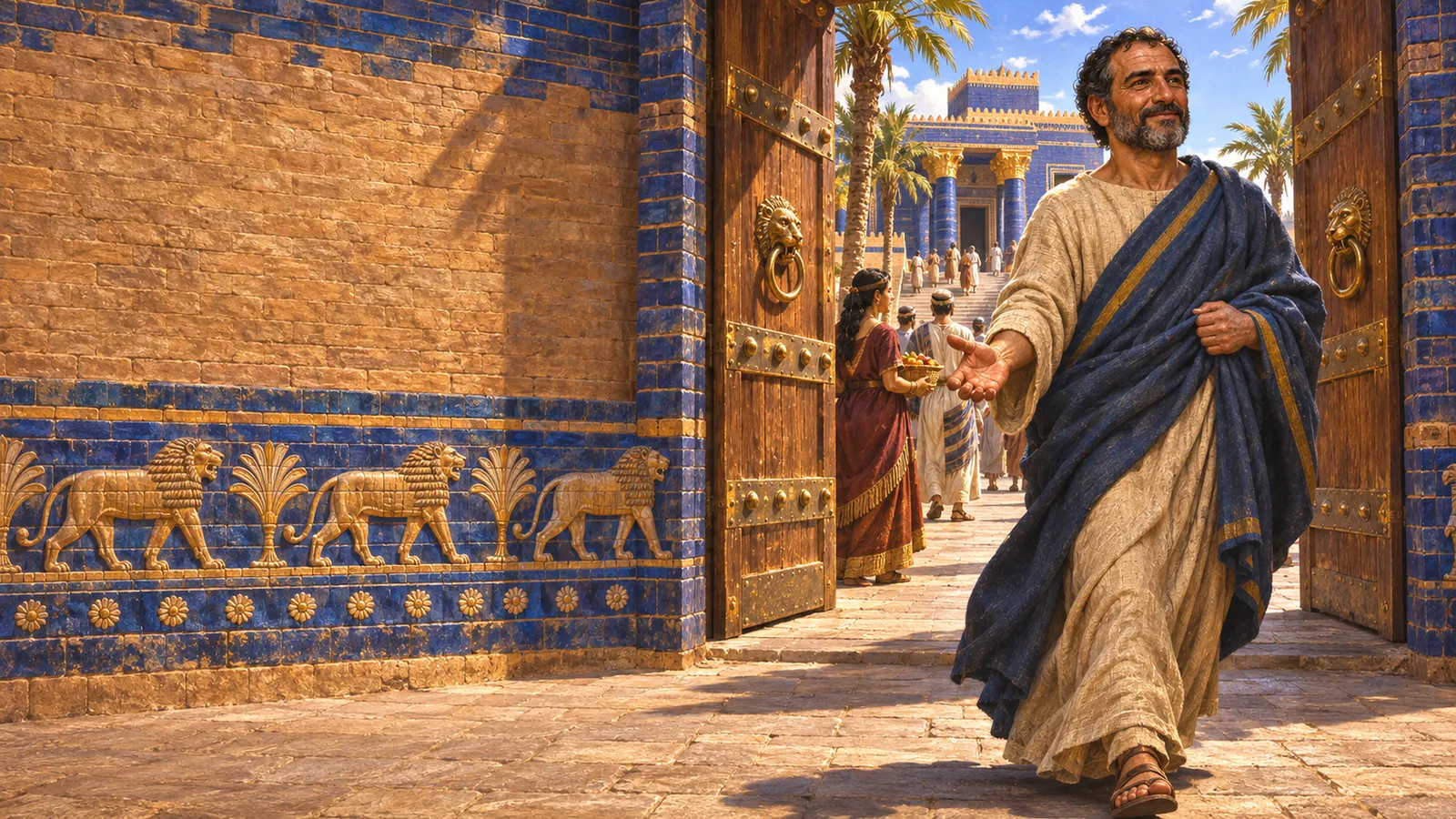
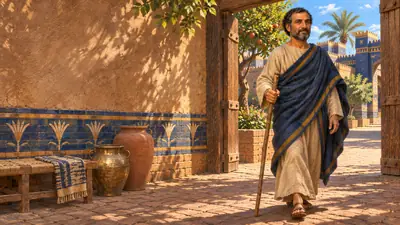
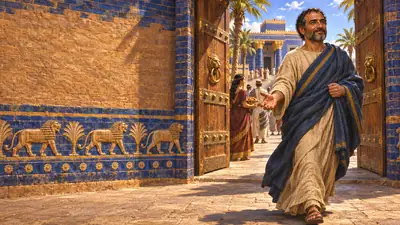
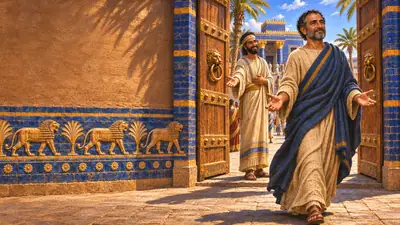
Eu, que tinha regressado da sepultura, entrei pela porta Utu-e-a. Na porta He-gal, diz o verso incompleto, a prosperidade veio ao meu encontro.
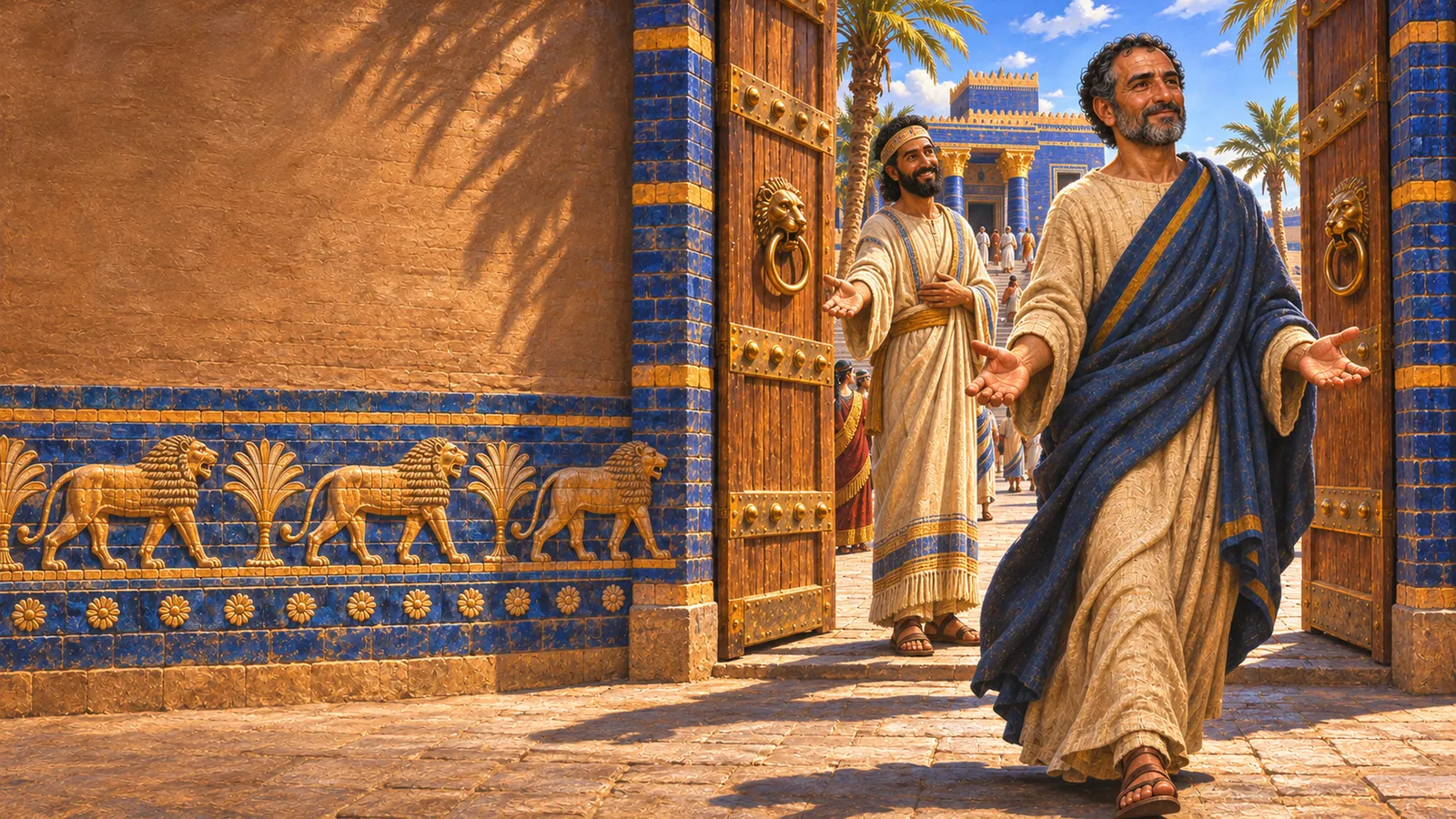
Na porta Lamma-ra-bi aproximou-se um guardião. Na porta Silim-ma vi o bem-estar, e na porta Nam-ti-la foi-me concedida a vida.
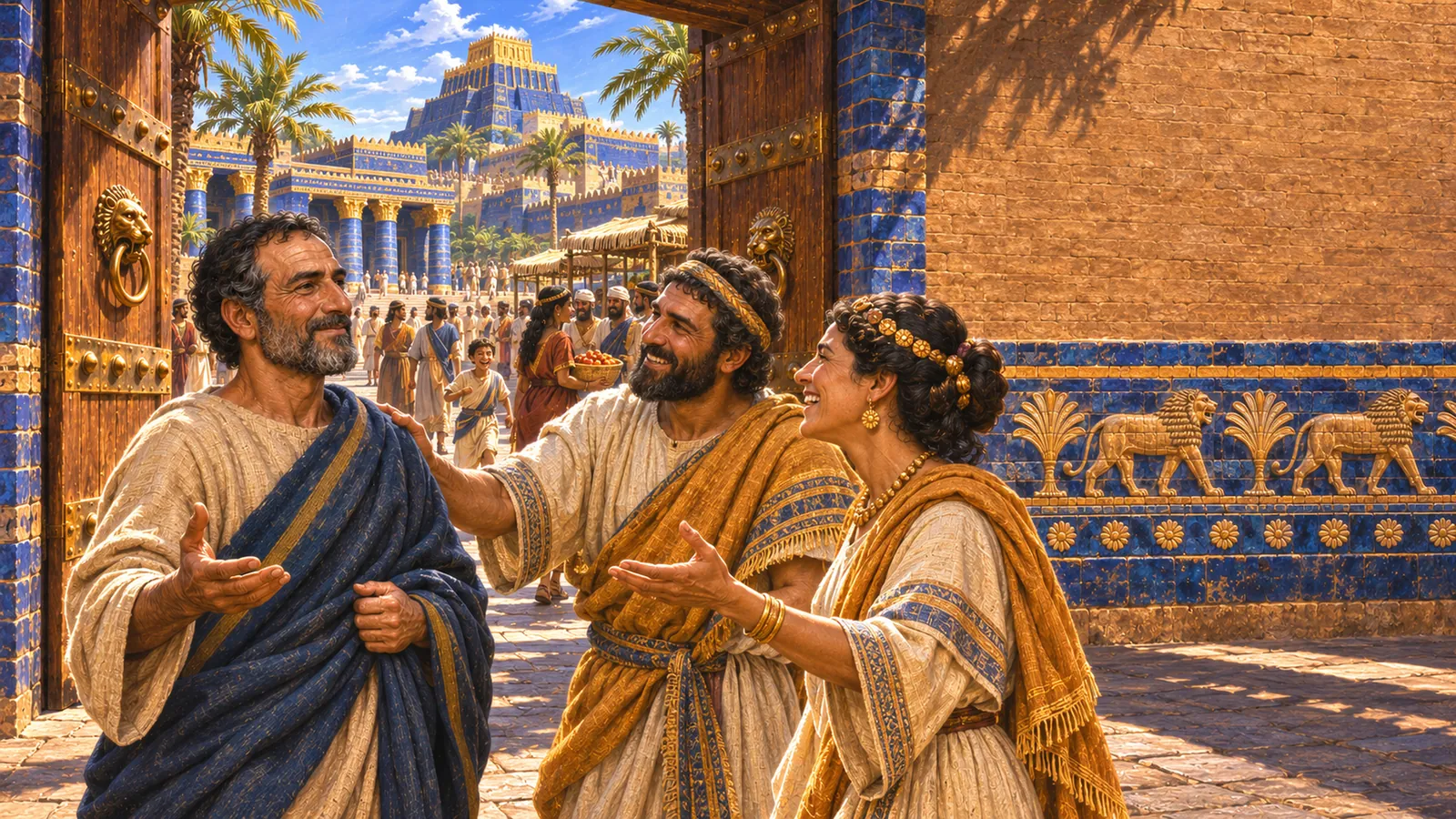
Na porta Utu-e-a fui contado entre os vivos. Na porta U-de-babbar-ra os sinais tornaram-se claros, e na porta Nam-tag-ga-du fui libertado da minha culpa.
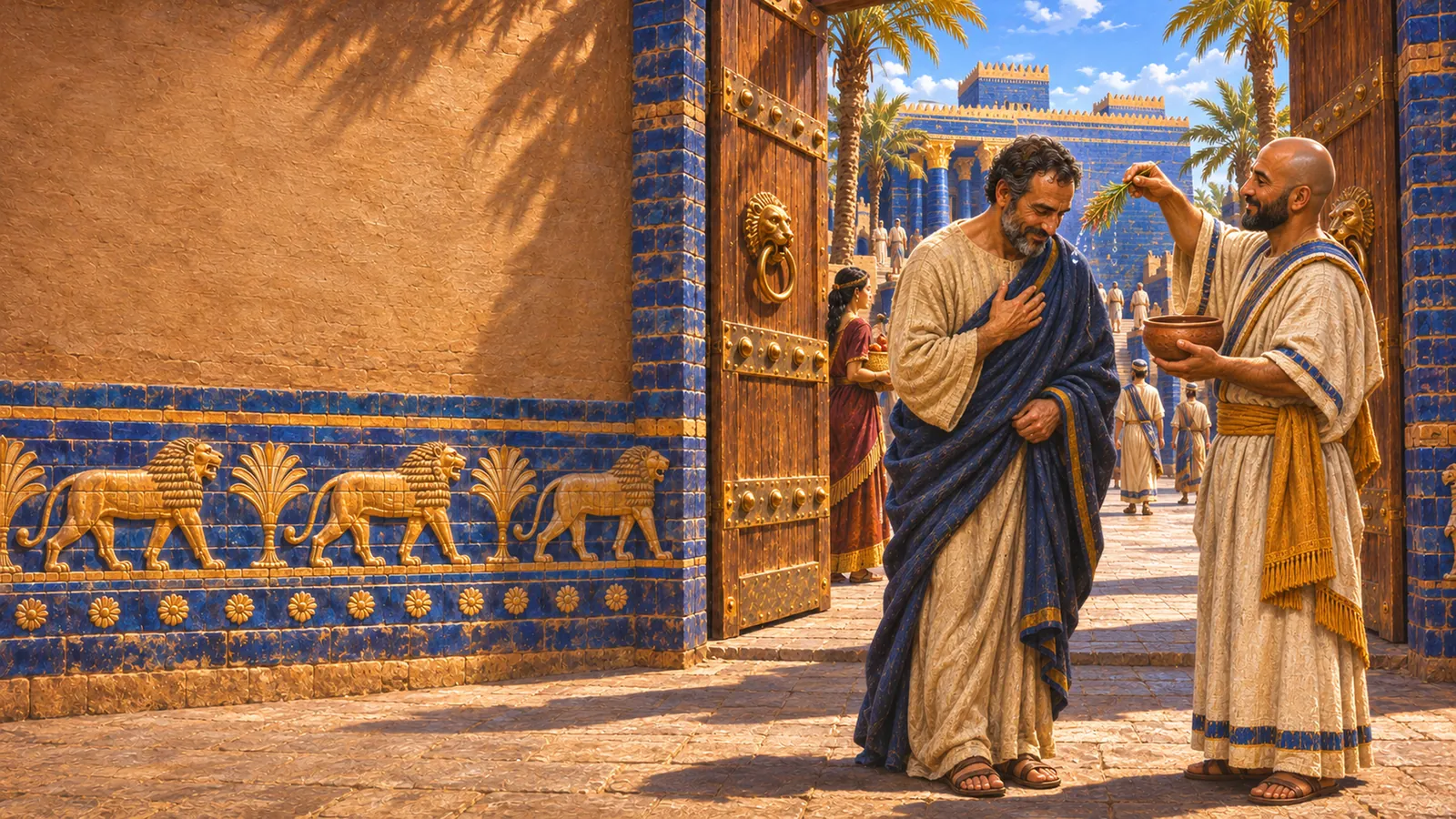
Na porta Ka-tar-ra a minha boca pôde voltar a perguntar. Na porta Sher-du-u-da soltaram-se os meus suspiros, e na porta A-sikil-la aspergiram-me com água de purificação.
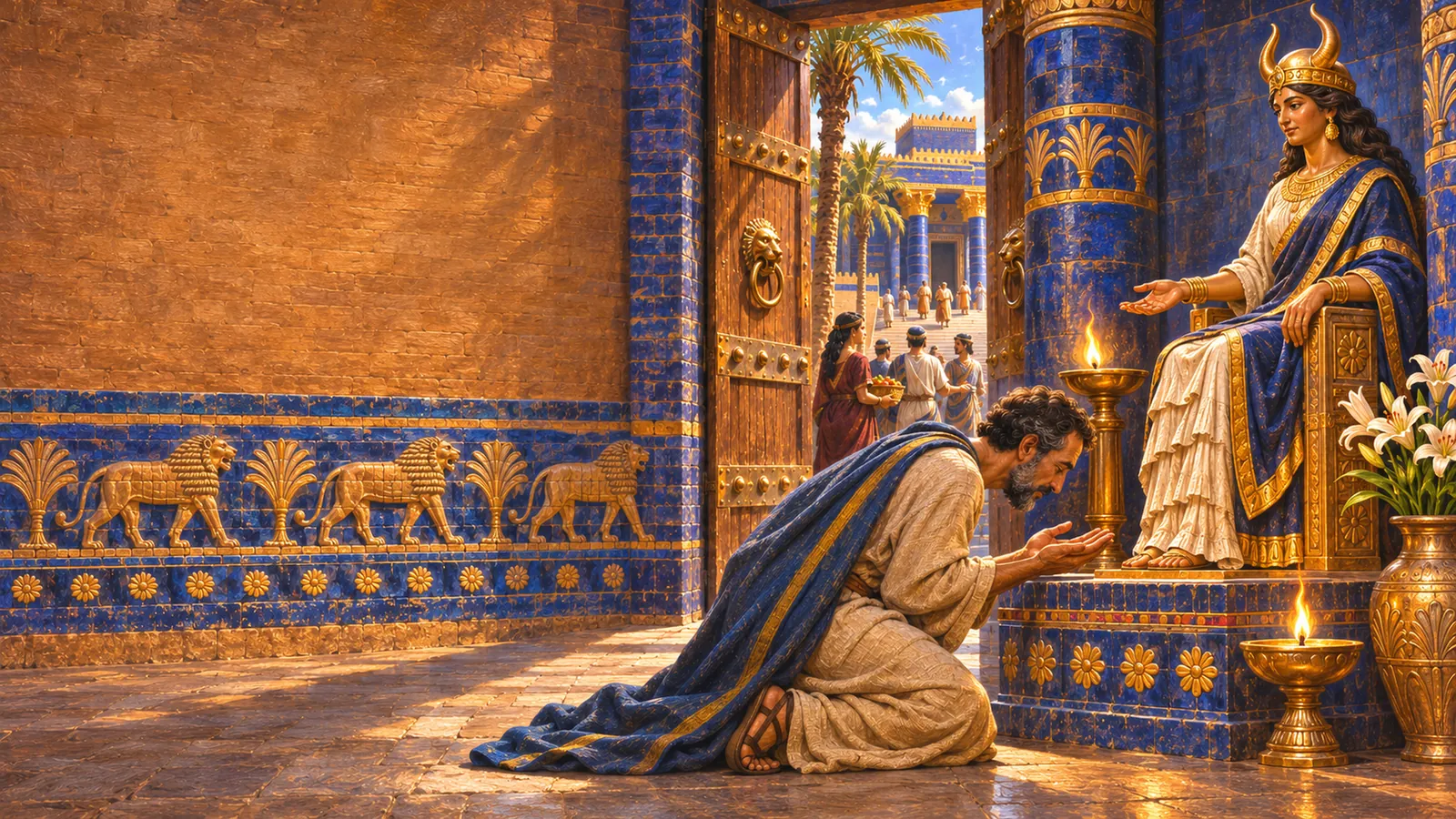
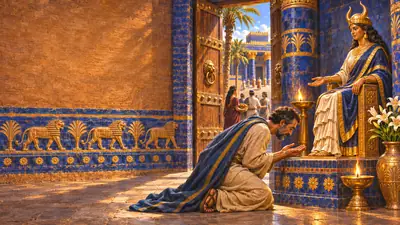
Na porta Silim-ma viram-me com Marduk. Na porta Hi-li-su beijei os pés de Zarpanitu.
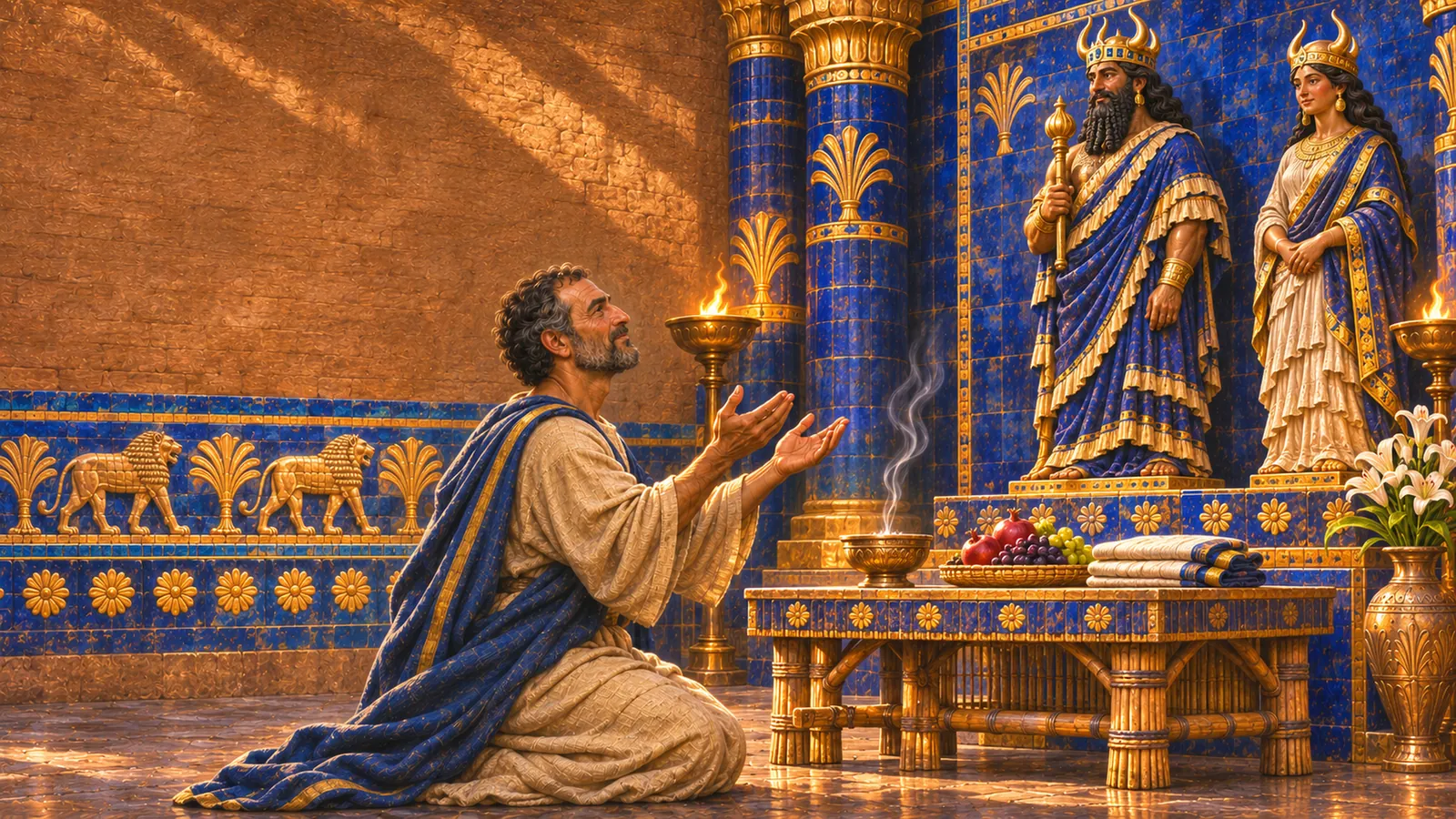
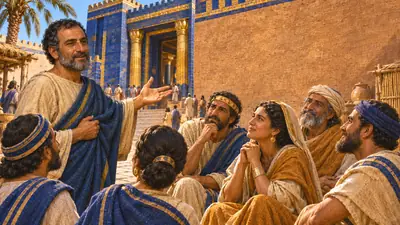
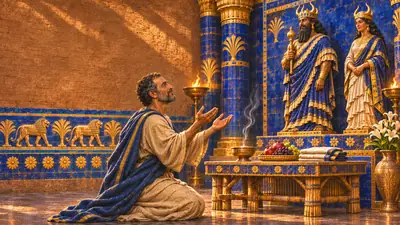
Continuei a rezar com toda a força da minha voz. Ofereci incenso perfumado e coloquei as minhas dádivas diante de Marduk e Zarpanitu.
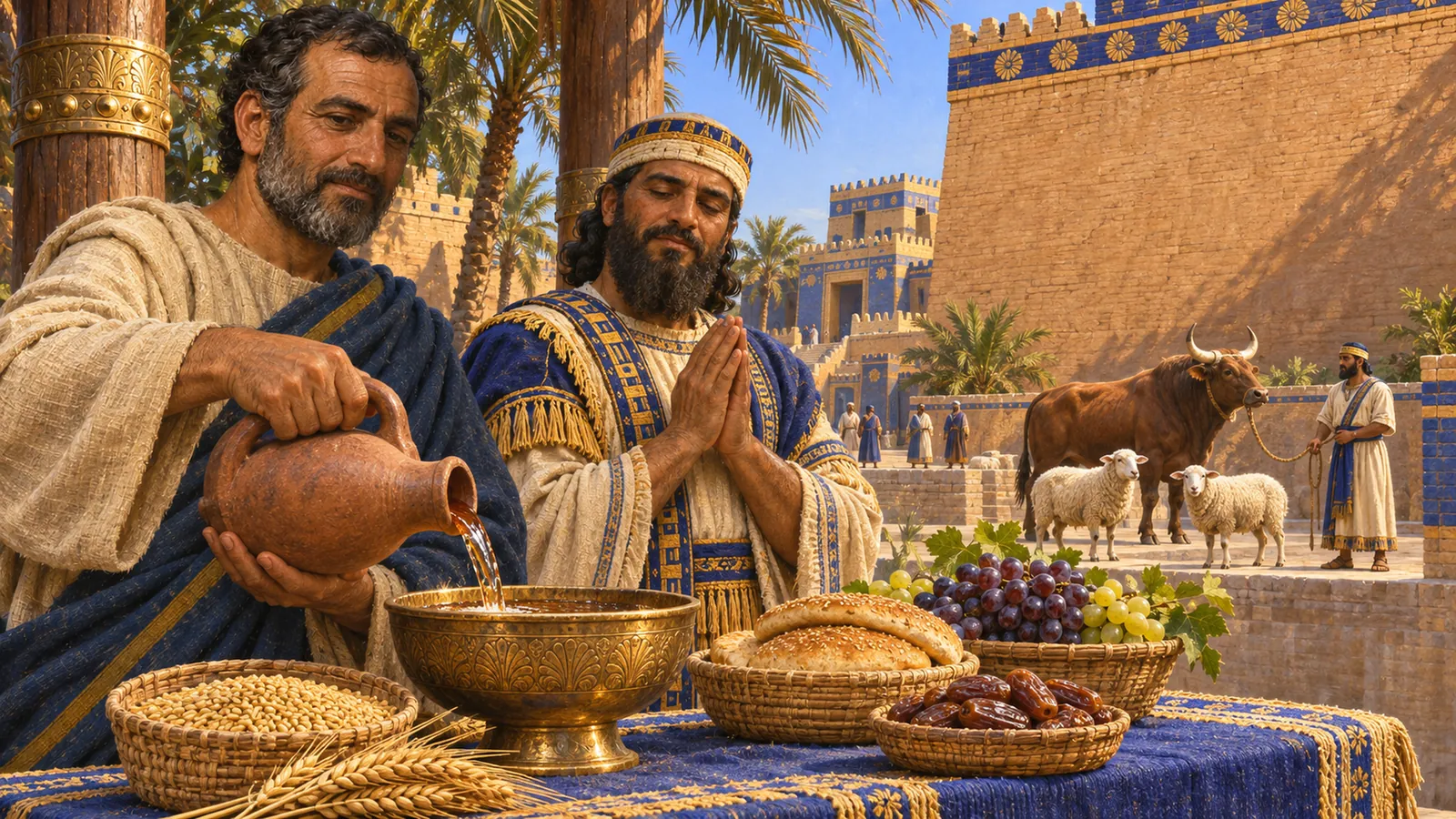
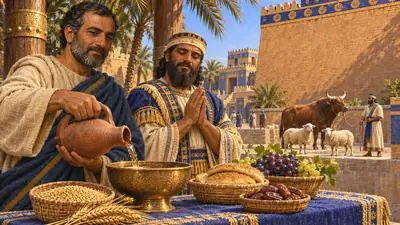
Sacrifiquei touros cevados e ovelhas. Depois continuei a derramar cerveja doce e vinho puro como oferendas.
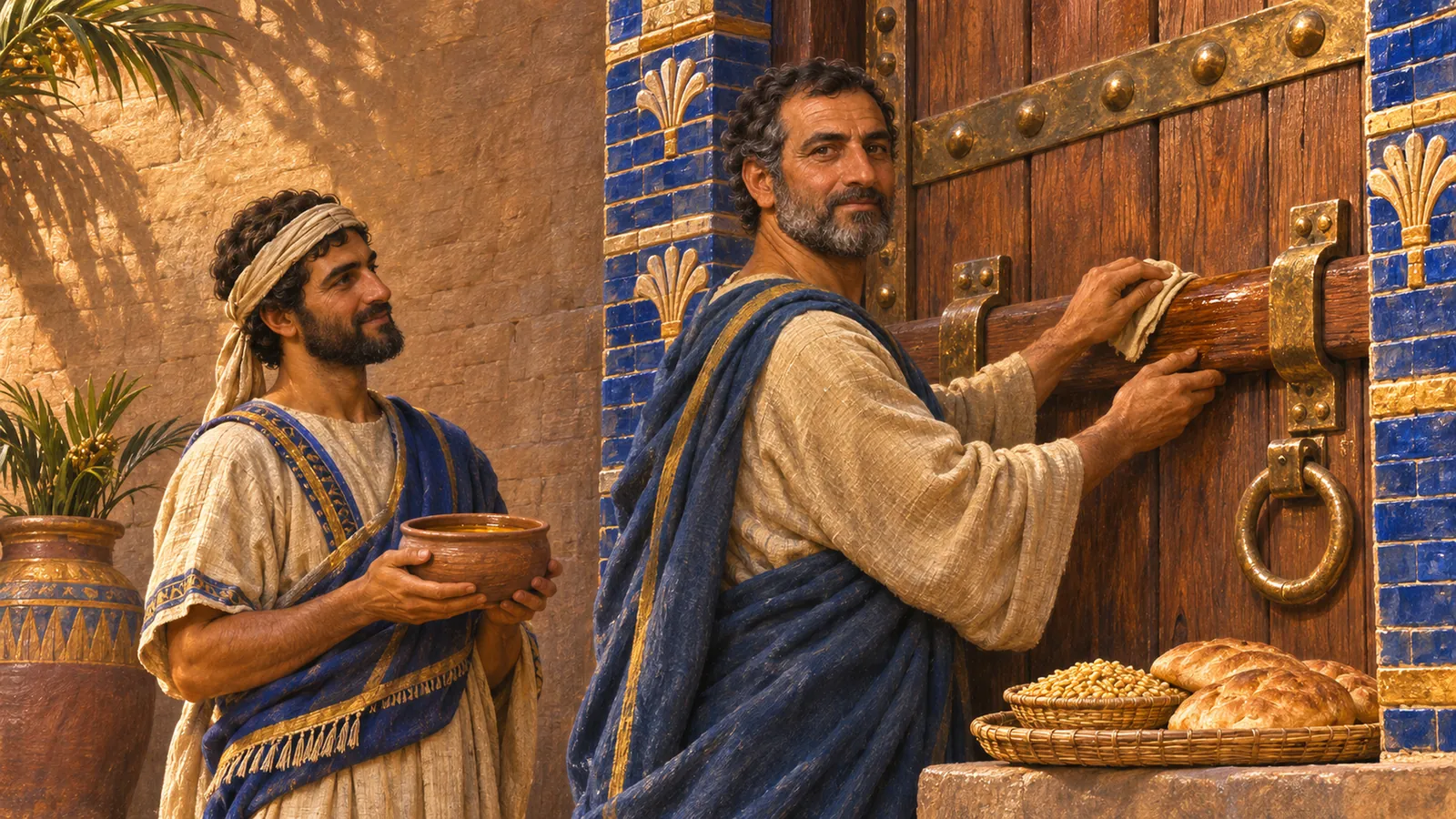
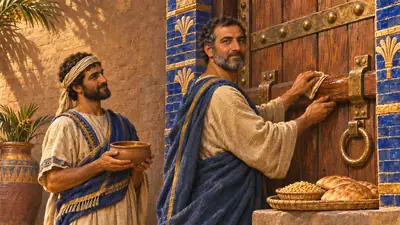
Ofereci libações e refeições fartas aos guardiões do Esagil e à sua alvenaria. Tratei a ombreira, o ferrolho e a tranca da porta com óleo de sésamo, manteiga clarificada e cereais.
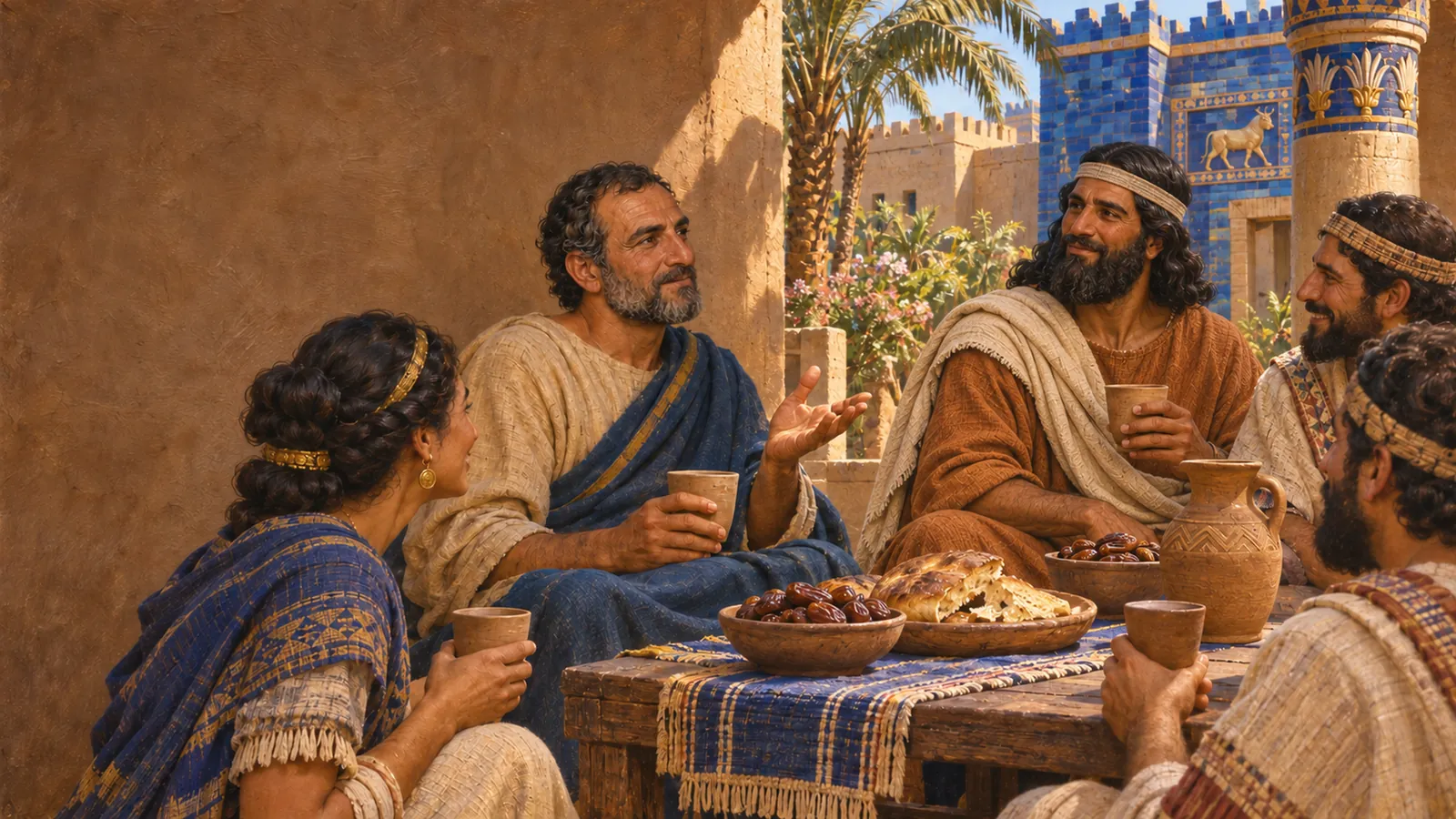
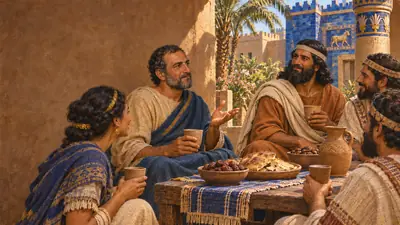
A tabuinha conserva vestígios de oferendas e de uma festa na Babilónia. Há ainda uma expressão incompleta sobre a casa da sepultura. As palavras que restam deixam incerta a relação entre ambas.
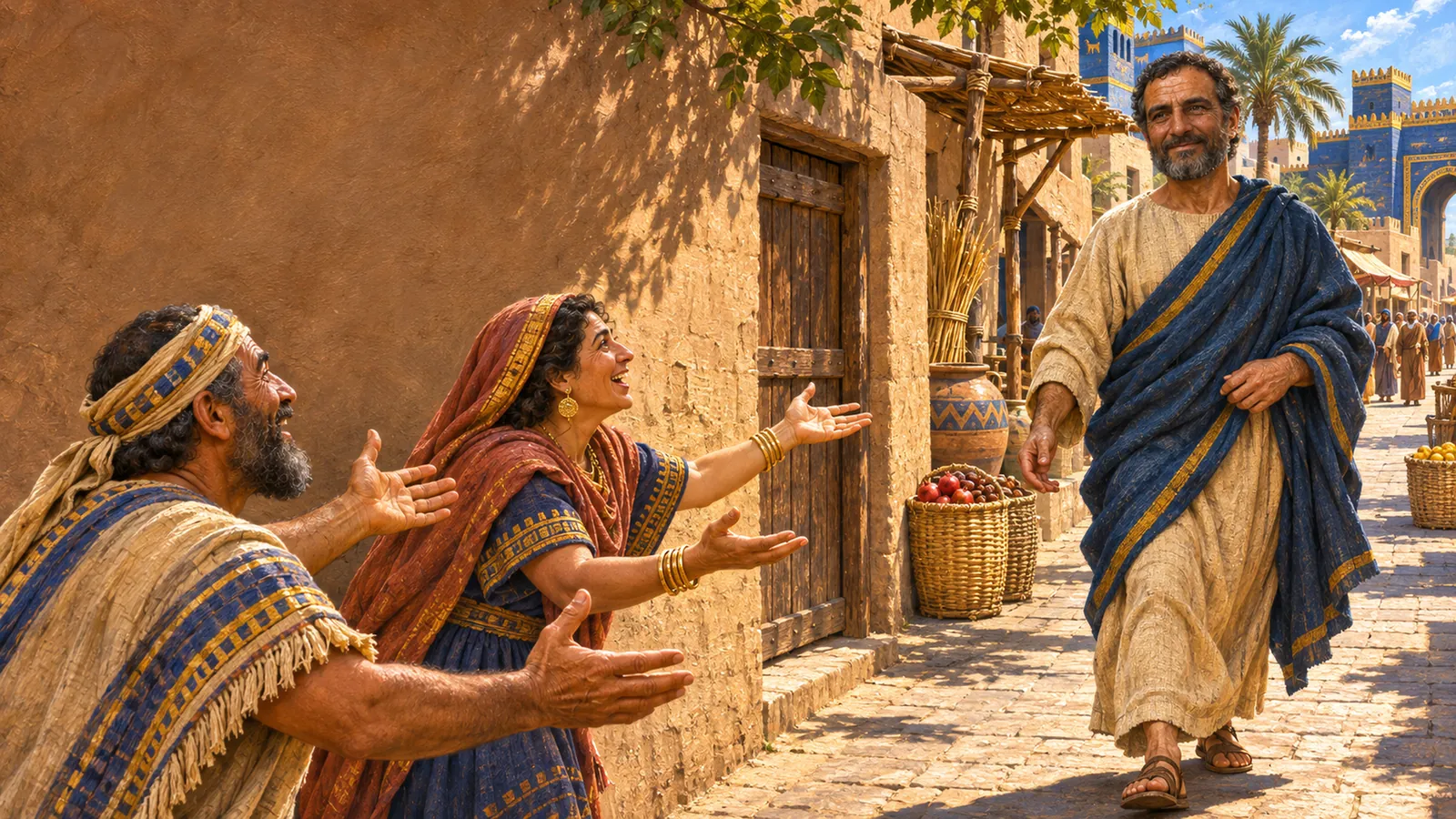
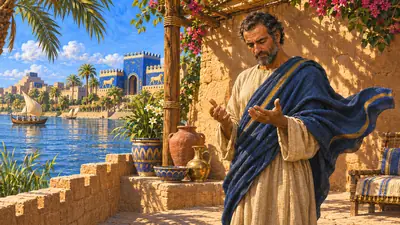
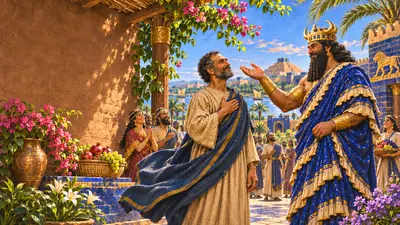
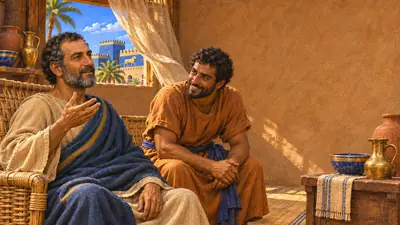
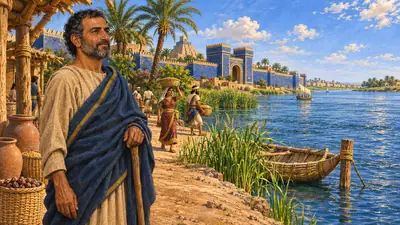
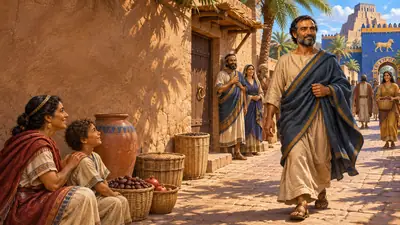
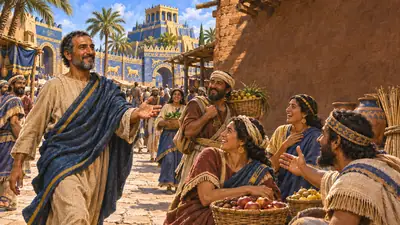
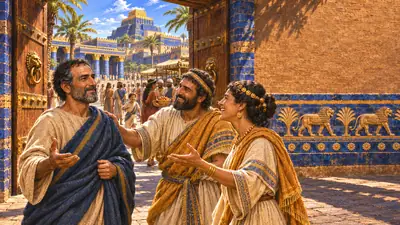
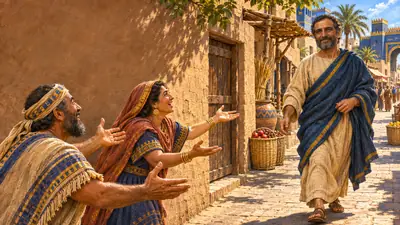
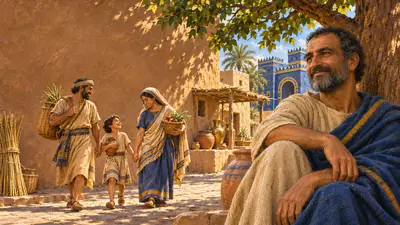
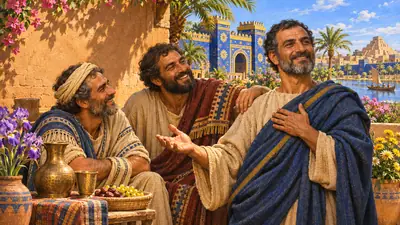
O povo da Babilónia viu que ele tinha recuperado. Perguntaram uns aos outros quem imaginaria que tornaria a ver a luz do sol ou voltaria a caminhar pela sua rua.
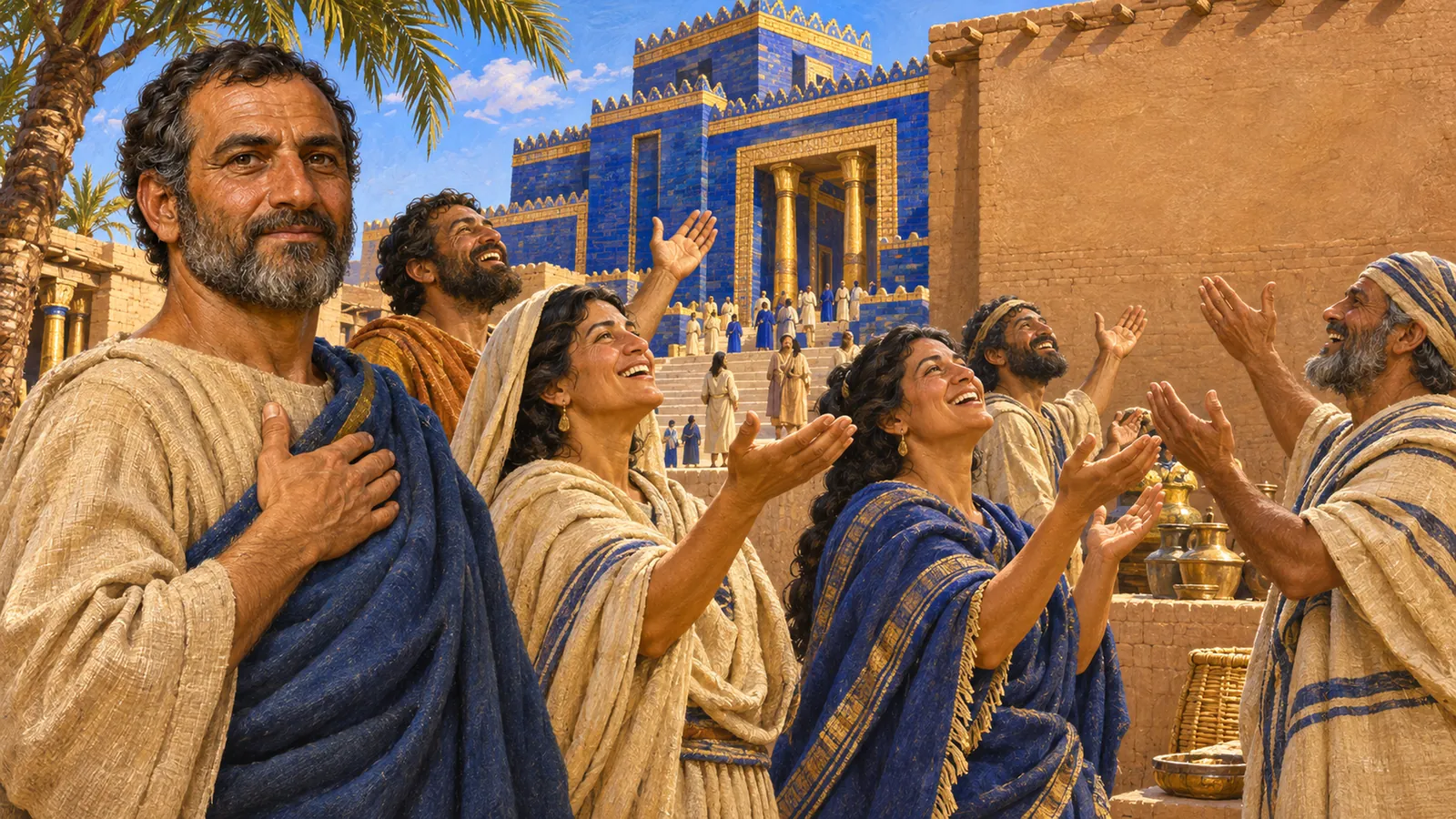
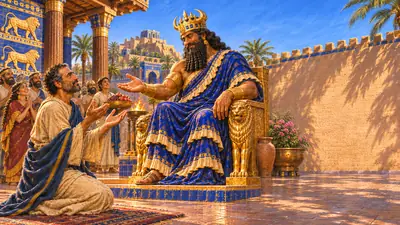
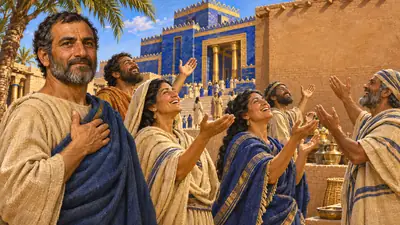
Quem, além de Marduk, o poderia trazer de volta da morte, perguntaram. Quem, além de Zarpanitu, lhe poderia devolver a vida? O povo respondeu às próprias perguntas com louvores.
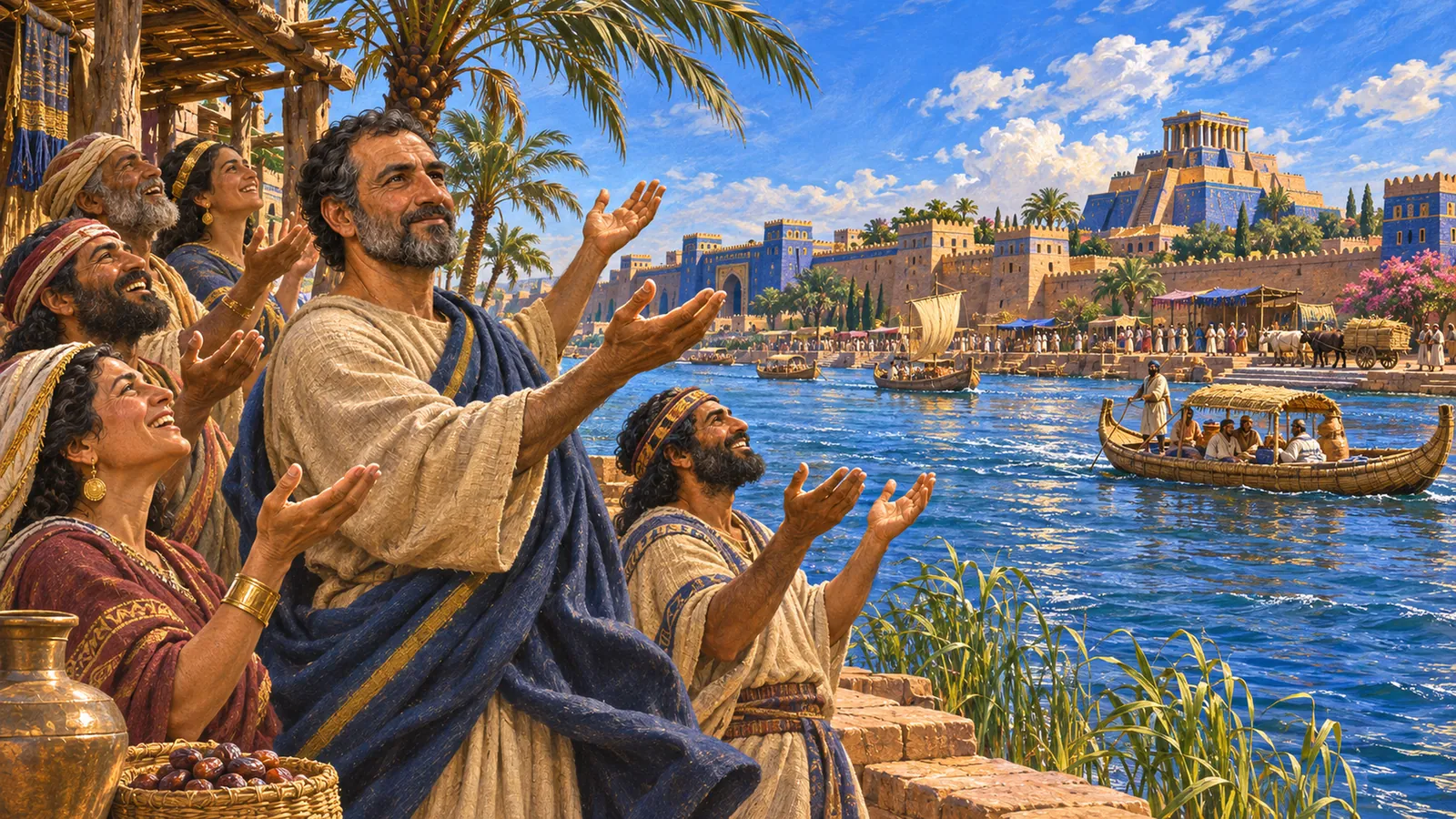
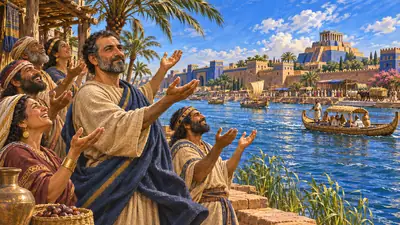
Onde o céu se estende, o sol brilha, a água corre e o vento sopra, que todos louvem Marduk. O povo chamou todos os seres vivos, dizendo que Aruru tinha destacado o barro de que eram feitos.
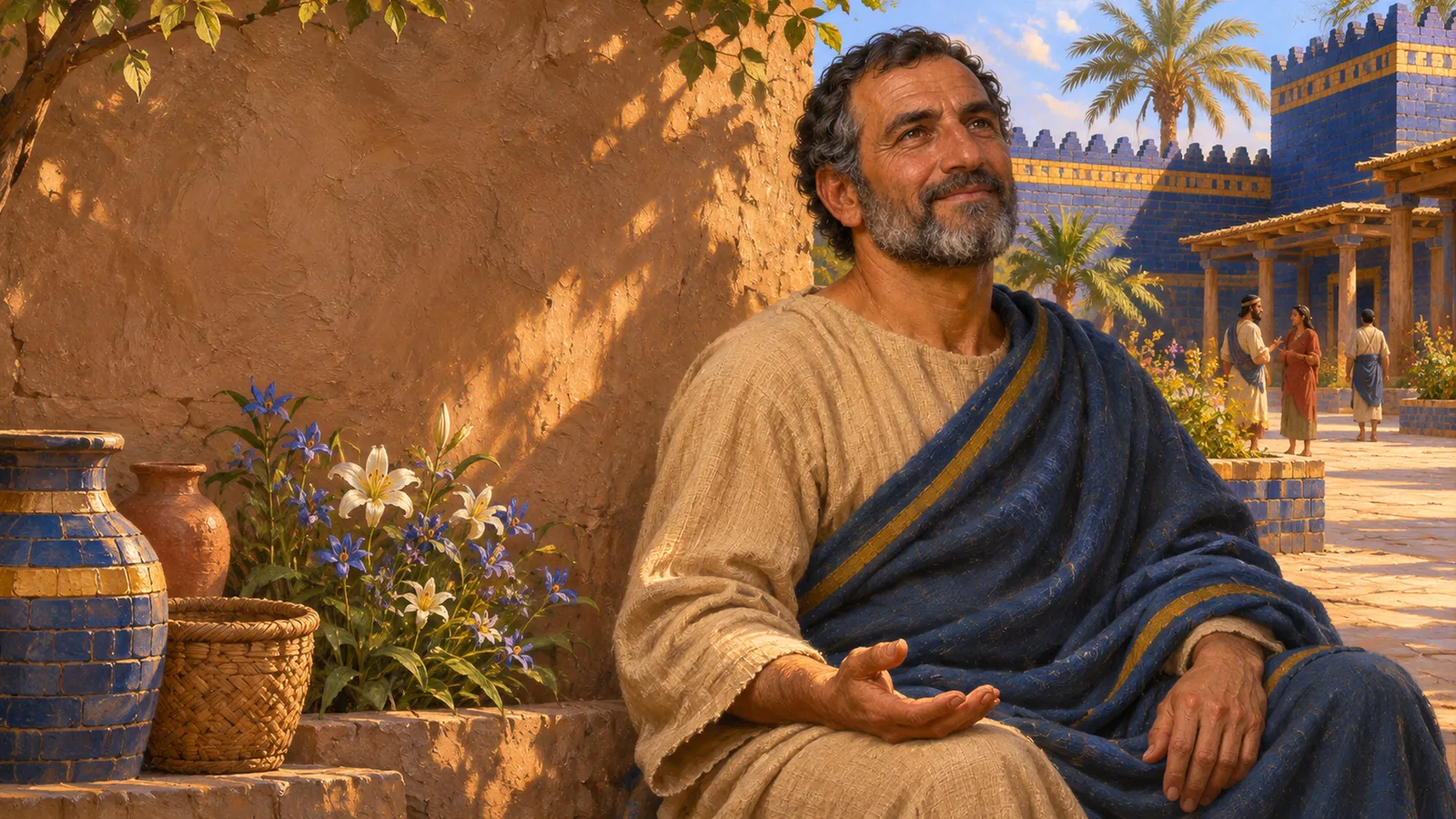
O final desfaz-se em fragmentos. Resta o desejo de que alguém governe o povo, a par de palavras dispersas sobre as profundezas, um santuário, a terra e os céus.
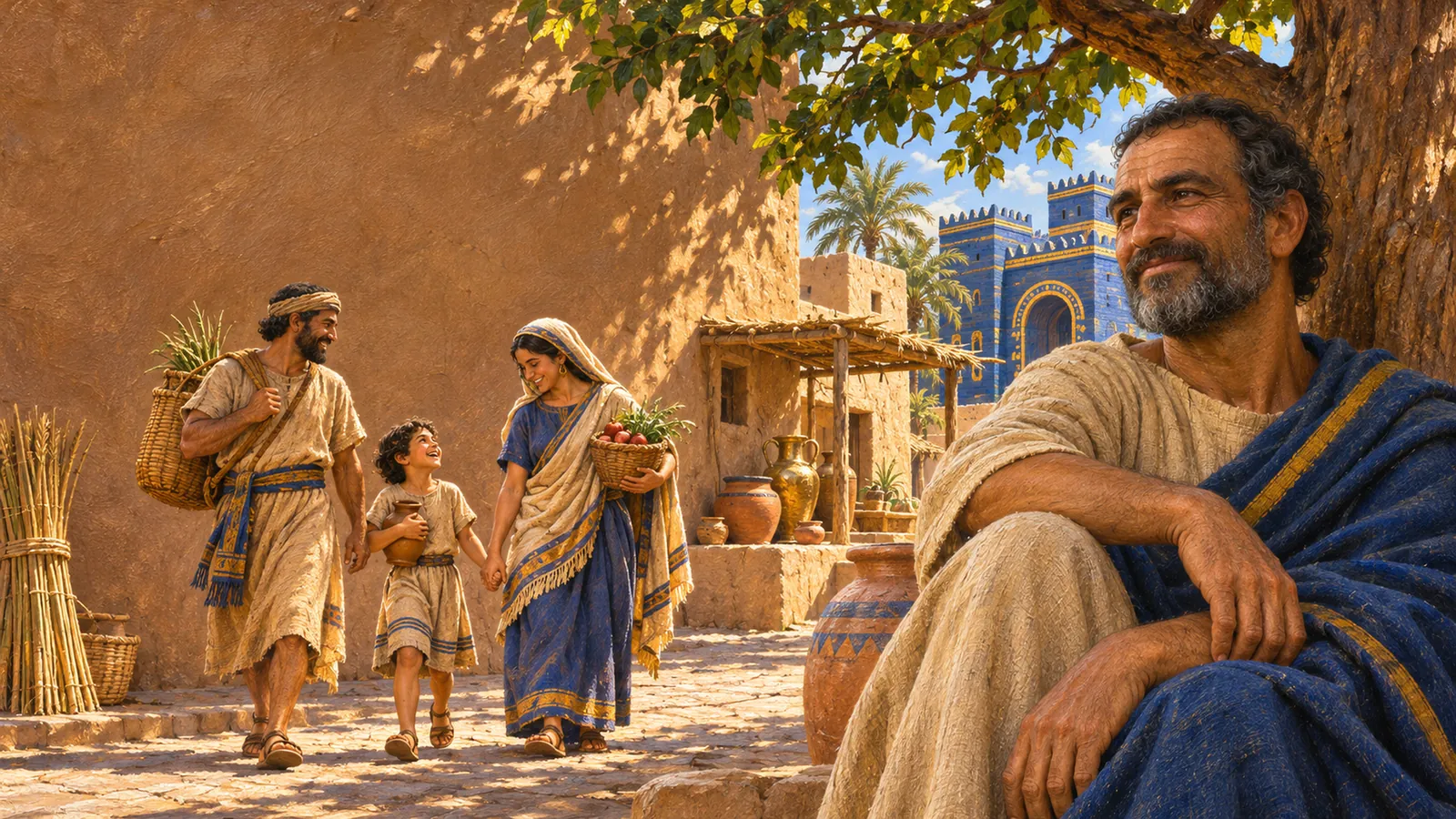
As palavras incompletas mencionam os dias de um reinado, o Esagil e o desejo de que a descendência se multiplique. Resta parte de um nome. Poderá ser o de Nazi-Maruttash.
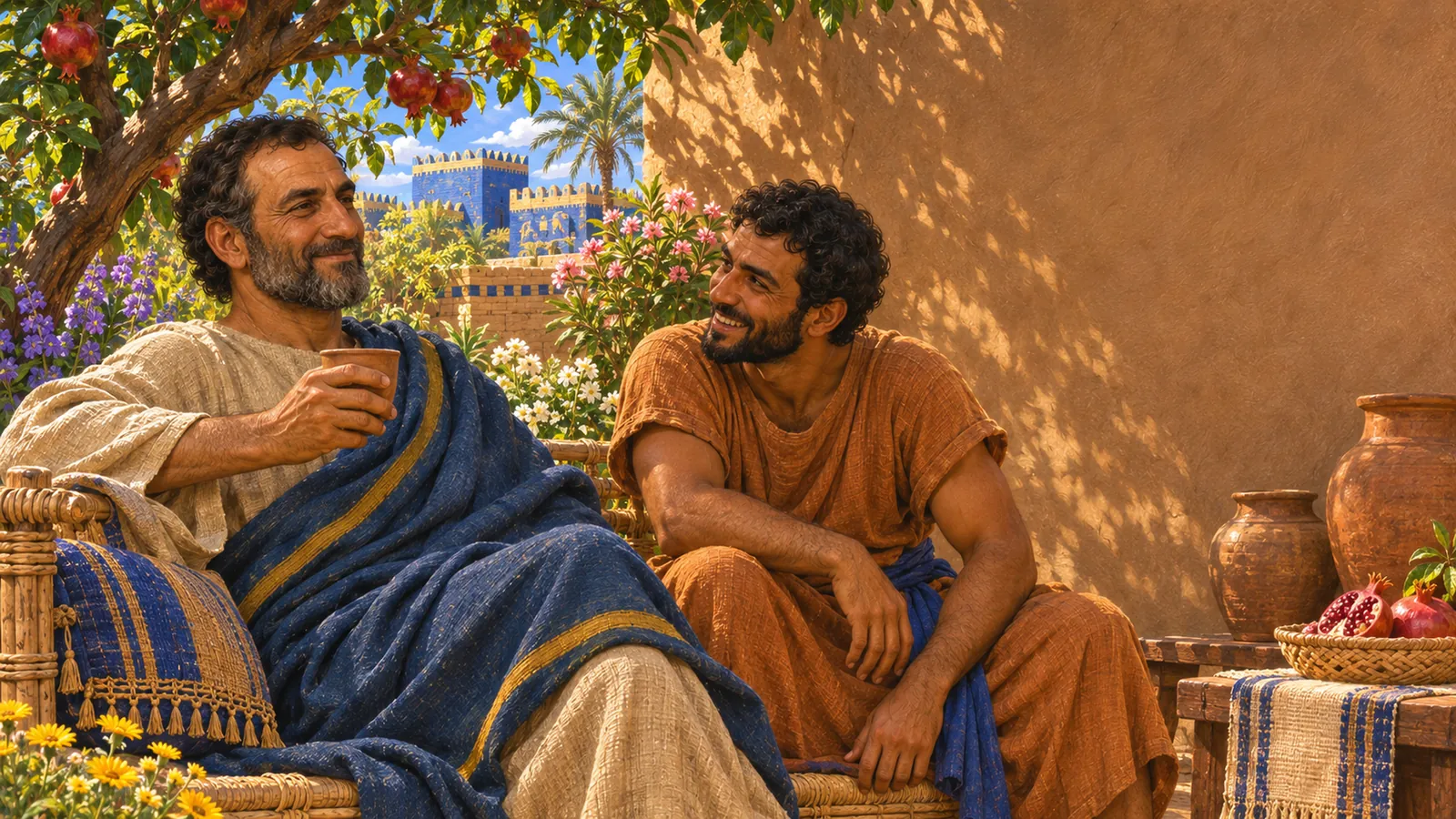
Outros versos falam da Babilónia, de Zarpanitu e da misericórdia de Marduk. Entre eles sobrevive o desejo de que alguém conheça a felicidade de viver.
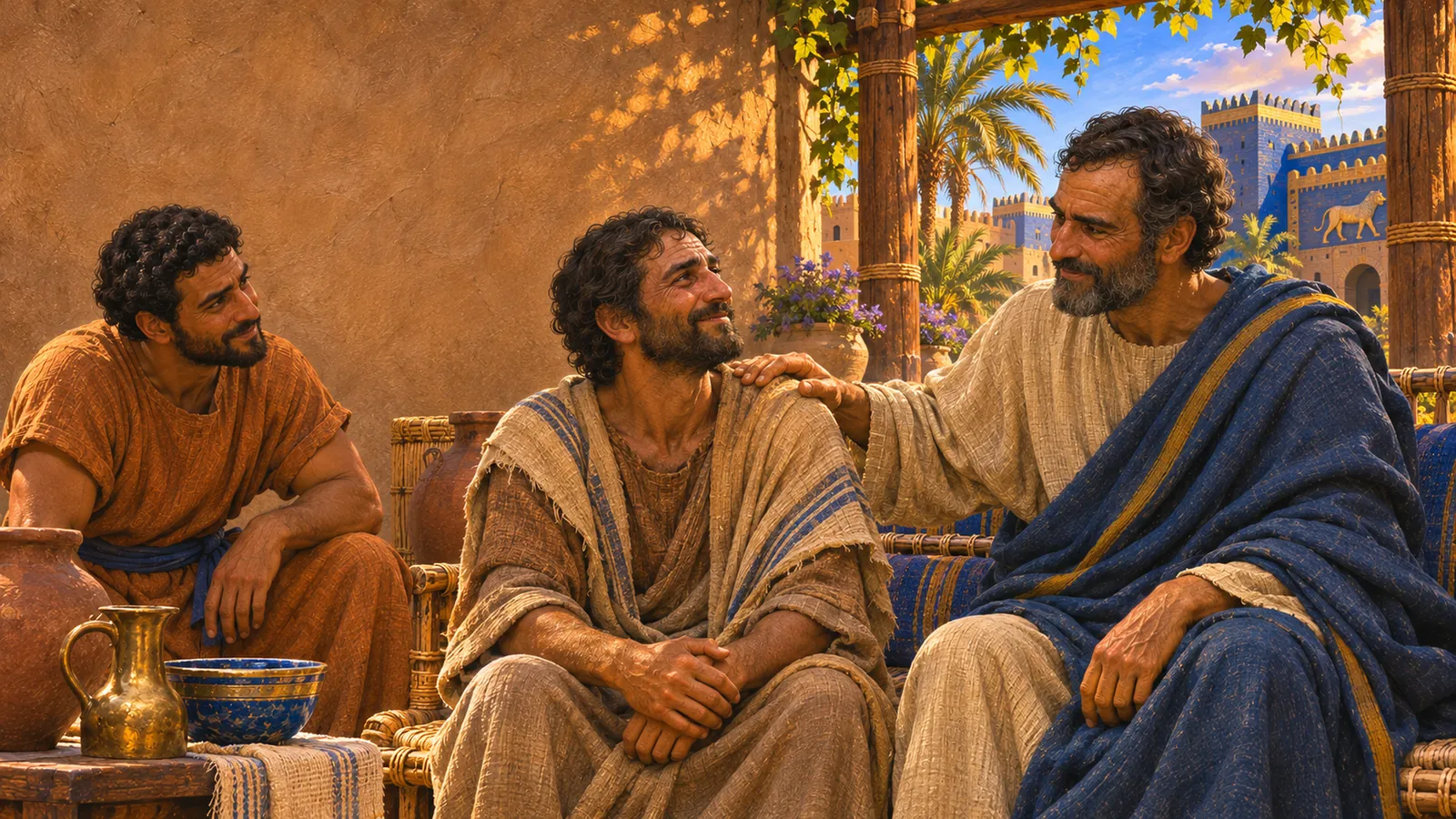
As palavras pedem que quem sofreu seja libertado da sua culpa e veja aliviar-se a fadiga. Mencionam Shubshi-meshre-Shakkan, a Suméria e Acádia.
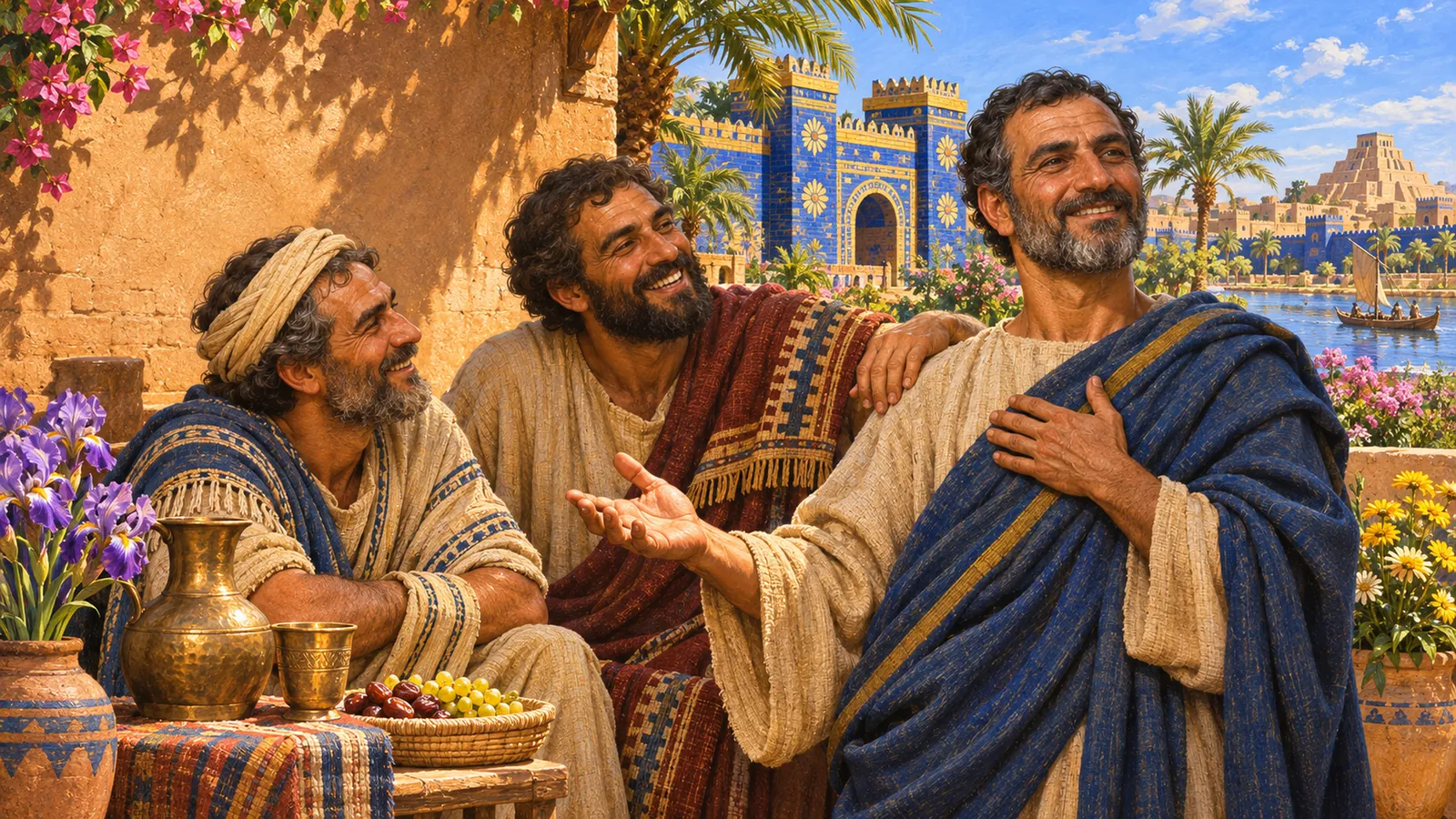
LOUVOR
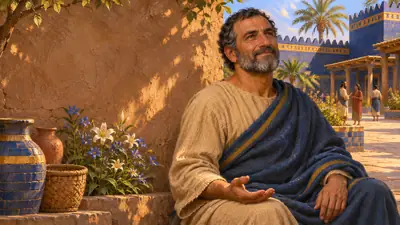
Que os seus dias tenham alegria. A tabuinha conserva o nome de Shubshi-meshre-Shakkan e um último verso do seu canto. O teu louvor é doce.
Fim do capítulo 2
Todas as páginas
Fontes
The page-specific notes use Lenzi’s English translation and line numbering. Section labels in Tablet IV identify separate fragments.
Edições consultadas
- Alan Lenzi, *Suffering in Babylon: Ludlul bēl nēmeqi and the Scholars, Ancient and Modern*, Peeters, 2023, printed pp. 62–63 and 77–94
- Electronic Babylonian Library, *Ludlul bēl nēmeqi*, manuscript context and edition
- Electronic Babylonian Library, Standard Babylonian Tablet III
- Electronic Babylonian Library, Standard Babylonian Tablet V
Os versos antigos de cada página
- Page 1: Ludlul III 1–5, Lenzi 2023, p. 77
- Page 2: Ludlul III 6–8, Lenzi 2023, p. 79
- Page 3: Ludlul III 9–12, Lenzi 2023, p. 79
- Page 4: Ludlul III 13–14, Lenzi 2023, p. 79
- Page 5: Ludlul III 15–16, Lenzi 2023, p. 79
- Page 6: Ludlul III 17–20, Lenzi 2023, p. 79
- Page 7: Ludlul III 21–22, Lenzi 2023, p. 79
- Page 8: Ludlul III 23–24, Lenzi 2023, p. 79
- Page 9: Ludlul III 25–26, Lenzi 2023, p. 79
- Page 10: Ludlul III 27–28, Lenzi 2023, p. 79
- Page 11: Ludlul III 29–32, Lenzi 2023, p. 79
- Page 12: Ludlul III 33–35, Lenzi 2023, p. 79
- Page 13: Ludlul III 36–38, Lenzi 2023, p. 79
- Page 14: Ludlul III 39–42, Lenzi 2023, pp. 79, 81
- Page 15: Ludlul III 43–46, Lenzi 2023, p. 81
- Page 16: Ludlul III 47–48, Lenzi 2023, p. 81
- Page 17: Ludlul III 49–50, Lenzi 2023, p. 81
- Page 18: Ludlul III 51–55, Lenzi 2023, p. 81
- Page 19: Ludlul III 56–62, Lenzi 2023, p. 81
- Page 20: Ludlul III 63–67, Lenzi 2023, p. 81
- Page 21: Ludlul III 68–73, Lenzi 2023, p. 81
- Page 22: Ludlul III 74–77, Lenzi 2023, p. 81
- Page 23: Ludlul III 78–81, Lenzi 2023, p. 83
- Page 24: Ludlul III 82–85, Lenzi 2023, p. 83
- Page 25: Ludlul III 86–91, Lenzi 2023, p. 83
- Page 26: Ludlul III 92–99, Lenzi 2023, p. 83
- Page 27: Ludlul III 100–105, Lenzi 2023, p. 83
- Page 28: Ludlul III 106–110, Lenzi 2023, p. 83
- Page 29: Ludlul III 111–120 (gap), Lenzi 2023, p. 83
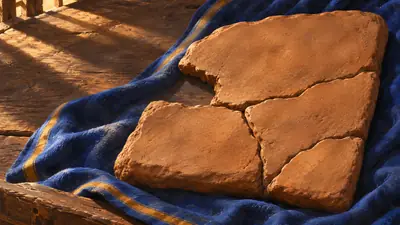
Ordinary clay material, no claim to show an original tablet. - Page 30: Ludlul IV A 1′–12′, Lenzi 2023, p. 85
Continuous soft clay-brown air and haze across the left without a distinct floor line or wall. - Page 31: Ludlul commentary h–j, Lenzi 2023, p. 85
- Page 32: Ludlul IV B 1′–9′, Lenzi 2023, pp. 85, 87
- Page 33: Ludlul IV B 10′–17′, Lenzi 2023, p. 87
- Page 34: Ludlul IV C 1′–10′, Lenzi 2023, p. 87
- Page 35: Ludlul V 1–9, Lenzi 2023, p. 87
- Page 36: Ludlul V 10–17, Lenzi 2023, p. 89
- Page 37: Ludlul V 18–25, Lenzi 2023, p. 89
- Page 38: Ludlul V 26–34, Lenzi 2023, p. 89
- Page 39: Ludlul V 35–40, Lenzi 2023, p. 89
- Page 40: Ludlul V 41–42, Lenzi 2023, p. 89
- Page 41: Ludlul V 43–45, Lenzi 2023, p. 89
- Page 42: Ludlul V 46–48, Lenzi 2023, p. 91
- Page 43: Ludlul V 49–51, Lenzi 2023, p. 91
- Page 44: Ludlul V 52–53, Lenzi 2023, p. 91
- Page 45: Ludlul V 54–56, Lenzi 2023, p. 91
- Page 46: Ludlul V 57–58, Lenzi 2023, p. 91
- Page 47: Ludlul V 59–63, Lenzi 2023, p. 91
- Page 48: Ludlul V 64–68, Lenzi 2023, p. 91
- Page 49: Ludlul V 69–72, Lenzi 2023, p. 91
- Page 50: Ludlul V 73–76, Lenzi 2023, p. 91
- Page 51: Ludlul V 77–82, Lenzi 2023, pp. 91, 93
- Page 52: Ludlul V 83–94, Lenzi 2023, p. 93
- Page 53: Ludlul V 95–101, Lenzi 2023, p. 93
- Page 54: Ludlul V 102–110, Lenzi 2023, p. 93
- Page 55: Ludlul V 111–116, Lenzi 2023, p. 93
- Page 56: Ludlul V 117–120, Lenzi 2023, p. 94
Ilustrações feitas pelo IL Archive com ferramentas de IA; o texto baseia-se nas fontes antigas (veja as fontes no fim de cada capítulo).