Nergal e Ereshkigal Capítulo 1
O Quinhão da Rainha
Ereshkigal envia Namtar para buscar o seu quinhão do banquete dos deuses. Um deus não se levanta diante dele. Nergal vai ao mundo subterrâneo com a ajuda de Ea. Quando ele ameaça Ereshkigal, ela oferece-lhe uma parte do poder.
FontesVire as páginas com as setas, o teclado ou deslizando o dedo.
O QUINHÃO DA RAINHA
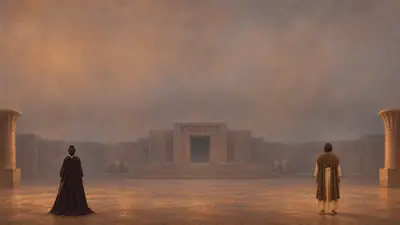
Os deuses reuniram-se para um banquete no mundo de cima. A antiga tabuinha começa pela festa, antes de ser enviado o primeiro mensageiro.
Os deuses queriam falar com Ereshkigal, a quem chamavam irmã. Enviaram um mensageiro para lhe levar as suas palavras.
A mensagem falava dos limites entre os dois domínios. Os deuses disseram que não podiam descer até Ereshkigal e que ela não podia subir até eles.
Os deuses tinham reservado um quinhão para Ereshkigal. Pediram-lhe que mandasse alguém buscá-lo.
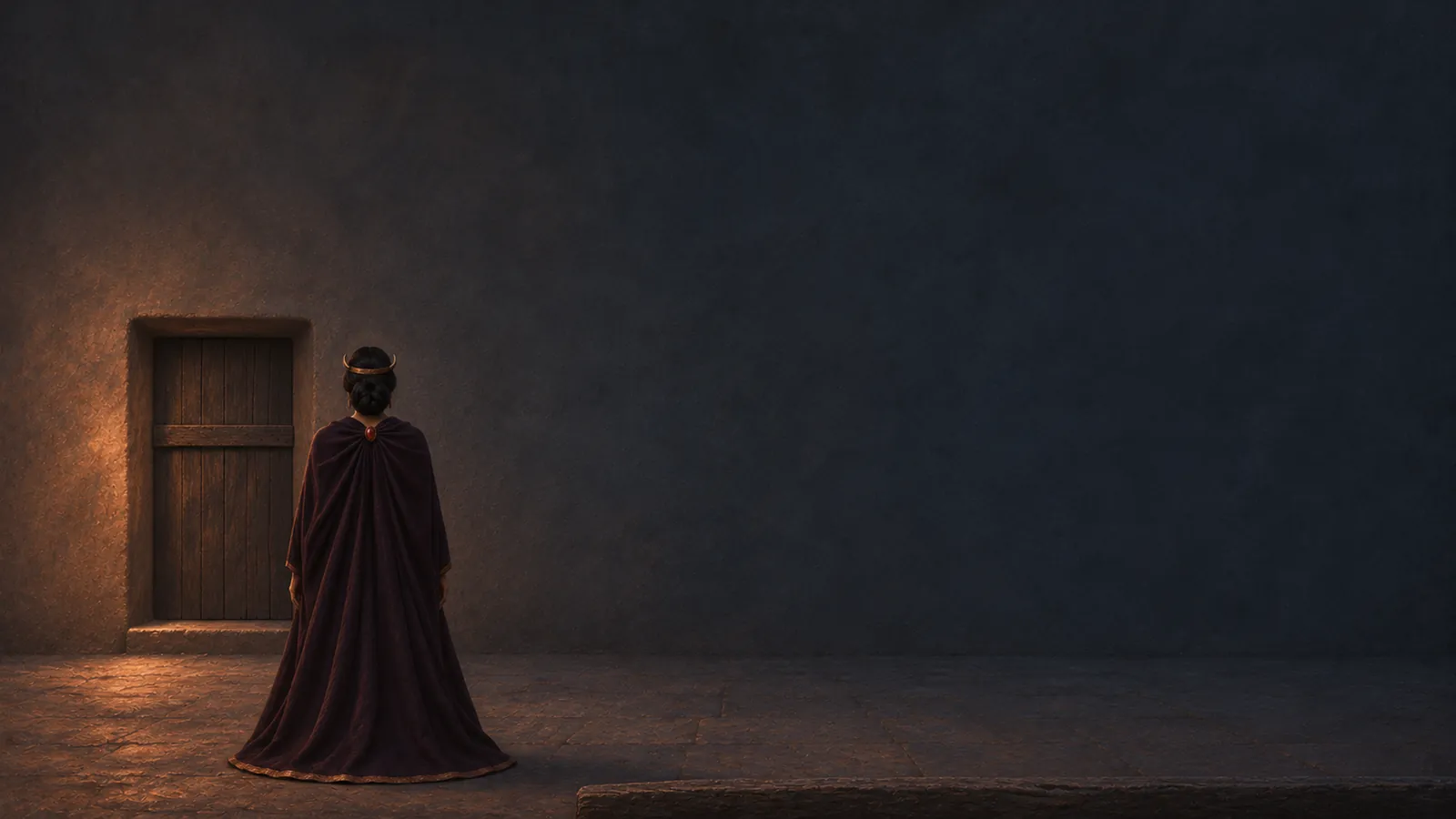
Ereshkigal escolheu o seu próprio ministro, Namtar, para ir em seu lugar. Seria ele a receber o seu quinhão dos deuses do mundo de cima.
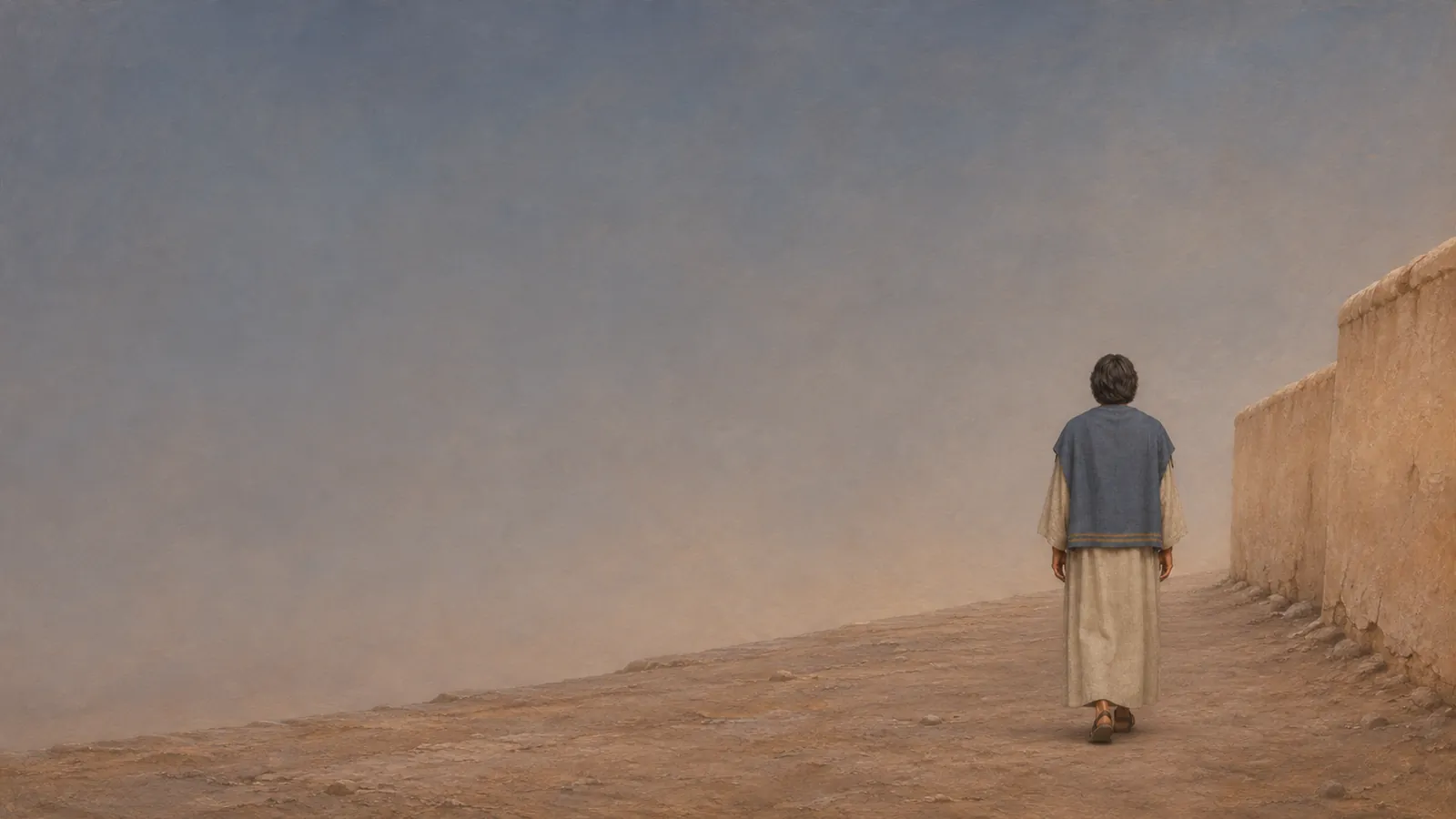
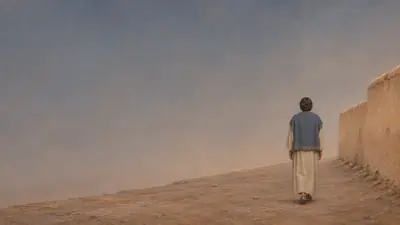
Namtar subiu até ao alto céu. O texto antigo diz para onde foi e deixa o caminho por descrever.

Quando Namtar entrou no salão, os deuses levantaram-se. Algumas das palavras seguintes estão danificadas, mas a passagem parece descrever a saudação.
Aqui a tabuinha nomeia Nergal. As palavras sobre quem viu quem admitem mais de uma leitura, e parte da cena perdeu-se.
Neste ponto só restam fragmentos do banquete. Talvez haja uma palavra para comida, e há palavras de aflição, mas o contexto está danificado.

Aqui faltam várias linhas ou estão muito danificadas. A tabuinha deixa uma lacuna antes de ouvirmos o que se disse sobre a ofensa.
O nome de Ea ainda se lê nas linhas danificadas. Há vestígios de fala e movimento, mas muito do que aqui aconteceu perdeu-se.
A EXIGÊNCIA
Ereshkigal perguntou pelo deus que ficara sentado diante do seu mensageiro. Queria que o trouxessem à sua presença e ameaçou matá-lo.
Namtar apresentou-se diante dos deuses de cima e falou-lhes. Eles chamaram-no à assembleia e disseram-lhe que contasse os presentes.
Os deuses disseram a Namtar que procurasse aquele que não se levantara. Quando o encontrasse, deveria levá-lo à sua senhora.
Namtar contou os deuses na assembleia. A tabuinha diz que o último deus que contou era calvo e deixa a razão por dizer.
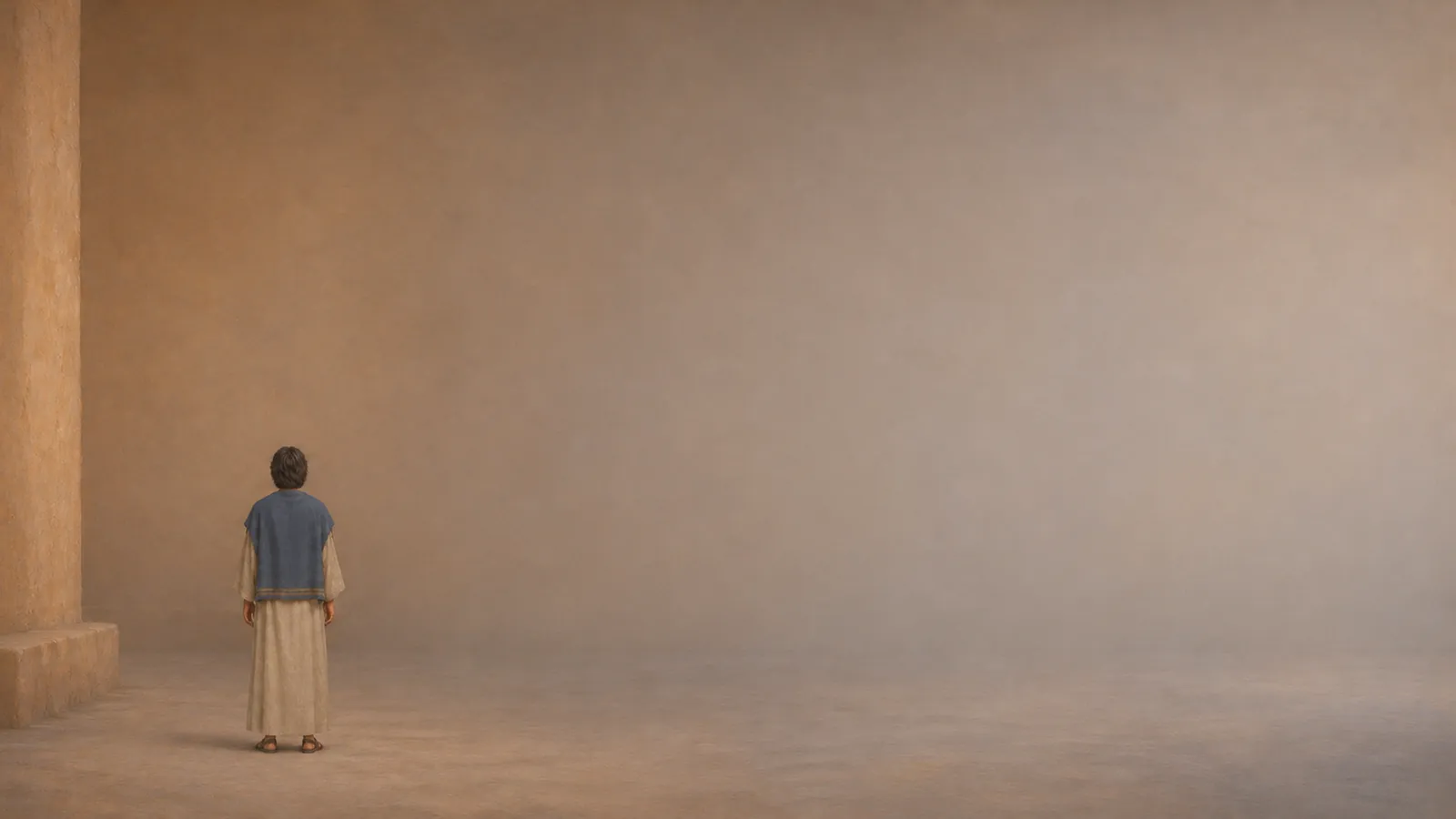
Namtar concluiu que o deus que não se levantara diante dele estava ausente. Procurara-o entre os presentes e não conseguira identificá-lo.
As linhas danificadas parecem repetir o que Namtar tinha constatado. O deus que não se levantara faltava entre os que ele tinha contado na assembleia.

A tabuinha conserva uma palavra para o seu mensageiro e outra para um mês. Resta demasiado pouco para dizer o que aconteceu nesse intervalo.
O ASSENTO DE EA
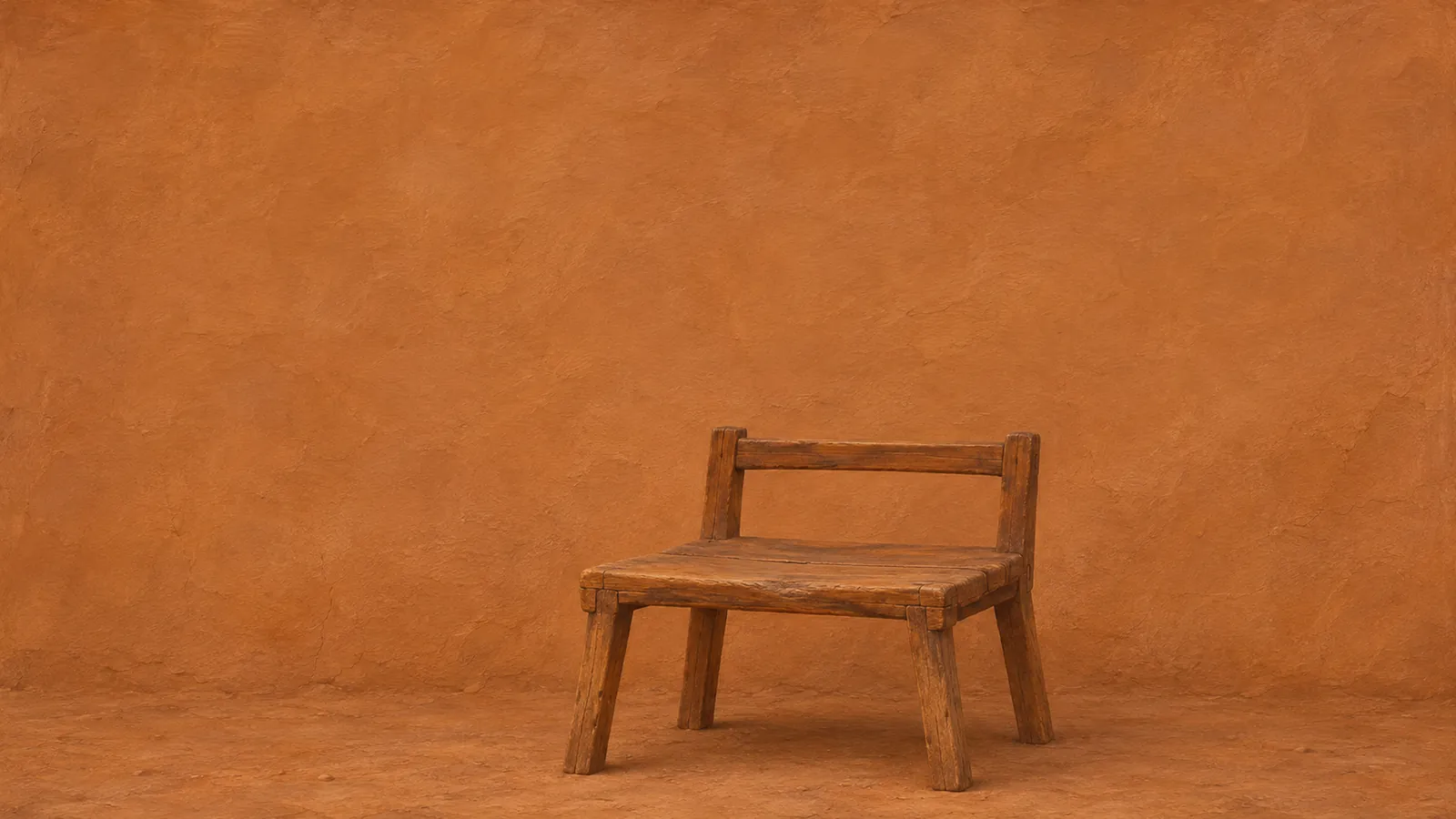
Quando o relato volta a tornar-se claro, Ea entrega um assento a Nergal. É assim que Izre’el lê esta parte danificada da tabuinha.
Ea disse a Nergal que levasse o assento a Ereshkigal. O resto da linha está danificado e a primeira reação de Nergal é incerta.
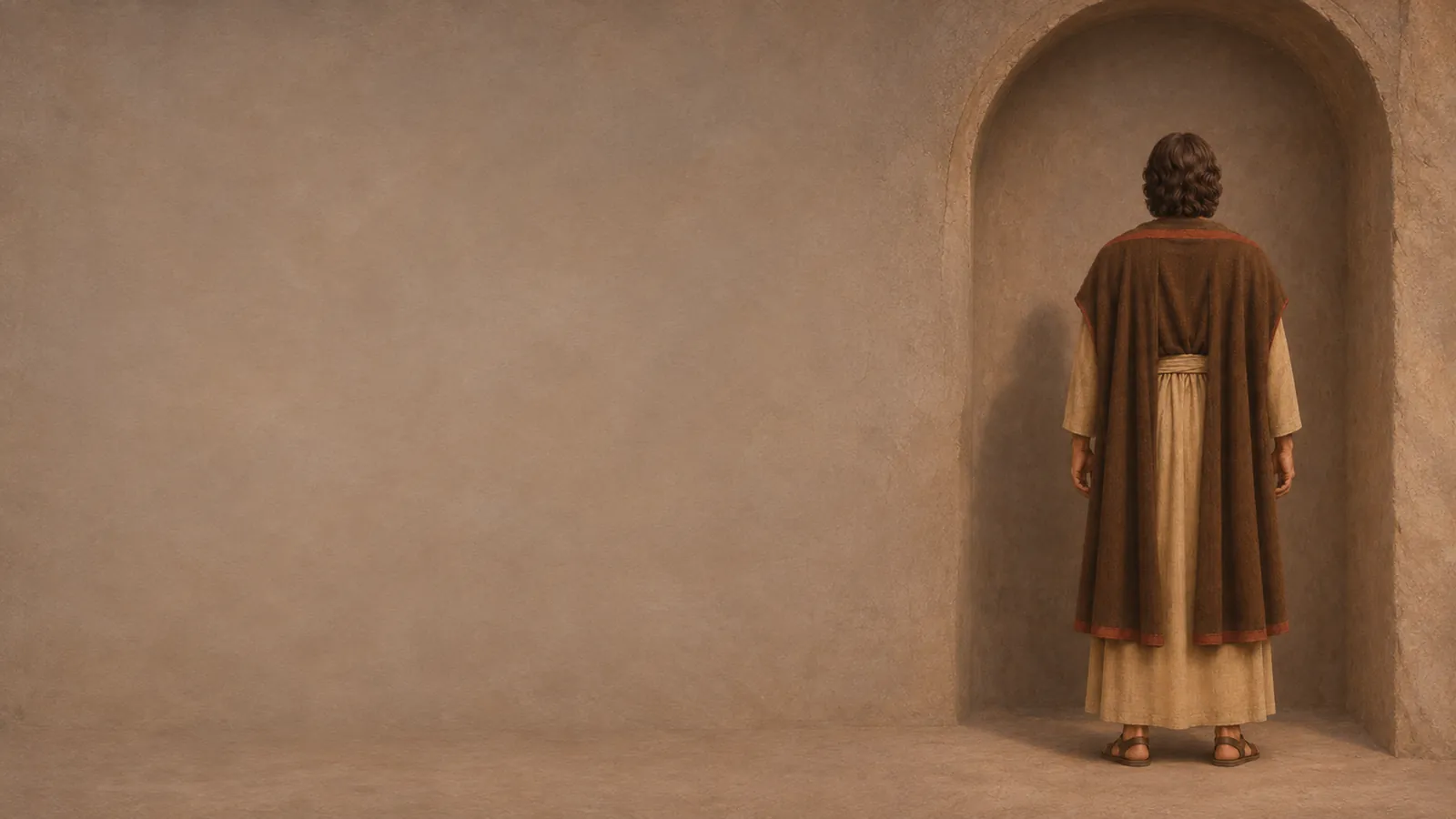
Nergal disse a Ea, seu pai, que Ereshkigal o veria. Tinha receio de que ela não o deixasse sair com vida.
Ea disse a Nergal que deixasse o medo de lado. Prometeu-lhe companheiros para a viagem, sete e sete segundo as palavras que restam.
Os nomes dos companheiros estão danificados aqui. Izre’el reconstitui grande parte da lista com base na passagem em que Nergal os coloca junto das portas.

As palavras que descrevem a viagem estão danificadas. Quando o relato volta a tornar-se claro, Nergal está à porta de Ereshkigal.

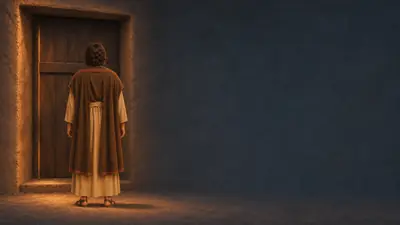
Nergal chamou o guarda da porta. Pediu-lhe que abrisse a porta e corresse os ferrolhos para ele poder entrar.
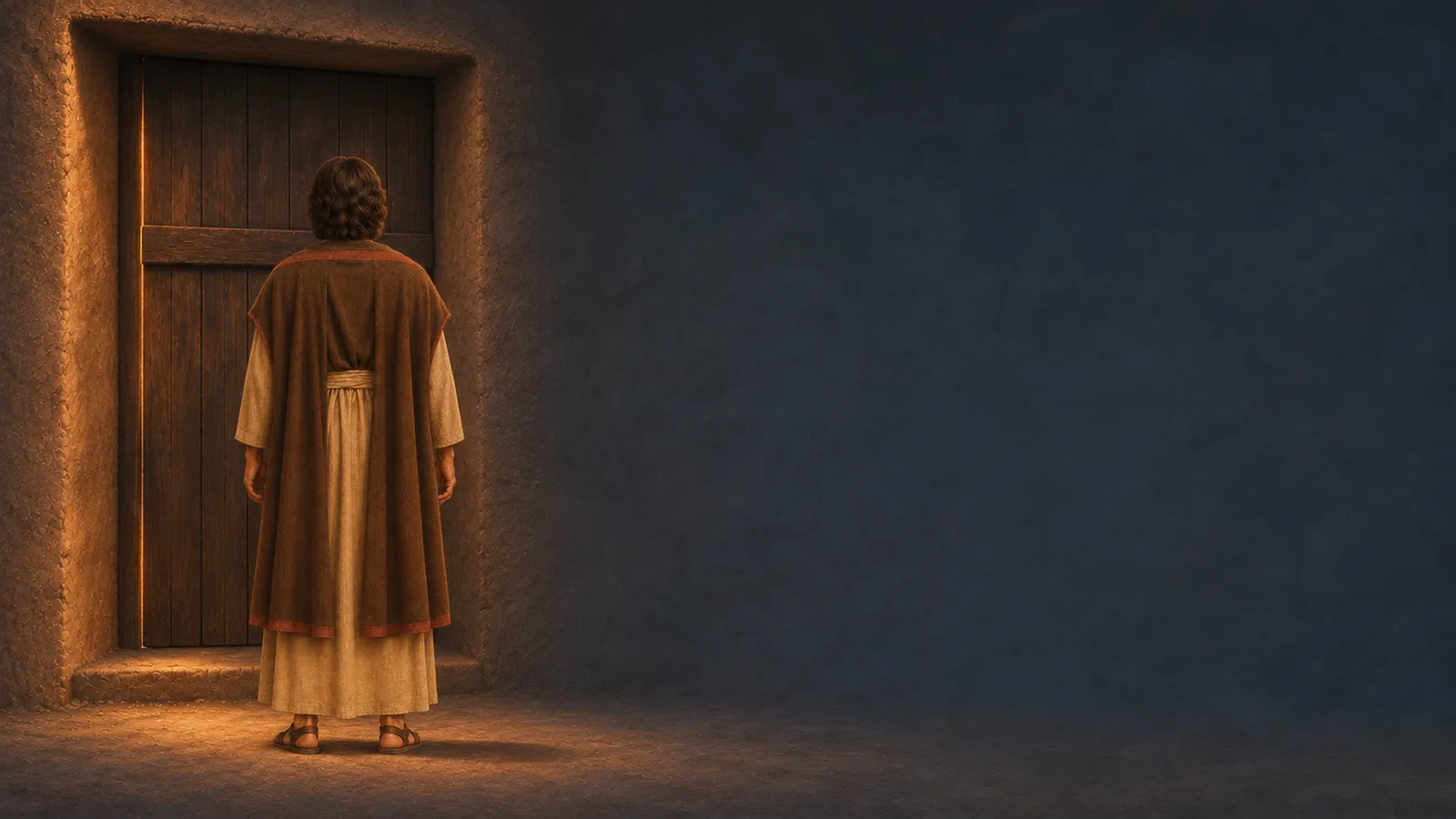
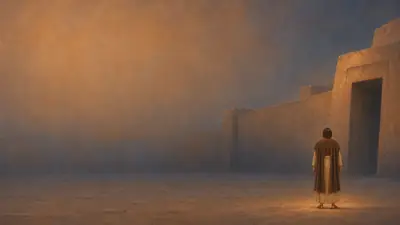
Nergal disse que fora enviado à senhora do guarda, Ereshkigal. Falou ao guarda do lado de fora da porta.
O guarda disse a Namtar que estava um deus lá fora. Pediu-lhe que viesse ver quem era antes de o deixar entrar.
O RECONHECIMENTO
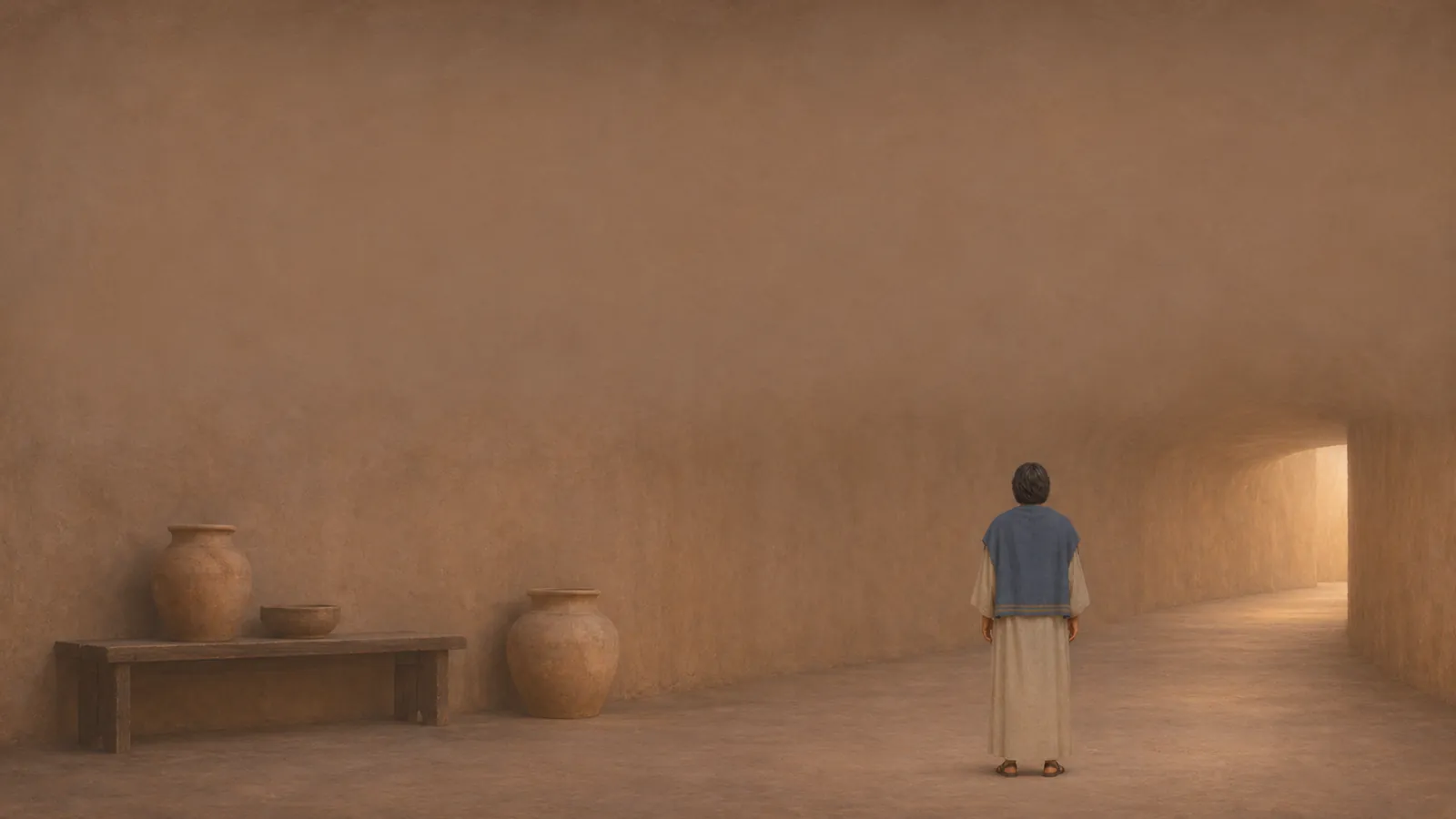
Namtar saiu e viu Nergal. A tabuinha diz que se alegrou e se apressou a ir contar o que tinha visto.

Namtar disse a Ereshkigal que aquele era o deus que faltara antes. Era aquele que não se levantara diante do seu mensageiro.
Ereshkigal disse a Namtar que deixasse entrar o visitante. As palavras, em parte reconstituídas, repetem a ameaça de lhe tirar a vida.

Namtar voltou à porta e convidou Nergal a entrar. Disse-lhe que entrasse na casa da sua irmã e recebesse o seu quinhão.
Restam algumas palavras de uma resposta que a tabuinha parece atribuir a Nergal. Depois o diálogo interrompe-se de novo.

Faltam cerca de duas linhas antes de outra muito danificada. Já não se leem os nomes nas primeiras posições das portas.

O terceiro nome só se conserva em parte. Nergal colocou Muttabriqa na quarta posição e Sharrabda na quinta.
Na sexta posição colocou Rabisa, e na sétima, Tirid. Na oitava ficou Idiptu, e na nona, Benna.
Sidana tomou a décima posição e Miqit a décima primeira. Depois a lista nomeia Bel’uri, Umma e Liba na décima segunda, décima terceira e décima quarta.
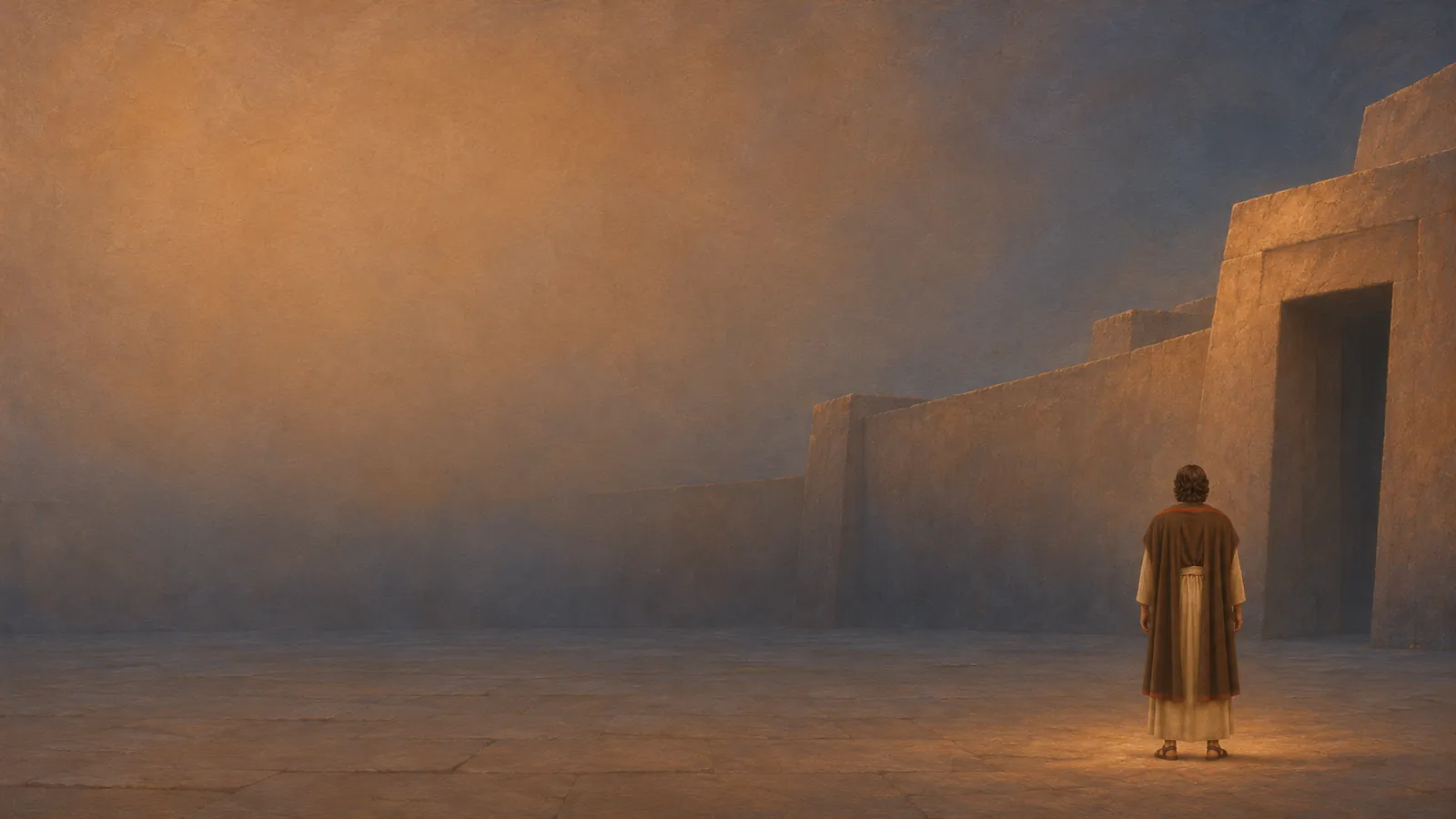
A tabuinha termina a lista de posições. Depois diz, na leitura de Izre’el, que Nergal venceu o medo quando já estava no pátio.
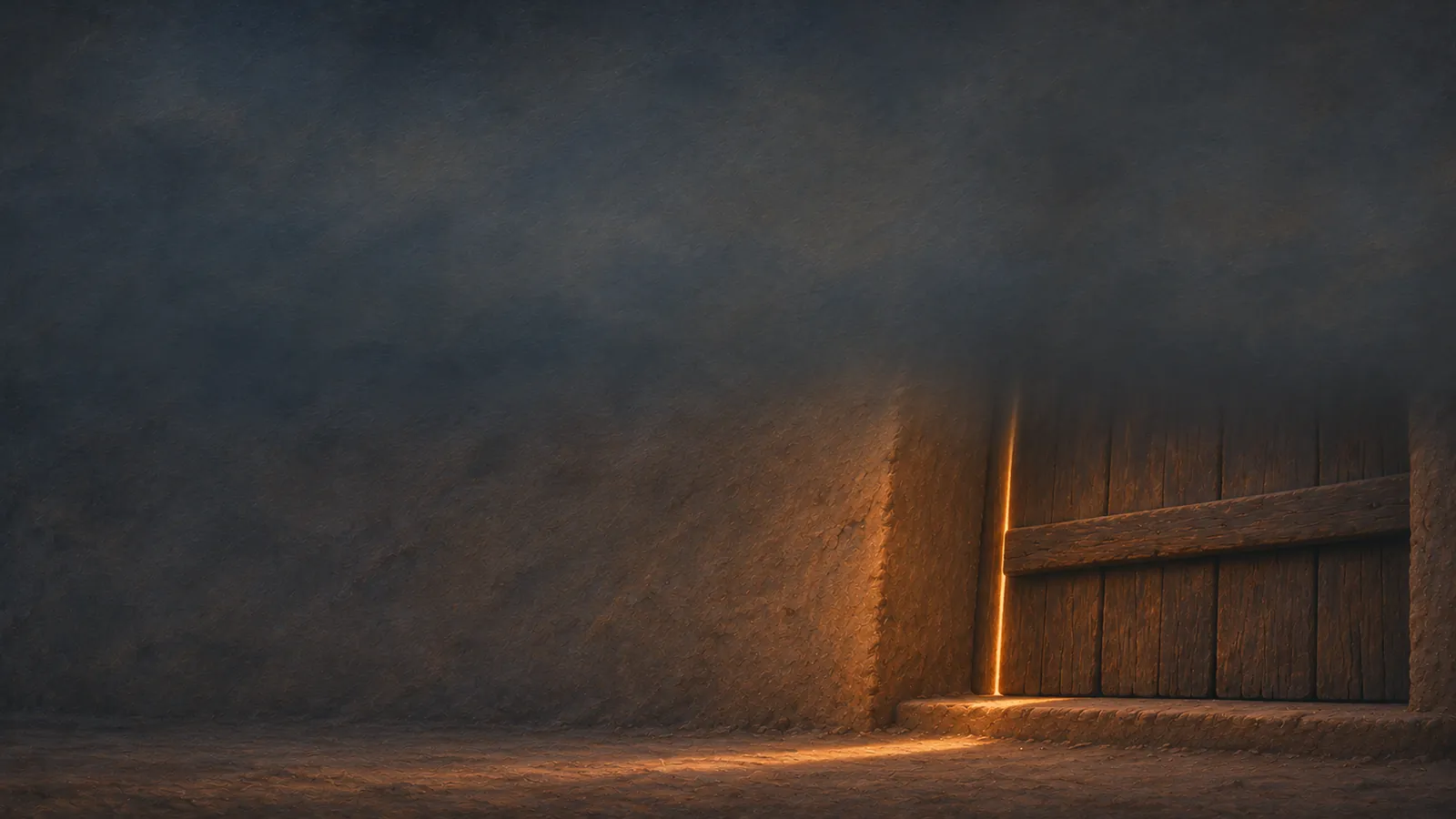
AS PORTAS
Nergal chamou Namtar e os seus homens e ordenou que abrissem as portas. Disse-lhes que ia ao encontro deles.
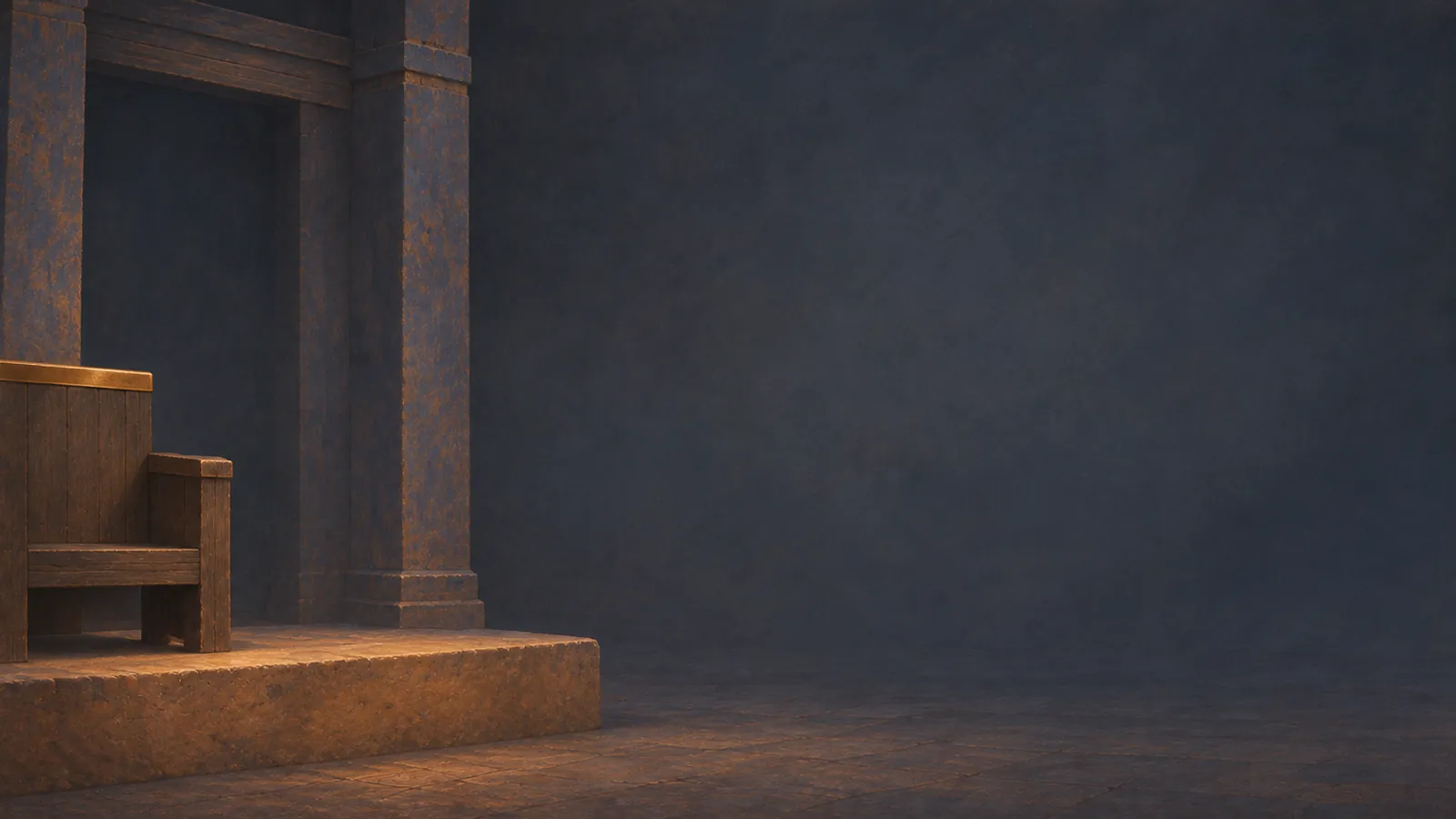
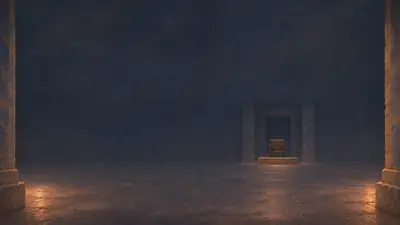
Dentro da casa, Nergal agarrou Ereshkigal pelos cabelos e puxou-a do trono, com a intenção de a decapitar.
Ereshkigal pediu a Nergal que a poupasse e a deixasse falar. Ele deteve-se para a ouvir, e a rainha chorou.
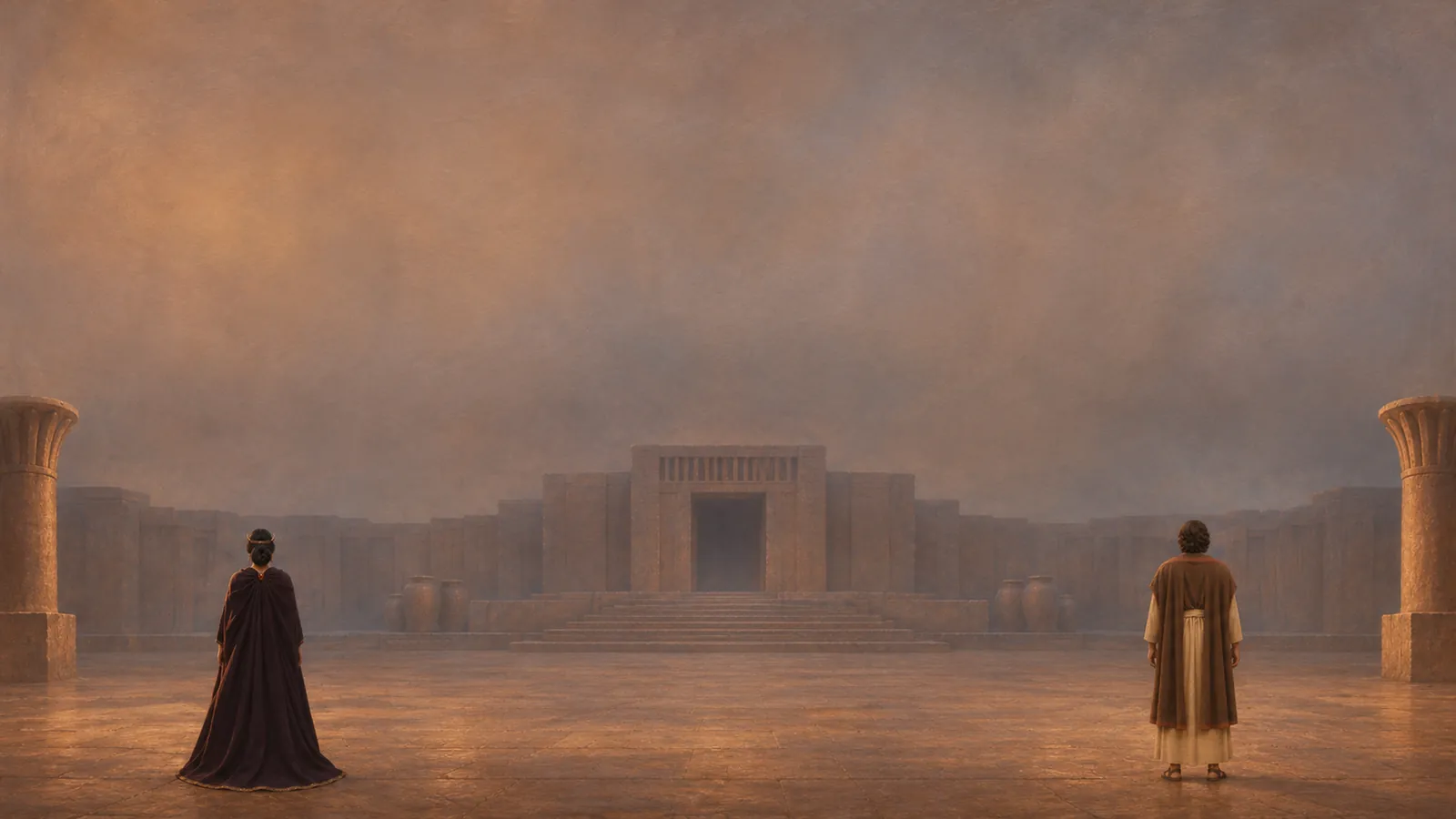
A PROPOSTA
Ereshkigal fez então a sua própria proposta. Disse a Nergal que fosse seu marido e que ela seria sua mulher.
Ereshkigal ofereceu-lhe a realeza no mundo subterrâneo e a tabuinha da sabedoria. Chamá-lo-ia senhor e ela continuaria a ser senhora.
Nergal ouviu a proposta de Ereshkigal. Tomou-a nos braços, beijou-a e enxugou-lhe as lágrimas antes das últimas palavras.
É difícil entender as últimas palavras. Izre’el sugere que a última linha talvez indique ao escriba onde devia parar.
Fim do capítulo 1
Todas as páginas




















Fontes
Edições consultadas
- Izre’el, The Amarna Scholarly Tablets, EA 357 edition and translation, pp. 50–60
- CDLI, Amarna tablet EA 357, P270856
- Hebrew University SEAL, EA 357 witness record
- Gurney, edition of the Sultantepe witness
- Ponchia and Luukko, the Standard Babylonian version
- Novotny, the door counts in the Amarna and later versions
- Rozzi, Jiménez and Bennett, edition of the Babylon fragment BM 39743
- IL Archive, Ereshkigal
Os versos antigos de cada página
- Page 1: EA 357 (Izre’el) 1
- Page 2: EA 357 (Izre’el) 2–3
- Page 3: EA 357 (Izre’el) 4–5
- Page 4: EA 357 (Izre’el) 6
- Page 5: EA 357 (Izre’el) 7
- Page 6: EA 357 (Izre’el) 8
- Page 7: EA 357 (Izre’el) 9–11
The entrance, standing and greeting have partly restored wording. - Page 8: EA 357 (Izre’el) 12
The subject of the verb of seeing and the object set out earlier in the line are uncertain. - Page 9: EA 357 (Izre’el) 13–15
The references to food and the subject of the distress are uncertain. - Page 10: EA 357 (Izre’el) 16–22
The seven numbered lines are very fragmentary or missing in Izre’el’s edition. - Page 11: EA 357 (Izre’el) 23–25
Ea’s name is partly preserved. - Page 12: EA 357 (Izre’el) 26–27
Parts of the demand are reconstructed from the surviving text. - Page 13: EA 357 (Izre’el) 28–29
The count command at the end of 29 is partly restored. - Page 14: EA 357 (Izre’el) 30–31
- Page 15: EA 357 (Izre’el) 32
- Page 16: EA 357 (Izre’el) 33
- Page 17: EA 357 (Izre’el) 34–38
Namtar’s movement and the details of the report are partly restored. - Page 18: EA 357 (Izre’el) 39–40
The lines preserve fragmentary words for messenger and month. The length and events of the interval remain uncertain. - Page 19: EA 357 (Izre’el) 41–42
The chair, the person giving it and the person receiving it are read with restorations in Izre’el’s edition. - Page 20: EA 357 (Izre’el) 43
Nergal’s initial reaction is uncertain. - Page 21: EA 357 (Izre’el) 44–45a
- Page 22: EA 357 (Izre’el) 45b–46
The reassurance and exact word describing the companions are partly damaged. - Page 23: EA 357 (Izre’el) 47–50
The first roster is largely restored from 68–73. - Page 24: EA 357 (Izre’el) 51
The transition to the gate is fragmentary. - Page 25: EA 357 (Izre’el) 52–53
The beginning of the call is partially restored. - Page 26: EA 357 (Izre’el) 54a
- Page 27: EA 357 (Izre’el) 54b–56
- Page 28: EA 357 (Izre’el) 57
The details of his recognition are given in the next lines. - Page 29: EA 357 (Izre’el) 58–59
Some wording about the earlier months and the missing god is restored. - Page 30: EA 357 (Izre’el) 60
The line is partly restored and the precise wording of the order is uncertain. - Page 31: EA 357 (Izre’el) 61–62
- Page 32: EA 357 (Izre’el) 63–64
Its introductory phrase and the words which follow are damaged. - Page 33: EA 357 (Izre’el) 65–67
Izre’el estimates about two missing lines. - Page 34: EA 357 (Izre’el) 68–69a
Individual positions are legible even though the physical form of the gates is debated. - Page 35: EA 357 (Izre’el) 69b–71a
- Page 36: EA 357 (Izre’el) 71b–73
- Page 37: EA 357 (Izre’el) 74
Izre’el reads a metaphor for overcoming fear. The phrase has been interpreted differently. - Page 38: EA 357 (Izre’el) 75–76
- Page 39: EA 357 (Izre’el) 77–79
- Page 40: EA 357 (Izre’el) 80–81
Izre’el takes Ereshkigal as the subject of the words about weeping. - Page 41: EA 357 (Izre’el) 82
- Page 42: EA 357 (Izre’el) 83–85a
The kingship and the tablet belong to the offer. The surviving words call Nergal master and Ereshkigal mistress. - Page 43: EA 357 (Izre’el) 85b–86
- Page 44: EA 357 (Izre’el) 87–88
Line 87 is difficult. The tablet supplies no further action.
Ilustrações feitas pelo IL Archive com ferramentas de IA; o texto baseia-se nas fontes antigas (veja as fontes no fim de cada capítulo).