Sargão e o rio Capítulo 2
O rei e o seu sucessor
Uma tradução histórica apresenta o relato de Sargão sobre as suas origens, o favor de Ishtar e as suas afirmações reais. Após incertezas assinaladas e lacunas, a voz dirige-se a um futuro rei e termina ordenando-lhe que suba a Dur-ilu.
FontesVire as páginas com as setas, o teclado ou deslizando o dedo.
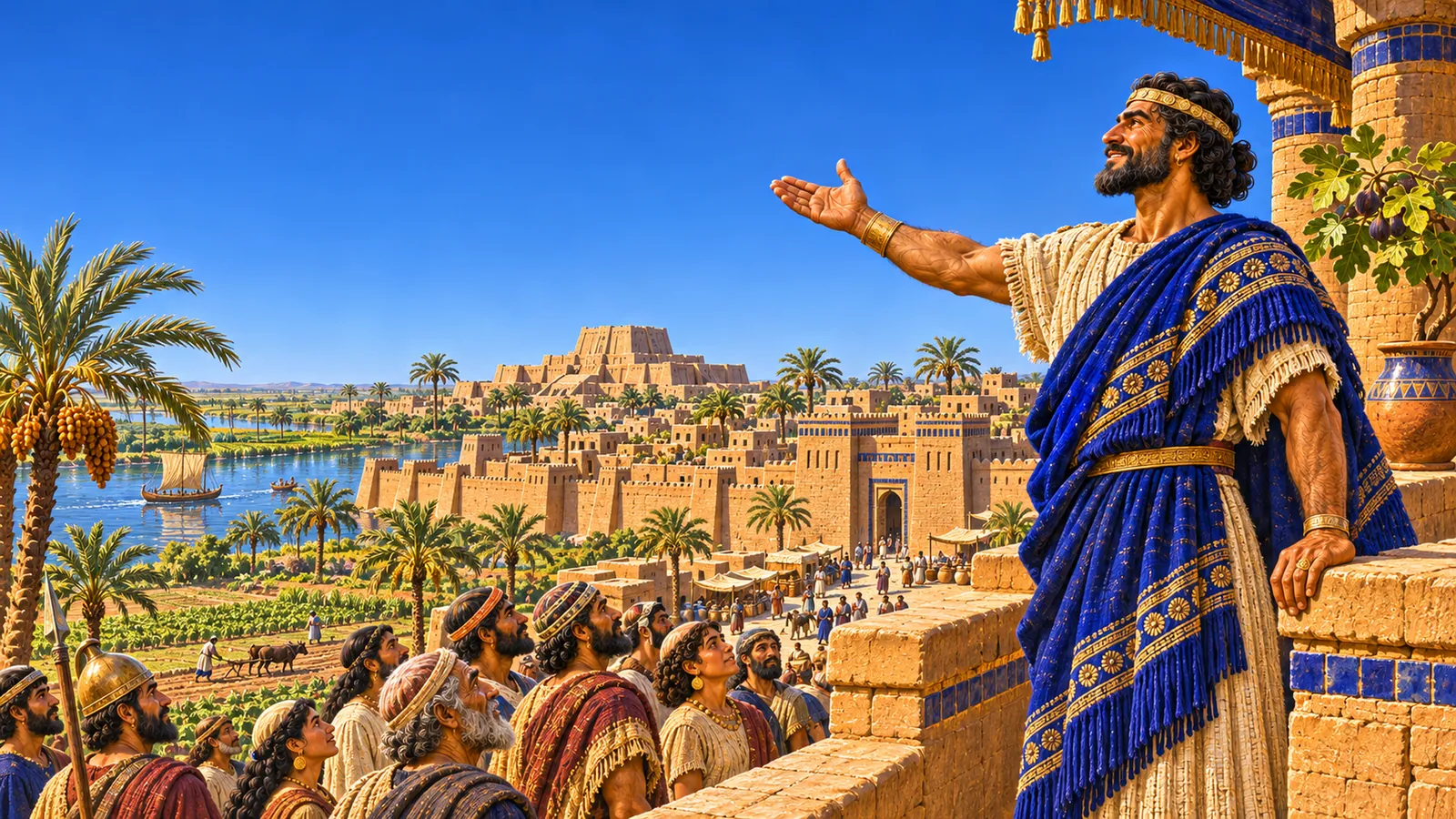
O REI
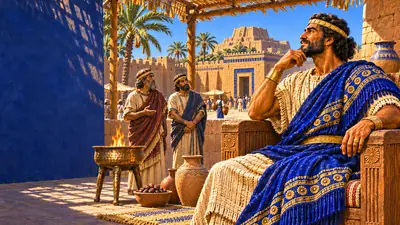
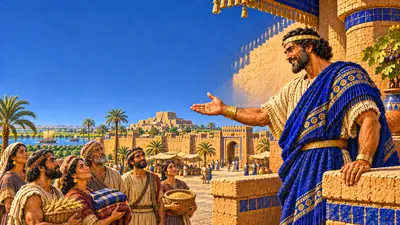
Na tradução de Barton de 1920, modernizada na página de Fordham, o narrador chama-se Sargão e apresenta-se como um rei poderoso, o rei de Acad.
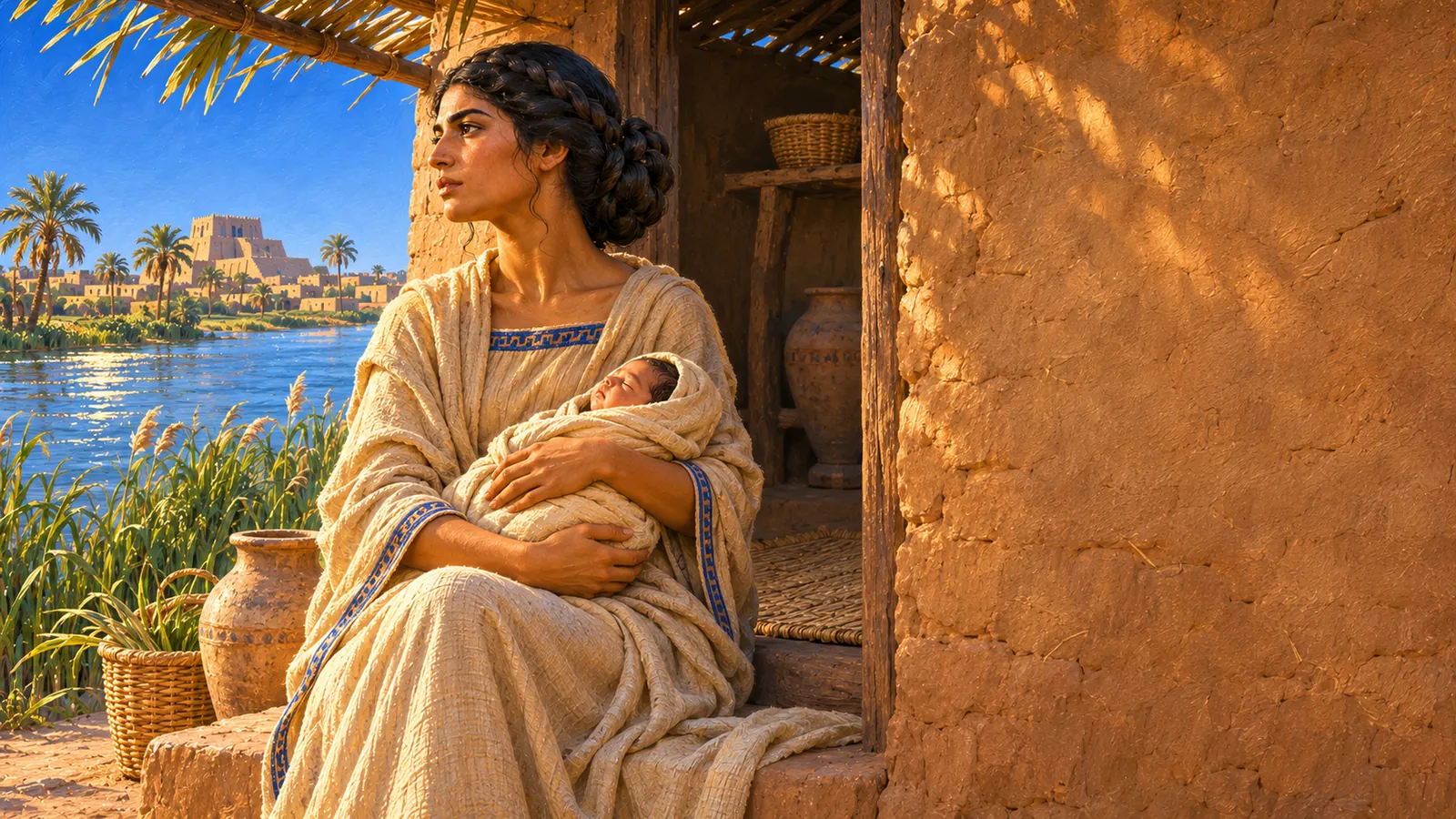
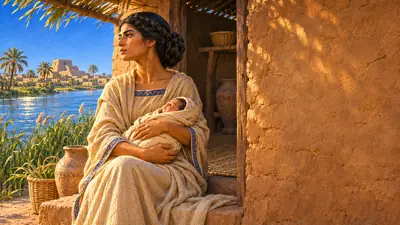
A tradução antiga de Barton apresenta a mãe do narrador como uma mulher de condição humilde. Na mesma linha, Sargão diz que não conhecia o pai.
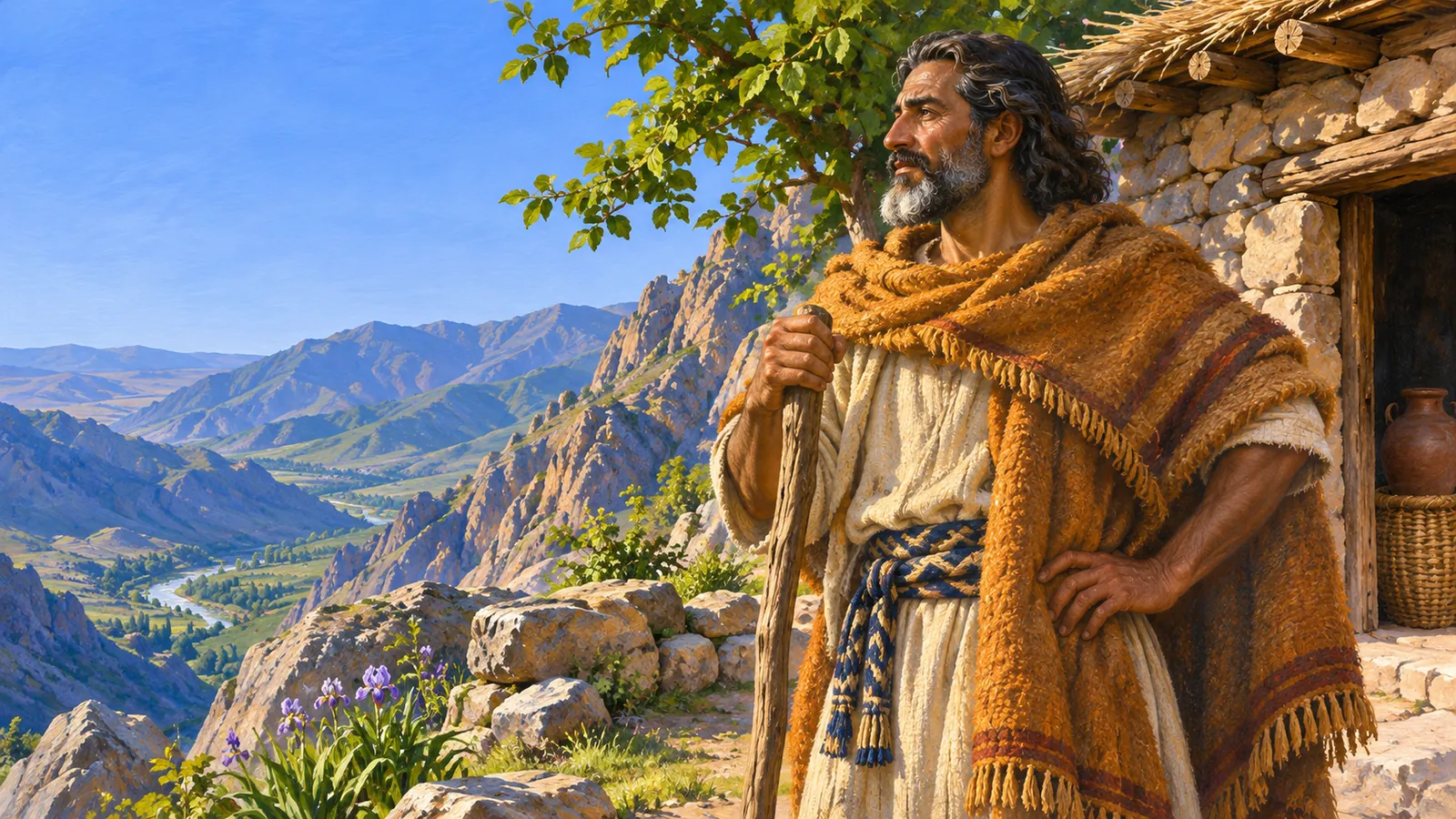
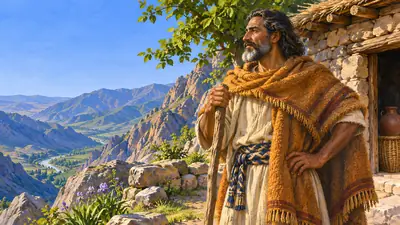
Na linha seguinte da tradução antiga de Barton, o narrador diz que o irmão do seu pai vivia na montanha.
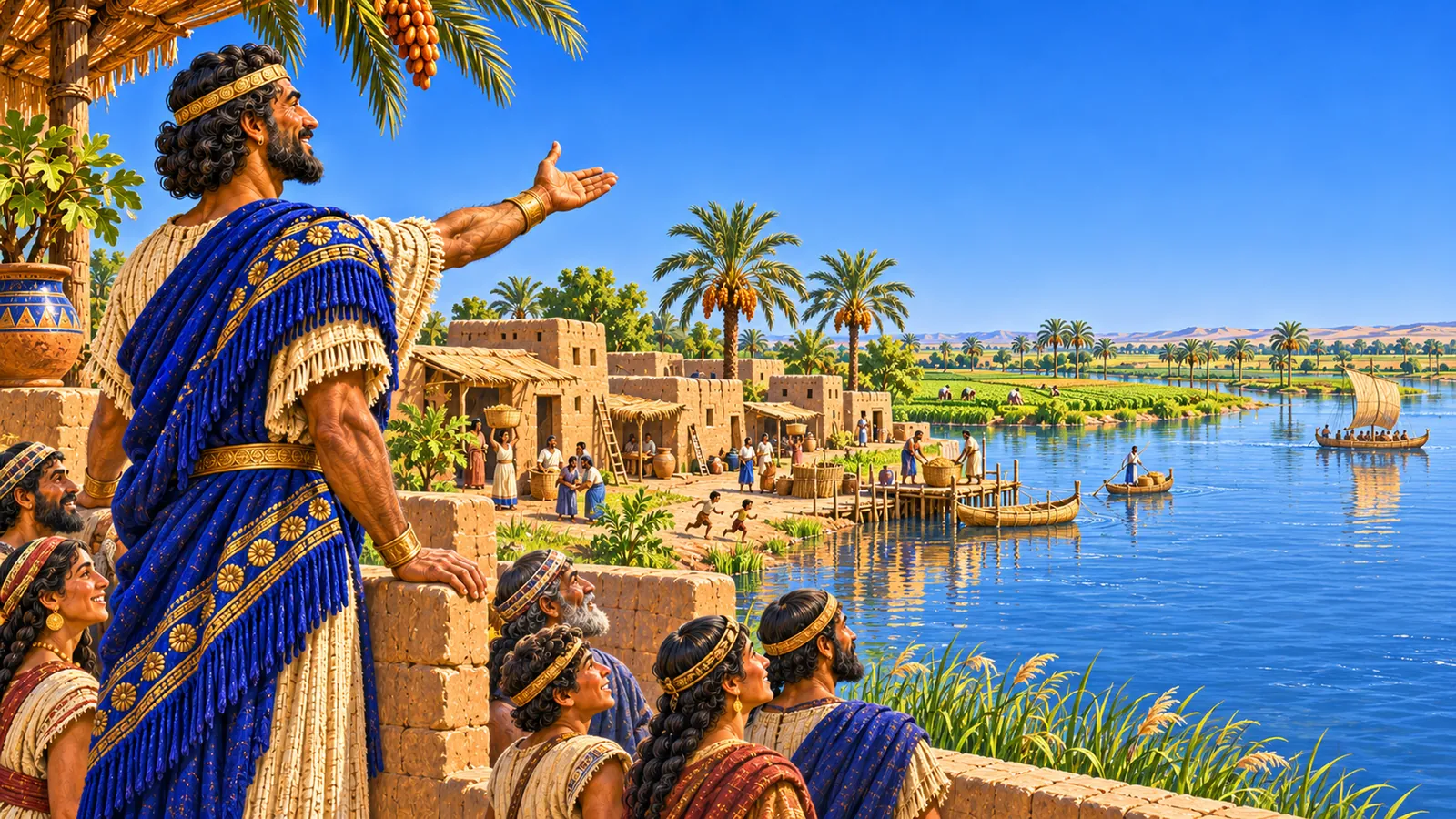
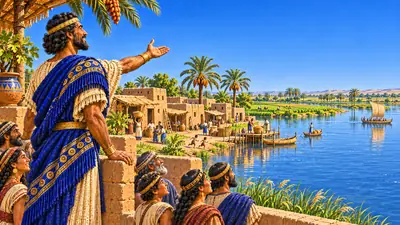
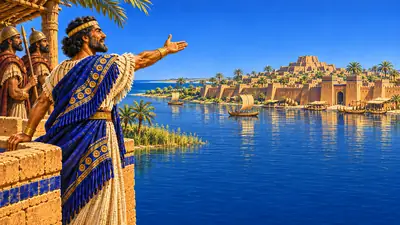
O narrador chama Azupiranu à sua cidade e situa-a junto ao Eufrates. É essa a localização dada na tradução antiga de Barton.
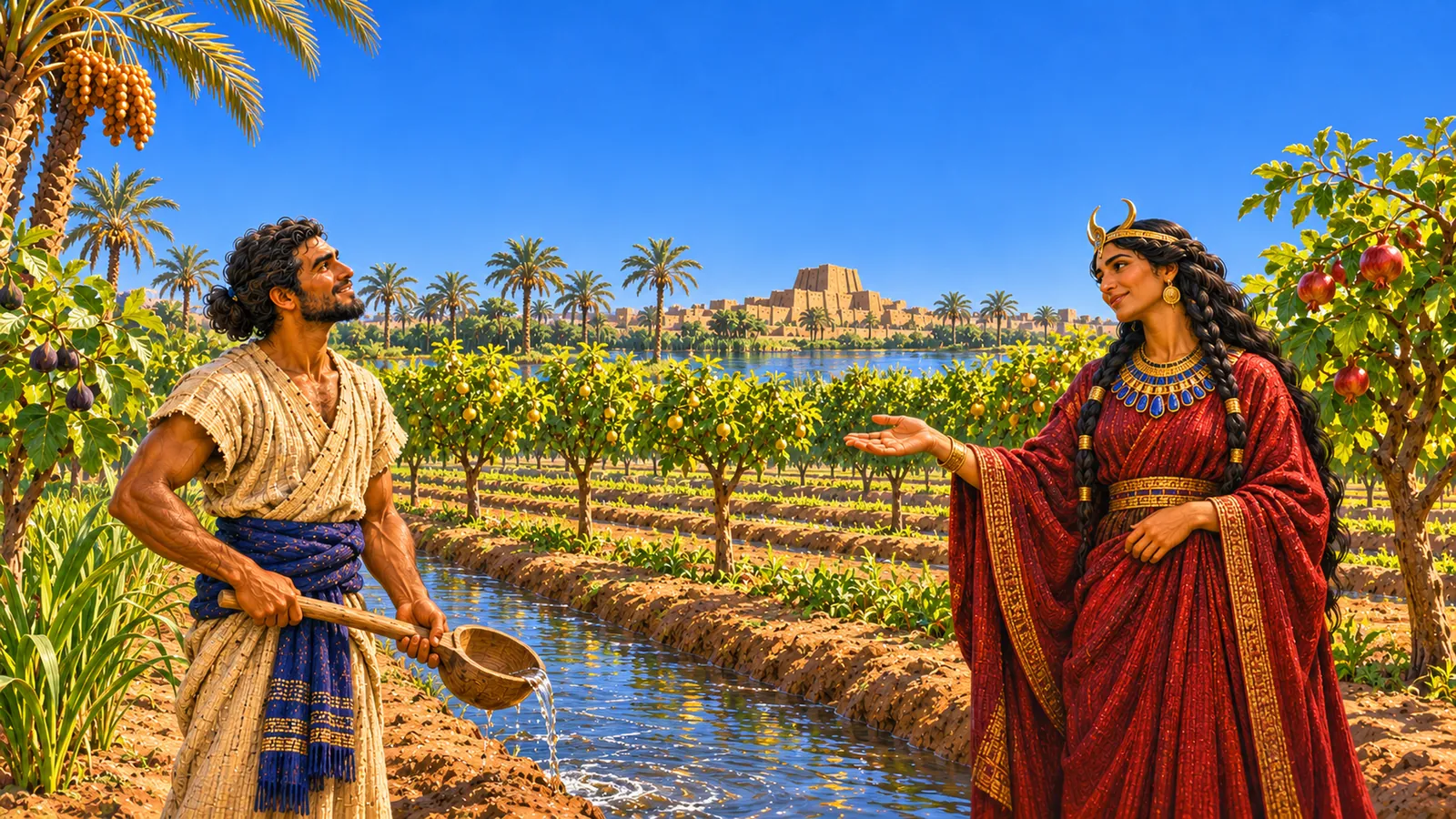
ISHTAR
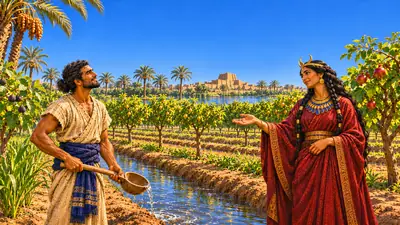
A linha selecionada a seguir na tradução antiga de Barton volta a Sargão como jardineiro. O narrador diz que a deusa Ishtar o amava nessa altura.
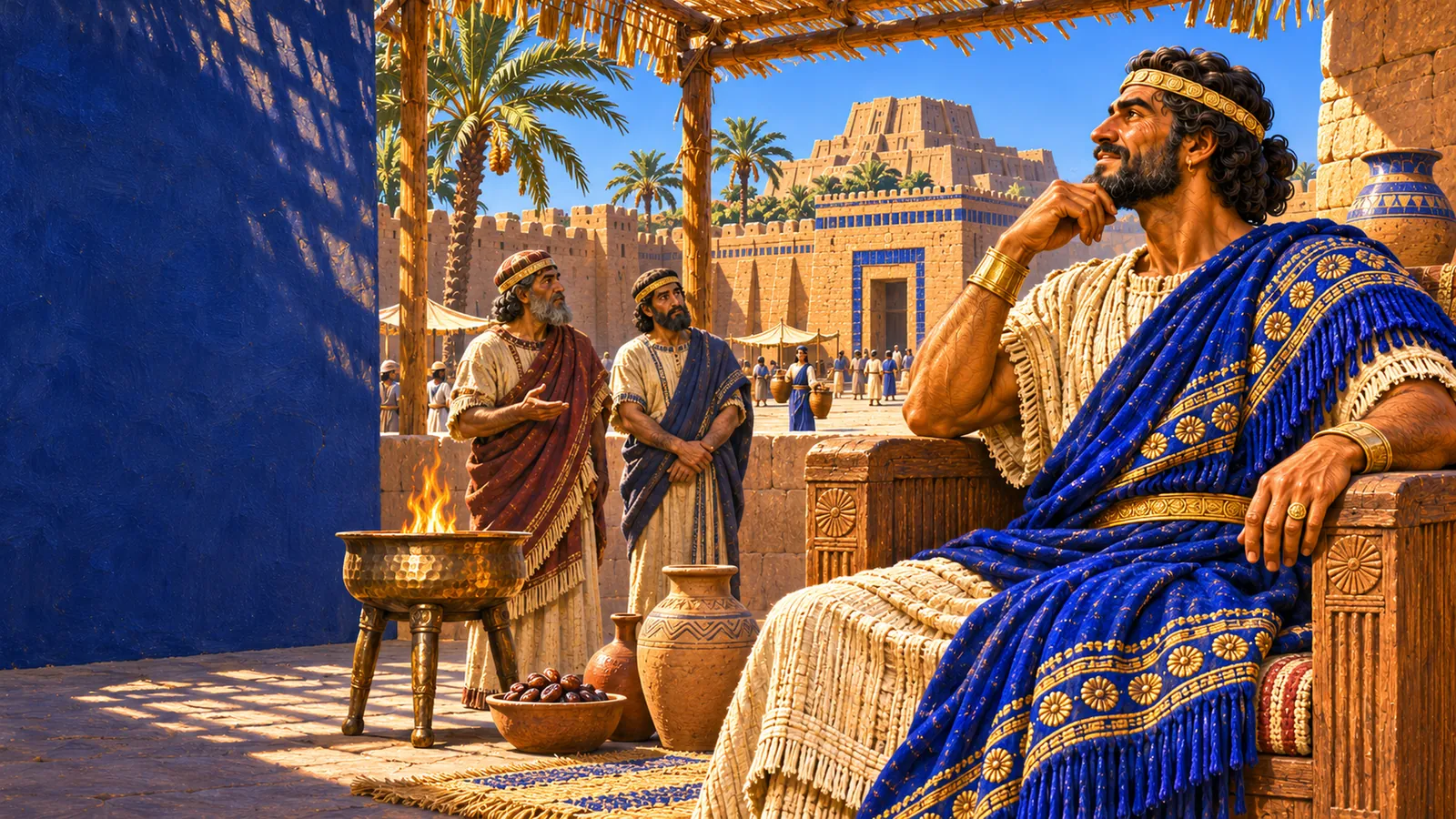
Na tradução antiga de Barton, publicada em 1920, o narrador diz que governou o reino durante quatro anos.
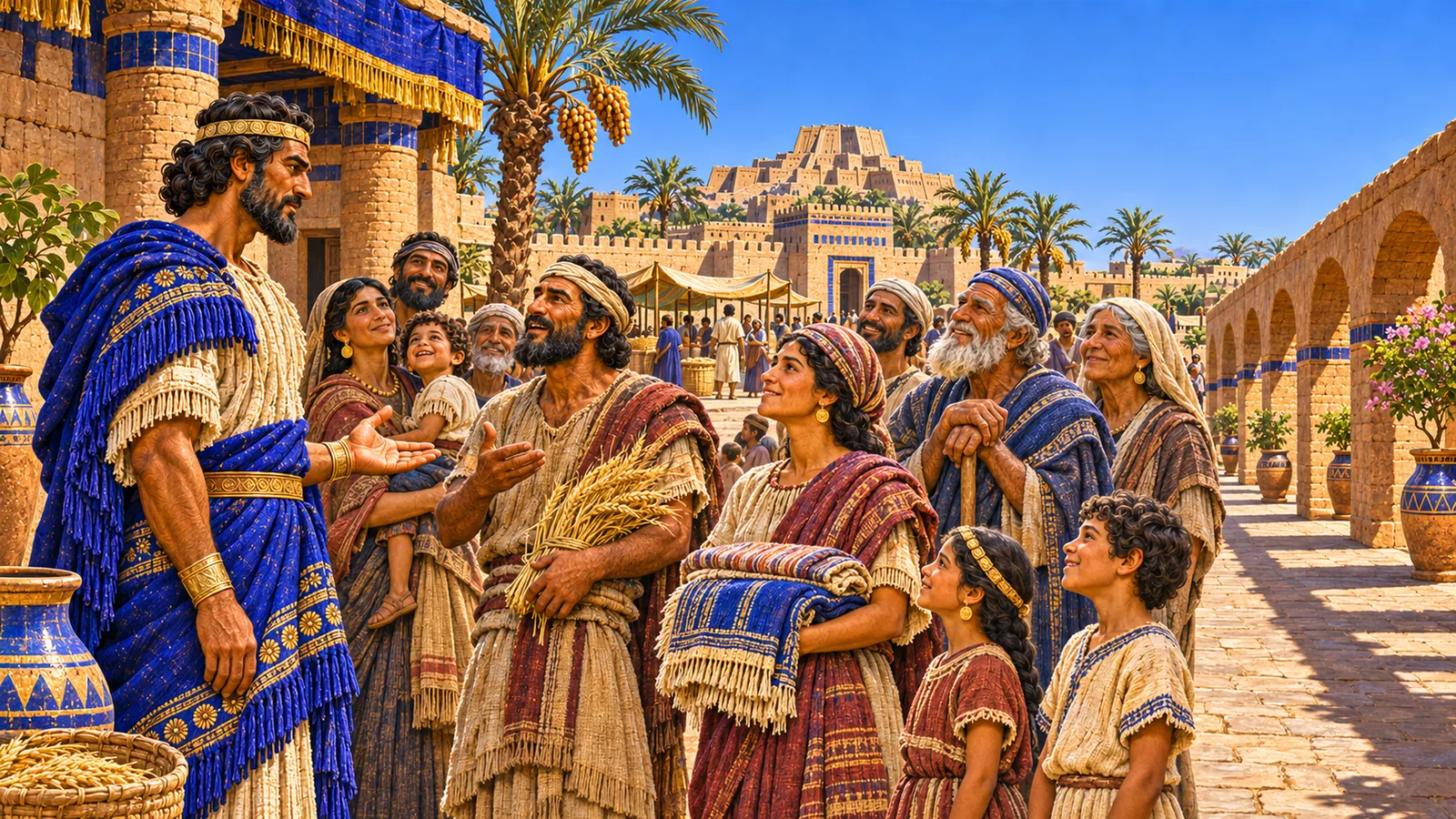
A tradução antiga de Barton usa a expressão povos de cabeças negras para aqueles que o narrador diz ter governado.
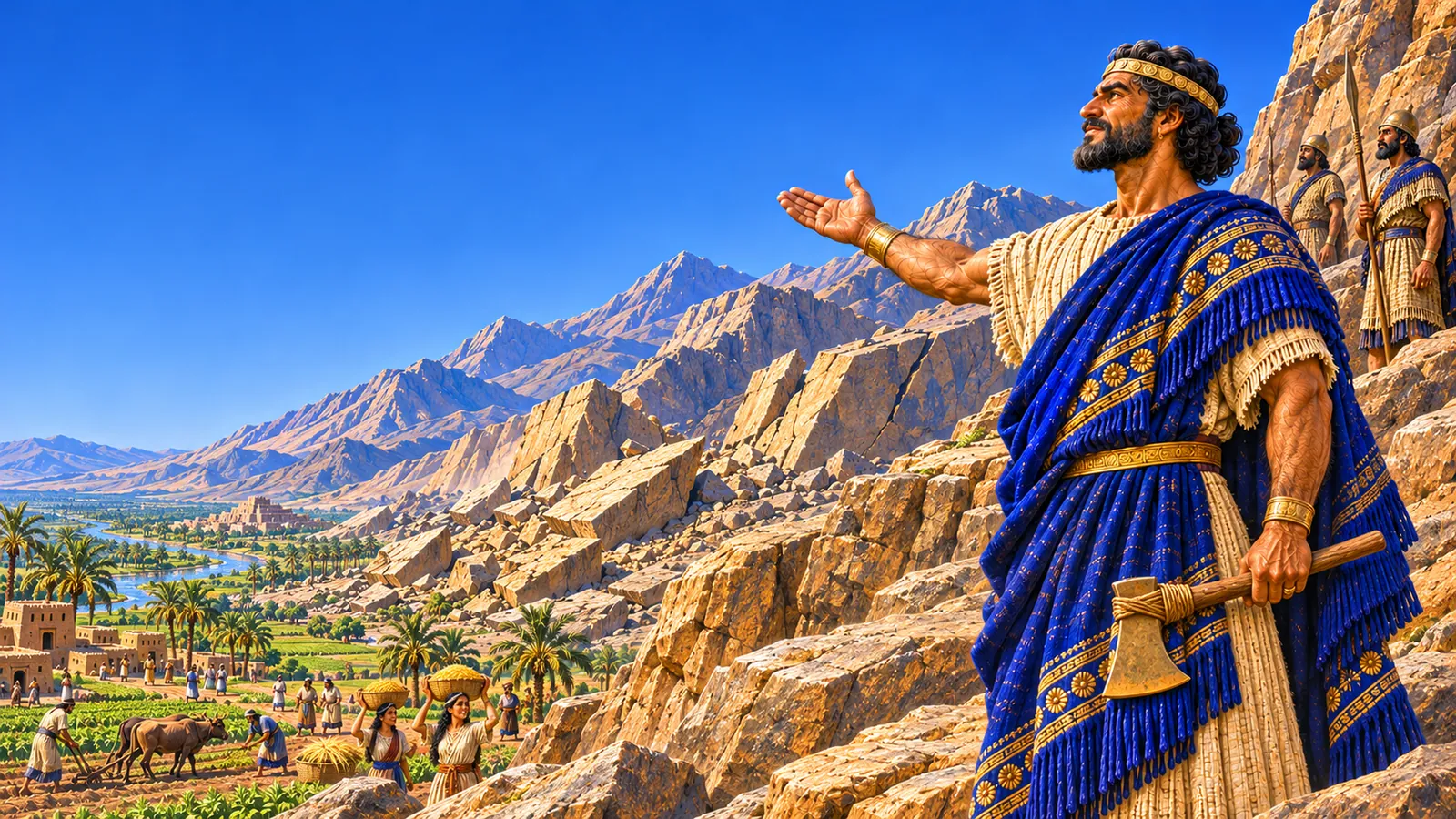
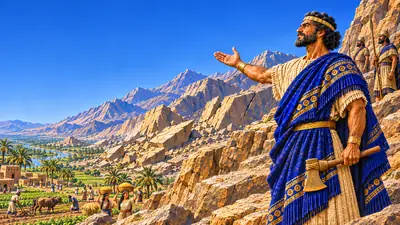
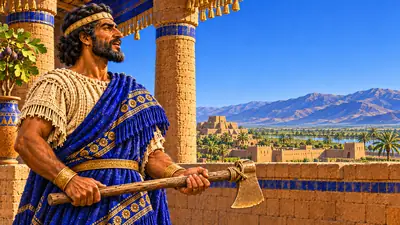
O narrador afirma ter destruído grandes montanhas com machados de bronze. A tradução antiga de Barton coloca um ponto de interrogação depois dessa afirmação, assinalando incerteza na leitura.
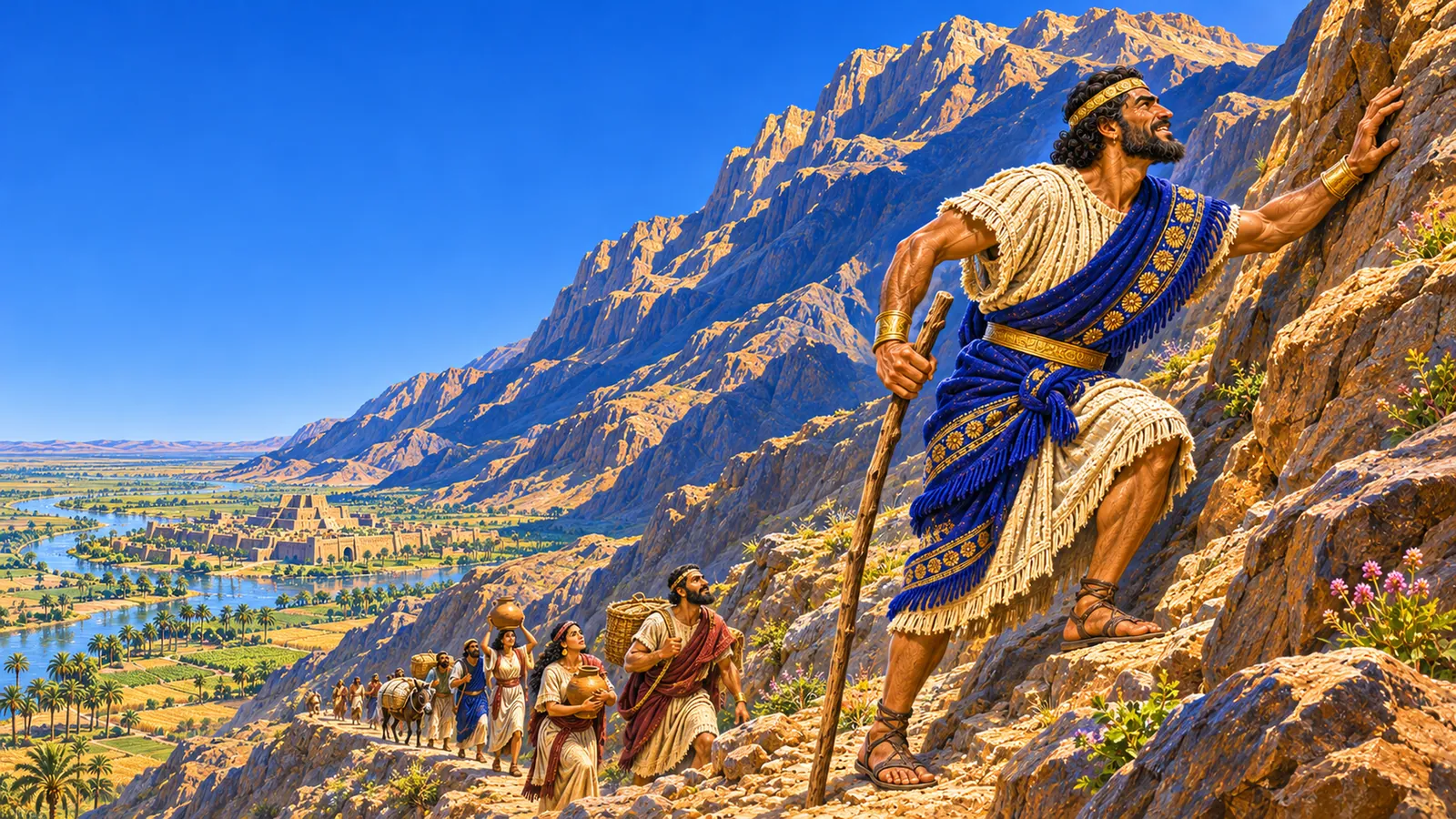
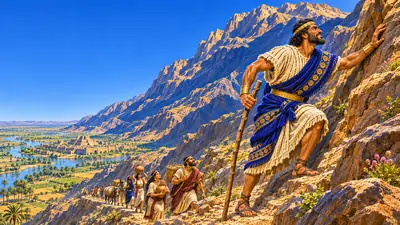
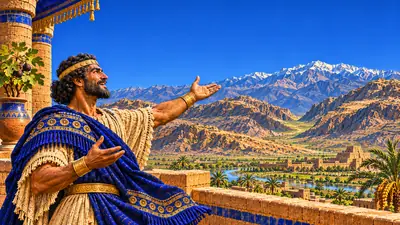
Na linha seguinte da tradução antiga de Barton, o narrador diz que subiu às montanhas superiores.
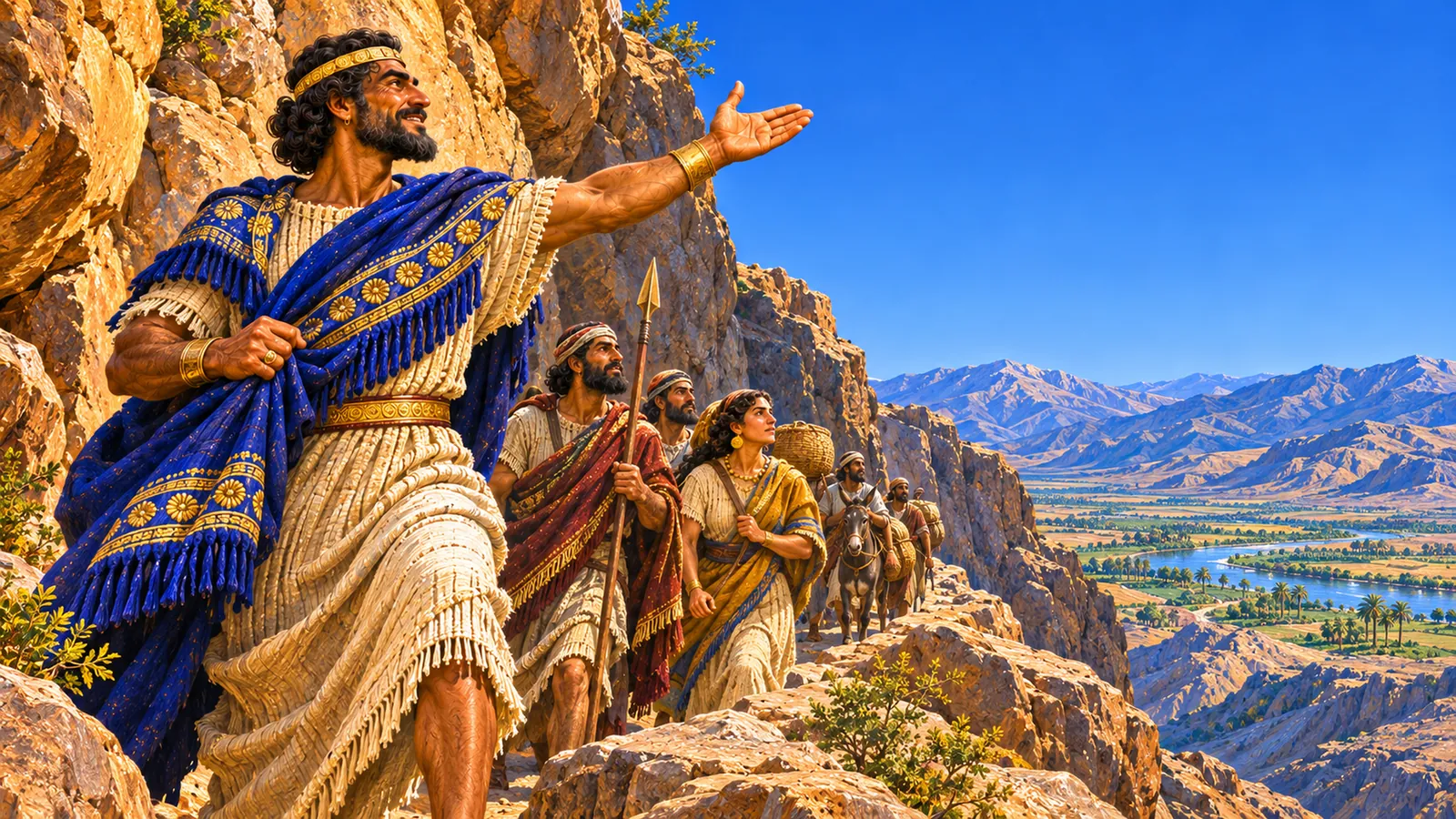
O narrador diz depois que abriu passagem através das montanhas inferiores. As palavras seguem-se à subida na tradução antiga de Barton.

Nesta tradução antiga, Sargão afirma que sitiou três vezes o país do mar. Não relata aqui esses cercos.
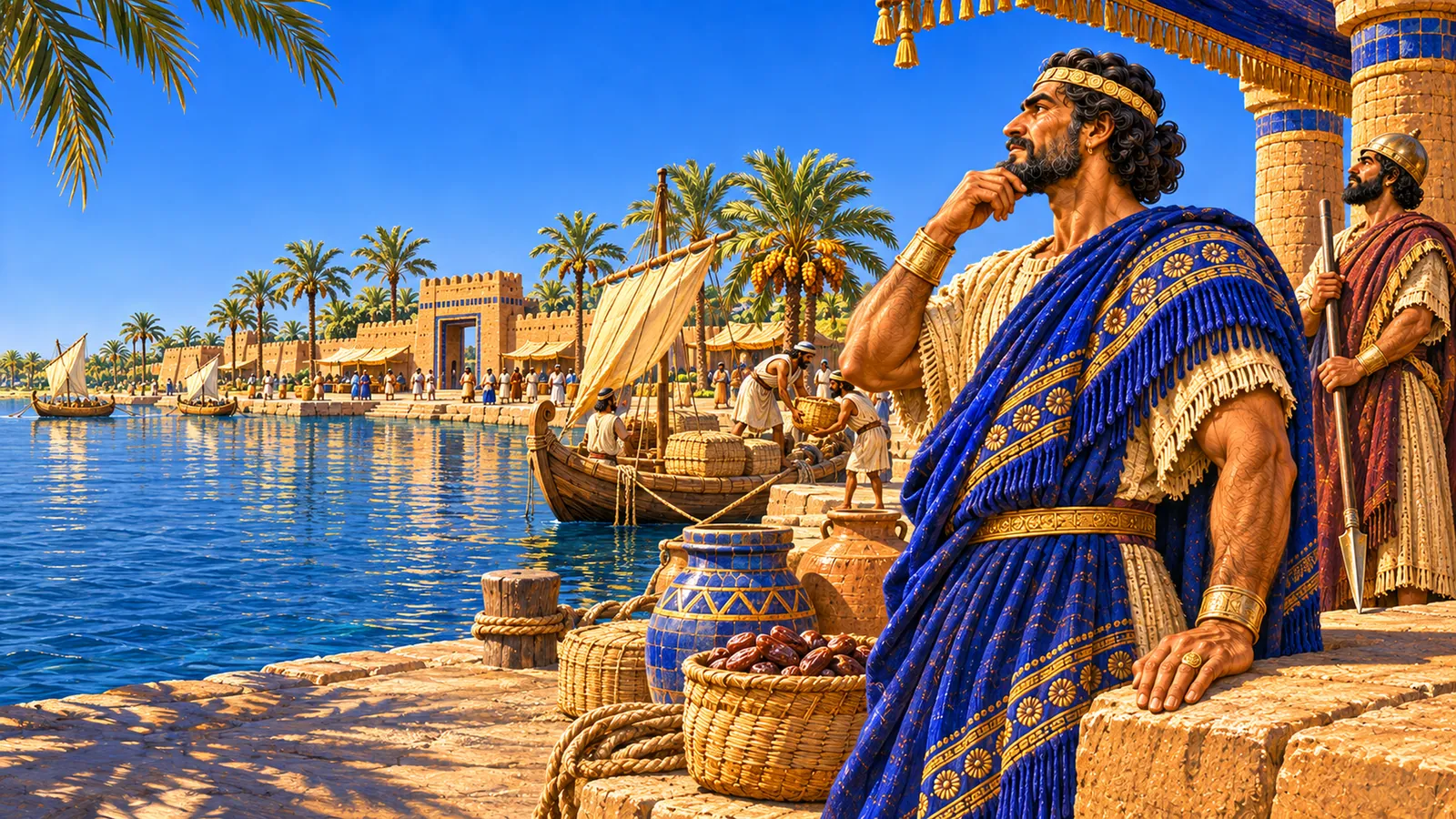
A tradução antiga apresenta a afirmação seguinte de Sargão como a captura de Dilmun (?). O ponto de interrogação assinala a incerteza dessa leitura.
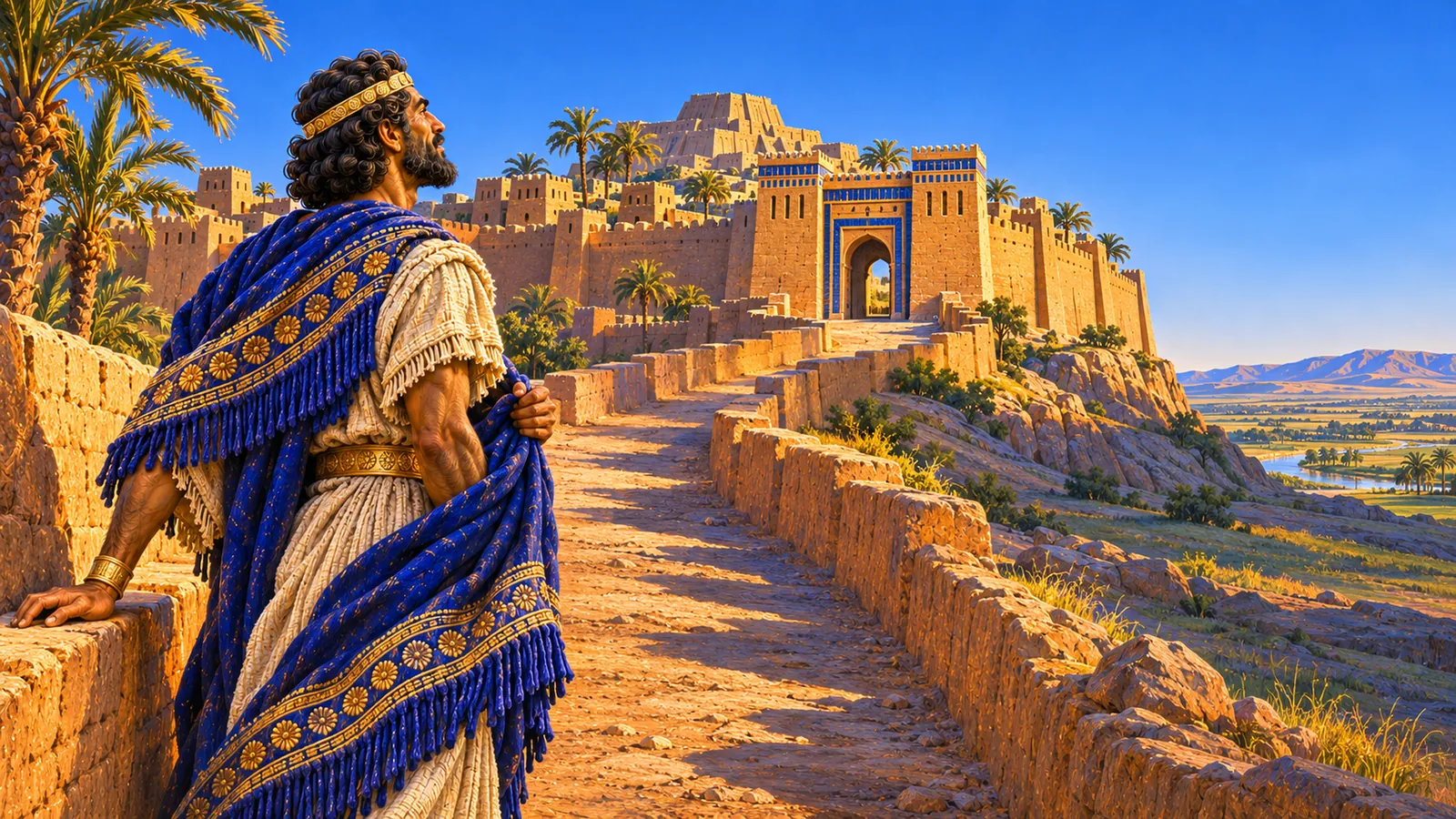
Sargão diz que subiu à grande Dur-ilu, mas a linha interrompe-se. A seguinte conserva uma palavra traduzida como «alterei», rodeada de texto perdido.
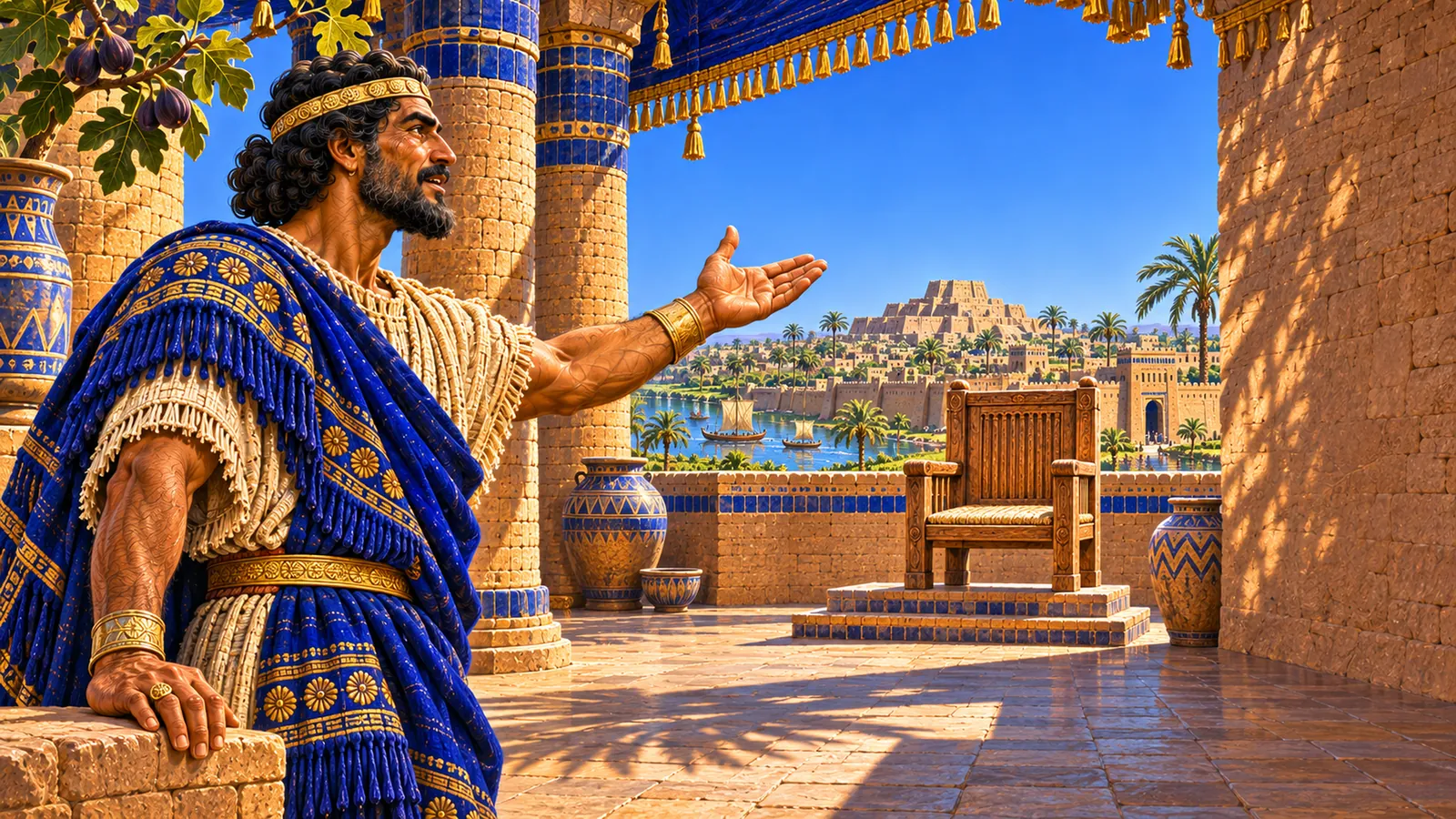
O SUCESSOR
Sargão dirige-se a qualquer rei que venha a ser exaltado depois dele. Uma linha perdida interrompe a passagem antes de começarem as instruções para esse futuro rei.
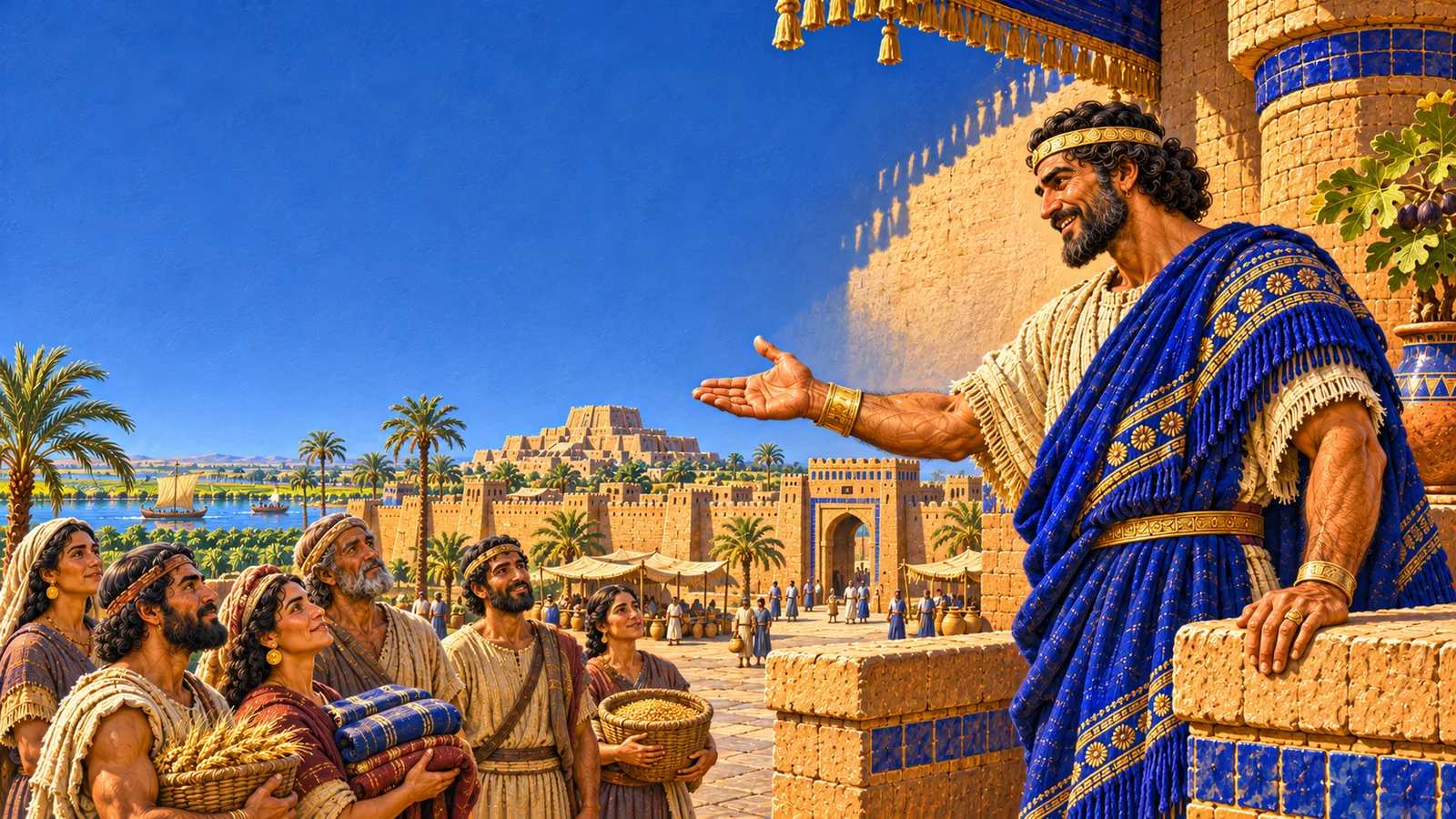
A voz real pede ao futuro rei que governe o povo a quem esta tradução antiga chama os de cabeças negras.
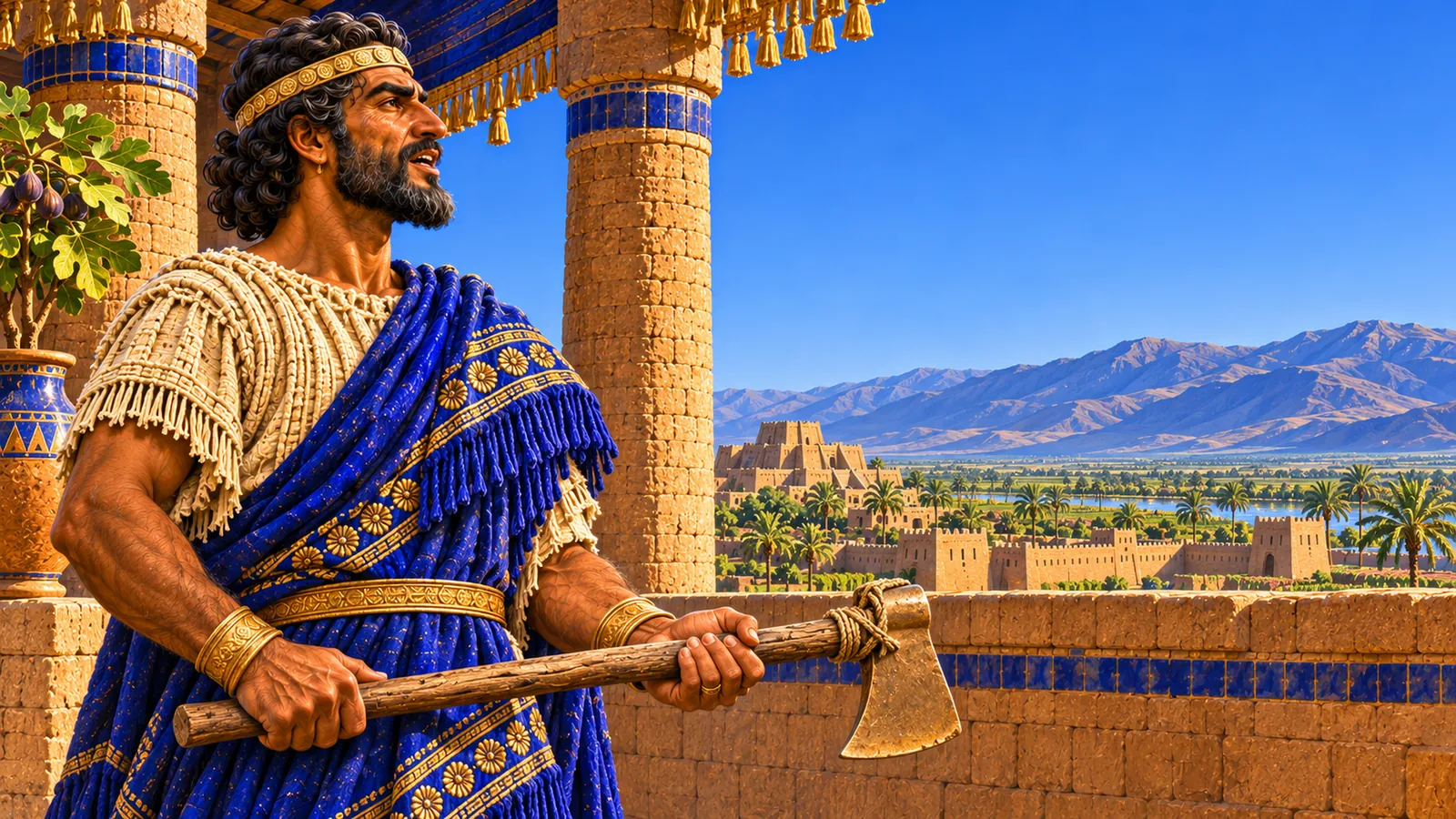
Sargão pede ao futuro rei que destrua as grandes montanhas com machados de bronze. A tradução antiga apresenta estas palavras como uma instrução ao seu sucessor.
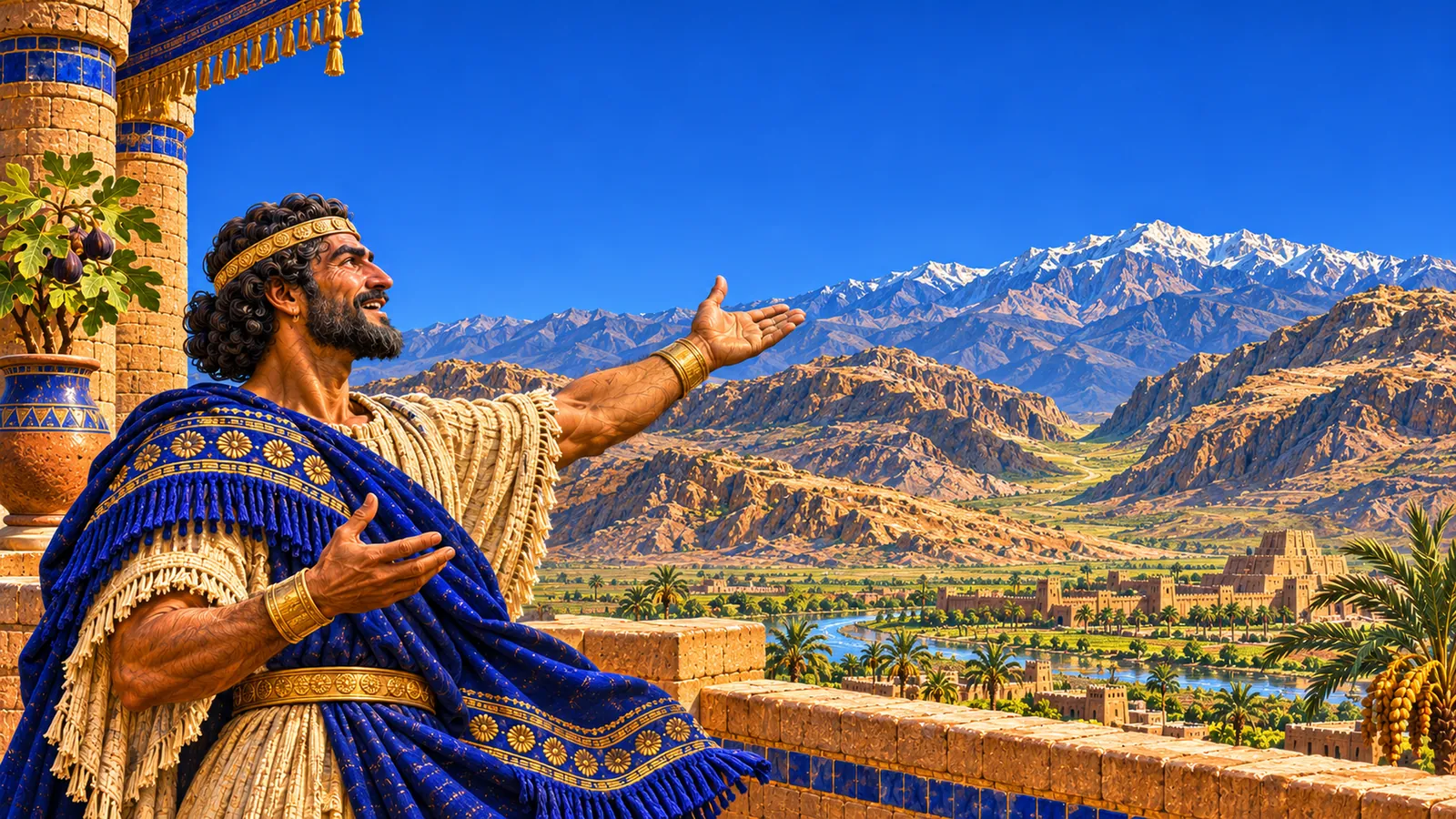
Exorta esse rei a subir às montanhas superiores e a abrir passagem pelas inferiores. São ordens na passagem dirigida ao seu sucessor.
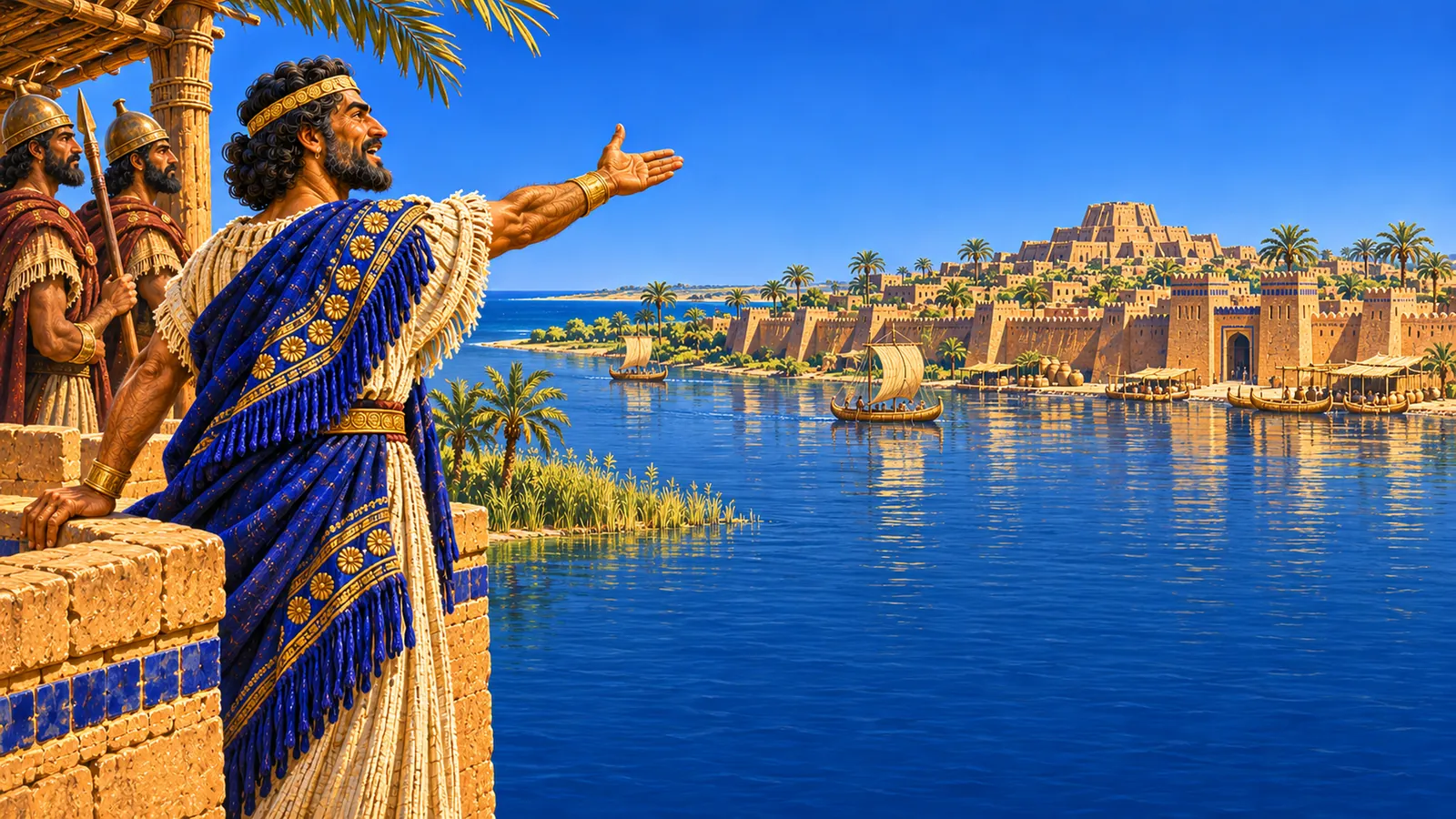
Sargão pede depois ao futuro rei que sitie três vezes o país do mar, repetindo o número da sua afirmação anterior.
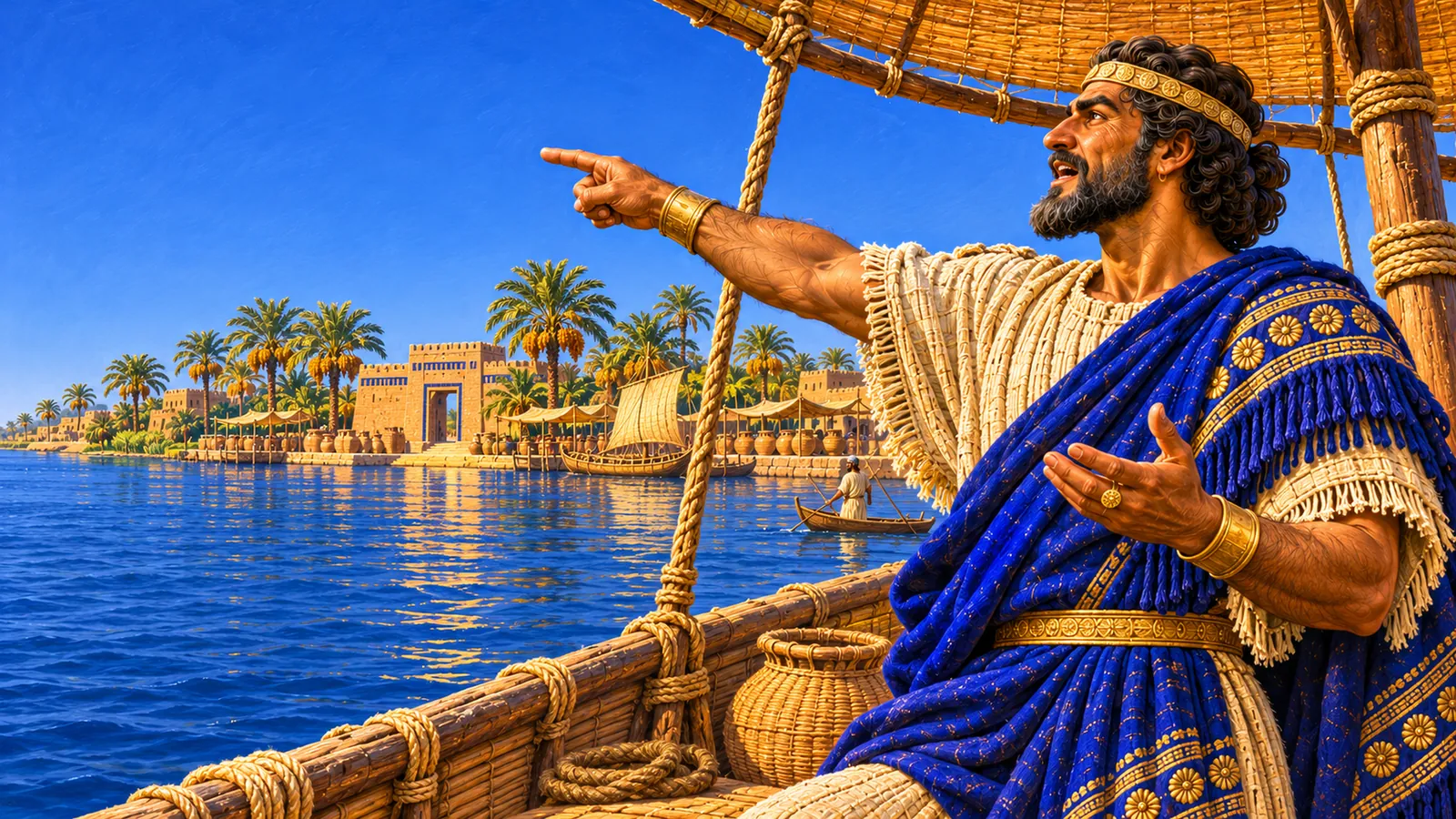
A voz real diz depois ao sucessor que capture Dilmun. Esta instrução ao futuro rei surge após a afirmação anterior de leitura incerta.
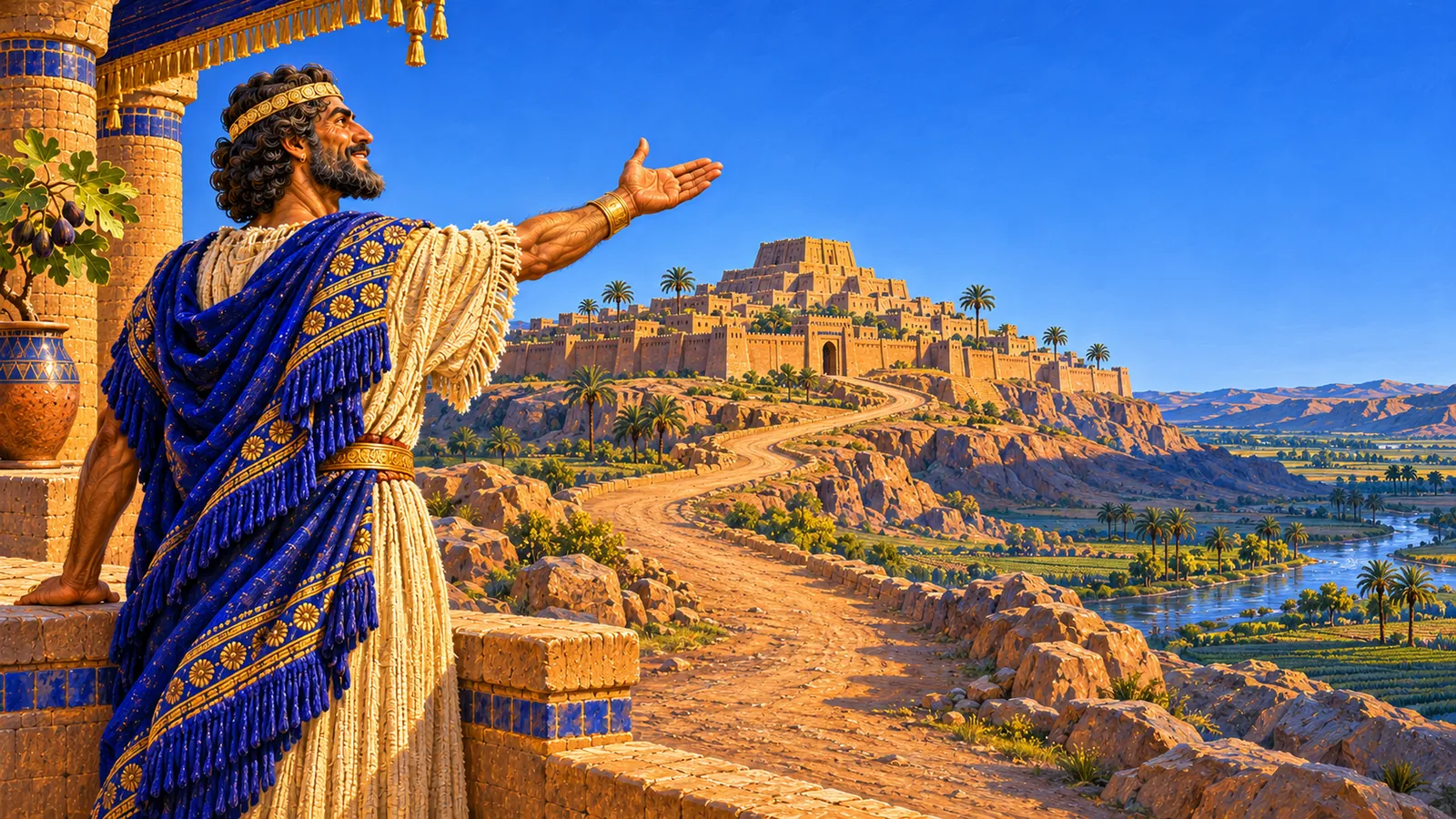
DUR-ILU
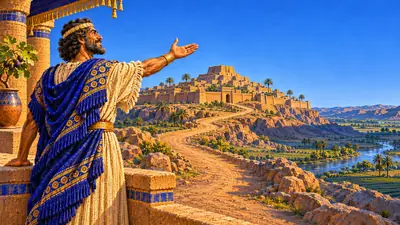
A passagem termina pedindo ao futuro rei que suba à grande Dur-ilu. O trecho não relata que o sucessor tenha cumprido essa ordem.
Fim do capítulo 2
Todas as páginas


Fontes
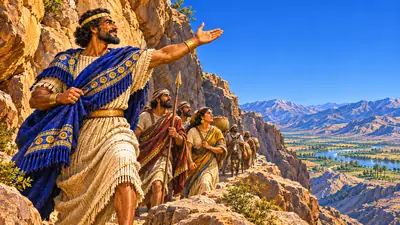
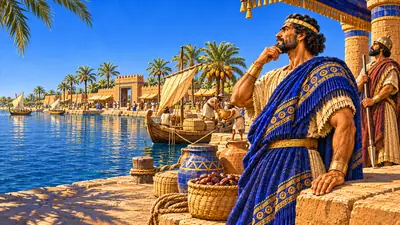
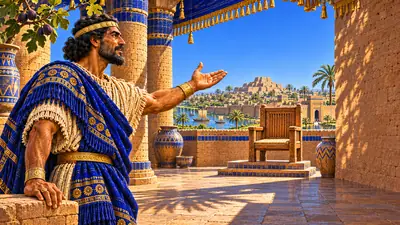
Fordham credits George A. Barton, Archaeology and the Bible, third edition, 1920, p. 310, with modernization by J. S. Arkenberg. This is a reading of that historical translation. Its wording, numbers, question marks and gaps remain attributed to that edition. The date in Fordham’s heading describes the royal setting. Empty landscapes and ordinary materials accompany the words.
Edições consultadas
- Fordham University, the Sargon legend in Barton’s 1920 translation, modernized by J. S. Arkenberg
- Jonathan Valk 2016, institutional copy for the different modern excerpt used in episode 1
- CDLI manuscript record P365306
Notas sobre este reconto
Page 1, Fordham numbered entry 1. The speaker identifies himself as Sargon and king of Akkad. Fordham credits George A. Barton, *Archaeology and the Bible*, third edition (Philadelphia, American Sunday-School Union, 1920), p. 310, and states that J. S. Arkenberg scanned and modernized the text. The page’s title gives an approximate date for the king, which this reading does not assign to the manuscript.
Page 2, numbered entry 2. The older rendering describes the speaker’s mother as lowly and says that he did not know his father. The mother’s description is specific to the historical rendering on Fordham’s page. The two readings have their own attribution, without combining their wording.
Page 3, numbered entry 3. The speaker says that his father’s brother lived in the mountain. This sentence supplies no personal name or identified mountain.
Page 4, numbered entry 4. The speaker gives Azupiranu as his city and places it by the Purattu. Fordham puts the equivalent “Euphrates” in square brackets. The site’s location is reported as the speaker’s claim in this reading.
Page 5, numbered entry 12. In this historical rendering the speaker says that Ishtar loved him while he was a gardener.
Page 6, numbered entry 13. Barton’s old rendering gives four years of rule. It supplies no historical chronology of the king’s reign.
Page 7, numbered entry 14. The phrase about the black-headed peoples is the old English rendering’s collective idiom.
Page 8, numbered entry 15. The speaker claims to have destroyed mighty mountains with bronze axes. The Fordham rendering adds a question mark after the claim. All six narrations retain the uncertainty. An ordinary unused early bronze axe head accompanies the words as a symbolic object.
Pages 9–10, numbered entries 16–17. The two claims give an ascent of the upper mountains followed by breaking through the lower mountains. The reading preserves their order and assigns no separate names or route to the mountains.
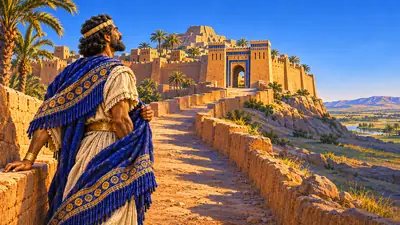
The city and street are symbolic settings, and the axe head lies unused. Terrain, objects and buildings carry the words through varied still views.
Page 11 · line 18.
Page 12 · line 19. The old translation prints a question mark after the claim that Sargon captured Dilmun. The place name alone is used without a modern geographical identification.
Page 13 · lines 20–21. Line 20 says Sargon went up to great Dur-ilu and then breaks off. Line 21 preserves an isolated verb rendered “altered,” with dots on either side.
Page 14 · lines 22–23. Sargon addresses whatever king will be exalted after him. The next numbered line consists entirely of dots. The instructions resume at line 24.
Page 15 · line 24.
Page 16 · line 25. The future king is told to destroy mighty mountains with bronze axes.
Page 17 · lines 26–27. The future king is told to ascend the upper mountains and break through the lower mountains. These are imperatives, continuing the address.
Page 18 · line 28. He is told to besiege the country of the sea three times. This deliberately repeats the number in the royal claim at line 18.
Page 19 · line 29. He is told to capture Dilmun. This instruction has no question mark in the old translation. The earlier royal claim in line 19 remains marked as uncertain.
Page 20 · line 30. The final line instructs the future king to go up to great Dur-ilu. The selected passage ends with that instruction.
Os versos antigos de cada página
- Page 1: Fordham, numbered entry 1; George A. Barton, Archaeology and the Bible, 3rd ed. (1920), p. 310, modernized by J. S. Arkenberg
- Page 2: Fordham, numbered entry 2; George A. Barton, Archaeology and the Bible, 3rd ed. (1920), p. 310, modernized by J. S. Arkenberg
- Page 3: Fordham, numbered entry 3; George A. Barton, Archaeology and the Bible, 3rd ed. (1920), p. 310, modernized by J. S. Arkenberg
- Page 4: Fordham, numbered entry 4; George A. Barton, Archaeology and the Bible, 3rd ed. (1920), p. 310, modernized by J. S. Arkenberg
- Page 5: Fordham, numbered entry 12; George A. Barton, Archaeology and the Bible, 3rd ed. (1920), p. 310, modernized by J. S. Arkenberg
- Page 6: Fordham, numbered entry 13; George A. Barton, Archaeology and the Bible, 3rd ed. (1920), p. 310, modernized by J. S. Arkenberg
- Page 7: Fordham, numbered entry 14; George A. Barton, Archaeology and the Bible, 3rd ed. (1920), p. 310, modernized by J. S. Arkenberg
- Page 8: Fordham, numbered entry 15, printed question mark; George A. Barton, Archaeology and the Bible, 3rd ed. (1920), p. 310, modernized by J. S. Arkenberg
Left is continuous cool dark naturally shaded fine stone without a line, object, highlight, joint or gleam. The unused object is a symbolic accompaniment to the old translation’s uncertain claim. - Page 9: Fordham, numbered entry 16; George A. Barton, Archaeology and the Bible, 3rd ed. (1920), p. 310, modernized by J. S. Arkenberg
- Page 10: Fordham, numbered entry 17; George A. Barton, Archaeology and the Bible, 3rd ed. (1920), p. 310, modernized by J. S. Arkenberg
- Page 11: Barton 1920, Archaeology and the Bible, 3rd ed., p. 310; Fordham/Arkenberg modernization, Sargon legend, line 18
- Page 12: Barton 1920, Archaeology and the Bible, 3rd ed., p. 310; Fordham/Arkenberg modernization, Sargon legend, line 19
- Page 13: Barton 1920, Archaeology and the Bible, 3rd ed., p. 310; Fordham/Arkenberg modernization, Sargon legend, lines 20–21
- Page 14: Barton 1920, Archaeology and the Bible, 3rd ed., p. 310; Fordham/Arkenberg modernization, Sargon legend, lines 22–23
- Page 15: Barton 1920, Archaeology and the Bible, 3rd ed., p. 310; Fordham/Arkenberg modernization, Sargon legend, line 24
The natural left reading area must be clear ground, never fog or blur. - Page 16: Barton 1920, Archaeology and the Bible, 3rd ed., p. 310; Fordham/Arkenberg modernization, Sargon legend, line 25
- Page 17: Barton 1920, Archaeology and the Bible, 3rd ed., p. 310; Fordham/Arkenberg modernization, Sargon legend, lines 26–27
- Page 18: Barton 1920, Archaeology and the Bible, 3rd ed., p. 310; Fordham/Arkenberg modernization, Sargon legend, line 28
- Page 19: Barton 1920, Archaeology and the Bible, 3rd ed., p. 310; Fordham/Arkenberg modernization, Sargon legend, line 29
- Page 20: Barton 1920, Archaeology and the Bible, 3rd ed., p. 310; Fordham/Arkenberg modernization, Sargon legend, line 30
Ilustrações feitas pelo IL Archive com ferramentas de IA; o texto baseia-se nas fontes antigas (veja as fontes no fim de cada capítulo).