Entität
Sabbat, der wöchentliche Ruhetag
Eine Übersichtsseite, die einen Namen, eine Gruppe oder einen Begriff mit den Materialien verbindet, die ihn behandeln.
Automatische Übersetzung. Lesen Sie das Original auf Englisch.
Heiliger siebter Tag in jüdischen Überlieferungen, der durch Gebote mit der Ruhe im Haushalt, der Schöpfung und der Befreiung verbunden ist.
Zuletzt geprüft:
Video
Warum ist die Sieben heilig? Was die Tontafeln des alten Irak verraten
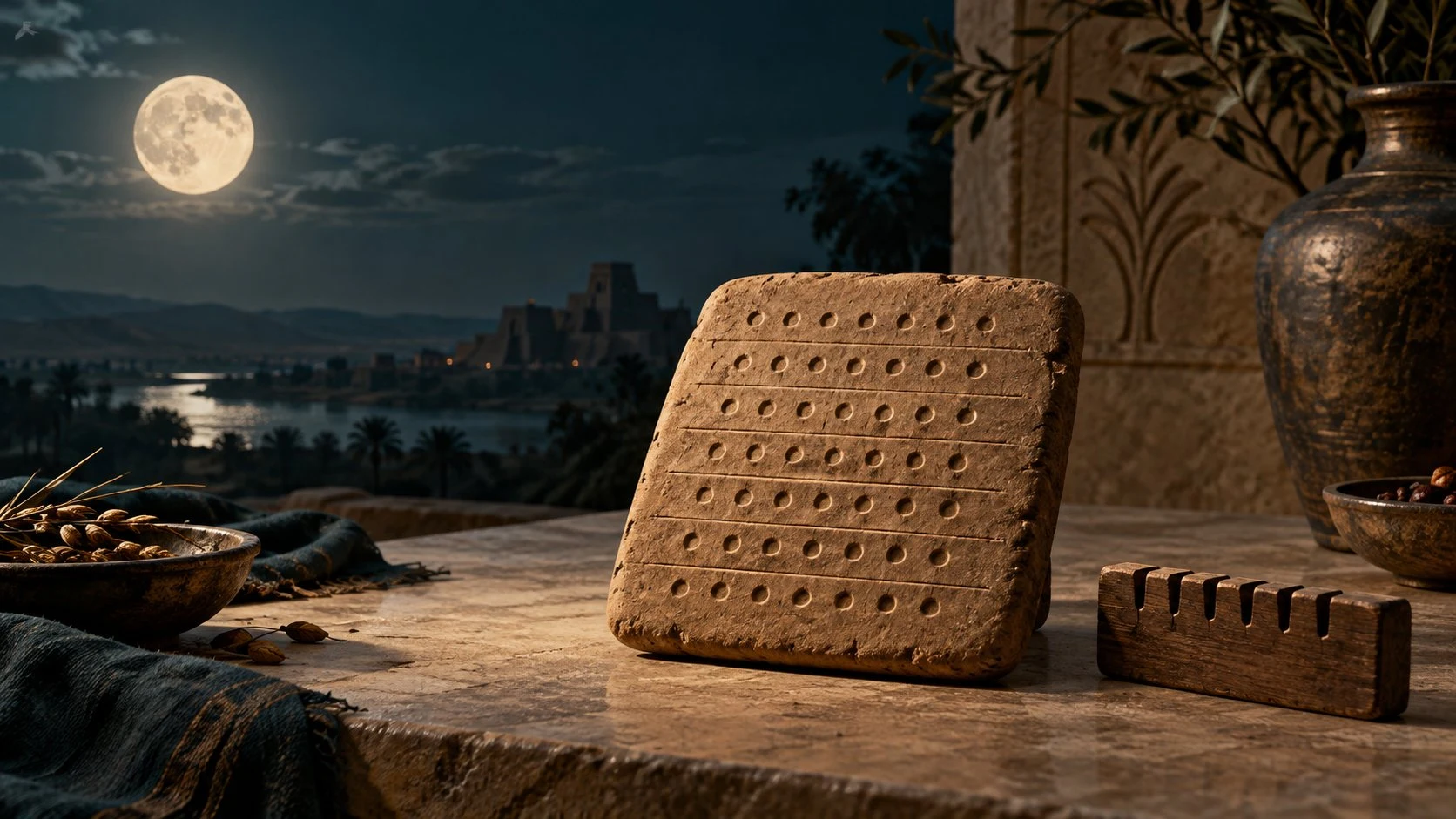
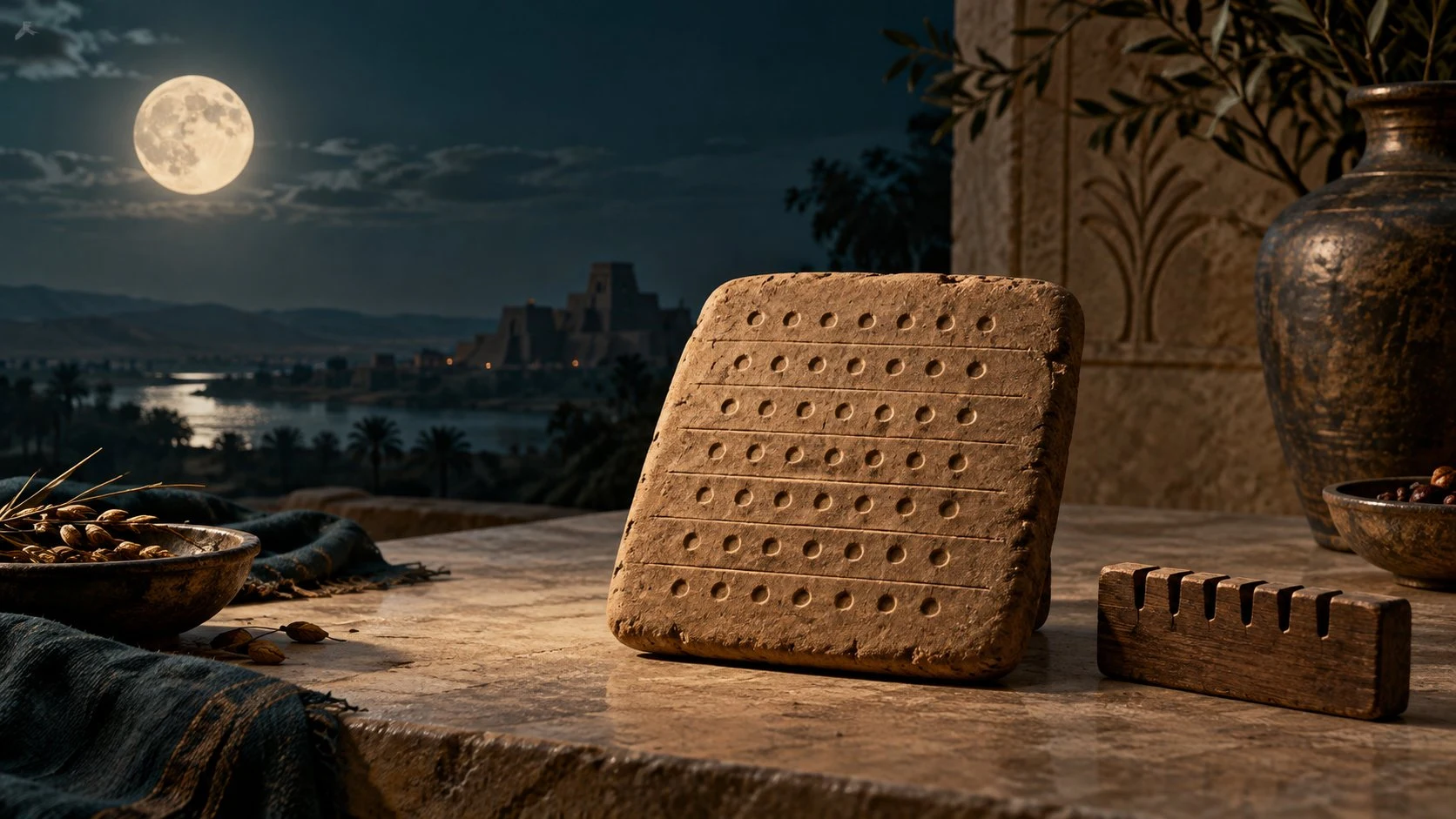
Unser vierter Dokumentarfilm folgt der Zahl Sieben durch die Tontafeln des alten Irak und seiner Nachbarn und liest dann die Schriften in ihren eigenen Worten und mit Respekt. Einige Szenen sind KI-generierte Illustrationen.
Der YouTube-Player wird erst beim Druck auf Wiedergabe geladen. Auf YouTube ansehen
Text
Der Sabbat ist der heilige siebte Tag in jüdischen Überlieferungen. Die Gebote in ExodusBuch ExodusTorah book recounting Israel’s departure from Egypt and containing different formulations of seventh-day rest.Glossar · Zum Lesen der Erläuterung klicken und DeuteronomiumBuch DeuteronomiumTorah book presenting commandments in Moses’ discourse and grounding Sabbath rest in slavery and liberation from Egypt.Glossar · Zum Lesen der Erläuterung klicken erstrecken die Arbeitsruhe auf Haushalt, Knechte, Tiere und den Fremden, der im Land wohnt; das erste beruft sich auf die Schöpfung, das zweite auf Versklavung und Befreiung. [1][2]
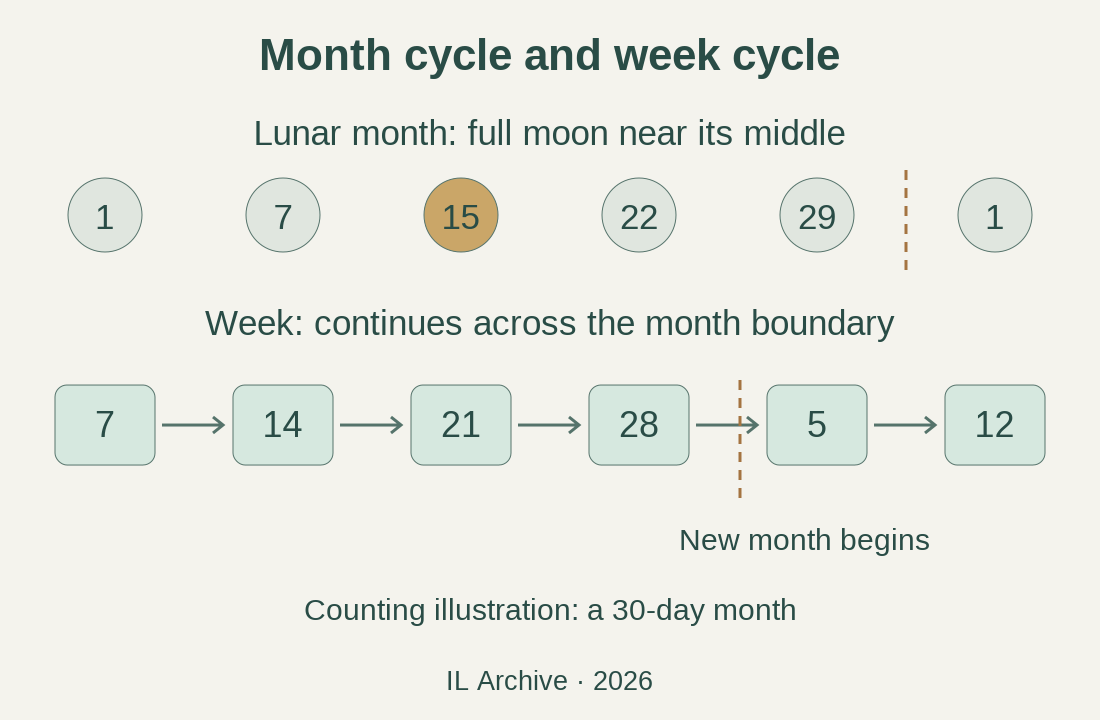
Der Sabbat kehrt in einem Siebentageszyklus wieder, der unabhängig vom Monatsbeginn ist. Seine Entstehung und mögliche Beziehung zum akkadischen šapattuAkkadisch šapattuŠapattu is an Akkadian term attested for the lunar mid-month day or a half-month in time reckoning. A historical derivation of the weekly Hebrew Sabbath from it remains contested.Glossar · Zum Lesen der Erläuterung klicken bleiben sprachliche und historische Fragen. [3]
Verweise und Anmerkungen
- Exodus 20:8–11 in common numbering corresponds to 20:7–10 on this page; Hebrew and JPS 1917, Sabbath and creation rationale. Exodus 20:8–11 in common numbering corresponds to 20:7–10 on this page; Hebrew and JPS 1917, Sabbath and creation rationale. Zurück zum Text ↑
- Deuteronomy 5:12–15 in common numbering corresponds to 5:11–14 on this page; Hebrew and JPS 1917, dependants’ rest and liberation memory. Deuteronomy 5:12–15 in common numbering corresponds to 5:11–14 on this page; Hebrew and JPS 1917, dependants’ rest and liberation memory. Zurück zum Text ↑
- Ottilia Lukács, Sabbath in the Making, 2020, pp. 6–12, PDF pages 15–21: survey and conclusion, not the entire book. Ottilia Lukács, Sabbath in the Making, 2020, pp. 6–12, PDF pages 15–21: survey and conclusion, not the entire book. Zurück zum Text ↑
Korrektur vorschlagen · Eine Quelle zu diesem Eintrag vorschlagen
Diesen Eintrag zitieren
IL Archive, «Sabbat, der wöchentliche Ruhetag», https://ilarchive.com/de/entities/sabbath-weekly-rest
Weiterlesen