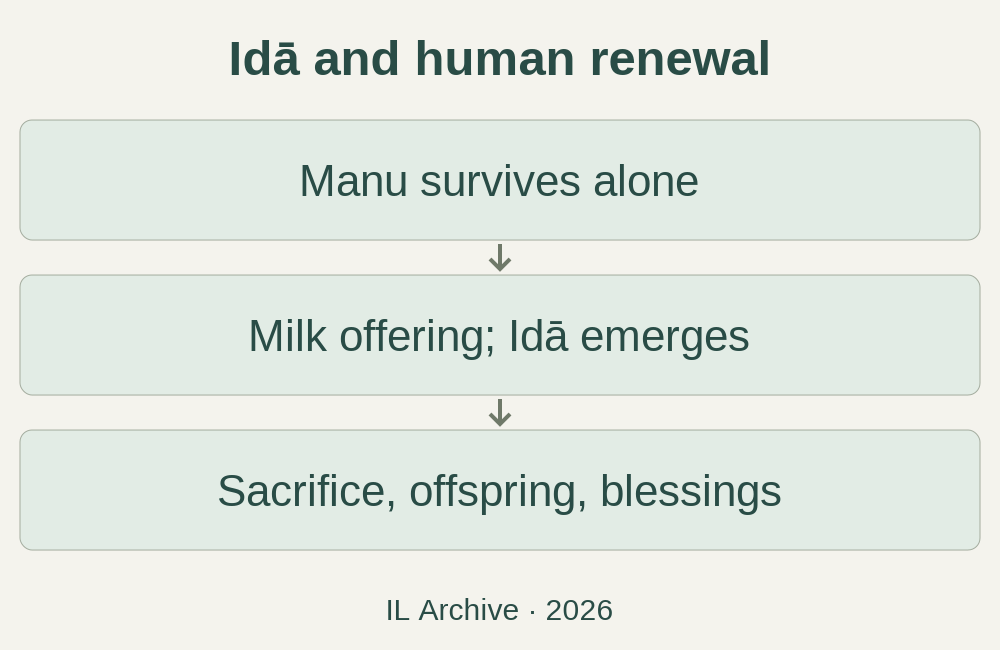
Modern explanatory diagram of narrative sequence and relationships, not a manuscript reproduction or portrait
Entität
Female figure arising from Manu’s post-flood offering in the Śatapatha Brāhmaṇa.
Namensvarianten: Idā, sacrifice and human renewal, Ida, Iḍā
Kontext und Quellen →
Modern AI-generated expressive cover imagining canals and earthworks at sunset, inspired by the labour episode in Atrahasis. Not a photograph of an archaeological site, a god or an historical event, nor a verified reconstruction
Entität
Collective of deities called Igigi or Igigū in Akkadian sources from the Old Babylonian period onward. They labour and rebel in Atrahasis; their numbers and relation to the Anunnaki vary by text.
Namensvarianten: Igigi, Igigu, Igigū
Kontext und Quellen →
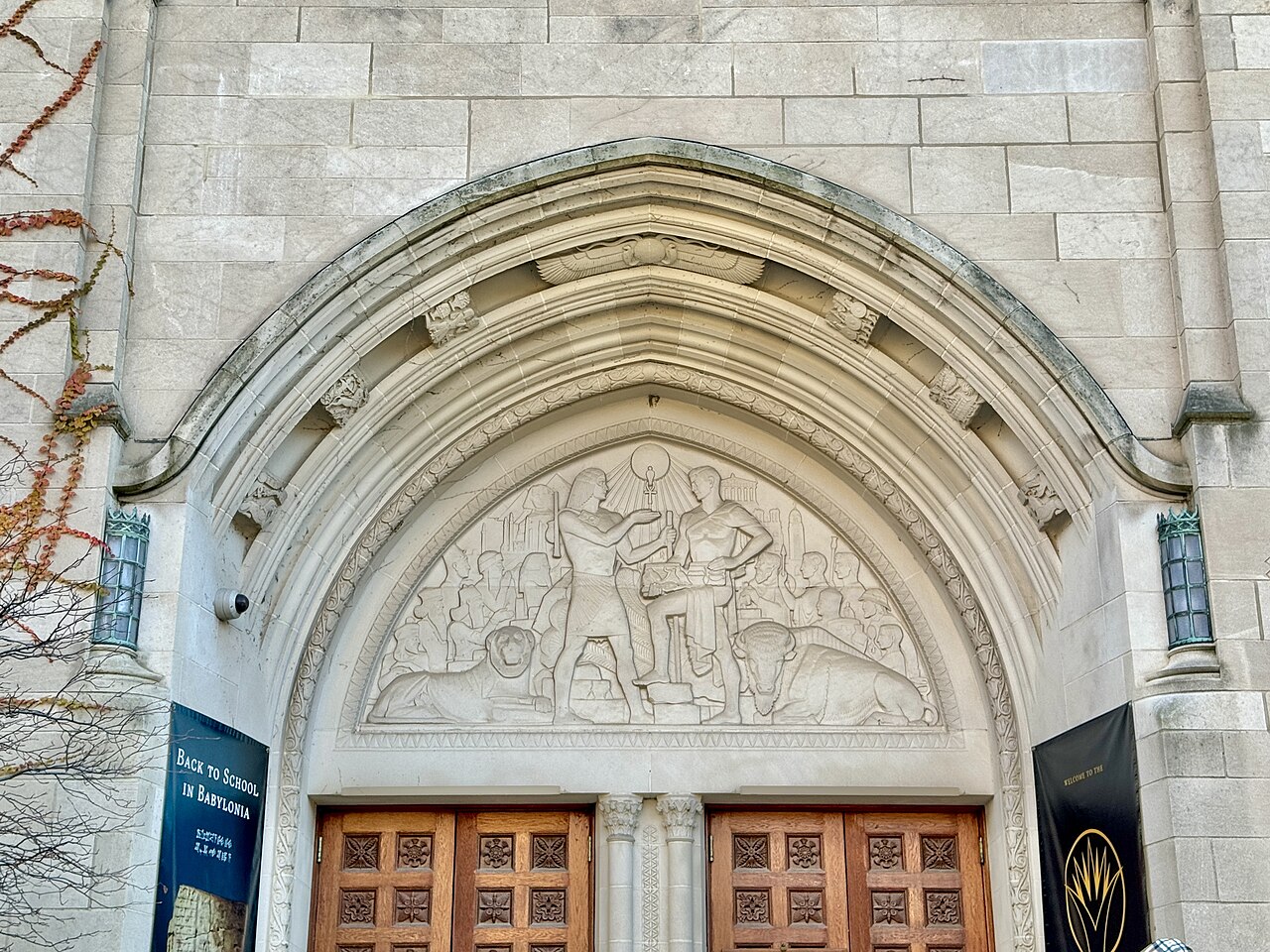
Detail of the entrance and modern architectural relief at the Institute for the Study of Ancient Cultures, University of Chicago, on 11 November 2023. The institute moved into this building in 1931; Ignace J. Gelb’s work was associated with the institution from 1929. The relief belongs to the twentieth-century architecture
Person
University of Chicago Assyriologist (1907–1985), studying ancient languages, writing and personal names, including Amorite names.
Namensvarianten: Ignace Gelb, Ignace J. Gelb
Kontext und Quellen →
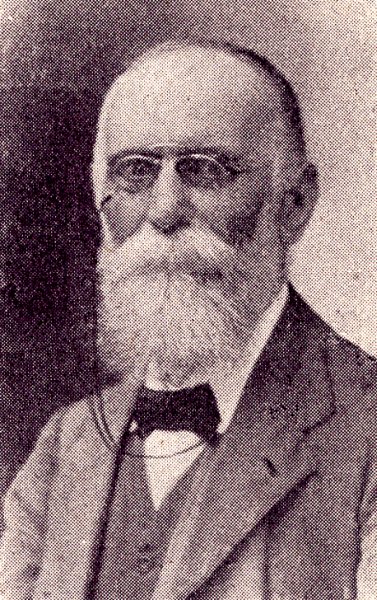
Historical portrait of Ignazio Guidi (1844–1935), from Wikimedia Commons. The file record credits the Italian Chamber of Deputies but does not identify the artist. CC BY 3.0
Person
Italian scholar (1844–1935) who edited Syriac forms of the Sleepers story and translated one into Italian.
Namensvarianten: Ignazio Guidi, Guidi
Kontext und Quellen →

Contemporary AI-generated interpretive image of examining ancient imagery: stylized symbols and a fictional tablet under a magnifier. Neither an ancient object nor a verified reconstruction or genuine cuneiform text
Entität
Study of represented subjects, figures and attributes through comparison and context, distinguishing observation from tentative identification.
Namensvarianten: iconography, iconographic analysis
Kontext und Quellen →
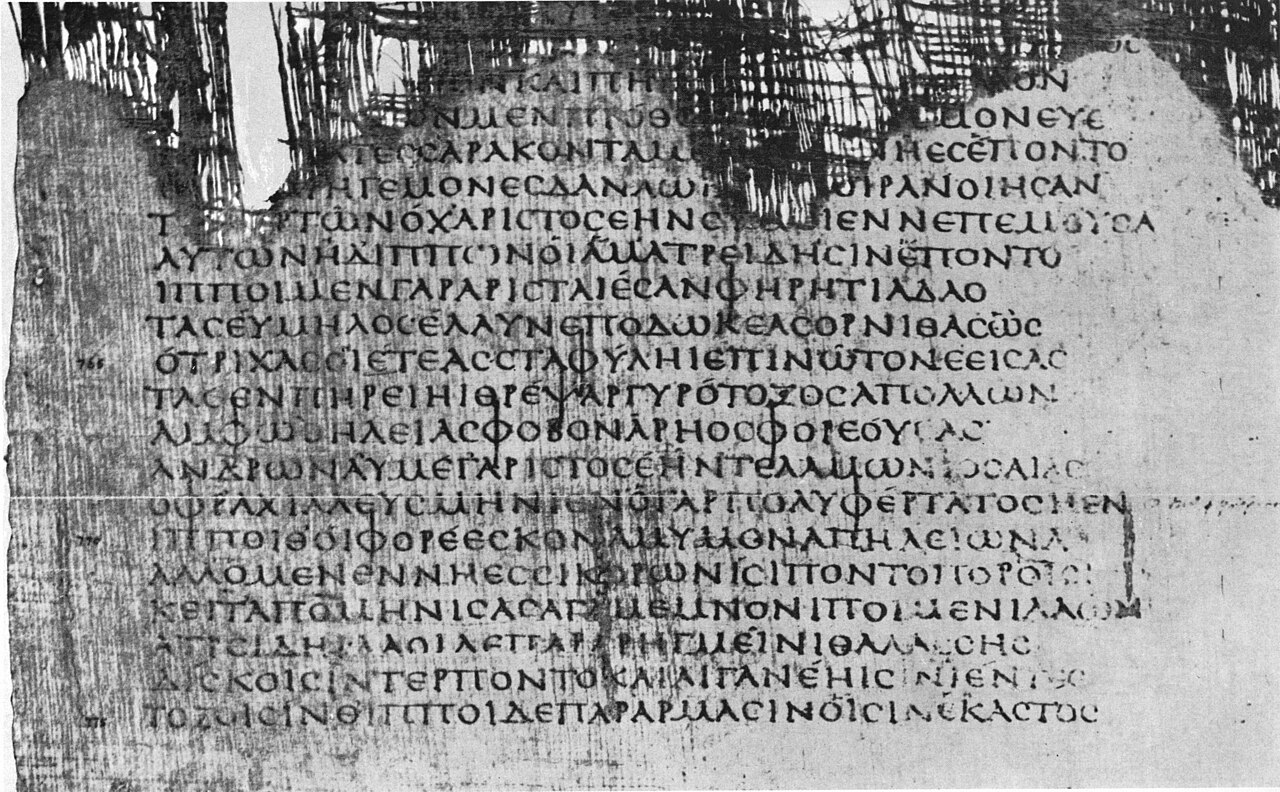
Fragment of the Hawara papyrus preserving Iliad 2.757–775, about 150 CE. A witness to the epic’s transmission in the Roman period; its date is not the date of composition
Entität
Greek epic attributed to Homer, narrating a phase of the Trojan War.
Namensvarianten: Iliad
Kontext und Quellen →
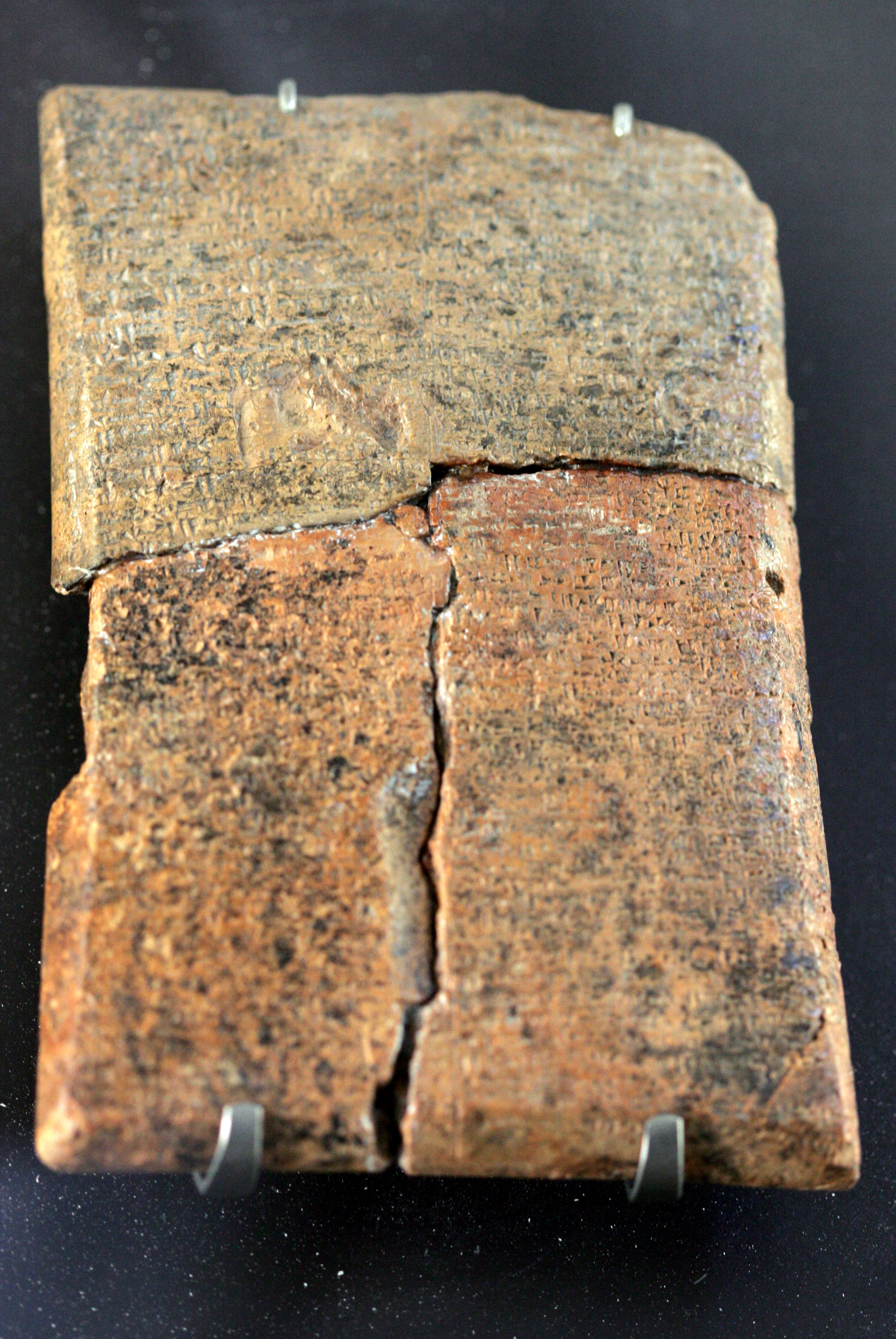
A tablet of the Tale of Aqhat, Louvre AO 17323, catalogued as KTU 1.19, from Ras Shamra; museum dating 1400–1200 BCE. Context for literature attributed to Ilimilku, not his portrait or the damaged colophon on KTU 1.17
Entität
Ugaritic scribe associated with the Baal Cycle, Kirta and Aqhat; handwriting and colophons aid attribution. His work alone does not date the traditions’ origins.
Namensvarianten: Ilimilku, Ili-milku, Ilumilku
Kontext und Quellen →

Contemporary imaginative depiction of Illuyanka confronting the Storm-god, inspired by the two Hittite accounts. It is neither an ancient artifact nor a documented reconstruction of a particular passage
Entität
Illuyanka, Hittite for “serpent,” opposes the Storm-god in two CTH 321 accounts. In one, Inara and Hupasiya help trap it; in the other, the god’s son retrieves his stolen heart and eyes.
Namensvarianten: Illuyanka
Kontext und Quellen →
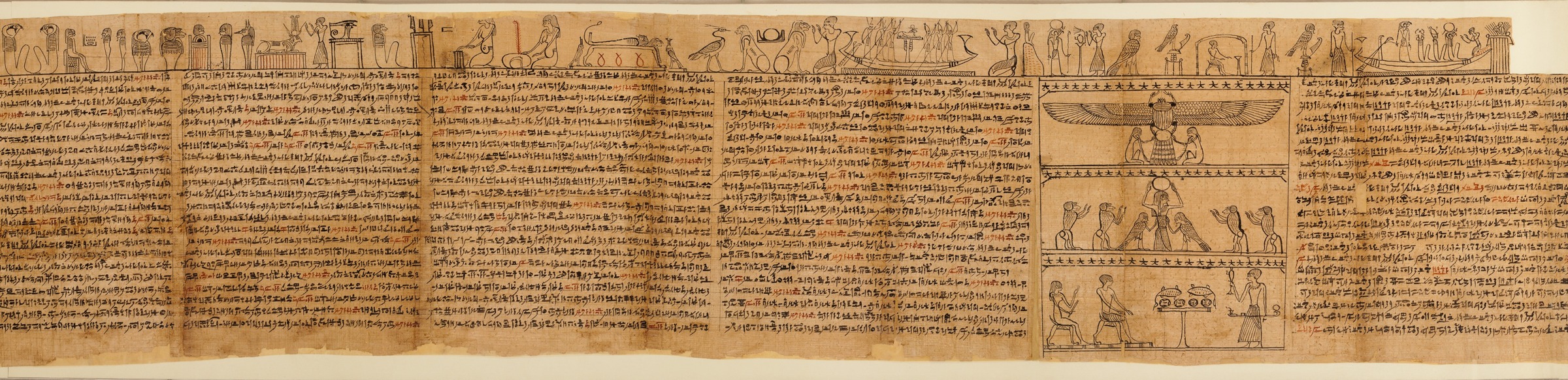
Photographed section of the Book of the Dead papyrus of Imhotep, priest of Horus, about 332–200 BCE. Columns of hieratic writing and funerary images; Metropolitan Museum 35.9.20a–w. Not a portrait of its owner or the entire scroll
Person
A priest of Horus for whom a Book of the Dead papyrus was prepared in the early Ptolemaic period, about 332–200 BCE; his manuscript combines texts and images to secure an afterlife.
Namensvarianten: Imhotep priest of Horus
Kontext und Quellen →
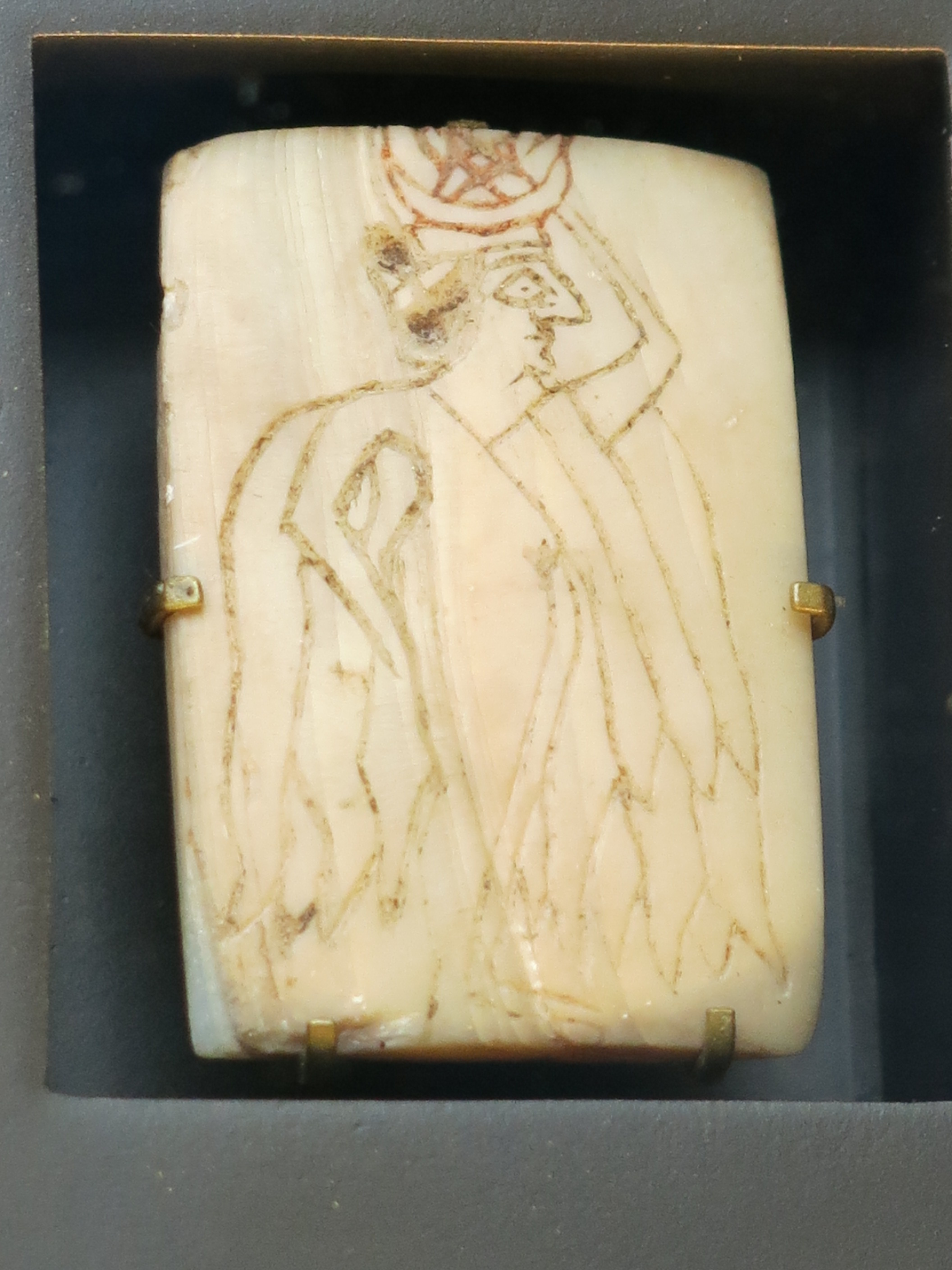
Shell inlay from Ishtar’s temple at Mari, ca. 2500–2400 BCE, depicting Ishtar with a star and crescent according to the Louvre identification. Louvre, AO 18962. Modern photograph of an ancient object
Entität
A prominent Mesopotamian goddess whose Sumerian name Inanna became associated with Akkadian Ishtar across diverse traditions. She was associated with desire, war, royal authority and Venus, while local forms and genealogies varied among texts.
Namensvarianten: Inanna, Inana, Ishtar, Ištar
Kontext und Quellen →
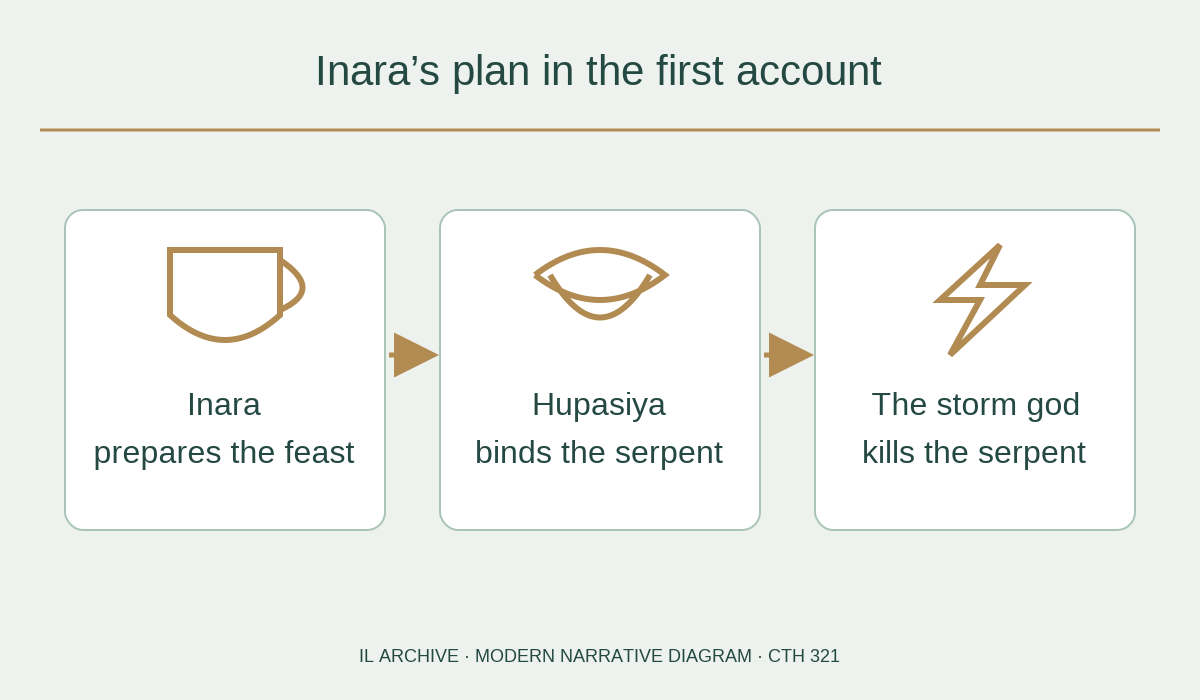
Modern narrative diagram of Inara, Hupasiya and the storm god cooperating in the first Illuyanka account. Arrows show successive roles in the story; not an artifact or a reconstruction of divine appearances
Entität
Goddess in Hittite traditions who plans the feast enabling the serpent’s defeat in the first Illuyanka account.
Namensvarianten: Inara
Kontext und Quellen →
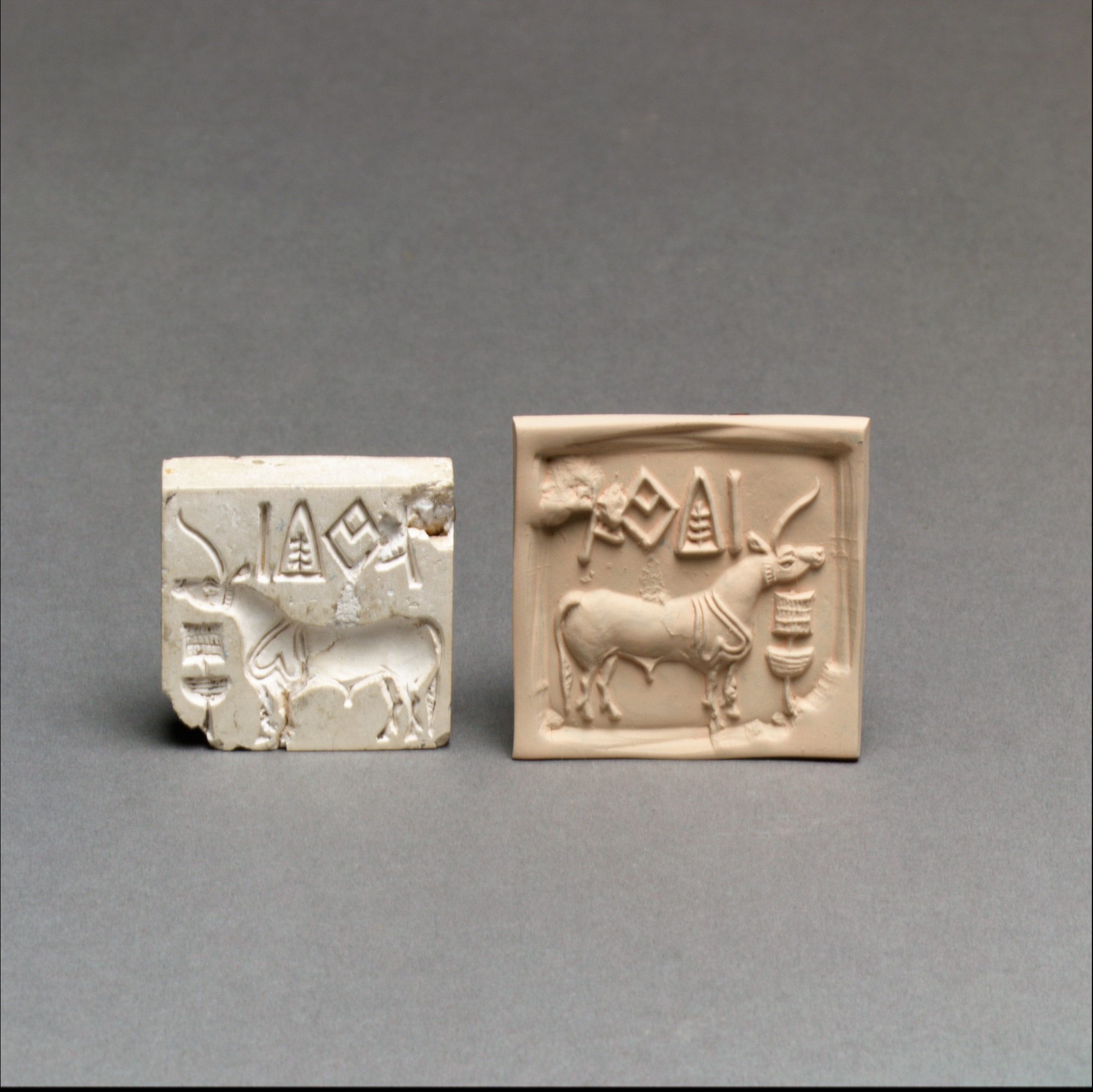
Indus seal and modern impression, about 2600–1900 BCE; Met 49.40.1. A single-horned animal and script signs are visible; this is not an identified flood text
Stätte
South Asian region associated with the Indus civilization, connected with the Near East in the third millennium BCE.
Namensvarianten: Indus Valley, historical region
Kontext und Quellen →
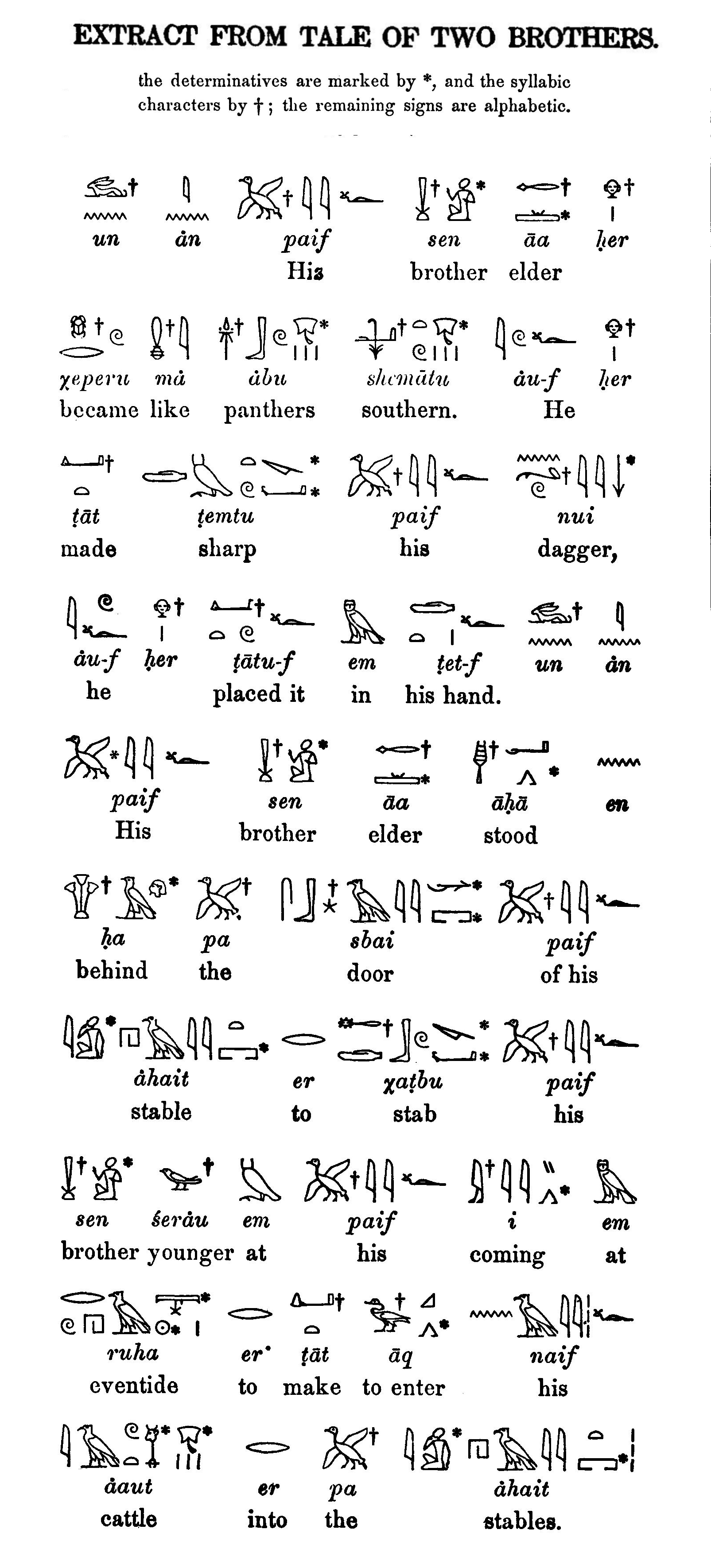
Printed Two Brothers excerpt in Wallis Budge’s Egyptian Language, 1889, pp. 38–39: educational hieroglyphic transcription with English glosses of the armed elder brother. Not a photograph of the hieratic papyrus or Inena’s signature
Person
Egyptian scribe of the late Nineteenth Dynasty, credited by the British Museum with the Two Brothers papyrus around 1215 BCE.
Namensvarianten: Inena, the D’Orbiney scribe, Inena
Kontext und Quellen →
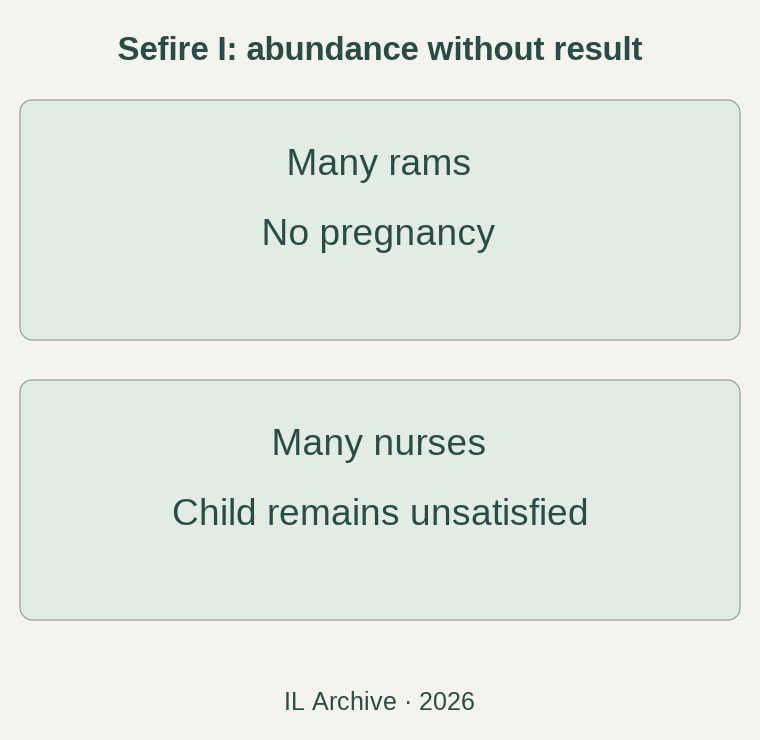
Modern diagram of the curse pattern in SefireI21–22 as quoted in translation; not a photograph of the stele or a historical scene
Antiker Text
Eighth-century BCE Aramaic treaty inscription whose curses include abundant effort without its result.
Namensvarianten: Sefire I
Kontext und Quellen →
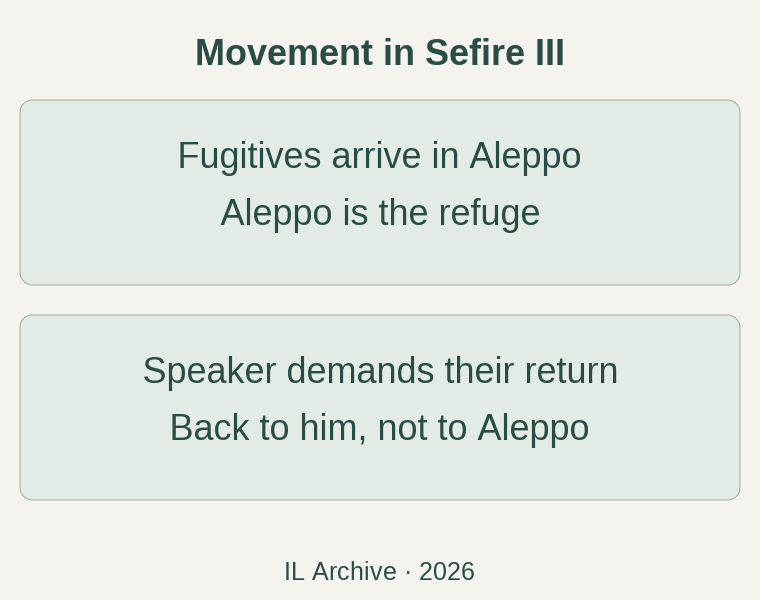
Modern diagram of the specified cases or direction of action, not an artifact photograph or portraits and not reconstruction of documented practice
Antiker Text
Eighth-century BCE Aramaic treaty inscription addressing political obligations and fugitives.
Namensvarianten: Sefire III inscription
Kontext und Quellen →
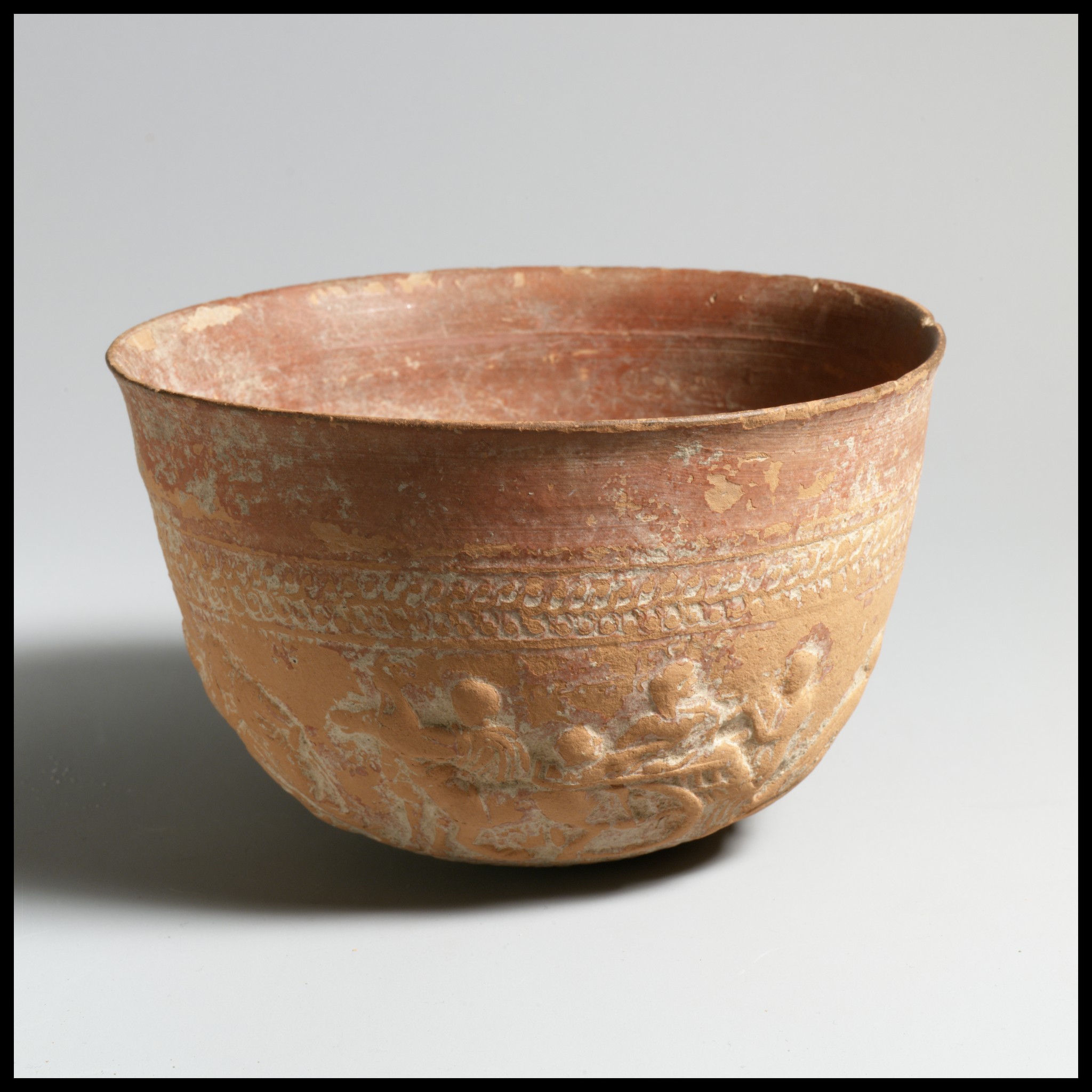
Second-century BCE Boeotian bowl with scenes from Iphigenia at Aulis, The Met 31.11.2. It does not show the deer substitution in Iphigenia among the Taurians
Person
Mythic and dramatic daughter of Agamemnon. In Iphigenia among the Taurians, Artemis rescues her at the altar and substitutes a deer.
Namensvarianten: Iphigeneia
Kontext und Quellen →

The Tigris in Baghdad, Iraq, on the evening of 29 December 2021. A modern river and city view illustrating the present geographical setting of Mesopotamia
Stätte
Iraq is a modern country encompassing much of ancient Mesopotamia
Namensvarianten: Iraq, modern Iraq
Kontext und Quellen →
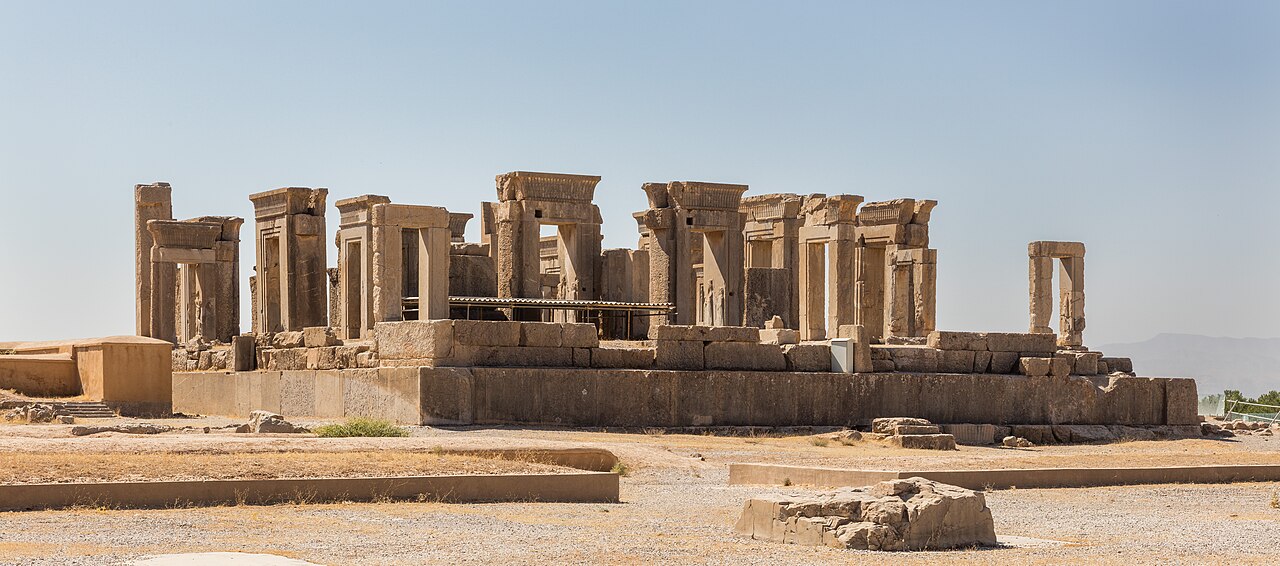
Ruins of Darius’s palace at Persepolis in southwestern Iran, 24 September 2016. They belong to the Achaemenid period; construction of the site’s complex began around 518 BCE. This is one ancient Iranian site, distinct from Susa mentioned in the definition
Stätte
Iran is the modern country containing Shush, ancient Susa
Namensvarianten: Iran
Kontext und Quellen →
Person
Late-second-century Christian writer who mentioned the child Jesus and a teacher.
Namensvarianten: Irenaeus of Lyon
Kontext und Quellen →
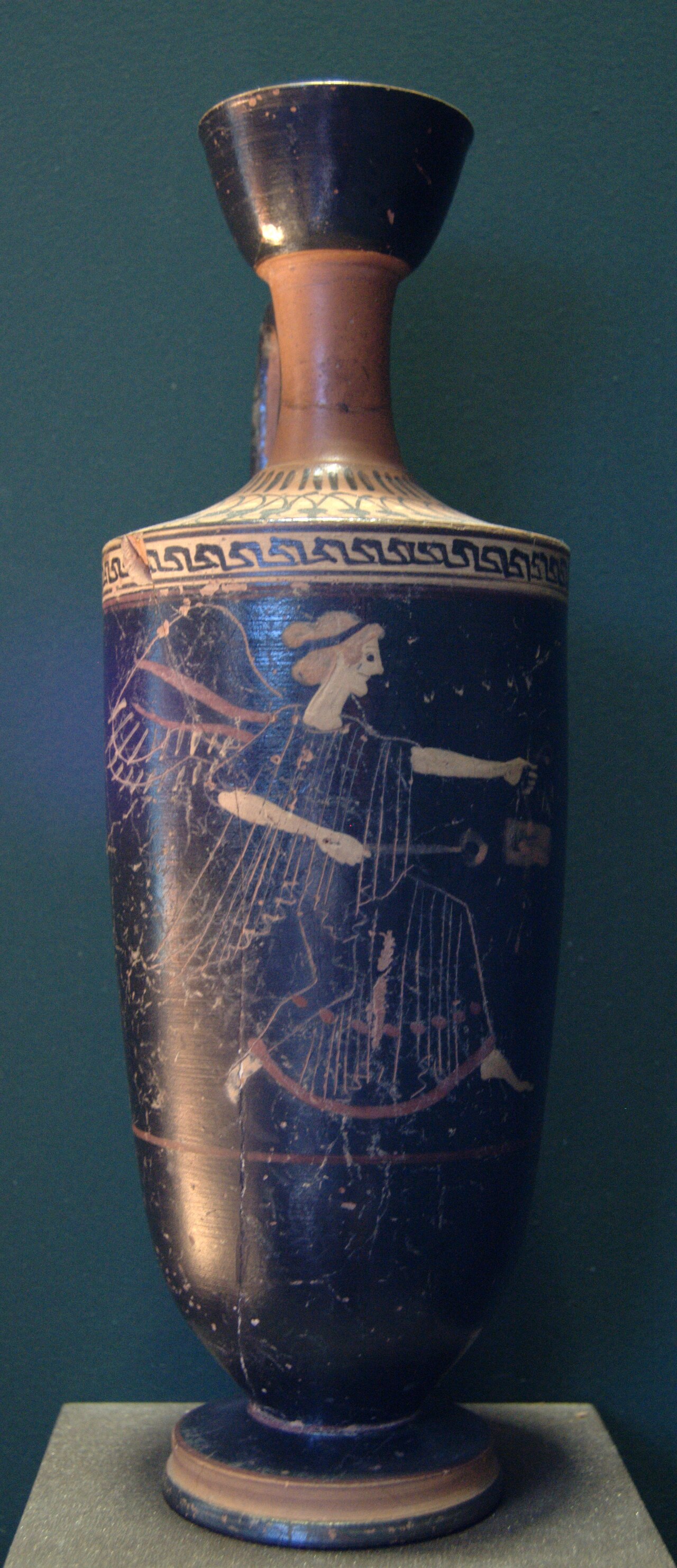
Winged Iris on a Greek vase, about 500–490 BCE; Louvre L 43. An ancient representation of the divine messenger named in the Iliad
Entität
Greek divine messenger who conveys Zeus’s command to Poseidon in the Iliad.
Namensvarianten: Iris
Kontext und Quellen →
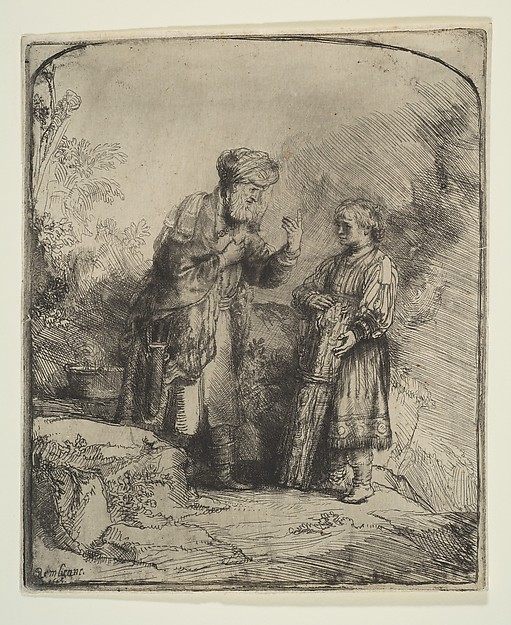
Rembrandt's etching Abraham and Isaac, 1645, The Met 29.107.26. A dialogue imagined by the artist centuries after the text
Person
Son of Abraham and Sarah in Genesis; named explicitly in Genesis 22's sacrifice episode, while named after the unnamed-son scene in Qur'an 37.
Namensvarianten: Yitzhak, Ishaq
Kontext und Quellen →
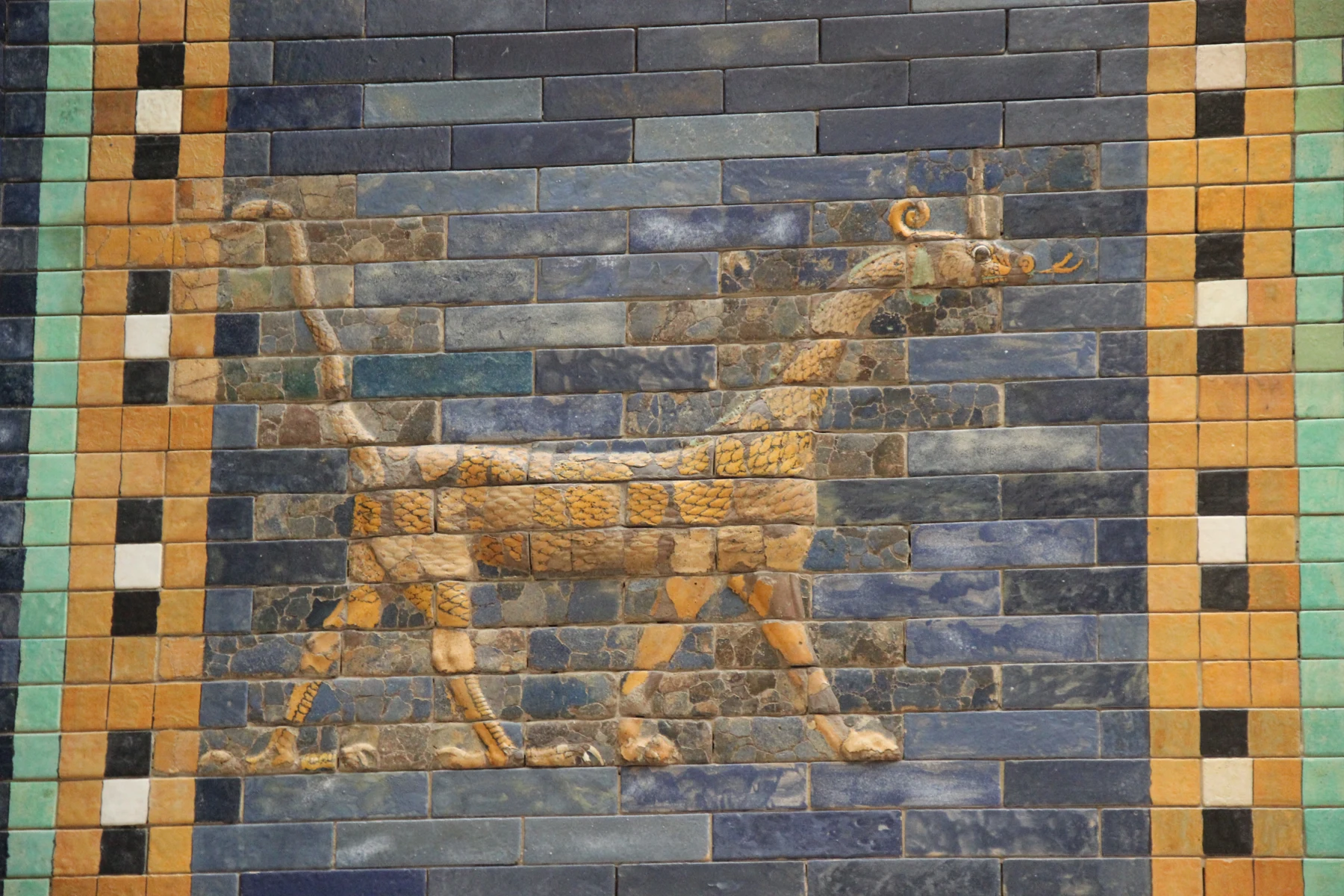
Dragon panel from the Ishtar Gate decoration, sixth century BCE, in a museum reconstruction incorporating ancient bricks at the Pergamon Museum. A gate detail, not its complete appearance at Babylon. Photograph Gary Todd, 1 August 2016
Stätte
A gate in Nebuchadnezzar II’s sixth-century BCE Babylonian building program, decorated with glazed-brick animals associated with Mesopotamian deities.
Namensvarianten: Ishtar Gate
Kontext und Quellen →
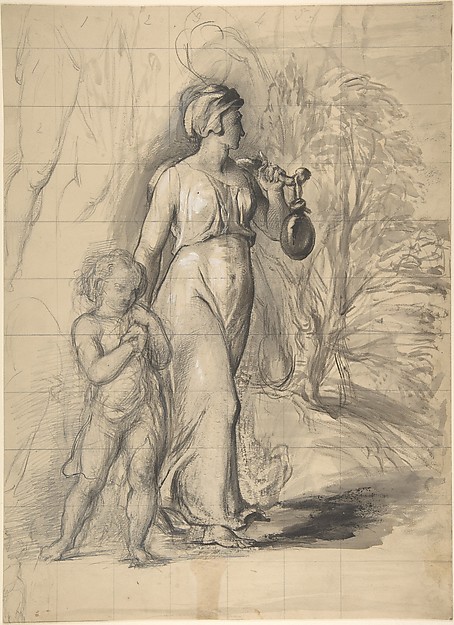
George Richmond's Hagar and Ishmael in the Wilderness, 1829–33, The Met 2002.119a,b. Later artistic reception of Genesis, not a historical likeness
Person
Son of Hagar and Abraham in Genesis; later Muslim interpretation identified him with the unnamed son in Qur'an 37's sacrifice scene.
Namensvarianten: Ismail, Yishmael
Kontext und Quellen →
Person
Roman historian (1965–2026) and coauthor of a study of rings bearing a Solomonic formula.
Namensvarianten: Ittai Gradel
Kontext und Quellen →
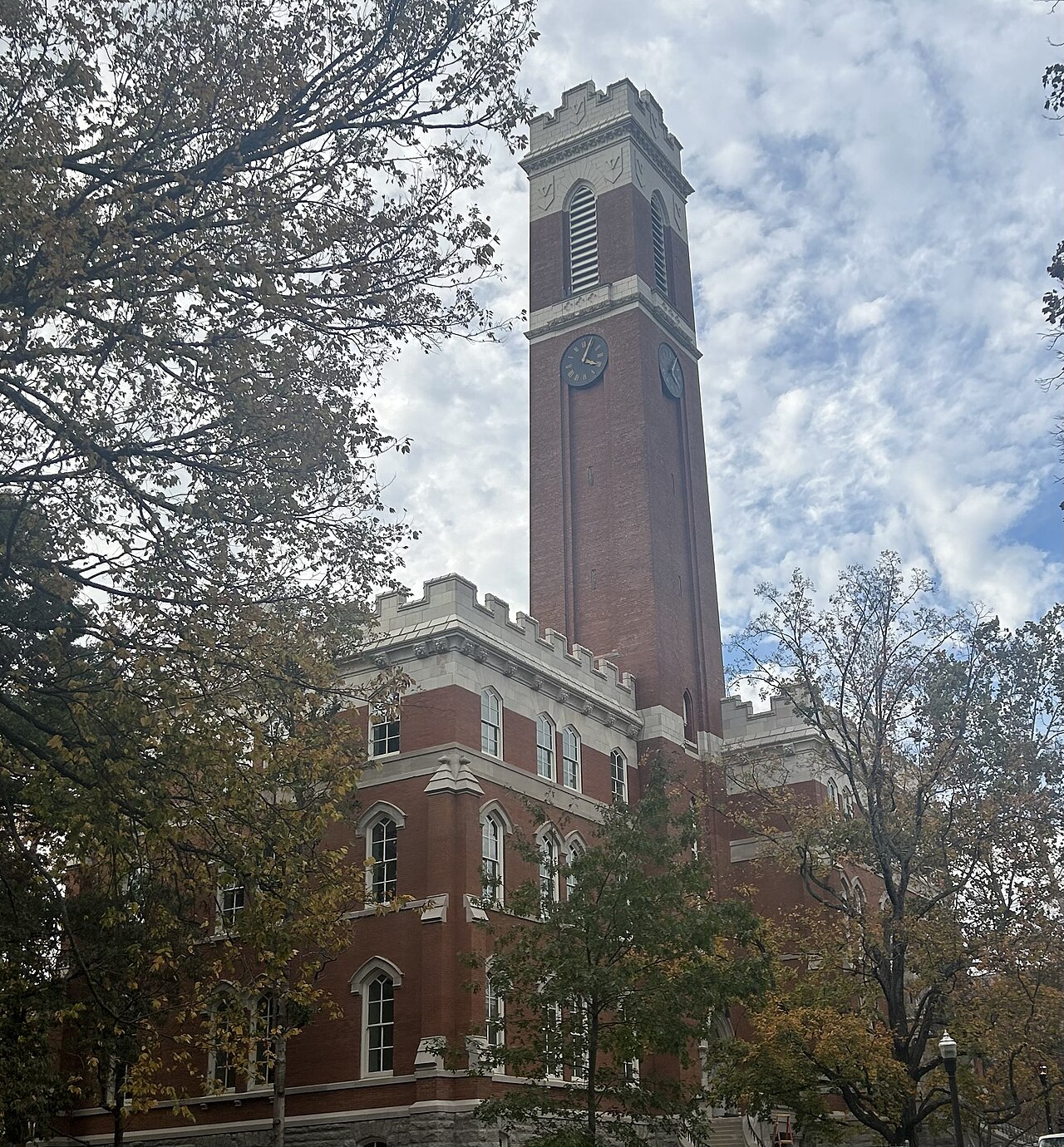
Kirkland Hall at Vanderbilt University in Nashville, Tennessee, on 26 October 2023. The photograph shows part of the institution associated with Jack M. Sasson’s work in biblical studies and Assyriology
Person
Hebrew Bible and ancient Near Eastern cultures scholar, Vanderbilt professor emeritus, also specializing in Mari’s archives.
Namensvarianten: Jack Sasson, Jack M. Sasson
Kontext und Quellen →
Person
Hebrew Bible scholar at Emory University studying Sabbath formation and Mesopotamian relationships.
Namensvarianten: Jacob L. Wright
Kontext und Quellen →
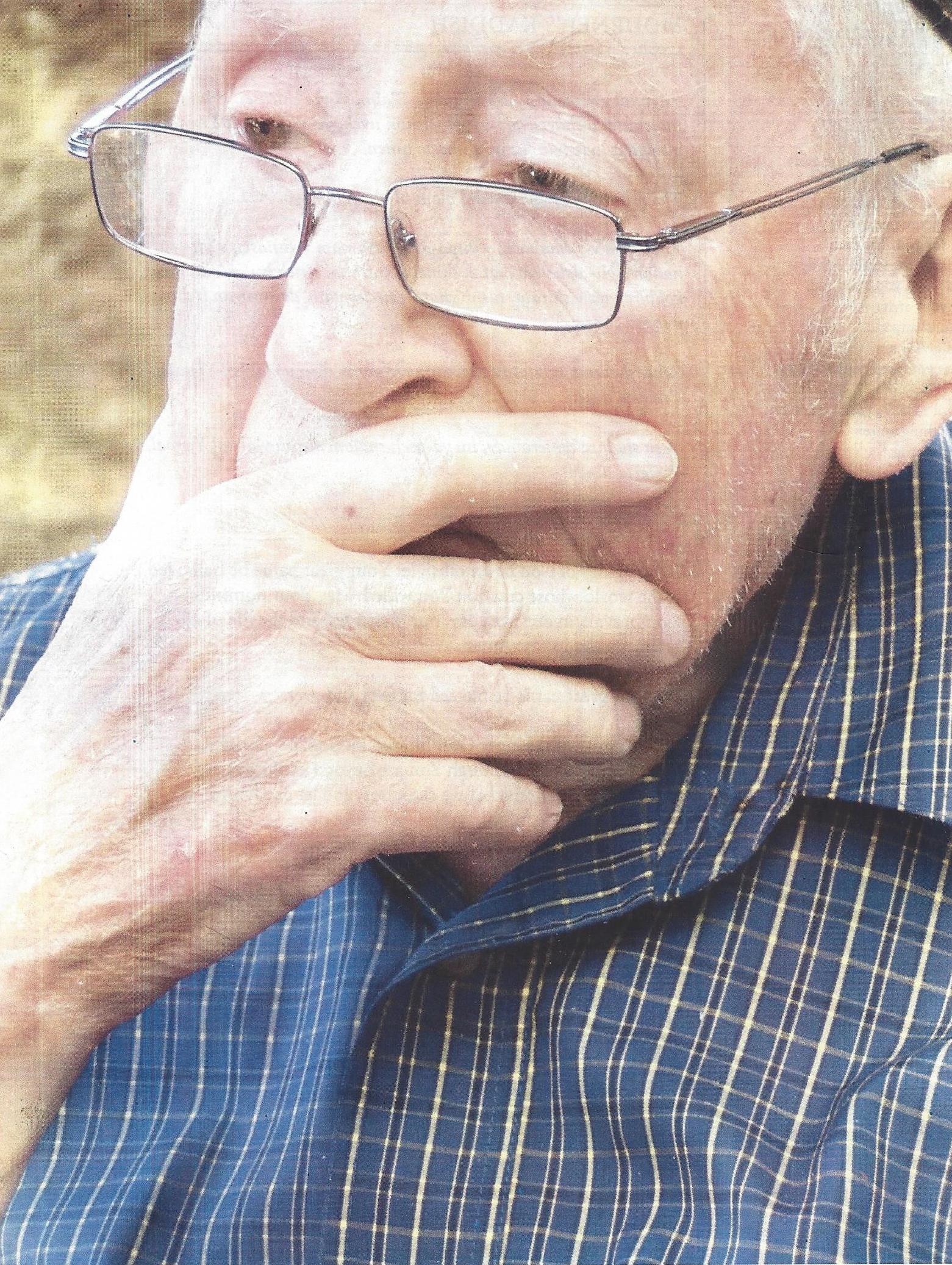
Jacob Milgrom, the Hebrew Bible scholar known for his research on Leviticus, offerings and purity. The source record dates this portrait to 13 September 1995 and credits Dr. Jo Milgrom
Person
Jewish biblical scholar (1923–2010), noted for studies of Leviticus, priestly traditions, purity and offerings.
Namensvarianten: Jacob Milgrom
Kontext und Quellen →
Person
Egyptologist and ancient-art scholar studying Amarna, gender and religious power.
Namensvarianten: Jacquelyn Williamson
Kontext und Quellen →
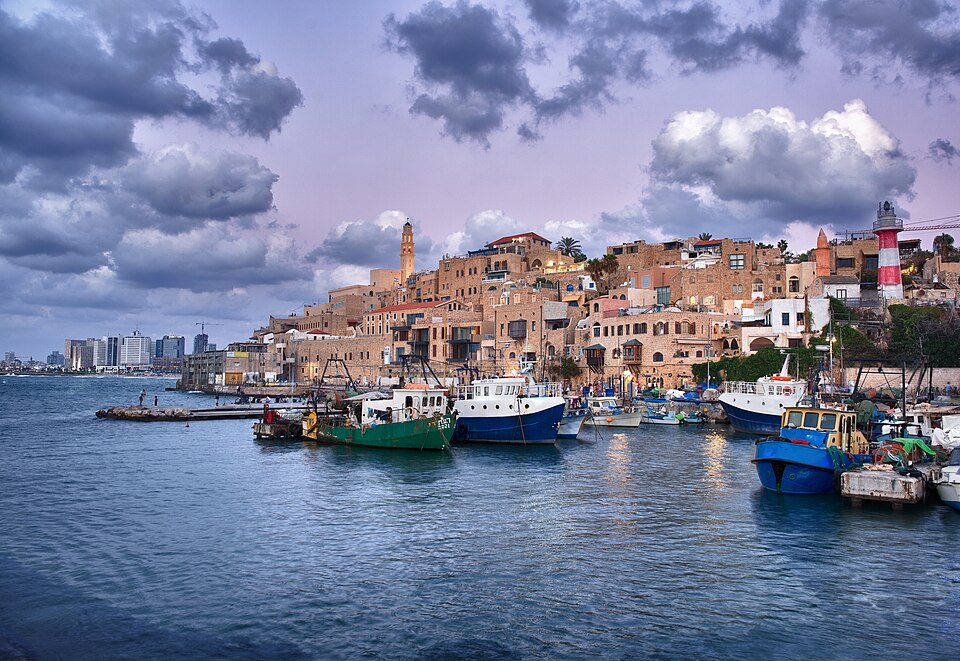
Jaffa port on 3 October 2013, photographed by Noam.armonn. Modern buildings and vessels show the present place, not the harbor’s appearance in Jonah’s narrative setting
Stätte
A Mediterranean coastal city and port from which Jonah begins his voyage toward Tarshish.
Namensvarianten: Jaffa / Joppa, historic port
Kontext und Quellen →
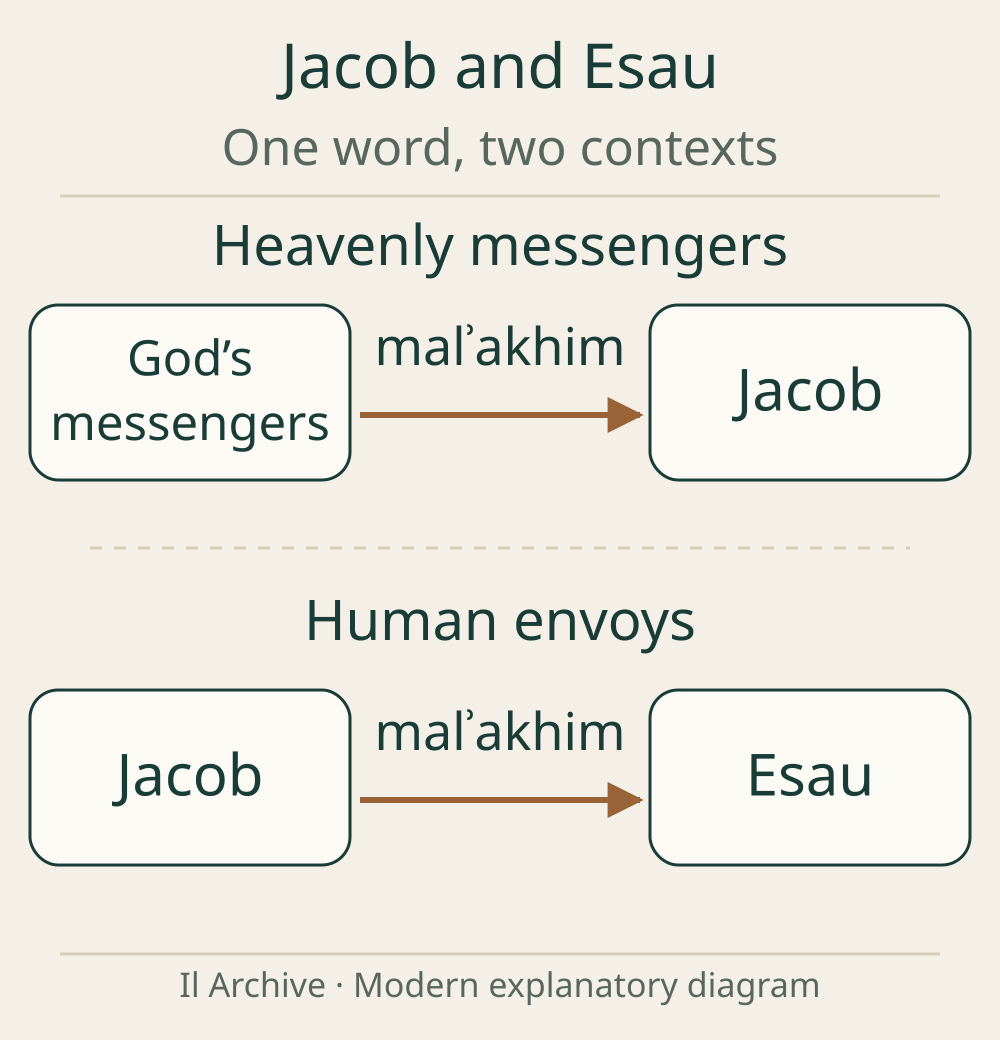
Modern linguistic diagram of Genesis 32:2 and 4 in Hebrew numbering (1 and 3 in common translations): the same word, malʾakhim, for God’s messengers and Jacob’s envoys to Esau. Arrows show the direction of communication, not a geographic route or portraits
Person
Genesis figure, son of Isaac and brother of Esau; he encounters heavenly messengers and sends human envoys.
Namensvarianten: Jacob son of Isaac
Kontext und Quellen →
Contemporary artistic evocation of writing materials and a river valley associated with Syriac literary culture; neither a portrait of Jacob nor an actual manuscript or verified historical reconstruction
Person
Jacob of Serugh (c. 451–521), Syriac poet, preacher, and bishop of Batnae, known for biblical metrical homilies, letters, and an attributed homily on the youths of Ephesus.
Namensvarianten: Jacob of Serugh, Jacob of Sarug
Kontext und Quellen →
Person
James George Frazer (1854–1941) studied classical literature, anthropology and comparative religion and was associated with Trinity College, Cambridge.
Namensvarianten: James George Frazer
Kontext und Quellen →
Person
Egyptologist and Old Testament scholar, author on Akhenaten and monotheism.
Namensvarianten: James K. Hoffmeier
Kontext und Quellen →
Person
James Mellaart (1925–2012): British archaeologist who excavated Çatalhöyük in 1961–65; his identification of decorated buildings as shrines is a historically influential but contested interpretation.
Namensvarianten: James Mellaart, Mellaart
Kontext und Quellen →
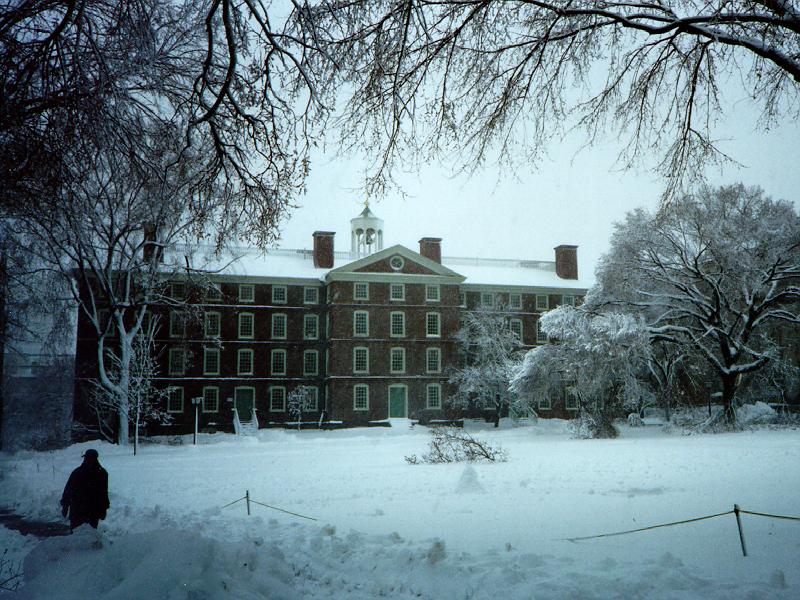
University Hall at Brown University, Rhode Island, in a photograph dated 1 April 1997. It illustrates the university that Egyptologist James P. Allen joined in 2007
Person
Egyptologist and Brown professor emeritus, studying ancient Egyptian language, literature and religion, including the Pyramid Texts.
Namensvarianten: James Allen, James P. Allen
Kontext und Quellen →
Person
German Egyptologist and cultural-memory scholar, born 1938, died 2024.
Namensvarianten: Jan Assmann
Kontext und Quellen →
Person
Scholar of Biblical Hebrew and the Septuagint, author of a 2019 study on the linguistic dating of Joseph.
Namensvarianten: Jan Joosten, Hebrew scholar, Jan Joosten
Kontext und Quellen →
Person
Scholar of the Bible and its ancient Near Eastern context, specializing in Israelites and Judeans in Assyrian and Babylonian sources.
Namensvarianten: Jan Safford
Kontext und Quellen →
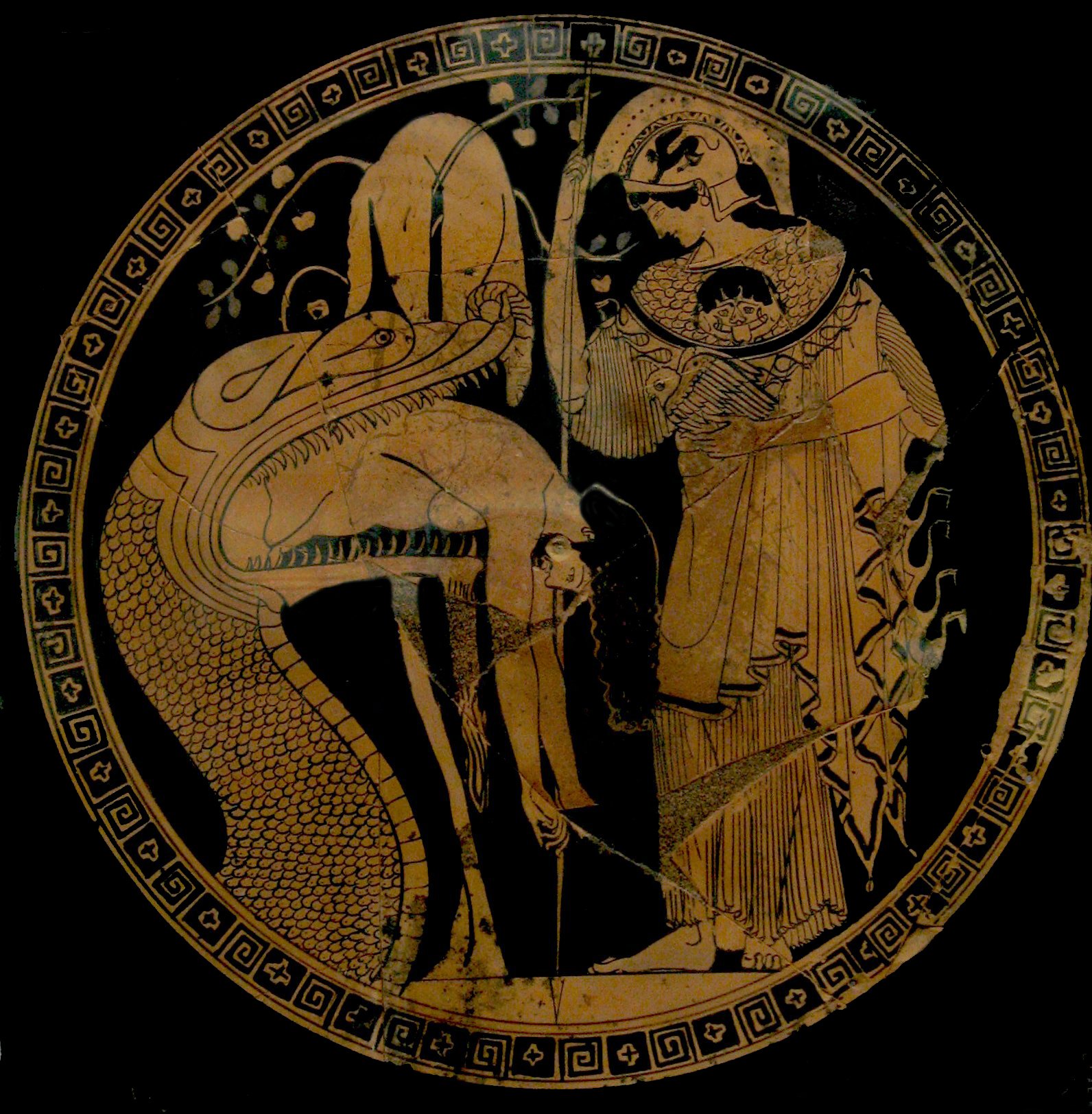
Jason emerging from the serpent, Athena at right, and the hanging Golden Fleece; Attic cup attributed to Douris, about 480–470 BCE, Vatican Museums 16545. Photograph of the cup, neither Jonah nor a portrait of its painter
Person
A Greek hero of Golden Fleece narratives, shown on an ancient cup emerging from a serpent’s mouth with Athena’s aid.
Namensvarianten: Jason, hero of the Golden Fleece
Kontext und Quellen →
Person
Scholar of the Avesta and Indo-Iranian languages and religions; held their Collège de France chair, 1993–2014.
Namensvarianten: Jean Kellens
Kontext und Quellen →