Stätte
Ischtar-Tor in Babylon
Automatische Übersetzung. Lesen Sie das Original auf Englisch.
Ein Tor im babylonischen Bauprogramm Nebukadnezars II. aus dem sechsten Jahrhundert v. u. Z., geschmückt mit glasierten Ziegeltieren, die mesopotamischen Gottheiten zugeordnet werden.
Zuletzt geprüft:
Text
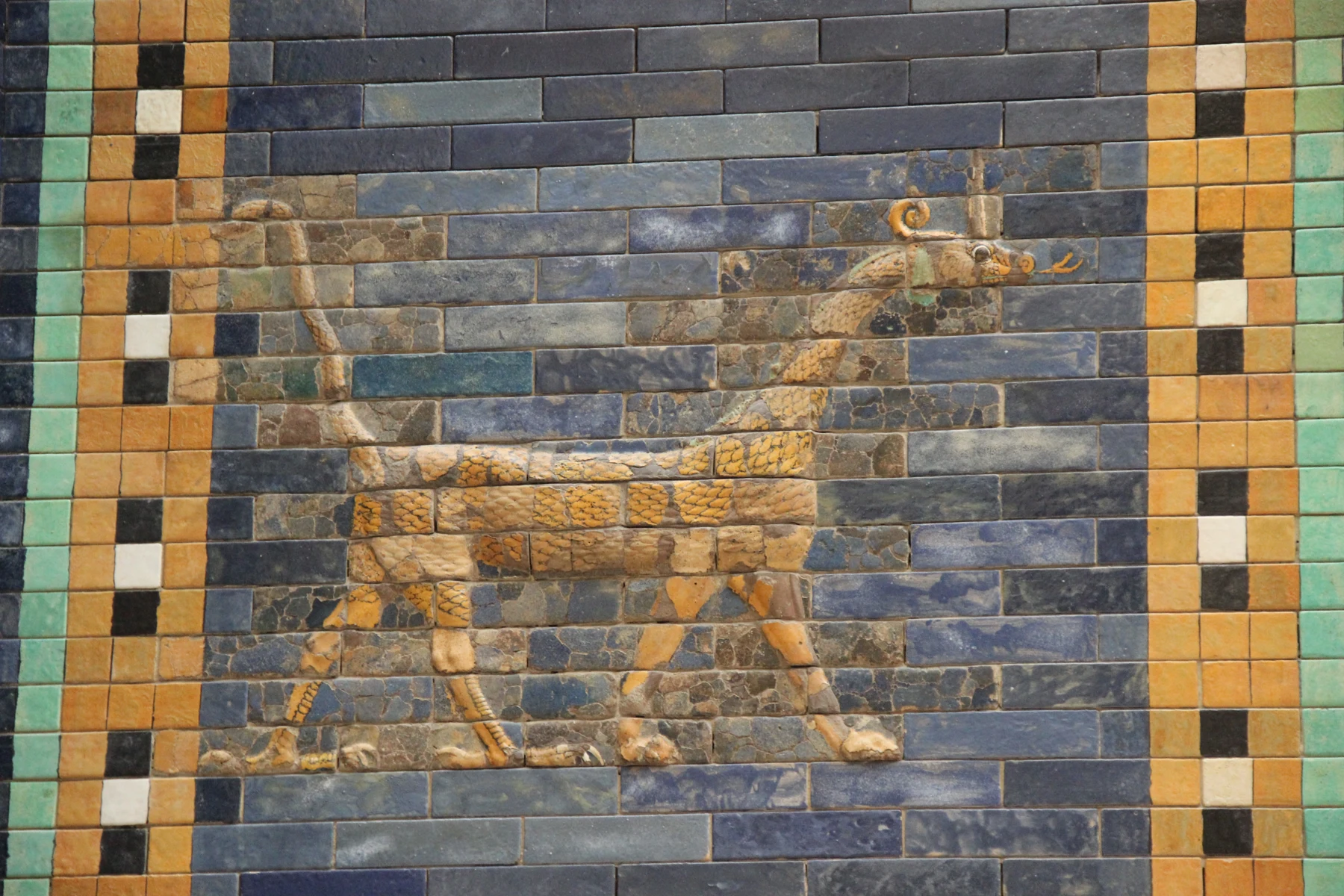
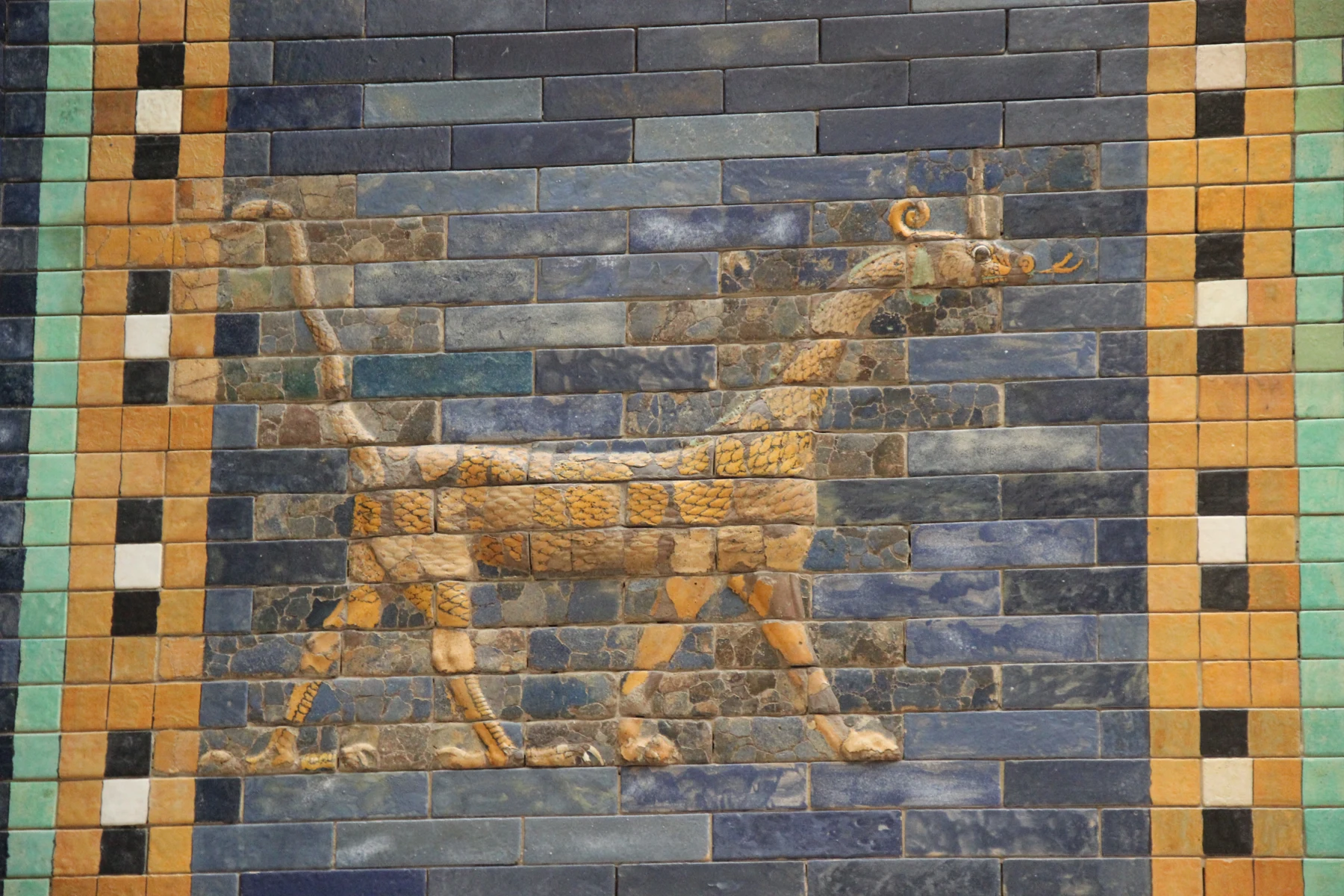
Das Ischtar-Tor ist ein architektonisches Denkmal im antiken BabylonBabylonBabylon is an ancient city in central present-day Iraq, south of BaghdadGlossar · Zum Lesen der Erläuterung klicken, aus dem Bauprogramm Nebukadnezars II.Nebukadnezar II.Babylonian king, 605–562 BCE, appearing in Daniel and independently attested in inscriptions and building remains.Glossar · Zum Lesen der Erläuterung klicken im sechsten Jahrhundert v. u. Z. Das Metropolitan Museum ordnet seinen Drachenschmuck MardukMardukBabylon’s leading god, worshipped at Esagil and elevated in the Akkadian Enūma eliš. His symbols include a spade and mušḫuššu dragon. His earliest origins remain obscure; Nibiru is no evidence of a planetary homeland.Glossar · Zum Lesen der Erläuterung klicken und den Stier AdadAdad: WettergottAdad is the storm god in Mesopotamian traditions, associated with rain, thunder and powers of fertility or destruction.Glossar · Zum Lesen der Erläuterung klicken zu. Löwen, die mit IschtarInanna / IshtarA prominent Mesopotamian goddess whose Sumerian name Inanna became associated with Akkadian Ishtar across diverse traditions. She was associated with desire, war, royal authority and Venus, while local forms and genealogies varied among texts.Glossar · Zum Lesen der Erläuterung klicken verbunden werden, säumten die Prozessionsstraße, die zum Tor führt. [1]
Das Foto zeigt eine Drachentafel in einer Museumsrekonstruktion, die antike Ziegel enthält. Sie veranschaulicht ein einzelnes Dekorelement, nicht das gesamte Tor oder eine Mauer an ihrem ursprünglichen Ort. Die Datierung der antiken Architektur wird von der modernen Fotografie unterschieden. [2]
Verweise und Anmerkungen
- Blair Fowlkes-Childs, “Temporary Encounters, Permanent Galleries,” Metropolitan Museum, 14 October 2014; Ishtar Gate architecture, animal symbols and the Processional Way. Glazed-brick panels from Babylon section. Zurück zum Text ↑
- Gary Todd, photograph of the dragon panel reconstructed with ancient bricks, Pergamon Museum; 1 August 2016, CC0 dedication documented on the file page. Photograph of a decorative detail, not the whole gate. Zurück zum Text ↑
Korrektur vorschlagen · Eine Quelle zu diesem Eintrag vorschlagen
Diesen Eintrag zitieren
IL Archive, «Ischtar-Tor in Babylon», https://ilarchive.com/de/sites/ishtar-gate-babylon
Weiterlesen