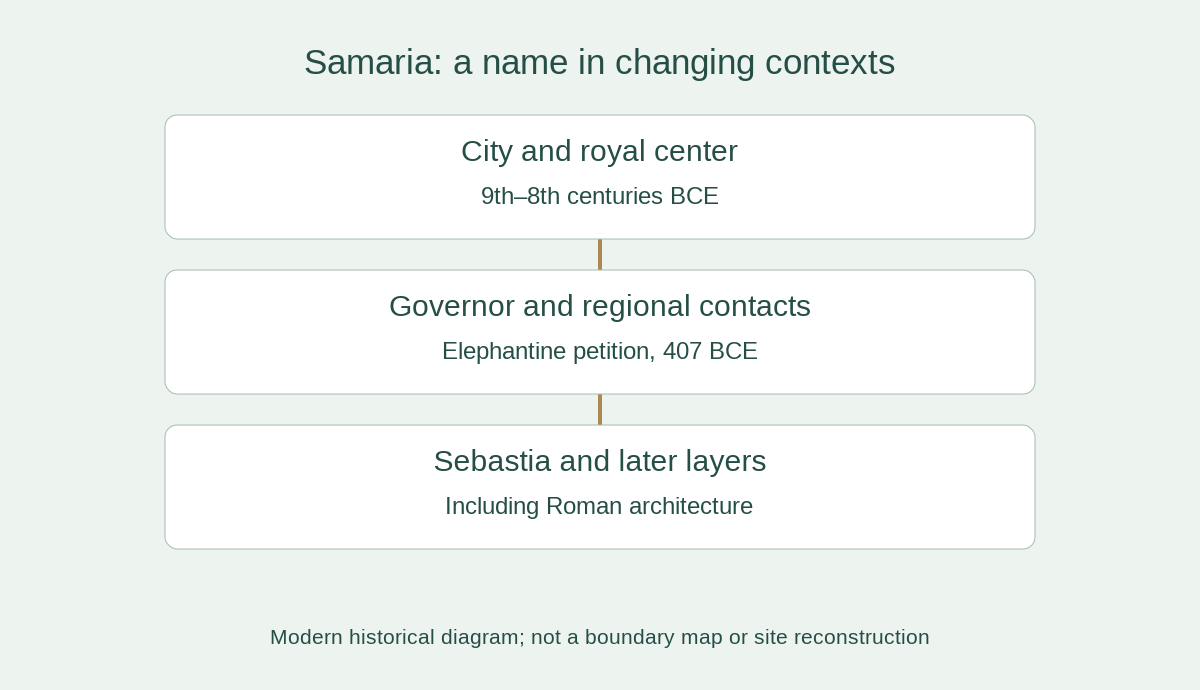
Modern diagram distinguishing the royal city, the governor’s context in the Elephantine petition and Sebastia’s later layers. Not a photograph or a map of boundaries
Stätte
Ancient city and administrative region; the city’s site is at Sebastia, northwest of Nablus in the West Bank.
Namensvarianten: Samaria
Kontext und Quellen →

Modern generated conceptual artwork: abstract scroll-like bands converge before an imaginary mountain landscape, evoking the transmission of the Pentateuch. Not a photograph of a Samaritan manuscript or a documented archaeological site
Entität
Samaritan Hebrew five-book tradition sharing an older textual history, with linguistic and theological variants, including readings involving Mount Gerizim.
Namensvarianten: Samaritan Pentateuch
Kontext und Quellen →
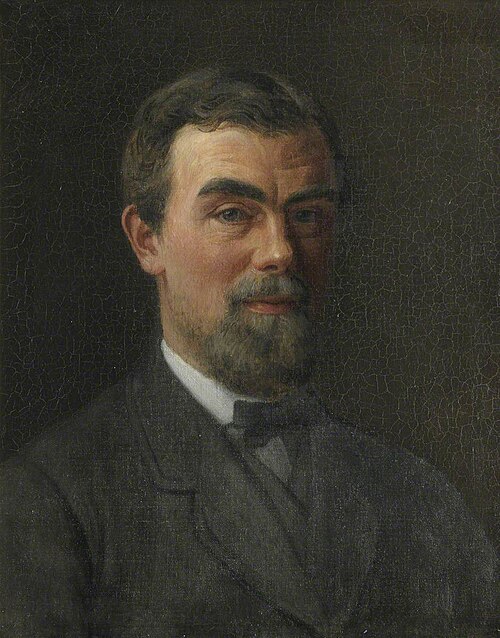
Samuel Butler’s self-portrait of 1878, held by St John’s College, Cambridge. A digital reproduction of a painting, rather than a photograph of the person
Person
English writer and translator of Homer who lived from 1835 to 1902.
Namensvarianten: Samuel Butler
Kontext und Quellen →
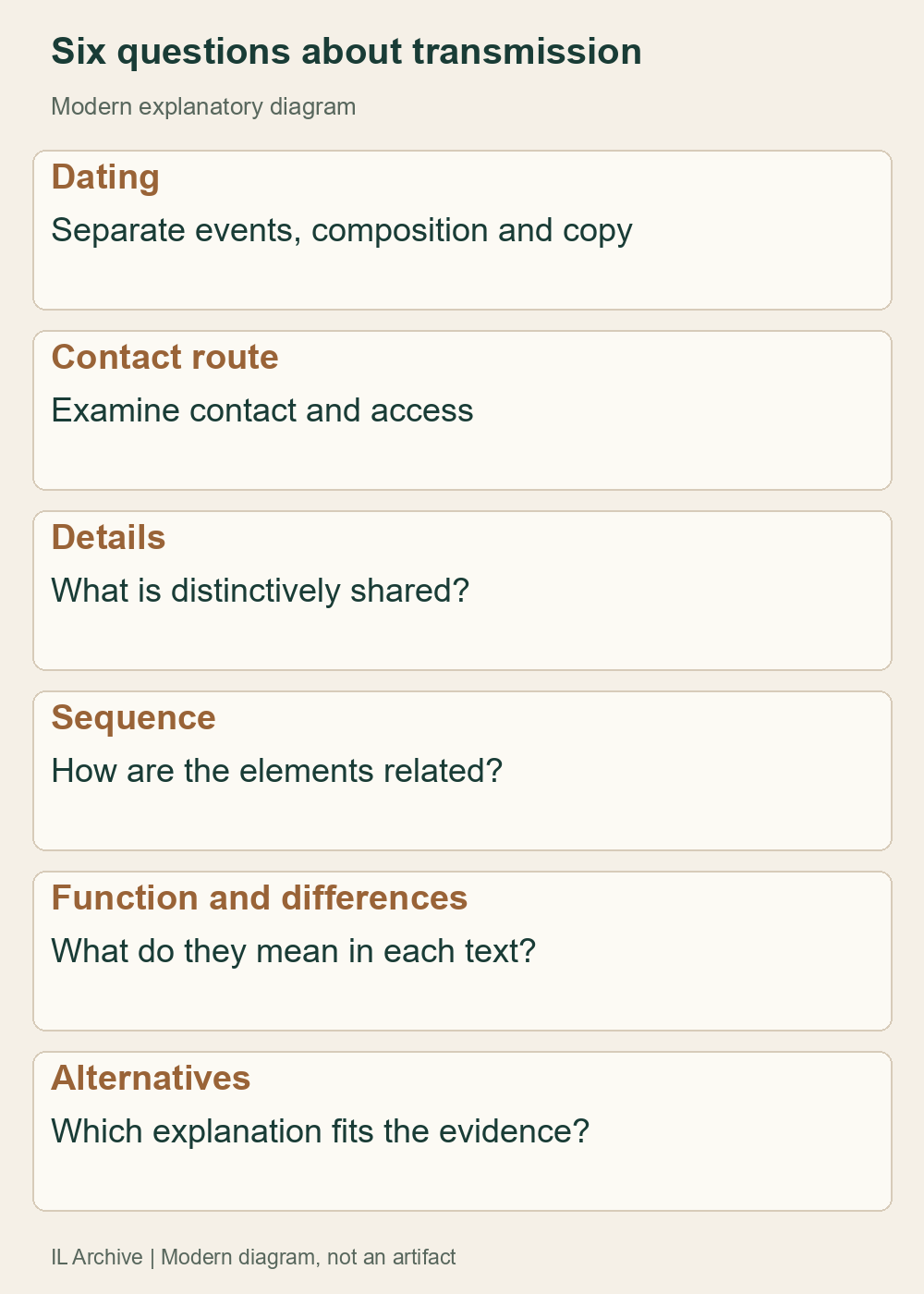
Modern IL Archive diagram of six questions for testing textual relationships; neither a photograph of Sandmel nor a historical document about him
Person
Samuel Sandmel (1911–1979): American Jewish rabbi and scholar of the New Testament and Hellenistic Judaism, author of “Parallelomania” (1962) and works on early Christianity and Jewish–Christian understanding.
Namensvarianten: Samuel Sandmel, Sandmel
Kontext und Quellen →
Person
Scholar of Iranian traditions and religious interaction; curator of the National Library of Israel’s Islam and Middle East collection.
Namensvarianten: Samuel Thrope
Kontext und Quellen →
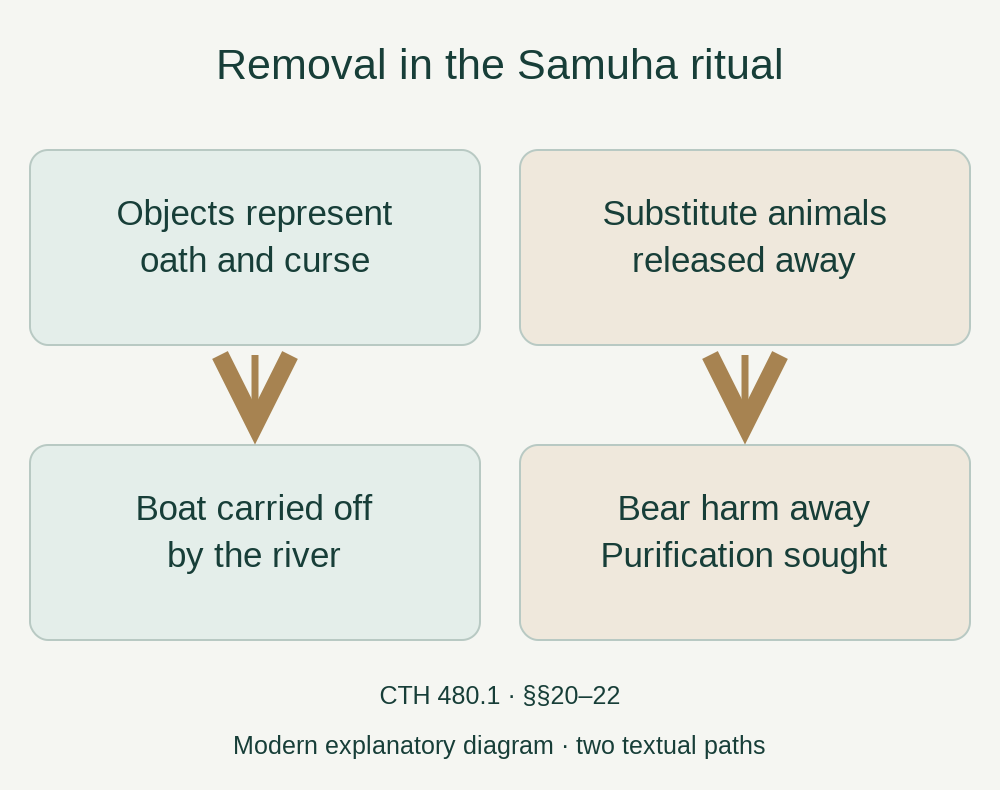
Two means of removal in Samuha, CTH 480.1, §§20–22: a boat with objects representing oath and curse, and animals carrying harm. Modern explanatory diagram
Antiker Text
A Hittite purification text, CTH 480.1, removing harmful speech, curse, and impurity by boat and animals in temple and royal contexts.
Namensvarianten: Samuha purification ritual
Kontext und Quellen →
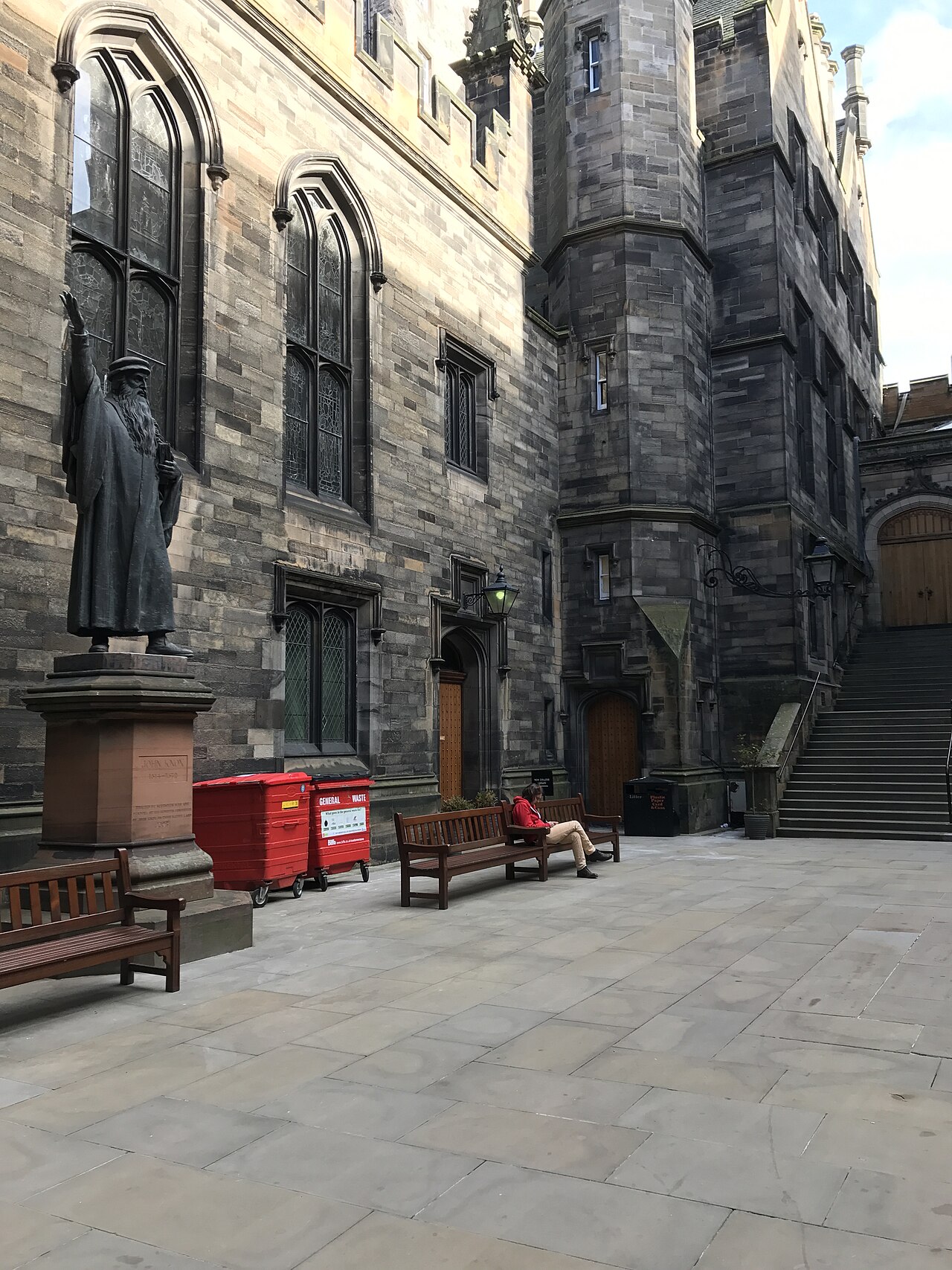
New College courtyard, University of Edinburgh, photographed in 2017. Institutional context for Cho’s thesis, completed in 2007; neither a portrait nor a photograph from the thesis year
Person
Researcher who studied the ranks and roles of heavenly beings in Ugarit and the Hebrew Bible.
Namensvarianten: Sang Youl Cho
Kontext und Quellen →
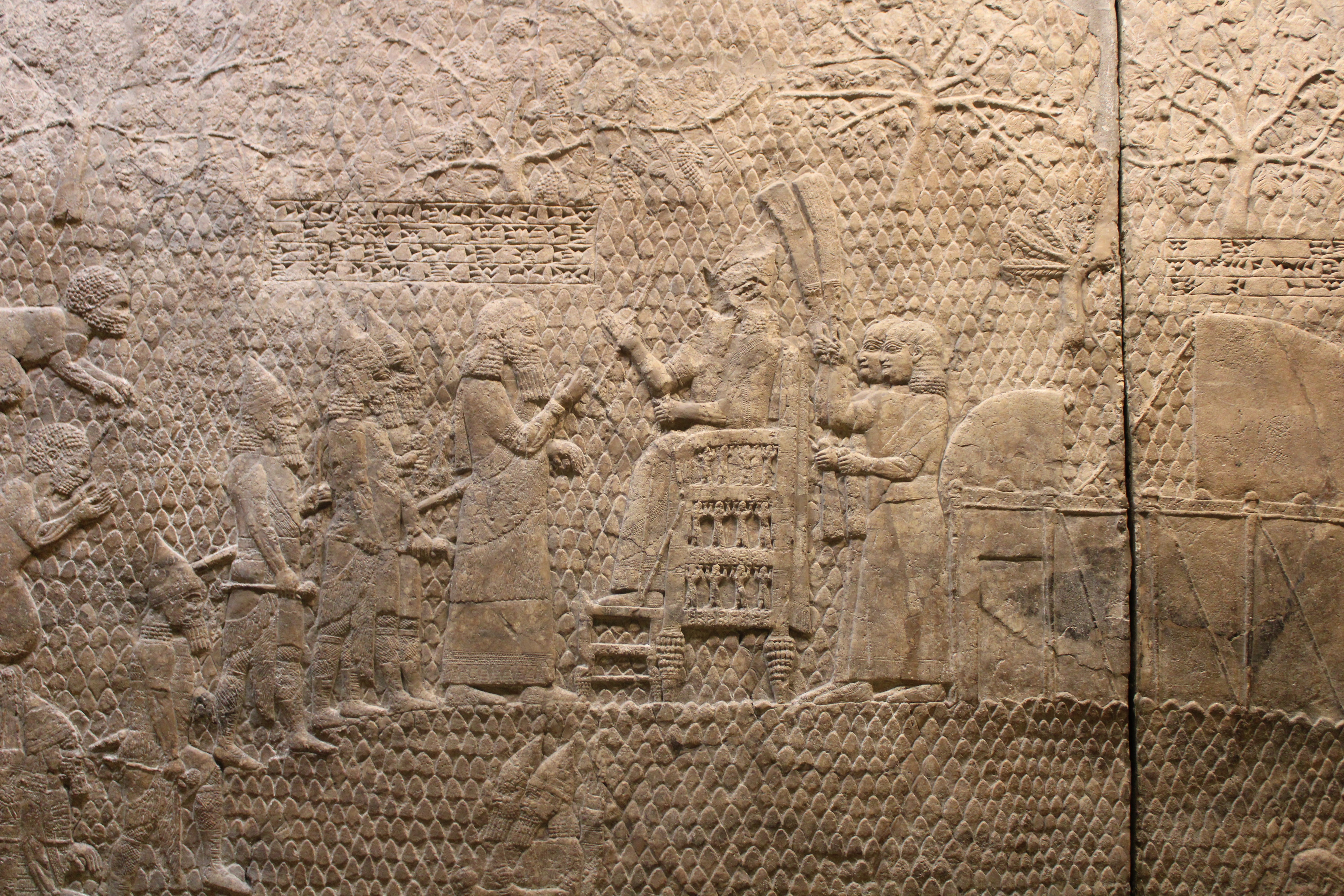
Sennacherib enthroned receiving submission after Lachish’s capture; Nineveh palace relief, about 700–692 BCE. His face is damaged. Royal victory representation, not an Ahiqar scene
Person
Assyrian king, 704–681 BCE; part of Ahiqar’s story is set at his court.
Namensvarianten: Sennacherib, king of Assyria, Sennacherib
Kontext und Quellen →
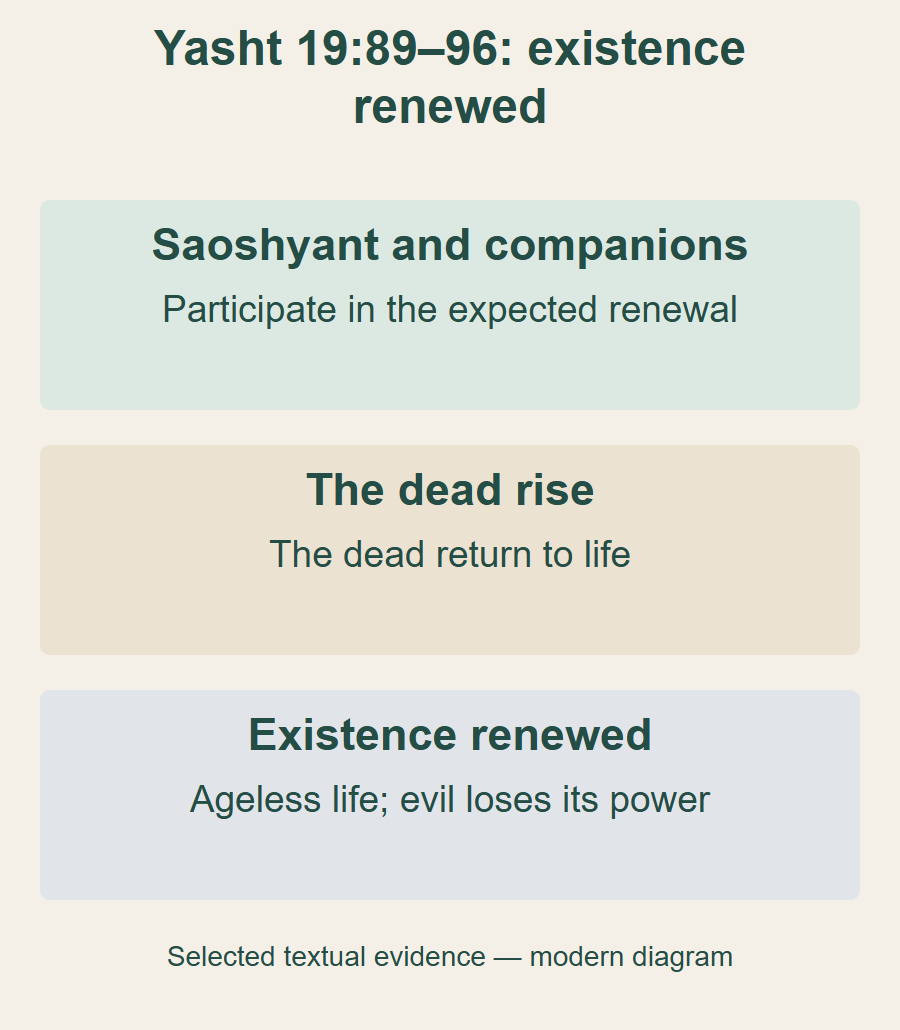
Modern chart of Yasht19:89–96: Saoshyant and companions, the dead rising and existence renewed. A textual sequence without an invented likeness
Entität
Saoshyant is an Avestan term for a benefactor, with an eschatological savior sense in Zoroastrian texts.
Namensvarianten: Saoshyant
Kontext und Quellen →
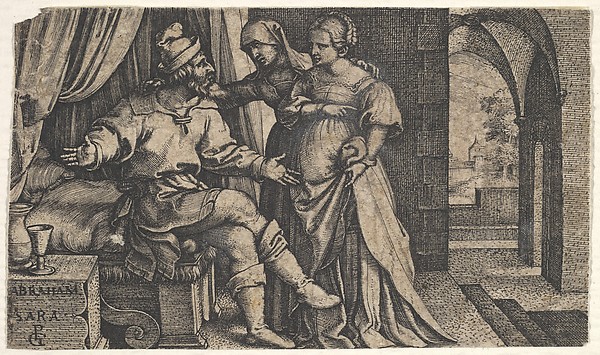
Georg Pencz, Sarah Presenting Hagar to Abraham, ca. 1543, The Met 2012.136.766.2; later artistic depiction
Person
Abraham's wife and Isaac's mother in Genesis; her story with Hagar and Ishmael appears in chapters 16 and 21, not in the Genesis 22 scene itself.
Namensvarianten: Sarai
Kontext und Quellen →
Person
Scholar of biblical texts, scribal education and legal formation.
Namensvarianten: Sara Milstein
Kontext und Quellen →
Person
University of Edinburgh scholar of patristics and early Christian history.
Namensvarianten: Sara Parvis
Kontext und Quellen →
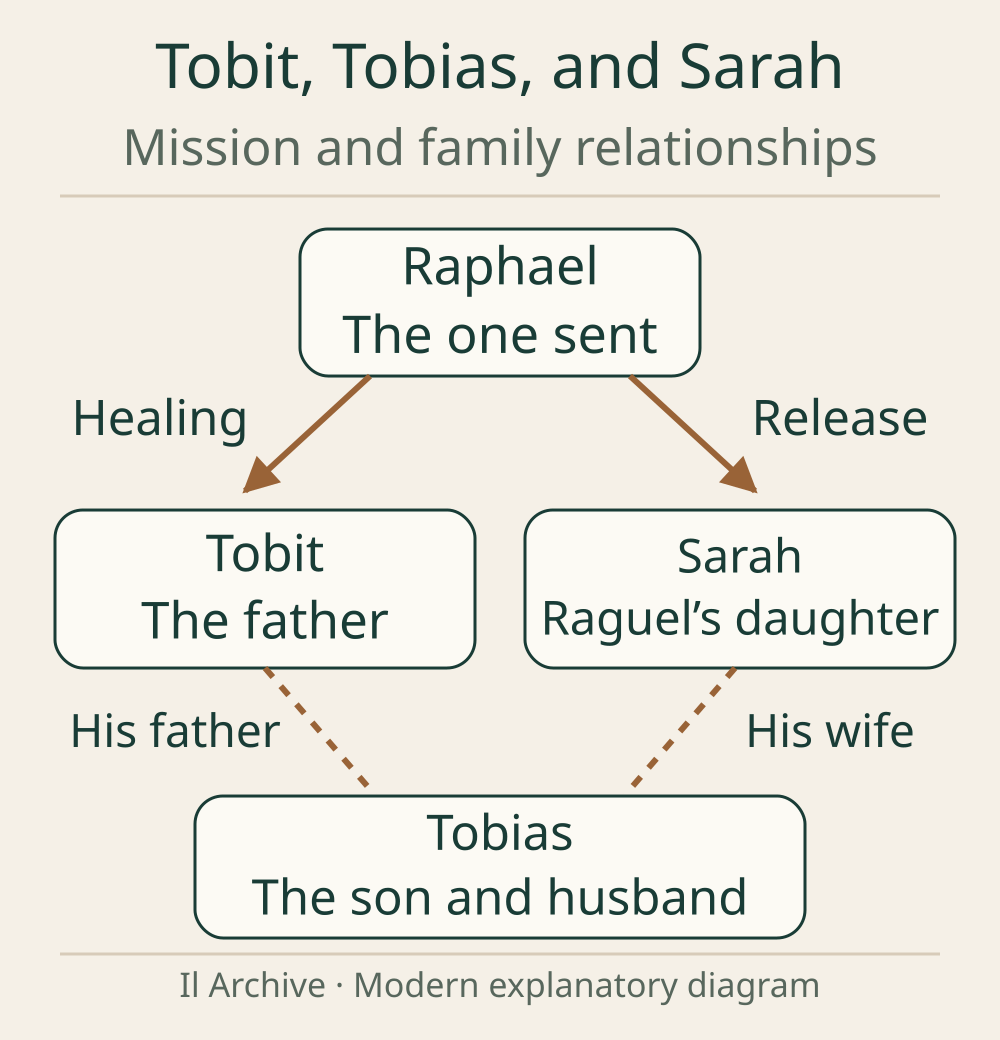
Modern role diagram for Tobit 3 and 11–12. Solid arrows show Raphael’s mission; dashed links show Tobias’s relationships with his father Tobit and his wife Sarah daughter of Raguel. The son treats his father’s eyes under Raphael’s guidance. Not a medical chart or historical portrait
Person
Tobias’s wife in the narrative, not Sarah the wife of Abraham.
Namensvarianten: Sarah daughter of Raguel, Sarah in Tobit
Kontext und Quellen →
Person
Religion scholar who has studied the textual diversity and demonology of the Testament of Solomon.
Namensvarianten: Sarah L. Schwarz
Kontext und Quellen →
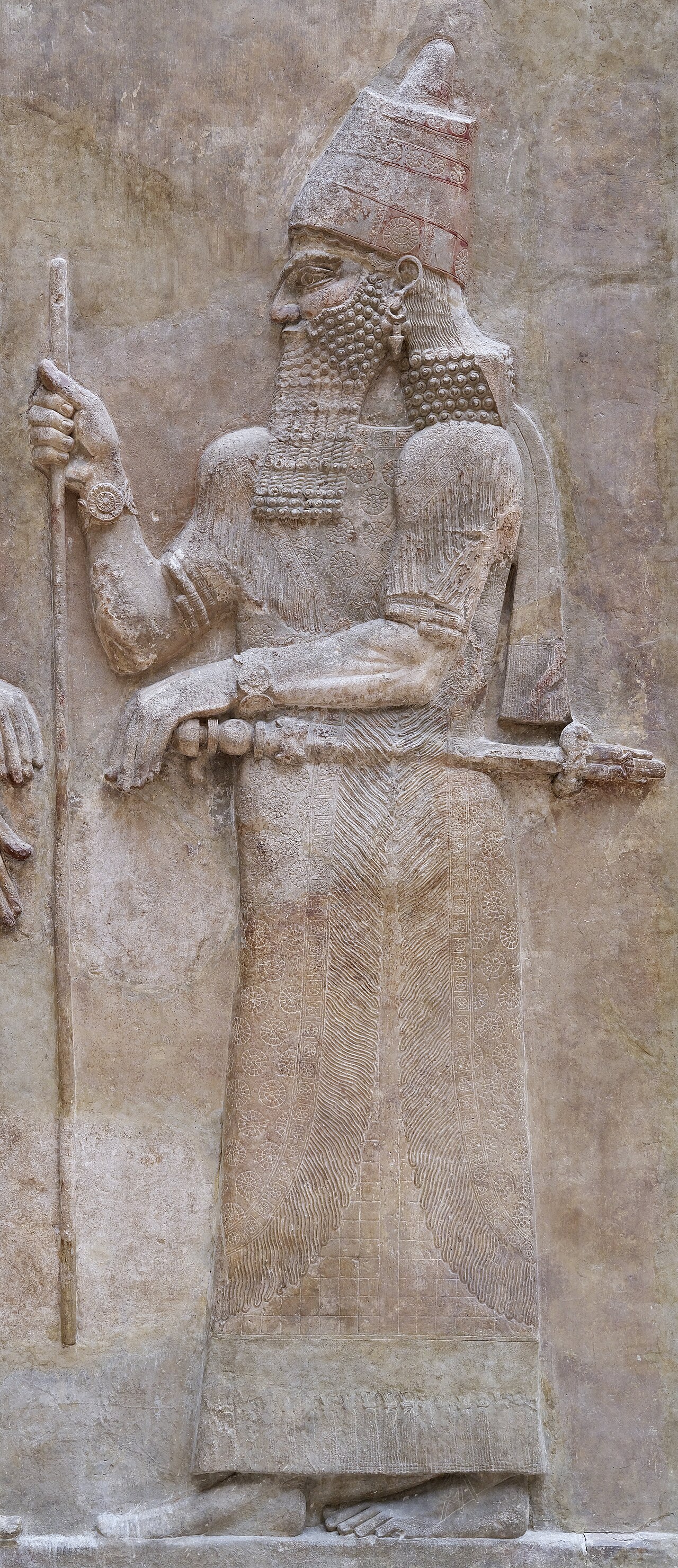
Sargon II in a relief from Dur-Sharrukin, modern Khorsabad in Iraq, dated by the Louvre to his reign, 721–705 BCE. This source crop shows the king in the scene catalogued as AO 19873 and AO 19874
Person
Sargon II was an Assyrian king of the late eighth century BCE; ORACC dates his reign about 721–705 BCE
Namensvarianten: Sargon II, Sargon the Second
Kontext und Quellen →
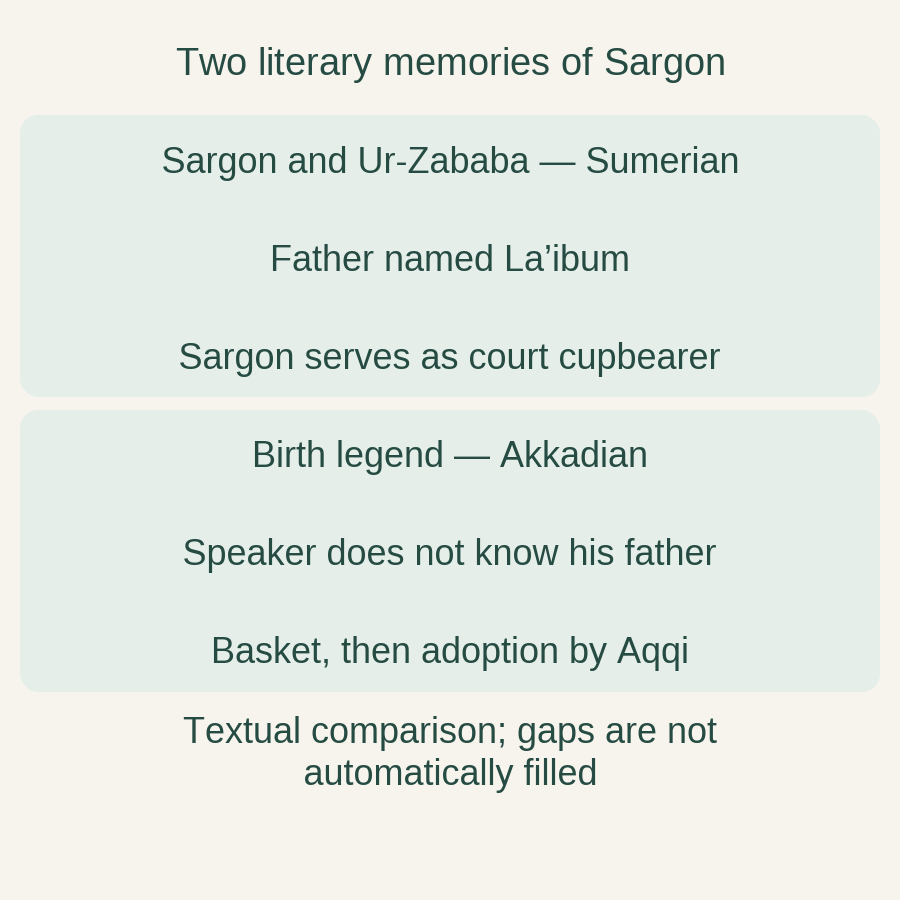
Modern comparison of two literary witnesses to Sargon’s family and early life; not an ancient artifact
Antiker Text
Fragmentarily preserved Sumerian composition depicting Sargon as Ur-Zababa’s cupbearer and naming his father La’ibum, distinct from the Akkadian birth legend.
Namensvarianten: Sargon and Ur-Zababa
Kontext und Quellen →
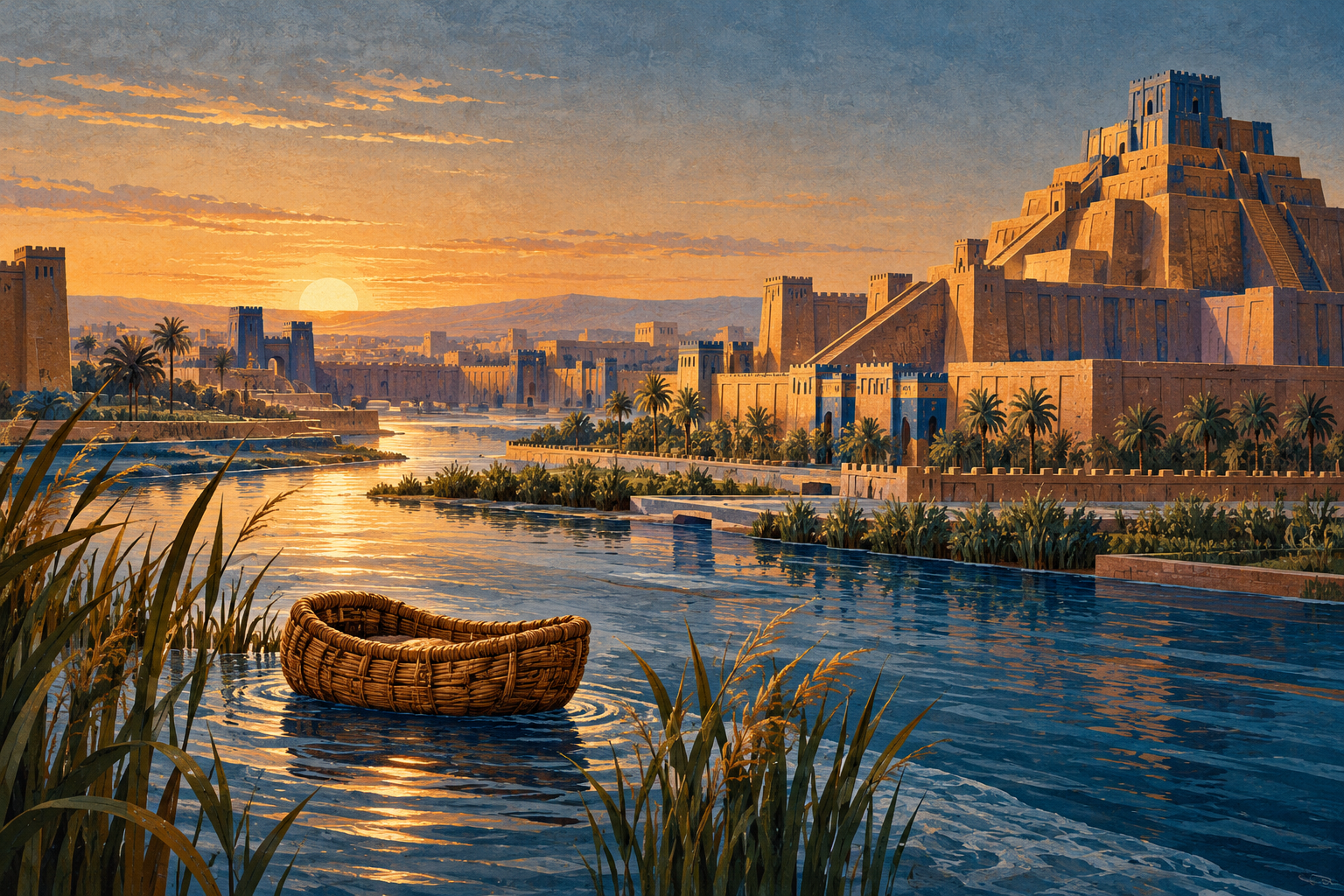
Modern imaginative scene inspired by Mesopotamia and the river-basket motif; neither a portrait of Sargon nor an archaeological reconstruction of Agade
Person
Sargon of Akkad was a historical third-millennium BCE ruler and founder of the Akkadian dynasty; royal accounts of his campaigns must be distinguished from later stories of his birth and rise.
Namensvarianten: Sargon of Akkad, Sargon I
Kontext und Quellen →
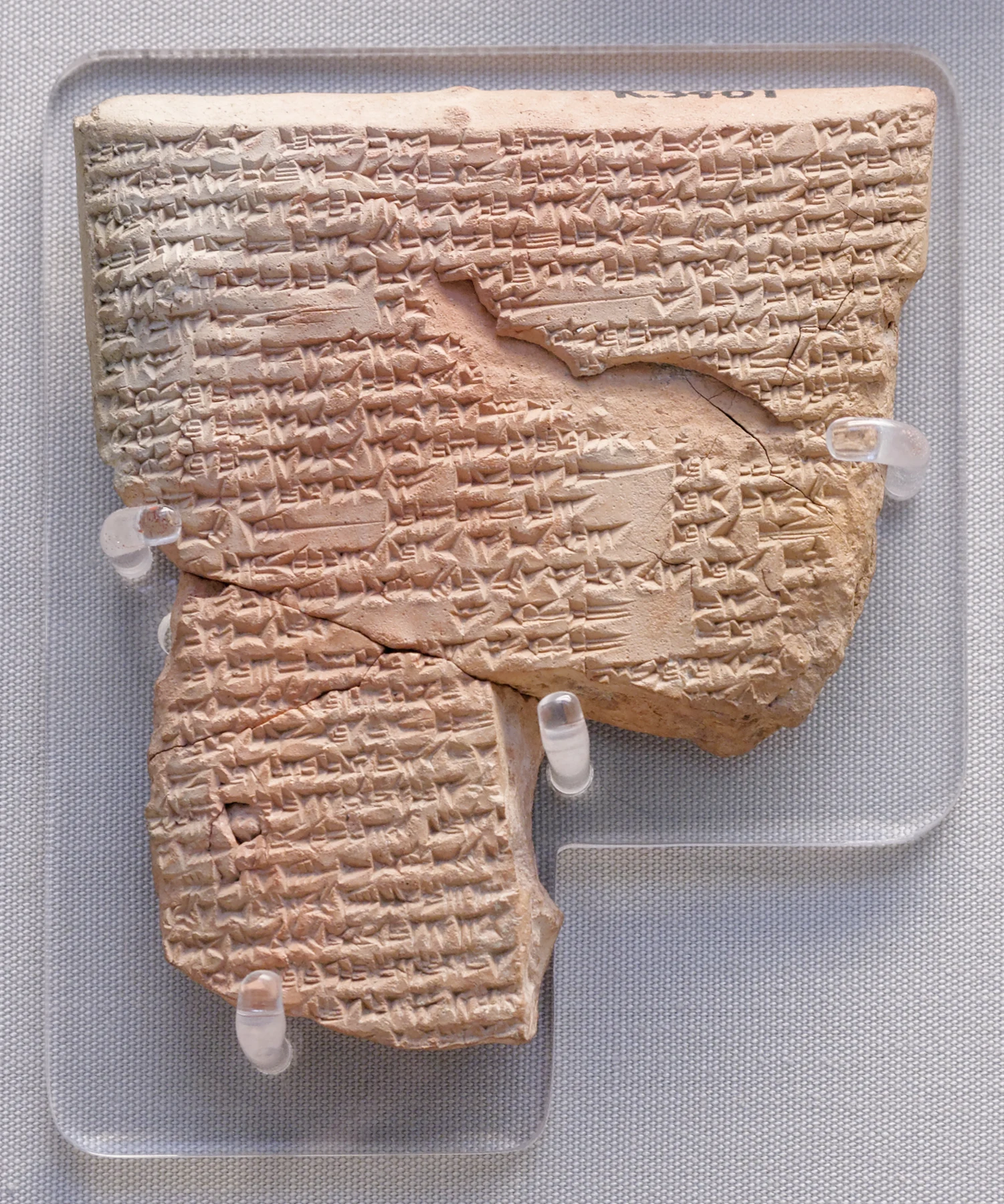
K.3401 from Nineveh, a Neo-Assyrian cuneiform witness to the Sargon Birth Legend, held by the British Museum. The manuscript postdates the king; it does not depict the infant or basket
Antiker Text
An Akkadian pseudo-autobiography of Sargon’s concealed birth, basket rescue and rise to kingship; its manuscripts are late and the date of composition disputed.
Namensvarianten: Sargon Birth Legend
Kontext und Quellen →
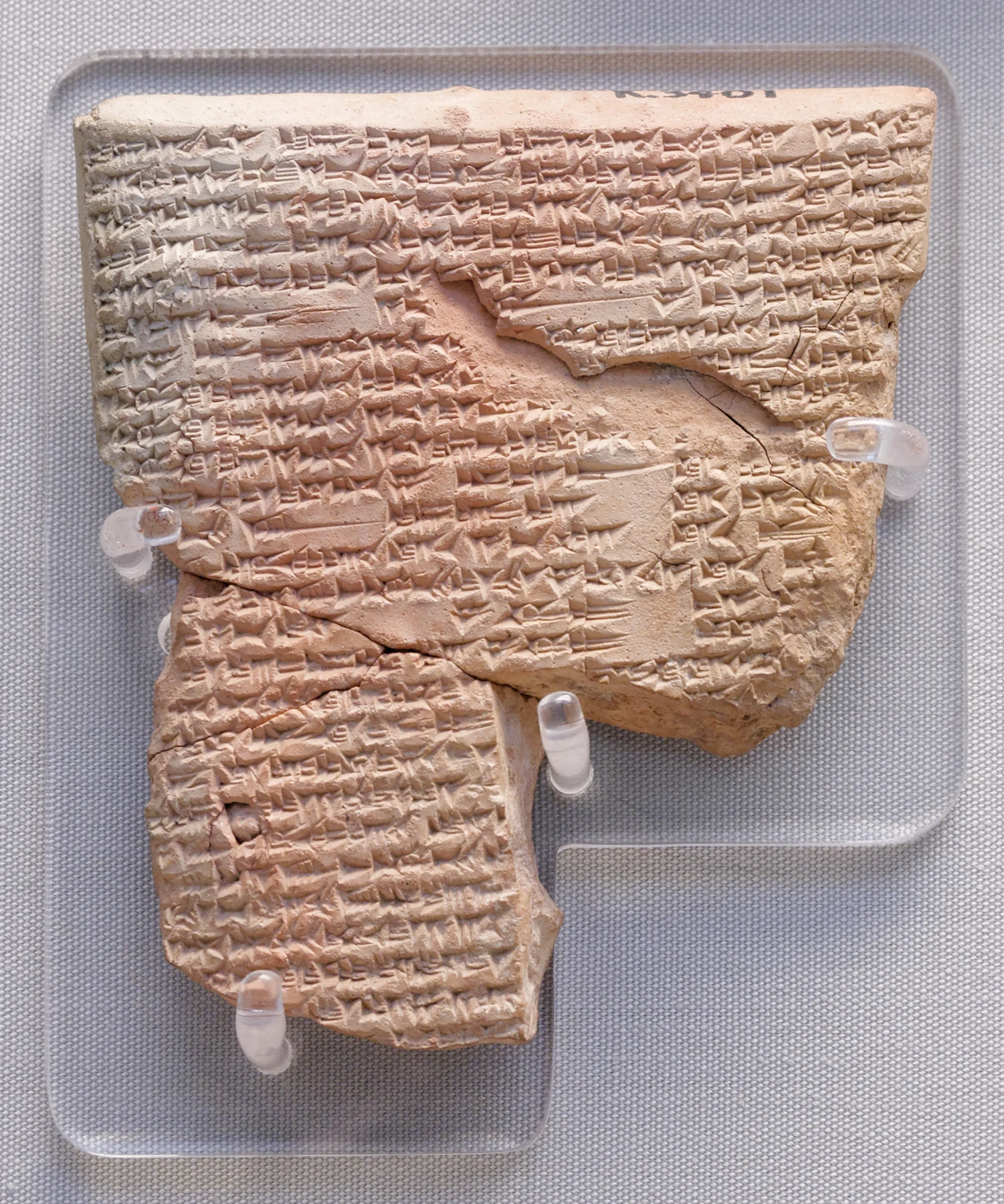
K.3401 from Nineveh, a Neo-Assyrian witness to Sargon’s birth legend, British Museum. A copy later than the king, not Moses’ basket or an image of the infant. © Marie-Lan Nguyen / Wikimedia Commons / CC BY 2.5
Artefakt
Akkadian clay tablet from Nineveh preserving Sargon’s birth story in the Neo-Assyrian period, many centuries after the king’s lifetime.
Namensvarianten: Sargon birth tablet K.3401
Kontext und Quellen →
Person
Satoko Ehara authored a 2024 study of Tammuz lamentation in sources from the Islamic period.
Namensvarianten: Satoko Ehara
Kontext und Quellen →
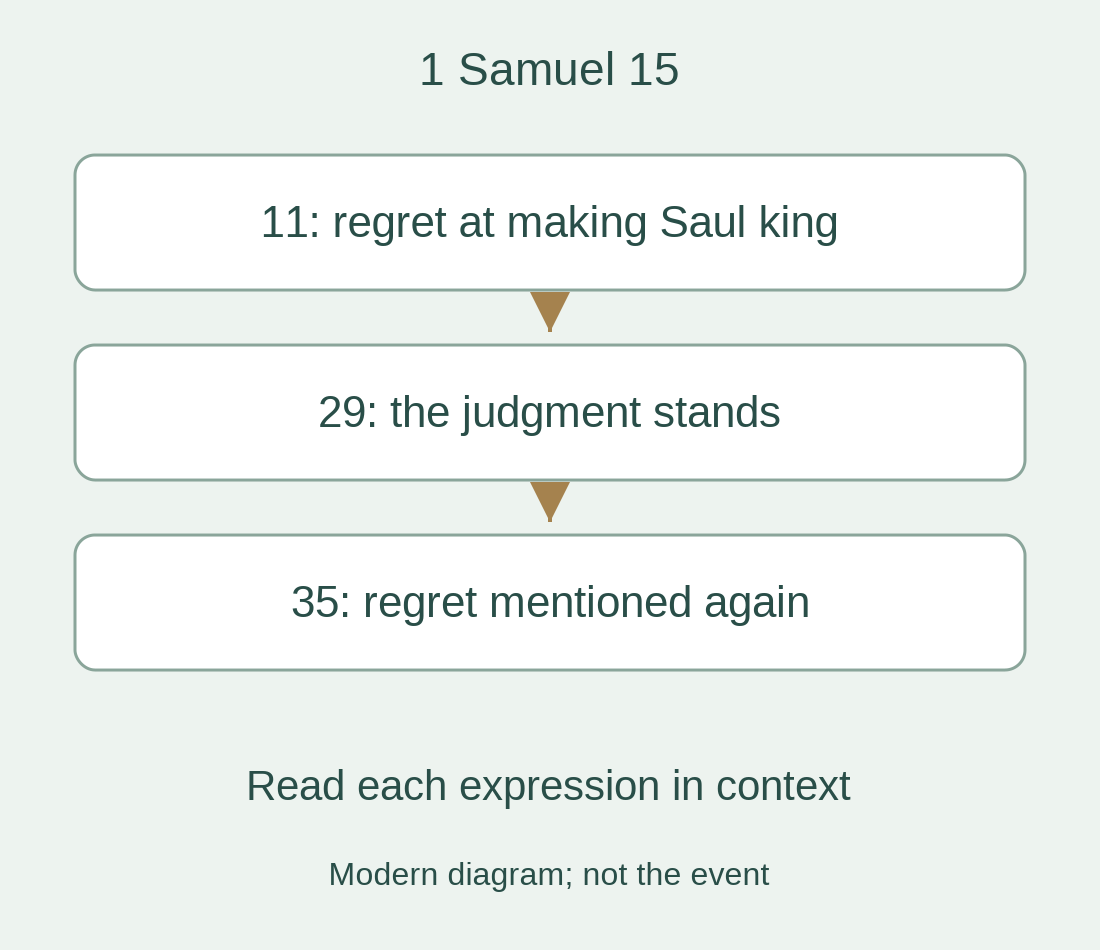
Modern diagram; not the event. Read each expression in context
Person
King in the Samuel narratives; 1 Samuel 15 combines regret over his appointment with the finality of the judgment against him.
Namensvarianten: Saul king of Israel, Saul
Kontext und Quellen →
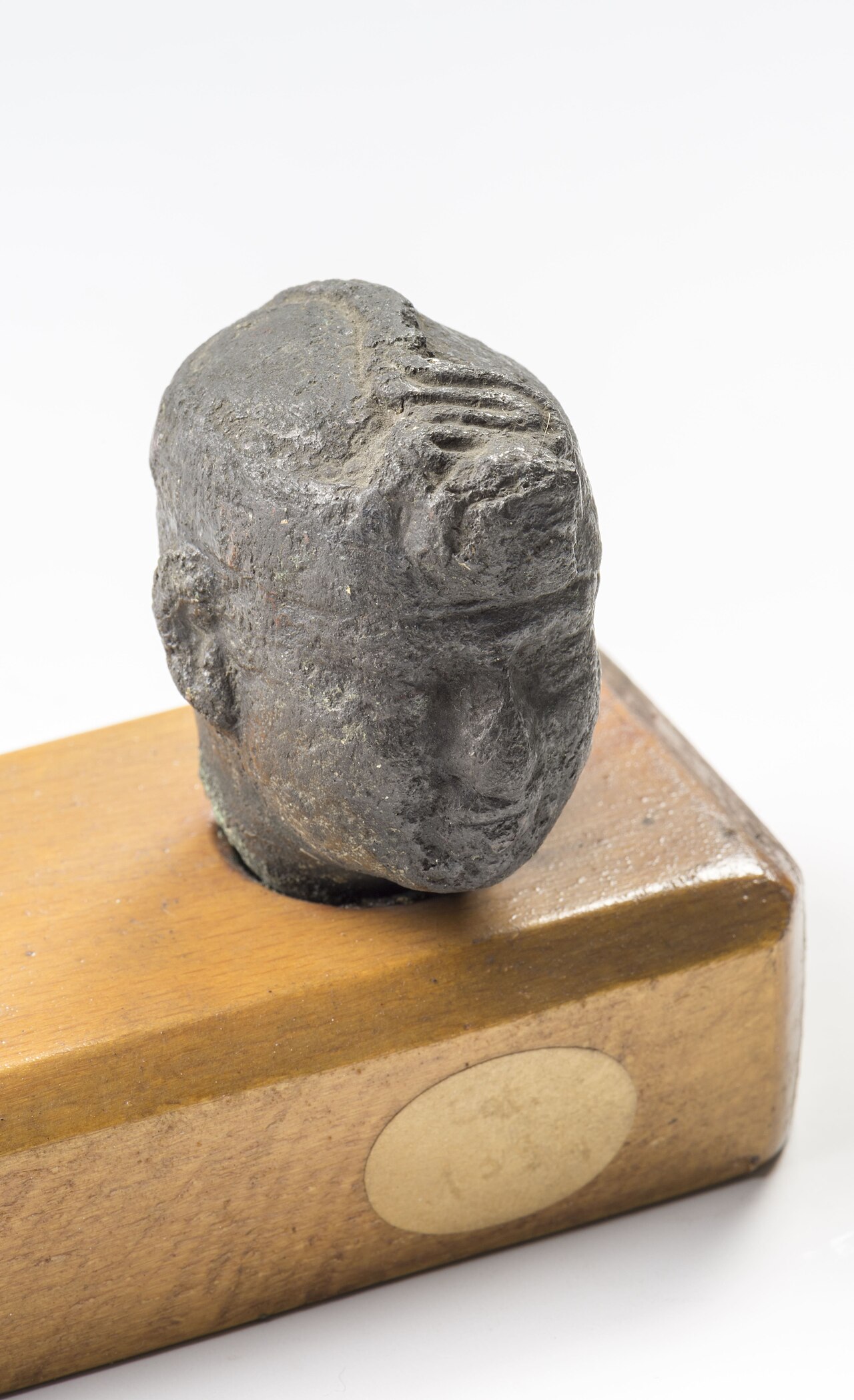
Bronze head from a statuette identified by Turin’s Museo Egizio as King Shabaka, of the Twenty-fifth Dynasty. The museum dates the object to 722–655 BCE; inventory Cat. 1394. The image is released by the museum under CC0
Person
Shabaka was a Kushite king of Egypt’s Twenty-fifth Dynasty in the late eighth century BCE
Namensvarianten: Shabaka
Kontext und Quellen →
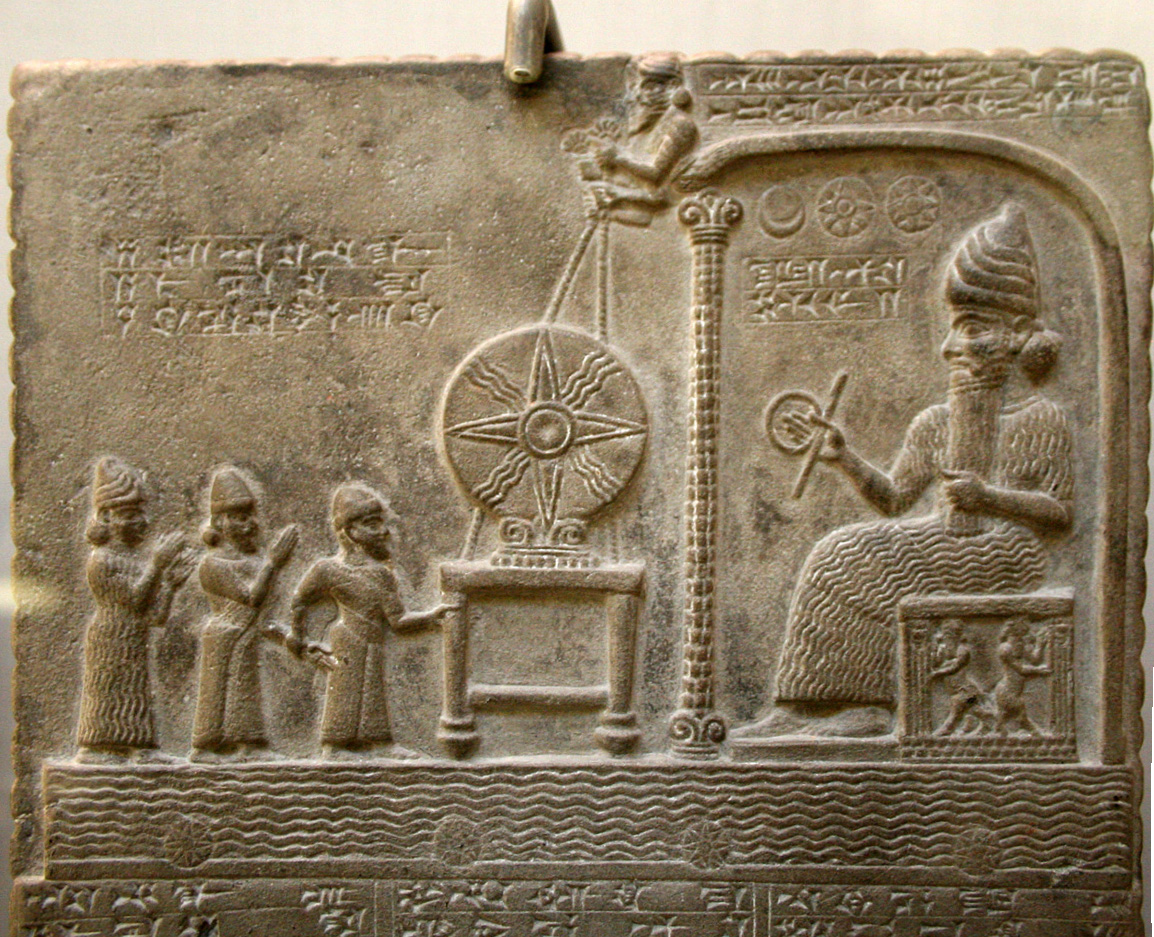
Relief at the top of the Sun-God Tablet from Sippar, ninth century BCE. Shamash sits before a solar disc; a Babylonian king and two intermediary figures stand to the left. British Museum, 91000. Photograph by Prioryman, 22 January 2012
Entität
Mesopotamian god of the sun and justice, shown before Hammurabi on an eighteenth-century BCE stele preserved in the Louvre.
Namensvarianten: Shamash, Šamaš
Kontext und Quellen →
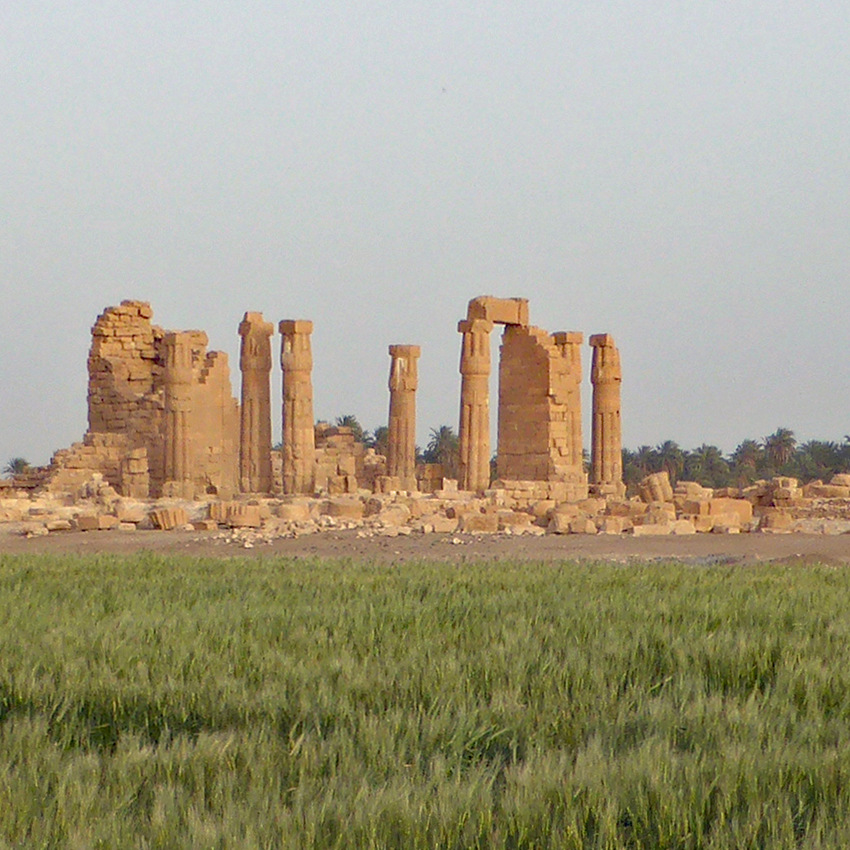
Cover: modern square crop of Hans Birger Nilsen’s 2017 photograph of the Soleb temple in Sudan; architectural context, not an image of Shasu or the Y-h-w inscription
Entität
Egyptian designation for mobile pastoral populations of the Late Bronze Age; associated lists contain a name rendered Y-h-w. It identifies neither one unified people nor a certain connection with Yahweh.
Namensvarianten: Shasu
Kontext und Quellen →
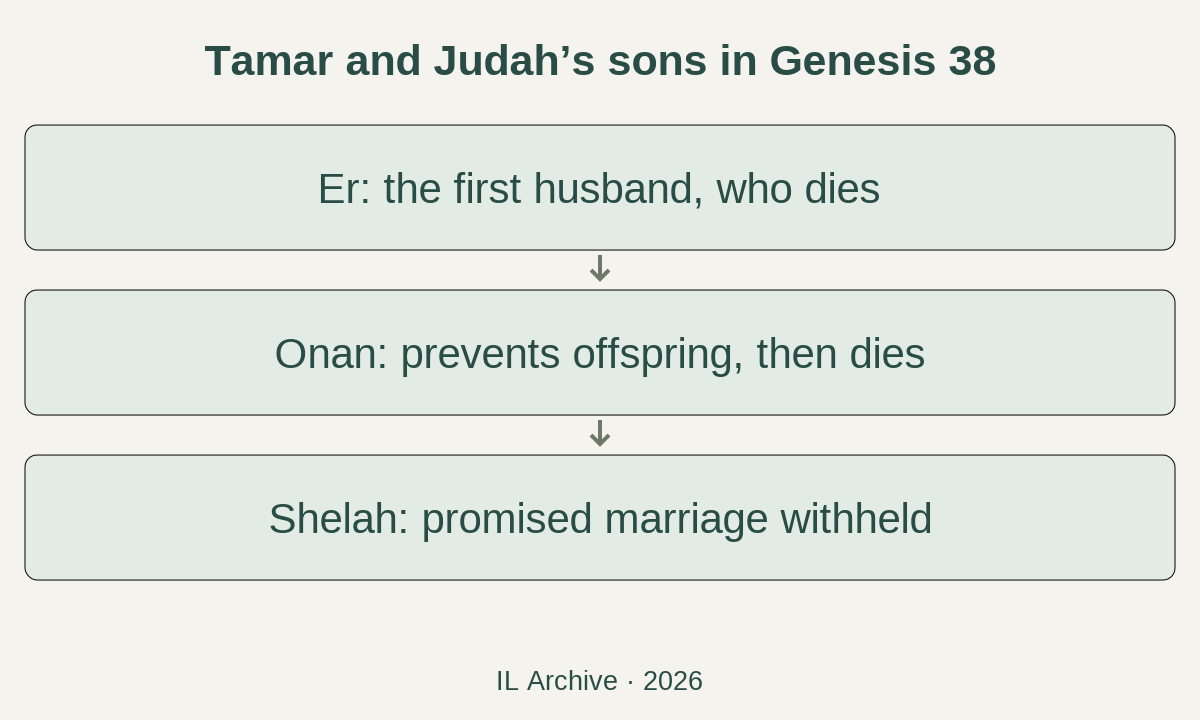
Modern explanatory diagram of relationships or cases in the specified witnesses; not portraits, a legal tablet or an ancient manuscript
Person
Judah’s son whose promised marriage to Tamar is withheld after maturity.
Namensvarianten: Shelah, son of Judah
Kontext und Quellen →
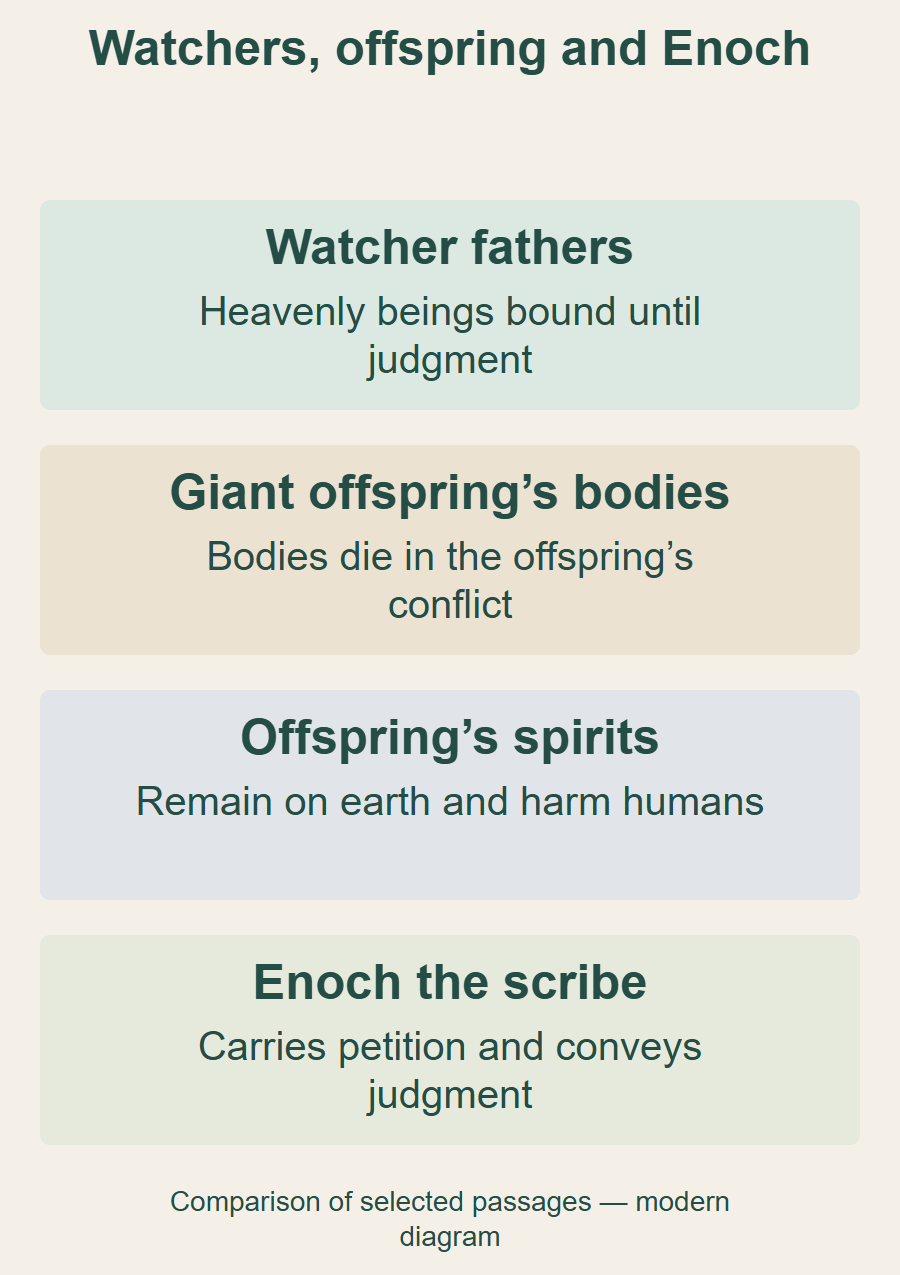
Modern chart of roles in 1 Enoch: Watchers, offspring, spirits and Enoch the scribe; not an ancient likeness of Shemihazah
Person
Shemihazah is a leader of the Watchers in 1 Enoch, associated with their collective oath and binding until judgment.
Namensvarianten: Shemihazah, Semjaza
Kontext und Quellen →

Newly generated symbolic illustration of the threshold between life and death. The landscape and buildings are imaginary, not an archaeological place, a map of Sheol, or a historical reconstruction
Entität
Hebrew word used for death, grave imagery and the abode of the dead in diverse texts; neither later punitive hell nor one specific physical tomb in every occurrence.
Namensvarianten: Sheol
Kontext und Quellen →
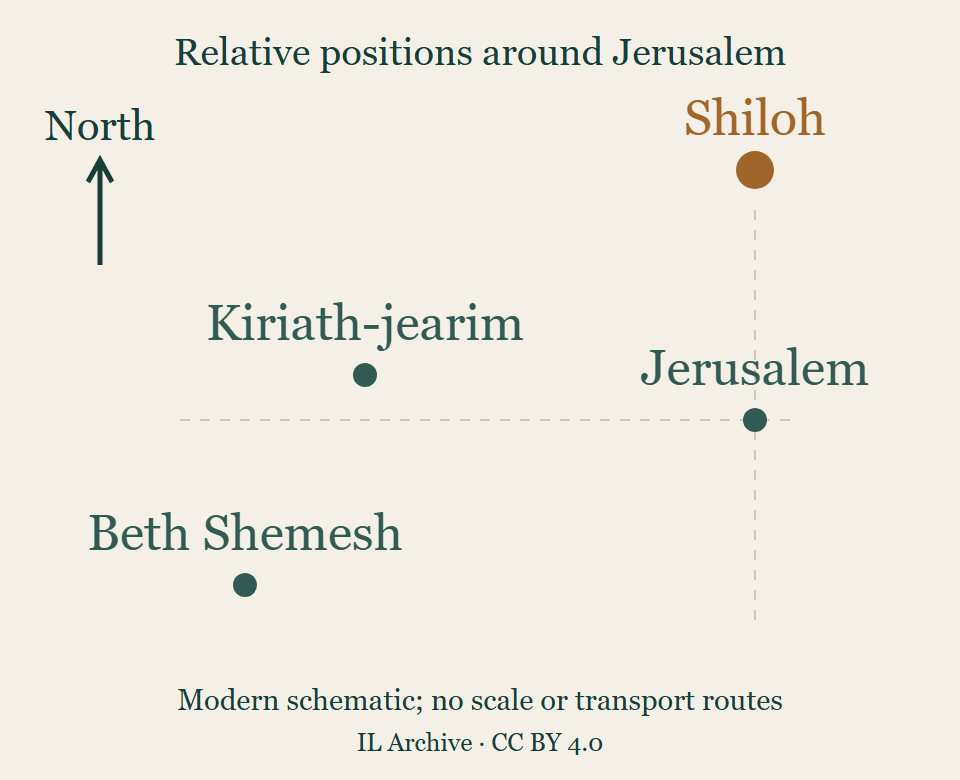
Modern schematic highlighting Shiloh / Seilun relative to Jerusalem and the other two sites. General directions, not a scale map or the Ark’s route
Stätte
Archaeological site in the West Bank highlands, associated with the Ark in Samuel.
Namensvarianten: Shiloh / Seilun
Kontext und Quellen →
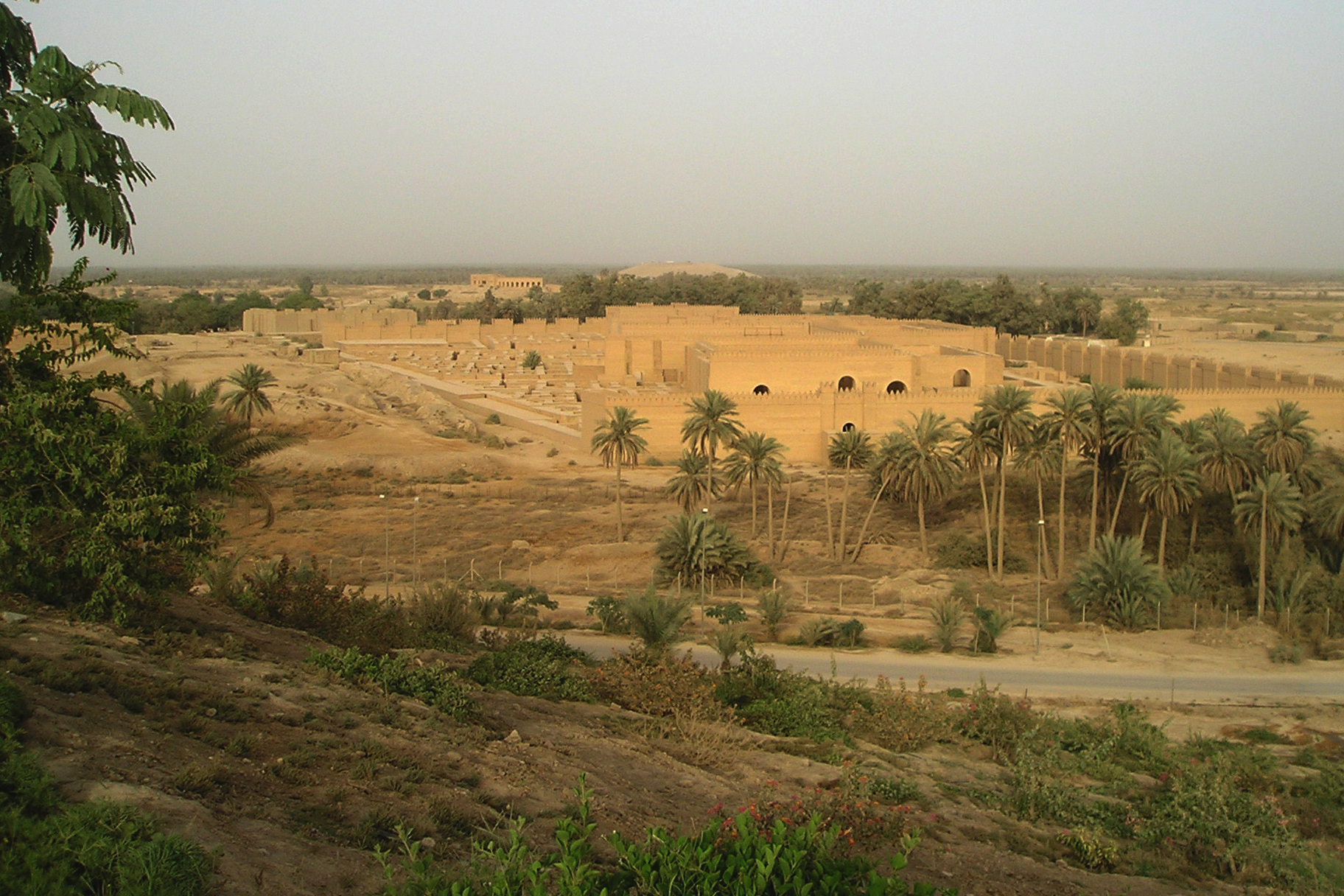
Babylon’s site in Iraq, source dated 2009, showing modern reconstruction and surrounding land. A city Genesis places in Shinar, not a map of Shinar’s boundaries or a photograph of the narrative’s tower
Stätte
Shinar is a region named in Genesis with Babylon, Uruk and Akkad, and the plain where the city and tower are built.
Namensvarianten: Shinar
Kontext und Quellen →
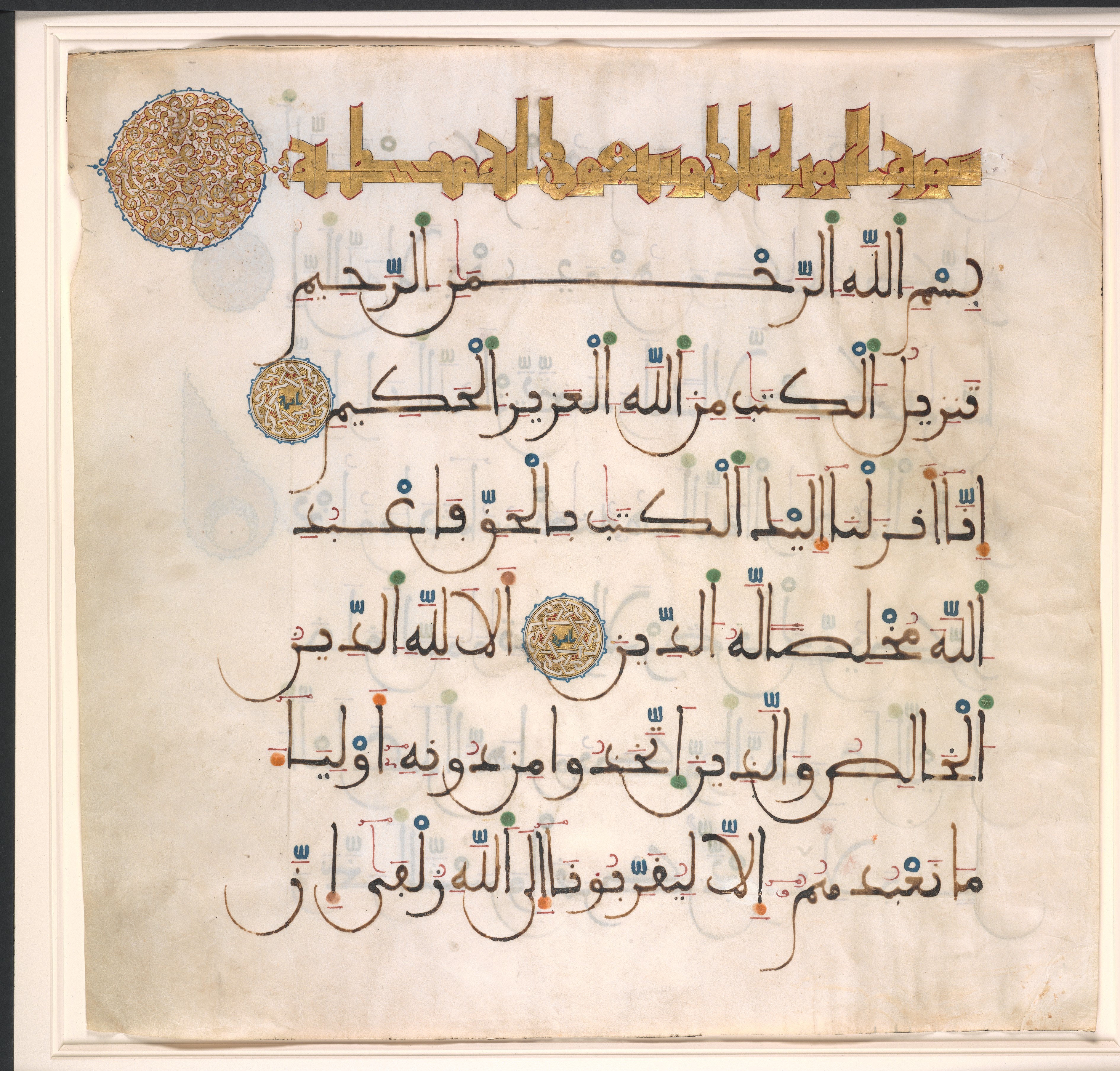
Quran leaf, probably Spain, late thirteenth–early fourteenth century; Met 42.63. It preserves 39:1–part of 39:3, including the claim about proximity to God. A later manuscript witness, not an image from the period of revelation
Entität
Shirk: assigning God a partner in divinity or worship in Islamic discourse; not equivalent to denying God’s existence or to every form of intercession.
Namensvarianten: shirk, associating partners with God
Kontext und Quellen →
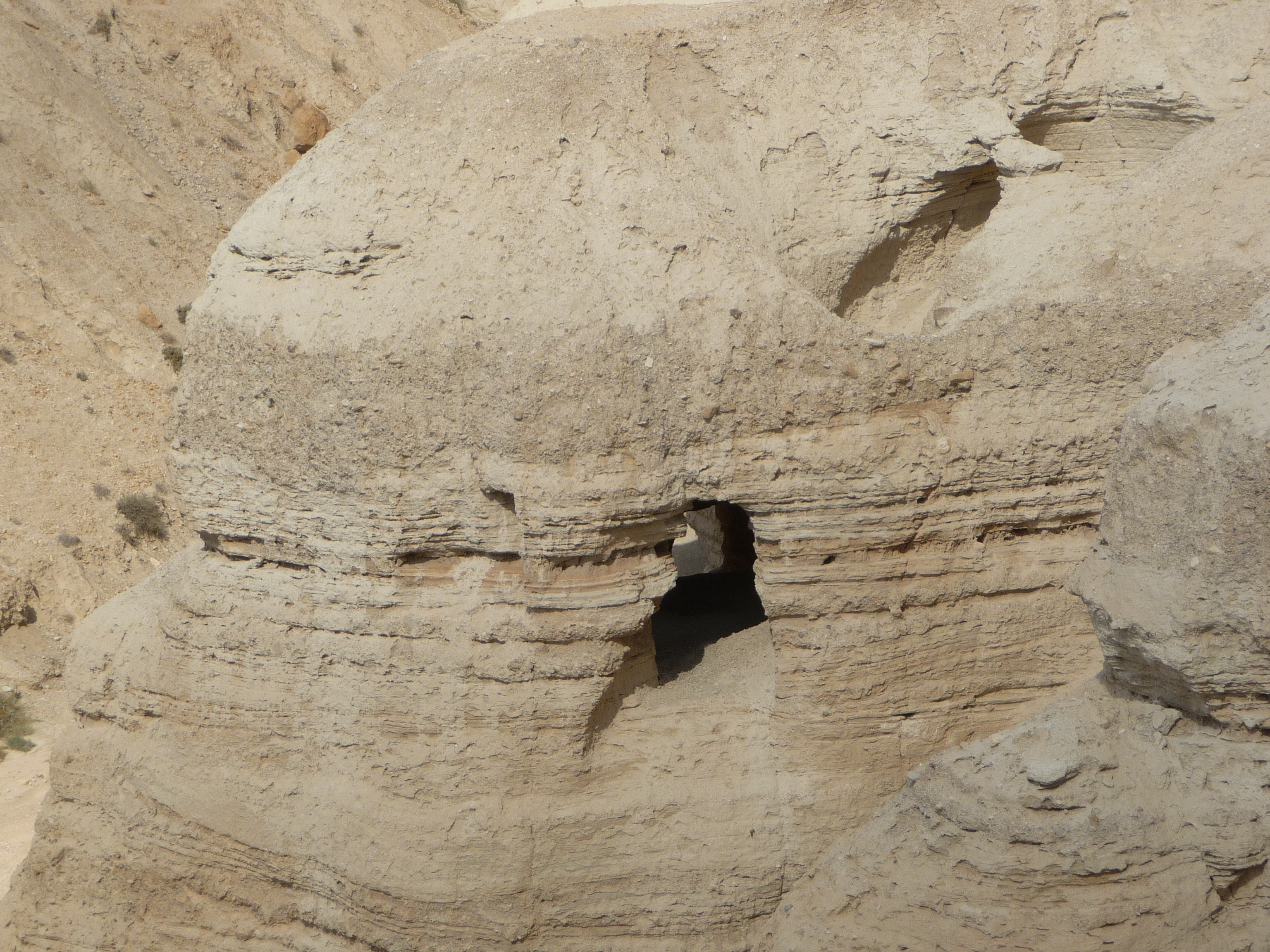
Cave 4 at Qumran, photographed by Immanuel Giel on 12 May 2018. A contextual view of the setting where part of the collection was found, not a scroll photograph or a reconstruction of its discovery
Entität
Manuscript collections from the Judaean Desert, best known through Qumran: diverse works, languages and textual forms, with copying distinguished from composition.
Namensvarianten: Dead Sea Scrolls
Kontext und Quellen →
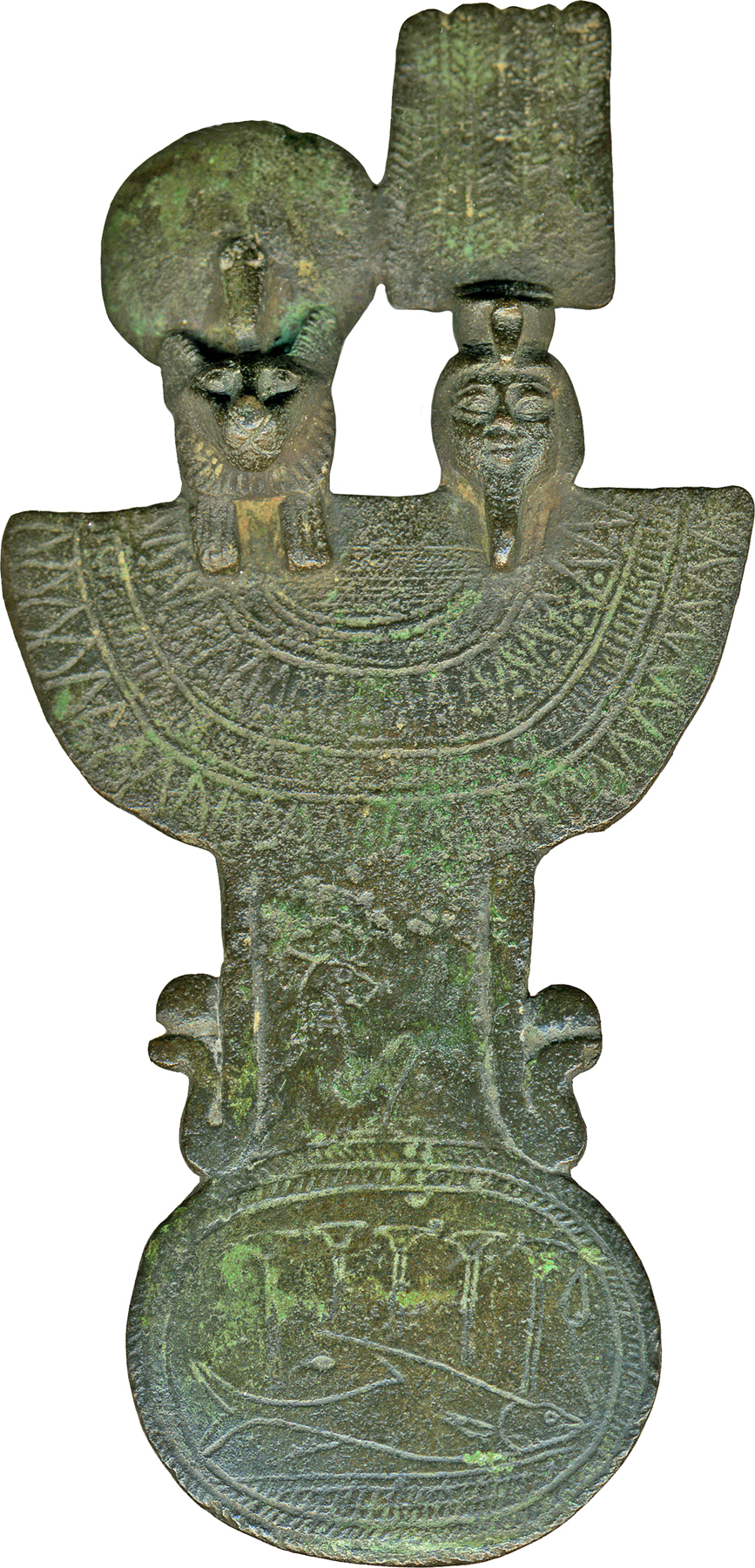
Bronze ritual menat bearing the heads of Shu and Tefnut, from Egypt’s Late Period, 664–380 BCE. Walters Art Museum, 54.1515. Instruments of this type were used with beaded collars in rituals
Entität
Shu and Tefnut are an Egyptian divine pair associated with air and moisture respectively
Namensvarianten: Shu and Tefnut, Shu, Tefnut
Kontext und Quellen →
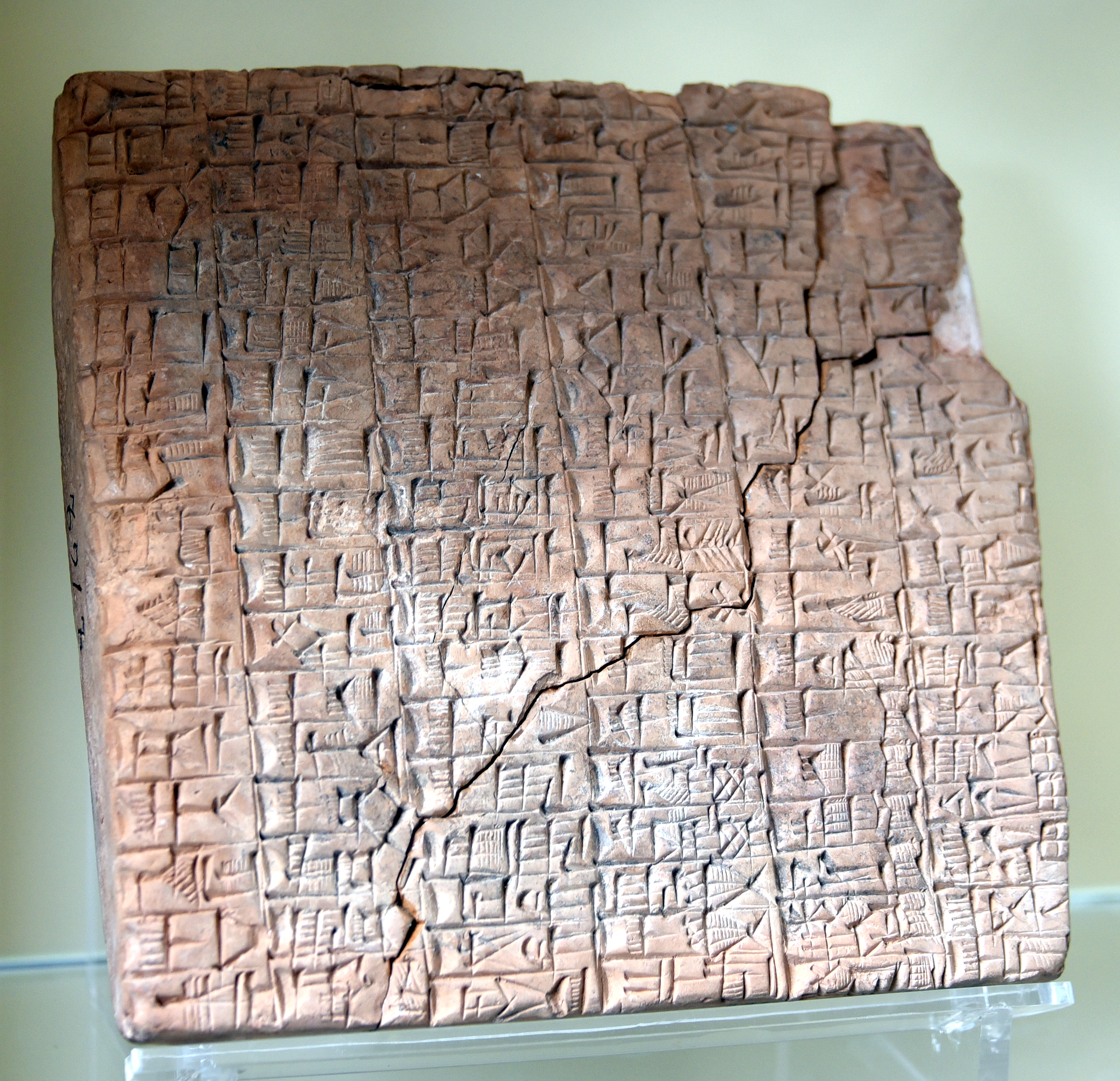
Professions-list tablet from Šuruppak (Tell Fara), c. 2600–2500 BCE, Pergamon Museum. Evidence of the city’s written culture, not a view of Sud’s temple
Stätte
Sumerian city at Tell Fara, Iraq, associated with Sud; distinct from Ereš in Enlil and Sud.
Namensvarianten: Šuruppak, Shuruppak, Tell Fara
Kontext und Quellen →
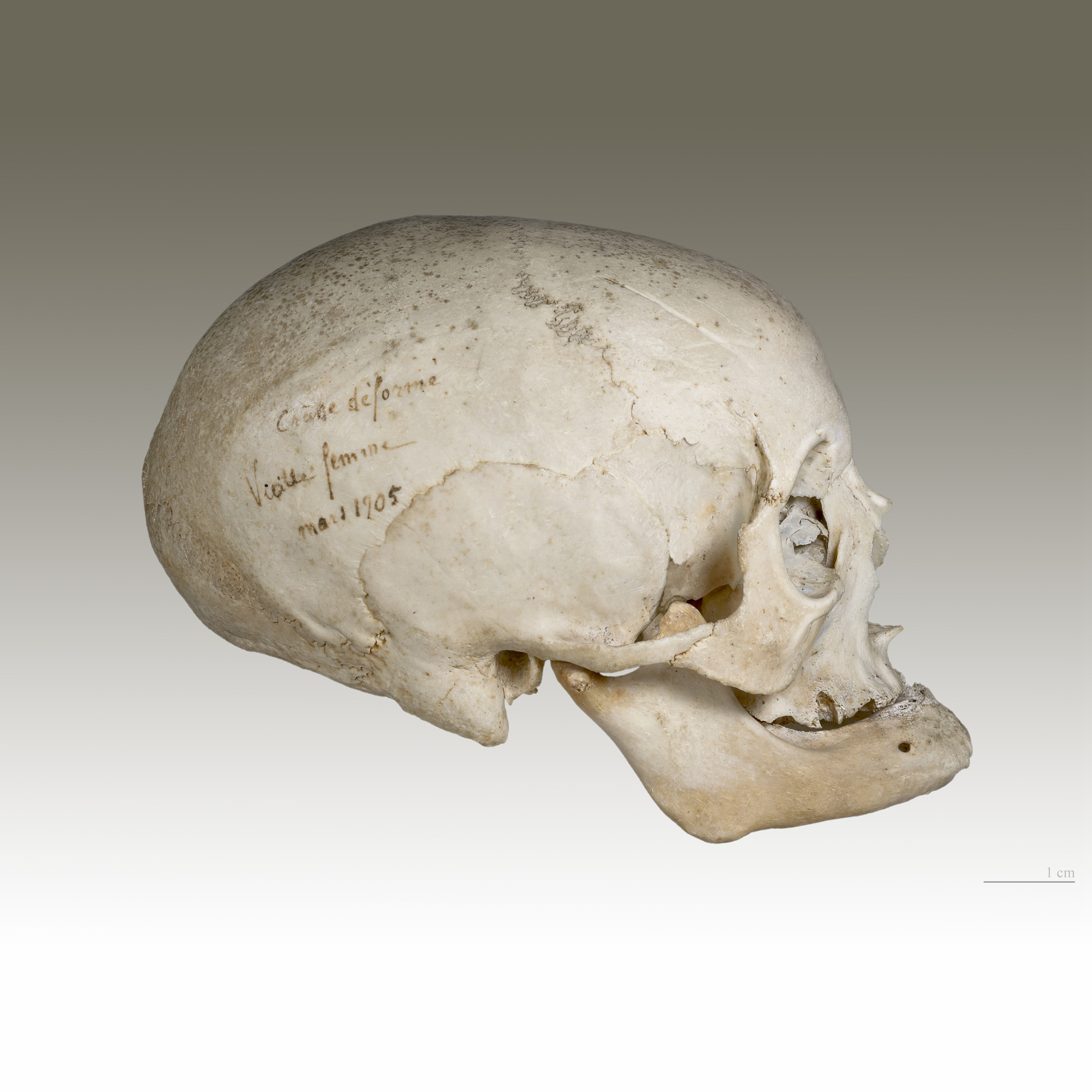
Square-format photograph of a Toulouse-type modified skull held at the Muséum de Toulouse, MHNT.ANT.2003.85. Not Ubaid evidence; the source does not give its findspot. Only the photographic backdrop was extended, without altering the skull
Entität
Reshaping a child’s growing cranial vault through pressure or restraint. Techniques and meanings vary; it differs from postmortem skull treatment and cannot be inferred from a figurine alone.
Namensvarianten: cranial modification, artificial cranial modification, head shaping, headshaping
Kontext und Quellen →
Person
University of Washington scholar of ancient Near Eastern languages and religions.
Namensvarianten: Scott B. Noegel
Kontext und Quellen →
Person
Syriac literature scholar who distinguishes the Syriac Alexander Romance, Christian Legend and poem.
Namensvarianten: Sebastian P. Brock
Kontext und Quellen →
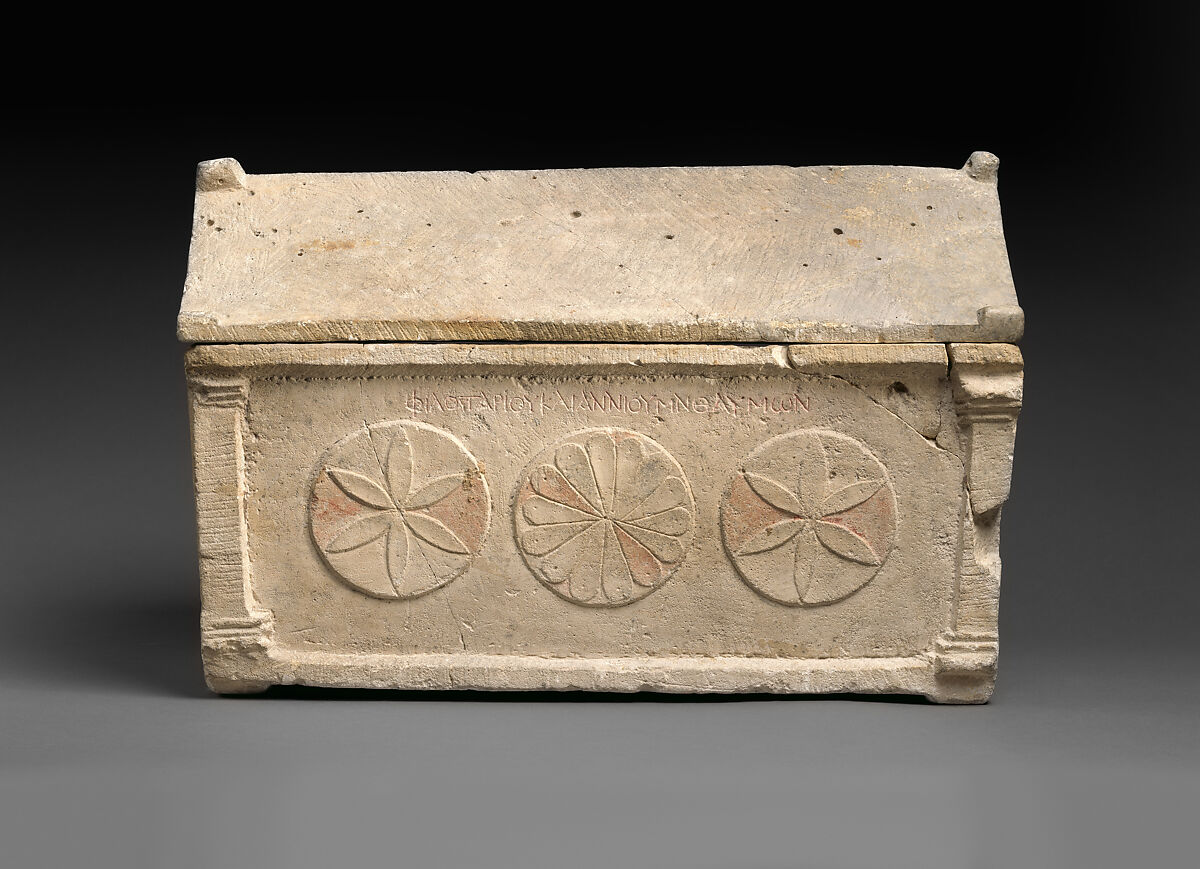
Limestone ossuary with lid, ca. 1st century BCE–1st century CE, Metropolitan Museum of Art, X.248.11a, b. A later example of collecting remains, not a Natufian or Neolithic burial
Entität
Redeposition of human remains or selected elements after an earlier stage of treatment; established from context, not disarticulation alone.
Namensvarianten: secondary burial, redeposition of human remains
Kontext und Quellen →
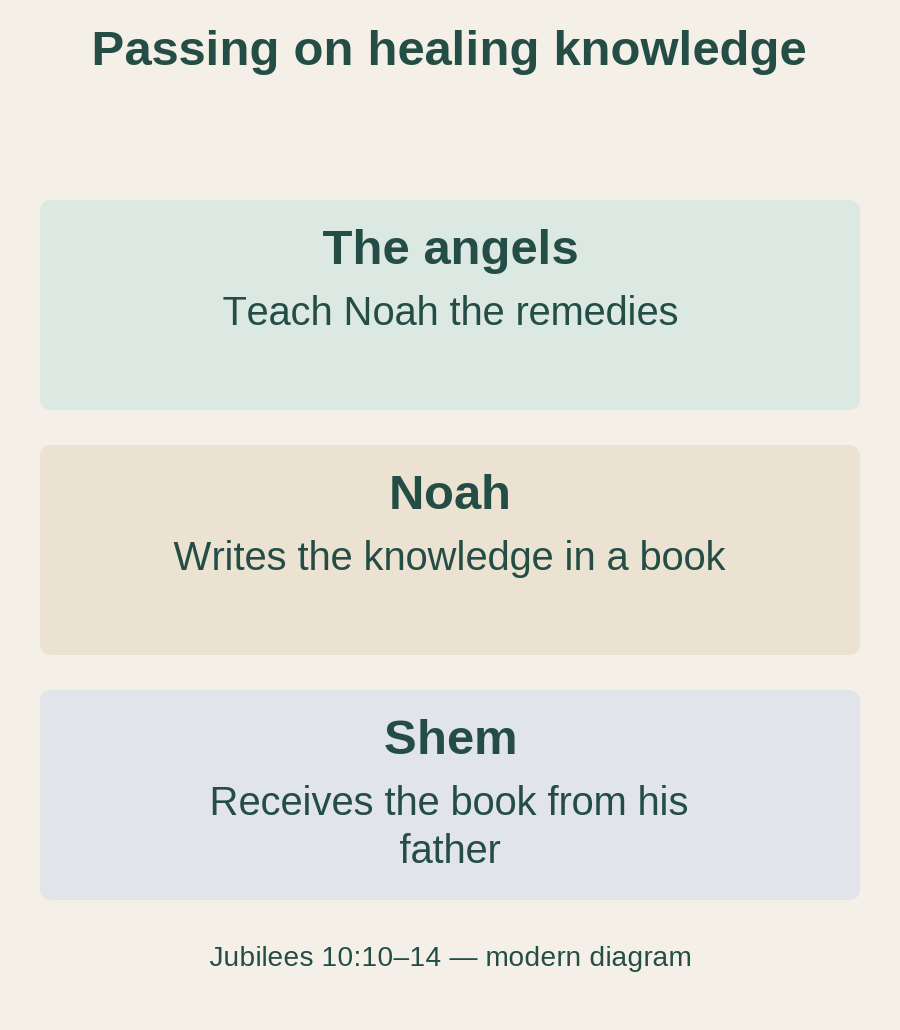
Healing knowledge in Jubilees 10: angels teach Noah, Noah writes, and Shem receives the book. A modern explanatory diagram, not an image of a discovered medical manuscript
Person
Noah’s son who receives his book of remedies in Jubilees 10, representing transmission of knowledge between generations within the account.
Namensvarianten: Shem, son of Noah
Kontext und Quellen →

Modern AI-generated conceptual illustration: converging luminous paths evoke cognate Semitic terms and their divergent uses; neither an archaeological photograph nor a reconstruction of an ancient script
Entität
An ancient Semitic word meaning “god,” with cognates across several languages. It may function as a common noun or a proper name according to context; it is not always Ugaritic El.
Namensvarianten: El, El: the Semitic word, Semitic el
Kontext und Quellen →
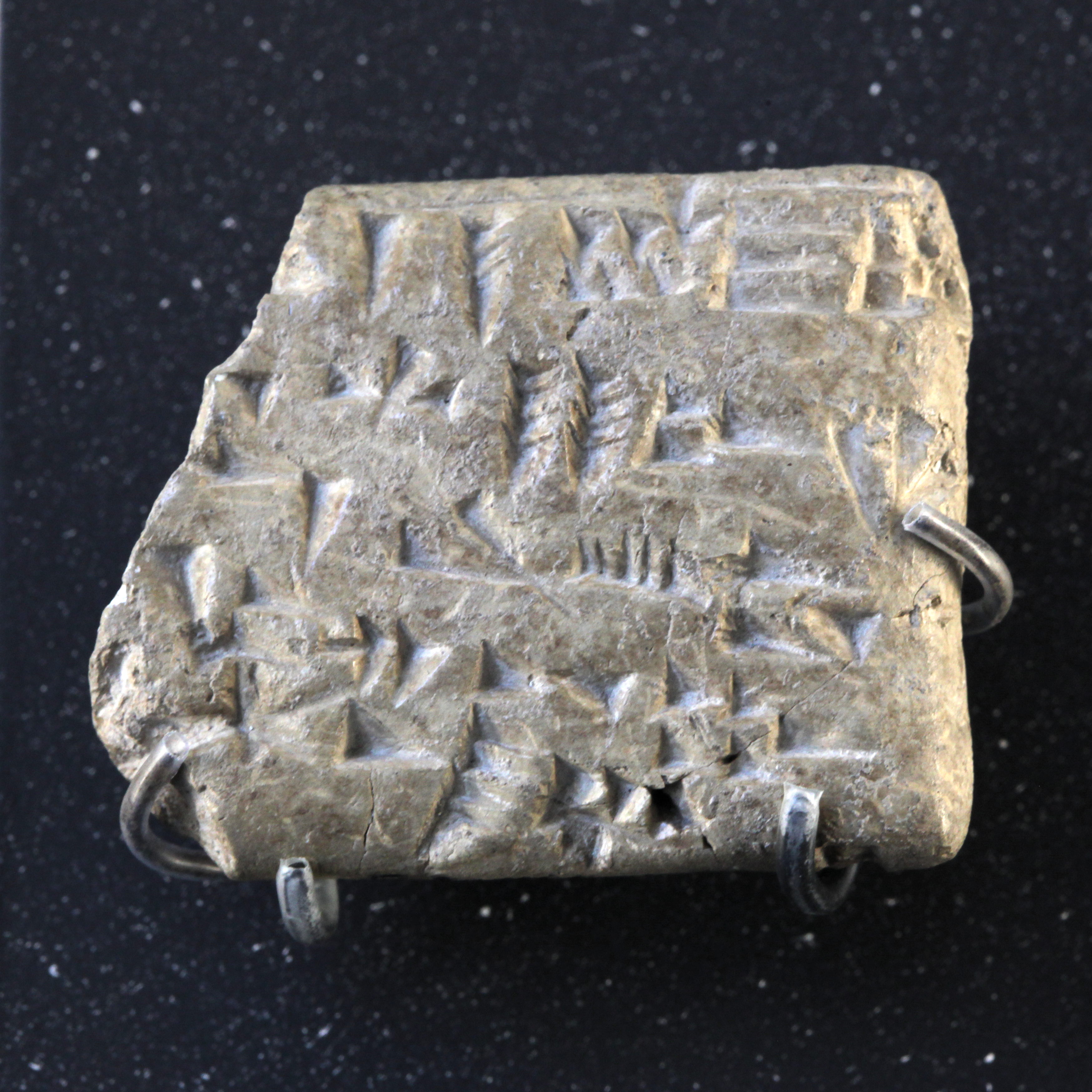
Fragment of a Ugaritic alphabet tablet in alphabetic cuneiform, from Ras Shamra, c. 1400–1200 BCE; Louvre, AO 19992 / RS 10.087. Evidence for one Semitic writing system, not the “source” of all Semitic languages
Entität
A branch of the Afroasiatic language family, including Akkadian, Ugaritic, Hebrew, Aramaic, Arabic, Ethio-Semitic and South Arabian languages; a linguistic, not racial or religious, classification.
Namensvarianten: Semitic languages, Semitic language family
Kontext und Quellen →