Stätte
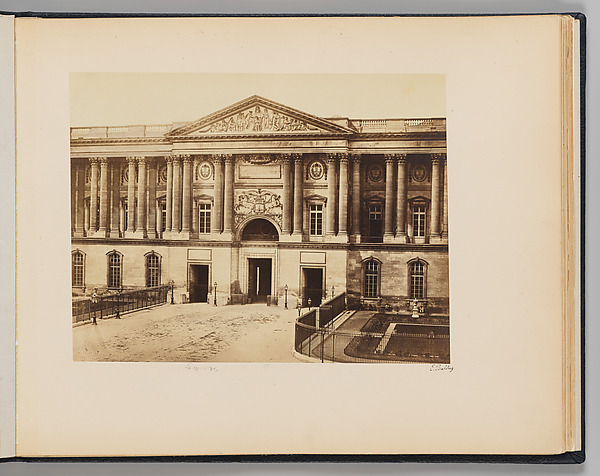
Louvre
Automatische Übersetzung. Lesen Sie das Original auf Englisch.
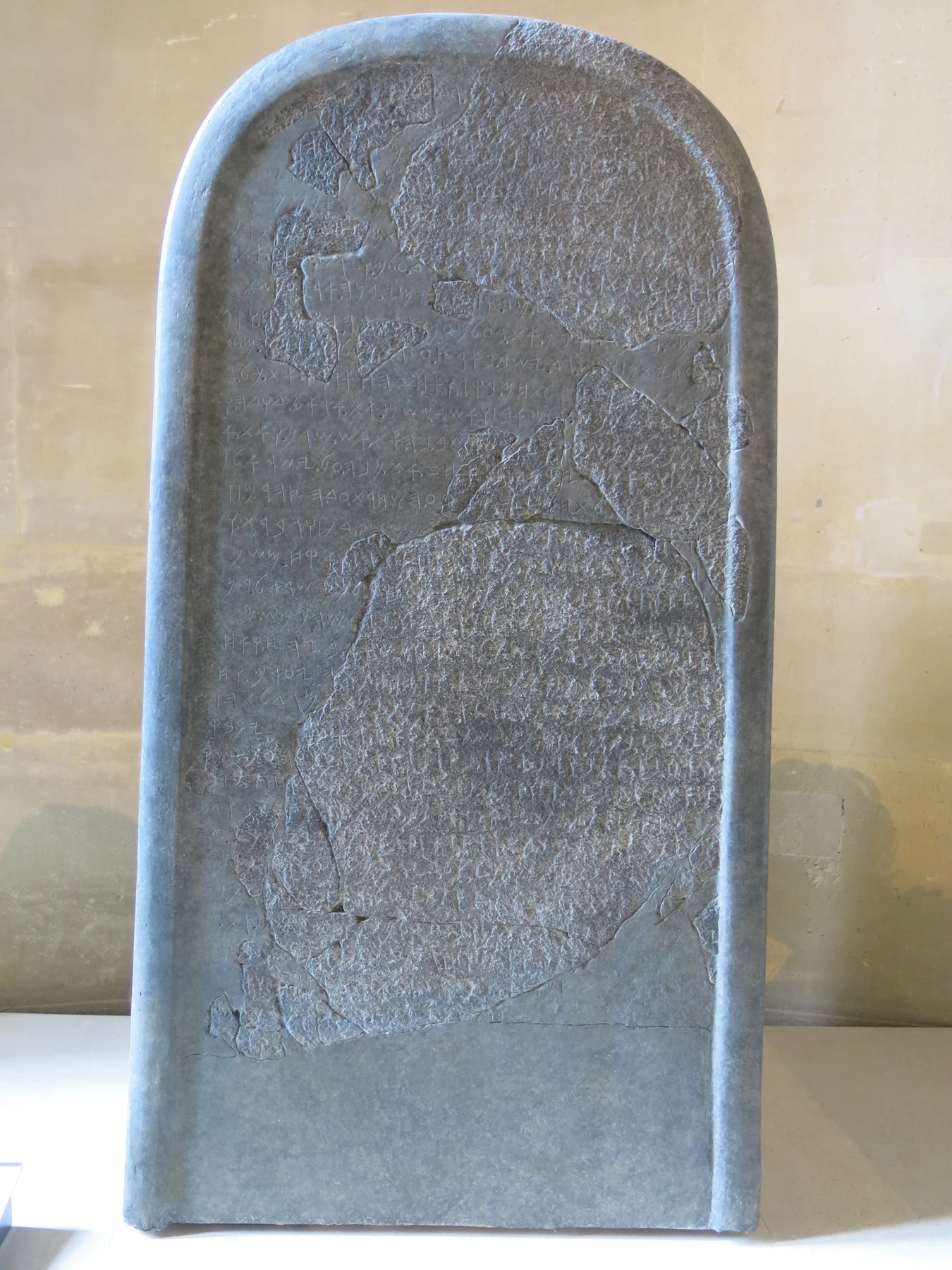
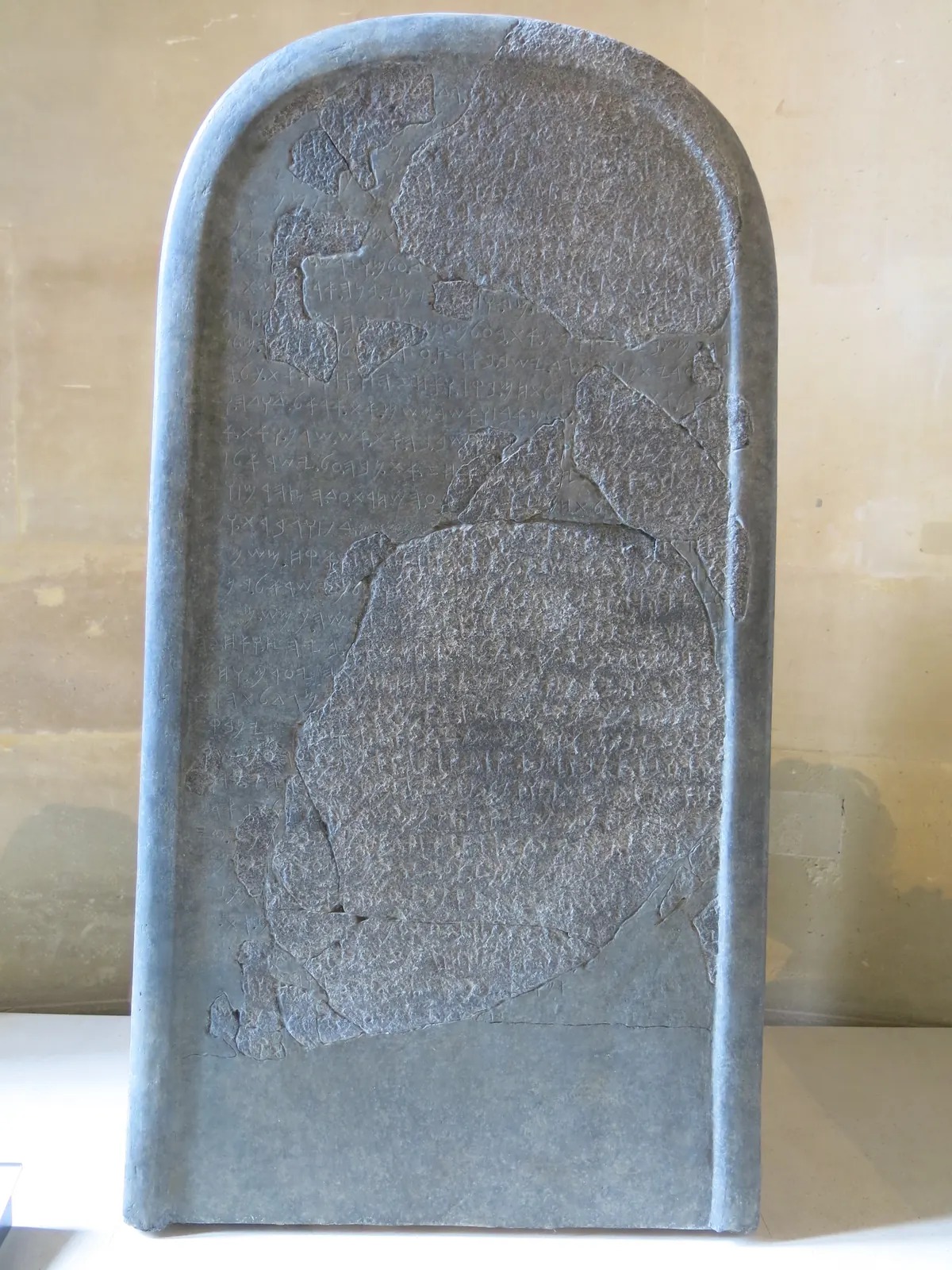
Museum in Paris, das die Mescha-Stele als AO 5066 in seinen archäologischen und Kunstsammlungen bewahrt.
Zuletzt geprüft:
Text
Der Louvre ist ein Museum in Paris. Zu seinen archäologischen Sammlungen gehört die Mescha-SteleMescha-SteleA ninth-century BCE Moabite royal basalt stele at the Louvre (AO 5066; KAI 181). Its inscription names Chemosh, Omri, Israel and YHWH (line 18). A proposed “House of David” reading in damaged line 31 is disputed.Glossar · Zum Lesen der Erläuterung klicken, AO 5066. Der Objektbeleg nennt Basalt, den Fundort Dhiban und die Datierung ins neunte Jahrhundert v. u. Z.[1][2]
Der Name des Museums und die Inventarnummer helfen, die heutige Sammlung zu identifizieren. Beides bleibt getrennt vom antiken Herstellungs- oder Gebrauchsort des Objekts sowie vom Baujahr des Museumsgebäudes oder einer modernen Fotografie.[1]
Verweise und Anmerkungen
- Musée du Louvre, Mesha Stele, AO 5066 / KAI 181. Object identity, ninth-century BCE date, findspot and collection. Zurück zum Text ↑
- K. C. Hanson, The Mesha Stele, published translation adapted from Albright 1969. Royal identity, conflict, named places and objects. Zurück zum Text ↑
Korrektur vorschlagen · Eine Quelle zu diesem Eintrag vorschlagen
Diesen Eintrag zitieren
IL Archive, «Louvre», https://ilarchive.com/de/sites/louvre-museum
Weiterlesen