Stätte
Nebo, der Ort in der Mescha-Inschrift
Automatische Übersetzung. Lesen Sie das Original auf Englisch.
Ort, der in Meschas Konflikt mit Israel genannt wird; von dort berichtet er, er habe Yahwehs Gefäße vor Kemosch genommen.
Zuletzt geprüft:
Text
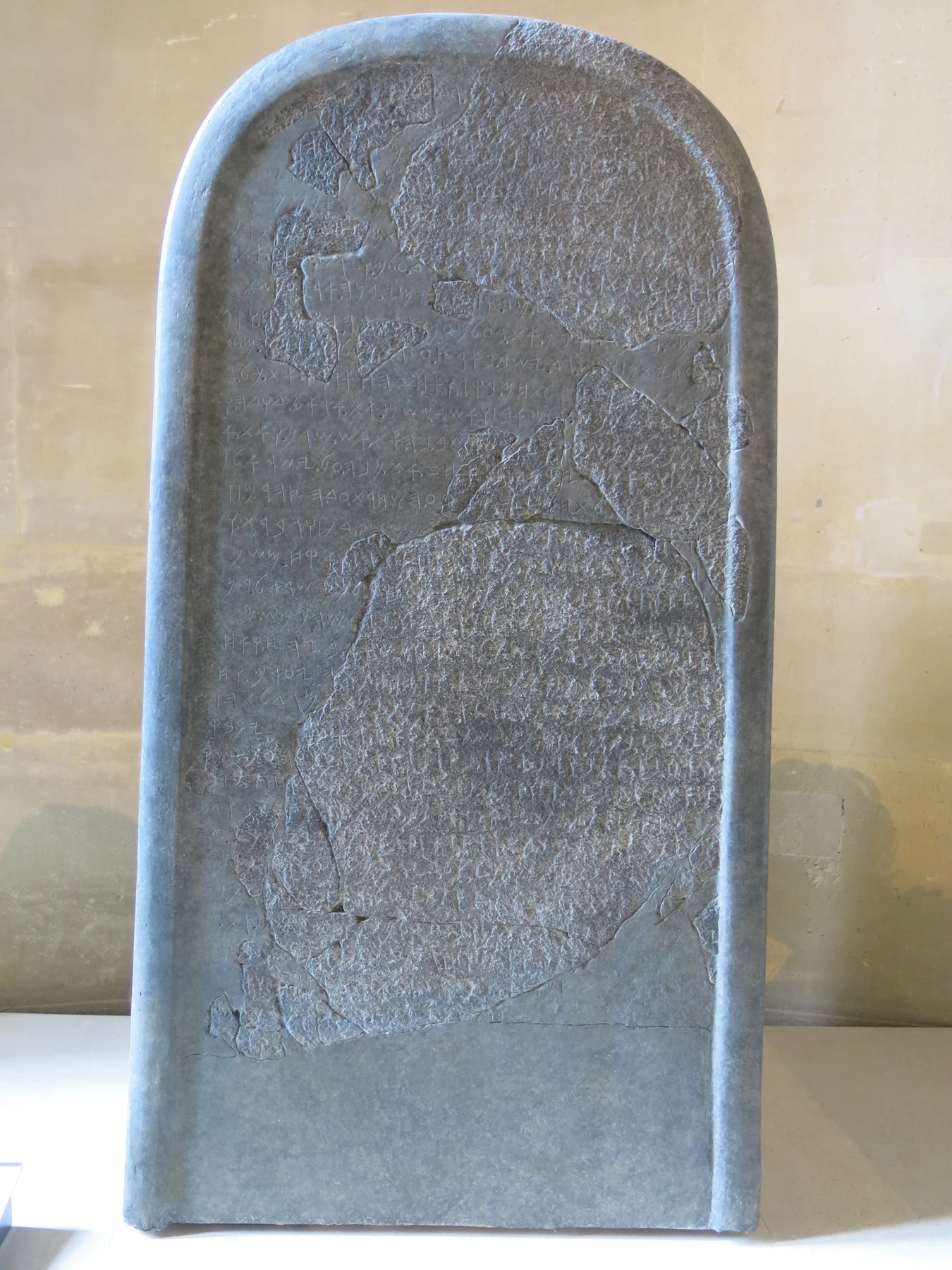
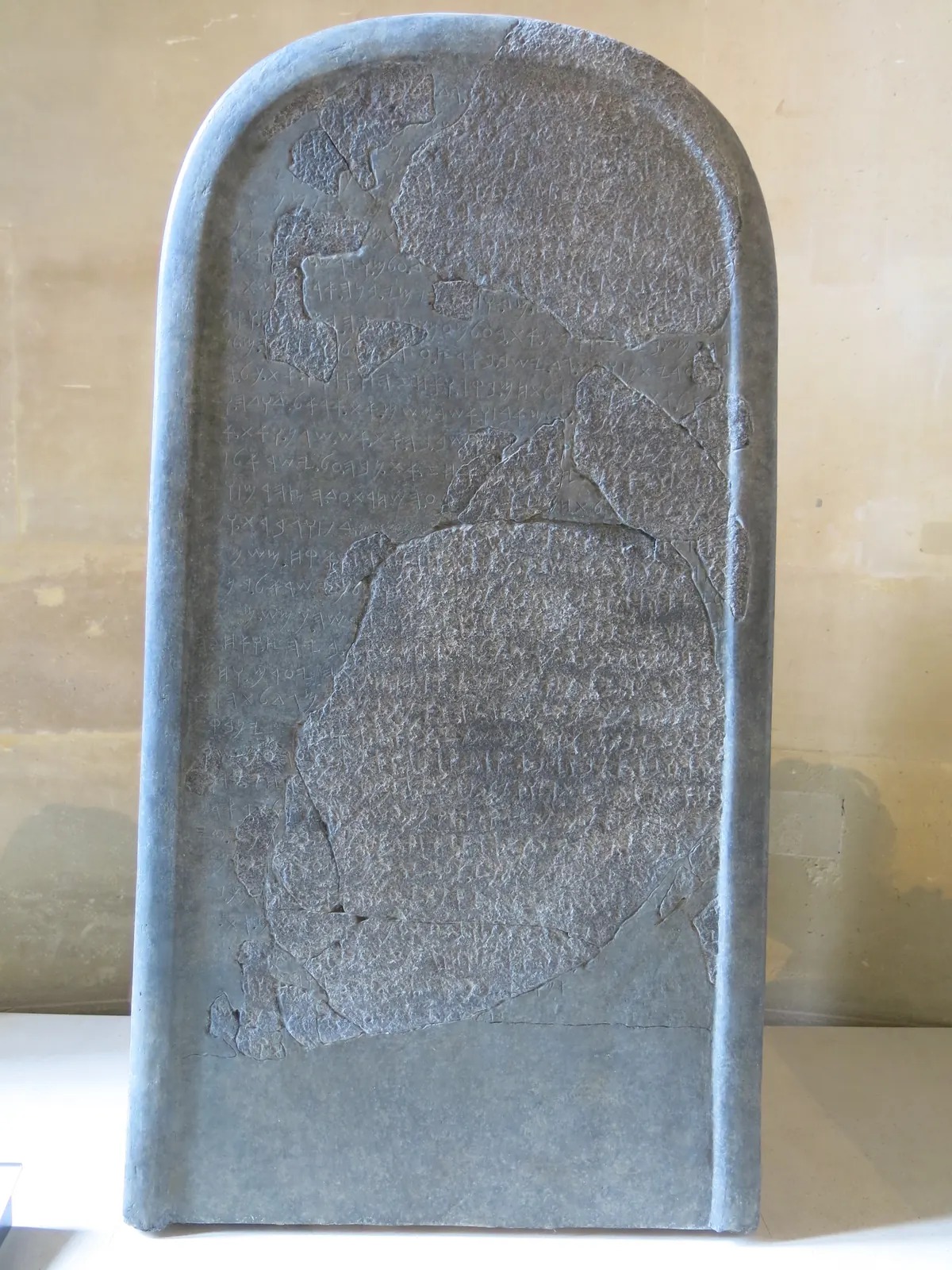
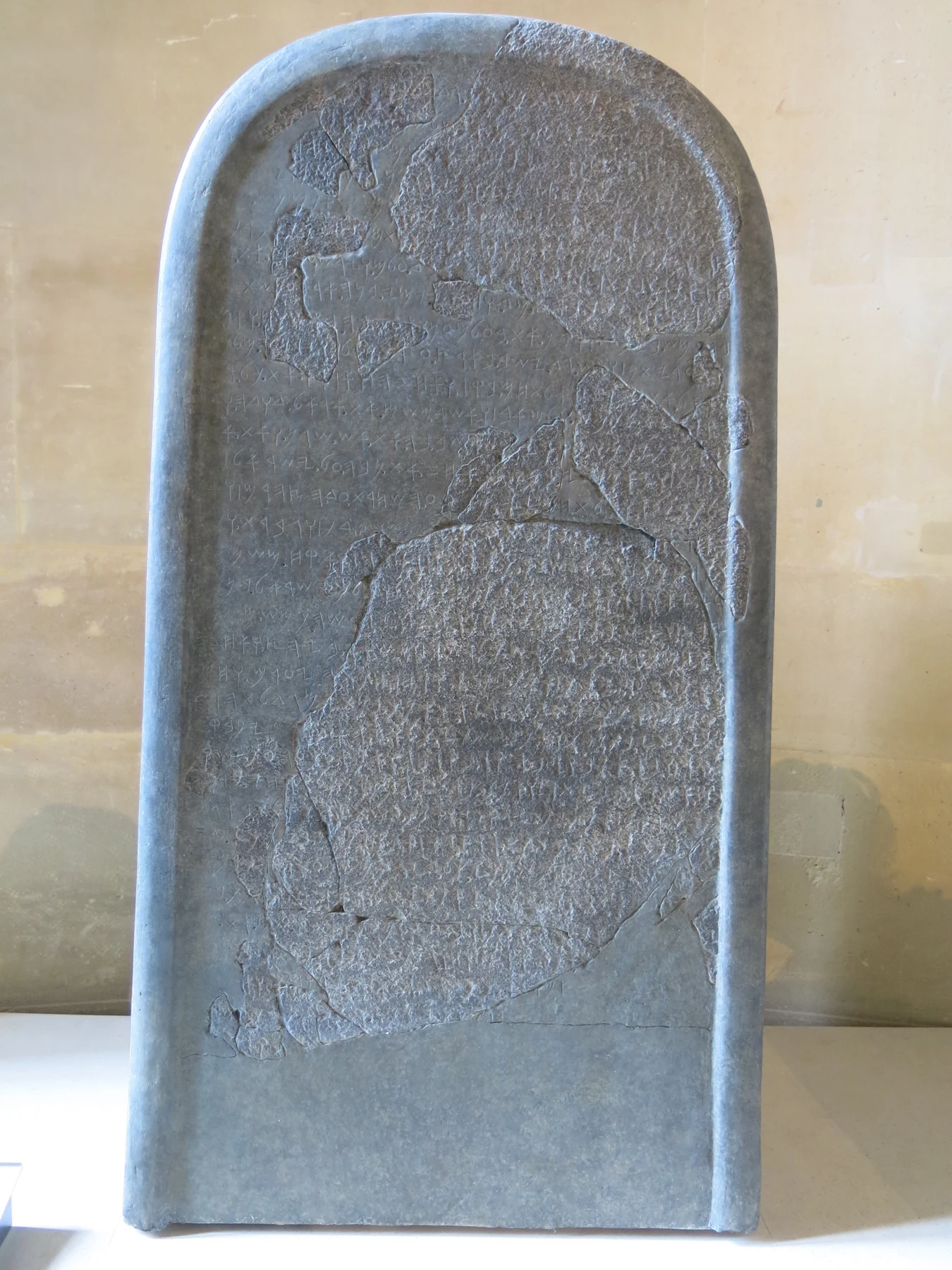
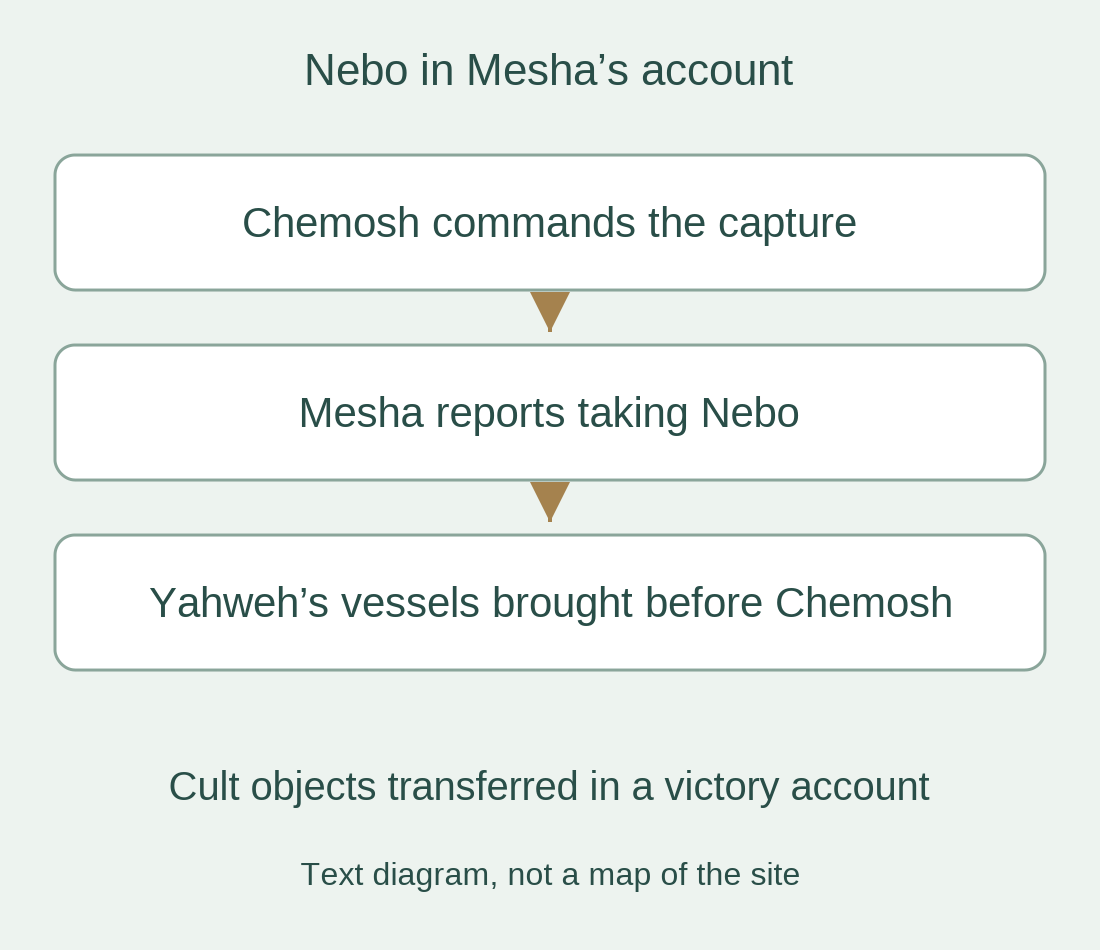
Nebo ist hier ein Ort in der Mescha-InschriftMescha-SteleA ninth-century BCE Moabite royal basalt stele at the Louvre (AO 5066; KAI 181). Its inscription names Chemosh, Omri, Israel and YHWH (line 18). A proposed “House of David” reading in damaged line 31 is disputed.Glossar · Zum Lesen der Erläuterung klicken aus dem neunten Jahrhundert v. u. Z. Der König sagt, KemoschChemoschMajor Moabite deity in the ninth-century BCE Mesha Stele, credited with restoring territory and receiving war booty; also named in Hebrew texts from another perspective.Glossar · Zum Lesen der Erläuterung klicken habe ihm befohlen, ihn Israel abzunehmen; danach berichtet er, er habe YahwehsYahwehThe proper name of Israel’s deity, written יהוה (YHWH), the Tetragrammaton. Its exact ancient pronunciation is not directly preserved; texts and inscriptions witness its history.Glossar · Zum Lesen der Erläuterung klicken Gefäße entfernt und sie vor Kemosch dargebracht.[1]
Dieser Eintrag identifiziert den Ort in diesem Bericht und nicht den ähnlich benannten babylonischen Gott. Der Text nennt die übertragenen Gefäße, beschreibt aber weder den Ort noch das Gebäude, das sie enthielt.[1][2]
Verweise und Anmerkungen
- K. C. Hanson, The Mesha Stele, published translation adapted from Albright 1969. Royal identity, conflict, named places and objects. Zurück zum Text ↑
- Bruce Routledge, Conditions of State Formation at the Edges of Empires: The Case of Iron Age Moab, 2016. pp.80–85: Moab and the inscription; p.90: Dhiban's urban transformation. Zurück zum Text ↑
Korrektur vorschlagen · Eine Quelle zu diesem Eintrag vorschlagen
Diesen Eintrag zitieren
IL Archive, «Nebo, der Ort in der Mescha-Inschrift», https://ilarchive.com/de/sites/nebo-town-mesha-inscription
Weiterlesen