Site
Nebo, the town in Mesha's inscription
Town named in Mesha's conflict with Israel, from which he reports taking Yahweh's vessels before Chemosh.
Last reviewed:
Text
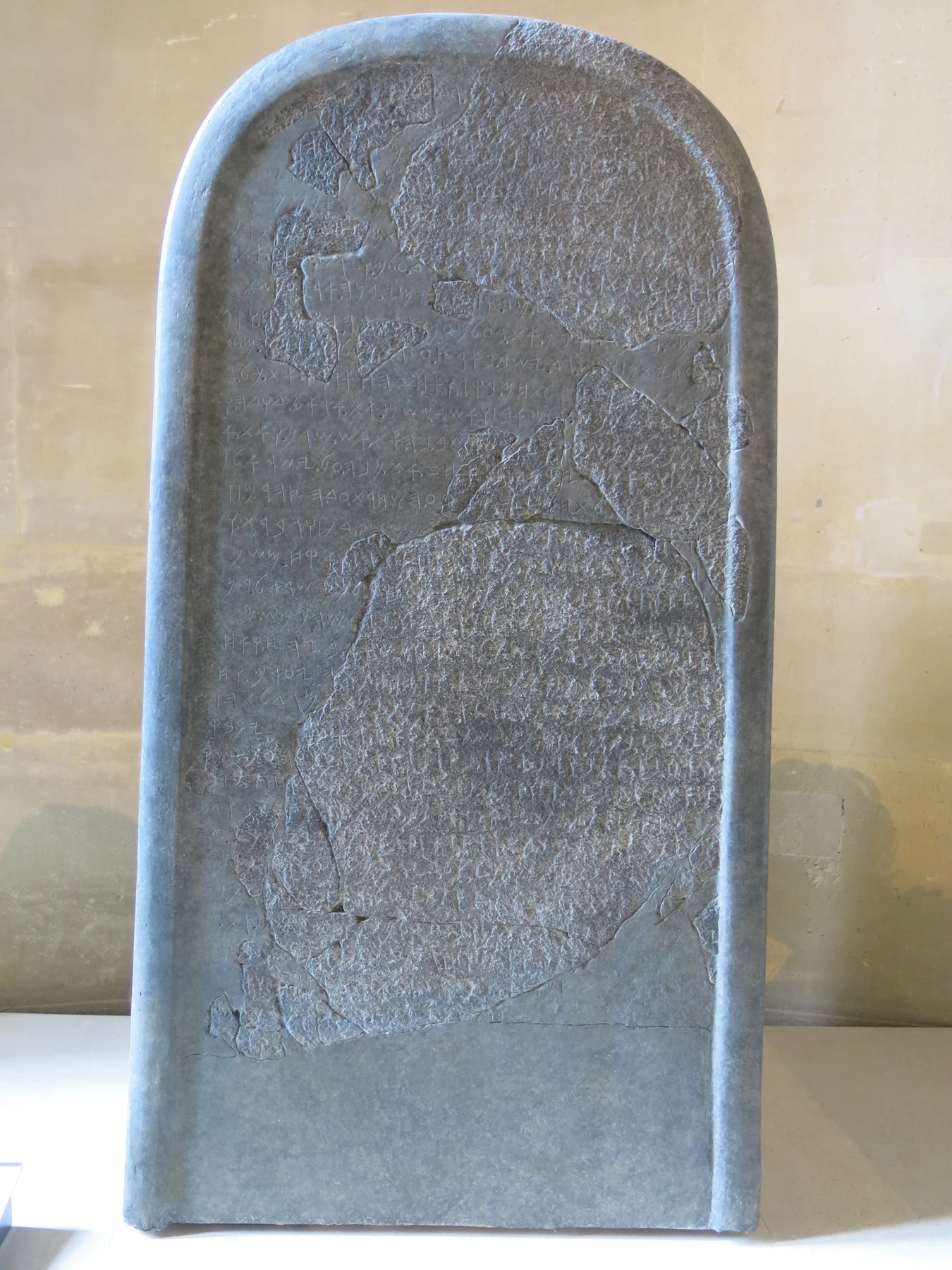
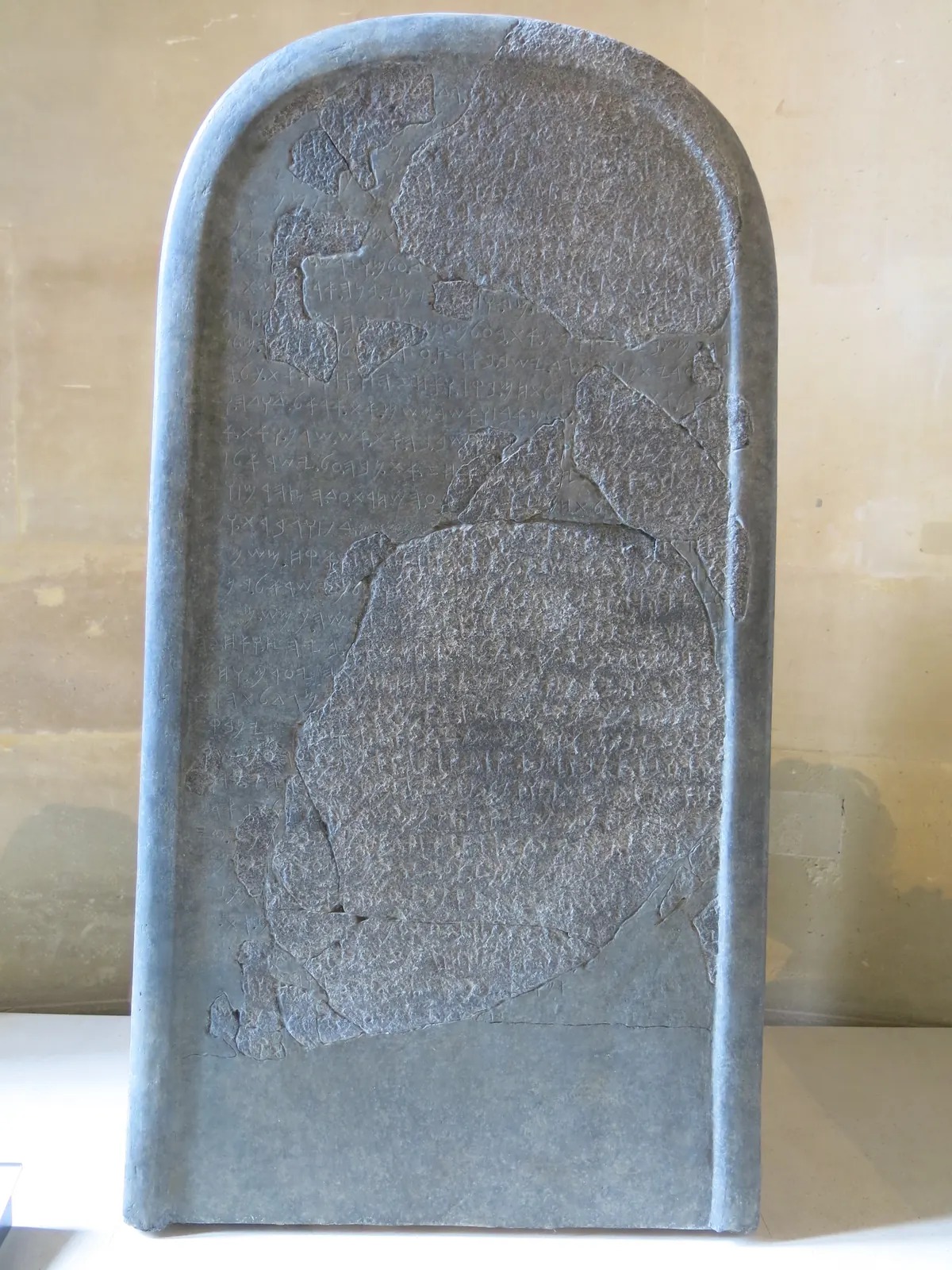
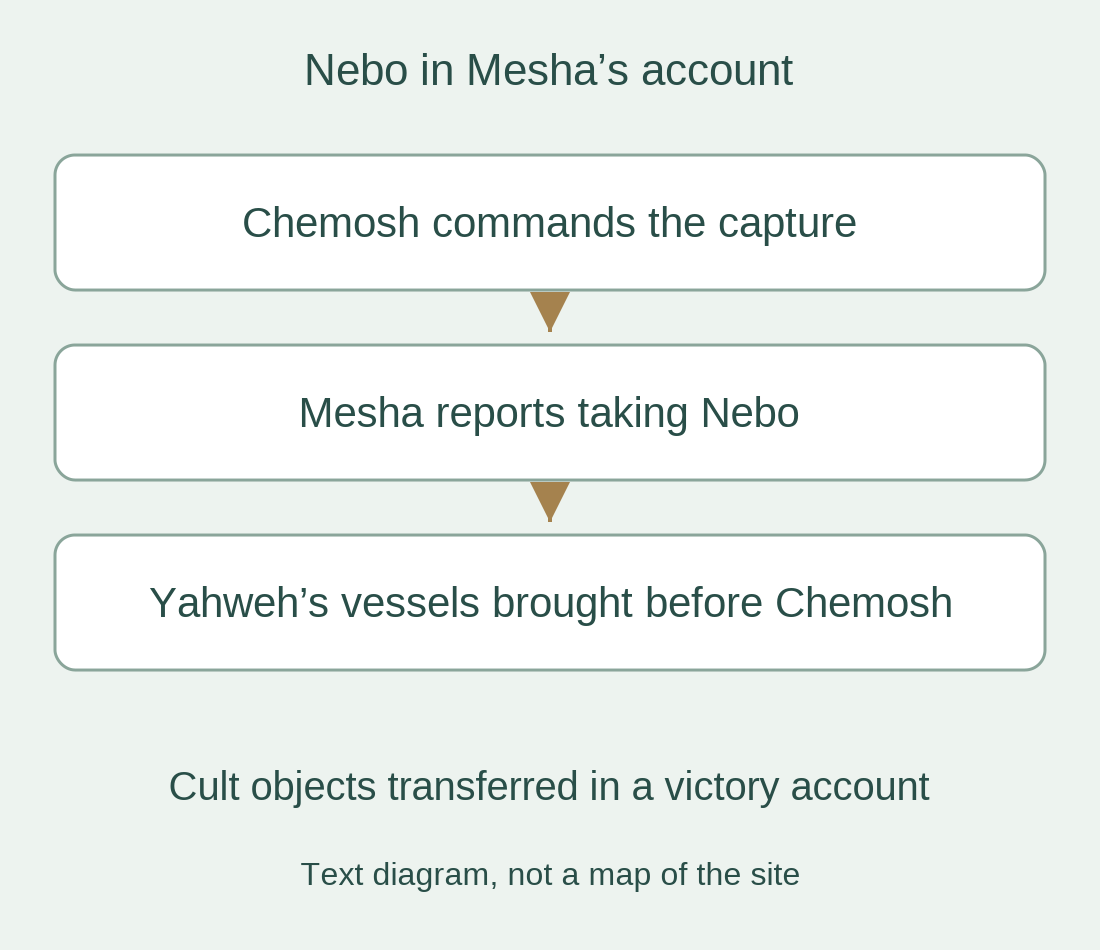
Nebo here is a town in the ninth-century BCE Mesha inscriptionMesha SteleA ninth-century BCE Moabite royal basalt stele at the Louvre (AO 5066; KAI 181). Its inscription names Chemosh, Omri, Israel and YHWH (line 18). A proposed “House of David” reading in damaged line 31 is disputed.Glossary · Click to read the explanation. The king says that ChemoshChemoshMajor Moabite deity in the ninth-century BCE Mesha Stele, credited with restoring territory and receiving war booty; also named in Hebrew texts from another perspective.Glossary · Click to read the explanation ordered him to take it from Israel; he then reports removing YahwehYahwehThe proper name of Israel’s deity, written יהוה (YHWH), the Tetragrammaton. Its exact ancient pronunciation is not directly preserved; texts and inscriptions witness its history.Glossary · Click to read the explanation's vessels and presenting them before Chemosh.[1]
This entry identifies the place in that account, not the similarly named Babylonian god. The text names transferred vessels but does not depict the site or the building that held them.[1][2]
References and notes
- K. C. Hanson, The Mesha Stele, published translation adapted from Albright 1969. Royal identity, conflict, named places and objects. Return to the text ↑
- Bruce Routledge, Conditions of State Formation at the Edges of Empires: The Case of Iron Age Moab, 2016. pp.80–85: Moab and the inscription; p.90: Dhiban's urban transformation. Return to the text ↑
Suggest a correction · Suggest a source for this record
Cite this record
IL Archive, «Nebo, the town in Mesha's inscription», https://ilarchive.com/en/sites/nebo-town-mesha-inscription
Continue reading