Die Erzählung von Aqhat Kapitel 1
Die Geschichte von Aqhat
Danel wird ein Sohn verheißen, und der Bogen, den Aqhat geschenkt bekommt, weckt Anats Aufmerksamkeit. Nach Aqhats Tod trauert Danel um ihn. Pughat geht zu Yatipans Lager, wo die erhaltene Erzählung abbricht.
QuellenBlättern Sie mit den Pfeilen, den Pfeiltasten oder durch Wischen.
DIE GESCHICHTE VON AQHAT
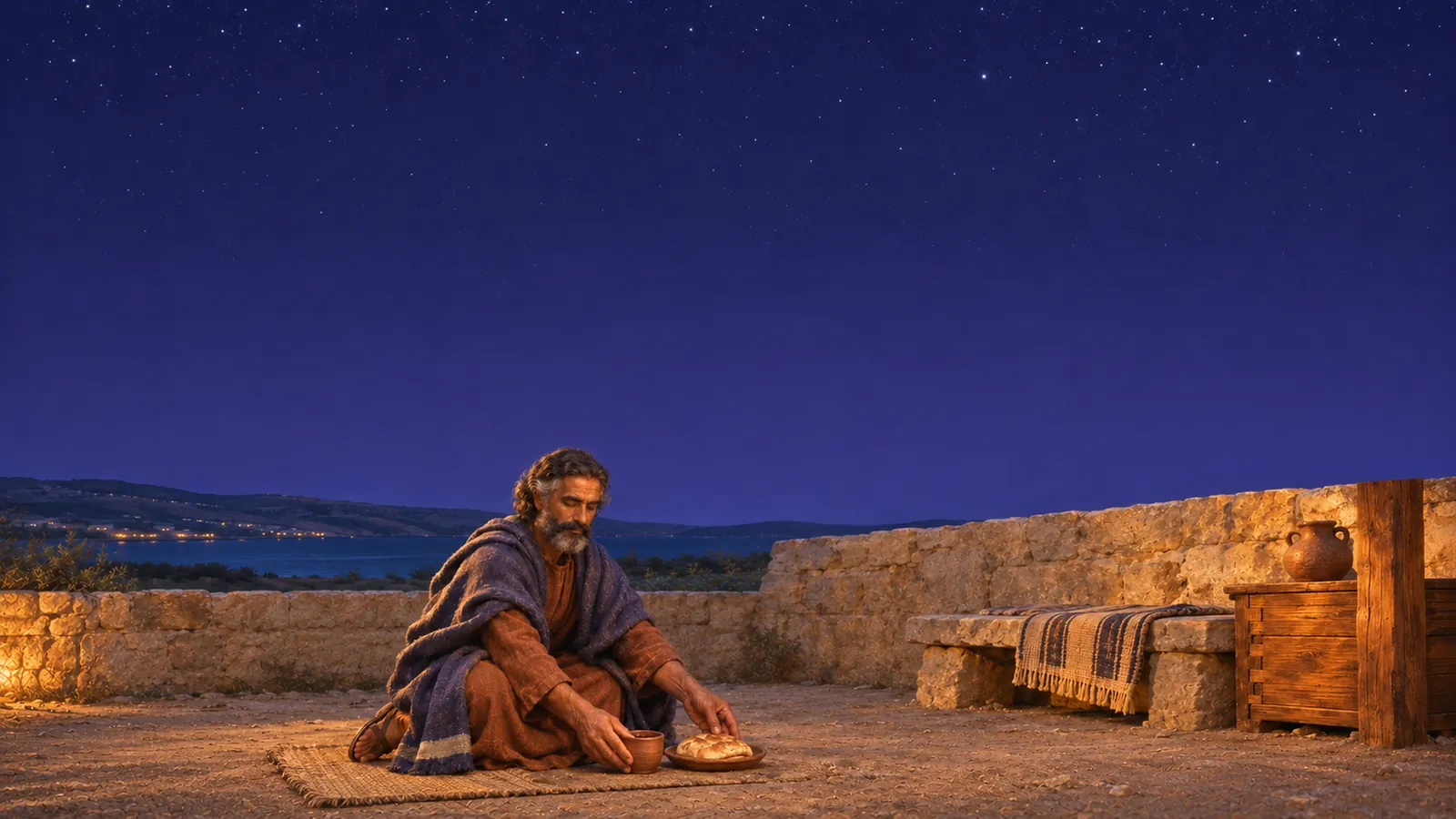
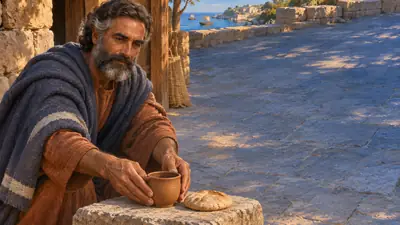
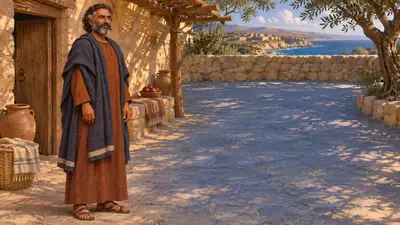
Die Geschichte setzt nach einer Bruchstelle der Tafel ein. In den ersten lesbaren Zeilen bringt Danel Speise und Trank als Gaben dar und legt sich für die Nacht nieder.
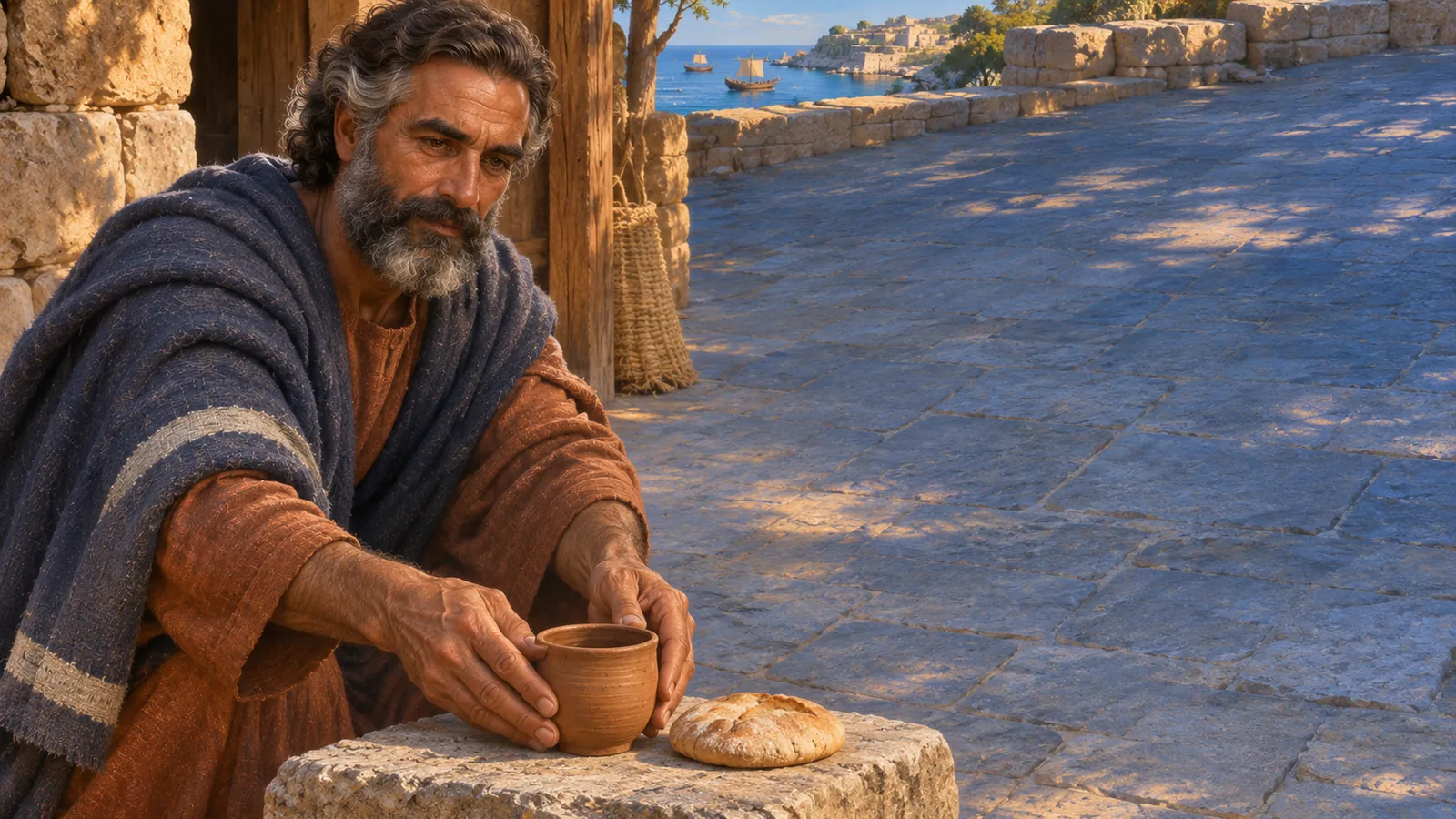
Das Gedicht zählt die Tage paarweise. Nach je zwei Tagen bringt Danel erneut Speise und Trank dar.
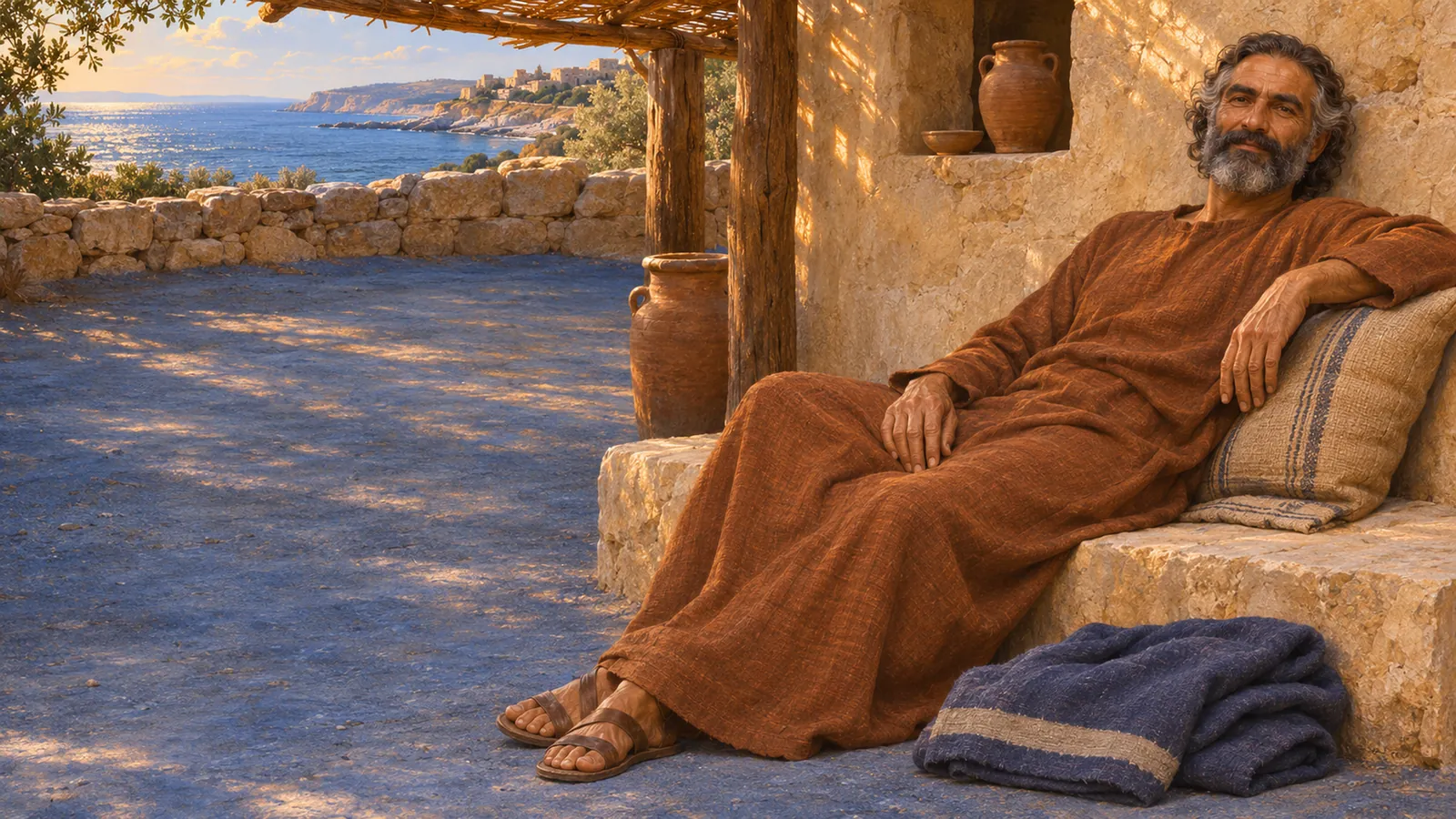
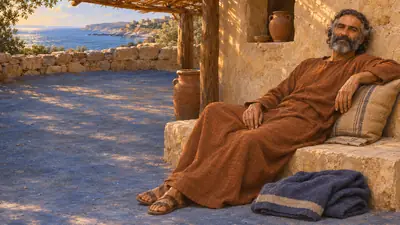
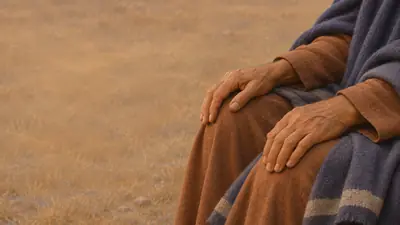
Die letzten beiden Tage der Zählung vergehen. Danel legt sein Gewand beiseite und legt sich zur Ruhe.
DER SIEBTE TAG
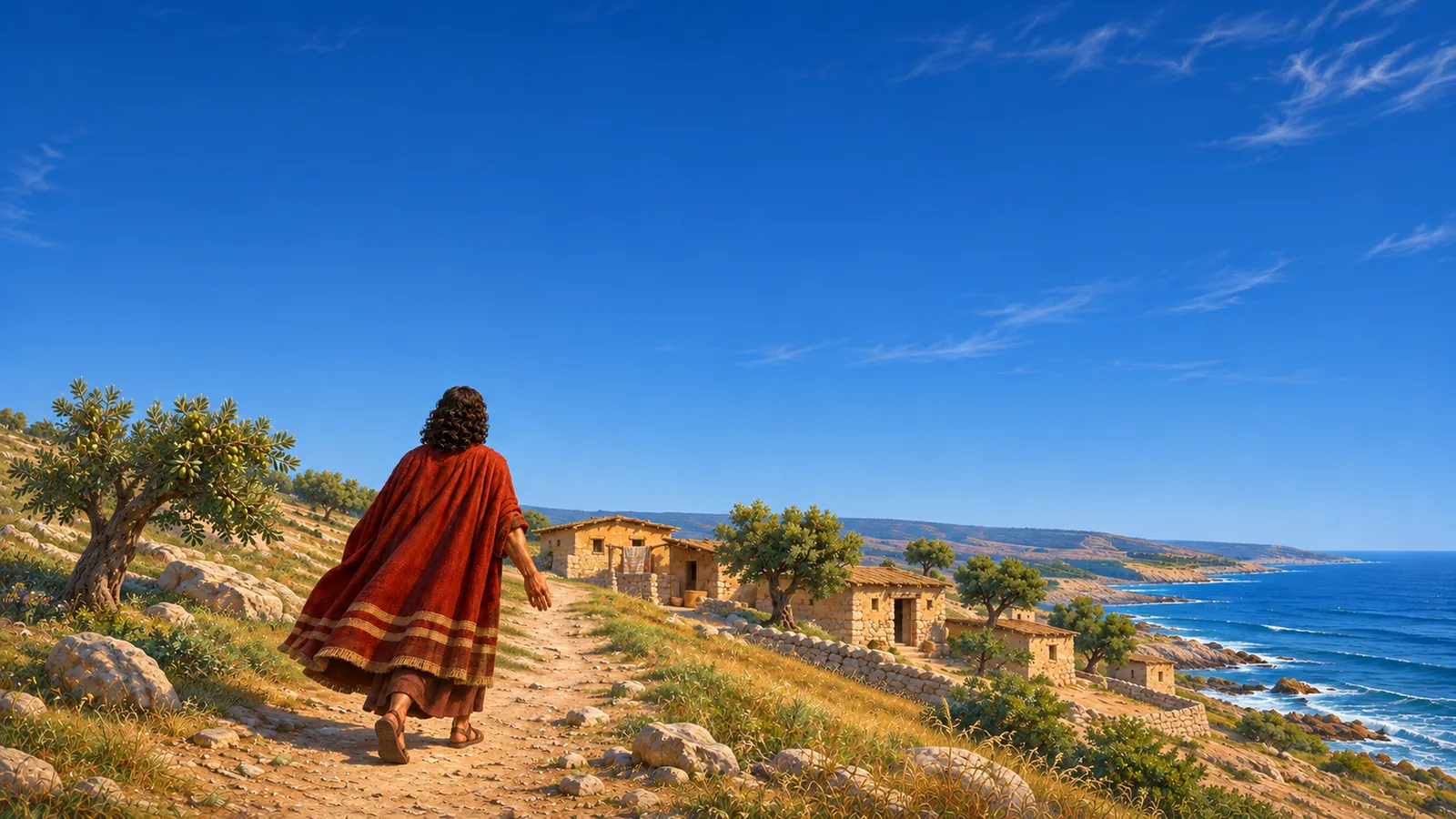
Am siebten Tag nähert sich Baal wohlwollend. Von Danels wiederkehrendem Tagesablauf wendet sich das Gedicht Baals Worten an El zu.

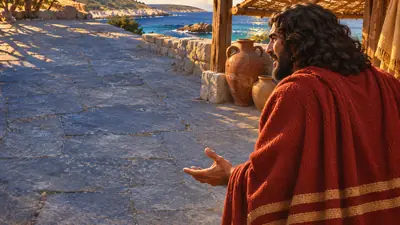
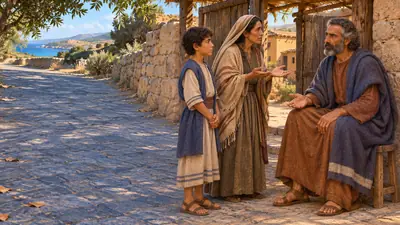
Baal sagt El, dass Danel keinen Sohn hat. Er bittet El, Danel zu segnen, damit er einen Sohn bekommen kann.
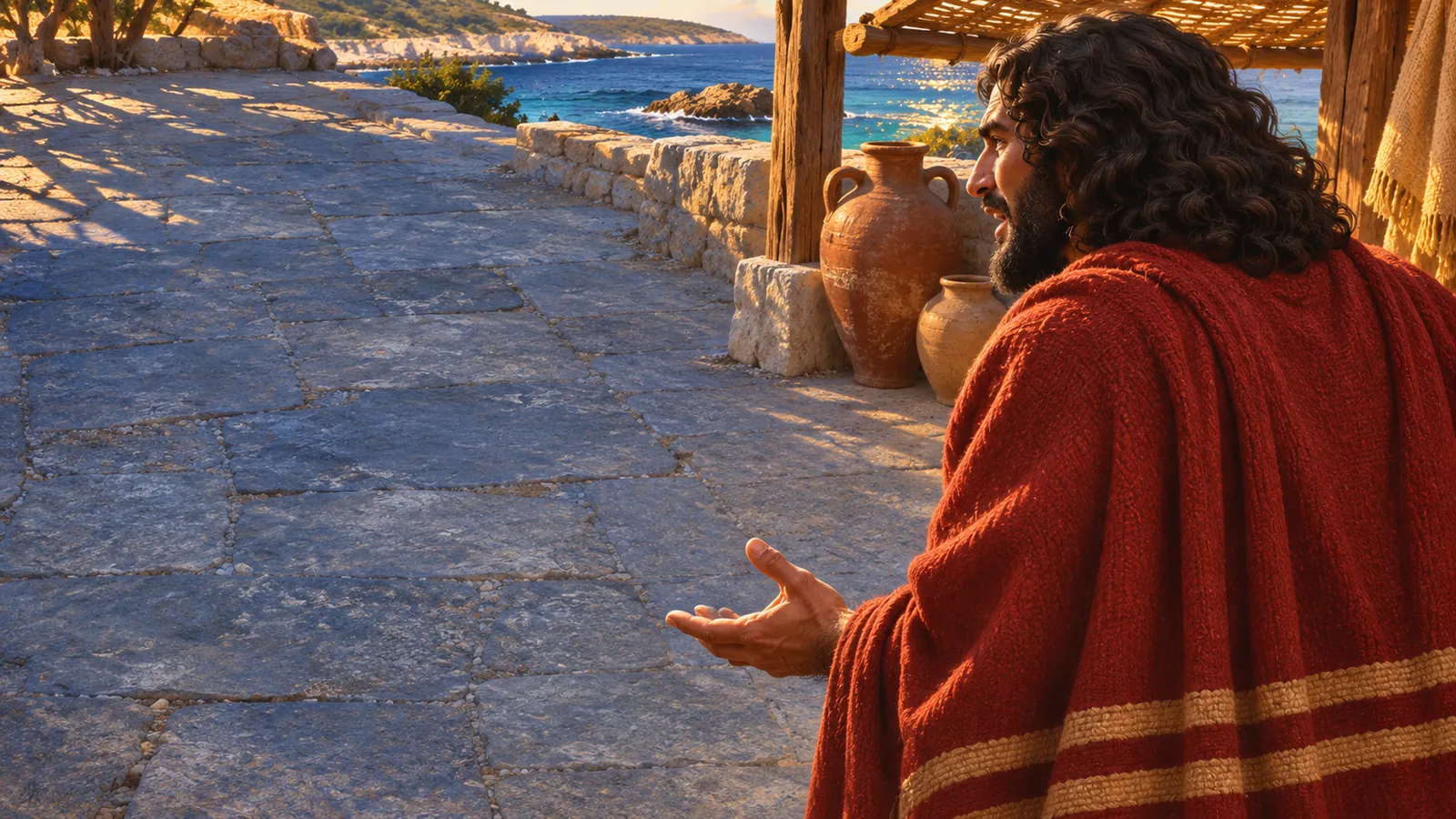
Baal sagt El, was ein Sohn für seinen Vater und dessen Haushalt tun würde. Er spricht vom Gedenken, vom Beistand und von der täglichen Fürsorge.
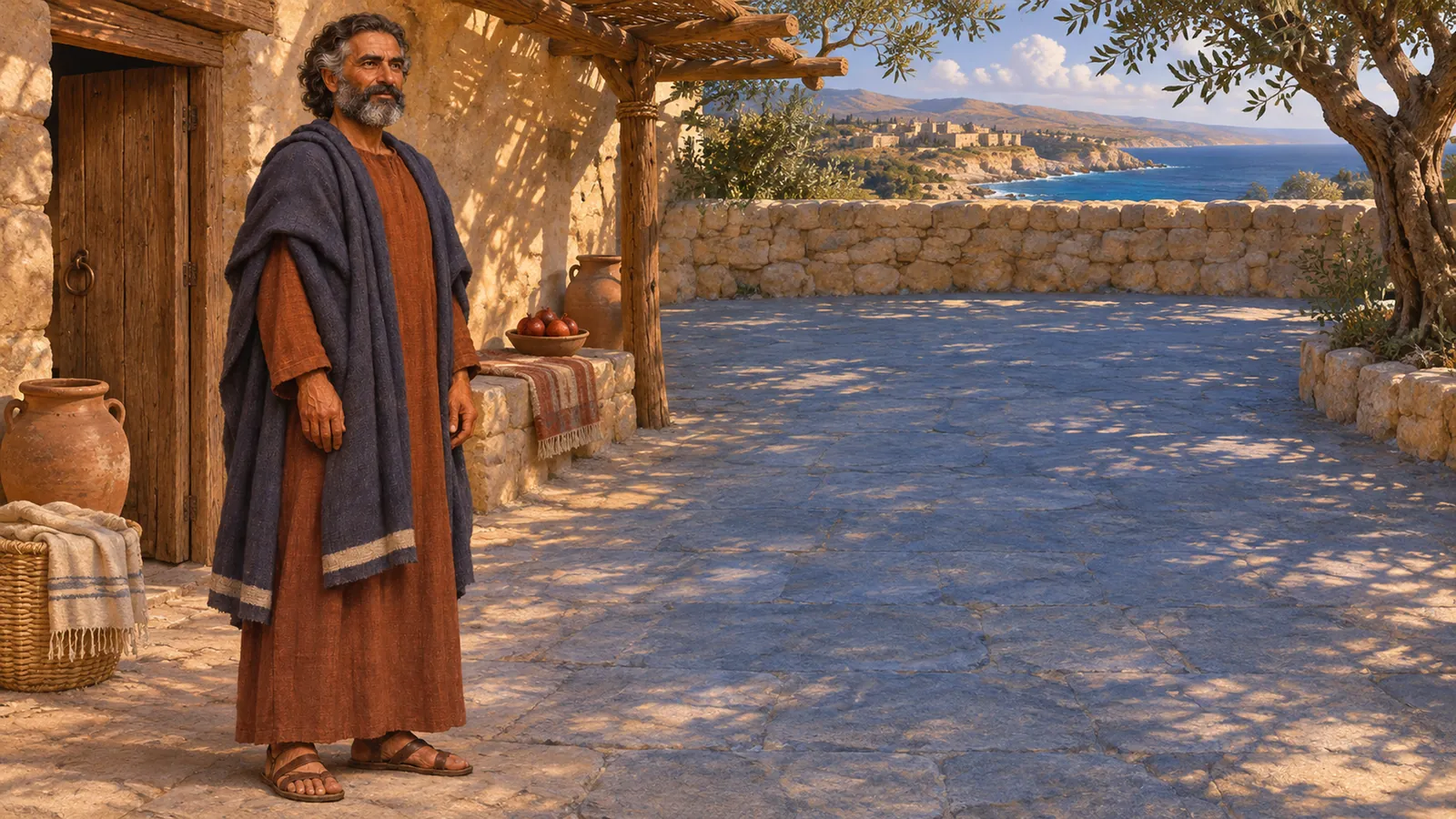
El segnet Danel. Er spricht von der Empfängnis und dem erhofften Kind, während die erste Geste der Passage schwer zu lesen ist.
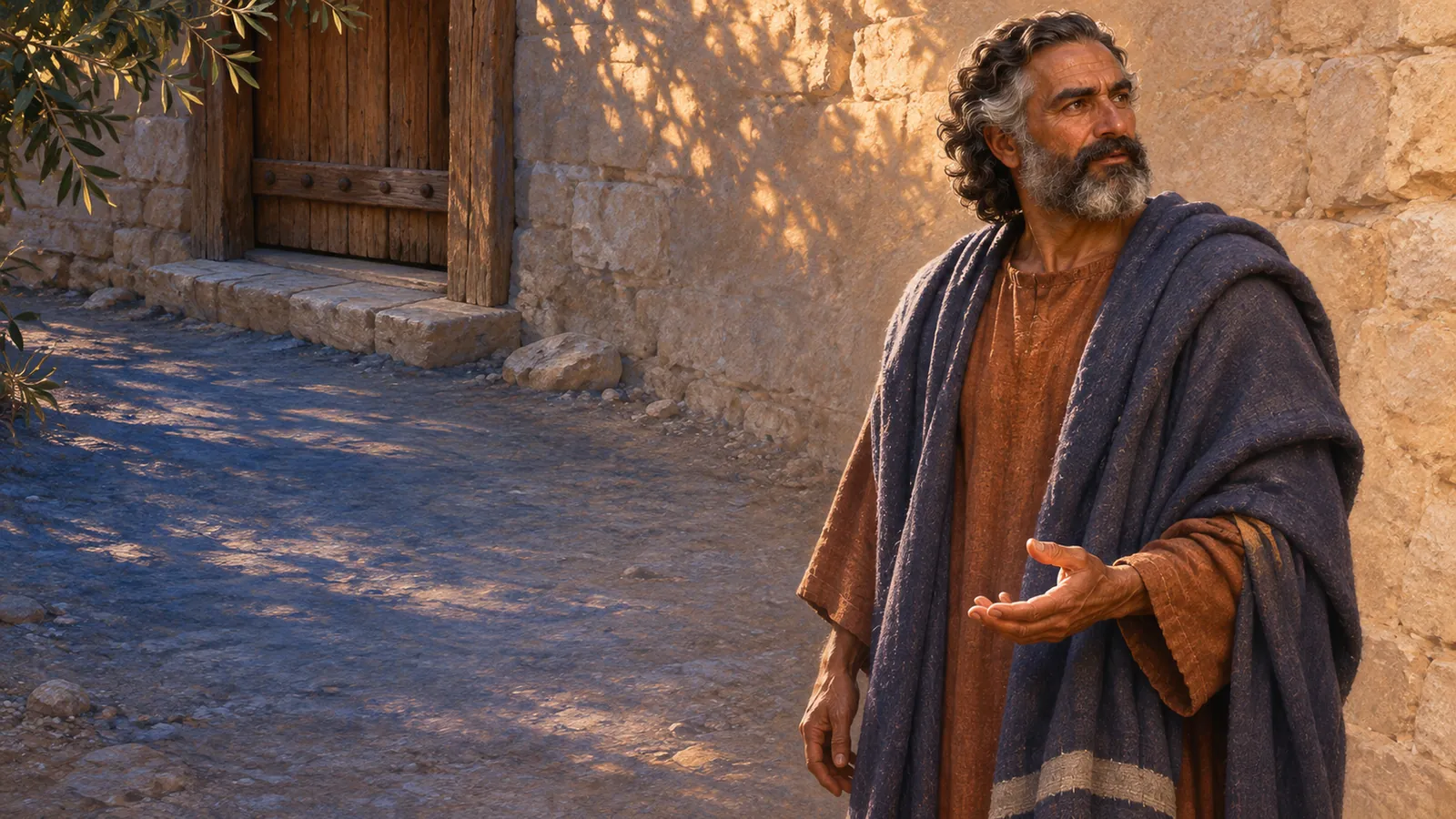
Die Pflichten eines Sohnes kehren im Segen und in den Worten an Danel wieder. Im beschädigten Abschnitt ist Baal wahrscheinlich der Überbringer der Nachricht.
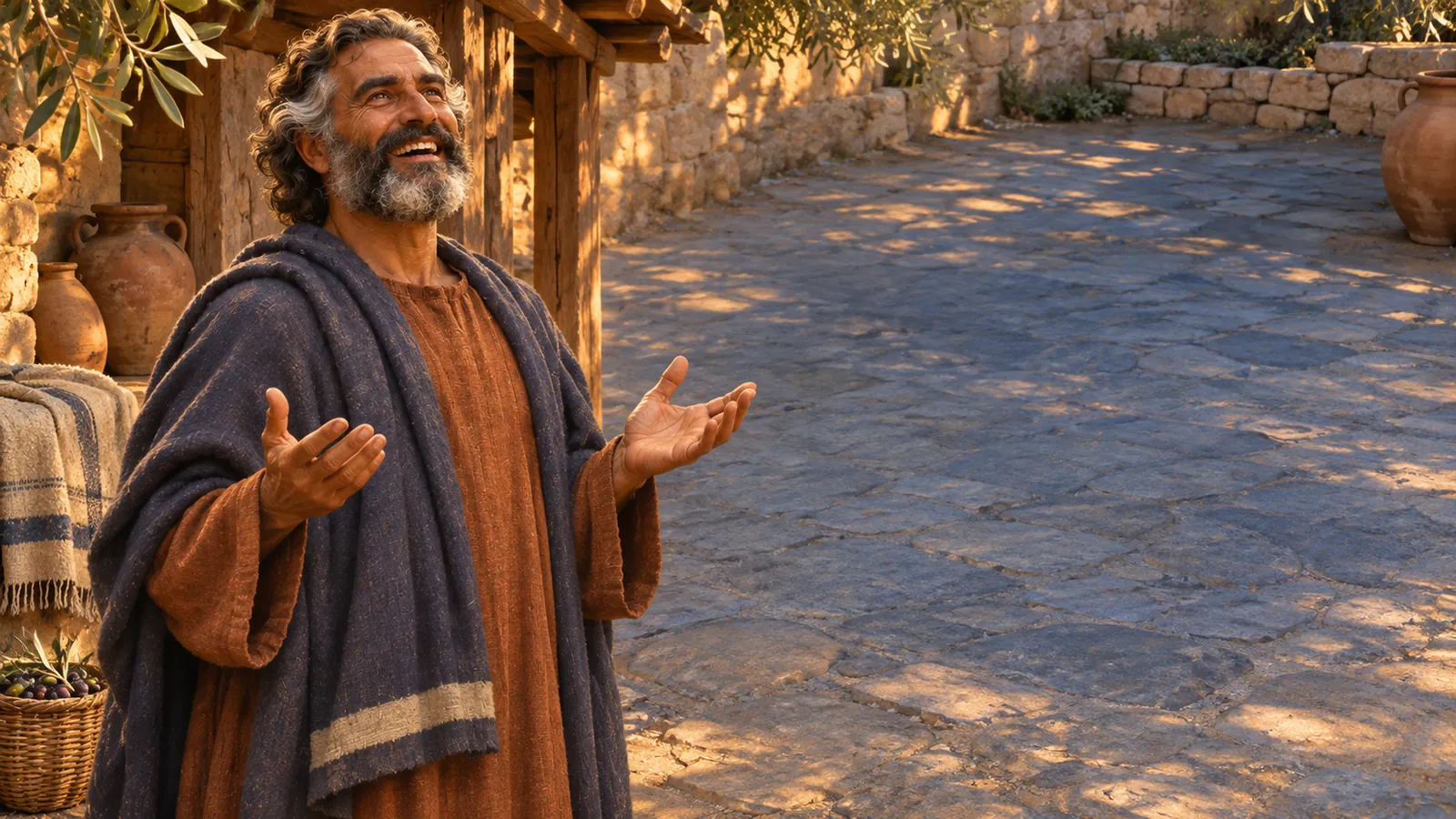
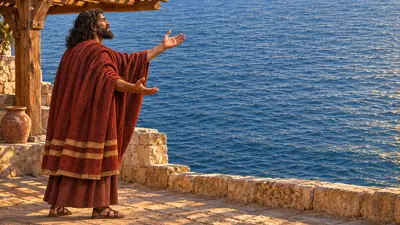
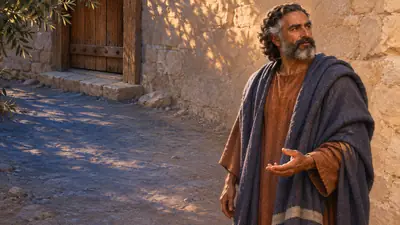
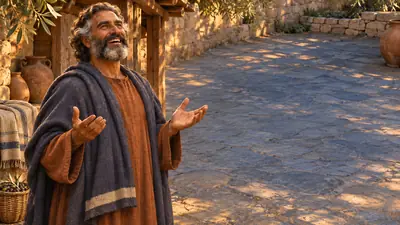
Danel freut sich, als er die Worte hört. Er wiederholt selbst die Pflichten in der Hoffnung auf den Sohn, den er sich wünscht.
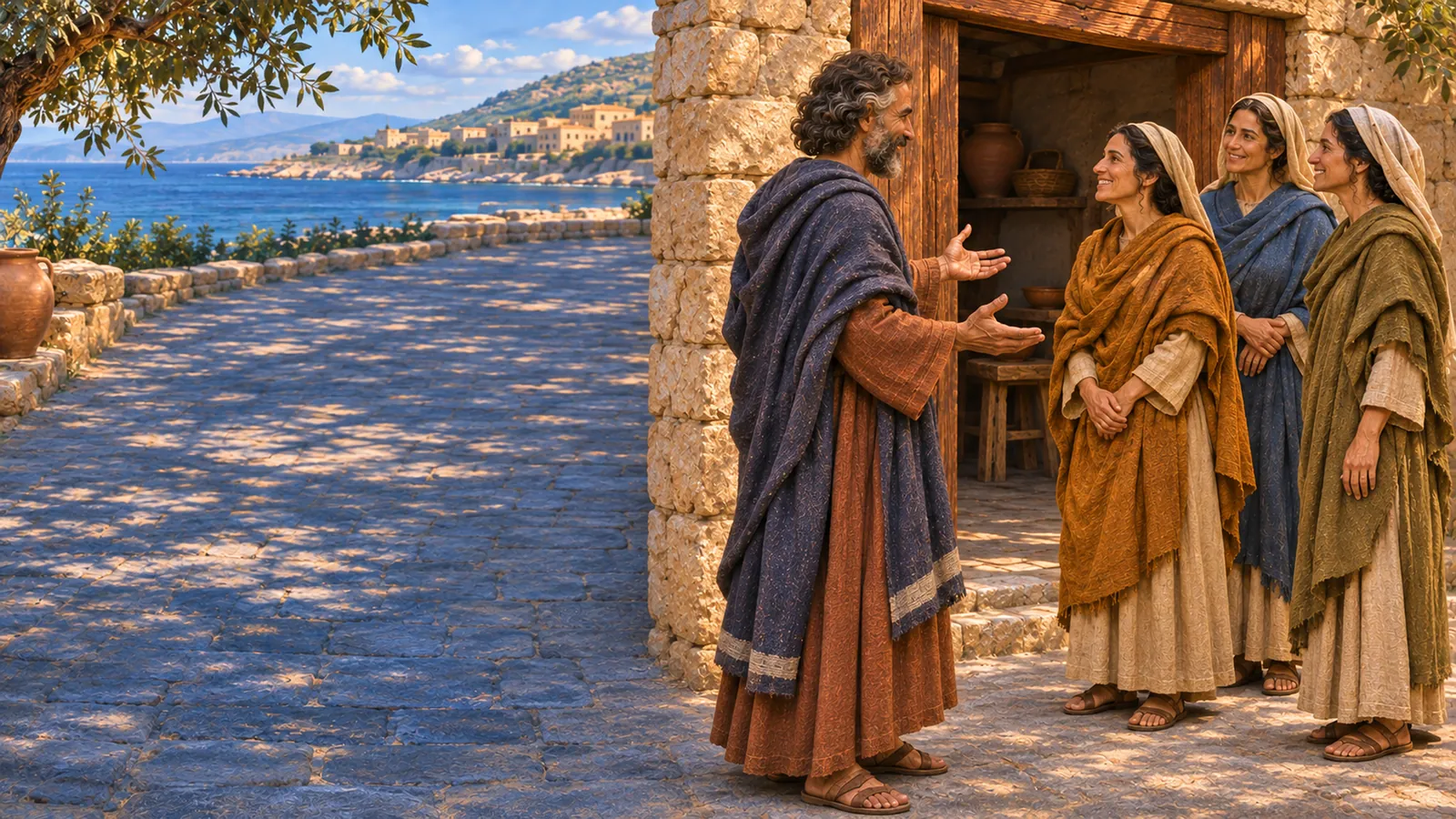
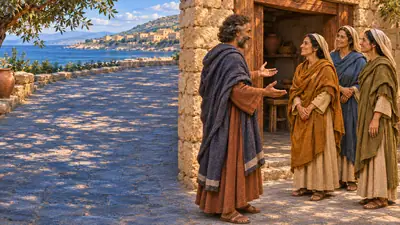
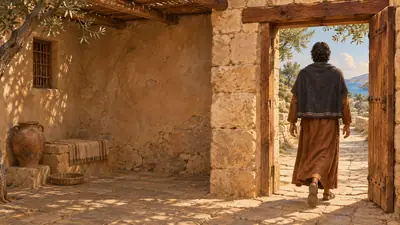
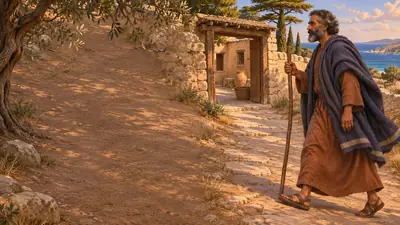
Danel kehrt nach Hause zurück. Das Gedicht erzählt, wie die Kotharat dort als Gäste eintreffen.
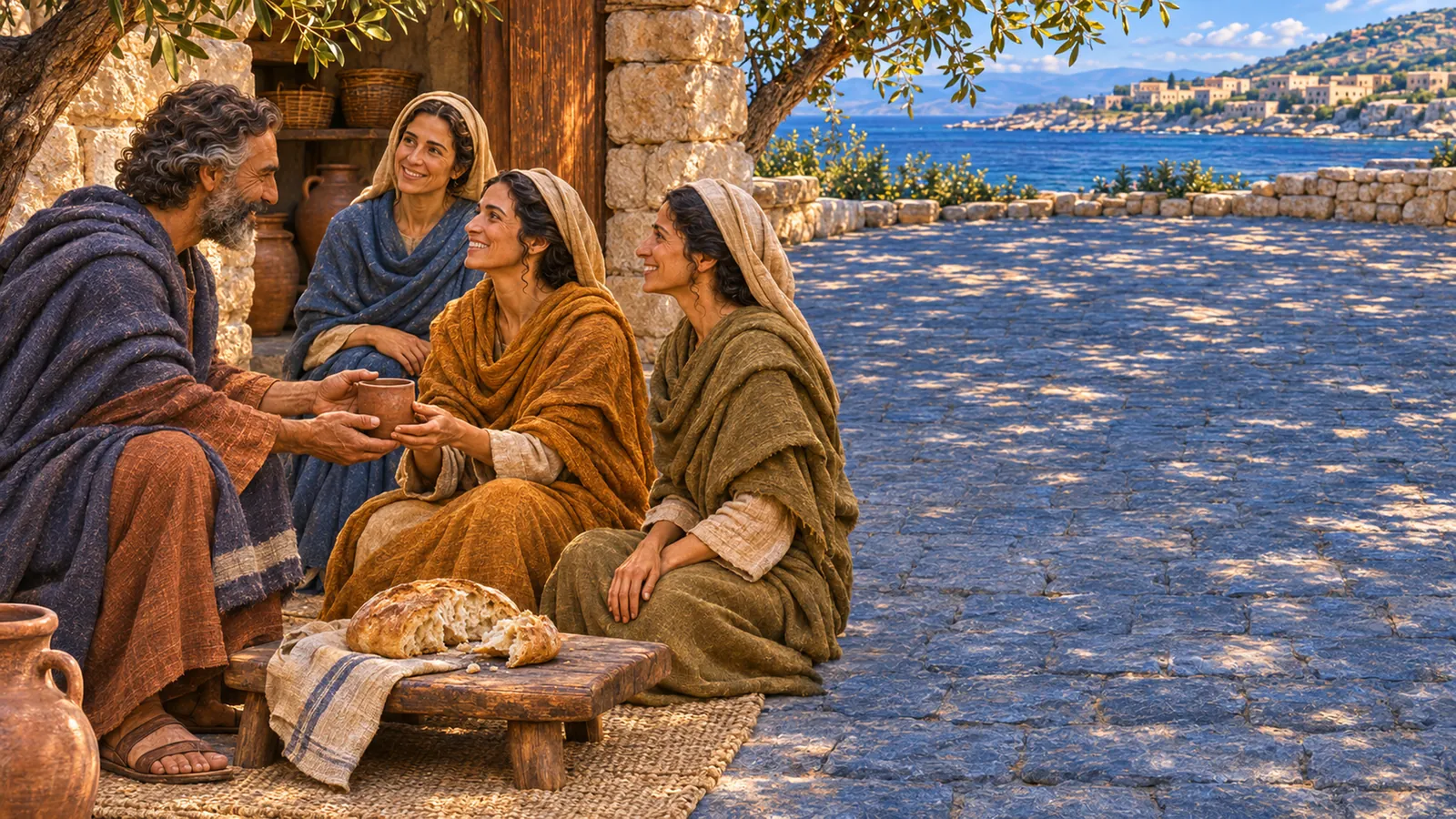
Danel bewirtet die Kotharat sechs Tage lang. Am siebten Tag verlassen die Gäste sein Haus.
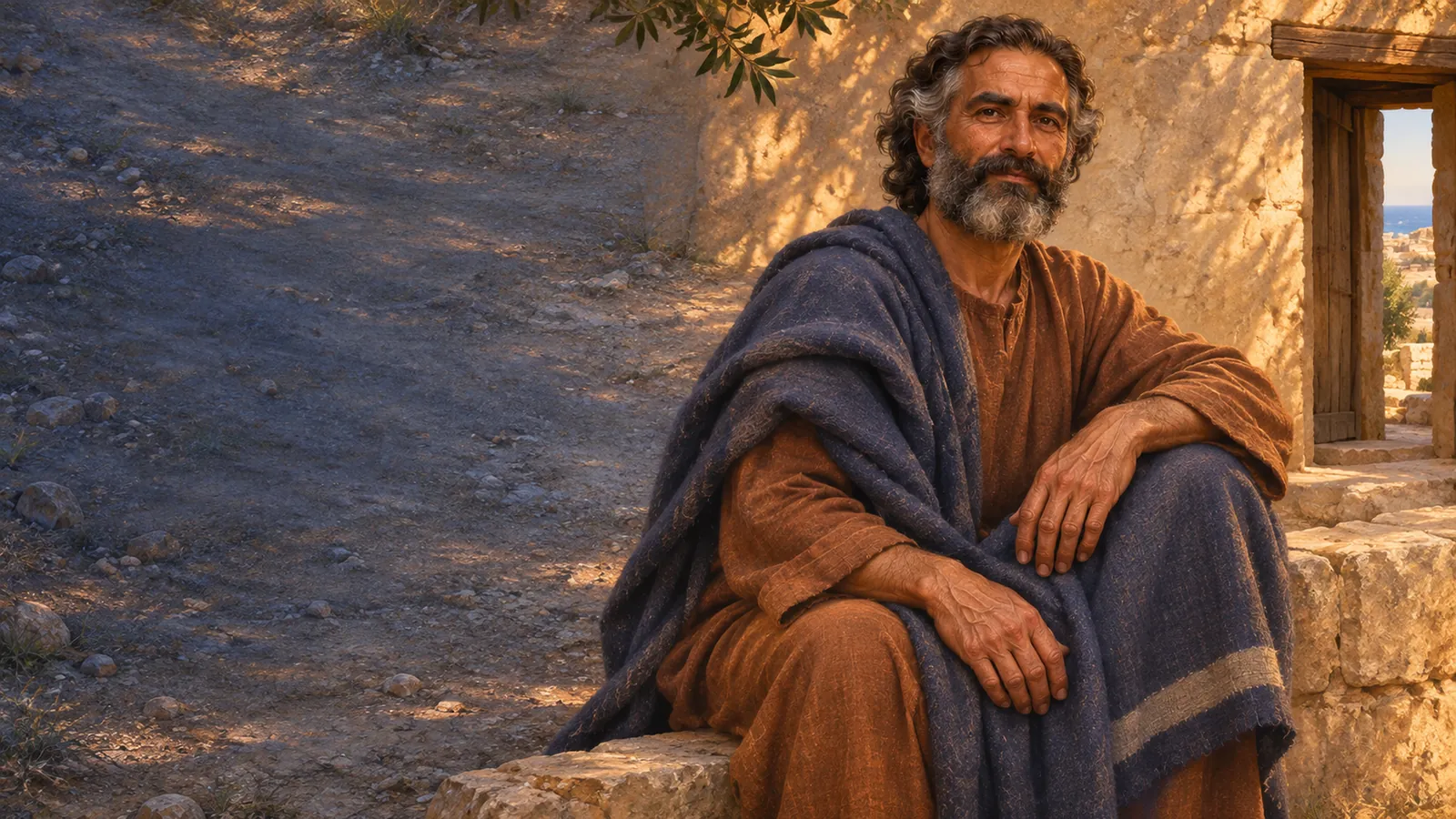
Danel zählt die Monate der Schwangerschaft. Die Geschichte bricht hier ab und setzt später wieder ein, als Aqhat alt genug ist, ein Geschenk zu empfangen.
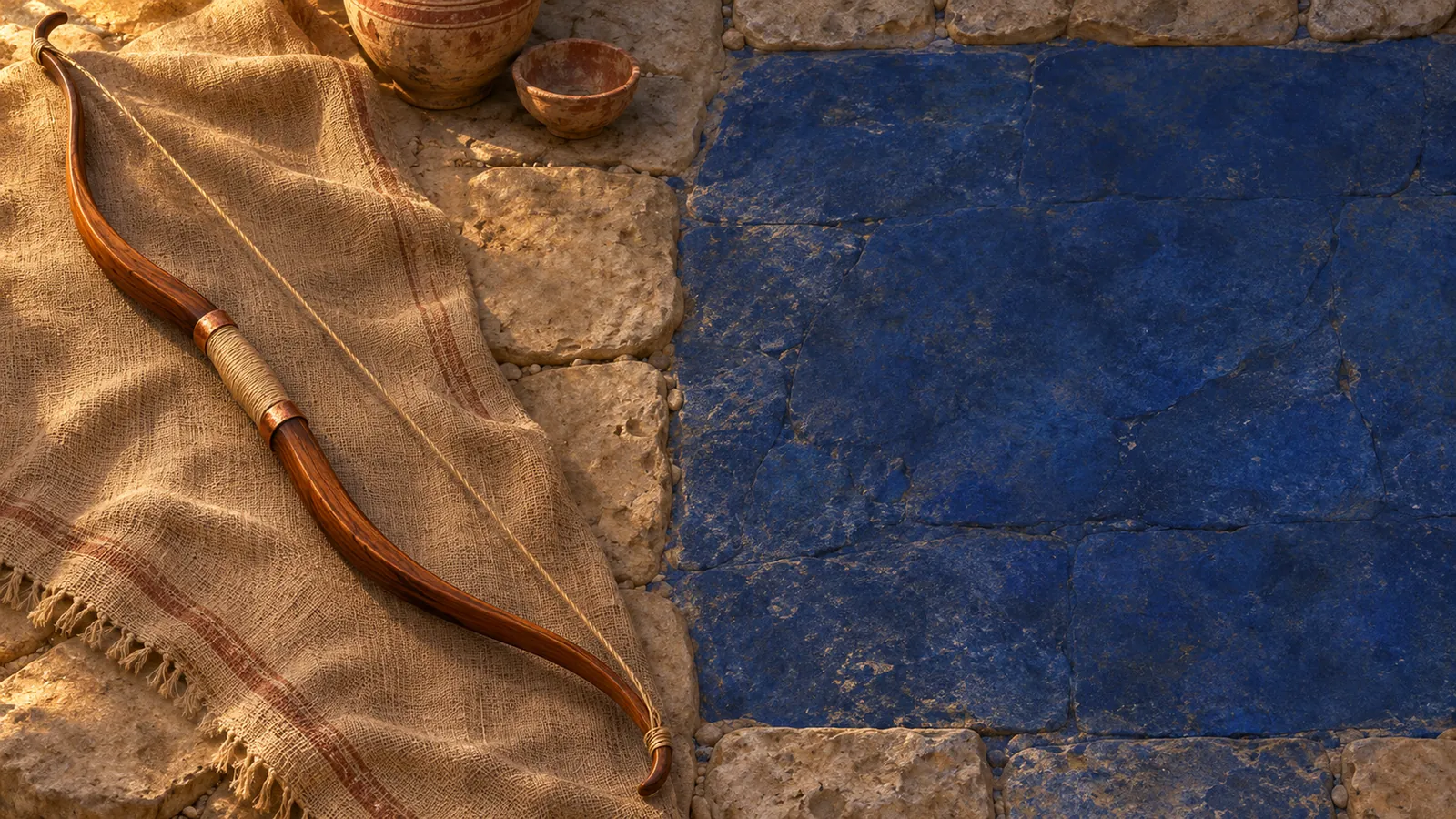
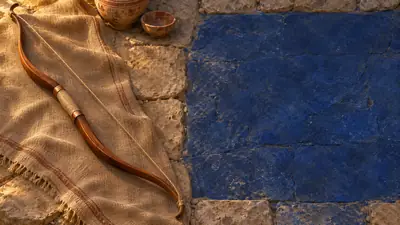
Als der Text wieder einsetzt, erwähnt er einen Bogen. Er zählt einen weiteren siebten Tag, doch die früheren Umstände des Geschenks sind verloren.
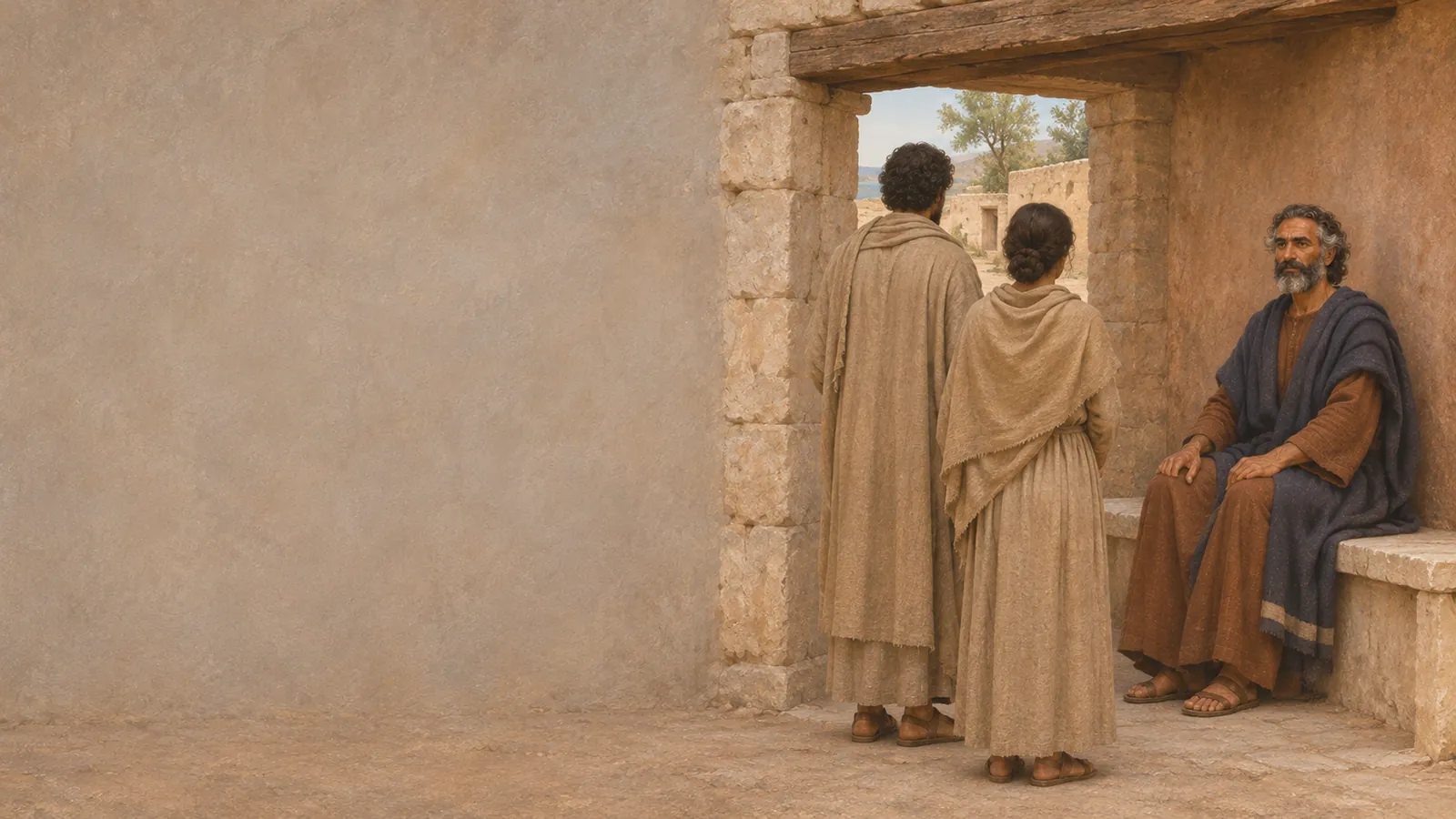
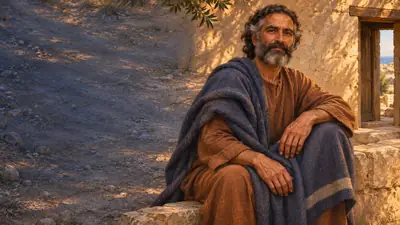
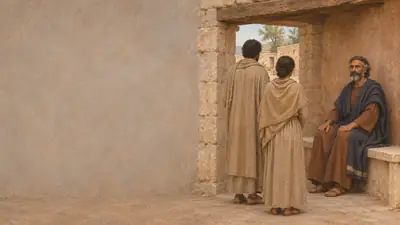
Danel sitzt am Tor und hört Rechtssachen an. Das Gedicht nennt die Witwe und die Waise unter denen, deren Anliegen er dort anhört.
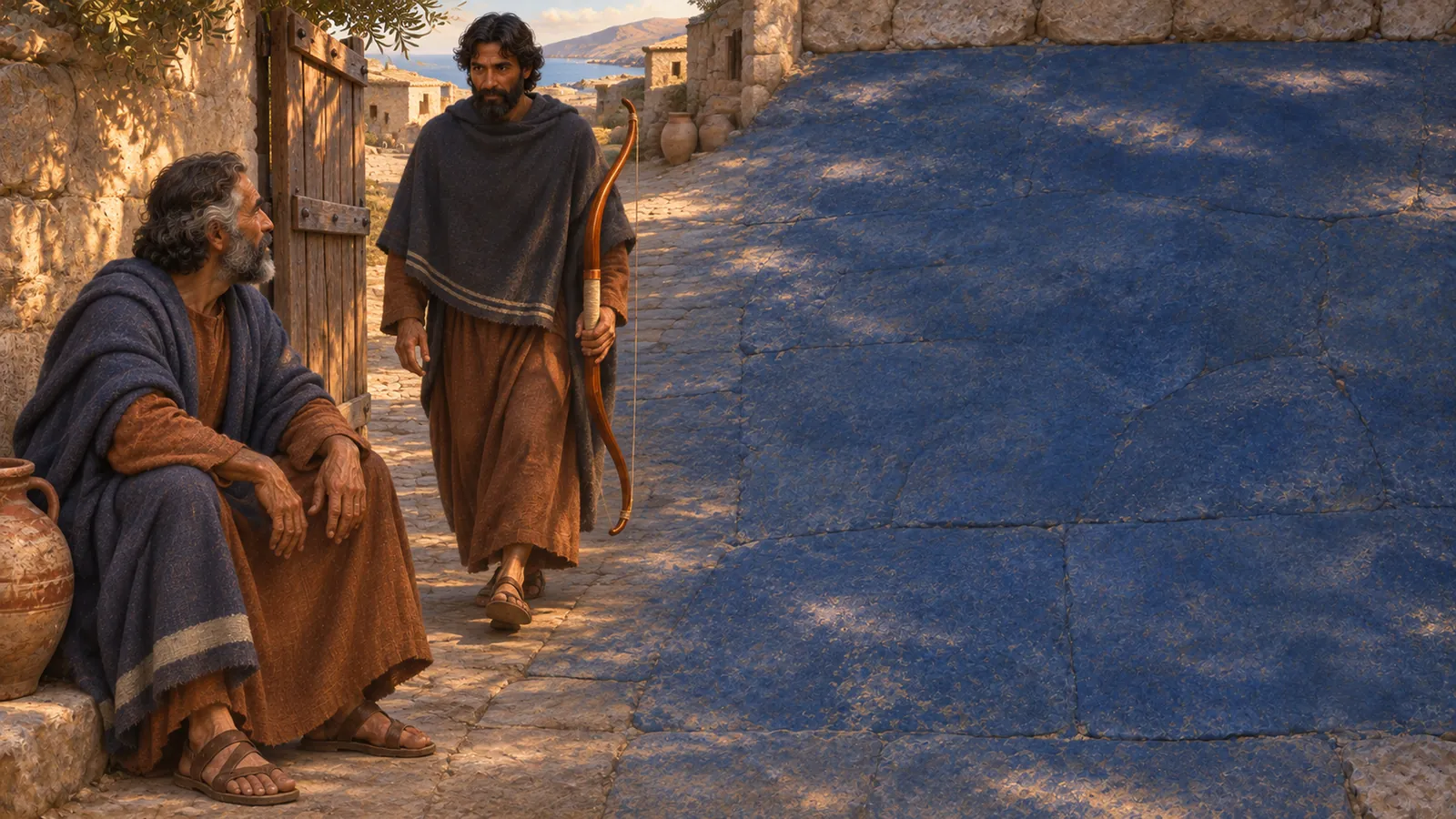
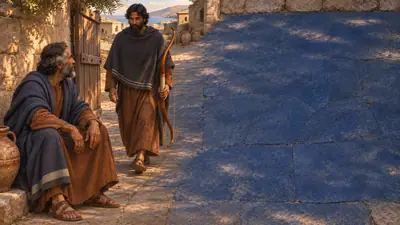
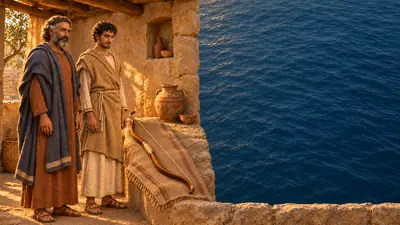
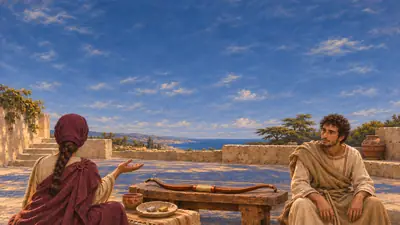
Als Danel am Tor sitzt, sieht er Kothar-wa-Hasis näher kommen. Der Text sagt, dass der Handwerker den Bogen mitbringt.
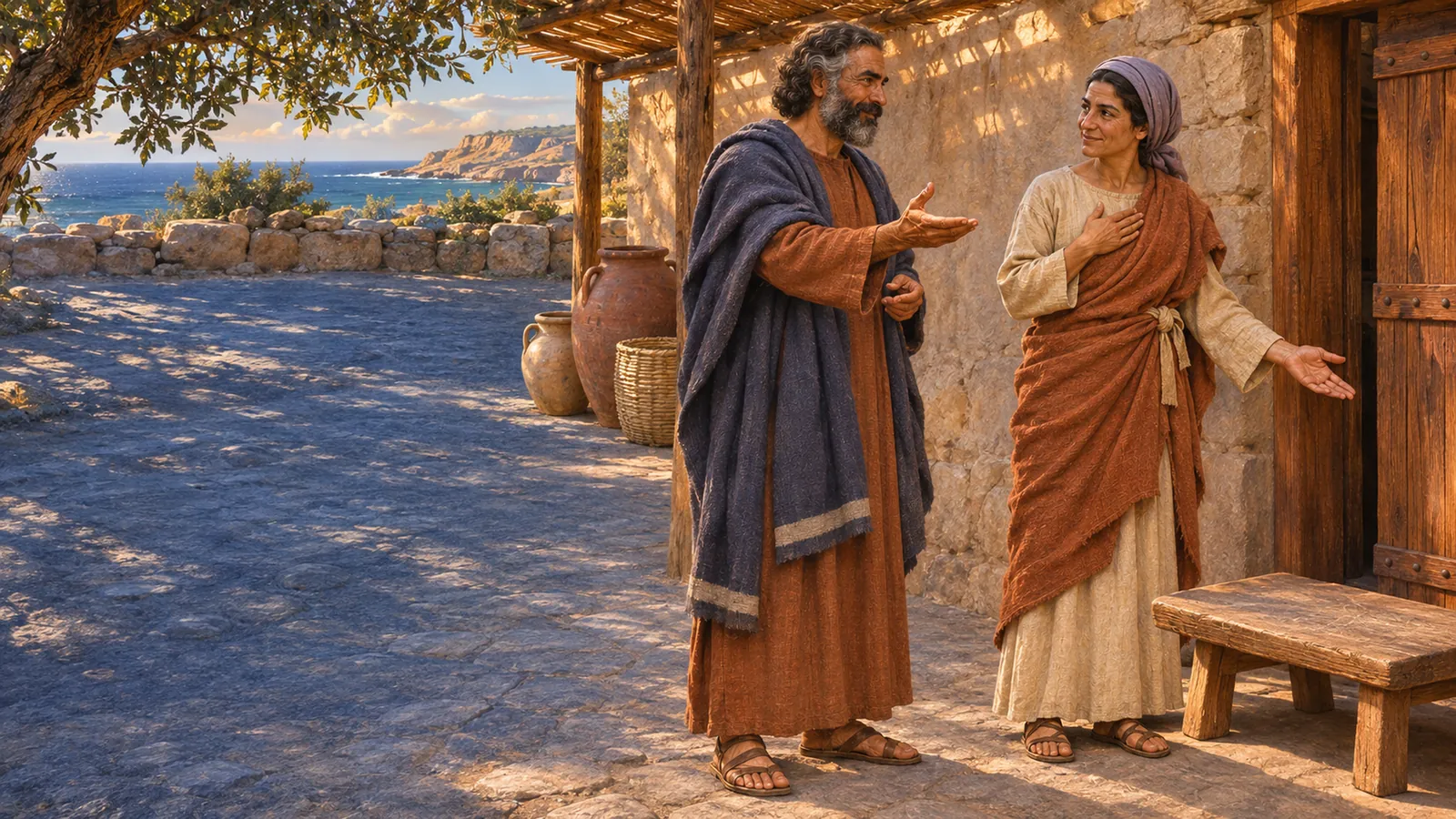
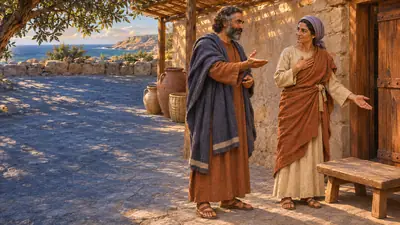
Danel bittet Danatiya, den Handwerker gastlich zu empfangen. Der Abschnitt nennt ihn auch Hayyan, einen weiteren Namen für Kothar-wa-Hasis an dieser Stelle.
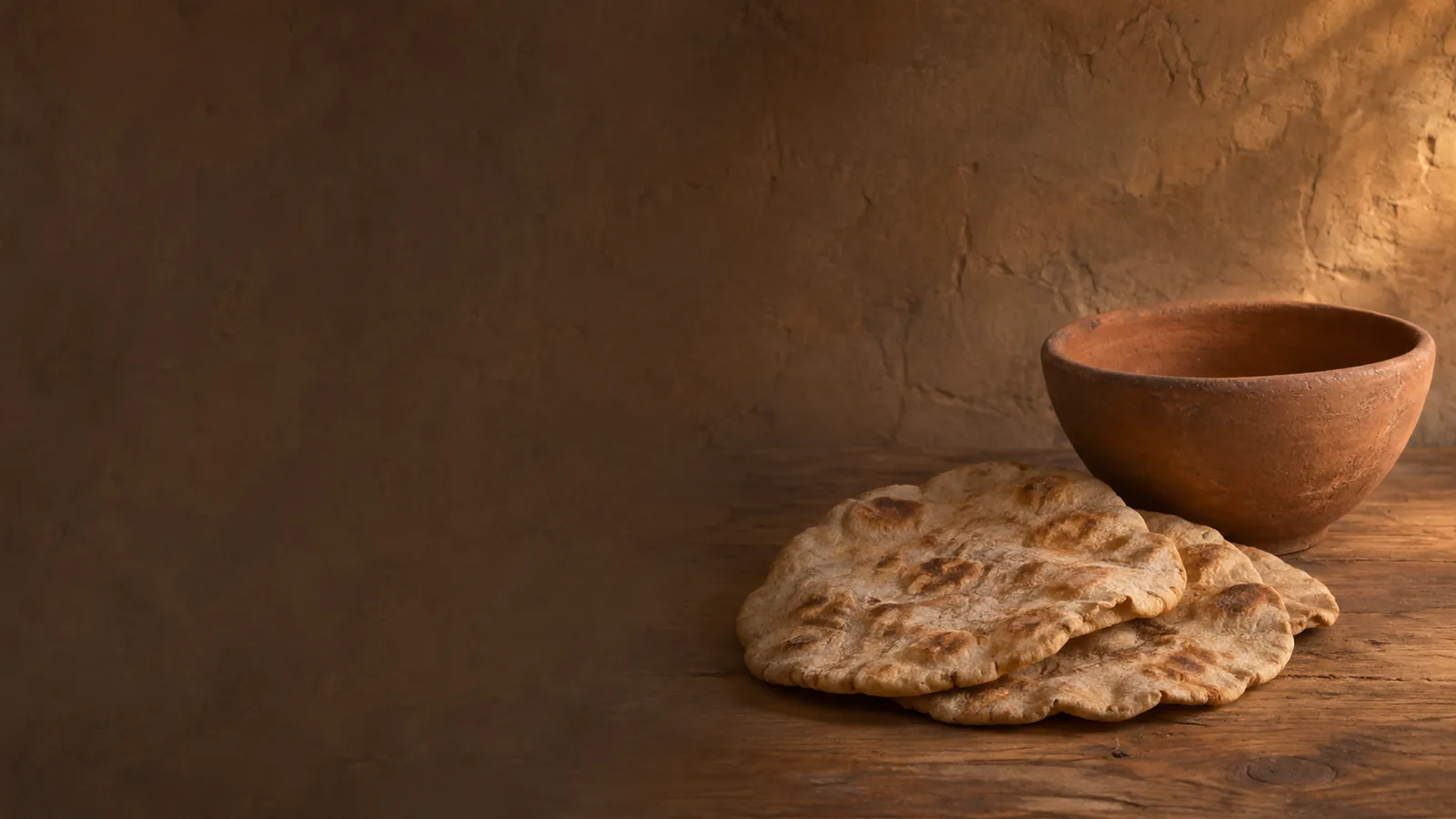
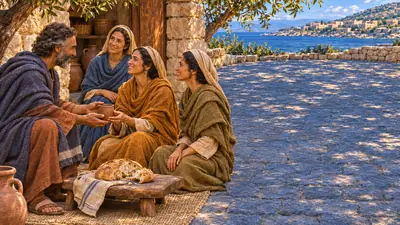
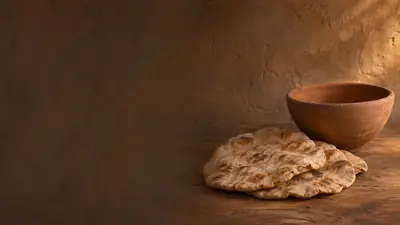
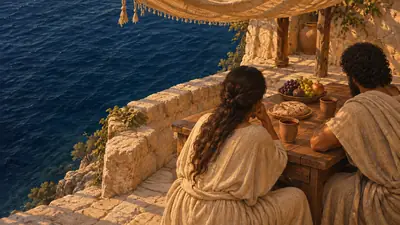
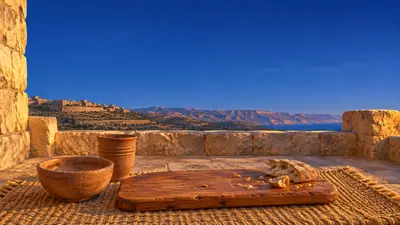
Danatiya macht das Mahl für den Handwerker bereit. Das Gedicht verweilt bei den Speisen und dem gedeckten Platz, bevor das Geschenk überreicht wird.
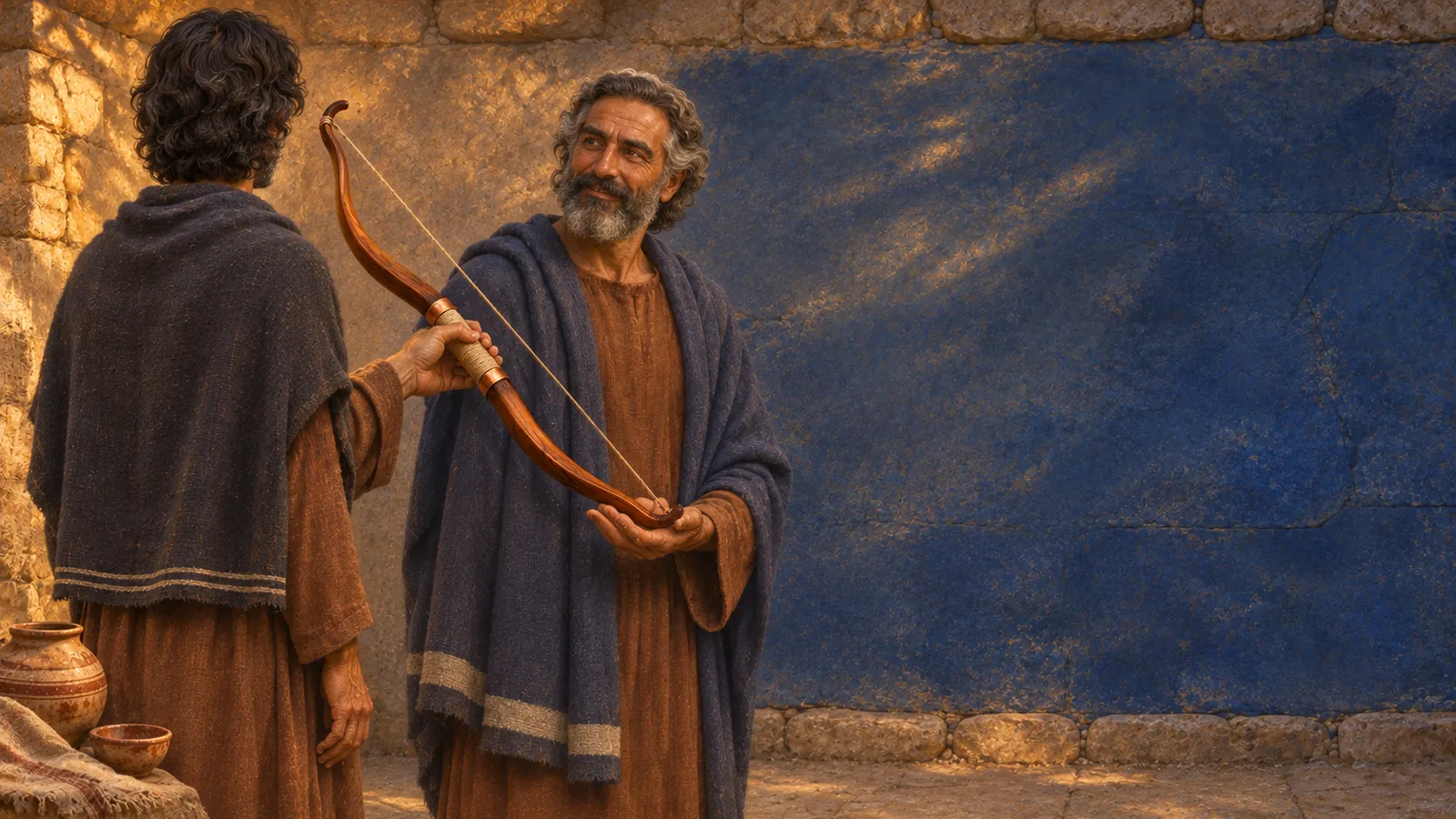
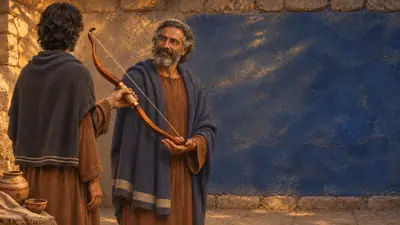
Der Handwerker überreicht Danel den Bogen. Das Geschenk kommt bei dem Besuch ins Haus, für den Danatiya das Essen vorbereitet hat.
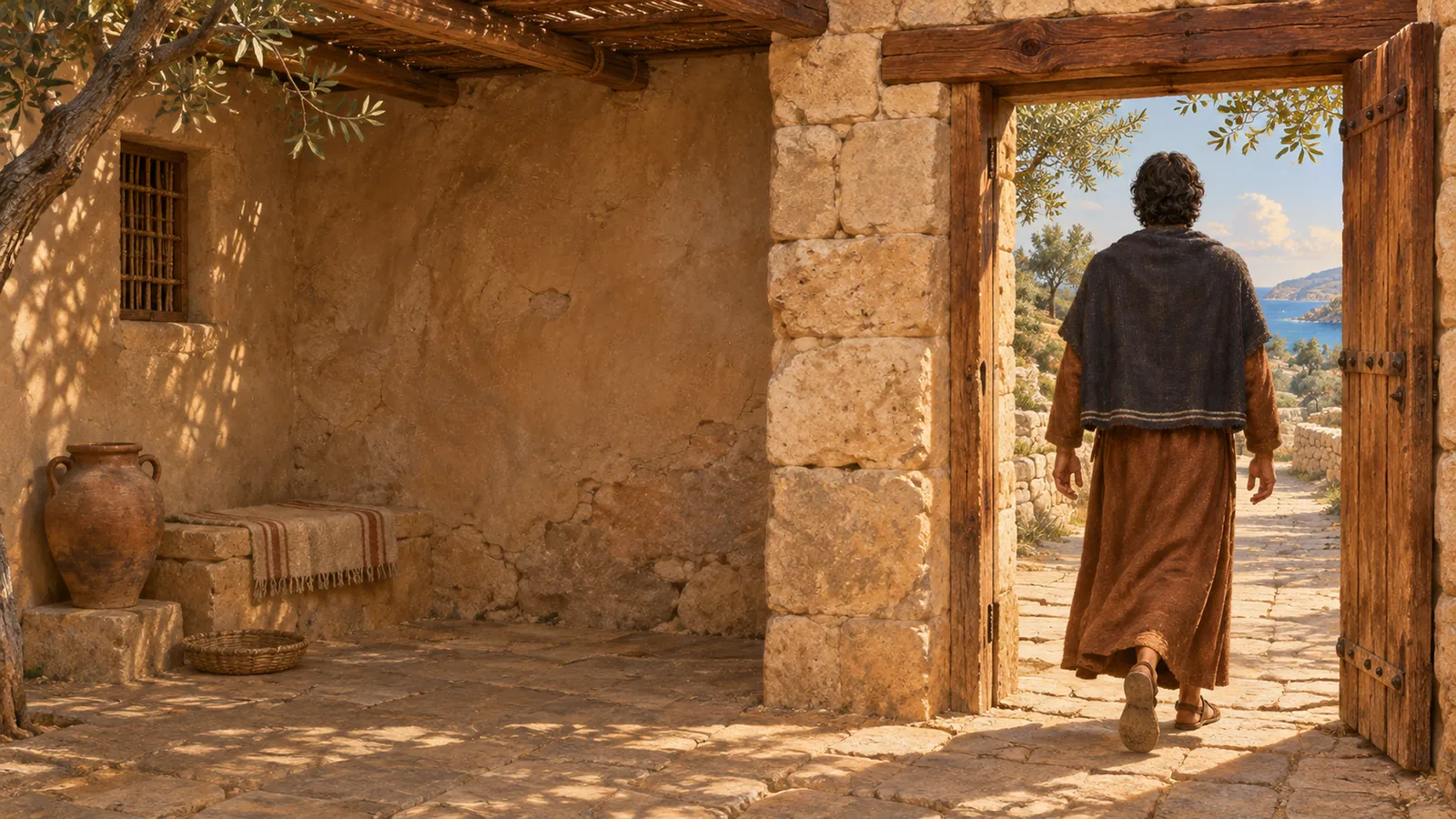
Danatiya empfängt den Handwerker gastlich. Die Schilderung des Besuchs geht zu Ende, als der Handwerker Danels Haus verlässt.
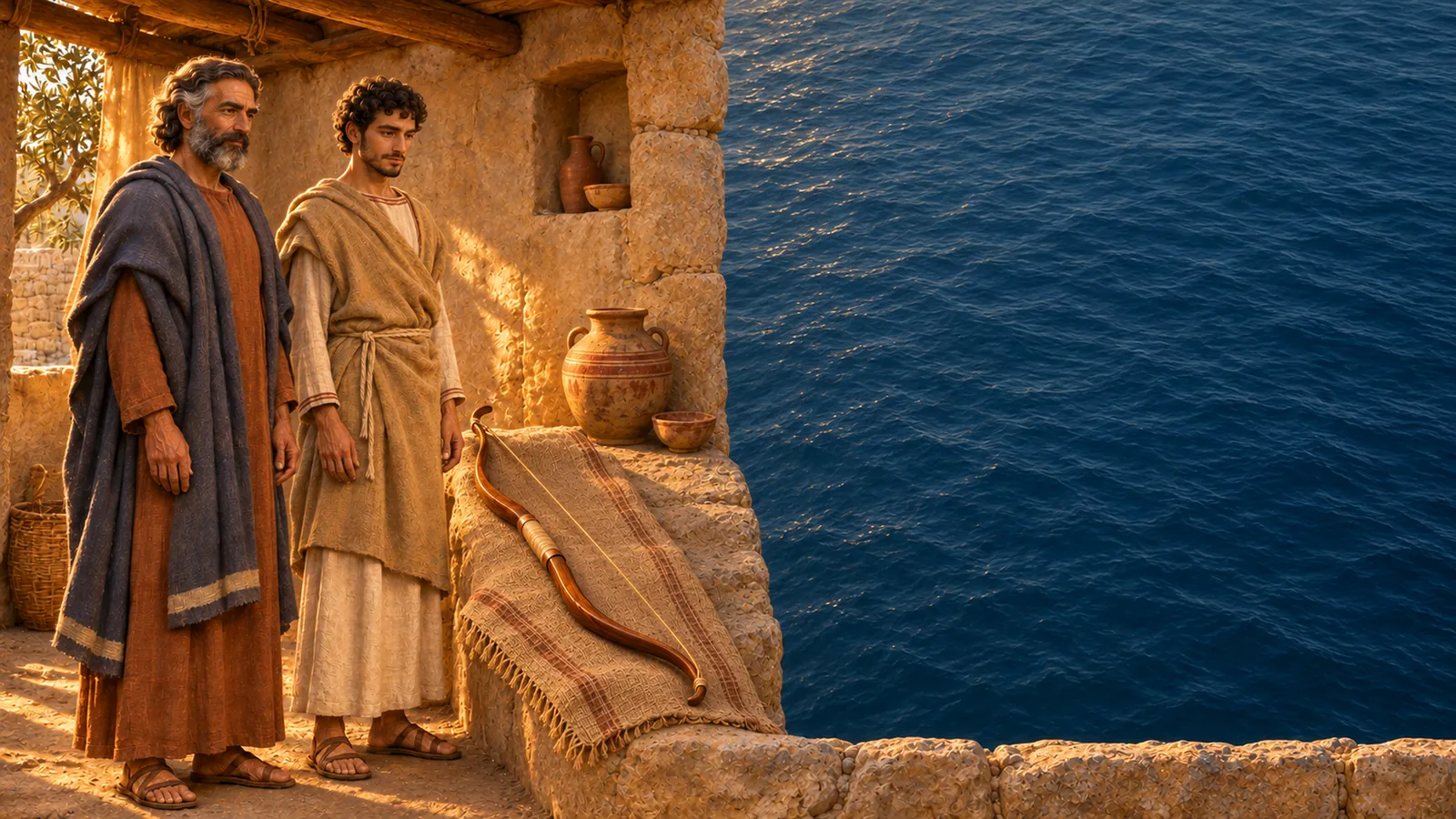
Die beschädigte Passage scheint zu zeigen, wie Danel das Geschenk mit einem Segen an Aqhat weitergibt. Was genau er tut und ein Teil seiner Worte sind verloren.
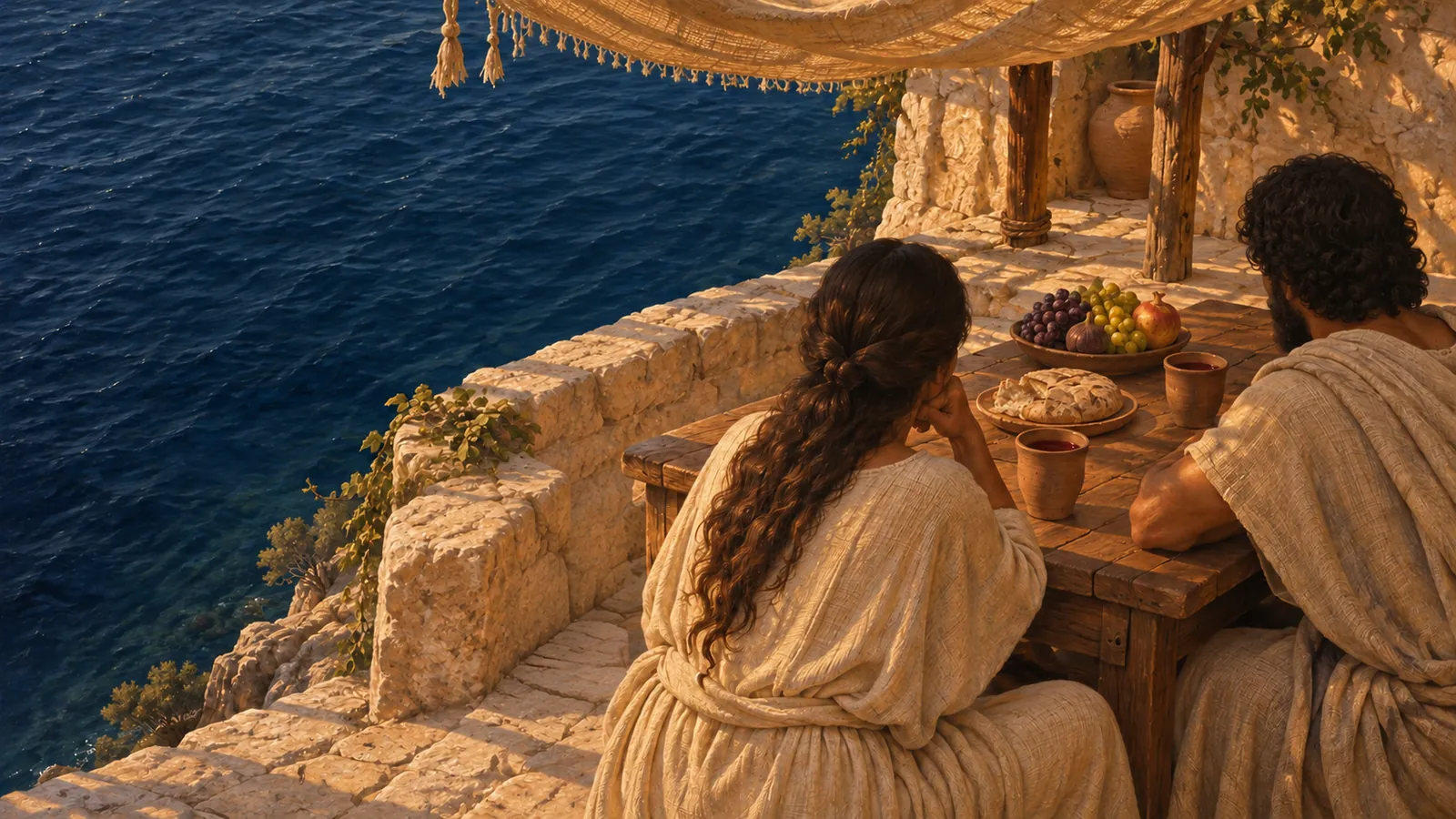
Nach einer Bruchstelle setzt der Text mit Speisen und Wein bei einem Festmahl wieder ein. Der Schauplatz und die Umstände, die die Gäste dorthin führten, sind verloren.
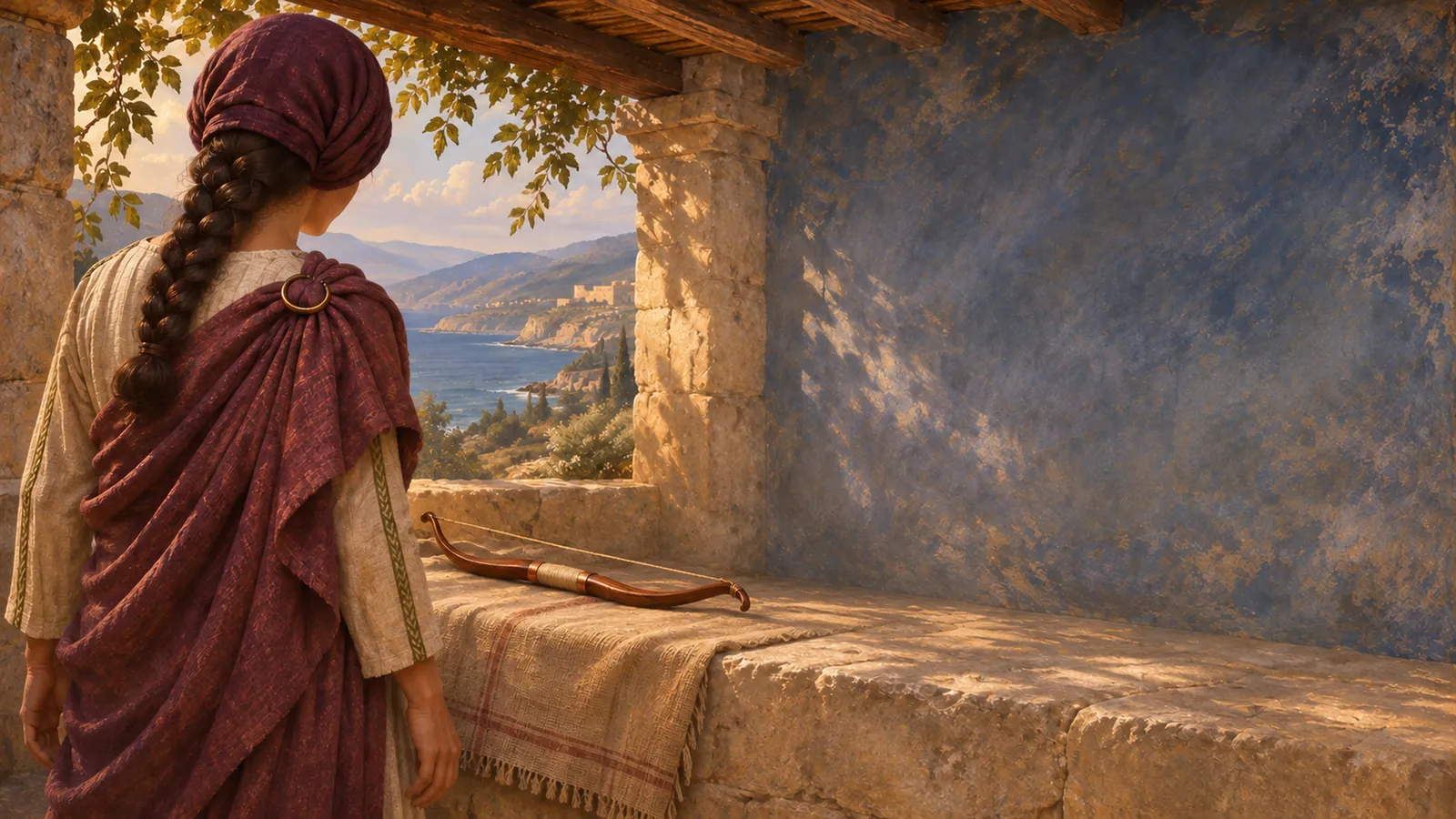
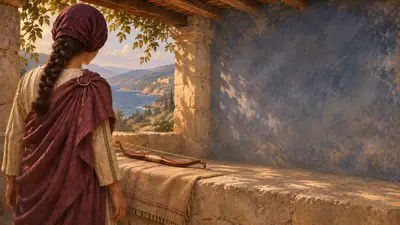
Anat bemerkt den außergewöhnlichen Bogen. Die Zeilen um diesen Augenblick sind beschädigt, und die Ausgaben lesen unterschiedlich, wer ihn in die Hand nimmt.
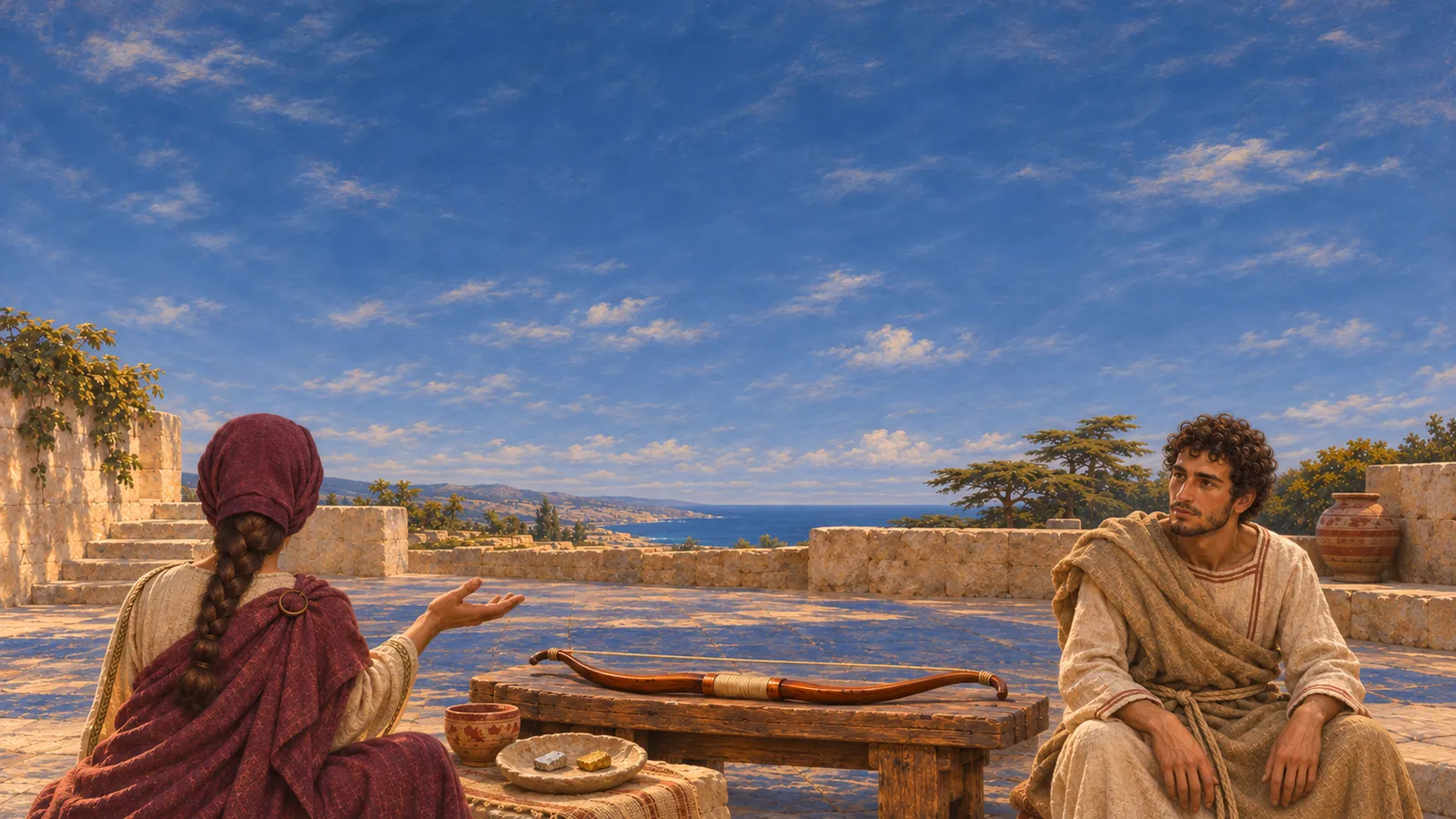
GOLD UND SILBER
Anat bietet Aqhat Silber und Gold im Tausch gegen den Bogen. Sie nennt, was sie ihm dafür geben würde.
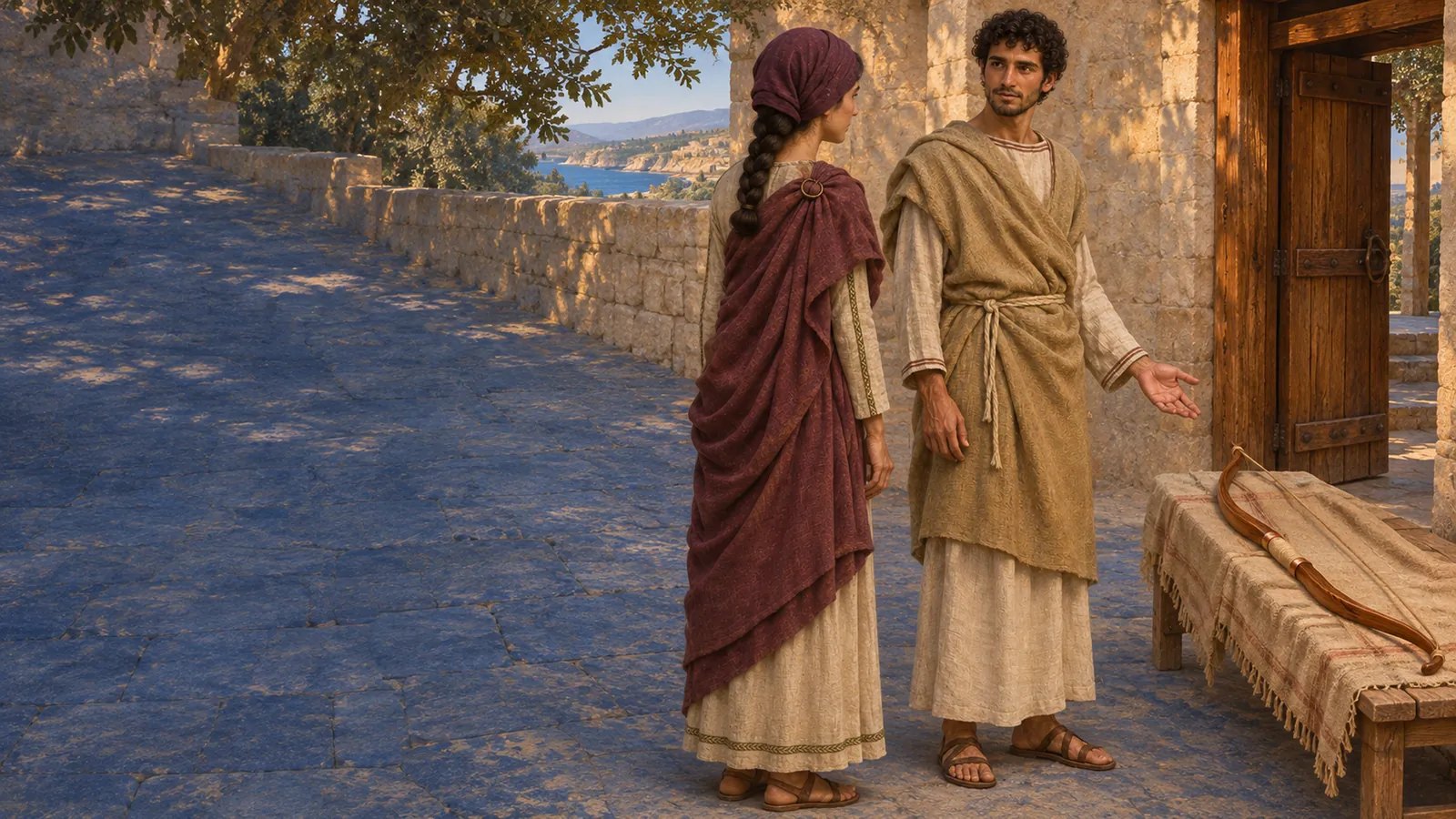
Aqhat verweist Anat an den Handwerker. Er sagt, sie könne sich für einen eigenen Bogen an ihn wenden.
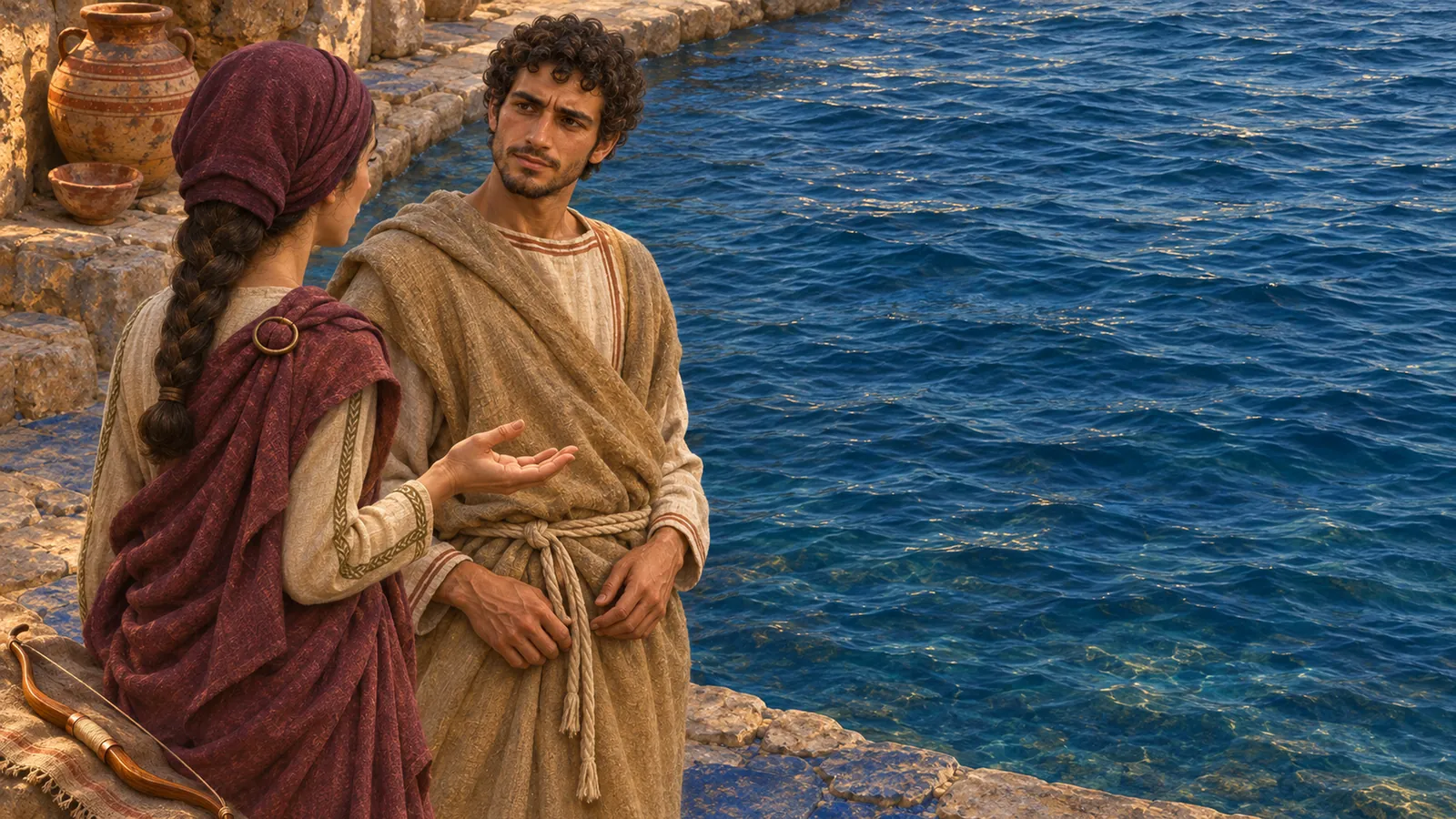
Weil sie den Bogen weiterhin begehrt, bietet Anat Aqhat ein Leben ohne Tod. Sie spricht von Jahren, die er mit Baal zählen würde.
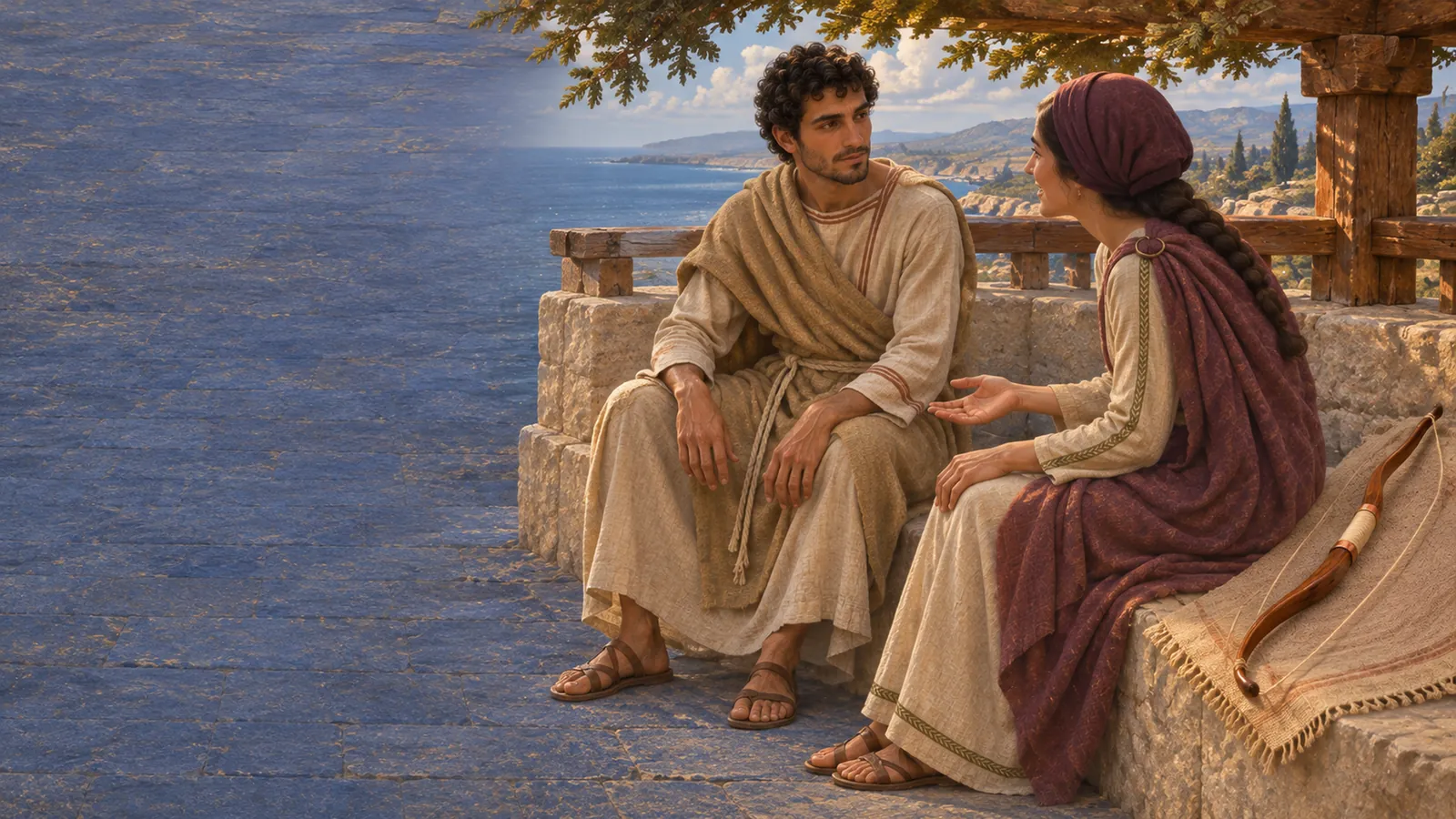
Anat führt ihr Versprechen mit Bildern von Gastlichkeit und Gesang aus, die mit Baal verbunden sind. Sie gehören zu ihren Worten an Aqhat.
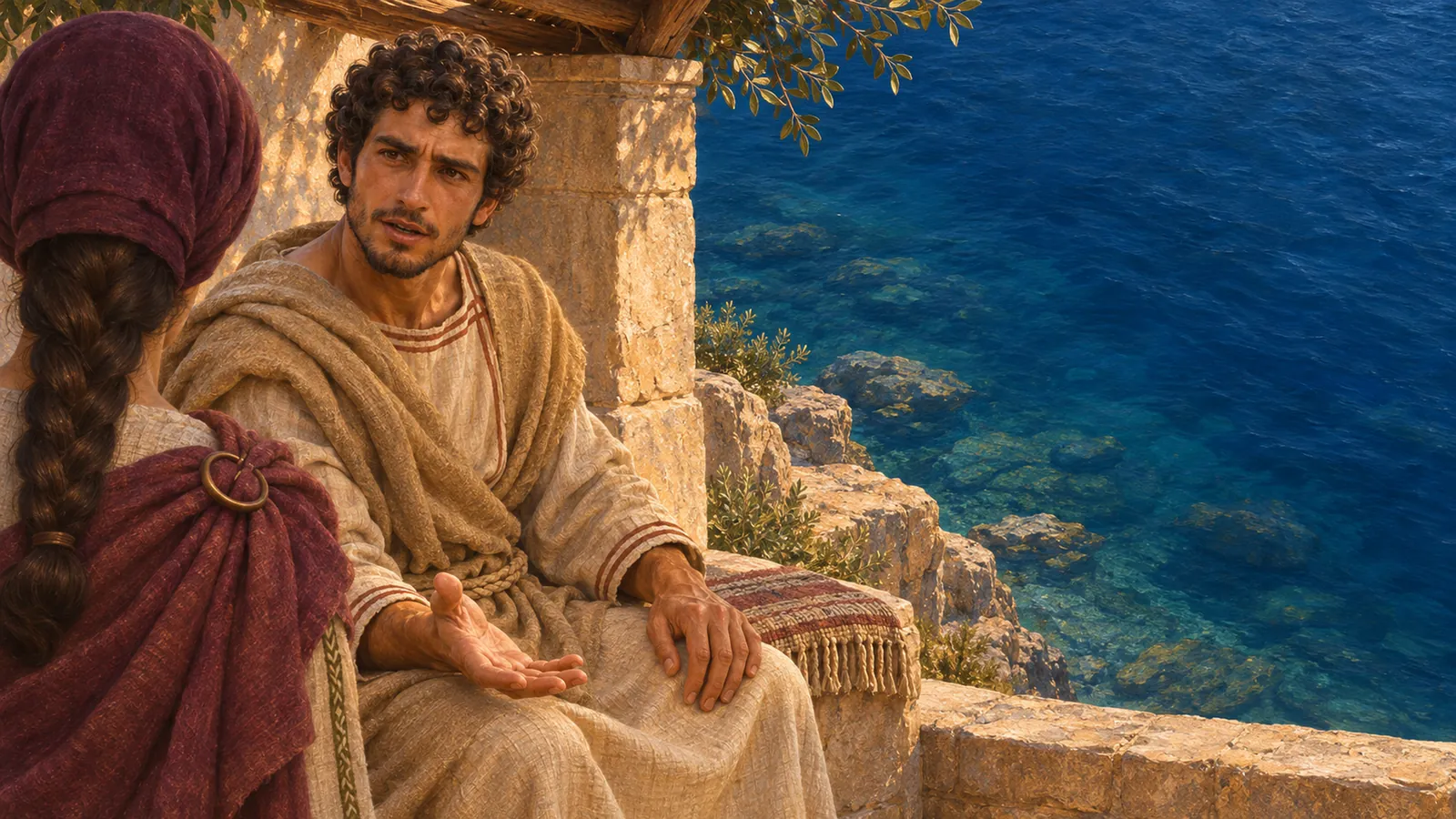
Aqhat erklärt das Versprechen für falsch. Er sagt Anat, dass er sterben wird wie die anderen Menschen.
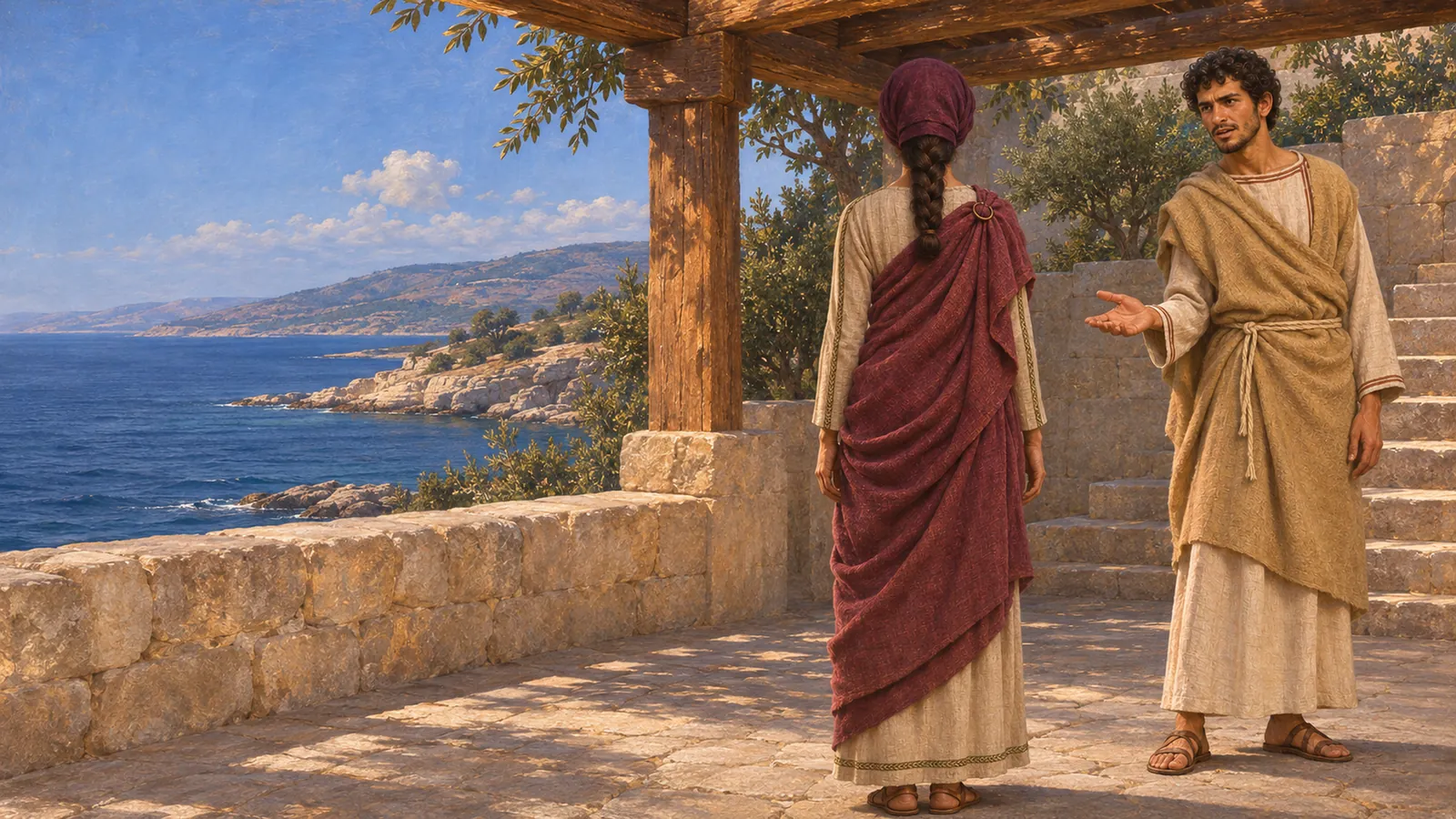
Aqhat bestreitet Anats Anspruch auf den Bogen. In seiner Antwort stellt er mit seinen eigenen Worten infrage, ob die Jagd Sache der Frauen ist.

Anat lacht laut und verbirgt ihren Zorn. Als das Gespräch zu Ende geht, denkt sie an Vergeltung.

Anat geht zu El an den Quellen der beiden Flüsse. Sie erweist ihm Ehre und spricht gegen Aqhat.
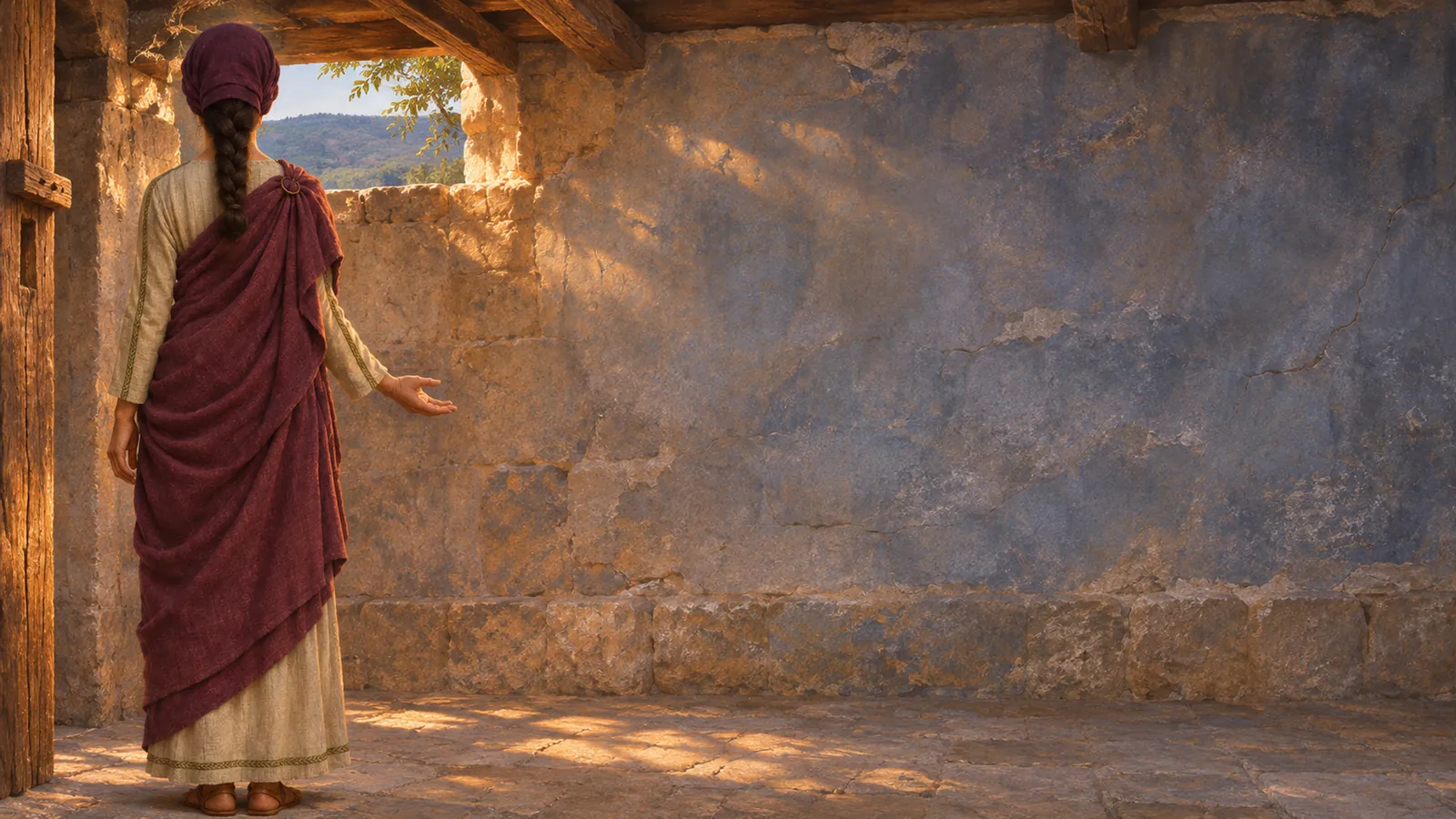
Anat beginnt in Els Wohnstatt zu sprechen. Das Ende der einen Tafel und der Beginn der nächsten lassen einen Teil ihres Gesprächs schwer erschließbar bleiben.
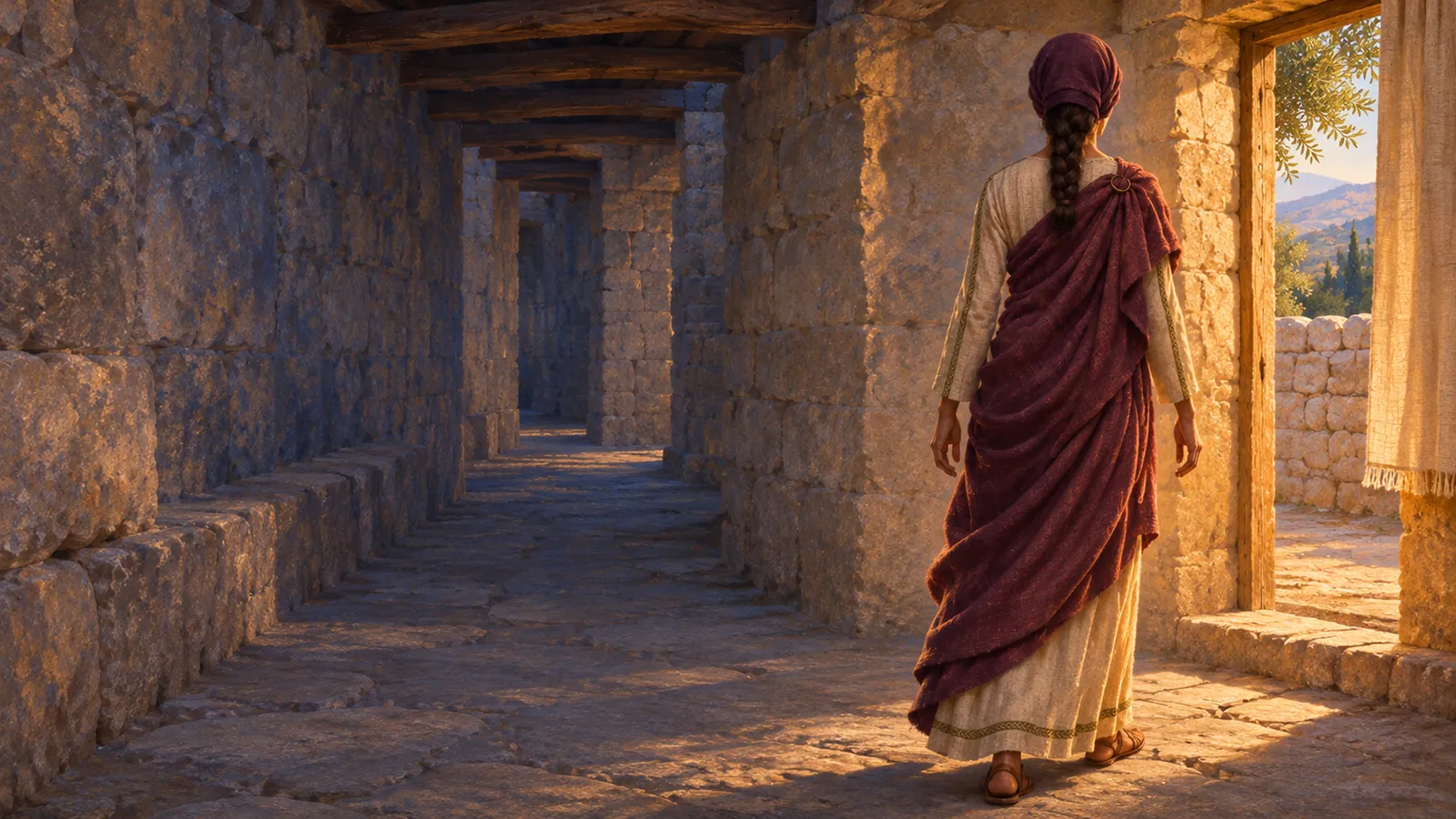
Anat droht El. Er weist sie wegen ihrer Worte zurecht und lässt sie ihren eigenen Weg gehen.
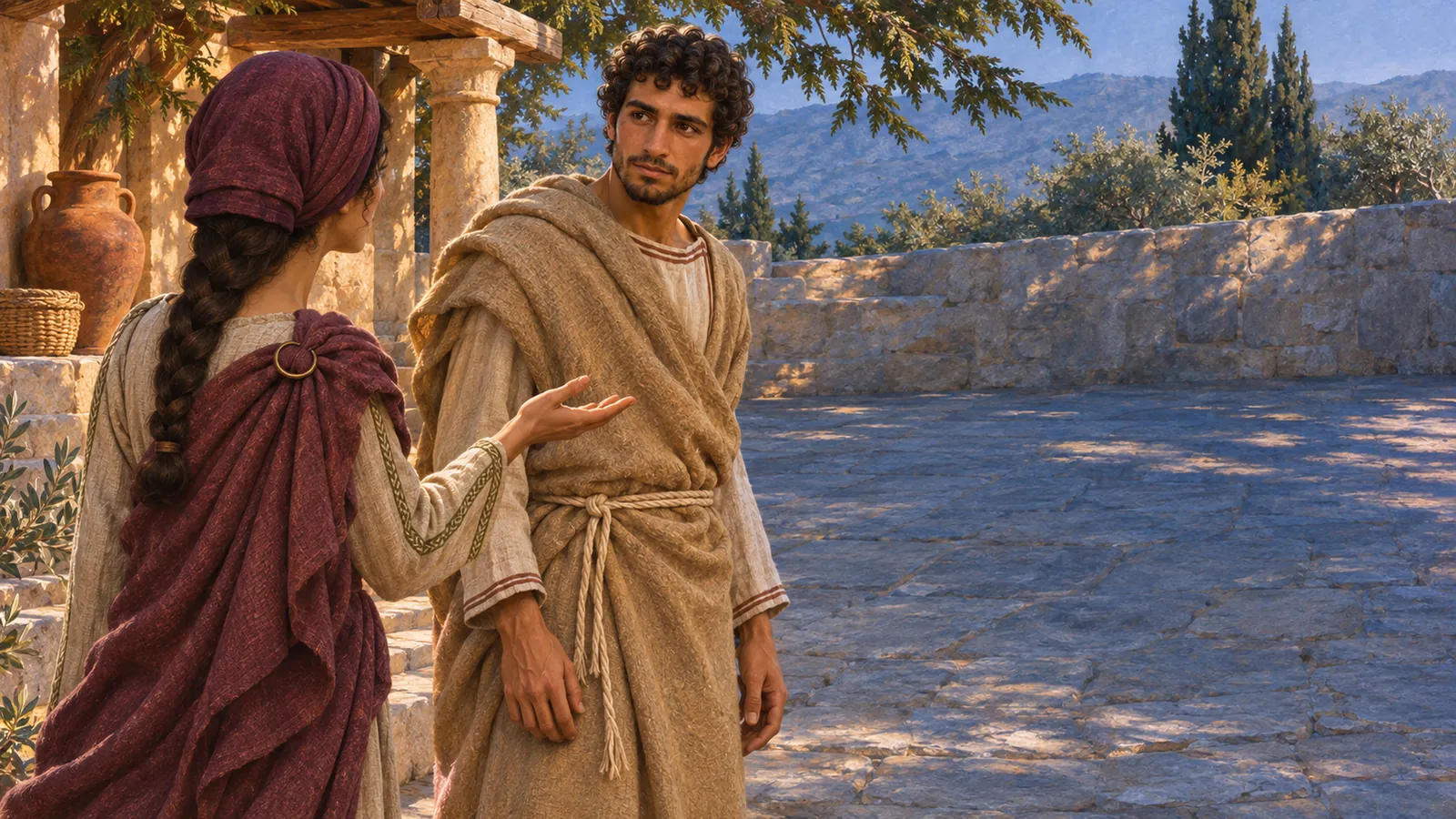
DIE EINLADUNG
Anat spricht Aqhat an, als stünde er ihr nahe. Sie lädt ihn zur Jagd ein und nennt Abilum. Ein Teil ihrer Worte ist verloren.

Die nächsten zwei Spalten der Tafel sind verloren. Was zwischen Anats Einladung und dem nächsten erhaltenen Gespräch geschah, ist aus der lesbaren Geschichte verschwunden.
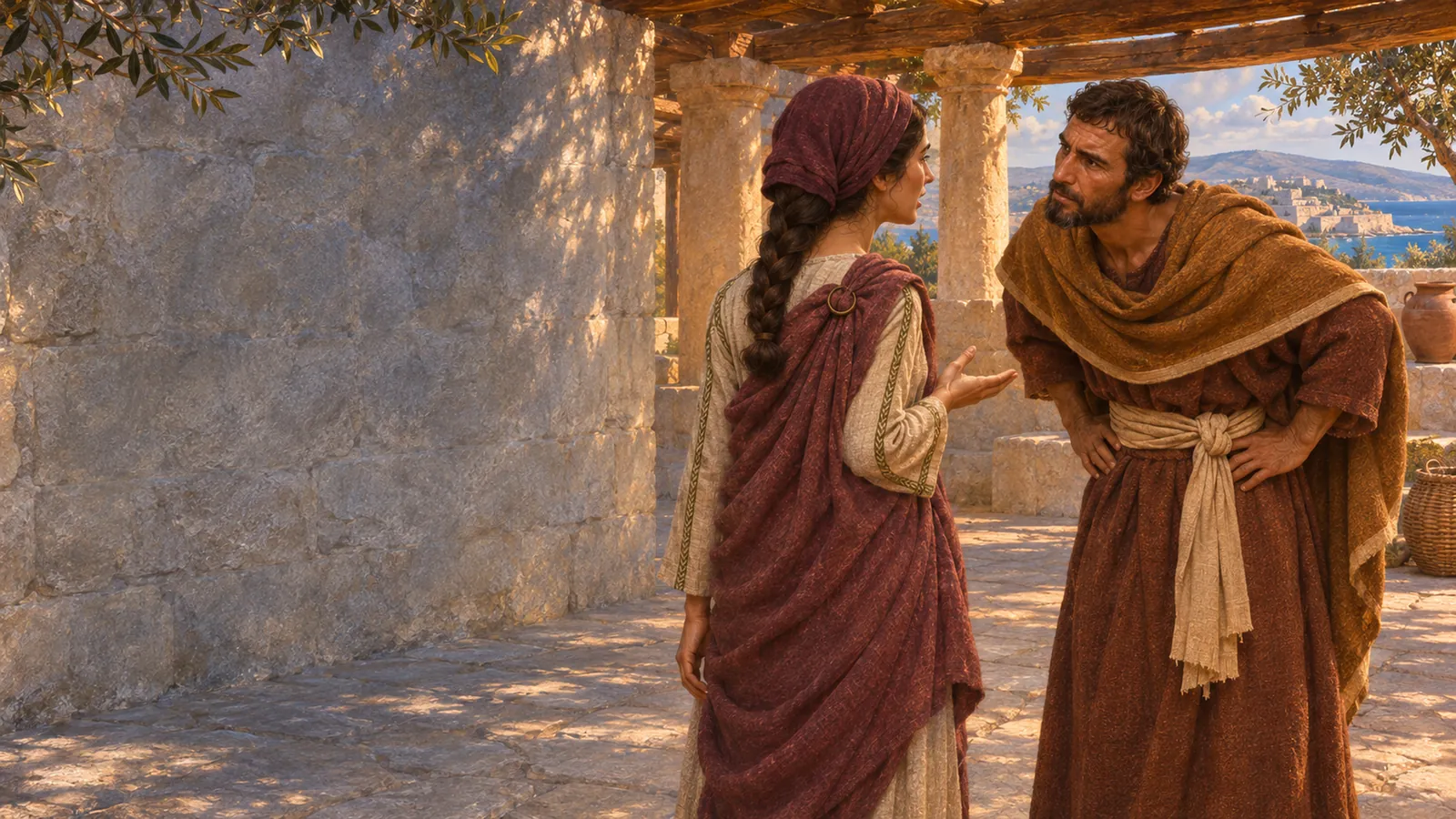
Wo der Text wieder einsetzt, spricht Anat mit Yatipan. Abilum wird erneut genannt. Einer Lesart zufolge fragt Yatipan, ob der Bogen der Grund für ihren Zorn sei.
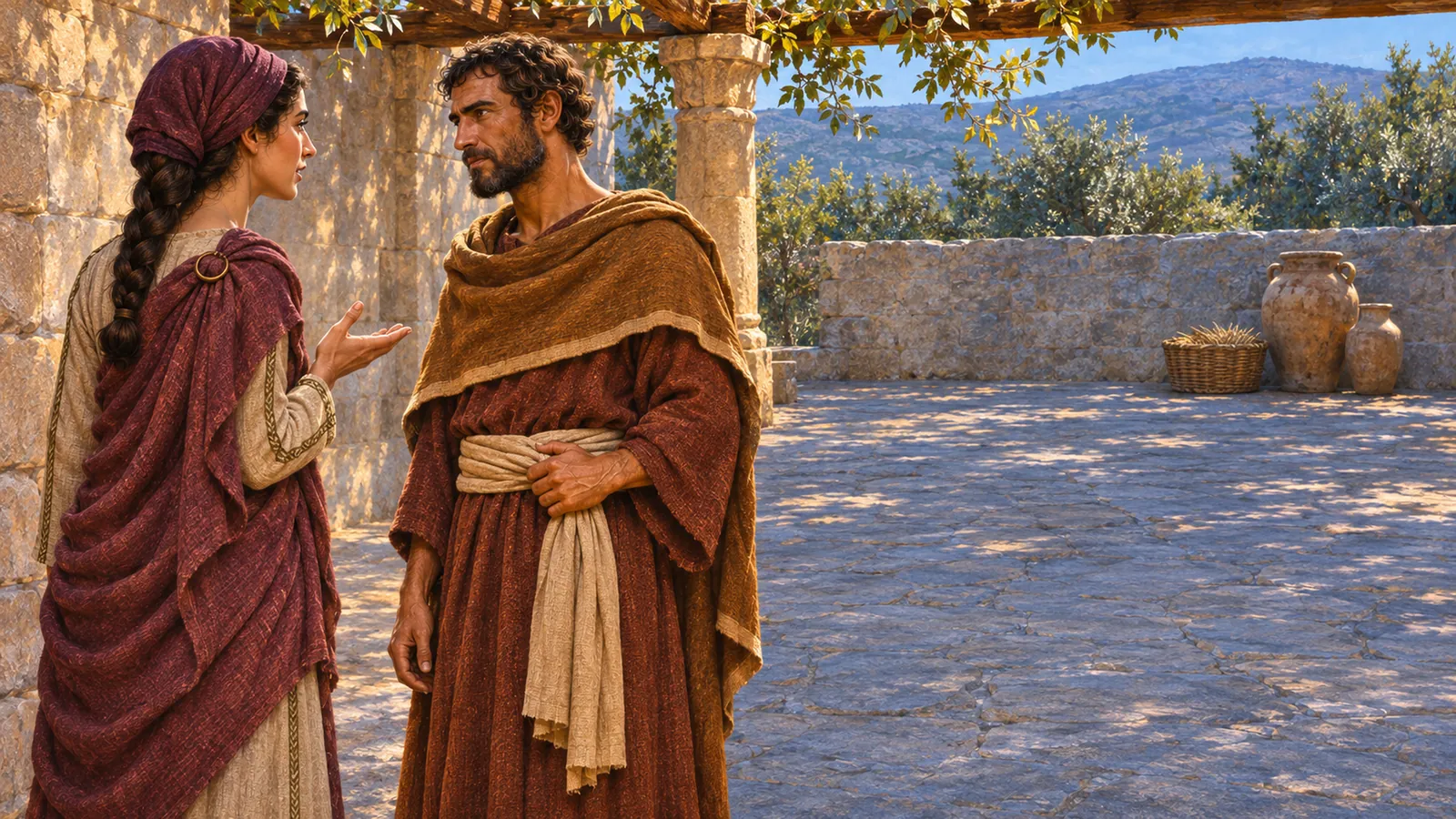
Anat sagt Yatipan, dass sie Aqhats Leben ein Ende setzen will. Dann kommt sie auf den Augenblick zu sprechen, in dem er sich zum Essen setzen wird.
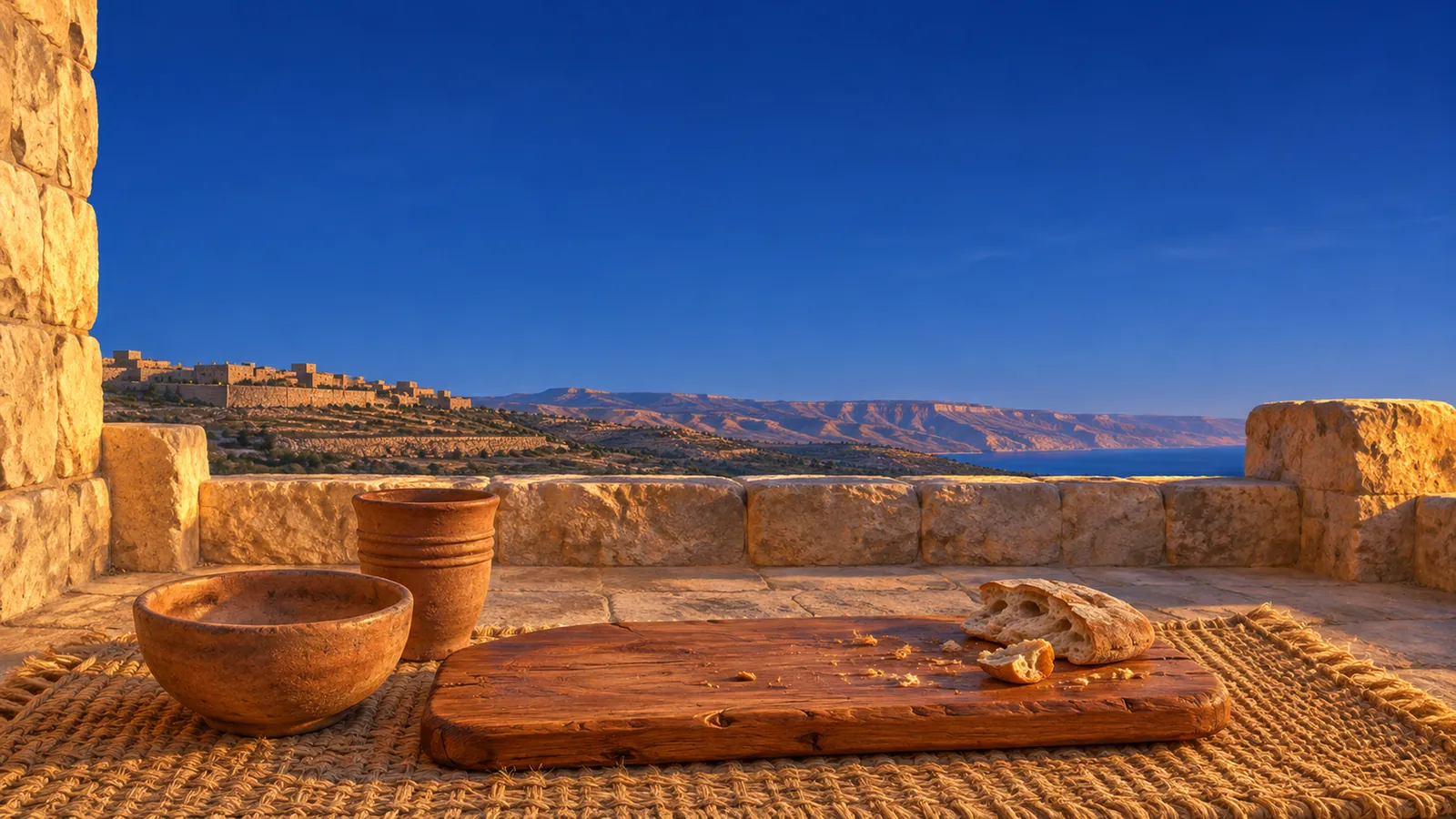
AQHAT
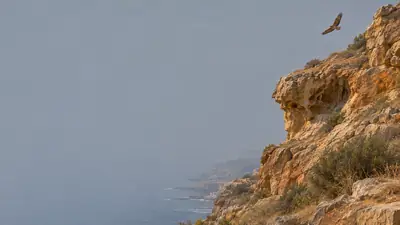
Während Aqhat isst, kreist Anat über ihm unter den Raubvögeln. Yatipan trifft Aqhat am Kopf und tötet ihn.
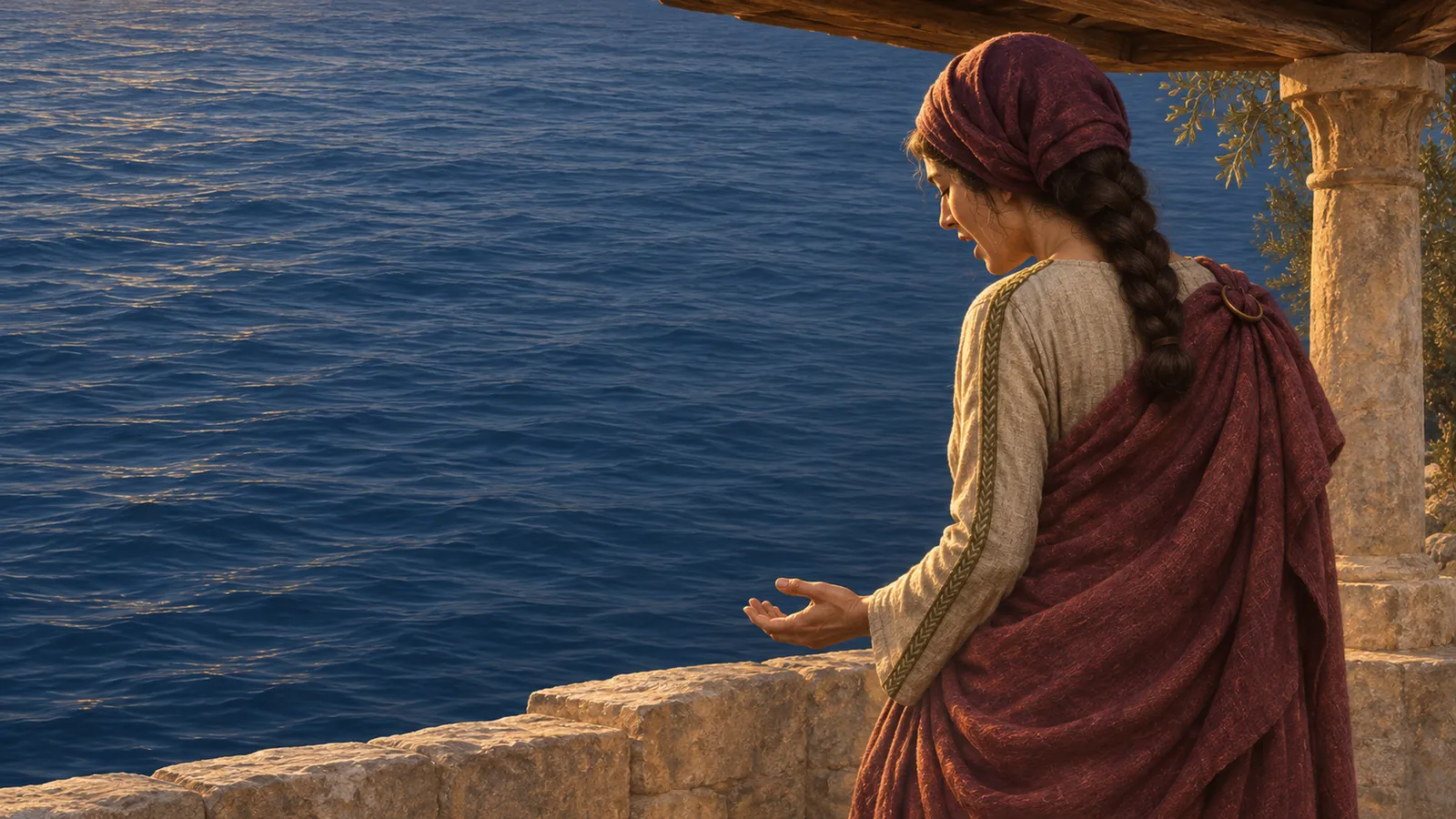
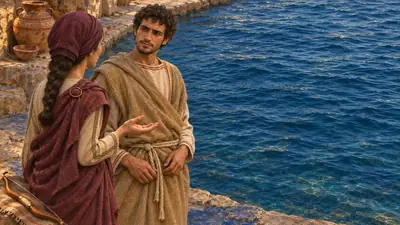
Anat beginnt zu klagen. Am Anfang der nächsten Tafel ist in den beschädigten Zeilen davon die Rede, dass der Bogen zerbricht und etwas ins tiefe Wasser fällt.
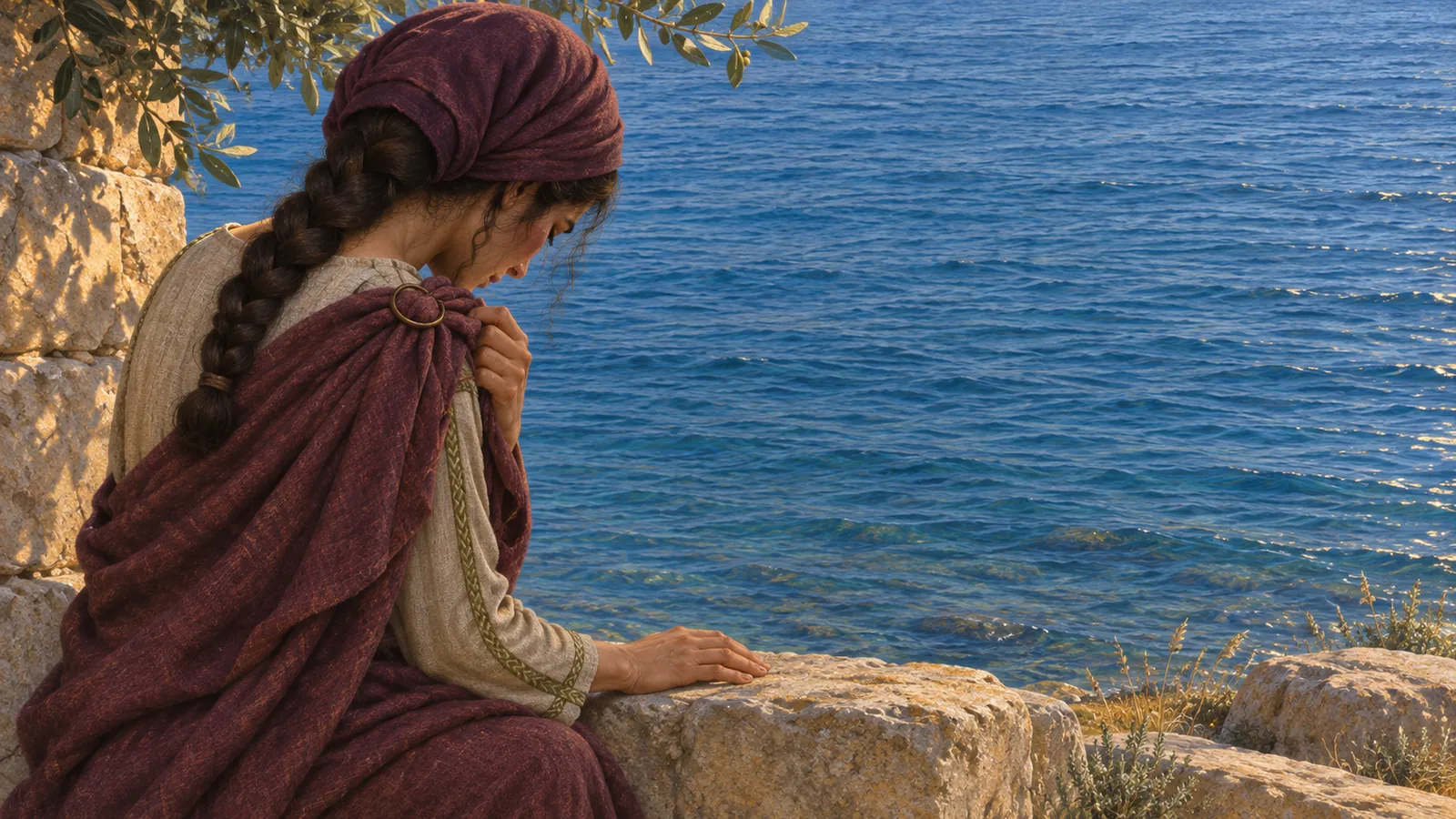
Anats Stimme kehrt in bruchstückhaften Zeilen zurück. Ihre Worte gelten Aqhat und dann dem Bogen, den sie haben wollte und den sie nicht bekam.
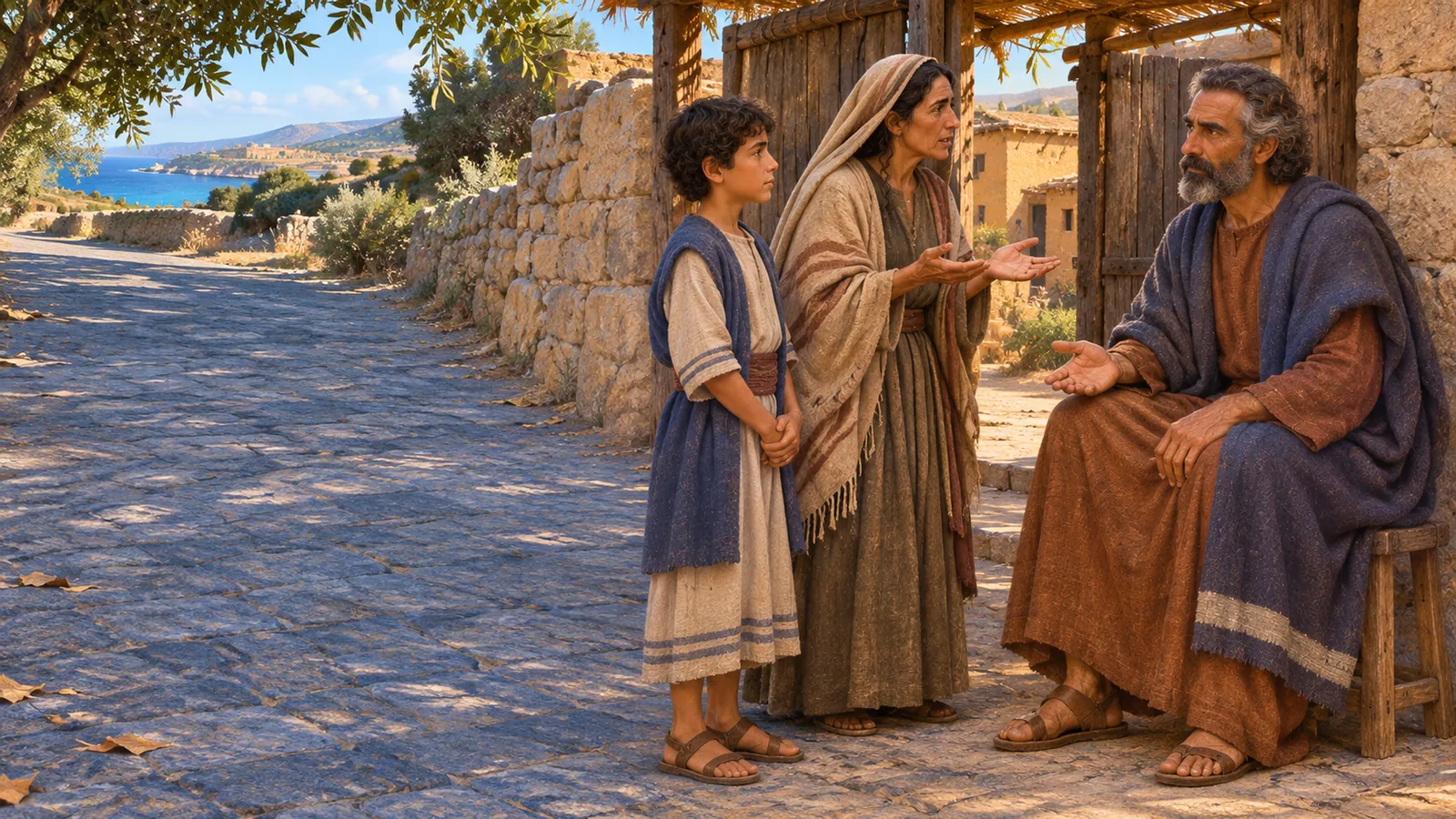
Das Gedicht erzählt, wie nach Aqhats Tod die Pflanzen verdorren. Es kehrt zu Danel am Tor zurück. Dort hört er die Anliegen der Witwe und des Waisen an, ohne zu wissen, was geschehen ist.
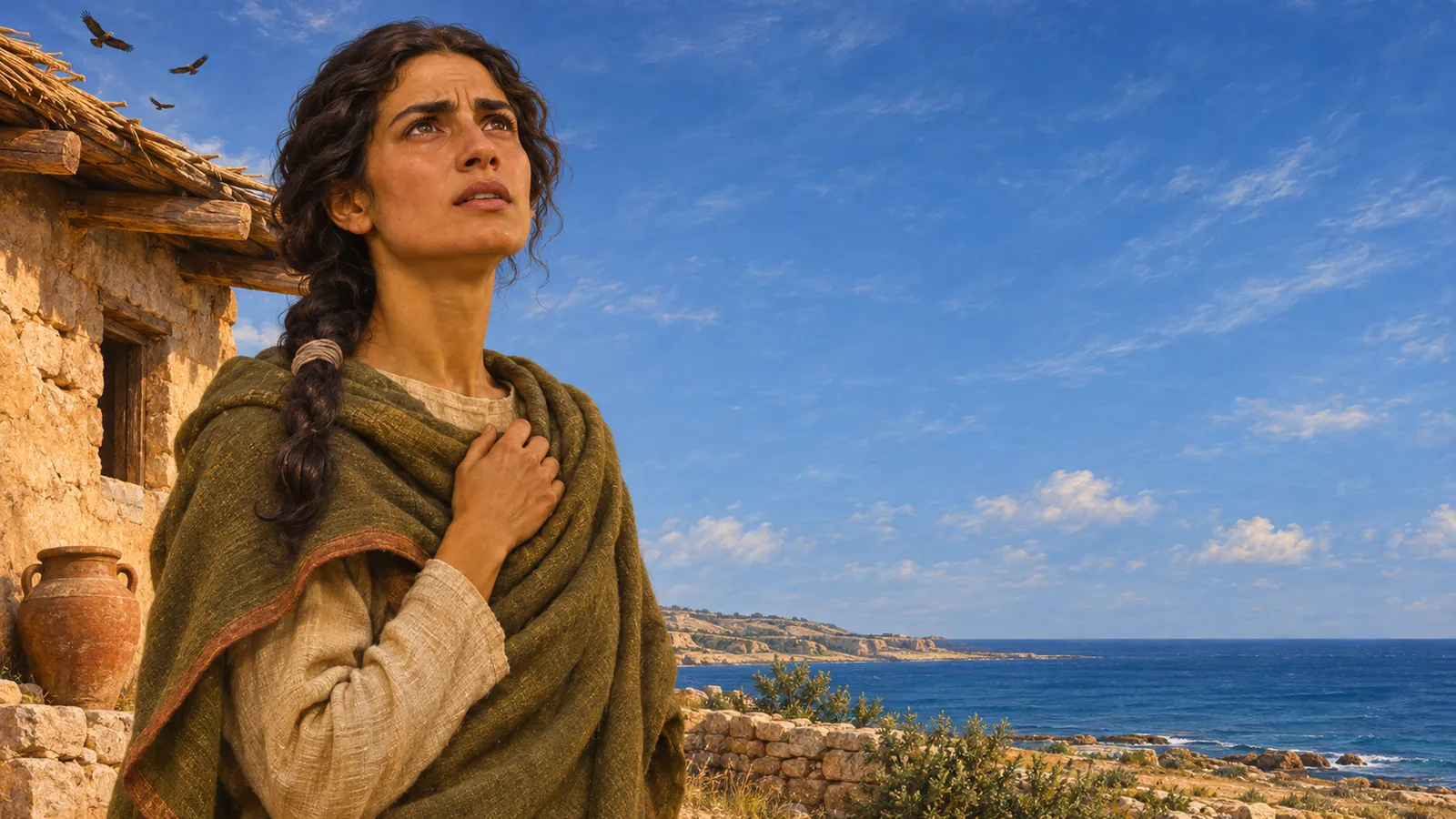
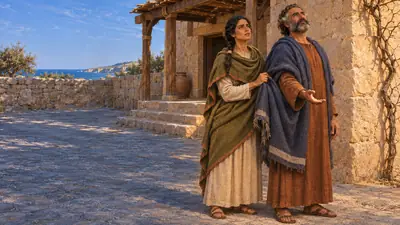
Pughat bemerkt die verdorrten Pflanzen und sieht Vögel über dem Haus ihres Vaters kreisen. Der Anblick beunruhigt sie, und sie beginnt zu weinen.
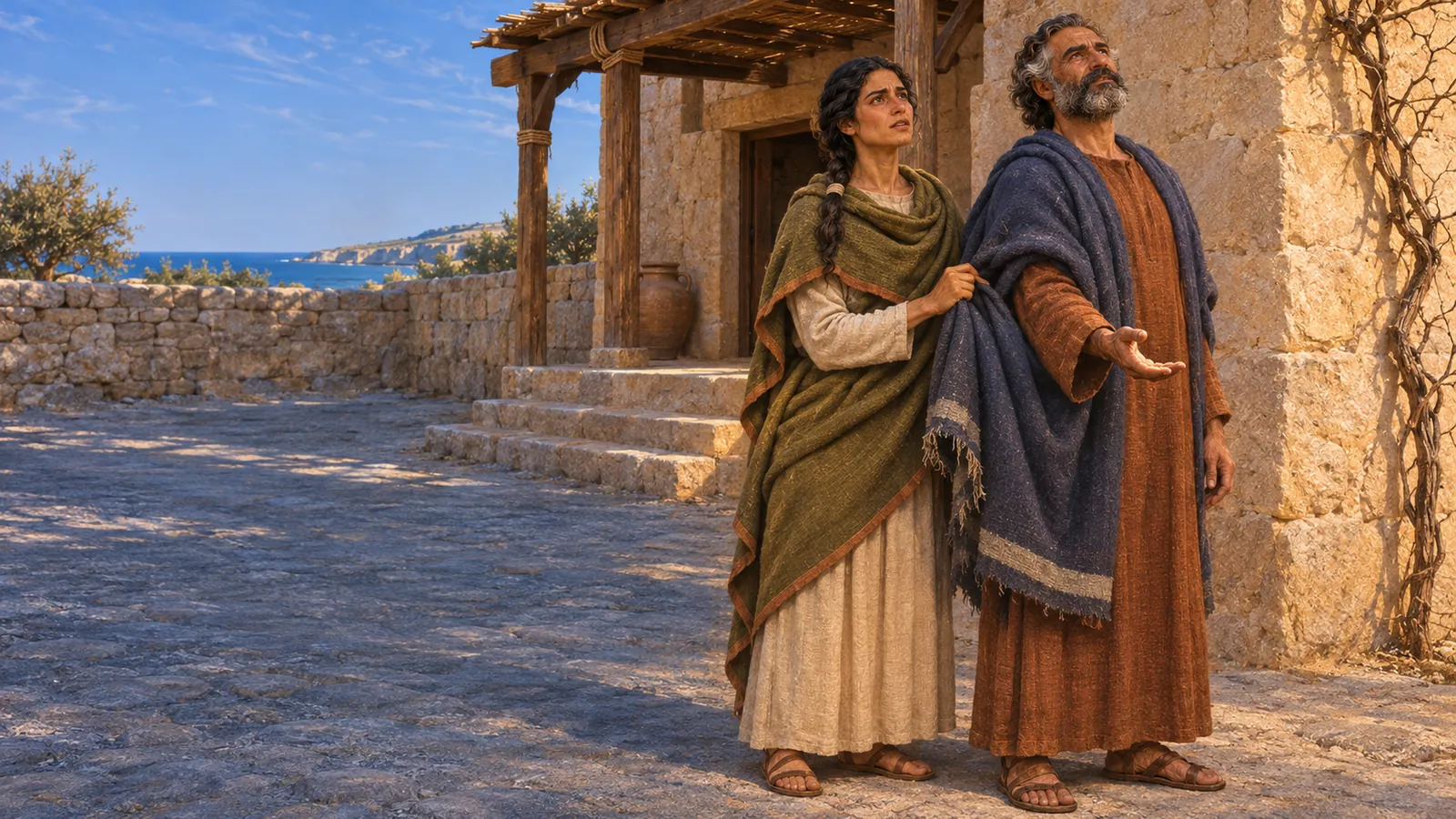
Vor Kummer zerreißt Pughat den Mantel ihres Vaters. Danel richtet seine Worte an die Wolken und bittet um Sommerregen und Tau für die Reben.
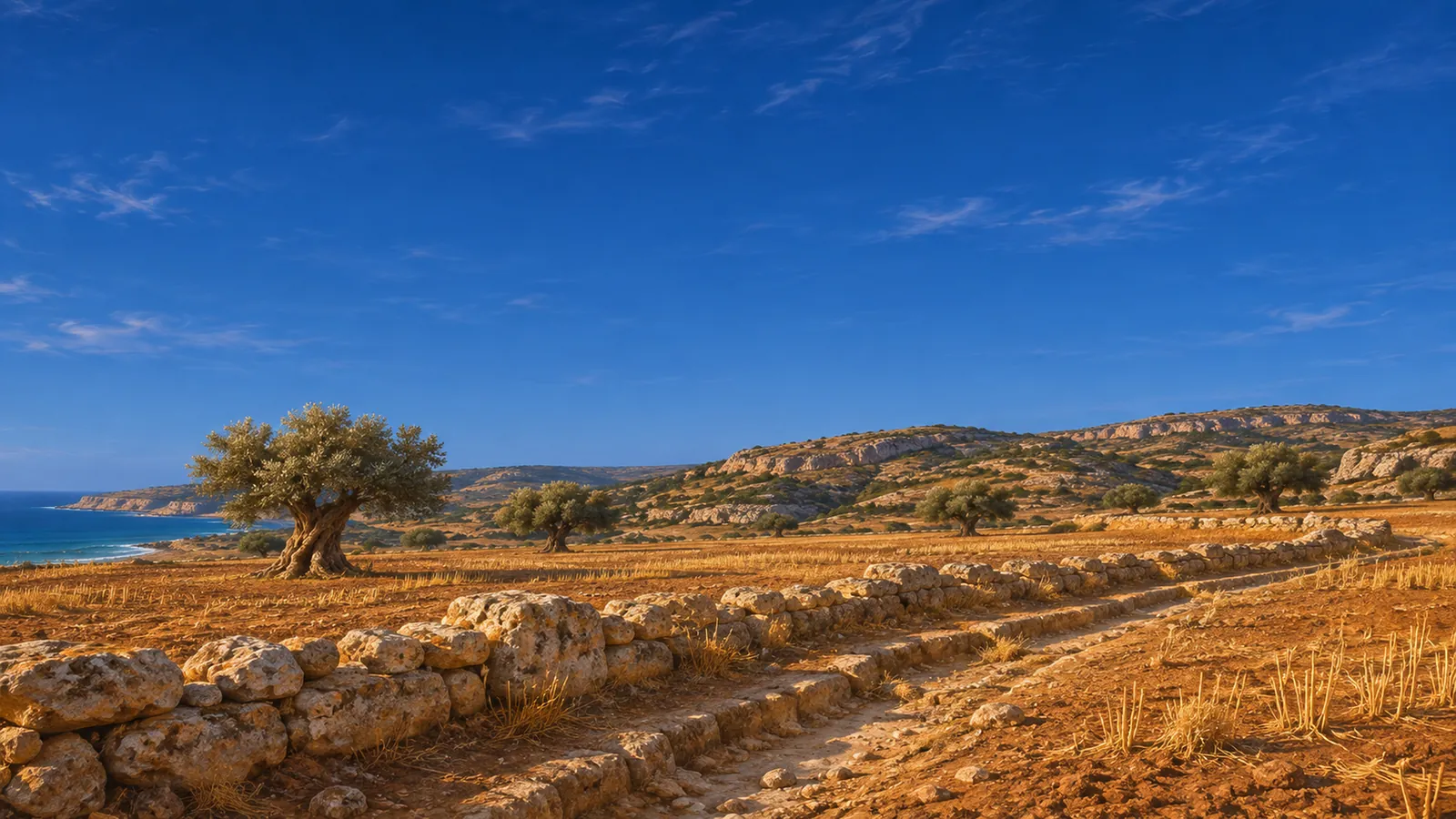
Das Gedicht zählt sieben Jahre und in der entsprechenden Zeile acht. Es spricht von einem Himmel ohne Regengüsse, einem Land ohne Tau und von Baals verstummter Stimme.
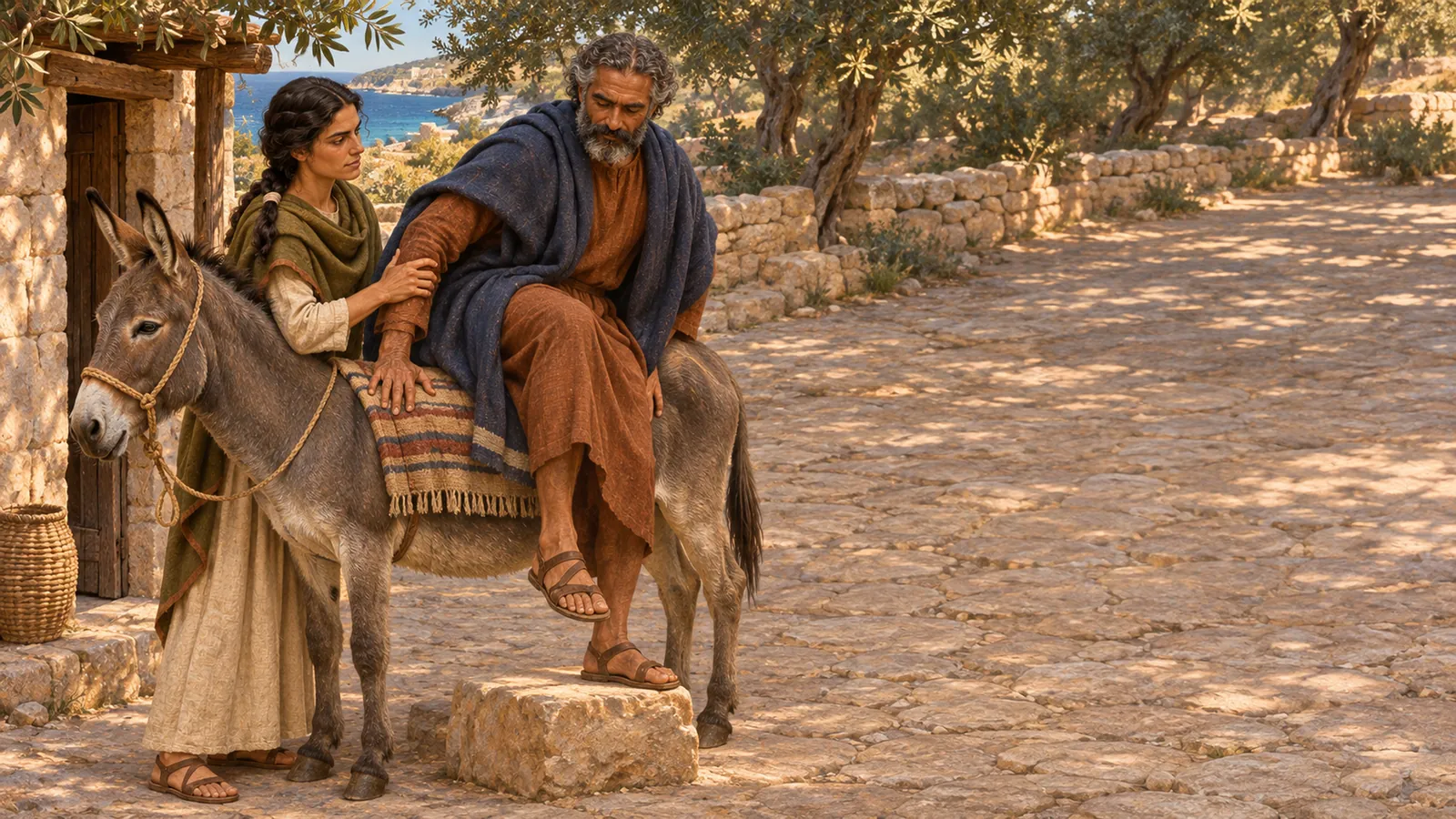
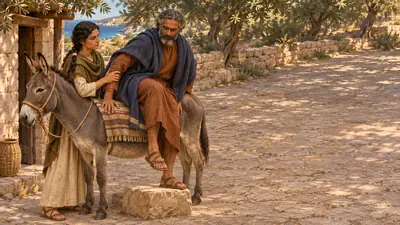
Danel ruft nach seiner Tochter, der Wasserträgerin, die die Bahnen der Sterne kennt. Pughat bringt einen Esel und hilft ihrem Vater auf seinen Rücken.
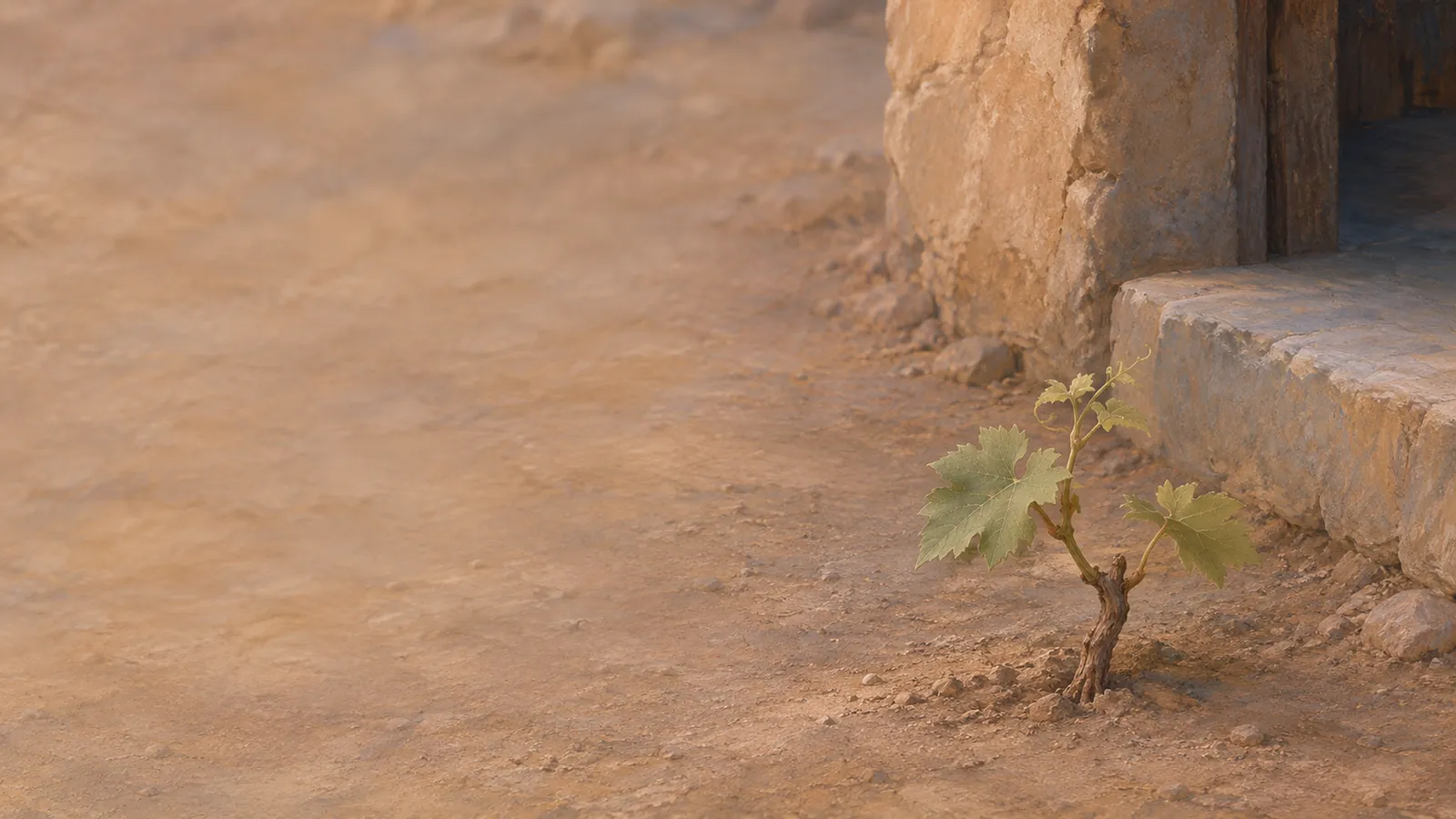
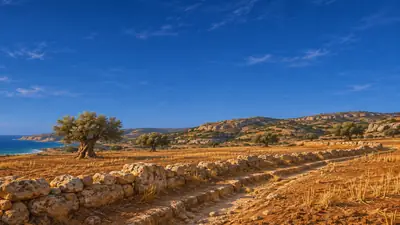
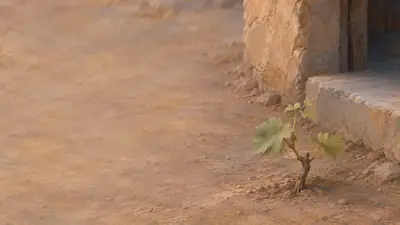
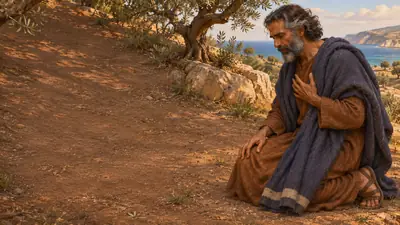
Danel kommt zu einem Rebtrieb im trockenen Boden. Er wünscht, dass er wächst und Aqhat seine Früchte erntet und in den Speicher trägt.
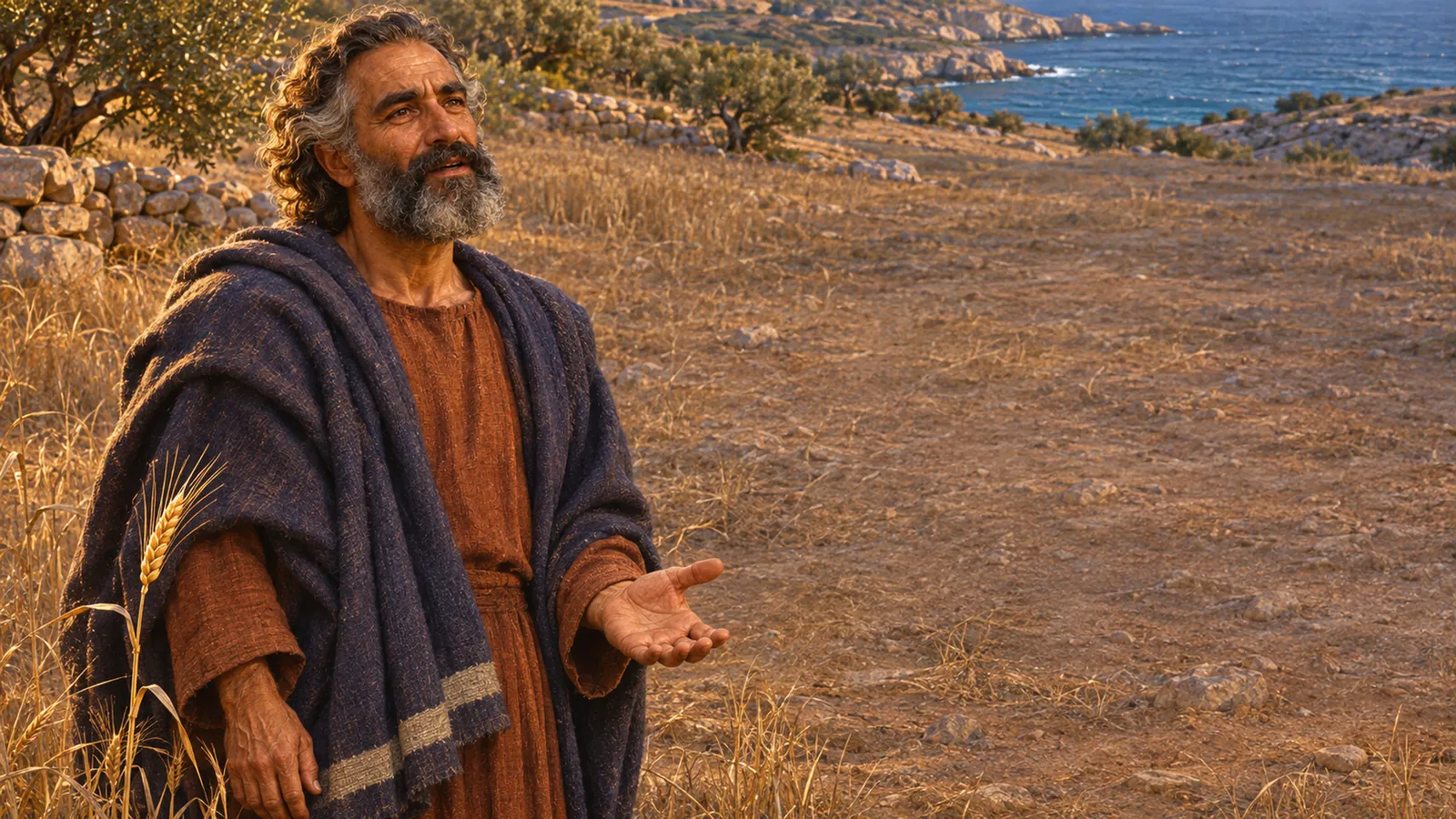
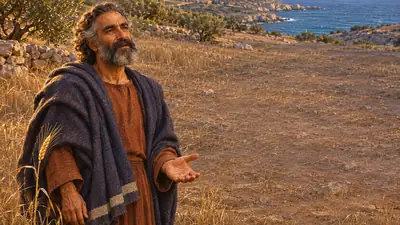
Auf einem anderen dürren Feld findet Danel eine Ähre. Er spricht seinen Wunsch erneut aus. Sie möge wachsen, sagt er, und Aqhat möge sie in den Speicher bringen.
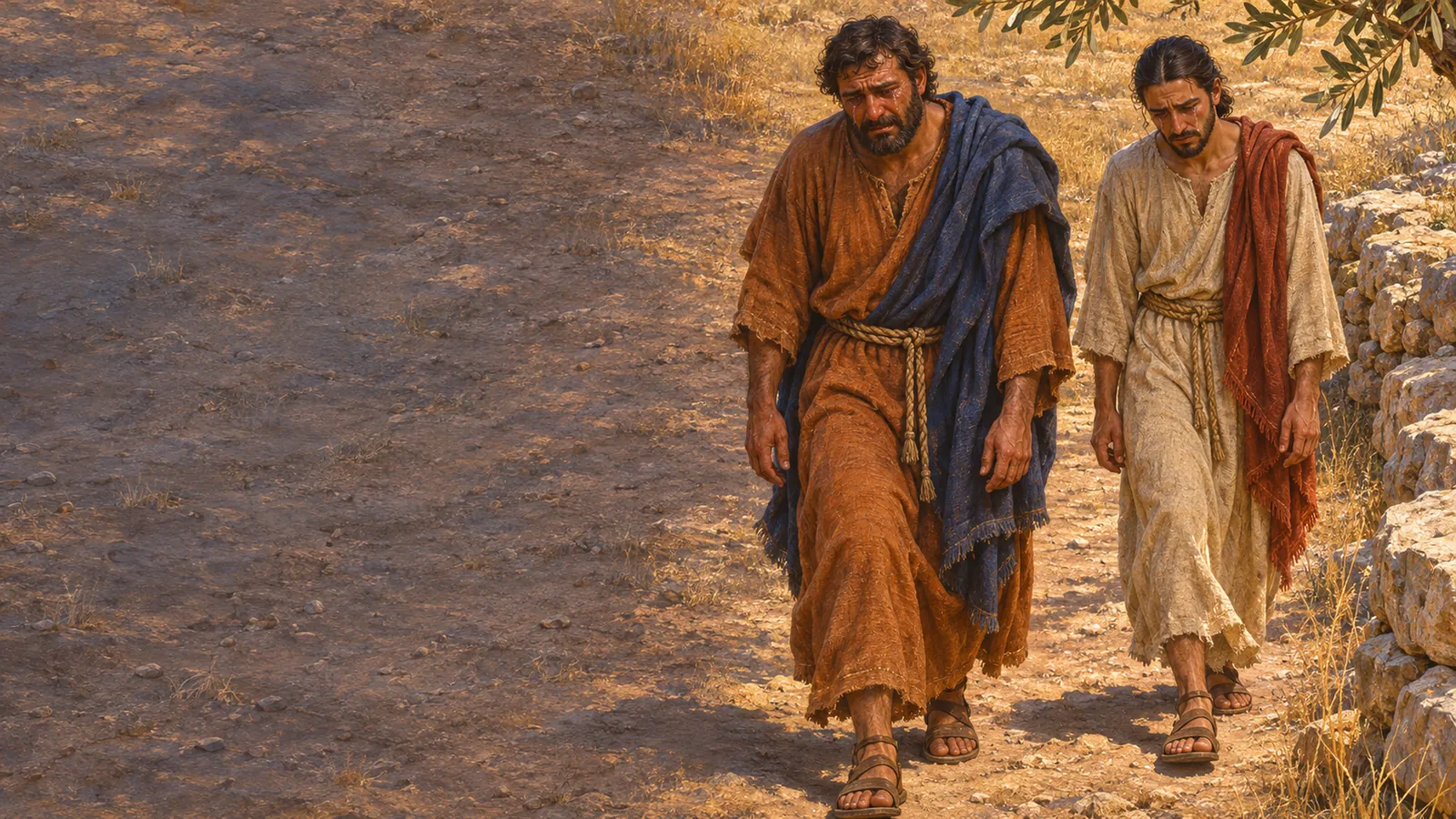
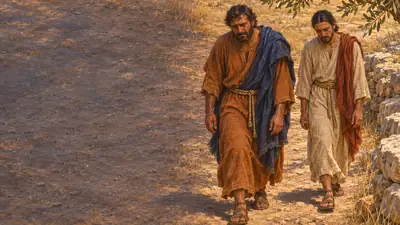
Danel spricht noch, da treten zwei Boten in Sicht. Ihre unsicheren Schritte und ihre Tränen lassen Unglück ahnen, ehe einer von ihnen die Nachricht überbringt.
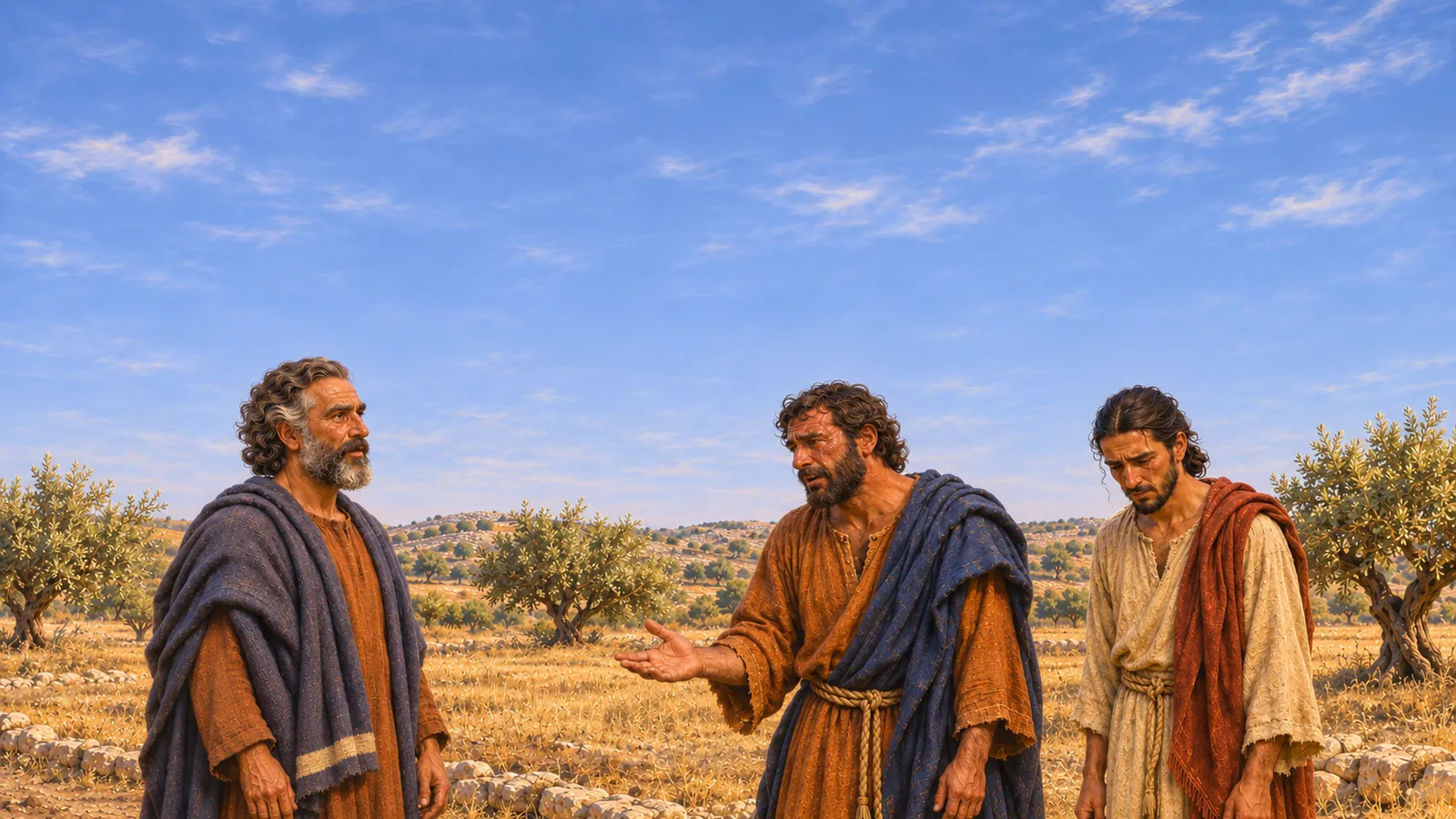
DIE NACHRICHT
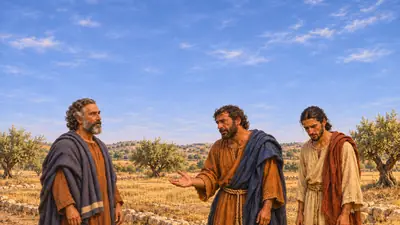
Die Boten sagen Danel, dass Aqhat tot ist. Sie machen Anat dafür verantwortlich. Bis zu ihrer Nachricht hatte Danel noch davon gesprochen, was sein Sohn wohl tun könnte.
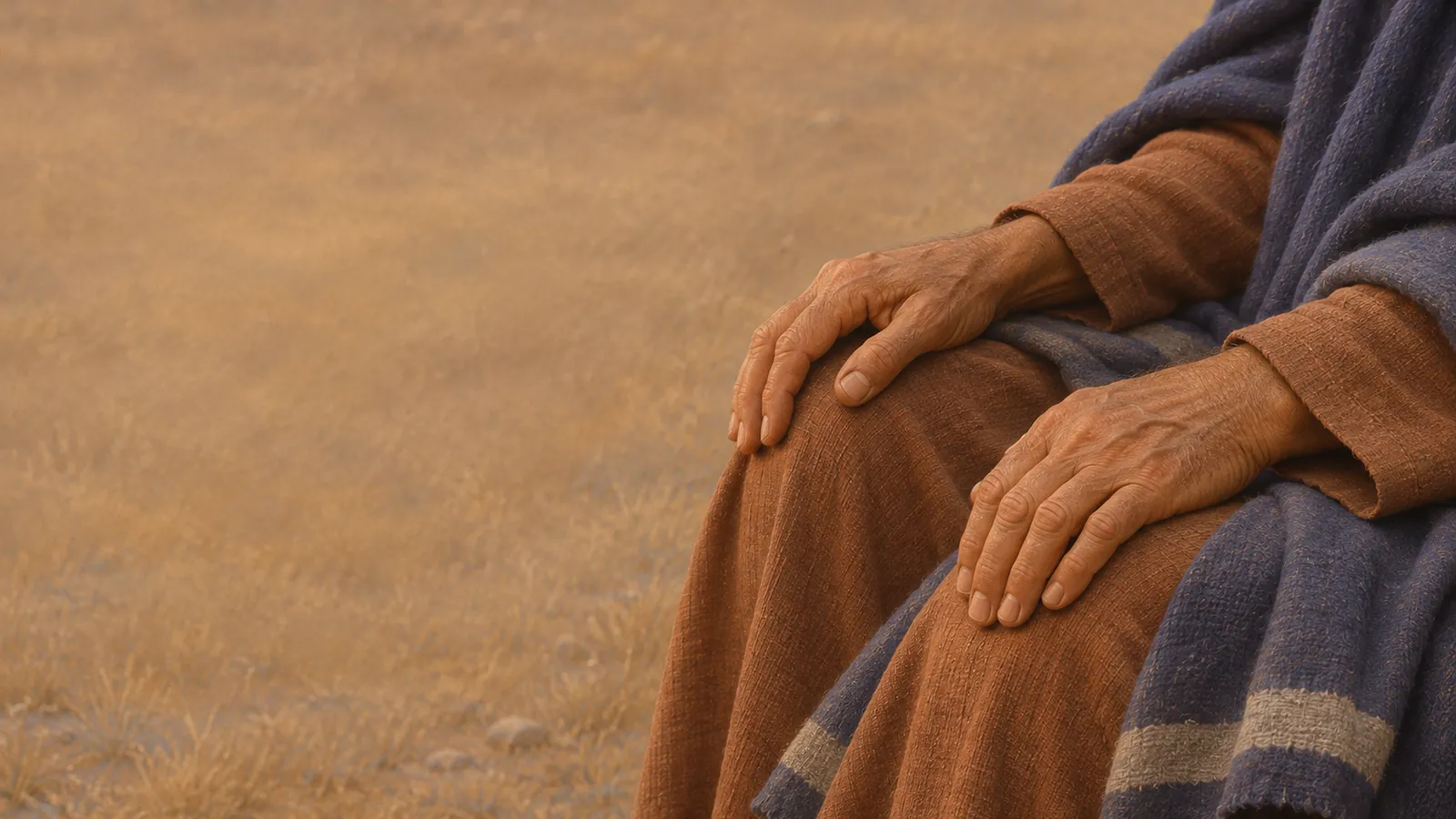
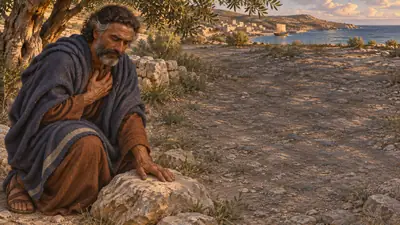
Danels Beine zittern, und seine Kraft verlässt ihn, als er die Nachricht hört. Er versucht zu sprechen, doch von seiner ersten Antwort ist nur wenig lesbar.
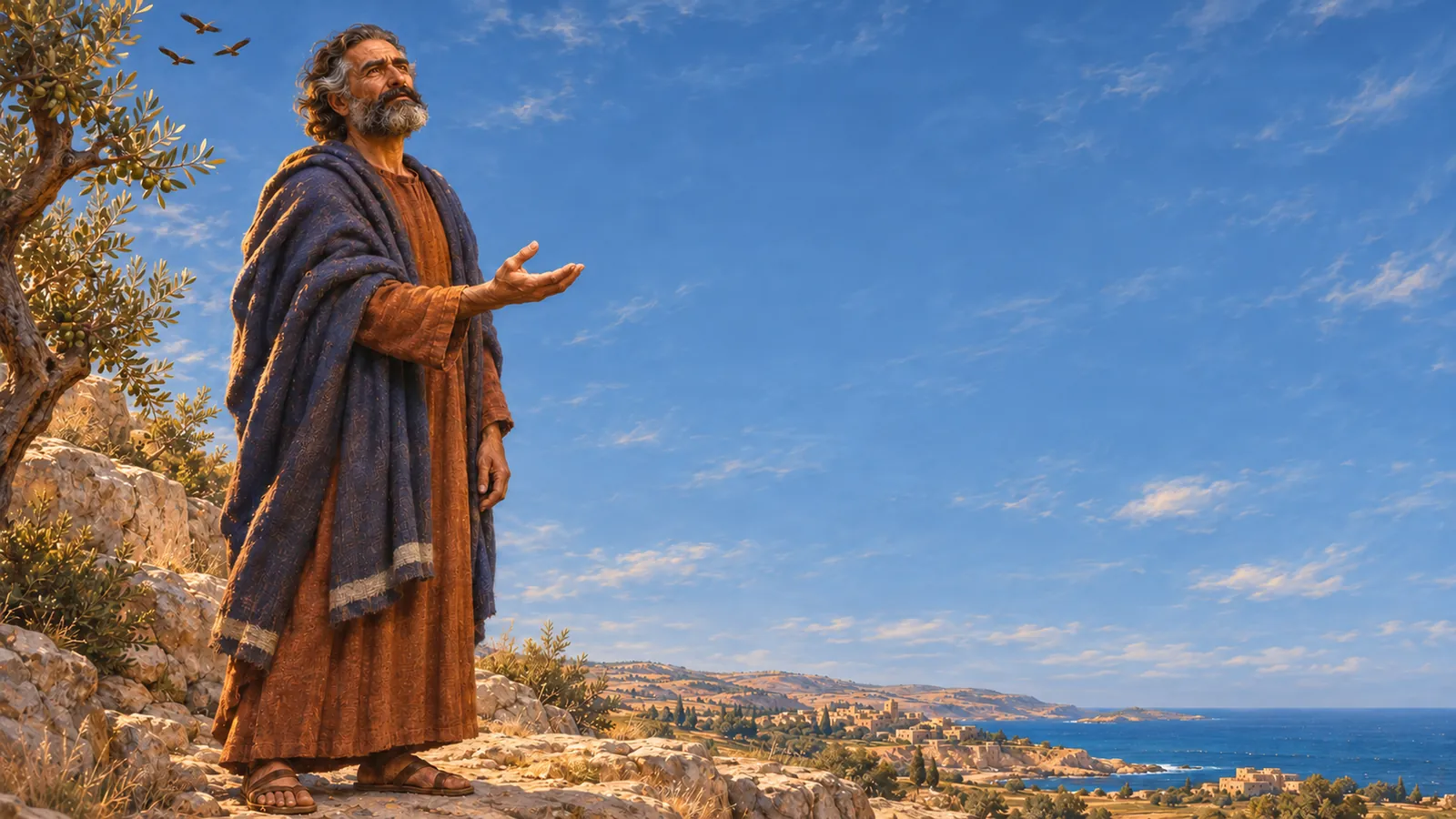
Danel sieht Raubvögel über sich und bittet Baal, ihnen die Flügel zu brechen, damit er in ihnen nach den Überresten seines Sohnes suchen kann. Bei der ersten Suche findet er nichts.
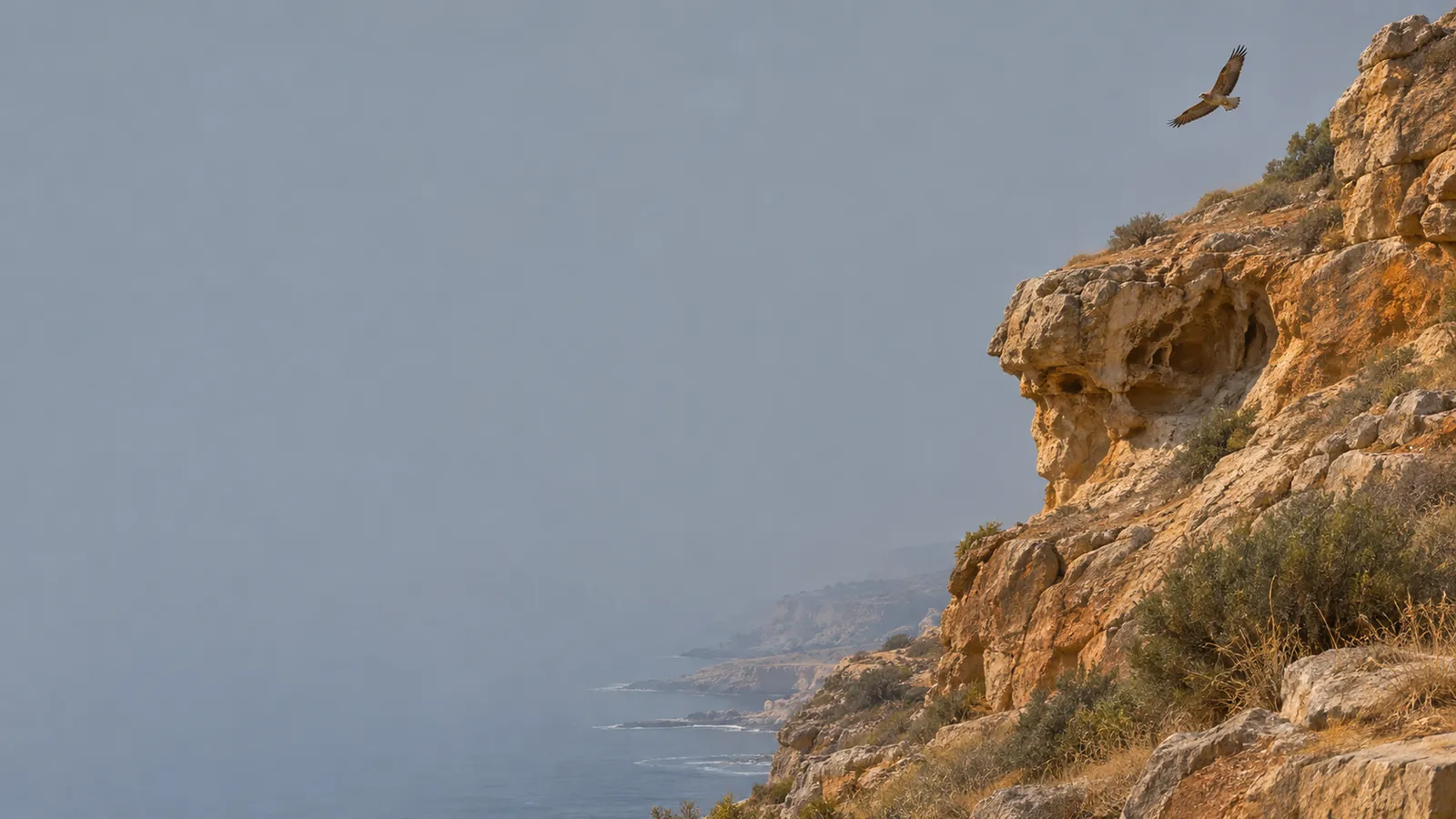
Danel bittet Baal erneut um Hilfe. Diesmal nennt das Gedicht den Vogel Hargubu. Danel findet weiterhin keine Spur seines Sohnes.
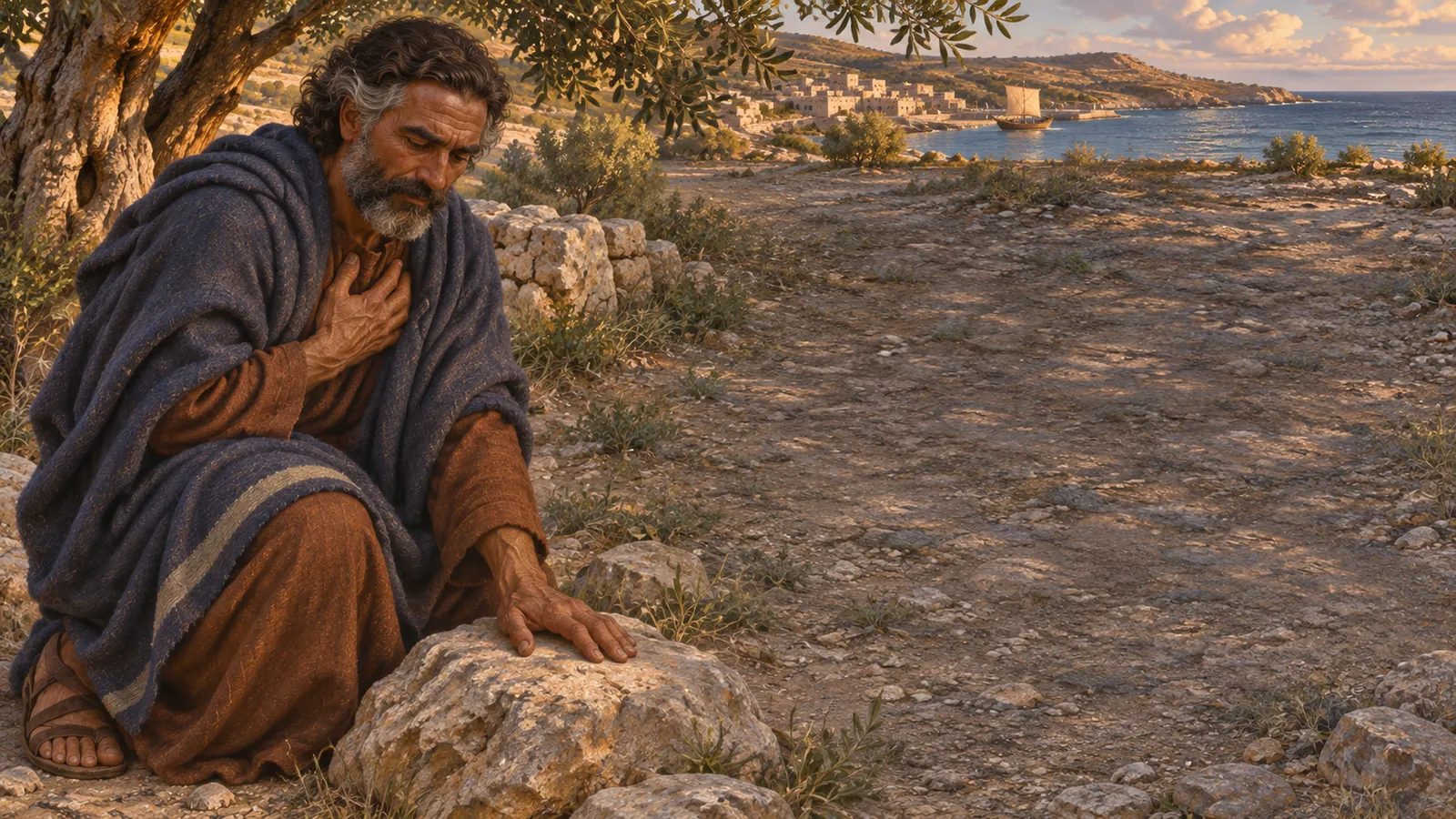
Baal bricht Ṣumalu, der Mutter der Raubvögel, die Flügel. Danel findet in ihr die Überreste seines Sohnes und kann ihn endlich bestatten.
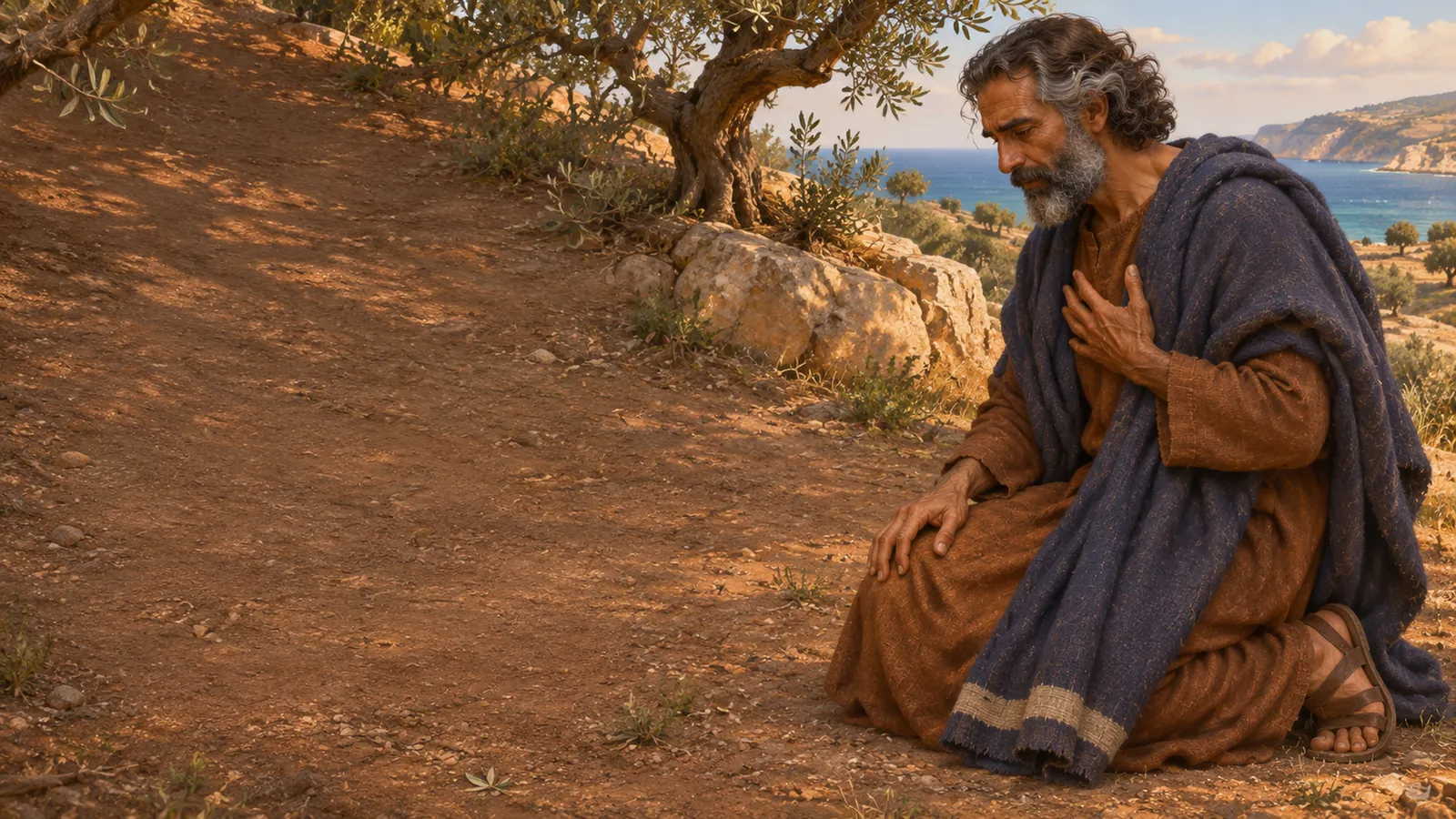
Danel weint, als er Aqhat bestattet. Er ruft Baal an, die Ruhestätte seines Sohnes zu schützen. Die Worte, die den Ort bezeichnen, sind schwer zu deuten.
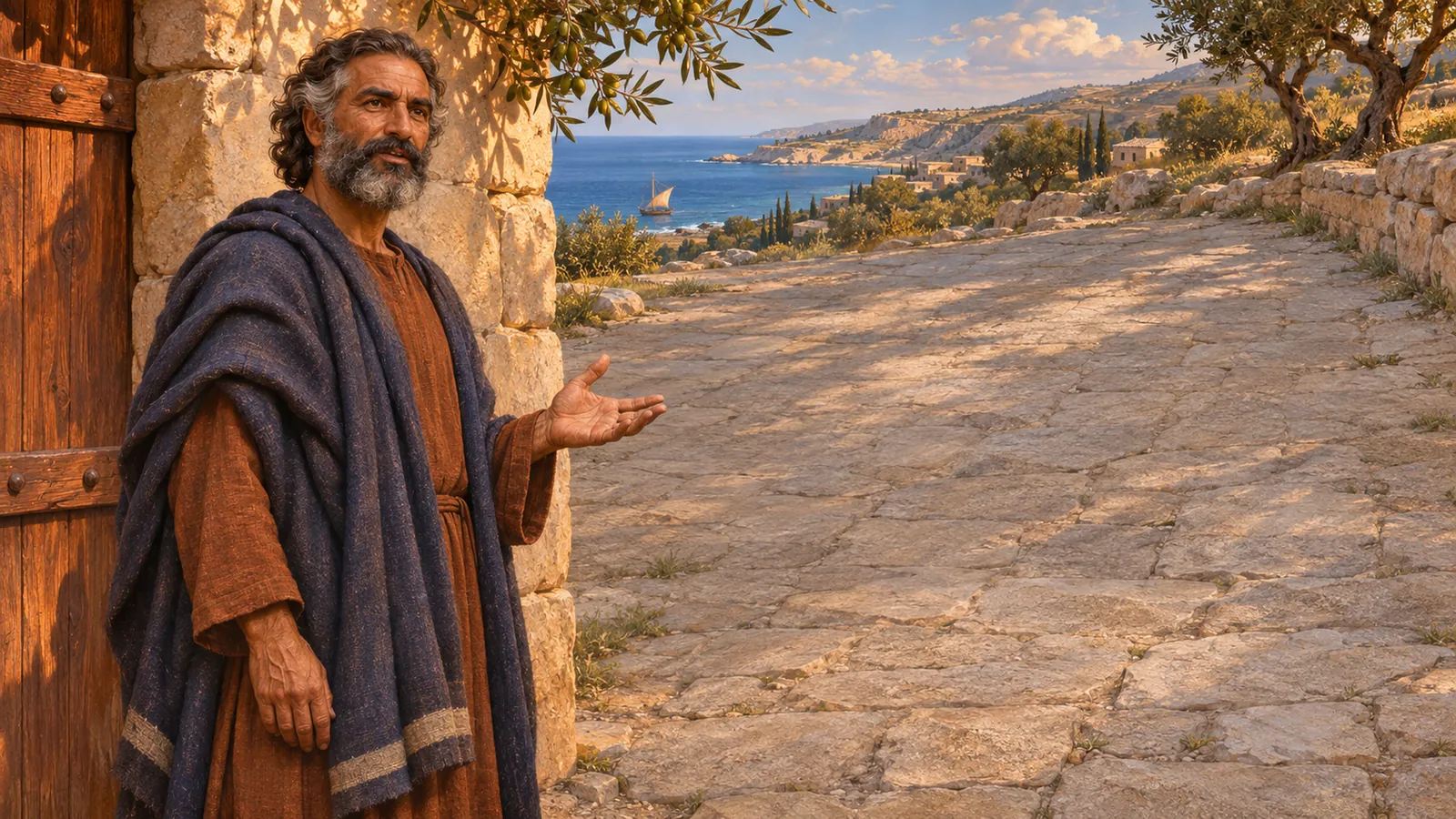
Danel verflucht Qir-Mayim und danach den Ort, dessen Name mit Mararat beginnt. In jedem Fluch verbindet er den Ort mit Aqhats Tod.
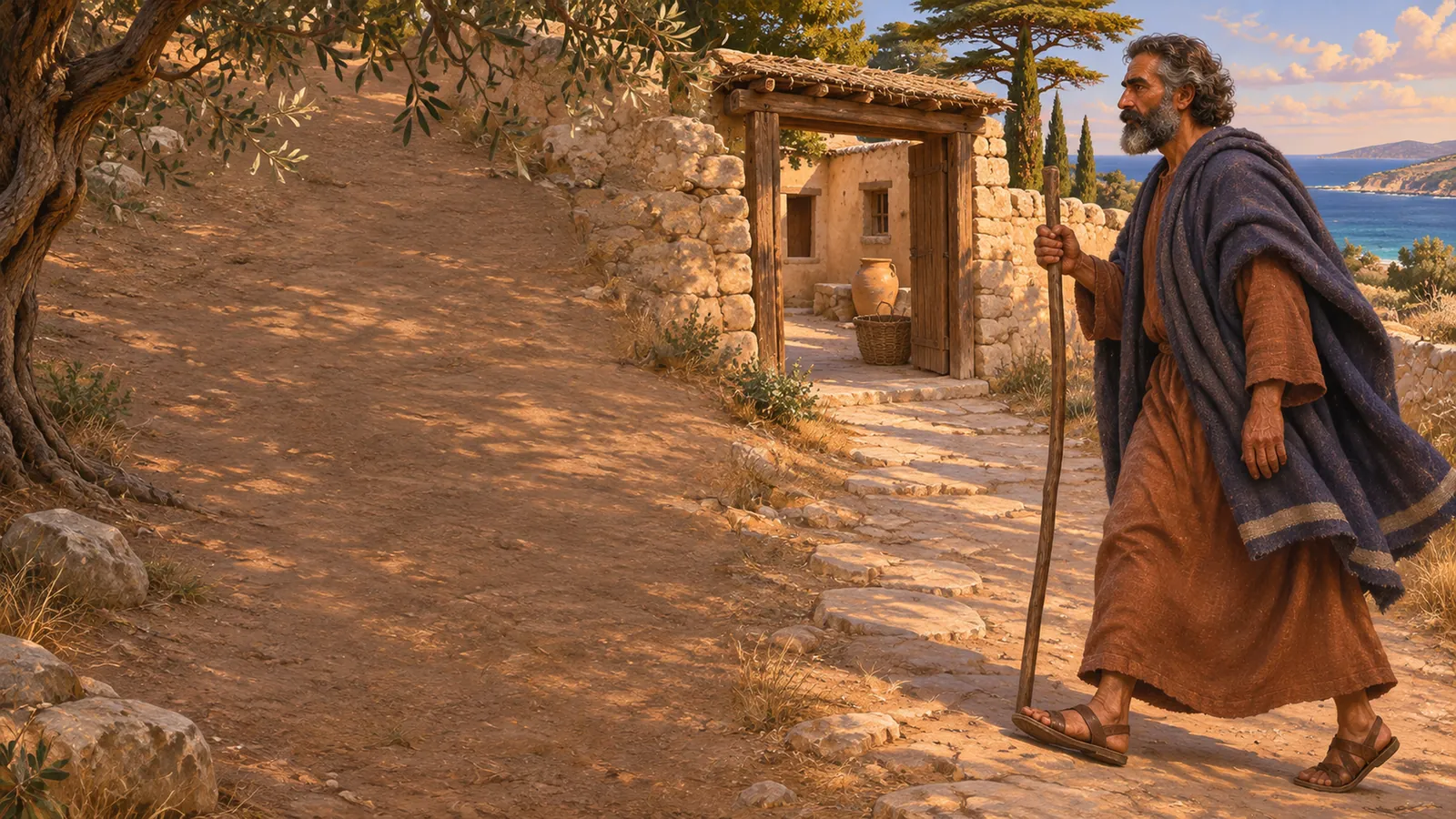
Danel geht weiter nach Abilum und verflucht auch diese Stadt. Als er geendet hat, nimmt er seinen Stab wieder auf und kehrt nach Hause zurück.
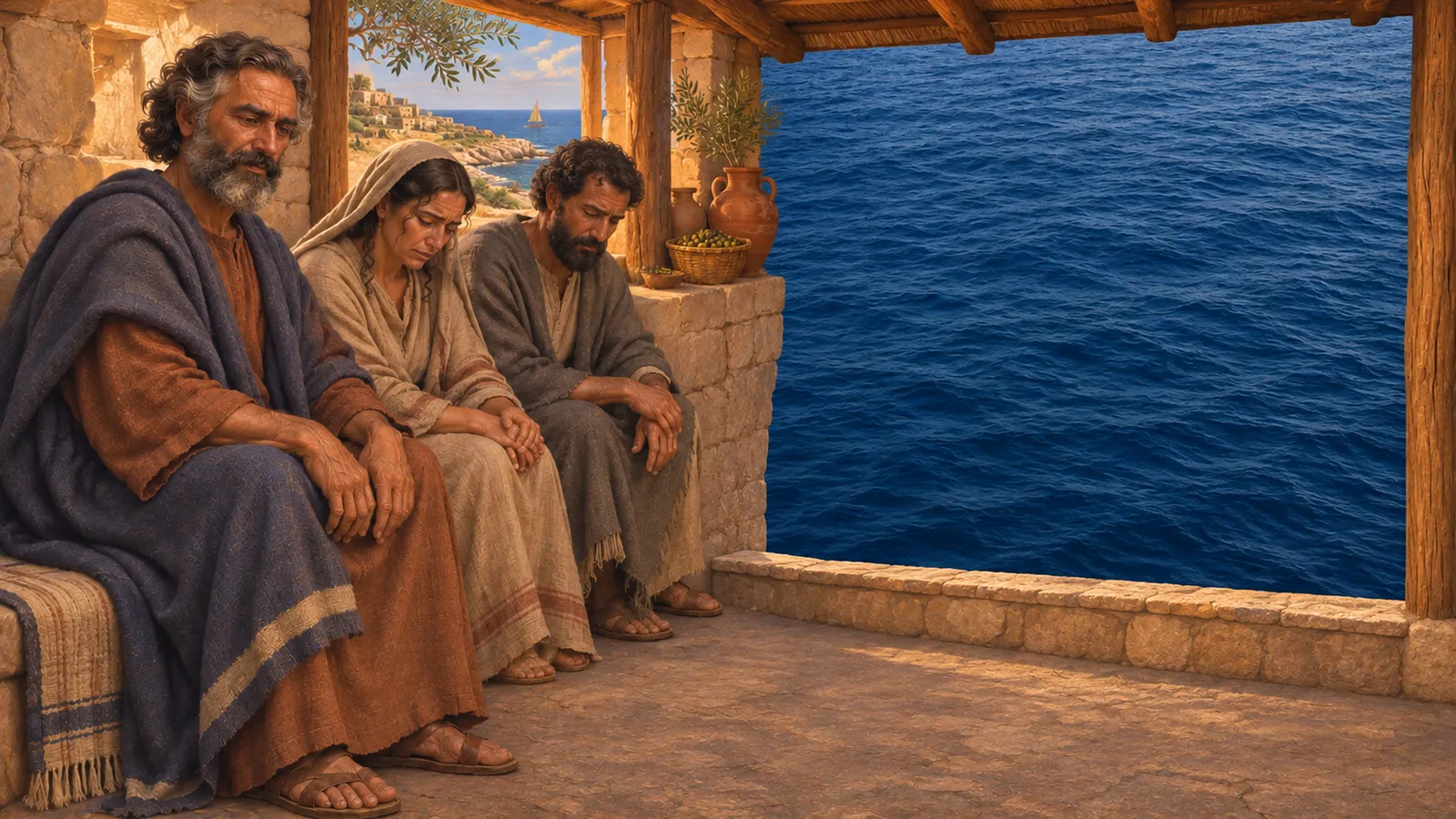
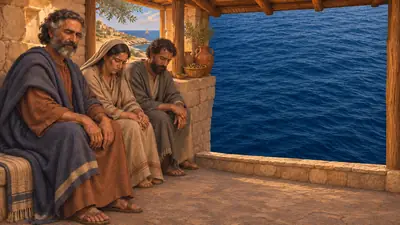
Die Trauernden kommen in Danels Haus, um Aqhat zu beweinen. Aus Tagen werden Monate und aus Monaten Jahre. Im siebten Jahr wendet sich das Gedicht wieder Danel zu.
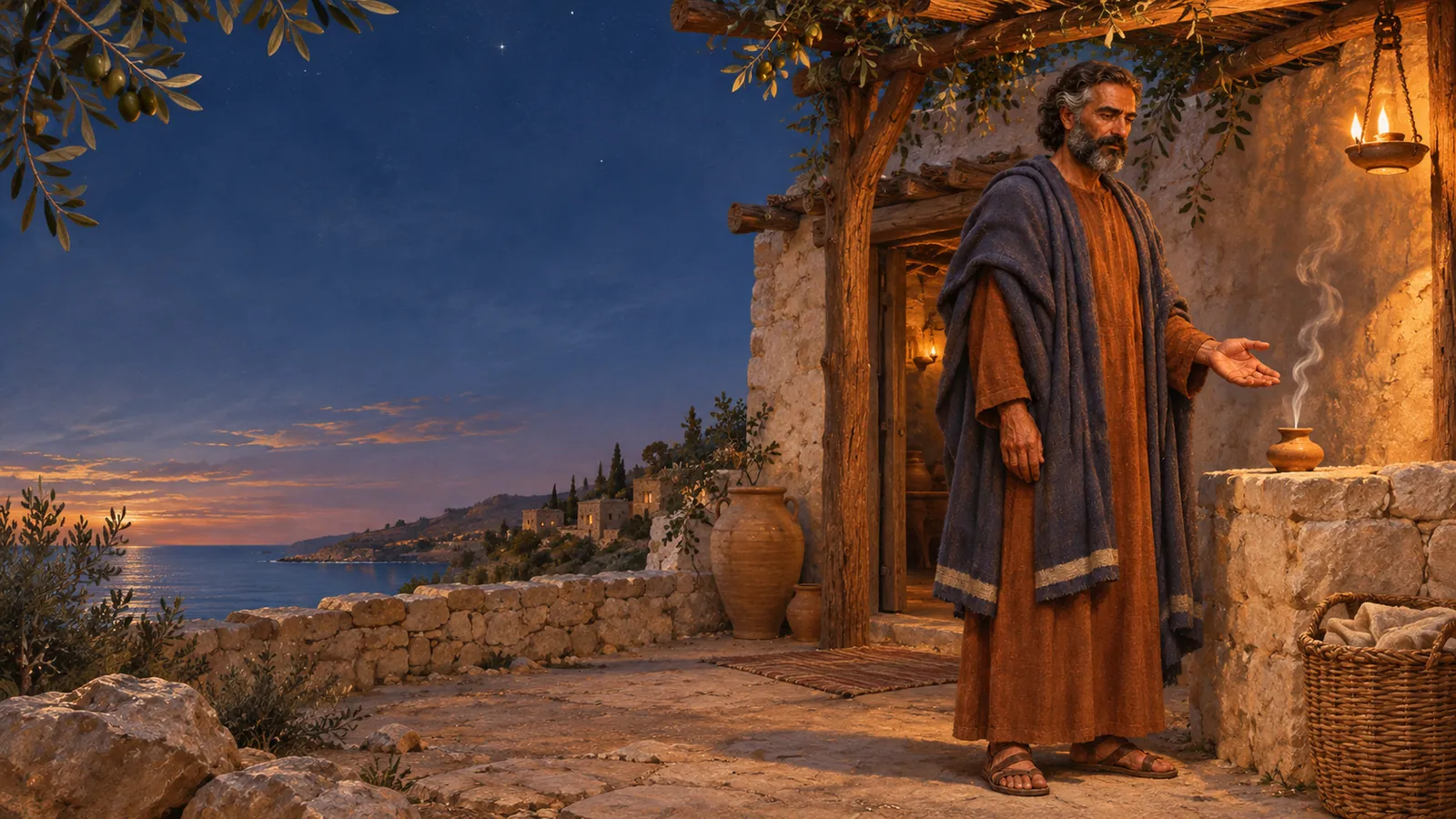
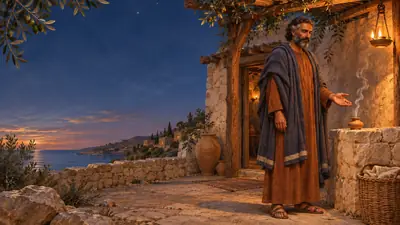
Danel fordert die Trauernden auf, sein Haus zu verlassen. Er bringt den Göttern wieder Opfer dar, und das Gedicht spricht von Weihrauch, der zu den Sternen aufsteigt.
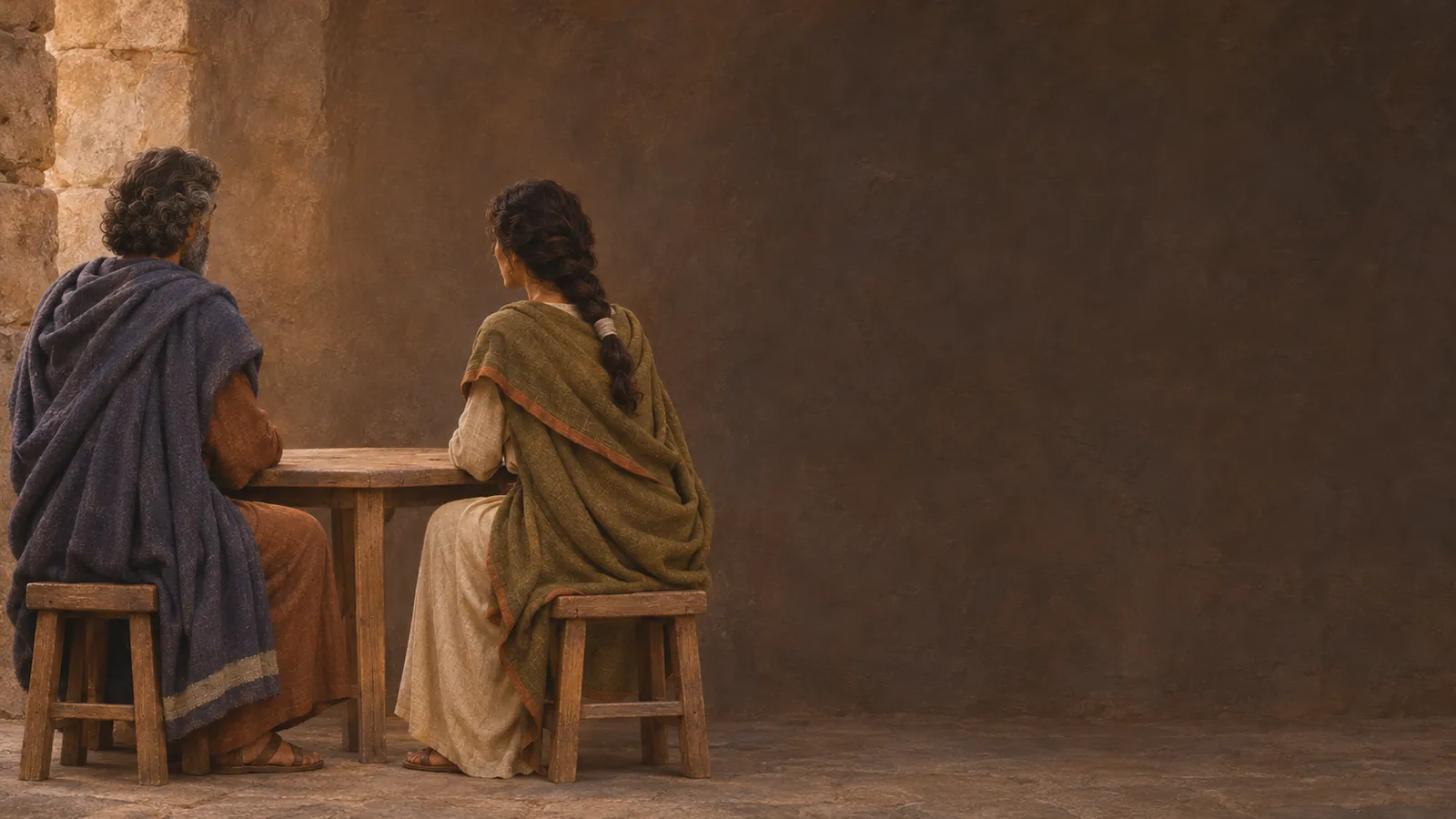
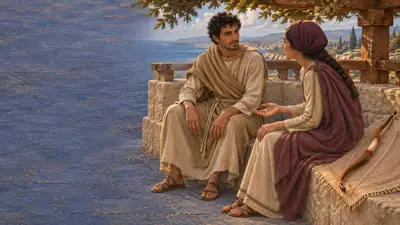
Pughat erinnert an das Opfer ihres Vaters. Sie bittet ihn um seinen Segen, damit sie die Kraft hat, den Mörder ihres Bruders zu töten.

Danel antwortet seiner Tochter und nennt sie die Wasserträgerin, die die Bahnen der Sterne kennt. Sein Segen greift auf, was sie sich vorgenommen hat.
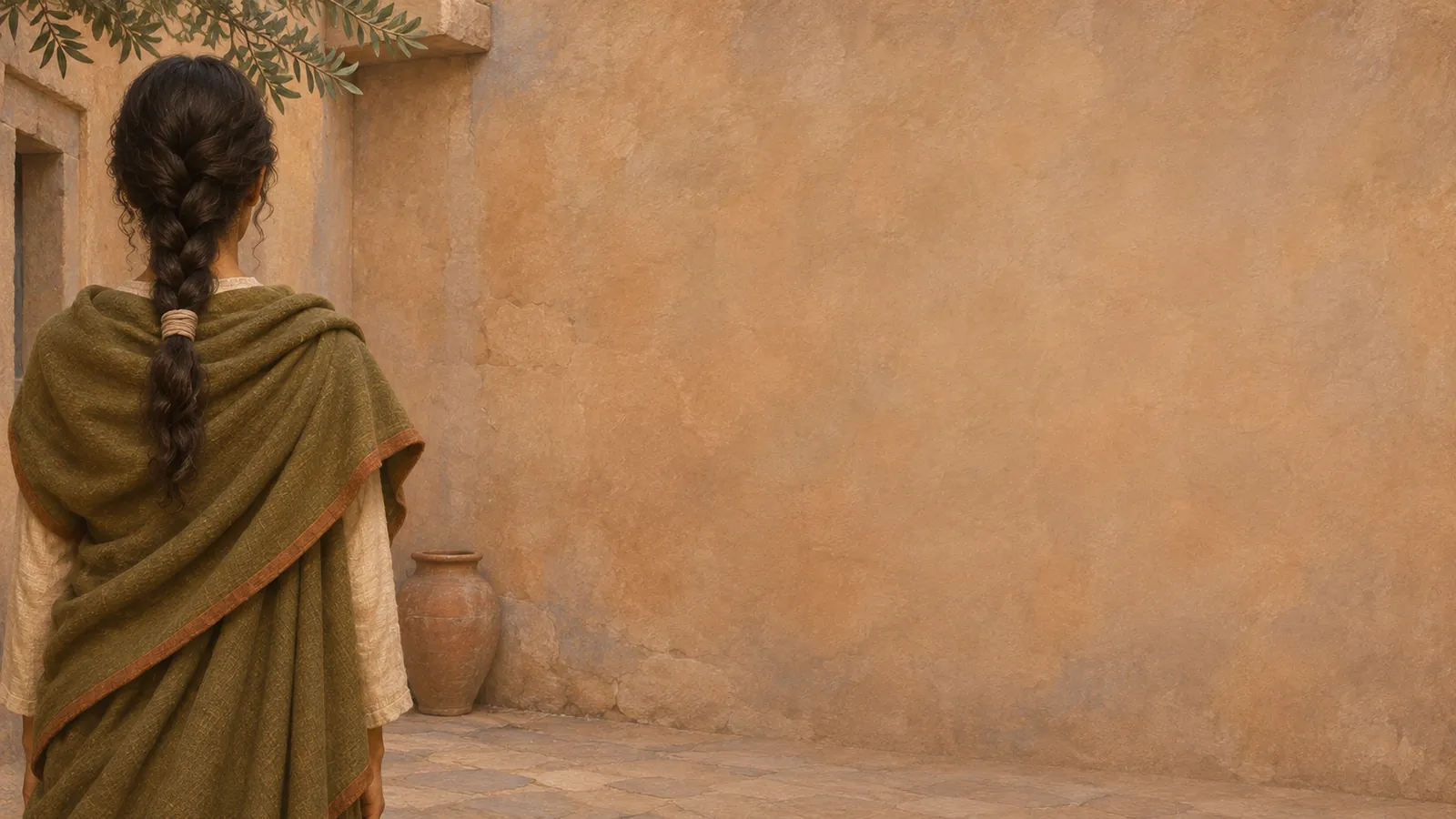
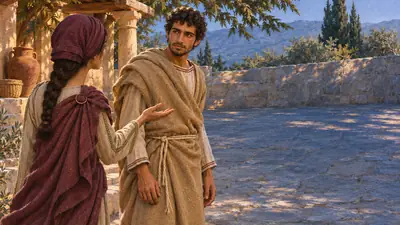
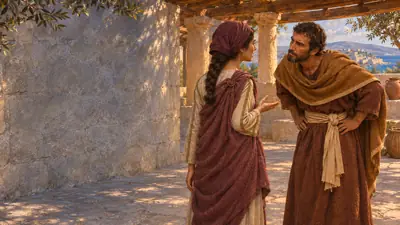
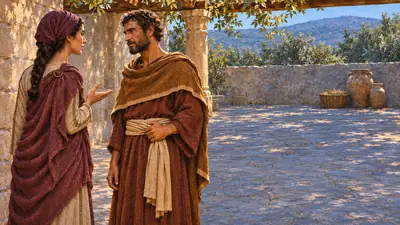
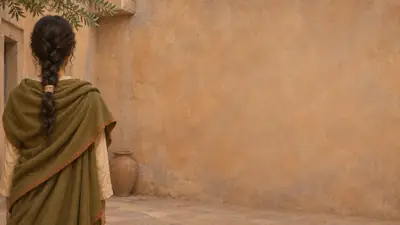
Pughat zieht die Kleidung eines Kriegers an und nimmt einen Dolch und ein Schwert. Über der Kriegerkleidung trägt sie ein Frauengewand.
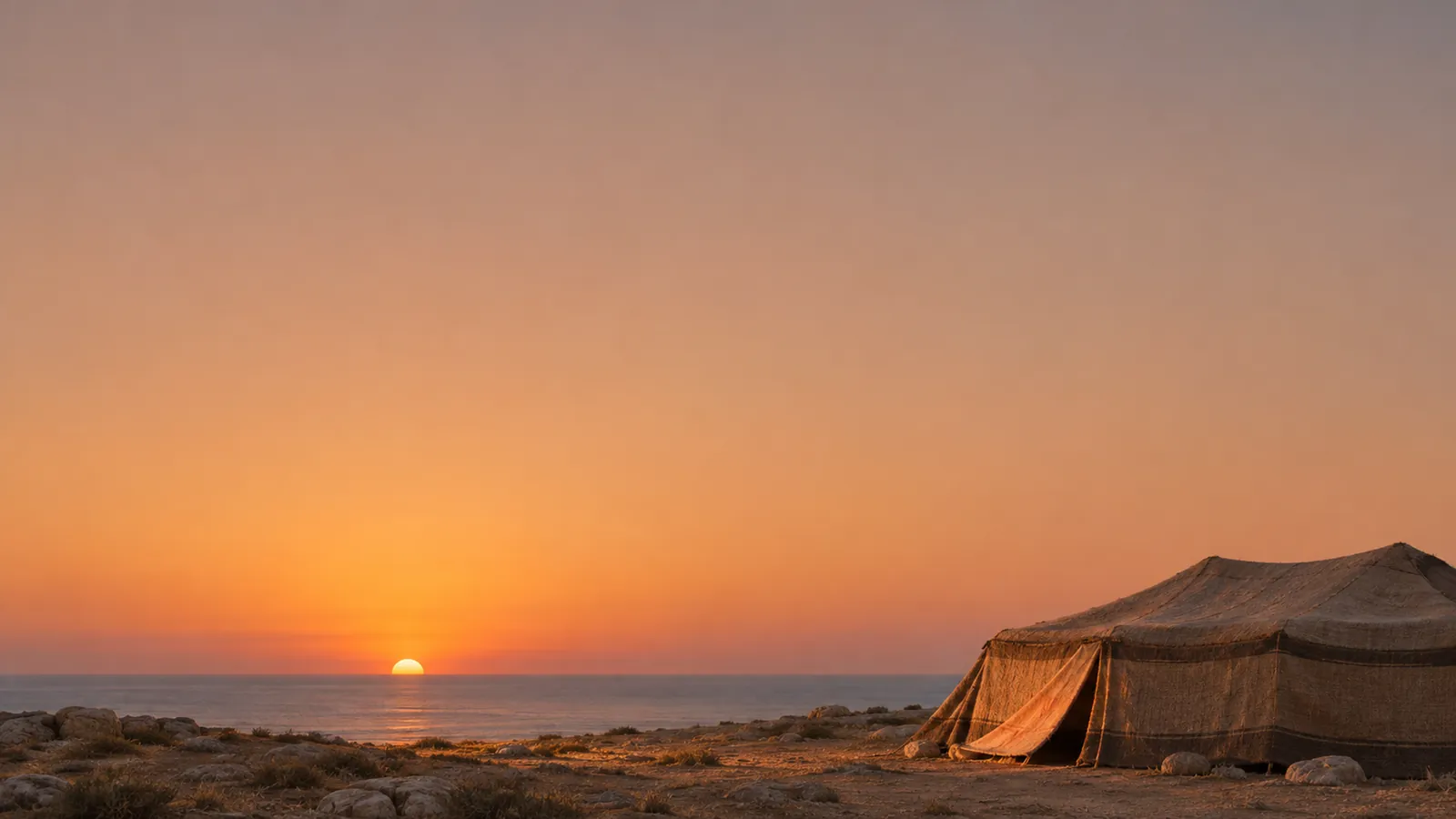
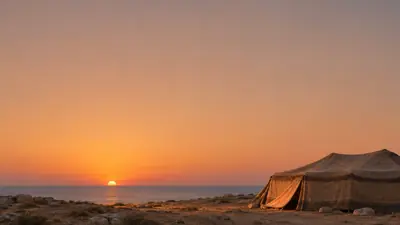
DIE ZELTE
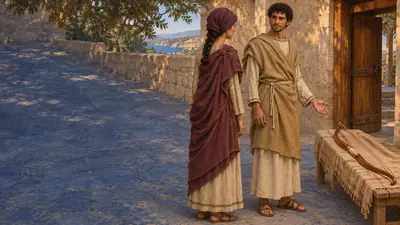
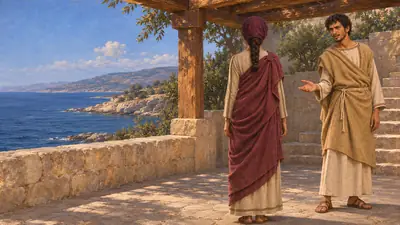
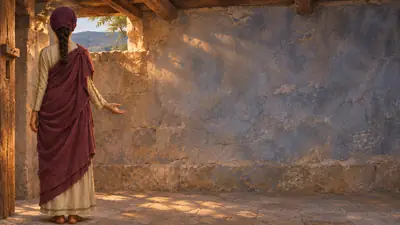
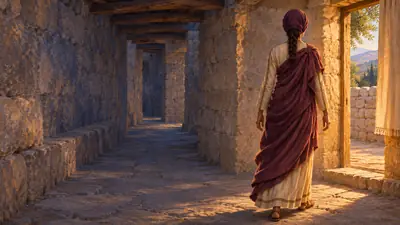
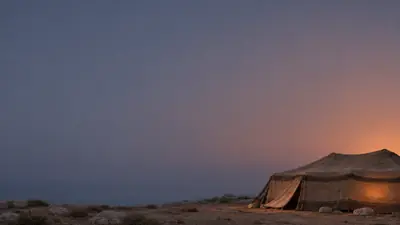
Bei Sonnenuntergang betritt Pughat das Lager. Yatipan erfährt, dass eine Frau angekommen ist. Der Wortlaut der Meldung wird unterschiedlich gelesen.
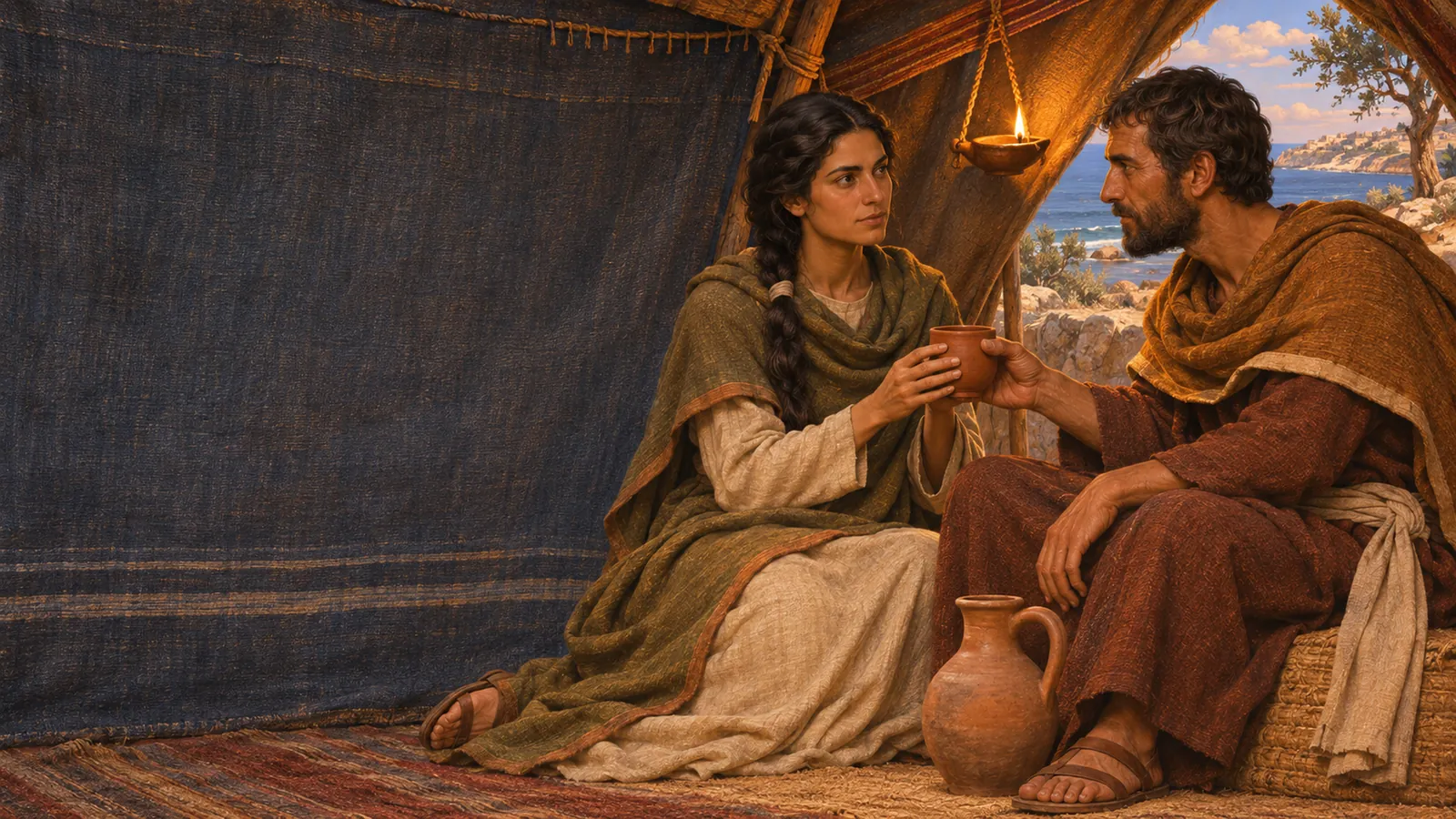
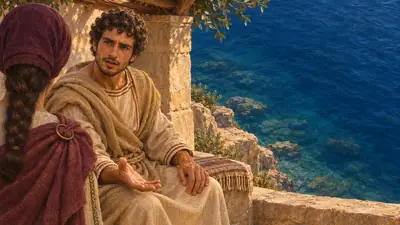
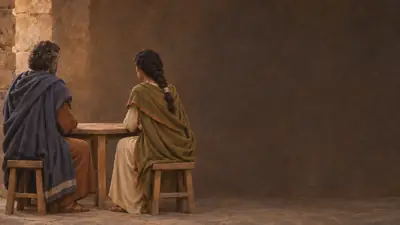
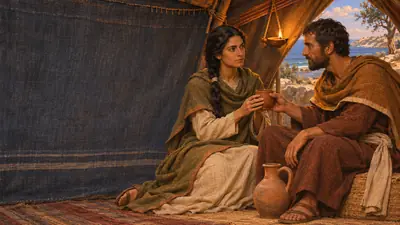
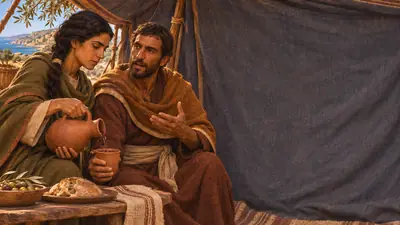
Yatipan verlangt Wein und bittet Pughat, ihm den Becher aus der Hand zu nehmen. Sie nimmt den Becher und schenkt ihm ein, wie er es verlangt hat.
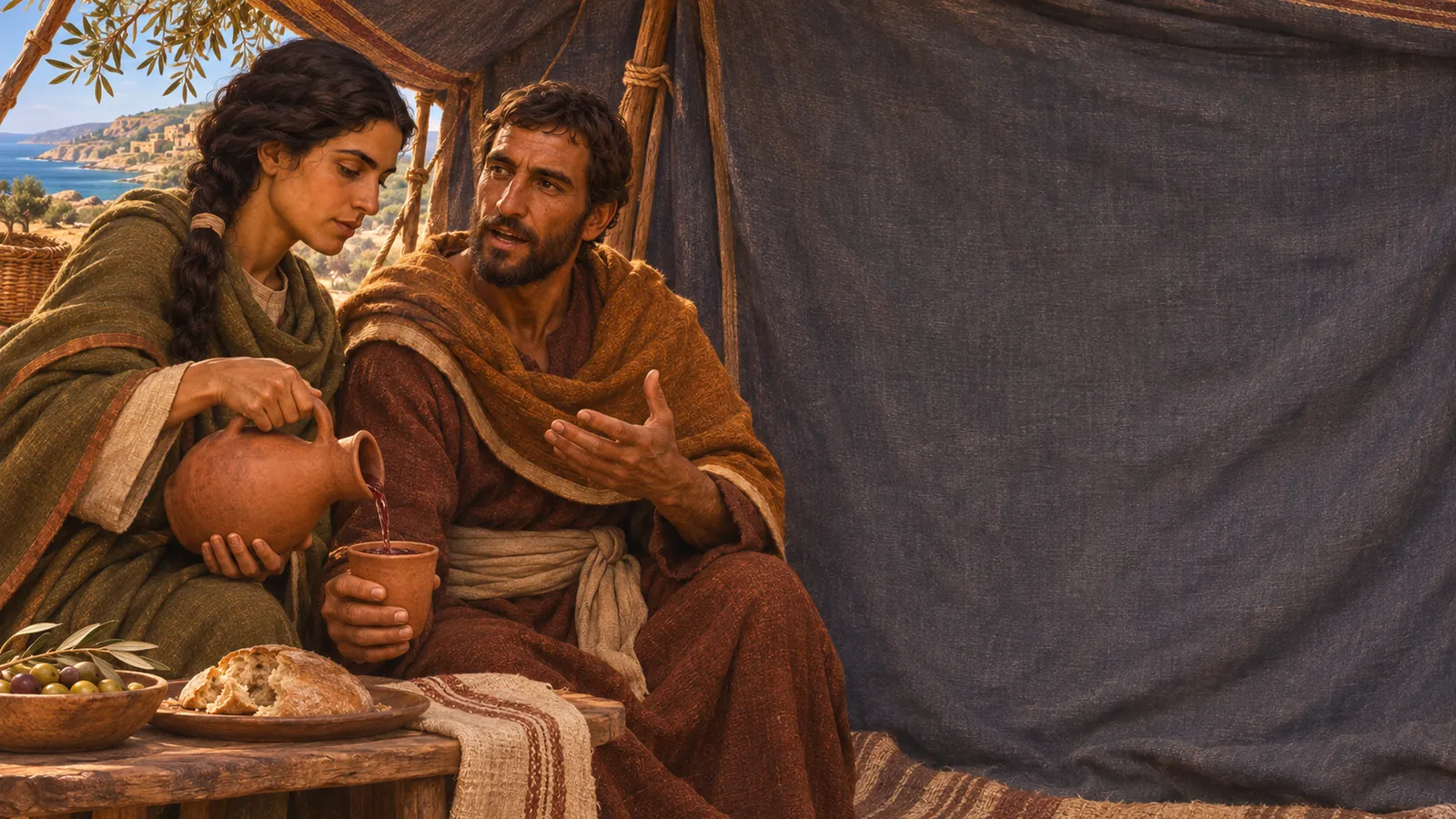
Yatipan prahlt mit der Hand, die Aqhat getötet hat. Die Zeilen werden schwerer lesbar, doch ein Augenblick bleibt deutlich. Pughat schenkt ihm erneut Wein ein.
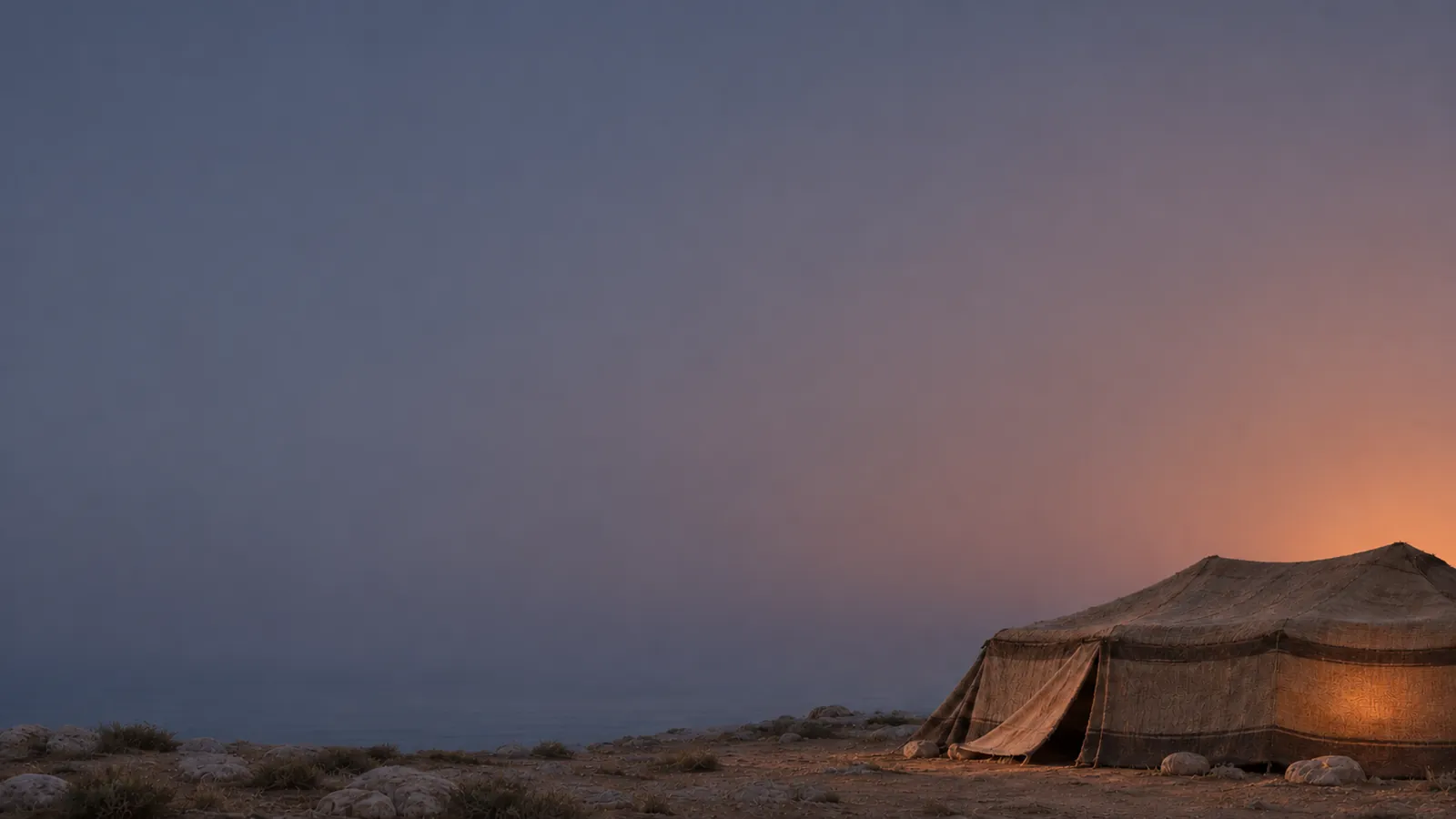
Die Worte verblassen, während Pughat noch bei Yatipan ist. Der Tod ihres Bruders hat sie ins Lager geführt. Hier endet ihre Geschichte auf den erhaltenen Tafeln.
Ende von Kapitel 1
Alle Seiten










Quellen
Page 37. The poem describes two blows to Aqhat’s head and three over his ear and likens his departing life to breath and smoke. Some translations identify the circling birds as eagles, others as vultures (KTU 1.18 IV 27b–38; Majewski, p. 21; Husser, paras. 27–29; Natan-Yulzary, Measure for Measure).
Benutzte Editionen
- Marcin Majewski, Legenda o Danilu i Aqhacie, Teksty z Ugarit II, pp. 9–31
- Göttingen EUPT, table of Ugaritic tablets and concordance
- Louvre, Tablet I of the Tale of Aqhat, AO 17324
- Louvre, Tablet III of the Tale of Aqhat, AO 17323
- Reinhard Müller and Clemens Steinberger, edition and reading of KTU 1.17 VI
- Jean-Marie Husser, La mort d’Aqhat
- Shirly Natan-Yulzary, Suspense in the Epic of Aqhat
- Shirly Natan-Yulzary, Measure for Measure in the Aqhat Epic
- Wayne T. Pitard, The Reading of KTU 1.19:III:41, The Burial of Aqhat
- David P. Wright, Ritual in Narrative
- IL Archive, Tale of Aqhat
- IL Archive, Six Days, Then the Seventh
Hinweise zu dieser Nacherzählung
Pages 50–52. Danel asks Baal to break the birds’ wings and cuts open the fallen birds to look for his son’s fat and bones. In the third search he finds the remains inside Ṣumalu. 26–28; Wright, ch. 14; Natan-Yulzary, Measure for Measure, secs. 5.6 and 5.8).
Page 32. Anat threatens to make El’s grey hair run with blood.
Page 7. In El’s blessing Danel is told to go to bed, kiss and embrace his wife, who will conceive. 3).
Die antiken Verse hinter jeder Seite
- Page 1: KTU 1.17 I before 1 and 1–5 (Majewski; Natan-Yulzary, Resumptive Repetition; Wright ch. 1)
- Page 2: KTU 1.17 I 5–11 (Majewski; Natan-Yulzary, Resumptive Repetition)
- Page 3: KTU 1.17 I 11–15 (Majewski; Natan-Yulzary, Resumptive Repetition)
- Page 4: KTU 1.17 I 15–16 (Majewski; Natan-Yulzary, Resumptive Repetition)
- Page 5: KTU 1.17 I 17–25 (Majewski; Kim, List of Filial Duties; Wright ch. 2)
- Page 6: KTU 1.17 I 25–33 (Majewski; Kim, List of Filial Duties; Wright ch. 2)
- Page 7: KTU 1.17 I 34–41 (Majewski; Wright ch. 3)
- Page 8: KTU 1.17 I 42–48 and II 1–9 (Majewski; Kim, List of Filial Duties; Wright chs. 2–3)
- Page 9: KTU 1.17 II 8b–24 (Majewski; Kim, List of Filial Duties; Wright ch. 3)
- Page 10: KTU 1.17 II 24–29 (Majewski; Wright ch. 4; Natan-Yulzary, Measure for Measure)
- Page 11: KTU 1.17 II 29–42 (Majewski; Natan-Yulzary, Resumptive Repetition; Wright ch. 4)
- Page 12: KTU 1.17 II 43–47 and gap before V (Majewski; Margalit; Natan-Yulzary, Resumptive Repetition; Wright ch. 4)
- Page 13: KTU 1.17 V 2–5 (Majewski; Natan-Yulzary, Resumptive Repetition)
- Page 14: KTU 1.17 V 6–8 (Majewski; Natan-Yulzary, Resumptive Repetition)
- Page 15: KTU 1.17 V 9–13 (Majewski; Natan-Yulzary, Resumptive Repetition)
- Page 16: KTU 1.17 V 13–21 (Majewski; Natan-Yulzary, Resumptive Repetition; Noegel)
- Page 17: KTU 1.17 V 21–25 (Majewski; Natan-Yulzary, Resumptive Repetition)
- Page 18: KTU 1.17 V 25–28 (Majewski; Natan-Yulzary, Resumptive Repetition)
- Page 19: KTU 1.17 V 28–33 (Majewski; Natan-Yulzary, Resumptive Repetition)
- Page 20: KTU 1.17 V 33b–39 and gap before VI (Majewski; Wright ch. 6; Müller and Steinberger)
- Page 21: KTU 1.17 VI 1–9a (Majewski; Müller and Steinberger)
- Page 22: KTU 1.17 VI 9b–16a (Majewski; Müller and Steinberger; Natan-Yulzary, Measure for Measure)
- Page 23: KTU 1.17 VI 16c–19 (Majewski; Müller and Steinberger)
- Page 24: KTU 1.17 VI 20–25a (Majewski; Müller and Steinberger)
- Page 25: KTU 1.17 VI 25b–29 (Majewski; Müller and Steinberger)
- Page 26: KTU 1.17 VI 30–33a (Majewski; Müller and Steinberger)
- Page 27: KTU 1.17 VI 33b–38 (Majewski; Müller and Steinberger; Budin)
- Page 28: KTU 1.17 VI 39–41a (Majewski; Müller and Steinberger; Budin)
- Page 29: KTU 1.17 VI 41b–45 (Majewski; Müller and Steinberger; Natan-Yulzary, Measure for Measure)
- Page 30: KTU 1.17 VI 46–52a (Majewski; Müller and Steinberger; Natan-Yulzary, Resumptive Repetition)
- Page 31: KTU 1.17 VI 52b–55 and 1.18 I 1–8 (Majewski; Müller and Steinberger; Natan-Yulzary, Measure for Measure)
- Page 32: KTU 1.18 I 9–20a (Majewski; Noegel; Natan-Yulzary, Measure for Measure)
- Page 33: KTU 1.18 I 20b–34 (Majewski, pp. 19–20; Husser, paras. 25–26)
The invitation survives in fragments. The wording and force of the kinship term are uncertain. - Page 34: KTU 1.18 II–III and opening of IV (Majewski, pp. 19–20)
- Page 35: KTU 1.18 IV 5b–15 (Majewski, p. 20; Noegel, CAT 1.18 IV 7 and 16)
This exchange is damaged. - Page 36: KTU 1.18 IV 16–27a (Majewski, pp. 20–21; Natan-Yulzary, sec. 5.6)
These are Anat’s words to Yatipan. - Page 37: KTU 1.18 IV 27b–38 (Majewski, p. 21; Husser, paras. 27–29)
The later report names Anat’s responsibility. - Page 38: KTU 1.18 IV 39–end and 1.19 I 1–7 (Majewski, pp. 21–22; Natan-Yulzary, sec. 5.2)
The damaged text associates the loss of the bow with water. - Page 39: KTU 1.19 I 8–17 (Majewski, p. 22; Wright, ch. 12)
The lament is damaged and several expressions are obscure. - Page 40: KTU 1.19 I 17–25a (Majewski, pp. 22–23; Natan-Yulzary, Suspense)
- Page 41: KTU 1.19 I 25b–35 (Majewski, p. 23; Natan-Yulzary, Suspense)
The poem records Pughat’s observations ahead of the messengers’ report. - Page 42: KTU 1.19 I 36–42 (Majewski, p. 23; Natan-Yulzary, Suspense)
Natan-Yulzary reads these words as an appeal for rain. - Page 43: KTU 1.19 I 42–48 (Majewski, p. 23; Natan-Yulzary, Suspense)
- Page 44: KTU 1.19 I 49–II 11 (Majewski, pp. 23–24; Budin, pp. 66–67)
- Page 45: KTU 1.19 II 12–18 (Majewski, p. 24; Noegel, Enallage, p. 189)
- Page 46: KTU 1.19 II 19–25 (Majewski, p. 24; Noegel, Enallage, p. 189)
Danel asks for growth and names Aqhat in the repeated wish. - Page 47: KTU 1.19 II 26–36 (Majewski, p. 25; Natan-Yulzary, Suspense)
- Page 48: KTU 1.19 II 37–44a (Majewski, pp. 25–26; Natan-Yulzary, Suspense)
- Page 49: KTU 1.19 II 44b–55 (Majewski, p. 26; Natan-Yulzary, Suspense)
Most of Danel’s reply is fragmentary. - Page 50: KTU 1.19 II 56–III 14a (Majewski, pp. 26–27; Wright, ch. 14)
The poem repeats Danel’s plea in the subsequent searches. - Page 51: KTU 1.19 III 14b–28a (Majewski, pp. 27–28; Natan-Yulzary, sec. 5.6)
The exact species varies by translation. - Page 52: KTU 1.19 III 28b–39b (Majewski, p. 28; Natan-Yulzary, secs. 5.6 and 5.8)
- Page 53: KTU 1.19 III 39b–45a (Majewski, p. 28; Pitard, pp. 31–38)
The location named in III 41 is disputed. - Page 54: KTU 1.19 III 45b–56 (Majewski, pp. 28–29; Natan-Yulzary, sec. 5.10)
The towns and imprecations belong to the poem. - Page 55: KTU 1.19 III end–IV 9a (Majewski, p. 29; Natan-Yulzary, sec. 5.10)
- Page 56: KTU 1.19 IV 9b–18 (Majewski, p. 29; Natan-Yulzary, Suspense)
- Page 57: KTU 1.19 IV 18–27 (Majewski, pp. 29–30; Budin and Noegel)
- Page 58: KTU 1.19 IV 28–35 (Majewski, p. 30; Noegel, Enallage, pp. 189–190)
- Page 59: KTU 1.19 IV 36–40 (Majewski, p. 30; Natan-Yulzary, sec. 5.1)
Some wording in Danel’s reply is restored. - Page 60: KTU 1.19 IV 41–46a (Majewski, p. 30; Budin, p. 67)
The text distinguishes two layers of clothing. - Page 61: KTU 1.19 IV 46b–53 (Majewski, p. 31; Natan-Yulzary, sec. 5.3)
Editions diverge on the announcement. - Page 62: KTU 1.19 IV 53–57 (Majewski, p. 31; Natan-Yulzary, sec. 5.3)
The text describes the first serving of wine. - Page 63: KTU 1.19 IV 57–62 (Majewski, p. 31; Natan-Yulzary, sec. 5.3; Margalit)
The closing comparison is damaged and disputed. - Page 64: KTU 1.19 IV after 62 in Majewski (pp. 31 and 263–270; Wright, ch. 18)
The surviving narrative breaks off here.
Illustrationen von IL Archive mit KI-Werkzeugen; der Text folgt den antiken Quellen (siehe die Quellen am Ende jedes Kapitels).