Der Baal-Zyklus Kapitel 1
Baal und Yamm
Nach dem beschädigten Anfang des Baal-Zyklus führt die Erzählung zu Yamms Boten, die von den Göttern die Auslieferung Baals verlangen. Kothar spricht zu Baal, und die Auseinandersetzung wendet sich gegen Yamm. Die beschädigten Schlusszeilen rufen Baals Herrschaft aus.
QuellenBlättern Sie mit den Pfeilen, den Pfeiltasten oder durch Wischen.

BAAL UND YAMM
Die erste Tafel des Baal-Zyklus ist in Bruchstücken erhalten. Ihr beschädigter Anfang lässt nur einen Teil dessen hören, was einst erzählt wurde.
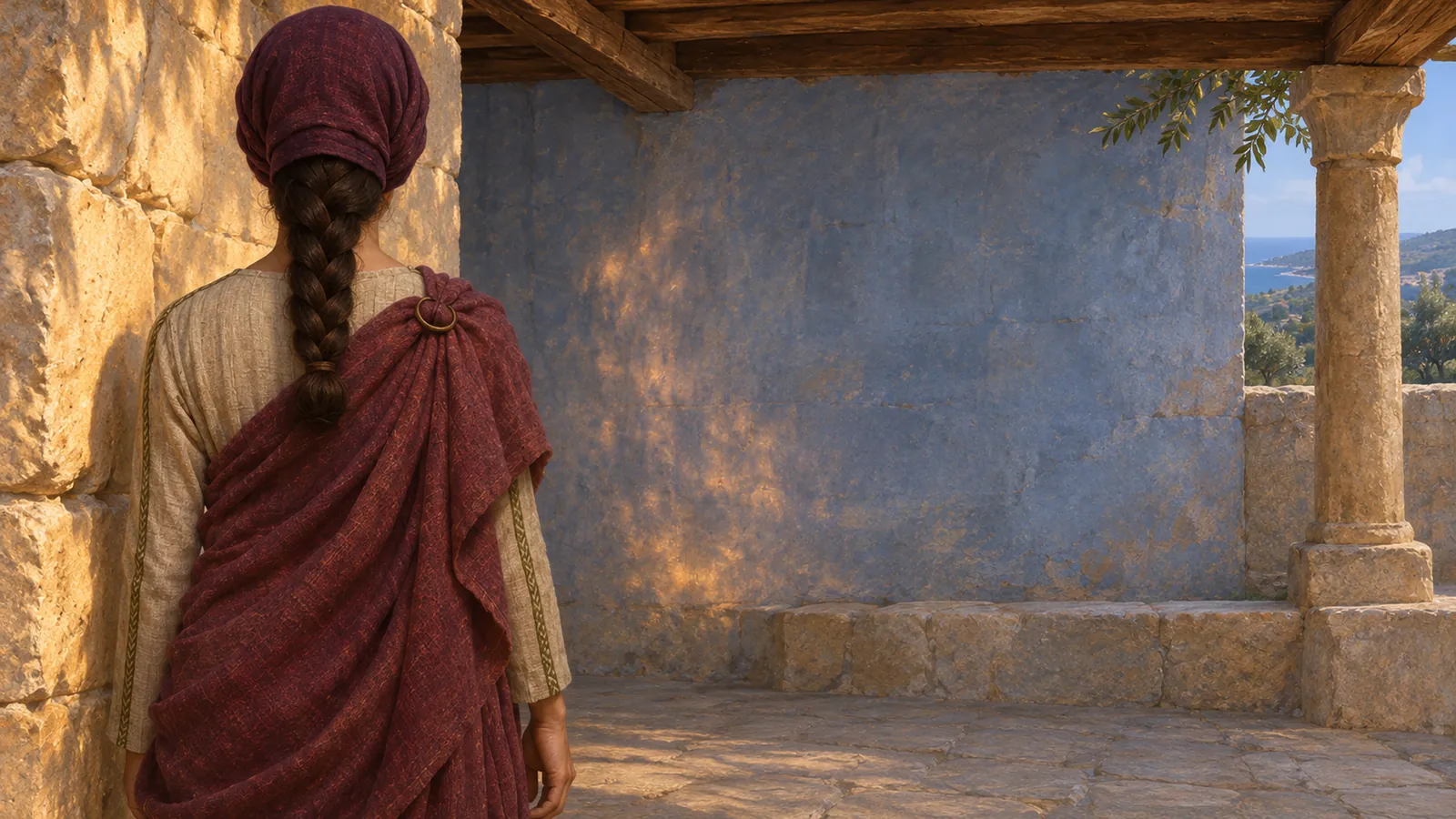
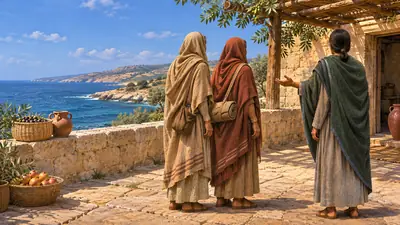
Ein beschädigter Abschnitt bewahrt den Namen Anat. Die erhaltenen Worte um ihren Namen lassen den Zweck des Gesprächs offen.
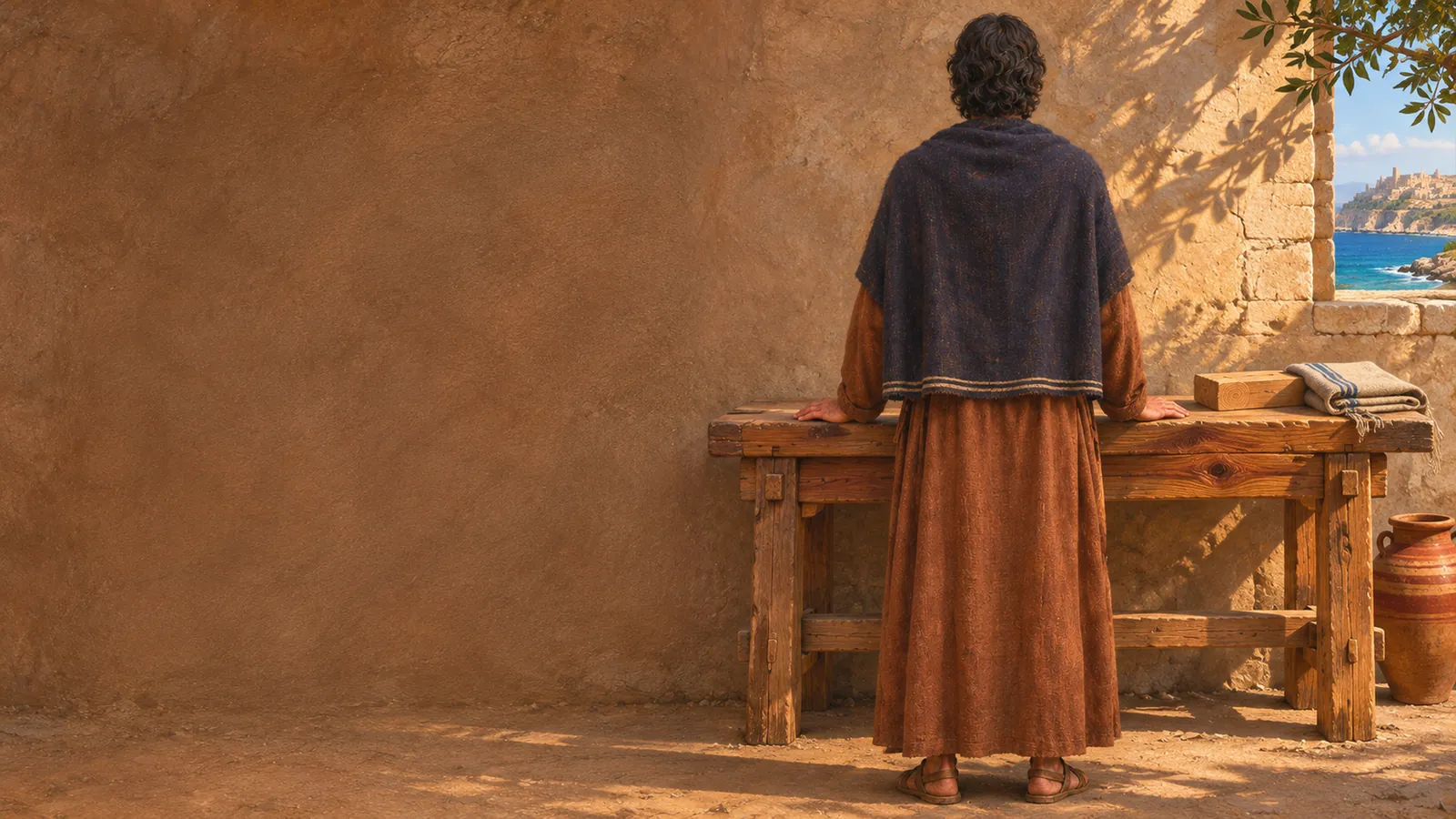
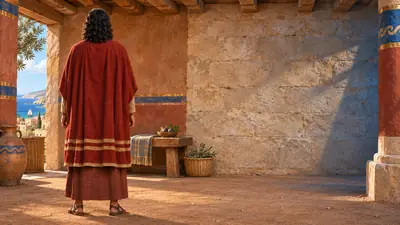
Die nächste erhaltene Spalte nennt Kothar. Sein Name ist zwischen beschädigten Worten lesbar, die vieles von der Rede offenlassen.

Die beschädigte Rede erwähnt den Himmel. Eine der folgenden Zeilen spricht von Worten und Wissen, doch der ganze Gedanke ist am Rand abgebrochen.

Der Text nennt Kothar-wa-Hasis als denjenigen, der antwortet. Er wendet sich an zwei, doch ein Teil seiner Antwort ist durch den Bruch unlesbar.
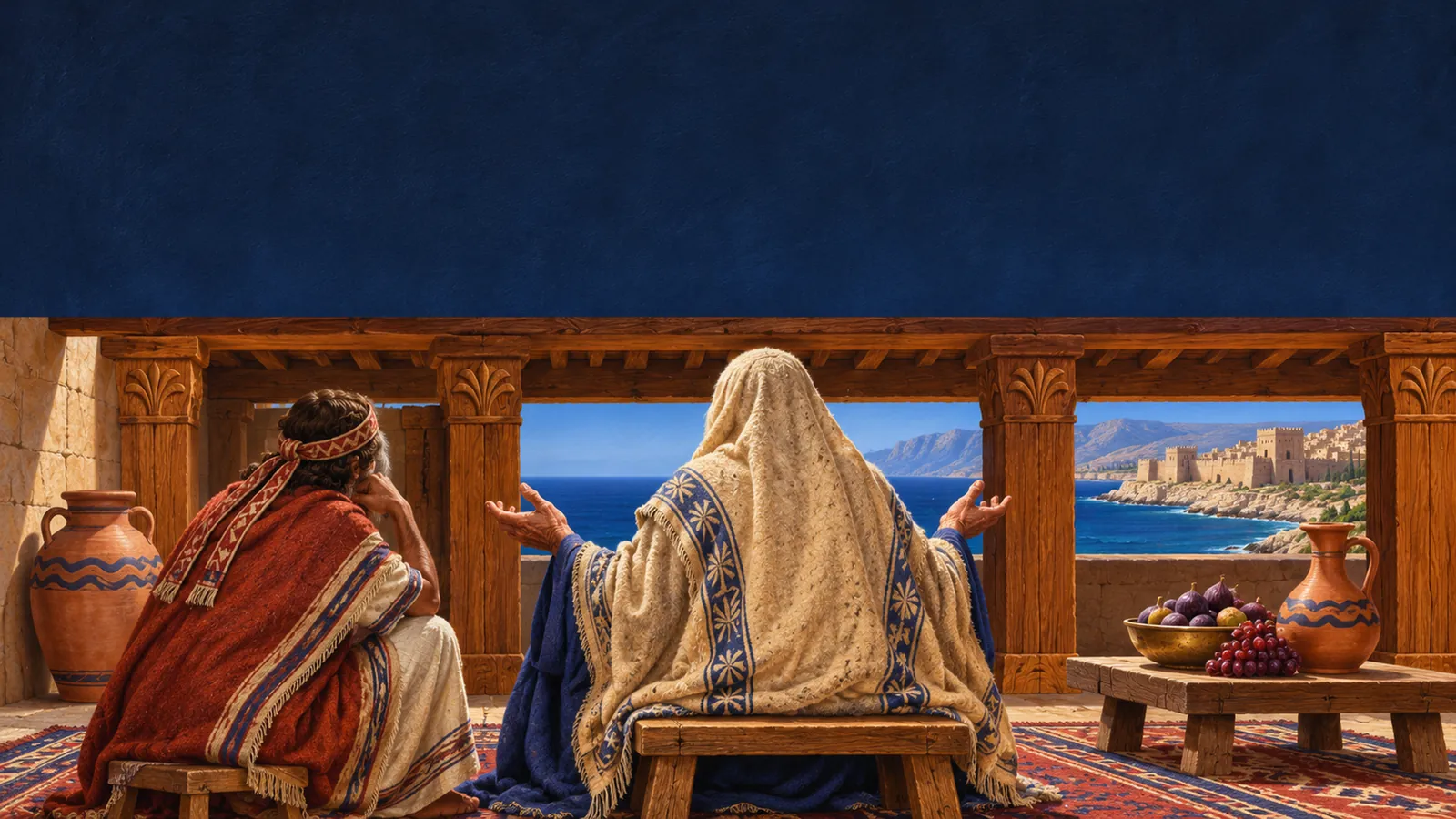
EL SPRICHT
In einer anderen beschädigten Spalte antwortet El. Die Zeile verbindet seinen Namen mit Sanftmut, während ihr Ende abgebrochen ist.
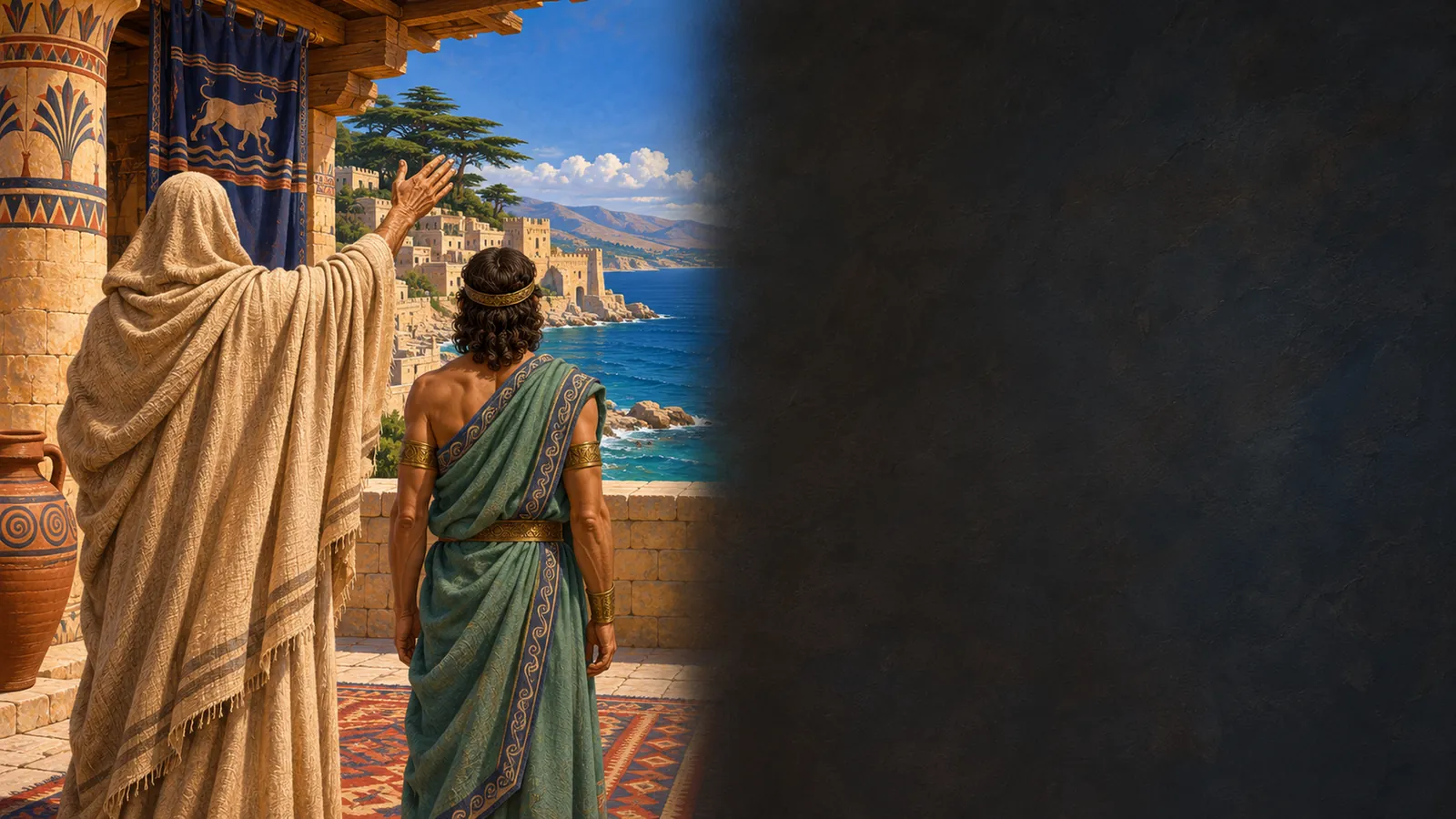
Die erhaltene Zeile beginnt mit einem Namen für Els Sohn. Die Herausgeber lesen die Kurzform Yw, während die folgenden Worte beschädigt sind.

Die nächste Zeile wendet sich dem Namen Yamm zu. Eine spätere Wendung desselben Abschnitts wurde als Beiname gelesen, der Els Zuneigung ausdrückt.
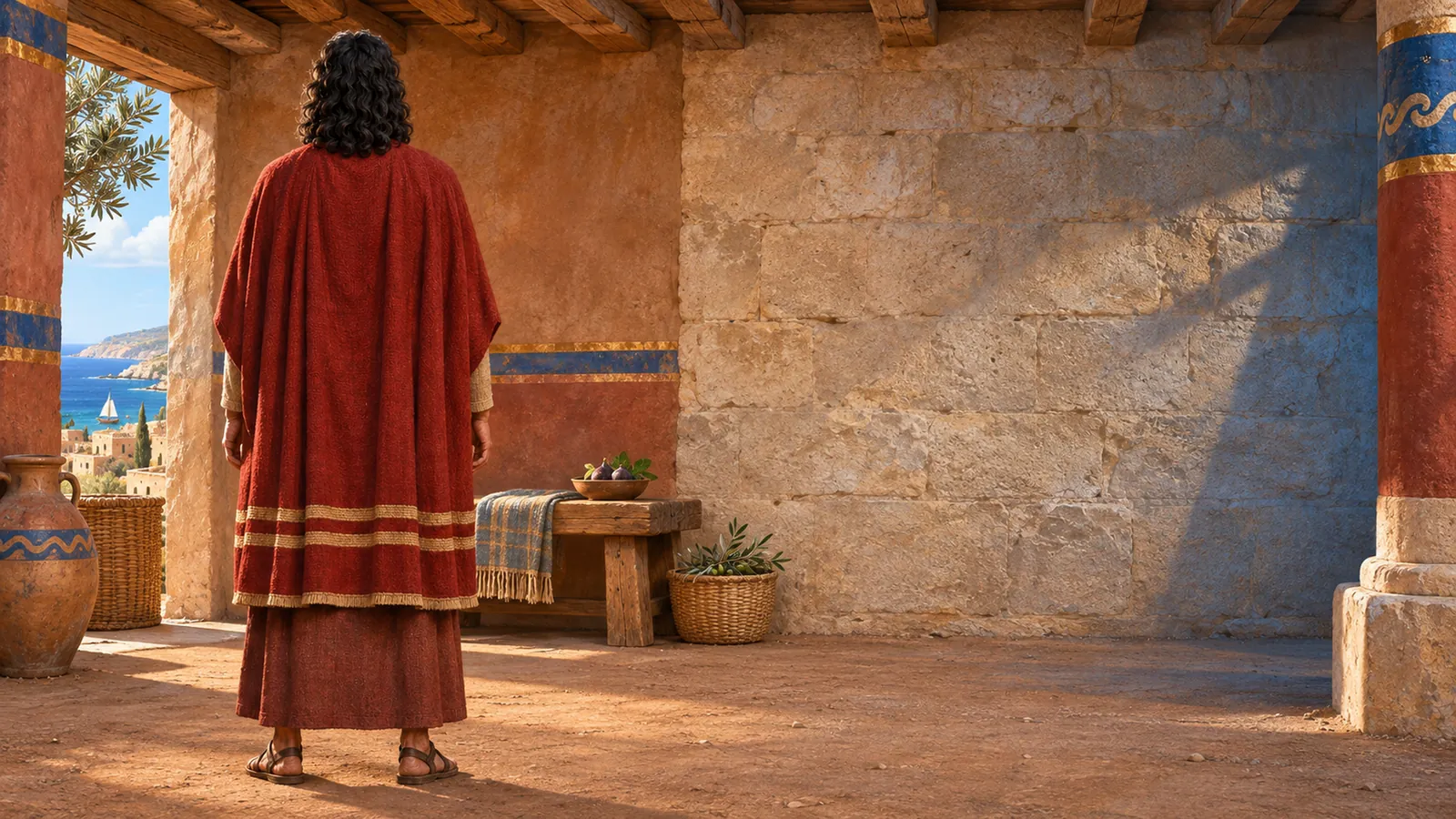
Die beschädigten Zeilen bewahren einen Teil von Baals Namen und den Befehl, jemanden zu vertreiben. Die Worte über einen Königssitz beruhen zum Teil auf einer Ergänzung.
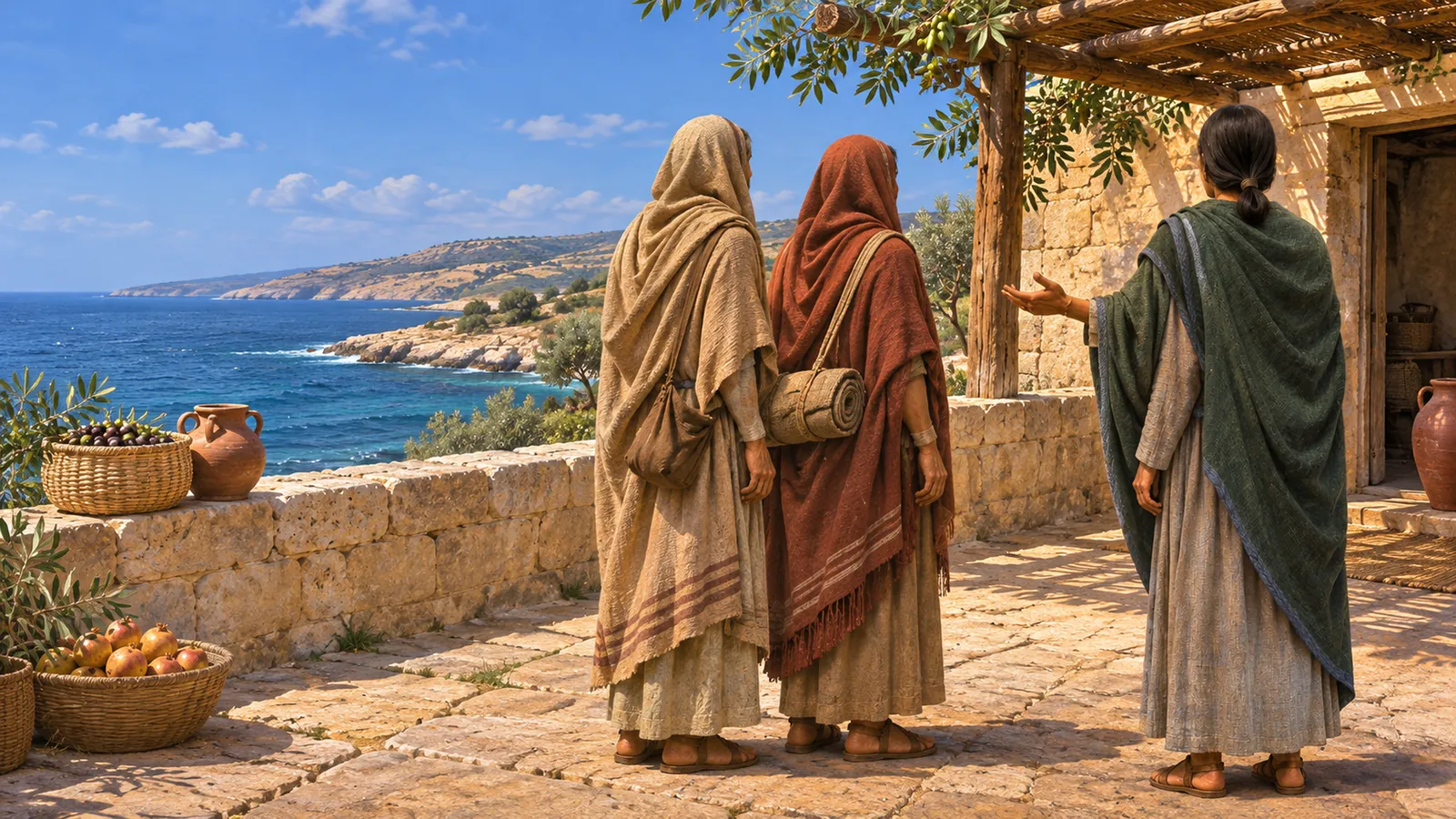
Die zweite Tafel bewahrt eine eigene Szene. Yamm schickt Boten zu den versammelten Göttern und beginnt seine Anweisungen mit dem Weg, den sie nehmen sollen.

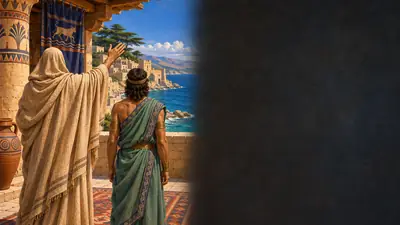
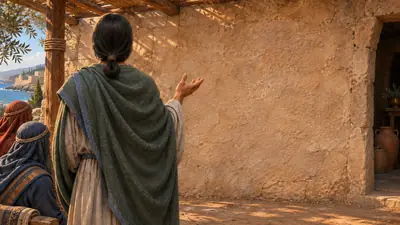
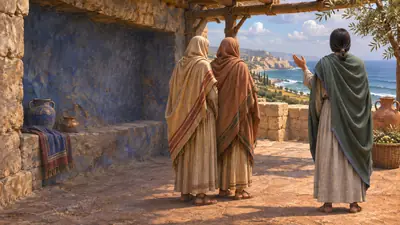
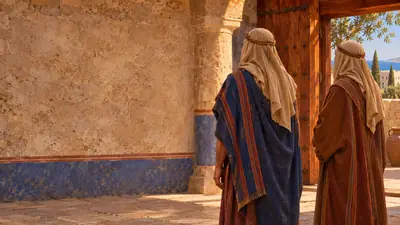
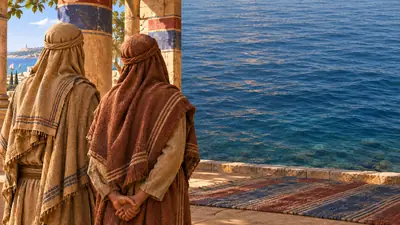
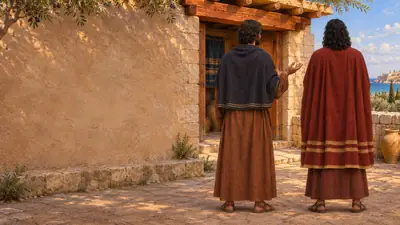
Yamm drängt die jungen Boten zur Eile. Er schickt sie zum Berg Lalu, wo sich die Götter versammelt haben.

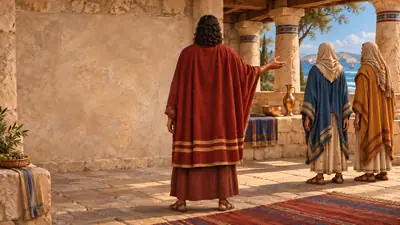
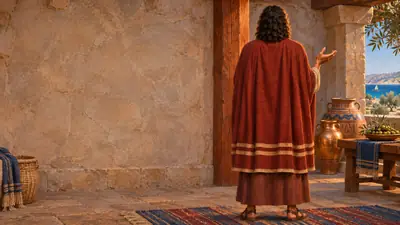
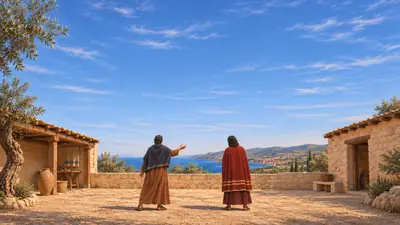
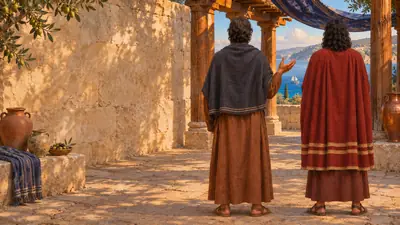
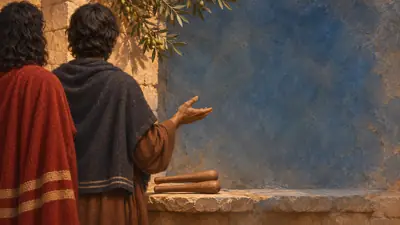
Yamm sagt den Boten, sie sollten seine Worte im Stehen überbringen. Er weist sie an, die üblichen Gesten der Ehrerbietung vor der Versammlung zu unterlassen.
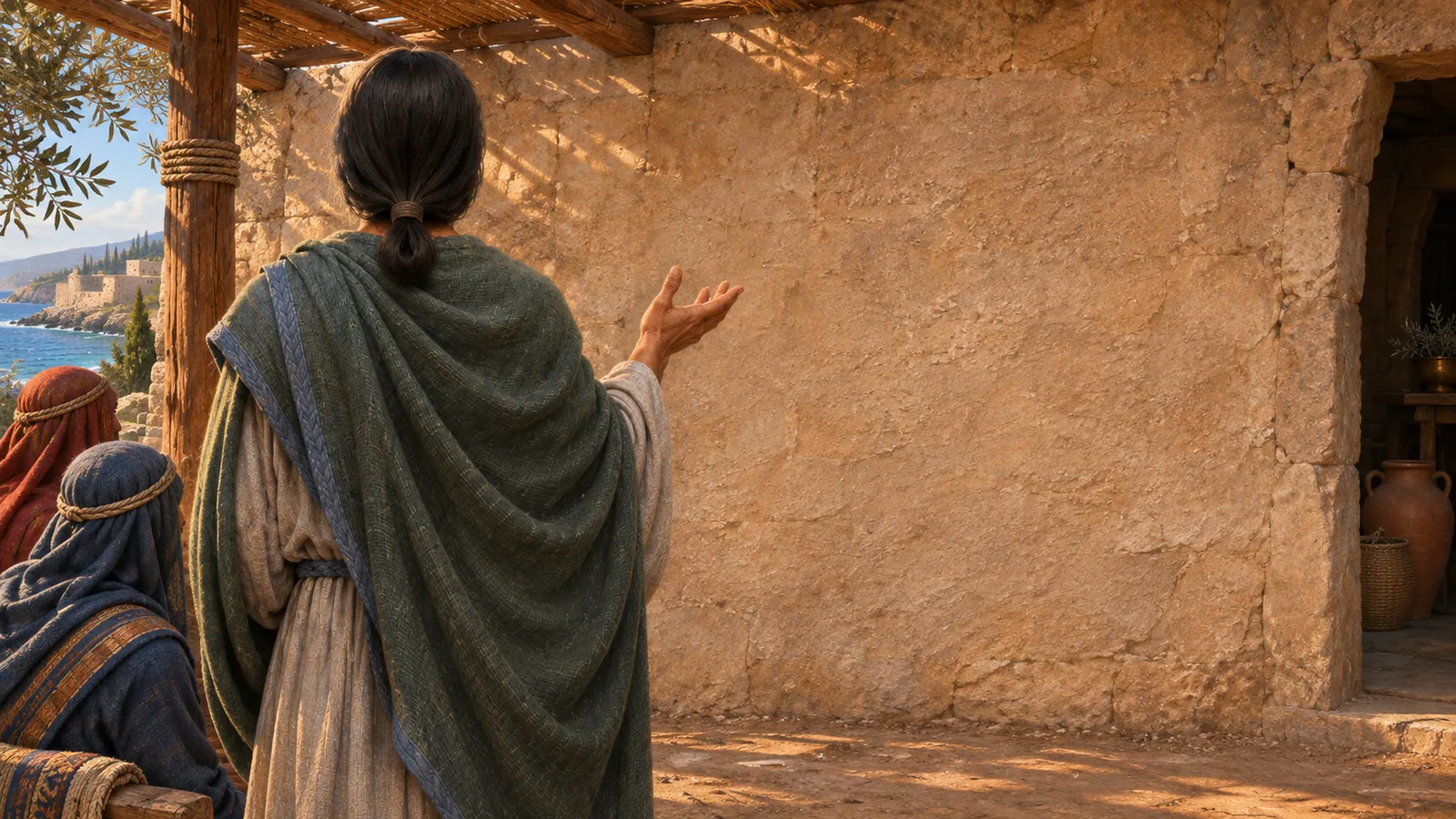
Die Boten sollen die Forderung in Yamms Namen vorbringen und ihn als Herrn der Versammlung bezeichnen. Die Botschaft nennt ihn auch Herrscher Nahar.
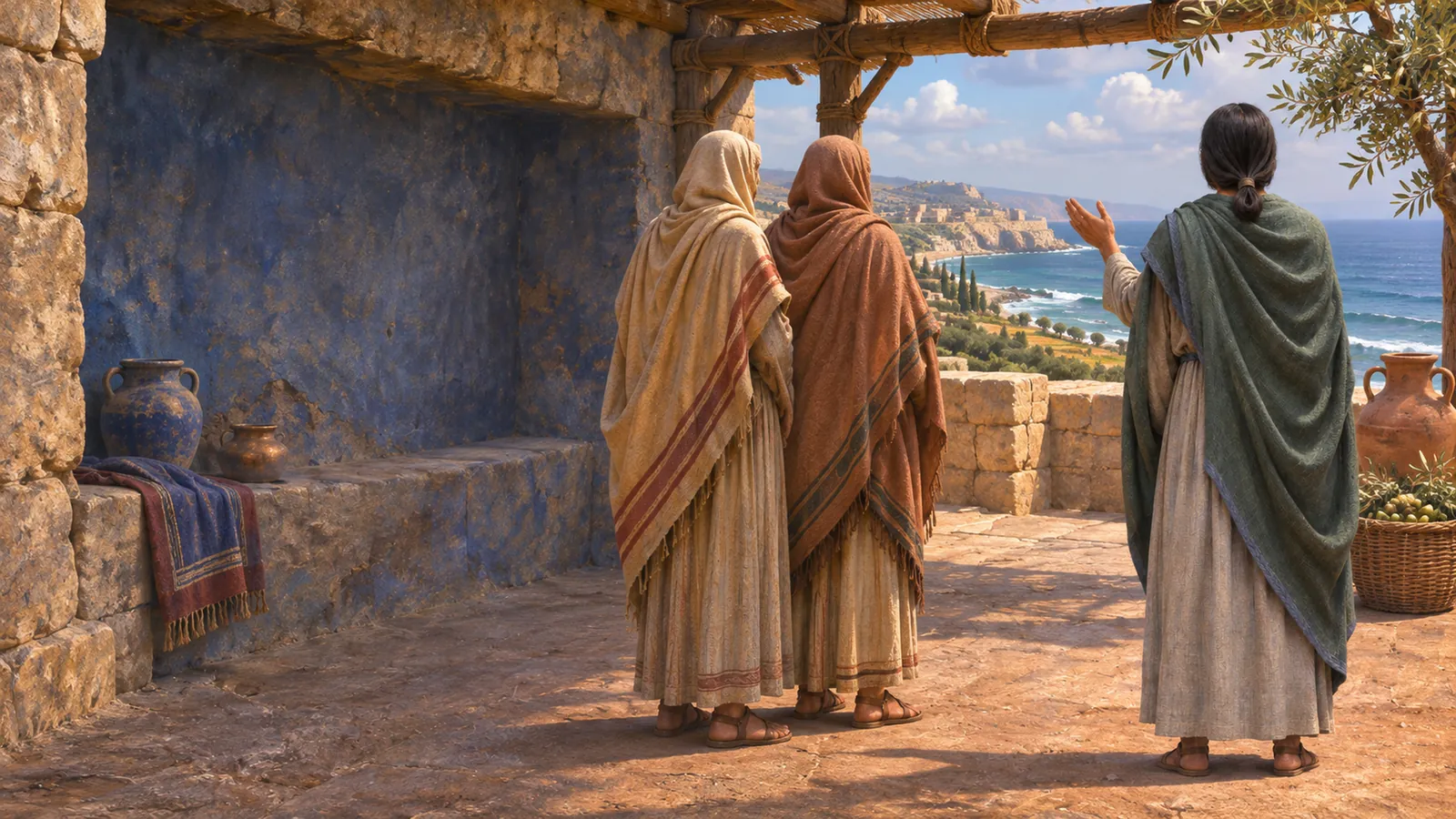
Die Botschaft fordert die Götter auf, Baal, den Sohn Dagans, auszuliefern. Yamm sagt, er wolle sich Baals Gold aneignen.

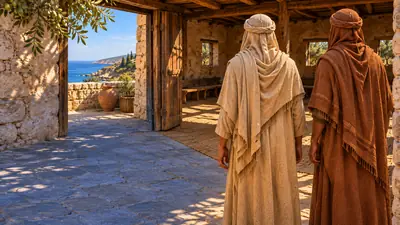
Die beiden Boten brechen ohne Zögern auf. Das Gedicht führt sie zum Berg Lalu und zur Versammlung, vor der sie sprechen sollen.
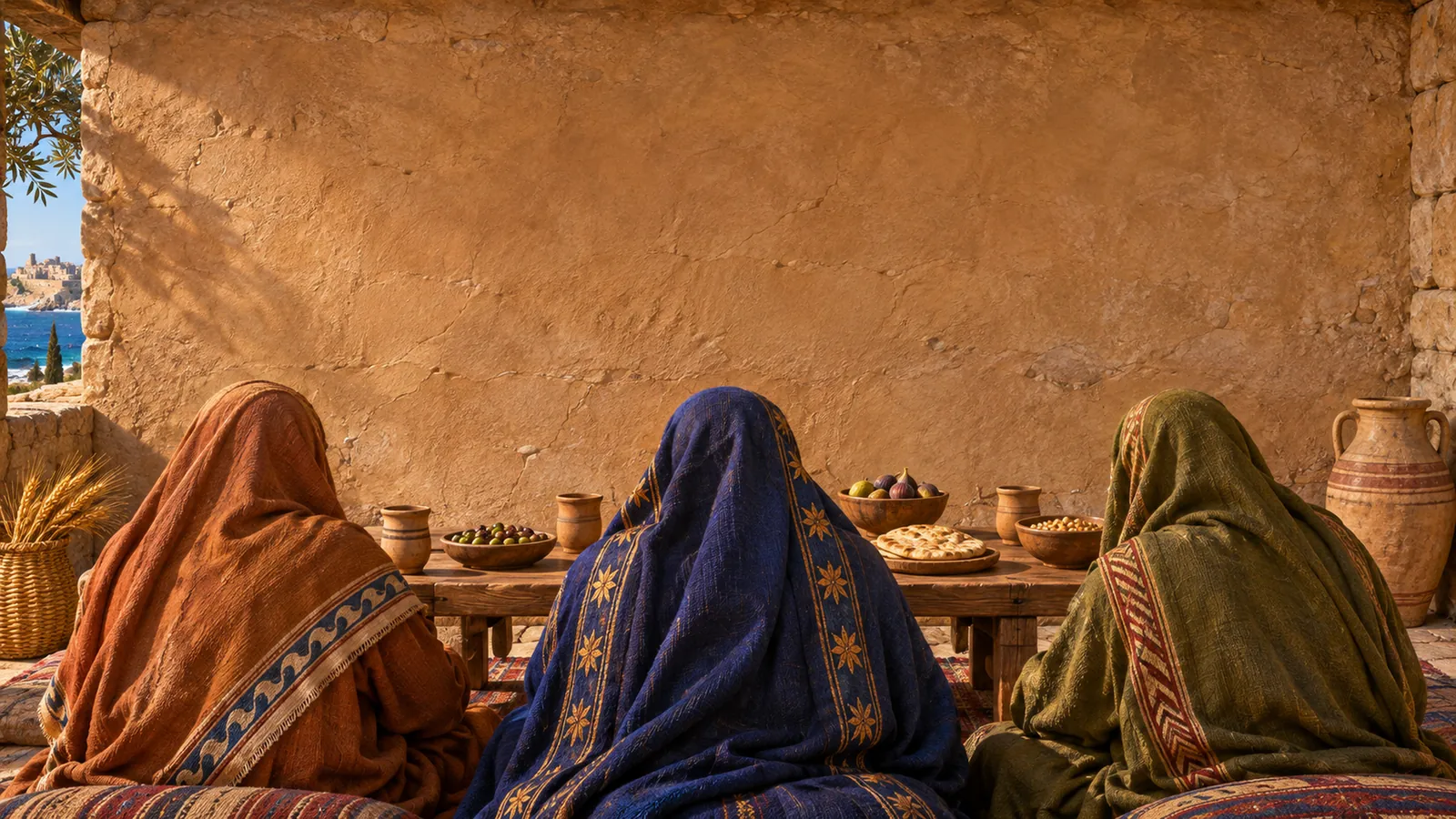
DAS MAHL DER GÖTTER
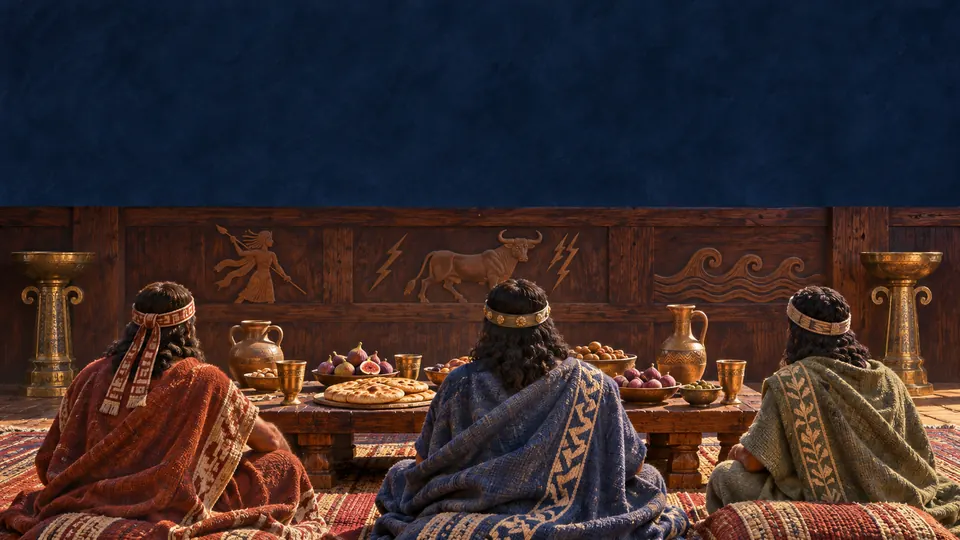
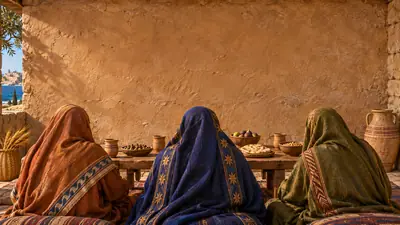
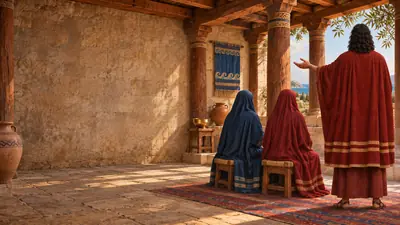
In der Versammlung setzen sich die Götter zum Essen. Das Gedicht zeigt sie beim Mahl, während Yamms Boten näher kommen.

Eine Zeile zeigt Baal aufrecht in Bezug auf El. Die Worte lassen mehrere Lesarten zu, sodass seine Haltung klarer ist als seine Absicht.

Die Götter bemerken die Boten, bevor sie ihre Botschaft überbringen. Das Gedicht nennt sie Yamms Boten und die Gesandtschaft des Herrschers Nahar.
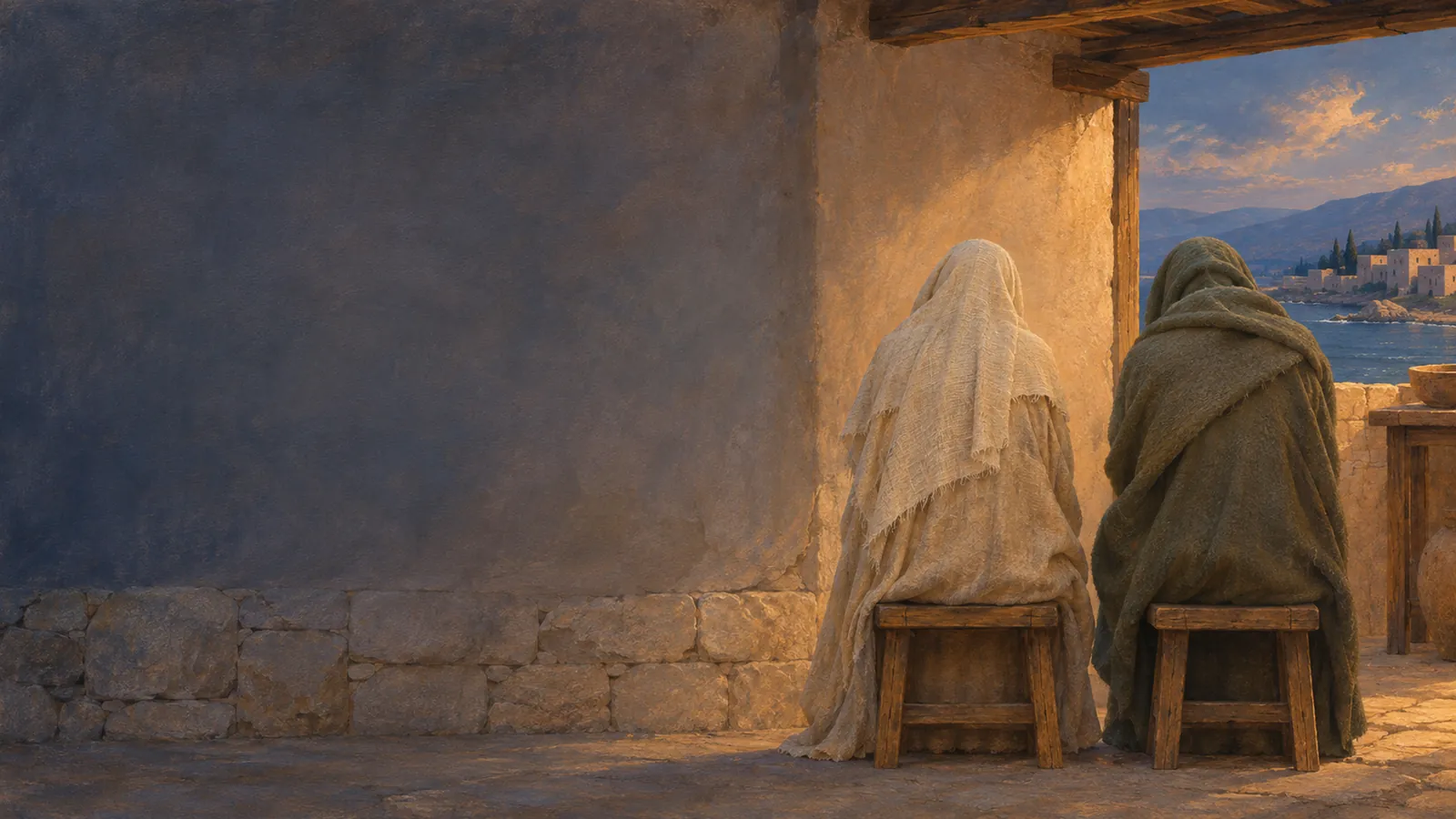
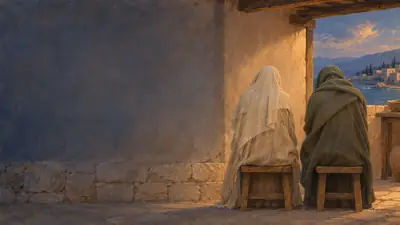
Die Götter senken ihre Köpfe zu den Knien und Sitzen. Das Gedicht erwähnt die Geste, bevor die Boten sich förmlich an sie wenden.
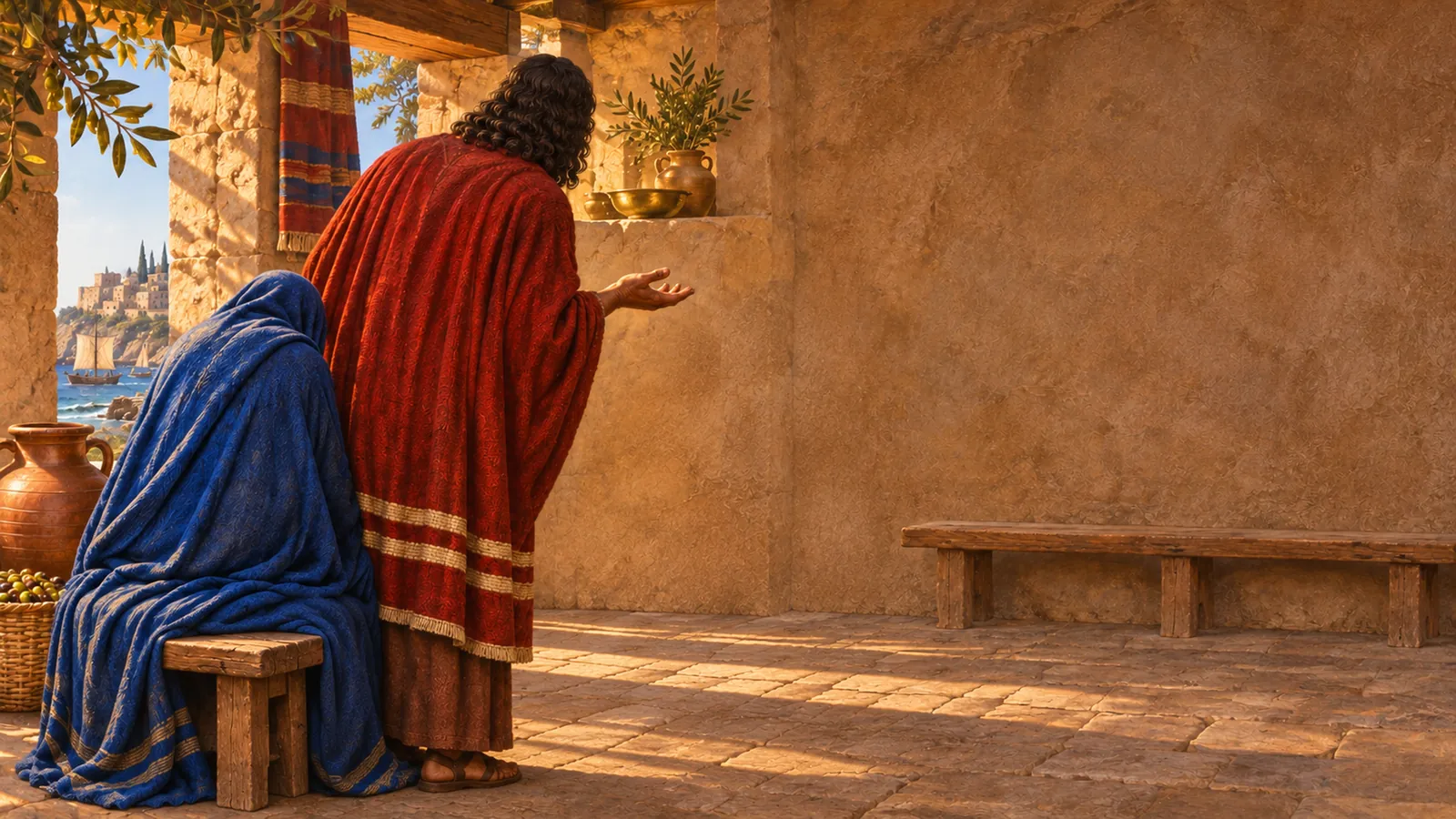
Baal fragt, warum die Götter ihre Köpfe zu den Knien und Sitzen gesenkt haben. Er richtet seine Frage an die Versammlung.
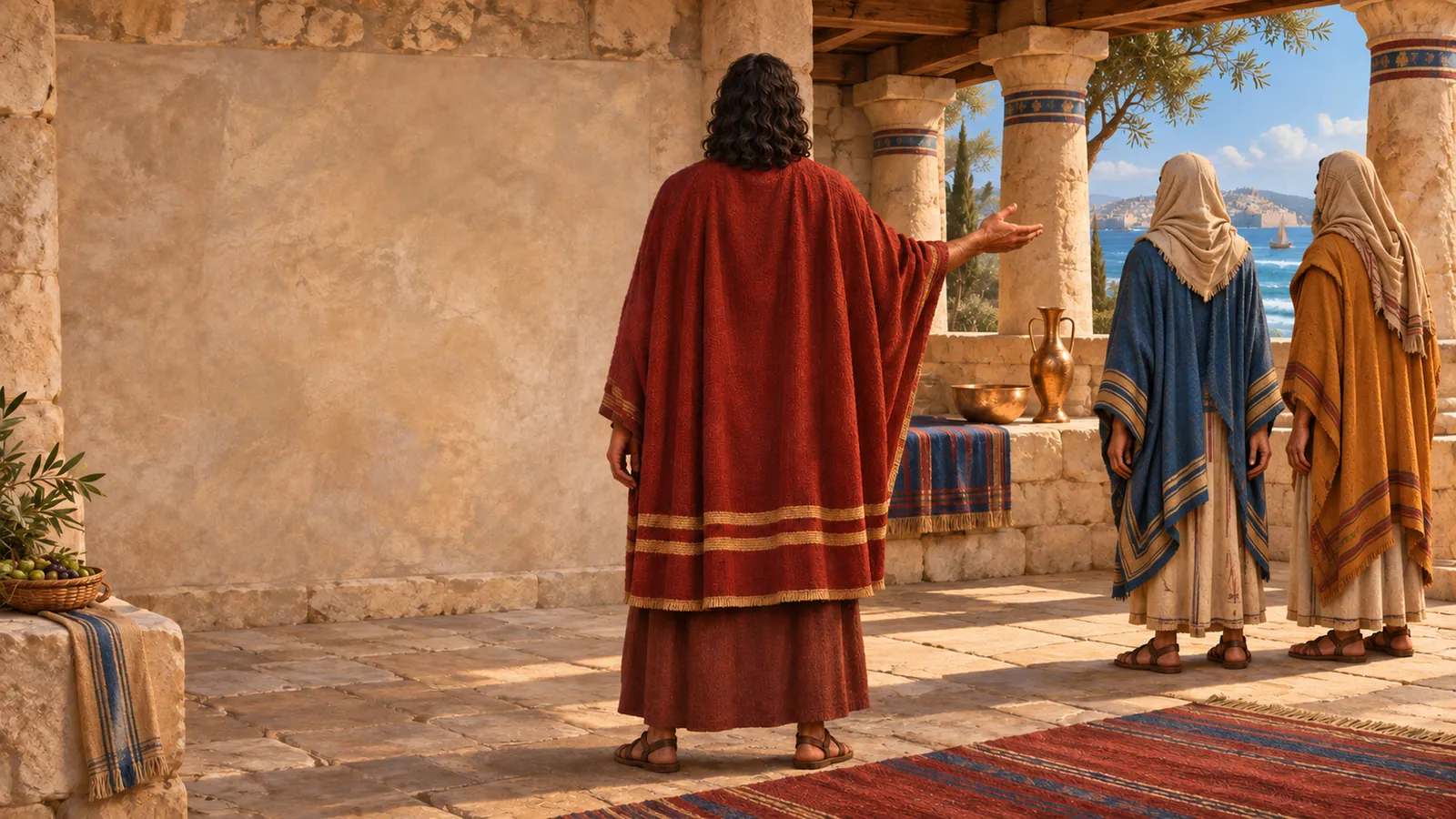
Baal sagt, die Götter müssten der Gesandtschaft antworten. Die Zeile erwähnt die schriftliche Botschaft der Boten, doch der Anfang des Satzes ist unsicher.
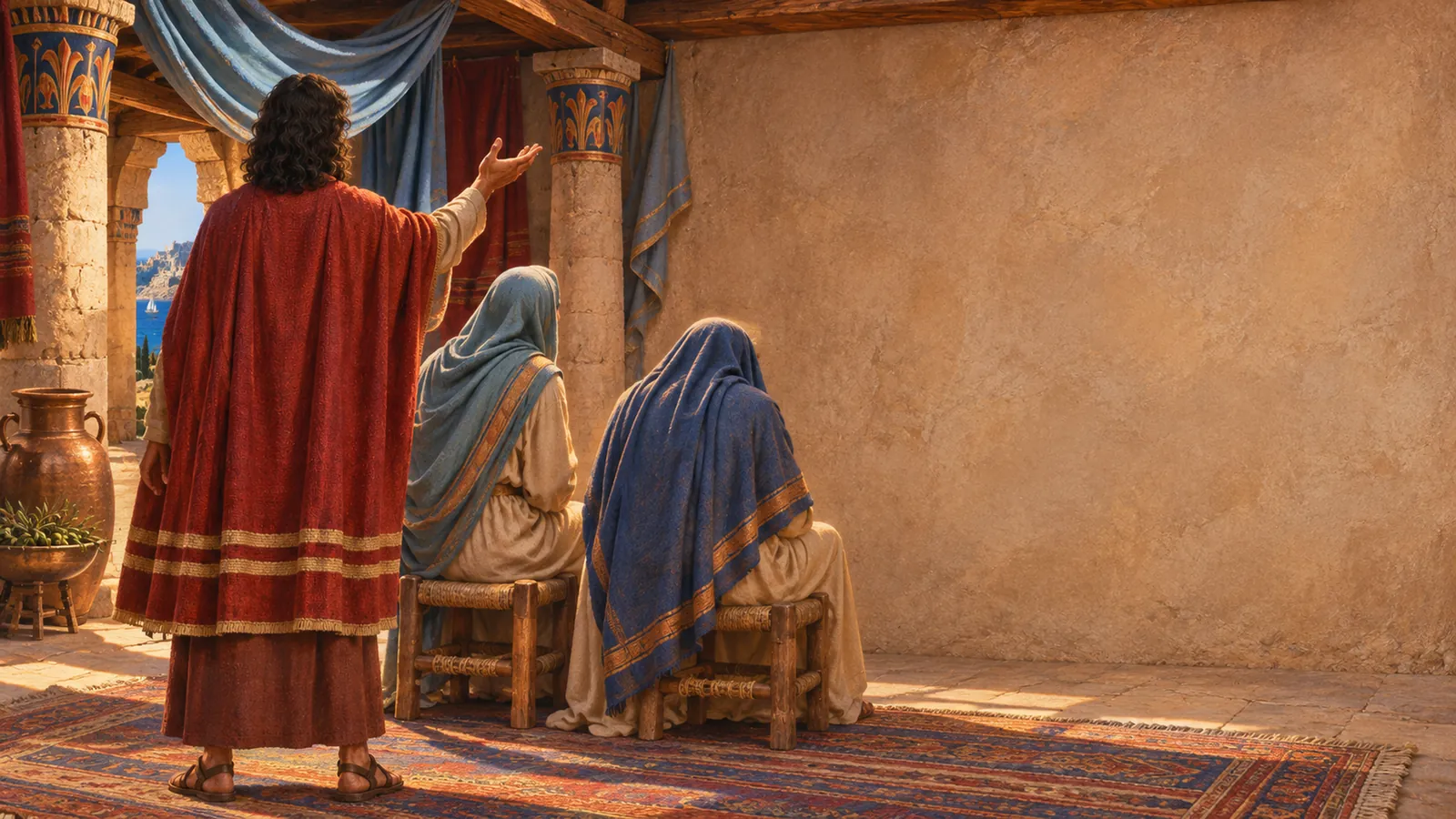
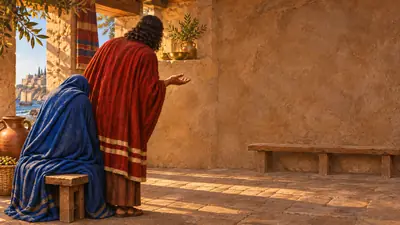
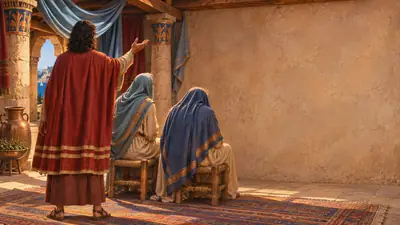
Baal ruft die Götter auf, ihre Köpfe von den Knien und Sitzen zu heben. Er spricht sie direkt an.
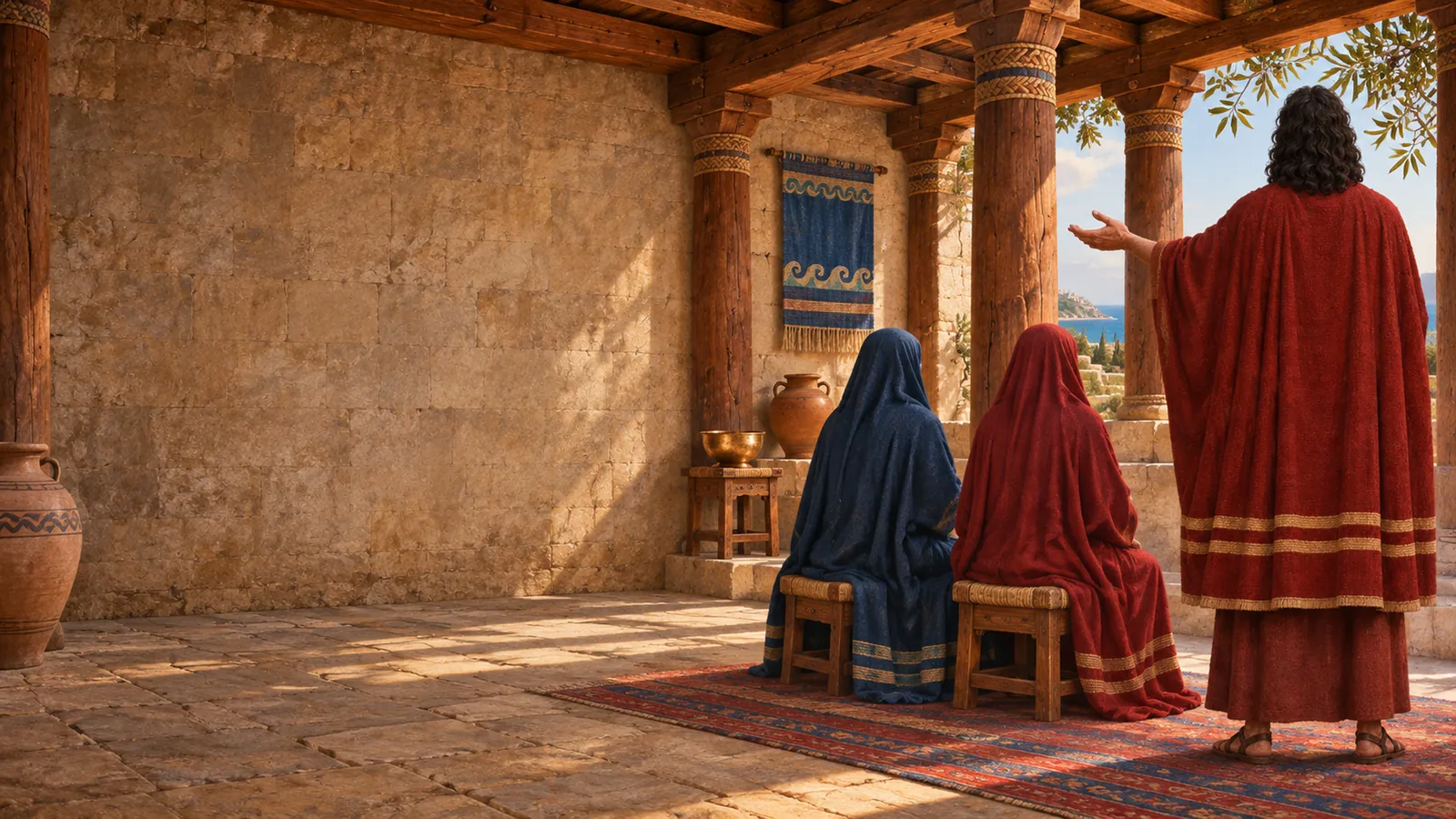
Baal bietet an, den Boten selbst zu antworten. Die Götter heben ihre Köpfe, und das Gedicht wendet sich der Ankunft der Boten vor der Versammlung zu.
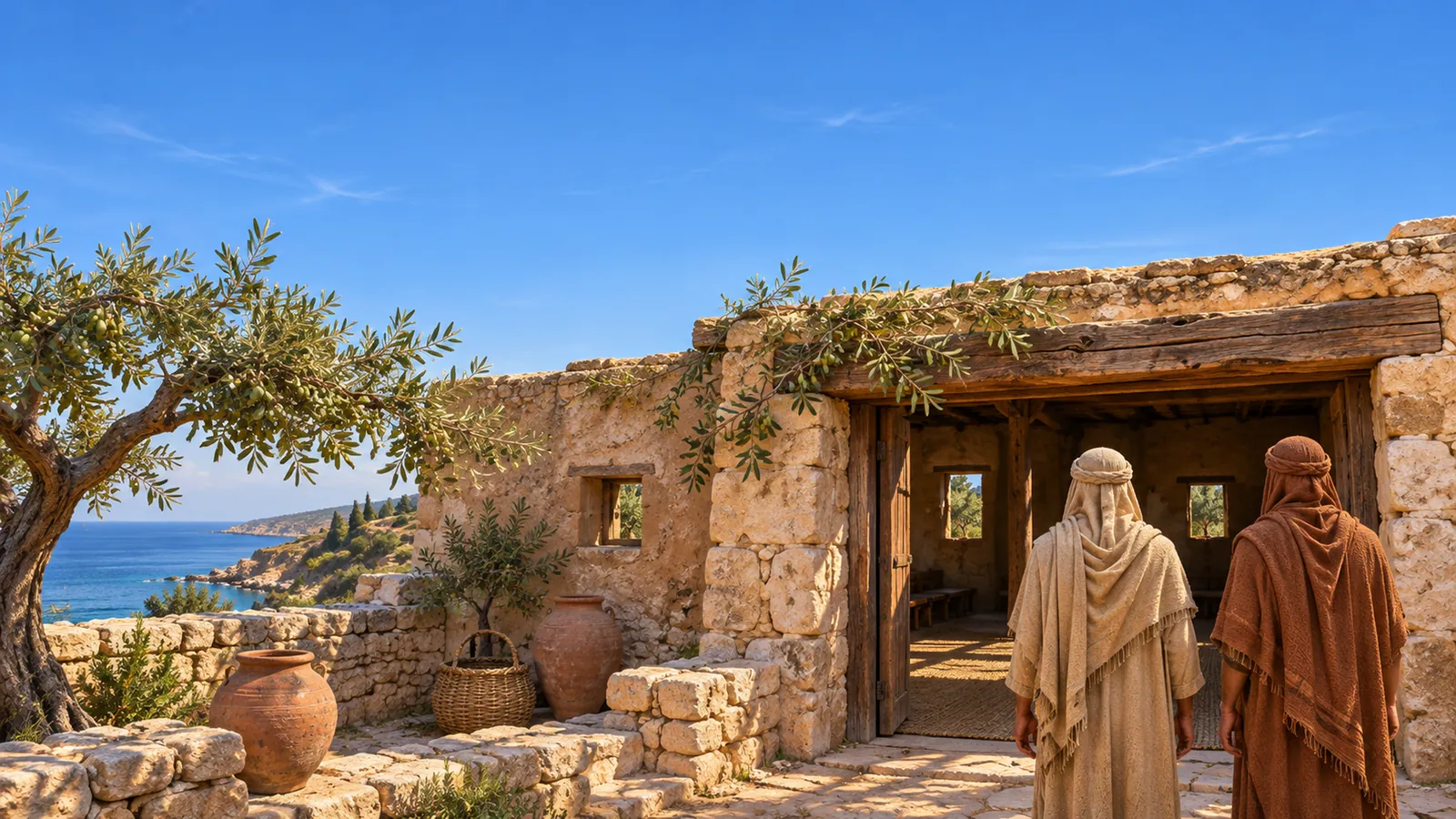
DIE BOTEN TREFFEN EIN
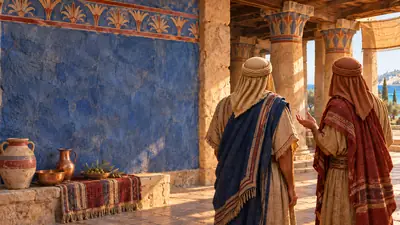
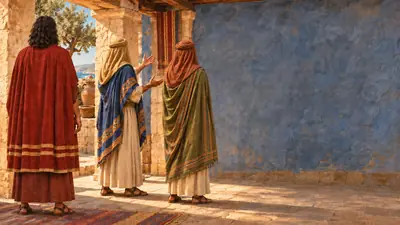
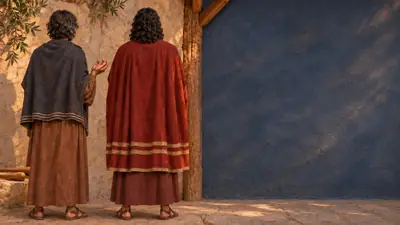
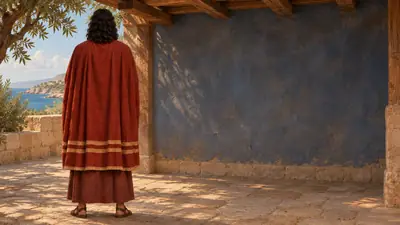
Die Boten treten vor El und die Versammlung. Sie halten sich an Yamms Weisung, fallen El nicht zu Füßen und verneigen sich auch nicht vor der Versammlung.
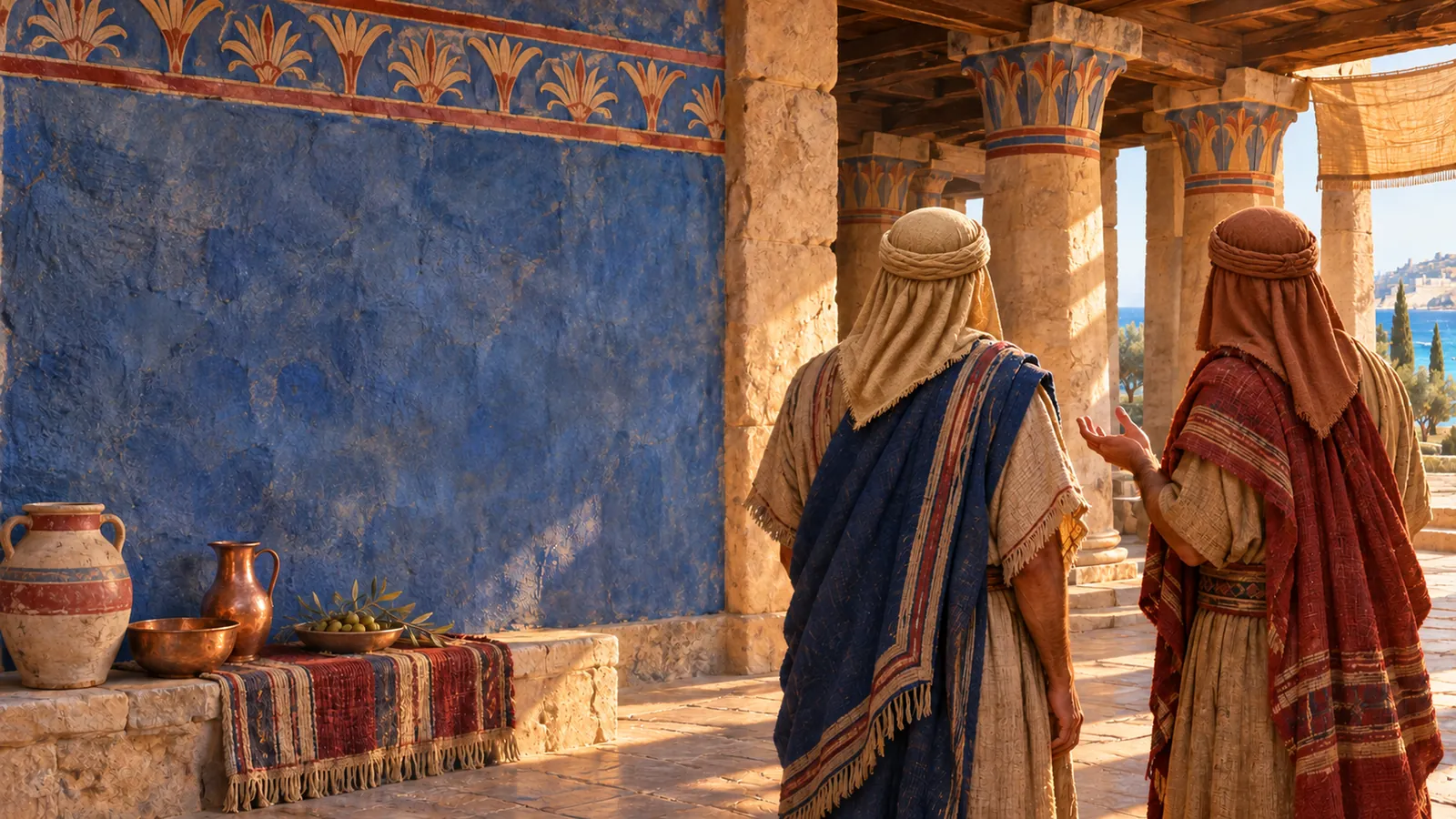
Die Boten sprechen im Stehen. Das Gedicht vergleicht ihre Erscheinung mit Flammen und ihre Rede mit einer scharfen Klinge.
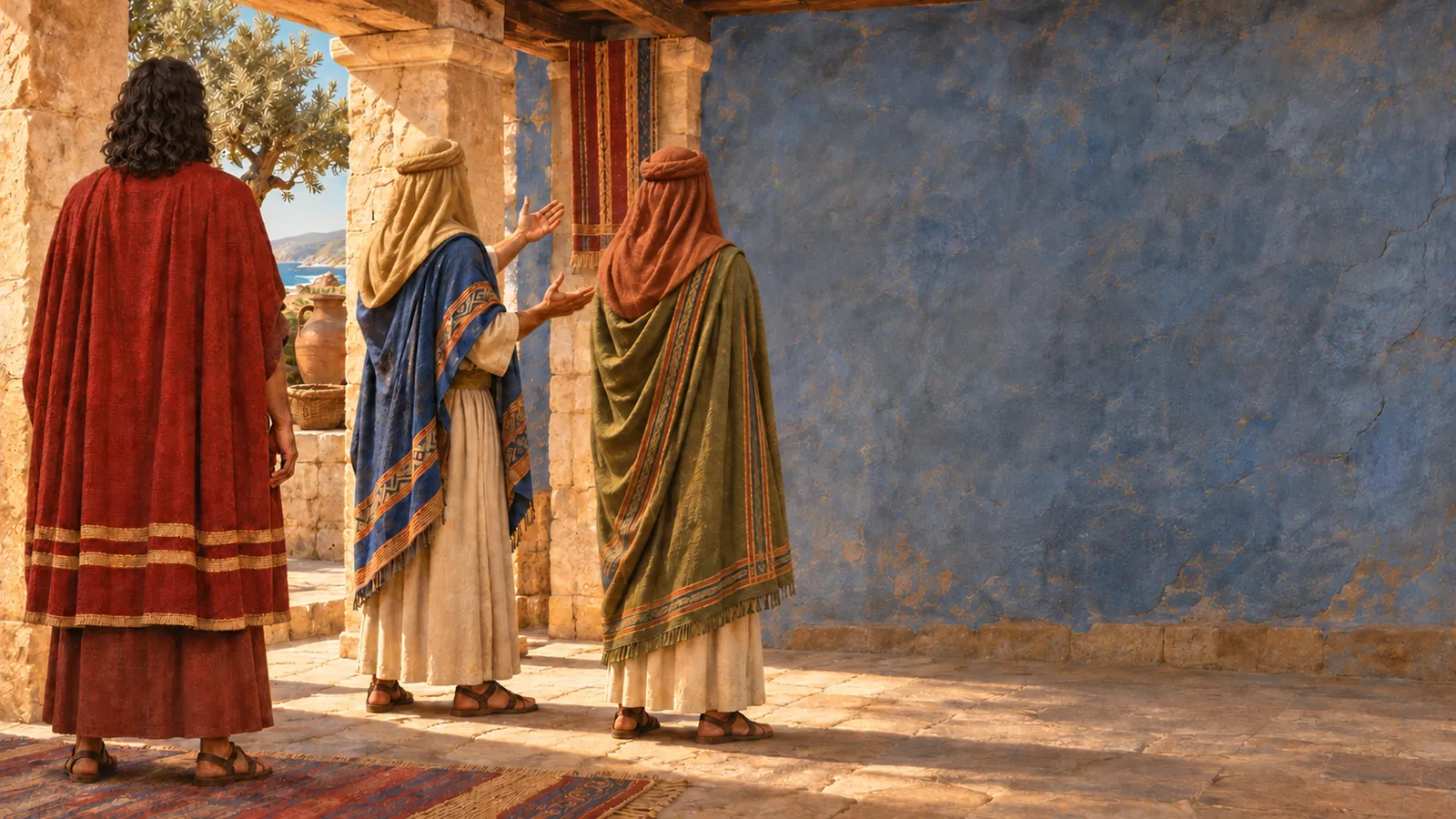
Die Boten nennen Yamms Titel und wiederholen seine Forderung. Sie sagen den Göttern, Baal, den Sohn Dagans, auszuliefern, damit Yamm sein Gold nehmen kann.
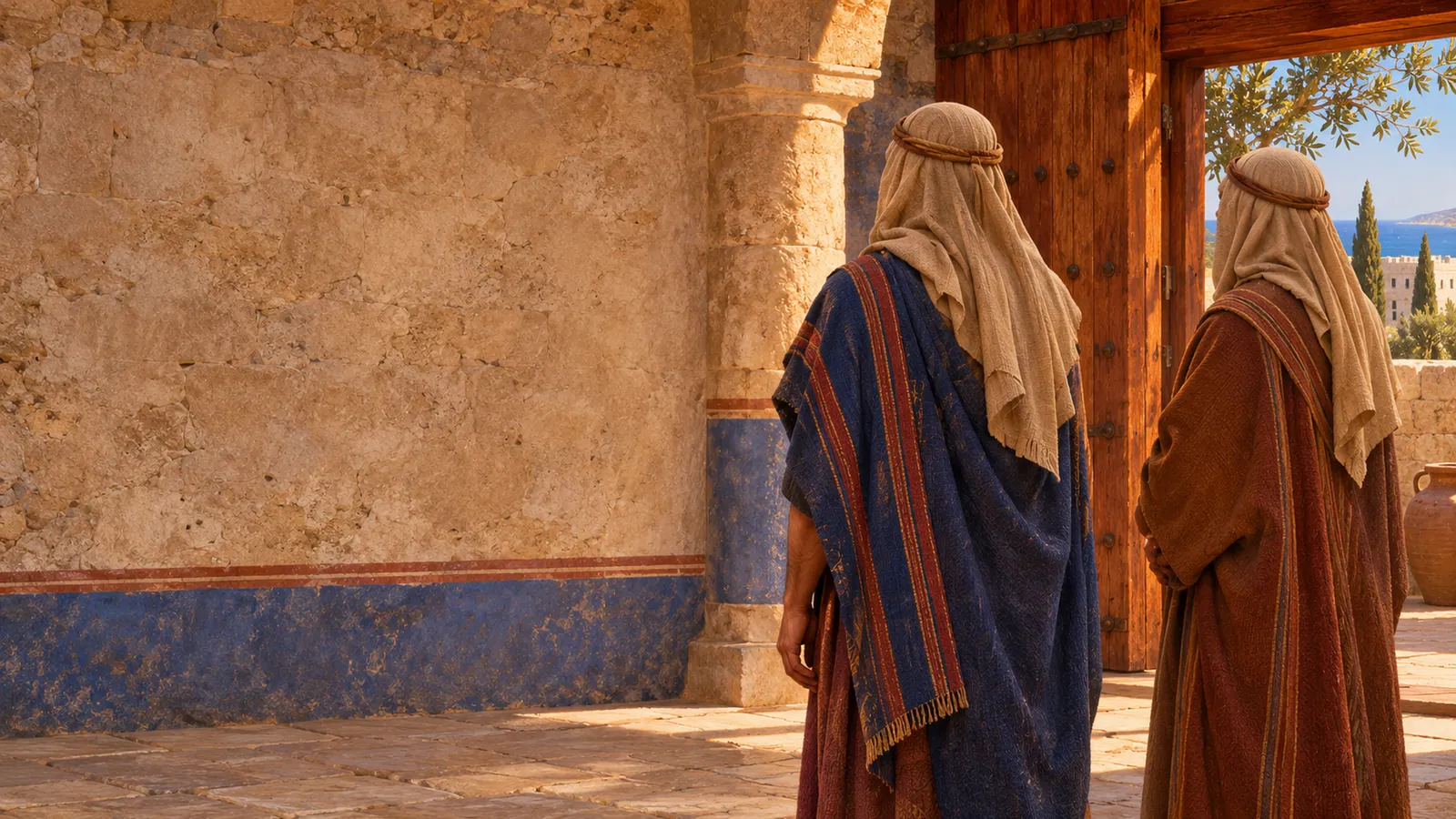
El antwortet den Boten in Yamms Begriffen. Er sagt, Baal sei Yamm untertan, und nennt Dagans Sohn dessen Gefangenen.
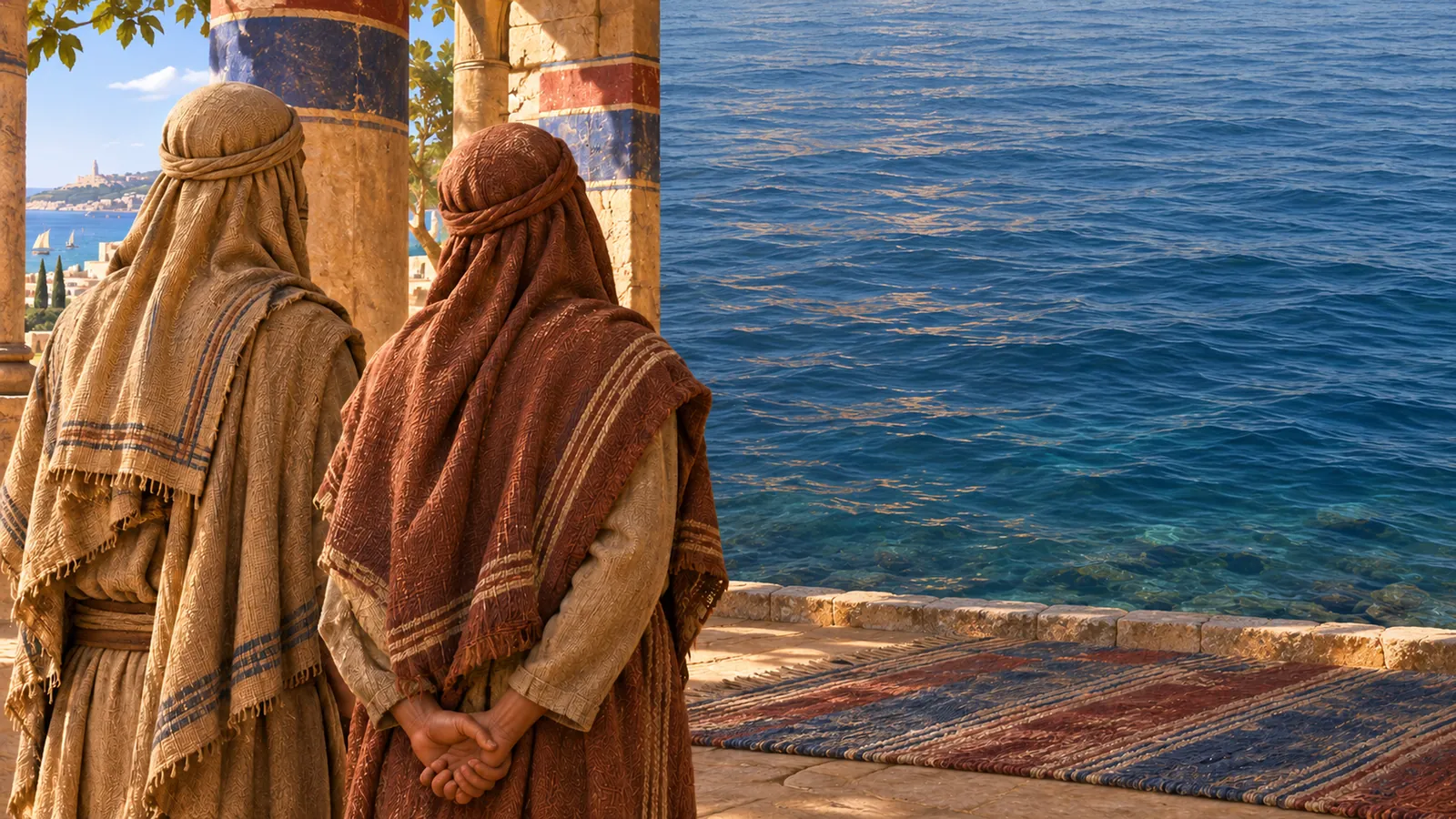
El fährt in seiner Antwort fort und sagt, Baal werde Tribut bringen. Er spricht von Gaben und Opfergaben neben dem, was die anderen Götter bringen werden.
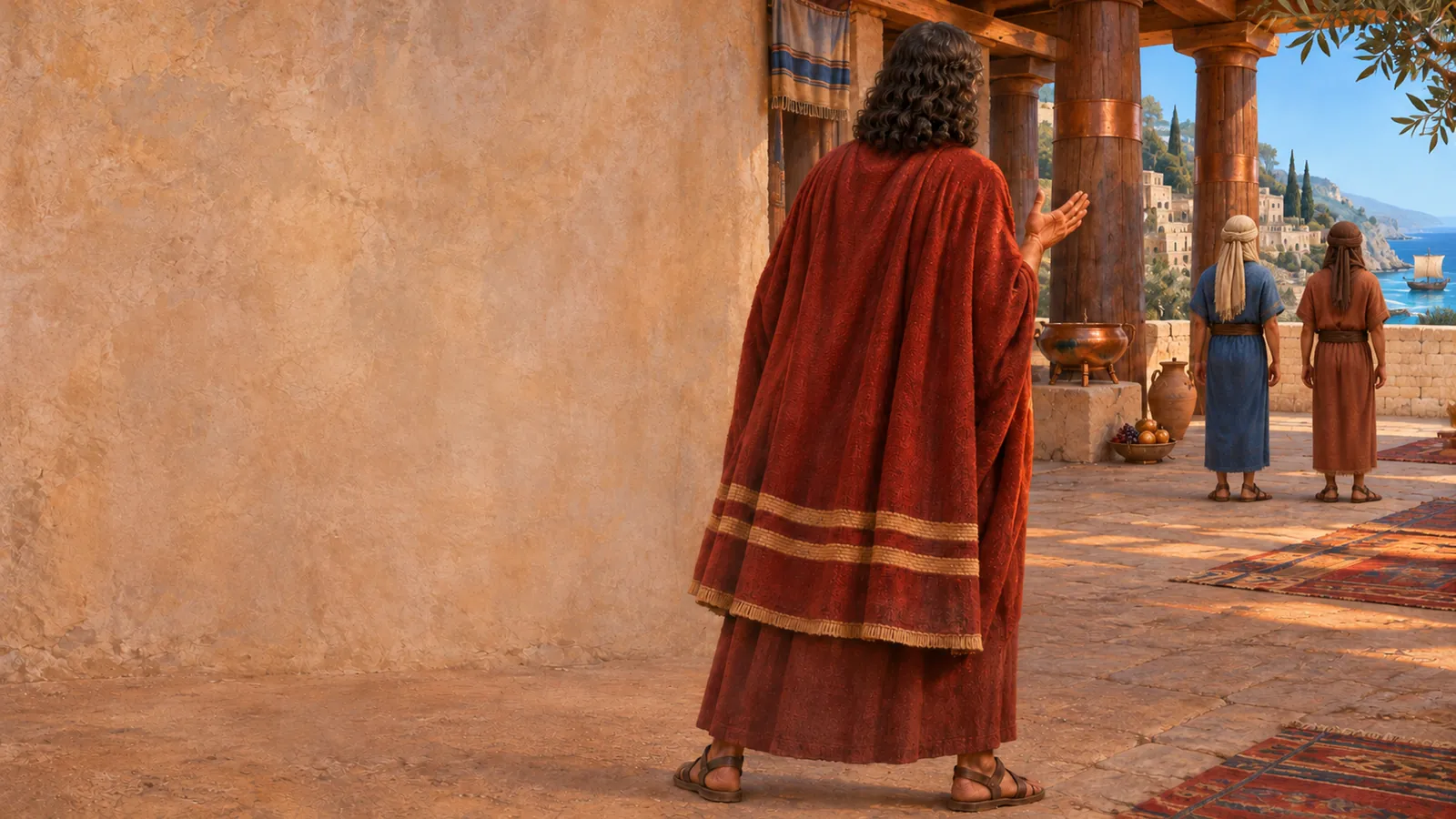
Baal gerät über Els Antwort in Zorn und wendet sich gegen die Boten. Die beschädigten Worte lassen einige seiner Handlungen offen.
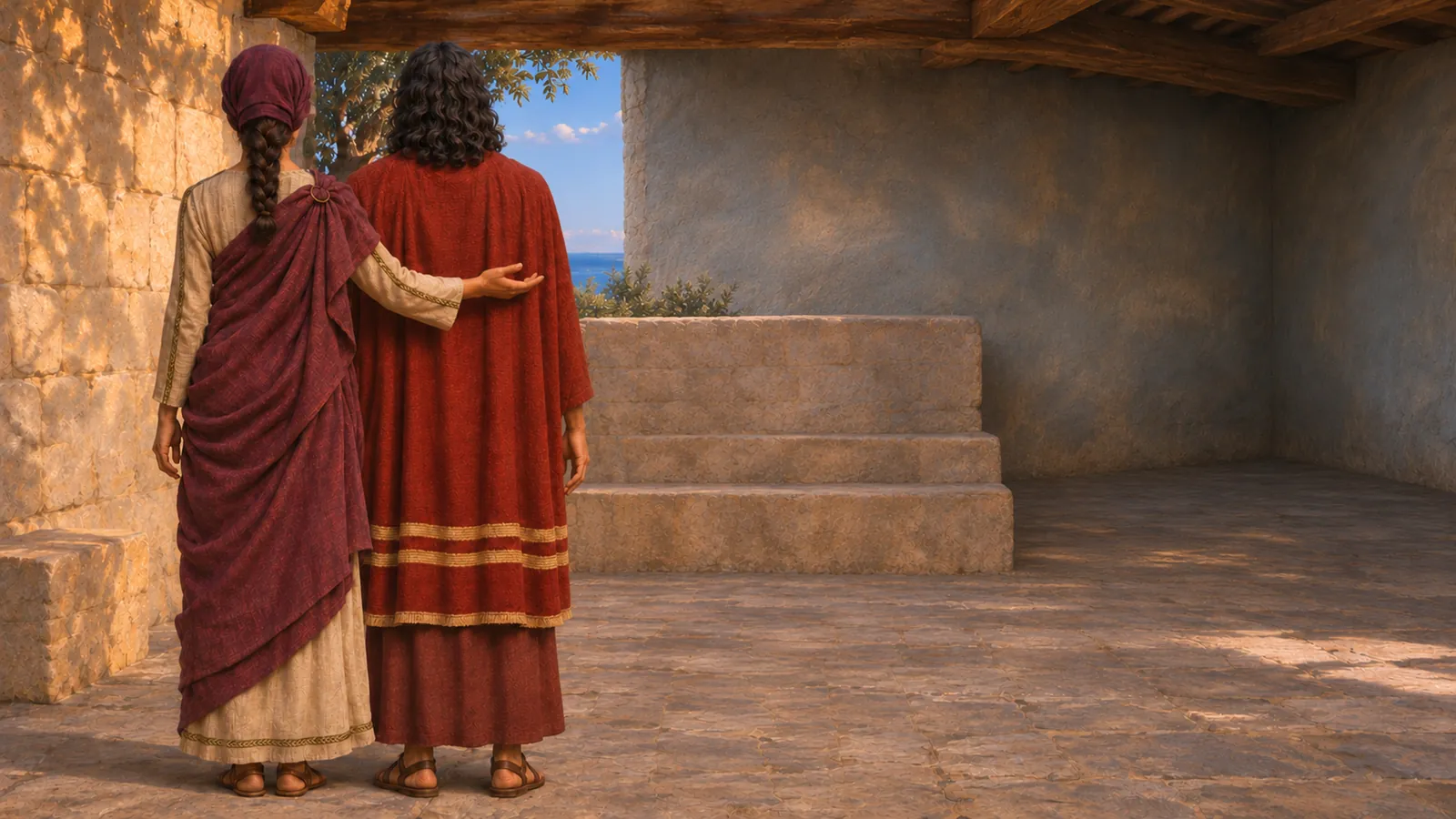
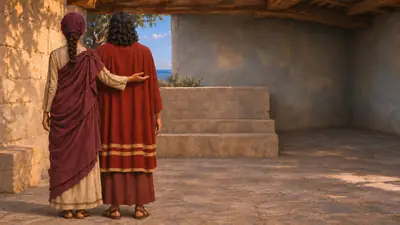
Anat und Athtart greifen ein und halten nach einer Lesart Baals Hände fest. Die Zeilen werfen ihm vor, sich gegen die Boten gewandt zu haben.
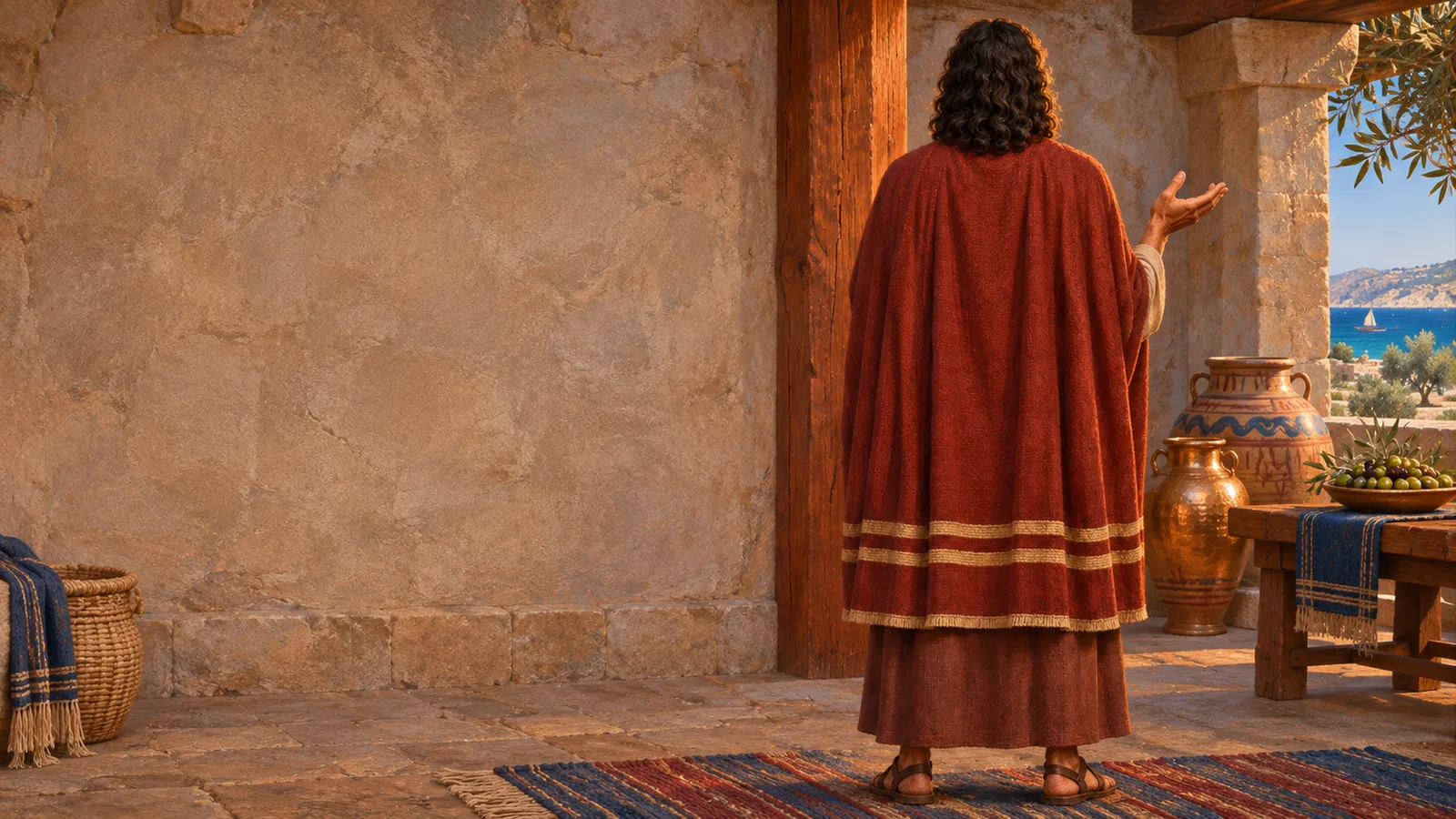
Die Spalte endet mit einer unvollständigen Antwort, die Baal zugeschrieben wird. Die erhaltenen Worte beziehen sich auf Yamm, doch der Rest der Antwort ist abgebrochen.
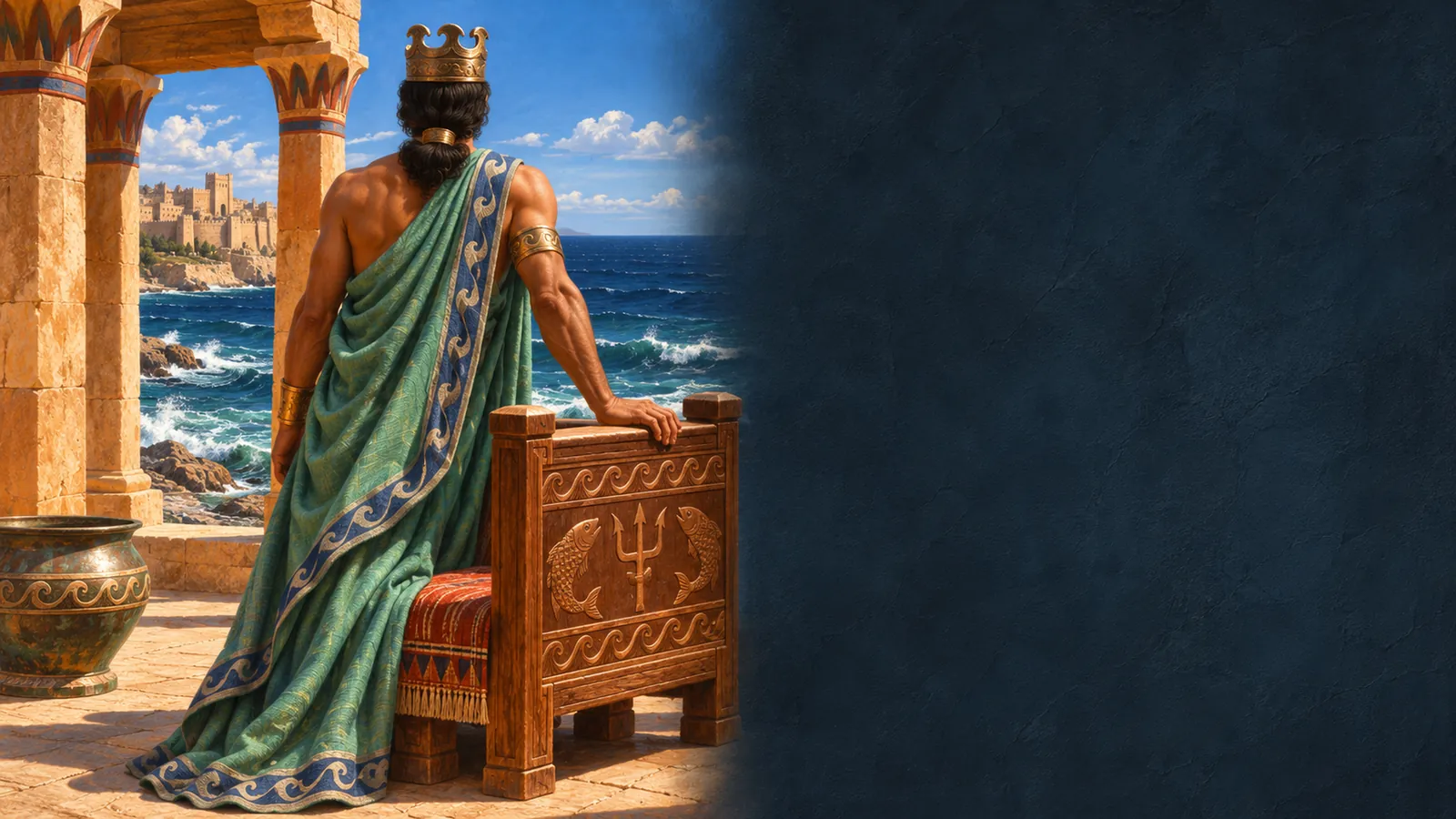
Ein anderer erhaltener Abschnitt erwähnt Yamms Thron. Die Worte ringsum sind beschädigt, und die Verbindung zur Versammlungsszene bleibt unklar.
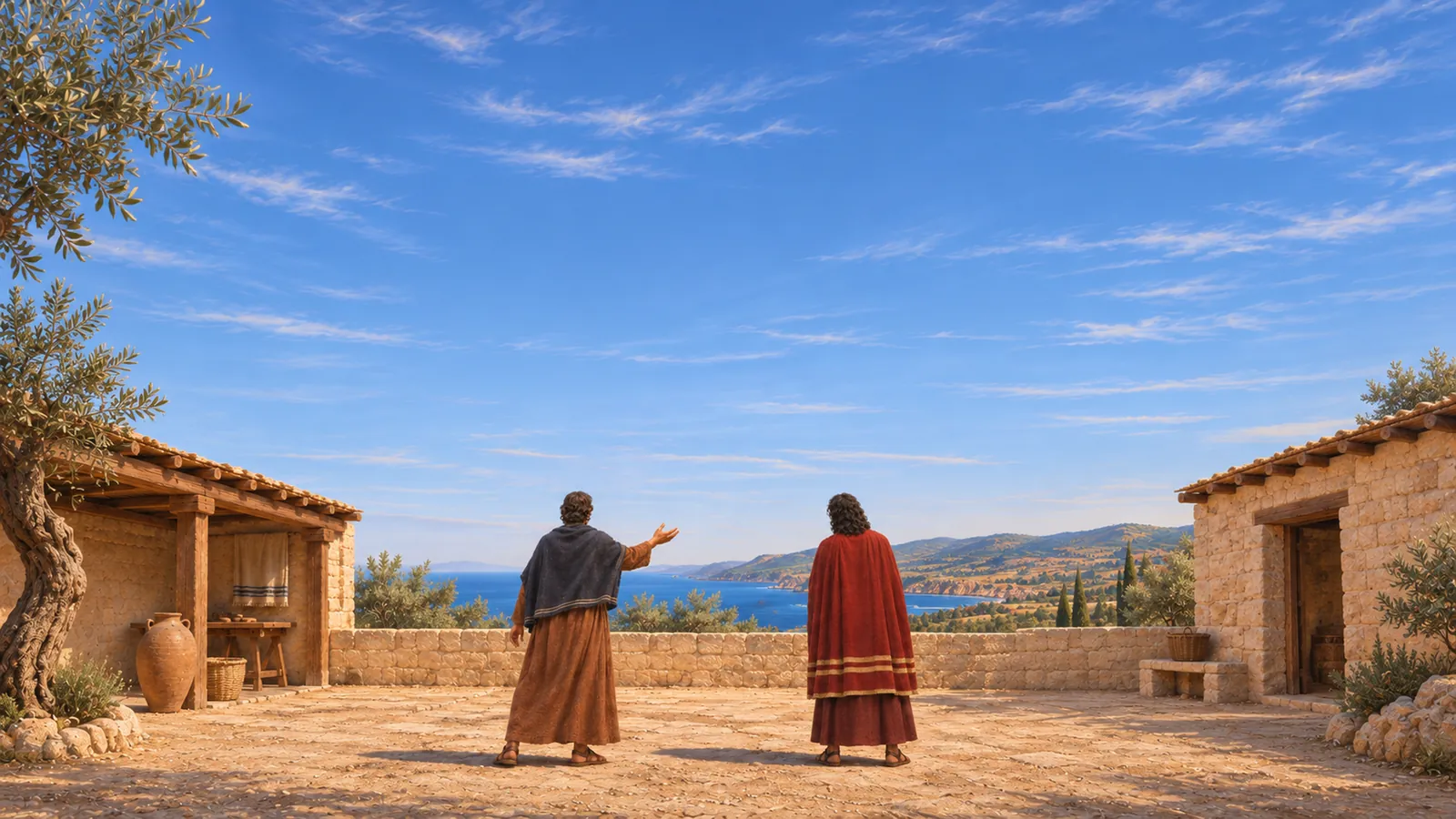
DER WOLKENREITER
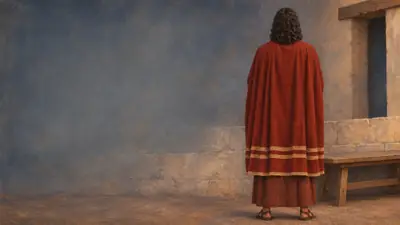
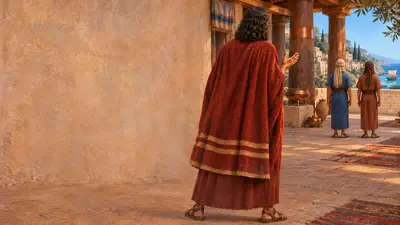
Kothar-wa-Hasis greift ein. Er spricht zu Baal und redet ihn mit dem Titel Wolkenreiter an.
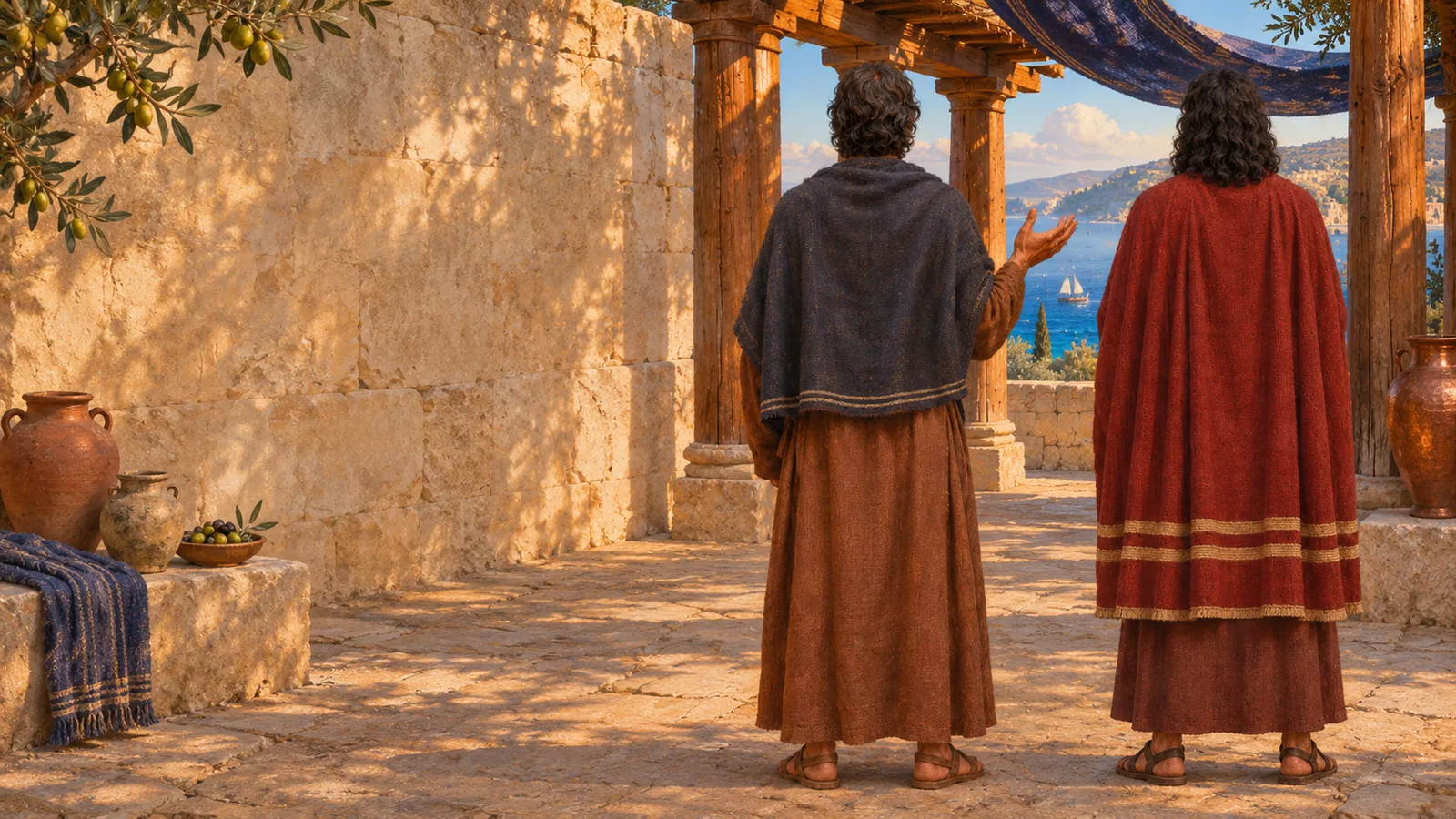
Kothar sagt Baal, er werde seinen Gegner überwinden. Er stellt ihm eine dauerhafte Königsherrschaft in Aussicht.
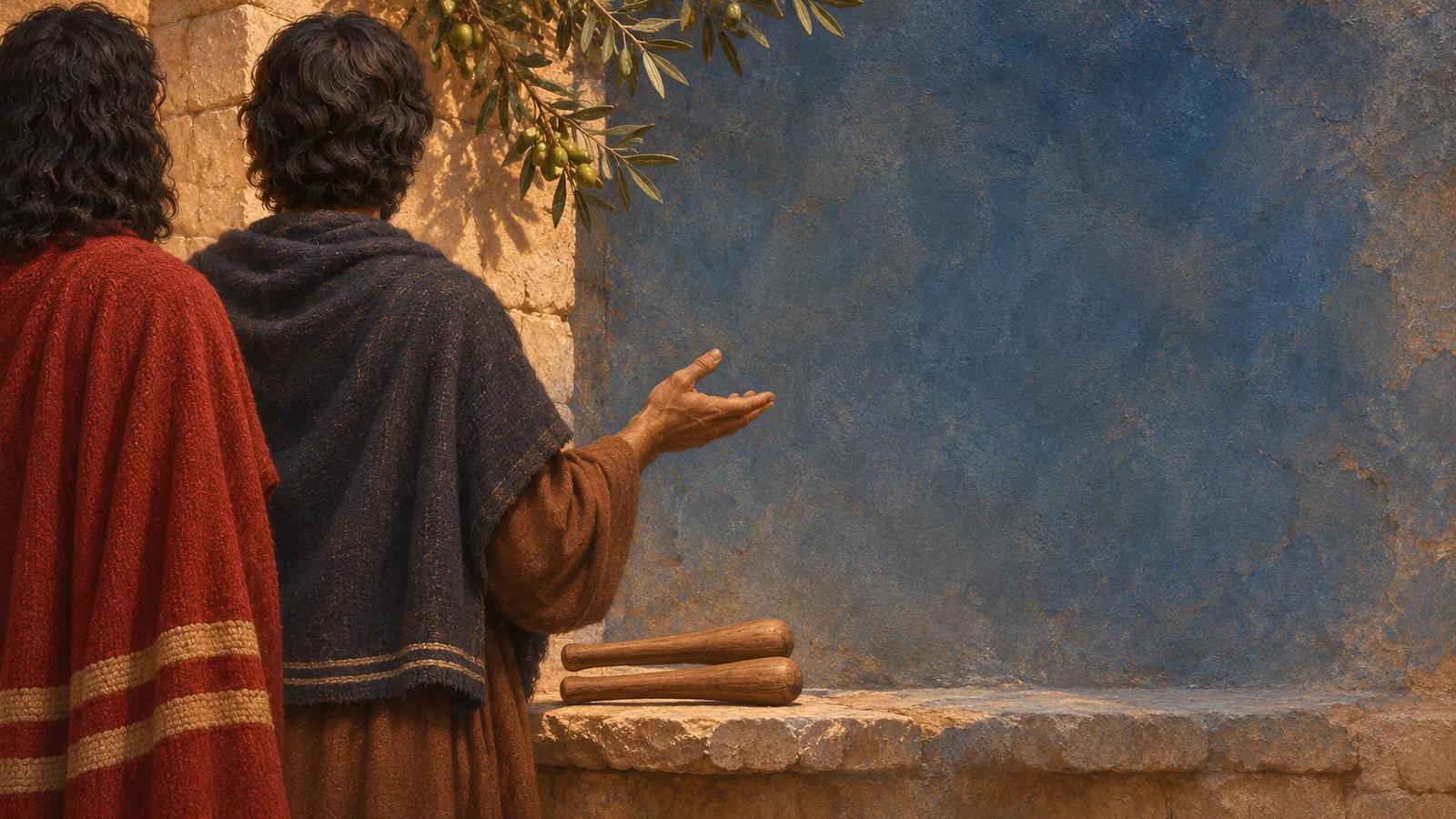
Kothar gibt Baal zwei Keulen und nennt die erste Yagarrish, die Vertreiberin. Er befiehlt ihr, Yamm von seinem Thron zu vertreiben.

Das Gedicht berichtet von der ersten Auseinandersetzung. Yamm erweist sich als stark und bleibt stehen, und der Streit ist noch nicht entschieden.
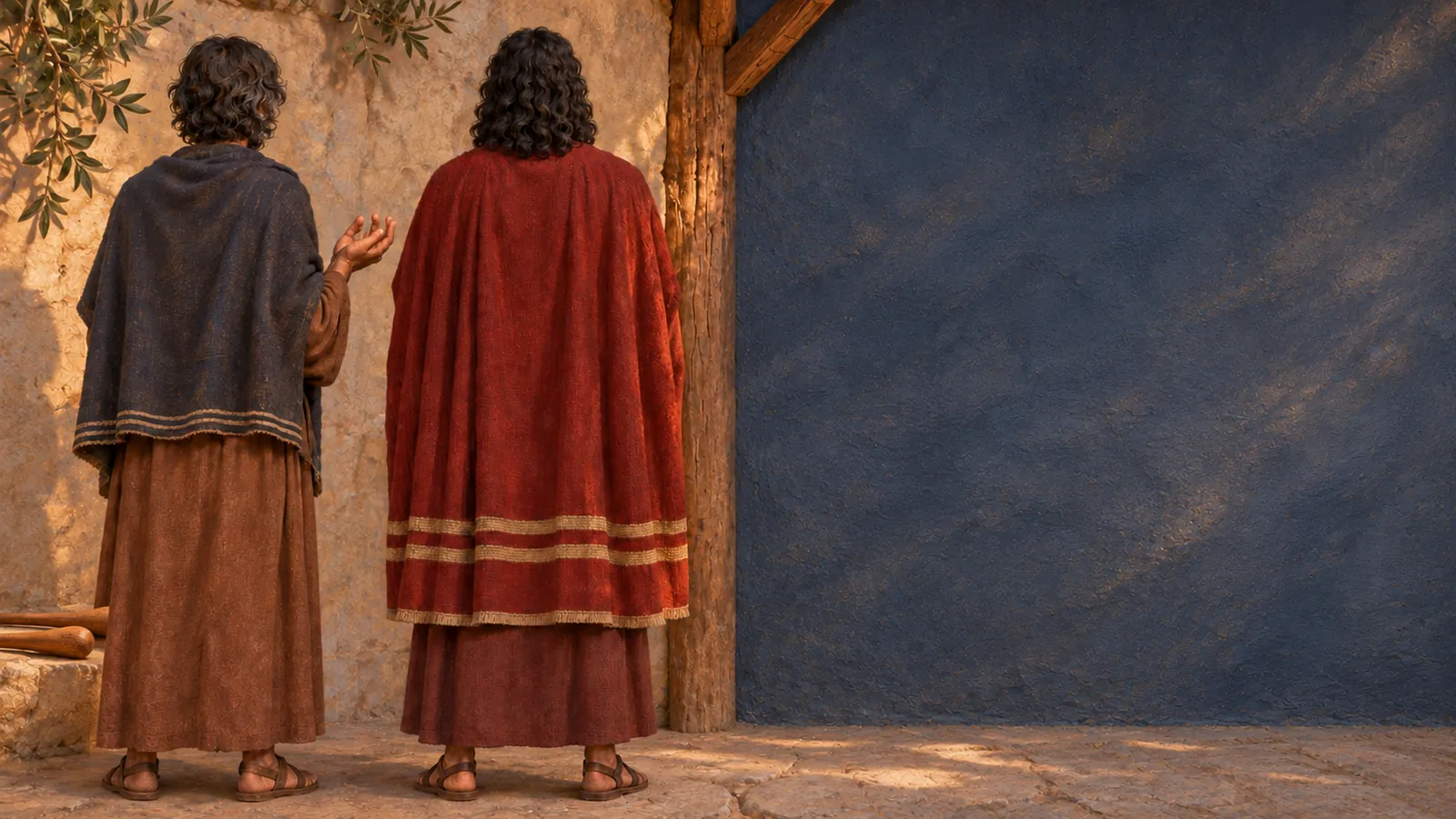
Kothar nennt den zweiten Namen, Ayyamarri. Erneut fordern seine Worte, Yamm, der auch Nahar heißt, von seinem Sitz zu vertreiben.
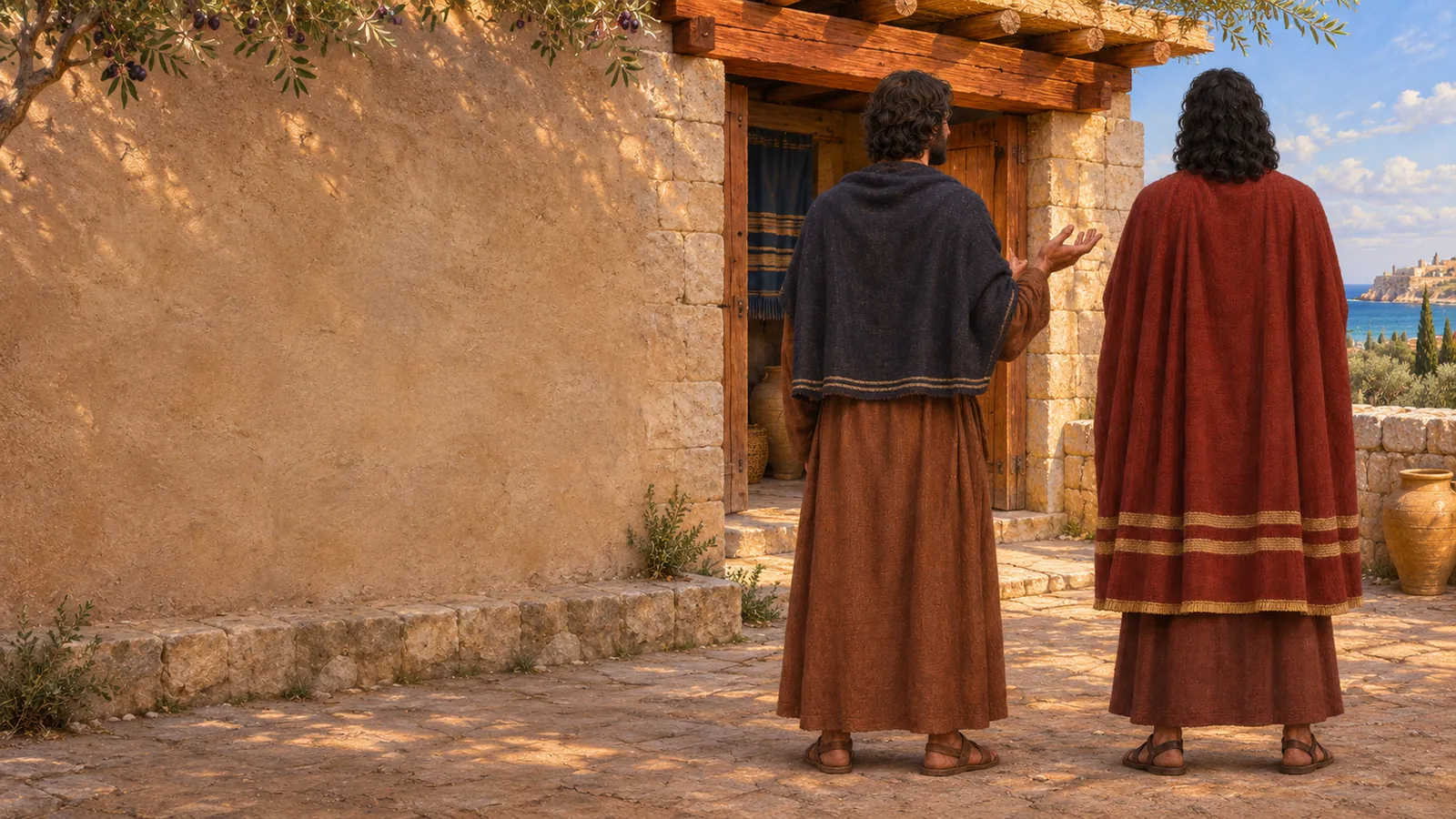
Kothars zweite Anrede kündigt Yamms Sturz an. An dieser Stelle des Liedes beschreiben seine Worte, was er erwartet.

Die folgenden Zeilen berichten von der Wendung, die Kothar angekündigt hatte. Yamm stürzt, nachdem er bei der ersten Auseinandersetzung stehen geblieben war.
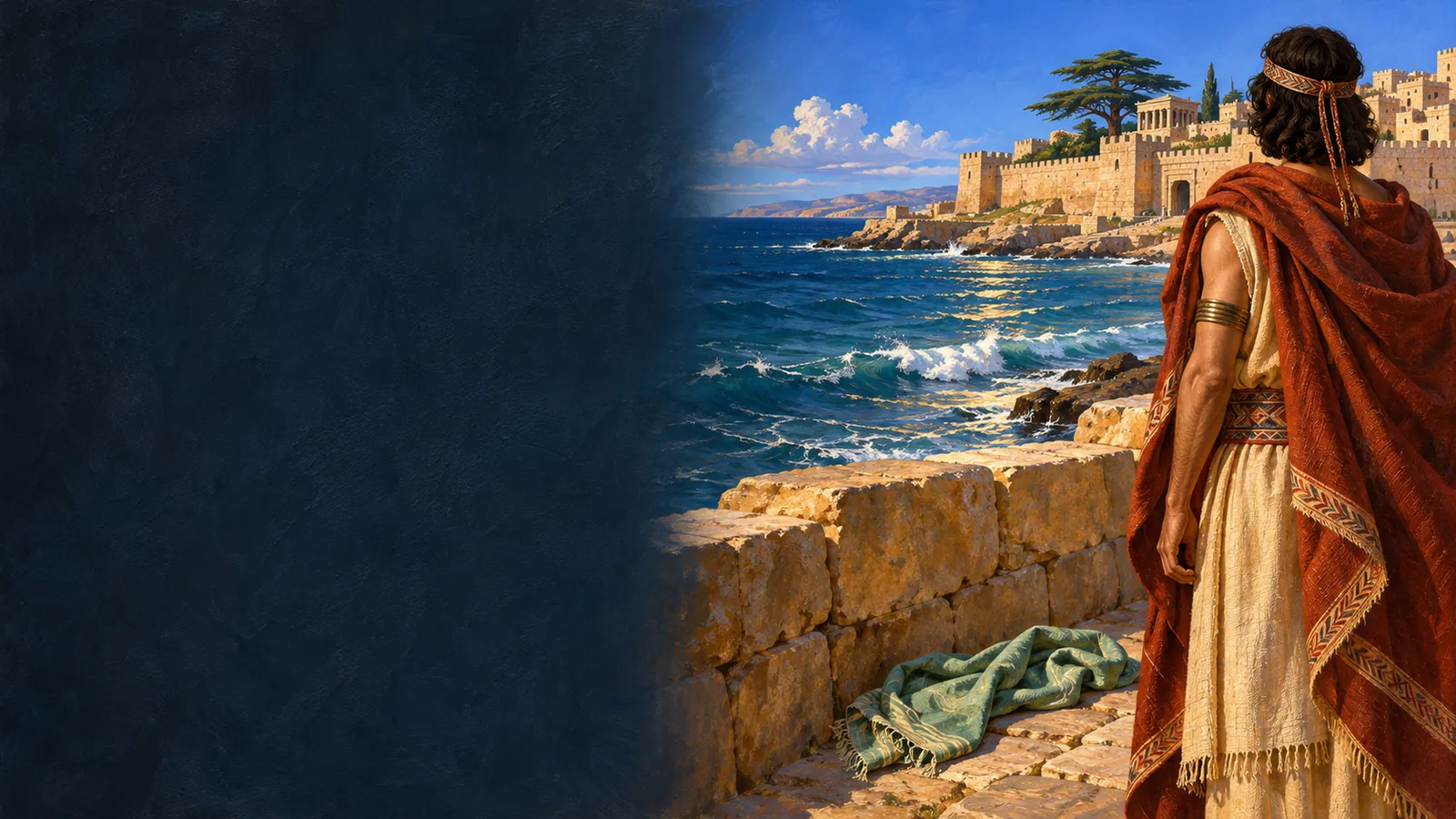
Die Zeile nach Yamms Sturz wird unterschiedlich verstanden. Der Sturz ist klar, doch die genaue Handlung danach bleibt umstritten.
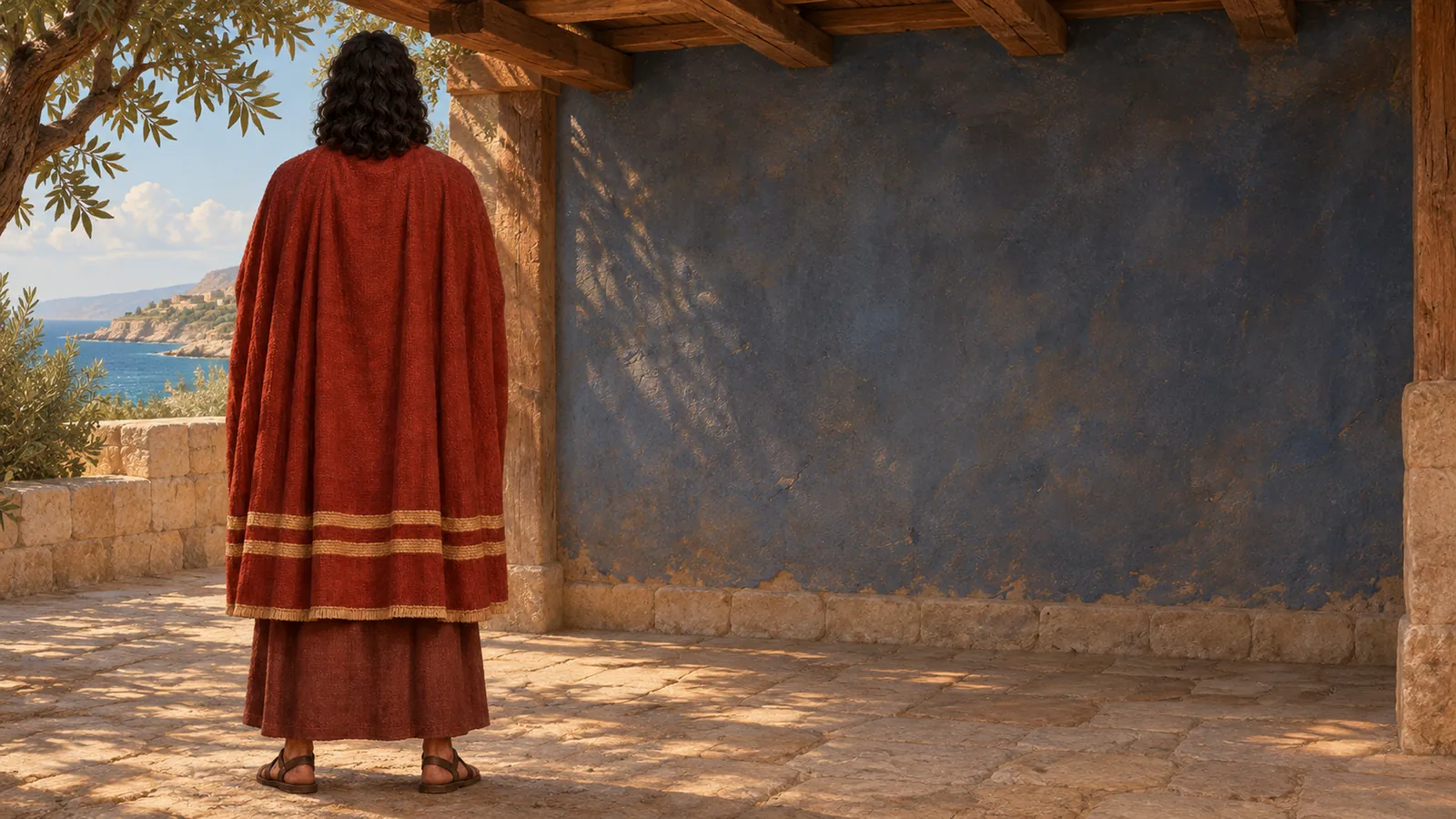
Athtart spricht, und der Titel Wolkenreiter ist wieder zu hören. Die Worte lassen offen, wen sie tadelt und wozu sie auffordert.
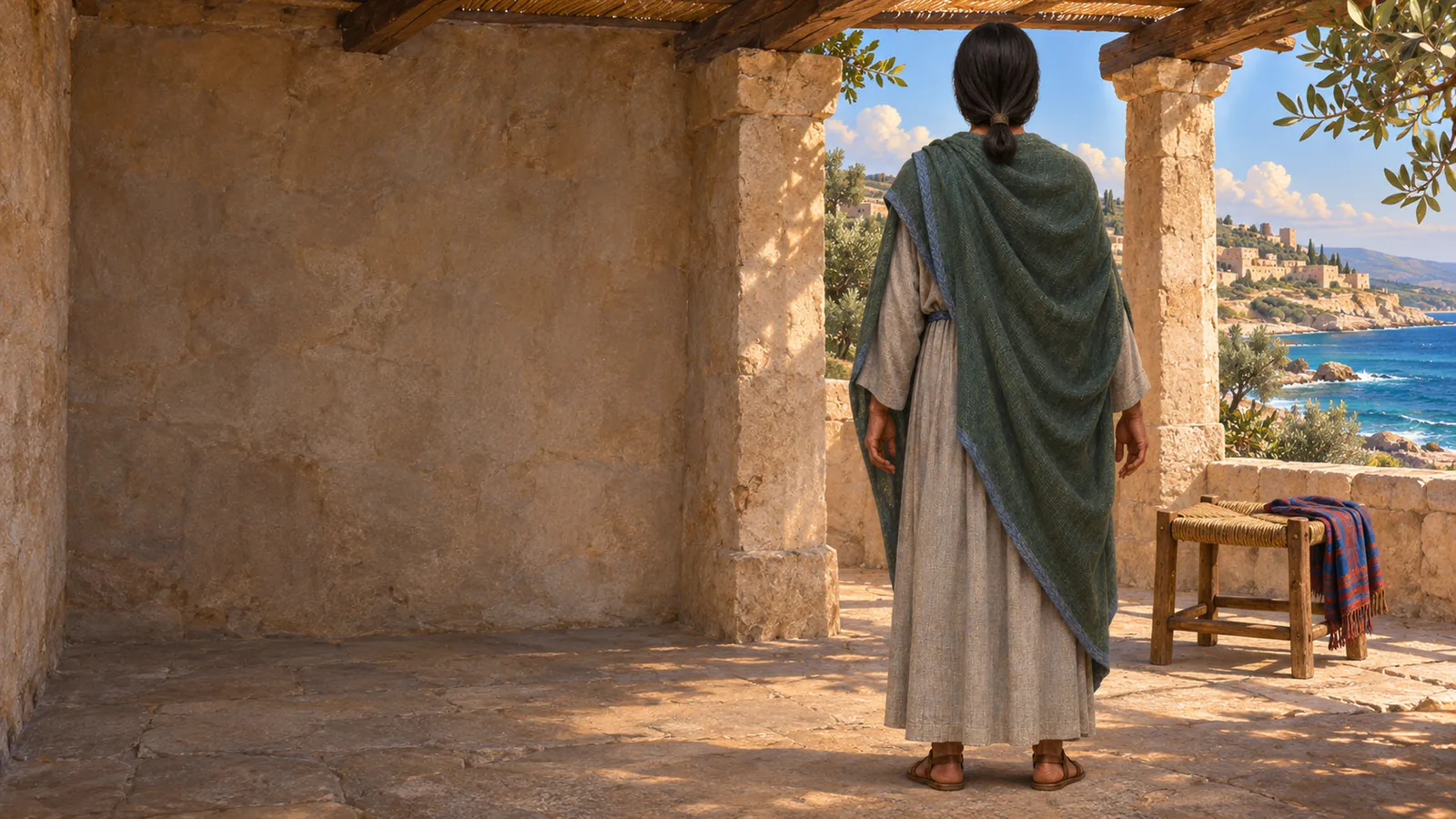
Die folgenden Worte nennen Herrscher Nahar einen Gefangenen. Nahar ist ein weiterer Titel Yamms in beiden Abschnitten.

Im beschädigten Schluss verkündet eine Stimme, dass Yamm tot sei. Die erhaltenen Worte lassen offen, von wem die Erklärung stammt.
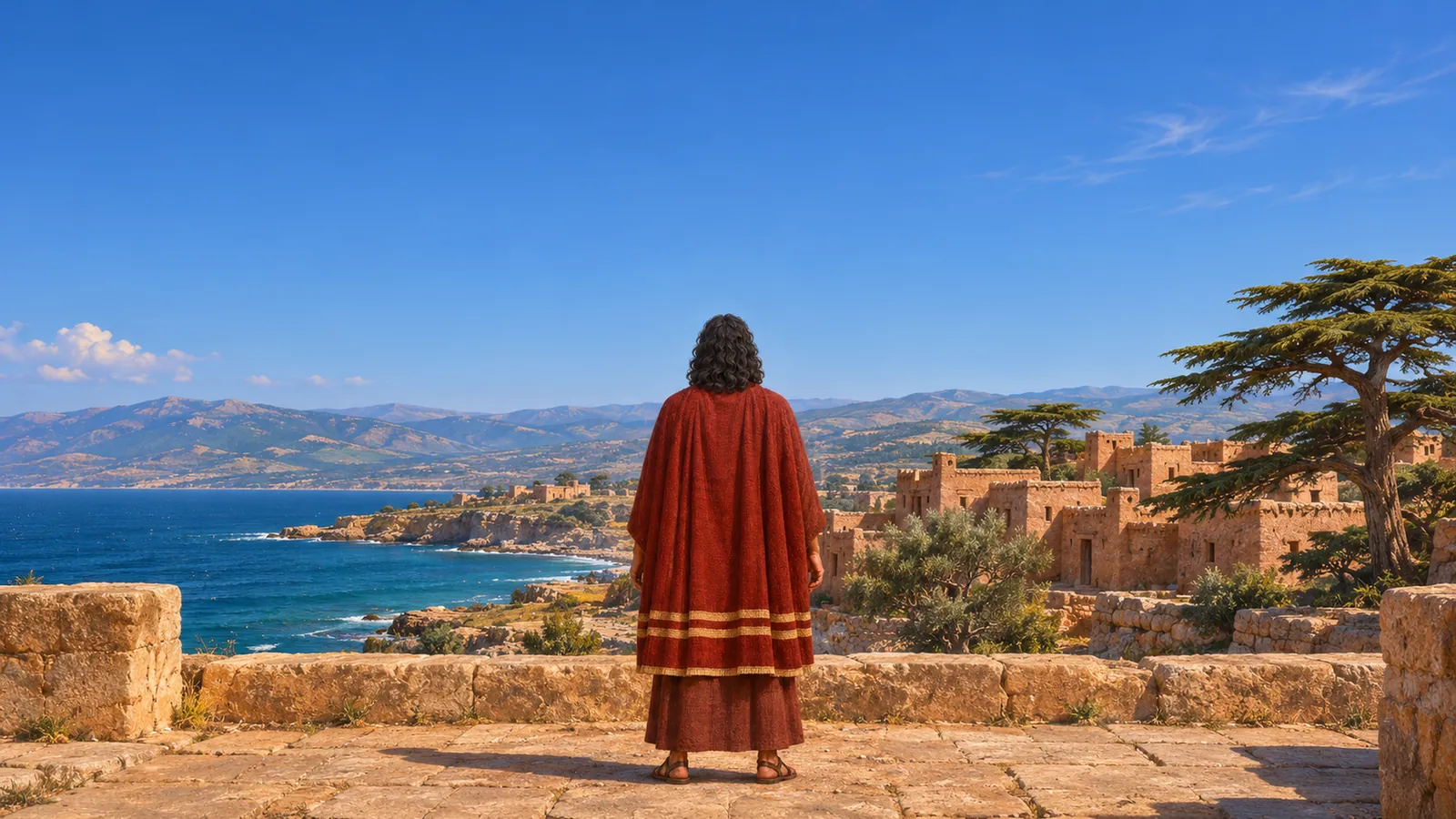
BAAL WIRD HERRSCHEN
Der Schlussruf wird als Ankündigung gelesen, dass Baal herrschen wird. Ein Teil der Worte ist ergänzt, und die Erklärung ist in einem beschädigten Schluss erhalten.
Ende von Kapitel 1
Alle Seiten













Quellen
Pages 35–39. Kothar names two clubs and addresses a command to each. They fly from Baal’s hand in the poem. The opening verb has been read as making or bringing down the clubs (KTU 1.2 IV 11–26; Reed, pp. 106–110; Bordreuil and Pardee).
Benutzte Editionen
- Clemens Steinberger, Göttingen Ugarit Portal, photographic transliteration of KTU 1.1
- Clemens Steinberger, EUPT glossary, selected KTU 1.2 lines and notes
- Aaron Tugendhaft, Unsettling Sovereignty, translation of KTU 1.2 i 11–46
- Aaron Tugendhaft, Baal and the Politics of Poetry, alternative order and implications
- Sang-yŏl Cho, University of Edinburgh, messenger formulas
- Noga Ayali-Darshan, line-focused reading of the envoy scene and El’s reply
- Textes ougaritiques I, excerpts from KTU 1.2 i and iv, pp. 109–110
- Pierre Bordreuil and Dennis Pardee, primary French translation of KTU 1.2 iv excerpt
- William Justin Reed, pp. 106–110, reading of KTU 1.2 iv 11–26
- Mark S. Smith and Wayne T. Pitard, the captive formula at KTU 1.2 iv 29–30, vol. II, p. 32
- Theodore J. Lewis, Athtart’s speech and the possible readings of KTU 1.2 iv 28–31
- Aren M. Wilson-Wright, p. 337, reading of KTU 1.2 iv 28–29
- Debra Scoggins Ballentine, pp. 74–75, reading of the closing declaration
- The Louvre, AO 16640, physical record and note on the proposed join
Hinweise zu dieser Nacherzählung
Pages 36 and 39. The first club strikes Yamm in the shoulder area and he stands. The second strikes him in the head and he collapses. 106–110; Bordreuil and Pardee).
Page 29. In a common restoration, Baal takes up a knife and dagger to strike the envoys. 374; Textes ougaritiques I, pp. 109–110).
Die antiken Verse hinter jeder Seite
- Page 1: Steinberger, KTU 1.1 II 1–16, RS 3.361, fragmentary opening
- Page 2: Steinberger, KTU 1.1 II 14–16
- Page 3: Steinberger, KTU 1.1 III 5–9, especially 7
- Page 4: Steinberger, KTU 1.1 III 12–15
- Page 5: Steinberger, KTU 1.1 III 17–19
- Page 6: Steinberger, KTU 1.1 IV 12–13
- Page 7: Steinberger, KTU 1.1 IV 14 and n. 15
- Page 8: Steinberger, KTU 1.1 IV 15, 20; Tugendhaft, book ch. 6 n. 43
- Page 9: Steinberger, KTU 1.1 IV 21–25, readings and reconstruction
- Page 10: Tugendhaft, KTU 1.2 i 11–13, appendix pp. 383–384
- Page 11: Tugendhaft, KTU 1.2 i 13–14; Cho on i 13
- Page 12: Tugendhaft, KTU 1.2 i 14c–16; Steinberger, EUPT i 14c–15b
- Page 13: Tugendhaft, KTU 1.2 i 16–18
- Page 14: Tugendhaft, KTU 1.2 i 18–19a; Steinberger, EUPT i 18
- Page 15: Tugendhaft, KTU 1.2 i 19b–20; Steinberger, EUPT i 19b
- Page 16: Tugendhaft, KTU 1.2 i 20–21; French Ministry extract, p. 109
- Page 17: Tugendhaft, KTU 1.2 i 20–21, pp. 373–374; French Ministry extract, p. 109
- Page 18: Tugendhaft and Ayali-Darshan, KTU 1.2 i 21–22
- Page 19: Tugendhaft and Ayali-Darshan, KTU 1.2 i 23–24
- Page 20: Tugendhaft, KTU 1.2 i 24–26
- Page 21: Tugendhaft and Steinberger, KTU 1.2 i 25d–26
- Page 22: Steinberger, EUPT KTU 1.2 i 27–28a; Tugendhaft, appendix
- Page 23: Tugendhaft, KTU 1.2 i 28–30
- Page 24: Tugendhaft and Ayali-Darshan, KTU 1.2 i 30–31
- Page 25: Tugendhaft and Ayali-Darshan, KTU 1.2 i 31–33
- Page 26: Tugendhaft, KTU 1.2 i 33–35; French Ministry extract, pp. 109–110
- Page 27: Tugendhaft and Ayali-Darshan, KTU 1.2 i 36–37
- Page 28: Tugendhaft and Ayali-Darshan, KTU 1.2 i 37–38
- Page 29: Tugendhaft, KTU 1.2 i 38b–40, appendix and p. 374
- Page 30: Tugendhaft, KTU 1.2 i 39–44, appendix and p. 374
- Page 31: Tugendhaft, KTU 1.2 i 45–46
- Page 32: KTU 1.2 iv 6–7a, Textes ougaritiques I, French Ministry extract, p. 110; Smith’s section divisions
- Page 33: Bordreuil and Pardee, KTU 1.2 iv 7b–8, Ministry of Culture excerpt
- Page 34: Bordreuil and Pardee, KTU 1.2 iv 8–10; Steinberger, EUPT iv 8c–9
- Page 35: KTU 1.2 IV 11–15 (Reed, pp. 106–110; Bordreuil and Pardee; Steinberger, EUPT)
- Page 36: Reed and Bordreuil–Pardee, KTU 1.2 iv 15b–18a
- Page 37: Reed, KTU 1.2 iv 18b–20; Bordreuil and Pardee, Ministry of Culture excerpt
- Page 38: Reed and Bordreuil–Pardee, KTU 1.2 iv 21–23a
- Page 39: Reed and Bordreuil–Pardee, KTU 1.2 iv 23b–26
- Page 40: KTU 1.2 iv 27; Bordreuil and Pardee, Ministry of Culture excerpt; Smith’s passage division
- Page 41: Lewis and Wilson-Wright, KTU 1.2 iv 28–29a
- Page 42: Smith and Pitard, KTU 1.2 iv 29b–30, p. 32; Lewis iv 29–30
- Page 43: KTU 1.2 iv 32–33, Textes ougaritiques I, French Ministry extract, p. 110; Ballentine, pp. 74–75
- Page 44: KTU 1.2 iv 32–35, Textes ougaritiques I, French Ministry extract through iv 33; Ballentine, pp. 74–75
Illustrationen von IL Archive mit KI-Werkzeugen; der Text folgt den antiken Quellen (siehe die Quellen am Ende jedes Kapitels).