Der Baal-Zyklus Kapitel 2
Baals Palast
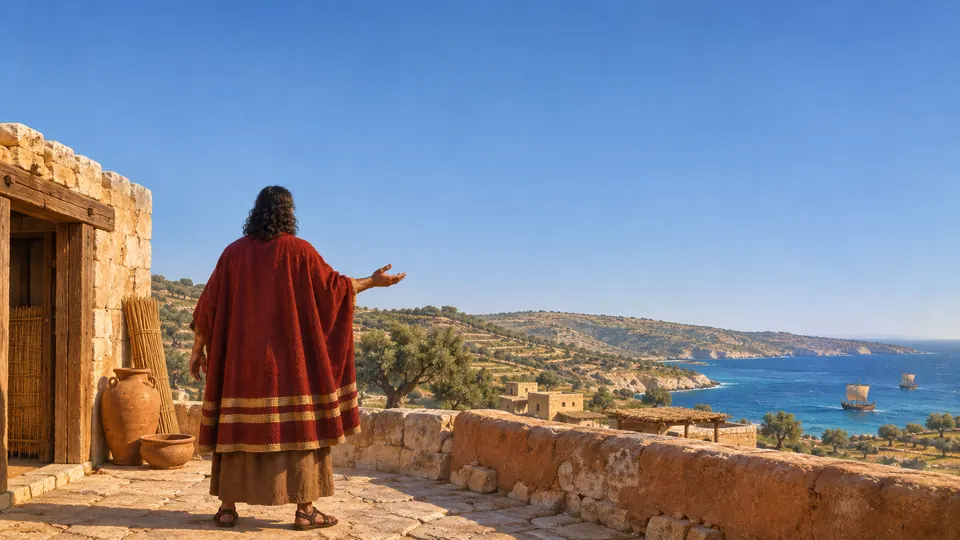
Baal bittet um ein Haus wie das der anderen Götter. Anat wendet sich an El, und Athirat gewinnt später seine Zustimmung. Kothar baut den Palast auf dem Saphon. Später bittet Baal ihn, ein Fenster zu öffnen, und die Berge hören Baals Stimme.
QuellenBlättern Sie mit den Pfeilen, den Pfeiltasten oder durch Wischen.
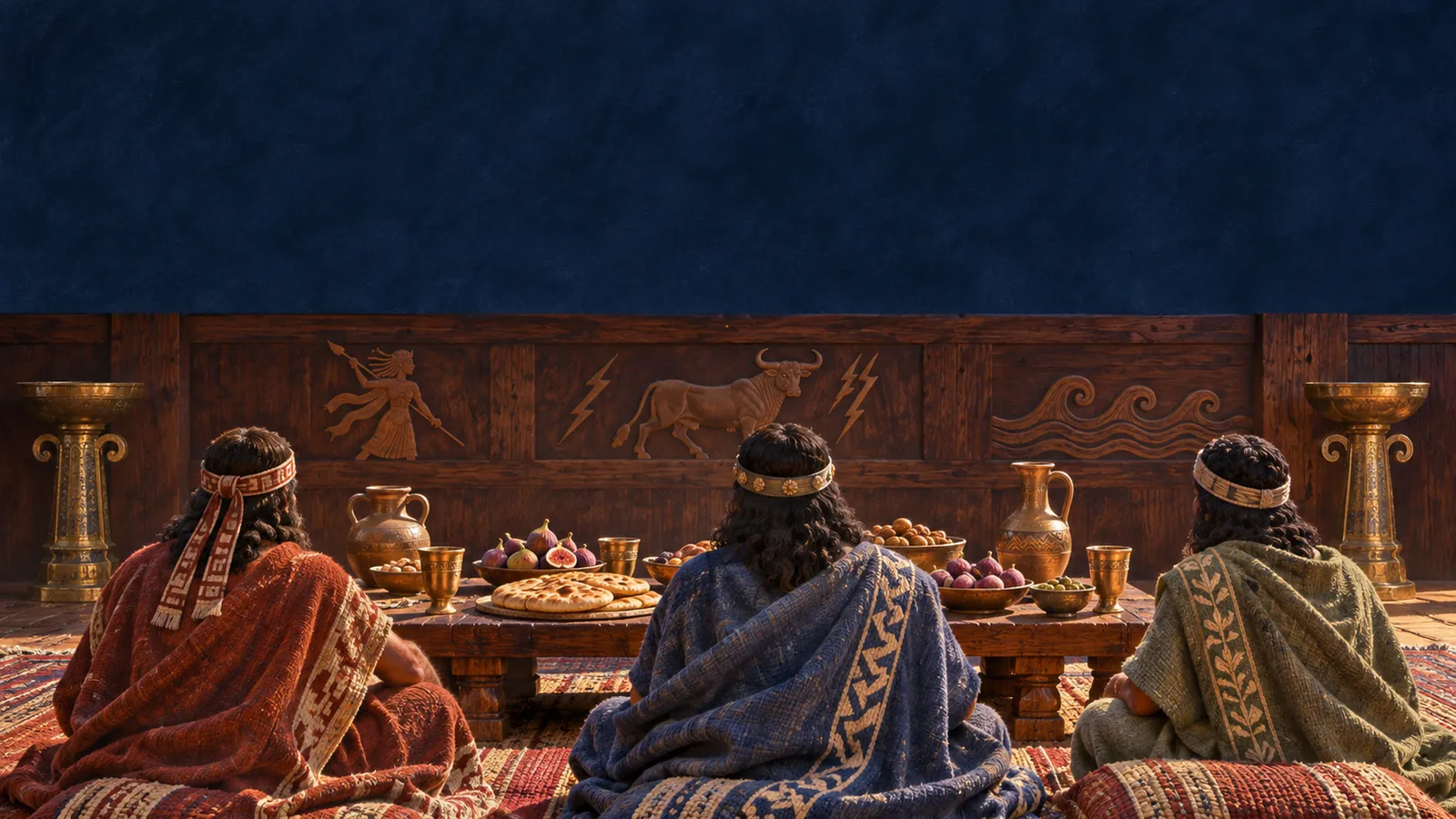
BAALS PALAST
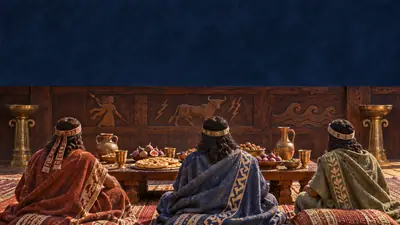
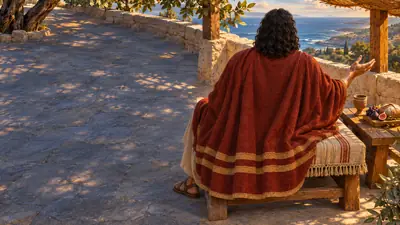
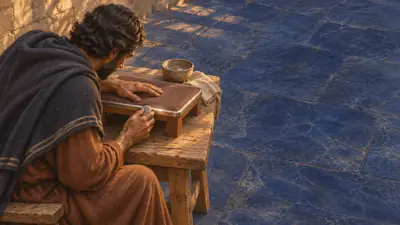
Der obere Teil der Tafel ist beschädigt. Wo die Worte wieder lesbar werden, ist ein Festmahl im Gange. Die erhaltenen Zeilen lassen seinen Anlass offen.
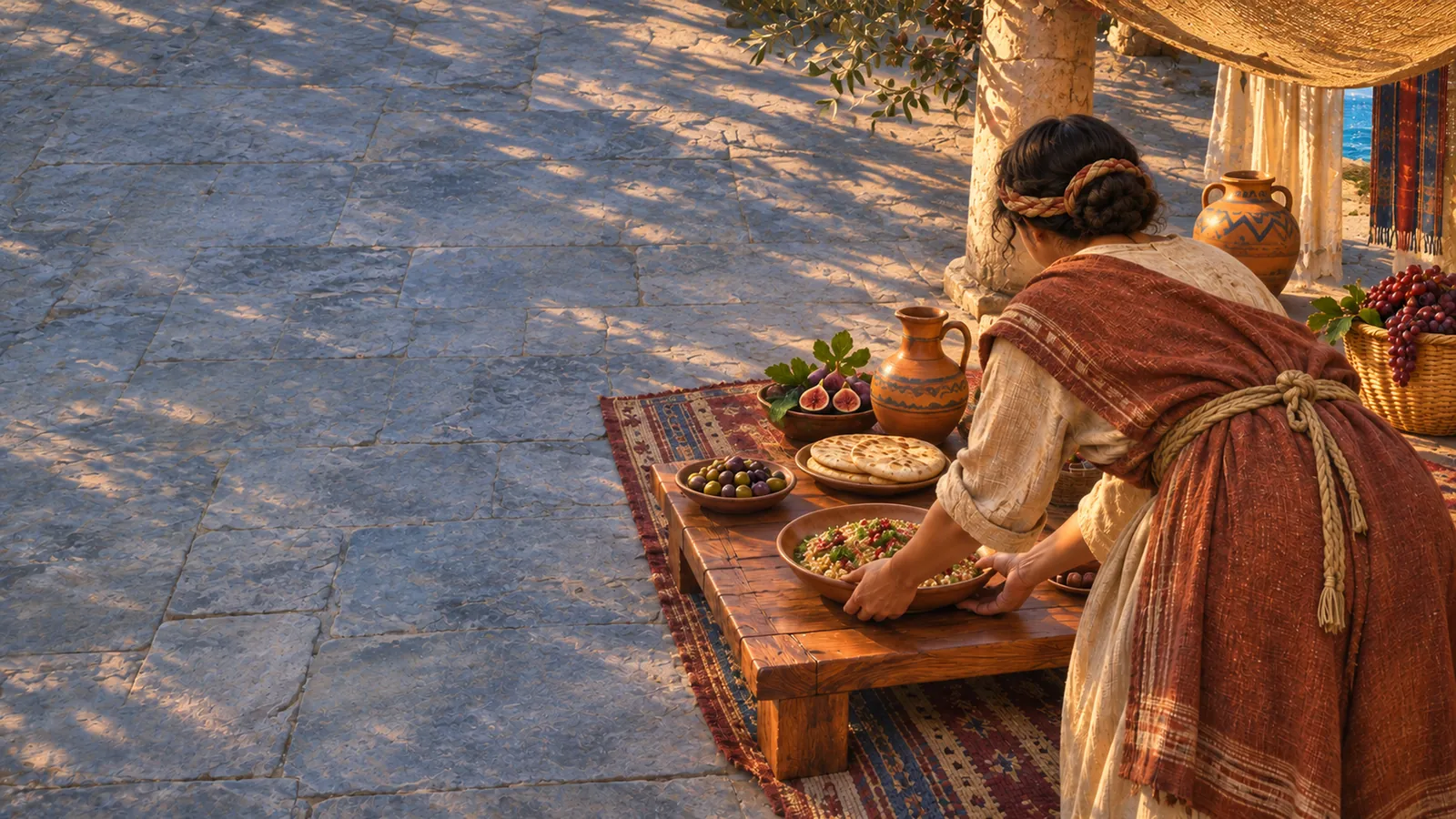
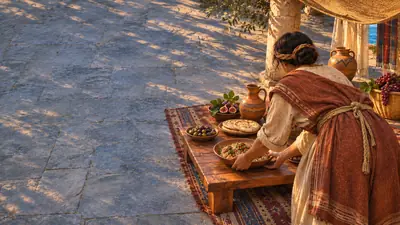
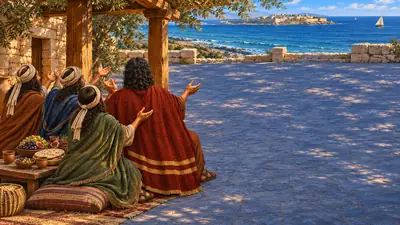
Beim Mahl werden Speisen aufgetragen. Die Verse verweilen beim Servieren, bevor sie sich dem Wein und dem Gesang zuwenden.
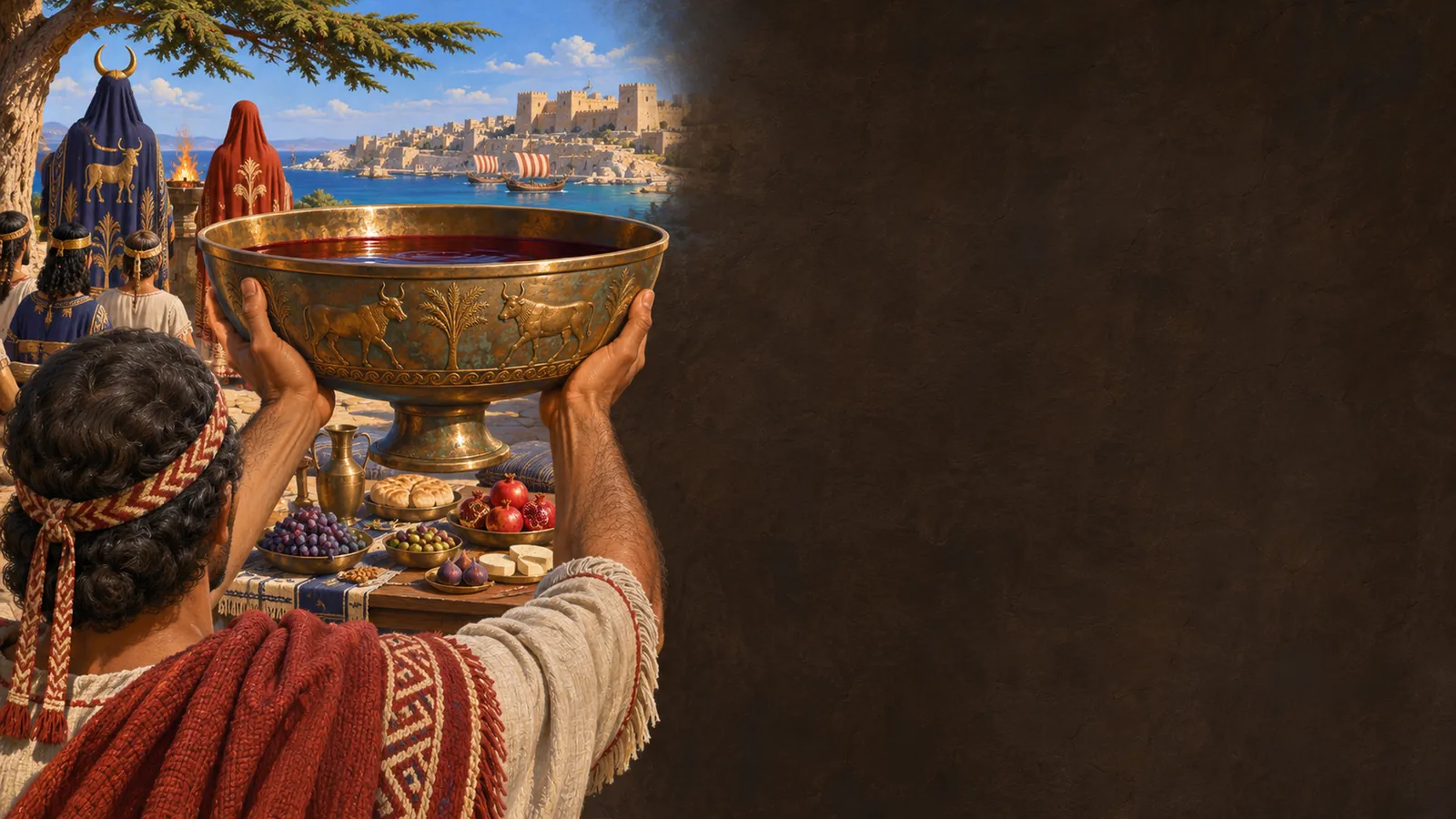
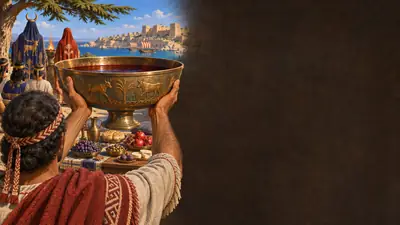
Das Gedicht beschreibt einen Weinbecher, dessen Größe den Blick auf sich zieht. Sie gehört zum Lob des Festmahls.
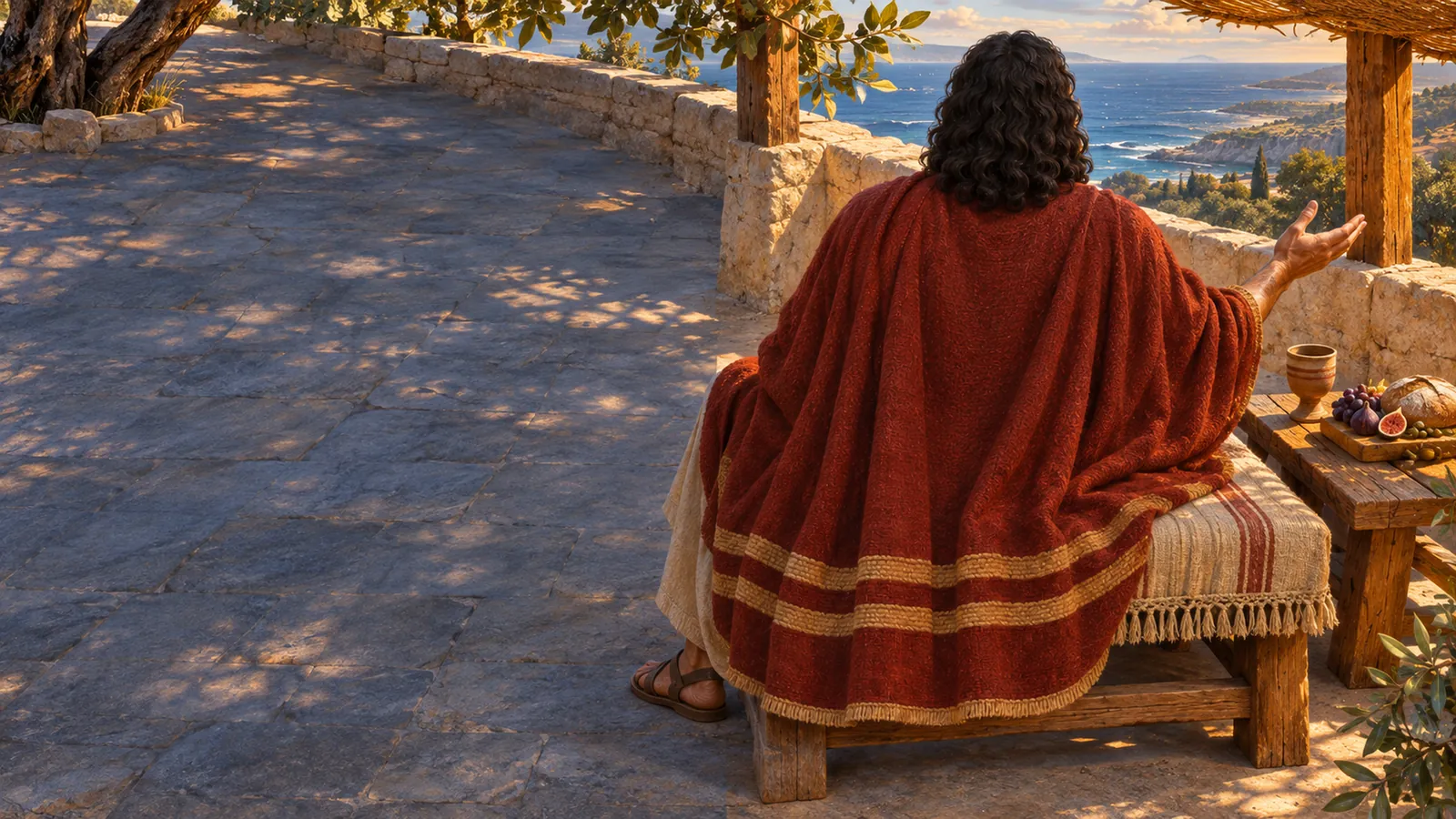
Gesang erklingt beim Mahl. Die Worte versetzen Baal auf die Höhen des Saphon, des in diesem Teil des Gedichts genannten Berges.
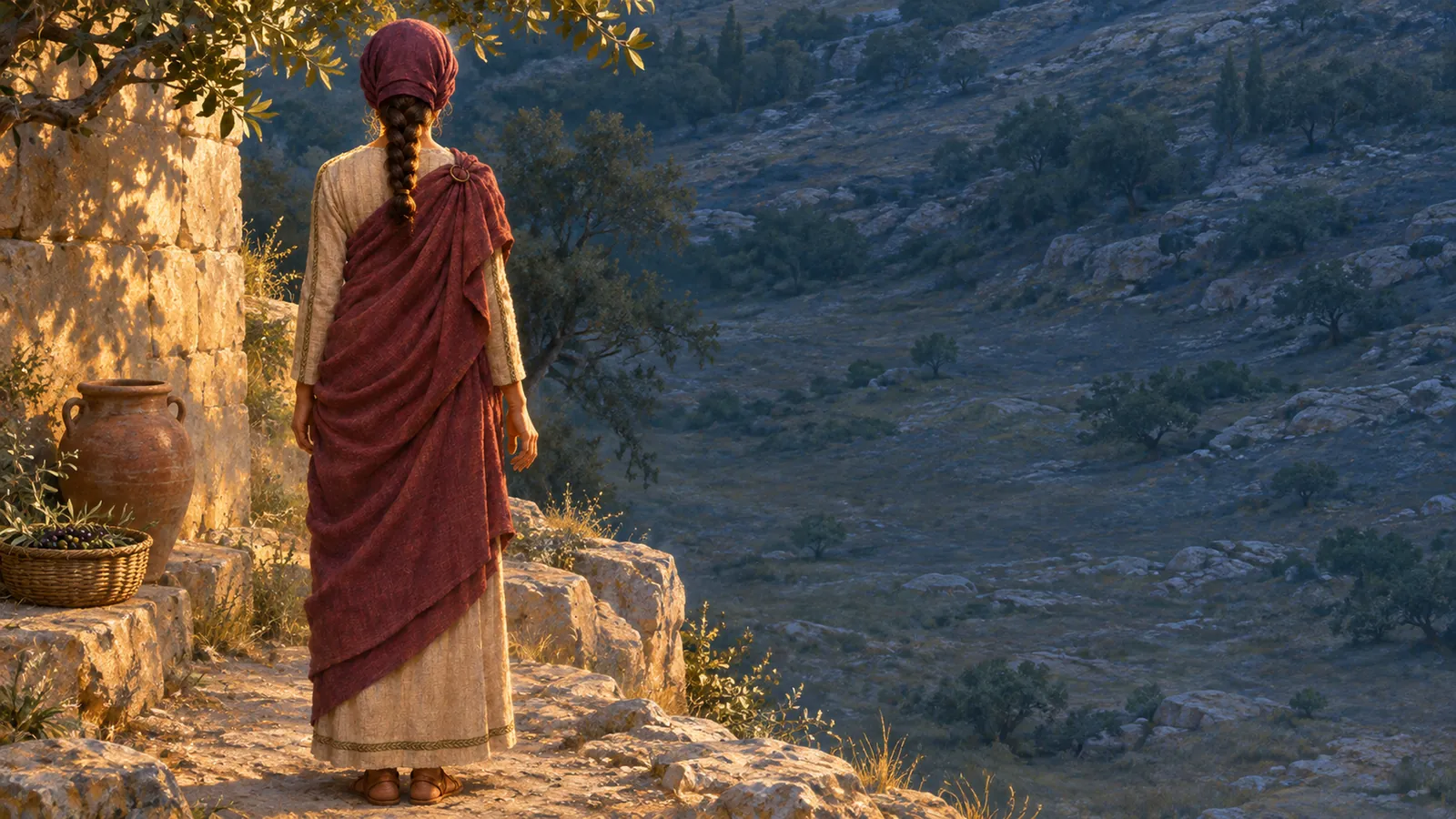
Das Gedicht führt in ein Tal, in dem Anat Menschen von der Küste und aus dem Osten tötet. Der Grund des Kampfes bleibt offen.
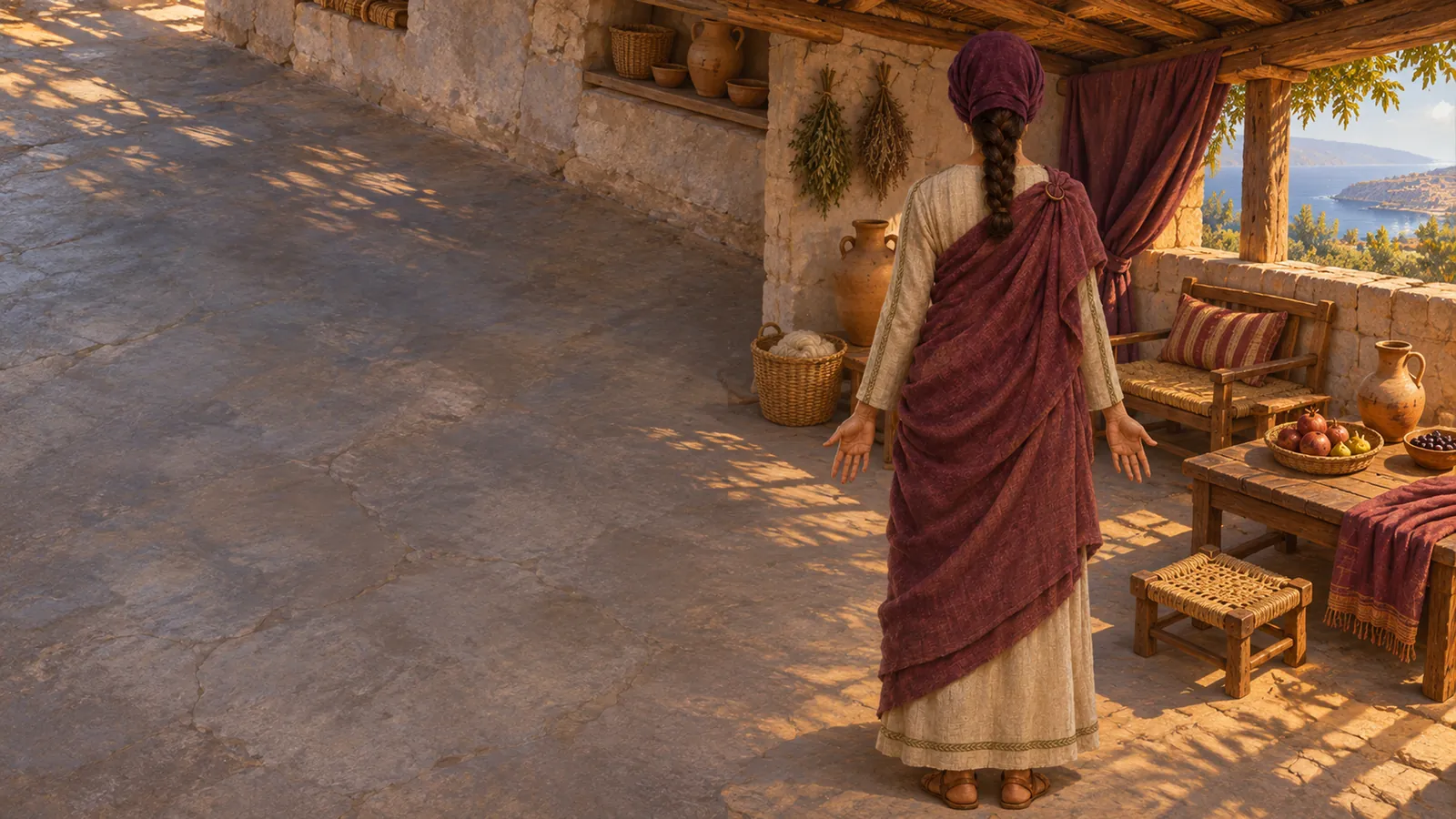
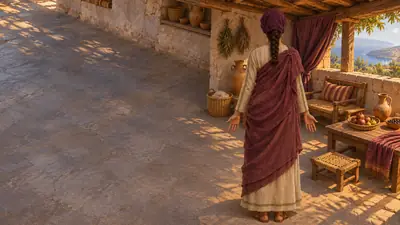
In ihrem Haus stellt Anat Tische und Sitze als Krieger auf und kämpft weiter. Das Gedicht erzählt von ihrer Freude am Kampf.
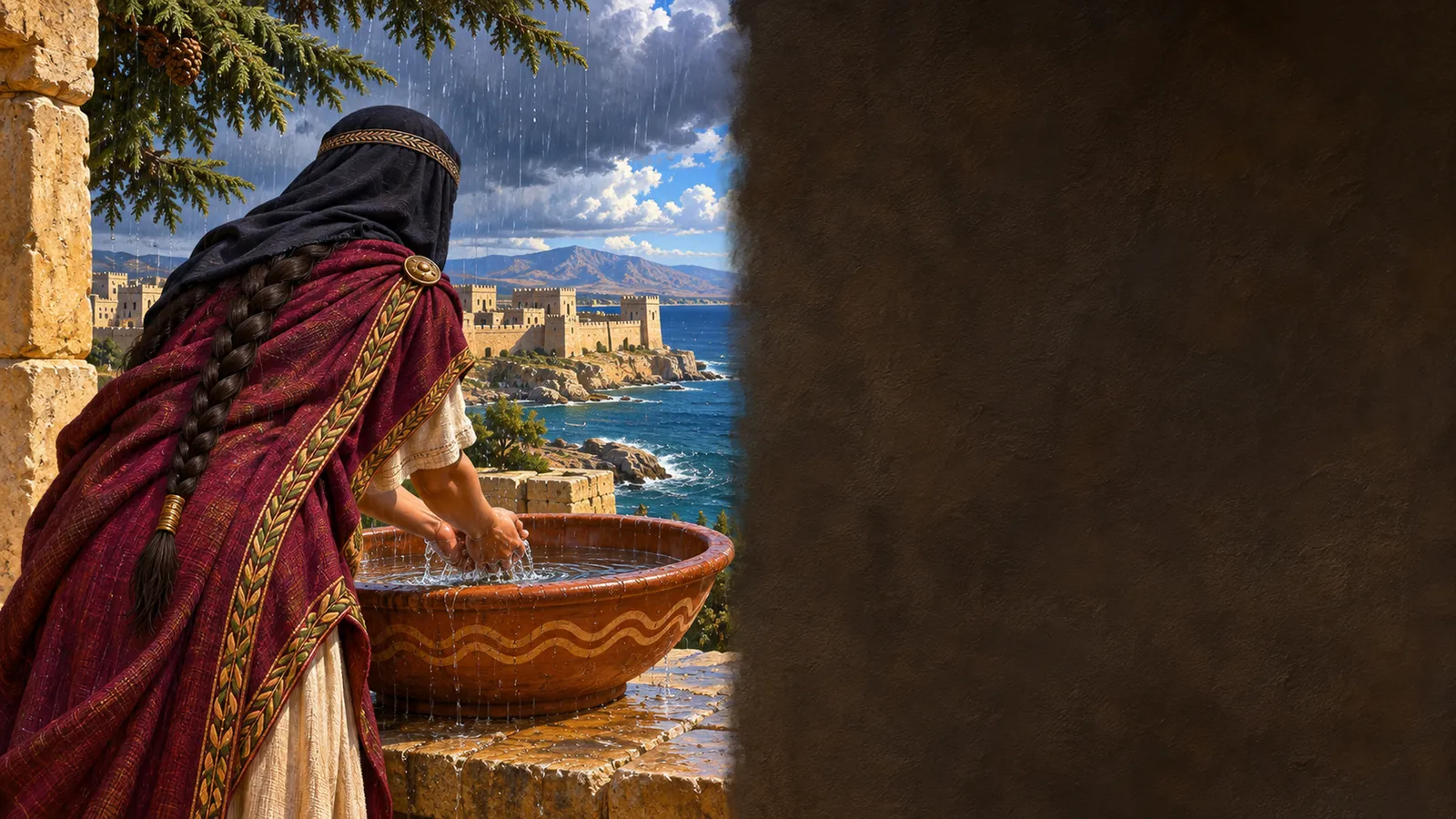
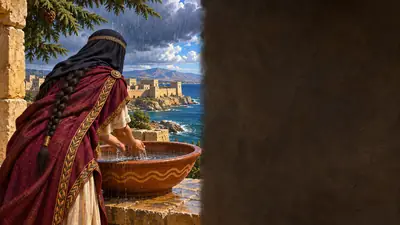
Als der Kampf endet, wäscht Anat das Blut der Krieger von ihren Händen. Dann badet sie in Tau und Regen.
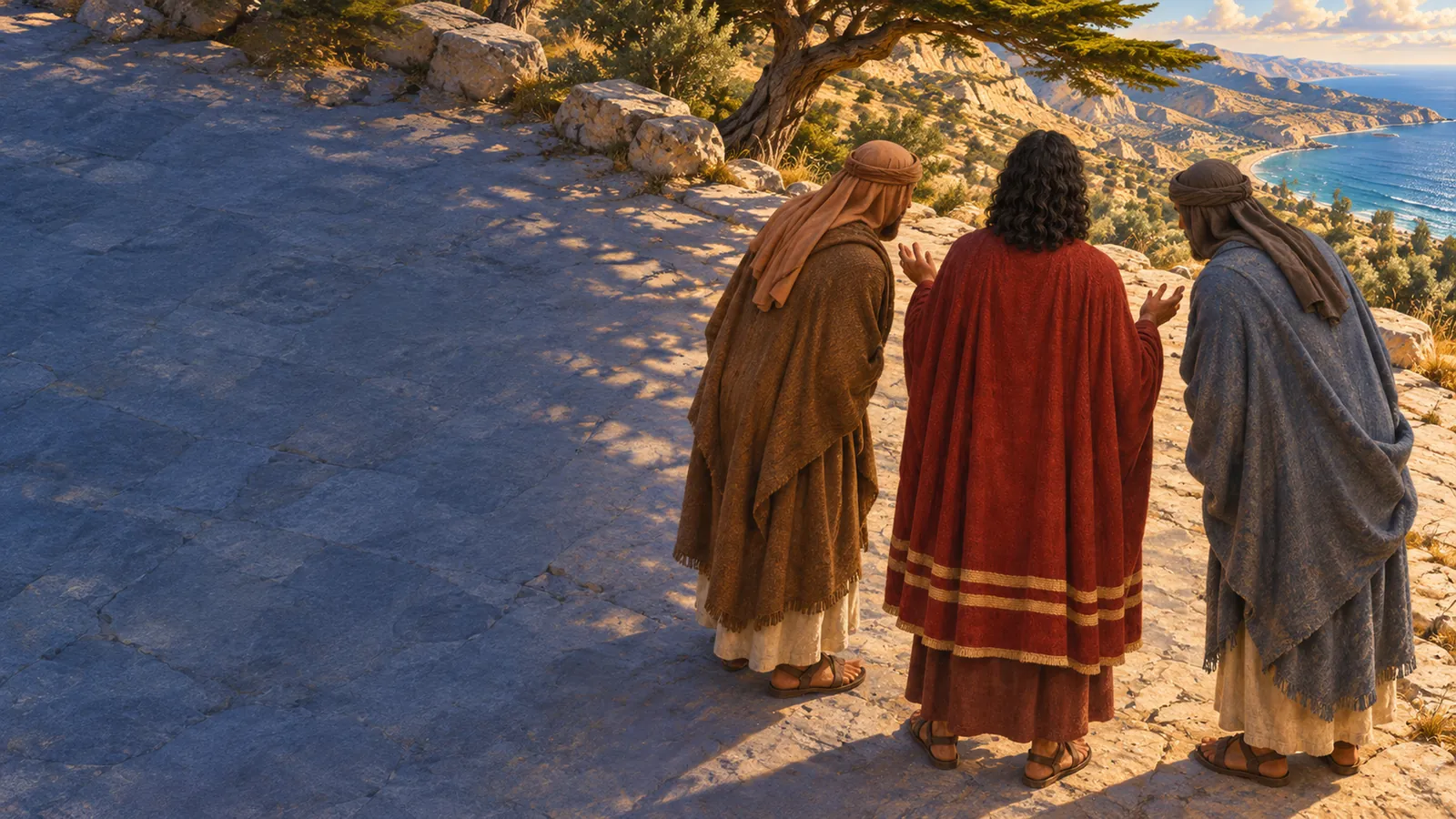
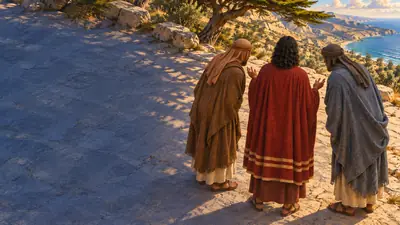
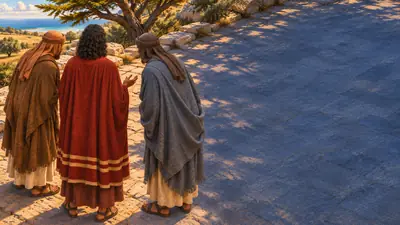
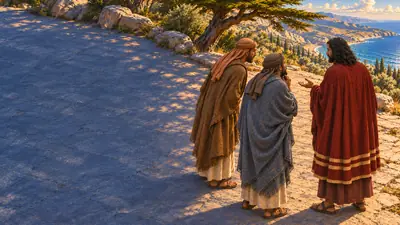
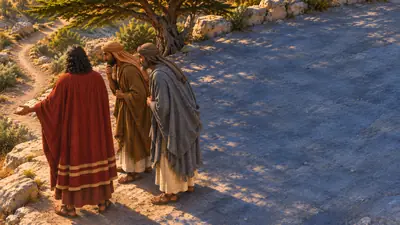
Baal schickt zwei Boten, die mit Anat sprechen sollen. Er weist sie an, ihr mit dem Respekt zu begegnen, der der Empfängerin gebührt.
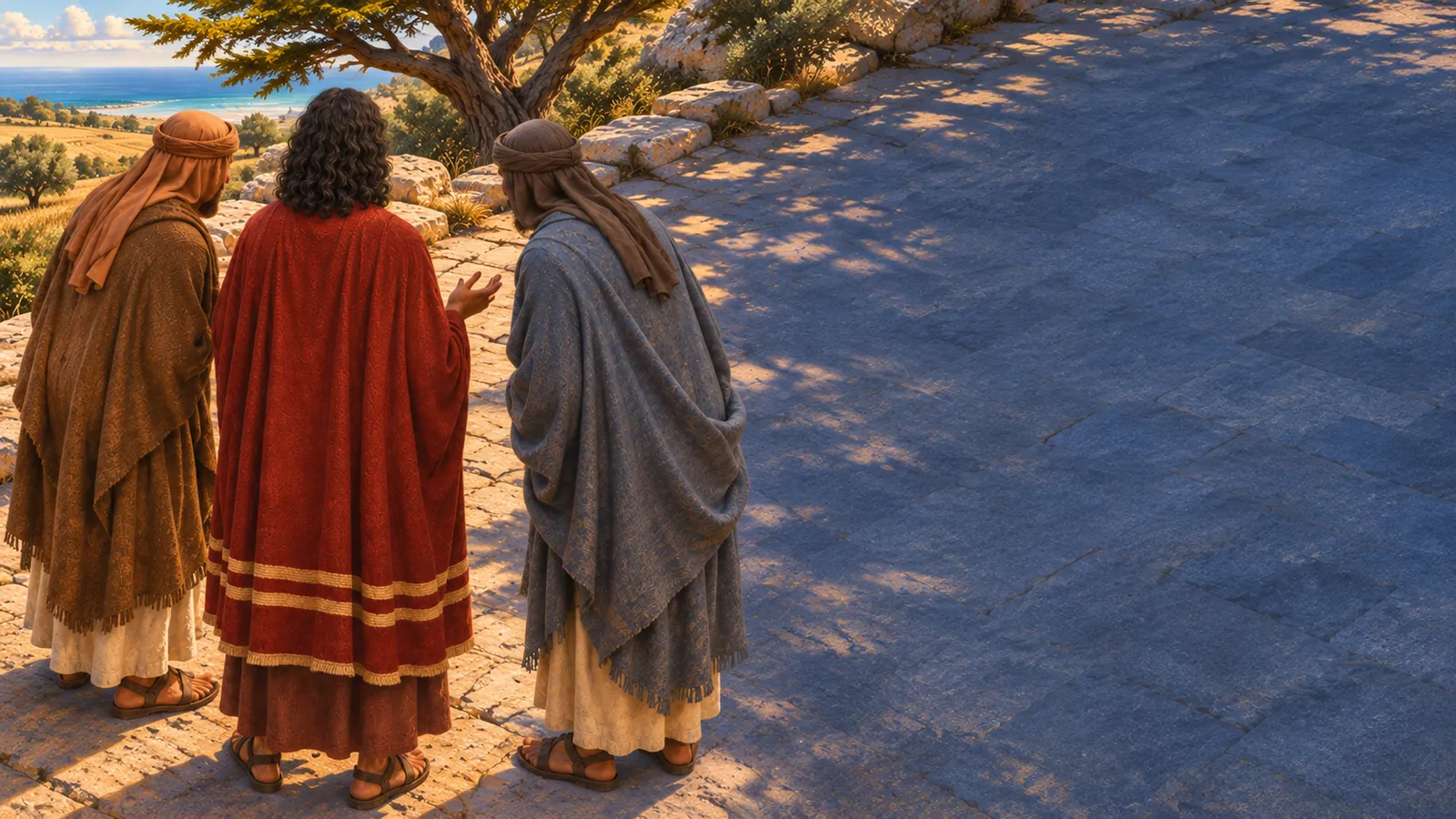
In den Anweisungen an die Boten spricht Baal davon, den Streit beizulegen. Er spricht vom Frieden im Land und auf den Feldern.
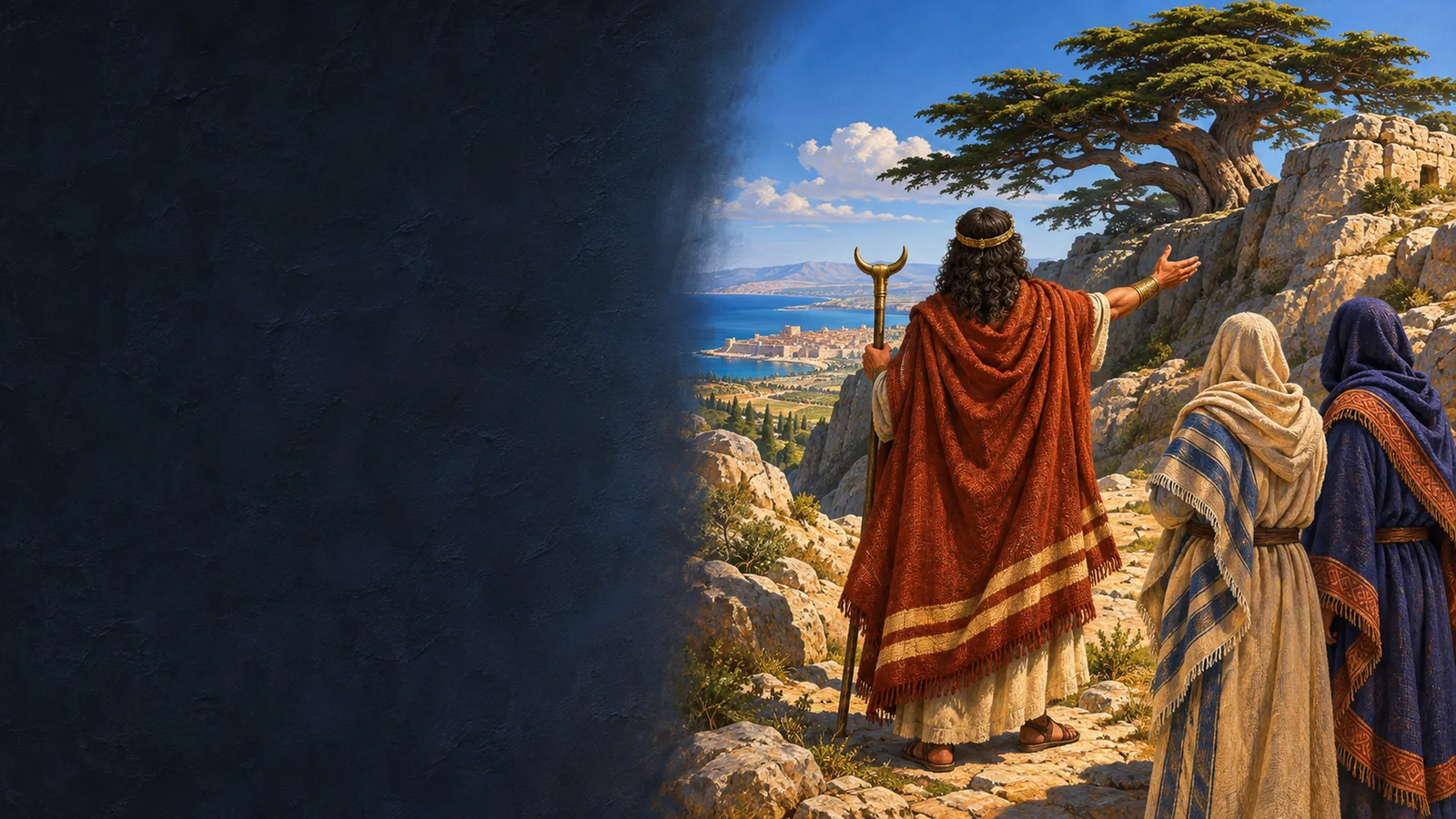
Baal hat Anat etwas zu sagen. Seine Botschaft spricht von Baum und Stein und vom Austausch zwischen Himmel und Erde.
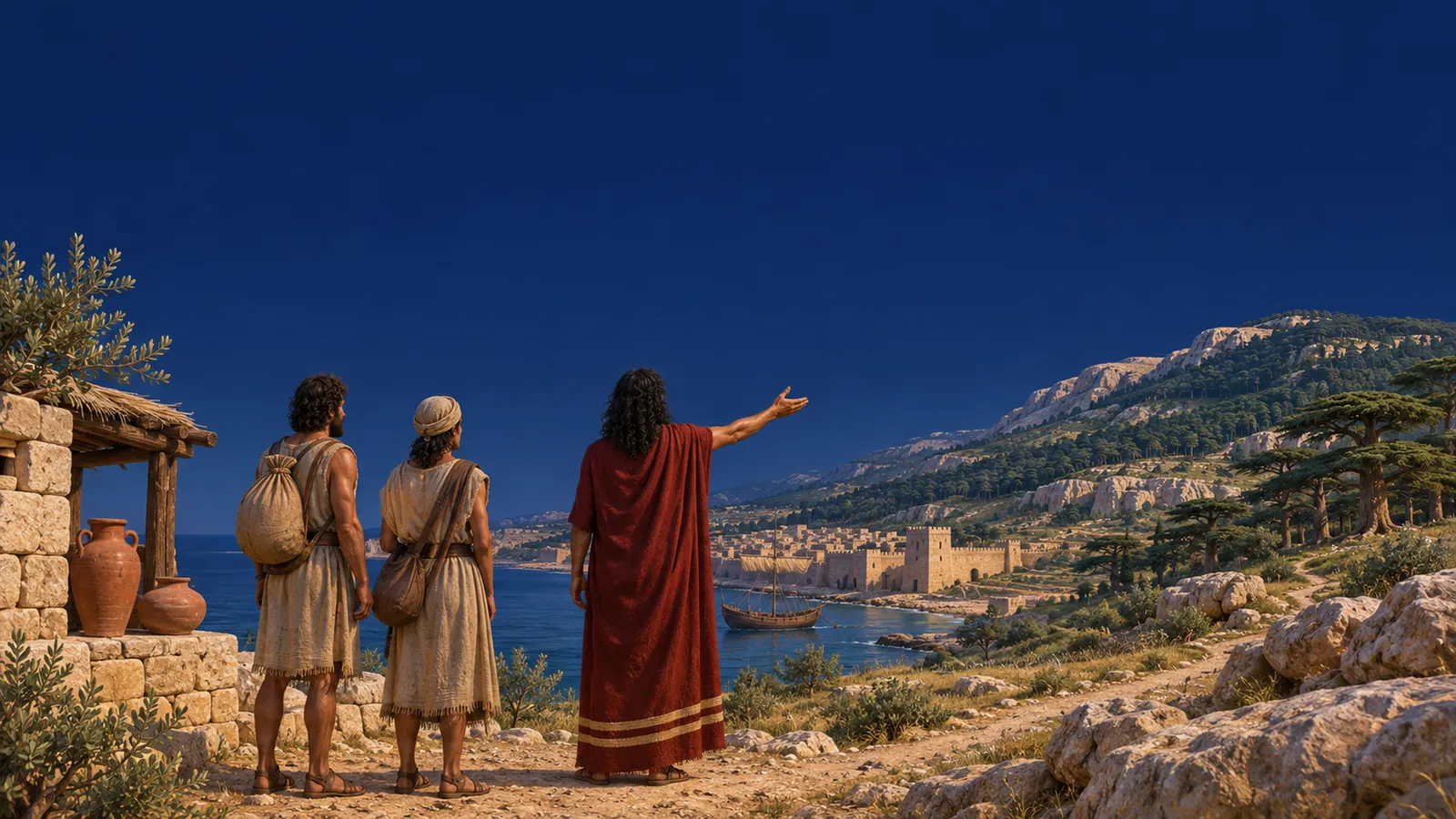
SAPHON
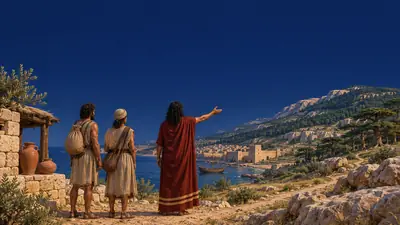
Baal bittet Anat, zum Saphon zu kommen und zu hören, was er weiß. Er nennt ihn seinen heiligen Berg und den Hügel, den er geerbt hat.
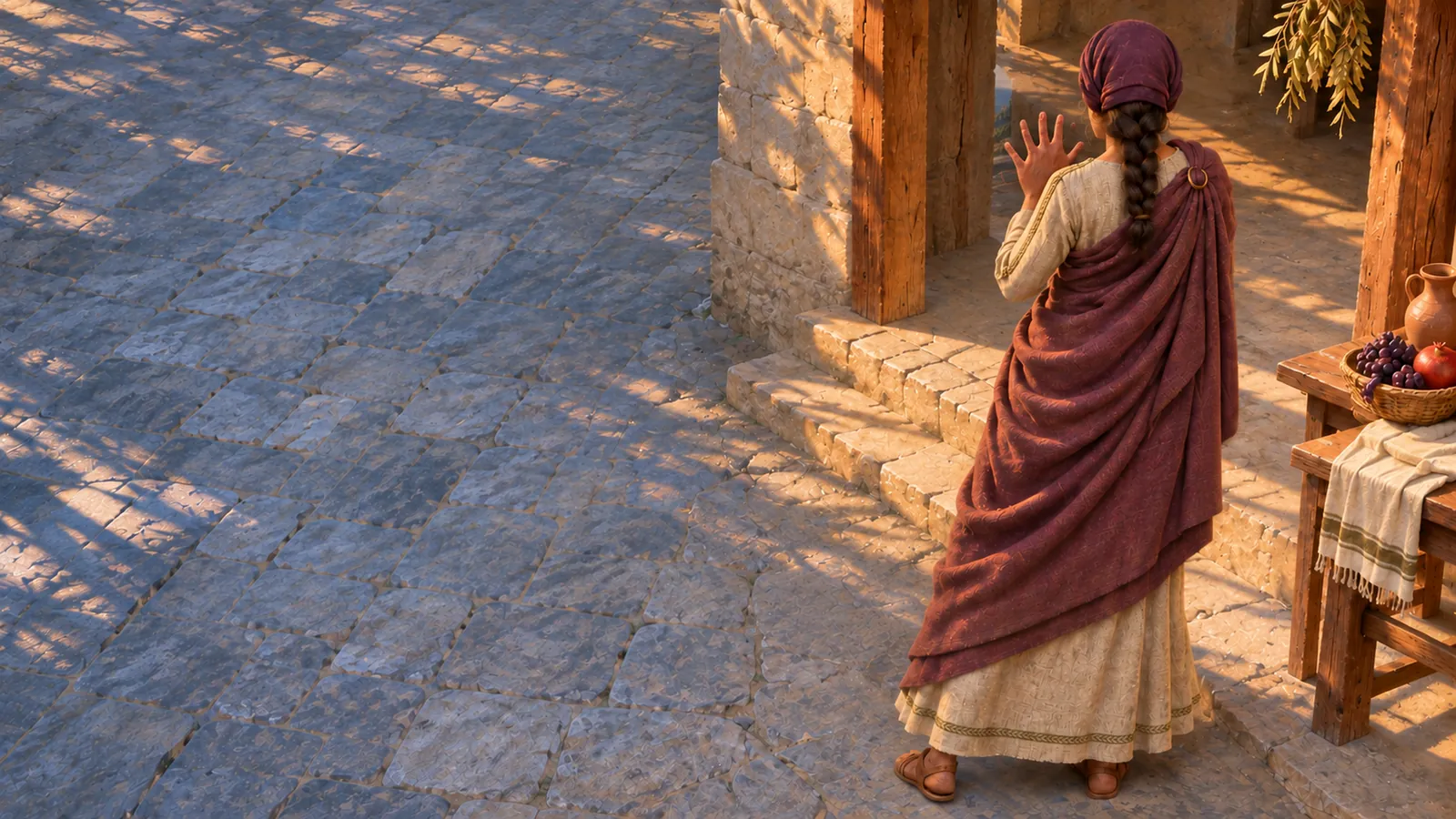
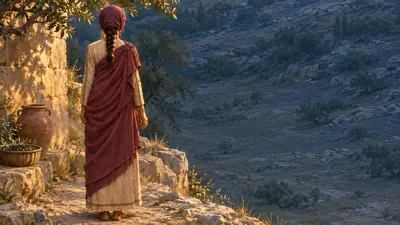
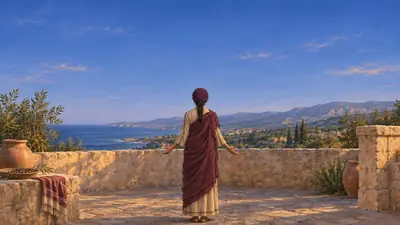
Anat sieht die Boten näherkommen. Noch bevor sie sprechen, ergreift sie bei ihrem Anblick die Furcht.

Anat fragt sich, welcher Feind Baal beunruhigt haben könnte. In ihrer Frage nennt sie Gegner, die sie einst besiegt hat, und erinnert an jene Begegnungen.
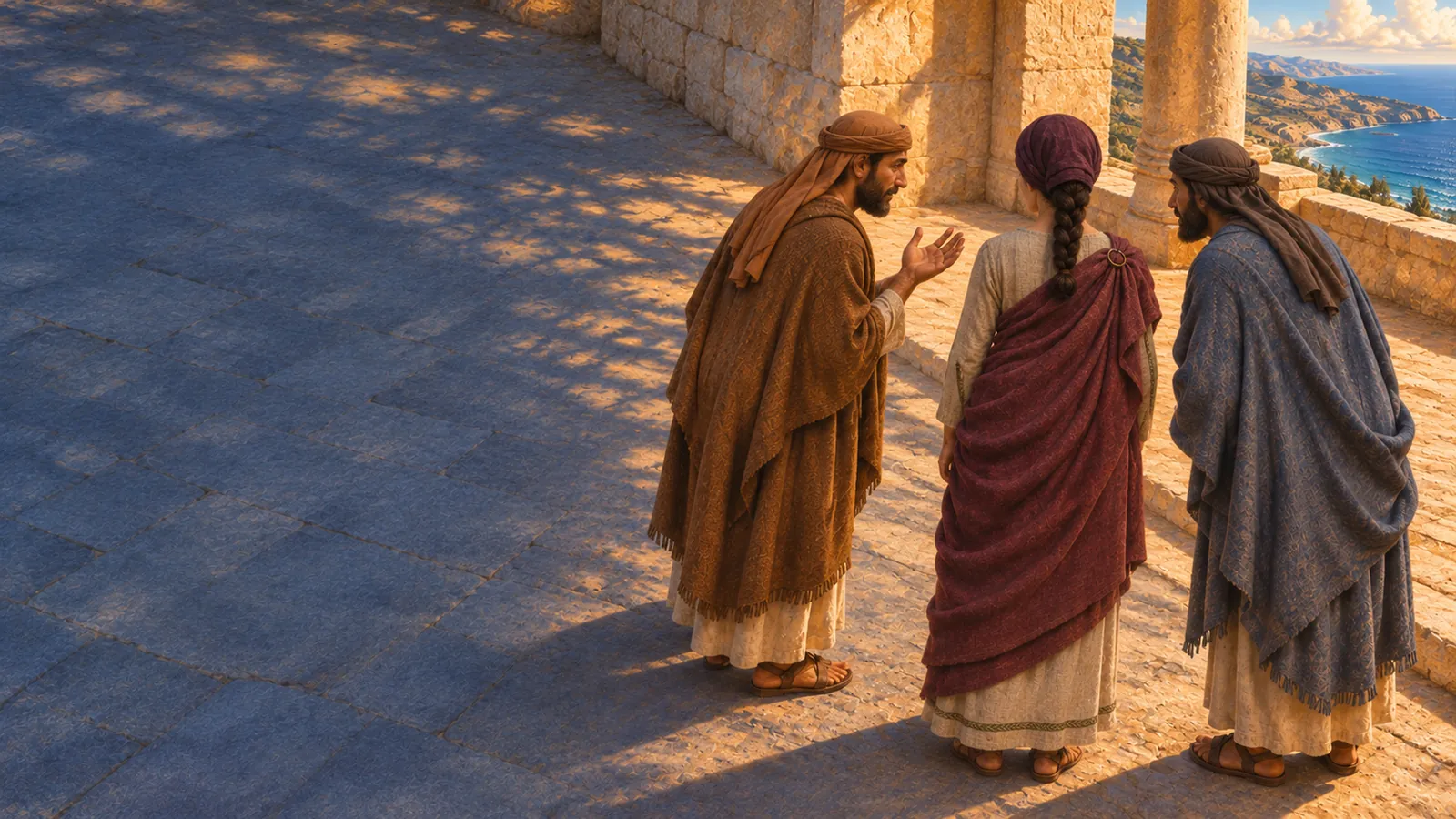
Die Boten überbringen die ihnen anvertrauten Worte. Baal bittet Anat, zu ihm auf den Saphon zu kommen und zu hören, was er zu sagen hat.
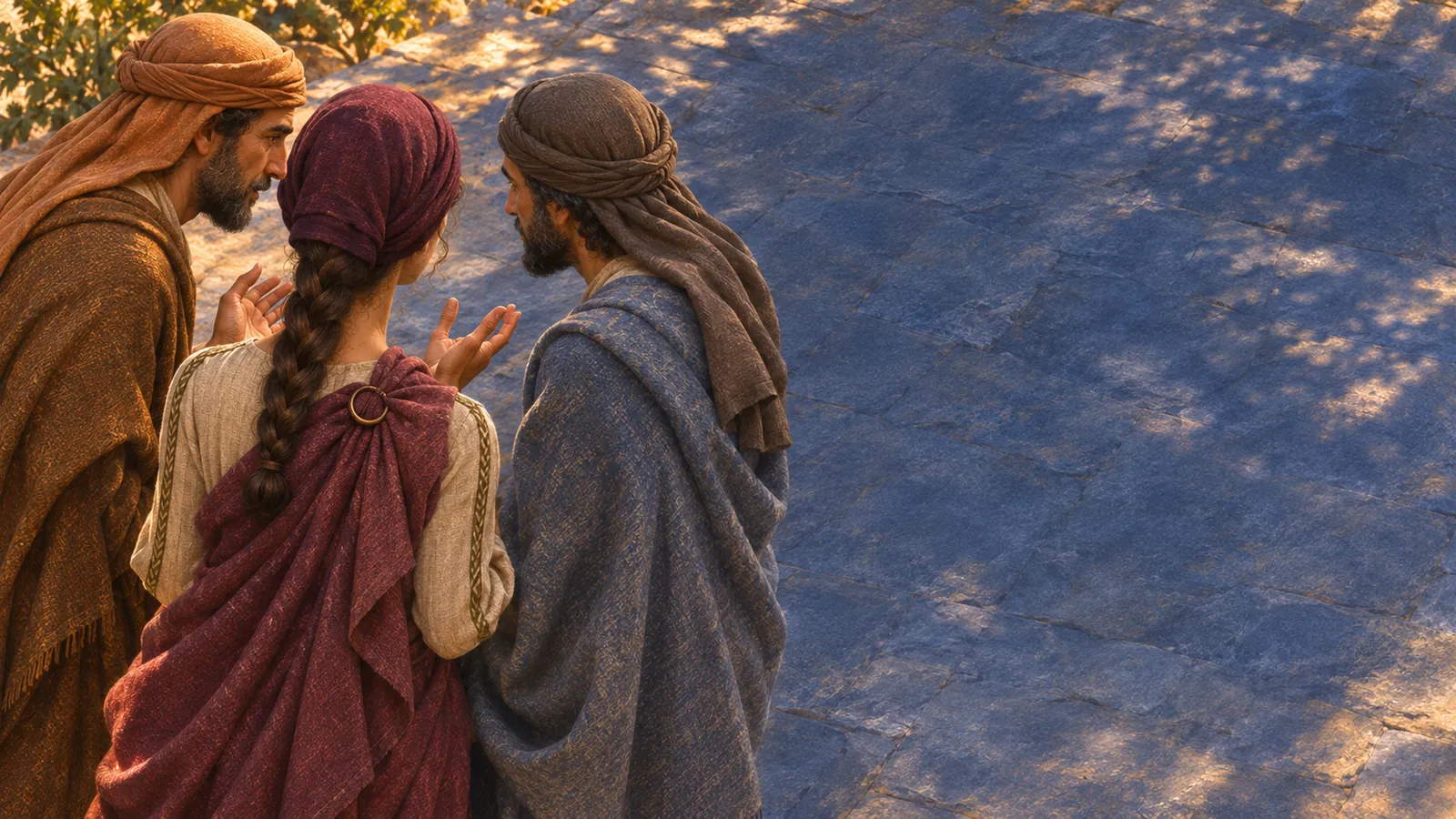
Anat antwortet den Boten. Sie greift die Worte über das Beilegen des Streits auf und fragt, was sie ihr zu sagen haben.

Anat sagt, sie werde sich beeilen. Sie geht zu Baal auf den Höhen des Saphon, und er sieht seine Schwester kommen.
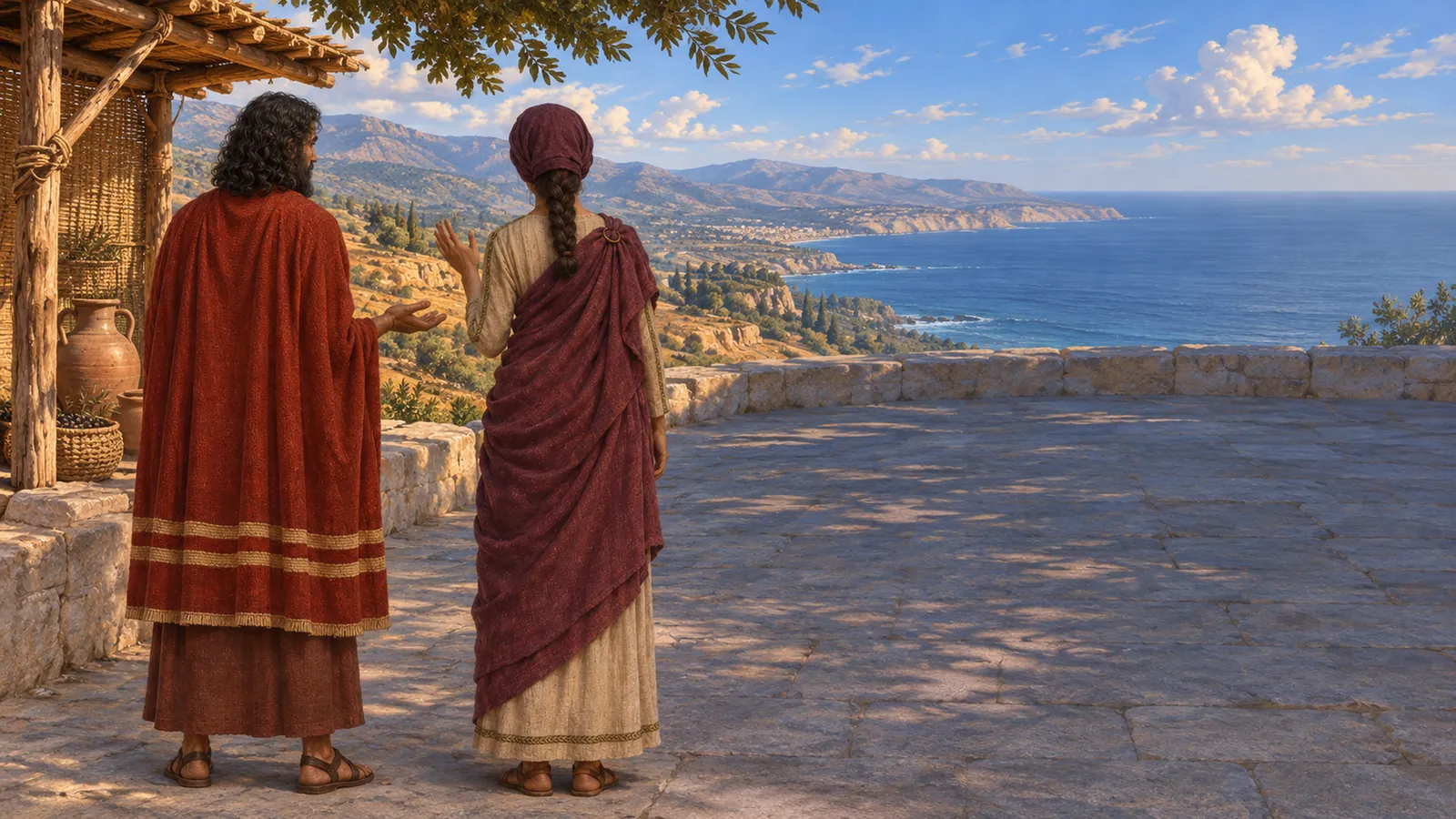
Baal hat kein Haus wie die anderen Götter und keinen Hof wie Athirats Familie. Anat antwortet, sie werde bei El darauf drängen.

Anat sagt, was sie tun wird, falls das Haus verweigert wird. Sie bricht zu Els Wohnstatt auf, und die beschädigten Zeilen bewahren einen Teil ihres Weges.
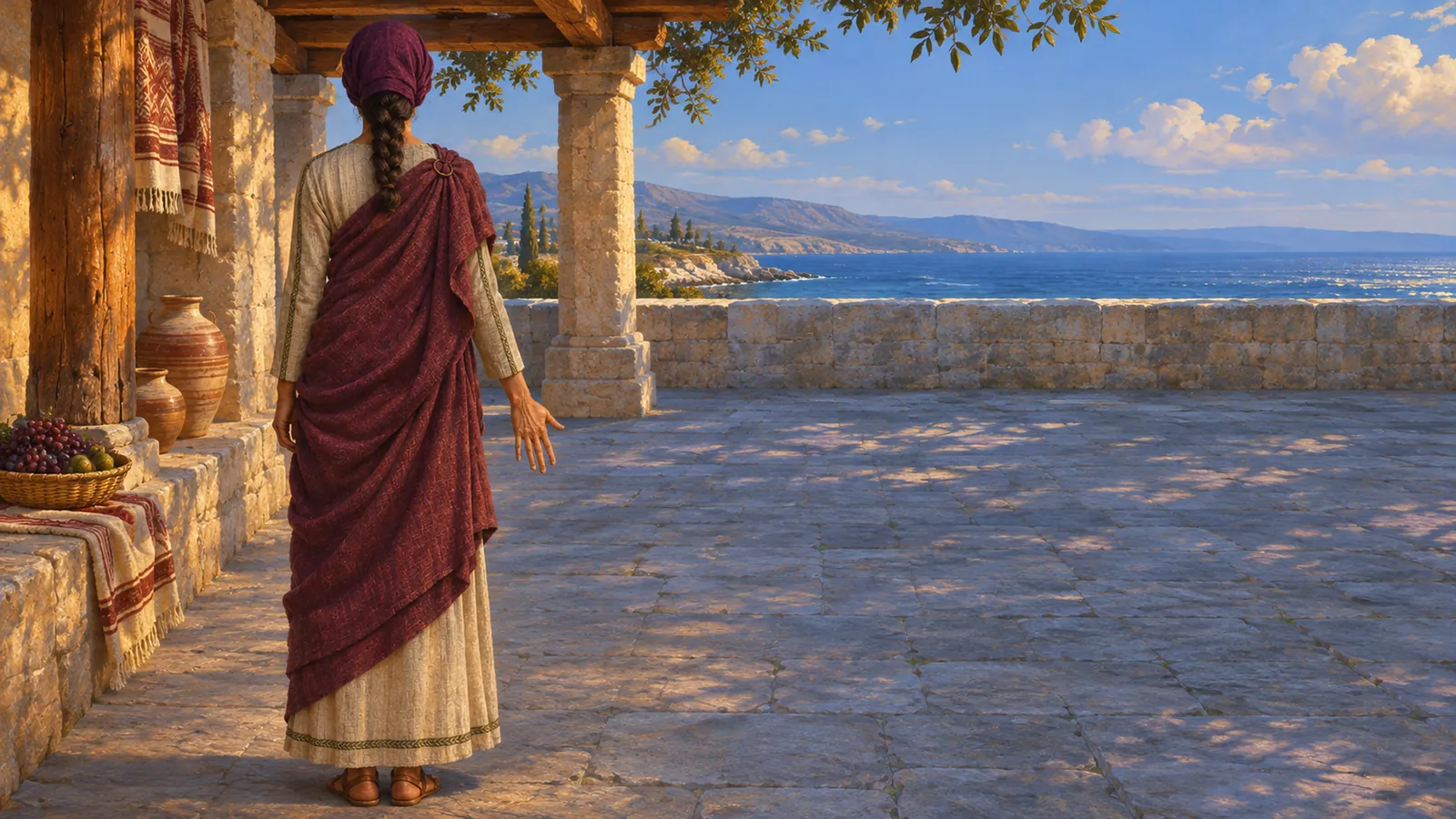
Vor El spricht Anat zornig und stößt eine Drohung aus. El antwortet ihr und nennt sie seine Tochter.
DIE BITTE
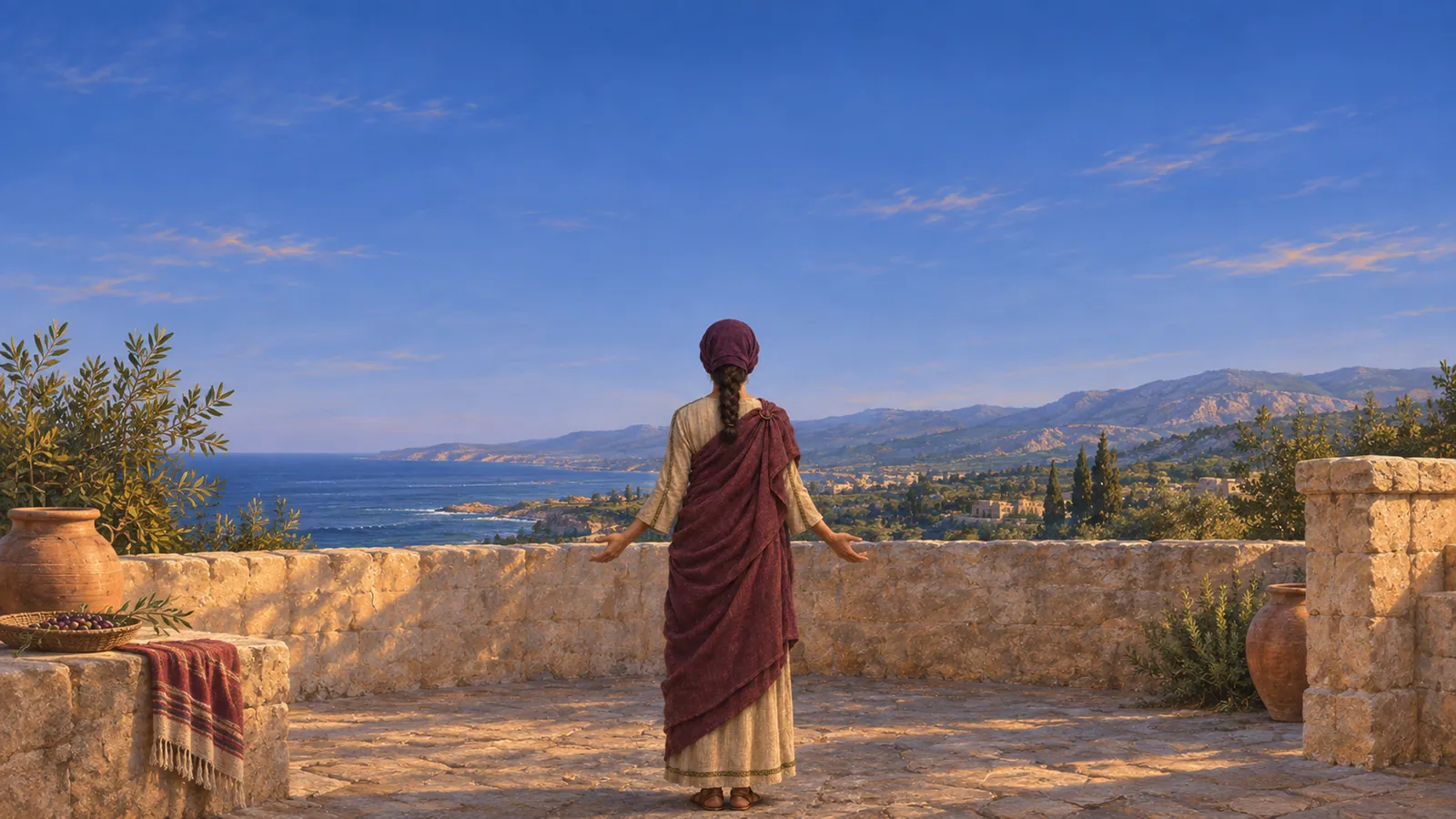
Anat lobt Els Weisheit und kommt auf ihre Bitte zurück. Die anderen Götter, sagt sie, hätten Wohnstätten, während Baal noch keine habe. Els endgültige Antwort auf diese Bitte ist nicht erhalten.
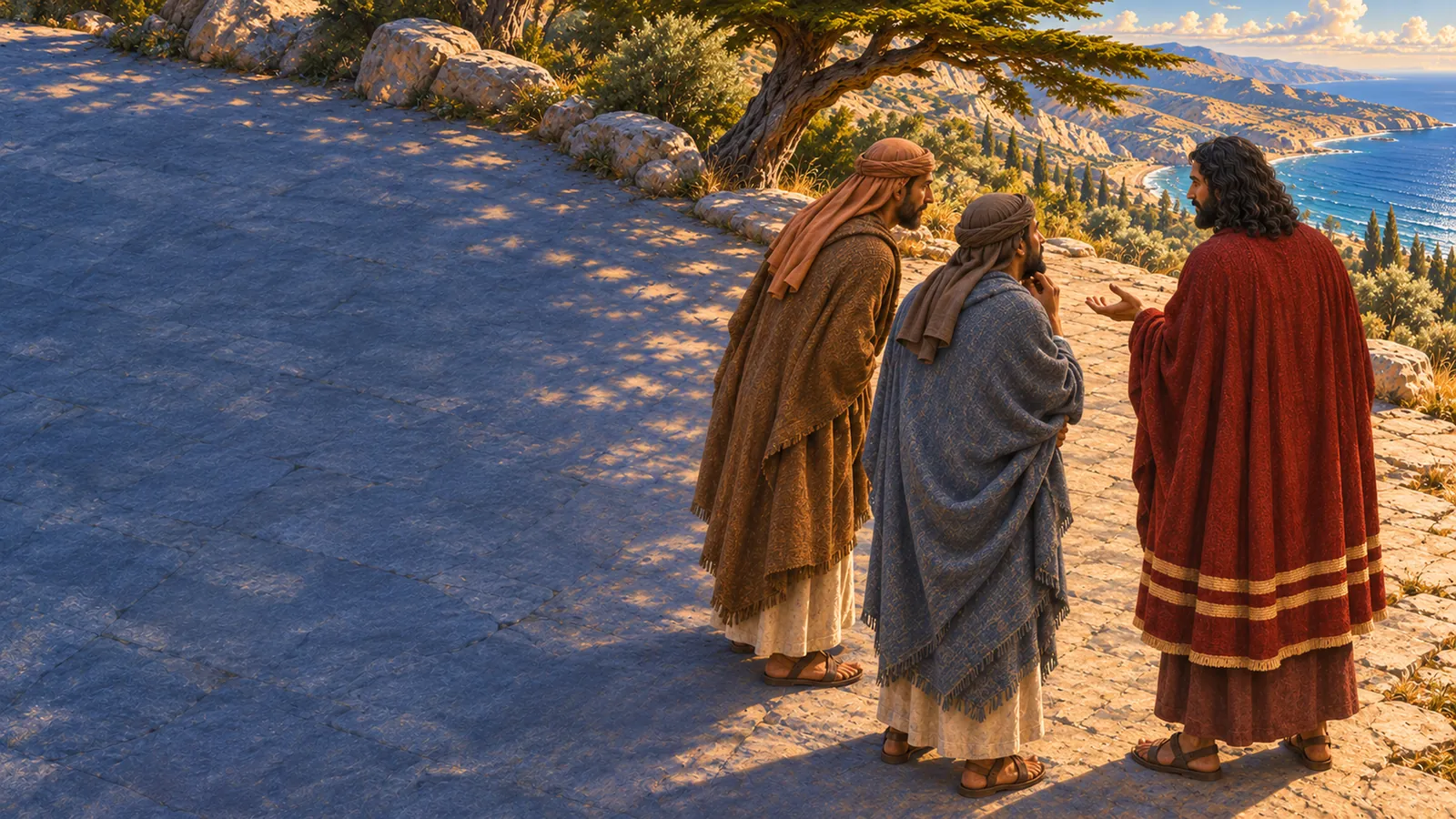
Die nächsten erhaltenen Anweisungen erwähnen ein Geschenk für Athirat im Zusammenhang mit dem Haus. Baal ruft Gapn und Ugar, damit sie seine Worte überbringen.
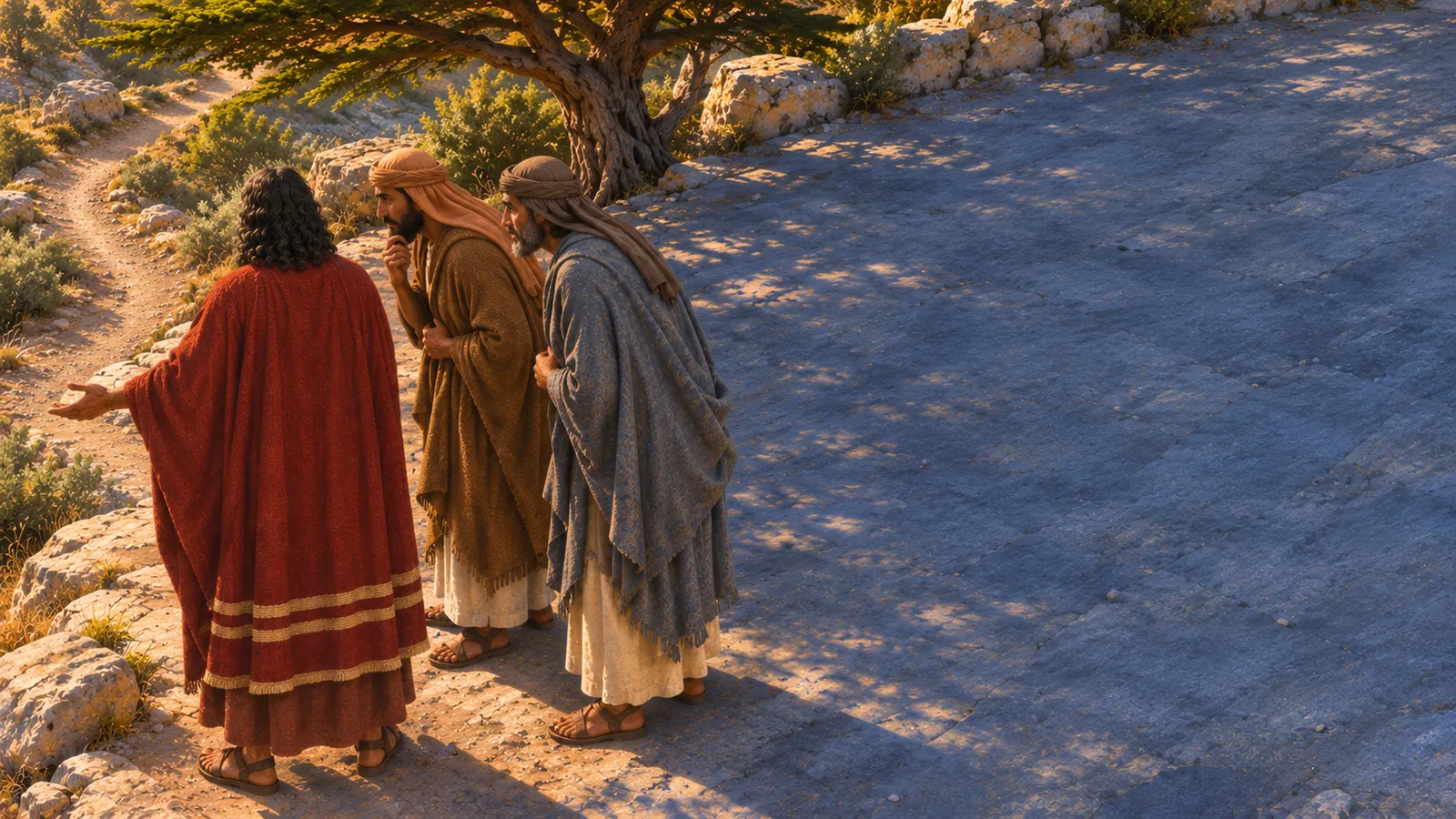
Baal erklärt seinen Boten, welchen Weg sie nehmen und wie sie sich bei ihrer Ankunft nähern sollen. Sie haben eine neue Botschaft zu überbringen.
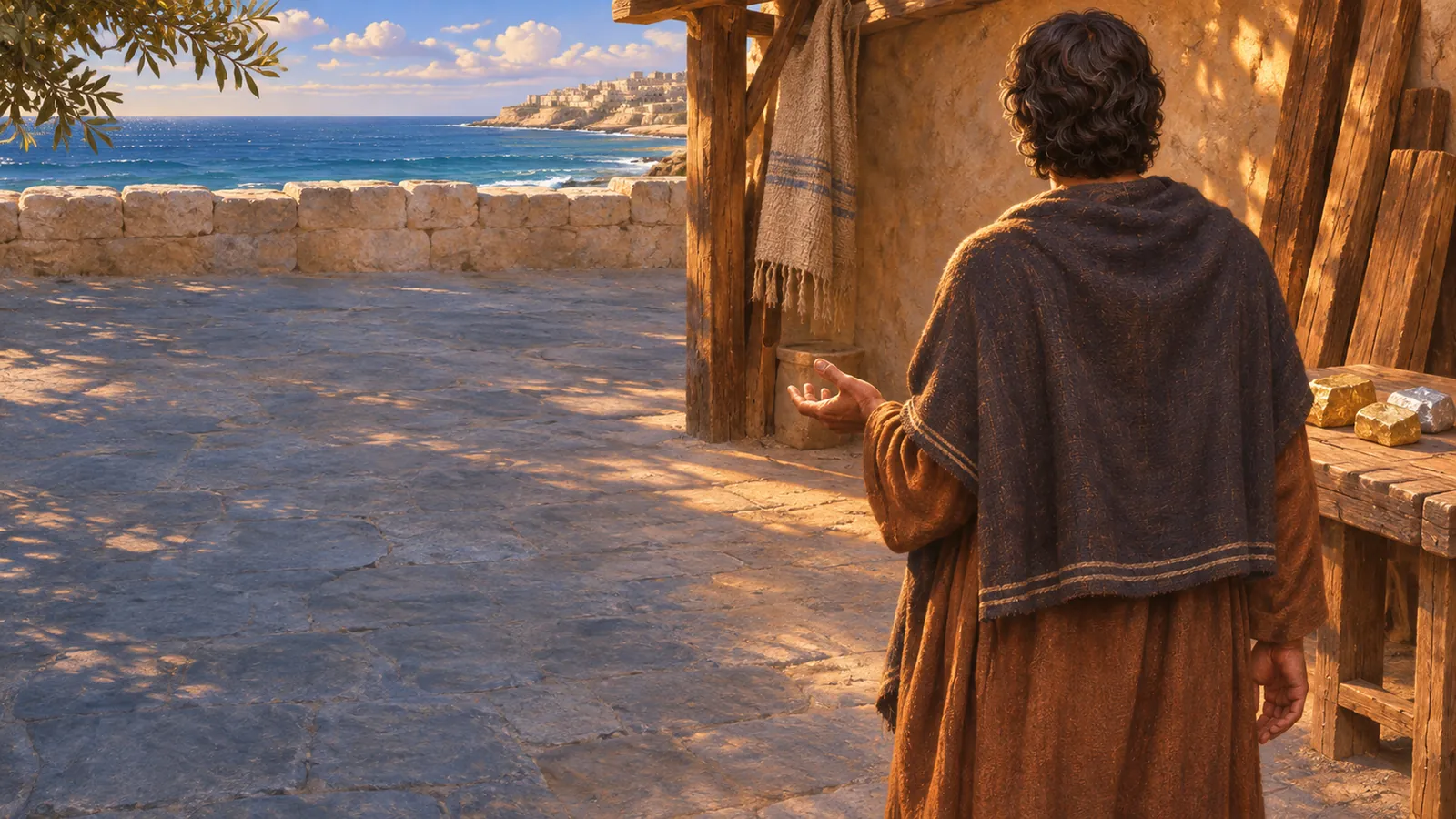
Die beschädigte Botschaft spricht wieder vom Haus, das Baal fehlt. Nun wird Kothar gebeten, ein Geschenk für Athirat anzufertigen.
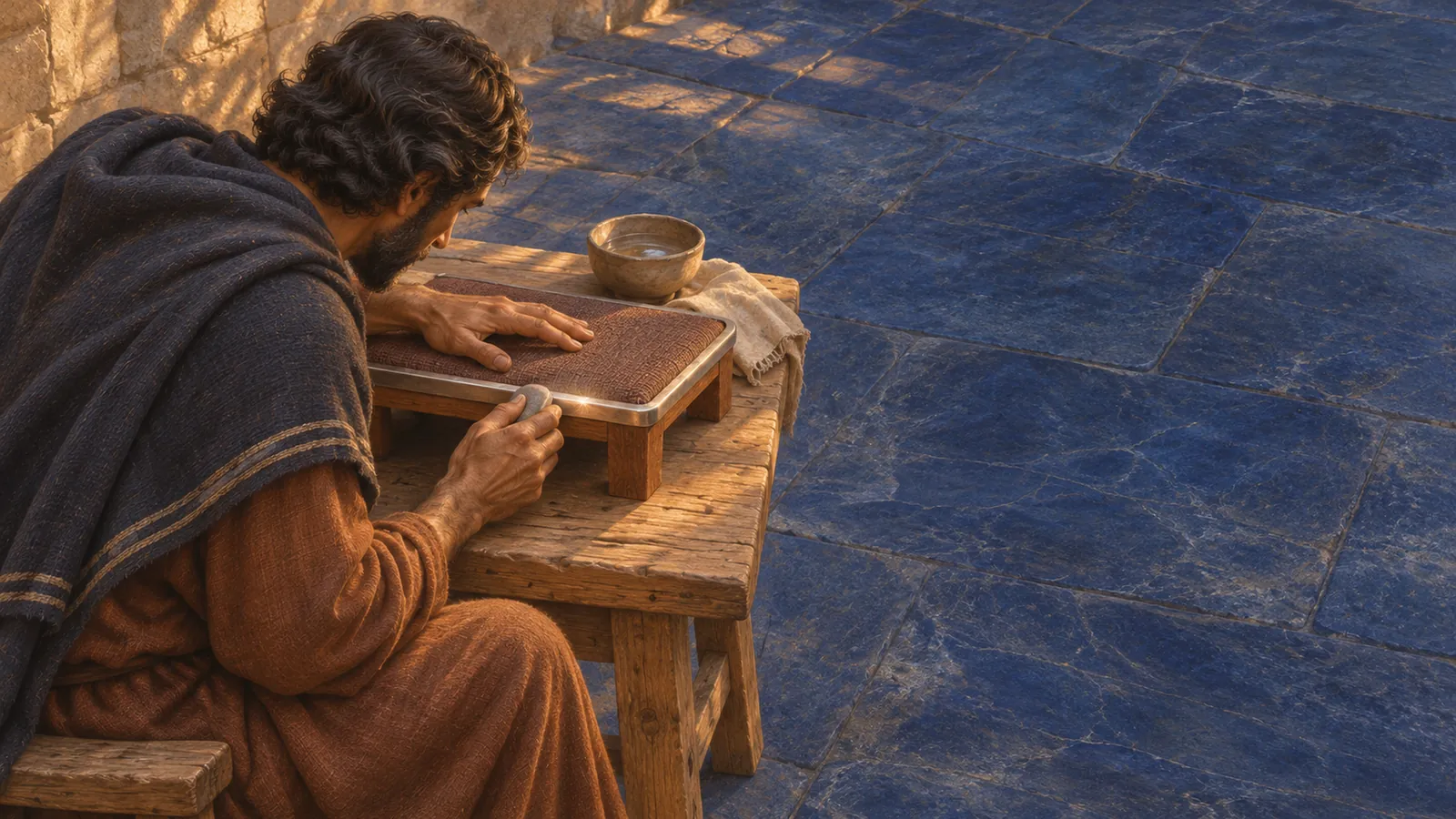
Kothar bearbeitet Edelmetalle. Das Gedicht nennt ein erhöhtes Podest, einen Sitz und einen Fußschemel unter den Stücken, die er anfertigt.
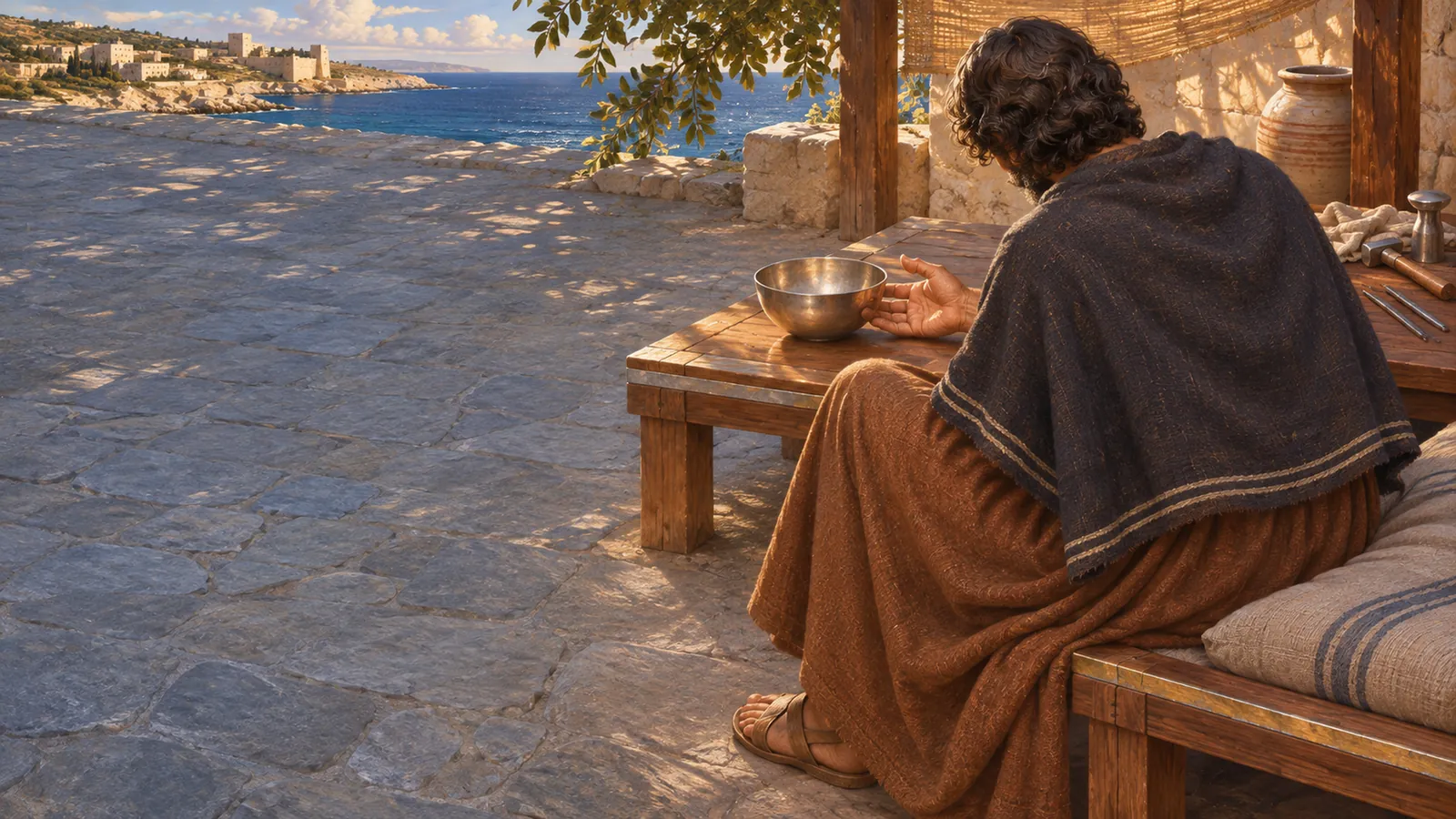
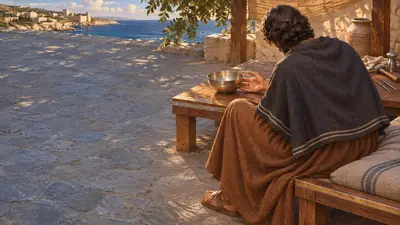
Zu Kothars Geschenken gehören eine Liege, ein Tisch und eine fein gearbeitete Schale. Das Gedicht hebt die Güte der Arbeit hervor.

Die erhaltenen Worte führen zu Athirat am Wasser. Die Stelle ist schwierig, und die darin beschriebene Arbeit mit Stoff und Feuer wird unterschiedlich gelesen.
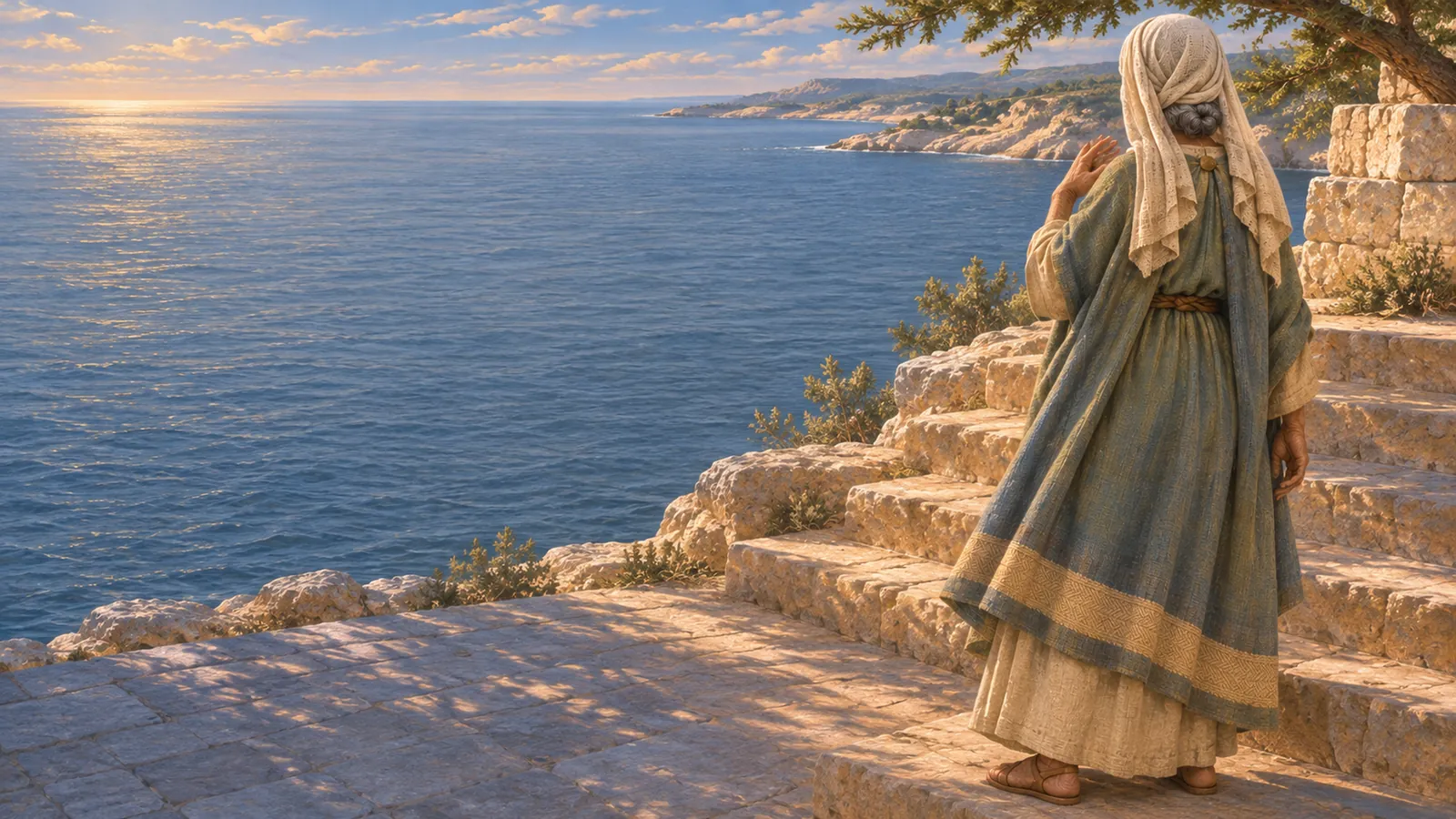
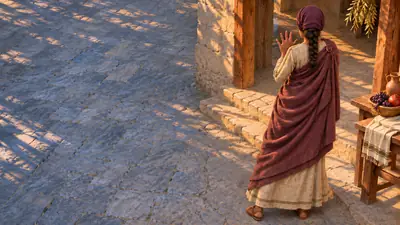
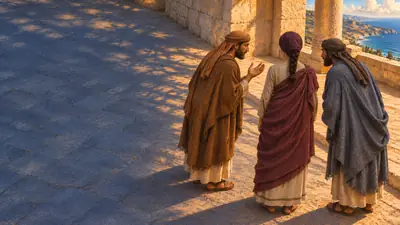
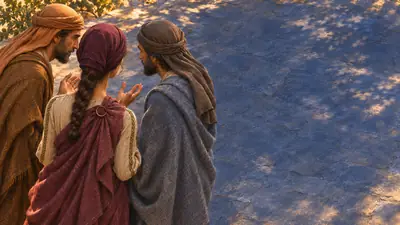
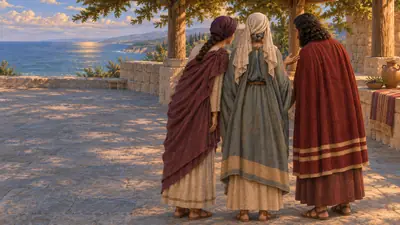
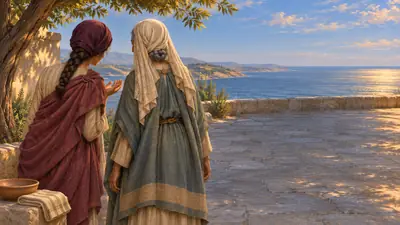
Athirat sieht Baal und Anat näherkommen. Das beunruhigt sie, und sie fürchtet, sie seien gegen ihre Kinder und Verwandten gekommen.
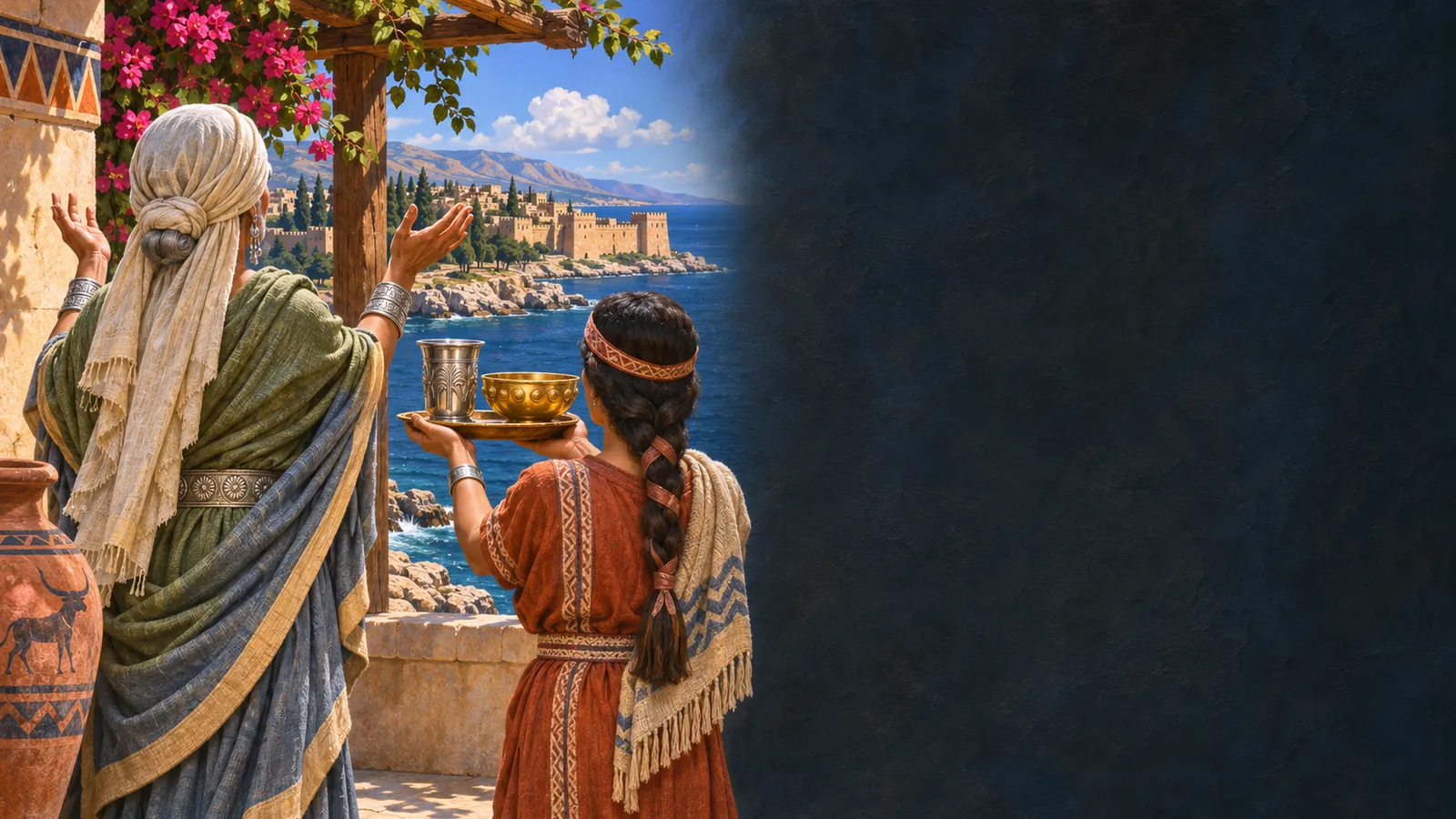
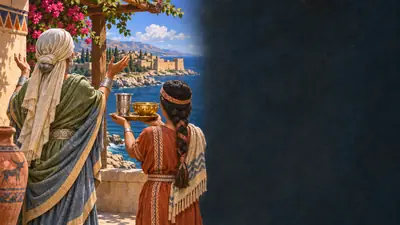
Athirat sieht das Silber und den Glanz des Goldes. Ihre Furcht weicht der Freude, als sie auf die Arbeit des Handwerkers aufmerksam macht.
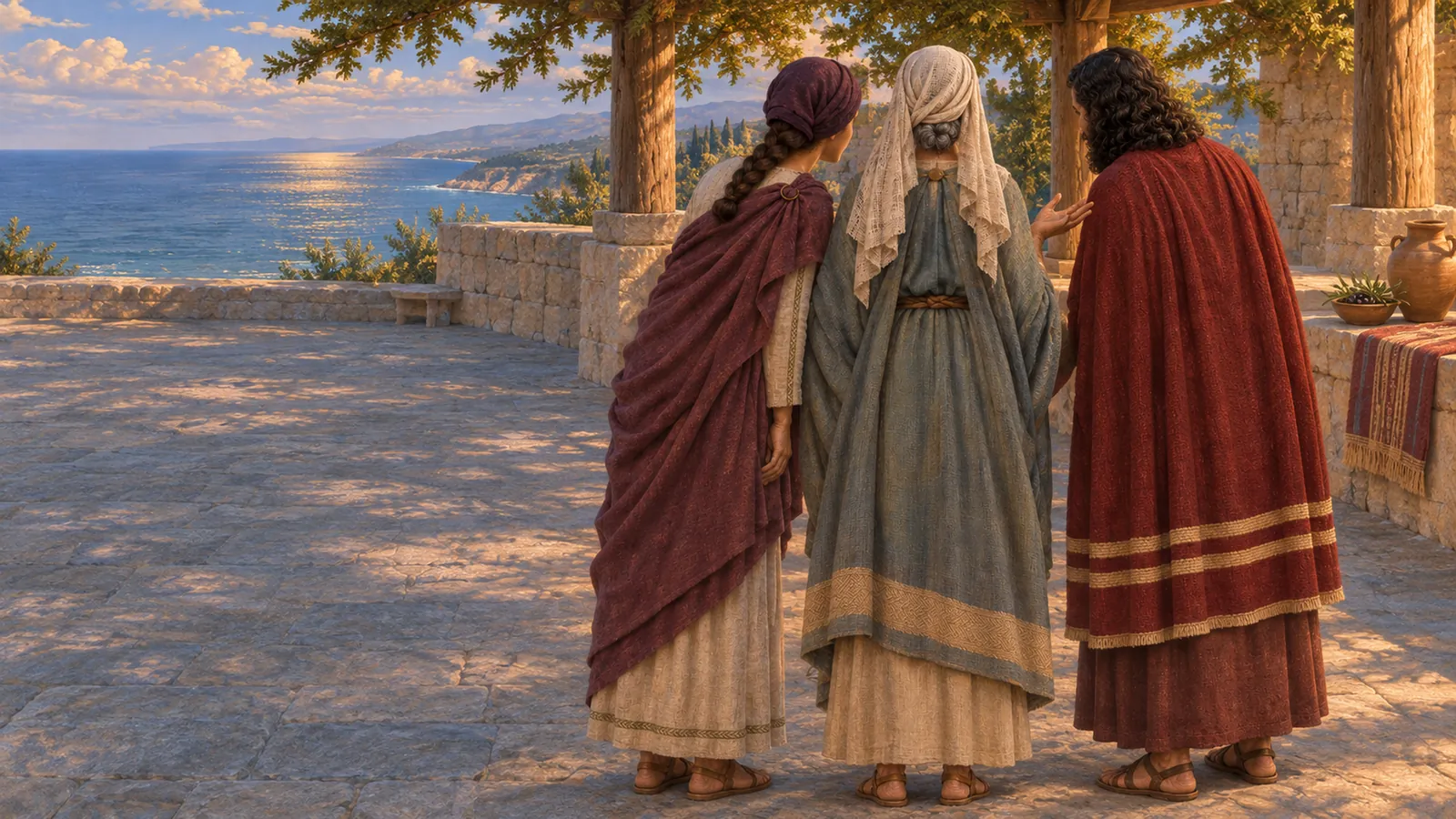
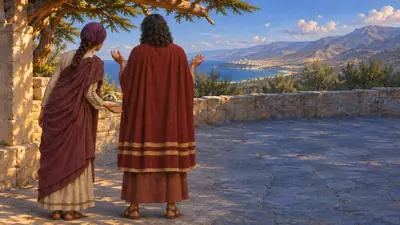
Baal und Anat kommen, um Athirat um Hilfe zu bitten. Sie fragt, warum sie zu ihr gekommen sind, und verweist sie mit ihrer Bitte an El.
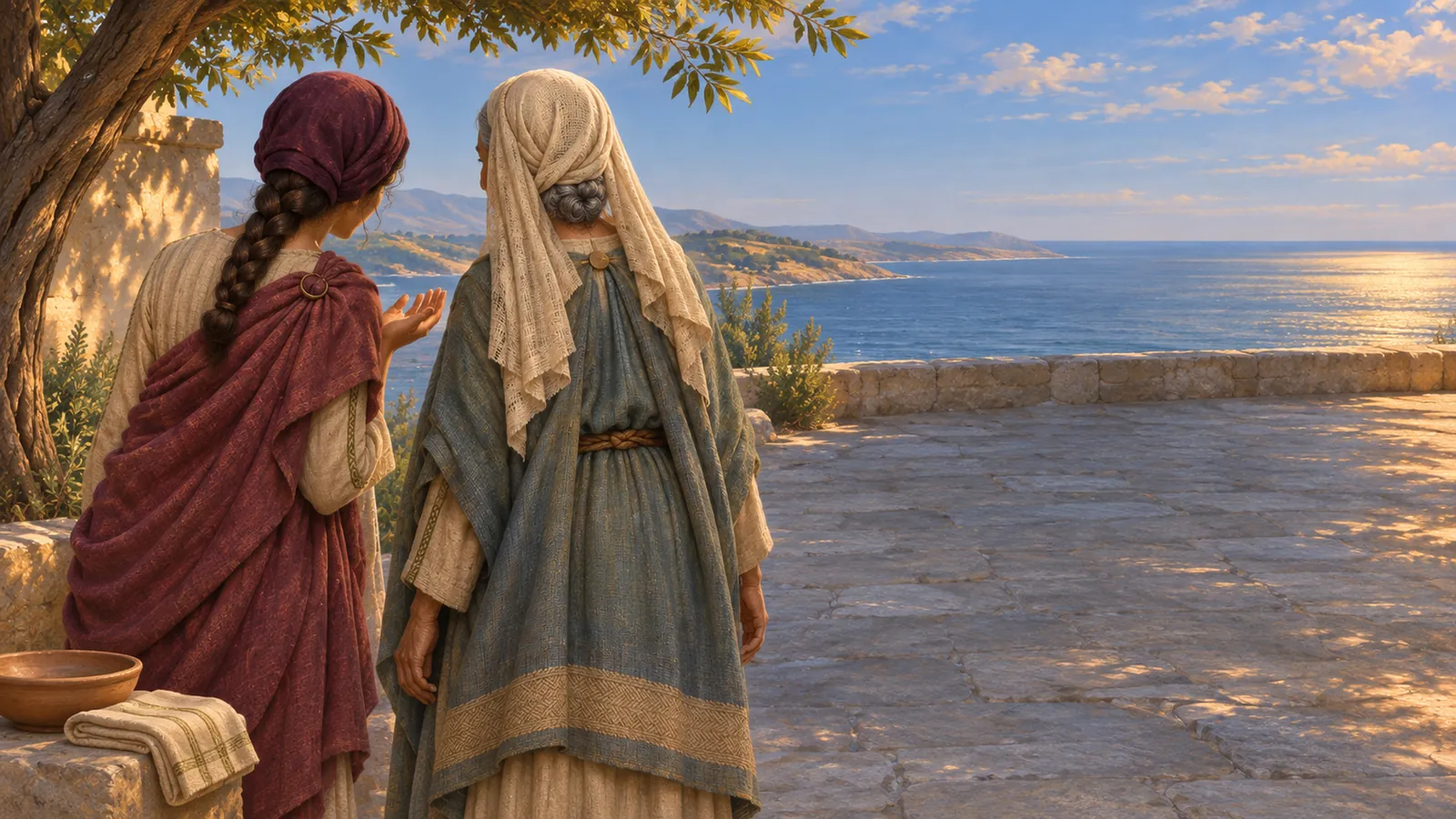
Anat kommt auf die Bitte zurück und spricht davon, Athirat Geschenke zu bringen. Die erhaltene Szene wendet sich dann der Gastfreundschaft zu, bevor Athirat zu El geht.

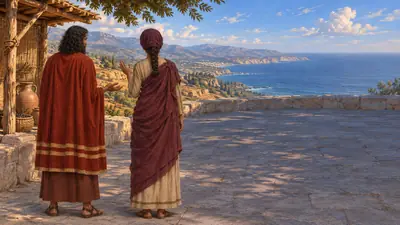
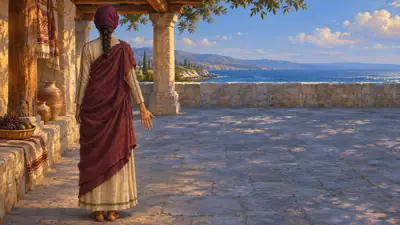
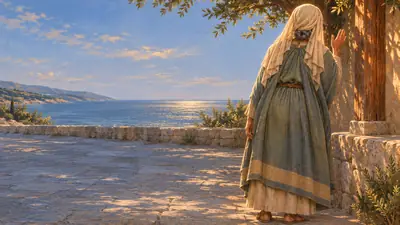
Athirat macht sich auf den Weg, um mit El zu sprechen. Das Gedicht lässt ihn an den Quellen der Flüsse wohnen, bei den Wassern, die aus der Tiefe entspringen.
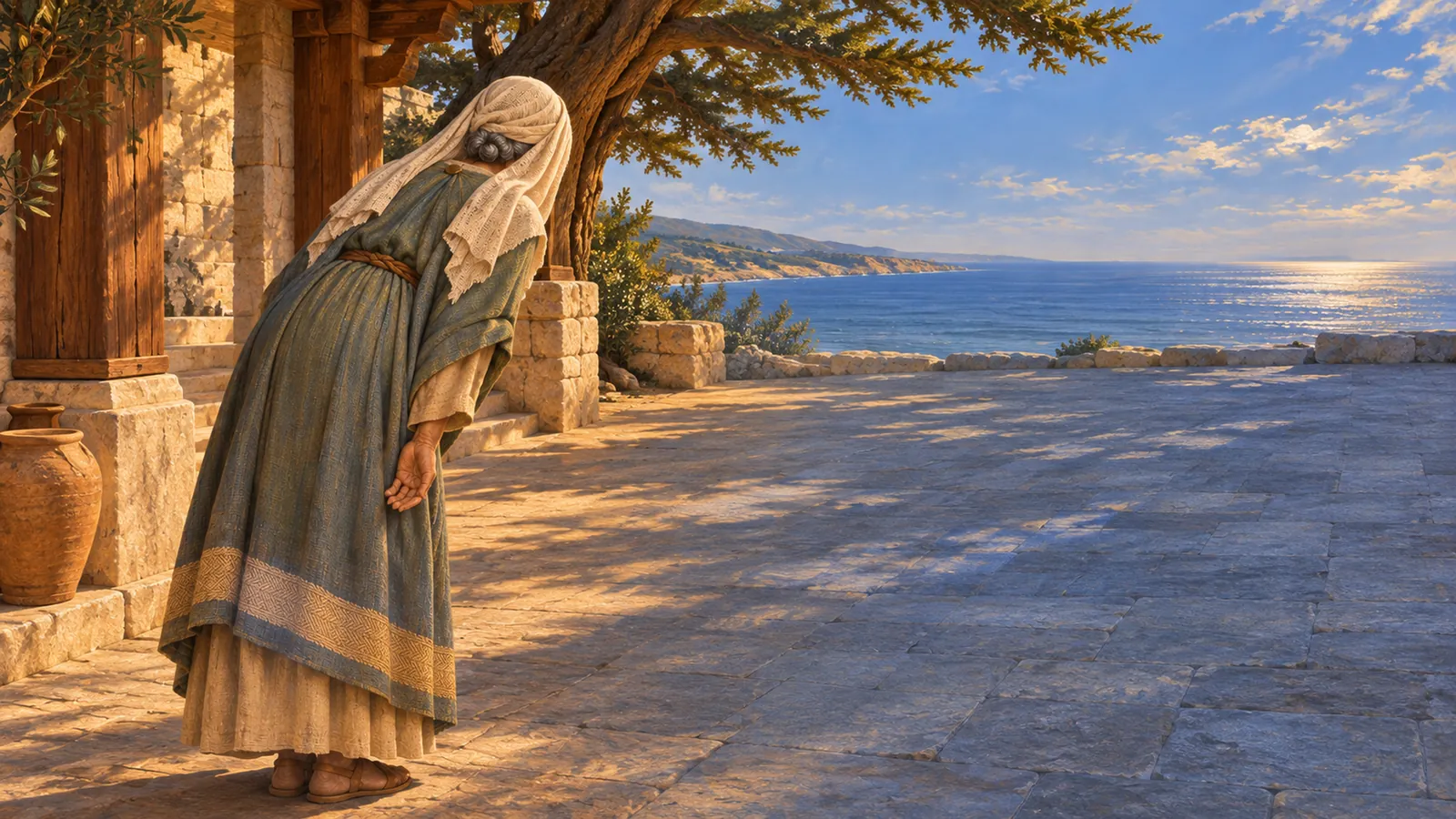
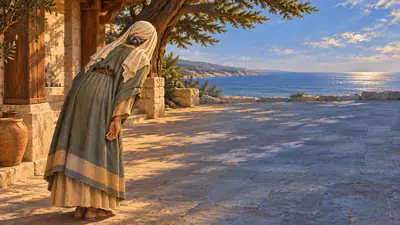
Athirat tritt in seiner Wohnstatt vor El. Sie verneigt sich und erweist ihm Ehre, bevor sie für Baal spricht.
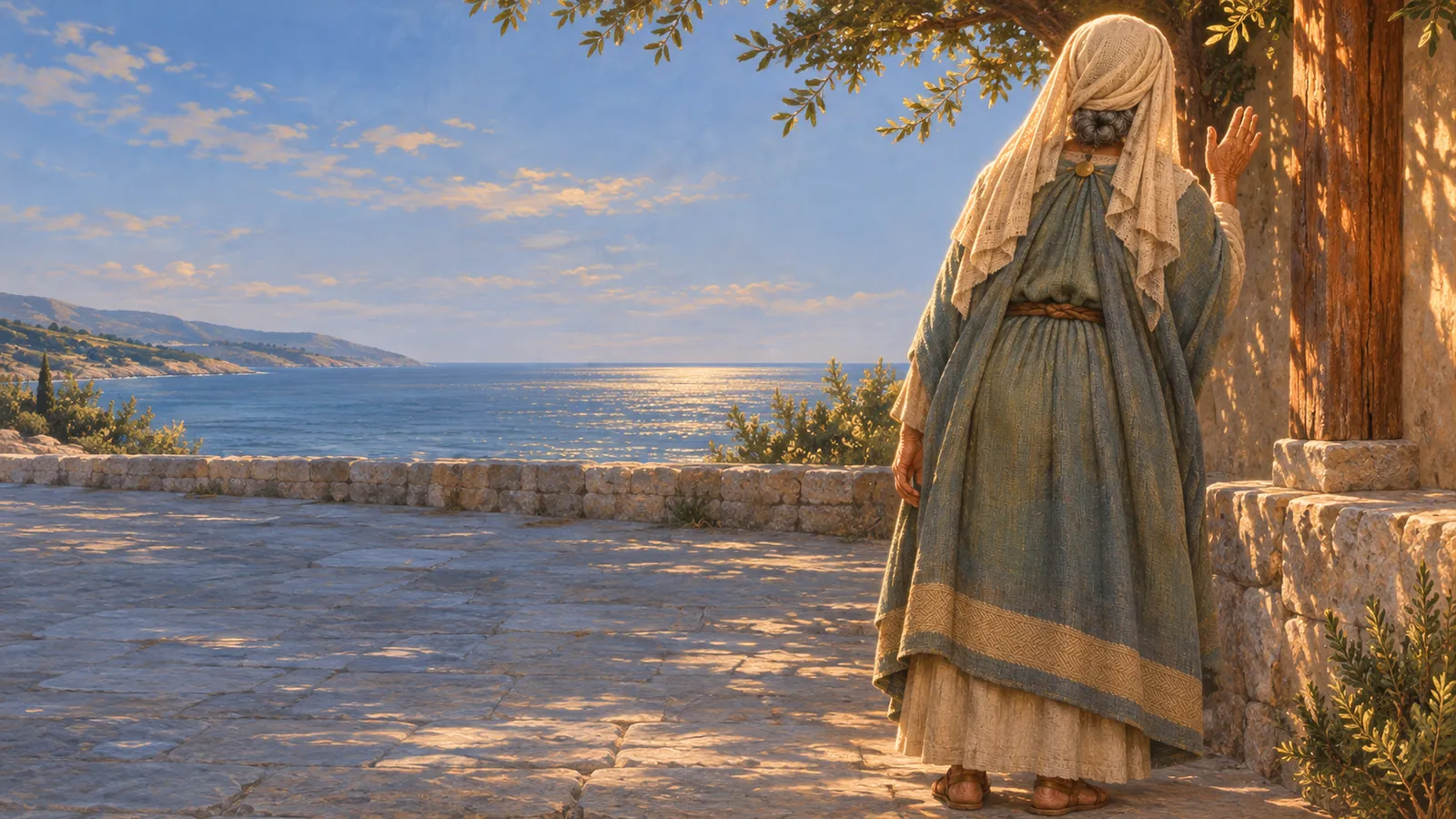
Athirat lobt Els Weisheit und setzt sich bei ihm für Baal ein. Sie bittet um eine Wohnstatt, die Baal unter den anderen Göttern gebührt.
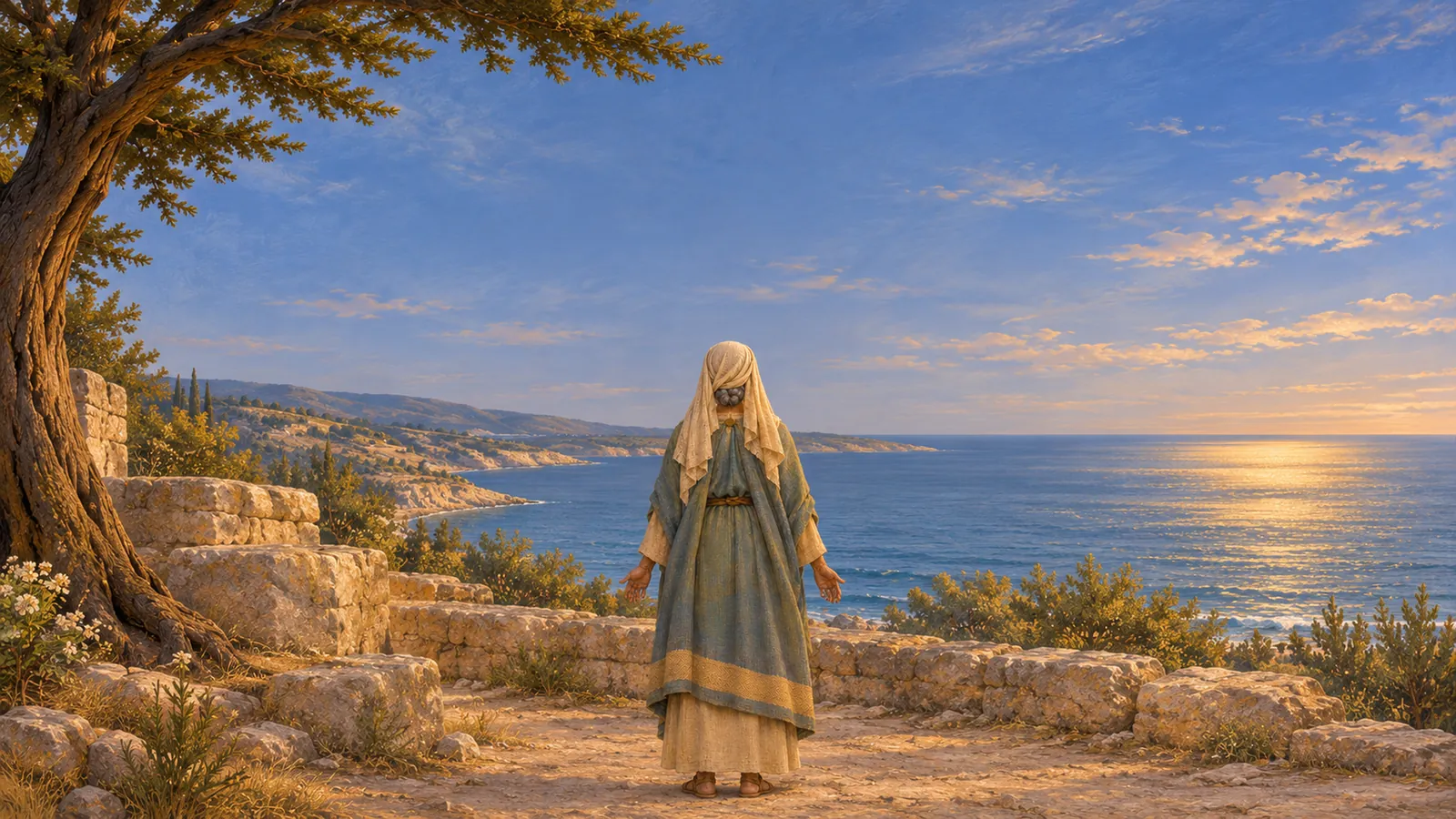
DIE ZUSTIMMUNG
El stimmt zu. Baal darf ein Haus wie die anderen Götter und einen Hof wie die Kinder Athirats haben.
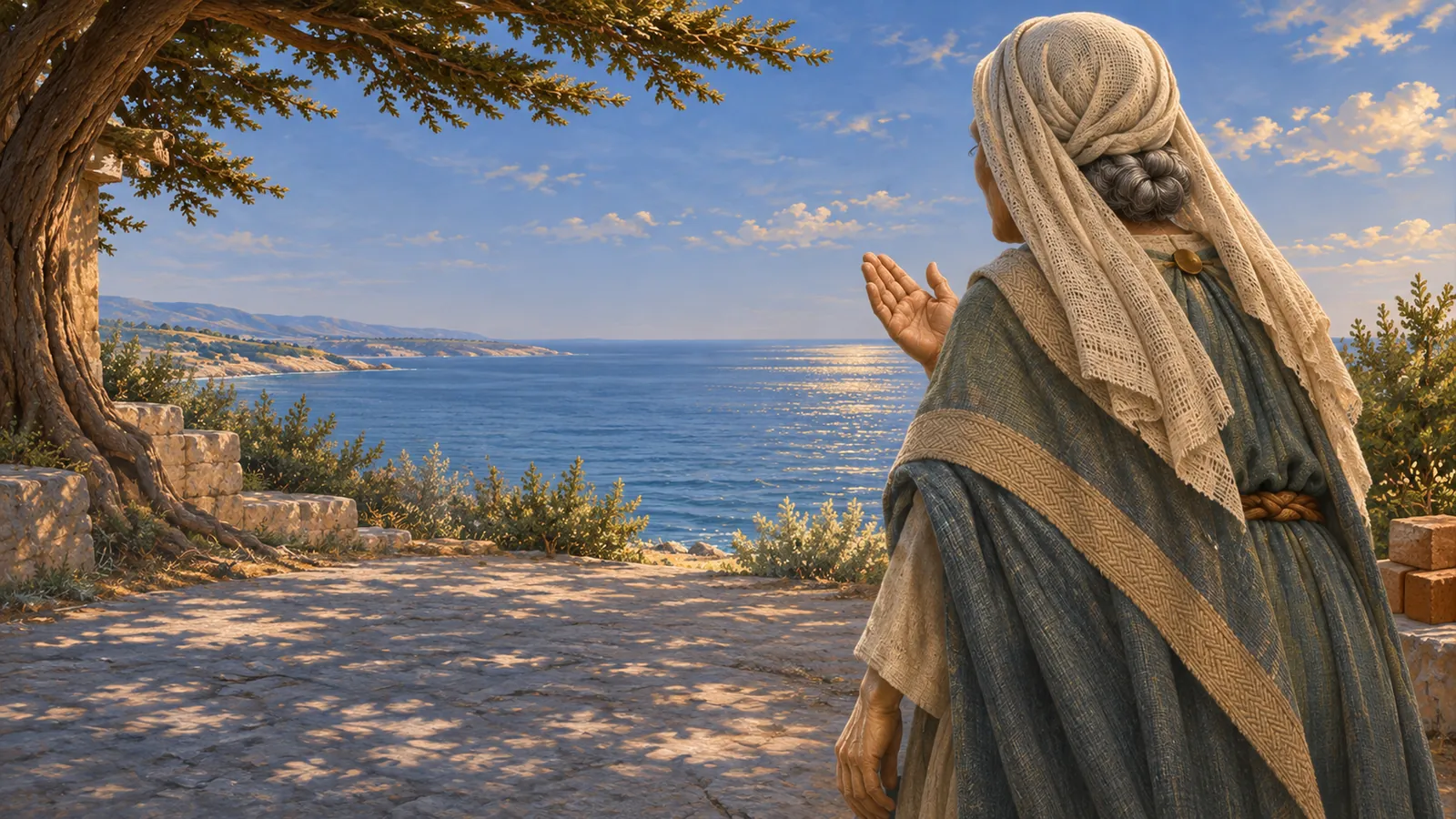
Athirat verkündet die Entscheidung zugunsten Baals. Das Gedicht spricht von dem Haus aus Lehmziegeln, das er nun bekommen kann.
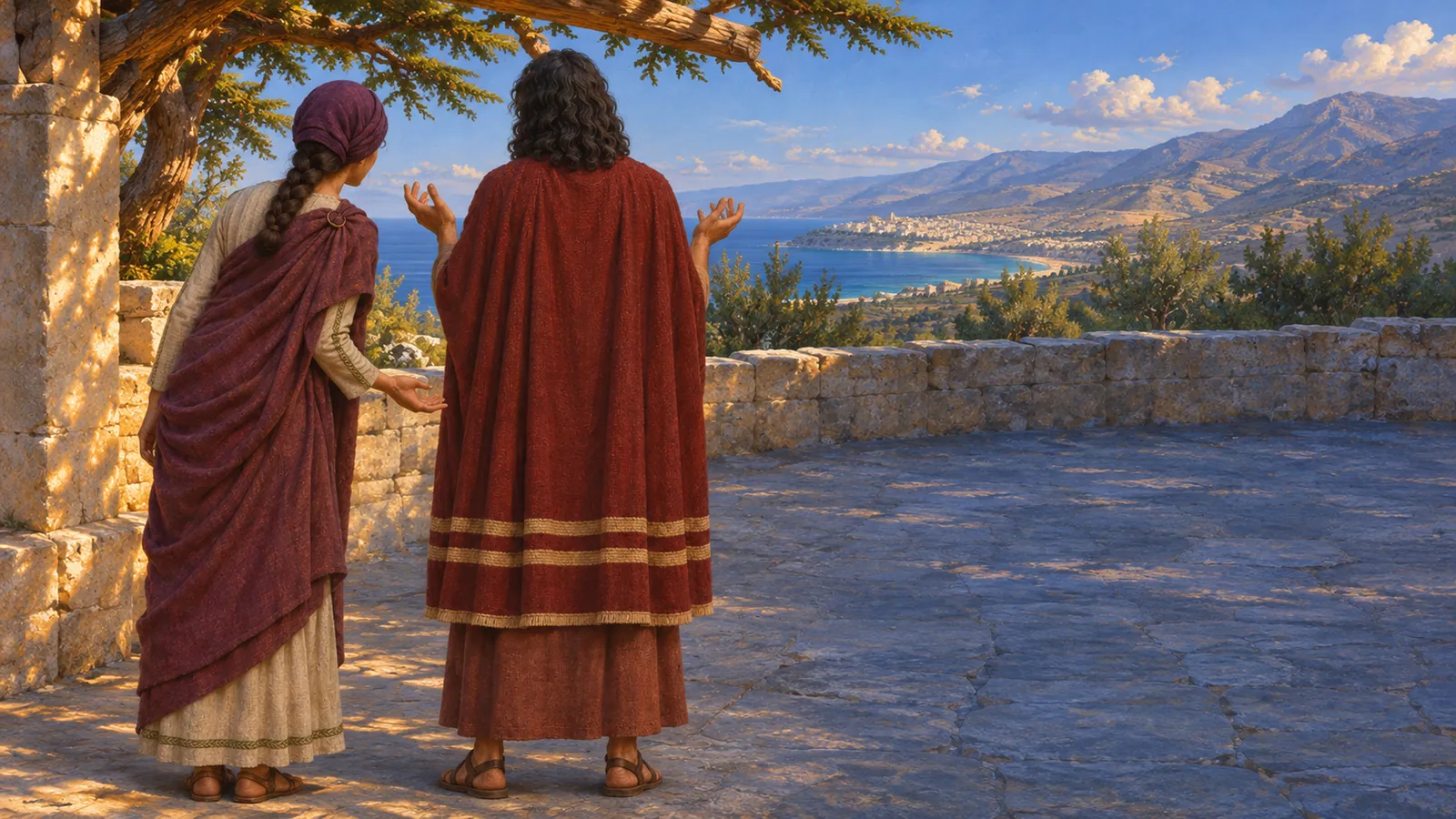
Anat bringt Baal die Nachricht von El. Baal freut sich, dass er das Haus auf dem Saphon bauen darf.
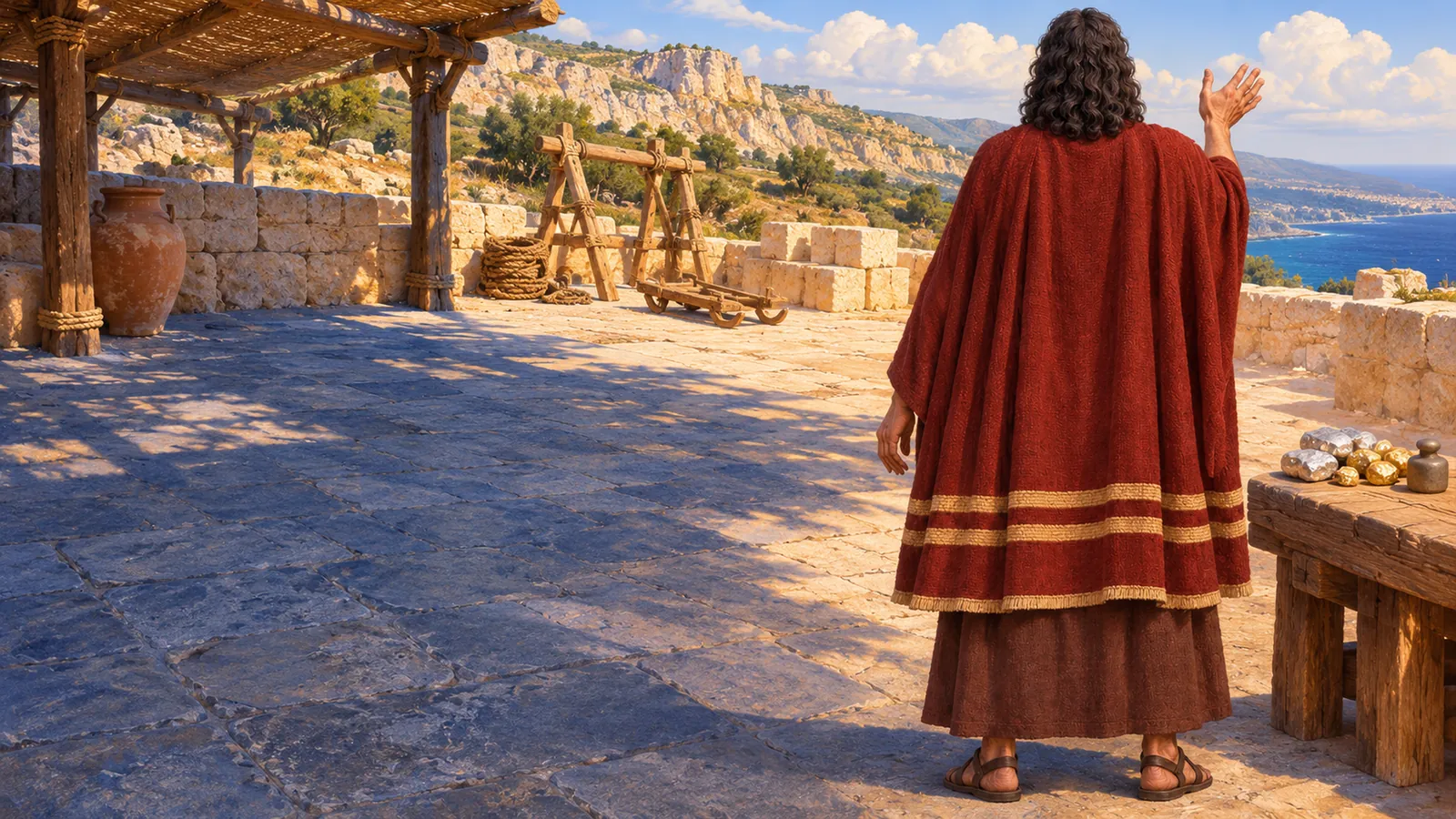
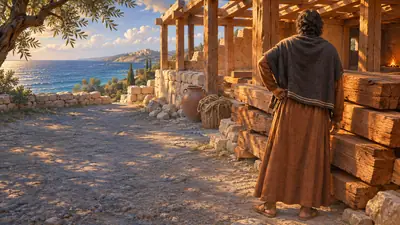
Baal ruft Händler und verlangt Material für das Haus. Das Gedicht nennt Silber und Gold unter den Dingen, die er zusammenträgt.
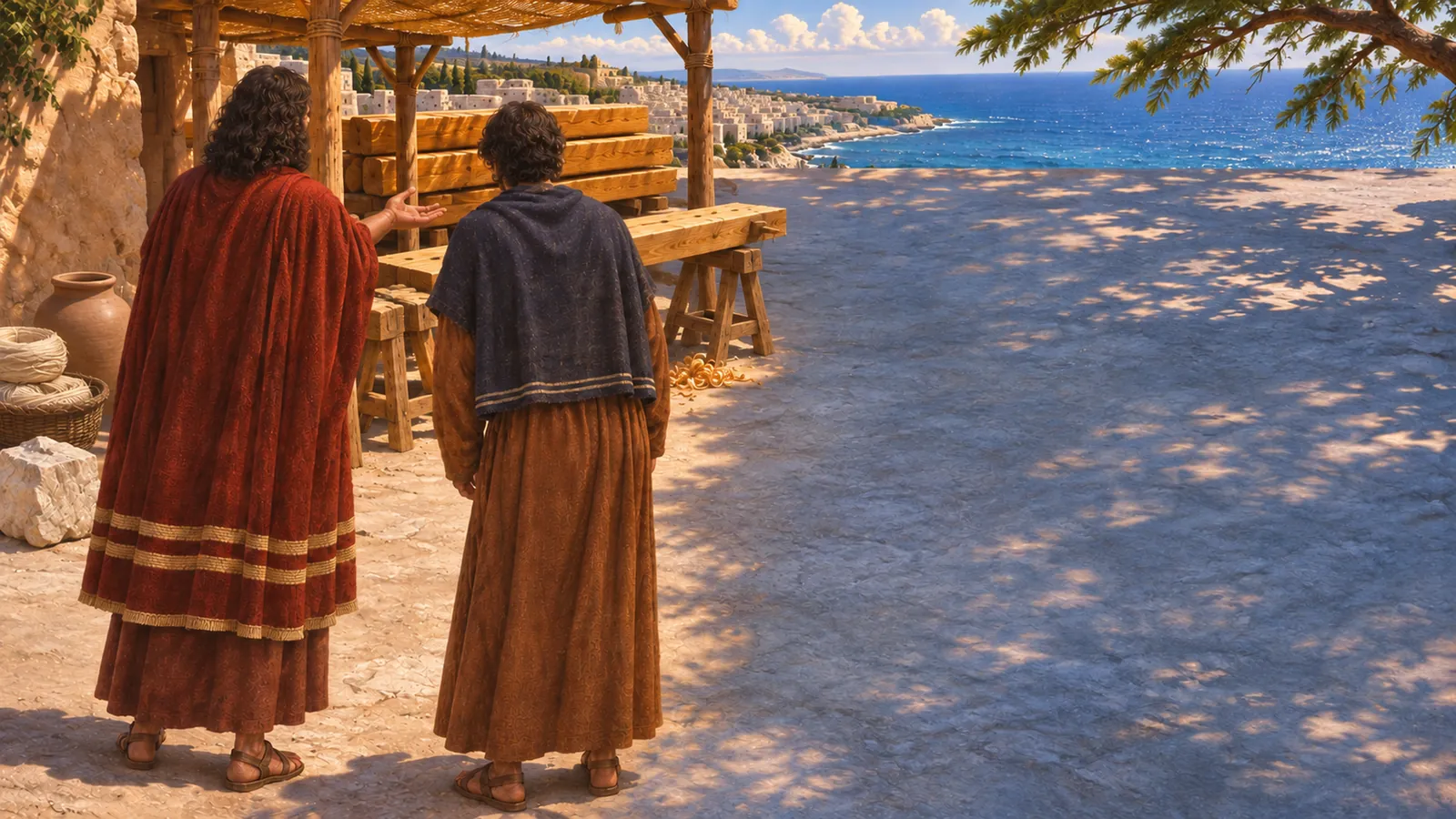
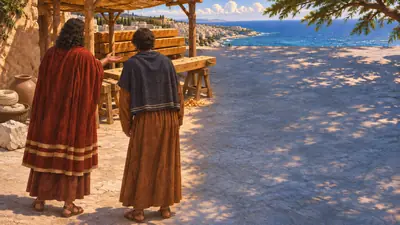
Baal wendet sich an den Handwerker Kothar. Er drängt ihn, das Haus zu bauen, und verlangt, dass die Arbeit ohne Verzug vorangeht.
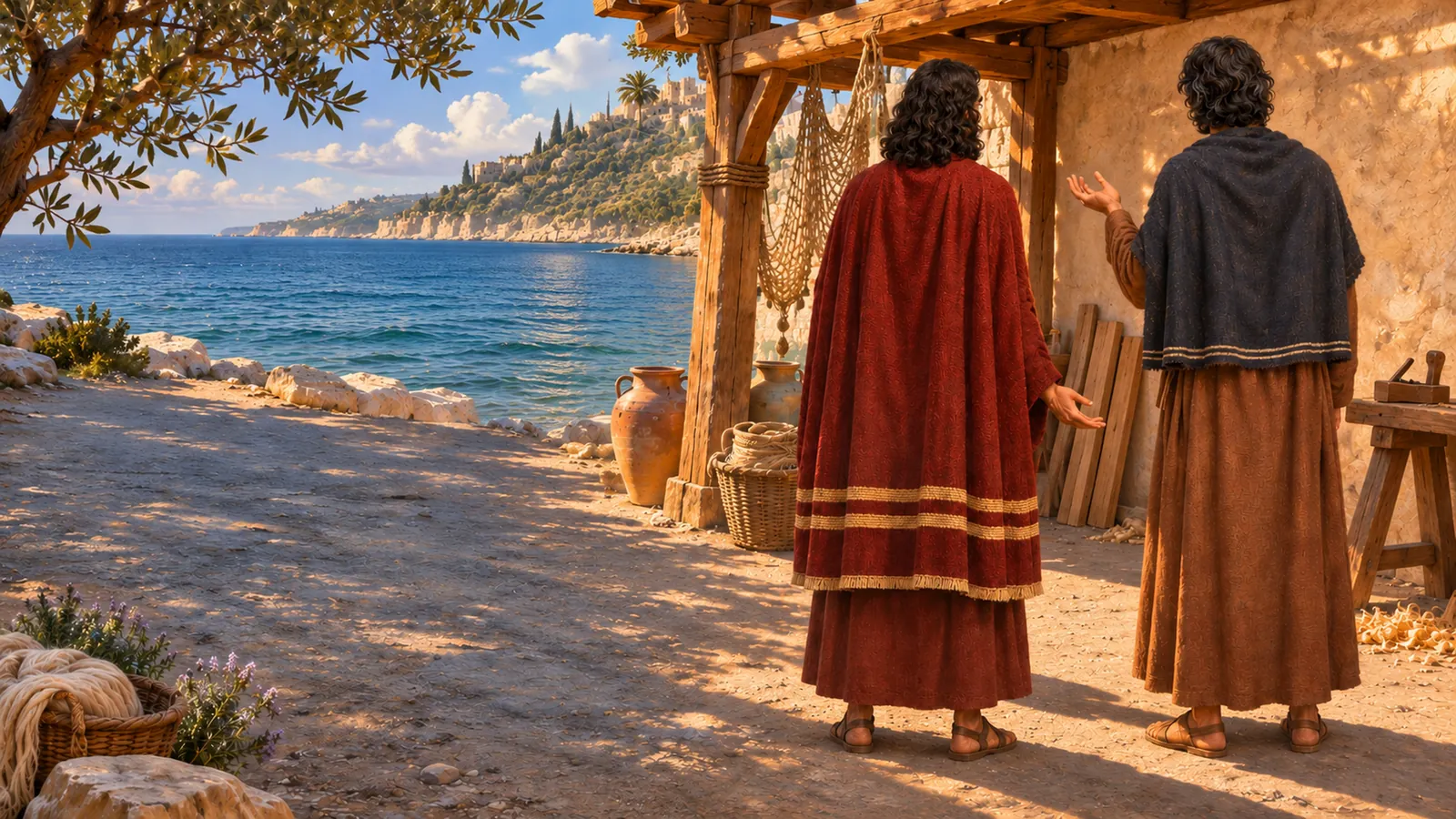
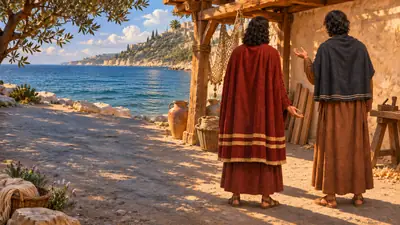
Kothar fragt nach einer Öffnung im Haus, einem Fenster im Palast. Baal sagt ihm, er solle sie weglassen.
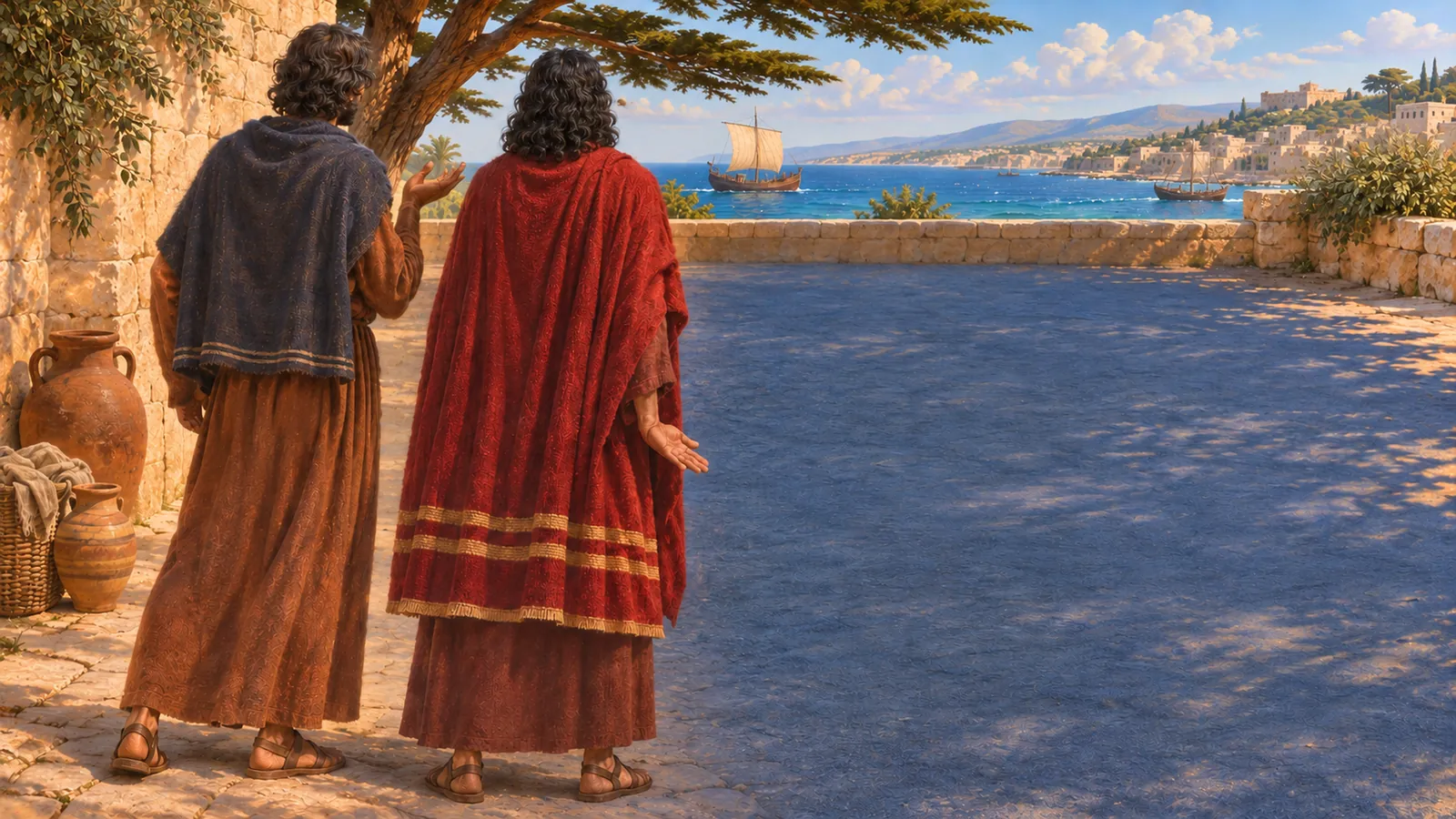
Kothar bringt die Frage erneut vor, und Baal lehnt ein zweites Mal ab. Die Gründe sind nur teilweise erhalten. Kothar sagt, Baal werde auf seinen Rat zurückkommen.
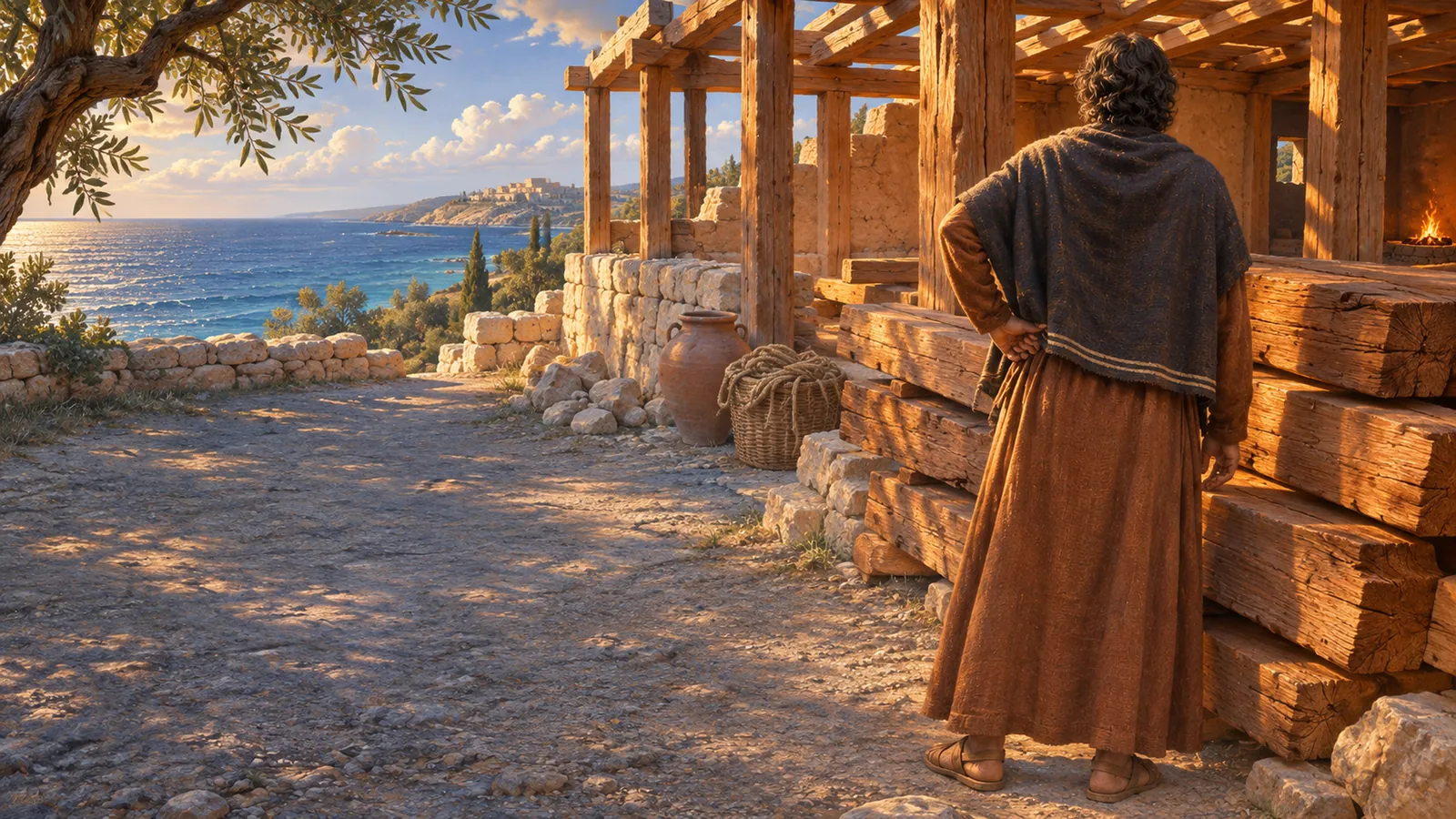
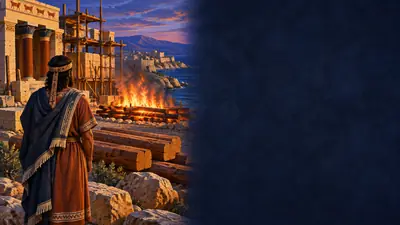
Zedernholz wird für das Haus geholt. Dann heißt es im Gedicht, dass darin ein Feuer entzündet wird, während die Geschichte des Baus weitergeht.
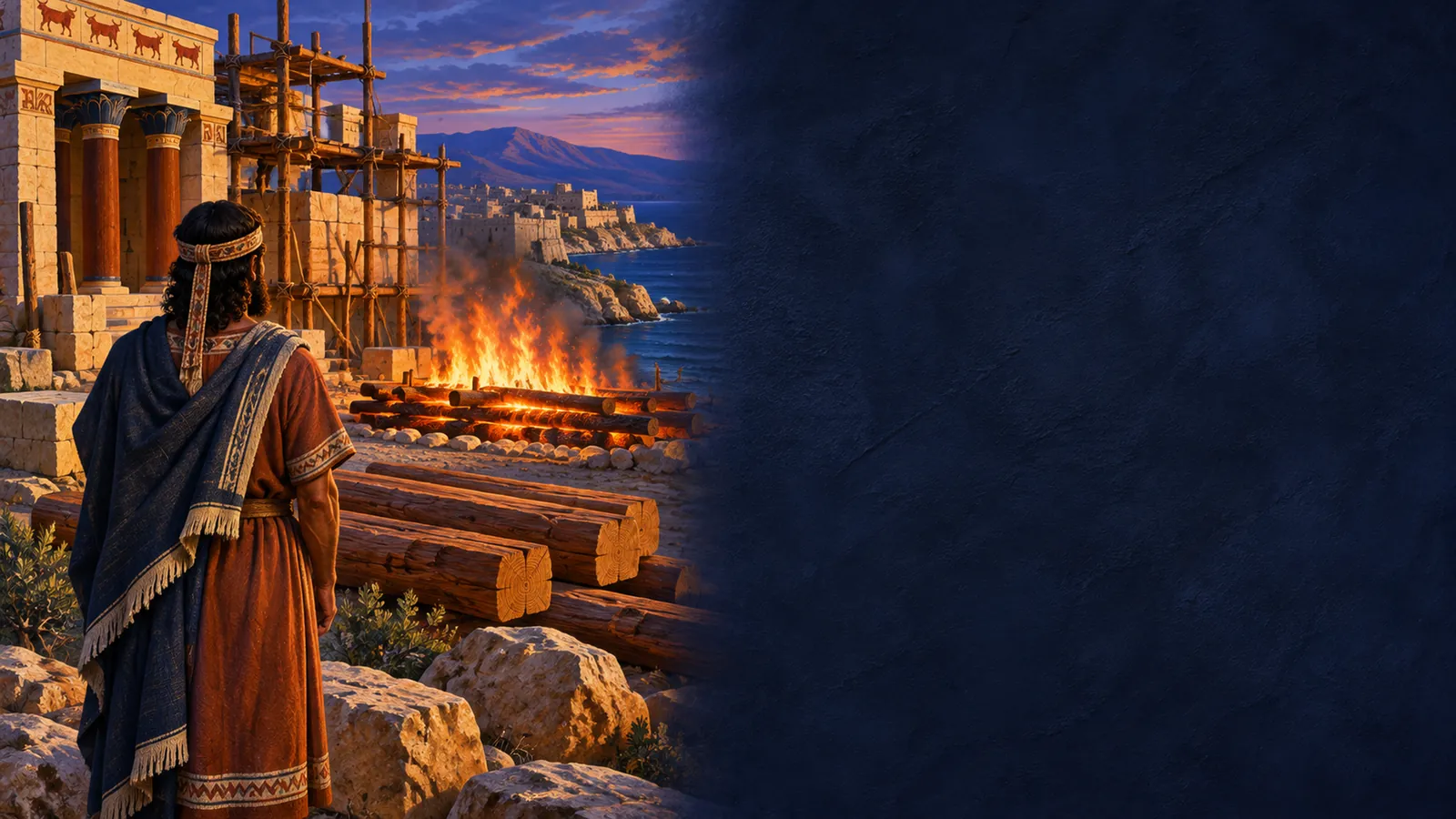
Das Feuer brennt am ersten und zweiten Tag, dann am dritten und vierten. Die Verse zählen den fünften und sechsten Tag auf dieselbe Weise.
DER SIEBTE TAG
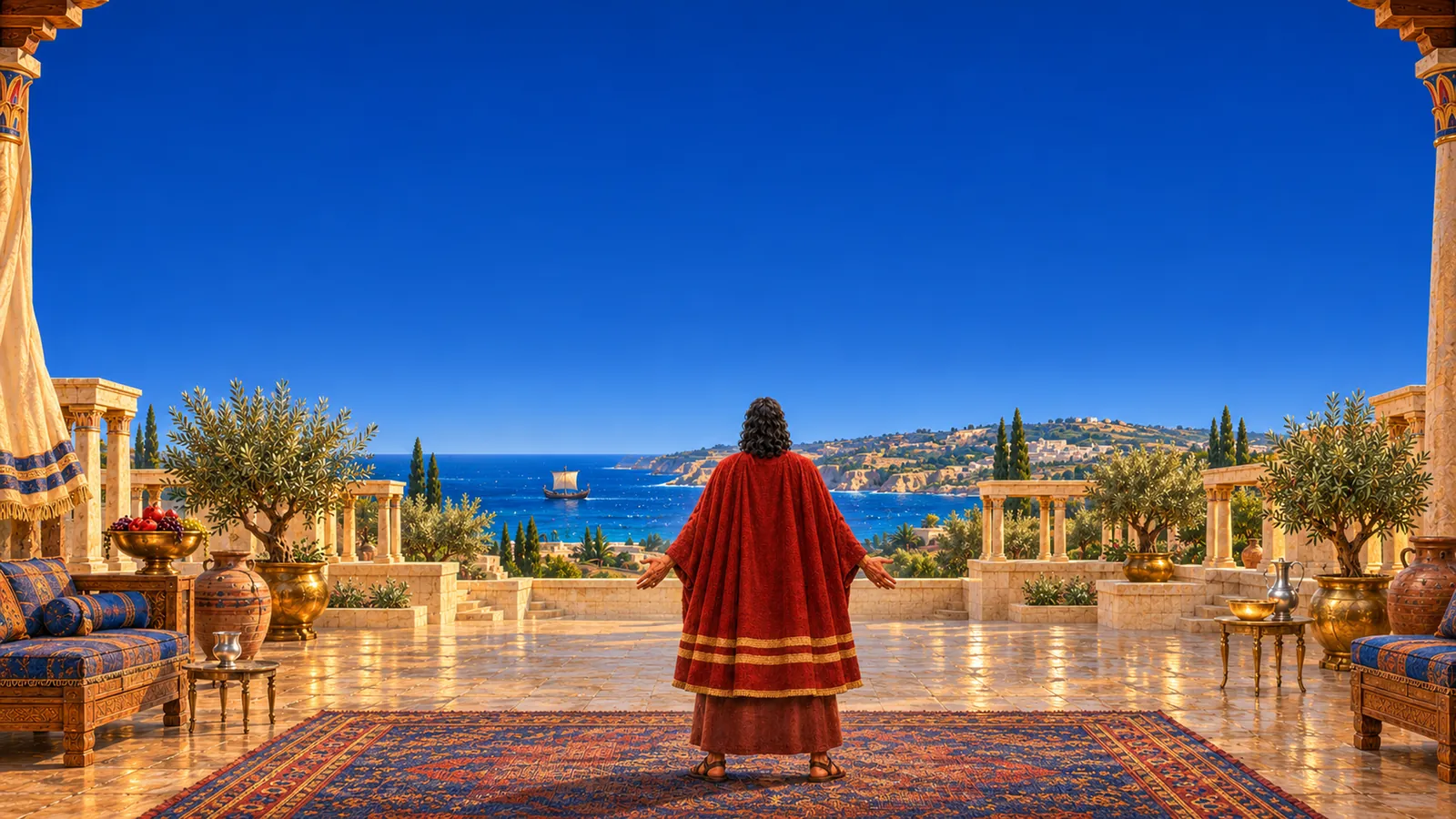
Am siebten Tag erlischt das Feuer. Baal freut sich und spricht vom Haus aus Silber und vom Palast aus Gold.
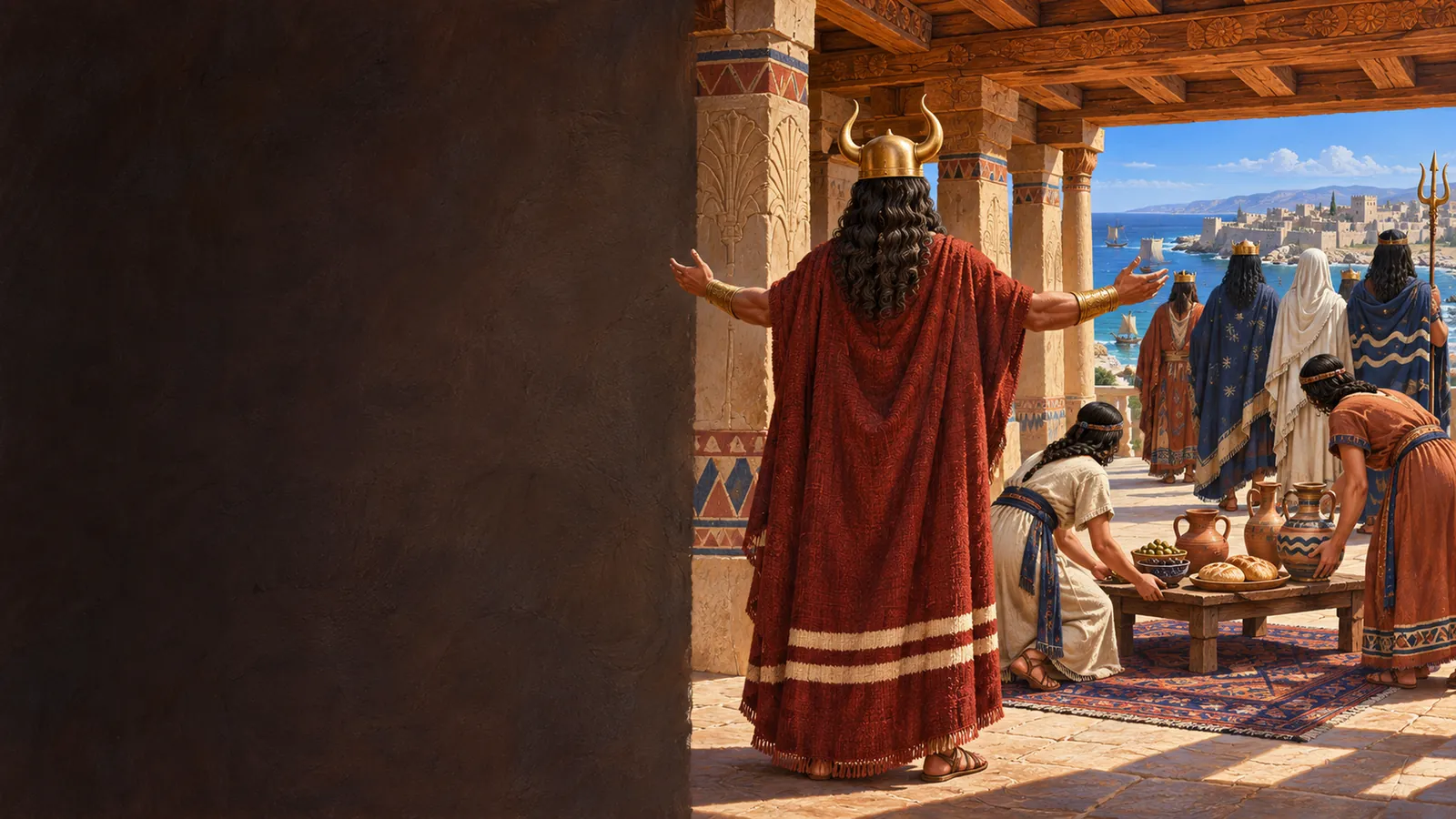
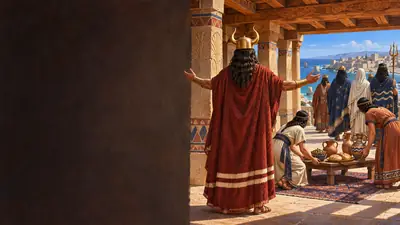
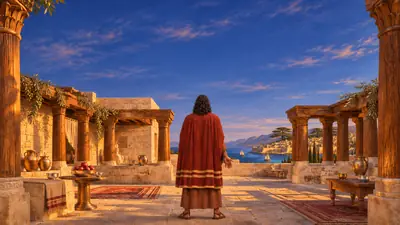
Baal bereitet ein Festmahl zur Feier des Hauses vor. Er ruft seine Brüder und Verwandten in den Palast.
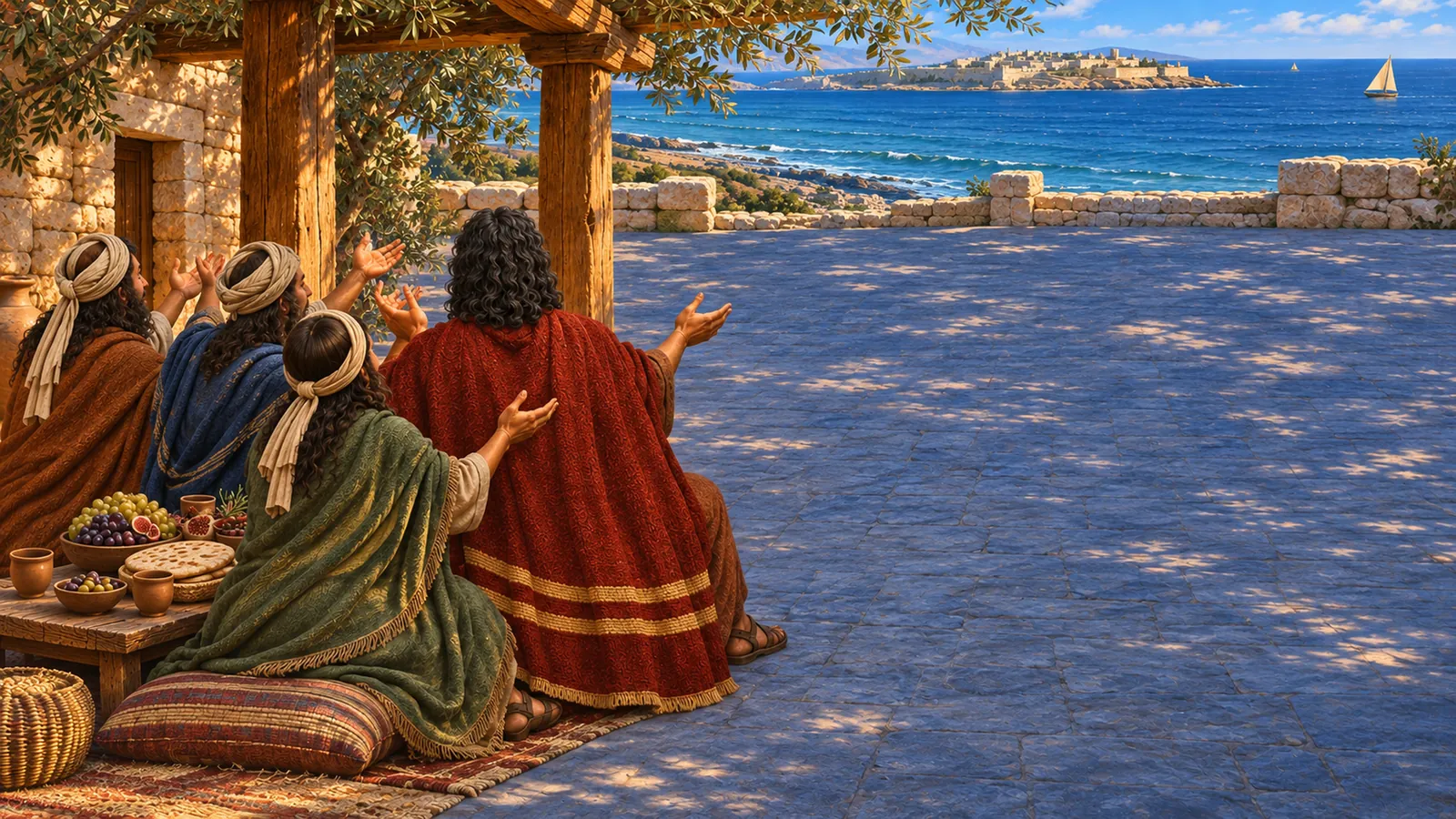
Das Gedicht zählt siebzig Kinder Athirats zu den Geladenen. Götter und Göttinnen nehmen an der Feier im Palast teil.

Das Gedicht folgt Baal durch Städte und Orte, bevor er wieder im Haus ist. Es zählt die Orte in der feierlich überhöhten Sprache des Liedes.
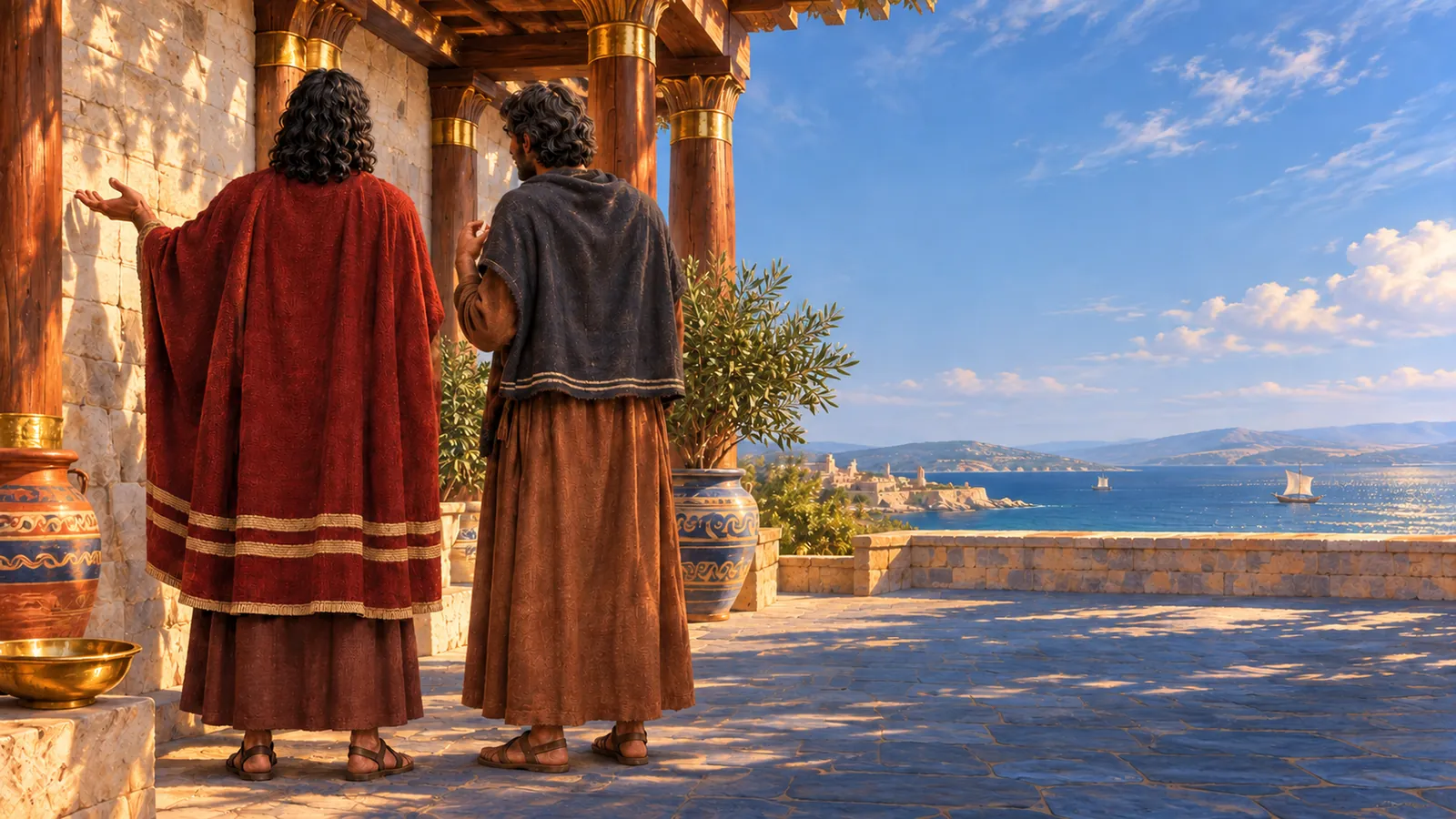
DAS FENSTER
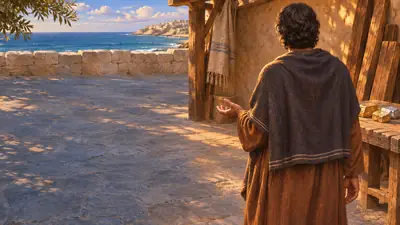
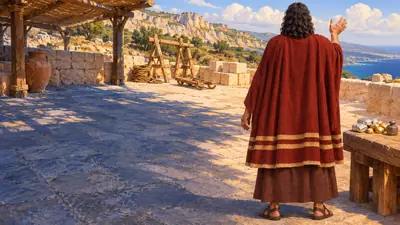
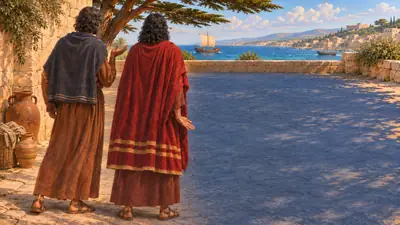
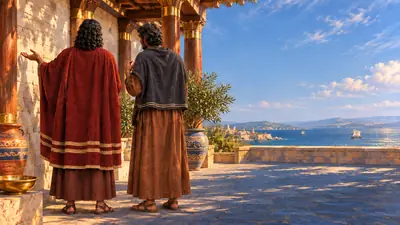
Baal sagt Kothar schließlich, er solle doch ein Fenster öffnen. Kothar lacht und erinnert Baal daran, dass er ihm diese Rückkehr zu seinem Rat vorausgesagt hatte.
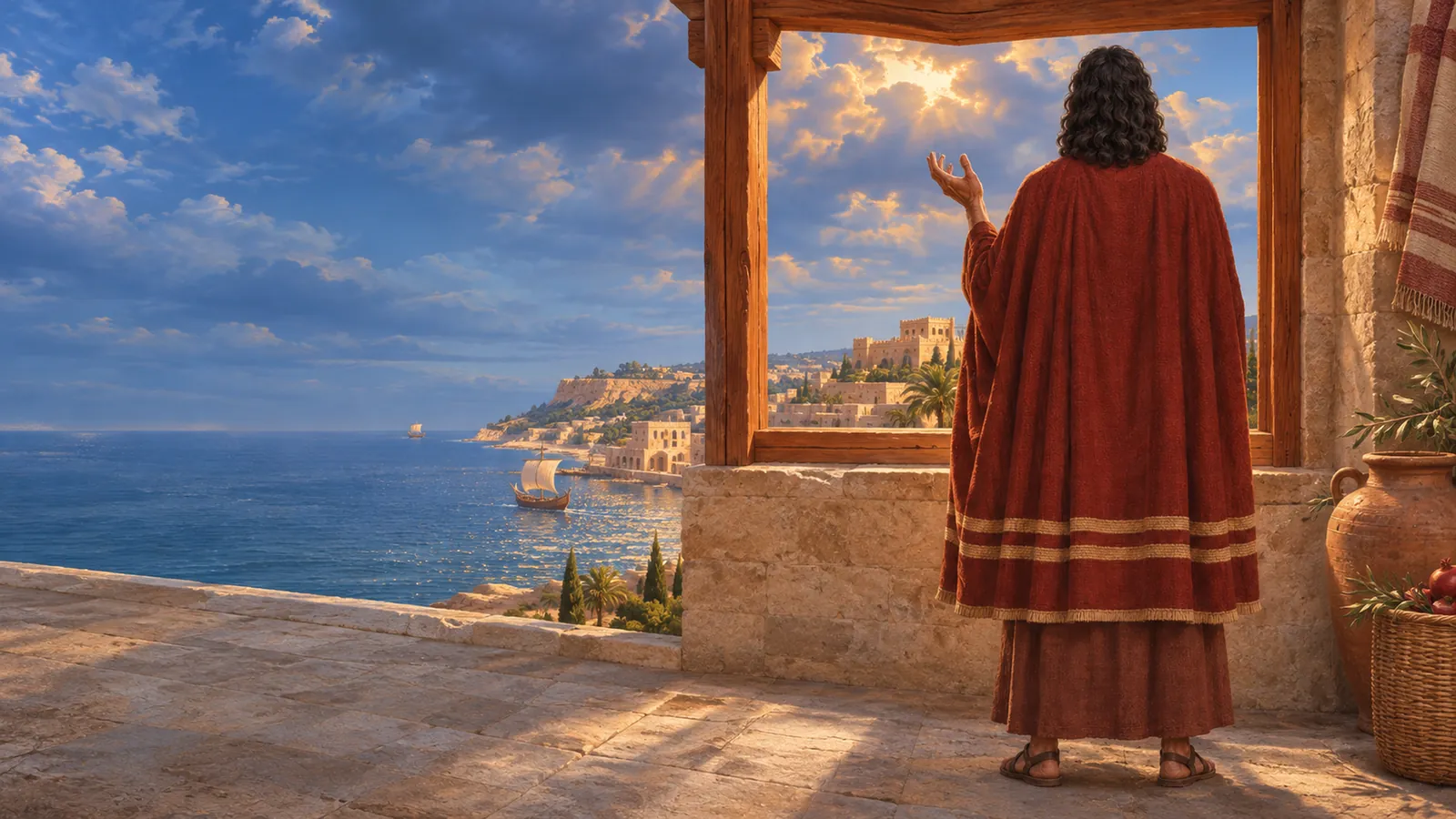
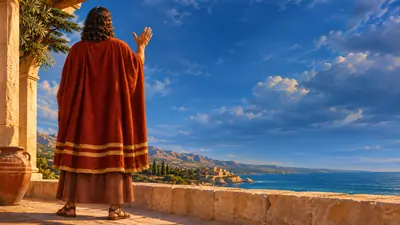
Ein Fenster wird im Palast geöffnet. Das Gedicht verbindet diese Öffnung mit einer Lücke in den Wolken, durch die Baal seine Stimme ertönen lässt.
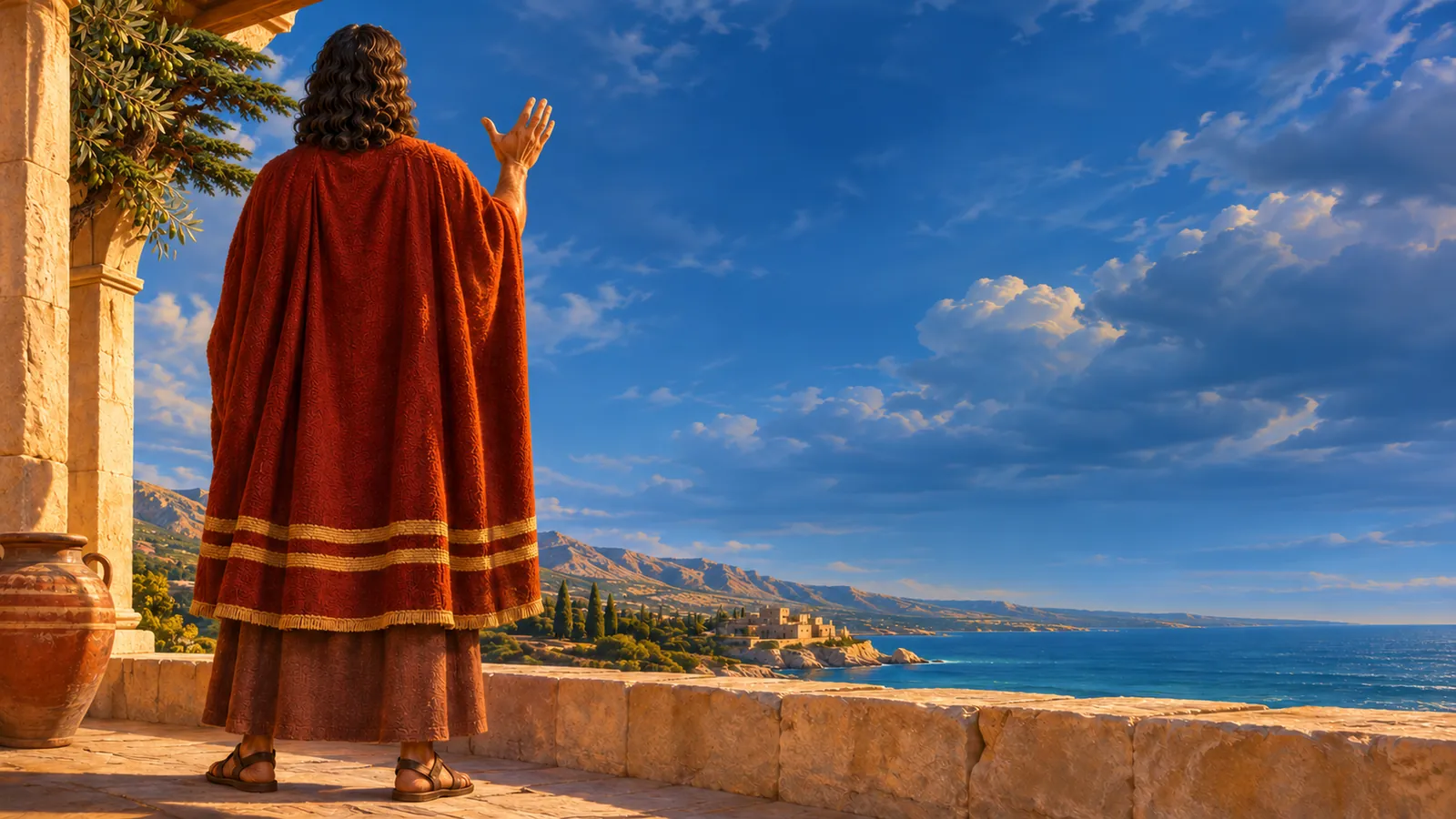
Baals Stimme hallt wider. Das Gedicht schildert, wie die Berge beben und die Höhen der Erde beim Klang erschüttert werden.
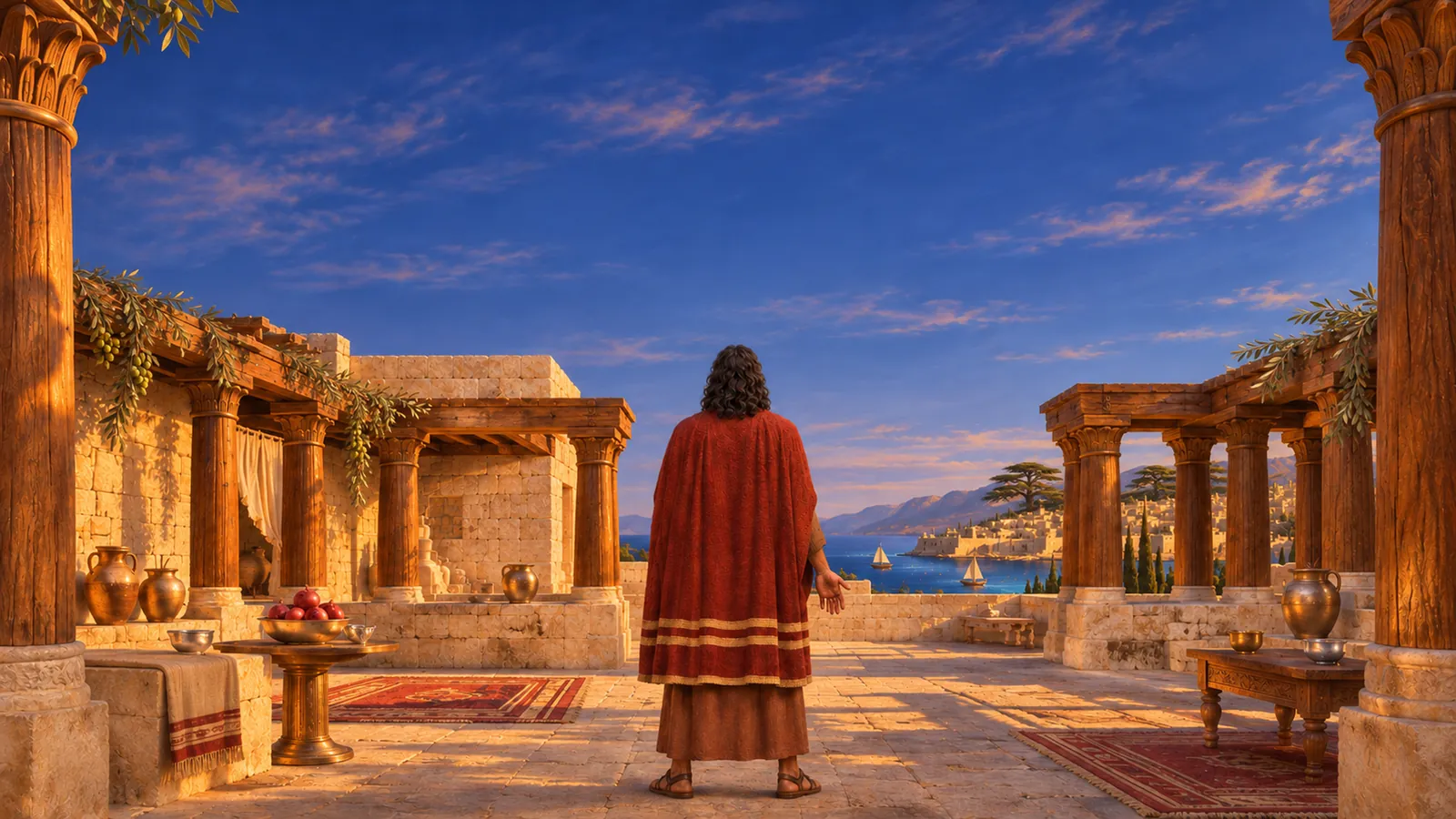
DER PALAST
Baal nimmt seinen Platz im Haus ein. Die Geschichte des Palasts endet mit Baal dort, nachdem das Gewitter aus dem Fenster gedröhnt hat.
Ende von Kapitel 2
Alle Seiten












Quellen
Page 5. The poem compares severed heads to balls and flying hands to locusts. It describes Anat fastening heads and hands to her body as trophies and wading in blood. 2; Natan-Yulzary, Reading Ugaritic Narrative-Poetry).
Benutzte Editionen
- Clemens Steinberger, Göttingen working transcription of KTU 1.3
- Göttingen EUPT, tablet concordance and joined fragments
- Mark S. Smith and Wayne T. Pitard, The Ugaritic Baal Cycle, volume II
- Cory Crawford, The question of ekphrasis in ancient Levantine narrative, pp. 296–300
- Jeffery B. Lloyd, The Goddess Anat, pp. 177–190
- Shirly Natan-Yulzary, Lady Athirat of the Sea
- Sang Youl Cho, Lesser Deities, pp. 146–147
- Anthony I. Lipscomb, Levelling a Ballast Preposition as Poetic Strategy in KTU 1.4
- G. del Olmo Lete, El vocabulario de la construcción en Ugarit
- IL Archive, Anat
- IL Archive, Athirat
- IL Archive, The Seven-Day Pattern in Ugaritic Epic
Hinweise zu dieser Nacherzählung
Pages 6–7. It then describes her washing warriors’ blood from her hands and fingers before bathing in dew and rain. 2–3; Crawford, pp. 297–298; Smith and Pitard, vol. II).
Page 13. In the account she gives of past victories, Anat names Yamm and River, the dragon, the twisting serpent and the seven-headed Shalyat among her foes. 3; Pitard, pp. 75 onward).
Page 19. Anat threatens to make El’s grey hair run with blood and his beard with gore. The word for blood in the hair line is restored in the edition. 5; Lloyd, pp. 181–187).
Die antiken Verse hinter jeder Seite
- Page 1: KTU 1.3 I 1–4 and preceding loss (Steinberger p. 1; Natan-Yulzary p. 141)
- Page 2: KTU 1.3 I 5–10 (Steinberger p. 1; Natan-Yulzary p. 141)
- Page 3: KTU 1.3 I 11–17 (Steinberger p. 1; Natan-Yulzary p. 141)
- Page 4: KTU 1.3 I 18–22 (Steinberger p. 1)
- Page 5: KTU 1.3 II 3–17 (Steinberger p. 2; IL Archive Anat)
The occasion and the identity of Anat’s opponents are uncertain. - Page 6: KTU 1.3 II 17–30 (Steinberger p. 2; Crawford pp. 297–298; IL Archive Anat)
The relationship between the valley and house passages is uncertain. - Page 7: KTU 1.3 II 31–41 and III 1–3 (Steinberger pp. 2–3; Smith and Pitard chapter divisions)
Parts of the washing passage require restoration. - Page 8: KTU 1.3 III 9–14 (Steinberger p. 3; Deluty p. 70; Pitard, opening discussion)
- Page 9: KTU 1.3 III 15–19 (Steinberger p. 3; Lloyd discussion of III–IV, pp. 178–180)
Some words in the message are restored in the edition. - Page 10: KTU 1.3 III 20–26 (Crawford pp. 299–300, quoting Smith and Pitard; Steinberger p. 3)
- Page 11: KTU 1.3 III 27–31 (Crawford pp. 299–300, quoting Smith and Pitard; Steinberger p. 3)
- Page 12: KTU 1.3 III 32–37 (Deluty pp. 70–71; Steinberger p. 3)
- Page 13: KTU 1.3 III 38–47 (Pitard pp. 75 onward; Steinberger p. 3)
Anat’s list of foes contains disputed names and parallel descriptions. - Page 14: KTU 1.3 IV 10–20 (Lloyd pp. 177–179; Steinberger p. 4)
The repeated message is partly restored from the earlier version. - Page 15: KTU 1.3 IV 21–32 (Lloyd pp. 178–180; Steinberger p. 4)
- Page 16: KTU 1.3 IV 33–42 (Lloyd pp. 179–181; Steinberger p. 4)
- Page 17: KTU 1.3 IV 43–55 (Lloyd pp. 180–181; Steinberger p. 4; Cho on dwelling clauses)
The tablet is damaged here. The house formula is partly restored from its repetitions. - Page 18: KTU 1.3 V 1–18 (Lloyd pp. 180–182; Steinberger p. 5)
The description of the journey is fragmentary. - Page 19: KTU 1.3 V 19–27 (Lloyd pp. 181–187; IL Archive Anat; Steinberger p. 5)
- Page 20: KTU 1.3 V 30–43 and following loss (Lloyd pp. 181–187; IL Archive Anat; Steinberger pp. 5–6)
The end of the first audience is damaged. - Page 21: KTU 1.3 VI 1–7, including joined RS 3.364 (Pardee join as documented in Steinberger p. 6 and Smith and Pitard contents)
The joined fragment RS 3.364 preserves the beginning of this passage. - Page 22: KTU 1.3 VI 18–25 (Steinberger pp. 6–7; Smith and Pitard chapter divisions)
Several place references in the instructions are uncertain. - Page 23: KTU 1.4 I 1–22, chiefly 9–11 and 20–22 (Crawford pp. 296–297; Natan-Yulzary p. 135)
The opening of Tablet IV contains damage. - Page 24: KTU 1.4 I 23–35 (Crawford pp. 296–297 and table)
- Page 25: KTU 1.4 I 36–43 (Crawford p. 297, table)
Several decorative terms have competing readings. - Page 26: KTU 1.4 II 3–11 (Natan-Yulzary pp. 131–141; Crawford p. 297)
The actions in these lines are interpreted differently. - Page 27: KTU 1.4 II 12–26 (Deluty pp. 70–72; Crawford pp. 297–298; IL Archive Athirat)
- Page 28: KTU 1.4 II 28–31 (Crawford p. 298)
- Page 29: KTU 1.4 III 23–32 (Lloyd pp. 188–190; IL Archive Athirat)
- Page 30: KTU 1.4 III 33–44 (Lloyd pp. 188–190)
- Page 31: KTU 1.4 IV 15–22 (Segert selected text; Lipiński on IV 21–22)
- Page 32: KTU 1.4 IV 23–40, chiefly 26 (Noegel, p. 107; Smith and Pitard contents)
- Page 33: KTU 1.4 IV 41–55 (Cho on the house formula; Steinberger n. 17 for IV 41–42 parallel; IL Archive Athirat)
- Page 34: KTU 1.4 IV 59–V 1 (Cho’s direct translation pp. 146–147)
- Page 35: KTU 1.4 V 2–12 (Del Olmo Lete on V 10–11, Smith and Pitard contents)
- Page 36: KTU 1.4 V 20–35 (IL Archive Anat and Athirat; Crawford p. 298)
- Page 37: KTU 1.4 V 35–44 (Lipscomb on V 36–37; Crawford p. 298)
- Page 38: KTU 1.4 V 45–57, chiefly 51–54 (Crawford pp. 298–299; Del Olmo Lete on V 56; Smith and Pitard contents)
- Page 39: KTU 1.4 V 58–65 (Lipscomb pp. 49–51, Smith and Pitard contents)
- Page 40: KTU 1.4 VI 1–15 (Kim pp. 126–128 quoting Smith; Crawford p. 299 n. 54)
Baal’s explanation after his second refusal is damaged. - Page 41: KTU 1.4 VI 16–23 (Crawford p. 299; Lipscomb p. 49)
- Page 42: KTU 1.4 VI 24–31 (Lipscomb p. 54, direct translation; IL Archive seven-day study)
- Page 43: KTU 1.4 VI 32–38 (Lipscomb pp. 54–55; Crawford p. 299; Del Olmo Lete on VI 34–35)
- Page 44: KTU 1.4 VI 39–45 (Lipscomb p. 51 on VI 44–45; Smith and Pitard contents)
- Page 45: KTU 1.4 VI 46–59 (IL Archive Athirat on VI 44–46; Crawford p. 299; Smith and Pitard contents)
- Page 46: KTU 1.4 VII 7–14 (De Gruyter, The Song of the Sea, p. 153; Heiser pp. 203–204 quoting Smith and Pitard)
Some numbers and nearby words are broken. - Page 47: KTU 1.4 VII 14–25 (Kim pp. 127–128 quoting Smith; Lipscomb on VII 17–19)
- Page 48: KTU 1.4 VII 25–30 (Crawford pp. 299–300 quoting Smith and Pitard)
- Page 49: KTU 1.4 VII 31–35 (Crawford p. 299 quoting Smith and Pitard)
Parts of the description are restored. - Page 50: KTU 1.4 VII 42 (Del Olmo Lete p. 109; Noegel p. 106; Smith and Pitard boundary)
The verb in the final line can be understood as dwelling, sitting enthroned or returning.
Illustrationen von IL Archive mit KI-Werkzeugen; der Text folgt den antiken Quellen (siehe die Quellen am Ende jedes Kapitels).