Der Baal-Zyklus Kapitel 3
Baal und Mot
Baal schickt Mot eine Botschaft. Nach einer Lücke in der Tafel melden Boten El Baals Tod, und Anat trauert um ihn. Els Traum gibt ihm Hoffnung. Wo der Text wieder einsetzt, ist Baal zurück, und Shapash spricht, ehe der Kampf endet.
QuellenBlättern Sie mit den Pfeilen, den Pfeiltasten oder durch Wischen.
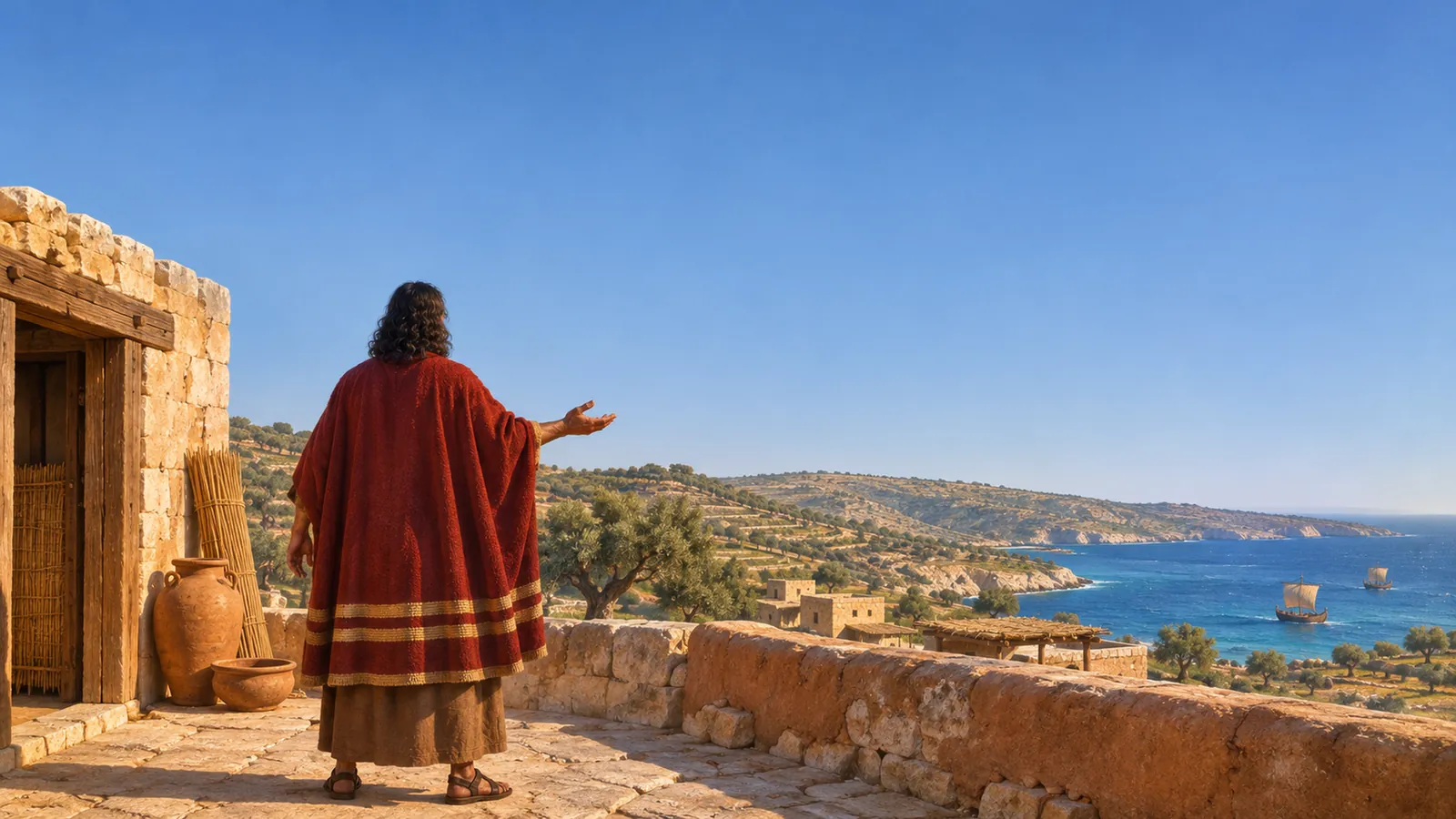
BAAL UND MOT
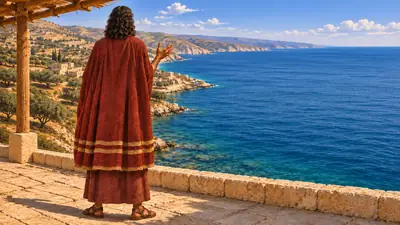
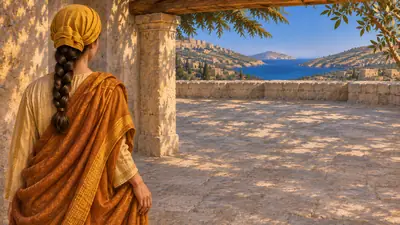
Baal fragt, wer in dem Reich herrschen kann, von dem er nun spricht. Seine Frage eröffnet den Wortwechsel, der seine Botschaft zu Mot trägt.
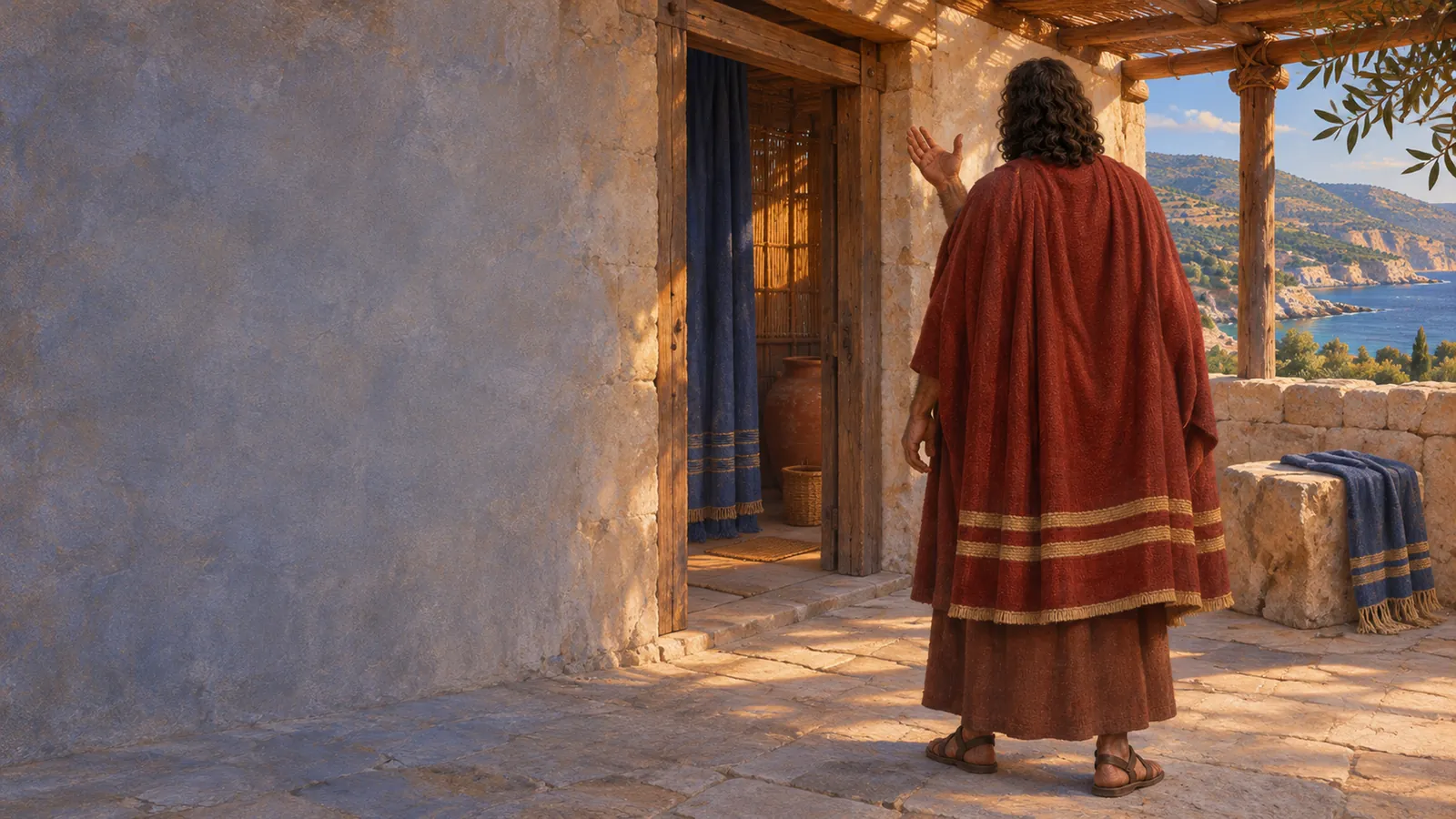
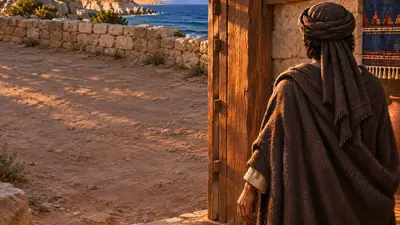
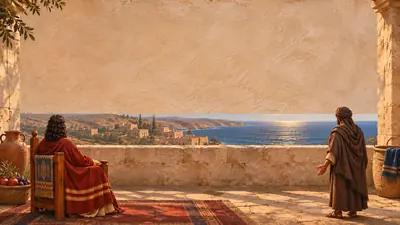
Baal sagt, er werde einen Herold zu Mot schicken. Er spricht davon, seine Worte bis zu dem zu tragen, der sie hören soll.
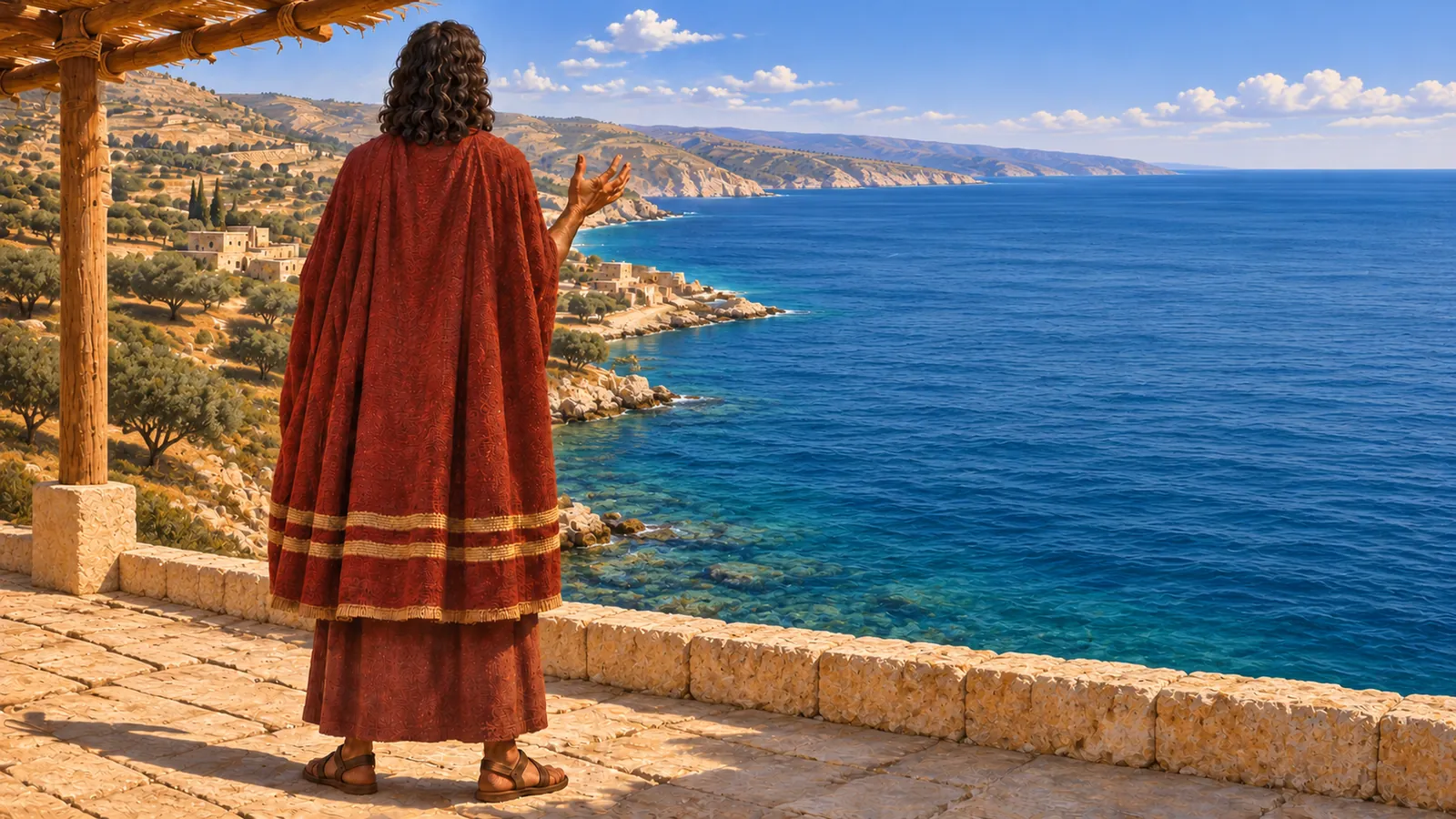
Baal beansprucht die Herrschaft unter den Göttern. Er sagt, er ernähre Götter und Menschen und sättige die vielen Bewohner der Erde.
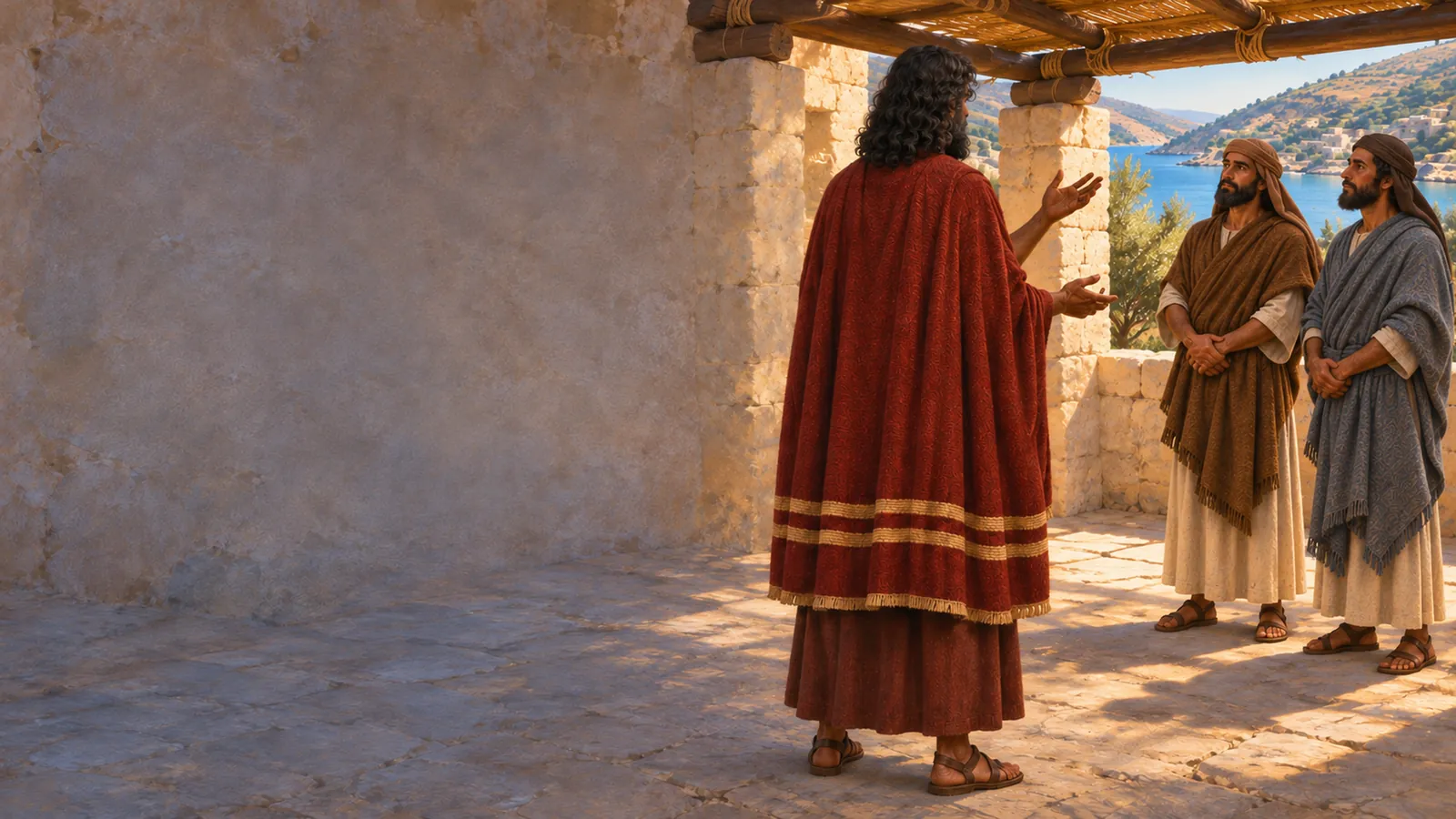
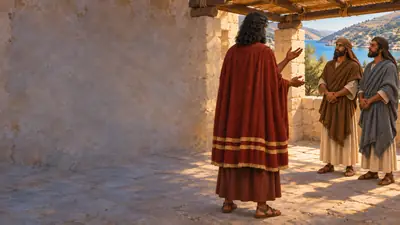
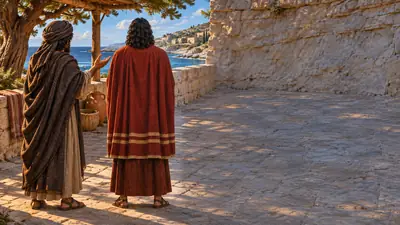
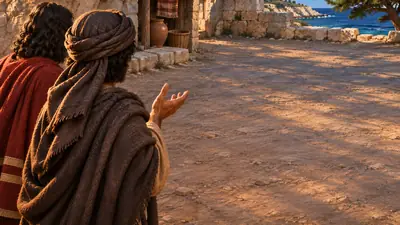
Baal ruft seine Boten Gapn und Ugar, damit sie seine Anweisungen hören. Teile der Worte, die sie beschreiben, sind beschädigt.
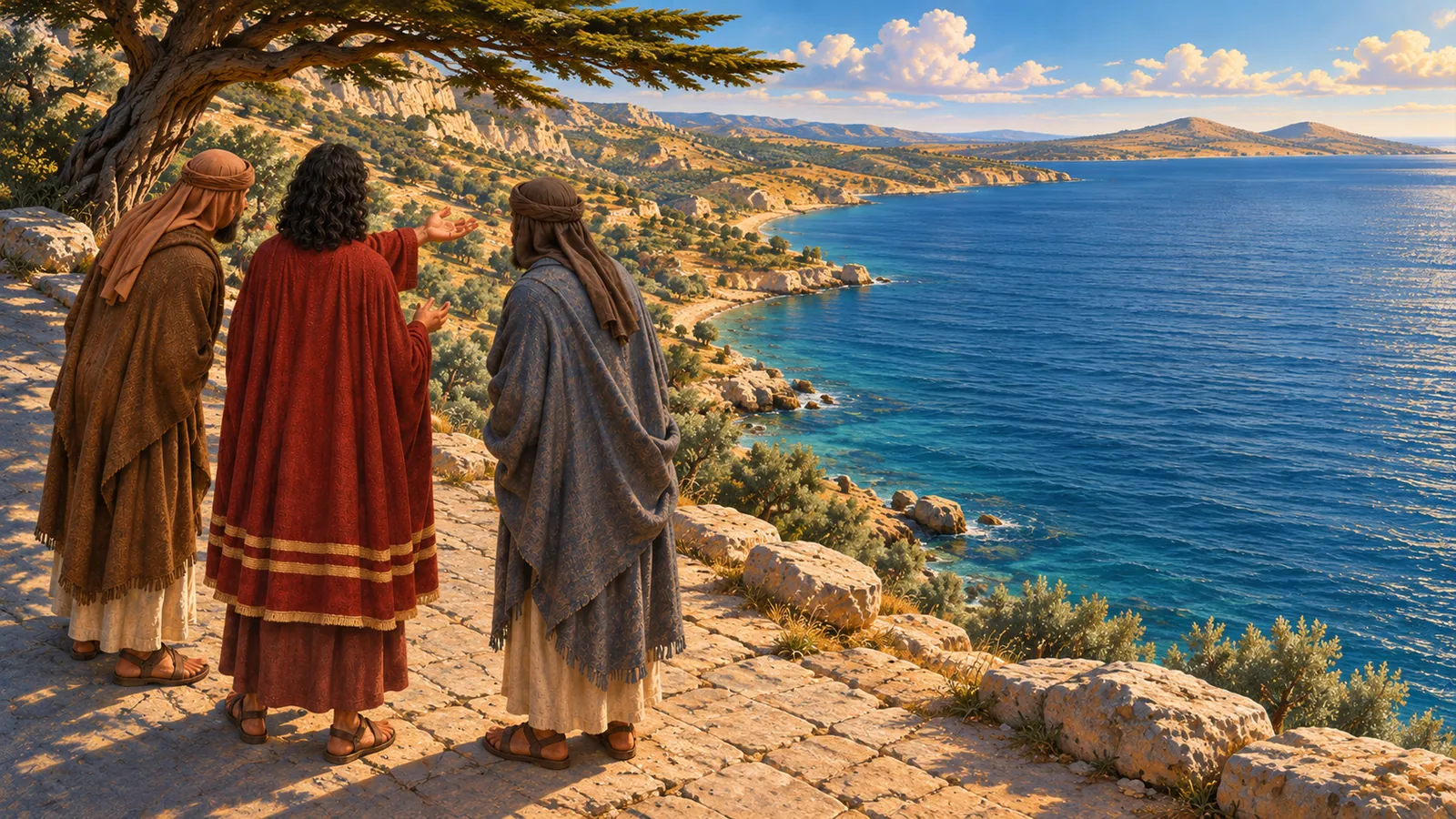
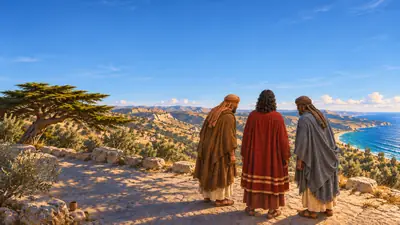
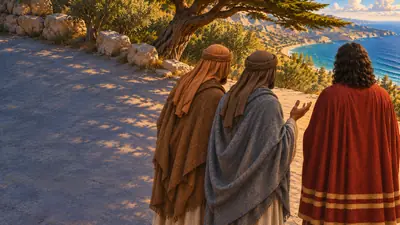
Baal weist die Boten an, sich zu zwei Hügeln zu wenden. Das Gedicht verortet die Hügel am Rand der Erde, auf dem Weg, den er ihnen beschreibt.
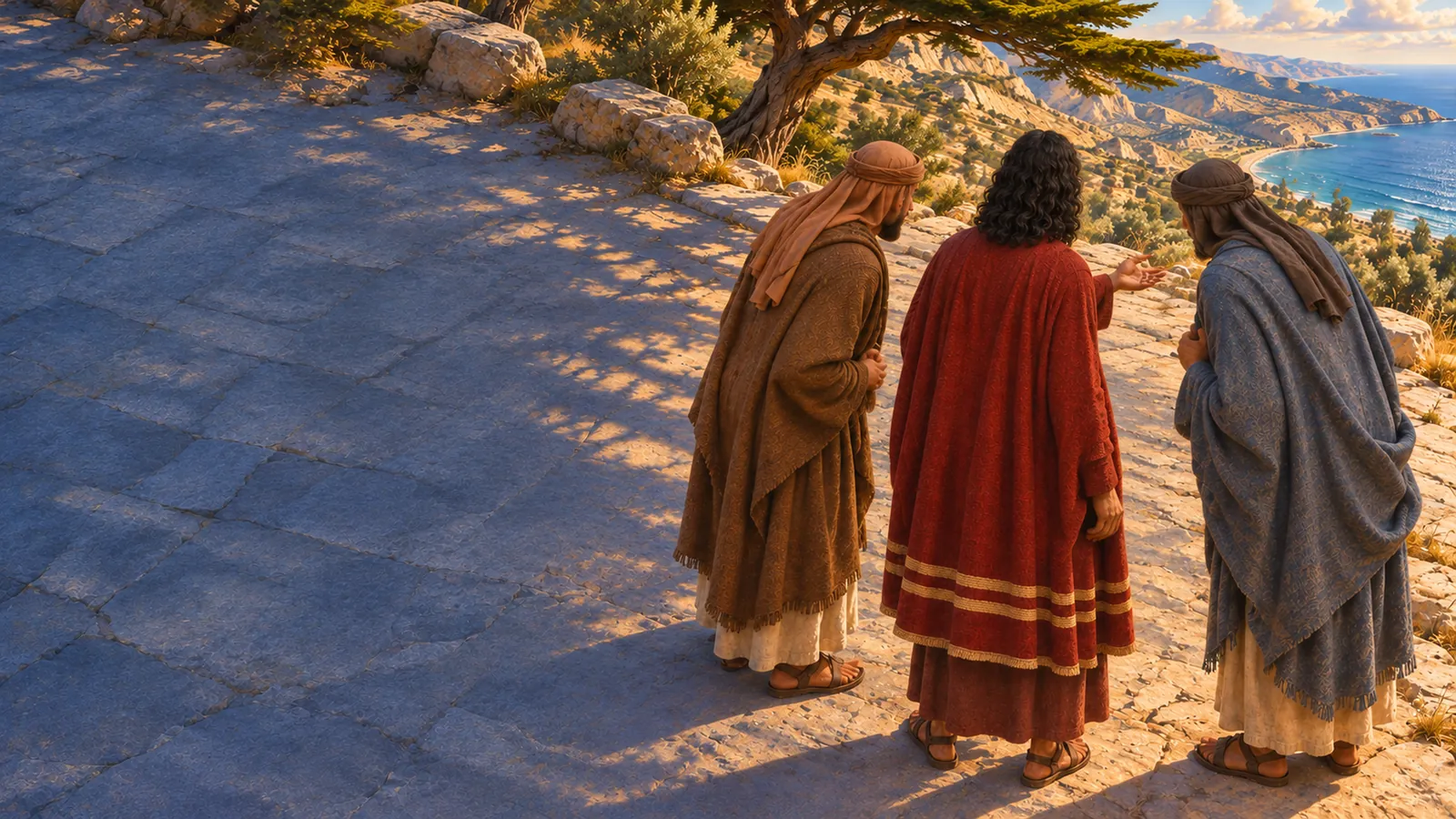
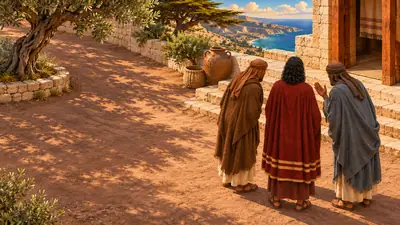
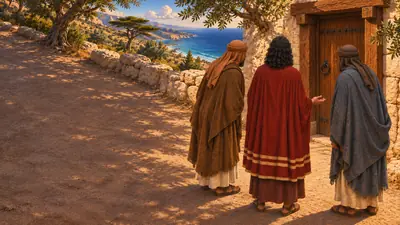
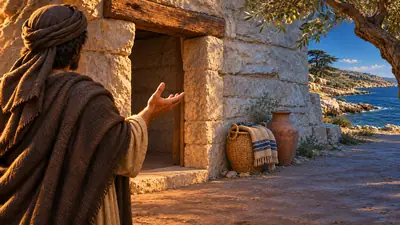
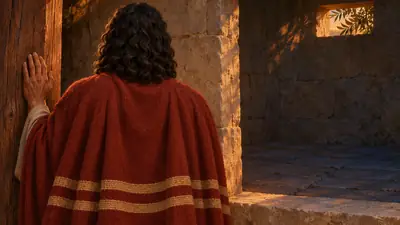
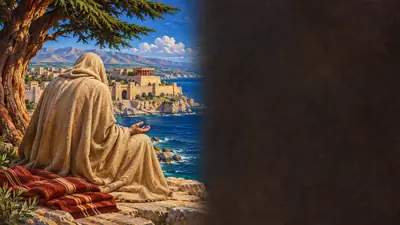
Baal weist sie an, in Mots Reich hinabzugehen. Er spricht von Mots Stadt und dem tief gelegenen Ort, an dem er sitzt.
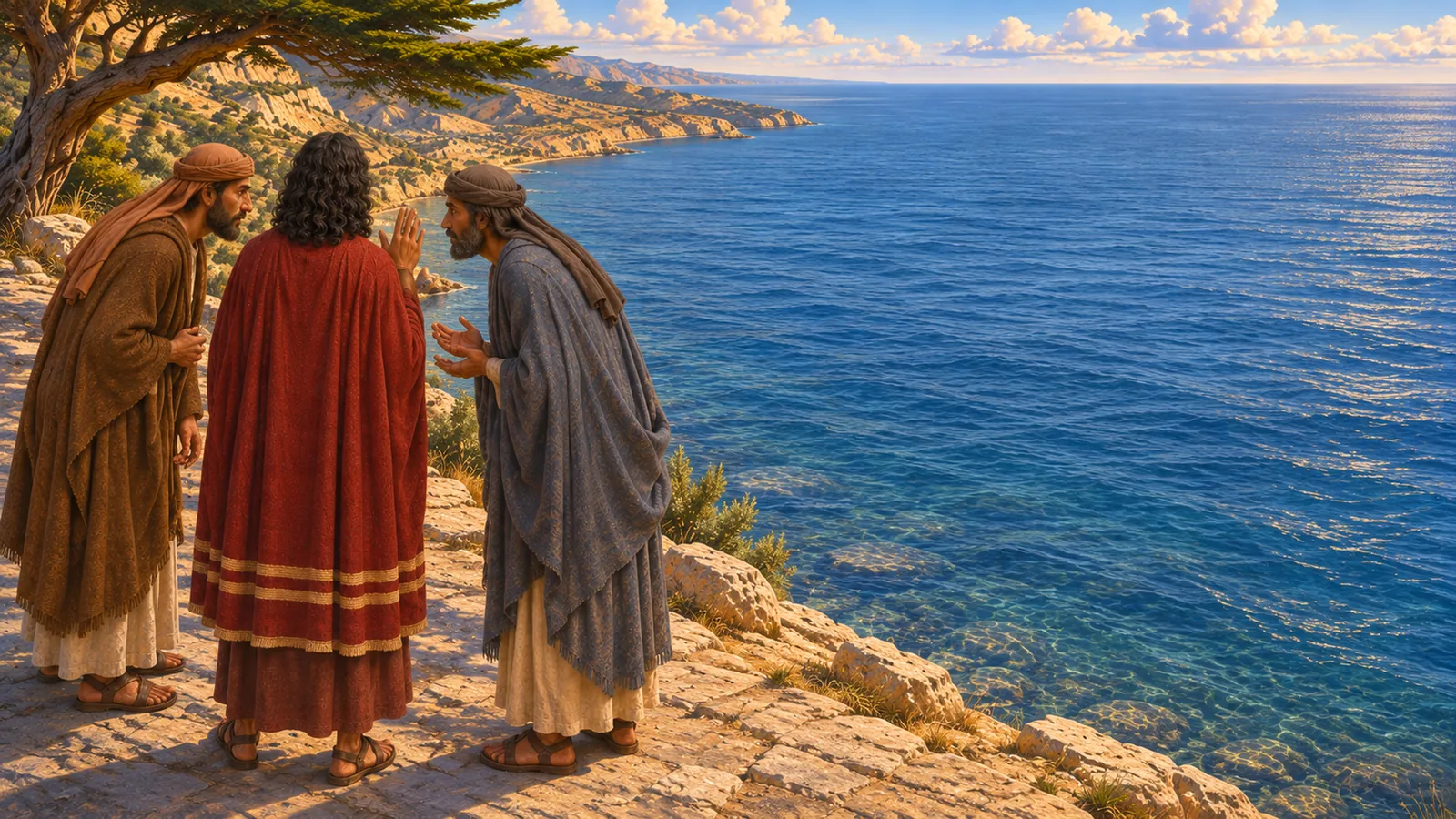
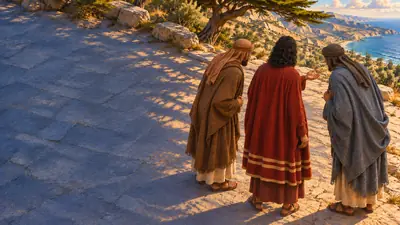
Baal mahnt seine Boten zur Vorsicht. Er warnt sie vor der Gefahr, Mot zu nahe zu kommen.
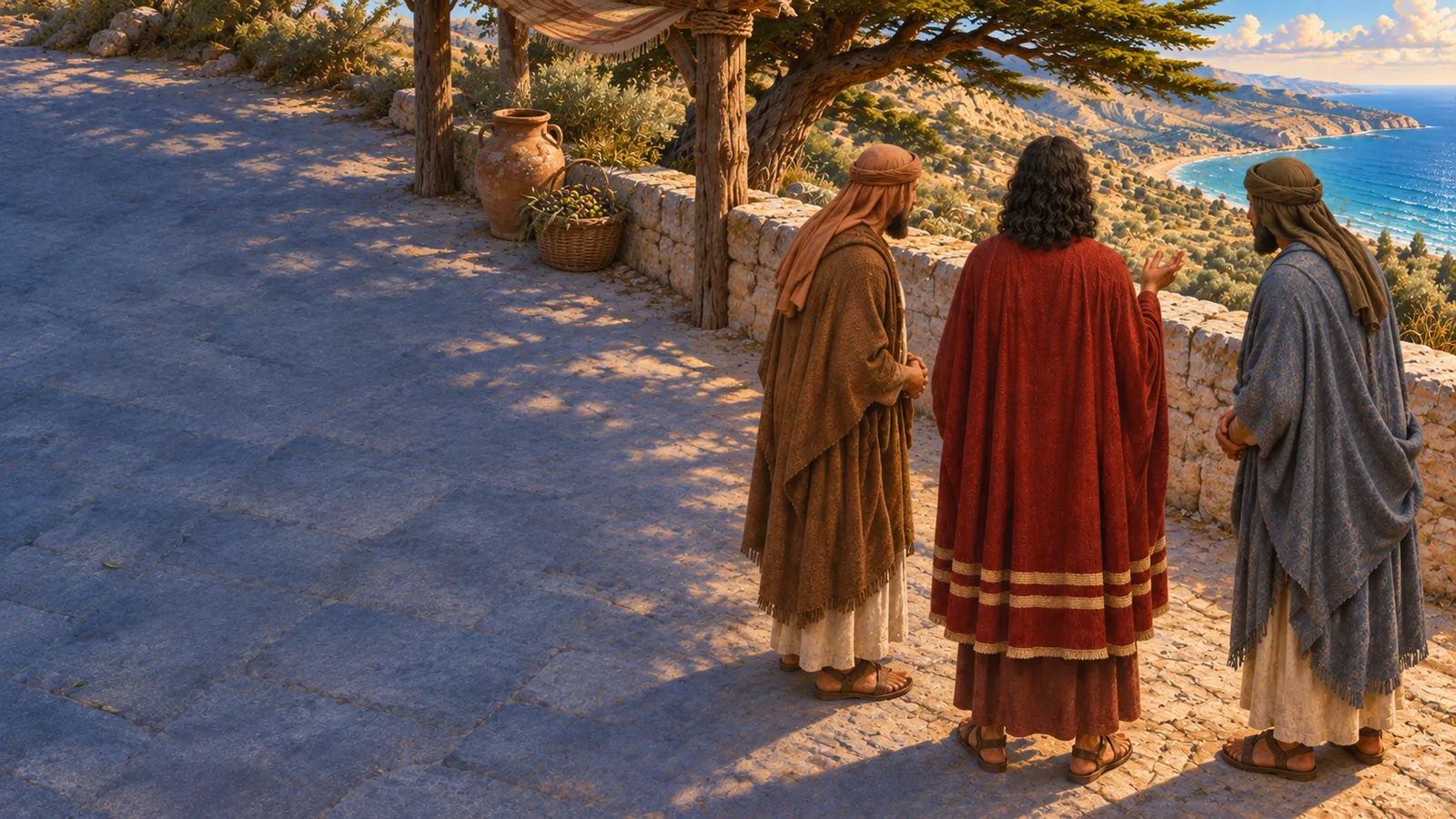
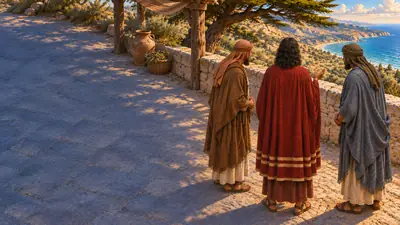
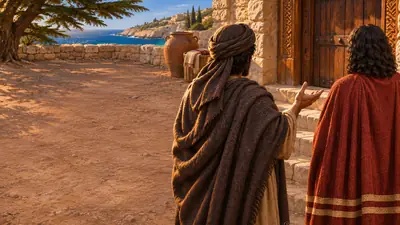
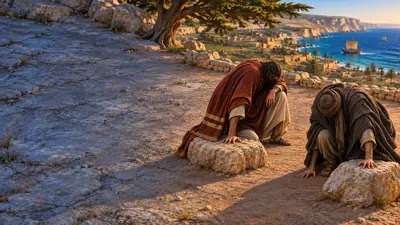
Baal weist sie an, sich aus großer Entfernung vor Mot zu verneigen. Sie sollen ihn ehren, bevor sie die Botschaft überbringen.
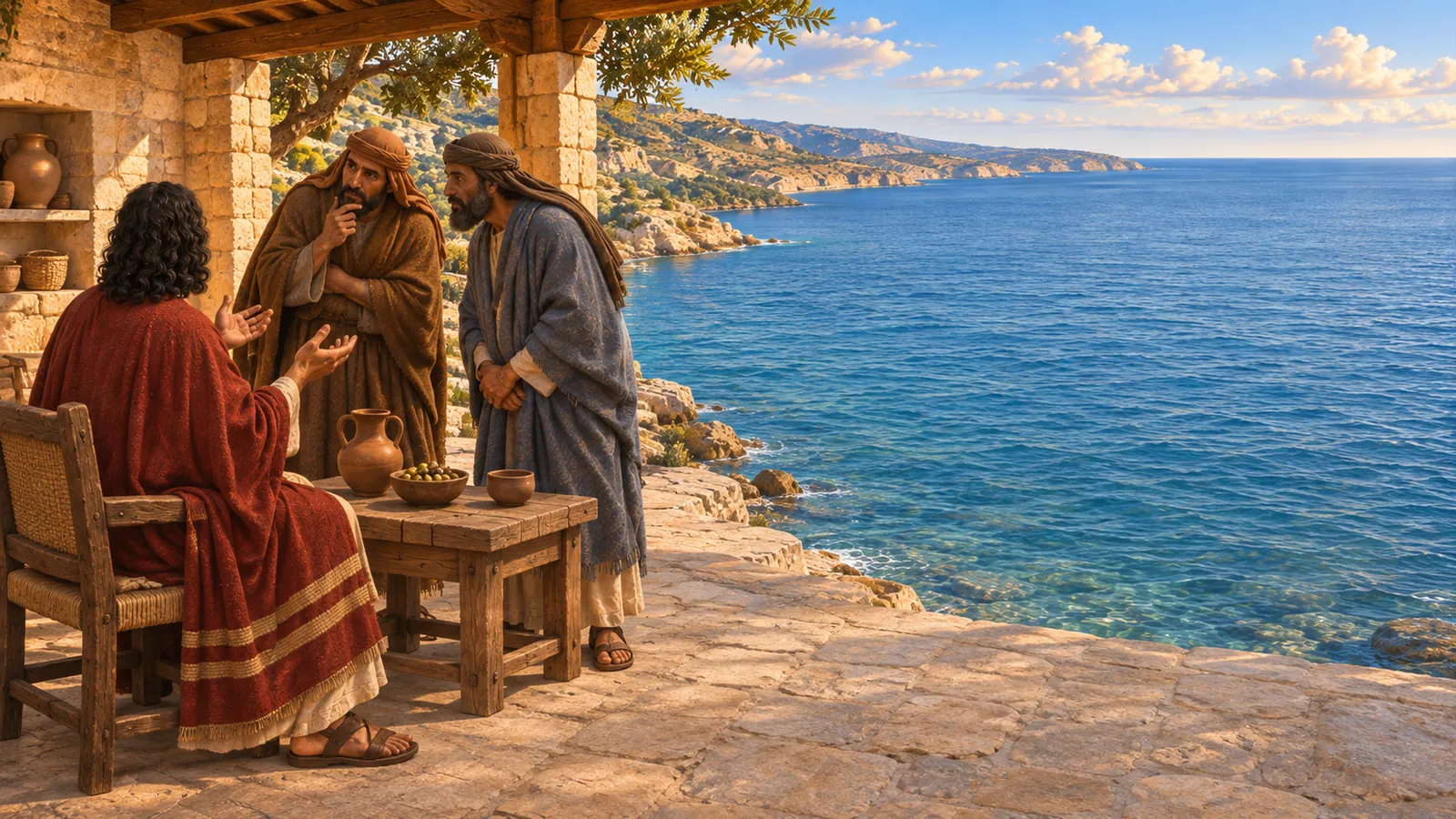
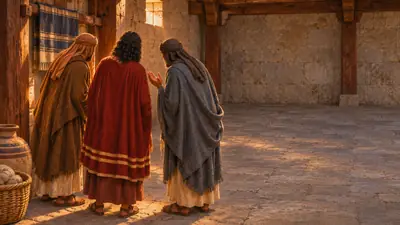
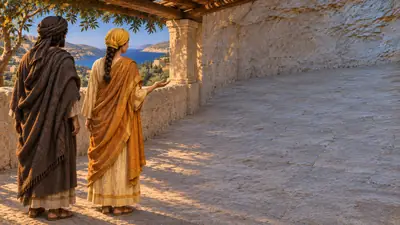
Baal gibt den Boten die Worte mit, die sie sprechen sollen. Im erhaltenen Anfang der Botschaft sagt er Mot, dass er sein Haus gebaut hat.
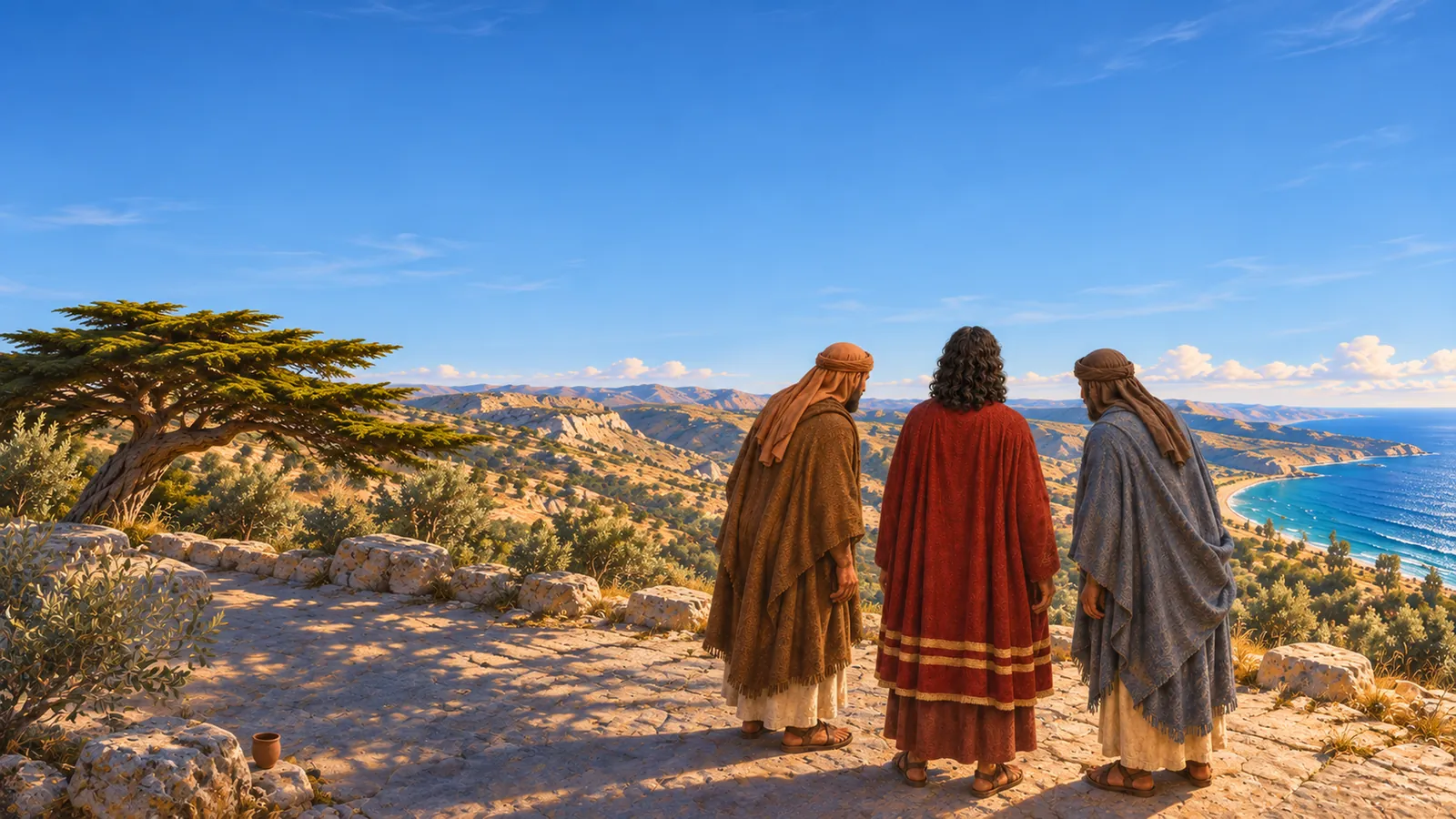
DIE BESCHÄDIGTE BOTSCHAFT
Das Ende von Baals Botschaft ist beschädigt. Die erhaltenen Worte lassen offen, ob Baal Mot schon zu einem Festmahl eingeladen hatte.
Die nächste Tafel setzt mitten in Mots Antwort ein. Einiges davon ist wieder zu hören, als die Boten zu Baal zurückkehren.
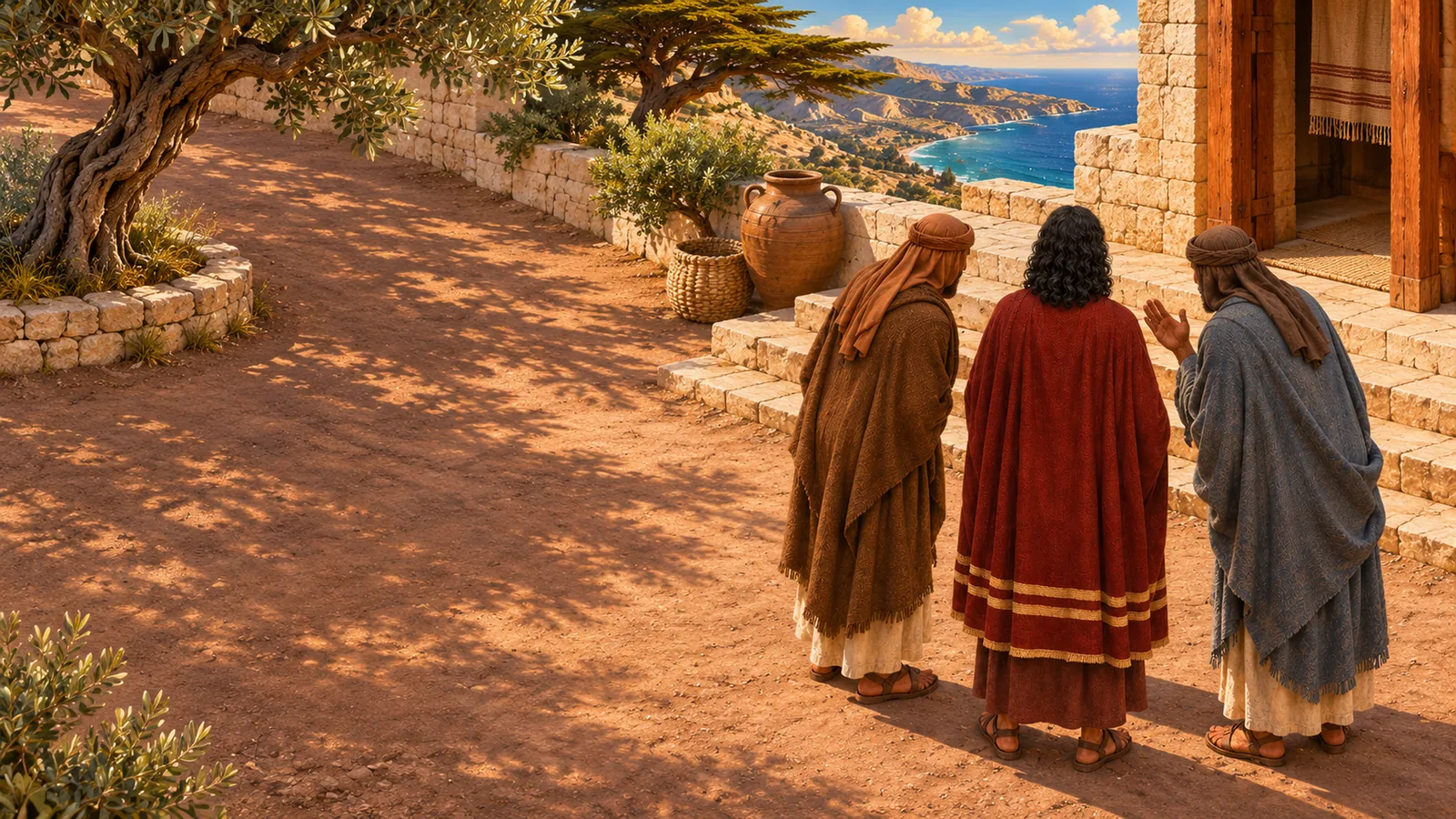
Die Boten kehren zu Baal zurück und wiederholen, was Mot gesagt hat. Die folgenden Worte sind Mots Worte, überbracht von den Boten.
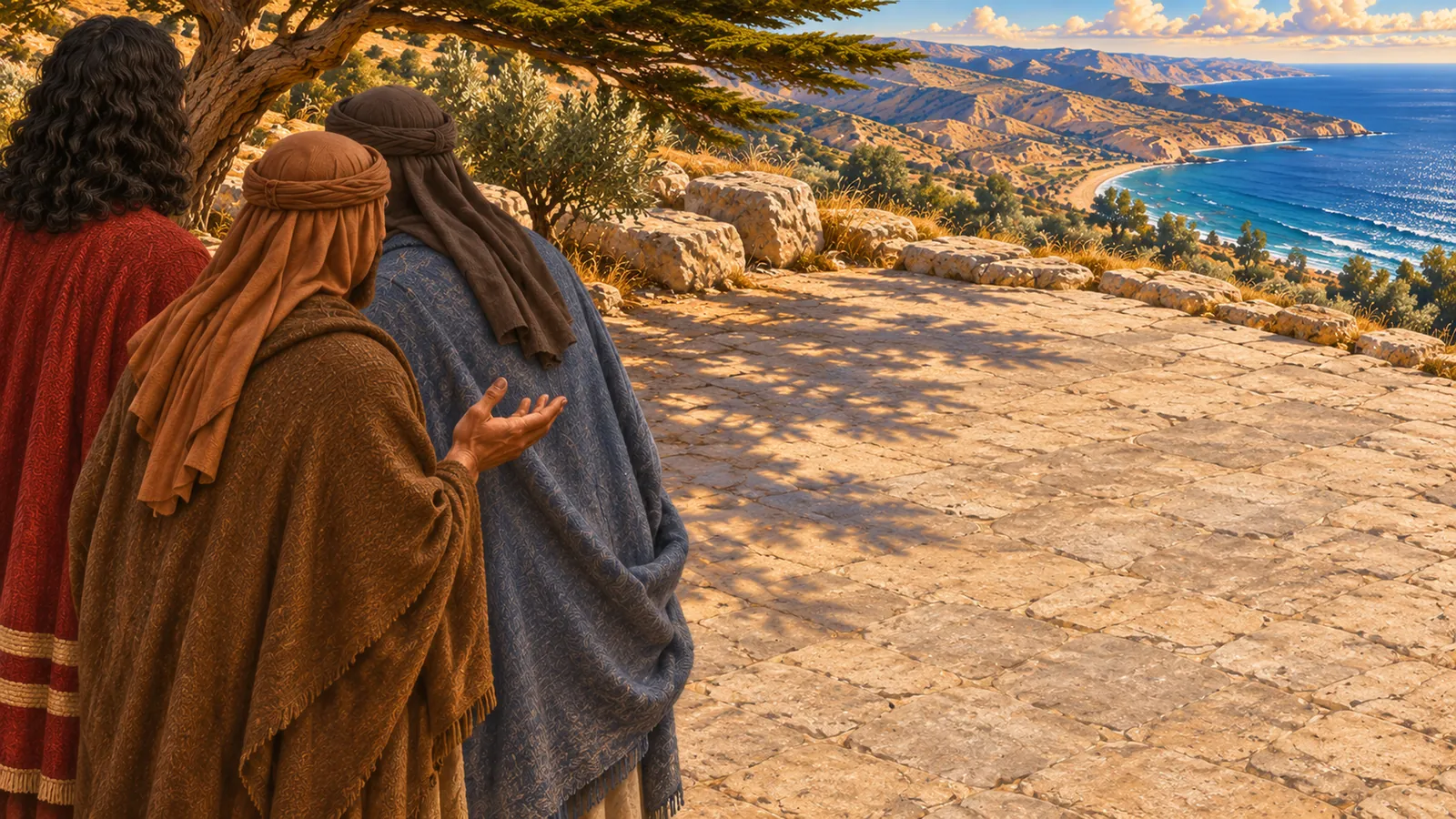
In der Antwort, die die Boten wiederholen, spricht Mot von einem gewaltigen Appetit. Er vergleicht ihn mit Hunger und Durst der Tiere in der Wildnis.
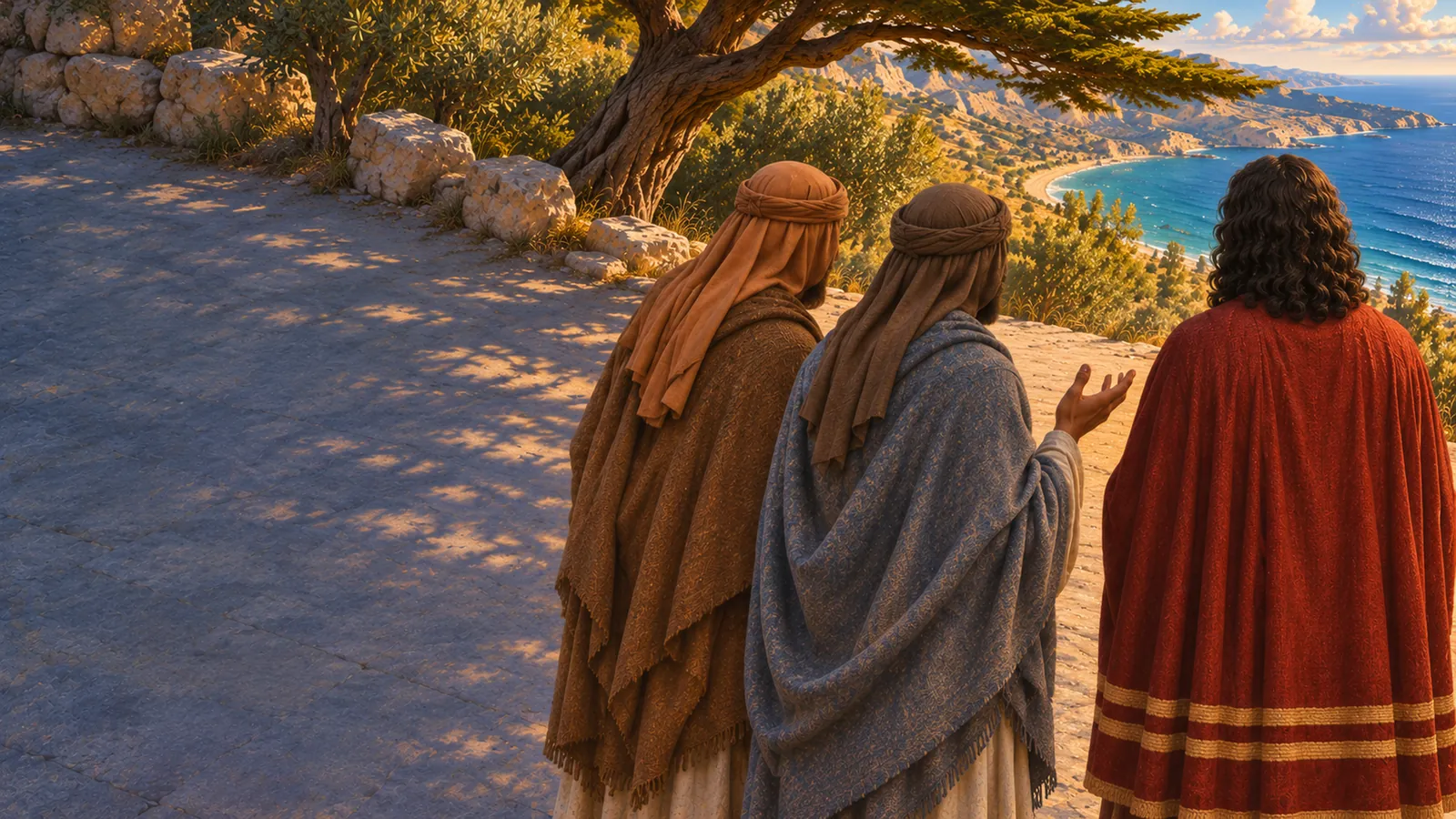
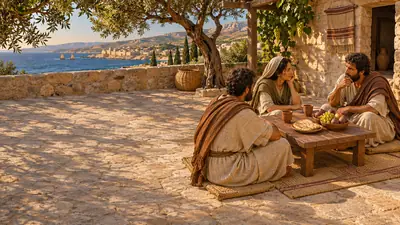
In der Botschaft bittet Mot Baal, ihn mit seinen Verwandten zu einem Festmahl einzuladen. Er spricht von Speisen und Wein.
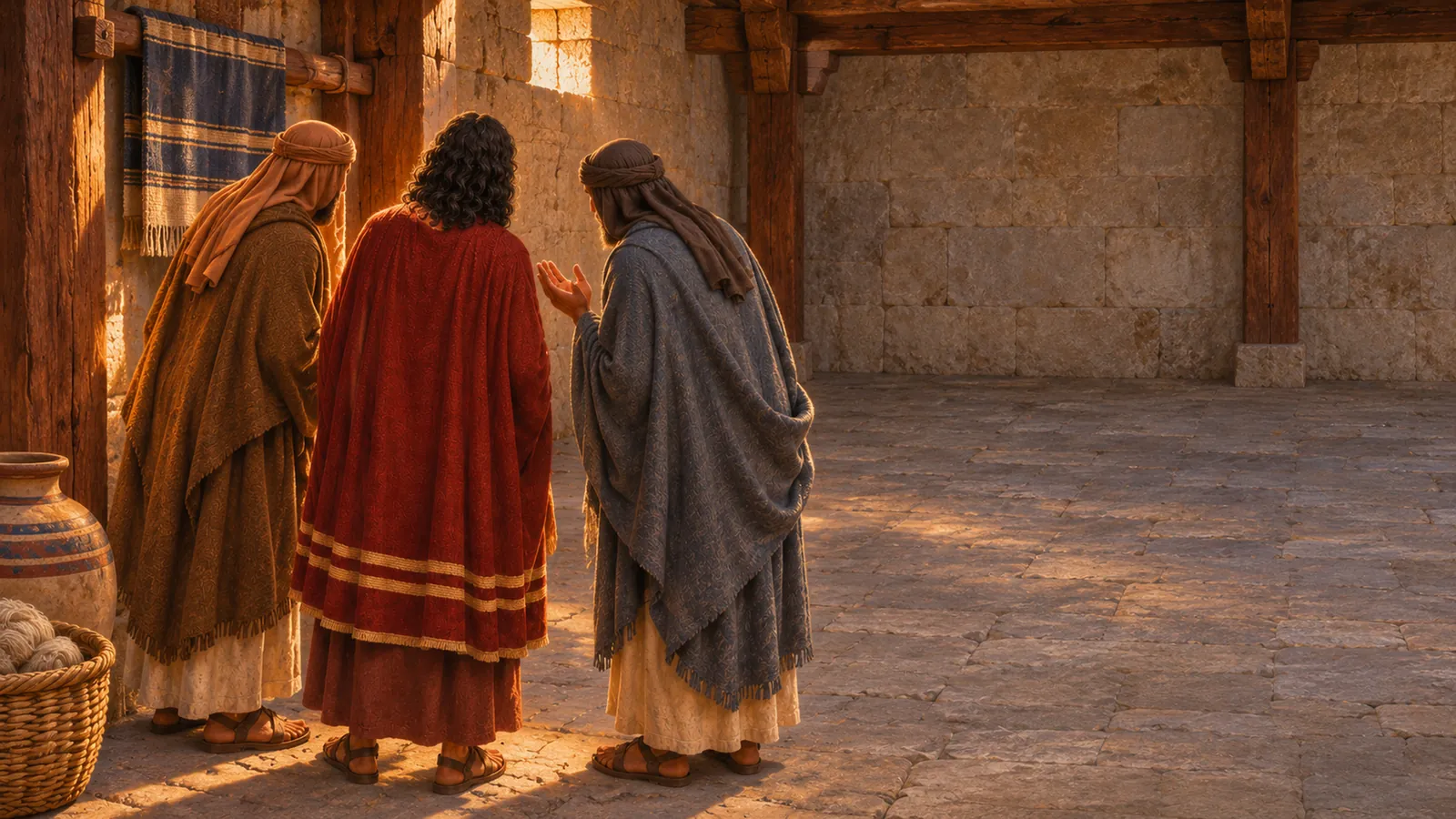
Die Botschaft wendet sich Mots Drohung gegen Baal zu. Das Gedicht gibt die Gefahr in Mots eigenen Worten wieder, bevor es von Baals Furcht erzählt.
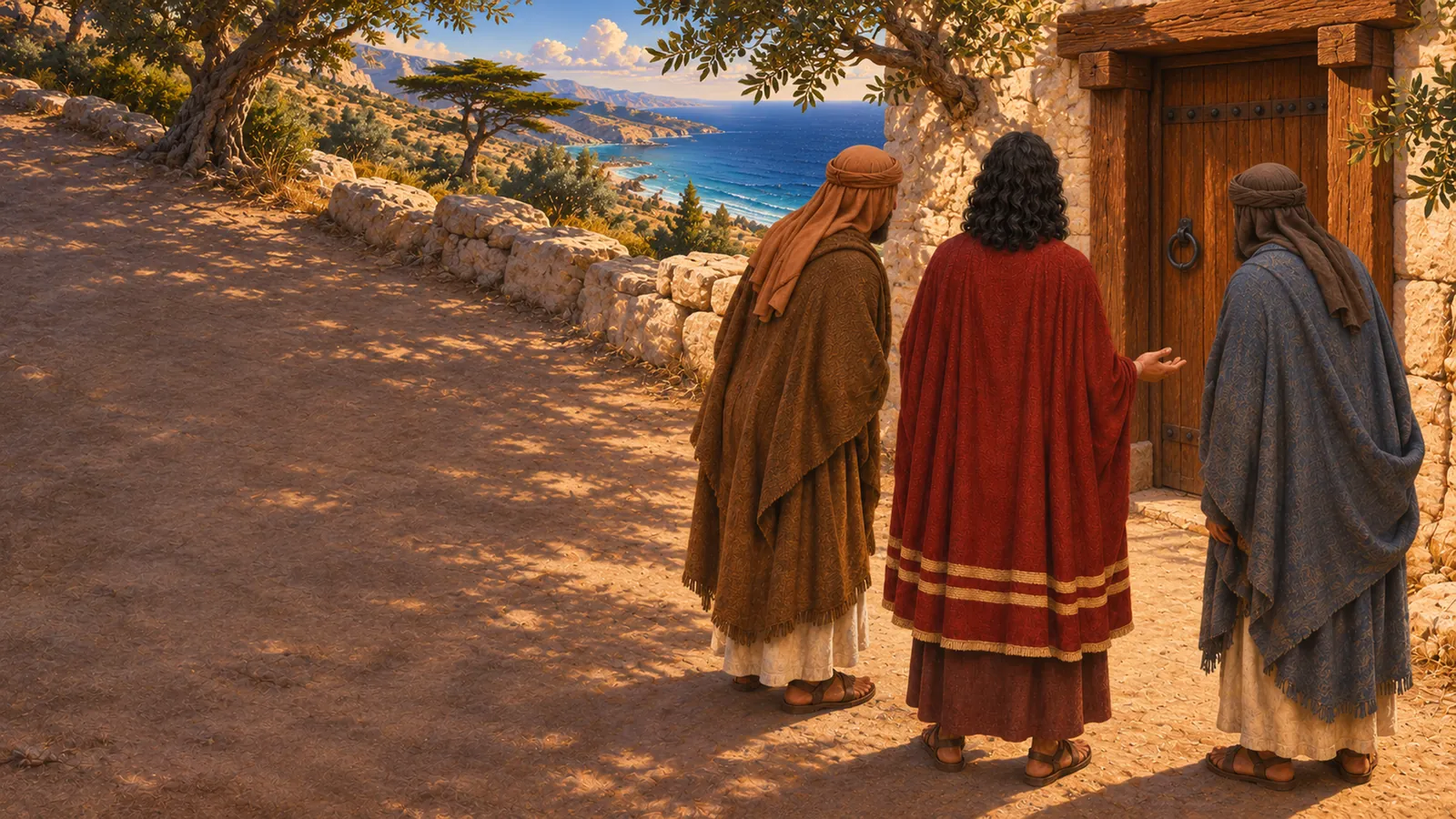
Baal fürchtet sich. Er schickt die Boten mit einer kurzen Antwort zu Mot zurück und stellt sich in dessen Dienst.
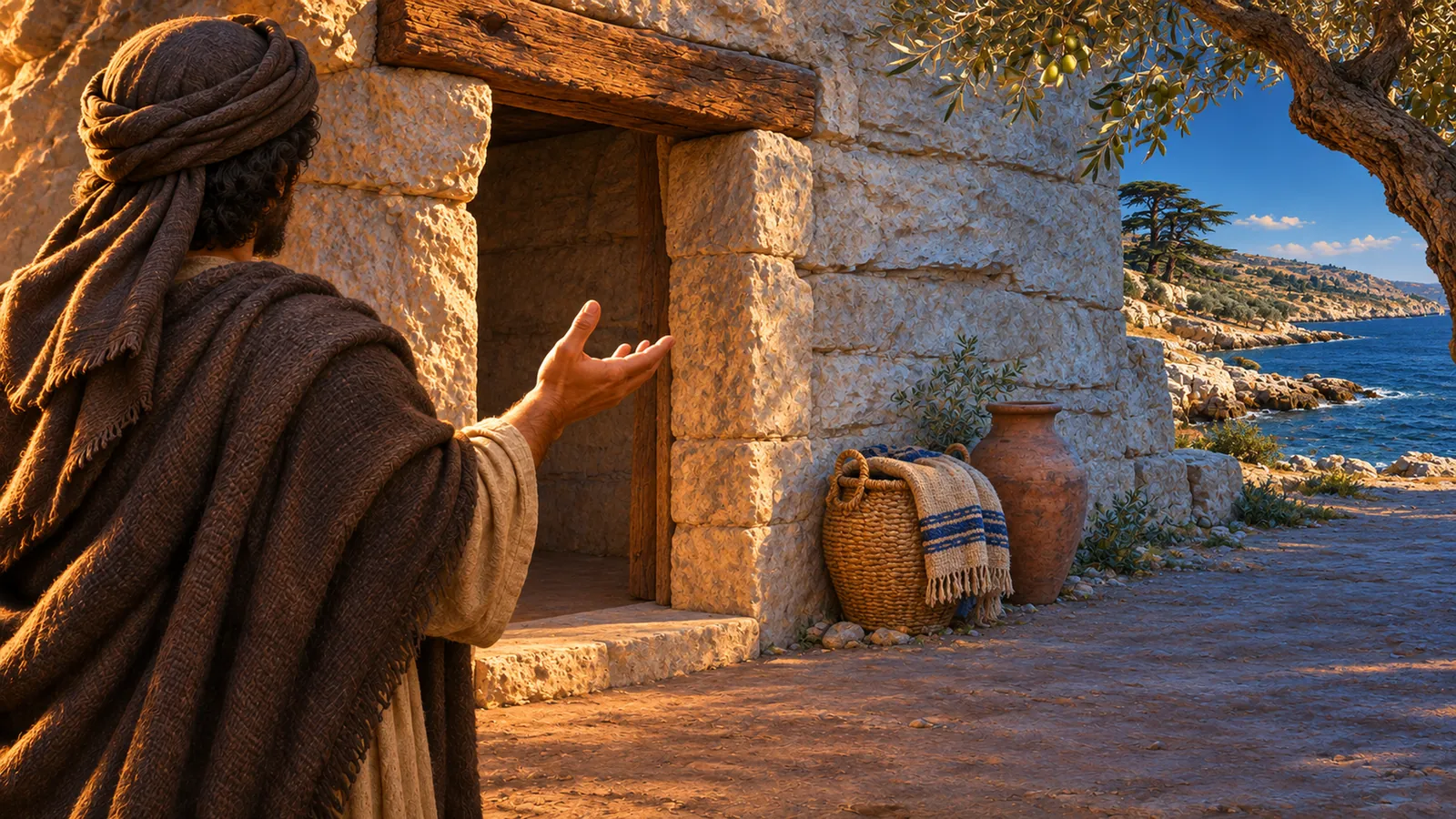
Mot freut sich, als er die Antwort hört. Seine Worte über das Festmahl lassen sich so lesen, als habe er die Einladung erhalten, oder als warte er noch darauf.
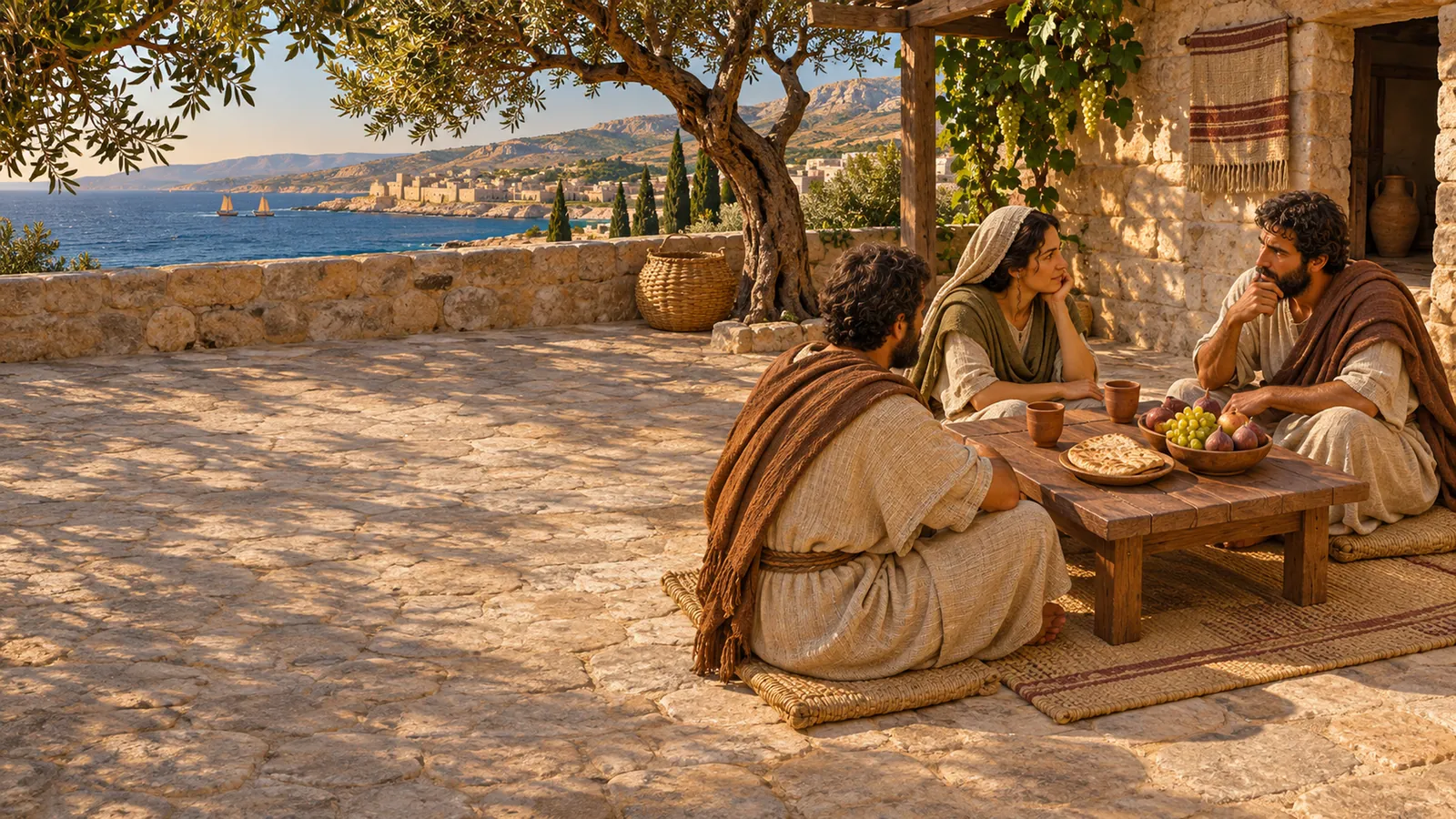
In den folgenden beschädigten Spalten ist von einem Festmahl die Rede. Zu wenig ist erhalten, um das ganze Gespräch nachzuerzählen oder seinen Anlass zu kennen.
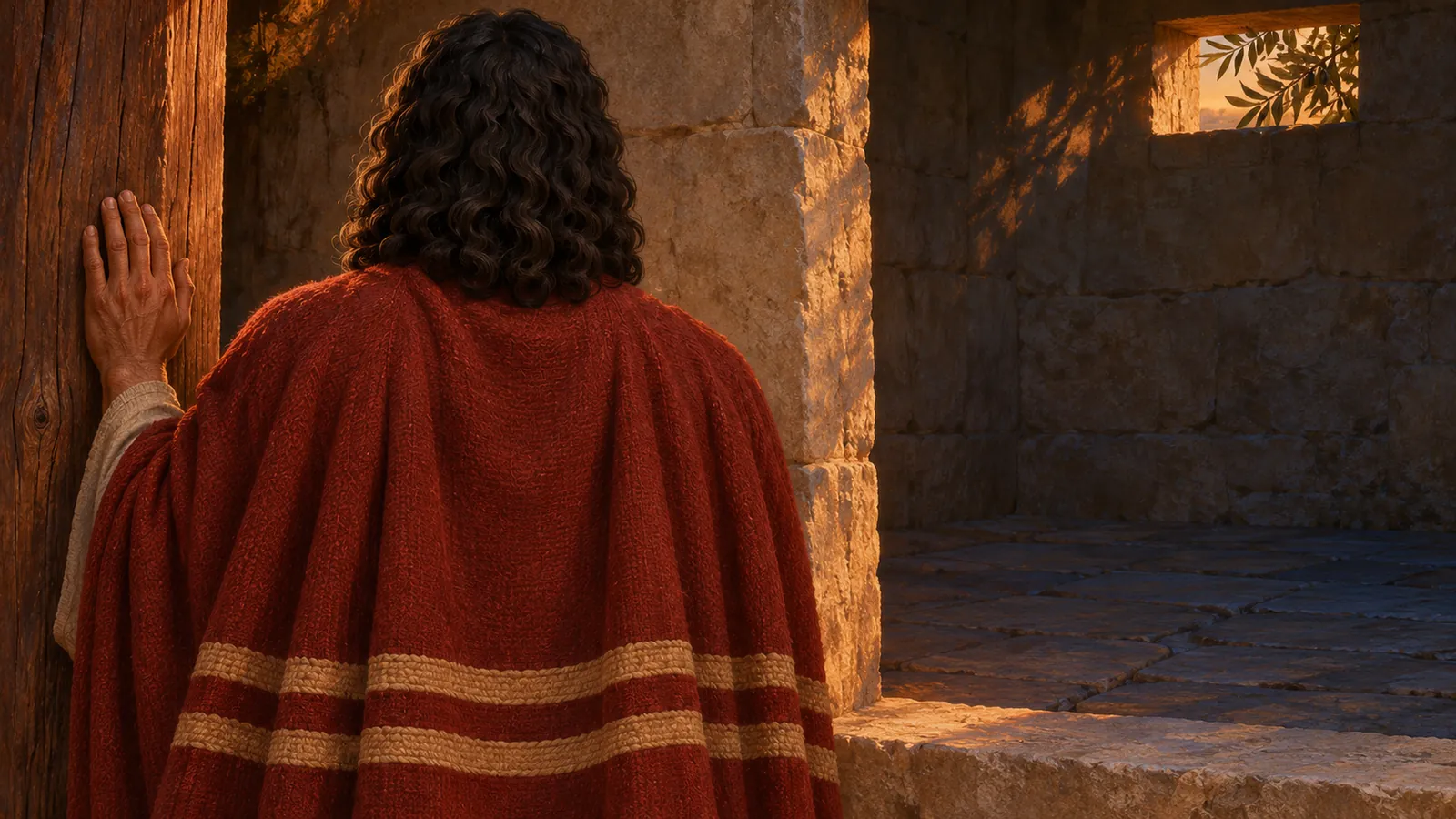
Jemand weist Baal an, in die Unterwelt hinabzugehen. Von den Anweisungen ist genug erhalten, um den Befehl zu hören, doch wer spricht, bleibt offen.
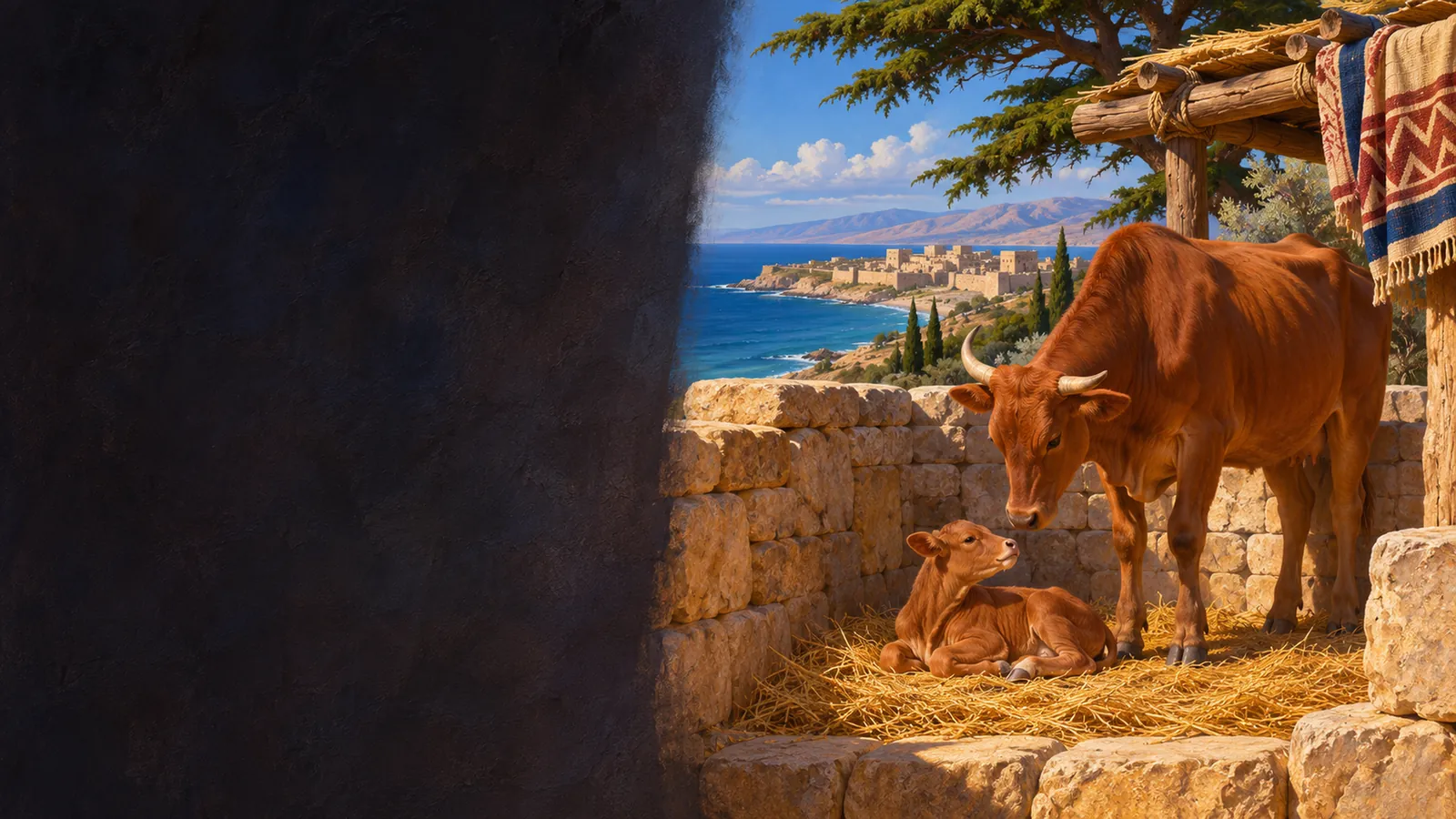
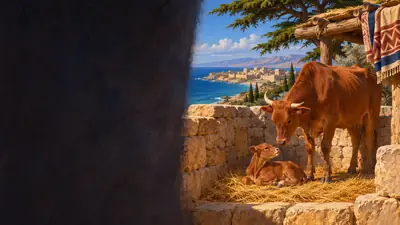
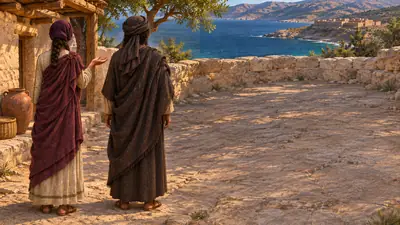
Baal vereinigt sich mit einer jungen Kuh, die ihm einen Sohn gebiert. Nach einer Lücke folgt der Bericht an El.
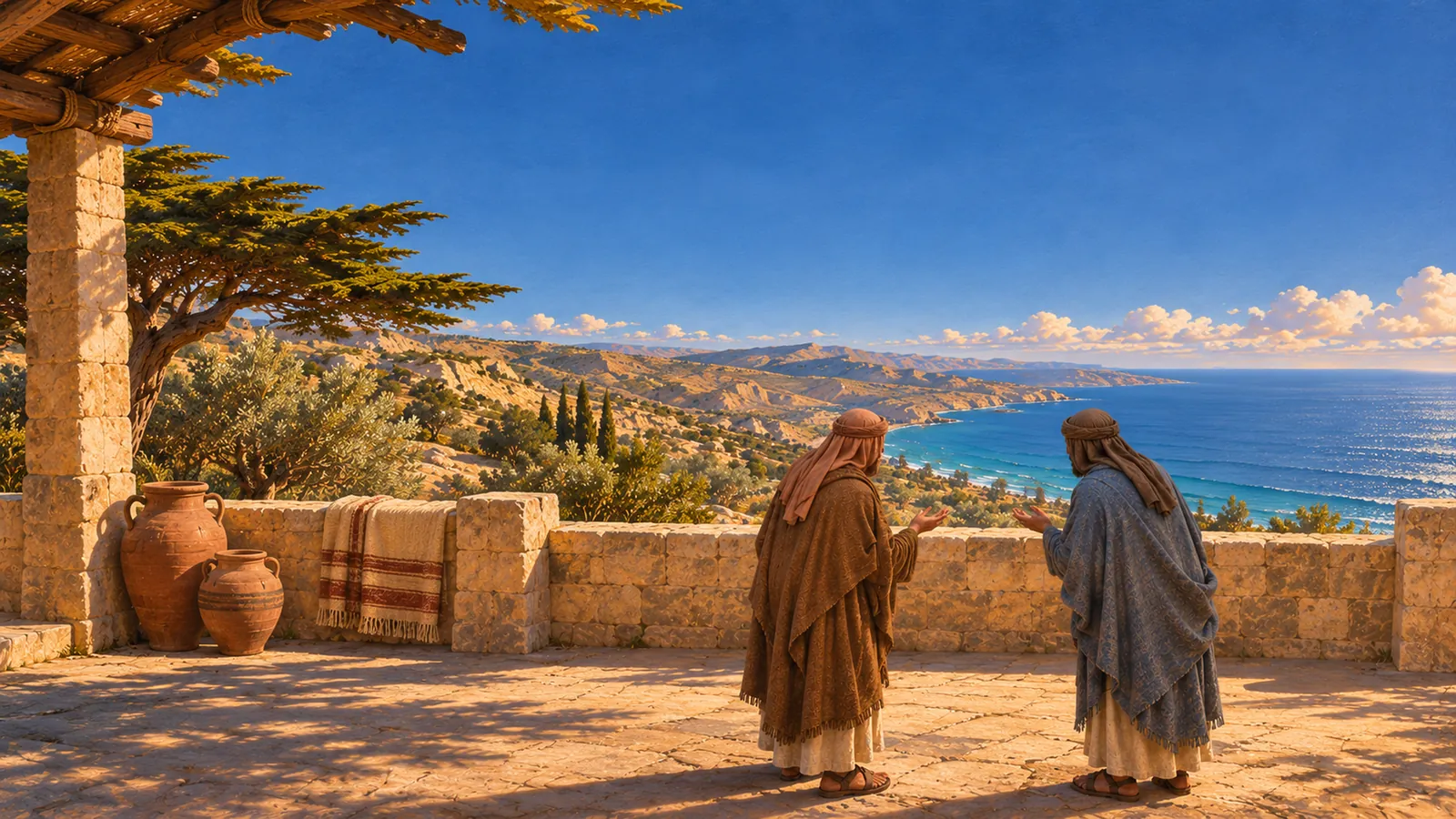
DIE NACHRICHT
Wo die Zeilen wieder lesbar sind, sprechen Boten zu El. Sie sagen ihm, dass sie Baal tot gefunden haben.
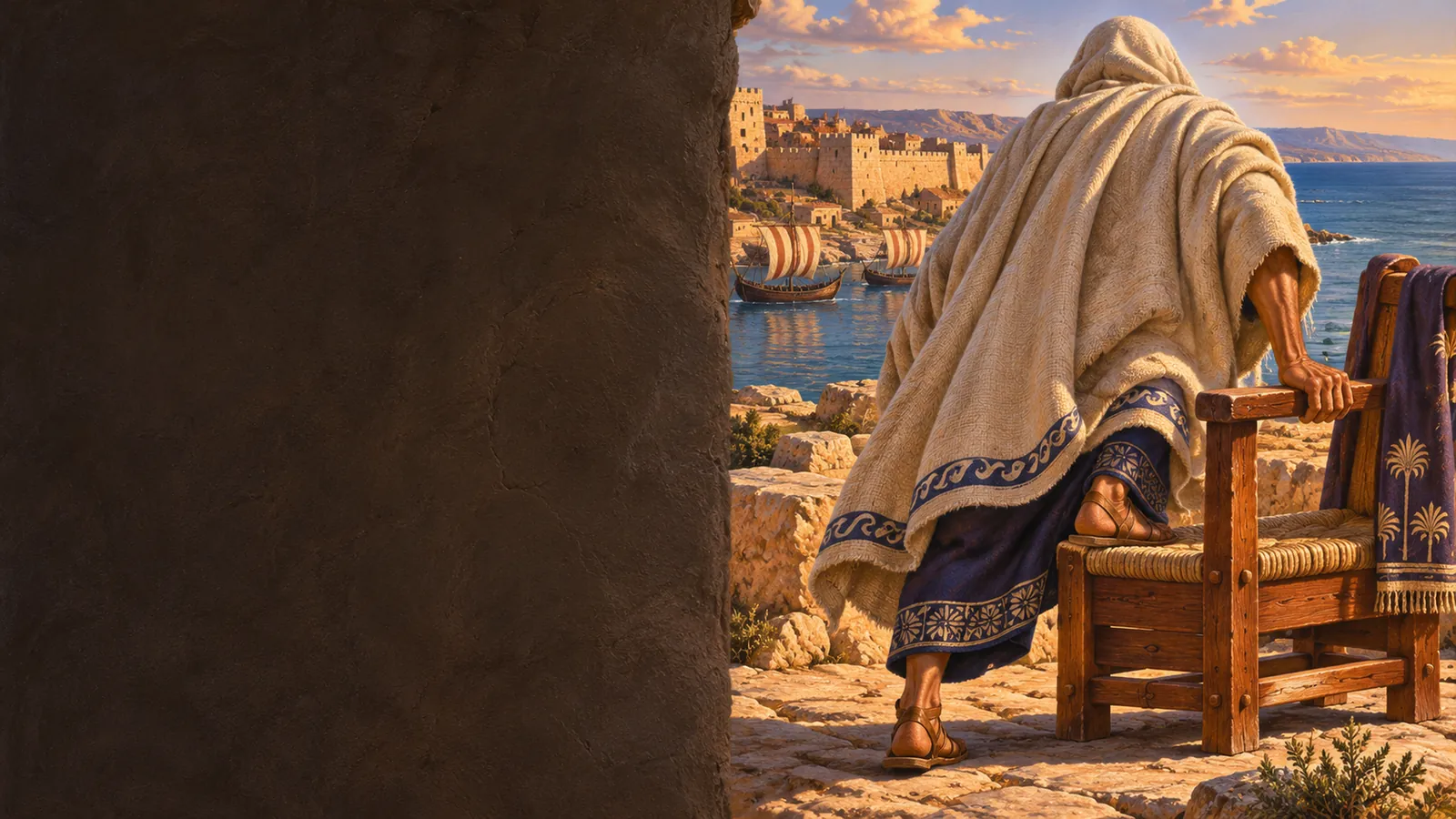
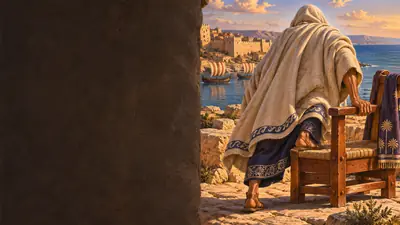
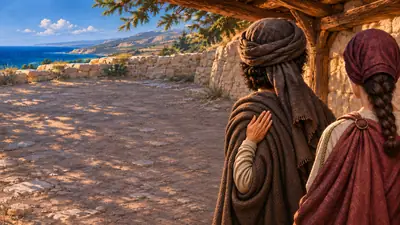
El hört die Nachricht und steigt von seinem Sitz herab. In seiner Trauer setzt er sich auf den Boden.
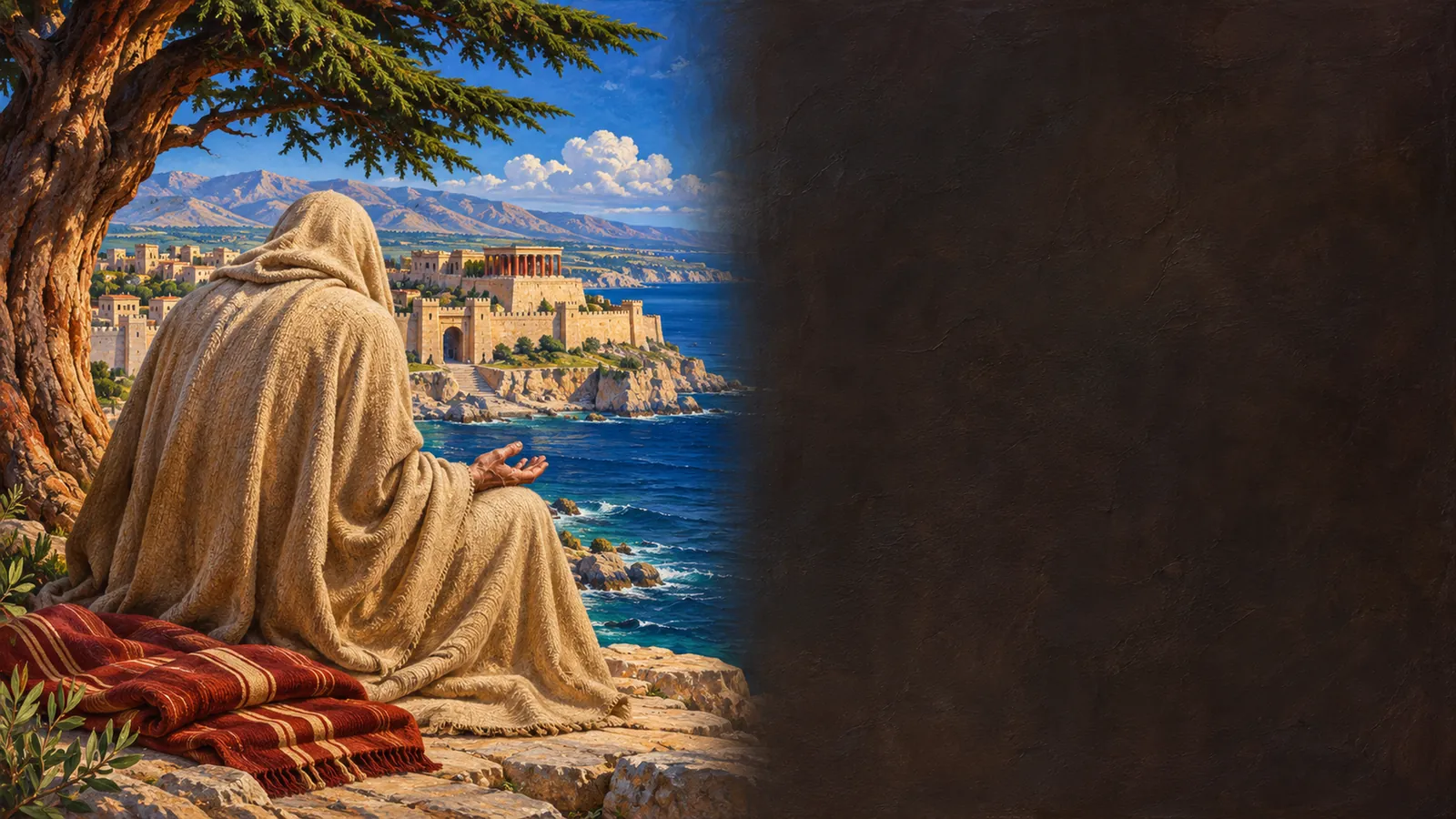
El trauert um Baal. Er spricht davon, ihm hinab in die Erde zu folgen, und diese Worte gehören zu seiner Trauer.
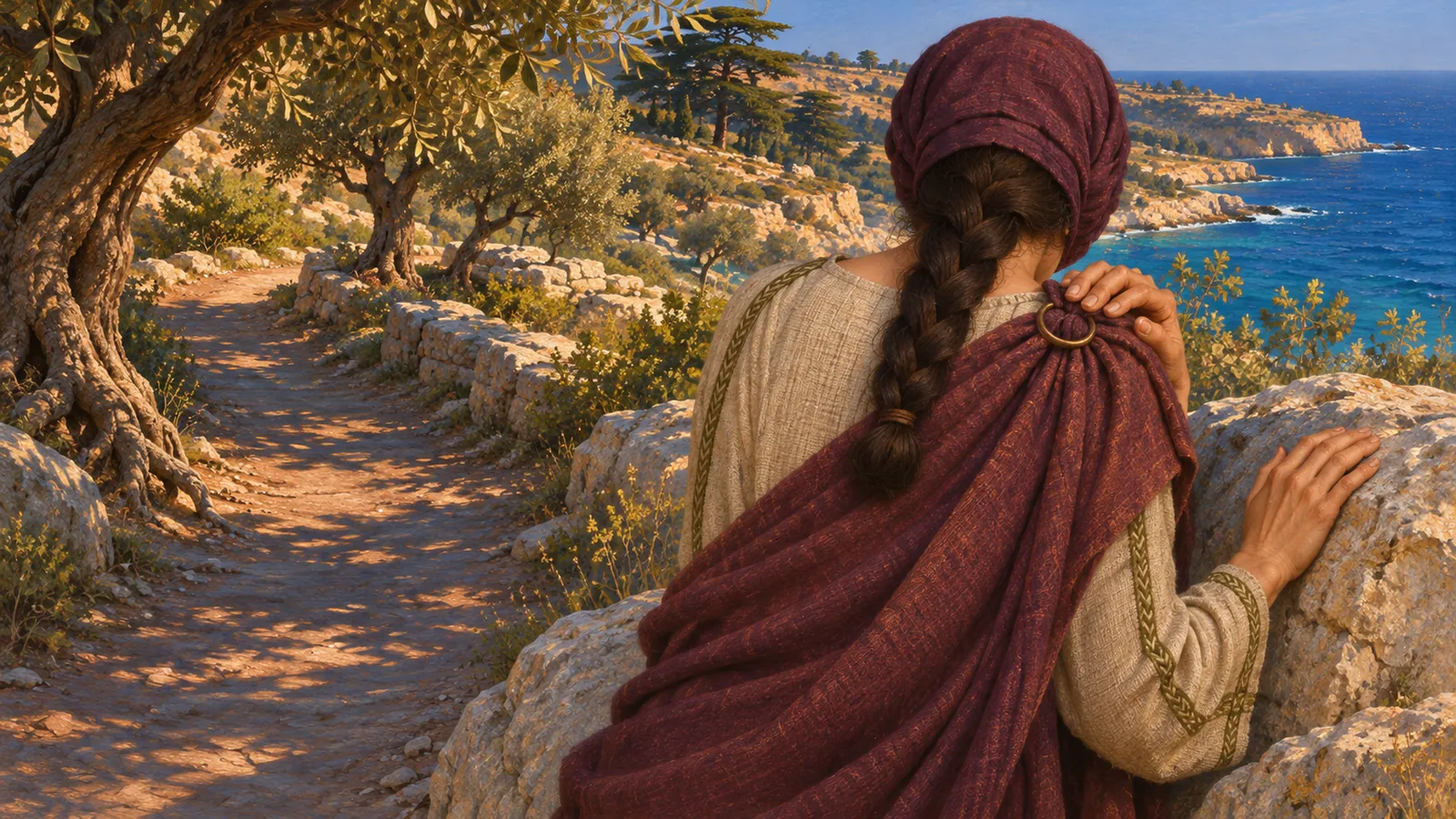
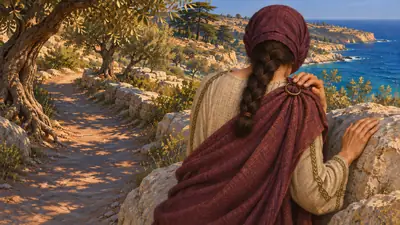
Das Gedicht wendet sich Anat in den Hügeln zu. Sie stößt selbst auf Baal und findet ihn tot, wie die Boten El berichtet hatten.
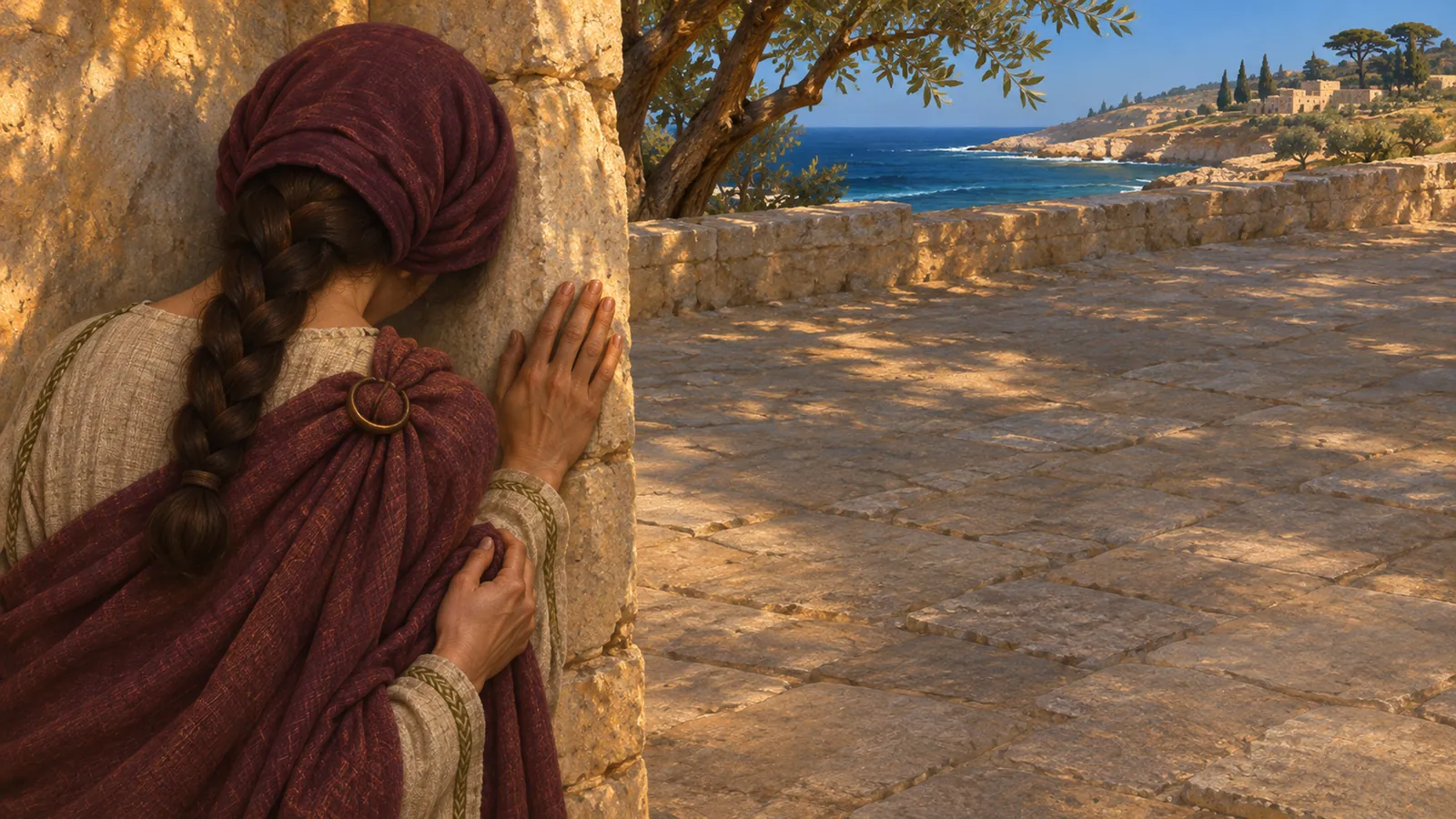
Anats Trauer setzt sich auf der sechsten Tafel fort. Ihre Worte und ihr Schmerz erinnern an Els Trauer, als er die Nachricht hörte.
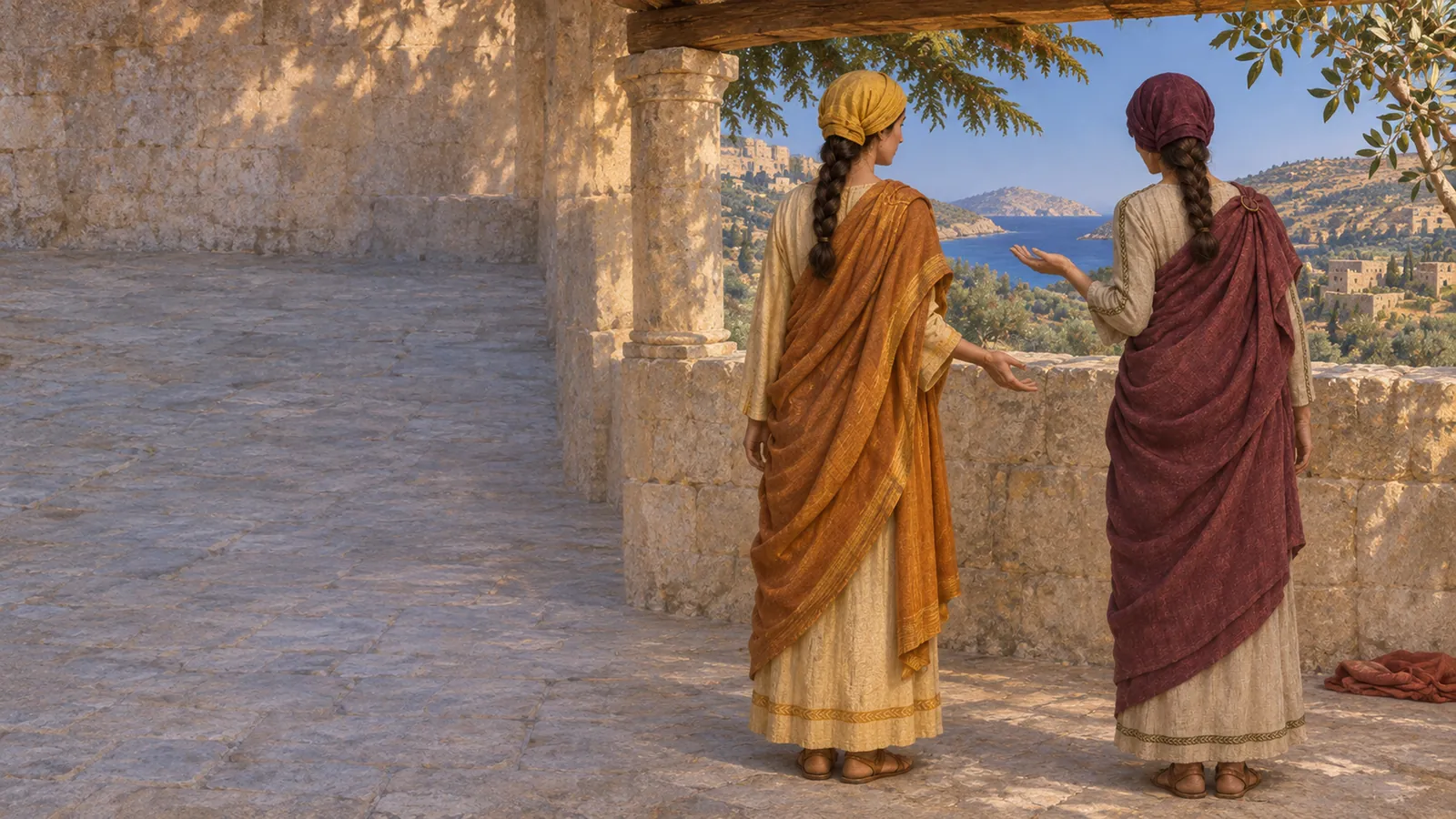
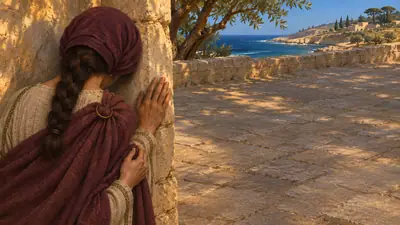
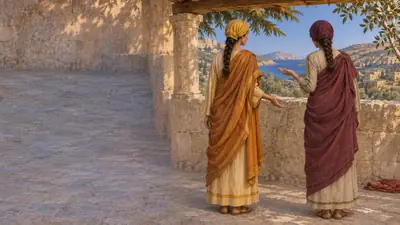
Shapash kommt zu Anat. Anat bittet sie um Hilfe, damit sie Baal forttragen und bestatten kann.

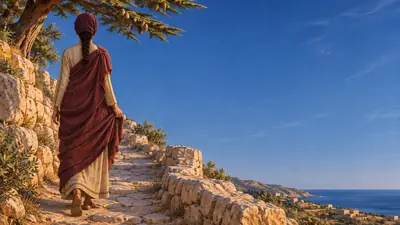
Anat trägt Baal auf die Höhen des Saphon. Dort weint sie um ihn und bettet ihn zur Ruhe.
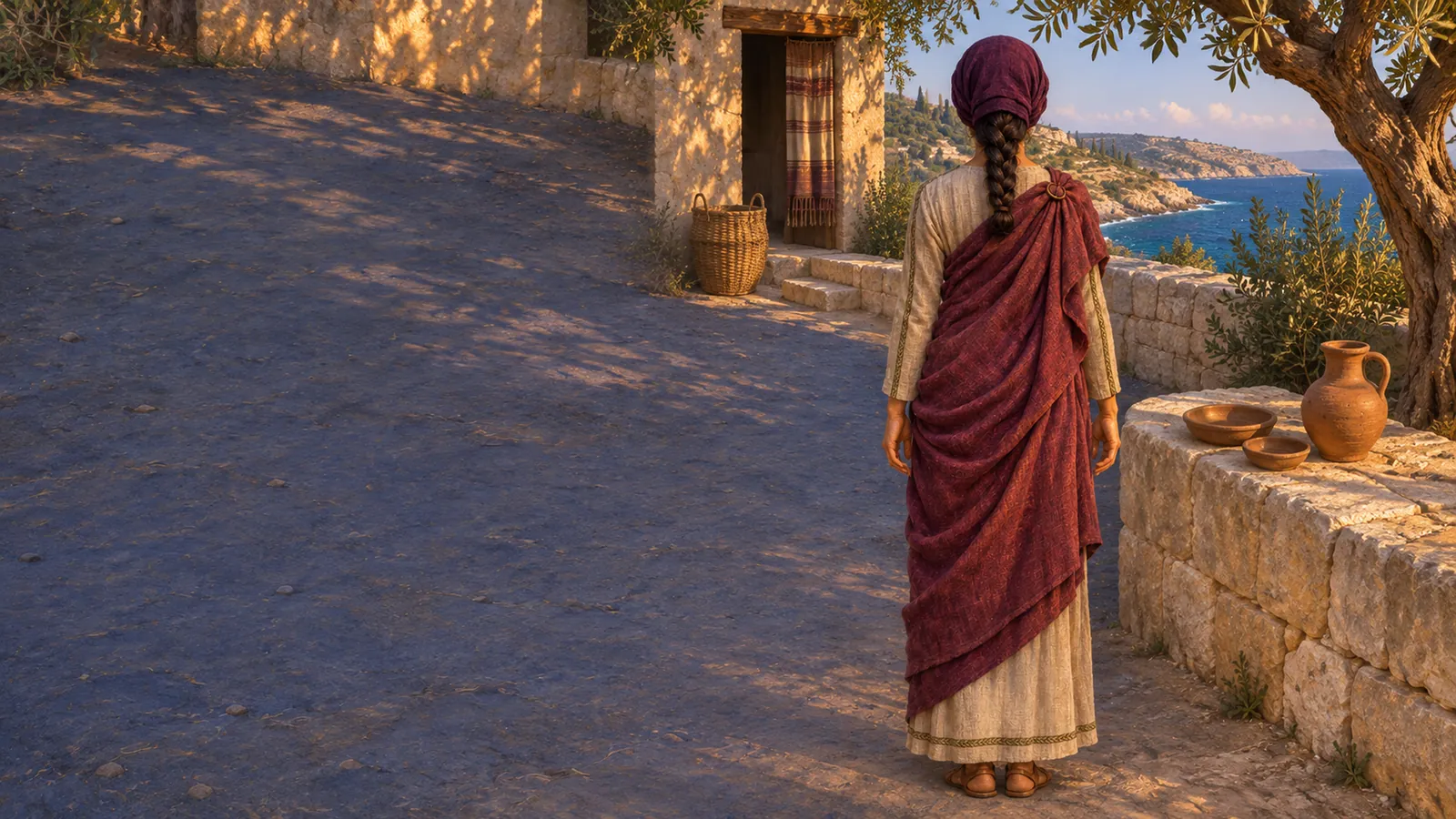
Nach Baals Bestattung bringt Anat Totengaben dar. Das Gedicht beschreibt die Gaben Gruppe für Gruppe.
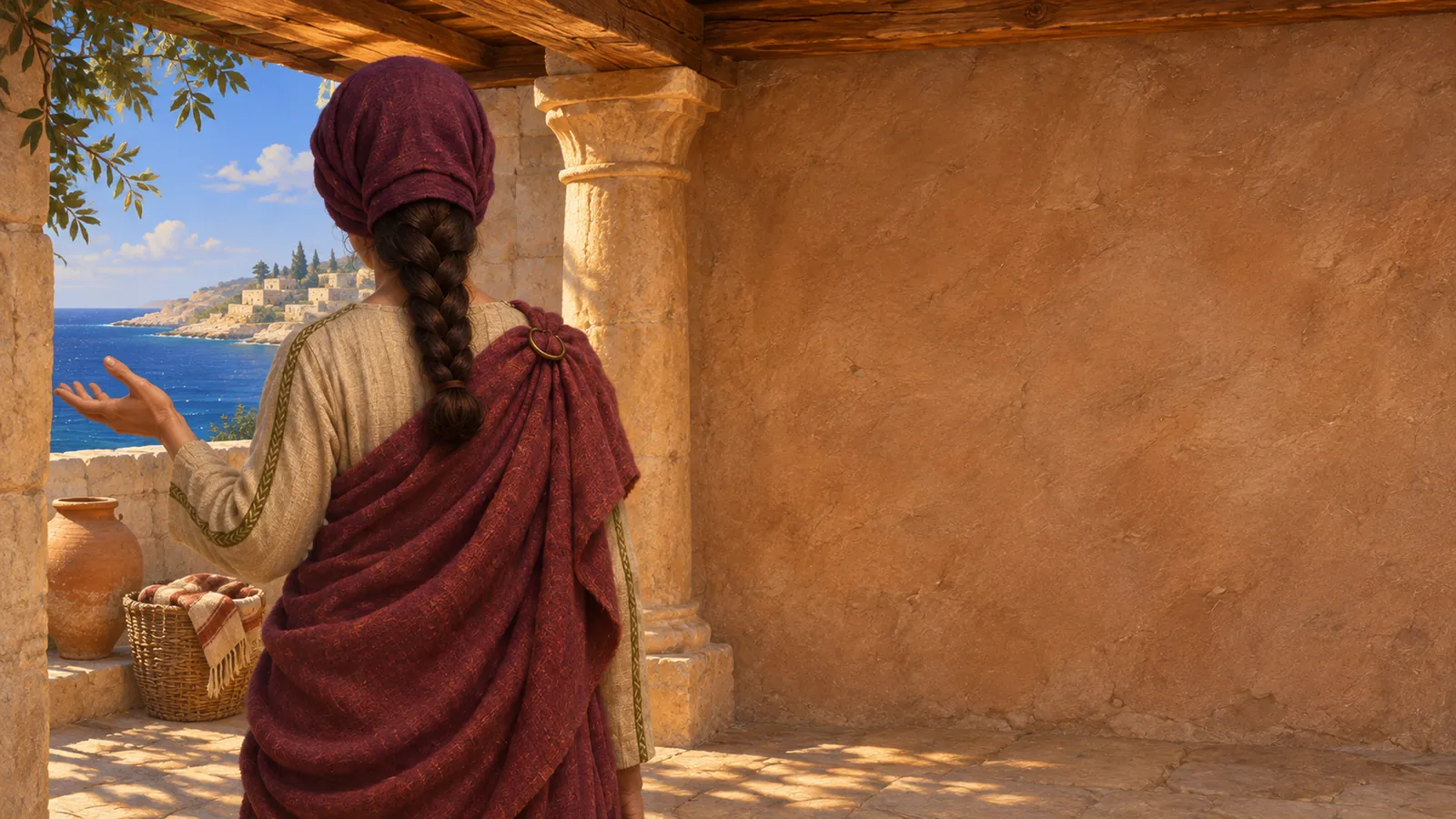
Nach der Bestattung spricht Anat zu El. Sie erklärt, der mächtige Baal sei tot, und nennt in ihrer Rede Athirat und ihre Kinder.
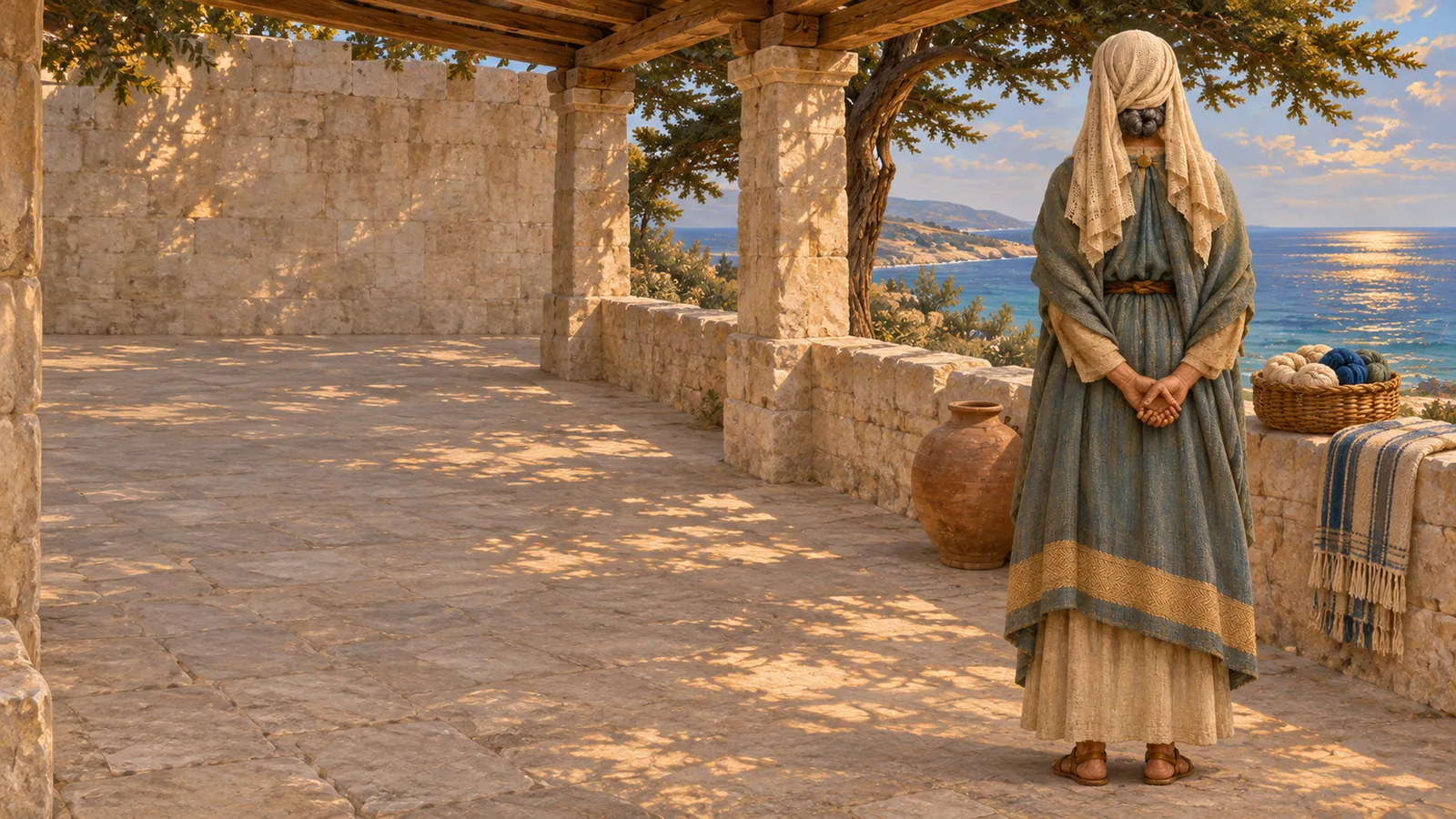
El bittet Athirat, jemanden für Baals Platz zu bestimmen. Ihr Gespräch geht von seinem Tod zu der Frage über, wer seinen Sitz einnehmen wird.
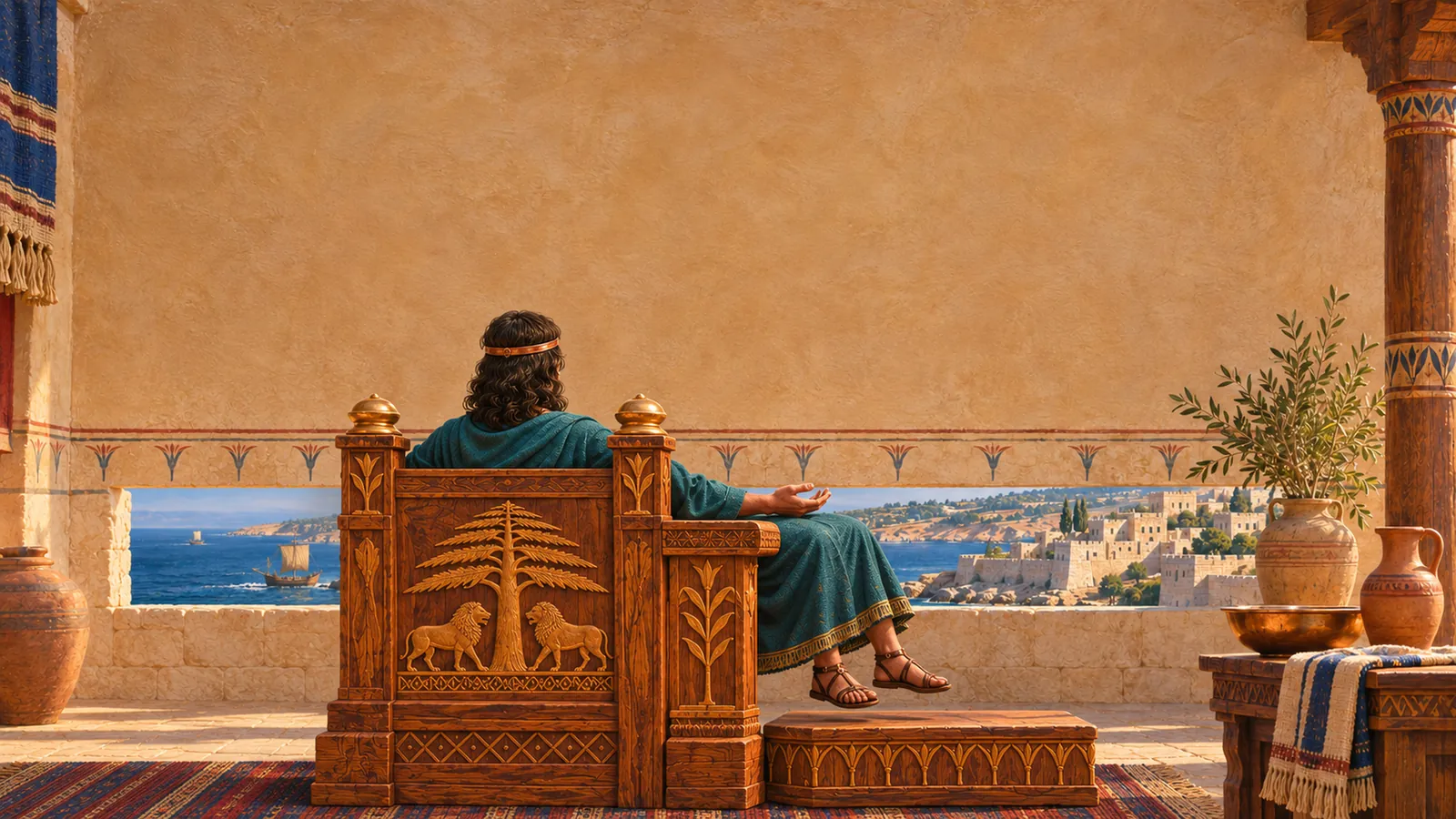
DER THRON
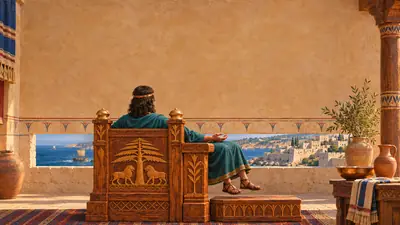
Athtar nimmt Baals Sitz ein, doch seine Füße reichen nicht bis zum Fußschemel. Er erklärt, er könne vom Saphon aus nicht herrschen, und steigt herab.
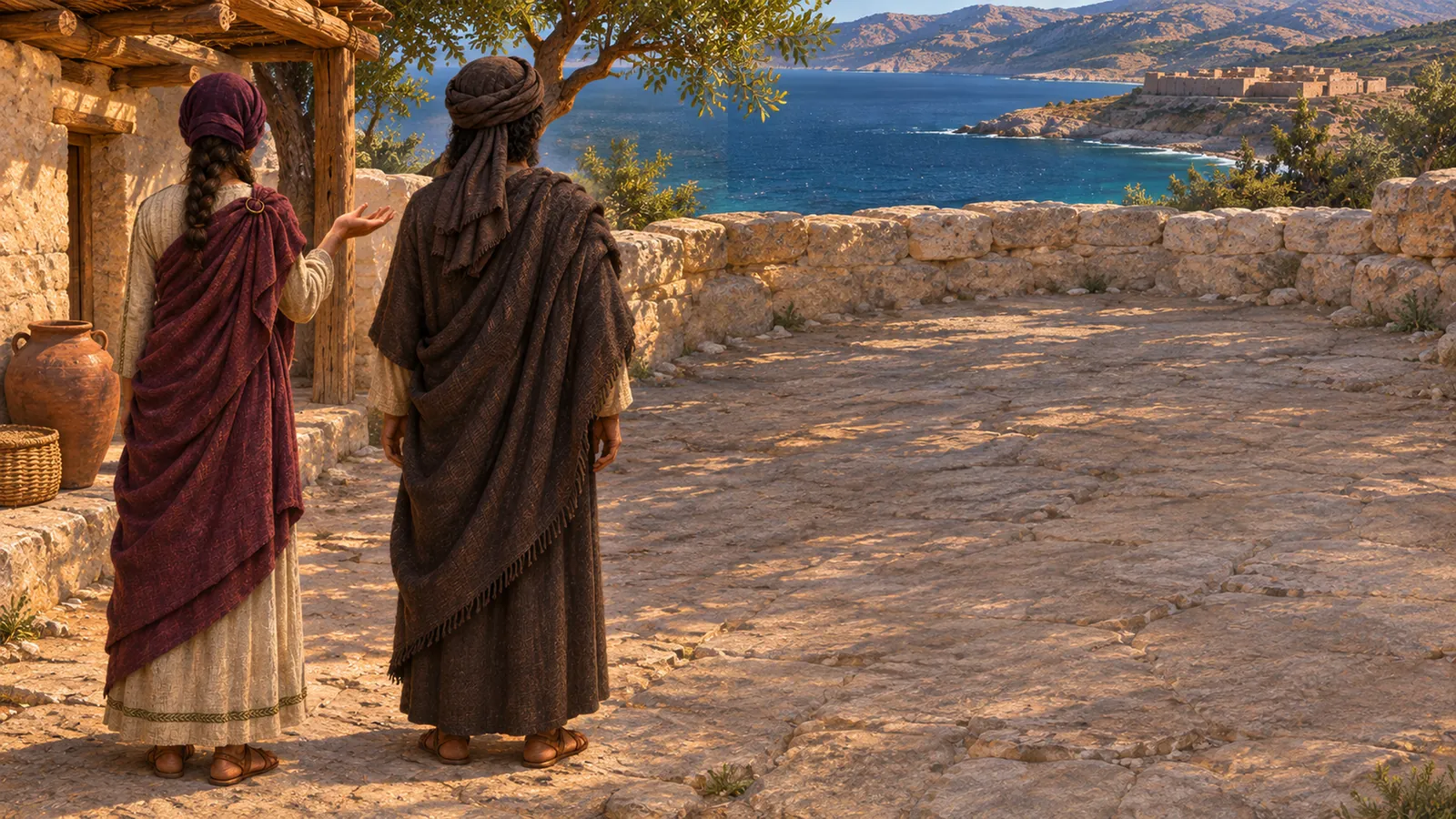
Anat sucht nach Baal. Als sie Mot begegnet, verlangt sie, dass er ihr Baal zurückgibt.
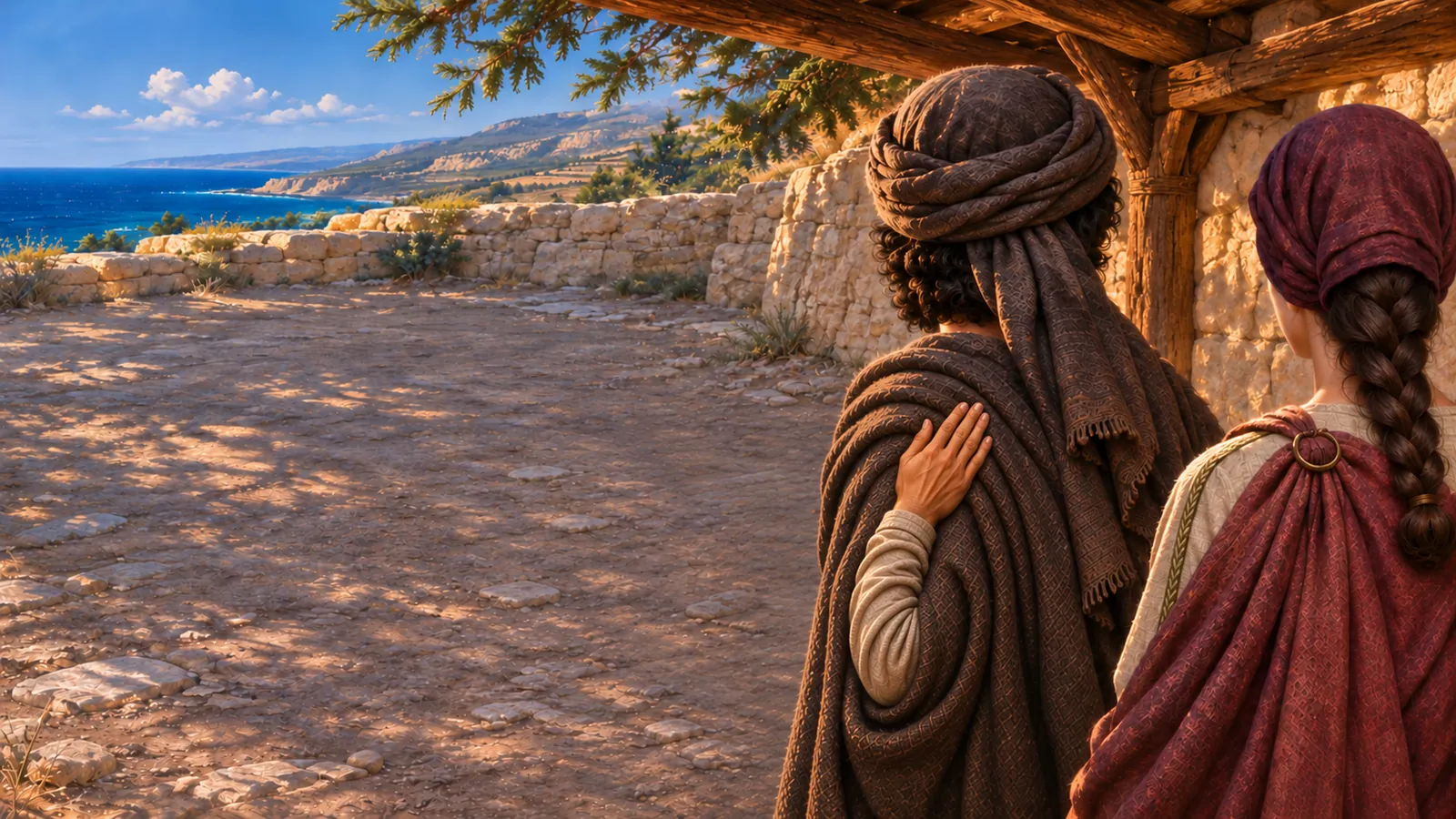
Mot erzählt Anat, er habe Baal in der Wildnis gefunden und ihn in seinem Maul zerquetscht. So schildert er Baals Tod.
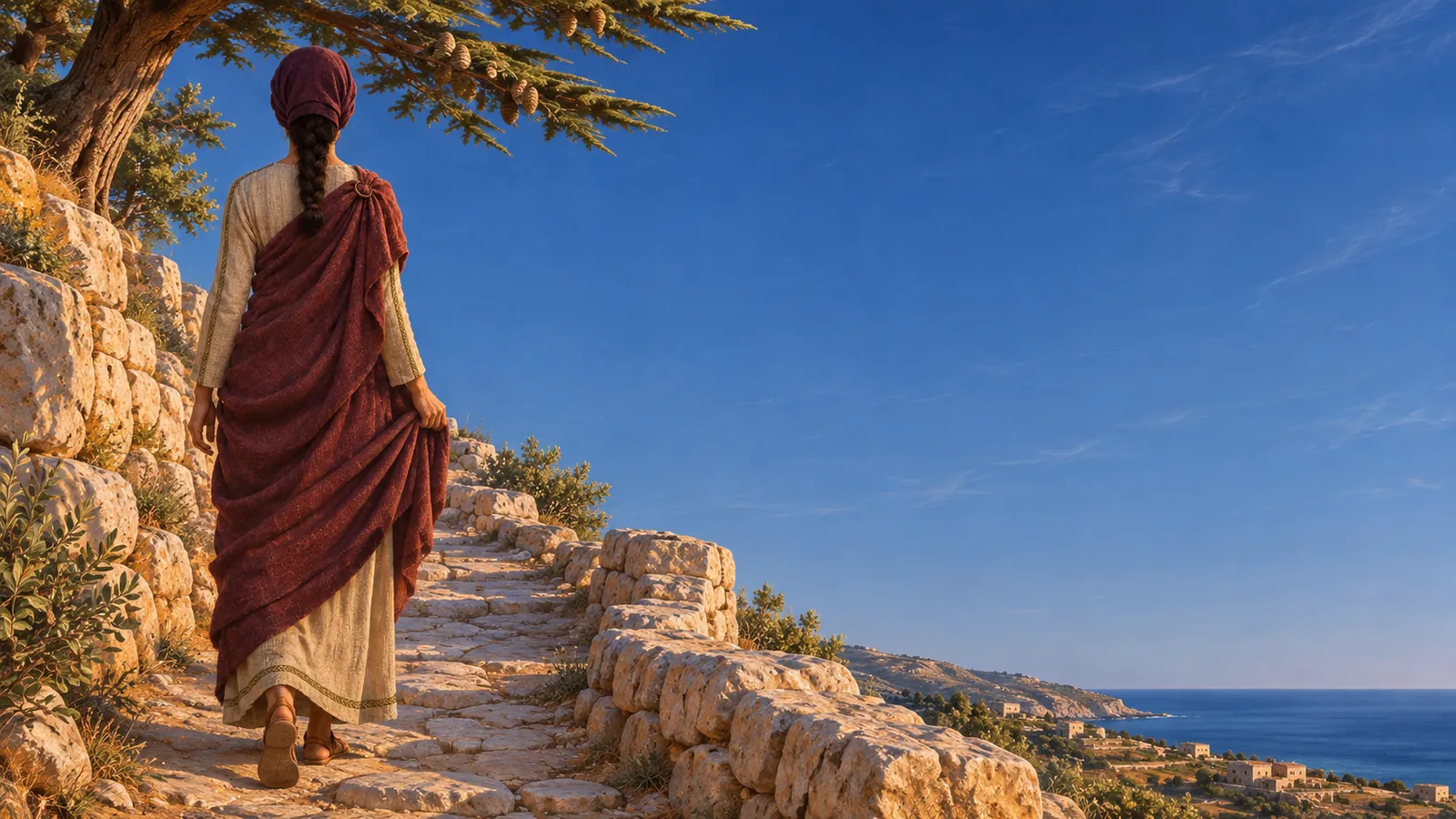
Aus Tagen werden Monate, und Anat sucht weiter nach Baal. Das Gedicht vergleicht ihre Sehnsucht mit der eines Muttertiers nach seinem Jungen.
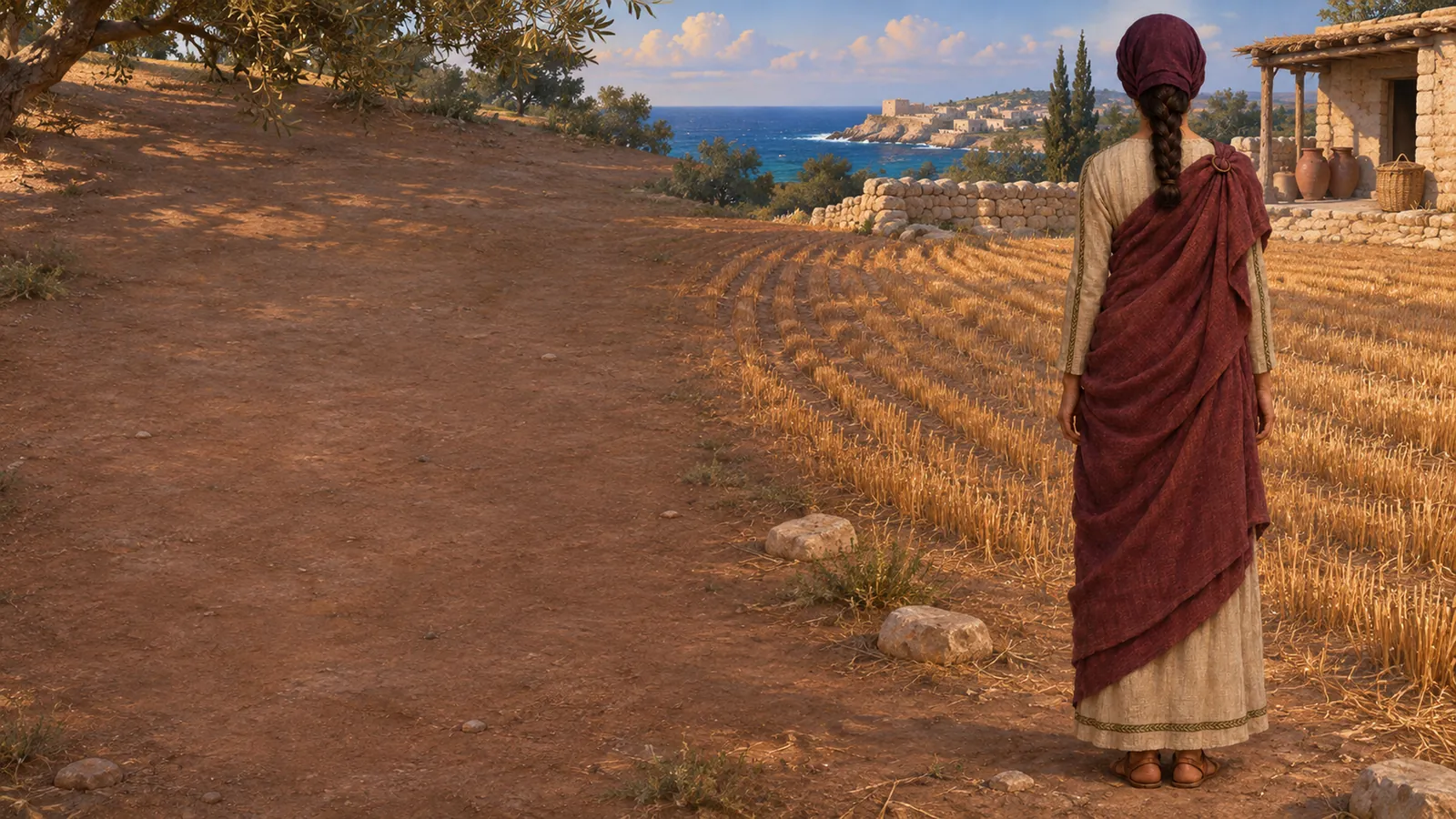
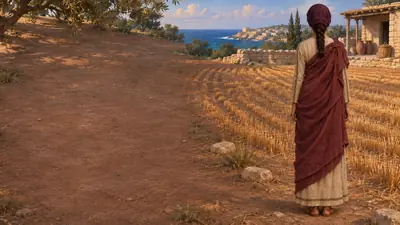
Anat packt Mot und tötet ihn. Das Gedicht schildert, wie sie ihn zerteilt, verbrennt und zermahlt, in Bildern aus der Ernte.
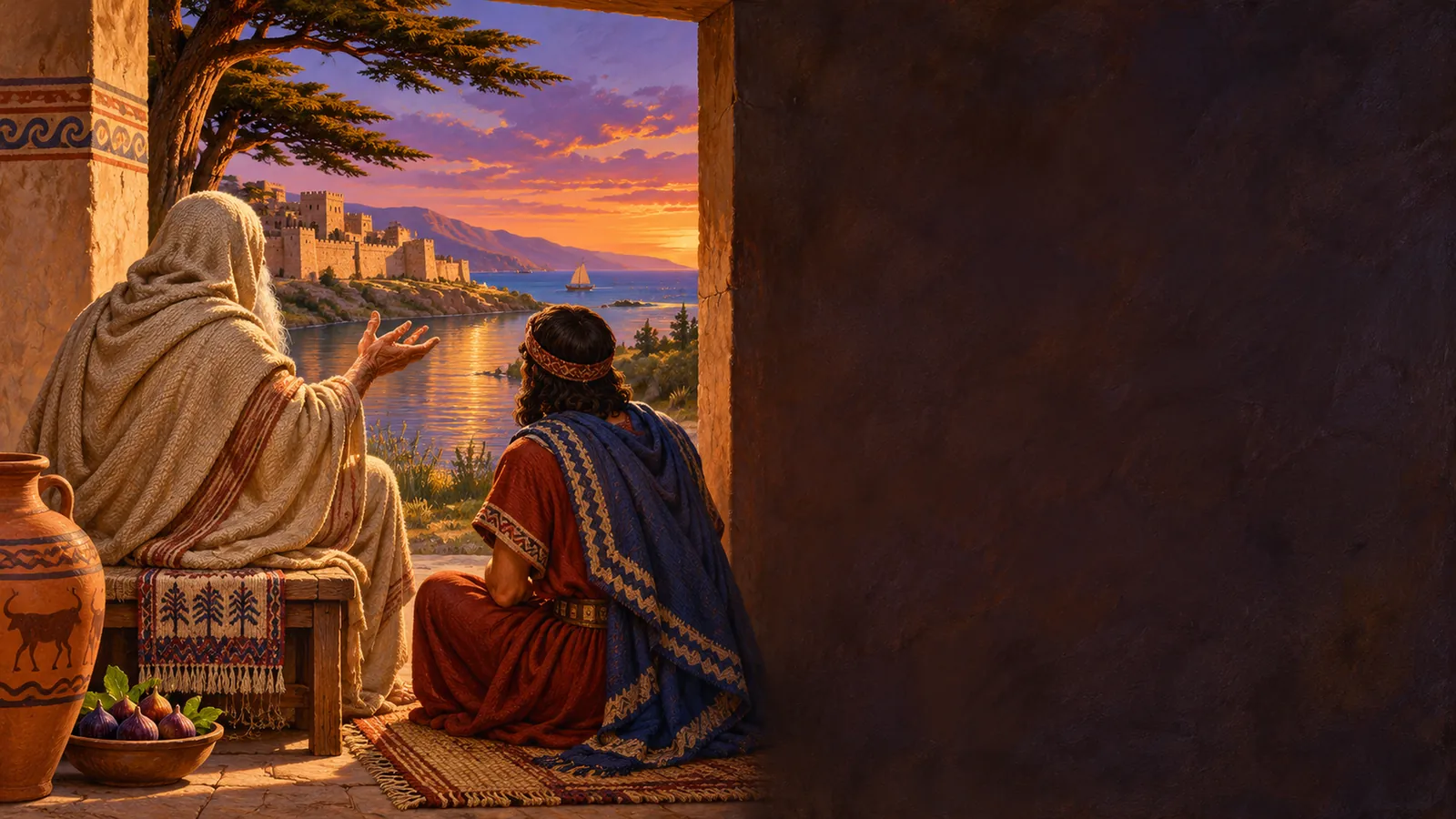
El sagt, wenn Baal lebe, werde er es durch einen Traum erfahren. Er spricht von Öl aus dem Himmel und Honig in den Wasserläufen.

ELS TRAUM
El hat den Traum. Darin regnet Öl vom Himmel, und Honig fließt in den Wasserläufen. Das sind die Zeichen, auf die er gewartet hat.
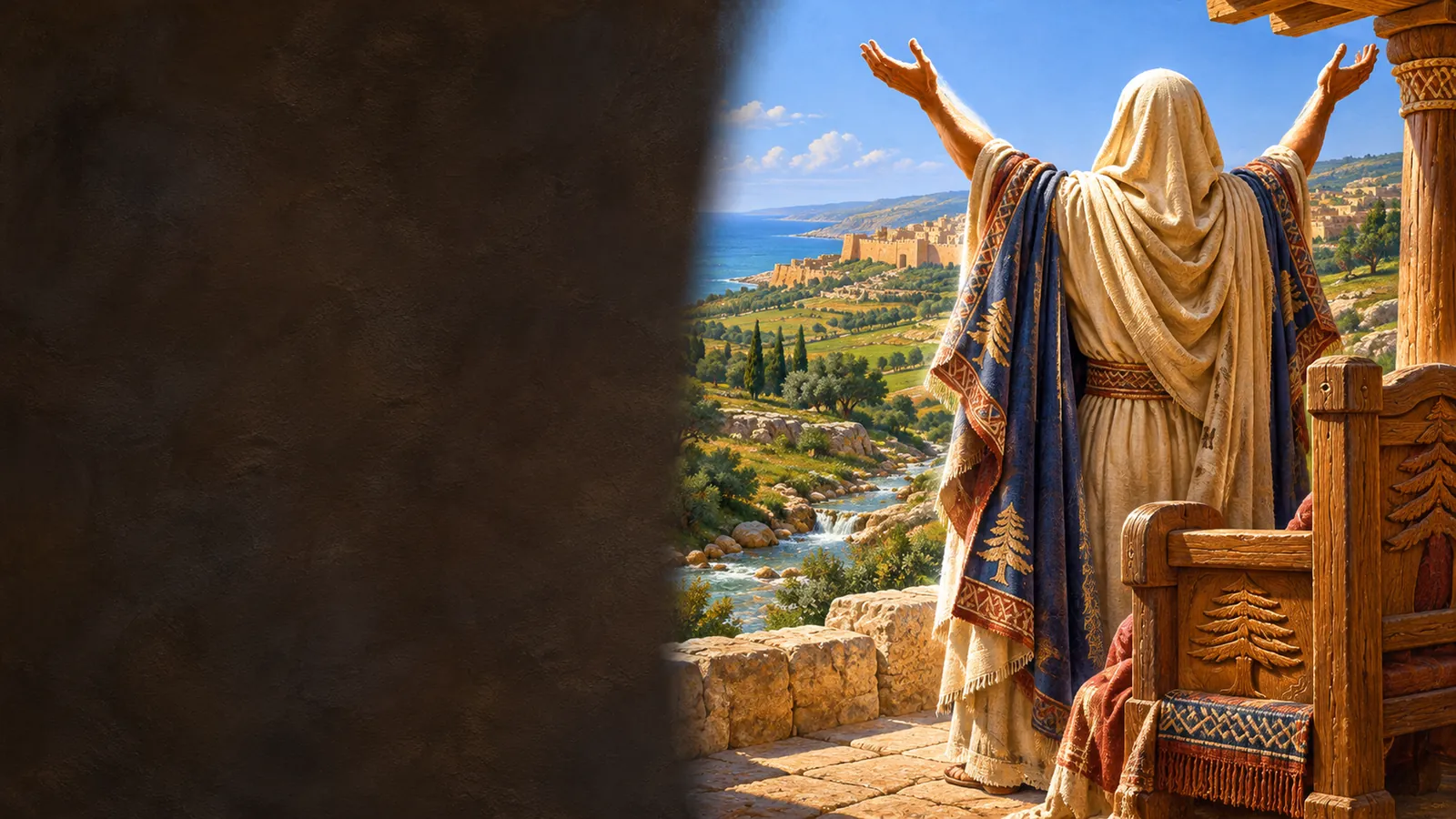
El freut sich, als er die Zeichen sieht. Nun könne er ruhen, sagt er, denn der mächtige Baal lebe.
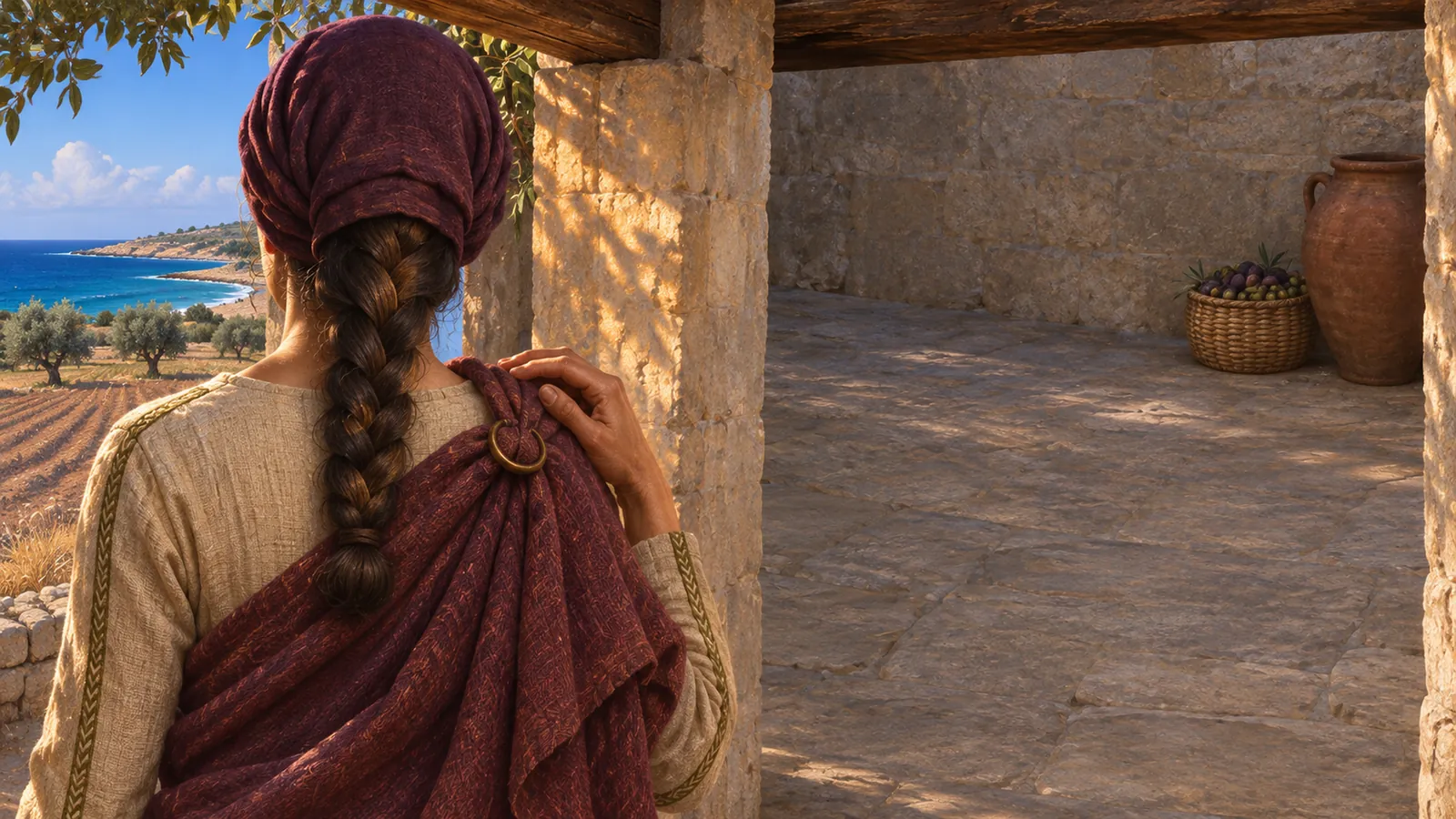
El ruft Anat und trägt ihr auf, mit Shapash zu sprechen. Er spricht von trockenen Furchen und fragt, wo Baal zu finden sei.
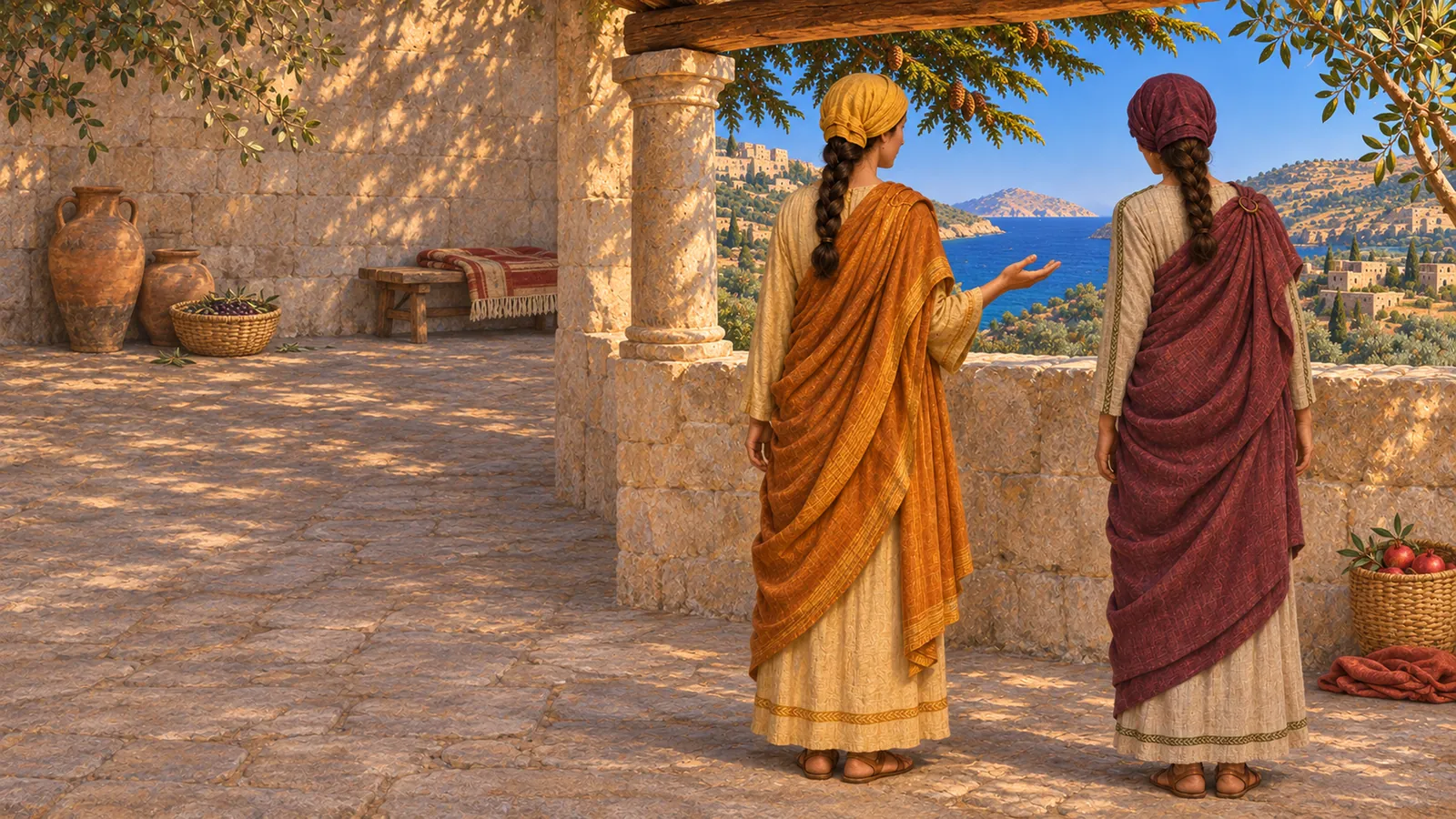
Shapash erklärt sich bereit, nach Baal zu suchen. Der erhaltene Wortwechsel kündigt die Suche an, bevor der Text erneut abbricht.
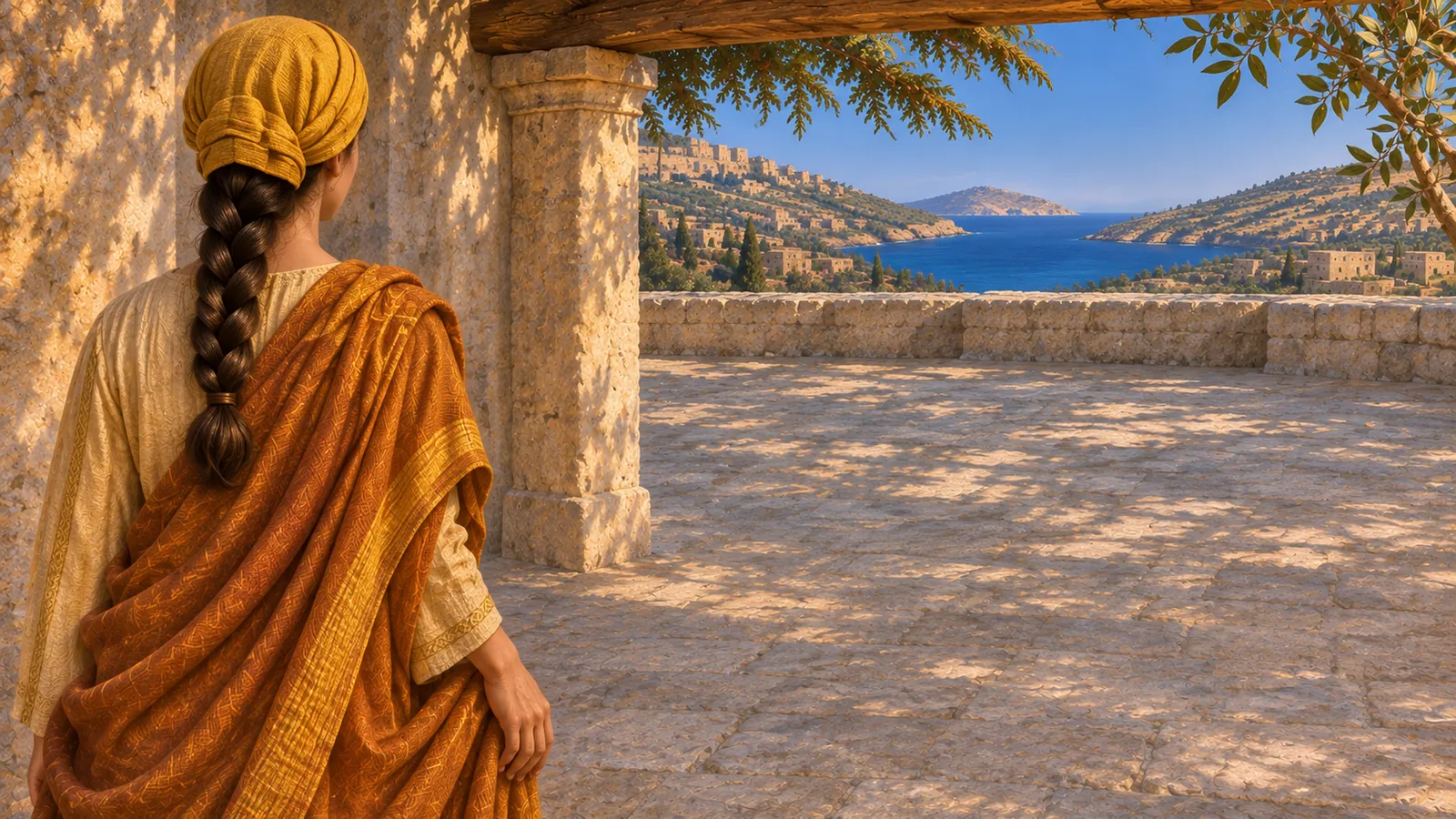
Der Text bricht ab, nachdem Shapash zugesagt hat, nach Baal zu suchen. Die erhaltenen Worte lassen offen, was zwischen ihrem Versprechen und Baals Rückkehr geschah.
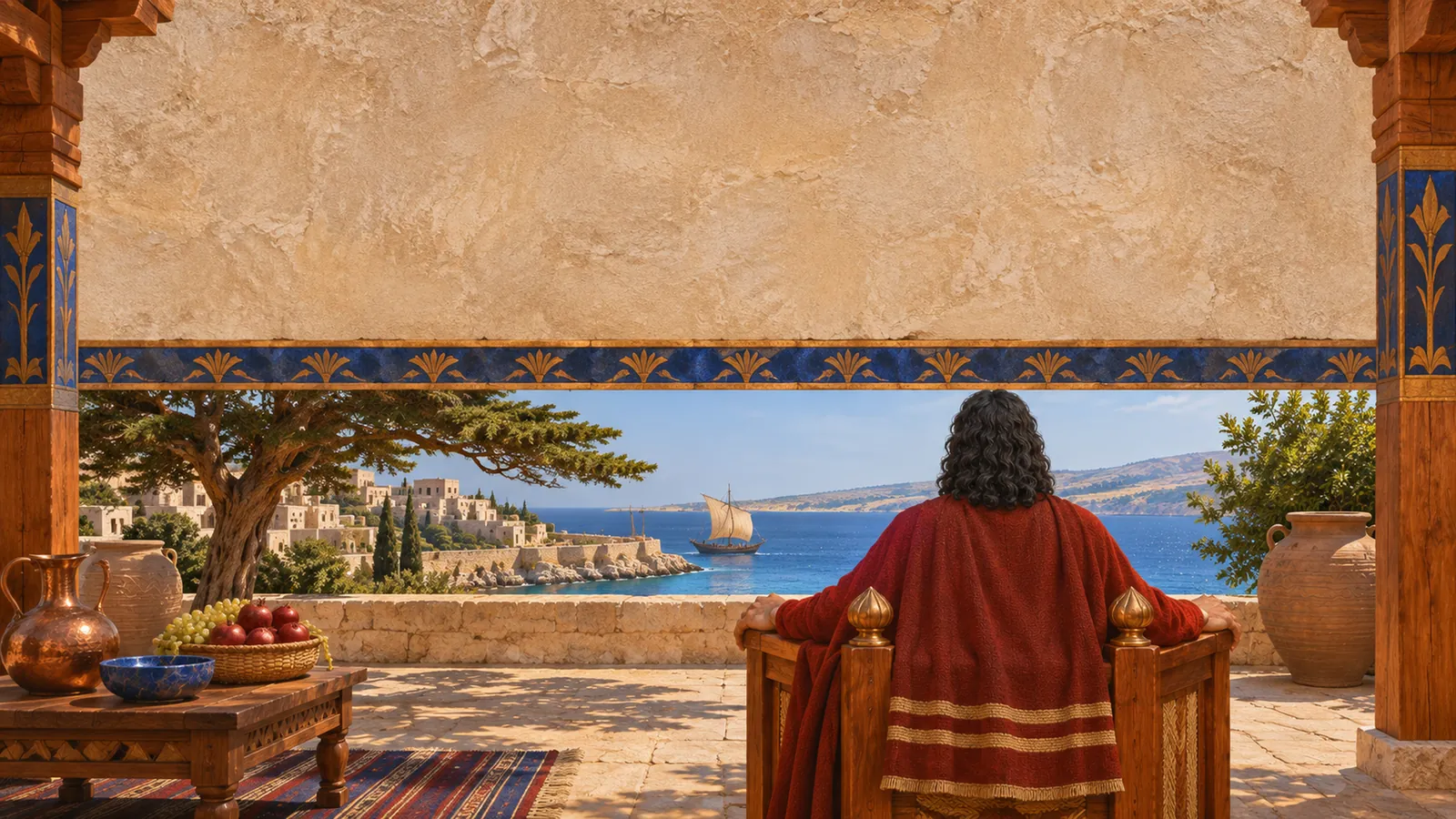
BAAL KEHRT ZURÜCK
Wo das Gedicht wieder lesbar wird, schlägt Baal die Söhne Athirats nieder und nimmt seinen Platz auf dem Thron ein.
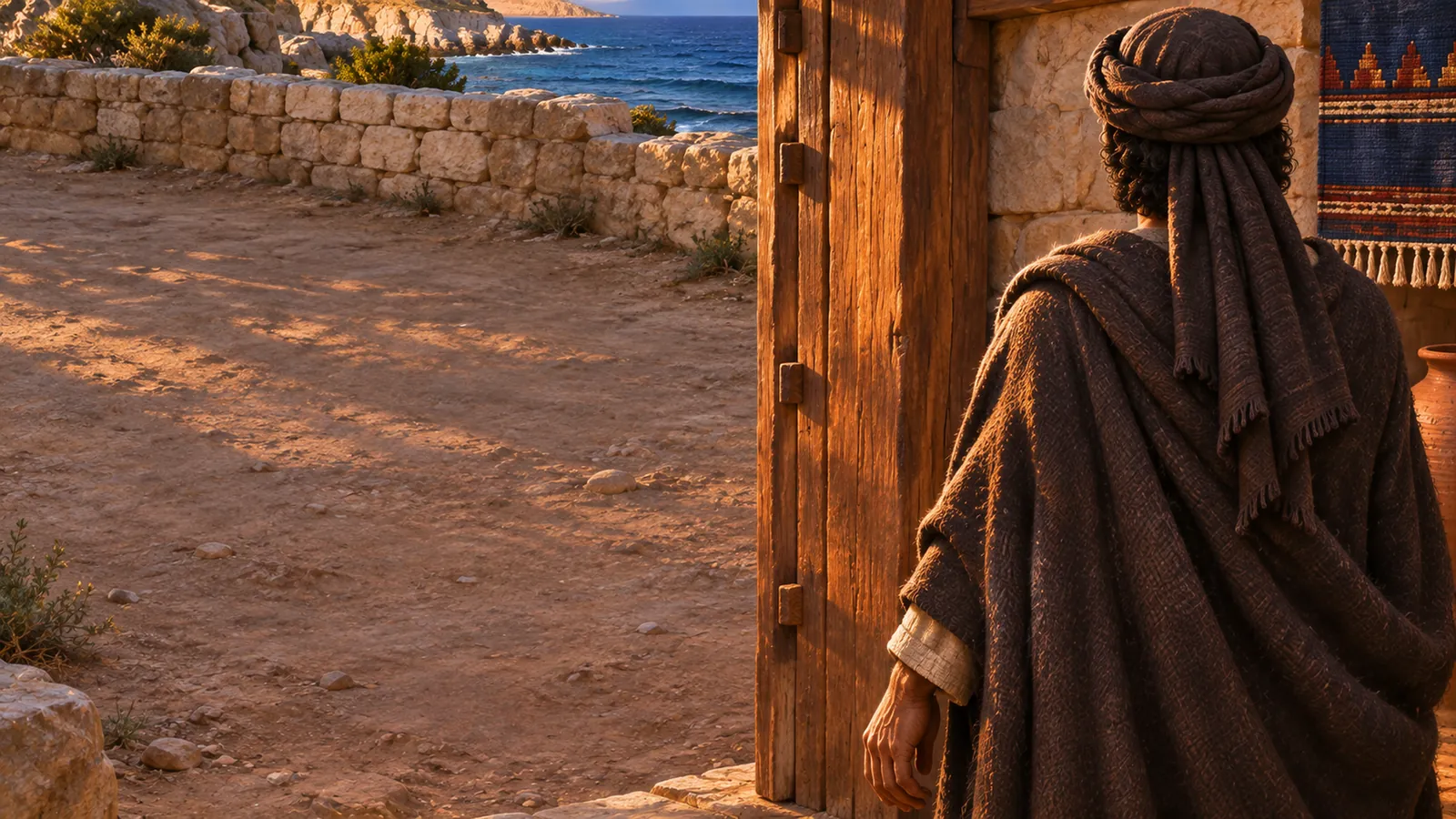
In der Zählung des Gedichts kommt das siebte Jahr. Nach seiner Niederlage erscheint Mot erneut, und der Streit mit Baal geht weiter.
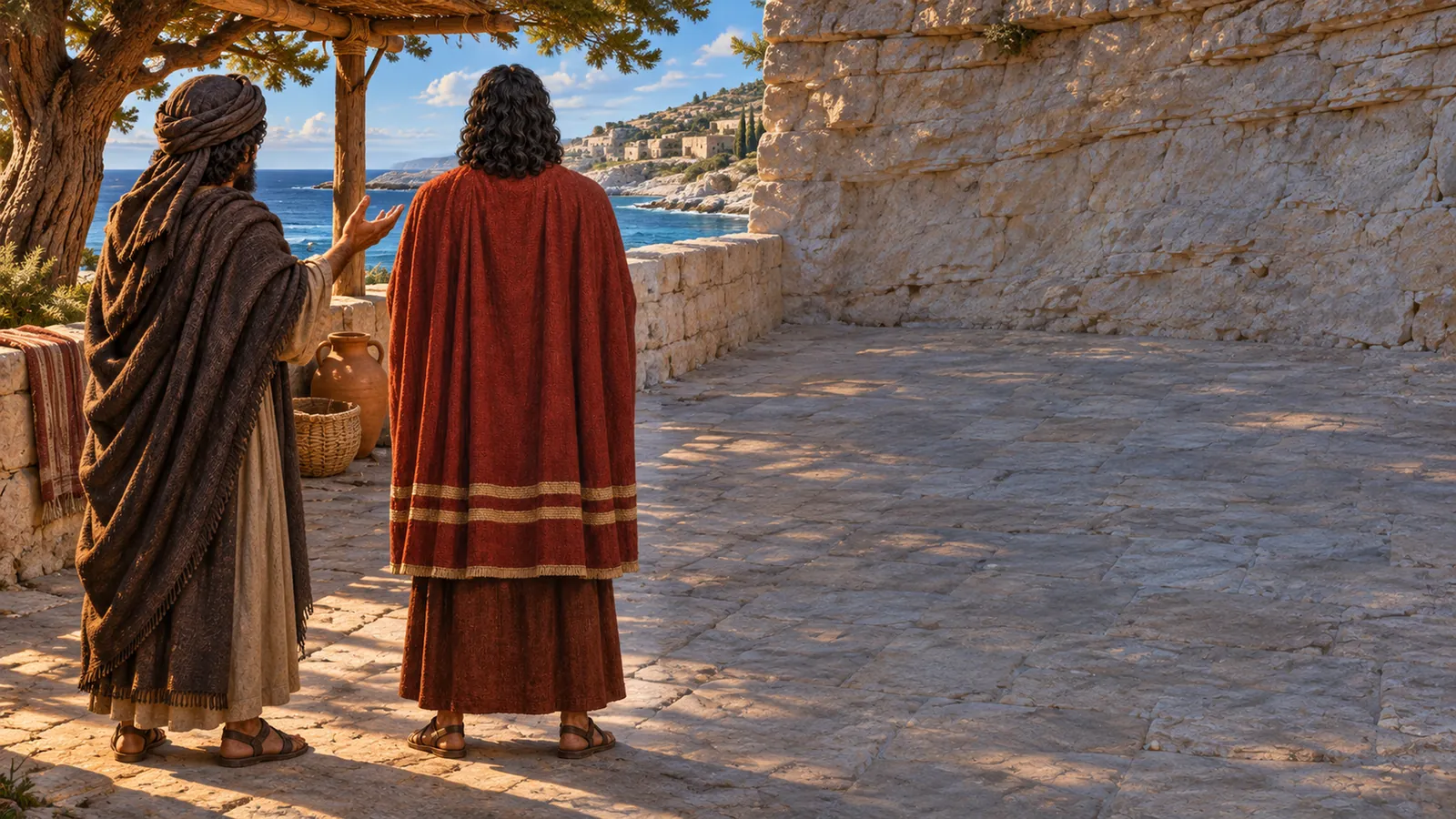
Mot hält Baal vor, was er erlitten hat. Er gibt ihm die Schuld und erinnert in einigen der früher gebrauchten Bilder an seine Niederlage.
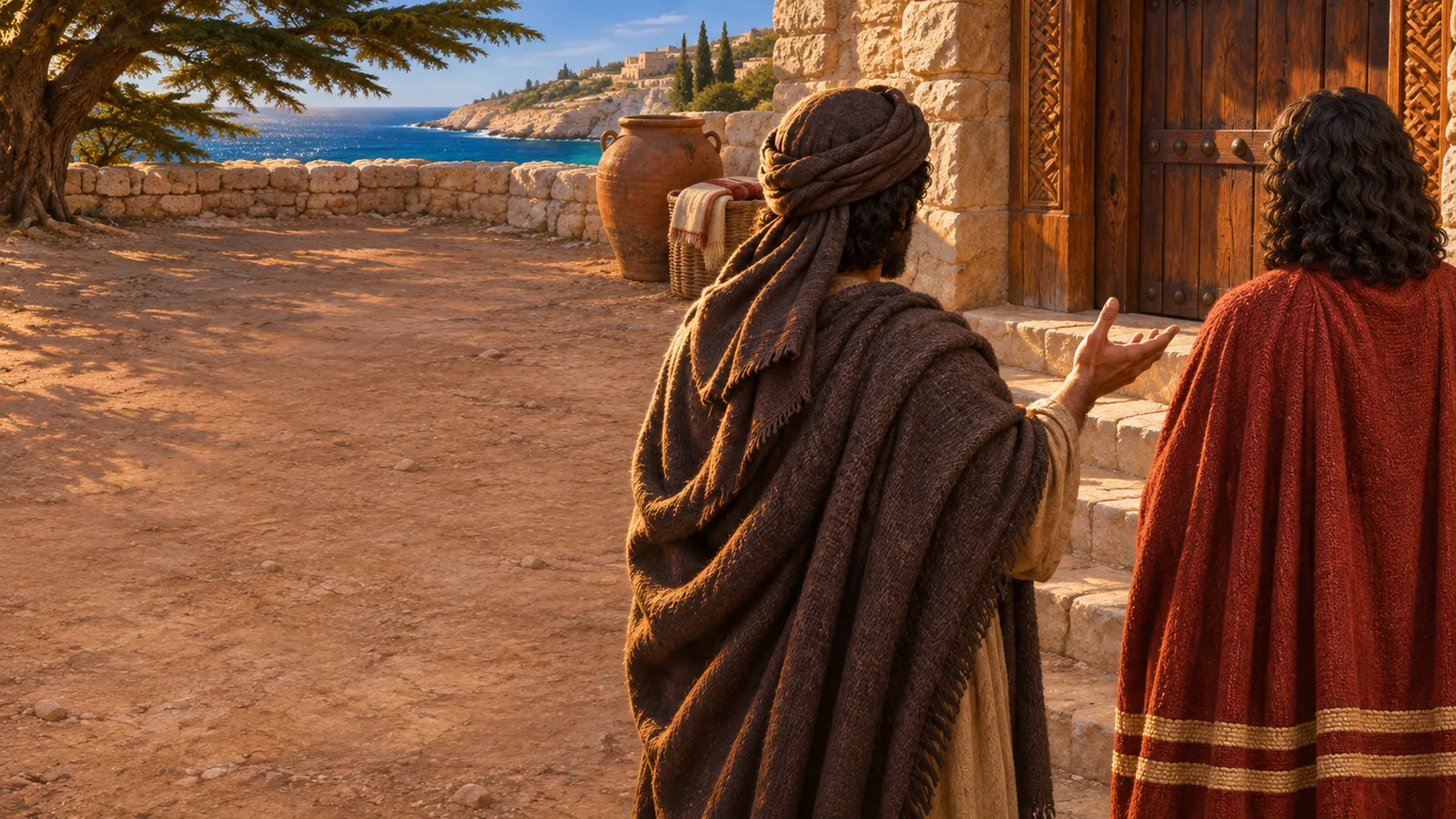
Mot verlangt einen von Baals Brüdern. Wenn Baal sich weigere, werde er seinen Hunger gegen die Menschen richten, sagt er.
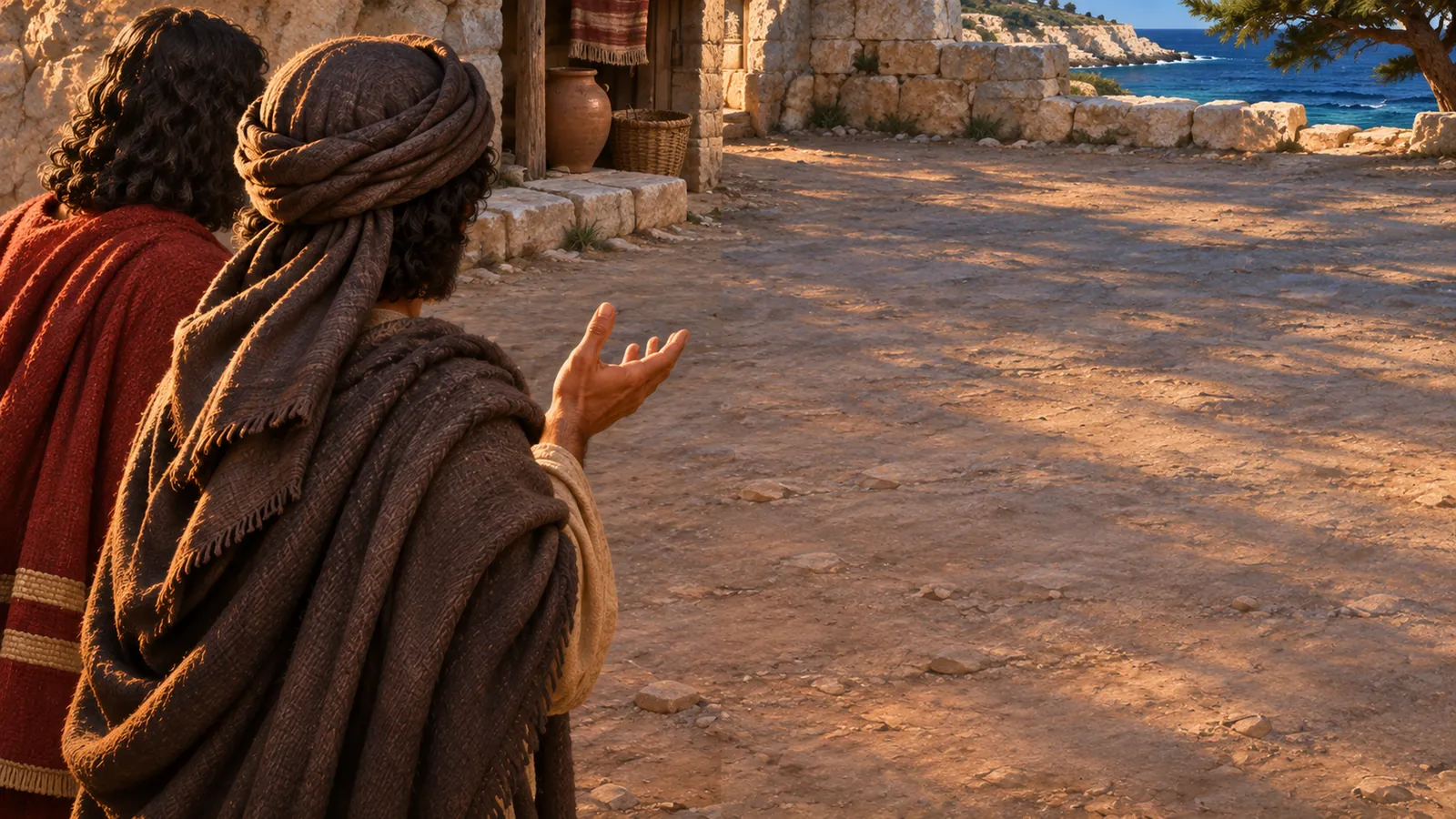
Mot sagt, dass ihm seine eigenen Brüder zu essen gegeben wurden, und gibt Baal die Schuld. Eine Lücke trennt diese Klage von seiner früheren Forderung.
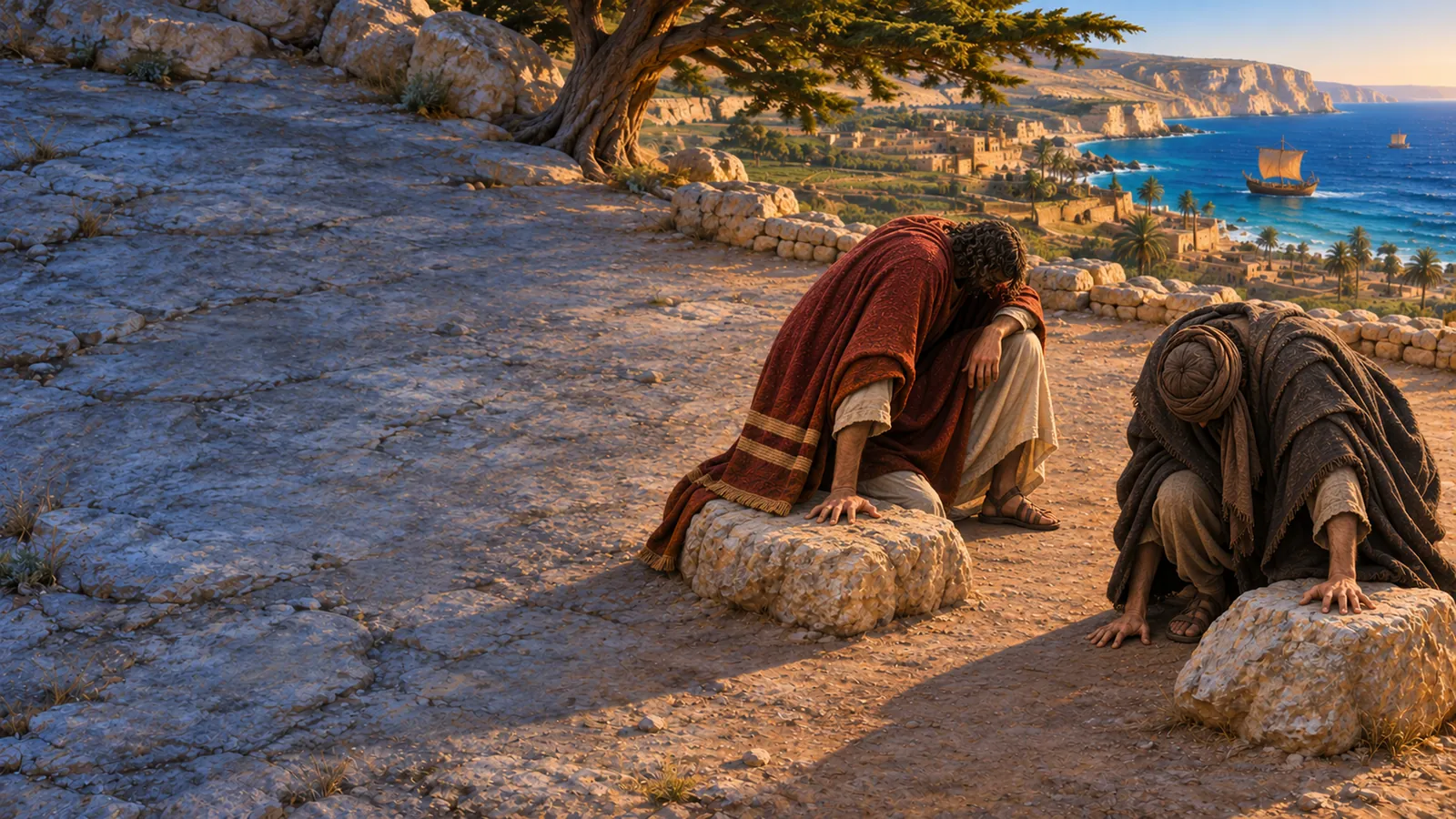
Baal und Mot ringen, und keiner gewinnt die Oberhand. Das Gedicht nennt für beide denselben Ausgang. Beide fallen.
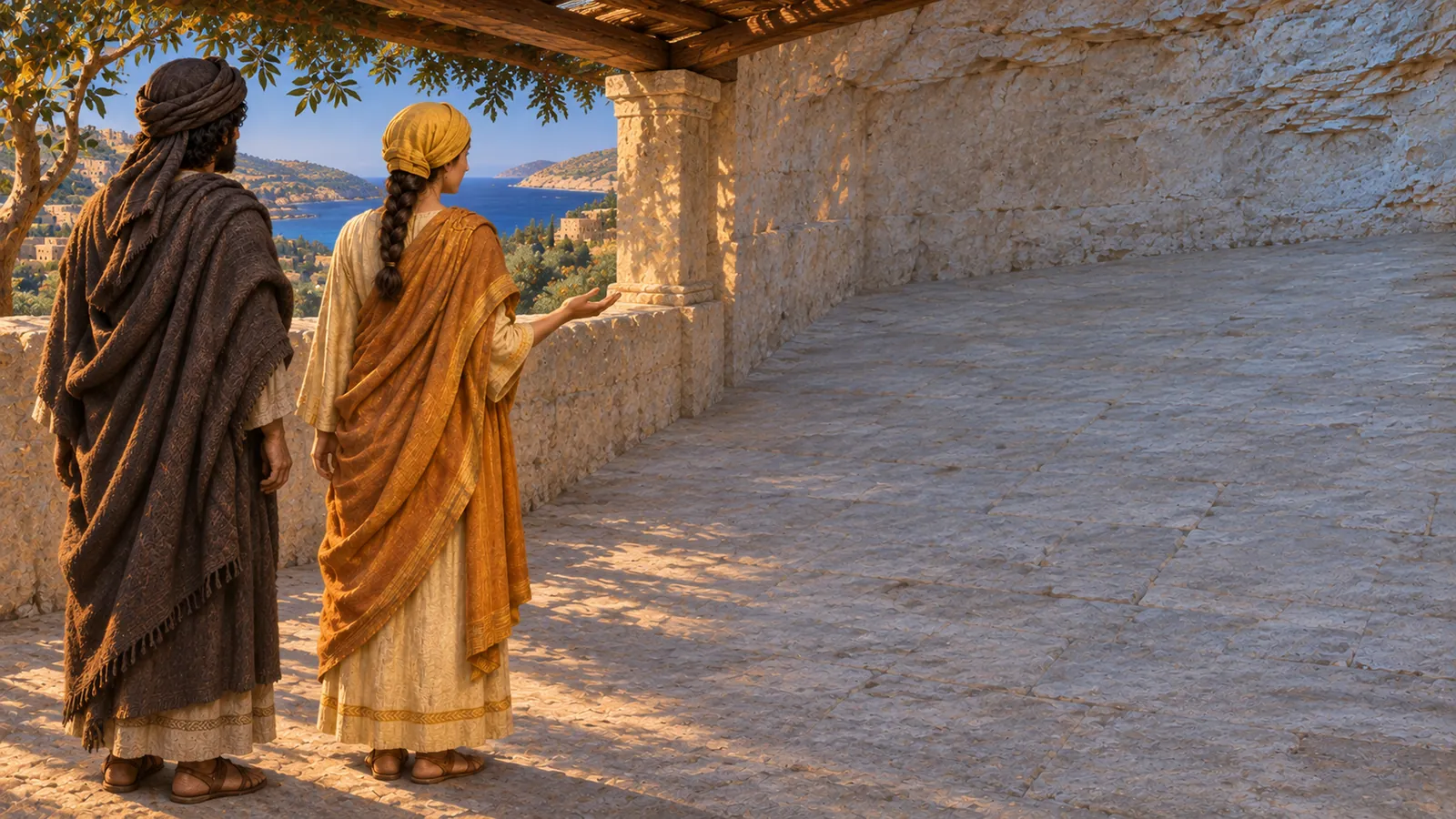
Shapash spricht zu Mot. Sie warnt ihn, El könne seinen Thron umstoßen und ihm die Macht nehmen, die er noch hat.
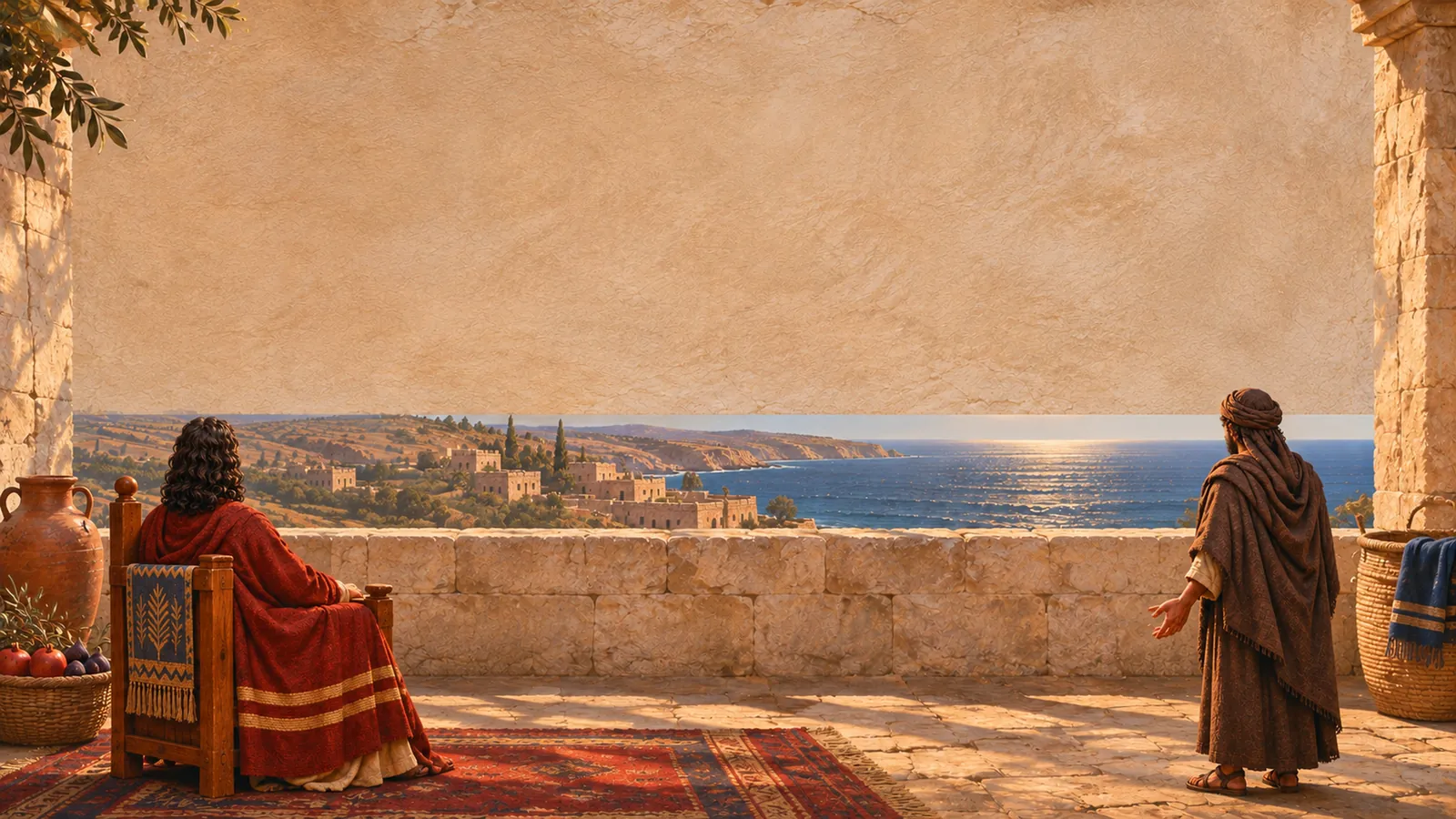
MOT GIBT NACH
Mot fürchtet sich bei Shapashs Worten und gibt nach. Baal solle wieder auf dem Thron seiner Herrschaft sitzen, sagt er.
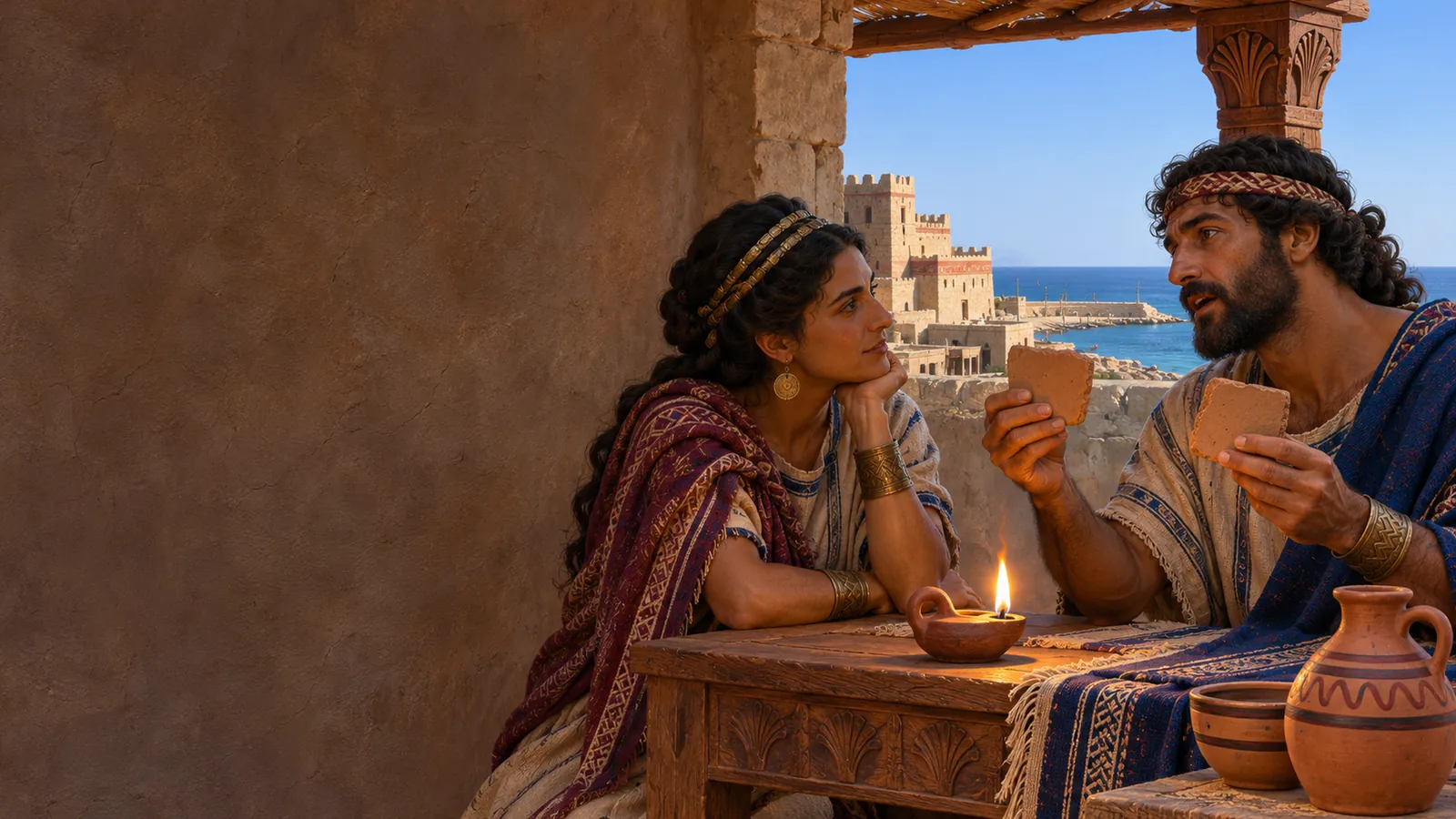
Nach Mots letzten Worten führt eine beschädigte Stelle zum Schluss des Gedichts. An wen seine ersten Worte gerichtet sind, bleibt ungewiss.
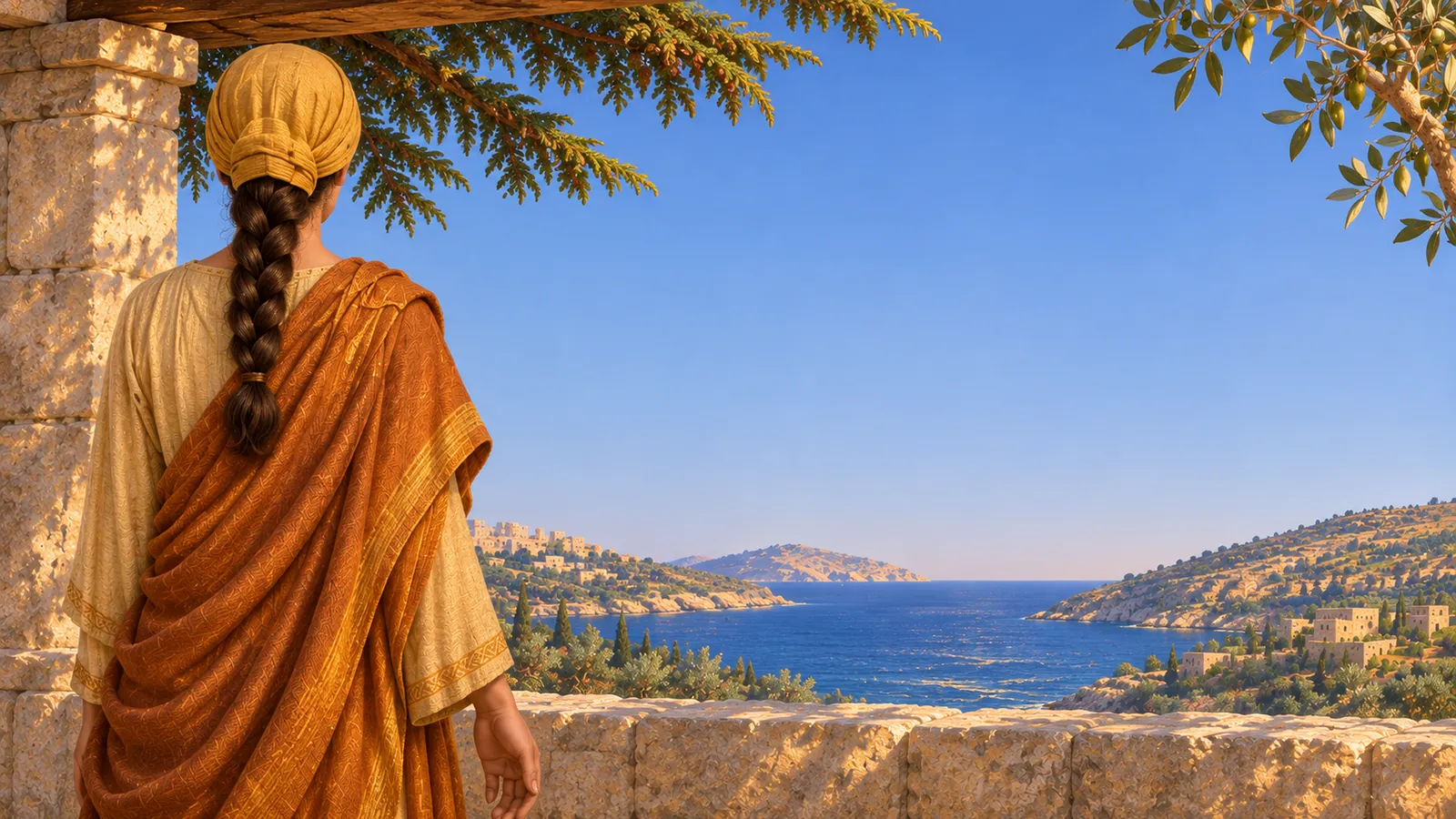
Die Schlussverse richten sich an Shapash. In lobenden Worten sprechen sie von göttlichen Wesen und geehrten Toten um sie herum.
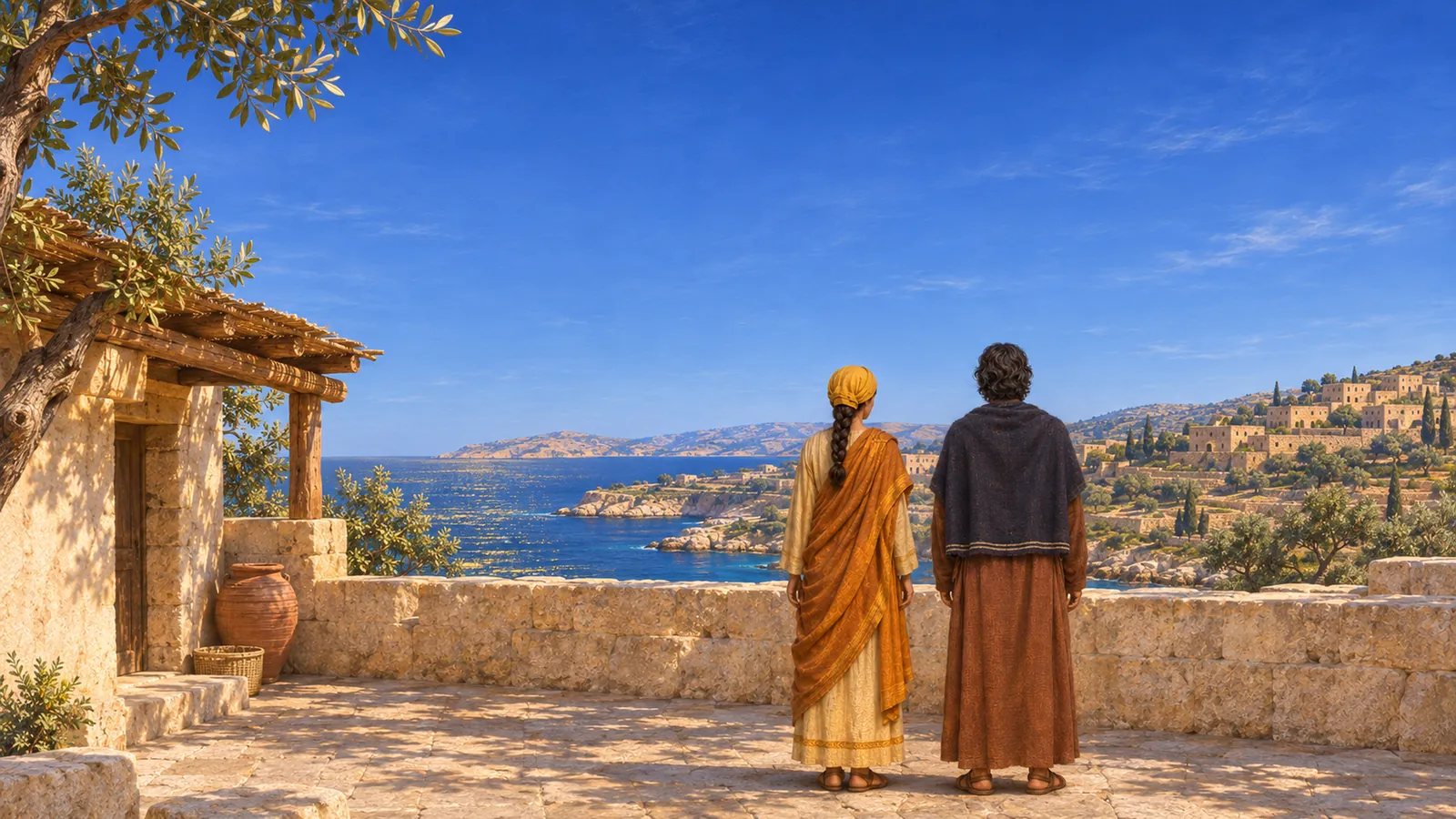
AN SHAPASH
Die Schlussverse nennen Kothar als Gefährten Shapashs. Das alte Gedicht endet mit dieser Anrede an sie, nachdem Baal und Mot verstummt sind.
Ende von Kapitel 3
Alle Seiten








Quellen
Page 20. The heifer is in the wild, in the field called šḥlmmt in the text. She bears Baal a son, whom he clothes, before the passage breaks. 2–3, following Smith 1997, p. 148).
Benutzte Editionen
- Göttingen EUPT, tablet concordance
- Mark S. Smith and Wayne T. Pitard, The Ugaritic Baal Cycle, volume II, pp. 650–711
- Louvre, Tablet V of the Baal Cycle, AO 16641 and AO 16642
- Louvre, Tablet VI of the Baal Cycle, AO 16636
- Tzvi Abusch and David P. Wright, The Meaning and Sense of the Ugaritic Baal–Mot Conflict Narrative
- Koowon Kim, When Even the Gods Do Not Know, pp. 46–49
- Meindert Dijkstra, Ba’lu and His Antagonists, on CTA 6 V 1–6
- Noga Ayali-Darshan, The Death of Mot and His Resurrection, pp. 7–9
- Noga Ayali-Darshan, The Closing Hymn of the Ugaritic Baal Cycle
- IL Archive, Tablet Six of the Baal Cycle
- IL Archive, Athtar
Hinweise zu dieser Nacherzählung
Pages 22–23. El pours dust on himself, puts on mourning cloth and cuts his skin with a stone. 3–4; Schniedewind and Hunt, §6.2).
Page 25. Anat cuts herself in mourning in words echoing El’s mourning. 3–4).
Page 28. Anat slaughters animals as funeral offerings for Baal. The passage counts seventy each of wild oxen, cattle, sheep, deer, goats and asses. 3–4; Smith 1997, p. 152).
Page 33. Mot likens taking Baal in his mouth to taking a lamb and compares crushing him in his throat to crushing a kid. 156).
Page 35. The poem says Anat splits, winnows, burns, grinds and sows Mot. In one reading birds eat him. 7–9; Abusch and Wright, pp. 4–5).
Die antiken Verse hinter jeder Seite
- Page 1: KTU 1.4 VII 43–44 (Smith and Pitard, pp. 650–651)
The word for the realm can mean earth or the world below. - Page 2: KTU 1.4 VII 45–49 (Smith and Pitard, pp. 650–651)
- Page 3: KTU 1.4 VII 49–52 (Smith and Pitard, pp. 650–651)
- Page 4: KTU 1.4 VII 52–56 (Smith and Pitard, pp. 650–651, 692–696)
- Page 5: KTU 1.4 VIII 1–6 (Smith and Pitard, pp. 702–704)
- Page 6: KTU 1.4 VIII 7–14 (Smith and Pitard, pp. 702–704)
- Page 7: KTU 1.4 VIII 14–24 (Smith and Pitard, pp. 703–704)
- Page 8: KTU 1.4 VIII 24–29 (Smith and Pitard, pp. 703–704)
- Page 9: KTU 1.4 VIII 29–37 (Smith and Pitard, pp. 703–705)
The references to silver and gold at the end of the passage depend partly on restoration from a parallel. - Page 10: KTU 1.4 VIII 38–49 and following loss (Smith and Pitard, pp. 704–710; Abusch and Wright, pp. 1–2)
Smith and Pitard also identify a possible scribal omission in this part of the tablet. - Page 11: KTU 1.5 I 1–8 (Abusch and Wright, pp. 1–2, discussing Smith and Pardee)
- Page 12: KTU 1.5 I 9–12 (Abusch and Wright, pp. 1–2)
- Page 13: KTU 1.5 I 12–22 (Abusch and Wright, pp. 1–2; parallel discussed by Smith and Pitard on 1.4 VIII)
- Page 14: KTU 1.5 I 22–27 (Abusch and Wright, pp. 1–2; parallel discussed by Smith and Pitard on 1.4 VIII)
- Page 15: KTU 1.5 I 27–35 (Abusch and Wright, pp. 1–2)
- Page 16: KTU 1.5 II 7–19 (Abusch and Wright, pp. 1–2, discussing Smith and Pardee)
Baal’s message of submission is preserved. - Page 17: KTU 1.5 II 20–24 (Abusch and Wright, pp. 1–2, contrasting Smith and Pardee)
The translations differ on the timing of the invitation. - Page 18: KTU 1.5 III–IV, selected fragments (Abusch and Wright, pp. 2–3)
This feast passage survives in fragments. - Page 19: KTU 1.5 V 4–17 (Abusch and Wright, pp. 2–3)
The speaker of the command is uncertain. - Page 20: KTU 1.5 V 17–26 and V–VI break (Abusch and Wright, pp. 2–3, following Smith 1997, p. 148)
- Page 21: KTU 1.5 VI 1–10 (Abusch and Wright, pp. 3–4)
- Page 22: KTU 1.5 VI 11–15 (Abusch and Wright, pp. 3–4)
- Page 23: KTU 1.5 VI 16–25 (Abusch and Wright, pp. 3–4)
The wording can express El’s grief without describing a rescue. - Page 24: KTU 1.5 VI 25–31 (Abusch and Wright, pp. 3–4)
- Page 25: KTU 1.6 I 1–8 (Abusch and Wright, pp. 3–4)
- Page 26: KTU 1.6 I 8–15 (Abusch and Wright, pp. 3–4)
- Page 27: KTU 1.6 I 15–18 (Abusch and Wright, pp. 3–4)
- Page 28: KTU 1.6 I 18–31 (Abusch and Wright, pp. 3–4)
- Page 29: KTU 1.6 I 39–43 (Abusch and Wright, pp. 3–4)
- Page 30: KTU 1.6 I 43–55 (Abusch and Wright, pp. 4–5)
The reading of a possible first candidate in line 48 remains disputed. - Page 31: KTU 1.6 I 56–65 (Abusch and Wright, pp. 4–5; IL Archive, Athtar)
- Page 32: KTU 1.6 II 4–14 (Abusch and Wright, pp. 4–5)
The start of the column is damaged. - Page 33: KTU 1.6 II 15–23 (Abusch and Wright, pp. 3–5)
- Page 34: KTU 1.6 II 24–30 (Ayali-Darshan, pp. 7–8; Abusch and Wright, pp. 4–5)
- Page 35: KTU 1.6 II 30–37 (Ayali-Darshan, pp. 7–9; Abusch and Wright, pp. 4–5)
The final lines of this encounter have competing readings. - Page 36: KTU 1.6 III 1–9 (Kim, pp. 46–47)
- Page 37: KTU 1.6 III 10–13 (Kim, pp. 46–47)
- Page 38: KTU 1.6 III 14–21 (Kim, pp. 47–48)
- Page 39: KTU 1.6 III 22–24 and IV 1–5 (Kim, pp. 47–49)
- Page 40: KTU 1.6 IV 6–24 (Abusch and Wright, pp. 4–5, following Smith)
The end of the column is damaged. - Page 41: KTU 1.6 IV–V break (Abusch and Wright, p. 5)
The surviving text leaves the means of Baal’s return uncertain. - Page 42: KTU 1.6 V 1–6 (Dijkstra; Abusch and Wright, p. 5)
- Page 43: KTU 1.6 V 8–11 (Abusch and Wright, p. 5; Ayali-Darshan, pp. 89–90)
- Page 44: KTU 1.6 V 11–19 (Ayali-Darshan, pp. 8–9; Abusch and Wright, p. 5)
- Page 45: KTU 1.6 V 20–25 (Abusch and Wright, p. 5)
- Page 46: KTU 1.6 V–VI break and VI 9–16 (Abusch and Wright, pp. 5–6)
- Page 47: KTU 1.6 VI 16–22 (Ayali-Darshan, pp. 89–90)
- Page 48: KTU 1.6 VI 23–29 (Ayali-Darshan, pp. 89–91)
- Page 49: KTU 1.6 VI 30–35 (Ayali-Darshan, pp. 90–91)
- Page 50: KTU 1.6 VI 35–45 (Ayali-Darshan, pp. 79–83, 90–92; Abusch and Wright, pp. 5–6)
The addressee of the opening lines of the closing passage is disputed. - Page 51: KTU 1.6 VI 45–49 (Ayali-Darshan, pp. 79–82)
- Page 52: KTU 1.6 VI 49–53 (Ayali-Darshan, pp. 82–83, 91–92)
Several other names and verbs in the closing lines are disputed.
Illustrationen von IL Archive mit KI-Werkzeugen; der Text folgt den antiken Quellen (siehe die Quellen am Ende jedes Kapitels).