Dumuzis Traum Kapitel 1
Der Traum und der Verrat
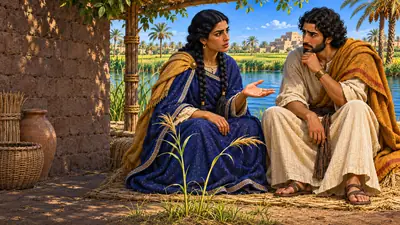
Verängstigt bittet Dumuzi Geštinanna, seinen Traum zu deuten. Sie erkennt Warnzeichen im Schilf, in den Bäumen und in den Gegenständen im Schafpferch. Die Leute, die ihn suchen, machen seiner Schwester und seinem Freund dieselben Angebote. Der Freund verrät seine Verstecke, und sie ergreifen Dumuzi in den Gräben von Arali.
QuellenBlättern Sie mit den Pfeilen, den Pfeiltasten oder durch Wischen.
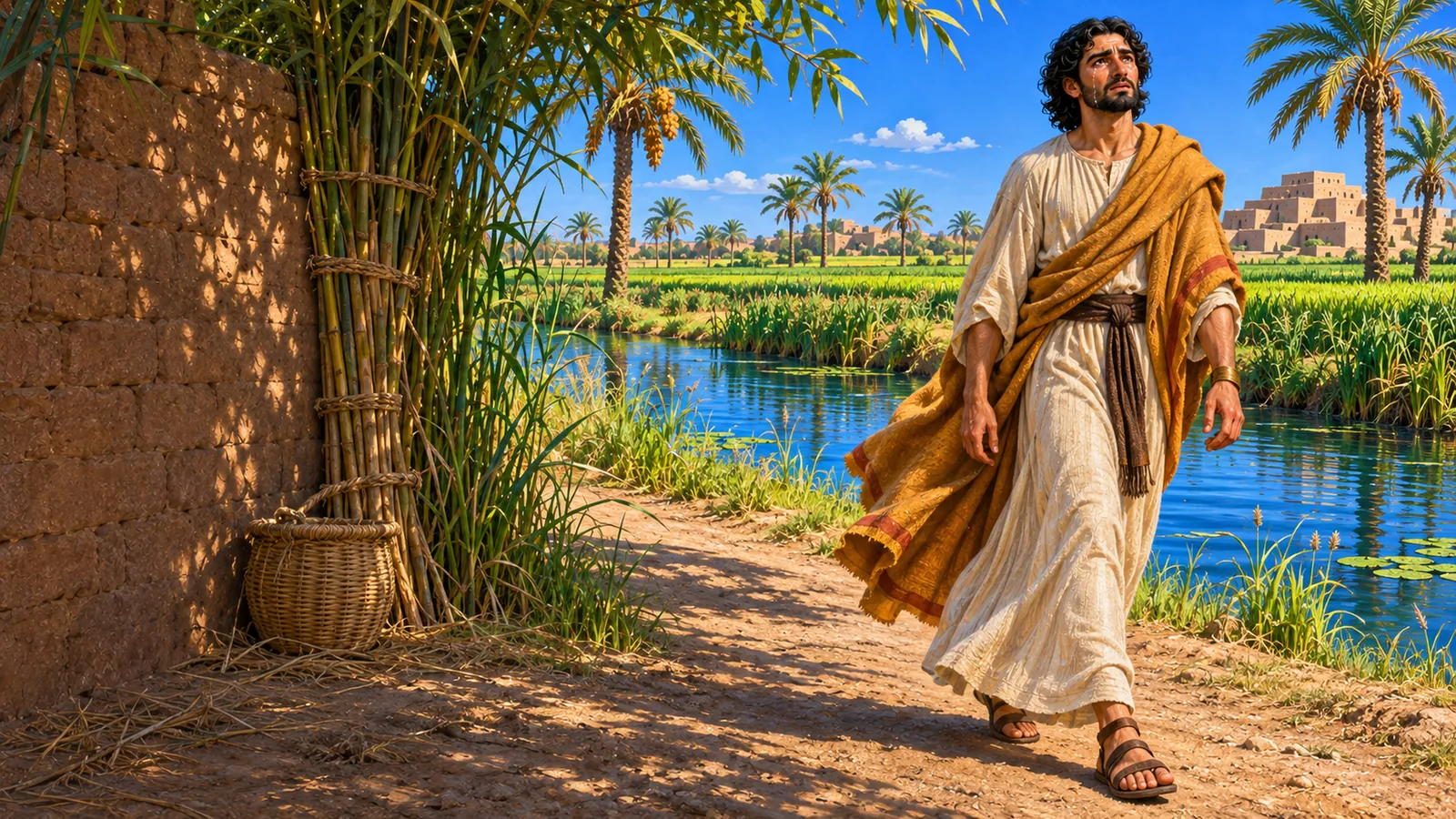
DUMUZIS TRAUM
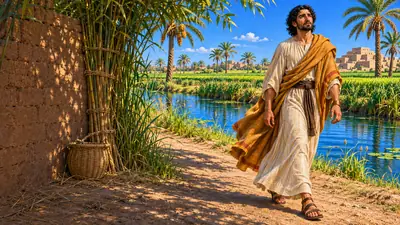
Dumuzi ging hinaus aufs Land, das Herz voller Tränen. Das Gedicht nennt ihn einen jungen Mann.
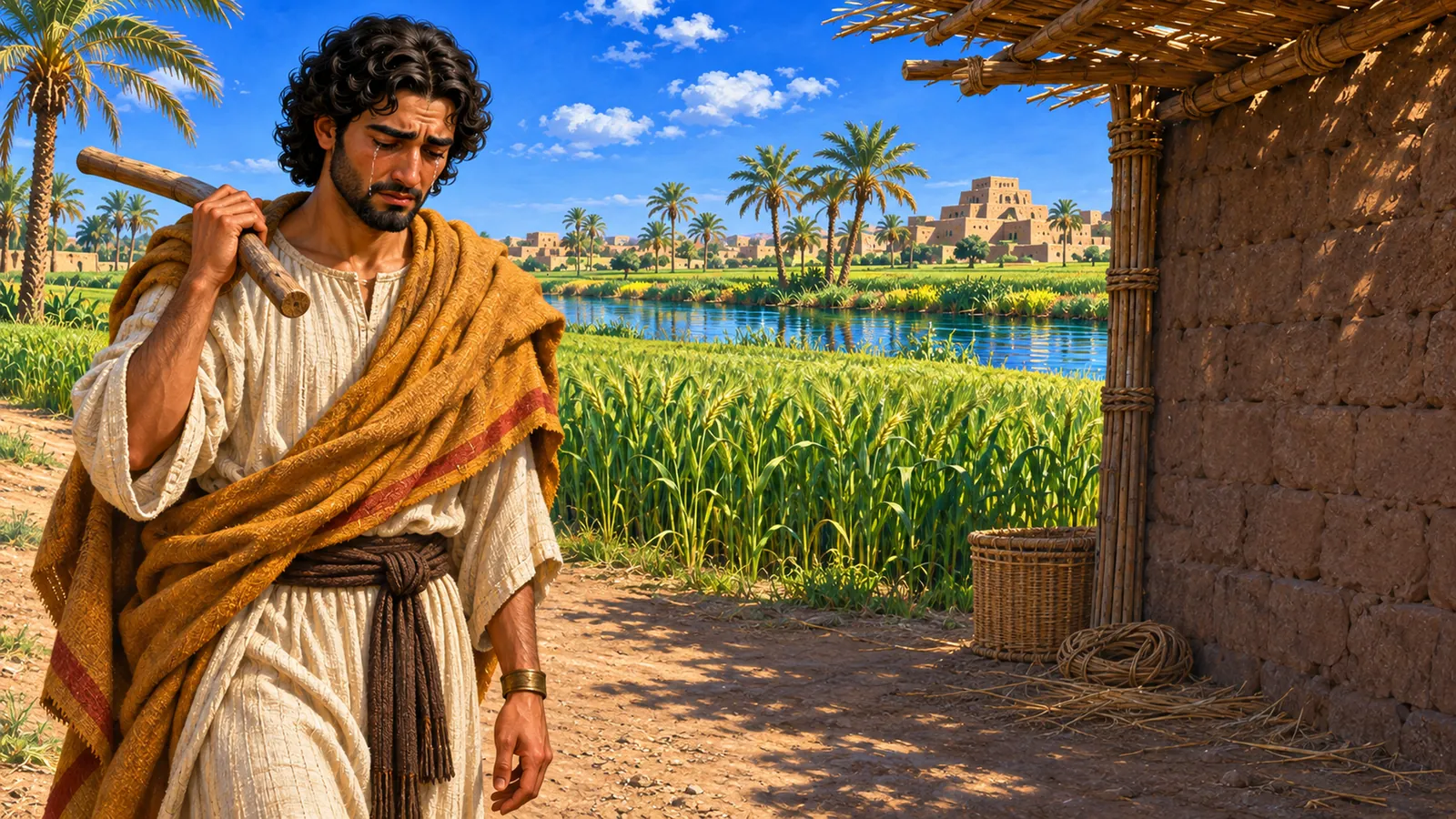
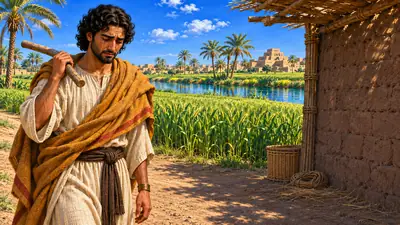
Der Hirte trug seinen Stab auf der Schulter und schluchzte den ganzen Weg hinaus aufs freie Land.

„Klagt, ihr Felder, klagt!“, rief Dumuzi. Er rief die Sümpfe zum Schreien, die Flusskrabben zum Klagen und die Frösche dazu auf, laut zu rufen.

„Meine Mutter wird nach mir rufen, meine Mutter Durtur. Sie wird wegen fünf Dingen nach mir rufen, sie wird wegen zehn Dingen rufen.“

„Land, wenn meine Mutter den Tag meines Todes nicht erfährt, sag ihn ihr. Weine um mich, wie meine kleine Schwester es täte.“
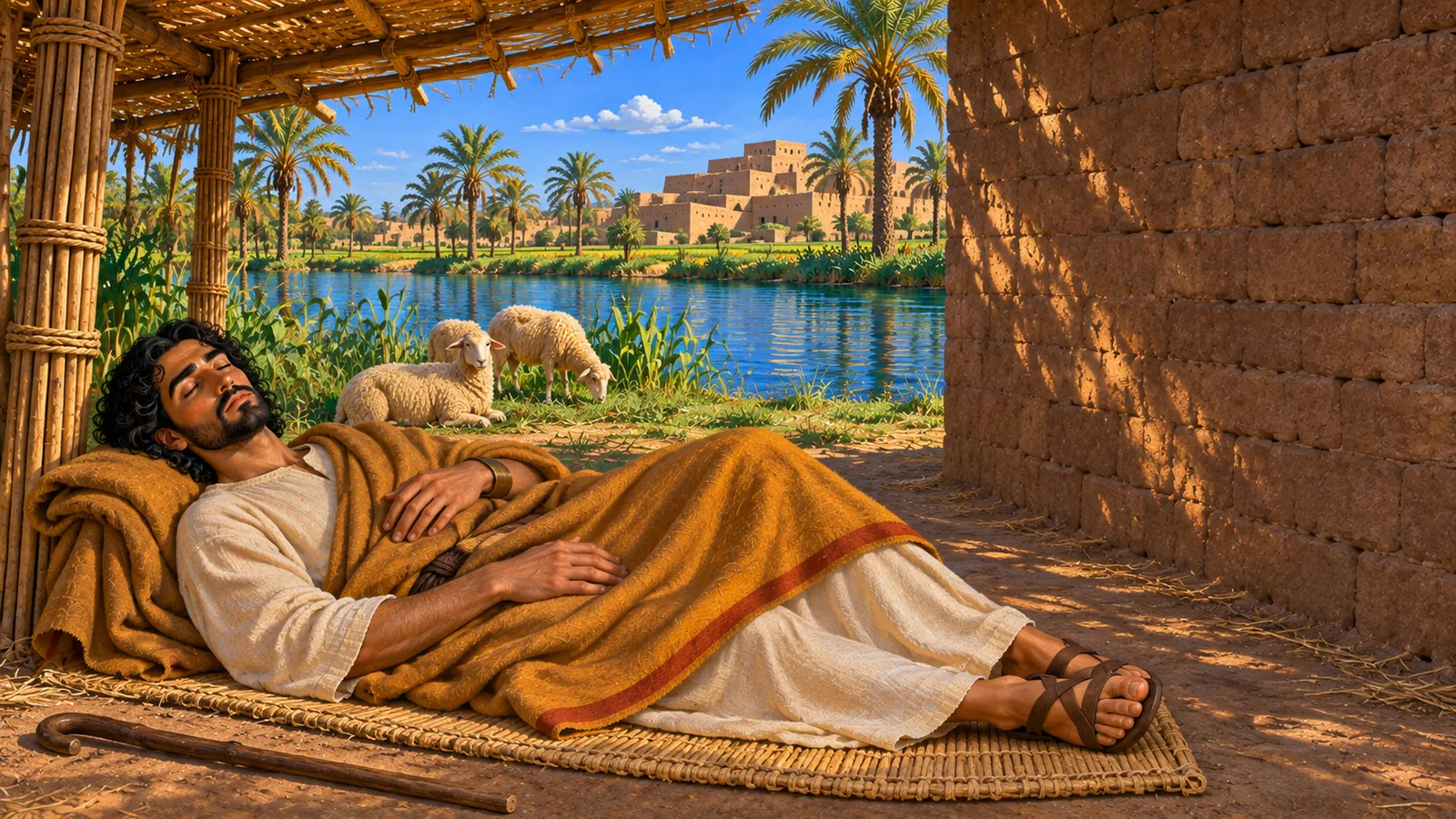
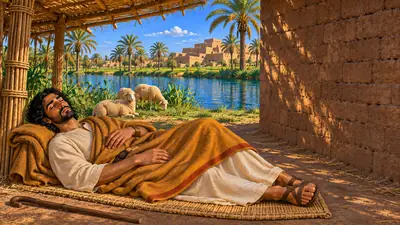
Vor langer Zeit legte sich der Hirte schlafen. Als er dalag, begann er zu träumen.
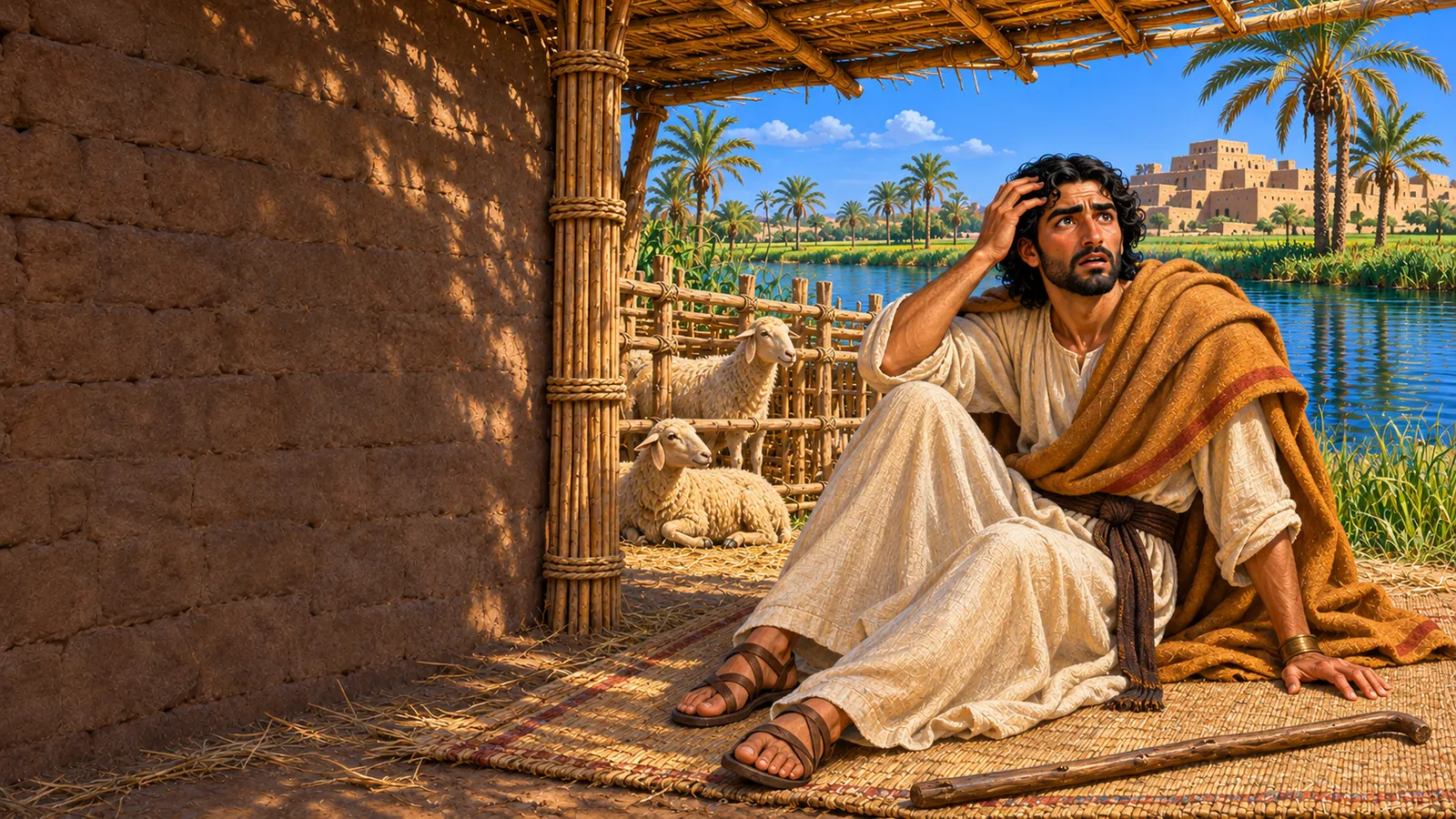
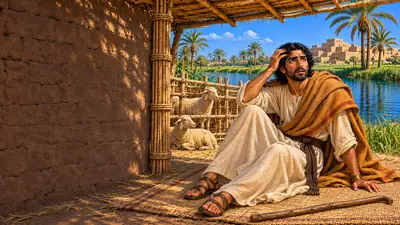
Er schreckte aus dem Schlaf. Es war ein Traum gewesen. Zitternd und voller Angst rieb er sich die Augen.
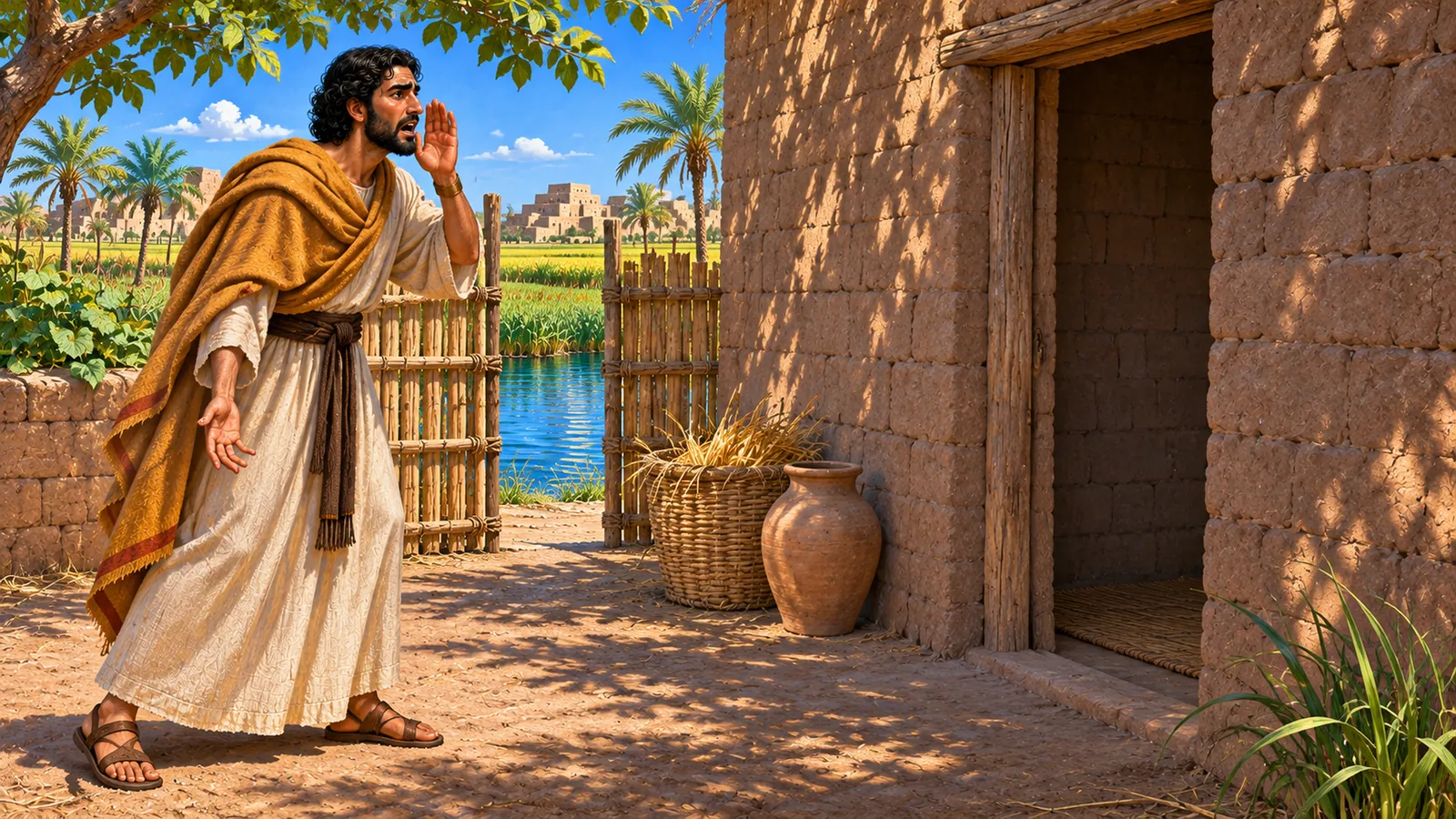
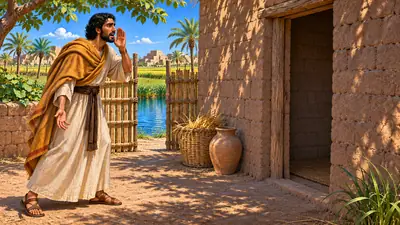
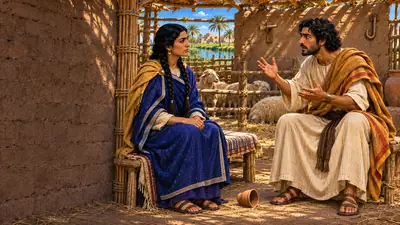
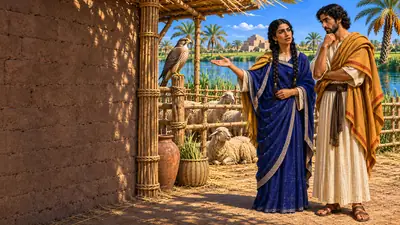
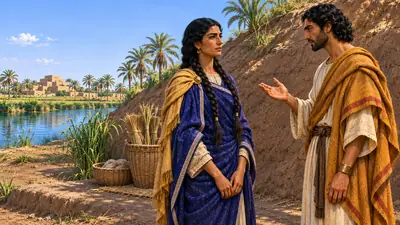
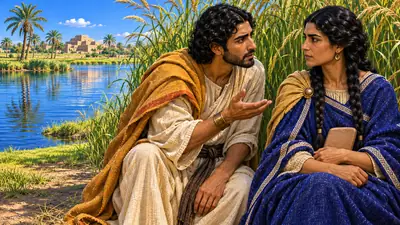
„Holt meine Schwester! Holt Geštinanna!“, rief er. Sie war eine kundige Schreiberin und eine Sängerin, die ihre Lieder gut kannte.
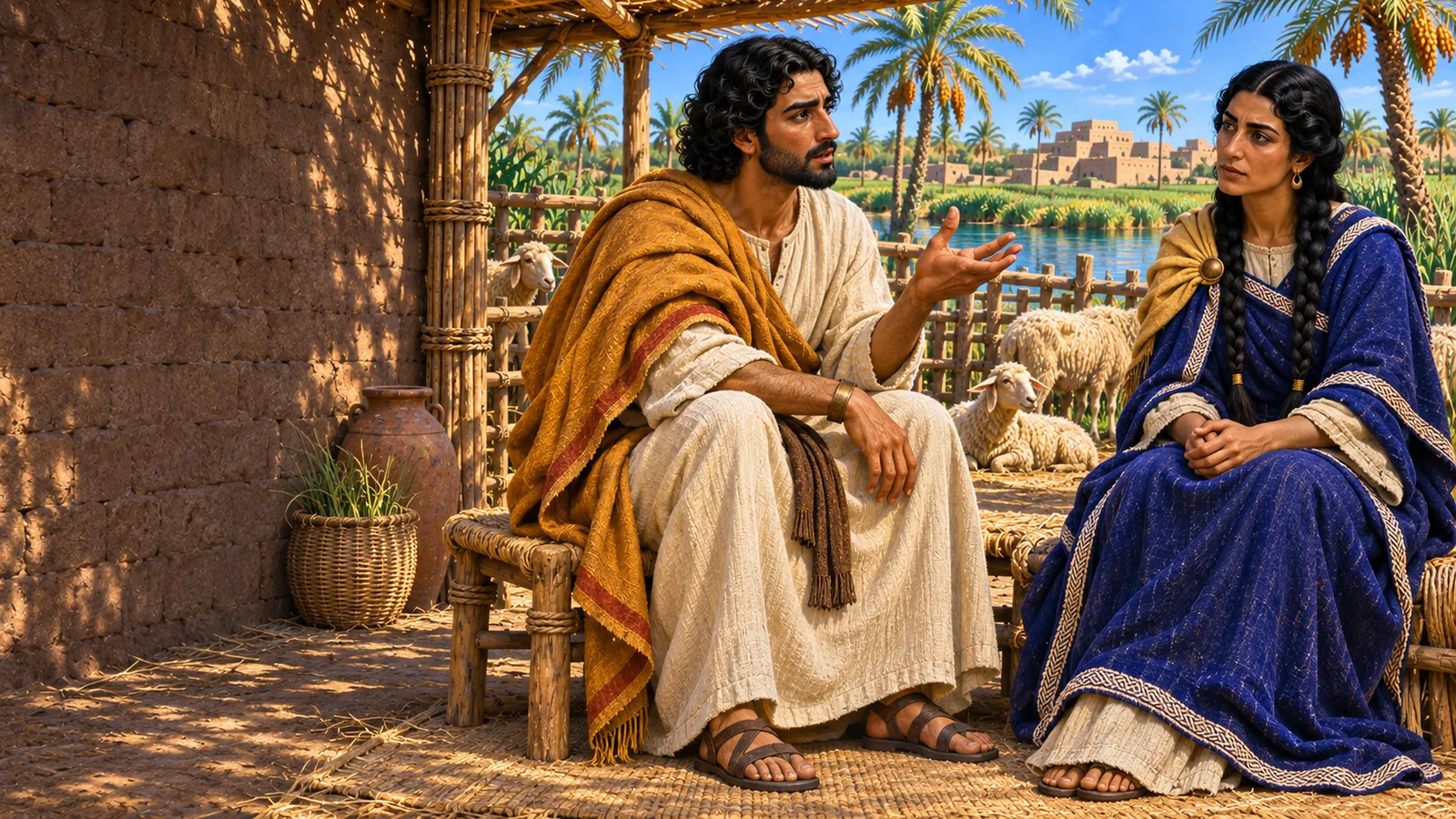
„Holt meine kluge Schwester, die weiß, was Träume bedeuten. Ihr werde ich erzählen, was ich geträumt habe.“
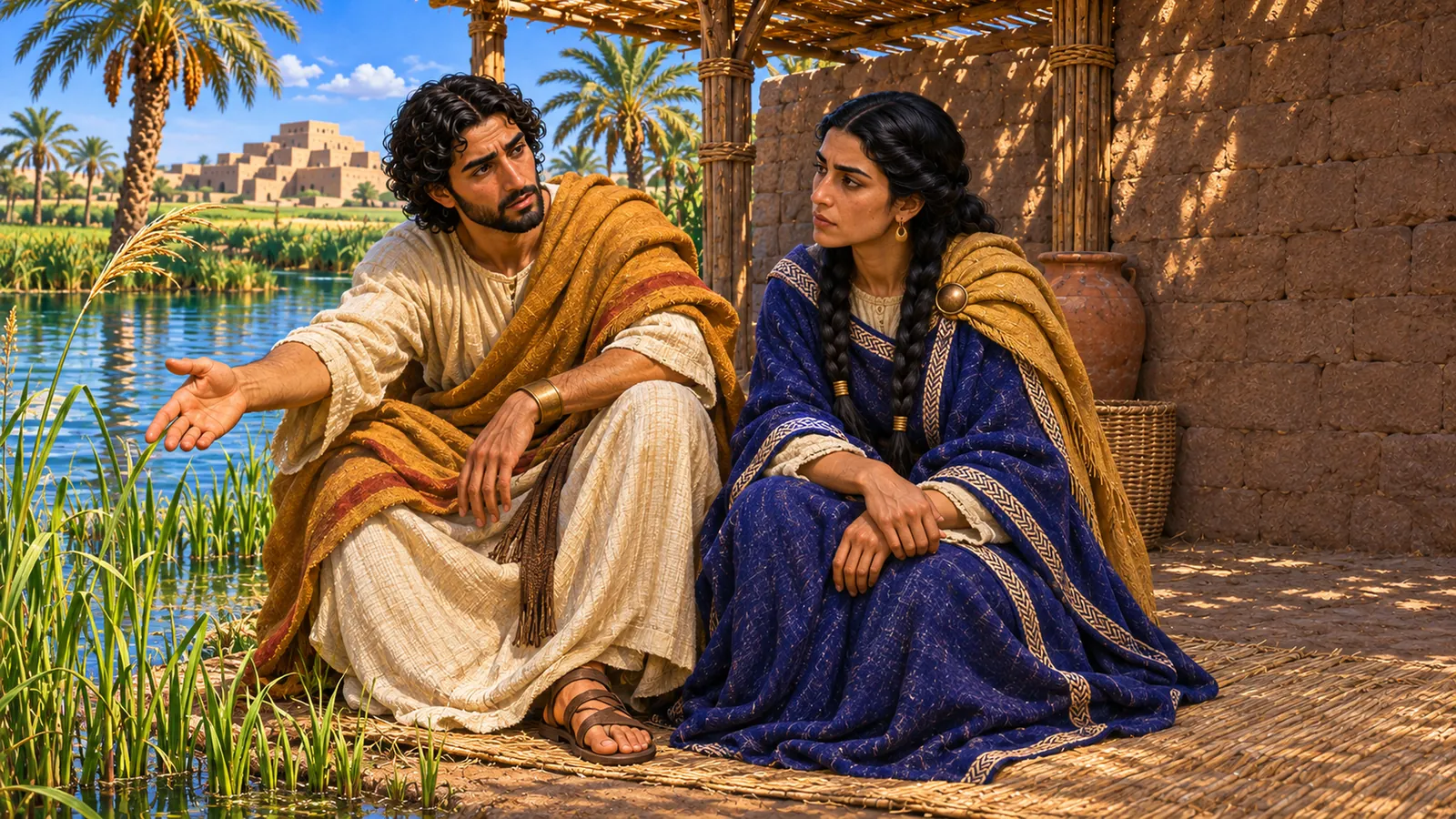
DER TRAUM
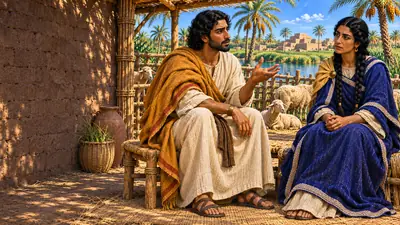
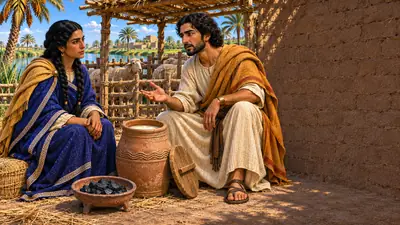
„Ein Traum, meine Schwester!“, sagte Dumuzi. „Binsen sprossen vor mir und wuchsen immer weiter. Ein einzelnes Schilfrohr schüttelte seinen Halm zu mir hin.“
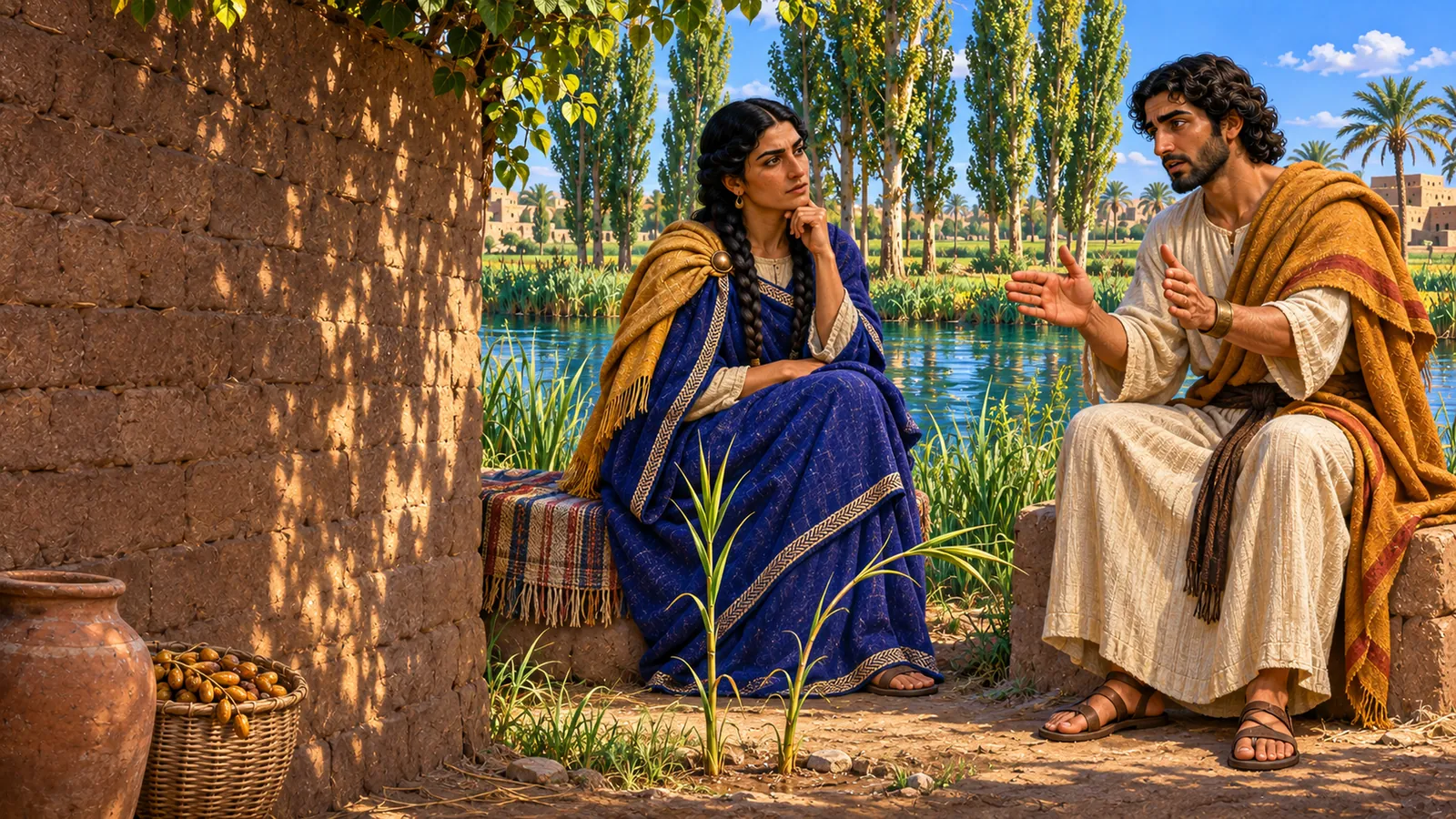
„Von zwei Halmen, die nebeneinander wuchsen, wurde einer von mir getrennt. Hohe Waldbäume ragten gemeinsam über mir auf.“
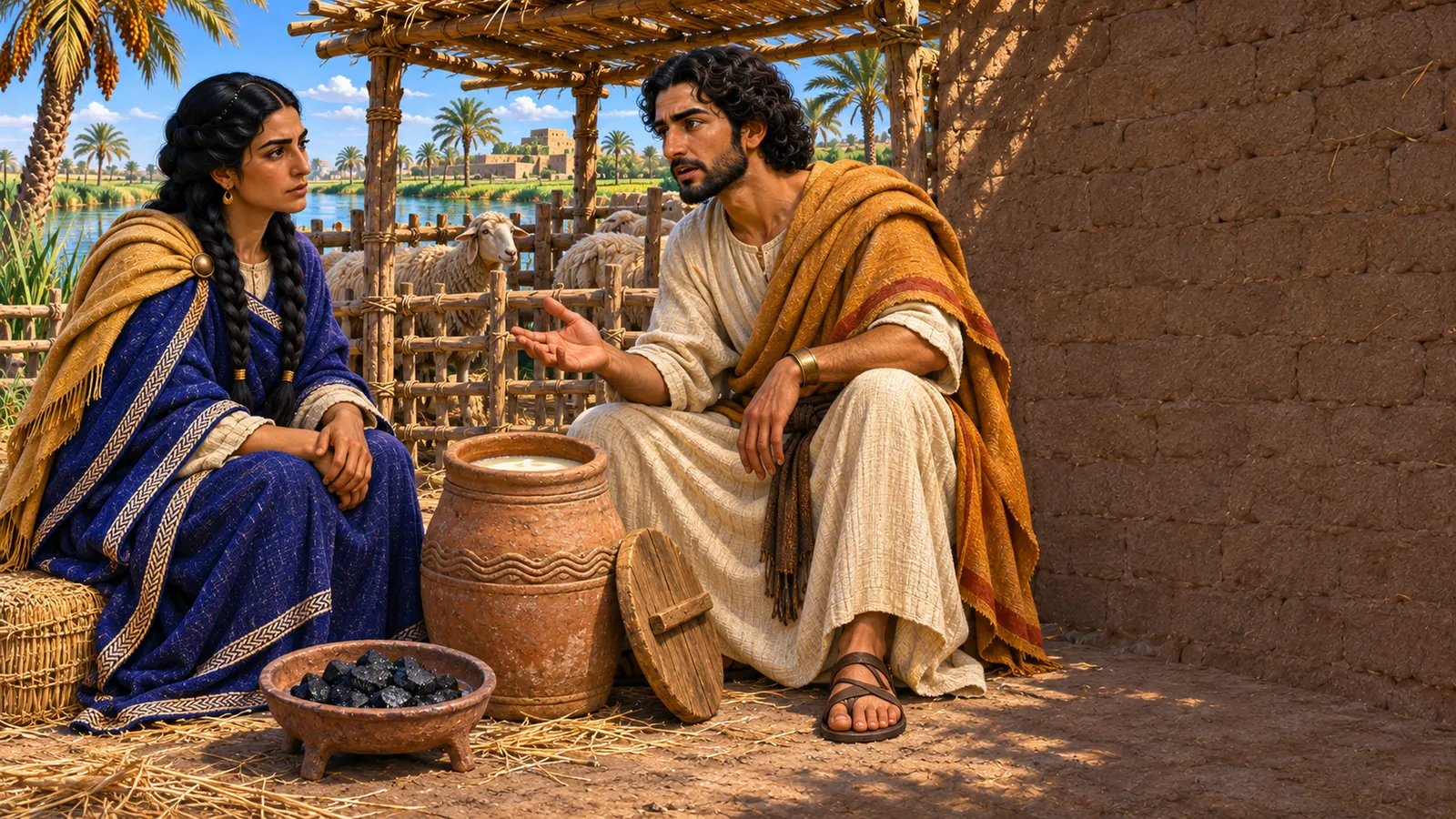
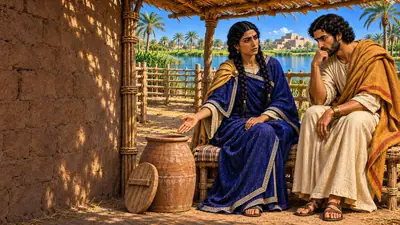
In meinem Traum wurde Wasser über meine heilige Glut gegossen, und der Deckel wurde von meinem heiligen Butterfass genommen.
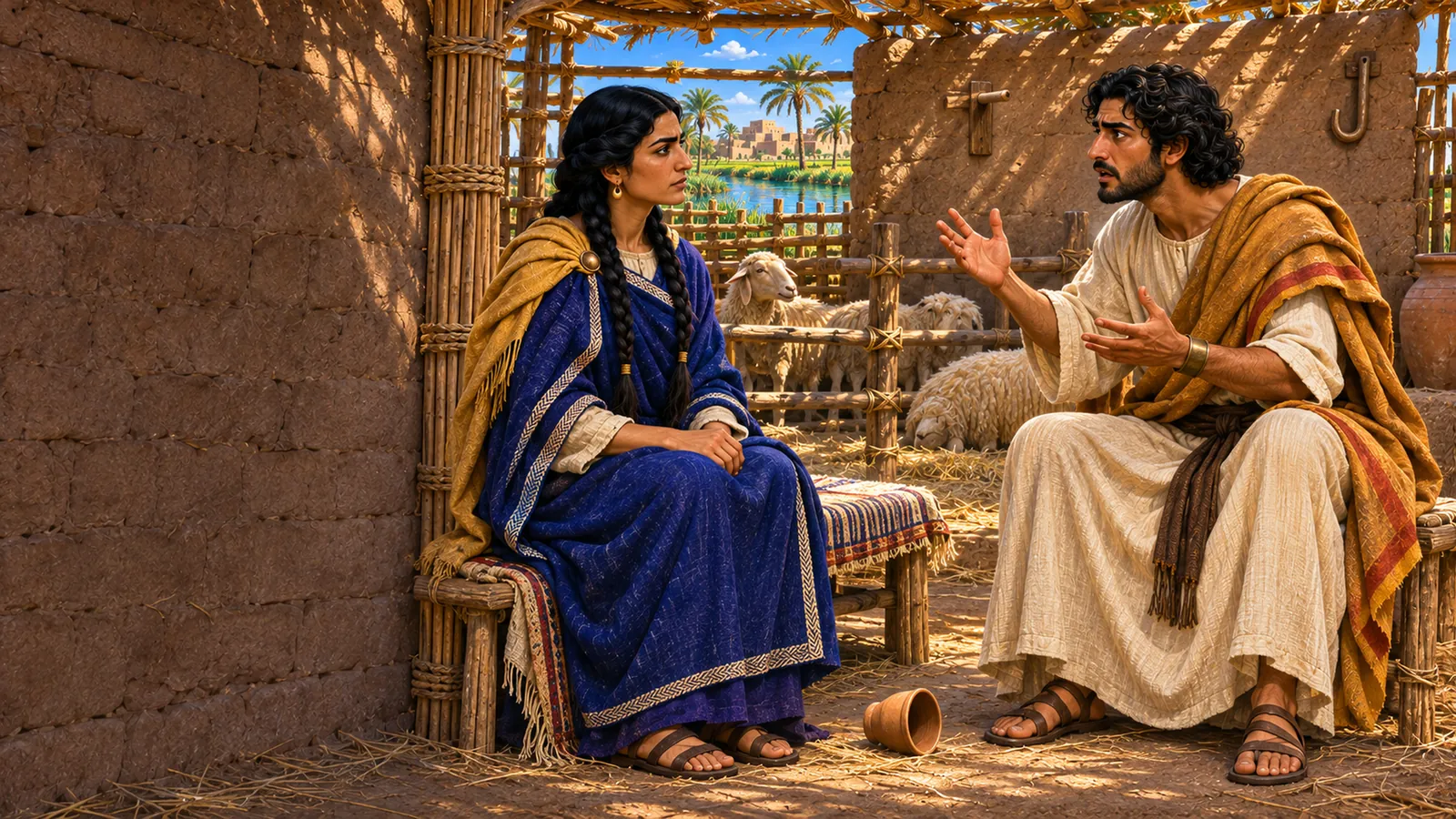
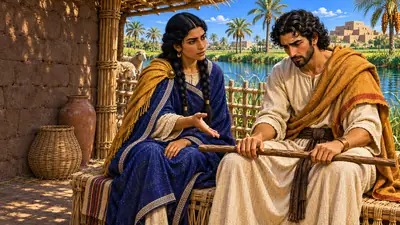
„Mein heiliger Trinkbecher wurde von seinem Pflock gerissen. Dann verschwand mein Hirtenstab.“
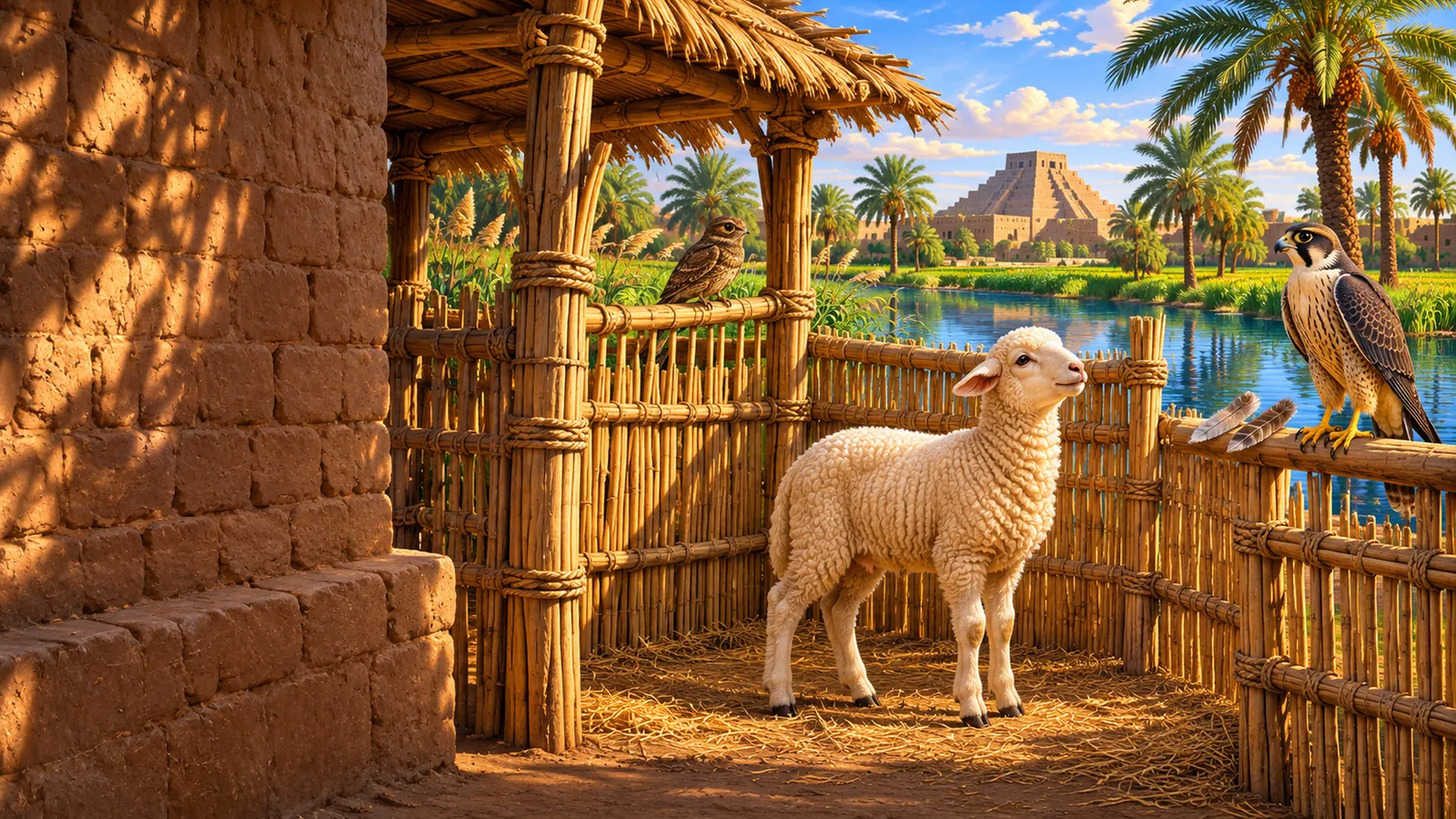
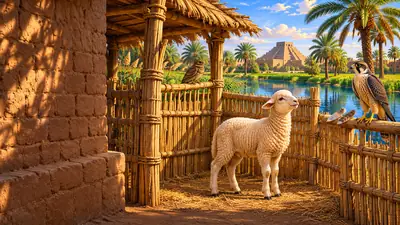
„Ein Vogel, vielleicht eine Eule, holte ein Lamm aus dem Schafstall. Ein Falke fing einen Sperling am Schilfzaun.“
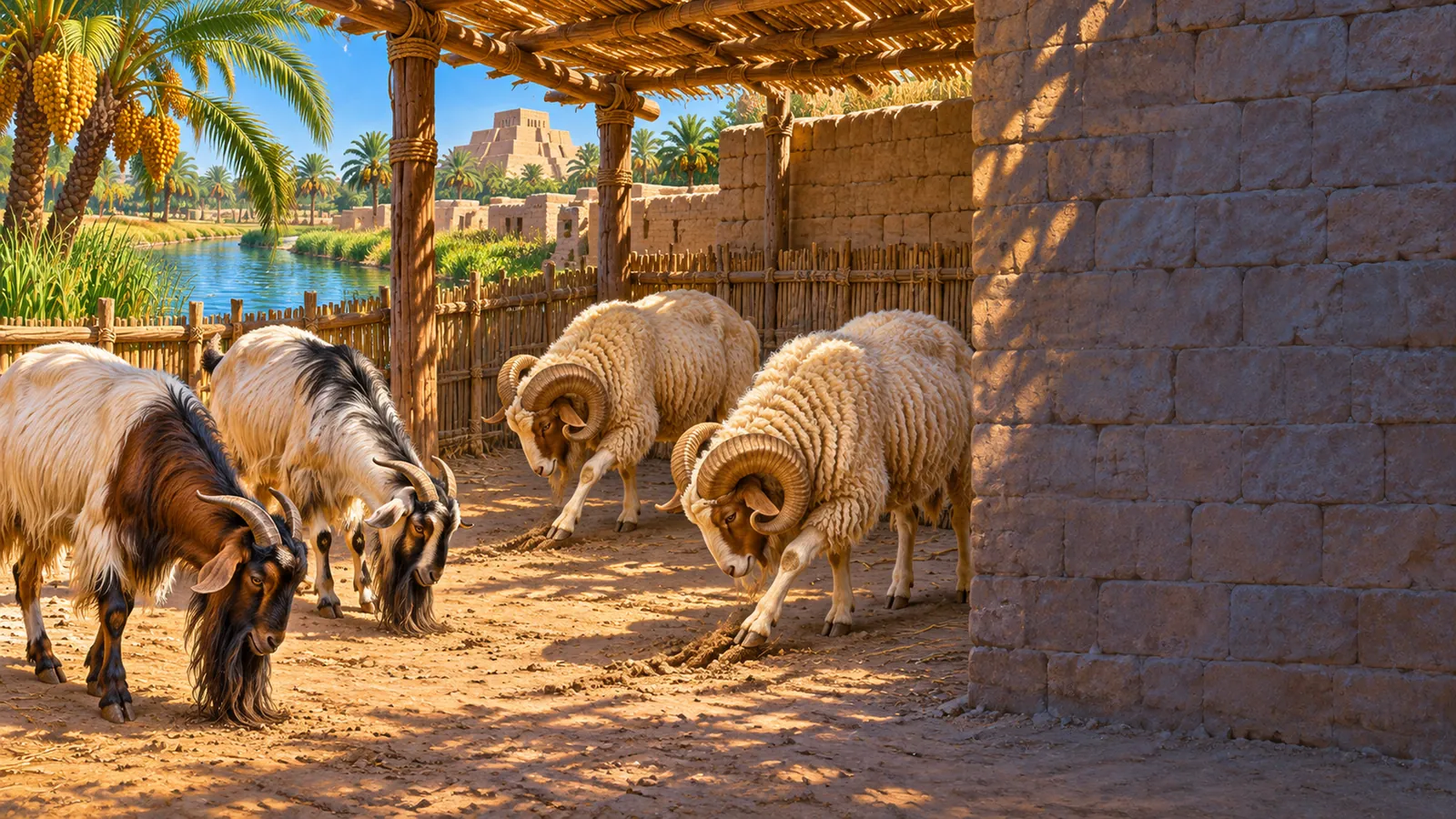
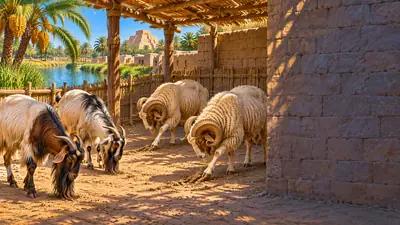
„Meine Ziegenböcke zogen ihre dunklen Bärte durch den Staub. Meine Widder scharrten mit ihren kräftigen Beinen in der Erde.“
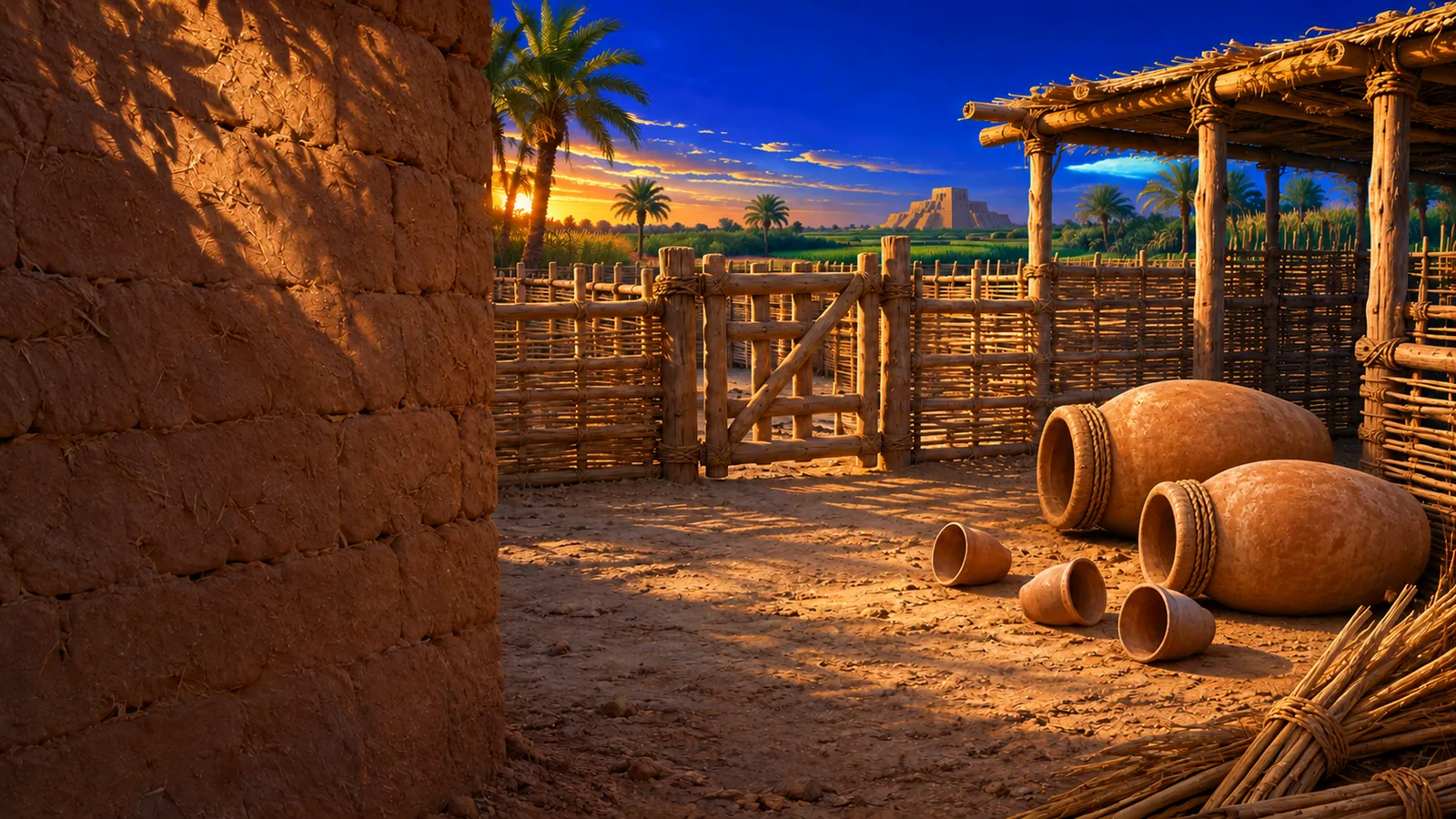
„Die Butterfässer lagen auf der Seite. Es wurde keine Milch gegossen. Die Trinkbecher lagen auf der Seite.“ Im Traum war Dumuzi tot, und im Schafstall spukte es.
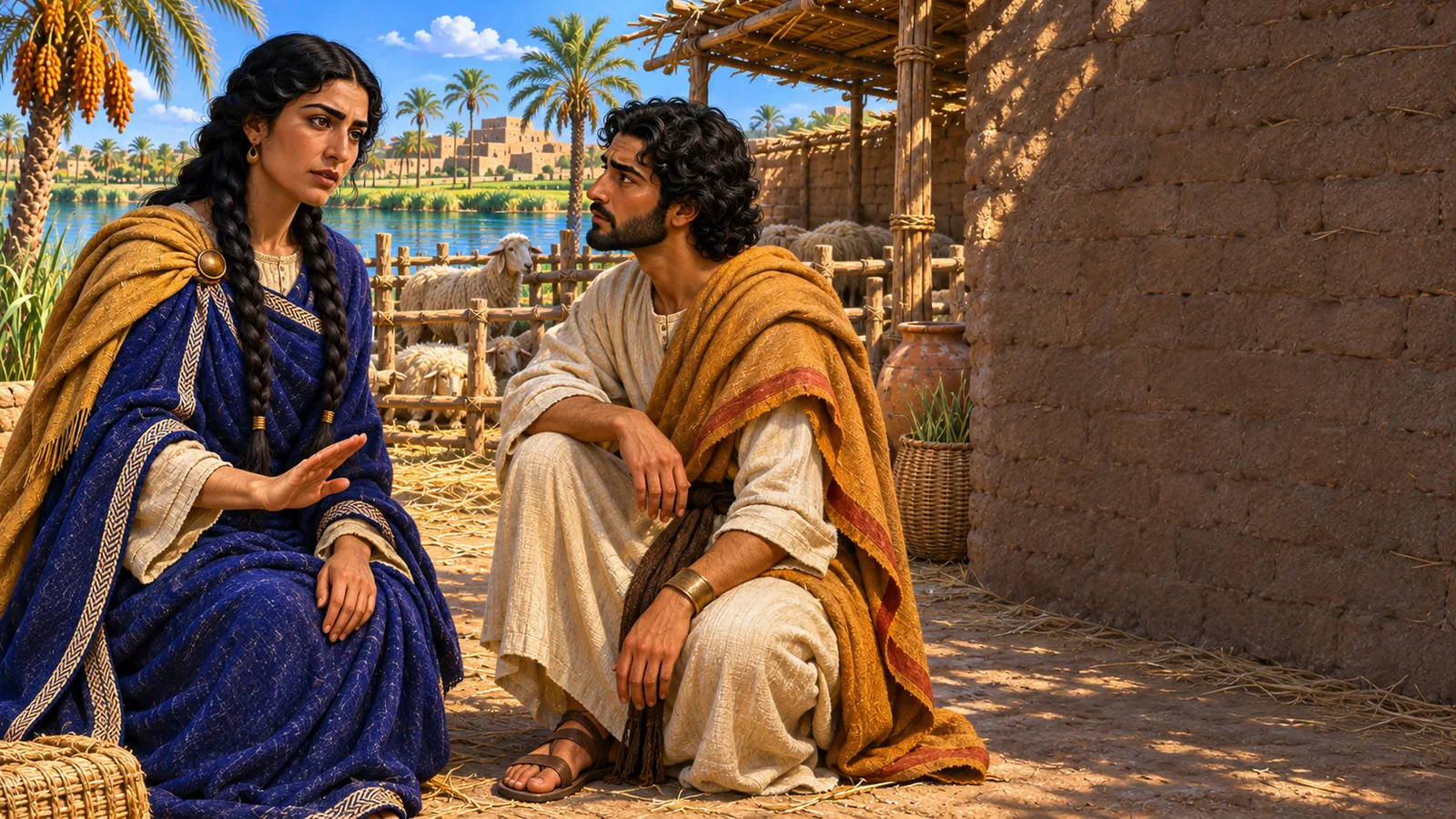
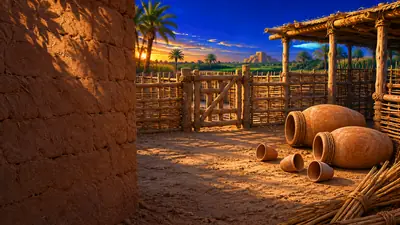
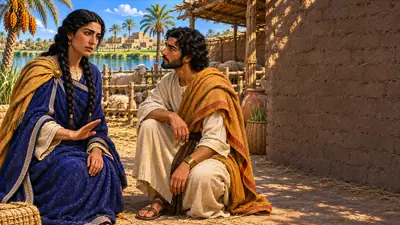
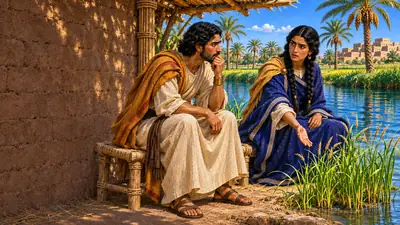
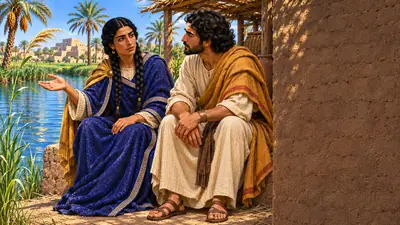
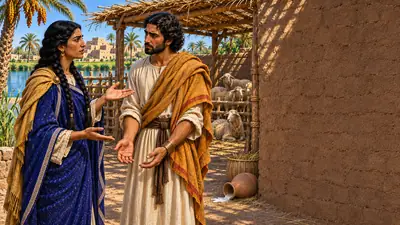
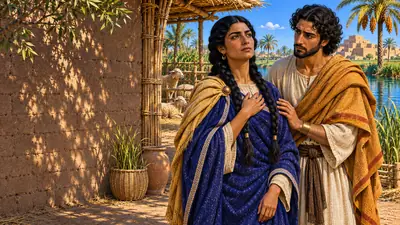
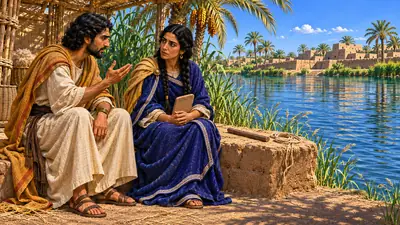
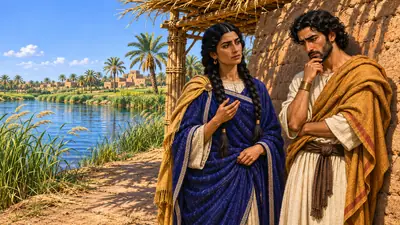
Geštinanna antwortete Dumuzi: „Mein Bruder, dein Traum verheißt nichts Gutes.“ Zweimal bat sie ihn, ihr nicht mehr davon zu erzählen.
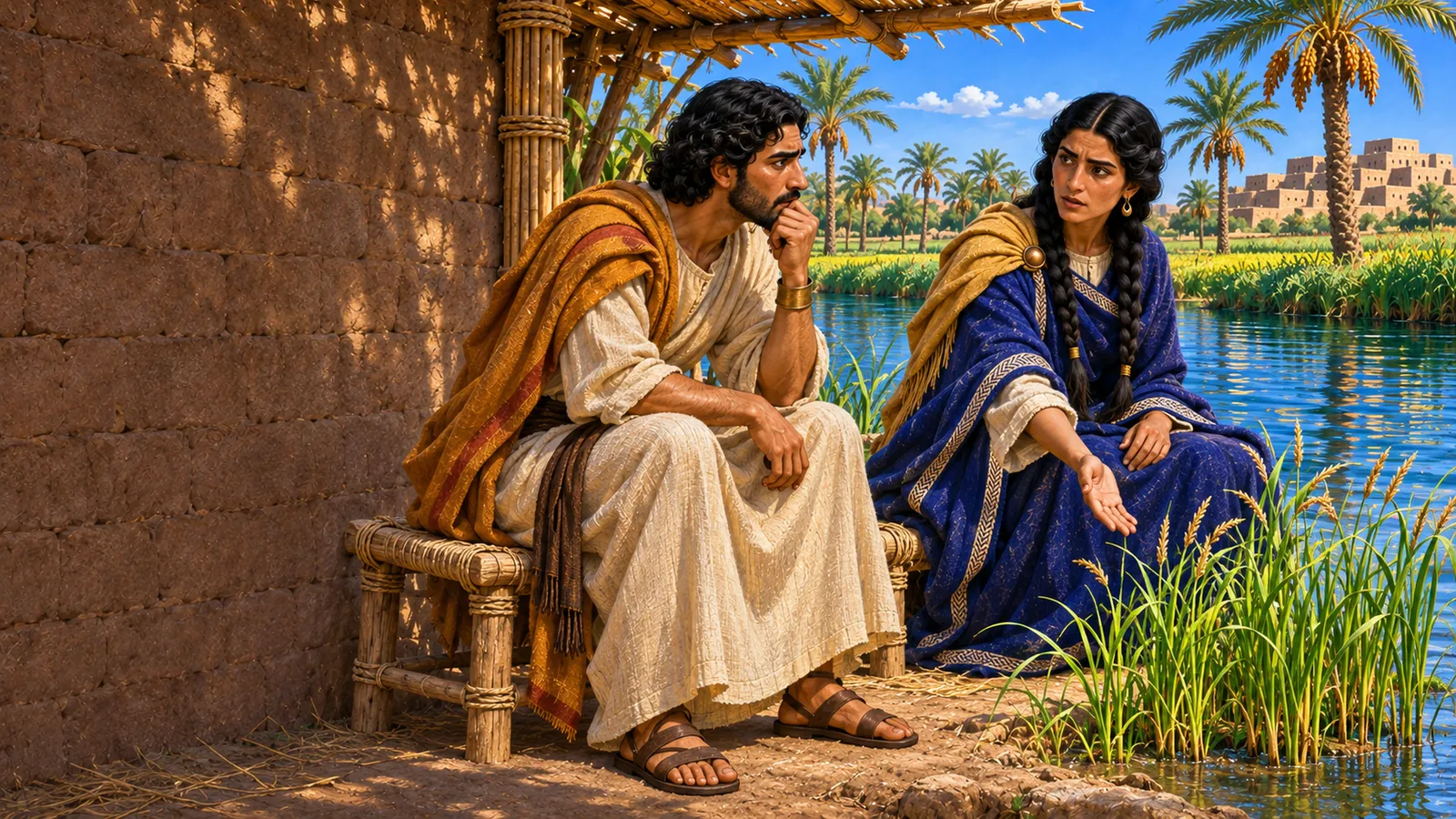
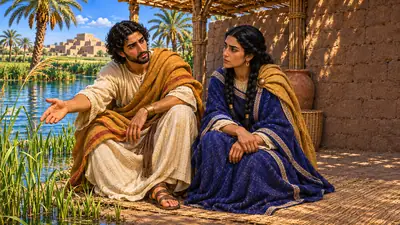
Sie sagte, die Binsen, die in seinem Traum immer weiterwuchsen, stünden für Räuber. Aus dem Hinterhalt würden sie sich gegen ihn erheben.
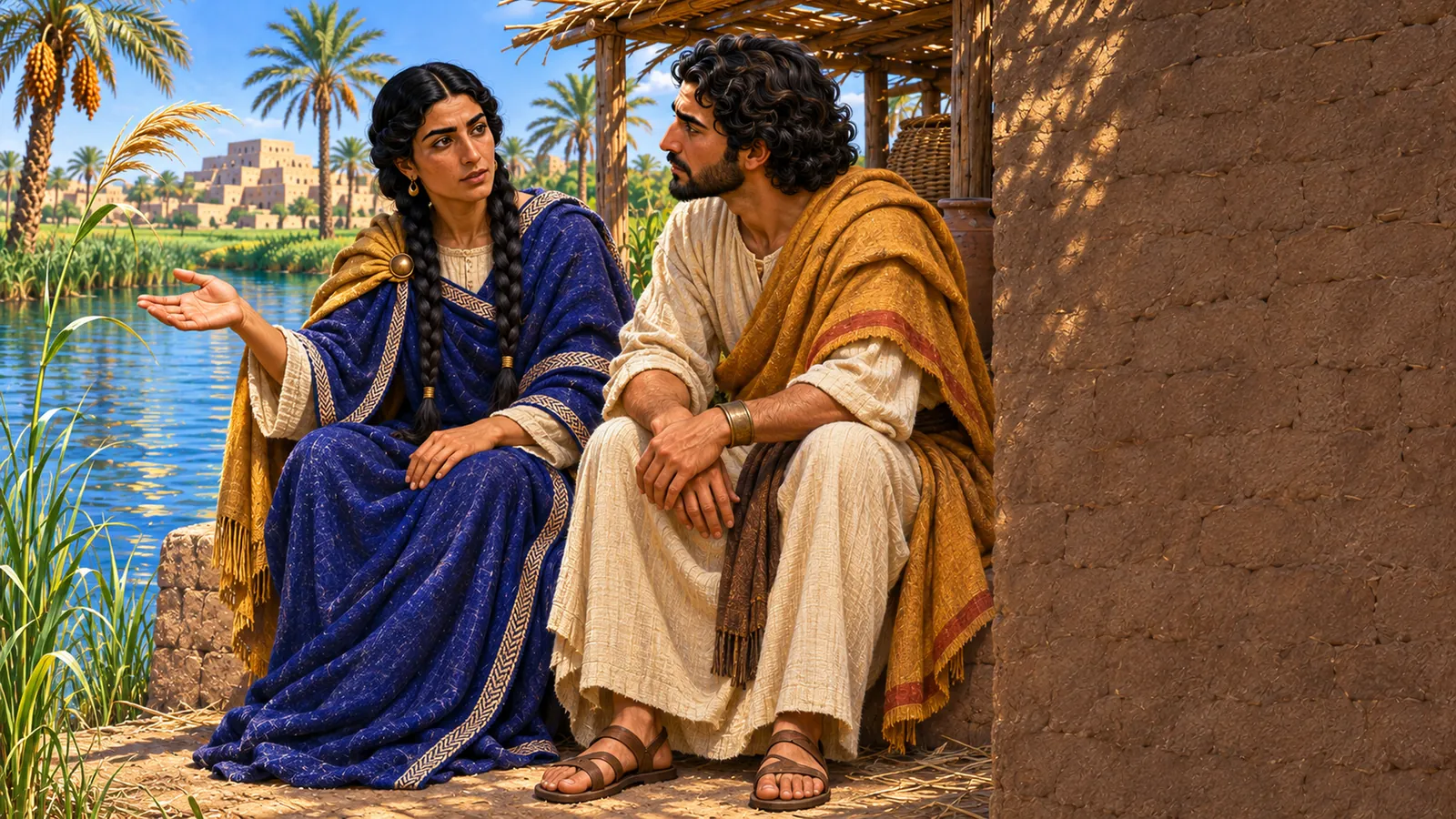
Sie erklärte das eine Schilfrohr, das im Traum den Kopf schüttelte. Es stand für die Mutter, die ihn geboren hatte und um seinetwillen den Kopf schüttelte.
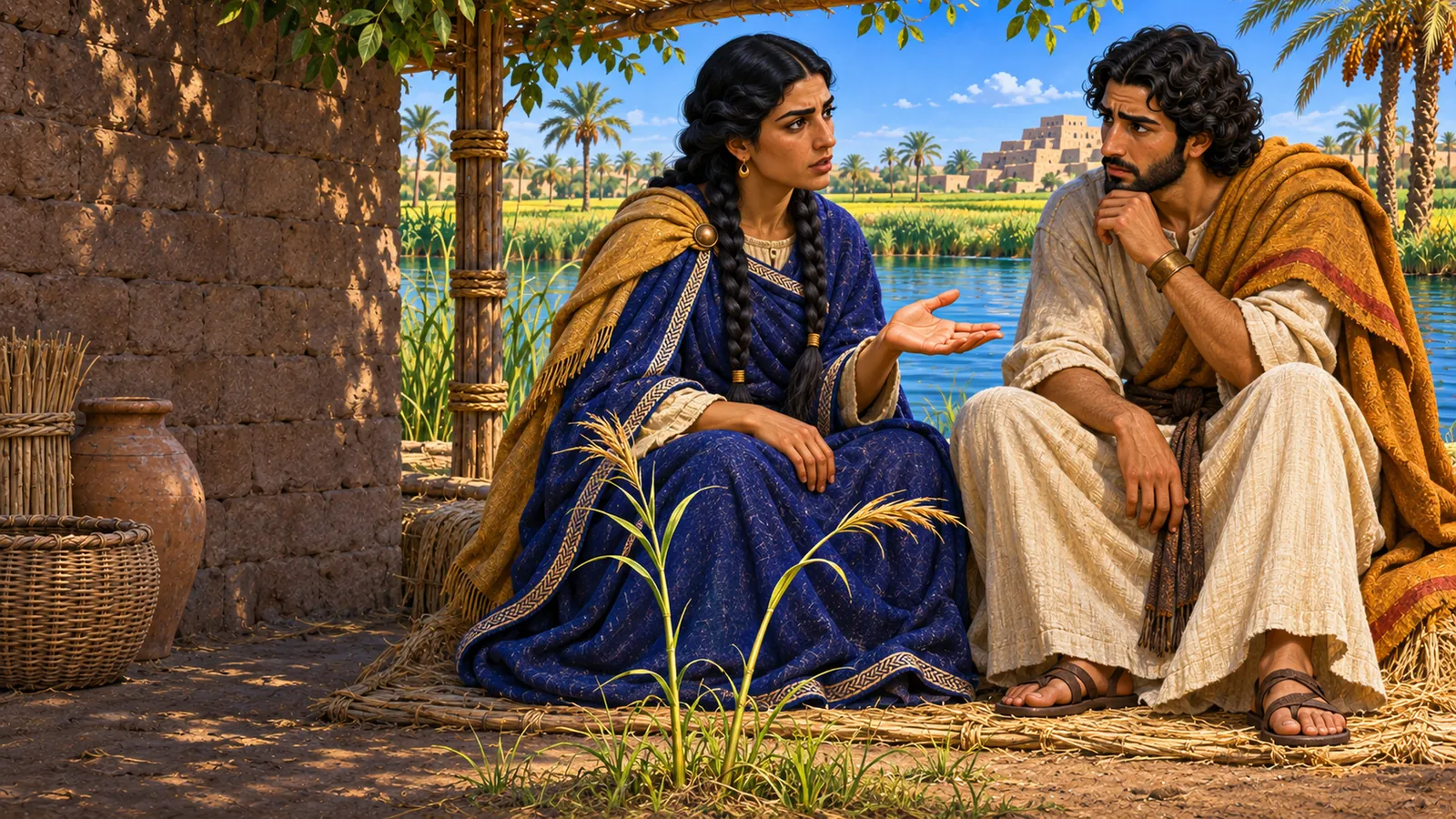
Im Traum waren da zwei Schilfrohre, und eines wurde von ihm getrennt. Geštinanna sagte, sie stünden für sie und ihren Bruder. Sie würden getrennt werden.
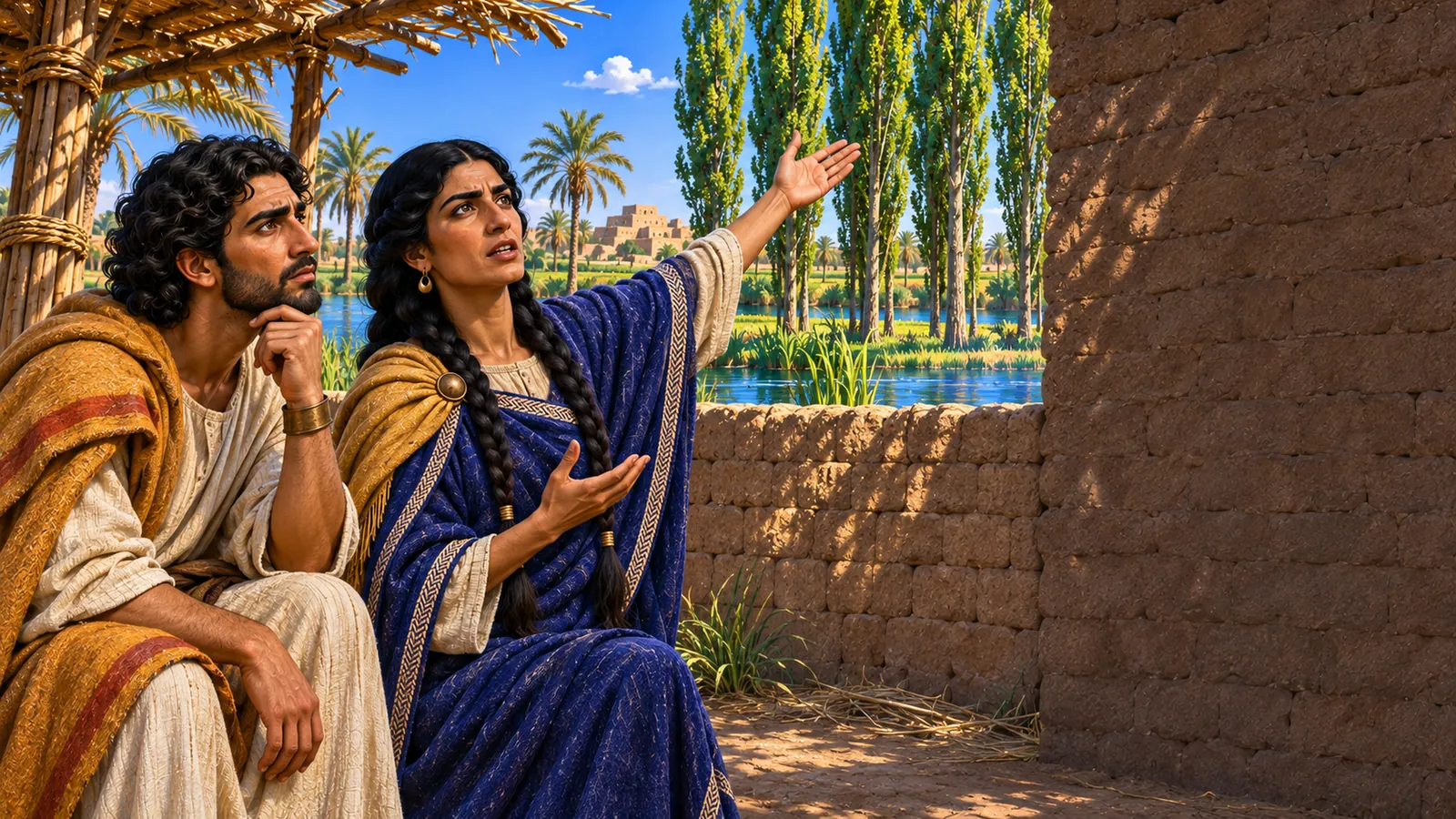
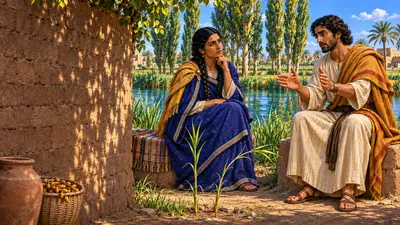
Geštinanna kam auf die hohen Bäume zu sprechen, die sich im Traum um ihn erhoben hatten. Sie sagte, dass feindliche Männer ihn innerhalb der Mauern fangen würden.
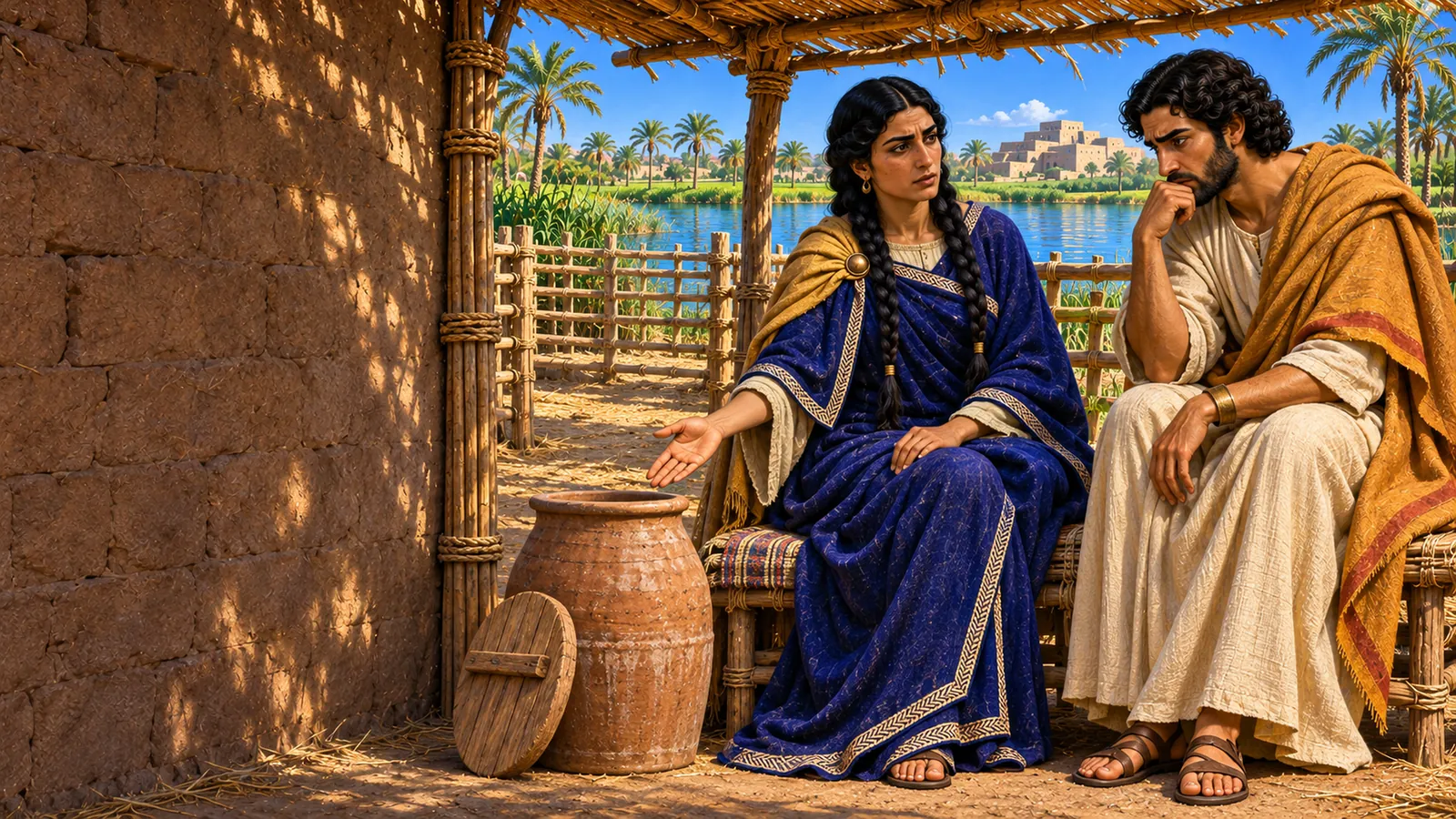
Das auf seine Glut gegossene Wasser bedeutete, dass der Schafpferch verstummen würde. Der abgehobene Deckel des Butterfasses bedeutete, dass einer der feindlichen Männer ihn in seinen Händen hineintragen würde.
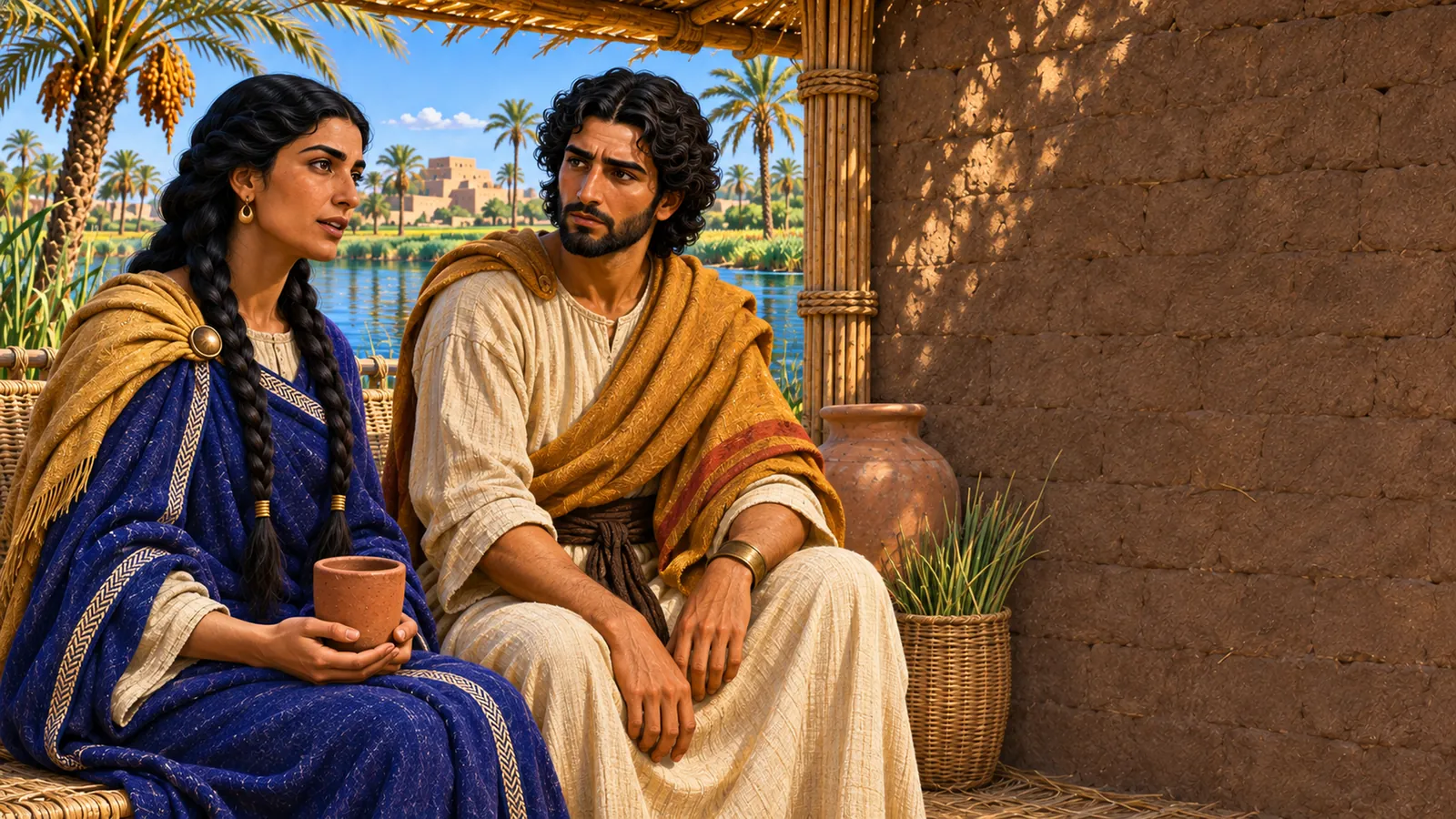
Sie sprach vom Trinkbecher, der im Traum von seinem Holznagel gerissen worden war. Geštinanna sagte, darin sei Dumuzi zu sehen, wie er vom Schoß seiner Mutter fiel, die ihn geboren hatte.
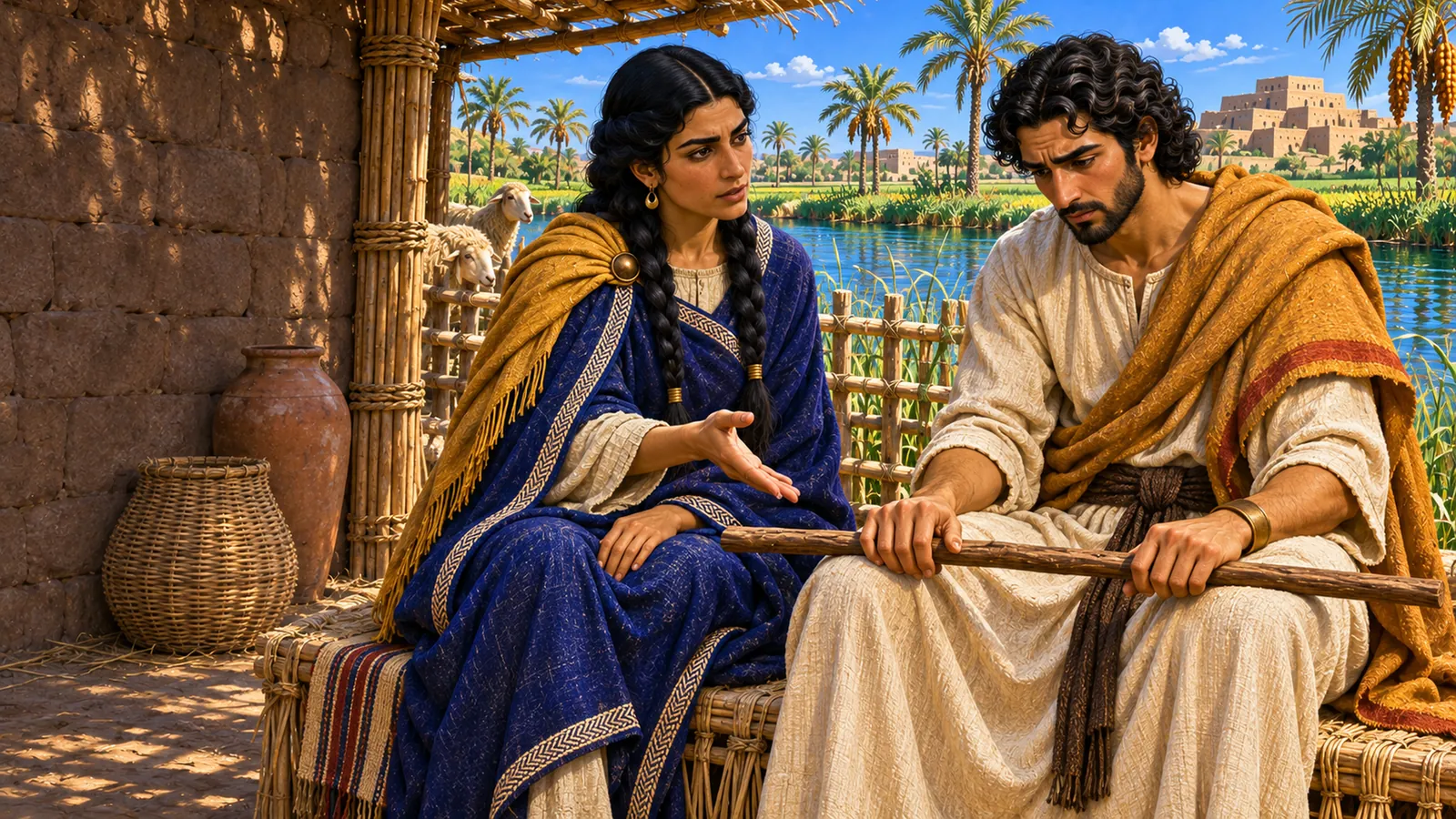
In Dumuzis Traum war sein Hirtenstab verschwunden. Geštinanna sagte, das bedeute, dass die Dämonen den Stab in Brand setzen würden.
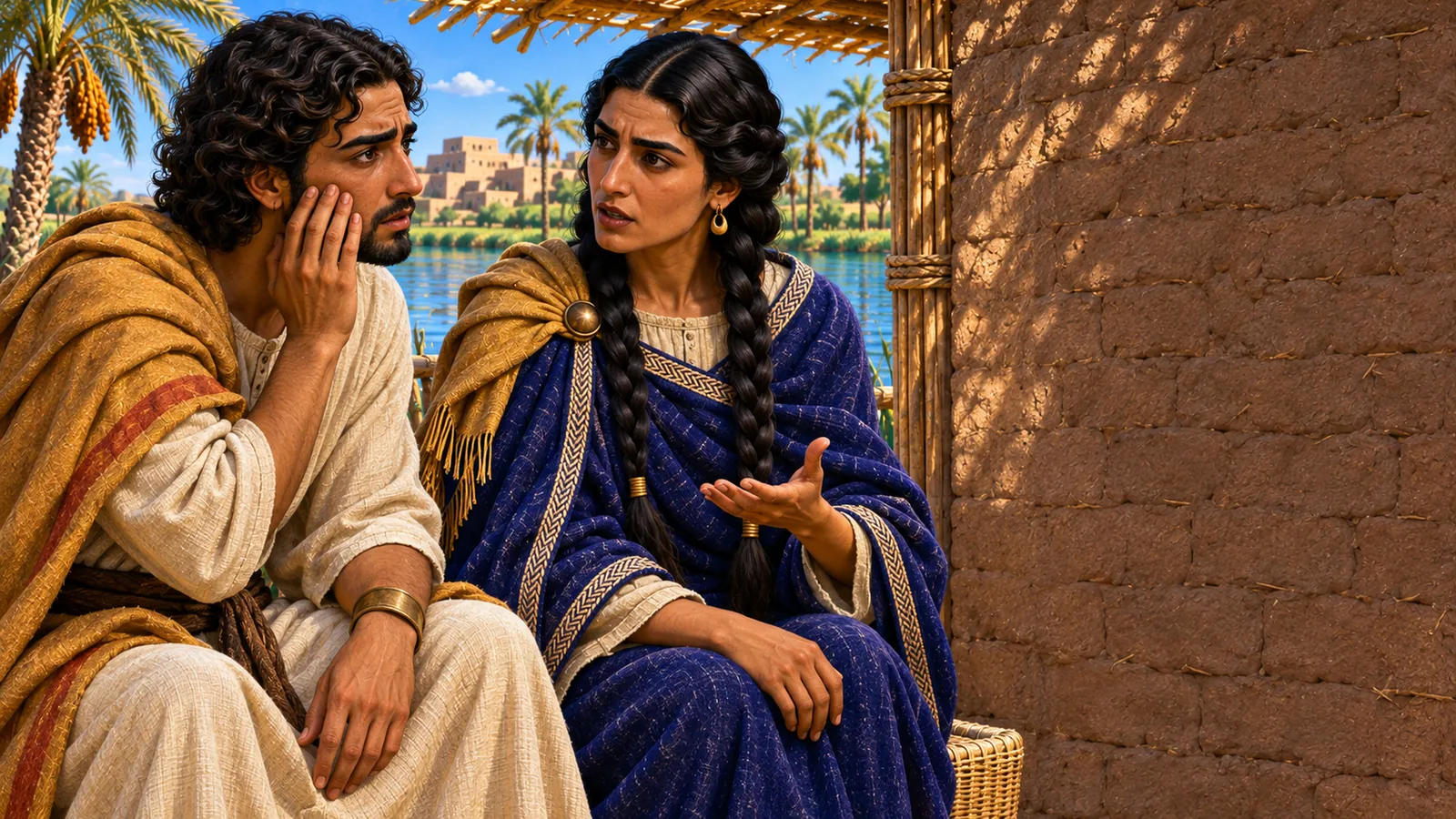
Im Traum hatte ein Vogel, vielleicht eine Eule, ein Lamm fortgetragen. Geštinanna sagte, das bedeute, dass ein feindlicher Mann Dumuzi auf die Wange schlagen würde.
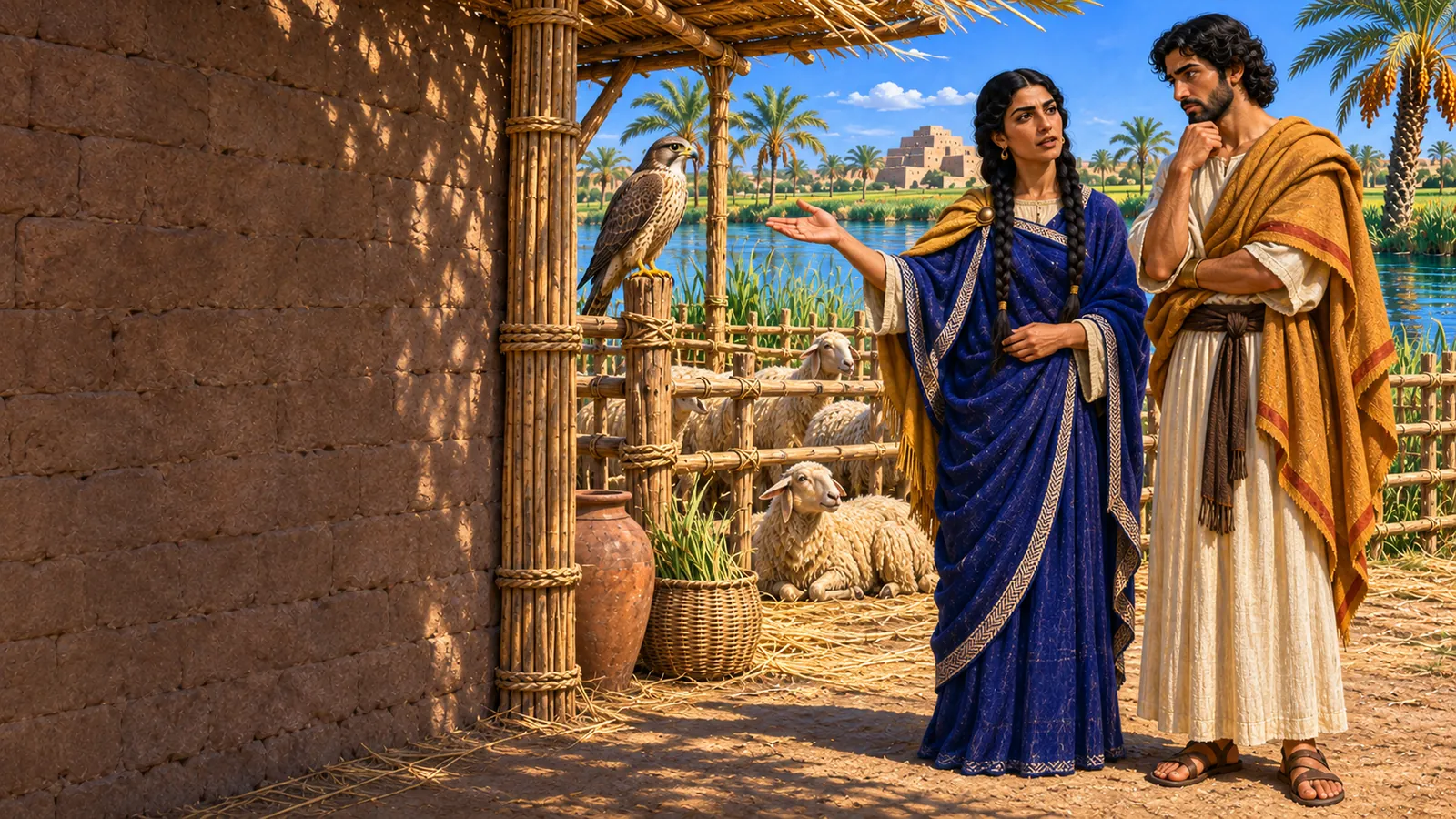
In Dumuzis Traum hatte der Falke einen Sperling auf dem Schilfzaun gefangen. Für Geštinanna bedeutete dieses Bild, dass ein großer Dämon aus dem Schafpferch herunterkommen würde.
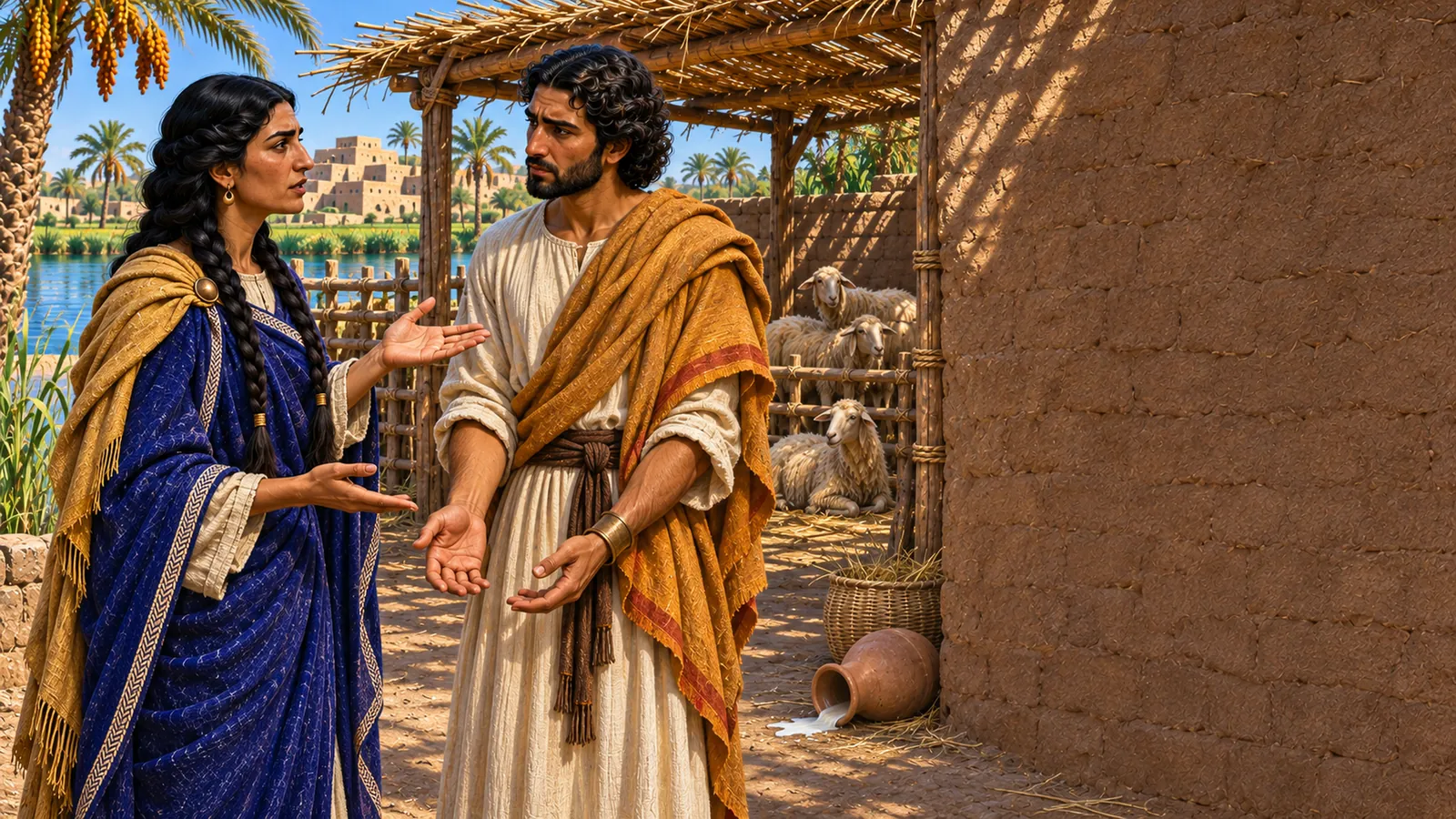
Im Traum lagen die Butterfässer und Becher auf der Seite, es wurde keine Milch ausgegossen, Dumuzi war tot und im Schafpferch spukte es. Geštinanna sagte, diese Bilder bedeuteten, dass man ihm Hände und Arme fesseln würde.
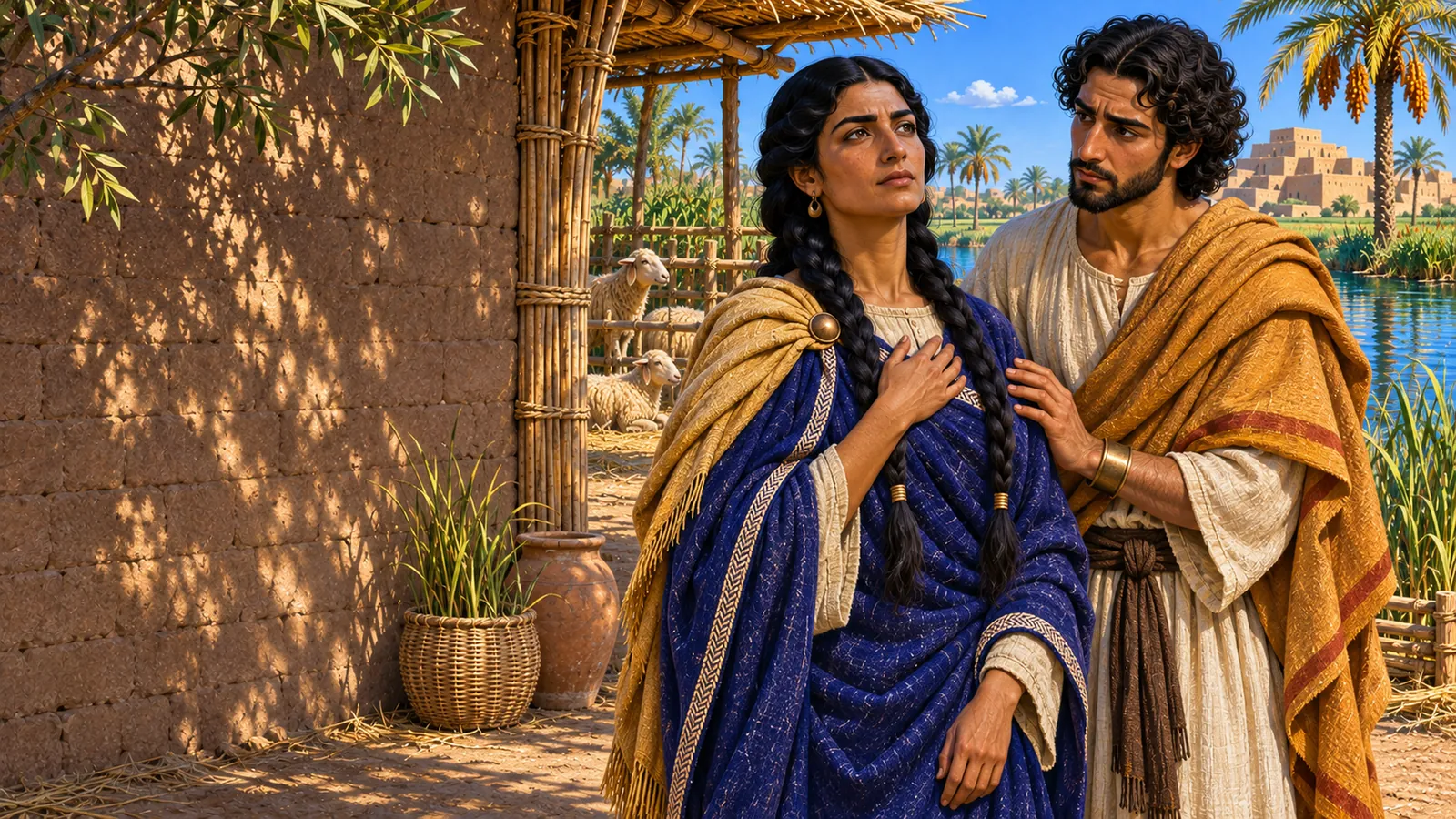
Die Böcke, die ihre Bärte durch den Staub zogen, bedeuteten, dass ihr Haar in der Trauer wie im Sturm herumwirbeln würde. Die Schafböcke, die am Boden scharrten, bedeuteten, dass sie sich die Wangen beim Klagen mit den Nägeln verletzen würde.
DER HÜGEL
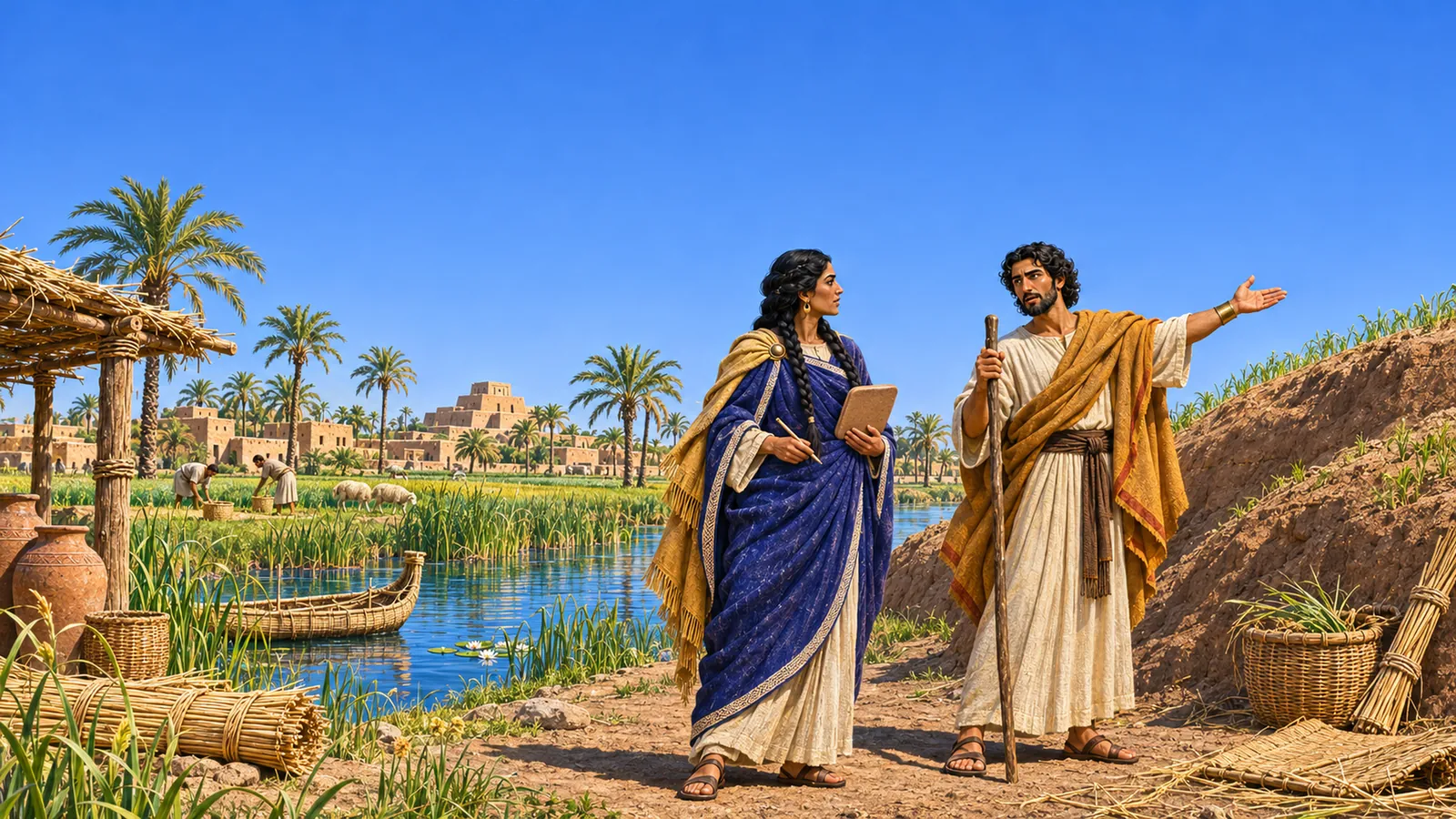
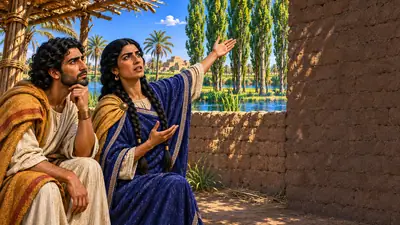
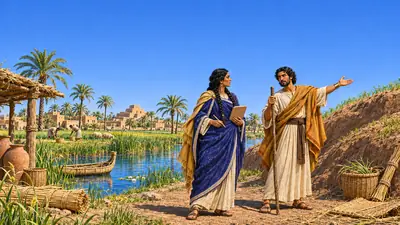
Kaum hatte sie ausgesprochen, bat Dumuzi seine Schwester, auf den Hügel zu steigen und Ausschau zu halten. Er wiederholte seine Bitte und sagte, sie solle nicht so hinaufgehen wie ein gewöhnlicher Mensch.
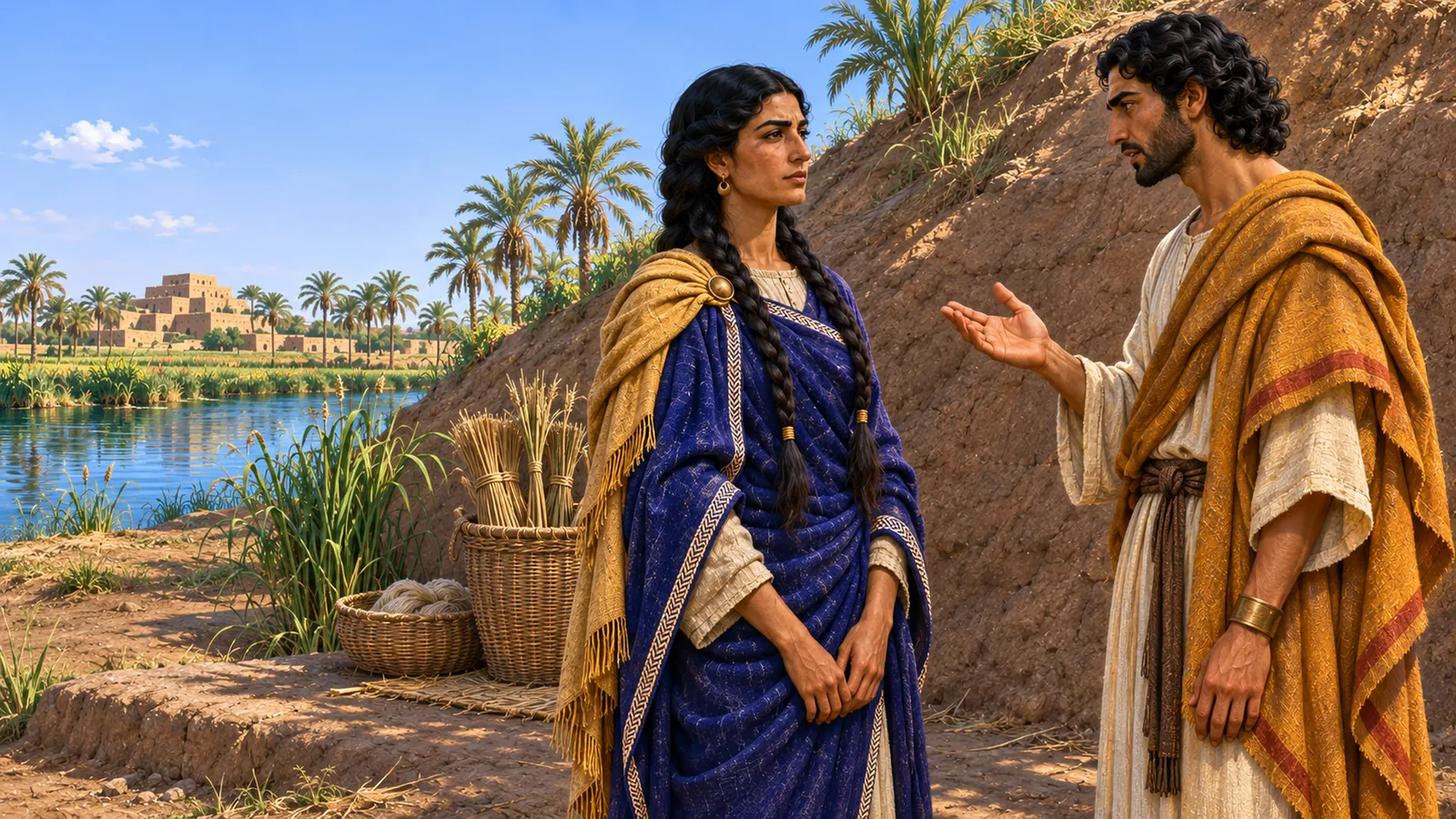
Er drängte sie, als Trauernde hinaufzugehen. Seine Worte verlangten Wunden an Herz, Leber und Leiste und dass ihre Kleider zerrissen würden.
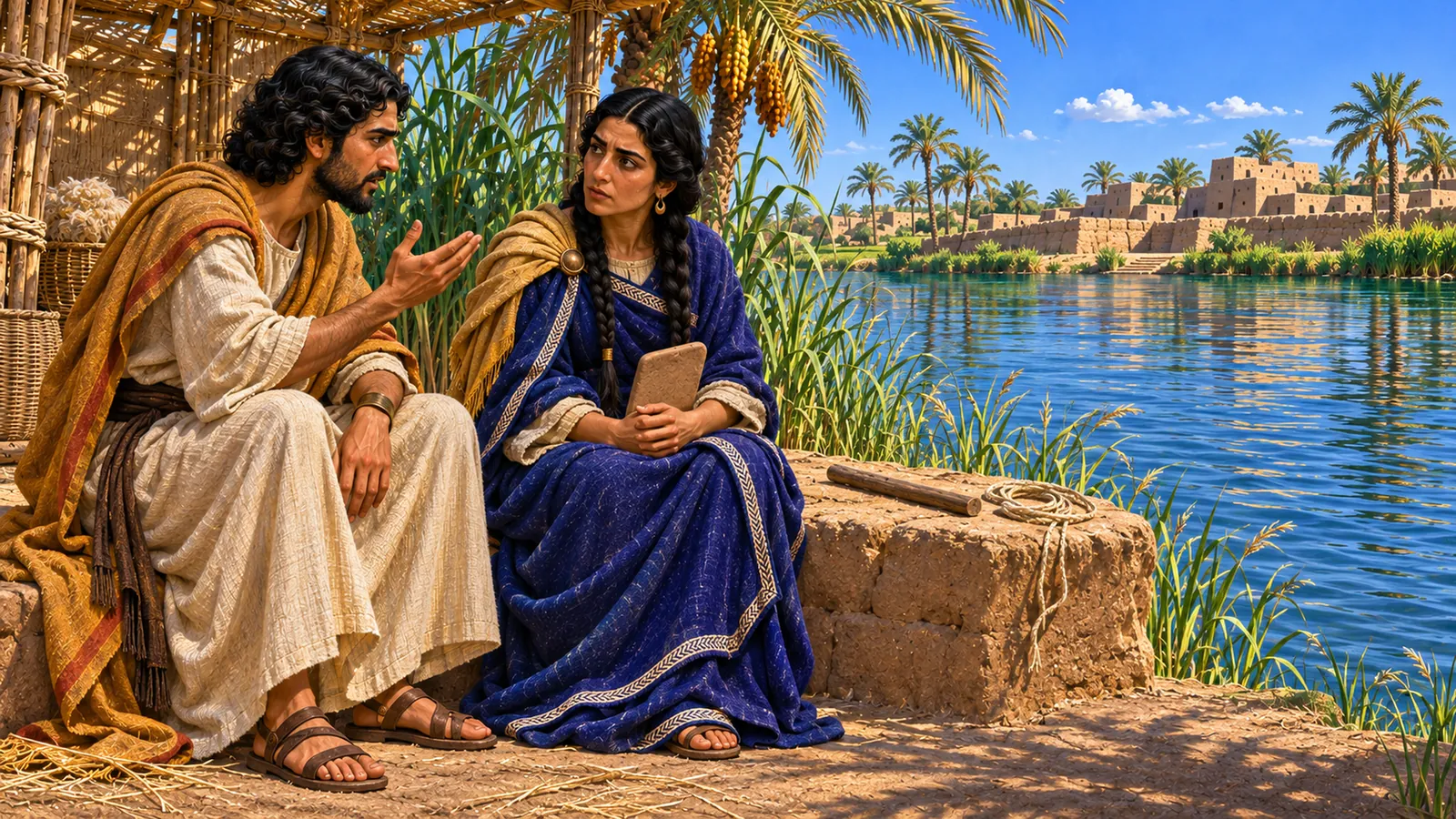
Seine Warnung erwähnt einen Flusskahn in einer beschädigten Zeile. Er sprach von Männern mit Holzfesseln für Hände und Hals und sagte, dass niemand wisse, wie man die Halsfessel löse.
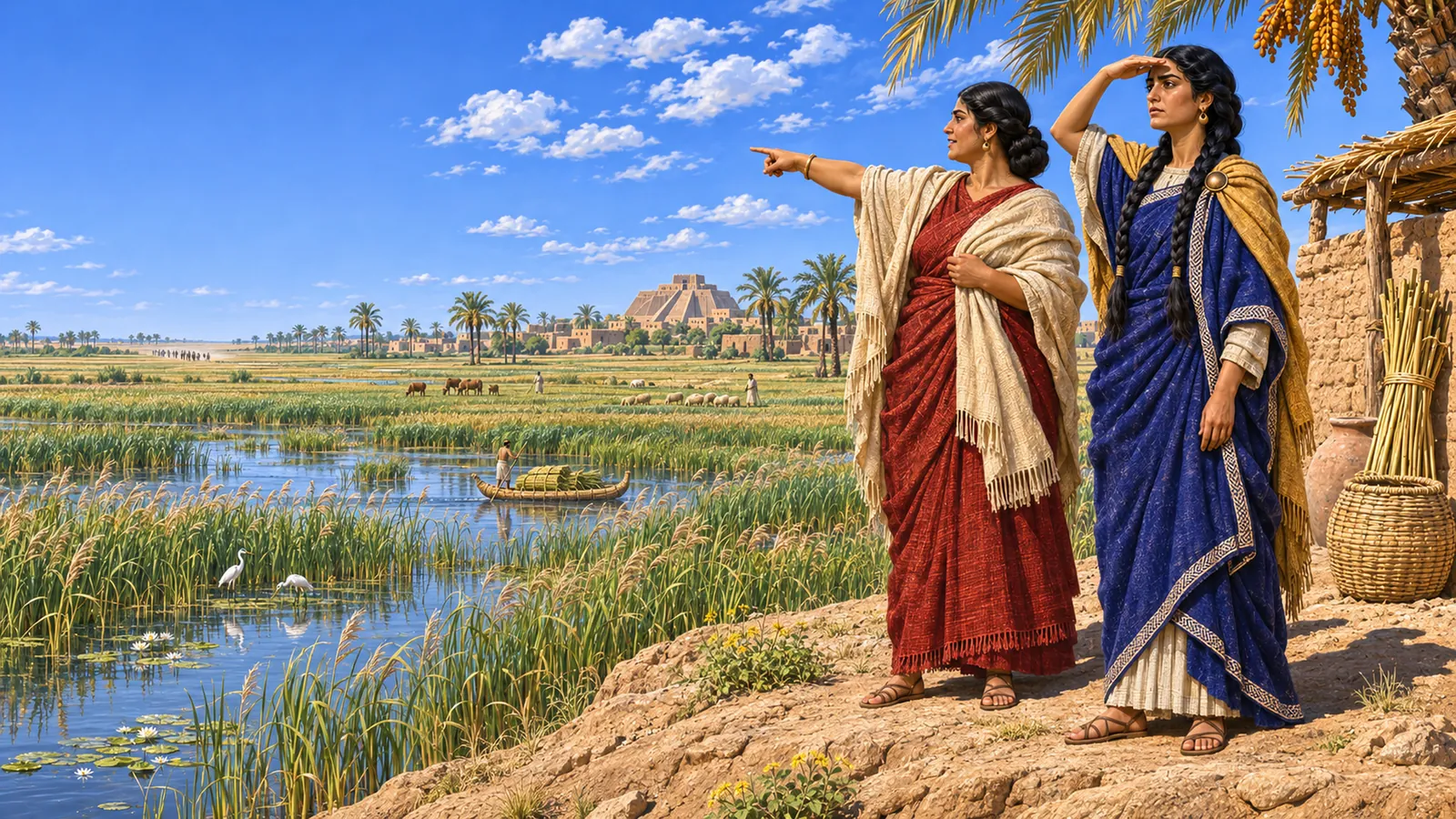
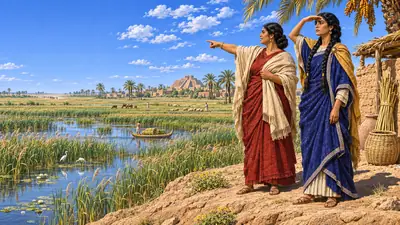
Geštinanna stieg auf den Hügel, reckte den Hals und blickte sich um. Ihre Freundin Geštindudu sagte ihr, die Männer, die Hälse fesselten, seien schon auf dem Weg, um Dumuzi zu holen.
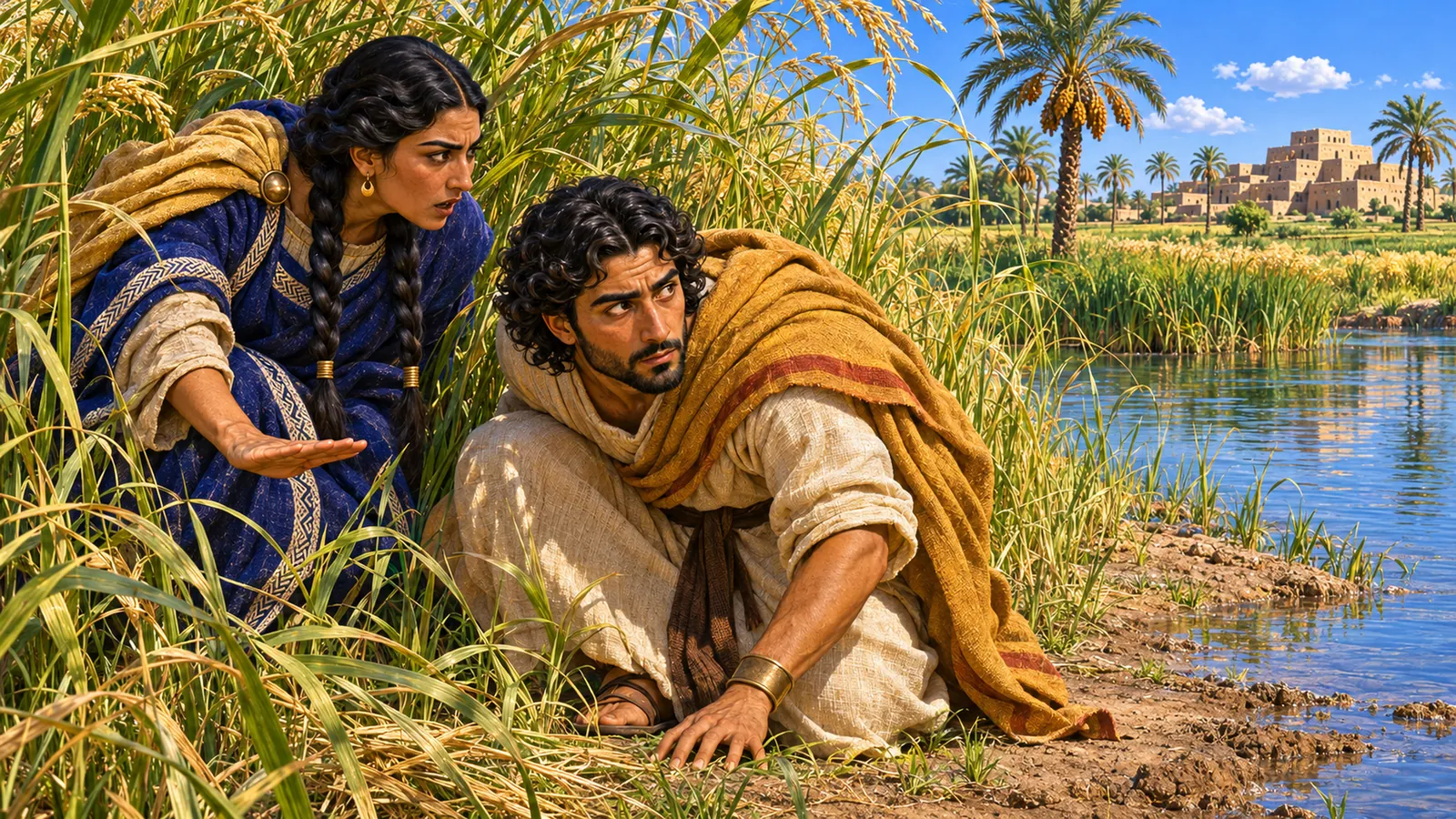
Geštinanna fragte, ob die Männer kämen, und ihre Freundin sagte, sie werde sie ihr zeigen. Geštinanna warnte Dumuzi, dass die Dämonen kämen, und drängte ihn zweimal, den Kopf im Gras zu ducken.
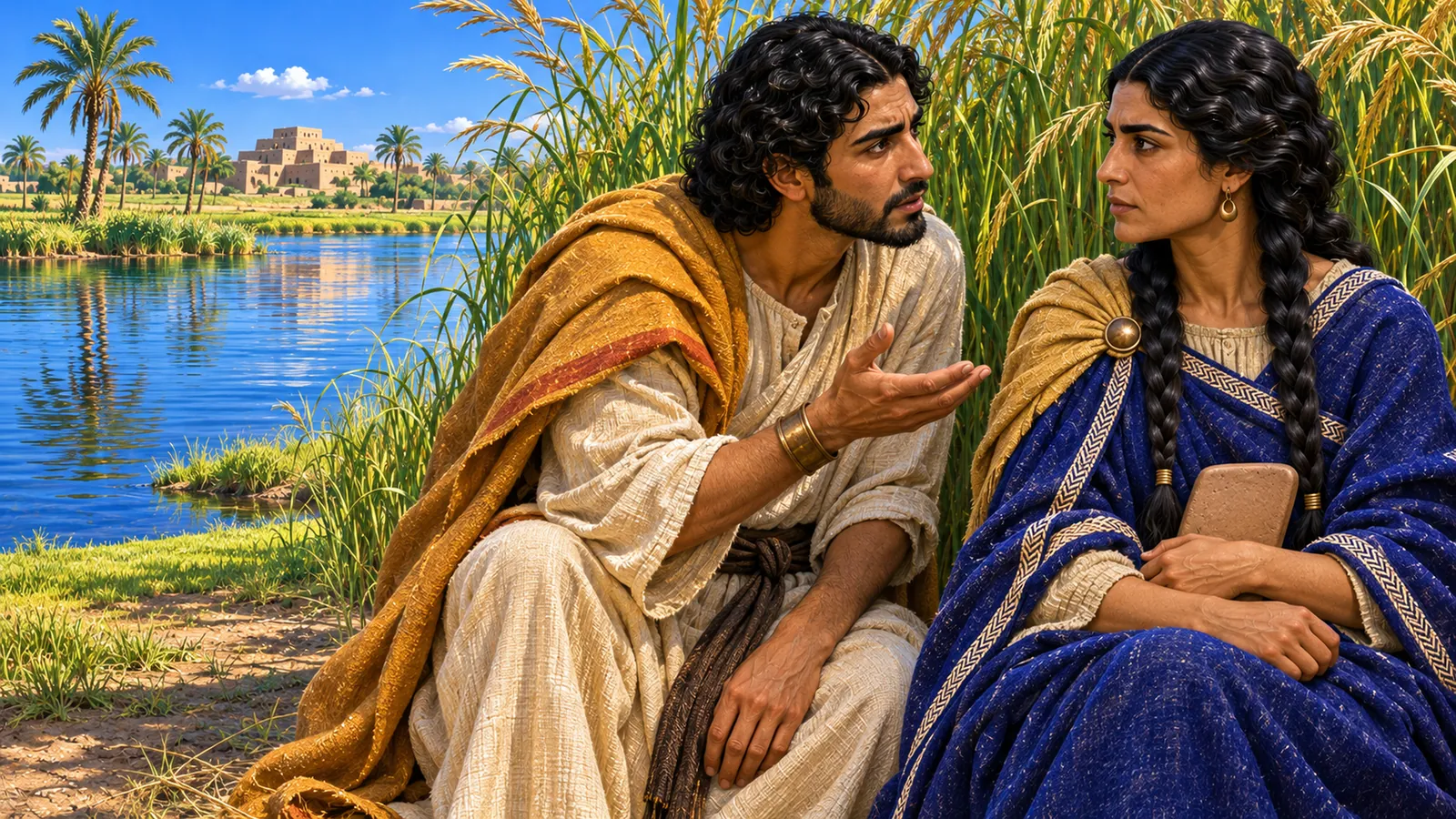
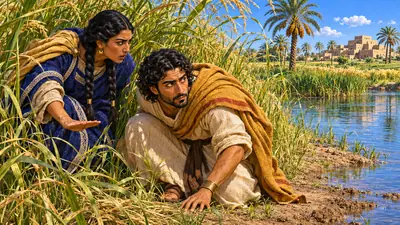
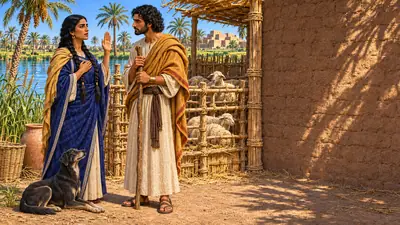
Dumuzi sagte, er werde sich im kurzen Gras, im hohen Gras und unten in den Gräben von Arali verstecken. Er bat seine Schwester wiederholt, seinen Aufenthaltsort nicht zu verraten.
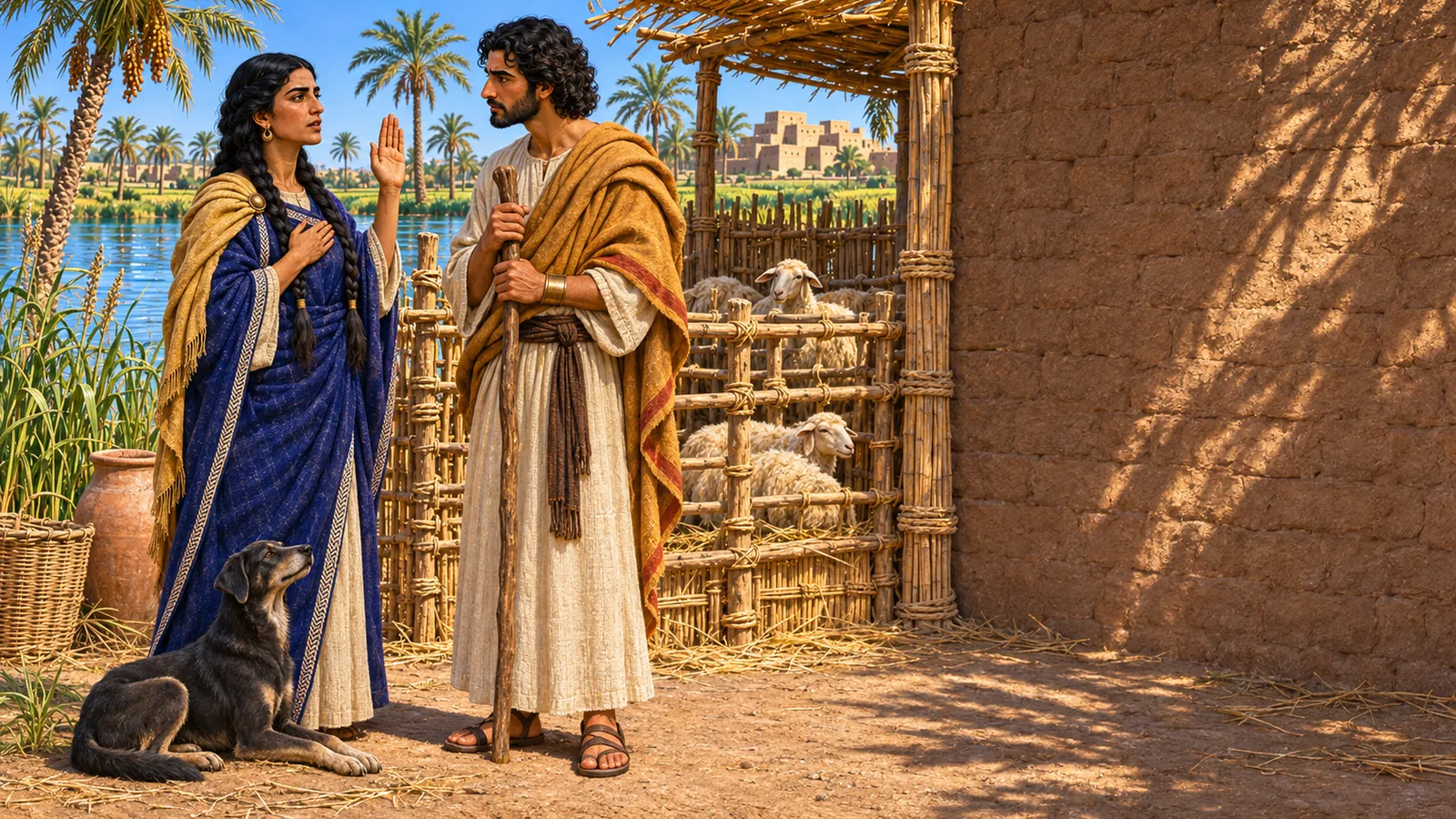
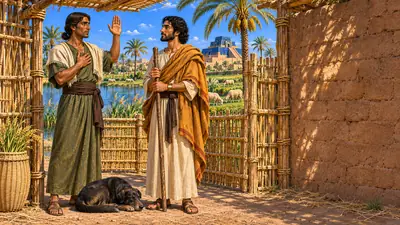
Geštinanna schwor, den Aufenthaltsort ihres Bruders geheim zu halten. Sollte sie ihn verraten, solle sein schwarzer Hirtenhund sie verschlingen. Als sie den Schwur wiederholte, nannte sie den Hund edel.
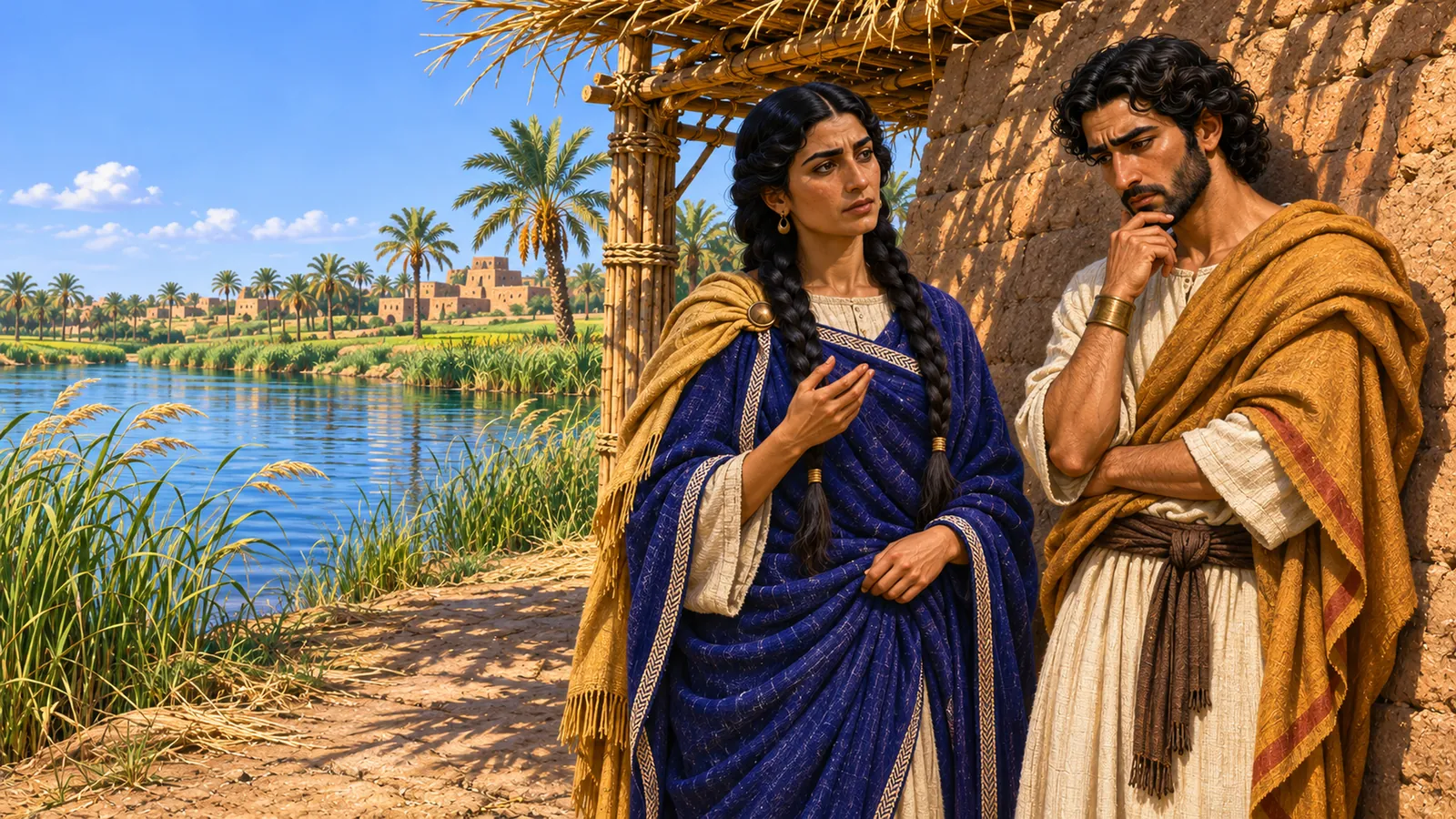
Die Stelle ist beschädigt. Geštinanna scheint Dumuzi zu bitten, seinem Freund Anweisungen zu geben. Sie spricht von einem Gefährten und einer Suche nach Dumuzi, doch ein großer Teil ihrer Worte ist verloren.
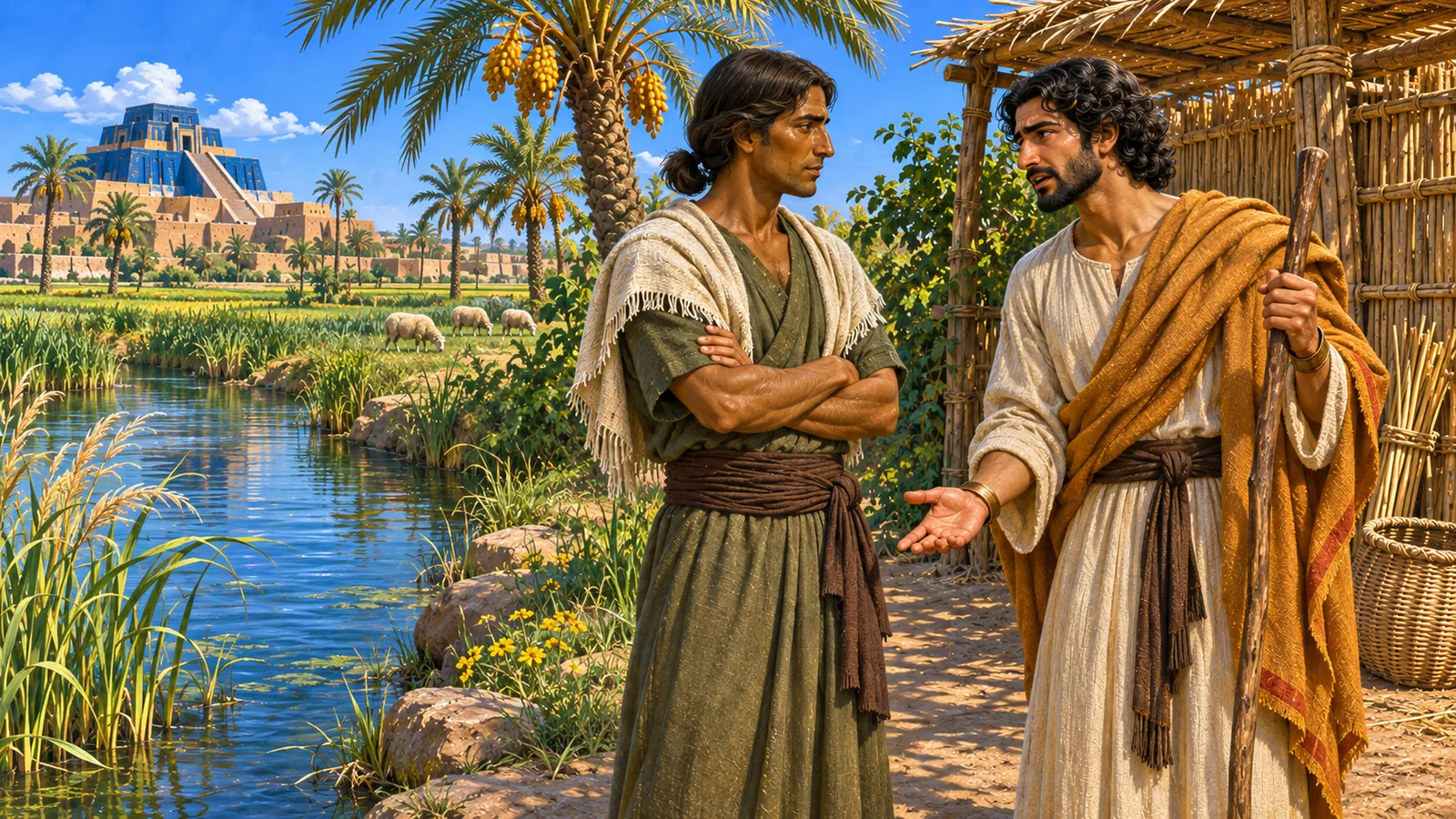
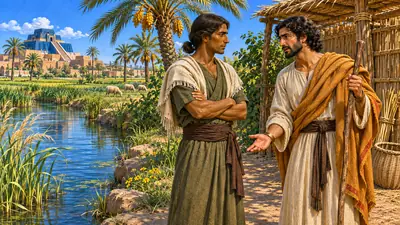
Dumuzi sagte seinem Freund, er werde sich im Gras, im kurzen Gras, im hohen Gras und in den Gräben von Arali verstecken. Bei jedem Versteck bat er ihn, das Geheimnis zu wahren.
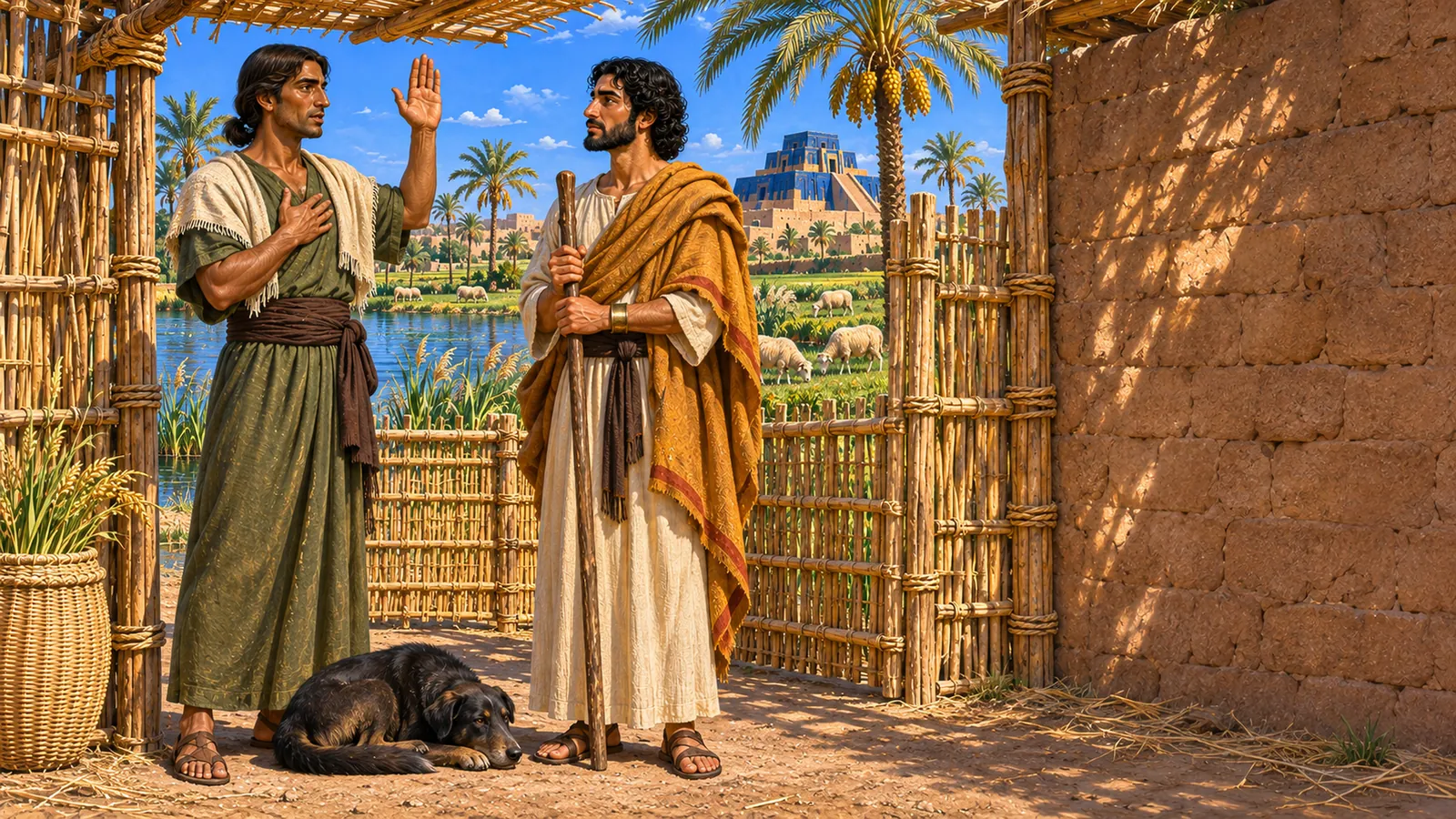
Sein Freund schwor, Dumuzis eigener schwarzer Hirtenhund solle ihn verschlingen, wenn er das Versteck verriete.
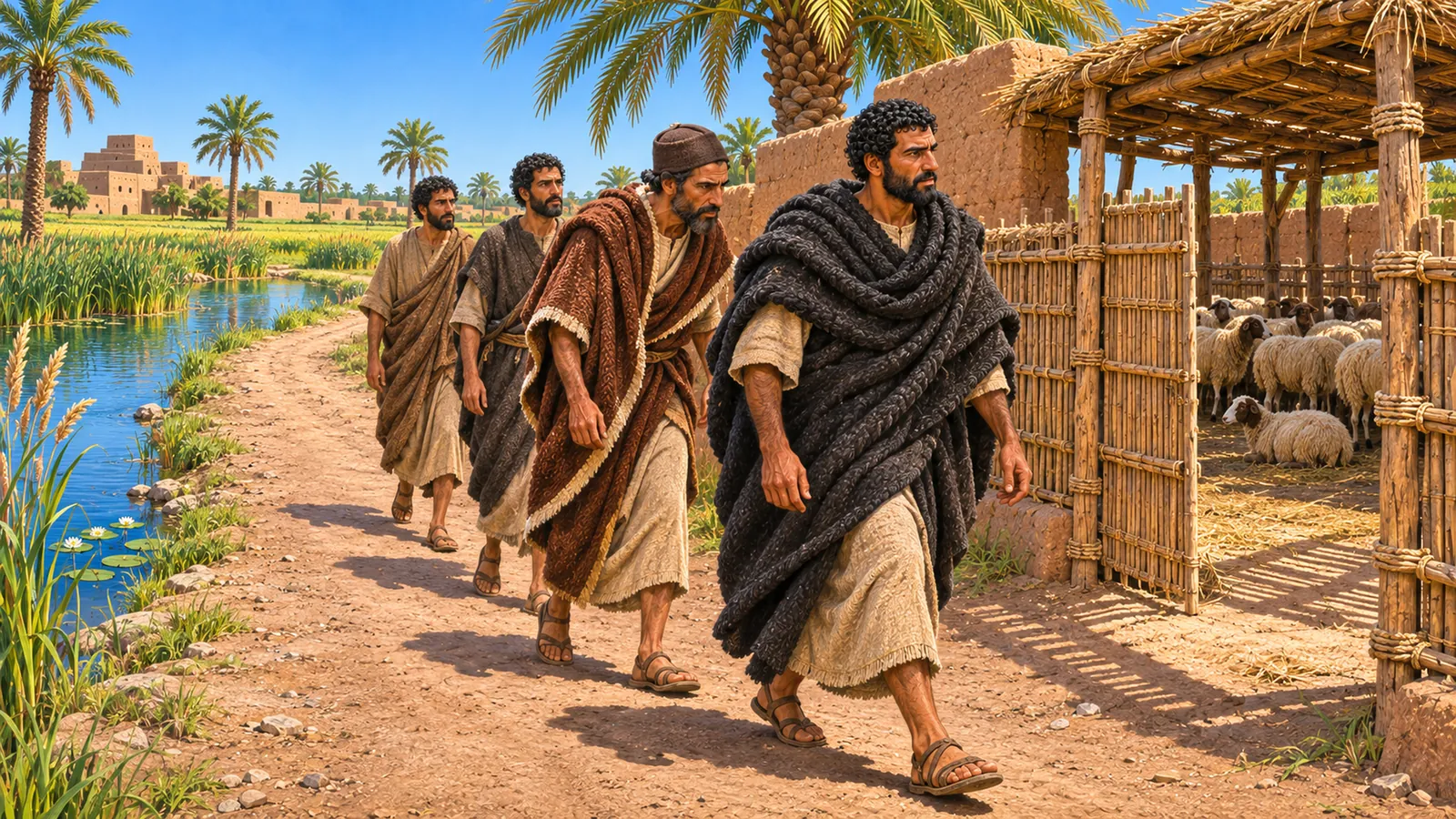
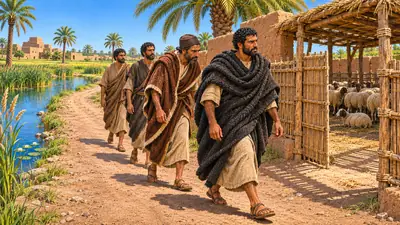
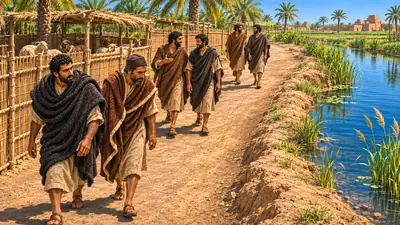
Eine seltsame Schar kam, um den König zu holen. Das Gedicht sagt, dass sie weder Speise noch Trank kannten. Sie nahmen keine Geschenke an und kannten weder die Umarmungen ihrer Frauen noch die Küsse für kleine Kinder.
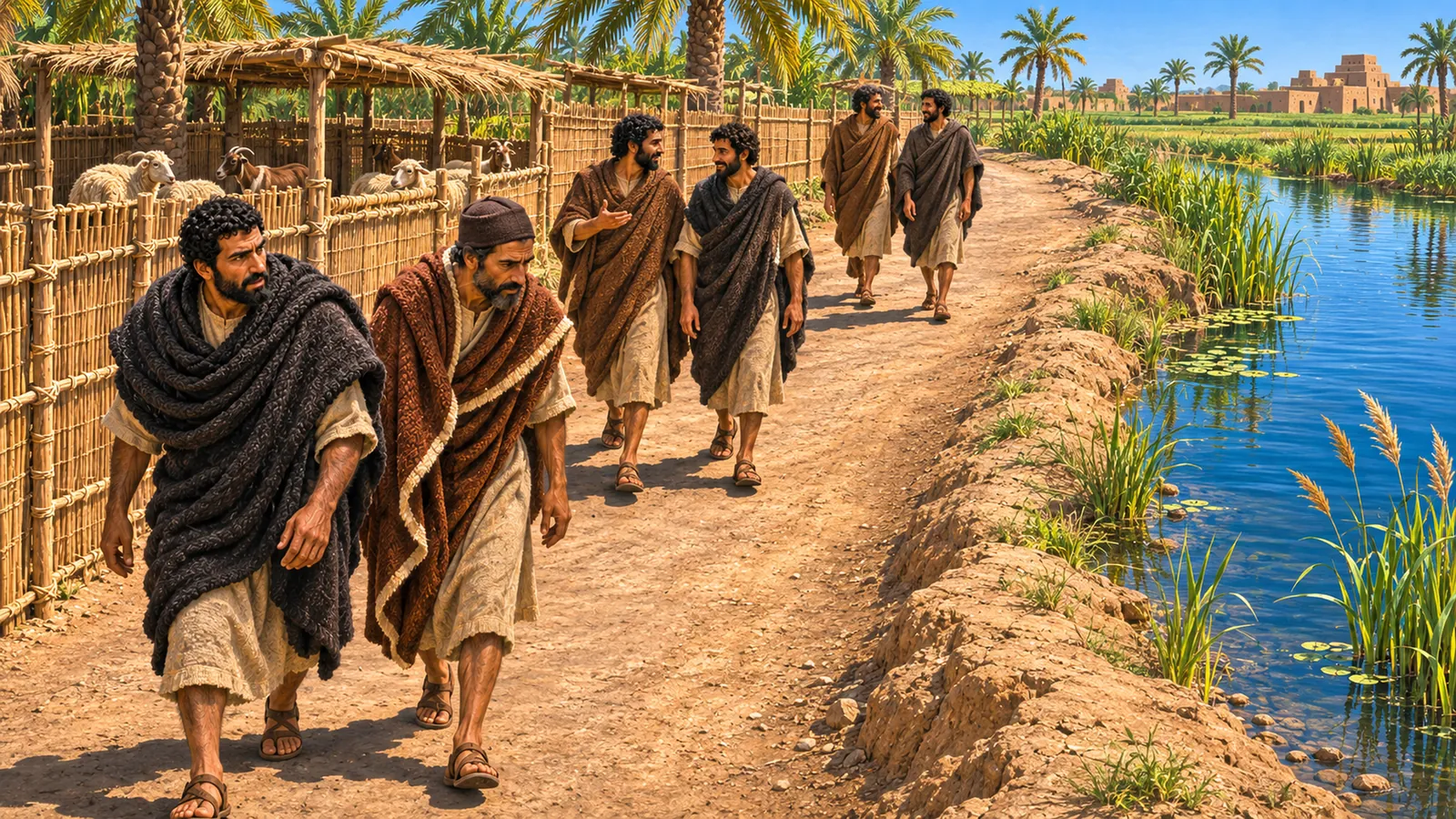
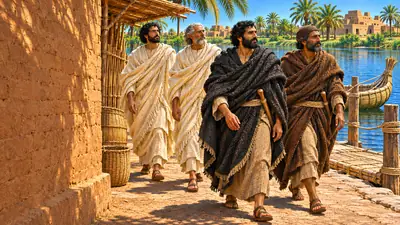
Zwei Männer aus Adab kamen, um den König zu holen. Das Gedicht vergleicht sie mit Disteln und Dornen. Zwei Männer aus Akšak trugen etwas, das im Text nicht mehr zu erkennen ist, und zwei weitere kamen aus Uruk.
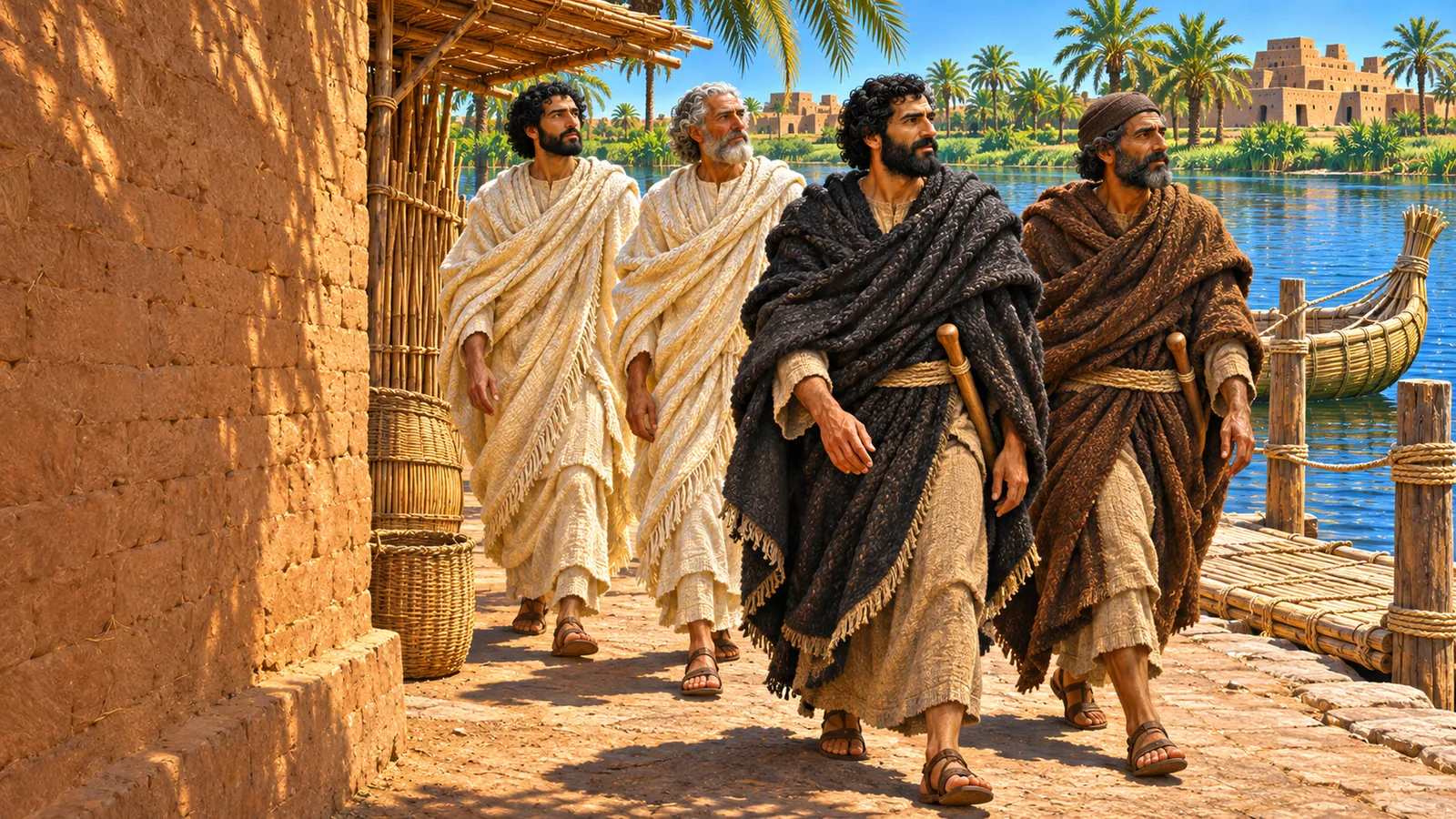
Zwei Männer aus Ur kamen mit Keulen am Gürtel. Zwei Männer aus Nippur kamen, deren Kleider am Kai glänzten.
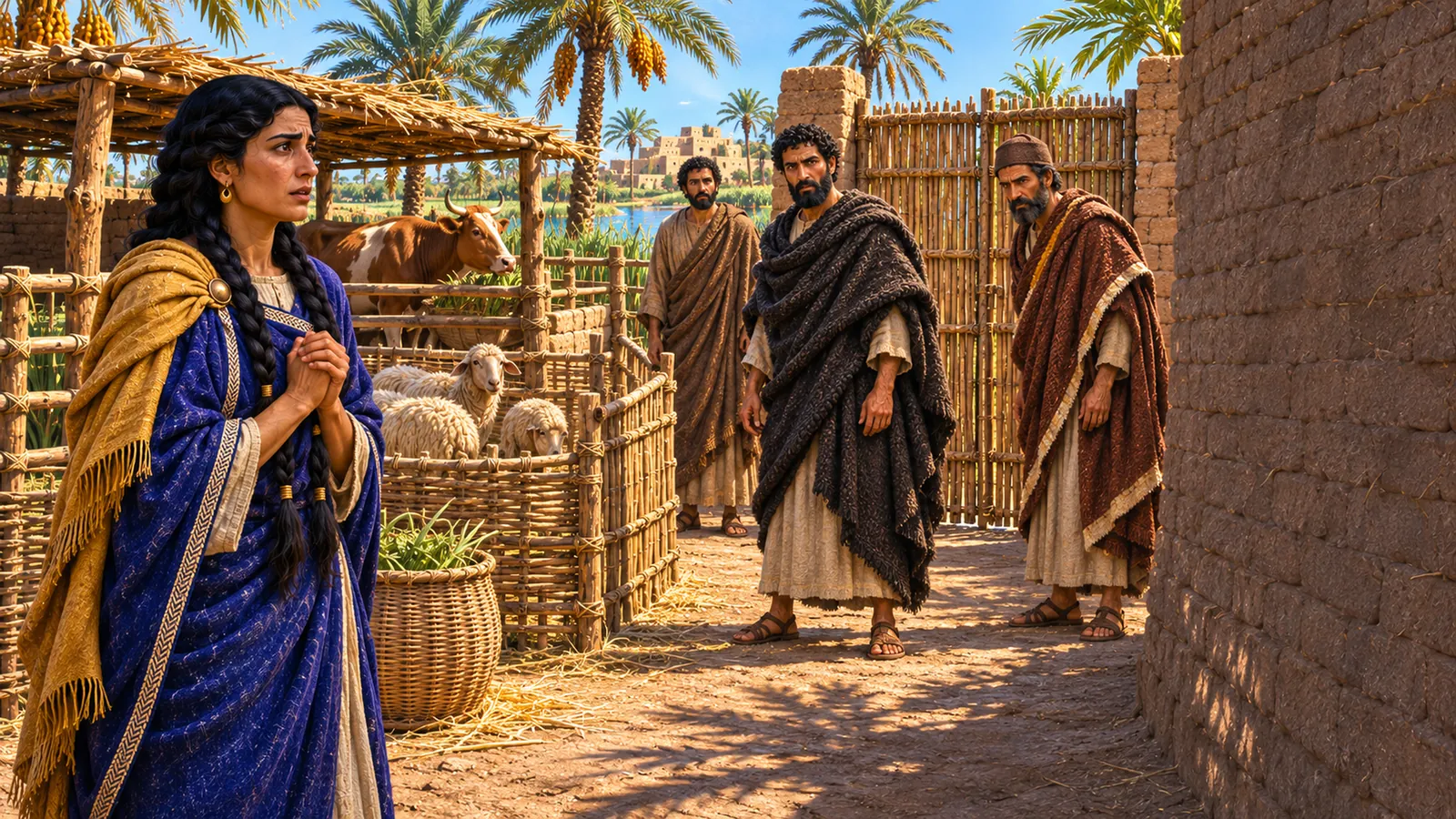
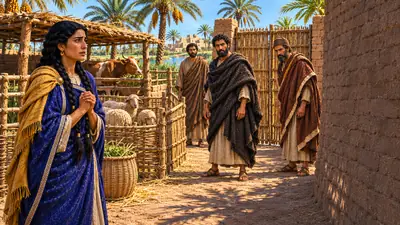
Die Schar rief, ein Mann solle den anderen verfolgen. Sie gingen zum Schafpferch und zum Rindergehege und ergriffen dort Geštinanna.
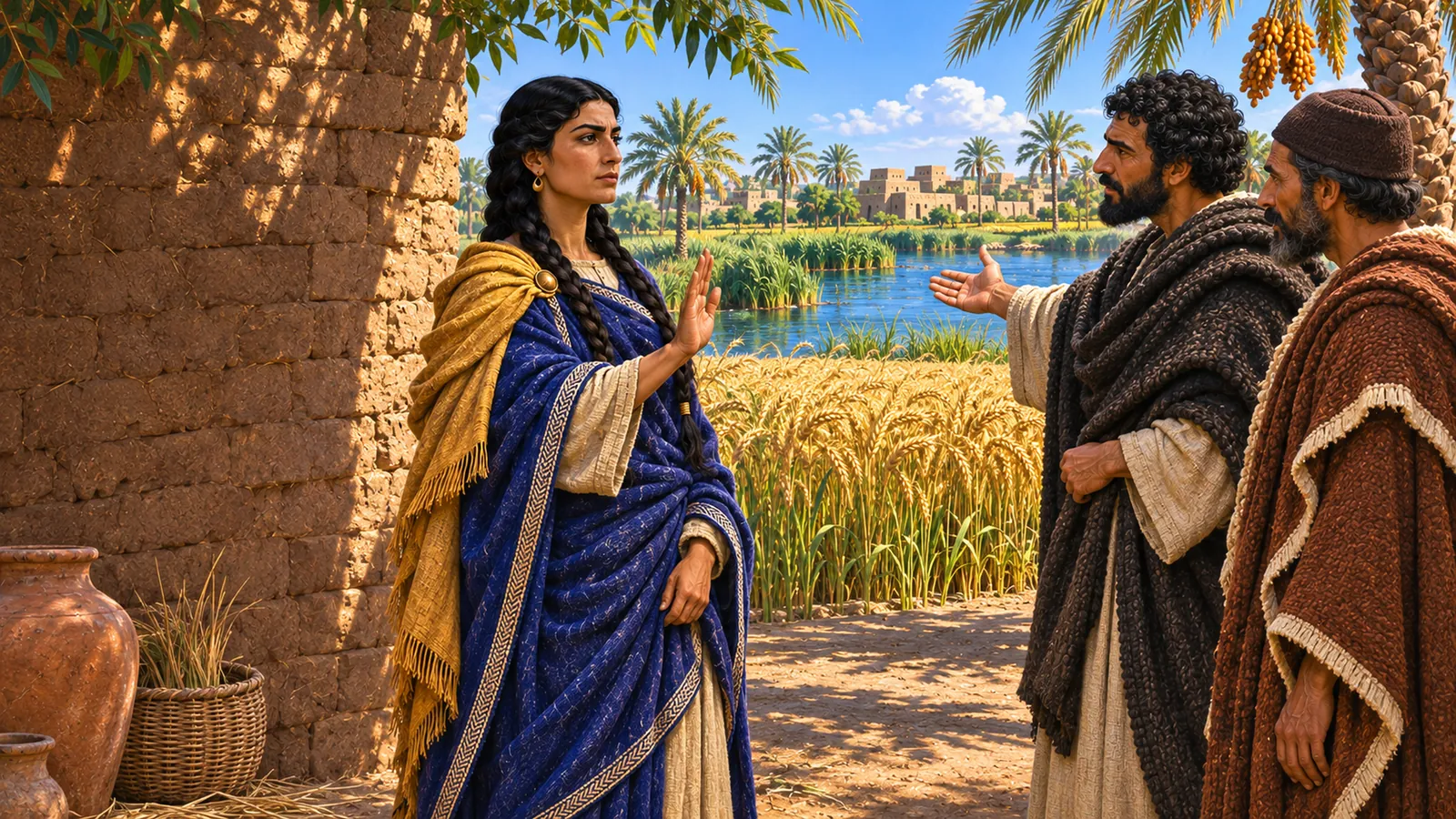
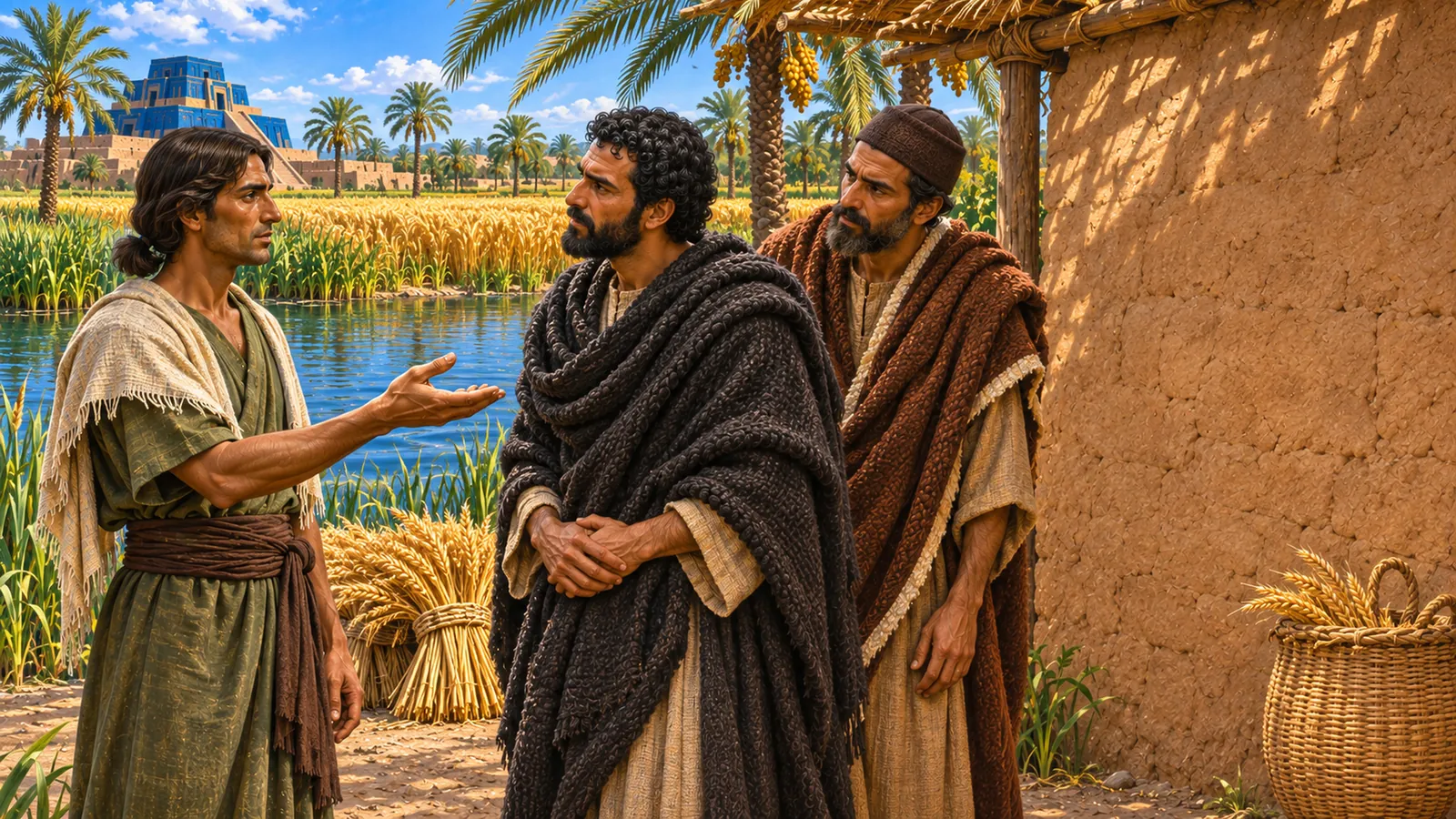
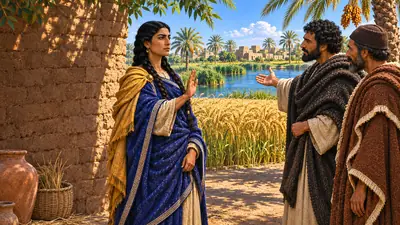
Sie boten Geštinanna einen Fluss voll Wasser und ein Getreidefeld an. Sie lehnte beides ab. Das Gedicht schildert einen Wortwechsel unter den Dämonen vor ihren nächsten Worten, doch ein Teil der Stelle ist beschädigt.
VERRAT
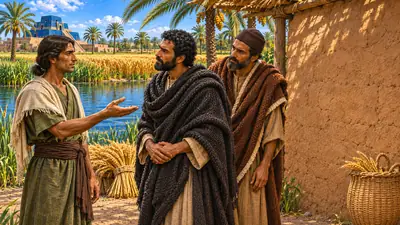
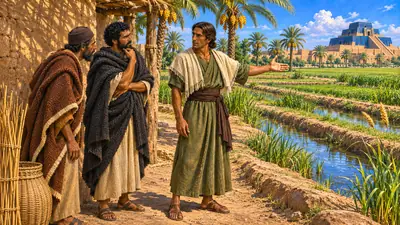
Sie fragten, ob je jemand erlebt habe, dass eine Schwester das Versteck ihres Bruders verriet. Dann wandten sie sich an Dumuzis Freund. Als sie ihm den Fluss und das Getreidefeld anboten, nahm er beides an.
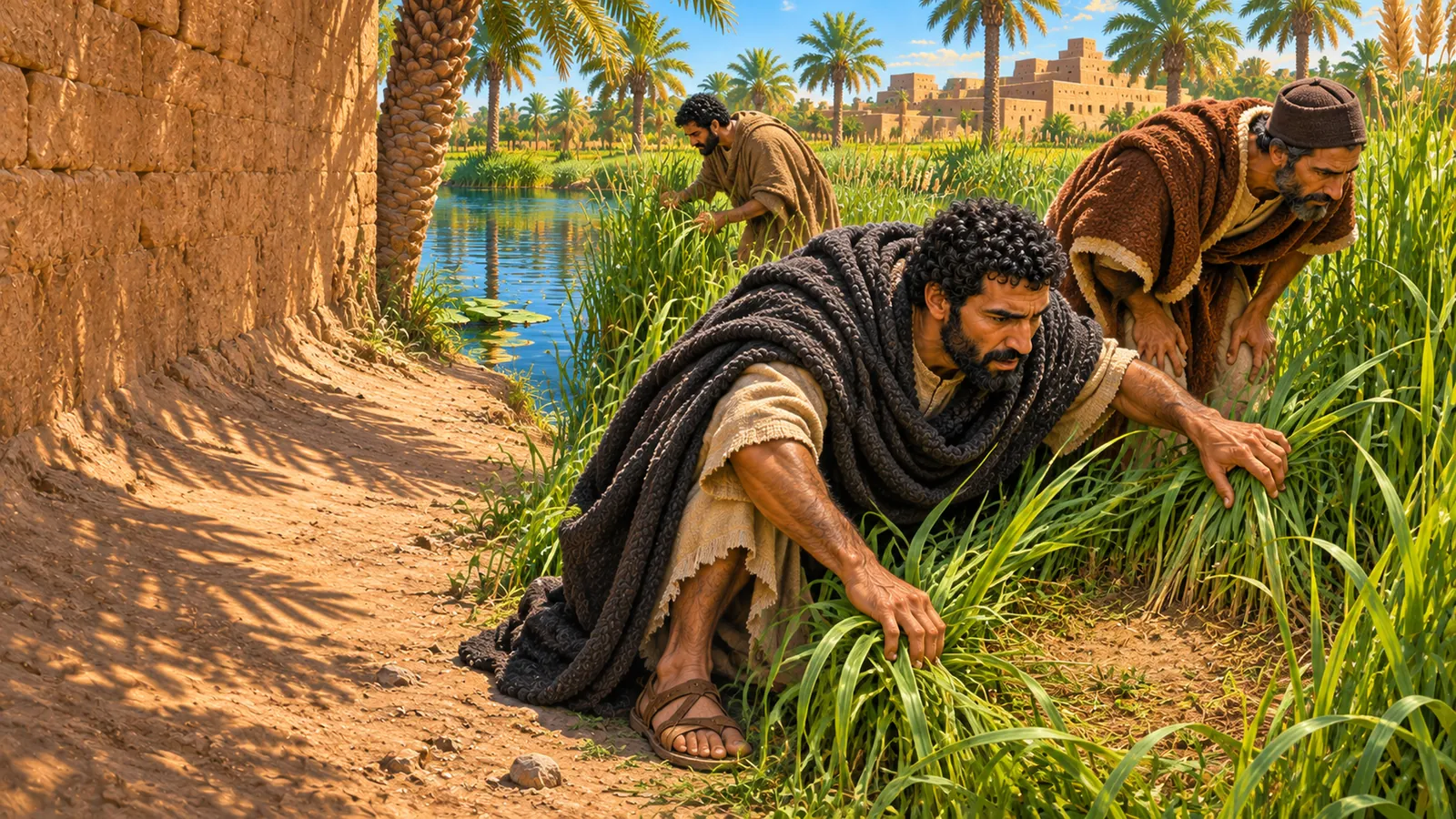
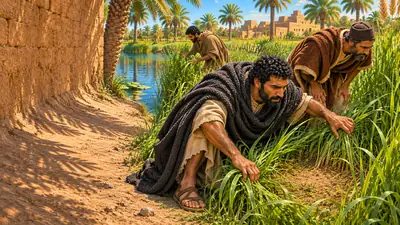
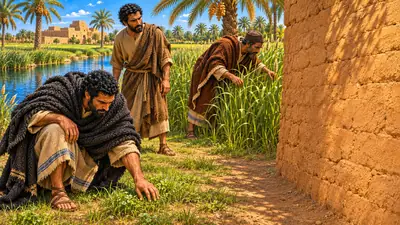
Sein Freund sagte, Dumuzi habe sich im Gras versteckt, behauptete aber, er wisse nicht genau wo. Sie durchsuchten das Gras und fanden ihn nicht.
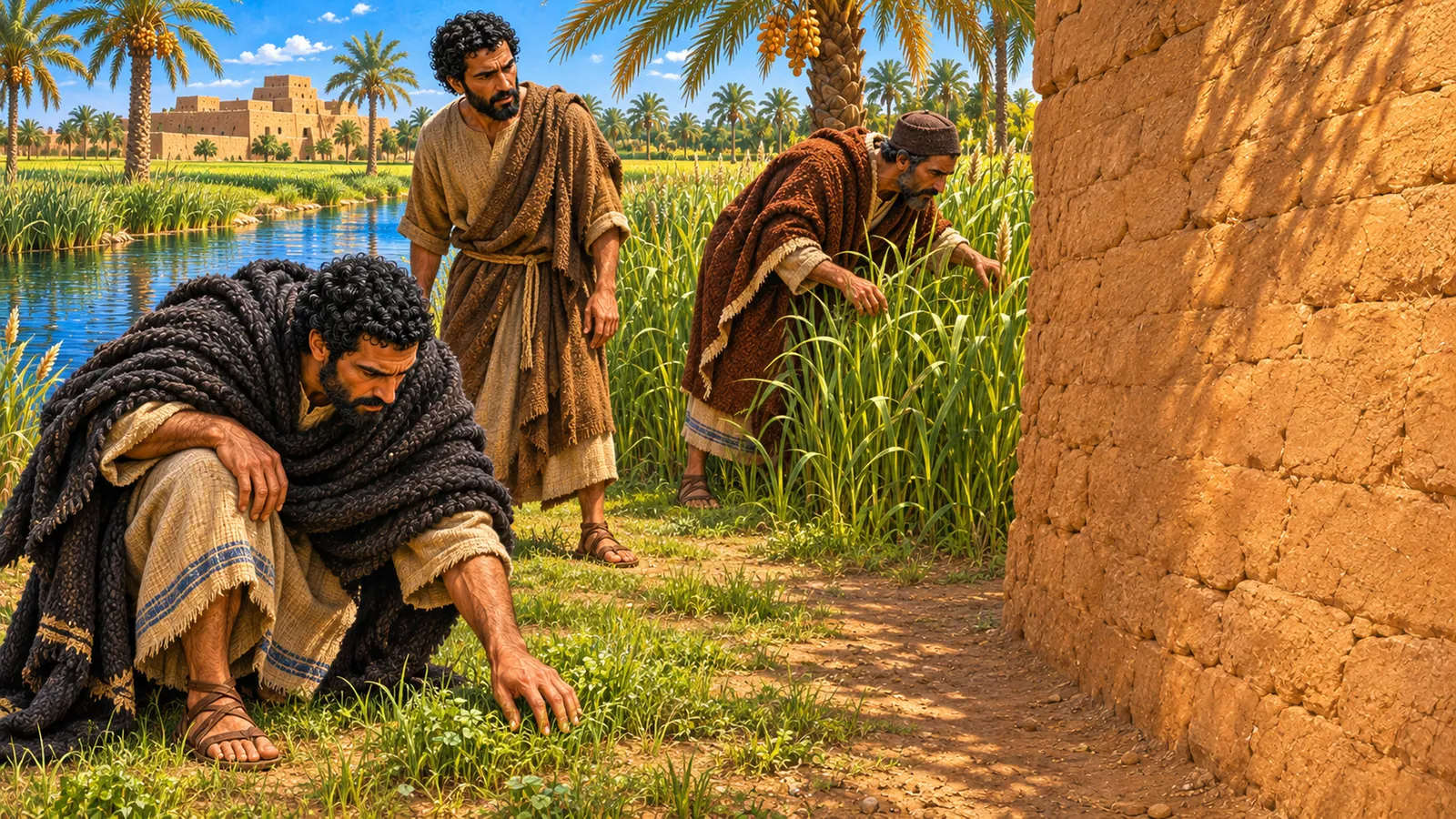
Dann nannte er das kurze Gras und danach das hohe Gras. Jedes Mal sagte er, er wisse nicht genau, wo Dumuzi sei. Sie durchsuchten beide Stellen und fanden niemanden.
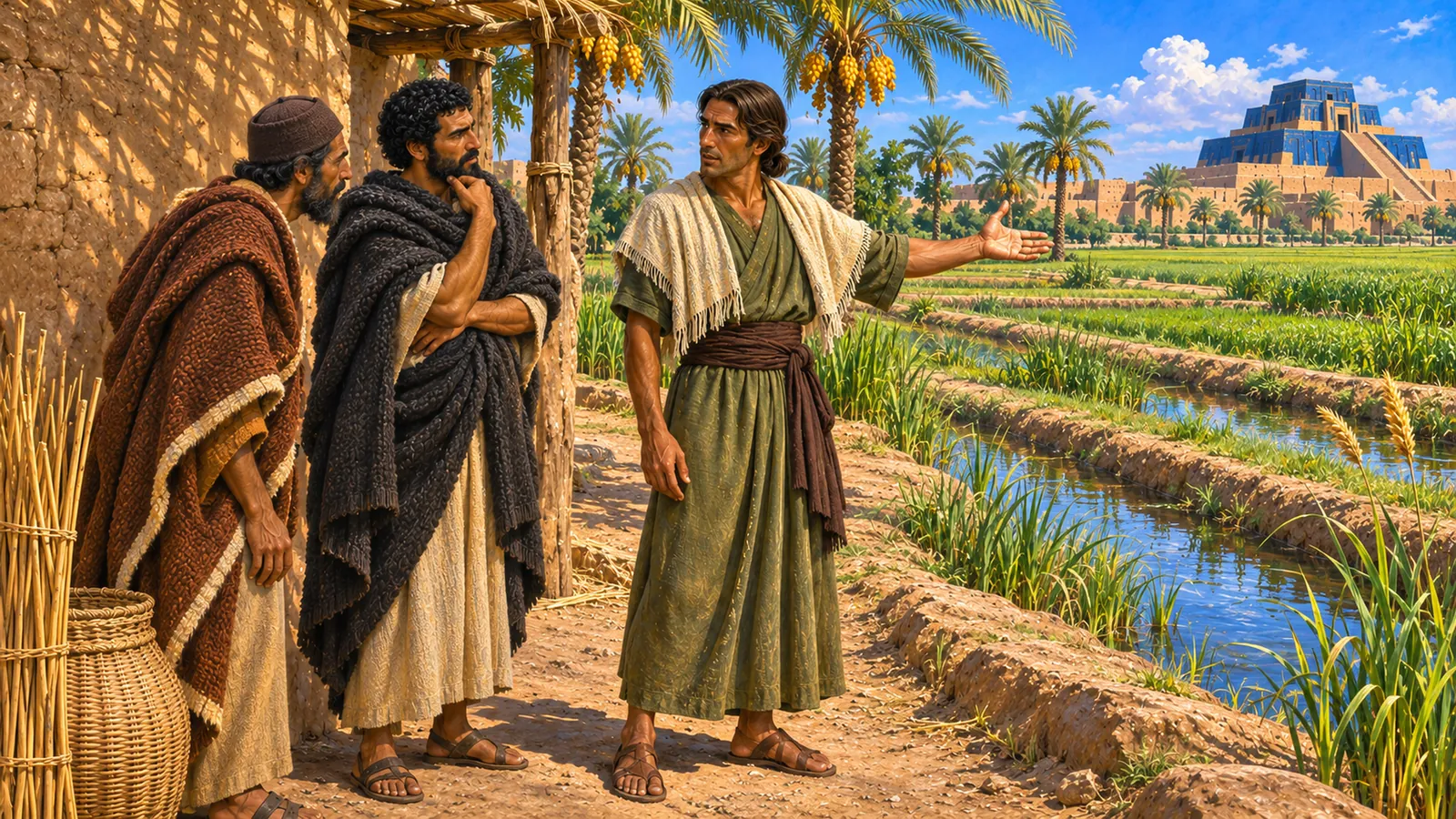
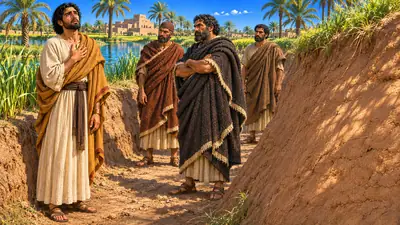
Schließlich sagte der Freund, Dumuzi sei in die Gräben von Arali hinabgestiegen. Wieder behauptete er, seinen genauen Aufenthaltsort nicht zu kennen.
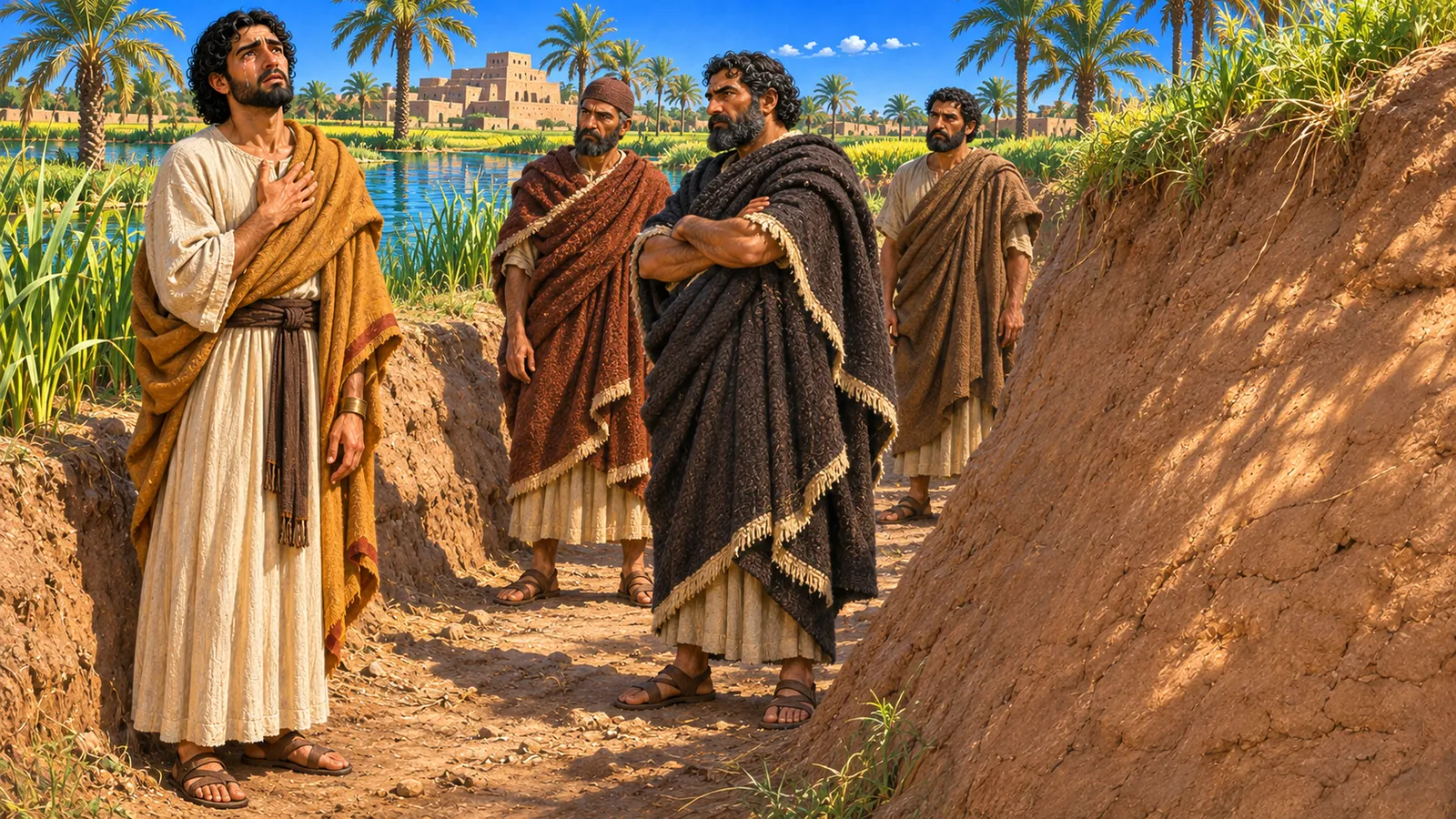
Sie ergriffen Dumuzi in den Gräben von Arali. Er weinte und wurde blass. Er sagte, seine Schwester habe ihm in der Stadt das Leben gerettet und sein Freund habe seinen Tod herbeigeführt.
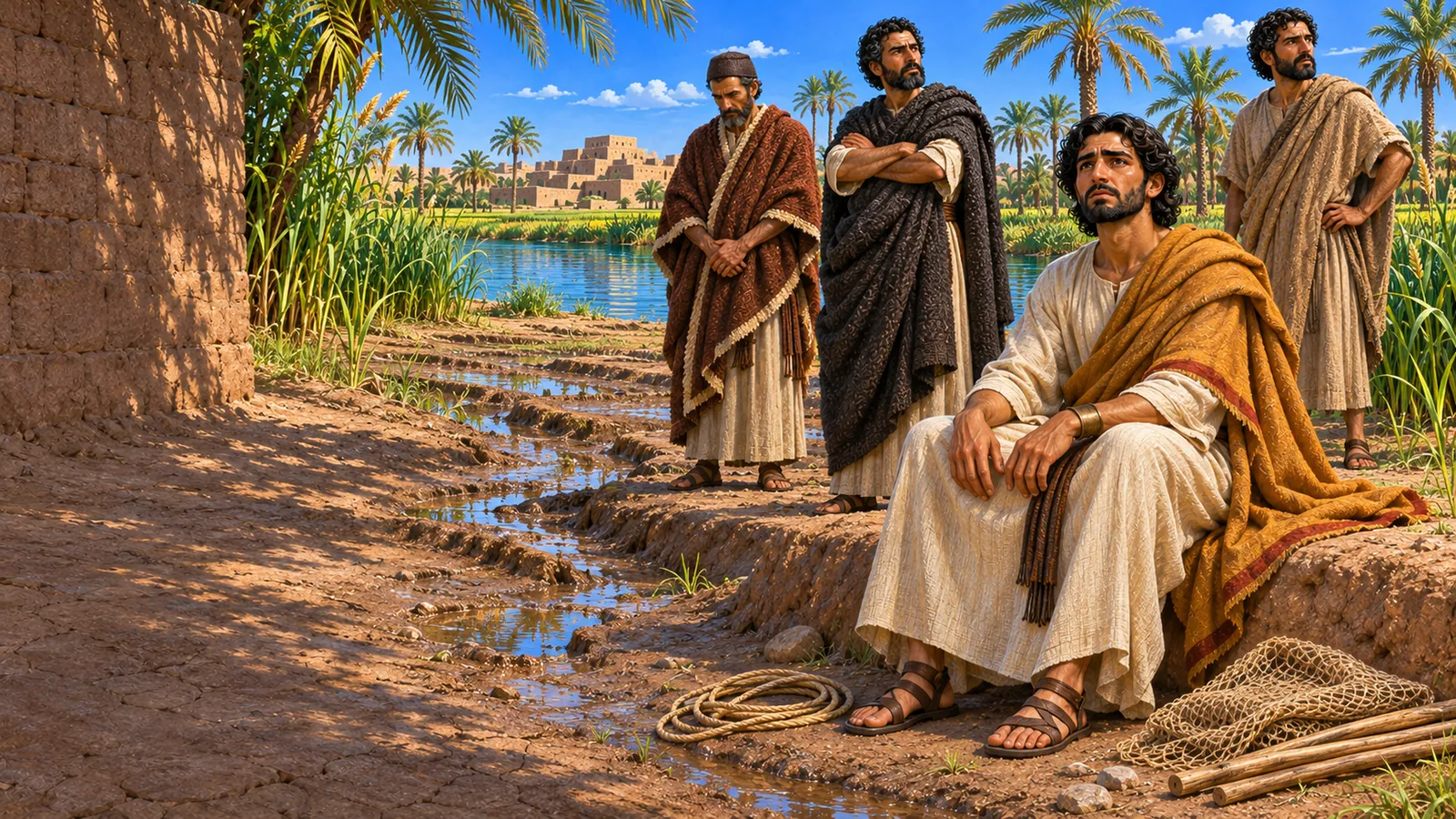
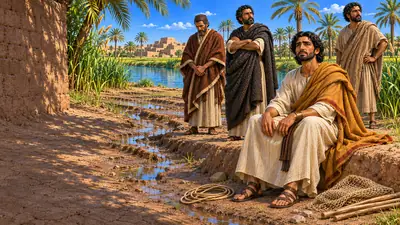
Die Männer umringten Dumuzi und ließen das stehende Wasser ab. Sie machten Seile, ein Netz und Stöcke bereit, und der Mann vor ihm warf Gegenstände nach ihm. Die Worte über den Mann hinter ihm brechen ab.
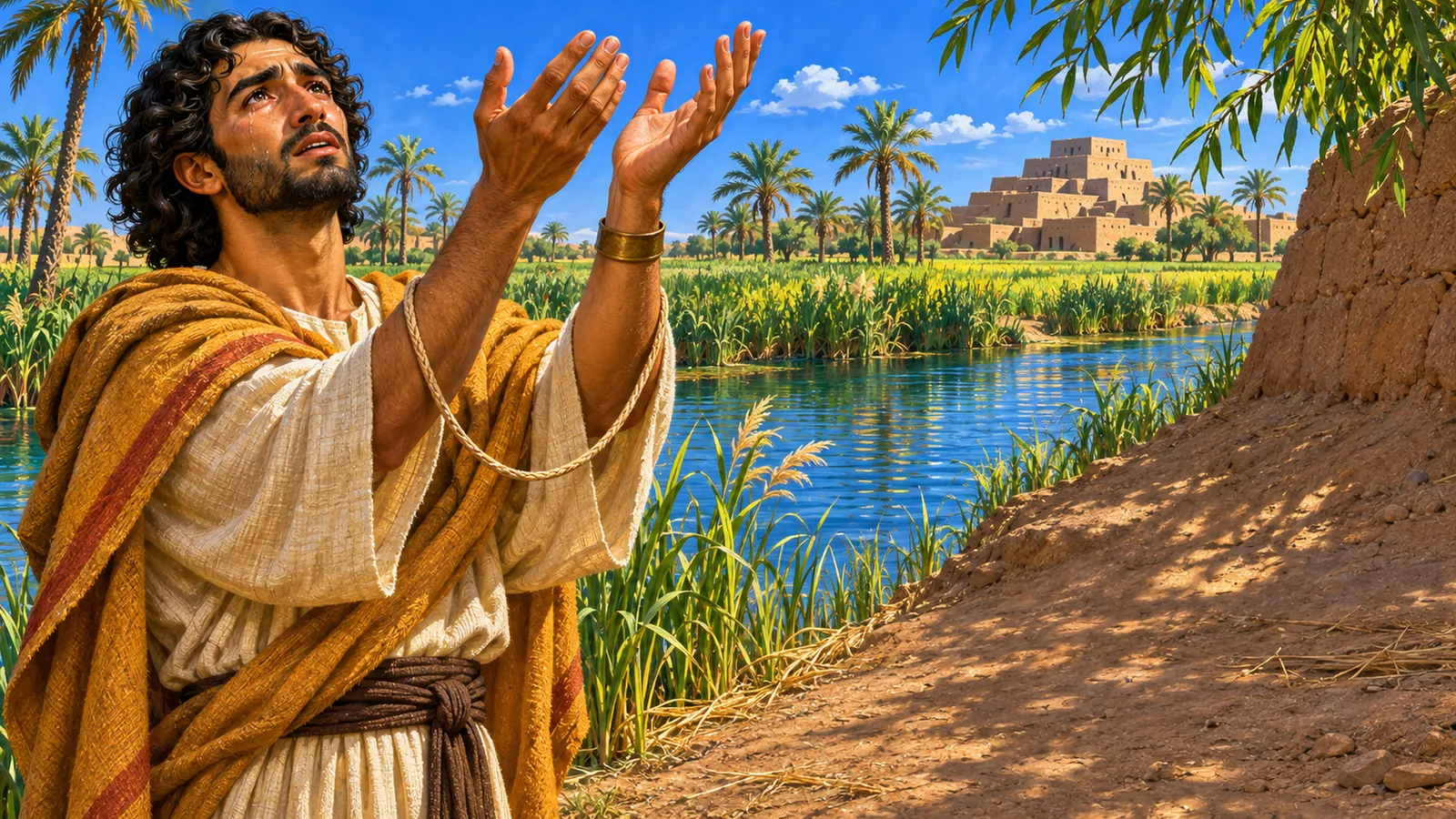
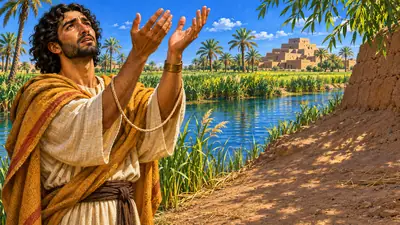
Sie fesselten Dumuzis Hände und Arme. Er hob die Hände zum Himmel, um Utu anzuflehen.
Ende von Kapitel 1
Alle Seiten





Quellen
Each page follows a part of the source group printed next to it. The Oxford translation prints Dumuzid and Jectin-ana for the names rendered here as Dumuzi and Geštinanna. In lines 83–86 it also calls her Ama-jectin-ana. Geštindudu is her companion.
Benutzte Editionen
Hinweise zu dieser Nacherzählung
Pages 1–2 (lines 1–4). The poem repeats the young shepherd’s grief three times. One manuscript specifies a shepherd’s stick. Page 2 uses that reading.
Pages 3–5 (lines 5–14). The translation has a break before its mention of river crabs. The retelling keeps the animals named in the surviving words and condenses the calls to the countryside. Five and ten belong to Dumuzi’s repeated call about his mother Durtur. The poem supplies no list of what she will call about. Dumuzi imagines his death within his speech.
Pages 6–7 (lines 15–18). The repeated opening formula frames the shepherd lying down to dream. Waking, trembling and rubbing his eyes all precede his call for his sister.
Pages 8–9 (lines 19–25). Dumuzi repeatedly calls for Geštinanna and names her skills as a scribe, a singer and a knowledgeable interpreter of dreams. The retelling condenses his repeated calls and titles.
Pages 10–13 (lines 26–39). The dream gives the growth of rushes, the shake of a single reed, the separation of one of a pair, rising trees, water poured over the sacred coals, a removed churn lid, a cup torn from its peg and the disappearance of the shepherd’s staff in that order. One manuscript reads “brazier” where the composite reads “coals.” Page 12 follows the composite.
Page 14 (lines 26–39). The translation queries the bird identified as an owl. The retelling preserves that uncertainty and states both predation events as part of Dumuzi’s dream.
Pages 15–16 (lines 26–39). The goats drag their dark beards in the dust and the rams scrape the earth. The concluding lines of the dream give the overturned churns, the milk left unpoured, the cups on their sides, Dumuzi’s death and the haunted sheepfold. The dream report ends on page 16. The printed Oxford translation proceeds from 26–39 to 41–55, with no line 40 printed.
Pages 17–22 (lines 41–55). Page 17 has the unfavorable verdict and the repeated request to hear no more. Page 18 pairs growing rushes with an ambush, page 19 the single reed with the mother, page 20 two reeds with the siblings’ separation, and page 21 rising trees with the hostile men catching Dumuzi within the walls. Page 22 pairs water over the coals with the sheepfold’s silence and the lifted churn cover with a hostile man carrying it inside. The corresponding earlier dream report (26–39) gives “brazier” in one manuscript in place of “holy coals.” Oxford prints no line 40 between the report and the interpretation.
Pages 23–28 (lines 56–69). Page 24 gives the missing staff and the prediction the demons will burn it. One manuscript reads that they will smash it. Page 25 keeps Oxford’s uncertain owl identification and the prediction of a blow to the cheek. One manuscript gives destruction of the sheep house in place of that blow. Page 26 gives the falcon and sparrow, and the great demon that will come down from the sheep house. One manuscript reads “out” for the direction. Page 27 keeps the overturned vessels, unpoured milk, death and haunting inside the report of the dream, with bound hands and arms as her interpretation. Page 28 gives the goats and rams as signs of her predicted mourning. The source compares her nails to a boxwood needle.
Pages 29–31 (lines 70–82). Pages 29–30 split the repeated invitation to go up the mound from Dumuzi’s instructions in the language of lament. The composite speaks of lacerating heart, liver, clothing and crotch. One manuscript reads “hair” instead of “heart.” Page 31 gives his warning about the binders. Oxford prints gaps around the reference to a river barge and marks identification from the wooden neck restraint uncertain. The ensuing ascent and looking around occur on page 32.
Page 32 (lines 83–86). Geštinanna climbs the mound and looks, and her friend Geštindudu says the men who bind necks are already coming. Their approach is reported in the friend’s speech. The fragment before the repeated “coming for him” remains unfilled.
Page 33 (lines 87–90). Geštinanna asks about the approaching pursuers. Geštindudu says she will point out the binders, and Geštinanna twice warns Dumuzi of the approaching demons and tells him to duck down in the grass.
Page 34 (lines 91–94). Dumuzi names grass, short grass, tall grass and the ditches of Arali, asking repeatedly that his sister keep his whereabouts private. These are his stated intentions at this point.
Page 35 (lines 95–97). Geštinanna’s imprecation names Dumuzi’s black shepherd dog and wishes it would devour her if she revealed his whereabouts. The source calls the dog noble and lordly. The imprecation is the condition of a spoken oath.
Page 36 (lines 98–102). Oxford marks “remembered” and “demons” uncertain and prints gaps around the phrasing about giving the friend instructions, the comparison for the kind of companion she wishes he would never have, and the end of the search passage.
On pages 37–38, Dumuzi names grass, short grass, tall grass and the ditches of Arali, asking his friend to conceal his whereabouts each time. The friend calls down the black shepherd dog upon himself if he reveals the hiding place. This is an oath in the friend’s speech (ETCSL 1.4.3, 103–109).
On pages 39–41, the poem says that the people seeking the king neither drink poured water nor eat sprinkled flour, garlic, fish or leeks. It describes the men of Adab as thistles and thorns and alludes to a proverb about a hand on the table and a tongue in the palace. The object carried on the shoulders of the men of Akšak is lost. Uruk, Ur and Nippur are the usual English forms of Oxford’s Unug, Urim and Nibru, and Akšak is Akcak in the Oxford text. One manuscript calls the clothing of the men from Nippur “clean” where the edition otherwise reads “shining” (110–138).
Page 41 (ETCSL 1.4.3, lines 110–138).
On pages 42–43, the company takes Geštinanna at the sheepfold and cattle pen and offers her a river of water and a field of grain. She refuses both. Parts of the comparisons in the exchange among the demons are lost (110–138).
On pages 44–47, the company turns to the friend, who accepts both offers. He gives the four places in order and each time denies knowing Dumuzi’s whereabouts. The searches in the grass, the short grass and the tall grass all fail. One manuscript adds a repetition in the first disclosure that explicitly names Dumuzi. The capture in the ditches belongs to the following passage (139–150 and 151–155).
On page 48, the captured Dumuzi weeps and pales. His claim that his friend caused his death is his speech at the capture. He contrasts affection owed to a child left in the street by a sister with the treatment of one left there by a friend. Oxford marks “leaves” as uncertain in both clauses (151–155).
On page 49, the men surround Dumuzi, drain the standing water and prepare cord, a net, a reed hawser and sticks. The man in front throws projectiles. The words describing the man behind him are damaged and a measure of one cubit survives without a clear action (156–164).
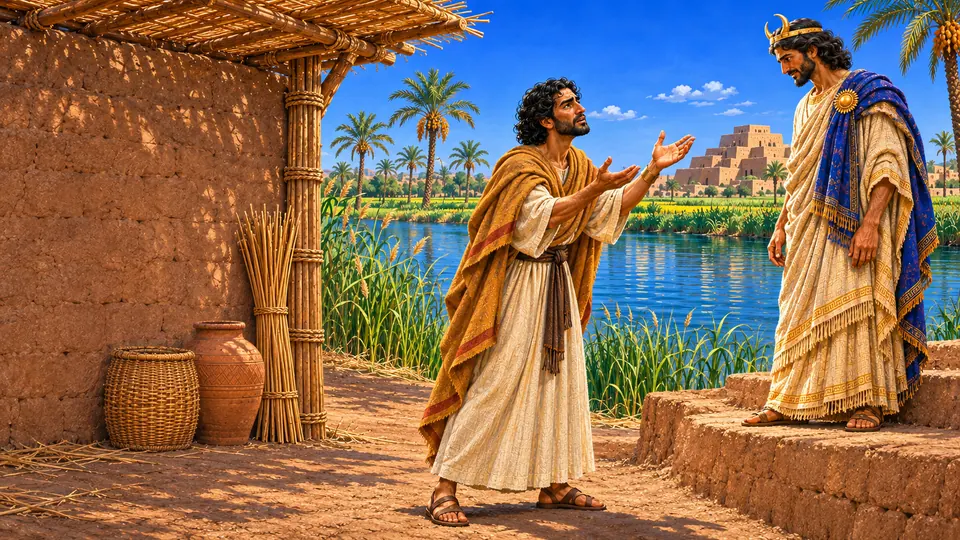
On page 50, the translation names handcuffs and fetters on Dumuzi’s hands and arms. He raises his hands heavenward to Utu.
Die antiken Verse hinter jeder Seite
- Page 1: ETCSL 1.4.3, lines 1–4
- Page 2: ETCSL 1.4.3, lines 1–4
- Page 3: ETCSL 1.4.3, lines 5–14
The broad left is even silvery gray-green water with no horizontal bank line within the box. - Page 4: ETCSL 1.4.3, lines 5–14
- Page 5: ETCSL 1.4.3, lines 5–14
- Page 6: ETCSL 1.4.3, lines 15–18
- Page 7: ETCSL 1.4.3, lines 15–18
- Page 8: ETCSL 1.4.3, lines 19–25
A palm-sized blank, smooth clay tablet and a short reed stylus lie flat on a low storage shelf at the far lower left, with no signs or marks on the clay. - Page 9: ETCSL 1.4.3, lines 19–25
- Page 10: ETCSL 1.4.3, lines 26–39
- Page 11: ETCSL 1.4.3, lines 26–39
- Page 12: ETCSL 1.4.3, lines 26–39
- Page 13: ETCSL 1.4.3, lines 26–39
- Page 14: ETCSL 1.4.3, lines 26–39
- Page 15: ETCSL 1.4.3, lines 26–39
The whole left is a continuous matte tan field without fence lines or tracks. - Page 16: ETCSL 1.4.3, lines 26–39
- Page 17: ETCSL 1.4.3, lines 41–55
- Page 18: ETCSL 1.4.3, lines 41–55
- Page 19: ETCSL 1.4.3, lines 41–55
- Page 20: ETCSL 1.4.3, lines 41–55
- Page 21: ETCSL 1.4.3, lines 41–55
- Page 22: ETCSL 1.4.3, lines 41–55
- Page 23: ETCSL 1.4.3, lines 56–69
- Page 24: ETCSL 1.4.3, lines 56–69
- Page 25: ETCSL 1.4.3, lines 56–69
- Page 26: ETCSL 1.4.3, lines 56–69
Quiet open sediment-colored air on the left with no fence lines. - Page 27: ETCSL 1.4.3, lines 56–69
- Page 28: ETCSL 1.4.3, lines 56–69
- Page 29: ETCSL 1.4.3, lines 70–82
- Page 30: ETCSL 1.4.3, lines 70–82
- Page 31: ETCSL 1.4.3, lines 70–82
- Page 32: ETCSL 1.4.3, lines 83–86
- Page 33: ETCSL 1.4.3, lines 87–90
- Page 34: ETCSL 1.4.3, lines 91–94
- Page 35: ETCSL 1.4.3, lines 95–97
- Page 36: ETCSL 1.4.3, lines 98–102
The break is natural terrain, with no manuscript, lettering, hidden person, actors or applied marks. - Page 37: ETCSL 1.4.3, lines 103–106
- Page 38: ETCSL 1.4.3, lines 107–109
- Page 39: ETCSL 1.4.3, lines 110–138
- Page 40: ETCSL 1.4.3, lines 110–138
Across the whole right box, the dried water bed recedes as even warm gray earth with no horizon line or vegetation. - Page 41: ETCSL 1.4.3, lines 110–138
- Page 42: ETCSL 1.4.3, lines 110–138
- Page 43: ETCSL 1.4.3, lines 110–138
- Page 44: ETCSL 1.4.3, lines 139–150
- Page 45: ETCSL 1.4.3, lines 139–150
- Page 46: ETCSL 1.4.3, lines 139–150
- Page 47: ETCSL 1.4.3, lines 139–150
- Page 48: ETCSL 1.4.3, lines 151–155
- Page 49: ETCSL 1.4.3, lines 156–164
- Page 50: ETCSL 1.4.3, lines 156–164
Illustrationen von IL Archive mit KI-Werkzeugen; der Text folgt den antiken Quellen (siehe die Quellen am Ende jedes Kapitels).