Dumuzis Traum Kapitel 2
Der letzte Schafstall
Dumuzi bittet Utu um Hilfe, wechselt seine Gestalt und entkommt, doch seine Verfolger finden ihn immer wieder, sogar beim Haus der alten Belili. Schließlich erreicht er Geštinannas Schafpferch. Die Verfolger treten ein, und das Gedicht endet mit einem Lied für den toten Dumuzi.
QuellenBlättern Sie mit den Pfeilen, den Pfeiltasten oder durch Wischen.
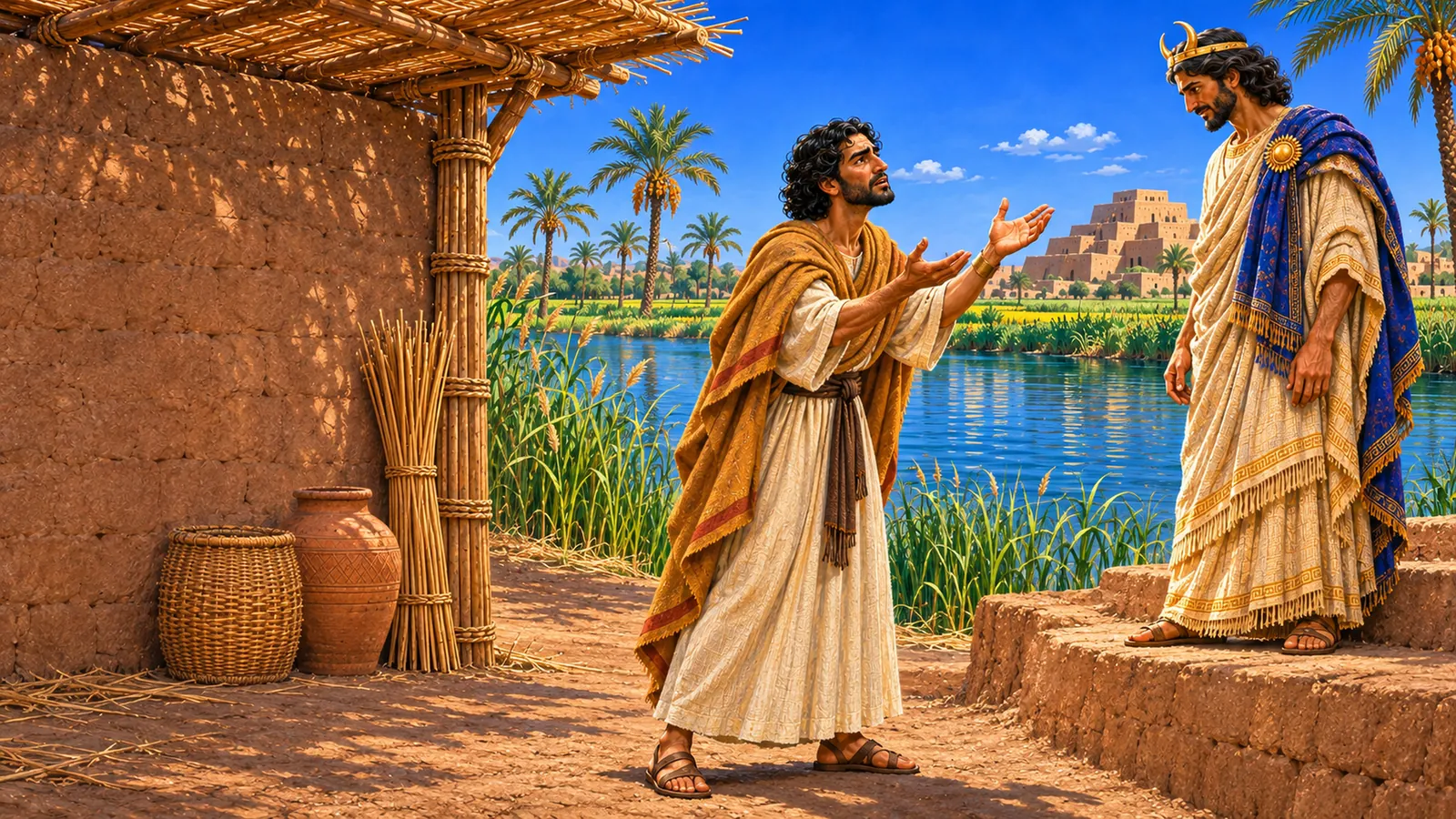
DER LETZTE SCHAFSTALL
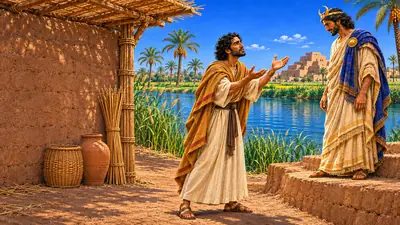
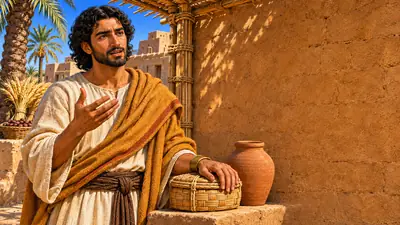
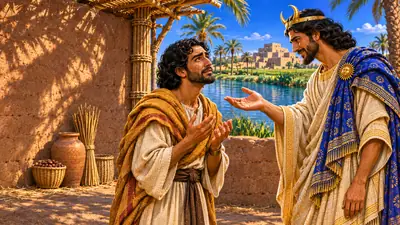
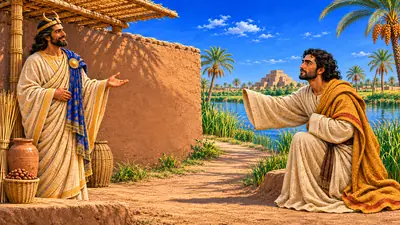
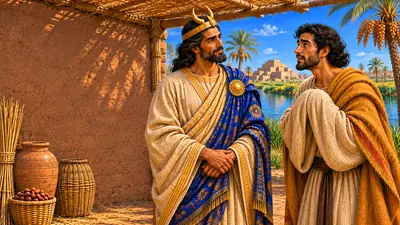
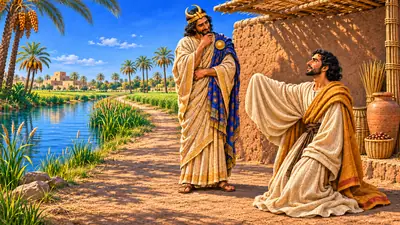
„Utu, du bist mein Schwager. Ich bin der Mann deiner Schwester“, rief Dumuzi in seiner Not.
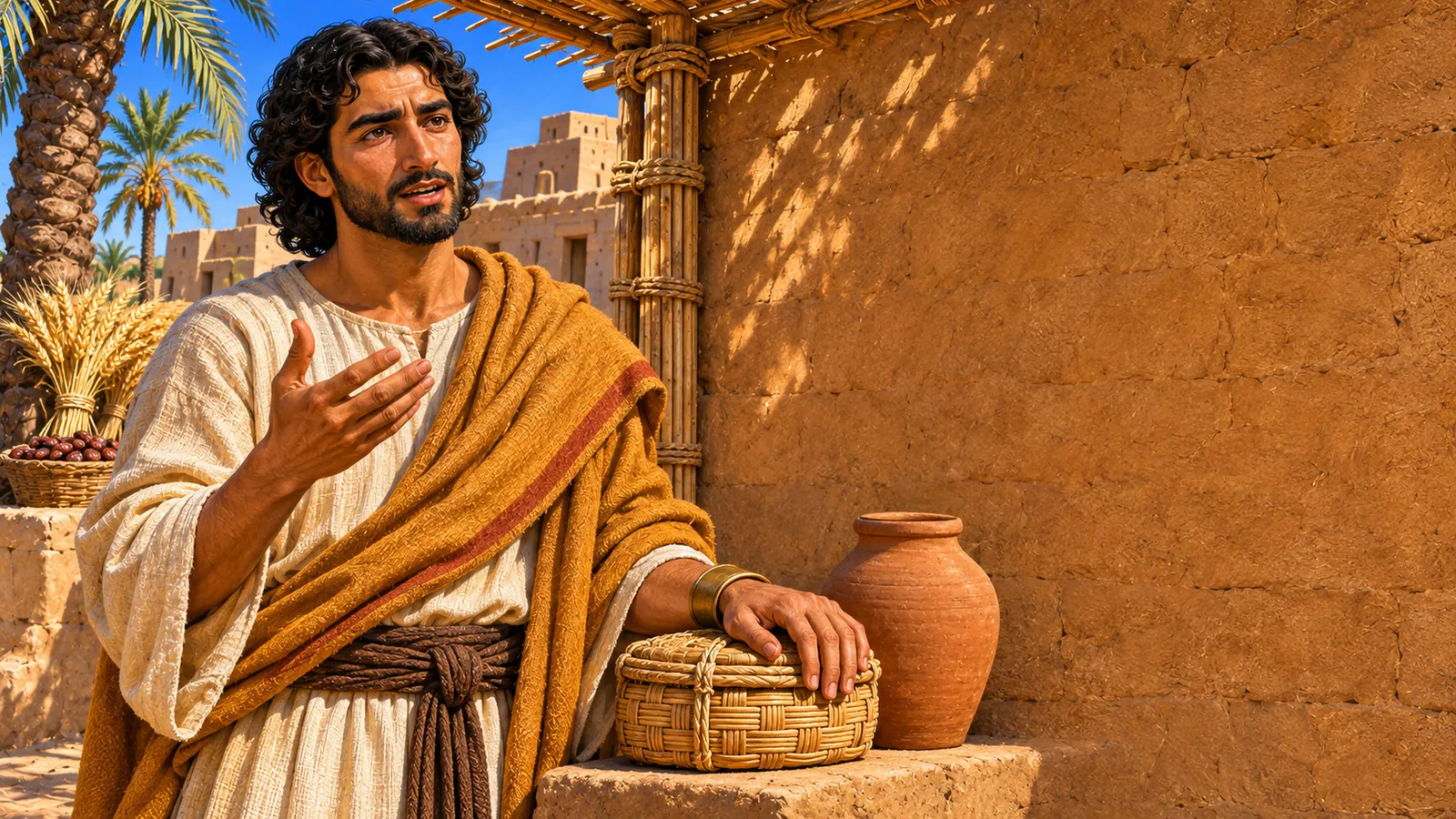
Dumuzi sprach von der Nahrung, die er nach Eanna trug, und von den Hochzeitsgaben, die er nach Uruk gebracht hatte.
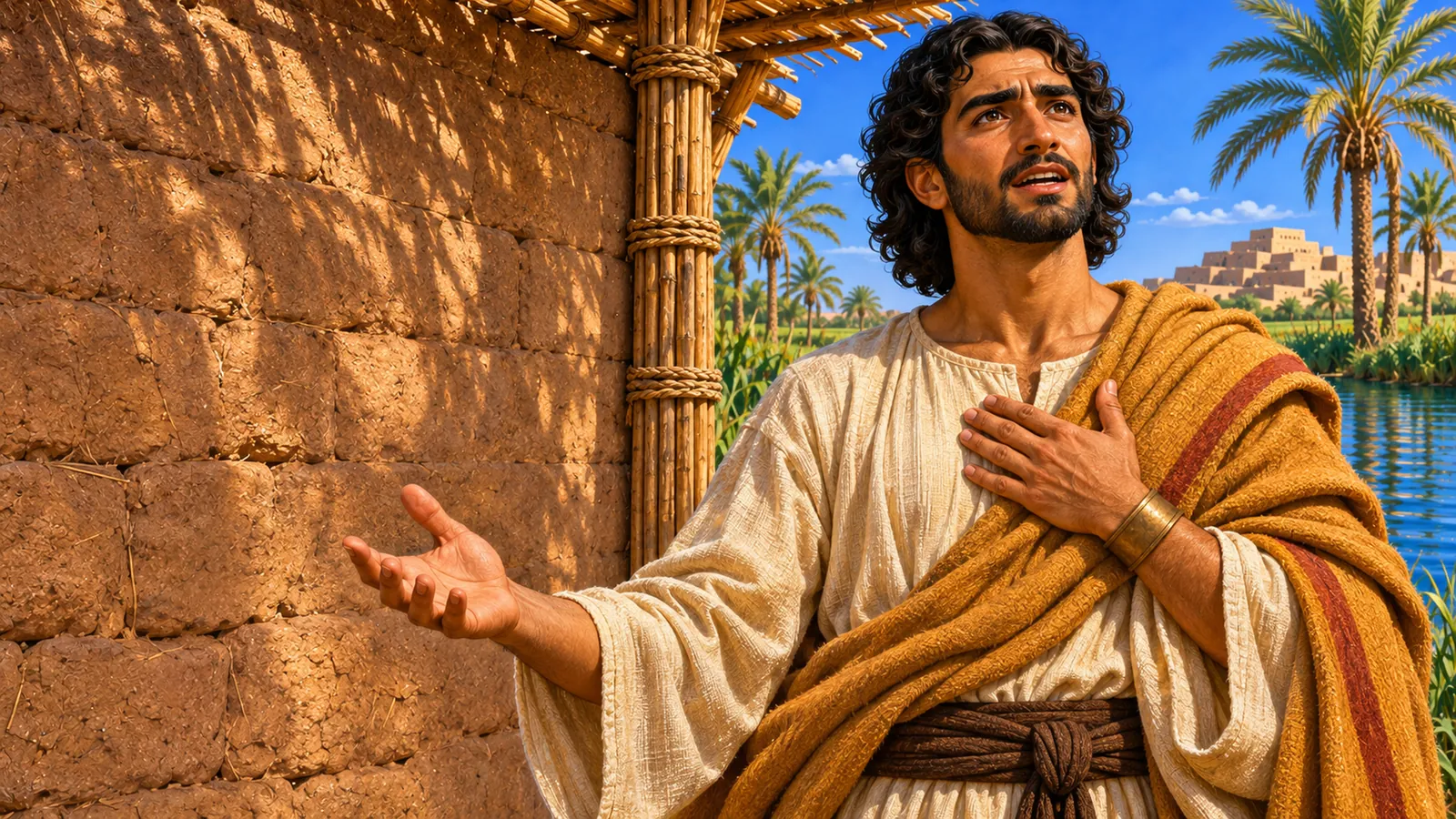
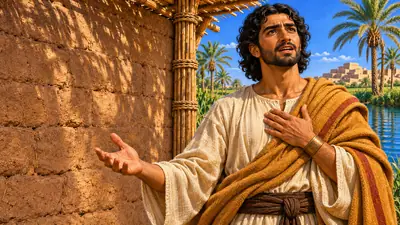
Dumuzi sagte, er küsse Inannas heilige Lippen und tanze auf ihren heiligen Knien.
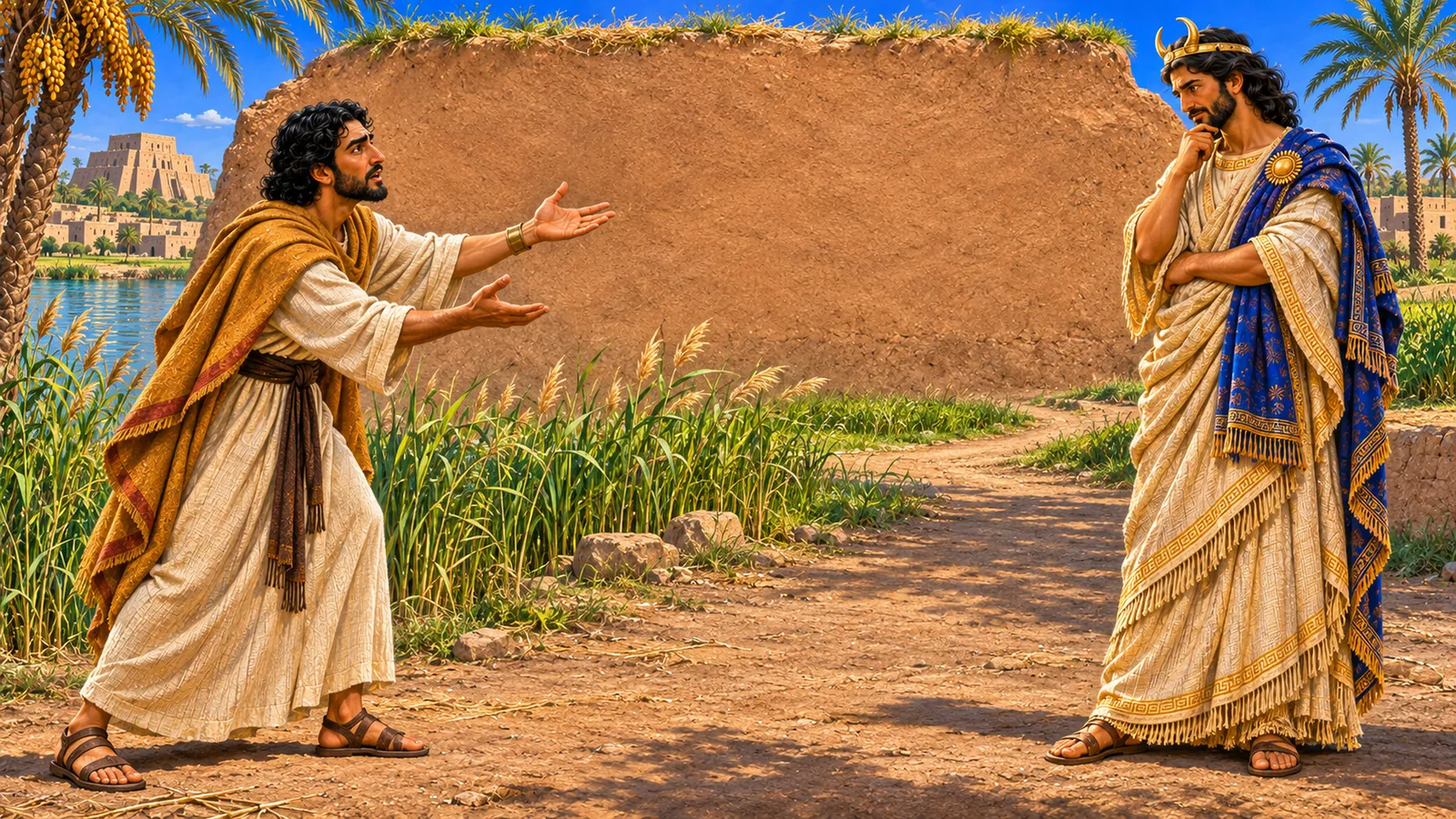
Er bat Utu, seine Hände und Füße in die Läufe einer Gazelle zu verwandeln, damit er den Dämonen entkommen und Ku-bireš-dildareš lebend erreichen konnte.
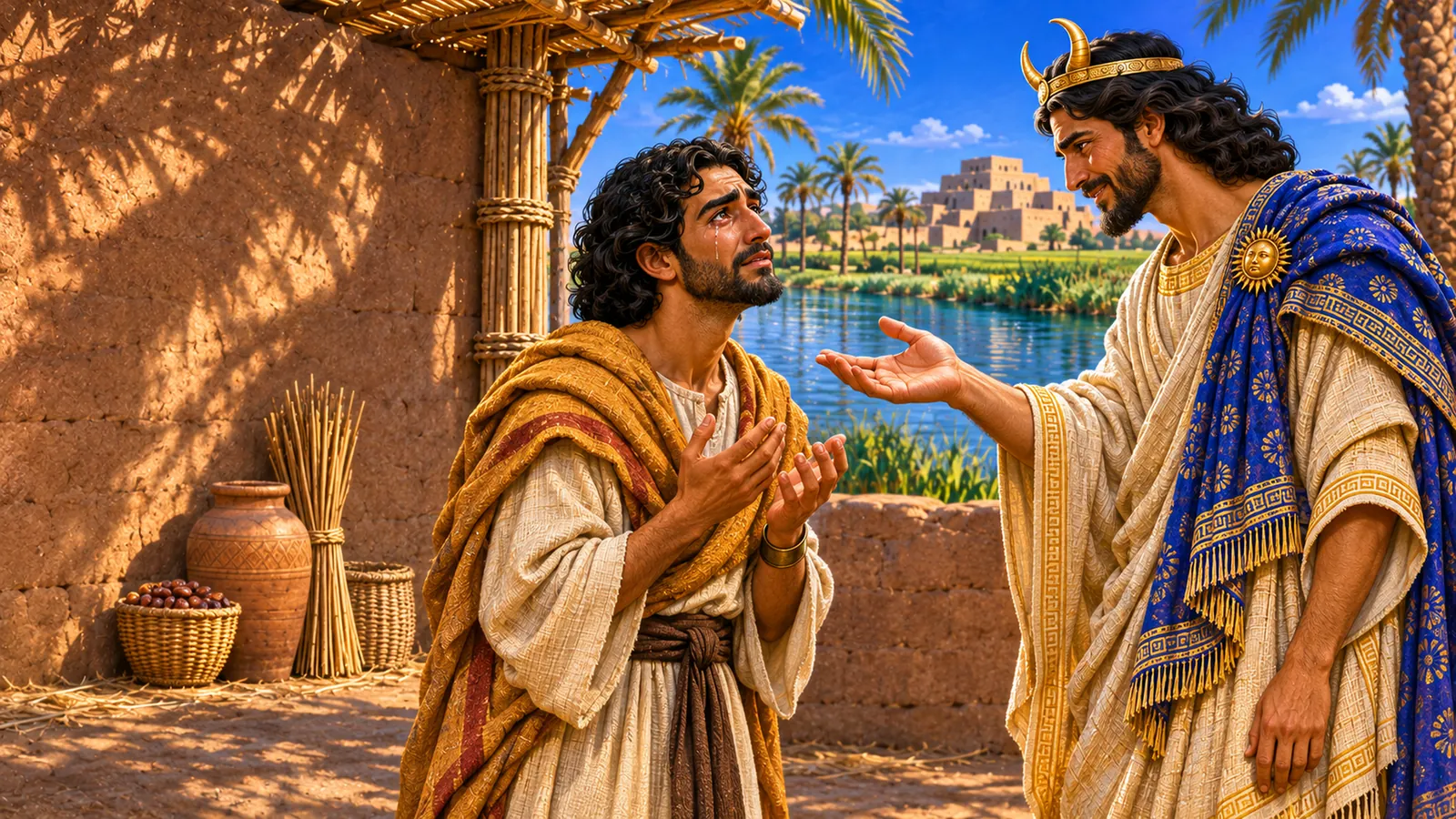
Utu nahm Dumuzis Tränen an und erbarmte sich seiner, wie ein Mensch, der Mitleid mit einem anderen hat.
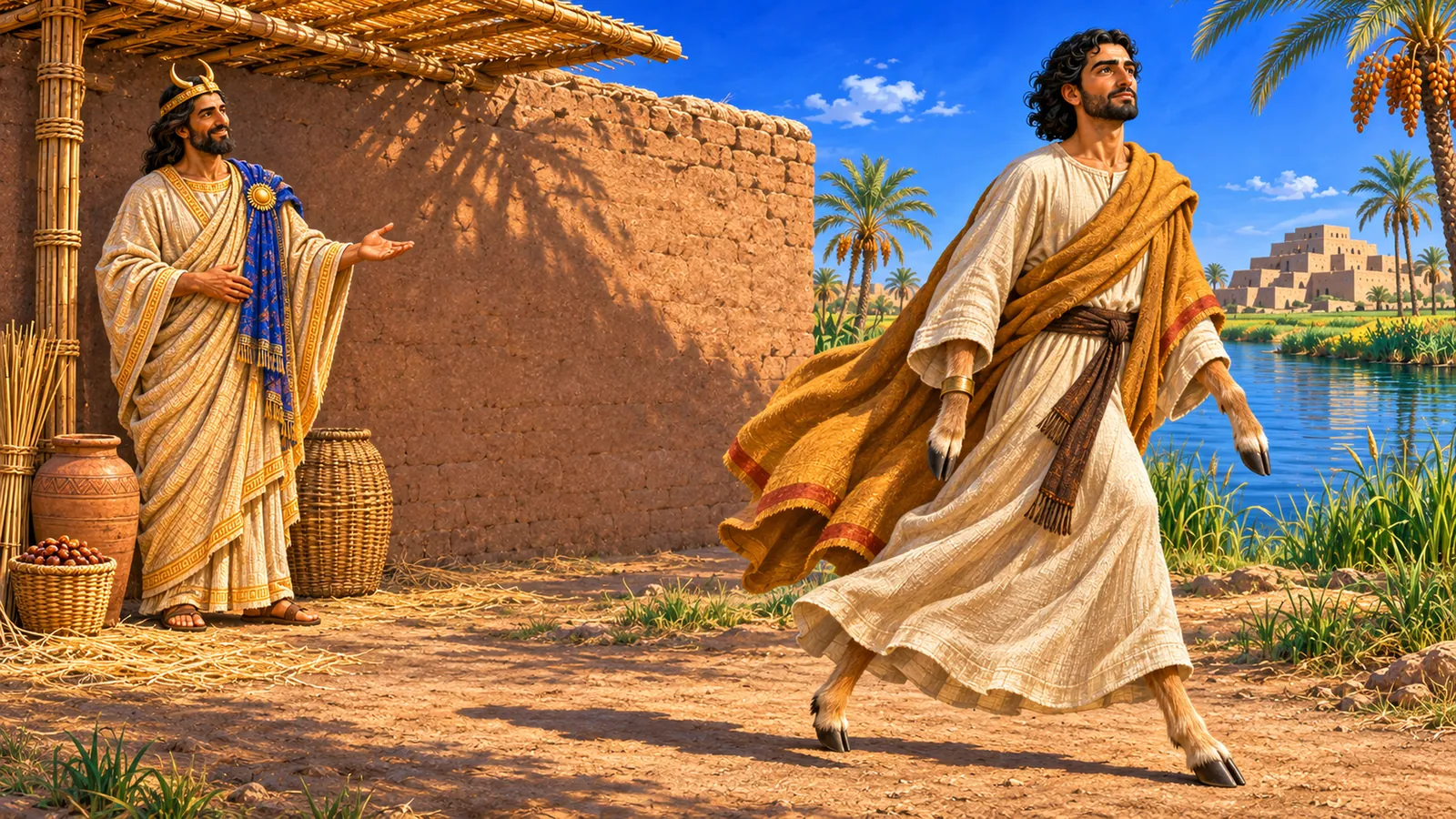
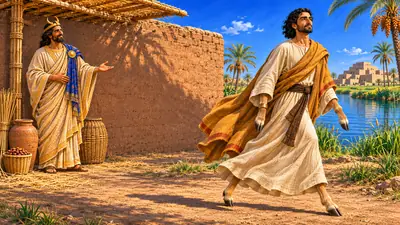
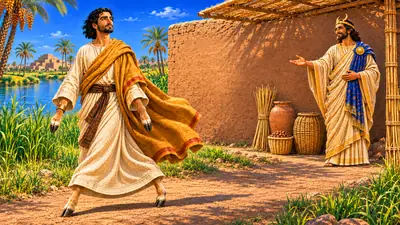
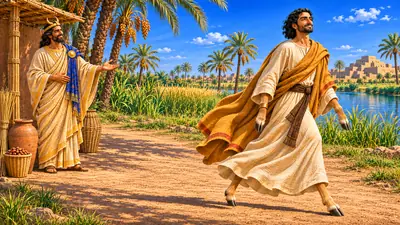
Utu verwandelte Dumuzis Hände und Füße in die Läufe einer Gazelle, und Dumuzi entkam den Dämonen.

Dumuzi entkam mit dem Leben und erreichte Ku-bireš-dildareš, den Ort, den er in seiner Bitte an Utu genannt hatte.
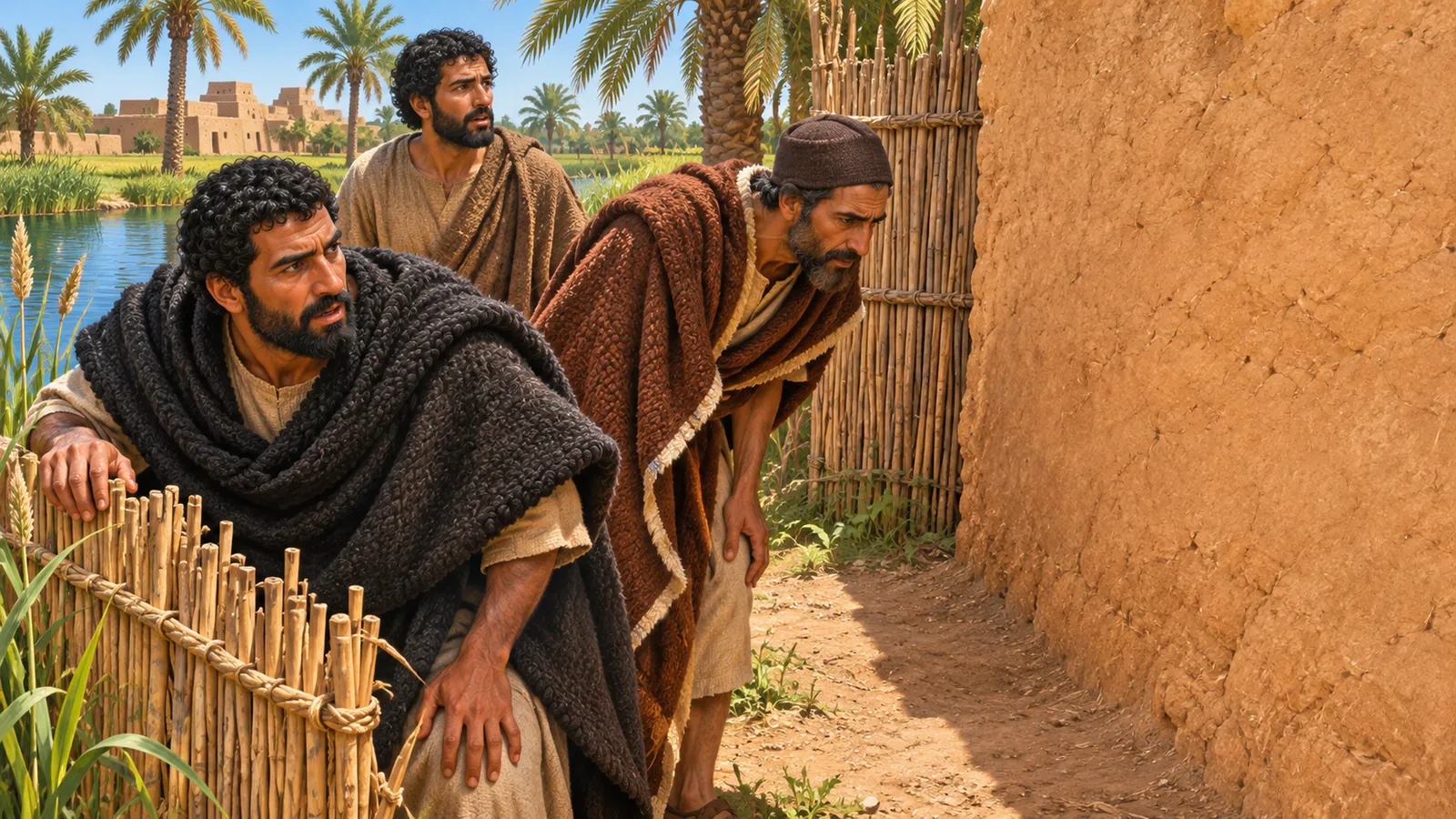
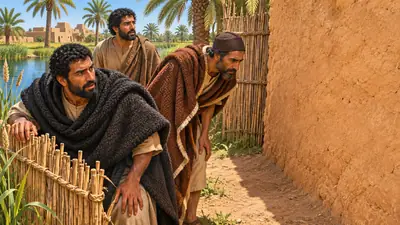
Die Dämonen suchten nach Dumuzi, nachdem er entkommen war, doch zunächst fanden sie ihn nicht.
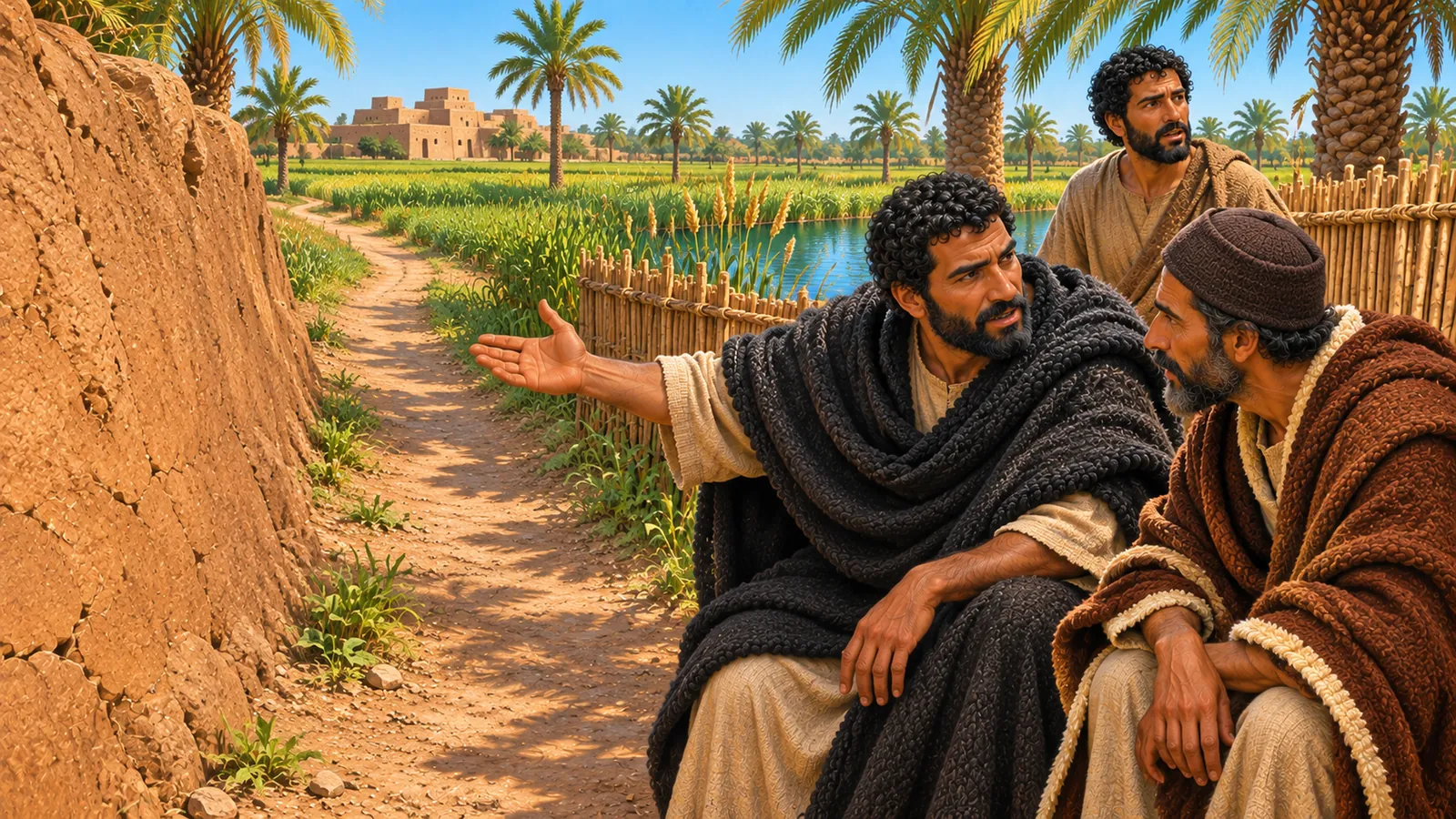
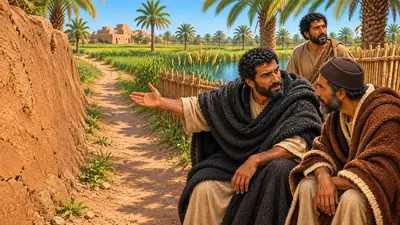
„Kommt, gehen wir nach Ku-bireš“, sagten die Verfolger, als ihre Suche erfolglos geblieben war.
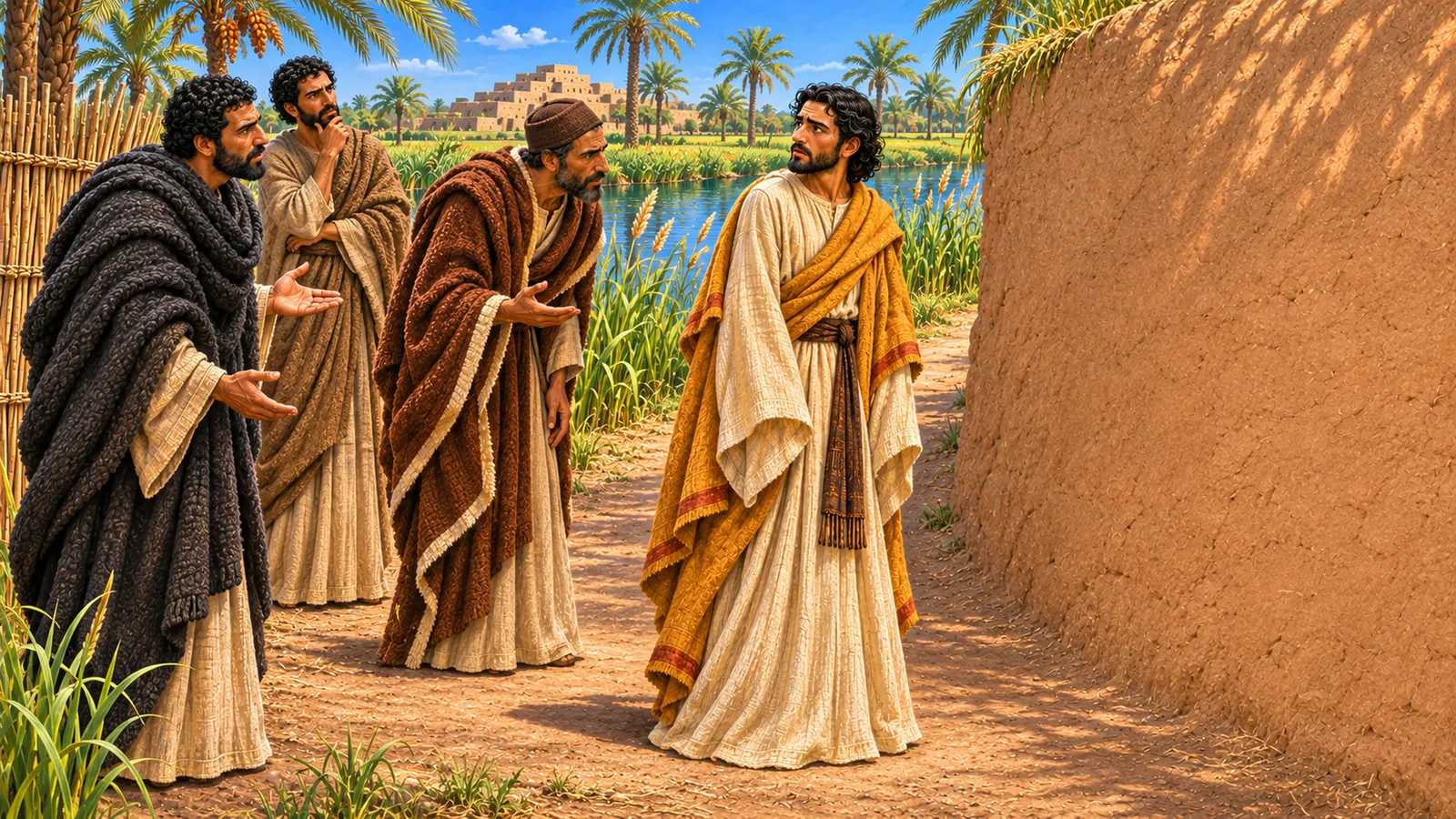
Die Dämonen gingen nach Ku-bireš und ergriffen Dumuzi dort. Damit war seine erste Flucht zu Ende.
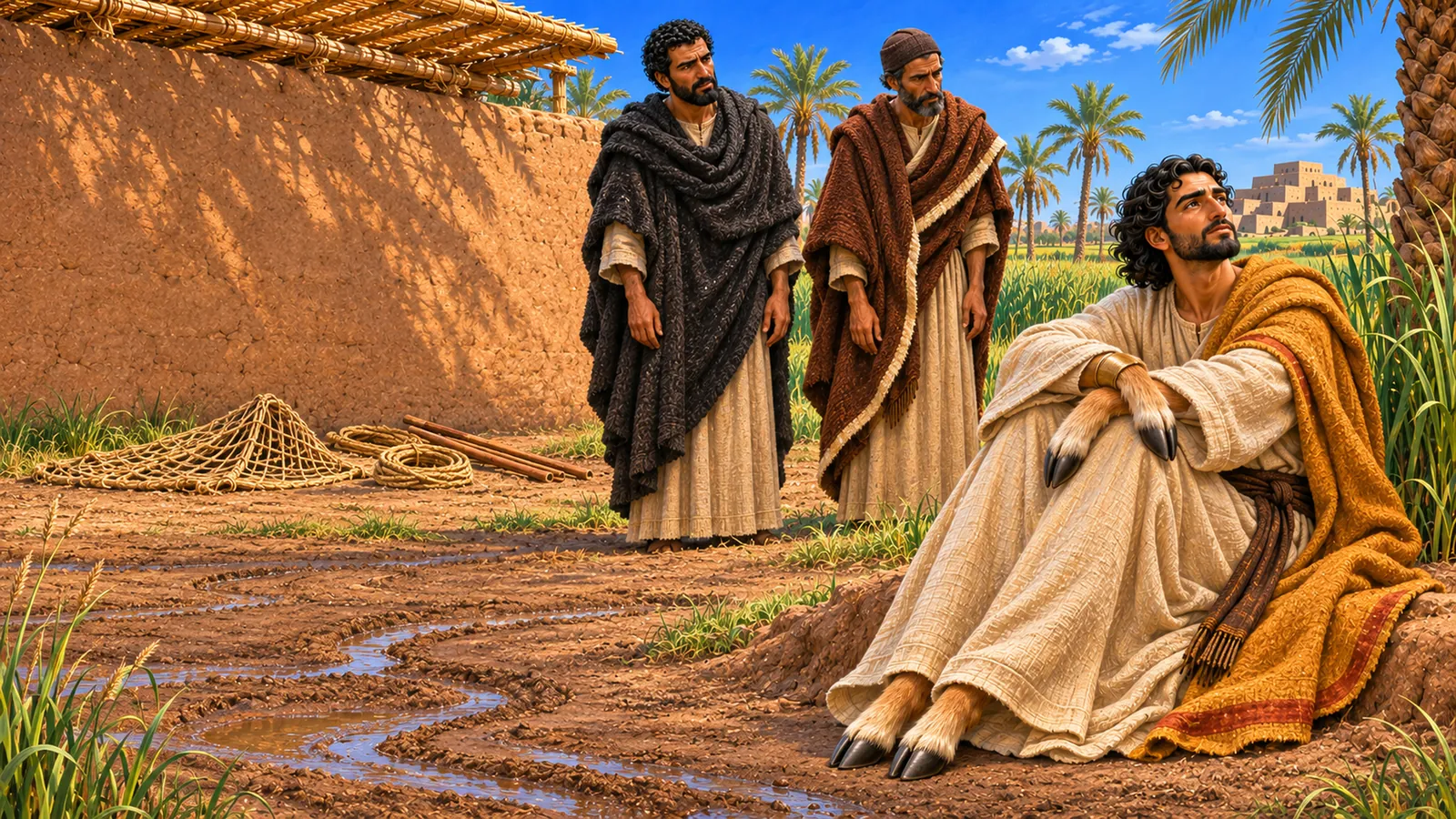
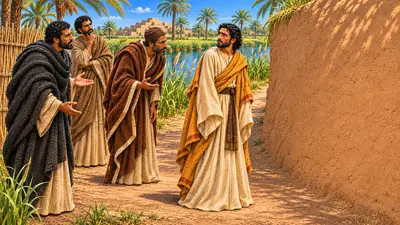
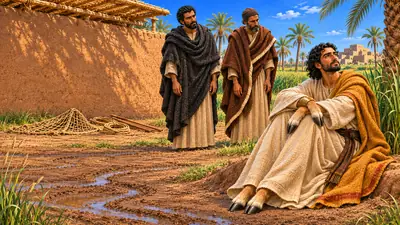
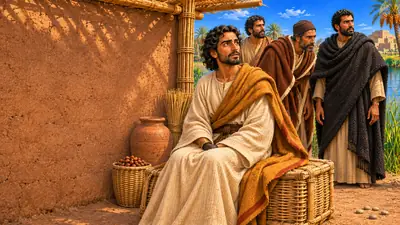
Die Männer umringten Dumuzi und ließen das stehende Wasser ab. Sie bereiteten eine Schnur, ein Netz, ein dickes Schilfseil und Stöcke vor. Der Mann vor ihm warf nach ihm, und die Worte über den Mann hinter ihm sind verloren.

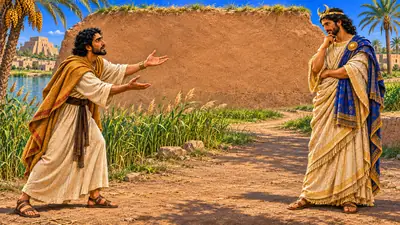
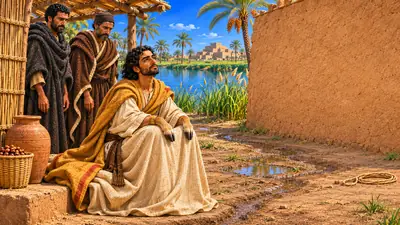
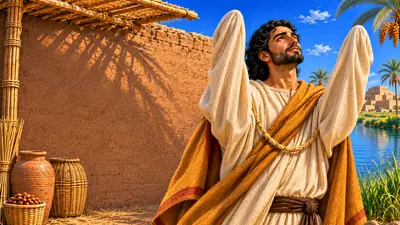
Sie fesselten Dumuzis Hände und Arme. Der junge Mann hob die Hände zum Himmel und rief nach Utu.
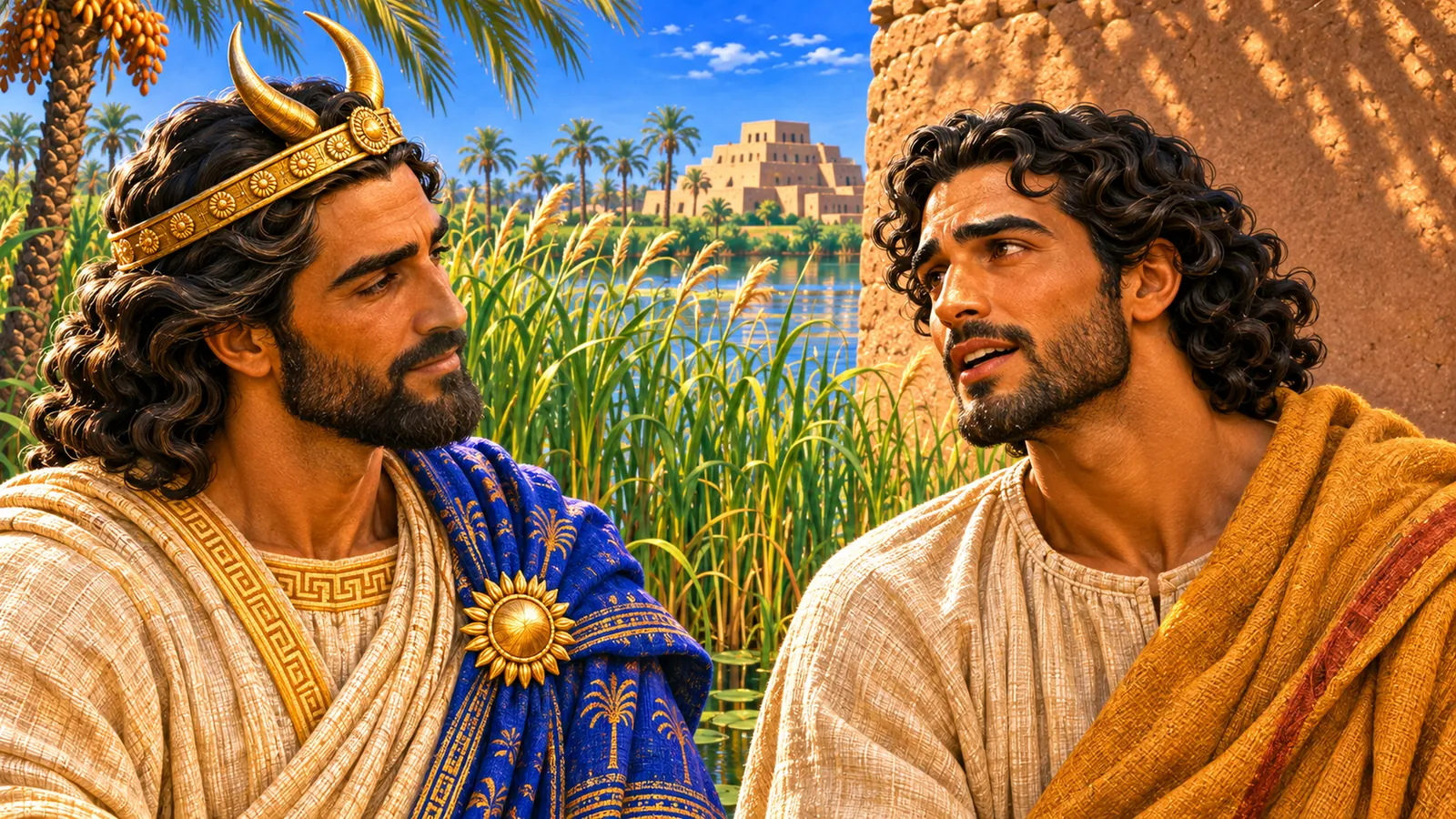
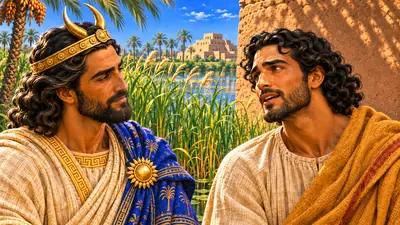
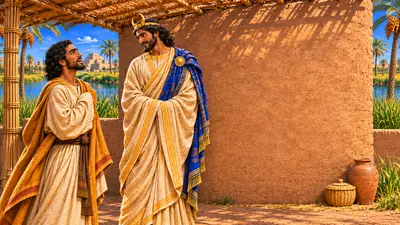
Dumuzi wandte sich an Utu, seinen Schwager. Er erinnerte Utu daran, dass er mit dessen Schwester Inanna verheiratet war.
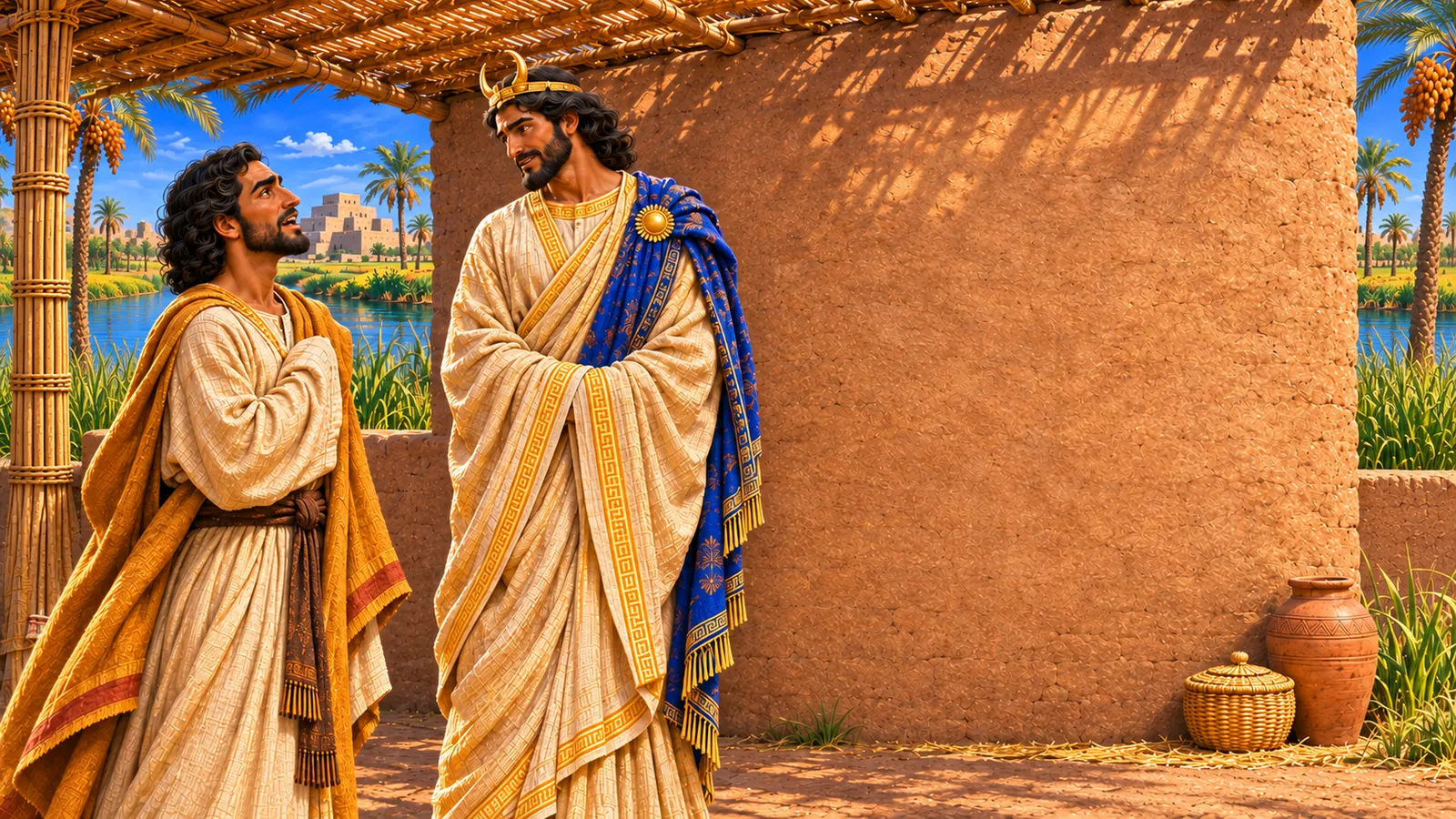
Dumuzi sagte, er bringe Nahrung nach Eanna und habe Hochzeitsgeschenke nach Uruk gebracht. Er sprach davon, Inannas heilige Lippen zu küssen und auf ihren heiligen Knien zu tanzen.
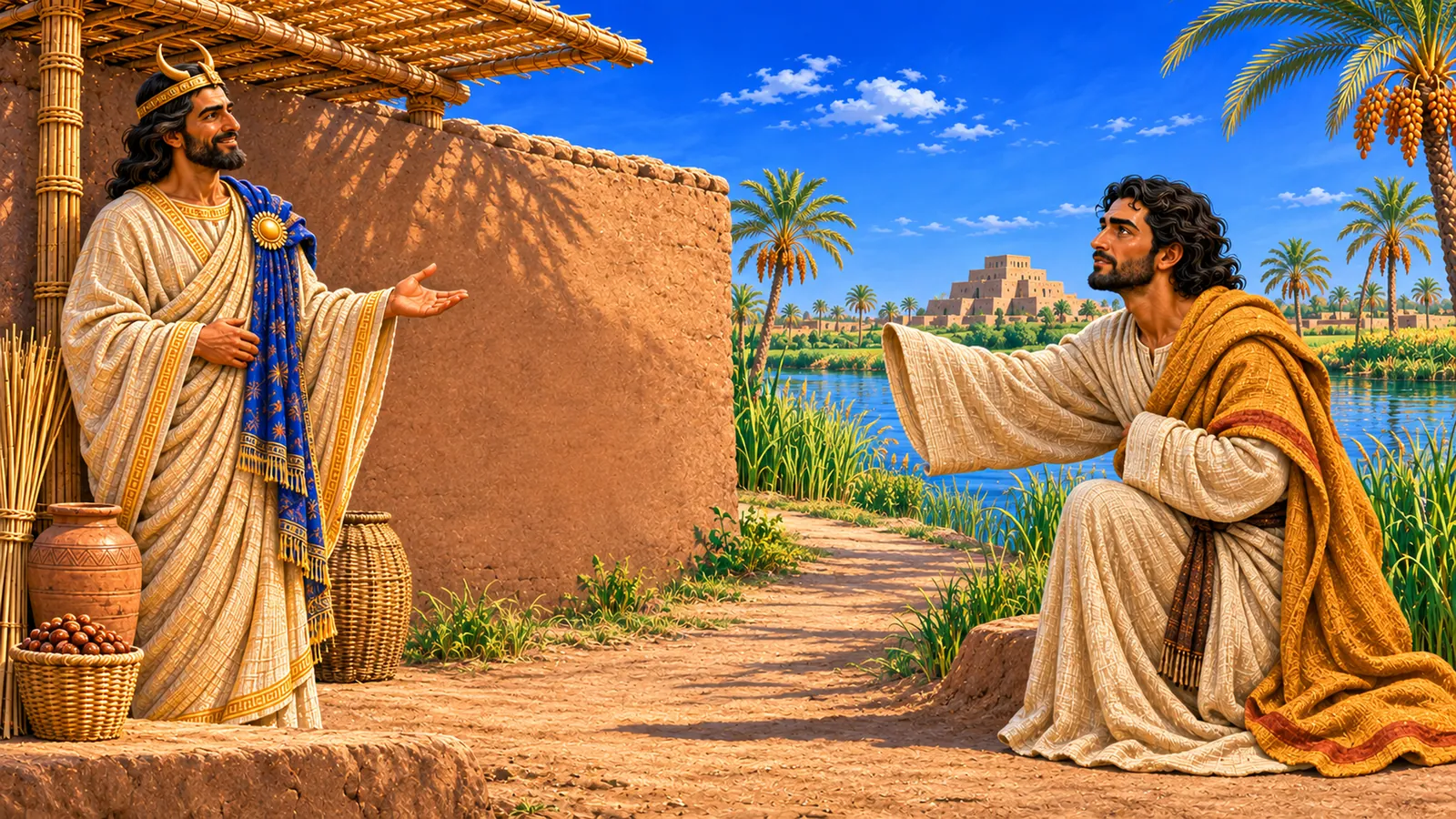
Er bat Utu, seine Hände und Füße in Gazellenläufe zu verwandeln. Er hoffte, so zum Haus der alten Belili fliehen zu können.
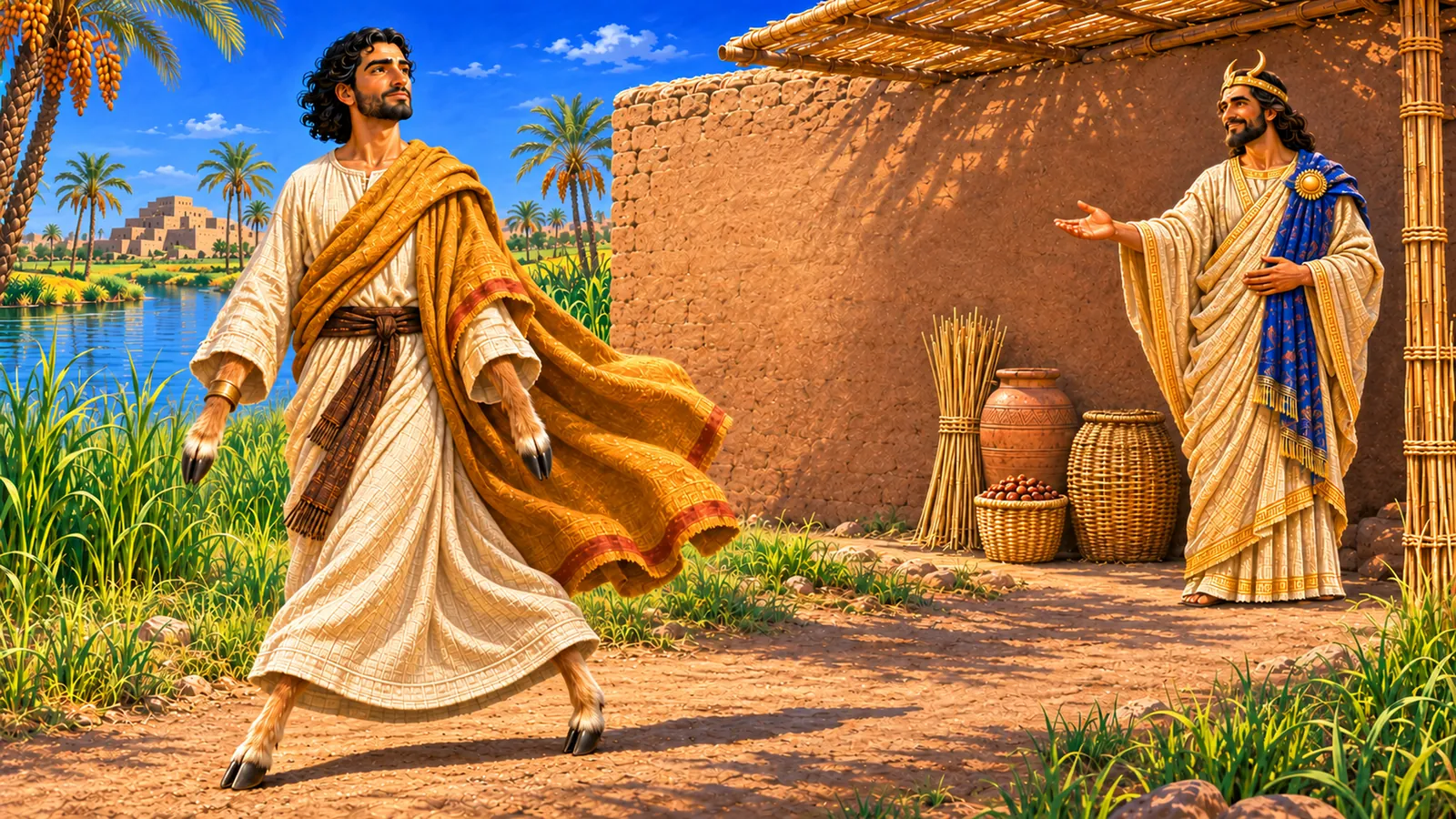
Utu nahm Dumuzis Tränen an. Im Gedicht verwandelt er Dumuzis Hände und Füße in Gazellenläufe.
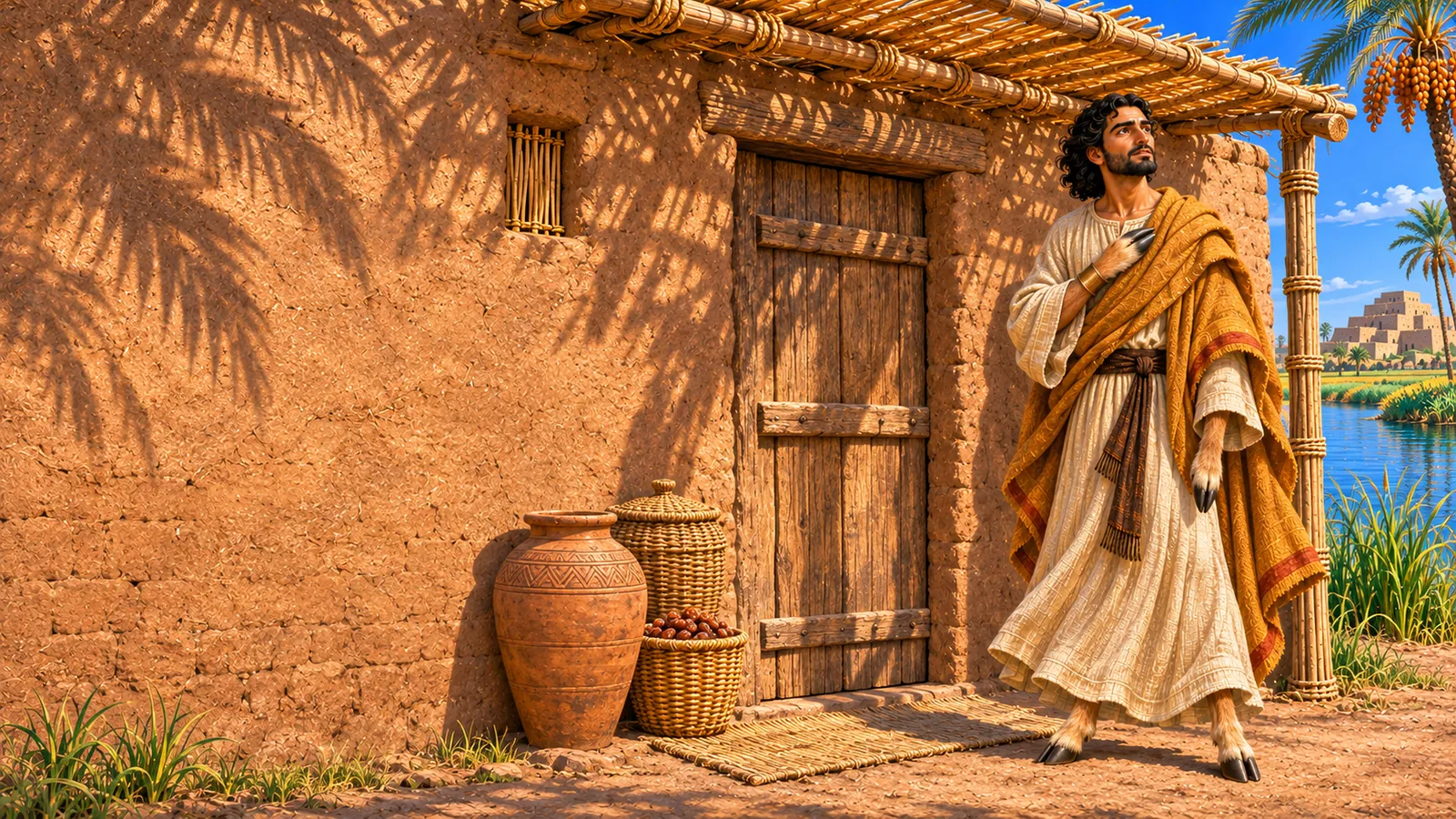
Dumuzi entkam den Dämonen und kam mit dem Leben davon. Er erreichte das Haus der alten Belili.
DIE ZUFLUCHT
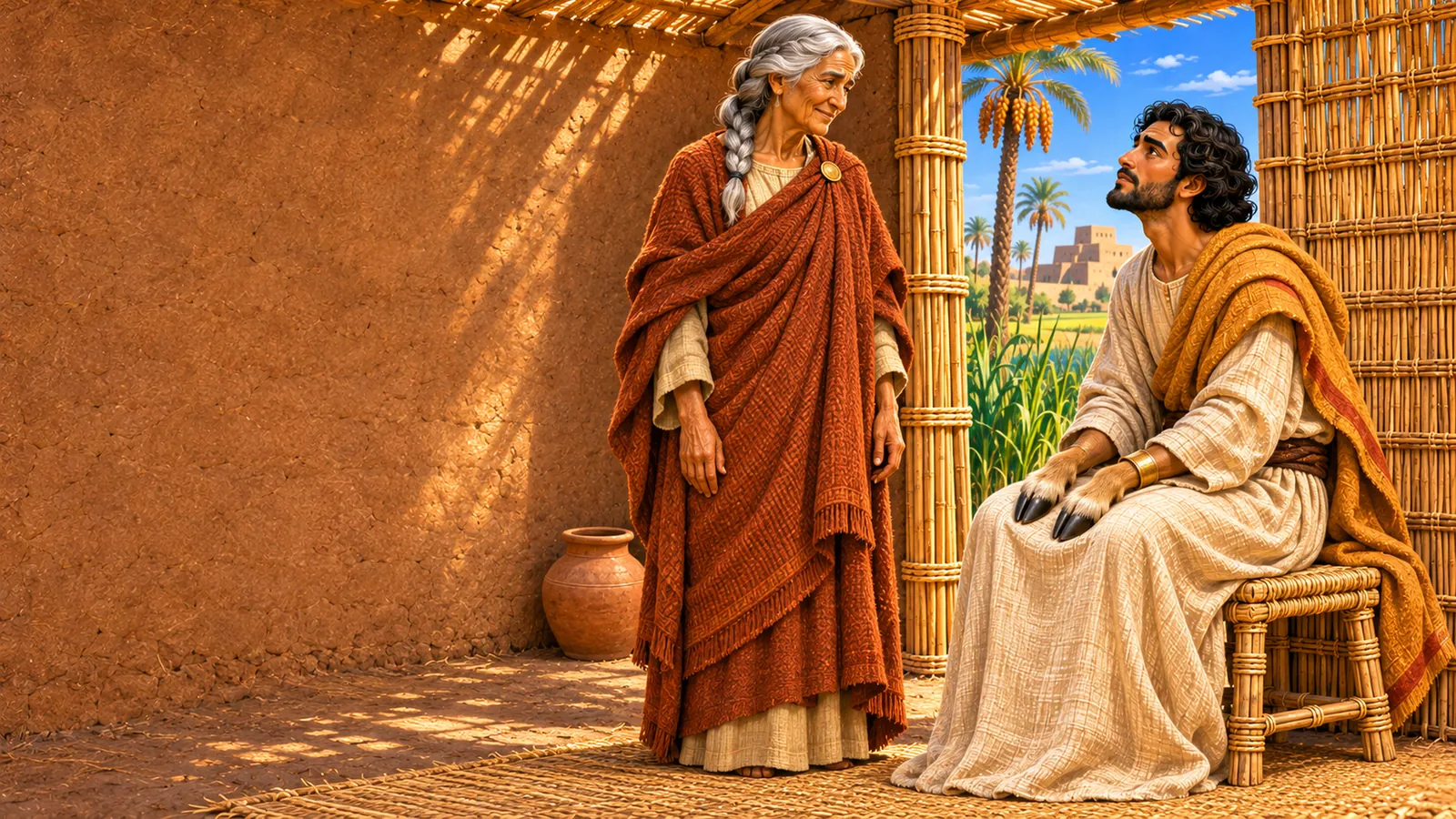
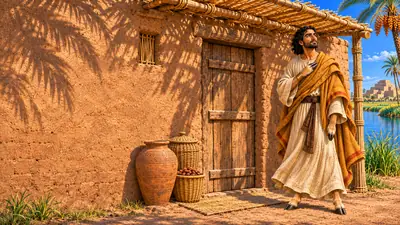
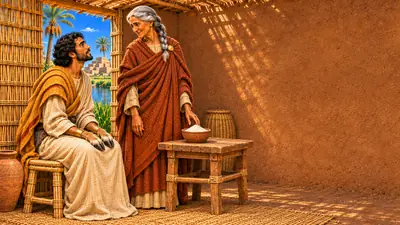
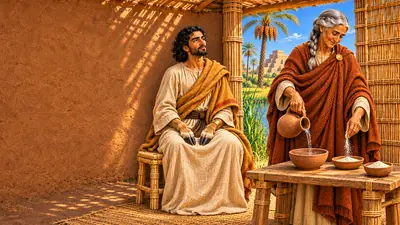
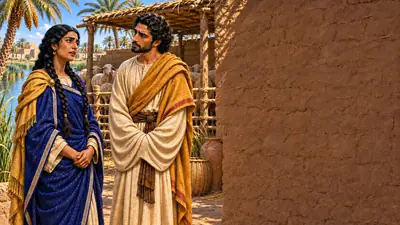
Dumuzi rief nach Belili und sagte ihr, er sei der Gemahl einer Göttin. Er bat sie, ihm etwas Wasser zum Trinken einzuschenken.
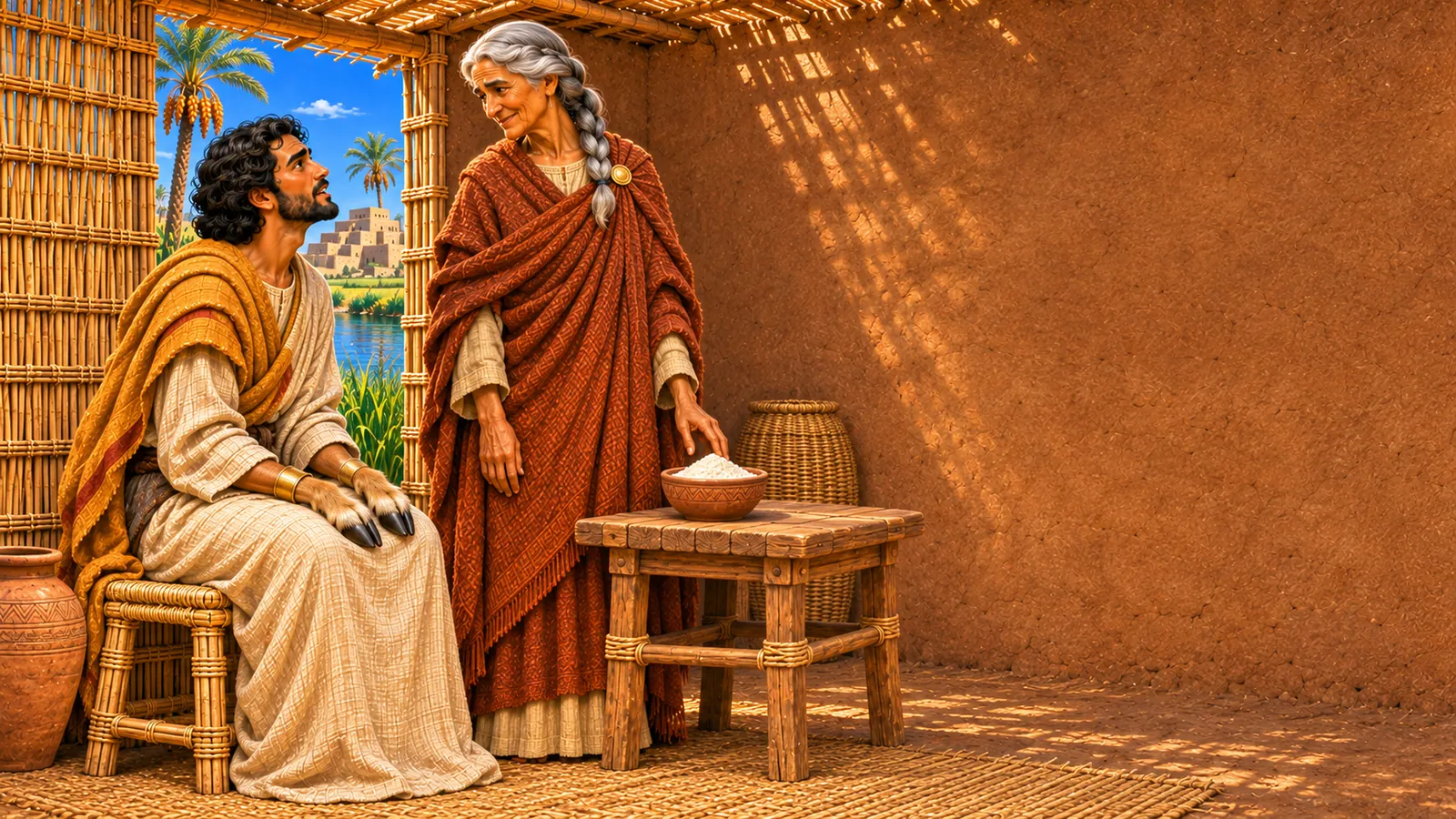
Er bat auch um Mehl. „Streu bitte etwas Mehl für mich aus“, sagte er, „damit ich davon essen kann.“
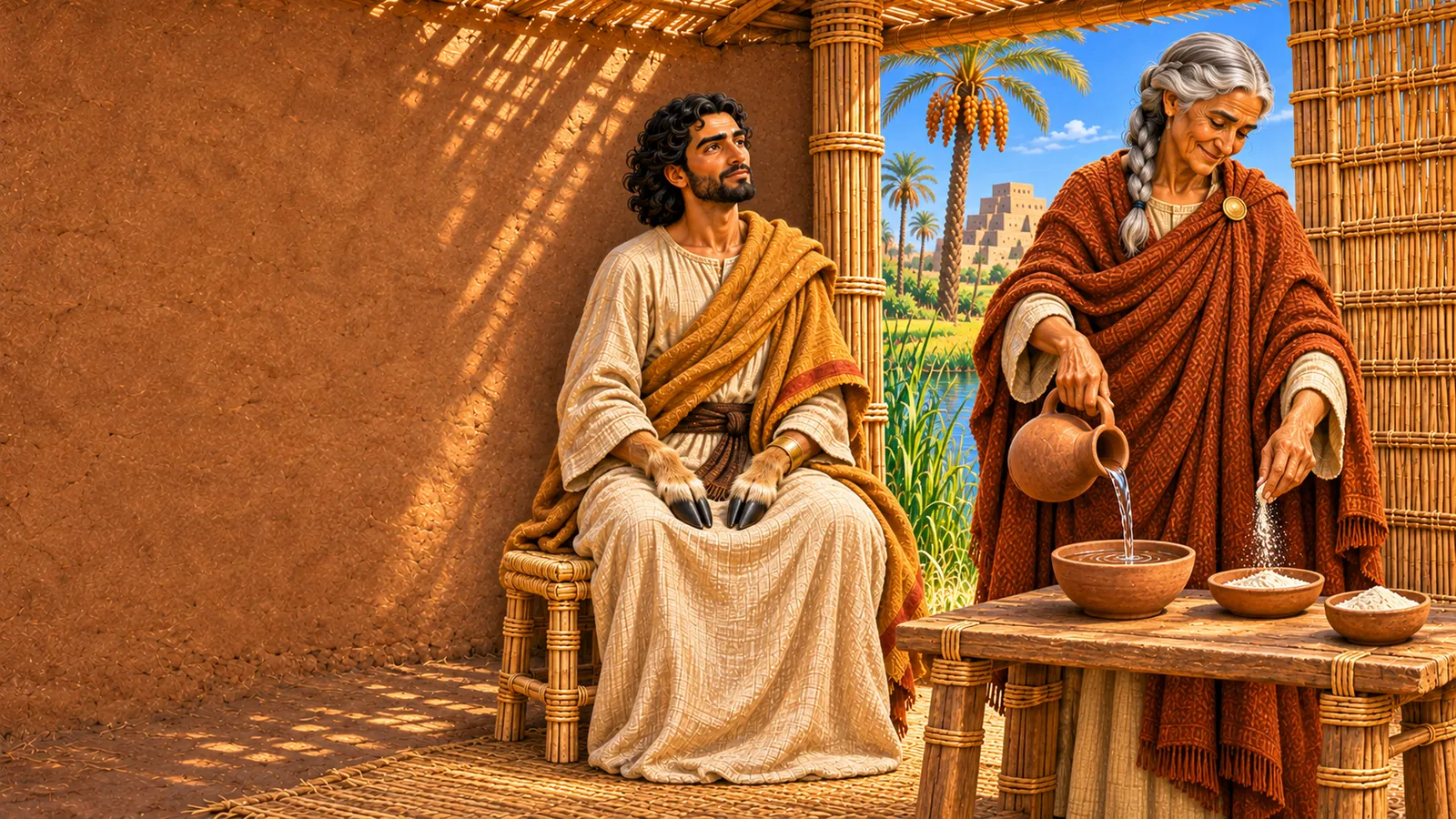
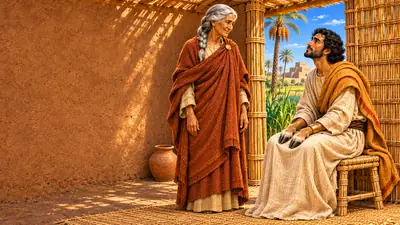
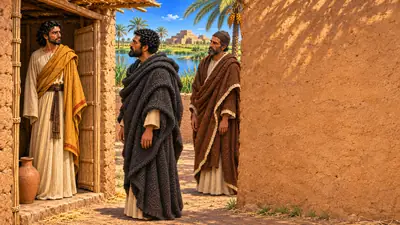
Die alte Belili schenkte das Wasser ein und streute das Mehl aus. Dann setzte sich Dumuzi in ihrem Haus hin.
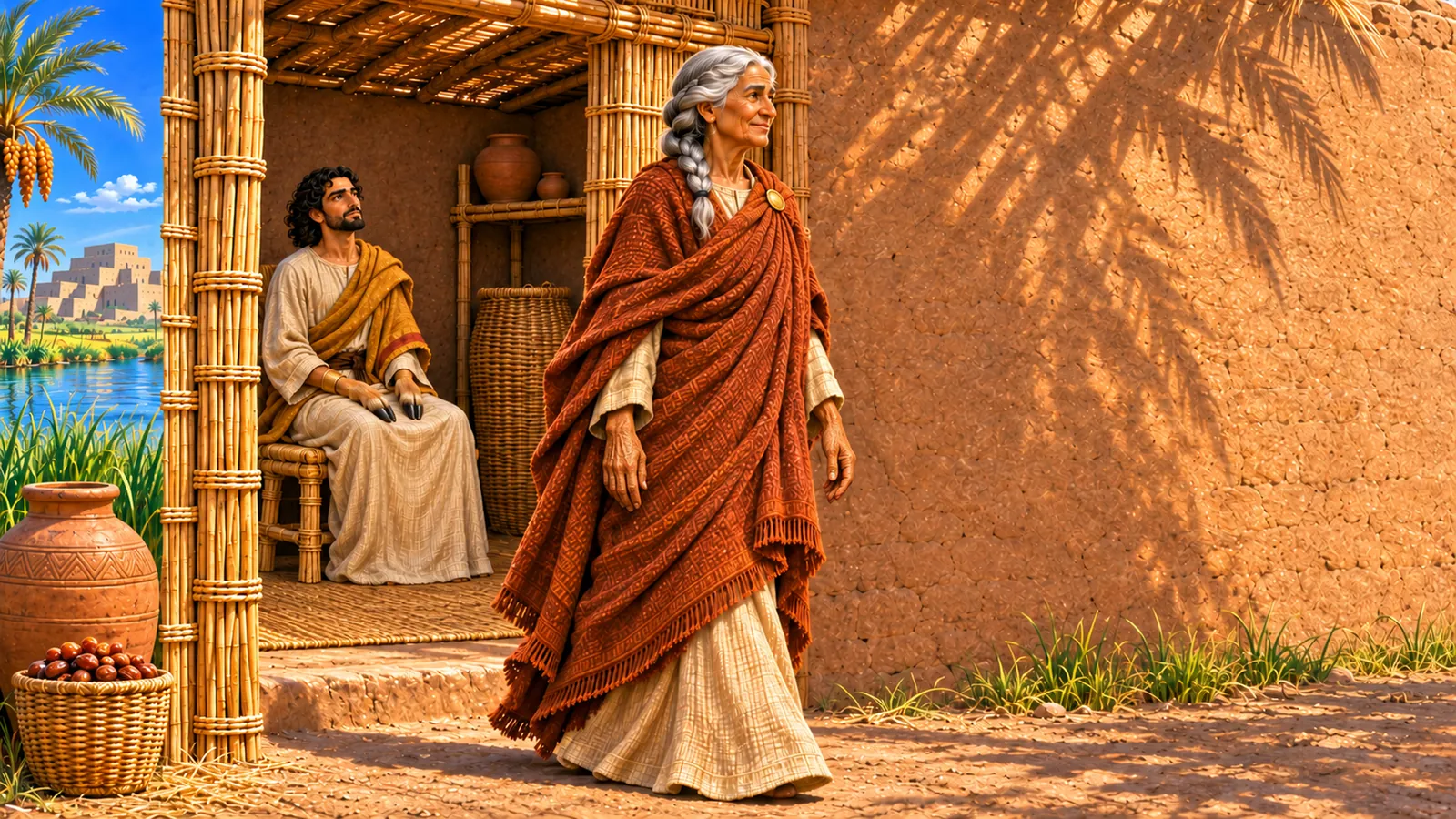
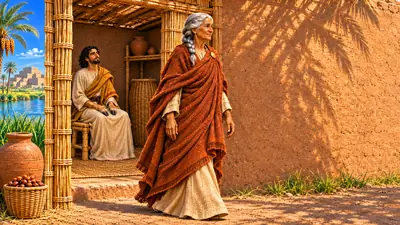
Die alte Frau ging aus ihrem Haus. Dumuzi hatte sich drinnen gesetzt, wo sie ihm Wasser und Mehl gegeben hatte.
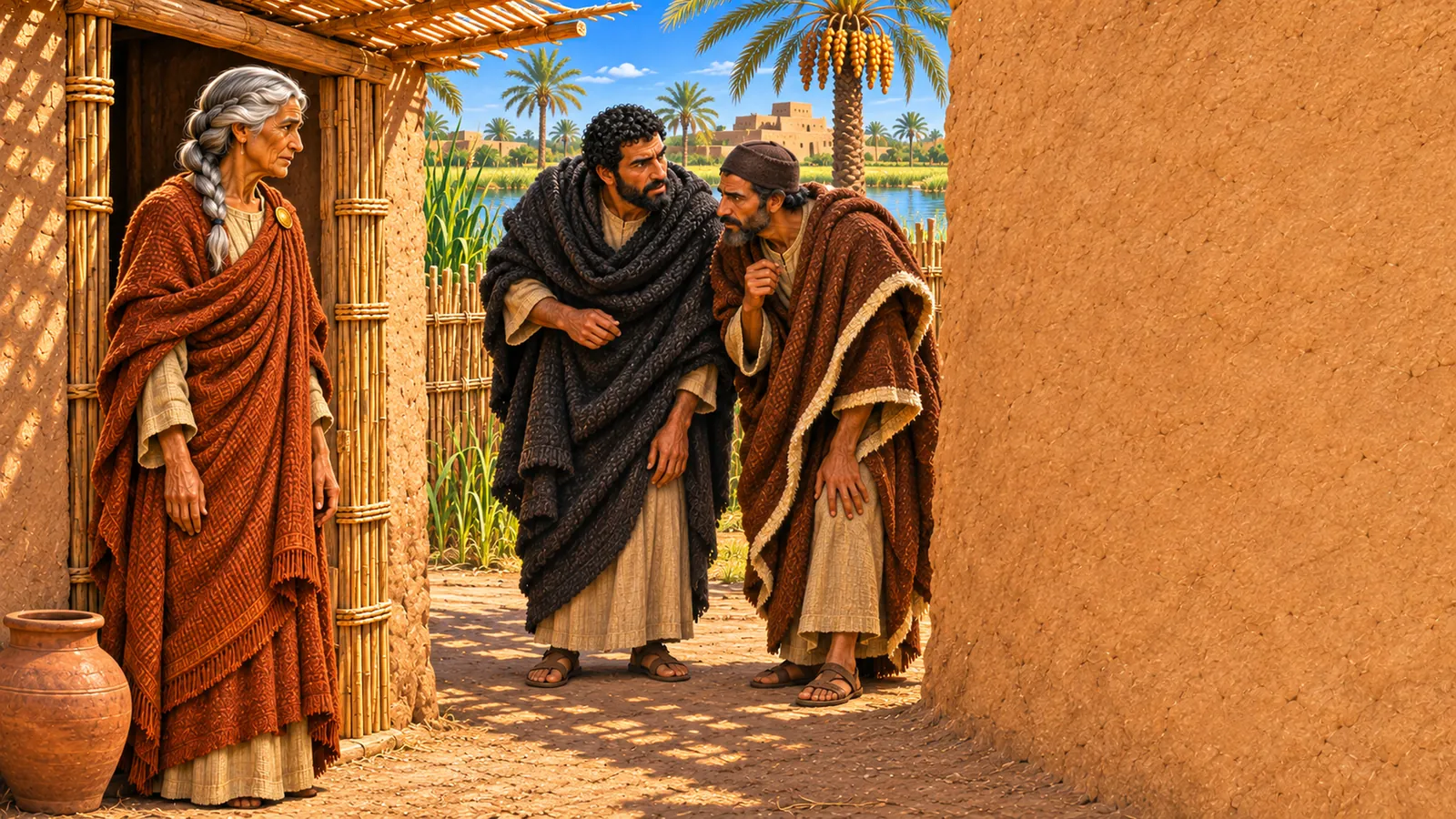
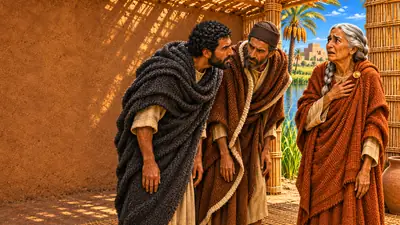
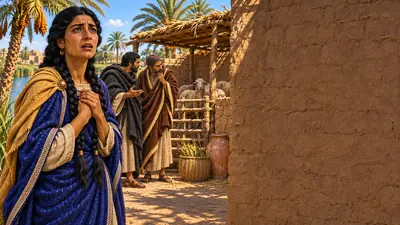
Als die alte Frau aus dem Haus trat, sahen die Dämonen sie, die nach Dumuzi suchten.
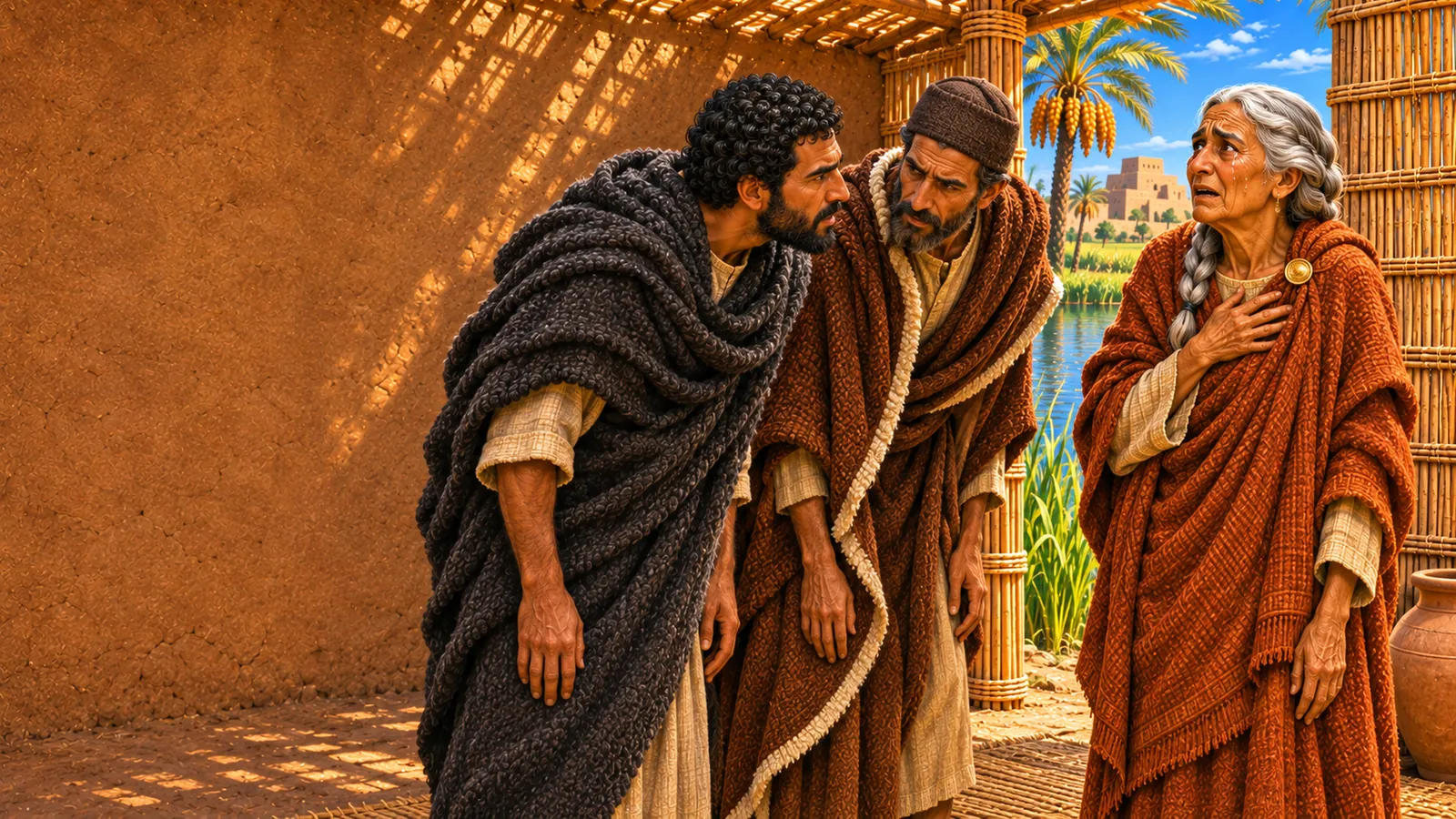
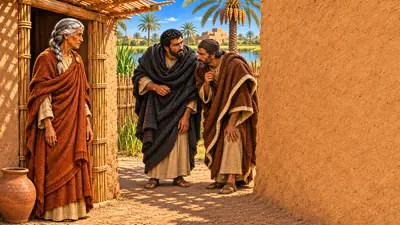
Die Verfolger sagten, die alte Frau sehe verängstigt aus und schreie vor Furcht. Daraus schlossen sie, sie wisse, wo Dumuzi sei.
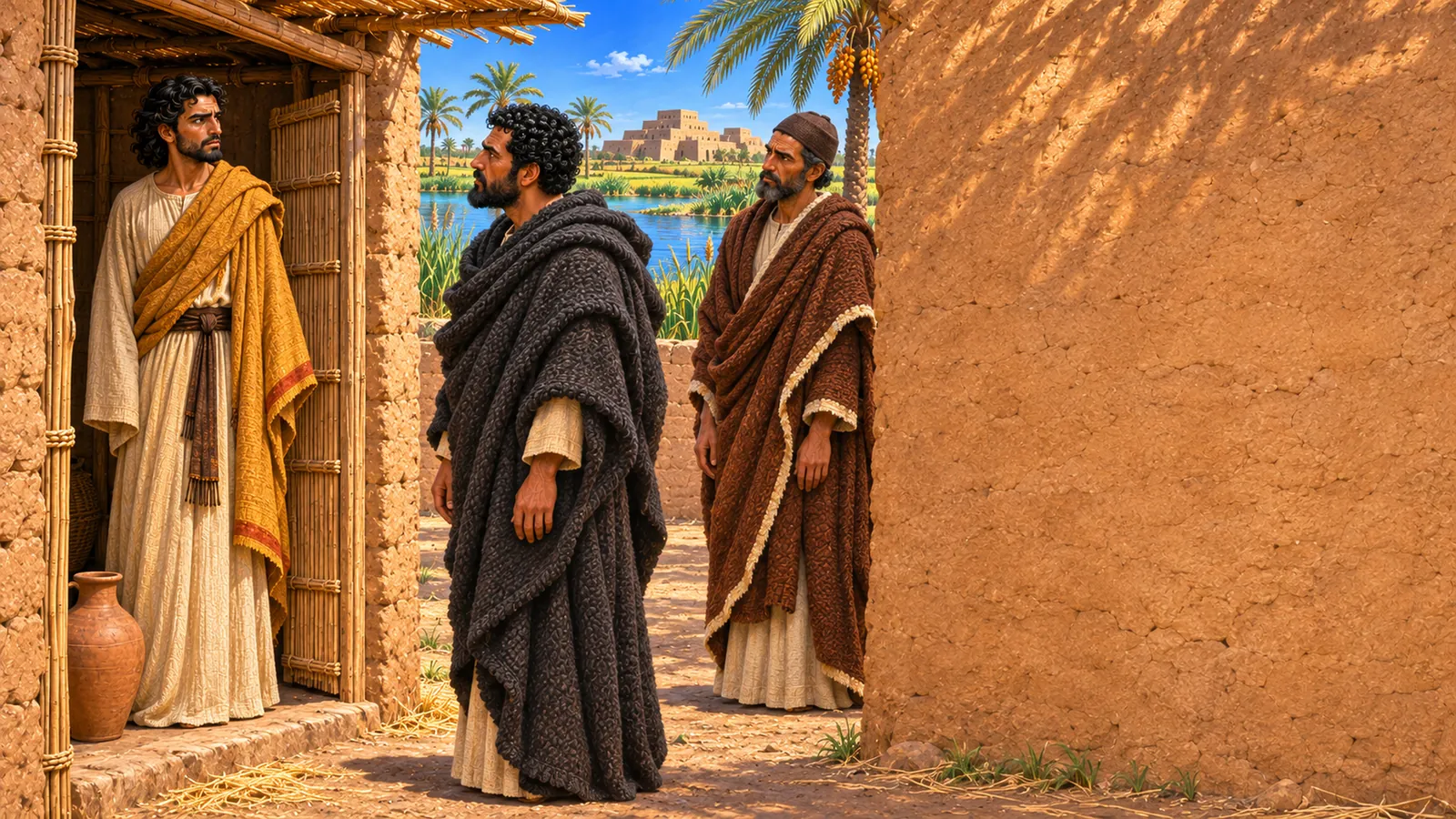
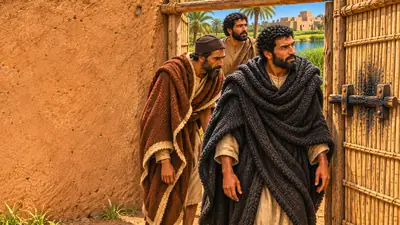
Sie beschlossen, zum Haus der alten Belili zu gehen. Dort ergriffen sie Dumuzi.
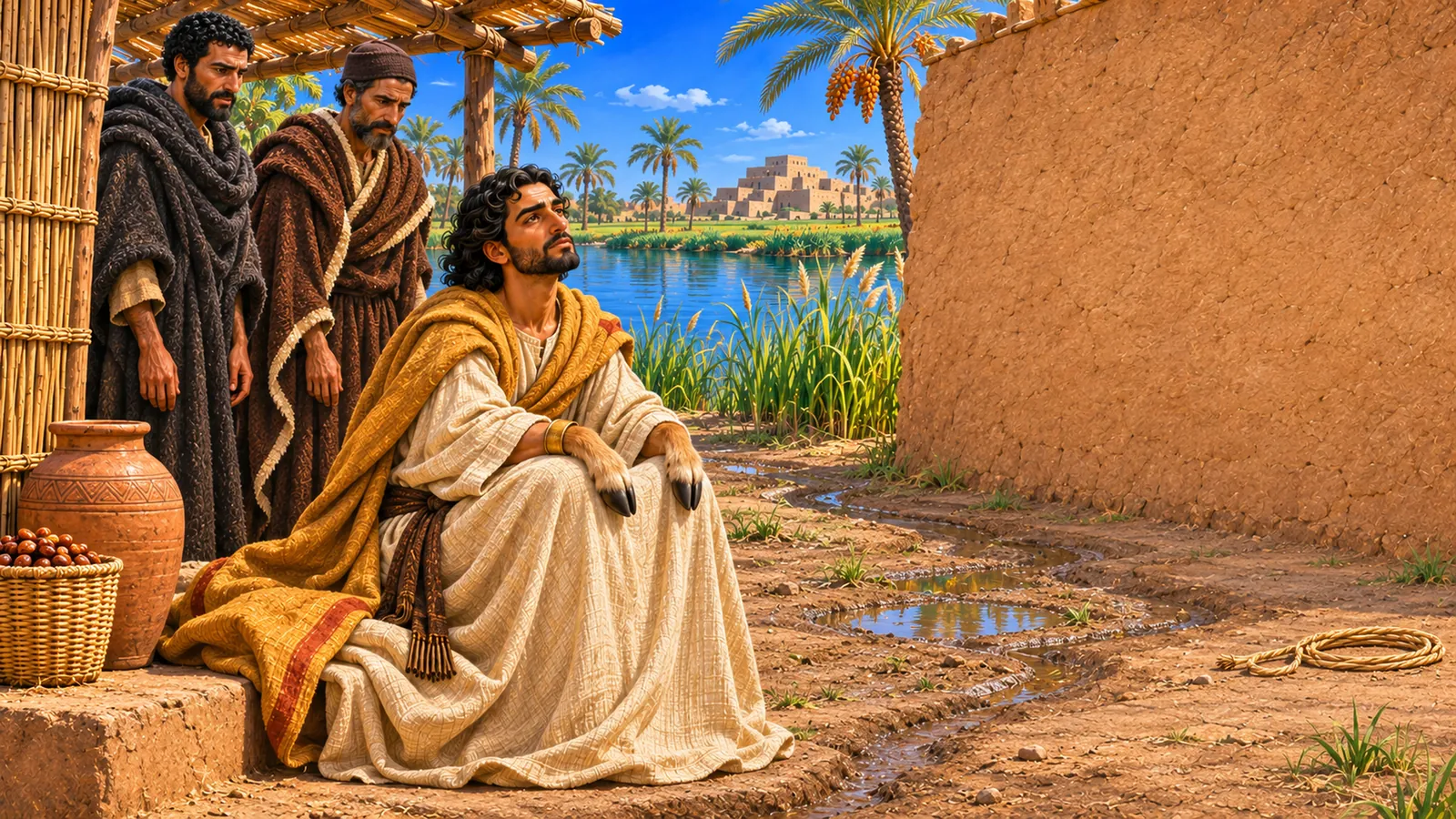
Die Männer umringten Dumuzi und ließen das stehende Wasser ab, wie schon beim letzten Mal, als sie ihn ergriffen hatten.
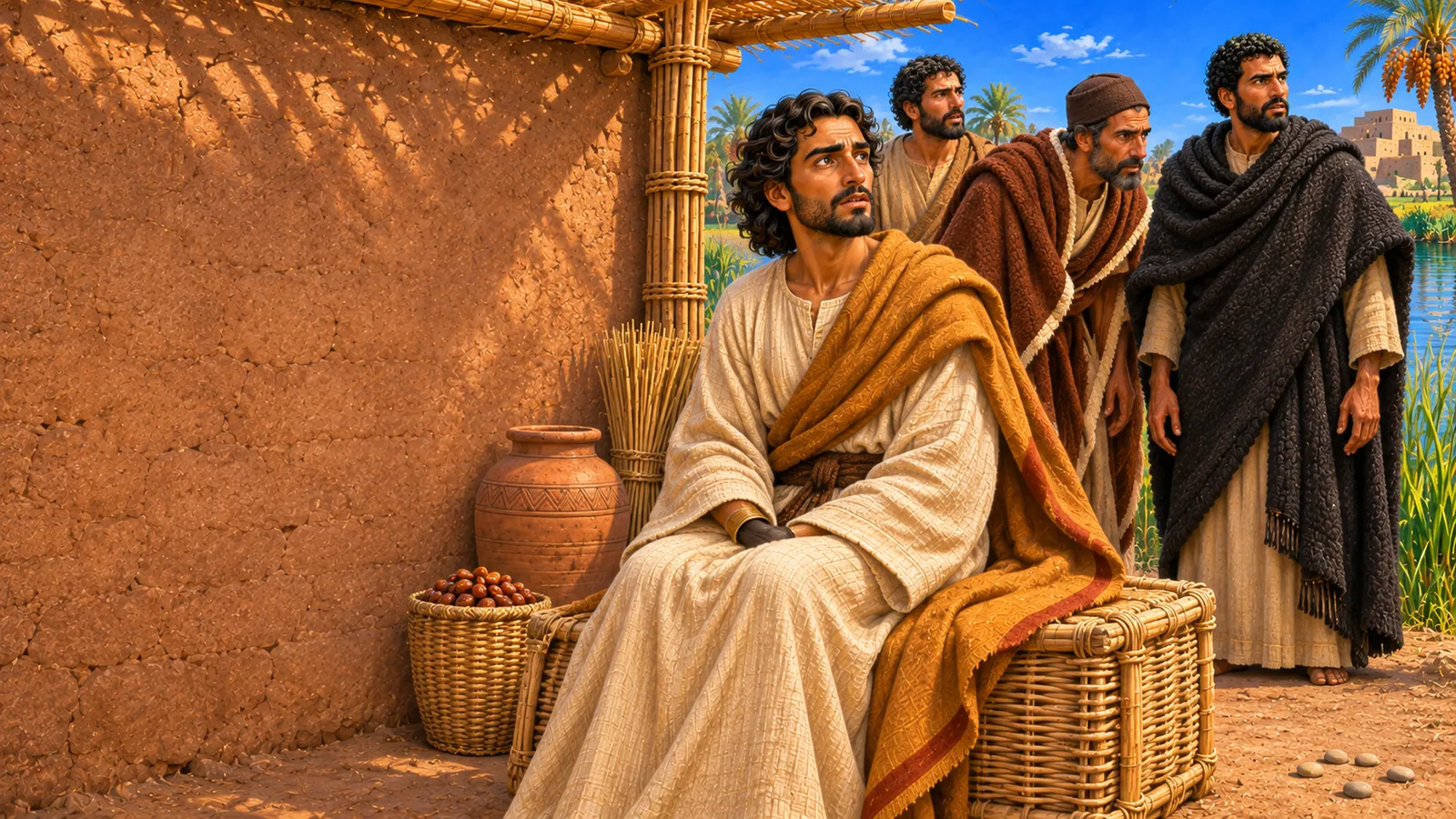
Sie machten Seile, ein Netz und Stöcke bereit, und der Mann vor Dumuzi warf Gegenstände nach ihm. Die Worte über den Mann hinter ihm brechen ab.
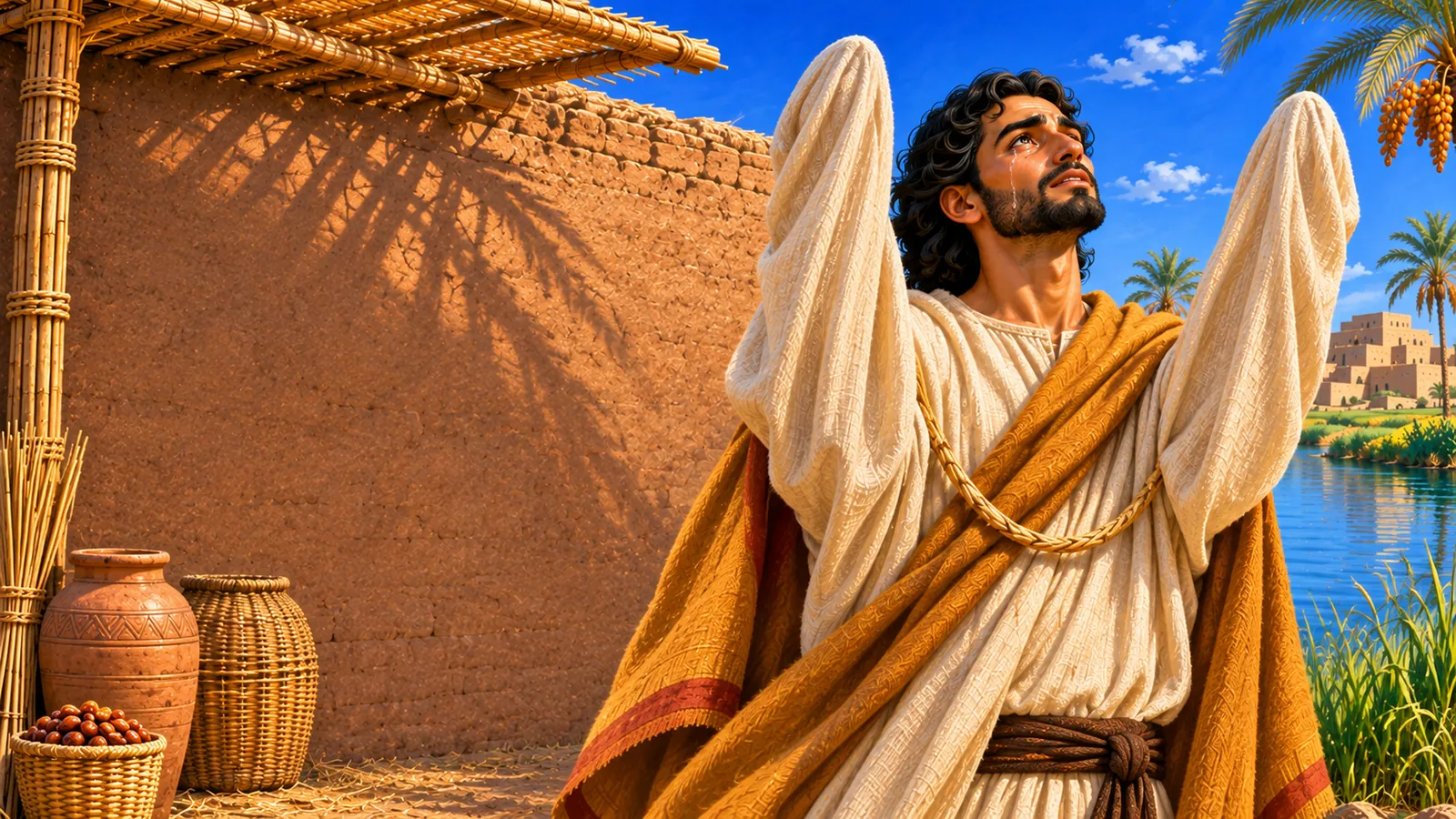
Sie fesselten Dumuzis Hände und Arme. Er hob die Hände zum Himmel, um Utu erneut anzuflehen.
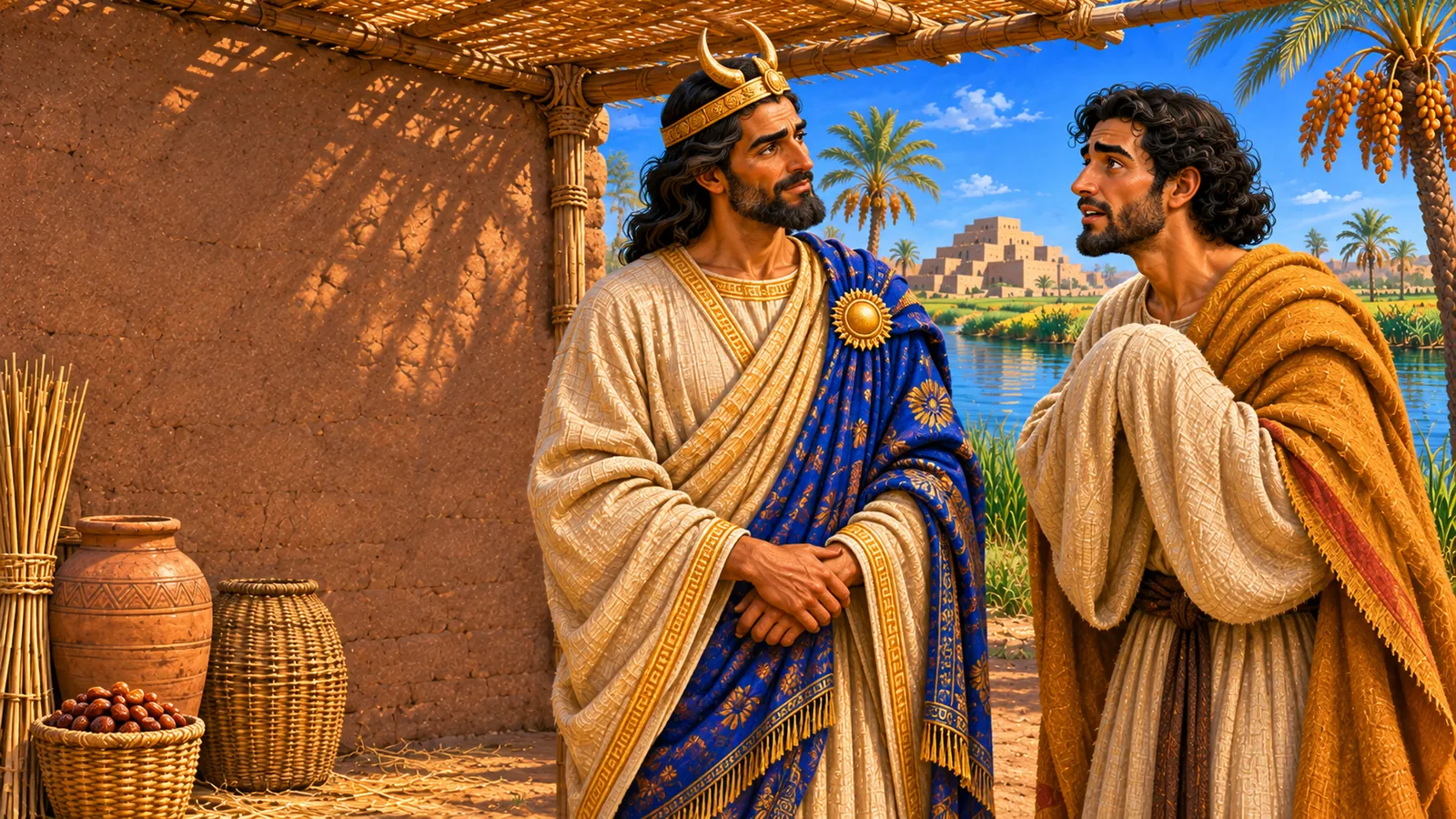
DIE DRITTE BITTE
Dumuzi sprach erneut zu Utu. Er erinnerte ihn daran, dass er sein Schwager und mit seiner Schwester verheiratet war.

Dumuzi erinnerte daran, dass er Speise nach Eanna trug und Hochzeitsgeschenke nach Uruk gebracht hatte. Er sprach davon, die heiligen Lippen zu küssen und auf Inannas heiligen Knien zu tanzen.
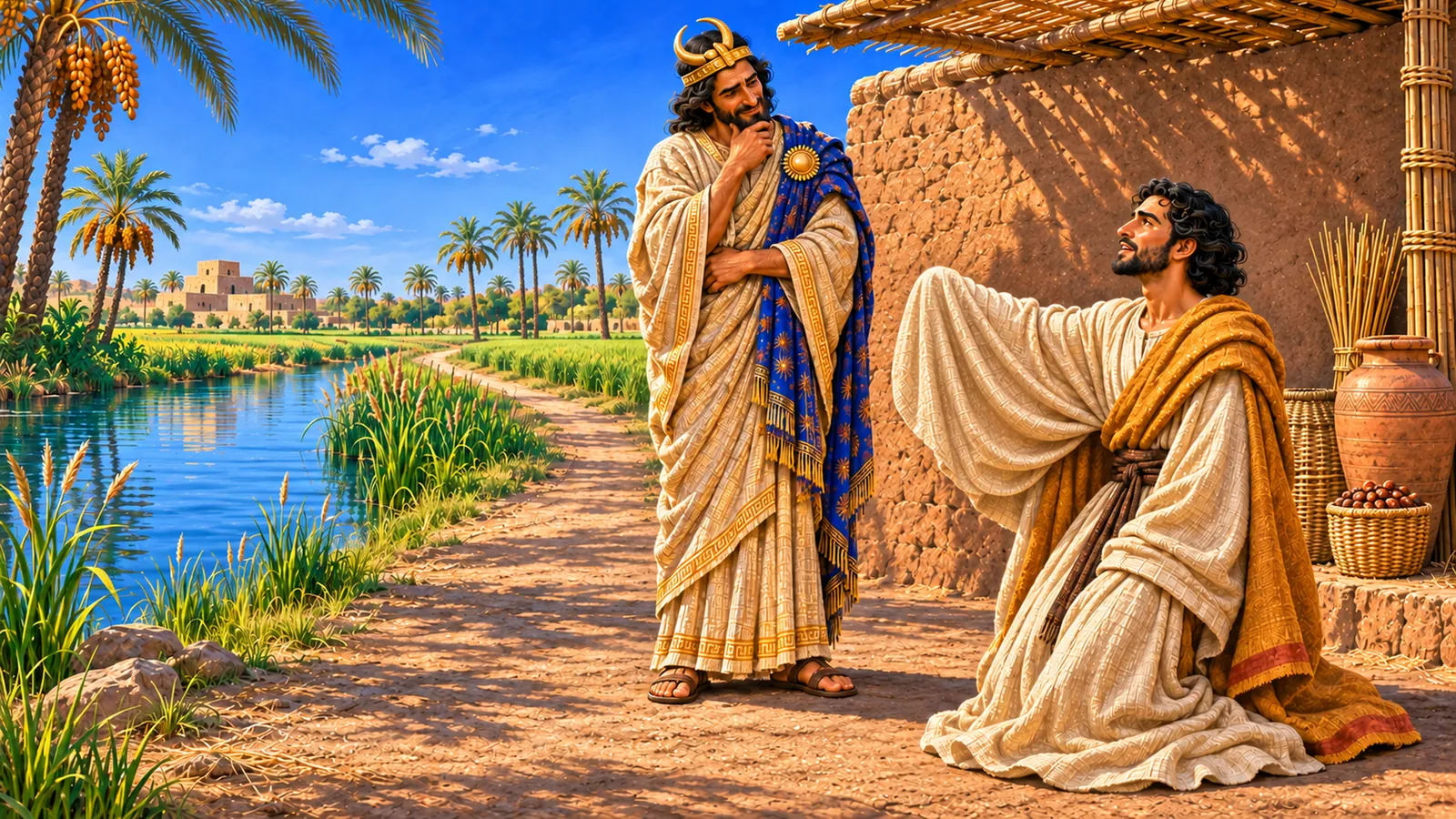
Er bat Utu um Gazellenhände und Gazellenfüße, damit er in den heiligen Schafpferch seiner Schwester entkommen könne.
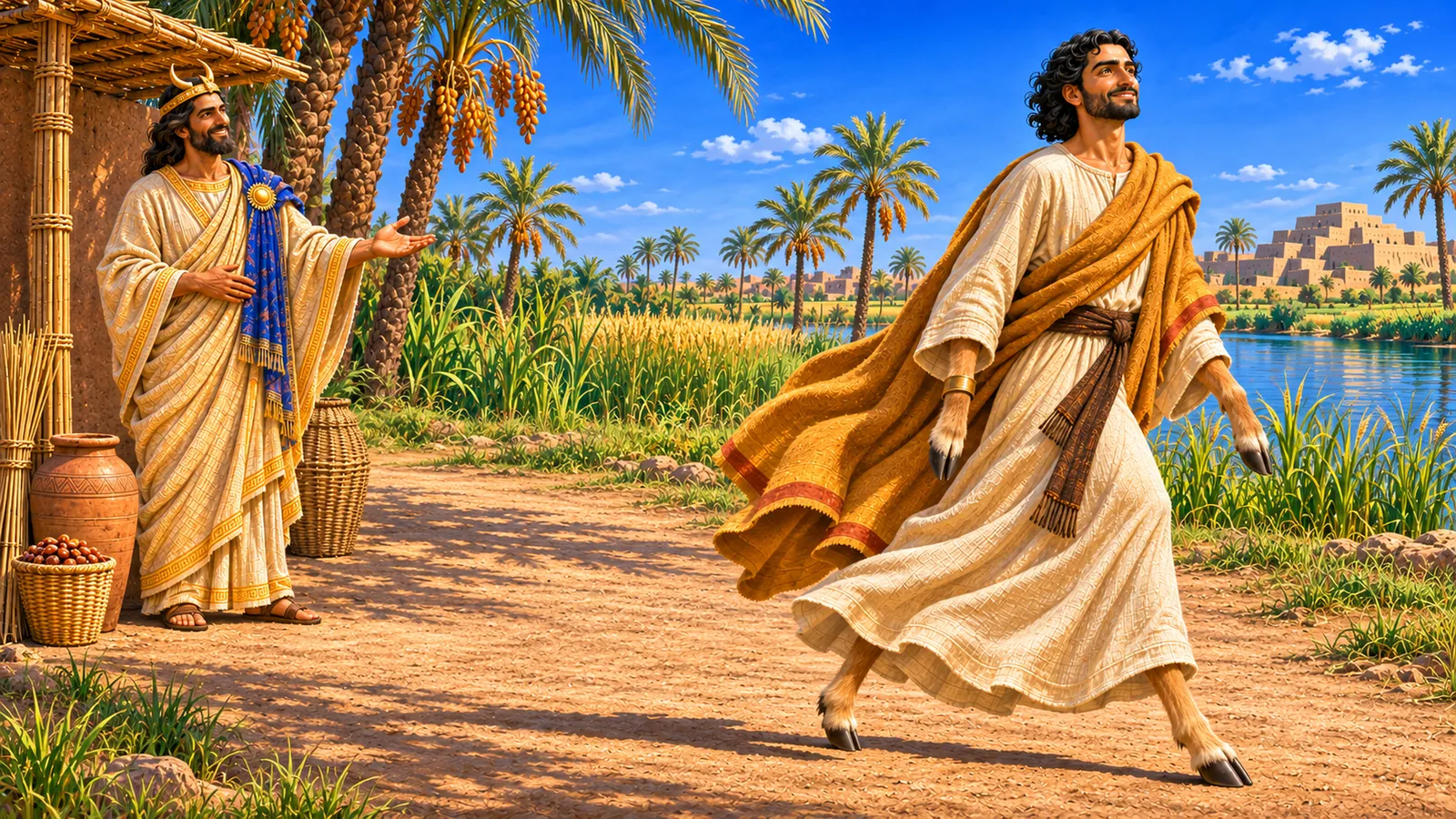
FLUCHT
Utu nahm seine Tränen erneut an. Er gab Dumuzi Hände und Füße einer Gazelle, und Dumuzi entkam den Dämonen.
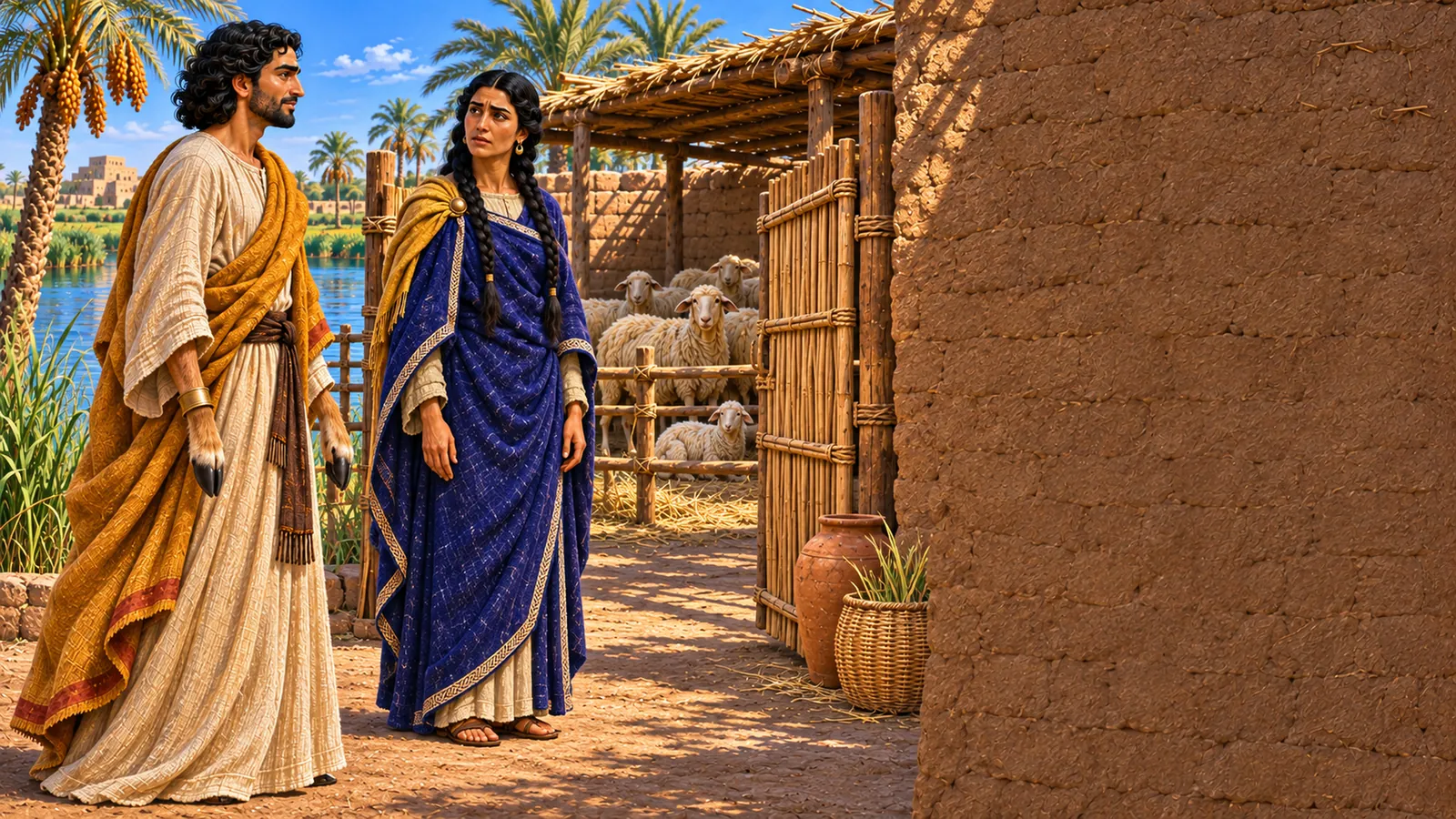
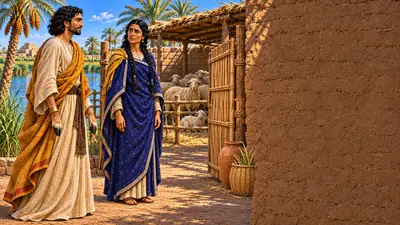
Dumuzi rettete sich in den heiligen Schafpferch. Es war der Pferch seiner Schwester, und er näherte sich seinem Eingang.
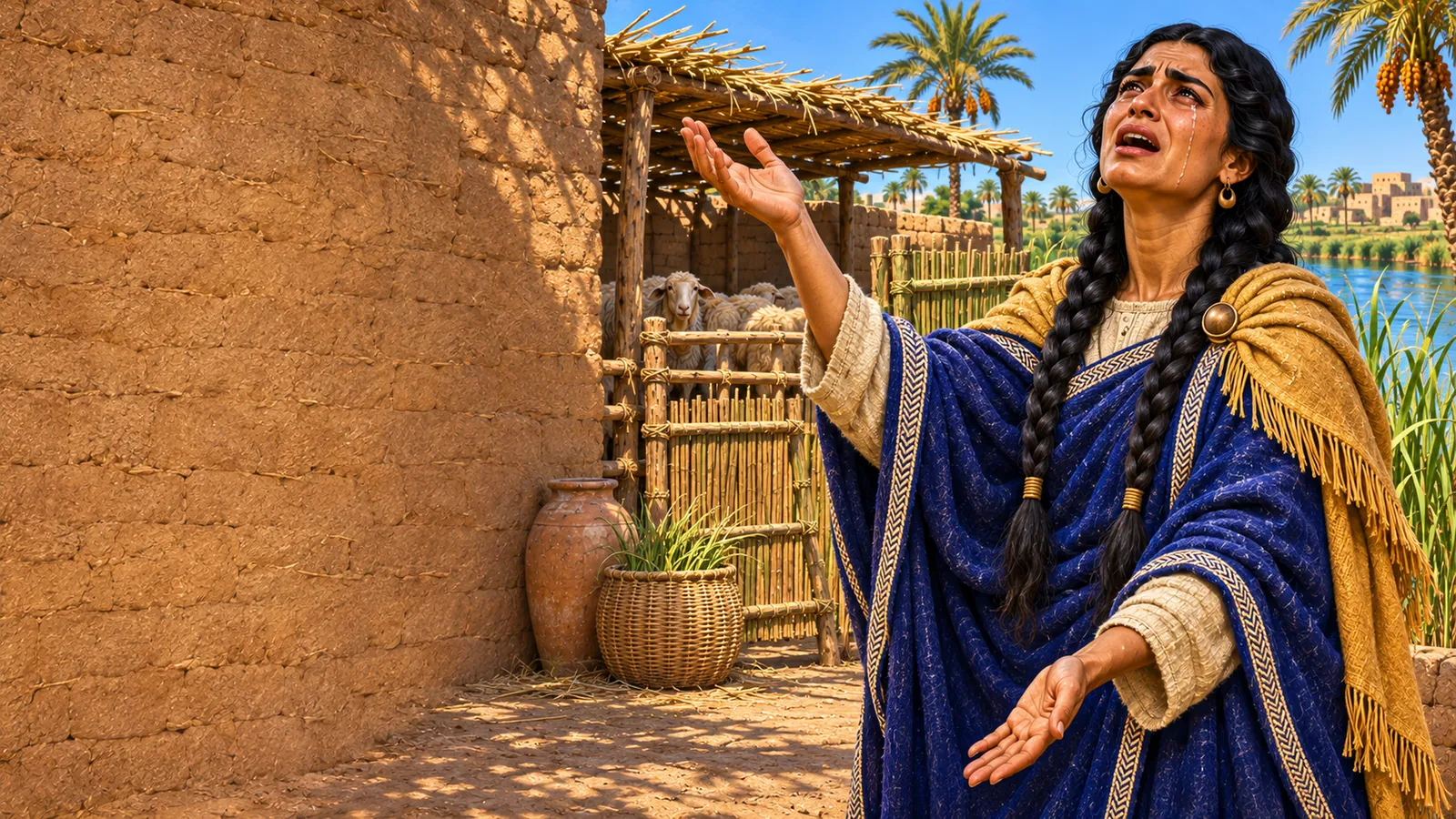
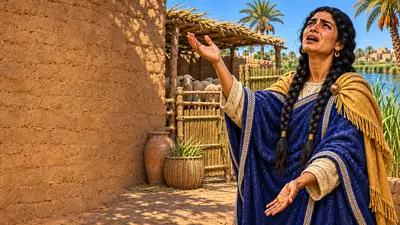
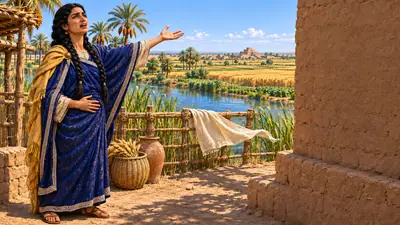
Geštinanna rief zum Himmel und zur Erde. Ihre Stimme ging über den ganzen Horizont, als könnte sie das Land bedecken.
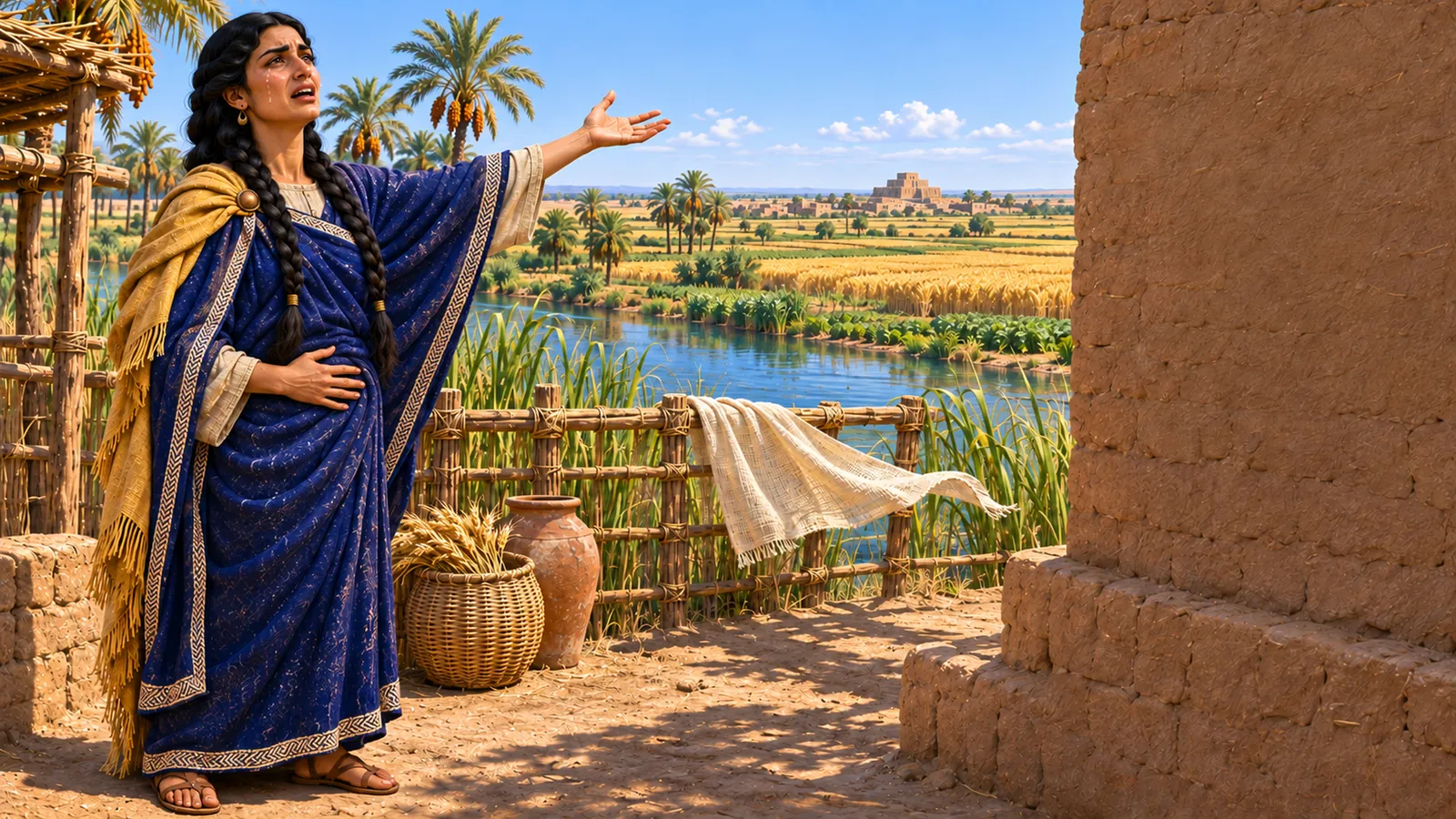
Das Gedicht vergleicht ihre Rufe mit einem über den Horizont gespannten Tuch. Sie lagen wie ein Stück Leinen über dem fernen Land.
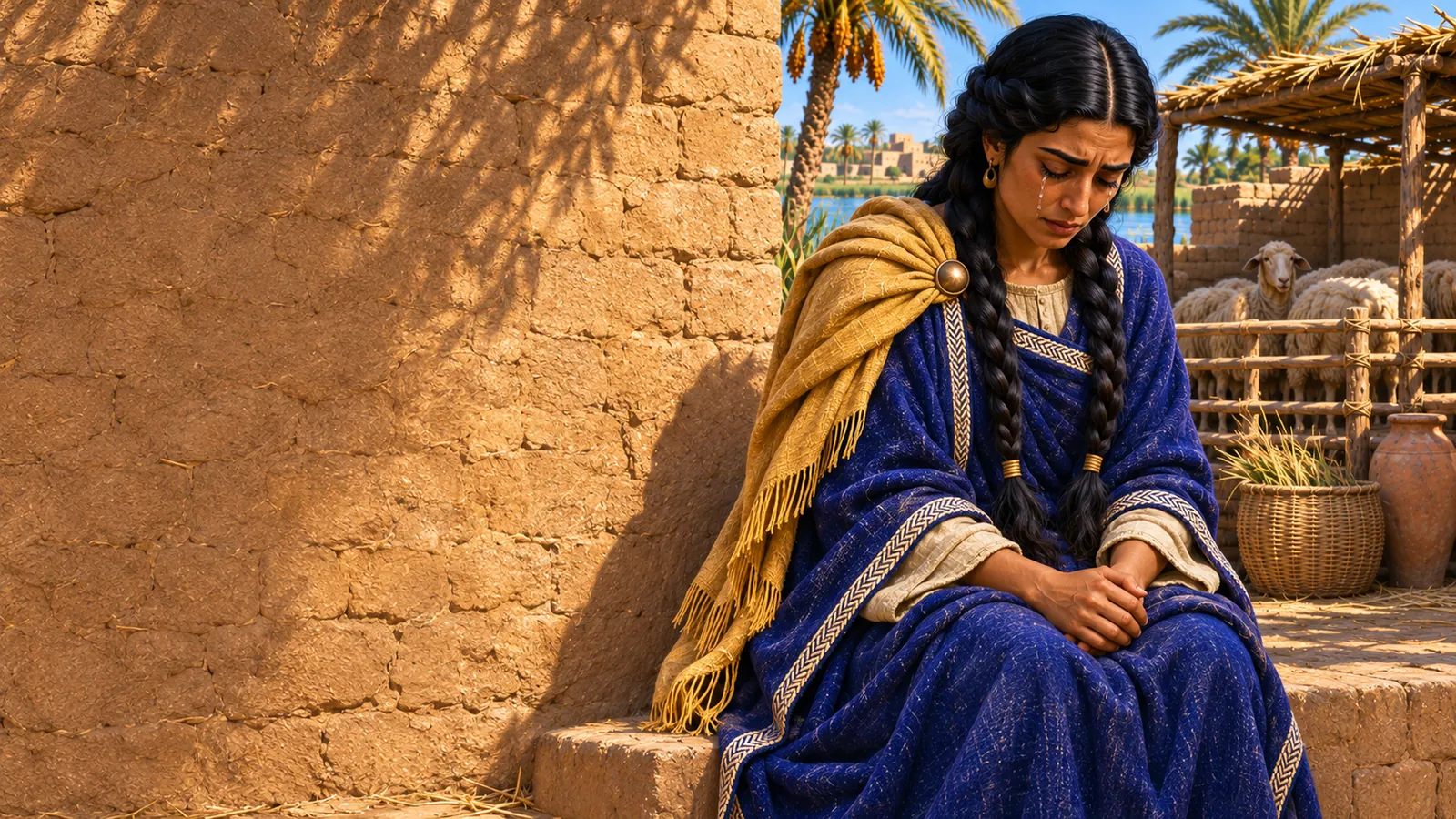
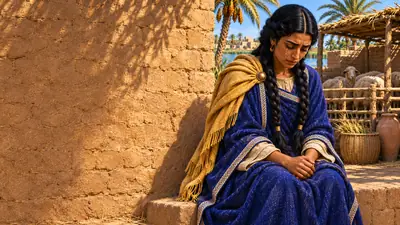
In ihrer Trauer verletzte Geštinanna sich selbst. Das Gedicht sagt, sie habe es vor anderen getan und sich wieder verletzt, als sie allein war.
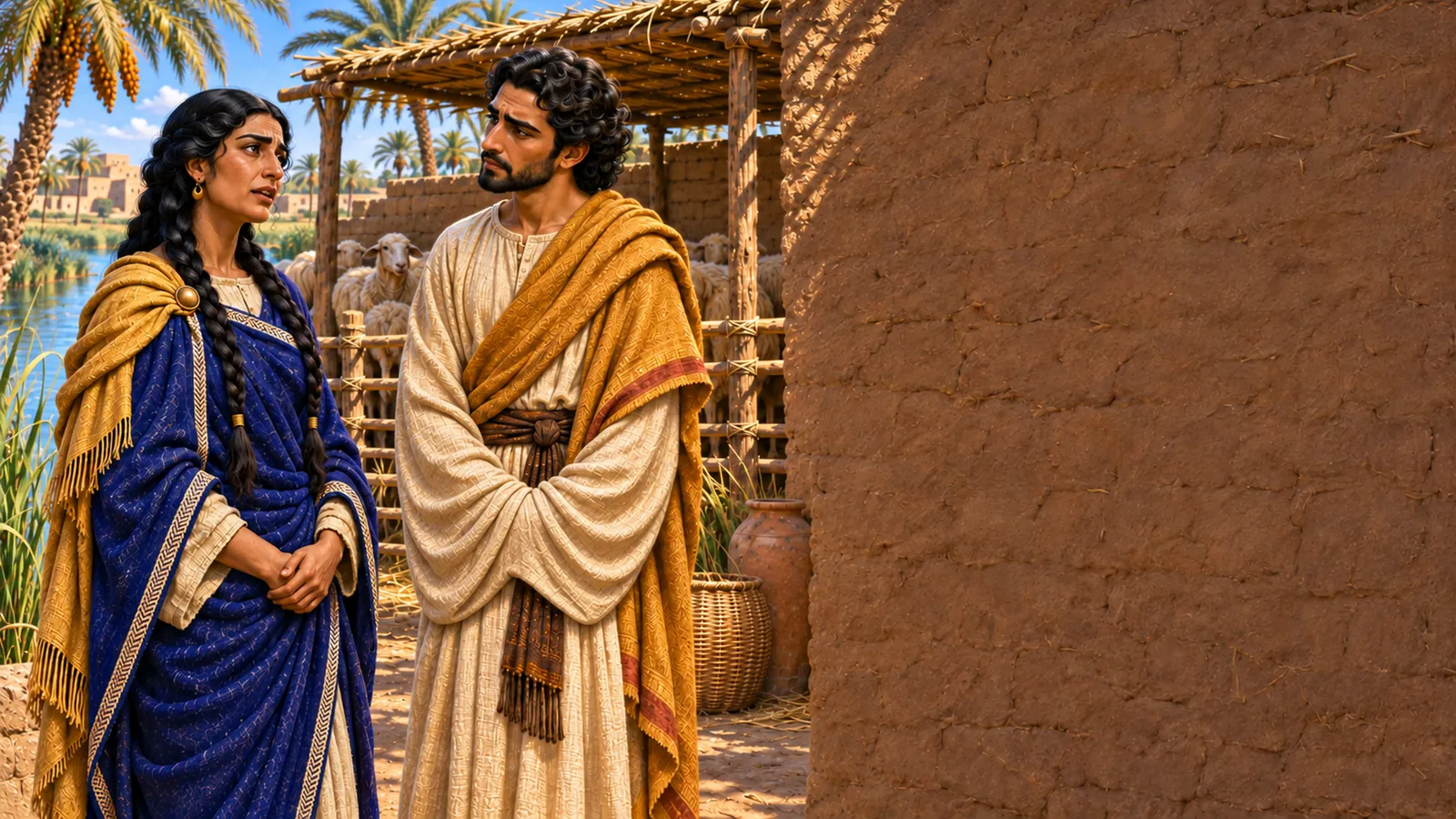
Sie sprach mit ihrem Bruder davon, durch die Straßen zu gehen. Dort bricht ihr Satz ab. Was sie tun wollte, bleibt offen.
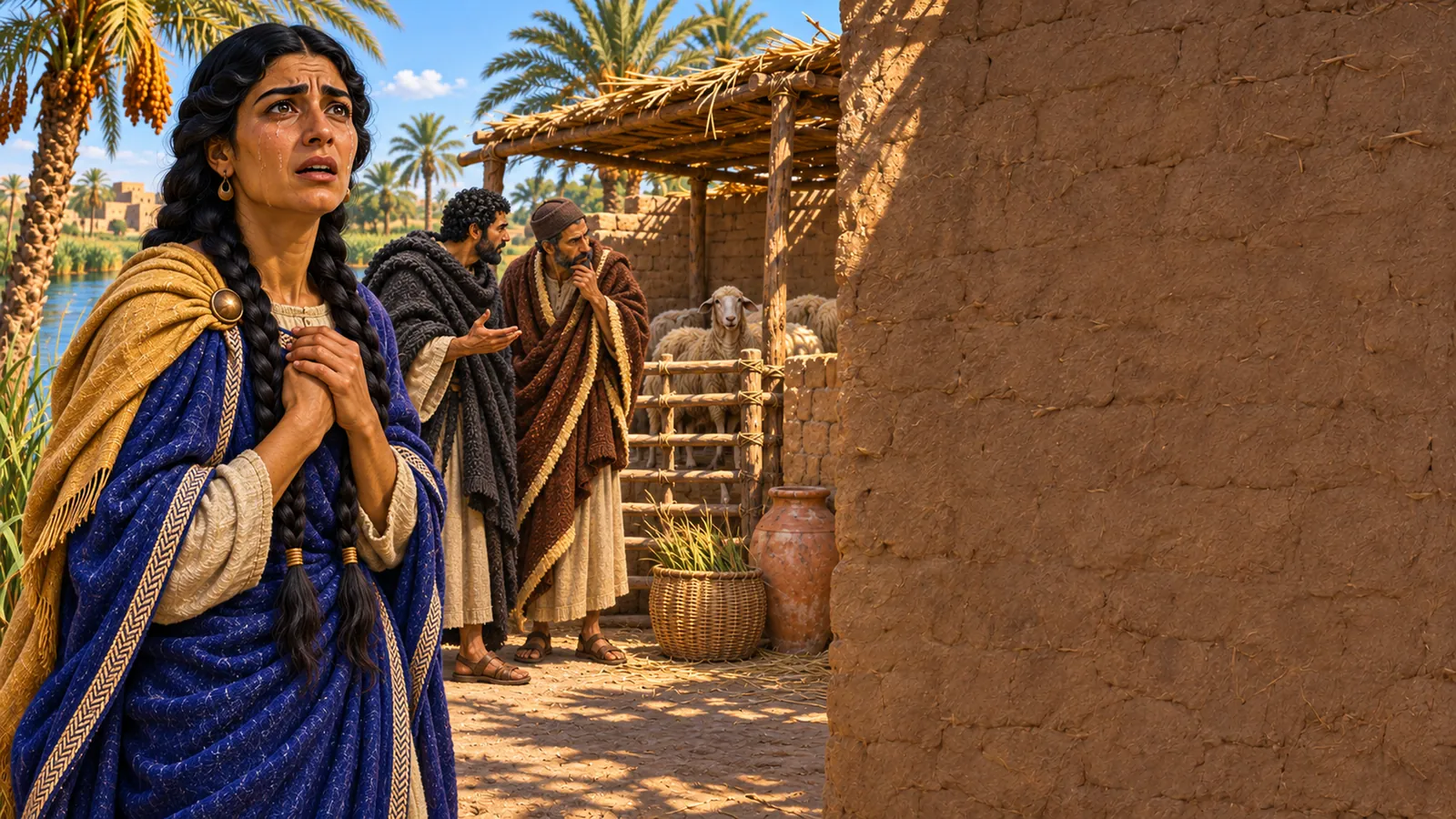
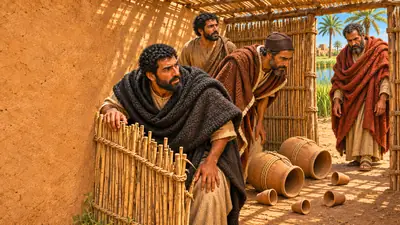
Die Dämonen hörten die Angst in ihrer Stimme und sahen darin ein Zeichen, dass sie wusste, wo Dumuzi war. Sie wandten sich dem Schafpferch und dem Rindergehege zu.
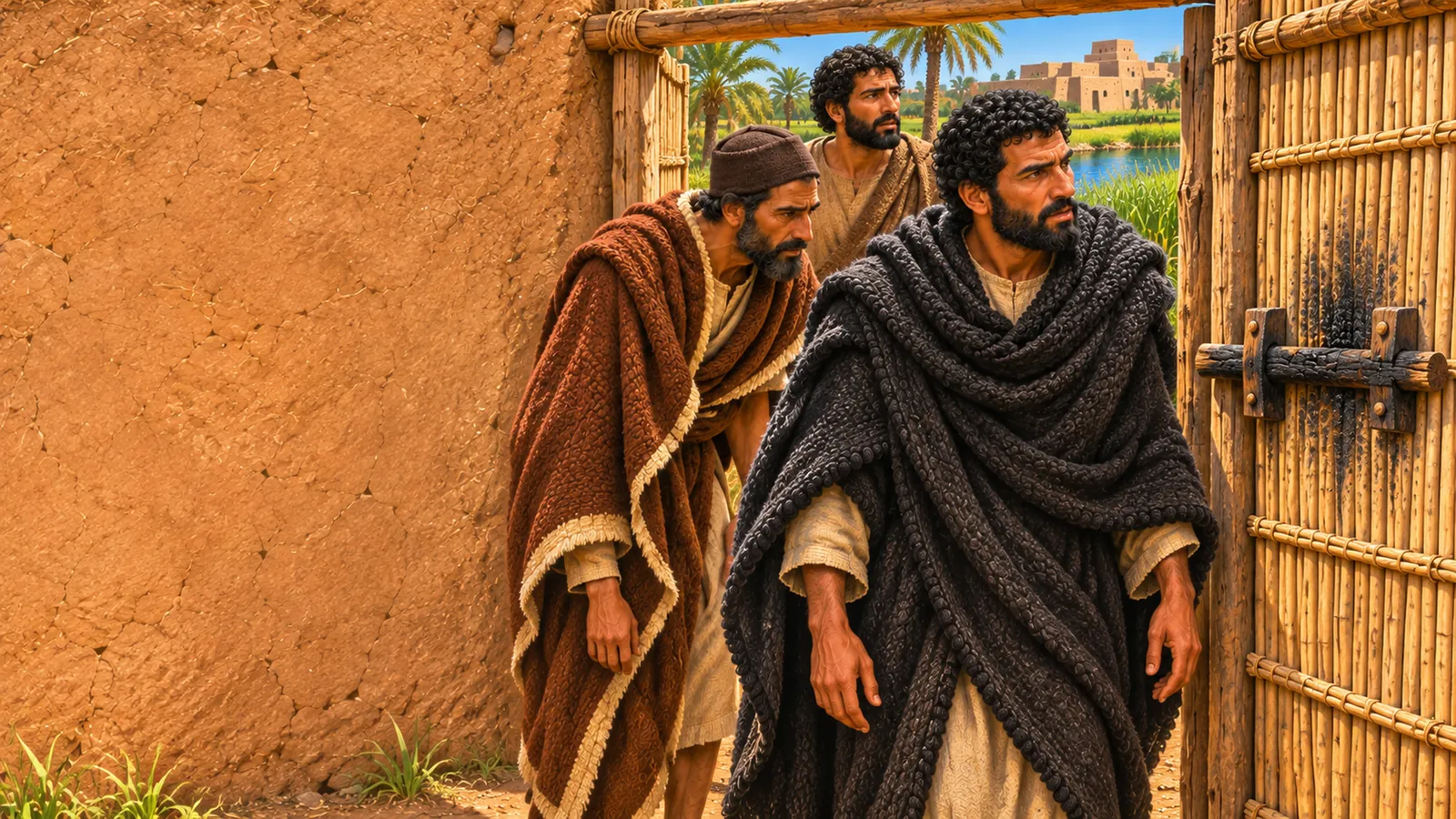
Der erste Dämon betrat den Schafpferch und das Rindergehege. In der Hauptfassung setzte er den Türriegel in Brand.
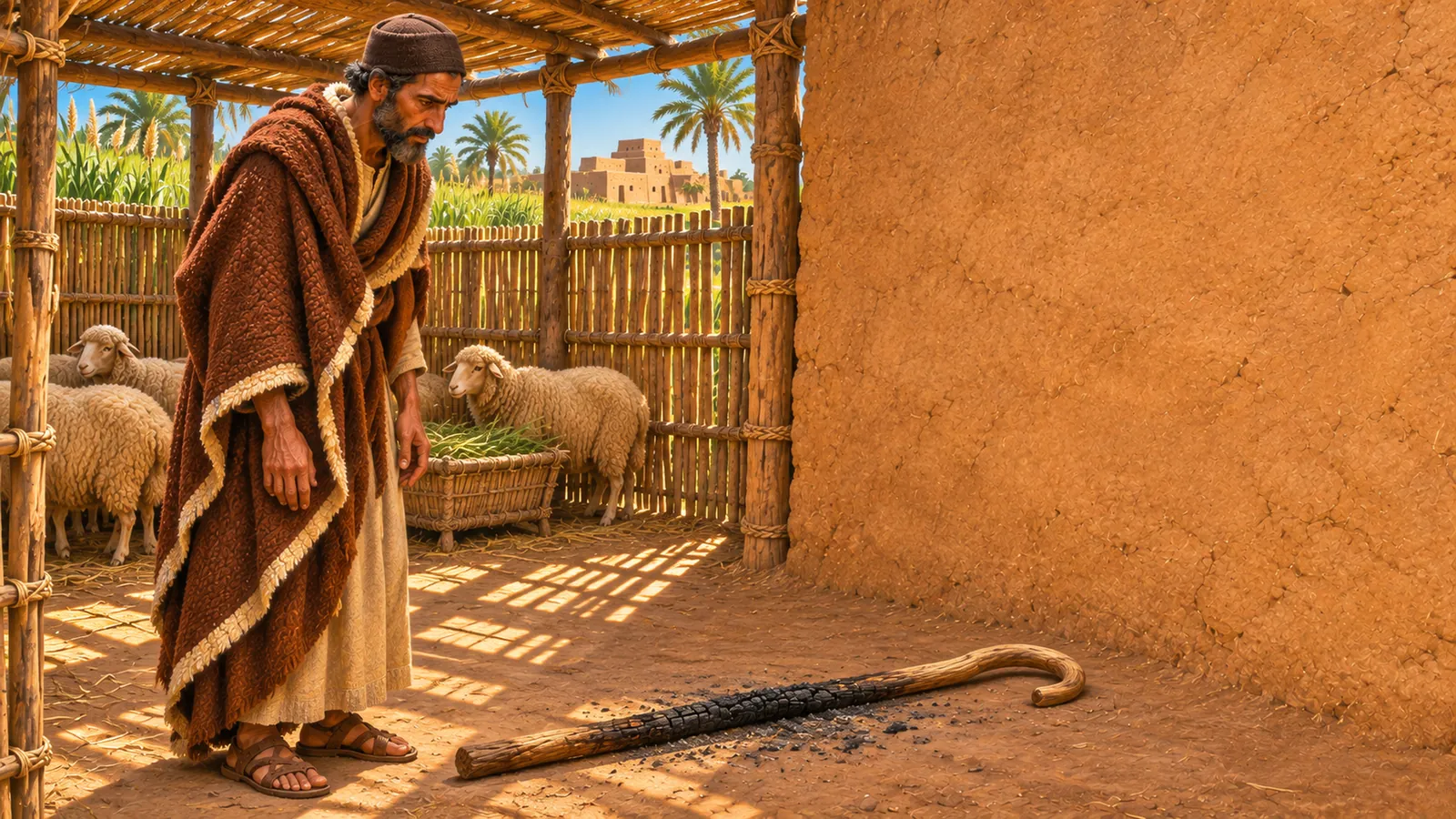
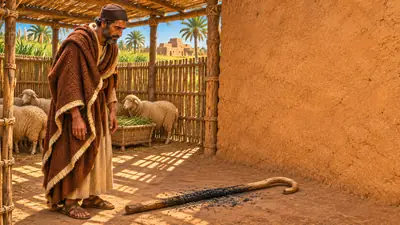
Der zweite Dämon betrat den Schafpferch und das Rindergehege und verbrannte den Hirtenstab. Schon in Dumuzis Traum war ein Stab verschwunden.
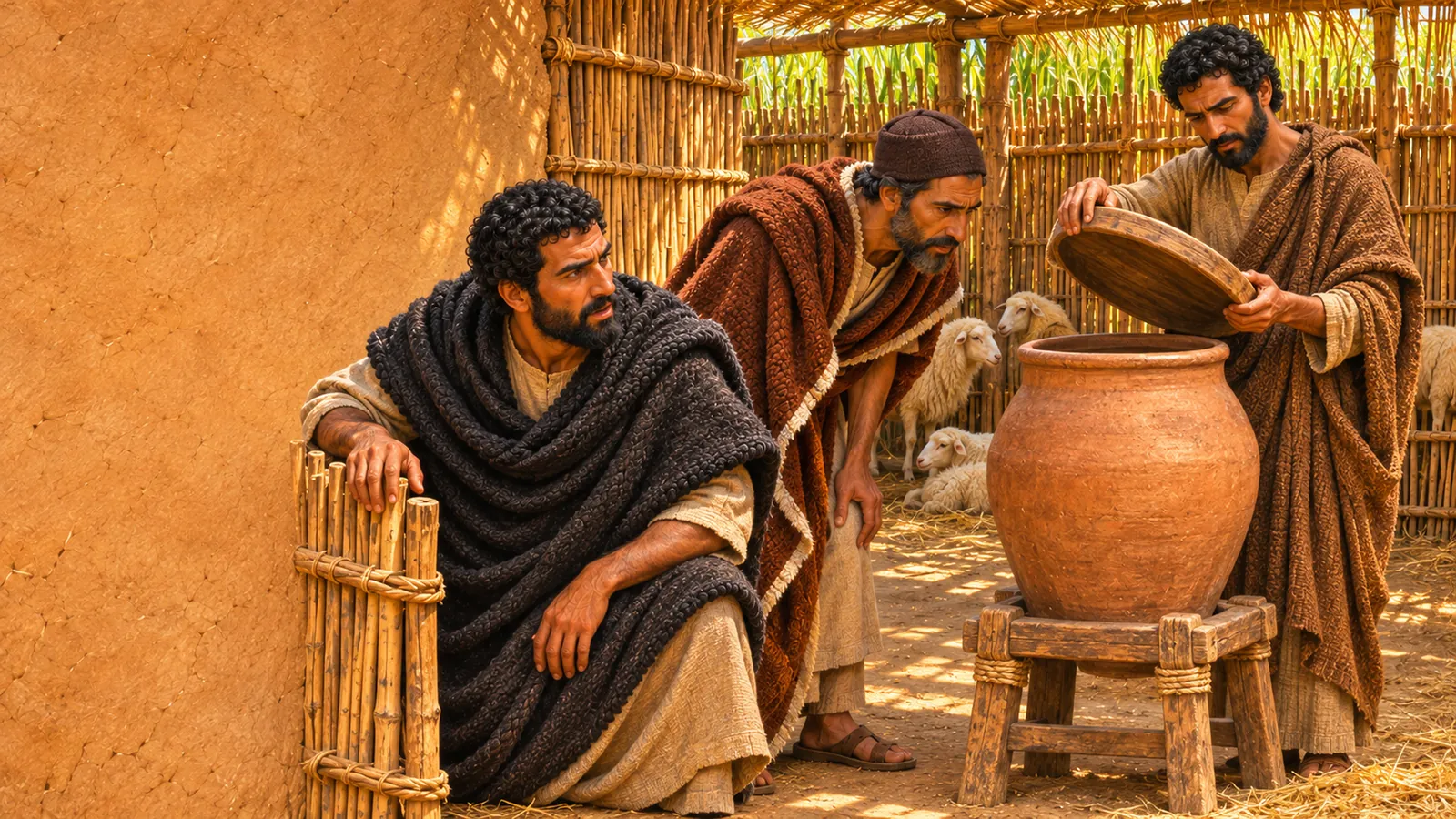
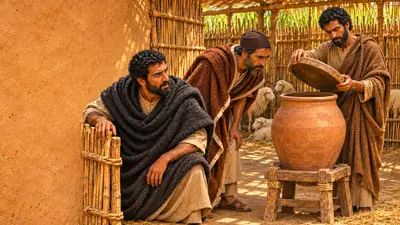
Der dritte Dämon betrat den Schafpferch und das Rindergehege. Er nahm den Deckel vom heiligen Butterfass, wie Dumuzi es im Traum gesehen hatte.
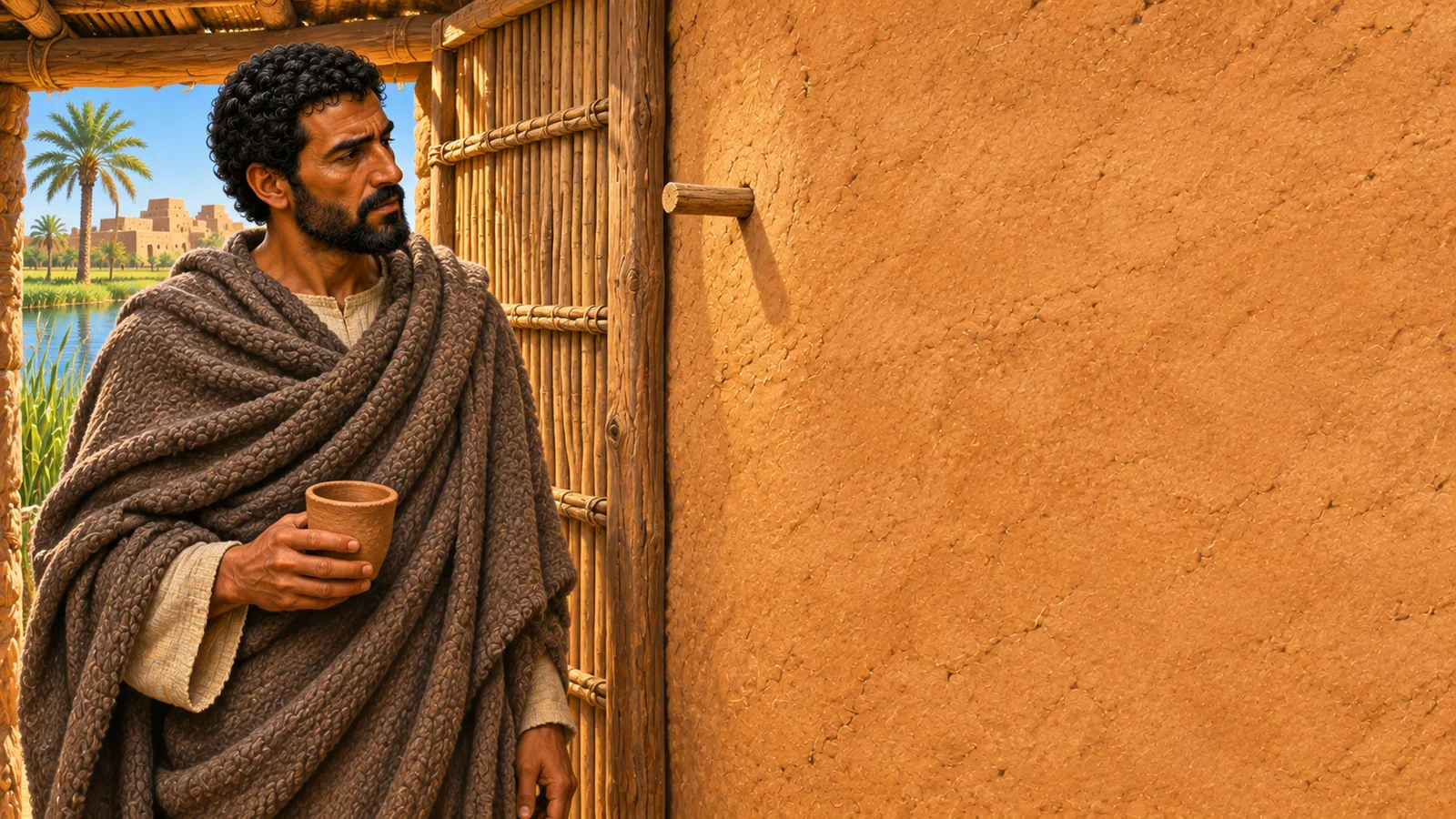
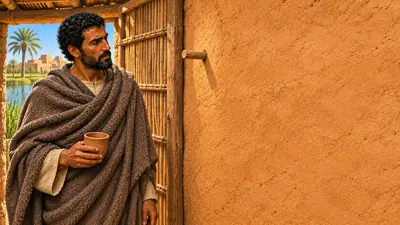
Der vierte Dämon ging hinein und riss den Trinkbecher von seinem Pflock. Auch der Becher war in Dumuzis Traum herabgefallen.
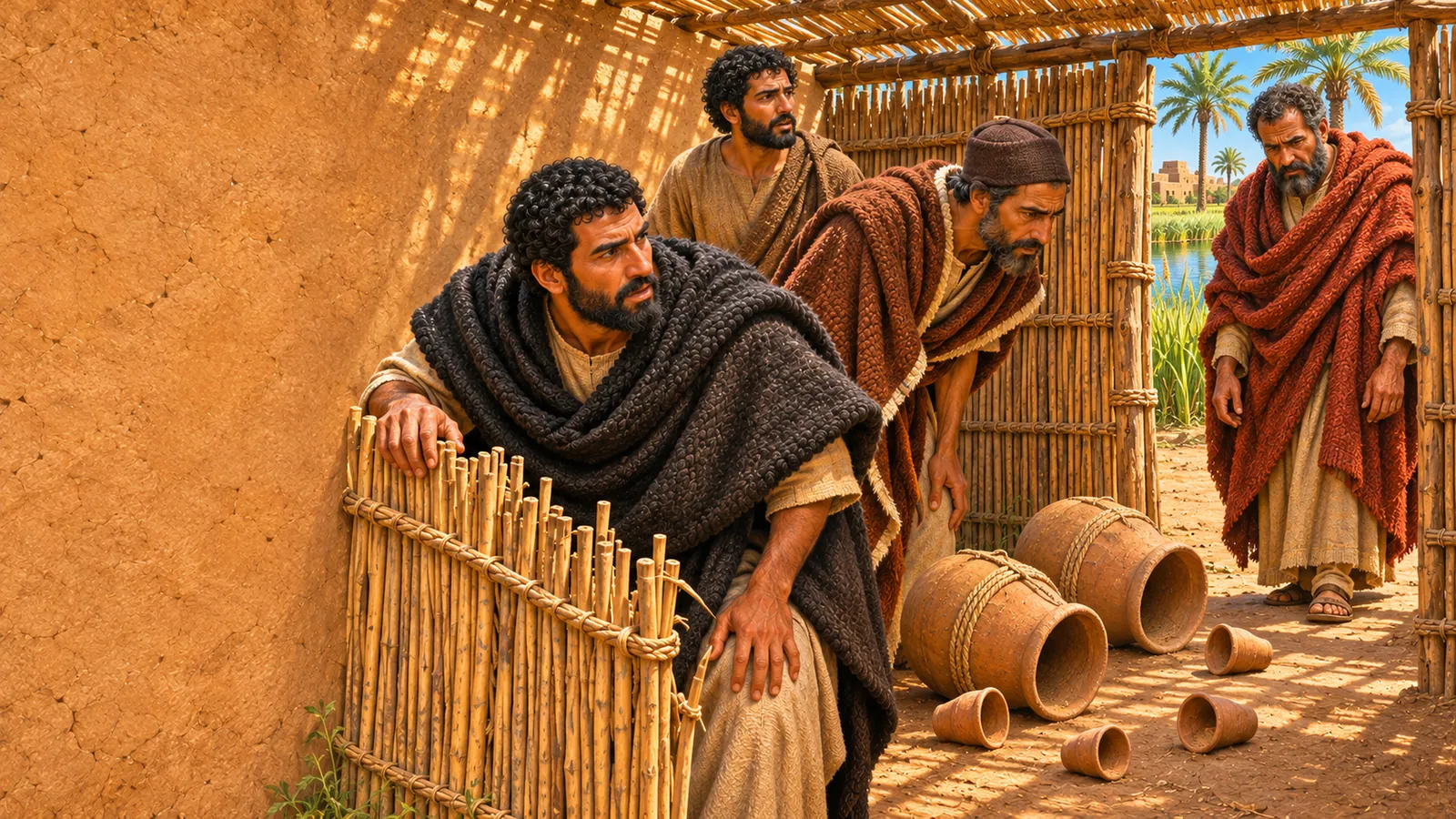
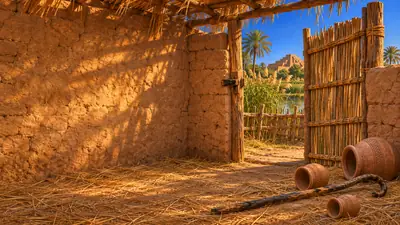
Als in der Hauptfassung der fünfte Dämon eintrat, lagen die Butterfässer und Becher auf der Seite. Niemand goss im Schafpferch Milch aus.
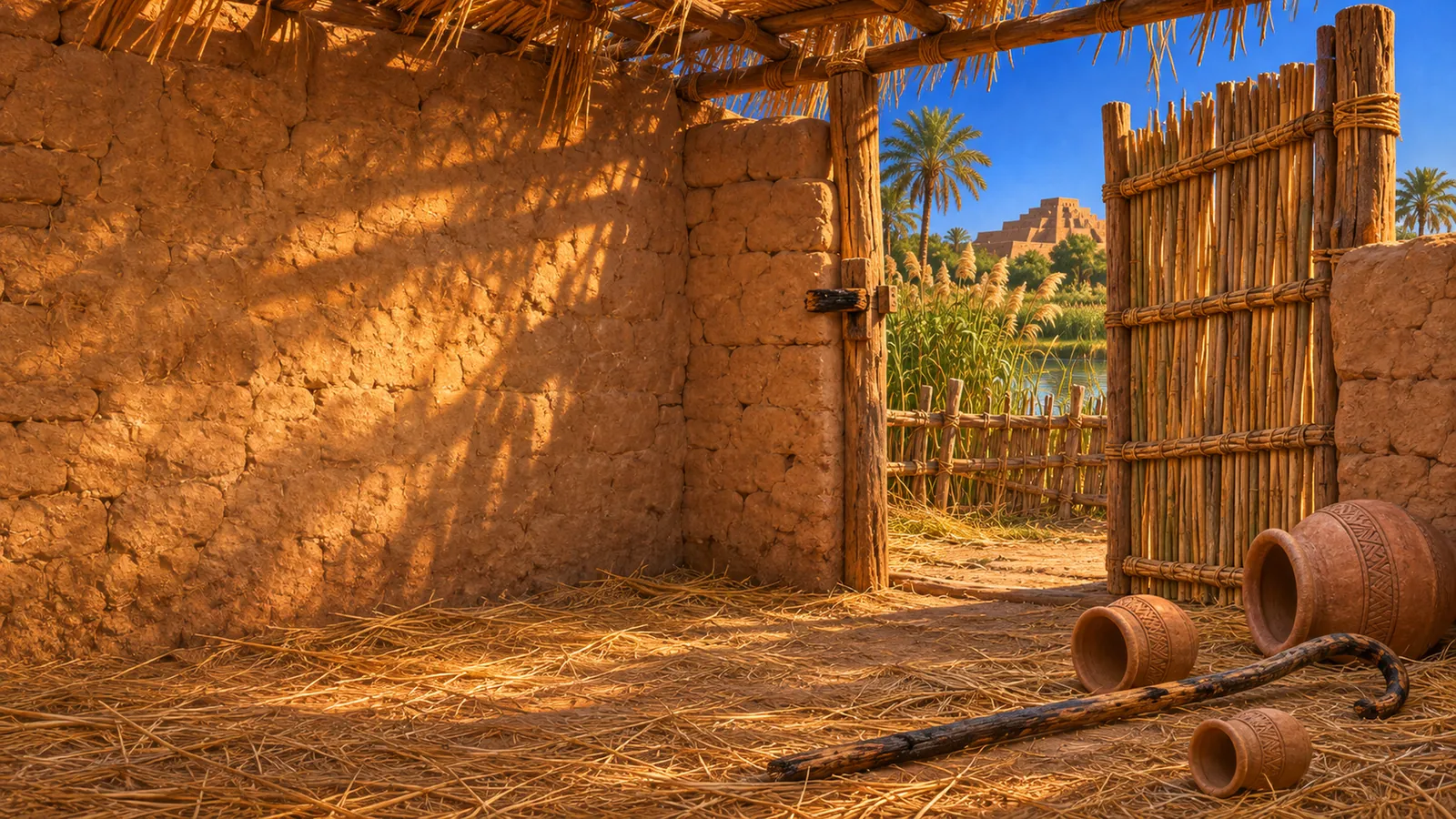
Dumuzi war tot, und im Schafpferch spukte es. Die letzte Szene des Traums war eingetroffen. Das Gedicht lässt den Ort ohne seinen Hirten zurück.

KLAGE
Die letzte Zeile nennt das Gedicht ein kalkal-Lied für den toten Dumuzi. Sie gibt der Klage einen Namen, die bleibt, nachdem der Schafpferch verstummt ist.
Ende von Kapitel 2
Alle Seiten




Quellen
Oxford groups the translation into line ranges. Each page follows the beat within its cited group. Eanna, Uruk and Inanna are the names used here for Oxford’s E-ana, Unug and Inana. Ku-bireš and Ku-bireš-dildareš render Oxford’s Ku-birec and Ku-birec-dildarec.
Benutzte Editionen
Hinweise zu dieser Nacherzählung
Pages 1–4, lines 165–173. Dumuzi addresses Utu as his brother-in-law and calls himself the husband of Utu’s sister. He mentions carrying food to Eanna and bringing wedding gifts to Uruk. Page 3 gives his claim that he kisses Inanna’s sacred lips and dances on her sacred knees, the words of his appeal. On page 4 he asks for gazelle hands and feet so he can escape to Ku-bireš-dildareš. These spellings follow the story’s naming conventions. Oxford prints E-ana, Unug, Inana and Ku-birec-dildarec.
Page 5, lines 174–180. Utu accepts Dumuzi’s tears and shows mercy. One manuscript adds that he accepts the tears as a gift.
Pages 6–8, lines 174–180. The translation specifies Dumuzi’s hands and feet in describing the change. He evades the demons and reaches Ku-bireš-dildareš with his life. They look for him without finding him at first.
Pages 9–10, lines 181–191. The pursuers propose going to Ku-bireš. One witness adds a broken comparison involving a net after this suggestion. Oxford prints Ku-birec.
Pages 11–12 (181–191). Adjacent pages preserve the order to go to Ku-bireš and the capture there. The captured Dumuzi is surrounded, the standing water drained and a cord, net, reed hawser and sticks prepared. Oxford describes the man in front throwing projectiles and preserves no action for the man behind. The poem says they bound Dumuzi’s hands and arms and then describes him raising his hands toward Utu. Page 12 retains that sequence. The manuscript addition with the comparison to a net belongs with the earlier order.
Pages 13–15 (192–199). The appeal begins with Dumuzi identifying Utu as his brother-in-law. Dumuzi says he carries food to Eanna and brought wedding gifts to Uruk, and invokes Inanna’s lips and knees. Then he requests the hands and feet of a gazelle so that he can escape to the house of Old Woman Belili. One manuscript reads snake in place of gazelle in both phrases. The narrative request is distinct from its fulfillment.
Pages 16–17 (200–205). Utu accepts Dumuzi’s tears and changes his hands and feet into those of a gazelle in the composite text. One manuscript reads snake as the alternative for both. The composite gives his evasion and escape with his life to Belili’s house.
Pages 18–19 (206–208). Dumuzi identifies himself as a goddess’s husband and makes two requests, first for water to drink and then for flour to eat.
Page 20 (209–212). The first surviving sequence is Belili pouring water, sprinkling flour, and Dumuzi sitting inside. The next pages take up Belili leaving and the demons seeing her. The edition gives no eating or drinking action between the request and Dumuzi’s sitting down.
Pages 21–22 (209–212). After the old woman gives Dumuzi water and flour, he sits inside. She goes outside, and the demons see her.
Pages 23–24 (213–226). The searchers remark on the old woman’s frightened appearance and cries. They infer that she knows Dumuzi’s whereabouts and decide to go to the house of Old Woman Belili, where they catch him. The explanation of her fear comes from them. The translation gives no disclosure by Belili.
Pages 25–27 (213–226). The men drain the standing water around Dumuzi and prepare a cord, a net, a reed hawser and sticks. The man in front throws projectiles at him, and the words about the man behind him break off. The translation names handcuffs and fetters on his hands and arms. He raises his hands heavenward to Utu, and the next numbered passage begins his third appeal.
Pages 28–30 (227–234). Dumuzi calls Utu his brother-in-law and himself the husband of Utu’s sister. He speaks of kissing holy lips and dancing on Inanna’s holy knees. Here the request is for the hands and feet of a gazelle so he can escape to his sister’s holy sheepfold. The snake reading is a variant of the ensuing transformation at 235–244.
Pages 31–32, ETCSL 1.4.3, lines 235–244. Utu hears the appeal, changes Dumuzi’s hands and feet, and he escapes toward his sister’s holy sheepfold. Oxford gives gazelle limbs in the main text and snake limbs in a manuscript variant.
Pages 33–35, lines 235–244. Geštinanna cries toward heaven and earth. Her cries are likened to spread cloth and linen.
Page 35 (ETCSL 1.4.3, lines 235–244).
Pages 36–37, lines 245–255. The opening speech to her brother breaks off after a phrase about going through the streets. The pursuers infer from her fear and cries that she knows where Dumuzi is, then decide to go to the sheepfold and cow-pen. Their inference belongs to their speech.
Pages 38–40, lines 245–255. The first demon sets fire to the bolt in Oxford’s main reading. One manuscript has a shout followed by damaged wording. The second burns the shepherd’s staff and the third removes the churn lid. These are the separate actions in the main sequence.
Pages 41–43, lines 256–260. The fourth tears the cup from its peg in the main reading. At the fifth entry, churns and cups lie on their sides, no milk is poured, Dumuzi is dead and the sheepfold is haunted. One manuscript adds water poured over the brazier at the fourth entry, shifts the cup to the fifth and divides the concluding signs between the sixth and seventh.
Page 44, line 261. Oxford marks the last line as the description of a kalkal song for the dead Dumuzi. This poem ends at that description.
Die antiken Verse hinter jeder Seite
- Page 1: ETCSL 1.4.3, lines 165–173
The ditches suggest the place of the plea rather than a named monument. - Page 2: ETCSL 1.4.3, lines 165–173
- Page 3: ETCSL 1.4.3, lines 165–173
- Page 4: ETCSL 1.4.3, lines 165–173
- Page 5: ETCSL 1.4.3, lines 174–180
- Page 6: ETCSL 1.4.3, lines 174–180
- Page 7: ETCSL 1.4.3, lines 174–180
- Page 8: ETCSL 1.4.3, lines 174–180
- Page 9: ETCSL 1.4.3, lines 181–191
- Page 10: ETCSL 1.4.3, lines 181–191
At extreme lower left an overhanging fragment of bare cracked clay receives a narrow muted warm highlight. - Page 11: ETCSL 1.4.3, lines 181–191
- Page 12: ETCSL 1.4.3, lines 181–191
- Page 13: ETCSL 1.4.3, lines 192–199
- Page 14: ETCSL 1.4.3, lines 192–199
The right falls into broad naturally even gray-olive plaster shade, with no roof edge or right line. - Page 15: ETCSL 1.4.3, lines 192–199
- Page 16: ETCSL 1.4.3, lines 200–205
- Page 17: ETCSL 1.4.3, lines 200–205
Left is continuous natural copper-gray distance with no horizon line or street. - Page 18: ETCSL 1.4.3, lines 206–208
- Page 19: ETCSL 1.4.3, lines 206–208
- Page 20: ETCSL 1.4.3, lines 209–212
- Page 21: ETCSL 1.4.3, lines 209–212
- Page 22: ETCSL 1.4.3, lines 209–212
- Page 23: ETCSL 1.4.3, lines 213–226
- Page 24: ETCSL 1.4.3, lines 213–226
- Page 25: ETCSL 1.4.3, lines 213–226
- Page 26: ETCSL 1.4.3, lines 213–226
- Page 27: ETCSL 1.4.3, lines 213–226
- Page 28: ETCSL 1.4.3, lines 227–234
A narrow ochre earth bank and a low line of reed roots occupy only the lowest third. - Page 29: ETCSL 1.4.3, lines 227–234
- Page 30: ETCSL 1.4.3, lines 227–234
A pastoral track runs across the lower right toward a distant low reed sheepfold, both remaining wholly to the right of the middle line. - Page 31: ETCSL 1.4.3, lines 235–244
- Page 32: ETCSL 1.4.3, lines 235–244
- Page 33: ETCSL 1.4.3, lines 235–244
A broad nearly empty Sumerian plain with a low distant line of river reeds. Overhead natural pale dust and diffuse dusk form a calm continuous lead-blue and faint rose field, with no sharp lower sky edge in the text reserve. - Page 34: ETCSL 1.4.3, lines 235–244
- Page 35: ETCSL 1.4.3, lines 235–244
- Page 36: ETCSL 1.4.3, lines 245–255
- Page 37: ETCSL 1.4.3, lines 245–255
- Page 38: ETCSL 1.4.3, lines 245–255
- Page 39: ETCSL 1.4.3, lines 245–255
- Page 40: ETCSL 1.4.3, lines 245–255
- Page 41: ETCSL 1.4.3, lines 256–260
- Page 42: ETCSL 1.4.3, lines 256–260
- Page 43: ETCSL 1.4.3, lines 256–260
- Page 44: ETCSL 1.4.3, line 261
Illustrationen von IL Archive mit KI-Werkzeugen; der Text folgt den antiken Quellen (siehe die Quellen am Ende jedes Kapitels).