Enki und Ninhursag Kapitel 1
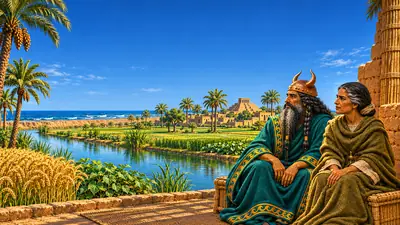
Die Wasser von Dilmun
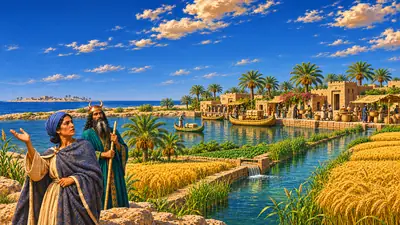
Ninsikila bittet um Wasser für Dilmun, und Süßwasser steigt in die Becken der Stadt. Nach einer Reihe von Geburten wachsen acht Pflanzen. Enki isst sie, und Ninhursag kehrt zurück, um ihn zu heilen.
QuellenBlättern Sie mit den Pfeilen, den Pfeiltasten oder durch Wischen.
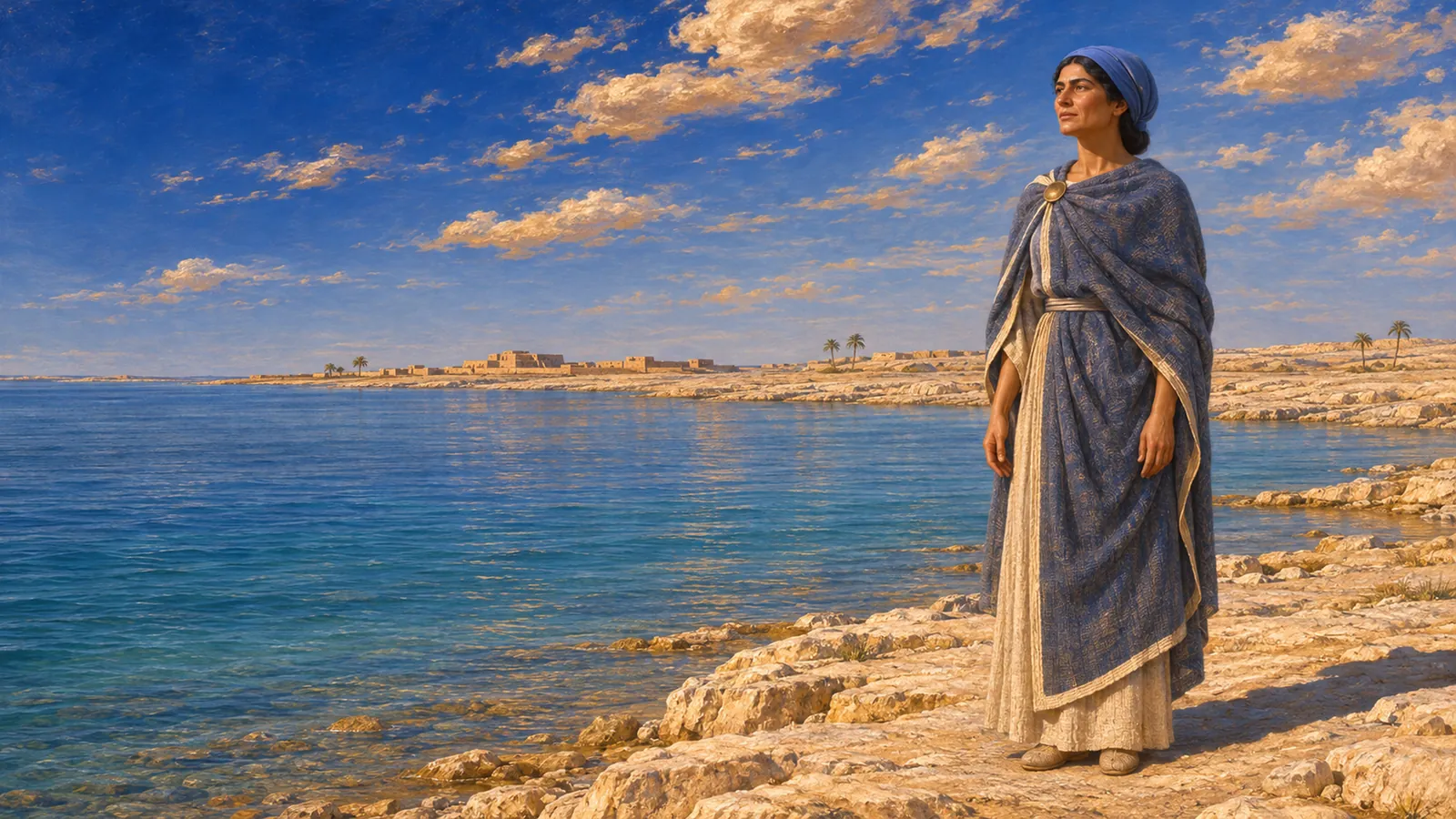
DIE WASSER VON DILMUN
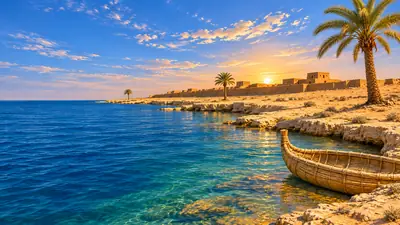
Das alte Lied nennt Sumer und preist Dilmun. Es nennt Dilmun rein, hell und unbefleckt und kehrt zu diesen Worten zurück, als es seine Geschichte beginnt.
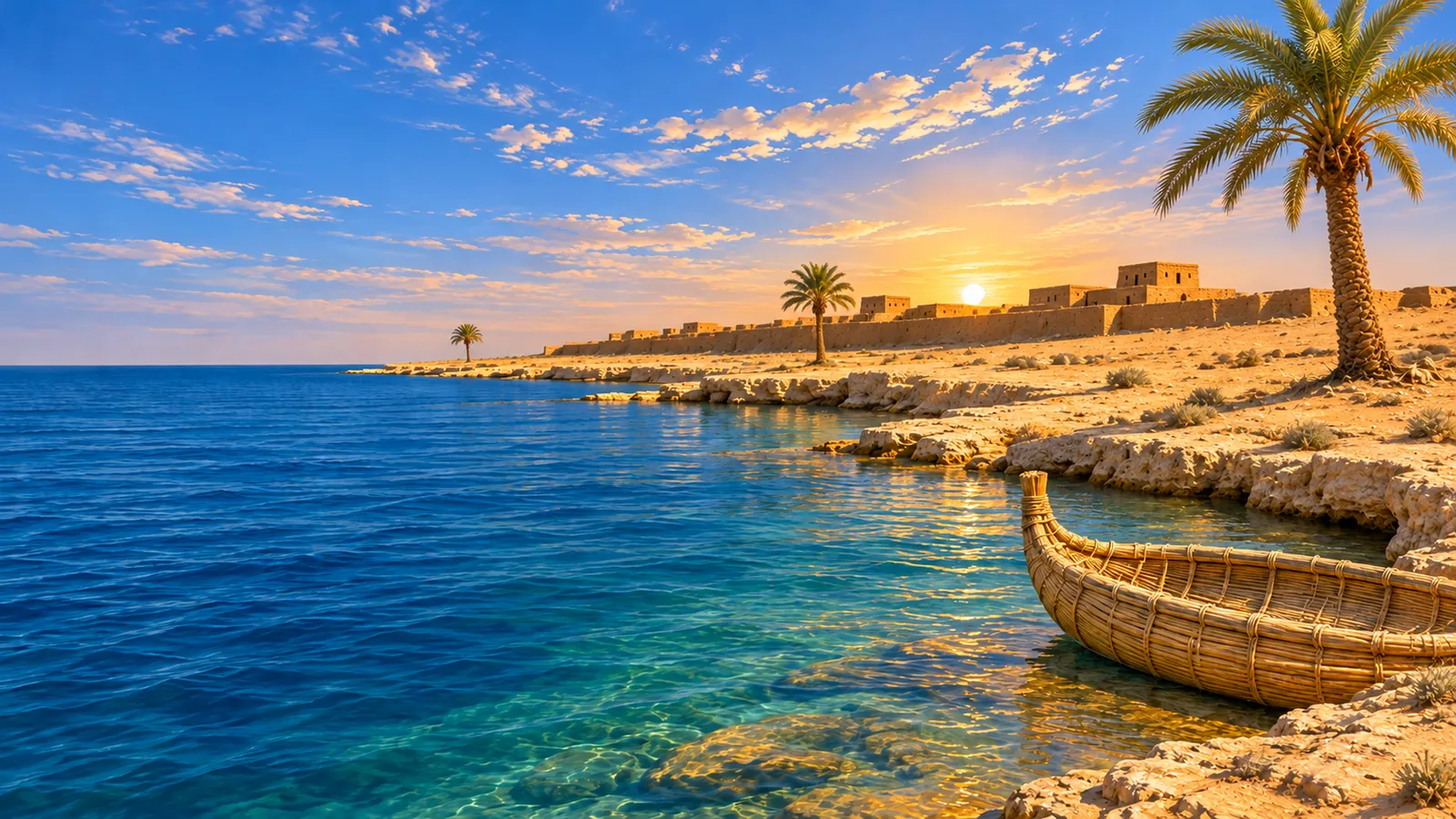
Das Gedicht erinnert an den Ort, an dem Enki mit Ninsikila lag. In diesen Zeilen nennt es sie seine Gemahlin und preist erneut die Reinheit und den Glanz des Landes.
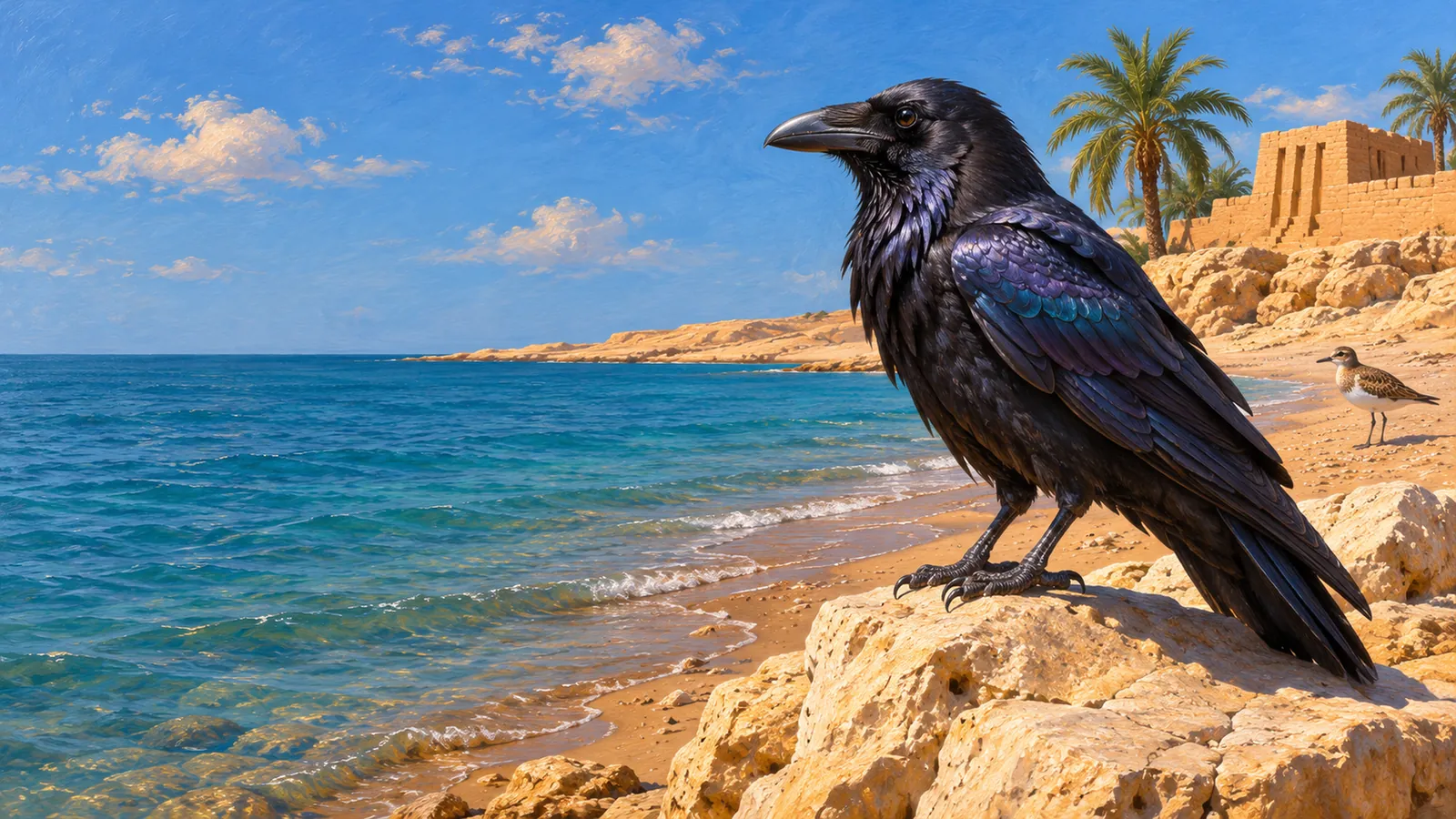
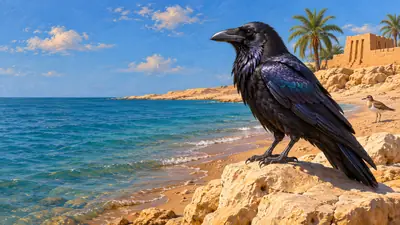
In Dilmun gab der Rabe keinen Laut von sich. Auch ein anderer Vogel schwieg, und das Lied beschreibt ein Land, das ihre Rufe noch nie gehört hatte.
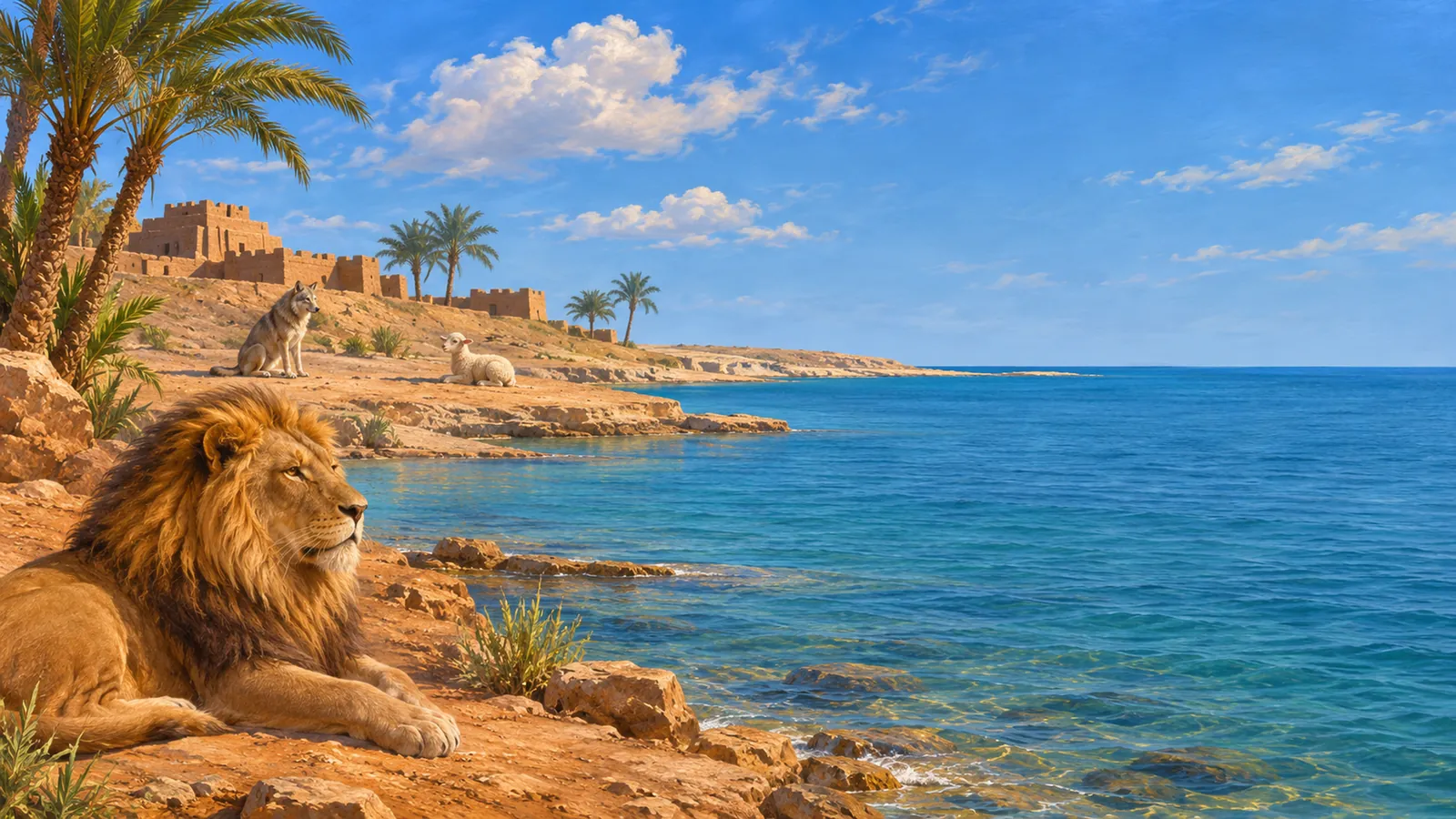
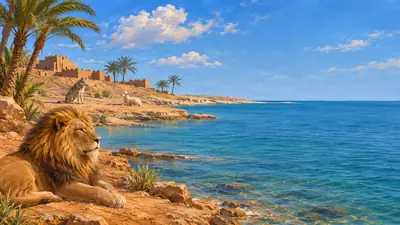
Der Löwe tötete nicht, und der Wolf riss kein Lamm. Das Gedicht nennt weitere Dinge, die sich in Dilmun noch nicht zutrugen.
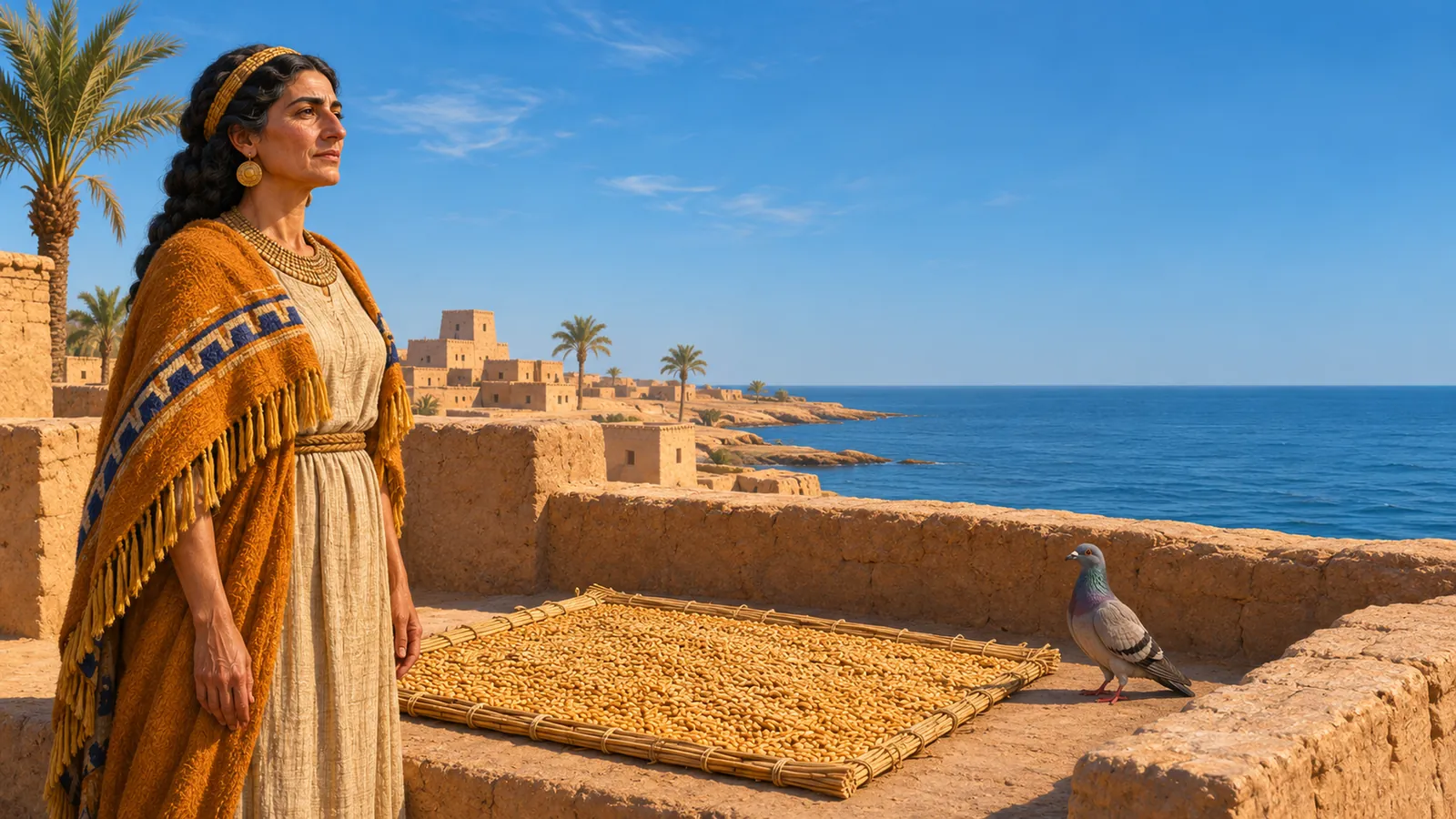
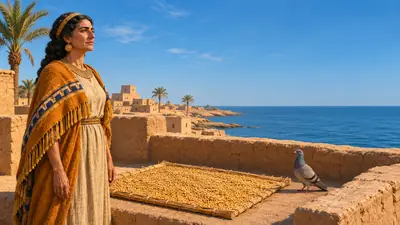
Das Gedicht erzählt, dass die Vögel das Malz auf dem Dach unberührt ließen. Es fügt hinzu, dass die Taube den Kopf nicht unter den Flügel steckte.
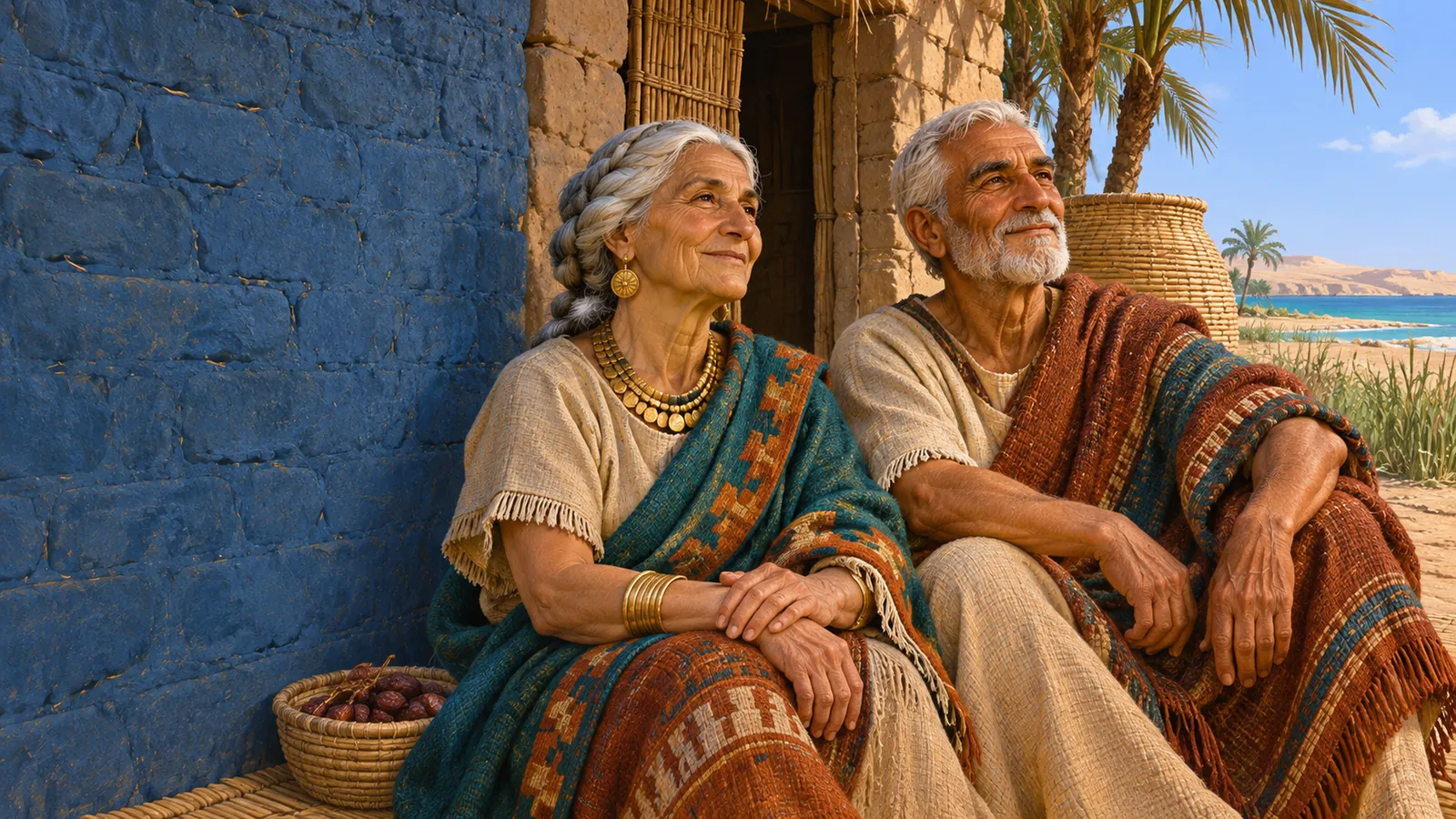
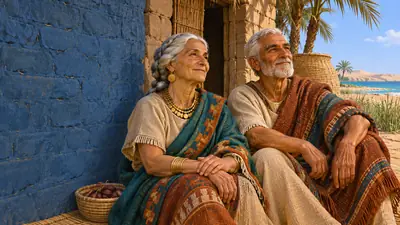
Niemand sprach von schmerzenden Augen oder Kopfschmerzen. In Dilmun hörte man weder eine alte Frau noch einen alten Mann über das Alter klagen.
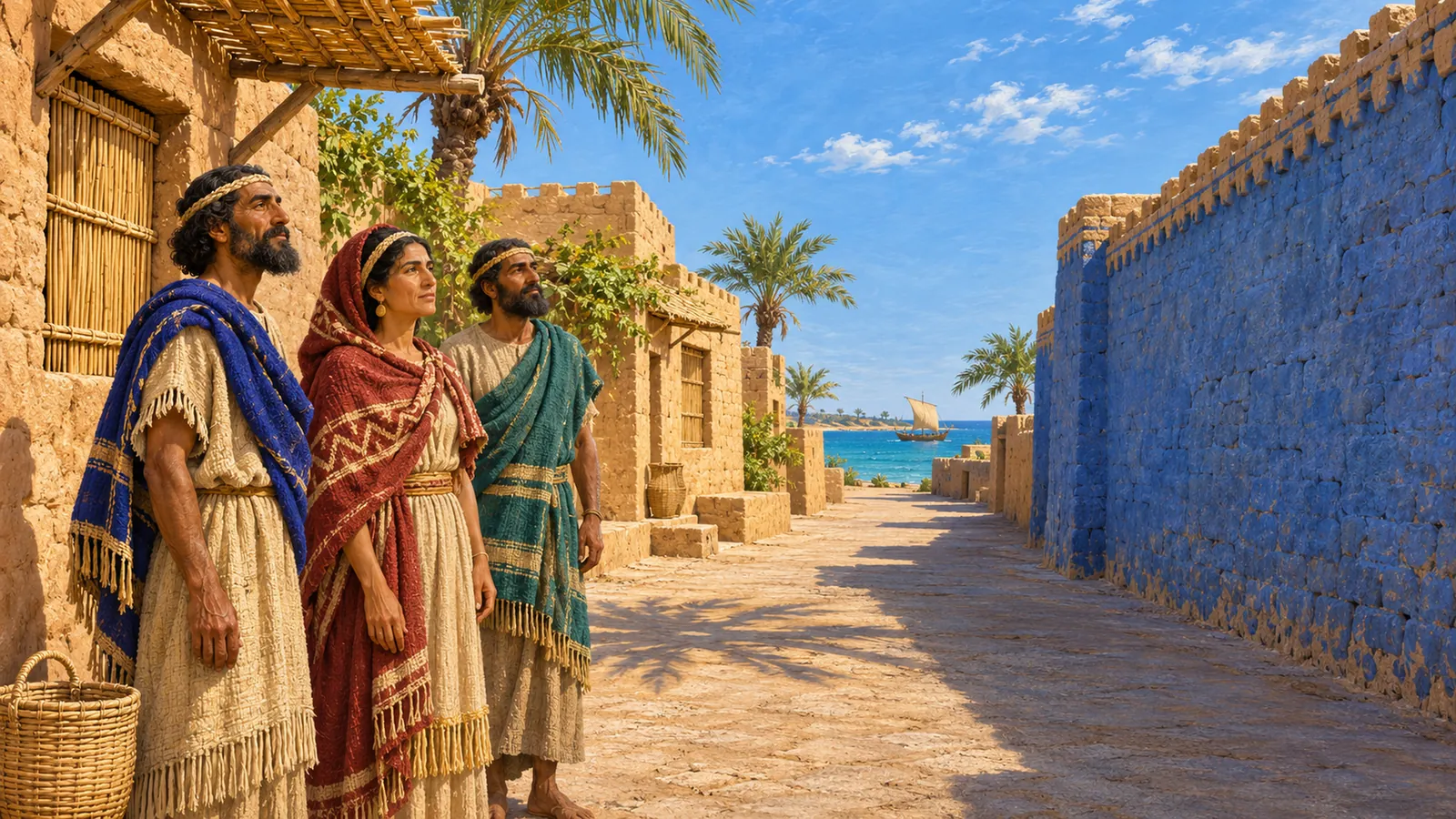
Der Arbeiter an der Fahrrinne sagte nicht, dass die Dämmerung hereingebrochen sei, und kein Ausrufer rief. Der Sänger sang kein Lied, und am Rand der Stadt war keine Klage zu hören.
DIE GABE
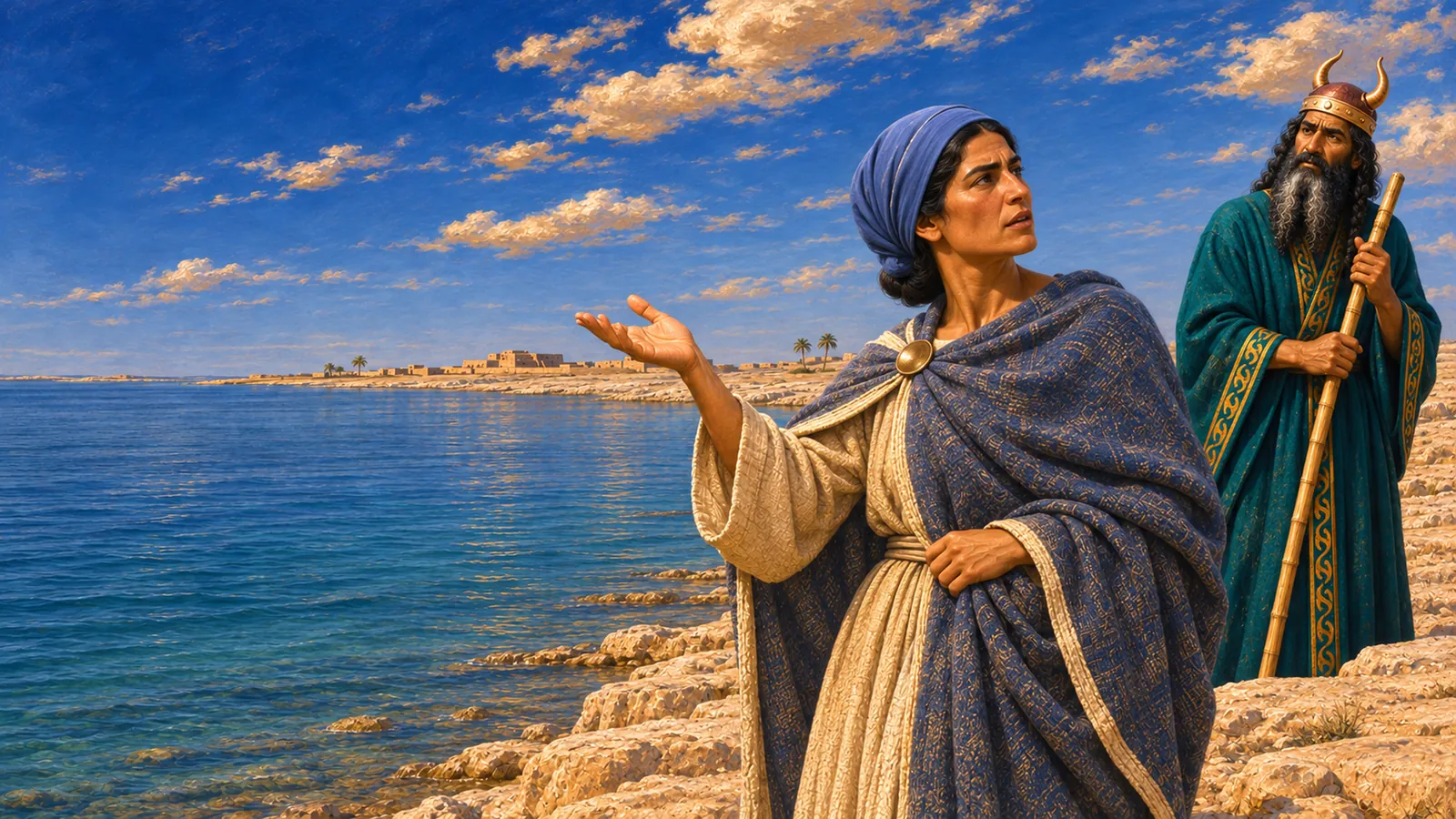
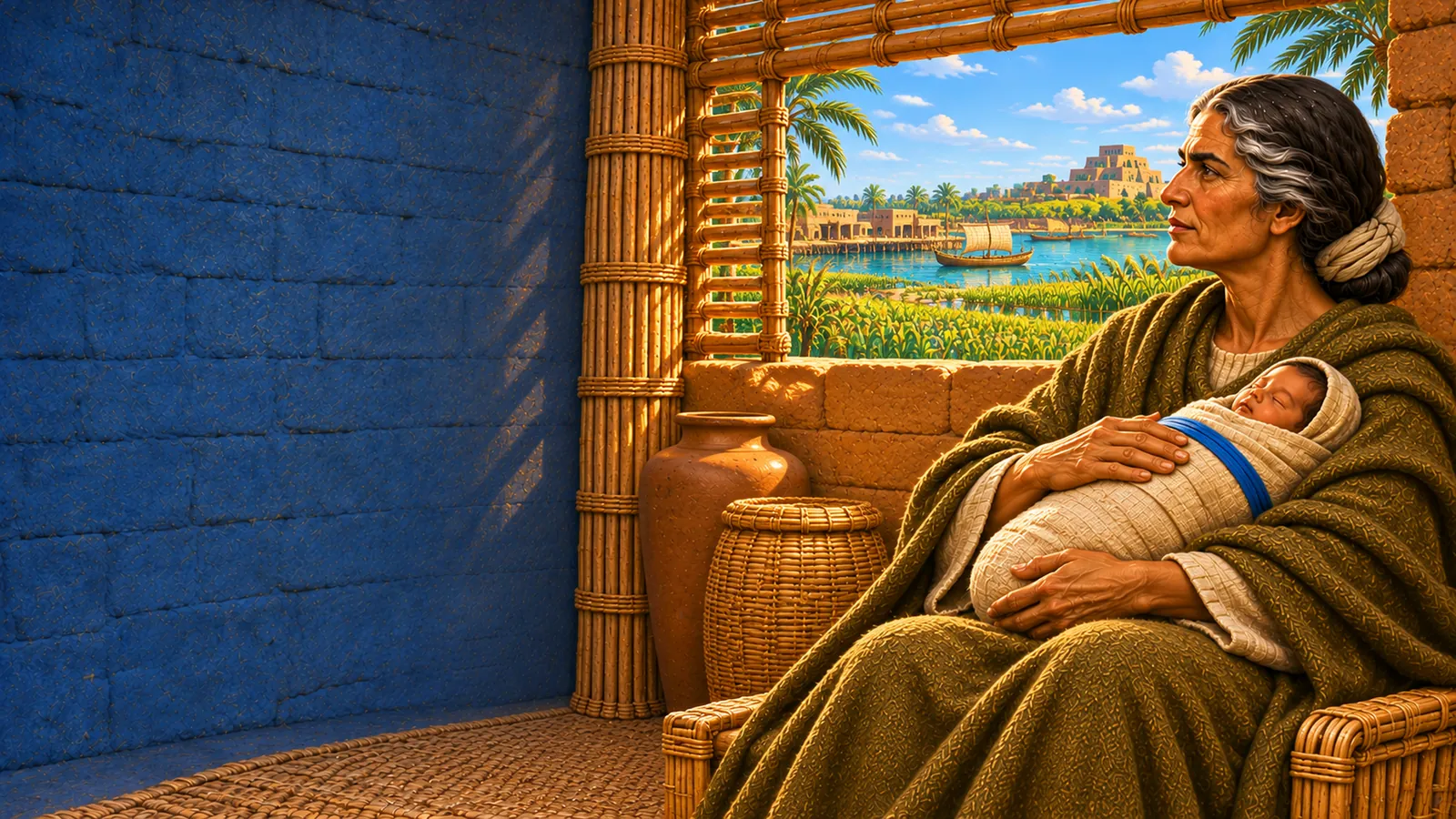
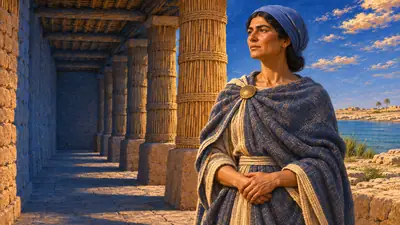
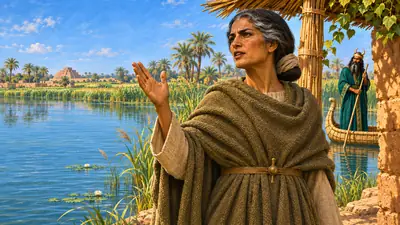
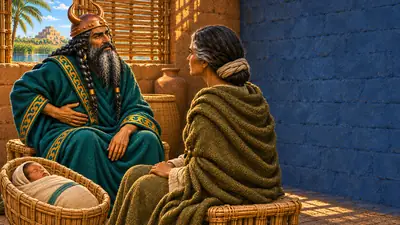
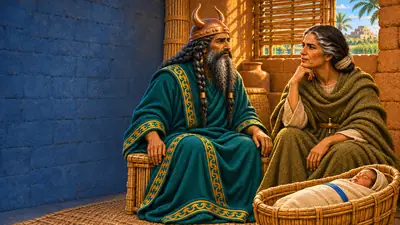
Ninsikila fragte Enki, was ihr die geschenkte Stadt nützen könne. Sie nannte ihn Vater und wiederholte ihre Frage mit Blick auf das Land, das er ihr gegeben hatte.
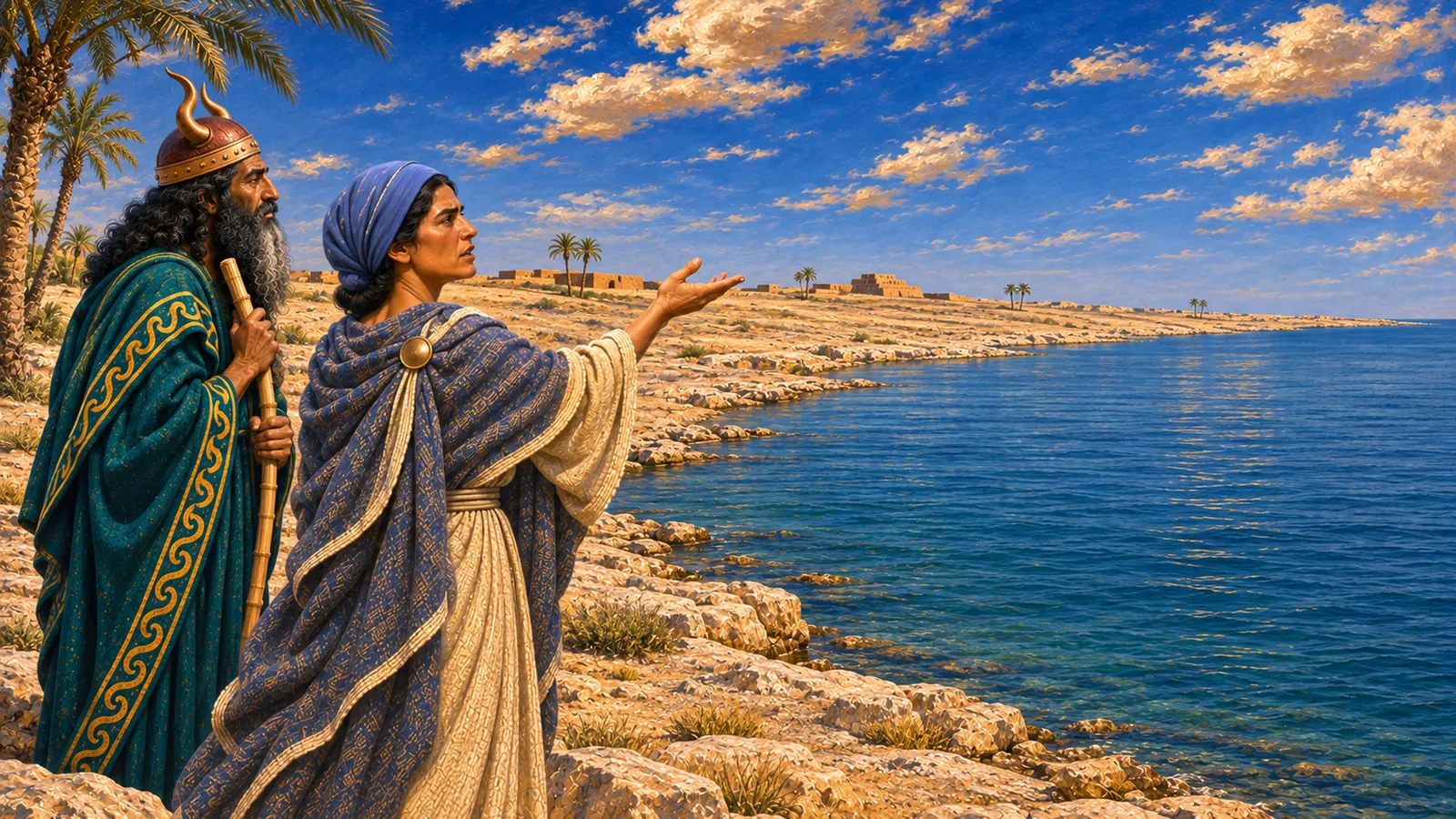
Ninsikila sprach von einer Stadt ohne Kai und ohne Anlegestelle am Fluss. Die Worte über ihr Land sind an einer Stelle beschädigt, doch ihre Klage über die fehlenden Furchen ist erhalten.
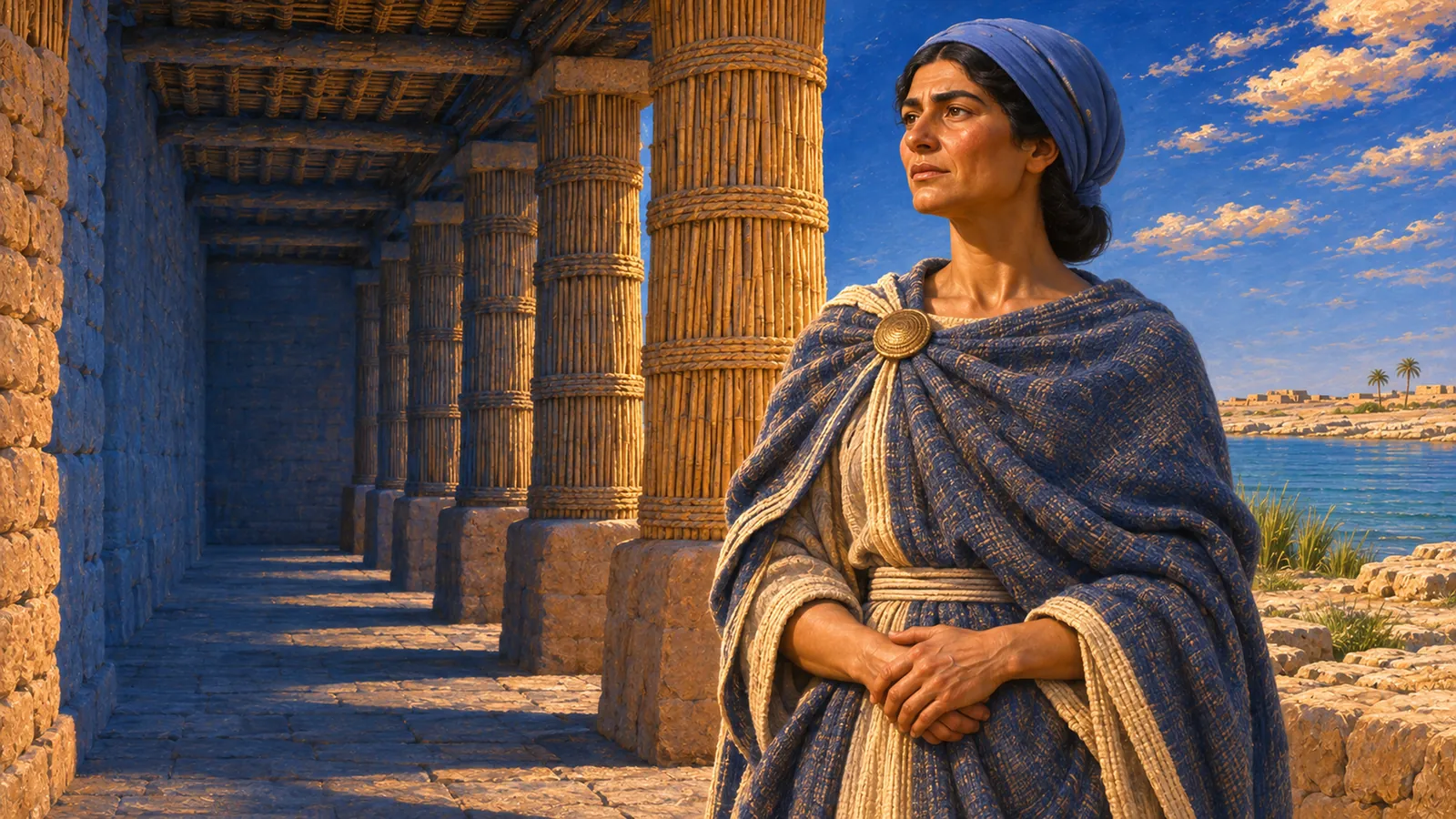
Hier fehlen drei Zeilen des Gedichts. Zwischen Ninsikilas Beschreibung des Landes und der anschließenden Antwort klafft eine Lücke.
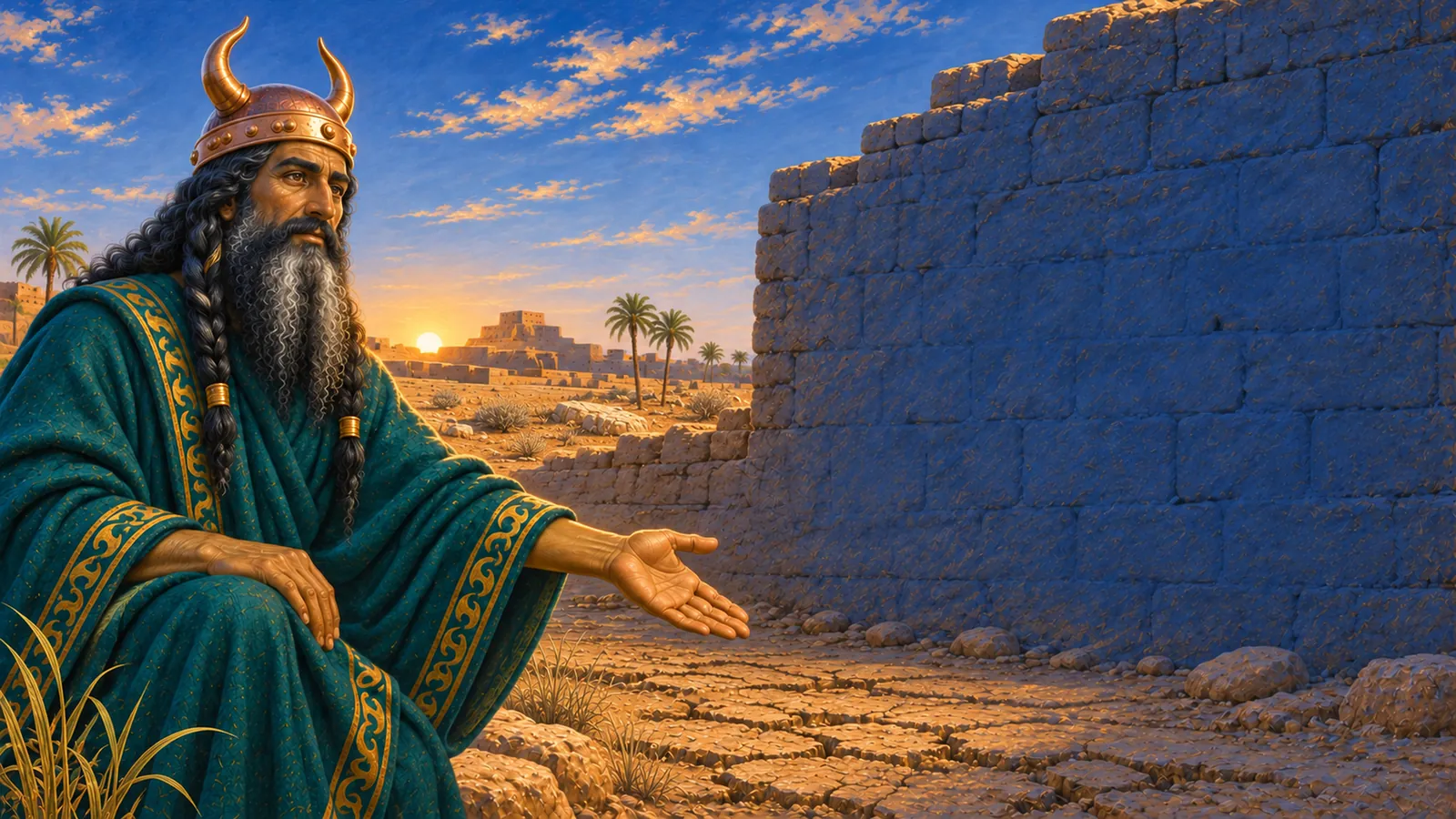
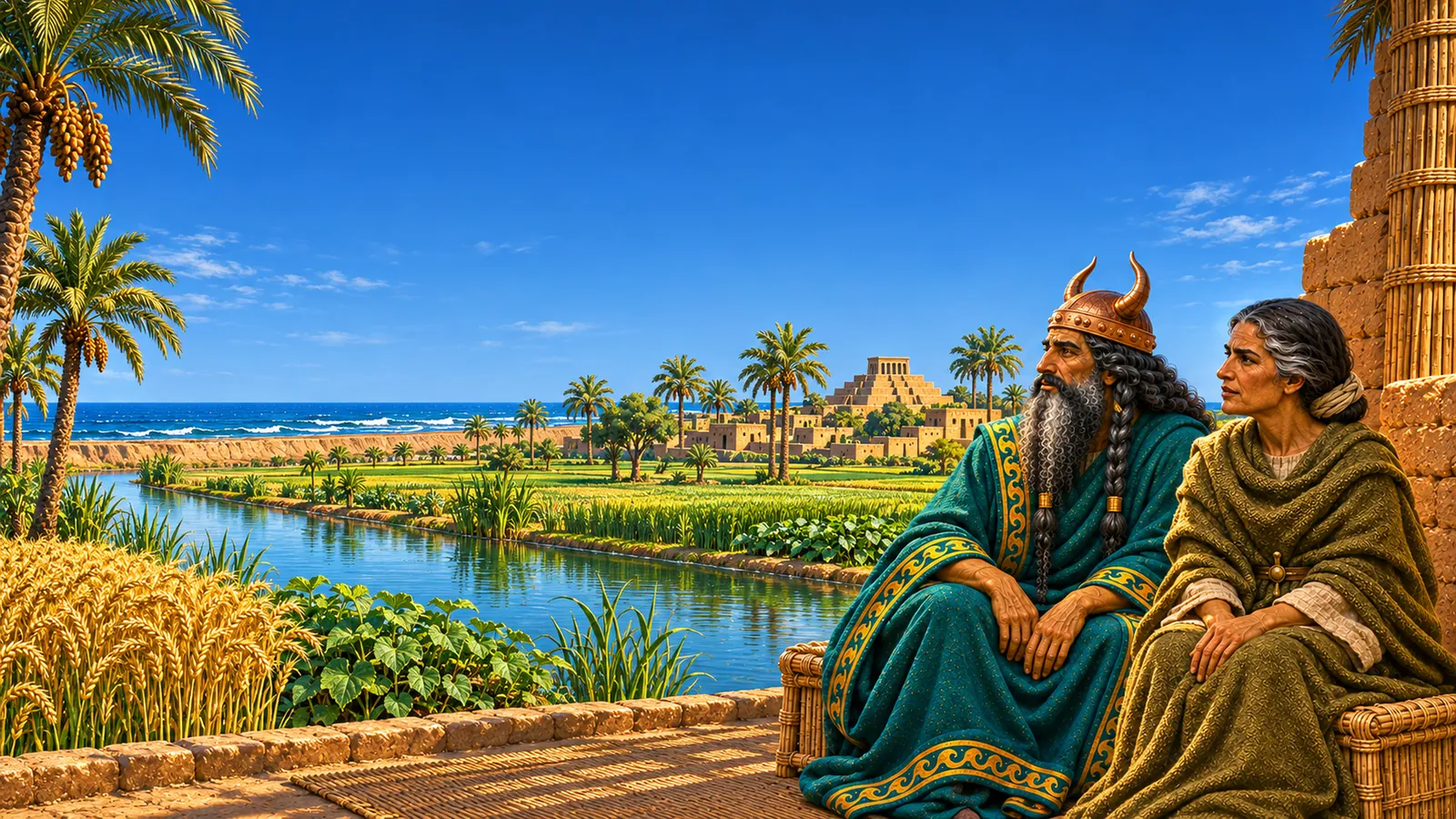
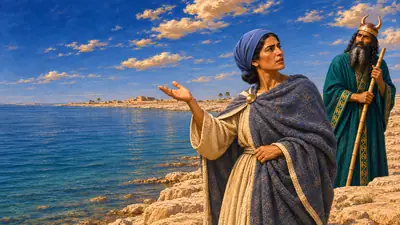
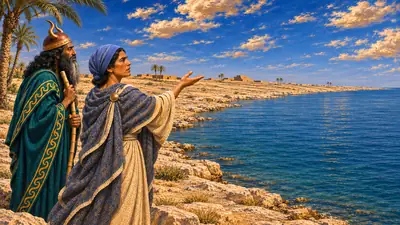
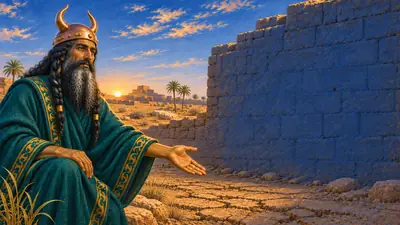
Enki versprach, dass für Dilmun Süßwasser aufsteigen würde, sobald Utu das Tageslicht brächte. Von manchen Worten über die Herkunft des Wassers sind nur Spuren erhalten.
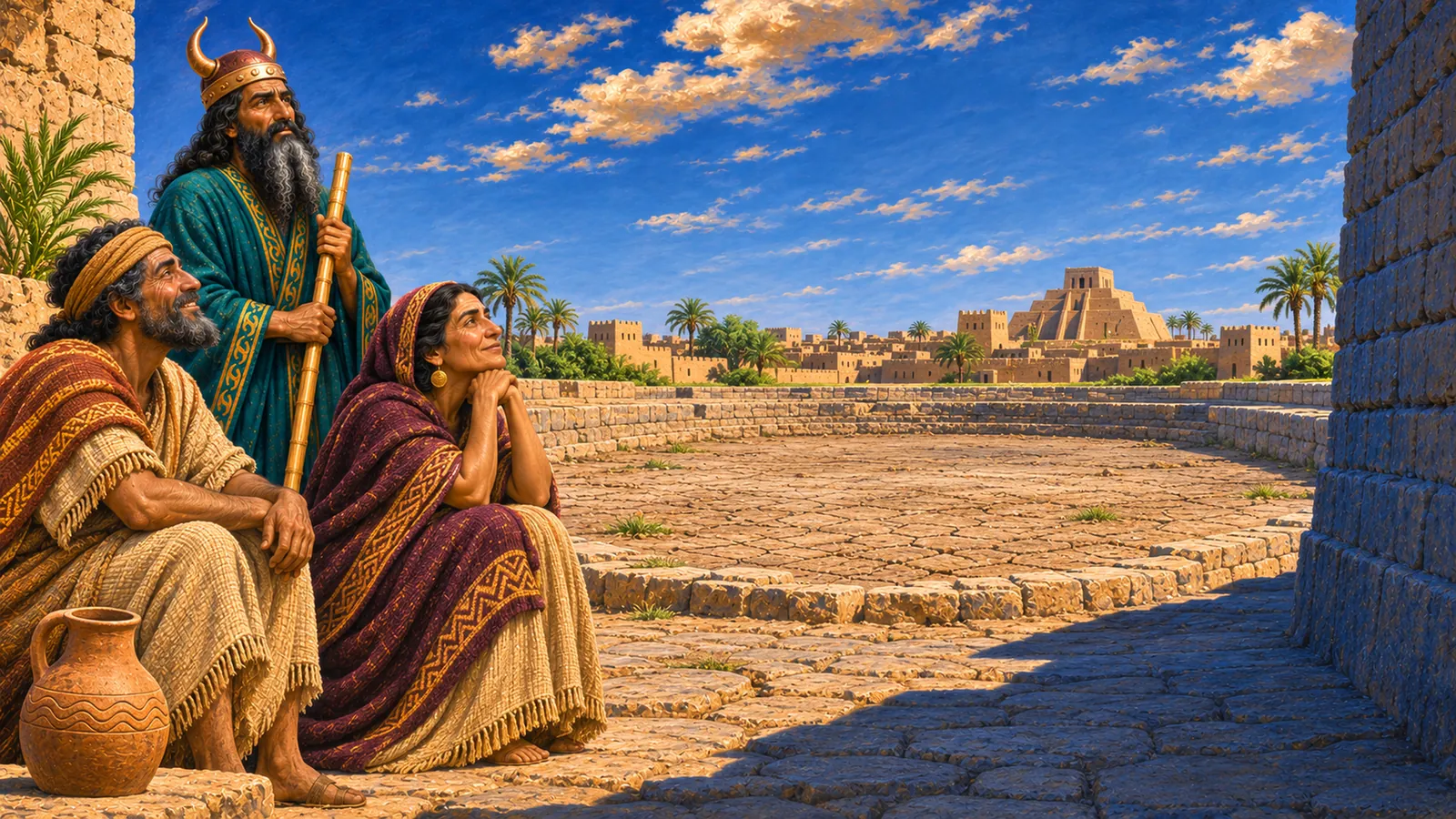
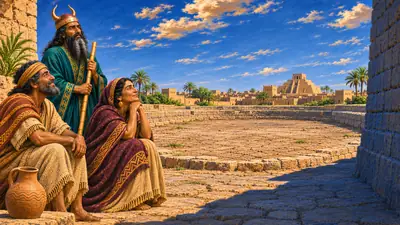
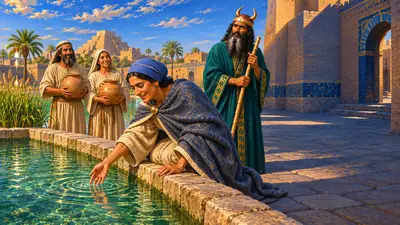
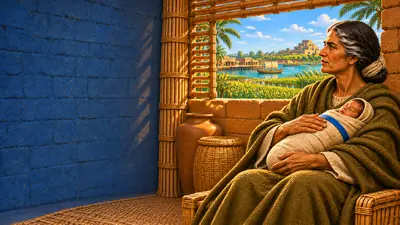
Enki sagte, das Wasser werde von unten aufsteigen und die weiten Becken der Stadt füllen. Vorerst mussten die Menschen in Dilmun noch warten.
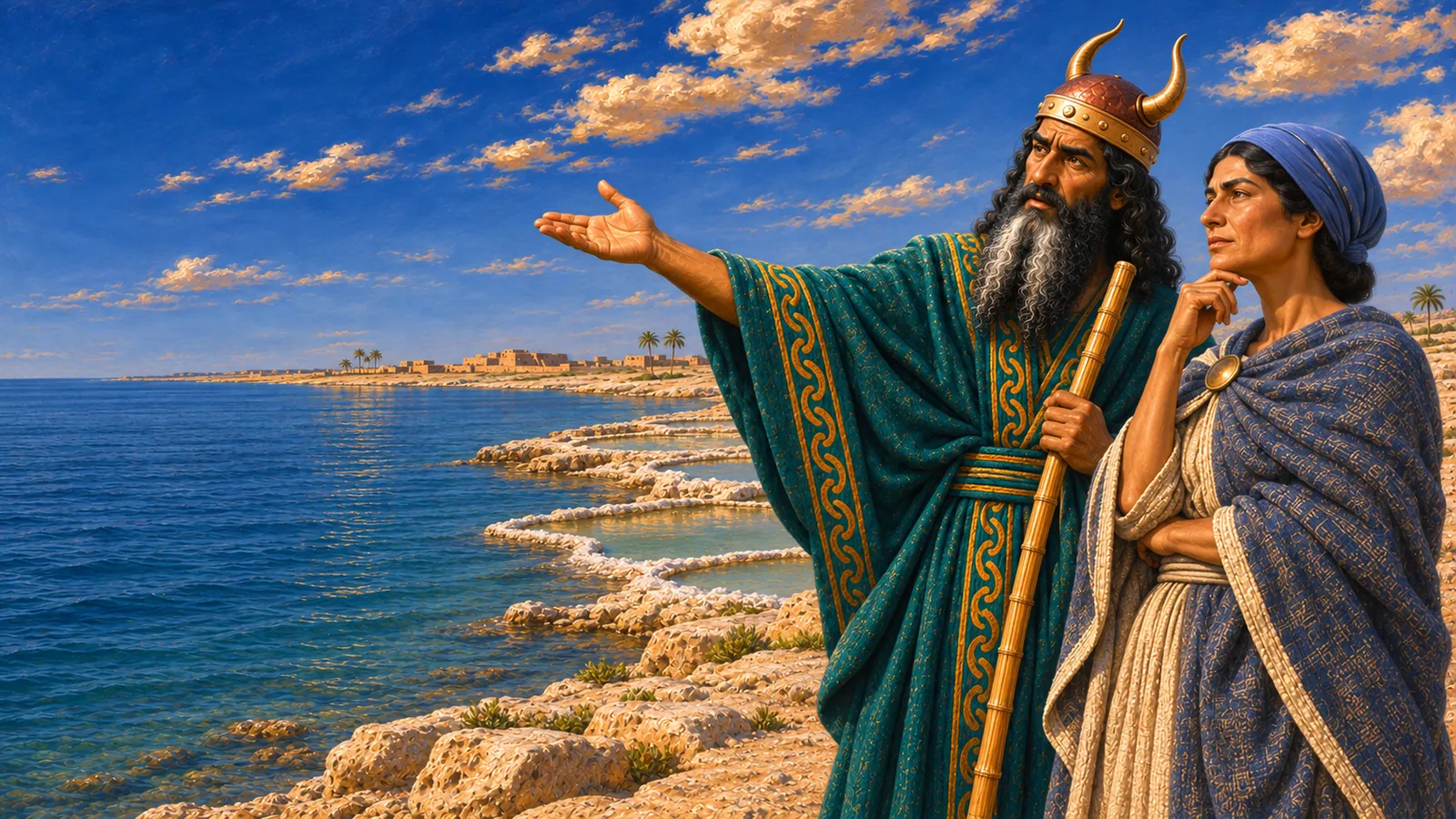
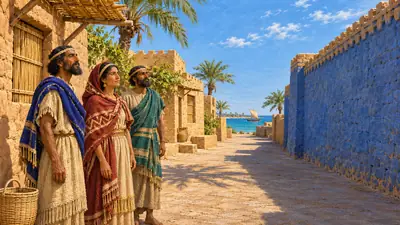
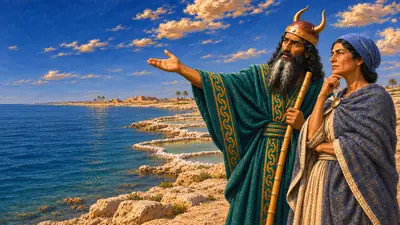
Enki sagte, das Wasser der Salzbecken werde süß. Er sagte Ninsikila, ihre Stadt werde zu einem Hafen, an dem Kaufleute Handel treiben könnten.
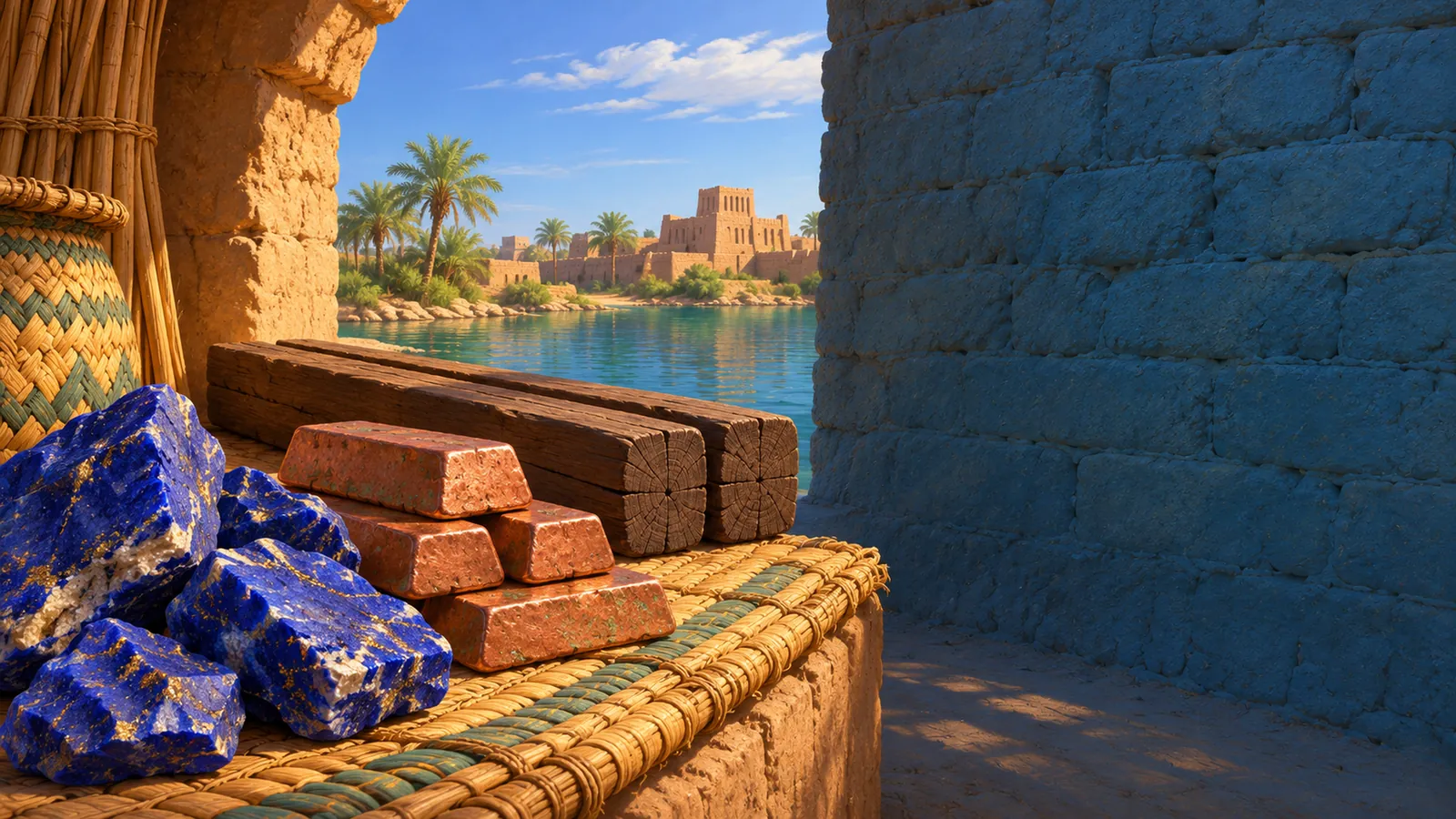
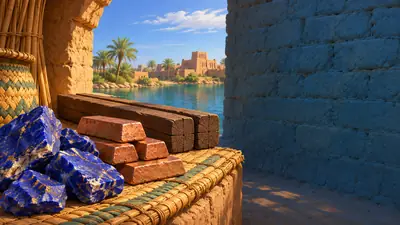
Eine Abschrift aus Ur überliefert den Wunsch, dass Warenladungen Dilmun erreichen mögen. Lapislazuli, Kupfer und Holz gehören zu den Gütern, die in den erhaltenen Zeilen genannt werden.
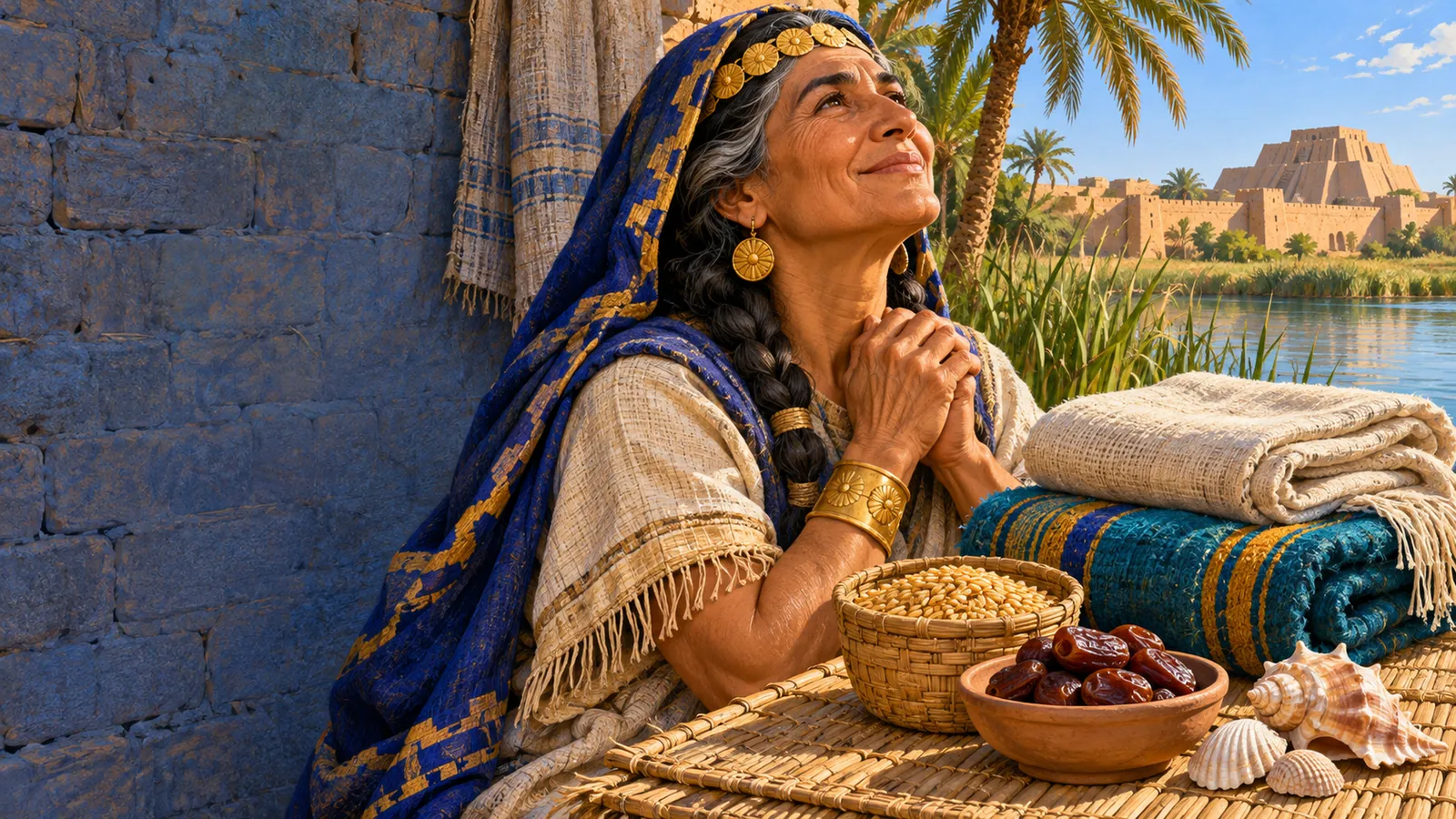
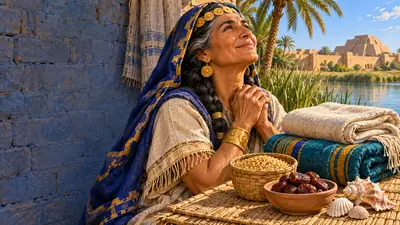
Dieselbe Abschrift aus Ur wünscht sich Stoffe, die Reichtümer des Meeres und eine reiche Ernte an Getreide und Datteln. Einige Wörter der Stelle sind beschädigt.
SÜSSWASSER
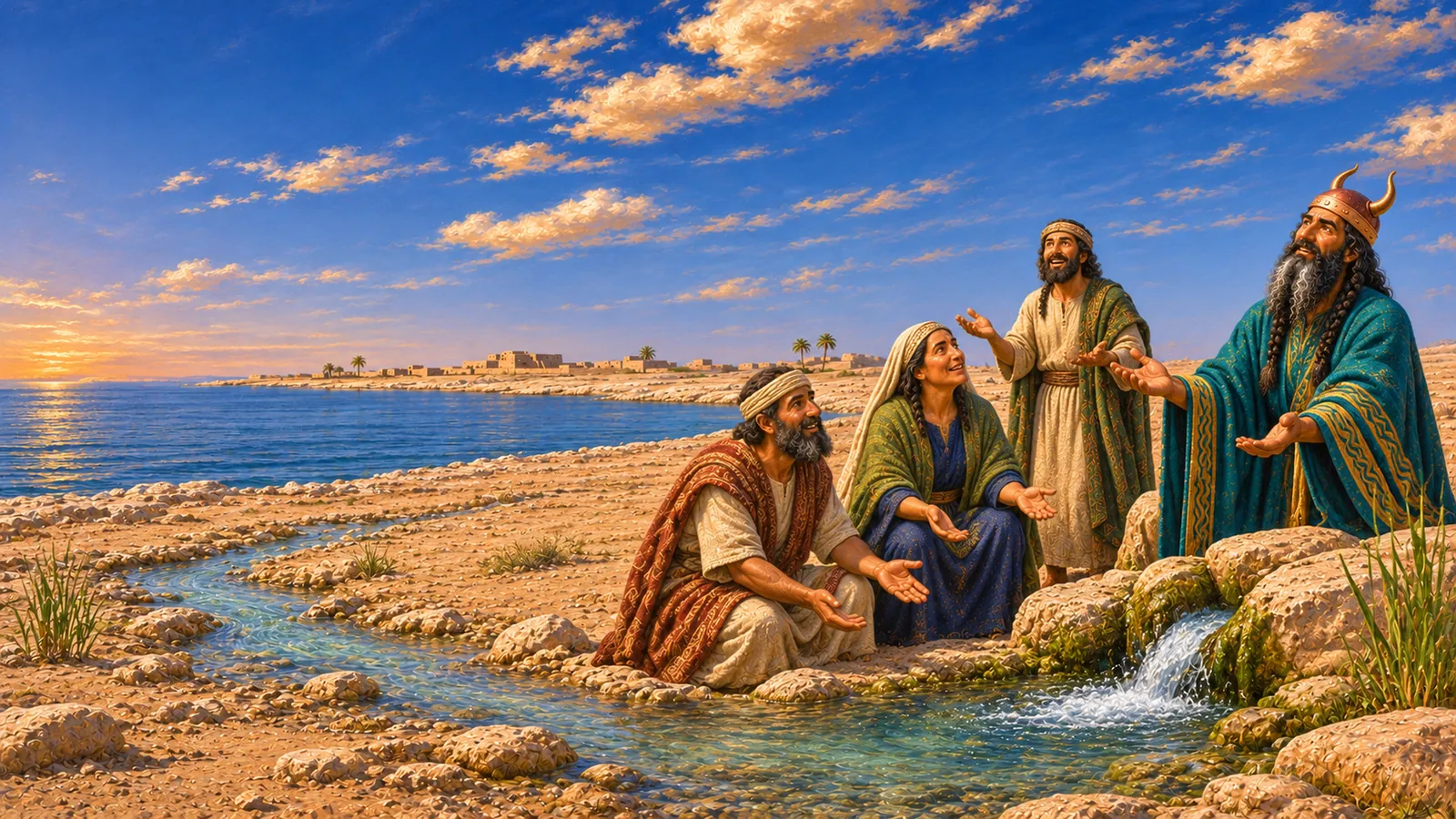
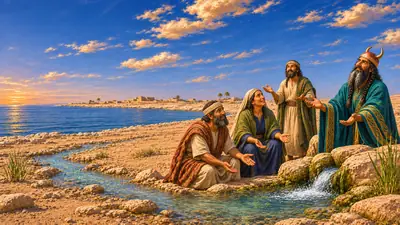
Als Utu aufging, stieg für Dilmun Süßwasser aus dem Boden auf. Die erhaltenen Zeilen wiederholen einige Wörter aus Enkis erstem Versprechen, deren Lesung unsicher ist.
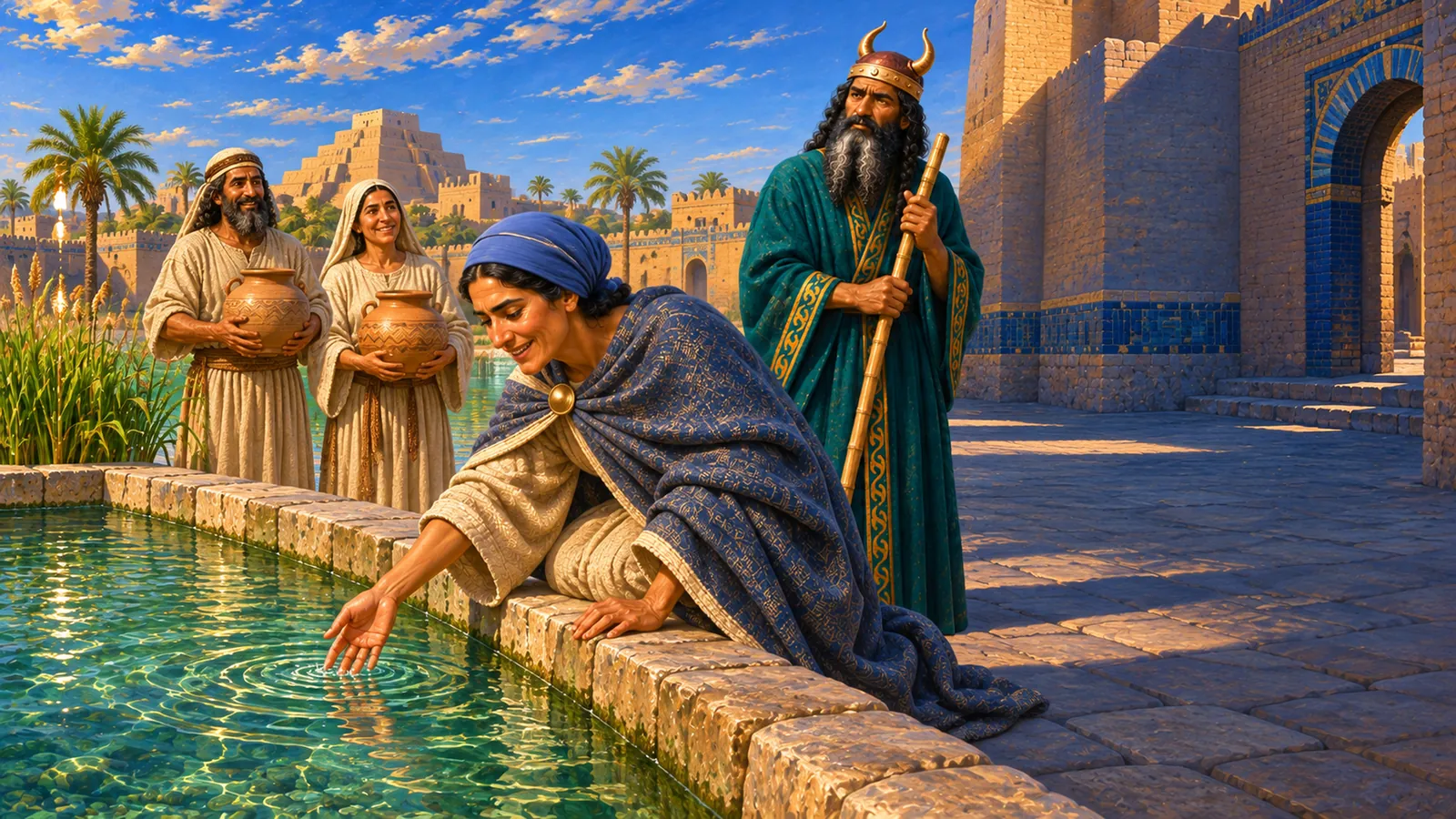
Süßwasser füllte die Becken der Stadt, genau wie Enki es versprochen hatte. Auch das Wasser der Salzbecken veränderte sich, und die Menschen in Dilmun hatten nun Süßwasser.
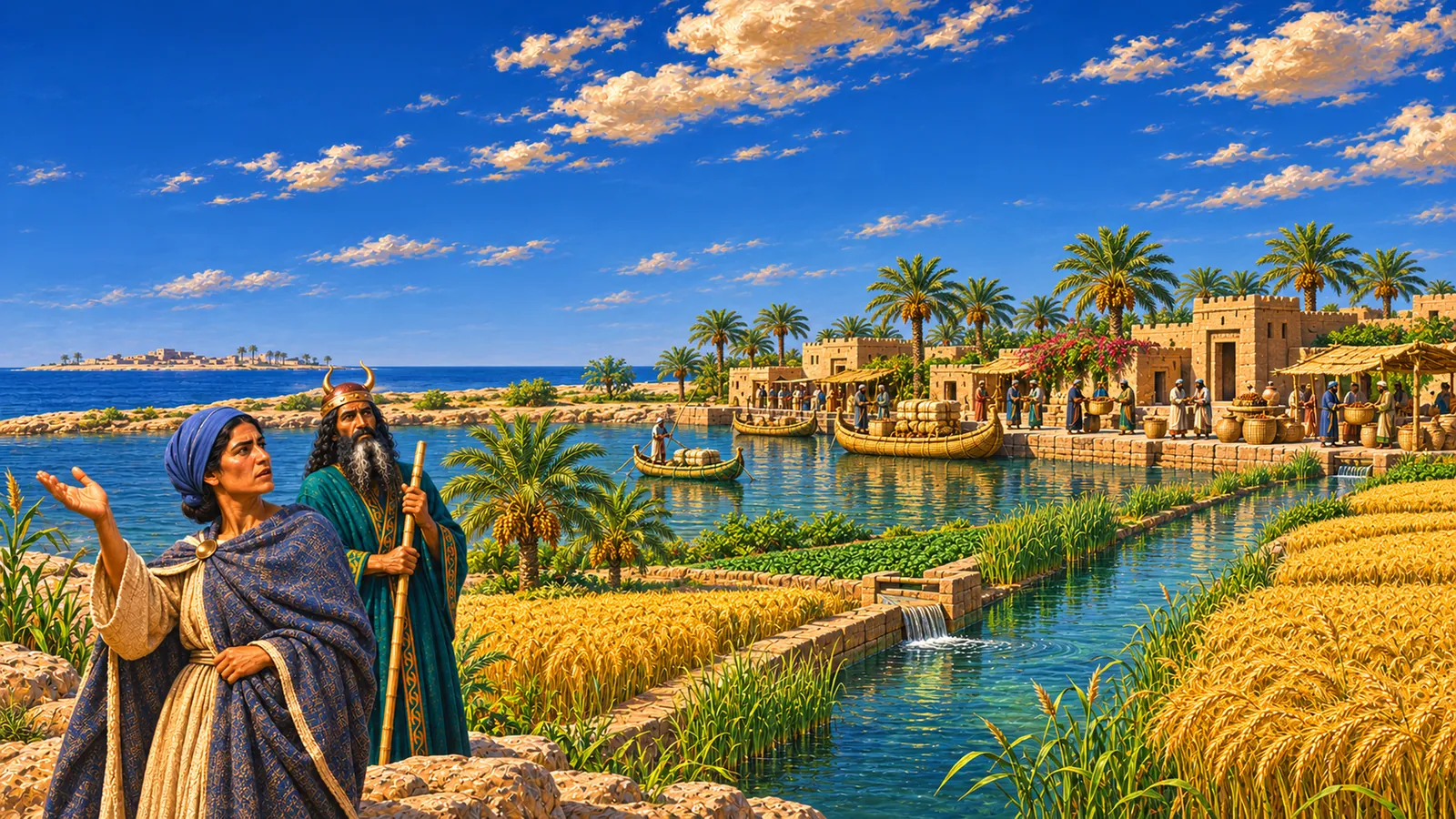
Die Felder in Dilmun trugen Getreide. Der Kai der Stadt blühte auf, und das Gedicht erzählt, dass die Stadt zu einem Handelsplatz für Kaufleute wurde.
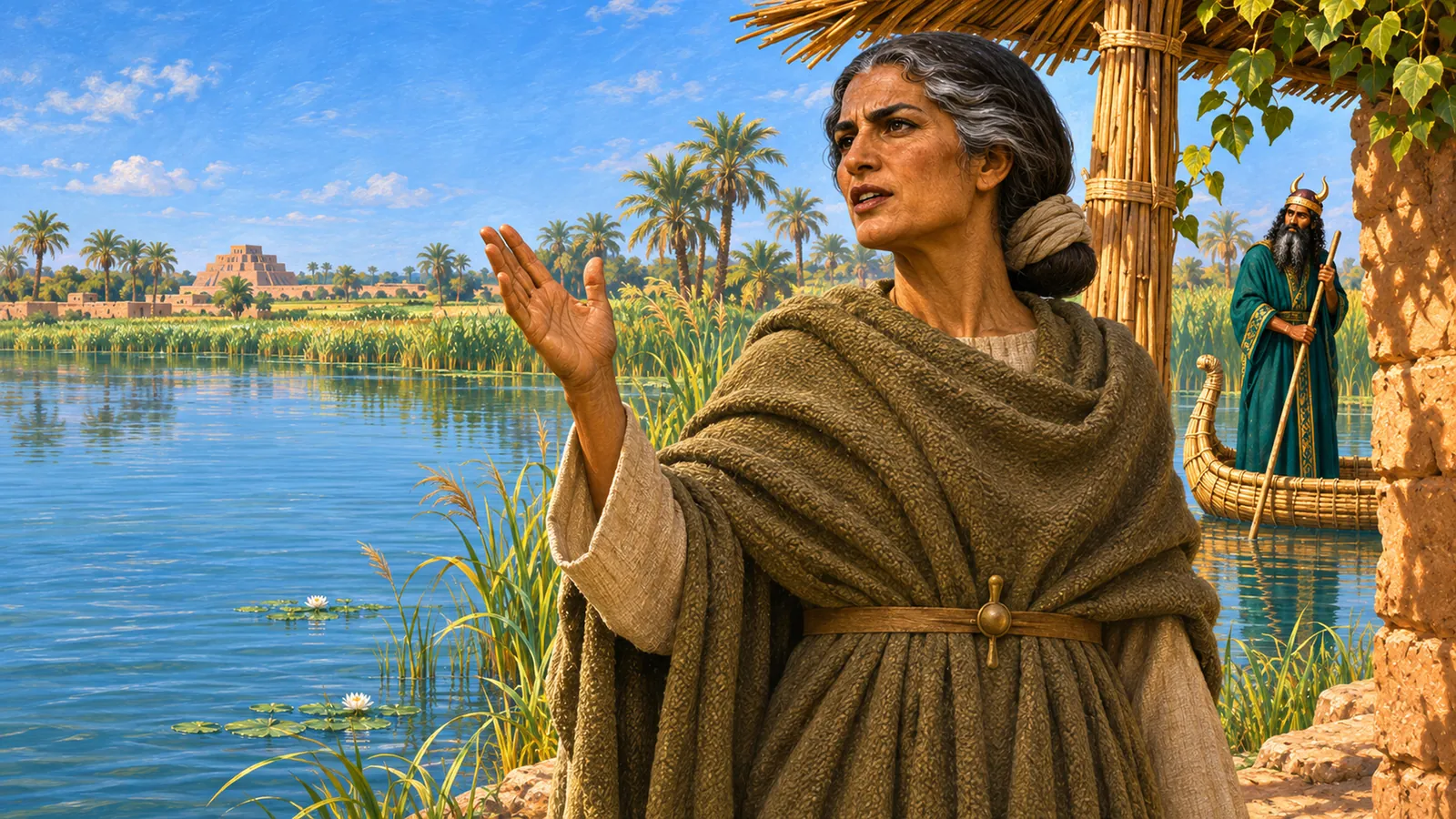
Enki ging ins Marschland. Nintud, die an dieser Stelle die Mutter des Landes heißt, erhob ihre Stimme und sagte ihm, dass sie dort nicht mit ihm liegen werde.
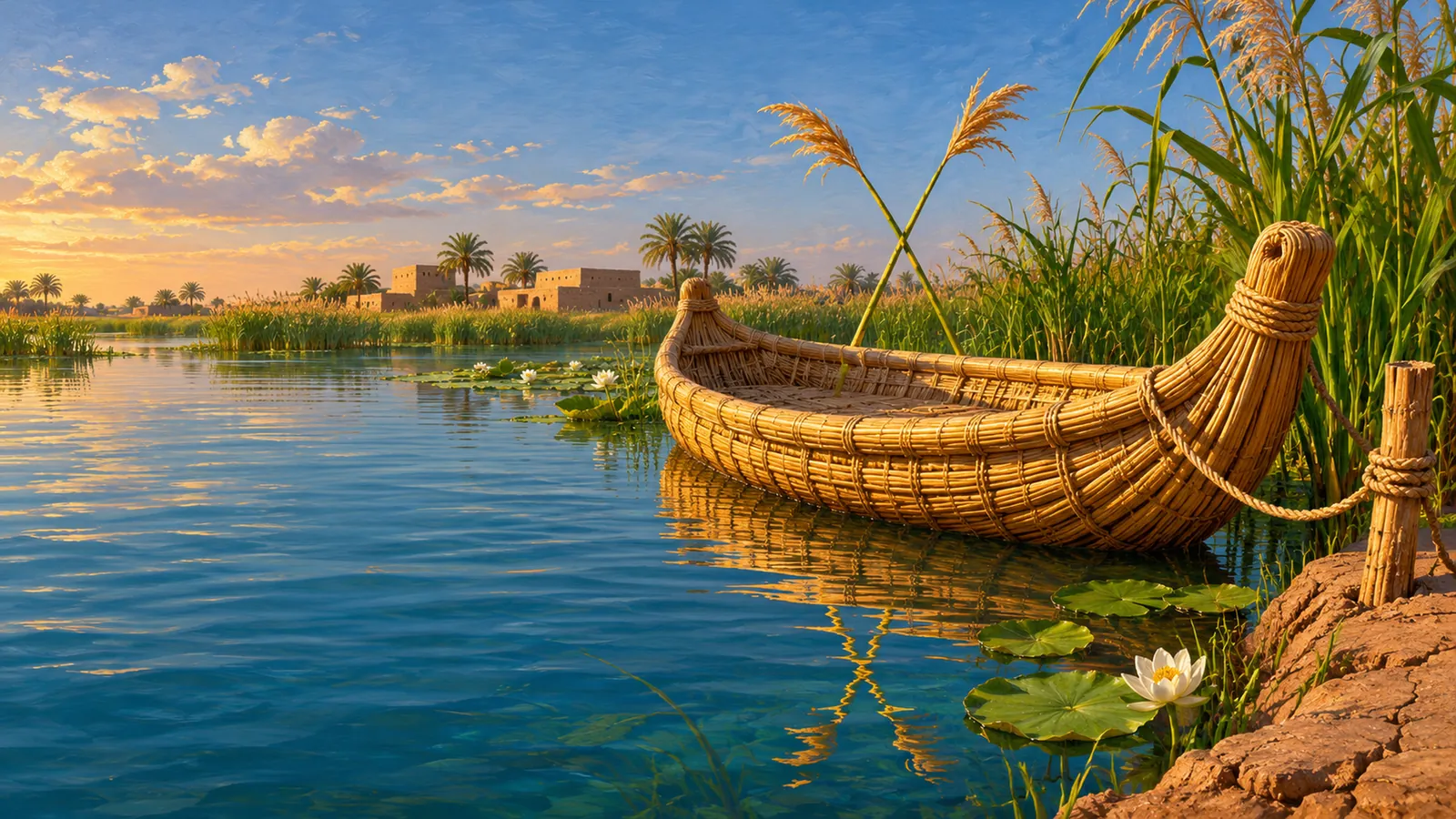
Enki schwor einen Eid, beharrte darauf und schlief mit ihr. Das Gedicht nennt danach Damgalnuna und erzählt dann, dass Ninhursag schwanger wurde.
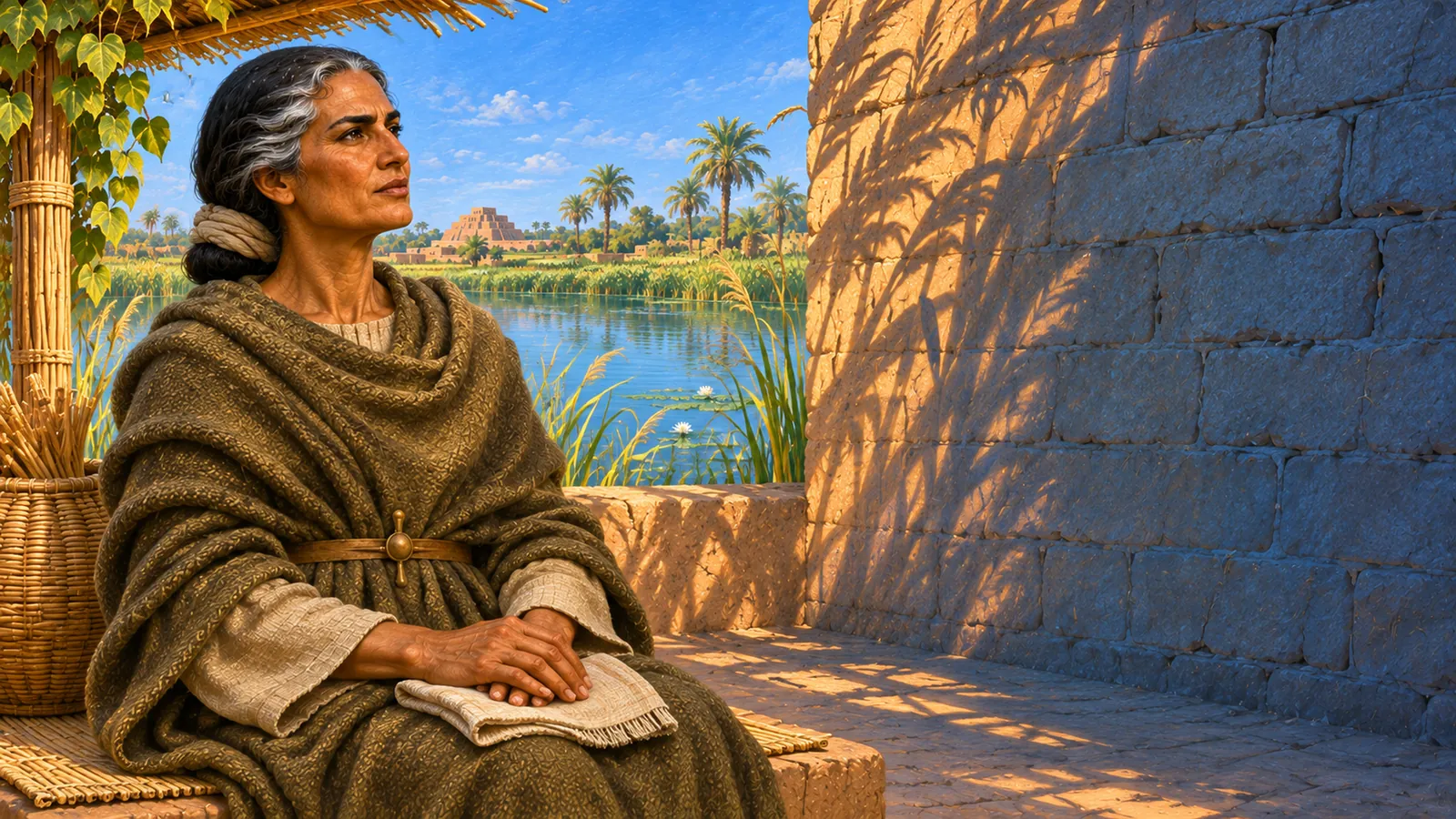
Das Gedicht zählt die Monate einzeln und setzt für jeden Monat einen Tag an. In dieser Erzählung vergehen neun Monate in neun Tagen.
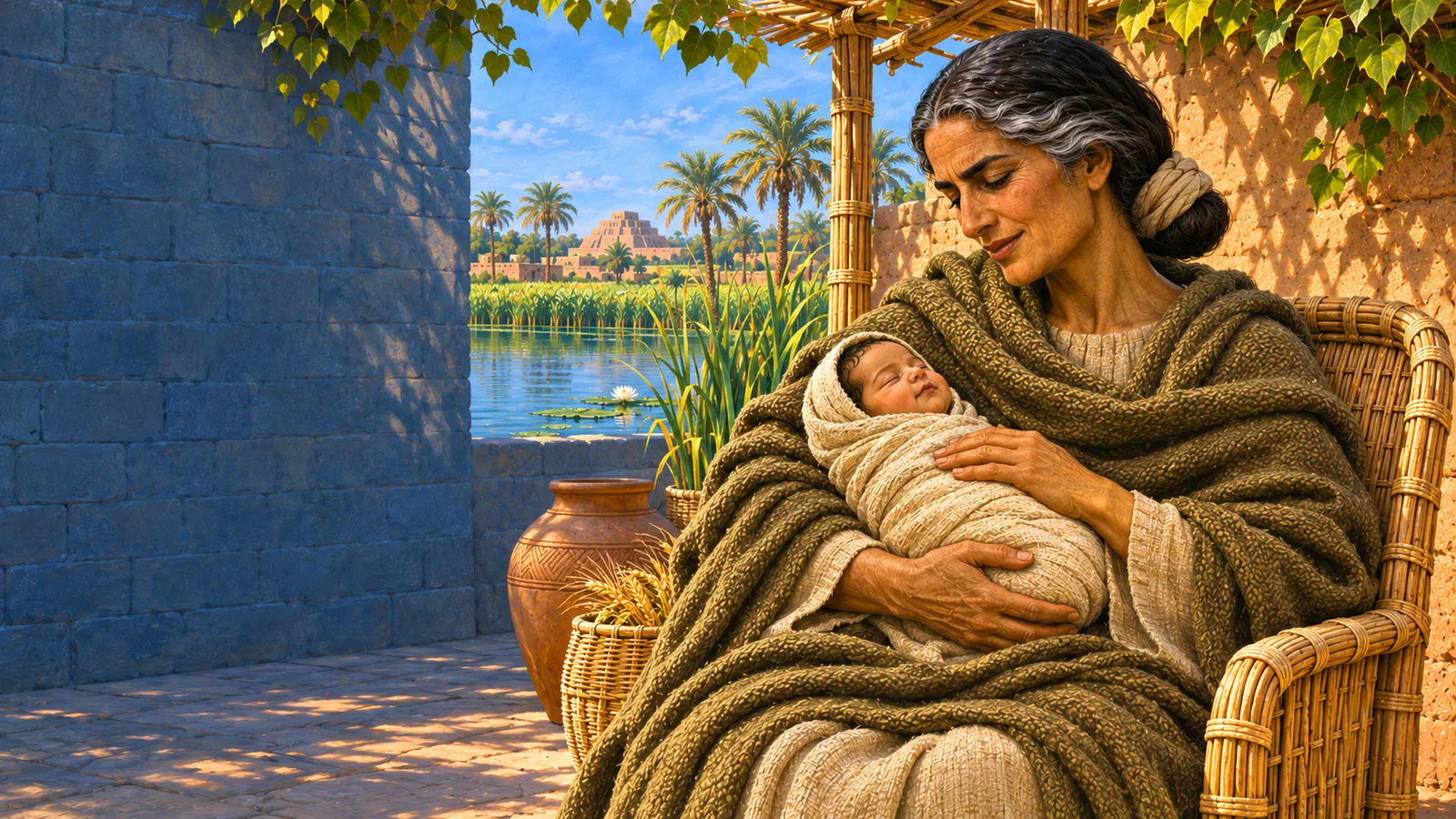
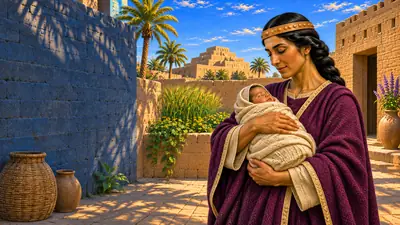
Ninhursag brachte Ninsar zur Welt. Das Gedicht vergleicht die Leichtigkeit der Geburt damit, wie feines Öl fließt.
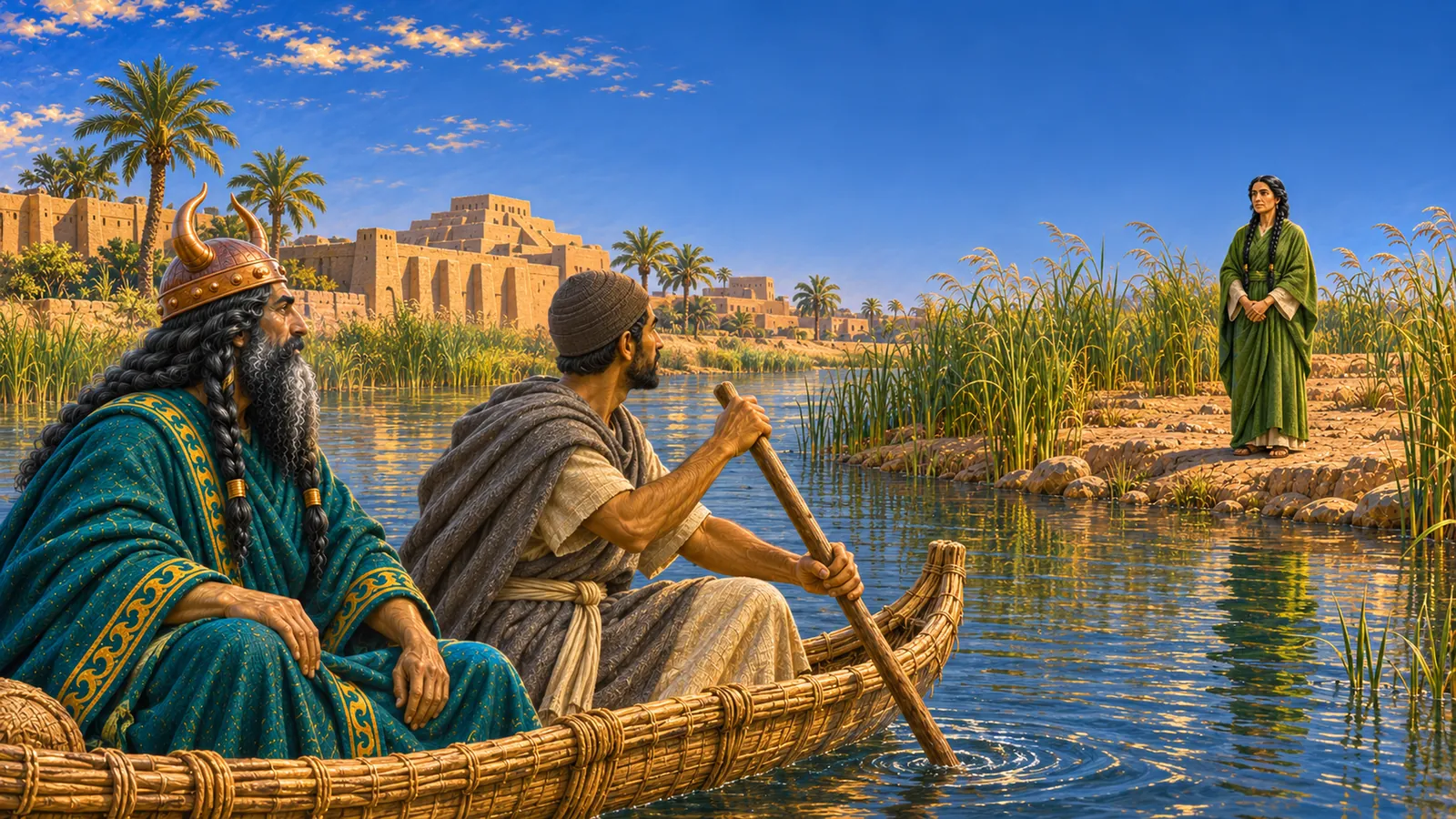
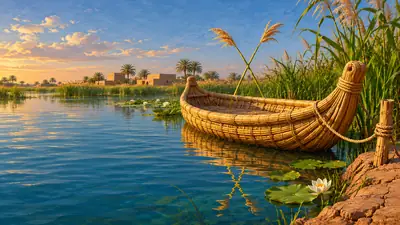
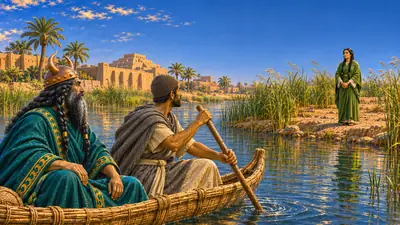
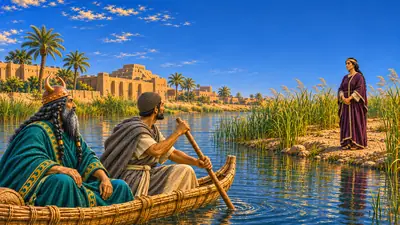
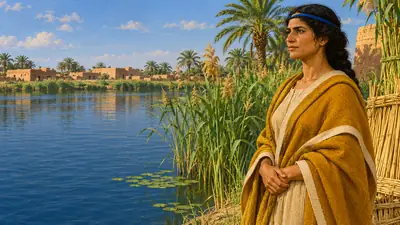
Ninsar ging ans Flussufer, wo Enki sie vom Marschland aus sah. Er sprach mit seinem Diener Isimud, der anbot, das Boot zu ihr zu steuern.
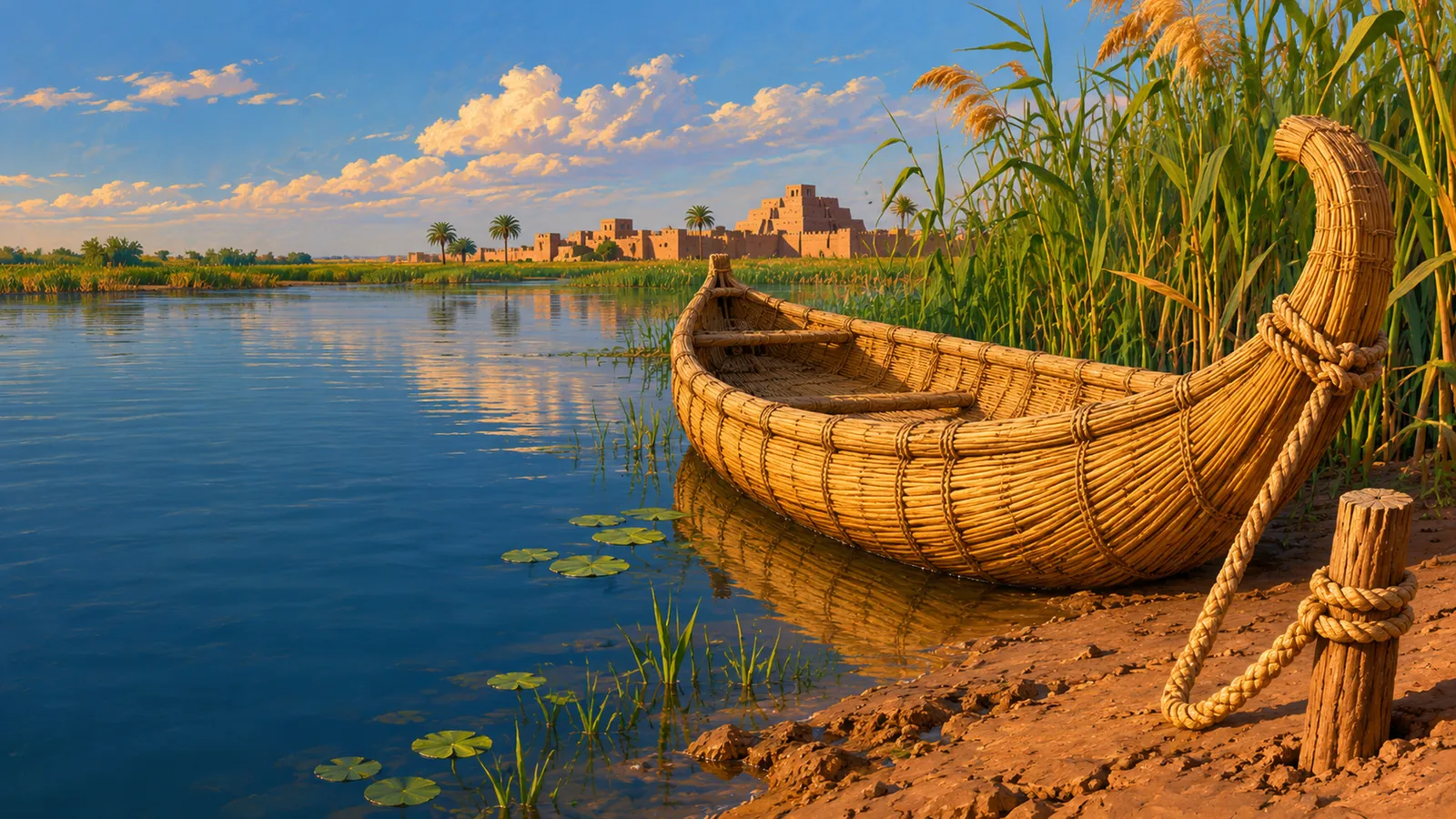
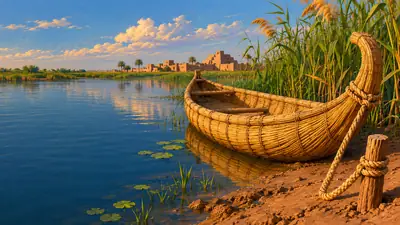
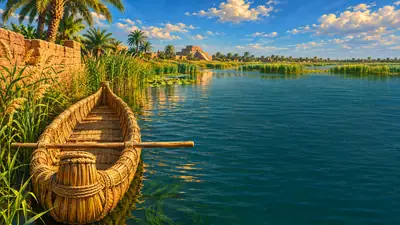
Enki setzte mit dem Boot über und ging an Land. Er schlief mit seiner Tochter Ninsar, die von ihm schwanger wurde.
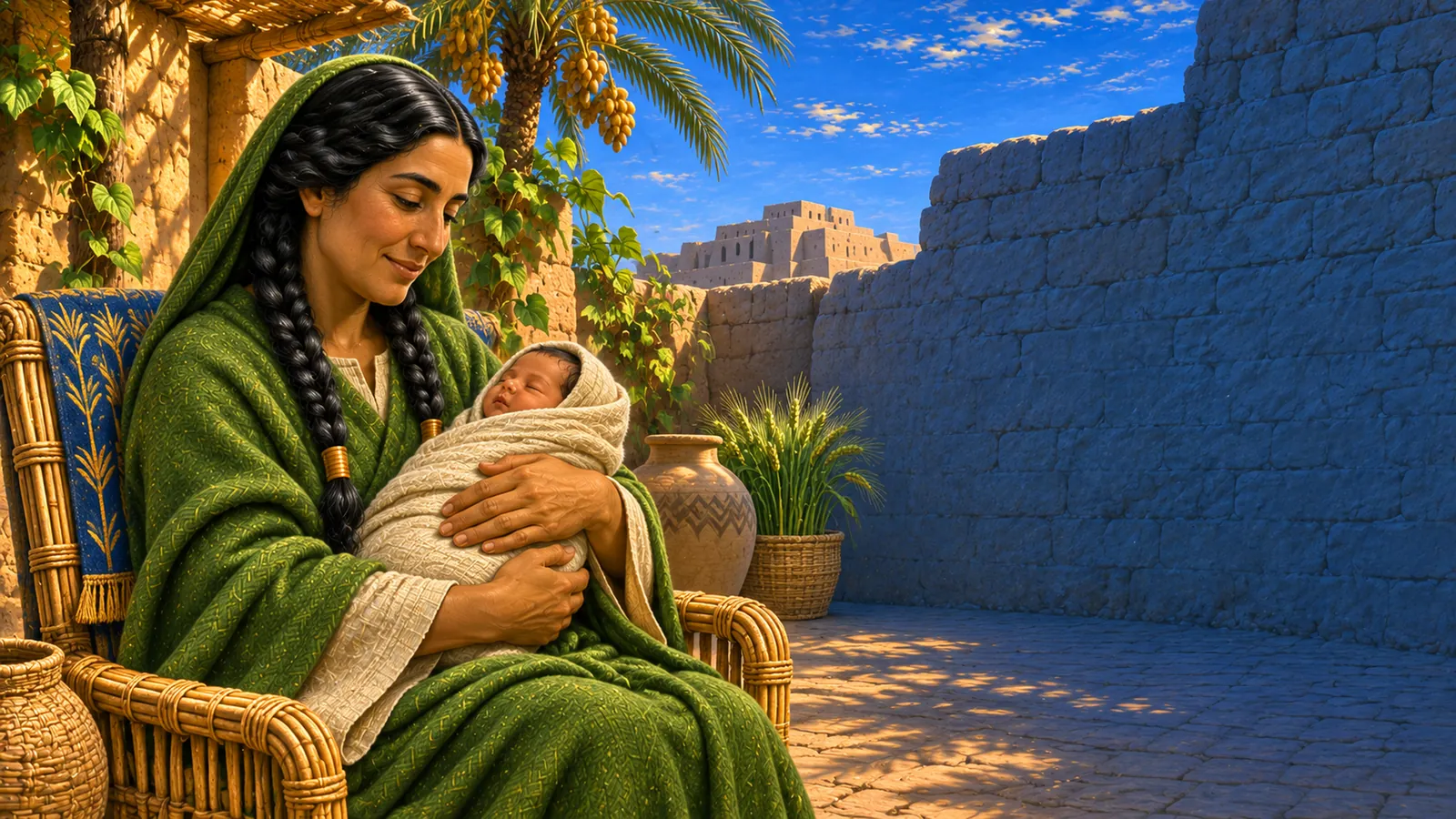
Wieder vergingen die Monate wie Tage, und Ninsar brachte Ninkura zur Welt. Das Gedicht greift das Bild des fließenden feinen Öls erneut auf.
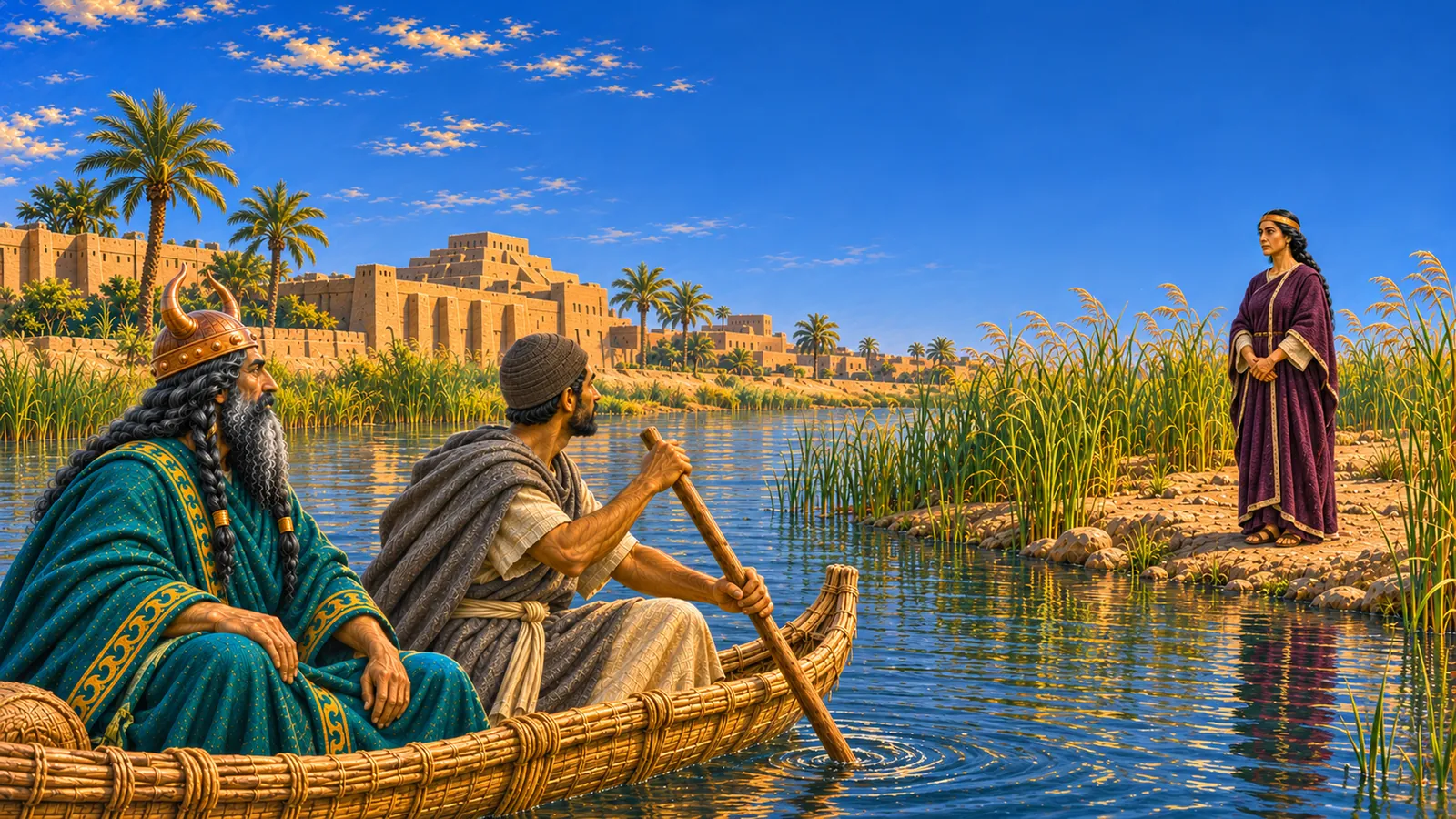
Ninkura kam ans Ufer, und Enki sah sie vom Marschland aus. Er sprach abermals mit Isimud, der anbot, das Boot für ihn zu steuern.
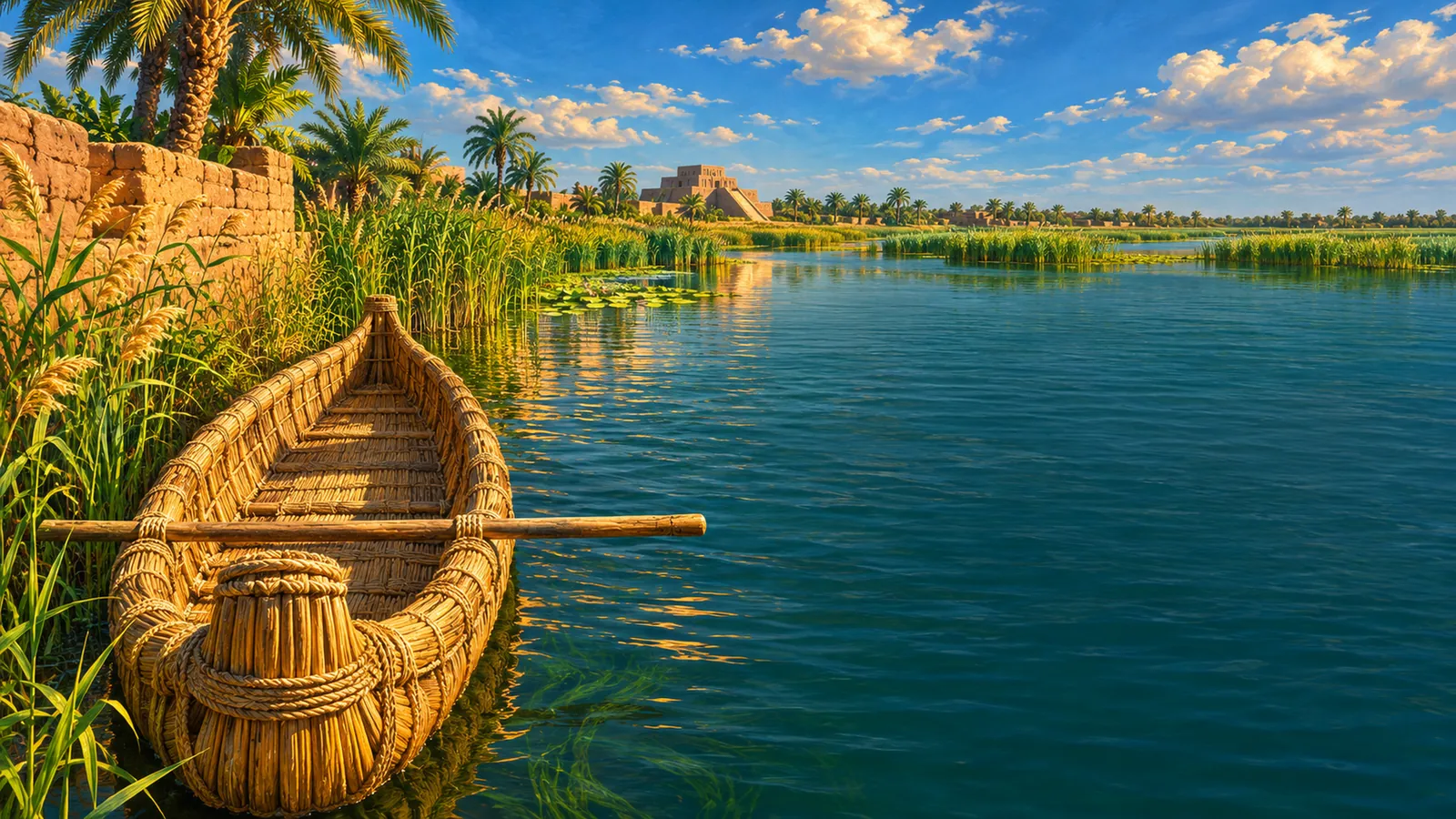
Enki setzte erneut mit dem Boot ans Ufer über. Er schlief mit seiner Enkelin Ninkura, die von ihm schwanger wurde.
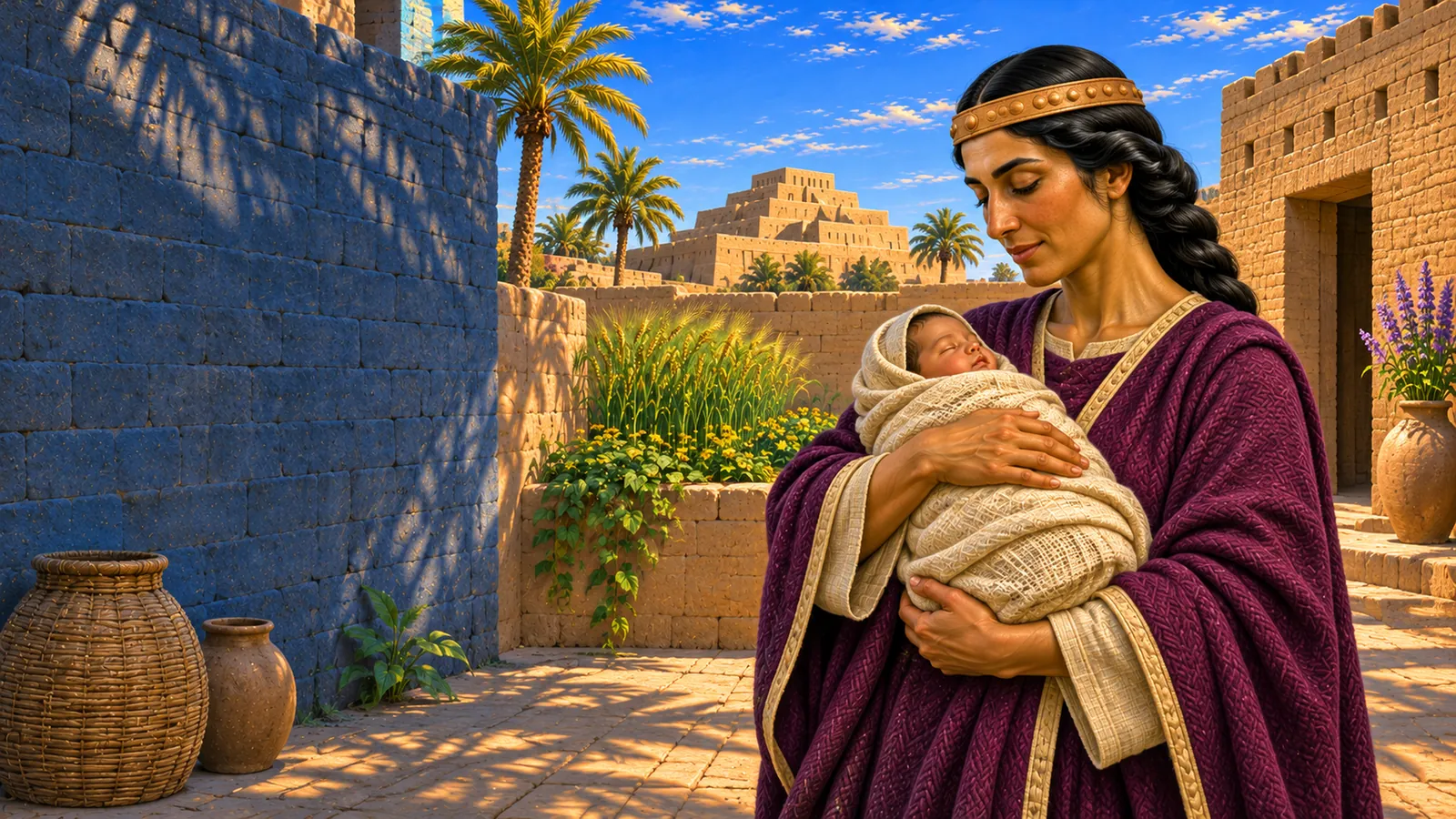
In der Hauptfassung vergehen die Monate erneut in kurzer Zeit. Ninkura bringt Uttu zur Welt, deren Beschreibung in den folgenden Worten unsicher ist.
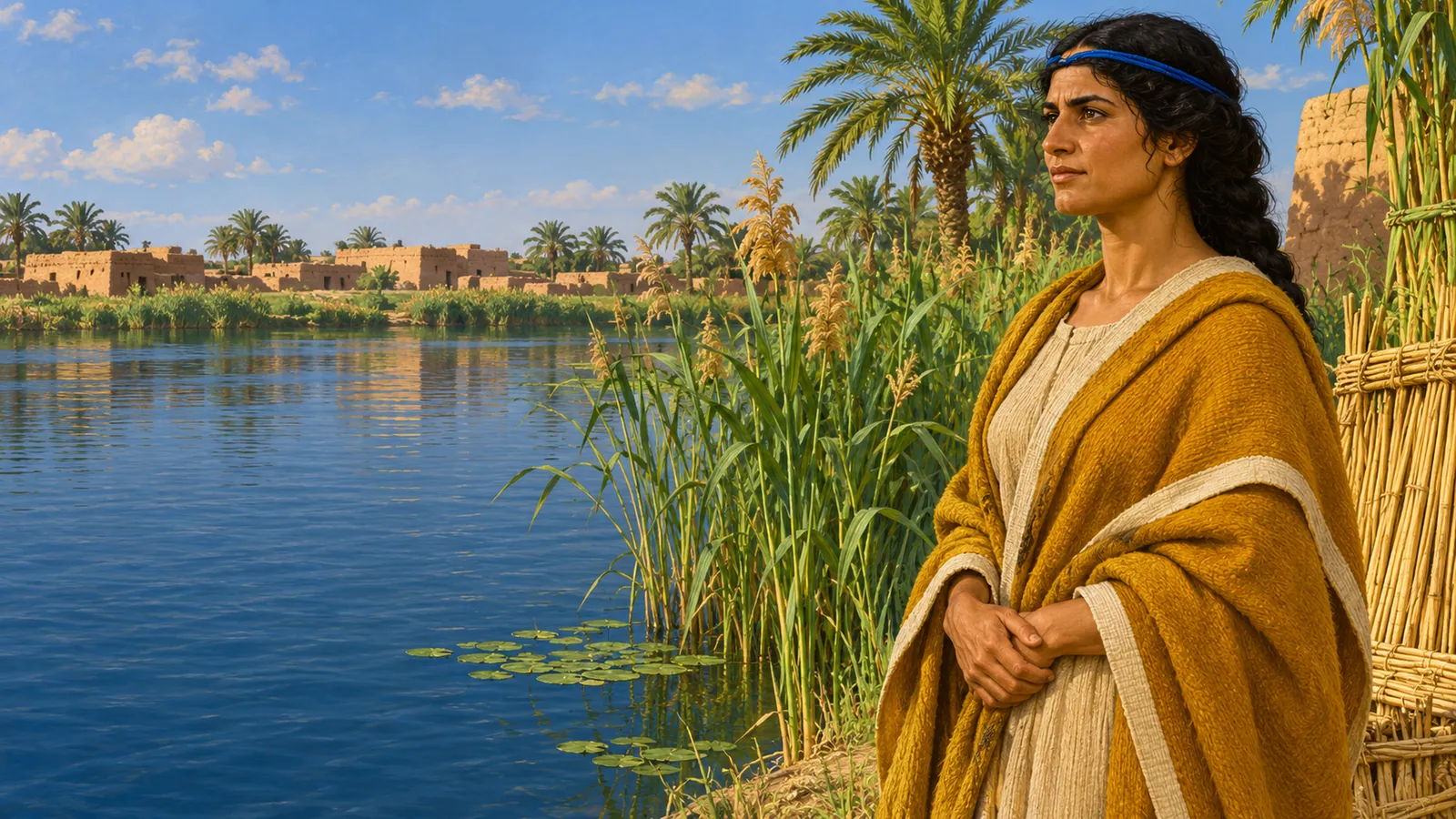
Eine andere Abschrift, die heute im Louvre liegt, erzählt, dass Ninkura Ninimma zur Welt brachte. In dieser Fassung kam Ninimma ans Flussufer, und Enki sah sie dort.
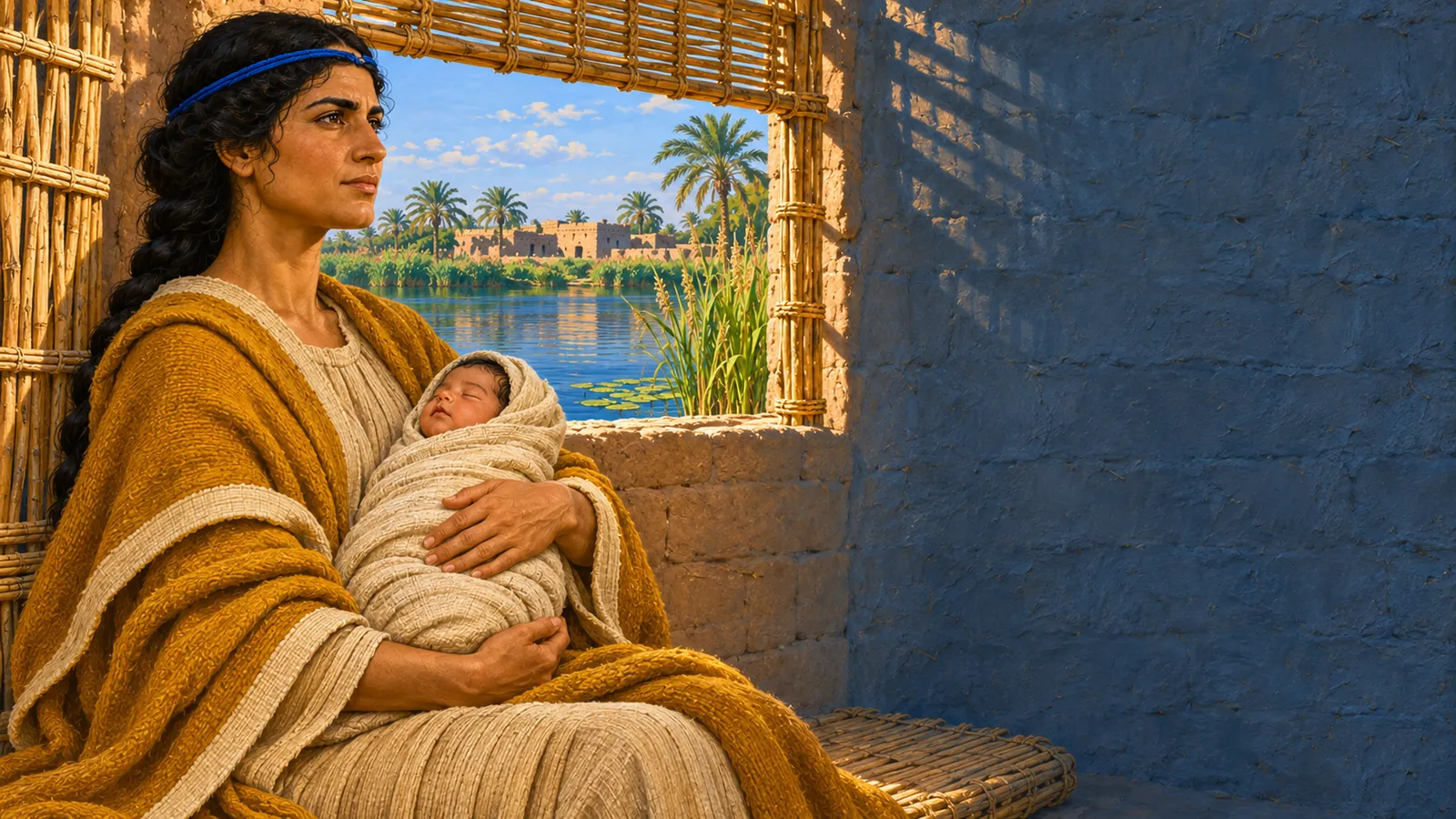
In dieser Abschrift schläft Enki auch mit Ninimma. Der Schluss ist teilweise ergänzt, und Ninimma bringt dort Uttu zur Welt.
DIE WARNUNG
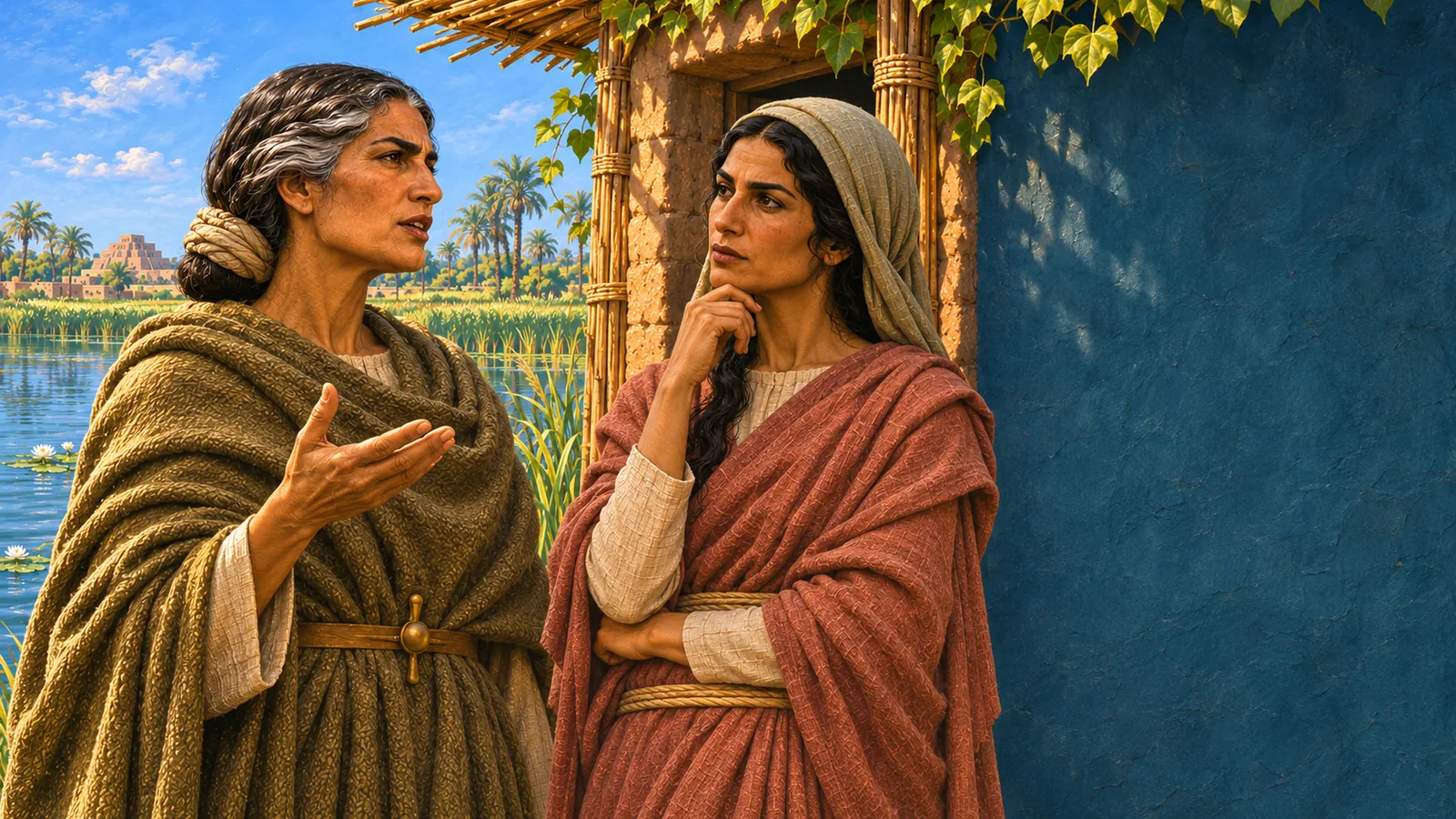
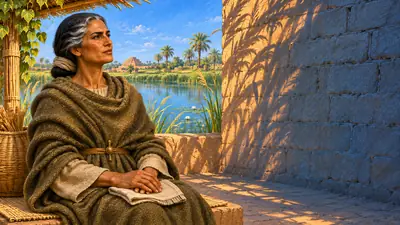
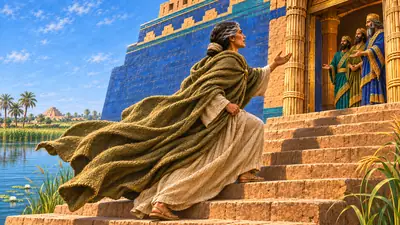
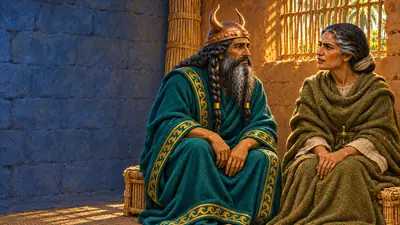
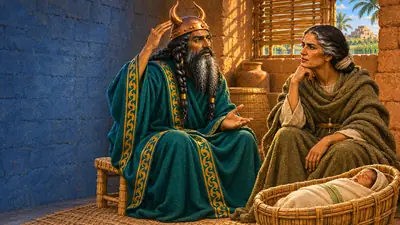
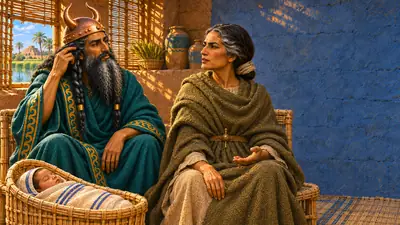
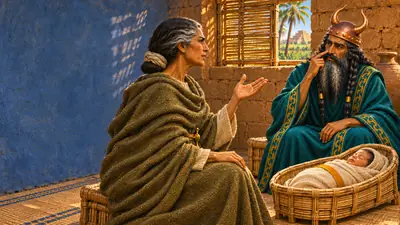
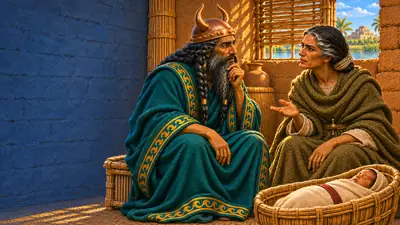
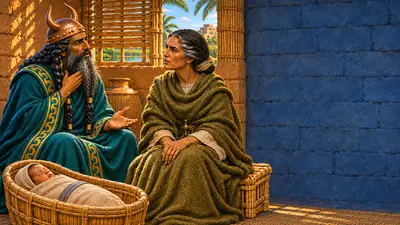
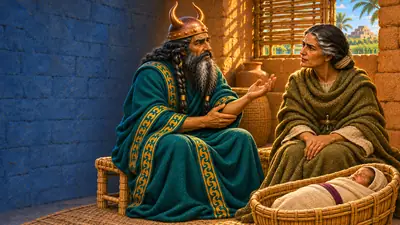
Nintud warnte Uttu, dass Enki vom Marschland aus Ausschau gehalten hatte. Sie sagte Uttu, dass er sie sehen würde.
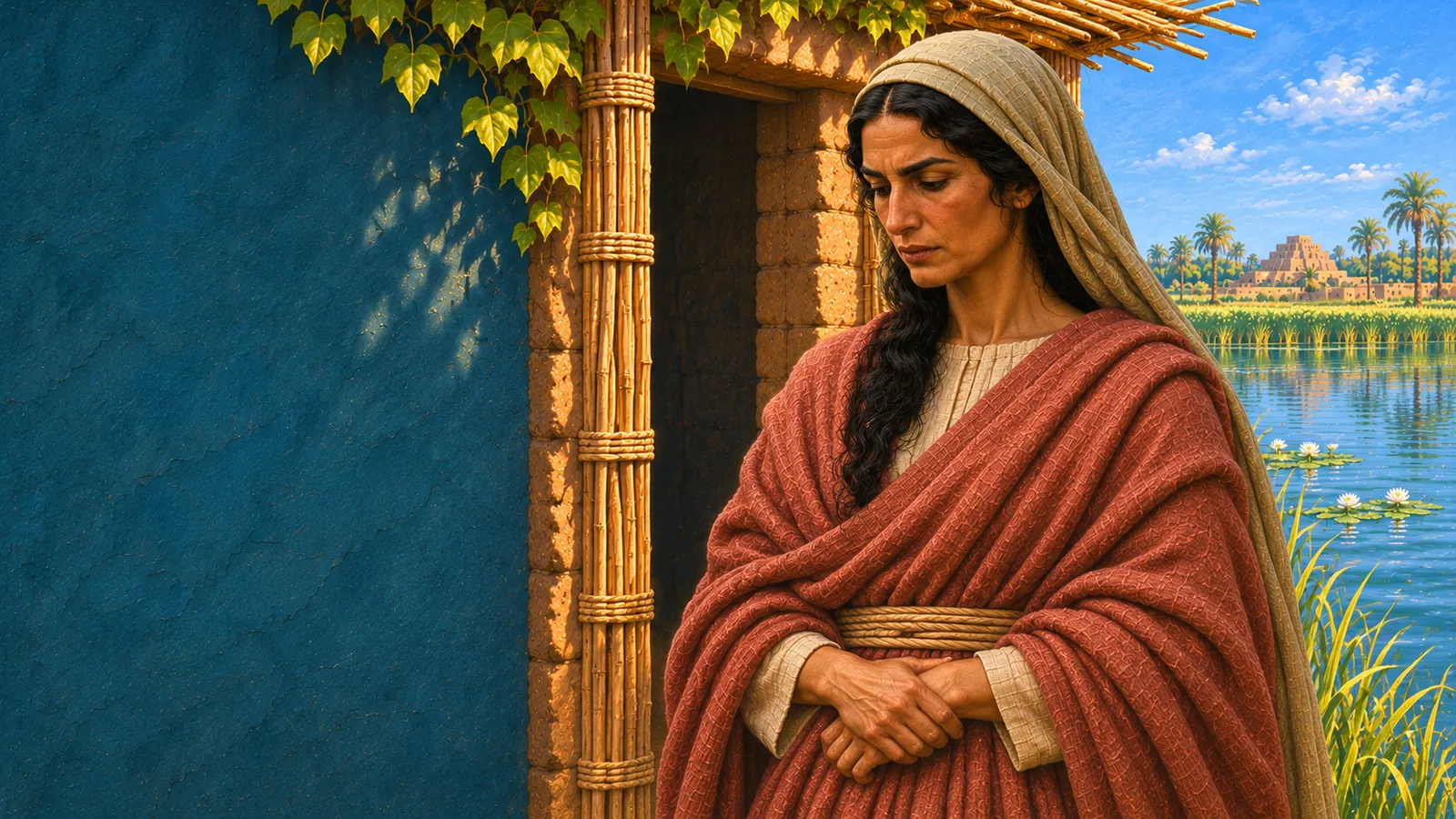
An dieser Stelle ist die Warnung nur in Bruchstücken erhalten. Uttus Name und einige Wörter sind lesbar, doch aus den beschädigten Zeilen lässt sich der vollständige Rat nicht wiedergewinnen.
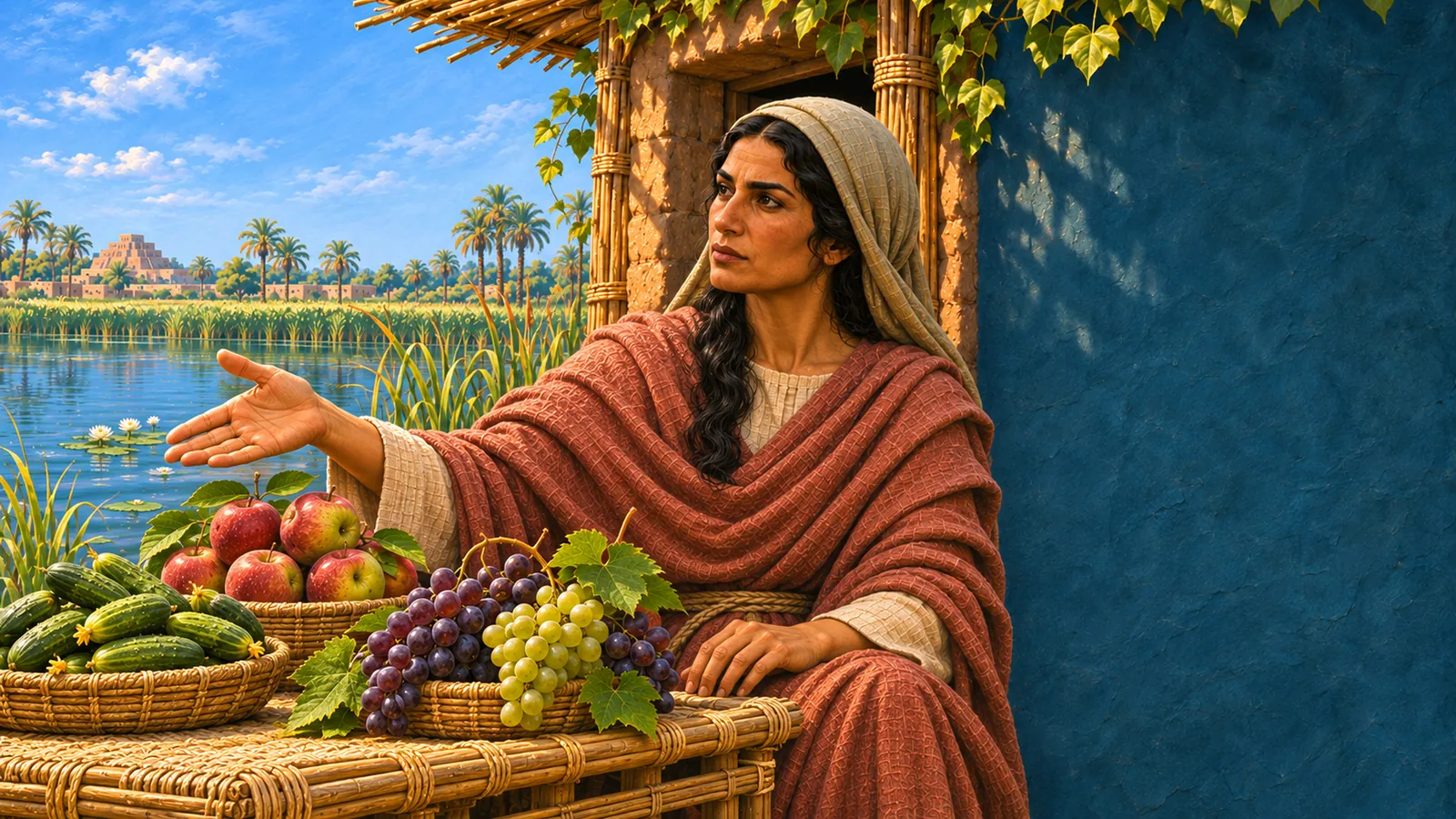
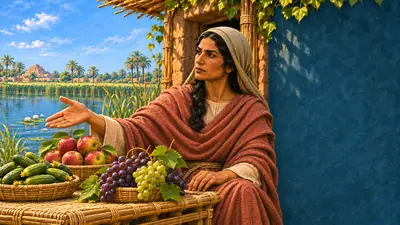
Uttu spricht von Gurken, Äpfeln und Trauben. Einige Wörter sind unsicher, und es bleibt offen, an wen sie sich wendet.
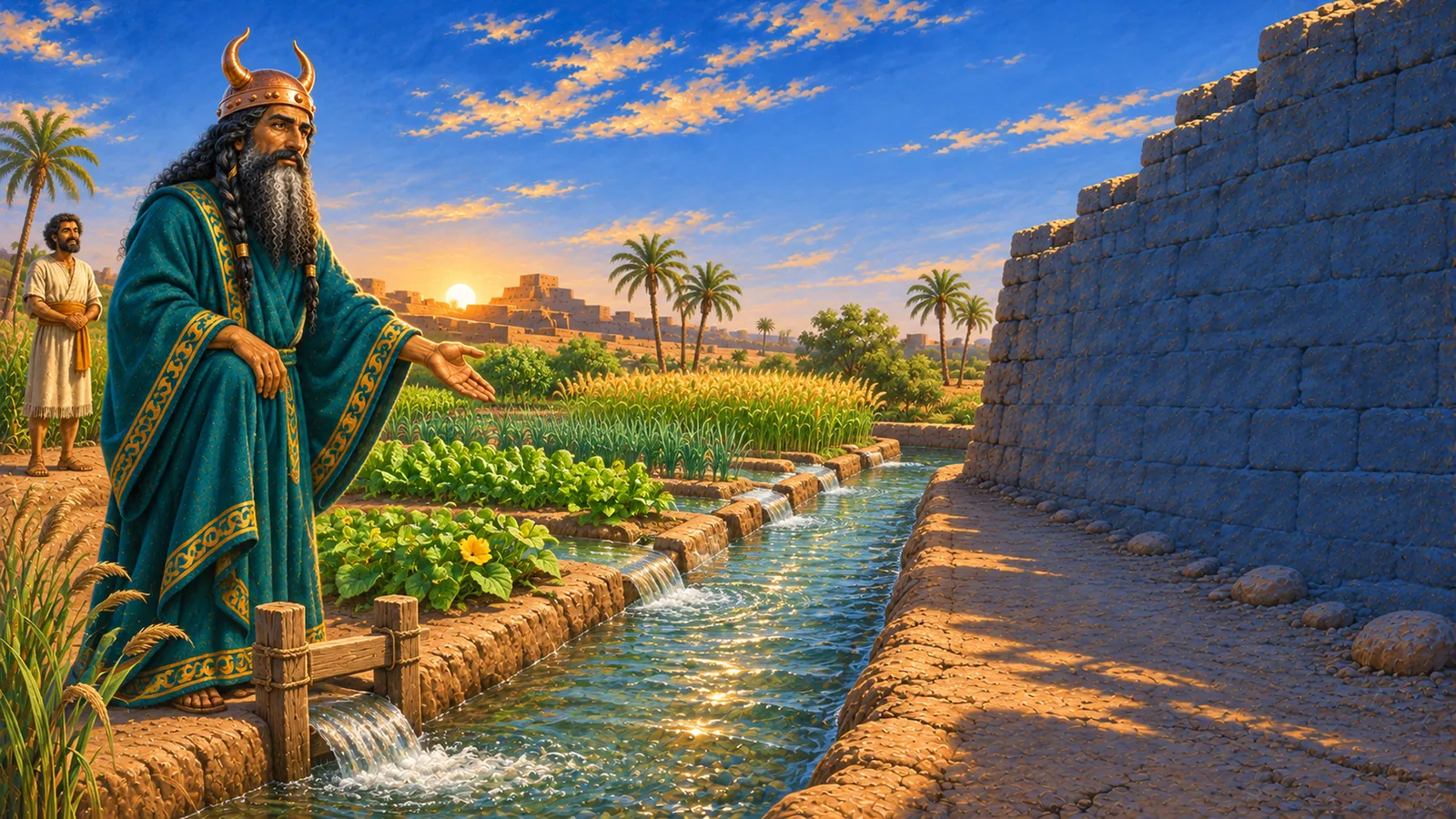
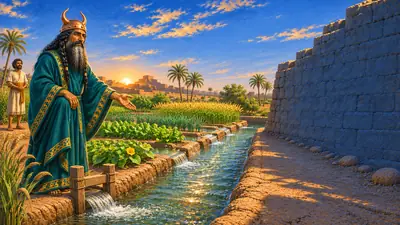
Enki brachte erneut Wasser in den Garten. Das Gedicht erzählt, dass er die Dämme und Rinnen ein zweites Mal mit Wasser füllte.
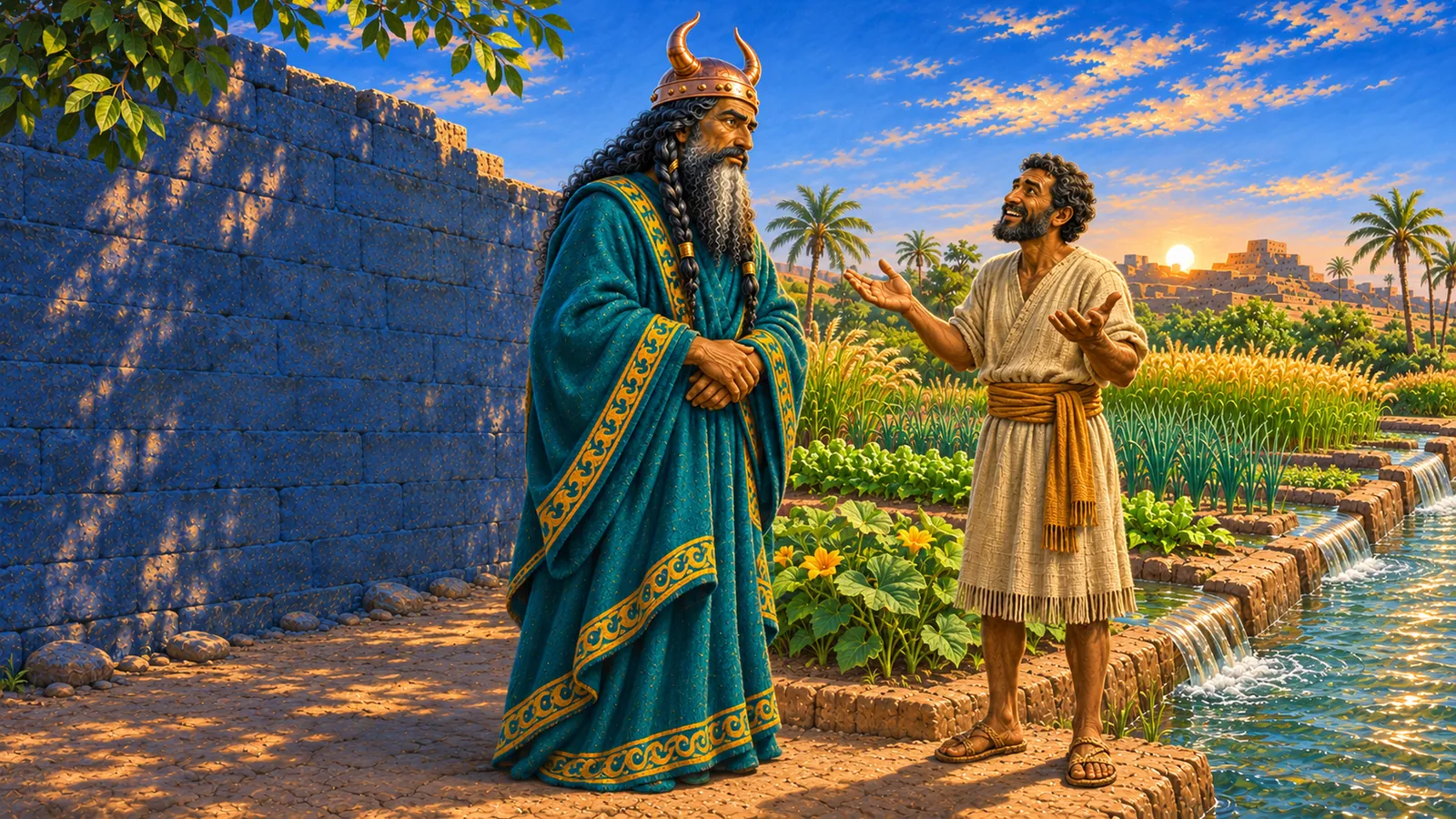
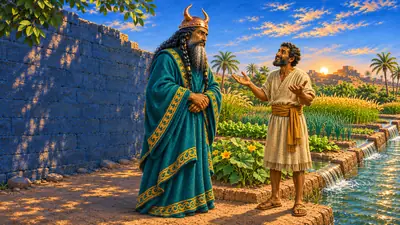
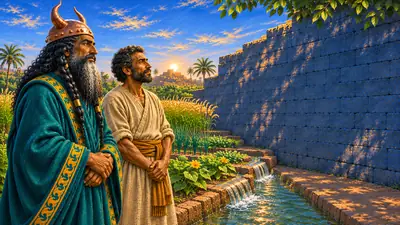
Der Gärtner freute sich sehr, als das Wasser den Garten erreichte. Er fragte Enki, wer er sei, doch der Rest seiner Frage ist beschädigt.
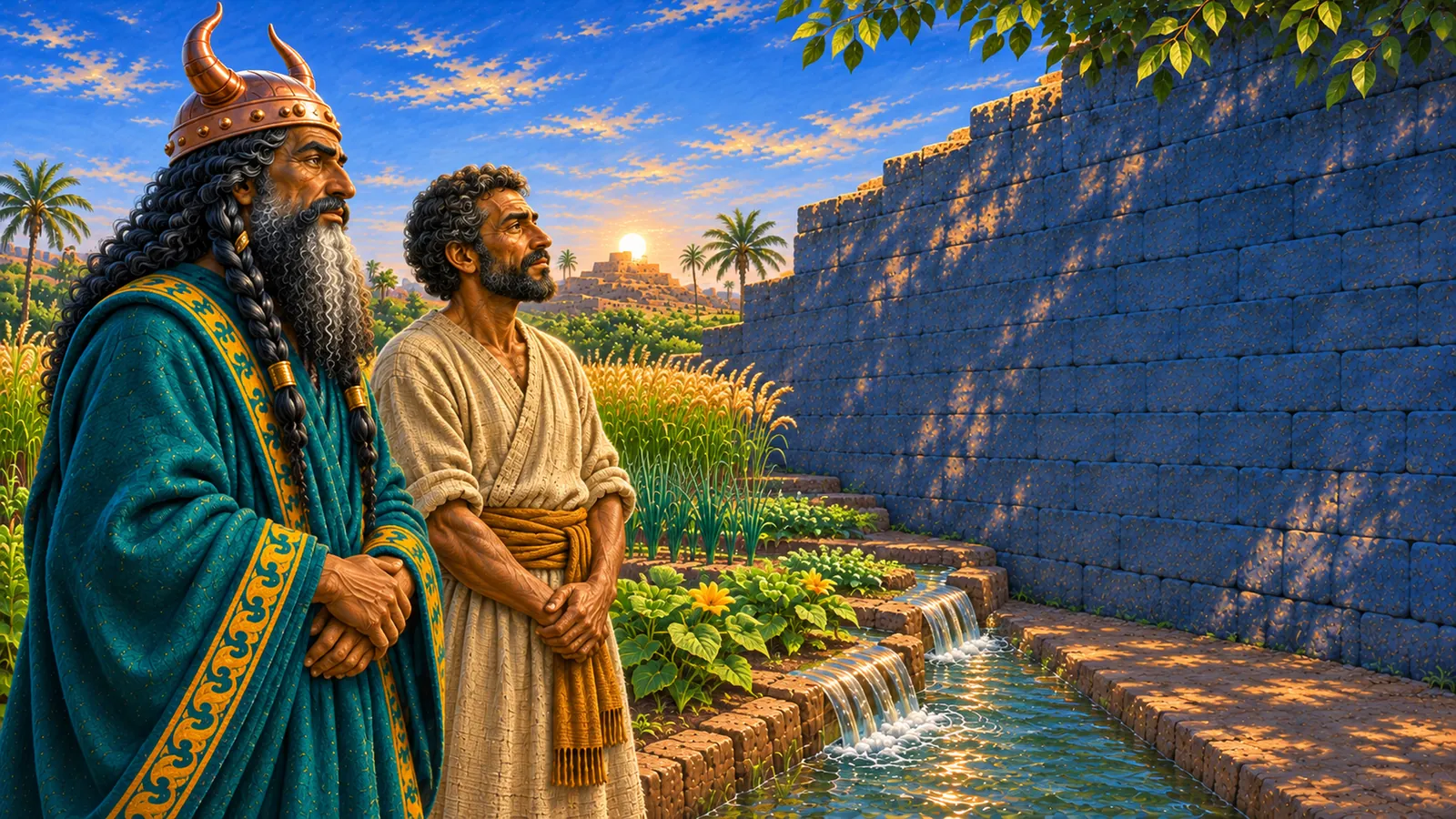
Enki setzte zu einer Antwort an. Hier fehlen vier Zeilen, und die Worte, die er mit dem Gärtner wechselte, sind verloren.
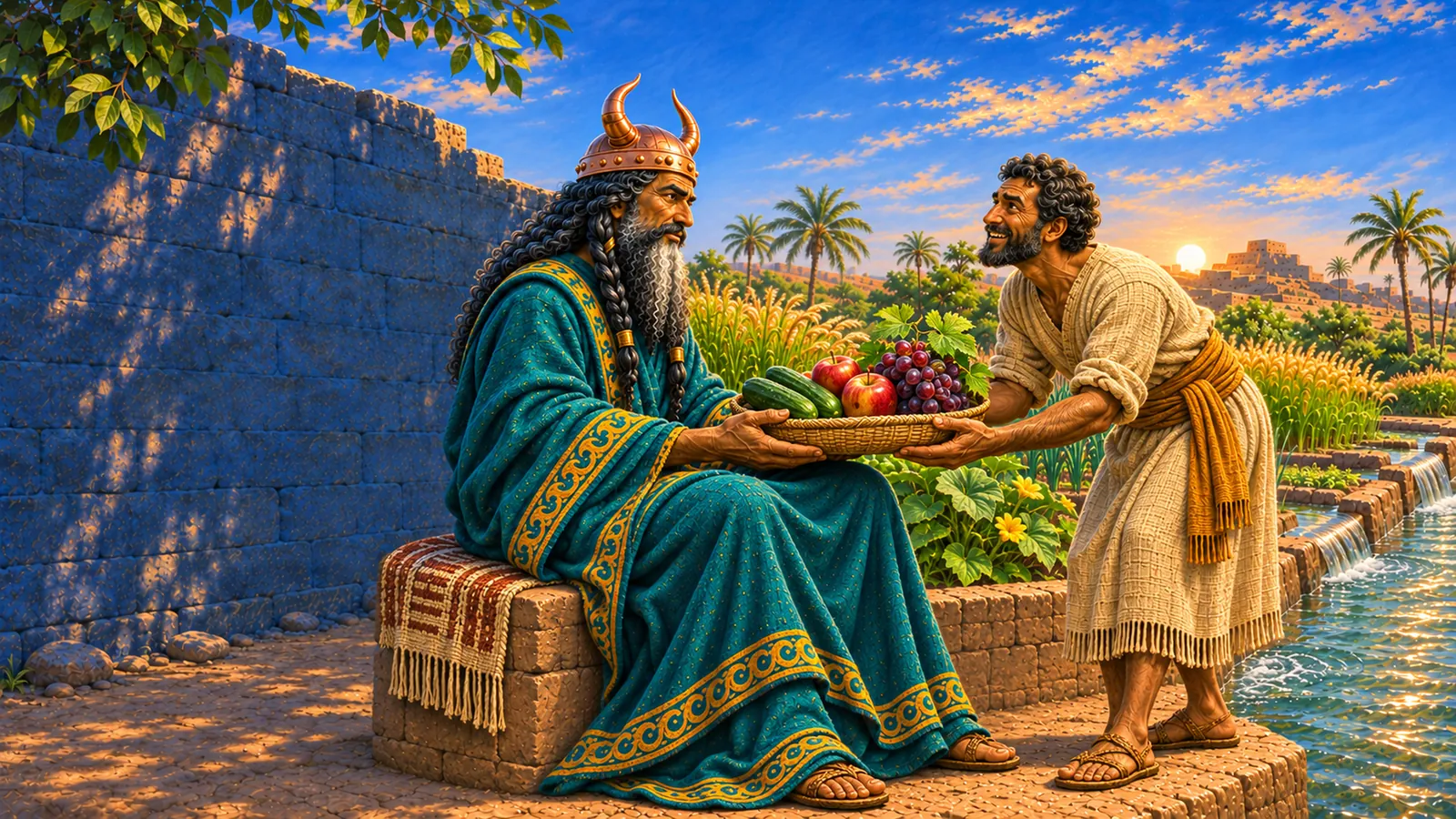
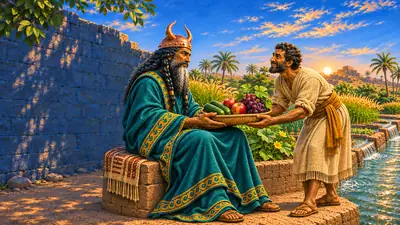
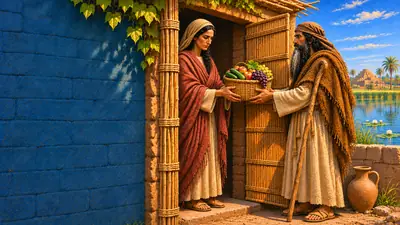
Als der Text wieder einsetzt, bringt der Gärtner Enki Gurken, Äpfel und Weintrauben. Damit füllt er Enki den Schoß.
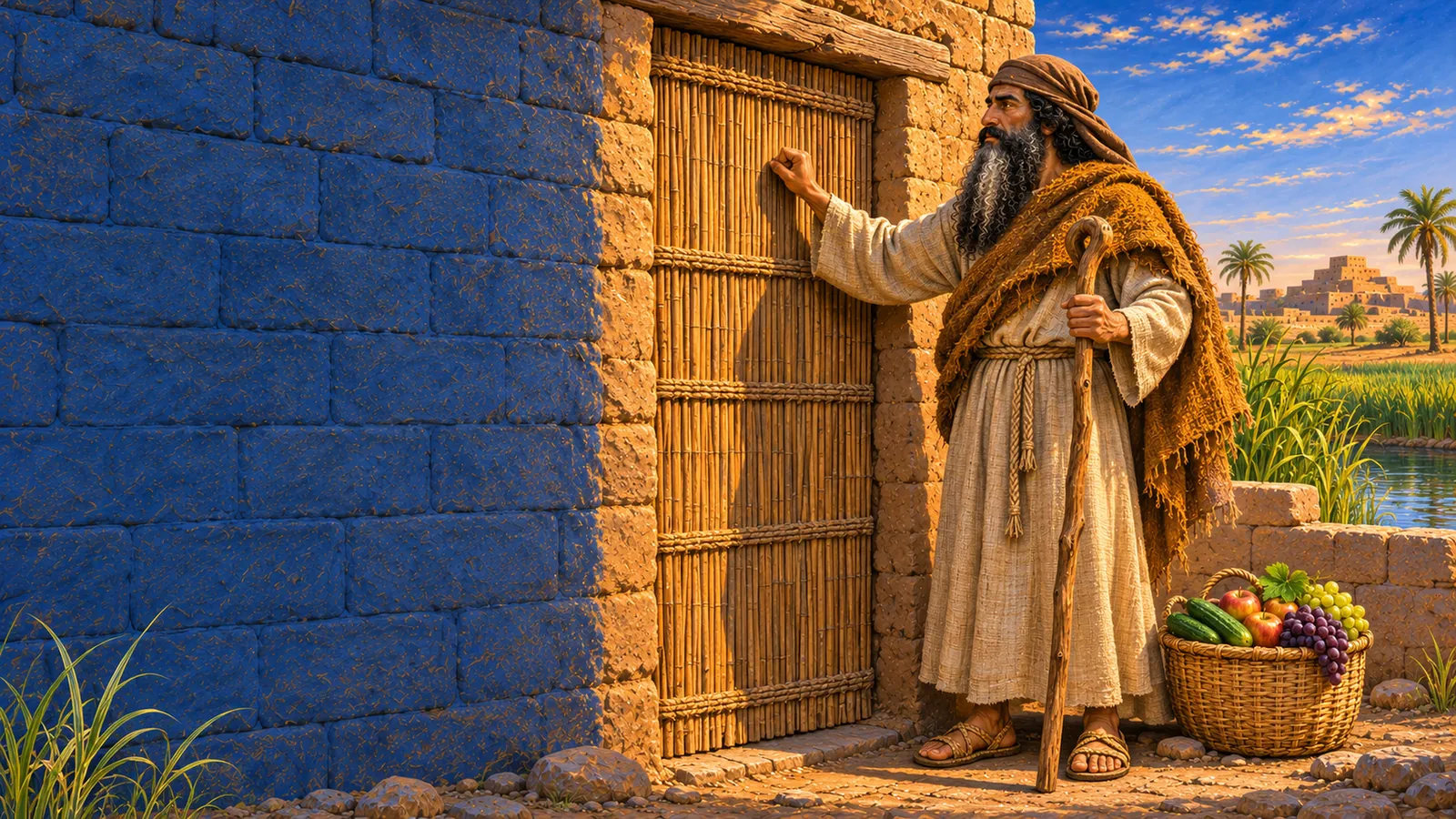
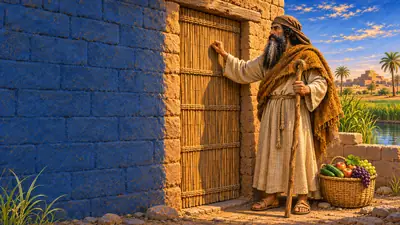
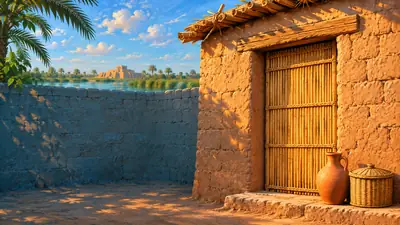
Enki veränderte sein Aussehen, nahm einen Stab und klopfte an Uttus Tür. Als Uttu fragte, wer da sei, gab er sich als Gärtner aus und bot ihr die Früchte an.
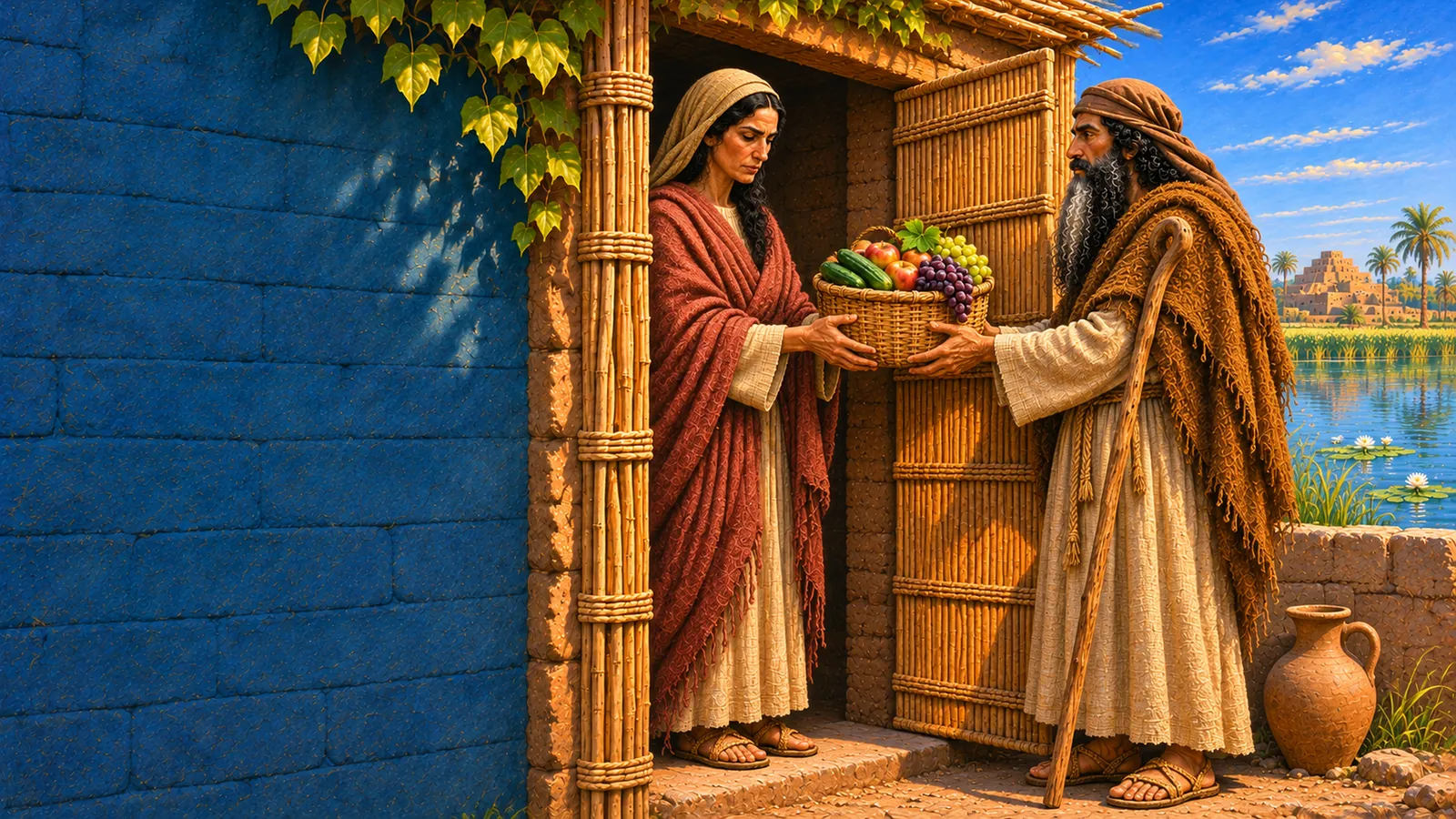
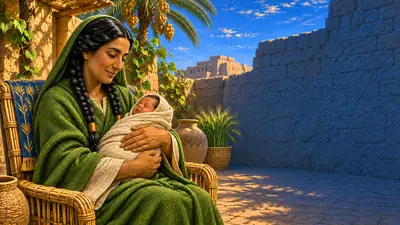
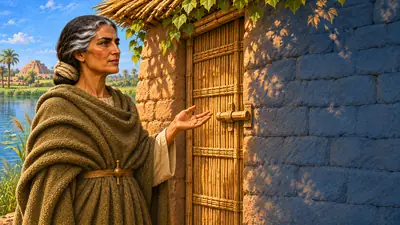
Uttu öffnete die Tür und nahm die Gurken, Äpfel und Trauben entgegen. In einer Abschrift des Gedichts heißt es, Enki habe ihr auch Bier eingeschenkt.
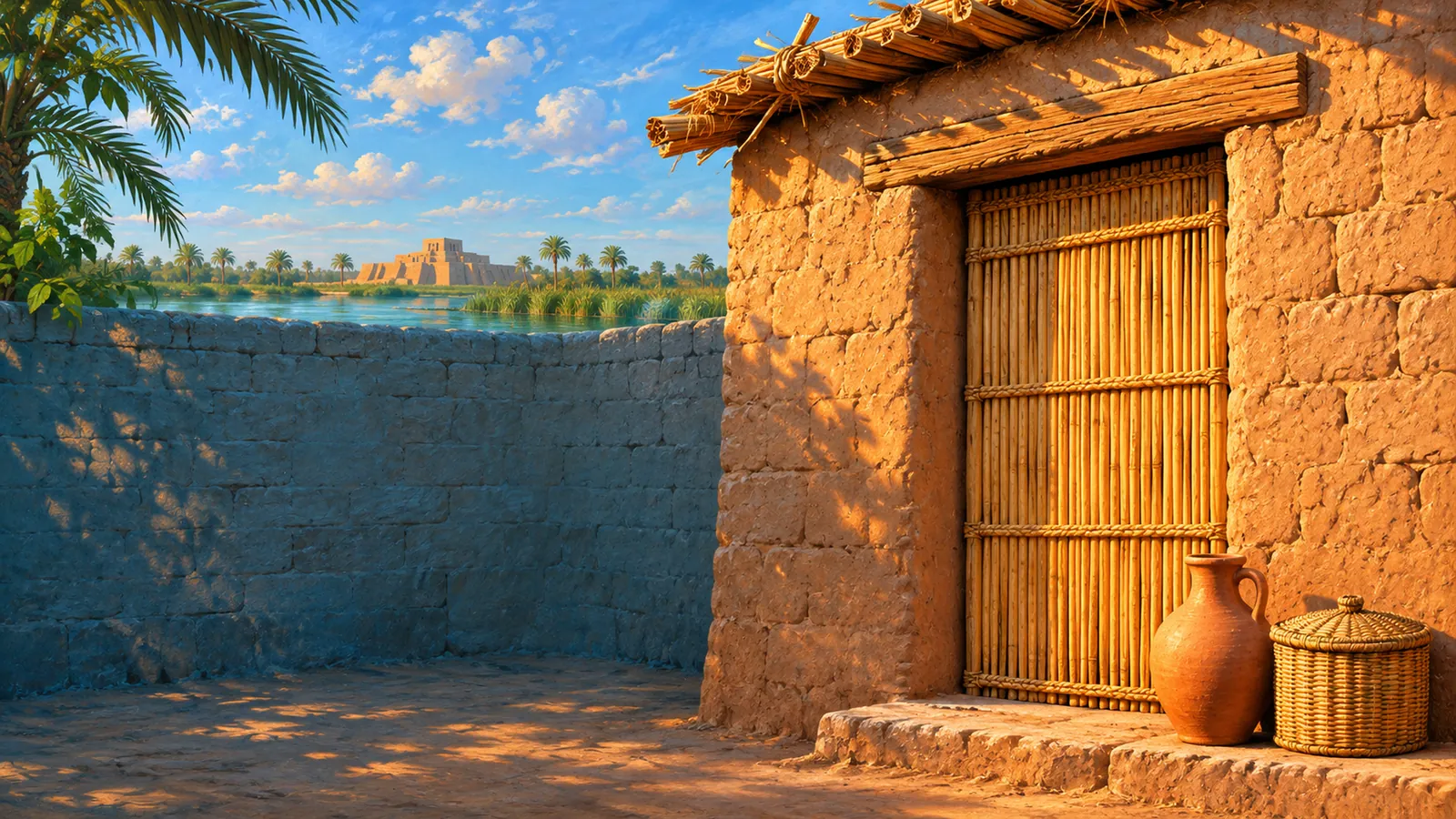
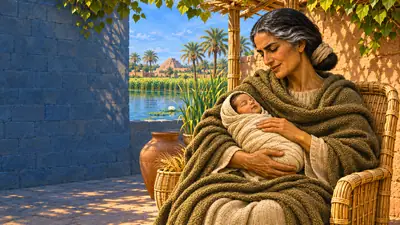
Enki hatte sich als Gärtner ausgegeben. Im Haus schlief er mit Uttu, die von ihm schwanger wurde.
UTTUS SCHREI
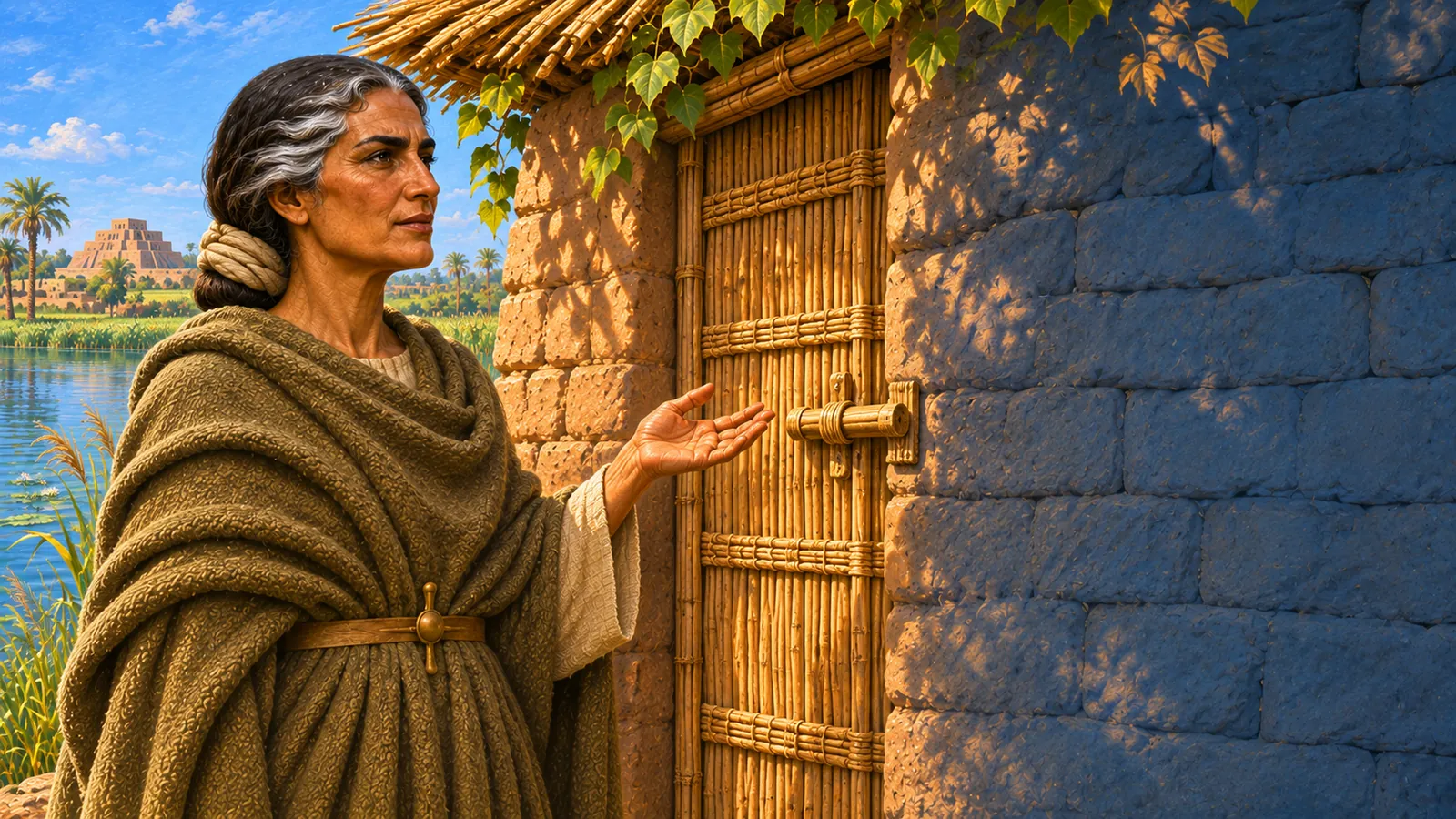
Uttu schrie vor Schmerz. Ninhursag entfernte Enkis Samen aus ihrem Körper. Die nächsten beiden Zeilen sind nur in Bruchstücken erhalten.
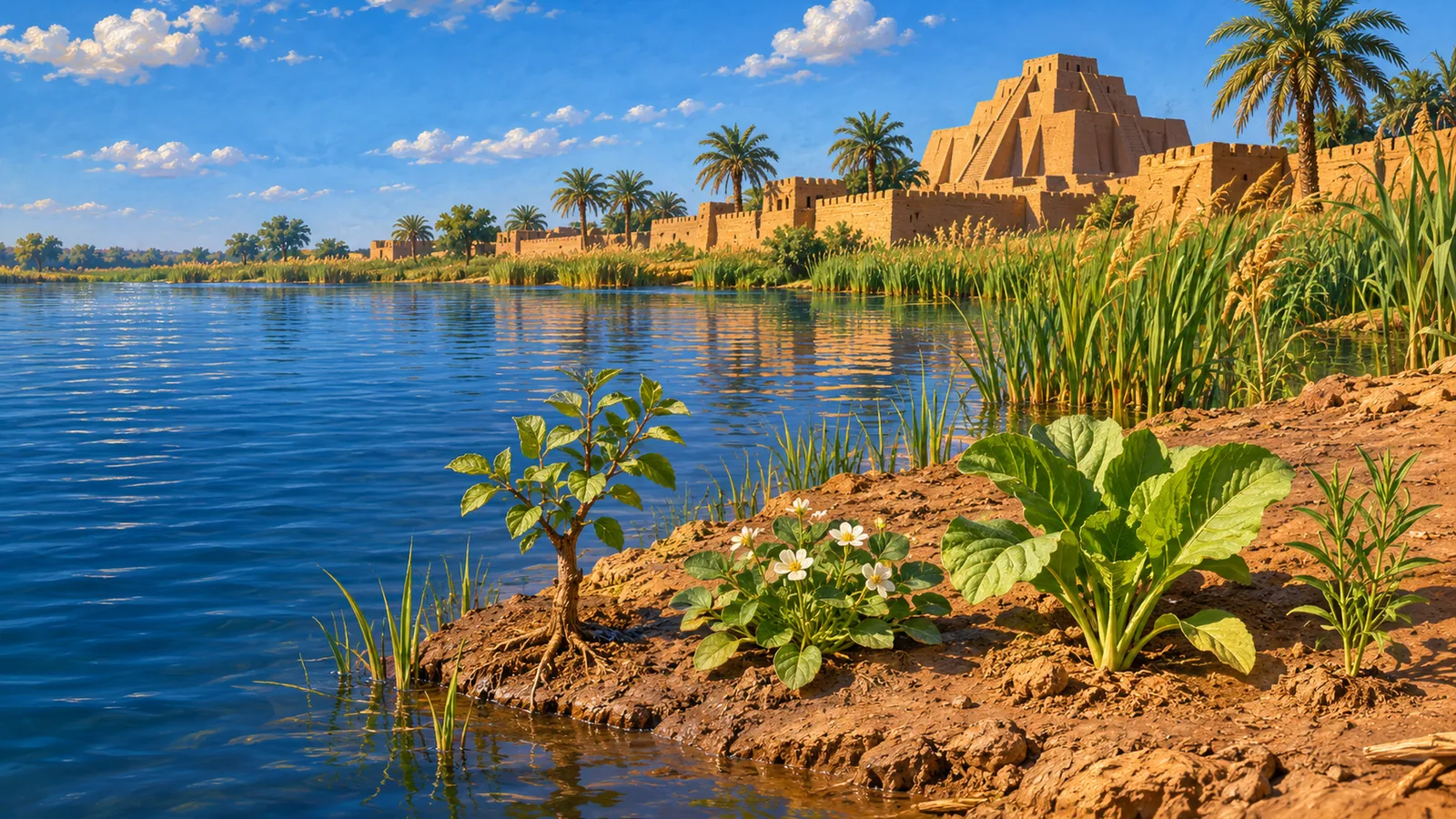
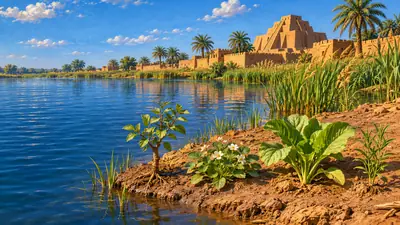
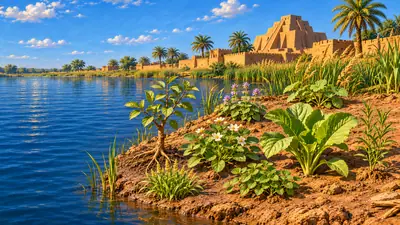
Vier Arten von Pflanzen wuchsen. Das Gedicht nennt die Baumpflanze, die Honigpflanze und die Gemüsepflanze. Die vierte ist schwer zu bestimmen.
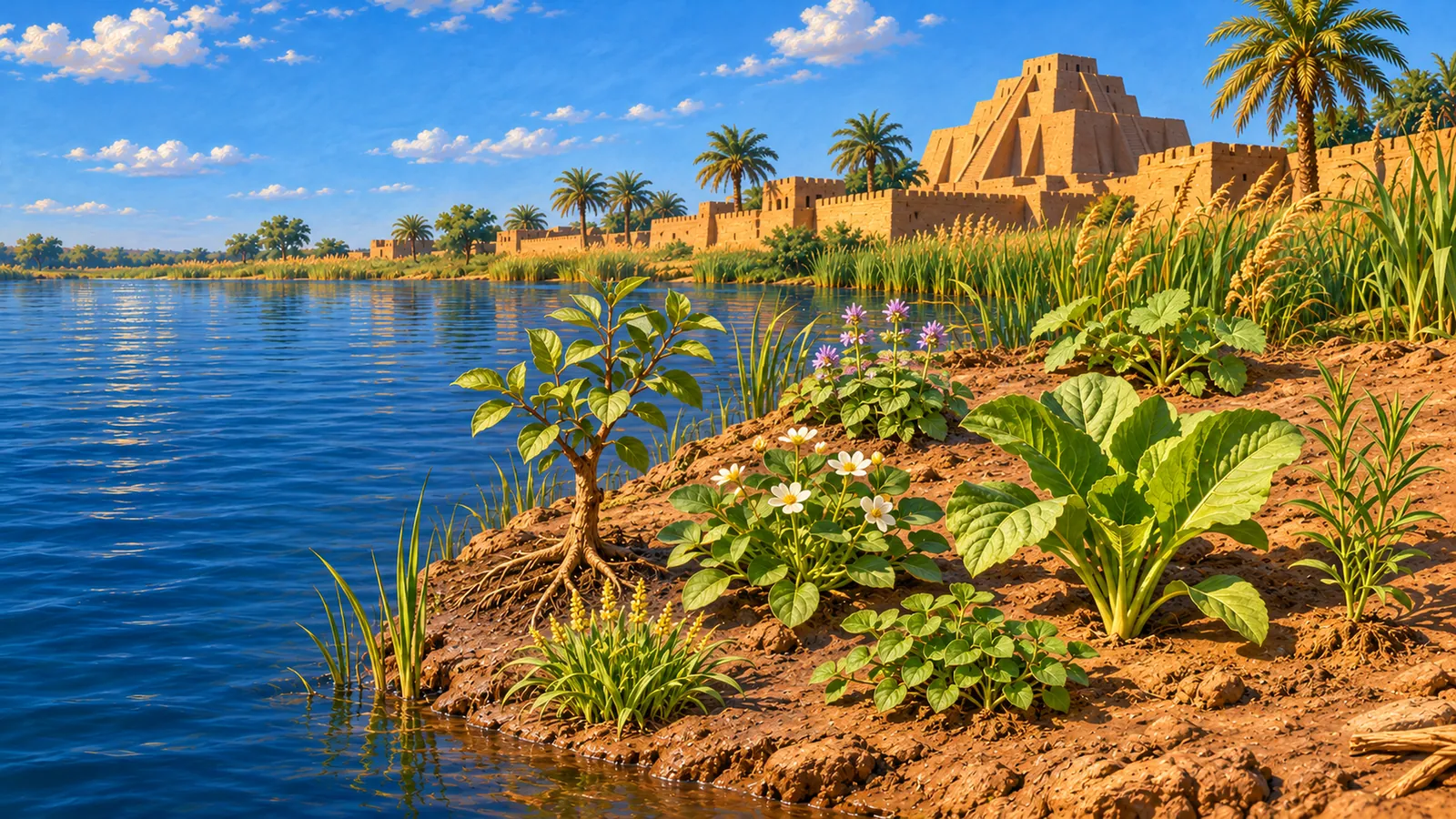
Vier weitere Pflanzenarten wuchsen. Sie heißen Atutu, Ashtaltal, eine Pflanze, deren Name auf der Tafel verloren ist, und Amharu.
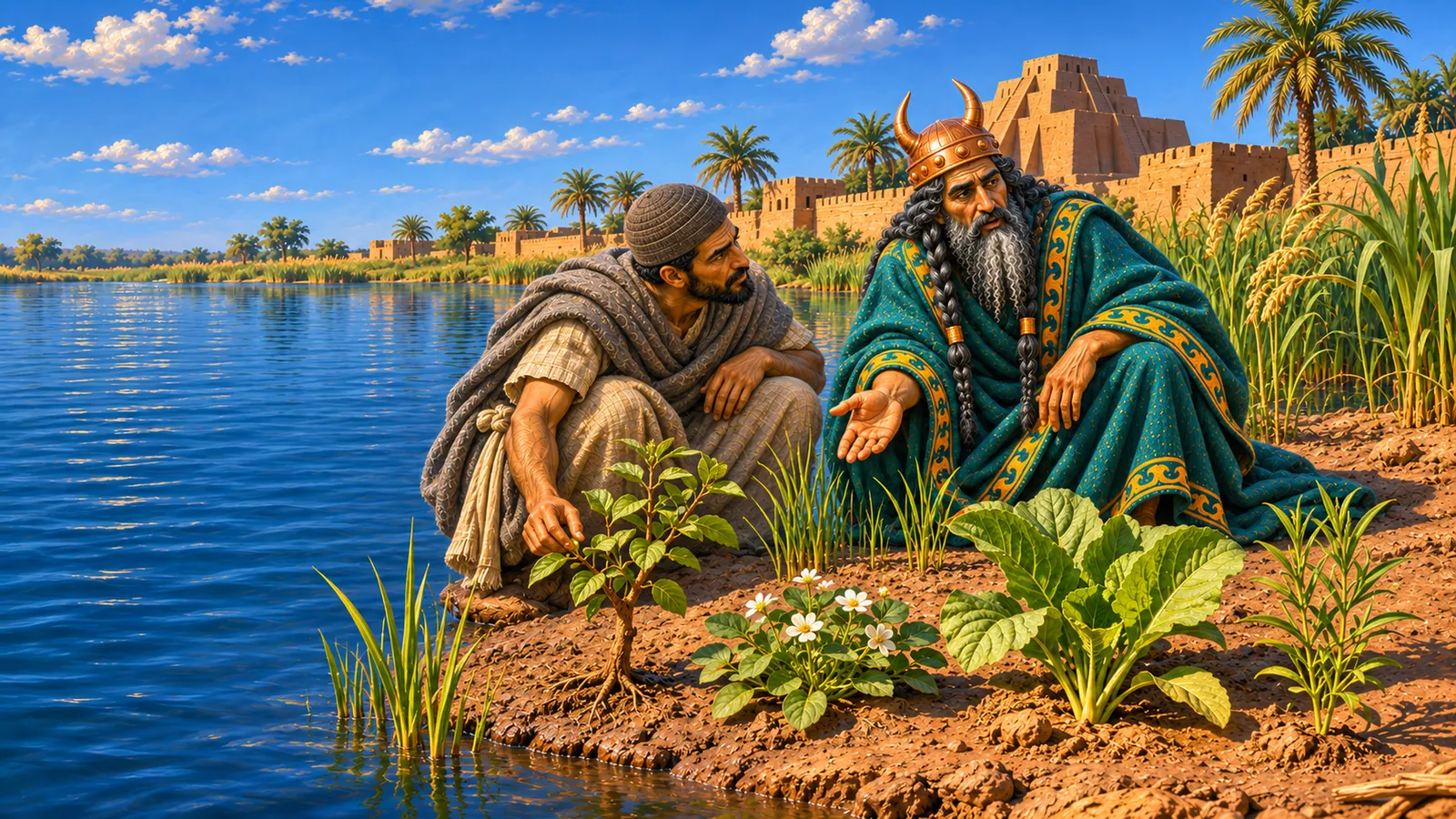
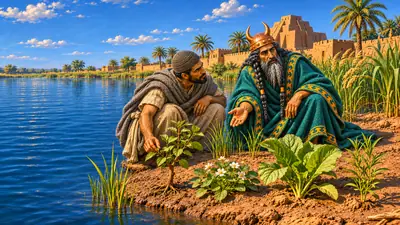
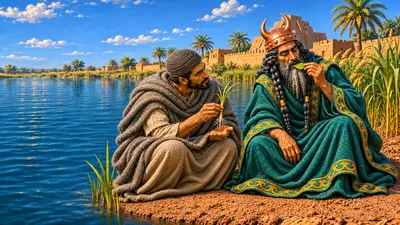
Enki sah die Pflanzen vom Marschland aus. Er hatte ihr Schicksal noch nicht bestimmt und fragte Isimud, um welche Pflanzen es sich handelte.
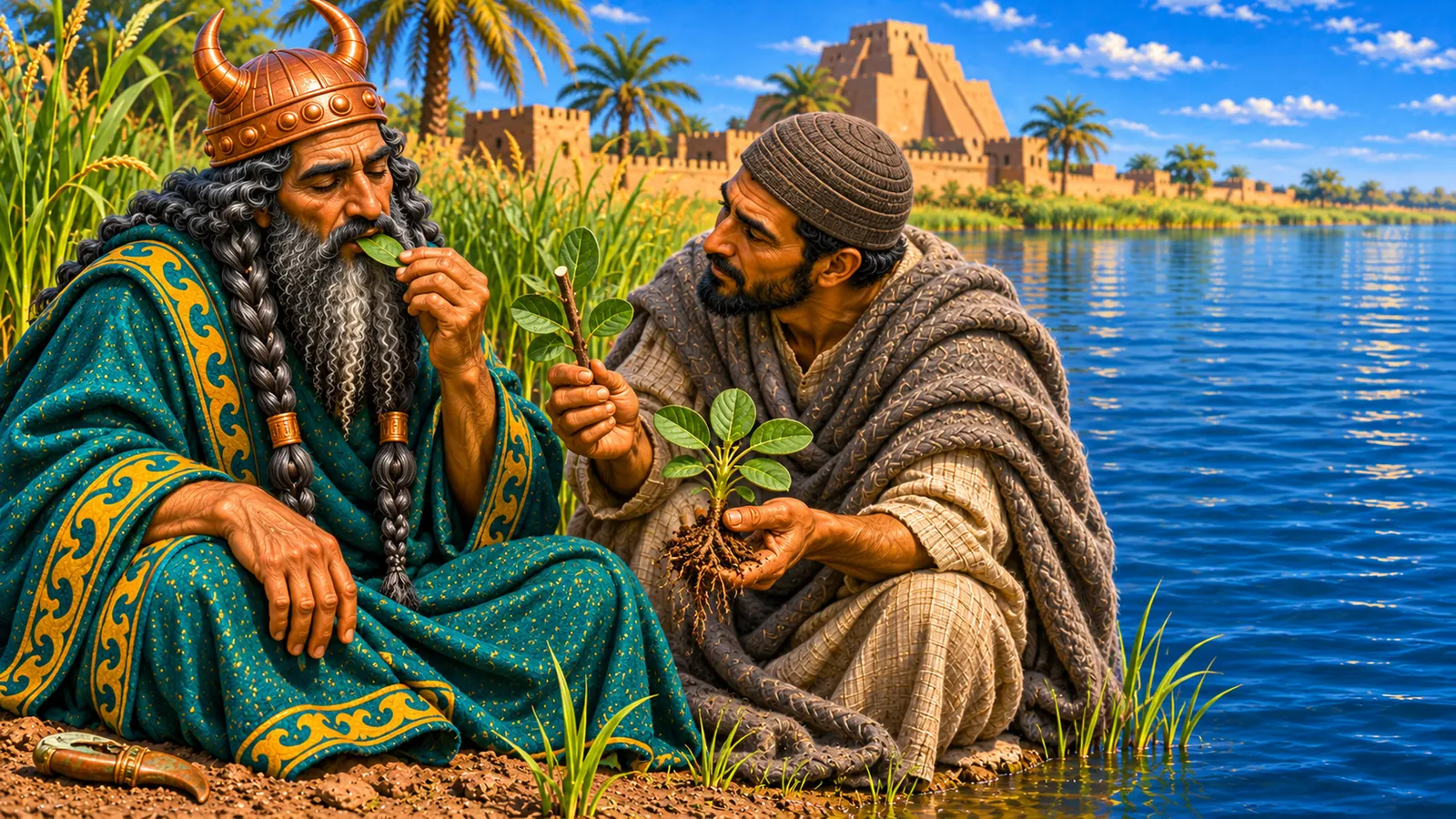
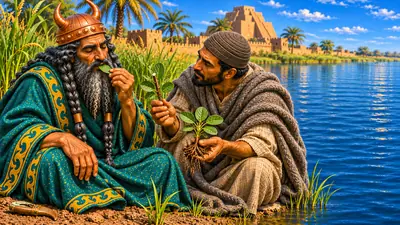
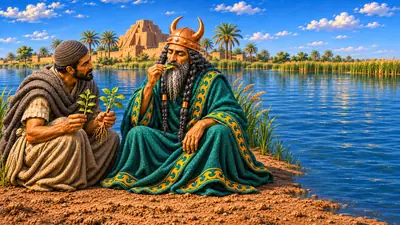
Isimud nannte die Baumpflanze, schnitt sie ab und gab sie Enki zu essen. Dann nannte er die Honigpflanze, zog sie aus dem Boden und gab sie ihm ebenfalls zu essen.
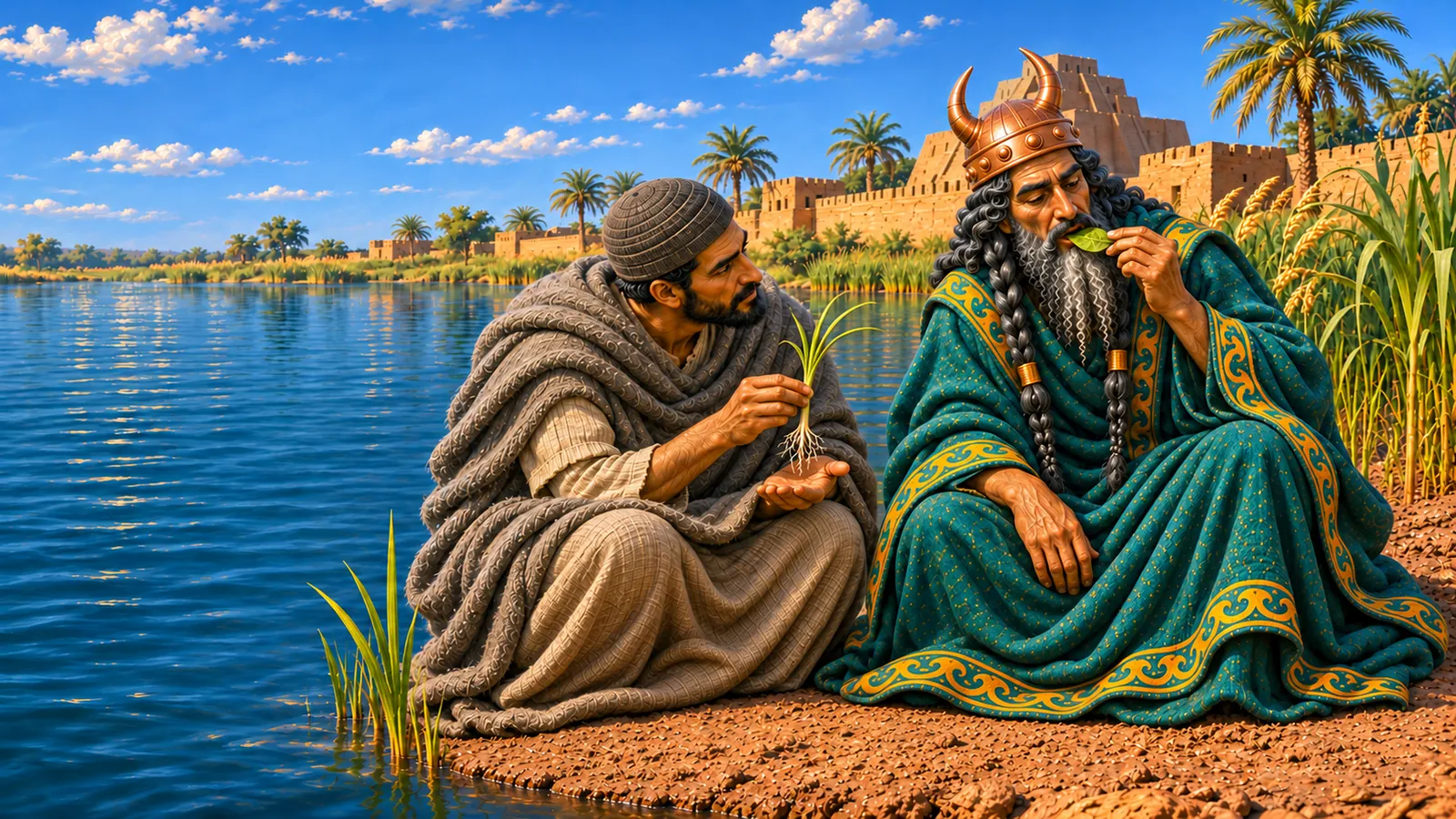
Isimud schnitt die Gemüsepflanze ab und zog eine Pflanze aus dem Boden, die vielleicht eine Grasart war. Enki aß jede, sobald Isimud sie ihm brachte.
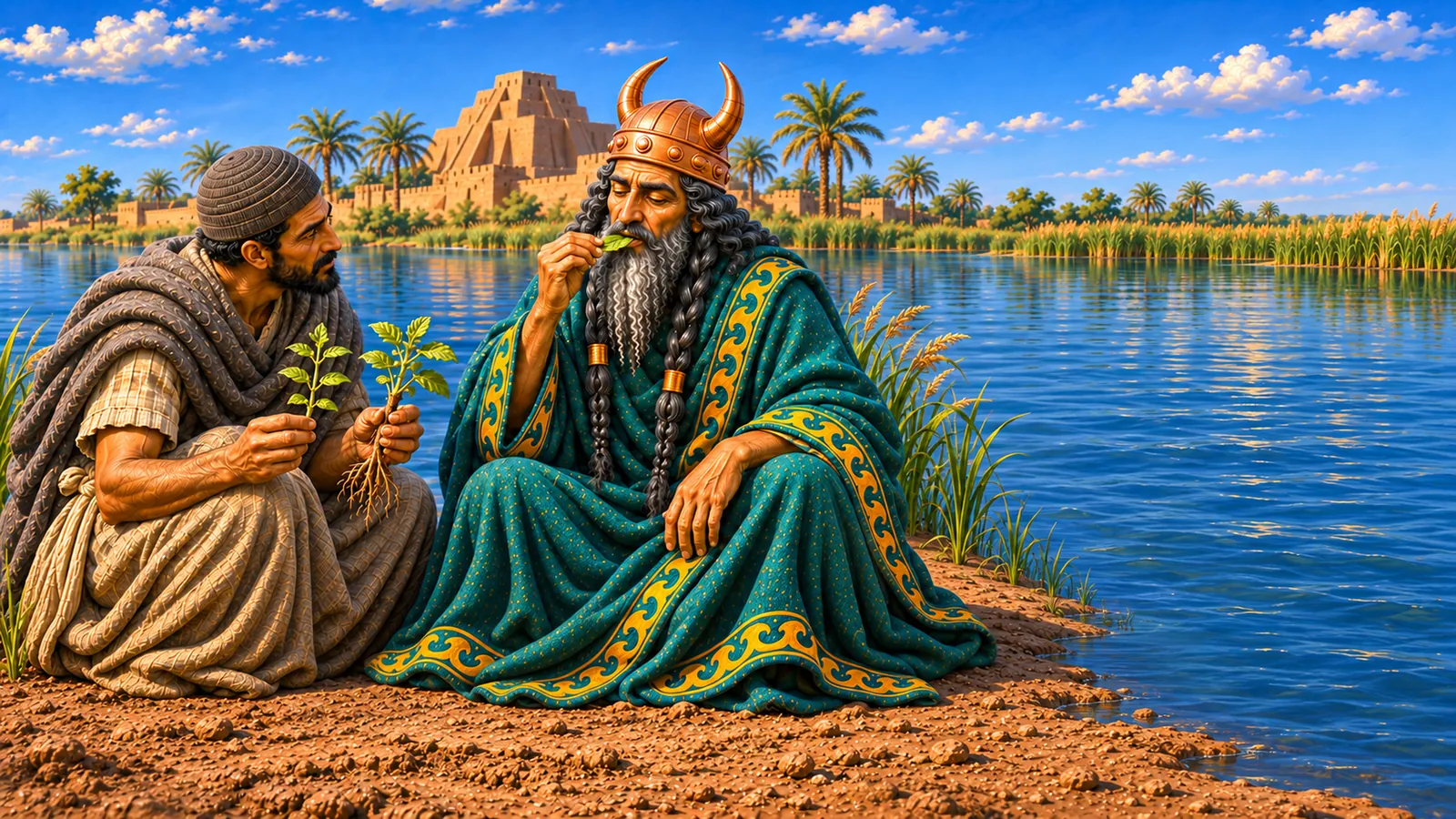
Isimud nannte die Atutu-Pflanze und schnitt sie ab. Dann nannte er die Ashtaltal-Pflanze und zog sie aus dem Boden. Enki aß die beiden Pflanzen nacheinander.
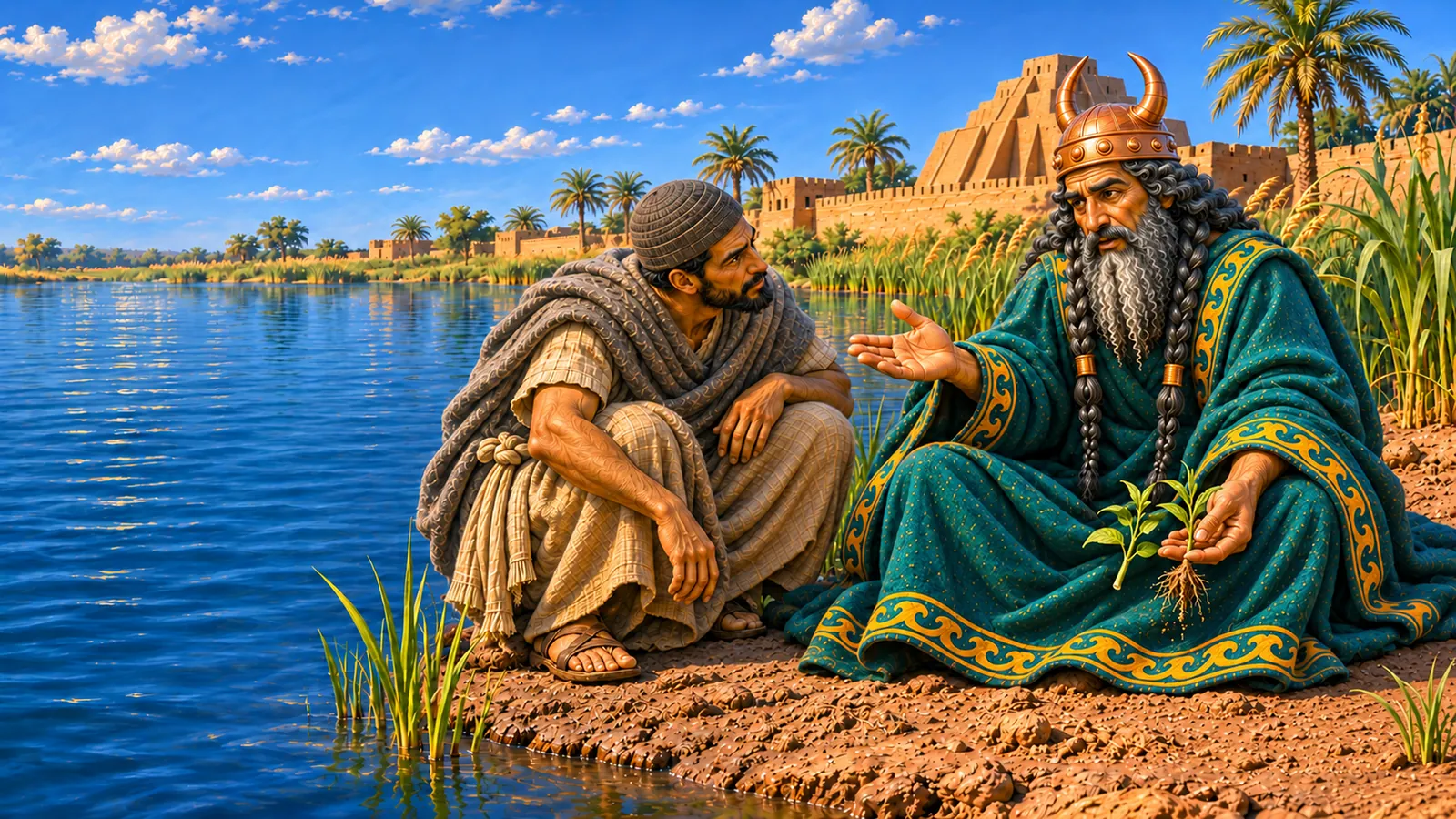
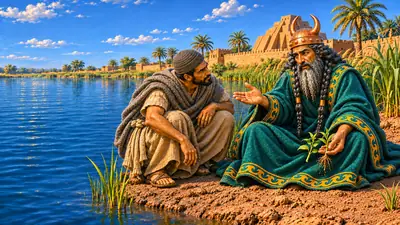
Der Name der siebten Pflanze ist verloren. Isimud schnitt sie ab, zog dann den Amharu aus dem Boden, und Enki aß beide. Danach bestimmte Enki das Schicksal aller Pflanzen.
DER FLUCH
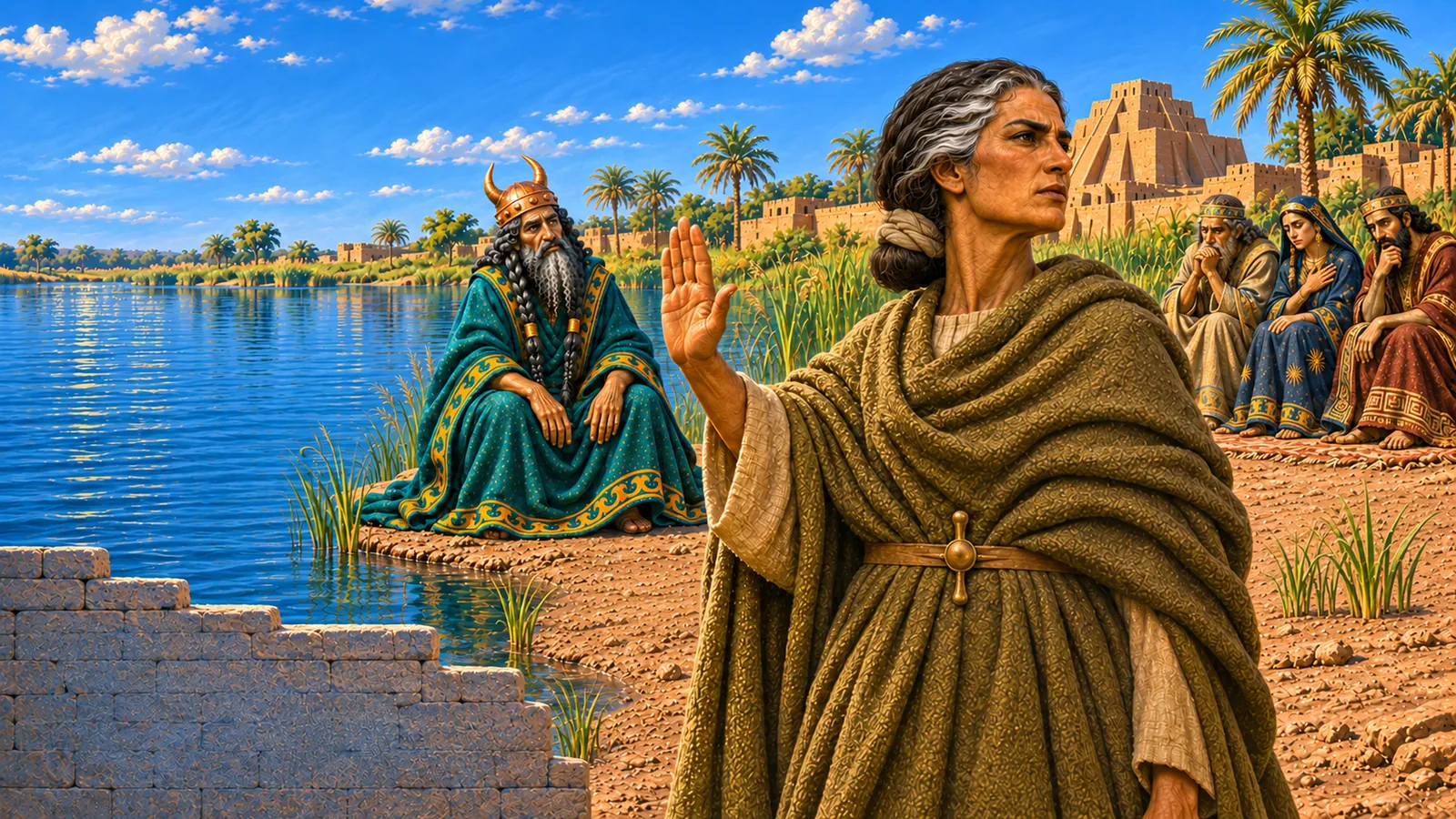
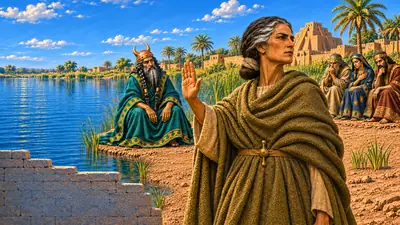
Ninhursag verfluchte Enki. Sie schwor, ihm bis zu seinem Tod ihren lebensspendenden Blick zu verweigern. Die Anuna setzten sich in den Staub.
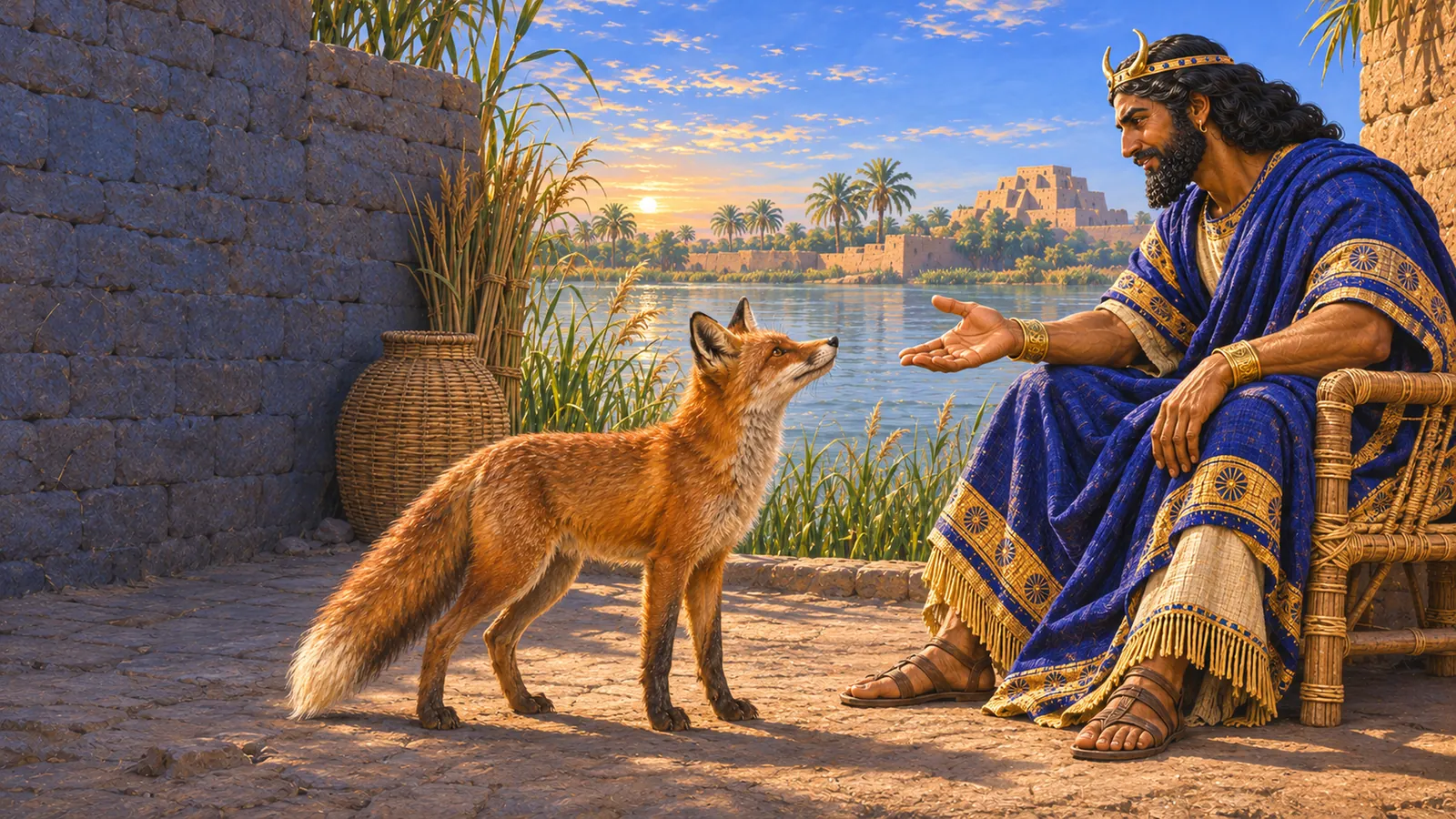
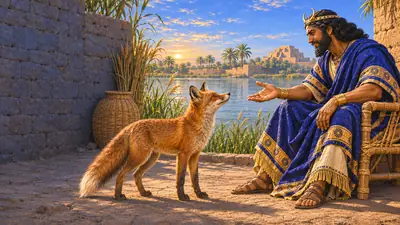
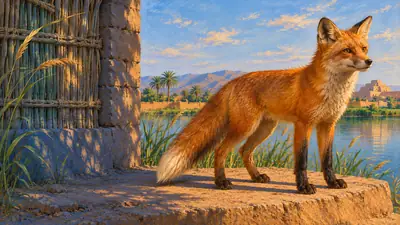
Ein Fuchs fragte Enlil, welche Belohnung er bekäme, wenn er Ninhursag zurückbrächte. Enlil versprach, bei Erfolg zwei Standarten in seiner Stadt aufzustellen und den Fuchs berühmt zu machen.
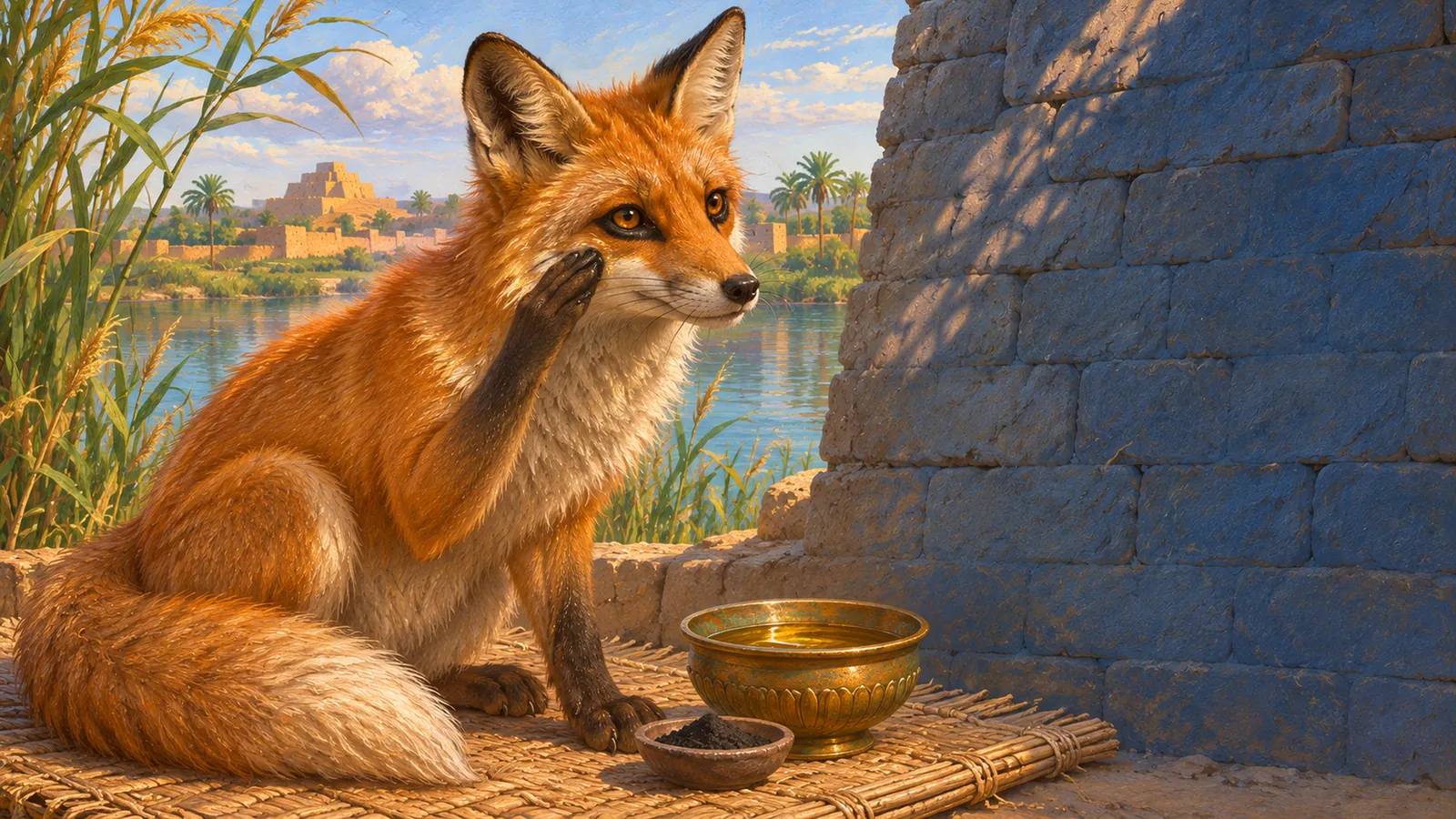
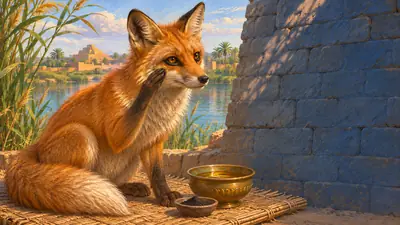
Der Fuchs salbte sich und trug Kajal um die Augen auf. Die Worte zwischen diesen beiden Handlungen scheinen zu beschreiben, was er mit seinem Fell tat.
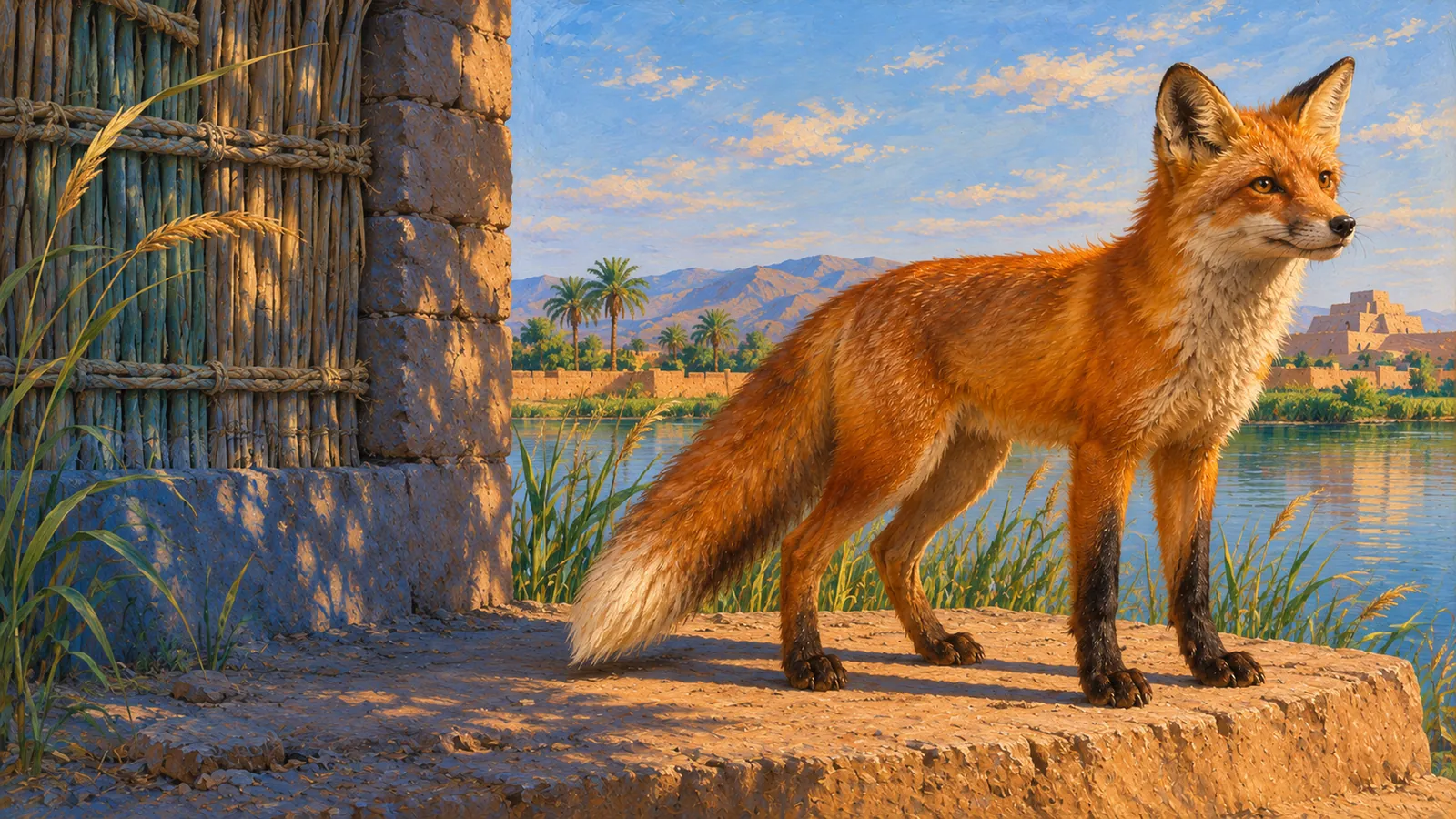
An dieser Stelle sind vier Zeilen nur in Bruchstücken erhalten. Was der Fuchs als Nächstes tat, geht aus der Tafel nicht mehr klar hervor.
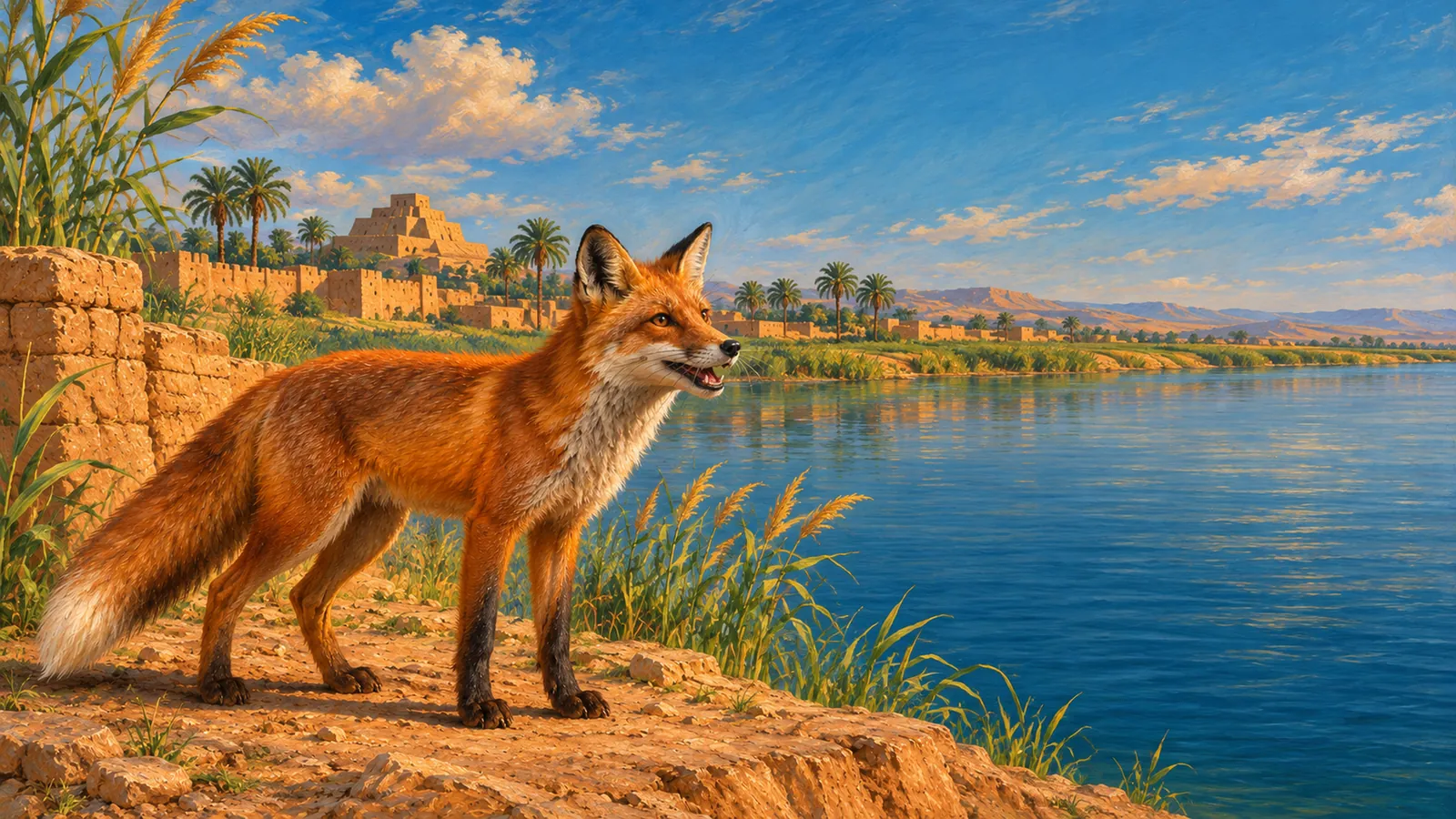
Der Fuchs spricht von Nippur und Enlil, von Ur und Nanna, von Larsa und Utu und von Uruk und Inanna. Was an den einzelnen Orten geschah, ist schwerer zu erkennen.
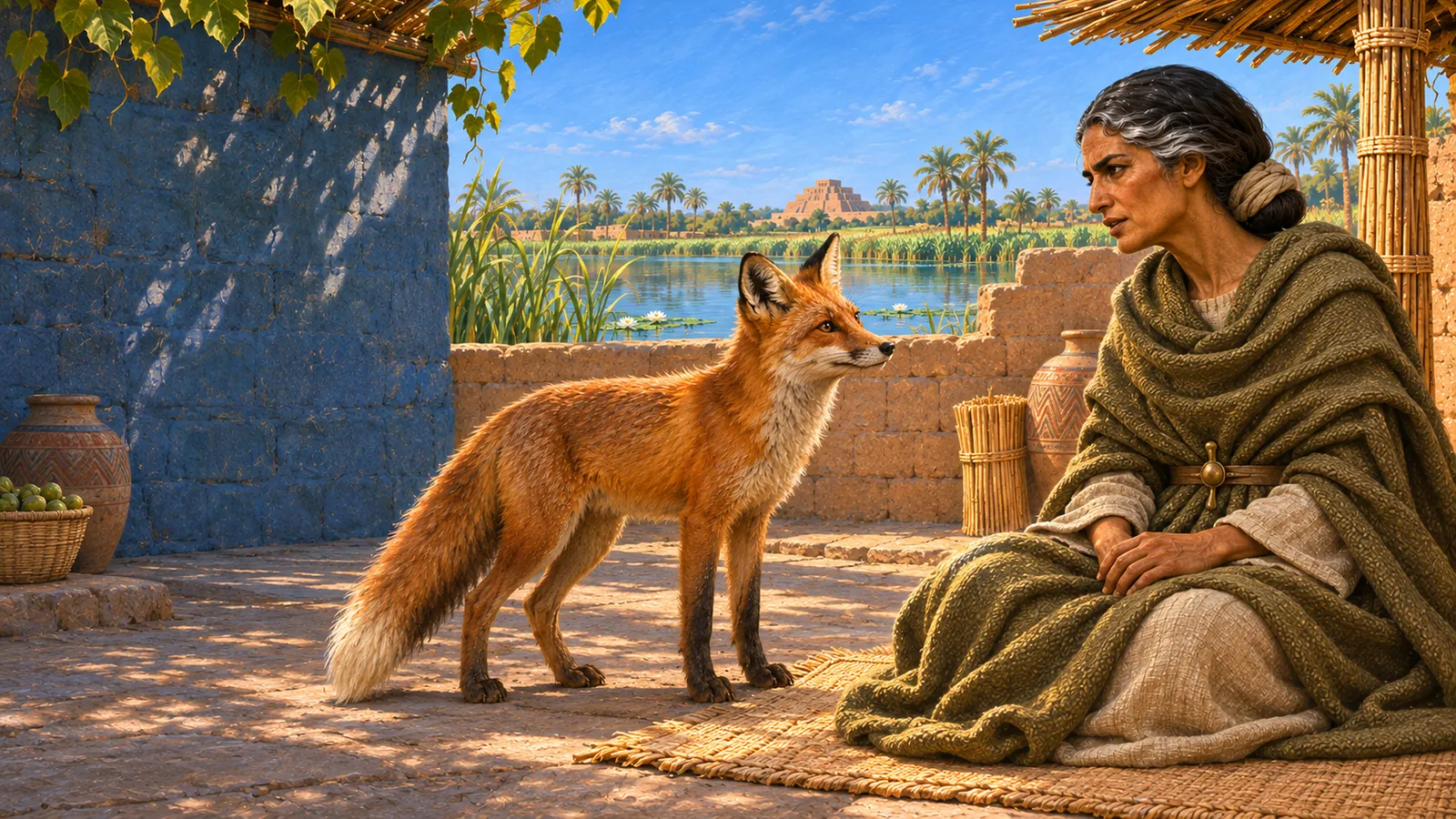
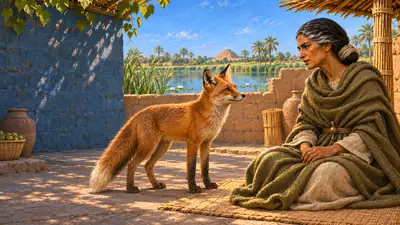
Von der Rede sind nur Bruchstücke erhalten, und Ninhursags Name ist noch lesbar. Was der Fuchs ihr sagte und wie sie antwortete, bleibt unklar.
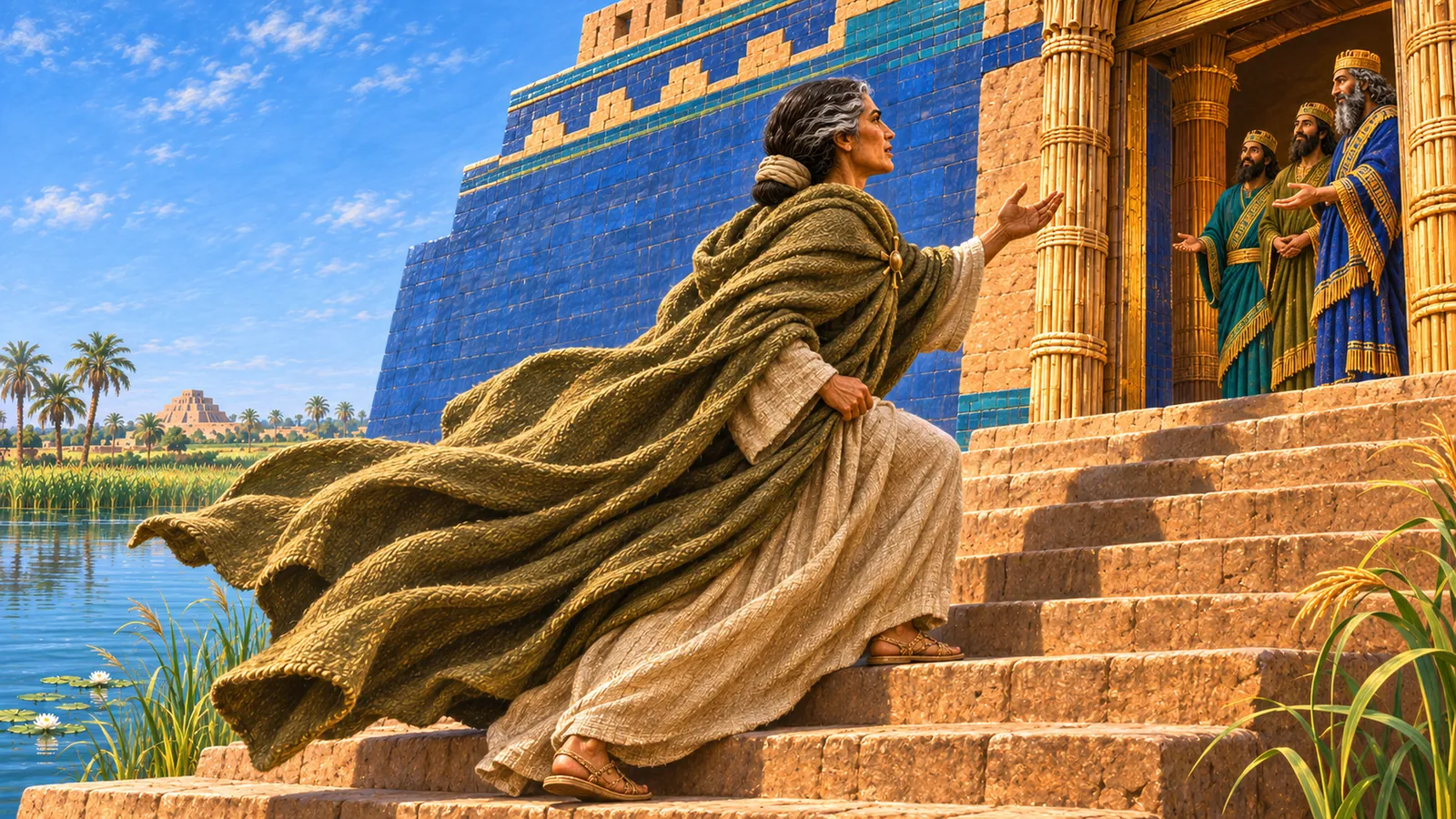
Als die Geschichte wieder klar wird, eilt Ninhursag zum Tempel. Die Götterversammlung der Anuna nimmt ihr Gewand, doch was sie damit tun, ist nur teilweise erhalten.
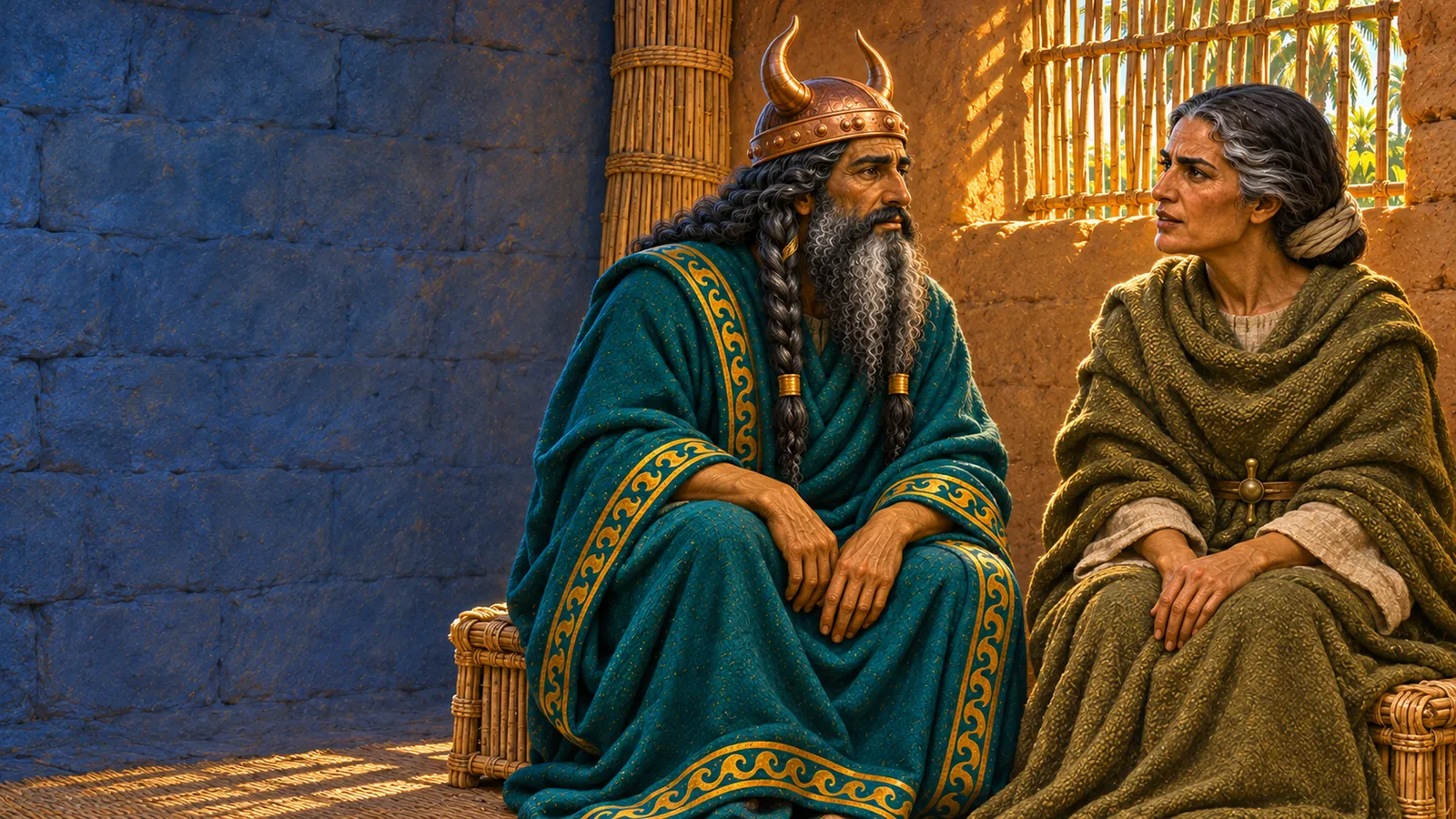
Ninhursag ließ Enki dicht bei sich Platz nehmen. Eine Zeile aus einer anderen Abschrift erwähnt eine Handbewegung, doch die Worte, die sie beschreiben, sind beschädigt.
DIE HEILUNG
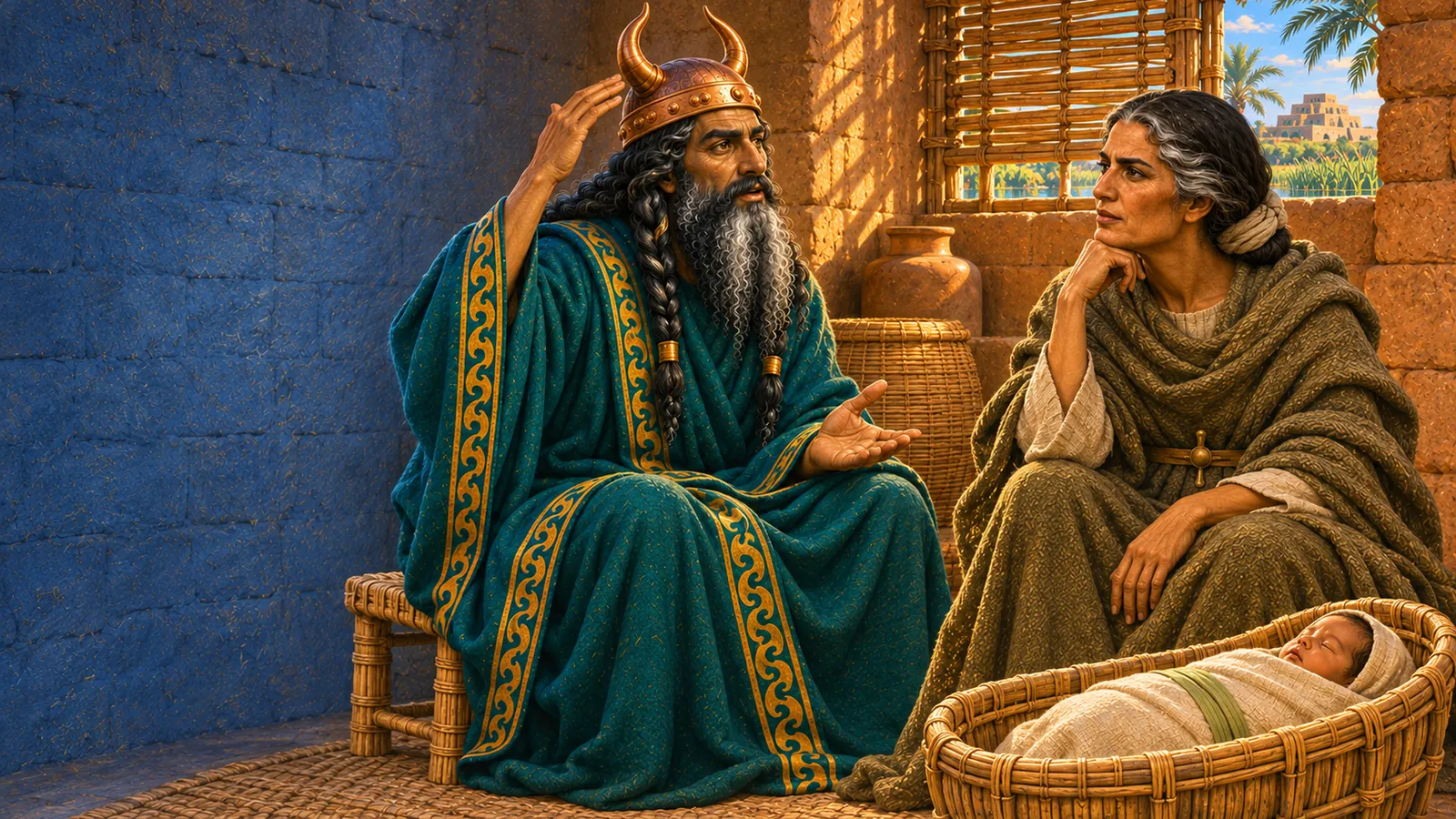
Ninhursag fragte ihren Bruder, wo es ihm wehtue. Enki sagte, ihm schmerze der Scheitel. Ninhursag brachte Ab-u zur Welt.
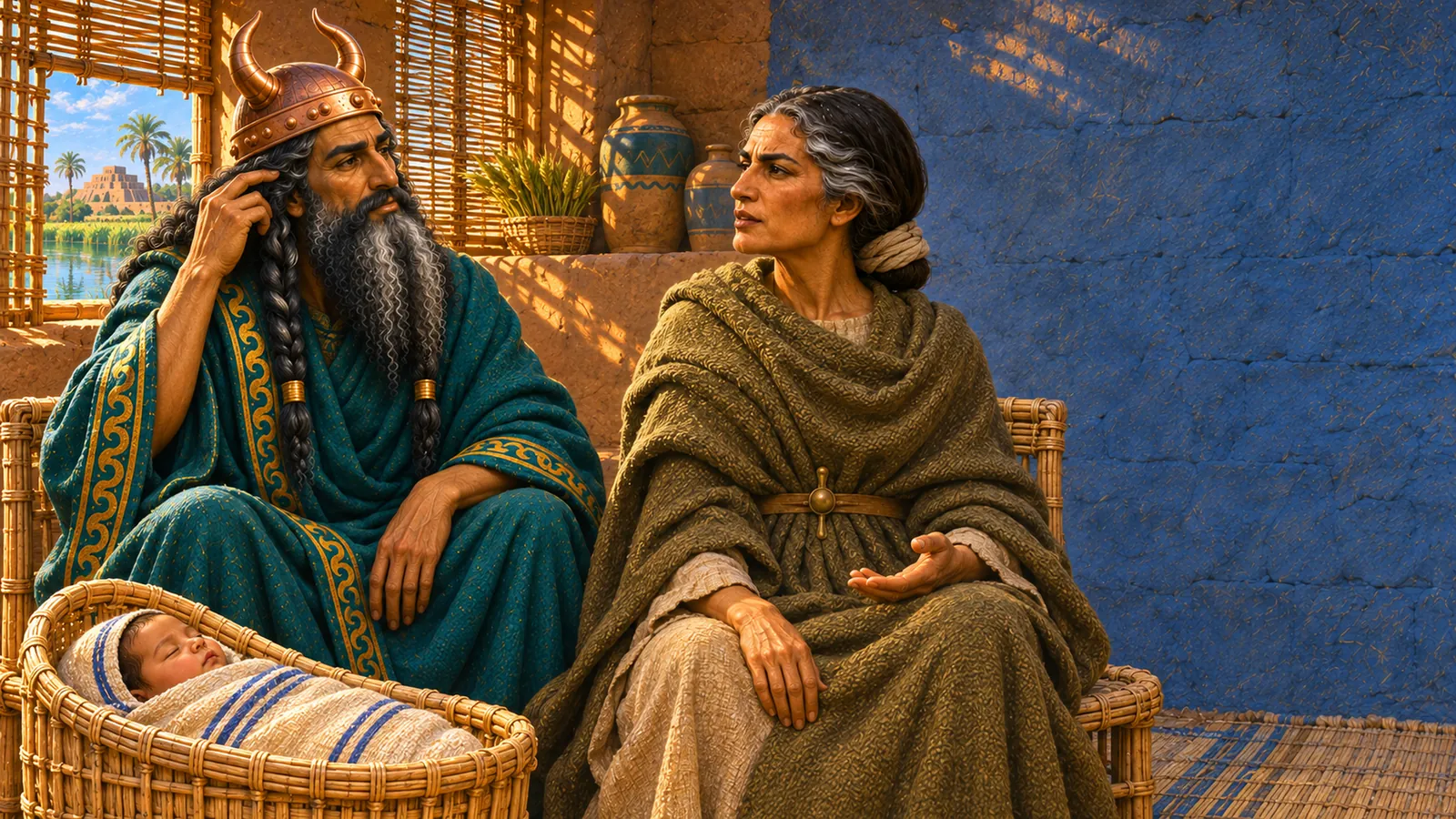
Ninhursag fragte ihn erneut, wo es ihm wehtue. Enki sagte, diesmal schmerzten ihn seine Haare, und Ninhursag brachte Ninsikila zur Welt.
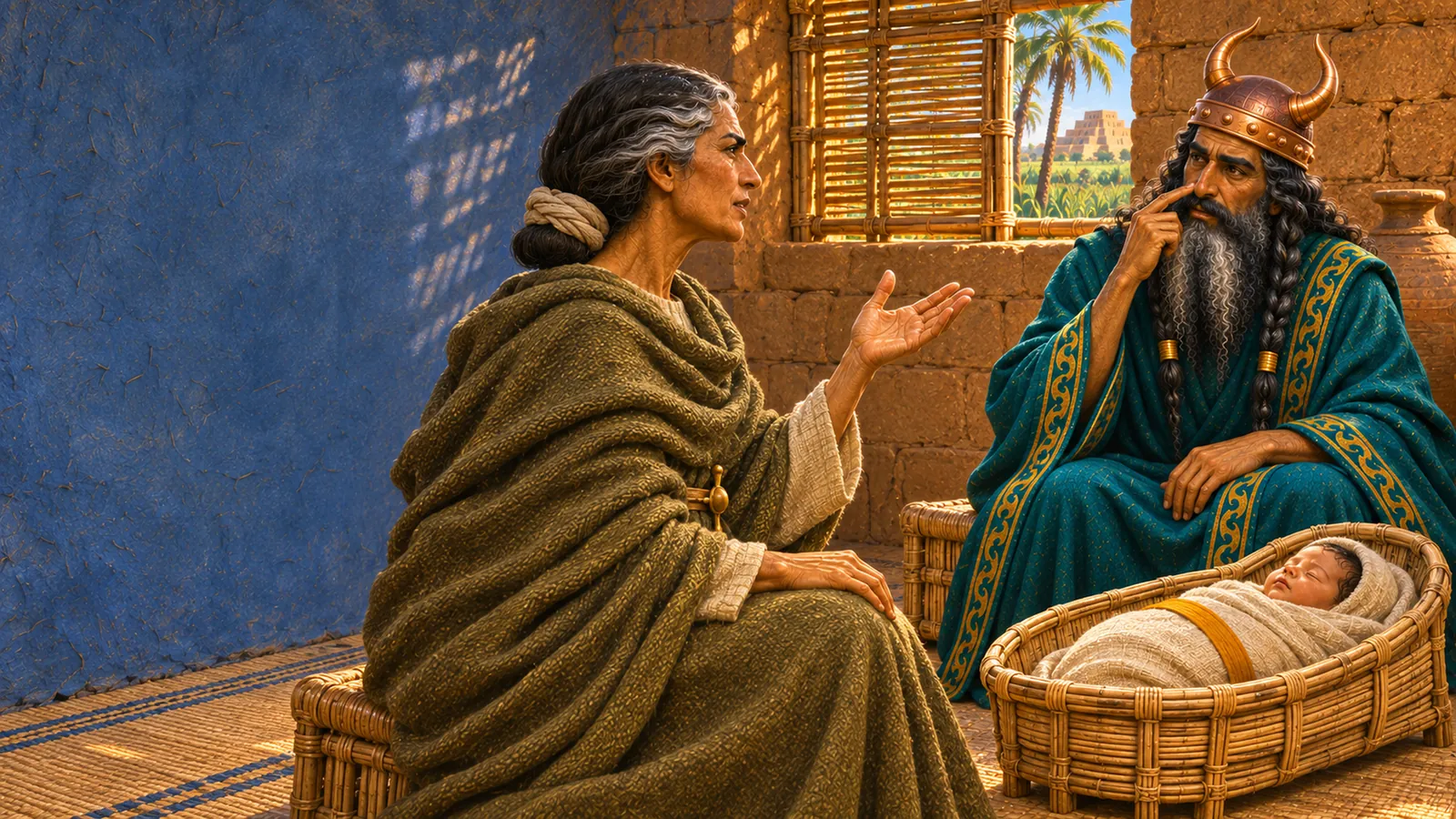
Ninhursag fragte ihren Bruder, wo es ihm wehtue. Diesmal nannte Enki seine Nase. Ninhursag brachte Ningiriudu zur Welt.
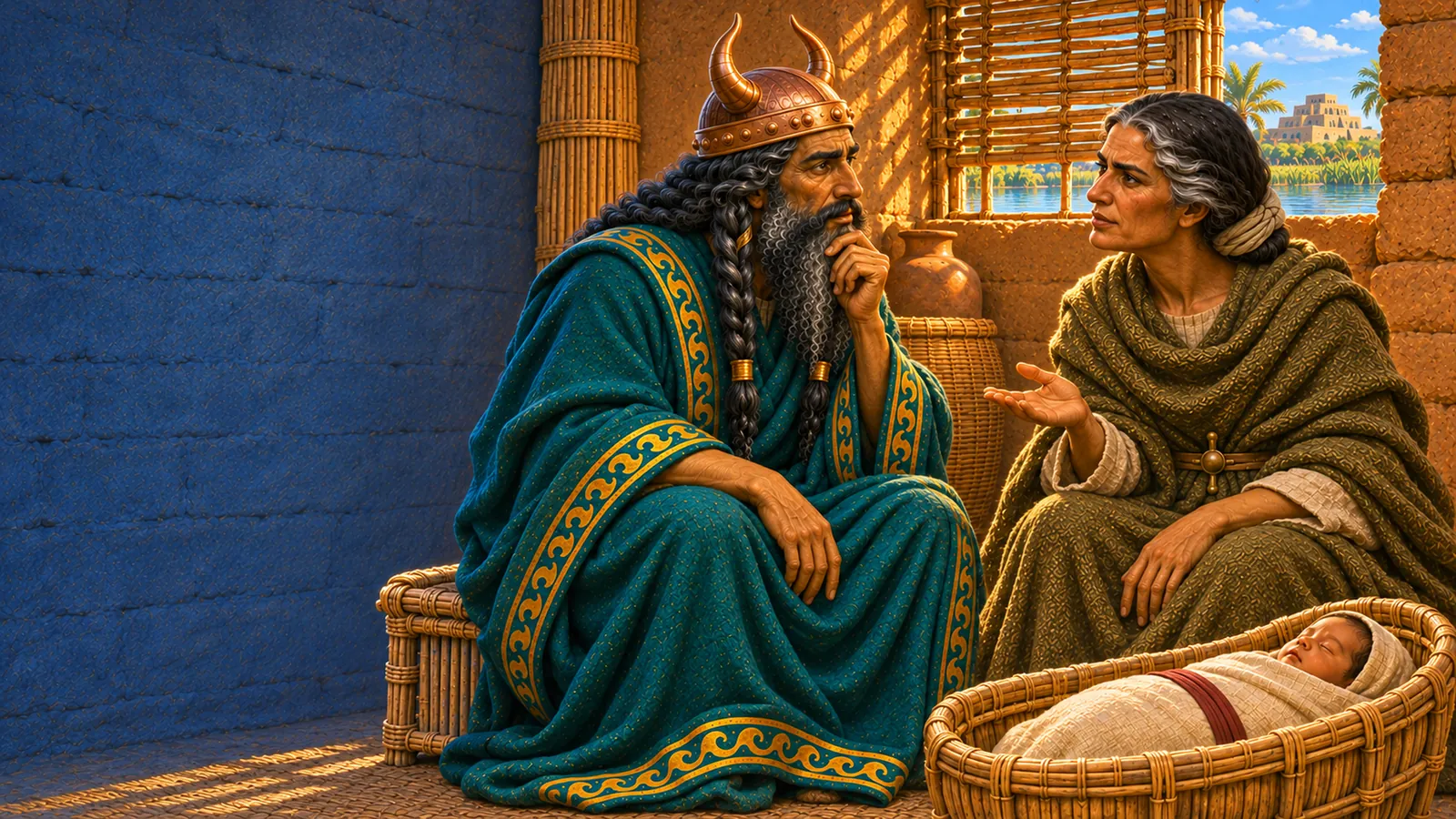
Ninhursag fragte ihn wieder, wo es ihm wehtue. Enki sagte ihr, dass ihm der Mund schmerze, und sie gebar Ninkasi.
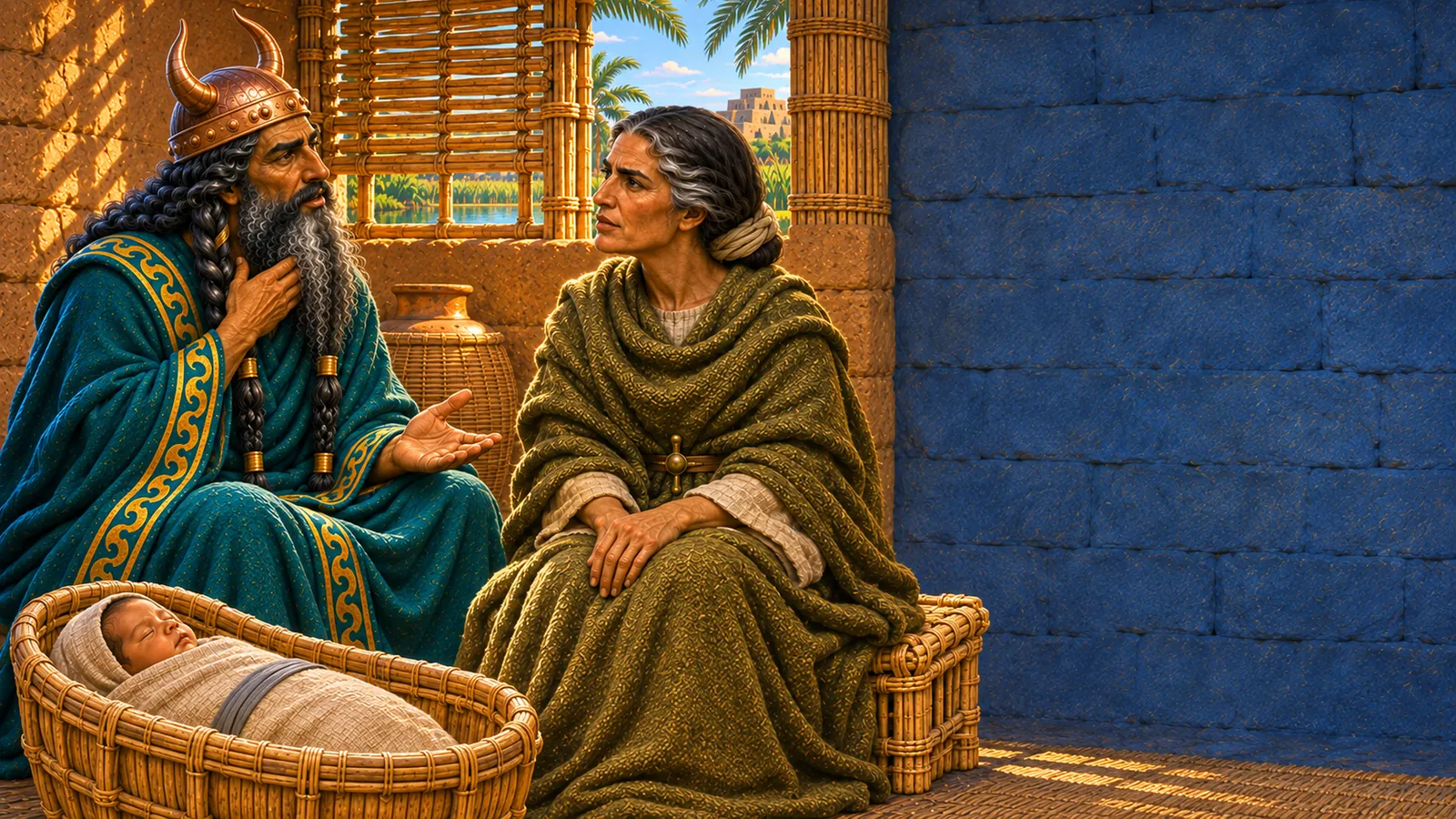
Als Ninhursag wieder fragte, wo es ihm wehtue, nannte Enki seine Kehle. Ninhursag brachte Na-zi zur Welt.
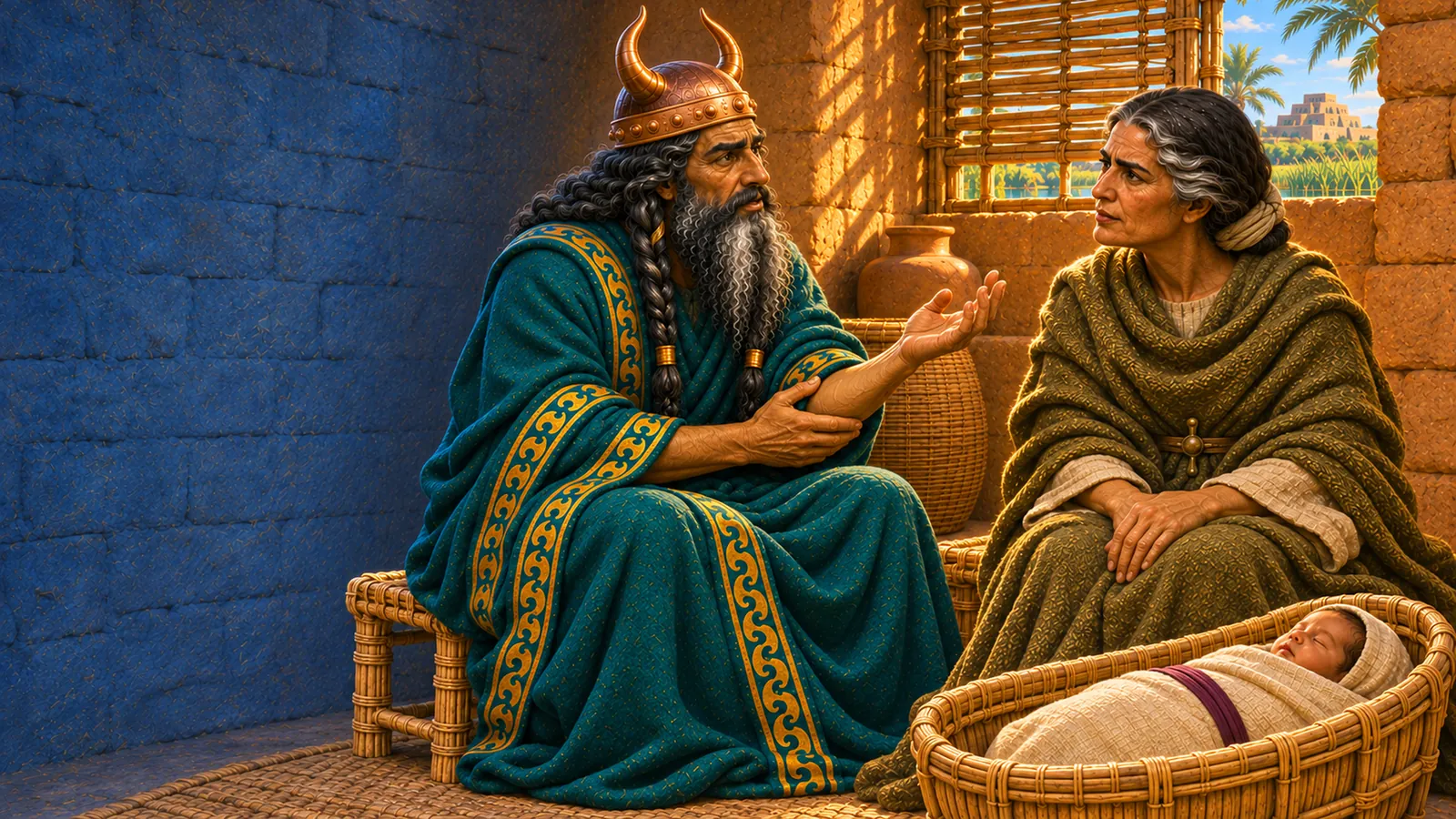
Ninhursag fragte ihren Bruder, wo es ihm wehtue. Diesmal nannte Enki seinen Arm, und Ninhursag brachte Azimua zur Welt.
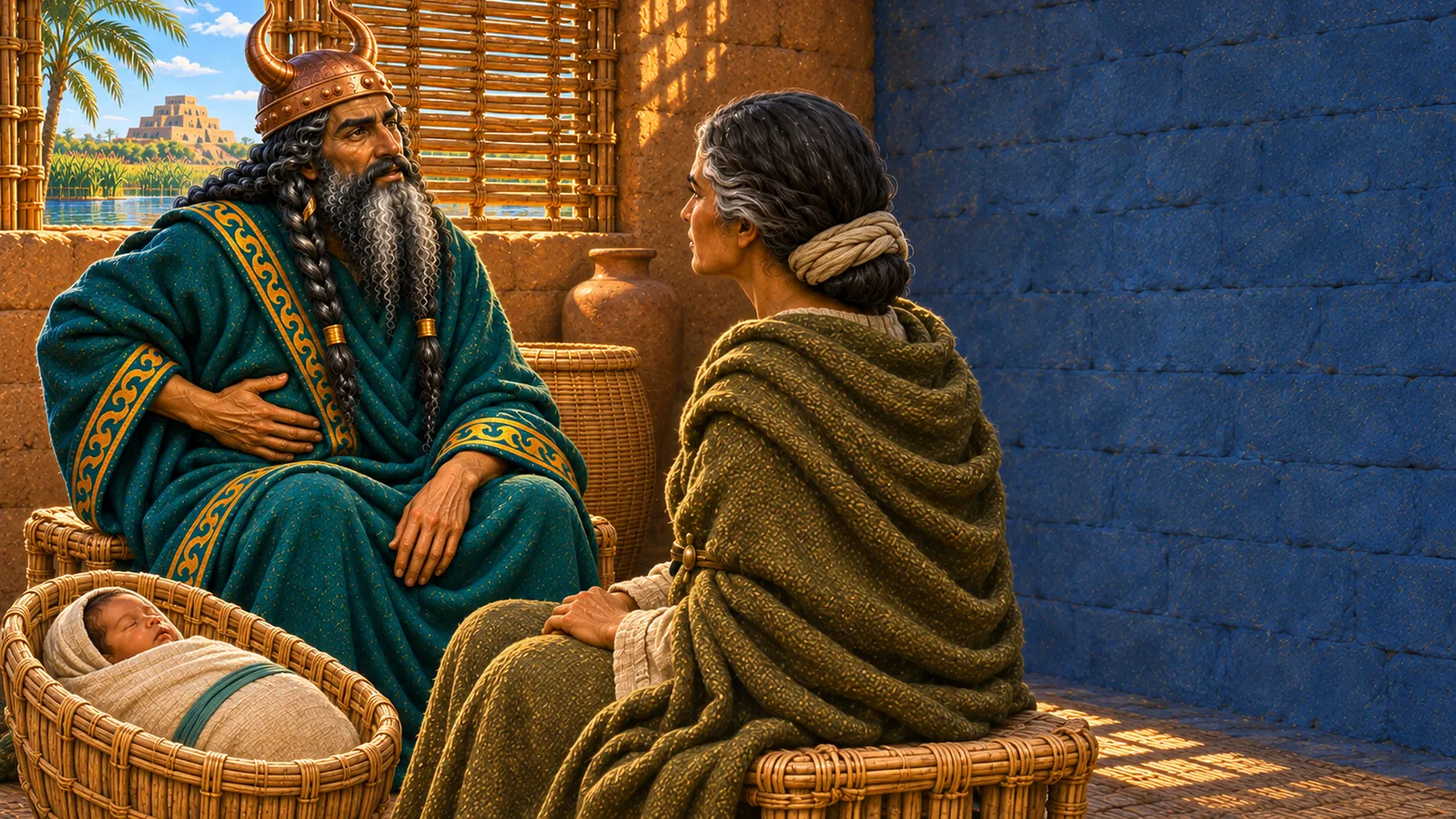
Ninhursag fragte, wo es ihm wehtue, und Enki nannte seine Rippen. Ninti wurde geboren, und in ihrem Namen klingt das sumerische Wort für Rippe an.
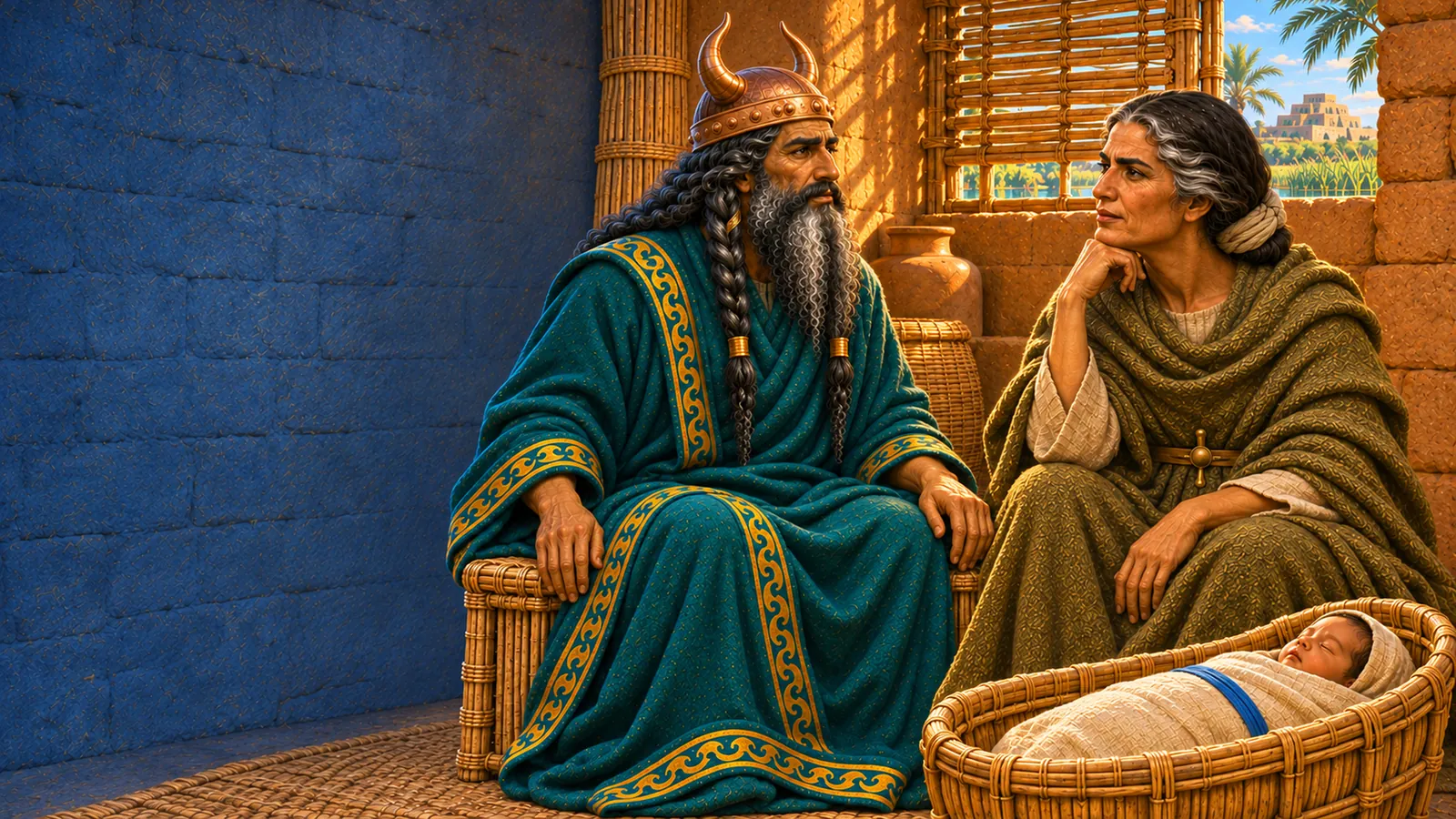
Ein letztes Mal fragte Ninhursag ihren Bruder, wo es ihm wehtue. Enki sagte, dass ihm die Flanken schmerzten, und Ninhursag brachte Ensag zur Welt.
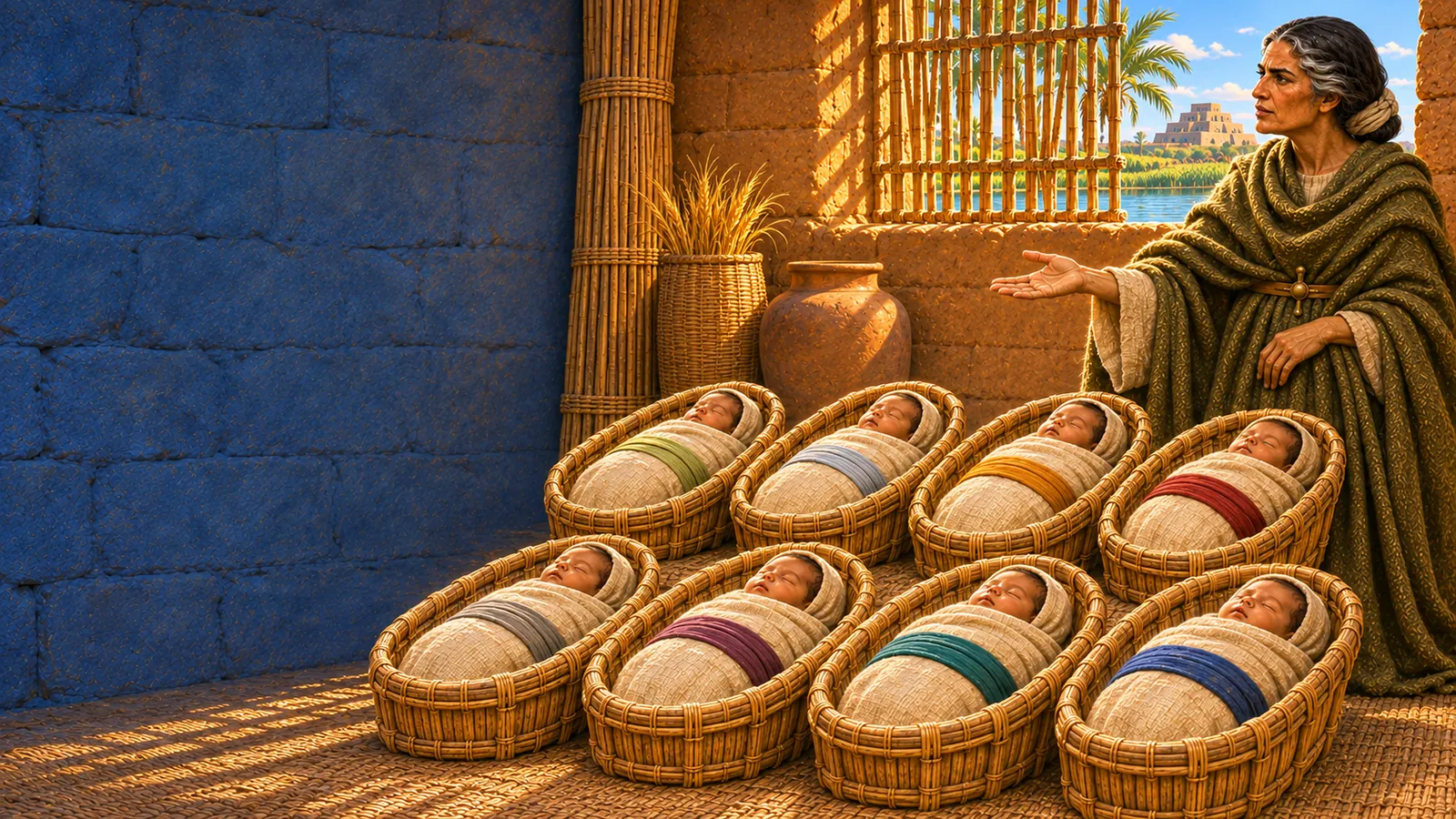
Ninhursag bat um Gaben für die Neugeborenen. Ab-u sollte über die Gräser herrschen, Ninsikila Herr von Magan werden, Ningiriudu Ninazu heiraten und Ninkasi das sein, was das Herz erfüllt.
Na-zi sollte Nindara und Azimua Ningishzida heiraten. Ninti sollte die Herrin des Monats und Ensag der Herr von Dilmun werden.
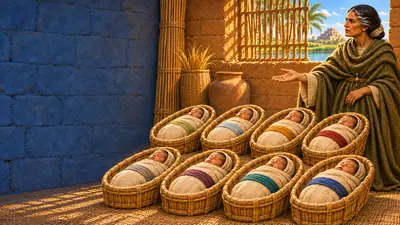
Nach der Heilung durch Ninhursag und den Gaben, die sie den acht Neugeborenen zuwies, endet das Gedicht mit einem Lob auf Vater Enki.
Ende von Kapitel 1
Alle Seiten

Quellen
Page 20. In Oxford ETCSL 1.1.1, lines 69–74, Enki insists after the objection and the next lines describe conception in bodily terms. Line 72 names Damgalnuna. The later birth of Ninsar is at lines 84–87. [Oxford translation](https://etcsl.orinst.ox.ac.uk/section1/tr111.htm)
Benutzte Editionen
- Oxford ETCSL 1.1.1, Enki and Ninhursanga, translation
- Oxford ETCSL 1.1.1, Sumerian composite
- Oxford ETCSL 1.1.1, manuscript bibliography
- Penn Museum, Nippur witness CBS 4561
- CDLI, Ur witness UET 6/1
- Louvre, AO 6724
- Pascal Attinger, Enki et Ninḫursaĝa, revised translation and commentary
- IL Archive, Enki and Ninhursaga, Sumerian poem
- IL Archive, Dilmun, ancient Gulf land and literary setting
Hinweise zu dieser Nacherzählung
Pages 24 and 27. In Oxford ETCSL 1.1.1, lines 97–101 and 117–121, the poem describes Enki’s embrace and the bodily details of intercourse before the two conceptions. Ninsar is Enki’s daughter through the birth at lines 69–87, and Ninkura is his granddaughter through Ninsar at lines 97–107. [Oxford translation](https://etcsl.orinst.ox.ac.uk/section1/tr111.htm)
Page 30. Oxford ETCSL 1.1.1, lines 126L–126Q, describes Enki’s sexual encounter with Ninimma in bodily terms. The end of the alternative account, in which Ninimma gives birth to Uttu, is partly restored. The Louvre catalogue reads the encounter as rape. [Oxford translation](https://etcsl.orinst.ox.ac.uk/section1/tr111.htm) · [Louvre witness AO 6724](https://collections.louvre.fr/ark:/53355/cl010167407)
Pages 40–41. In lines 186–189 Uttu cries out about pain in her thighs, liver and heart. Oxford’s translation leaves the cause of the cries open, and the last two lines are fragmentary. [Oxford translation](https://etcsl.orinst.ox.ac.uk/section1/tr111.htm) · [Attinger’s translation and commentary](https://zenodo.org/records/2667747)
Die antiken Verse hinter jeder Seite
- Page 1: ETCSL 1.1.1 1–4
- Page 2: ETCSL 1.1.1 5–10
The opening names Ninsikila as Enki's spouse in this passage. - Page 3: ETCSL 1.1.1 11–12
- Page 4: ETCSL 1.1.1 13–16
- Page 5: ETCSL 1.1.1 17–19
- Page 6: ETCSL 1.1.1 20–24
- Page 7: ETCSL 1.1.1 25–28
- Page 8: ETCSL 1.1.1 29–32
A phrase has lost words. - Page 9: ETCSL 1.1.1 33–36
One surviving line is fragmentary around the complaint about arable ground. - Page 10: ETCSL 1.1.1 37–39 (lacuna)
- Page 11: ETCSL 1.1.1 40–43
The exact vessel and shore wording is uncertain. - Page 12: ETCSL 1.1.1 44–46
- Page 13: ETCSL 1.1.1 47–49
- Page 14: ETCSL 1.1.1 49A–49K (Ur variant)
Placement of Ur copy’s lines in the sequence is uncertain. - Page 15: ETCSL 1.1.1 49L–49V (Ur variant)
Some terms for harvest and woods are damaged. - Page 16: ETCSL 1.1.1 50–54
The text again has uncertain vessel and shore terms. - Page 17: ETCSL 1.1.1 55–58
- Page 18: ETCSL 1.1.1 59–62
- Page 19: ETCSL 1.1.1 63–68
- Page 20: ETCSL 1.1.1 69–74
Damgalnuna is mentioned in the source without a separate arrival. - Page 21: ETCSL 1.1.1 75–83
- Page 22: ETCSL 1.1.1 84–87
Oil is a simile in the poem. - Page 23: ETCSL 1.1.1 88–96
- Page 24: ETCSL 1.1.1 97–101
The source relates an encounter and conception. - Page 25: ETCSL 1.1.1 102–107
- Page 26: ETCSL 1.1.1 108–116
- Page 27: ETCSL 1.1.1 117–121
- Page 28: ETCSL 1.1.1 122–126
The epithet after Uttu is uncertain. - Page 29: ETCSL 1.1.1 126A–126K (Louvre variant)
- Page 30: ETCSL 1.1.1 126L–126CC (Louvre variant)
The Louvre witness makes this an alternate genealogy and its final birth is restored. - Page 31: ETCSL 1.1.1 127–132
- Page 32: ETCSL 1.1.1 133–146 (damaged passage)
Some words and Uttu’s name survive. - Page 33: ETCSL 1.1.1 147–151
Oxford assigns the speech to Uttu and readings differ on the addressee. - Page 34: ETCSL 1.1.1 152–155
- Page 35: ETCSL 1.1.1 156–158
The gardener’s movement and the end of his question are uncertain. - Page 36: ETCSL 1.1.1 159–163
Four lines are missing after Enki begins to address the gardener. - Page 37: ETCSL 1.1.1 164–166
Several details in the descriptions of the produce are uncertain. - Page 38: ETCSL 1.1.1 167–171
- Page 39: ETCSL 1.1.1 172–177
The beer line at 177 is absent from the Nippur copy. The descriptions of the produce have uncertain details. - Page 40: ETCSL 1.1.1 178–185
- Page 41: ETCSL 1.1.1 186–189
The two lines after Ninhursag’s action are fragmentary. - Page 42: ETCSL 1.1.1 190–193
The wording is partly restored. The fourth written plant name has uncertain identifications. - Page 43: ETCSL 1.1.1 194–197
Parts of this passage are restored. - Page 44: ETCSL 1.1.1 198–202
- Page 45: ETCSL 1.1.1 203–206
The text of the repeated plant gathering is partly restored. - Page 46: ETCSL 1.1.1 207–210
- Page 47: ETCSL 1.1.1 211–214
The names and gathering survive with several editorial restorations. - Page 48: ETCSL 1.1.1 215–219
The seventh name is lost even though the repeated gathering is restored. - Page 49: ETCSL 1.1.1 220–222
- Page 50: ETCSL 1.1.1 223–227
Attinger prefers a kind of tree while allowing the standards reading. - Page 51: ETCSL 1.1.1 228–230
The reading of the fox’s action with its fur is uncertain. - Page 52: ETCSL 1.1.1 231–234
Four lines survive only in fragments. - Page 53: ETCSL 1.1.1 235–239
The cities and gods are named in damaged speech. Oxford restores several city names and leaves gaps in the responses. - Page 54: ETCSL 1.1.1 240–246
The lines around Ninhursag’s decision are fragmentary. The nature of the exchange is uncertain. - Page 55: ETCSL 1.1.1 247–251
The actions with the garment contain damaged words. - Page 56: ETCSL 1.1.1 252–253
The exact wording at 252 is intimate and has been rendered variously. The fragmentary line at 253 is absent from the Nippur copy. - Page 57: ETCSL 1.1.1 254–256
- Page 58: ETCSL 1.1.1 257–259
- Page 59: ETCSL 1.1.1 260–261
- Page 60: ETCSL 1.1.1 262–263
- Page 61: ETCSL 1.1.1 264–265
- Page 62: ETCSL 1.1.1 266–267
Oxford restores the end of each line. - Page 63: ETCSL 1.1.1 268–269
Oxford supplies parts of the broken lines. The name Ninti echoes the Sumerian word for rib. - Page 64: ETCSL 1.1.1 270–271
The healing refrain supplies the damaged endings of these lines. - Page 65: ETCSL 1.1.1 272–276
- Page 66: ETCSL 1.1.1 277–280
Part of the final allotment passage is editorially restored. - Page 67: ETCSL 1.1.1 281
Oxford restores Enki’s name in the surviving closing formula.
Illustrationen von IL Archive mit KI-Werkzeugen; der Text folgt den antiken Quellen (siehe die Quellen am Ende jedes Kapitels).