Enmerkar und der Herr von Aratta Kapitel 1
Der Weg nach Aratta
Enmerkar schickt einen Boten über die Berge, um Schätze für Uruk und seine Heiligtümer zu fordern. Der Herr von Aratta weigert sich, sich zu beugen, und antwortet mit einer eigenen Herausforderung.
QuellenBlättern Sie mit den Pfeilen, den Pfeiltasten oder durch Wischen.
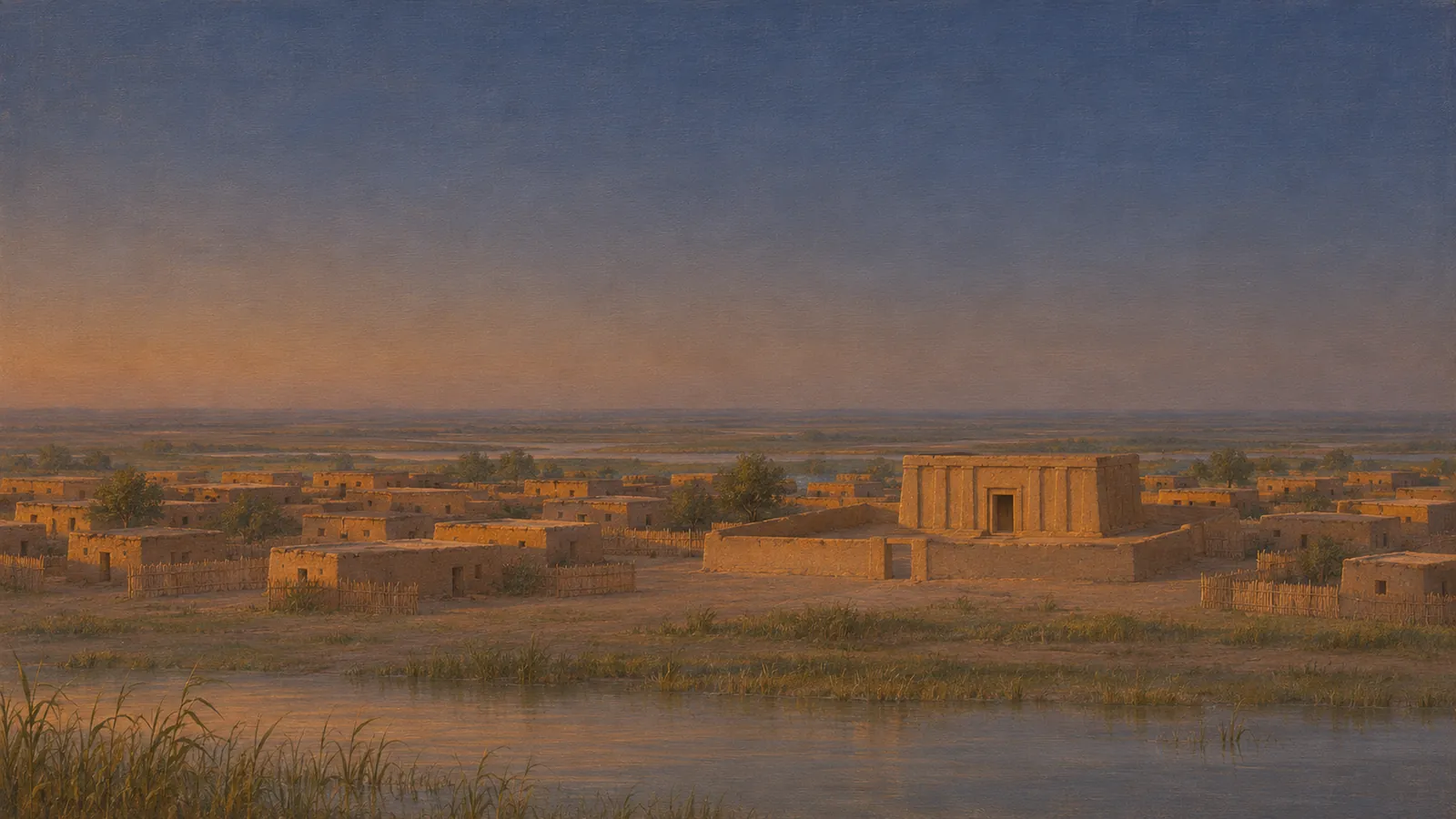
URUK
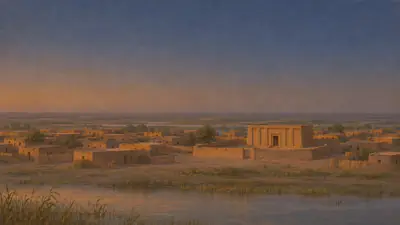
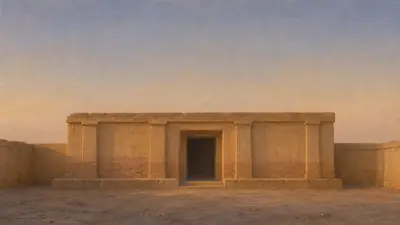
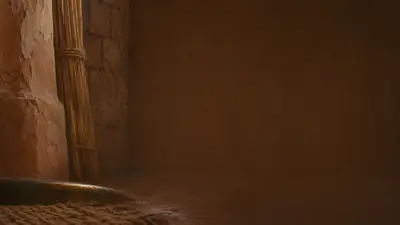
Vor langer Zeit erhob sich Uruk aus der Ebene. Das Gedicht rühmt den Glanz der Stadt und das Heiligtum E-ana.
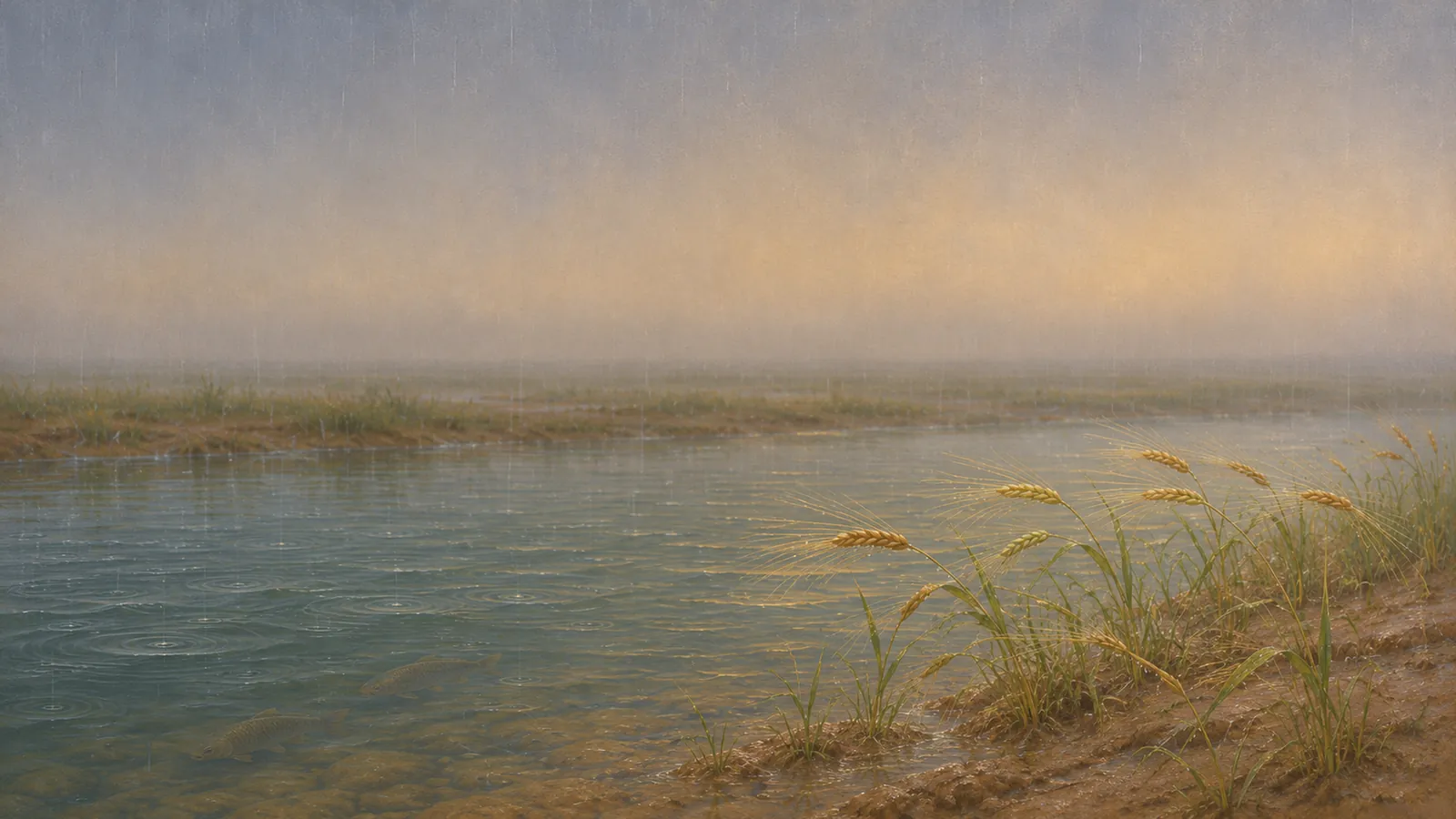
Im Wasser wimmelte es von Karpfen, und der Regen ließ die Gerste sprießen. Zu Beginn des Gedichts herrscht in Uruk Überfluss.
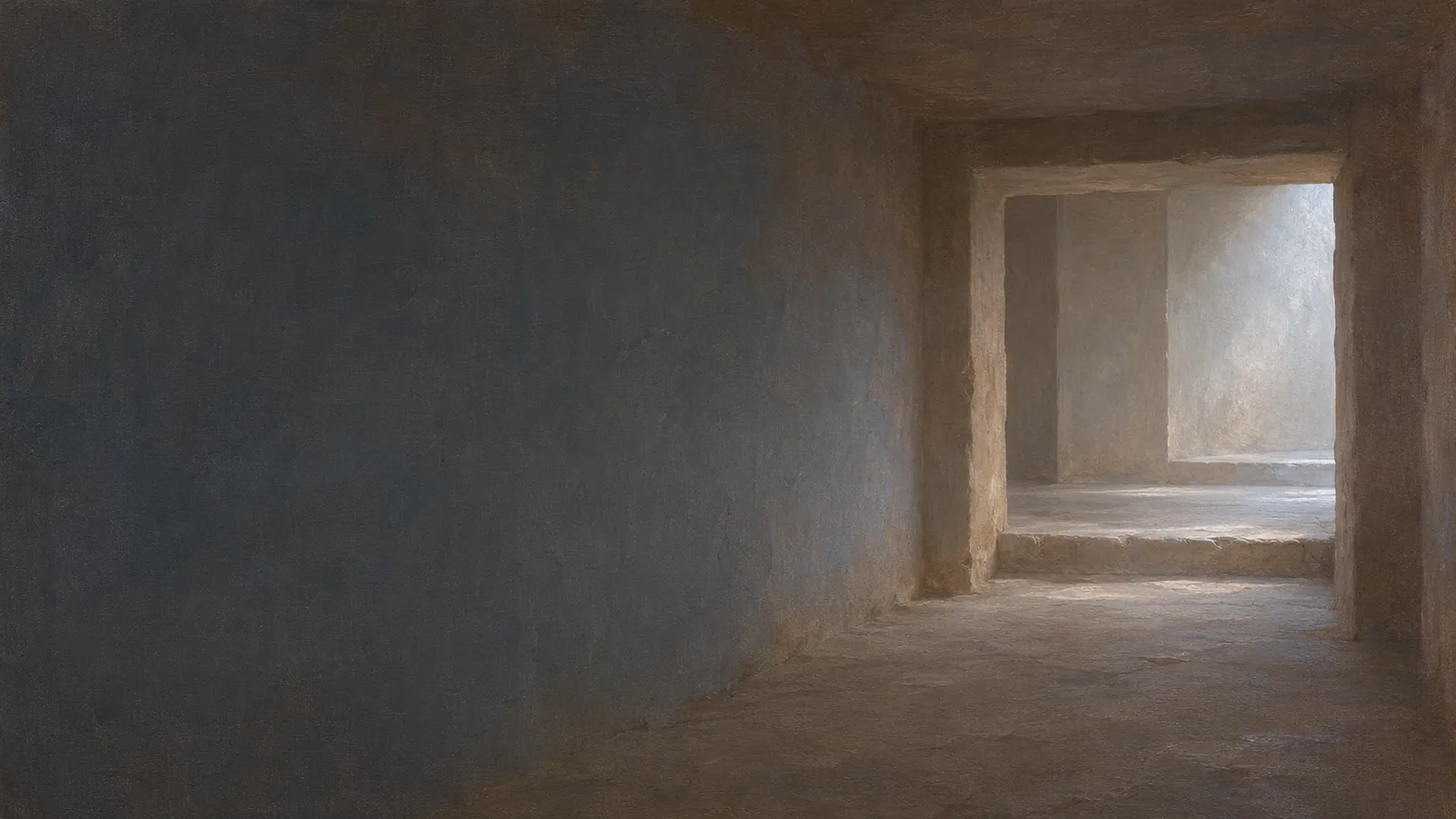
Das Gedicht verlegt die Gründung von E-ana in ferne Zeiten. Inannas Wohnstatt glänzte schon wie Silber im Gestein.
Gold, Silber und blauer Lapislazuli zählen zu den Schätzen der Berge. Dann öffnet sich im Prolog eine Lücke.
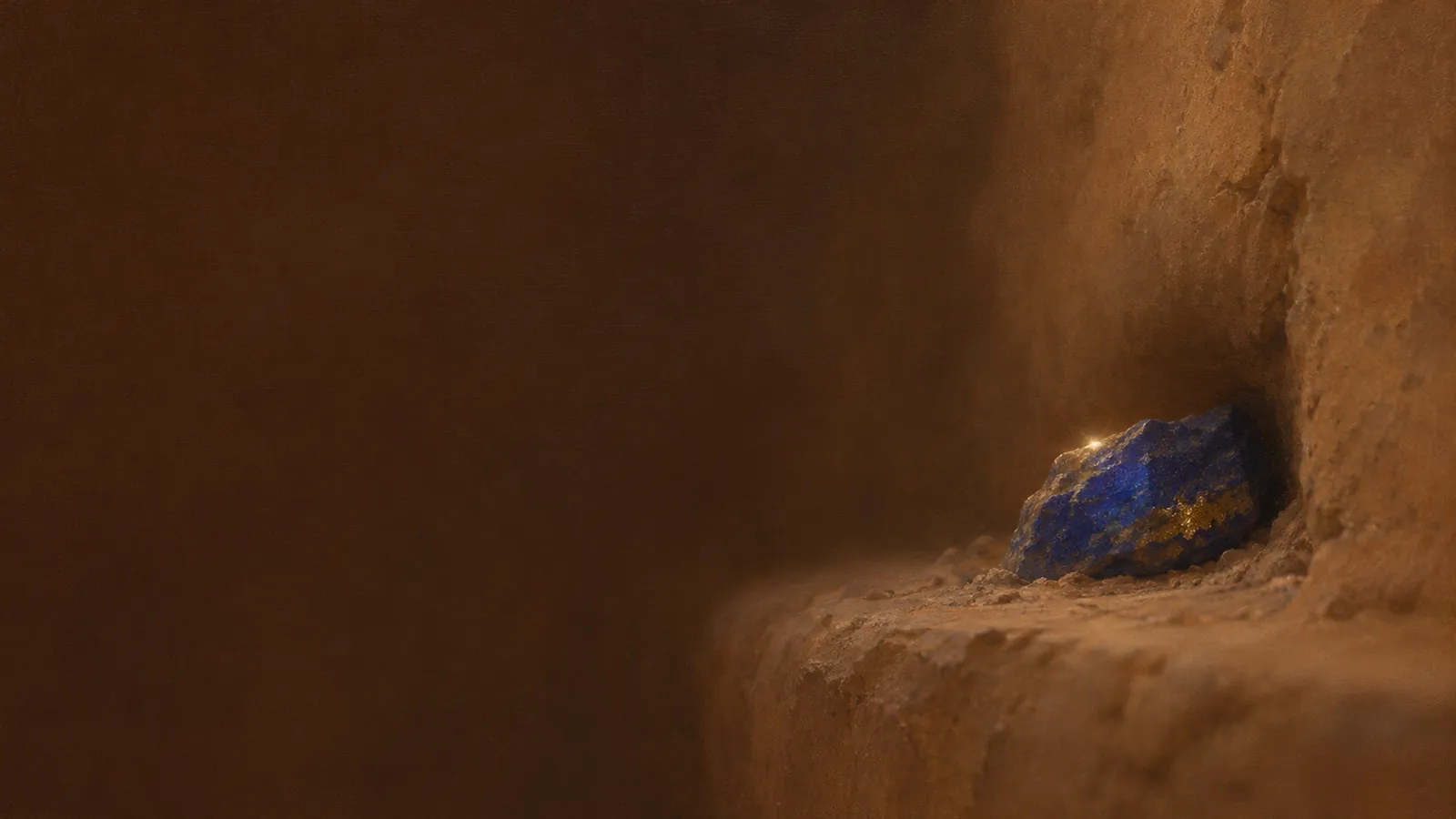
Einige Worte sind wieder zu lesen. Sie nennen einen von Lapislazuli glänzenden heiligen Ort und einen hellen Baum voller Früchte.
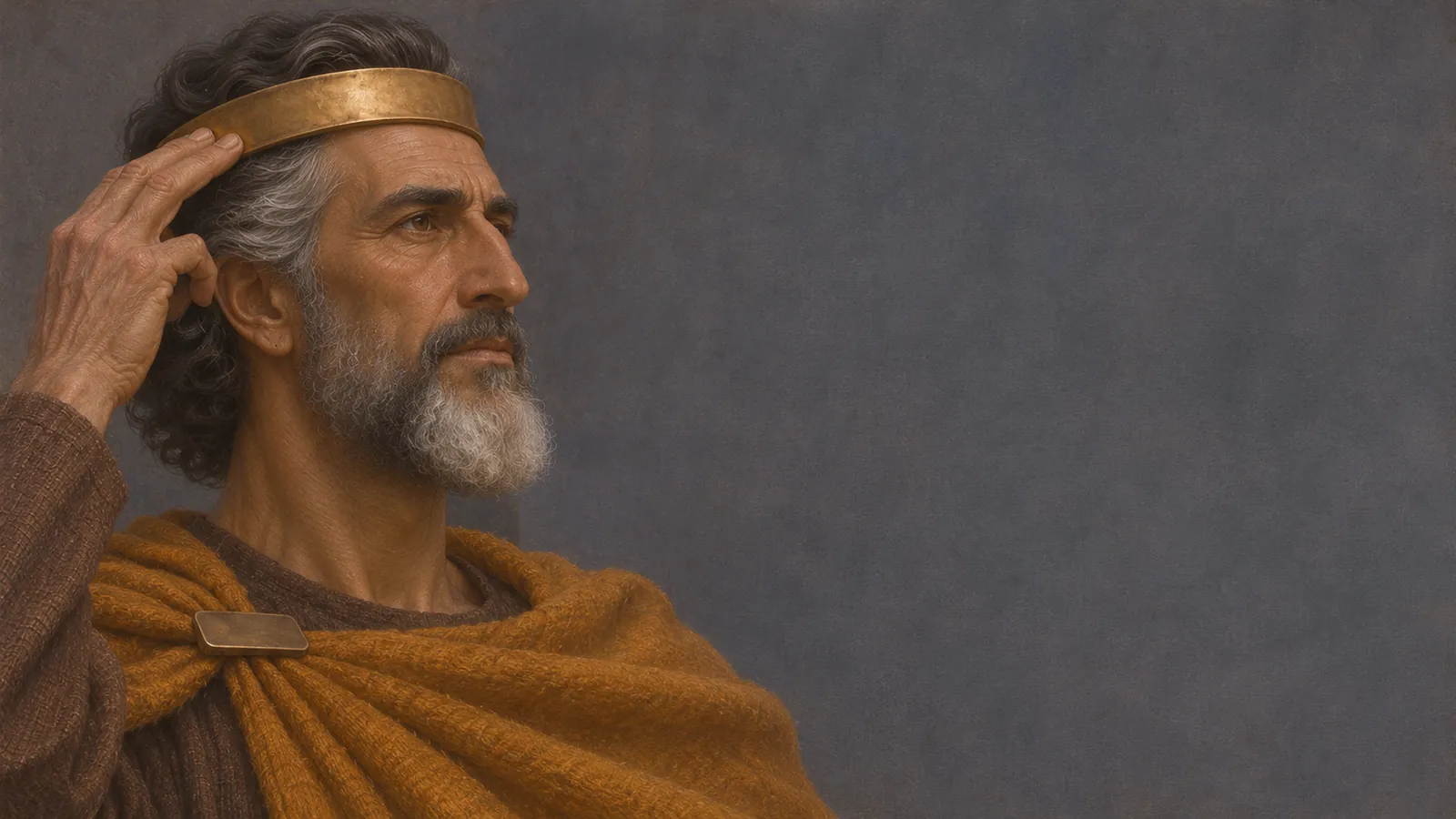
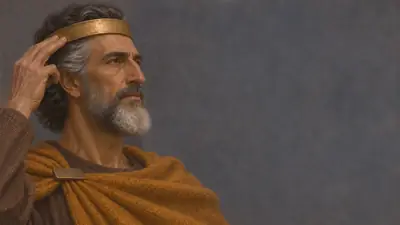
Der Herr von Aratta setzte sich zu Inannas Ehren eine goldene Krone auf. Ihre Gunst galt eher dem Herrn von Kulaba.
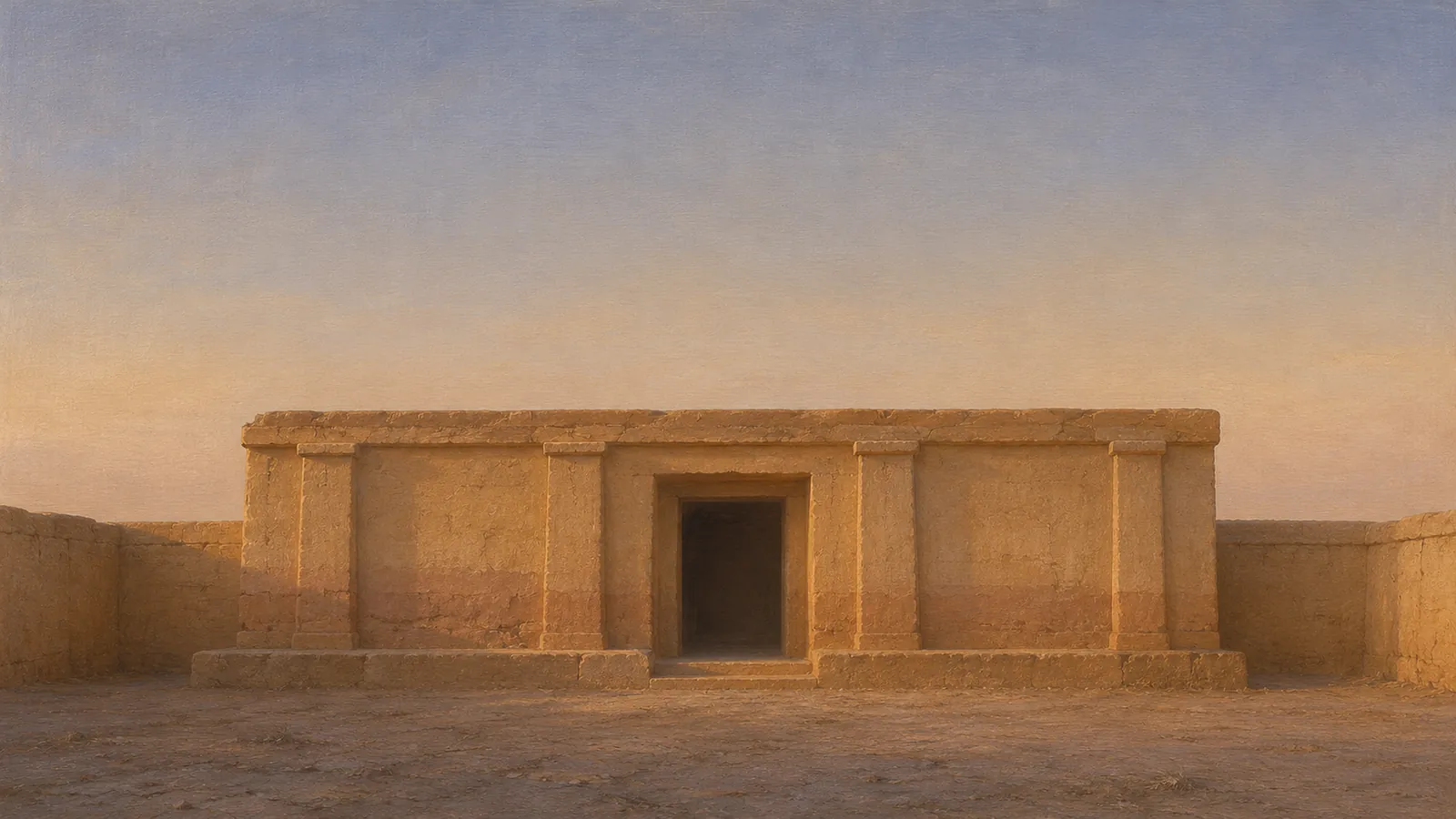
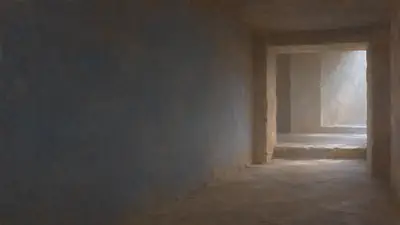
Im aus Ziegeln erbauten Kulaba standen das Heiligtum E-ana und Inannas Wohnstatt. Aratta hatte ihr kein vergleichbares Heiligtum gebaut.
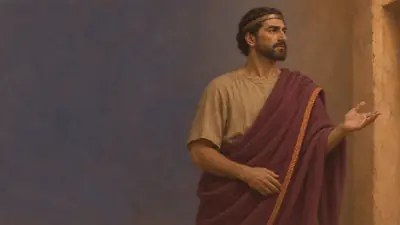
ENMERKAR
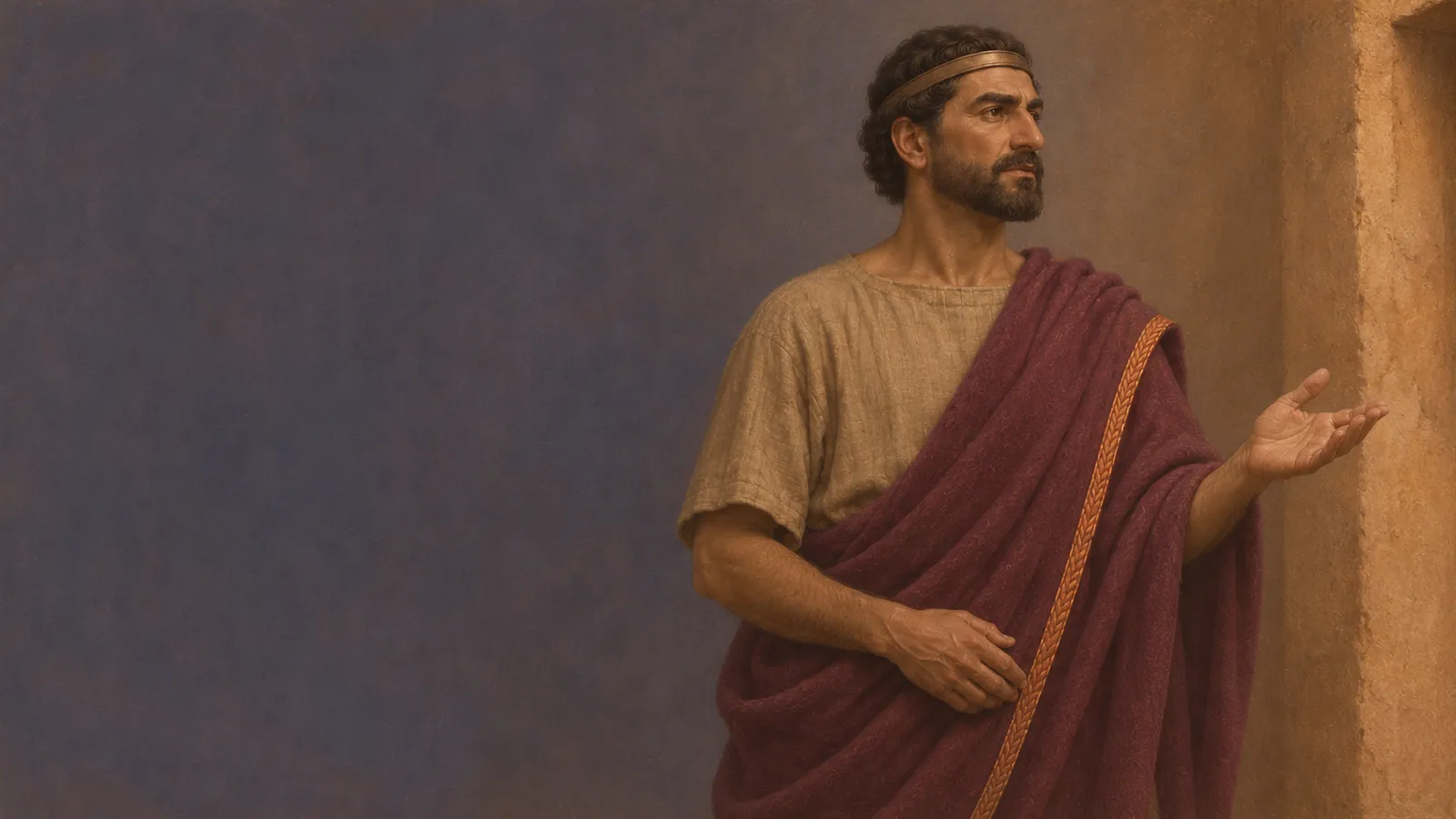
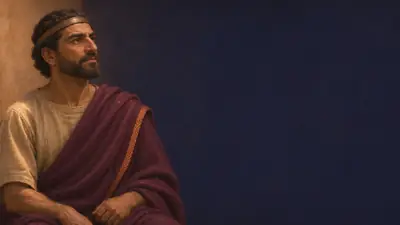
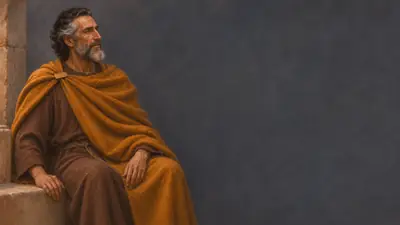
Inanna hatte Enmerkar erwählt, den das Gedicht den Sohn Utus nennt. Er wandte sich an sie und nannte sie seine Schwester.

Enmerkar bat darum, dass Aratta Gold und Silber für Uruk bearbeite und blauen Lapislazuli aus rohen Blöcken schneide.
Er bat darum, dass Aratta für Inanna baue. Die Menschen dort sollten E-ana errichten und ihre Wohnstatt kunstvoll gestalten.
Enmerkar wollte Aratta der Herrschaft Uruks unterstellen. Er verlangte Steine aus den Bergen und den Bau eines großen Heiligtums.
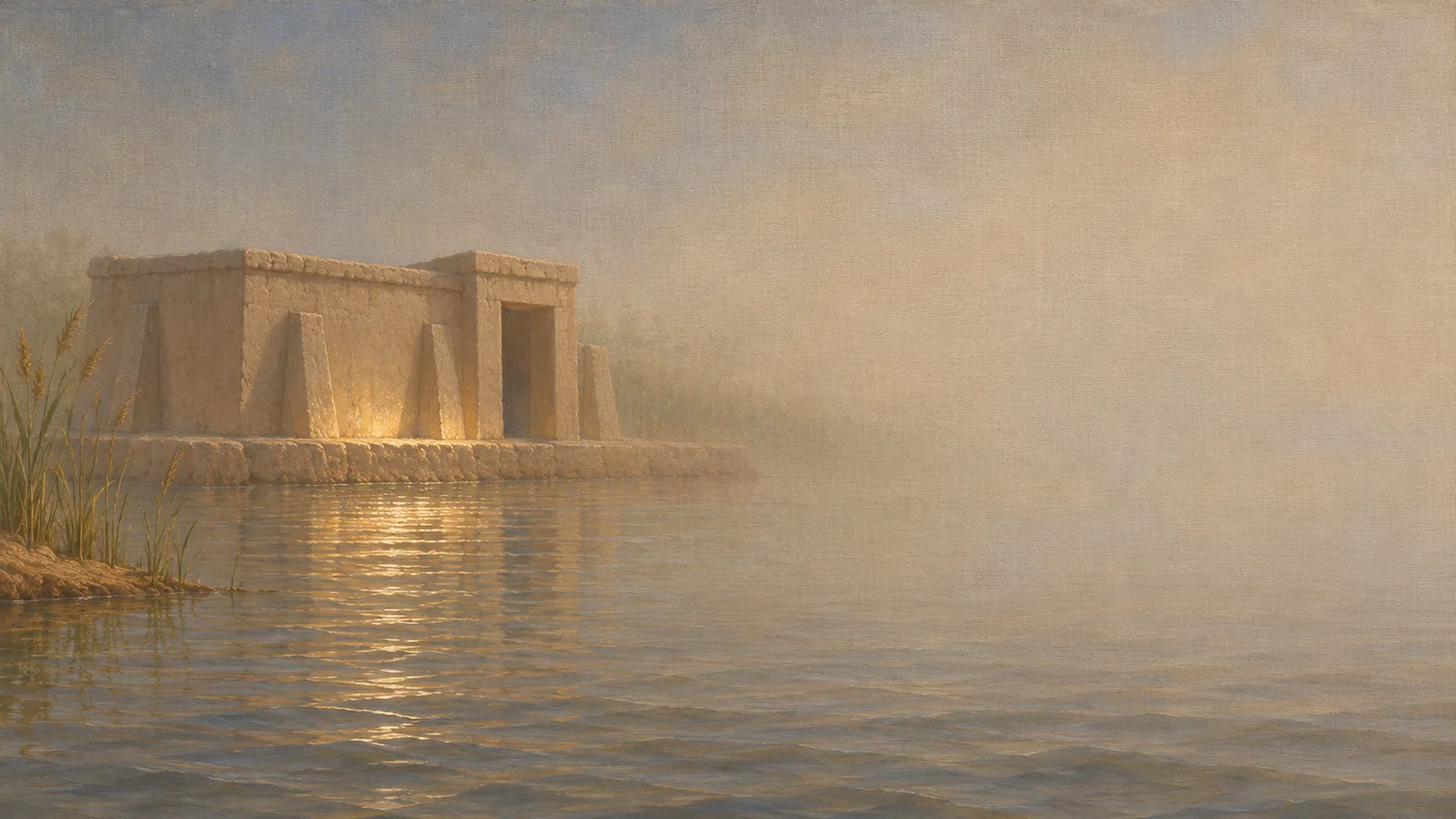
Er stellte sich den Abzu in voller Pracht vor. In seiner Bitte sollte das Heiligtum von Eridu wie Silber in einer Ader glänzen.

Enmerkar hoffte, im Abzu Lob zu singen und in Kulaba die heilige Krone zu tragen. Sein Volk sollte darüber staunen.
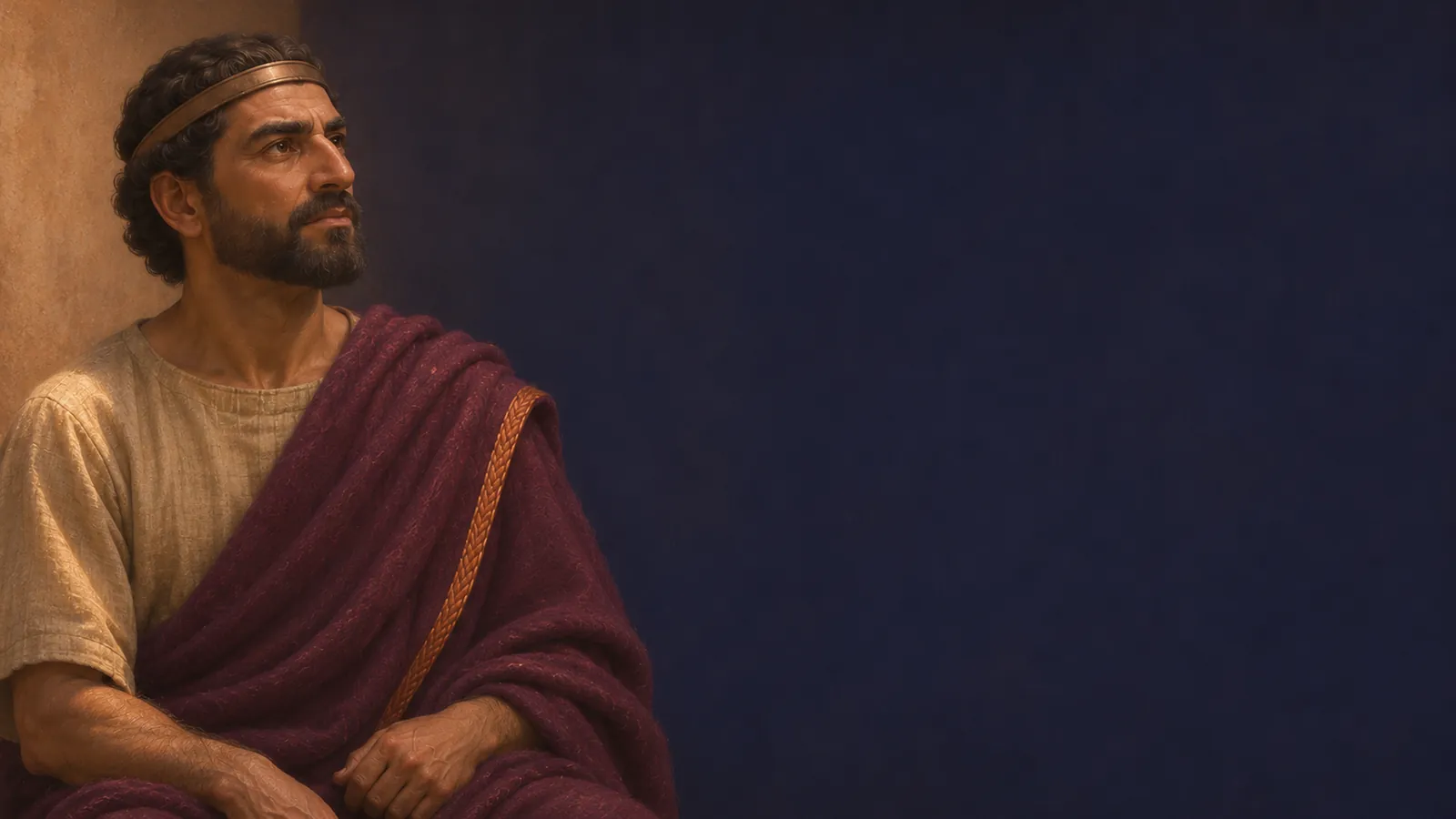
Da rief Inanna Enmerkar. Sie wollte ihm Rat geben, wenn er bereit war, auf ihre Worte zu hören.
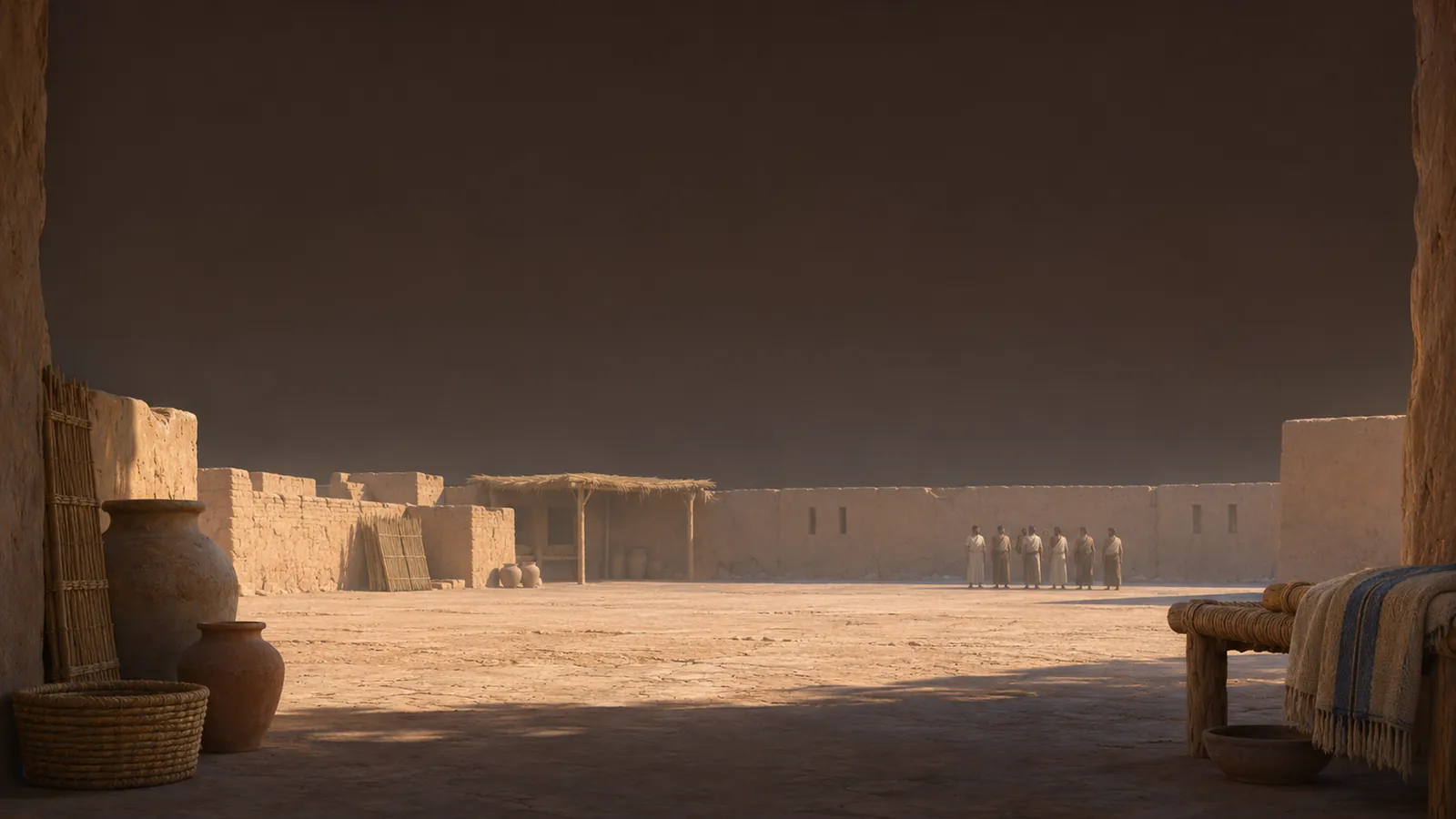
Sie riet ihm, aus seinen Truppen einen Boten zu wählen, der gewandt spricht und die Reise aushält.
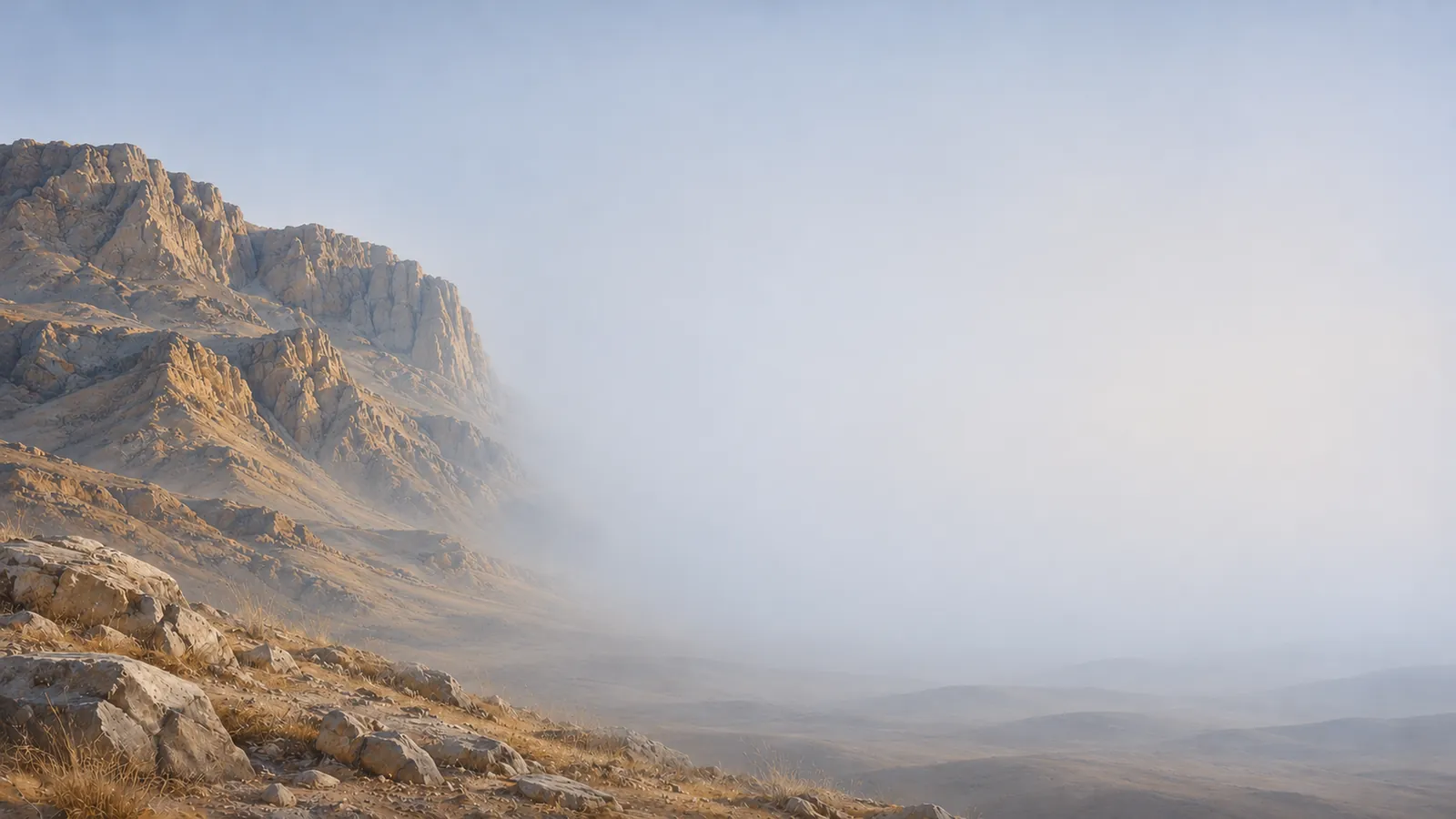
Der Bote sollte ins Zubi-Gebirge hinaufsteigen und wieder hinab. Inanna sagte Enmerkar, dass Aratta sich beugen werde.
Inanna sagte, die Menschen von Aratta würden Steine aus ihren Bergen herabbringen. Das Heiligtum von Eridu werde glänzen.
Inanna sprach von einer Krone und von den Menschen, die staunend zusehen würden. Dann fehlen Teile ihres Versprechens.
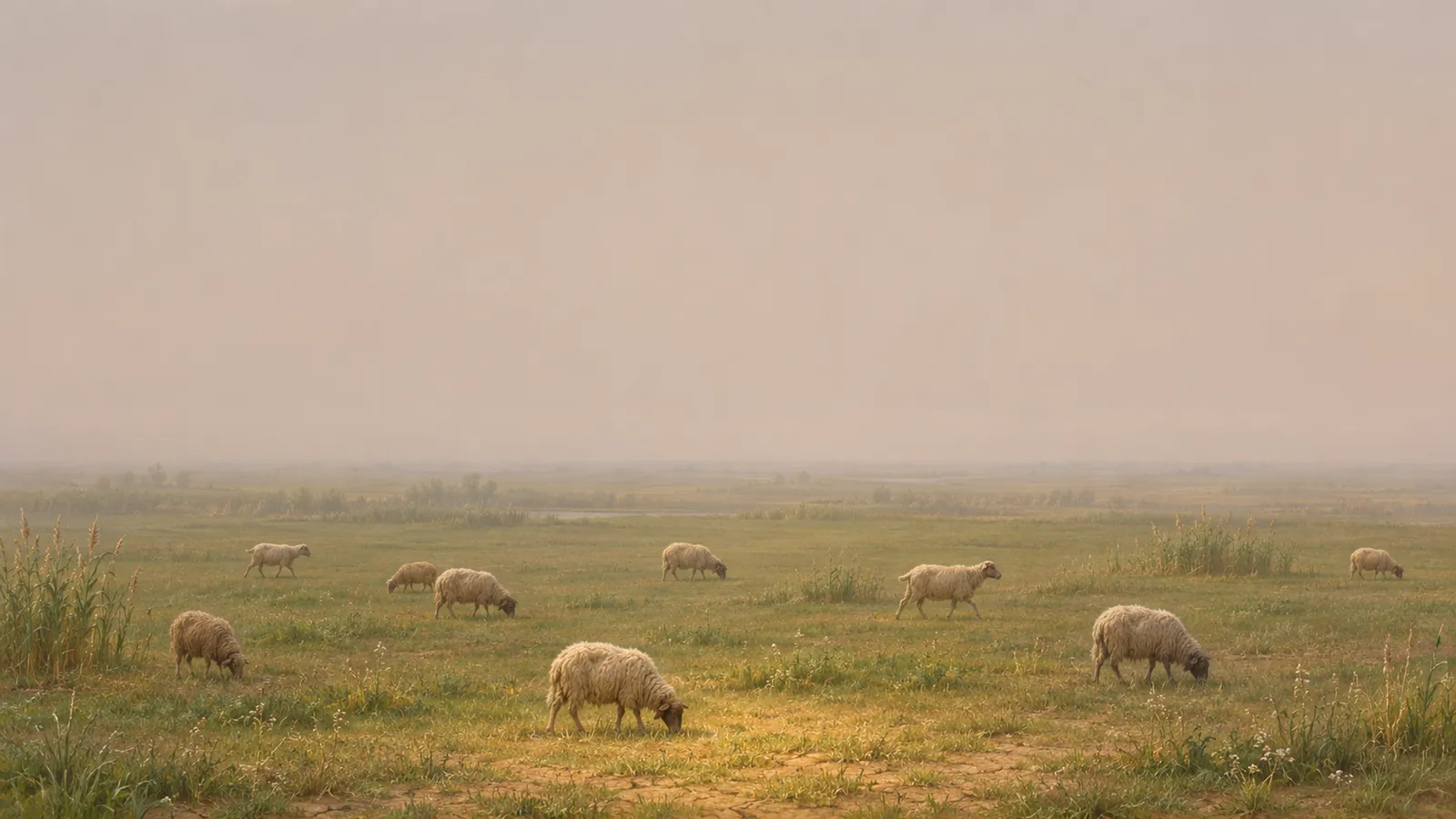
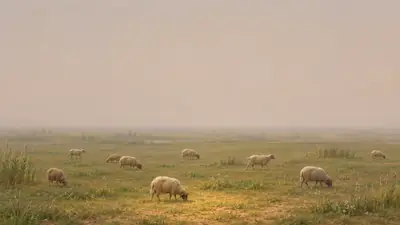
Inanna sah die Menschen von Aratta für Enmerkar umherlaufen wie Bergschafe auf Dumuzids Feldern. Zuletzt sprach sie ihm Lob aus.
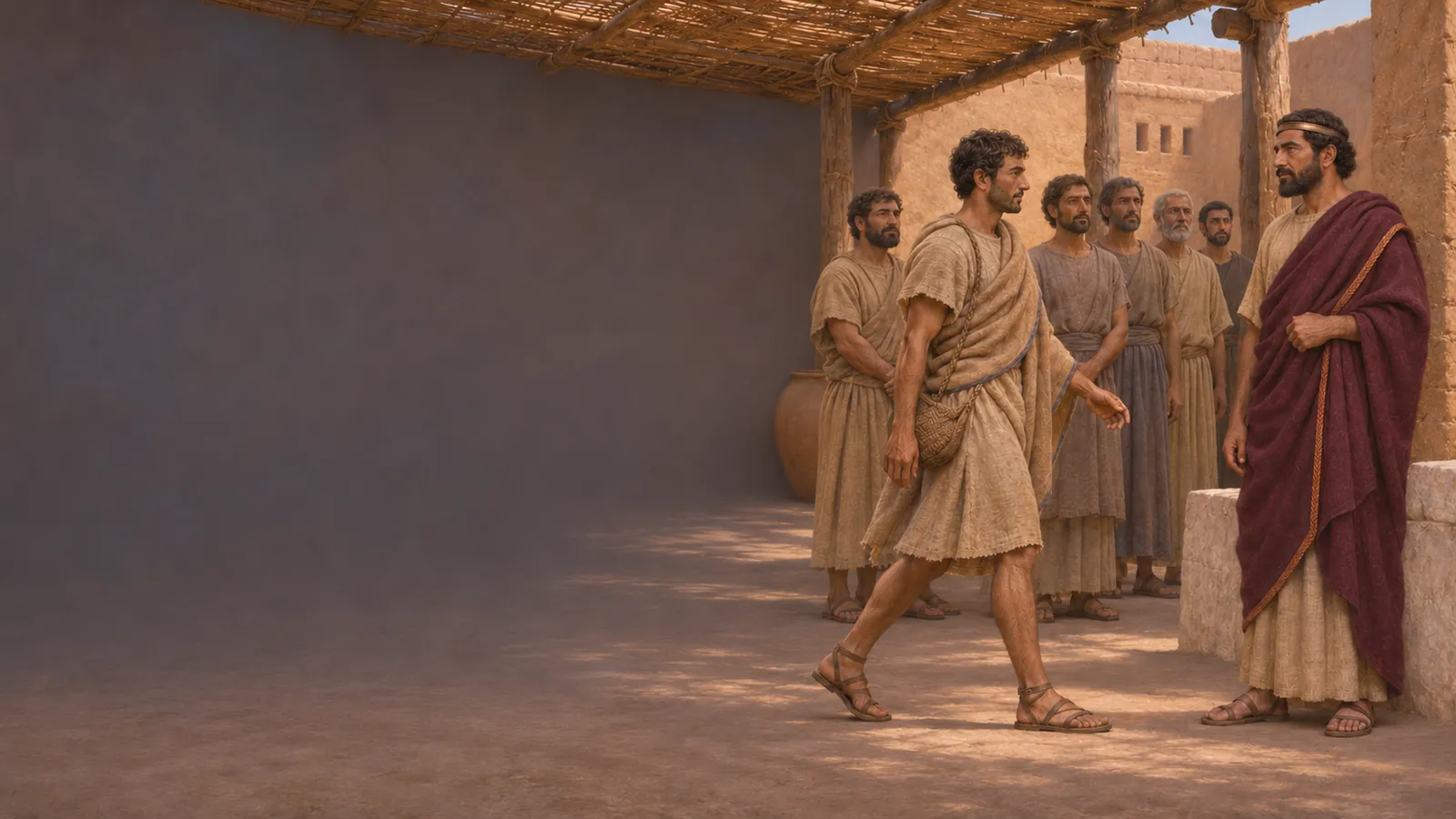
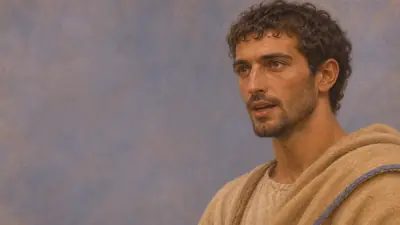
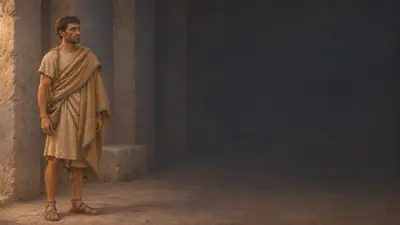
Enmerkar hörte auf Inanna. Aus seinen Truppen wählte er einen Mann, der beredt war und die Kraft für die Reise hatte.
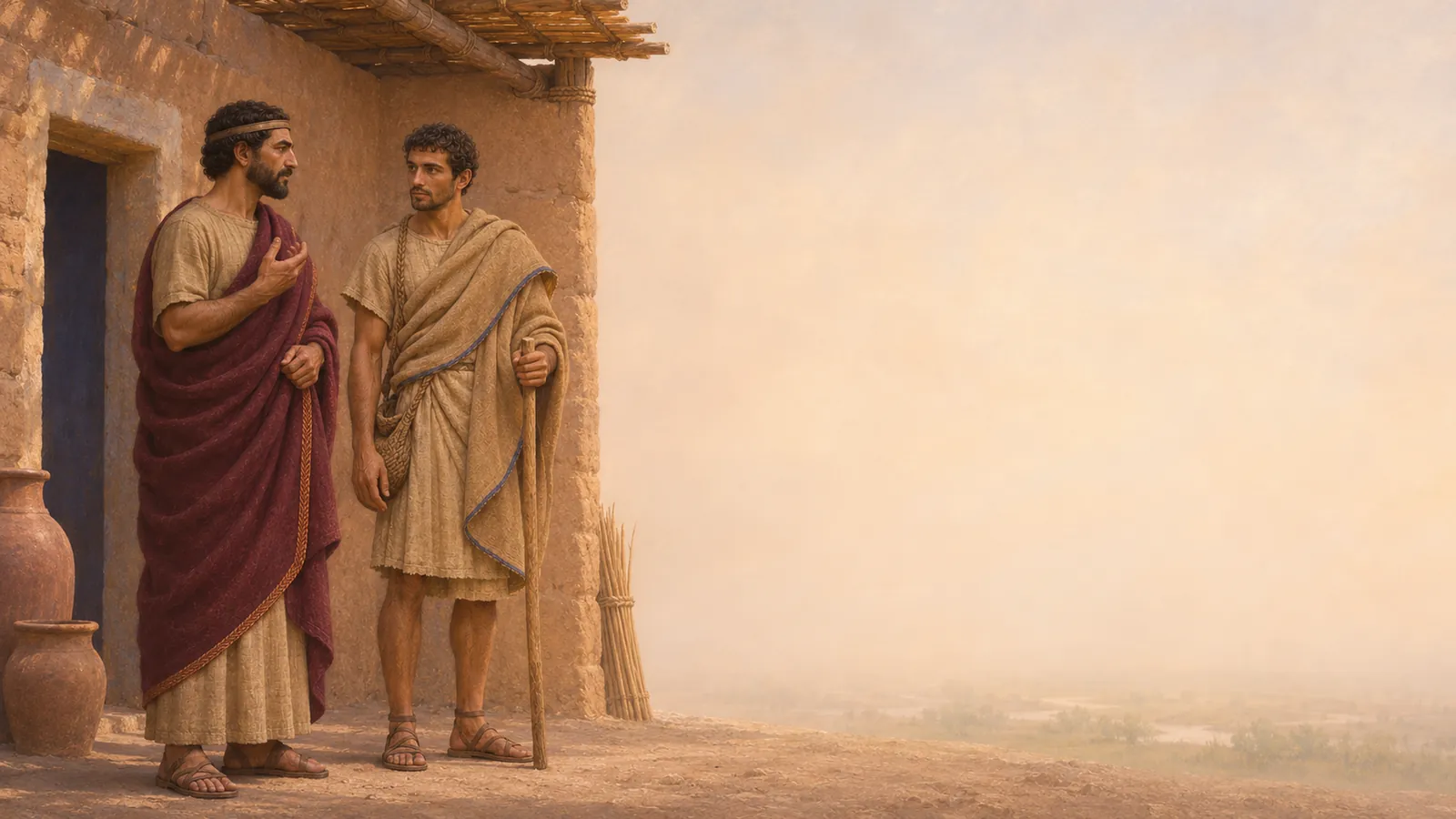
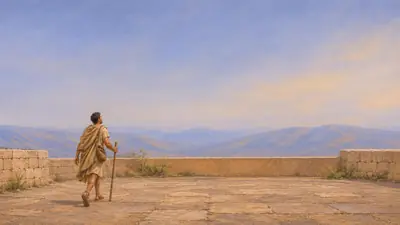
Enmerkar wies den Boten an, das Zubi-Gebirge zu überqueren. Auf der anderen Seite sollte er mit dem Herrn von Aratta sprechen.
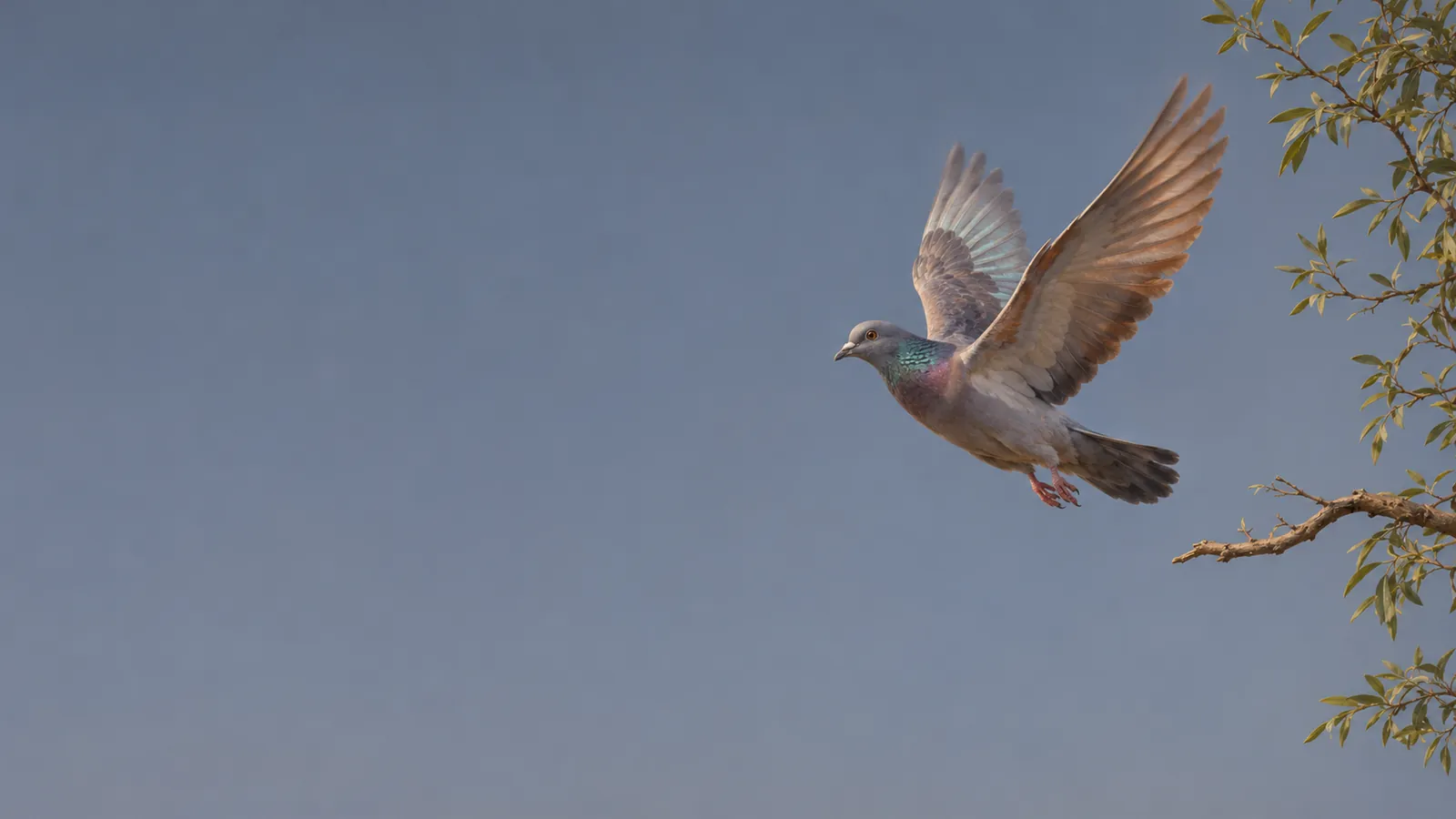
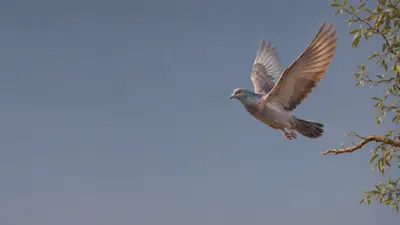
Enmerkar drohte, die Menschen von Aratta wie aufgescheuchte Vögel aus einem Baum zu vertreiben und ihre Stadt im Staub zurückzulassen.
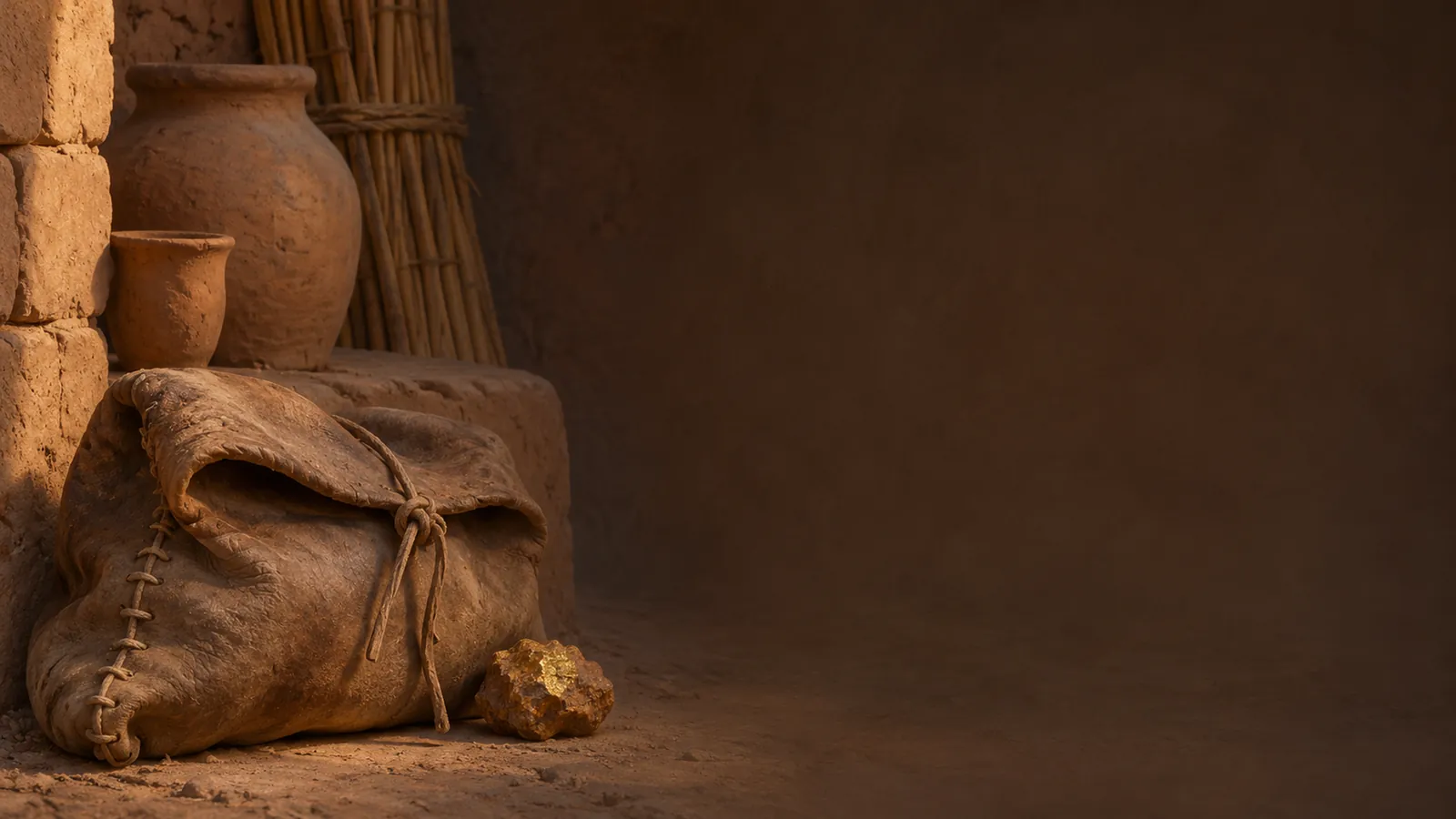
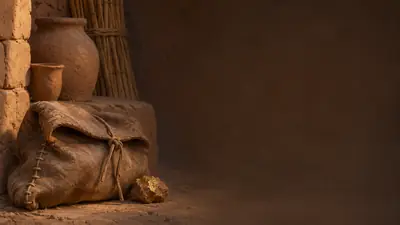
Er befahl Aratta, Gold und kostbares Erz in Ledersäcke zu füllen und sie auf Eseln aus den Bergen zu schicken.
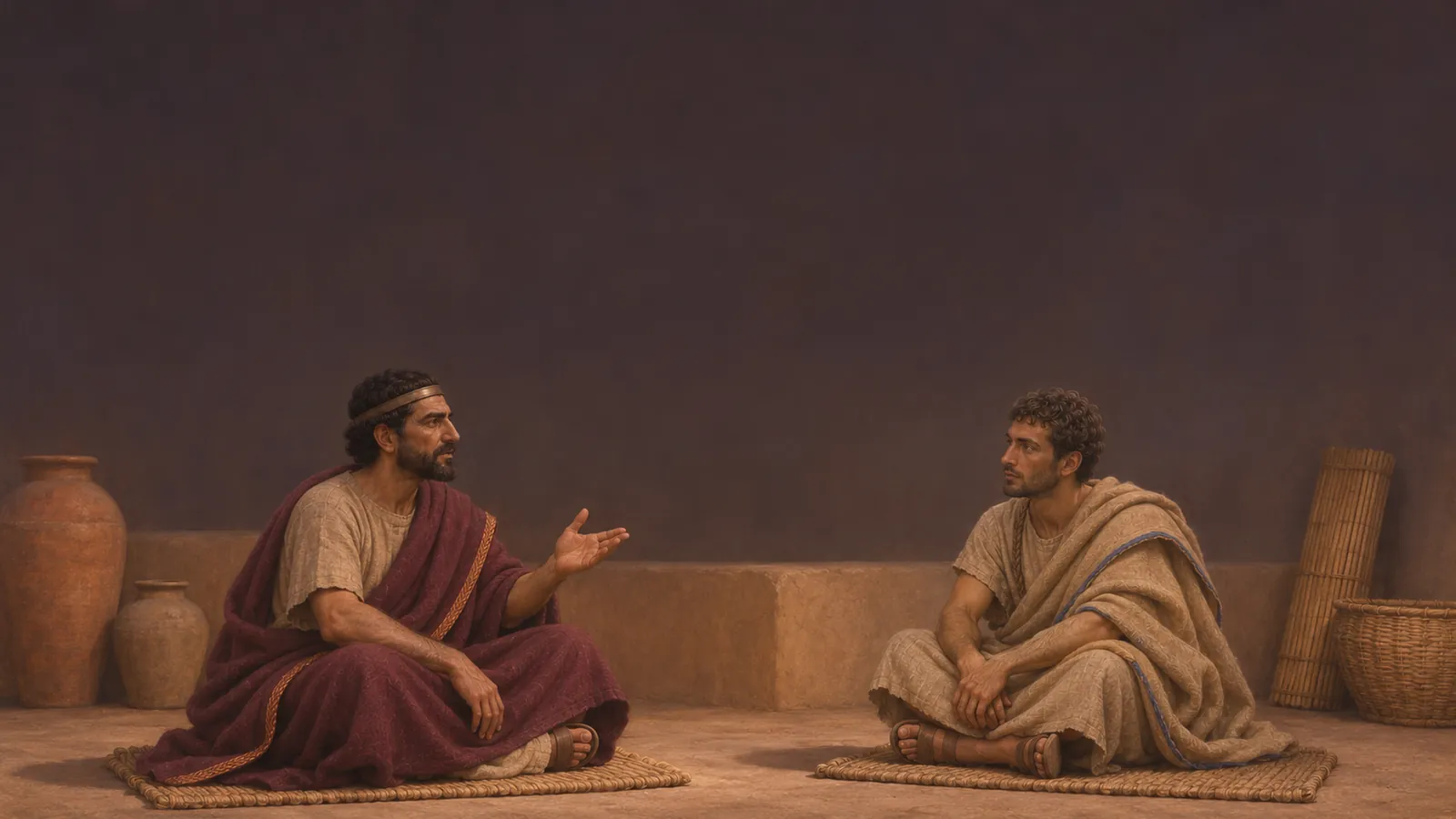
NUDIMMUD
Unter den Worten, die er dem Boten anvertraute, war ein heiliges Lied. Er sollte den Spruch des Nudimmud vortragen.
Das Lied beschwor einen Tag ohne Schlange, Skorpion und Löwen, an dem die Menschen keinen Grund hätten zu zittern.
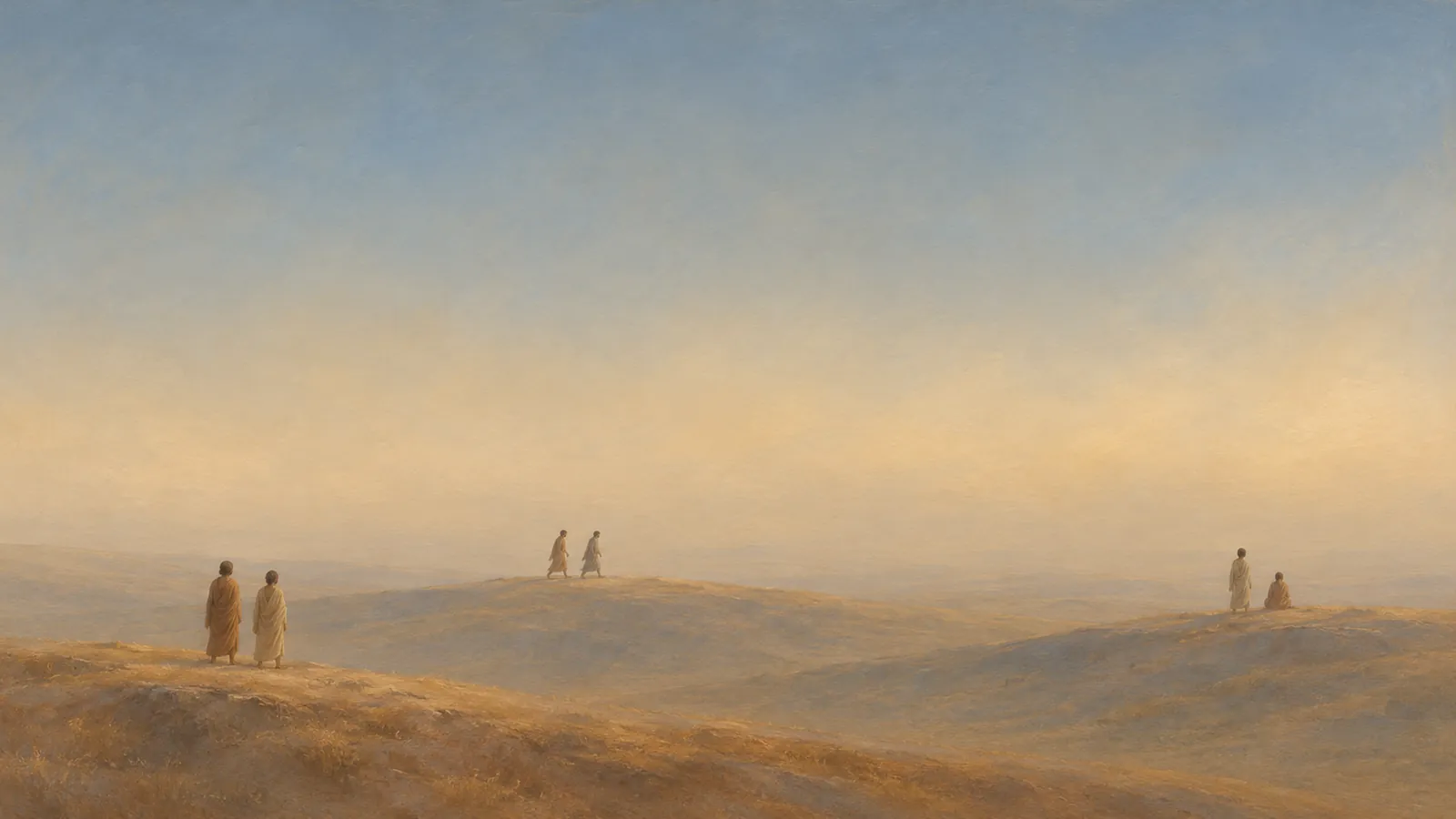
Das Lied nannte Länder mit vielen Sprachen. Eines Tages, so sein Wunsch, sollten ihre Menschen sich in einer Sprache an Enlil wenden.
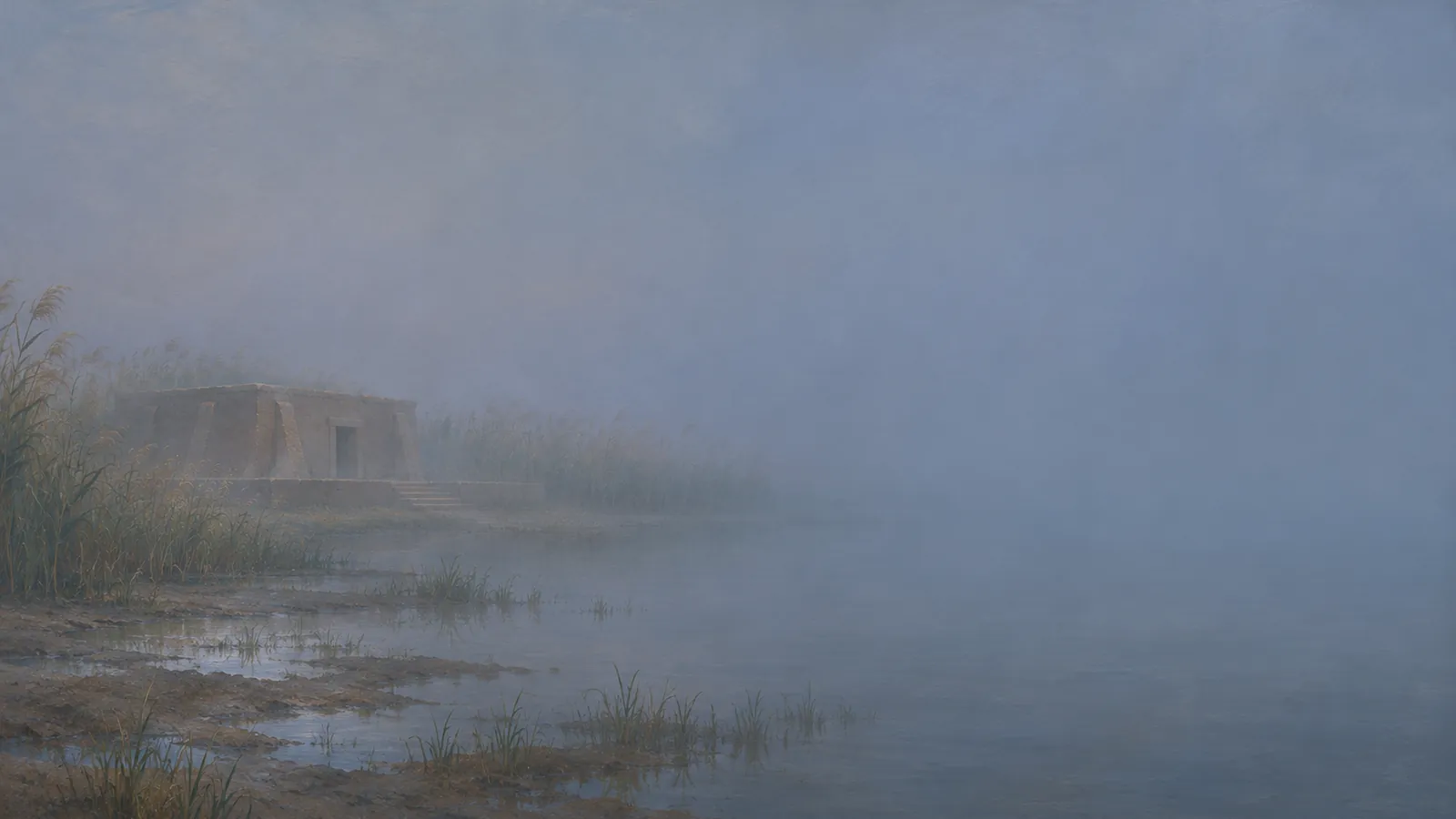
Das Lied rief Enki an, den weisen Herrn von Eridu. Er möge die Sprache der Menschen ändern, bis alle dieselbe Sprache sprechen.
Enmerkar gab ihm eine letzte Weisung. Nachts sollte er vorwärtsdrängen wie der Südwind. Im Morgengrauen sollte er sich erheben wie der Tau.
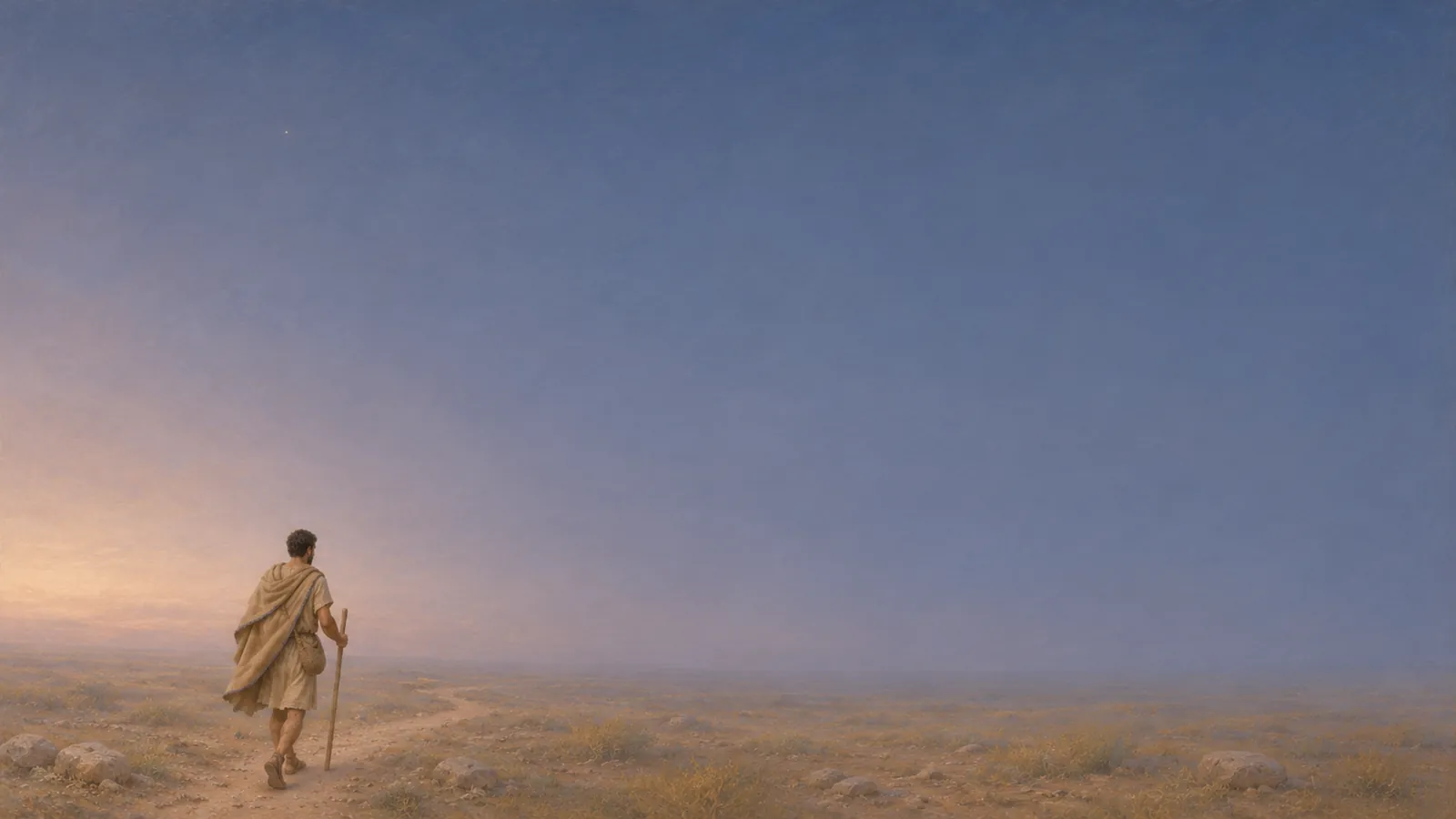
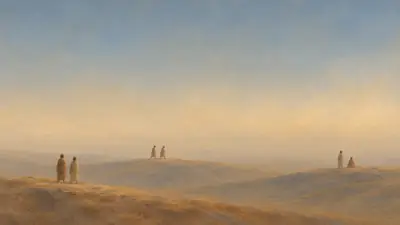
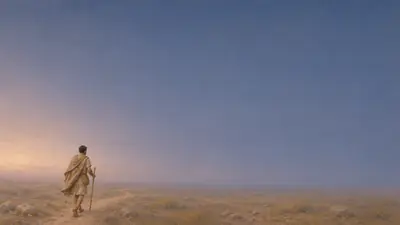
Der Bote gehorchte seinem König. Nachts zog er unter den Sternen dahin, tagsüber im Licht Utus.
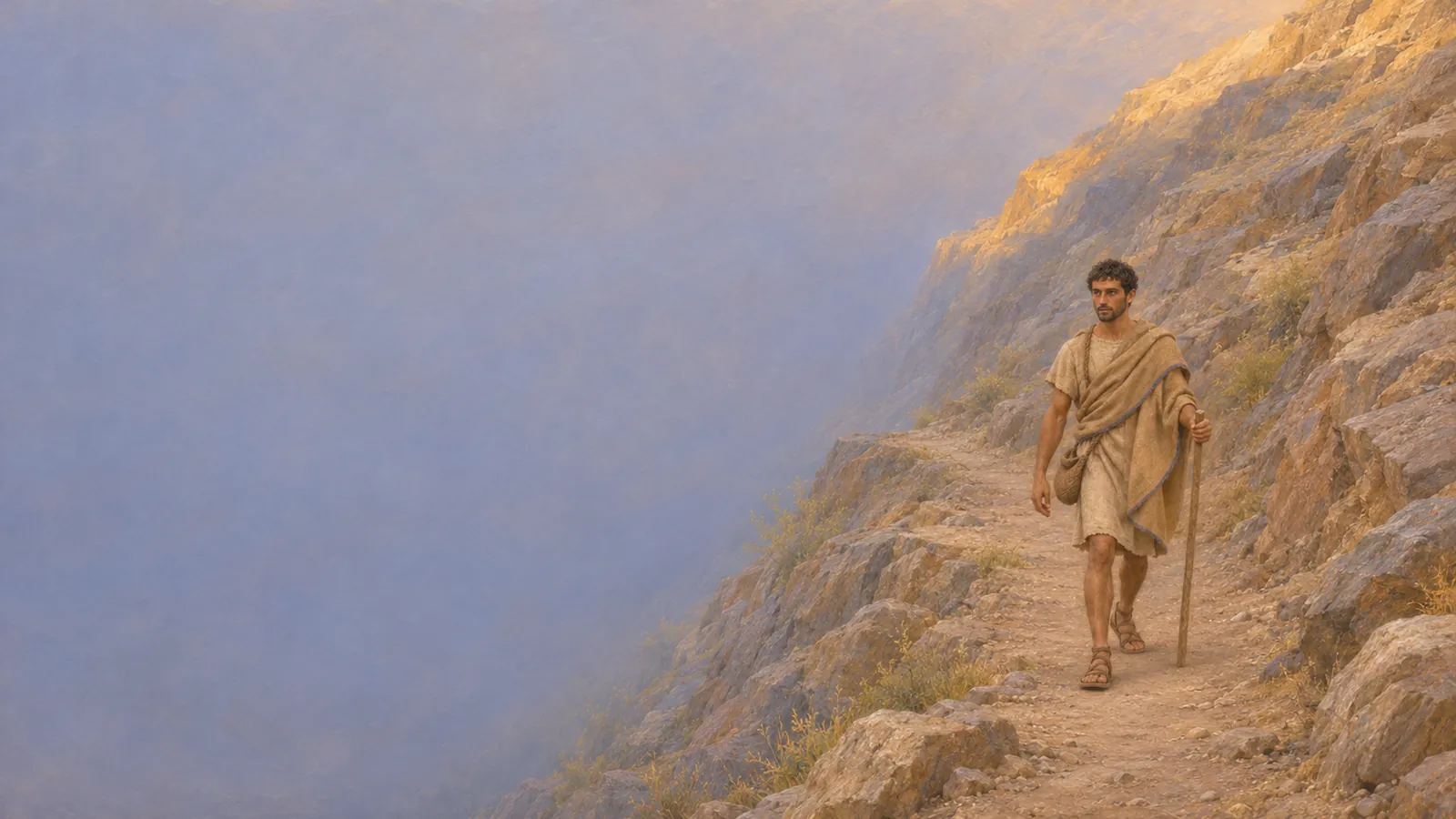
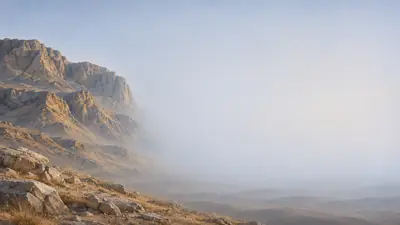
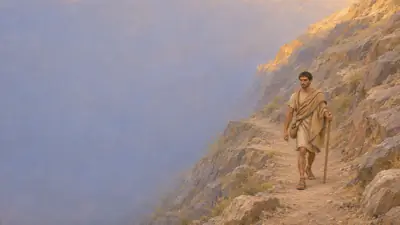
Er trug Inannas scharfe Botschaft ins Zubi-Gebirge hinauf. Auch beim Abstieg behielt er ihre Worte bei sich.
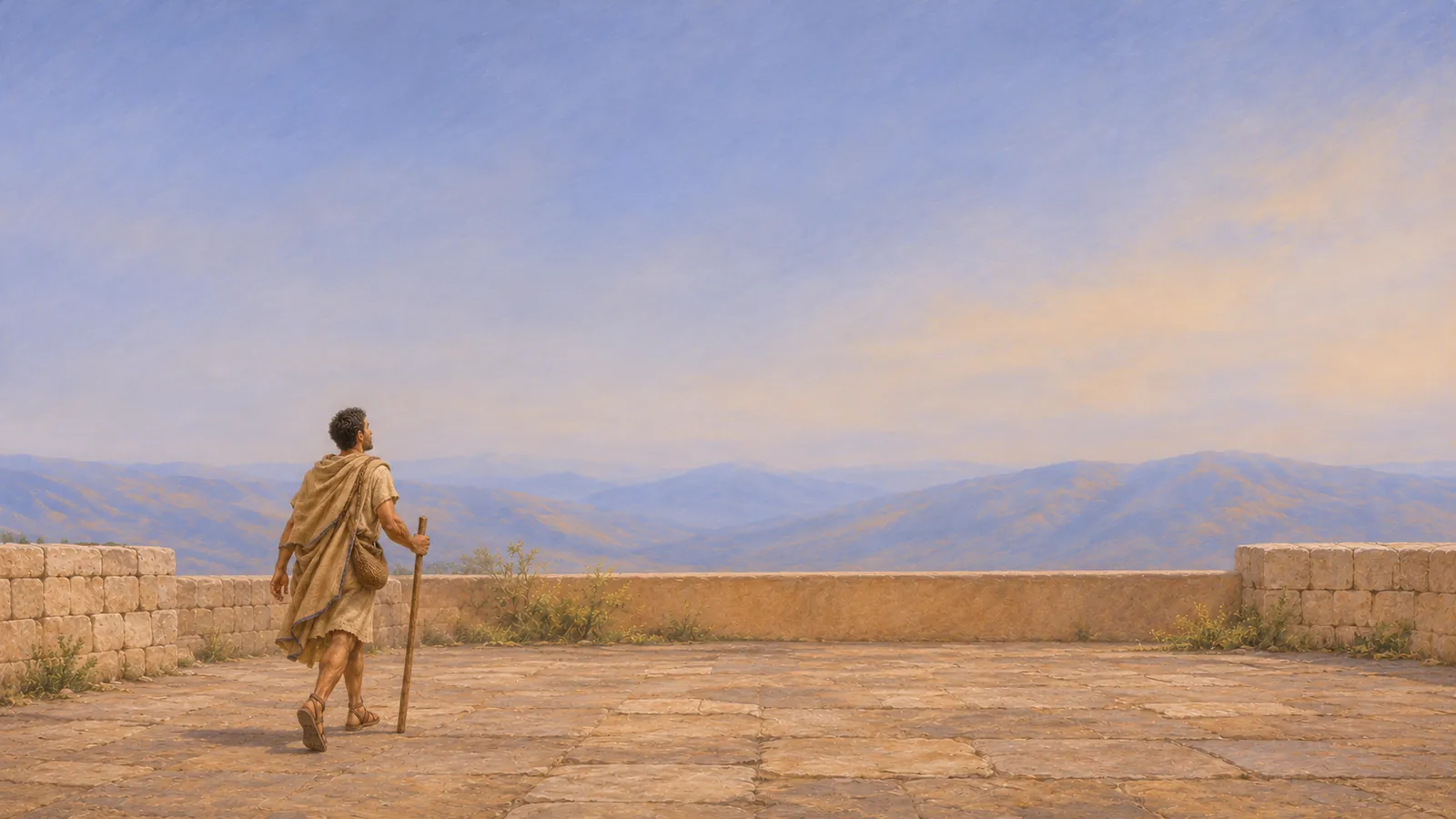
ARATTA
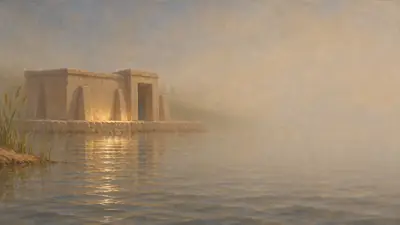
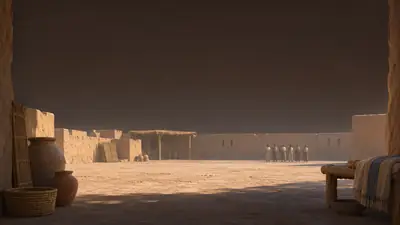
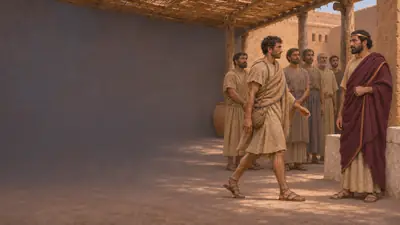
Über fünf Berge, dann sechs, dann sieben, heißt es im Gedicht. Der Bote hob den Blick und trat froh in Arattas Hof.
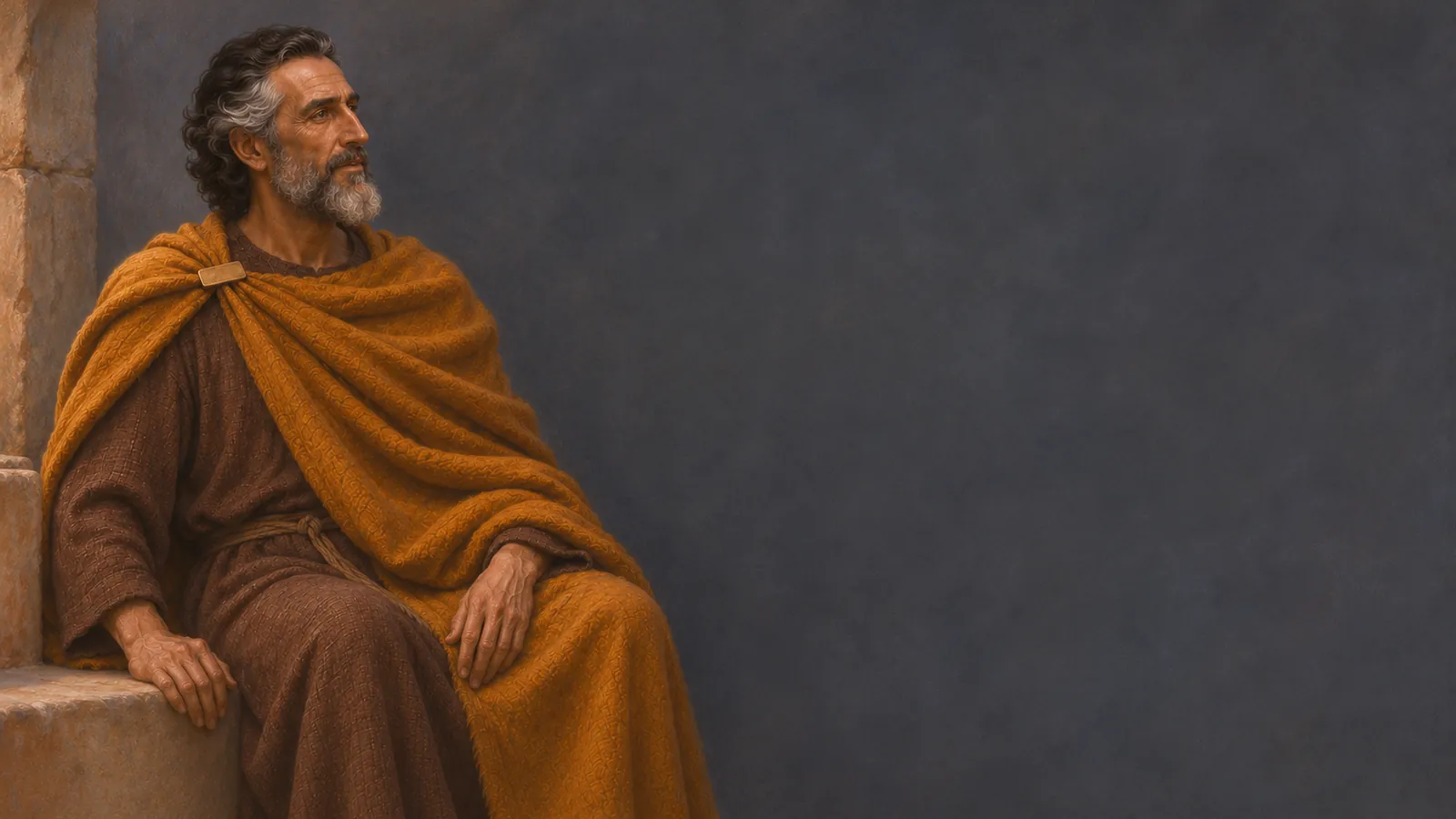
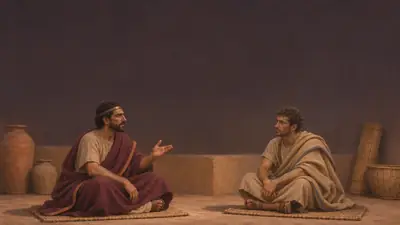
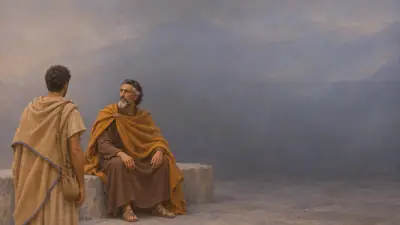
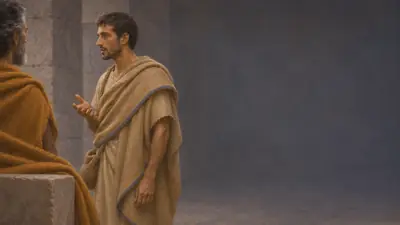
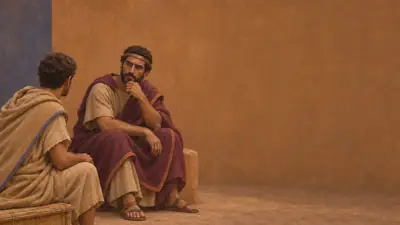
Der Bote sagte, der Herr von Uruk und Kulaba habe ihn geschickt. Der Herr von Aratta fragte, was sein Gebieter gesagt habe.
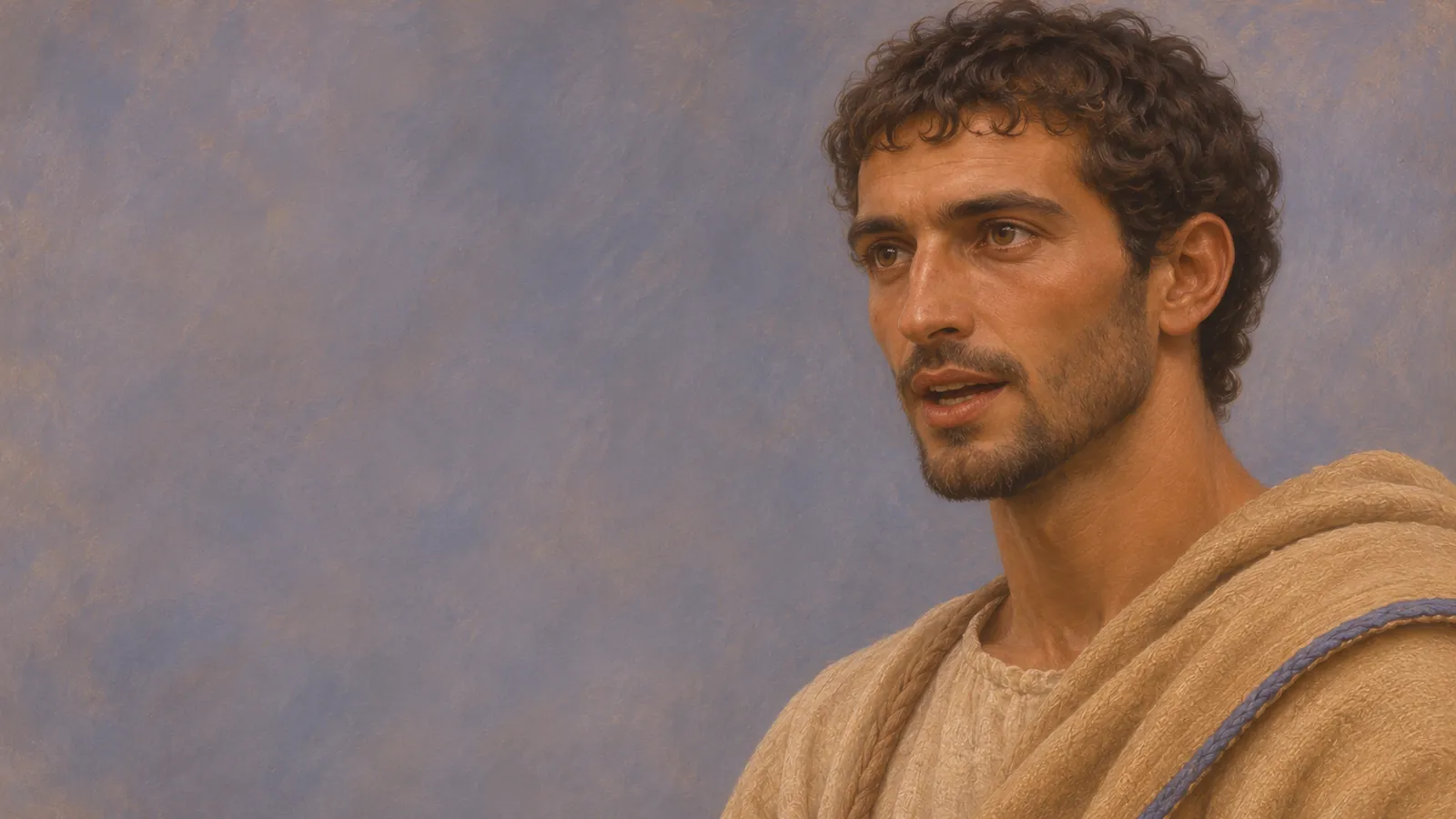
Enmerkar sei zum Herrschen geboren, sagte er. Wie ein Hirsch im Hochgebirge trage sein König die Kraft eines Fürsten in sich.
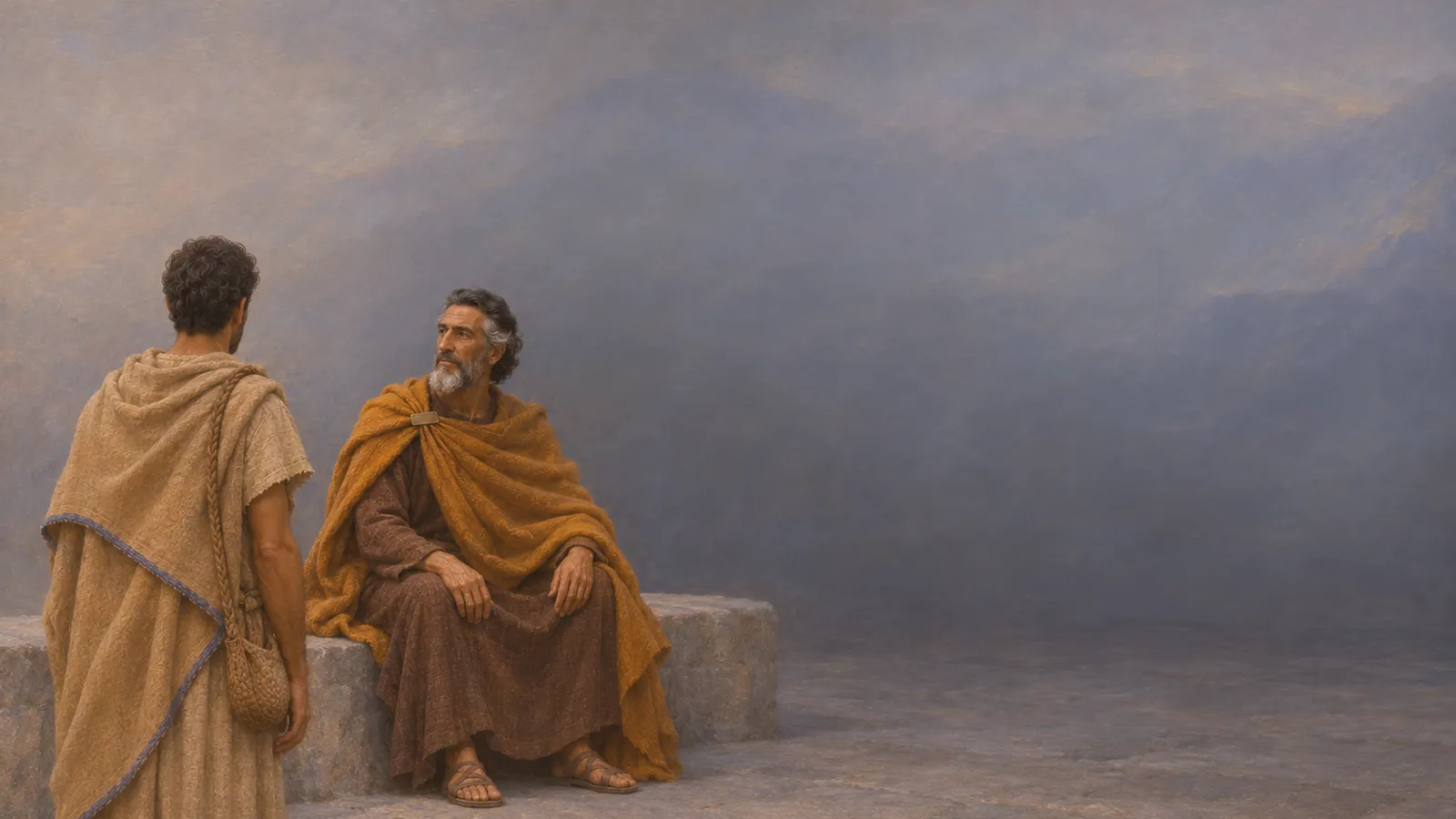
Dann wiederholte er die Warnung seines Gebieters. Aratta solle Gold und kostbares Erz auf Packeseln schicken oder den Untergang seiner Stadt riskieren.
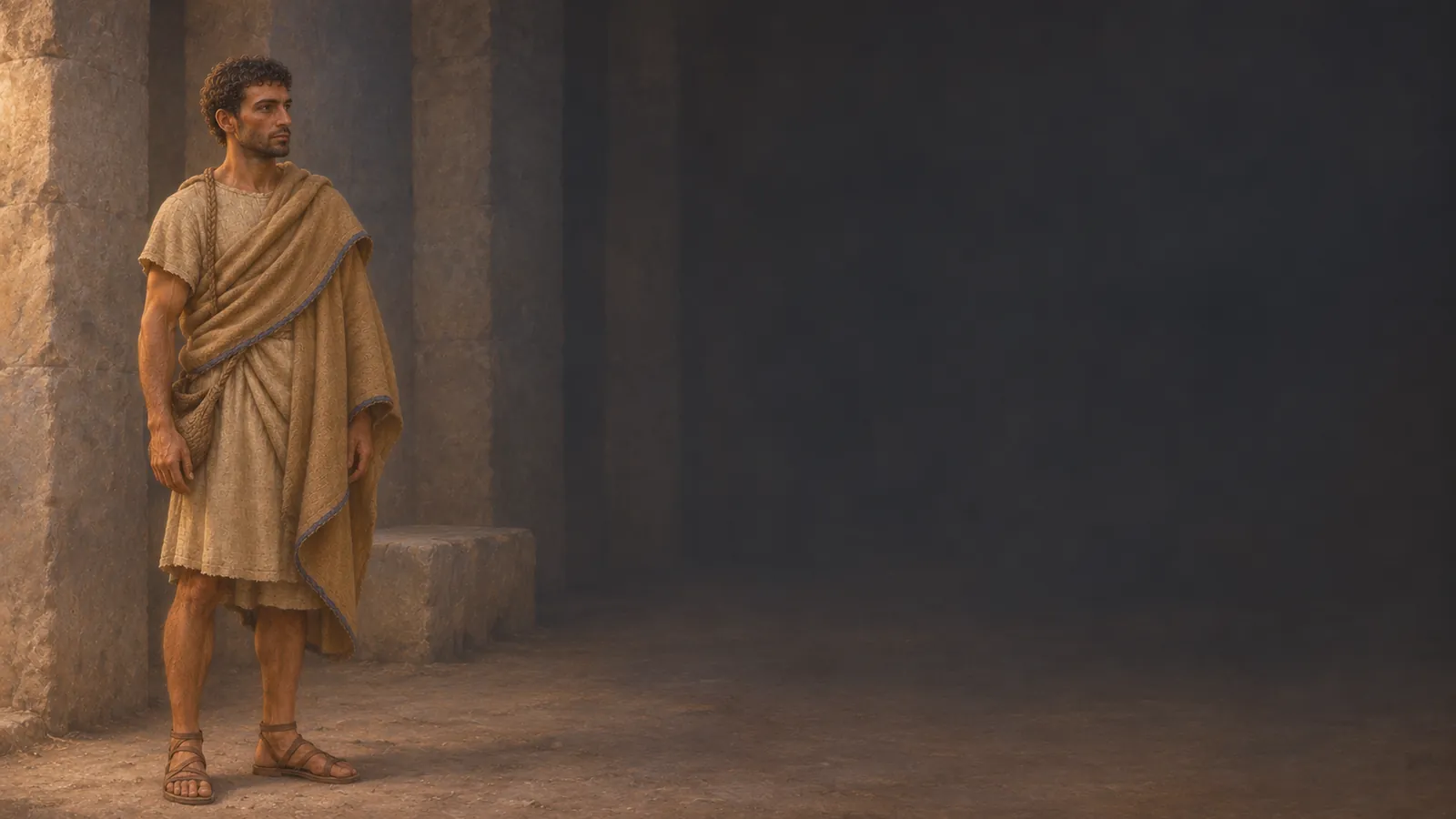
Der Bote bat um eine Antwort. Was immer der Herr von Aratta sagte, er würde die Worte seinem König nach E-ana bringen.
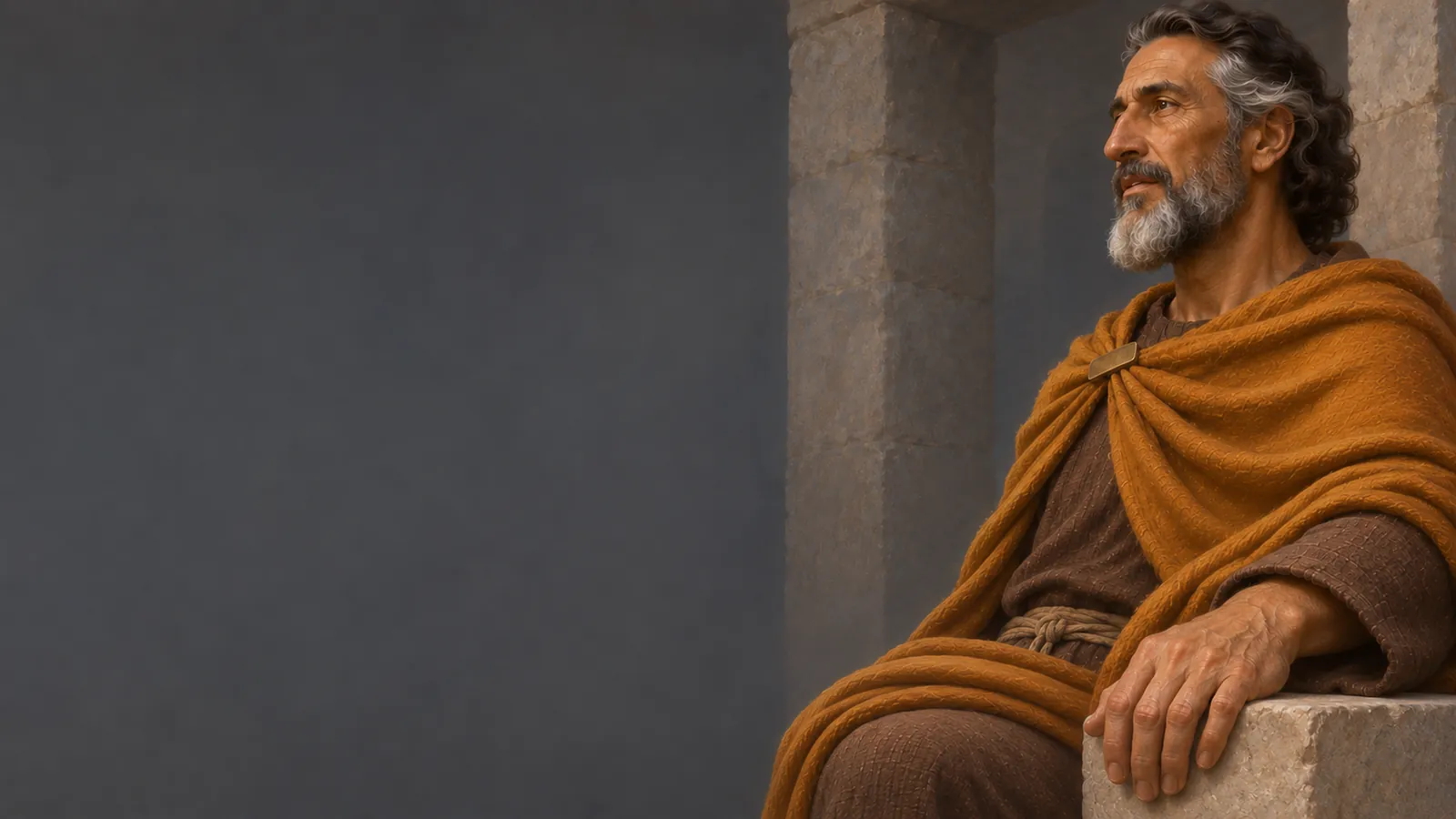
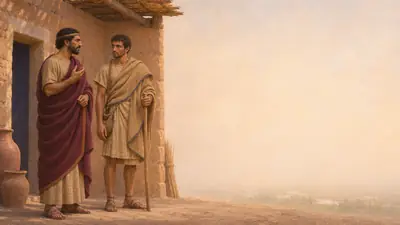
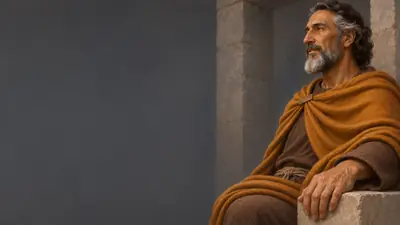
Der Herr von Aratta sagte, Inanna selbst habe ihn in die Berge geführt. Wie könnte Aratta sich vor Uruk beugen?
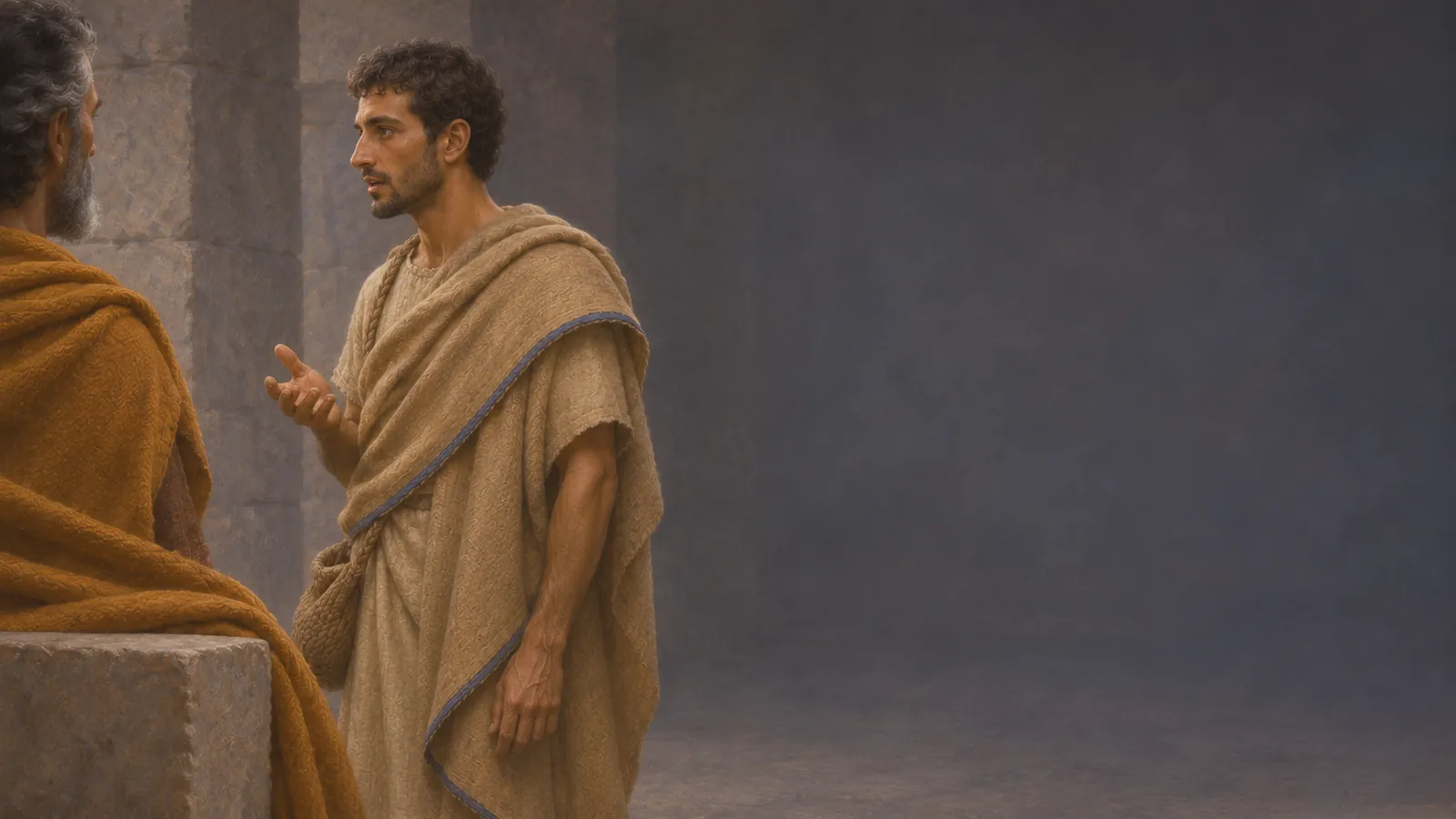
Der Bote erwiderte, Enmerkar habe Inanna zur Königin von E-ana gemacht. In Kulaba habe sie gesagt, Aratta werde sich beugen.
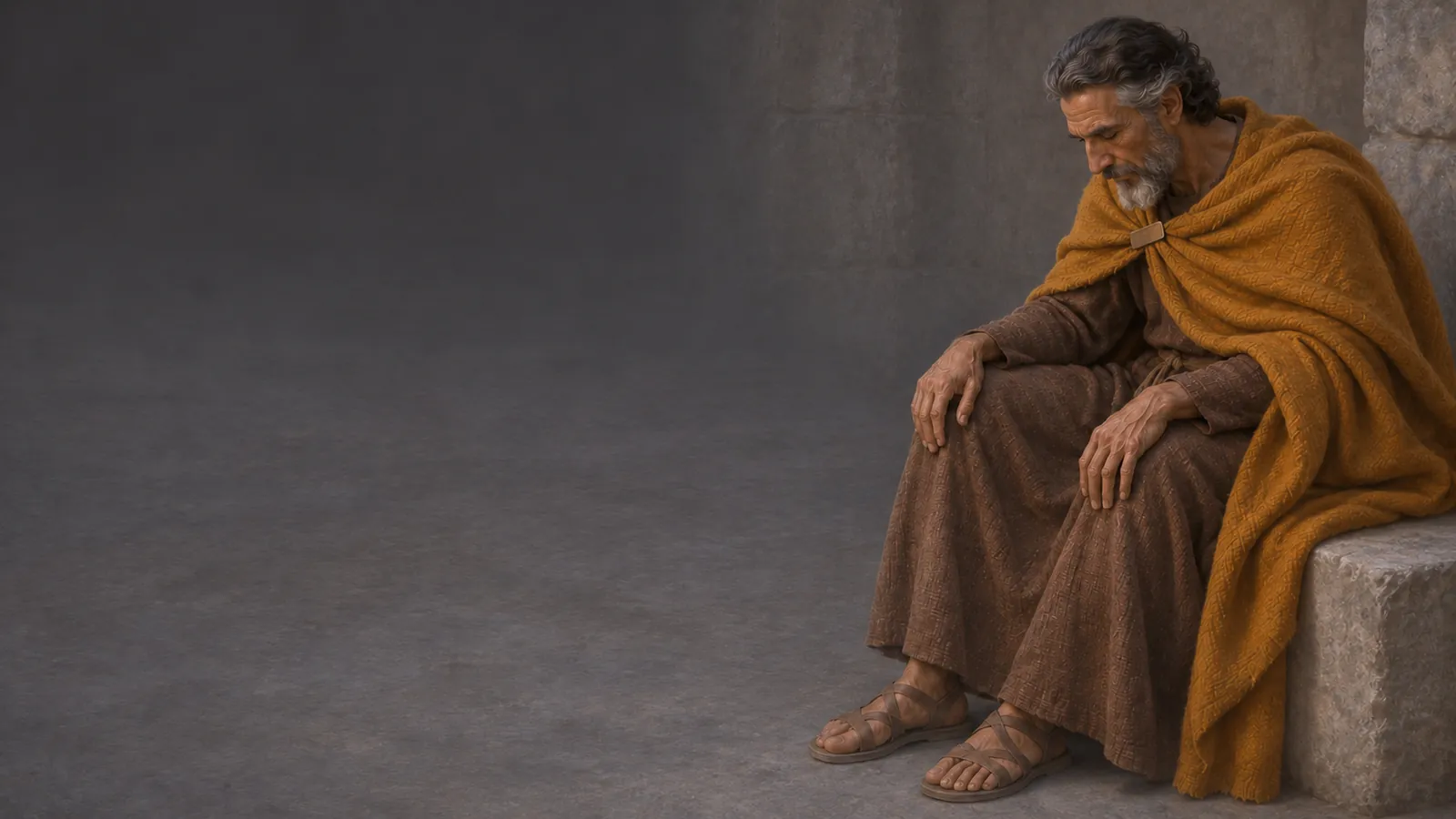
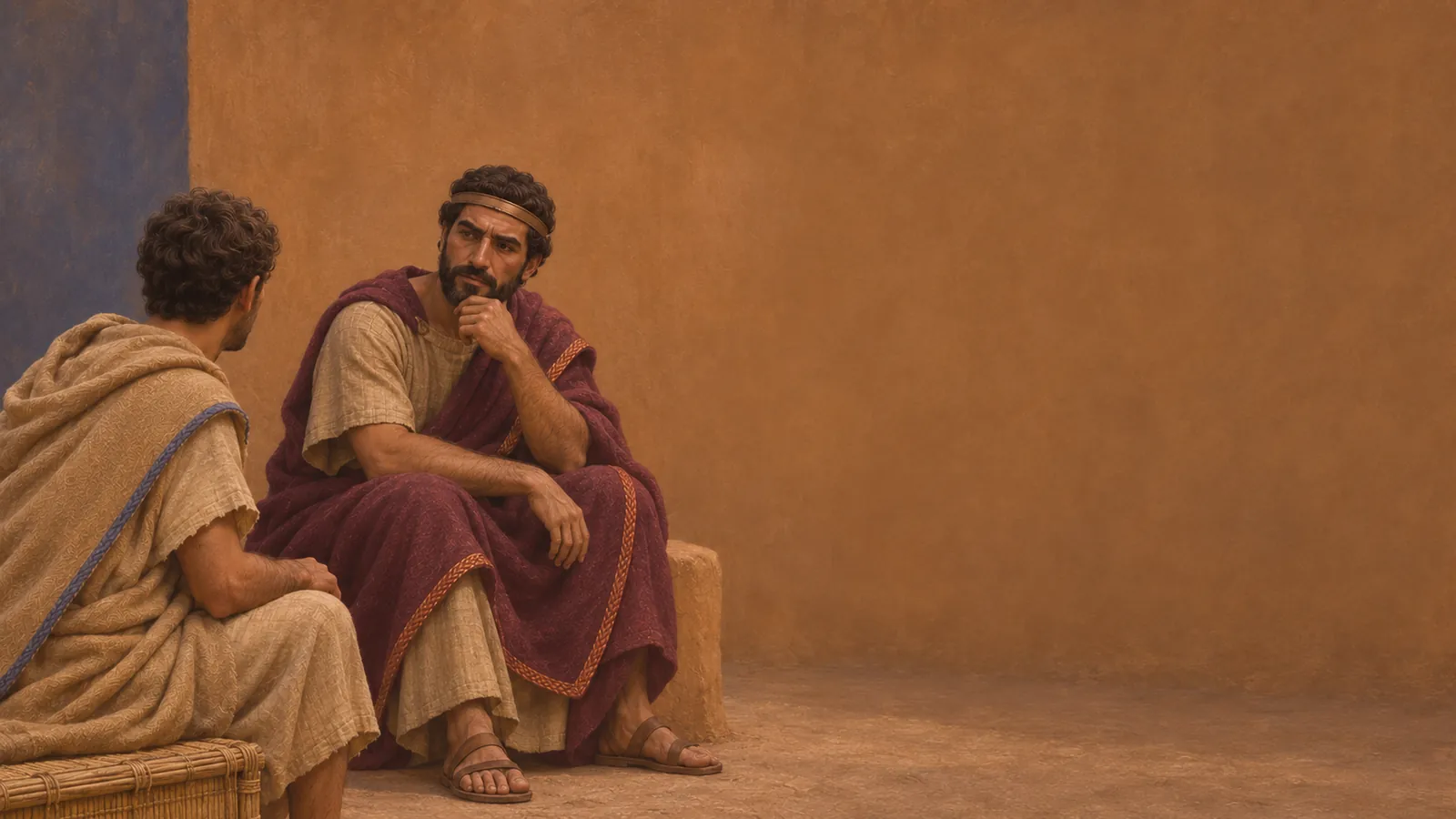
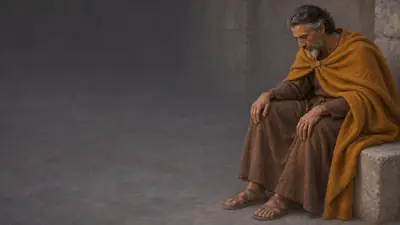
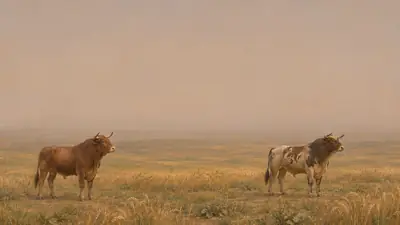
Der Herr von Aratta starrte auf seine Füße und suchte nach einer Antwort. Als er eine fand, erhob er seine Stimme wie ein Stier.
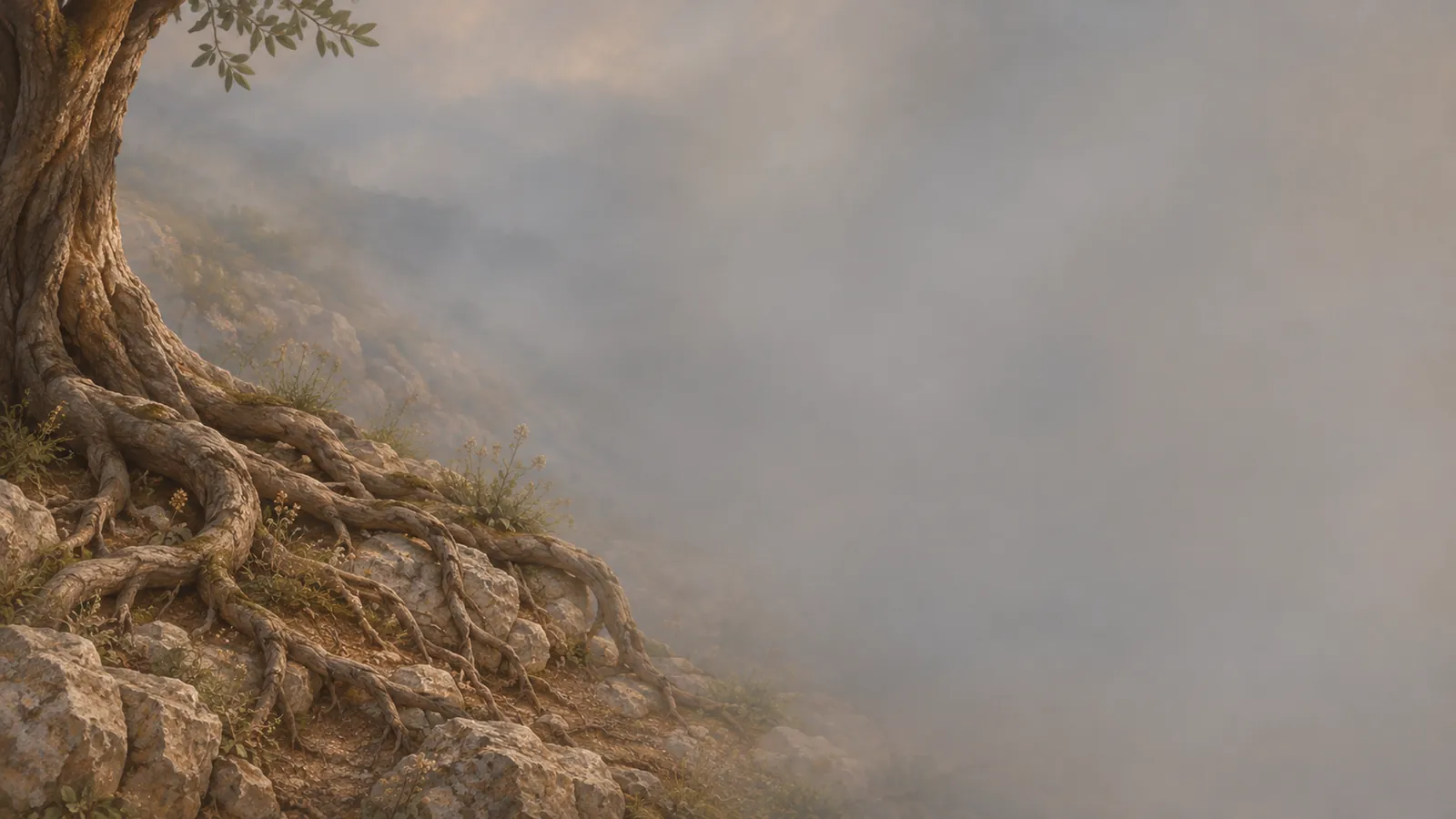
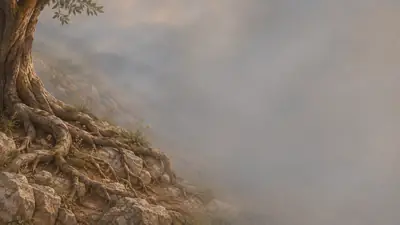
Er verglich die Berge mit einem Baum, dessen Wurzeln ein Netz und dessen Äste eine Falle waren. Wie sollte Uruk hindurchkommen?
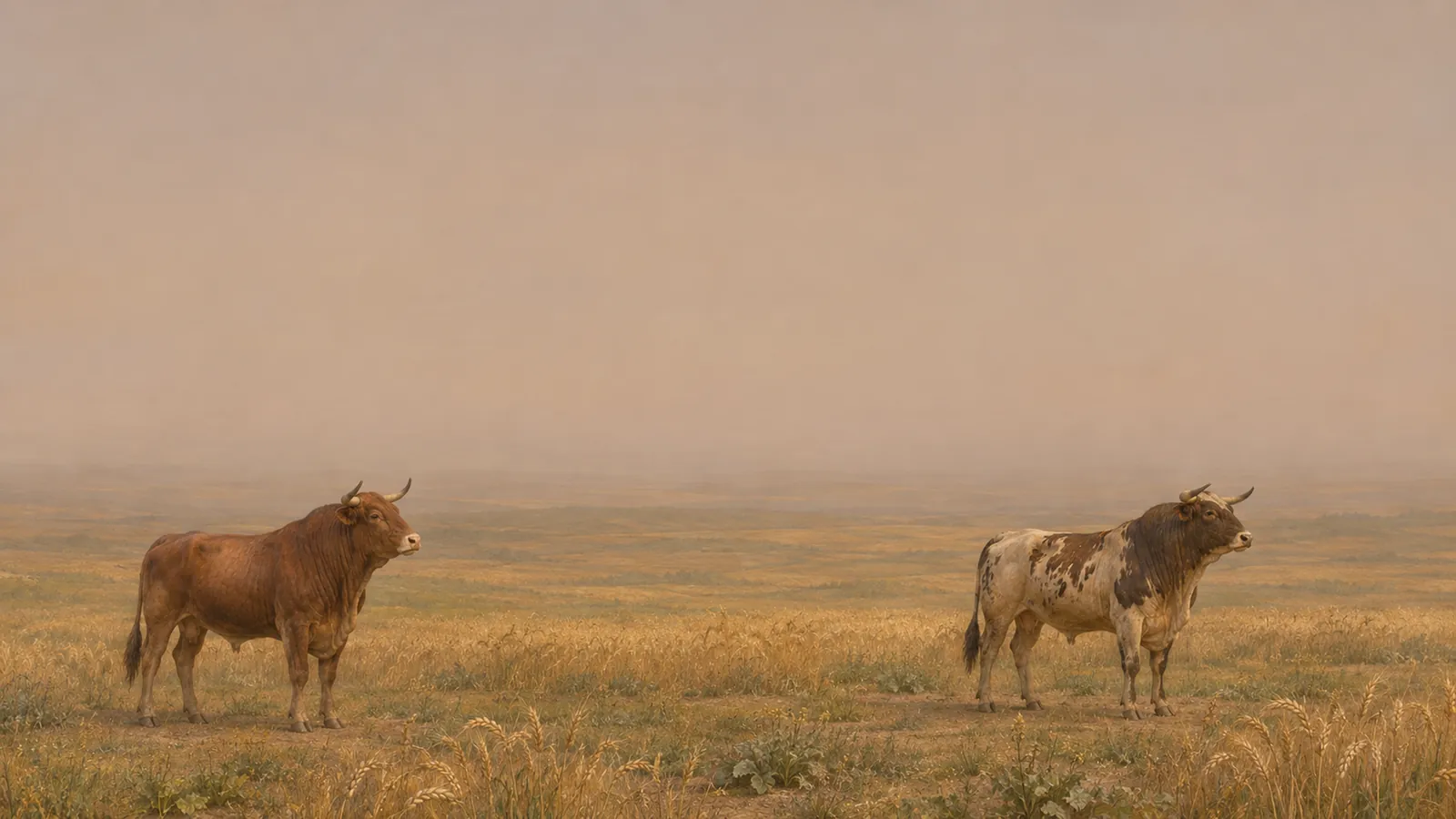
Der Herr sagte, er sei ebenso begierig auf den Wettstreit wie sein Rivale. Ein Stier, der den Stier neben sich übersieht, gewinnt nichts.
Sie sollten Gerste in meinem Hof auftürmen, sagte der Herr. Wenn Inanna sich dann von Aratta abwende, würden der Herr und das Volk der Stadt sich beugen.
GERSTE
Der Bote brachte die Antwort Wort für Wort nach Kulaba zurück. Enmerkar hörte zu und fragte sich, ob Aratta wisse, was es vorgeschlagen hatte.
Ende von Kapitel 1

Alle Seiten







Quellen
Benutzte Editionen
- Oxford ETCSL 1.8.2.3, translation, lines 1–307
- Oxford ETCSL 1.8.2.3, Sumerian composite
- IL Archive, Enmerkar and the Lord of Aratta
- Penn Museum, the Nippur witness N2822
- W. G. Lambert, The Classification of Incantations, pp. 94–95
Die antiken Verse hinter jeder Seite
- Page 1: ETCSL 1.8.2.3 1–8
Parts of the prologue are damaged. - Page 2: ETCSL 1.8.2.3 9–11
- Page 3: ETCSL 1.8.2.3 12–15
- Page 4: ETCSL 1.8.2.3 16–24
The opening list is damaged. Two lines, 23–24 in the Oxford composite, are missing. - Page 5: ETCSL 1.8.2.3 25–27
The sacred place survives in a fragmentary description. - Page 6: ETCSL 1.8.2.3 28–30
- Page 7: ETCSL 1.8.2.3 31–32
- Page 8: ETCSL 1.8.2.3 33–37
- Page 9: ETCSL 1.8.2.3 38–42
Some details of the work on lapis are damaged. - Page 10: ETCSL 1.8.2.3 43–47
- Page 11: ETCSL 1.8.2.3 48–53
- Page 12: ETCSL 1.8.2.3 54–56
- Page 13: ETCSL 1.8.2.3 57–64
- Page 14: ETCSL 1.8.2.3 65–70
- Page 15: ETCSL 1.8.2.3 71–72
- Page 16: ETCSL 1.8.2.3 73–79
- Page 17: ETCSL 1.8.2.3 80–87
- Page 18: ETCSL 1.8.2.3 88–98
The words connecting the two parts of Inanna’s promise are broken. - Page 19: ETCSL 1.8.2.3 99–104
- Page 20: ETCSL 1.8.2.3 105–107
One manuscript adds a fragmentary line after line 106. - Page 21: ETCSL 1.8.2.3 108–114
- Page 22: ETCSL 1.8.2.3 115–123
- Page 23: ETCSL 1.8.2.3 124–133
- Page 24: ETCSL 1.8.2.3 134–135
Nudimmud is a name for Enki in the poem. - Page 25: ETCSL 1.8.2.3 136–140
- Page 26: ETCSL 1.8.2.3 141–146
The Sumerian wording admits another interpretation. - Page 27: ETCSL 1.8.2.3 147–155
An alternative reading places the change in the past and takes it as a change from one language to many. - Page 28: ETCSL 1.8.2.3 156–159
- Page 29: ETCSL 1.8.2.3 160–162
- Page 30: ETCSL 1.8.2.3 163–169
Zubi is named in the poem. - Page 31: ETCSL 1.8.2.3 170–175
The count of mountains is a repeated phrase in the poem. - Page 32: ETCSL 1.8.2.3 176–178
- Page 33: ETCSL 1.8.2.3 179–185
The manuscripts vary in the description of Enmerkar and two add a repeated question and answer after line 185. - Page 34: ETCSL 1.8.2.3 186–207
The text repeats the instruction to recite the incantation. A separate performance does not survive in the text. - Page 35: ETCSL 1.8.2.3 208–217
- Page 36: ETCSL 1.8.2.3 218–226
- Page 37: ETCSL 1.8.2.3 227–235
- Page 38: ETCSL 1.8.2.3 236–241
- Page 39: ETCSL 1.8.2.3 242–252
The offerings appear in broken wording. - Page 40: ETCSL 1.8.2.3 253–273
Several phrases after the bull comparison are damaged. - Page 41: ETCSL 1.8.2.3 274–293
- Page 42: ETCSL 1.8.2.3 294–307
Illustrationen von IL Archive mit KI-Werkzeugen; der Text folgt den antiken Quellen (siehe die Quellen am Ende jedes Kapitels).