Enmerkar und der Herr von Aratta Kapitel 2
Worte im Ton
Enmerkar schickt Gerste nach Aratta, und aus dem Streit wird ein Wettstreit aus Rätseln und Forderungen. Als der Bote die Worte des Königs nicht mehr wiederholen kann, schreibt Enmerkar sie in Ton. Das Ende des Gedichts ist nur bruchstückhaft erhalten.
QuellenBlättern Sie mit den Pfeilen, den Pfeiltasten oder durch Wischen.
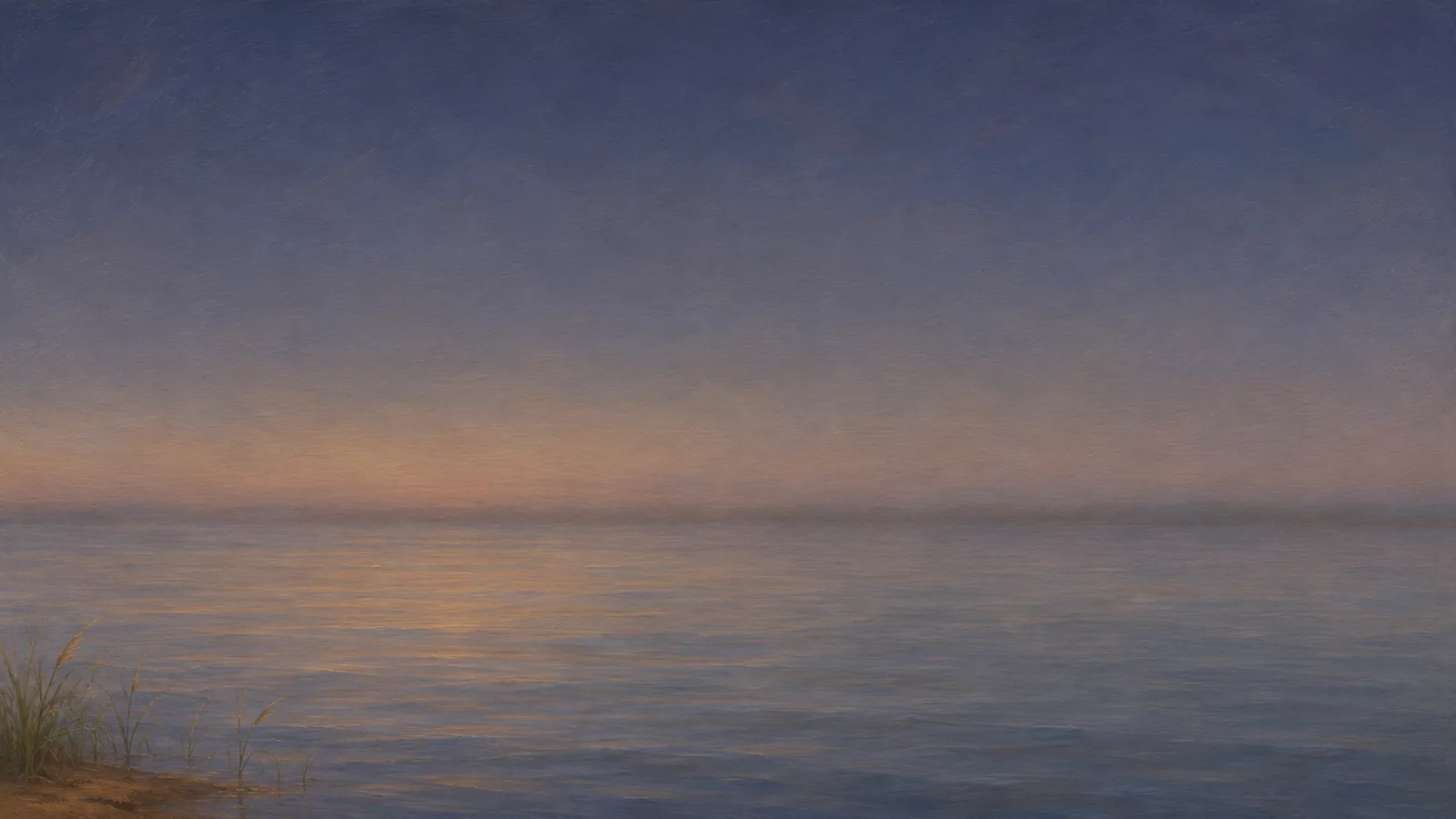
MORGENGRAUEN
Der Tag brach an und Utu stieg empor. Im Bild, das das Gedicht von jenem Morgen zeichnet, vereint Enmerkar die Wasser von Tigris und Euphrat.
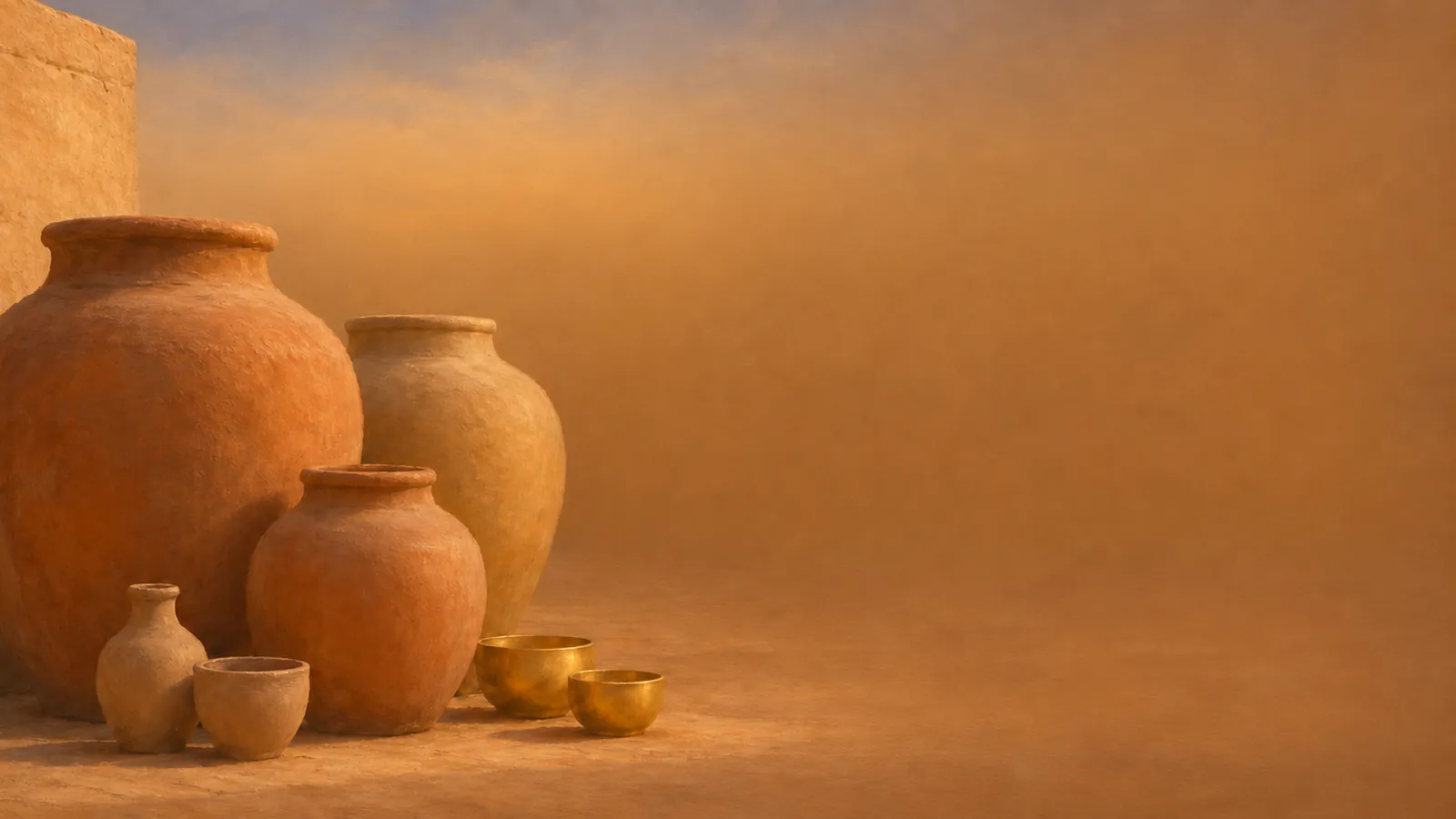
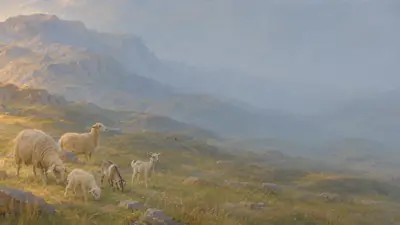
Große Gefäße standen im Freien, kleine daneben wie Lämmer im Gras. Enmerkar stellte die goldenen Gefäße mit Abstand auf.
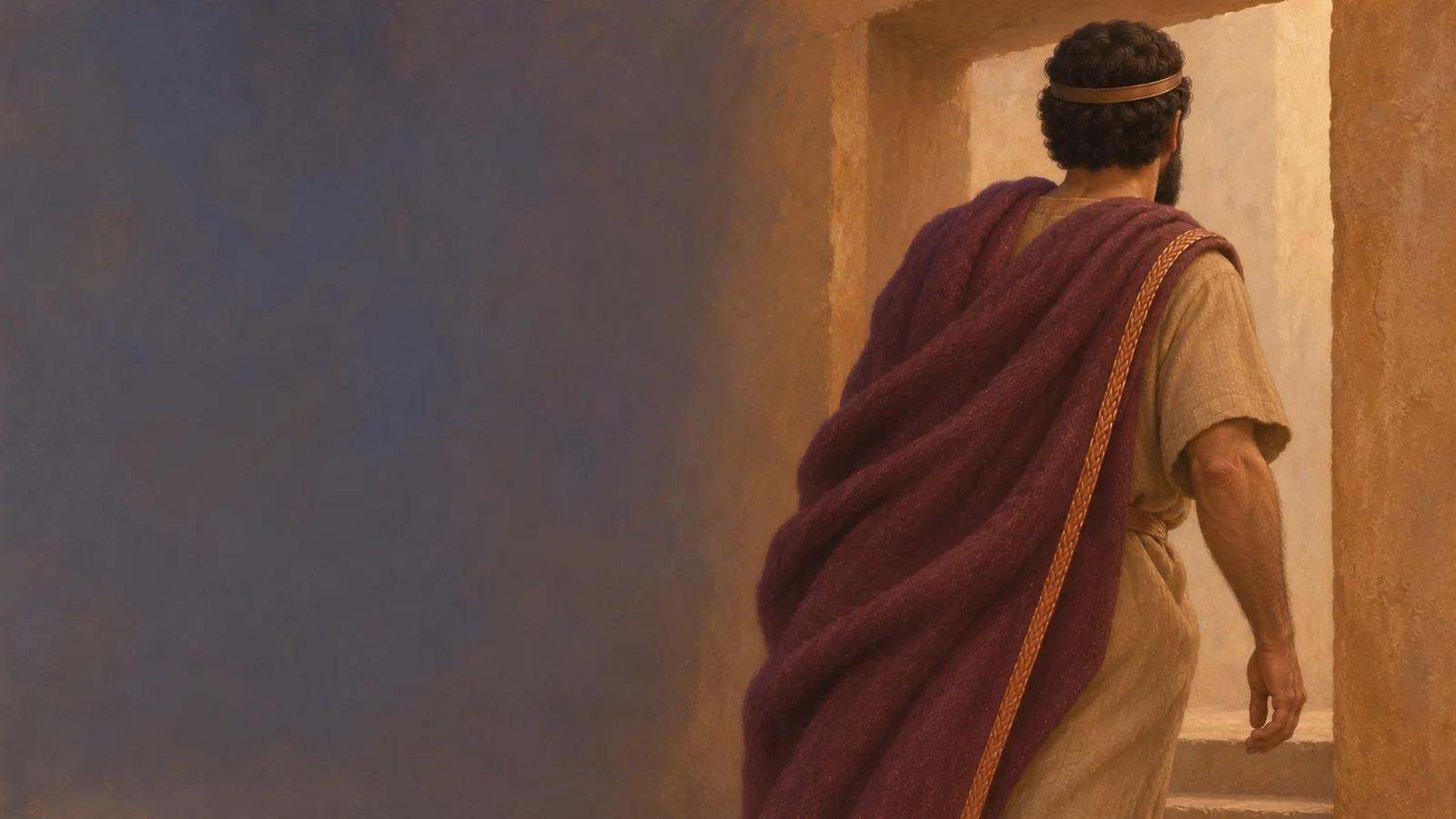
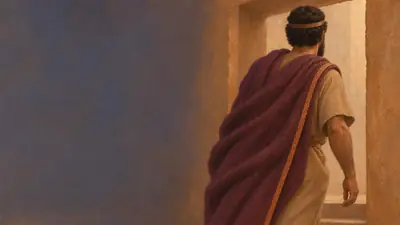
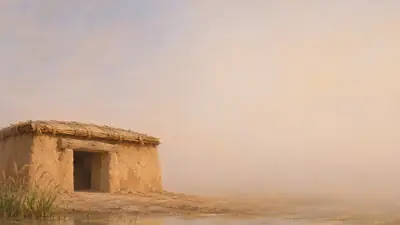
In einem nur bruchstückhaft überlieferten Abschnitt öffnet Nisaba ihr Haus der Weisheit. Enmerkar tritt ein und gibt genau acht.
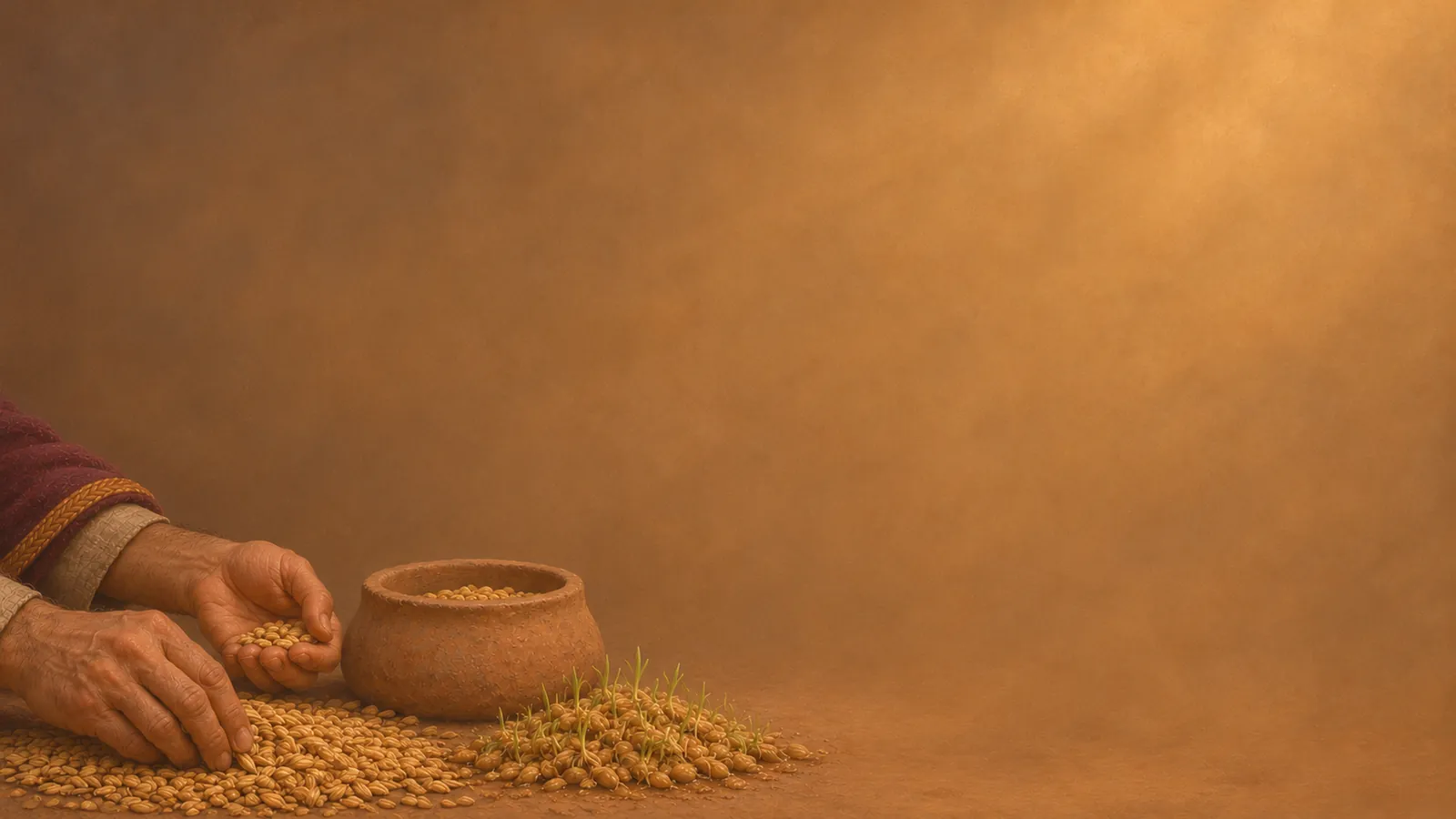
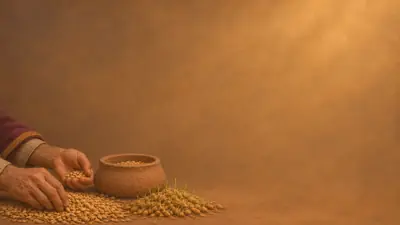
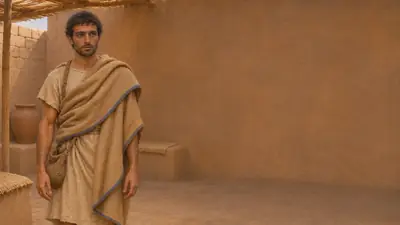
Enmerkar öffnete seinen Speicher und stellte ein großes Maßgefäß auf den Boden. Er sonderte die alte Gerste aus und weichte das Grünmalz ein.
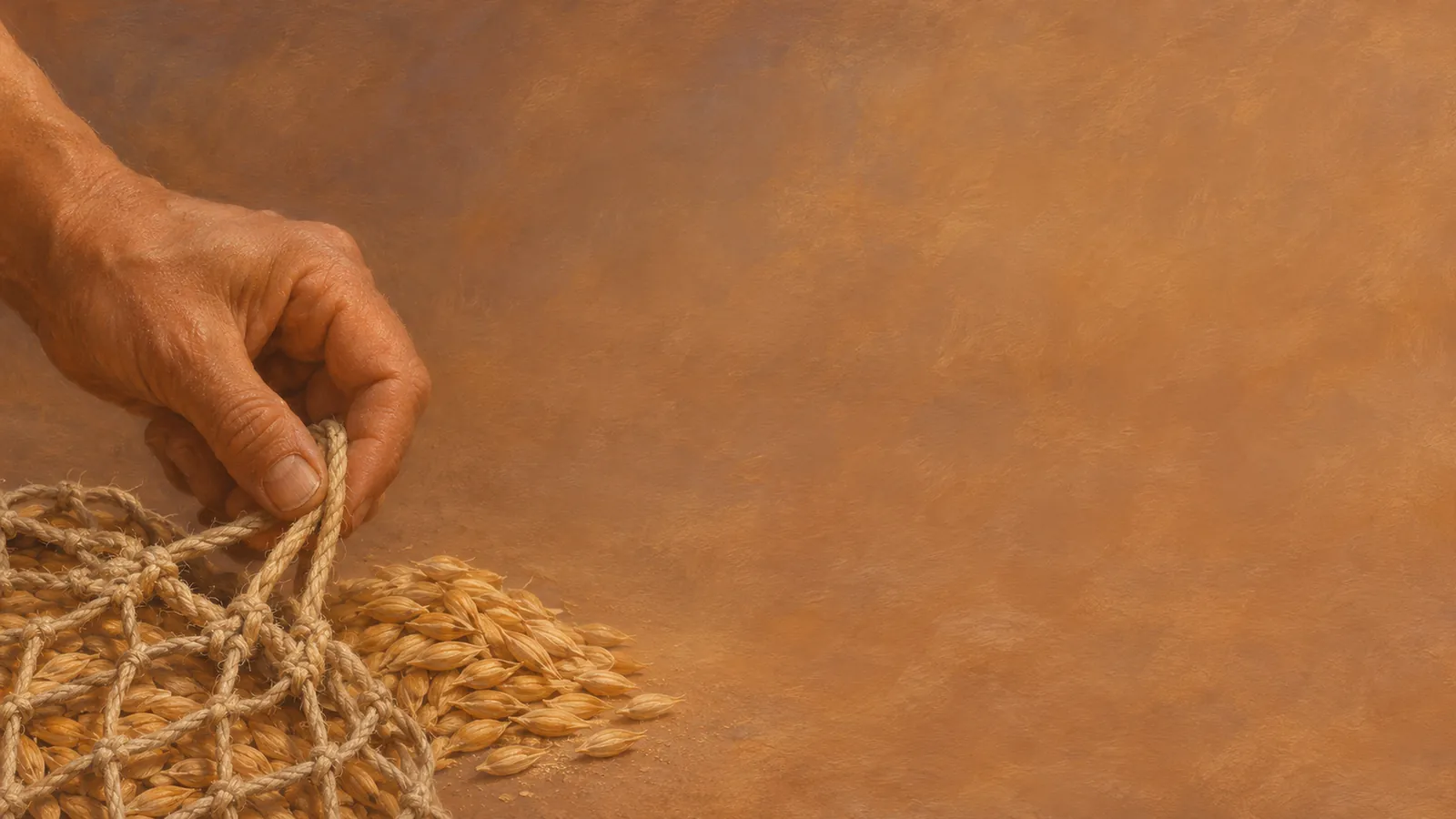
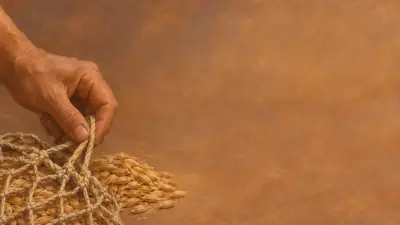
Er zog die Maschen der Tragenetze enger. Beim Abmessen der Gerste gab er für die Heuschrecken etwas hinzu.
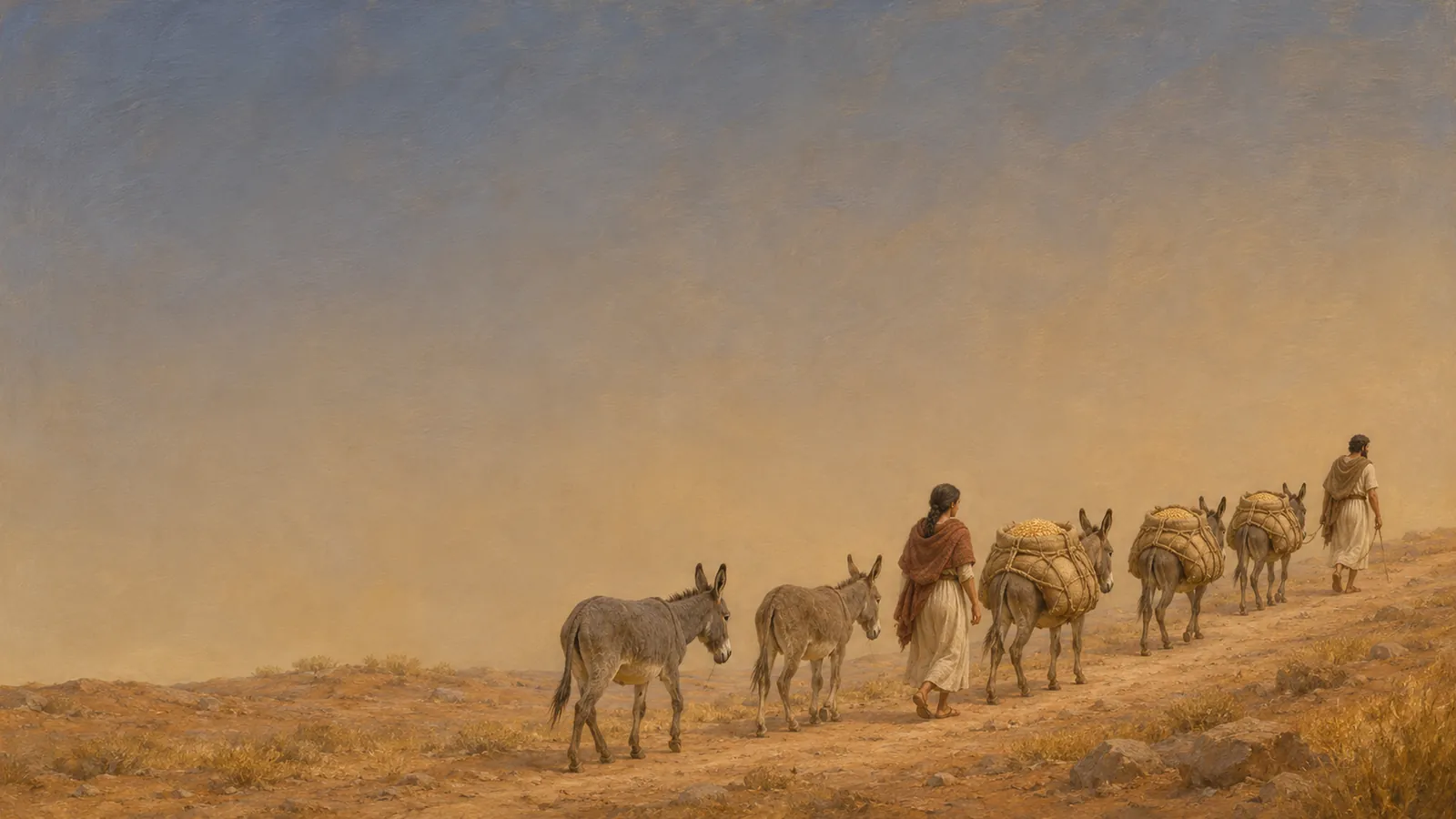
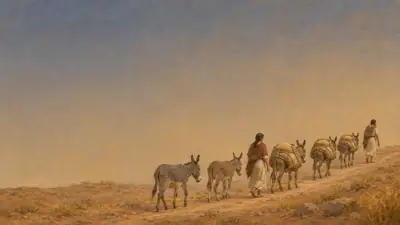
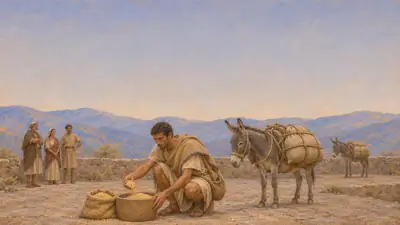
Die Gerste kam auf Packesel, neben denen Ersatztiere liefen. Enmerkar schickte sie nach Aratta, und die Menschen strömten wie Ameisen hinaus.
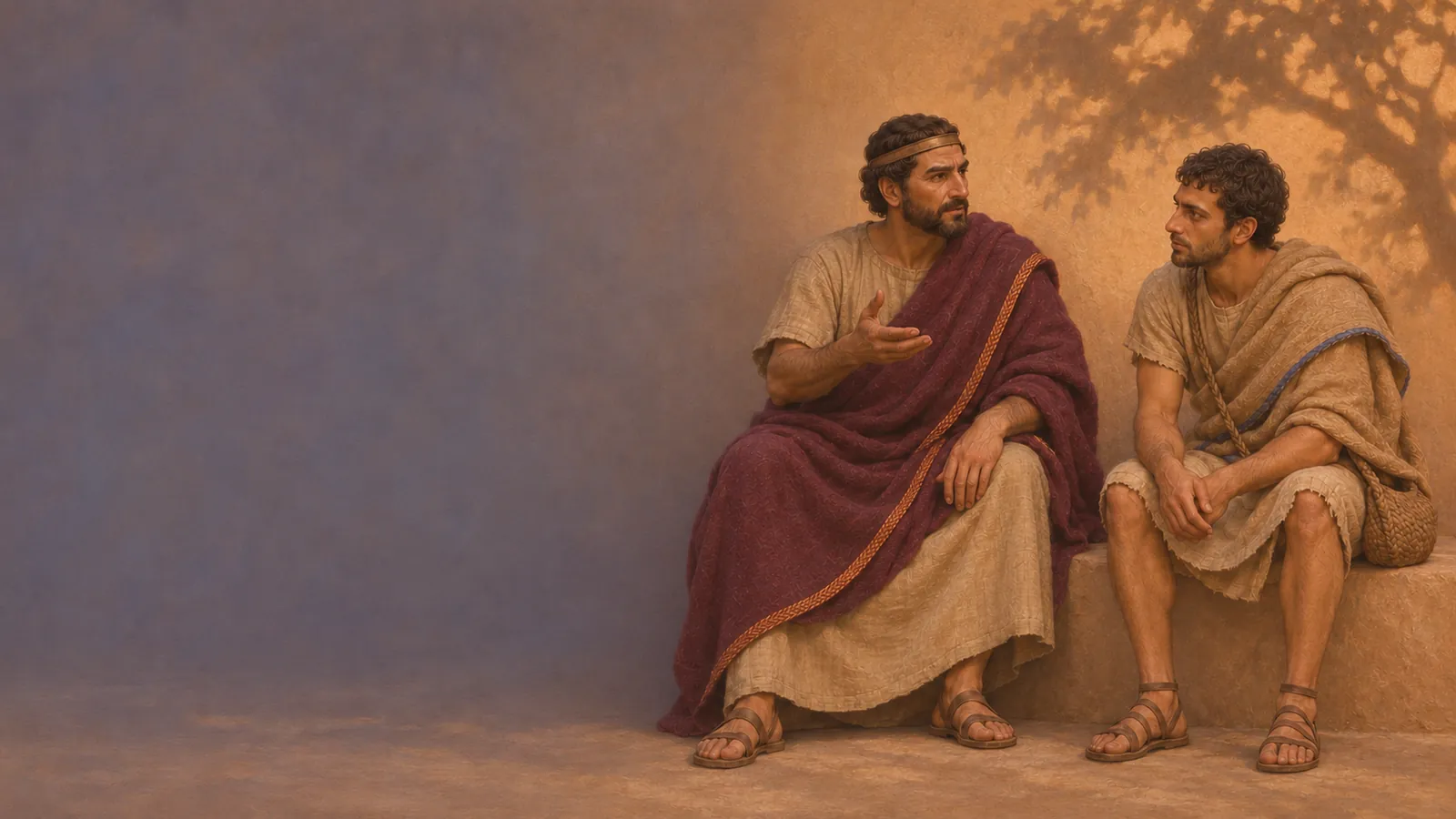
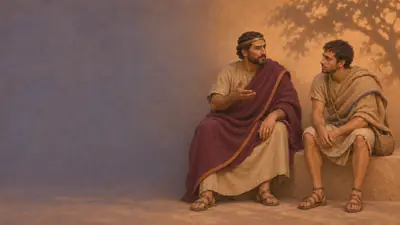
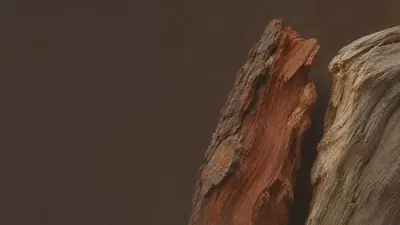
Enmerkar gab dem Boten eine weitere Botschaft mit. Er verglich sein Zepter mit einem ausladenden Baum, dessen Schatten Kulaba schützte und Inanna in E-ana erreichte.
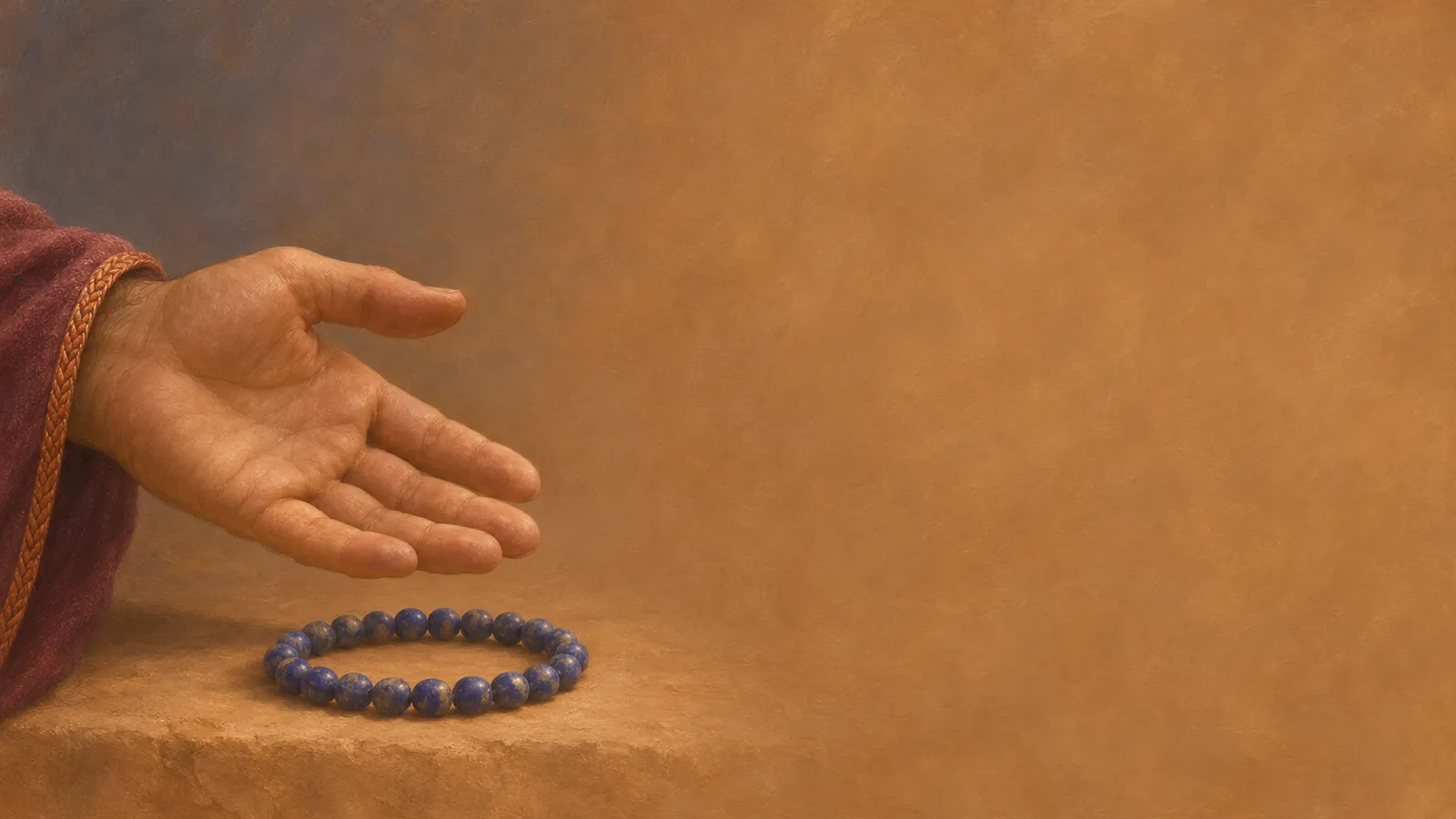
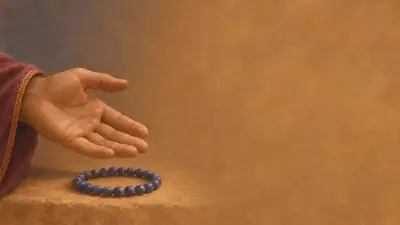
Der Herr von Aratta soll einen Splitter davon abbrechen, sagte Enmerkar. Er soll ihn so sorgsam halten wie eine Kette aus Lapislazuli und ihn mir bringen.
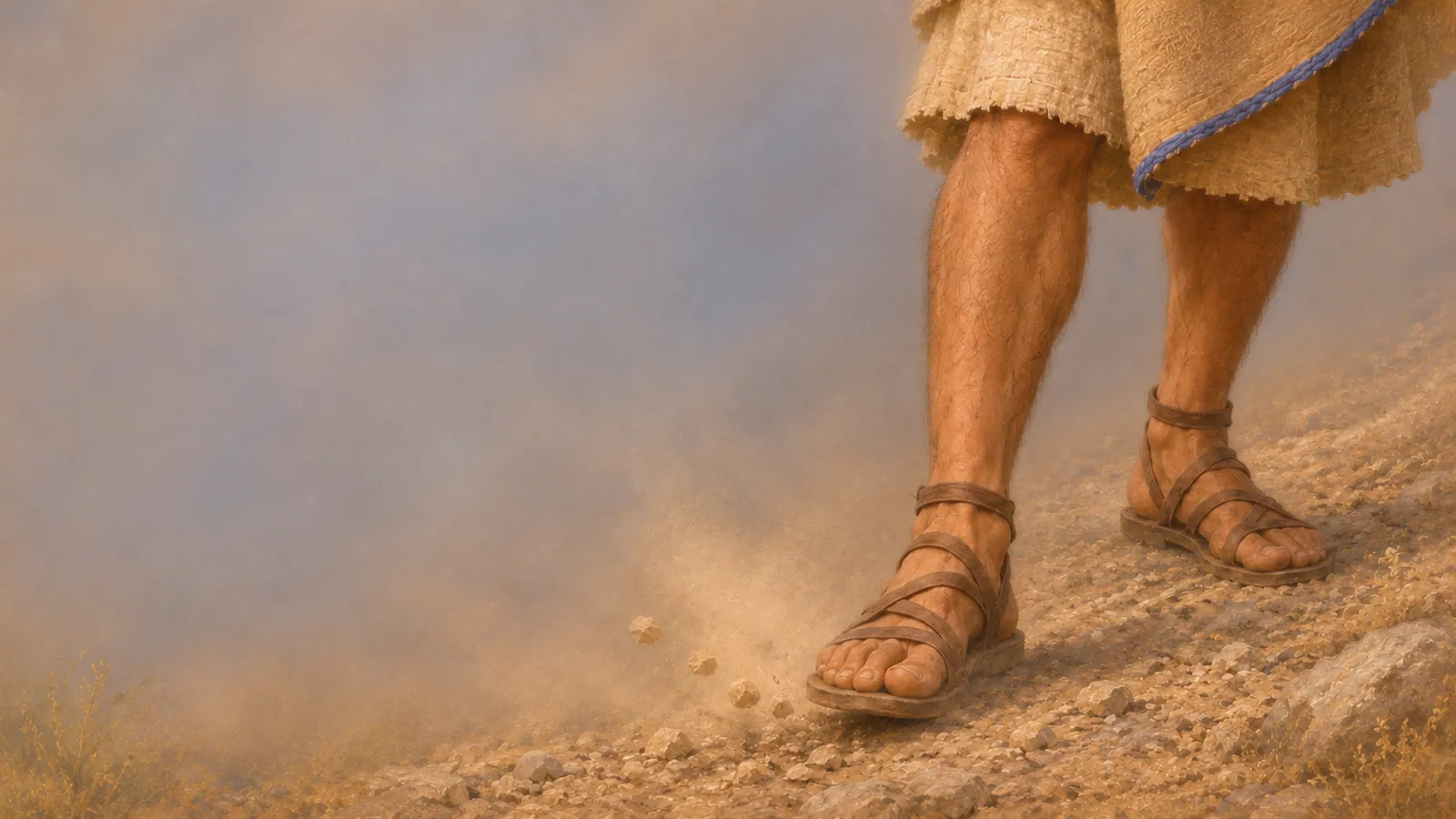
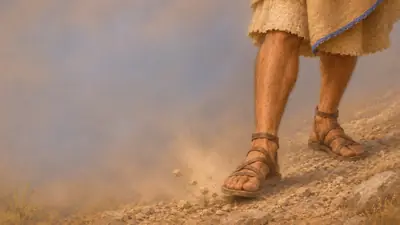
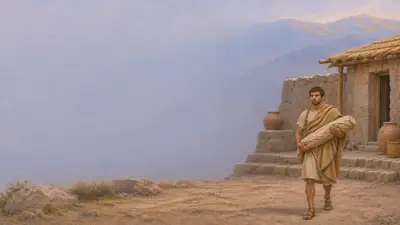
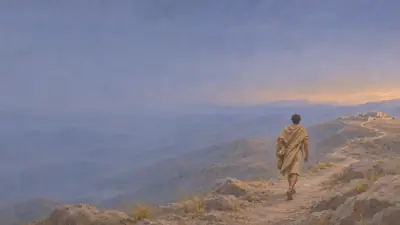
Der Bote nahm den Weg nach Aratta. Seine Füße wirbelten Staub auf und ließen kleine Steine über die Hänge klappern.
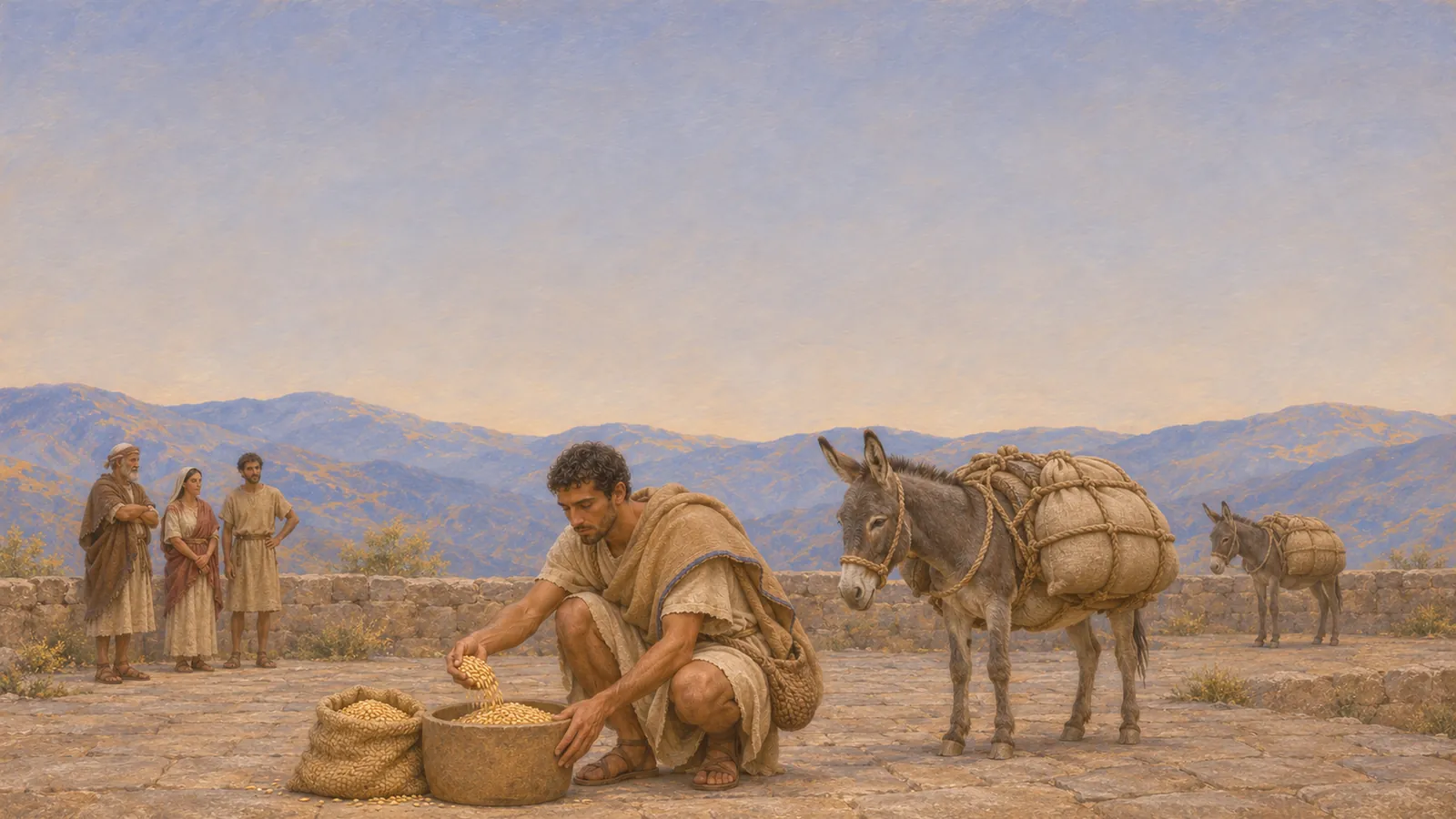
Die Menschen kamen herbei, um die beladenen Esel zu sehen. In Arattas Hof maß der Bote die Gerste für den Speicher ab und gab für die Heuschrecken etwas hinzu.
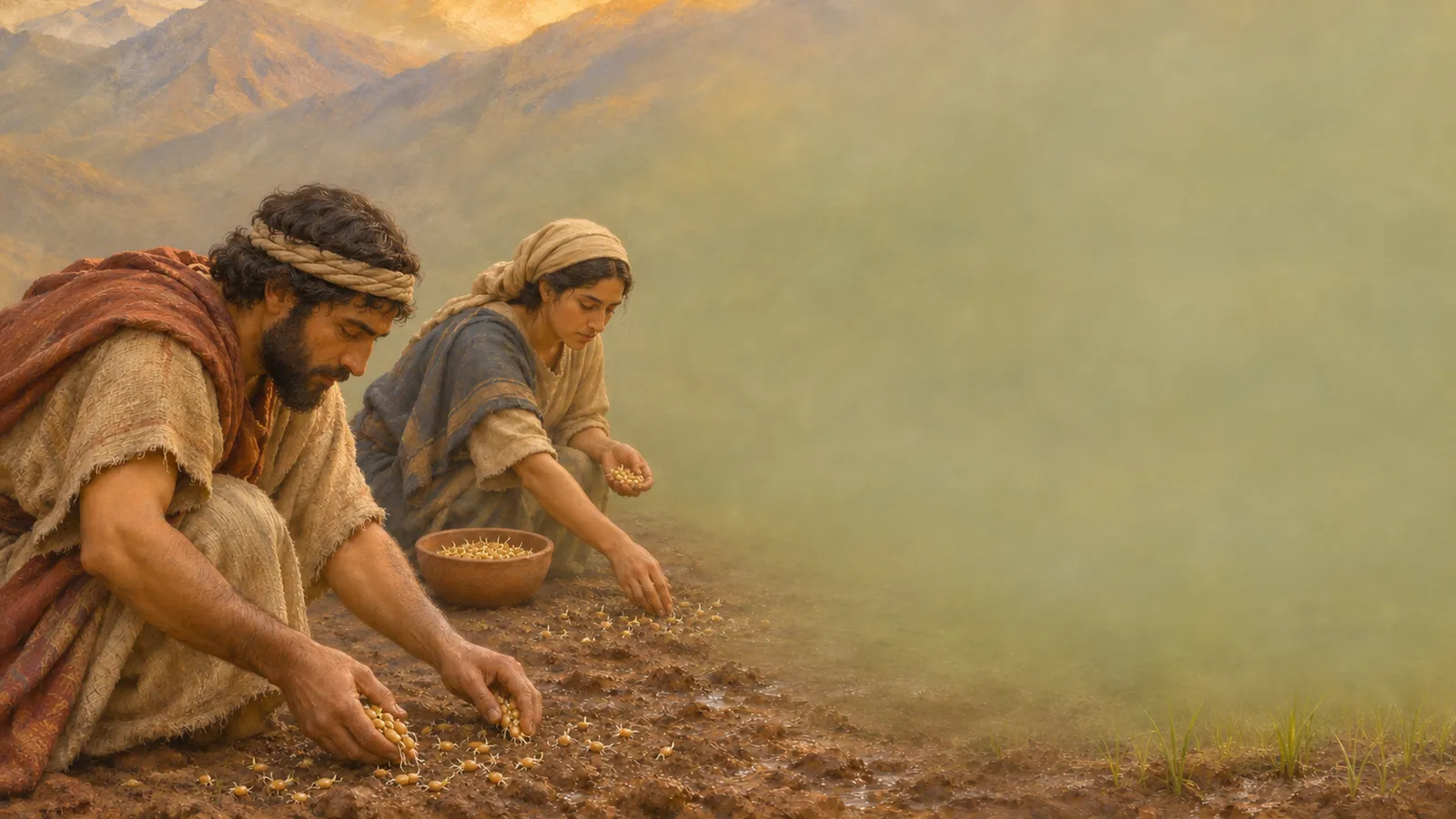
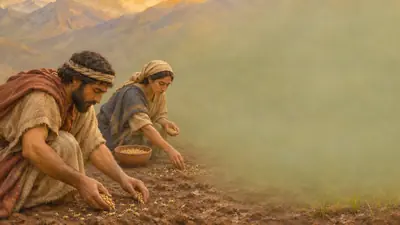
Die Nahrung kam nach Aratta, willkommen wie Regen und Sonnenschein. Der Hunger ließ nach, und die Menschen verteilten eingeweichtes Grünmalz auf ihren Feldern.
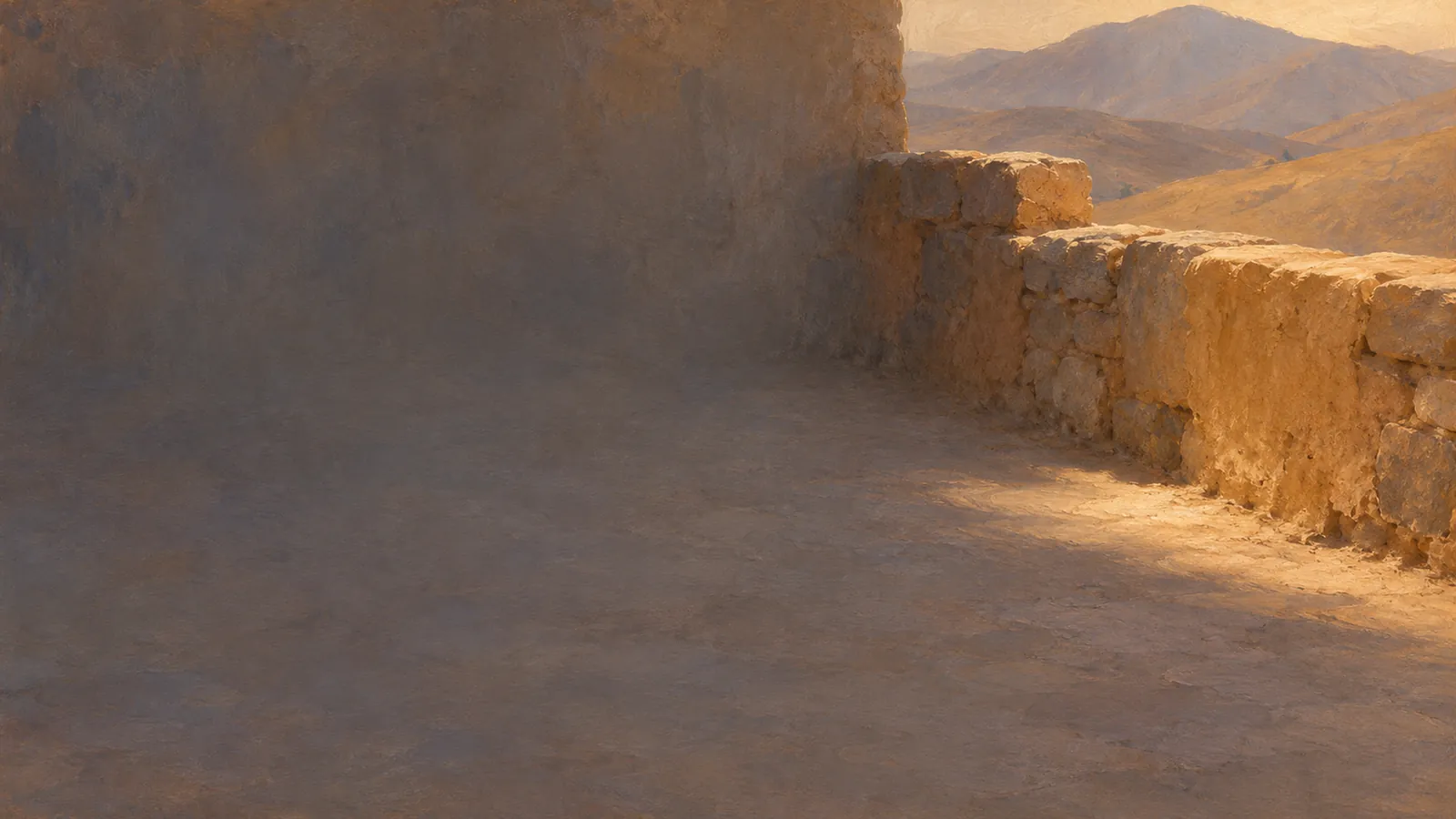
Bei den Kurieren und Beamten bricht der Wortlaut ab. Die Menschen von Aratta werden noch genannt, doch vom Austausch bleiben nur Bruchstücke.
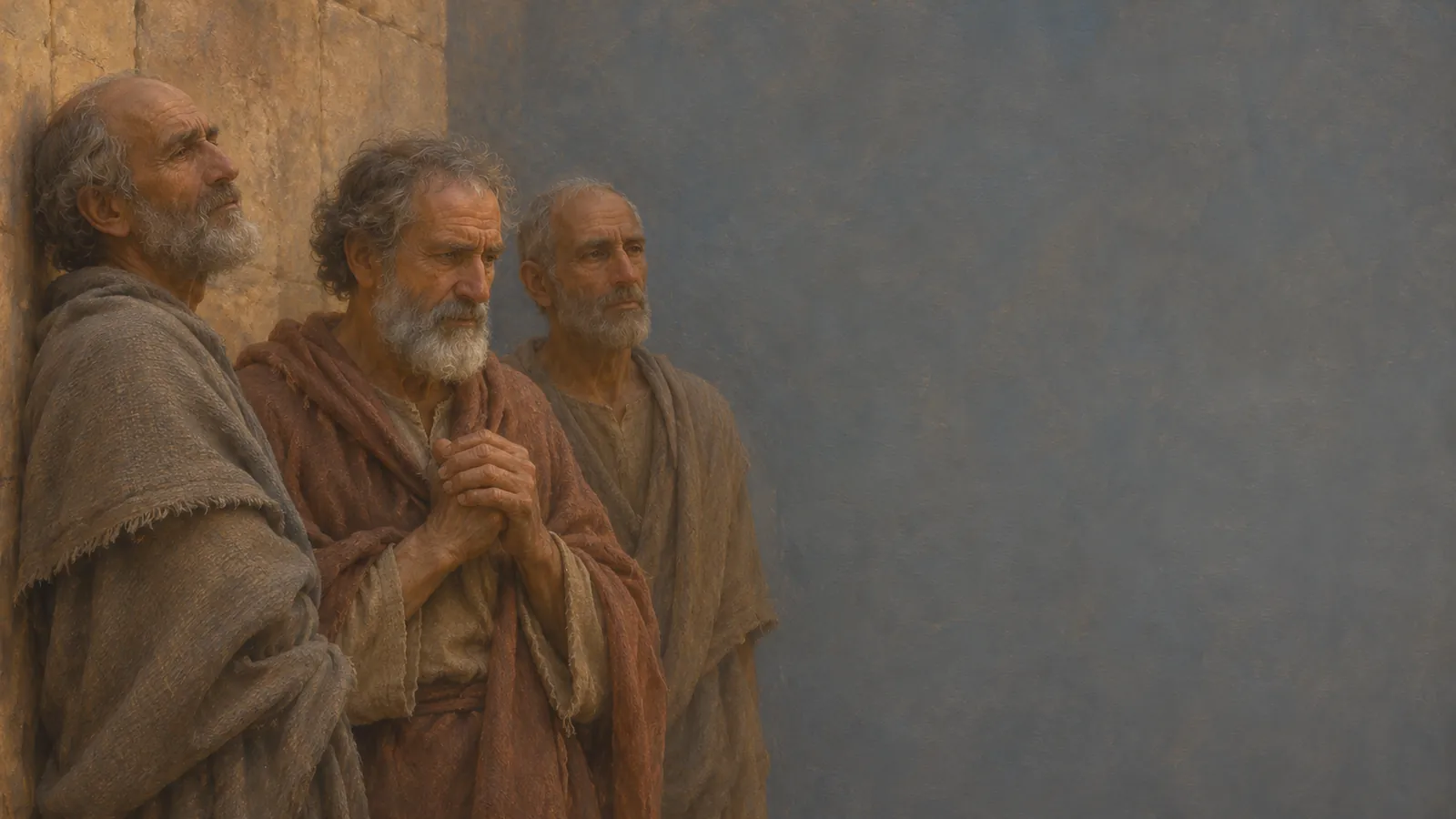
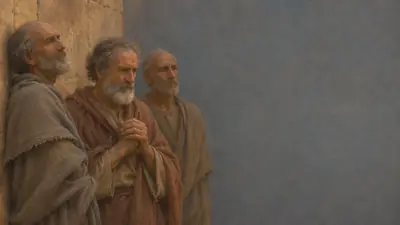
Eine Stimme in der lückenhaften Stelle fragt, ob sich die Hungernden vor Kulaba beugen sollen. Die Ältesten lehnen an der Mauer und ringen die Hände.
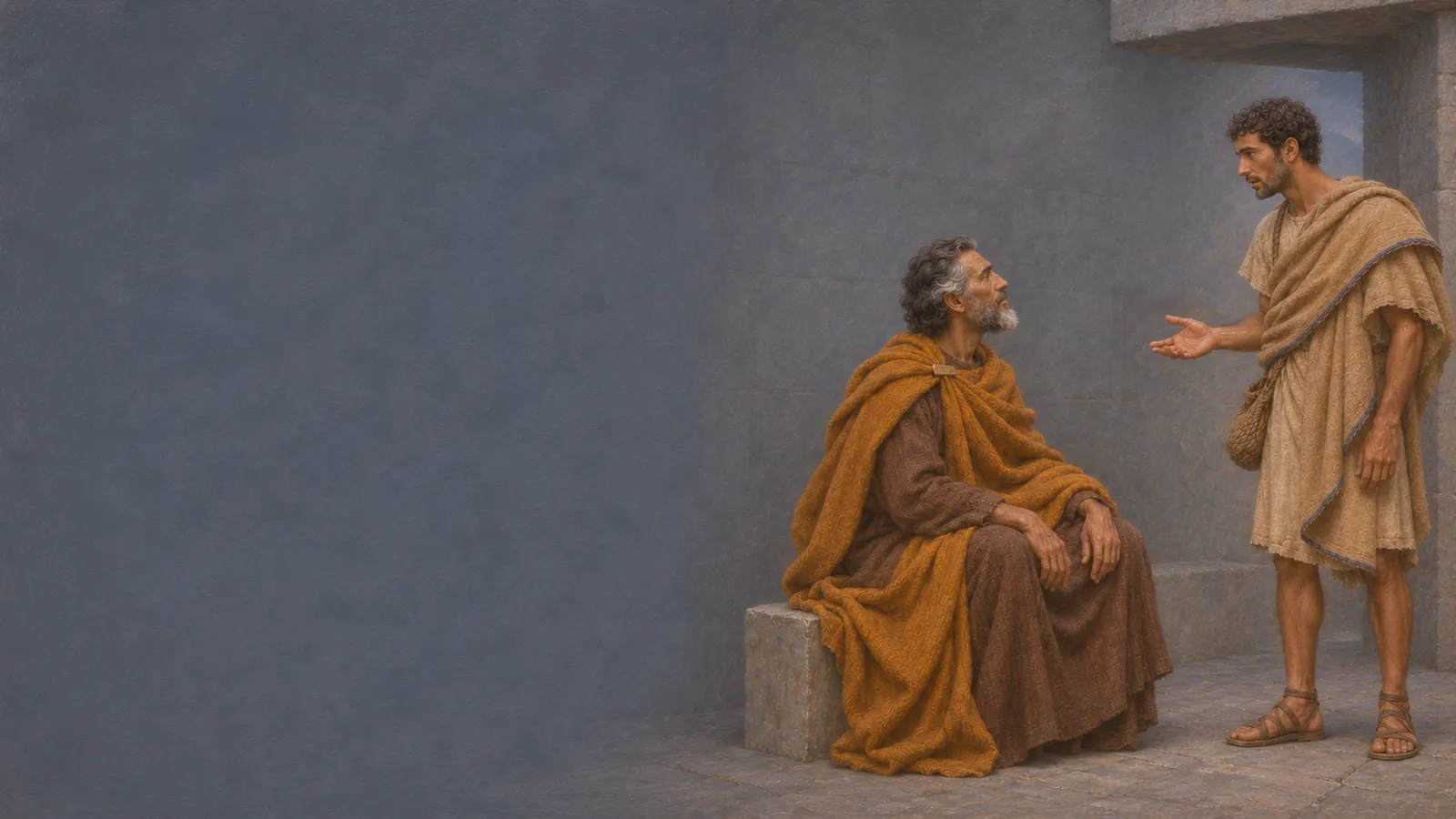
Der Bote nannte Enmerkar, den Sohn Utus, und wiederholte seine Worte über das Zepter. Der Herr von Aratta sollte einen Splitter davon bringen.
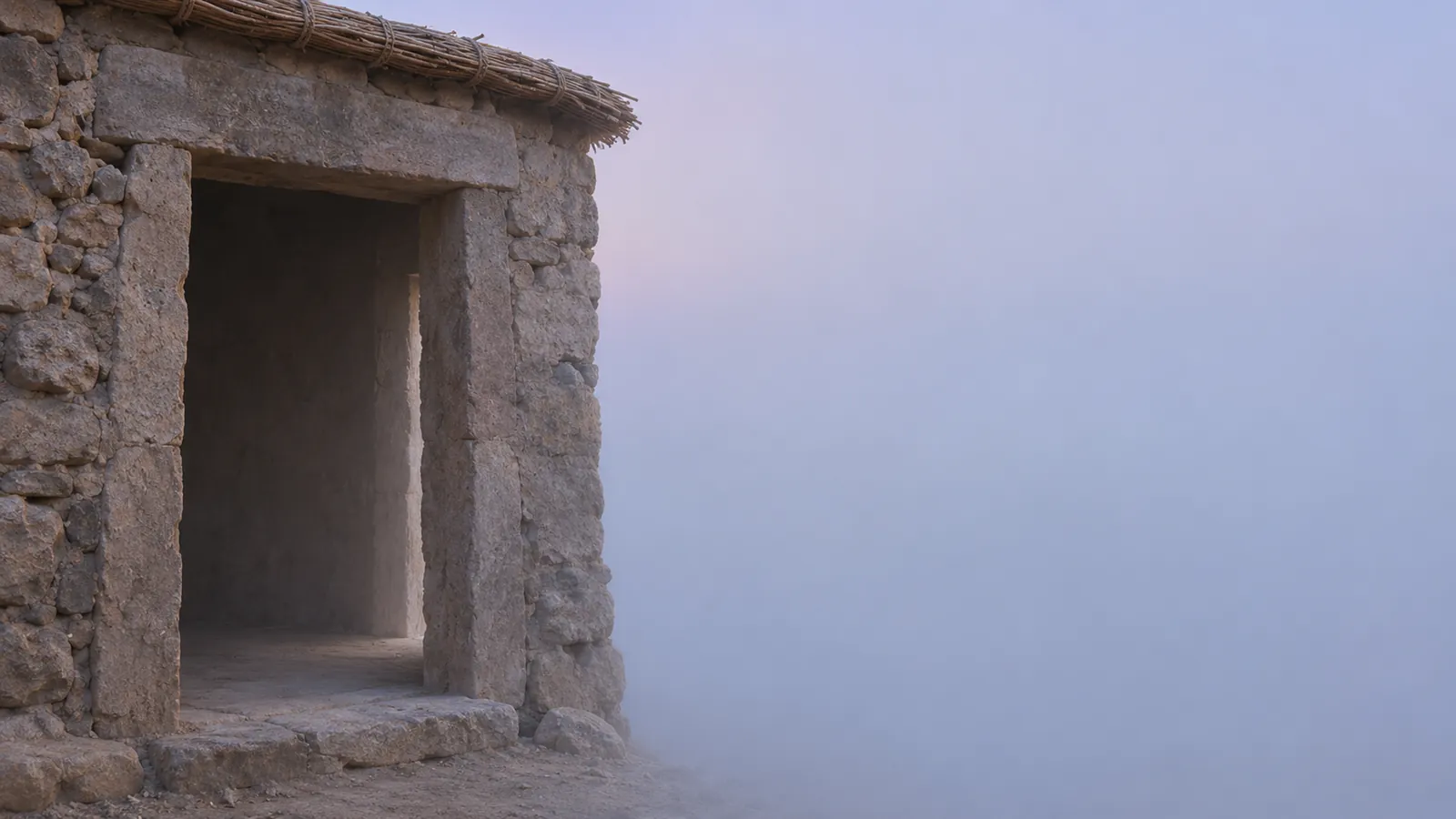
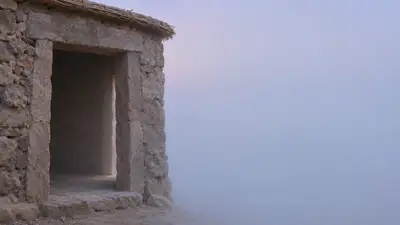
Der lückenhafte Bericht erzählt, wie jemand das Heiligtum betrat und sich zum Fasten niederlegte. Der Tag brach an, bevor ihre Worte wieder zu hören sind.
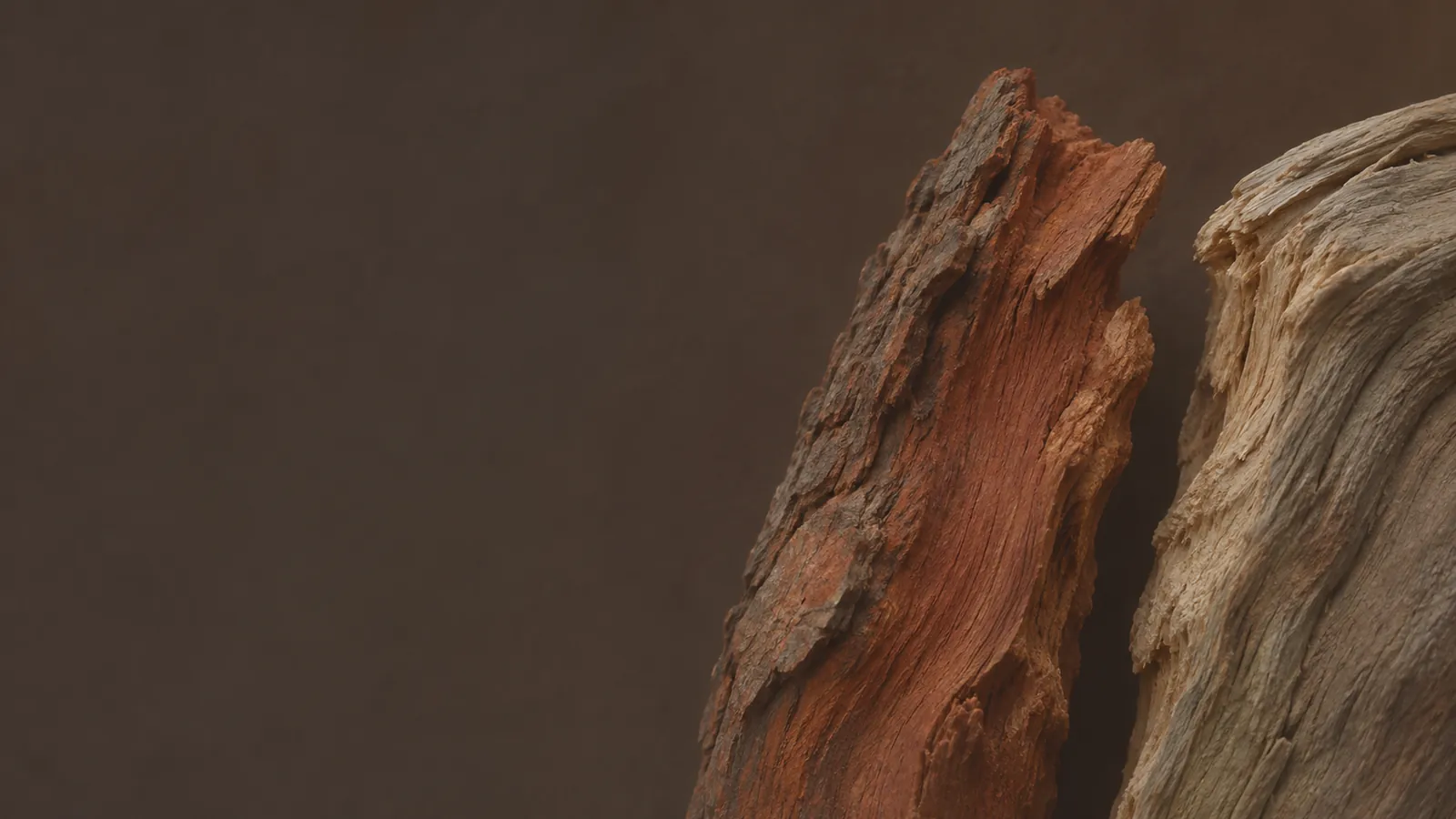
Der Herr antwortete Enmerkar mit einer Herausforderung. Er solle ein Zepter bringen, das weder aus Zeder, Zypresse, Palme noch aus einem der anderen genannten Hölzer besteht.

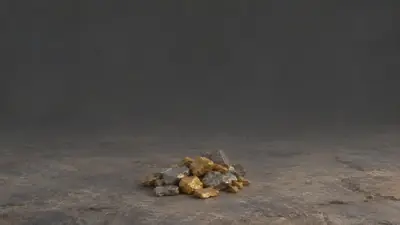
Der Herr schloss auch Gold, Silber, Kupfer und Edelsteine aus. Von dem, was übrig blieb, sollte Enmerkar ihm einen Splitter schicken.
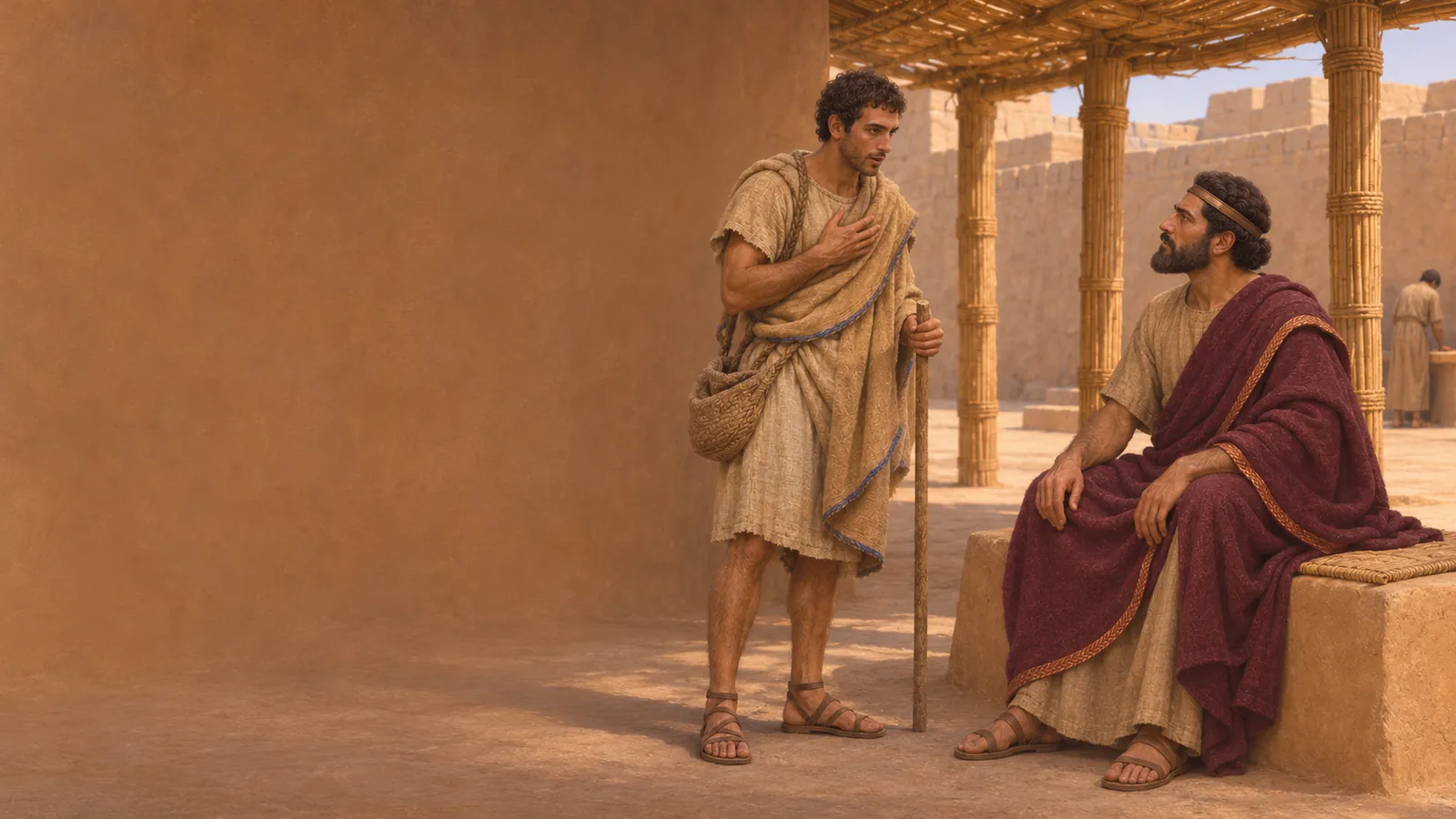
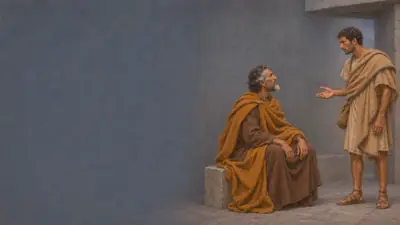
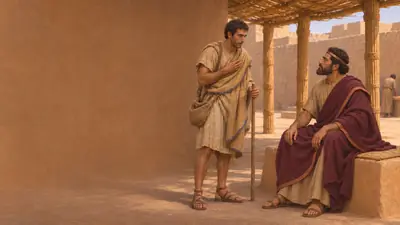
Der Bote eilte nach Kulaba zurück und wiederholte die Herausforderung Wort für Wort. Enki verlieh Enmerkar Weisheit, und der König wies seinen Verwalter an.
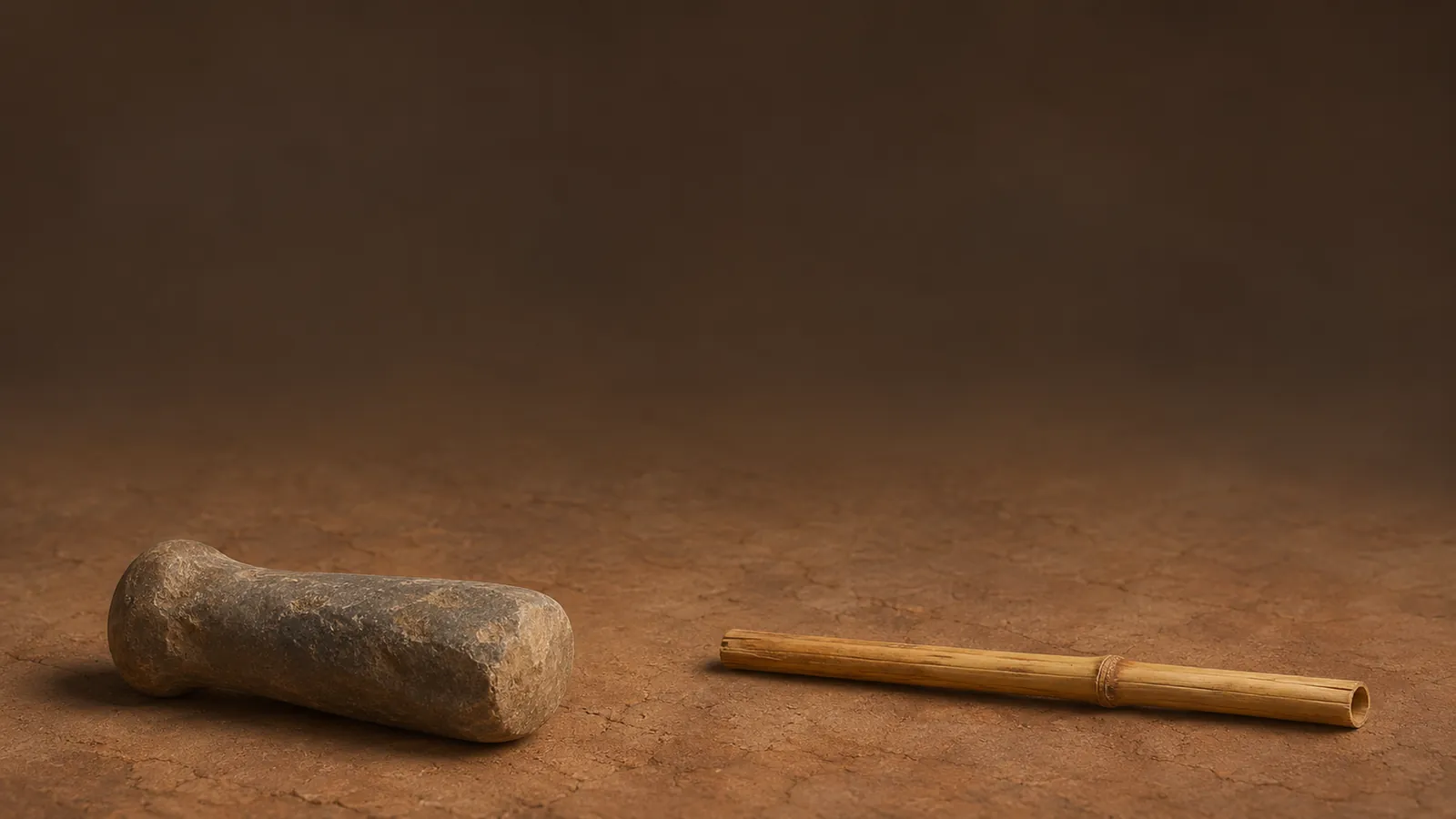
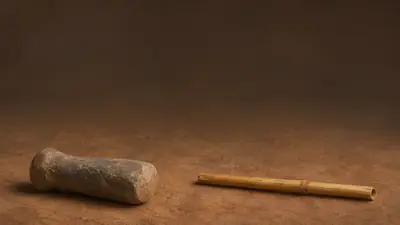
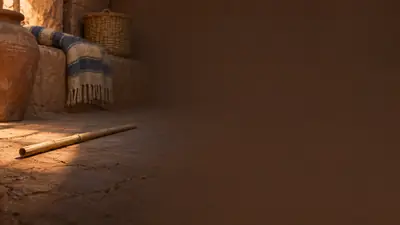
Der Bericht über seine Arbeit ist nur in Teilen erhalten. Ein Stößel, ein Schilfrohr und etwas, das wie Öl gegossen wird, sind noch zu erkennen.
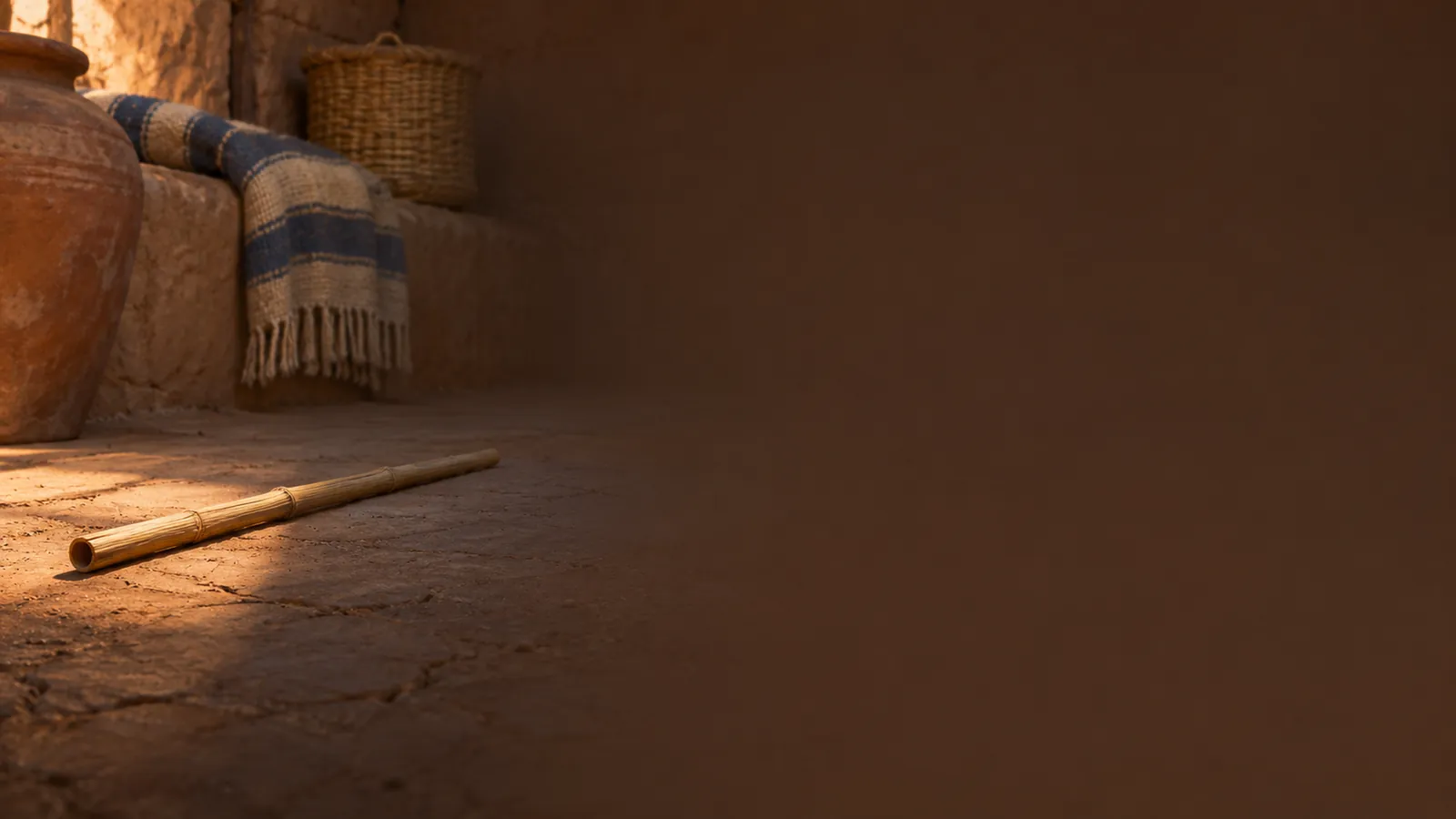
Das Schilfrohr kam aus dem Sonnenlicht in den Schatten und wieder zurück. Das Gedicht zählt fünf Jahre, dann zehn, bevor es erzählt, wie das Rohr gespalten wurde.
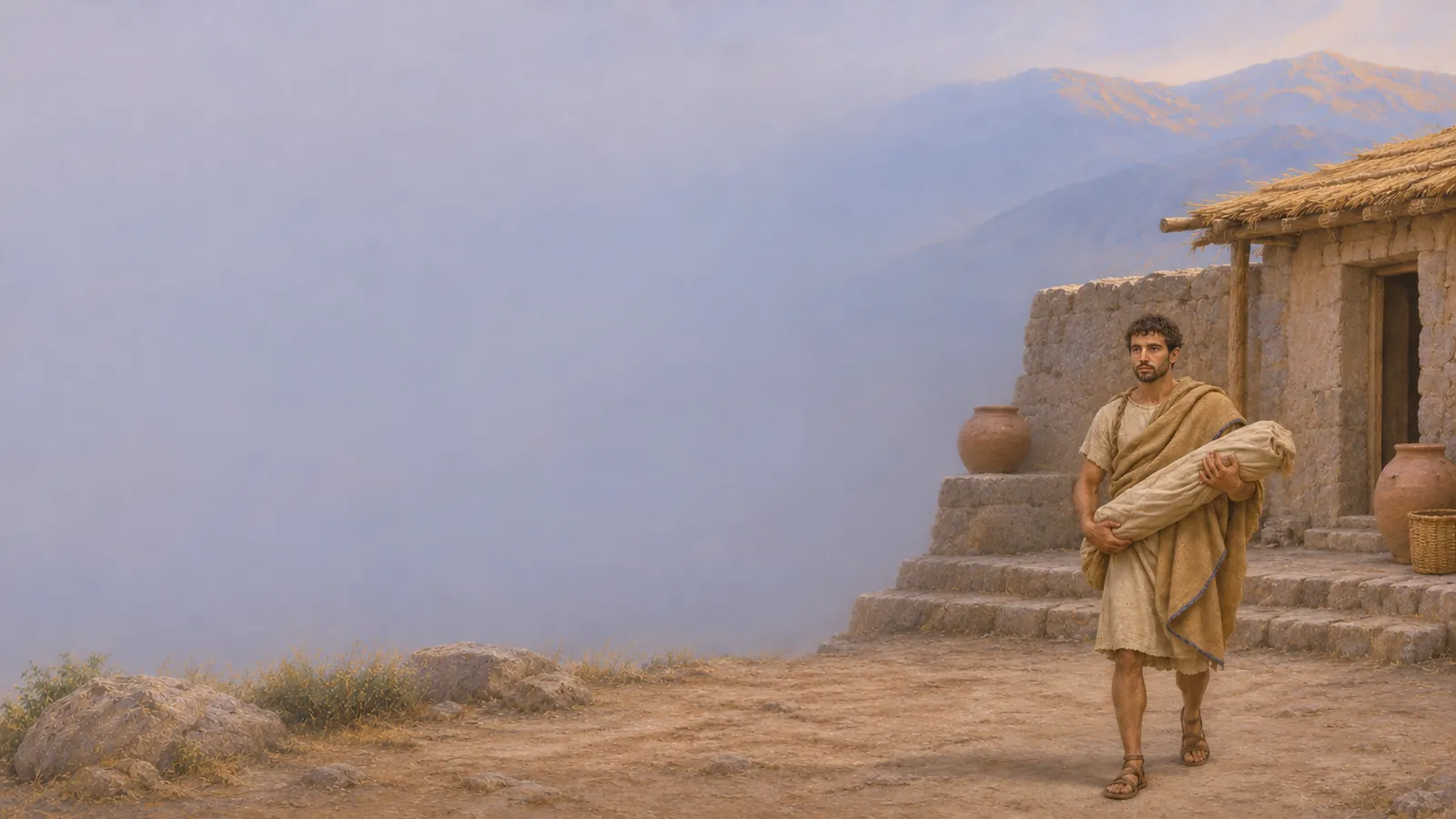
Enmerkar legte das Zepter in die Hände des Boten. Der Mann eilte durch die Berge und trat erneut in den Hof von Aratta.
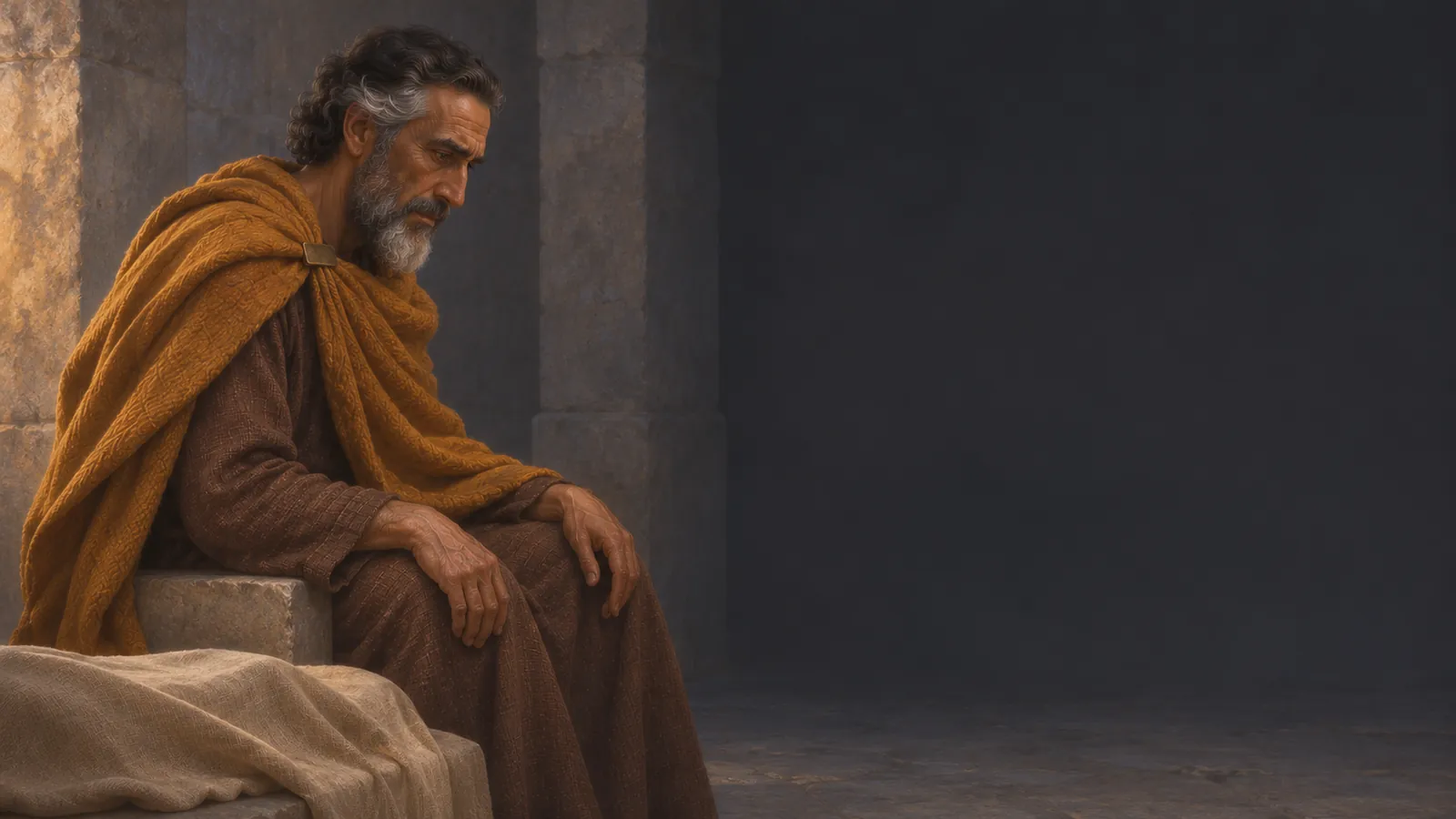
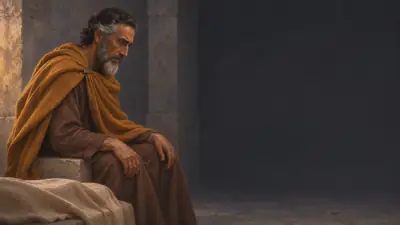
Der Herr betrachtete das Zepter in seinem Heiligtum. Er fürchtete, Inannas Gunst gelte nun Kulaba, und sprach wieder von Hunger und Unterwerfung.
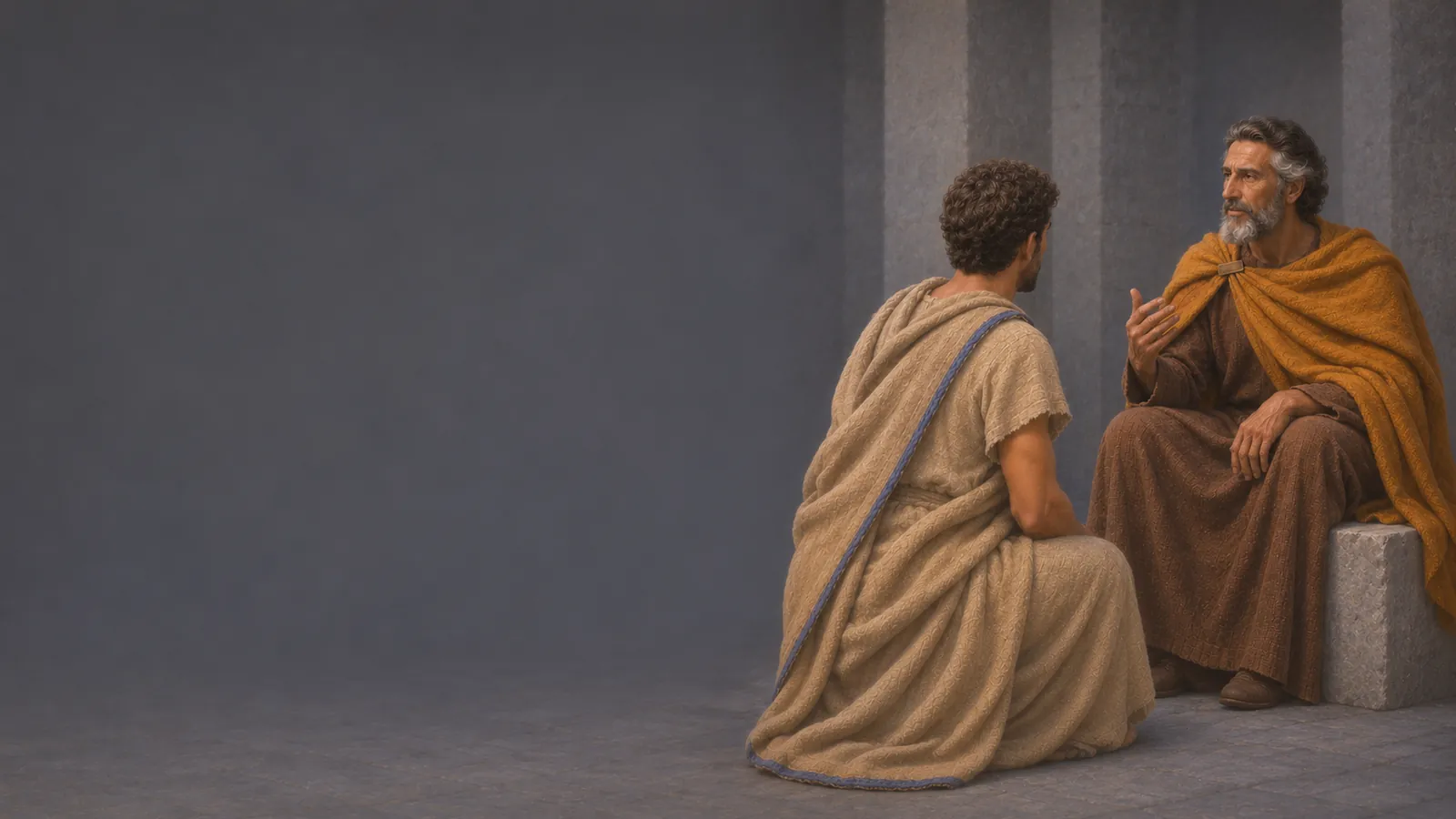
Der Herr von Aratta verlangte einen Kämpfer. Farbe um Farbe schloss er aus und forderte dann, dass die beiden Kämpfer sich messen sollten.
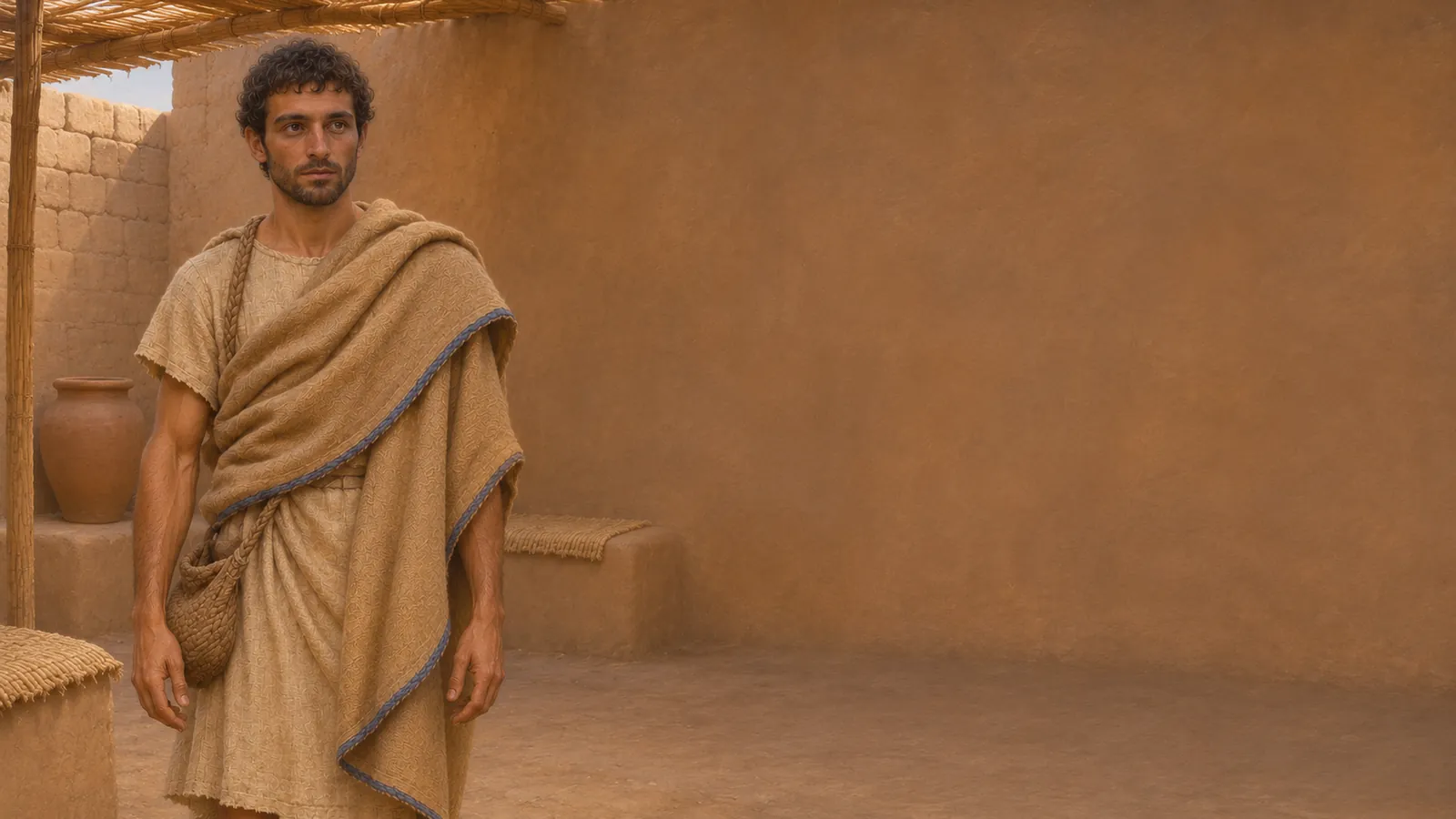
Der Bote brach auf und erreichte das aus Ziegeln erbaute Kulaba. Bei seiner Rückkehr bricht der Text ab, doch eine Stimme erhebt sich wie ein reißender Strom.

Enmerkar sagte, er werde ein Gewand in einer Farbe schicken, die auf der Liste fehle. Er nahm den Wettstreit an und sagte, sein Kämpfer habe Enlils Gunst.
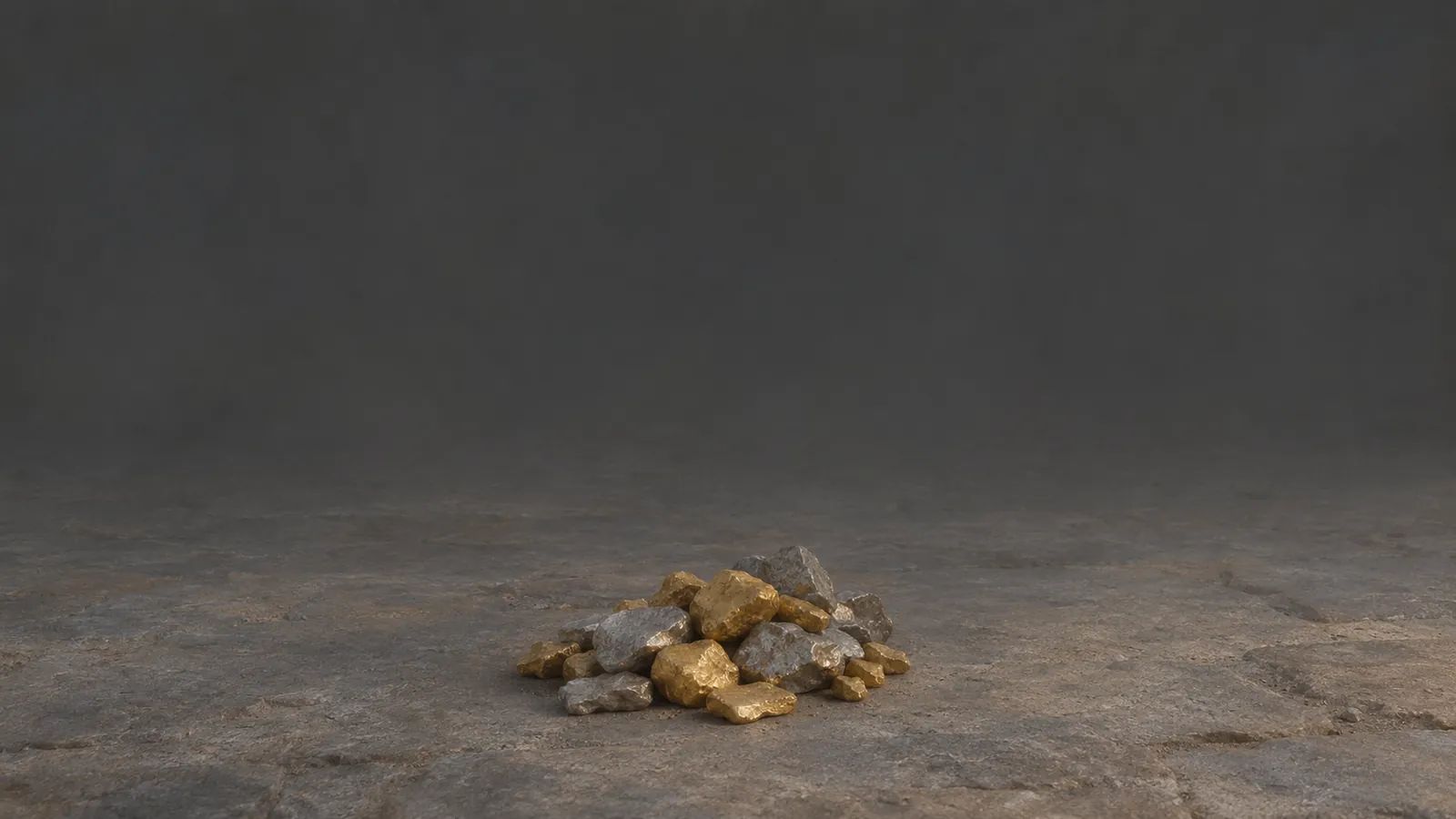
Enmerkar gab dem Boten eine weitere Forderung mit. Sie sollten ihr Gold und Silber in Arattas Hof für Inanna auftürmen.
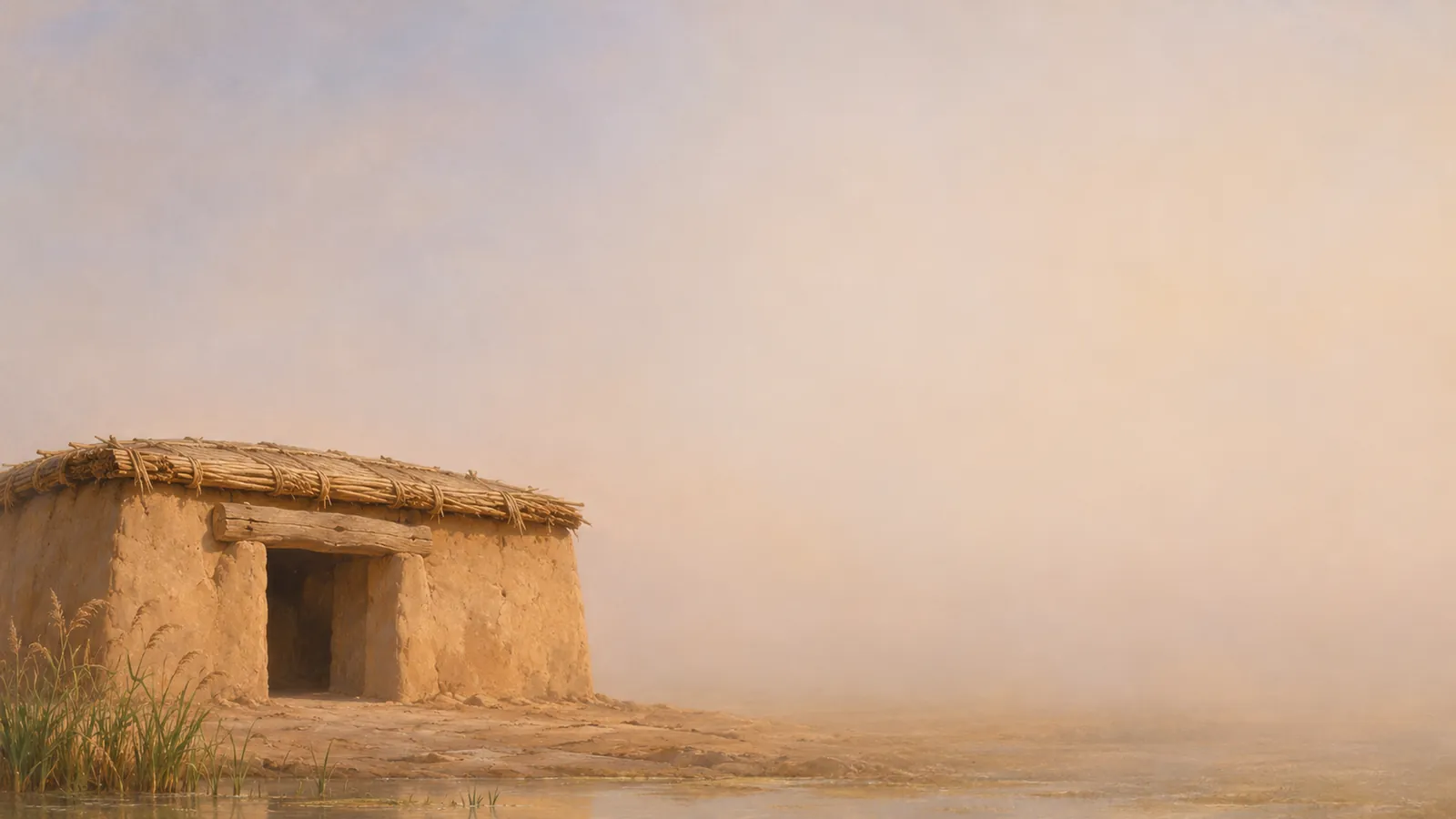
Er forderte Steine aus den Bergen, um das große Heiligtum von Eridu wiederaufzubauen. Die Drohung und einige der folgenden Worte sind nur bruchstückhaft erhalten.
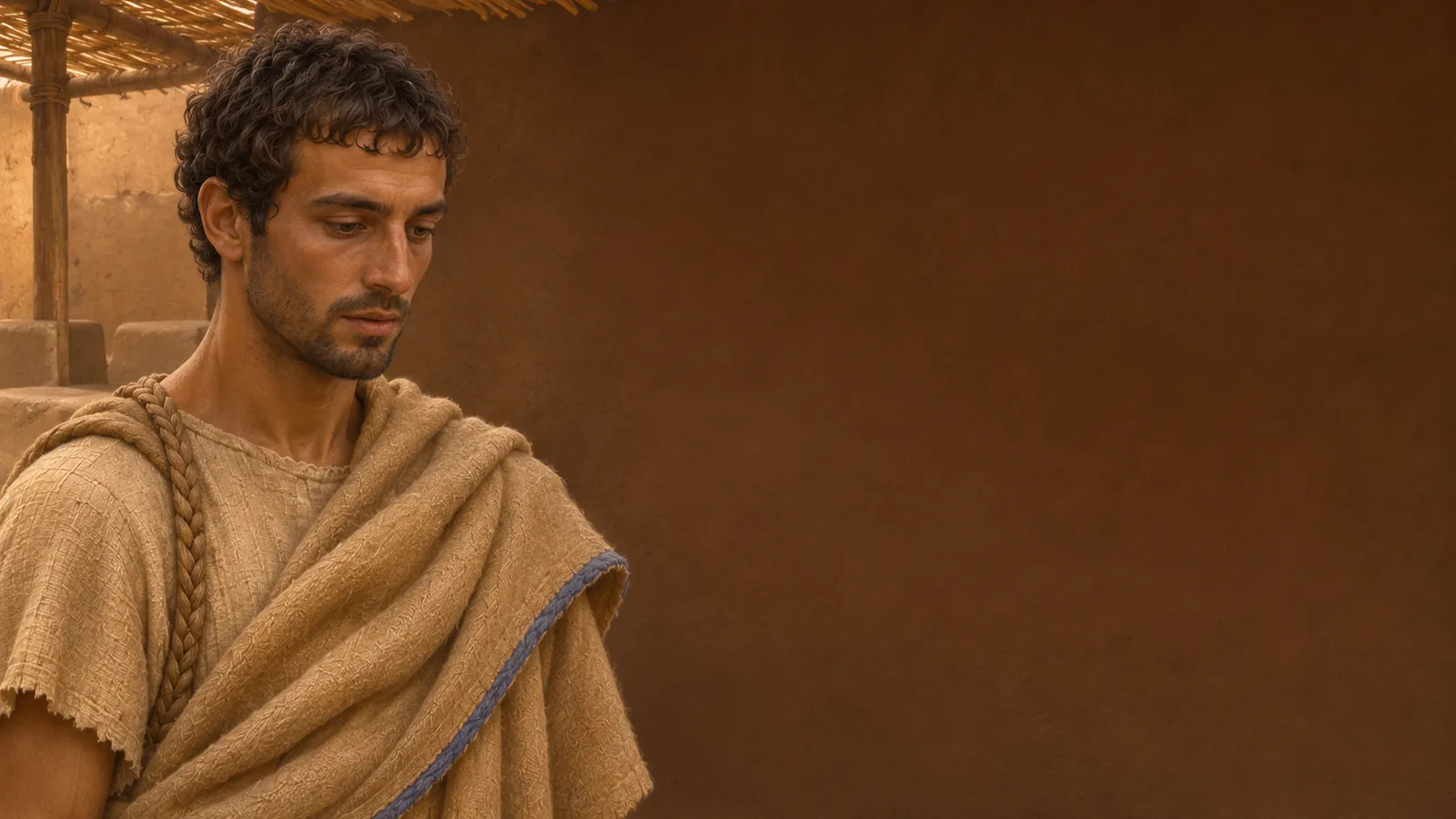
Ein Wort des Königs folgte auf das andere. Die Botschaft war so lang geworden, dass der müde Bote sie nicht mehr wiederholen konnte.
TON
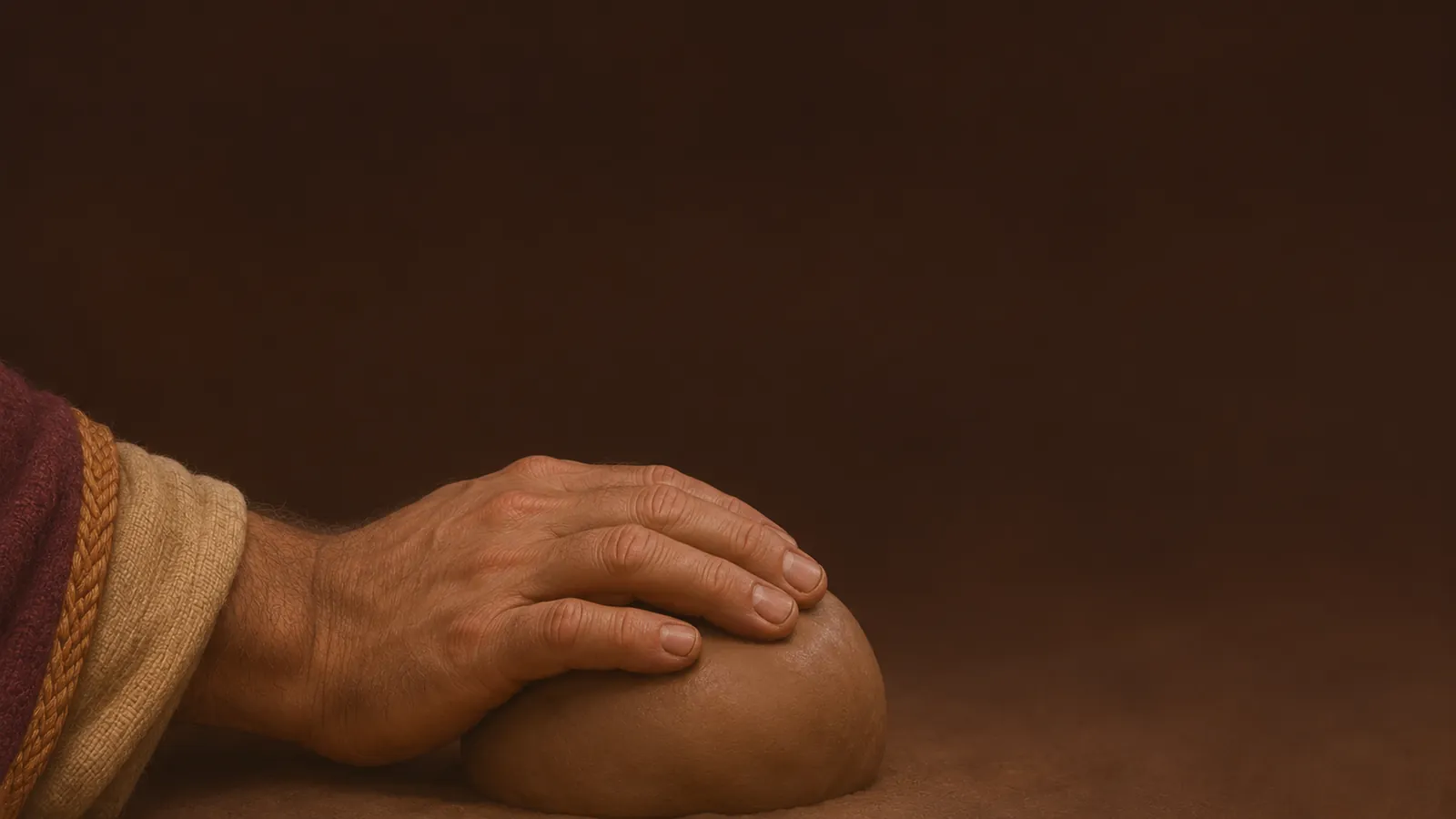
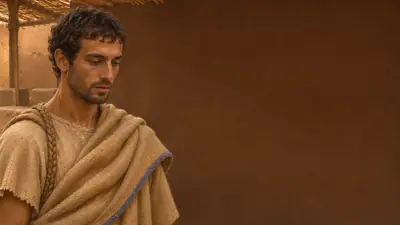
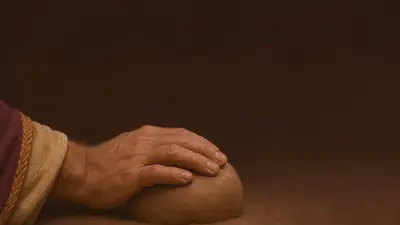
Enmerkar drückte ein Stück Ton zurecht und schrieb die Botschaft hinein. Im Gedicht konnte von jenem Tag an eine Botschaft auf Ton reisen.
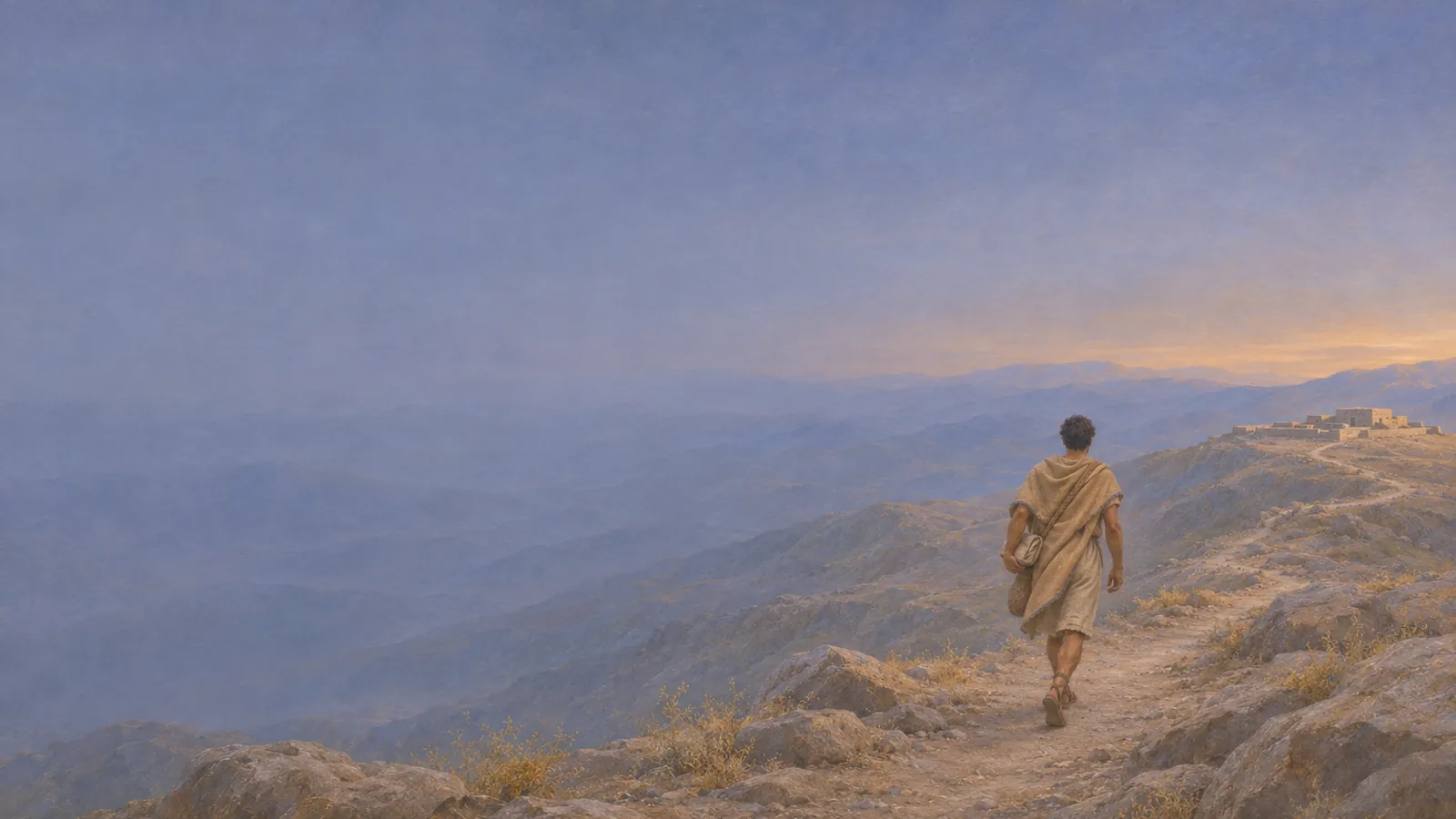
Über fünf Berge, dann sechs, dann sieben, zog der Bote erneut. Er hob den Blick zu Aratta und trat froh in den Hof.
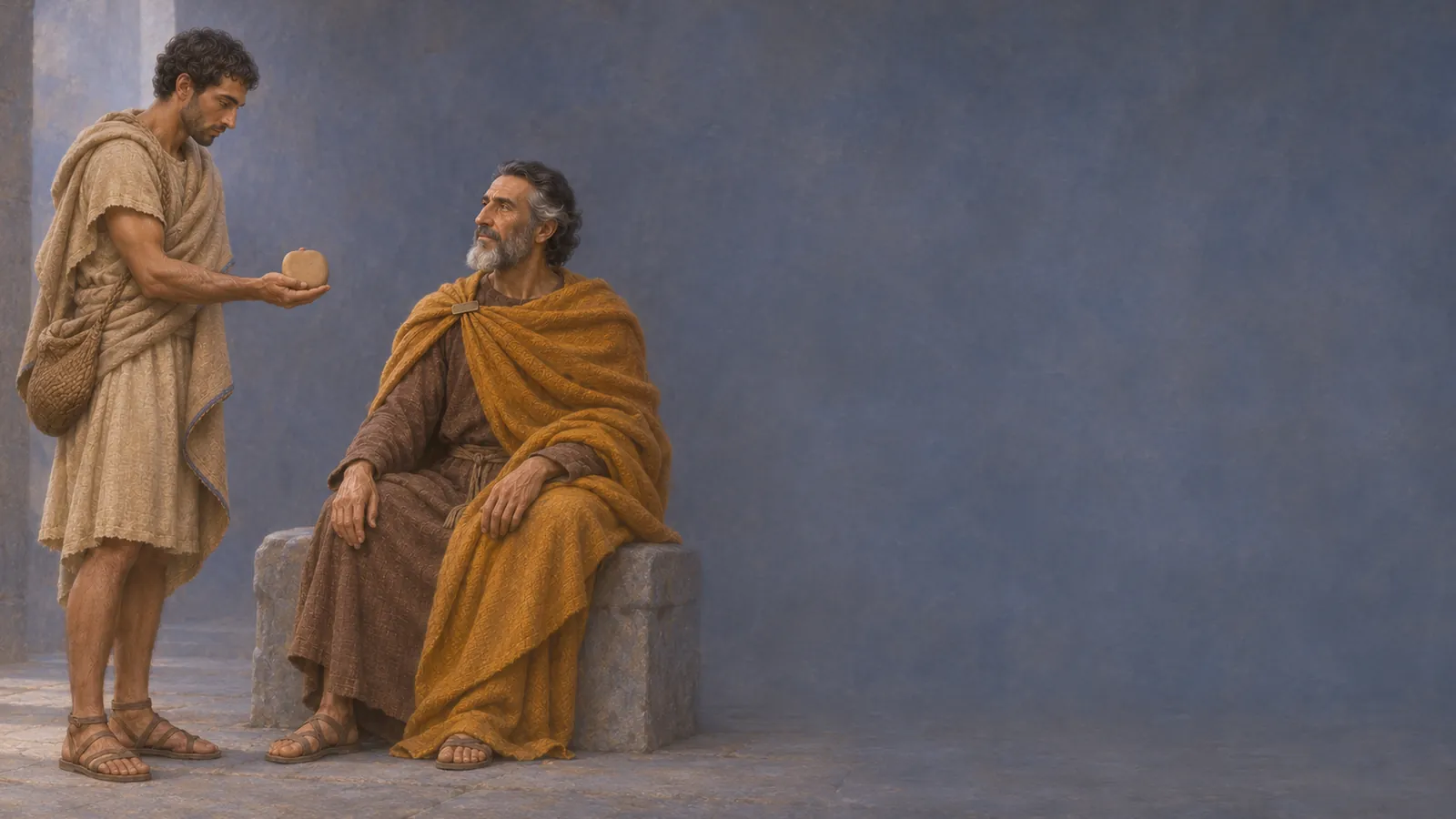
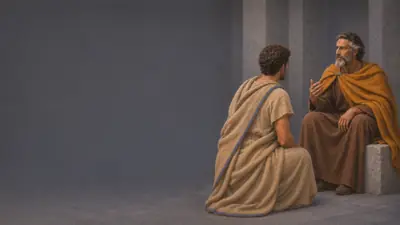
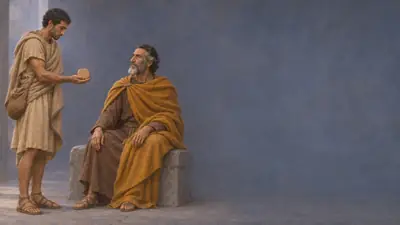
Der Herr fragte erneut, was der Gebieter seines Besuchers gesagt habe. Diesmal sagte ihm der Bote, Enmerkar habe ihm eine Tontafel gegeben.
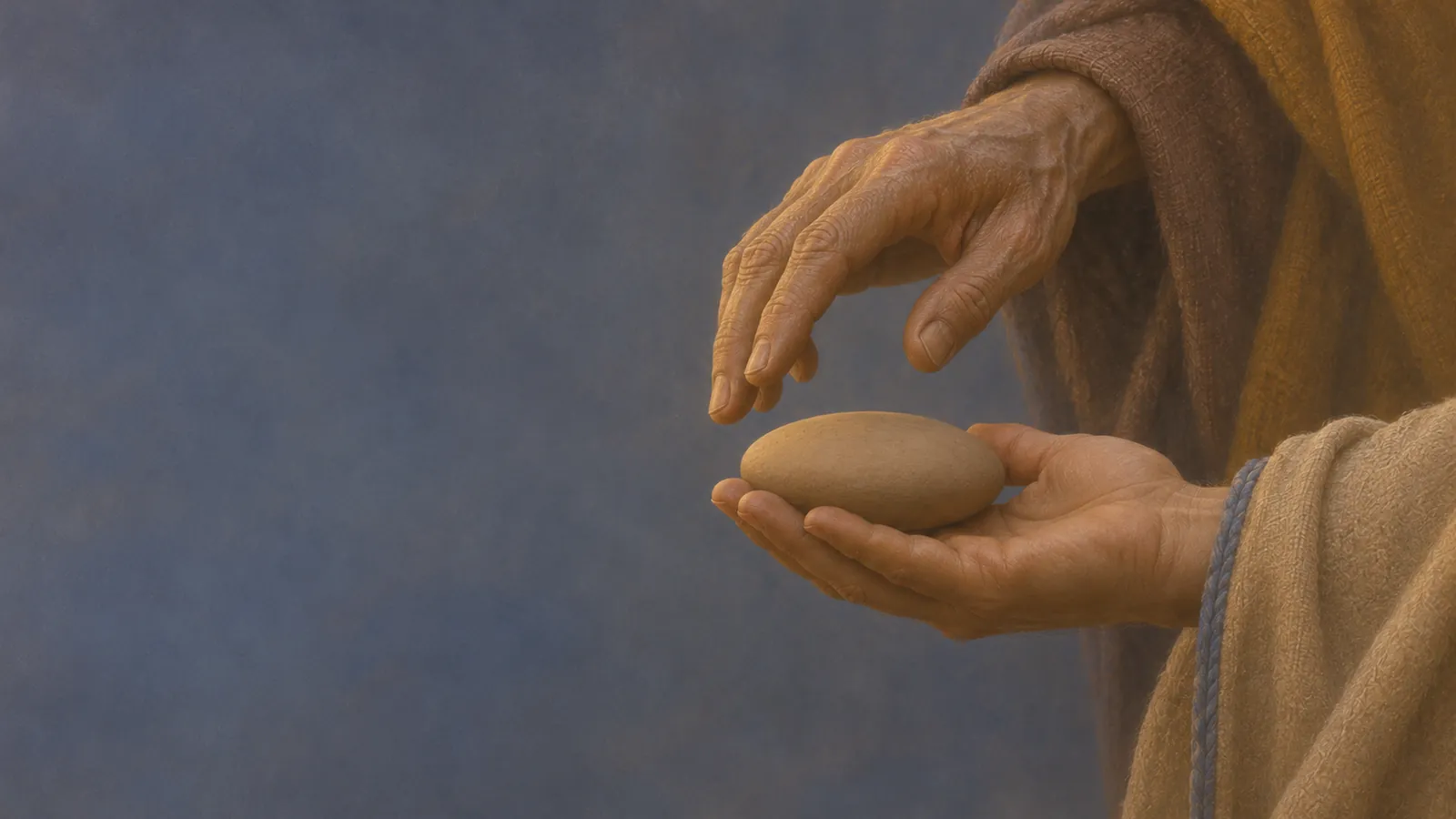
Der Bote bat den Herrn, den Ton zu betrachten und den Inhalt der Botschaft zu erfassen. Dann würde er die Antwort nach E-ana bringen.

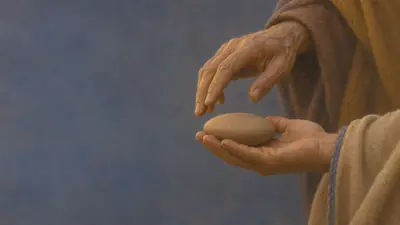
Der Herr von Aratta nahm die gebrannte Tontafel und betrachtete sie. Das Gedicht vergleicht die Botschaft mit Nägeln, und der Herr wurde zornig.
STURM
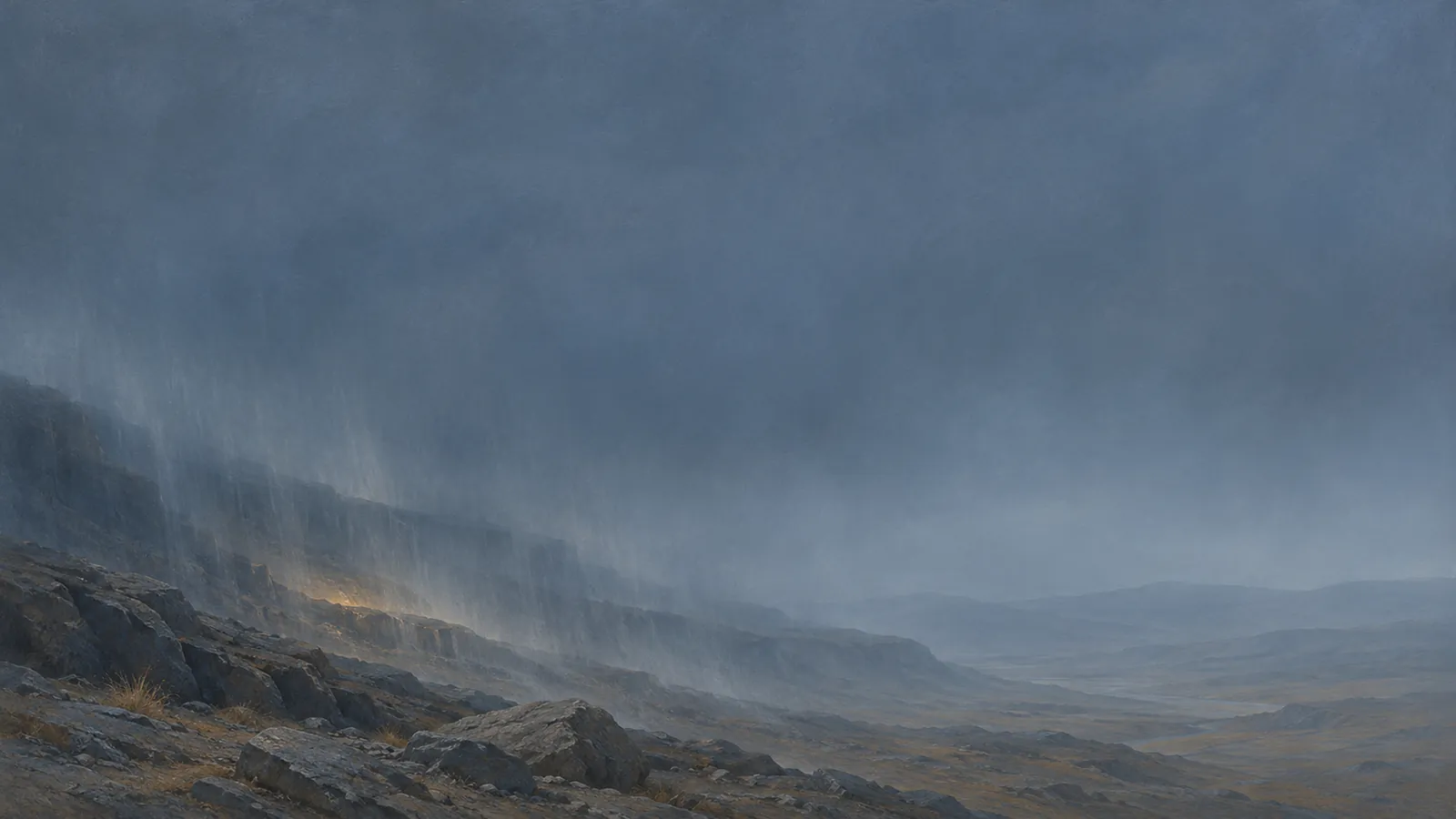
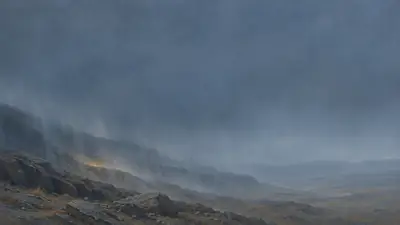
Dann entfesselte Ishkur einen Sturm. Donner rollte durch Himmel und Erde, und die Berge bebten. Noch in den bruchstückhaften Zeilen wirkt der Sturm gewaltig.
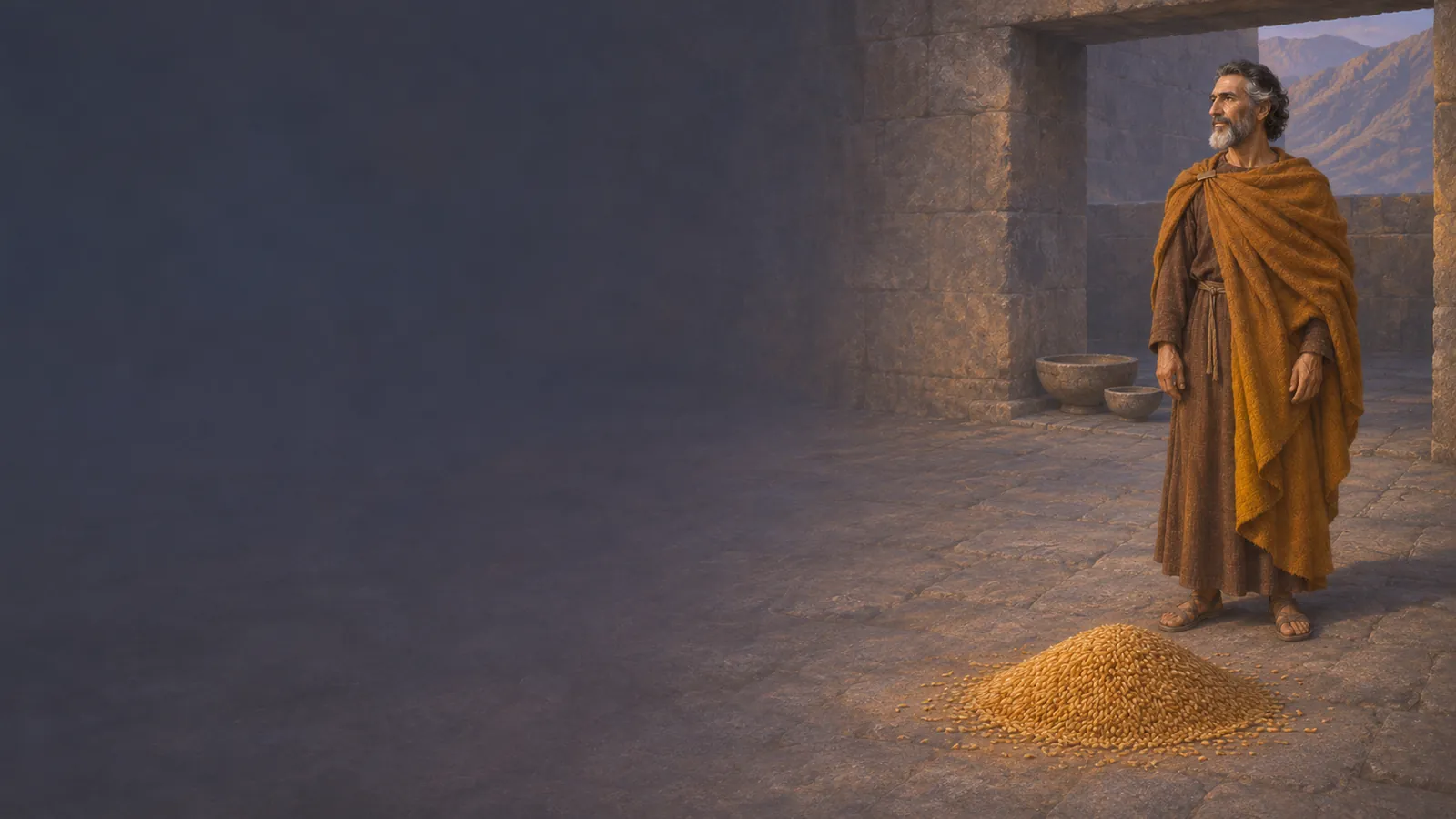
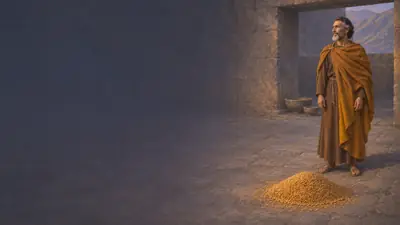
An Arattas trockenen Hängen wuchsen Weizen und Kichererbsen von selbst. Die Menschen brachten den Weizen zum Herrn und häuften ihn in seinem Hof auf.
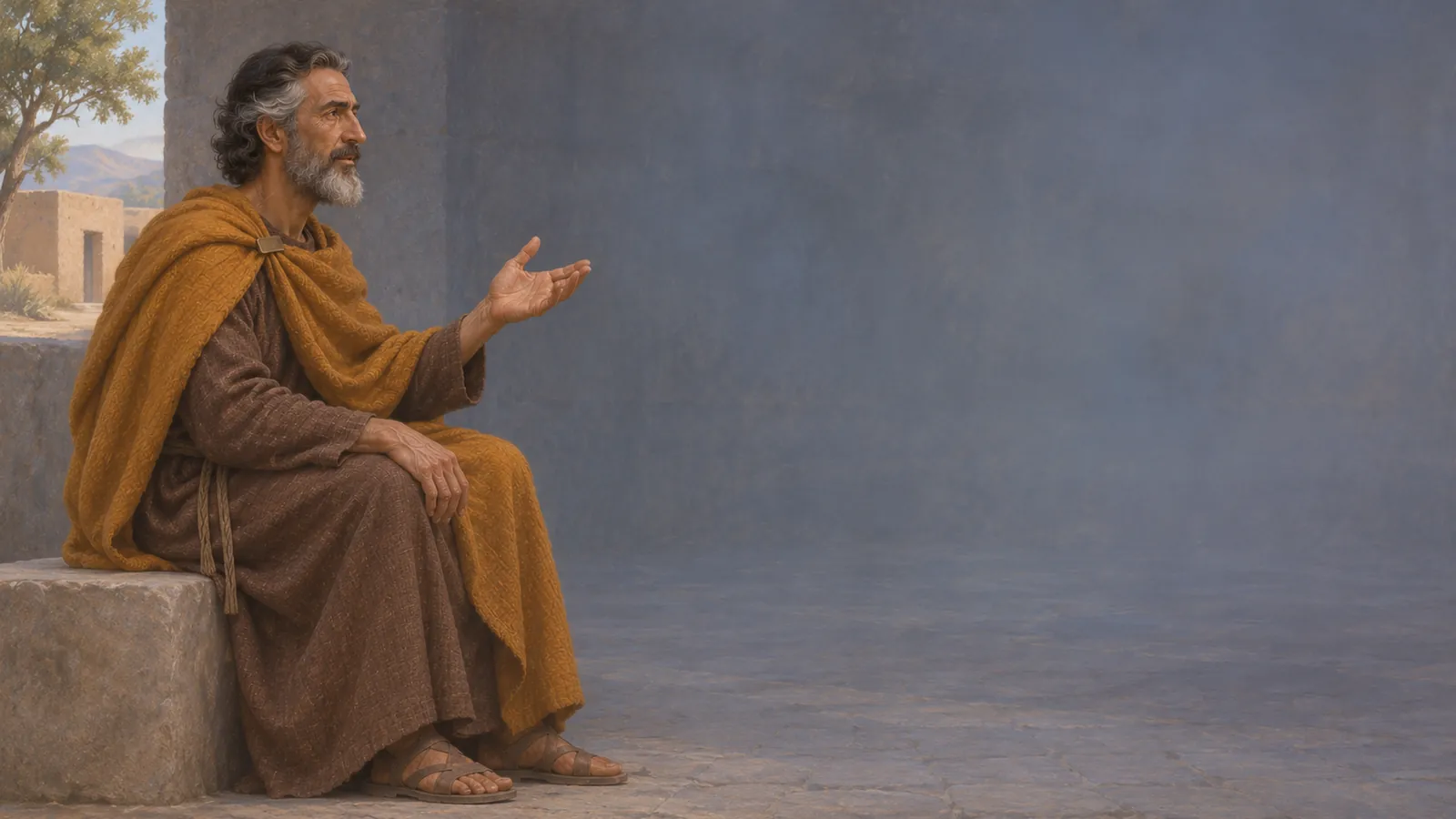
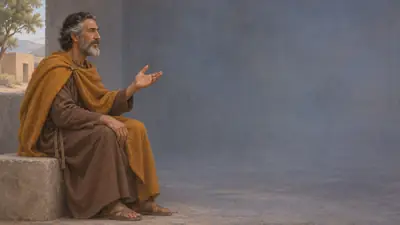
Der Herr sagte nun, Inanna sei Aratta treu geblieben. Sie sei bei ihrem Heiligtum E-zagina geblieben, sagte er, und seine Stadt habe weiterhin den Ehrenplatz.
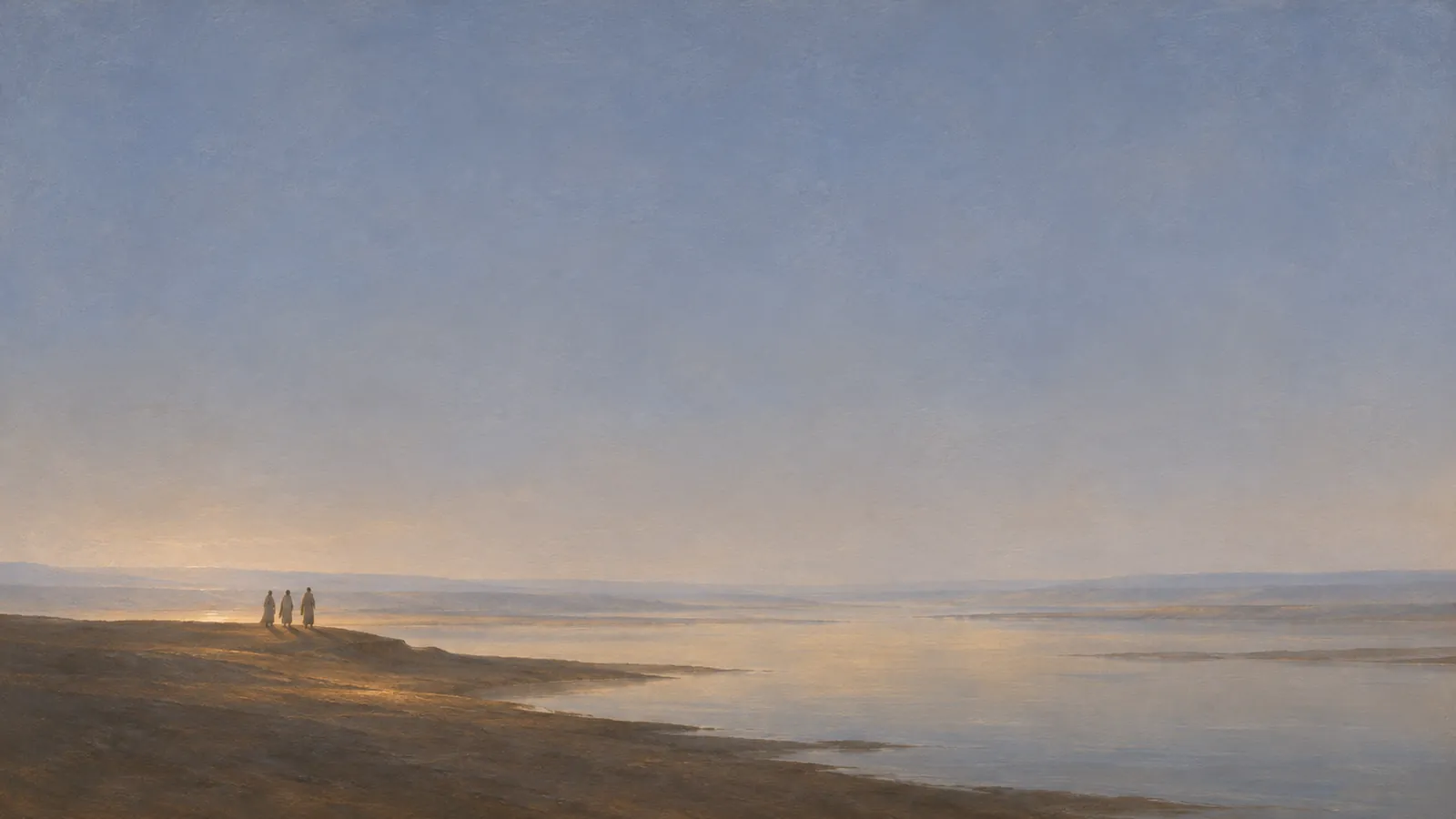
Der Herr erinnerte an die Menschen, die einer Flut getrotzt hatten. Aus Liebe zu Dumuzid, sagte er, habe Inanna sie mit dem Wasser des Lebens besprengt.
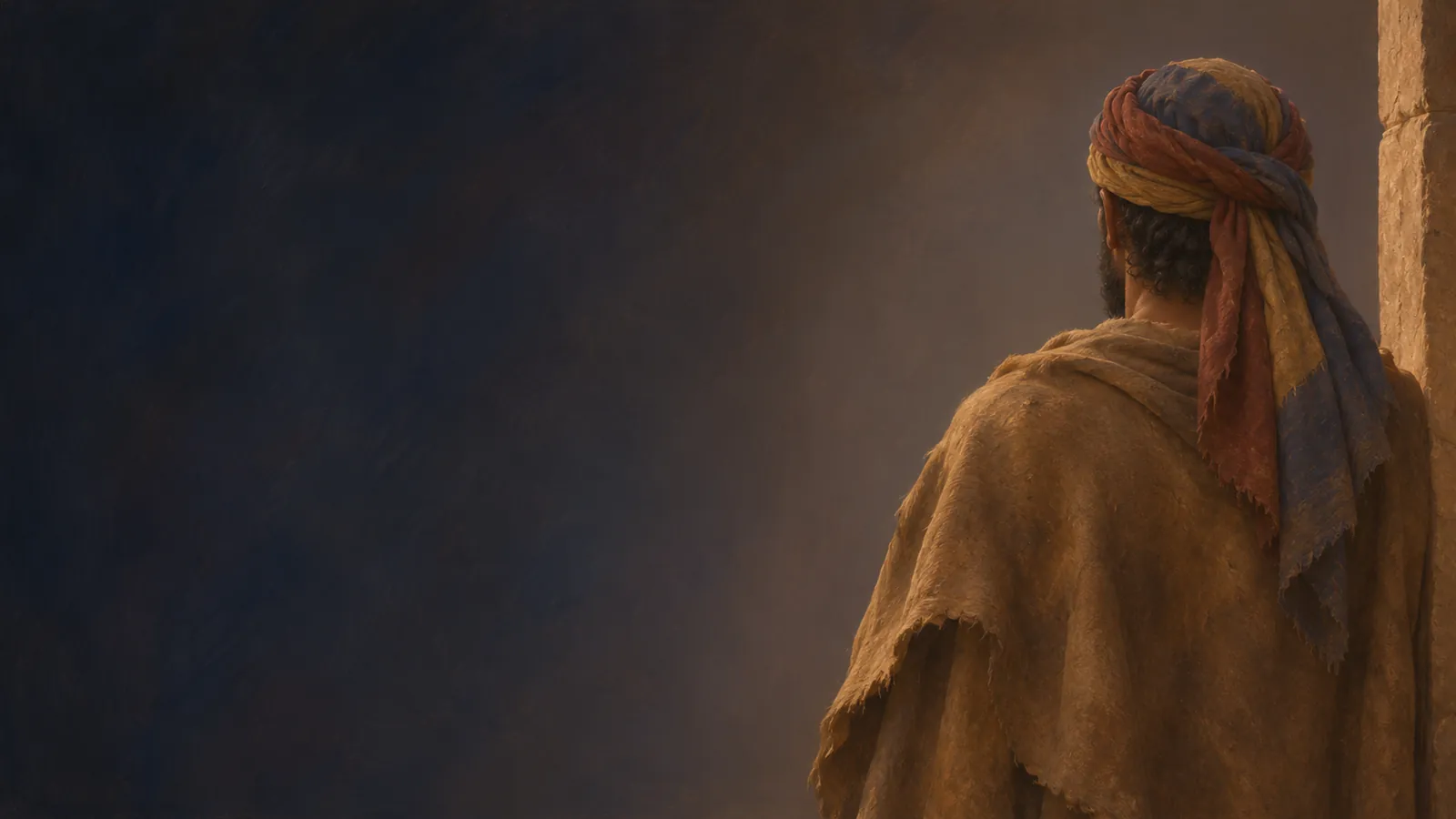
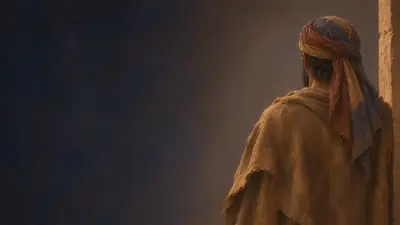
Der Kämpfer kam mit einem bunten Turban und einem Gewand aus Löwenfell. Vier unklare Zeilen folgen, und der Ausgang des Wettstreits entzieht sich uns.
Die bruchstückhaften Zeilen nennen Inanna und sprechen von einem Lied. Sie erzählen, dass sie für Dumuzid sang und dass ihm das Lied gefiel.
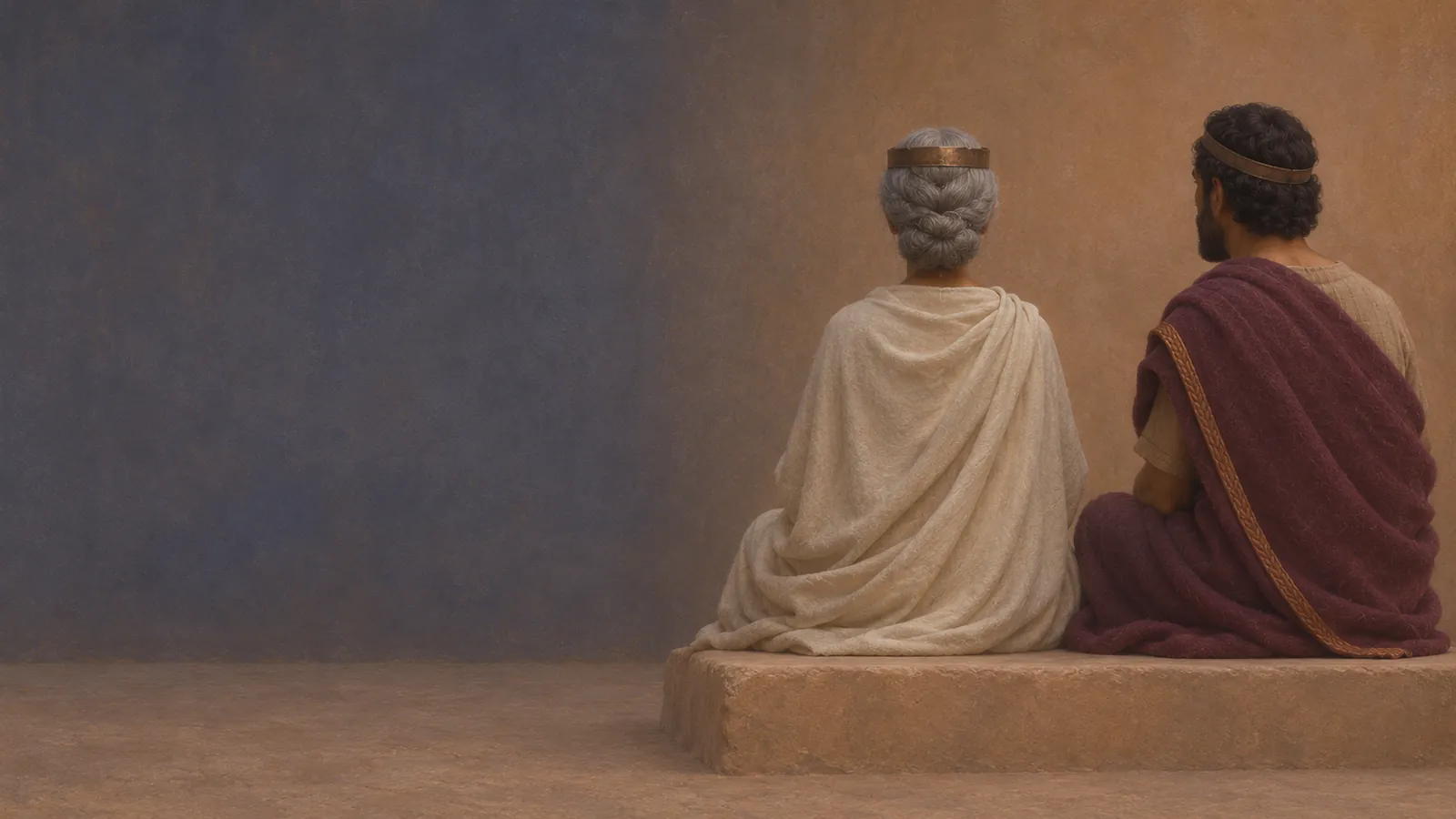
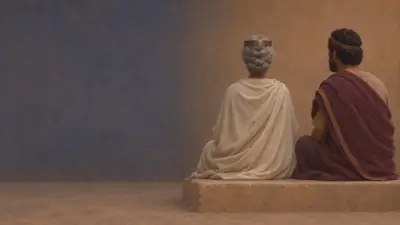
Eine ältere Frau kommt in Weiß, mit einer Krone wie Mondlicht. Sie lässt Enmerkar neben sich auf dem Podest Platz nehmen. Das Gedicht nennt hier ihren Namen nicht.
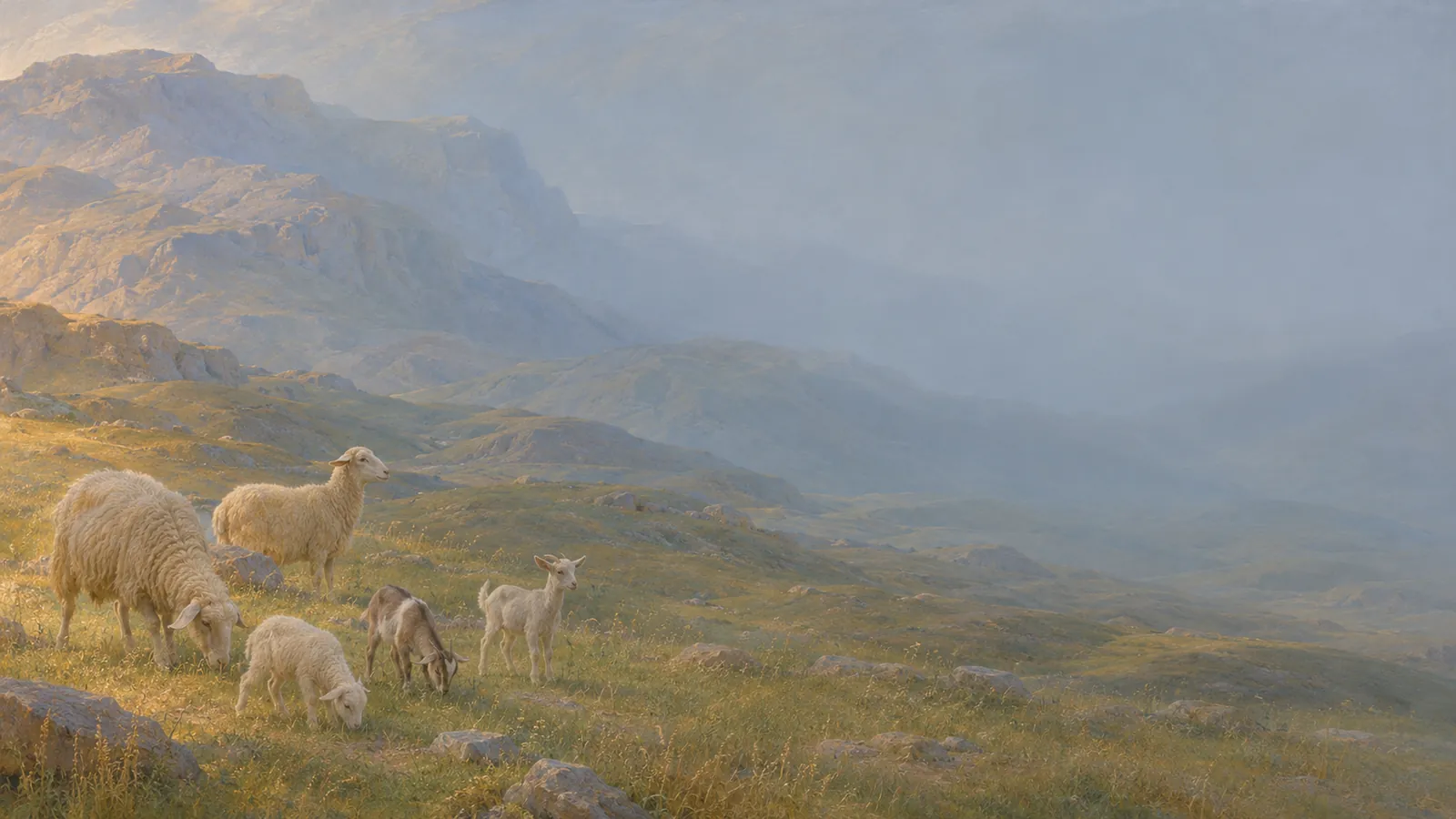
Das Gedicht spricht wieder vom Überfluss in Aratta. Lämmer, Zicklein, Kälber und schnelle dunkle Eselfohlen mehren sich, und die Menschen rufen nach Getreidehaufen.
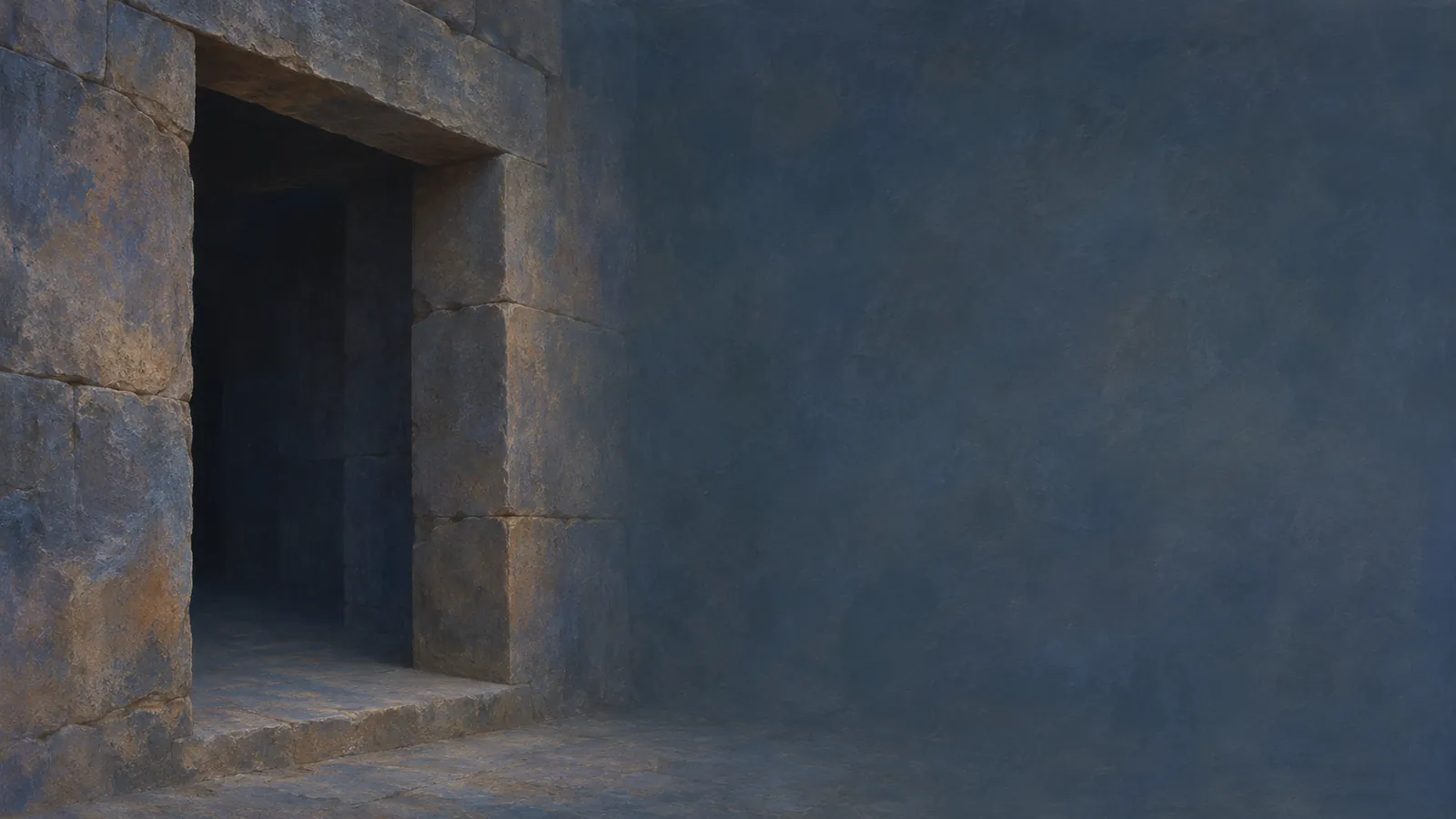
Der Herr von Aratta wird wieder genannt, doch das Geschehen um ihn ist nur in Bruchstücken erhalten. Dann fehlen im überlieferten Text drei Zeilen.
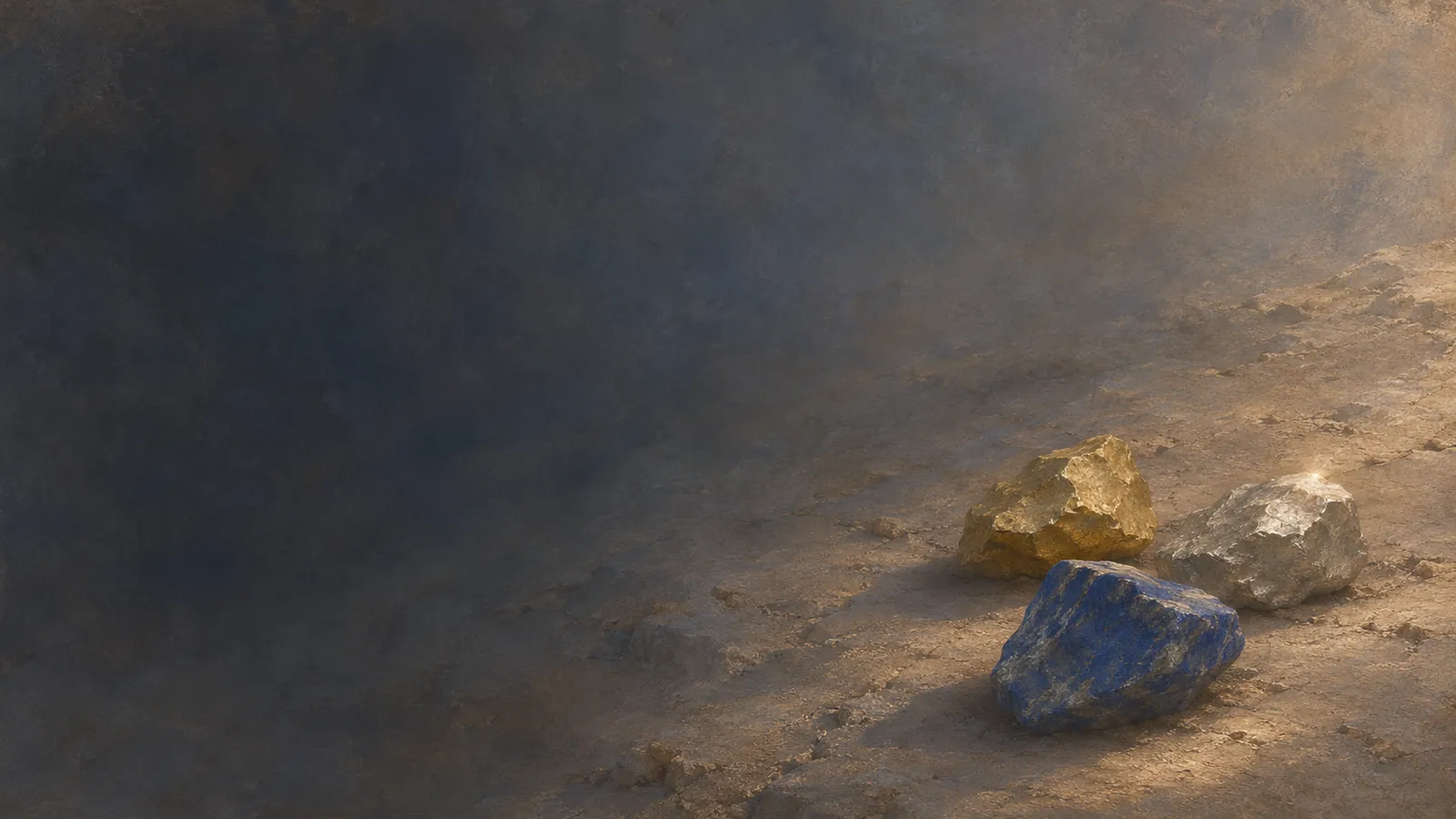
In den Bruchstücken spricht eine Stimme, die sich keiner Person zuordnen lässt. Enlil wird erwähnt, ebenso die Arbeit mit Gold, Silber und Lapislazuli.
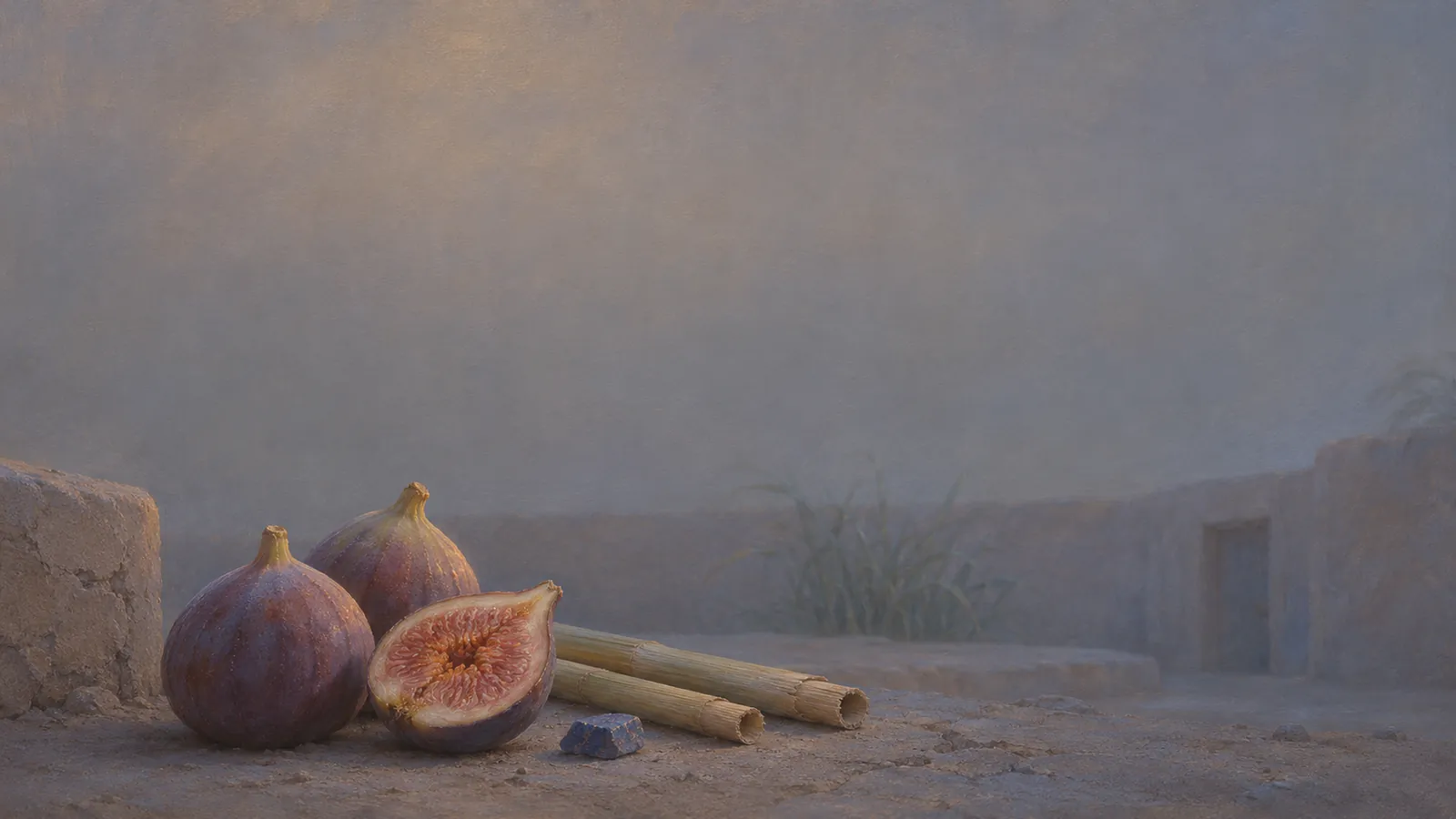
In den letzten Versen erscheinen Früchte, Schilf und Lapislazuli. Noch lässt sich der Hof von E-ana erahnen, wo zu Inannas Ehren Haufen aufgeschichtet werden sollen.
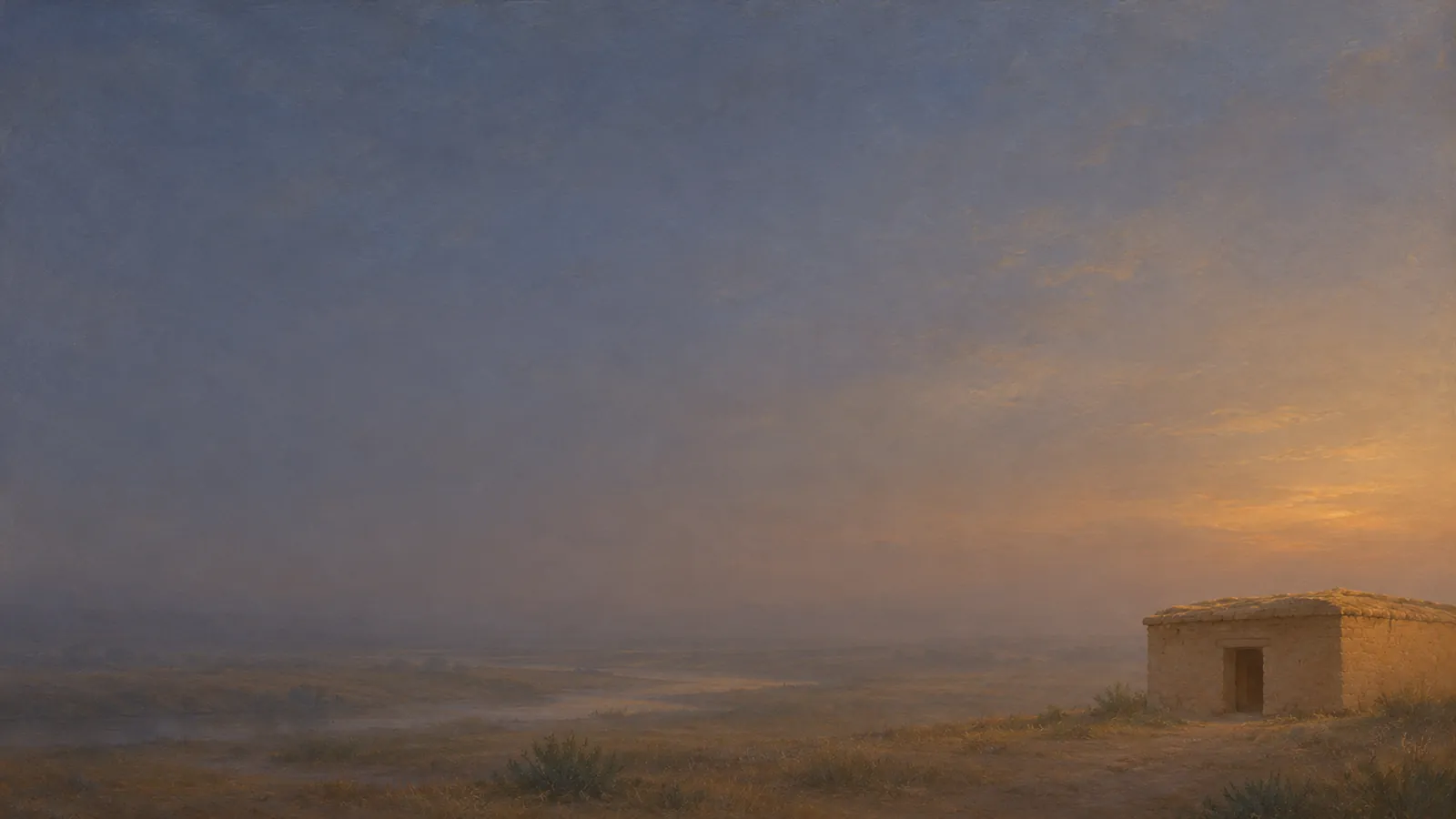
Zu den letzten lesbaren Worten gehören ein Angebot von Rat, ein Anspruch auf das Königtum und der Name Geshtinanna.
DIE LETZTEN ZEILEN
Hier bricht das überlieferte Gedicht ab. Etwa sechs Zeilen fehlen, und die erhaltenen Worte lassen den Ausgang des Streits offen.
Ende von Kapitel 2
Alle Seiten





Quellen
Benutzte Editionen
- Oxford ETCSL 1.8.2.3, translation, lines 308–636 and the final lacuna
- Oxford ETCSL 1.8.2.3, Sumerian composite and manuscript variants
- CDLI, written witnesses to the poem
- IL Archive, Enmerkar and the Lord of Aratta
- Metropolitan Museum of Art, administrative tablet from early Uruk
Die antiken Verse hinter jeder Seite
- Page 1: ETCSL 1.8.2.3 308–311
- Page 2: ETCSL 1.8.2.3 312–316
One of the vessel names is damaged. - Page 3: ETCSL 1.8.2.3 317–322
The text mentions a tablet and stylus amid broken wording. - Page 4: ETCSL 1.8.2.3 323–326
- Page 5: ETCSL 1.8.2.3 327–329
The preceding plant phrase and the wording of the barley measure are uncertain. - Page 6: ETCSL 1.8.2.3 330–338
- Page 7: ETCSL 1.8.2.3 339–343
- Page 8: ETCSL 1.8.2.3 344–346
- Page 9: ETCSL 1.8.2.3 347–351
- Page 10: ETCSL 1.8.2.3 352–356
The exact wording of the barley measure is uncertain. - Page 11: ETCSL 1.8.2.3 357–362
- Page 12: ETCSL 1.8.2.3 363–370
Oxford marks two lines around the officials as unclear. Much of the nearby exchange is damaged. - Page 13: ETCSL 1.8.2.3 371–377
The speaker’s identity and what the elders offered are uncertain. - Page 14: ETCSL 1.8.2.3 378–388
- Page 15: ETCSL 1.8.2.3 389–396
The fasting person’s identity and some details of the exchange are uncertain. - Page 16: ETCSL 1.8.2.3 397–405
The surviving copies give different orders for some of the woods. - Page 17: ETCSL 1.8.2.3 406–411
- Page 18: ETCSL 1.8.2.3 412–421
- Page 19: ETCSL 1.8.2.3 422–426
The account of the work is damaged and leaves the substance and actions uncertain. - Page 20: ETCSL 1.8.2.3 427–432
The poem gives the sequence five years, then ten. The intended duration and the material of the resulting sceptre remain uncertain. - Page 21: ETCSL 1.8.2.3 433–440
The lines describing what happens to the sceptre on arrival are damaged. - Page 22: ETCSL 1.8.2.3 441–453
The lord’s words about Inanna report his own fear at this point in the poem. - Page 23: ETCSL 1.8.2.3 454–461
The expression and the significance of the colors remain uncertain. - Page 24: ETCSL 1.8.2.3 462–469
Several phrases around the messenger’s return are broken. - Page 25: ETCSL 1.8.2.3 470–478
- Page 26: ETCSL 1.8.2.3 479–487
- Page 27: ETCSL 1.8.2.3 488–499
Part of the threat and the following speech are damaged. - Page 28: ETCSL 1.8.2.3 500–502
- Page 29: ETCSL 1.8.2.3 503–506
Archaeological evidence for the beginnings of writing comes from other sources. - Page 30: ETCSL 1.8.2.3 507–514
The series of five, six and seven mountains repeats the poem’s travel formula. - Page 31: ETCSL 1.8.2.3 515–524
- Page 32: ETCSL 1.8.2.3 525–535
- Page 33: ETCSL 1.8.2.3 536–541
- Page 34: ETCSL 1.8.2.3 542–548
The description of the storm has several broken phrases. - Page 35: ETCSL 1.8.2.3 549–556
The granary phrase is damaged. - Page 36: ETCSL 1.8.2.3 557–562
- Page 37: ETCSL 1.8.2.3 563–576
Part of the nearby summons is damaged. - Page 38: ETCSL 1.8.2.3 577–583
Four lines after the champion’s arrival are unclear. An outcome for the contest does not survive in the text. - Page 39: ETCSL 1.8.2.3 584–587
The text mentions the song without preserving its words here. - Page 40: ETCSL 1.8.2.3 588–594
Oxford’s translation leaves the woman unnamed. Her identity is uncertain. - Page 41: ETCSL 1.8.2.3 595–602
- Page 42: ETCSL 1.8.2.3 603–610
Three lines numbered 608–610 are missing in the Oxford composite. - Page 43: ETCSL 1.8.2.3 611–619
- Page 44: ETCSL 1.8.2.3 620–625
The wording is fragmentary around the materials, their preparation and the heaps. - Page 45: ETCSL 1.8.2.3 626–636
Several phrases in the last surviving passage are broken. The speaker’s identity remains uncertain. - Page 46: ETCSL 1.8.2.3, final lacuna after 636
Oxford marks about six lines missing after line 636.
Illustrationen von IL Archive mit KI-Werkzeugen; der Text folgt den antiken Quellen (siehe die Quellen am Ende jedes Kapitels).