Enuma Elisch Kapitel 1
Ehe es Himmel gab
Ehe der Himmel einen Namen hatte, flossen die Wasser von Apsû und Tiamat zusammen und die ersten Götter gingen daraus hervor. Ea vereitelt Apsûs Plan, Marduk wird in der Tiefe geboren und Tiamat gibt Qingu die Schicksalstafel.
Den Film ansehenQuellenBlättern Sie mit den Pfeilen, den Pfeiltasten oder durch Wischen.
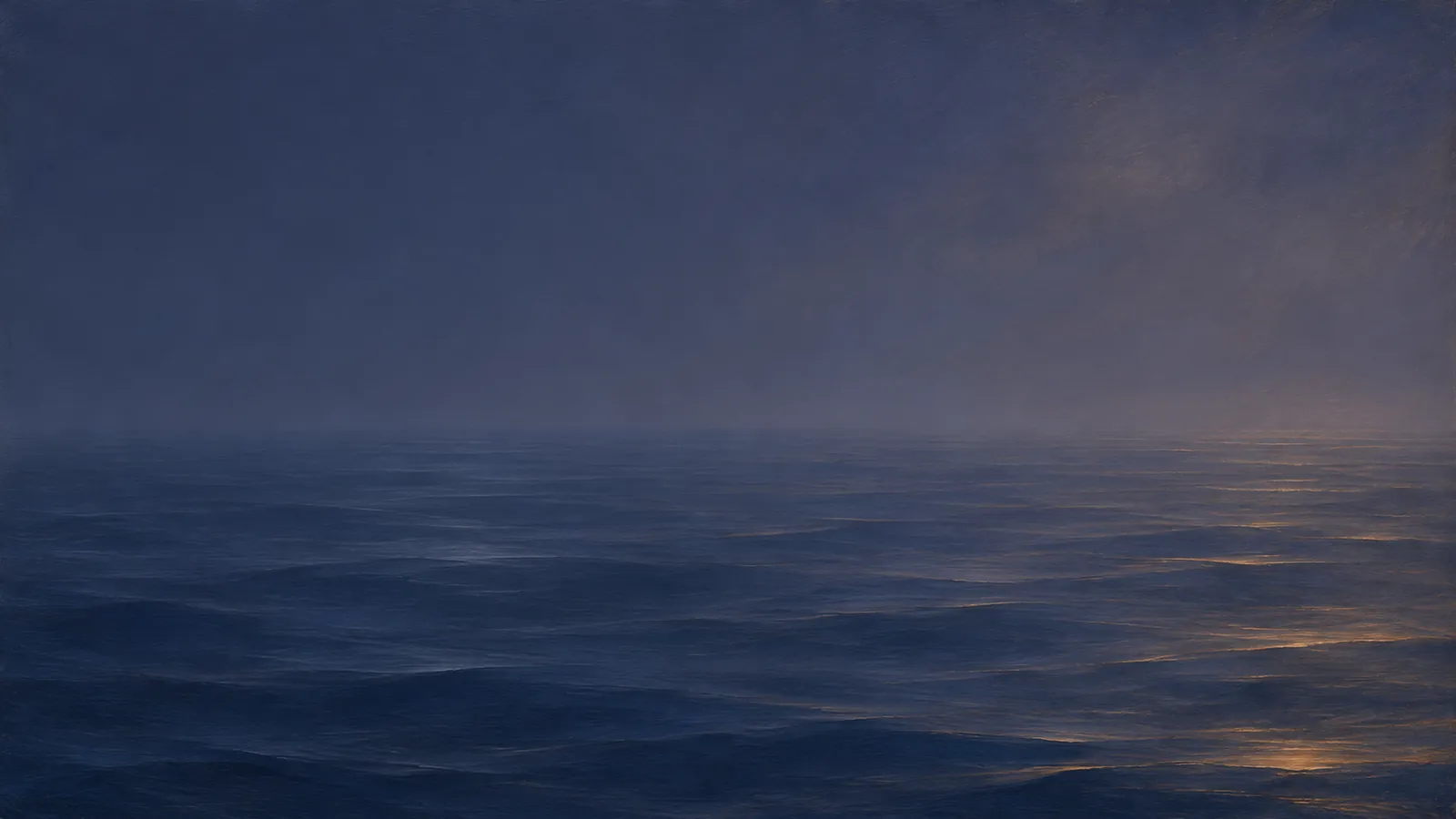
EHE ES HIMMEL GAB
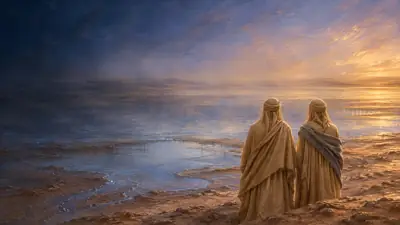
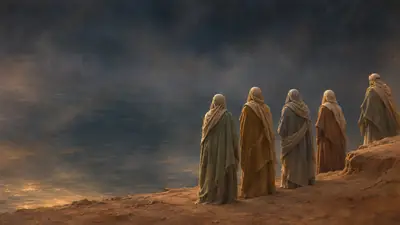
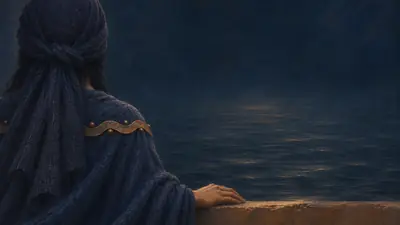
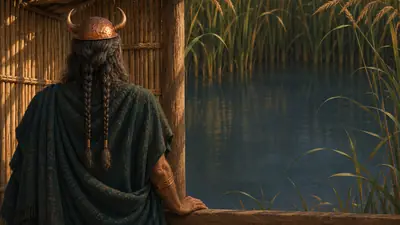
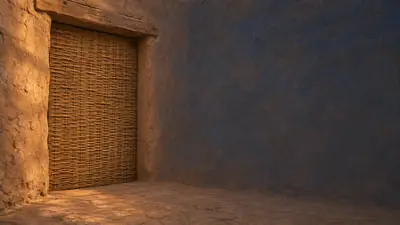
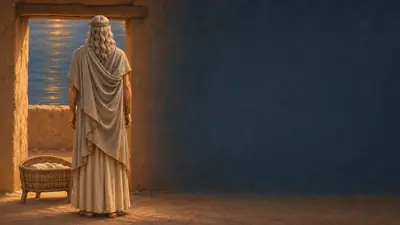
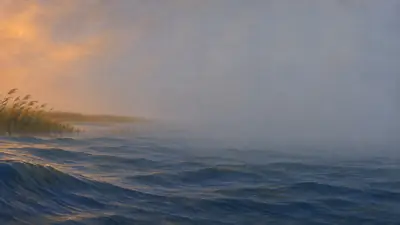
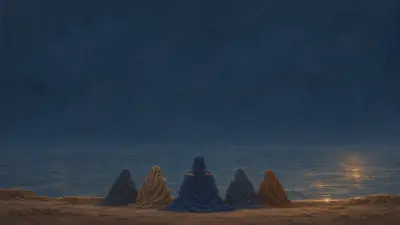
Das Gedicht beginnt, ehe der Himmel oder die Erde darunter einen Namen hatten. Die Welt, wie wir sie kennen, hatte noch keine Gestalt angenommen.

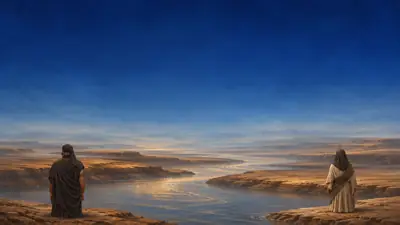
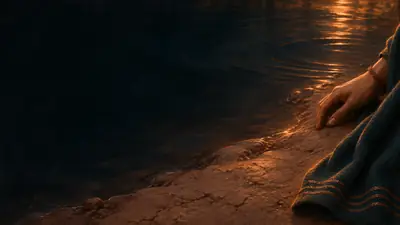
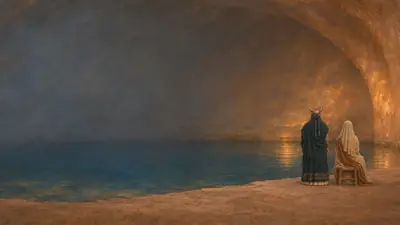
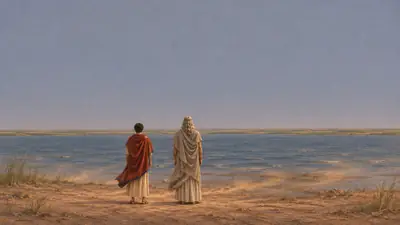
Apsû und Tiamat waren am Anfang da. Ihre Wasser flossen ineinander, und in dieser Vermischung lagen die Anfänge der Götter.

Noch hatte sich kein Schilf angesammelt, und die Untiefen hatten keine Gestalt. Kein Gott war erschienen, um einen Namen oder ein Schicksal zu erhalten.
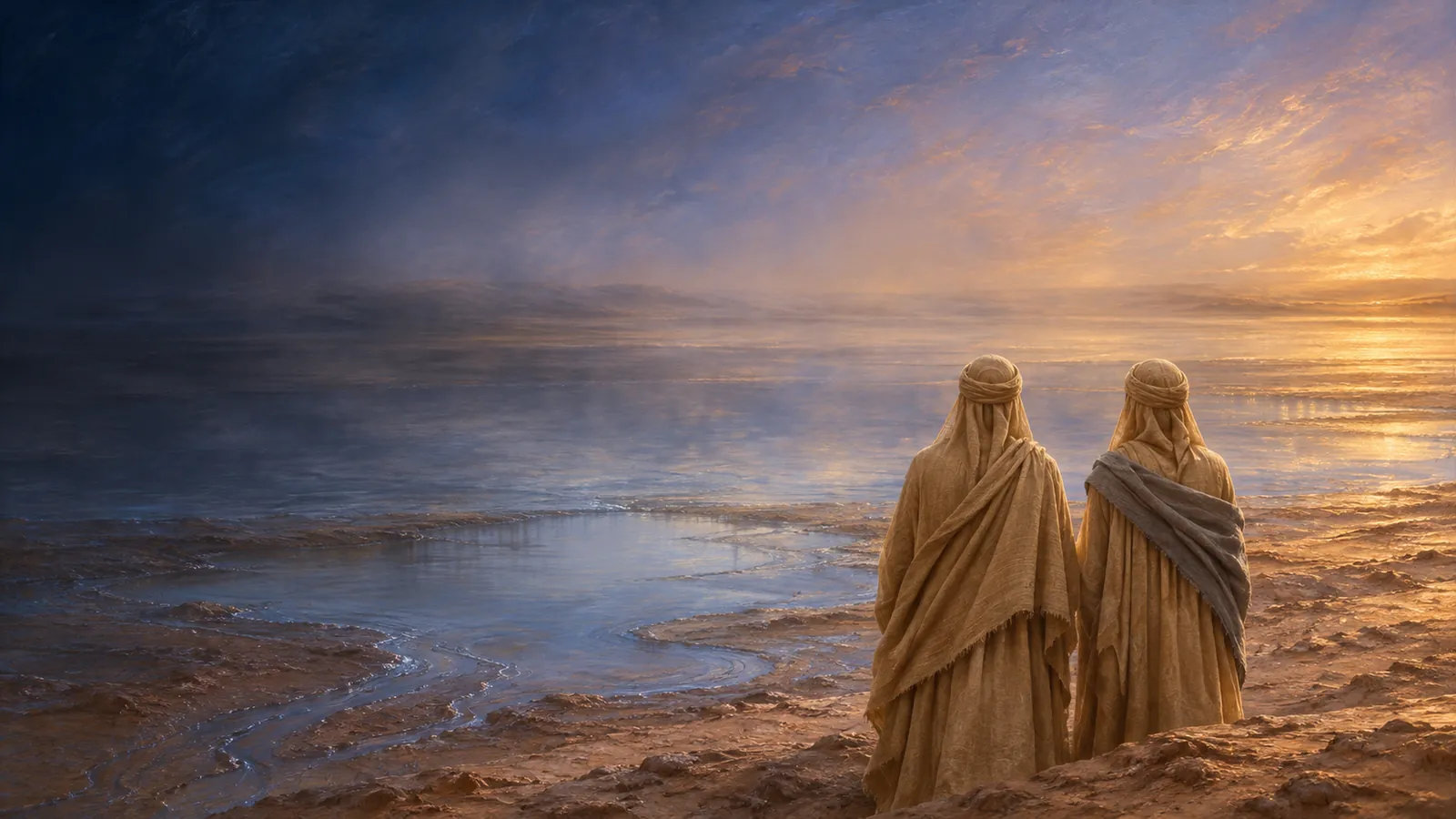
Aus den Wassern gingen die ersten Götter hervor, die das Gedicht nennt, Lahmu und Lahamu. Sie wuchsen, bevor ein weiteres Paar entstand.
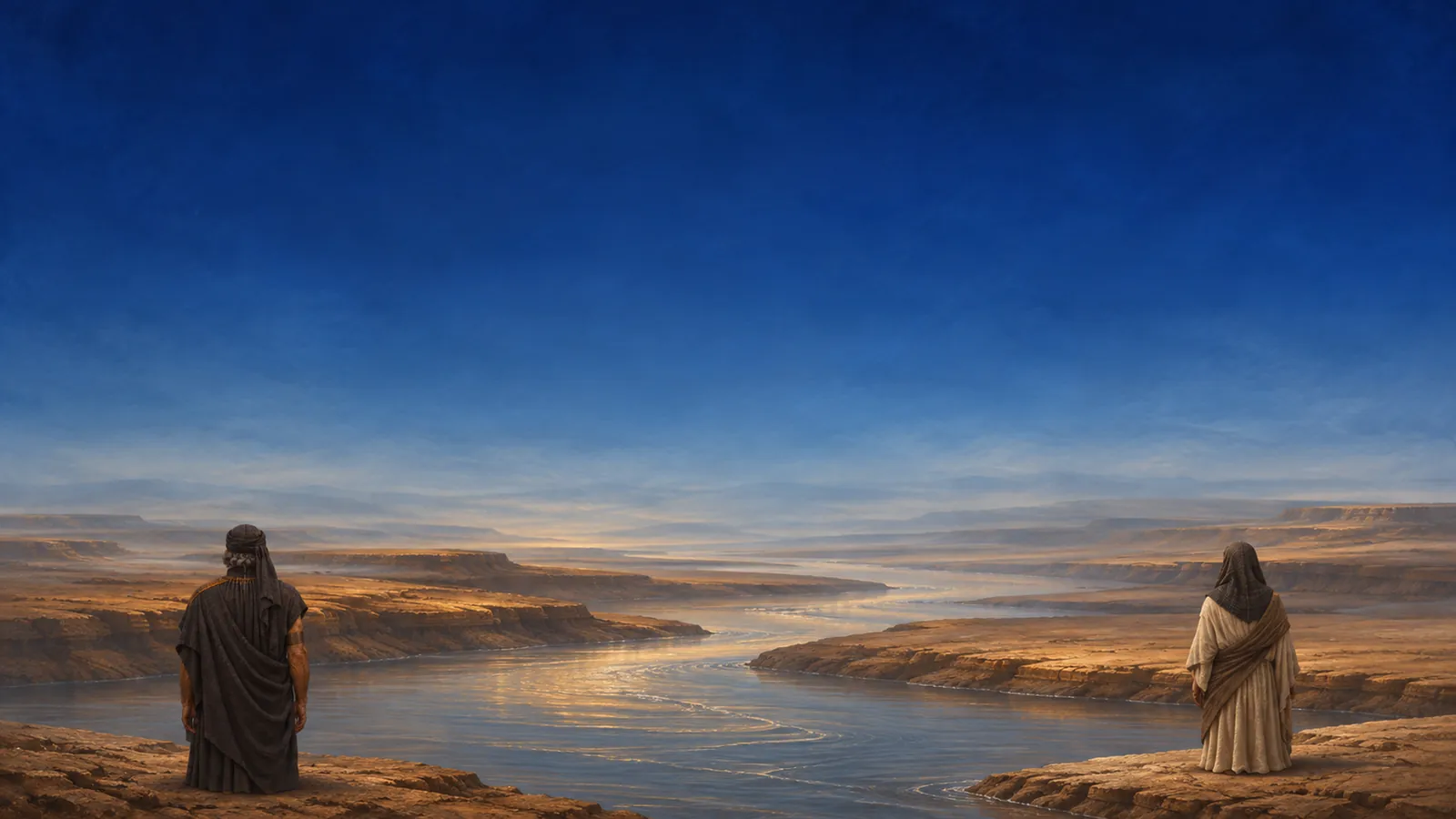
Dann kamen Anshar und Kishar, größer als das Paar vor ihnen. Die Tage dehnten sich zu Jahren, und Anu folgte in ihrer Linie.
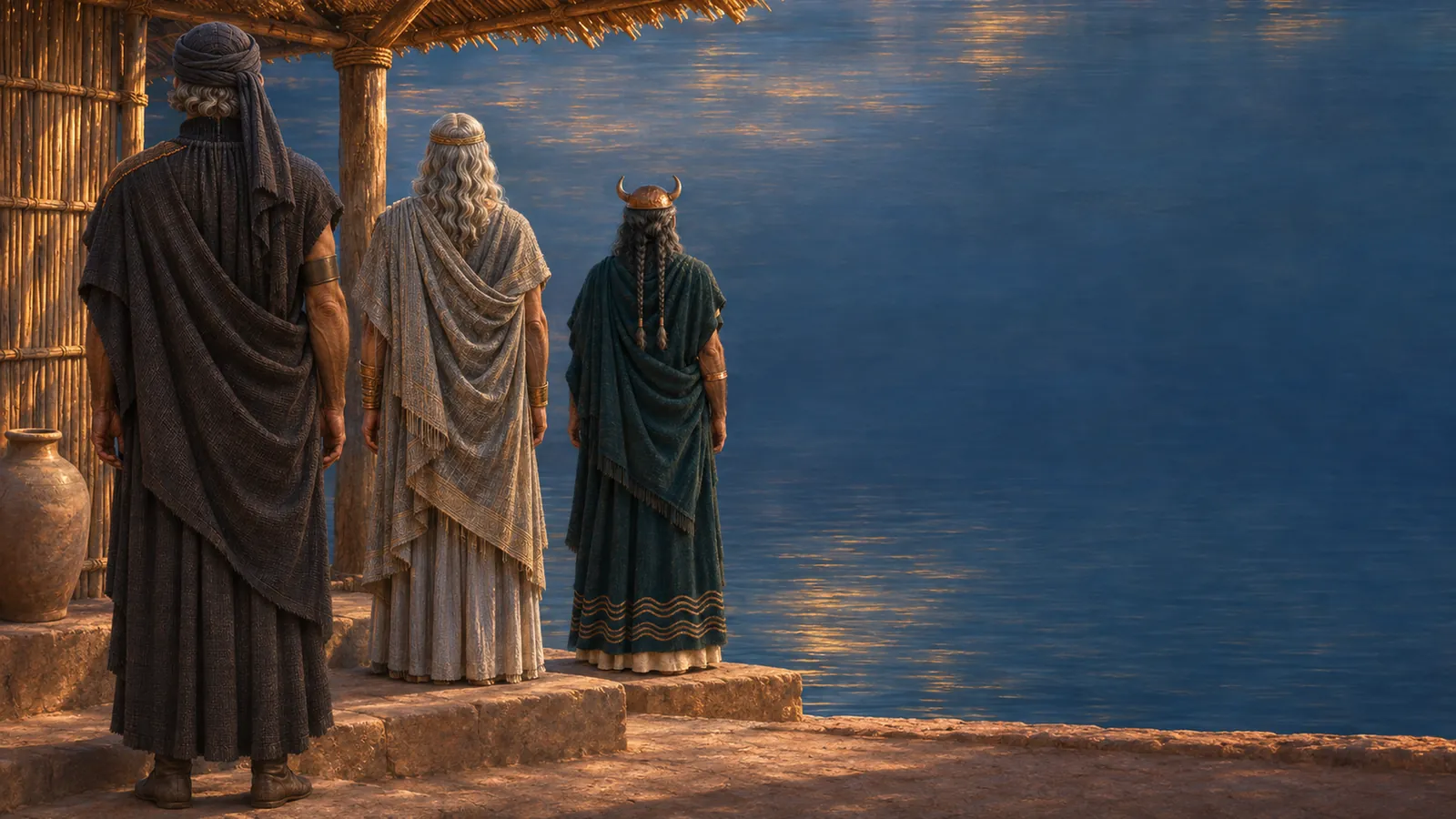
Anu glich Anshar und zeugte mit der Zeit selbst einen Sohn nach seinem Bild. Das war Nudimmud, den das Gedicht auch Ea nennt.
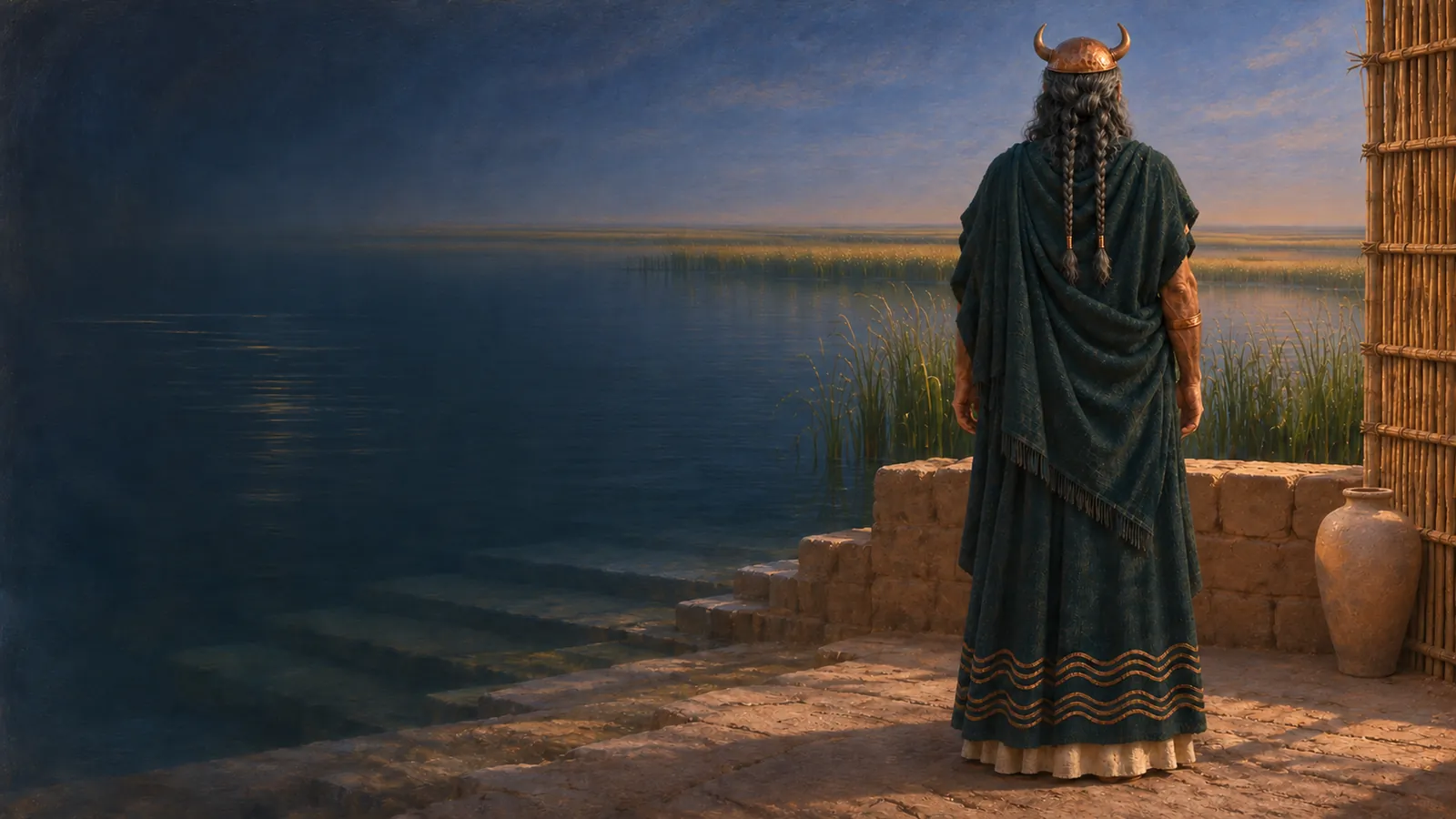
Ea ragte aus seiner Generation heraus. Das Gedicht rühmt die Weite seines Verstandes und sagt, dass selbst Anshar ihm an Stärke nicht gleichkam.
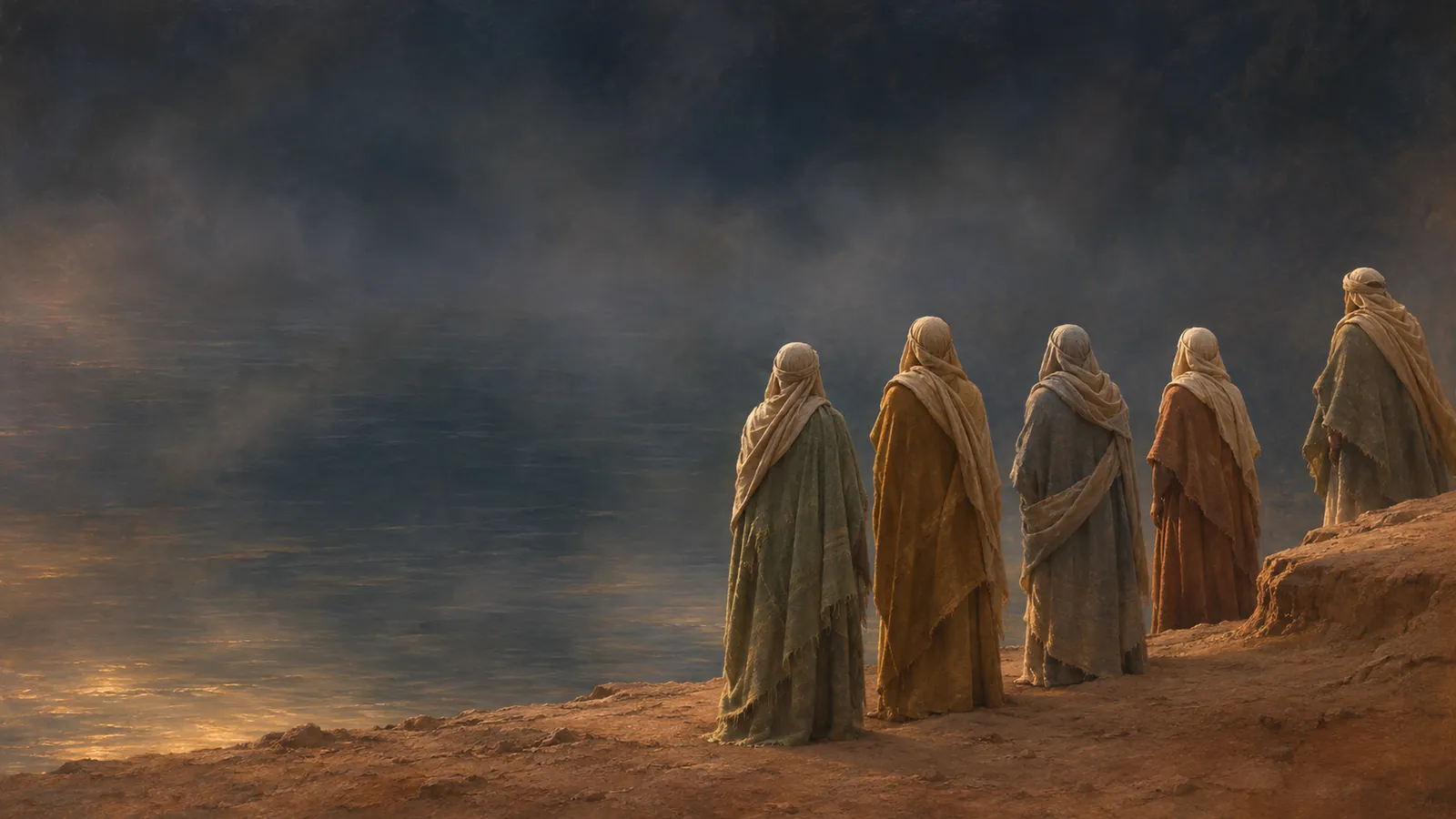
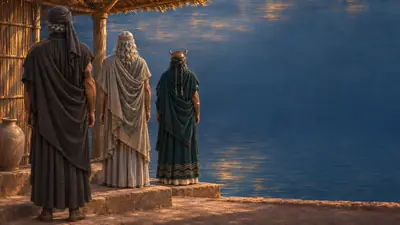
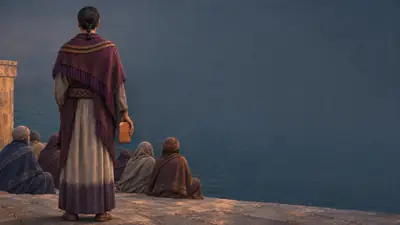
Die jüngeren Götter begannen, sich in den Wassern zu versammeln. Bei jedem Treffen erhoben sich ihre Stimmen und drangen weiter durch den gemeinsamen Raum.
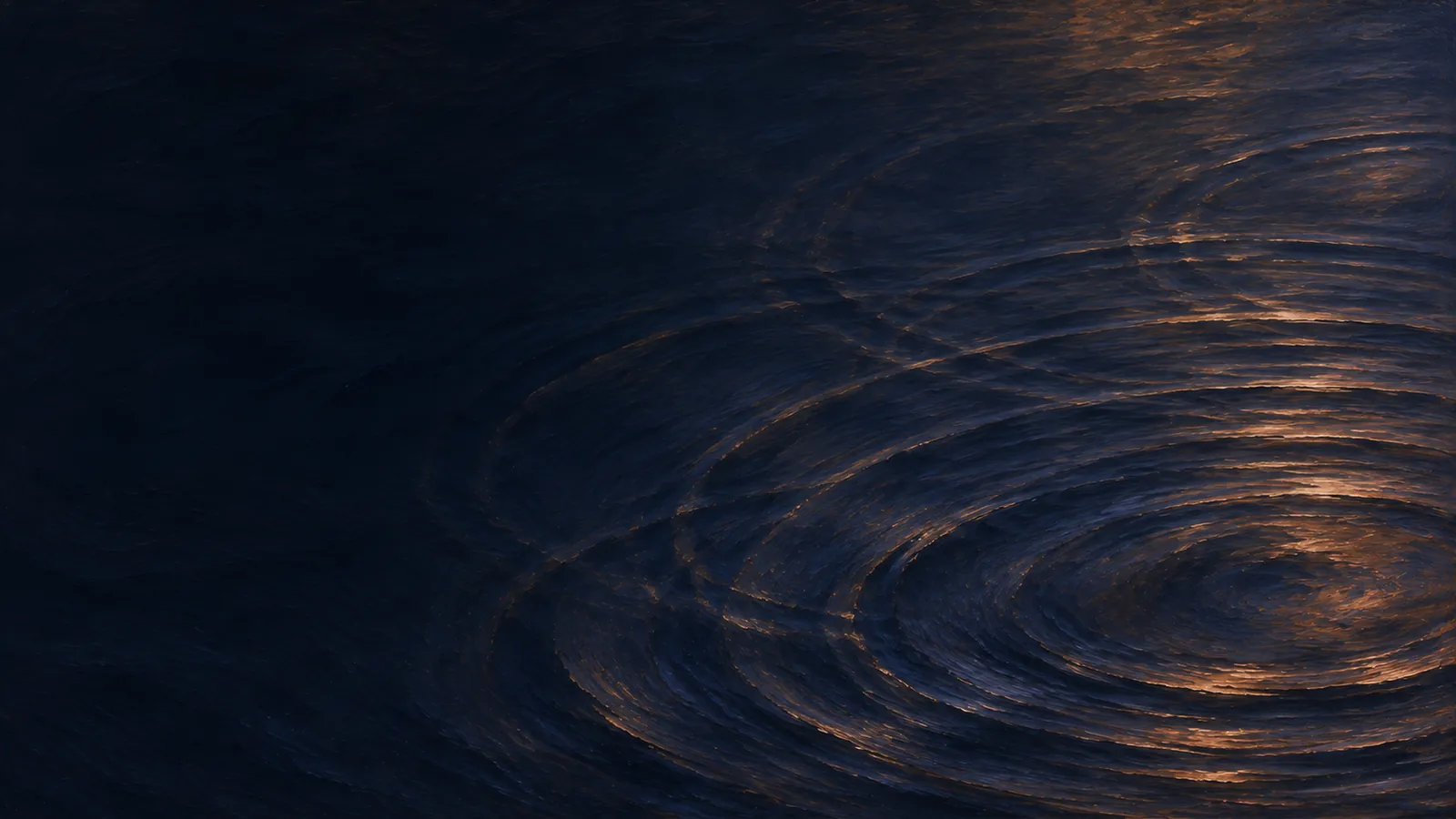
Ihr Lärm erreichte Tiamat. Im Gedicht wühlt er ihre Wasser auf und beunruhigt sie innerlich, als durchzöge dieselbe Unruhe beides.
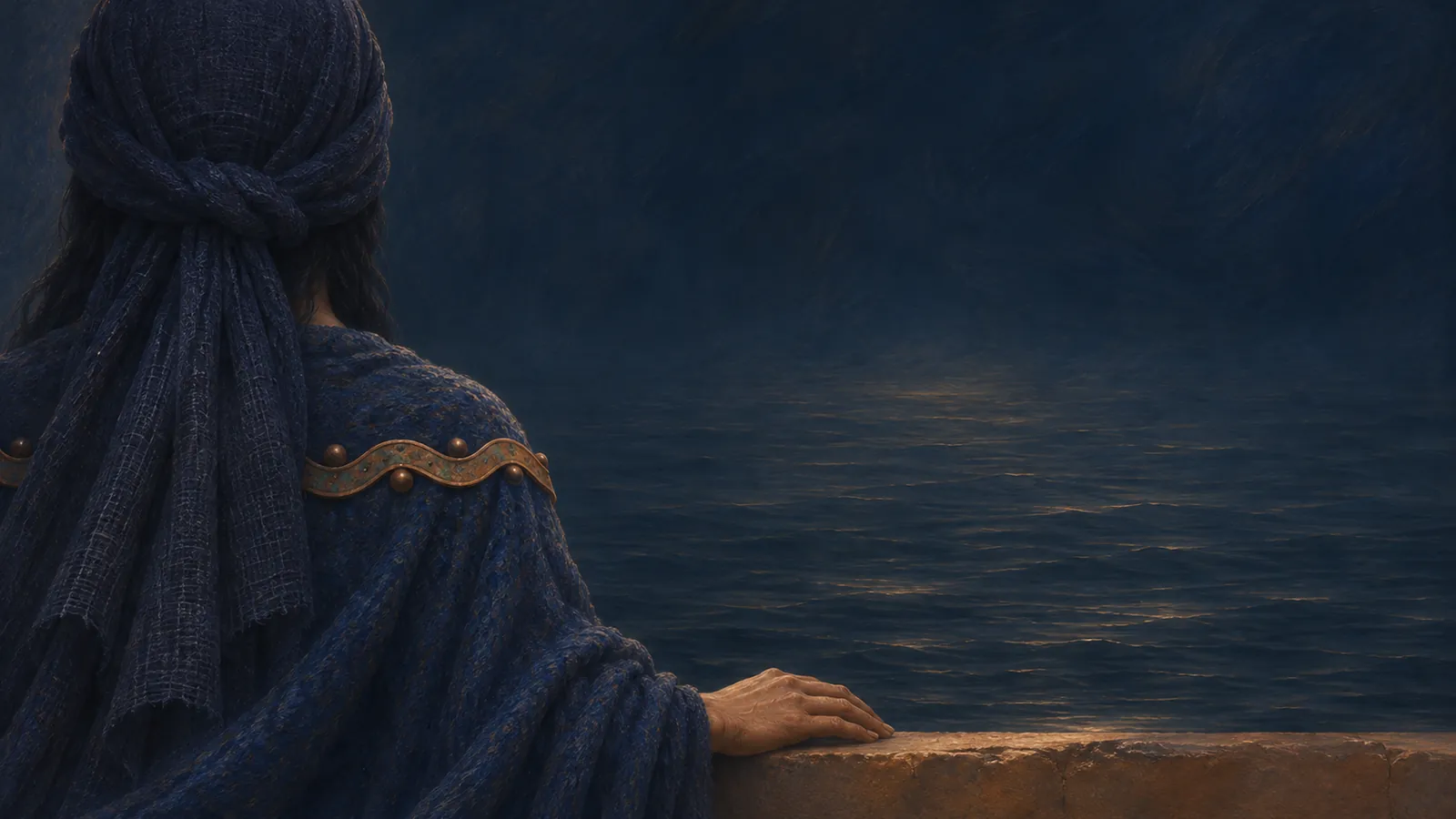
Apsû konnte das Treiben der jüngeren Götter kaum ertragen. Auch Tiamat war beunruhigt, doch eine Zeit lang schwieg sie vor ihnen.
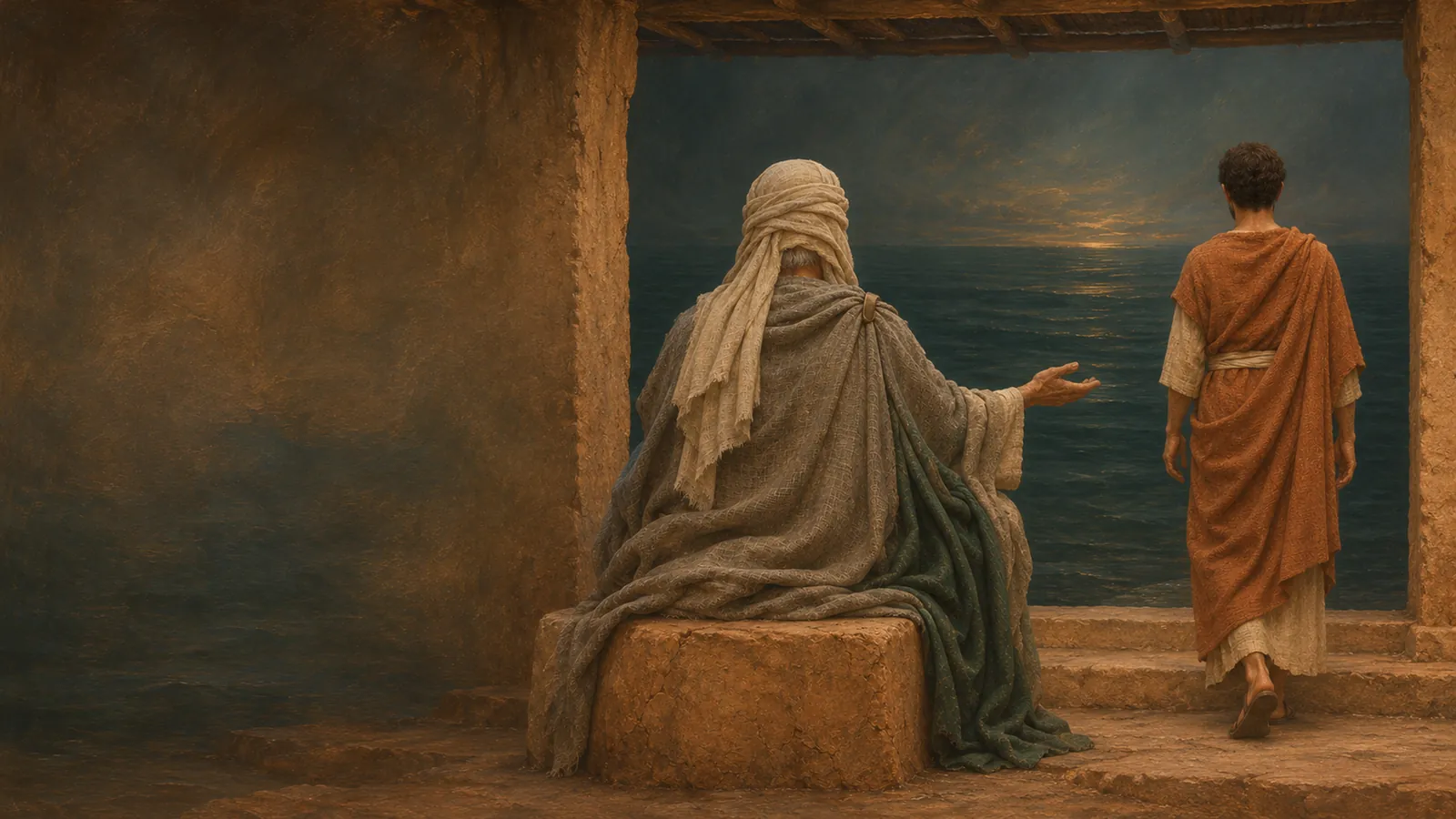
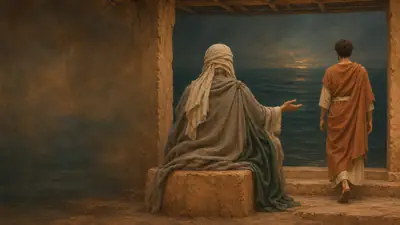
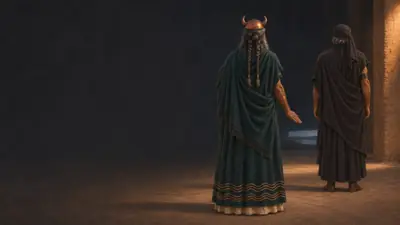
Apsû rief Mummu, den Ratgeber, der seine Gedanken kannte. Er bat ihn mitzukommen, damit sie sich mit Tiamat beraten konnten.
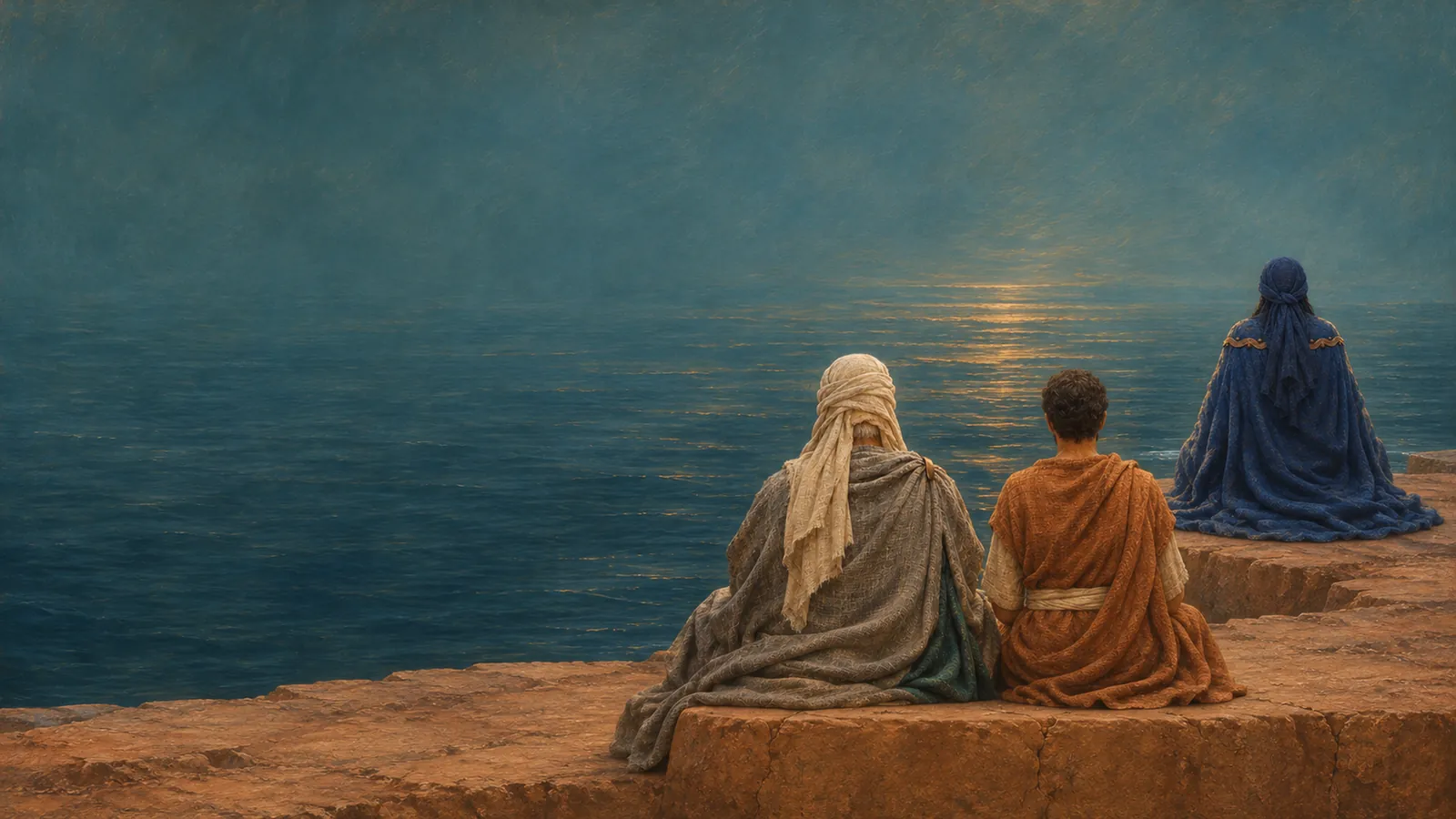
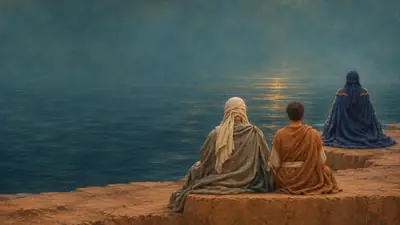
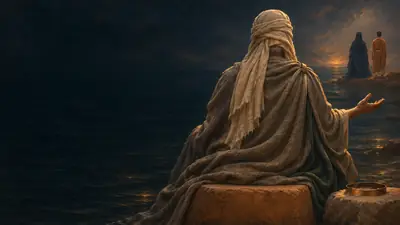
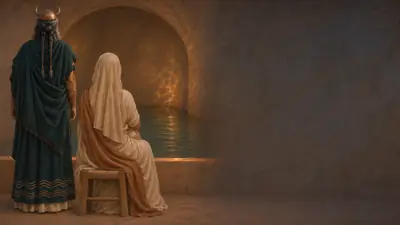
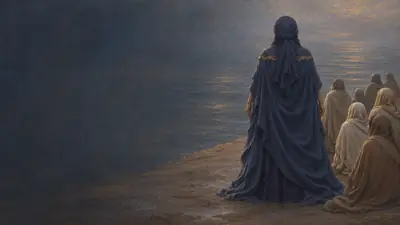
So gingen die beiden zu Tiamat und setzten sich vor ihr nieder. Apsû wollte über die Götter sprechen, die Tiamat und er hervorgebracht hatten.
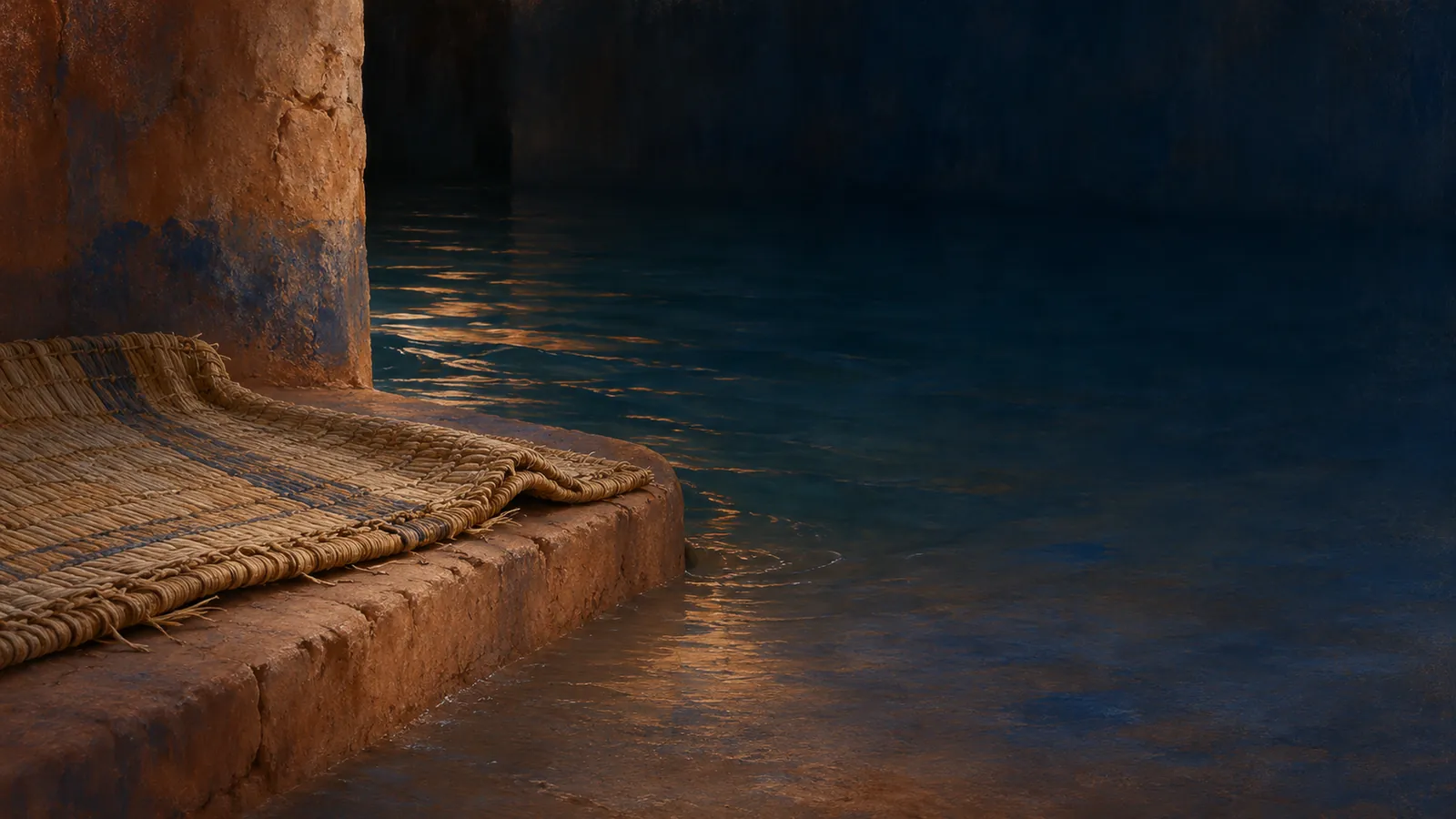
Apsû sagte Tiamat, dass er tagsüber keine Ruhe fand. Selbst als die Nacht kam, ließen ihn die jüngeren Götter nicht schlafen.
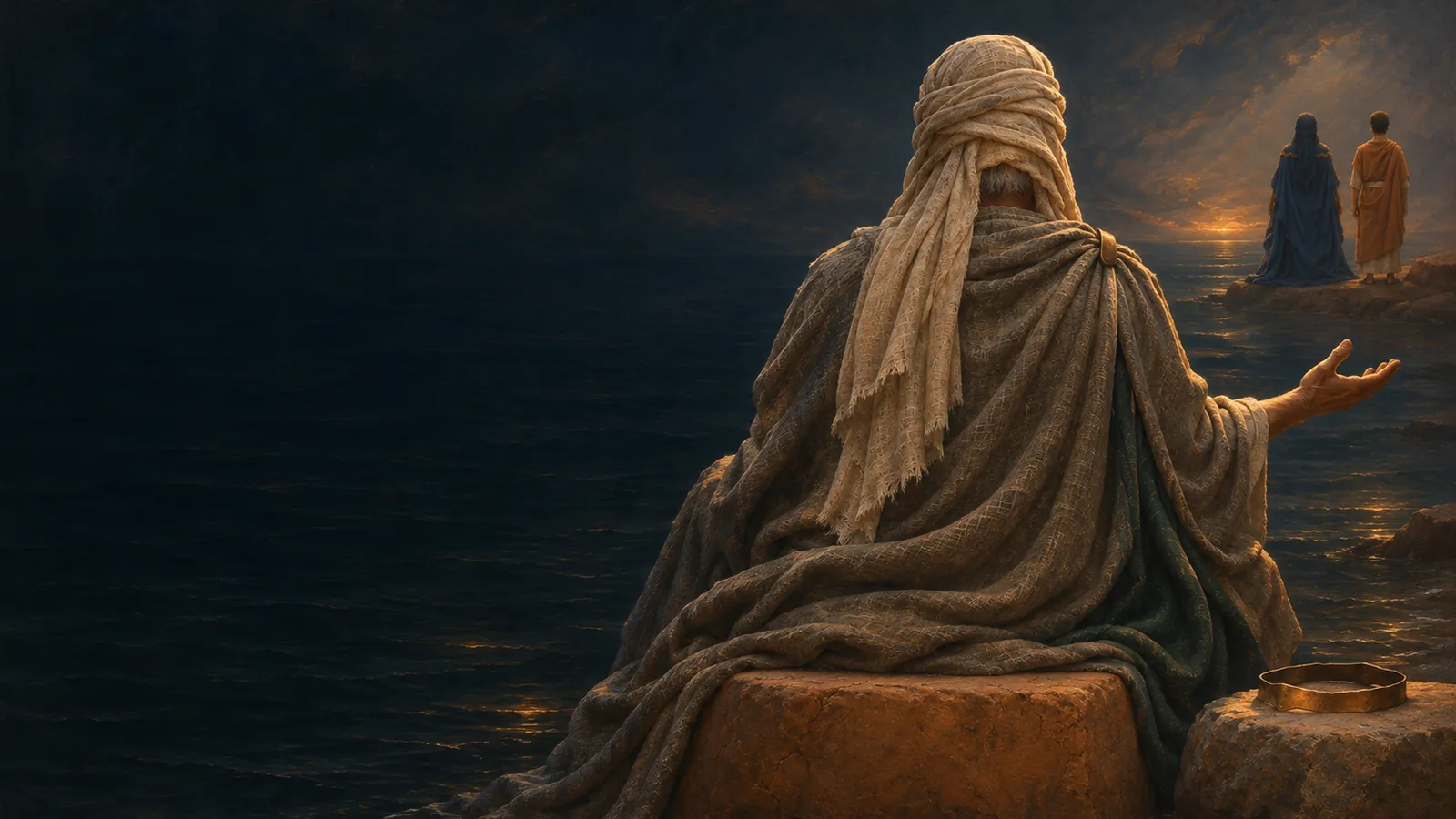
Um dem Lärm ein Ende zu setzen, schlug Apsû vor, die jüngeren Götter zu vernichten. Dann, sagte er zu Tiamat, hätten sie vielleicht genug Ruhe zum Schlafen.
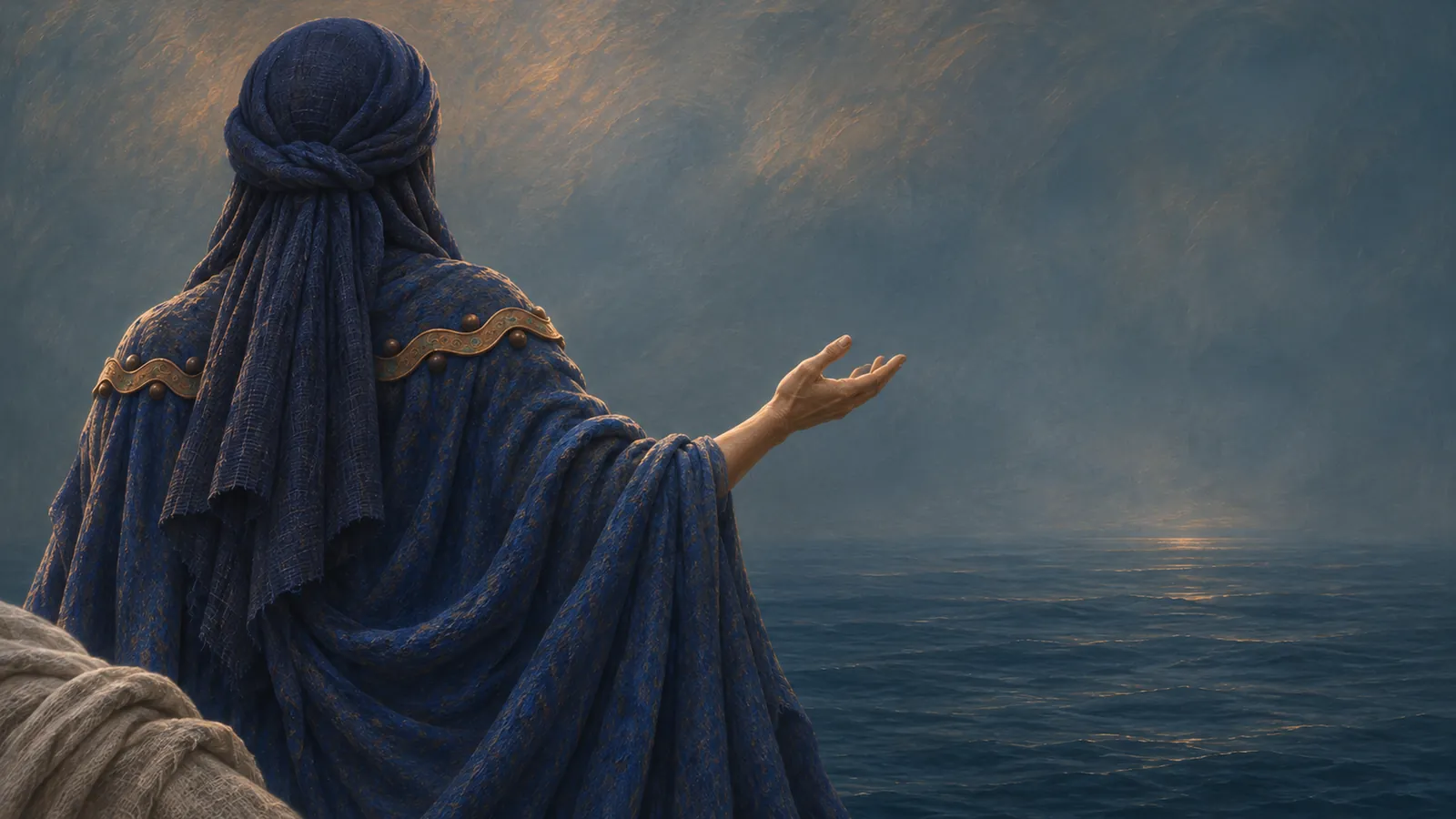
Tiamat wurde zornig, als sie ihn hörte. Diese Götter hatten sie selbst hervorgebracht, und so lästig sie auch waren, sie mahnte ihn, sie zu ertragen.
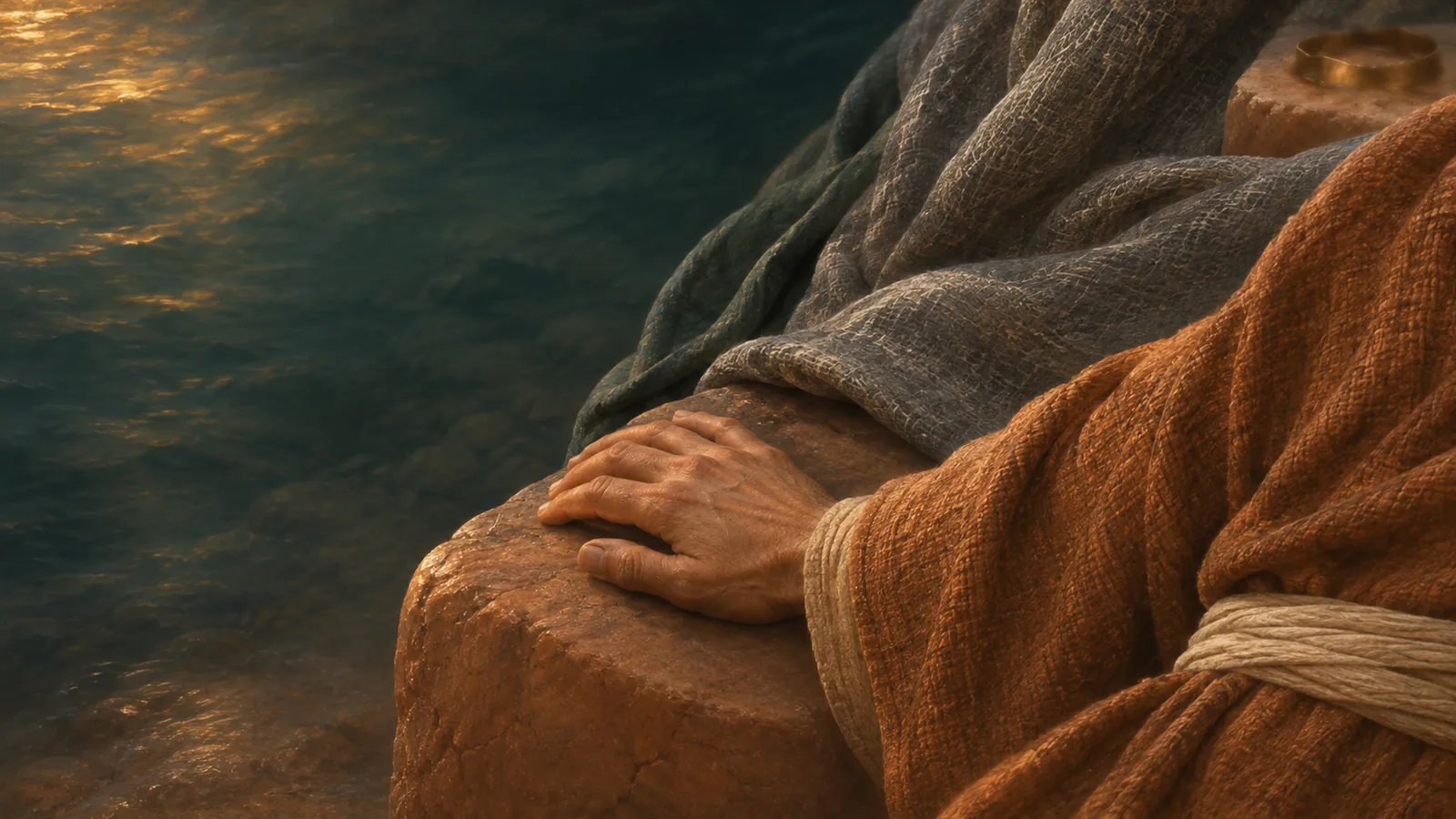
Mummu drängte Apsû, den Plan auszuführen, und versprach ihm dafür Ruhe. Apsû gefiel der Rat, und er zog Mummu zu sich, während sie überlegten, was zu tun sei.
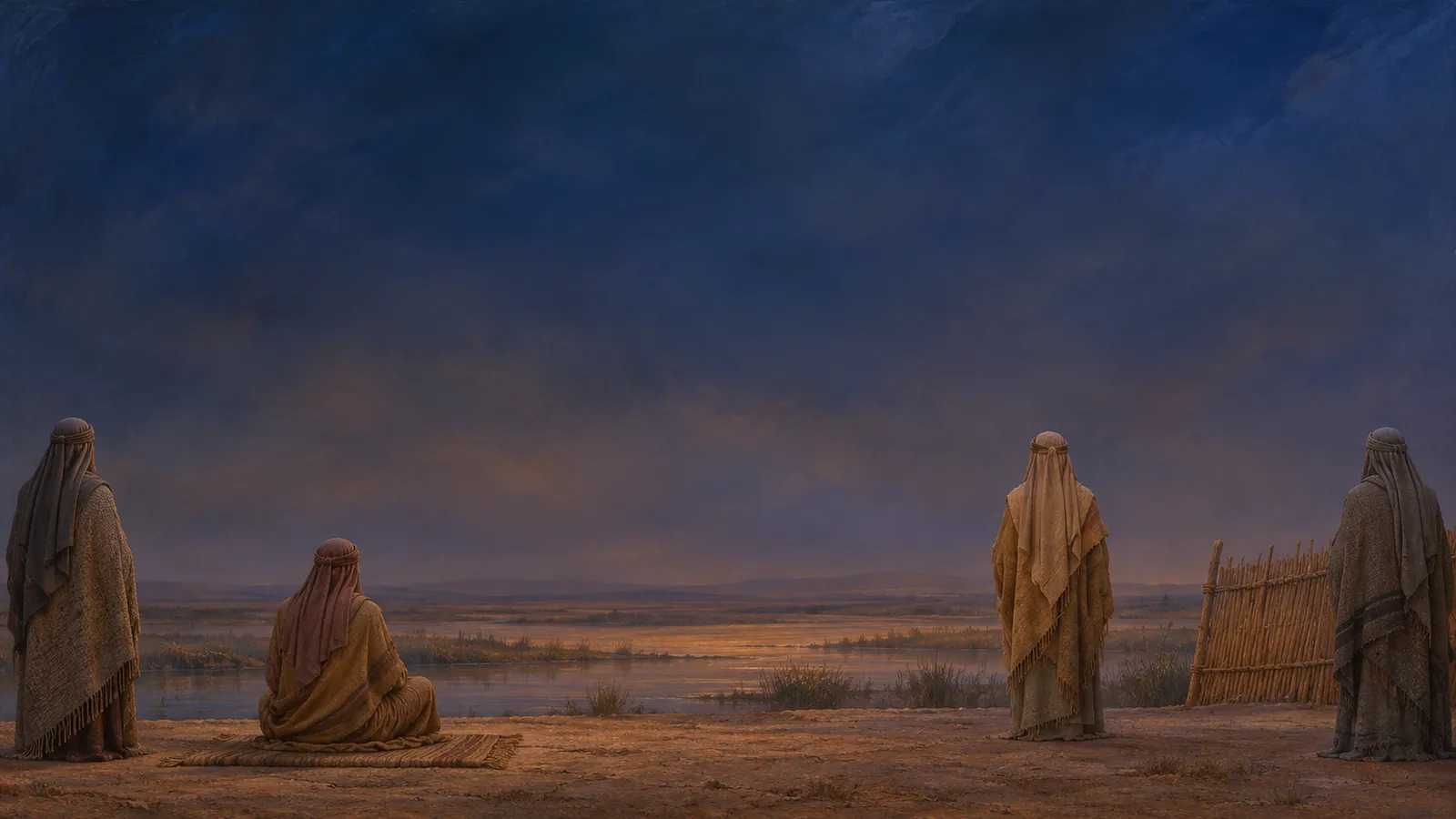
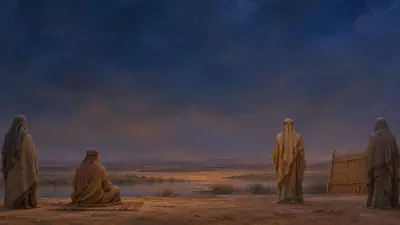
Die jüngeren Götter erfuhren, was Apsû und Mummu vorhatten. Früher waren ihre Zusammenkünfte laut gewesen, doch nun saßen sie schweigend da.
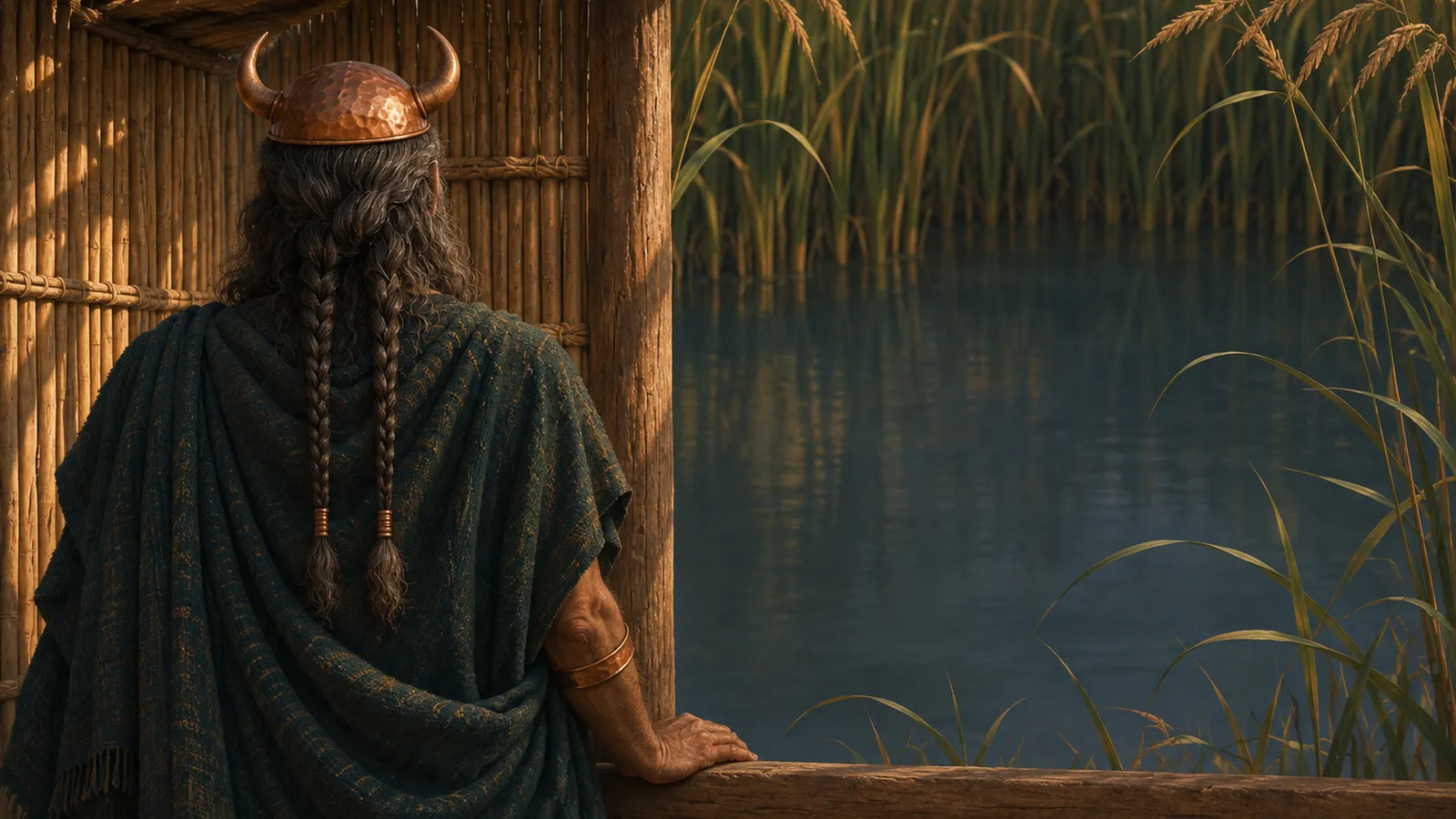
Ea hörte, was die anderen erfahren hatten. Er erkannte, was gegen sie vorbereitet wurde, und überlegte, wie er es verhindern konnte.
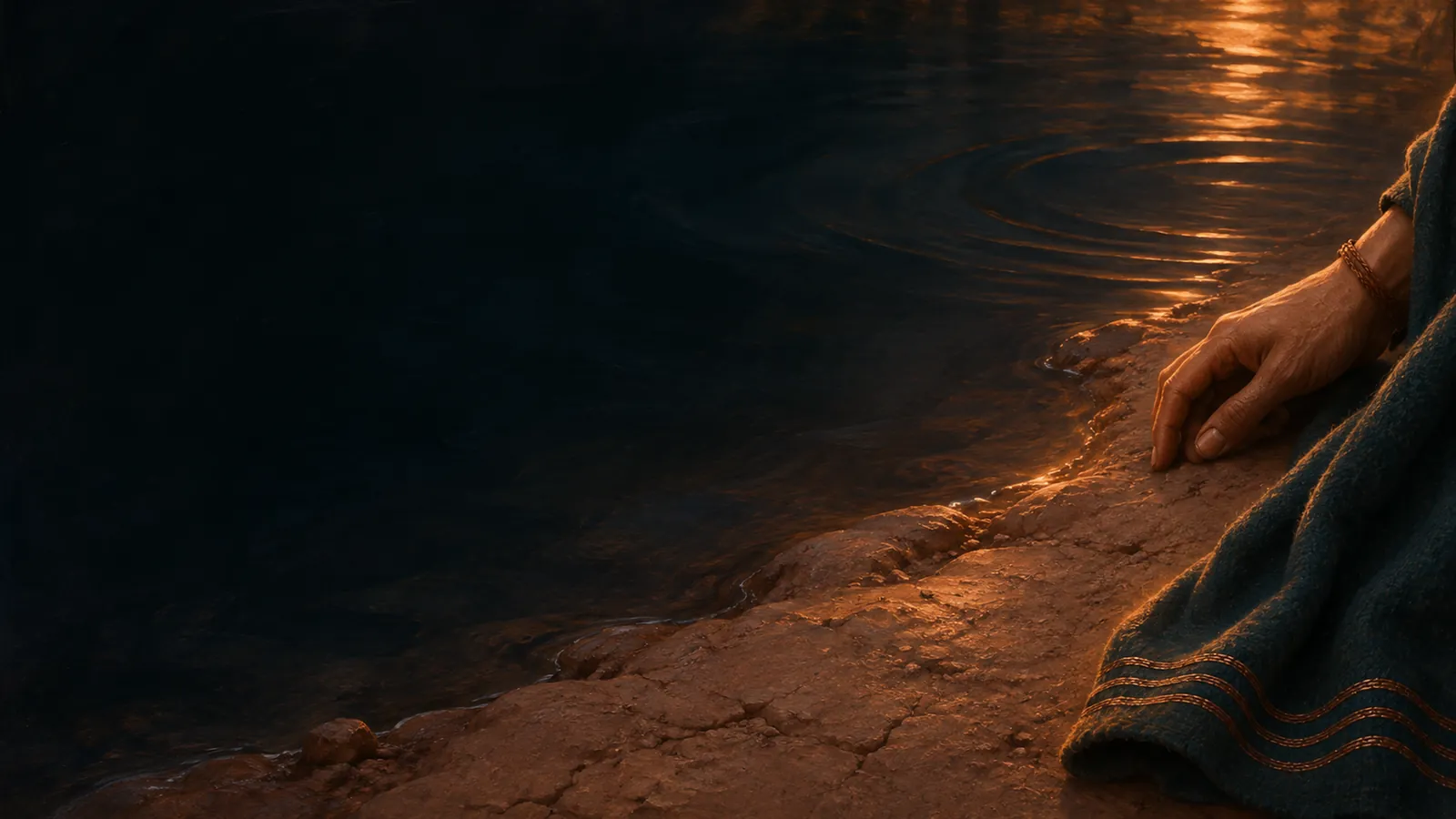
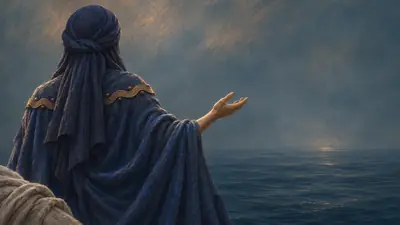
Ea ersann einen Zauberspruch und sprach ihn über den Wassern. Diese Worte waren seine Antwort auf den Plan gegen die jüngeren Götter.
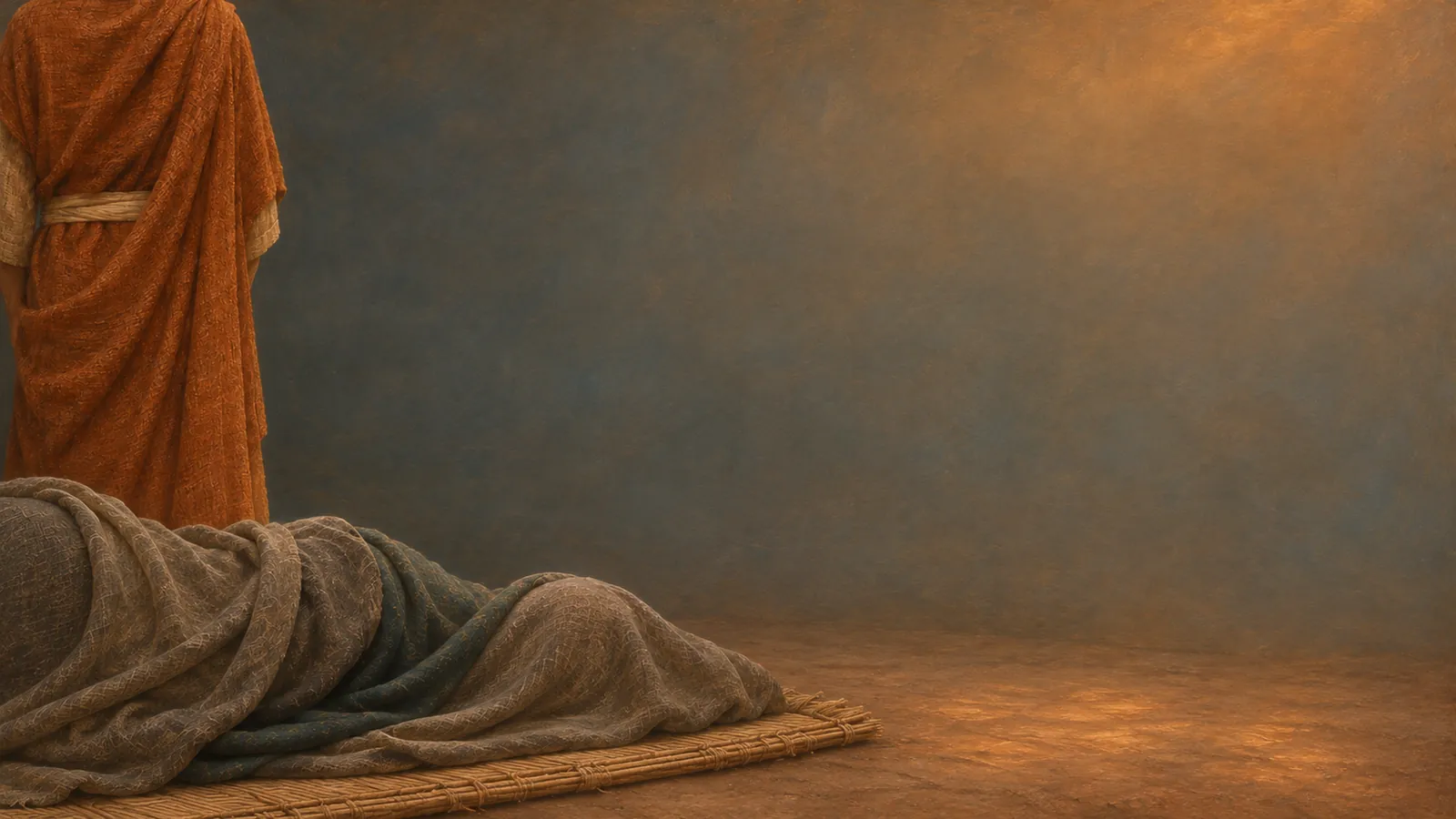
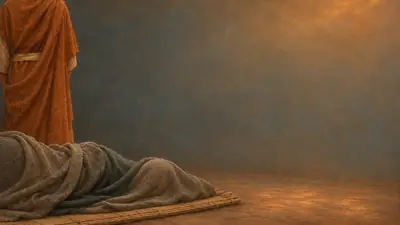
Apsû fiel in den Schlaf, den Ea über ihn gebracht hatte. Mummu war noch wach, doch der Spruch nahm ihm die Kraft, seinem Herrn zu helfen.
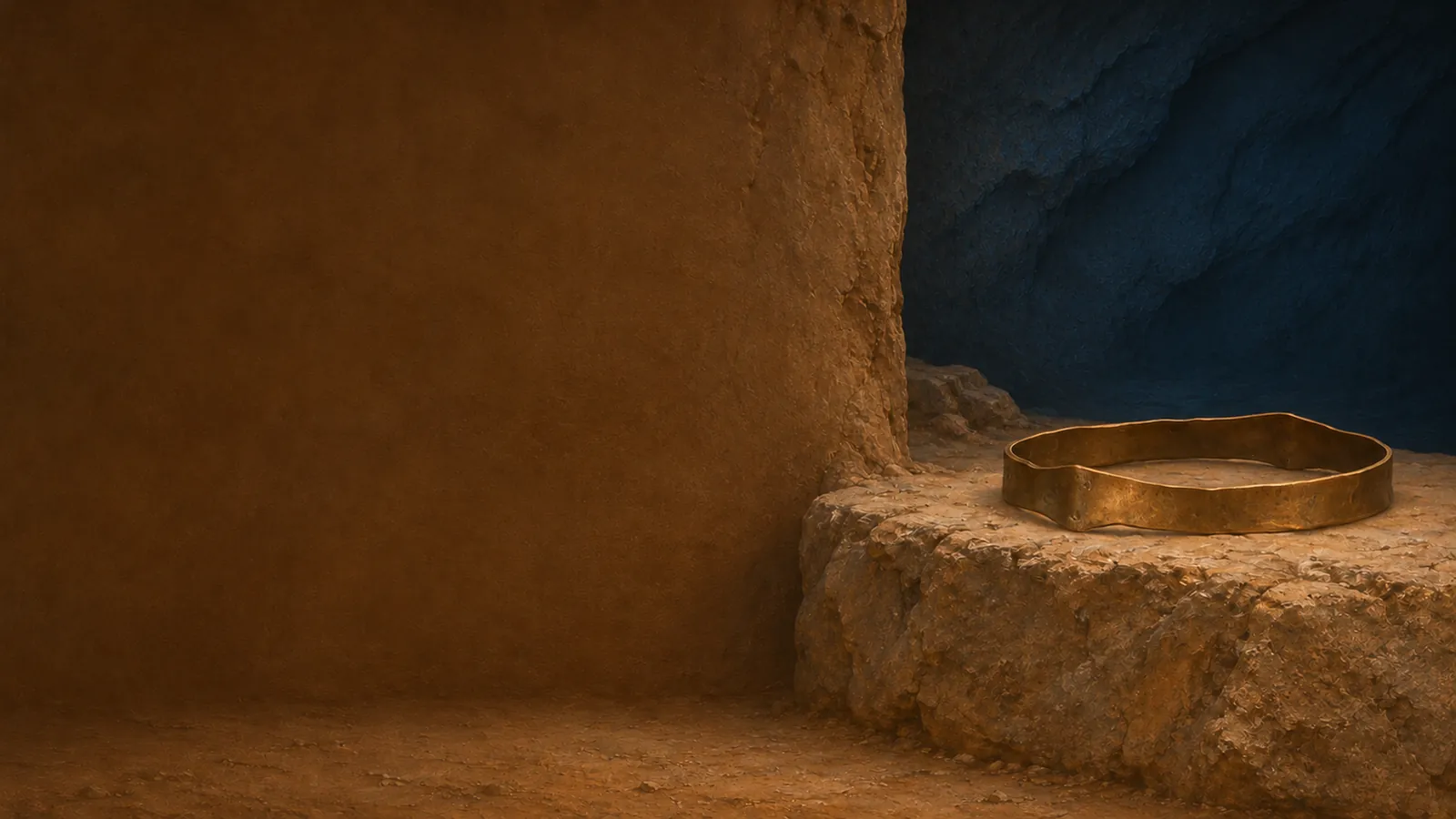
DIE KRONE
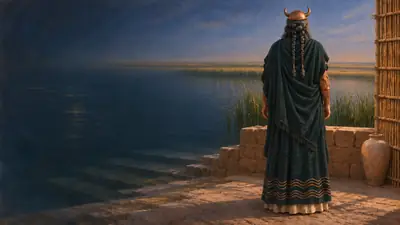
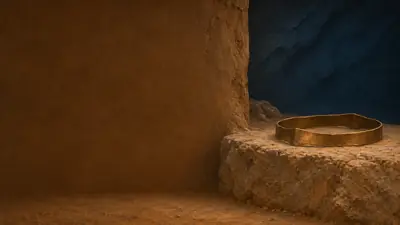
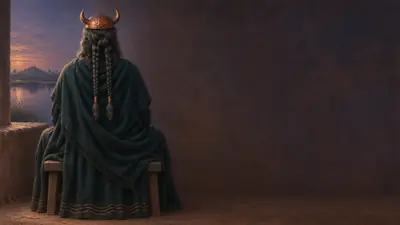
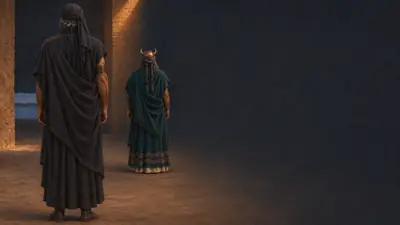
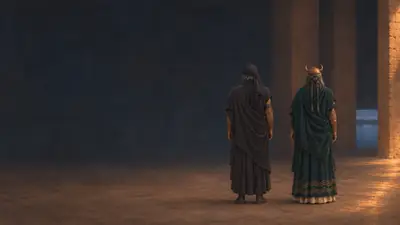
Ea nahm Apsû die Krone und eignete sich seinen Glanz an. Das Gedicht erzählt, dass er Apsû tötete und die alte Herrschaft endete.
Auch Mummu geriet in Eas Gewalt. Der genaue Sinn der Zeilen ist schwer zu bestimmen, doch der Ratgeber bleibt gefangen, nachdem Ea seine Gegner überwunden hat.
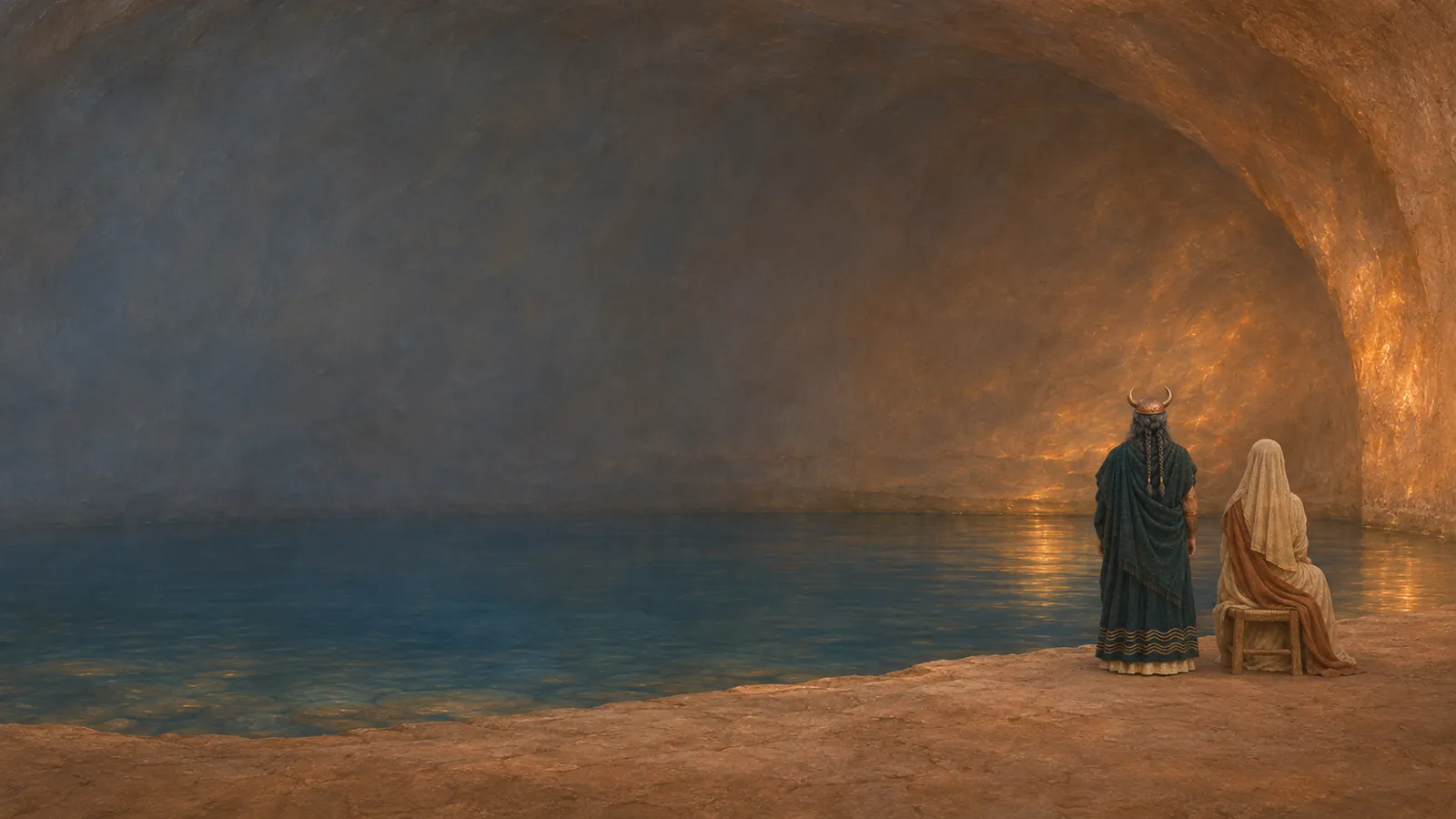
Ea fand Ruhe an dem Ort, an dem er gesiegt hatte. Er nannte seine Wohnstatt Apsû und lebte dort mit Damkina.
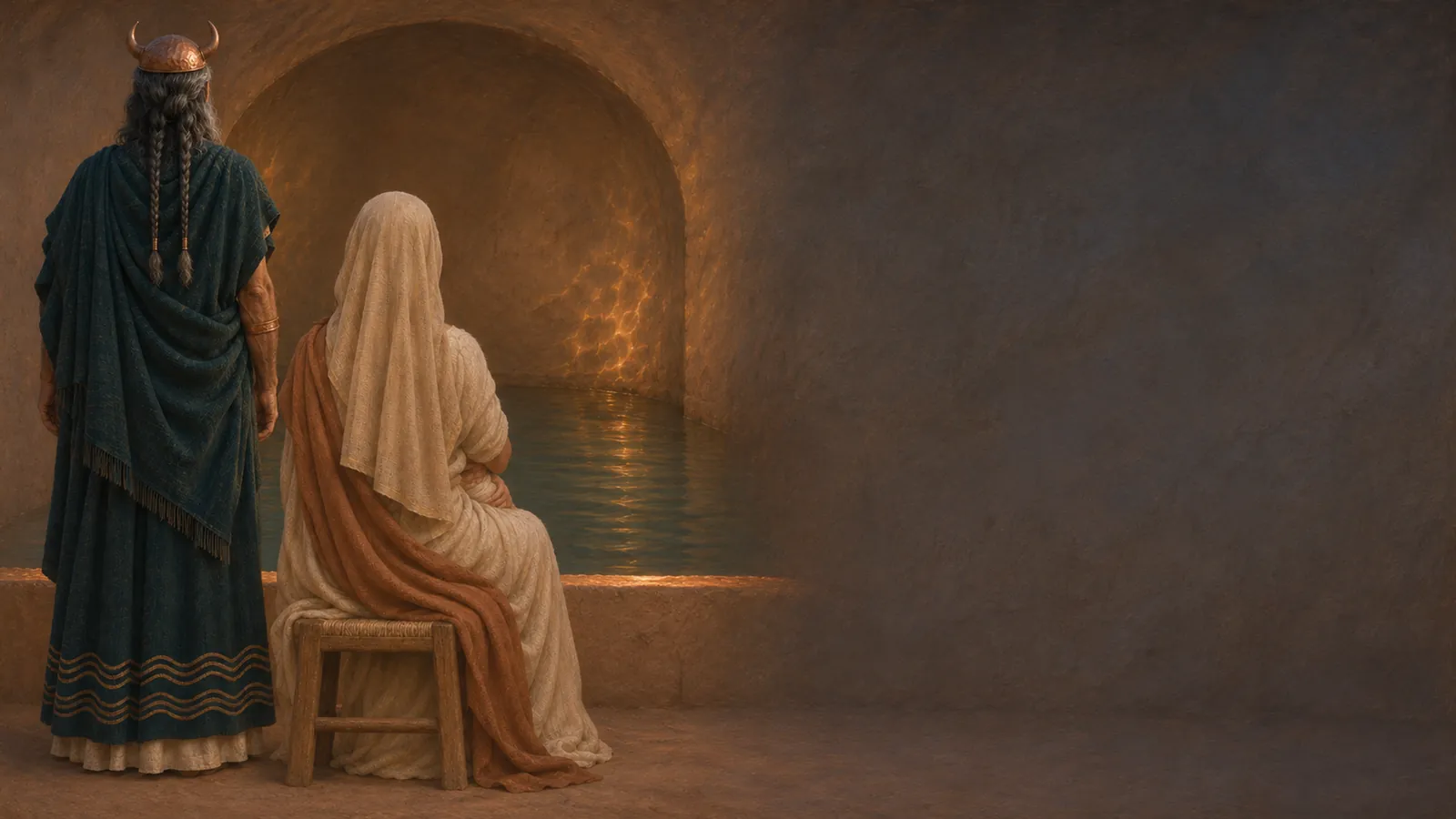
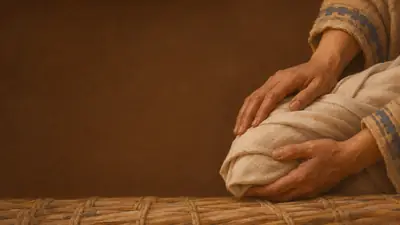
In der Wohnstatt in der Tiefe wurde ein Kind geboren. Ea war sein Vater und Damkina seine Mutter, und das Kind hieß Marduk.
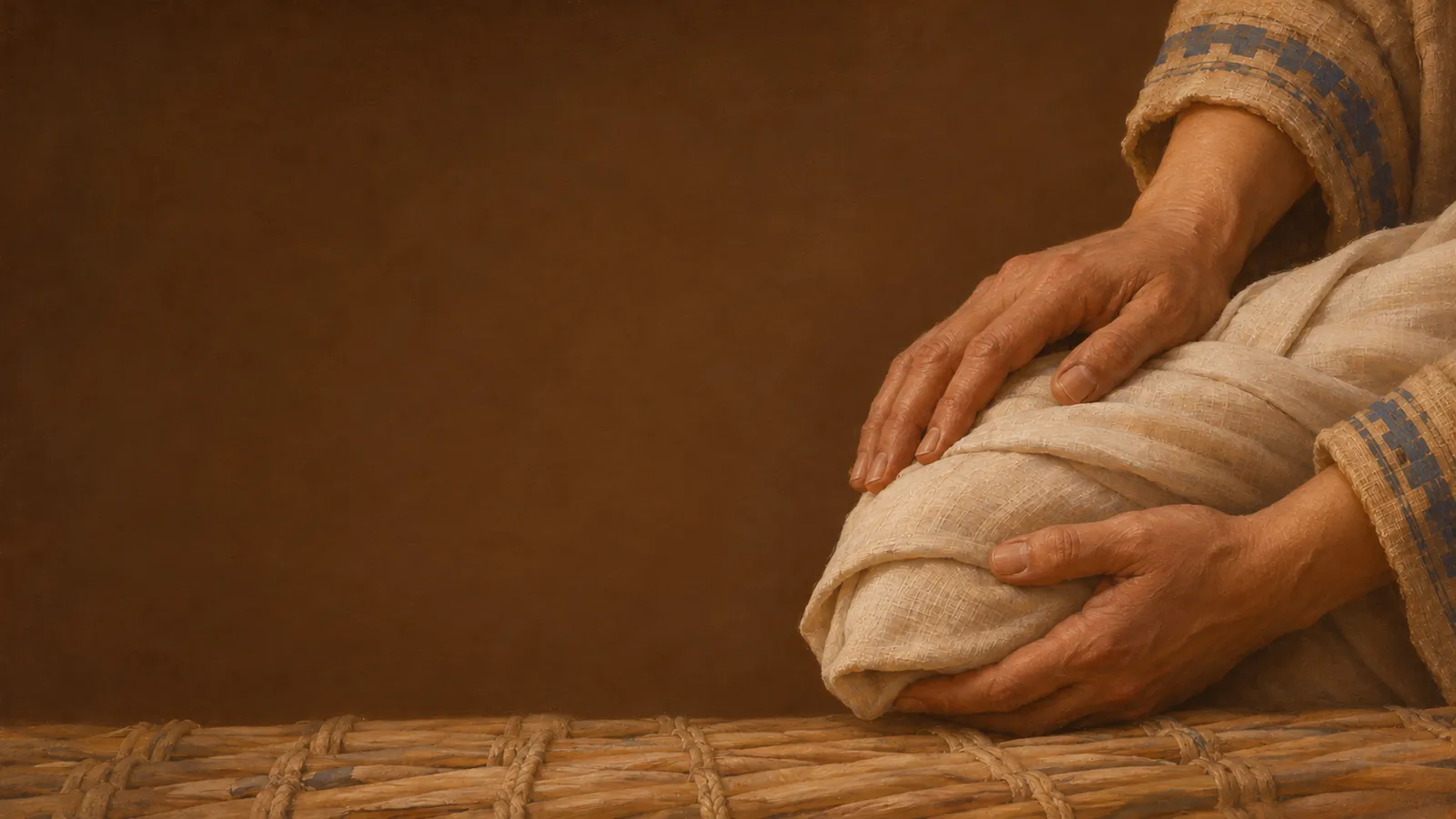
Göttinnen stillten Marduk, und die Amme, die ihn aufzog, machte ihn zu einem Kind, das Ehrfurcht weckte. Seine Stärke zeigte sich von den ersten Tagen an.
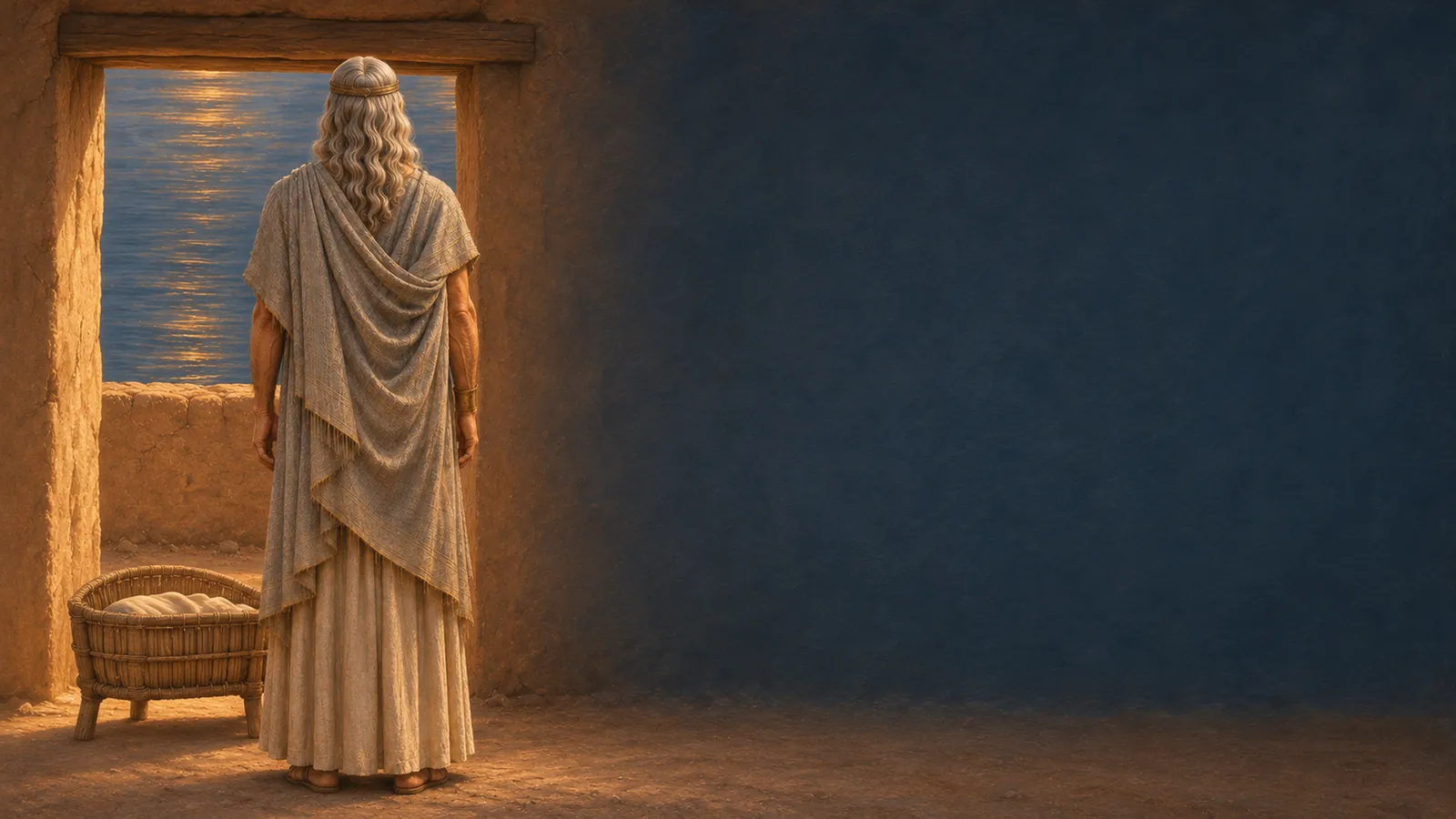
Anu sah das Kind seines Sohnes, und Freude erfüllte ihn. Im Gedicht steigert er daraufhin noch die Gaben des jungen Gottes.
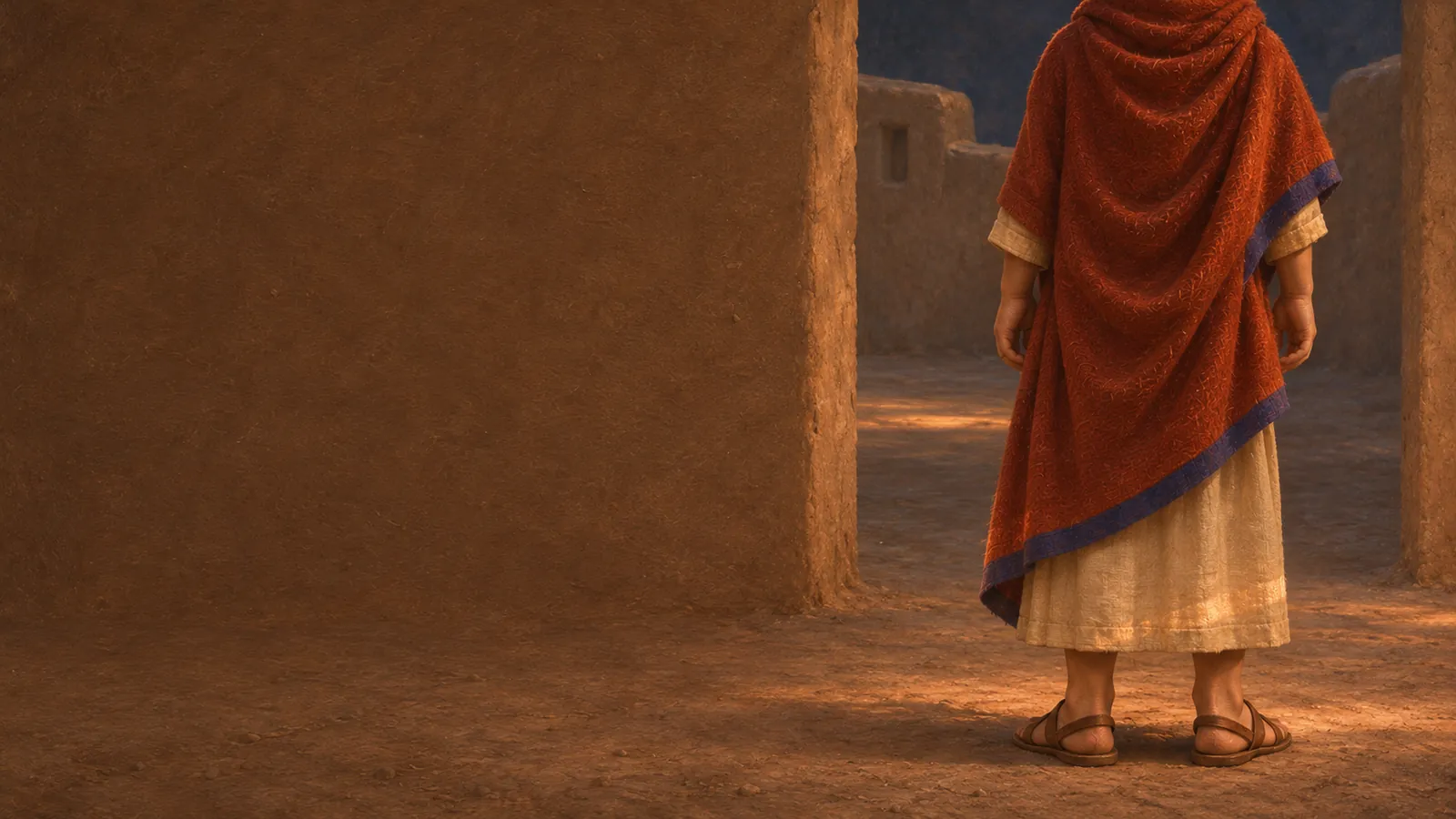
Um zu zeigen, wie weit Marduks Sinne reichten, gibt ihm das Gedicht vier Augen und vier Ohren. Es erzählt, dass Feuer aufblitzte, wenn er sprach.
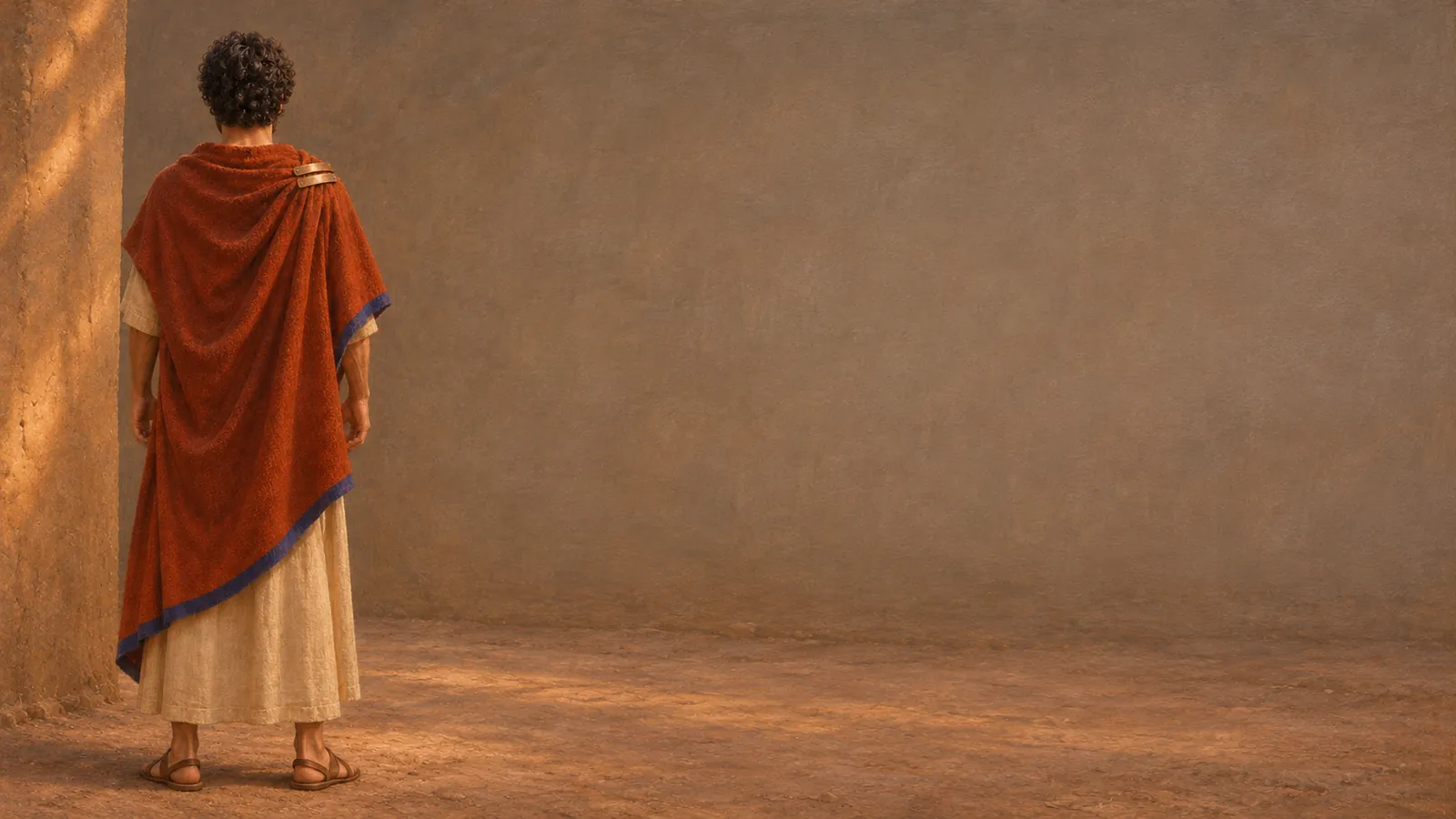
Das Gedicht greift zum Glanz der Sonne, um Marduk zu preisen. Sein Licht und die Ehrfurcht, die ihn umgibt, heben ihn von den anderen Göttern ab.
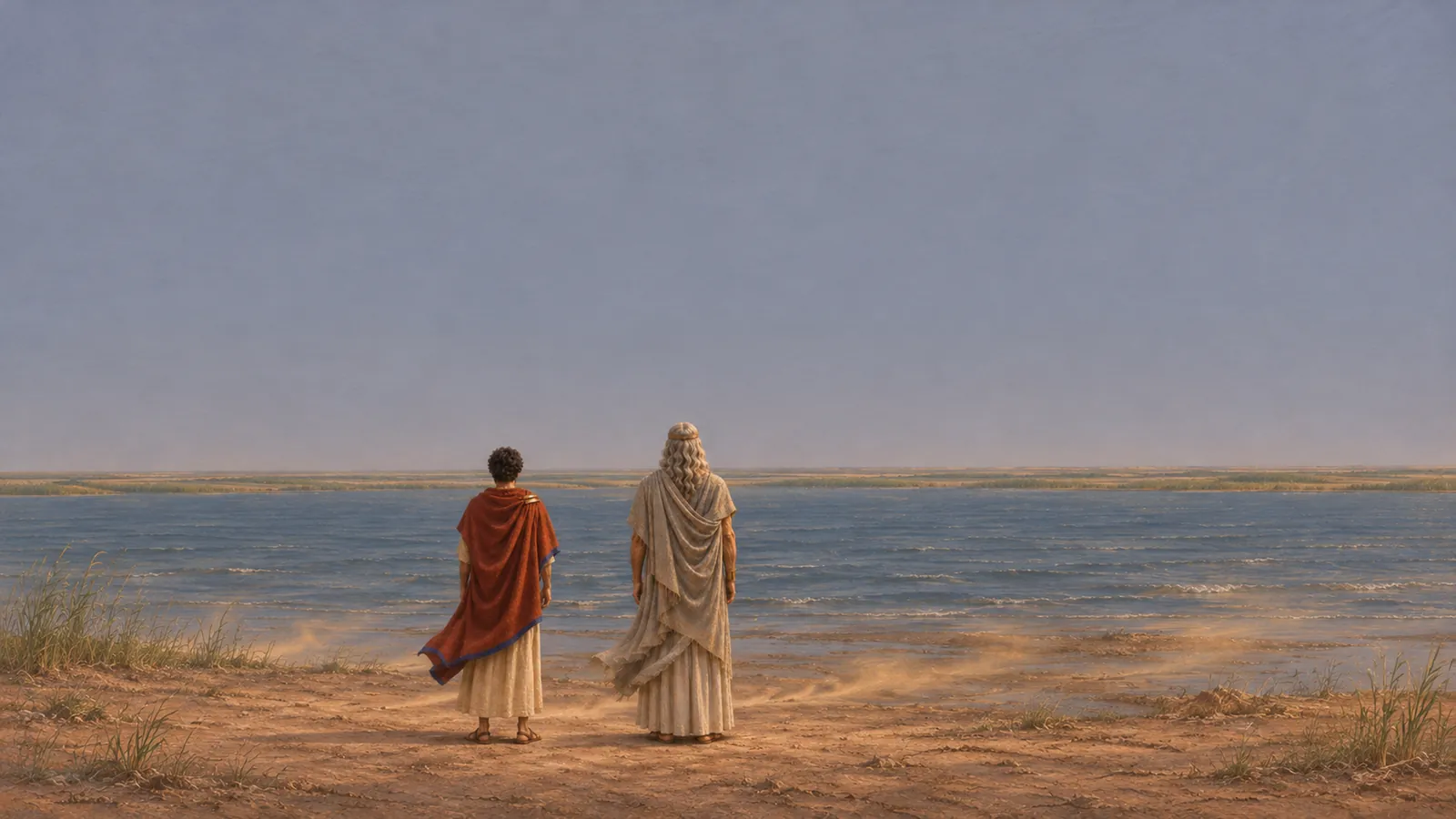
DIE VIER WINDE
Anu brachte vier Winde hervor und gab sie Marduk. Als der junge Gott mit ihnen spielte, stiegen Wellen im Wasser auf, und Tiamat geriet in Unruhe.
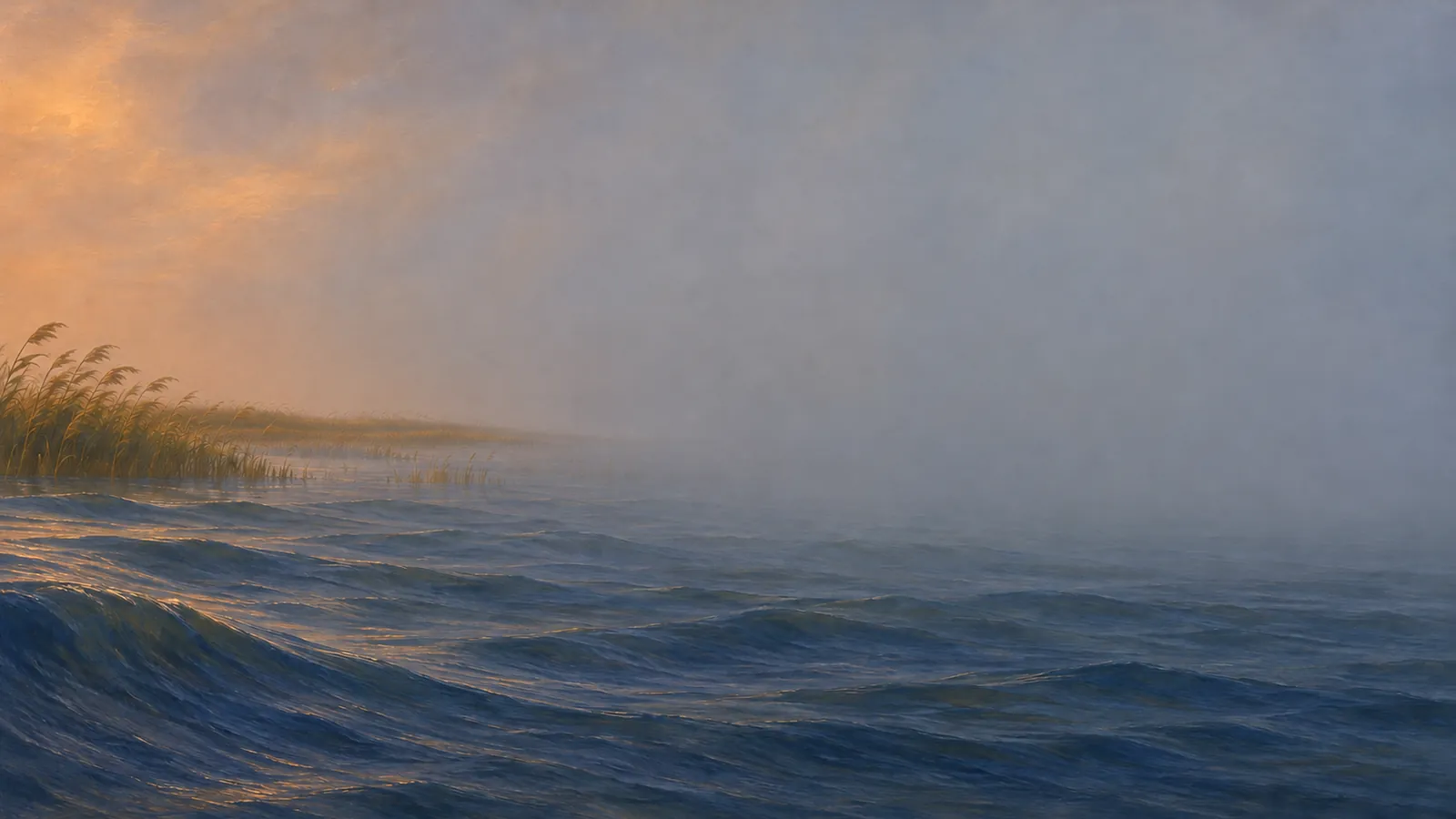
Die Winde ließen Tiamat bei Tag und bei Nacht nicht zur Ruhe kommen. In den Wassern ringsum konnten auch die Götter nicht mehr still liegen und keinen Schlaf finden.
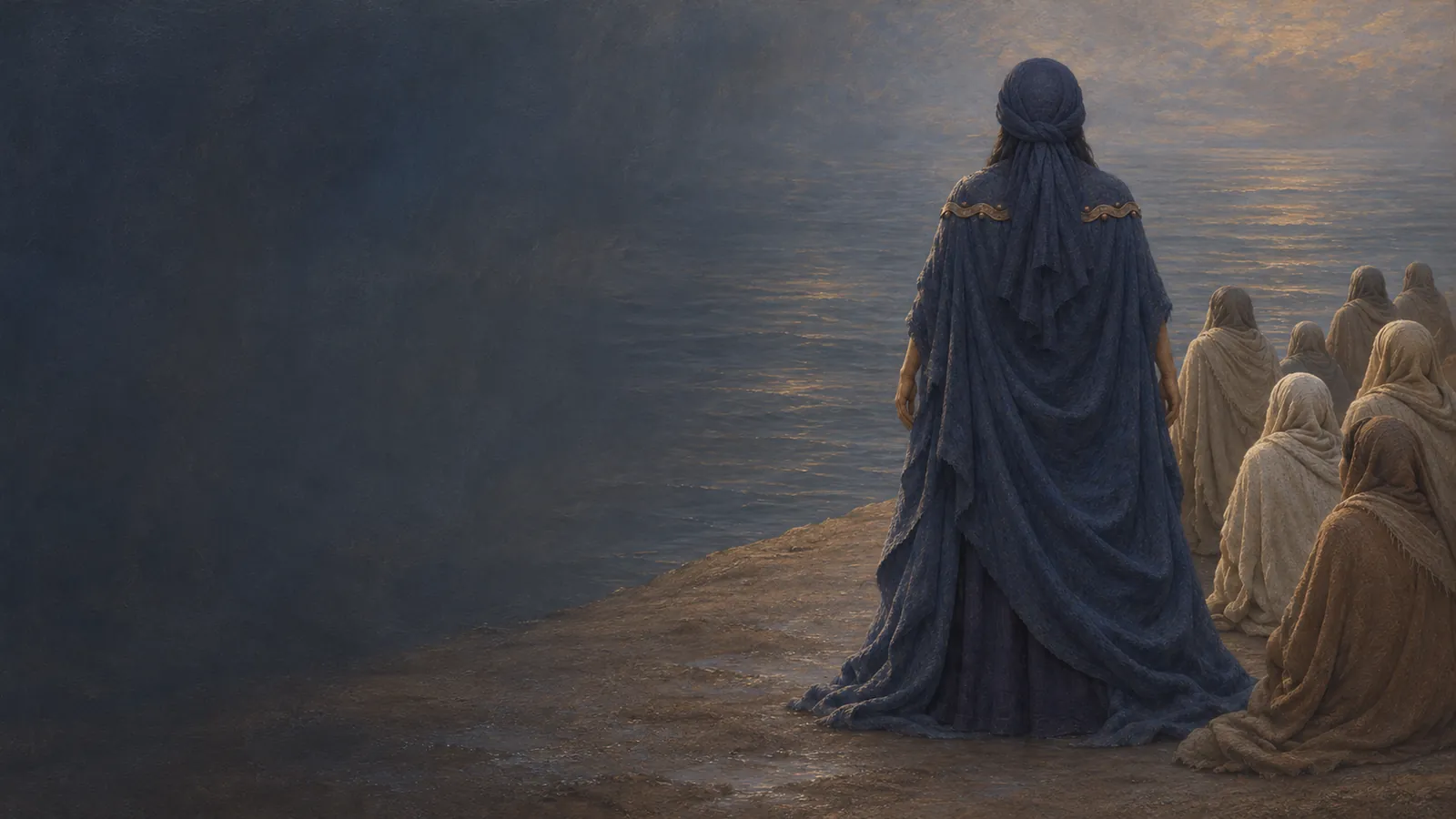
Einige Götter brachten Apsûs Tod zur Sprache. Sie erinnerten Tiamat daran, dass sie damals schweigend dagesessen hatte und auch Mummu fortgebracht worden war.
Sie baten Tiamat, ihrer Schlaflosigkeit ein Ende zu setzen und das Geschehene zu rächen. Die letzten Worte ihres Bittrufs sind beschädigt, doch ihre Forderung zu handeln ist klar.
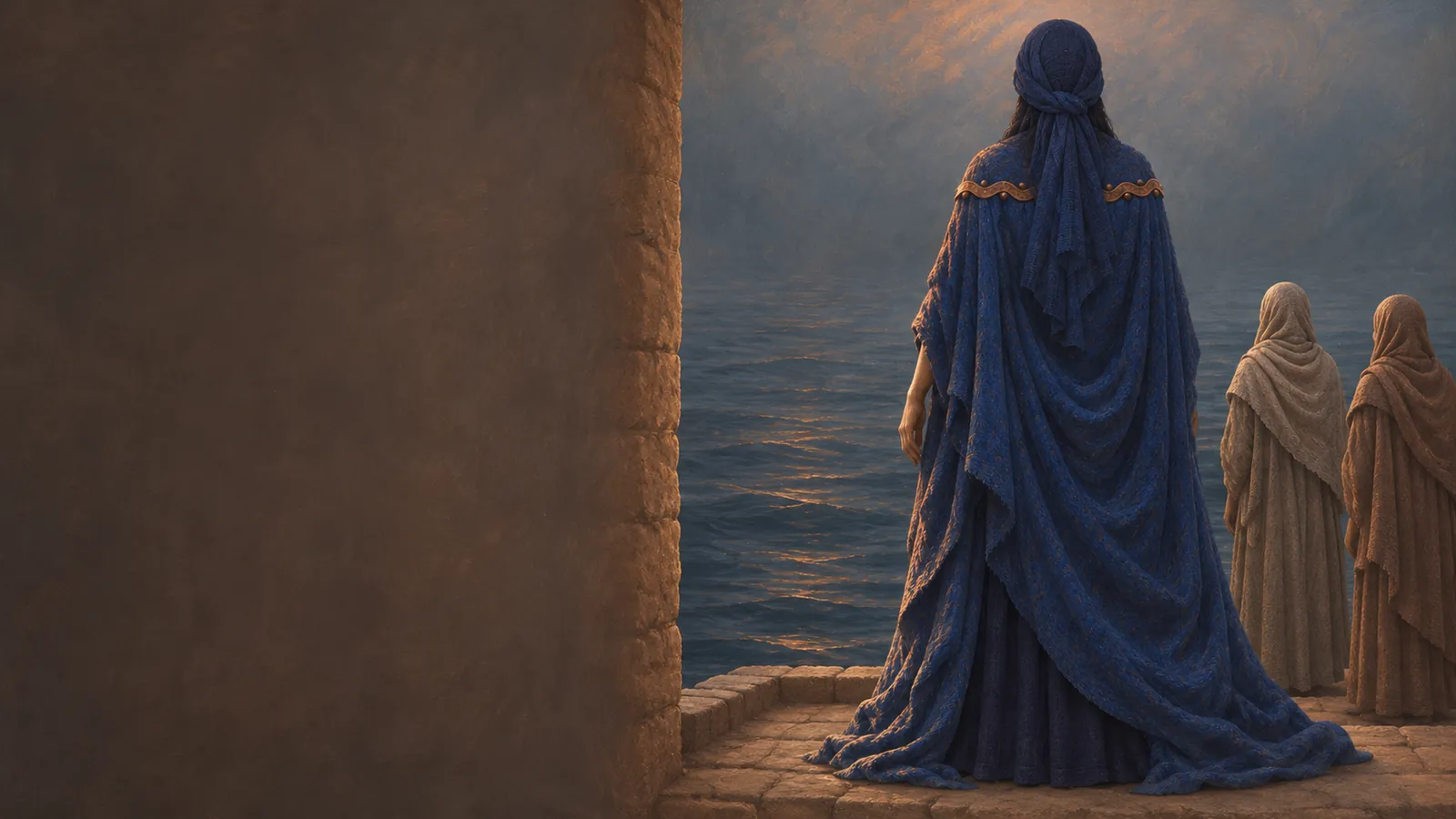
Diesmal nahm Tiamat ihren Rat an. Sie sagte, sie würden tun, was sie vorgeschlagen hatten, und die Götter versammelten sich in ihren Wassern, um es auszuführen.
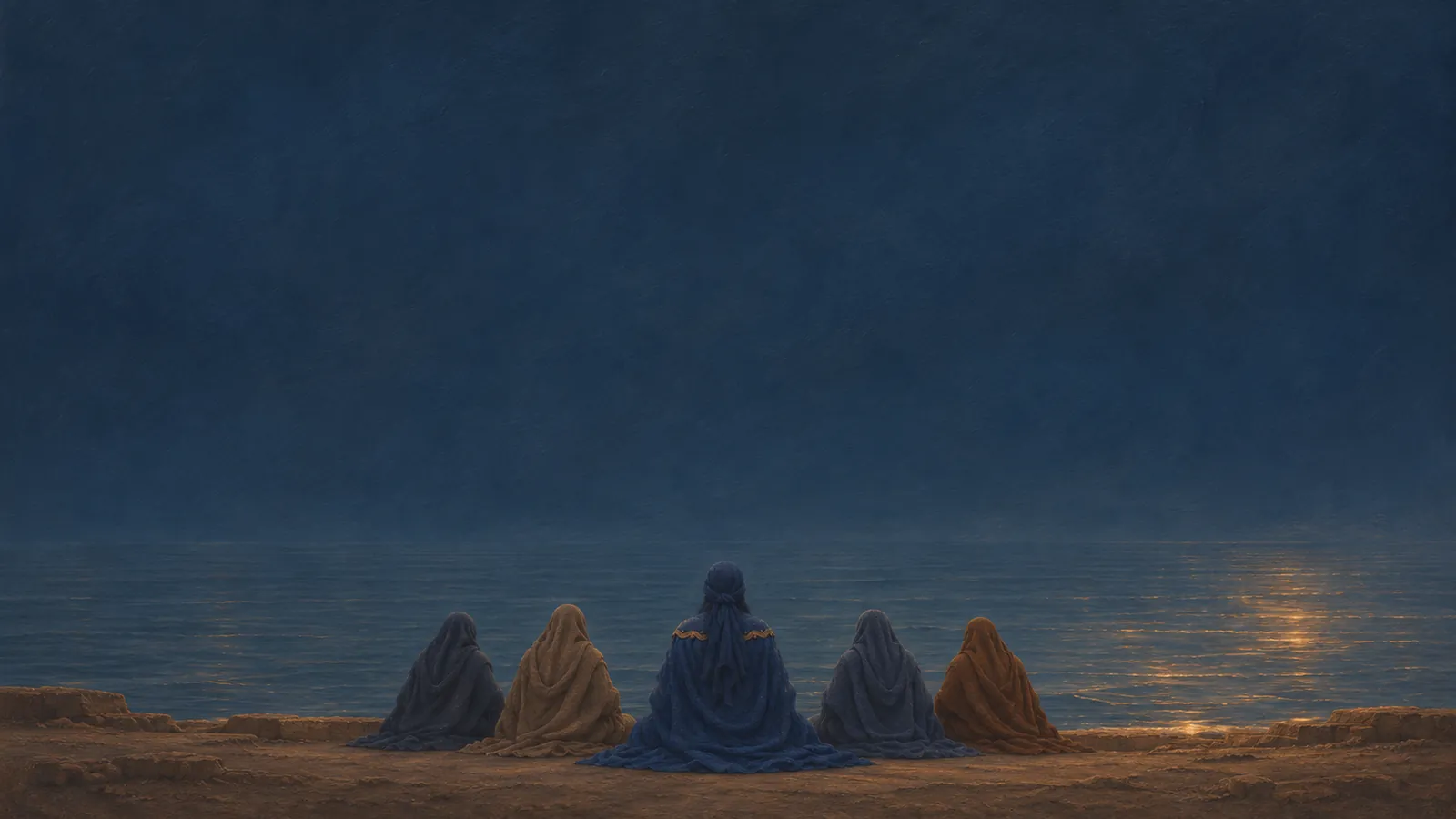
Die Götter nahmen ihre Plätze an Tiamats Seite ein. Die alte Unruhe hatte sie wach gehalten, und nun nutzten sie diese Tage und Nächte, um den Konflikt vorzubereiten.
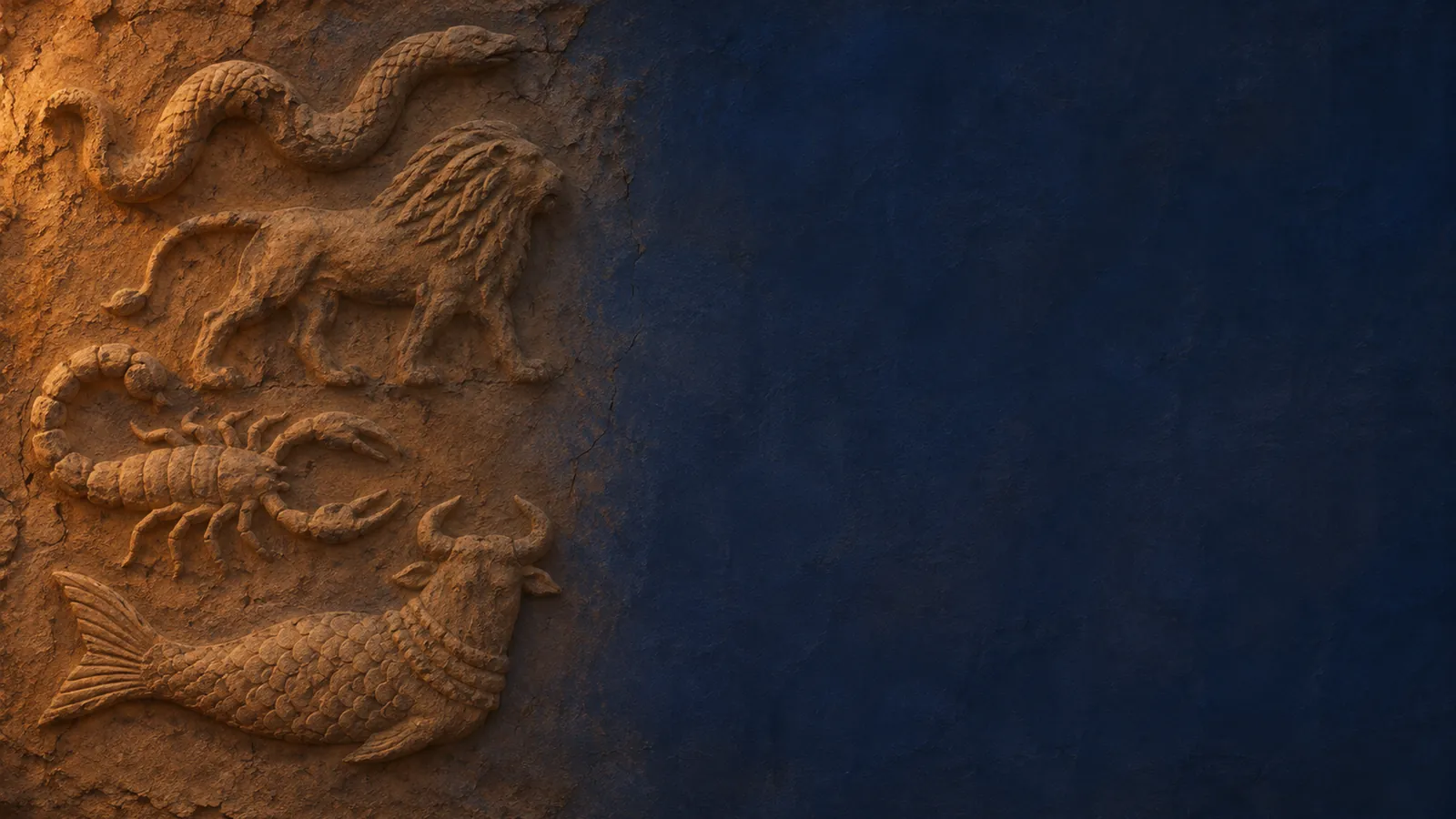
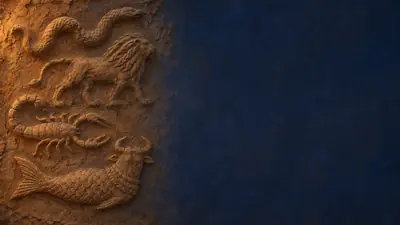
Tiamat brachte elf Wesen hervor. Unter denen, die sie versammelte, nennt das Gedicht Schlangen und Wesen in Gestalt von Löwen, Skorpionen, Fischen und Stieren.
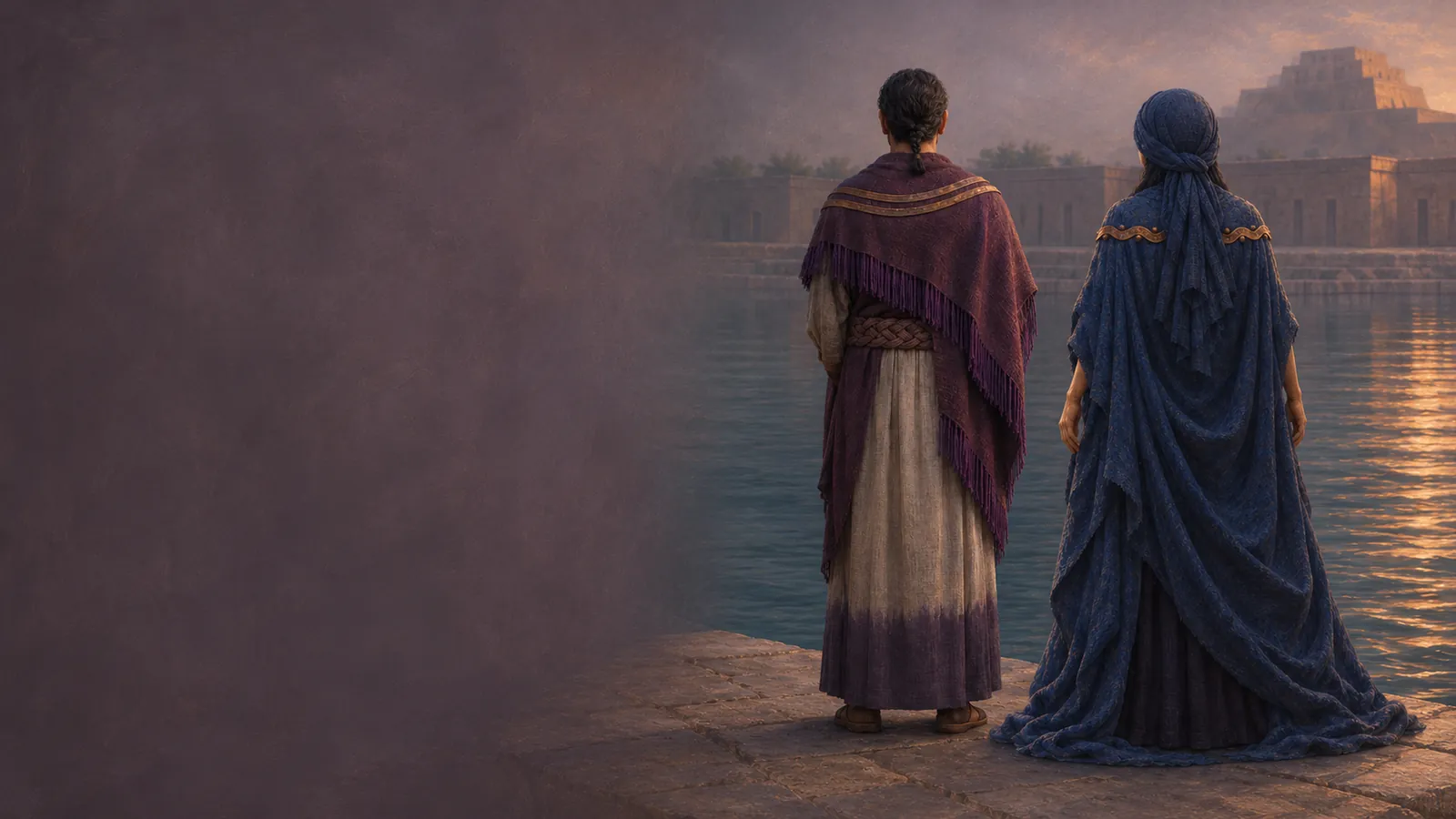
Unter den Göttern, die sich ihr angeschlossen hatten, wählte Tiamat Qingu aus. Sie erhob ihn über die anderen und gab ihm einen Platz an der Spitze ihres Rates.
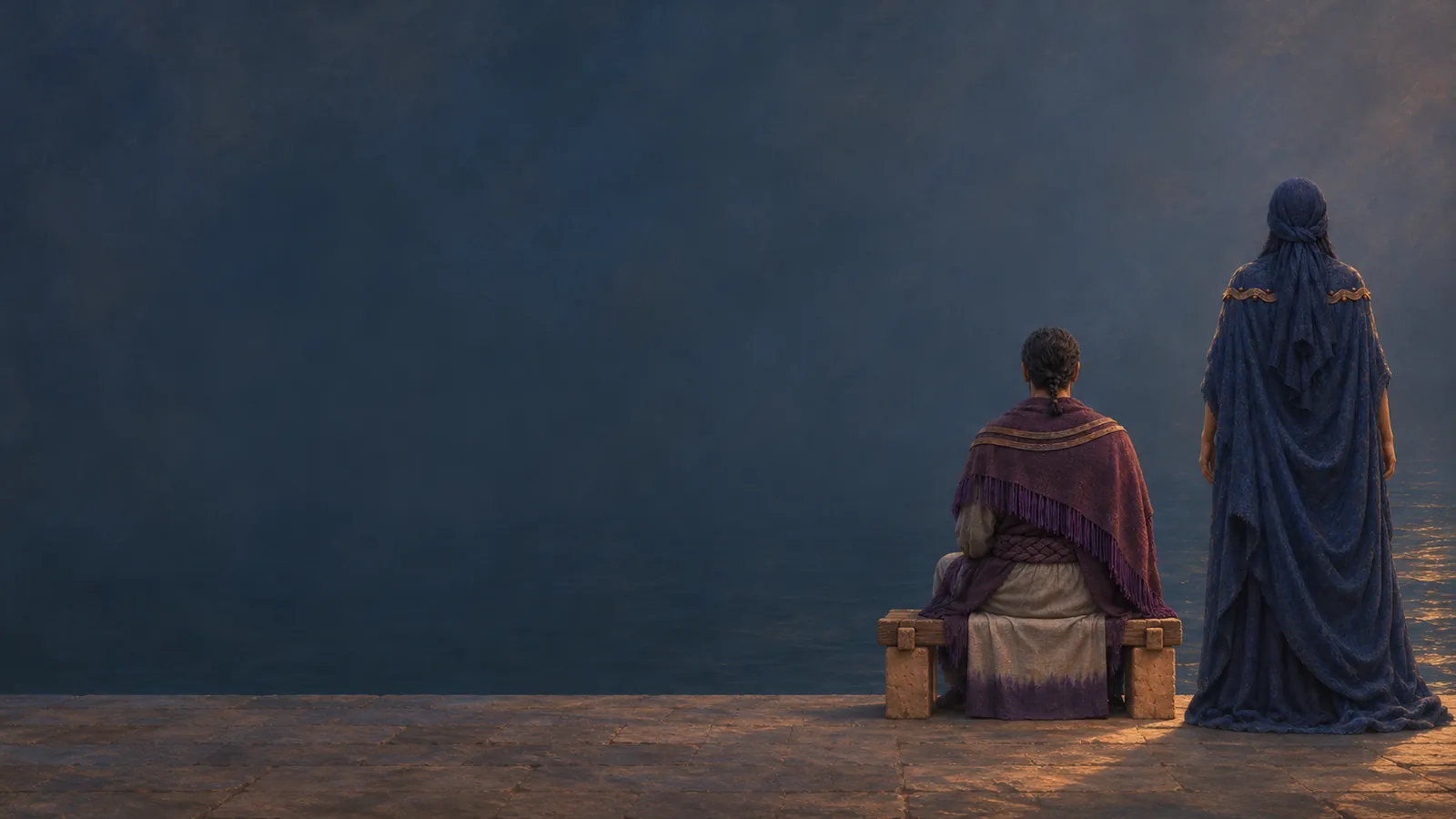
Tiamat betraute Qingu damit, alle anzuführen, die an ihrer Seite standen. Sie vertraute ihm die Versammlung an und ließ ihn auf dem Platz des Anführers sitzen.
Vor den versammelten Göttern erklärte Tiamat Qingu zu ihrem erwählten Gefährten. Von nun an, sagte sie, sollte sein Wort in der Versammlung das größte Gewicht haben.
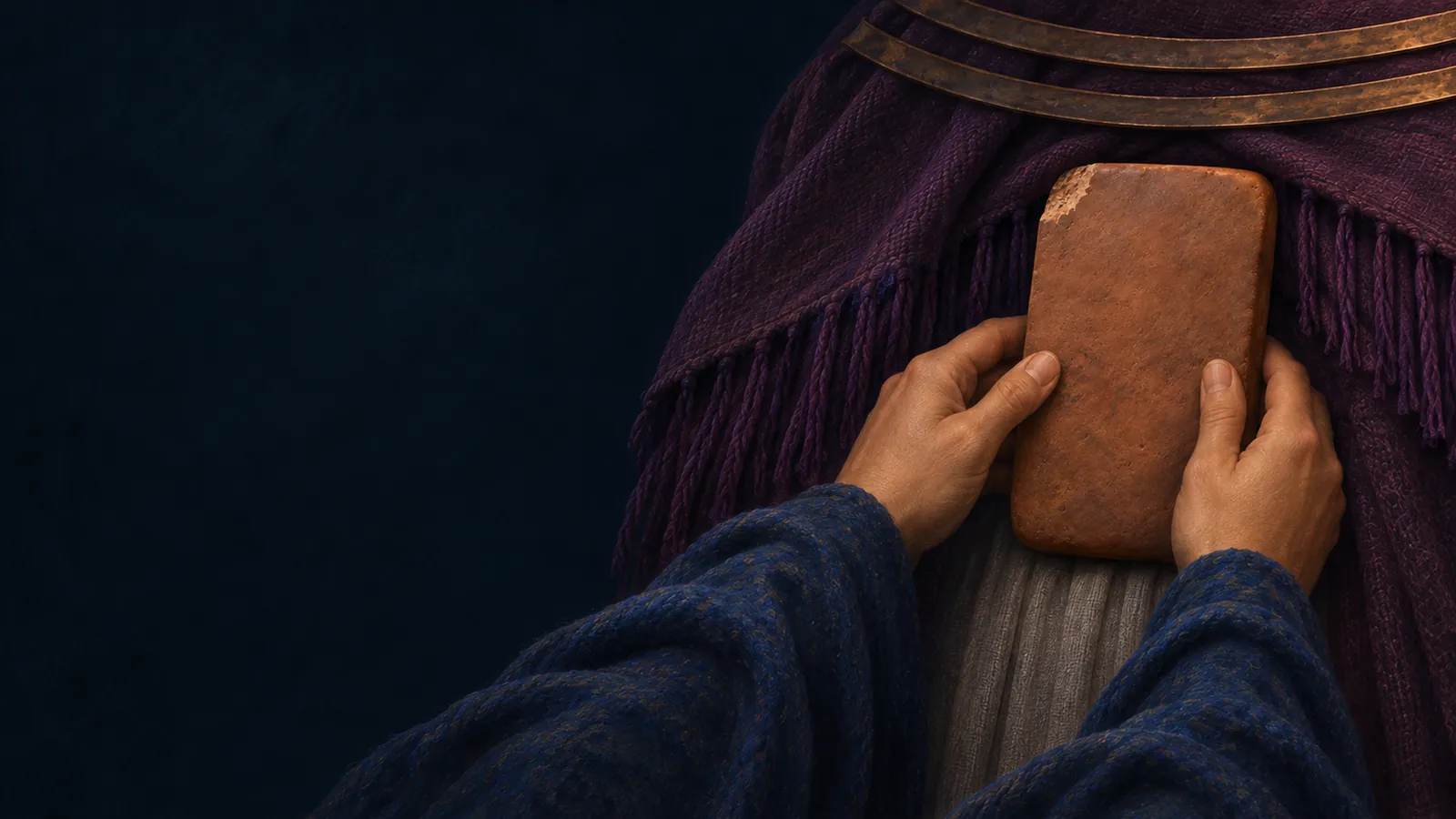
DIE SCHICKSALSTAFEL
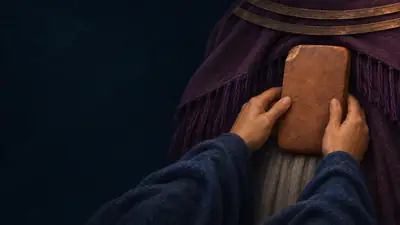
Tiamat legte Qingu die Schicksalstafel an die Brust. Sie erklärte, dass alle Entscheidungen, die er von diesem Augenblick an aussprach, unverändert gelten sollten.
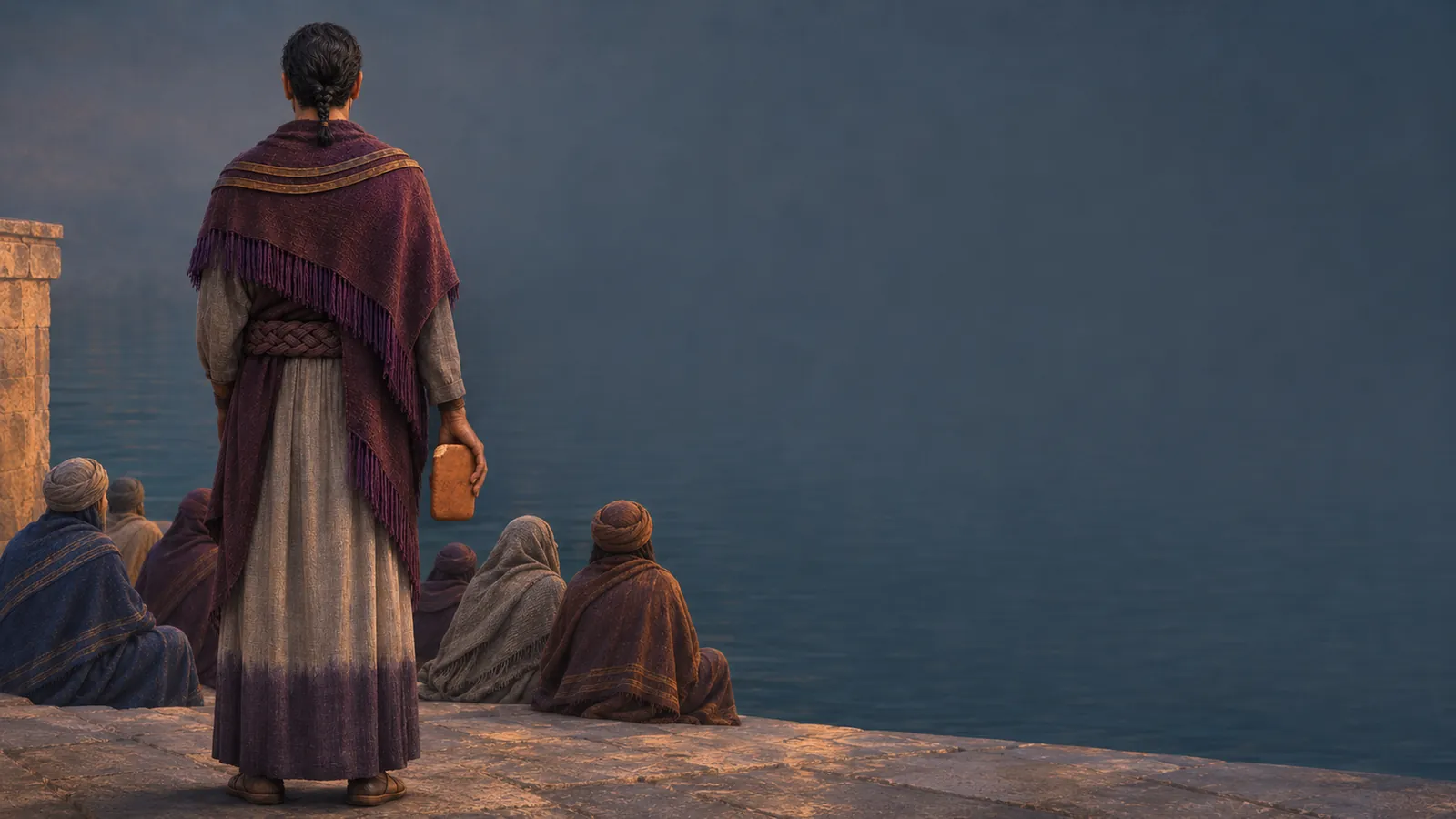
Qingu erhielt seine neue Macht und begann, das Geschick von Tiamats Gefolge zu bestimmen. Das Gedicht gibt seinen Worten die Kraft, selbst Feuer zum Erlöschen zu bringen.
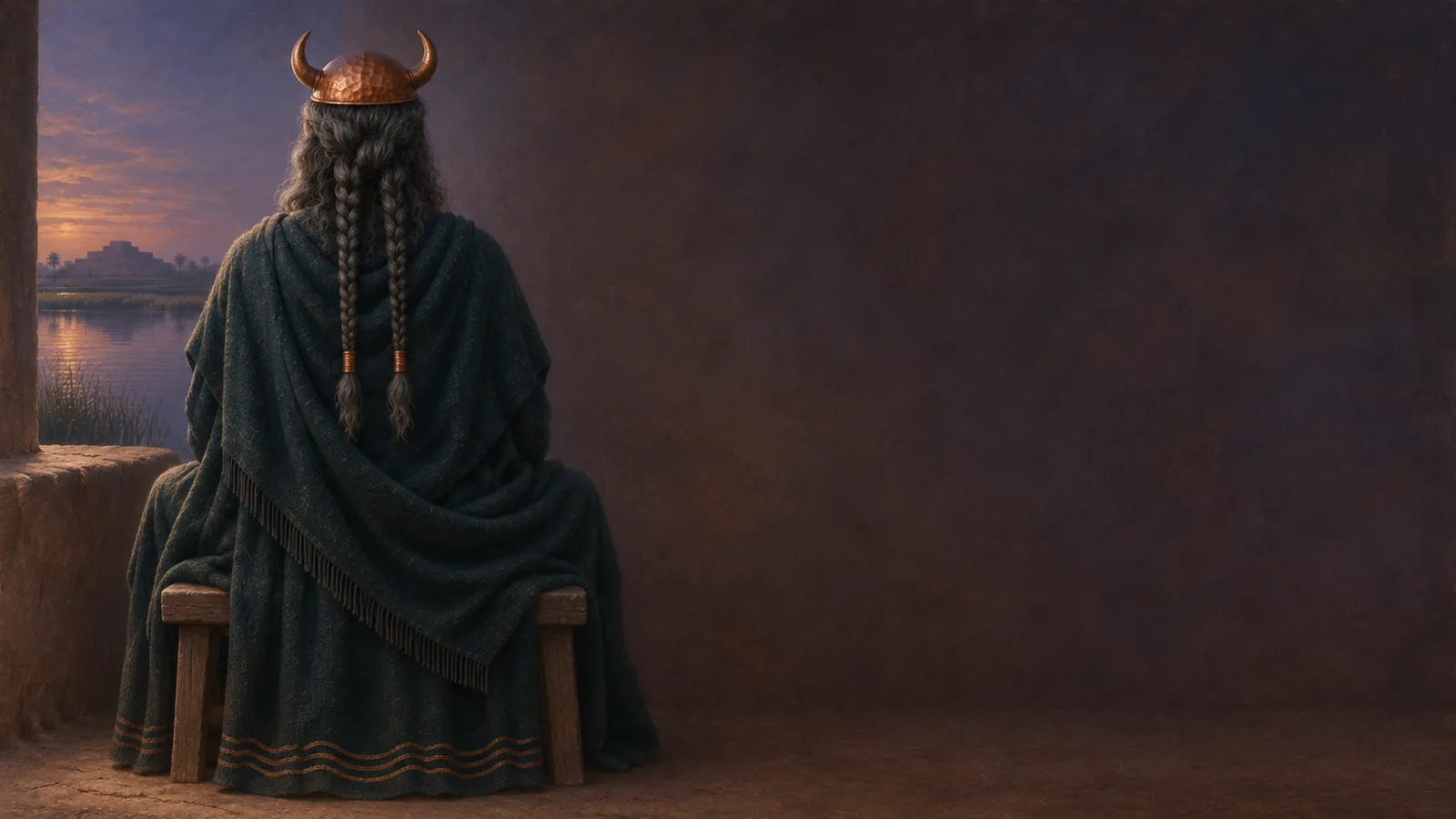
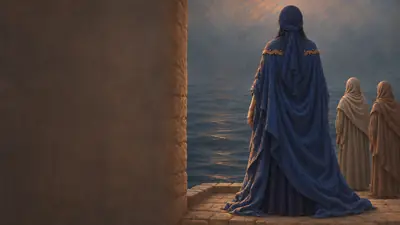
Ea erfuhr, dass Tiamat die Ihren versammelt hatte. Als die Nachricht ihn erreichte, verstummte er und saß eine Weile allein in seiner Kammer.
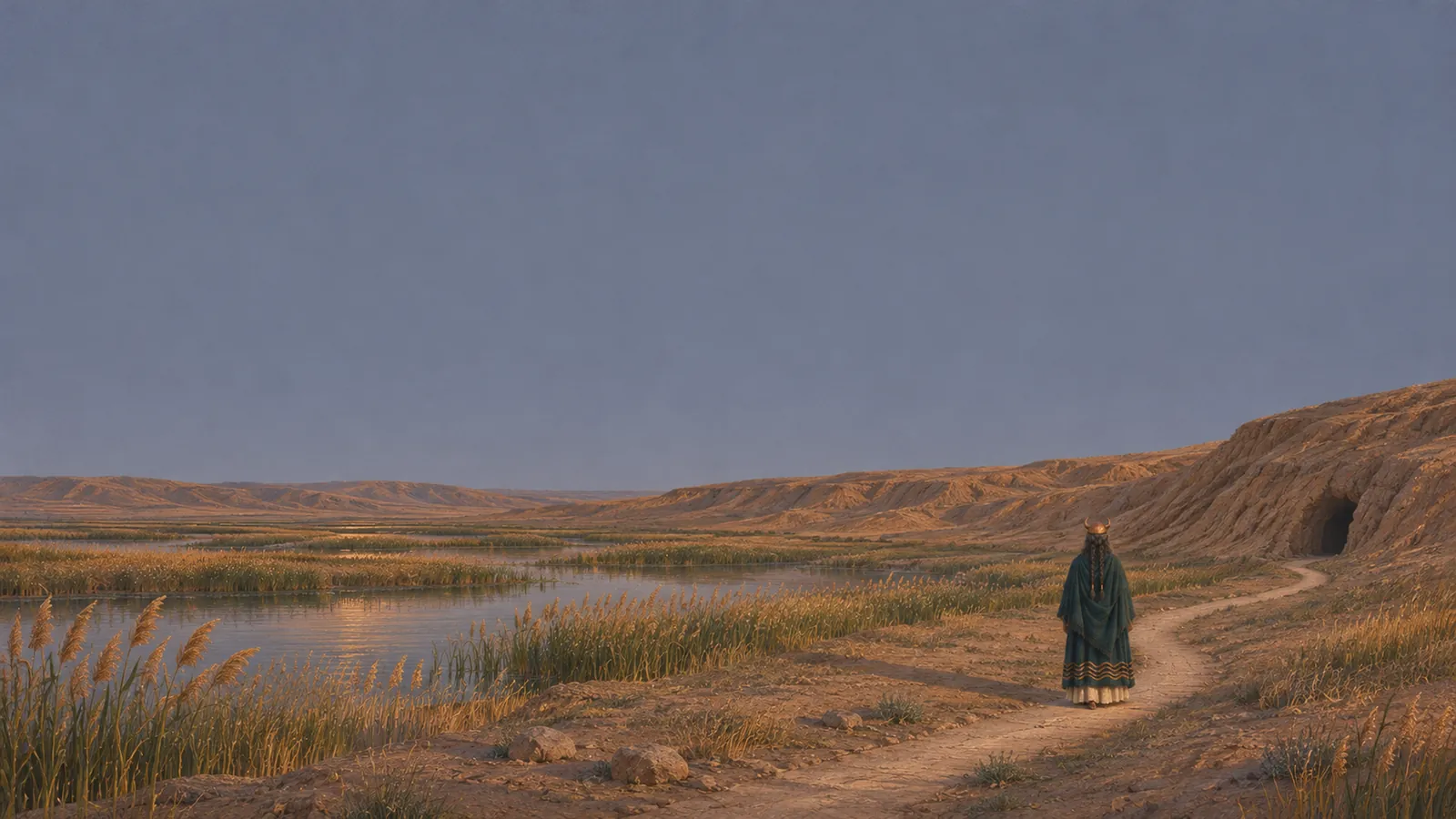
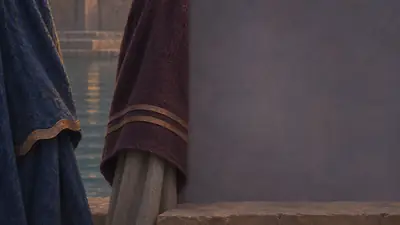
Nachdem Ea nachgedacht und seinen Zorn hatte abklingen lassen, ging er zu Anshar. Er trat vor den Vater seines Vaters, um ihm zu erzählen, was er gehört hatte.
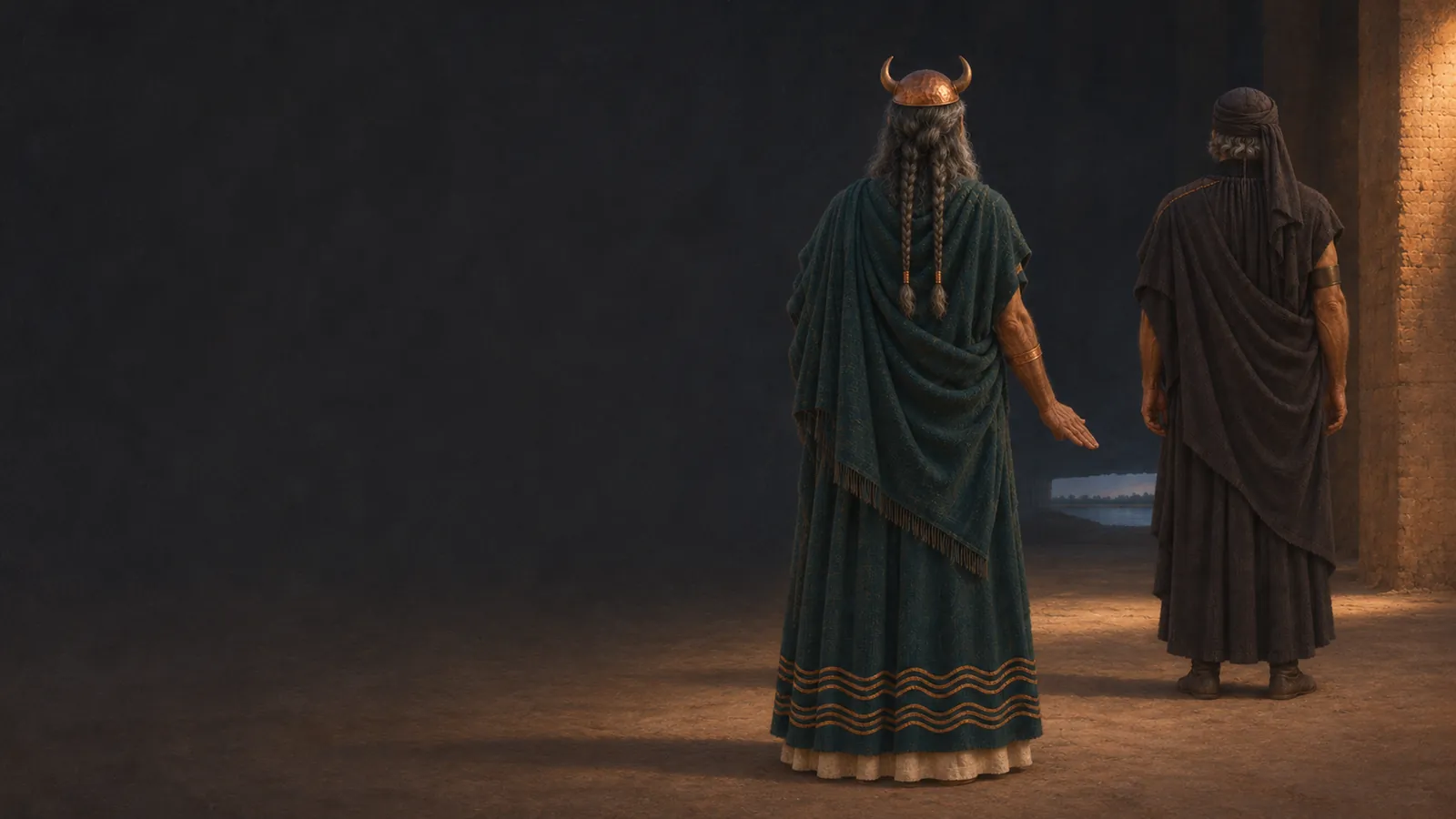
Ea berichtete Anshar von Tiamats Versammlung und den elf Wesen, die sie hervorgebracht hatte. Er erzählte, wie sie Qingu erhöht und ihm die Schicksalstafel übergeben hatte.
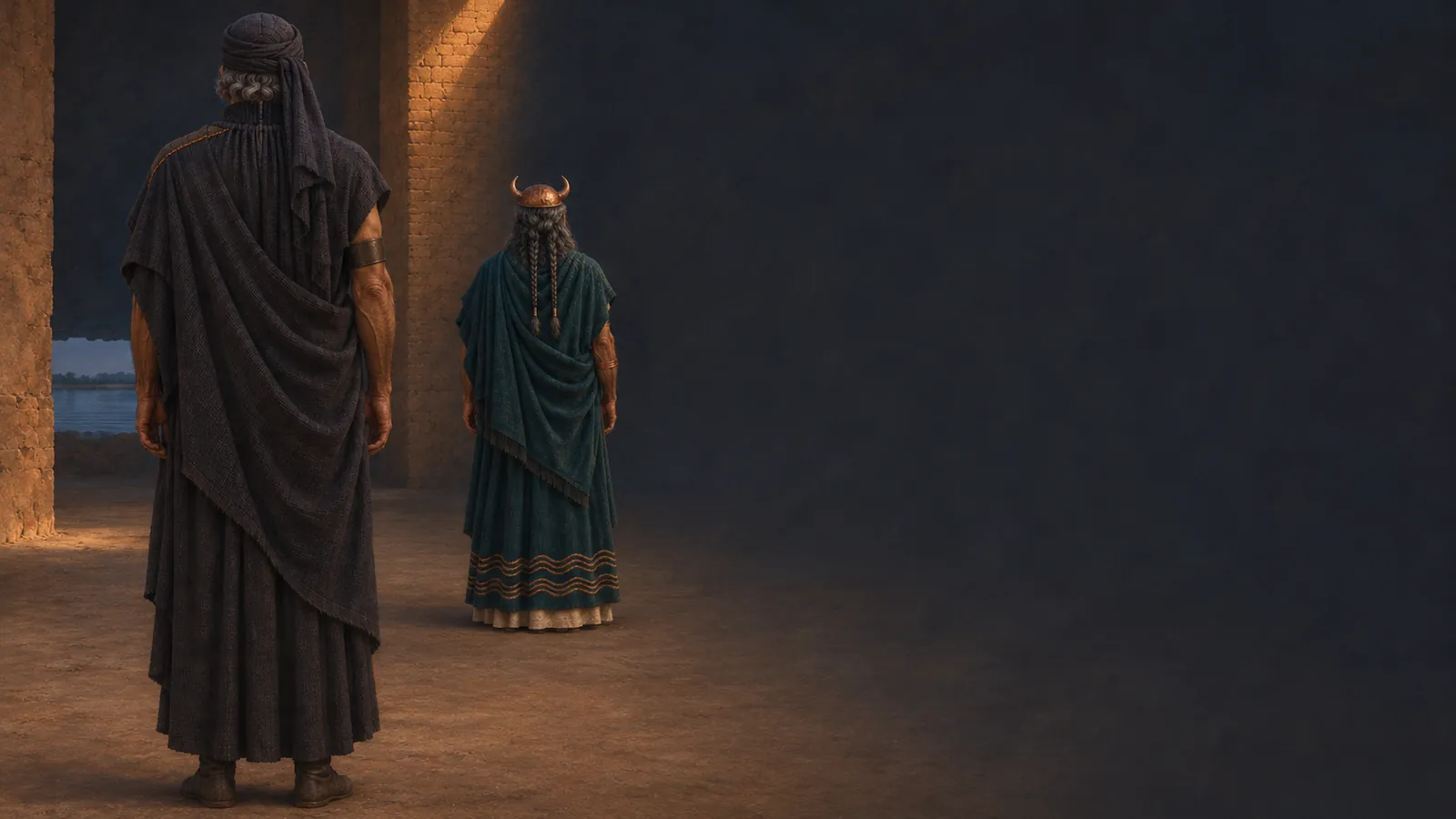
Der Bericht beunruhigte Anshar so sehr, dass er sich gegen Ea wandte. Er warf ihm vor, Apsû getötet zu haben, und fragte, wer Tiamat jetzt entgegentreten könne.

Ea antwortete sanft und bat Anshar, ihn anzuhören. Er verteidigte seine Entscheidung und fragte, wer die Unruhe hätte vorhersehen können, die daraus entstand.
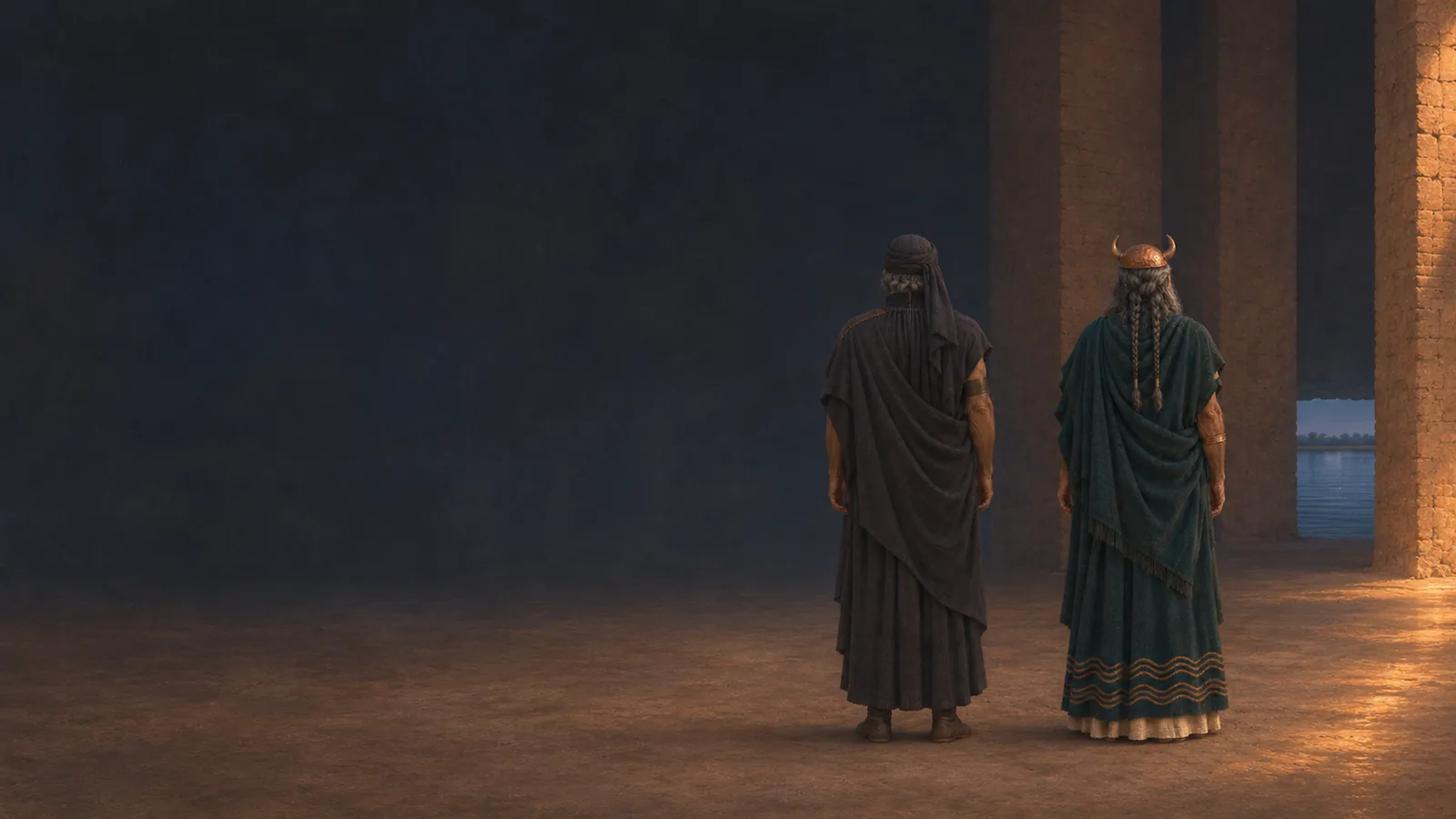
ANSHAR HÖRT ZU
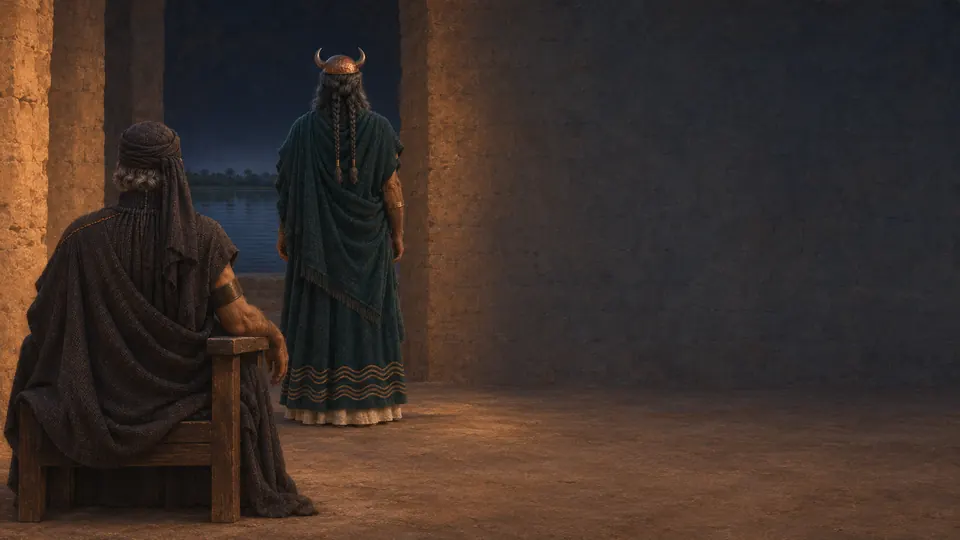
Anshar hörte Eas Antwort, und sein Zorn ließ nach. Als er wieder sprach, war er bereit zu hören, was sich in der Sache Tiamats tun ließ.
Ende von Kapitel 1
Alle Seiten








Quellen
Benutzte Editionen
- Electronic Babylonian Library, Tablet I: , lines 1–162.
- Electronic Babylonian Library, Tablet II: , lines 1–70.
- Heinrich and Helle, open 2024 edition: , pp. 24–41.
- IL Archive, Enuma Elish: , for story context and terminology.
Die antiken Verse hinter jeder Seite
- Page 1: Enūma Eliš I 1–2, eBL L I.2; Heinrich–Helle
- Page 2: Enūma Eliš I 3–5, eBL L I.2; Heinrich–Helle
- Page 3: Enūma Eliš I 6–8, eBL L I.2; Heinrich–Helle
The two plant-place words vary in translation. - Page 4: Enūma Eliš I 9–11, eBL L I.2; Heinrich–Helle
- Page 5: Enūma Eliš I 12–14, eBL L I.2; Heinrich–Helle
- Page 6: Enūma Eliš I 14–17, eBL L I.2; Heinrich–Helle
- Page 7: Enūma Eliš I 17–20, eBL L I.2; Heinrich–Helle
- Page 8: Enūma Eliš I 21–22, eBL L I.2; Heinrich–Helle
- Page 9: Enūma Eliš I 22–24, eBL L I.2; Heinrich–Helle
The text joins physical and inward disturbance. - Page 10: Enūma Eliš I 25–29, eBL L I.2; Heinrich–Helle
I 25–29 is difficult, and the possible reading of lenience is left open. - Page 11: Enūma Eliš I 30–33, eBL L I.2; Heinrich–Helle
Mummu here is a named adviser. - Page 12: Enūma Eliš I 33–36, eBL L I.2; Heinrich–Helle
- Page 13: Enūma Eliš I 37–38, eBL L I.2; Heinrich–Helle
- Page 14: Enūma Eliš I 39–40, eBL L I.2; Heinrich–Helle
- Page 15: Enūma Eliš I 41–46, eBL L I.2; Heinrich–Helle
- Page 16: Enūma Eliš I 47–54, eBL L I.2; Heinrich–Helle
- Page 17: Enūma Eliš I 55–58, eBL L I.2; Heinrich–Helle
- Page 18: Enūma Eliš I 59–61, eBL L I.2; Heinrich–Helle
- Page 19: Enūma Eliš I 60–64, eBL L I.2; Heinrich–Helle
- Page 20: Enūma Eliš I 64–66, eBL L I.2; Heinrich–Helle
- Page 21: Enūma Eliš I 67–69, eBL L I.2; Heinrich–Helle
- Page 22: Enūma Eliš I 70–74, eBL L I.2; Heinrich–Helle
The reading of Tablet I, line 70 is disputed. - Page 23: Enūma Eliš I 75–78, eBL L I.2; Heinrich–Helle
- Page 24: Enūma Eliš I 79–84, eBL L I.2; Heinrich–Helle
- Page 25: Enūma Eliš I 85–88, eBL L I.2; Heinrich–Helle
- Page 26: Enūma Eliš I 89–92, eBL L I.2; Heinrich–Helle
- Page 27: Enūma Eliš I 93–100, eBL L I.2; Heinrich–Helle
The poem gives Marduk four eyes and four ears. - Page 28: Enūma Eliš I 101–104, eBL L I.2; Heinrich–Helle
- Page 29: Enūma Eliš I 105–108, eBL L I.2; Heinrich–Helle
- Page 30: Enūma Eliš I 109–112, eBL L I.2; Heinrich–Helle
- Page 31: Enūma Eliš I 113–118, eBL L I.2; Heinrich–Helle
- Page 32: Enūma Eliš I 119–124, eBL L I.2; Heinrich–Helle
Vengeance wording in 123–124 is partly restored. - Page 33: Enūma Eliš I 125–128, eBL L I.2; Heinrich–Helle
- Page 34: Enūma Eliš I 129–133, eBL L I.2; Heinrich–Helle
- Page 35: Enūma Eliš I 134–146, eBL L I.2; Heinrich–Helle
- Page 36: Enūma Eliš I 147–148, eBL L I.2; Heinrich–Helle
- Page 37: Enūma Eliš I 149–152, eBL L I.2; Heinrich–Helle
- Page 38: Enūma Eliš I 153–156, eBL L I.2; Heinrich–Helle
- Page 39: Enūma Eliš I 157–158, eBL L I.2; Heinrich–Helle
- Page 40: Enūma Eliš I 159–162, eBL L I.2; Heinrich–Helle
- Page 41: Enūma Eliš II 1–6, eBL L I.2; Heinrich–Helle
- Page 42: Enūma Eliš II 7–10, eBL L I.2; Heinrich–Helle
- Page 43: Enūma Eliš II 11–48, eBL L I.2; Heinrich–Helle
- Page 44: Enūma Eliš II 49–56, eBL L I.2; Heinrich–Helle
- Page 45: Enūma Eliš II 57–68, eBL L I.2; Heinrich–Helle
- Page 46: Enūma Eliš II 69–70, eBL L I.2; Heinrich–Helle
Illustrationen von IL Archive mit KI-Werkzeugen; der Text folgt den antiken Quellen (siehe die Quellen am Ende jedes Kapitels).