Durch die Felder von Hetep Kapitel 2
Die Felder und Seen
Der Sprecher bittet erneut darum, bei Hetep zu leben und Nahrung und Kraft zu erhalten. Er spricht Orte mit Namen an, rechnet seine Ernte zusammen, vertäut zum Schluss sein Boot in den himmlischen Seen und preist die Götter von Sekhet-hetep.
QuellenBlättern Sie mit den Pfeilen, den Pfeiltasten oder durch Wischen.
DIE FELDER UND SEEN
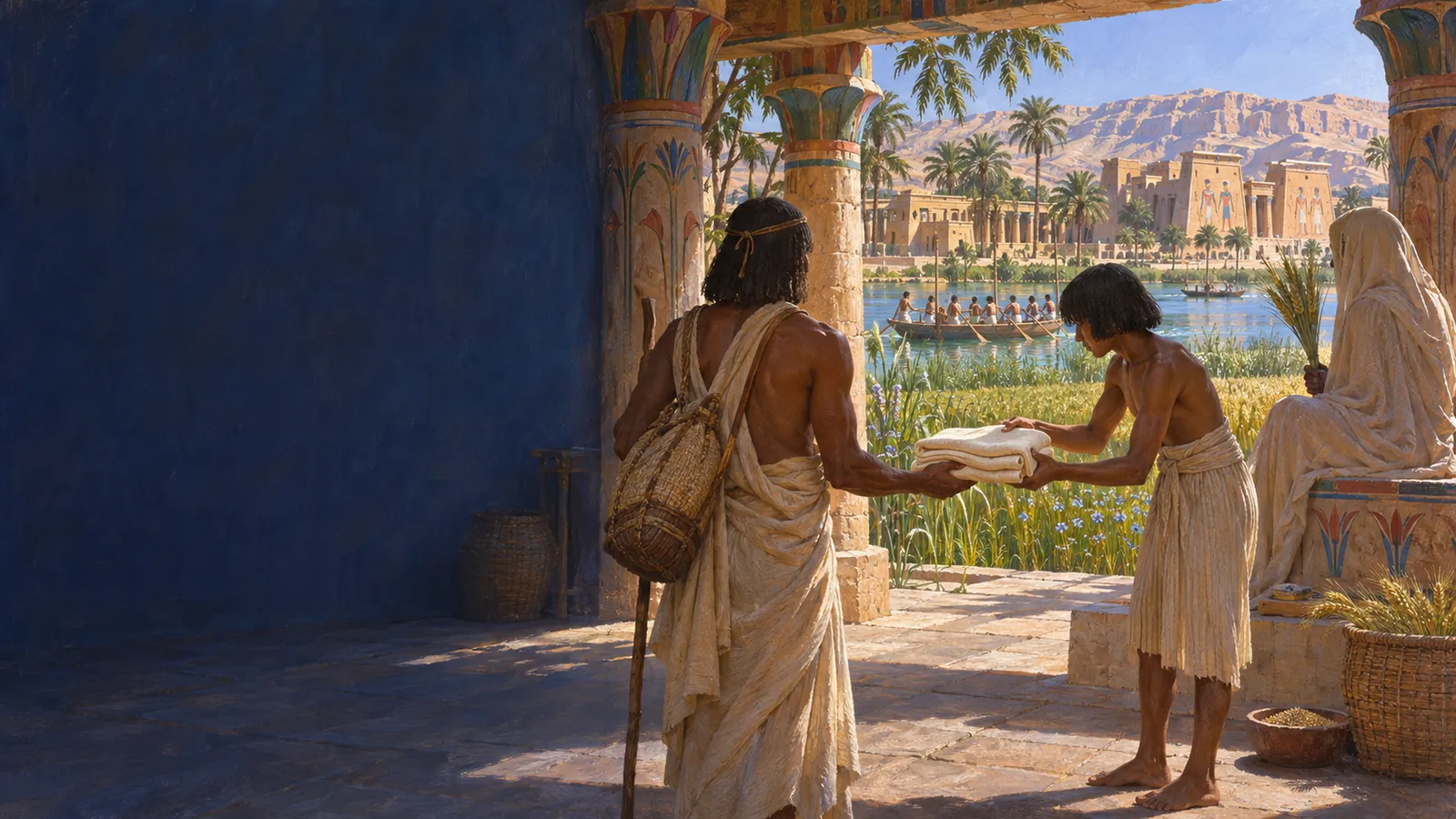
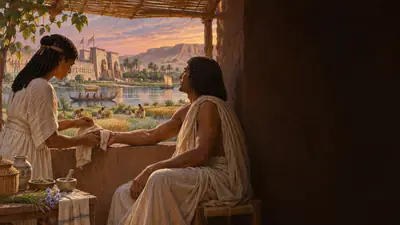
Der Sprecher bittet, mit dem Gott Hetep leben zu dürfen, bekleidet zu sein und vor Plünderung durch die Herren des Nordens sicher zu sein.
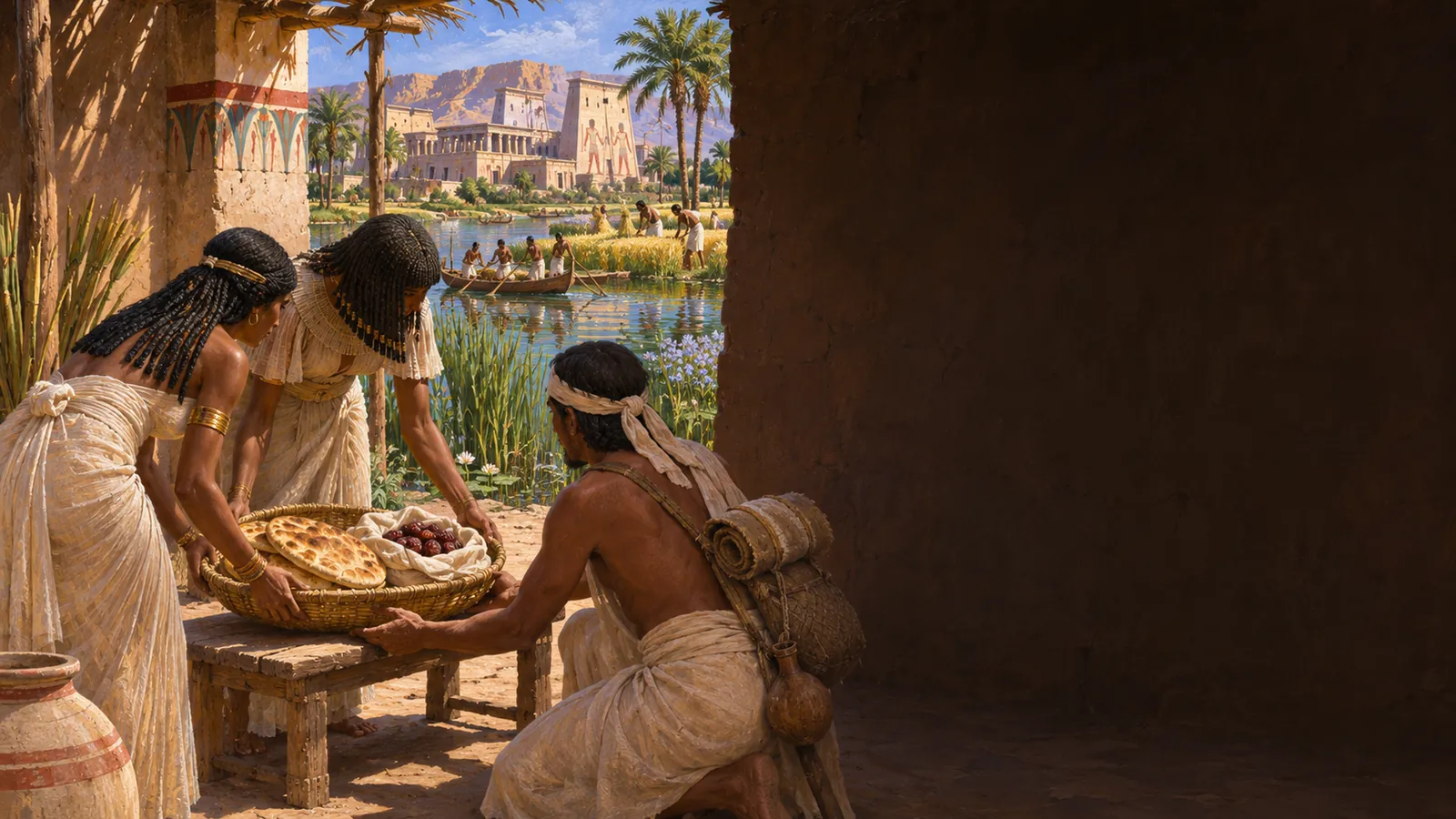
Nun bittet der Sprecher den, den er Herrn der göttlichen Dinge nennt, ihm Nahrung zu bringen.
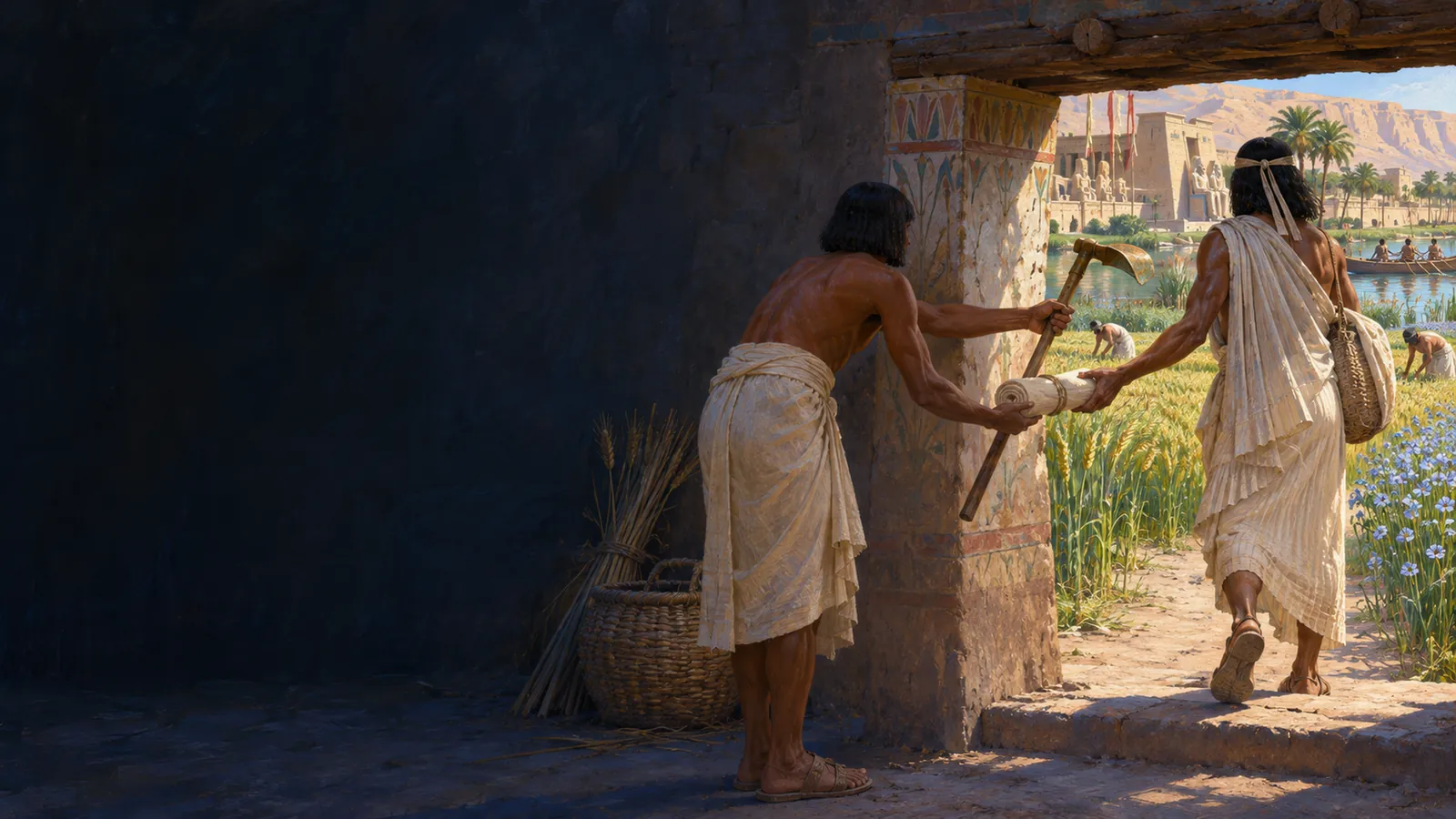
Er bittet darum, vorwärtszugehen und herauszukommen. Er bittet darum, dass ihm dort seine Macht gebracht wird, dass er sie empfangen darf und dass seine Ausrüstung von Hetep kommt.
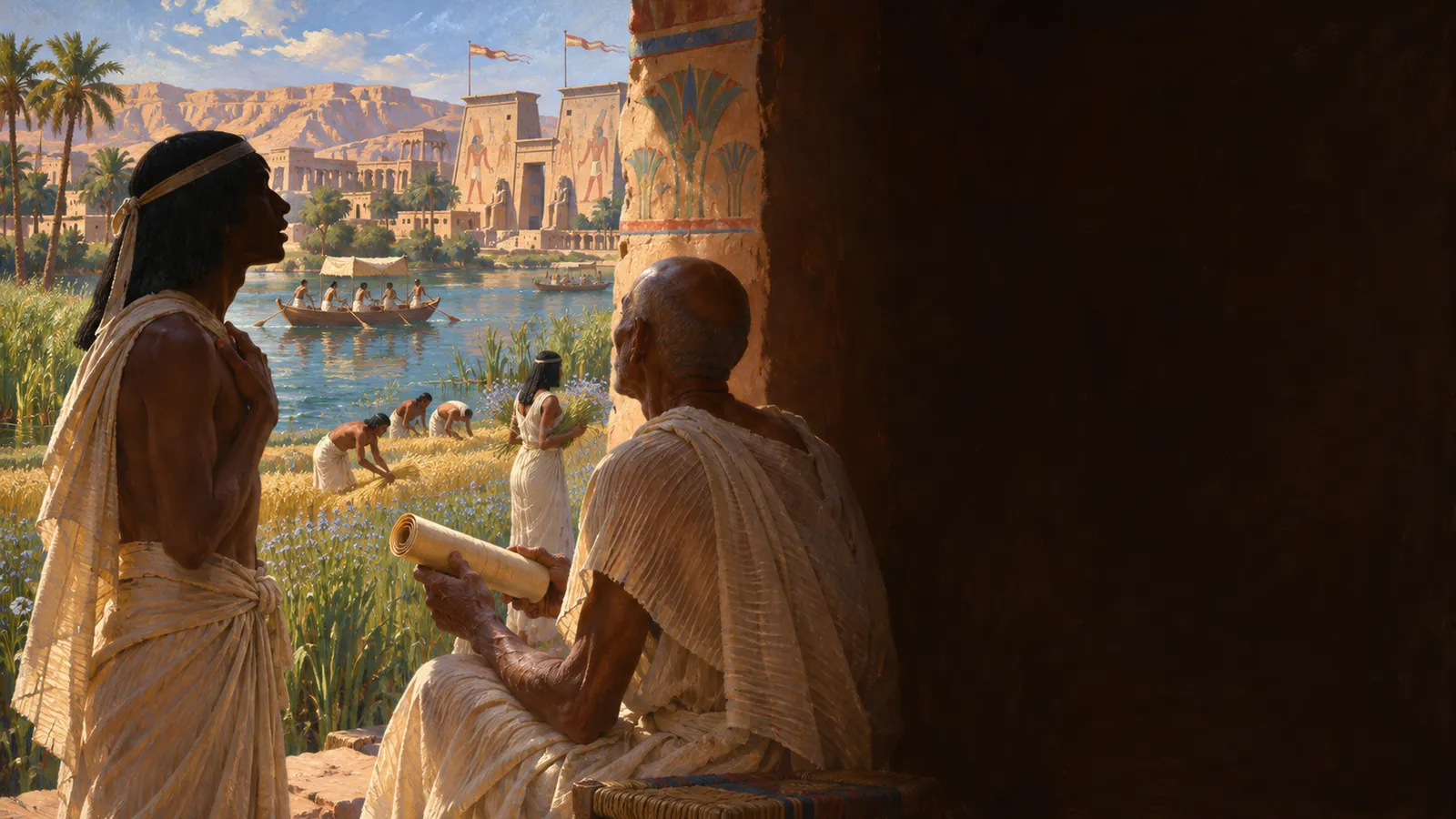
Der Sprecher bittet darum, das große und mächtige Wort in seinem Körper zu beherrschen. Er sagt, durch dieses Wort werde er sich erinnern und vergessen.
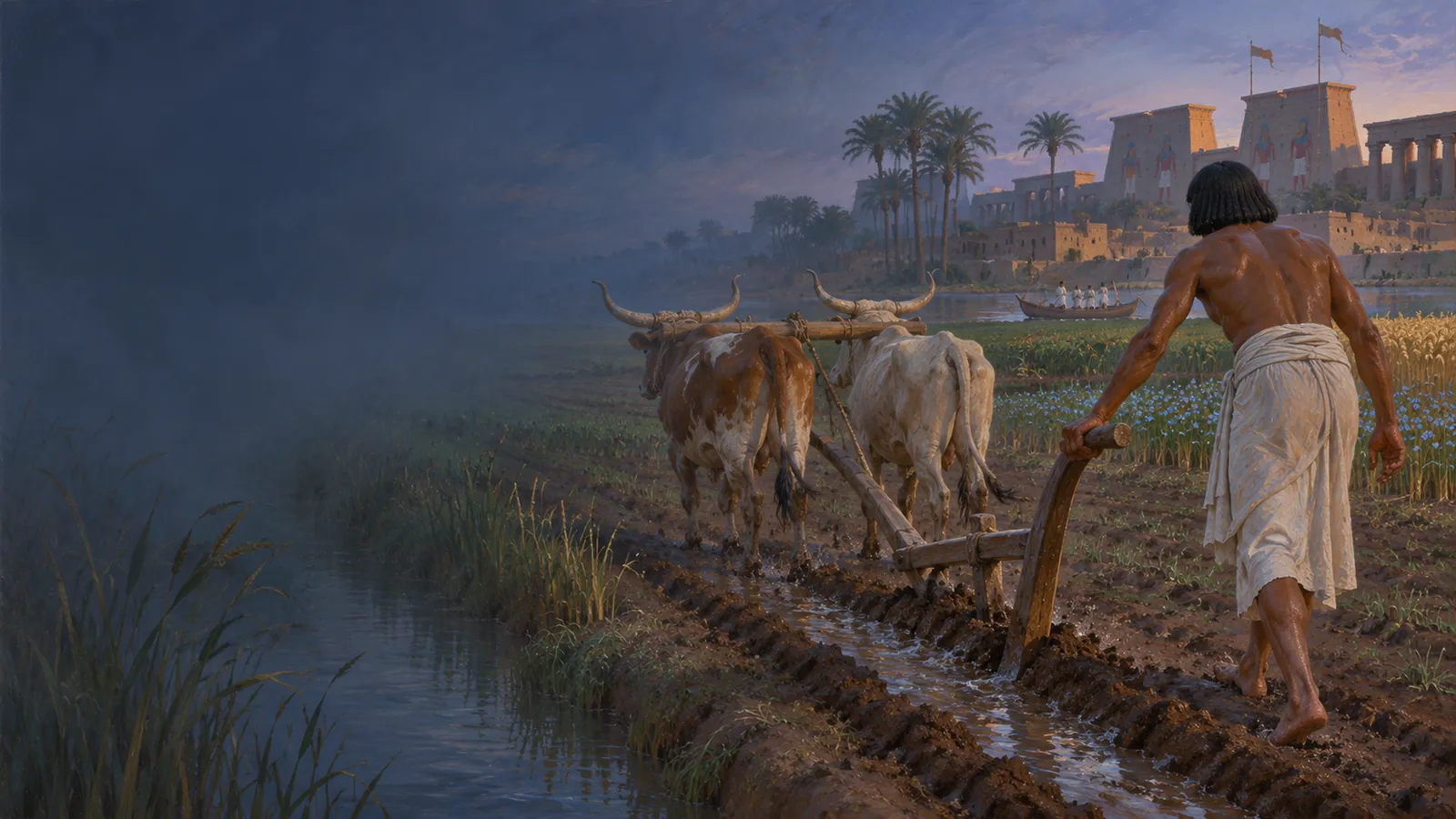
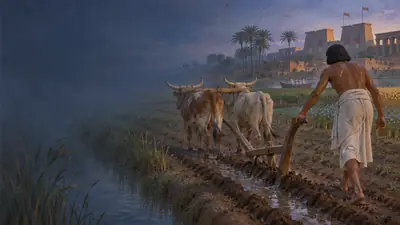
Der Sprecher bittet darum, auf seinem Weg weitergehen und pflügen zu dürfen.
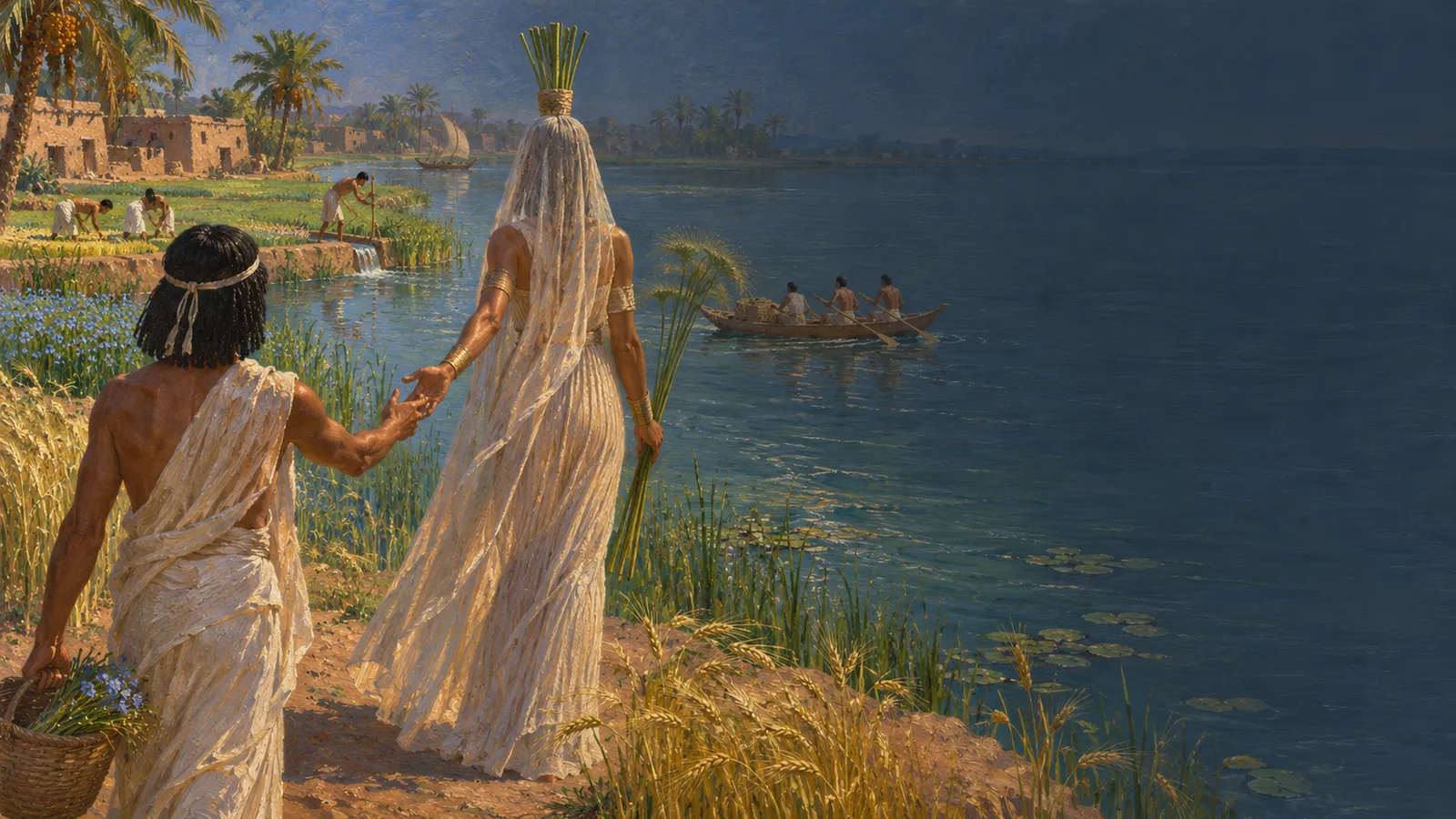
Der Sprecher sagt, dass er mit dem Gott der Stadt in Frieden ist. Er sagt, dass er die Gewässer, Städte, Gaue und Seen von Sekhet-Hetep kennt.
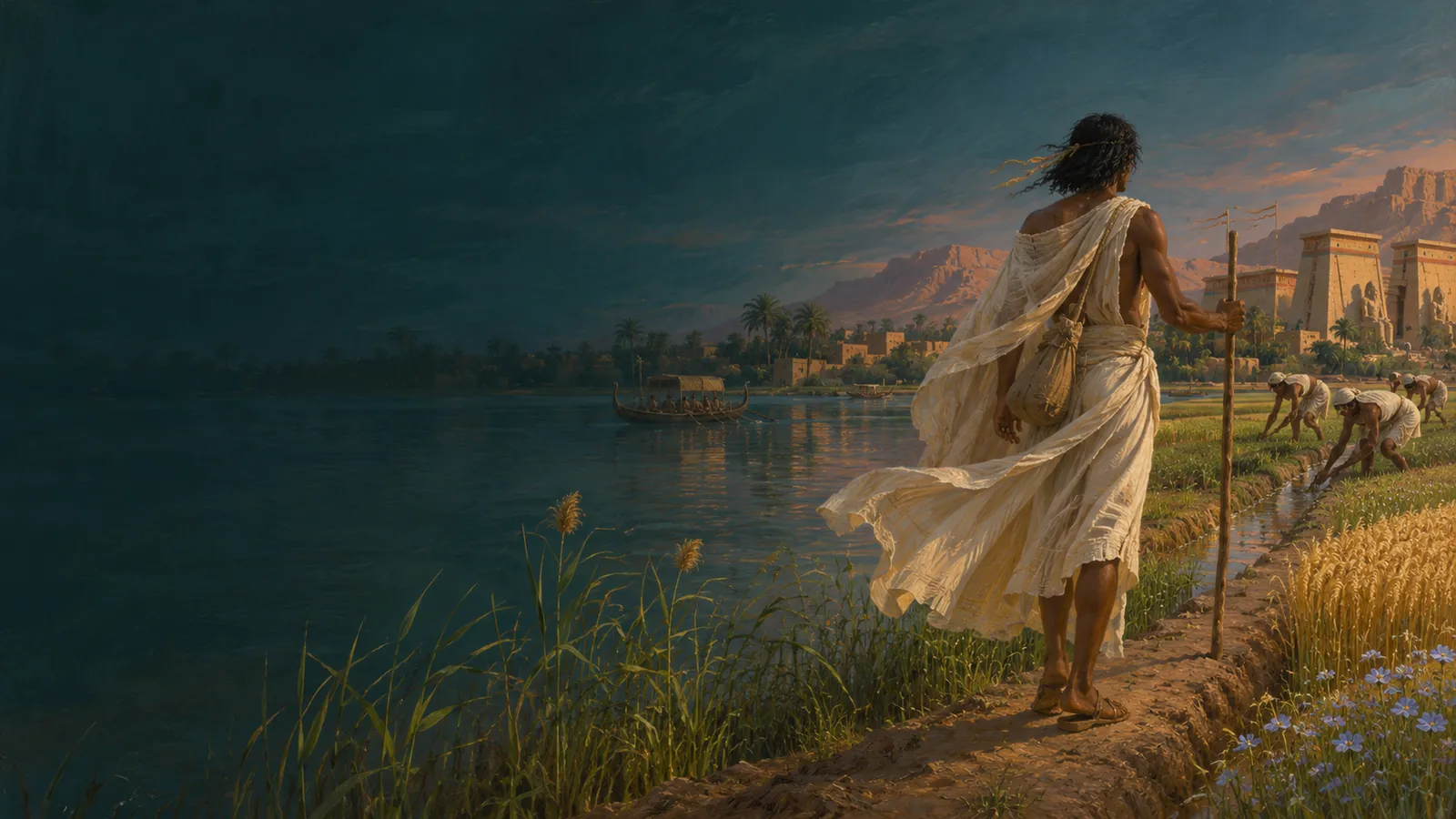
Der Sprecher erklärt, dass er dort lebt und dort stark ist. Er sagt, dass er dort zu einem Geist geworden ist.
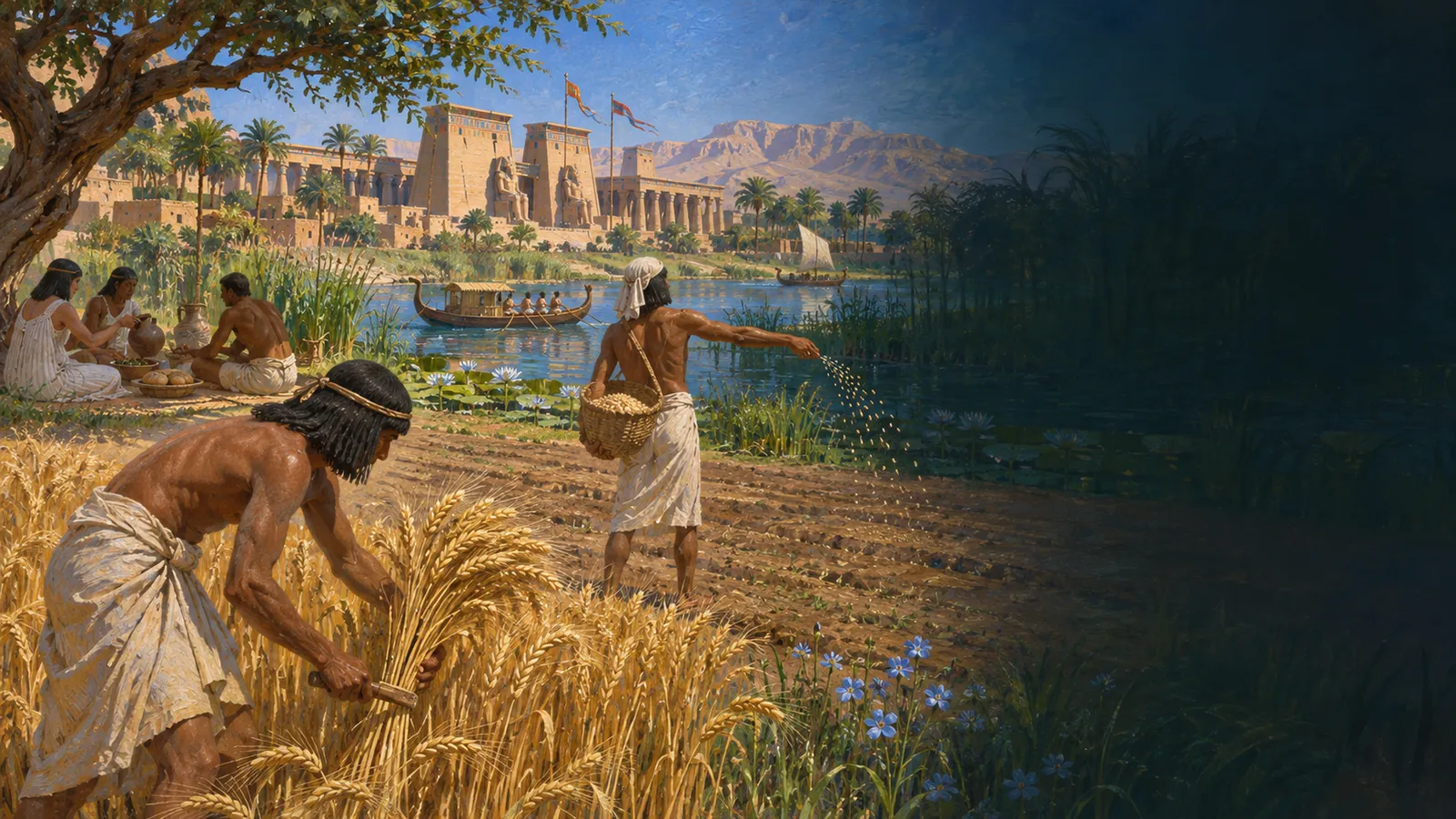
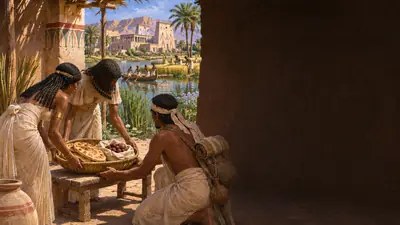
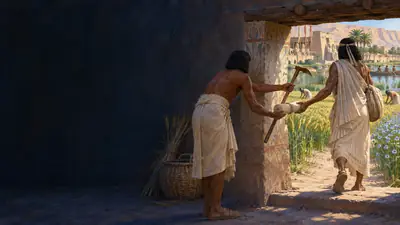
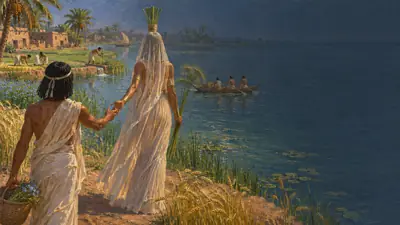
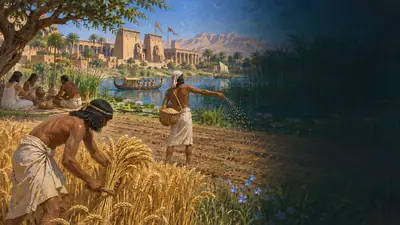
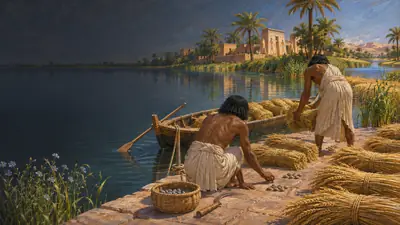
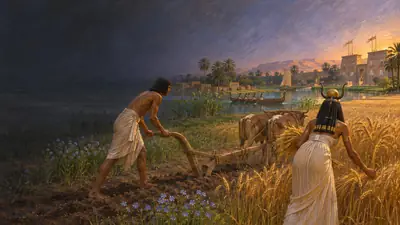
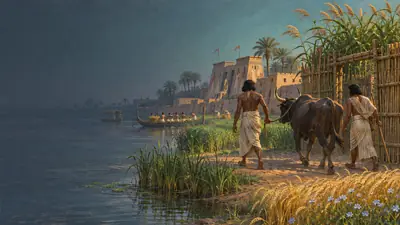
Der Sprecher sagt, dass er in Sekhet-Hetep isst, Saat ausbringt, die Ernte einbringt und den Boden pflügt.
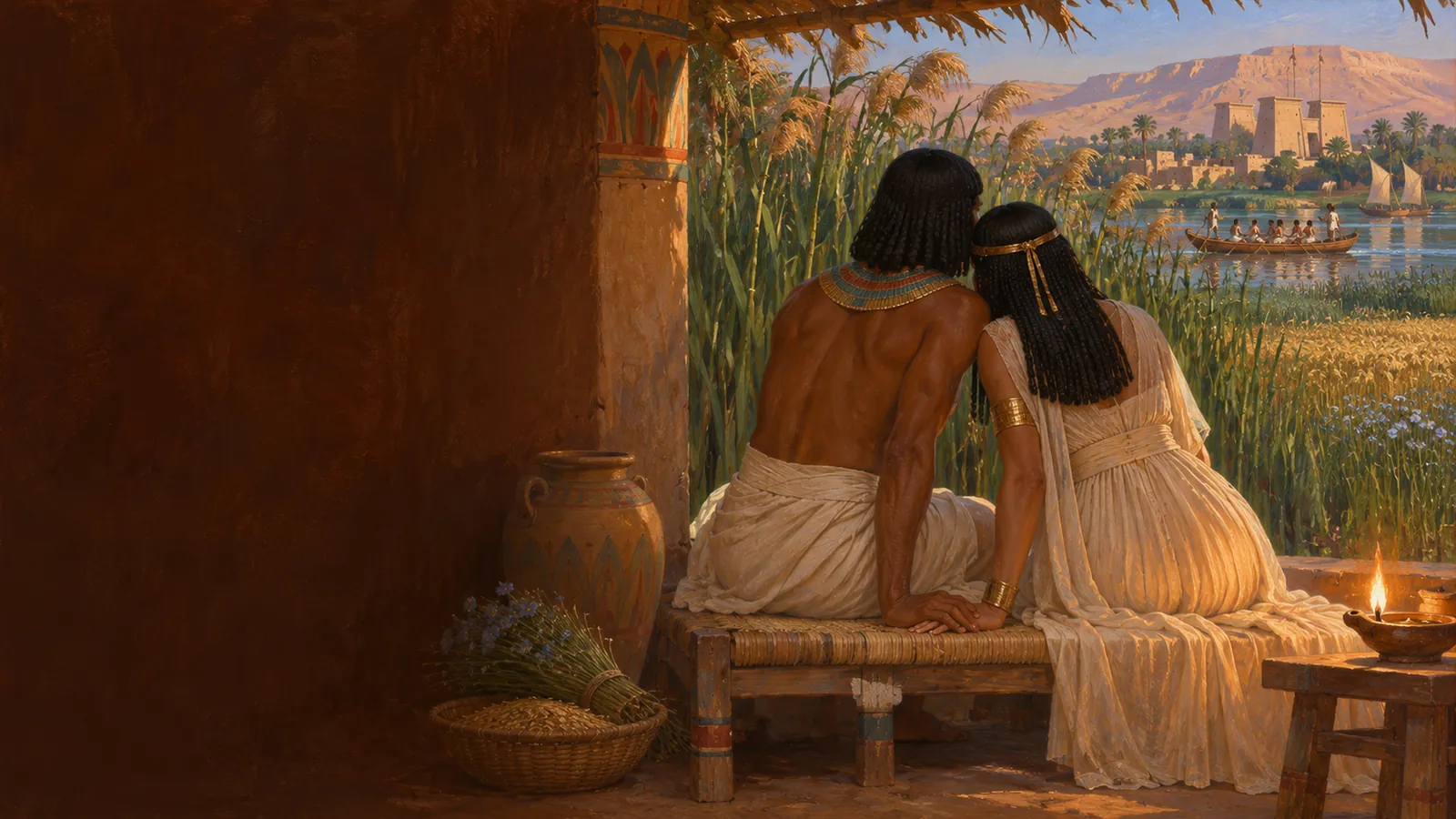
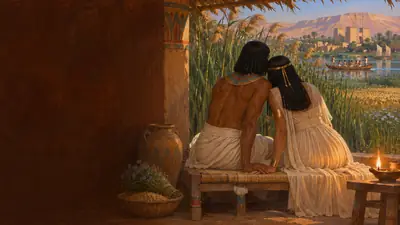
Der Sprecher sagt, dass er in Sekhet-Hetep Liebe macht und mit dem Gott Hetep in Frieden ist.
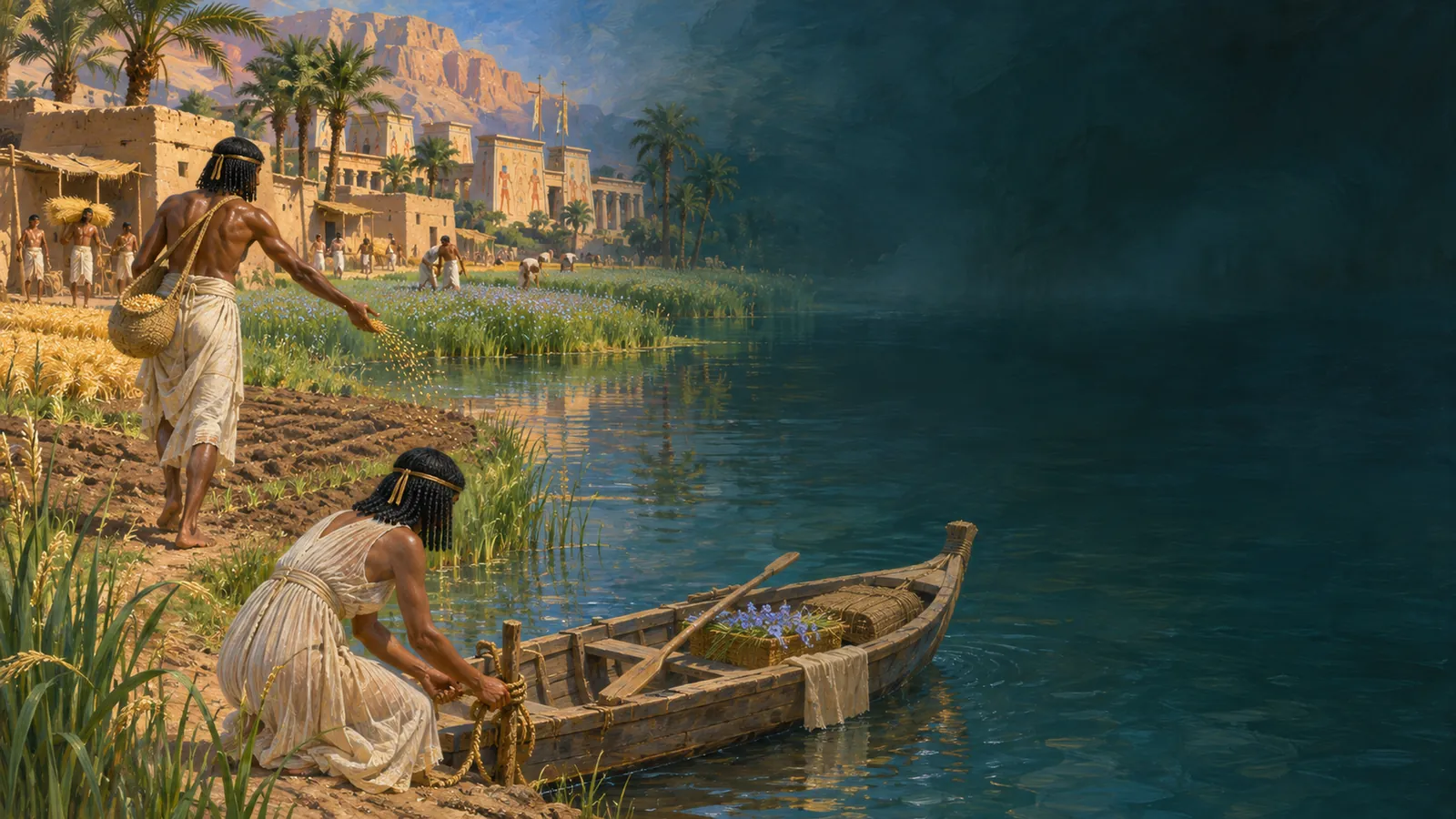
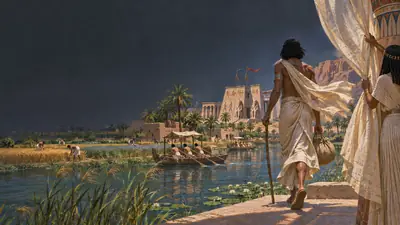
Der Sprecher sagt dem göttlichen Hetep, dass er Saat ausstreut, auf den Seen umherfährt und zu ihren Städten vordringt.
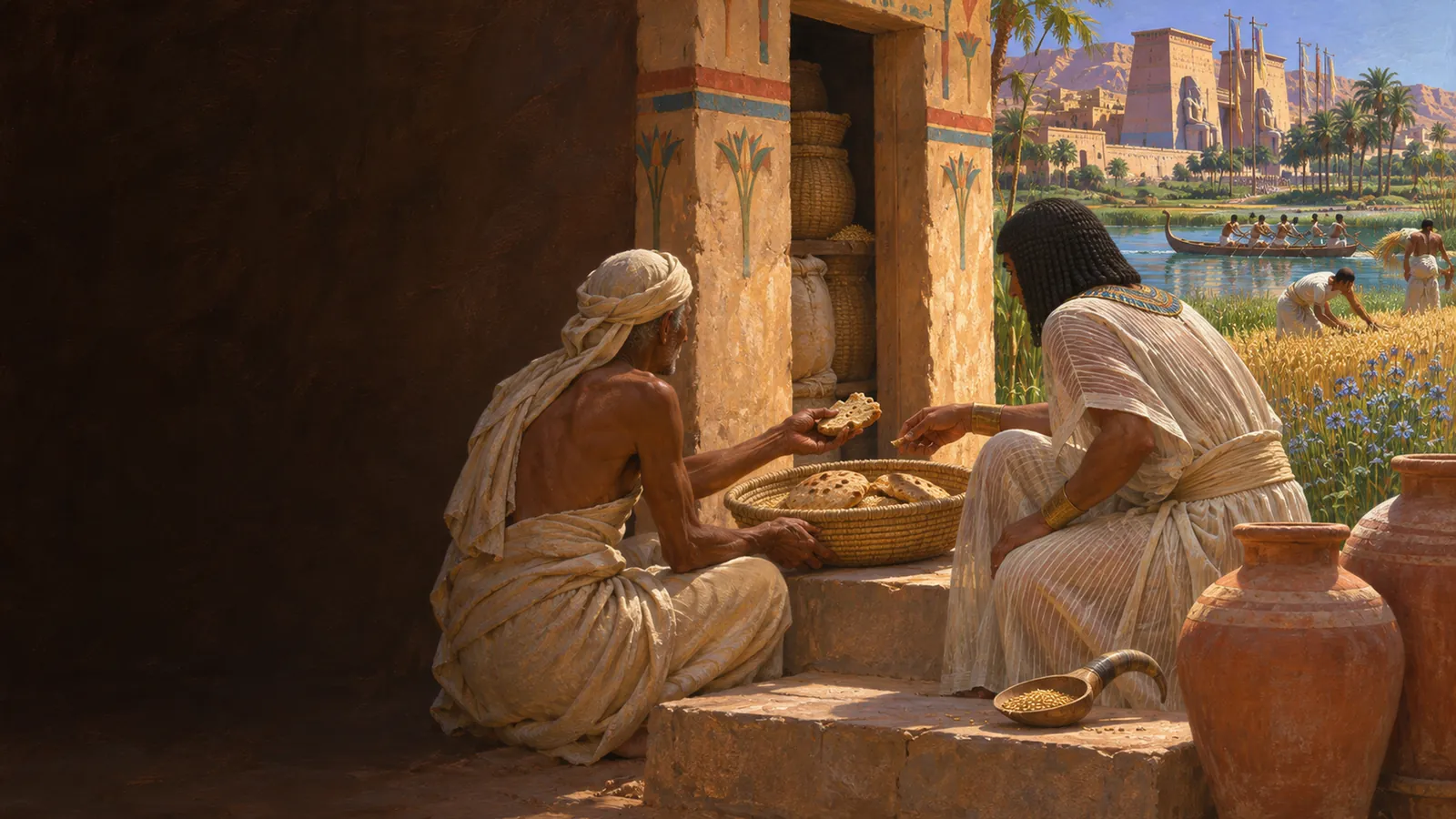
Der Sprecher sagt, dass sein Mund Zähne wie Hörner hat, in einer Formulierung, in der Budge Worte in eckigen Klammern ergänzt. Er bittet um reichlich Nahrung von der Art, von der die Doppelgänger und die Geister leben.
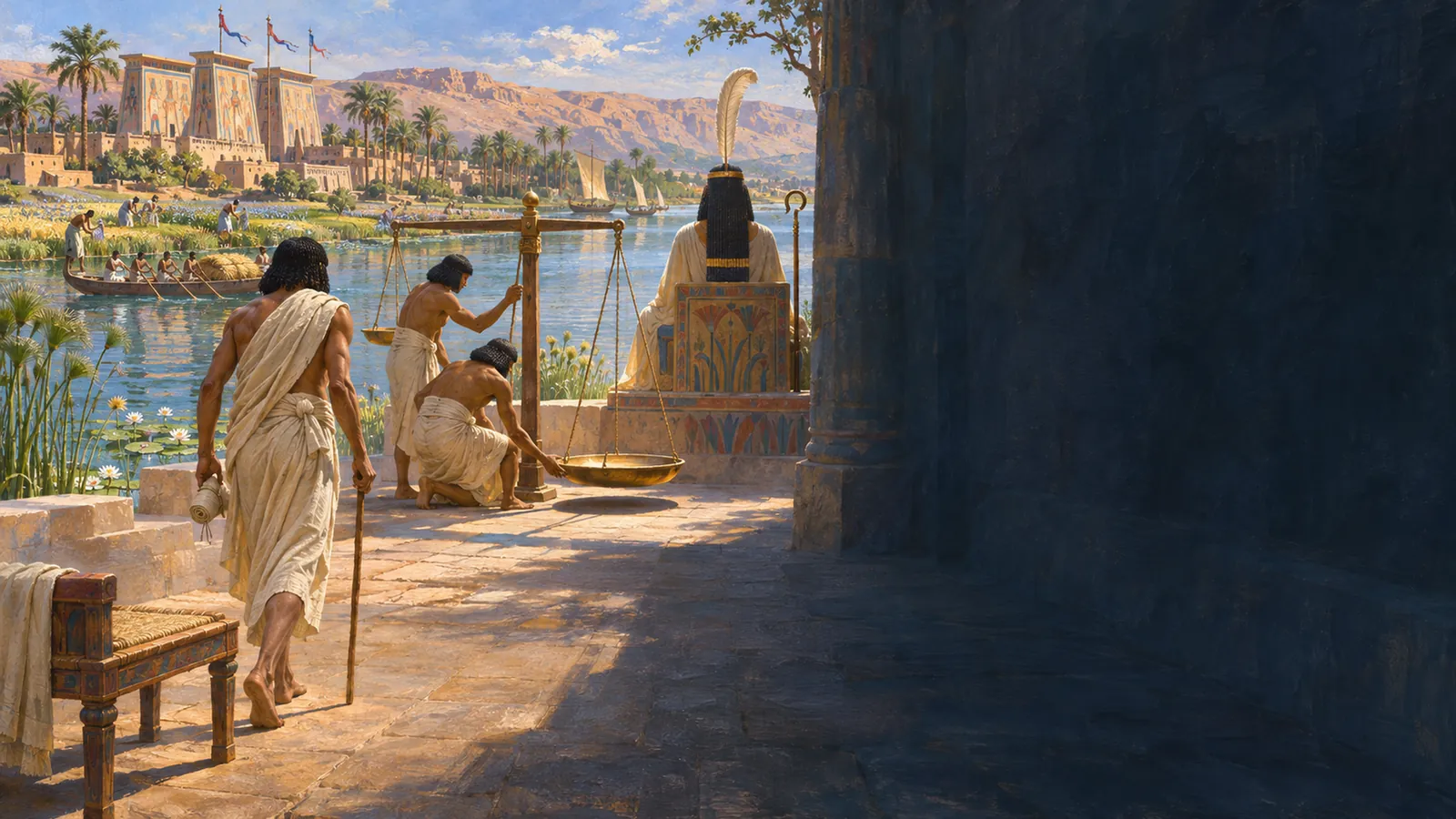
Der Sprecher sagt, er habe das Gericht bestanden, dem Schu den unterzieht, der ihn kennt.

Der Sprecher bittet deshalb darum, zu den Städten von Hetep aufzubrechen. Er bittet darum, zwischen seinen Seen zu fahren und in Sekhet-Hetep umherzugehen.
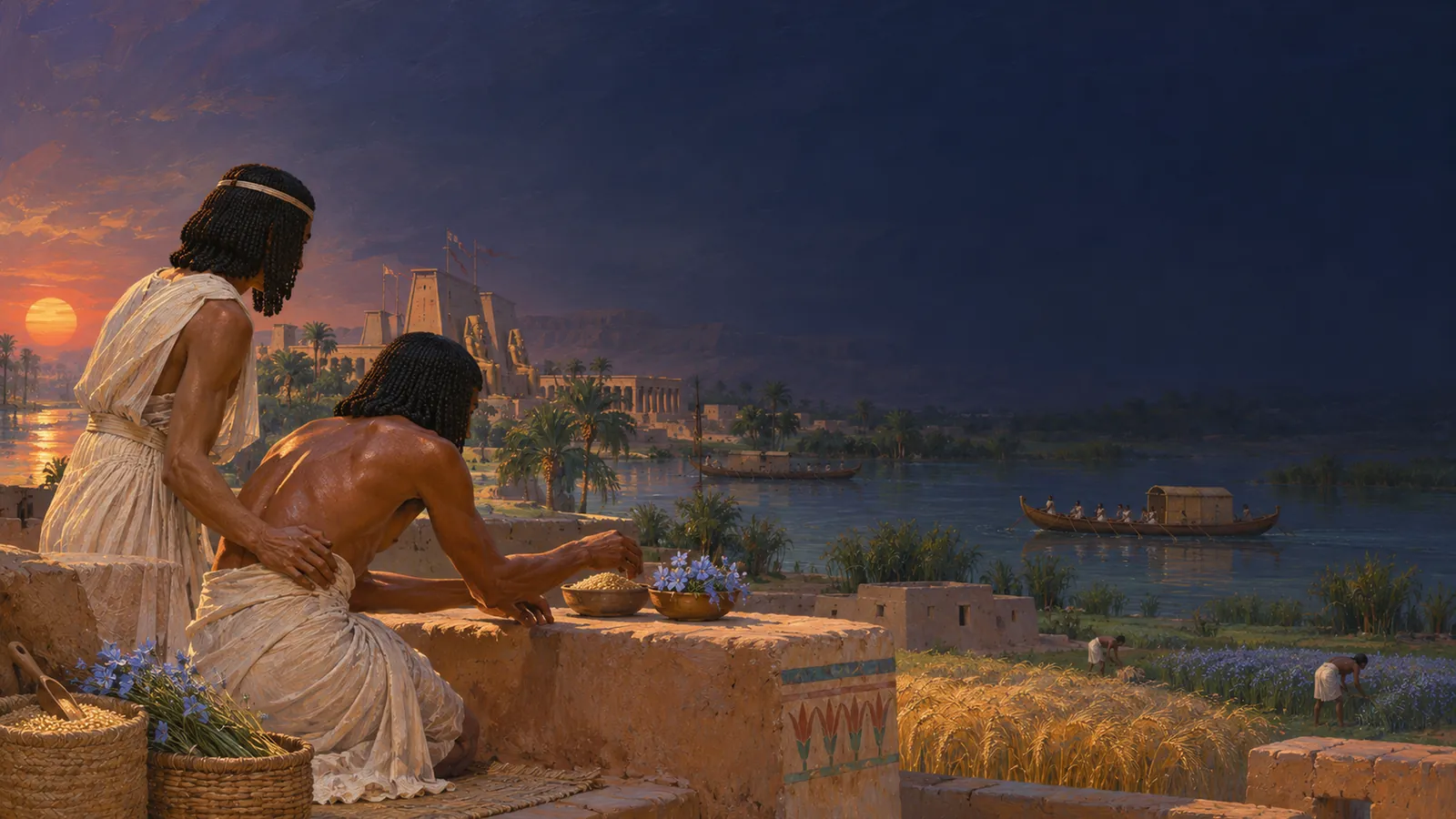
Der Sprecher sagt, Re sei am Himmel, und nennt den Gott Hetep „dessen zweifache Opfergabe“.
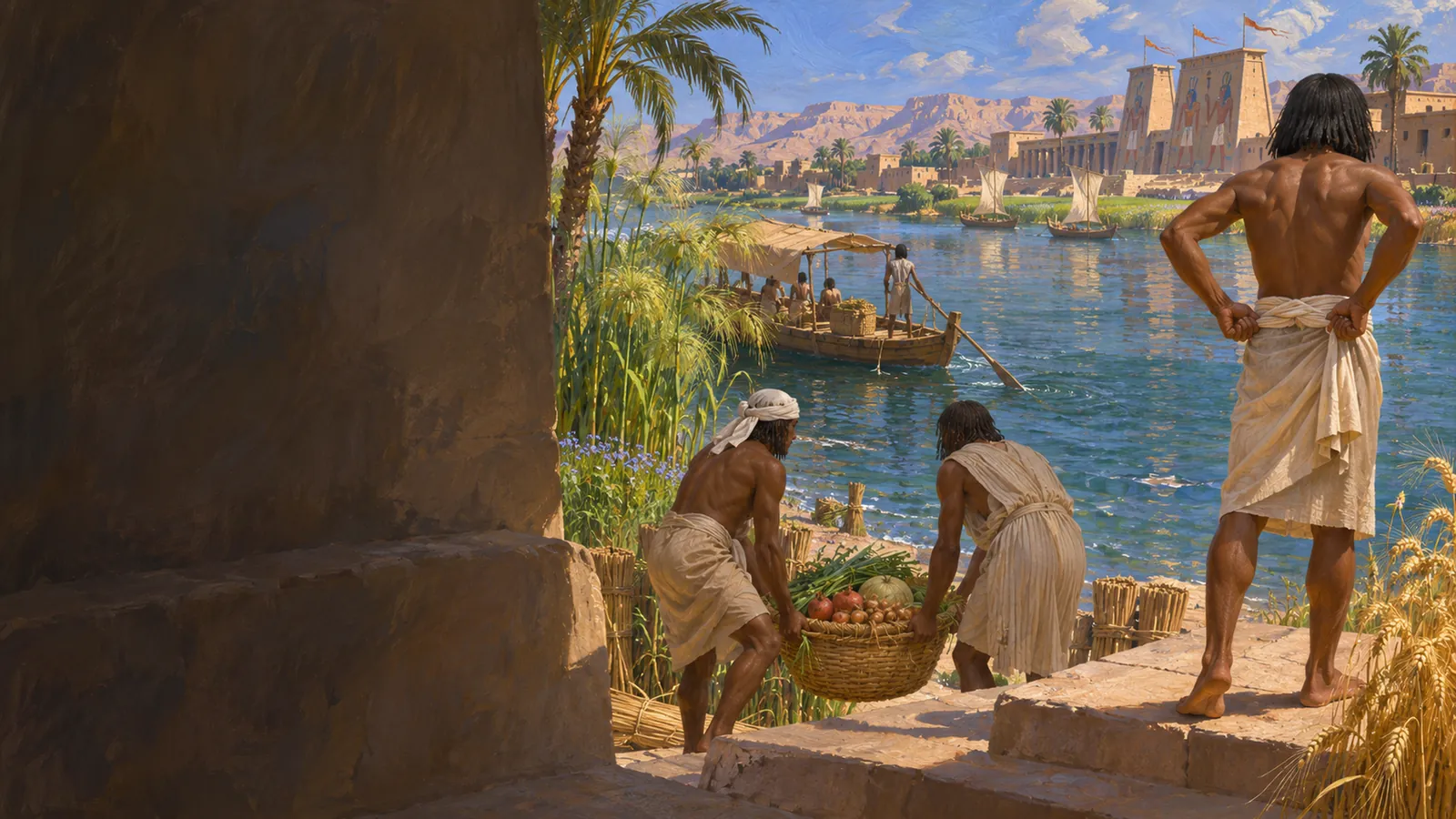
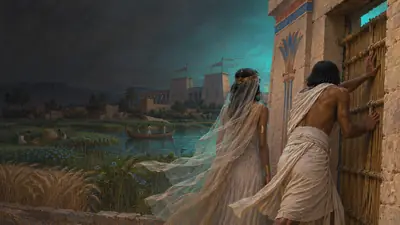
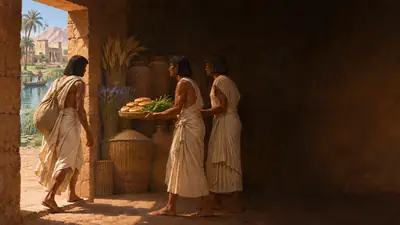
Der Sprecher sagt, er habe das Land von Hetep erreicht und seine Lenden gegürtet. Er sei hervorgetreten, um die Gaben zu empfangen, die er sogleich erhalten soll.
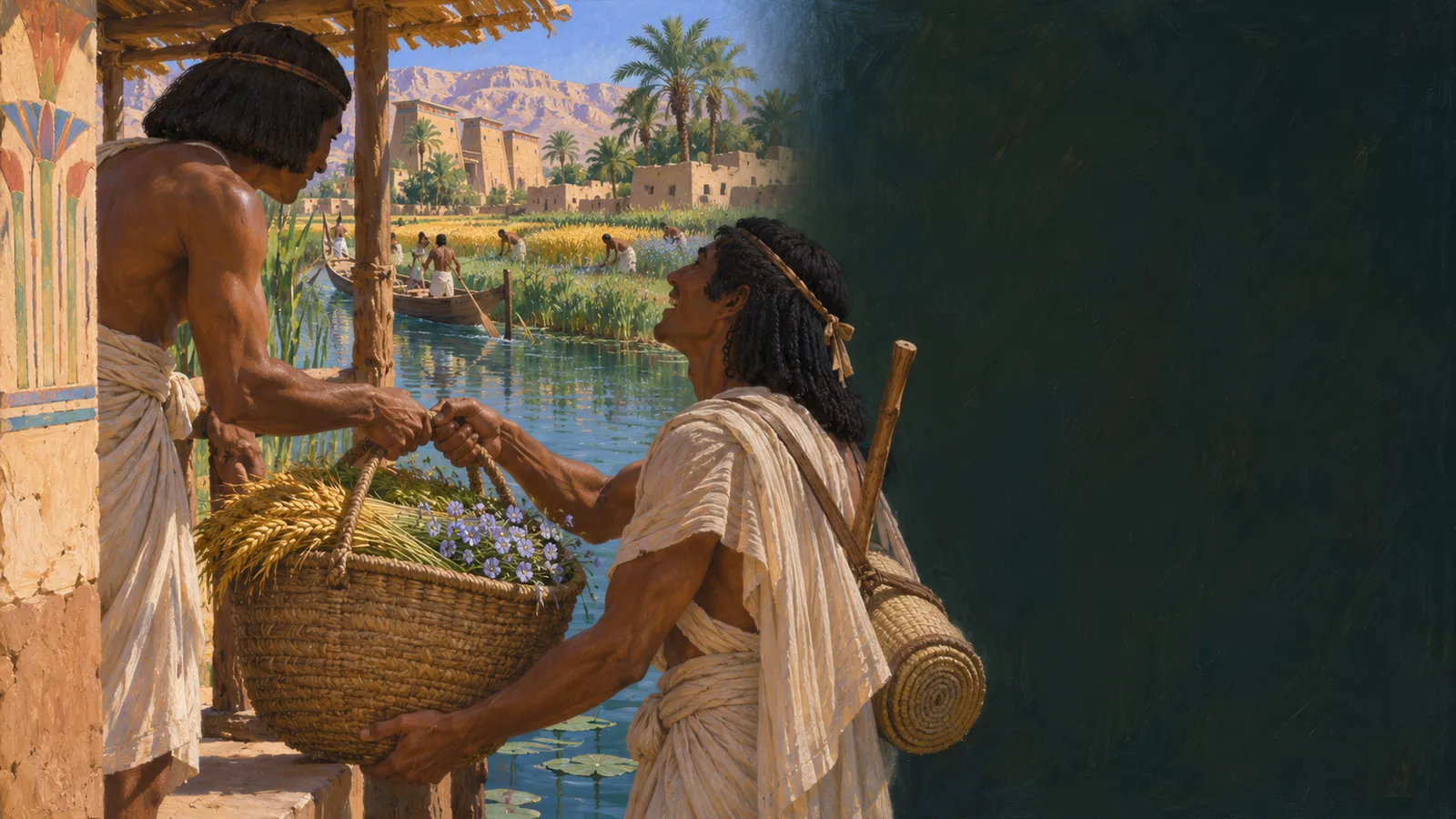
Der Sprecher sagt, er sei froh und ergreife seine Kraft, die der Gott Hetep ihm sehr vermehrt habe.
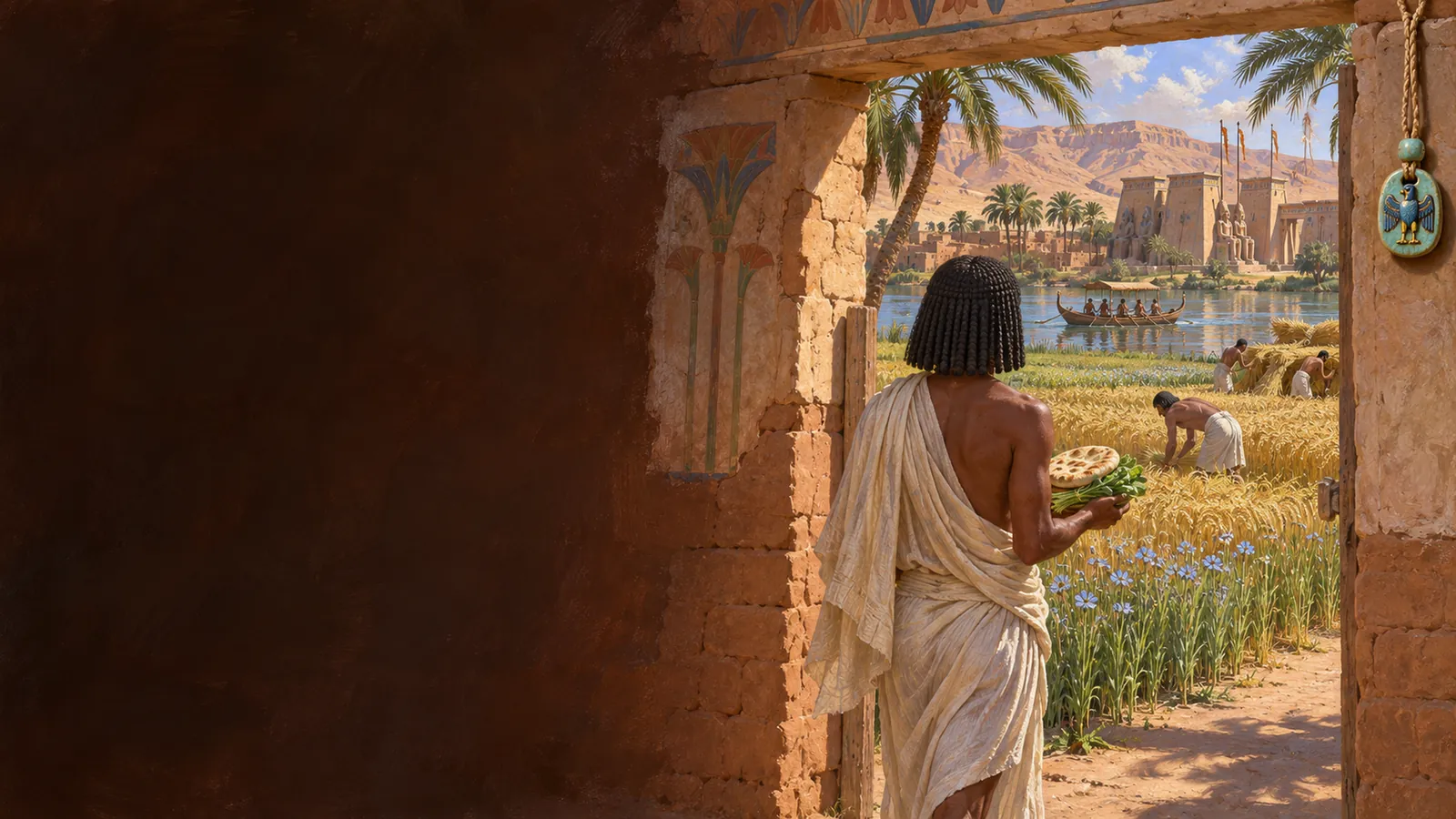
ANKUNFT
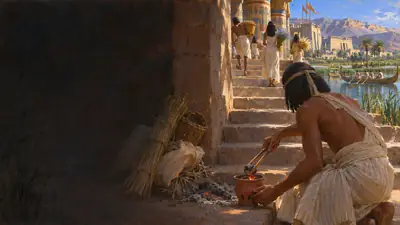
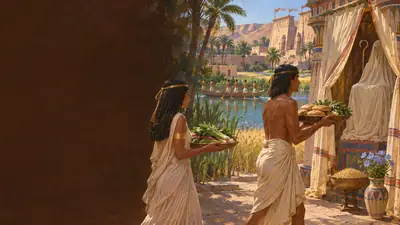
Der Sprecher wendet sich an Unen-em-hetep und sagt, er sei dort eingetreten und seine Seele folge ihm. Seine göttliche Speise liege auf seinen Händen.
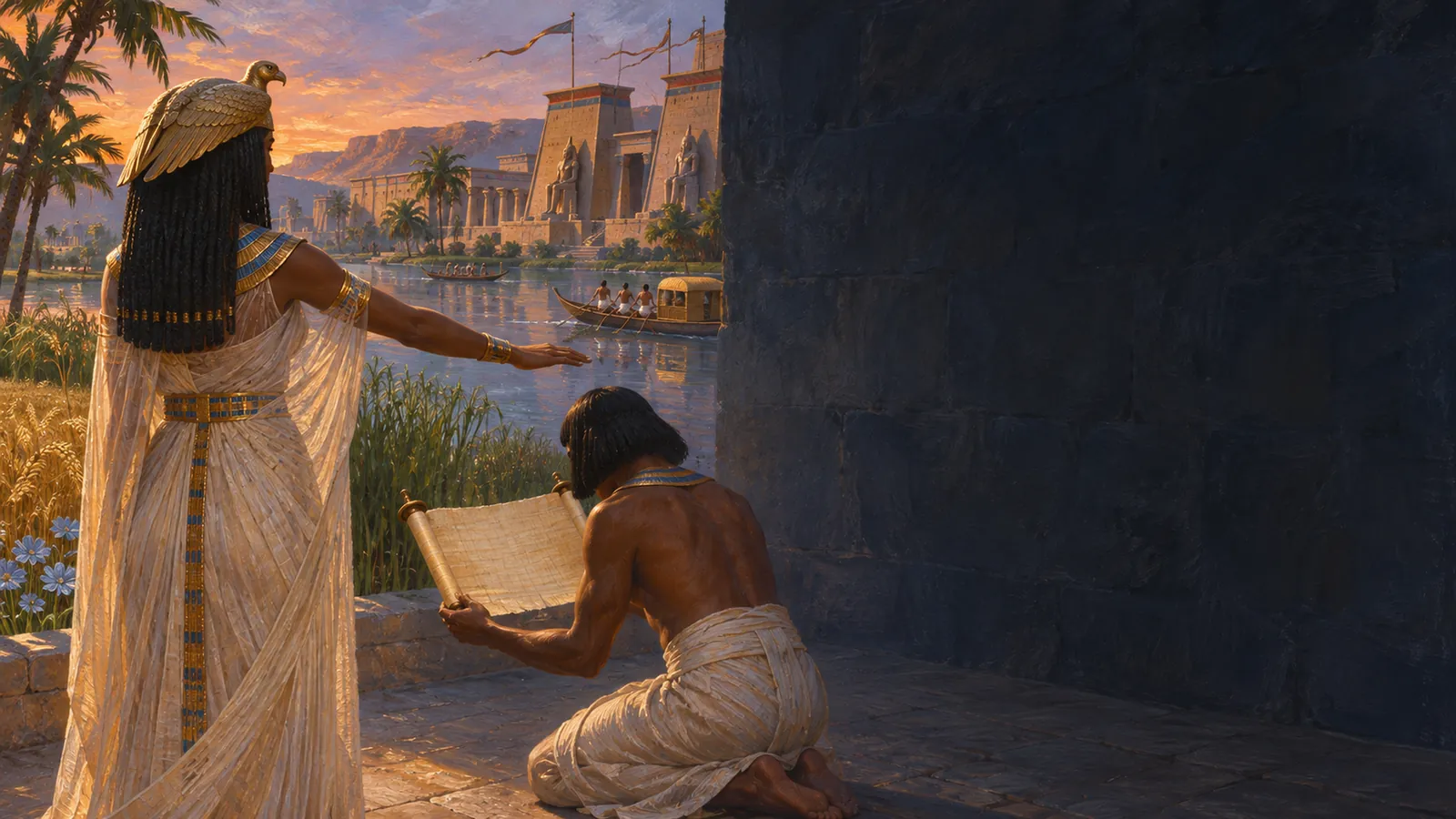
Der Sprecher ruft die Herrin der Beiden Länder an. Er sagt, sie festige sein Wort, durch das er sich erinnert und vergisst.
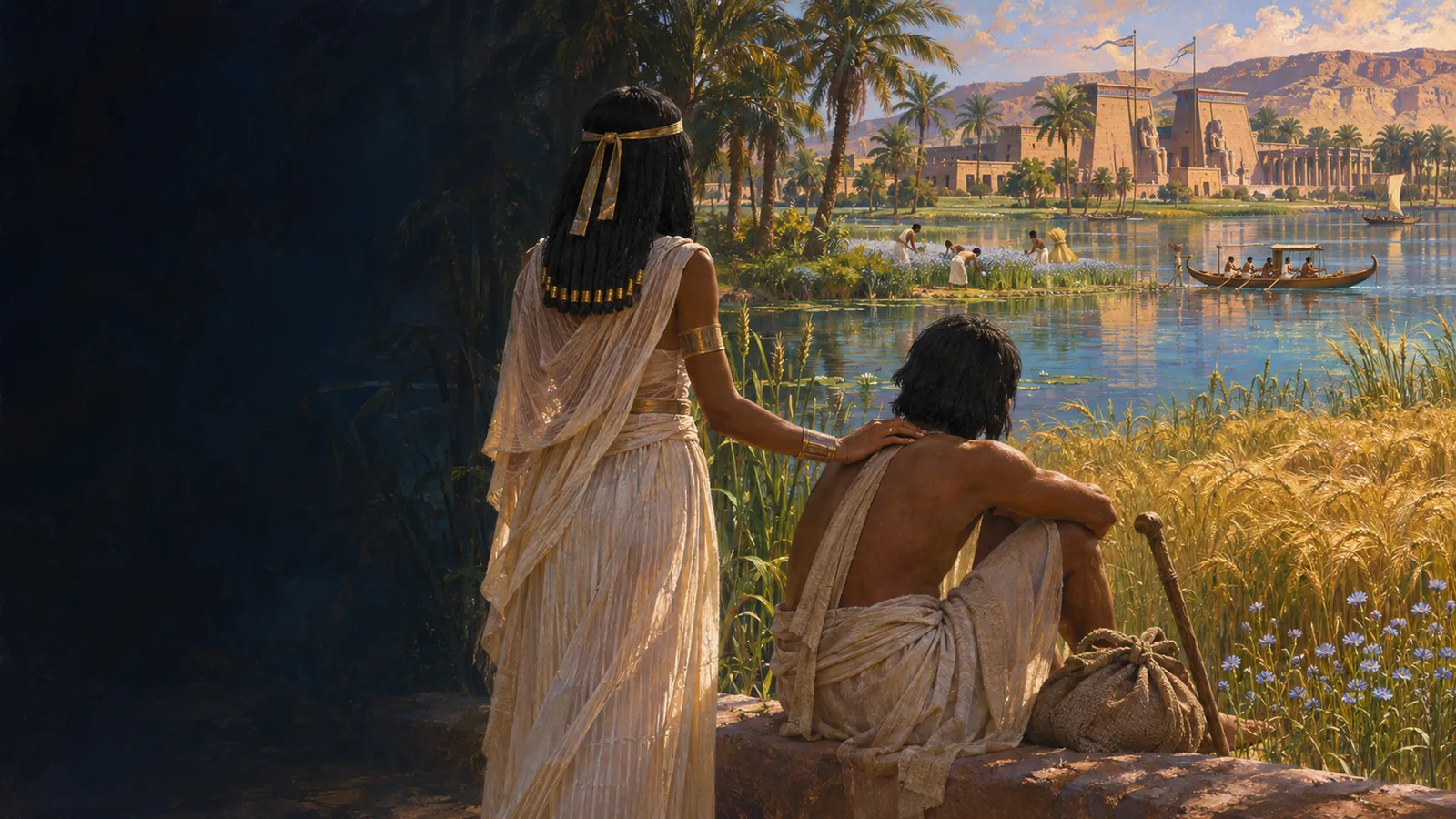
Der Sprecher bittet darum, unversehrt zu leben. Er bittet um Freude im Herzen und darum, dass die Herrin ihm Frieden gibt.
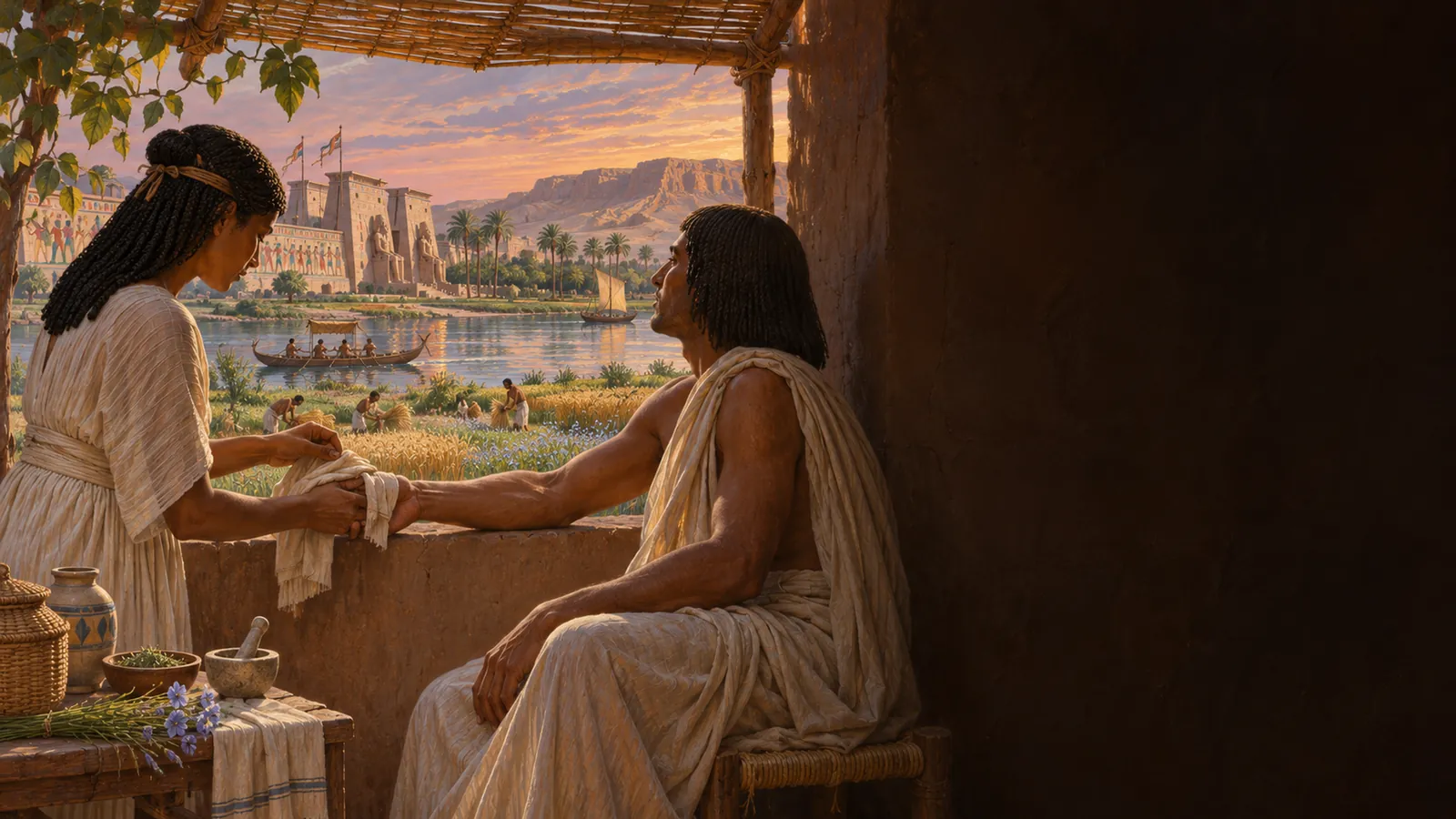
Er bittet die Herrin der Beiden Länder, seine Sehnen und Muskeln zu binden und ihn Luft empfangen zu lassen.
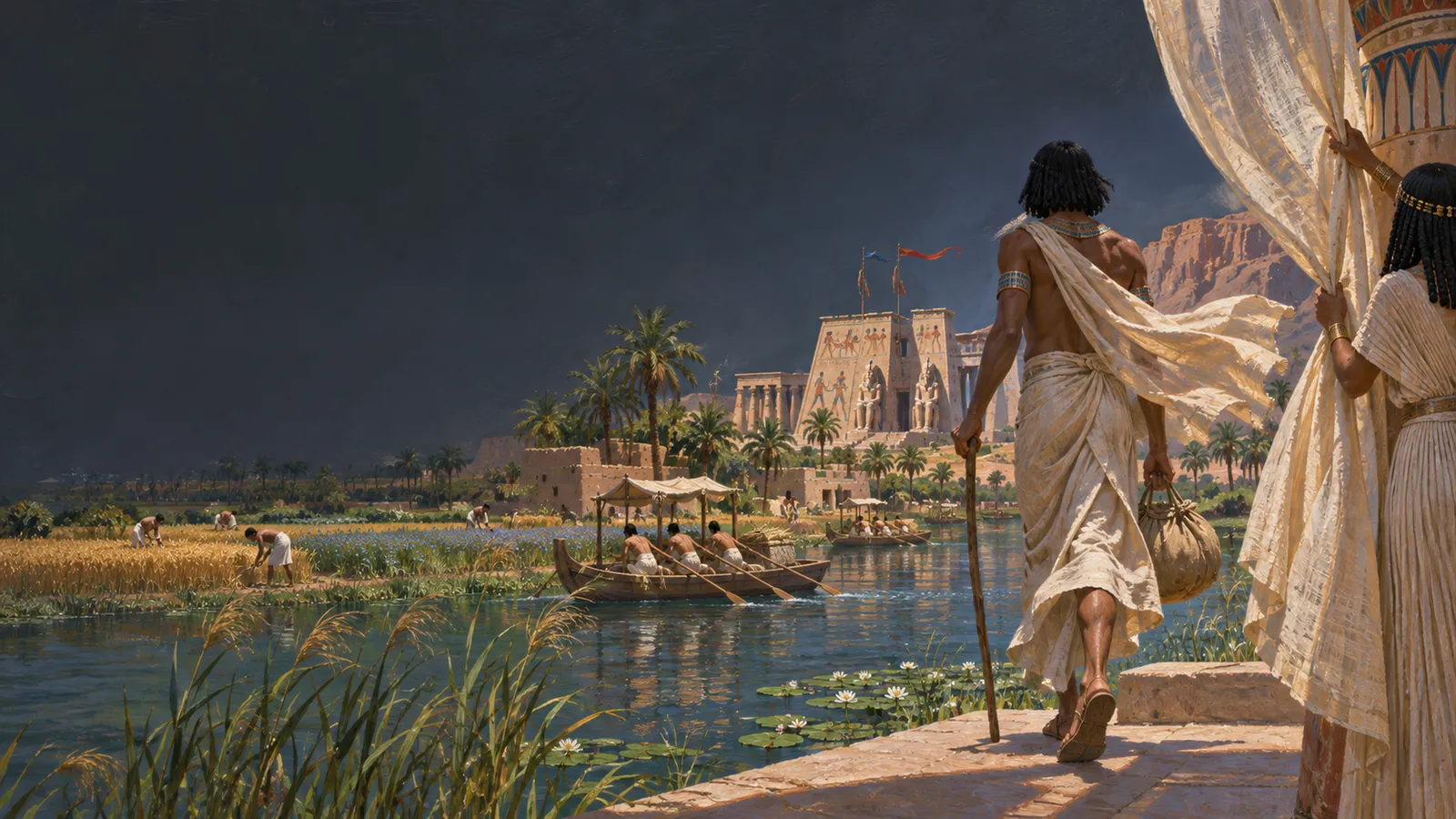
Der Sprecher wendet sich an Unen-em-hetep als Herrin der Winde. Er sagt, er sei dort eingetreten und habe dort seinen Kopf gezeigt.
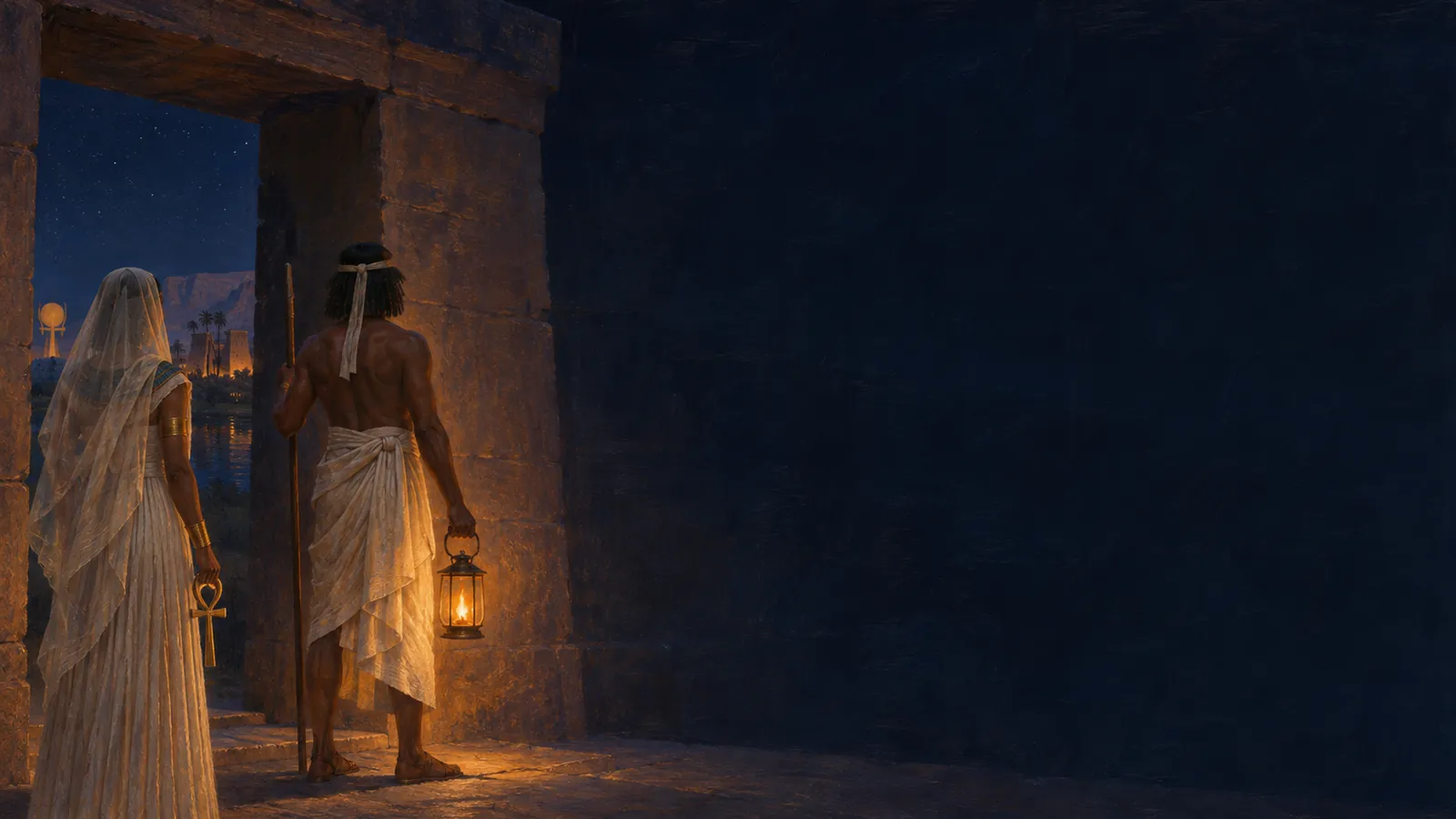
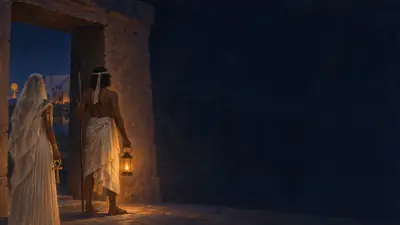
Re schläft, und der Sprecher sagt, er sei wach. Er sagt, die Göttin Hast sei nachts am Himmelstor.
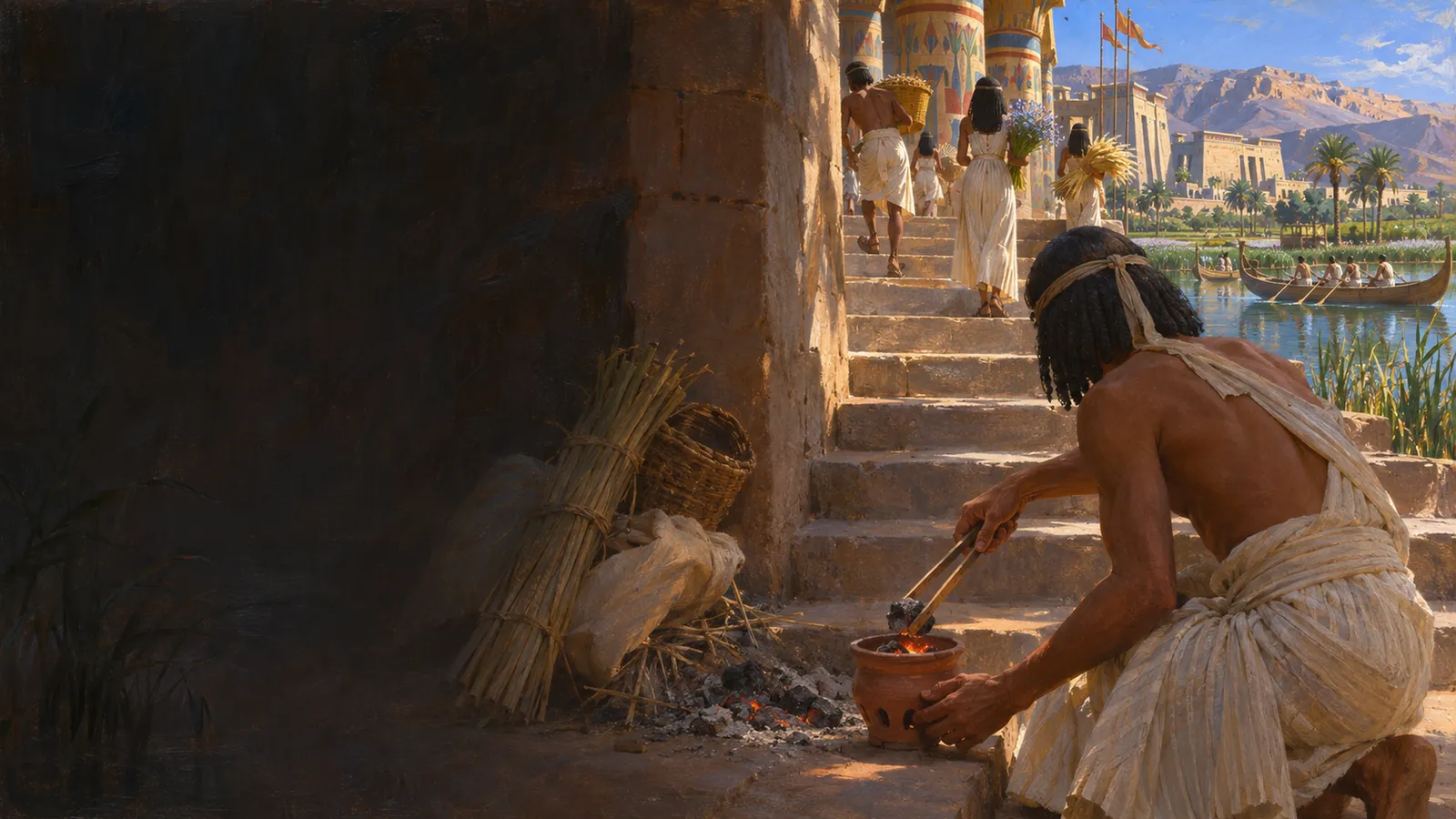
Der Sprecher sagt, dass ihm Hindernisse in den Weg gelegt wurden, dass er aber gesammelt hat, was Re ausgesandt hatte. Er sagt, dass er in seiner Stadt ist.
NUT-URT UND UAKH
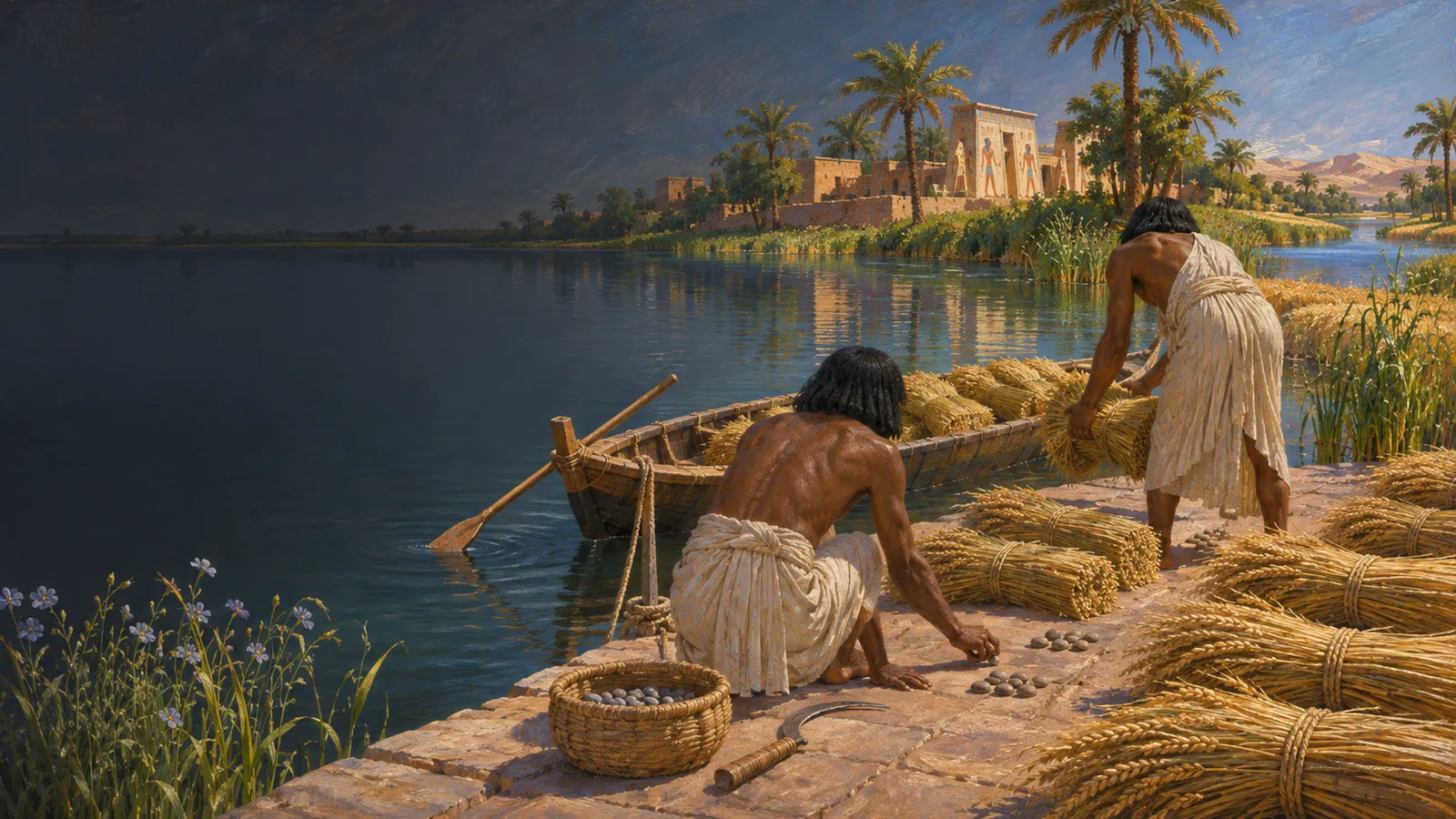
Der Sprecher sagt, er sei in Nut-urt eingetreten, habe seine Ernte gezählt und sei nach Uakh weitergegangen. Budge bezeichnet beide Orte als Seen.
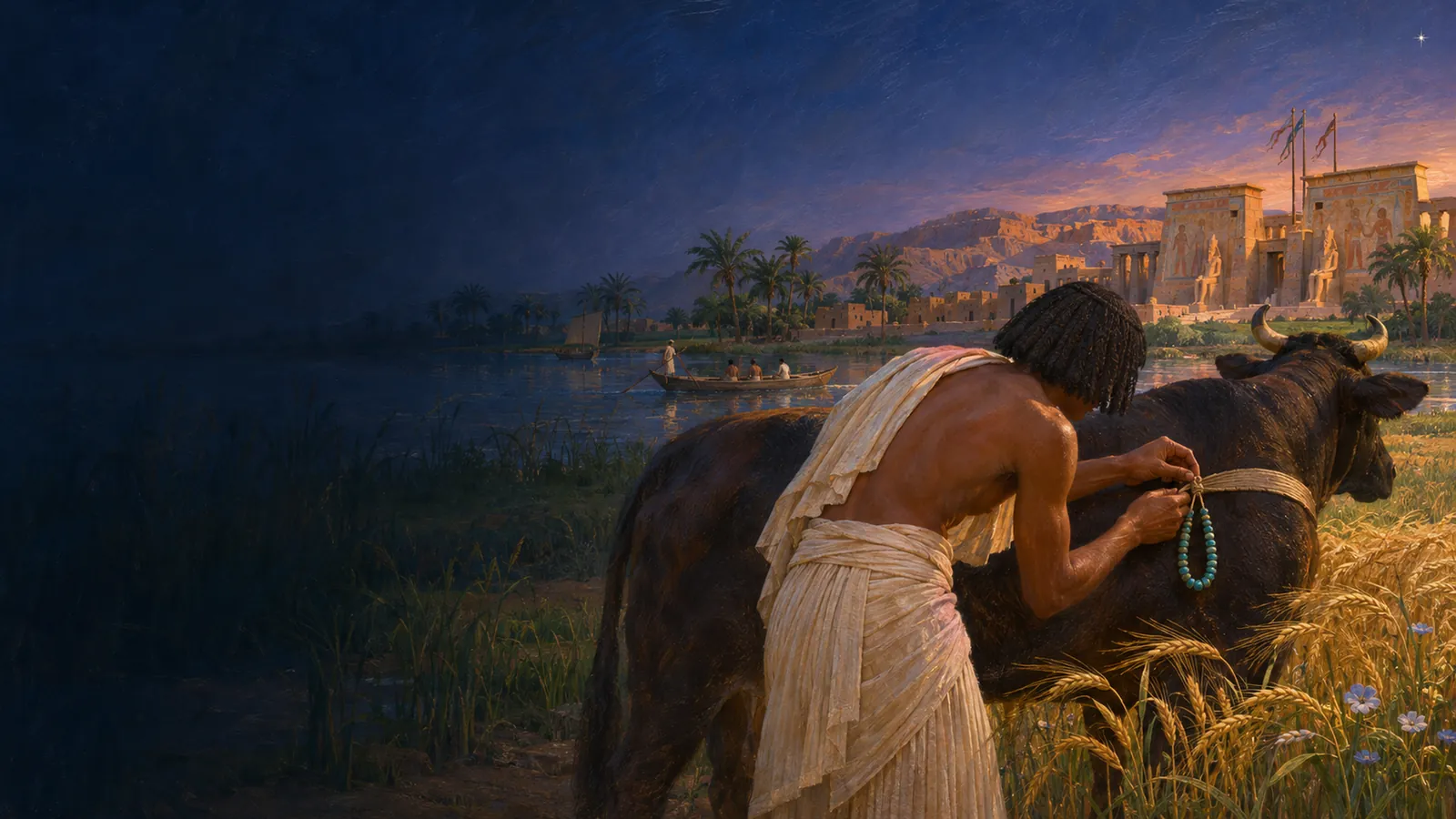
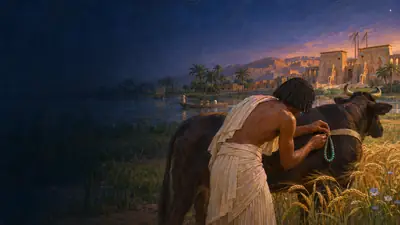
Der Sprecher nennt sich den in Türkis gehüllten Stier und Herrn des Stierfeldes. Er beansprucht die Herrschaft über die göttliche Rede der Septet zu ihren Stunden. Budge setzt Septet mit Sothis gleich.
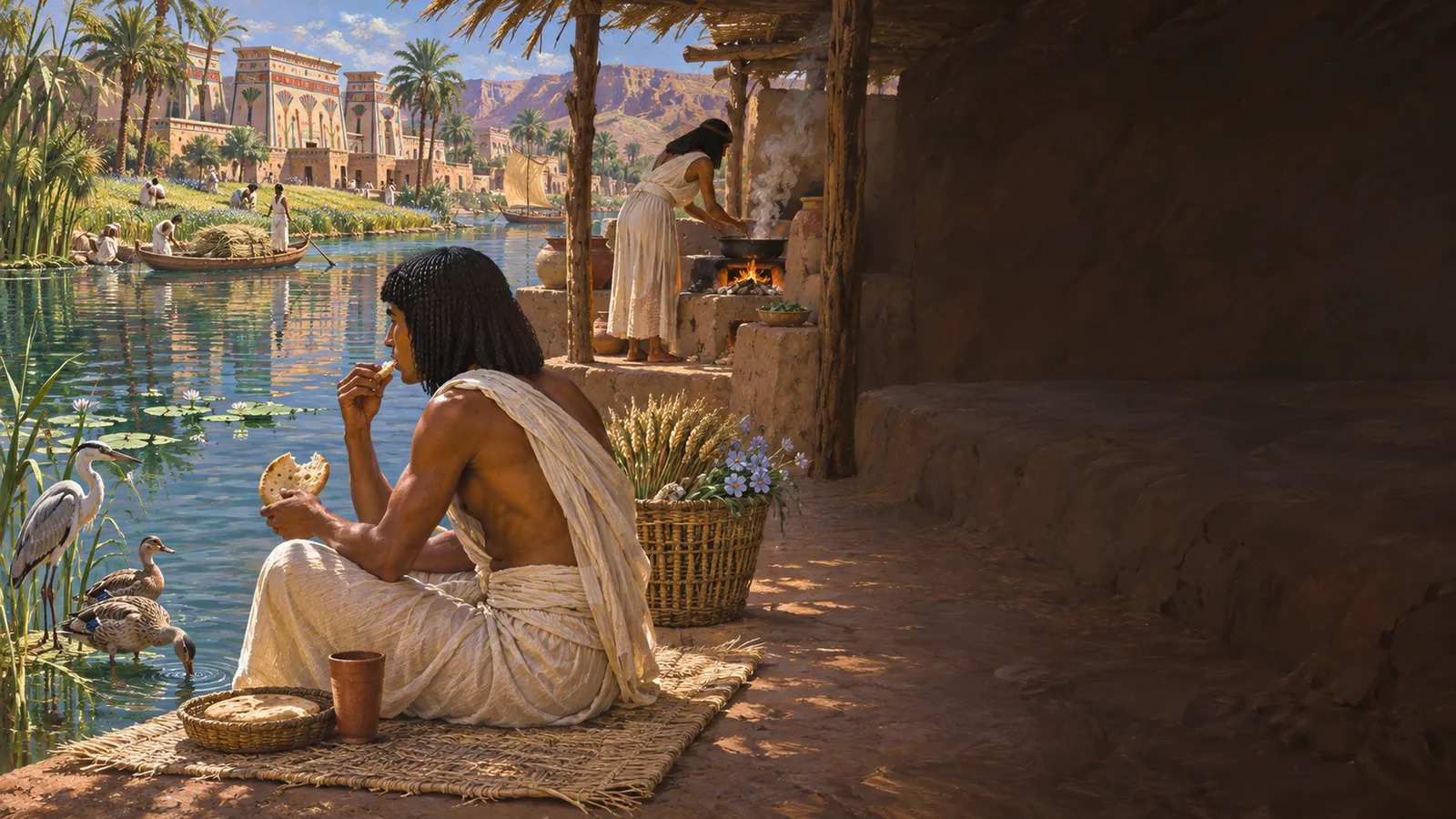
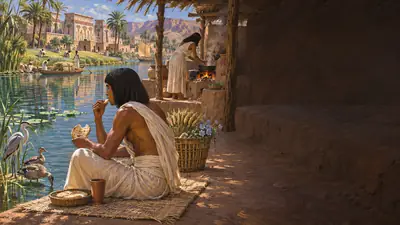
Er sagt, dass er in Uakh eingetreten ist, sein Brot gegessen hat und über ausgesuchte Stücke Rindfleisch und Geflügel verfügen konnte. Er sagt, dass ihm die Vögel des Schu gegeben wurden.
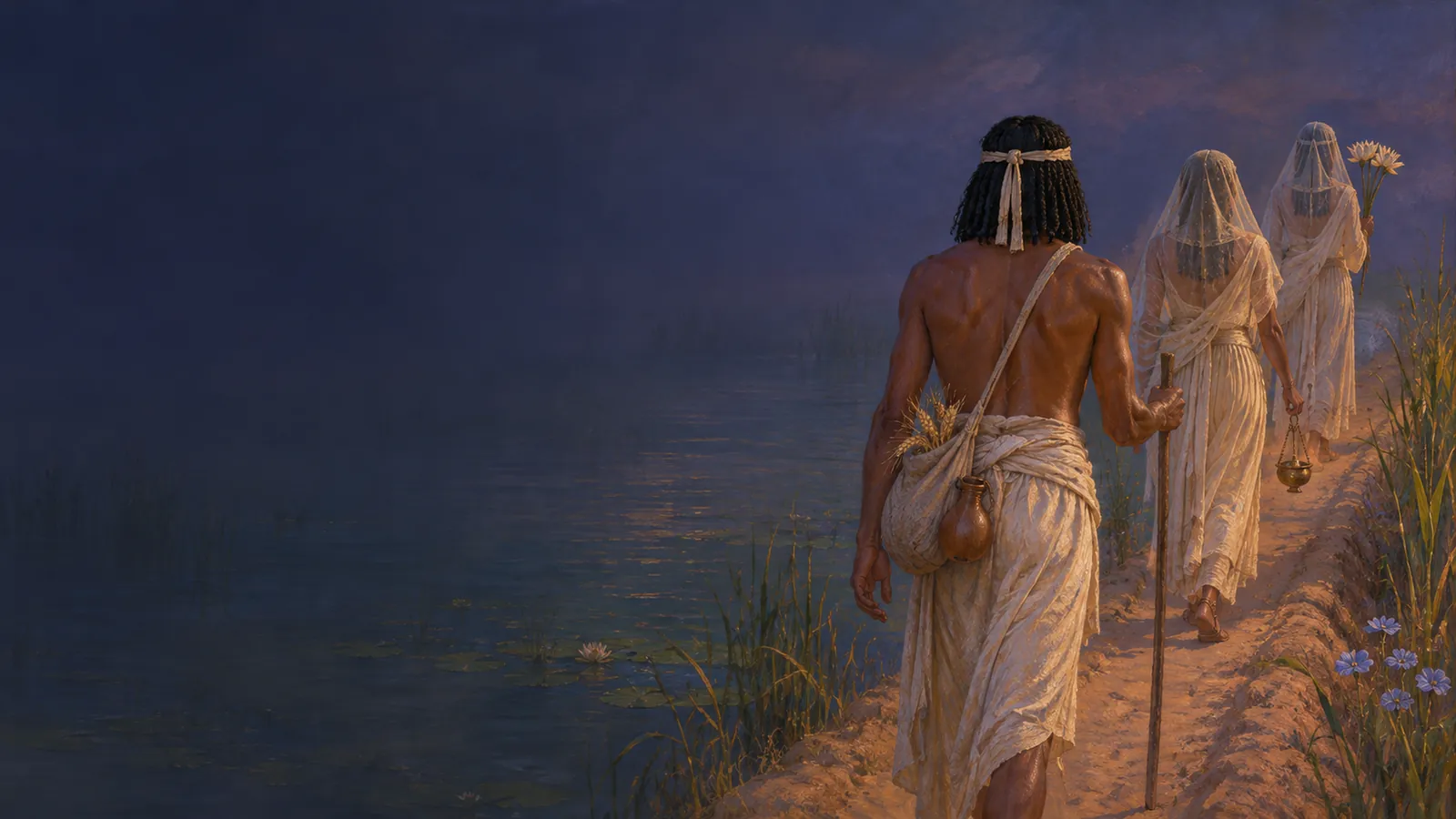
Der Sprecher schließt seine Anrede an Uakh mit den Worten, dass er den Göttern und den göttlichen Doppelgängern folgt.
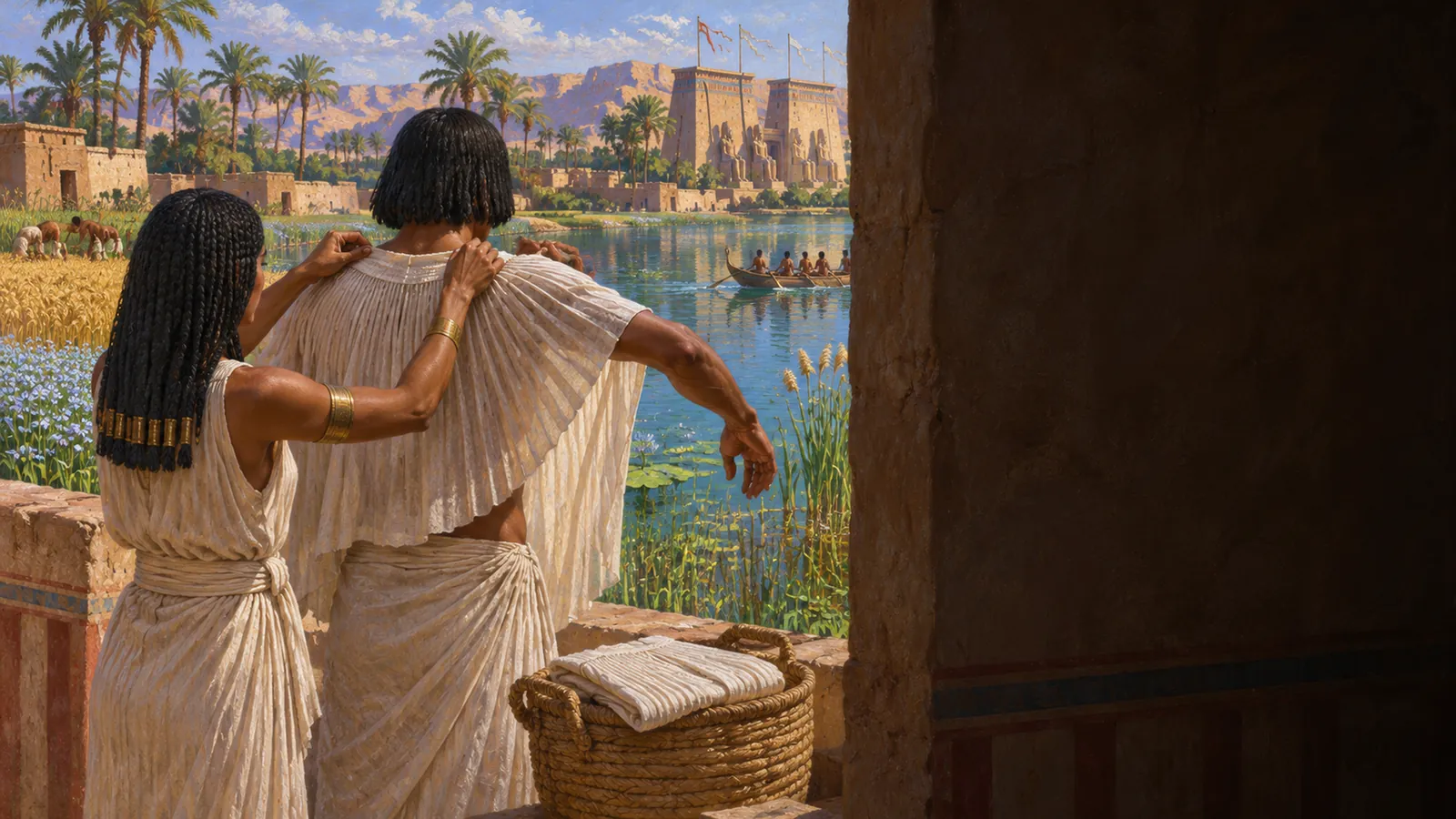
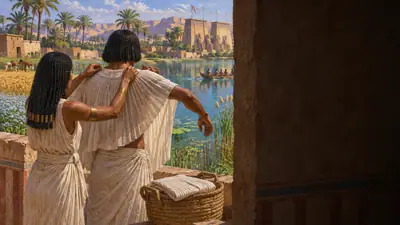
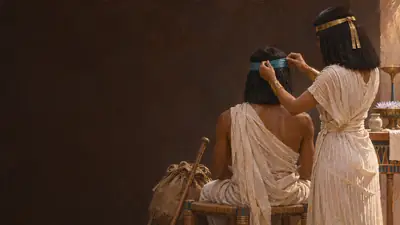
Der Sprecher sagt, dass er in Tohefet eingetreten ist und sich bekleidet hat. Er sagt, dass er sich mit dem Sa-Gewand des Re geschützt hat.
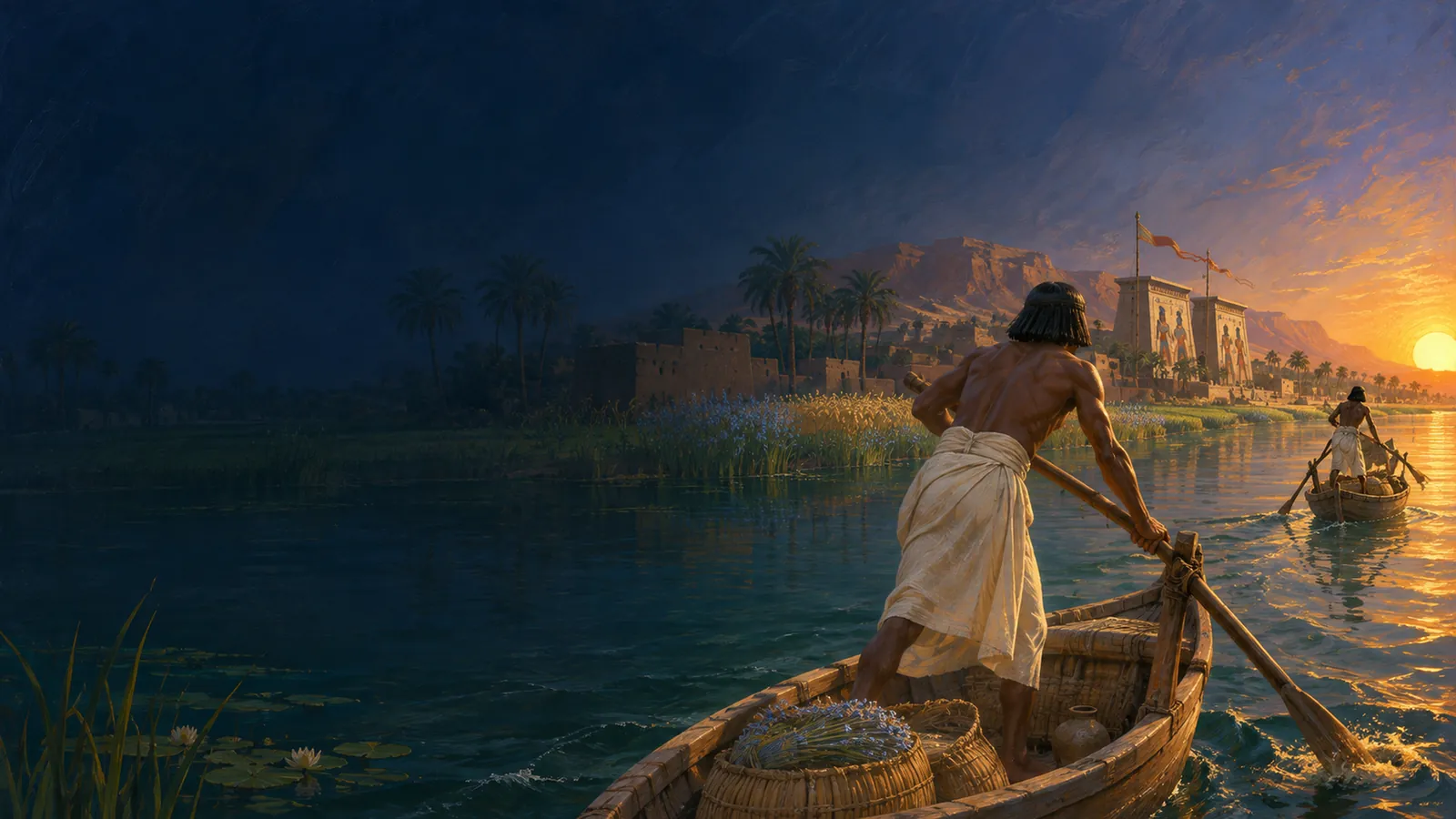
Der Sprecher sagt, dass Re im Himmel ist und dass ihm die folgen, die dort wohnen. Er sagt, dass auch er Re dort folgt.
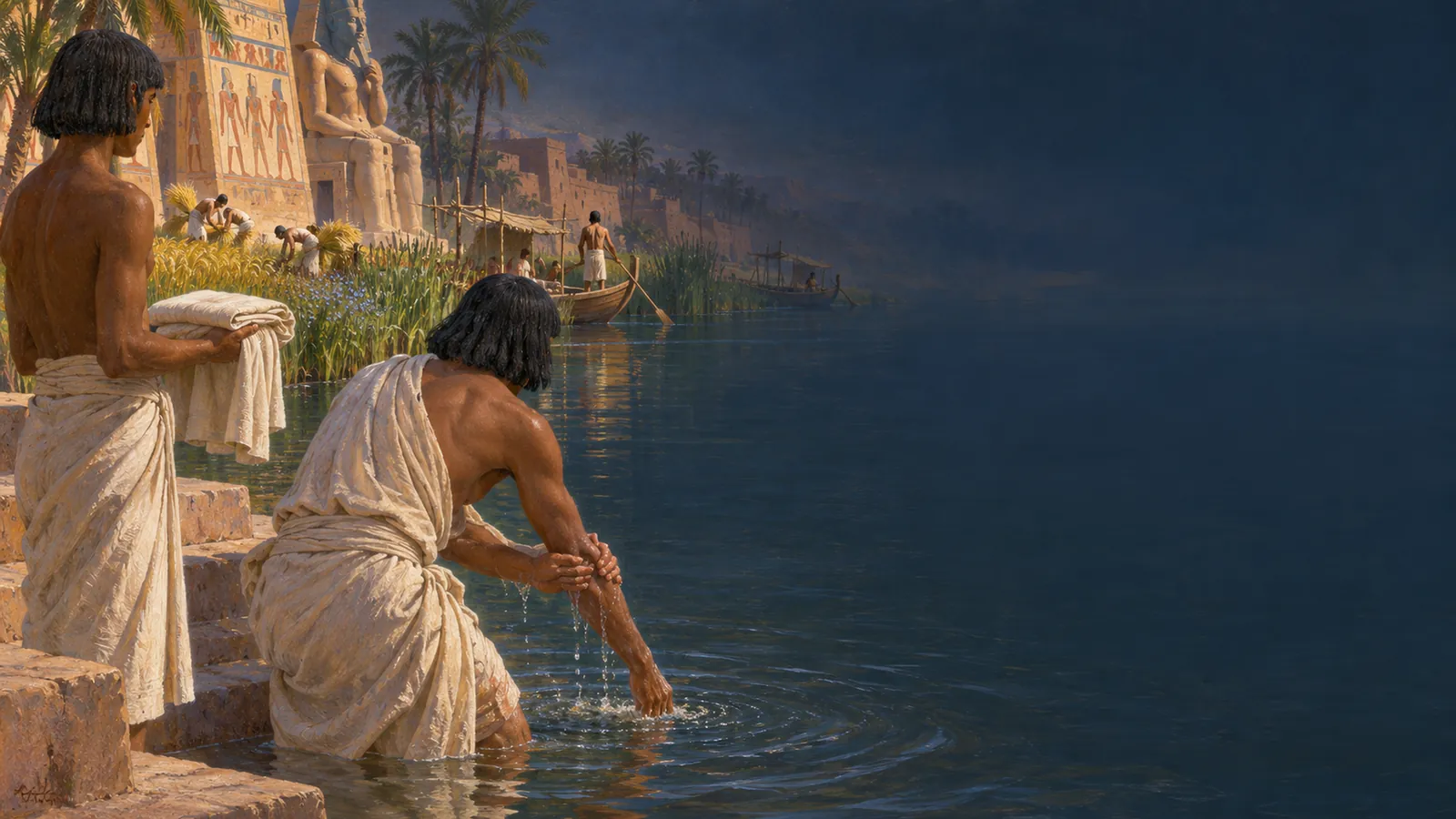
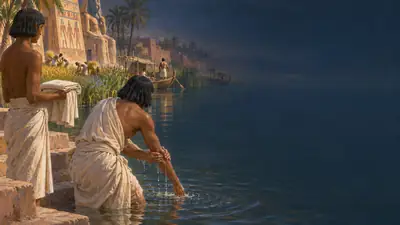
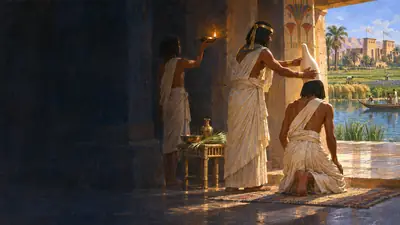
Er redet Unen-em-hetep als Herrn der beiden Länder an und sagt, dass er eingetreten ist. Er sagt, dass er in die Seen von Tohesert eingetaucht ist und alle Unreinheit ihn verlassen hat.
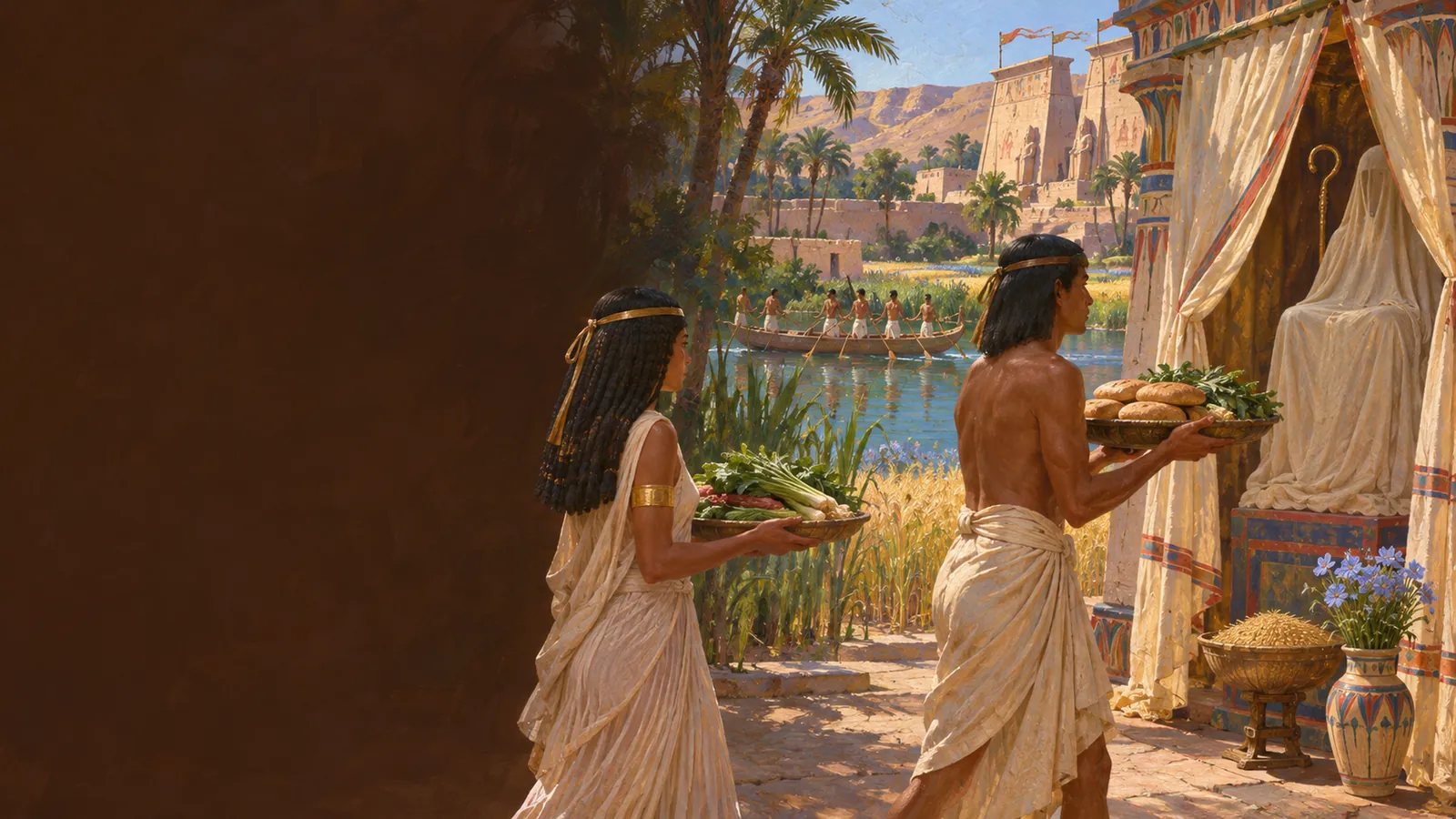
Der Sprecher sagt, dass der Große Gott dort wächst. Er sagt auch, dass er etwas gefunden hat, und Budge ergänzt in eckigen Klammern, dass er dort Nahrung gefunden hat.
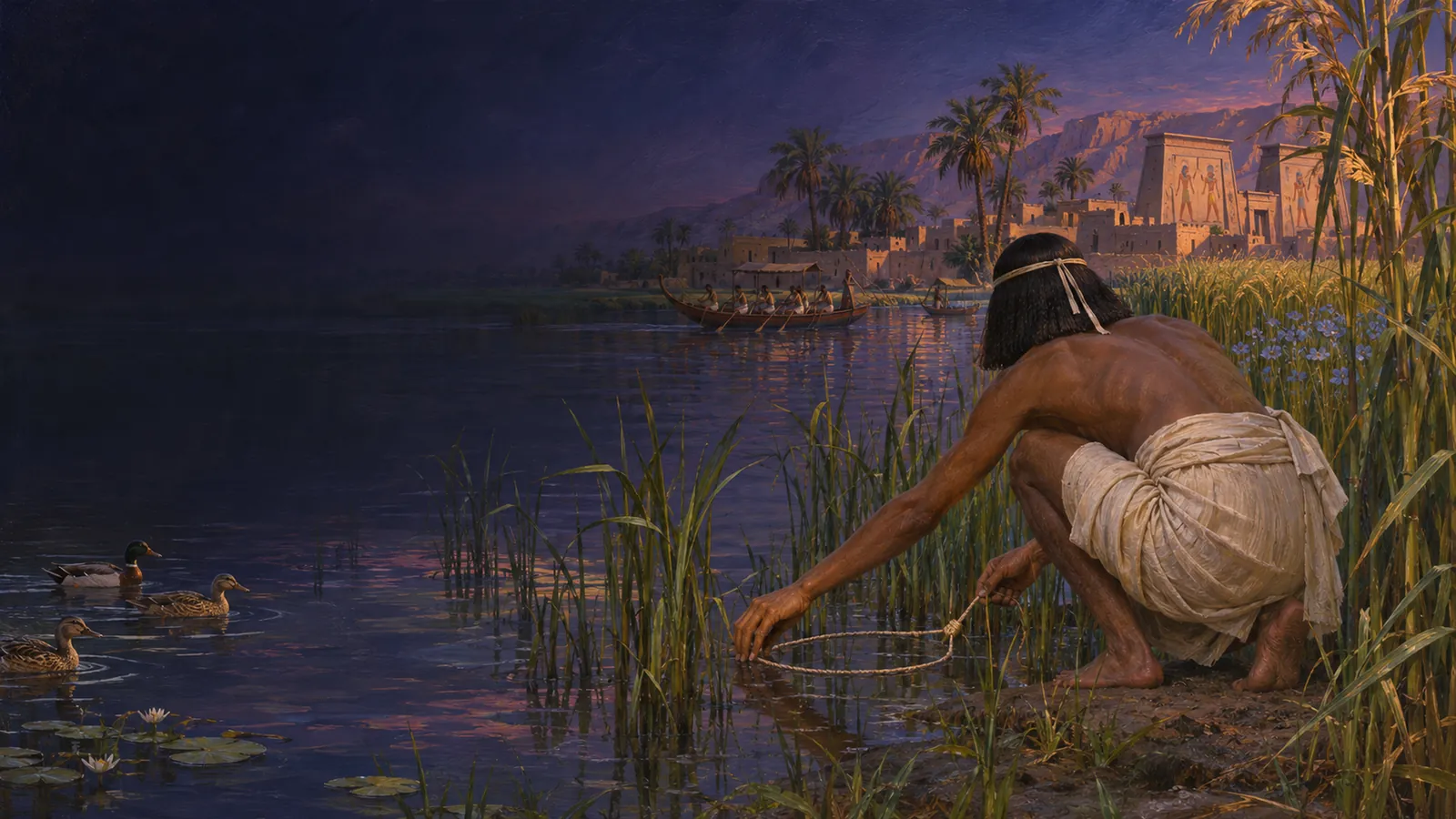
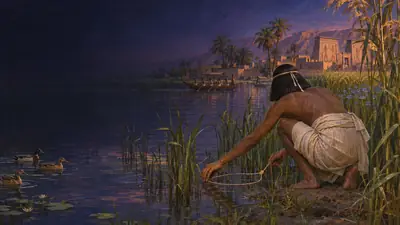
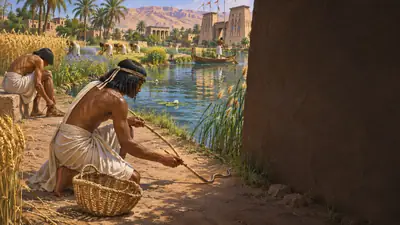
Der Sprecher sagt, dass er Vögel in einer Schlinge gefangen und sich von den besten unter ihnen ernährt hat.
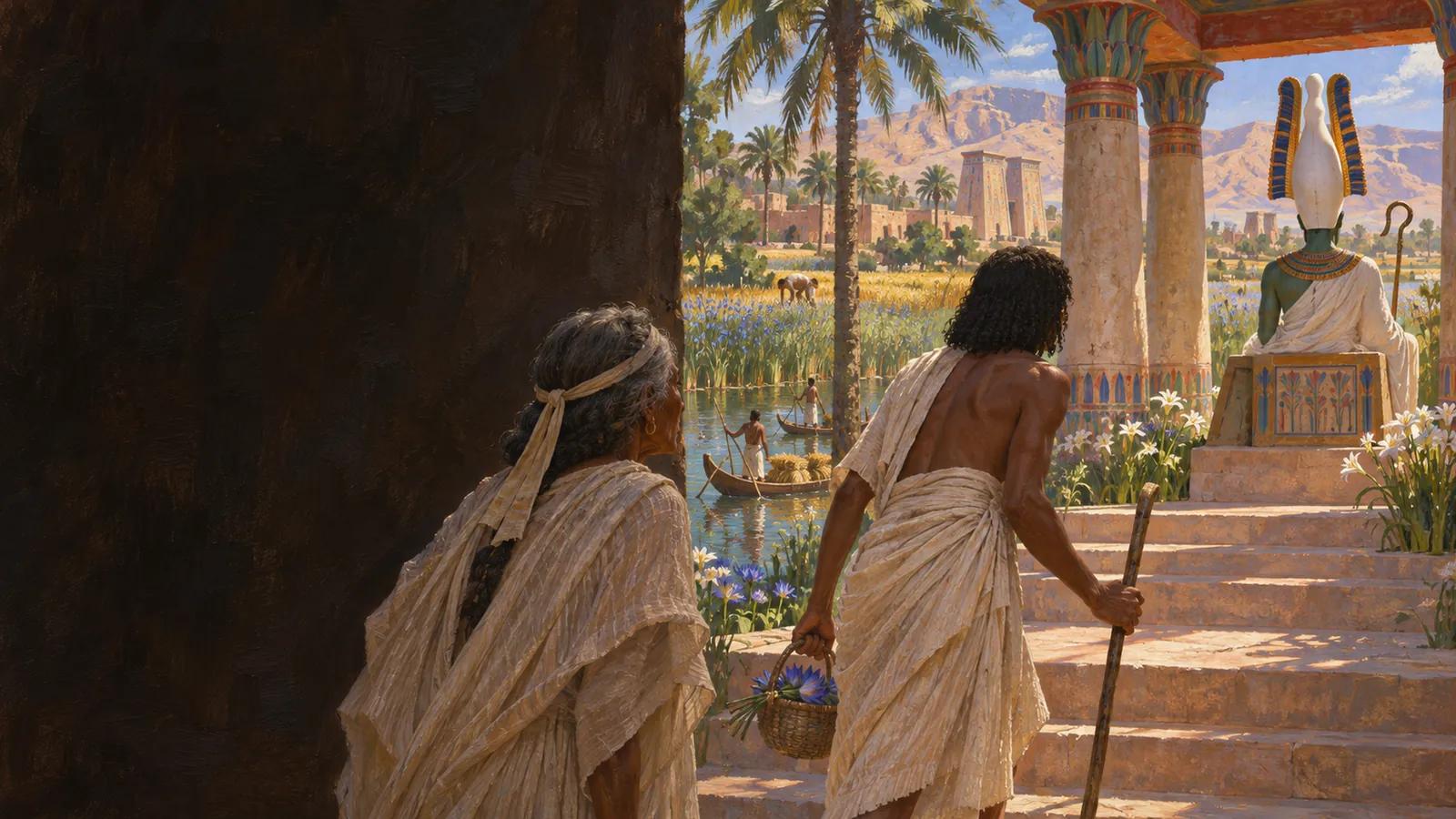
Nach seinem Eintritt in Qenqentet sagt der Sprecher, dass er Osiris gesehen hat, den Budge in eckigen Klammern seinen Vater nennt. Er sagt, dass er seine Mutter angesehen hat. Er sagt auch, dass er Liebe gemacht hat.
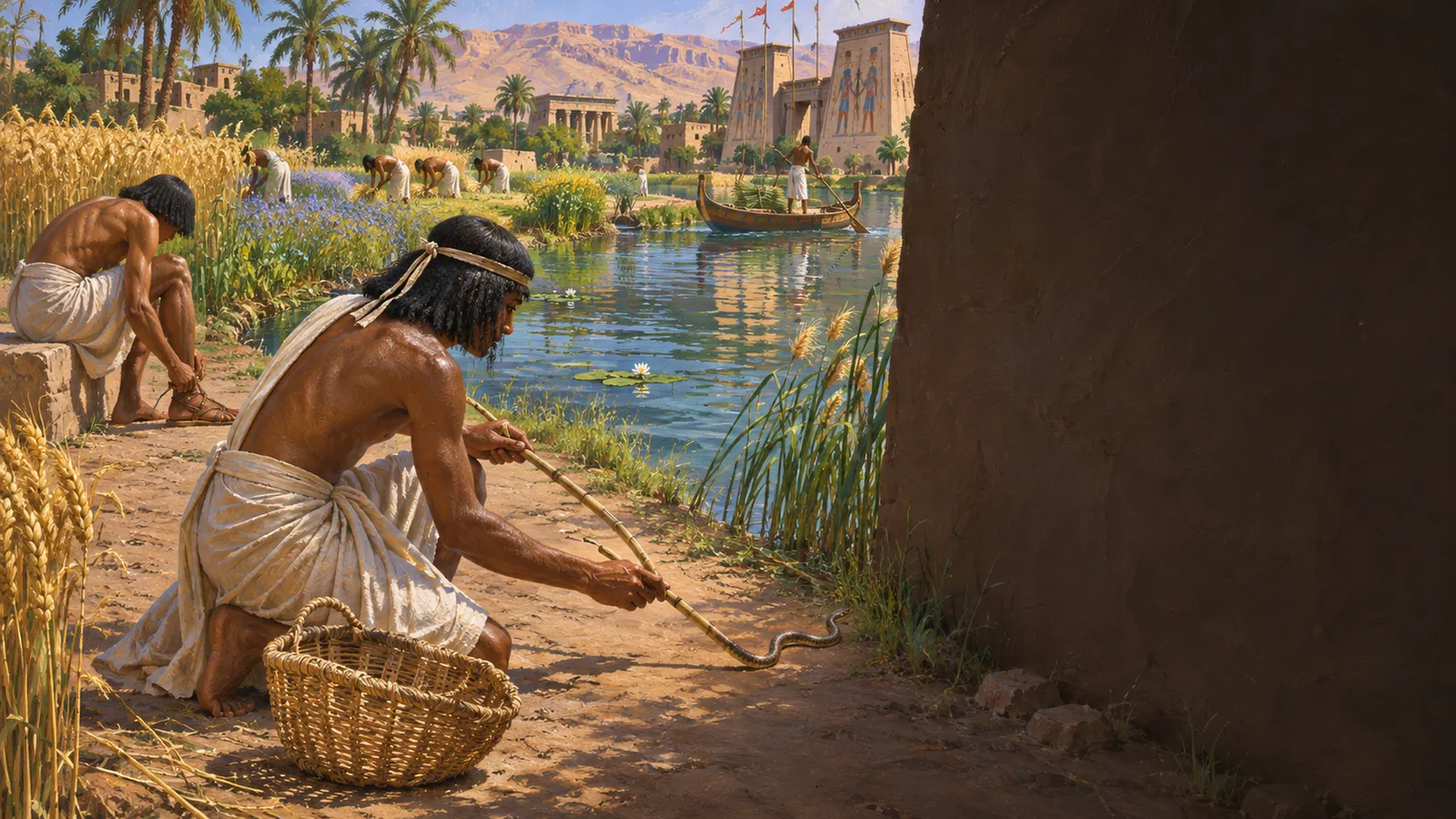
Der Sprecher sagt, dass er dort, wo er eingetreten ist, Würmer und Schlangen fängt. Er sagt, dass er sich selbst befreit.
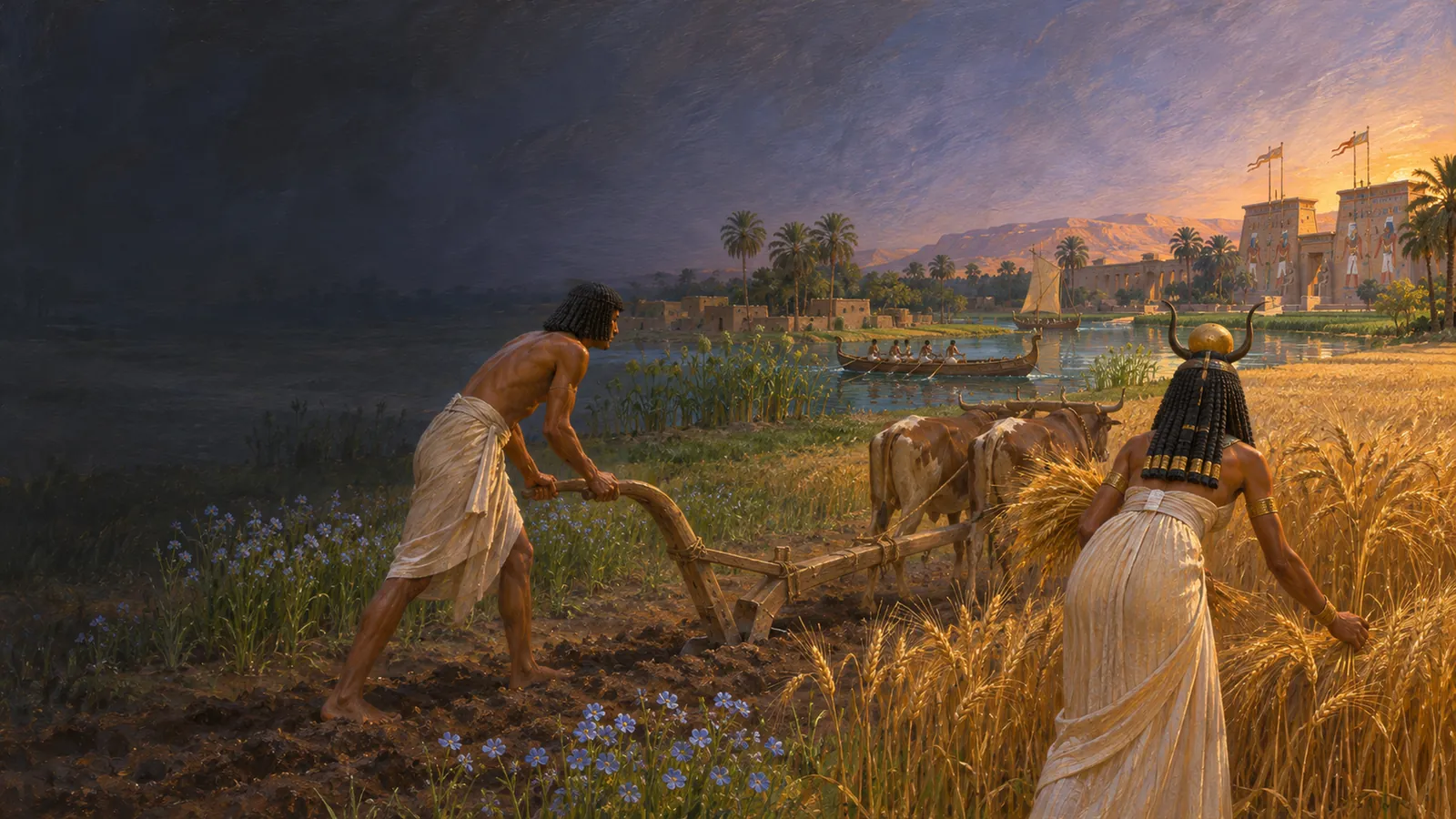
Er sagt, er kenne den Namen des Gottes gegenüber von Tohesert, der glattes Haar und Hörner hat. Dieser Gott erntet, während der Sprecher pflügt und erntet.
DER TÜRKISFARBENE HIMMEL
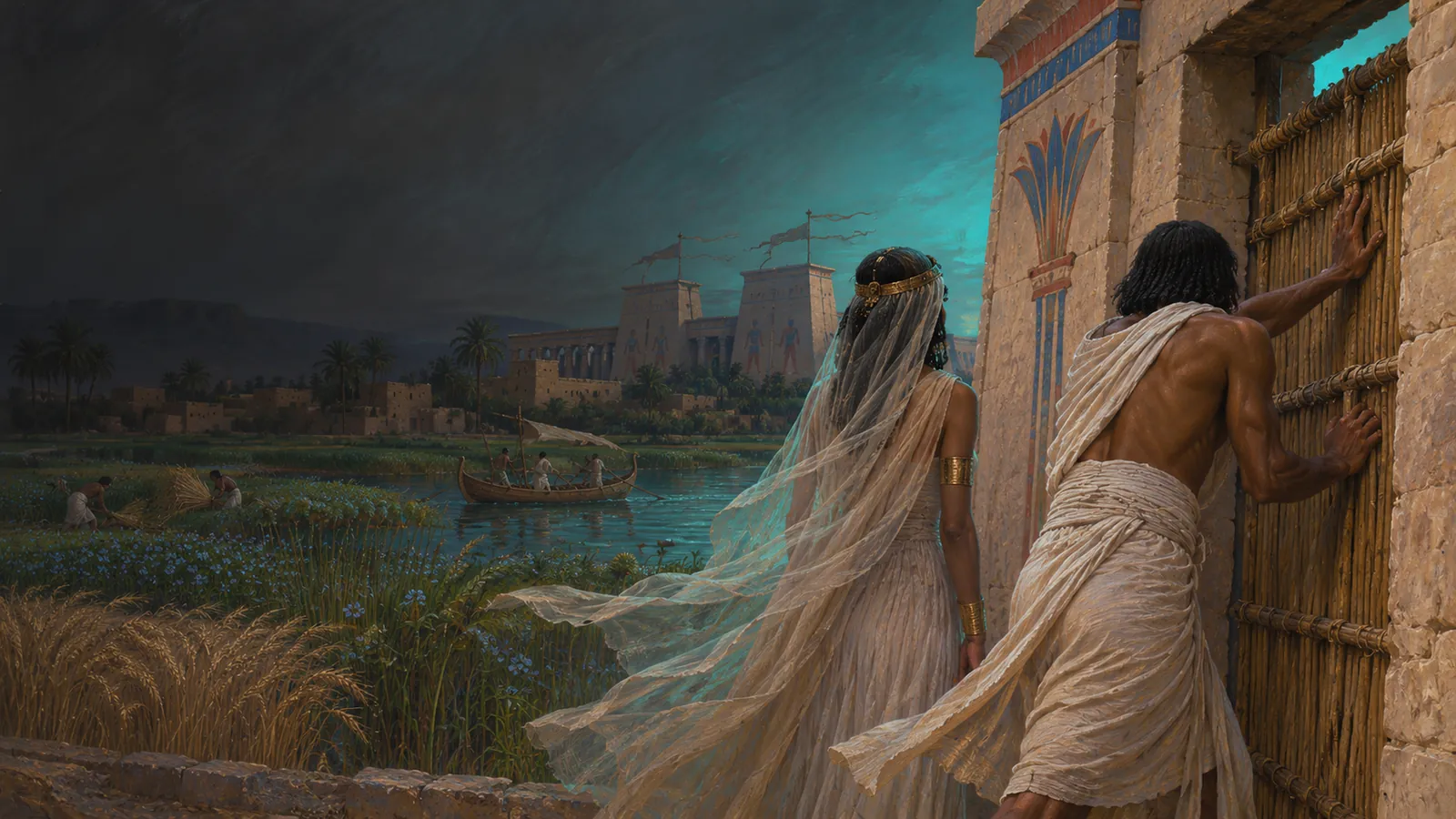
Er sagt zu Hast, dass er eintritt und jene zurückdrängt, die zum türkisfarbenen Himmel gelangen wollen. Dann sagt er, dass er den Winden der Götterversammlung gefolgt ist.
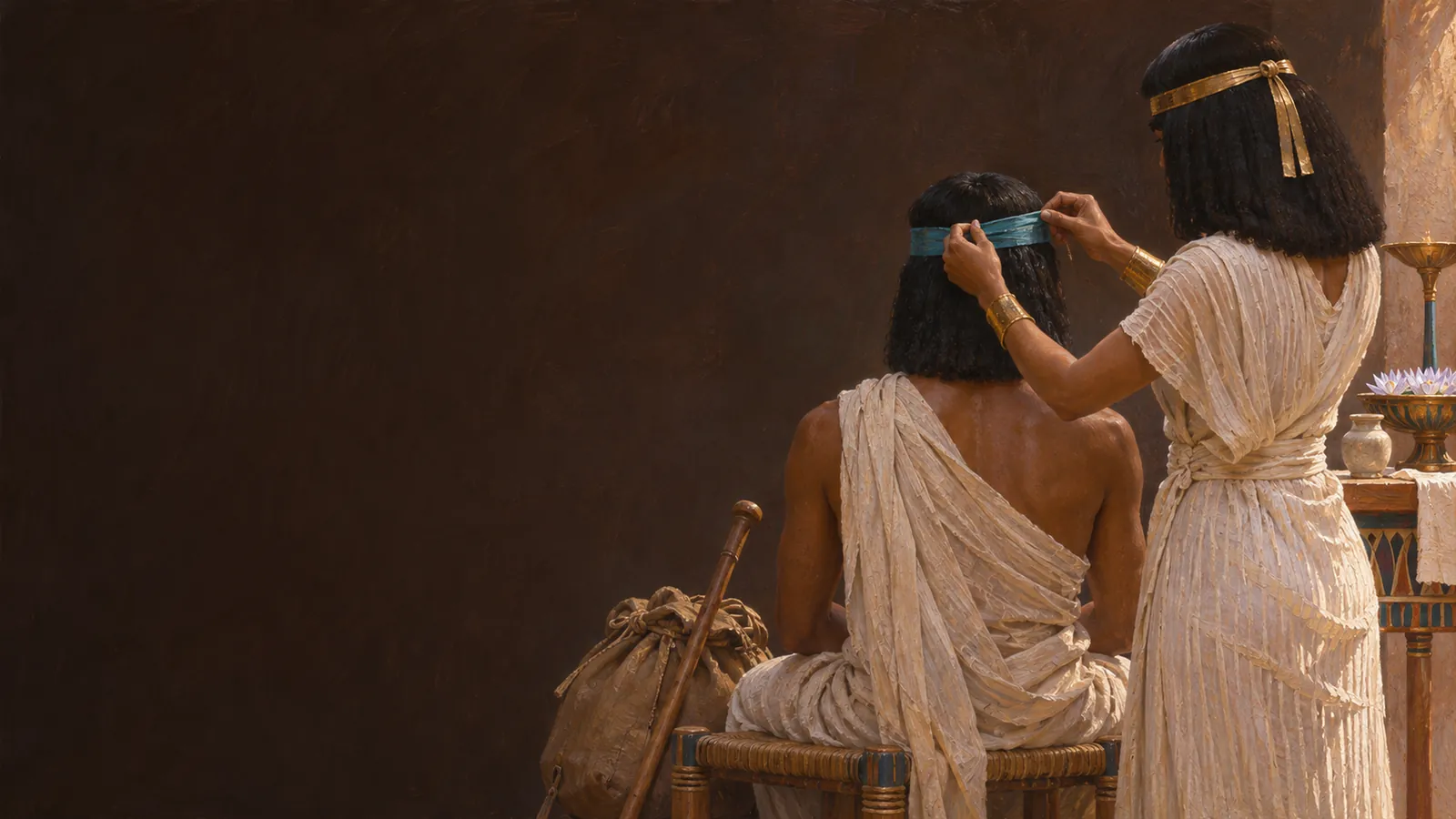
Er sagt, dass der Große Gott ihm seinen Kopf gibt. Der Mächtige mit den türkisfarbenen Augen bindet ihn an. Das ist Ari-en-ab-f.
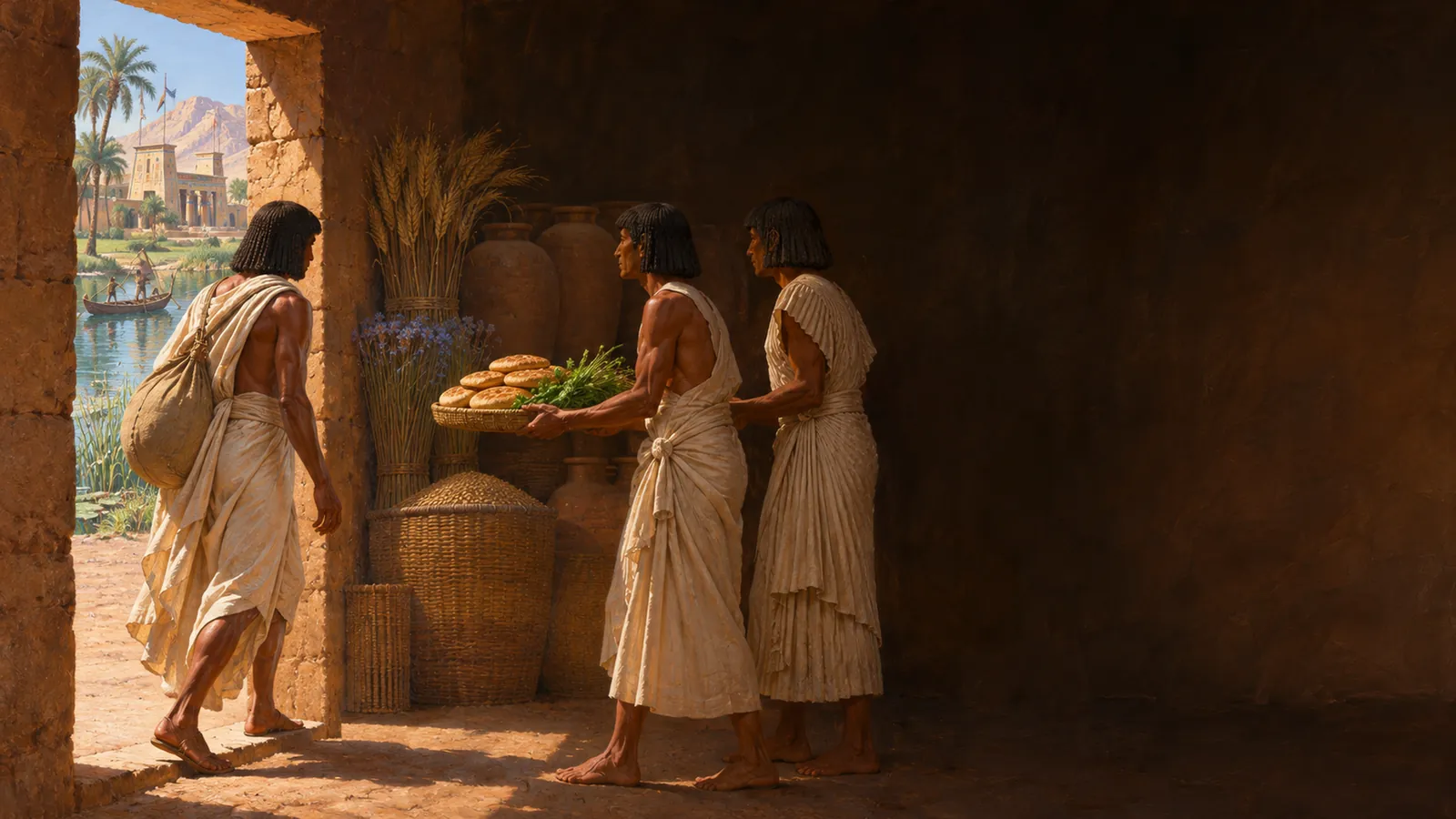
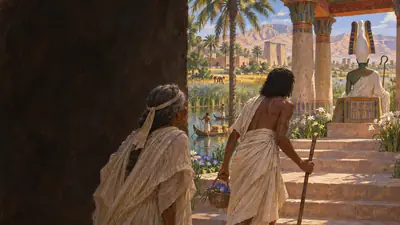
Der Sprecher wendet sich an Usert und sagt, er sei zu dem Haus gekommen, in dem ihm die göttliche Speise gebracht wird.
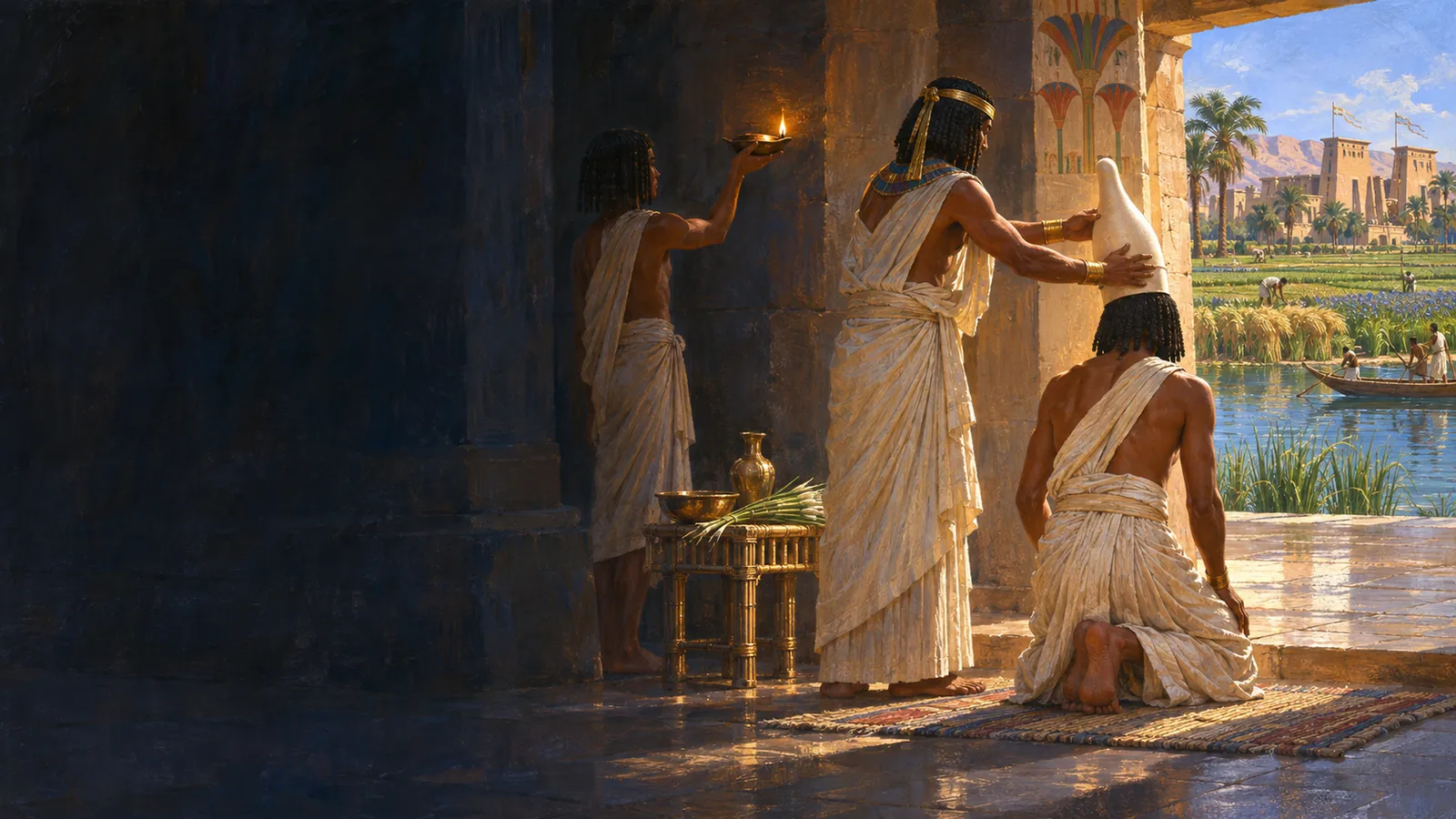
Er verkündet, dass er nach Smam gekommen ist. Er sagt, sein Herz wache und ihm werde die weiße Krone gegeben.
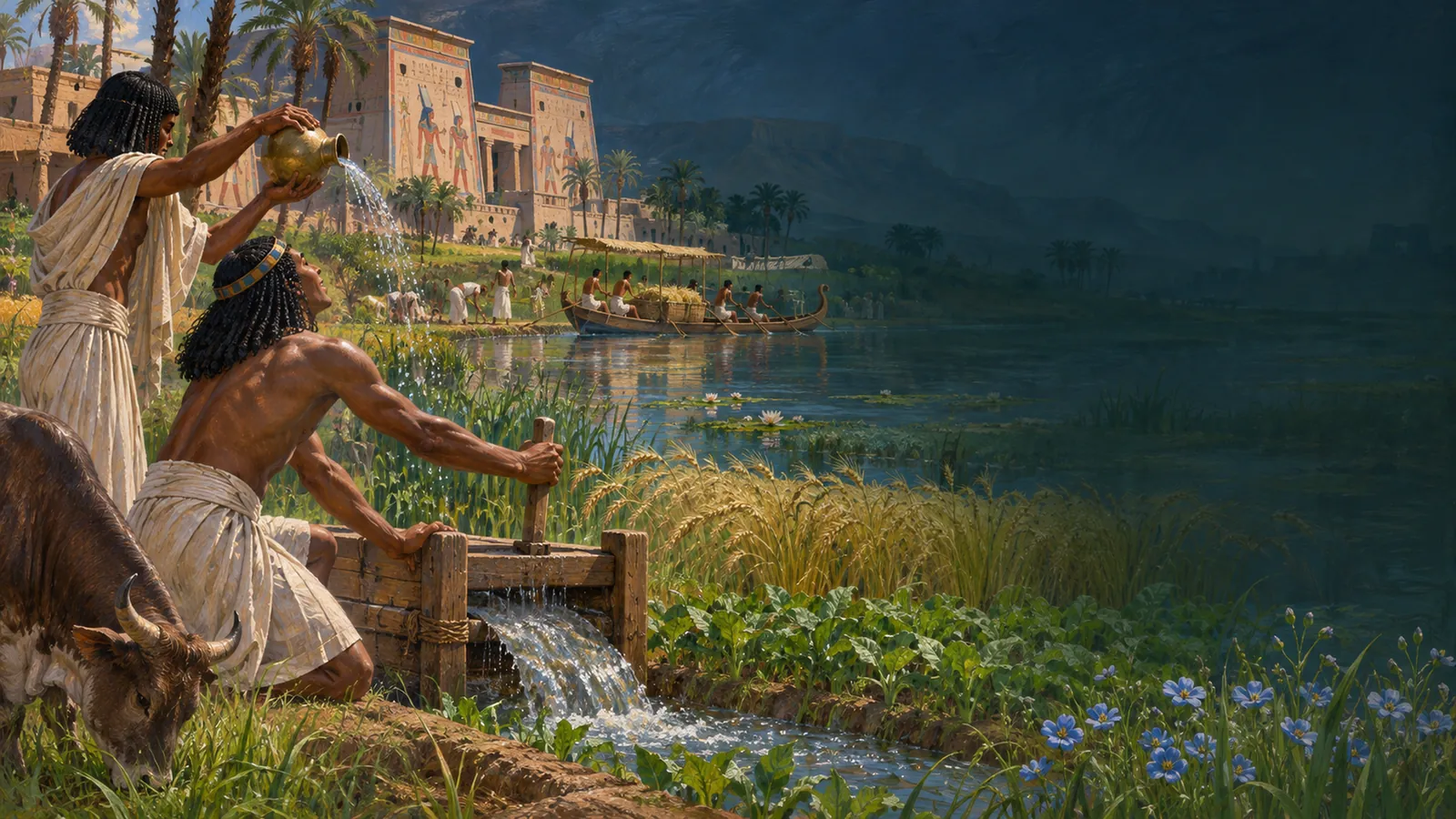
Er sagt, dass er in die Himmelsregionen geführt wird und die Dinge der Erde gedeihen lässt. Er spricht von der Freude des Stiers, der Himmelswesen und der Götterversammlung.
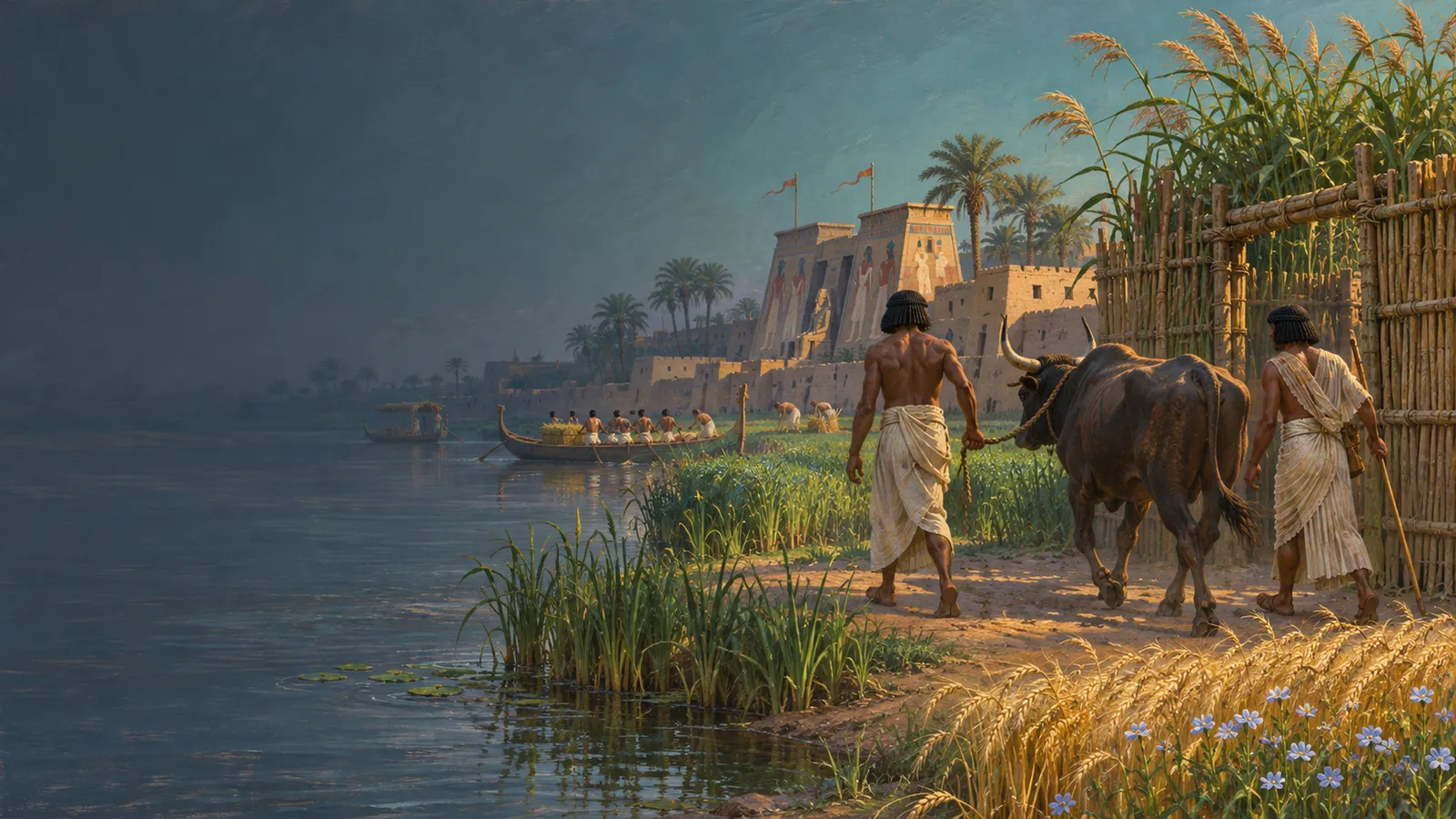
Er nennt sich den Gott, der der Stier ist. Er nennt sich Herr der Götter, wenn er aus dem türkisfarbenen Himmel hervorkommt.
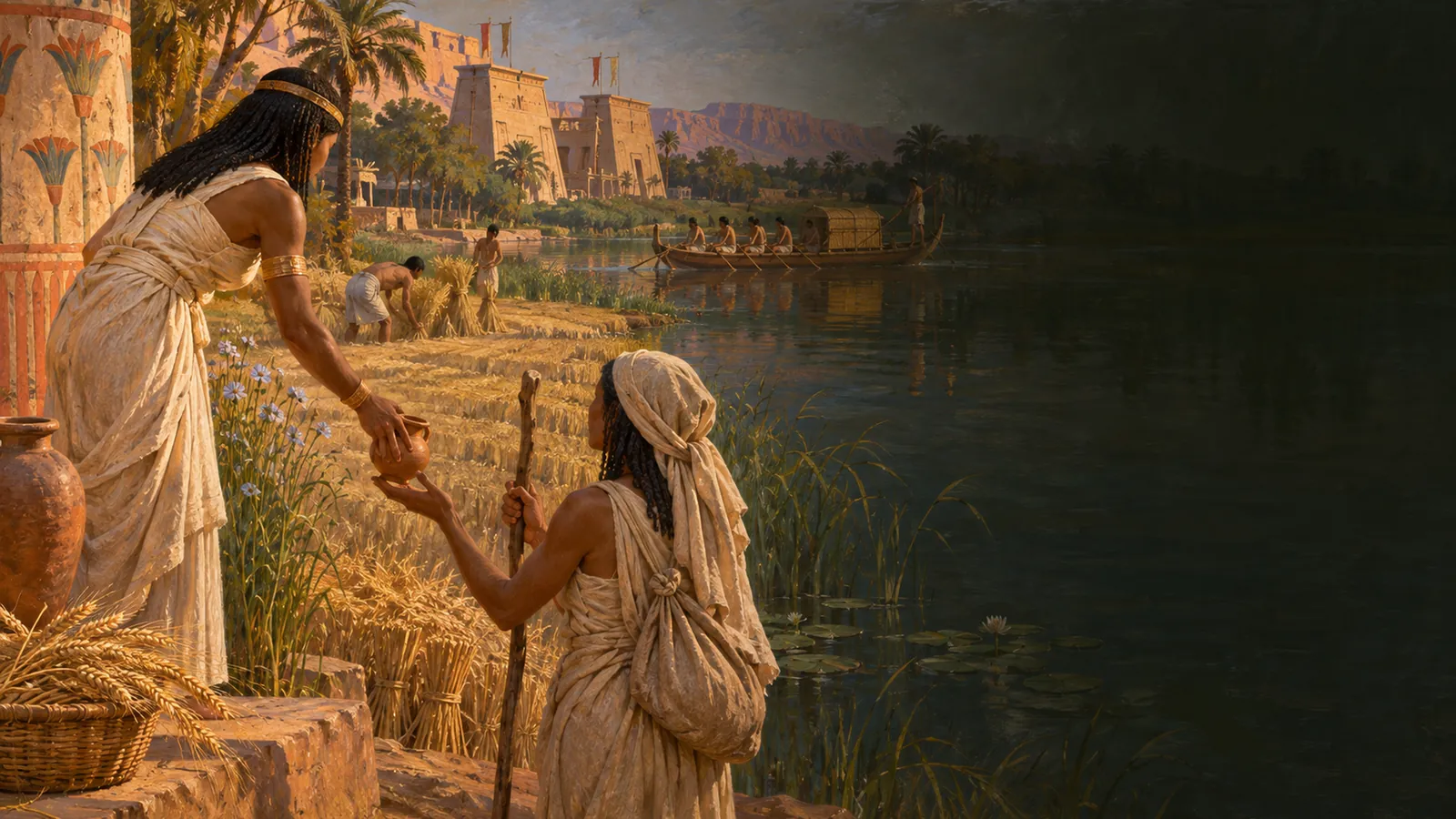
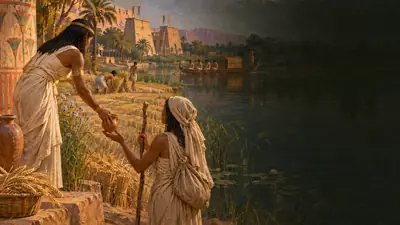
Er wendet sich an den göttlichen Bezirk des Weizens und der Gerste und sagt, dass er zu ihm vorgetreten ist. Er nimmt auf, was ihm folgt, die besten Trankopfer der Götterversammlung.
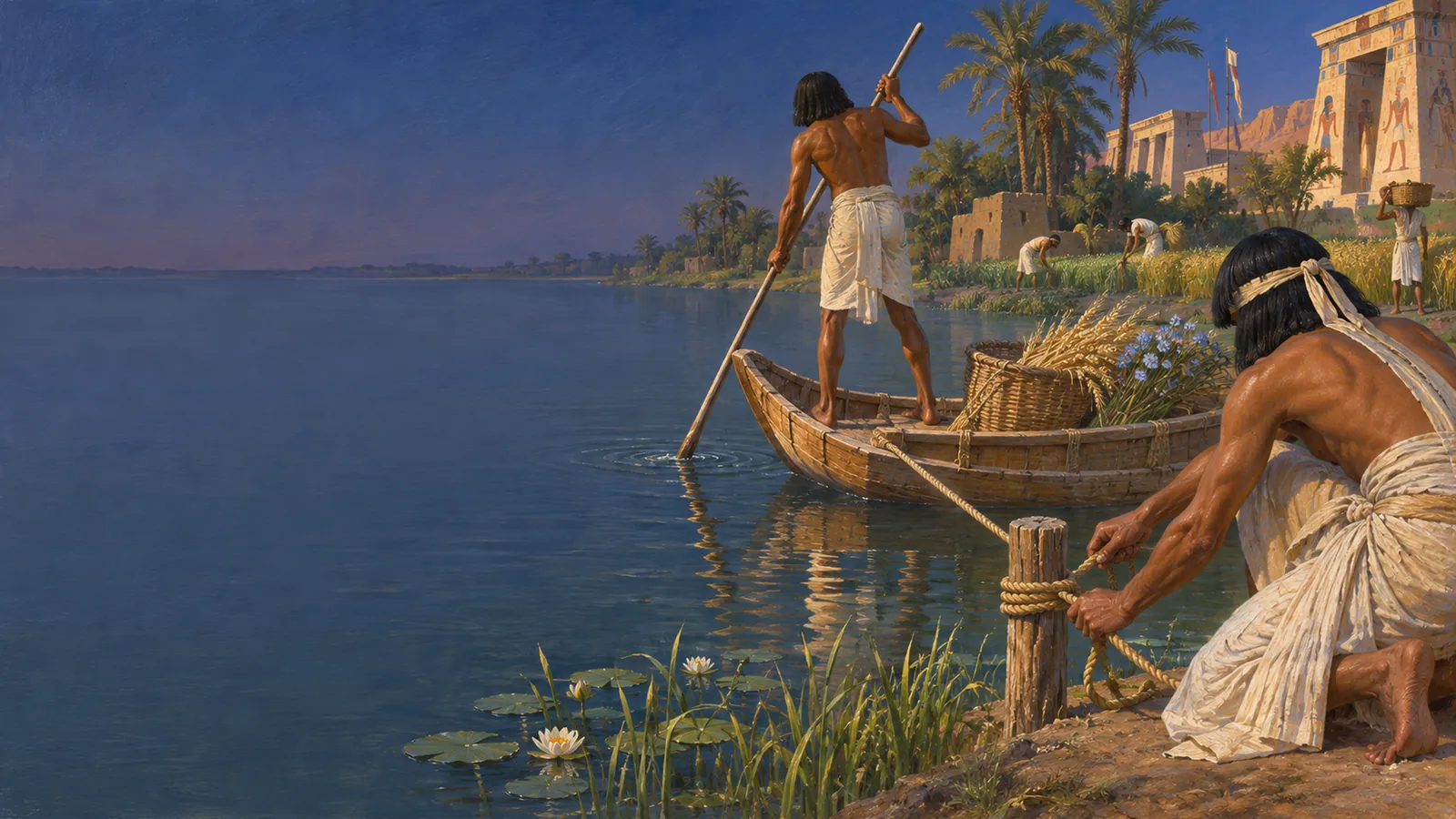
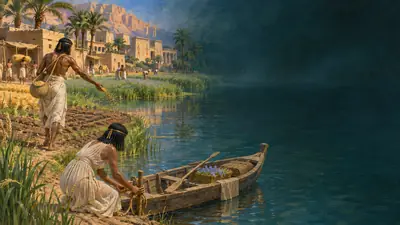
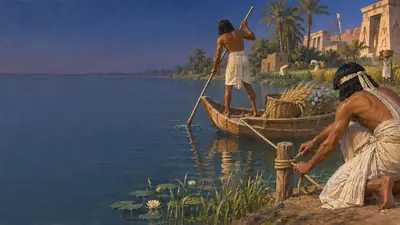
Der Sprecher sagt, dass er sein Boot in den Himmelsseen festgebunden hat. Dann sagt er, dass er den Pfahl zum Ankern angehoben hat.
LOB IN SEKHET-HETEP
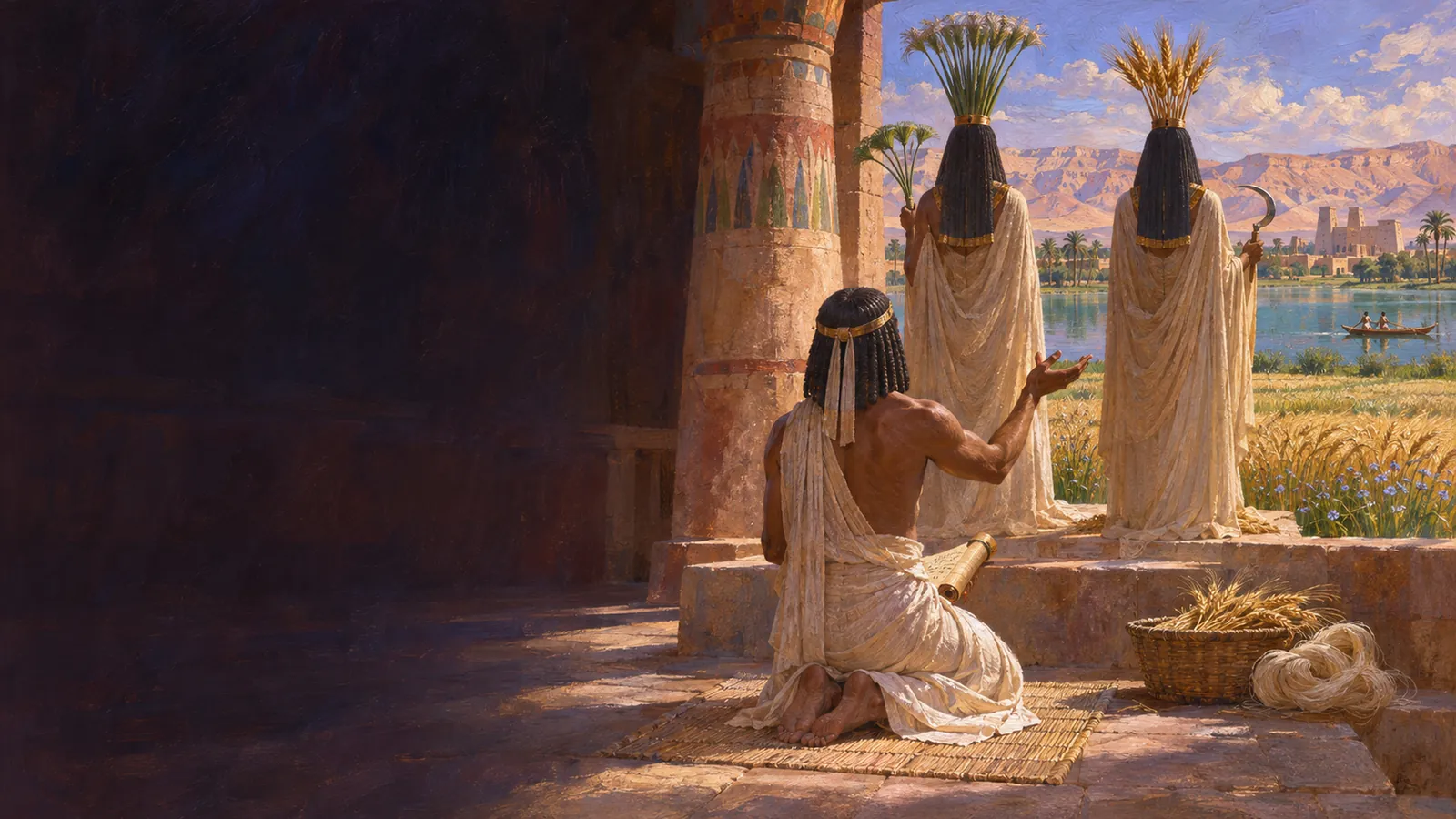
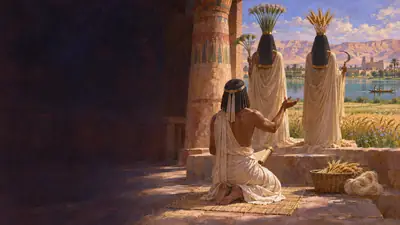
Er sagt, dass er die vorgeschriebenen Worte mit eigener Stimme gesprochen hat. Zum Schluss preist er die Götter, die in Sekhet-hetep wohnen.
Ende von Kapitel 2
Alle Seiten





Quellen
A. Wallis Budge’s Egyptian Ideas of the Future Life, third edition, 1908. It ends with the praises at the end of the printed Chapter CX translation, before the author’s next paragraph. He gives no manuscript name for this translation.
Benutzte Editionen
- Egyptian Ideas of the Future Life, publication record
- Budge 1908, Chapter V, The Resurrection and Immortality
- Budge’s note 138
- Budge’s note 139
- Budge’s note 140
- Budge’s note 141
- Budge’s note 142
- Budge’s note 143
- Budge’s note 144
- Budge’s note 145
- Budge’s note 146
- Budge’s note 147
Hinweise zu dieser Nacherzählung
The speaker asks to live with Hetep, be clothed and remain safe from plunder by the lords of the north. He then asks the lord of divine things for food. The two addresses keep their distinct wording.
He asks to go forward and come out, have his power brought to him and receive it, and get his equipment from Hetep. The next request is mastery of the great word within his body. Through it, he says, he will remember and forget.
He asks to go forward on his way and plough. He then declares peace with the city god and knowledge of the waters, cities, nomes and lakes of Sekhet-Hetep. The text’s word “nomes” refers to districts. The transition to these declarations follows the request to plough.
The speaker declares that he exists in the fields, is strong there and has become a spirit. Budge prints KHU beside his translation “spirit.” The next four declarations are eating, sowing, reaping and ploughing, in that order.
The speaker says he makes love in the fields and is at peace with Hetep. The speech gives no partner.
The speaker addresses divine Hetep and declares that he scatters seed, sails among the lakes and advances to their cities.
Budge brackets “teeth which are like.” “Horns” follows outside the brackets. The speaker asks for plentiful food of the kind that sustains the “Doubles” and “Spirits,” Budge’s KAU and KHU respectively.
After the provisions for Doubles and Spirits, the speaker declares that he has passed the judgment Shu passes upon the person who knows him. The claim belongs to the speaker’s recitation.
The speaker links that claim to his wish to go out to the cities, sail among their lakes and walk in Sekhet-Hetep. Budge adds “[Hetep]” to the designation of the cities. The next statement places Rā in heaven and calls the god Hetep the “twofold offering thereof.” The relation remains open as printed.
Budge supplies “[of Hetep]” after “the land.” The speaker says he has reached the land, girded his loins and come forth so that the expected gifts can be given to him. He says that he is glad and has taken hold of the strength that the god Hetep has greatly increased for him.
A new quoted address begins on the same printed line as the end of the preceding speech. The speaker says he has entered Unen-em-hetep, his soul follows him and his divine food is upon his hands. Budge’s note 138 describes Unen-em-hetep as the first large section of Sekhet-Aaru. The address then calls on the Lady of the Two Lands, who establishes the word by which he remembers and forgets. Note 139 identifies this Lady here as a lake in the second section of Sekhet-Aaru.,
Budge supplies “[being done]” in the second phrase. The twice-spoken appeal to grant him joy of heart is grouped with the wish for peace. The next request names the binding of his sinews and muscles and asks the Lady to make him receive air.
A new paragraph calls Unen-em-hetep Lady of the Winds. Budge’s note 140 gives “opened” as the literal reading behind “shewn.” Rā sleeps, the speaker says he is awake, and Hast is named as the goddess at the gate of heaven by night. The next sentence begins on line 4593 with the obstacles that belong to page 23.
The speaker says obstacles were set before him, that he gathered what Rā had emitted and that he is in his city. The text leaves the obstacles and the city unnamed in these lines.
The speaker enters Nut-urt, reckons his harvest and goes forward to Uakh. Budge identifies Nut-urt as a lake in the first section of Sekhet-Aaru, and Uakh as a lake in the second. ·
The speaker calls himself the Bull enfolded in turquoise, lord of the Field of the Bull and lord of Septet’s divine speech at her hours. Budge prints the identification of Septet as Sothis in parentheses. On entering Uakh the speaker eats his bread, gains control of choice meat from cattle and fowl, and is given the birds of Shu. The last statement is that he follows the gods and divine Doubles, Budge’s KAU.
The speaker enters Tohefet and clothes and protects himself with Rā’s Sa garment. Budge identifies Tohefet as a district in the third section of Sekhet-Aaru. The text then places Rā in heaven, followed by its inhabitants and by the speaker.
The address calls Unen-em-hetep lord of the two lands. The speaker says he enters, plunges into the lakes of Tohesert and is free of all uncleanness. Tohefet and Tohesert are the two spellings used in the printed text. The Great God grows there. The words “I have found” precede Budge’s bracketed “food therein” at line 4614.
The speaker says he snares fowl and eats the finest of them.
Budge identifies Qenqentet as a lake in the first section of Sekhet-Aaru. The speaker enters it and says he sees Osiris. Budge supplies “my father” in brackets at line 4620. The speaker next says he has looked upon his mother, then says separately that he has made love. The passage gives no partner.
Page 34, Budge 1908, Book of the Dead CX, transcription lines 4622–4624. The text has the speaker capture both worms and serpents and deliver himself. Budge supplies the words which are there in brackets to place them where the speaker is.
Page 35, Budge 1908, Book of the Dead CX, transcription lines 4624–4626. The speaker says he knows the name of the god opposite the goddess Tohesert. He describes the god’s straight hair and horns. The god reaps. The speaker ploughs and reaps.
Page 36, Budge 1908, Book of the Dead CX, transcription lines 4628–4632 and n. 145. Note 145 identifies Hast as a lake in the third section. Budge supplies sky in brackets after turquoise.
Page 37, Budge 1908, Book of the Dead CX, transcription lines 4632–4635. The text gives the head from the Great God and its binding from the Mighty One with turquoise eyes. Budge translates the name Ari-en-ab-f parenthetically as he who does as he pleases.
Page 38, Budge 1908, Book of the Dead CX, transcription lines 4637–4639 and n. 146. Note 146 identifies Usert as a lake in the third section. The speaker addresses the lake and says he is at the house where the divine food is brought to him.
Page 39, Budge 1908, Book of the Dead CX, transcription lines 4641–4643 and n. 147. Note 147 identifies Smam as a lake in the third section. The speaker mentions his watchful heart and receiving the white crown.
Page 40, Budge 1908, Book of the Dead CX, transcription lines 4643–4645. The clauses concern the speaker’s being led to the celestial regions and making earthly things flourish. Joy is separately named for the Bull, celestial beings and the company of gods.
Page 41, Budge 1908, Book of the Dead CX, transcription lines 4645–4648. The speaker identifies himself as the god who is the Bull and as lord of the gods. Budge prints sky in brackets again after turquoise.
Page 42, Budge 1908, Book of the Dead CX, transcription lines 4650–4652. The divine nome, or district, is identified with wheat and barley. The speaker says he has come forward and taken up what follows him, the finest libations of the company of the gods.
Page 43, Budge 1908, Book of the Dead CX, transcription lines 4652–4654. The boat is tied in the celestial lakes. The speaker then says that he lifts up the post at which to anchor. The text makes these two separate references without explaining the latter action.
Page 44, Budge 1908, Book of the Dead CX, transcription lines 4654–4655. The speaker says he has recited the prescribed words aloud and praised the gods in Sekhet-hetep. The translation ends here. The following paragraph in Budge’s book is separate.
Die antiken Verse hinter jeder Seite
- Page 1: Budge 1908, Egyptian Ideas of the Future Life, ch. V, Book of the Dead Chapter CX, deceased’s recitation (local)
- Page 2: Budge 1908, Egyptian Ideas of the Future Life, ch. V, Book of the Dead Chapter CX, deceased’s recitation (local)
- Page 3: Budge 1908, Egyptian Ideas of the Future Life, ch. V, Book of the Dead Chapter CX, deceased’s recitation (local)
- Page 4: Budge 1908, Egyptian Ideas of the Future Life, ch. V, Book of the Dead Chapter CX, deceased’s recitation (local)
- Page 5: Budge 1908, Egyptian Ideas of the Future Life, ch. V, Book of the Dead Chapter CX, deceased’s recitation (local)
- Page 6: Budge 1908, Egyptian Ideas of the Future Life, ch. V, Book of the Dead Chapter CX, deceased’s recitation (local)
- Page 7: Budge 1908, Egyptian Ideas of the Future Life, ch. V, Book of the Dead Chapter CX, deceased’s recitation (local)
- Page 8: Budge 1908, Egyptian Ideas of the Future Life, ch. V, Book of the Dead Chapter CX, deceased’s recitation (local)
- Page 9: Budge 1908, Egyptian Ideas of the Future Life, ch. V, Book of the Dead Chapter CX, deceased’s recitation (local)
- Page 10: Budge 1908, Egyptian Ideas of the Future Life, ch. V, Book of the Dead Chapter CX, deceased’s recitation (local)
- Page 11: Budge 1908, Egyptian Ideas of the Future Life, ch. V, Book of the Dead Chapter CX, deceased’s recitation (local)
- Page 12: Budge 1908, Egyptian Ideas of the Future Life, ch. V, Book of the Dead Chapter CX, deceased’s recitation (local)
- Page 13: Budge 1908, Egyptian Ideas of the Future Life, ch. V, Book of the Dead Chapter CX, deceased’s recitation (local)
- Page 14: Budge 1908, Egyptian Ideas of the Future Life, ch. V, Book of the Dead Chapter CX, deceased’s recitation (local)
- Page 15: Budge 1908, Egyptian Ideas of the Future Life, ch. V, Book of the Dead Chapter CX, deceased’s recitation (local)
- Page 16: Budge 1908, Egyptian Ideas of the Future Life, ch. V, Book of the Dead Chapter CX, deceased’s recitation (local)
- Page 17: Budge 1908, Egyptian Ideas of the Future Life, ch. V, Book of the Dead Chapter CX, deceased’s recitation (local)
- Page 18: Budge 1908, Egyptian Ideas of the Future Life, ch. V, Book of the Dead Chapter CX, deceased’s recitation (local)
- Page 19: Budge 1908, Egyptian Ideas of the Future Life, ch. V, Book of the Dead Chapter CX, deceased’s recitation (local)
- Page 20: Budge 1908, Egyptian Ideas of the Future Life, ch. V, Book of the Dead Chapter CX, deceased’s recitation (local)
- Page 21: Budge 1908, Egyptian Ideas of the Future Life, ch. V, Book of the Dead Chapter CX, deceased’s recitation (local)
- Page 22: Budge 1908, Egyptian Ideas of the Future Life, ch. V, Book of the Dead Chapter CX, deceased’s recitation (local)
- Page 23: Budge 1908, Egyptian Ideas of the Future Life, ch. V, Book of the Dead Chapter CX, deceased’s recitation (local)
- Page 24: Budge 1908, Egyptian Ideas of the Future Life, ch. V, Book of the Dead Chapter CX, deceased’s recitation (local)
- Page 25: Budge 1908, Egyptian Ideas of the Future Life, ch. V, Book of the Dead Chapter CX, deceased’s recitation (local)
- Page 26: Budge 1908, Egyptian Ideas of the Future Life, ch. V, Book of the Dead Chapter CX, deceased’s recitation (local)
- Page 27: Budge 1908, Egyptian Ideas of the Future Life, ch. V, Book of the Dead Chapter CX, deceased’s recitation (local)
- Page 28: Budge 1908, Egyptian Ideas of the Future Life, ch. V, Book of the Dead Chapter CX, deceased’s recitation (local)
- Page 29: Budge 1908, Egyptian Ideas of the Future Life, ch. V, Book of the Dead Chapter CX, deceased’s recitation (local)
- Page 30: Budge 1908, Egyptian Ideas of the Future Life, ch. V, Book of the Dead Chapter CX, deceased’s recitation (local)
- Page 31: Budge 1908, Egyptian Ideas of the Future Life, ch. V, Book of the Dead Chapter CX, deceased’s recitation (local)
- Page 32: Budge 1908, Egyptian Ideas of the Future Life, ch. V, Book of the Dead Chapter CX, deceased’s recitation (local)
- Page 33: Budge 1908, Egyptian Ideas of the Future Life, ch. V, Book of the Dead Chapter CX, deceased’s recitation (local)
- Page 34: Budge 1908, Egyptian Ideas of the Future Life, ch. V, Book of the Dead CX (local)
- Page 35: Budge 1908, Egyptian Ideas of the Future Life, ch. V, Book of the Dead CX (local)
- Page 36: Budge 1908, Egyptian Ideas of the Future Life, ch. V, Book of the Dead CX (local)
- Page 37: Budge 1908, Egyptian Ideas of the Future Life, ch. V, Book of the Dead CX (local)
- Page 38: Budge 1908, Egyptian Ideas of the Future Life, ch. V, Book of the Dead CX (local)
- Page 39: Budge 1908, Egyptian Ideas of the Future Life, ch. V, Book of the Dead CX (local)
- Page 40: Budge 1908, Egyptian Ideas of the Future Life, ch. V, Book of the Dead CX (local)
- Page 41: Budge 1908, Egyptian Ideas of the Future Life, ch. V, Book of the Dead CX (local)
- Page 42: Budge 1908, Egyptian Ideas of the Future Life, ch. V, Book of the Dead CX (local)
- Page 43: Budge 1908, Egyptian Ideas of the Future Life, ch. V, Book of the Dead CX (local)
- Page 44: Budge 1908, Egyptian Ideas of the Future Life, ch. V, Book of the Dead CX (local)
Illustrationen von IL Archive mit KI-Werkzeugen; der Text folgt den antiken Quellen (siehe die Quellen am Ende jedes Kapitels).