Durch die Felder von Hetep Kapitel 1
Der See von Hetep
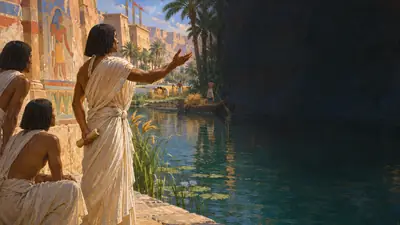
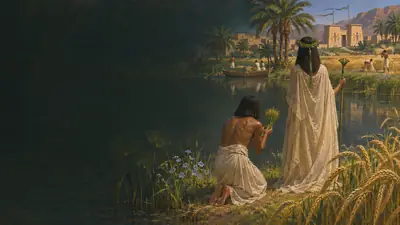
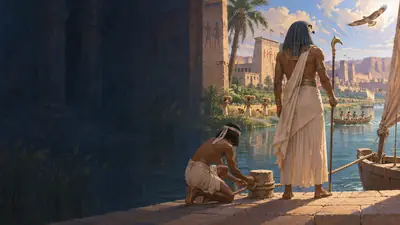
Der Sprecher nimmt ein Boot aus Schus Palast, überquert damit den See von Hetep und bittet darum, die Felder zu bearbeiten. Die Rezitation wendet sich Horus und Hetep zu und vergleicht ihre Taten mit dem Geschehen am See des doppelten Feuers.
QuellenBlättern Sie mit den Pfeilen, den Pfeiltasten oder durch Wischen.
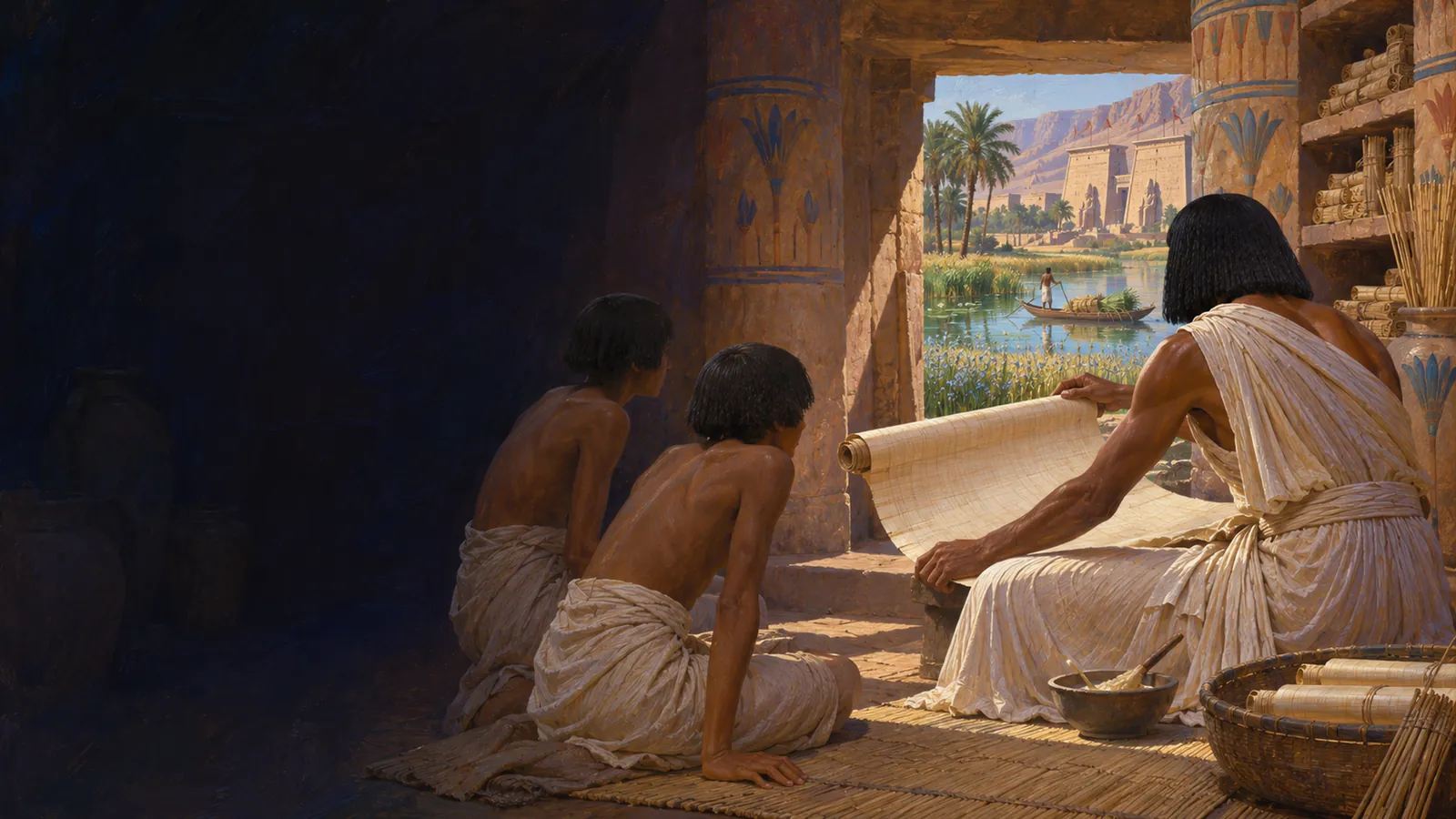
DER SEE VON HETEP
Diese Lesung folgt der Auswahl aus Kapitel 110 des ägyptischen Totenbuchs, die Budge 1908 druckte. Ihr Titel verbindet die Kapitel von Sekhet-Hetepet mit den Kapiteln vom Herausgehen am Tage.
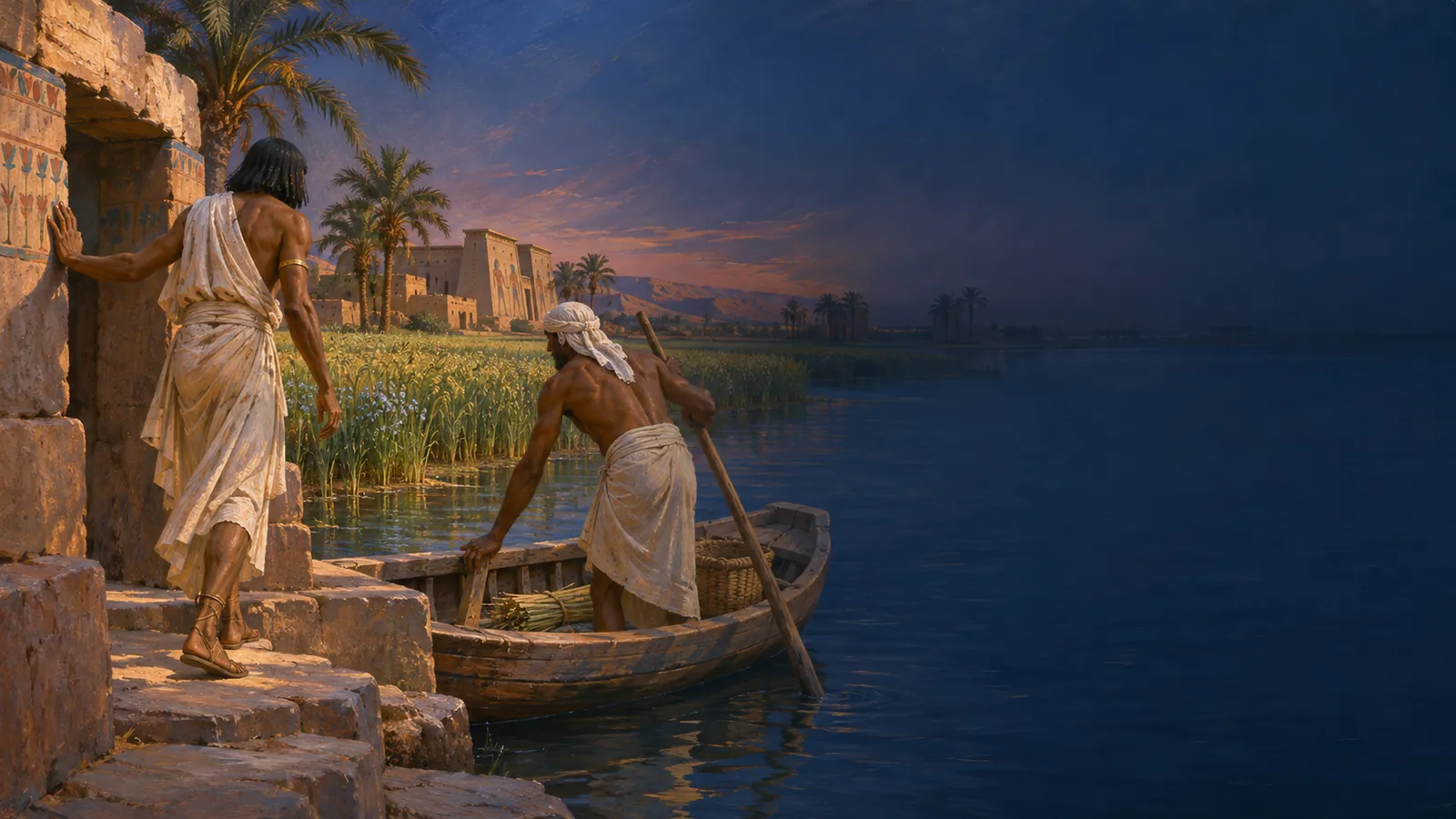
Der Titel nennt den Eintritt in die Unterwelt und das Herauskommen aus ihr. Er nennt auch die Ankunft in Sekhet-Aaru.
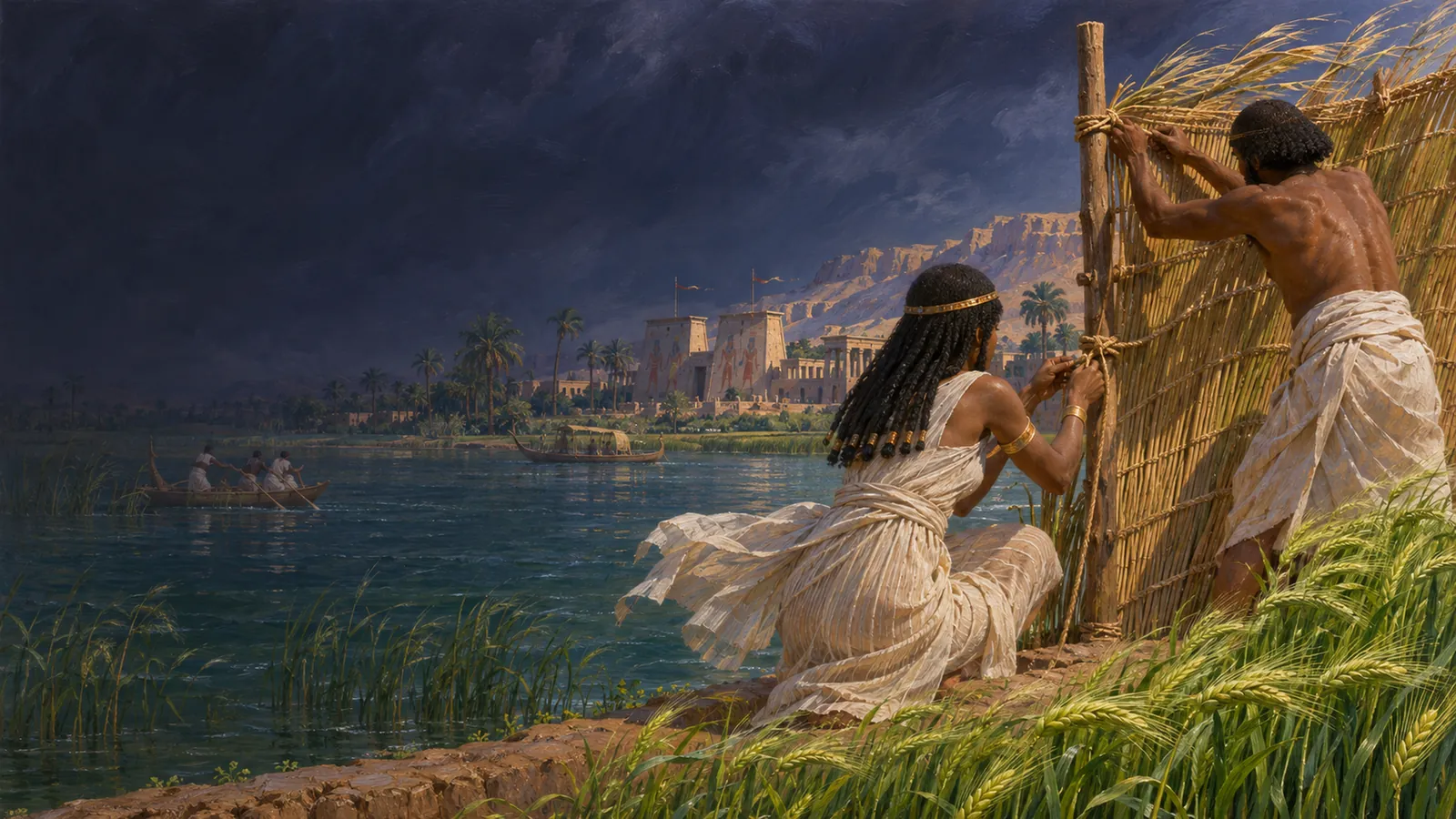
Der Titel nennt Sekhet-Hetepet das mächtige Land und die Herrin der Winde. Er spricht davon, dort Macht zu haben und dort zu einem Geist zu werden.
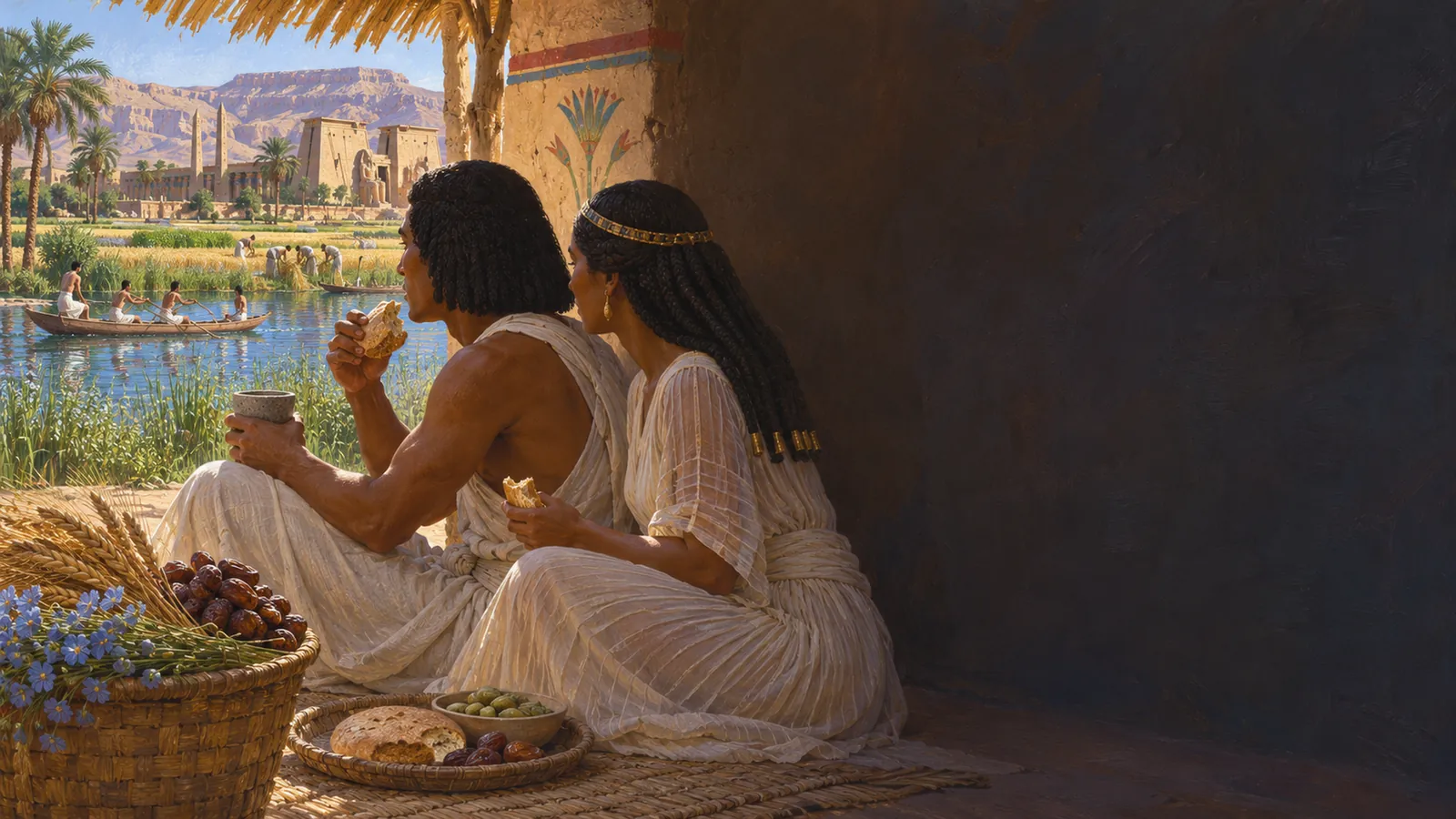
Der Titel spricht vom Ernten, Essen, Trinken und Liebemachen auf den Feldern. Er beschreibt, dass man dort tut, was man auf Erden tut.
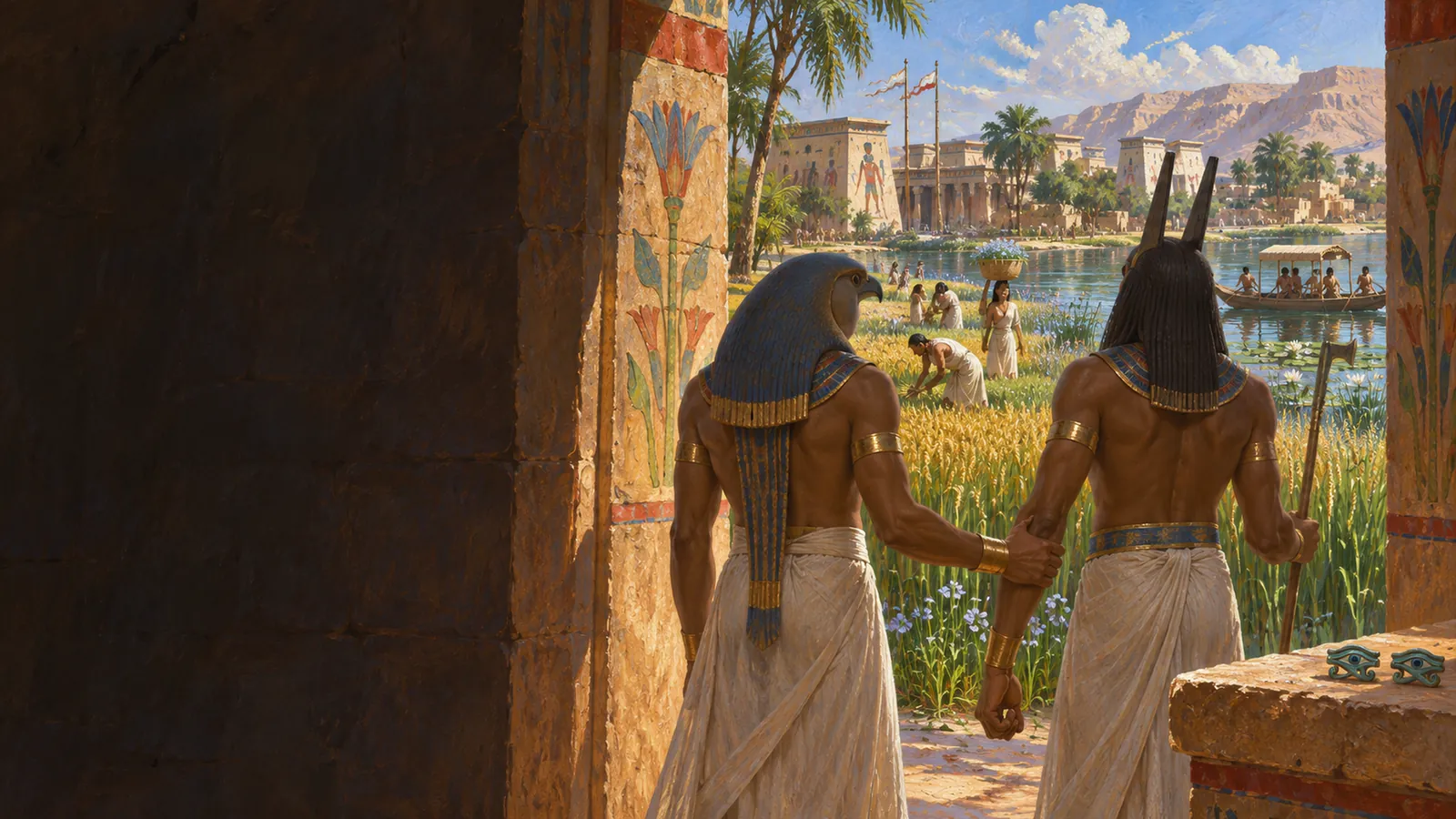
Der Sprecher sagt, Seth habe Horus ergriffen, als Horus mit den beiden Augen auf das blickte, was Budge vorsichtig als Bau um Sekhet-hetep bezeichnet. Budge identifiziert sie als das Auge des Re und das Auge des Horus.
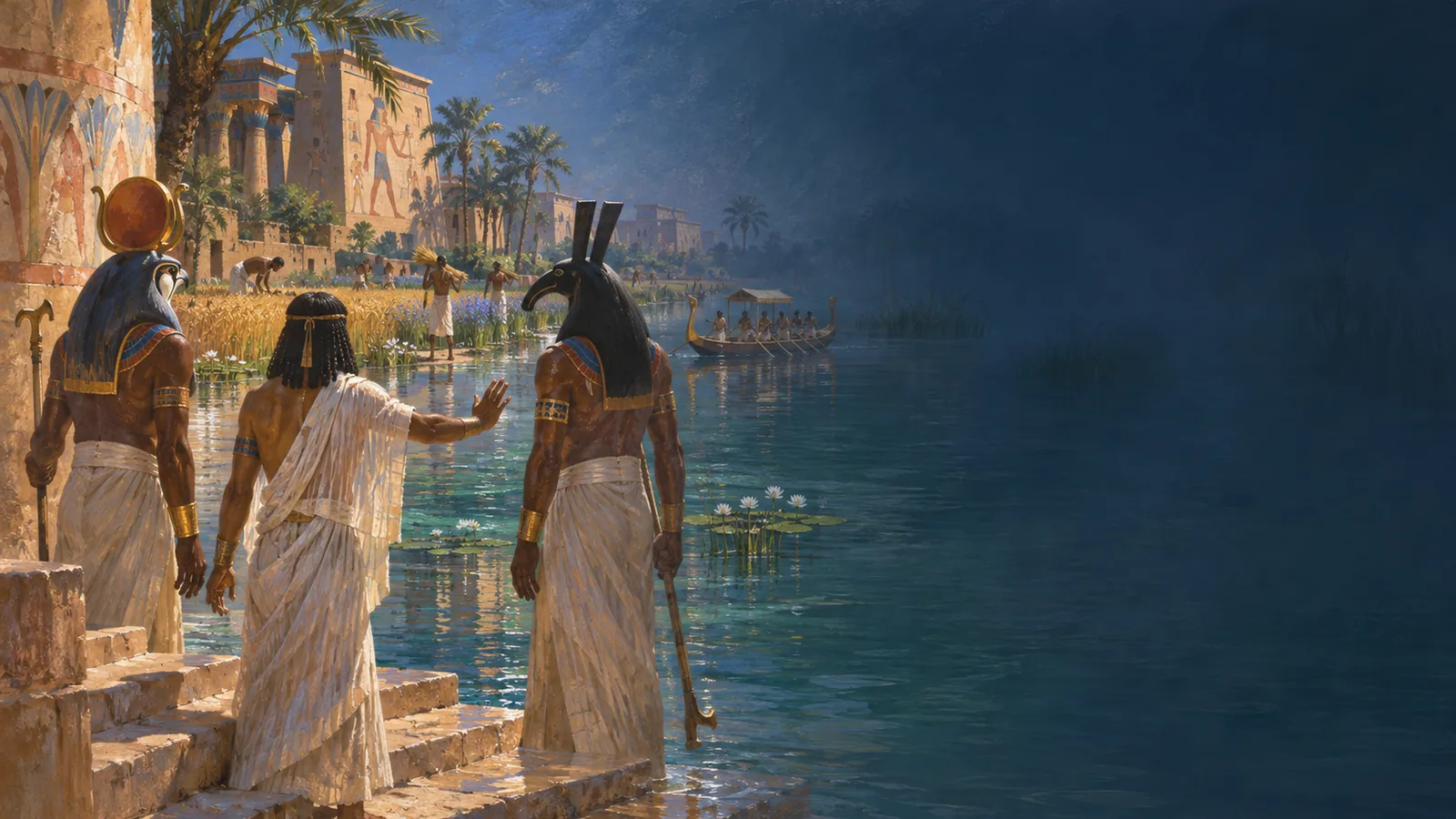
Der Sprecher sagt, er habe Horus befreit. Budge ergänzt die Worte, wonach er Horus Seth entrissen hat.
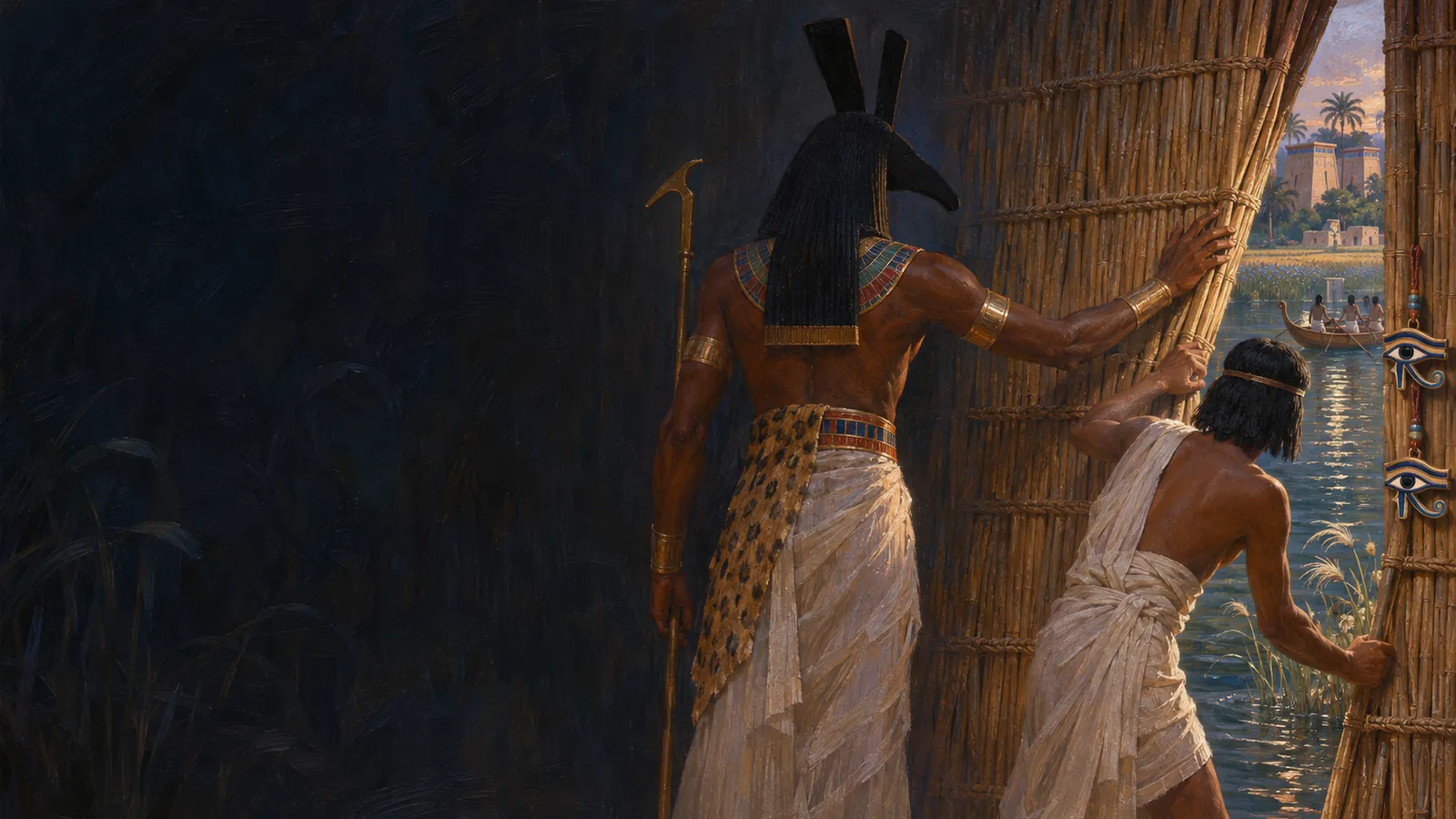
Seth öffnet den Weg der beiden Augen, heißt es. Budge ergänzt die Worte, die die Augen mit ihrem Ort am Himmel verbinden.
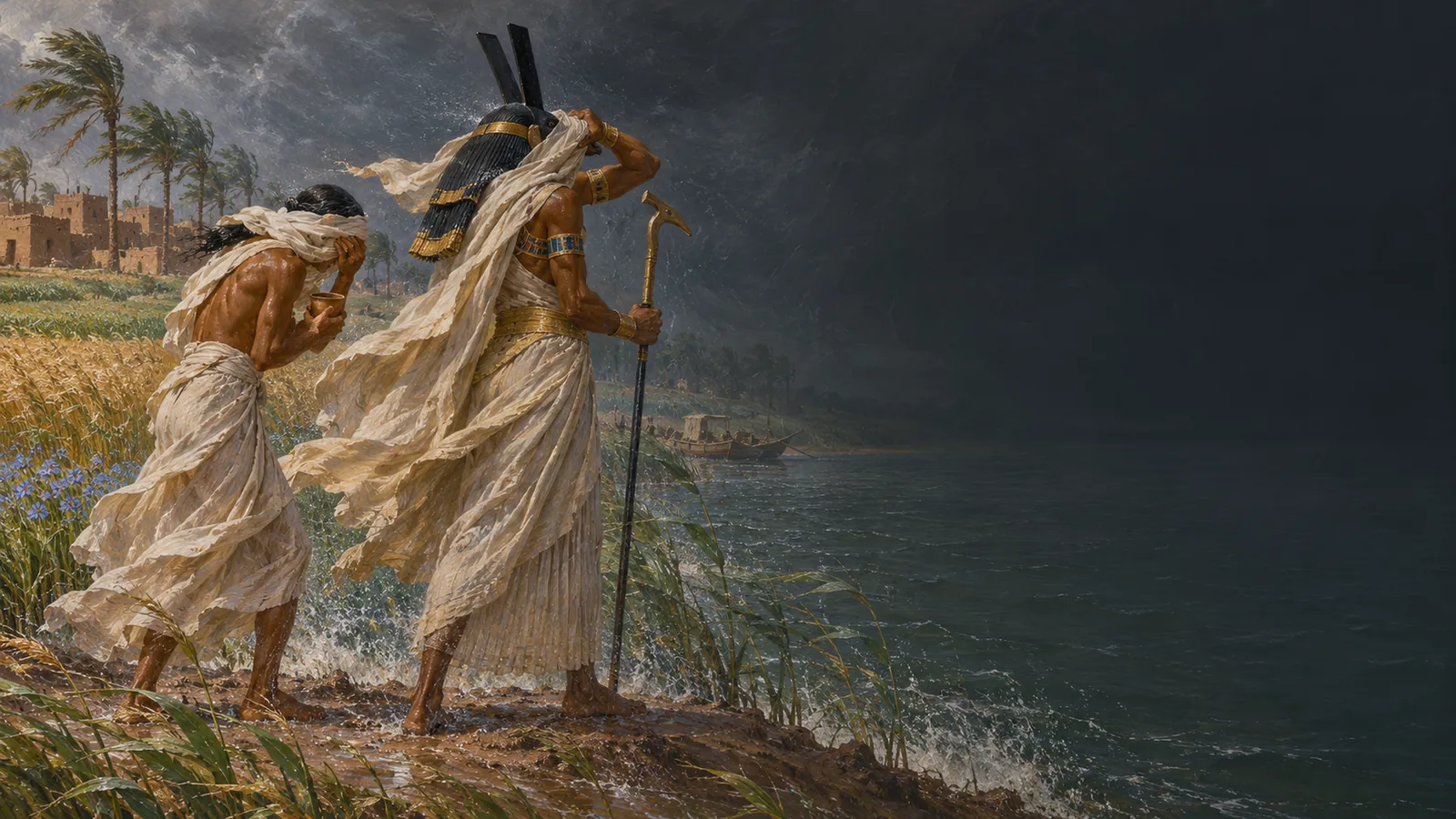
Budge liest die Stelle mit Vorbehalt so, dass Seth seine Feuchtigkeit den Winden zuwarf, auf die Seele, die ihren Tag hat und in der Stadt Mert wohnt.
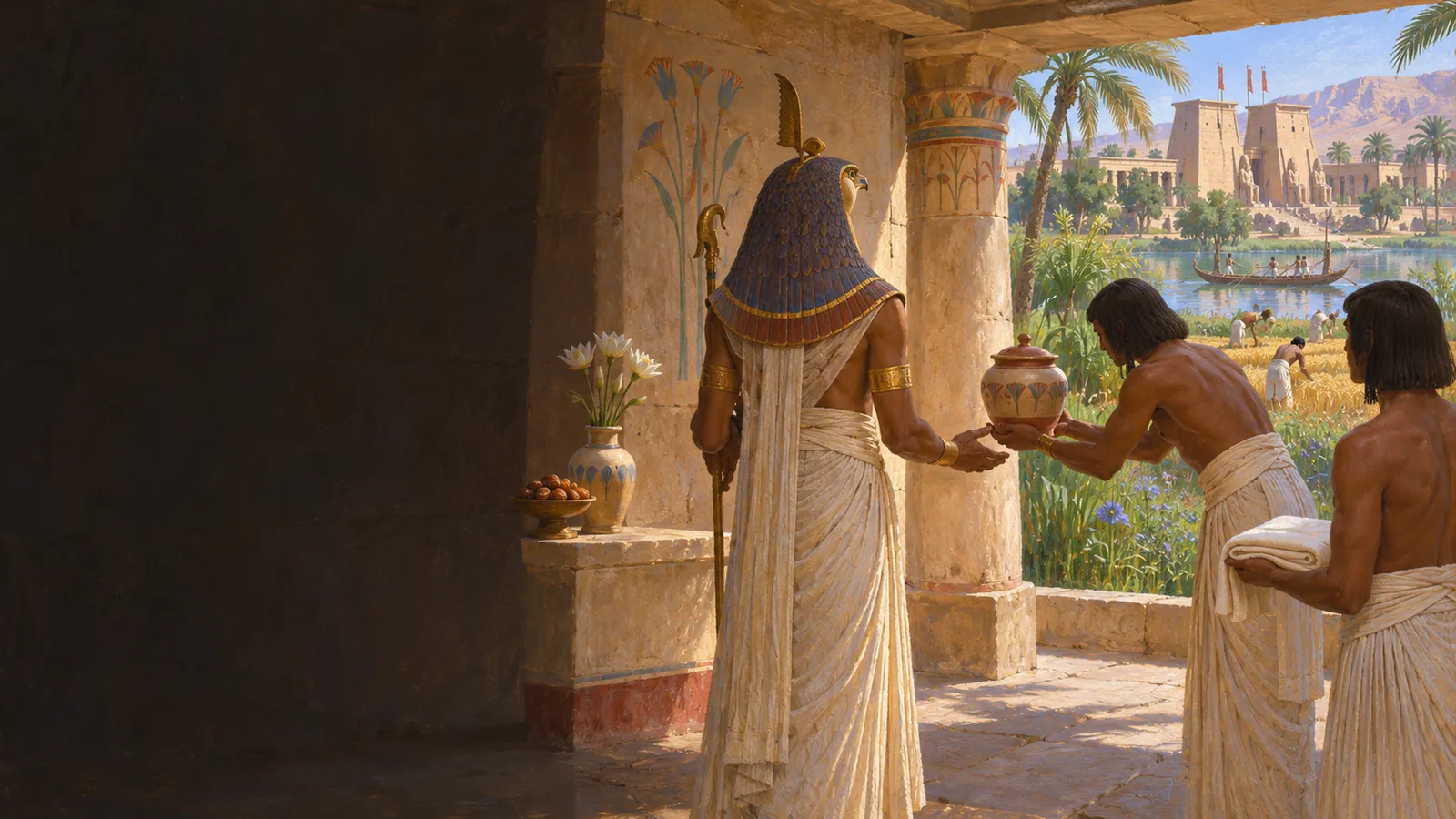
Der Spruch sagt, dass Seth das Innere des Körpers des Horus von den Göttern von Akert befreit hat.
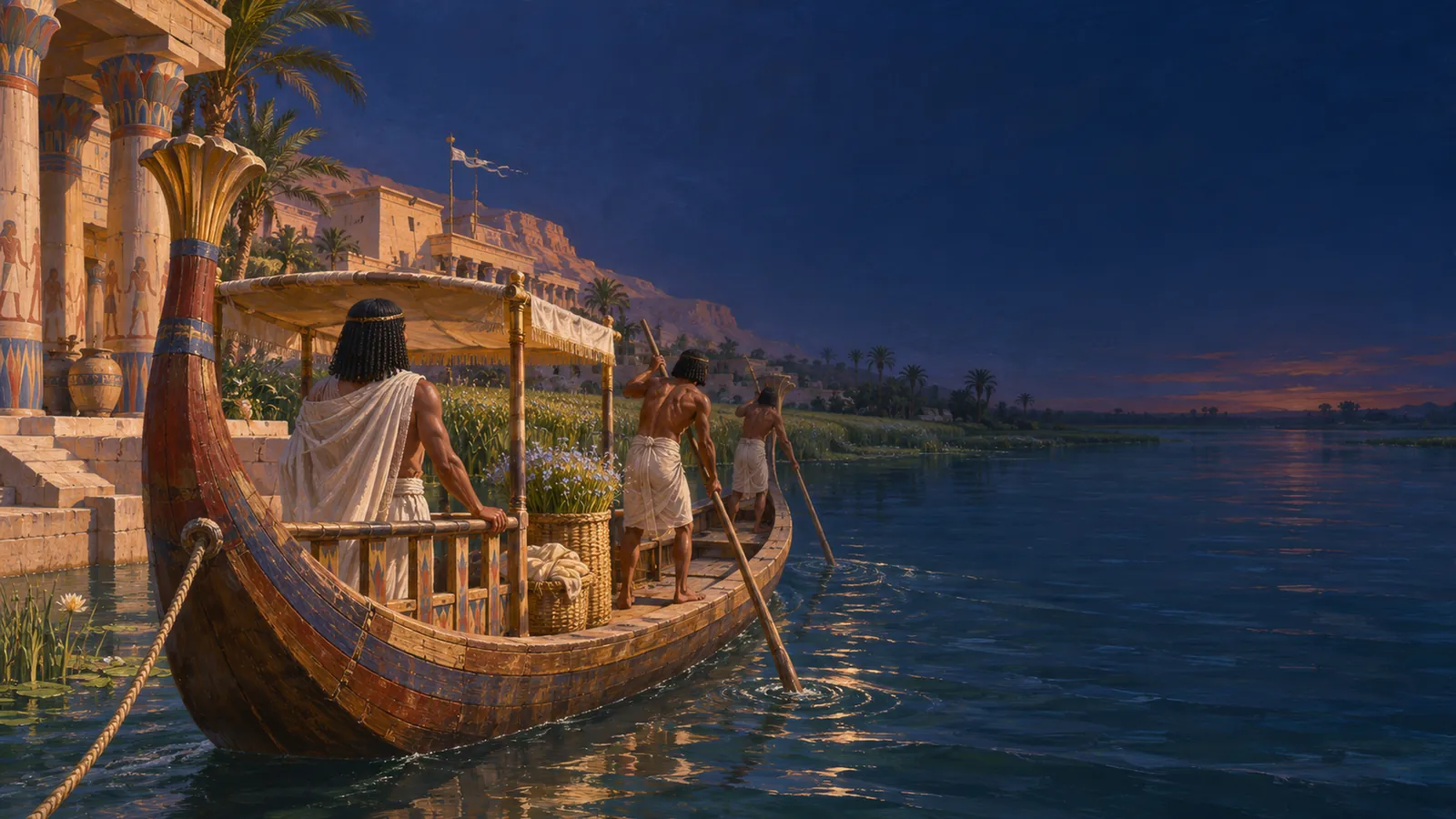
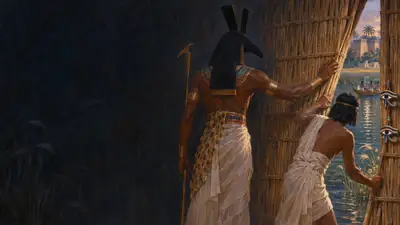
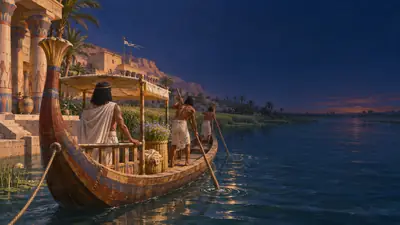
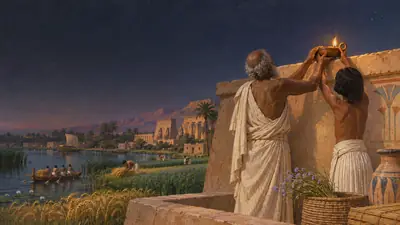
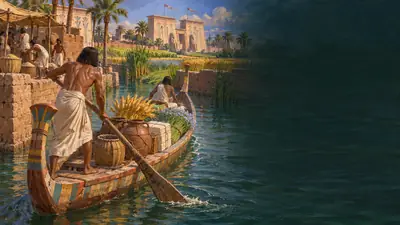
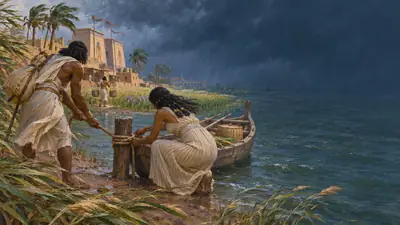
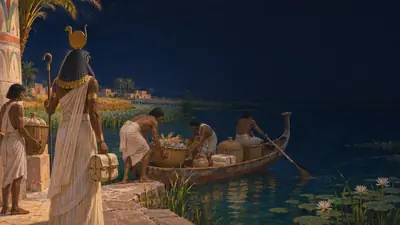
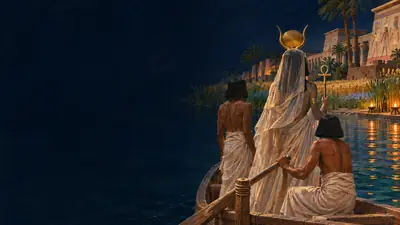
Der Sprecher sagt, er lasse das mächtige Boot über den See von Hetep fahren. Er sagt, er habe es mit Kraft aus dem Palast des Schu fortgebracht.
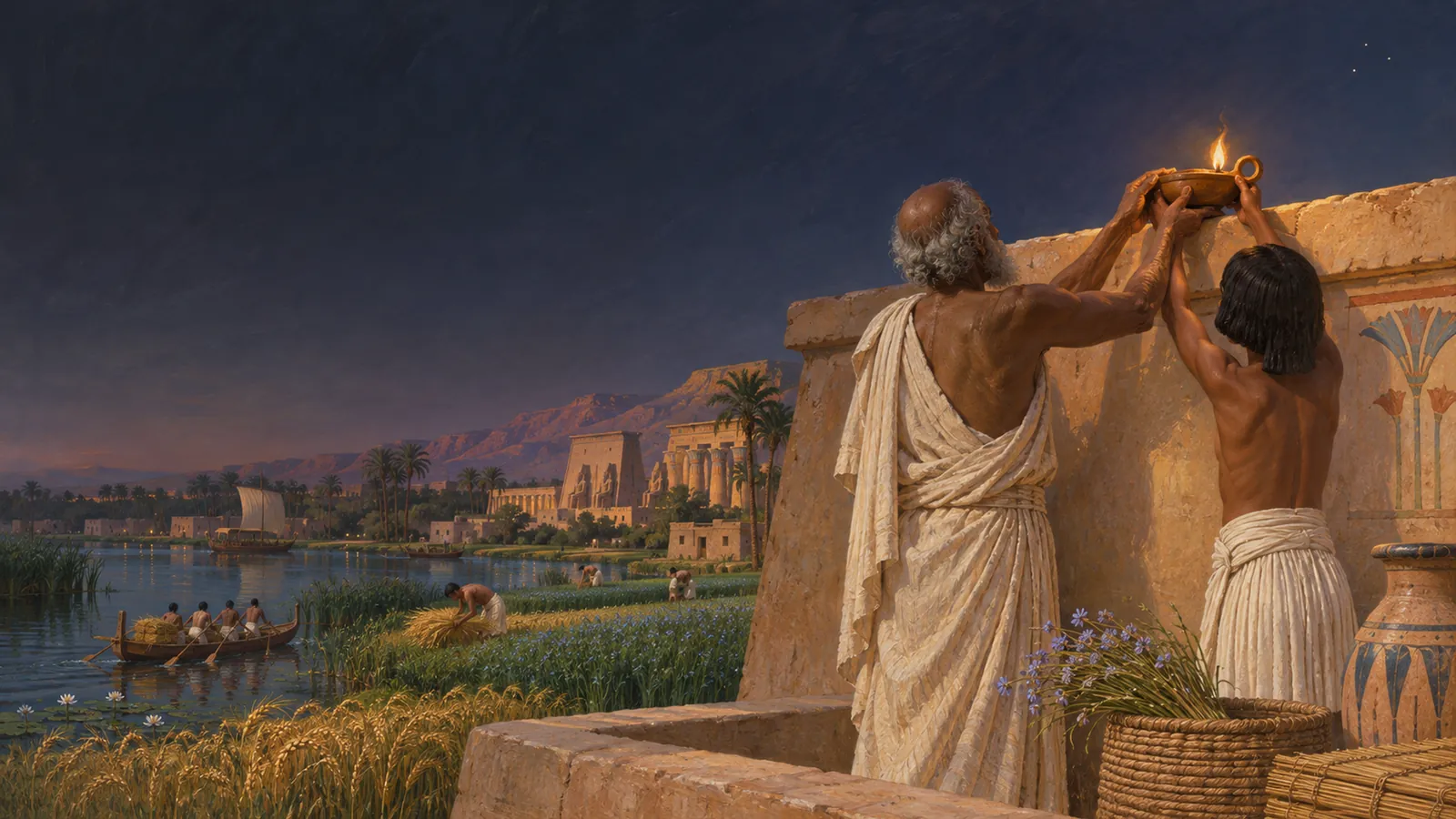
Das Reich der Sterne des Schu wird wieder jung, heißt es. Es erneuert die Kraft, die es einst hatte.
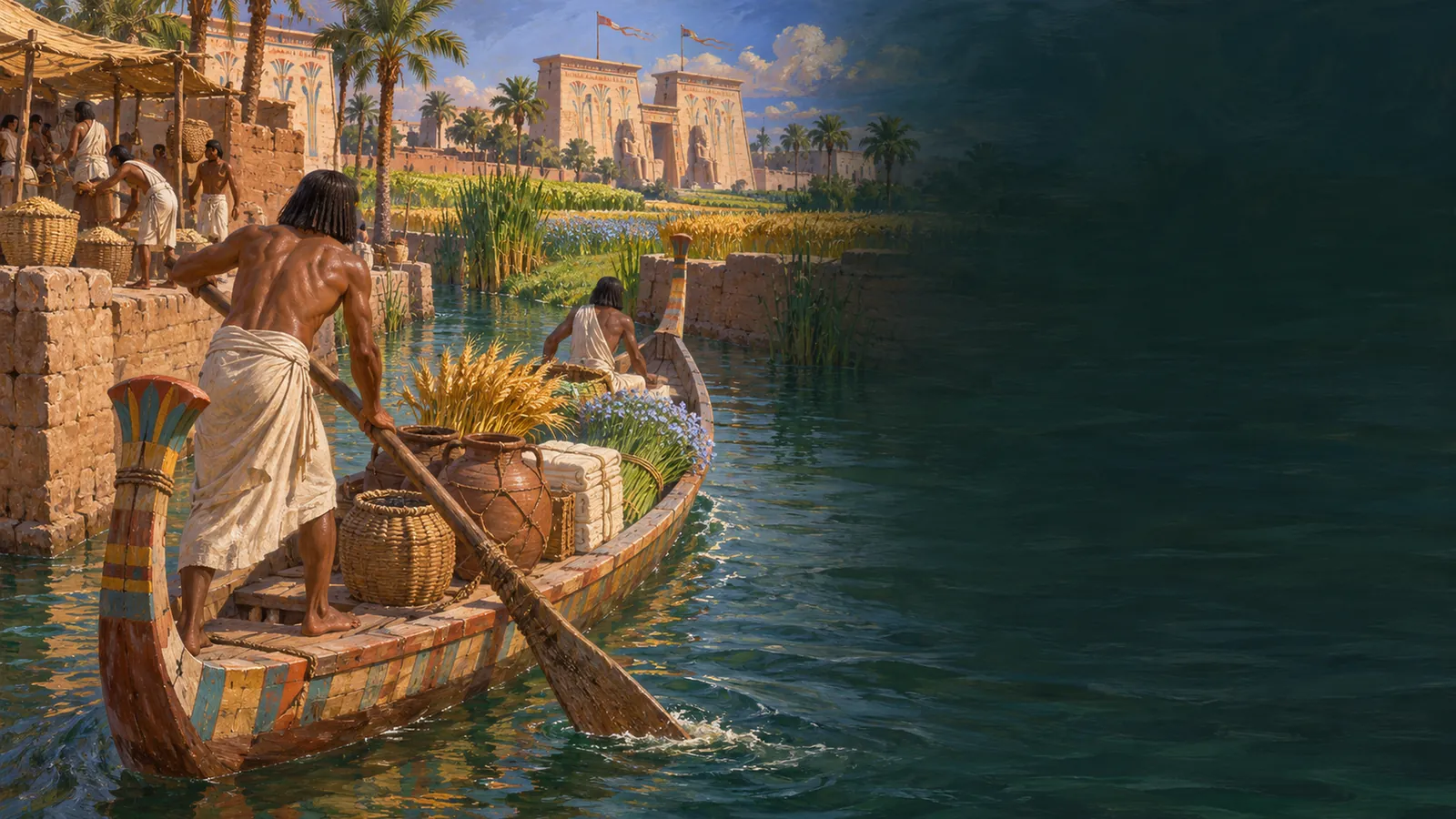
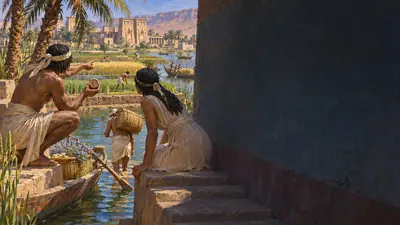
Der Sprecher bringt das Boot in die Seen, um ihre Städte zu erreichen. Er sagt, er sei in ihre göttliche Stadt Hetep gesegelt.
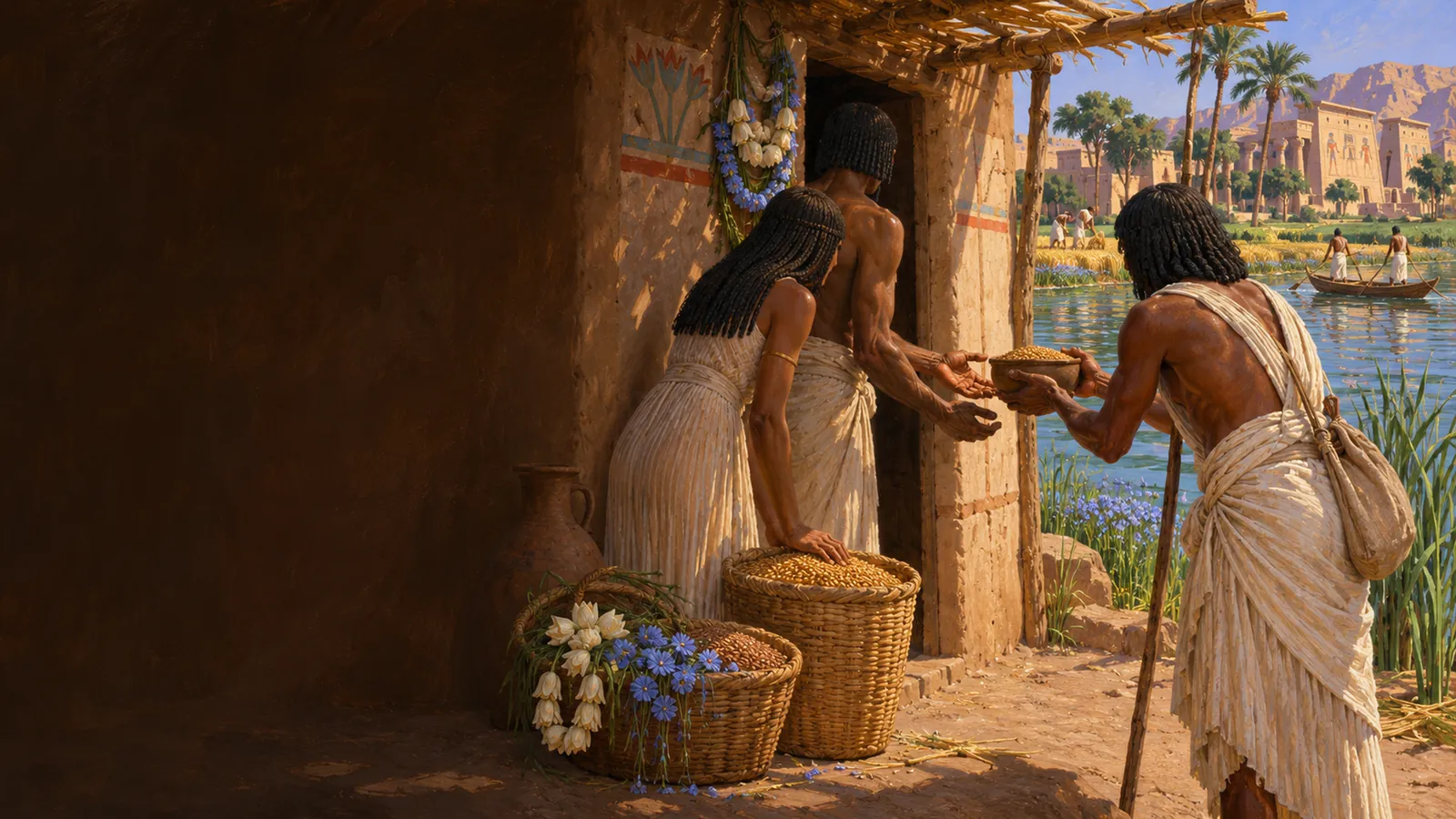
Der Sprecher sagt, „Ich bin mit seinen Jahreszeiten, seiner Richtung, seinem Gebiet und der Versammlung der Götter in Frieden, die seine Erstgeborenen sind.“
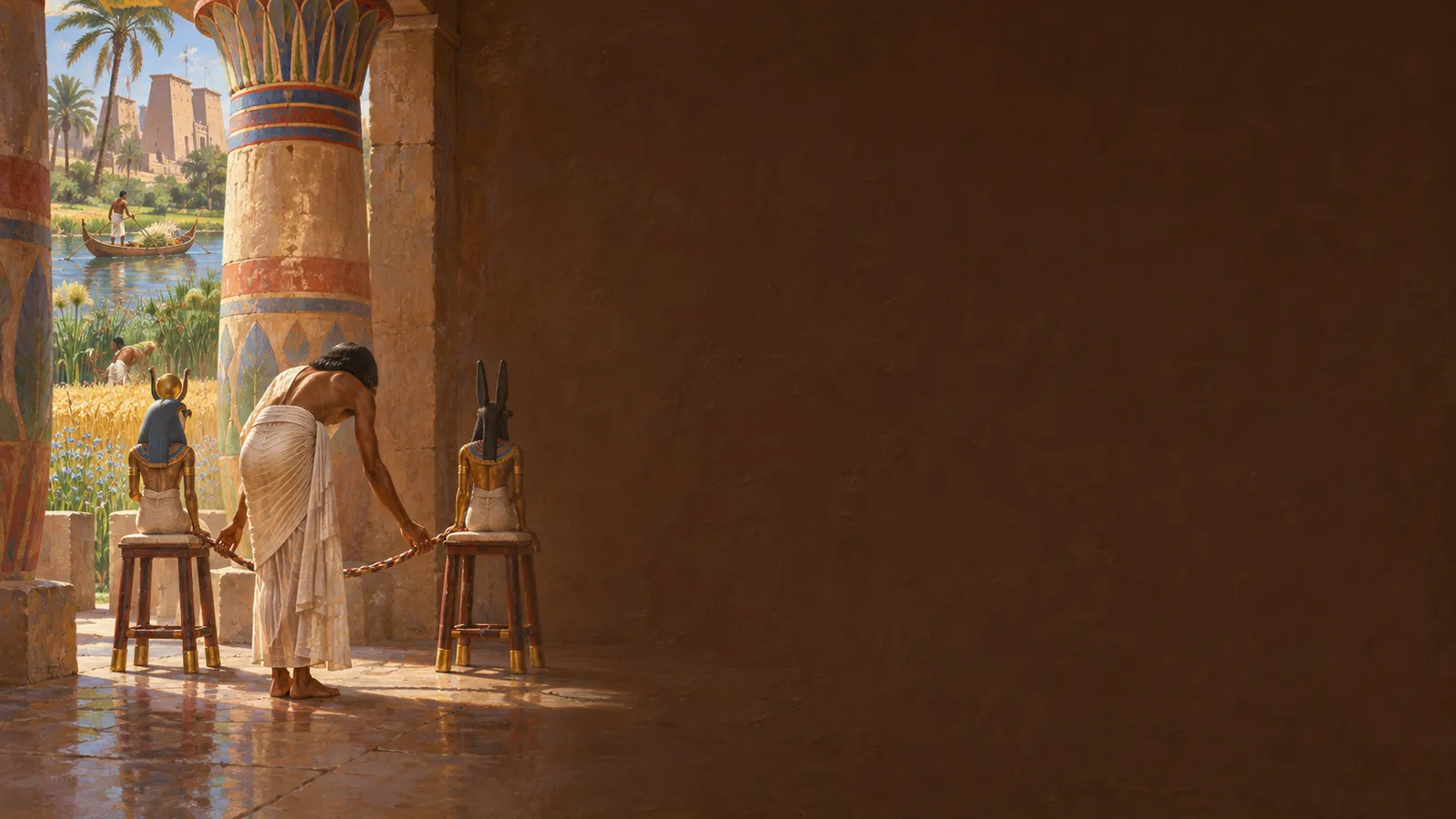
Die Rezitation sagt, er stifte Frieden zwischen Horus und Seth und den Wächtern der Lebenden, die er in schöner Gestalt erschaffen hat. Sie wiederholt den Frieden zwischen Horus und Seth und denen, die über sie wachen.
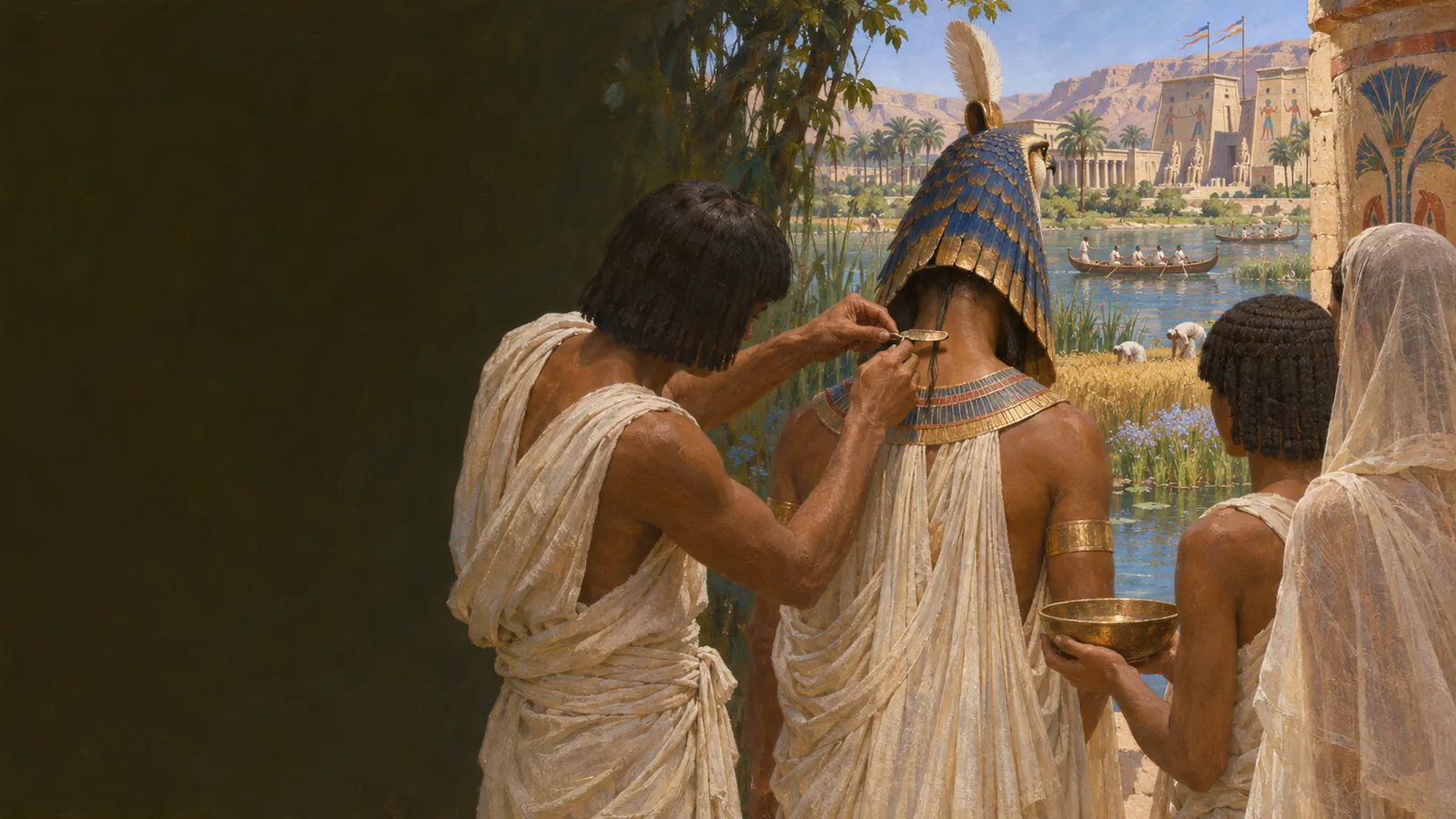
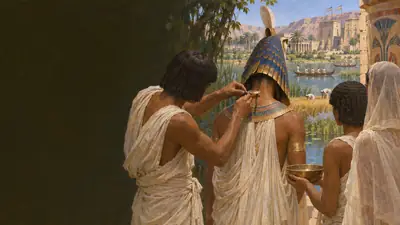
Im nächsten Satz der Rezitation heißt es, er schneide sowohl Horus als auch Seth das Haar ab.
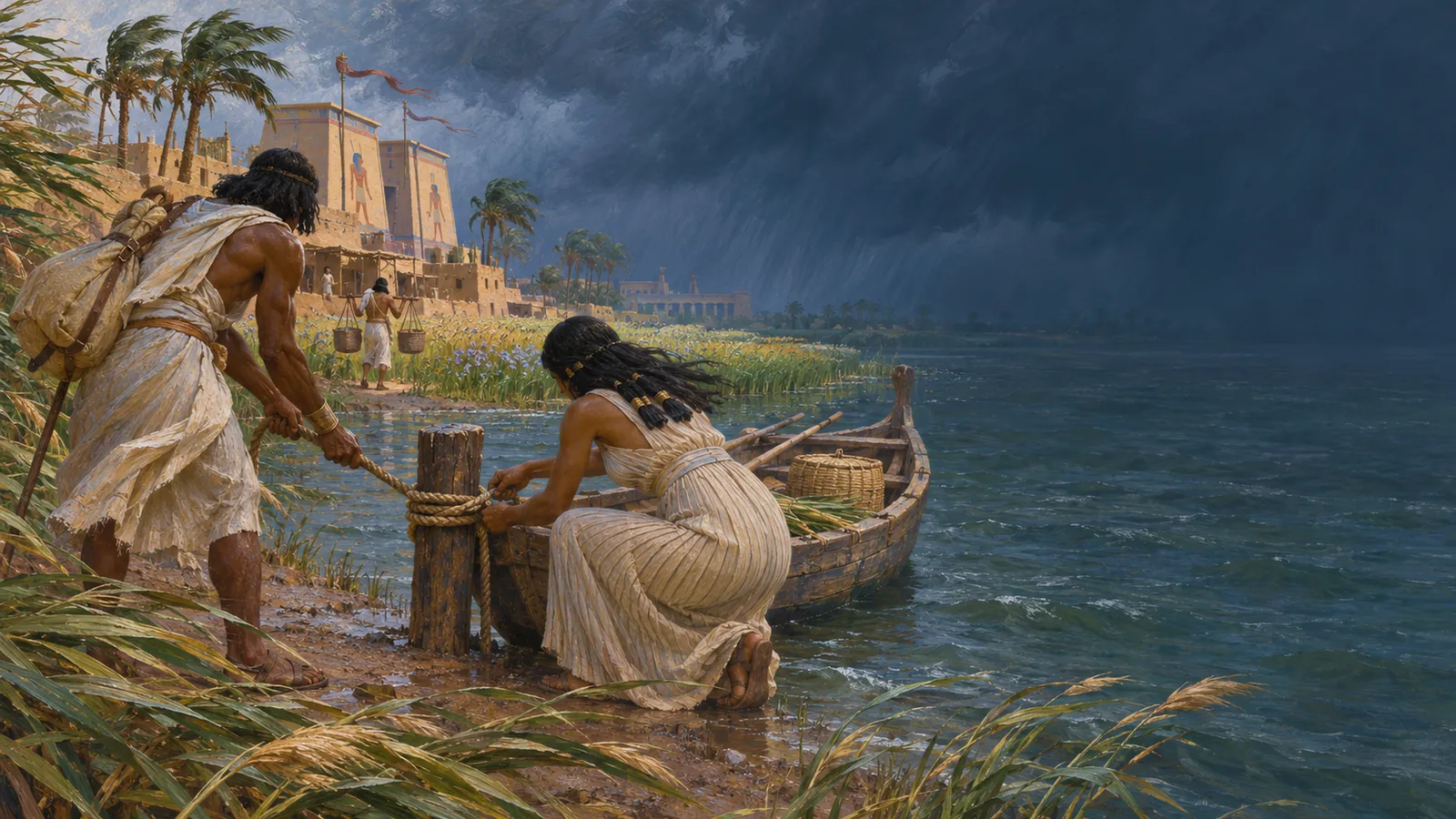
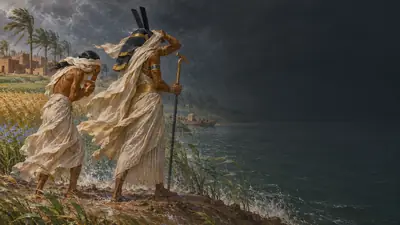
Die Rezitation sagt, er treibe den Sturm von den Wehrlosen fort. Sie fügt hinzu, er halte Schaden von den Geistern fern, die Budge KHU nennt.
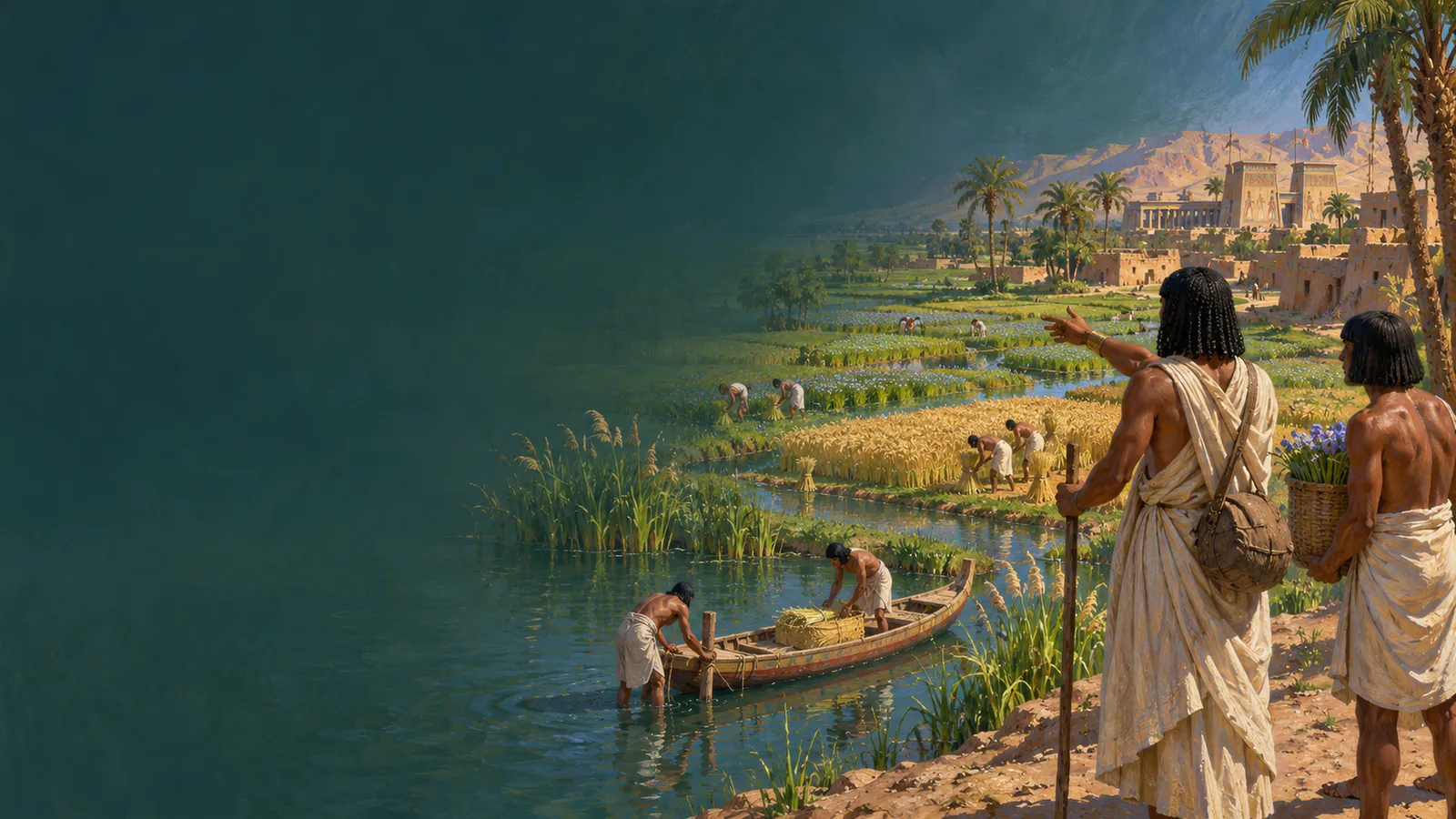
DIE FELDER
Der Sprecher bittet um Herrschaft in dem Feld, weil er es kennt und zwischen seinen Seen gesegelt ist, um seine Städte zu erreichen.
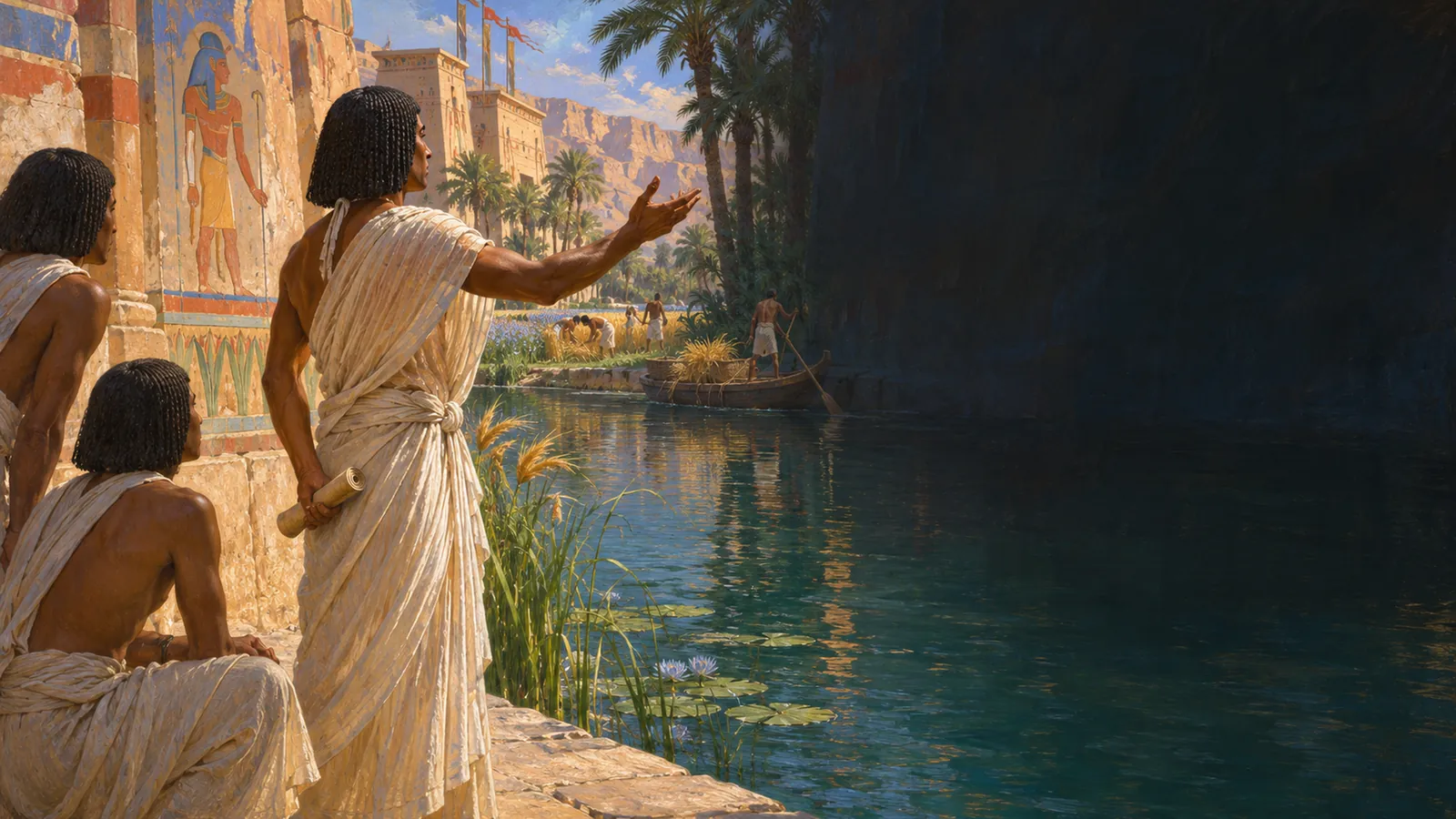
Der Sprecher sagt, sein Mund sei fest. Budge erklärt den Ausdruck als das kraftvolle Aussprechen von Machtworten. Der Sprecher ist gerüstet, den Geistern zu widerstehen, und sagt, sie würden keine Herrschaft über ihn haben.
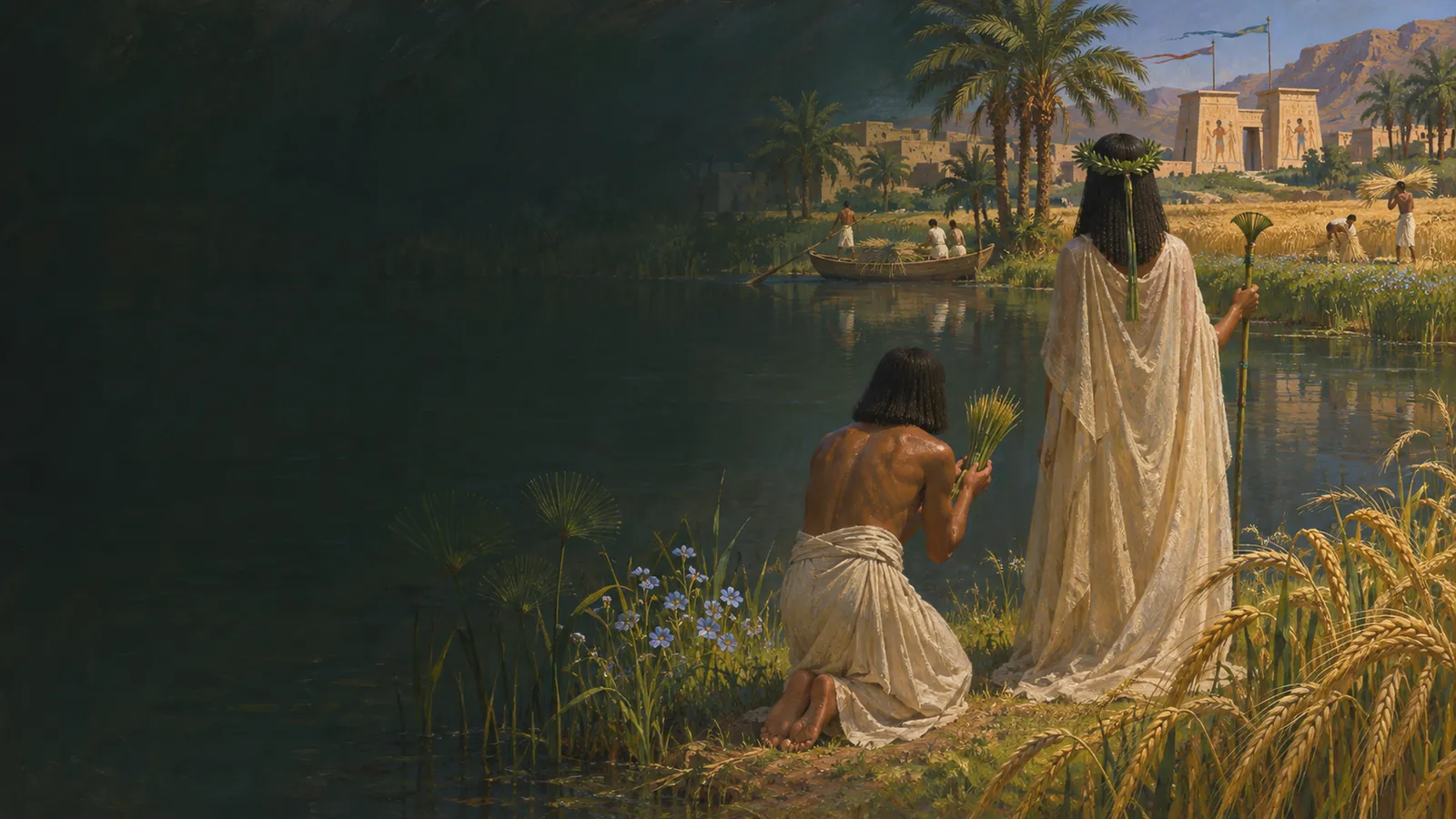
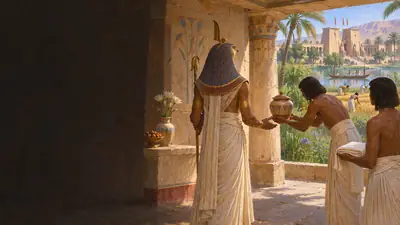
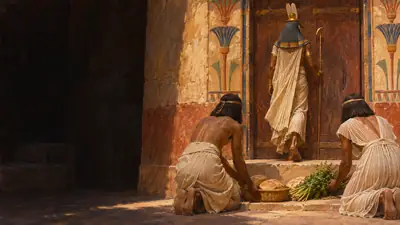
Der Sprecher bittet den Gott Hetep darum, ihn mit den Feldern zu belohnen. Er bittet den Herrn der Winde zu tun, was er wünscht.
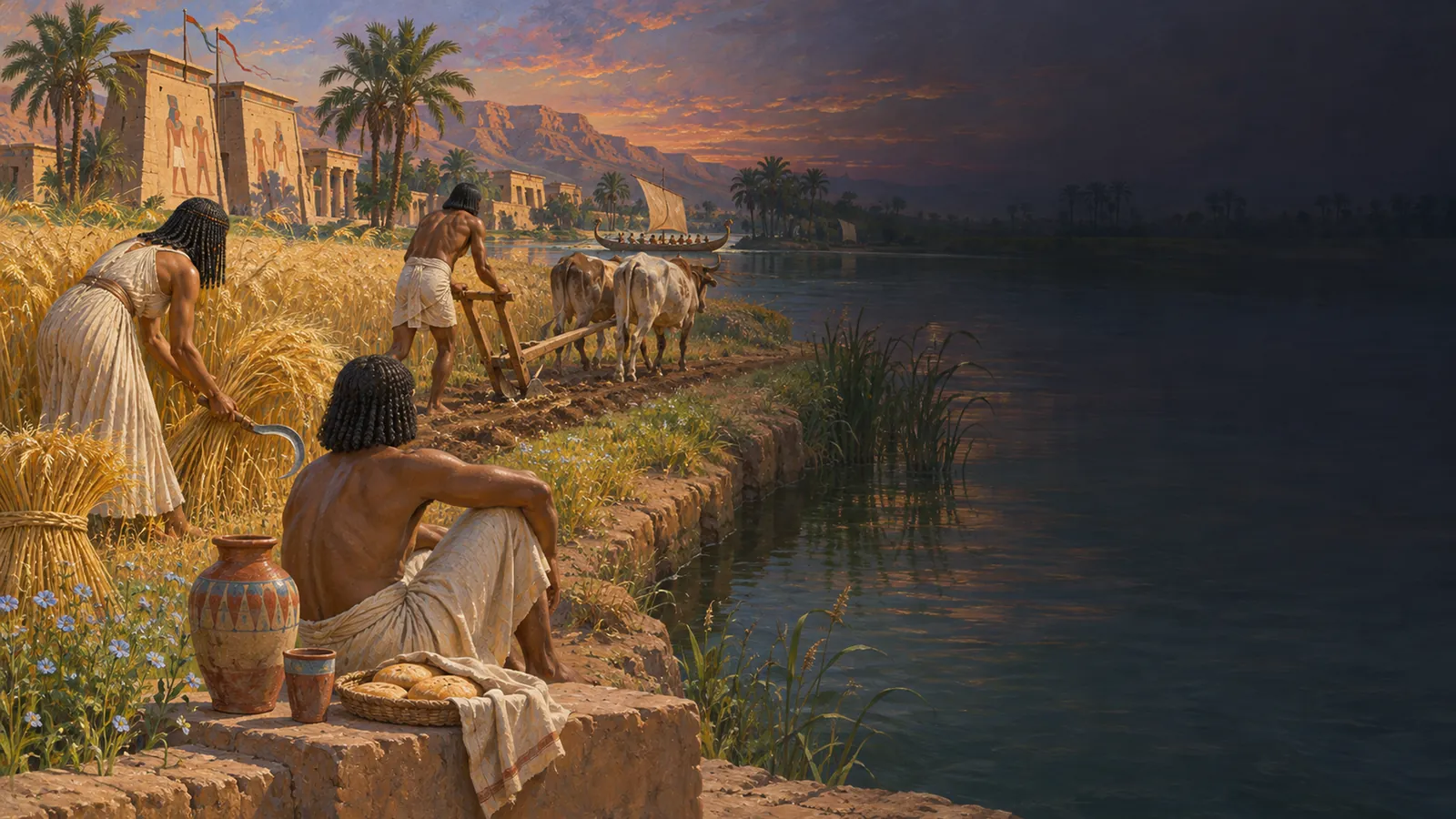
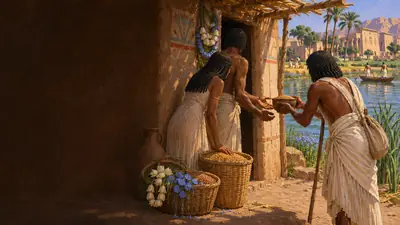
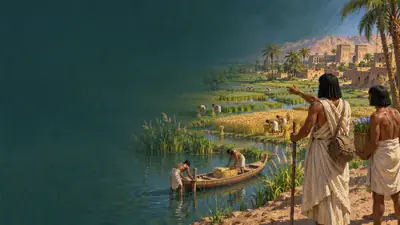
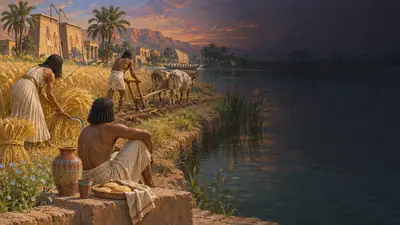
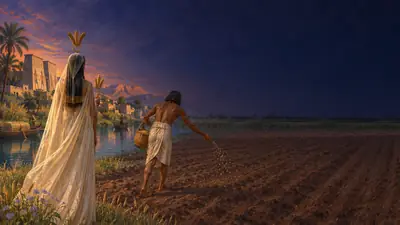
Der Sprecher wünscht sich, auf den Feldern von Hetep ein Geist zu werden und dort zu essen, zu trinken, zu pflügen und zu ernten.
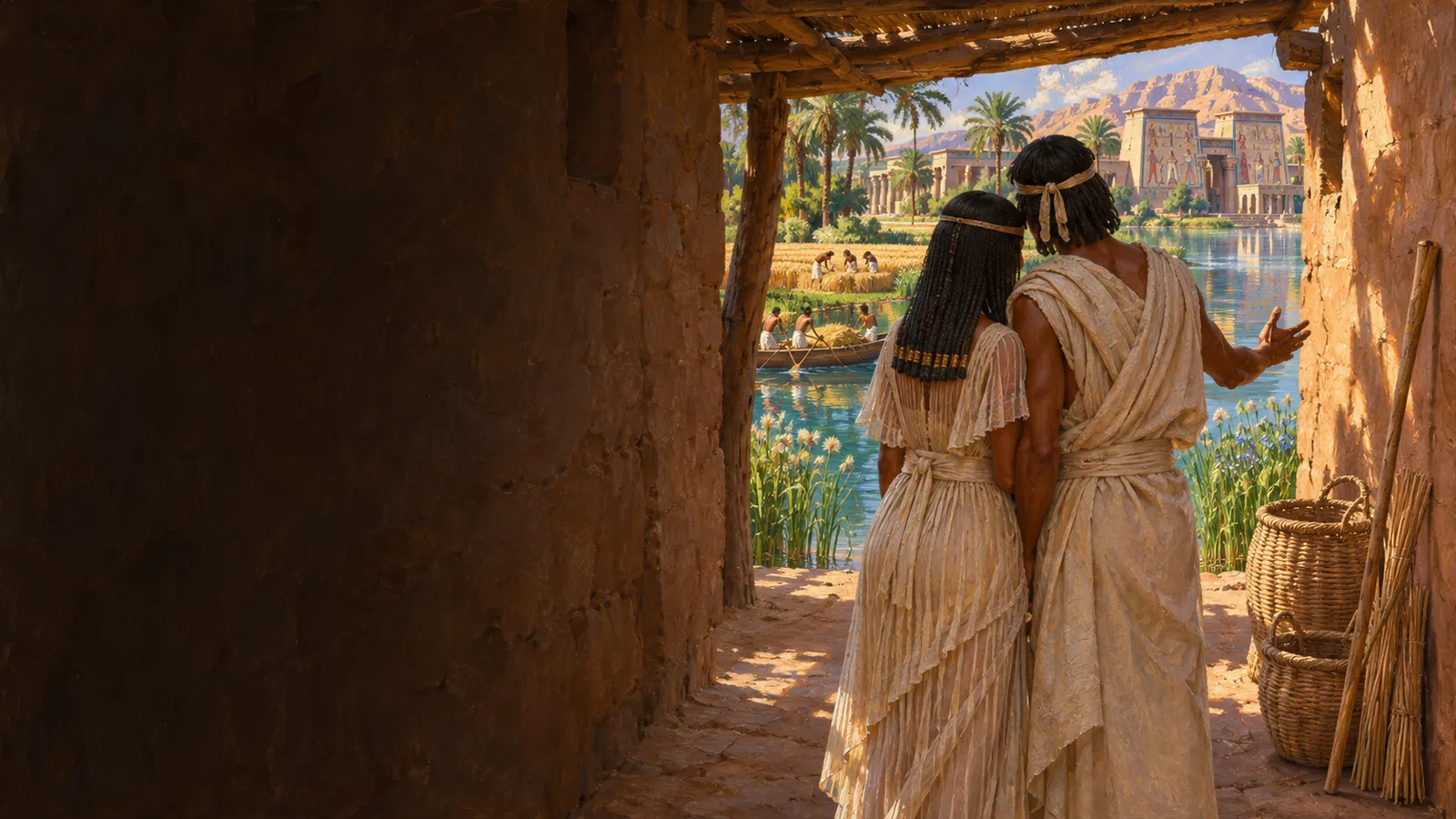
Im selben Spruch bittet der Sprecher darum, auf den Feldern kämpfen und Geschlechtsverkehr haben zu können und dort Worte voller Macht zu besitzen.
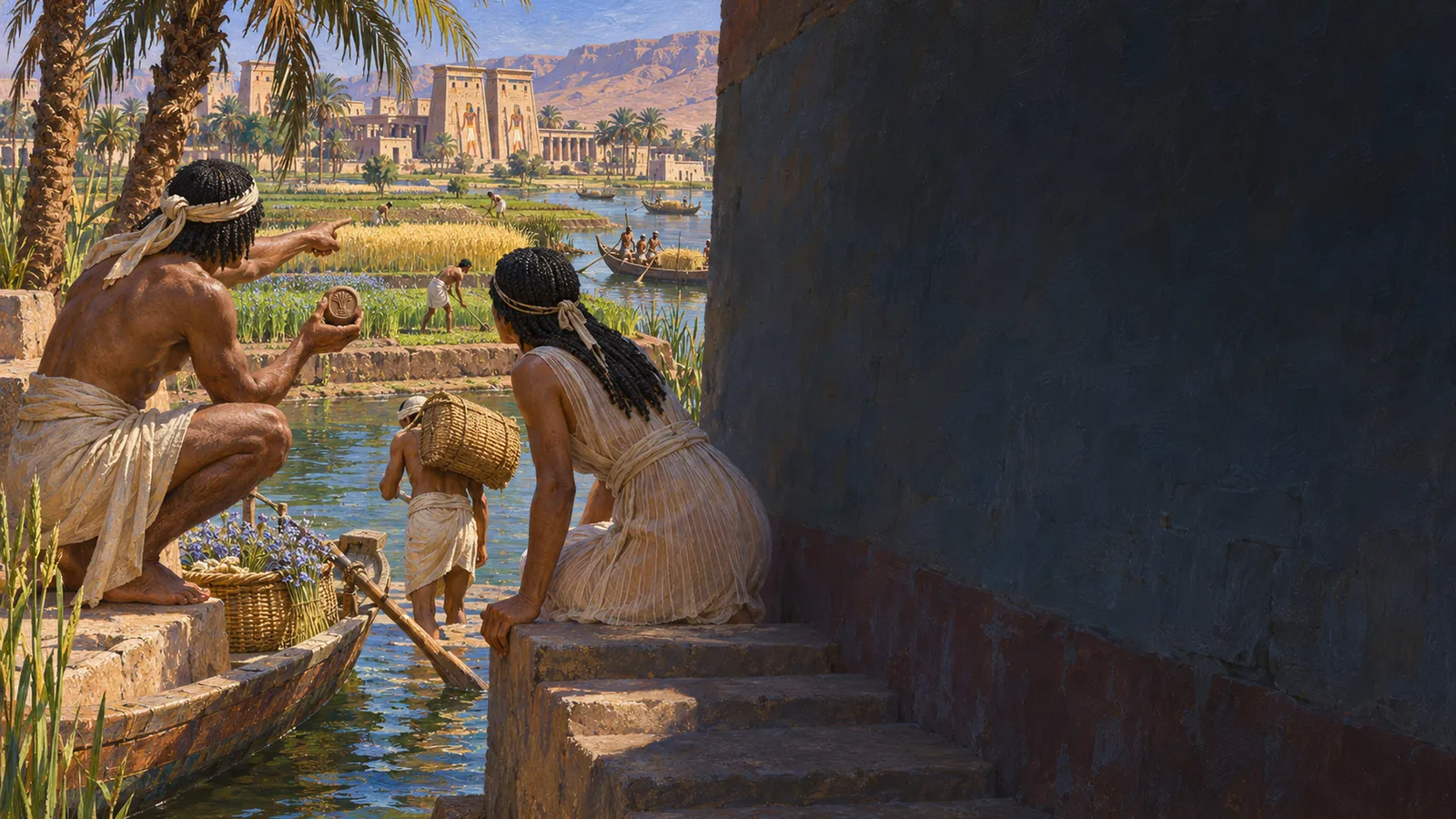
Der Sprecher bittet darum, auf den Feldern niemals in Knechtschaft zu sein. Er bittet darum, dort die Autorität zu haben.
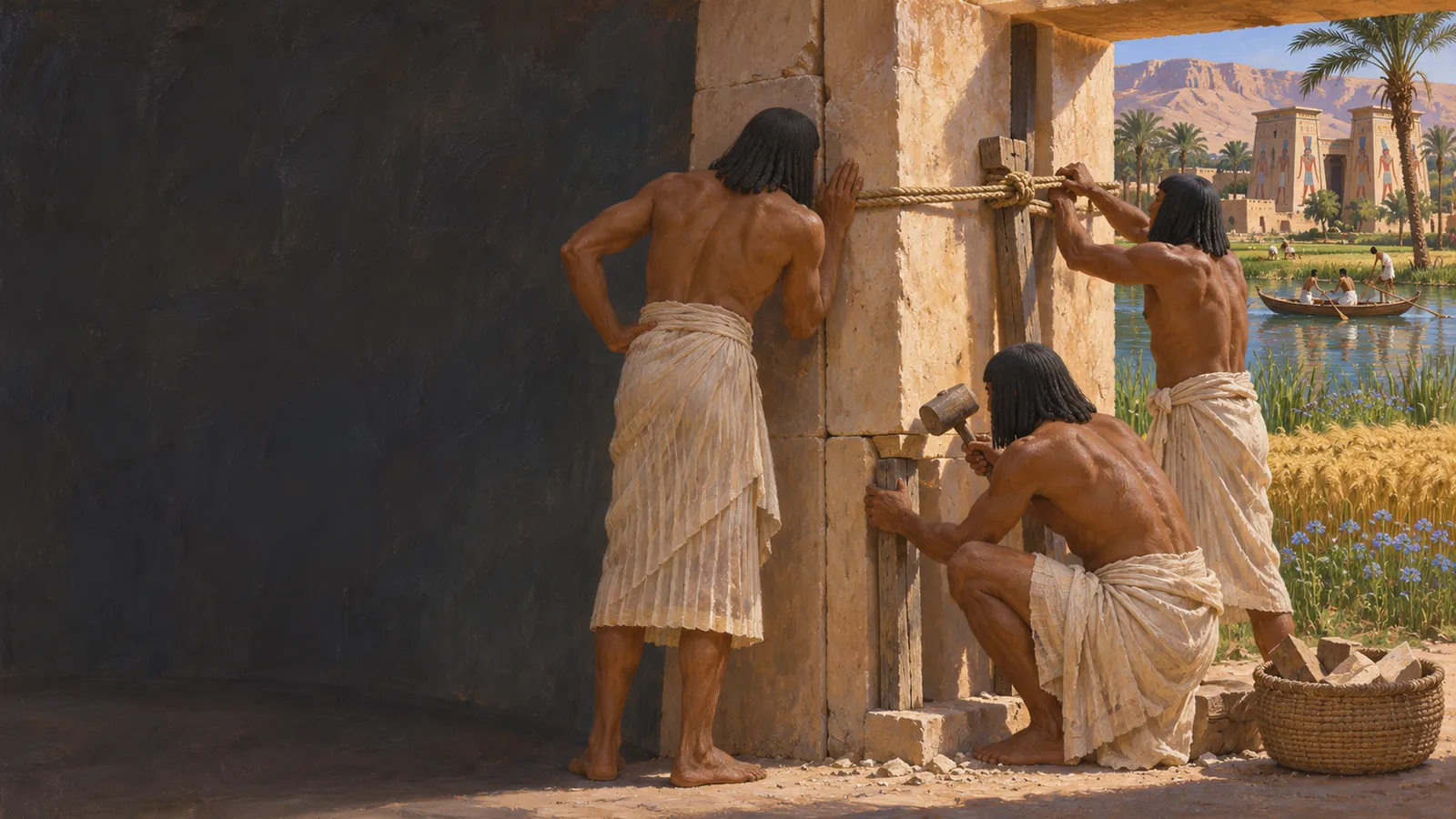
Die Rede sagt, dass der Mund oder das Tor von Hetep und das, was Budge vorsichtig als seine Kehle liest, gestärkt wurden. Der genannte Name lautet Qetet-bu.
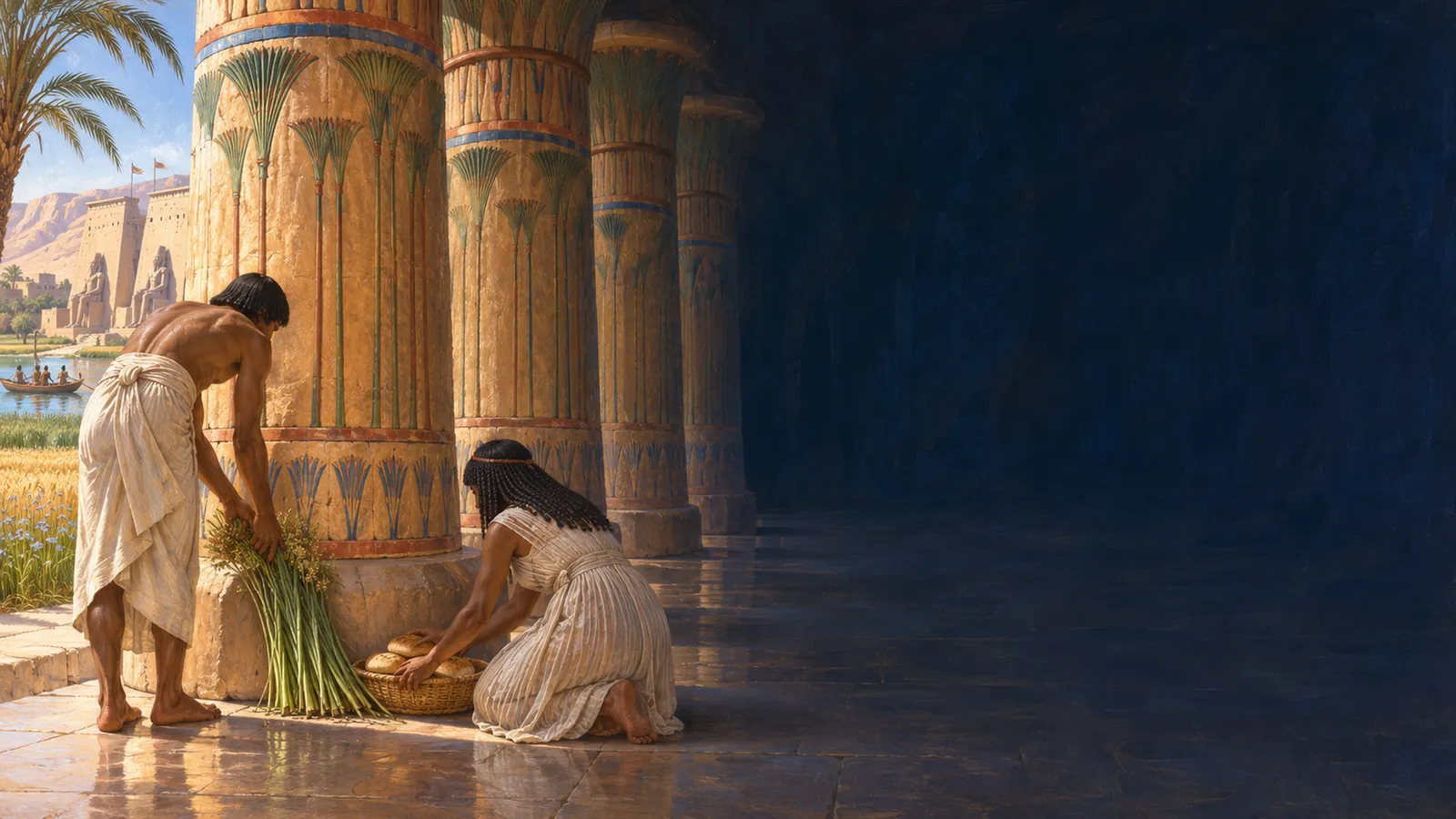
Die Rede sagt, dass er auf den Pfeilern des Schu steht. Sie verbindet ihn mit den angenehmen Dingen des Re.
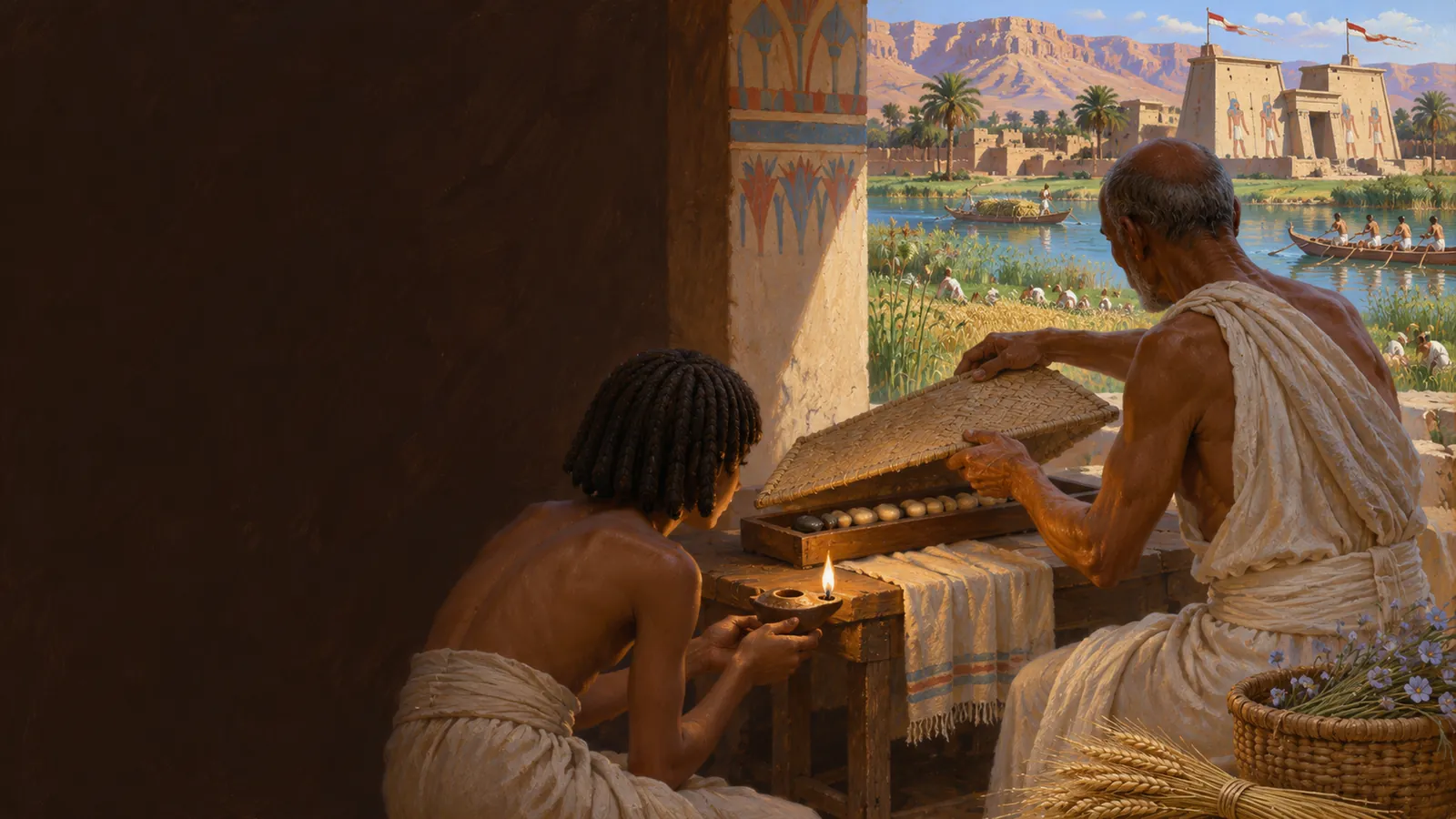
Er teilt die Jahre ein. Sein Mund bleibt verborgen und stumm, und die Worte, die er äußert, sind geheim.
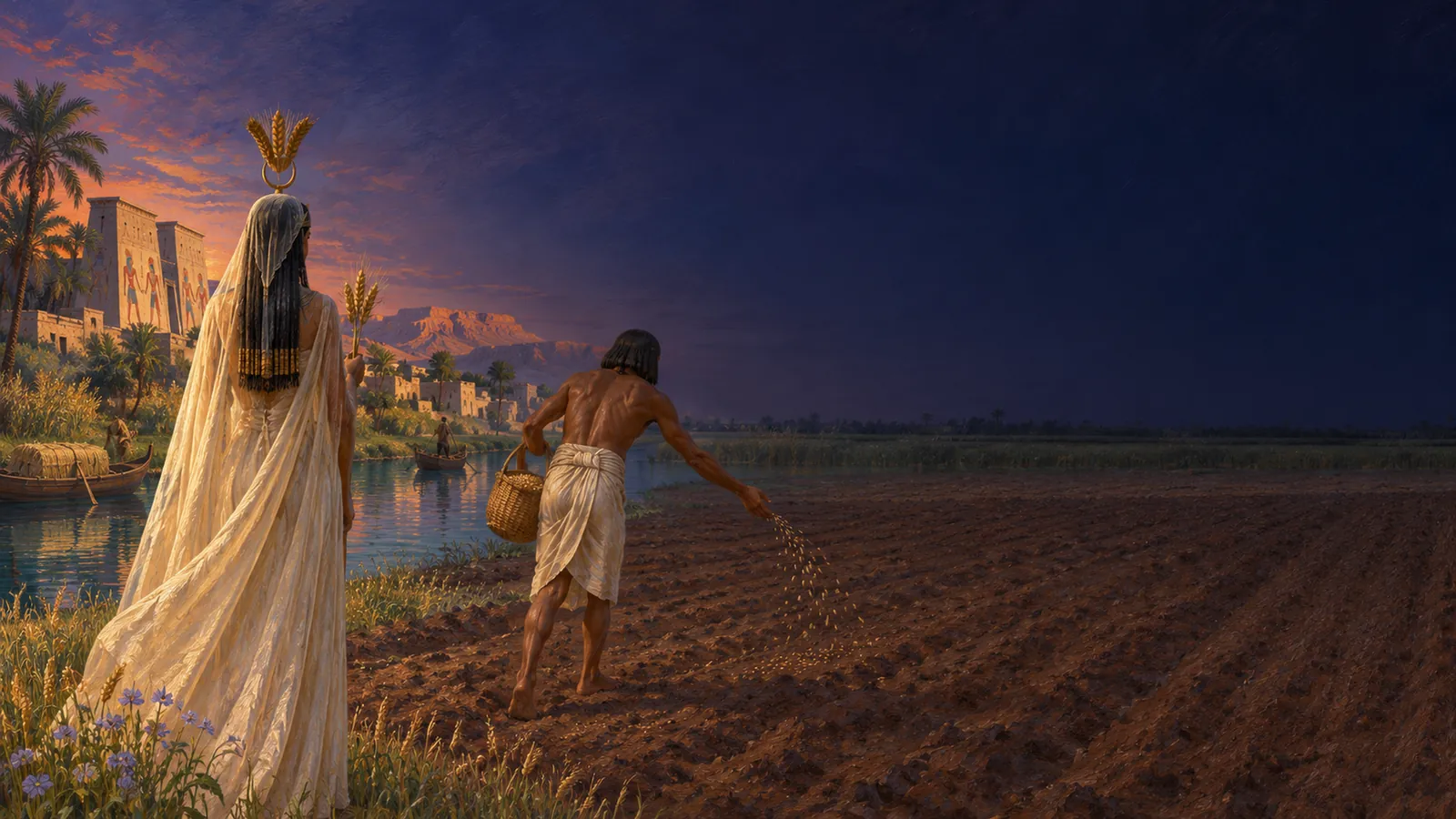
Die Rede sagt, dass er die Ewigkeit erfüllt und ewiges Dasein besitzt. Sie nennt ihn Hetep, den Herrn Hetep.
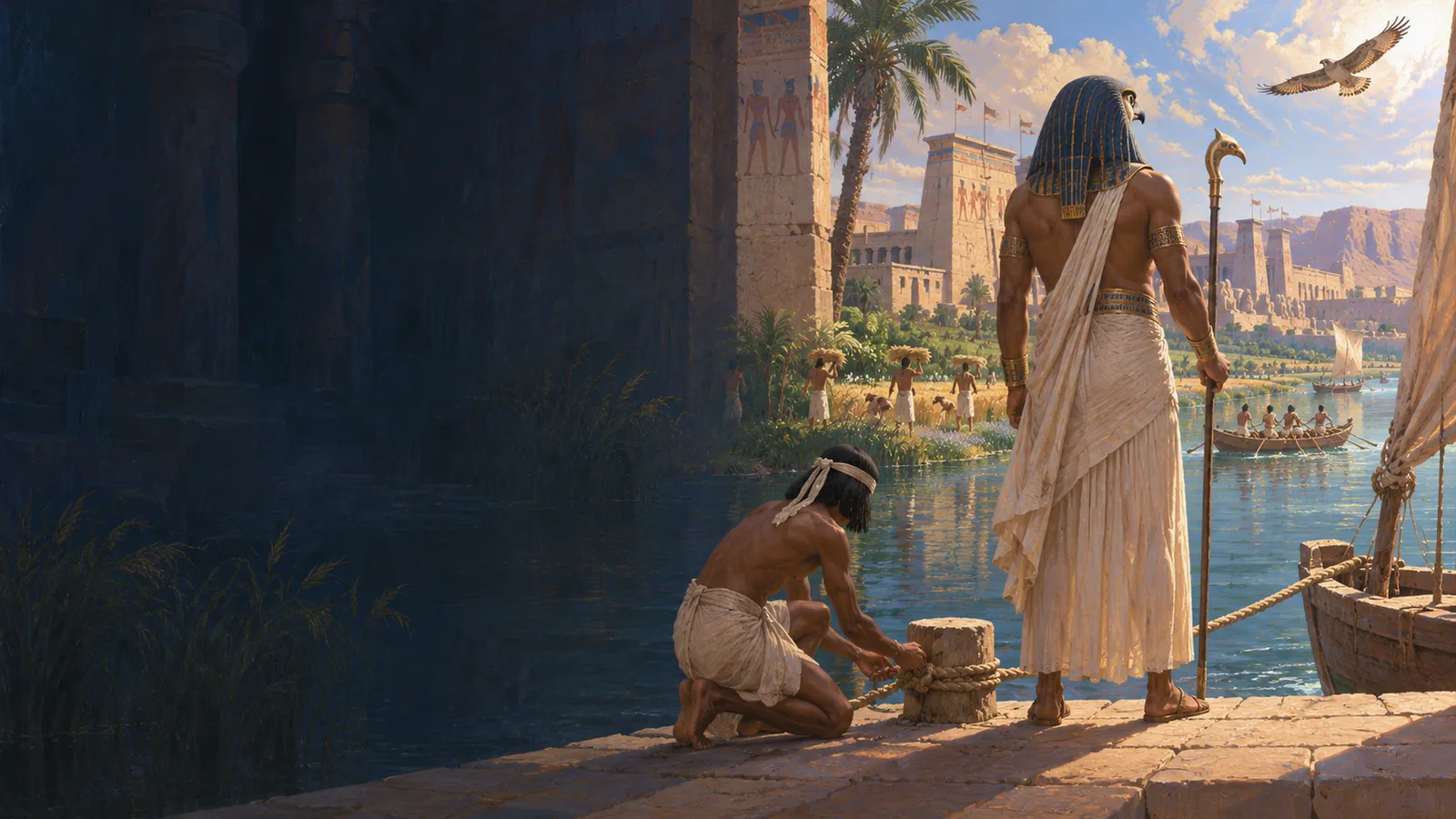
Der Text sagt, Horus mache sich stark wie ein Falke von tausend Ellen Länge. Seine Breite beträgt in Budges Lesart zweitausend Ellen.
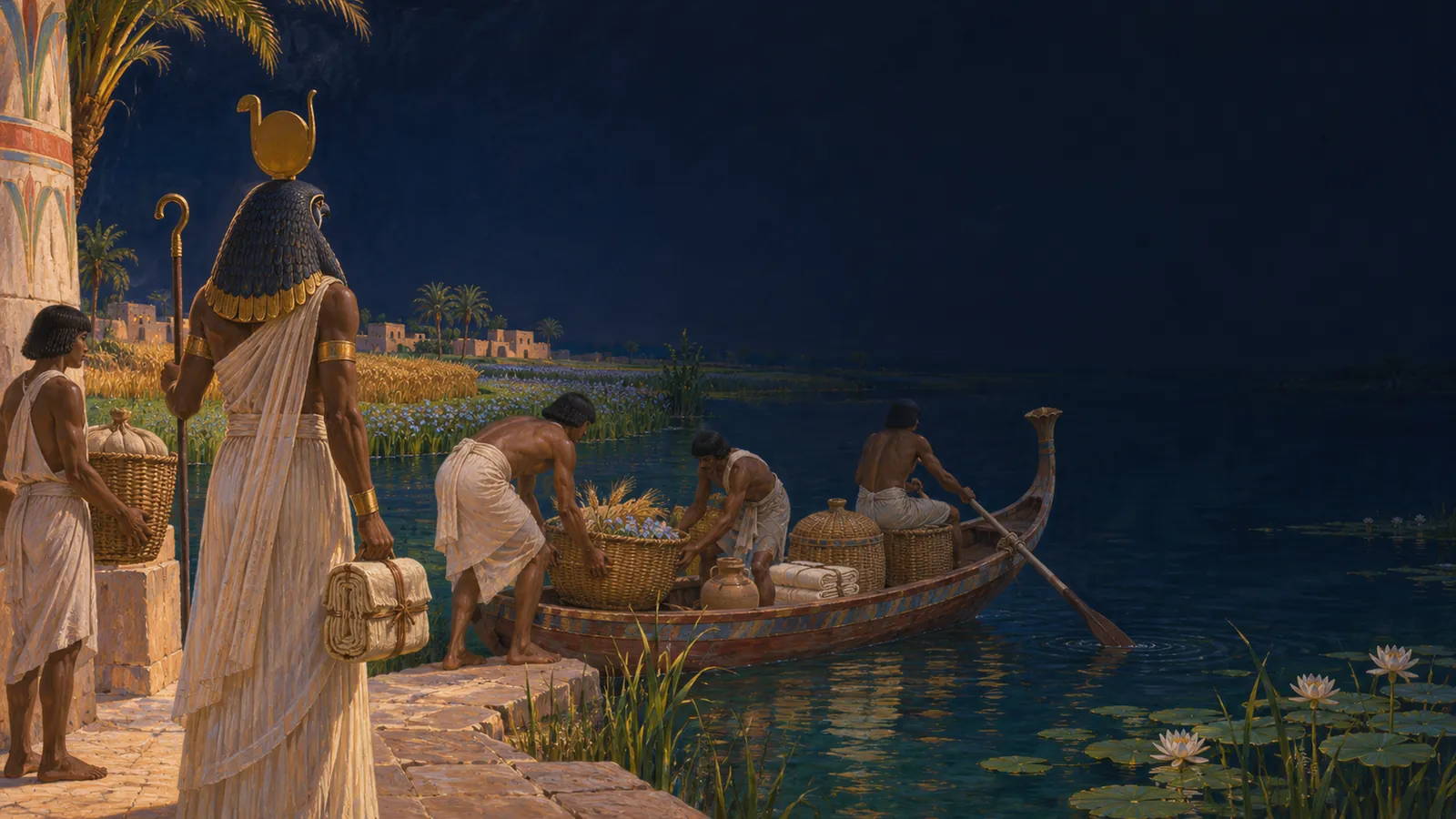
Horus nimmt seine Ausrüstung auf die Reise mit. Er kommt dorthin, wo der Thron seines Herzens sein will, zu den Becken und ihren Städten.
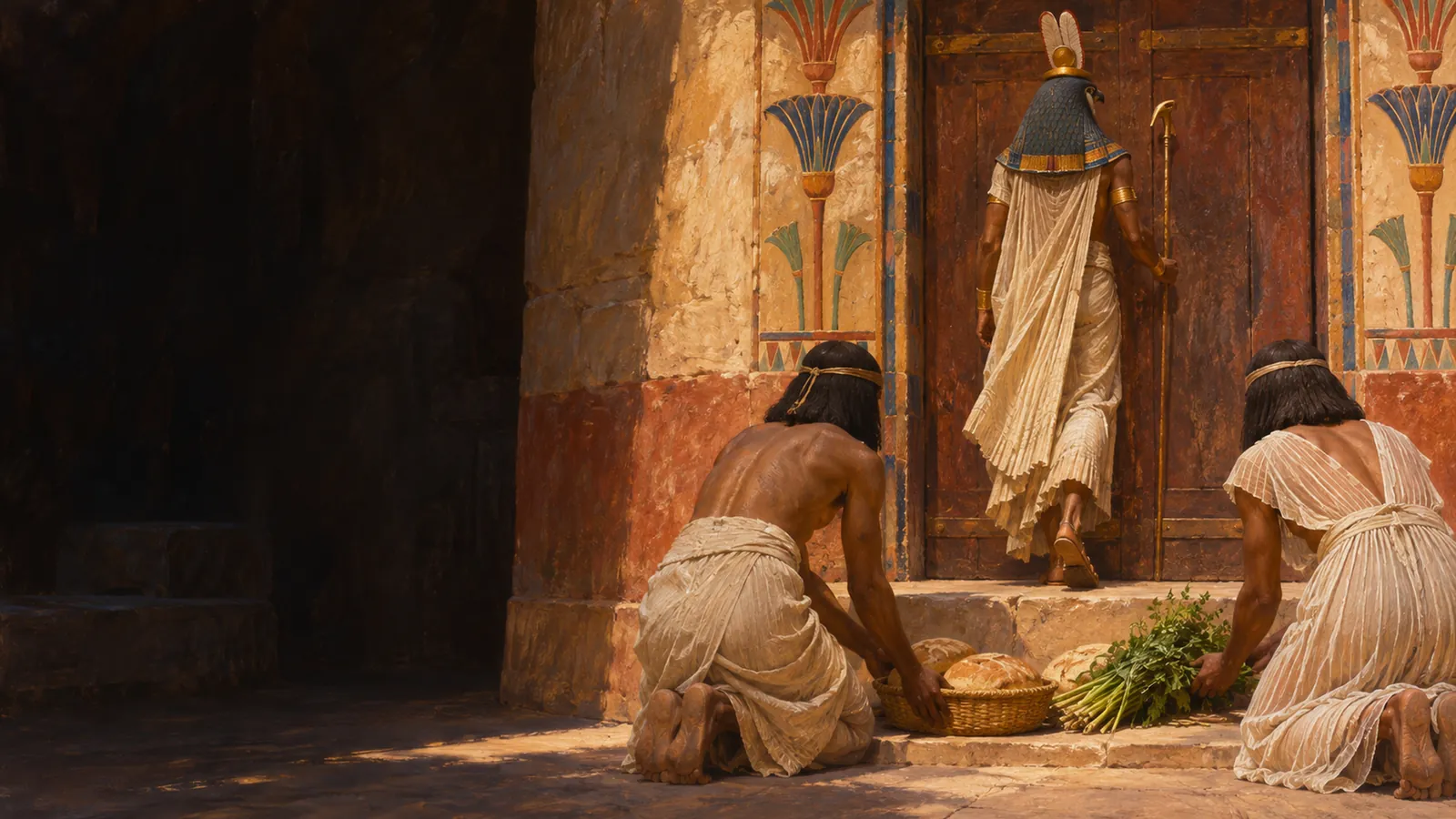
Der Text sagt, dass Horus in der Geburtskammer des Stadtgottes gezeugt wird. Dort empfängt er die Opfergaben dieses Gottes.
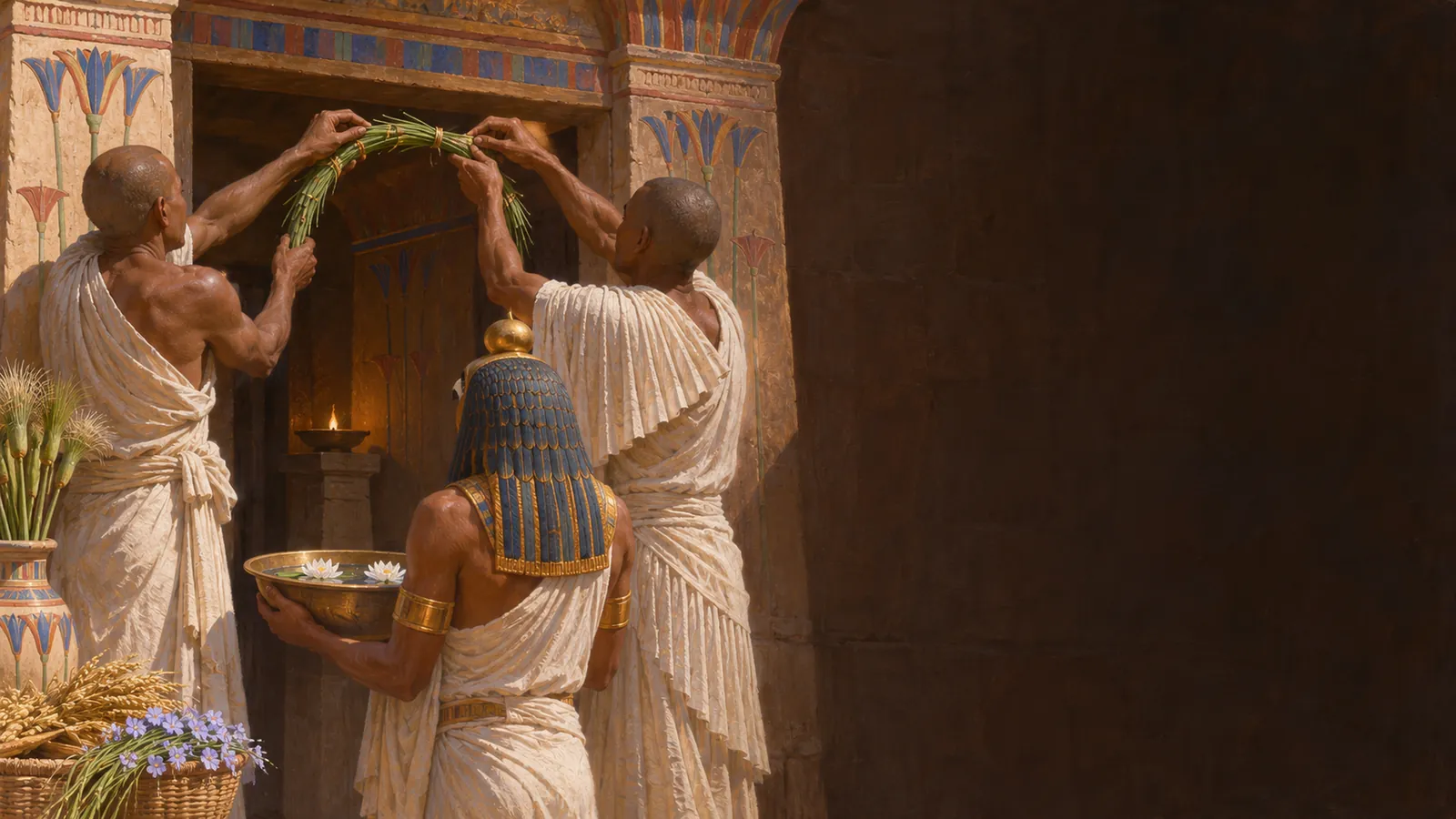
Dort tut er, was sich gehört, und führt die Vereinigung herbei. Er vollzieht alles, was zur Geburtskammer der göttlichen Stadt gehört.
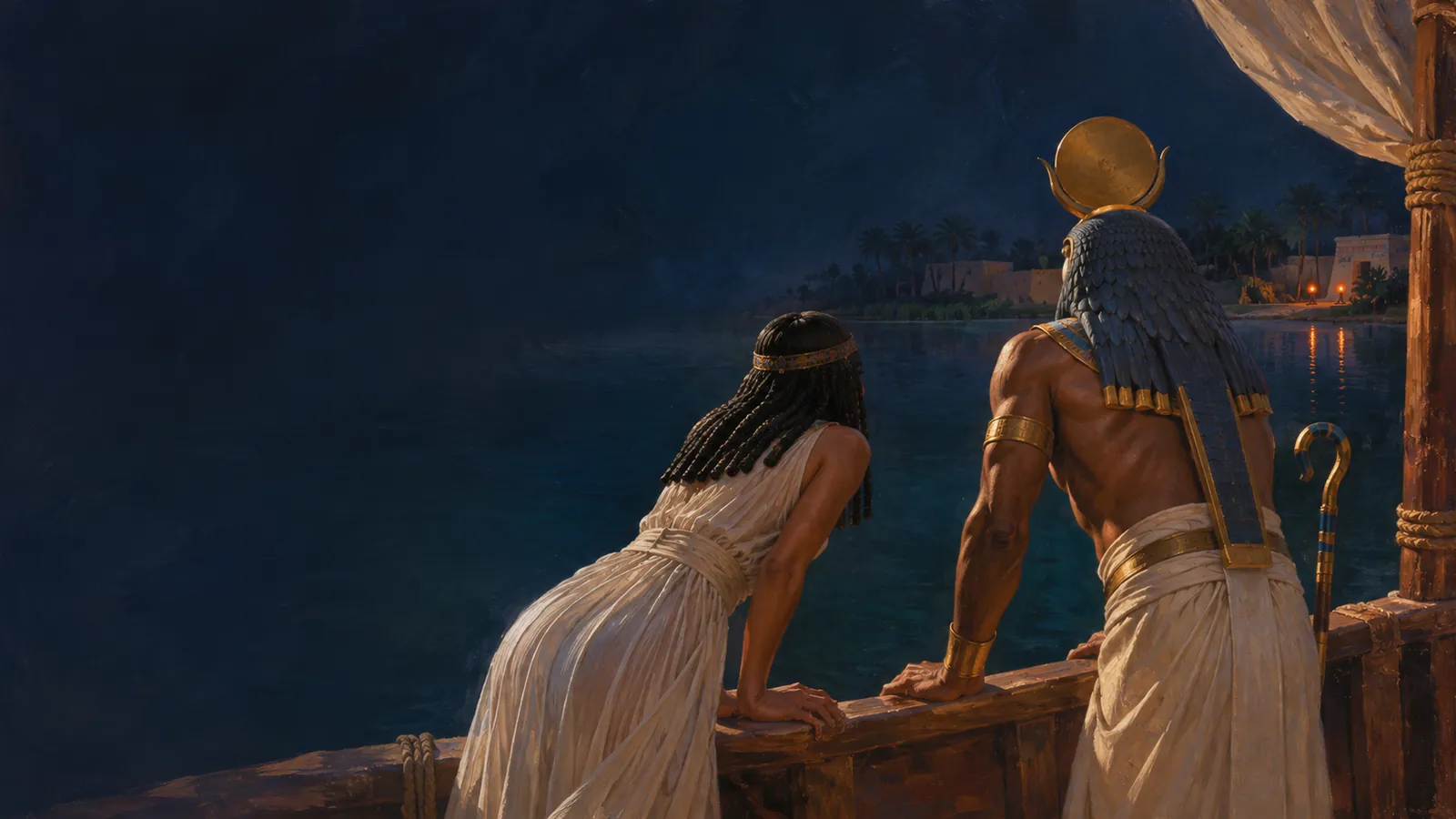
Horus vollbringt dort alles, wenn er im Leben wie Kristall untergeht. Der Text vergleicht sein Handeln mit dem im See des Zweifachen Feuers, wo sich niemand freut und allerlei Böses ist.
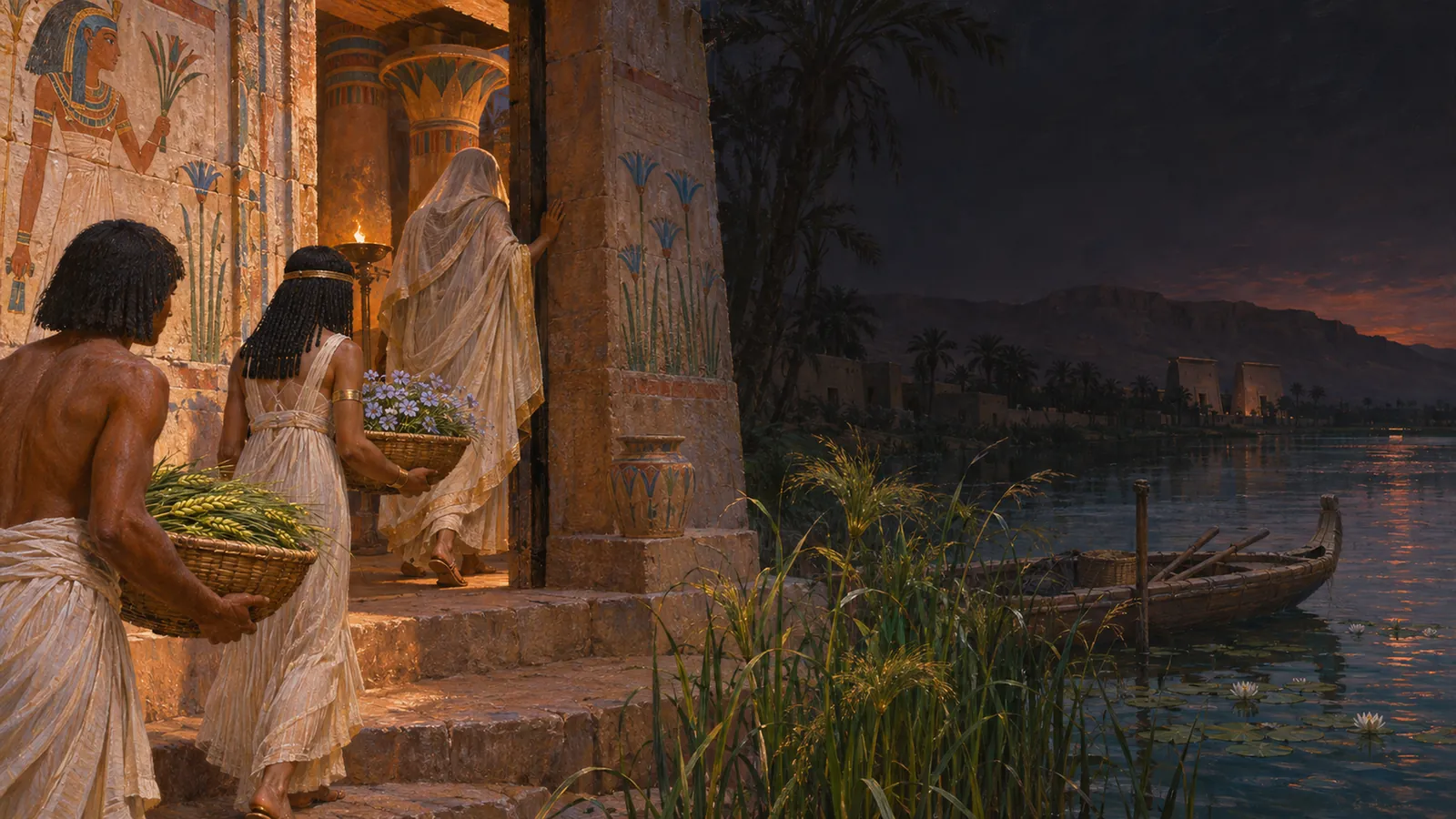
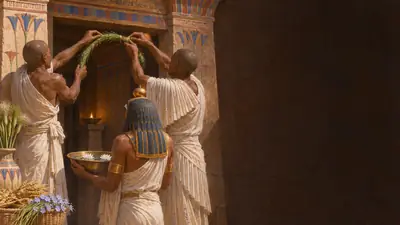
Hetep geht hinein, kommt heraus und geht zurück. Das Feld sammelt allerlei Dinge für die Geburtskammer des Stadtgottes.
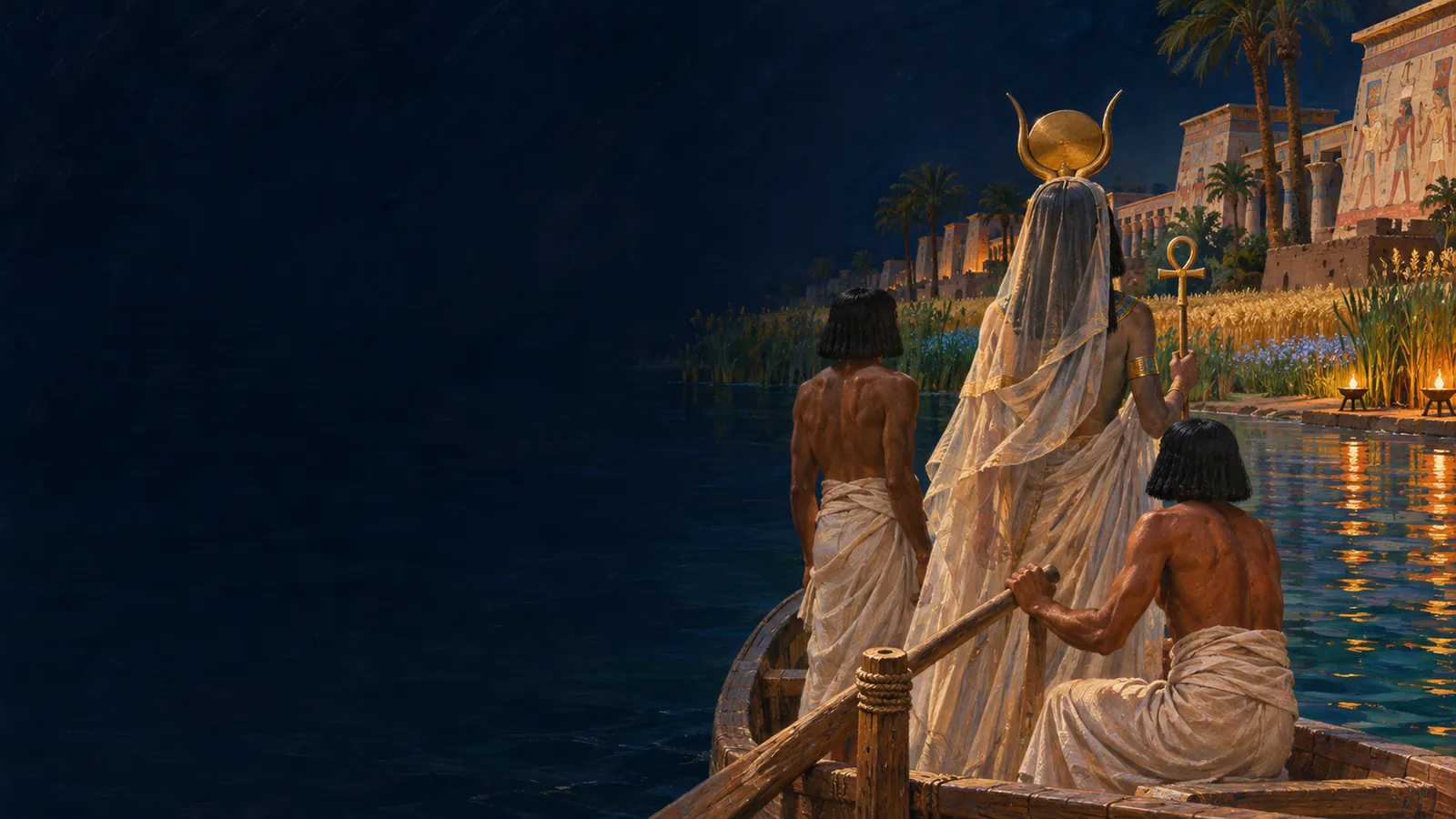
DER SEE DES ZWEIFACHEN FEUERS
Der Text wiederholt den Vergleich für Hetep, wenn er im Leben wie Kristall untergeht. Was er dort tut, gleicht den Taten im See des Zweifachen Feuers, wo sich niemand freut und allerlei Böses ist.
Ende von Kapitel 1
Alle Seiten
Quellen
A. Wallis Budge’s Egyptian Ideas of the Future Life, third edition, 1908. He gives no manuscript name for this translation.
Benutzte Editionen
- Egyptian Ideas of the Future Life, publication record
- Budge 1908, Chapter V, The Resurrection and Immortality
- Budge’s note 135
- Budge’s note 136
- Budge’s note 137
Hinweise zu dieser Nacherzählung
The title joins the Chapters of Sekhet-Hetepet and the Chapters of Coming Forth by Day. It names entering and leaving the underworld and arriving at Sekhet-Aaru.
Sekhet-Hetepet is called the mighty land and lady of winds. The title names having power there, becoming a spirit (Budge’s KHU), reaping, eating, drinking and making love. It ends by saying that one may do there what a person does on earth.
The deceased says that Set seized Horus as Horus looked with the two eyes. Budge puts a question mark after his reading of the building around Sekhet-hetep. In note 135 he identifies the eyes as the Eye of Rā and the Eye of Horus.
The speaker says that he freed Horus. Budge brackets the words “and taken him from” before the name Set. Budge brackets “which are” to connect the eyes to their position in heaven. Heaven is outside the brackets.
Budge puts a question mark after “cast,” his reading for what Set does with moisture and the winds. The soul is said to have its day and dwell in Mert. The following clause says that Set delivers the interior of Horus’s body from the gods of Akert.
The speaker says he makes the mighty boat travel over the Lake of Hetep and brought it away with might from Shu’s palace. The domain of Shu’s stars grows young and regains the strength it had before.
The speaker brings the boat into the lakes to reach their cities and says he has entered the divine city Hetep by boat. In the peace clause he says “his” before seasons, direction, territory and firstborn.
Peace is first made for Horus and Set with those who watch over the living beings created in fair form. The text then says the unnamed subject brings peace and repeats the peace with those who watch over Horus and Set. The next clauses give the cutting of their hair, the driving away of storm from the helpless and the keeping of harm away from the spirits. Budge labels the spirits KHU. The sequence does not name the subject of these clauses.
The speaker asks for dominion in the field, which he knows and whose lakes he has sailed to reach its cities. The firm mouth marks the claim about his own speech. Budge’s note 136 explains it through the speaker’s knowledge of how to utter words of power with vigour. The next clause says that he is equipped to resist the spirits and that they shall have no dominion over him.
The speaker asks the god Hetep for the fields as a reward and addresses the lord of the winds about doing what he wishes. The wishes that follow begin with becoming a spirit there, eating, drinking, ploughing and reaping.
The speaker also asks to fight and make love there and to have mighty words there. He ends this group of wishes by asking to stay free of servitude and exercise authority. They remain requests in his address.
Page 23, Budge 1908, Book of the Dead CX, transcription lines 4517–4519. Budge prints mouth with the alternative or door, and throat with a question mark. His sentence gives the name Qetet-bu without resolving the referent for the reader.
Page 24, Budge 1908, Book of the Dead CX, transcription lines 4519–4521 and n. 137. The pillars are Shu’s. Note 137 identifies the four supports at the cardinal points. The speech links the unnamed he in this line to the pleasant things of Rā.
Page 25, Budge 1908, Book of the Dead CX, transcription lines 4521–4522. The printed description joins the dividing of years, the hidden and silent mouth and secret utterance. The selection offers no explanatory mechanism.
Page 26, Budge 1908, Book of the Dead CX, transcription lines 4522–4524. The sentence completes the passage on eternity and everlasting existence under the name Hetep, the lord Hetep.
Page 27, Budge 1908, Book of the Dead CX, transcription lines 4526–4529. The sentence compares Horus to the Hawk. The numbers are one thousand and two thousand. Budge places the measurement words cubits in width in brackets. The unclear phrase in life follows the dimensions.
Page 28, Budge 1908, Book of the Dead CX, transcription lines 4529–4532. The text retains the expression his heart’s throne. Budge supplies of Hetep in brackets after the Pools. The text mentions their cities as well as the Pools.
Page 29, Budge 1908, Book of the Dead CX, transcription lines 4532–4534. Budge’s translation says begotten in the birth-chamber of the god of the city. It attributes the offerings to the same city god.
Page 30, Budge 1908, Book of the Dead CX, transcription lines 4534–4536. The text records the bringing about of a union. It supplies no particulars about the union here. It concludes this sentence with the birth-chamber of the divine city.
Page 31, Budge 1908, Book of the Dead CX, transcription lines 4536–4540. The comparison mentions setting in life like crystal, then the Lake of Twofold Fire, without joy and full of evil things. The speaker’s next sentences shift from Horus to Hetep.
Page 32, Budge 1908, Book of the Dead CX, transcription lines 4540–4543. The three directions are entering, coming out and going backwards. Budge supplies in in brackets before that Field. The Field gathers things for the city god’s birth-chamber.
Page 33, Budge 1908, Book of the Dead CX, transcription lines 4543–4547. Budge prints the parallels to crystal and the Lake of Twofold Fire again, with Hetep now the subject. The complete paragraph ends at line 4547. A new paragraph starts at line 4549 with a renewed plea to live with Hetep.
Die antiken Verse hinter jeder Seite
- Page 1: Budge 1908, Egyptian Ideas of the Future Life, ch. V, Book of the Dead Chapter CX, translated title (local)
- Page 2: Budge 1908, Egyptian Ideas of the Future Life, ch. V, Book of the Dead Chapter CX, translated title (local)
- Page 3: Budge 1908, Egyptian Ideas of the Future Life, ch. V, Book of the Dead Chapter CX, translated title (local)
- Page 4: Budge 1908, Egyptian Ideas of the Future Life, ch. V, Book of the Dead Chapter CX, translated title (local)
- Page 5: Budge 1908, Egyptian Ideas of the Future Life, ch. V, Book of the Dead Chapter CX, deceased’s recitation (local)
- Page 6: Budge 1908, Egyptian Ideas of the Future Life, ch. V, Book of the Dead Chapter CX, deceased’s recitation (local)
- Page 7: Budge 1908, Egyptian Ideas of the Future Life, ch. V, Book of the Dead Chapter CX, deceased’s recitation (local)
- Page 8: Budge 1908, Egyptian Ideas of the Future Life, ch. V, Book of the Dead Chapter CX, deceased’s recitation (local)
- Page 9: Budge 1908, Egyptian Ideas of the Future Life, ch. V, Book of the Dead Chapter CX, deceased’s recitation (local)
- Page 10: Budge 1908, Egyptian Ideas of the Future Life, ch. V, Book of the Dead Chapter CX, deceased’s recitation (local)
- Page 11: Budge 1908, Egyptian Ideas of the Future Life, ch. V, Book of the Dead Chapter CX, deceased’s recitation (local)
- Page 12: Budge 1908, Egyptian Ideas of the Future Life, ch. V, Book of the Dead Chapter CX, deceased’s recitation (local)
- Page 13: Budge 1908, Egyptian Ideas of the Future Life, ch. V, Book of the Dead Chapter CX, deceased’s recitation (local)
- Page 14: Budge 1908, Egyptian Ideas of the Future Life, ch. V, Book of the Dead Chapter CX, deceased’s recitation (local)
- Page 15: Budge 1908, Egyptian Ideas of the Future Life, ch. V, Book of the Dead Chapter CX, deceased’s recitation (local)
- Page 16: Budge 1908, Egyptian Ideas of the Future Life, ch. V, Book of the Dead Chapter CX, deceased’s recitation (local)
- Page 17: Budge 1908, Egyptian Ideas of the Future Life, ch. V, Book of the Dead Chapter CX, deceased’s recitation (local)
- Page 18: Budge 1908, Egyptian Ideas of the Future Life, ch. V, Book of the Dead Chapter CX, deceased’s recitation (local)
- Page 19: Budge 1908, Egyptian Ideas of the Future Life, ch. V, Book of the Dead Chapter CX, deceased’s recitation (local)
- Page 20: Budge 1908, Egyptian Ideas of the Future Life, ch. V, Book of the Dead Chapter CX, deceased’s recitation (local)
- Page 21: Budge 1908, Egyptian Ideas of the Future Life, ch. V, Book of the Dead Chapter CX, deceased’s recitation (local)
- Page 22: Budge 1908, Egyptian Ideas of the Future Life, ch. V, Book of the Dead Chapter CX, deceased’s recitation (local)
- Page 23: Budge 1908, Egyptian Ideas of the Future Life, ch. V, Book of the Dead CX (local)
- Page 24: Budge 1908, Egyptian Ideas of the Future Life, ch. V, Book of the Dead CX (local)
- Page 25: Budge 1908, Egyptian Ideas of the Future Life, ch. V, Book of the Dead CX (local)
- Page 26: Budge 1908, Egyptian Ideas of the Future Life, ch. V, Book of the Dead CX (local)
- Page 27: Budge 1908, Egyptian Ideas of the Future Life, ch. V, Book of the Dead CX (local)
- Page 28: Budge 1908, Egyptian Ideas of the Future Life, ch. V, Book of the Dead CX (local)
- Page 29: Budge 1908, Egyptian Ideas of the Future Life, ch. V, Book of the Dead CX (local)
- Page 30: Budge 1908, Egyptian Ideas of the Future Life, ch. V, Book of the Dead CX (local)
- Page 31: Budge 1908, Egyptian Ideas of the Future Life, ch. V, Book of the Dead CX (local)
- Page 32: Budge 1908, Egyptian Ideas of the Future Life, ch. V, Book of the Dead CX (local)
- Page 33: Budge 1908, Egyptian Ideas of the Future Life, ch. V, Book of the Dead CX (local)
Illustrationen von IL Archive mit KI-Werkzeugen; der Text folgt den antiken Quellen (siehe die Quellen am Ende jedes Kapitels).