Gilgamesch, Enkidu und die Unterwelt Kapitel 1
Der Baum von Uruk
Ein Südwind entwurzelt einen Baum am Euphrat. Inanna bringt ihn nach Uruk und bittet um Hilfe, als drei Wesen in dem Baum wohnen. Gilgamesch gibt Inanna Holz für einen Stuhl und ein Bett und fertigt zwei Gegenstände für ein Spiel. Die Gegenstände fallen in die Unterwelt.
QuellenBlättern Sie mit den Pfeilen, den Pfeiltasten oder durch Wischen.

DER BAUM VON URUK
Die Erzählung führt zurück in jene fernen Tage, in jene fernen Nächte, in jene fernen Jahre.

In jenen Tagen entstanden die notwendigen Dinge zum ersten Mal, und man kümmerte sich um sie, wie es sich gehörte.
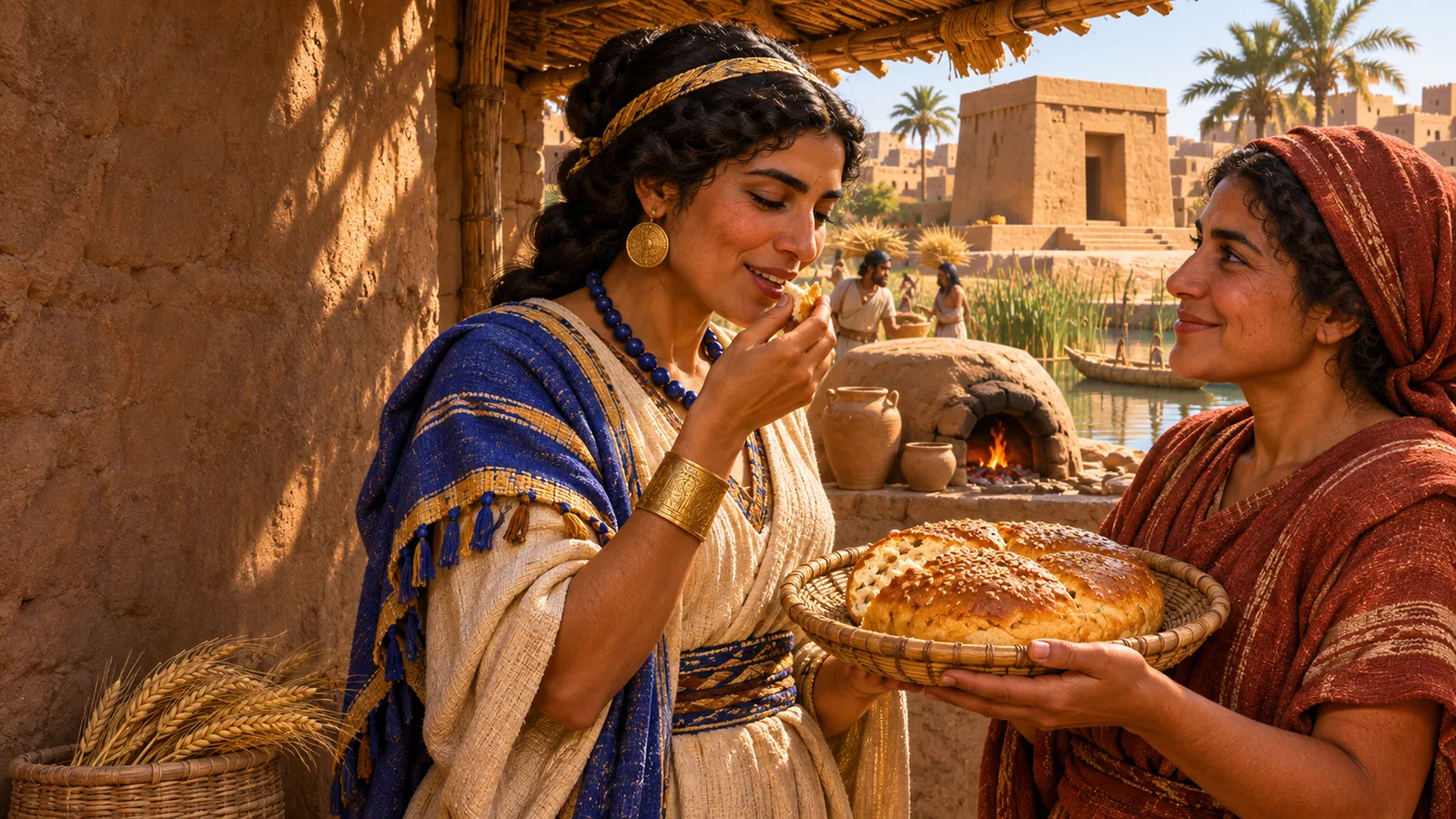
Zum ersten Mal wurde in den Heiligtümern des Landes Brot gekostet, so heißt es im Gedicht.

In jenen fernen Jahren wurden die Öfen des Landes in Betrieb genommen, so erinnert das Gedicht daran.

Der Himmel wurde von der Erde getrennt und die Erde vom Himmel geschieden. Der Ruhm der Menschheit war begründet.
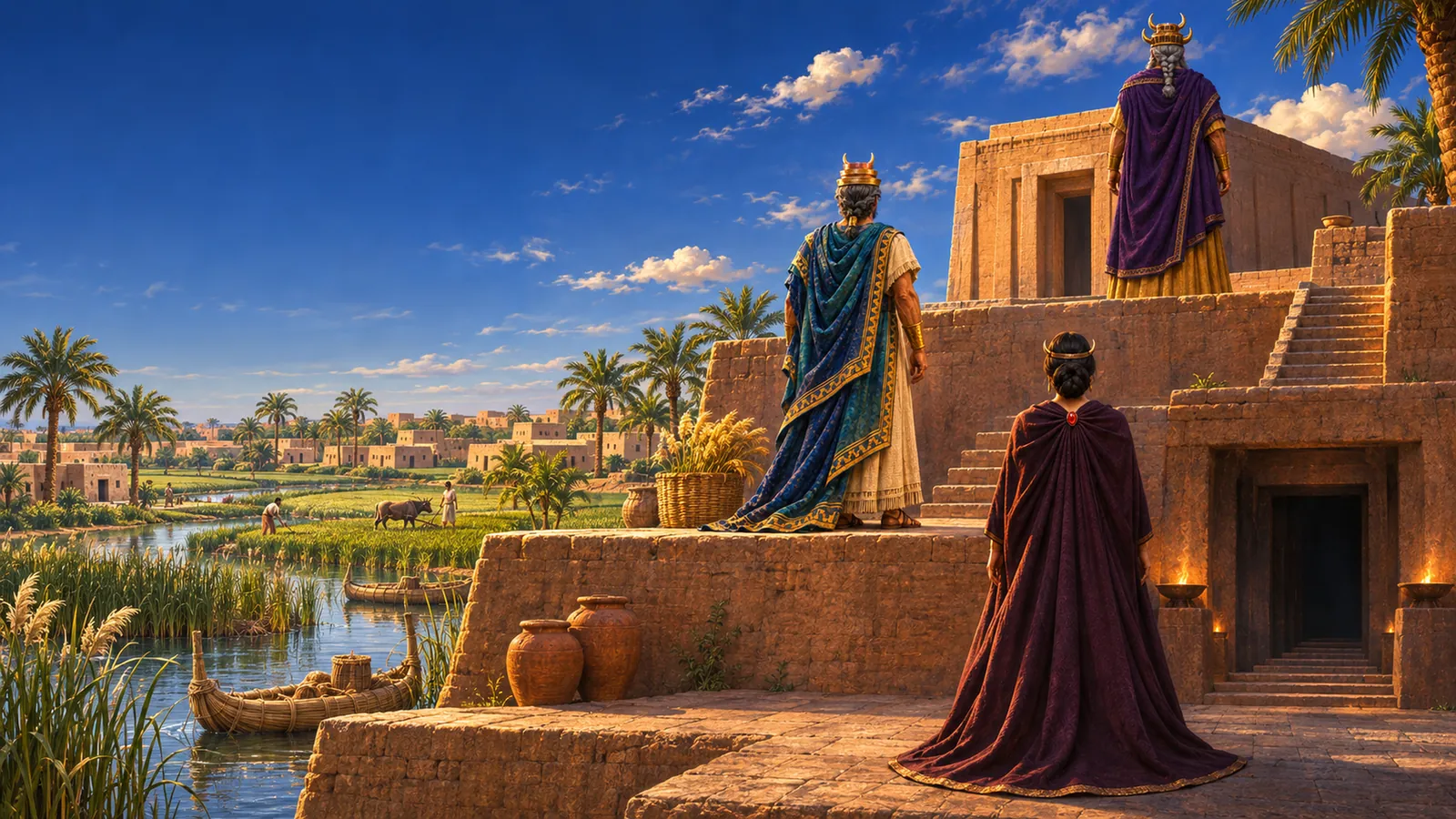
An nahm den Himmel für sich, Enlil nahm die Erde, und Ereshkigal erhielt die Unterwelt als Gabe.

Der Vater fuhr zur Unterwelt ab. Bei seiner Abfahrt nennt ihn das Gedicht Enki.

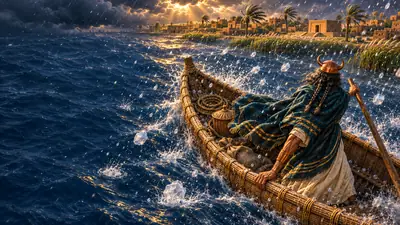
Ein Sturm mit kleinen und großen Hagelkörnern erhob sich gegen Enki. Das Gedicht vergleicht die kleinen mit leichten Hämmern und die großen vielleicht mit Steinen aus einem Katapult.

Der Kiel von Enkis kleinem Boot zitterte im Sturm, als würden Schildkröten dagegen stoßen.

Am Bug erhoben sich die Wellen wie Wölfe, die ihn verschlingen wollten, und am Heck griffen sie an wie ein Löwe.

DER HALUBBAUM
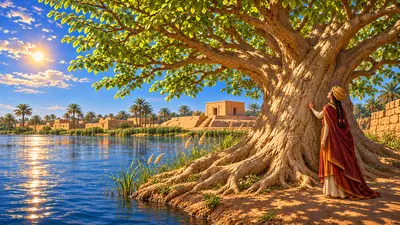
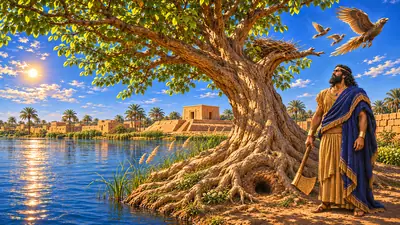
Ein einzelner Halubbaum wuchs am Ufer des reinen Euphrat, wo ihn der Fluss mit Wasser versorgte.

Ein so starker Wind kam aus dem Süden, dass er den Halubbaum am Ufer des Euphrat entwurzelte.

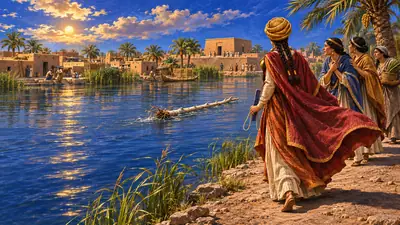
Der Südwind riss die Zweige ab. Der Euphrat erfasste den entwurzelten Baum und trug ihn fort.
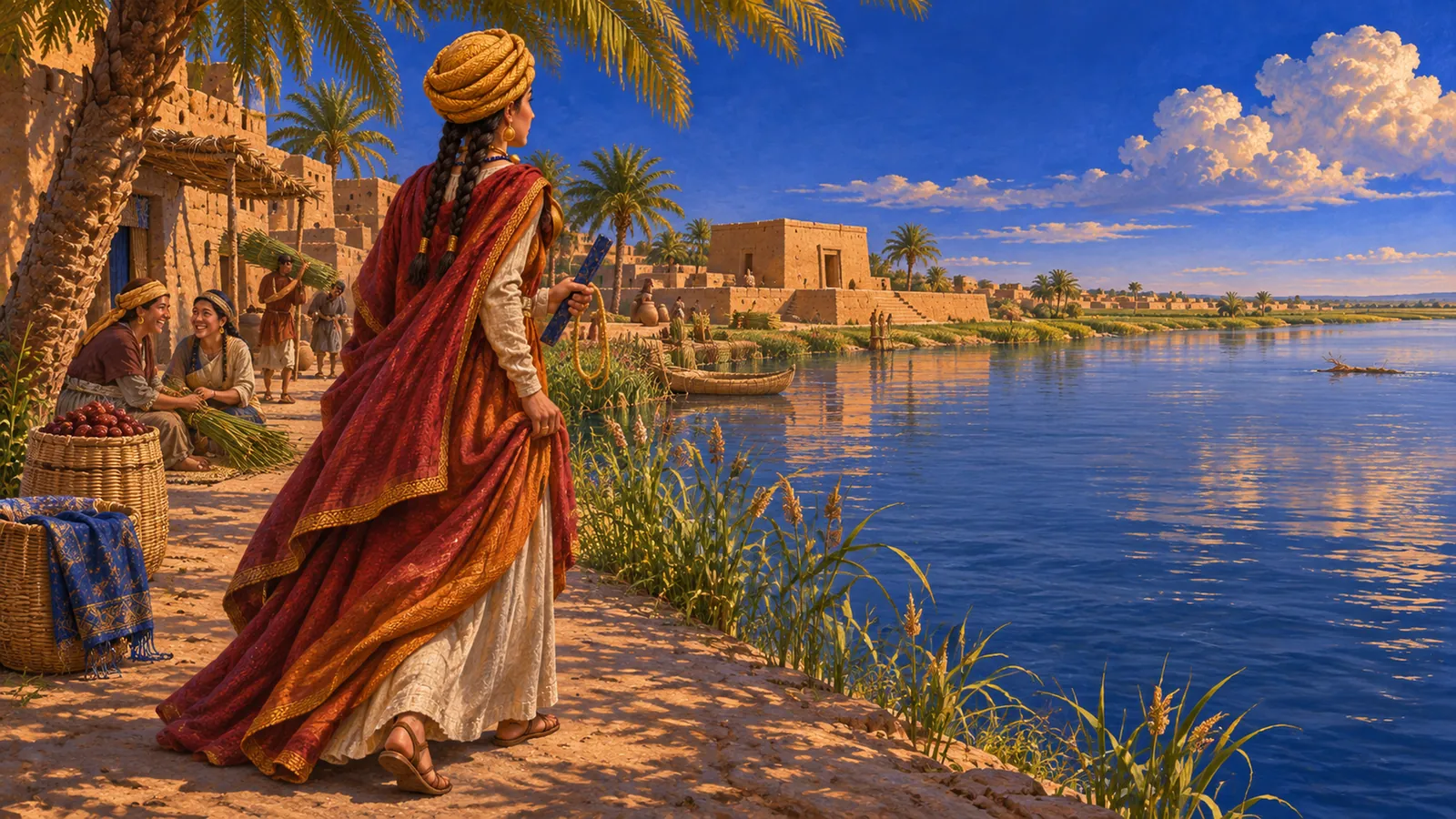
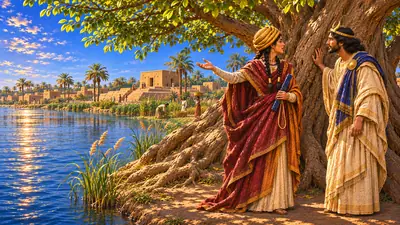
Eine Frau ging ihres Wegs, eine Frau, die auf die Worte Ans und auf die Worte Enlils hörte.
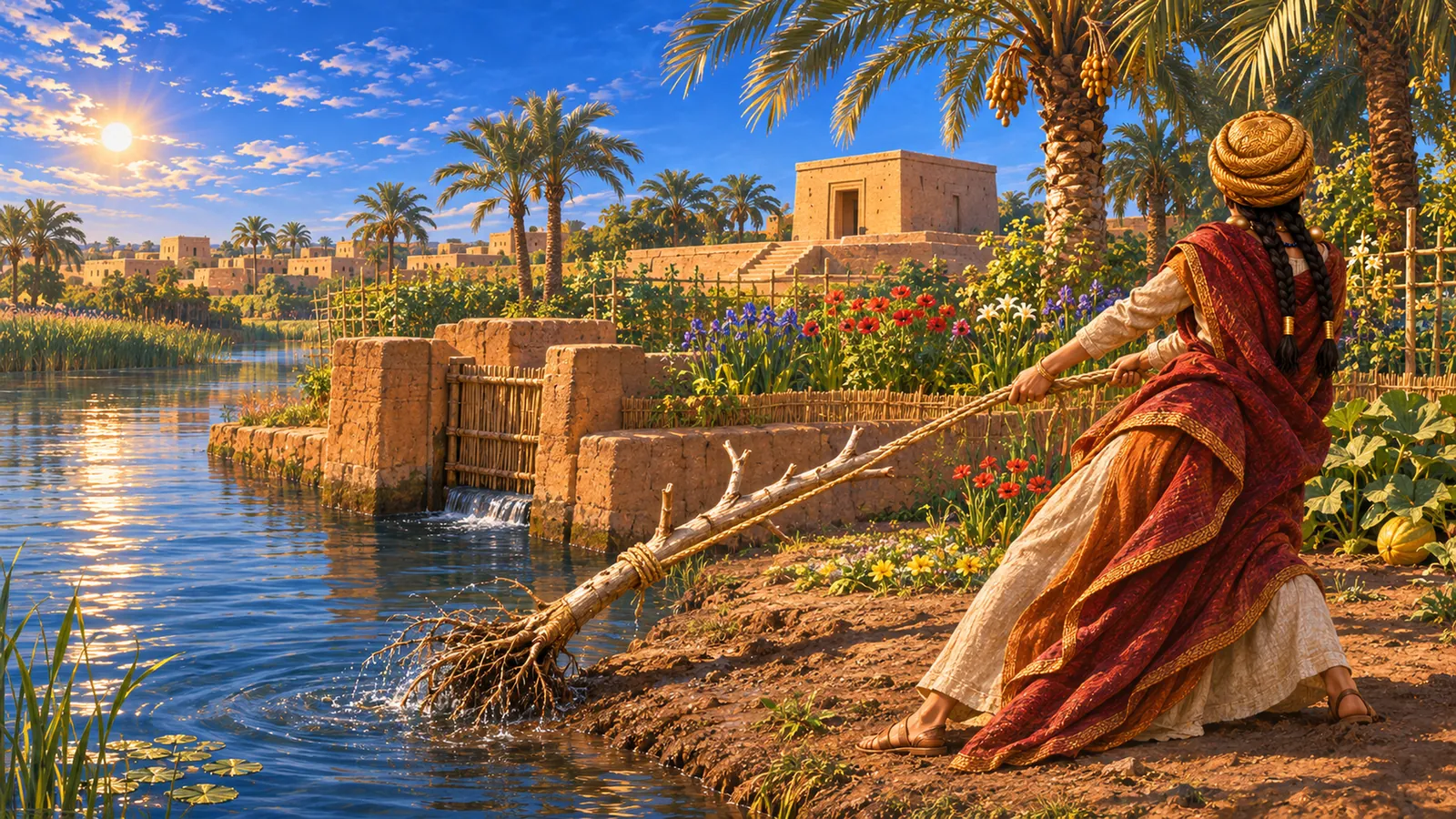
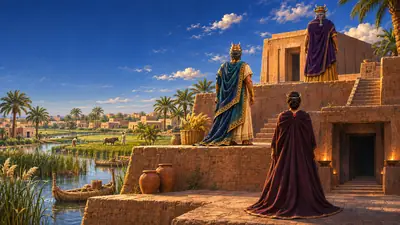
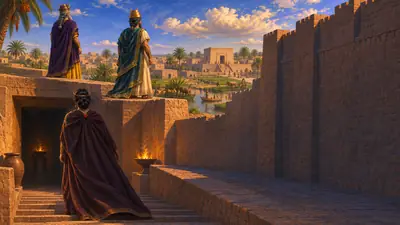
Sie brachte den Baum in die Stadt Uruk und in Inannas üppigen Garten.

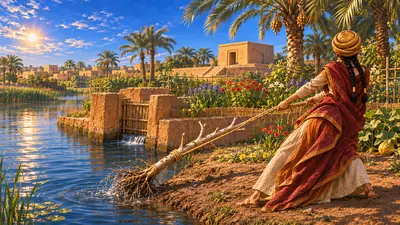
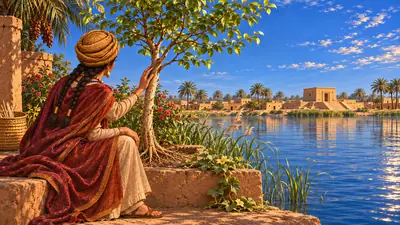
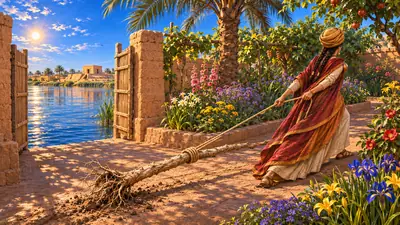
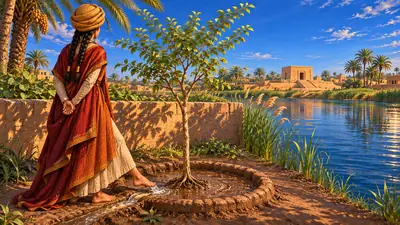
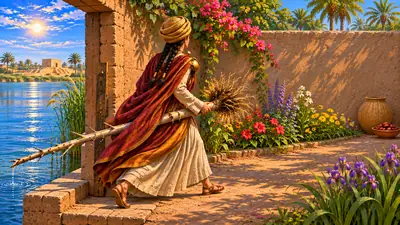
Die Frau setzte den Halub-Baum in die Erde des Gartens. Das Gedicht sagt, dass sie ihn allein mit den Füßen pflanzte.

Die Frau wässerte den Halub-Baum im Garten auch. Dabei gebrauchte sie allein die Füße.
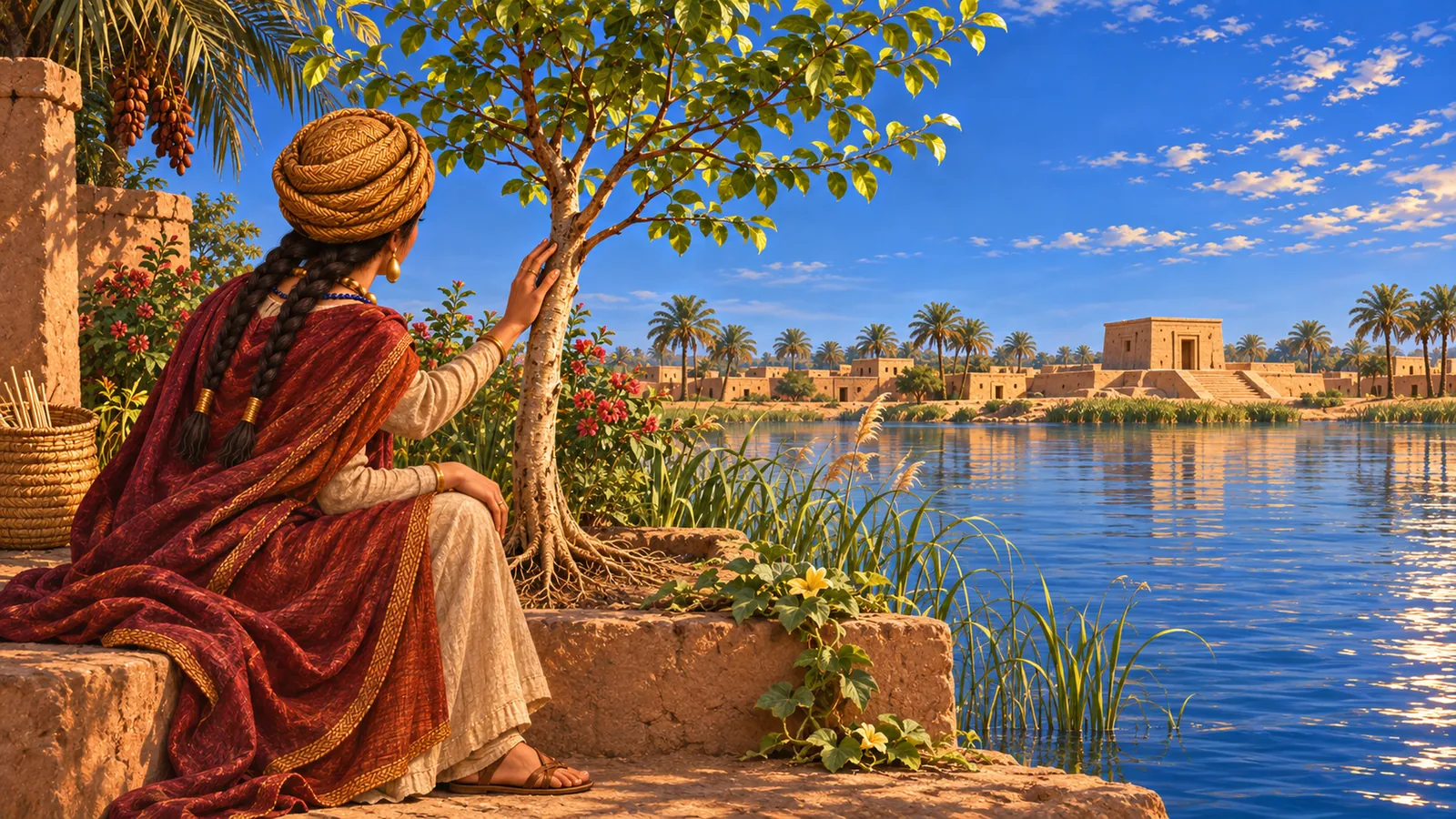
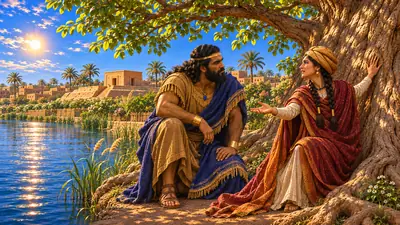
Sie fragte, wann aus dem Baum ein prächtiger Sitz werden würde, auf dem sie sitzen könnte. Sie fragte, wann daraus ein prächtiges Bett werden würde, auf dem sie liegen könnte.
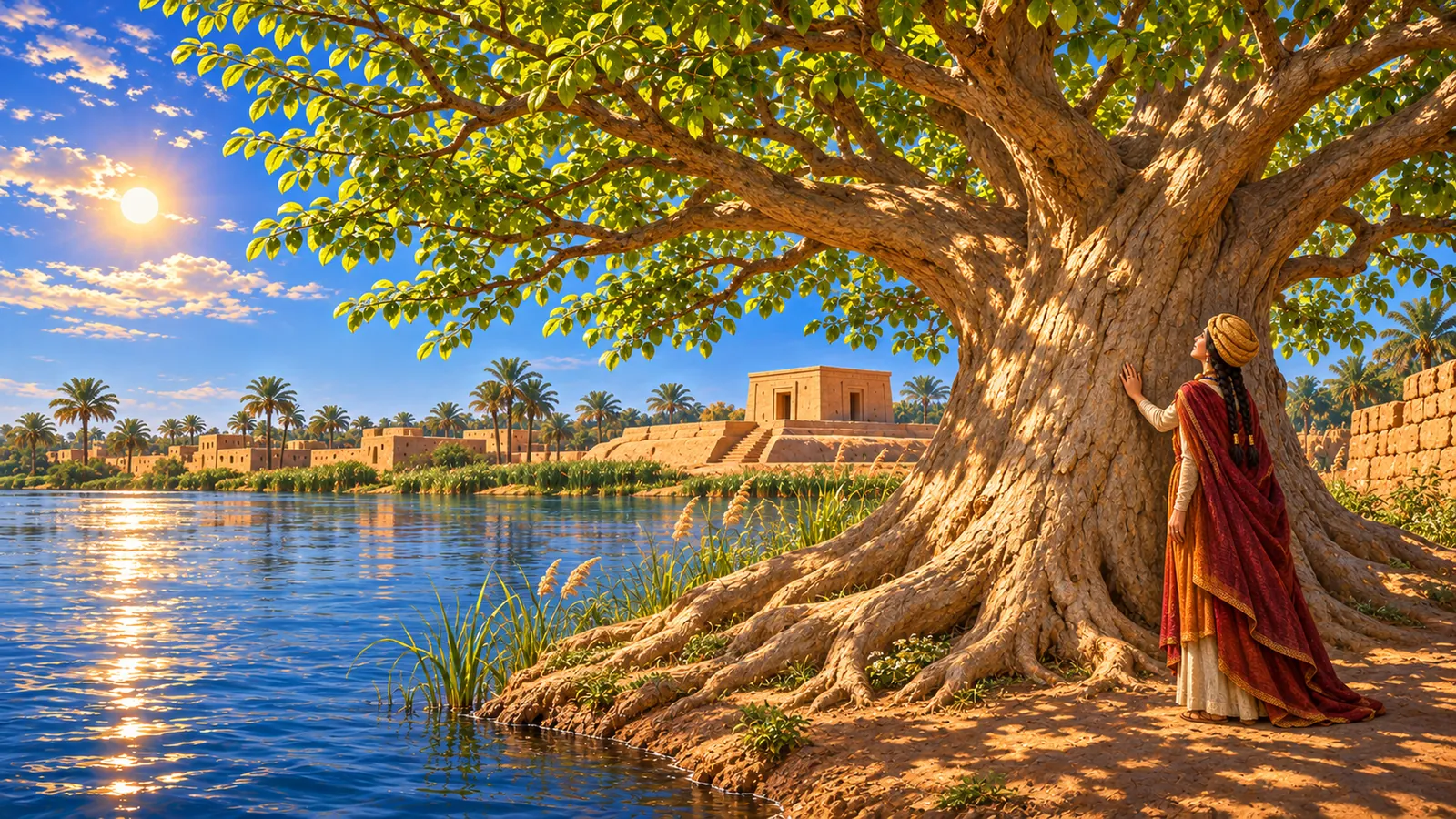
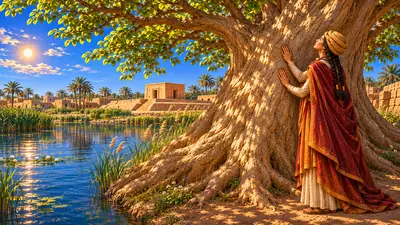
Fünf Jahre vergingen, dann zehn. In diesen Jahren wurde der Baum gewaltig, und seine Rinde blieb unversehrt.
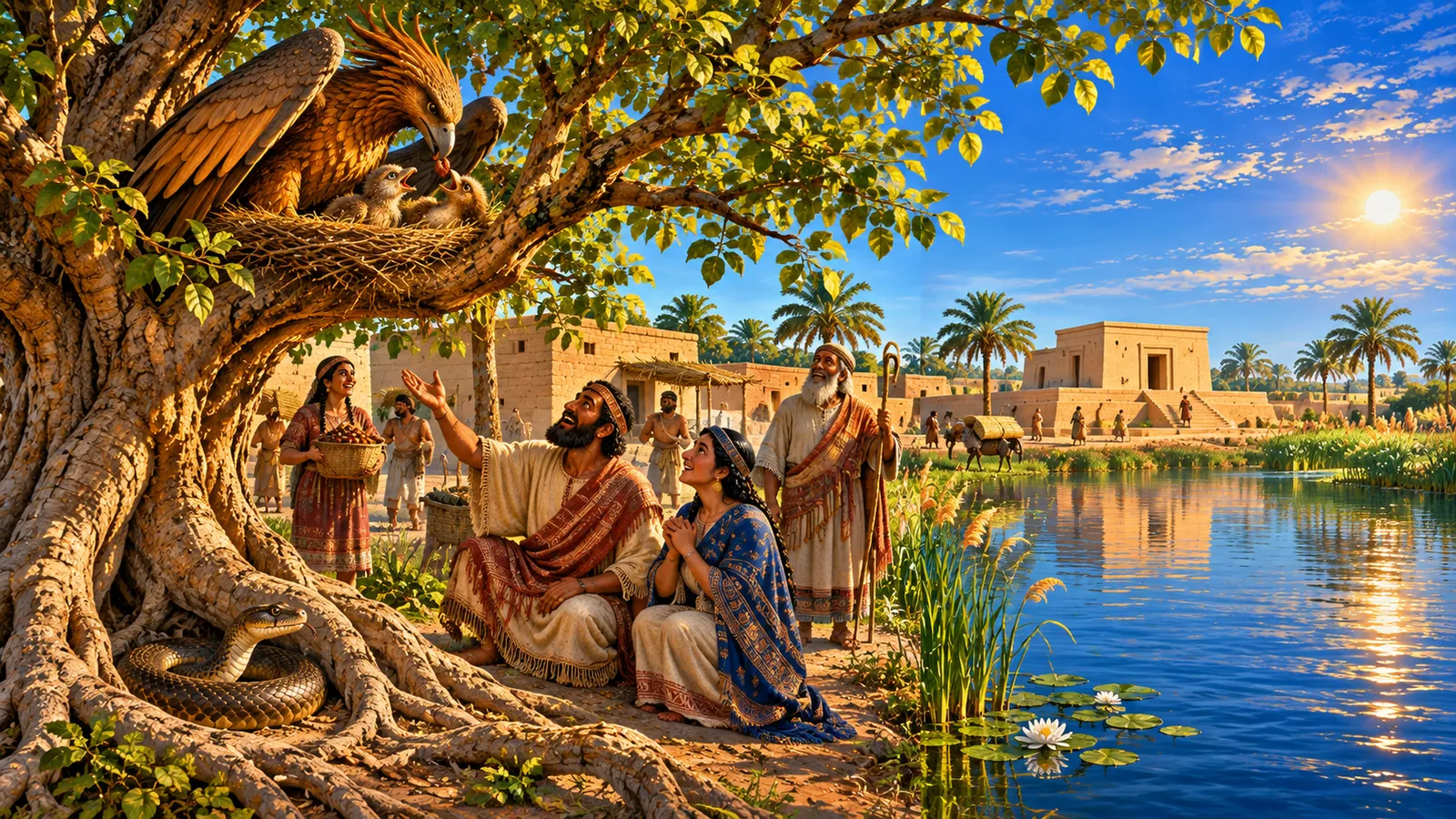
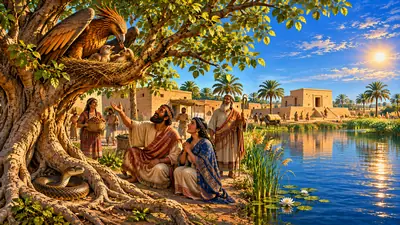
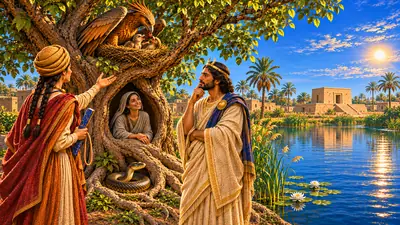
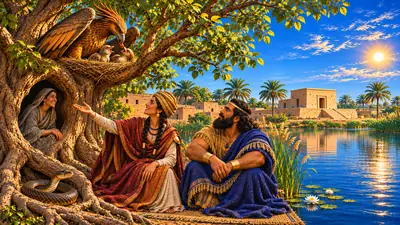
Eine Schlange, auf die Beschwörungen keine Wirkung hatten, baute in den Wurzeln des Baumes ihr Nest. In den Ästen brachte der Anzud-Vogel seine Jungen unter.
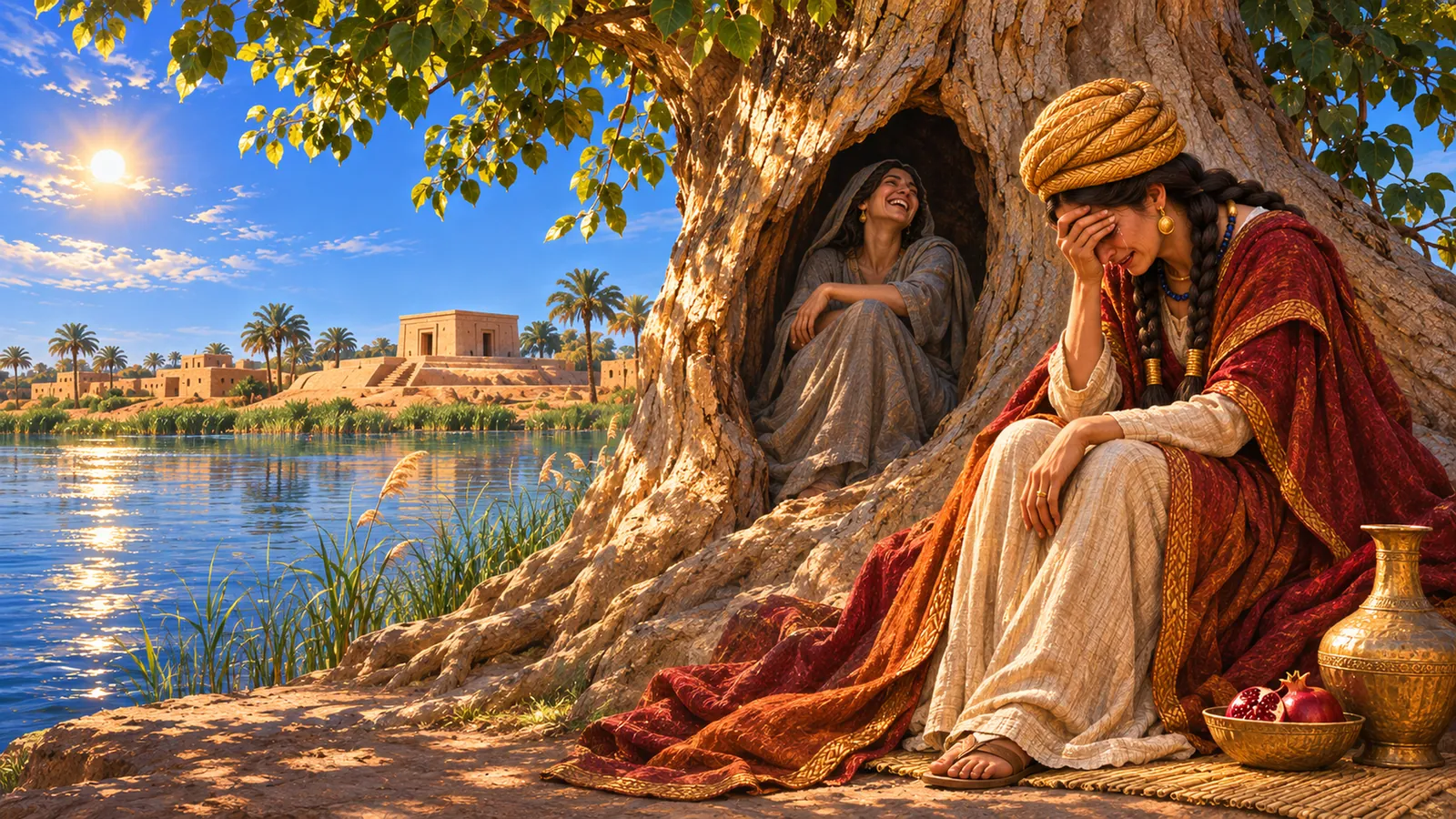
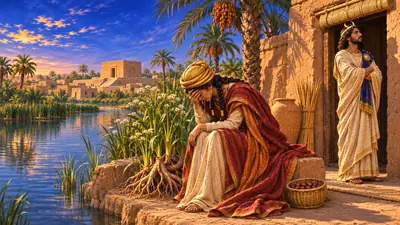
Im Stamm richtete sich ein Geistermädchen eine Behausung ein und lachte frohen Herzens. Inanna weinte.

DIE MORGENDÄMMERUNG
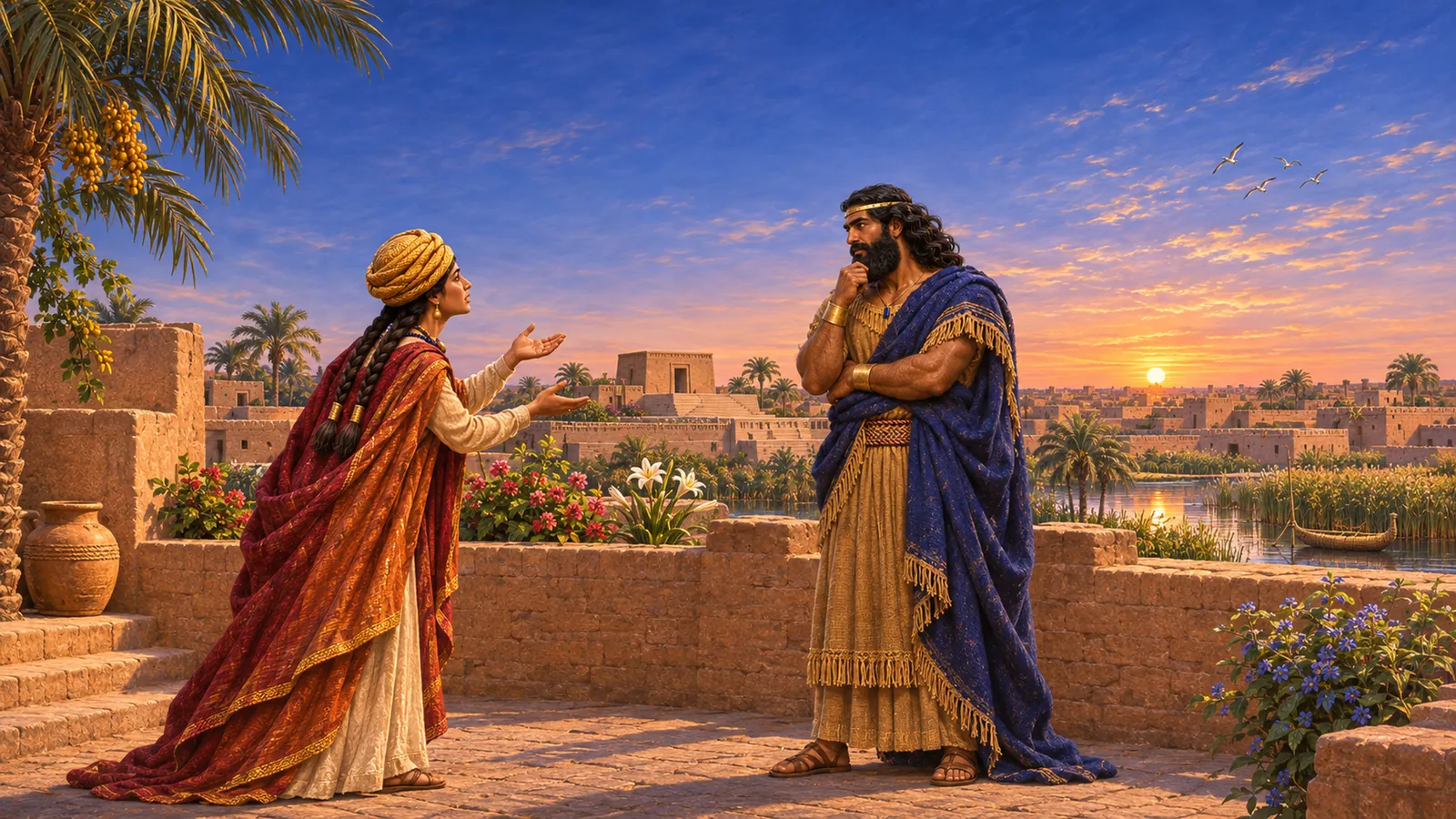
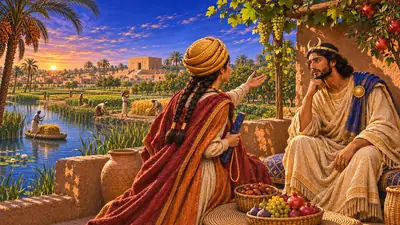
Der Horizont wurde hell, und die kleinen Vögel begannen zu rufen. Utu hatte sein Schlafgemach verlassen, als seine Schwester Inanna zu ihm sprach.
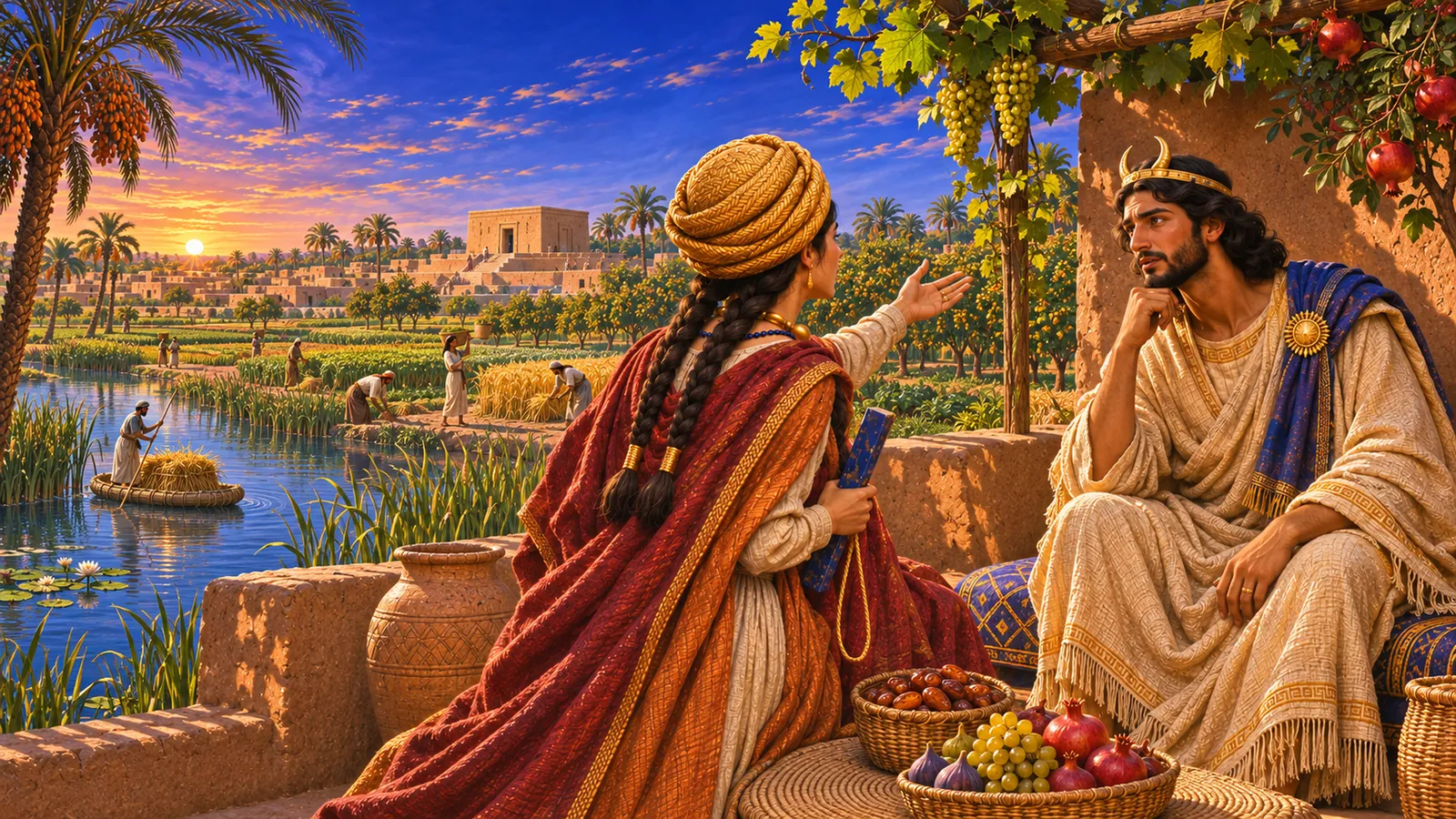
Inanna versetzte ihren Bruder zurück in die Tage, als das Schicksal bestimmt wurde. Damals, erzählte sie ihm, herrschte im Land überströmender Überfluss.
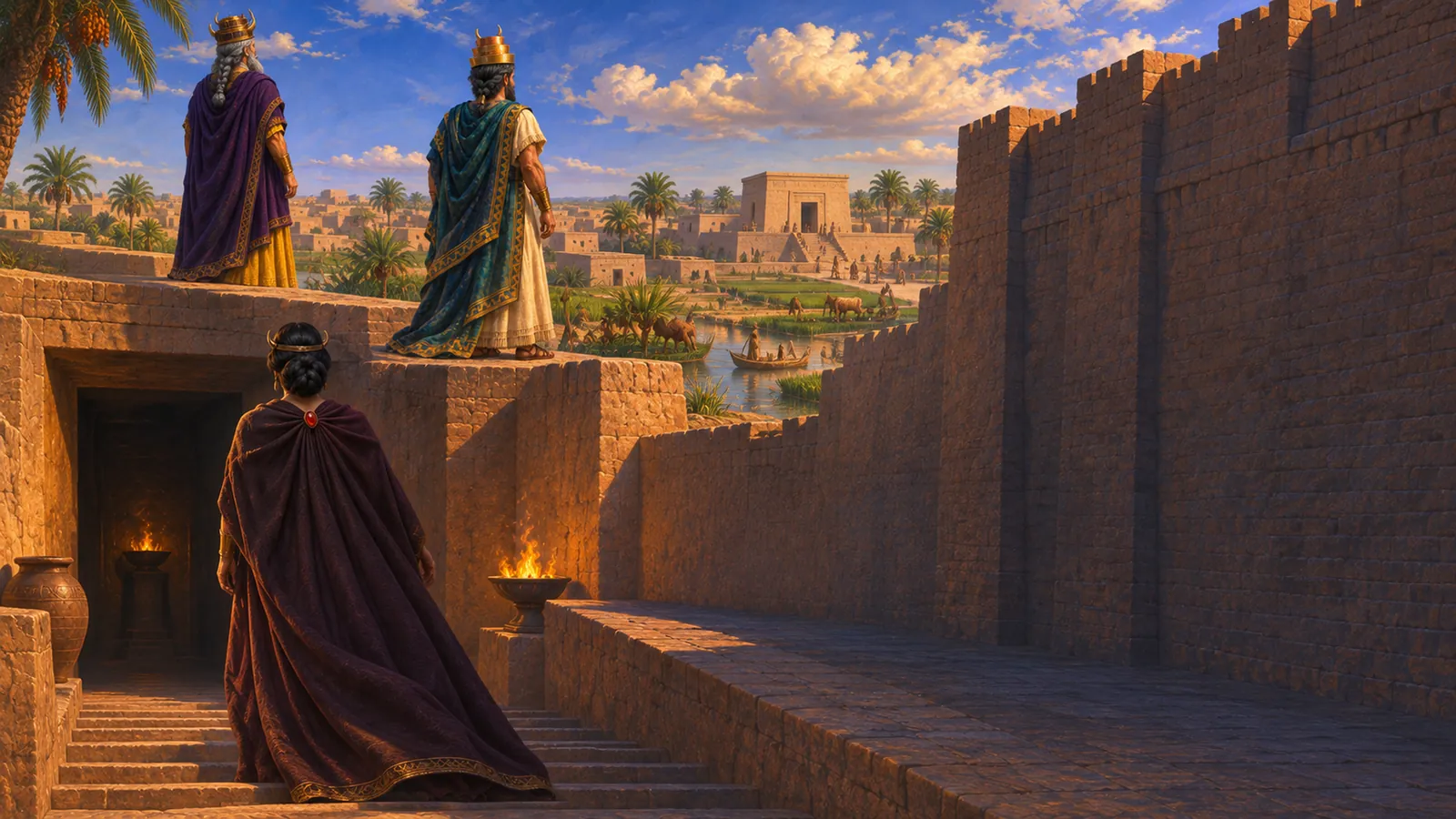
In ihrer Erzählung hatte An den Himmel genommen und Enlil die Erde. Die Unterwelt war Ereshkigal zum Geschenk gegeben worden.

Sie erzählte, wie Enki zur Unterwelt aufbrach. Ein Sturm aus kleinen Hagelkörnern erhob sich gegen den Herrn, einer aus großen gegen Enki. Das Gedicht vergleicht sie mit leichten Hämmern und vielleicht mit Katapultsteinen.

Sie sagte, der Kiel des kleinen Bootes habe gezittert, als hätten Schildkröten dagegen gestoßen. Am Bug hätten sich die Wellen wie Wölfe erhoben, um den Herrn zu verschlingen. Am Heck hätten sie Enki wie ein Löwe angegriffen.
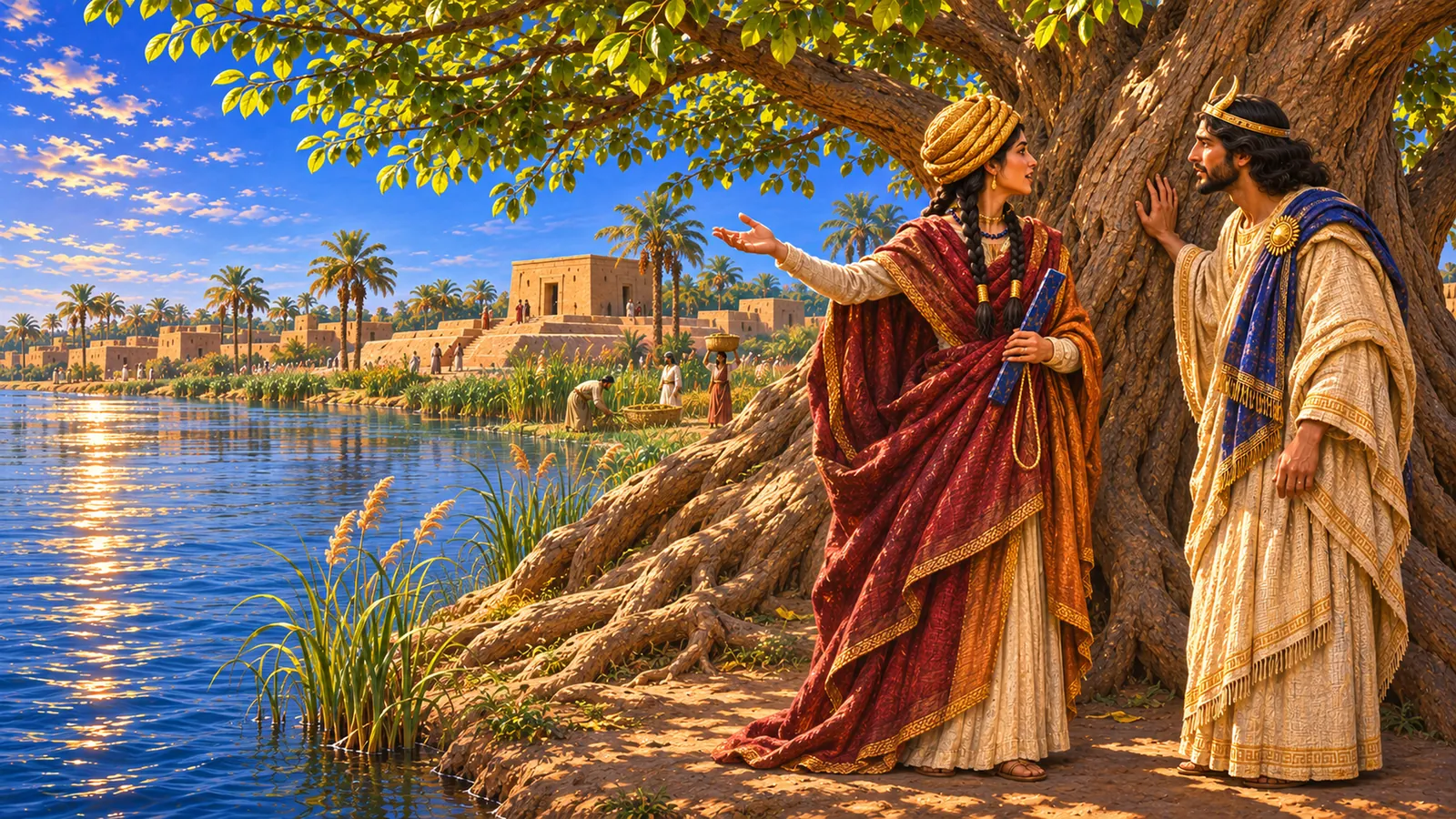
Inanna erinnerte an den einzelnen Halub-Baum, der am Ufer des Euphrat wuchs. Sie sagte, der Euphrat selbst habe ihn mit Wasser versorgt.

Ein Südwind entwurzelte den Baum und riss ihm die Zweige ab. Inanna sagte, der Euphrat habe den Baum erfasst und fortgetragen.
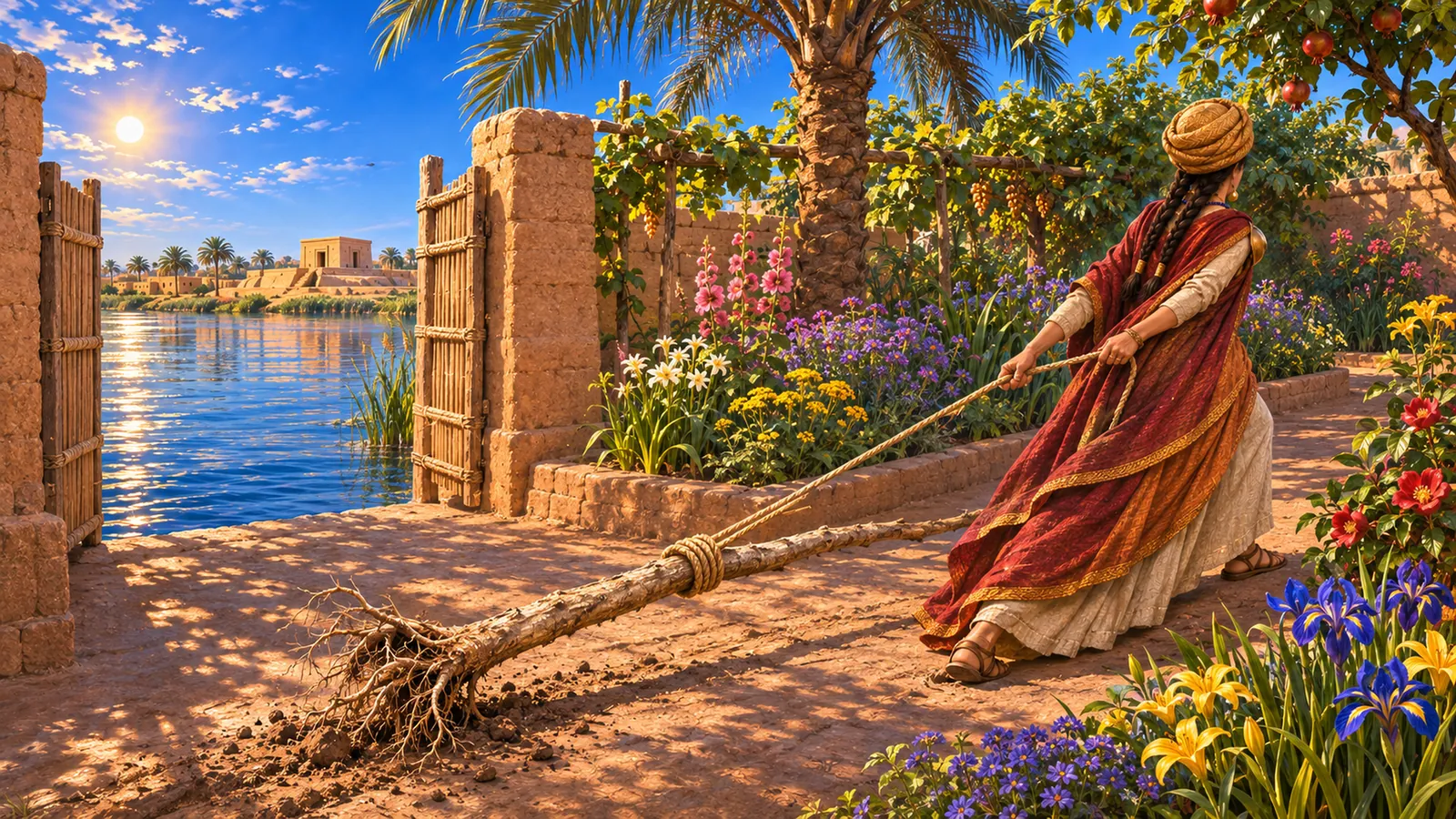
Sie sagte Utu, sie sei die Frau gewesen, die auf die Worte von An und Enlil gehört habe. Sie habe den Baum nach Uruk in ihren eigenen üppigen Garten gebracht.
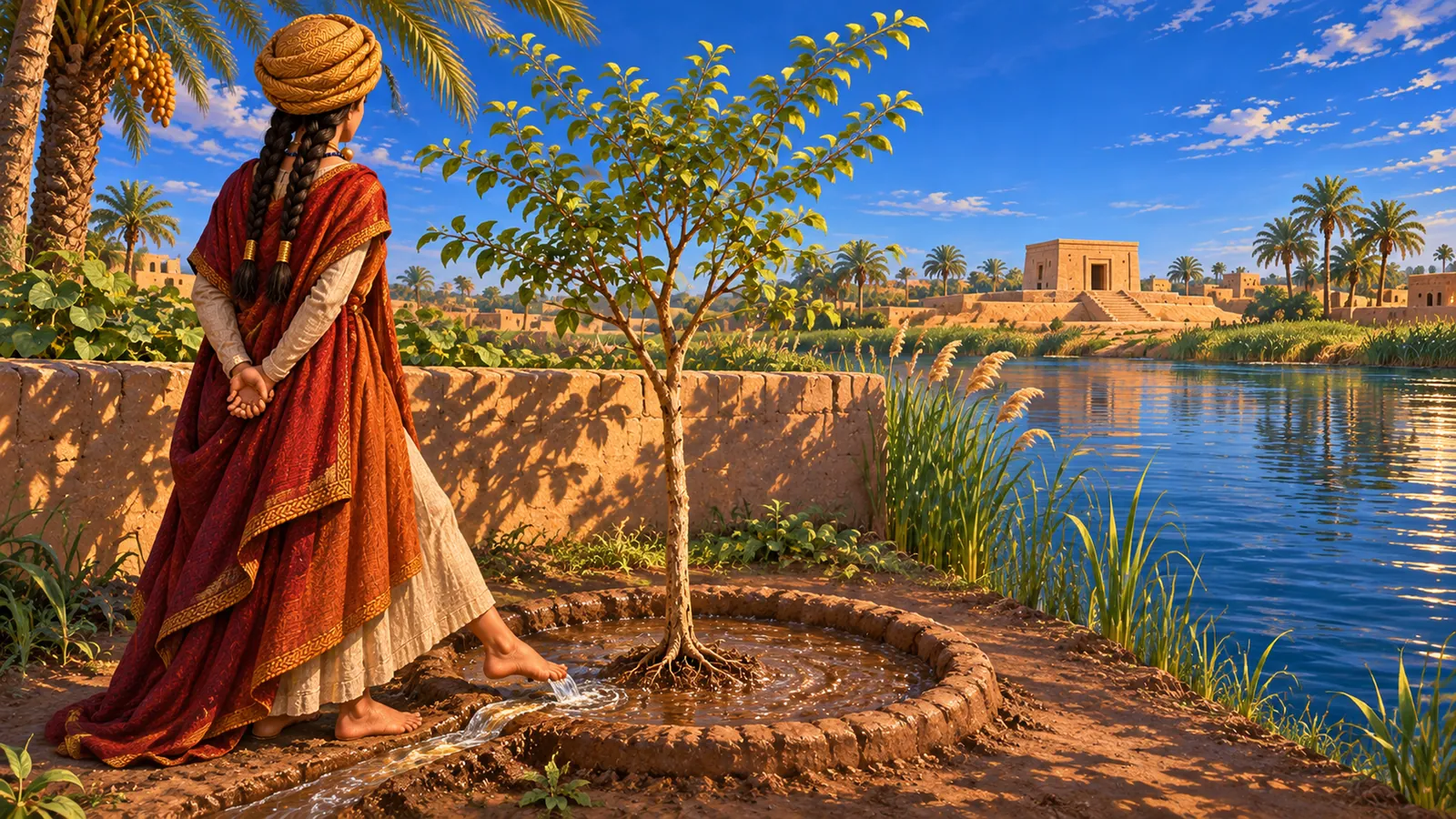
Inanna erzählte Utu, sie habe den Halub-Baum in ihrem Garten gepflanzt und gewässert, beide Male allein mit den Füßen.
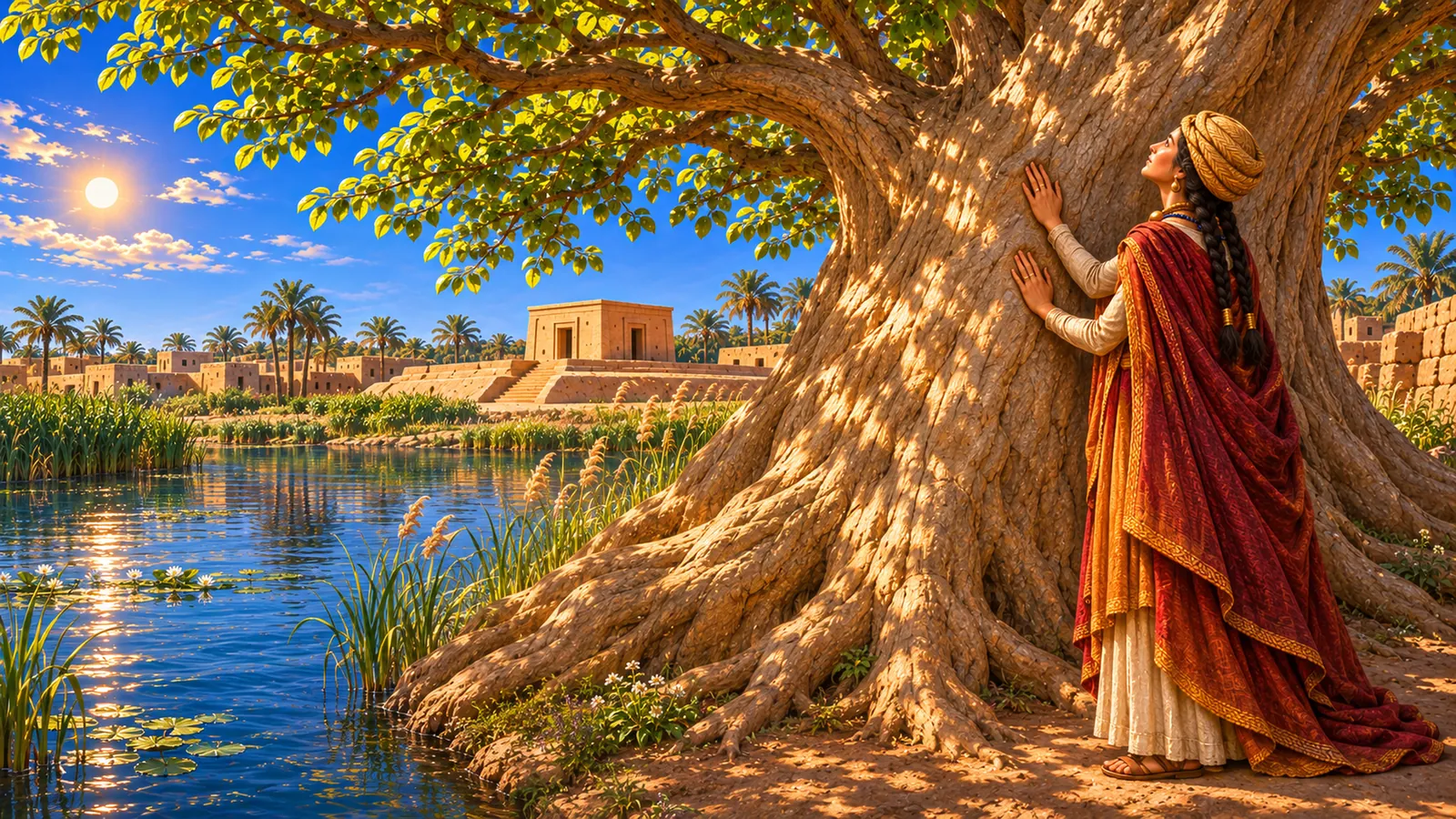
Sie erinnerte sich, wie sie sich einen prächtigen Sitz zum Sitzen und ein prächtiges Bett zum Liegen gewünscht hatte. Fünf Jahre vergingen, dann zehn. Der Baum wurde gewaltig, und seine Rinde blieb unversehrt.
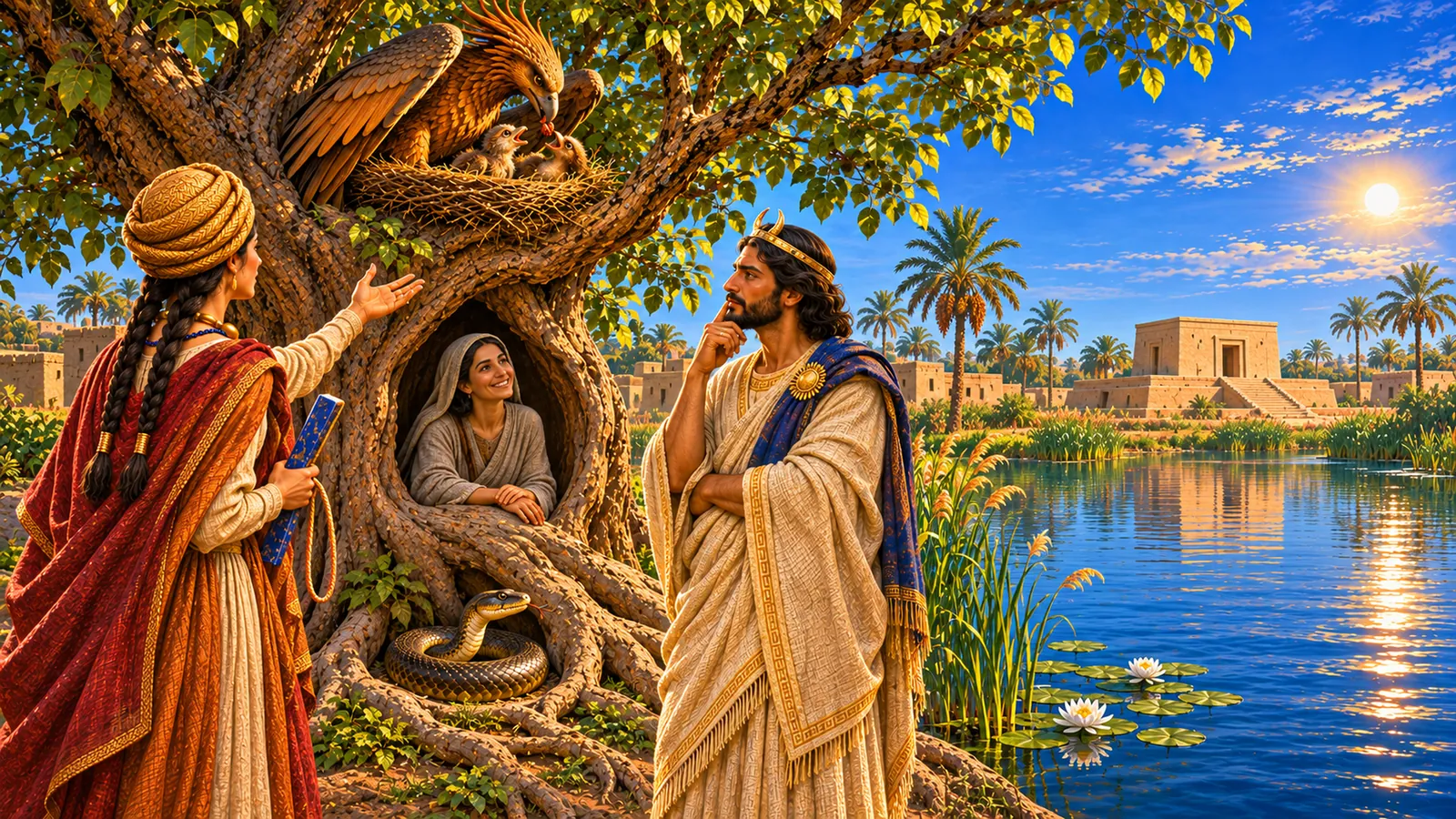
Sie erzählte Utu von der Schlange an den Wurzeln, auf die Beschwörungen keine Wirkung hatten, vom Anzud-Vogel mit seinen Jungen in den Ästen und vom Geistermädchen, das sich im Stamm eine Behausung eingerichtet hatte und frohen Herzens lachte.
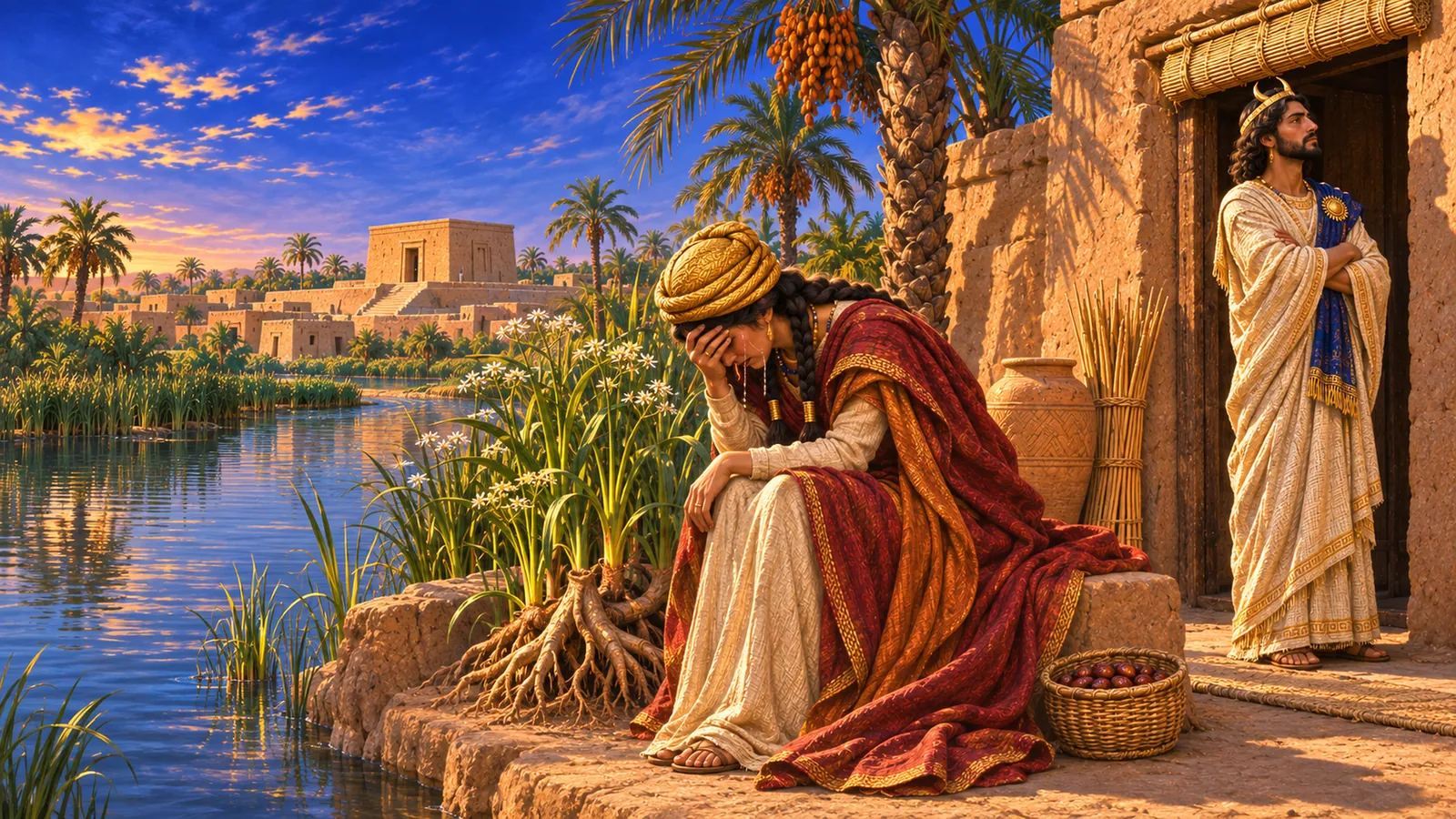
Ihre Erzählung endete mit ihren eigenen Tränen. Im Gedicht heißt es, dass ihr Bruder Utu, der junge Krieger, ihr in dieser Sache nicht beistand.
DIE BITTE
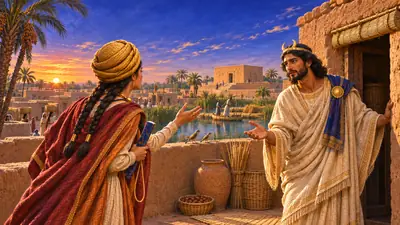
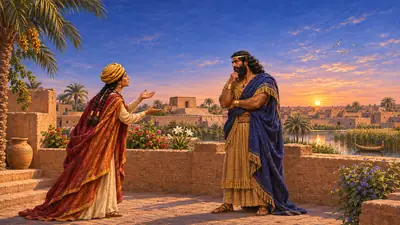
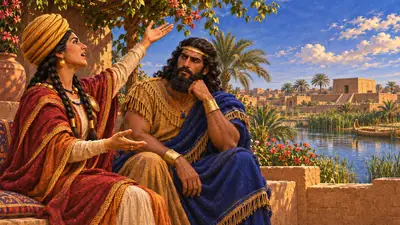
Als der Morgen anbrach und die Vögel zu rufen begannen, sprach Inanna den Krieger Gilgamesch an. Sie nannte ihn ihren Bruder.
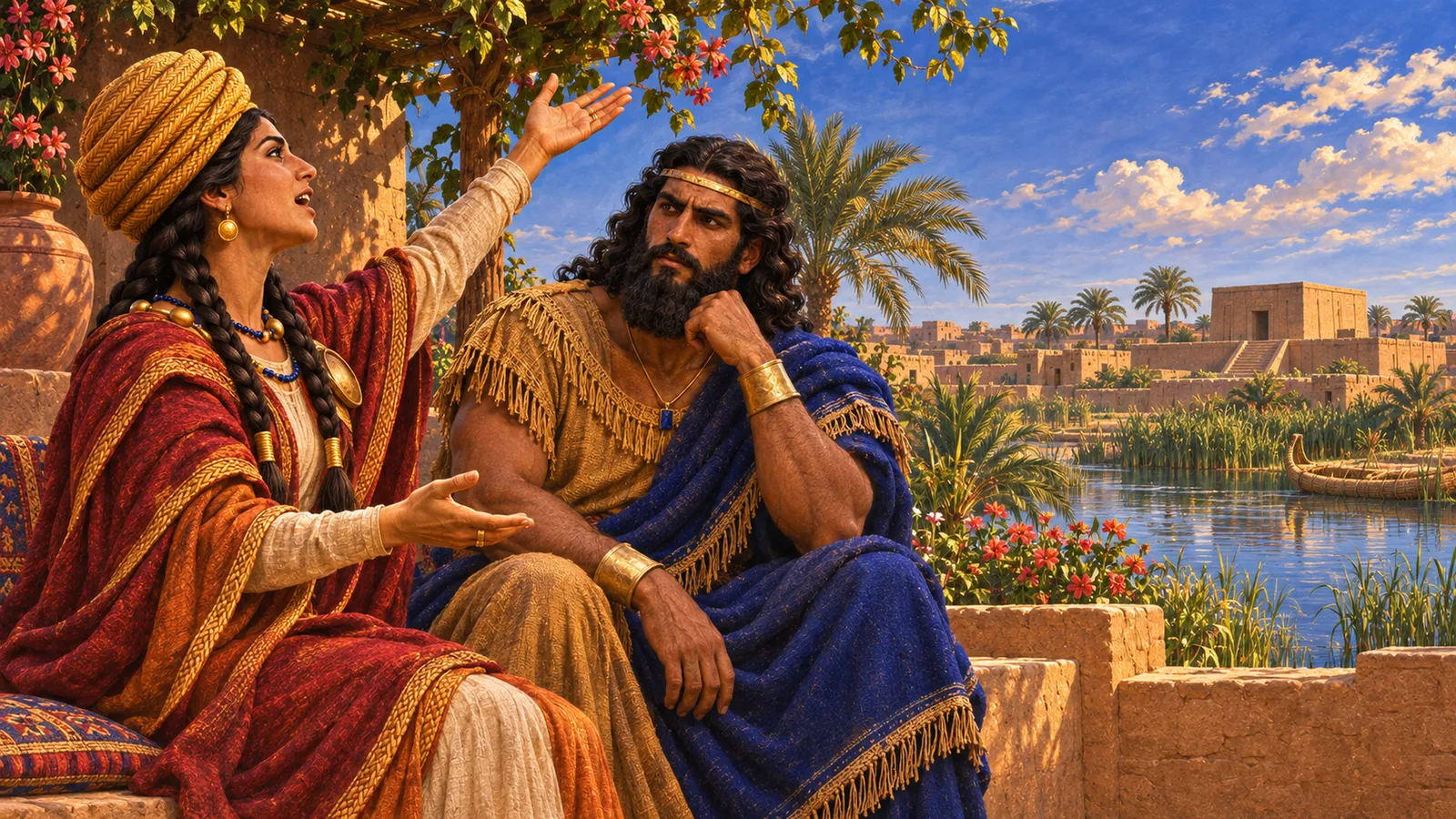
Sie erinnerte sich an die Tage, als die Schicksale bestimmt wurden und im Land Überfluss herrschte. An hatte den Himmel genommen, Enlil die Erde, und Ereschkigal hatte die Unterwelt als Geschenk erhalten.

Inanna erzählte, wie Enki zur Unterwelt aufbrach. In ihrem Bericht trafen kleine Hagelkörner den Herrn und große Enki. Sie verglich die kleinen Hagelkörner mit leichten Hämmern.

Sie beschrieb, wie das kleine Boot zitterte, als würden Schildkröten gegen seinen Kiel stoßen. Die Wellen am Bug glichen Wölfen, die am Heck einem Löwen.

Inanna erinnerte sich an einen Halubbaum am Euphrat, der sein Wasser aus dem Fluss bezog. Der Südwind entwurzelte ihn und streifte seine Äste kahl. Der Fluss trug ihn fort.
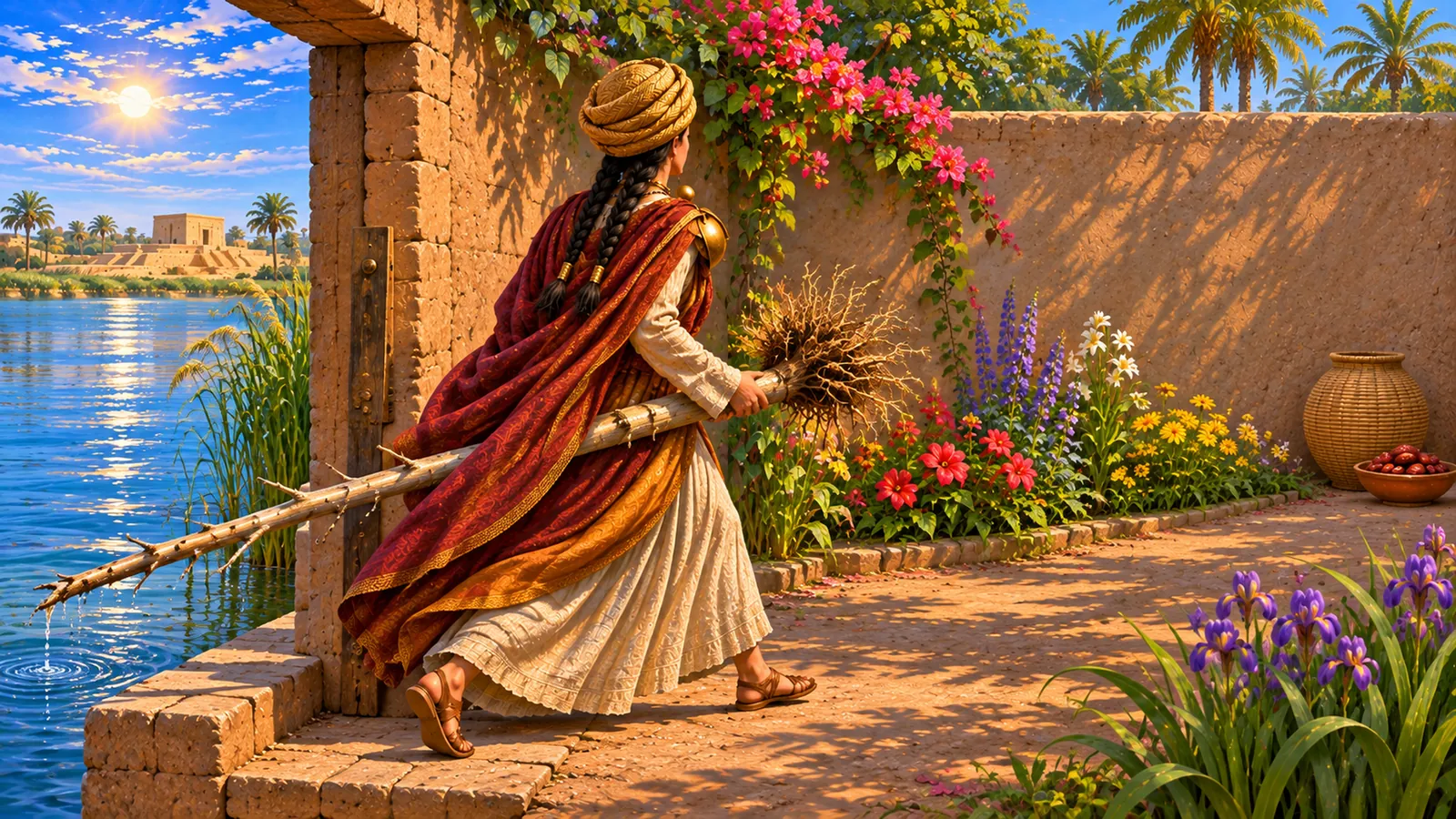
Inanna sagte, sie sei gegangen und habe dabei die Worte Ans und Enlils geachtet. Sie nahm den Baum und brachte ihn in ihren Garten in Uruk.
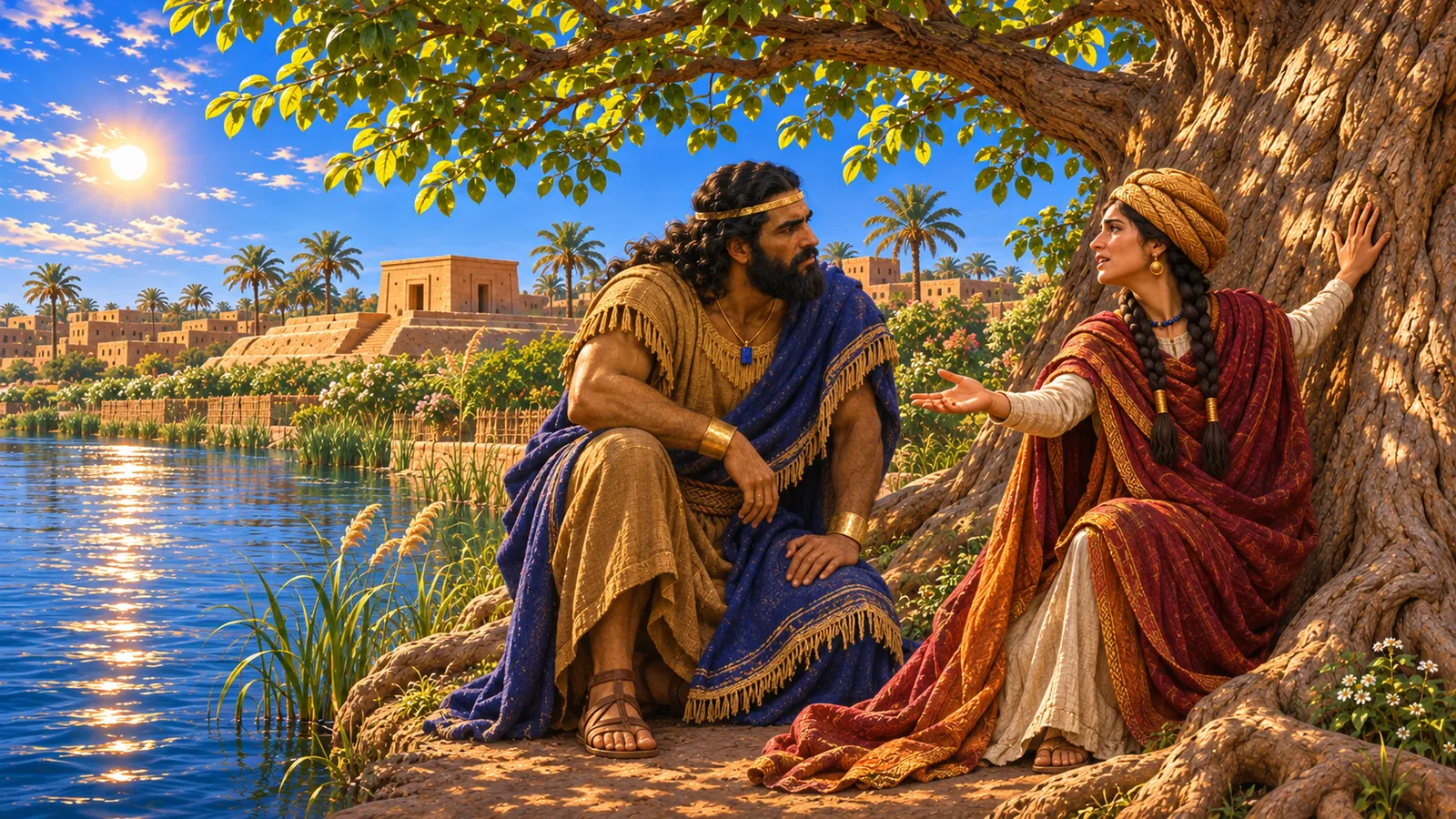
Sie erzählte, wie sie den Baum mit den Füßen gepflanzt und gewässert hatte. Sie hatte gehofft, dass er ihr eines Tages einen Stuhl und ein Bett geben würde.
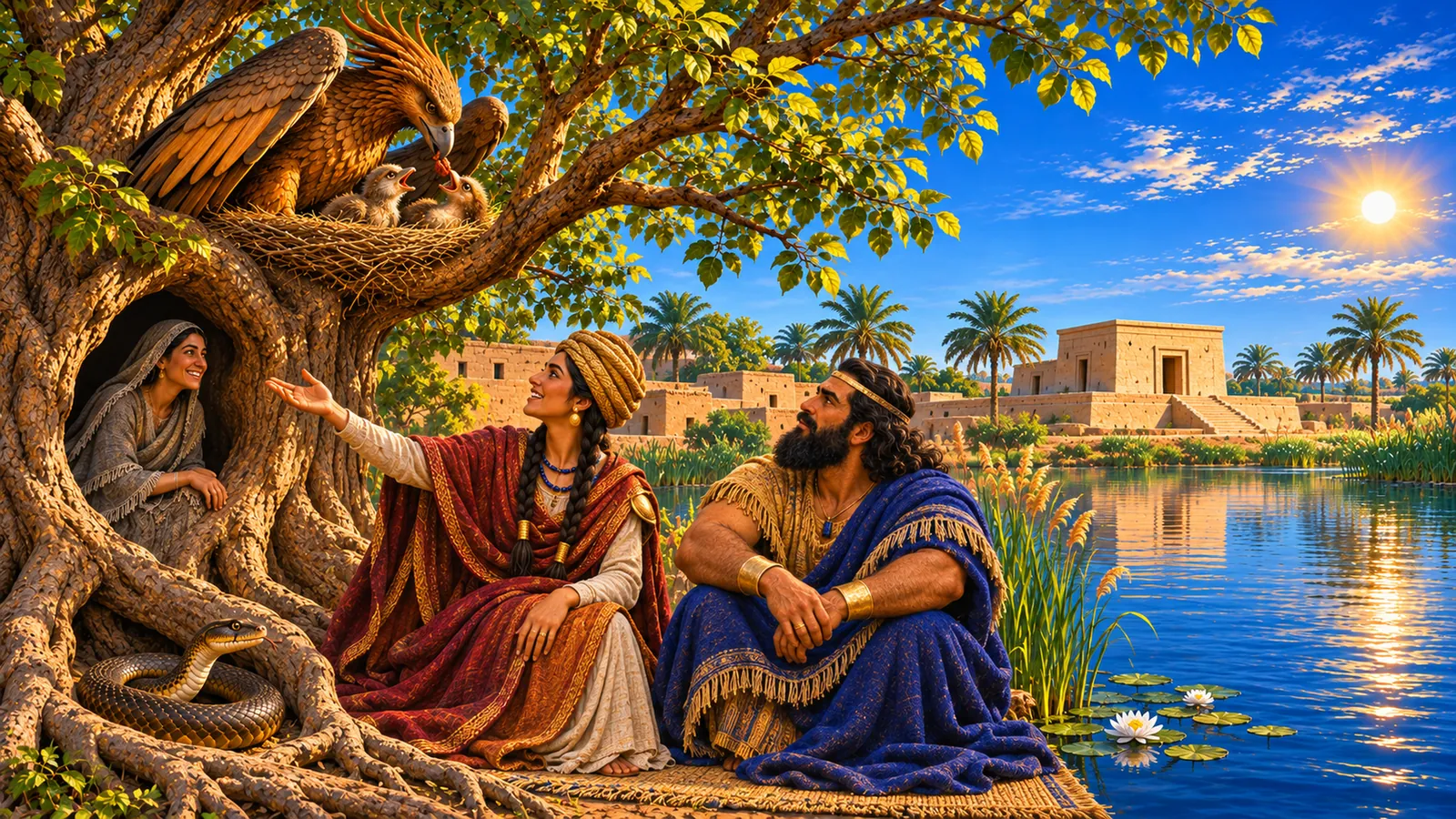
Fünf Jahre, dann zehn vergingen, sagte sie, und der Baum wurde gewaltig. Sie erinnerte an die Schlange an seinen Wurzeln, die gegen Beschwörungen gefeit war, an den Anzudvogel und seine Jungen in den Ästen und an das Geistermädchen im Stamm.
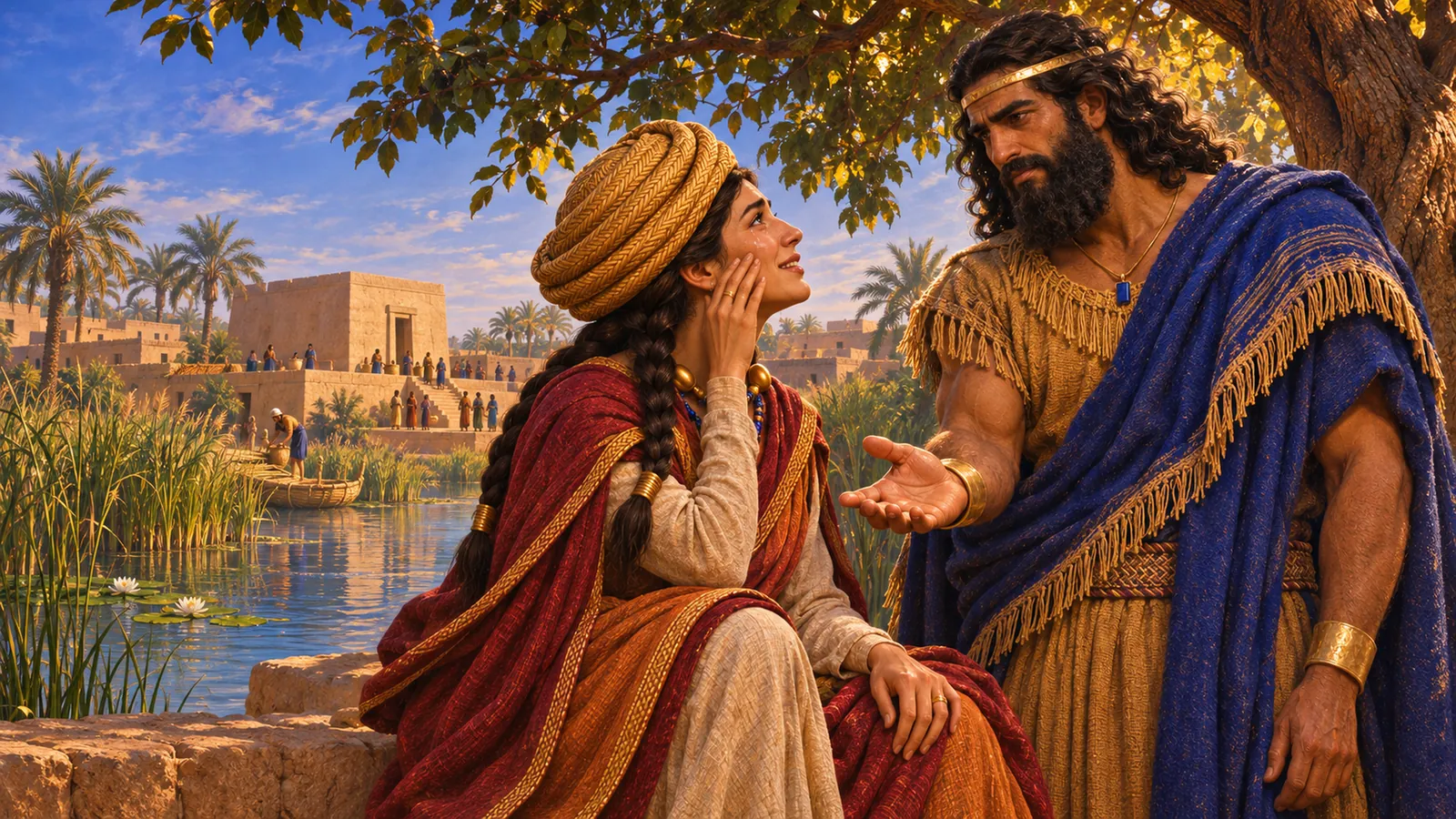
Am Ende ihrer Erzählung weinte Inanna. Als der Krieger Gilgamesch hörte, was seine Schwester ihm erzählt hatte, stand er ihr bei.
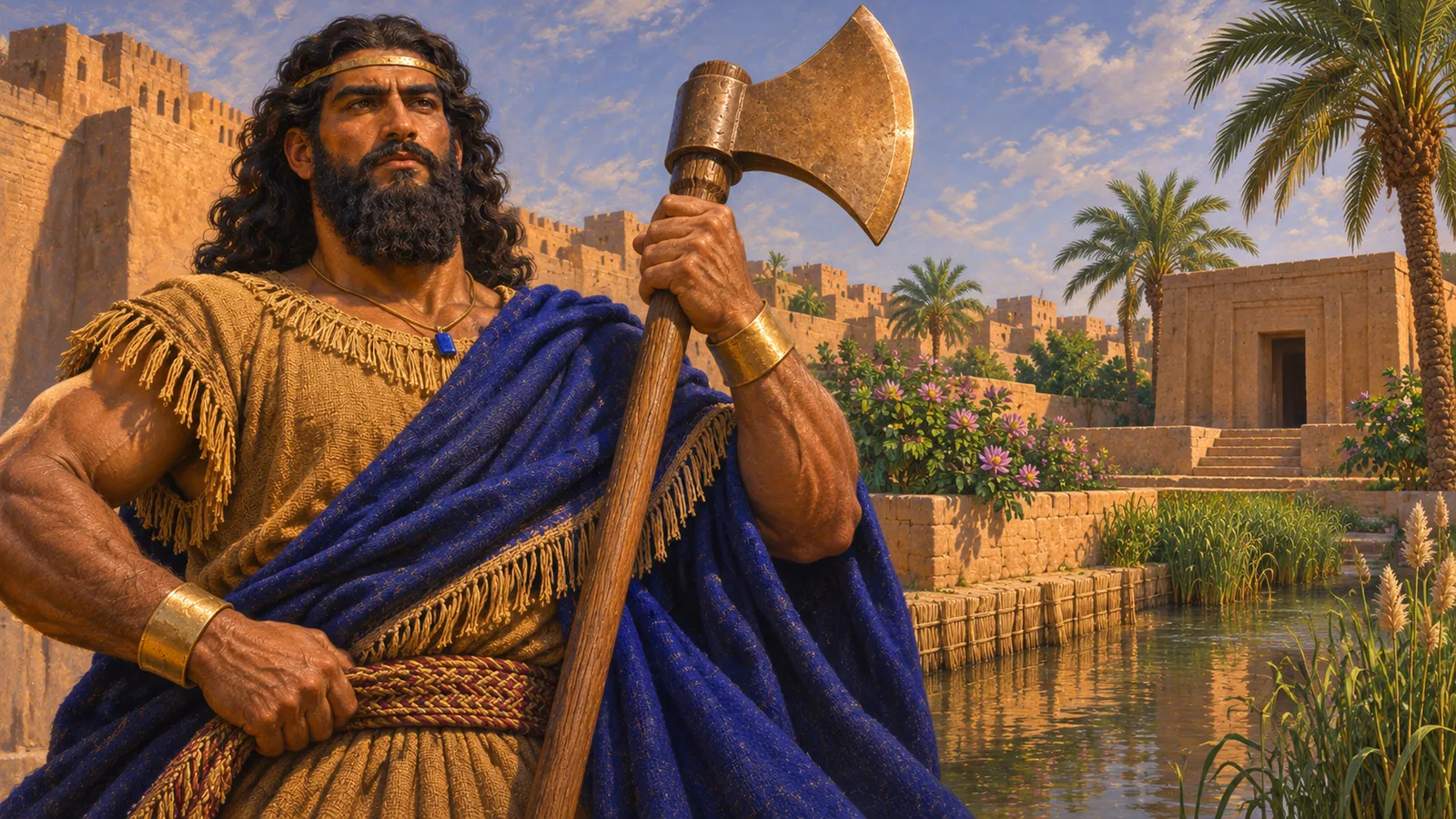
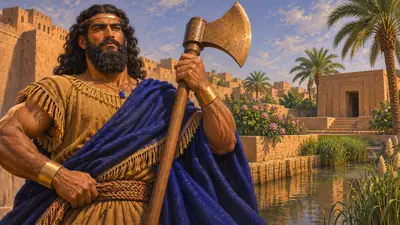
Gilgamesch legte sich einen schweren Gürtel um. Er nahm die bronzene Axt, die er auf seinen Zügen benutzte. Das Gedicht nennt für beides außergewöhnliche Gewichte.
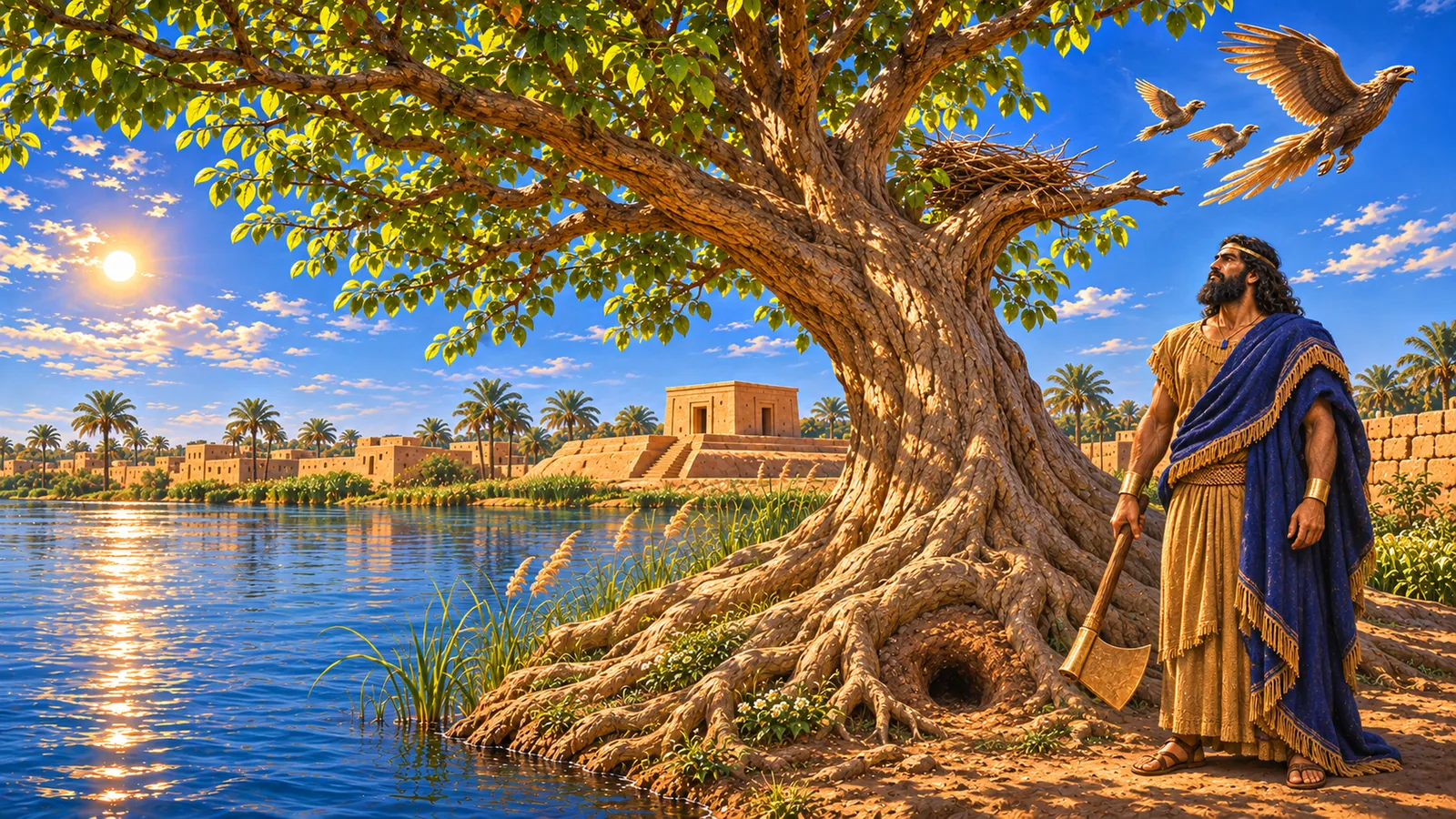
Gilgamesch tötete die Schlange an den Wurzeln, die gegen Beschwörungen gefeit war. Der Anzudvogel nahm seine Jungen aus den Ästen mit und zog in die Berge.
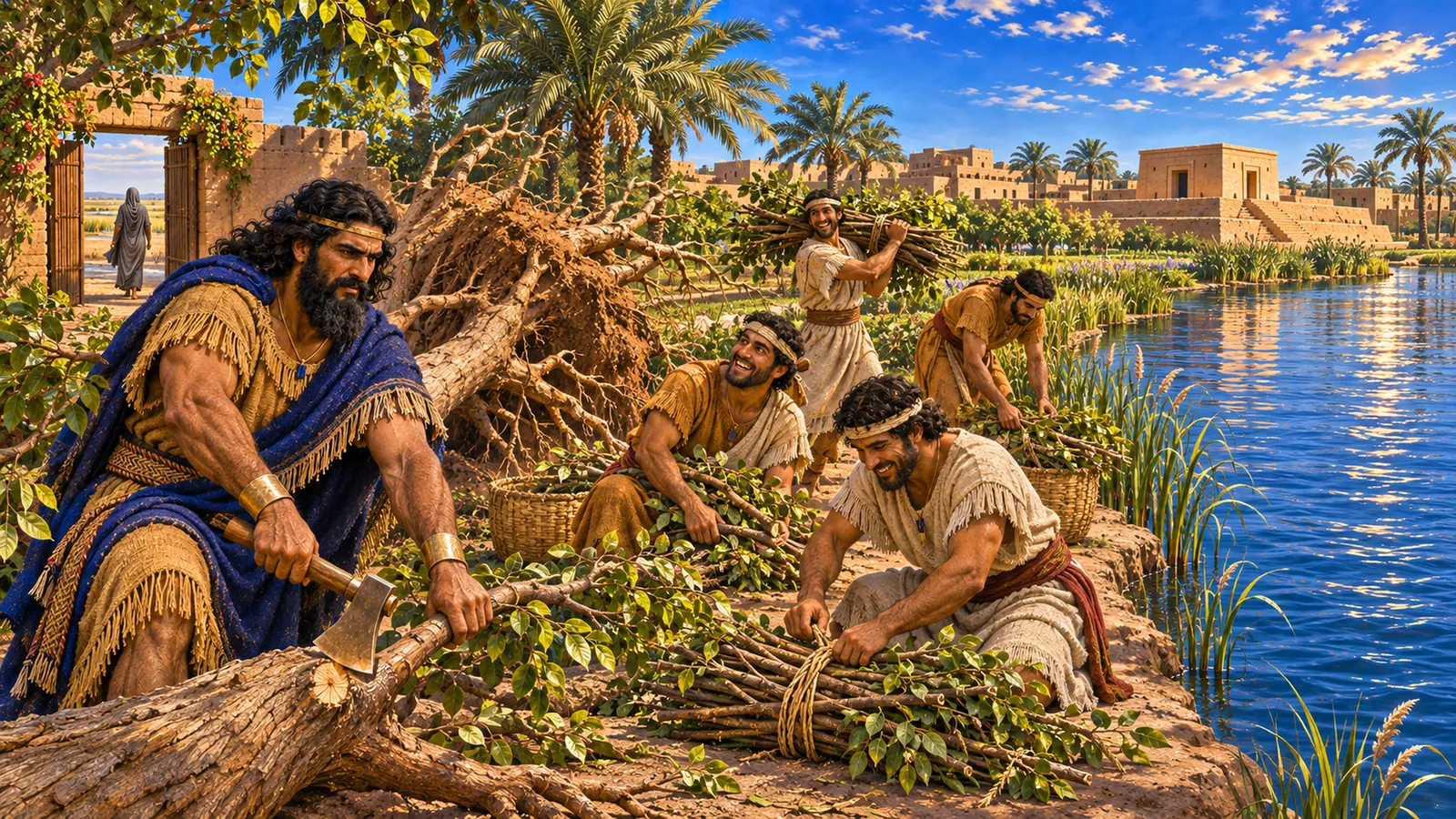
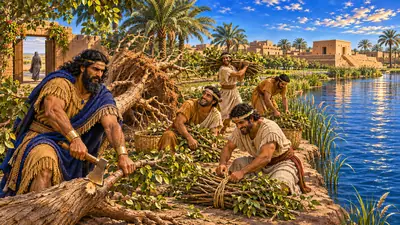
Das Geistermädchen suchte Zuflucht in der Wildnis. Gilgamesch entwurzelte den Baum und entastete ihn. Die jungen Männer seiner Stadt zerschnitten die Äste und bündelten sie.
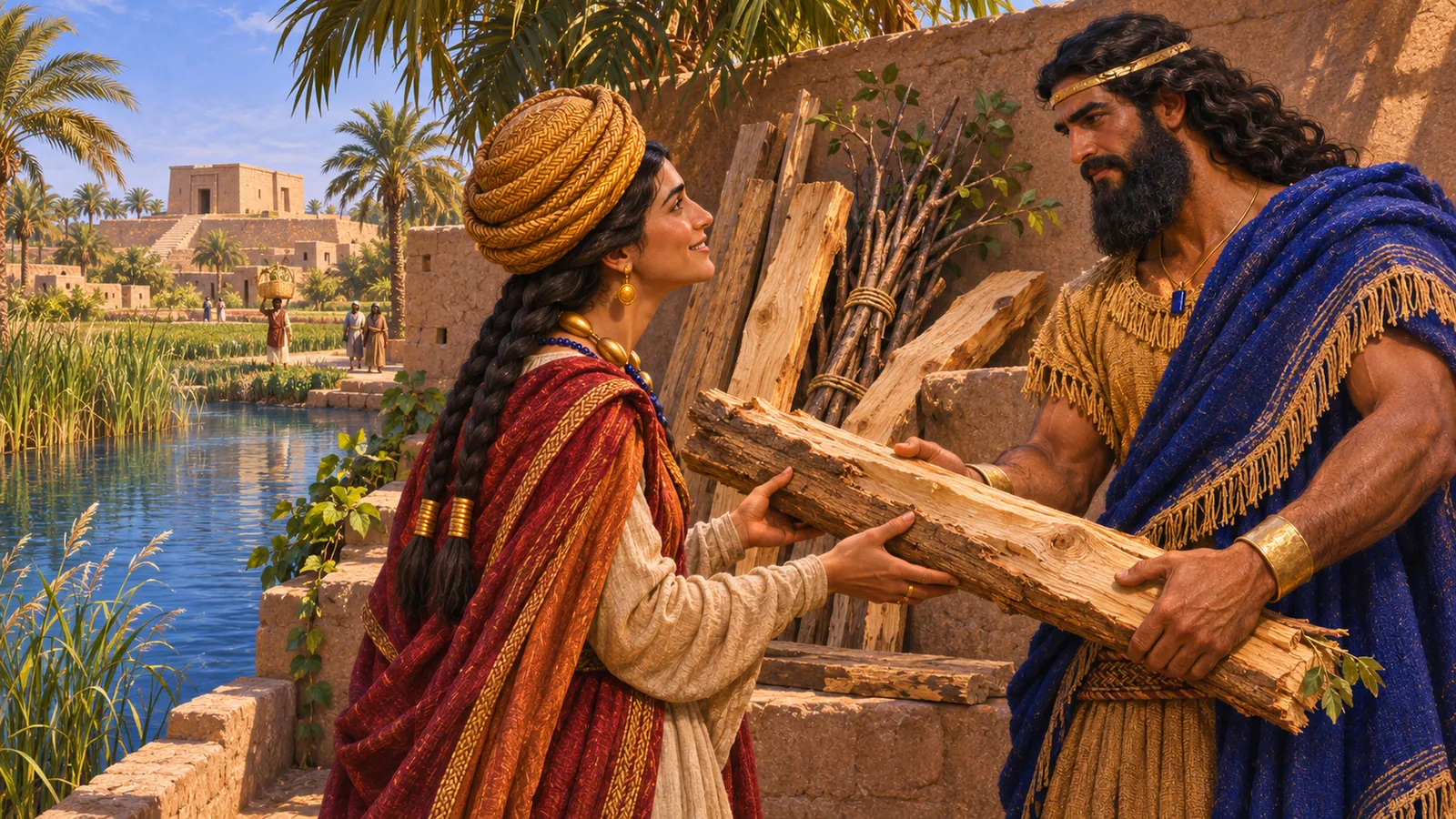
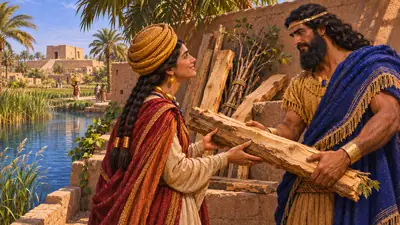
Gilgamesch gab Inanna das Holz des Baumes für den Stuhl, auf dem sie hatte sitzen wollen, und das Bett, auf dem sie hatte liegen wollen.
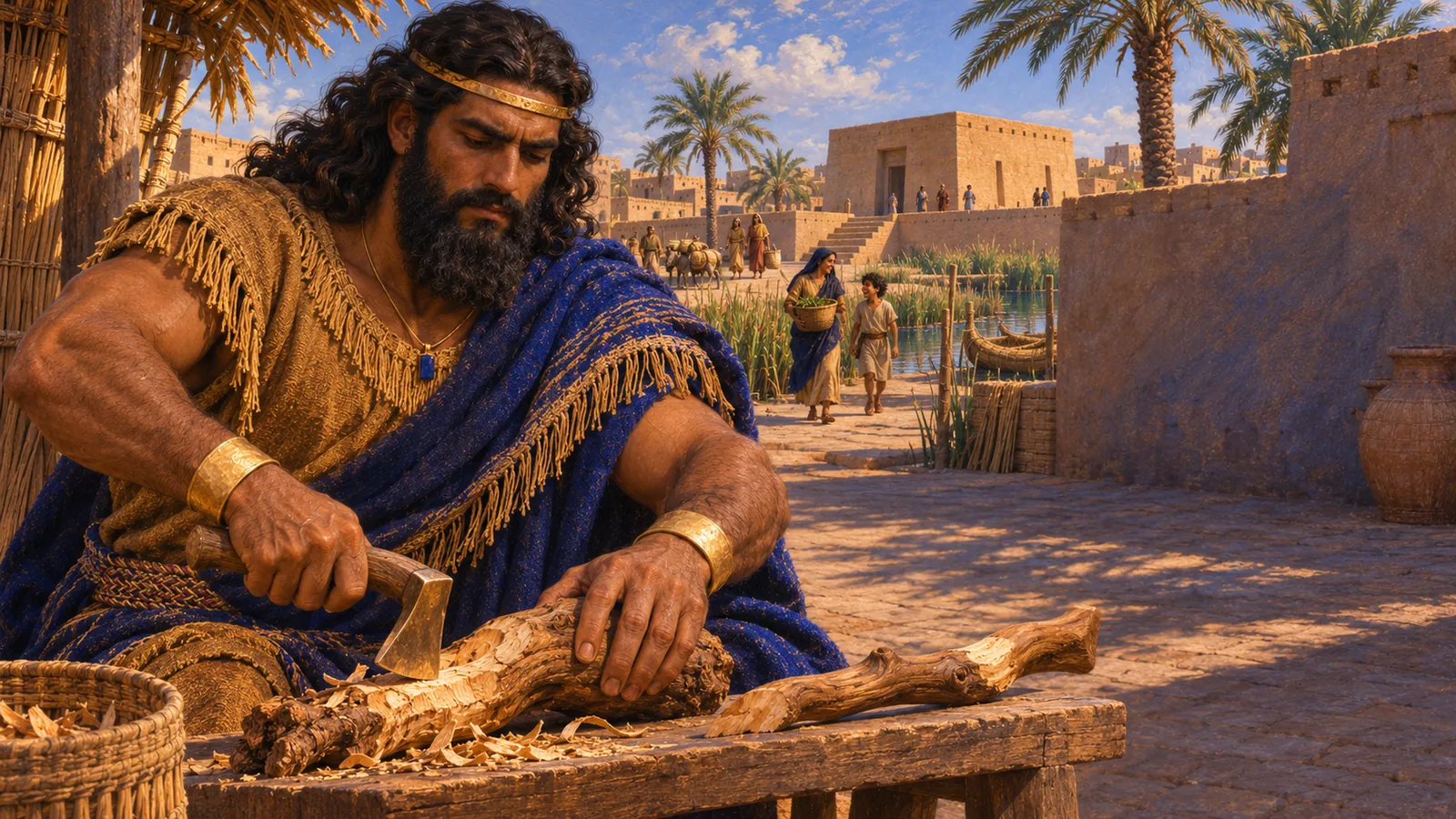
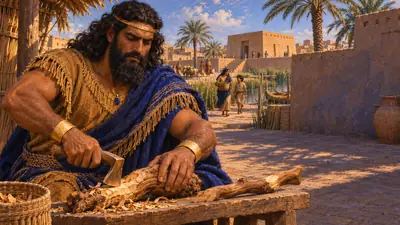
Aus den Wurzeln machte Gilgamesch sich ein Ellag. Aus den Ästen fertigte er ein Ekidma. Mit diesen beiden Gegenständen sollte er spielen.
SPIEL
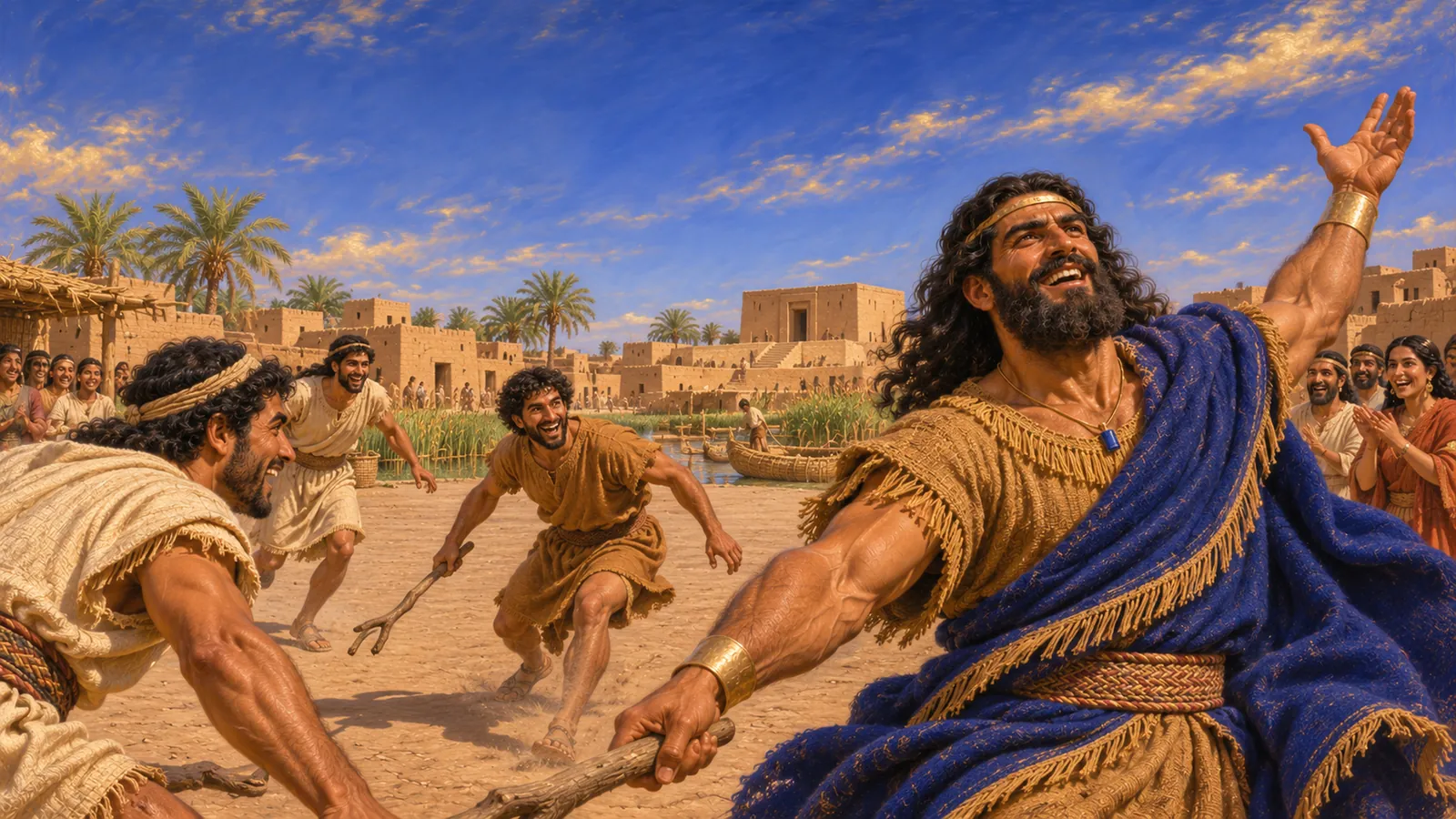
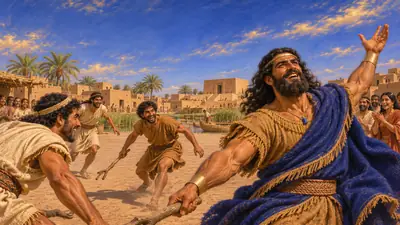
Gilgamesch spielte auf dem weiten Platz Ellag und lobte sich selbst. Er wollte mit dem Spiel nie aufhören. In den Handschriften aus Ur spielen auch die jungen Männer der Stadt mit.
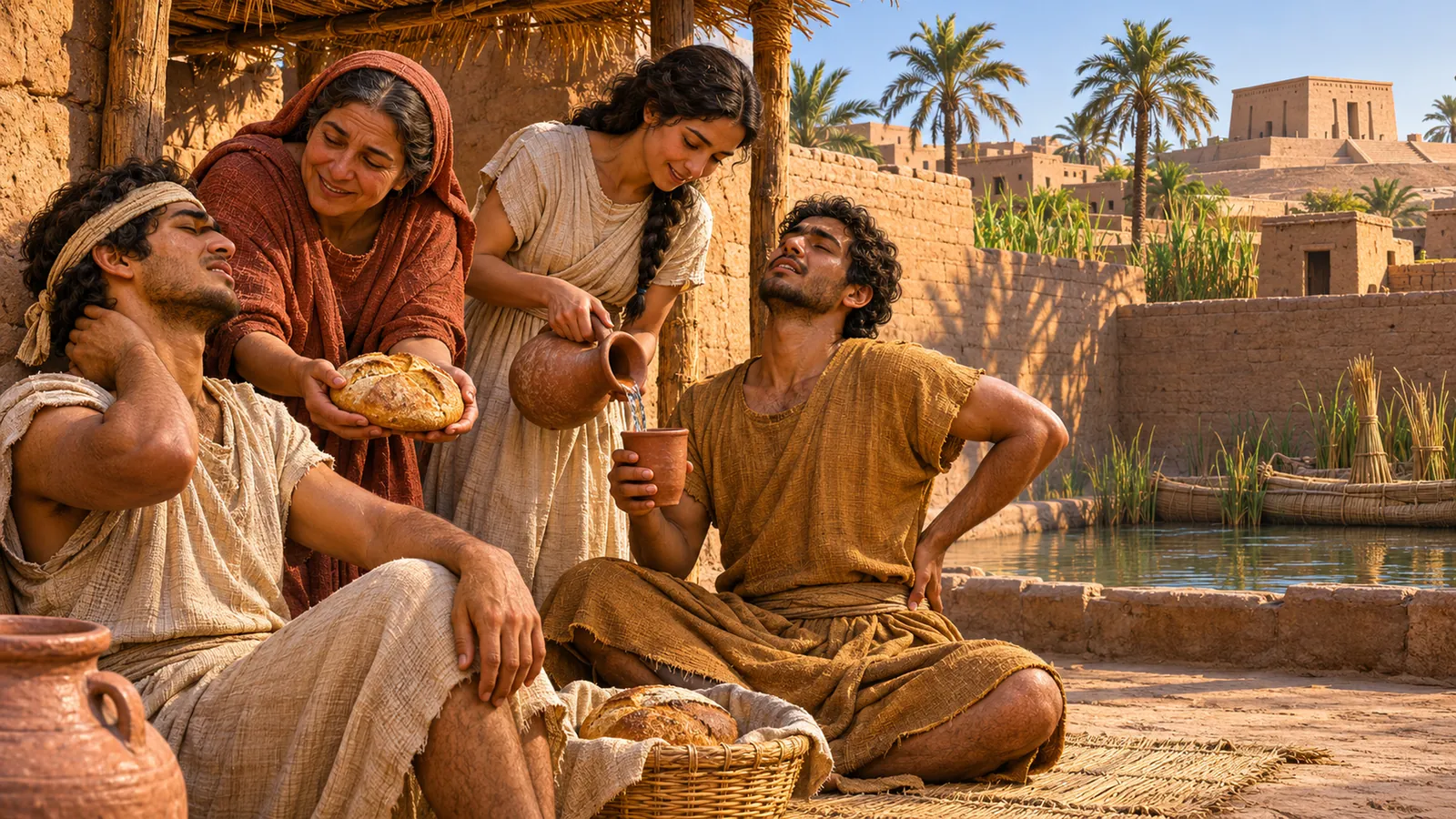
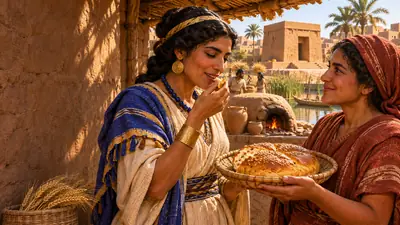
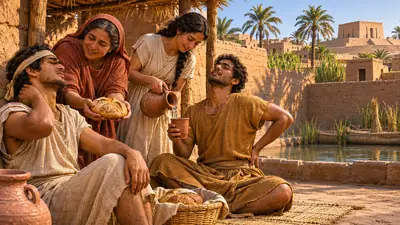
Die Spieler klagten über Schmerzen im Nacken und in den Hüften. Mütter brachten ihren Söhnen Brot, und Schwestern gossen ihren Brüdern Wasser ein.
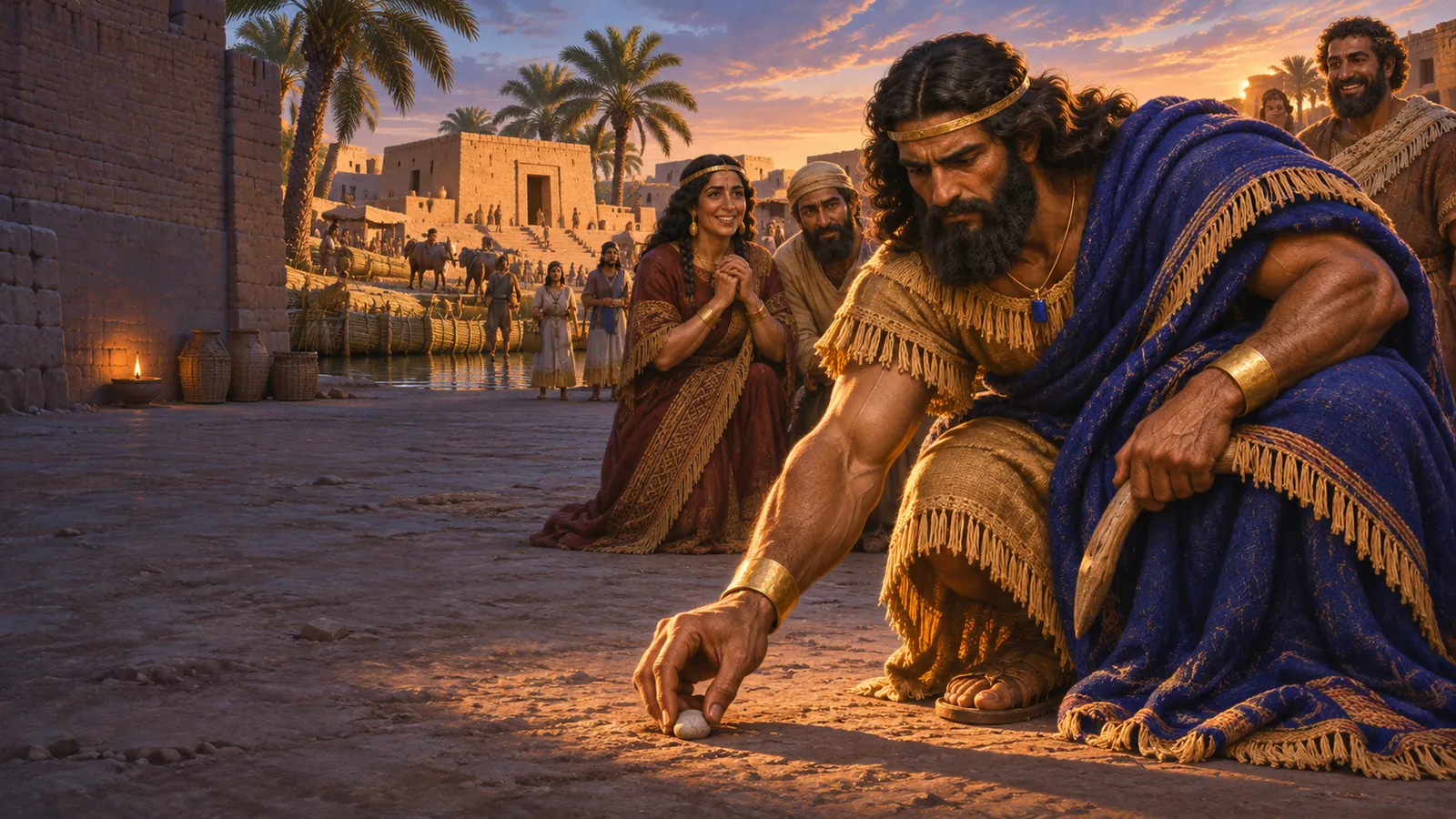
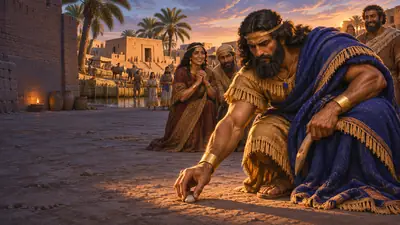
Als es Abend wurde, markierte Gilgamesch die Stelle, an der das Ellag gelegen hatte. Er hob es auf und trug es nach Hause.
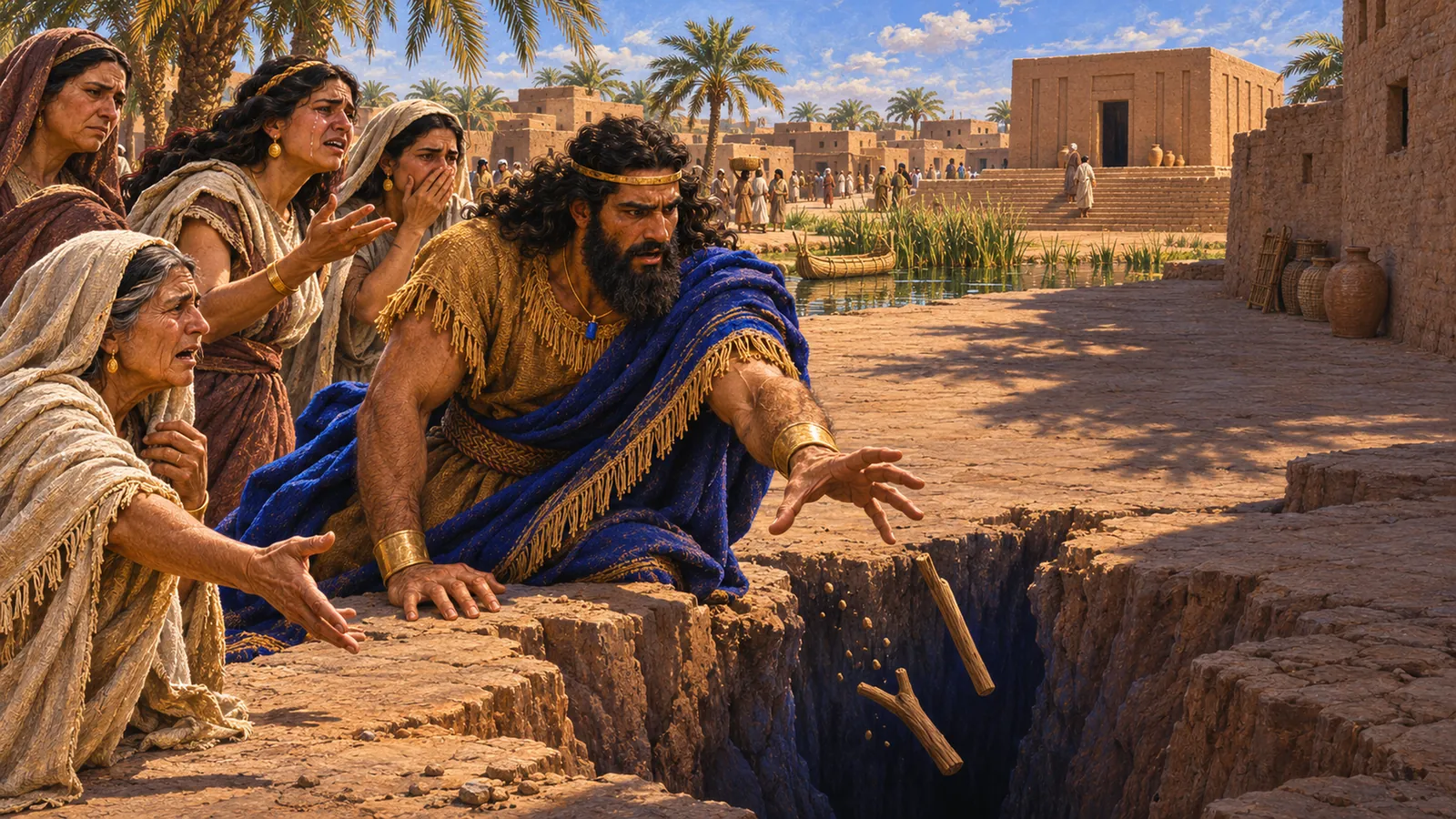
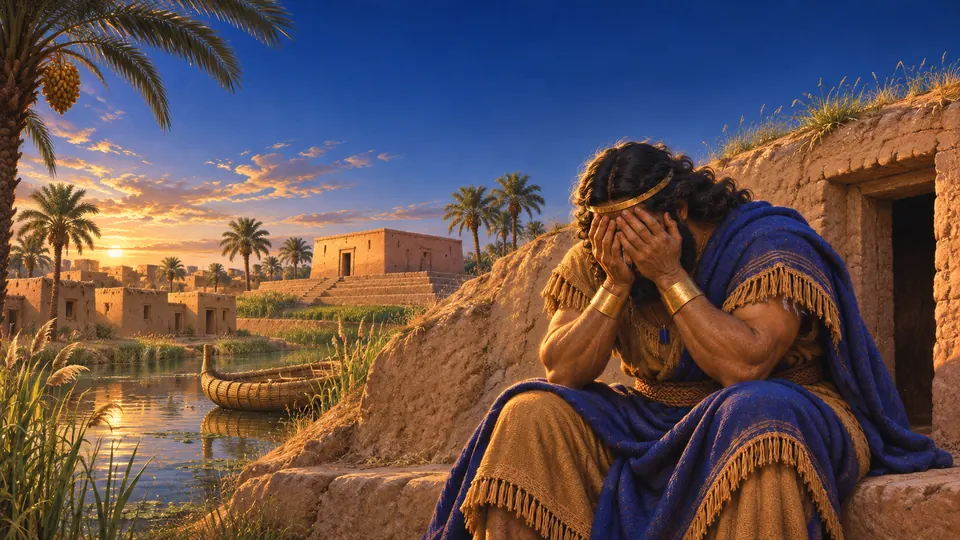
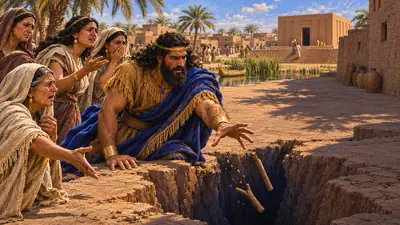
Am Morgen klagten ihn die Witwen an, und die jungen Frauen beschwerten sich. Ihre Worte ließen sein Ellag und sein Ekidma bis auf den Grund der Unterwelt fallen.
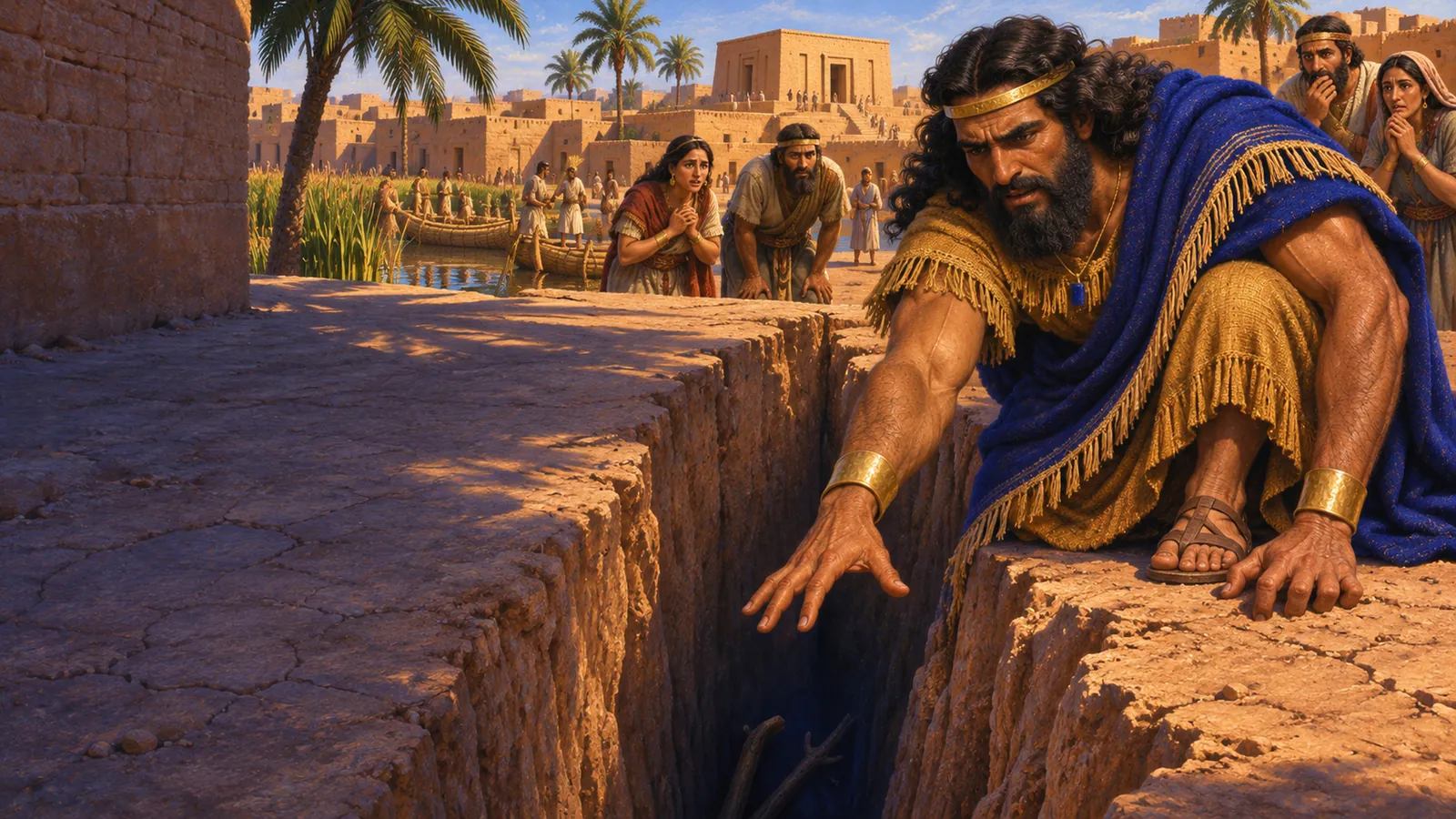
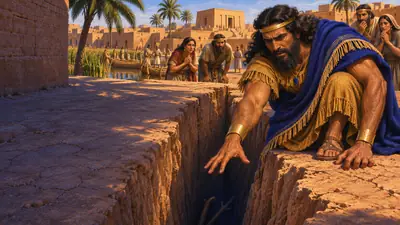
Gilgamesch versuchte die beiden Spielgeräte erst mit der Hand und dann mit dem Fuß zu erreichen. Keines der beiden lag in seiner Reichweite.
Ende von Kapitel 1
Alle Seiten




















Quellen
Oxford’s Version A groups lines in its English translation. Page notes identify the events within each printed group and mark readings from individual manuscripts. The names Gilgamesh, Inanna, Ereshkigal and Uruk appear as Gilgamec, Inana, Erec-kigala and Unug in the Oxford translation.
Benutzte Editionen
Hinweise zu dieser Nacherzählung
Pages 1–6, Version A 1–26. The retelling condenses the repeated formula and treats the assignments as part of the poem’s ancient account. Oxford prints Erec-kigala for Ereshkigal.
Pages 7–10, Version A 1–26. The repeated departure formula names the father and then Enki. The hail is small and large. The keel, bow and stern respectively carry the turtle, wolf and lion comparisons.
Pages 11–15, Version A 27–35. The poem says halub tree. The retelling preserves that name. The south wind uproots it and strips its branches, and the Euphrates carries it away. In this initial account a woman heeds the words of An and Enlil and brings the tree into Inanna’s garden at Uruk. In the later retelling to Utu the speaker says she was that woman. Oxford prints Unug and Inana.
16–21 · Version A 36–46. The woman plants the tree using her feet on page 16 and waters it using her feet on page 17. Her questions about the chair and bed are on page 18. Page 19 preserves the progression five years, ten years, the growth of the tree and its unsplit bark. Page 20 identifies the snake immune to incantations at the roots and the Anzud bird settling its young in the branches. Page 21 keeps Oxford’s designation of the phantom maid in the trunk, her joyful laugh and Inanna’s crying. The text gives the maid no proper name in this paragraph.
22–26 · Version A 47–69. The dawn formula presents little birds calling, Utu leaving his bedchamber and his sister addressing him. Pages 23–24 give Inanna’s account of destiny, abundance and the allotment of the realms. Page 25 follows her account of Enki setting sail and the small hail against “the lord” and large hail against Enki. Page 26 keeps the comparisons of the keel to a boat butted by turtles, the bow waves to wolves and the stern waves to a lion.
27–29 · Version A 70–78. Page 27 gives the rooted tree on the Euphrates, with the river watering it. Oxford queries the last occurrence of the repeated phrase “a single tree.” Page 28 gives the south wind, stripping of the branches and carrying away by the river. Page 29 gives Inanna’s account of herself as the woman who heeded An and Enlil and brought the tree into her garden in Uruk.
30–33 · Version A 79–90. Page 30 keeps the use of feet for both planting and watering. Oxford’s composite names Inanna in the first-person watering clause. One manuscript reads “the woman.” Pages 31–32 repeat her wishes for chair and bed, the elapsed years, growth and unsplit bark, and the three occupants in root, branches and trunk order. In this passage the quoted account shifts from first person to third person for part of the description. Page 33 places Inanna’s tears at the close of what she tells Utu. The narrative then says Utu did not stand by her in the matter.
Pages 34–37 (Version A 91–113). The dawn formula mentions Utu leaving his bedchamber. Here Inanna addresses Gilgamesh as her brother. She repeats the allotment of the realms and Enki’s voyage. The turtles, wolves and lion belong to the comparisons for the disturbed boat and water.
Pages 38–39 (Version A 114–122). Oxford places a question mark after the repeated phrase “a single tree.” She tells how the south wind uprooted it and stripped its branches, the river carried it away, and she brought it to her garden in Unug, the Sumerian name of Uruk. The term halub is left in the edition’s transliteration.
Pages 40–42 (Version A 123–135). The poem says the bark stayed unbroken after the tree grew. The root, branches and trunk are the homes of the snake, the Anzud bird with its young, and the phantom maid with her joyful laugh. One manuscript has Inanna say in the first person that she cried. In the composite her crying is recounted in the third person. The verse then says Gilgamesh stood by her.
Page 43 (Version A 136–150). The belt has damaged wording, and one manuscript has a break where the main reading describes fastening it. The belt weighs 50 minas, felt by Gilgamesh as 30 shekels. The bronze axe he took on expeditions weighs seven talents and seven minas. The two conspicuous weights belong to the poem’s description.
Pages 44–45 (Version A 136–150). Gilgamesh kills the snake at the roots. The Anzud bird takes its young to the mountains, and the phantom maid seeks refuge in the wilderness. Oxford marks the verb for her leaving the dwelling as uncertain. Gilgamesh uproots the tree and strips its branches. The men of his city cut the branches and bundle them, while one manuscript reads that they pile them up.
Pages 46–47 (Version A 136–150). Gilgamesh gives wood to Inanna for her chair and then for her bed. He makes the ellag from the roots and the ekidma from the branches. The following passage shows him playing, and the edition retains the names of the two implements. Oxford says that the pronunciation of ekidma is unknown. A modern reading aid for the name is only an approximation.
Page 48, ETCSL 1.8.1.4, Version A, lines 151–165. Gilgamesh plays ellag in the broad square and praises himself repeatedly. The Ur manuscripts add the young men playing too. The exact form of the game and its implements is uncertain.
Page 49, lines 151–165. The Oxford translation has a broken phrase involving a team and the widows’ children. The complaints name pain in the neck and hips. Mothers bring bread to sons and sisters pour water for brothers. The retelling keeps the pain and relief and leaves the broken assignment of the players open.
Pages 50–51, lines 151–165. He marks the spot at evening and takes the ellag home. His morning action at the spot is damaged. The widows’ accusation and the young girls’ complaint bring the fall of both objects.
Page 52, lines 151–165. He tries with his hand and his foot and cannot reach the pieces. A manuscript uses “touch” in both clauses, and one adds another fragmentary attempt. Continue at the gate of Ganzer in 166–175. Oxford notes at 136–150 that the correct pronunciation of ekidma is unknown.
Die antiken Verse hinter jeder Seite
- Page 1: ETCSL 1.8.1.4, Version A, lines 1–26
- Page 2: ETCSL 1.8.1.4, Version A, lines 1–26
- Page 3: ETCSL 1.8.1.4, Version A, lines 1–26
- Page 4: ETCSL 1.8.1.4, Version A, lines 1–26
- Page 5: ETCSL 1.8.1.4, Version A, lines 1–26
- Page 6: ETCSL 1.8.1.4, Version A, lines 1–26
- Page 7: ETCSL 1.8.1.4, Version A, lines 1–26
- Page 8: ETCSL 1.8.1.4, Version A, lines 1–26
- Page 9: ETCSL 1.8.1.4, Version A, lines 1–26
- Page 10: ETCSL 1.8.1.4, Version A, lines 1–26
- Page 11: ETCSL 1.8.1.4, Version A, lines 27–35
- Page 12: ETCSL 1.8.1.4, Version A, lines 27–35
- Page 13: ETCSL 1.8.1.4, Version A, lines 27–35
- Page 14: ETCSL 1.8.1.4, Version A, lines 27–35
- Page 15: ETCSL 1.8.1.4, Version A, lines 27–35
- Page 16: ETCSL 1.8.1.4, Version A, lines 36–46
- Page 17: ETCSL 1.8.1.4, Version A, lines 36–46
The left is unbroken taupe clay with soft shade and no definite line, reflected object or branch. - Page 18: ETCSL 1.8.1.4, Version A, lines 36–46
- Page 19: ETCSL 1.8.1.4, Version A, lines 36–46
- Page 20: ETCSL 1.8.1.4, Version A, lines 36–46
- Page 21: ETCSL 1.8.1.4, Version A, lines 36–46
- Page 22: ETCSL 1.8.1.4, Version A, lines 47–69
- Page 23: ETCSL 1.8.1.4, Version A, lines 47–69
- Page 24: ETCSL 1.8.1.4, Version A, lines 47–69
- Page 25: ETCSL 1.8.1.4, Version A, lines 47–69
- Page 26: ETCSL 1.8.1.4, Version A, lines 47–69
- Page 27: ETCSL 1.8.1.4, Version A, lines 70–78
- Page 28: ETCSL 1.8.1.4, Version A, lines 70–78
- Page 29: ETCSL 1.8.1.4, Version A, lines 70–78
- Page 30: ETCSL 1.8.1.4, Version A, lines 79–90
- Page 31: ETCSL 1.8.1.4, Version A, lines 79–90
Left is the continuous low-contrast clay shade of a near wall, with no boundaries, furniture edges or bark lines. - Page 32: ETCSL 1.8.1.4, Version A, lines 79–90
- Page 33: ETCSL 1.8.1.4, Version A, lines 79–90
- Page 34: ETCSL 1.8.1.4, Version A, lines 91–113
- Page 35: ETCSL 1.8.1.4, Version A, lines 91–113
The right is a single low-contrast stretch of warm blue-grey air and distant ground, with no distinct line crossing it. - Page 36: ETCSL 1.8.1.4, Version A, lines 91–113
- Page 37: ETCSL 1.8.1.4, Version A, lines 91–113
Small broken water swells stay near it on the left. - Page 38: ETCSL 1.8.1.4, Version A, lines 114–122
- Page 39: ETCSL 1.8.1.4, Version A, lines 114–122
A low mudbrick garden wall and a plain open side entrance occupy the far lower-left, with a short curved line of wet ochre path. - Page 40: ETCSL 1.8.1.4, Version A, lines 123–135
- Page 41: ETCSL 1.8.1.4, Version A, lines 123–135
- Page 42: ETCSL 1.8.1.4, Version A, lines 123–135
- Page 43: ETCSL 1.8.1.4, Version A, lines 136–150
- Page 44: ETCSL 1.8.1.4, Version A, lines 136–150
- Page 45: ETCSL 1.8.1.4, Version A, lines 136–150
- Page 46: ETCSL 1.8.1.4, Version A, lines 136–150
- Page 47: ETCSL 1.8.1.4, Version A, lines 136–150
- Page 48: ETCSL 1.8.1.4, Version A, lines 151–165
- Page 49: ETCSL 1.8.1.4, Version A, lines 151–165
- Page 50: ETCSL 1.8.1.4, Version A, lines 151–165
- Page 51: ETCSL 1.8.1.4, Version A, lines 151–165
- Page 52: ETCSL 1.8.1.4, Version A, lines 151–165
Illustrationen von IL Archive mit KI-Werkzeugen; der Text folgt den antiken Quellen (siehe die Quellen am Ende jedes Kapitels).