Gilgamesch, Enkidu und die Unterwelt Kapitel 2
Das Tor von Ganzer
Enkidu bietet an, Gilgameschs verlorene Spielgeräte zurückzuholen. Er missachtet die Anweisungen für seinen Abstieg, und die Unterwelt hält ihn fest. Gilgamesch bittet Enlil und Enki um Hilfe. Als Enkidu heraufgebracht wird, fragt Gilgamesch ihn, was er dort unten gesehen hat.
QuellenBlättern Sie mit den Pfeilen, den Pfeiltasten oder durch Wischen.
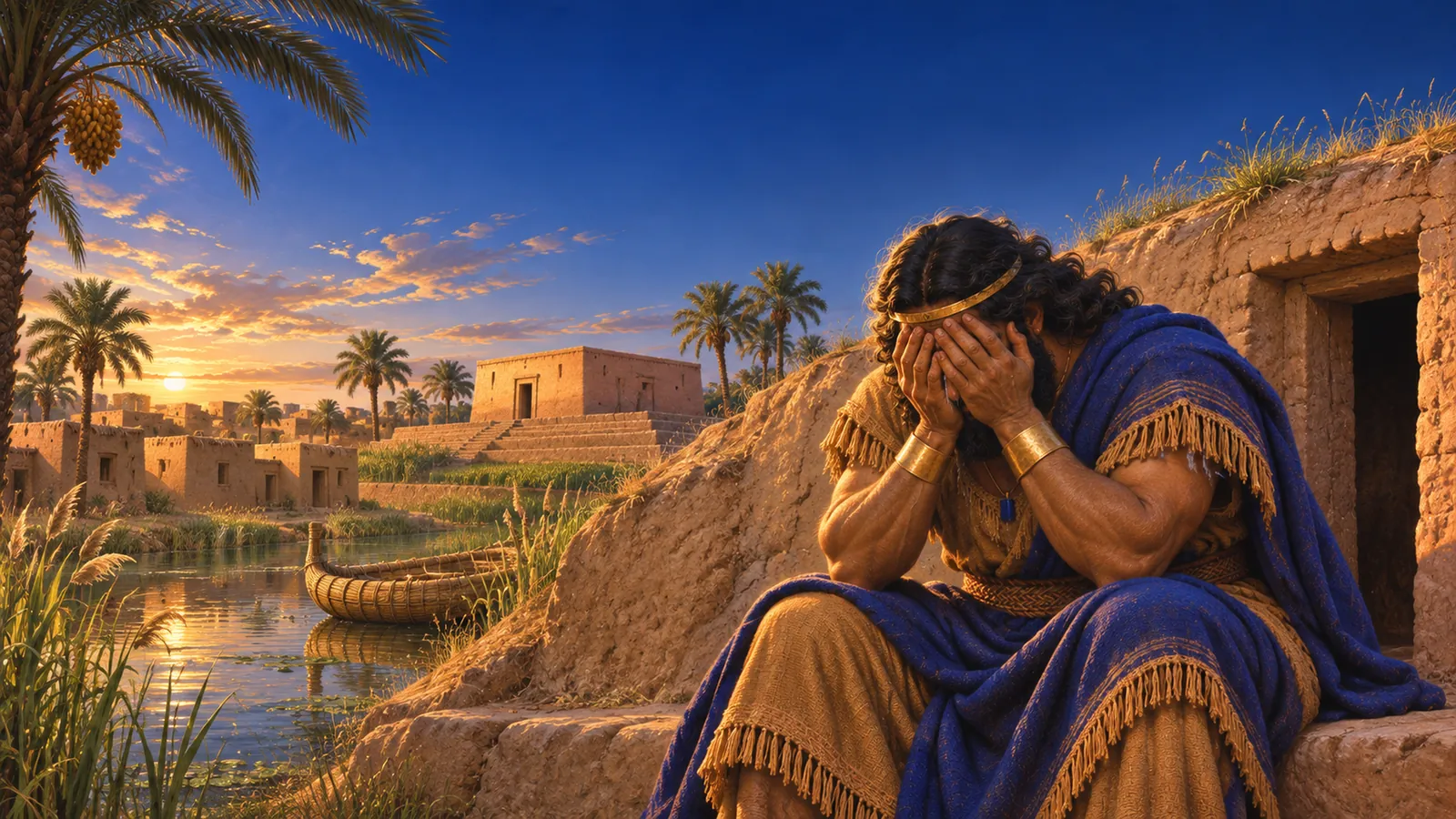
DAS TOR VON GANZER
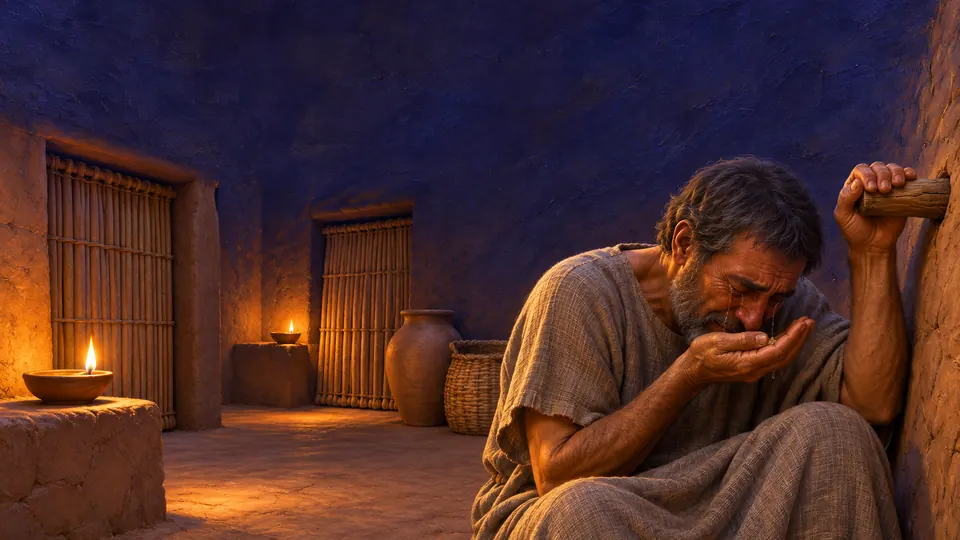
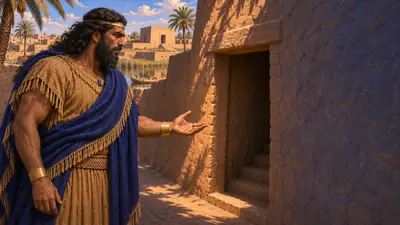
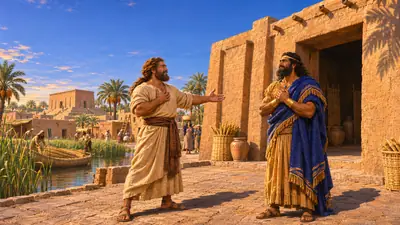
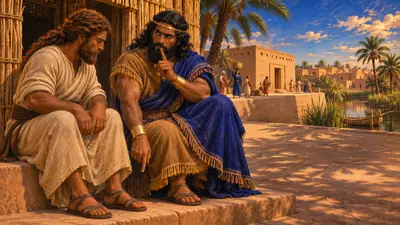
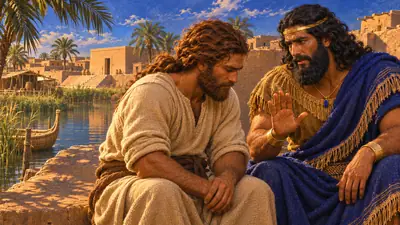
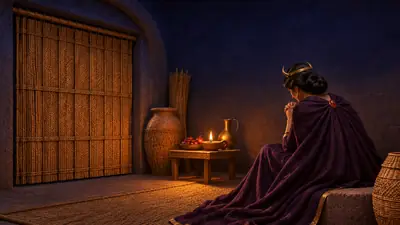
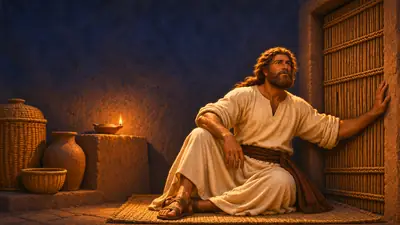
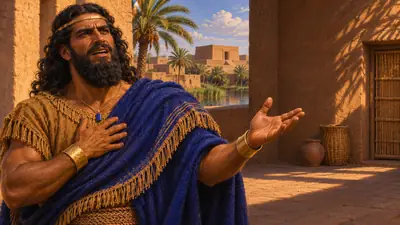
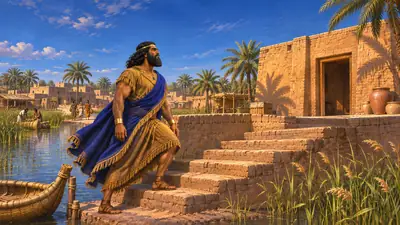
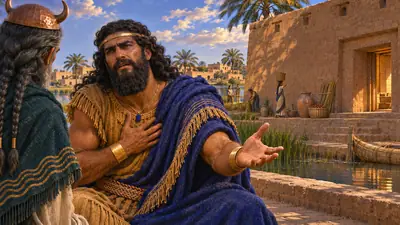
Gilgamesh setzte sich ans Tor von Ganzer, am Eingang zur Unterwelt, und weinte bitterlich.
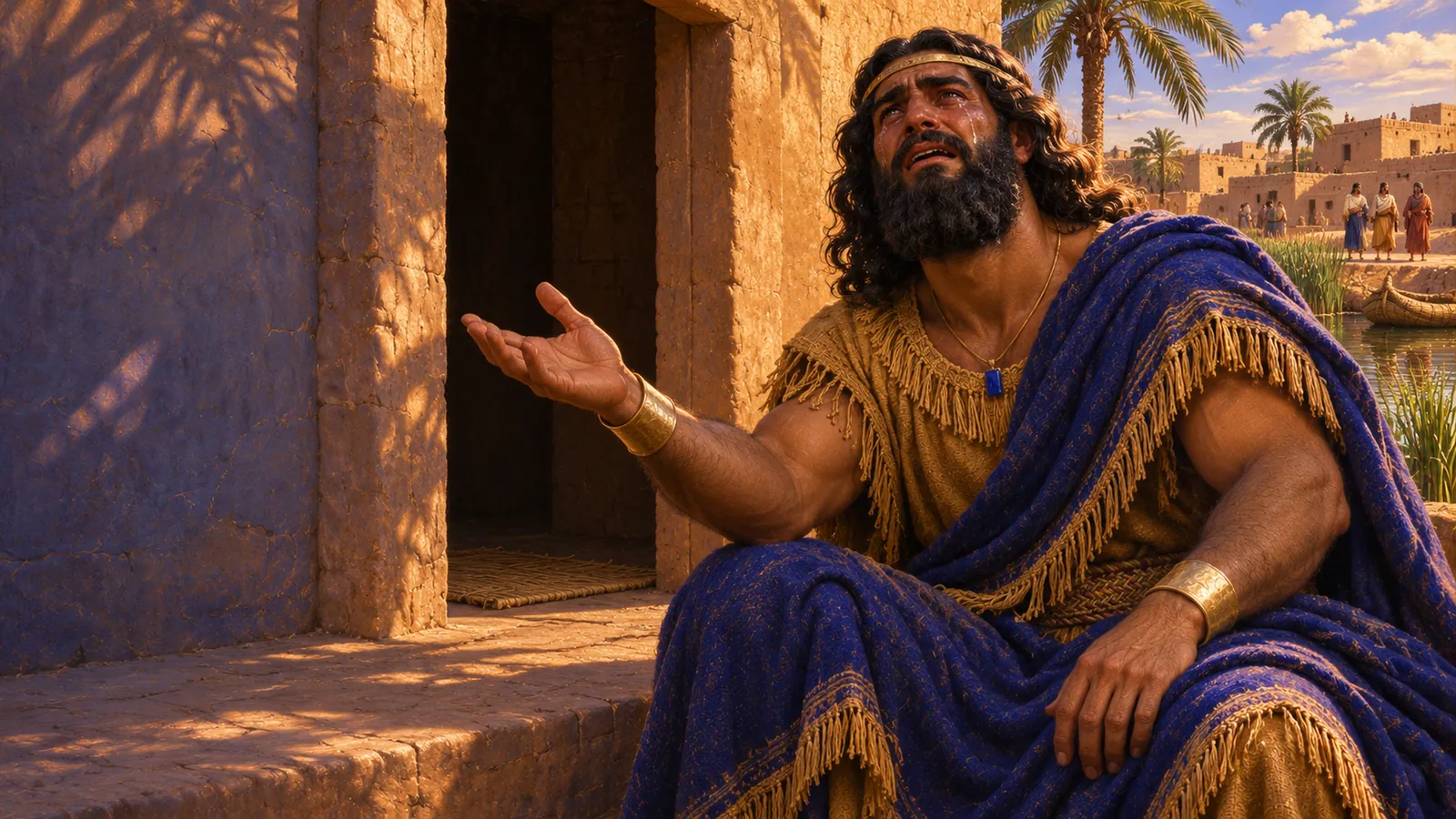
Gilgamesh beklagte den Verlust seines ellag und seines ekidma. Das Spiel machte ihm noch immer Freude, und er war des Spielens nicht müde geworden.
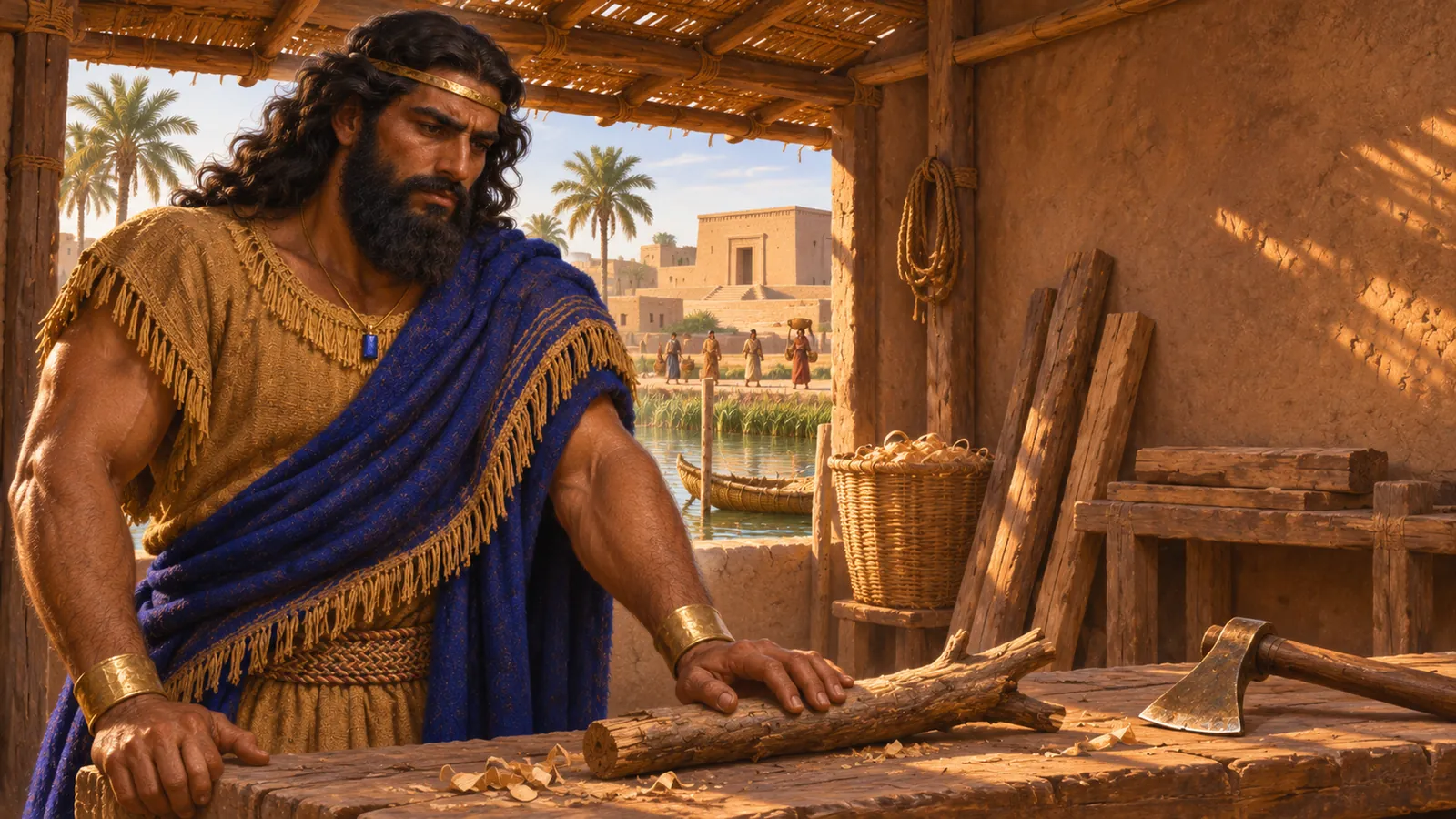
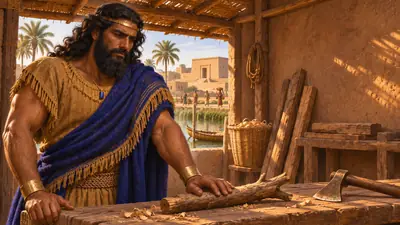
„Wenn doch das ellag noch im Haus des Tischlers auf mich wartete“, klagte Gilgamesh.
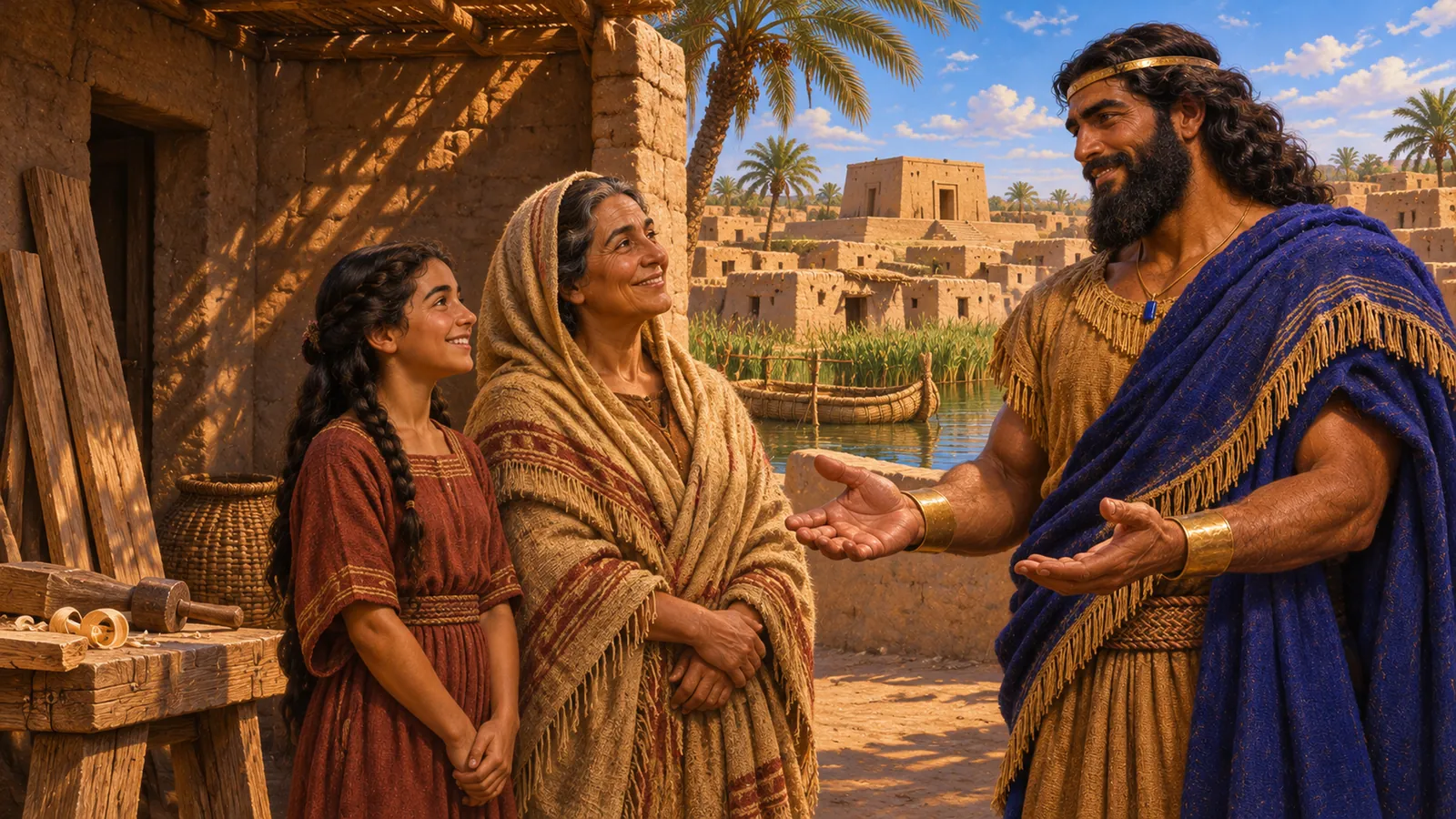
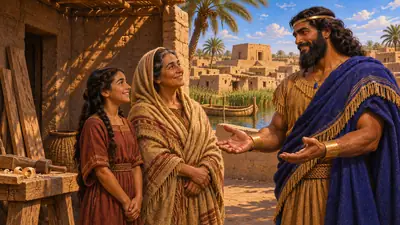
Gilgamesh sagte, er würde die Frau des Tischlers wie seine eigene Mutter und dessen Kind wie seine kleine Schwester behandeln, wenn nur das ellag noch dort wäre.
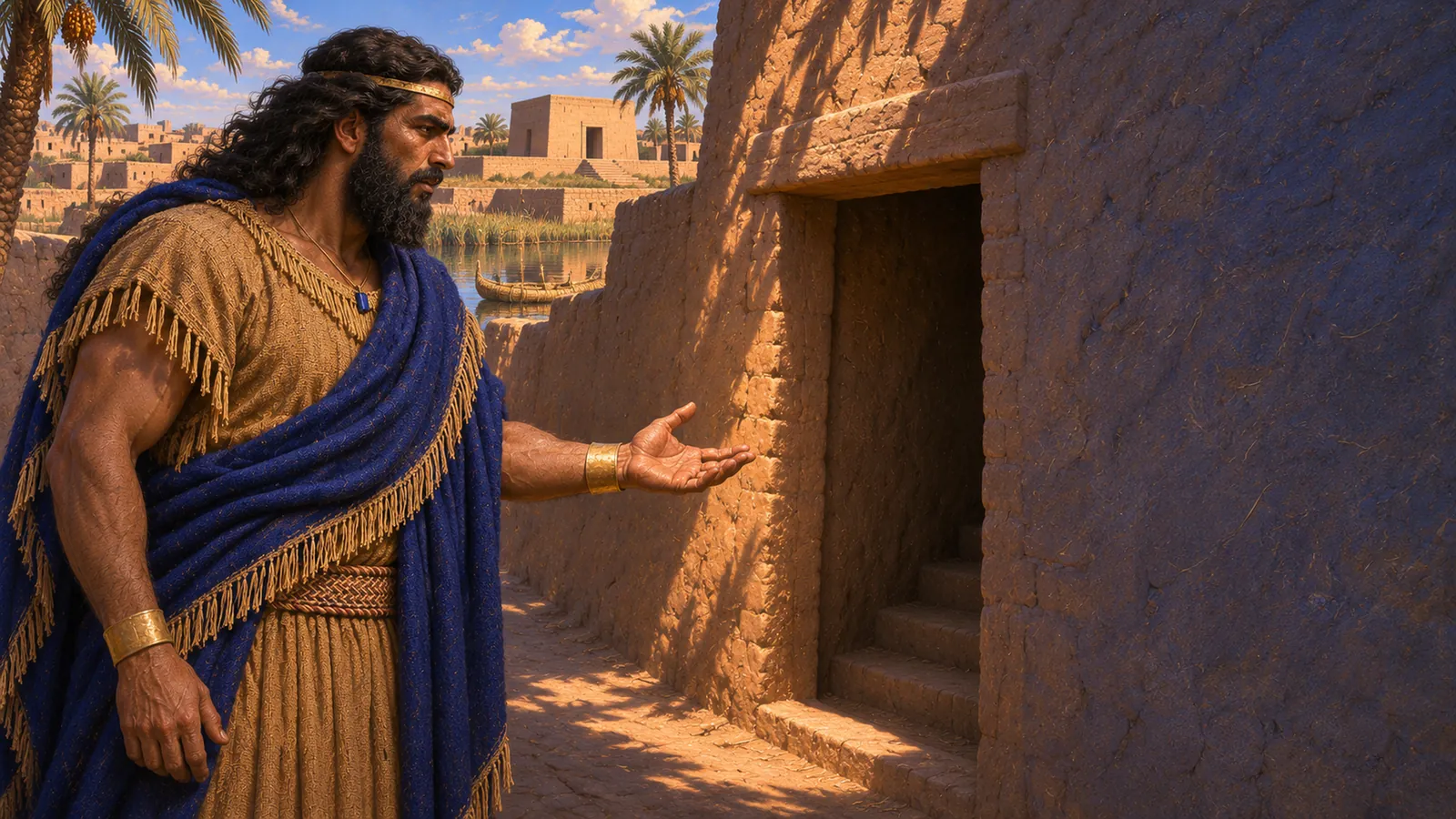
Gilgamesh fragte, wer sein ellag aus der Unterwelt holen würde. Er fragte, wer sein ekidma aus Ganzer zurückbringen würde.
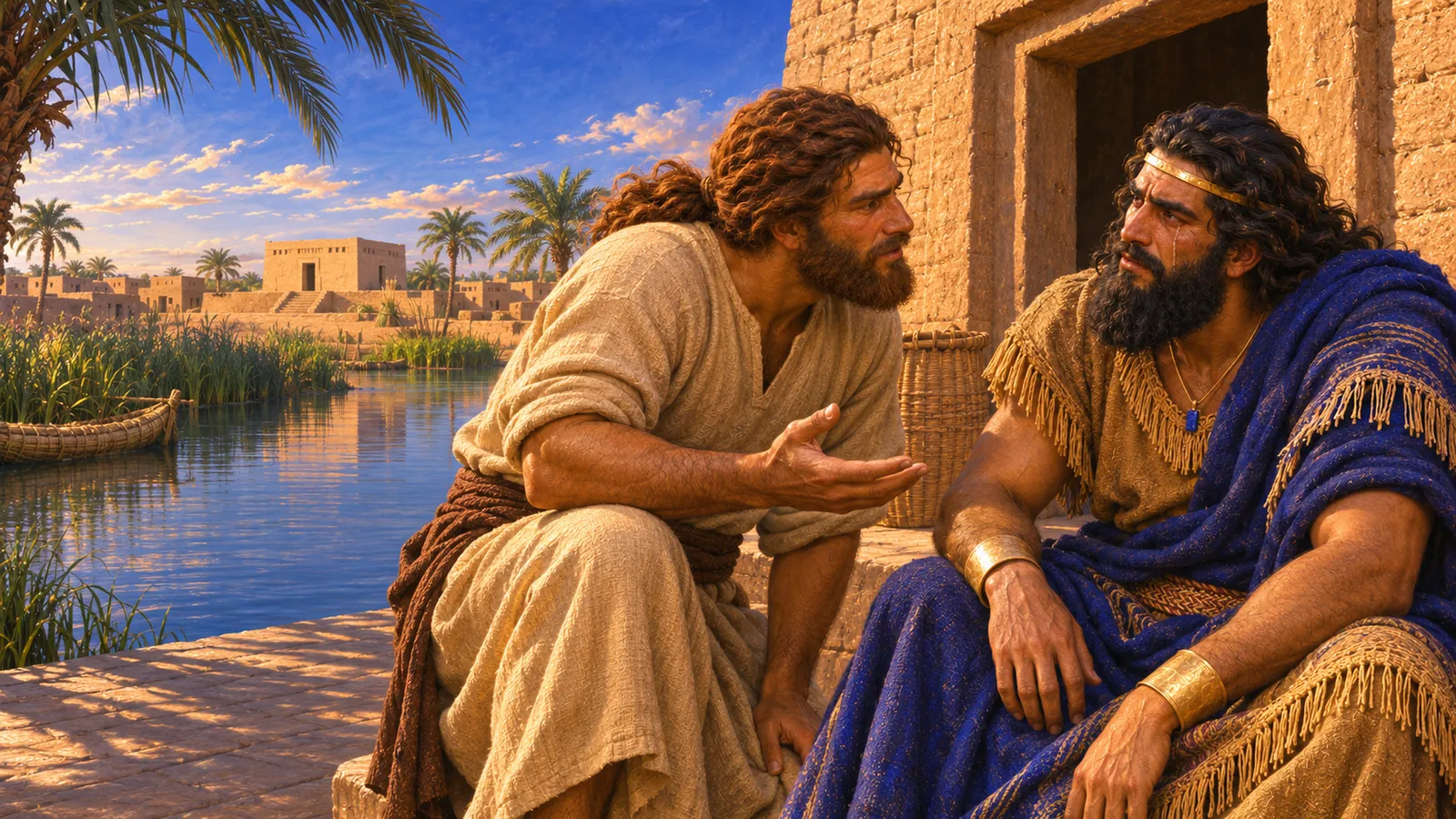
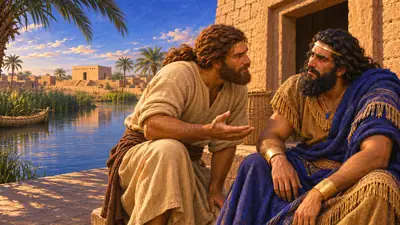
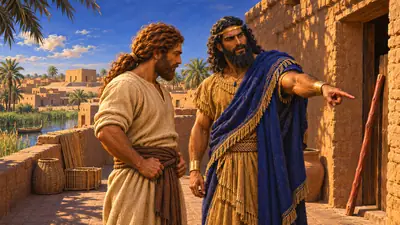
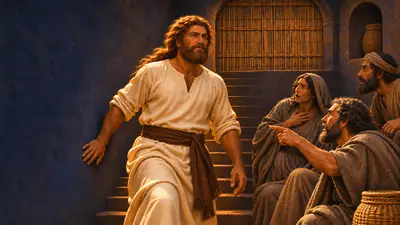
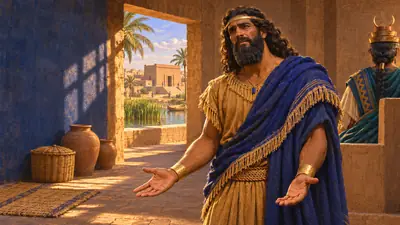
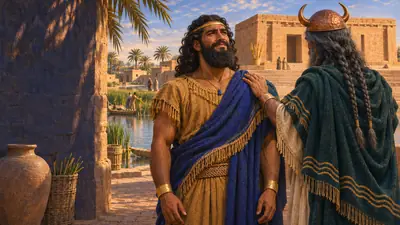
Sein Diener Enkidu antwortete ihm. Als er seinen König weinen sah, fragte er ihn, was ihm auf dem Herzen lag.
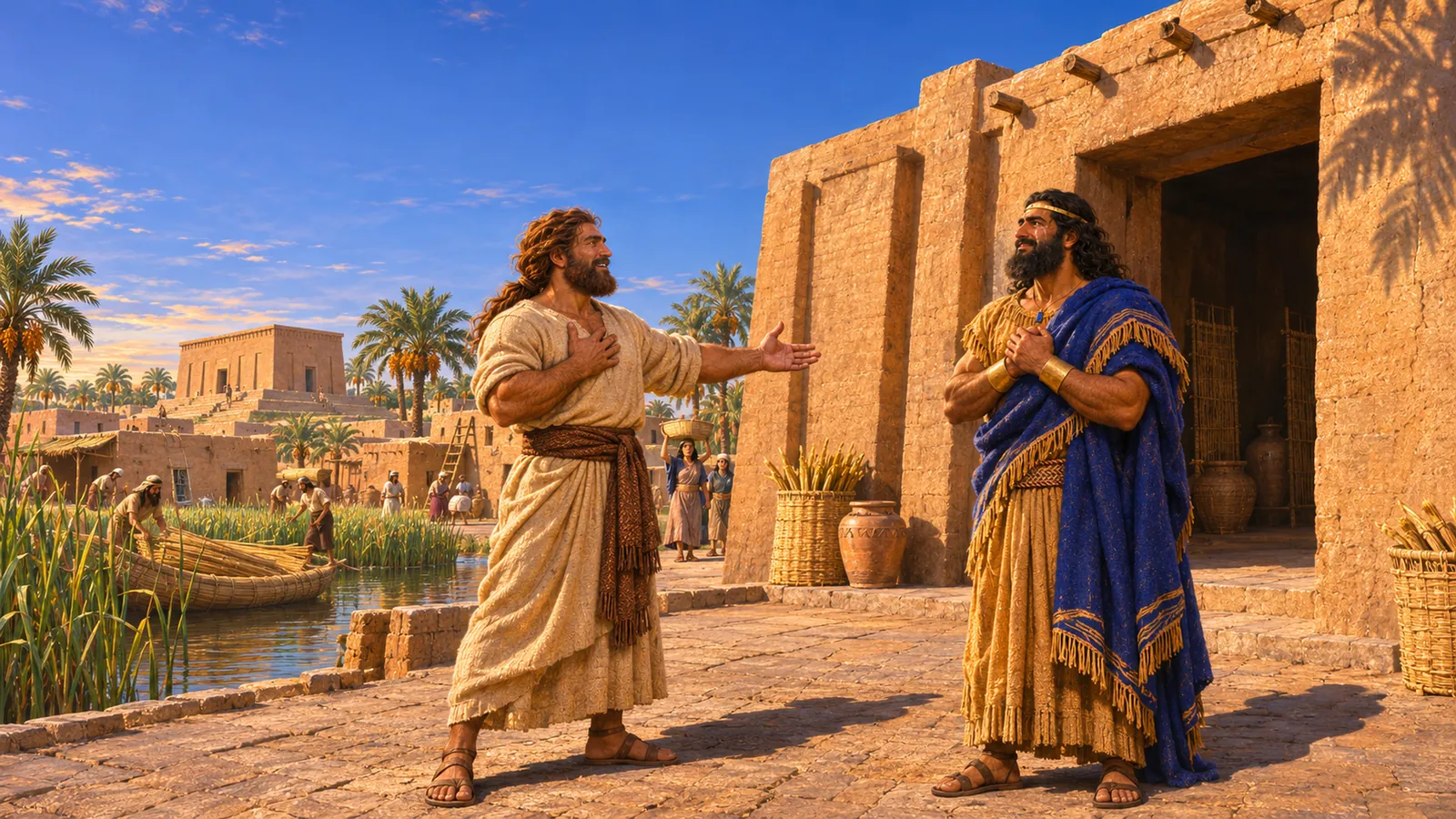
DAS VERSPRECHEN
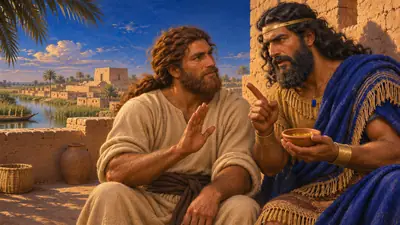
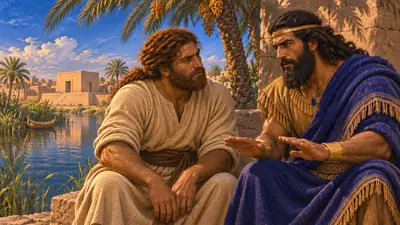
„Heute bringe ich dir dein ellag aus der Unterwelt und dein ekidma aus Ganzer zurück“, versprach Enkidu.
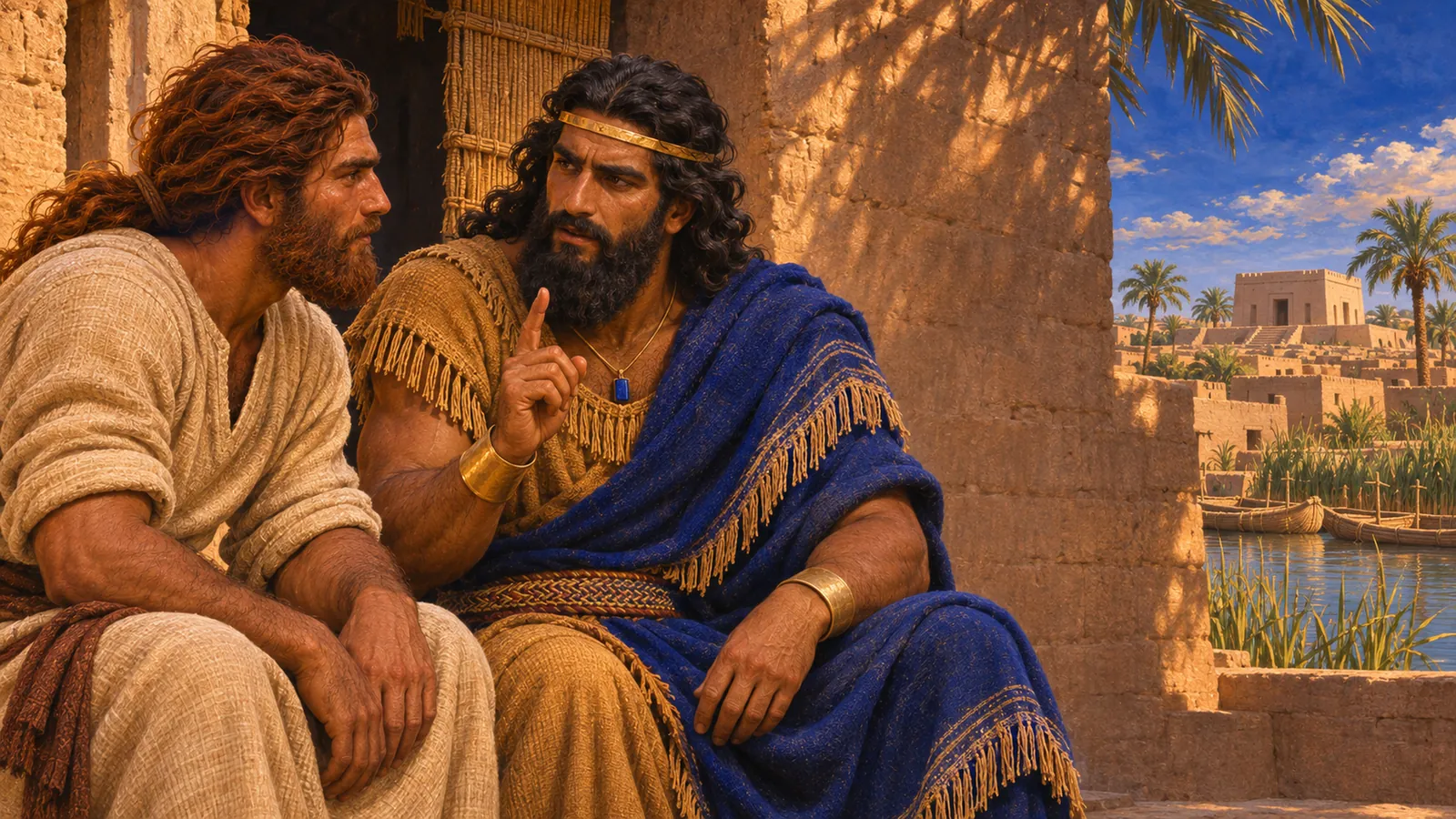
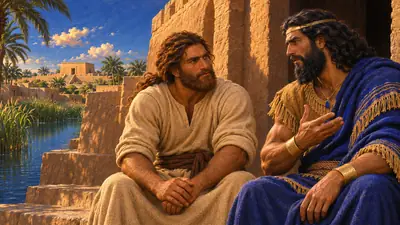
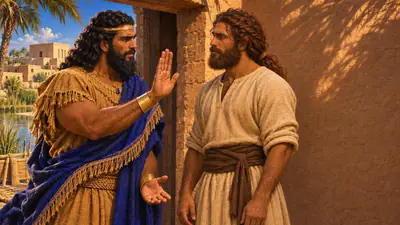
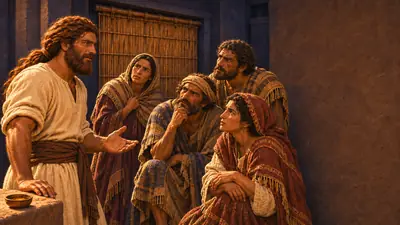
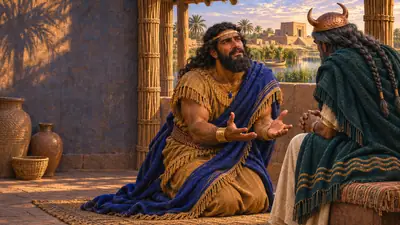
Gilgamesh erwiderte, dass er Enkidu einen Rat geben wolle, falls dieser noch an diesem Tag in die Unterwelt hinabgehen wollte.
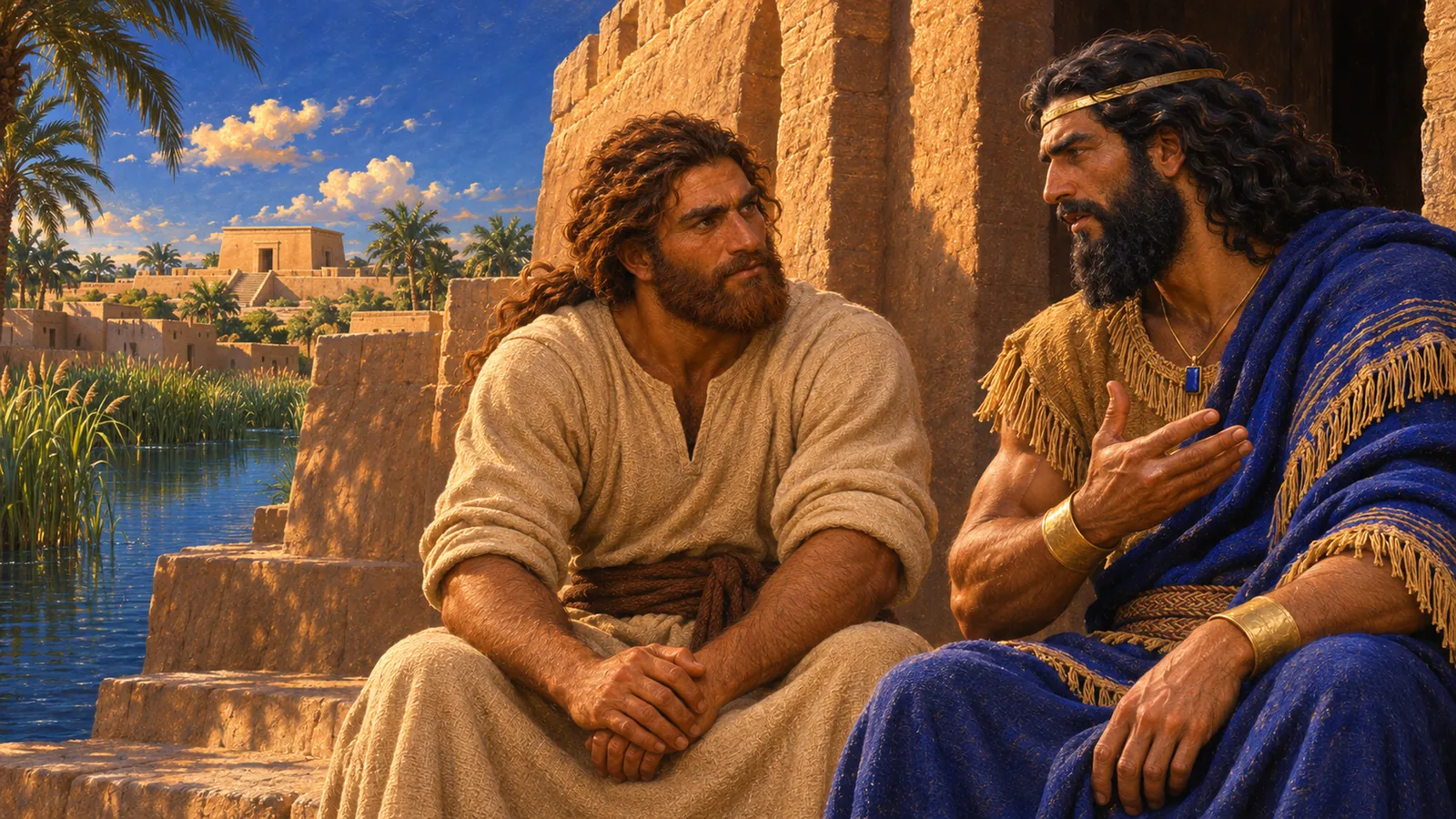
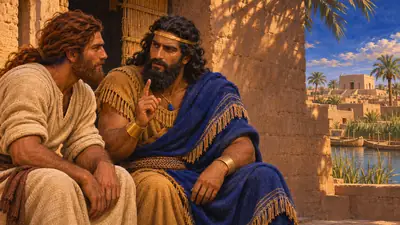
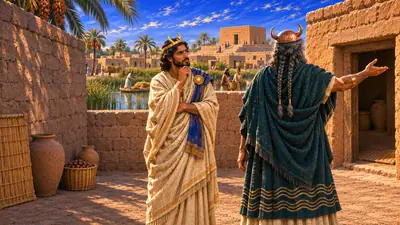
Er sagte Enkidu, er solle genau auf seine Worte achten und die Anweisungen befolgen, die er ihm nun geben werde.
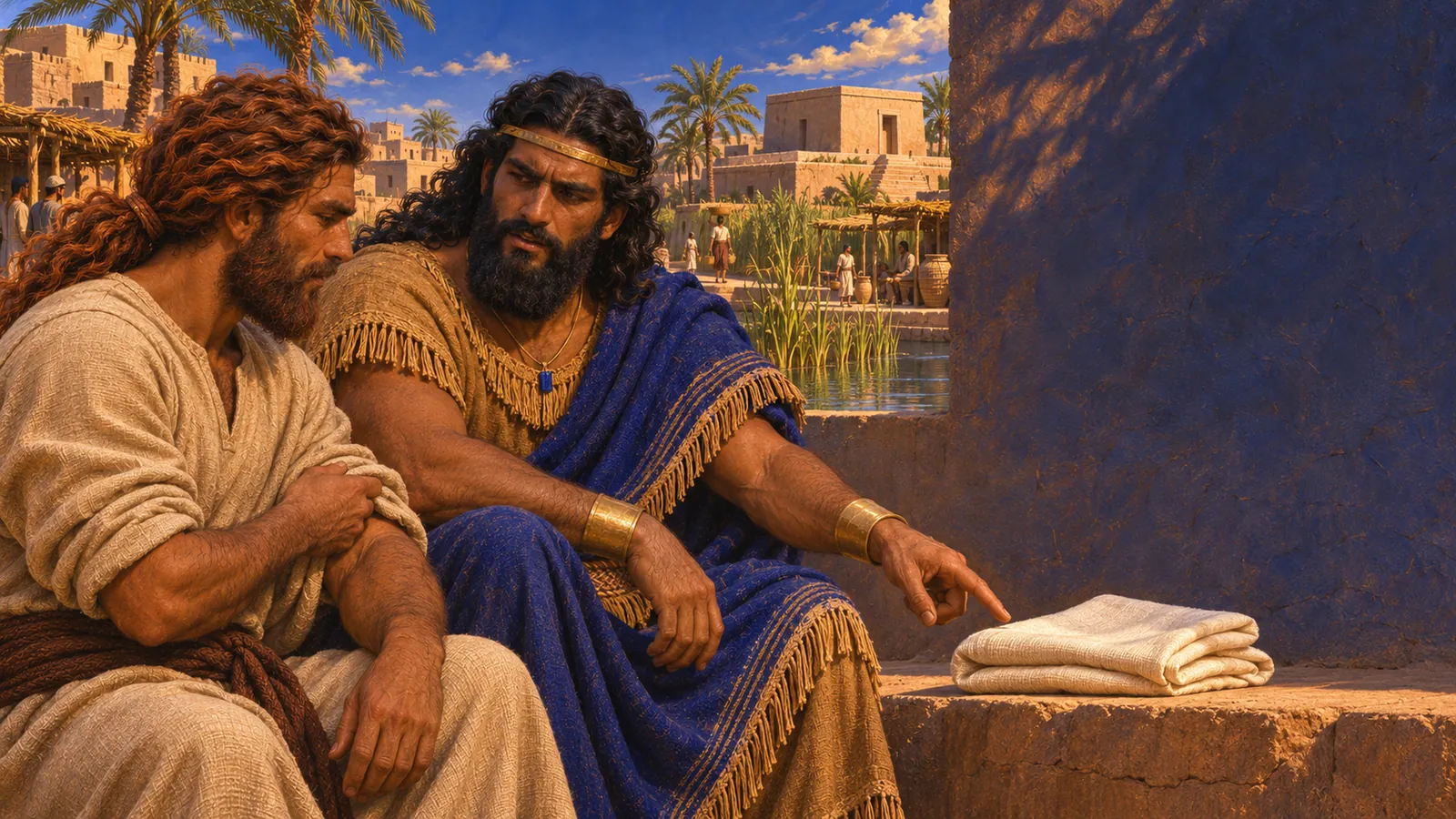
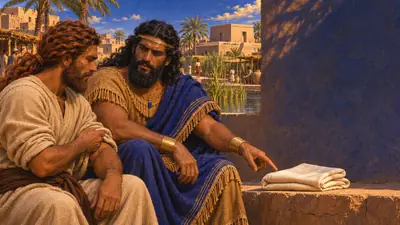
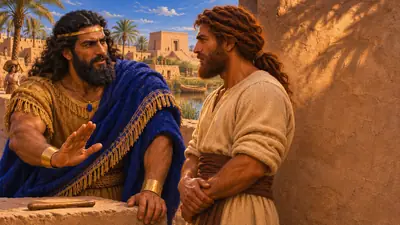
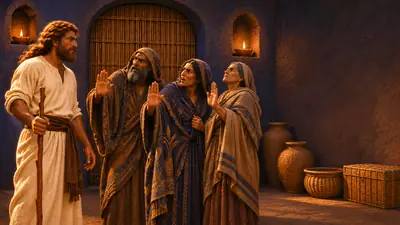
Gilgamesh warnte Enkidu davor, unten saubere Kleider zu tragen, denn die Wesen dort würden ihn sofort als Fremden erkennen.
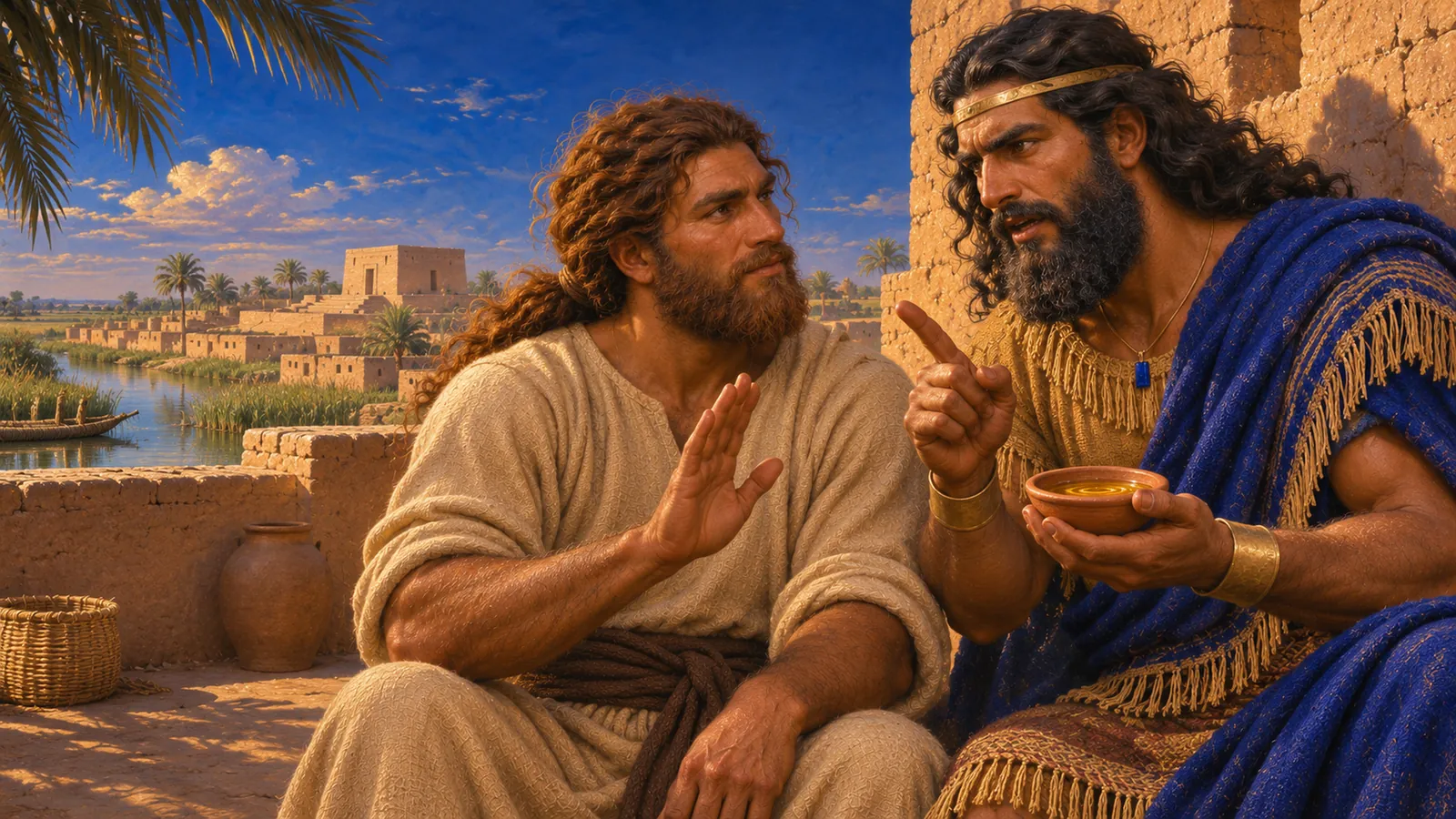
Gilgamesh sagte ihm, er solle sich nicht mit feinem Öl aus einer Schale salben. Der Duft würde die Wesen dort unten um ihn versammeln.
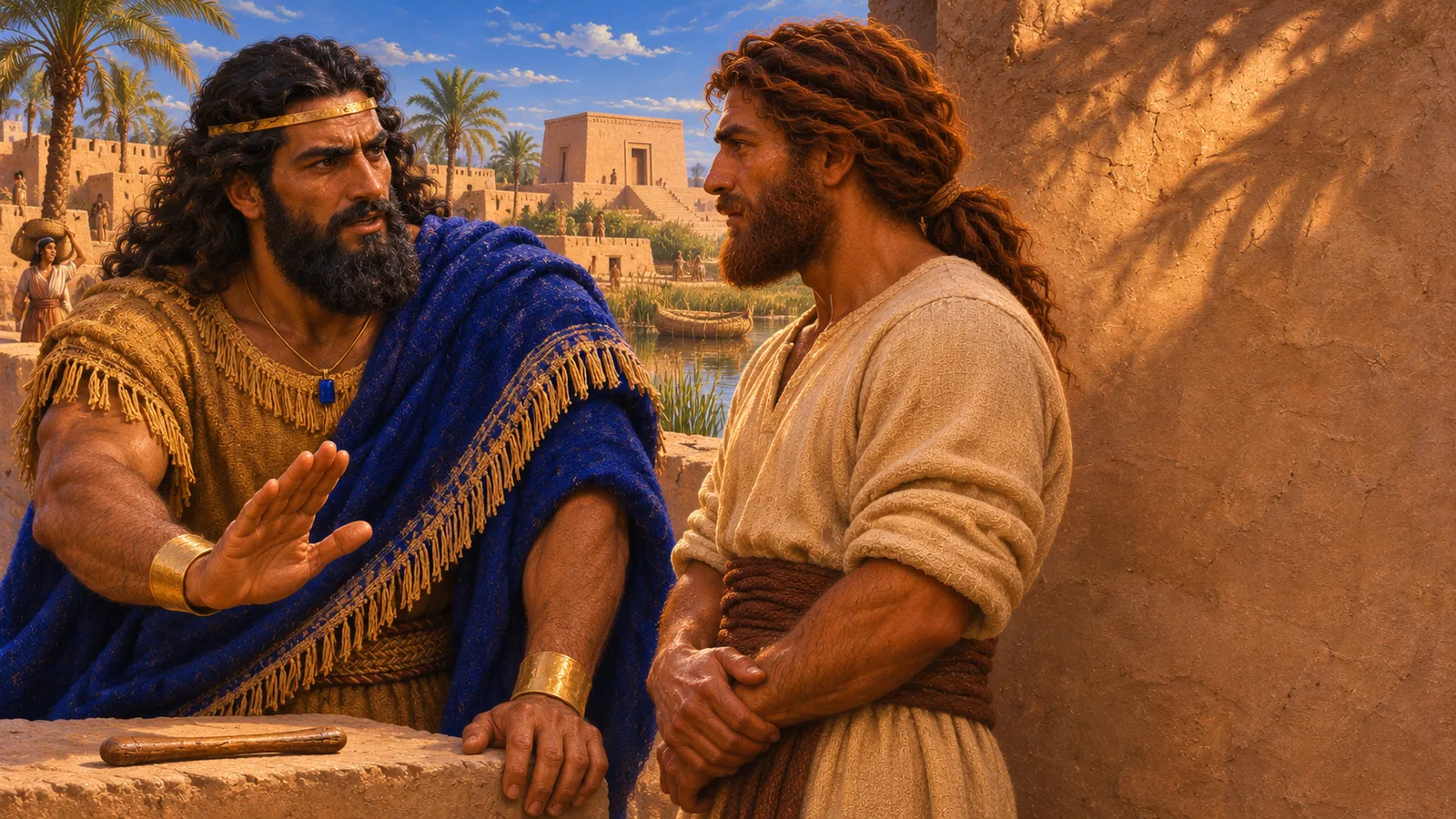
Er sagte Enkidu, er solle in der Unterwelt keine Wurfhölzer schleudern. Die davon Niedergeschlagenen würden ihn umringen.
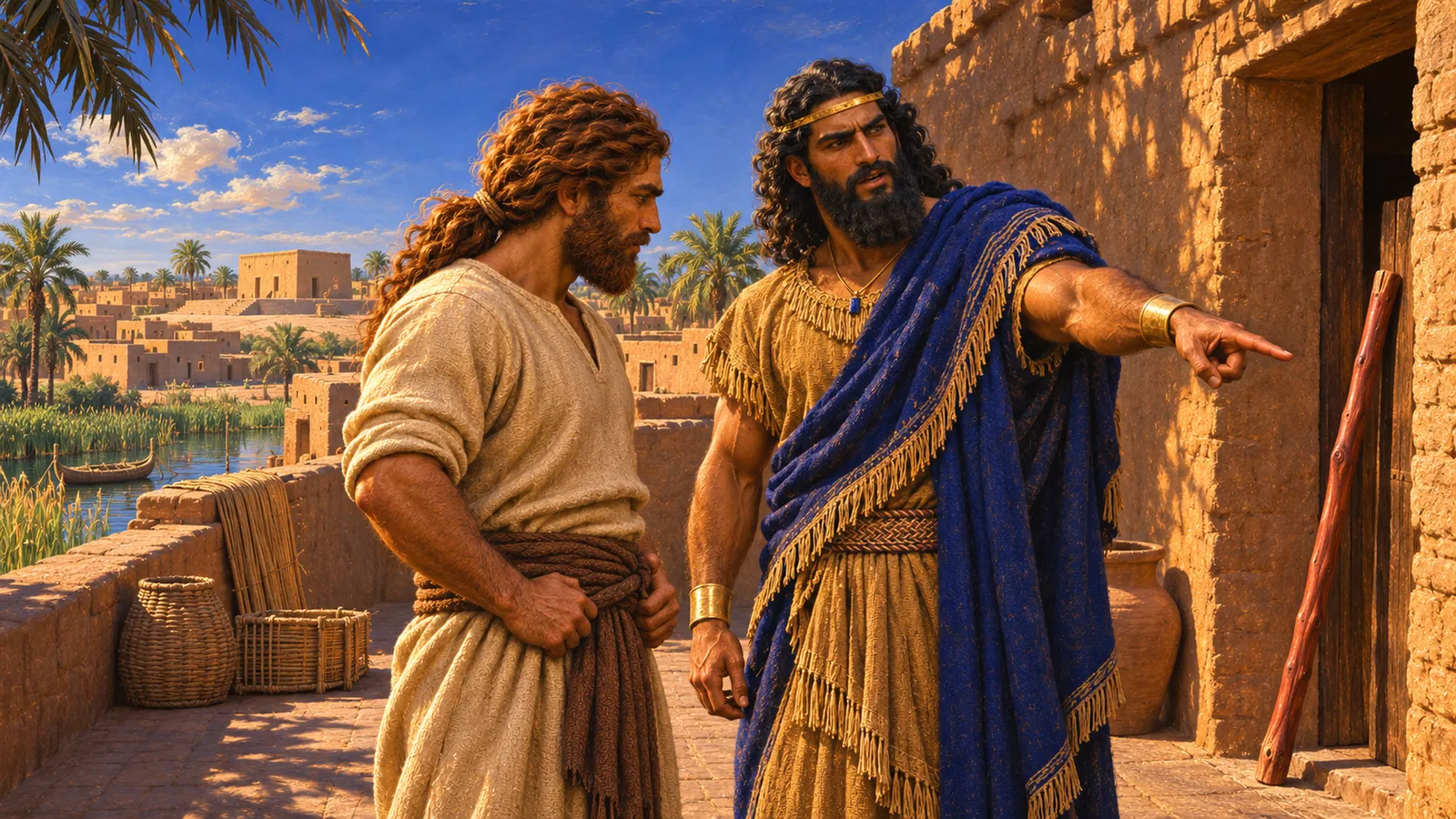
Er sagte ihm, er solle dort unten keinen Stock aus Hartriegelholz in der Hand halten. Die Geister würden es als Beleidigung auffassen.
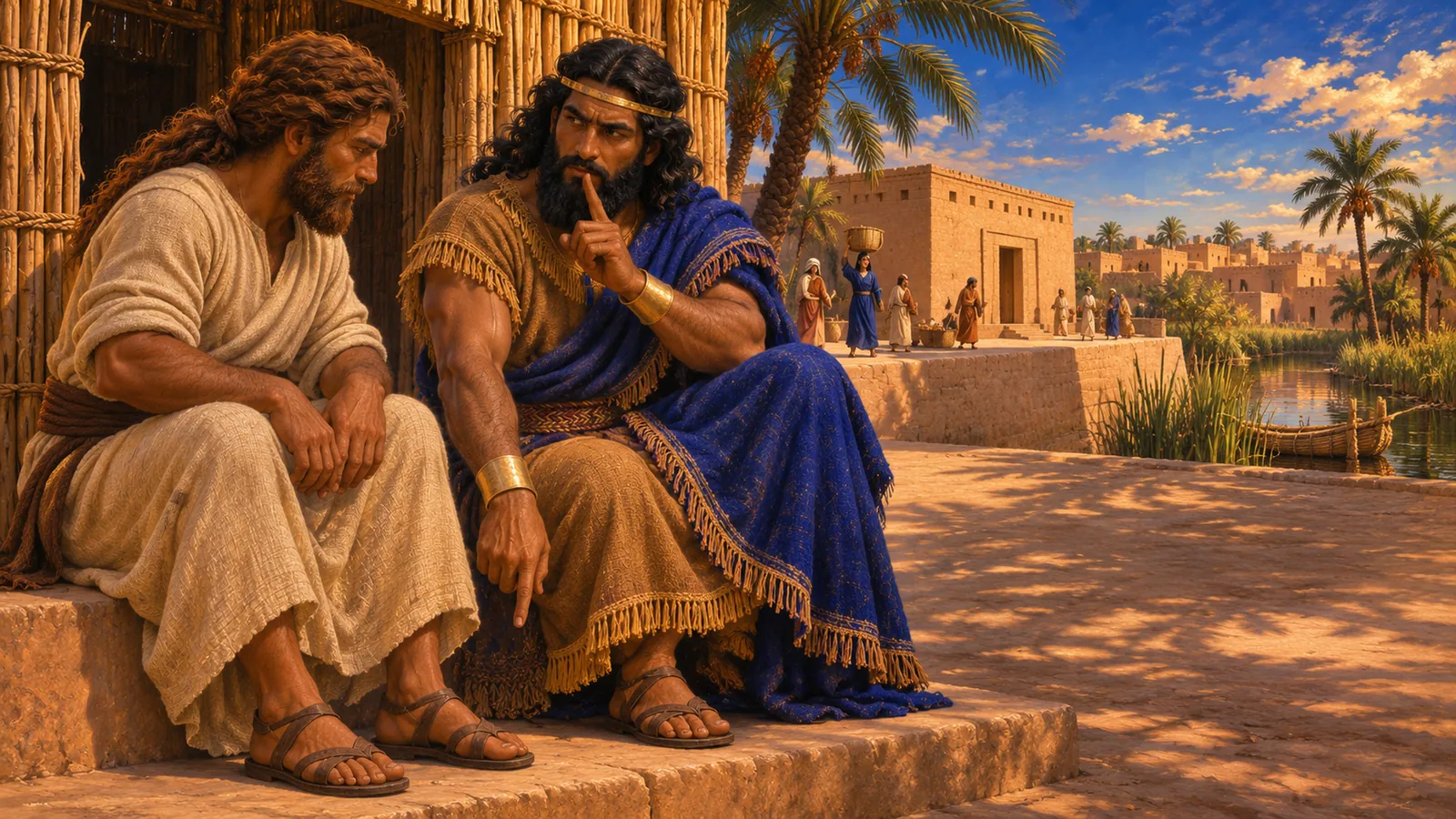
Gilgamesh gab ihm zwei weitere Anweisungen für die Unterwelt. Er sollte keine Sandalen anziehen und dort nicht laut rufen.
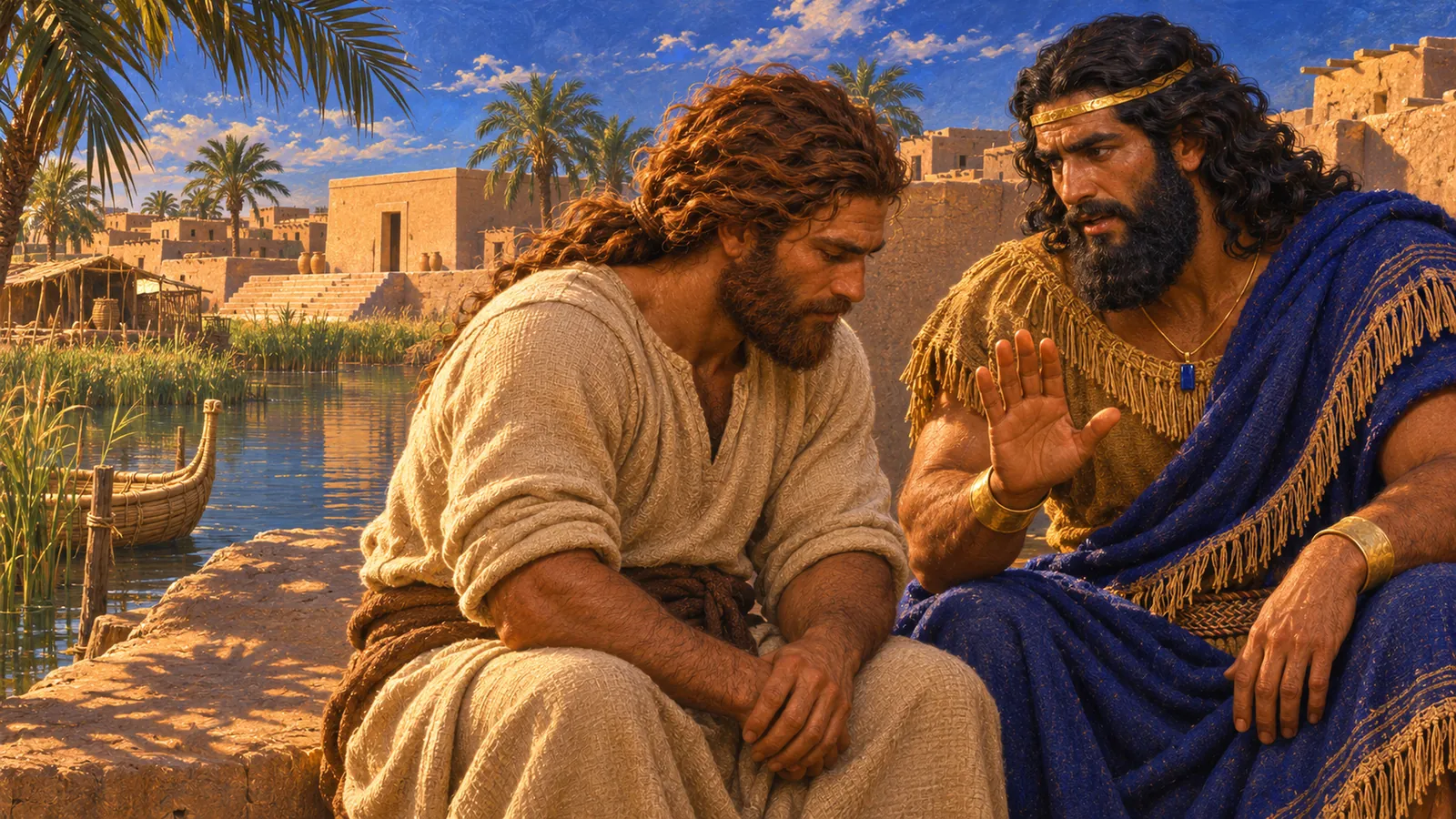
Gilgamesh sagte Enkidu, er solle seine geliebte Frau nicht küssen, wenn er in die Unterwelt hinabsteige.
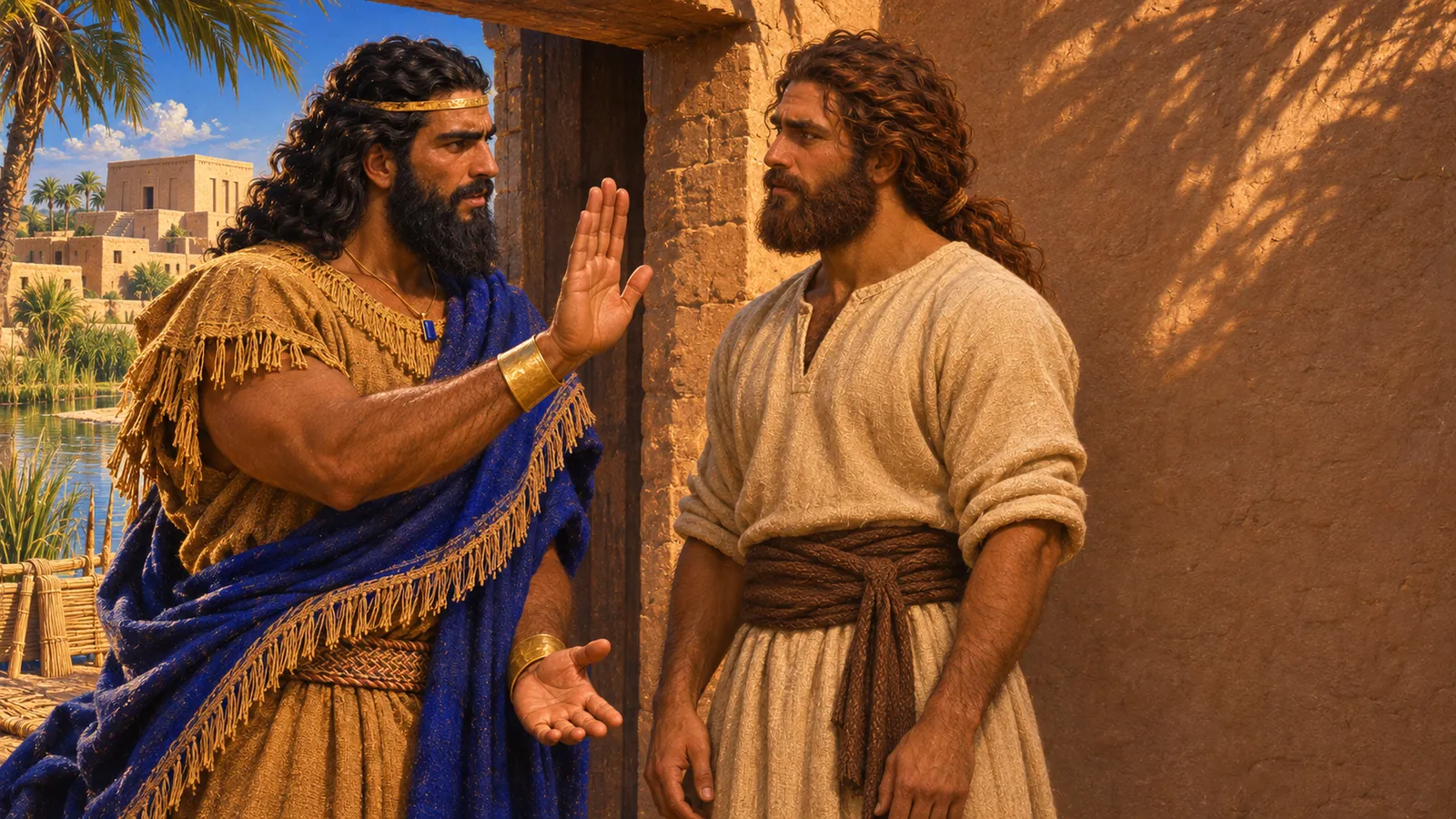
Gilgamesh sagte Enkidu, dass er seine Frau nicht schlagen dürfe, auch wenn er sich über sie ärgere.
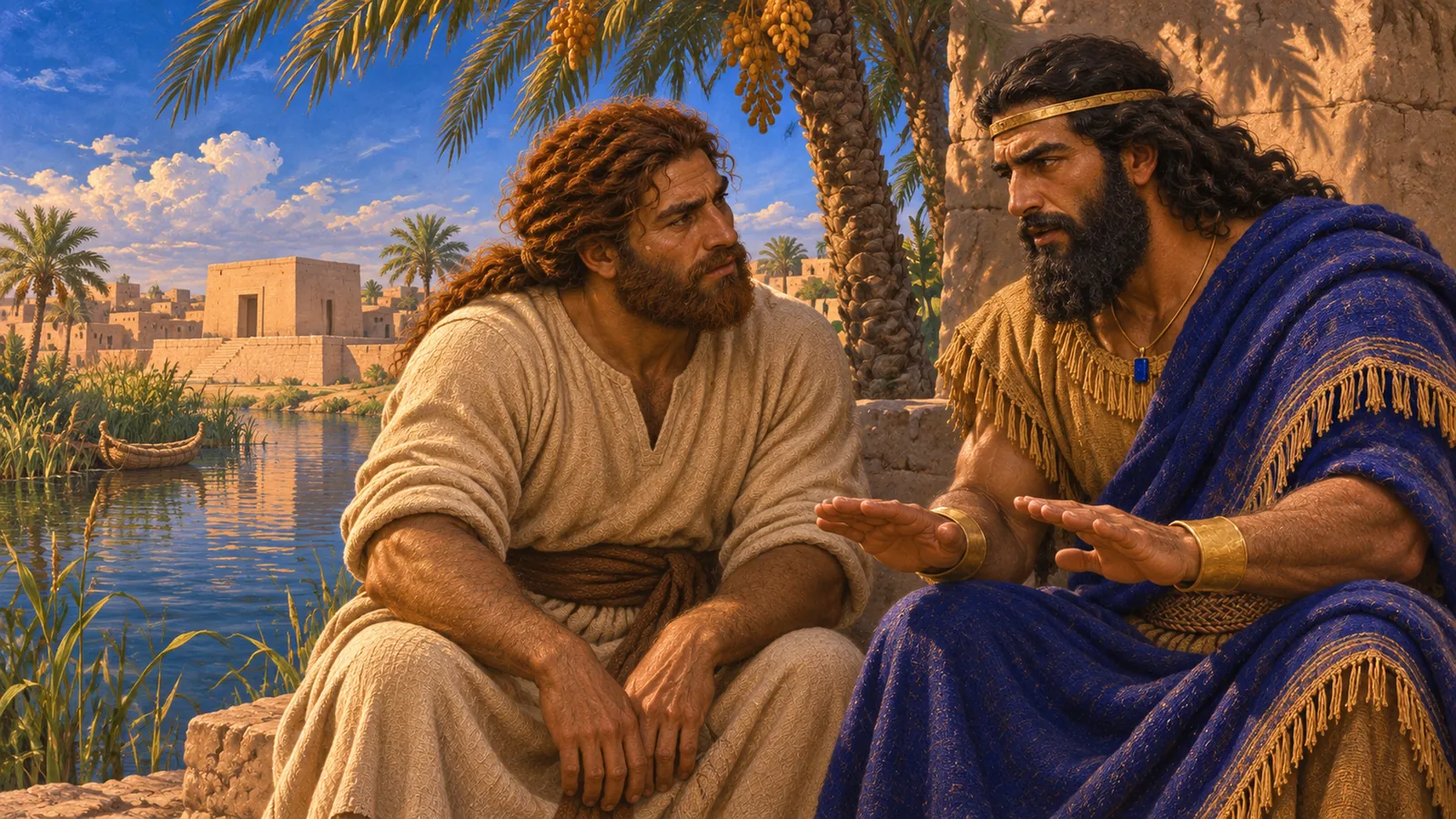
Er sagte Enkidu auch, er solle sein geliebtes Kind nicht küssen und seinen Sohn nicht schlagen, selbst wenn er sich über ihn ärgere.
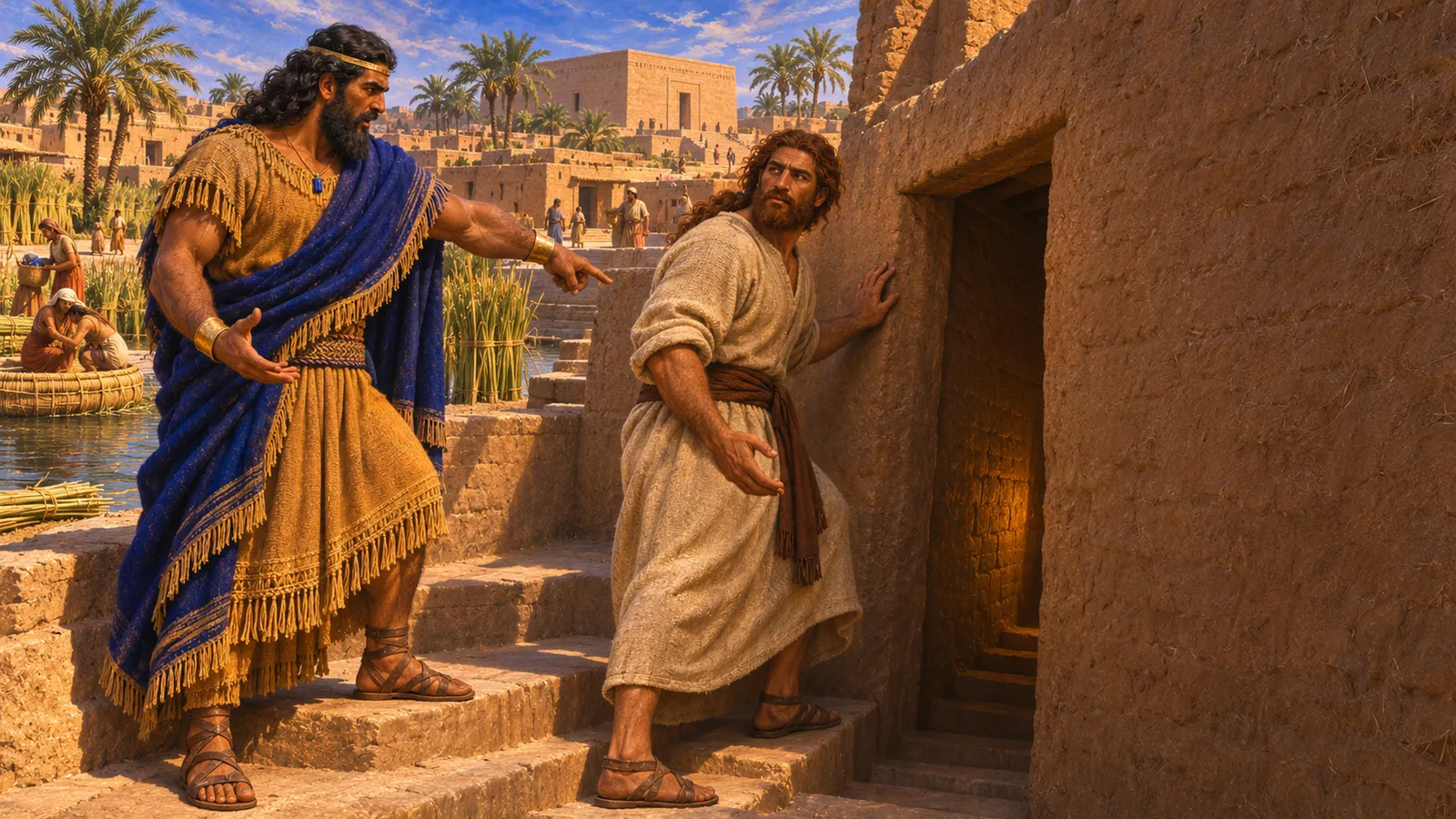
Gilgamesh warnte Enkidu, dass ihn der Aufschrei in der Unterwelt festhalten würde, wenn er ihn durch sein Handeln auslöste.
DIE ANWEISUNGEN
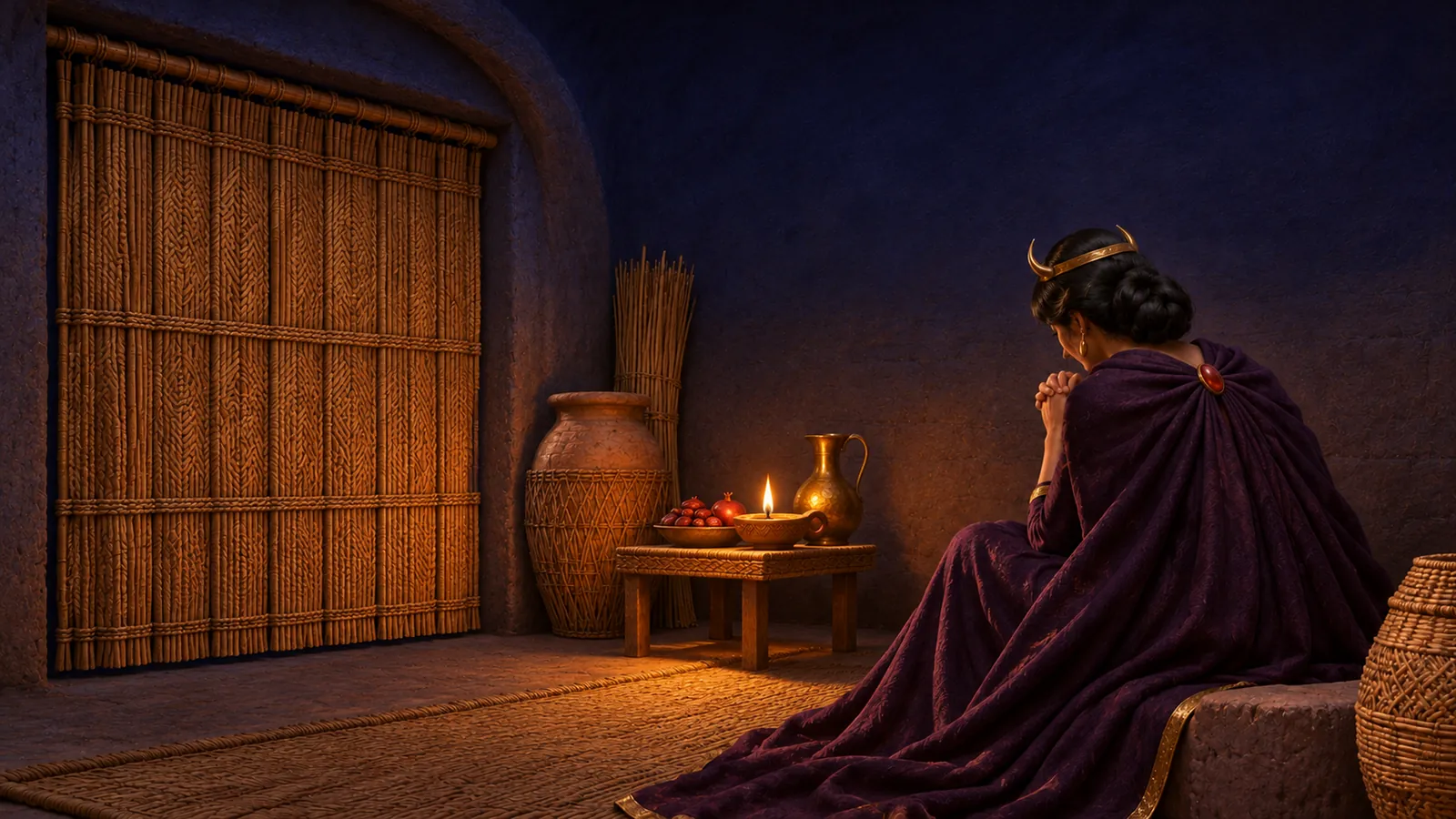
Gilgamesh sprach von einer Frau, die in der Unterwelt lag. Er nannte sie die Mutter des Ninazu.

Er sagte, kein Gewand bedecke ihre reinen Schultern, und kein Leinen liege über ihrer reinen Brust.

In Gilgameshs Erzählung lag die Mutter des Ninazu dort und riss sich vor Verzweiflung die Haare aus.
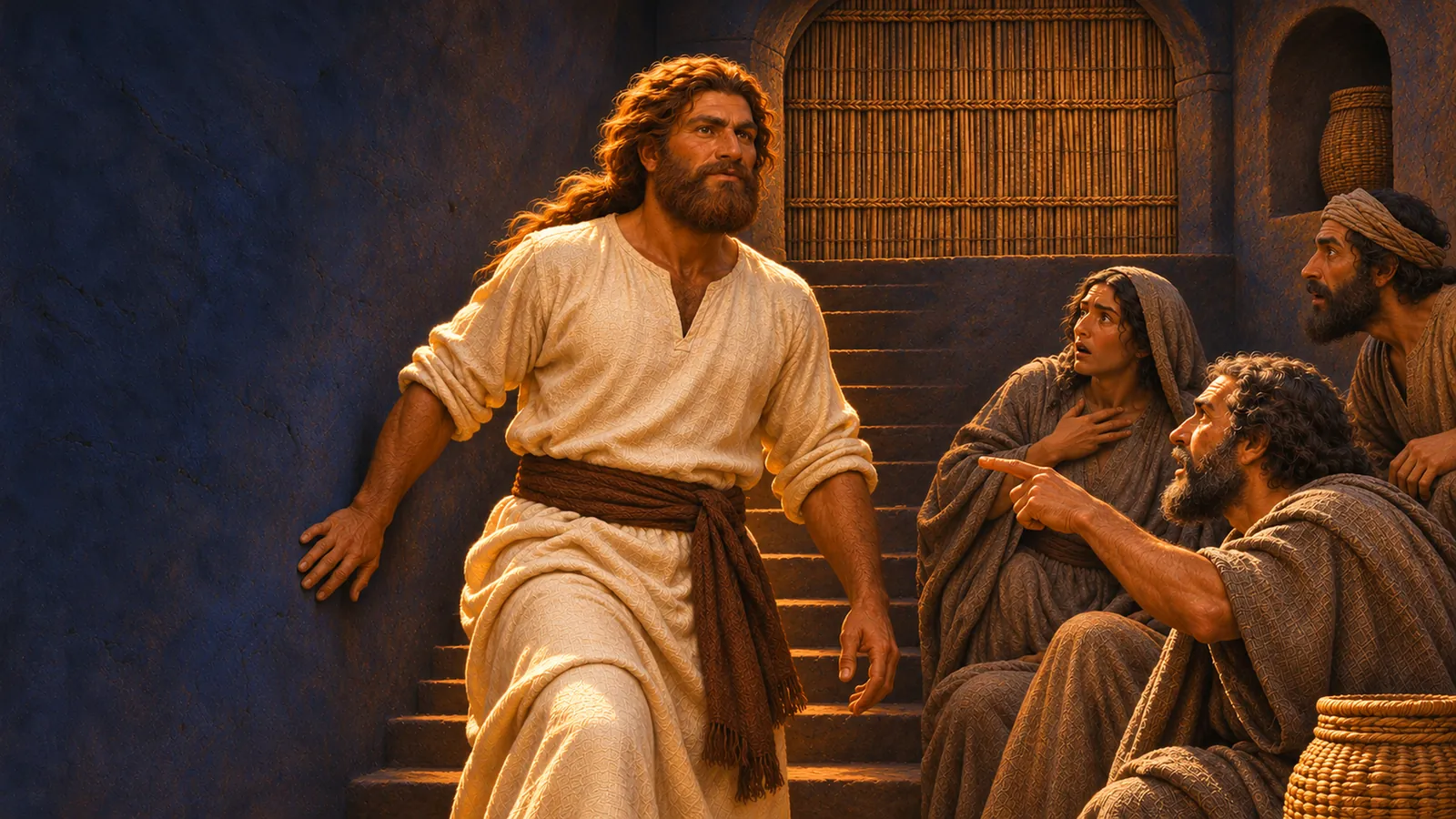
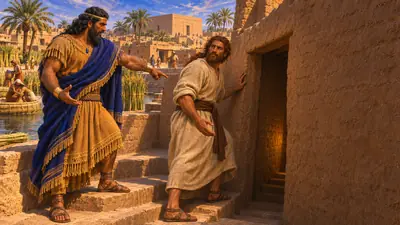
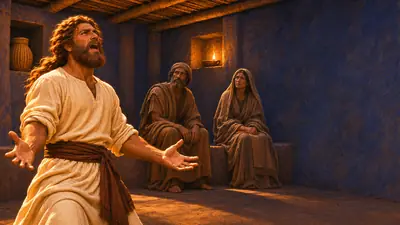
Enkidu hielt sich nicht an die Worte seines Herrn. Er zog seine sauberen Kleider an, und die dort waren, erkannten ihn als Fremden.
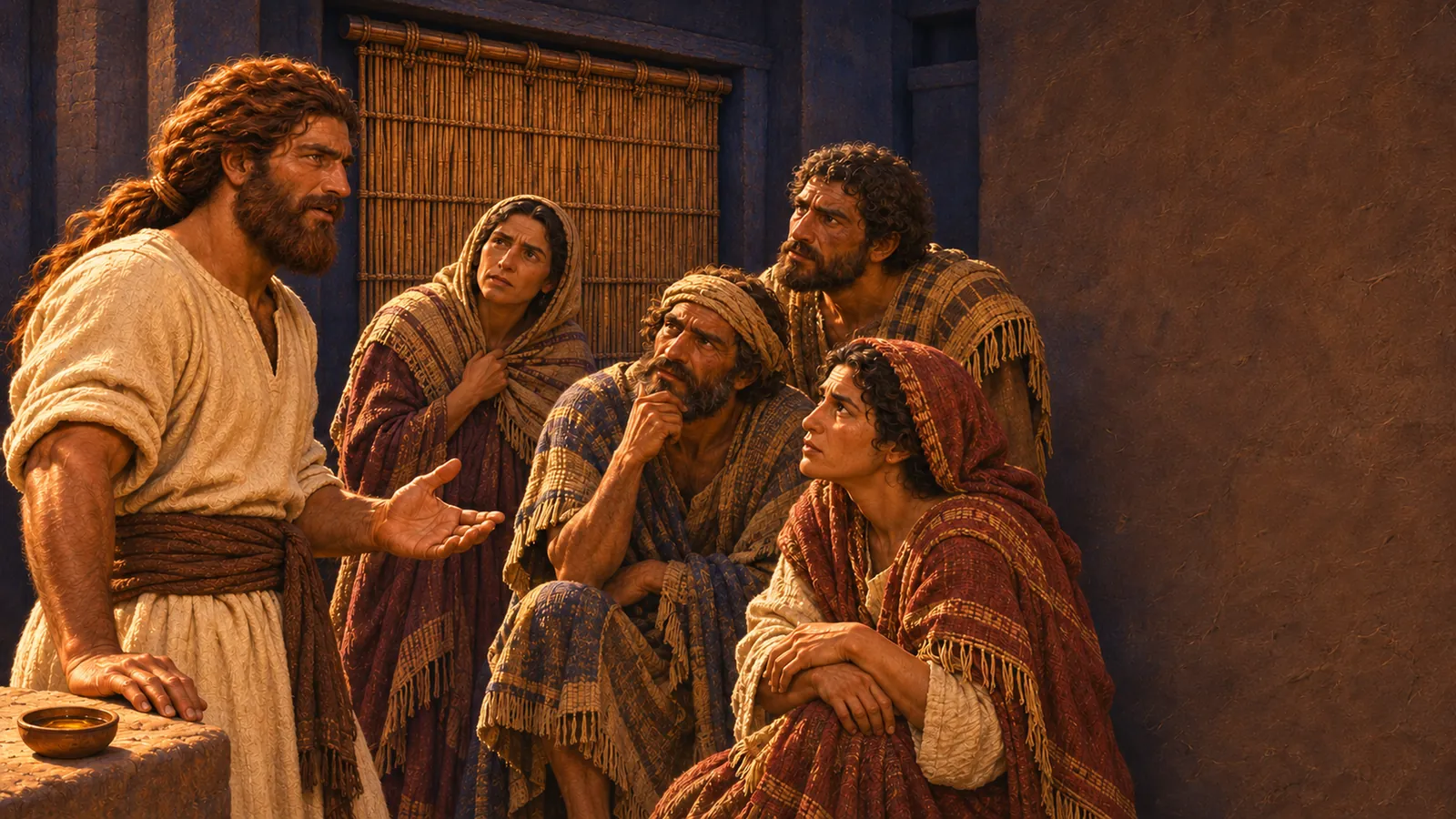
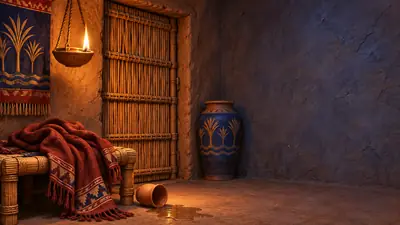
Enkidu salbte sich mit feinem Öl aus einer Schale. Angelockt vom Duft des Öls, umringten ihn die Bewohner der Unterwelt.
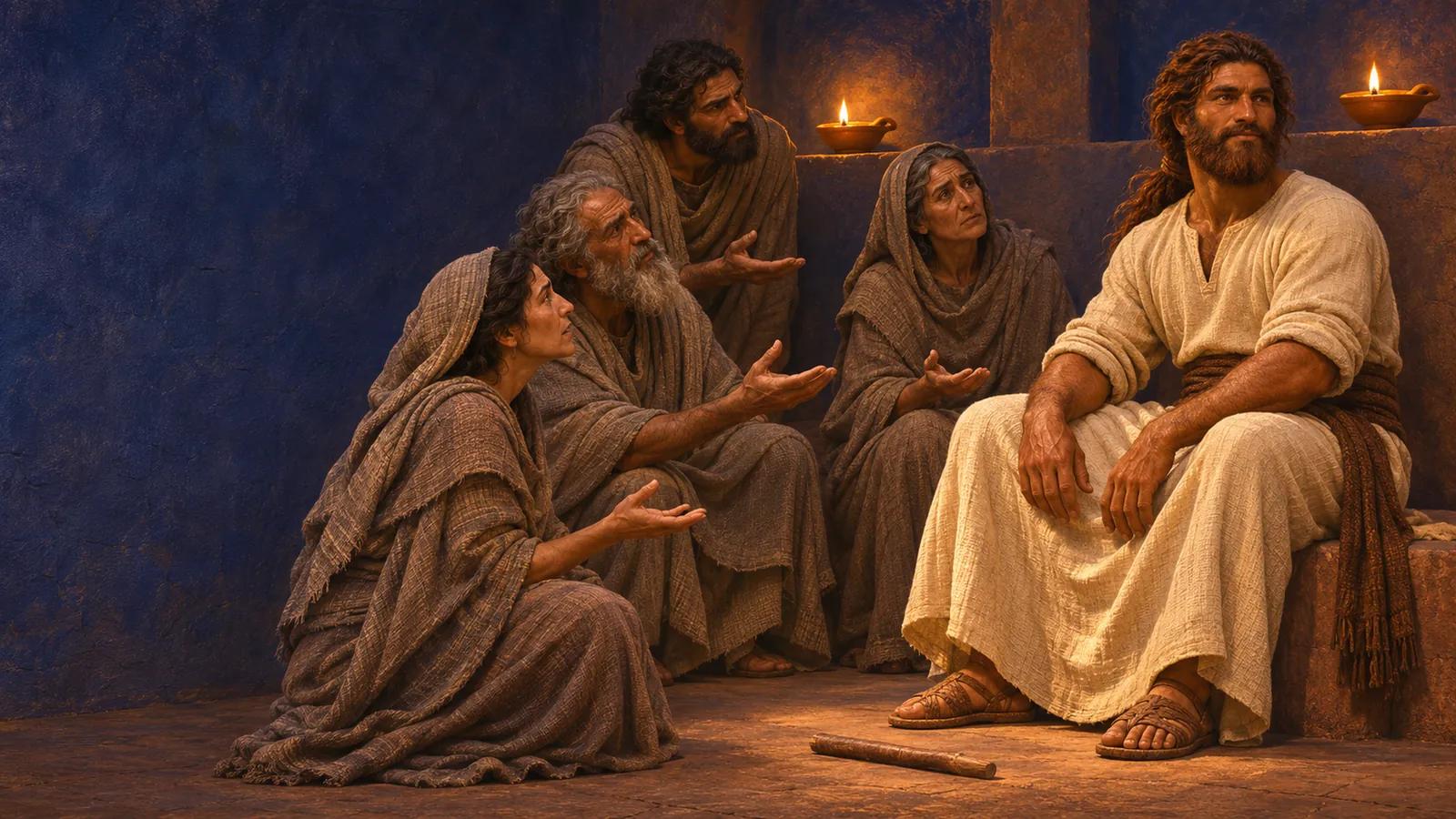
Enkidu schleuderte Wurfhölzer in der Unterwelt. Die von den Wurfhölzern Getroffenen sammelten sich um ihn.
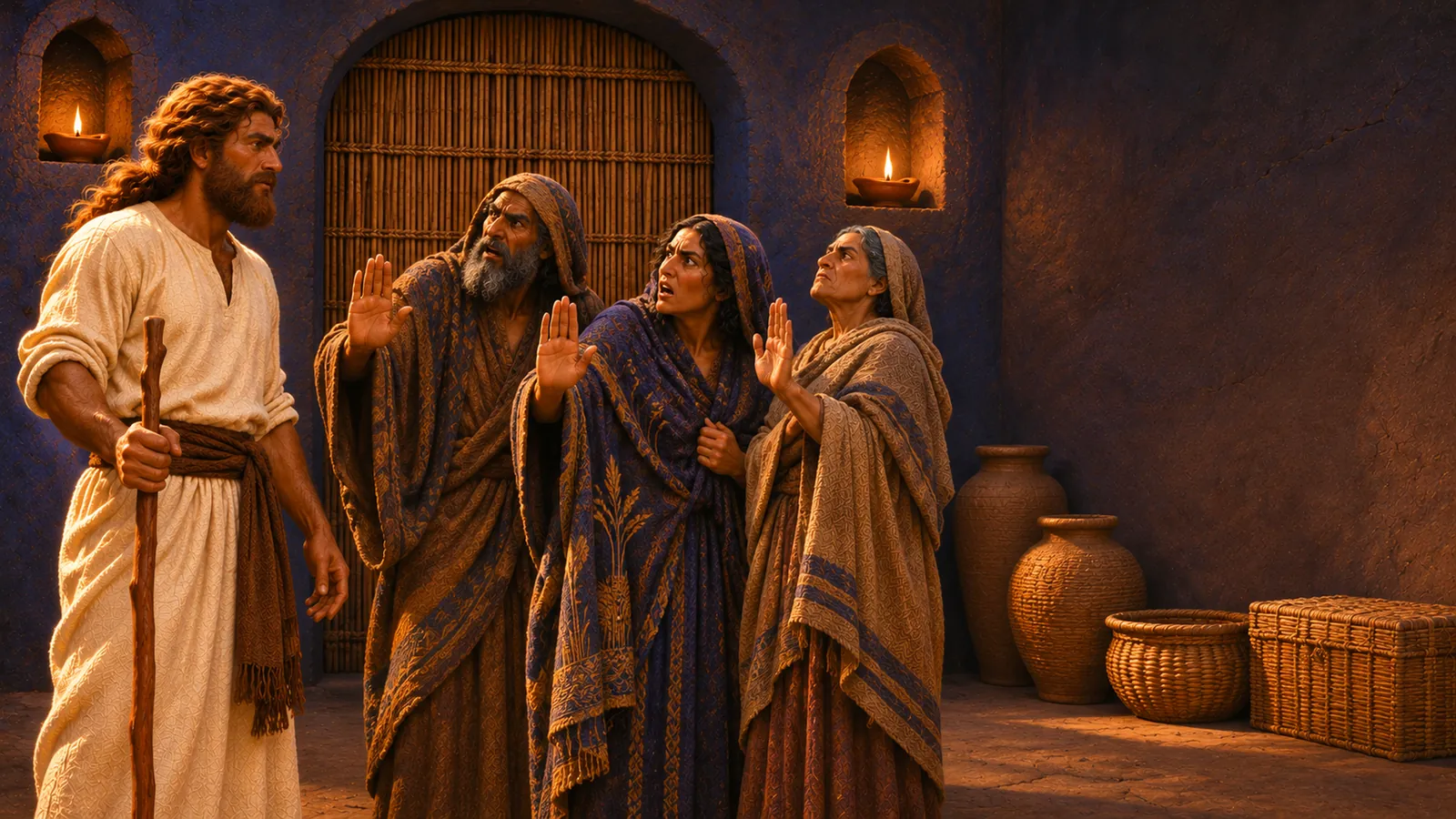
Enkidu hielt einen Stock aus Kornelkirschenholz in der Hand. Das Gedicht sagt, dass die Geister sich dadurch beleidigt fühlten.
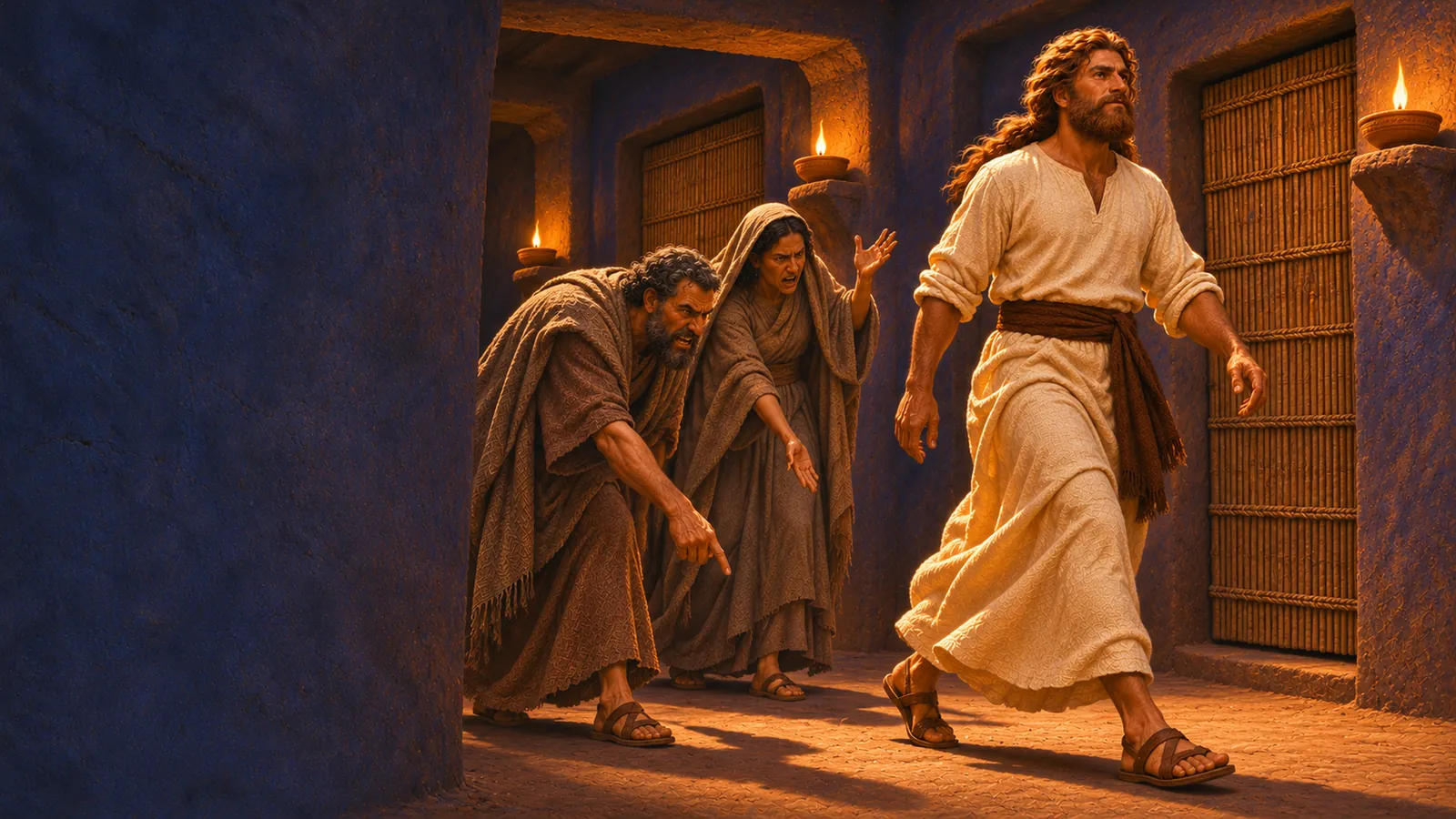
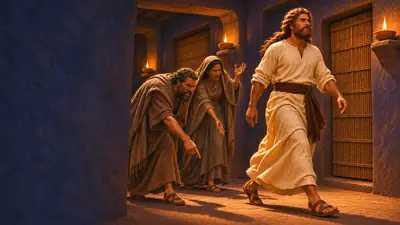
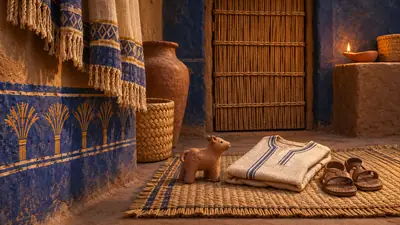
Dann zog Enkidu Sandalen an. Dem Gedicht zufolge erregte er in der Unterwelt Unmut.
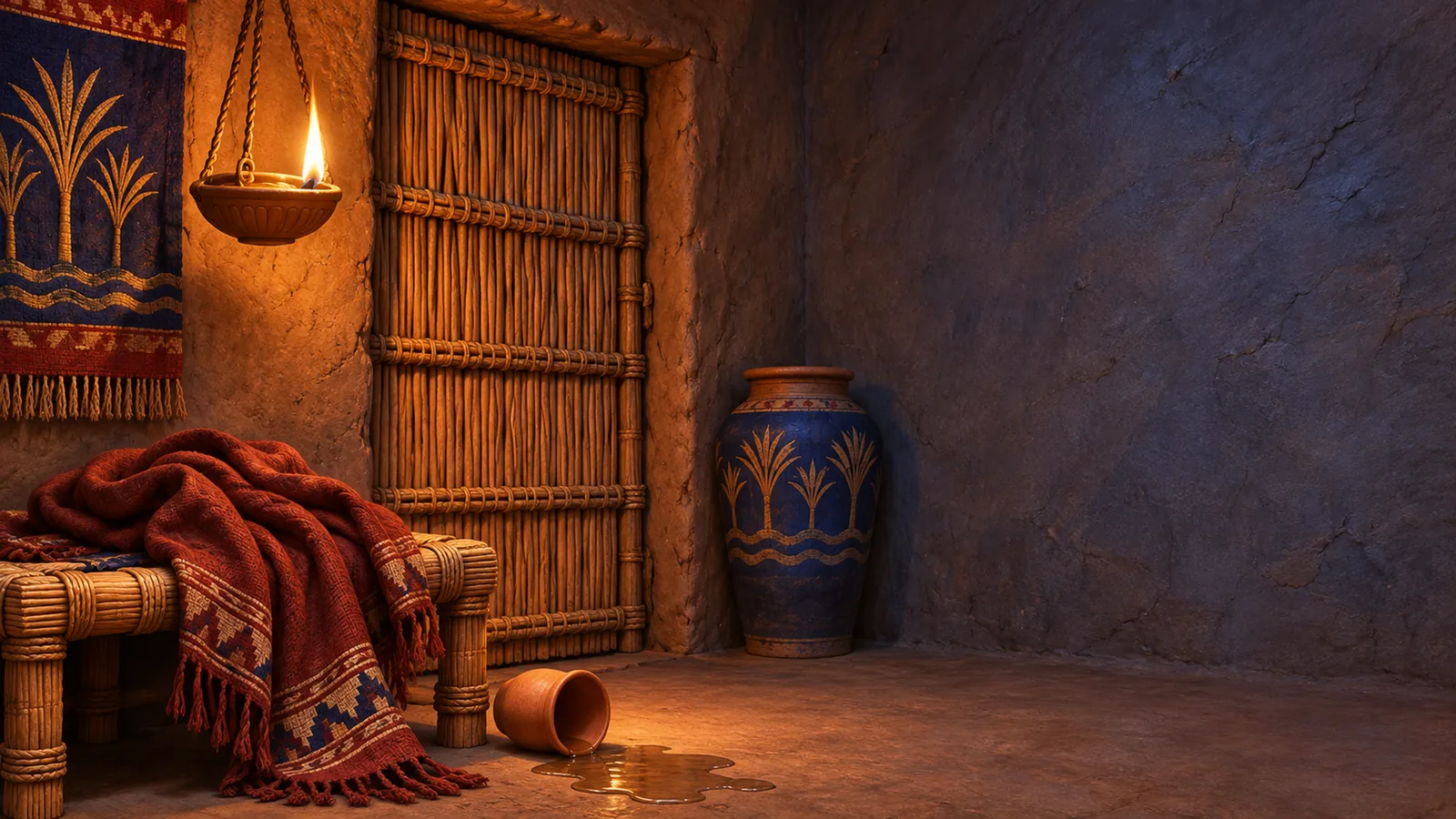
Enkidu küsste in der Unterwelt seine geliebte Frau. Als er sich über sie ärgerte, schlug er sie.

Enkidu küsste sein geliebtes Kind. Dann schlug er seinen Sohn, als er sich über ihn ärgerte.
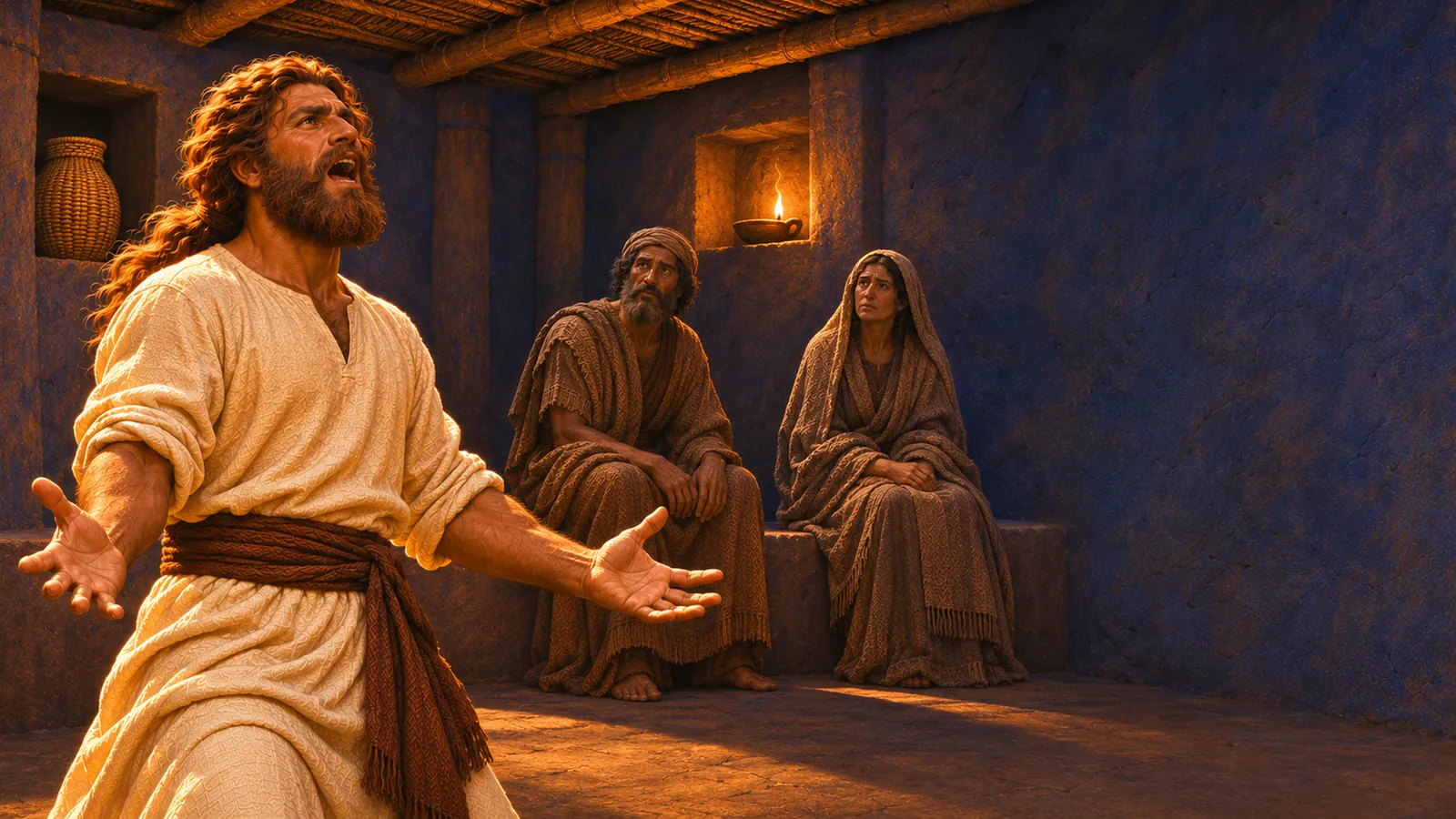
Enkidus Taten lösten in der Unterwelt einen Aufschrei aus, wie Gilgamesh ihn gewarnt hatte.
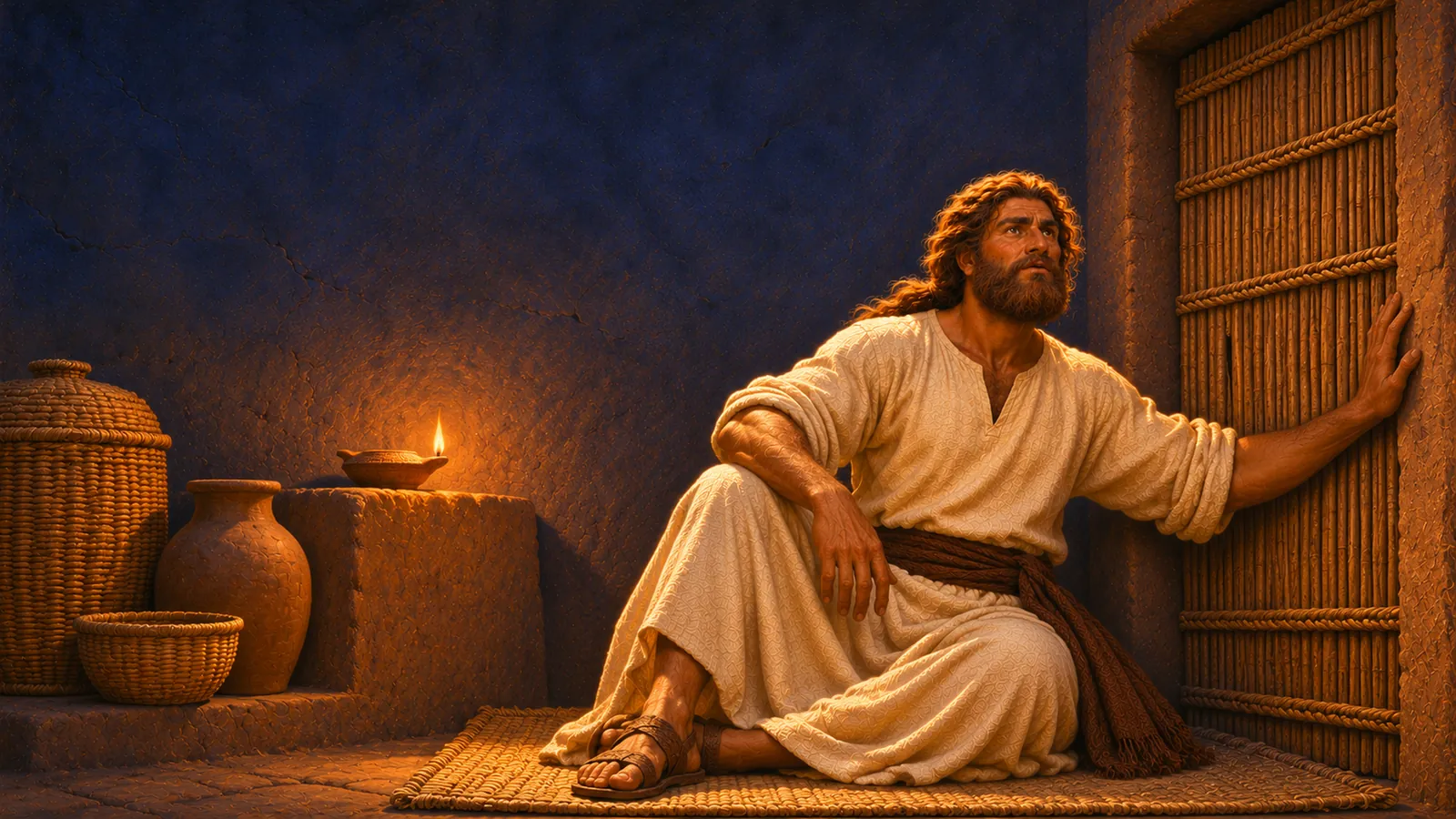
FESTGEHALTEN
Seine Taten hatten einen Aufschrei ausgelöst. Die Unterwelt hielt Enkidu fest, und er blieb dort unten.
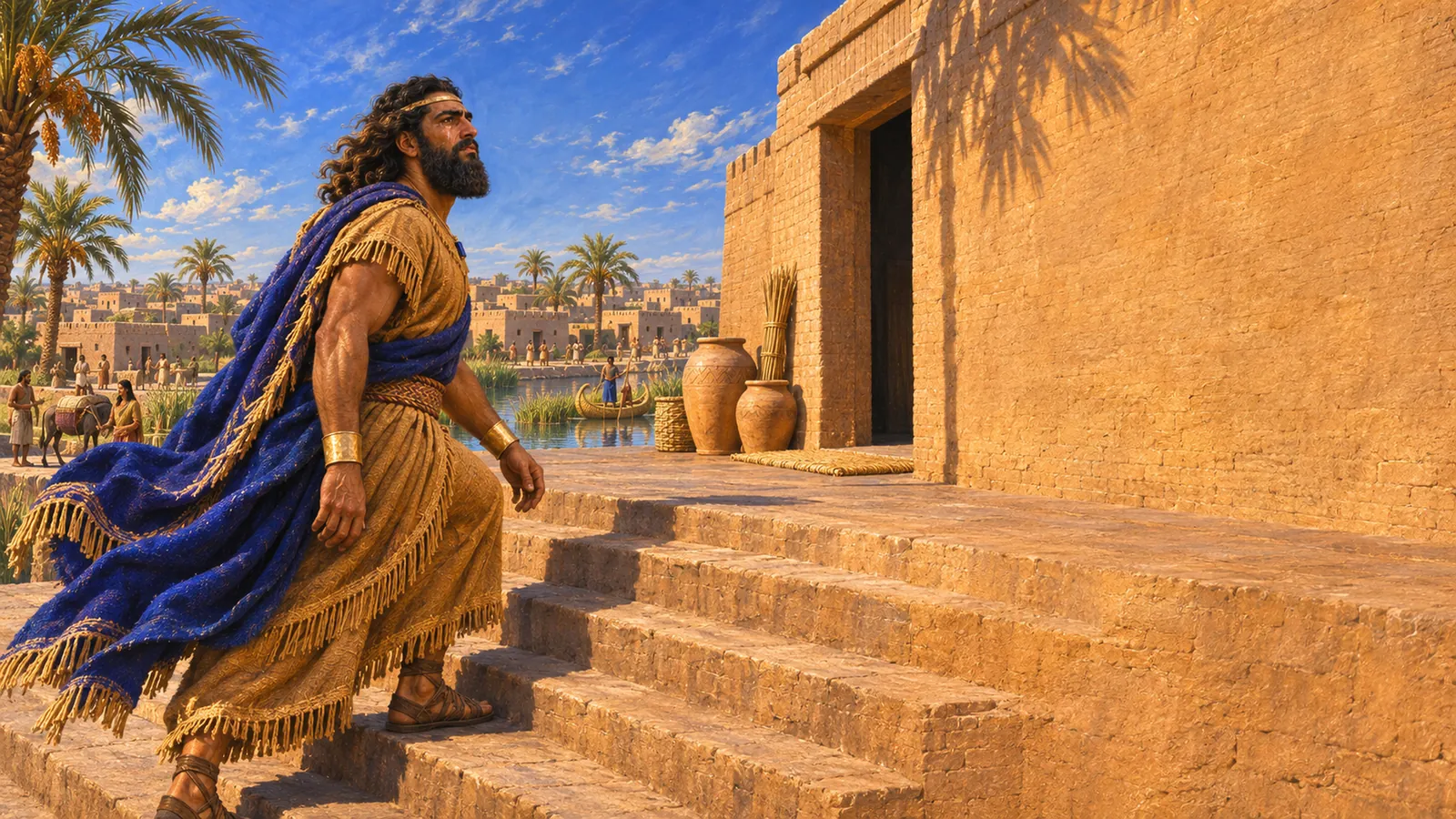
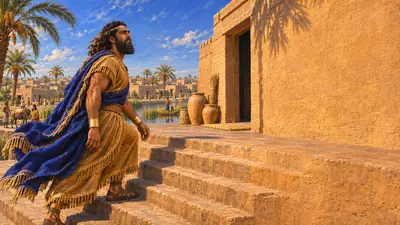
Der Krieger Gilgamesch, Ninsuns Sohn, ging allein zum Ekur, dem Tempel Enlils. Vor Enlil rief er laut.
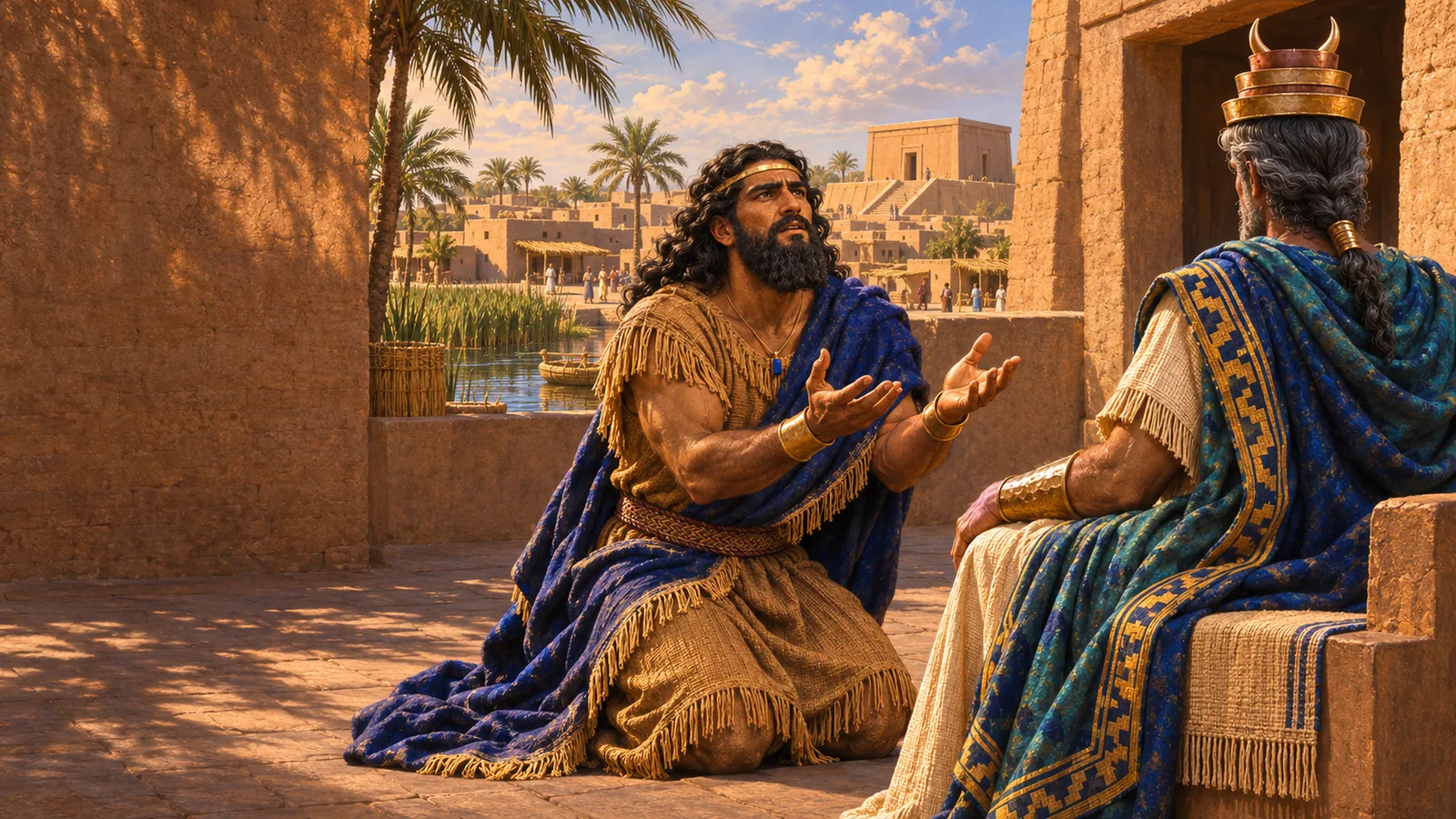
Gilgamesch sagte Enlil, sein Ellag sei in die Unterwelt und sein Ekidma nach Ganzer gefallen. Enkidu sei hinabgestiegen, um sie zurückzuholen, und die Unterwelt habe ihn ergriffen.
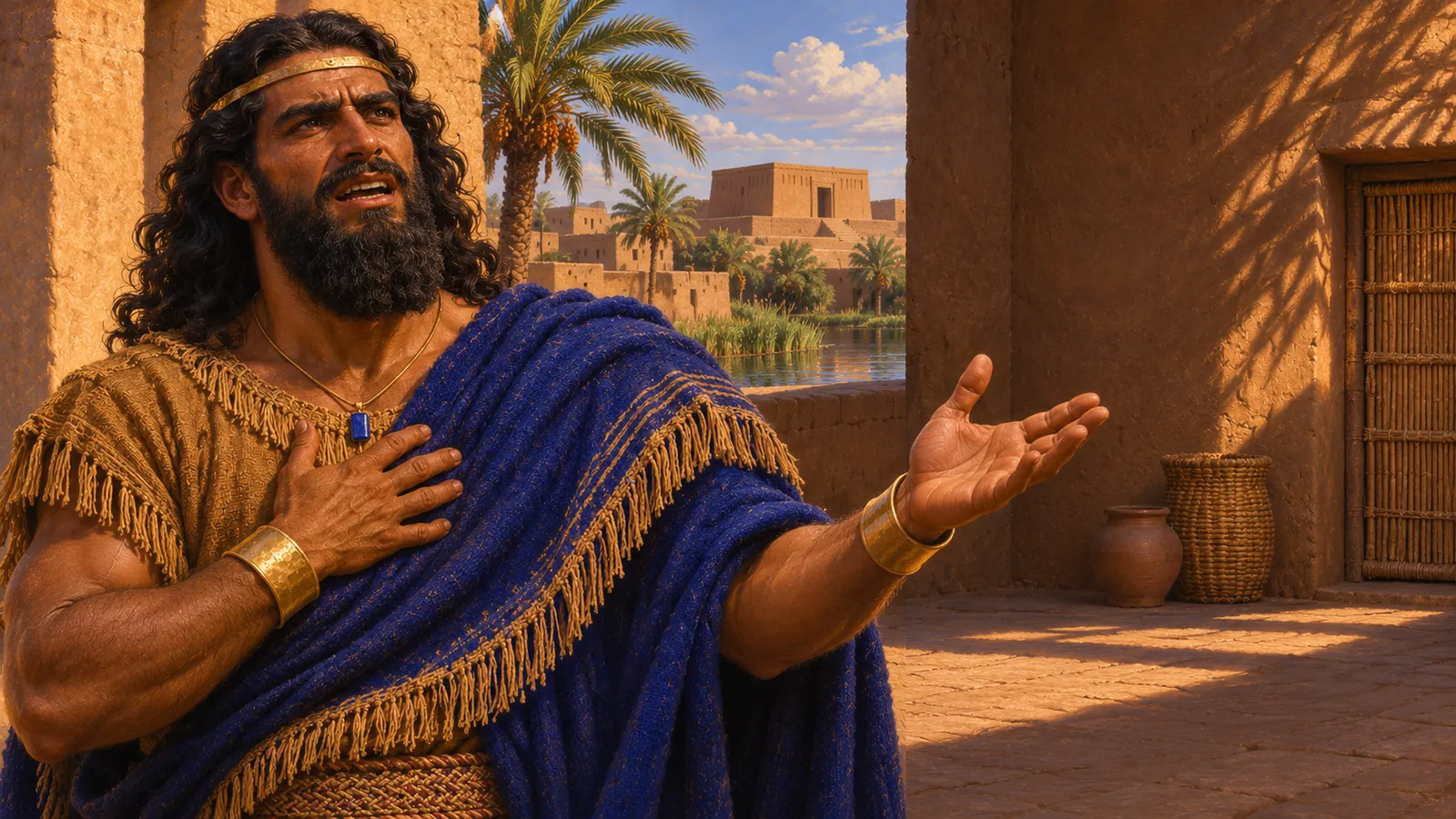
Gilgamesch sagte, weder Namtar noch Asag habe Enkidu ergriffen. Er wiederholte, die Unterwelt selbst habe ihn ergriffen.
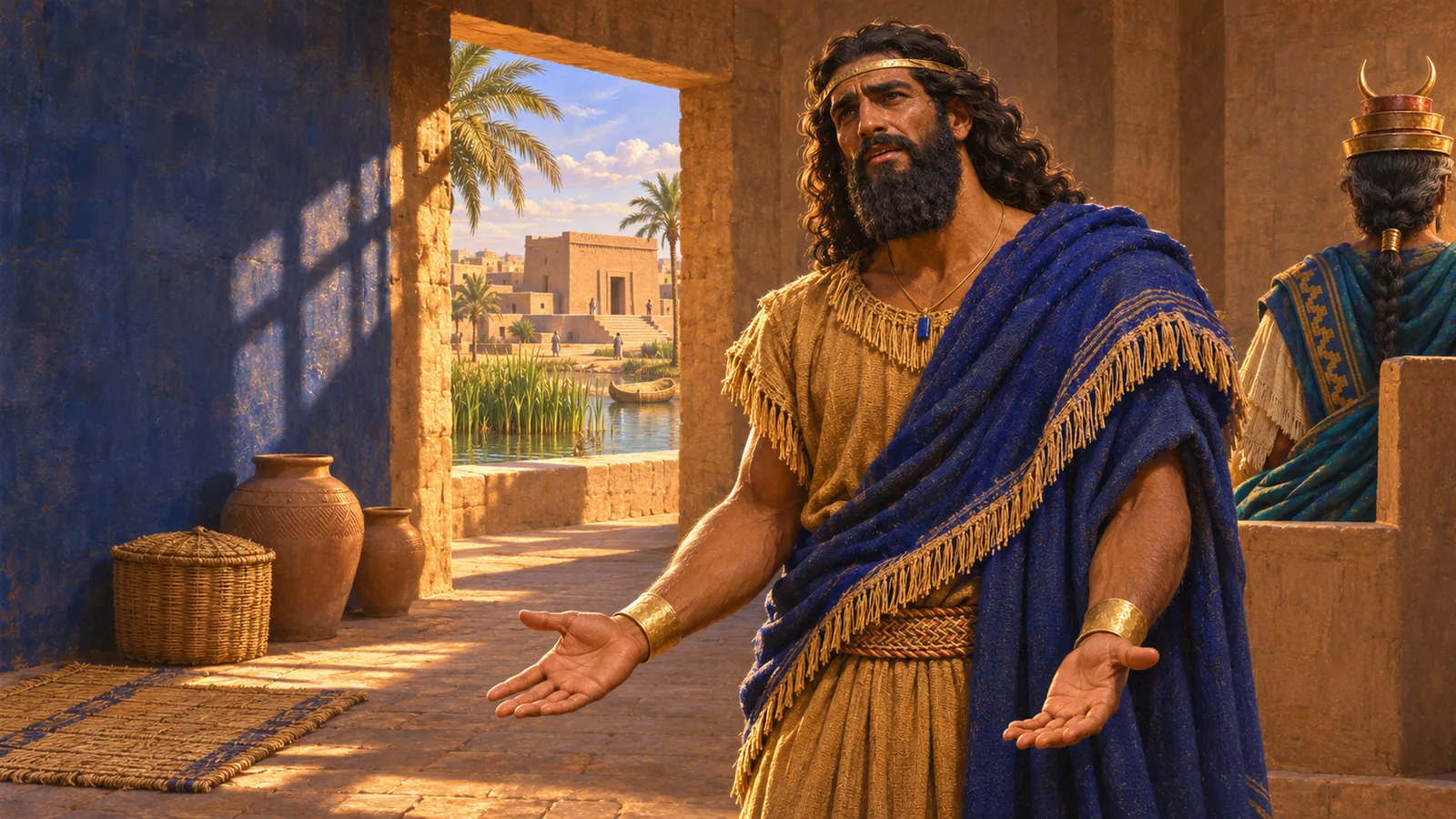
Er sagte, Nergals Udug-Dämon, der niemanden verschont, habe Enkidu nicht ergriffen. Enkidu sei auch nicht im Kampf gefallen. Die Unterwelt habe ihn ergriffen.
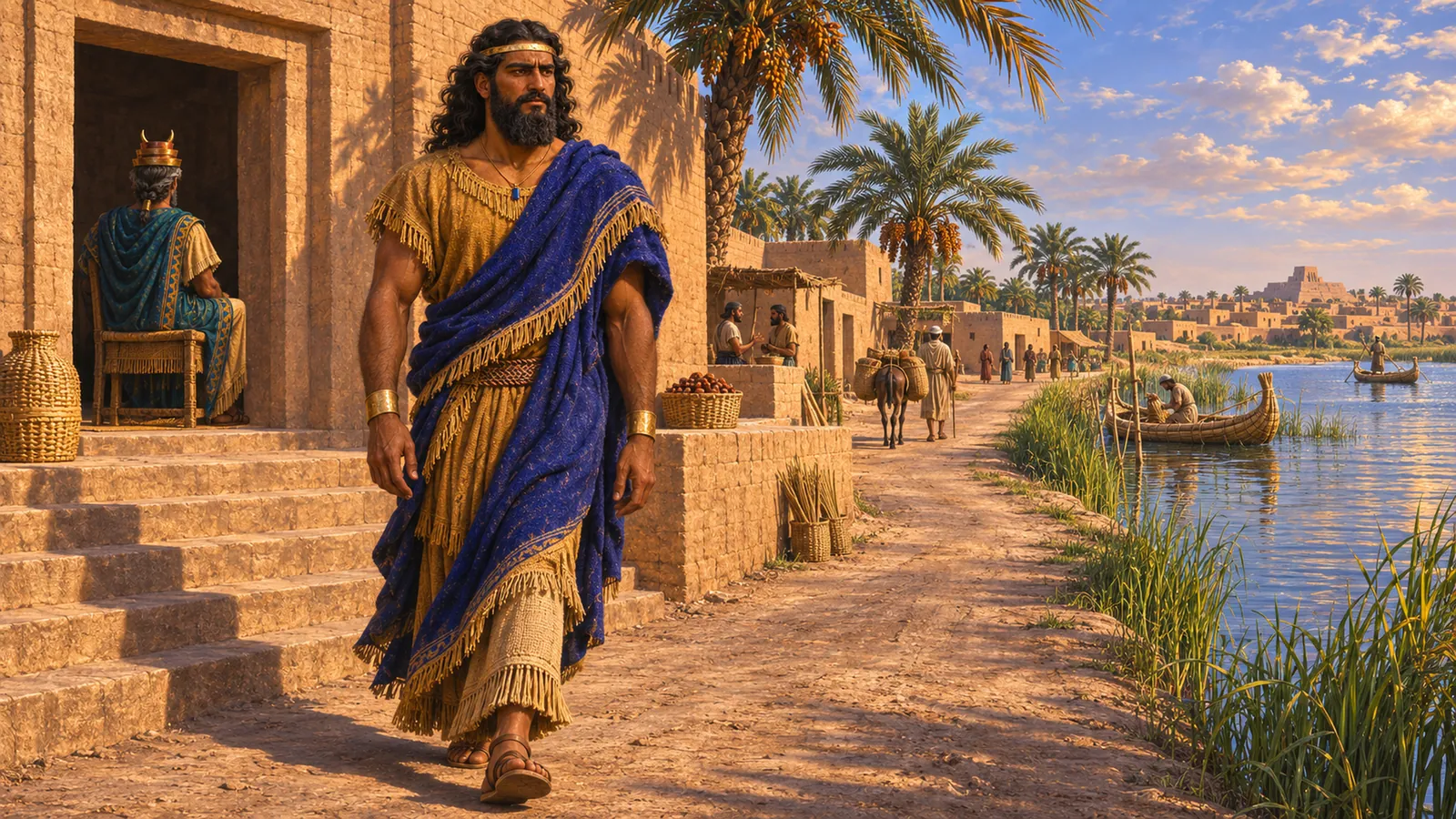
Enlil stand Gilgamesch nicht bei. Darum zog der Krieger weiter nach Eridu, wo er erneut um Hilfe bitten würde.
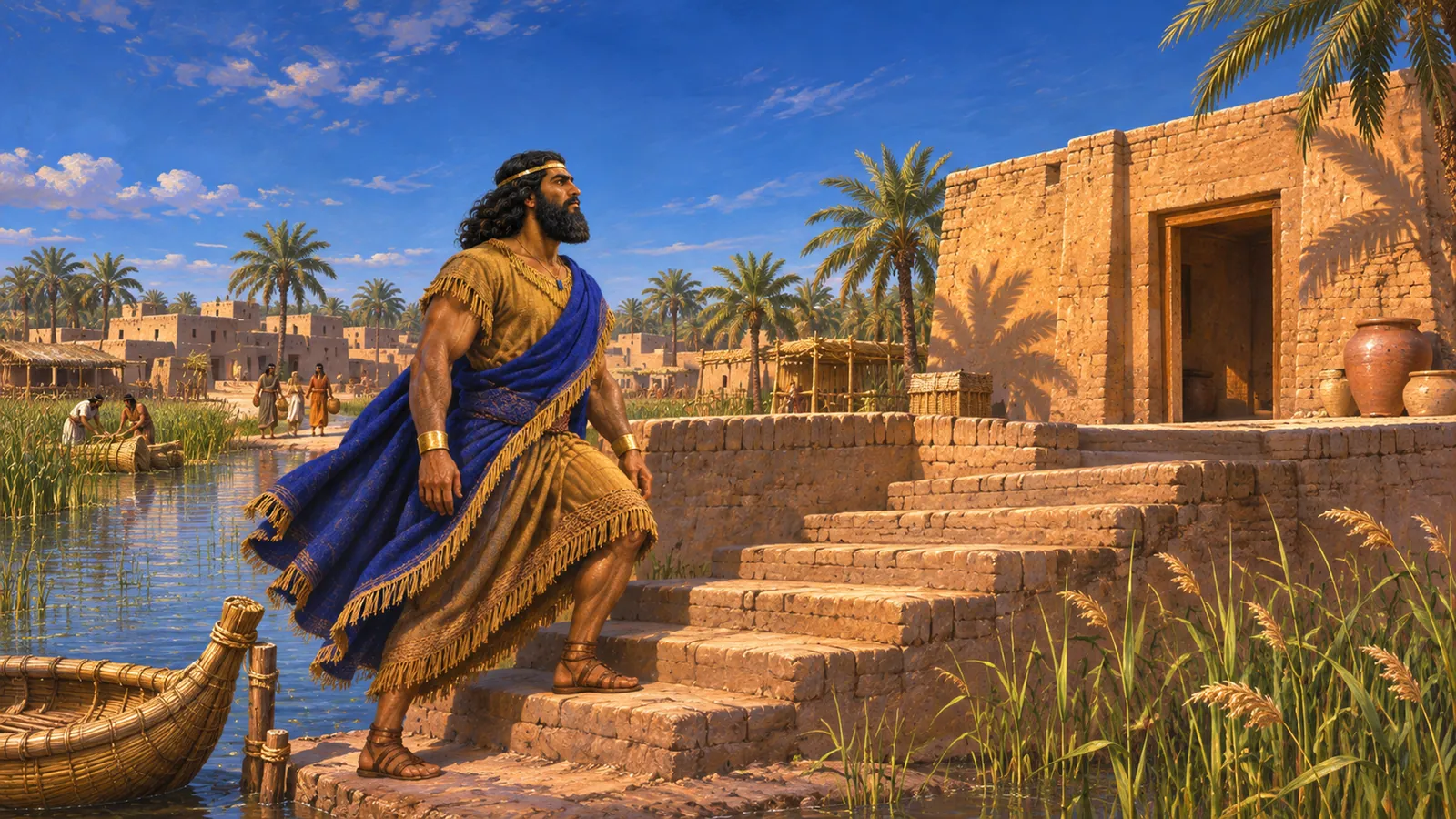
ERIDU
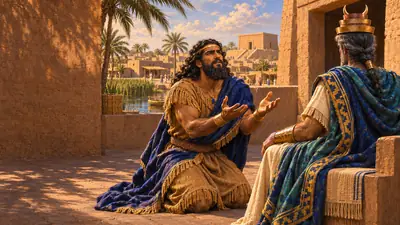
In Eridu ging Gilgamesch allein zum Tempel Enkis. Dort rief er vor Enki laut.
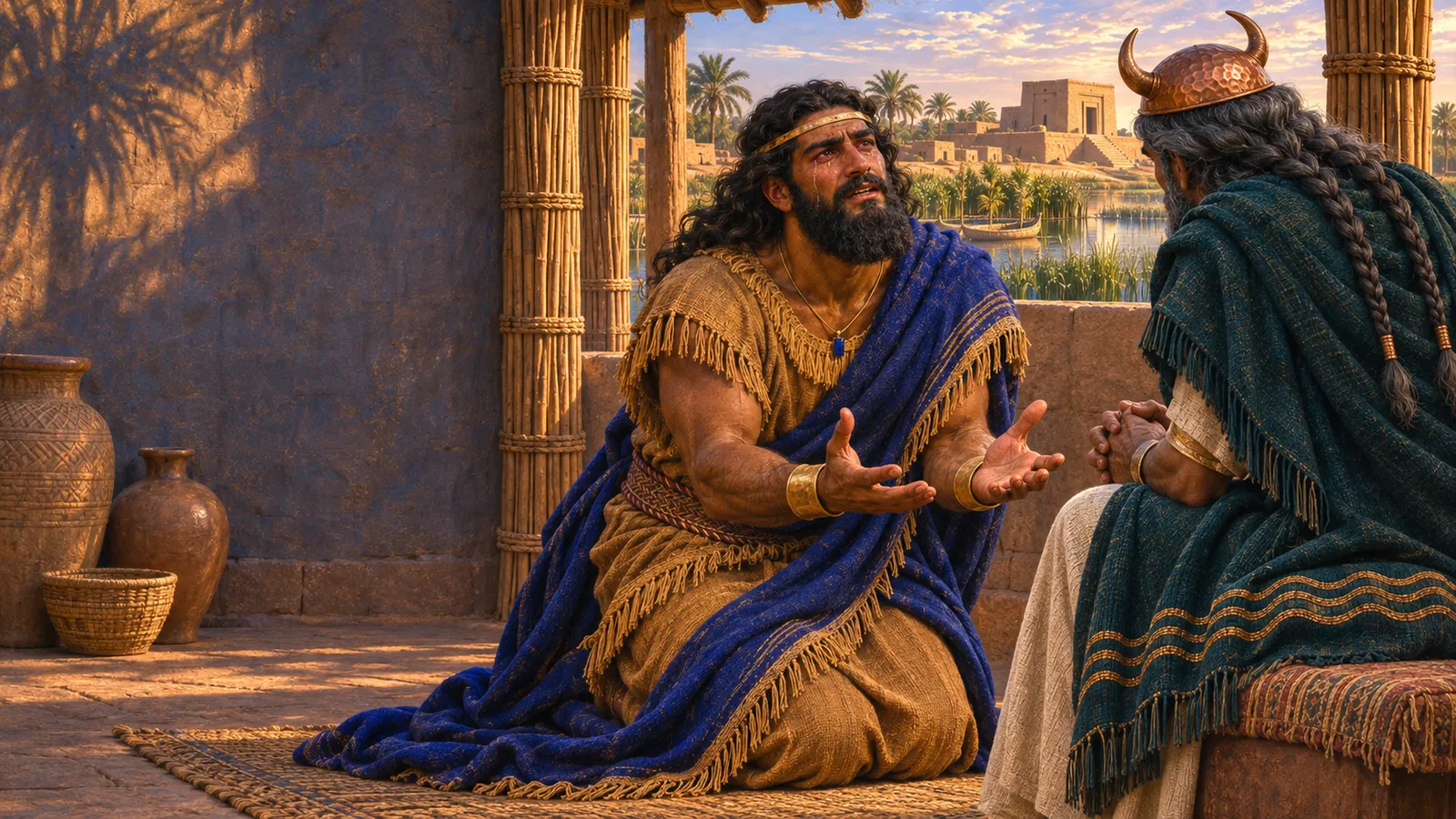
Er sagte Enki, sein Ellag sei in die Unterwelt und sein Ekidma nach Ganzer gefallen. Enkidu sei hinabgestiegen, um sie zu holen, und die Unterwelt habe ihn ergriffen.
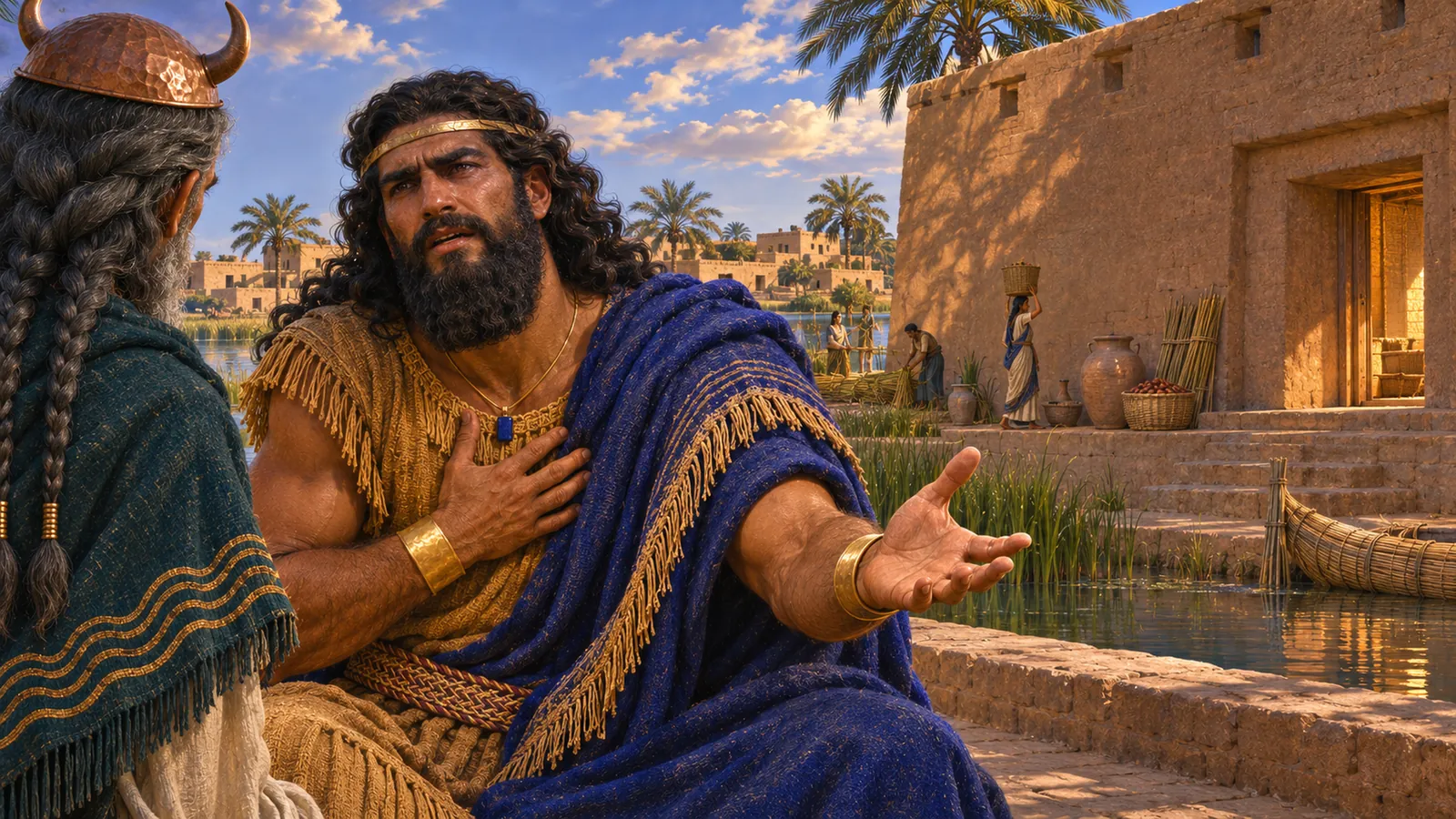
Er nannte Namtar, Asag und Nergals Udug-Dämon und sagte, keiner von ihnen habe Enkidu ergriffen. Enkidu sei auch nicht im Kampf gefallen. Die Unterwelt habe ihn ergriffen.
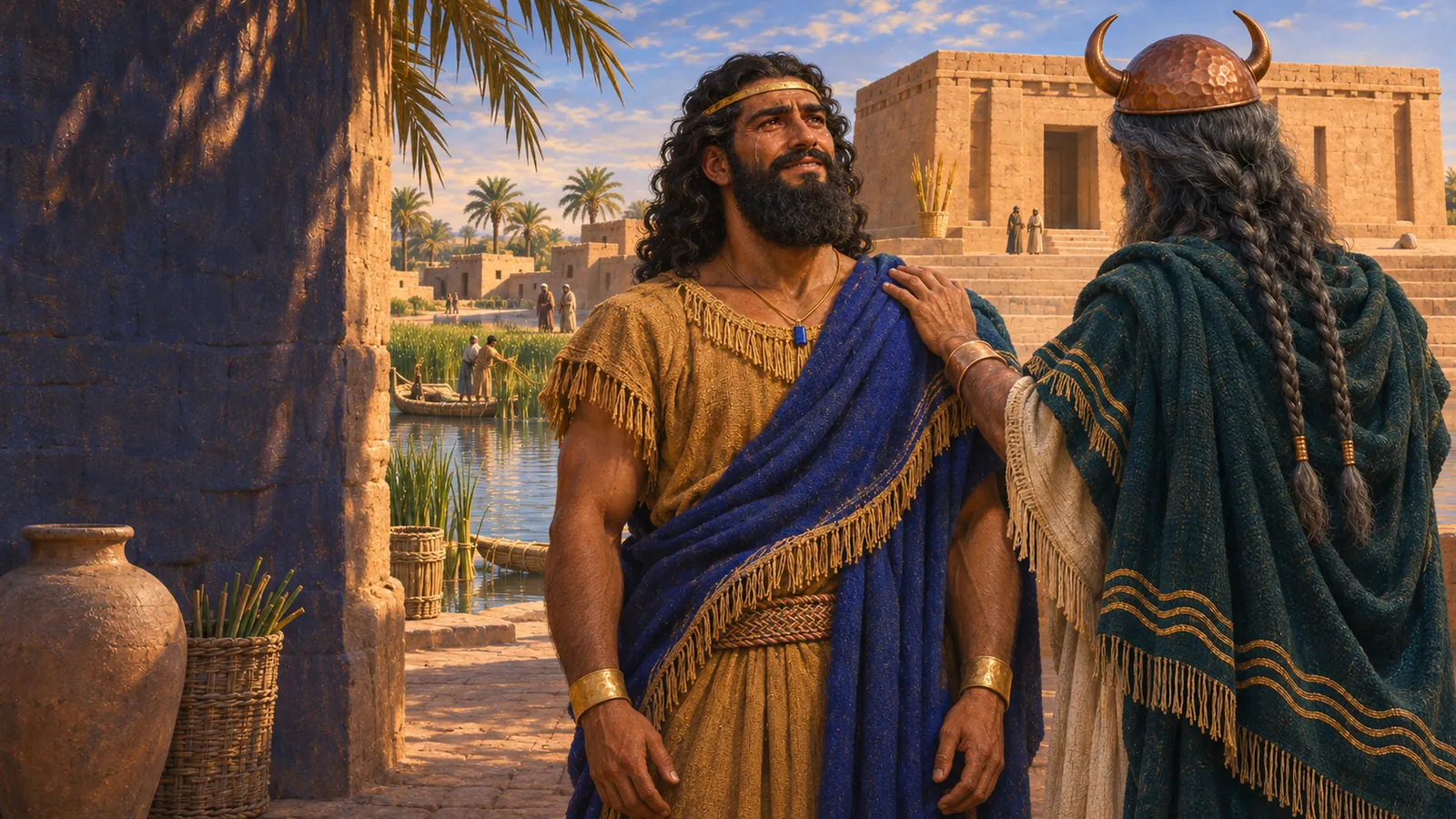
Nachdem Gilgamesch ihm erzählt hatte, was Enkidu widerfahren war, stand Enki ihm in der Sache bei.
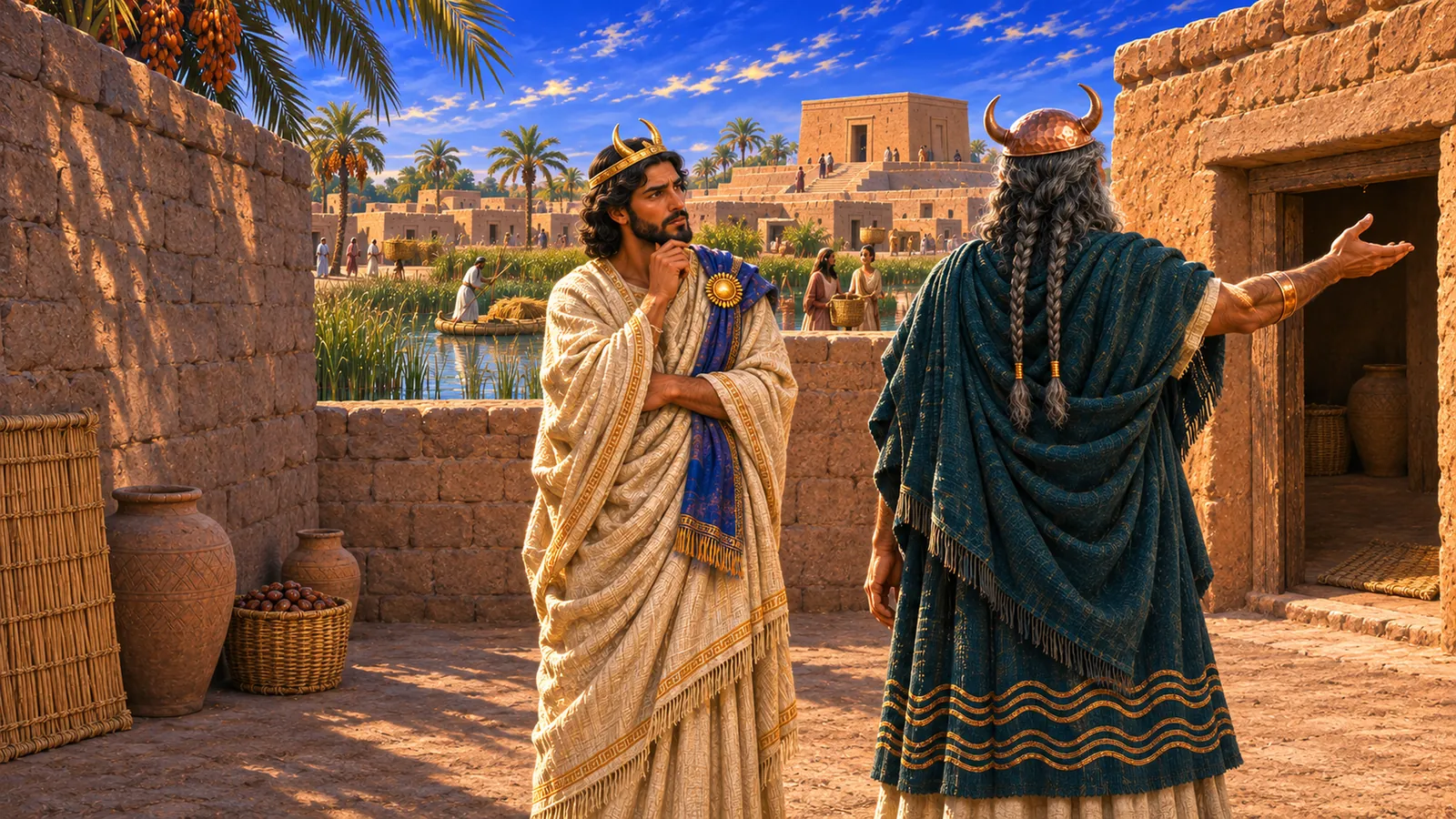
Enki sprach zu Utu, dem jungen Krieger, den Ningal geboren hatte. Er sagte ihm, er solle sofort eine Öffnung in der Unterwelt öffnen und Enkidu heraufbringen.
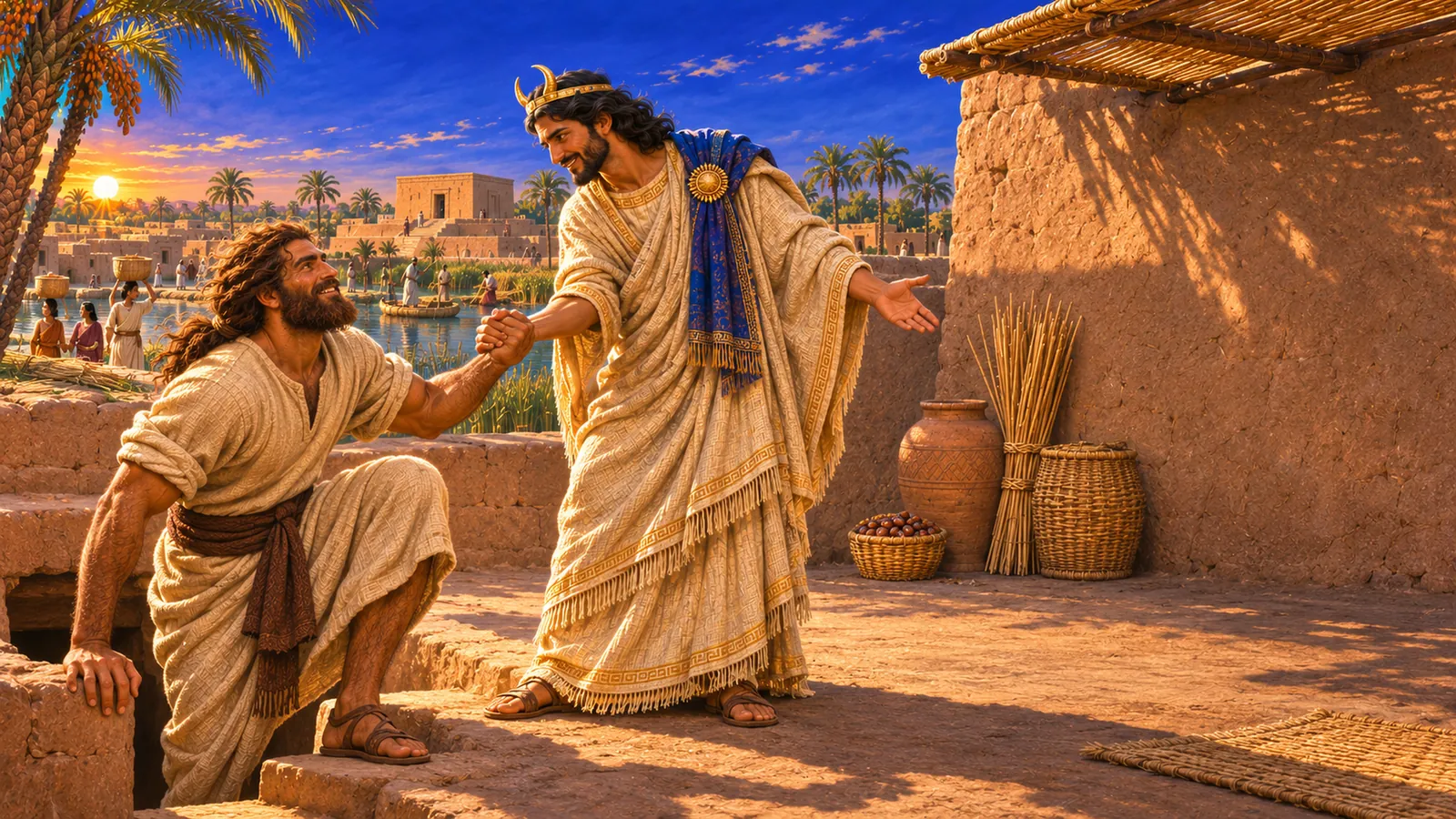
Utu öffnete eine Öffnung in der Unterwelt und brachte Enkidu herauf. Die alten Worte sagen möglicherweise, dass er ihn auf einem Windhauch emportrug.
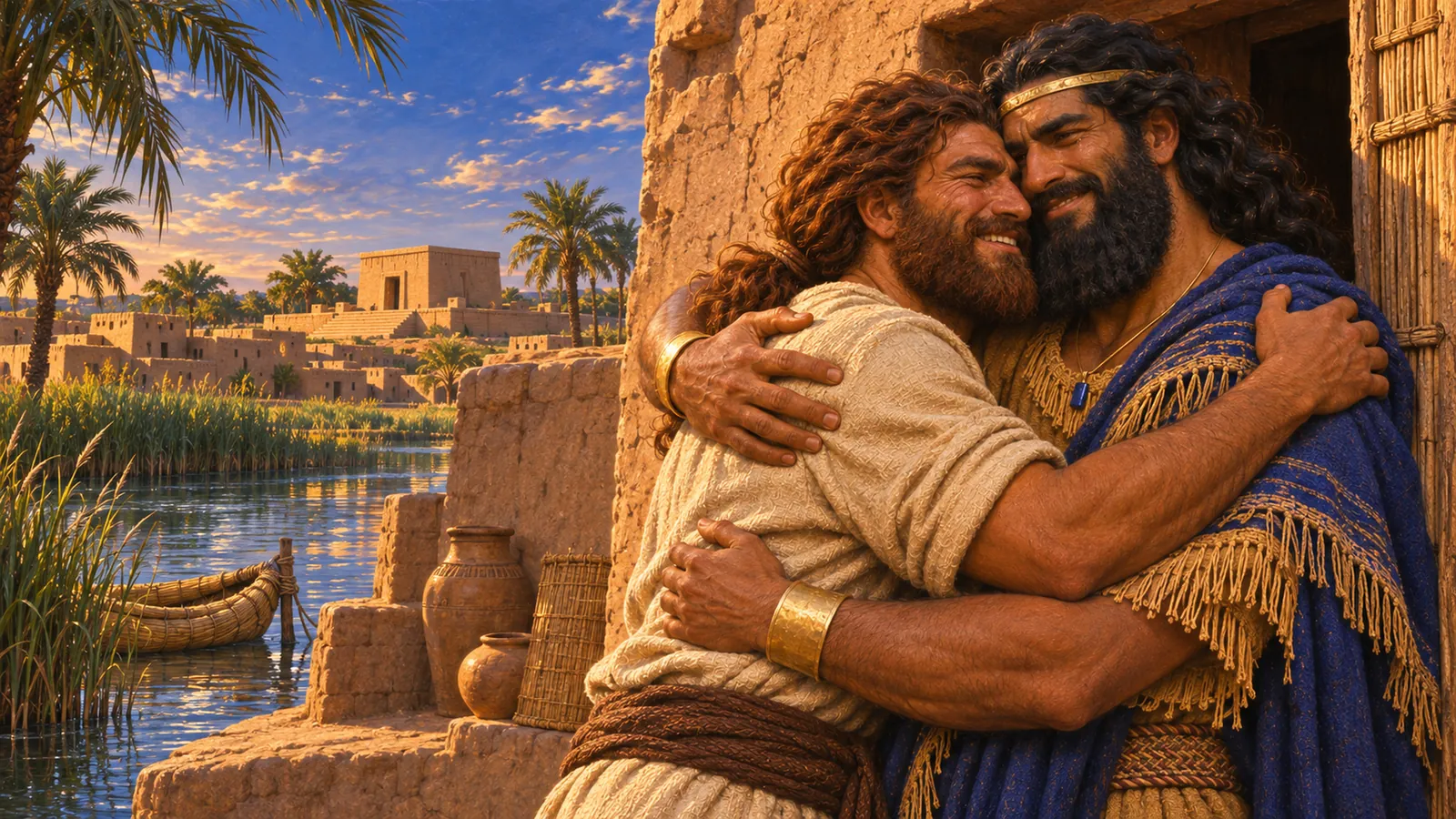
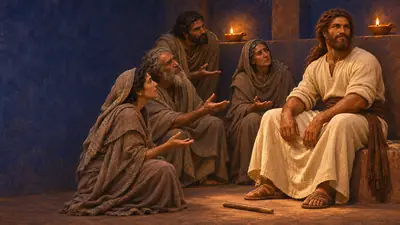
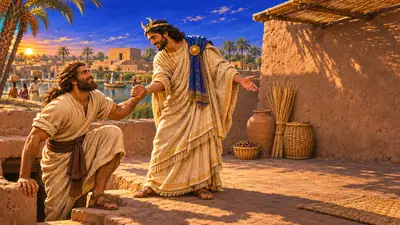
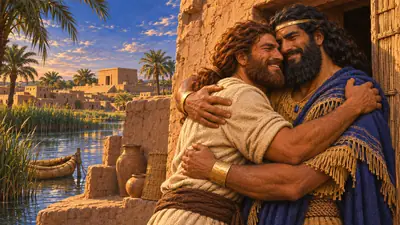
Gilgamesch und Enkidu umarmten und küssten sich, als sie sich wiederbegegneten. Dann stellten sie einander Fragen, eine nach der anderen.
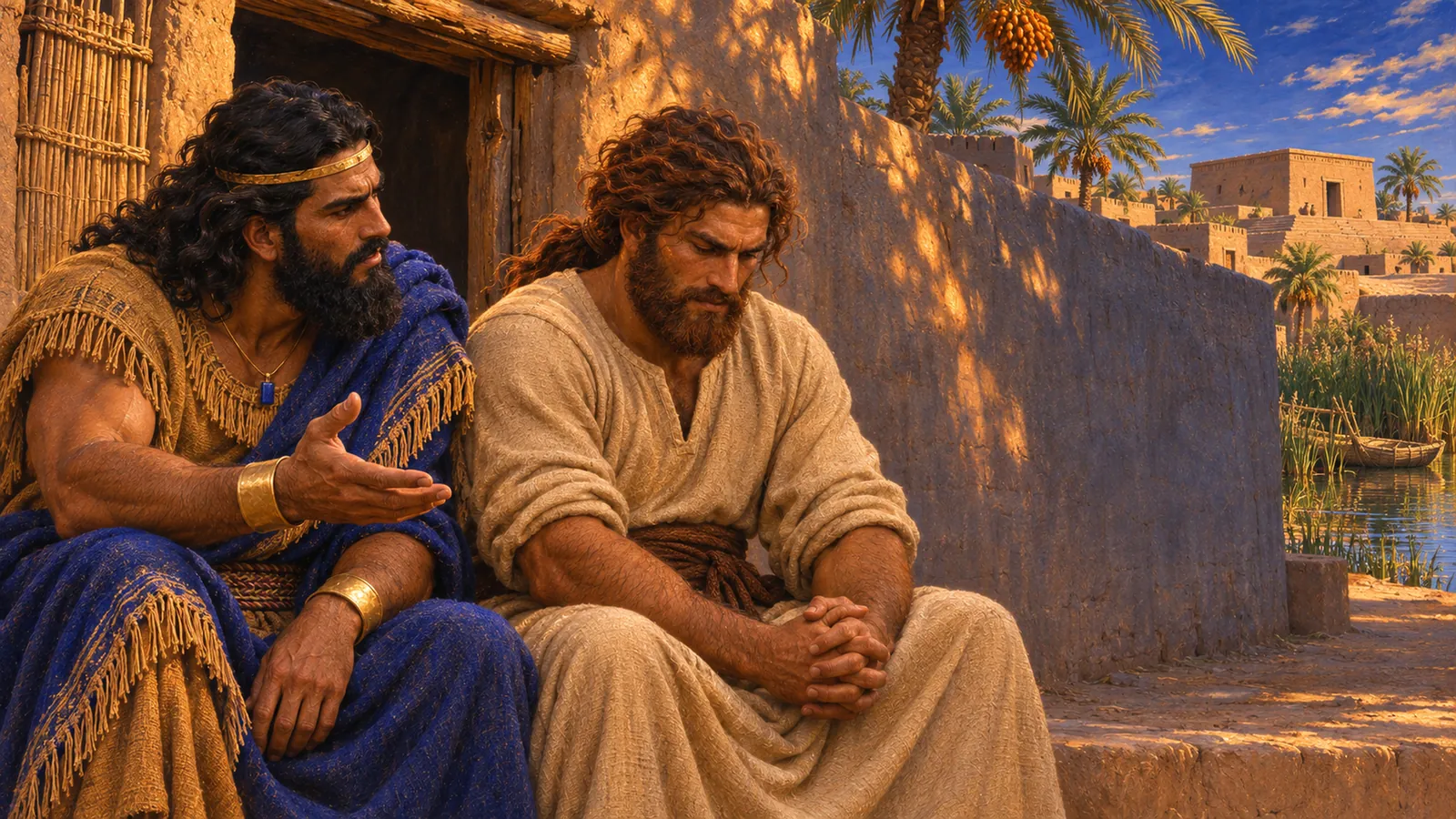
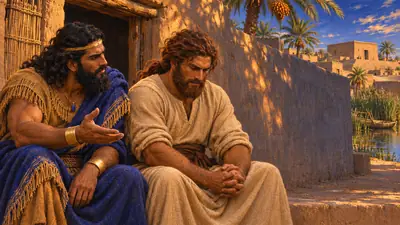
Gilgamesch fragte seinen Freund, welche Ordnung in der Unterwelt herrschte. Enkidu erwiderte, wenn er ihm davon erzähle, müssten sich beide hinsetzen und weinen.
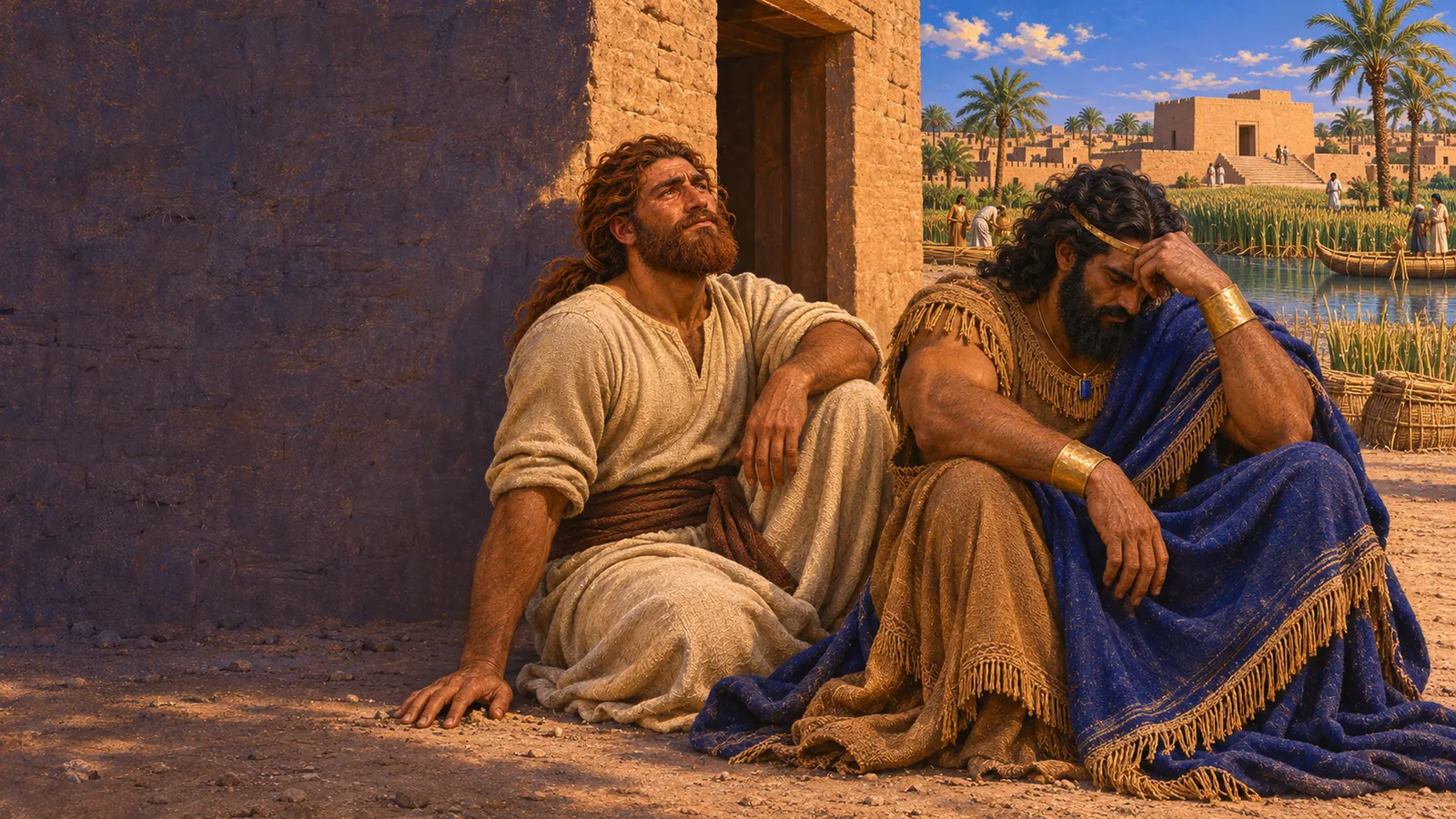
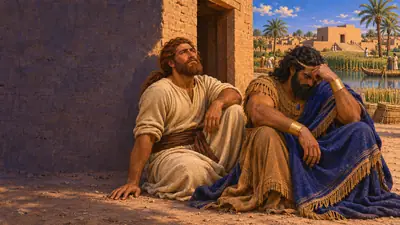
In Enkidus beschädigter Antwort stehen Wörter für Verfall, ein altes Gewand und Staub. Was er beschreibt, bleibt ungewiss. Dann ertönt ein Klageruf, und jemand setzt sich in den Staub.
Ende von Kapitel 2
Alle Seiten



Quellen
The page references follow the printed groups in Oxford’s Version A. The parallel from Me-Turan has its own line numbering and supplies details specific to that witness.
Benutzte Editionen
Hinweise zu dieser Nacherzählung
Pages 1–5, Version A 166–175. Gilgamesh weeps at the gate of Ganzer. He laments both implements, wishes that the ellag were still waiting in the carpenter’s house and says how he would treat the carpenter’s wife and child. The translation gives manuscript variations for the wording of both retrieval questions. The retelling condenses the recurring wish and keeps the two questions distinct. Ellag and ekidma are the edition’s terms for the two game implements. The passage supplies no rules and the edition notes earlier that the pronunciation of ekidma is uncertain (Version A 136–150).
Pages 6–9, Version A 176–183. The composite calls Enkidu Gilgamesh’s servant and gives his promise to retrieve each implement. The wording of “answered,” the designation of his addressee and the formula urging attention vary across the witnesses. In Gilgamesh’s conditional instruction one witness omits “today.” The retelling follows the composite and condenses the final repeated appeals to heed the advice.
Pages 10–12, Version A 184–198. The clean garments would mark Enkidu as an outsider. A witness shifts the possessive in the phrase about scent from the oil to the person. The retelling uses the scent of the oil. Gilgamesh warns that those struck down by throw-sticks would surround Enkidu if he hurled them. These are his instructions and describe no action by Enkidu on these pages.
Pages 13–14, Version A 184–198. The Oxford English has a duplicated negative in the instruction about the cornel-wood stick. The sequence of prohibitions and the later description of the spirits’ reaction when Enkidu holds it (Version A 205–220) support reading the clause as a warning against holding the stick. The instructions against sandals and shouting finish this group of pages. The following pages continue the same Oxford passage.
Pages 15–18, Version A 184–198. Gilgamesh warns against kissing his beloved wife on page 15, striking his wife even if annoyed with her on page 16, and kissing his beloved child or striking his son even if annoyed on page 17. Page 18 gives his warning that the resulting outcry would detain Enkidu below. The warnings are part of Gilgamesh’s instructions.
Pages 19–21, Version A 199–204. This passage is still Gilgamesh speaking. The woman is identified as the mother of Ninazu who lies there. She has no proper name in this passage. The exact comparison gives fingers like a pickaxe, and says she plucks her hair like leeks. The artwork uses empty settings throughout.
Pages 22–26, Version A 205–220. The translation prints a duplicated negative in the sentence about whether Enkidu heeded his master. His ensuing actions establish the intended disobedience. Clean garments give him away, the smell of fine oil draws those below around him, those struck down by throw-sticks surround him, the spirits take offense when he holds the cornel-wood stick, and he puts on sandals and causes irritation. The earlier warning includes shouting. This paragraph describes irritation without specifying a shout.
Pages 27–29, Version A 205–220. The text says Enkidu kissed his wife and struck her when annoyed. It then says he kissed his child and struck his son when annoyed. The two assaults are reported separately. Page 29 gives the ensuing outcry. Detention belongs to the final clause, taken up on page 30.
Page 30 (Version A 205–220). The Oxford English translation prints a duplicated negative in the introductory phrase about heeding Gilgamesh. The actions, including striking his wife and his son when annoyed, give the result of breaking the prohibitions. The outcry and Enkidu’s detention close this source group.
Page 31 (Version A 221–229). The warrior Gilgamesh is identified as the son of Ninsumun, the name rendered here as Ninsun. He goes alone to Ekur, Enlil’s temple. The place name Nippur appears in the linked account of Ekur. In this passage the translation gives the sanctuary’s name.
Pages 32–35 (Version A 221–229). Gilgamesh says the ellag fell into the netherworld and the ekidma fell into Ganzer. In his appeal he distinguishes the netherworld’s seizure of Enkidu from seizure by Namtar, Asag and Nergal’s udug, and from falling in battle. Enlil does not stand by him. He then goes to Eridu, written Eridug in Oxford’s translation.
Pages 36–39 (Version A 230–237). Gilgamesh goes alone to the temple of Enki and repeats the loss of the objects and the distinctions concerning Enkidu’s seizure. This time Enki stands by him. The instruction to Utu starts in the following group, 238–242.
Me-Turan, Segment A 10–24. In this parallel the servant stays below for seven days, and the king calls Enkidu his beloved servant, faithful companion and counsellor. The witness repeats the appeal at Ekur with damaged wording. Oxford marks an unknown number of missing lines after Segment A 17–24. The seven days belong to this witness.
Pages 40–41, ETCSL 1.8.1.4, Version A, lines 238–242. Enki instructs Utu, the young warrior born to Ningal, to open a hole and bring Gilgamesh’s servant up. Utu opens it and brings him up. Oxford places a question mark after the reading about a breeze. The translation does not settle which form Enkidu took or whether the implements were recovered.
Pages 42–43, lines 243–253. The two embrace and kiss, then ask questions. Gilgamesh asks about the netherworld’s order. Enkidu says that if he tells him, both will sit and weep.
Page 44, lines 243–253. The referent of the damaged clause is unclear. The surviving description says worms infest it, with a questioned old-garment comparison, and speaks of dust. The translation ends the exchange with a lament and sitting in the dust, using a pronoun.
Die antiken Verse hinter jeder Seite
- Page 1: ETCSL 1.8.1.4, Version A, lines 166–175
- Page 2: ETCSL 1.8.1.4, Version A, lines 166–175
- Page 3: ETCSL 1.8.1.4, Version A, lines 166–175
- Page 4: ETCSL 1.8.1.4, Version A, lines 166–175
- Page 5: ETCSL 1.8.1.4, Version A, lines 166–175
- Page 6: ETCSL 1.8.1.4, Version A, lines 176–183
The whole left text rectangle is continuous dull earth-clay shade. - Page 7: ETCSL 1.8.1.4, Version A, lines 176–183
- Page 8: ETCSL 1.8.1.4, Version A, lines 176–183
- Page 9: ETCSL 1.8.1.4, Version A, lines 176–183
- Page 10: ETCSL 1.8.1.4, Version A, lines 184–198
- Page 11: ETCSL 1.8.1.4, Version A, lines 184–198
- Page 12: ETCSL 1.8.1.4, Version A, lines 184–198
- Page 13: ETCSL 1.8.1.4, Version A, lines 184–198
- Page 14: ETCSL 1.8.1.4, Version A, lines 184–198
- Page 15: ETCSL 1.8.1.4, Version A, lines 184–198
- Page 16: ETCSL 1.8.1.4, Version A, lines 184–198
- Page 17: ETCSL 1.8.1.4, Version A, lines 184–198
- Page 18: ETCSL 1.8.1.4, Version A, lines 184–198
- Page 19: ETCSL 1.8.1.4, Version A, lines 199–204
- Page 20: ETCSL 1.8.1.4, Version A, lines 199–204
- Page 21: ETCSL 1.8.1.4, Version A, lines 199–204
- Page 22: ETCSL 1.8.1.4, Version A, lines 205–220
- Page 23: ETCSL 1.8.1.4, Version A, lines 205–220
- Page 24: ETCSL 1.8.1.4, Version A, lines 205–220
- Page 25: ETCSL 1.8.1.4, Version A, lines 205–220
- Page 26: ETCSL 1.8.1.4, Version A, lines 205–220
- Page 27: ETCSL 1.8.1.4, Version A, lines 205–220
- Page 28: ETCSL 1.8.1.4, Version A, lines 205–220
- Page 29: ETCSL 1.8.1.4, Version A, lines 205–220
- Page 30: ETCSL 1.8.1.4, Version A, lines 205–220
- Page 31: ETCSL 1.8.1.4, Version A, lines 221–229
- Page 32: ETCSL 1.8.1.4, Version A, lines 221–229
- Page 33: ETCSL 1.8.1.4, Version A, lines 221–229
- Page 34: ETCSL 1.8.1.4, Version A, lines 221–229
- Page 35: ETCSL 1.8.1.4, Version A, lines 221–229
- Page 36: ETCSL 1.8.1.4, Version A, lines 230–237
- Page 37: ETCSL 1.8.1.4, Version A, lines 230–237
- Page 38: ETCSL 1.8.1.4, Version A, lines 230–237
- Page 39: ETCSL 1.8.1.4, Version A, lines 230–237
- Page 40: ETCSL 1.8.1.4, Version A, lines 238–242
- Page 41: ETCSL 1.8.1.4, Version A, lines 238–242
- Page 42: ETCSL 1.8.1.4, Version A, lines 243–253
- Page 43: ETCSL 1.8.1.4, Version A, lines 243–253
- Page 44: ETCSL 1.8.1.4, Version A, lines 243–253
Illustrationen von IL Archive mit KI-Werkzeugen; der Text folgt den antiken Quellen (siehe die Quellen am Ende jedes Kapitels).