Gilgamesch, Enkidu und die Unterwelt Kapitel 3
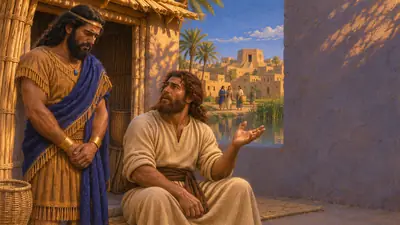
Was Enkidu sah
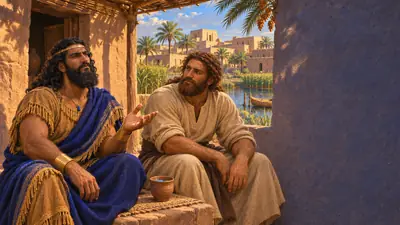
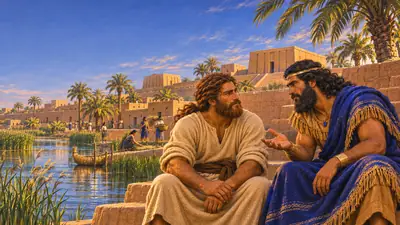
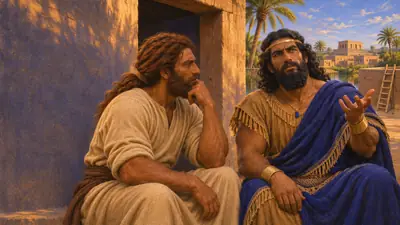
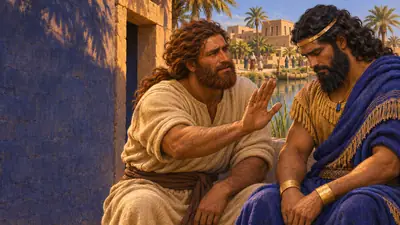
Gilgamesch fragt nach dem Los der Toten, und Enkidu erzählt ihm, was er gesehen hat. Ihre Fragen und Antworten reichen bis zum Ende von Oxfords Version A. Drei Handschriften aus Ur und eine Fassung aus Me-Turan bieten andere Lesarten und Schlüsse. Ihre Berichte stehen unter eigenen Überschriften.
QuellenBlättern Sie mit den Pfeilen, den Pfeiltasten oder durch Wischen.
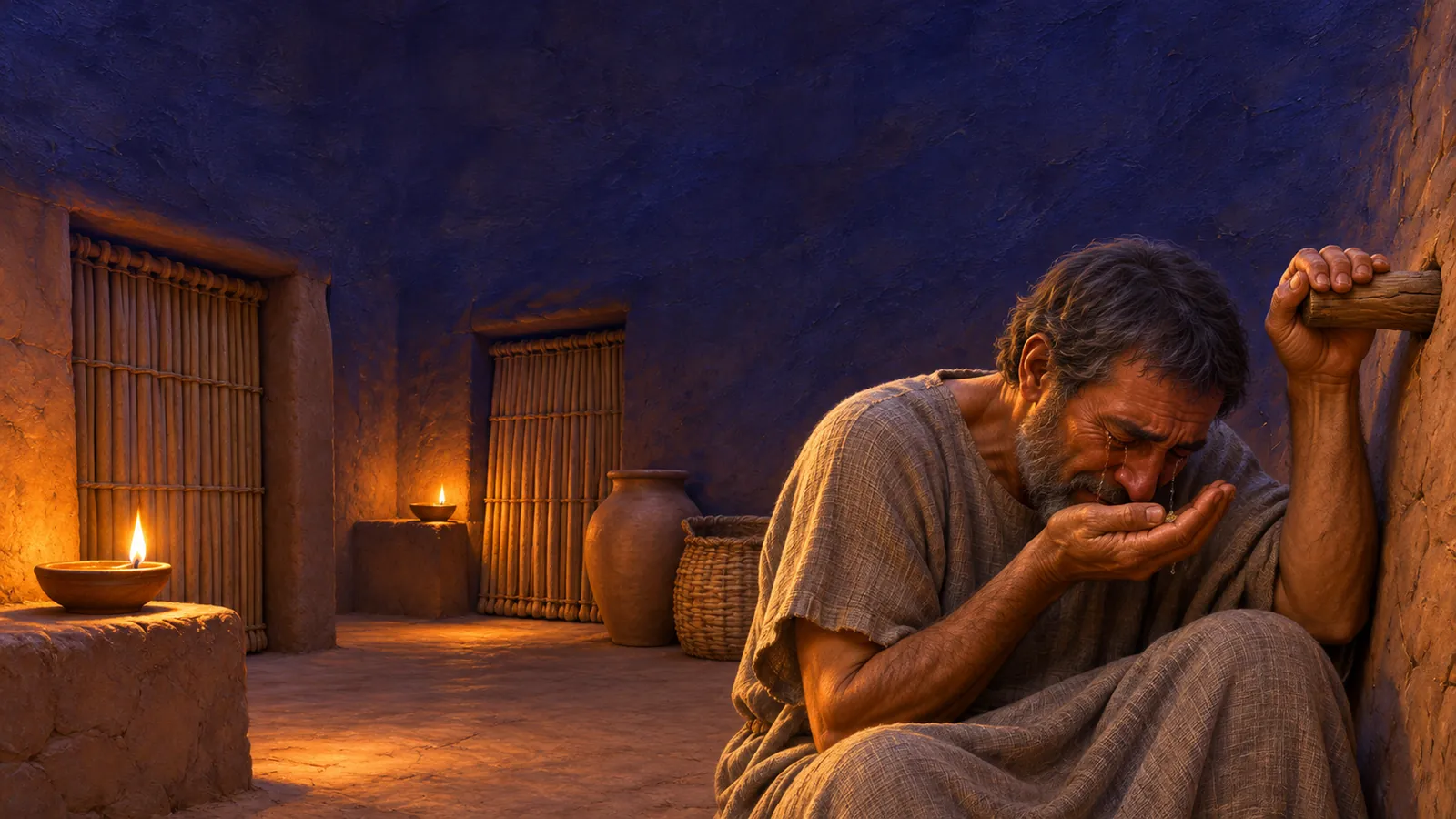
WAS ENKIDU SAH
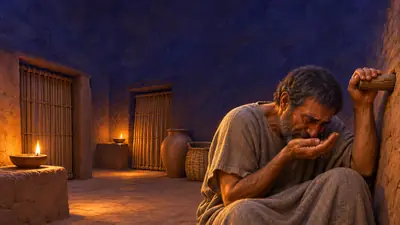
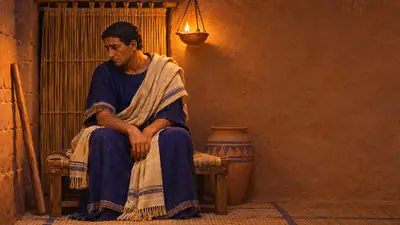
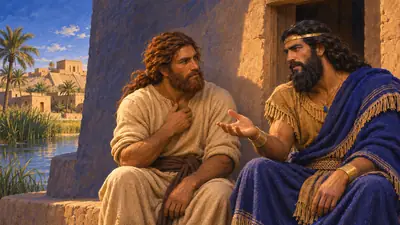
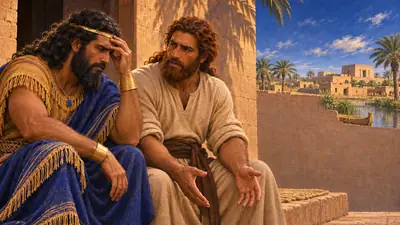
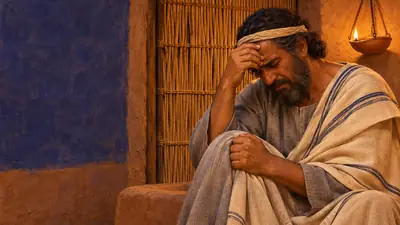
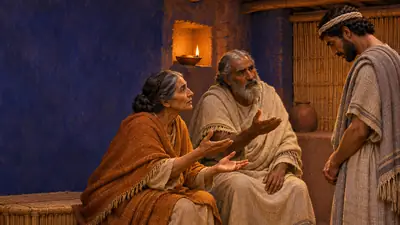
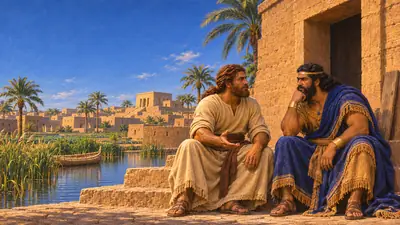
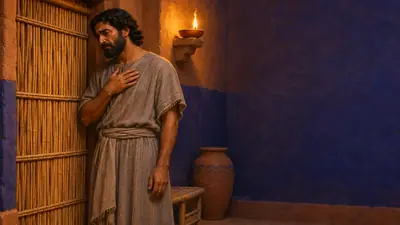
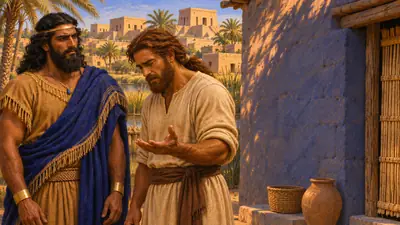
Gilgamesh fragte nach dem Mann, der einen Sohn gehabt hatte. Enkidu sagte, er habe ihn am Holzpflock in seiner Wand bitterlich weinen sehen.
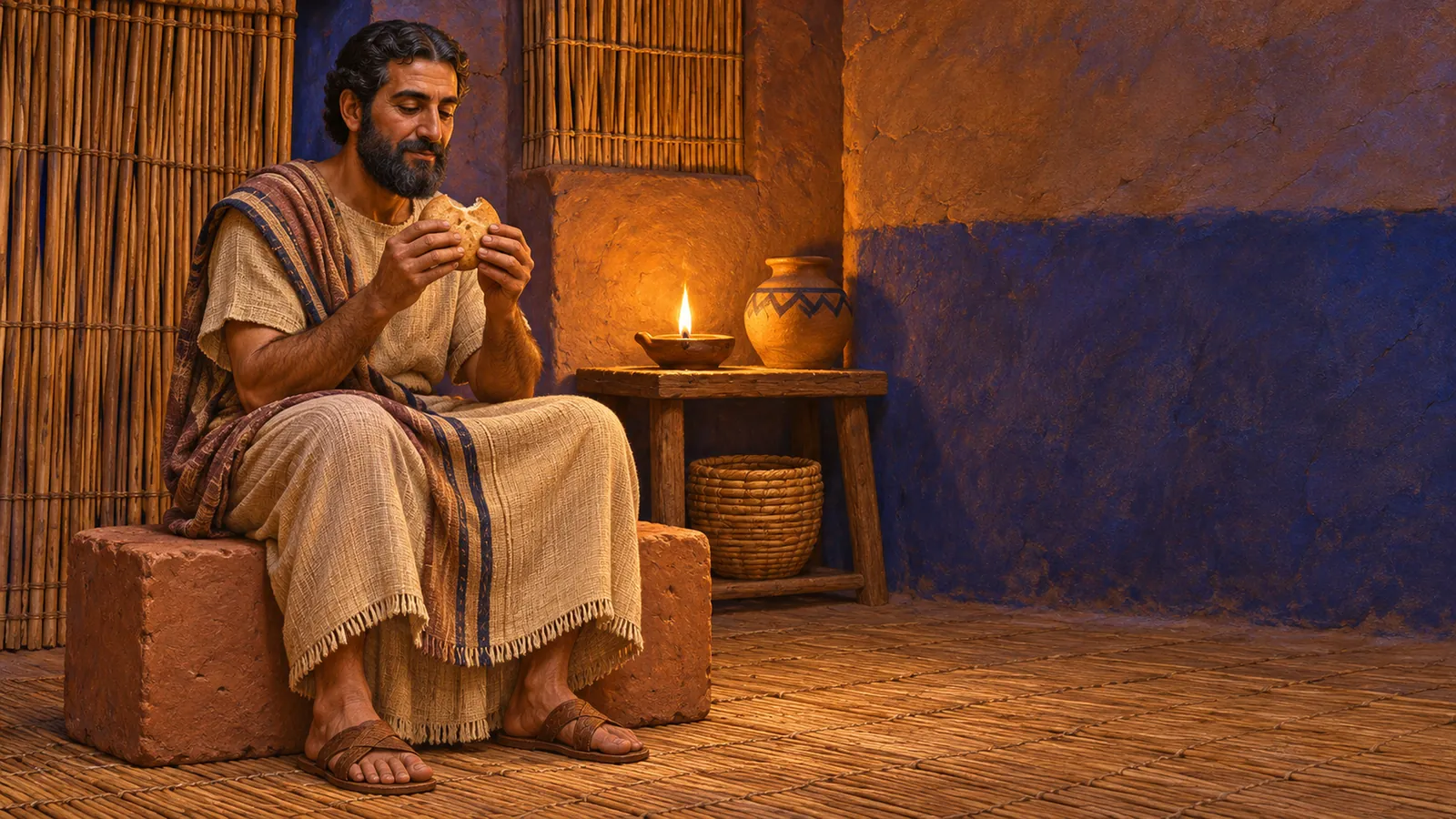
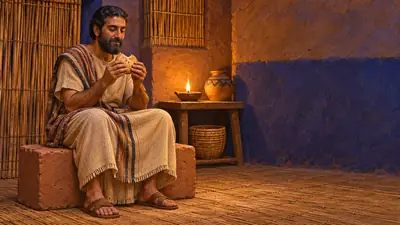
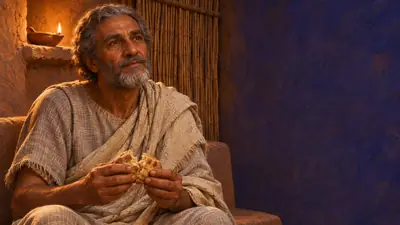
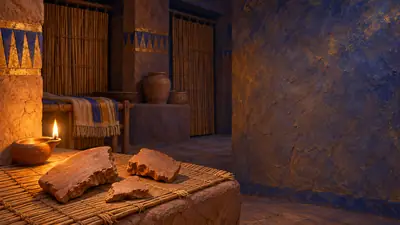
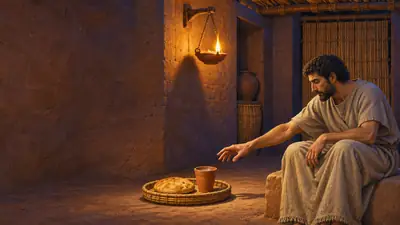
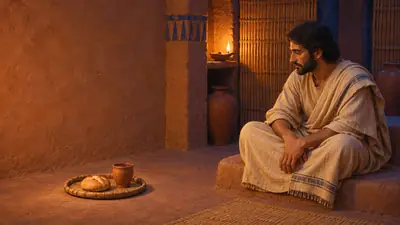
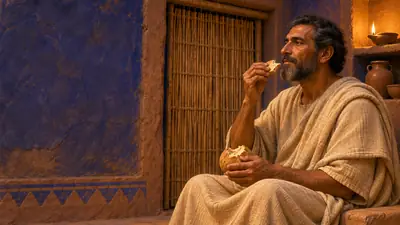
Gilgamesh fragte nach dem Mann, der zwei Söhne gehabt hatte. Enkidu sagte, er sitze auf zwei Ziegeln und esse Brot.
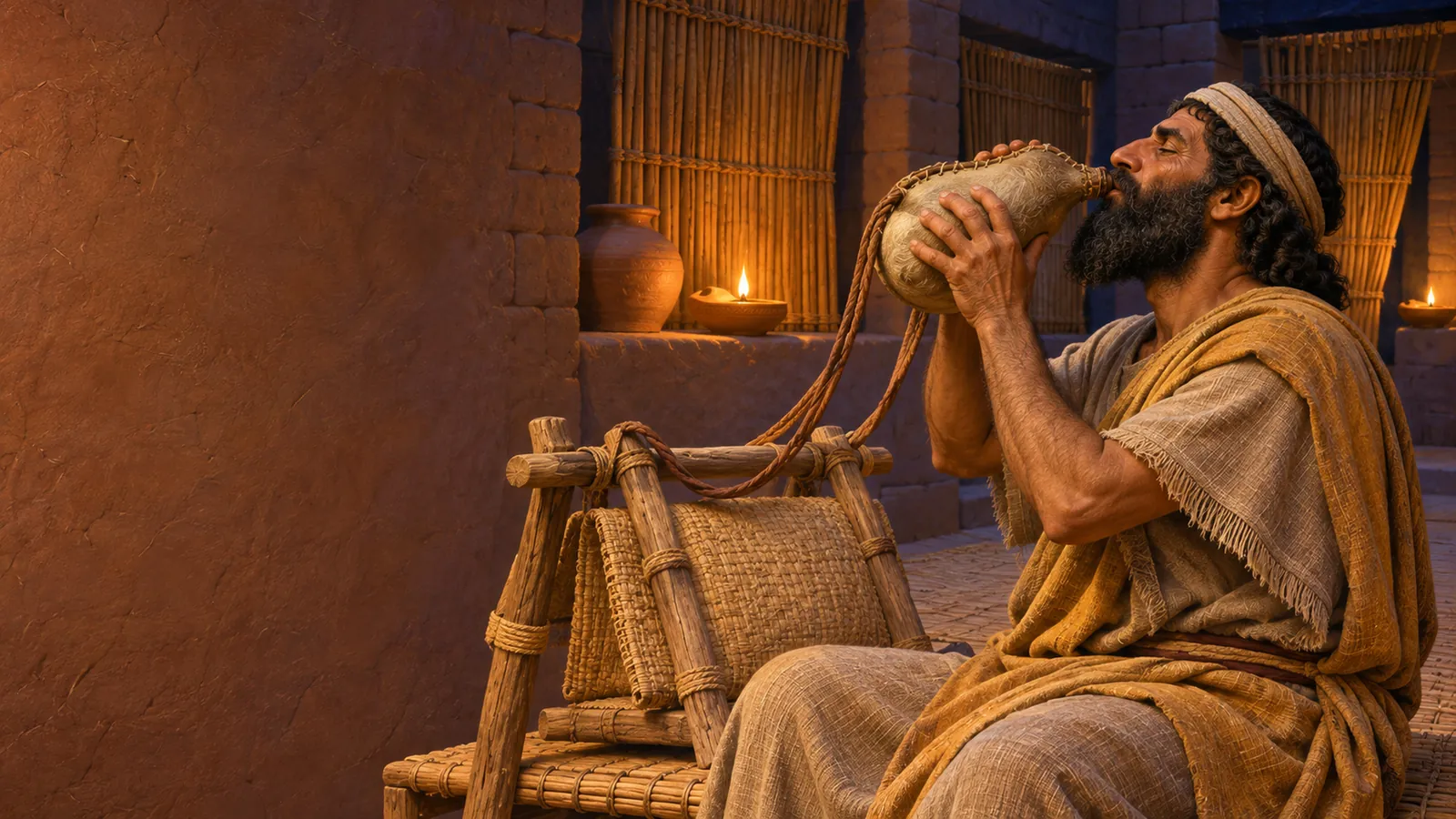
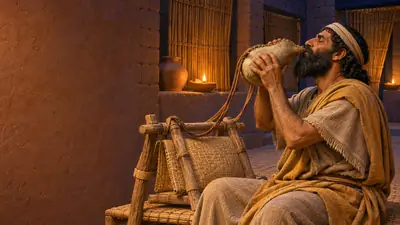
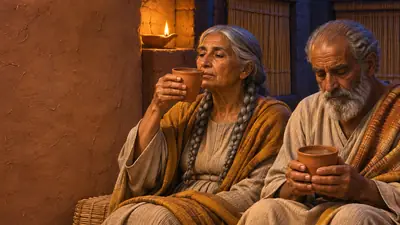
Gilgamesh fragte nach dem Mann, der drei Söhne gehabt hatte. Enkidu sagte, er trinke Wasser aus einem Sattelschlauch.
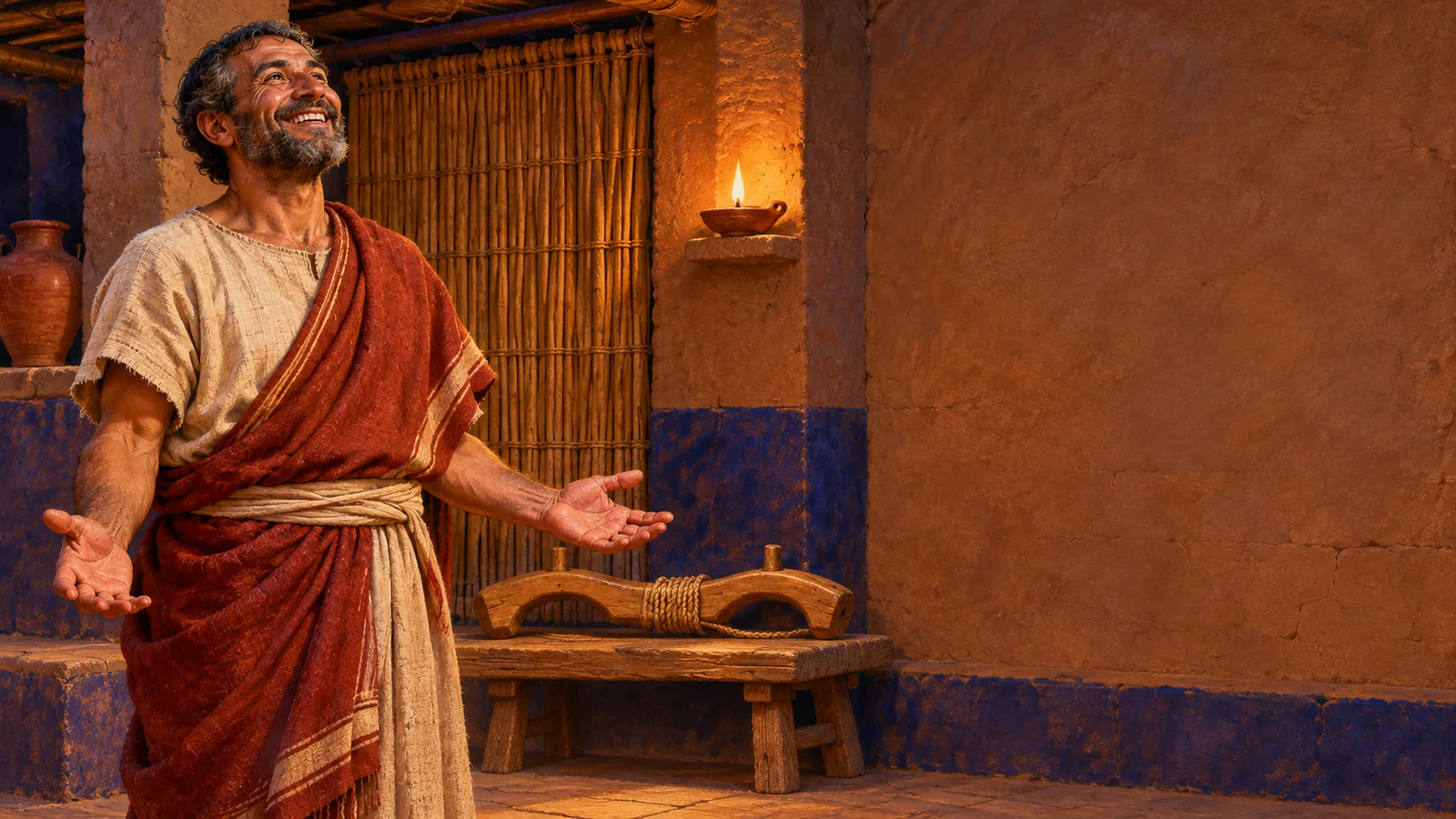
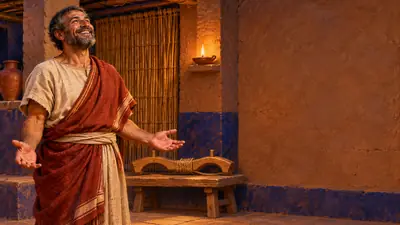
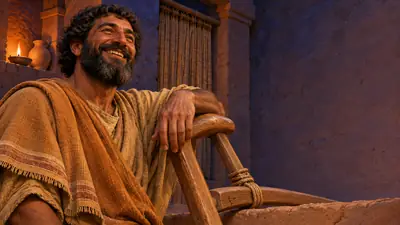
Gilgamesh fragte nach dem Mann, der vier Söhne gehabt hatte. Enkidu sagte, sein Herz freue sich wie das eines Mannes, der vier Esel anspannen könne.
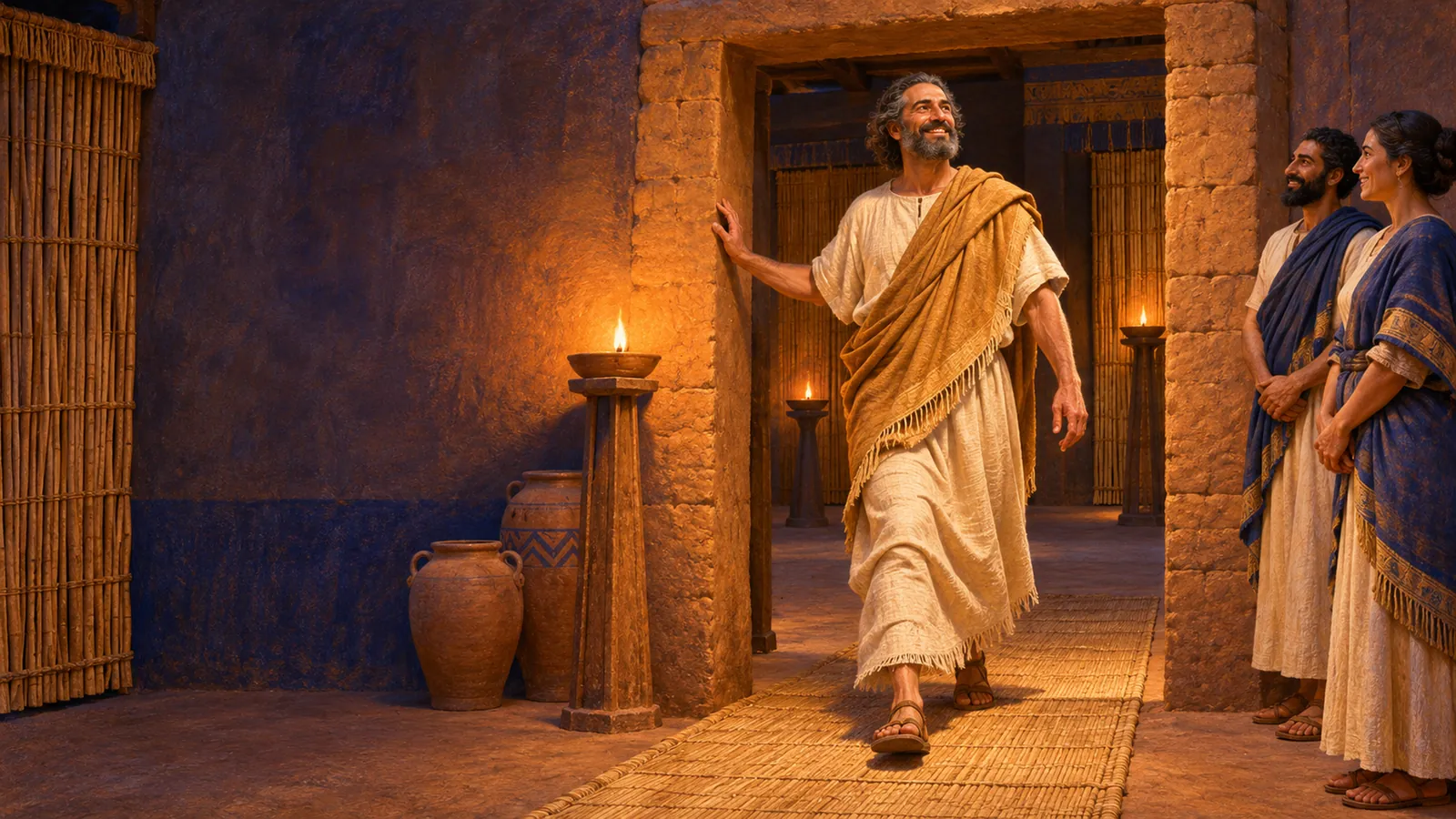
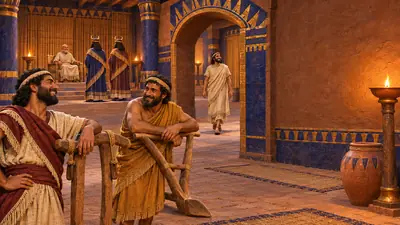
Gilgamesh fragte nach dem Mann, der fünf Söhne gehabt hatte. Enkidu sagte, er sei unermüdlich wie ein guter Schreiber und gelange leicht in den Palast.
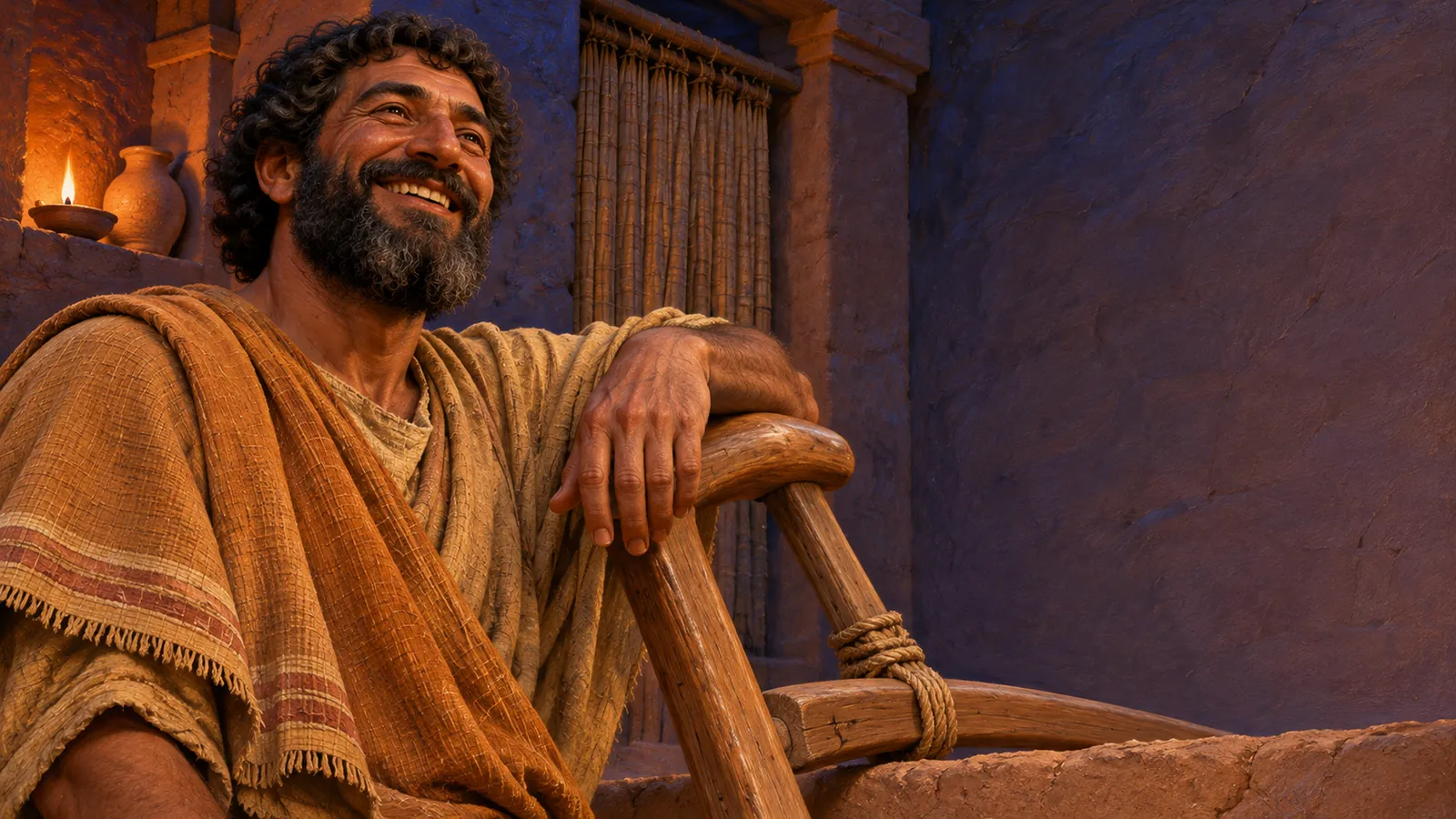
Gilgamesh fragte nach dem Mann, der sechs Söhne gehabt hatte. Enkidu sagte, er sei so fröhlich wie ein Pflüger.
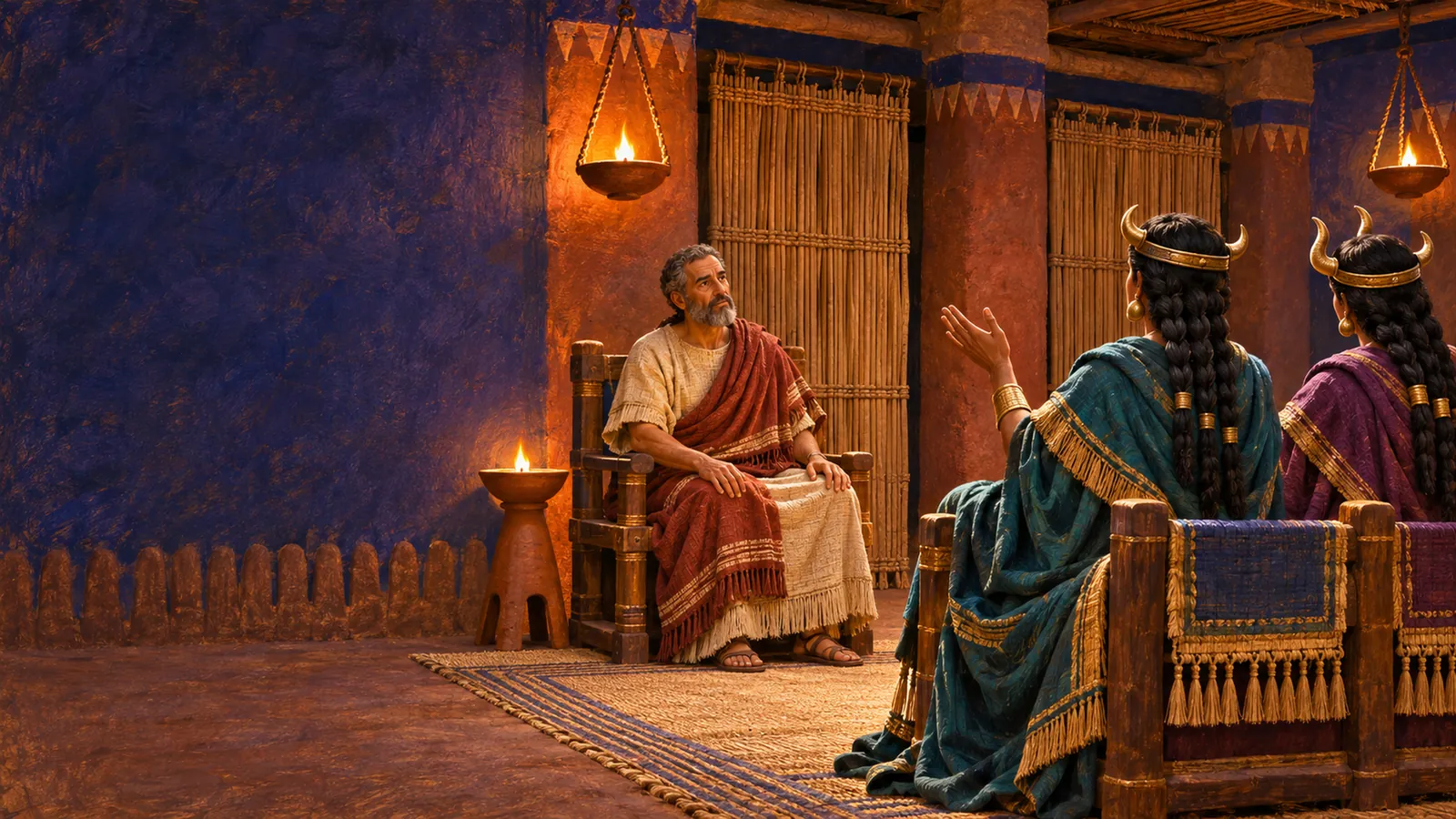
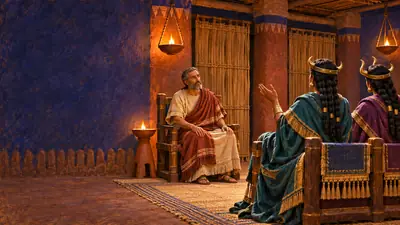
Gilgamesh fragte nach dem Mann, der sieben Söhne gehabt hatte. Enkidu sagte, er sitze als Gefährte der Götter auf einem Thron und höre die Urteile.
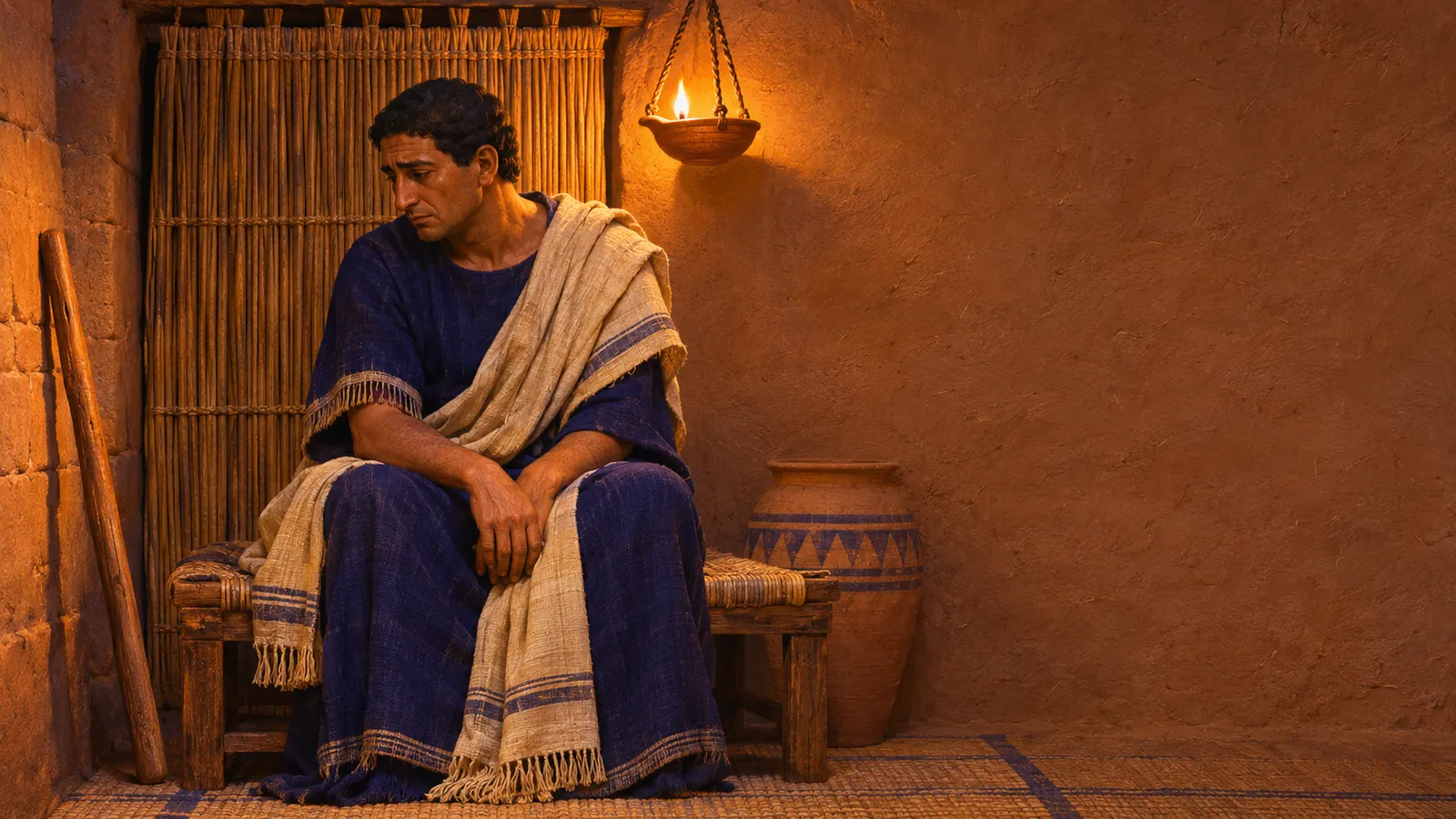
Gilgamesh fragte nach dem Palasteunuchen. In seiner Antwort verglich Enkidu ihn mit einem alala-Stab, der in einer Ecke abgestellt war.
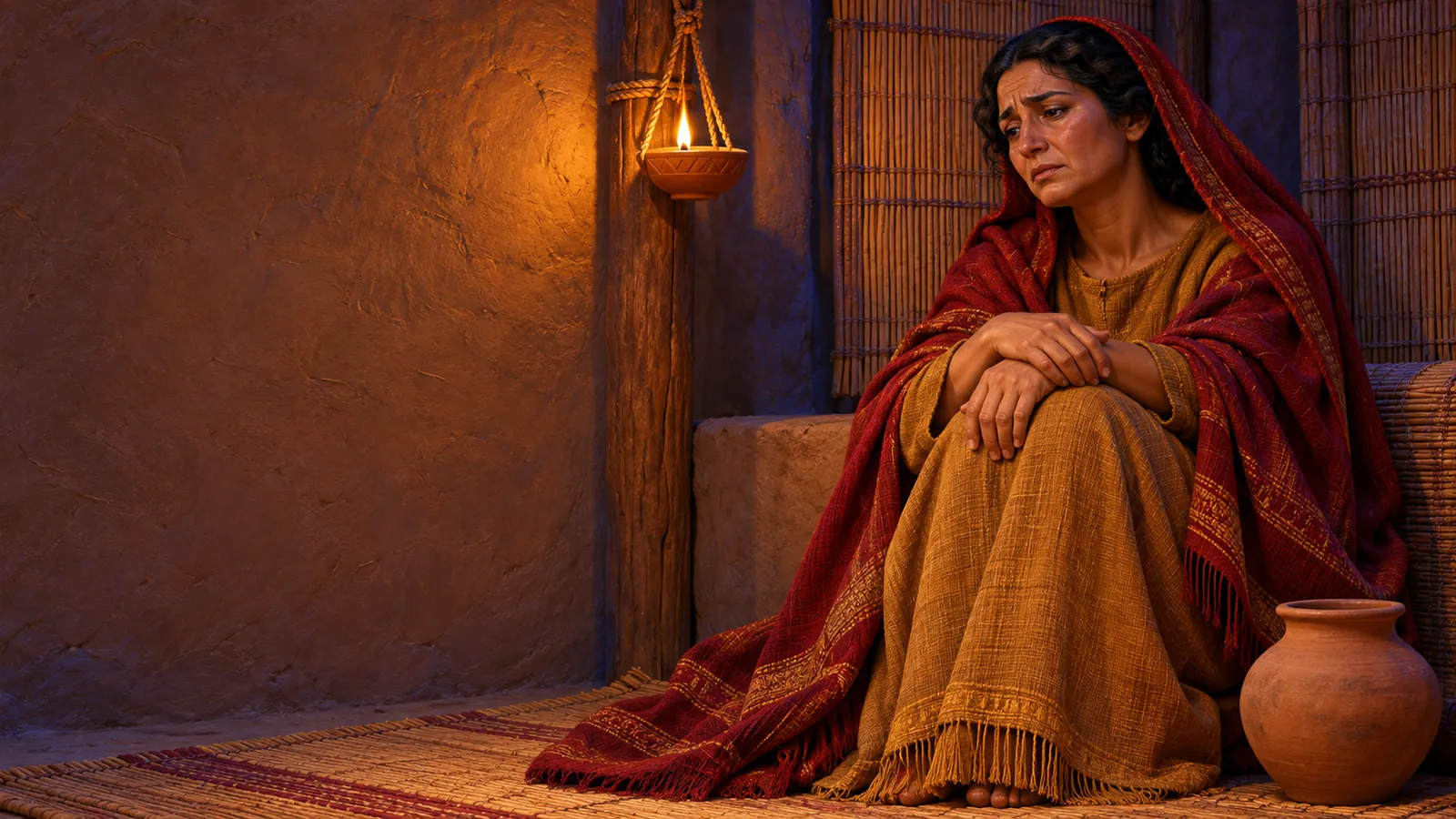
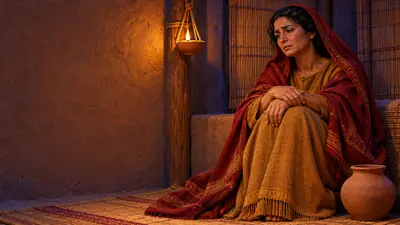
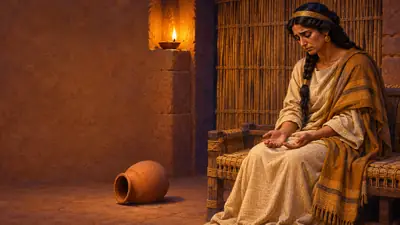
Gilgamesh fragte nach der Frau, die nie ein Kind geboren hatte. Enkidu verglich sie mit einem grob weggeworfenen Topf und sagte, sie bereite keinem Mann Freude.
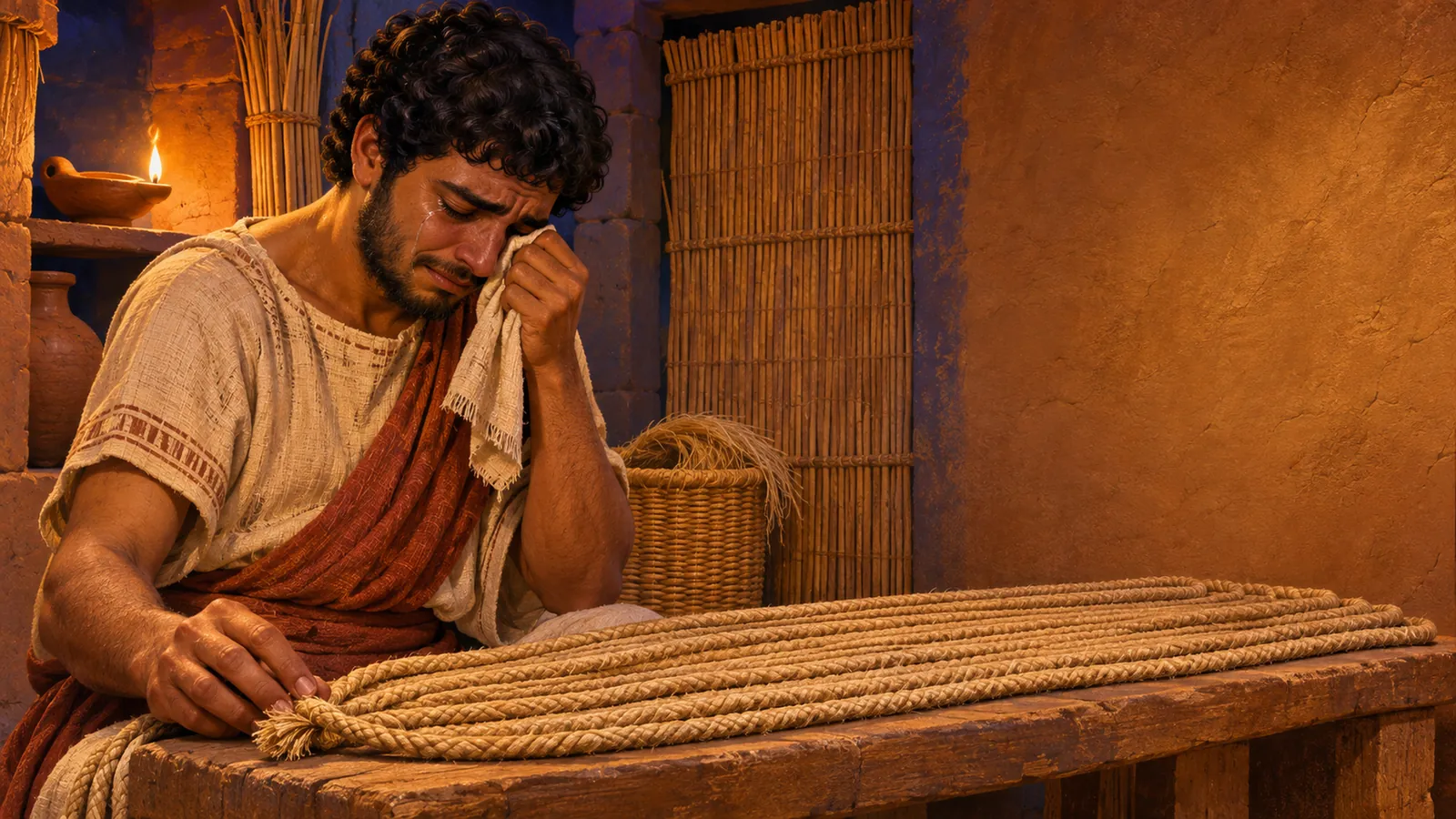
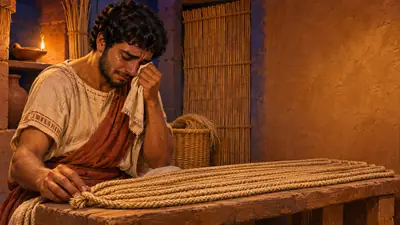
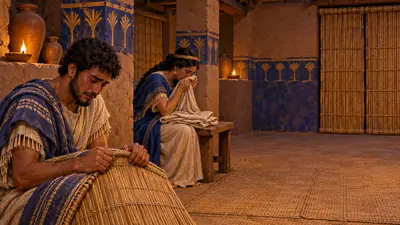
Gilgamesh fragte nach dem jungen Mann, der seine Frau nie entkleidet hatte. Enkidu sagte, er weine über ein Seil, wenn es fertig sei.
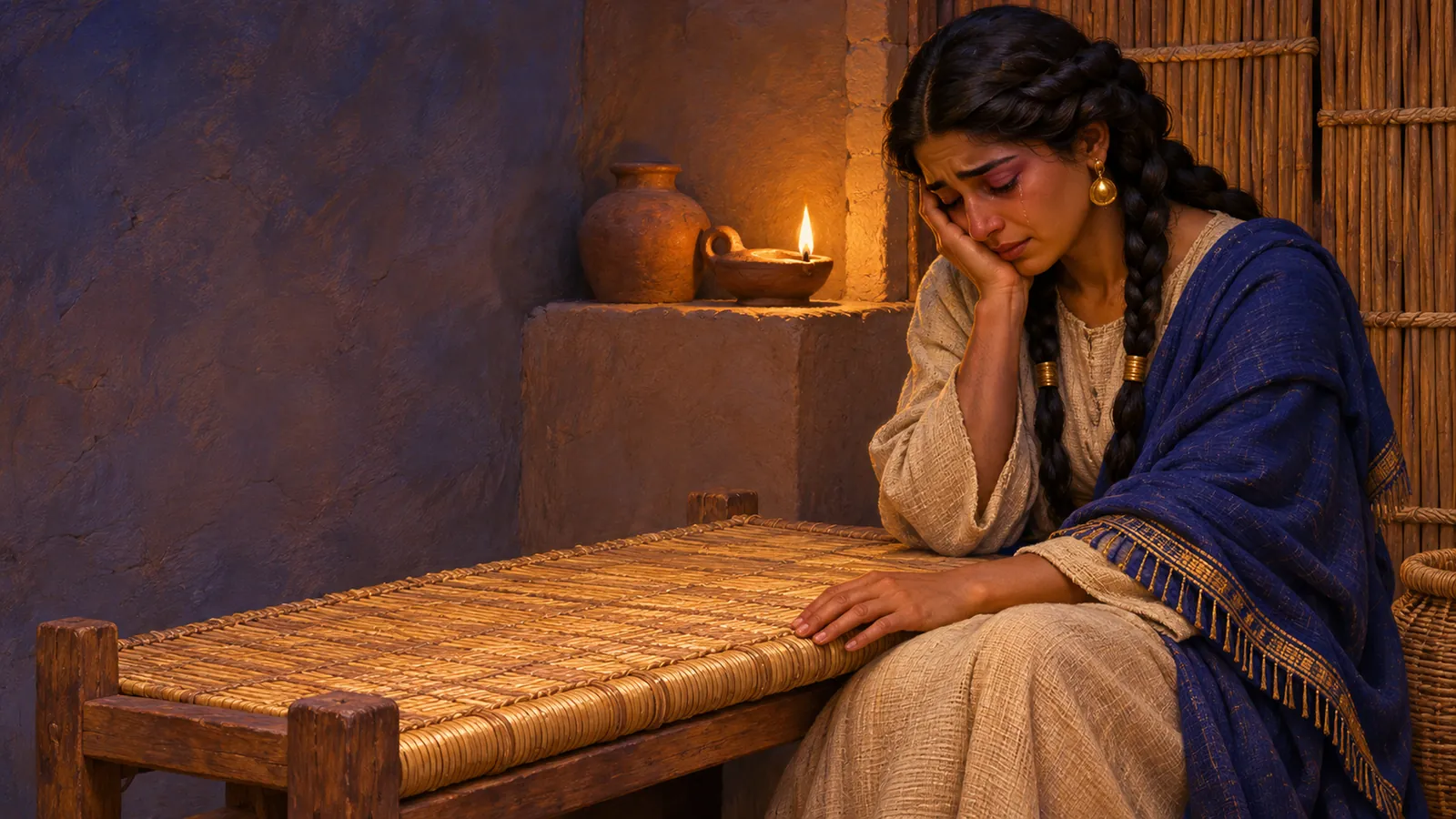
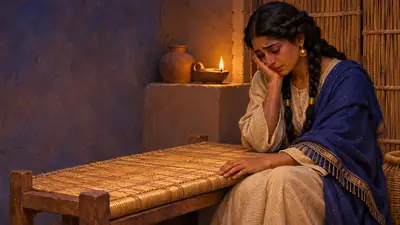
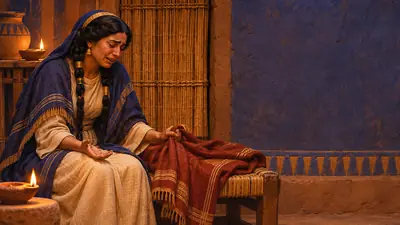
Gilgamesh fragte nach der jungen Frau, die ihren Mann nie entkleidet hatte. Enkidu sagte, sie weine über eine Schilfmatte, wenn sie fertig sei.
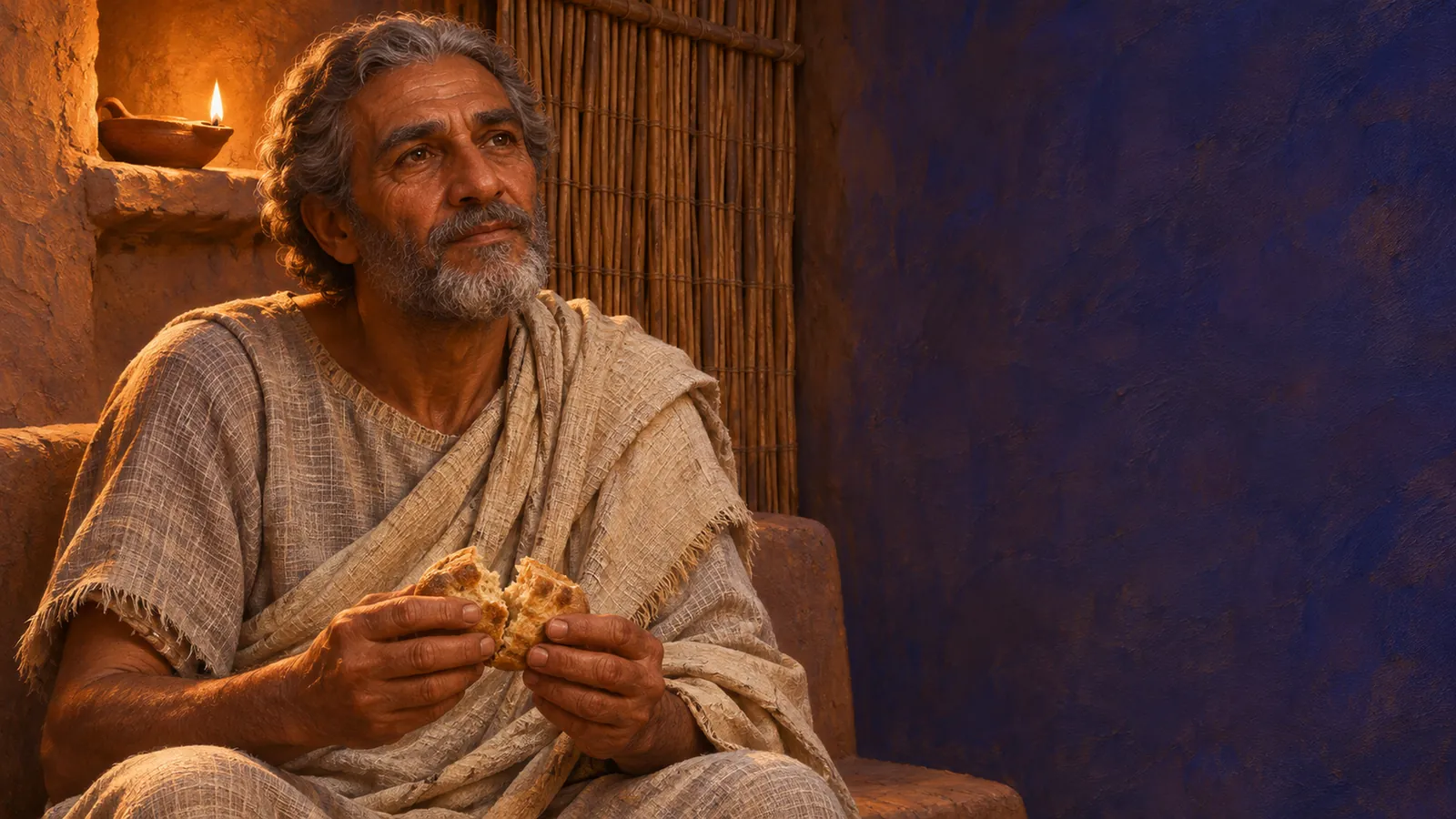
Enkidu sagte, der Mann ohne Erben esse Brot. Seine Antwort vergleicht ihn in einer beschädigten Formulierung mit jemandem, wobei vielleicht Ziegel erwähnt werden.
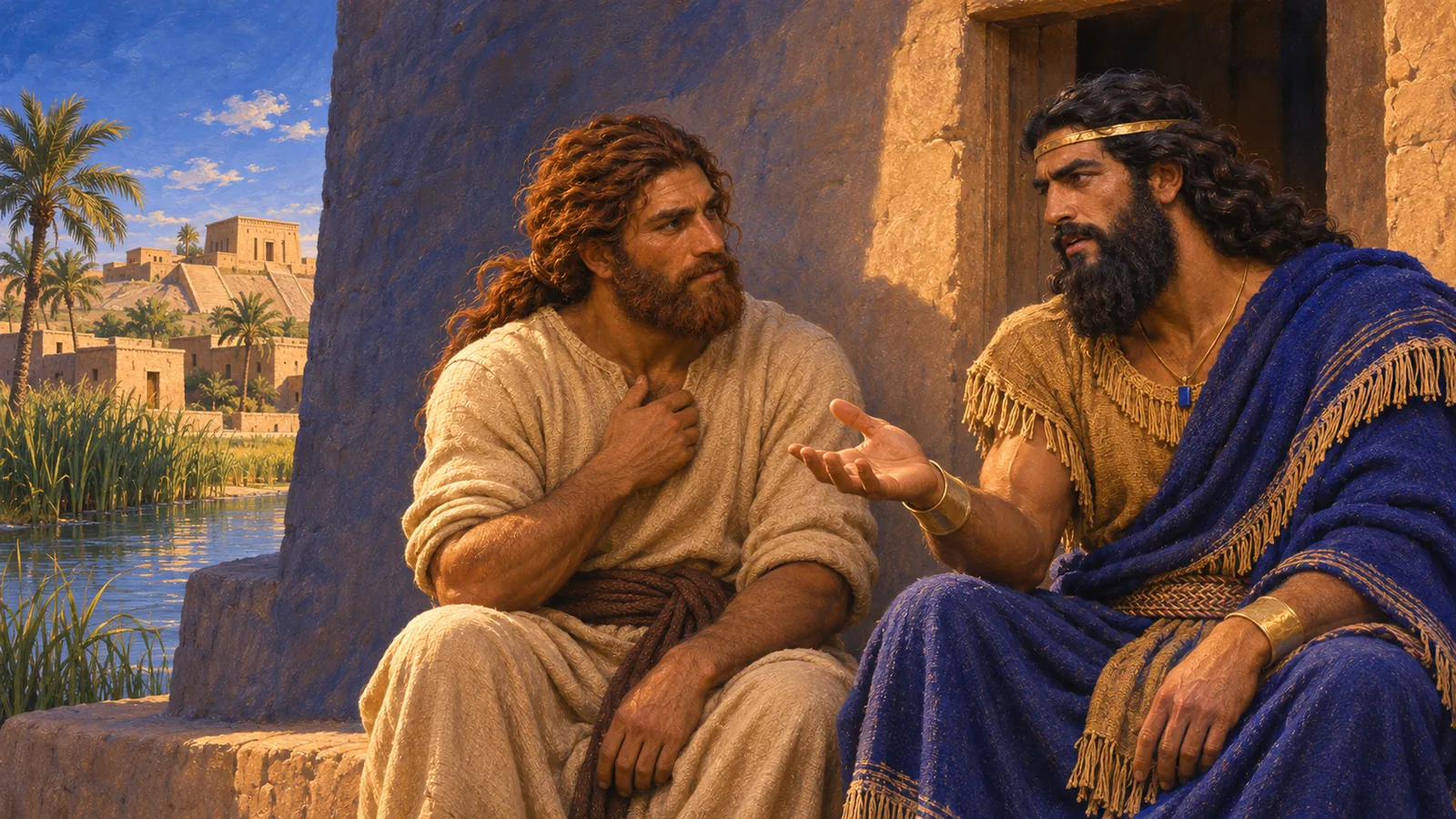
In der nächsten Frage fehlen die Wörter, die zeigen, um wen es geht. Enkidu sagt, er habe ihn gesehen, und der Fragende erkundigt sich, wie es ihm geht.
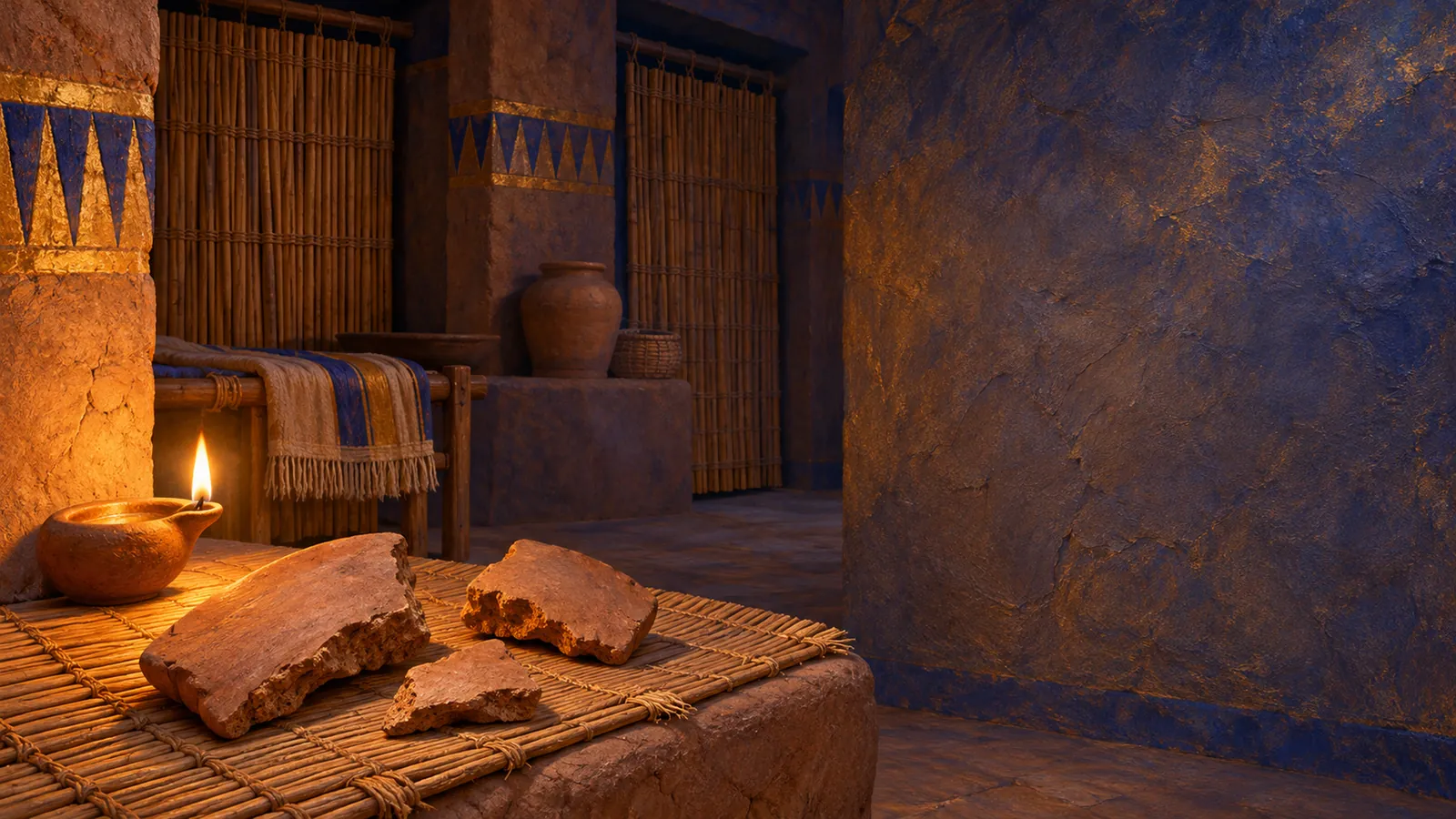
An dieser Stelle verzeichnet die Oxford-Ausgabe sieben fragmentarische oder fehlende Zeilen. Im nächsten erhaltenen Abschnitt gehen die Fragen weiter.
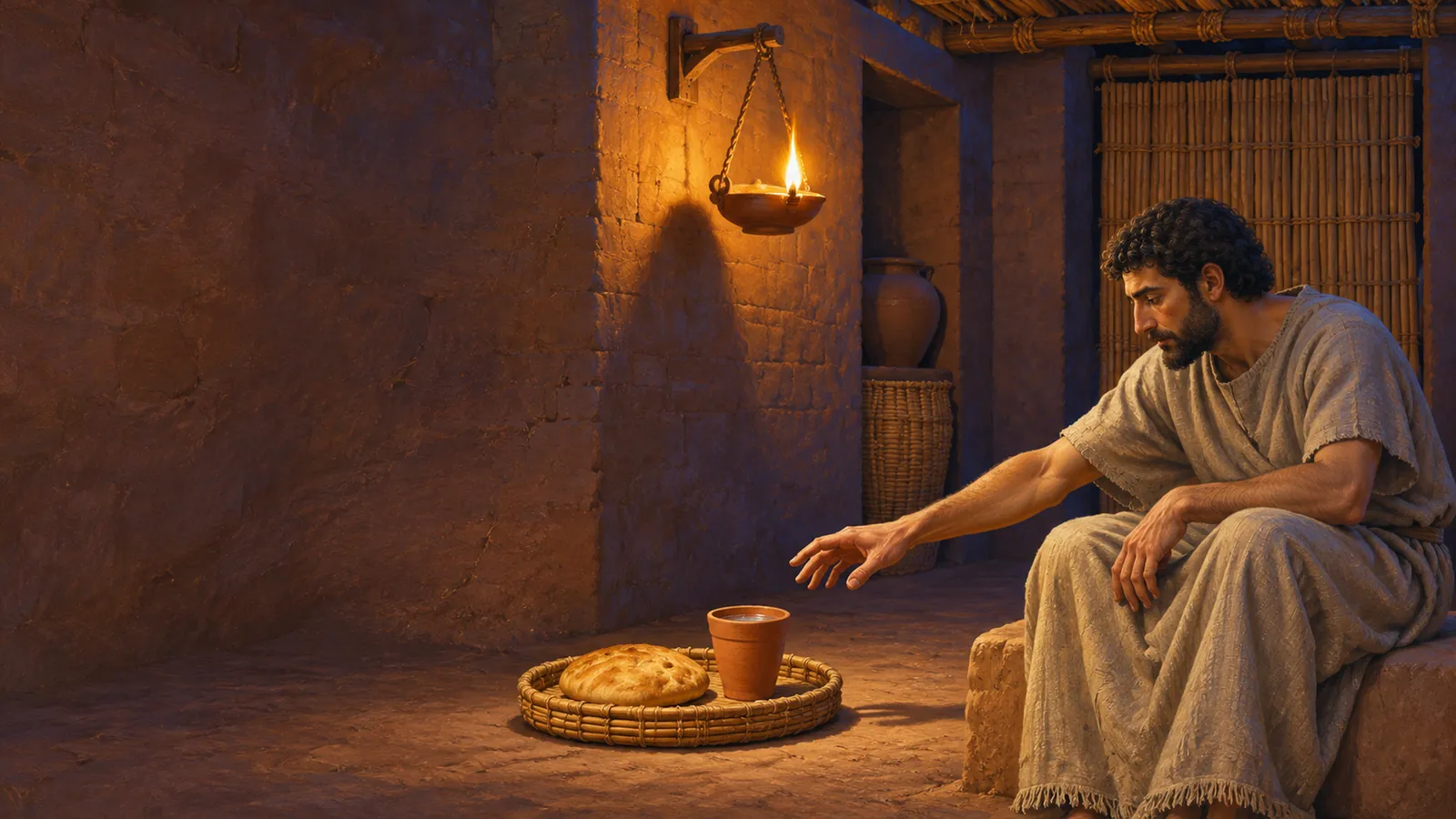
In der nächsten Frage fehlen die Wörter, die den Mann bezeichneten. Enkidu sagt, sein Essen und sein Wasser stünden getrennt, und anscheinend esse und trinke er, was ihm dargeboten werde.
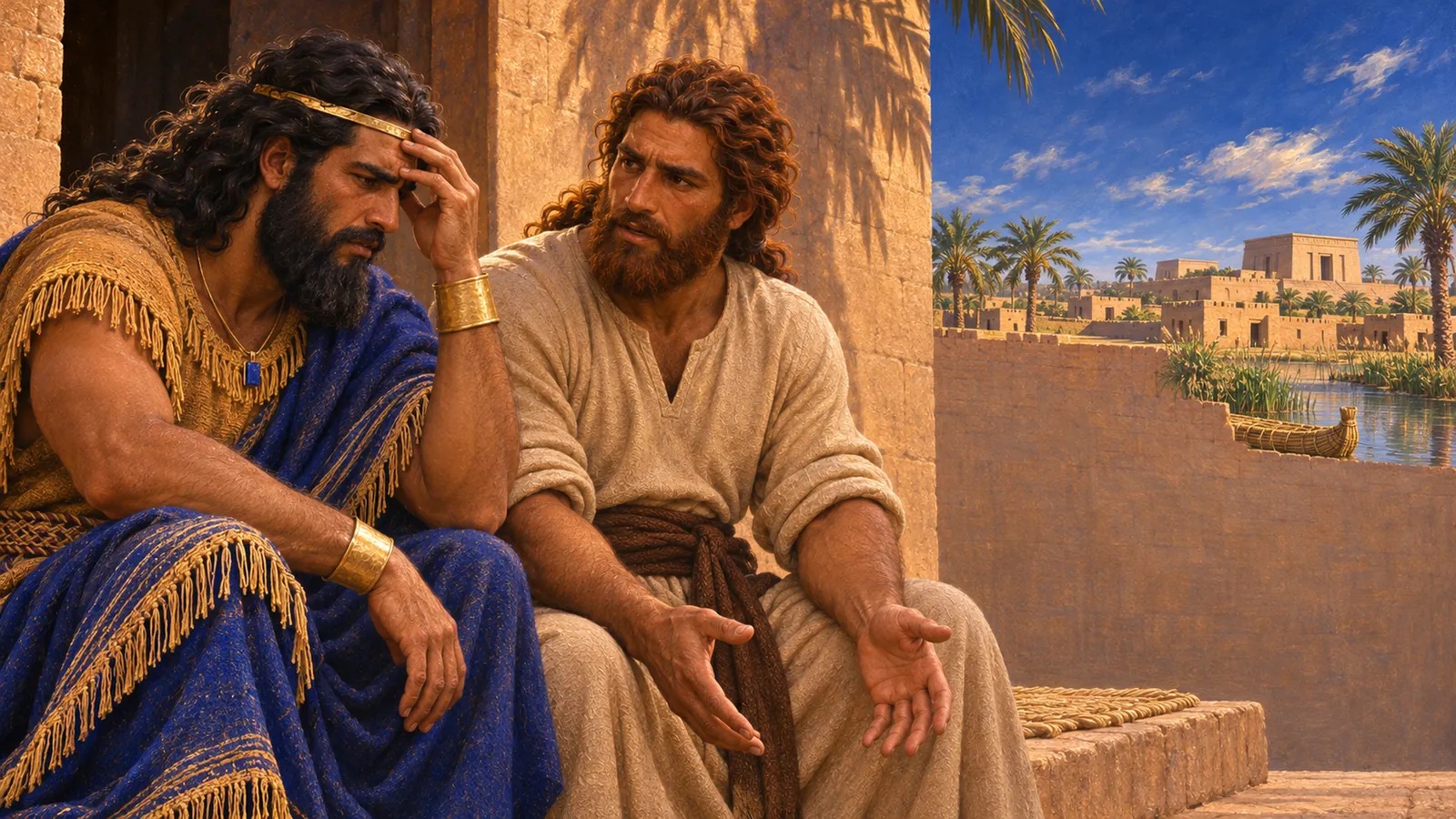
Eine Handschrift fügt zwei Fragen hinzu. Ein Mann, den ein Löwe gefressen hat, klagt bitter über seine Hände und Beine. Die Antwort zum Mann, der von einem Dach fiel, erwähnt seine Knochen, doch der Rest der Formulierung ist beschädigt.
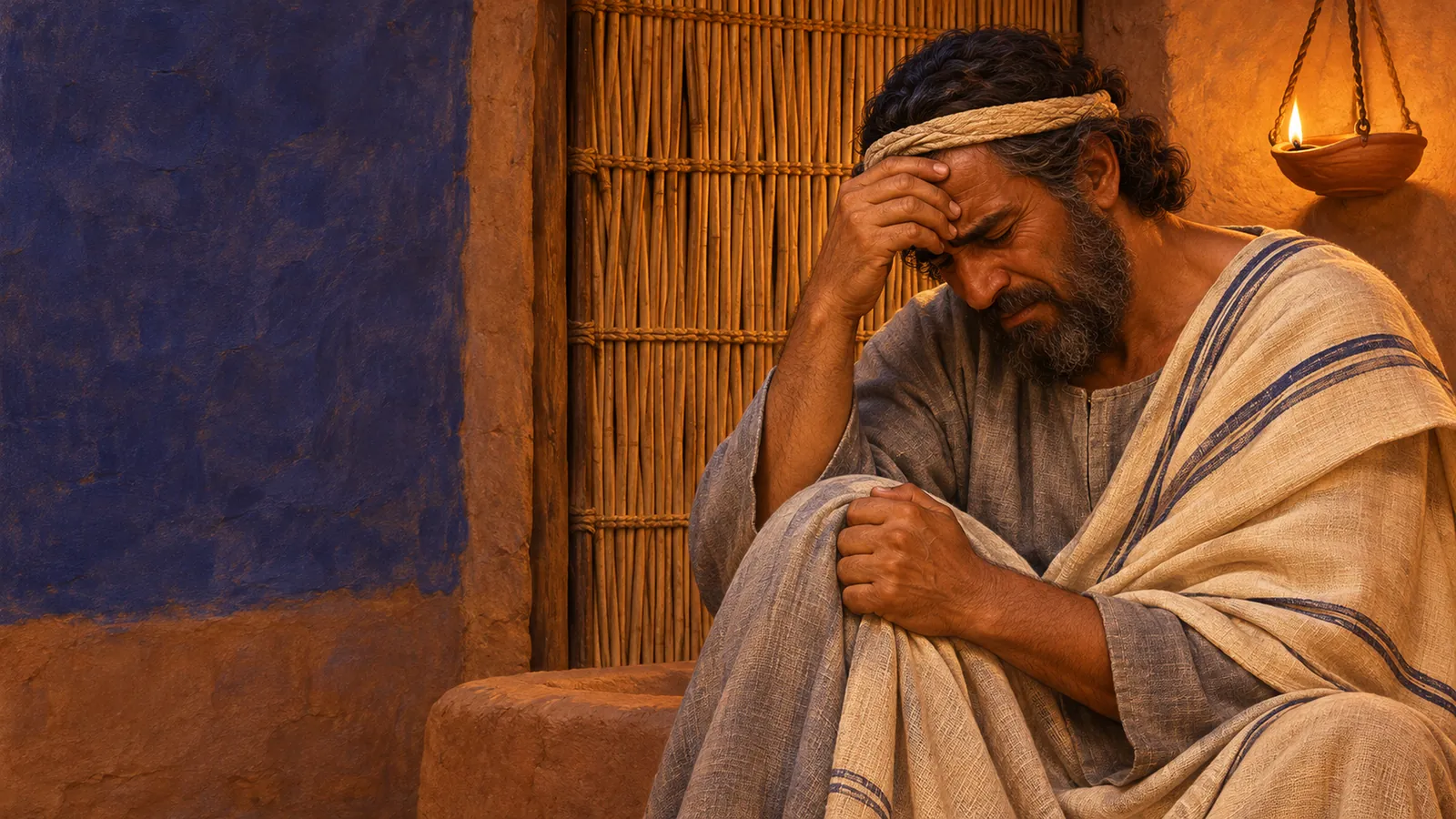
Gilgamesch fragt nach dem Mann, den die Übersetzung als aussätzig bezeichnet. Enkidu schildert ihn in schwerer Not, von Zuckungen erfasst. Seine Antwort ist einer der Berichte des Gedichts über die Toten.
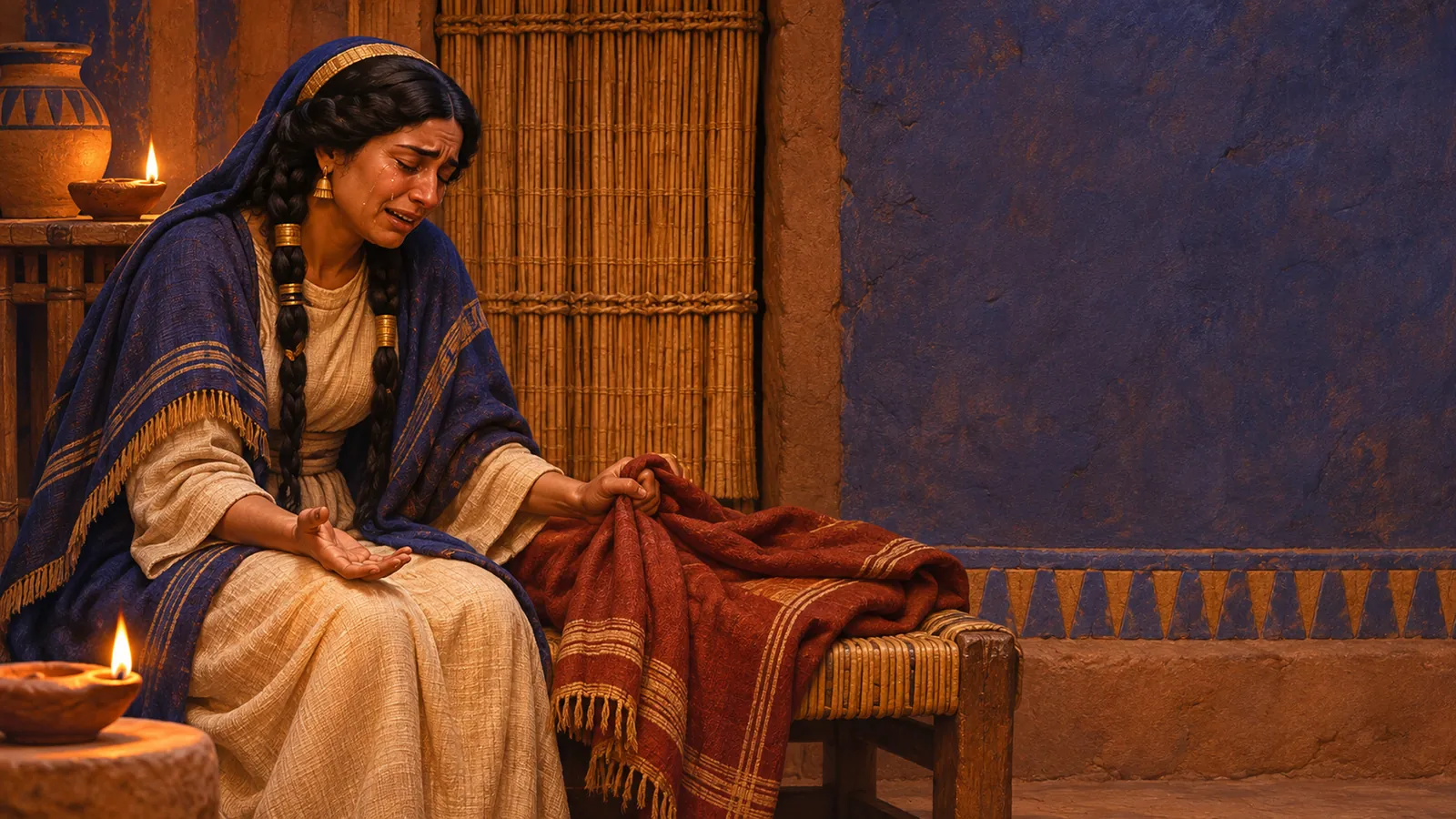
Enkidu sah den Mann, der im Kampf fiel. Mutter und Vater sind nicht da, als er sie braucht, und seine Frau weint um ihn.
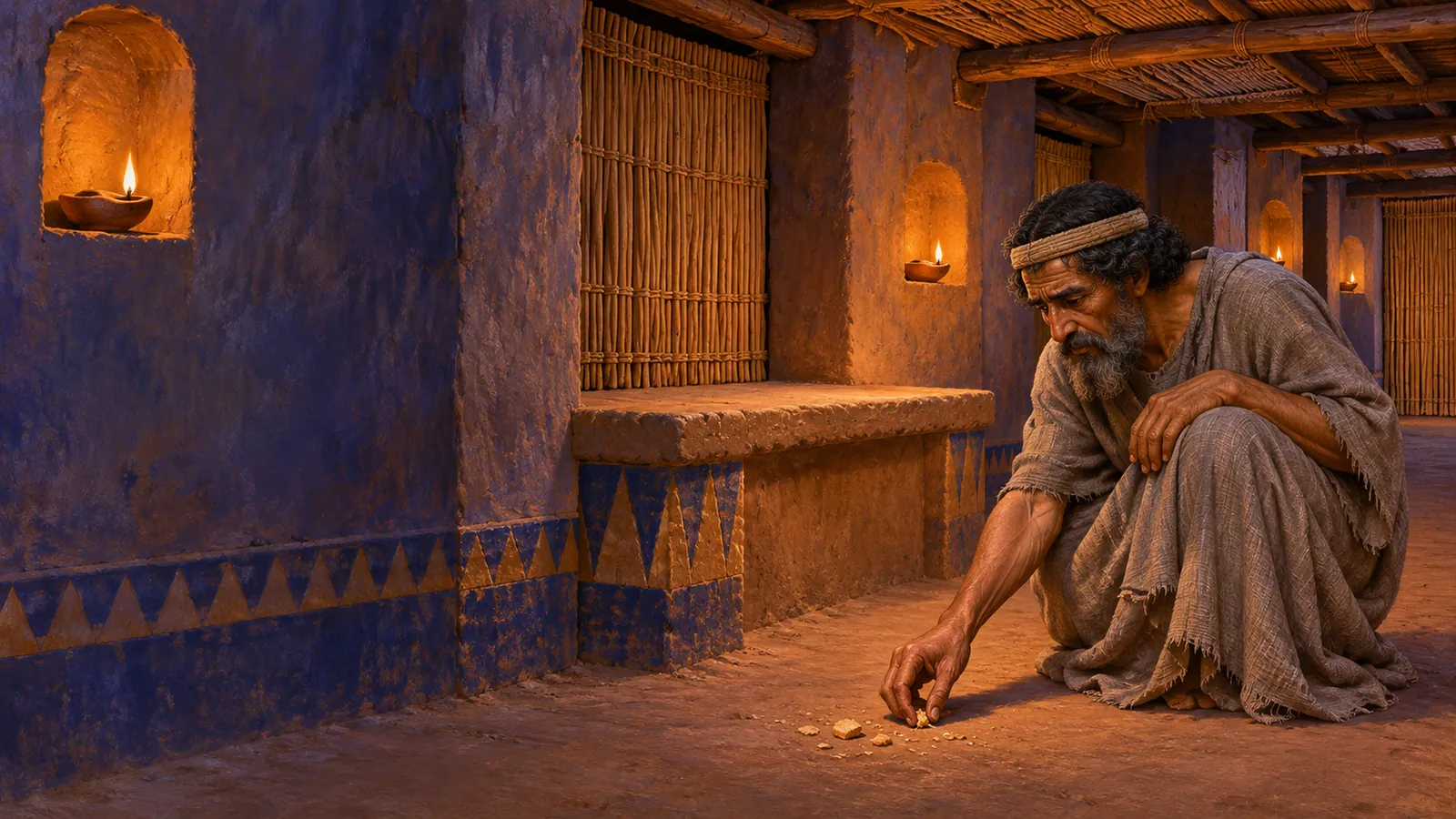
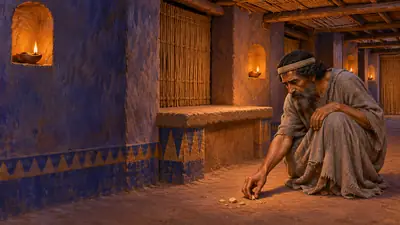
Sie fragen, was aus dem Geist ohne Grabopfer wird. Enkidu sagt, er esse die Reste und Krümel, die auf die Straße geworfen werden.
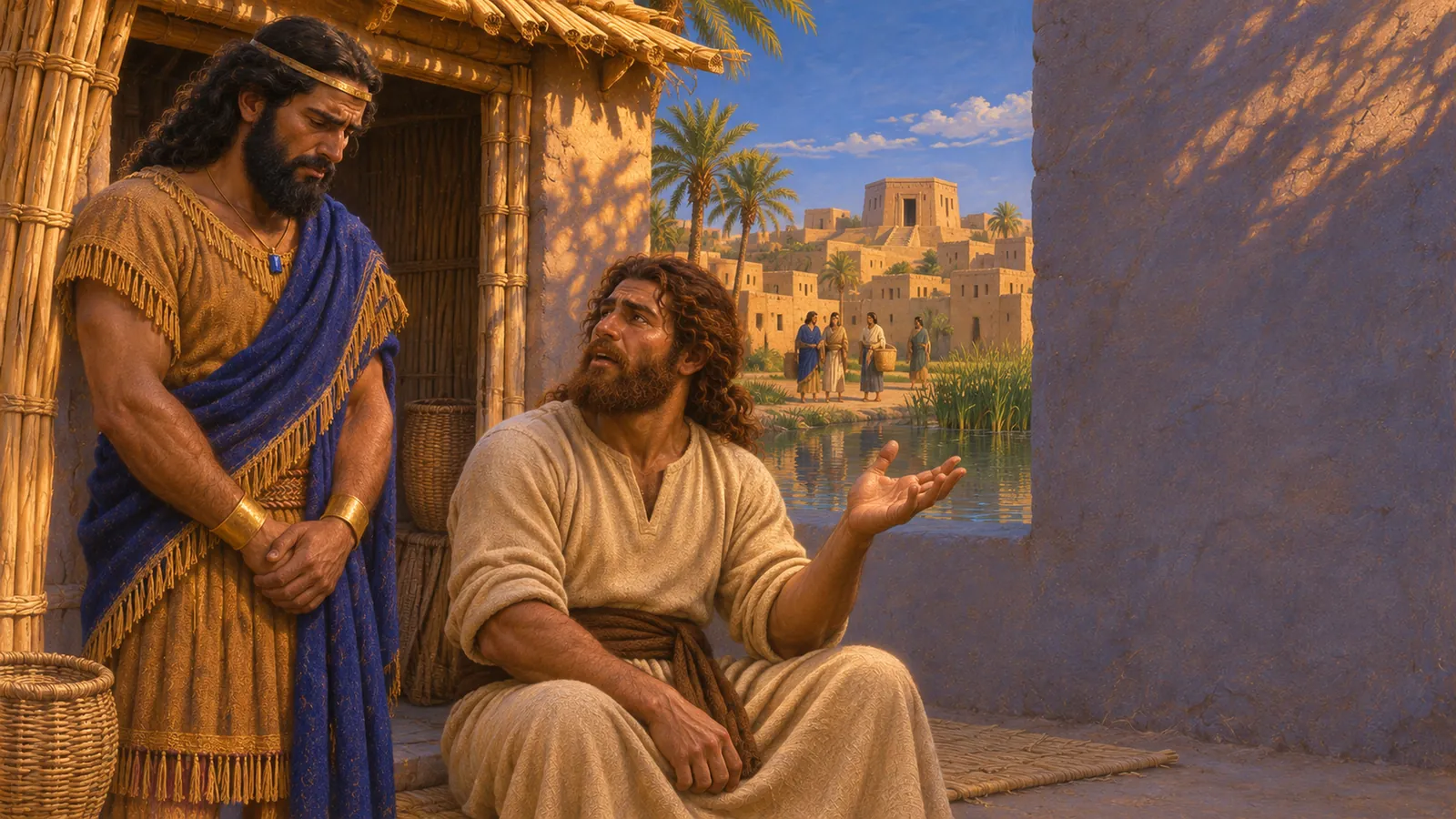
Enkidu beschreibt einen Mann, den ein Brett von einem Schiff traf. Der Mann ruft nach seiner Mutter. Vieles vom Rest der Antwort ist beschädigt.
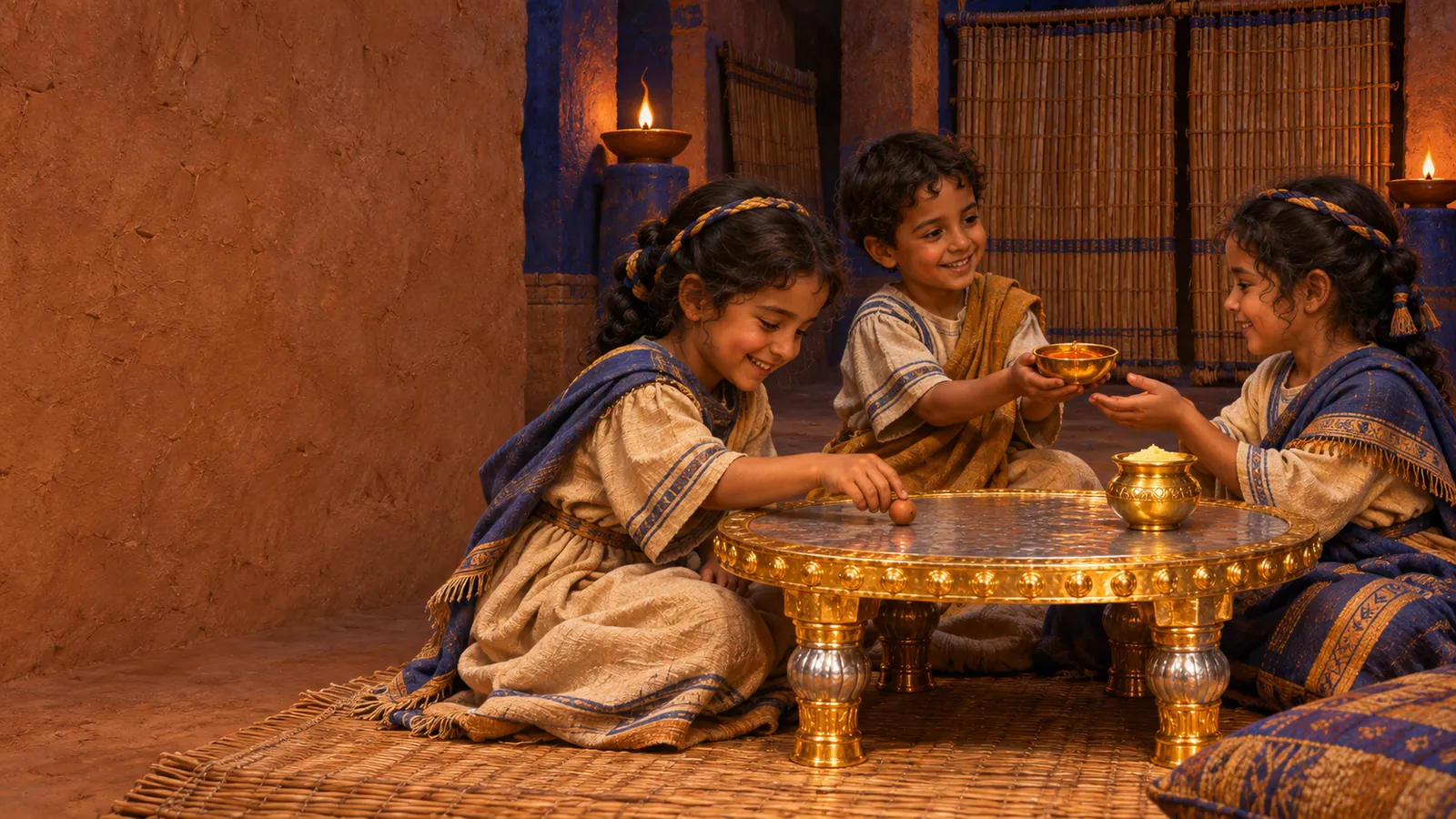
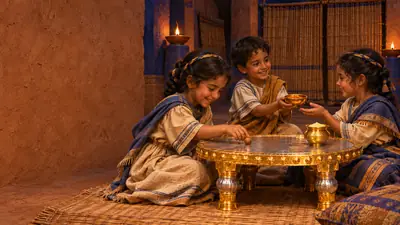
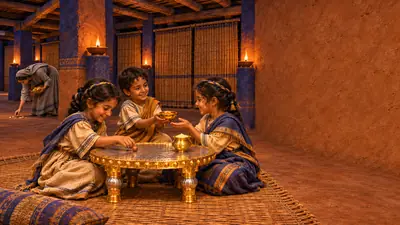
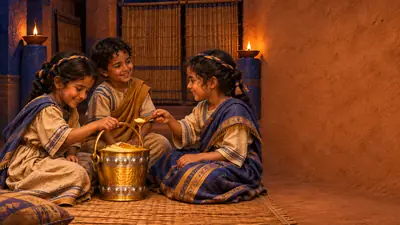
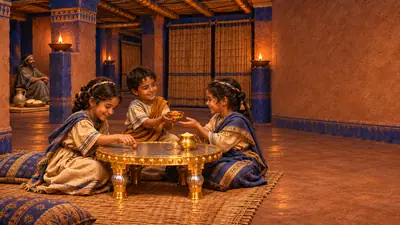
Gilgamesch fragt nach seinen kleinen tot geborenen Kindern. Enkidu sagt, er habe sie an einem Tisch aus Gold und Silber spielen sehen, auf dem Honig und Ghee standen.
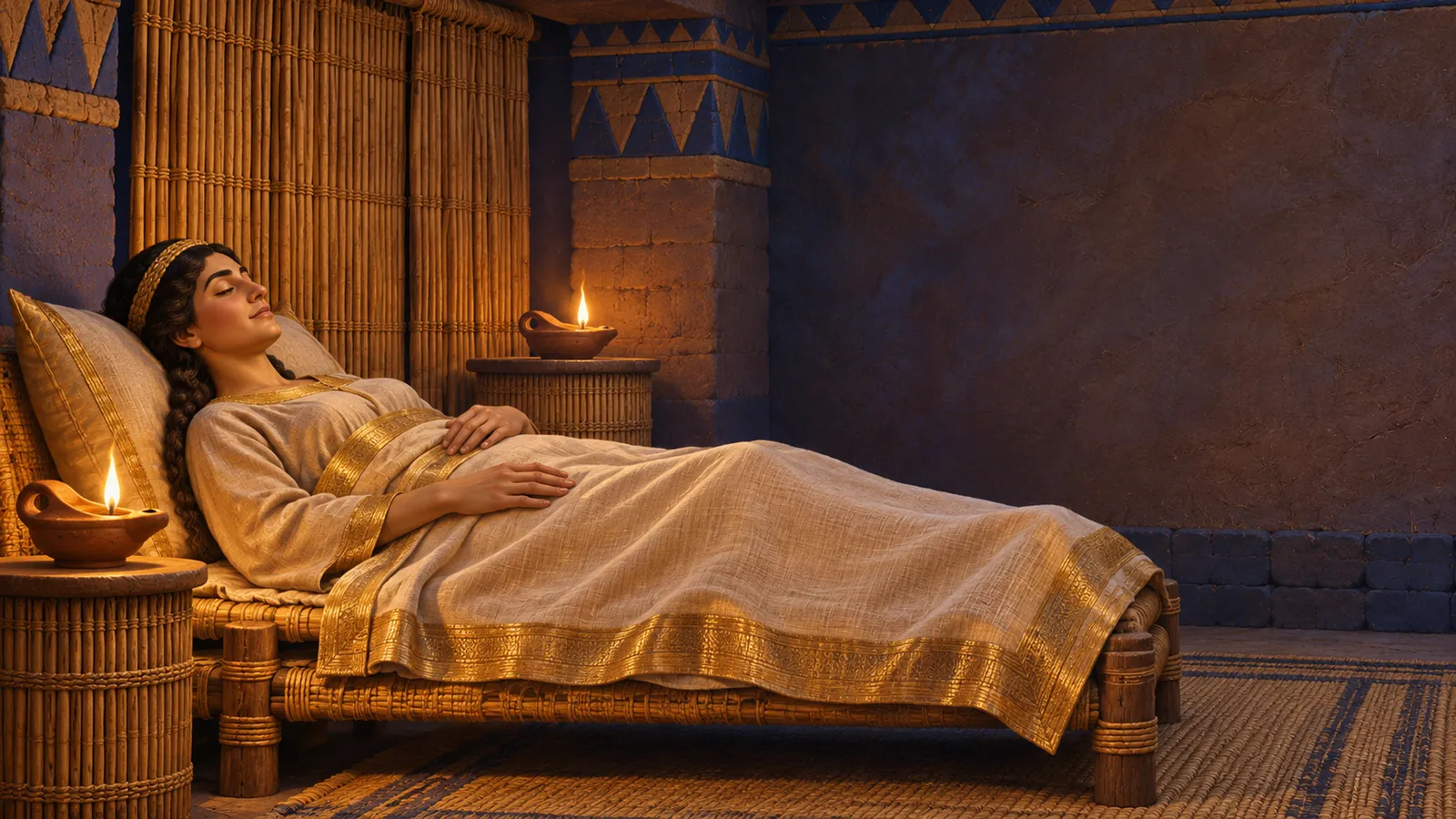
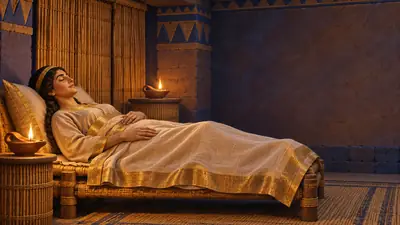
Eine weitere Frage ist erhalten, doch die Todesumstände fehlen. Enkidu antwortet, er habe den Mann gesehen. Er liegt auf einem Bett der Götter.
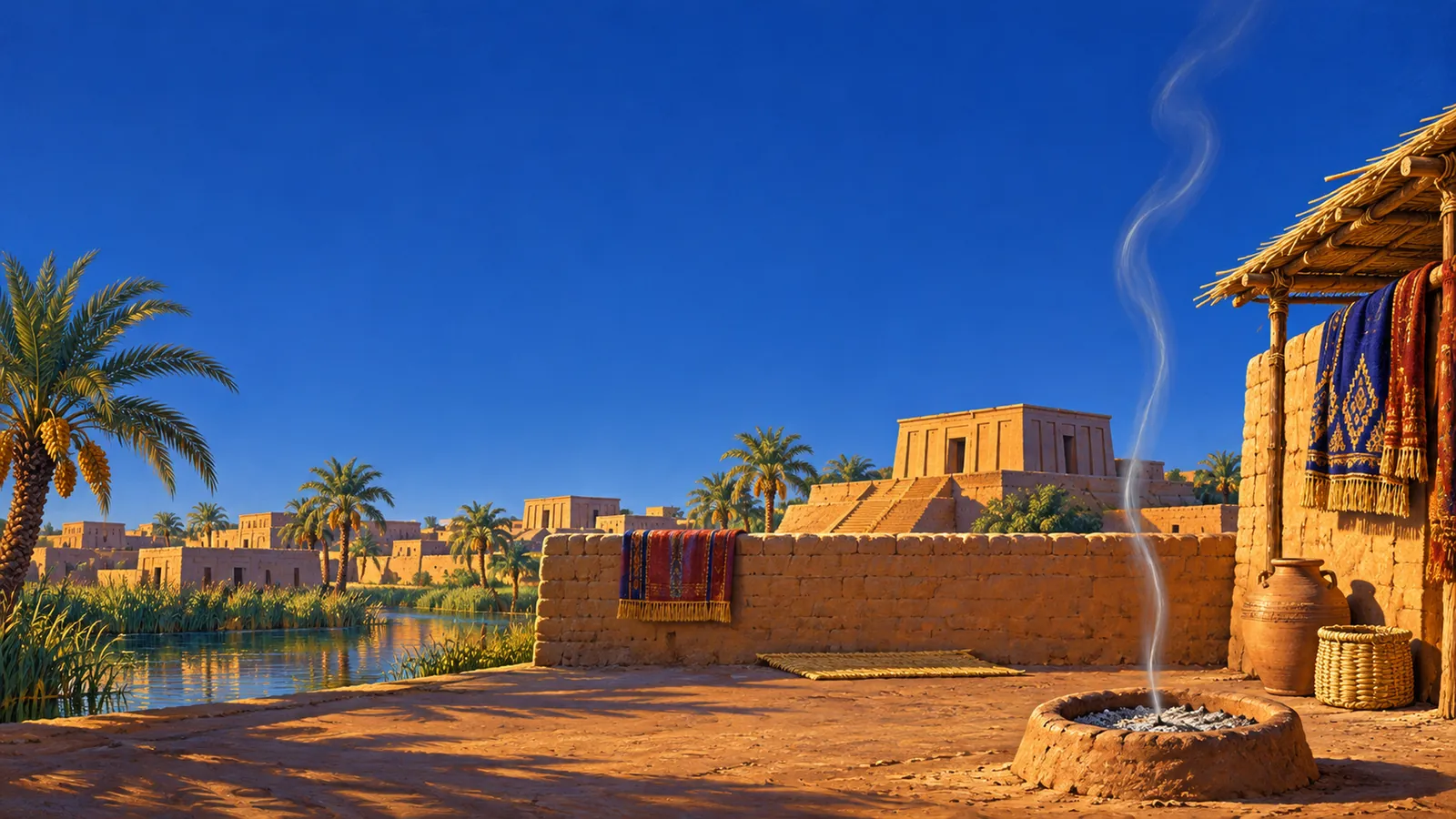
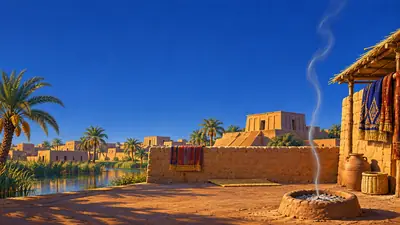
Als Gilgamesch nach dem Menschen fragt, der in Brand gesetzt wurde, sagt Enkidu, er habe ihn nicht gesehen. Sein Geist ist nicht da, und sein Rauch stieg zum Himmel auf.
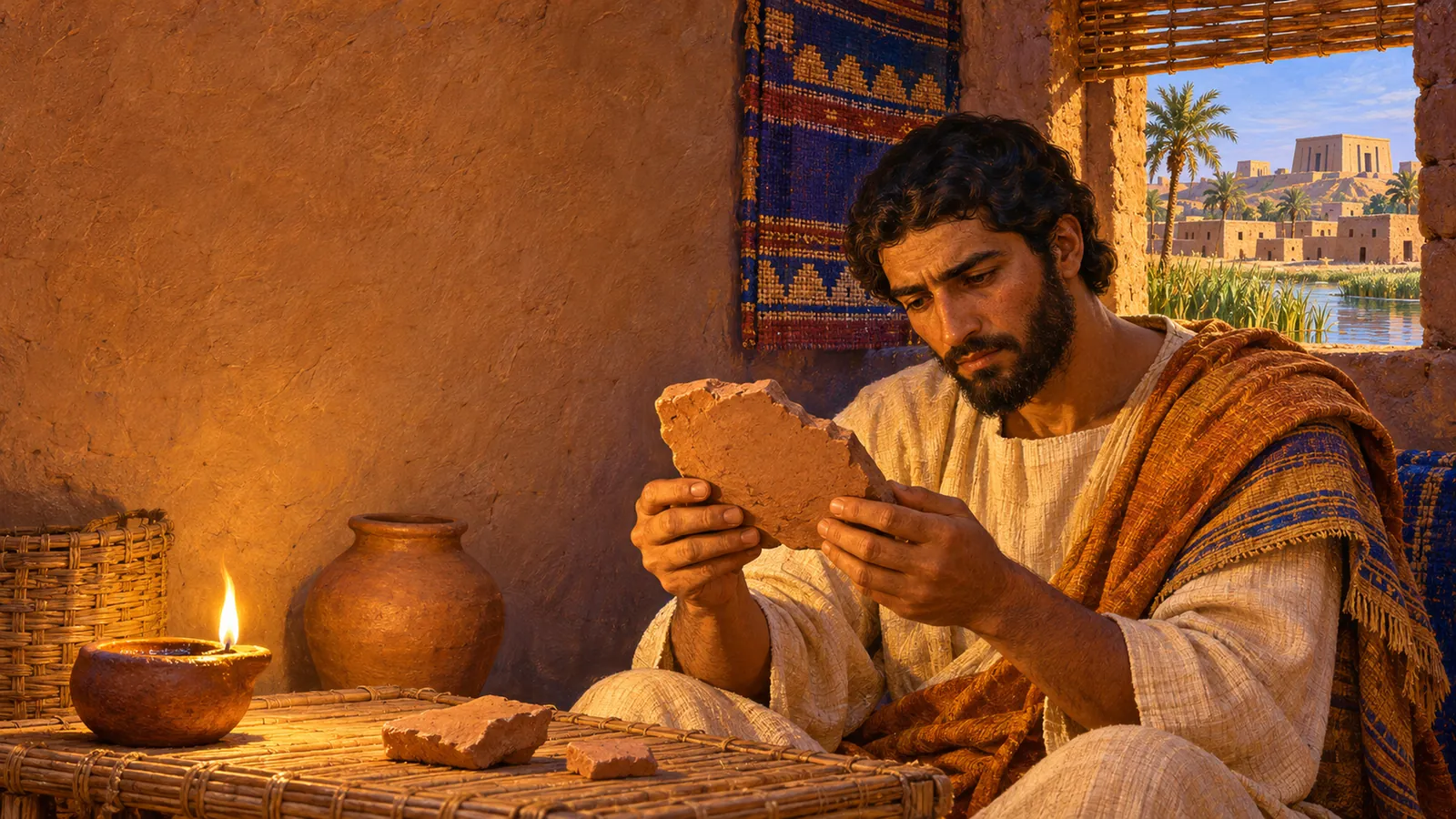
UR · UET 6 58
Eine Tafel aus Ur gibt einen anderen Schluss. Sie nennt einen Mann, der vom Dach fiel, einen möglichen Flutsturm des Ishkur und einen Mann, den die Übersetzung als aussätzig bezeichnet. Seine Nahrung und sein Wasser stehen außerhalb der Stadt für sich.
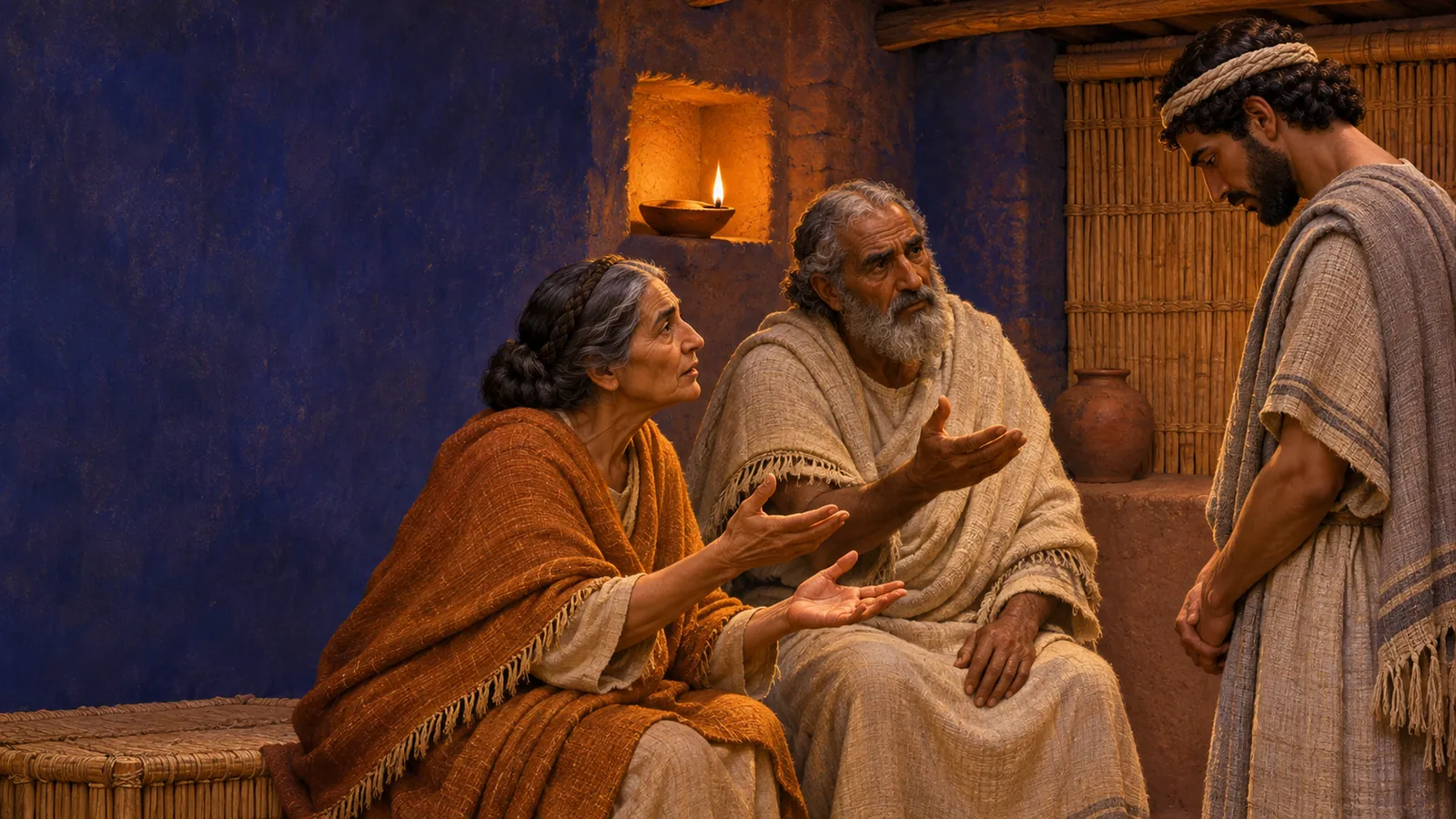
Auf dieser Tafel schreit der Mann, der die Worte seiner Eltern missachtet, vor Schmerz. Der Mann, den ihr Fluch erreicht, hat keinen Erben, und sein Geist irrt umher. Eine dritte Frage nach dem Namen eines Gottes ist beschädigt.
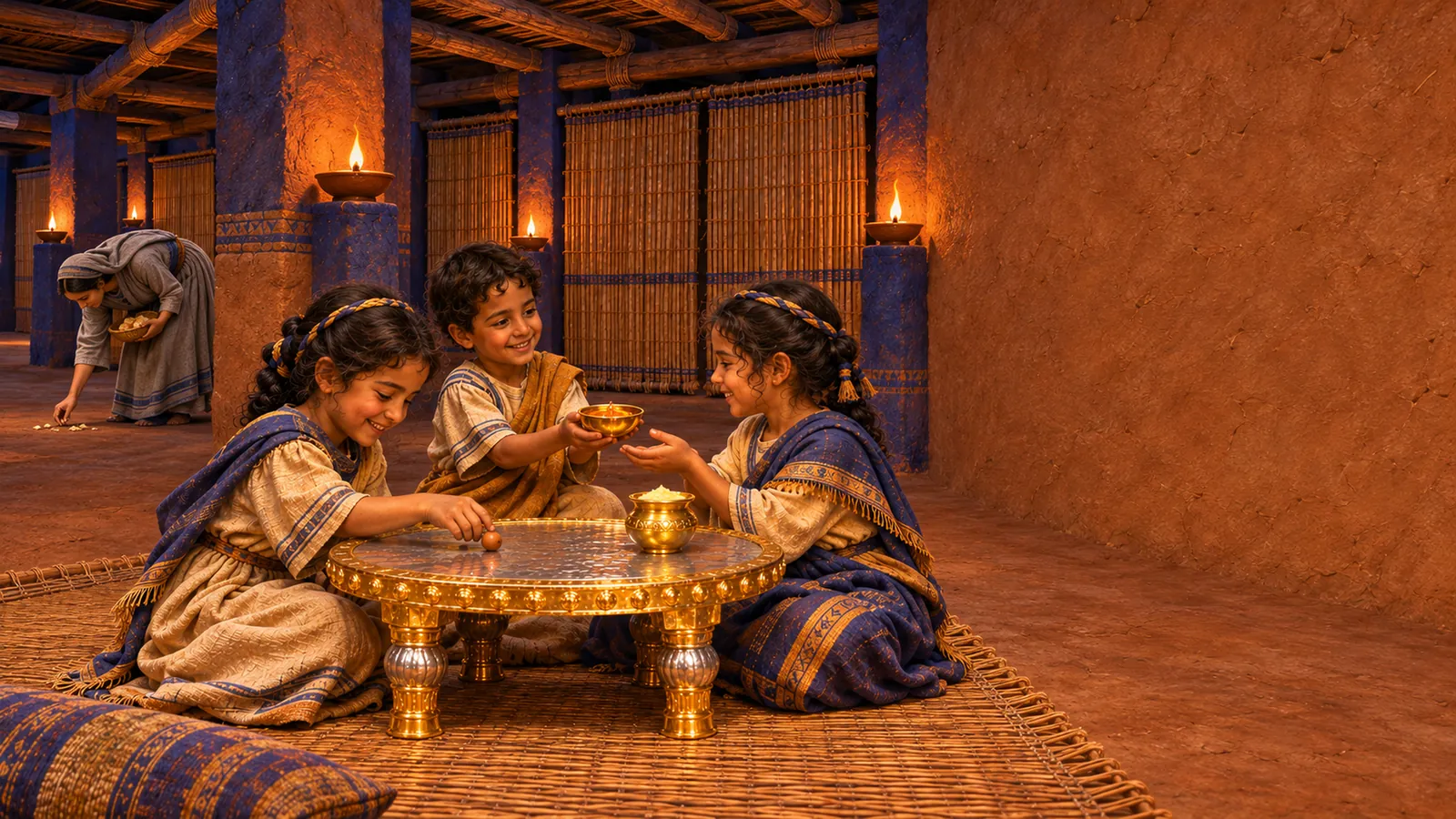
Auch auf dieser Tafel isst der Geist ohne Opfergaben Reste von der Straße. Die tot geborenen Kinder spielen an einem Tisch aus Gold und Silber mit Honig und Ghee.
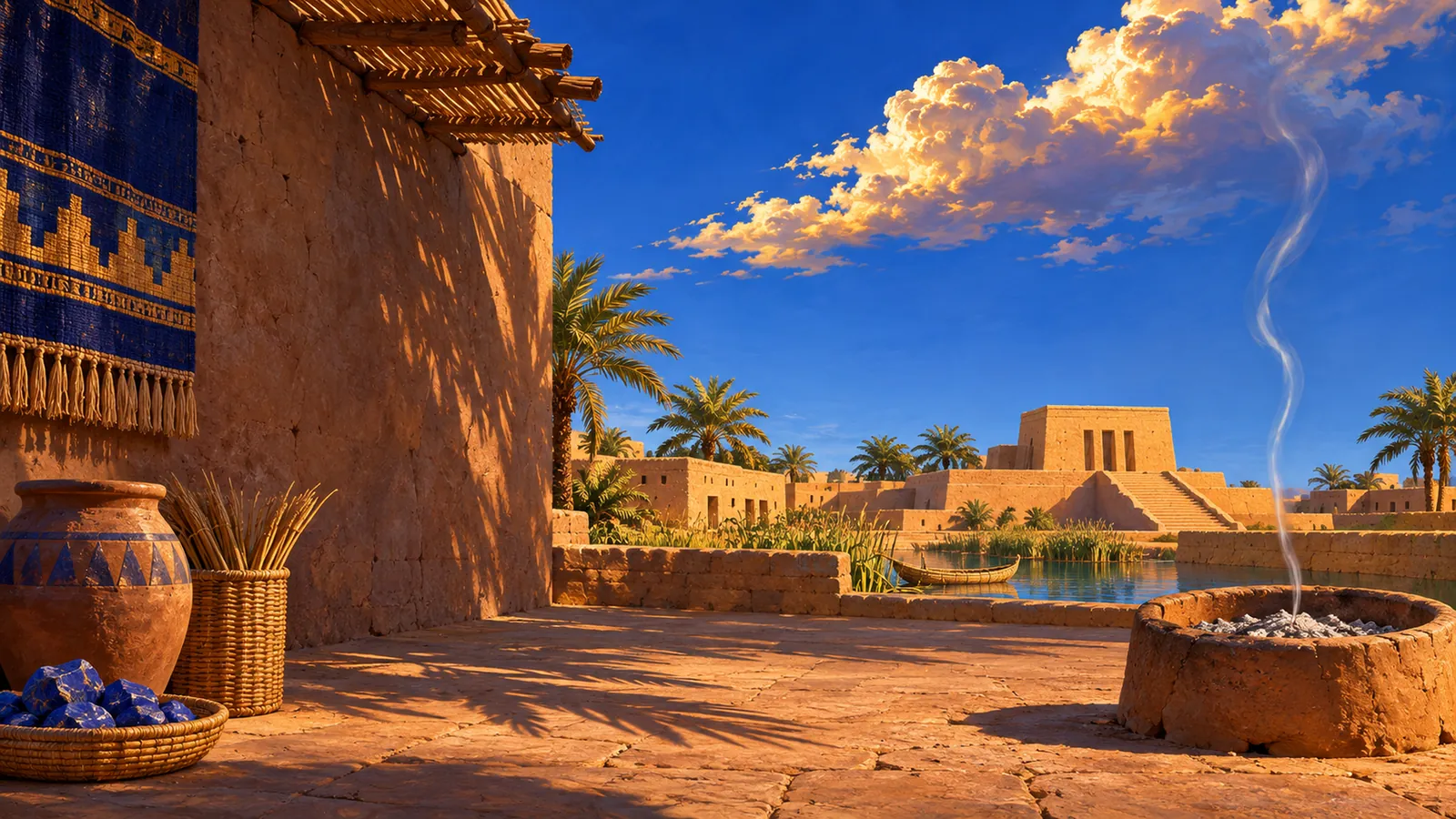
Enkidu sagt, er habe den Mann, der in Brand gesetzt wurde, nicht gesehen. Sein Rauch stieg zum Himmel auf, und sein Geist lebt nicht in der Unterwelt.
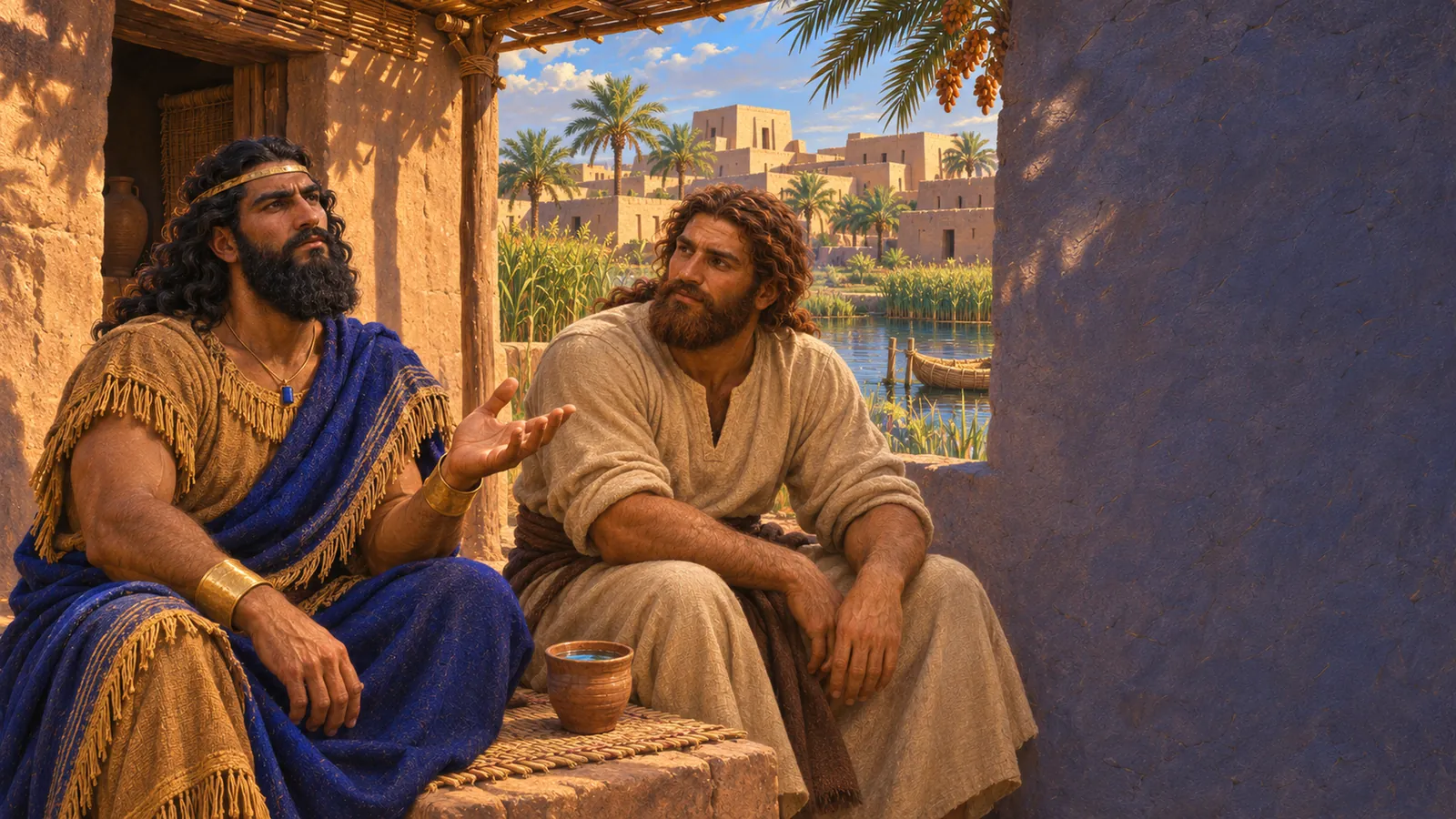
Diese Fassung fragt nach einem Mann, der den Göttern einen falschen Eid schwor, und nach einem Mann aus Girsu, der seinen Eltern wohl Wasser verweigerte. Beide Antworten sind beschädigt.
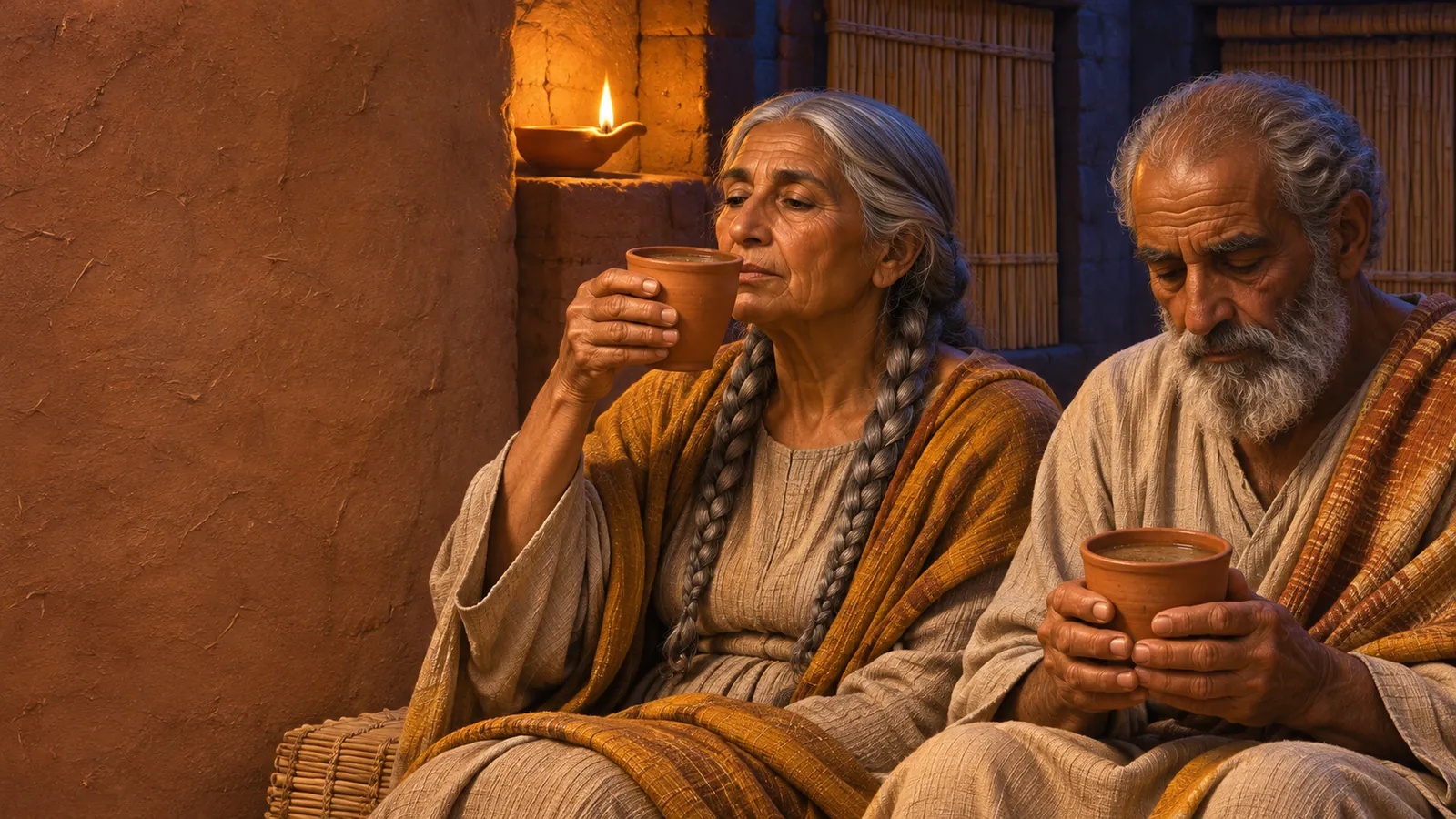
Die Antwort sagt, die Menschen von Sumer und Akkad tränken trübes Wasser. Auch der Vater und die Mutter des Fragenden trinken es. Die Wörter für den Ort sind beschädigt.
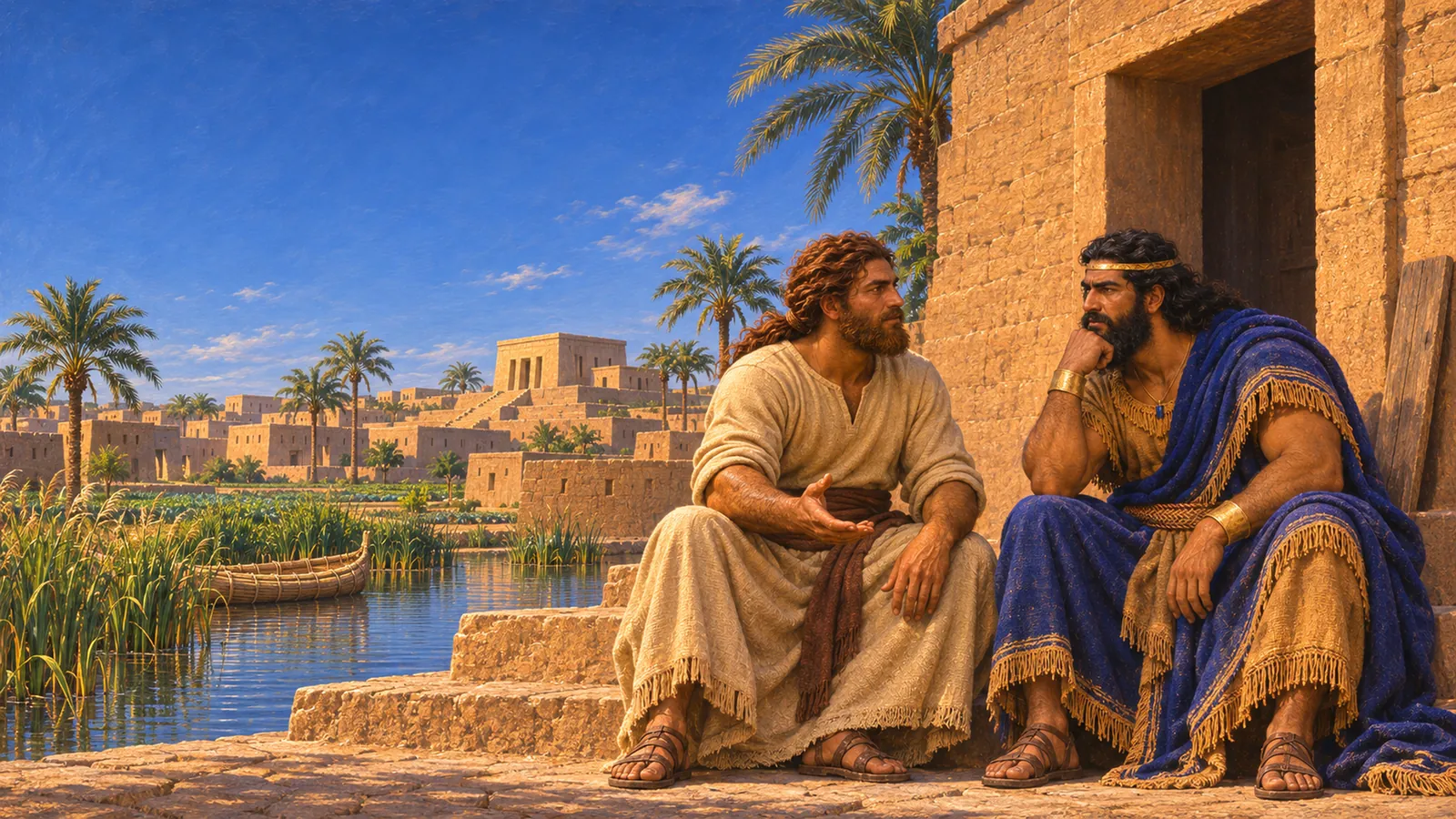
EINE ZWEITE FASSUNG AUS UR
Eine weitere Handschrift aus Ur fragt nach einem Mann, den ein Schiffsbrett traf, und nach einem Mann, der von einem Dach fiel. Die Antwort vergleicht die Bewegungen des zweiten Mannes mit denen eines Ochsen und sagt, Würmer fräßen an ihm.
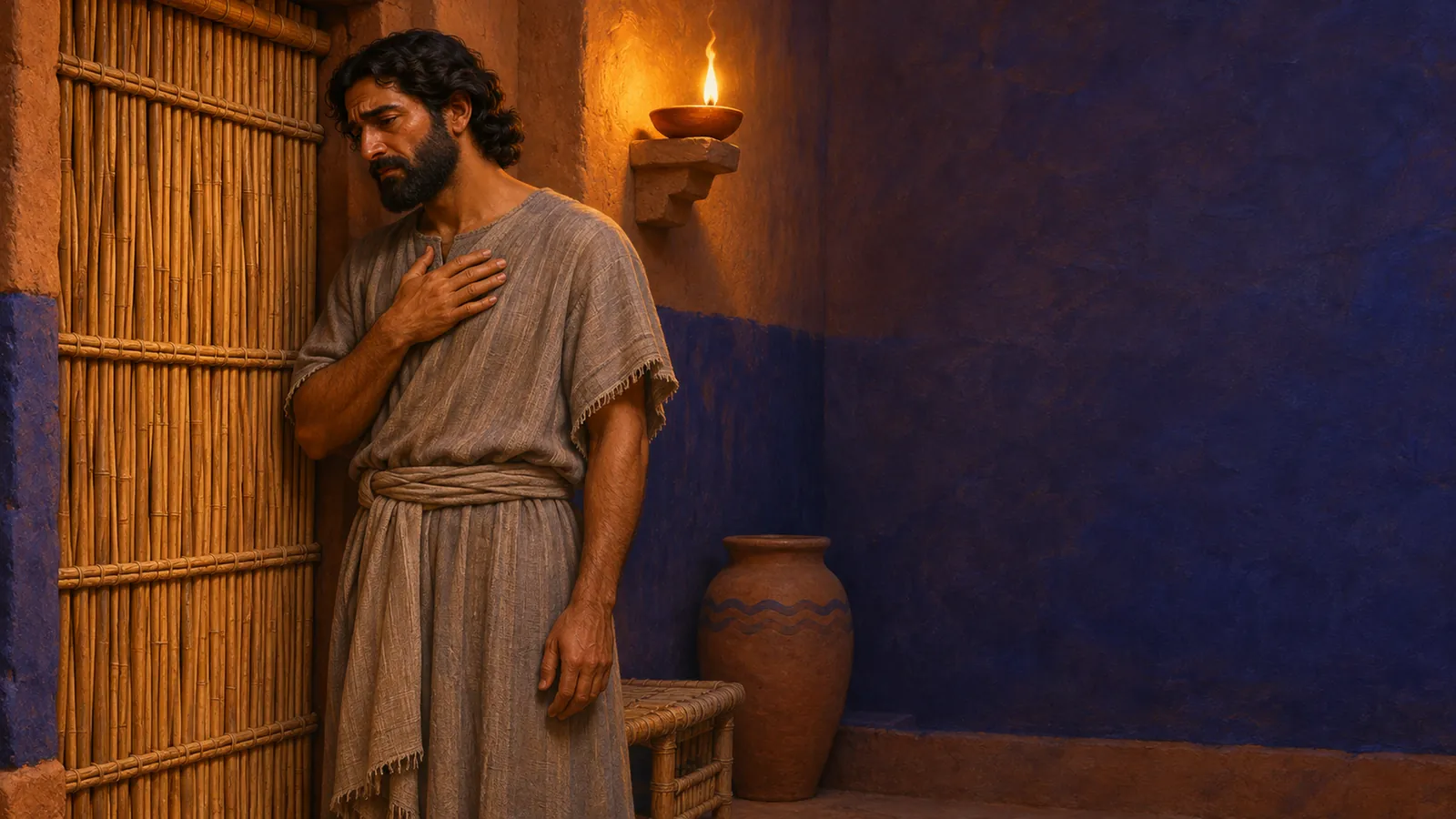
Dem Mann, den der Fluch seiner Mutter traf, fehlt ein Erbe, und sein Geist irrt vielleicht umher. Die Abschrift fragt dann nach einem Mann, der die Worte seiner Eltern missachtete, und bricht nach der Frage ab.
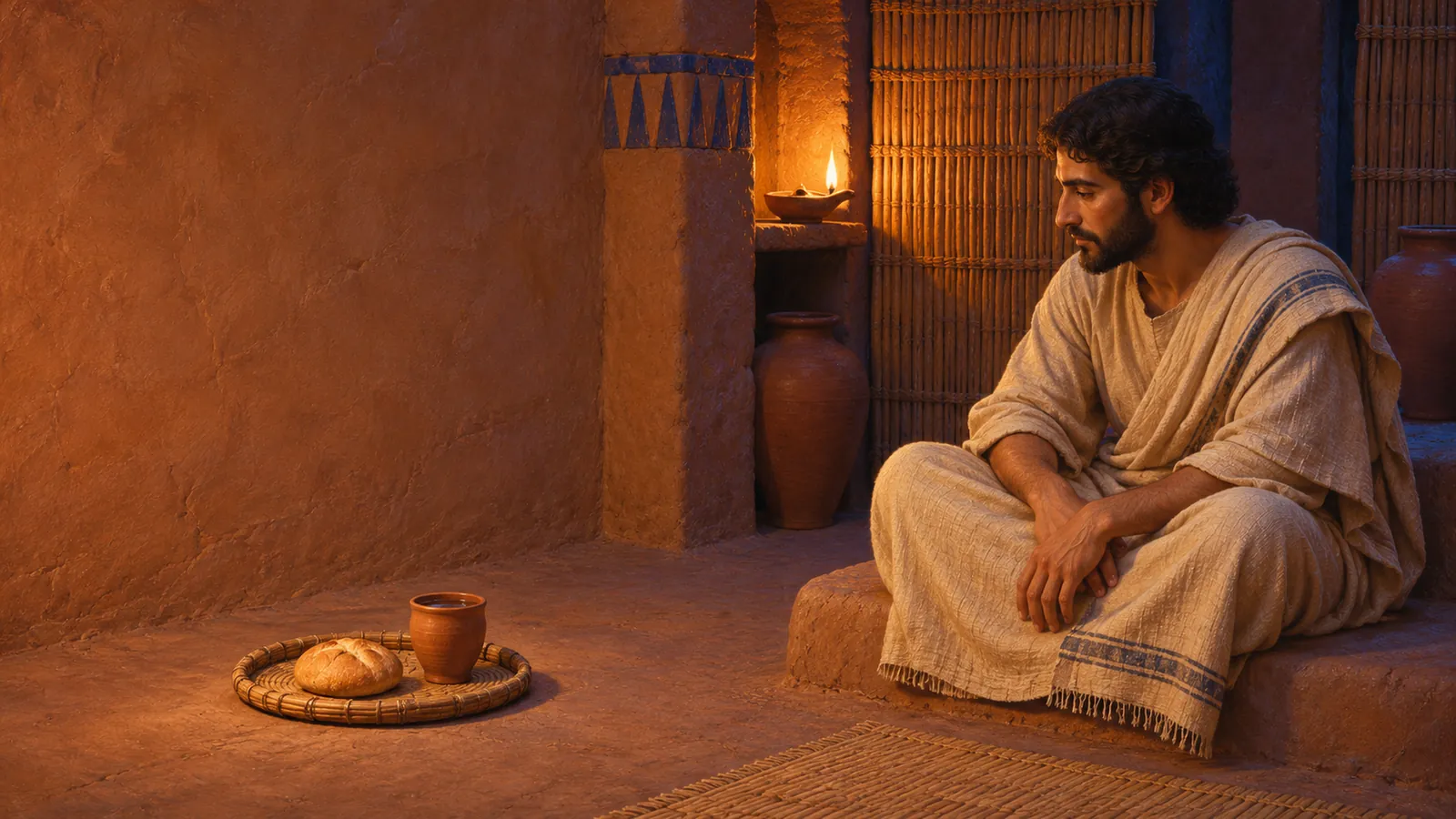
Das nächste Fragment beginnt mit getrennt bereitgestellter Speise und Wasser für jemanden, den die erhaltenen Worte nicht erkennen lassen. Bei einem im Kampf gefallenen Mann sind die Eltern nicht da, um seinen Kopf zu halten, und seine Frau weint. Eine weitere Frage und ihre Antwort sind beschädigt.
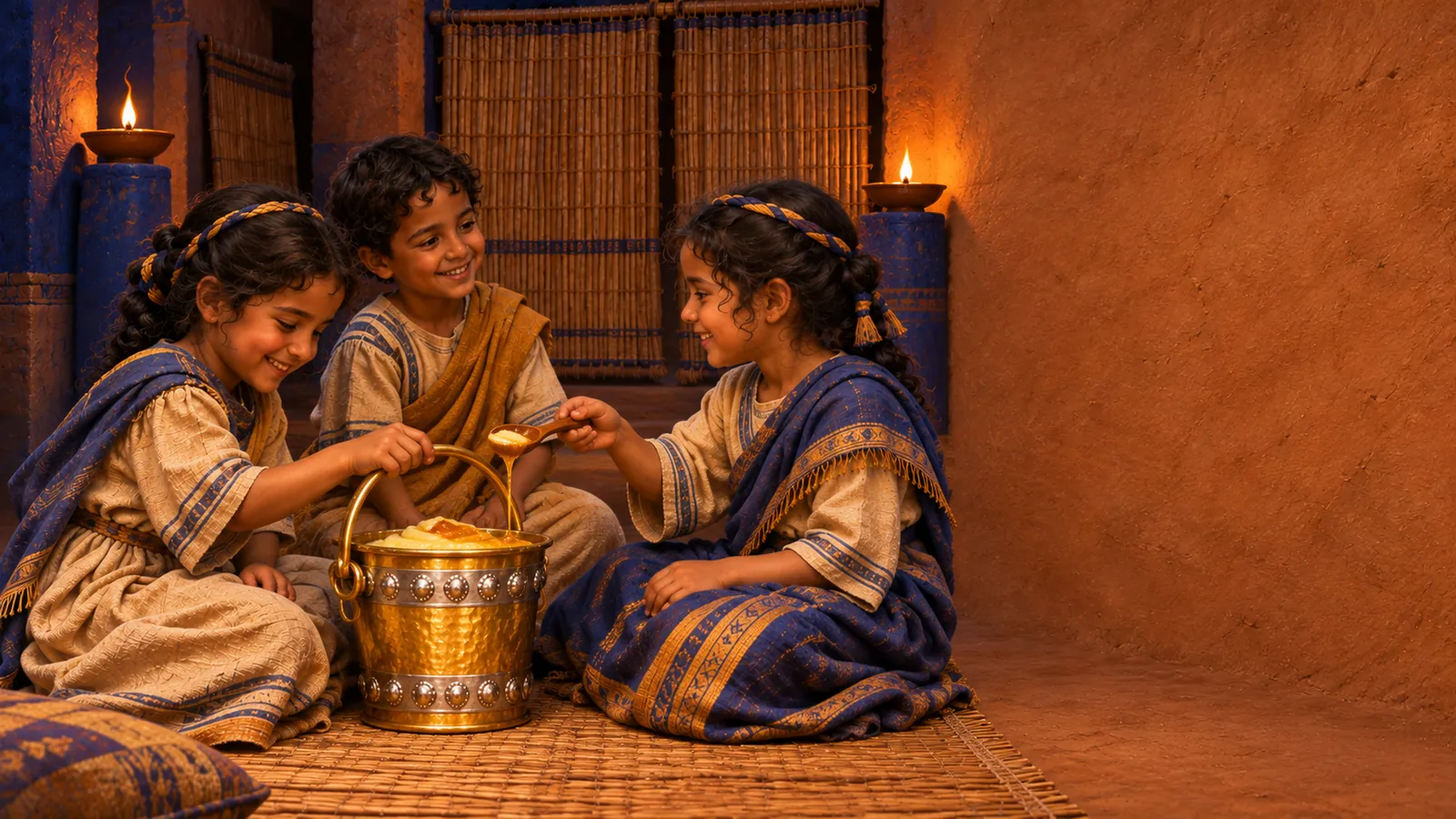
Ein Geist ohne Grabopfer isst Reste, die auf die Straße geworfen wurden. Die tot geborenen Kinder des Fragenden spielen mit einem Eimer aus Gold und Silber, der mit Honig und Butterschmalz gefüllt ist.
Auf die Frage nach dem Mann, den man in Brand gesetzt hatte, sagt der Antwortende, er habe ihn nicht gesehen. Sein Geist war nicht dort, und sein Rauch stieg zum Himmel.
EINE DRITTE FASSUNG AUS UR
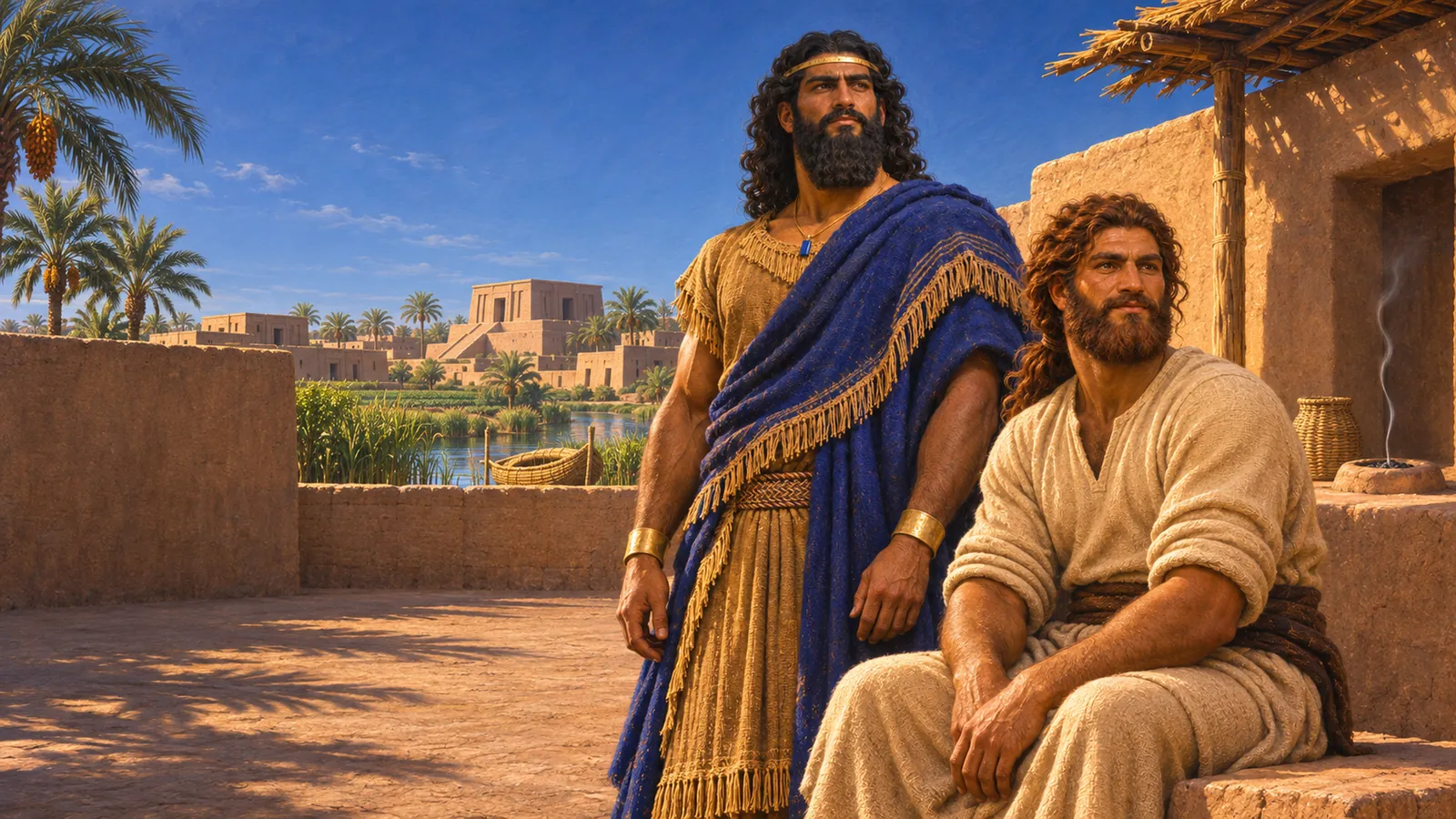
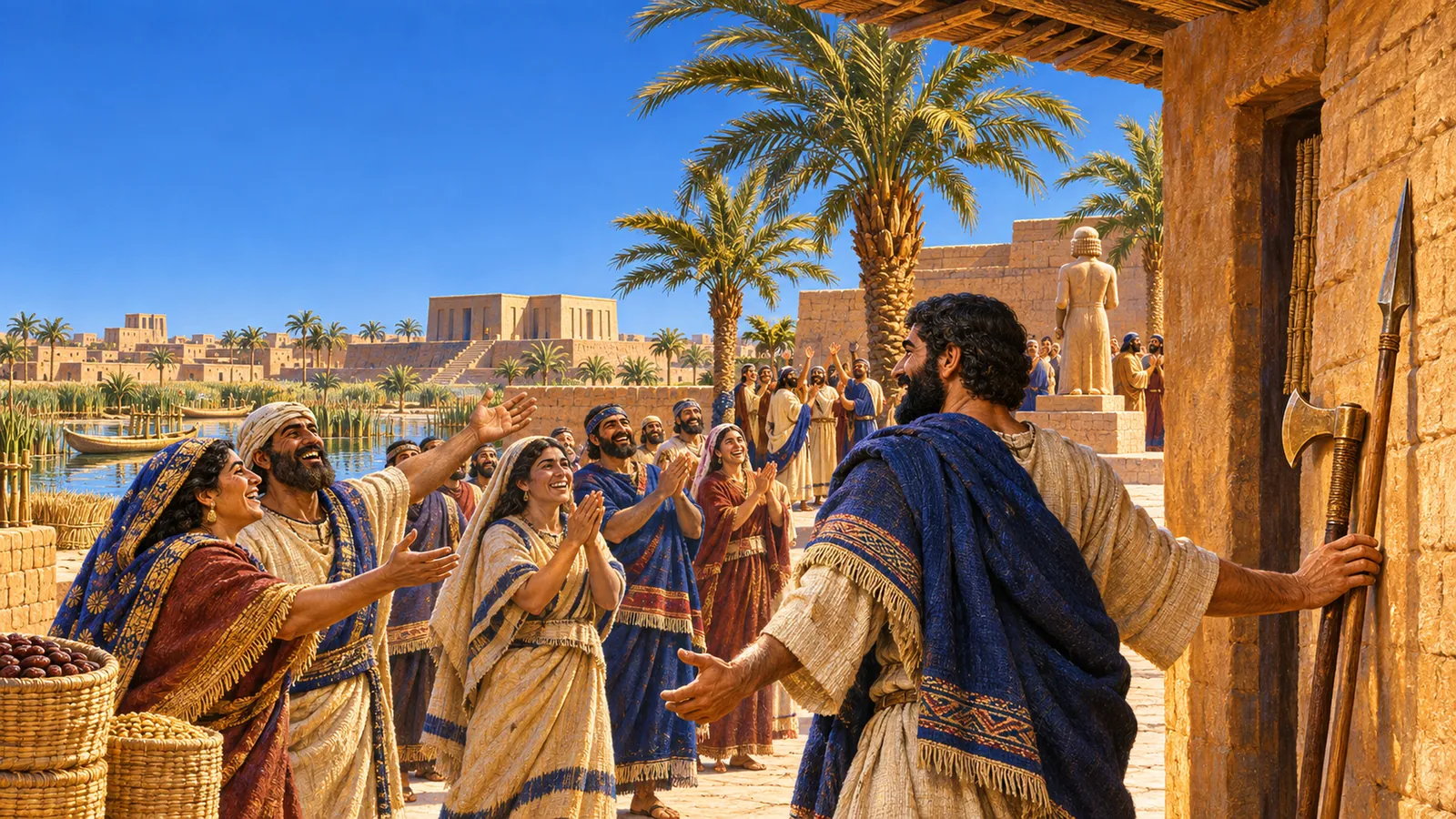
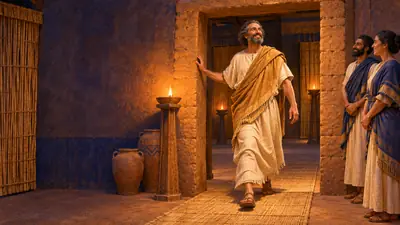
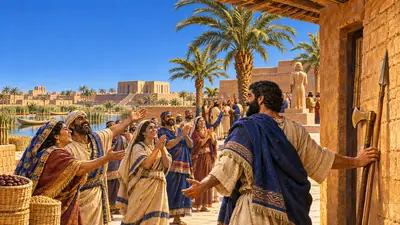
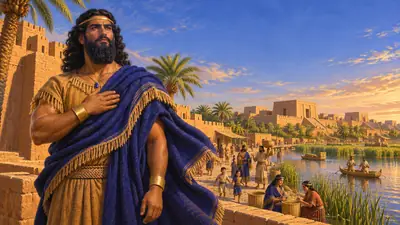
Eine dritte Handschrift aus Ur beschreibt eine Rückkehr nach Uruk. Der Mann, der den Palast betritt, legt dort seine Werkzeuge und Waffen nieder. Menschen aus Uruk und Kulaba freuen sich vor einer Statue.
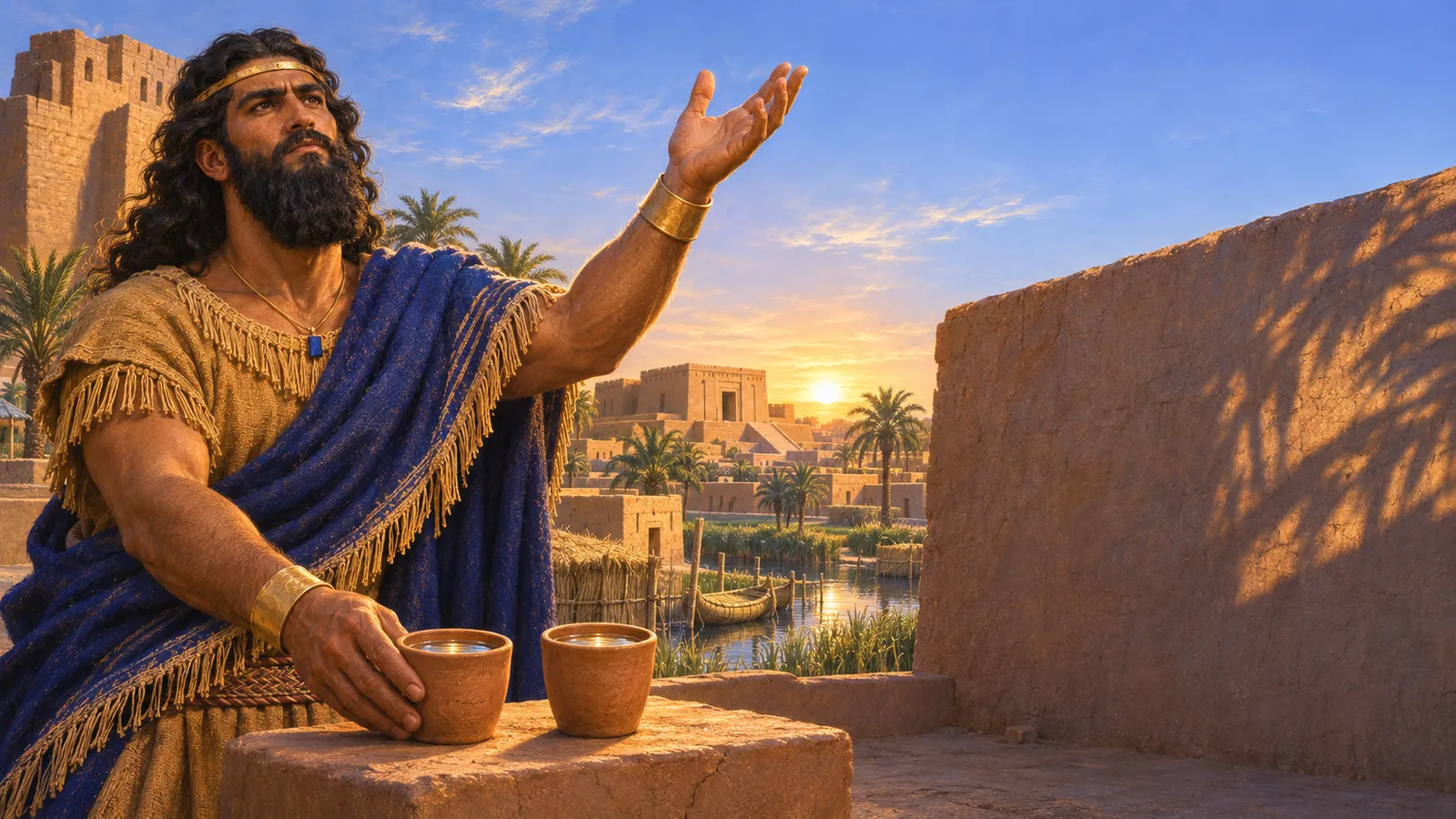
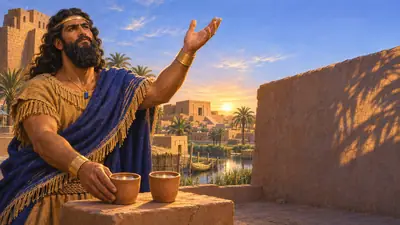
Als Utu hervortritt, nennt die Abschrift vielleicht Gilgamesch als den Mann, der seine Eltern bittet, sauberes Wasser zu trinken. Die Worte über die Krone einer Statue sind unsicher.
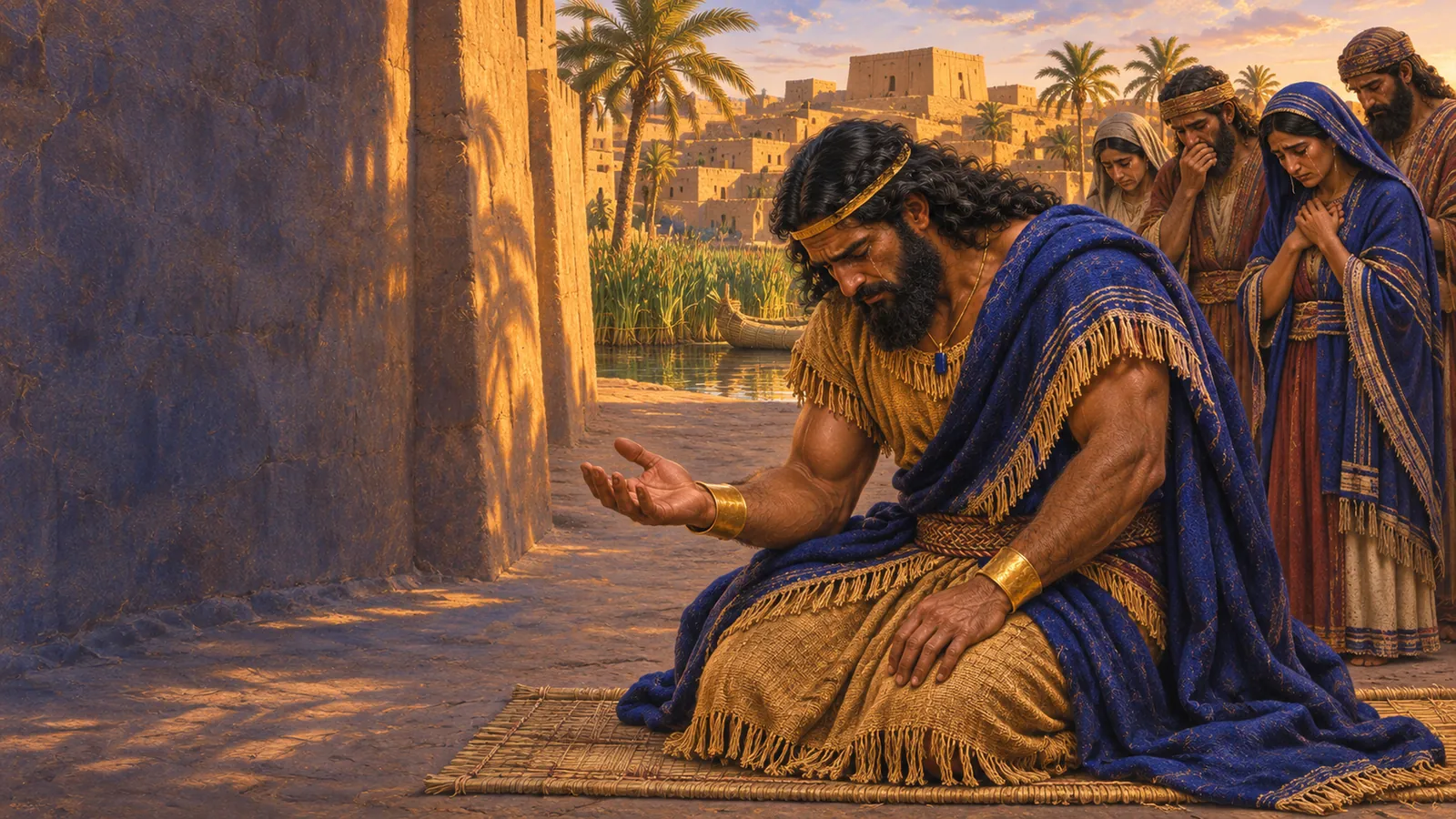
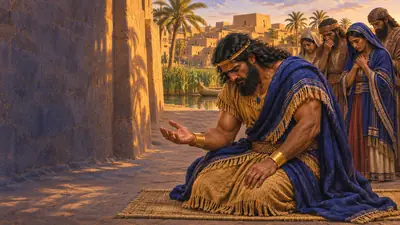
Gilgamesch warf sich neun Tage lang am Ort der Trauer nieder. Die Menschen weinten, und er wies einen Mann aus Girsu ab. Er bat seine Eltern erneut, sauberes Wasser zu trinken.
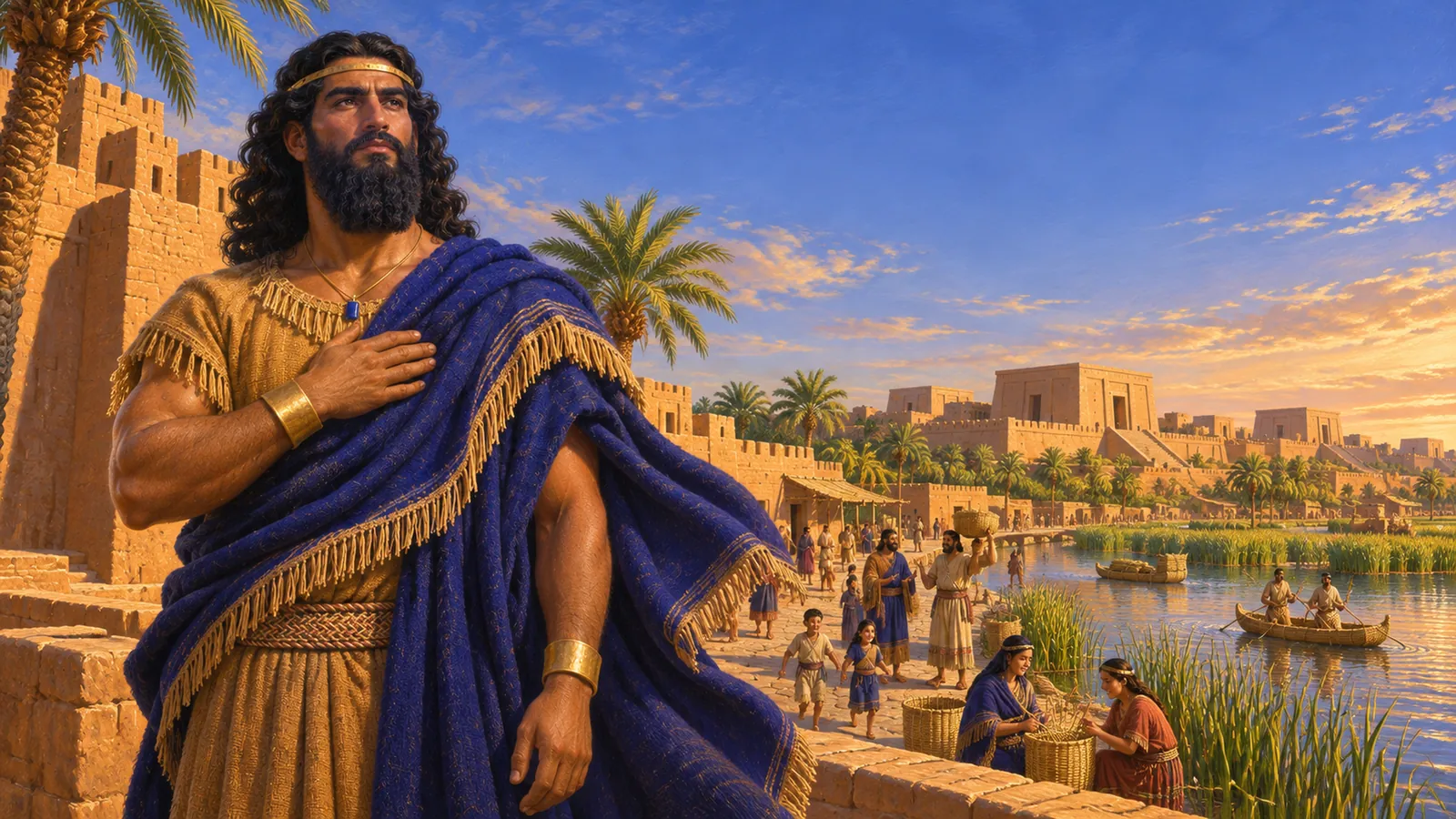
Die letzten Worte dieser Fassung preisen den Krieger Gilgamesch, den Sohn Ninsuns. Sie nennen seinen Lobpreis süß.
ME-TURAN
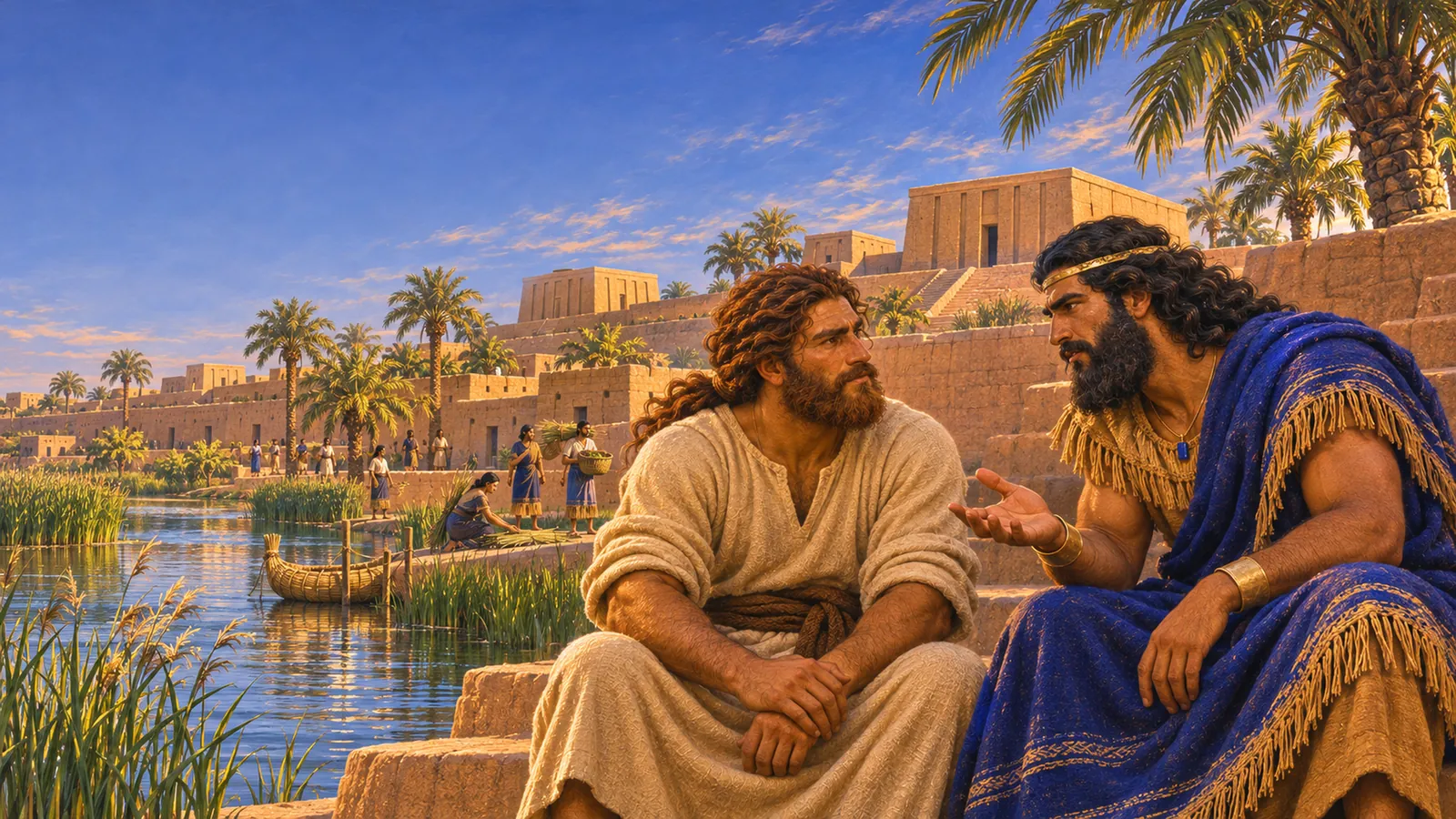
Eine alte Abschrift aus Me-Turan stellt die Fragen erneut. Der Mann mit einem Sohn weint, der mit zweien sitzt, und der mit dreien trinkt. Einzelheiten der letzten beiden Antworten sind beschädigt.
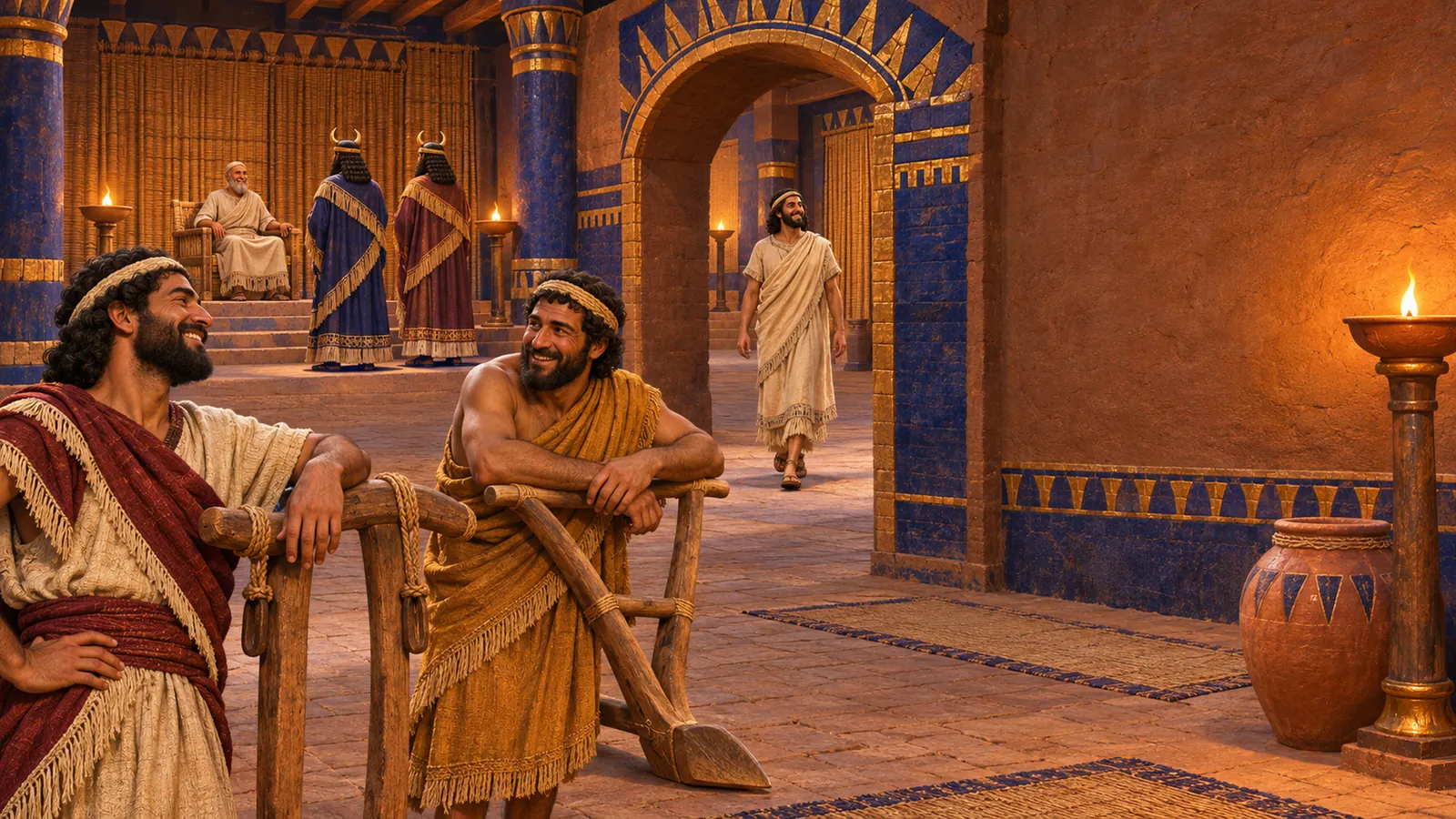
Mit vier Söhnen ist ein Mann glücklich. Mit fünf betritt er den Palast wie ein unermüdlicher Schreiber, und mit sechs ist er froh wie ein Pflüger. Mit sieben sitzt er neben den Göttern auf einem Thron und hört die Urteile.
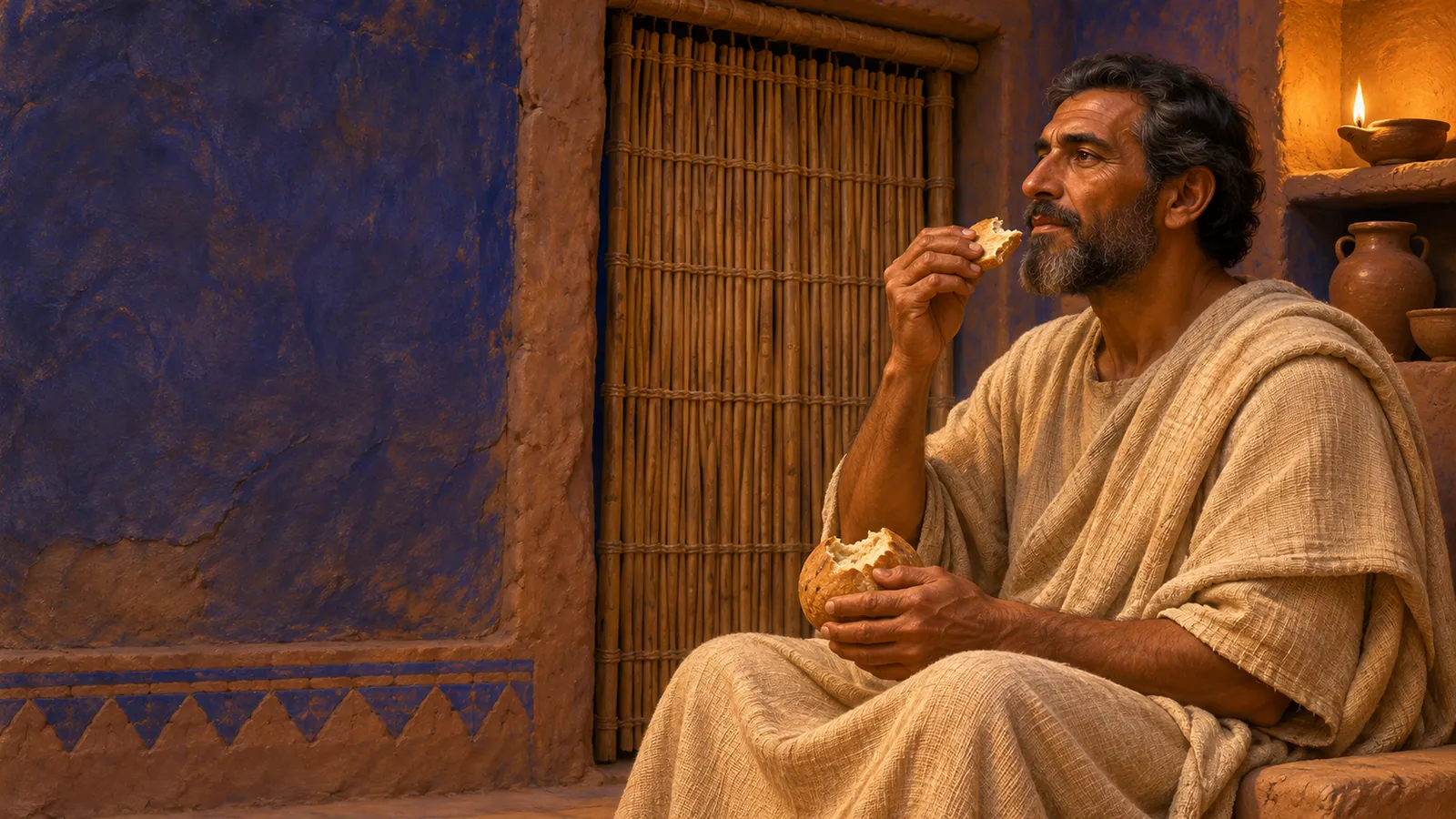
Auf die Frage nach einem Mann ohne Erben sagt die Antwort noch, dass er Brot isst. Der Vergleich ist beschädigt, und danach fehlen ungefähr drei Verse.
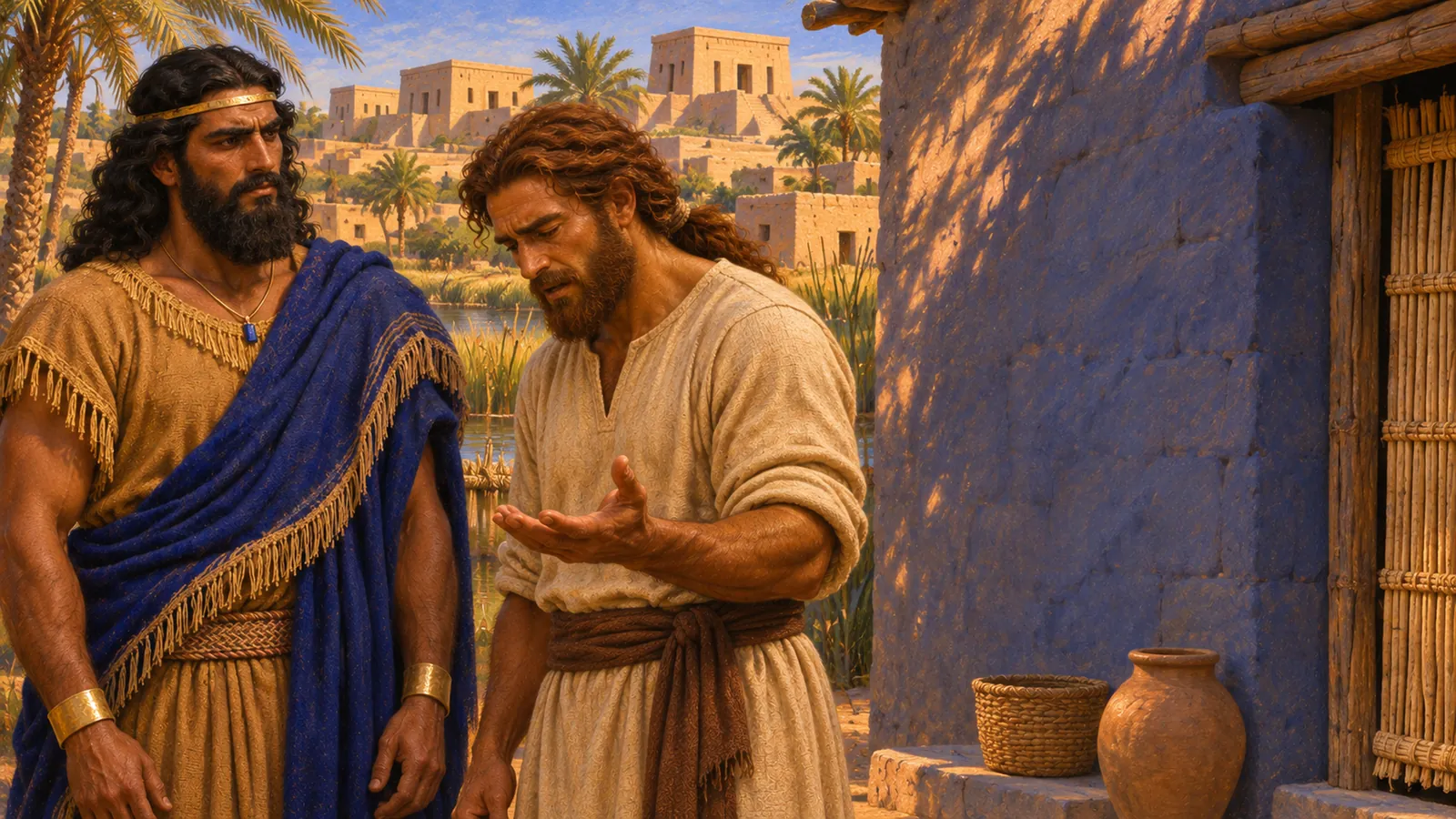
Enkidu erzählt von einem Mann, den ein Hund gefressen hat, und von einem anderen, den vielleicht der Mast eines Boots traf. Zwei frühere Antworten sind beschädigt, und auch die Worte über diese Männer brechen ab.
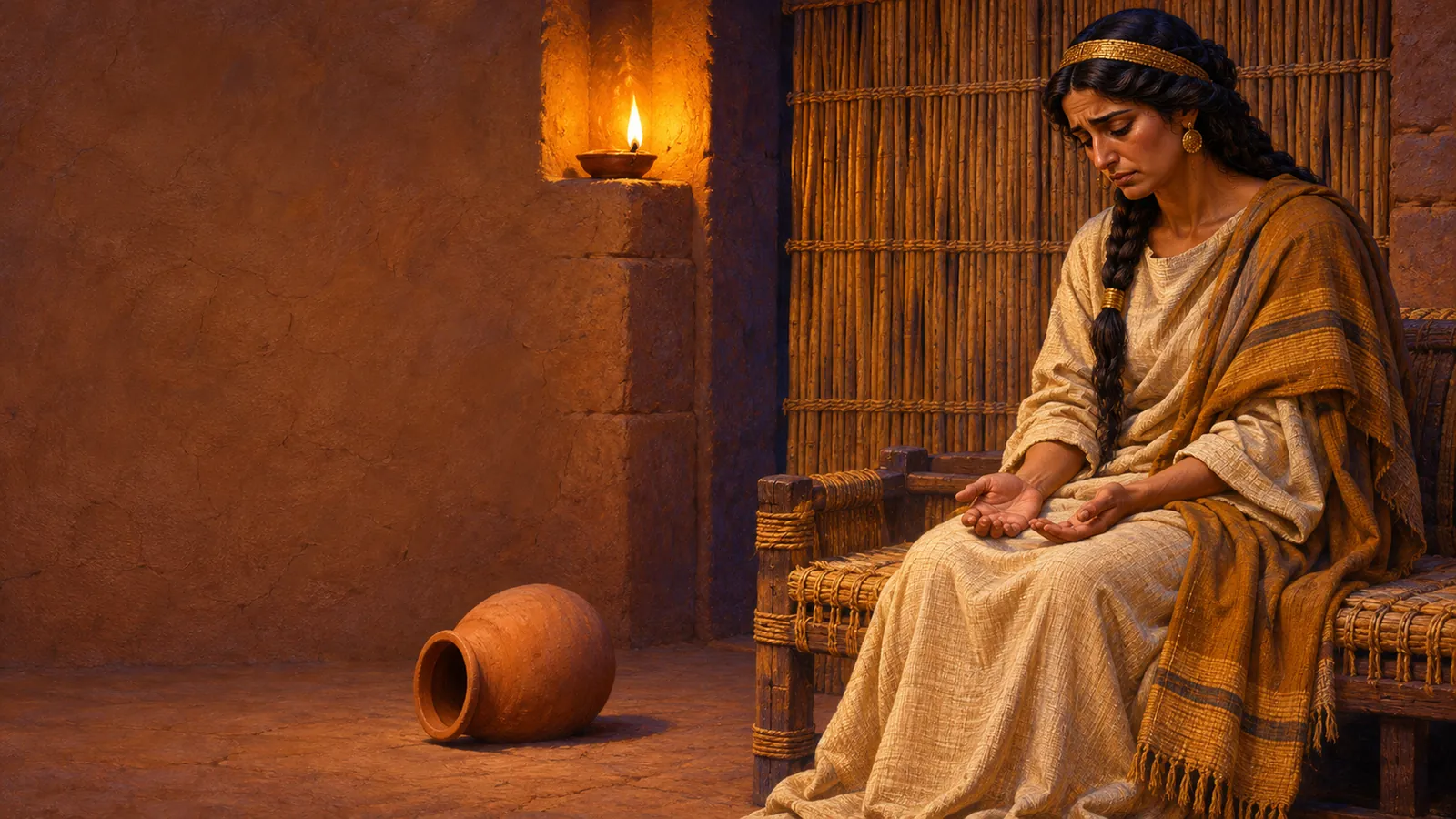
In dieser Abschrift sagt Enkidu, dass eine Frau, die nie geboren hat, wie ein Topf weggeworfen wird. Das Wort, das den Topf beschreibt, fehlt.
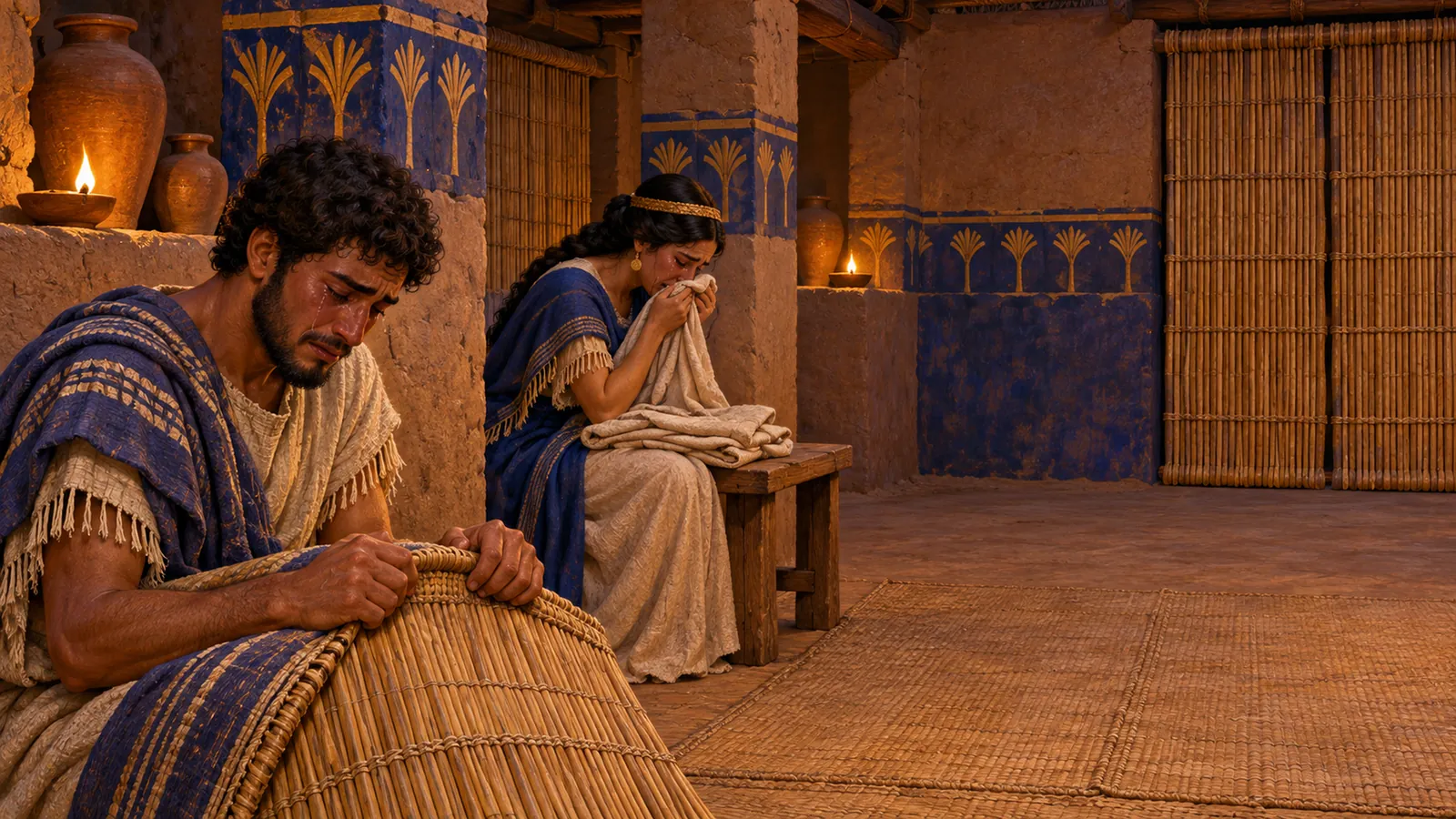
Ein Mann, der seine Frau nie entkleidet hat, weint über einer fertig geflochtenen Schilfmatte. Eine Frau, die ihren Mann nie entkleidet hat, weint über einem Gewand, dessen Beschreibung beschädigt ist.
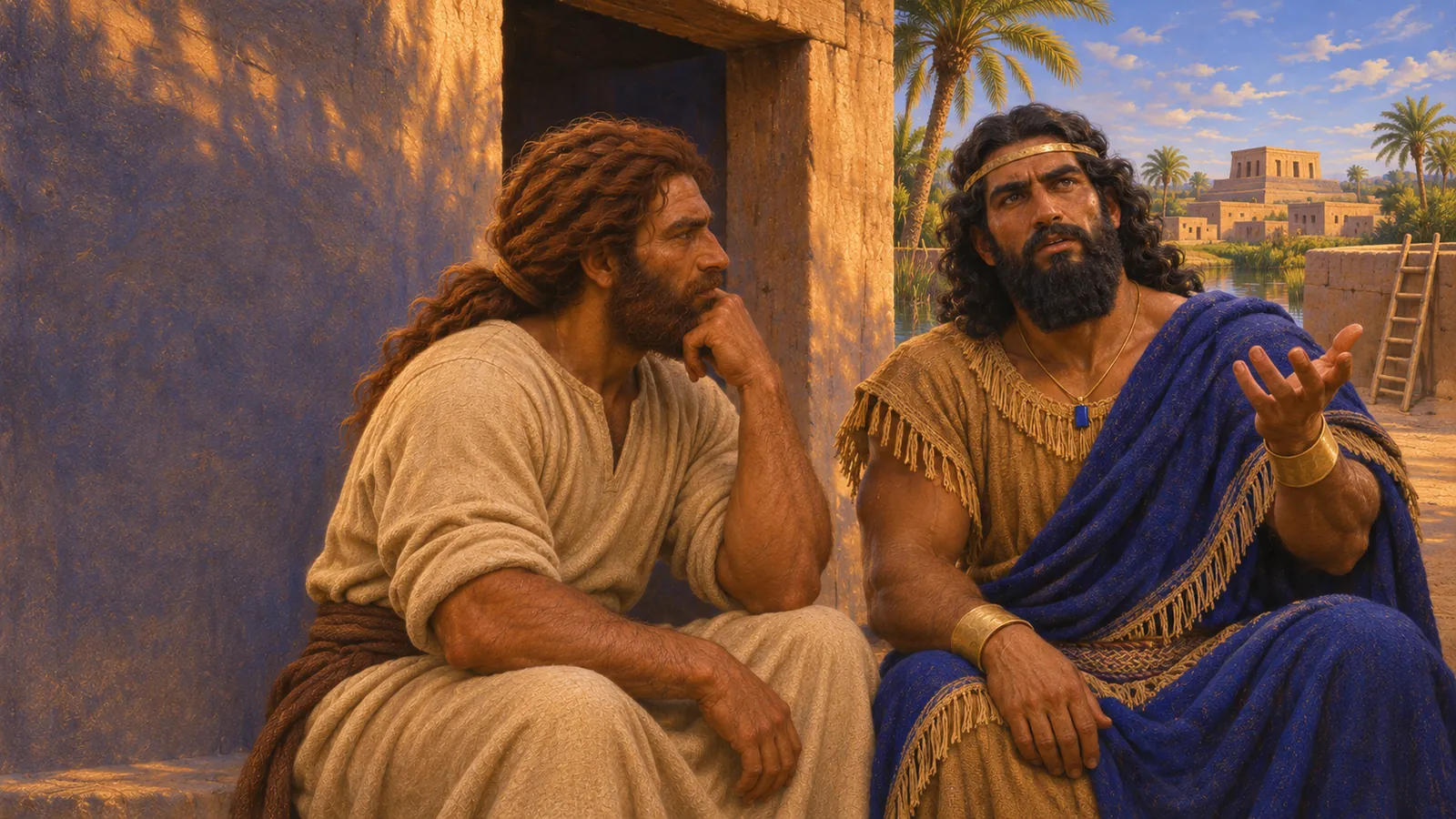
Enkidu spricht von jemandem, der sich vielleicht selbst gerühmt hat, und von einem Mann, der von einem Dach fiel. Eine weitere Frage und ihre Antwort sind fast verloren.
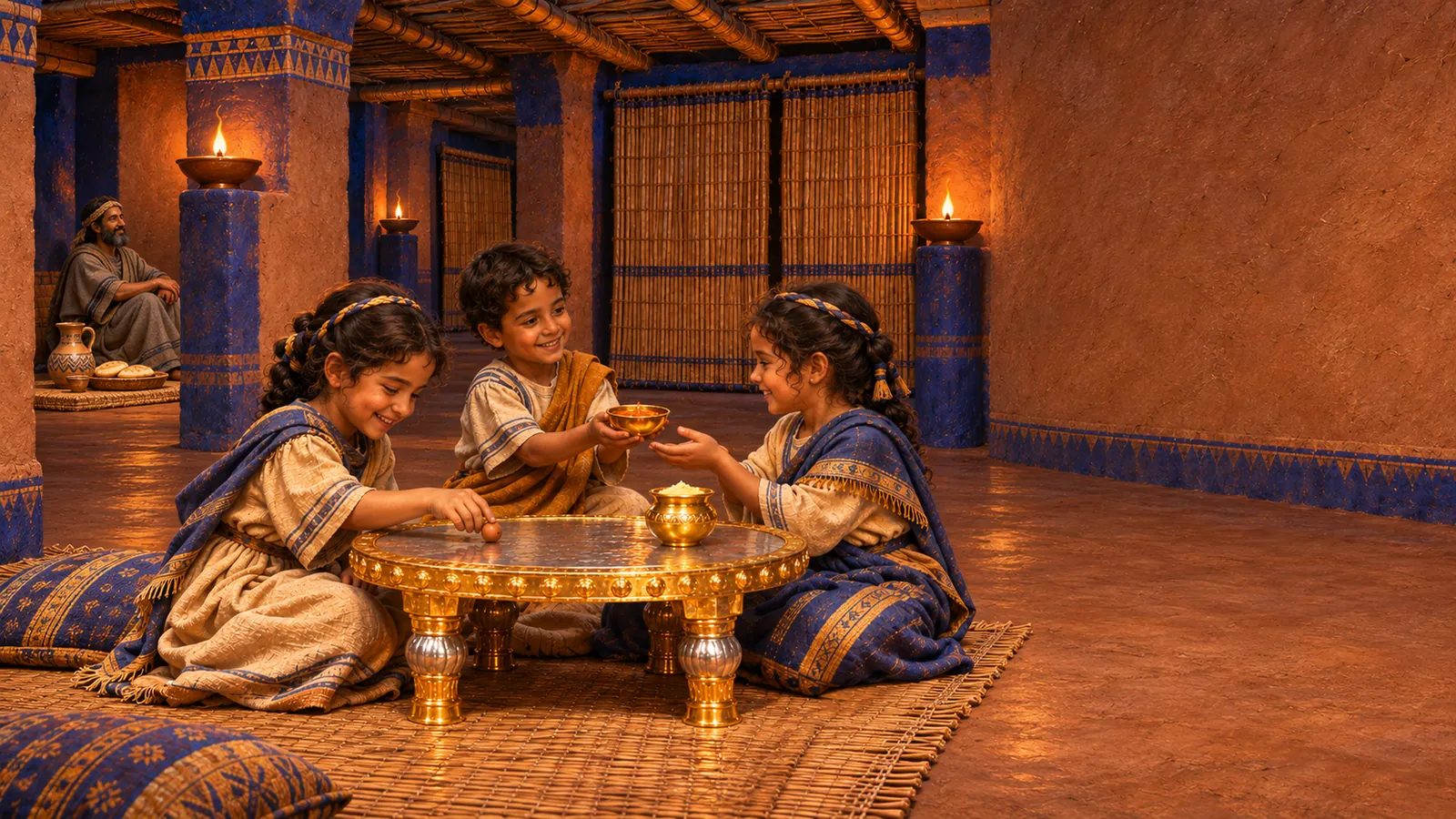
Der Mann, den die Übersetzung als aussätzig bezeichnet, lebt außerhalb der Stadt. Seine Nahrung und sein Wasser stehen für sich, und Gilgameschs namenlose tot geborene Kinder spielen an einem Tisch aus Gold und Silber.
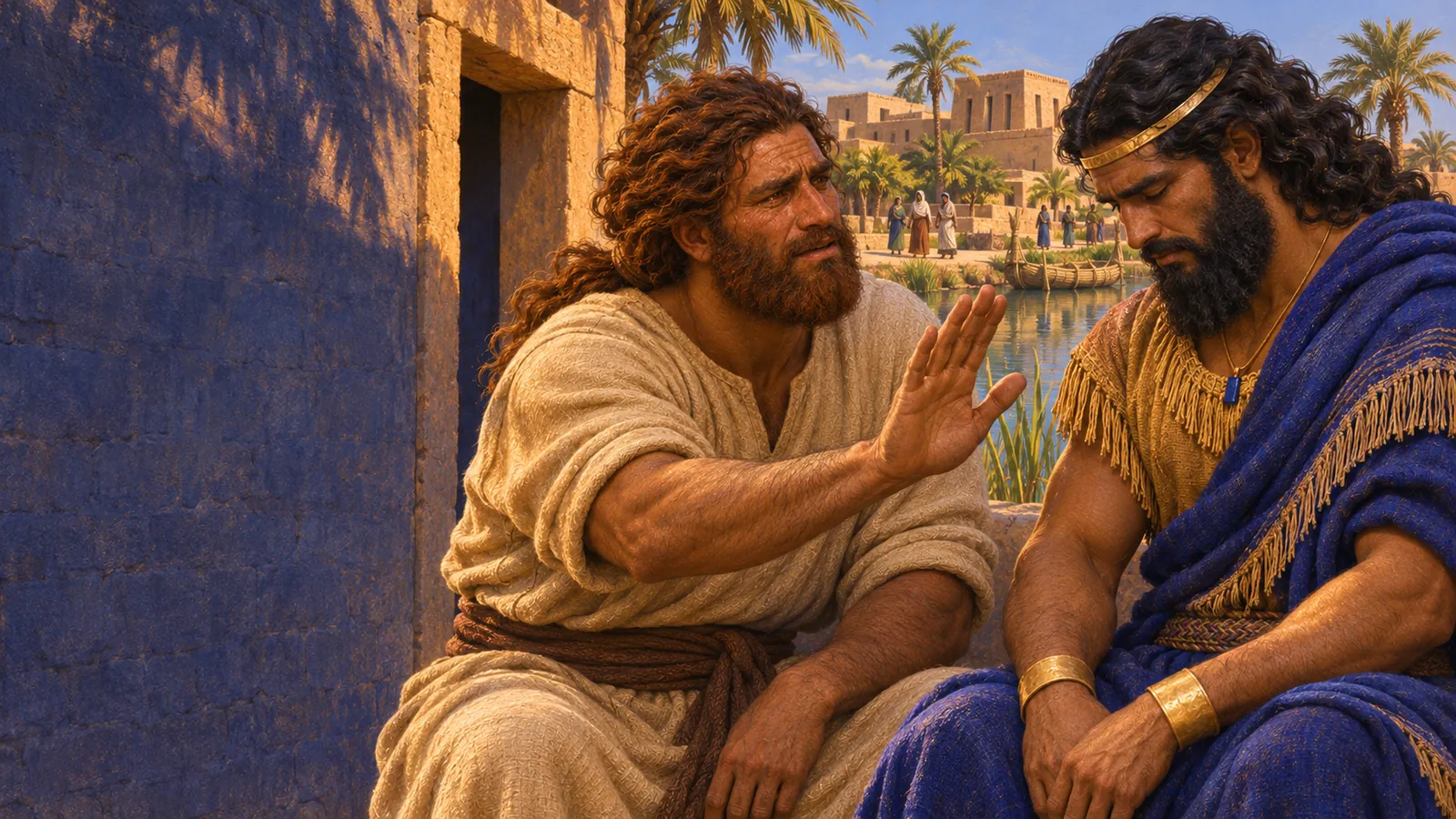
Gilgamesch fragt, ob Enkidu die Person gesehen habe, die in Brand gesetzt wurde. Enkidu wünscht, er hätte die Frage nicht gestellt. In der beschädigten Antwort stieg der Geist vielleicht mit dem Rauch auf.
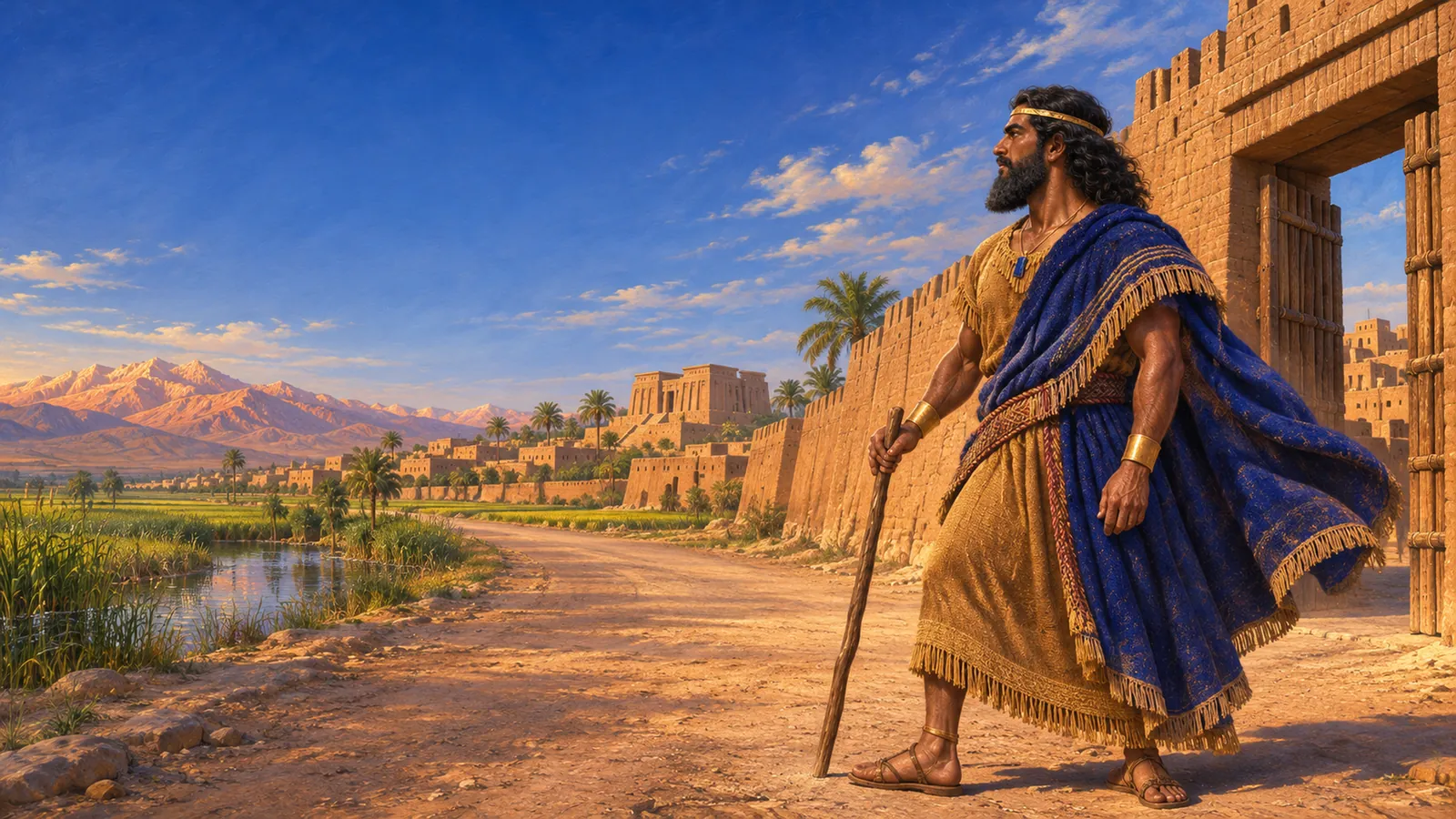
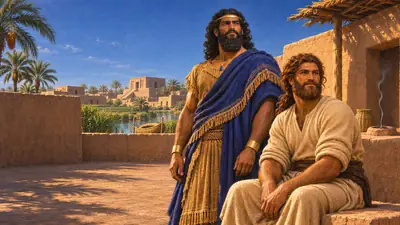
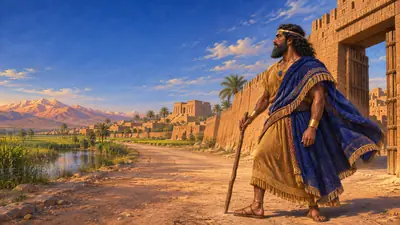
Der König war tief getroffen und begann nach dem Leben zu suchen. In dieser Abschrift beschloss er, zu dem Berg aufzubrechen, auf dem der Mann lebt.
Ende von Kapitel 3
Alle Seiten
Quellen
The cited line numbers follow each witness as the Oxford edition prints it. The descriptions of the dead are answers in the poem’s dialogue. The site text keeps the separate manuscripts, queried readings and unidentified people in their own source passages.
Benutzte Editionen
Hinweise zu dieser Nacherzählung
Pages 1–7, Version A 254–267. Gilgamesh asks about men who had one through seven sons, in that order. Their reported fates are weeping at a wooden peg, sitting on bricks and eating bread, drinking from a saddle waterskin, the joy of someone who can yoke four donkeys, a tireless scribe’s easy entry to the palace, a ploughman’s cheerfulness and sitting on a throne to hear judgments as a companion of the gods. The retelling condenses the repeated question-and-answer formula and preserves the distinct descriptions and similes.
Pages 8–9, Version A 268–285. The poem asks about a palace eunuch and a woman who never gave birth. The retelling gives the sense of the stick being set aside. A descriptor of the discarded pot in Enkidu’s reply about the woman is lost.
Pages 10–11, Version A 268–285. Oxford says the young man never undressed his wife and the young woman never undressed her husband.
Pages 12–14, Version A 268–285. The man without an heir eats bread. Part of a comparison is damaged, and Oxford marks the reference to bricks as uncertain. The next question loses the identity of its subject. Enkidu’s statement that he saw him and the question about how he fares survive. At the end of the printed 268–285 block, Oxford marks seven lines as fragmentary or missing and then resumes with its 286–303 block. The edition prints no individual line numbers for those damaged lines here.
Page 15, Version A 286–303. The identity in the opening question is damaged. His food and water are set apart.
Page 16, Version A 286–303, one-manuscript addition. The Oxford translation sets two accounts inside a single manuscript variant. The man eaten by a lion cries bitterly for his hands and legs. The man who fell from a roof is the subject of a damaged reply about what cannot be done with his bones. The following page returns to the main sequence.
Page 17, Version A 286–303. Oxford renders the ancient term as leprous, then gives a comparison with a twitching ox and mentions worms.
Pages 18–19, Version A 286–303. The fallen warrior’s parents are absent to hold his head, and his wife weeps. The spirit without offerings eats scraps thrown in the street. In the second the line in the phrase about scraps is damaged.
Page 20, Version A 286–303. The main reading has a blow by a ship’s board. One manuscript adds the queried circumstance of diving. A cry to the man’s mother is explicit. The subsequent lines about a board and cross beam and scraps break off.
Pages 21–22, Version A 286–303. The questioner names his stillborn children, and Enkidu places them at the gold and silver table with honey and ghee. The next question preserves the fact of a death but loses its circumstances. The reply names a bed of the gods.
Page 23, Version A 286–303. Enkidu reports absence of the person and his spirit and says his smoke rose to the sky. This is the end of Version A in Oxford’s translation. The next page restarts in another witness.
Page 24, Ur tablet UET 6 58, printed lines 1–7. The reply on the man who fell from a roof breaks at the words about his bones. Oxford marks uncertainty around a person struck in a flood-storm of Ishkur and gives an ox and worms in the reply. The man called leprous in this witness lives outside town with separate provisions. Wording about offerings is marked uncertain.
Page 25, UET 6 58, lines 8–19. The two parental questions are distinct. The first reply gives ongoing cries about body and limbs. The second says a curse reached the man, he lacks an heir and his spirit roams. The subject and response of the question mentioning the god’s name survive only in fragments.
Pages 26–27, UET 6 58, lines 8–19. This witness includes the crumbs in the street, the gold and silver table for the stillborn children, and the question about the person set on fire. The answer expressly states his spirit does not live in the underworld. The following UET 6 58 range begins a new group of questions at line 20.
Page 28 (UET 6 58, 20–28). The reply about the false oath preserves drinking and a libation place at the entrance to the netherworld, with the entrance reading queried. The copy also queries whether the man from Girsu refused water to his father and mother. Its answer mentions a thousand Amorites in front of each of them. The antecedents and the account of what the spirit could do are damaged.
Page 29 (UET 6 58, 20–28). The reply says the people of Sumer and Akkad drink muddy water. The questioner’s parents drink muddy water as well. The designation of the place is damaged in both replies. This ends the first Ur witness.
Pages 30–31 (UET 6 59, Segment A 1–9). The reply concerning the man hit by a ship’s board preserves his cry to his mother and broken references to a crossbeam and crumbs. The answer about the fall from the roof gives the ox comparison and worms. The mother’s curse leaves the man without an heir, and Oxford queries whether his spirit roams. After the question about disregarding the words of both parents, the edition marks one fragmentary line and an unknown number of missing lines.
Pages 32–34 (UET 6 59, Segment B 1–11). The surviving segment opens with food and water set apart for an unidentified person. Oxford queries the words about their being offered to him. The man fallen in battle lacks his parents to hold his head, and his wife weeps. The next subject is broken and its reply preserves a queried reference to a hand. The spirit without funerary offerings eats scraps and crumbs. This witness gives the stillborn children a bucket of gold and silver filled with honey and ghee.
Pages 35–36 (UET 6 60, 1–10). This witness starts with a return to Uruk. The man who enters lays up tools and armaments, including an axe and spear. The wording supplies no identification of the tools as the ellag and ekidma. The people of Uruk and Kulaba rejoice before a statue, with the reference to the old men queried. At Utu’s coming forth, Oxford tentatively identifies Gilgamesh as the speaker of the call for his parents to drink clean water. The wording about whom he addresses and the statue associated with the crown is uncertain.
Page 37 (UET 6 60, block headed 11). Gilgamesh goes to the place of mourning for nine days, the people weep, a citizen of Girsu is repulsed and the call for clean water is repeated. Oxford’s English displays this as a single block headed 11. Its next printed line label is 17.
Page 38 (UET 6 60, 17). The final line praises Gilgamesh, the warrior and son of Ninsun, whom Oxford calls Ninsumun. This closes the third Ur witness.
Pages 39–41, Me-Turan Segment B 1–28. B starts after an unknown gap from A. Two- and three-son answers are damaged after sitting and drinking. One witness adds the four-asses comparison. The man without an heir eats bread in an uncertain comparison. The editor indicates about three missing lines at the end of the block.
Page 42, B 29–51. Neither subject of the first two questions is preserved. One damaged reply speaks of drinking water and one of worms. One man was eaten by a dog, and the blow from a boat’s mast is a queried reading. Cries about hands and legs and a cry to the mother survive in these damaged accounts.
Pages 43–44, B 29–51. The descriptor of the thrown-away pot and the rest of the woman’s reply are damaged.
Page 45, B 52–68. The damaged question may concern a man praising himself. Its reply has a queried comparison with an ox and a line about worms. The roof fall is explicit. Details of the bones, the spirit and the next question are damaged.
Page 46, B 52–68. Oxford translates the ancient descriptor as leprous. Food and water are separate, the man lives outside the city, and the clause mentioning spirits is damaged. The questioner identifies the unnamed stillborn children as his own. They play at a gold and silver table. The words after that are broken.
Page 47, B 52–68. Enkidu questions why his friend did not spare him the question about the person set on fire. The friend reiterates his question. The reply on the spirit and the rising smoke is damaged, and the smoke is queried.
Page 48, B 69–71. The king is stricken in heart and insides, seeks life, and decides to set off toward the mountain where the man lives. Oxford marks this as a transition to *Gilgamesh and Huwawa*, Version A.
Die antiken Verse hinter jeder Seite
- Page 1: ETCSL 1.8.1.4, Version A, lines 254–267
- Page 2: ETCSL 1.8.1.4, Version A, lines 254–267
- Page 3: ETCSL 1.8.1.4, Version A, lines 254–267
- Page 4: ETCSL 1.8.1.4, Version A, lines 254–267
- Page 5: ETCSL 1.8.1.4, Version A, lines 254–267
- Page 6: ETCSL 1.8.1.4, Version A, lines 254–267
The right is a continuous naturally shaded ochre-gray soil plane with no horizon, field lines or markings in it. - Page 7: ETCSL 1.8.1.4, Version A, lines 254–267
- Page 8: ETCSL 1.8.1.4, Version A, lines 268–285
- Page 9: ETCSL 1.8.1.4, Version A, lines 268–285
- Page 10: ETCSL 1.8.1.4, Version A, lines 268–285
- Page 11: ETCSL 1.8.1.4, Version A, lines 268–285
- Page 12: ETCSL 1.8.1.4, Version A, lines 268–285
- Page 13: ETCSL 1.8.1.4, Version A, lines 268–285
- Page 14: ETCSL 1.8.1.4, Version A, lines 268–285
Low side macro study of the irregular break along the short pale edge of a single completely plain clay fragment, at the extreme lower left. The entire right text rectangle is continuous softly shaded clay. - Page 15: ETCSL 1.8.1.4, Version A, lines 286–303
- Page 16: ETCSL 1.8.1.4, Version A, lines 286–303
- Page 17: ETCSL 1.8.1.4, Version A, lines 286–303
- Page 18: ETCSL 1.8.1.4, Version A, lines 286–303
- Page 19: ETCSL 1.8.1.4, Version A, lines 286–303
- Page 20: ETCSL 1.8.1.4, Version A, lines 286–303
- Page 21: ETCSL 1.8.1.4, Version A, lines 286–303
- Page 22: ETCSL 1.8.1.4, Version A, lines 286–303
- Page 23: ETCSL 1.8.1.4, Version A, lines 286–303
- Page 24: ETCSL 1.8.1.4, UET 6 58, lines 1–7
Upper title reserve for the Ur 58 witness. - Page 25: ETCSL 1.8.1.4, UET 6 58, lines 8–19
- Page 26: ETCSL 1.8.1.4, UET 6 58, lines 8–19
- Page 27: ETCSL 1.8.1.4, UET 6 58, lines 8–19
- Page 28: ETCSL 1.8.1.4, UET 6 58, lines 20–28
- Page 29: ETCSL 1.8.1.4, UET 6 58, lines 20–28
- Page 30: ETCSL 1.8.1.4, UET 6 59, Segment A, lines 1–9
- Page 31: ETCSL 1.8.1.4, UET 6 59, Segment A, lines 1–9
- Page 32: ETCSL 1.8.1.4, UET 6 59, Segment B, lines 1–11
- Page 33: ETCSL 1.8.1.4, UET 6 59, Segment B, lines 1–11
- Page 34: ETCSL 1.8.1.4, UET 6 59, Segment B, lines 1–11
- Page 35: ETCSL 1.8.1.4, UET 6 60, lines 1–10
- Page 36: ETCSL 1.8.1.4, UET 6 60, lines 1–10
- Page 37: ETCSL 1.8.1.4, UET 6 60, block headed line 11
- Page 38: ETCSL 1.8.1.4, UET 6 60, line 17
- Page 39: ETCSL 1.8.1.4, Me-Turan, Segment B, lines 1–28
- Page 40: ETCSL 1.8.1.4, Me-Turan, Segment B, lines 1–28
- Page 41: ETCSL 1.8.1.4, Me-Turan, Segment B, lines 1–28
- Page 42: ETCSL 1.8.1.4, Me-Turan, Segment B, lines 29–51
Right is naturally even blue-gray water and reflected mist, without a horizon line across the text field. - Page 43: ETCSL 1.8.1.4, Me-Turan, Segment B, lines 29–51
- Page 44: ETCSL 1.8.1.4, Me-Turan, Segment B, lines 29–51
- Page 45: ETCSL 1.8.1.4, Me-Turan, Segment B, lines 52–68
- Page 46: ETCSL 1.8.1.4, Me-Turan, Segment B, lines 52–68
- Page 47: ETCSL 1.8.1.4, Me-Turan, Segment B, lines 52–68
- Page 48: ETCSL 1.8.1.4, Me-Turan, Segment B, lines 69–71
Illustrationen von IL Archive mit KI-Werkzeugen; der Text folgt den antiken Quellen (siehe die Quellen am Ende jedes Kapitels).