Das Gilgamesch-Epos Kapitel 4
Der Himmelsstier
Zurück in Uruk weist Gilgamesch Ischtars Heiratsantrag zurück. Sie kehrt mit dem Himmelsstier zurück, und am Ende des Sieges erhebt sich Enkidu aus einem Traum.
Den Film ansehenQuellenBlättern Sie mit den Pfeilen, den Pfeiltasten oder durch Wischen.
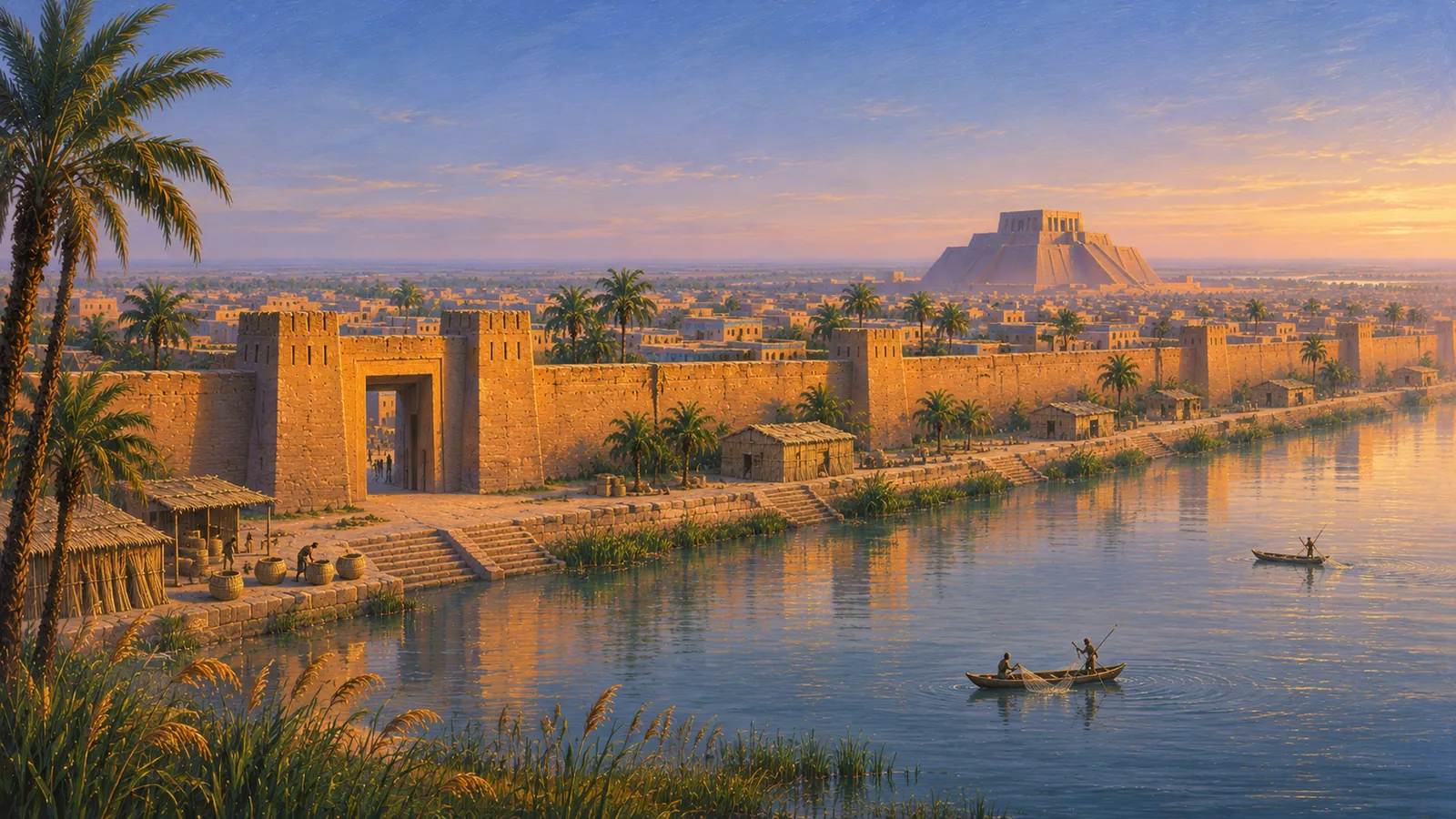
URUK
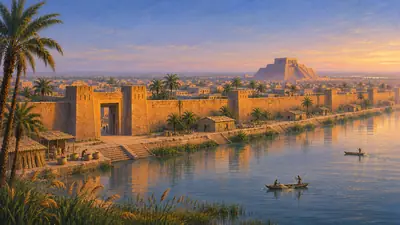
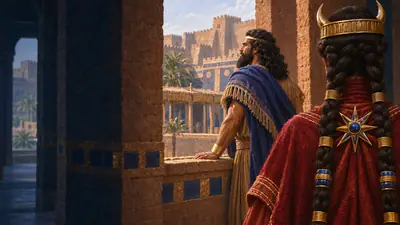
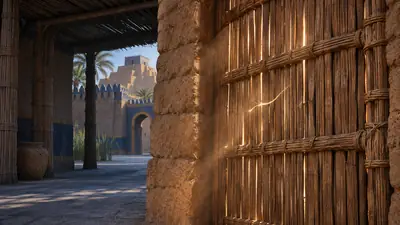
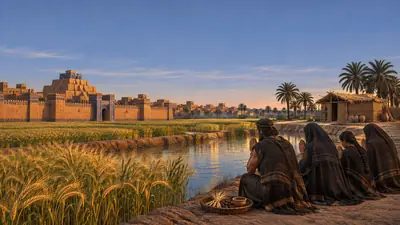
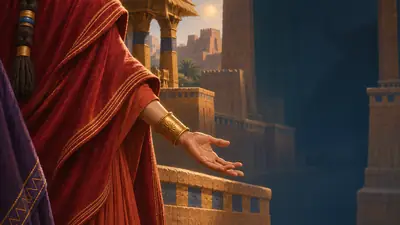
Jenseits des Kanals fiel das Morgenlicht auf die Mauern von Uruk. Gilgamesch war aus dem Land der Zedern heimgekehrt, und um ihn herum erwachte die Stadt.
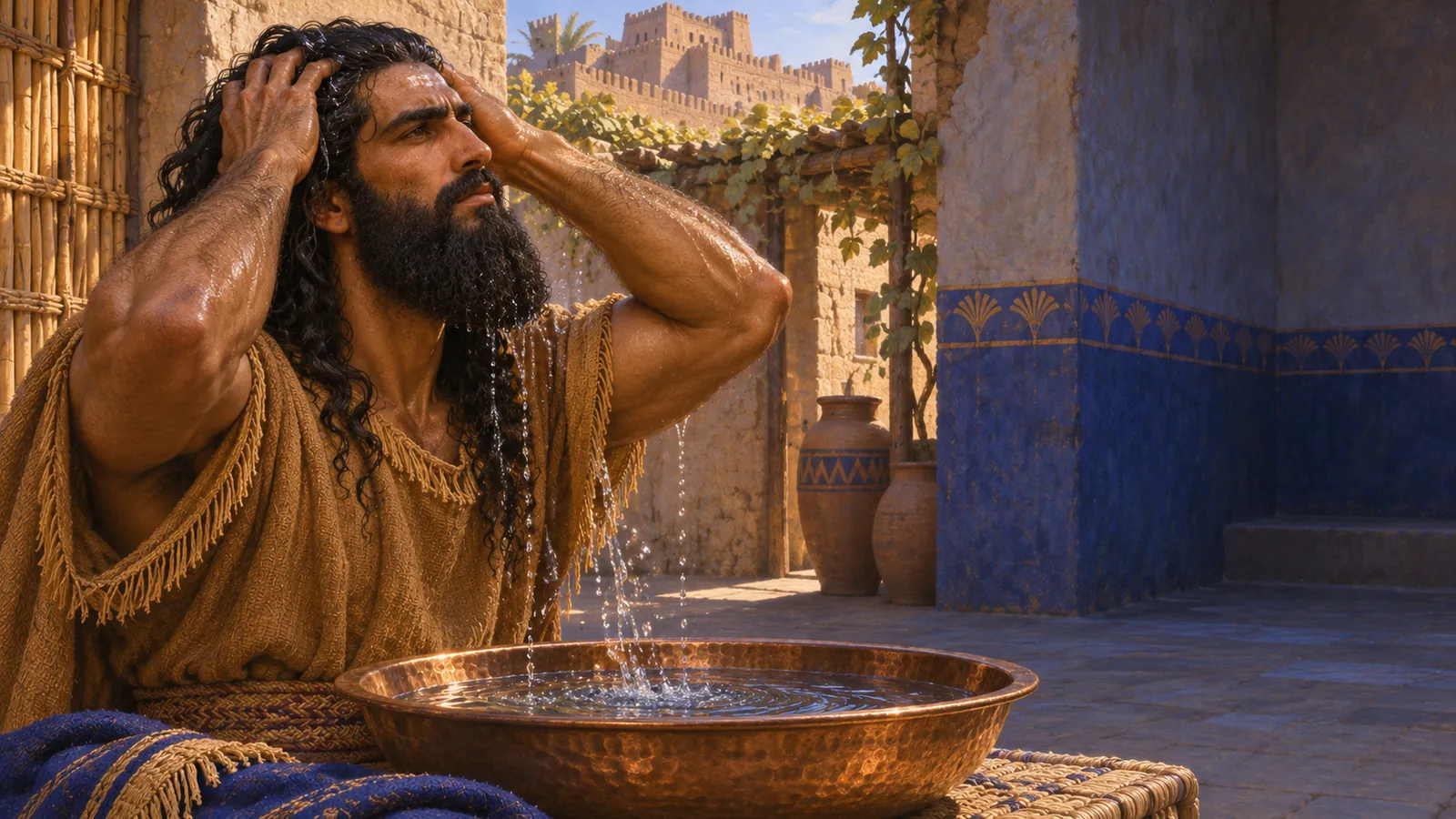
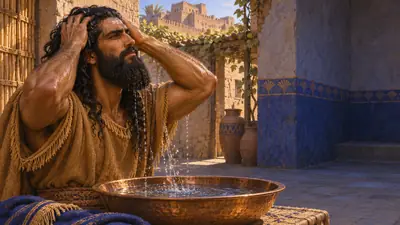
In Uruk wusch Gilgamesch sein Haar und säuberte die Ausrüstung, die er so weit getragen hatte. Der lange Weg steckte noch in jedem Knoten und jeder Falte.
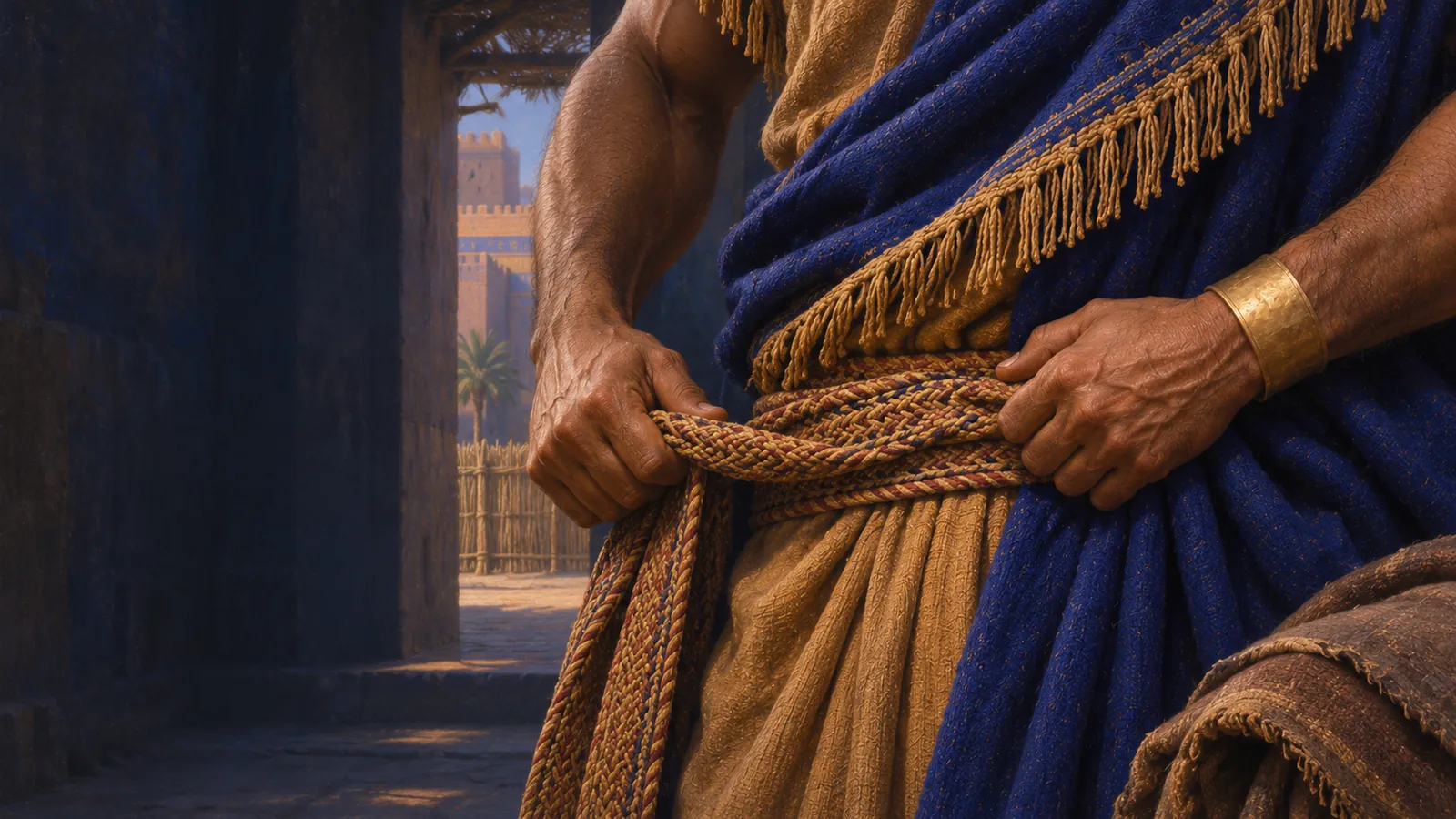
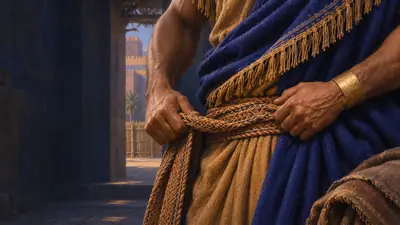
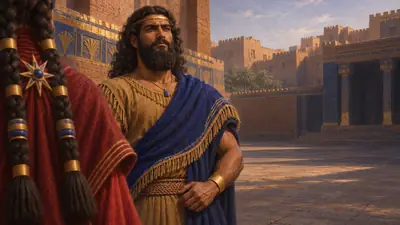
Er legte die Reisekleider beiseite und zog frische an. Er nahm den Mantel um die Schultern und zog die Schärpe um seine Hüften fest.
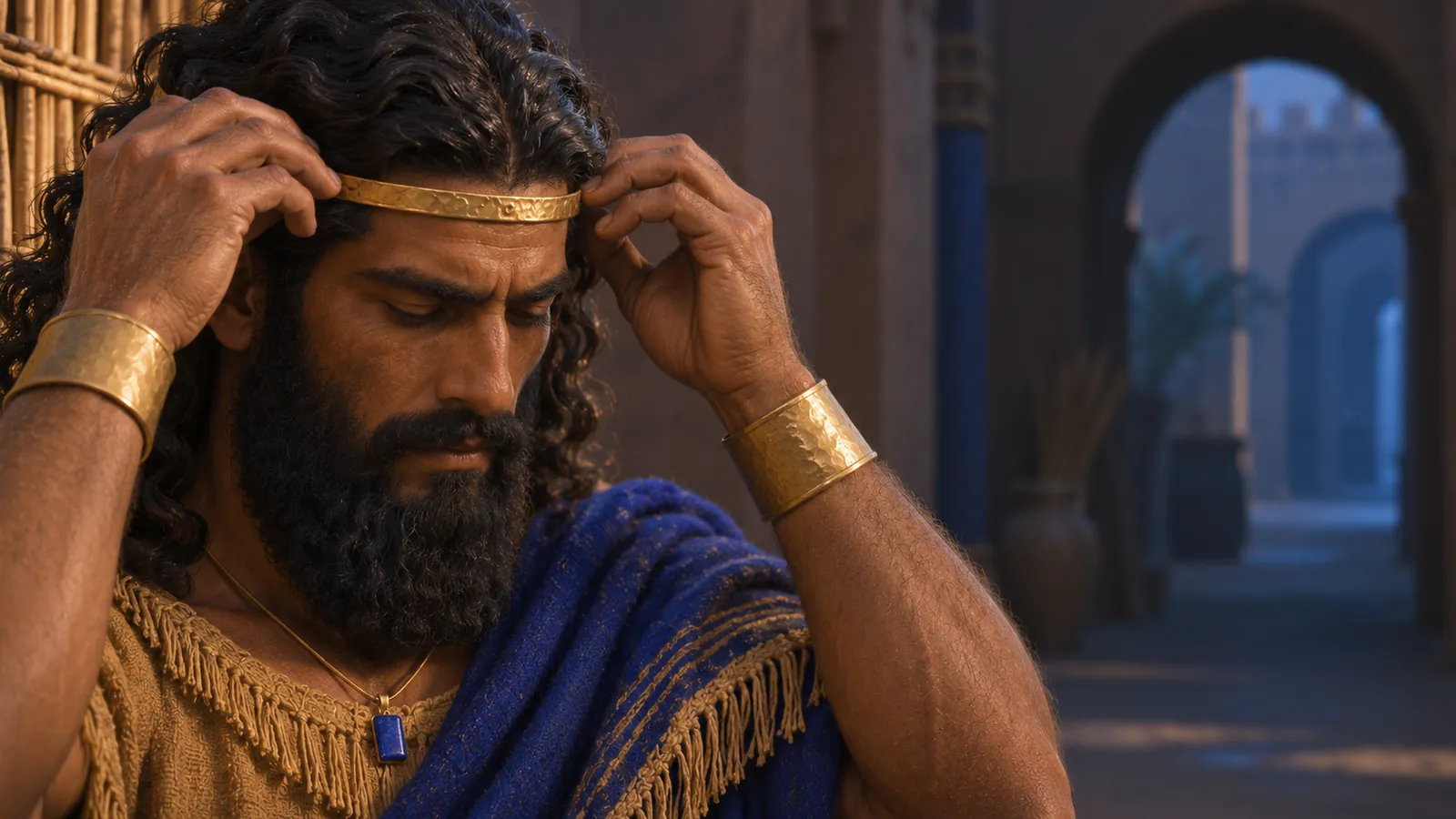
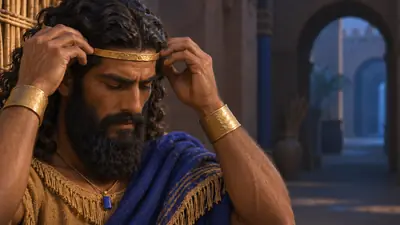
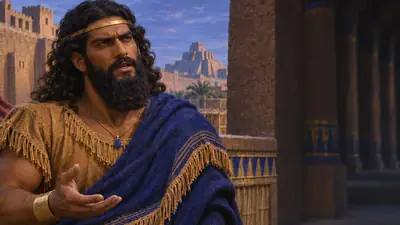
Gilgamesch setzte sich die Krone wieder auf. Der Mann, der aus dem Schatten der Zedern gekommen war, stand wieder als König von Uruk da.
ISCHTAR
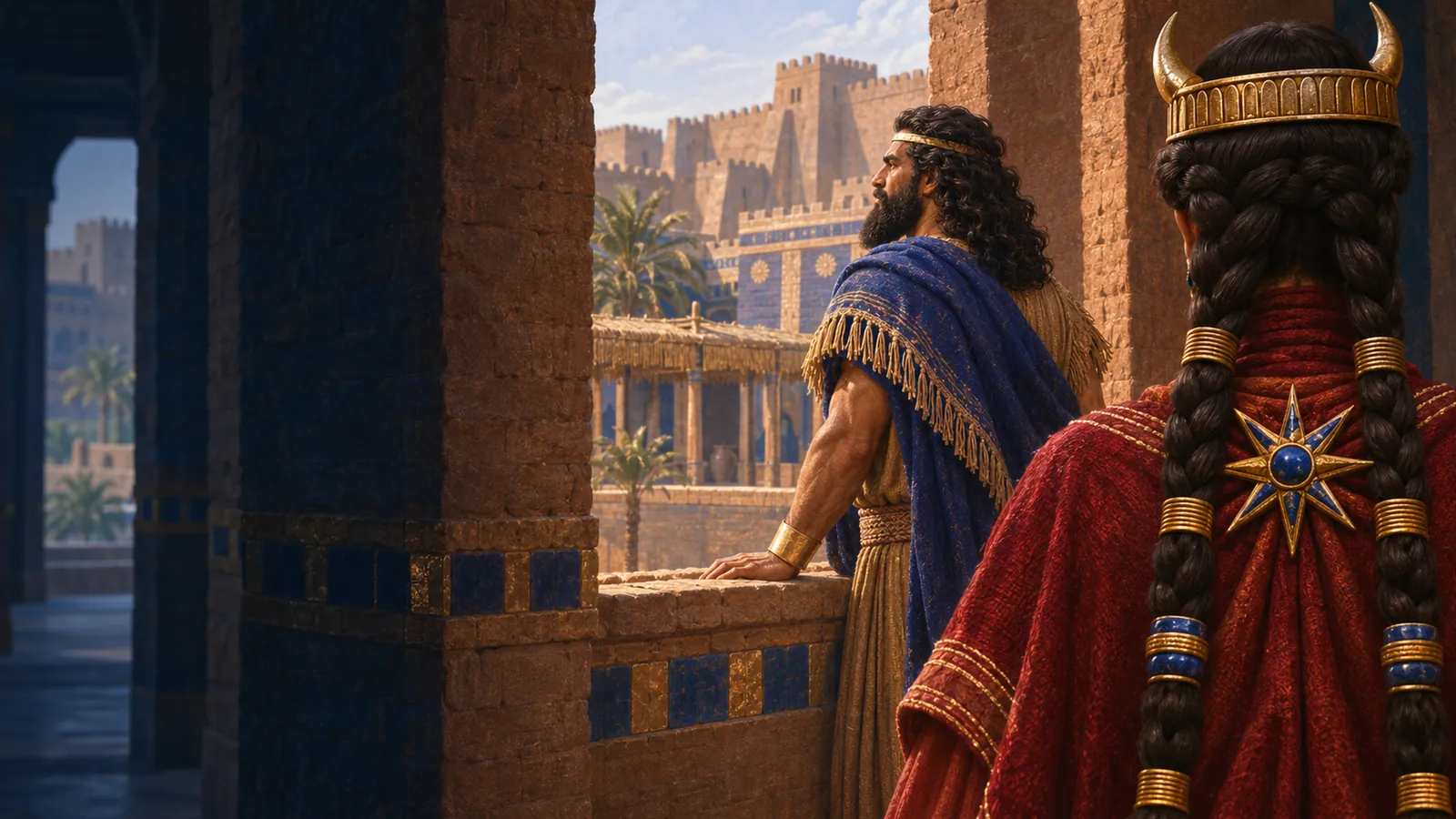
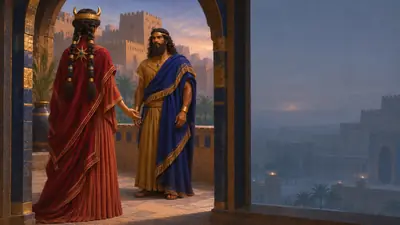
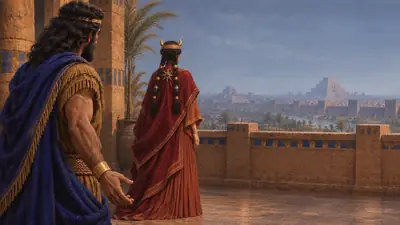
Ischtar sah den König in seinen frischen Kleidern und begehrte ihn. Was sie nun sagte, sollte weit über den Raum hinausreichen, in dem er sie hörte.
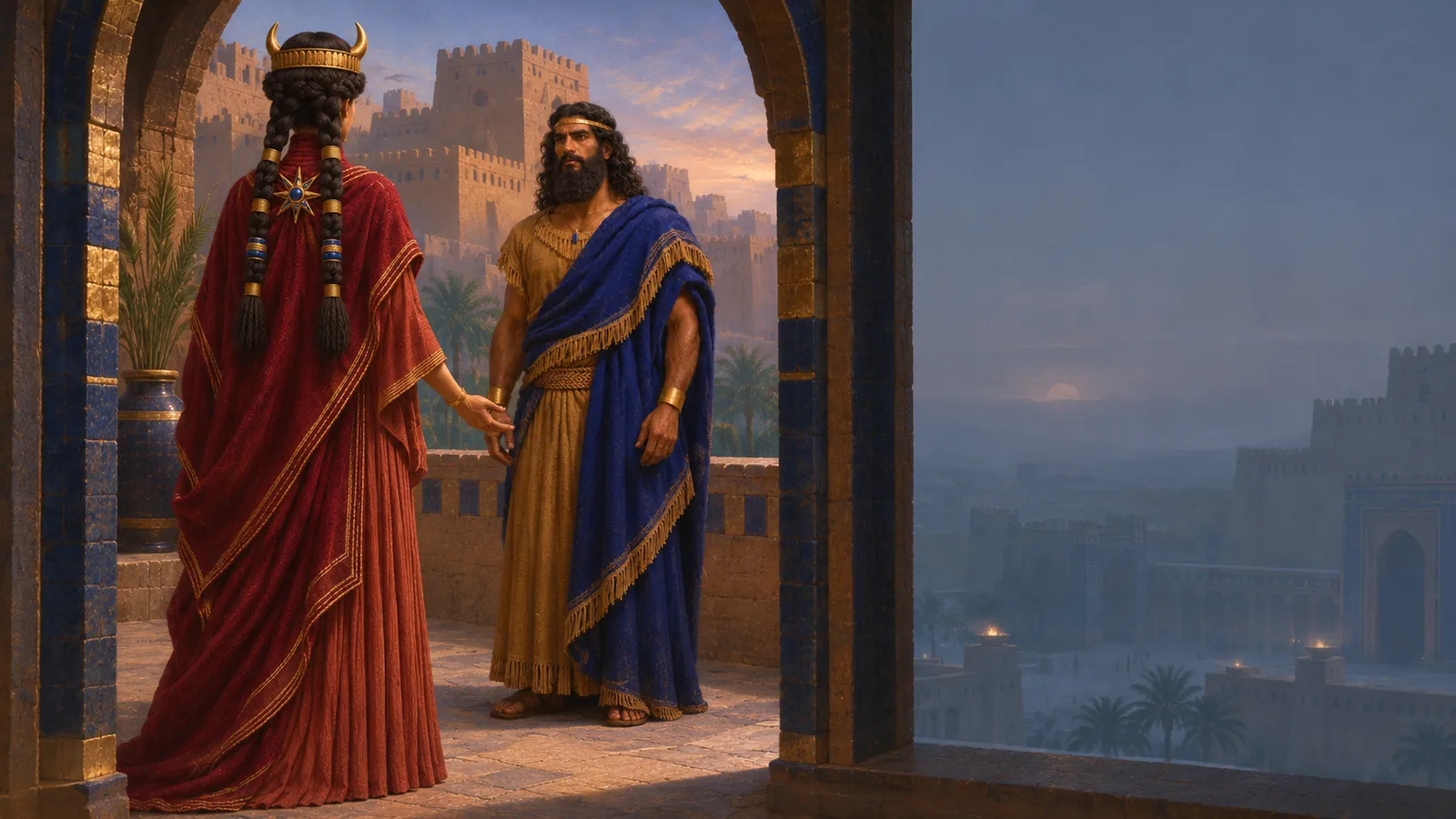
Ischtar bat Gilgamesch, ihr Gemahl zu werden. Sie machte ihm selbst den Antrag und malte sich schon aus, was ihr gemeinsames Leben bringen könnte.
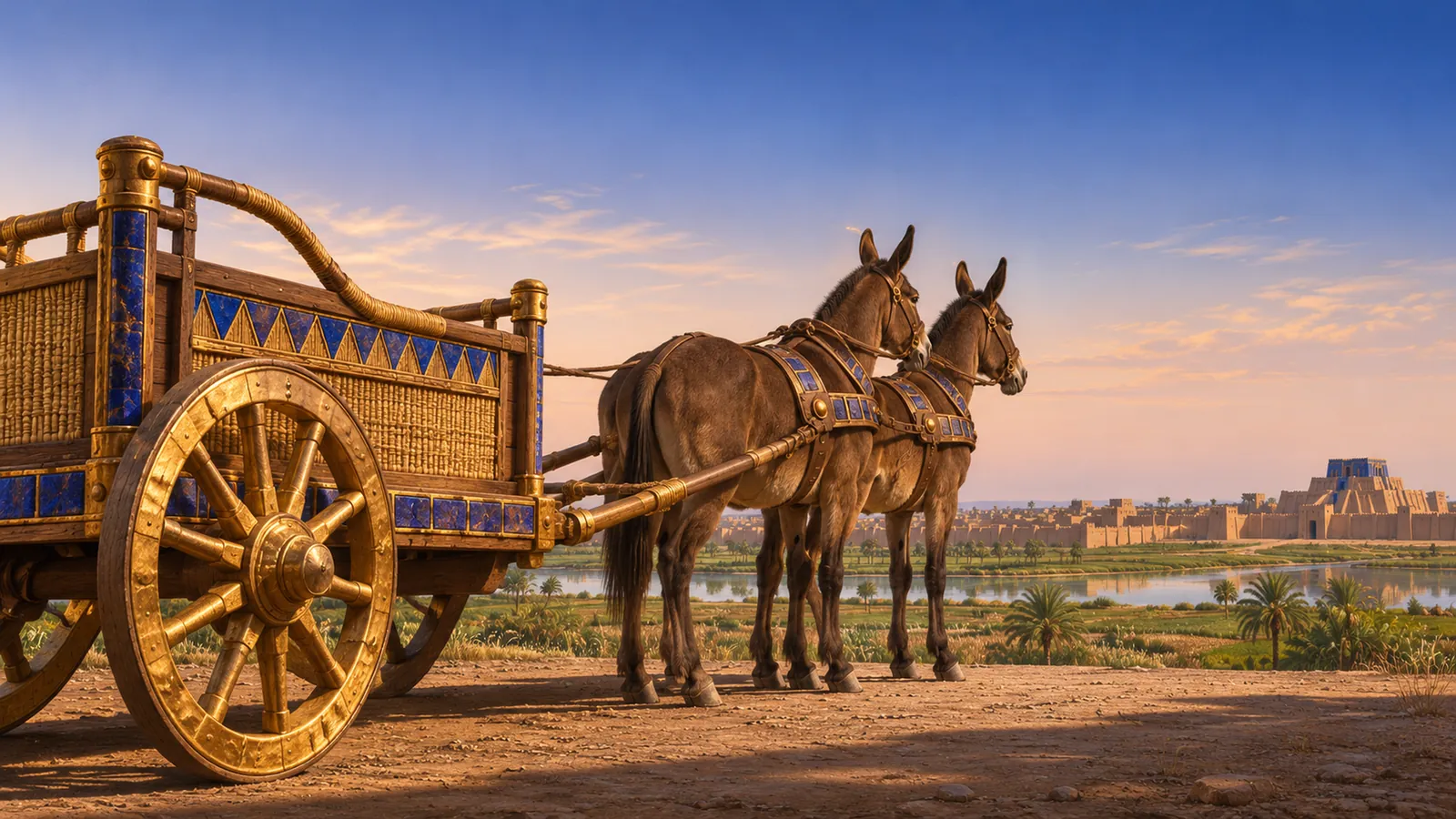
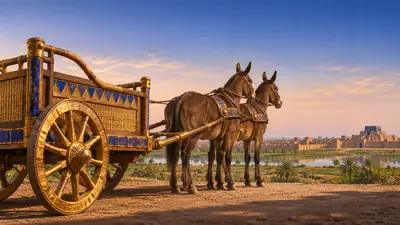
Sie versprach ihm einen mit Lapislazuli eingelegten Wagen, dessen Räder golden glänzten. Kräftige Maultiere würden ihn ziehen, sturmschnell, wie sie es schilderte.
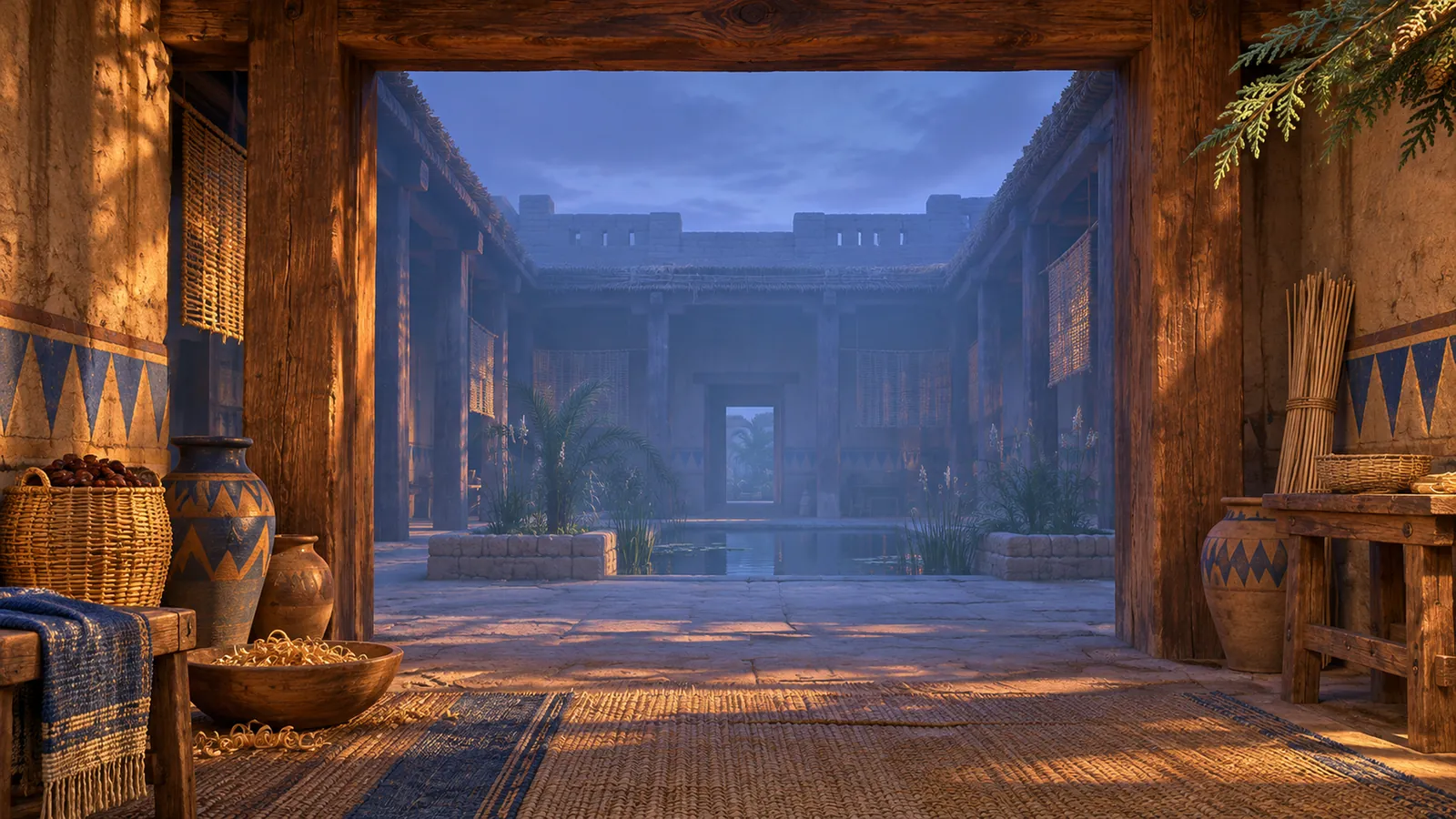
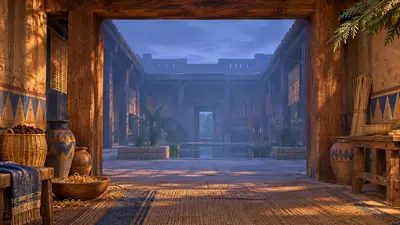
Ischtar erzählte ihm von einem Haus, in dem ihn schon an der Tür der Duft des Zedernholzes empfinge. Sogar die Schwelle, sagte sie, würde ihn beim Eintreten ehren.
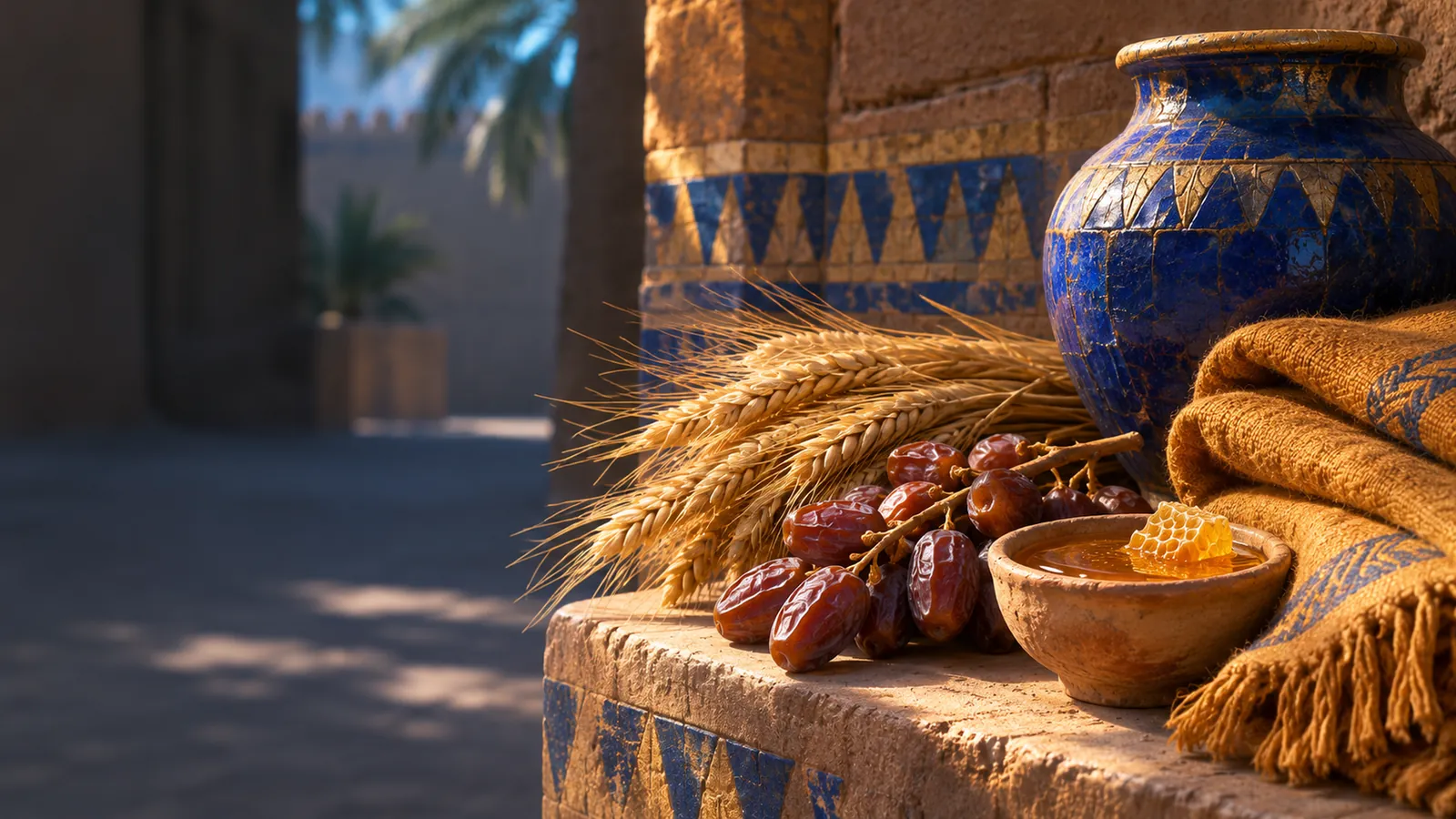
Herrscher und Höflinge würden sich vor ihm verneigen, versprach sie. Sie würden die Gaben der Hügel und der Ebene bringen, und selbst seine Herden würden üppiger gedeihen als sonst.
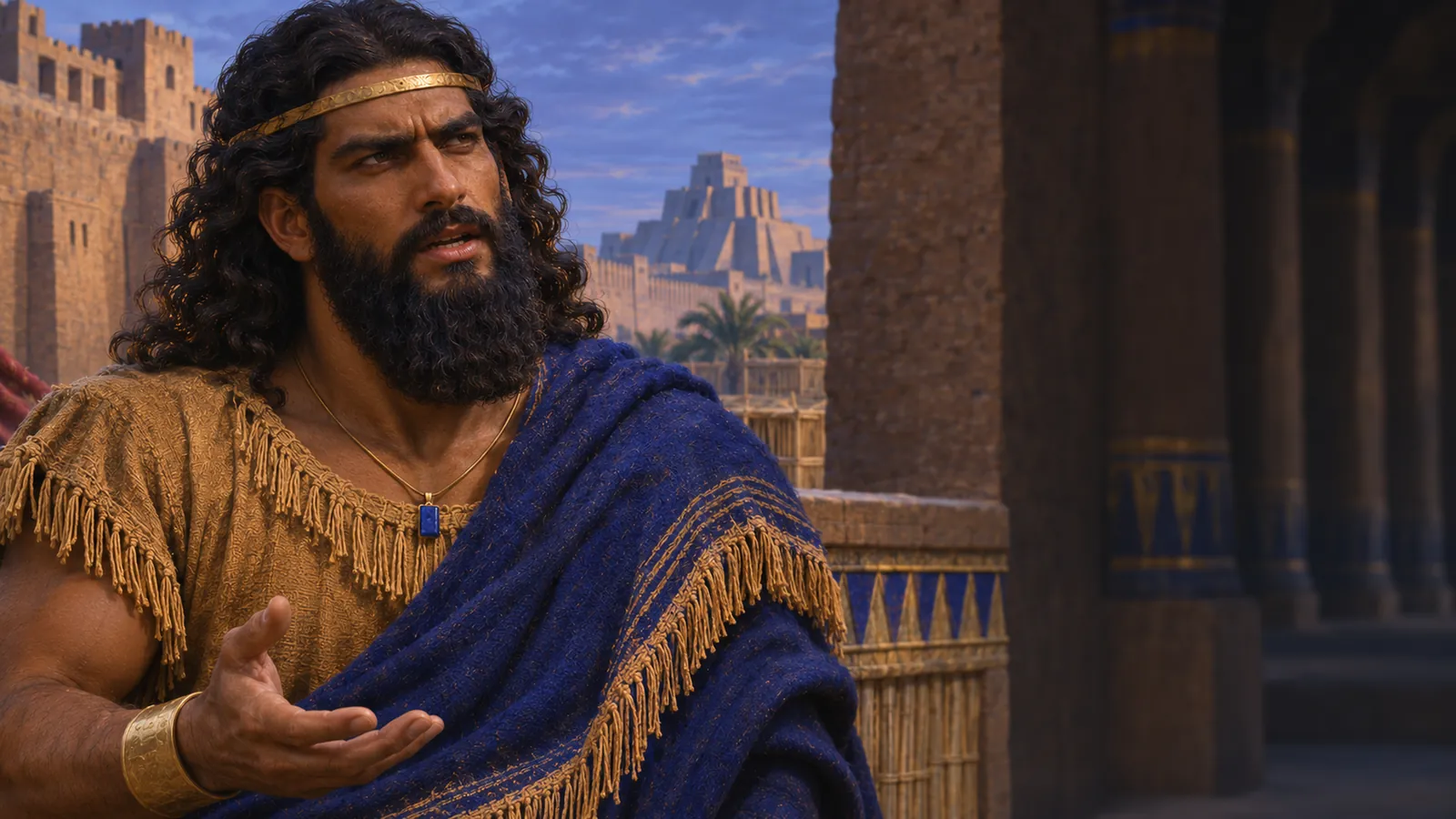
Als sie geendet hatte, fragte Gilgamesch, was es hieße, als ihr Gemahl zu leben. Der Ton ist hier beschädigt, doch manche seiner Fragen sind erhalten, darunter die nach seiner Nahrung.
Dann antwortete er ihr mit einer Reihe von Vergleichen. Er sprach von einer Tür, die keinen Wind abhält, und von einem Schuh, der dem Fuß wehtut, den er schützen sollte.
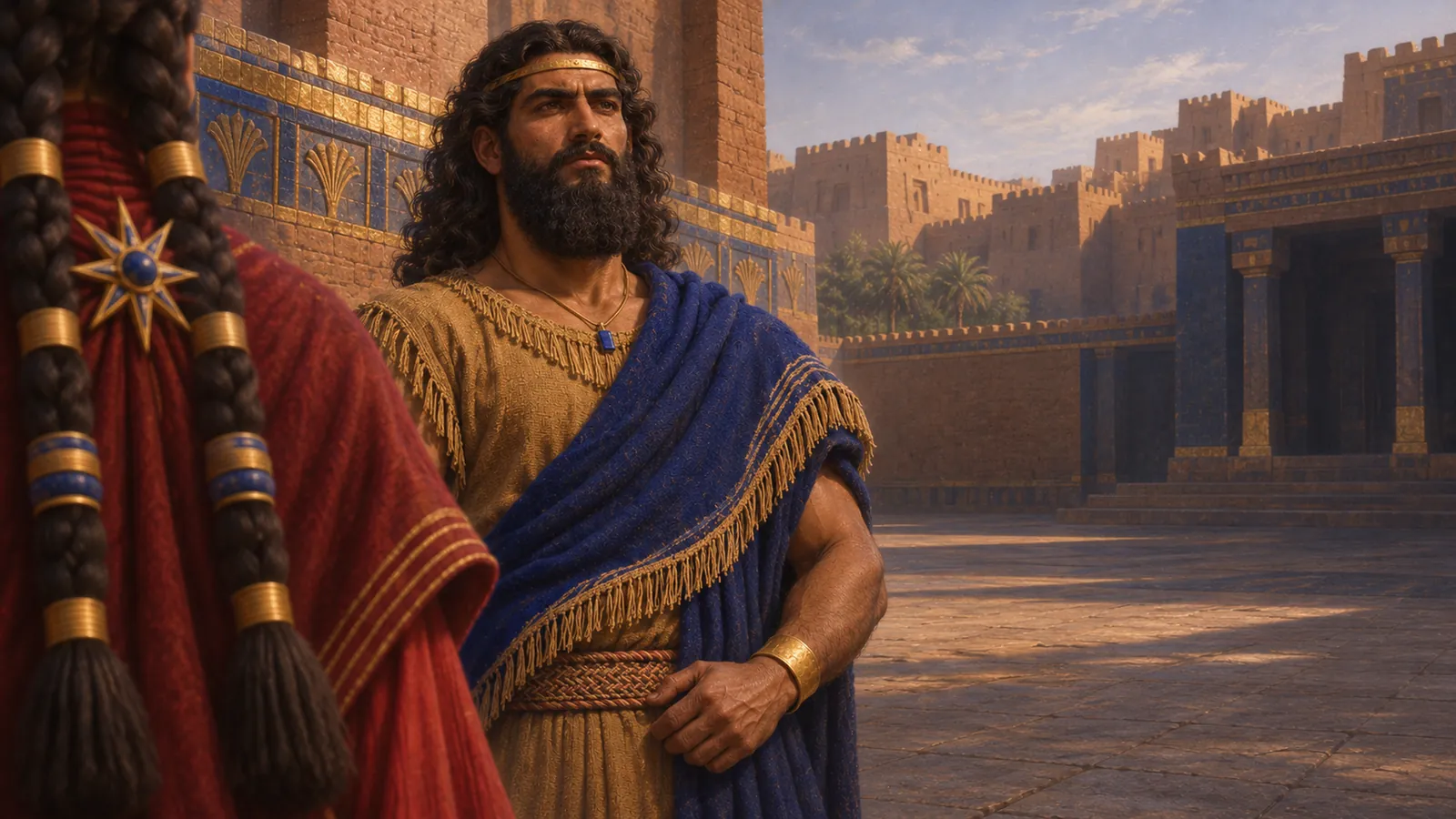
WER BLIEB?
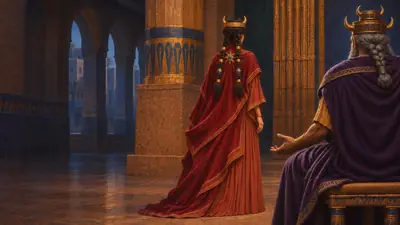
Gilgamesch fragte, welcher ihrer früheren Bräutigame durchgehalten hatte. Bevor Ischtar seine Antwort auf den Antrag hörte, sollte sie die Namen hören, an die er sich erinnerte.
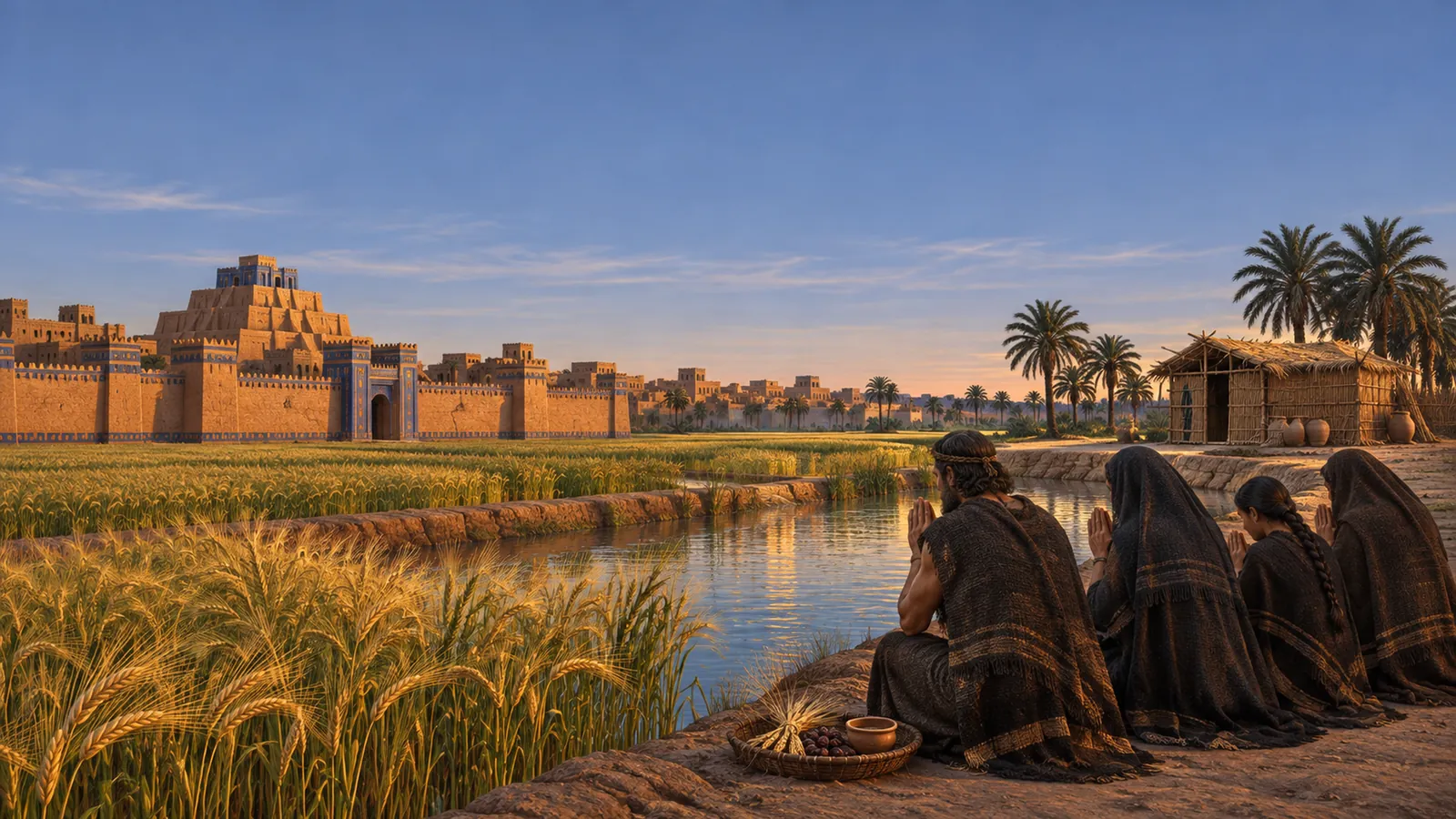
Gilgamesch sprach zuerst von Dumuzi, dem Gemahl aus Ischtars Jugend. In der Erzählung des Königs kehrten die Tränen jedes Jahr wieder, so regelmäßig wie die Jahreszeit.
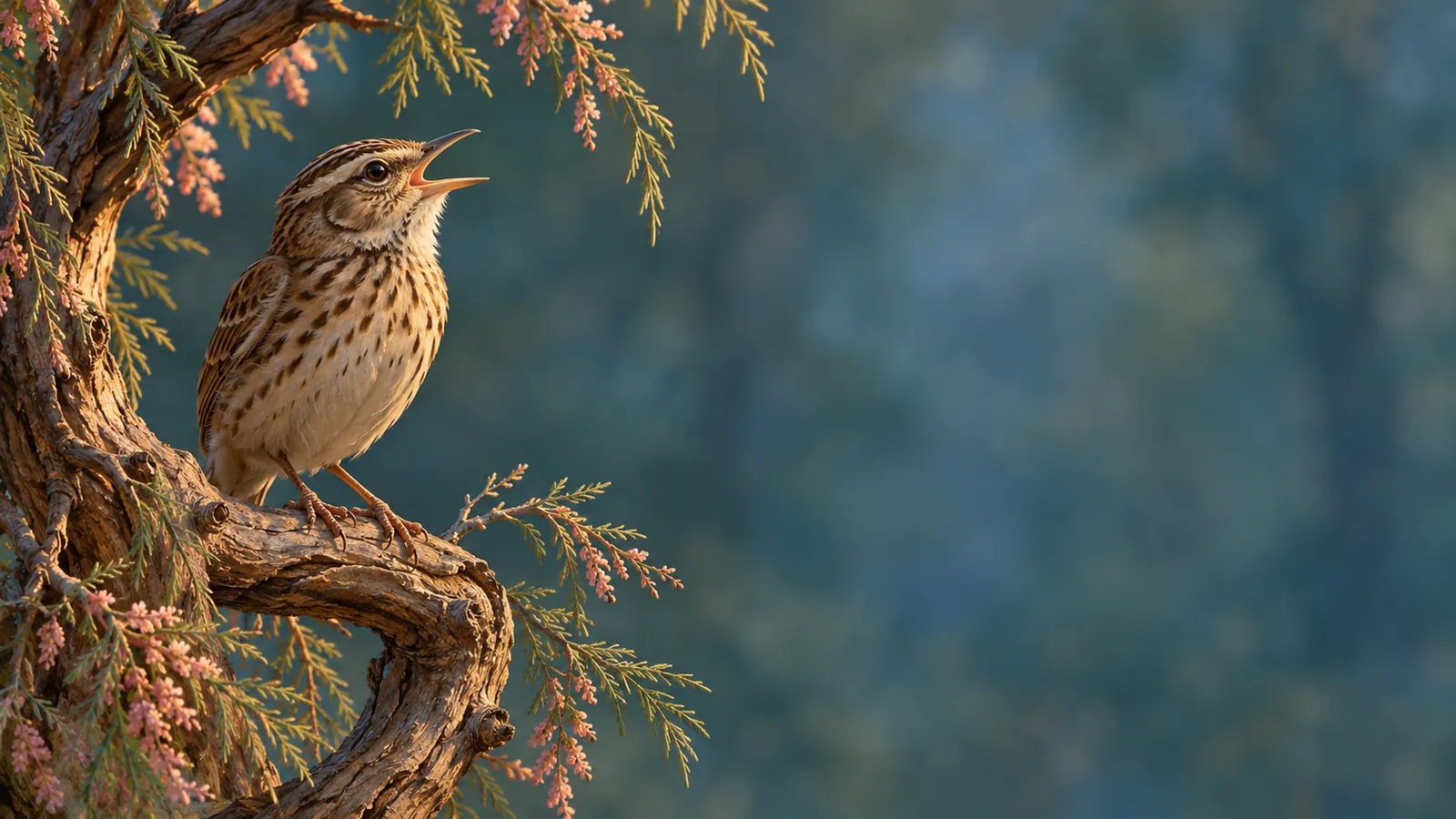
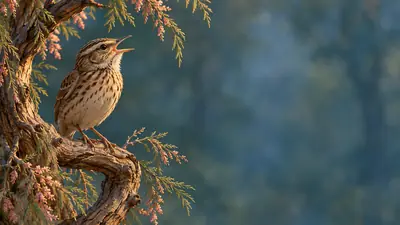
Er erzählte von einem kleinen gesprenkelten Vogel, den Ischtar einst geliebt hatte. In seiner Geschichte wurde ihm der Flügel gebrochen, und danach hörte man seinen Ruf im Wald.
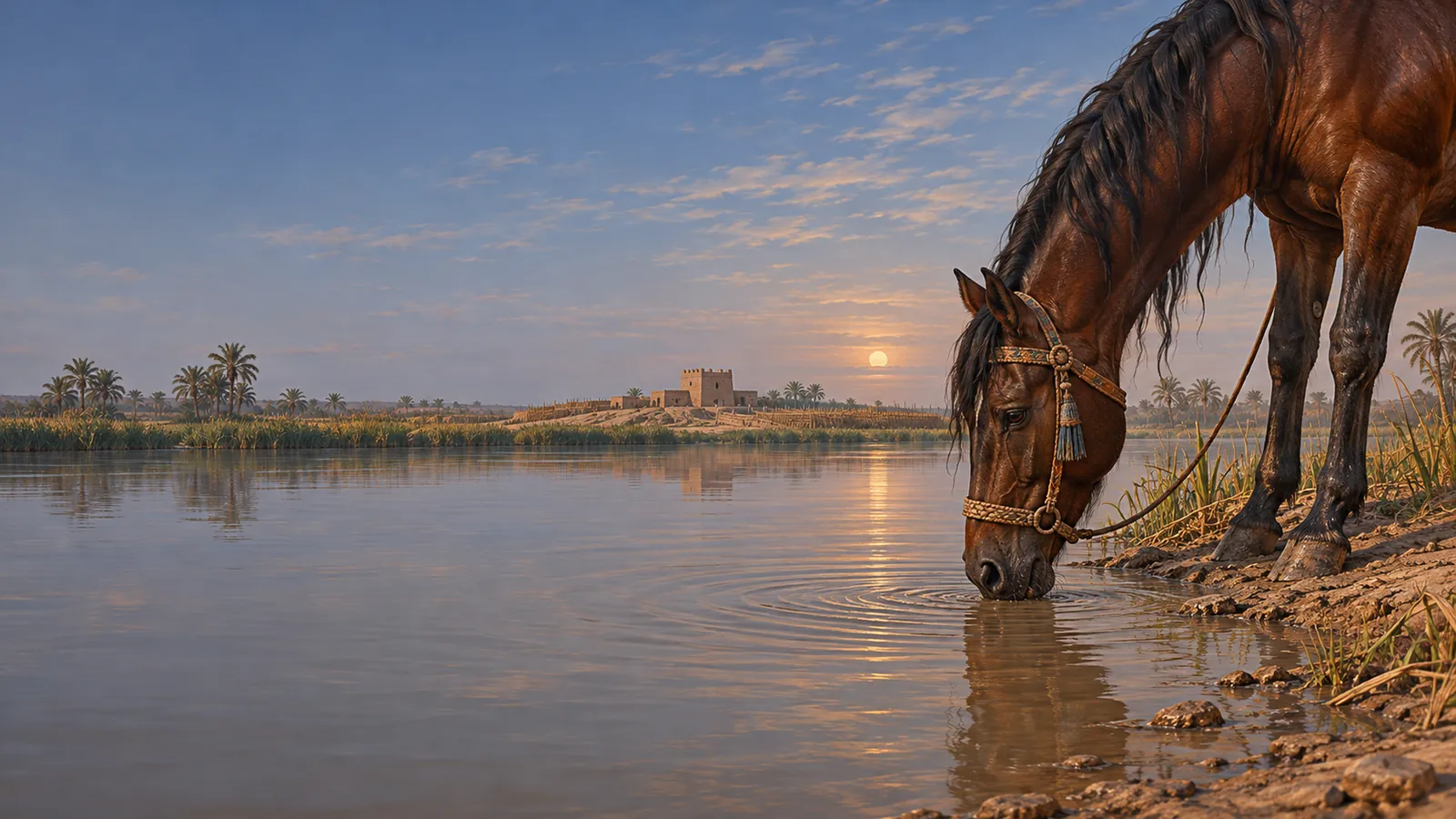
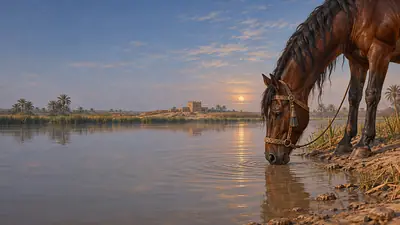
Er erinnerte sich an einen starken Löwen und die Gruben für ihn. Dann erzählte er von einem großen Kriegspferd, dessen Lohn ein harter Ritt und trübes Wasser zum Trinken waren.
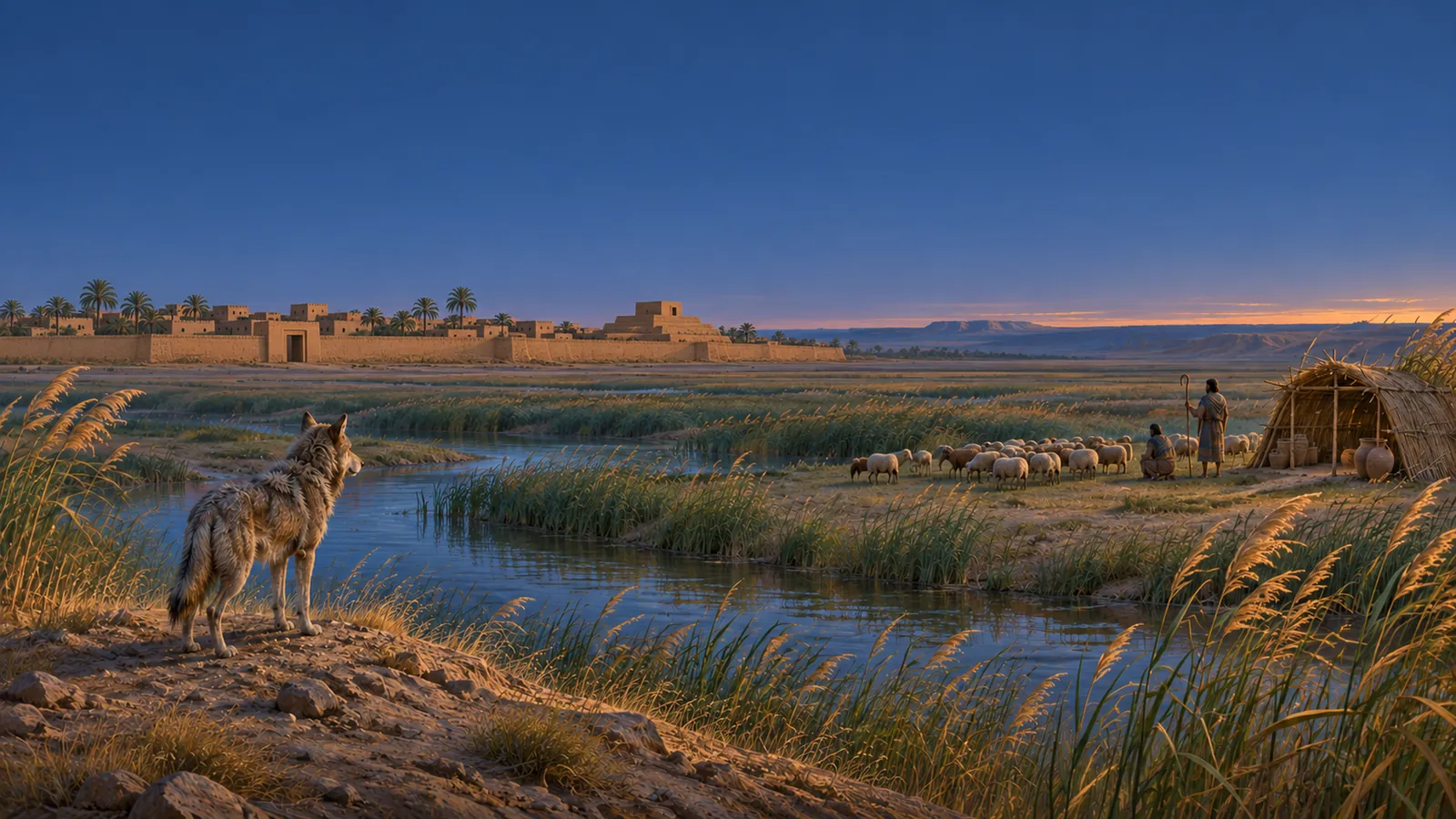
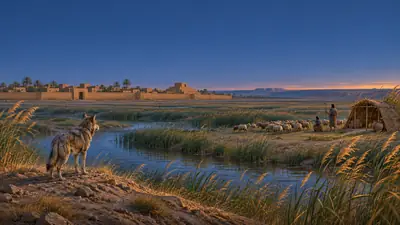
Da war auch ein Hirte, sagte Gilgamesch, der ihr einst Opfergaben brachte. In der Erzählung des Königs wurde er zum Wolf, vertrieben von denen, die mit ihm die Herde gehütet hatten.
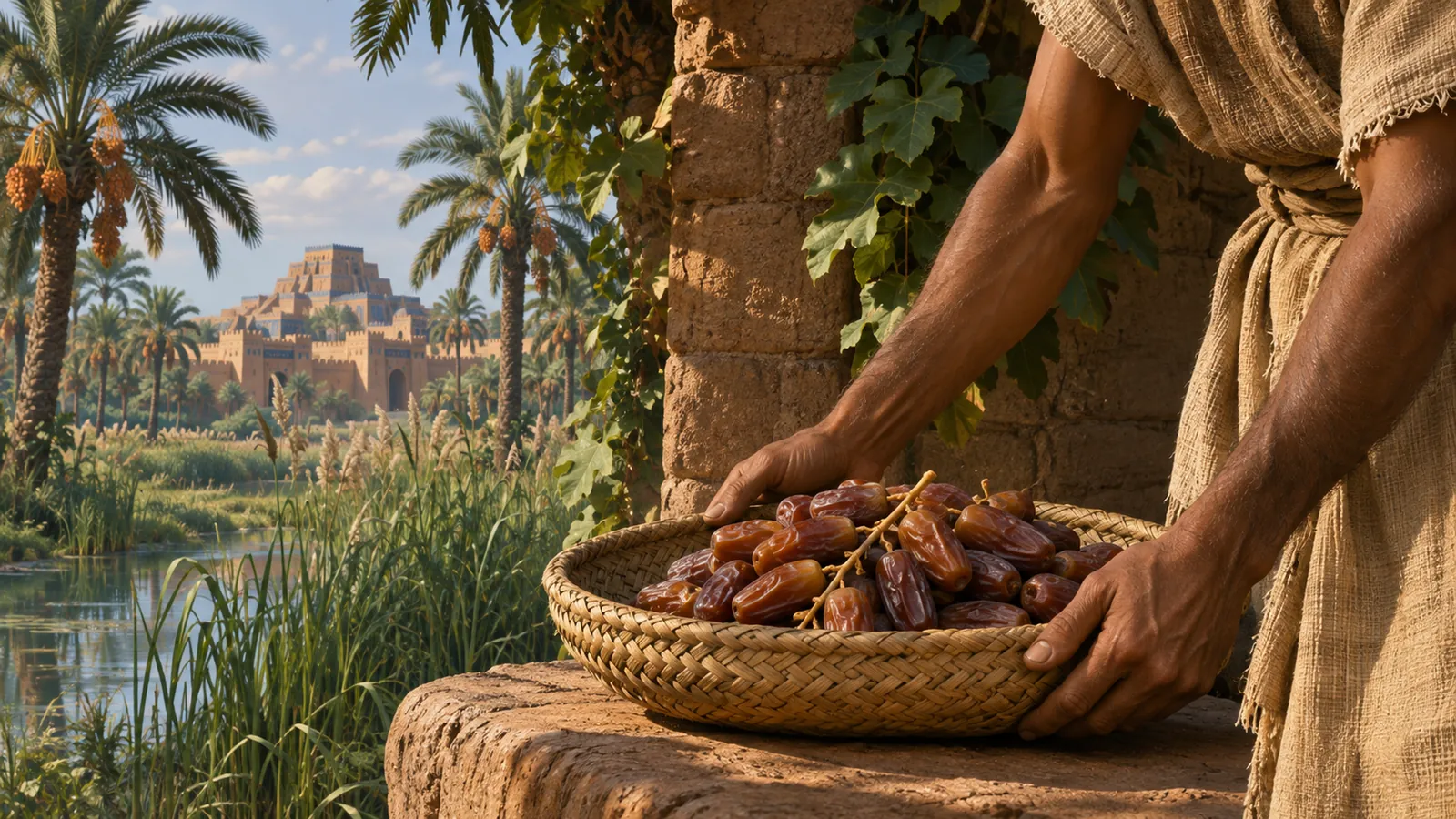
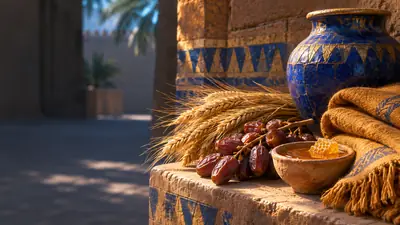
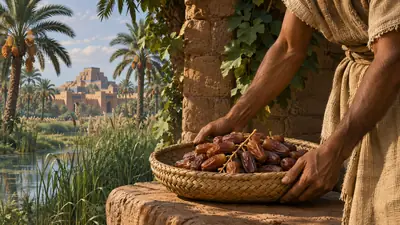
Ischullanu, der Gärtner ihres Vaters, hatte Datteln für ihre Tafel gebracht. Gilgamesch erzählte, wie der Gärtner Ischtars Werben zurückwies und wie sie ihn danach verwandelte.
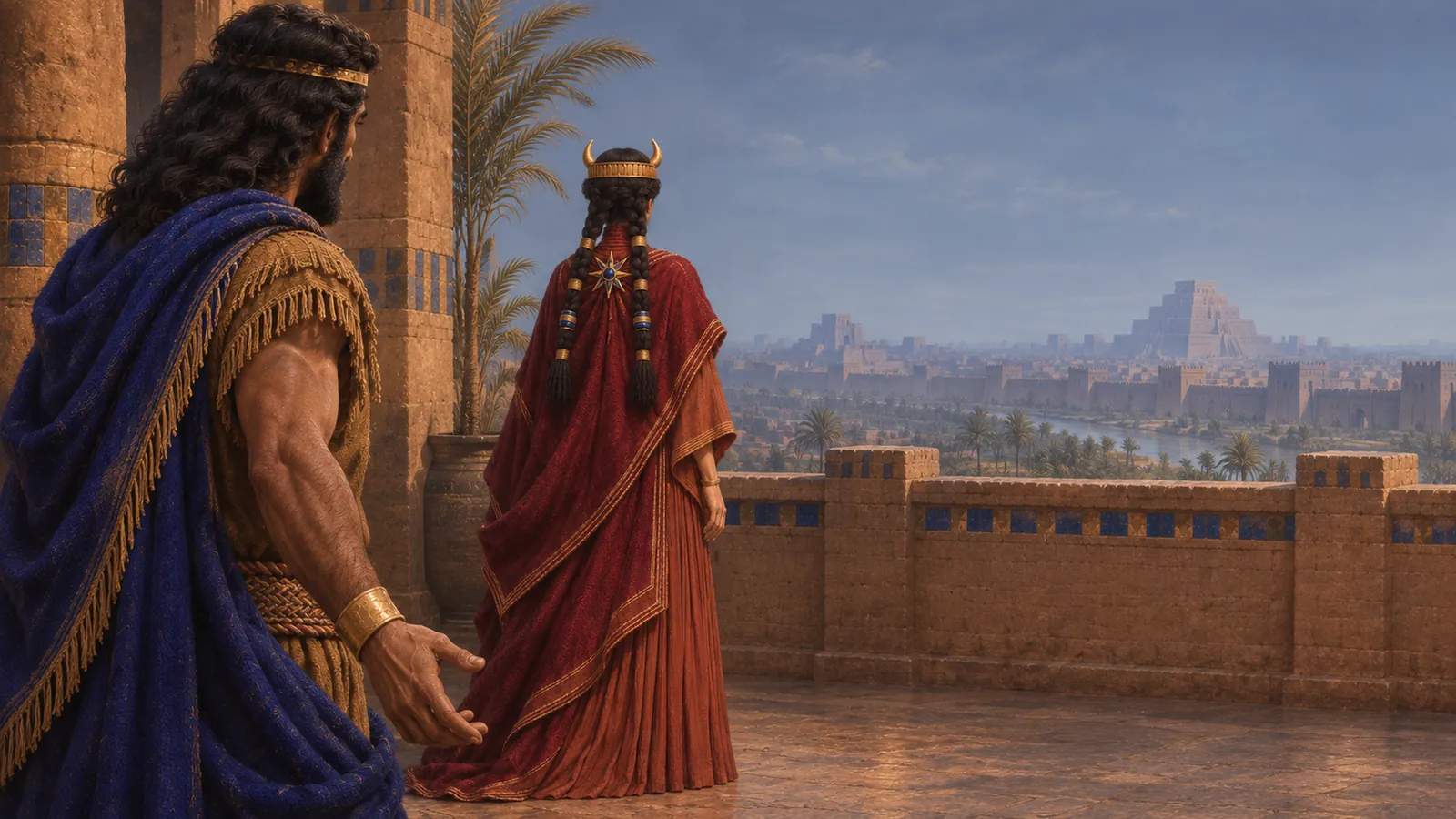
ABSAGE
Gilgamesch hielt ihr diese Geschichten als Warnung vor. Wenn er ihren Antrag annehme, fragte er, was würde dann verhindern, dass es ihm erginge wie ihnen?
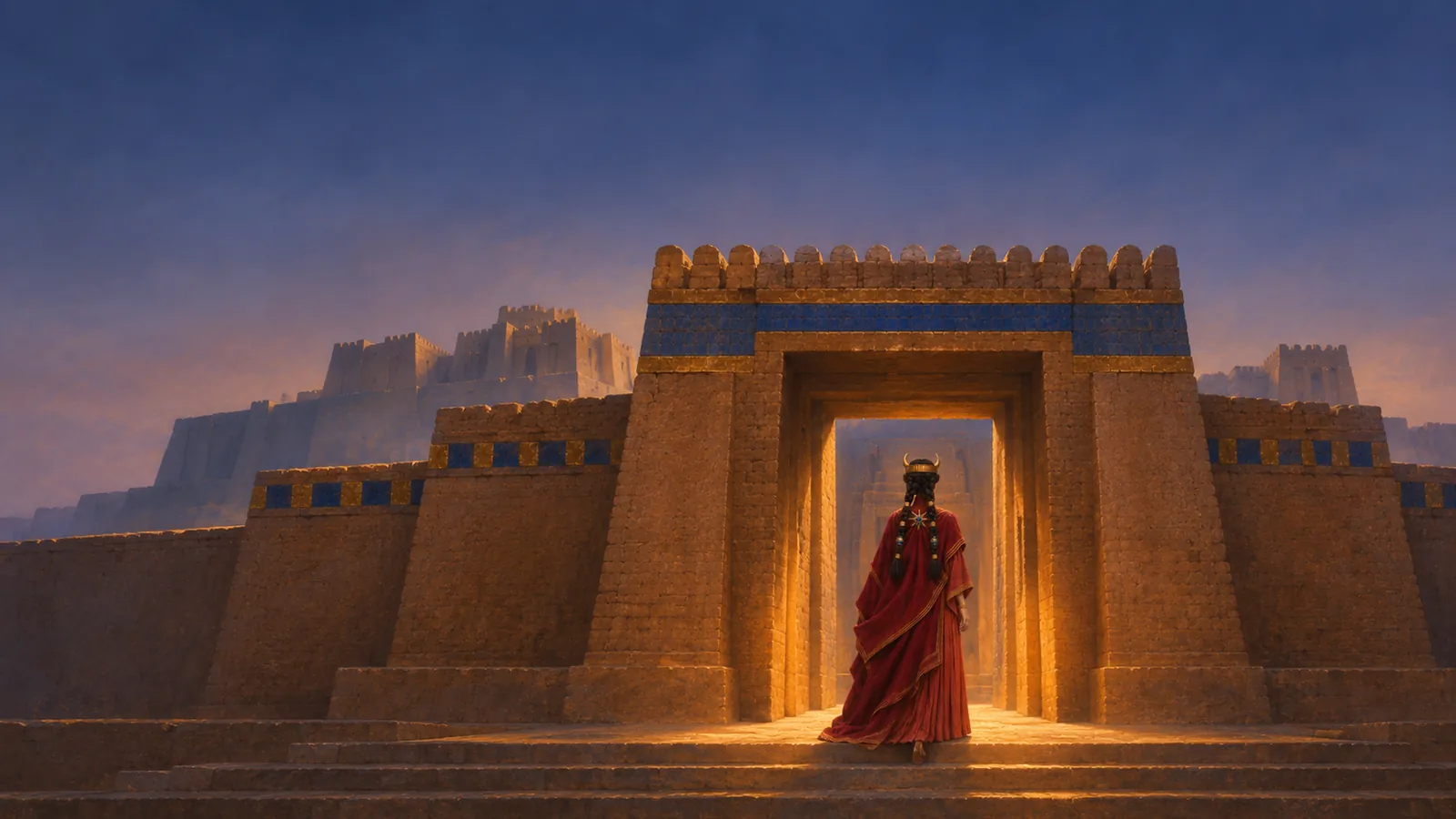
Ischtar stieg zornig zum Himmel auf. Dort trat sie mit ihren Tränen und ihrer Klage vor ihre Eltern, Anu und Antu, und erzählte ihnen, was der König gesagt hatte.
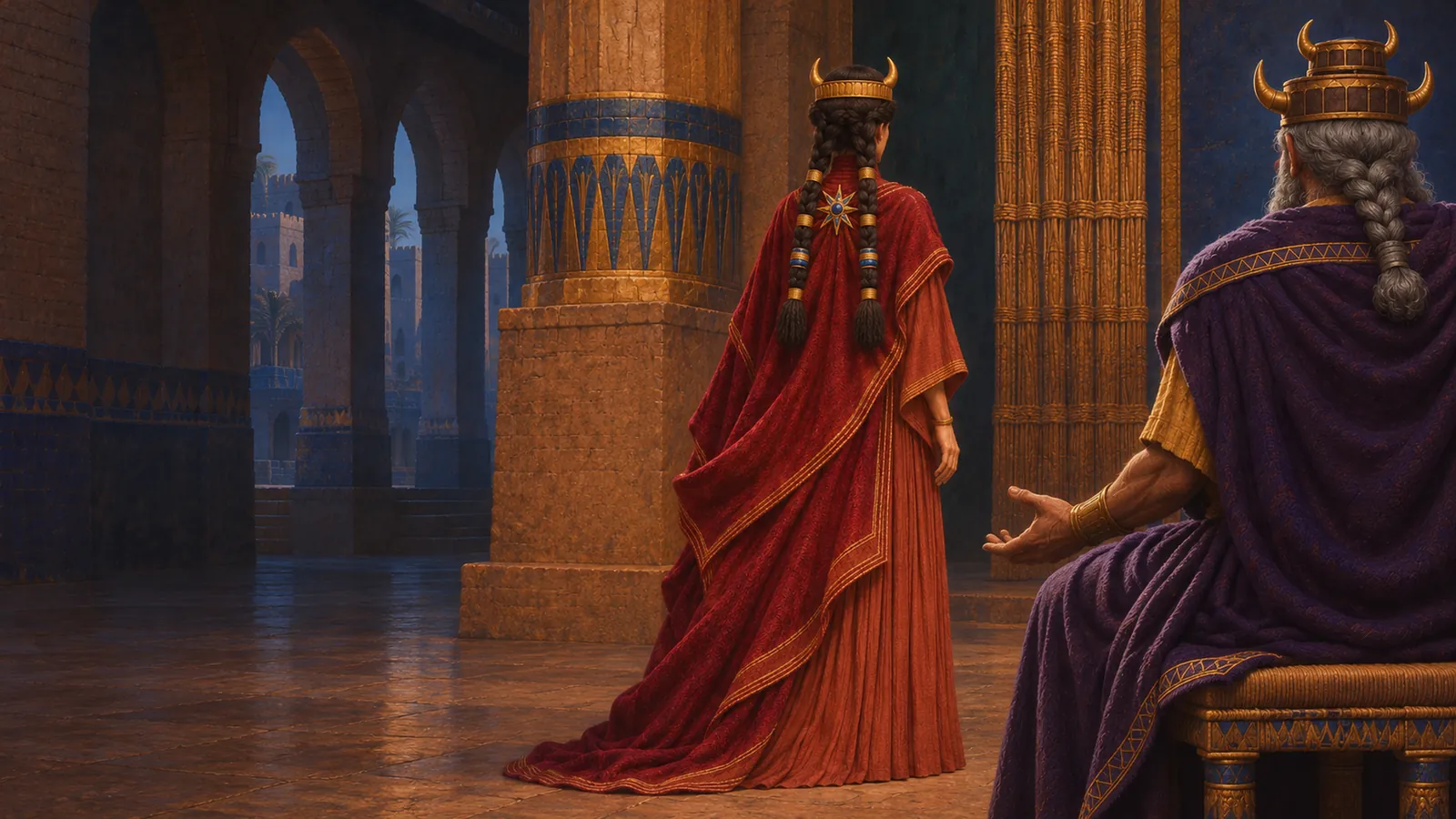
Anu hörte ihr zu. Dann fragte er Ischtar, ob sie es gewesen sei, die Gilgamesch gereizt hatte, ehe der König all die Worte sprach, die sie nun in den Himmel getragen hatte.
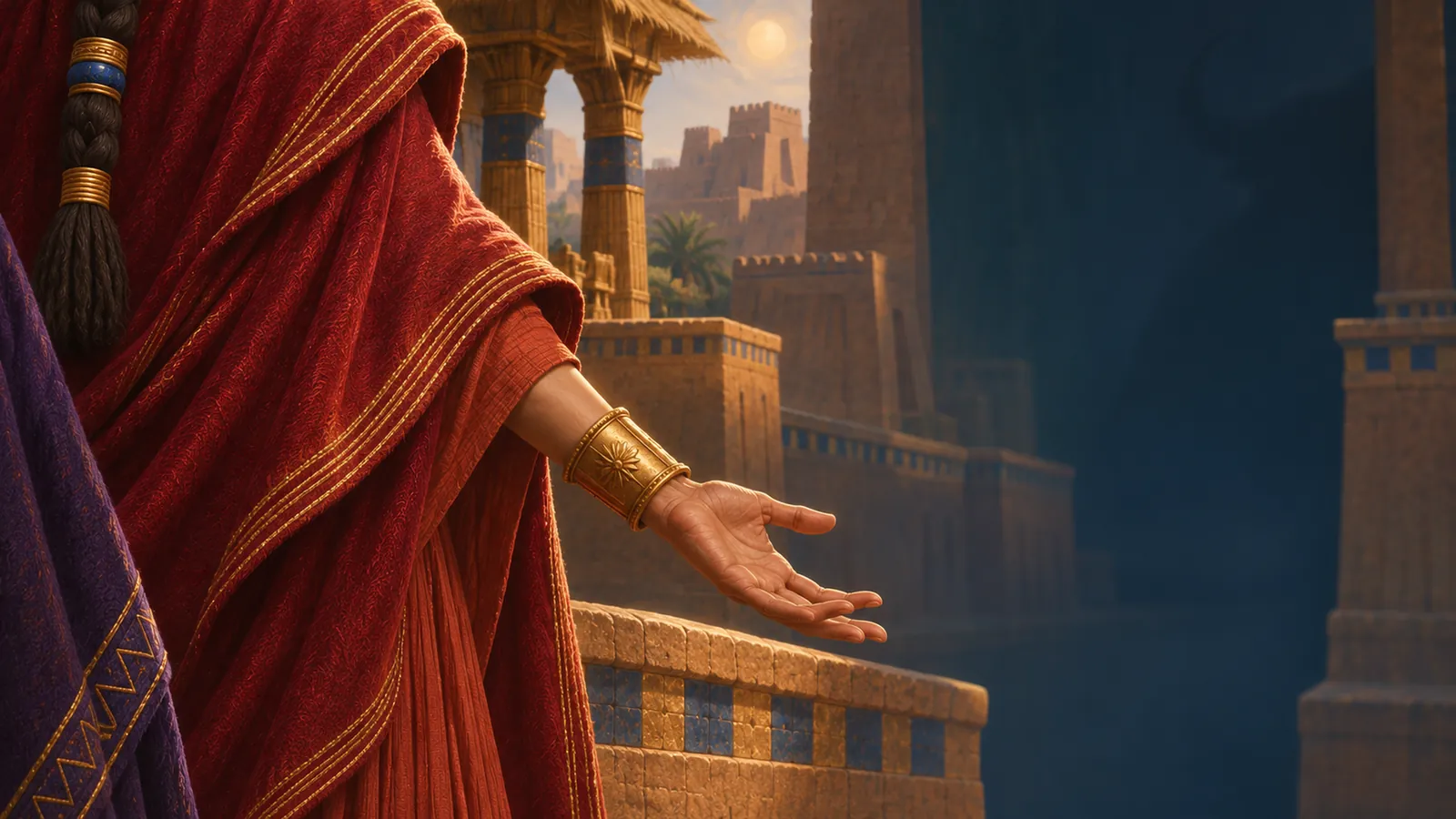
Ischtar bat ihren Vater um den Himmelsstier. Sie wollte das Tier nach Uruk hinabführen und den König für seine Worte zur Rechenschaft ziehen.
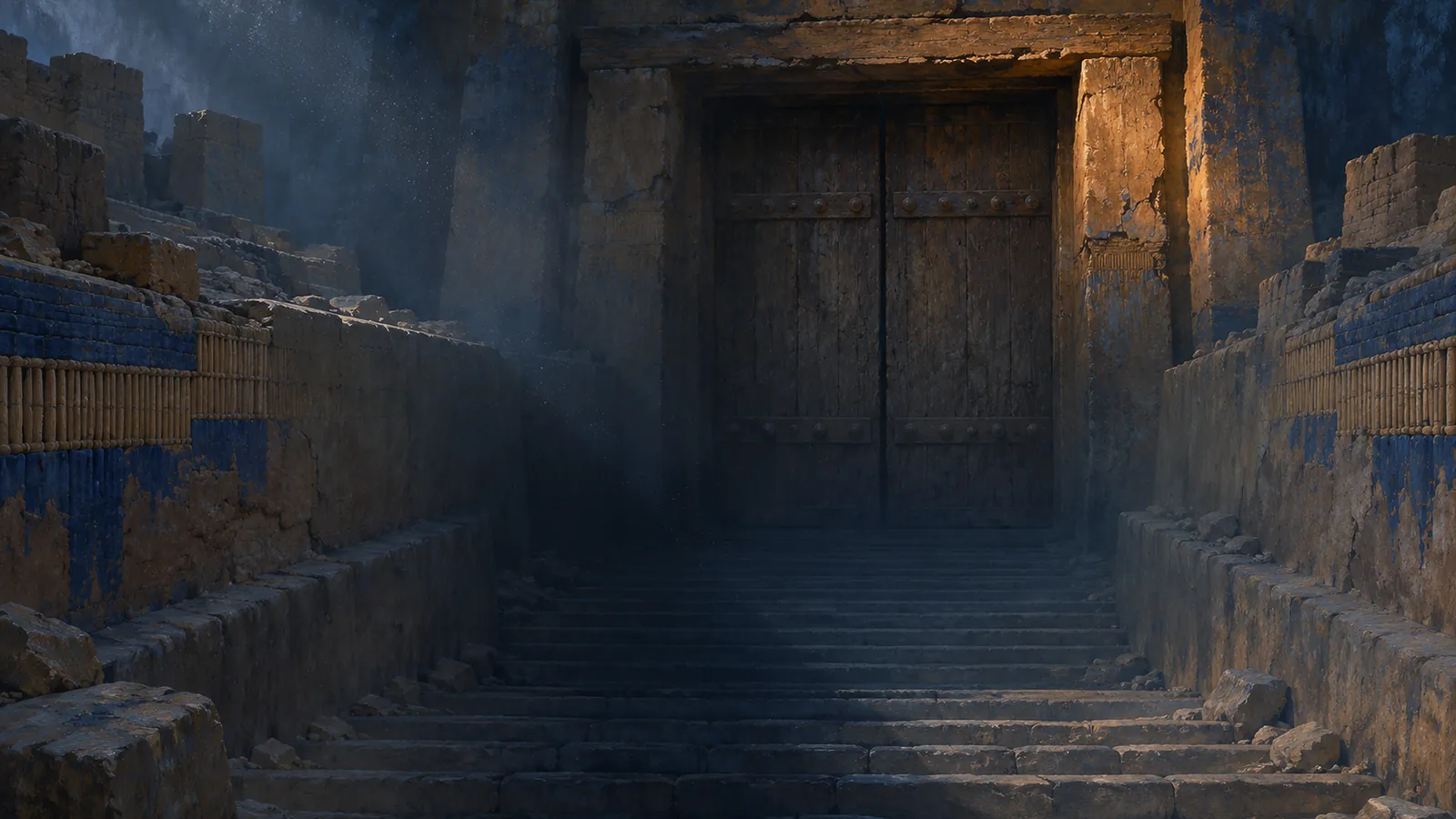
Wenn Anu sich weigere, sagte sie, werde sie die Unterwelt aufbrechen. Die Toten würden in solcher Zahl zurückkehren, dass sie mehr wären als die Lebenden.
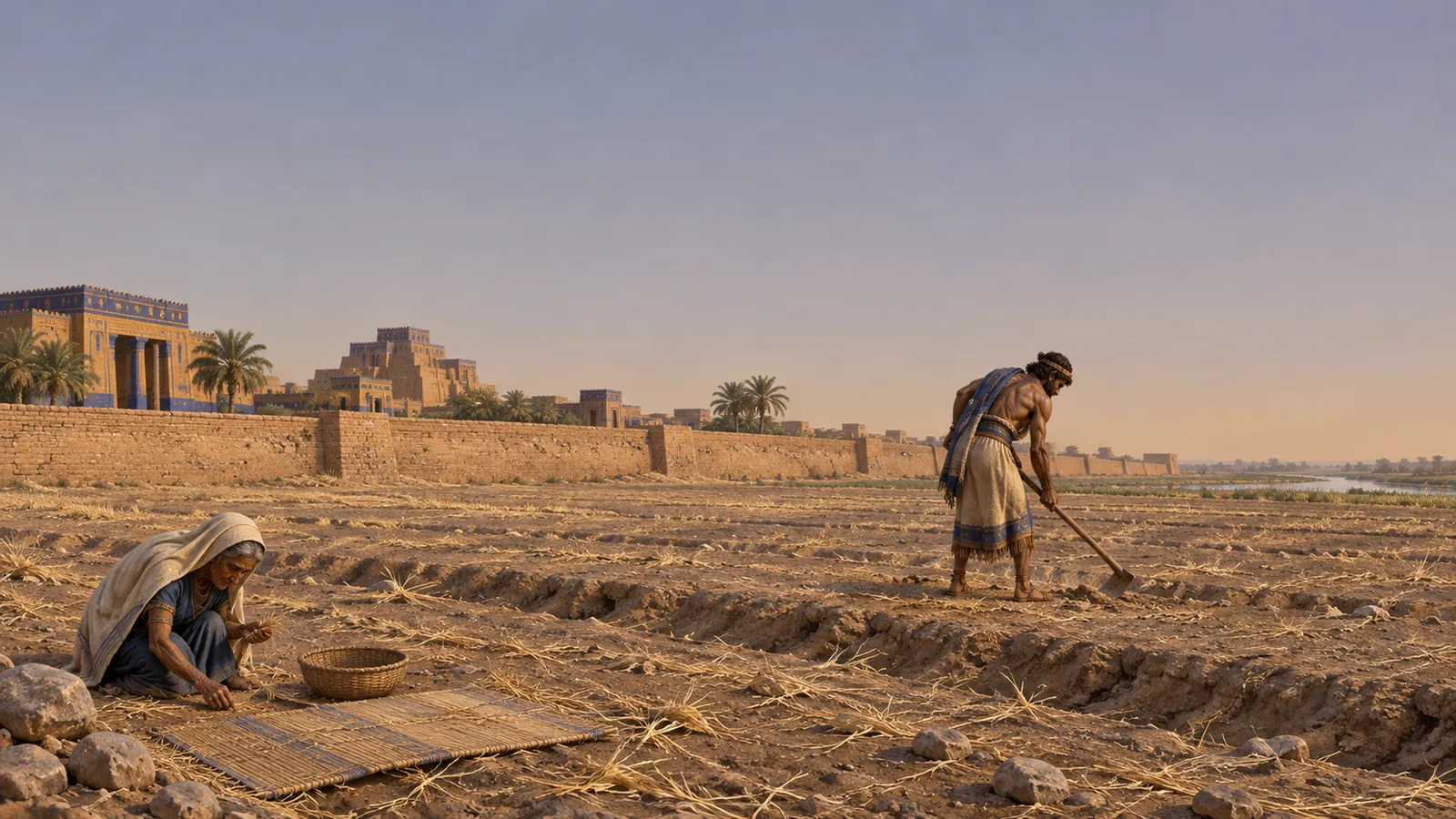
SIEBEN JAHRE
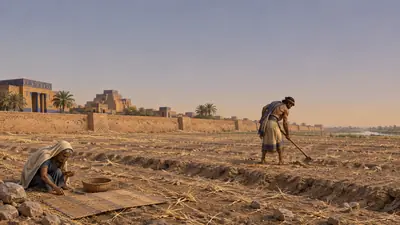
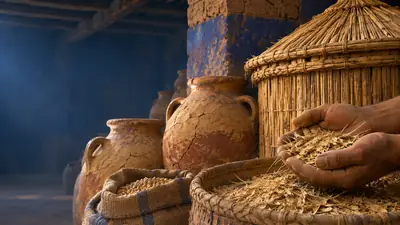
Anu warnte sie, was der Stier für Uruk bedeuten würde. Sieben Jahre lang müssten die Menschen von dem Wenigen leben, das sie sammeln konnten, und von dem Futter, das sie anbauen konnten.
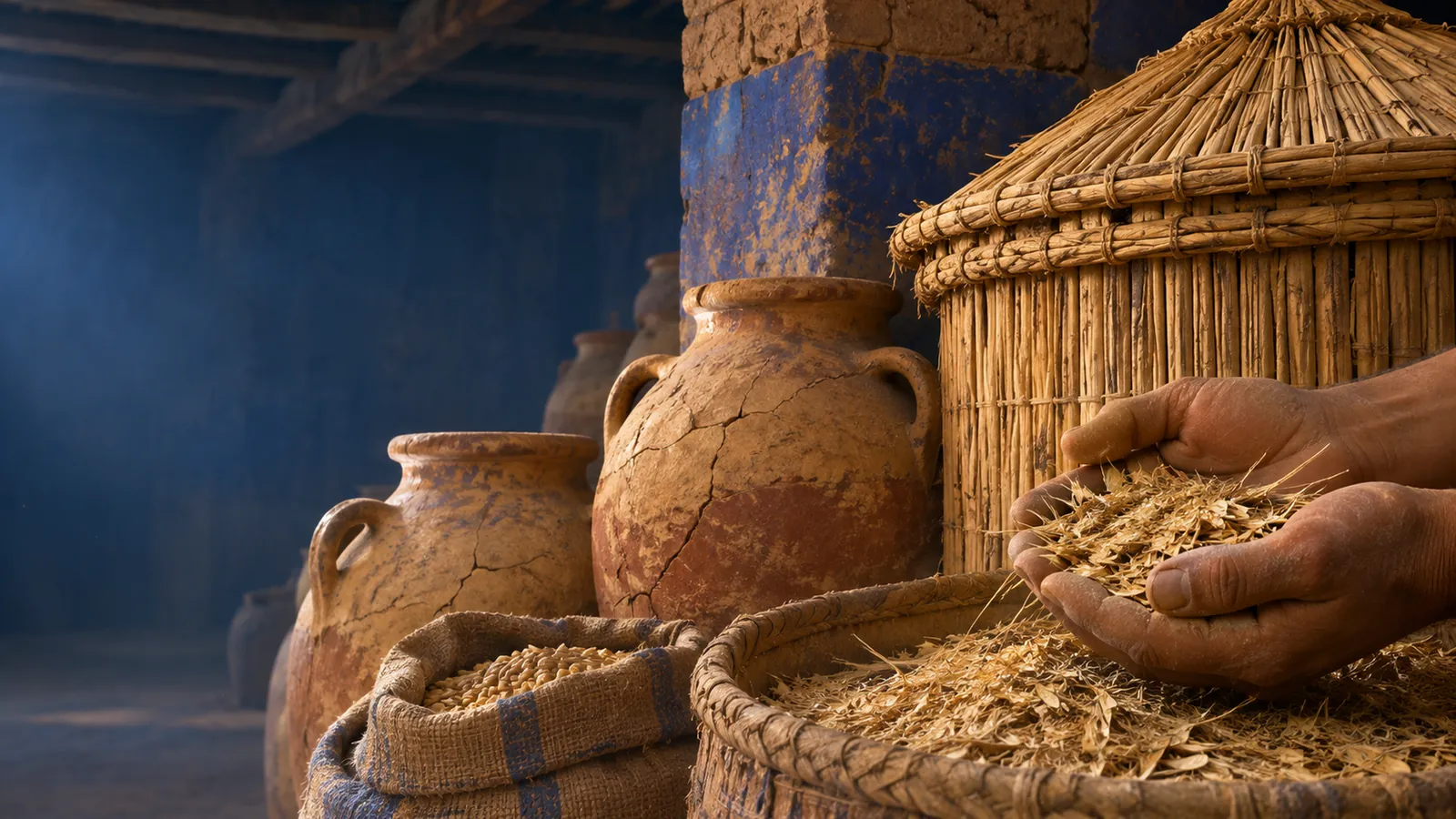
Von Ischtars Antwort ist ein Teil des Tons weggebrochen. Der Rest spricht von gelagerten Vorräten und angebautem Futter, als hätte sie sich auf genau die Jahre vorbereitet, die Anu fürchtete.
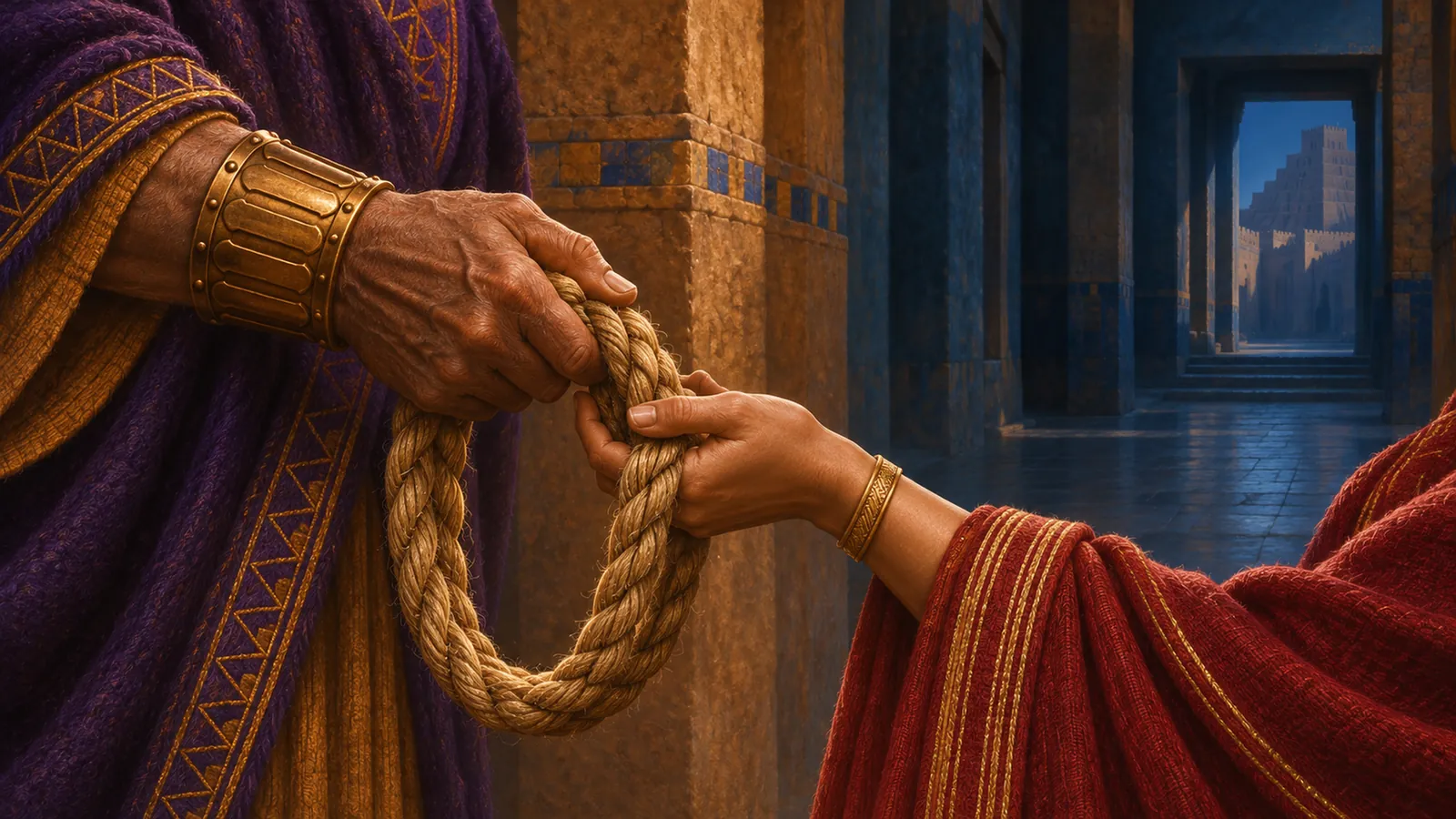
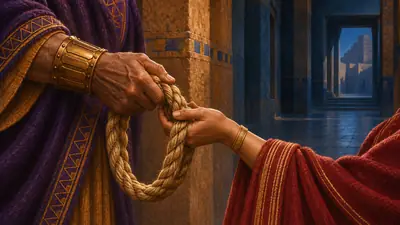
Anu hörte ihre Antwort und legte ihr das Seil des Stiers in die Hände. Was in Uruk mit einem Heiratsantrag begonnen hatte, kehrte nun in anderer Gestalt in die Stadt zurück.
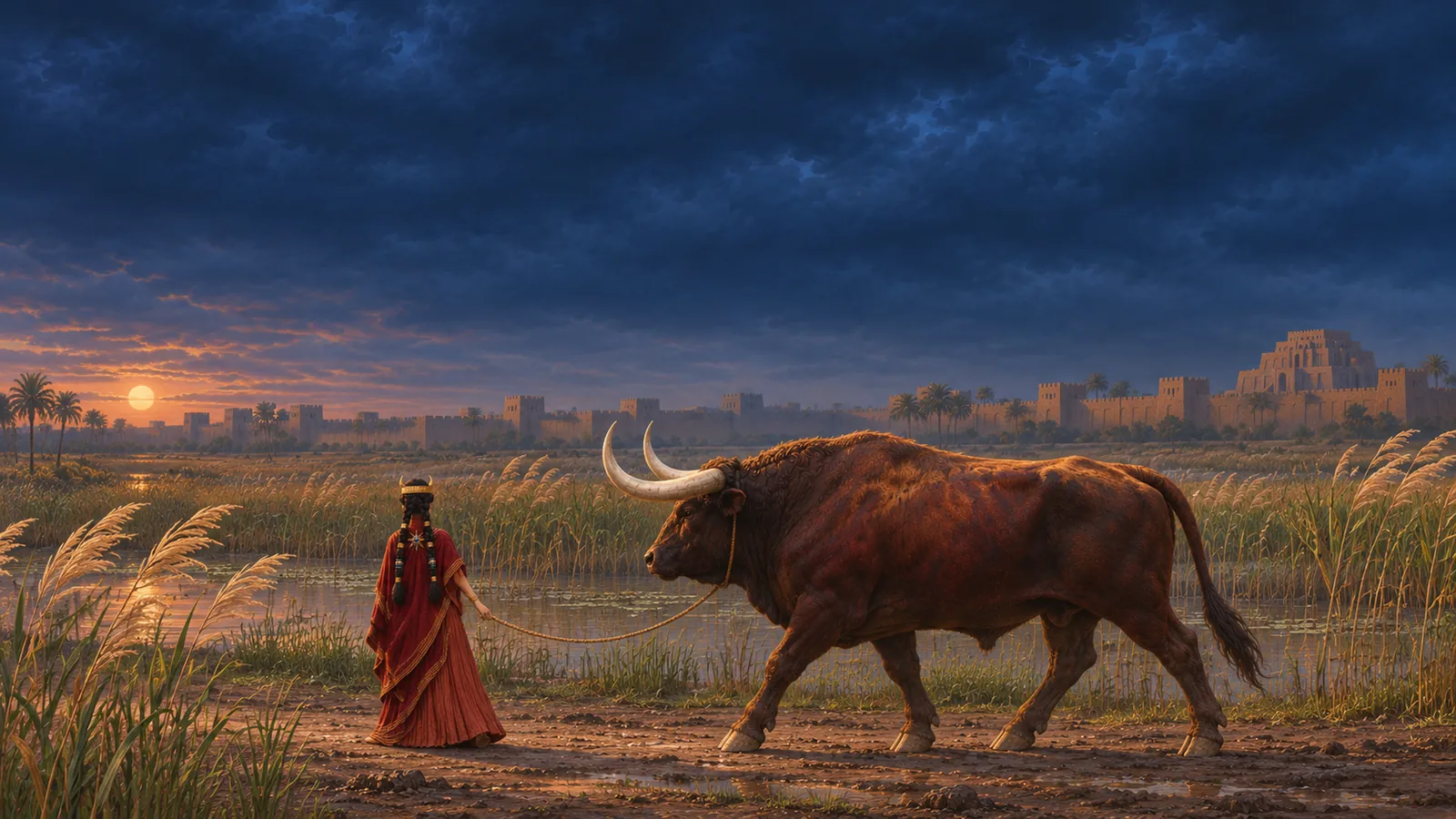
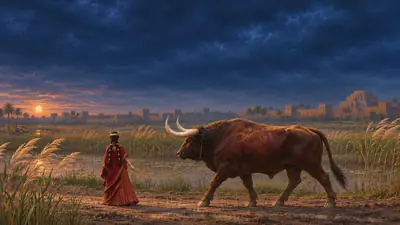
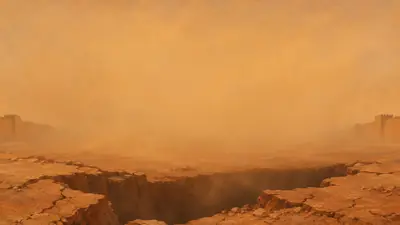
Ischtar führte den Stier hinab. Als er das Land von Uruk erreichte, begann der feuchte Boden auszutrocknen, und wo er vorbeikam, verdorrte das Schilf.
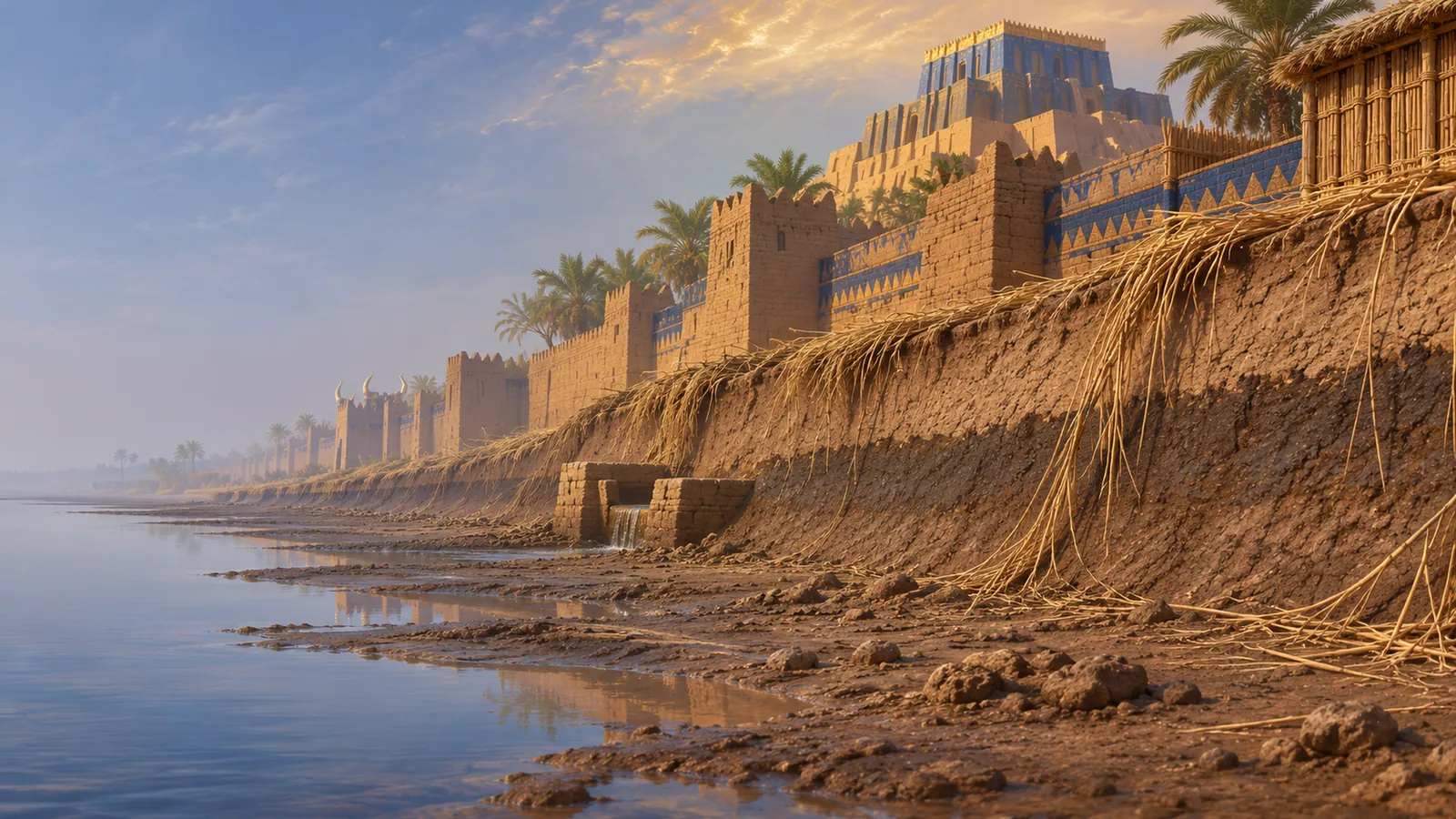
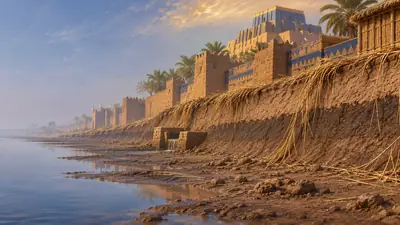
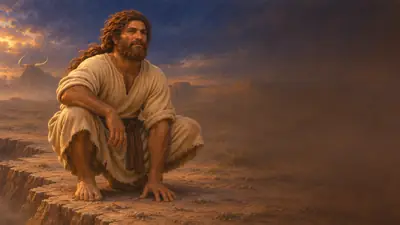
Der Stier ging zum Fluss, und das Wasser sank um sieben Ellen. Die feuchte Spur am Ufer lag höher als jeder Schilfhalm neben dem neuen seichten Wasser.
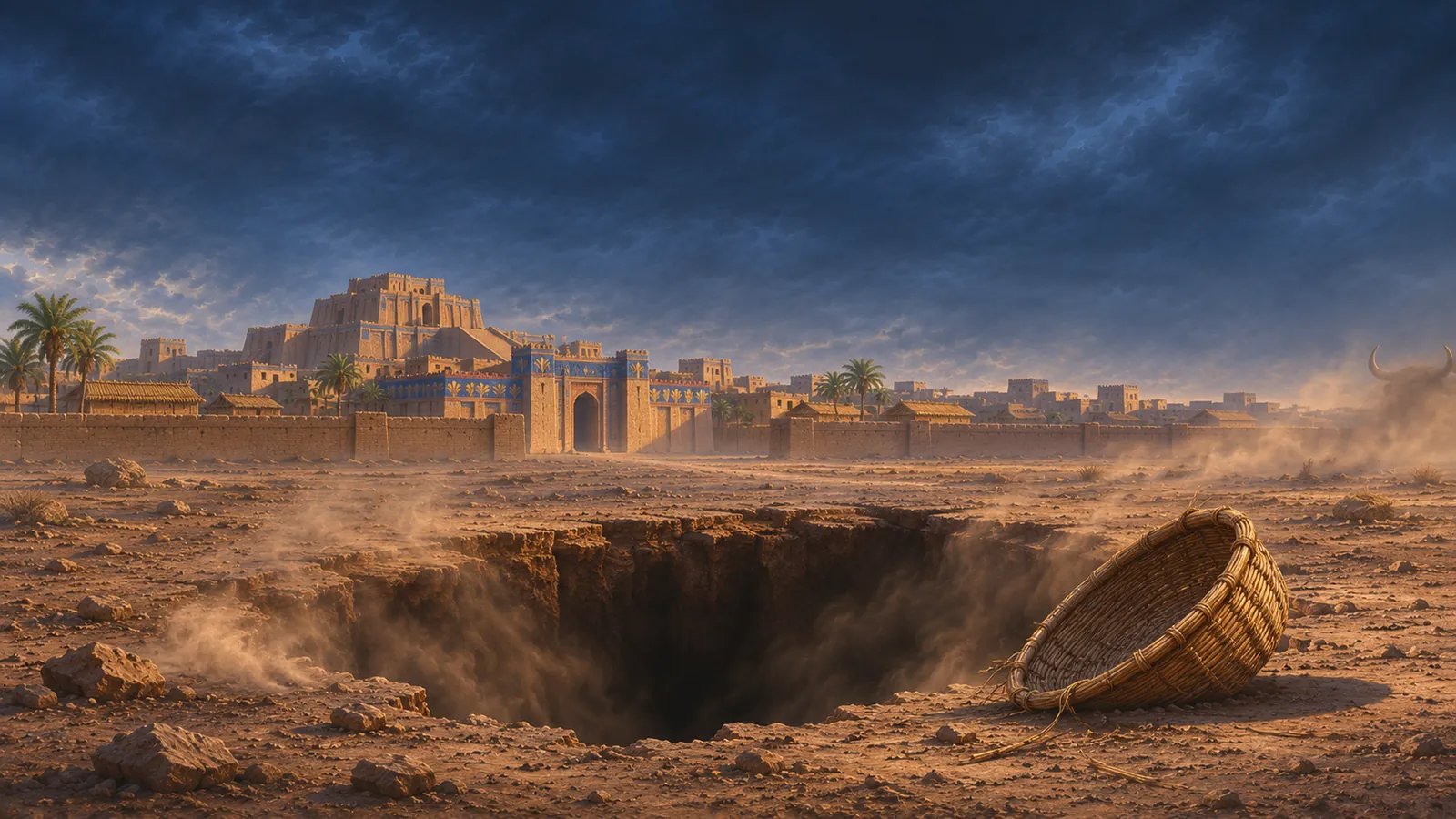
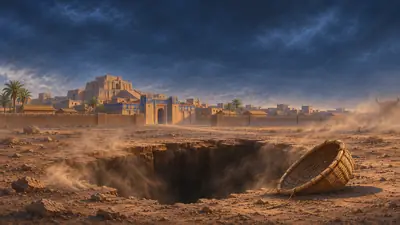
Der Stier schnaubte, und unter den Männern von Uruk tat sich eine Grube auf. Hundert, so zählt das Gedicht, fielen in diesen ersten jähen Erdspalt.
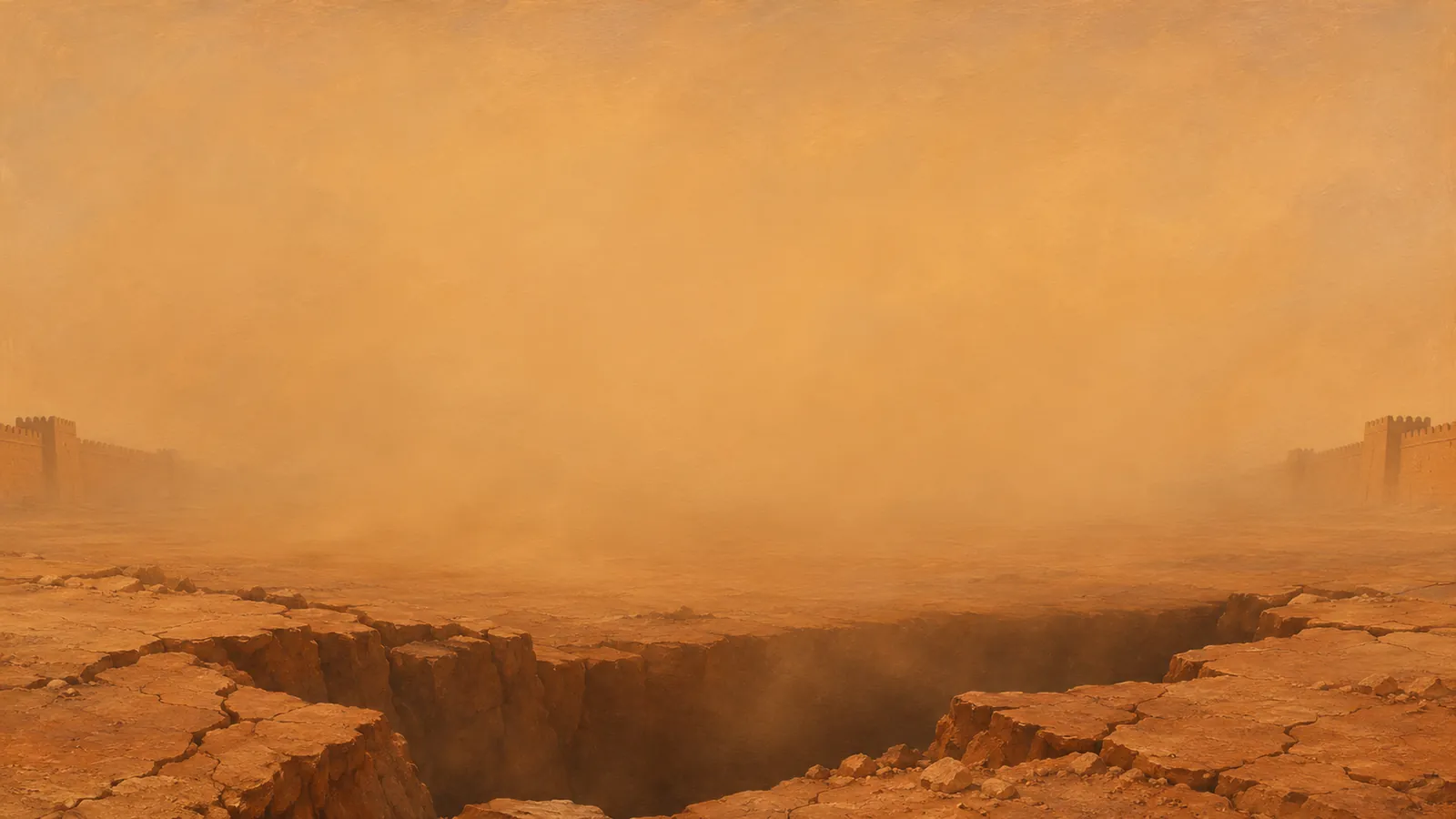
Der Stier schnaubte wieder, und zum zweiten Mal gab der Boden nach. Das alte Gedicht zählt zweihundert weitere Gefallene, und mit jedem Atemzug wächst die Angst der Stadt.
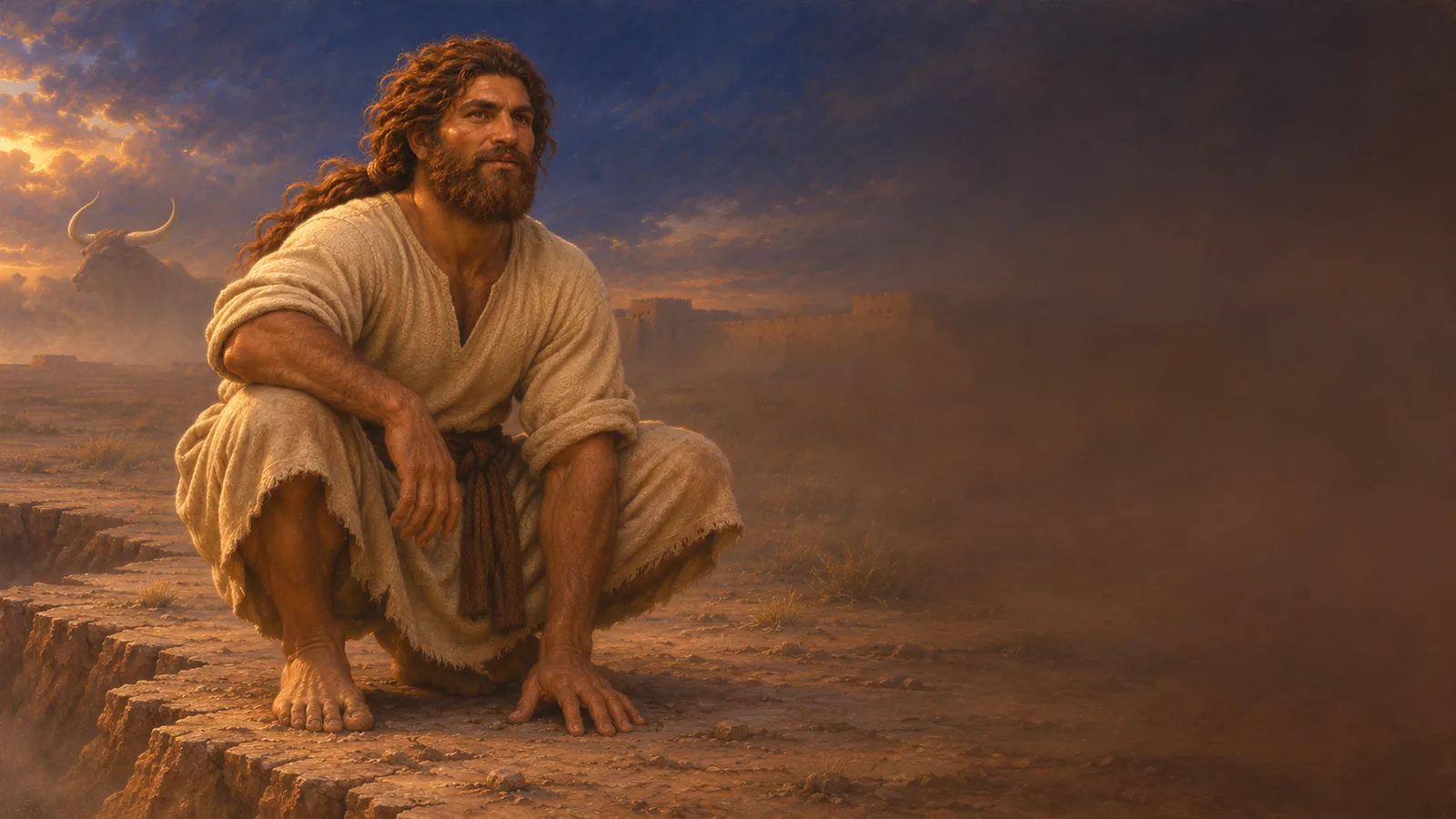
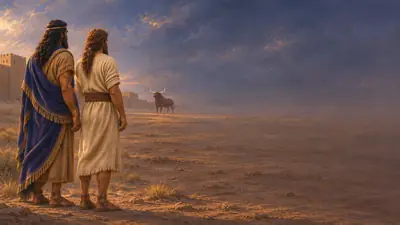
Beim dritten Schnauben gab die Erde erneut nach. Enkidu sank bis zur Hüfte ein und sprang wieder heraus, während der gewaltige Stier aus dem Staub aufragte.
FÜR URUK
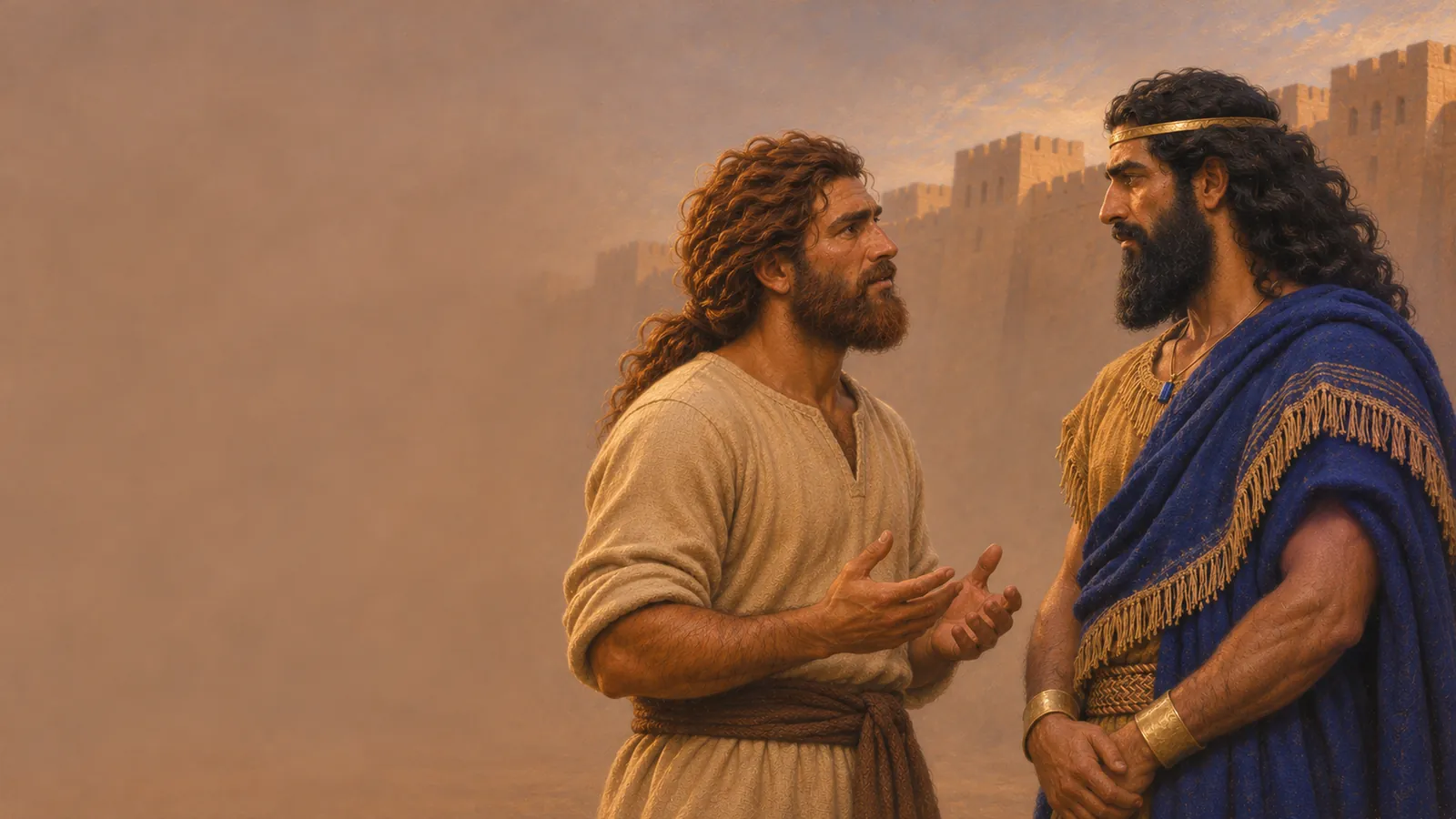
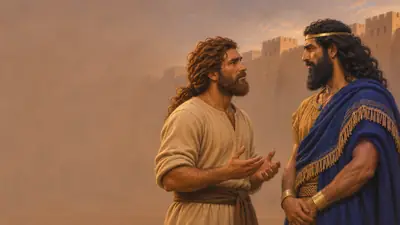
Enkidu rief seinem Freund zu. Einst waren sie stolz auf ihre Stadt gewesen, und nun fragte er, wie sie das, was all den Gefallenen widerfahren war, wiedergutmachen könnten.
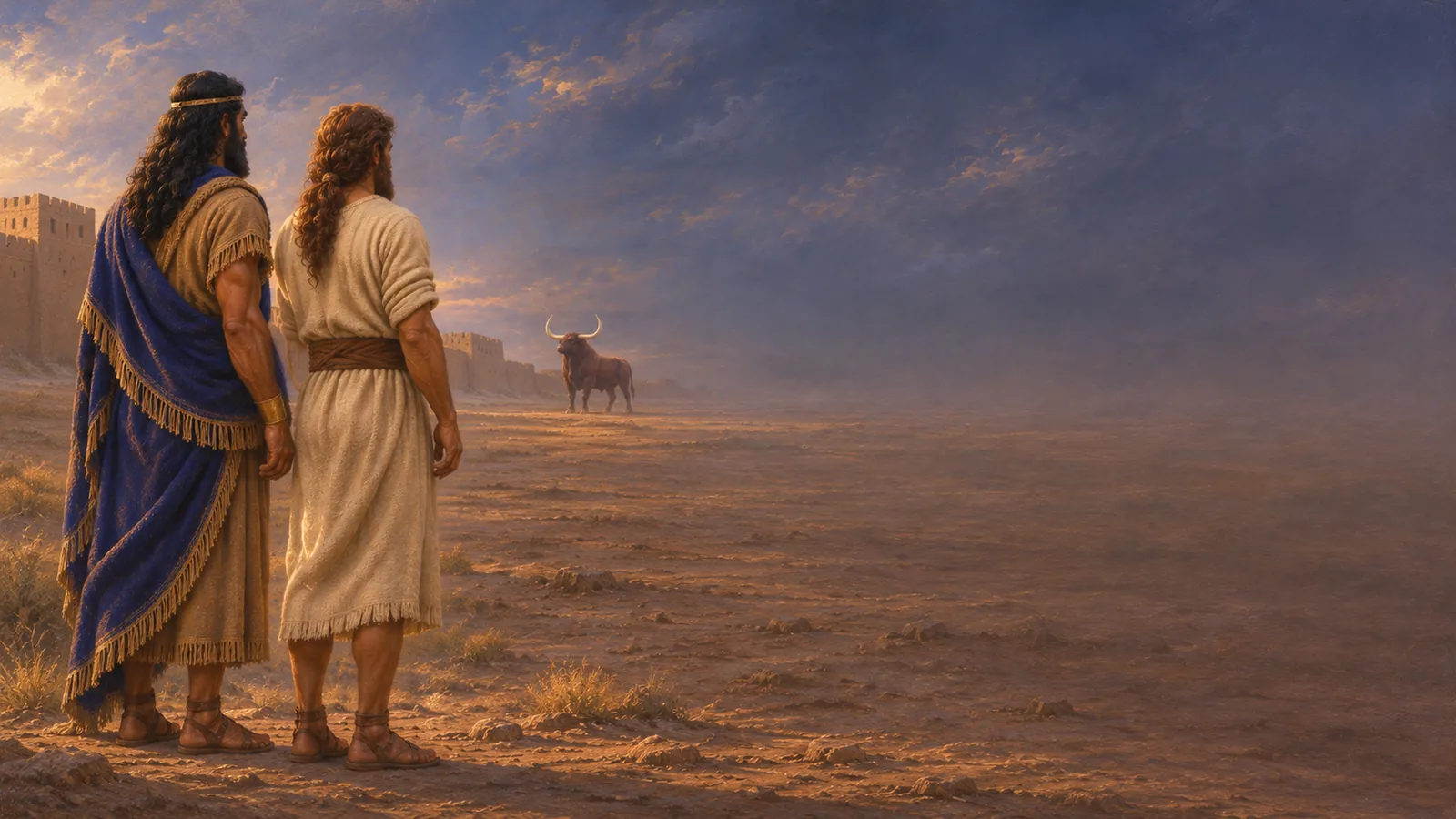
Enkidu sagte Gilgamesch, dass sie gemeinsam handeln müssten. Er hatte die Kraft des Stiers schon gespürt, und nun vertraute er auf den Freund an seiner Seite.

Die beiden Freunde stellten sich dem Himmelsstier. Enkidu packte ihn am Schwanz, und Gilgamesch tötete ihn mit seinem Messer. Das Gedicht erzählt den Kampf in wenigen Zeilen.
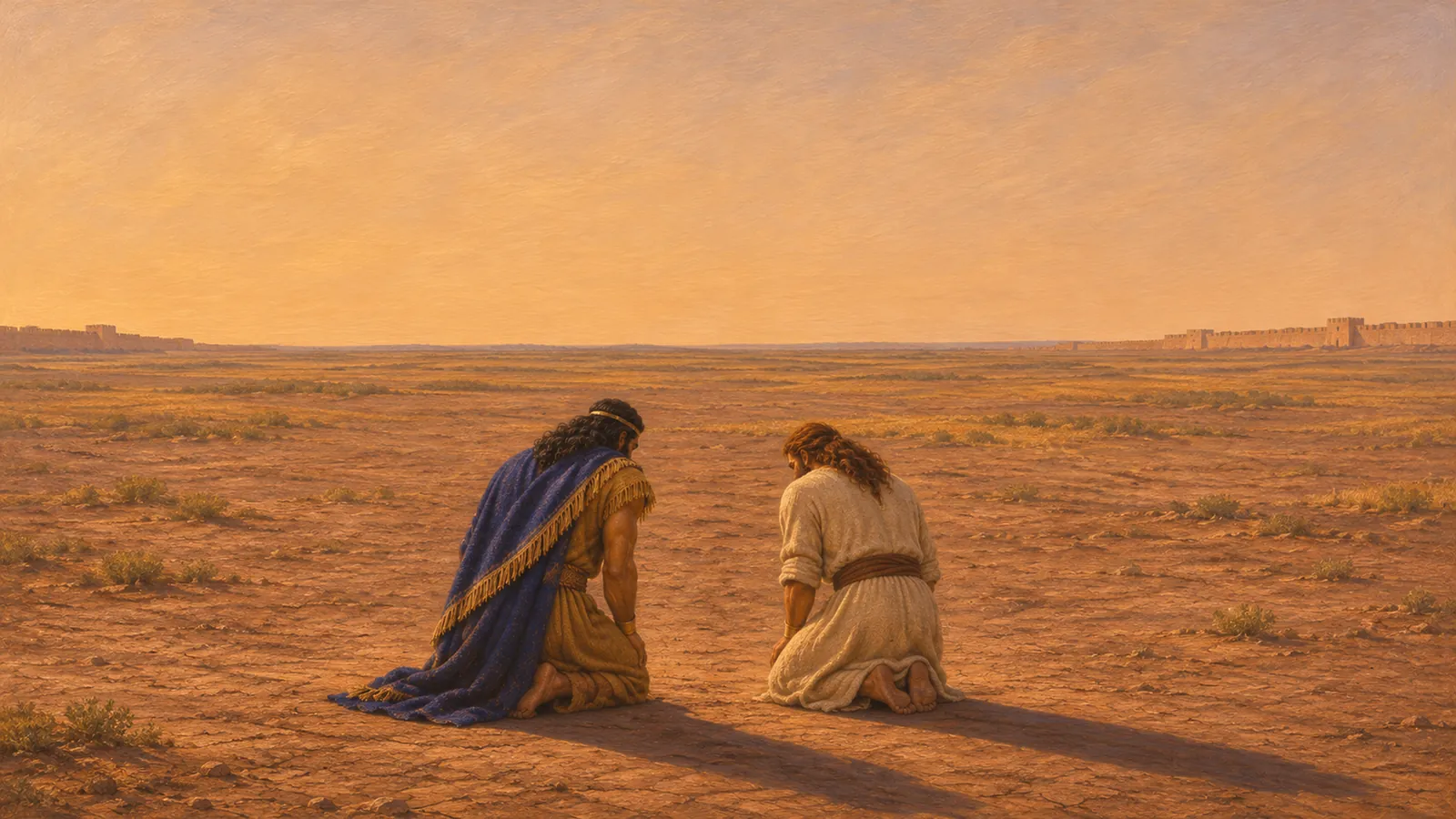
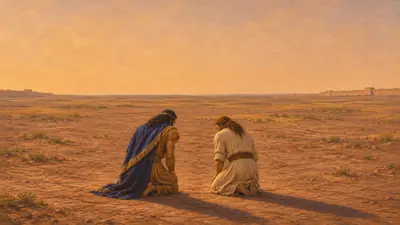
Als der Stier gefallen war, brachten Gilgamesch und Enkidu Schamasch eine Opfergabe dar. Erst verneigten sie sich, dann setzten sie sich zusammen, als das Licht die Erde berührte.
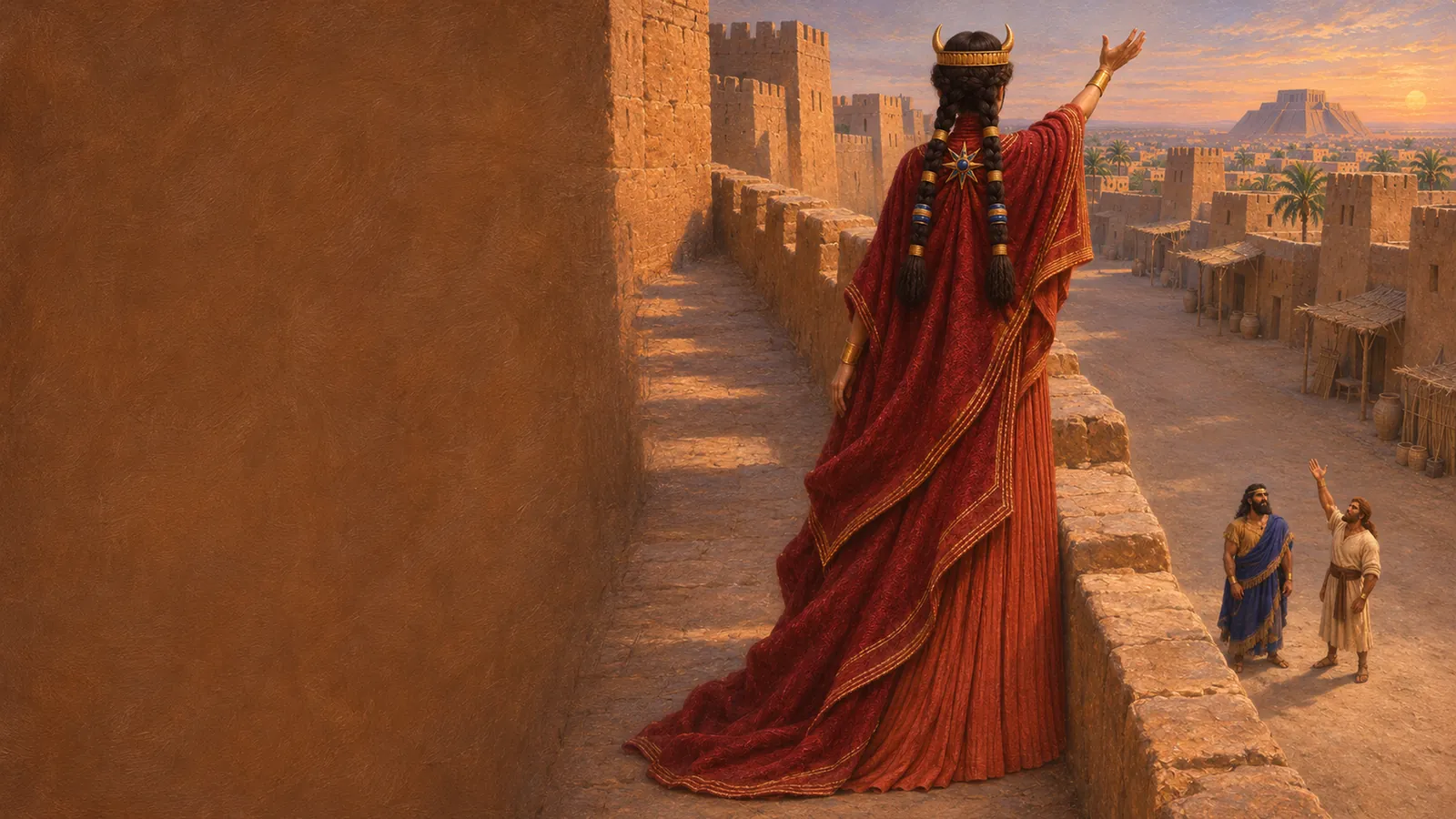
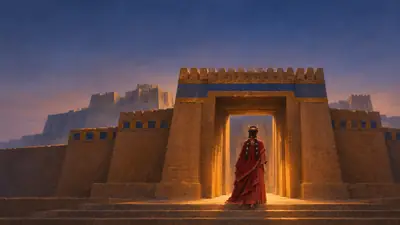
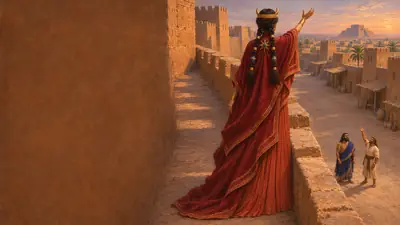
Ischtar stieg auf die Mauer von Uruk und verfluchte den König. Enkidu riss eine Keule vom Stier ab, warf sie vor ihr zu Boden und drohte, ihr dasselbe anzutun.
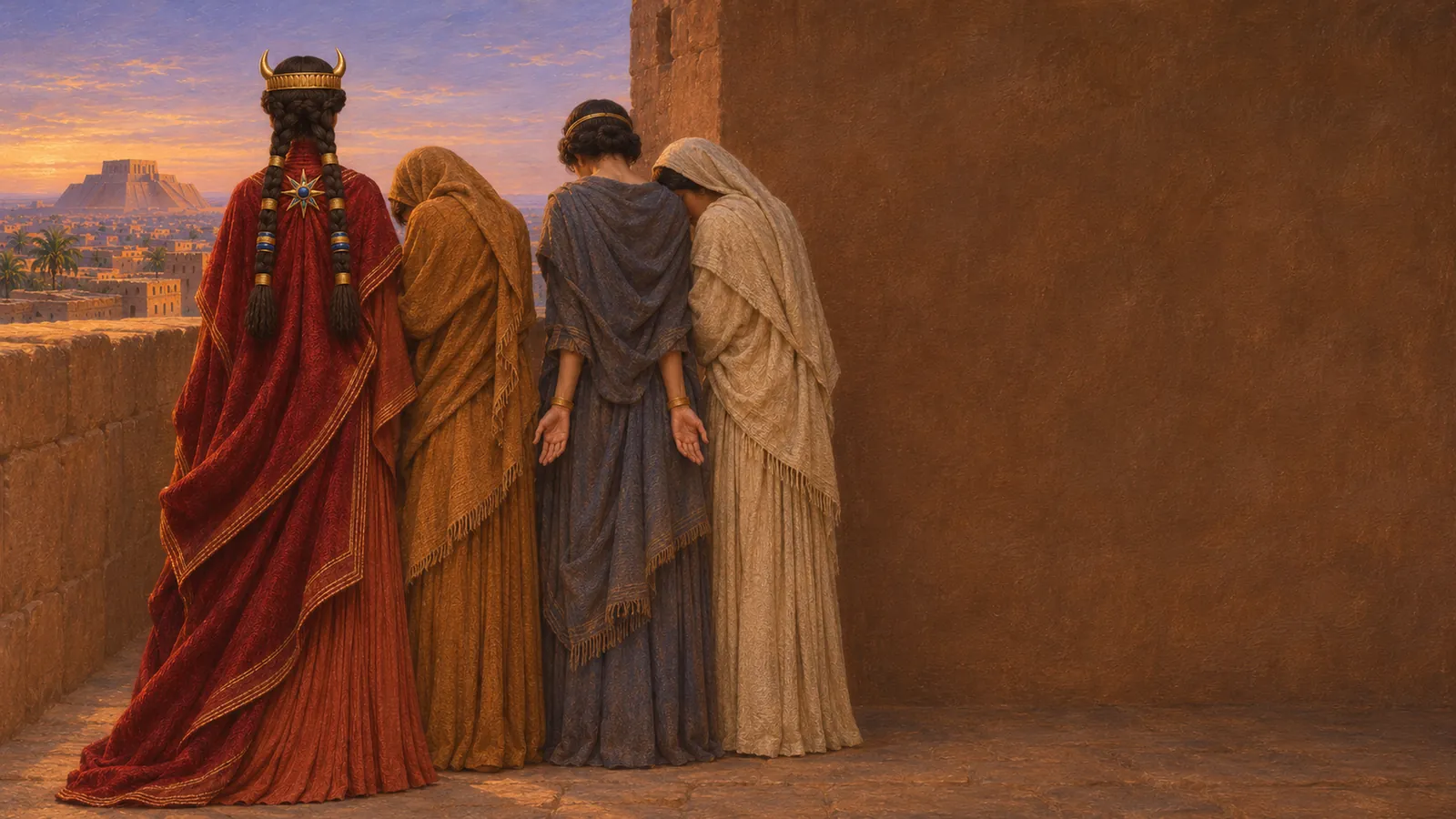
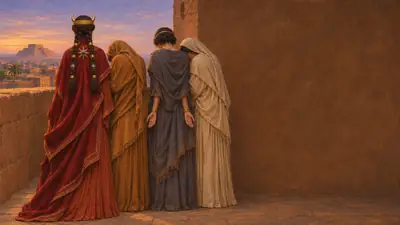
Ischtar versammelte Frauen um sich, um den Stier zu betrauern. Während sich die Nachricht vom Sieg in Uruk verbreitete, war von der Mauer eine Klage zu hören.
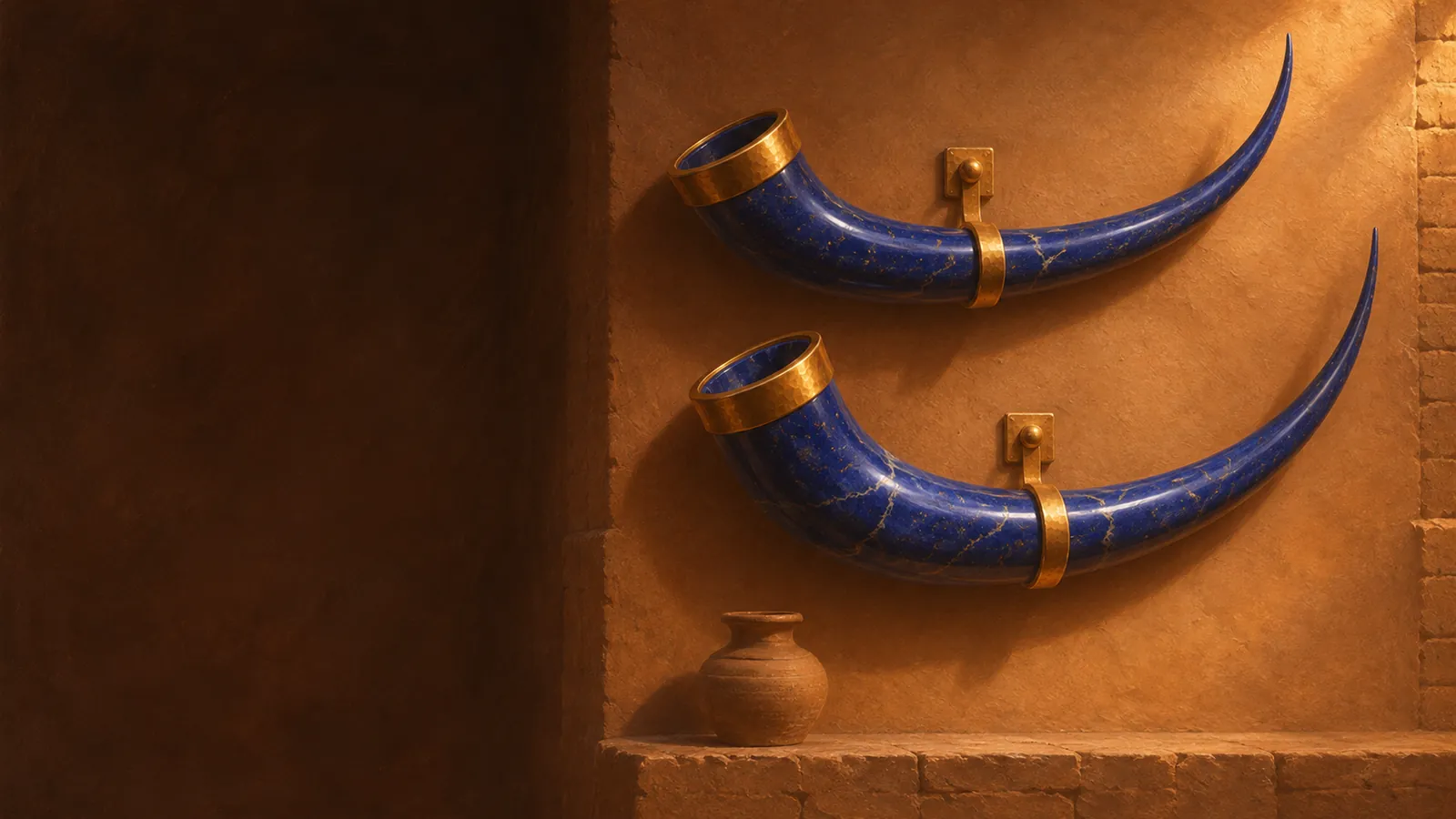
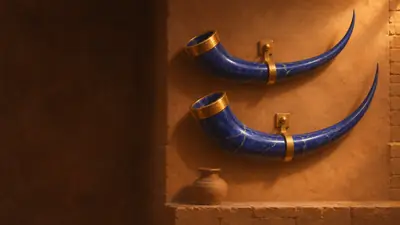
Gilgamesch rief die Handwerker herbei, damit sie sich die Hörner ansahen. Er bestimmte sie zur Salbung Lugalbandas und hängte sie in seiner Kammer auf, wo sie eine große Menge Öl fassen konnten.
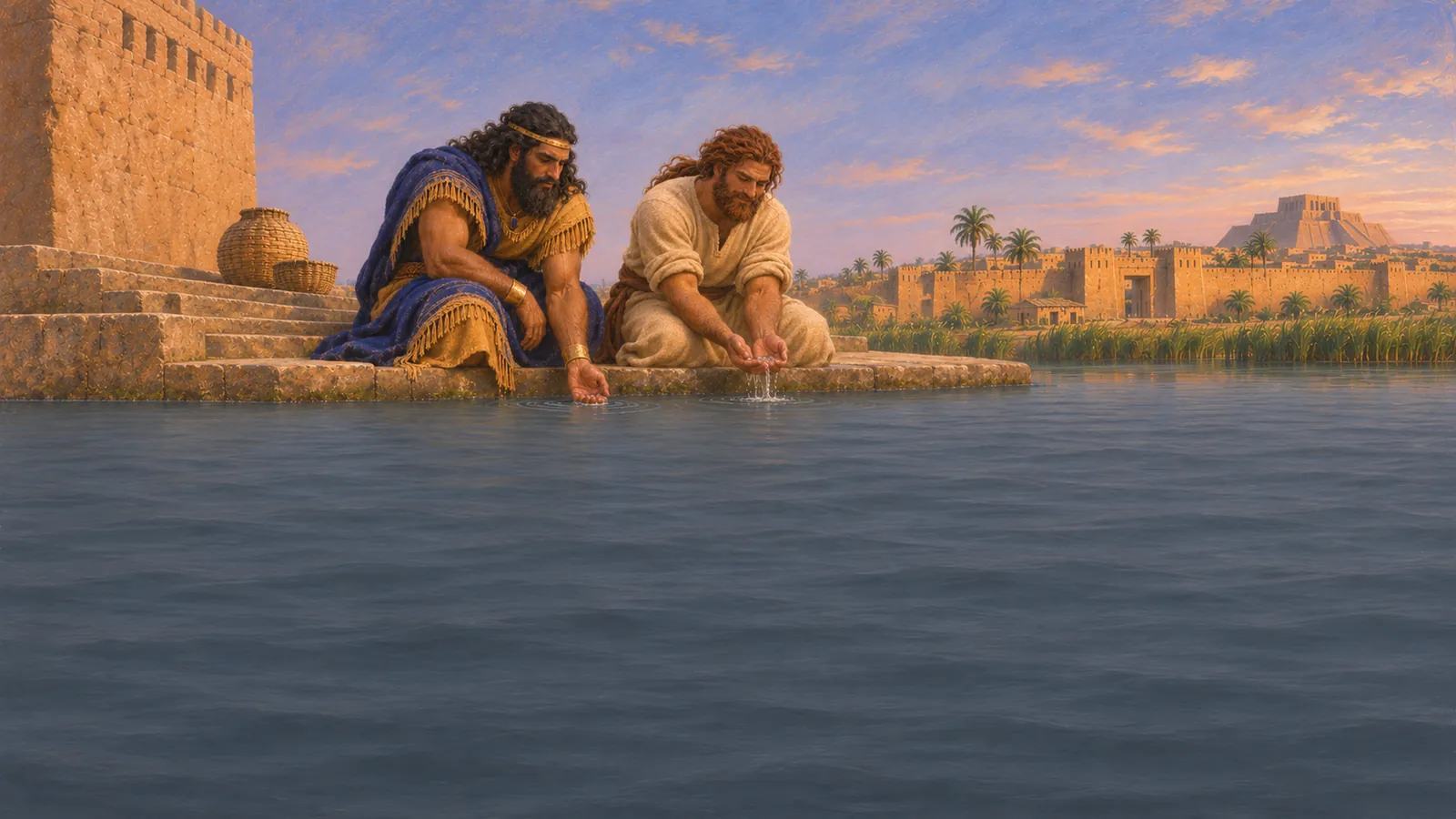
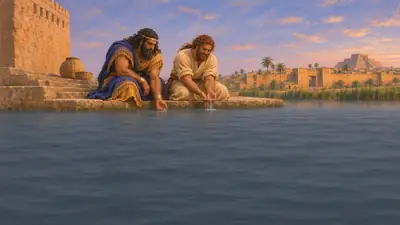
Die Freunde wuschen sich am Euphrat und fassten einander bei der Hand. Sie fuhren durch Uruk, und die Menschen versammelten sich am Weg, um sie zu sehen.
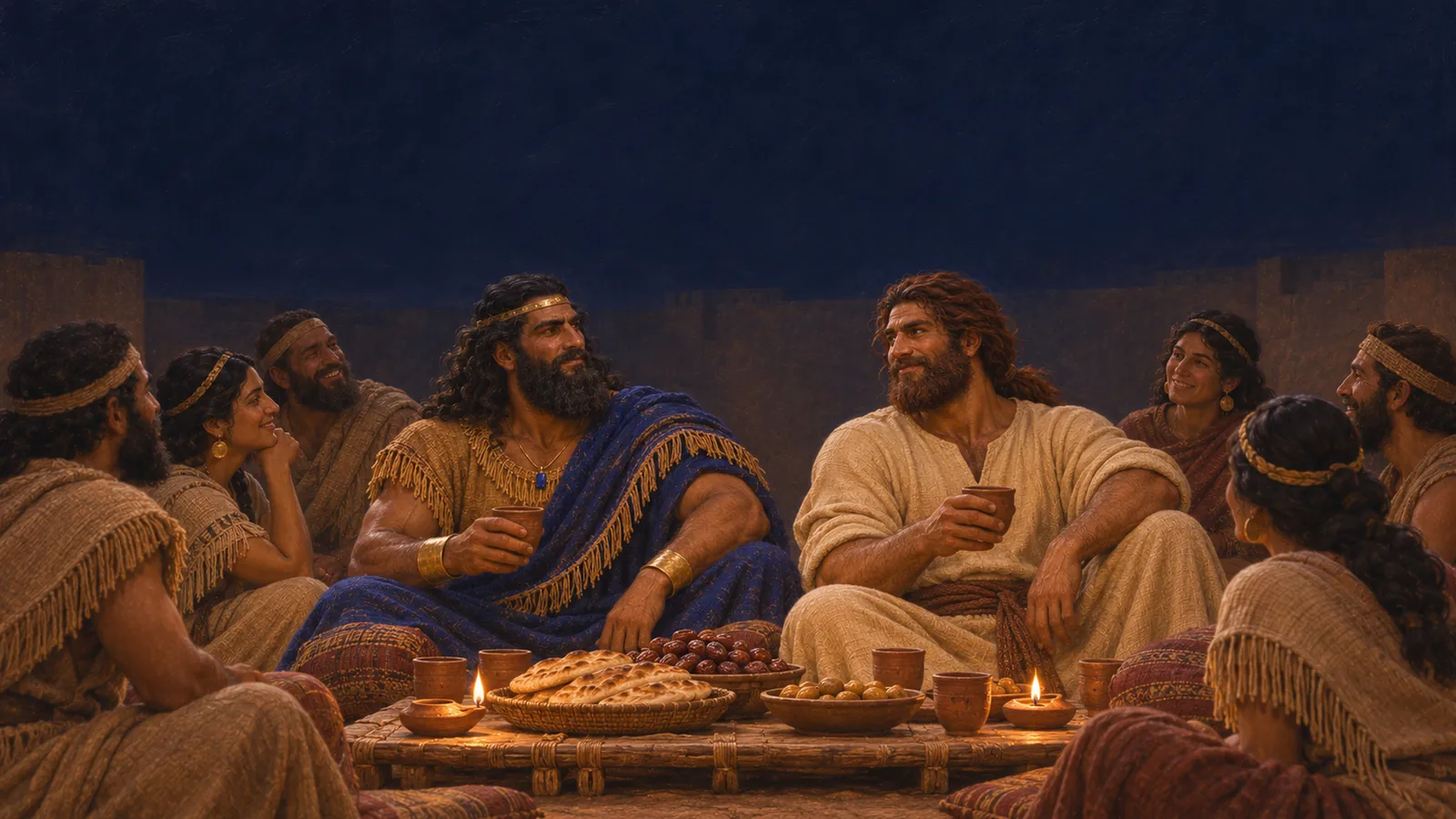
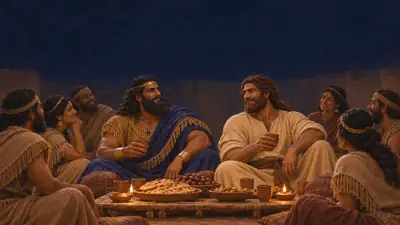
Im Palast lobte man den König, und an diesem Abend feierte Gilgamesch dort. Nach dem Fest brannten die Lampen niedrig, und die Männer legten sich schlafen.
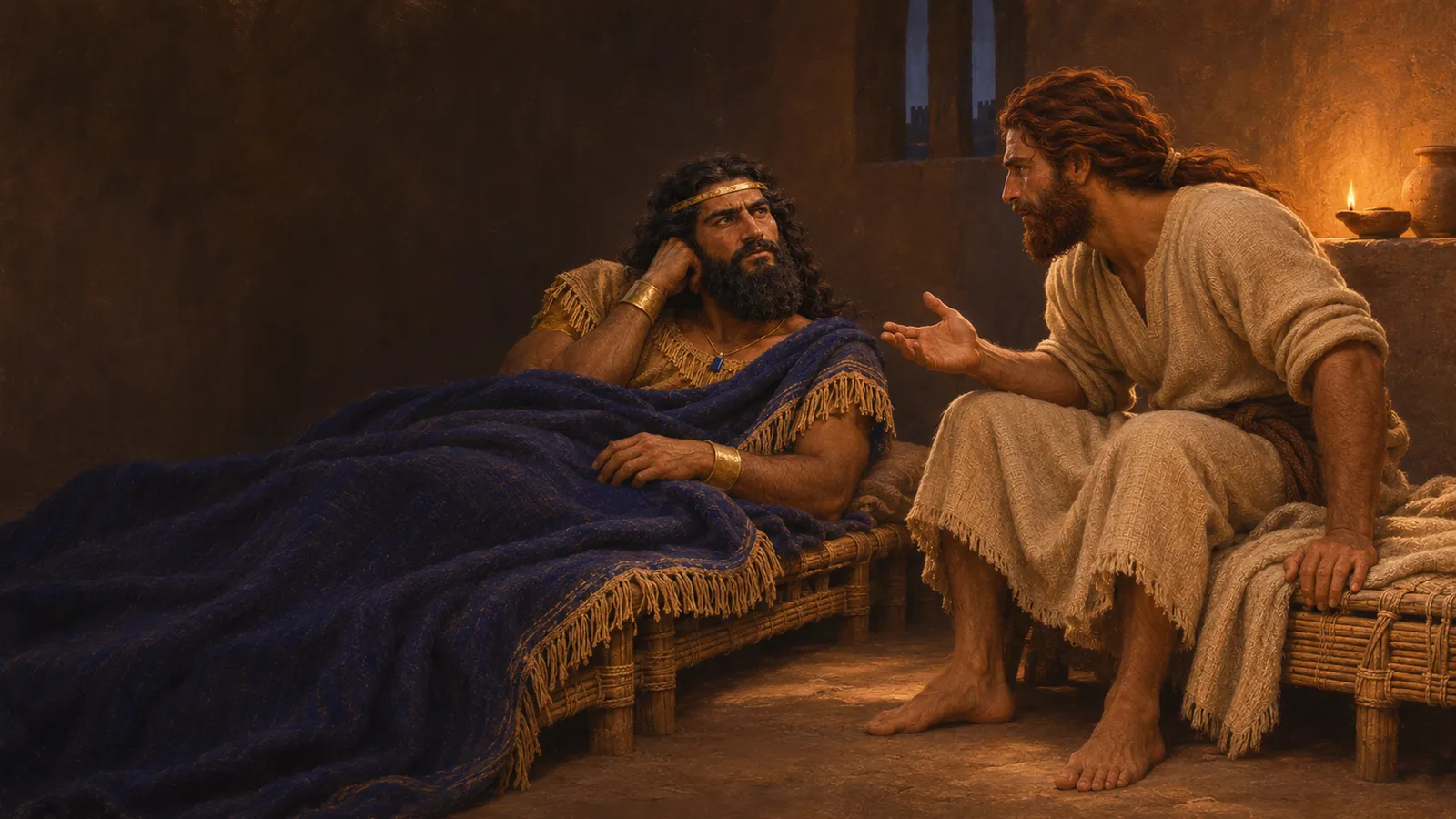
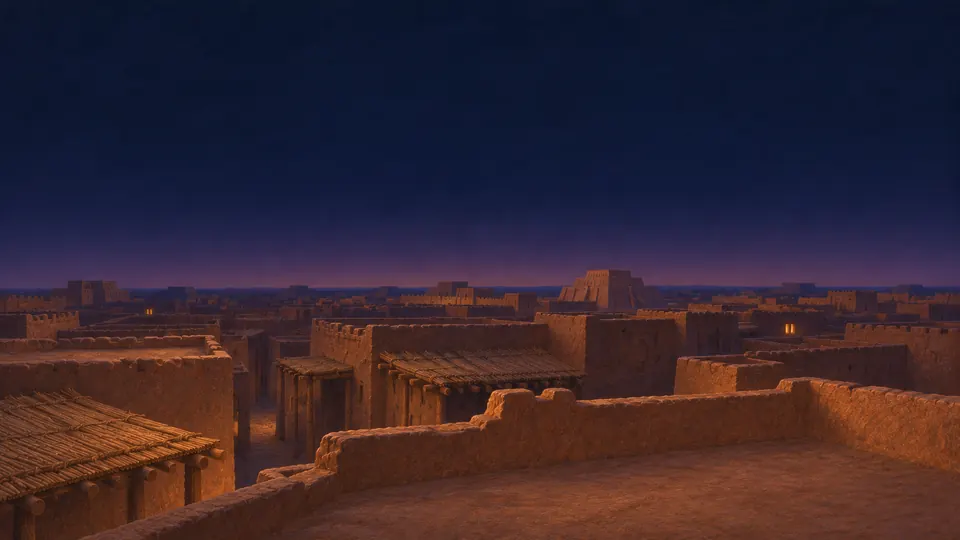
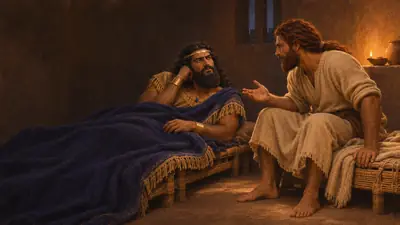
Noch vor dem Ende der Nacht erhob sich Enkidu von seinem Lager. Er hatte geträumt, und als er sich zu Gilgamesch wandte, um ihm davon zu erzählen, endeten die Worte dieser Tafel.
Ende von Kapitel 4
Alle Seiten

Quellen
The retelling gives the killing and the companions’ roles.
Benutzte Editionen
- Electronic Babylonian Library, Standard Babylonian Gilgamesh Tablet VI: . The official chapter export was checked directly through the [LMU chapter endpoint](https://www.ebl.lmu.de/api/texts/L/1/4/chapters/SB/VI), lines 1–183. Earlier editions and separate Sumerian poems can differ.
- Andrew George, “The Epic of Gilgamesh”: pp. 8–9, Tablet VI synopsis and transition to VII.
- Andrew George, “Shattered Tablets and Tangled Threads”: pp. 15–16 for the manuscript readings in several lines of Tablet VI. The script flags material ambiguities and does not stage a detailed dream on the basis of VI alone.
Hinweise zu dieser Nacherzählung
On page 34, the friends take the Bull’s heart and set it before Shamash (SB Gilgamesh VI 147–150, George’s eBL translation). The retelling describes this as an offering.
On page 35, Enkidu adds that he would drape the Bull’s entrails on Ishtar’s arms (SB Gilgamesh VI 156–157, George’s eBL translation). The retelling gives the threat in general terms.
On page 36, Ishtar gathers courtesans, prostitutes and harlots and begins mourning over the Bull’s haunch (SB Gilgamesh VI 158–159, George’s eBL translation). The retelling describes the women mourning the Bull.
Die antiken Verse hinter jeder Seite
- Page 1: SB Gilgamesh VI 1–5, eBL
- Page 2: SB Gilgamesh VI 1–2, eBL
The text describes washing. - Page 3: SB Gilgamesh VI 3–4, eBL
- Page 4: SB Gilgamesh VI 5, eBL
- Page 5: SB Gilgamesh VI 6, eBL
- Page 6: SB Gilgamesh VI 7–9, eBL
- Page 7: SB Gilgamesh VI 10–12, eBL
- Page 8: SB Gilgamesh VI 13–15, eBL
- Page 9: SB Gilgamesh VI 16–21, eBL
- Page 10: SB Gilgamesh VI 22–31, eBL
Lines include breaks and restorations. - Page 11: SB Gilgamesh VI 32–41, eBL
- Page 12: SB Gilgamesh VI 42–45, eBL
The partially preserved example in 45 is omitted. - Page 13: SB Gilgamesh VI 46–47, eBL
- Page 14: SB Gilgamesh VI 48–50, eBL
The allallu species is uncertain. - Page 15: SB Gilgamesh VI 51–57, eBL
- Page 16: SB Gilgamesh VI 58–63, eBL
- Page 17: SB Gilgamesh VI 64–78, eBL
The uncertain form of his transformation is left open. - Page 18: SB Gilgamesh VI 79–81, eBL
- Page 19: SB Gilgamesh VI 80–86, eBL
- Page 20: SB Gilgamesh VI 87–91, eBL
- Page 21: SB Gilgamesh VI 92–95, eBL
- Page 22: SB Gilgamesh VI 96–100, eBL
- Page 23: SB Gilgamesh VI 101–105, eBL
- Page 24: SB Gilgamesh VI 106–112, eBL
Wording in 108–112 includes restorations. - Page 25: SB Gilgamesh VI 113–114, eBL
- Page 26: SB Gilgamesh VI 115–117, eBL
- Page 27: SB Gilgamesh VI 118, eBL
The measurement follows the text. - Page 28: SB Gilgamesh VI 119–120, eBL
- Page 29: SB Gilgamesh VI 121–122, eBL
The text gives a larger toll, not a measured depth. - Page 30: SB Gilgamesh VI 123–127, eBL
- Page 31: SB Gilgamesh VI 128–133, eBL
- Page 32: SB Gilgamesh VI 134–140, eBL
The passage is partly restored. - Page 33: SB Gilgamesh VI 141–147, Andrew R. George’s eBL translation
- Page 34: SB Gilgamesh VI 147–150, eBL
- Page 35: SB Gilgamesh VI 151–157, Andrew R. George’s eBL translation
- Page 36: SB Gilgamesh VI 158–159, eBL
- Page 37: SB Gilgamesh VI 160–166, eBL
Exact rim reading varies. The text calls Lugalbanda his god. - Page 38: SB Gilgamesh VI 167–170, eBL
- Page 39: SB Gilgamesh VI 171–180, eBL
Lines 176–178 include broken dialogue. - Page 40: SB Gilgamesh VI 180–183, eBL
Illustrationen von IL Archive mit KI-Werkzeugen; der Text folgt den antiken Quellen (siehe die Quellen am Ende jedes Kapitels).