Das Gilgamesch-Epos Kapitel 7
Die Geschichte der Flut
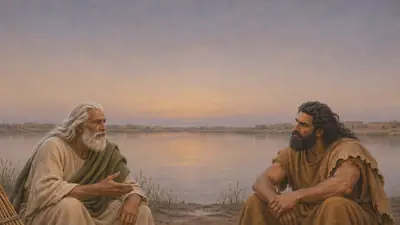
Utnapischtim erzählt Gilgamesch, wie er ein Schiff baute und die große Flut überlebte. Als er seine Geschichte beendet hat, bittet er Gilgamesch, sechs Tage und sieben Nächte wach zu bleiben.
Den Film ansehenQuellenBlättern Sie mit den Pfeilen, den Pfeiltasten oder durch Wischen.
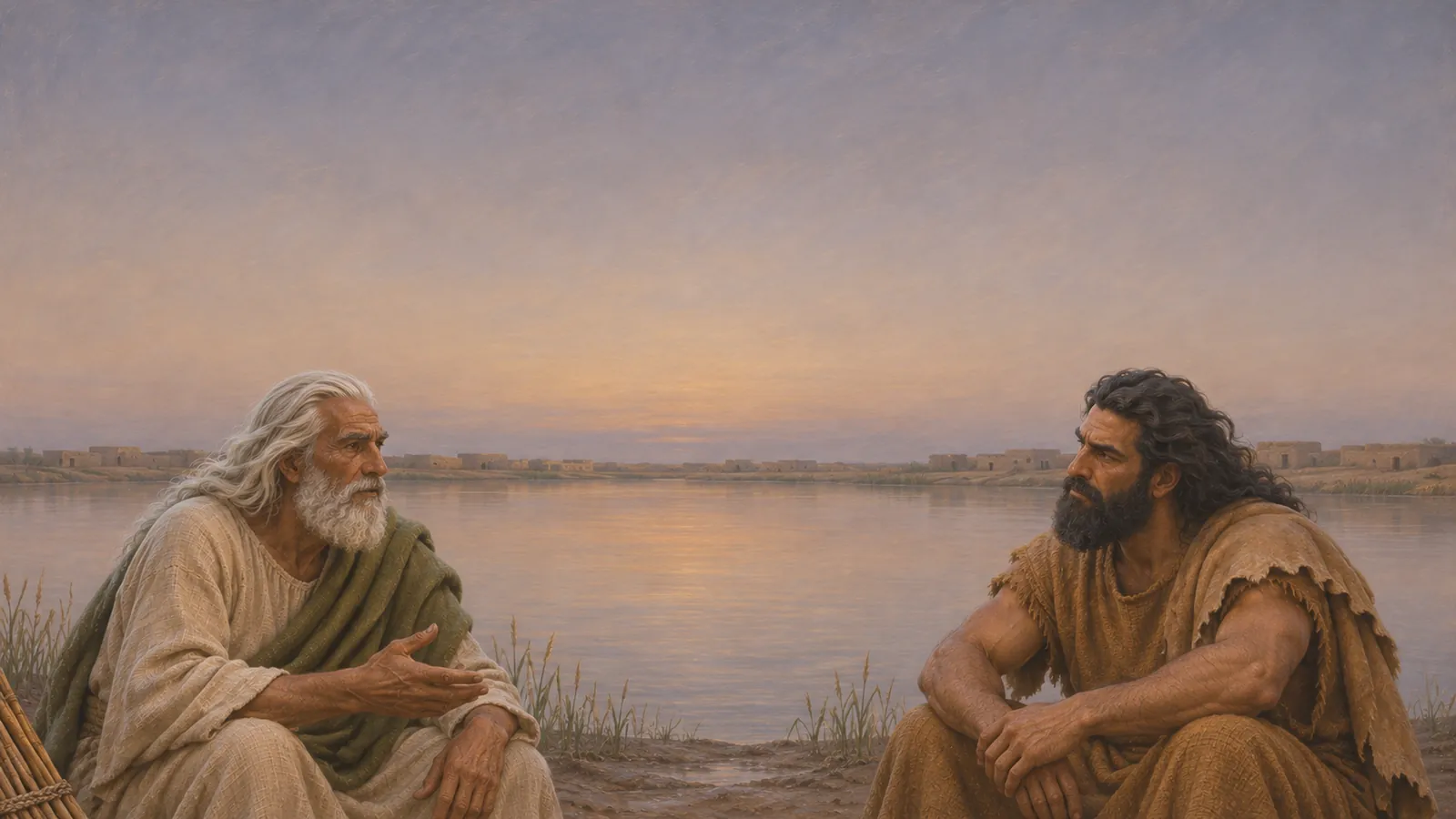
GEHEIMNIS
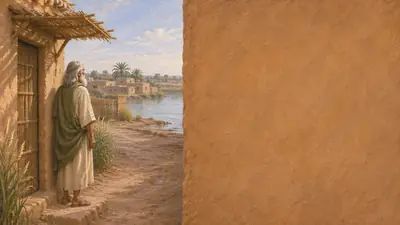
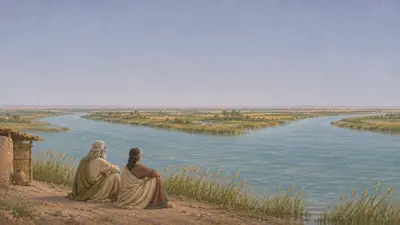
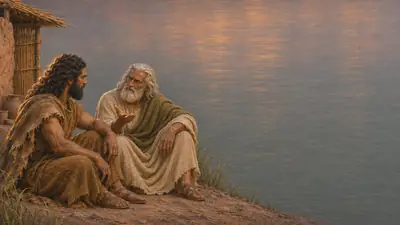
Am fernen Ufer begann Utnapischtim seine Antwort. Was Gilgamesch wissen wollte, ging auf ein Geheimnis der Götter zurück und auf eine Stadt, die vor langer Zeit an einem Fluss lag.
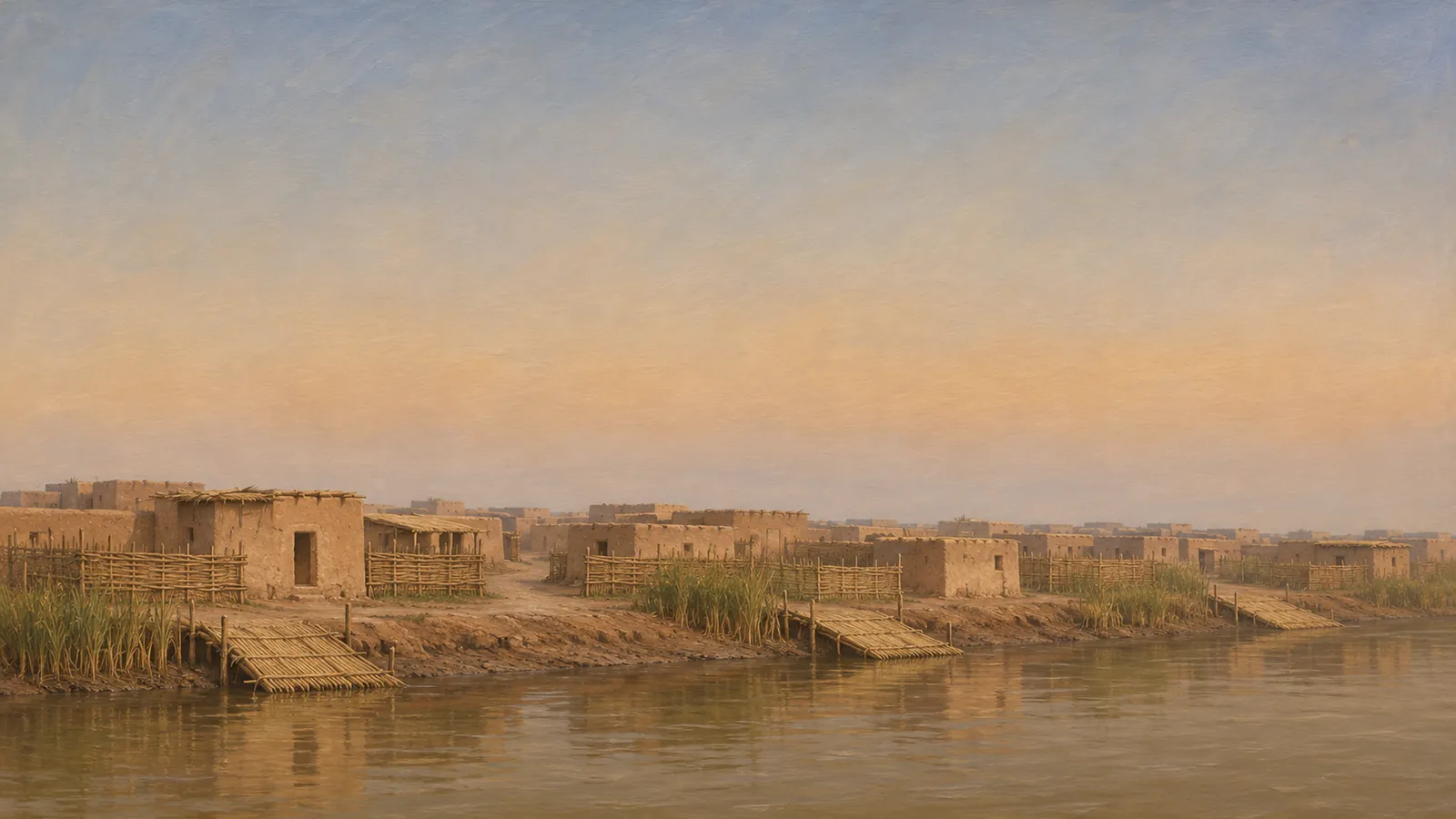
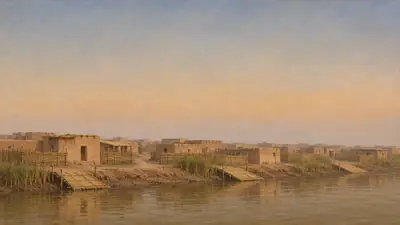
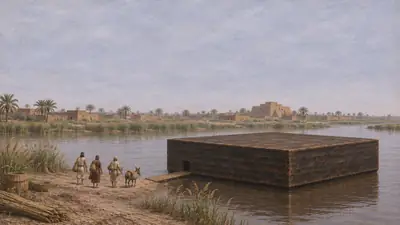
Die Stadt hieß Schuruppak und lag am Euphrat. Sie war schon alt, als dort, so hieß es, die großen Götter wohnten.
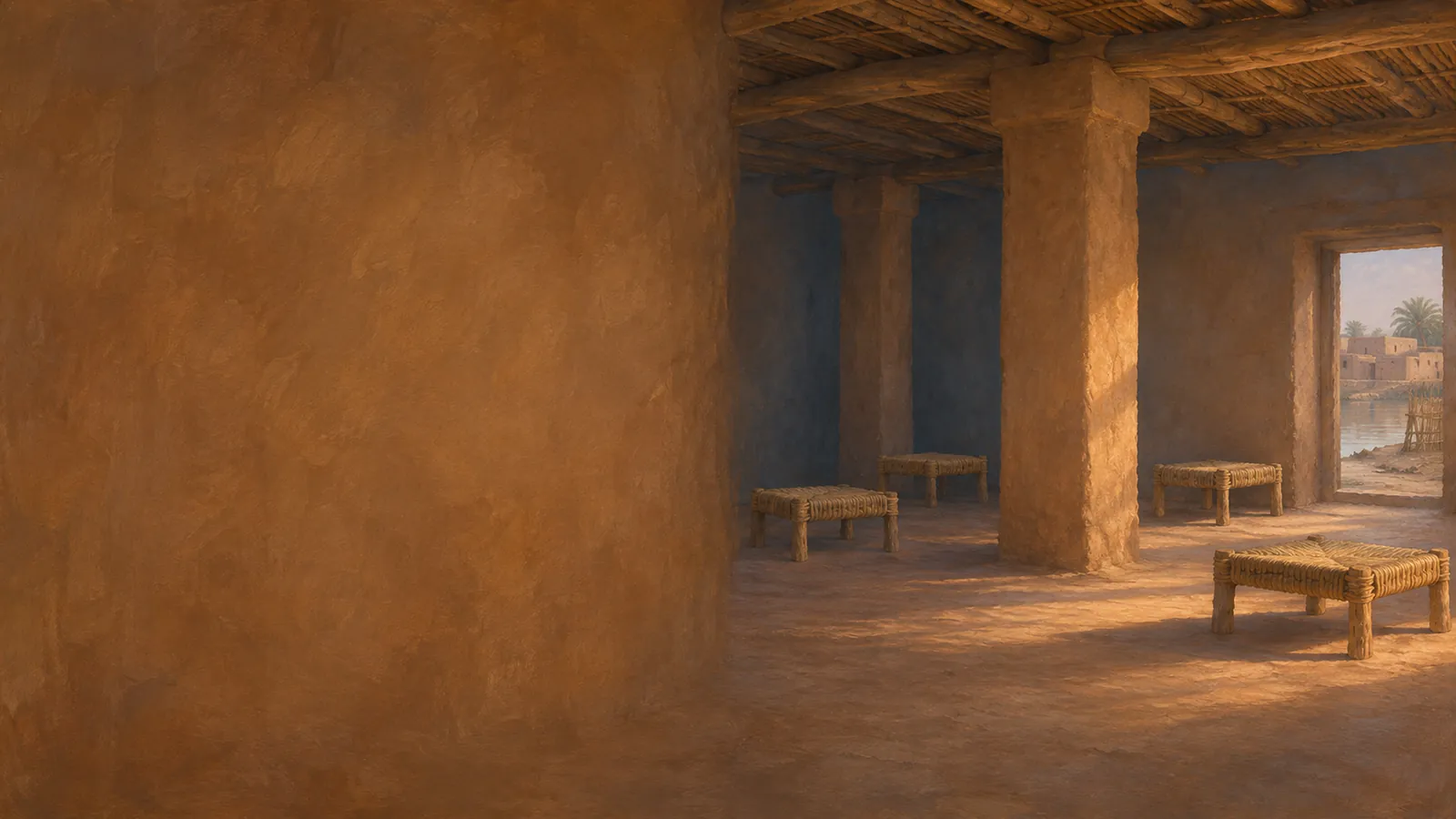
Utnapischtim erzählte von den großen Göttern und ihrem Beschluss, eine Flut zu schicken. Die Mitglieder ihrer Versammlung banden sich mit einem Eid an diesen Beschluss.

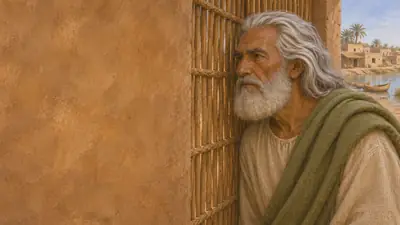
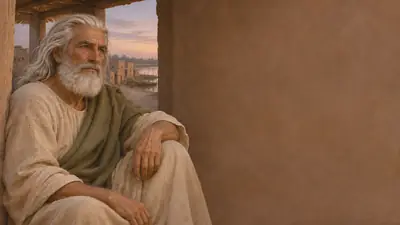
Enlil gehörte dem Rat an, und Ea hatte mit den anderen Göttern den Eid geschworen. Was Ea als Nächstes zu sagen hatte, würde er dem Schilf sagen.
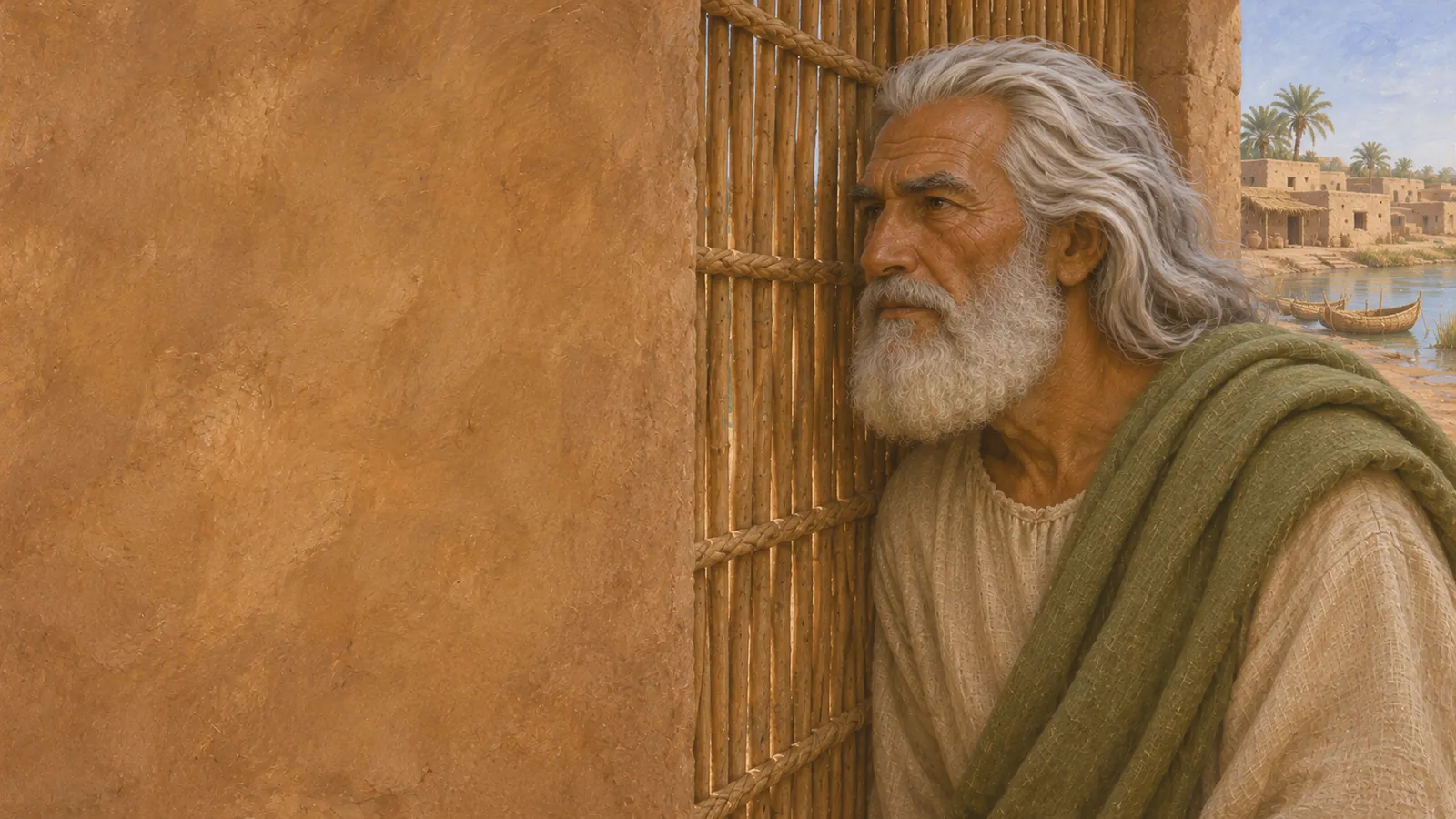
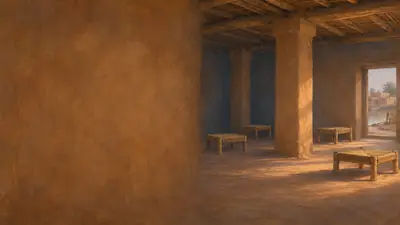
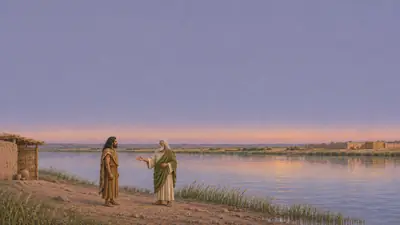
Die Warnung galt einem Schilfzaun und einer Mauer. Aus diesen Worten erfuhr Utnapischtim, was er tun musste, während der Gott zum Schilf sprach.
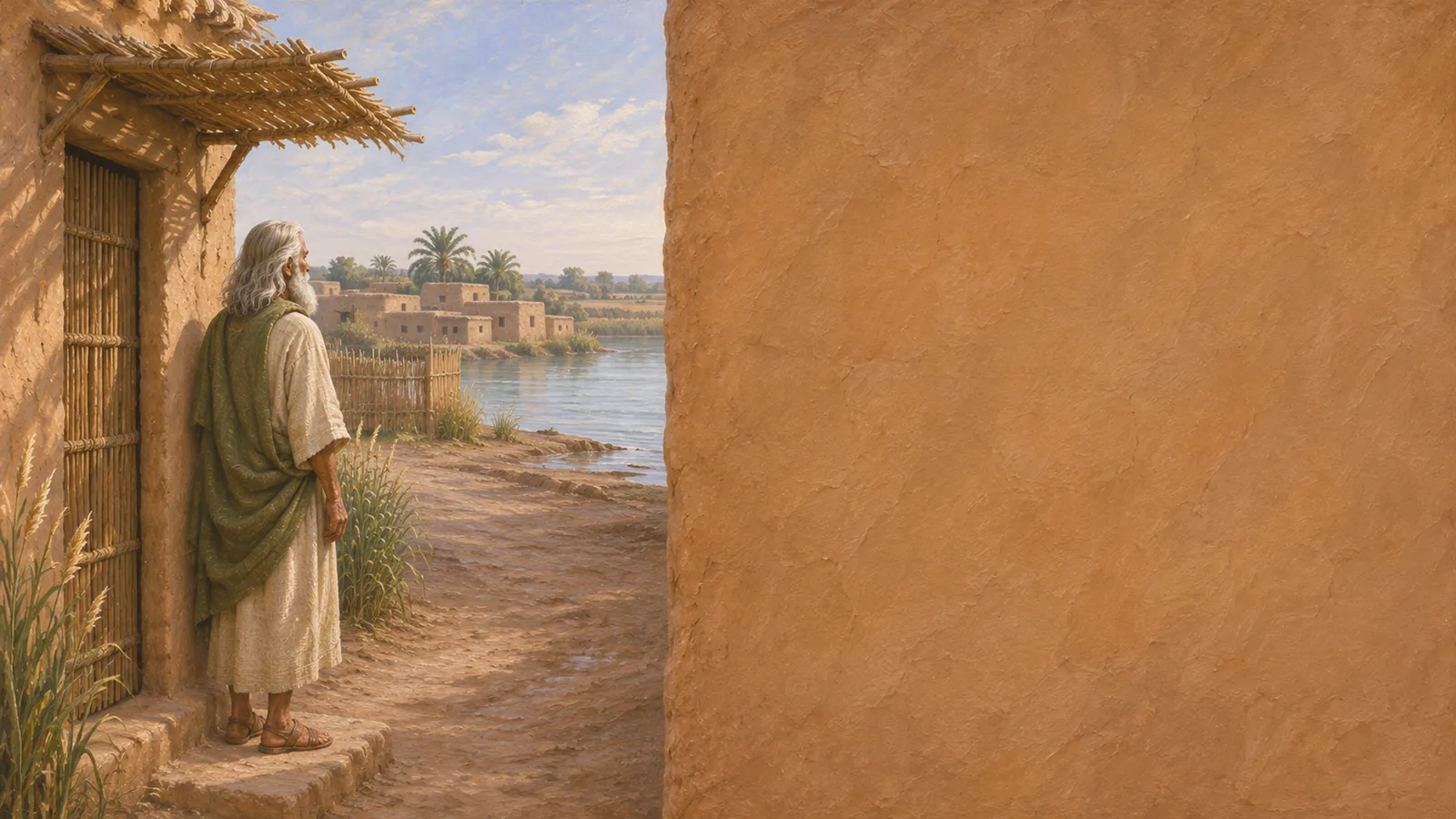
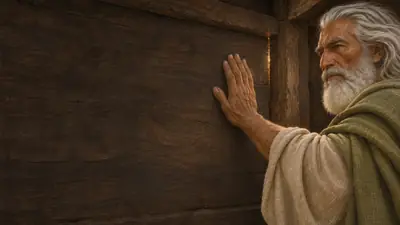
Ea sagte ihm, er solle sein Haus abreißen und ein Schiff bauen. Was er behalten konnte, zählte nun weniger als das, was er am Leben erhalten konnte.

Das Schiff sollte den Keim der Lebewesen mitnehmen. Man hatte Utnapischtim gesagt, er solle seinen Reichtum zurücklassen und den Lebewesen eine Chance geben, zu überleben.
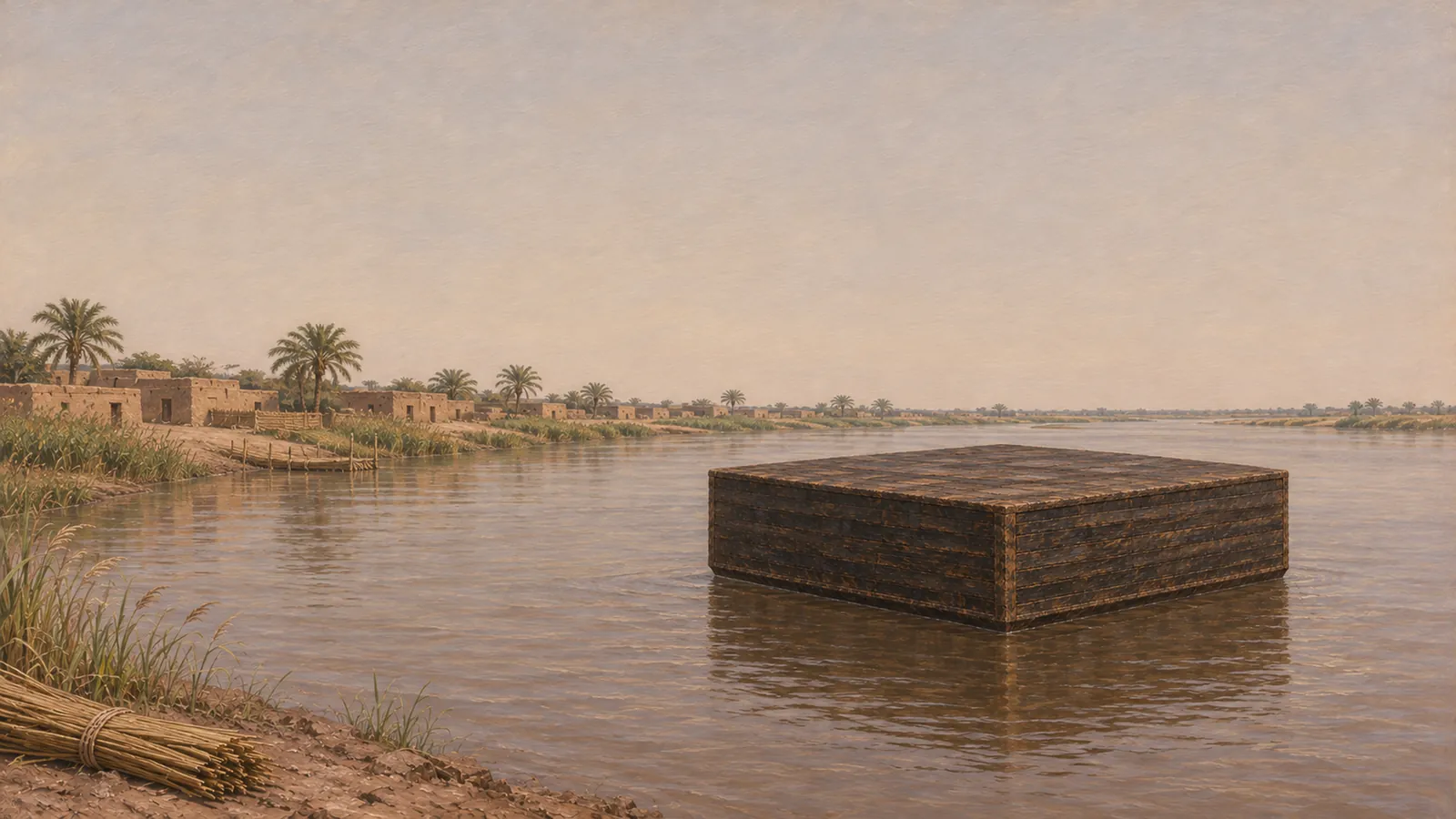
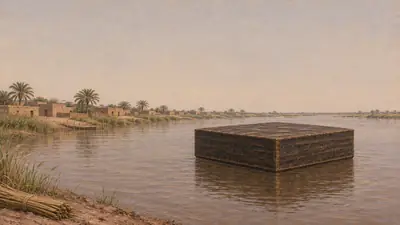
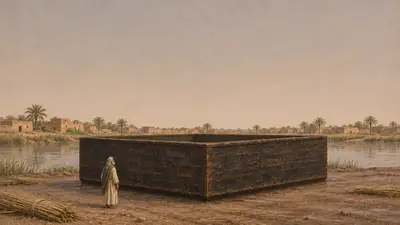
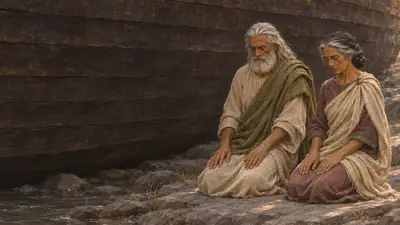
Das Schiff, das Ea beschrieb, sollte so breit wie lang werden. Es sollte ein Dach haben, und seine Form unterschied sich von der der Boote, die sonst auf dem Fluss fuhren.
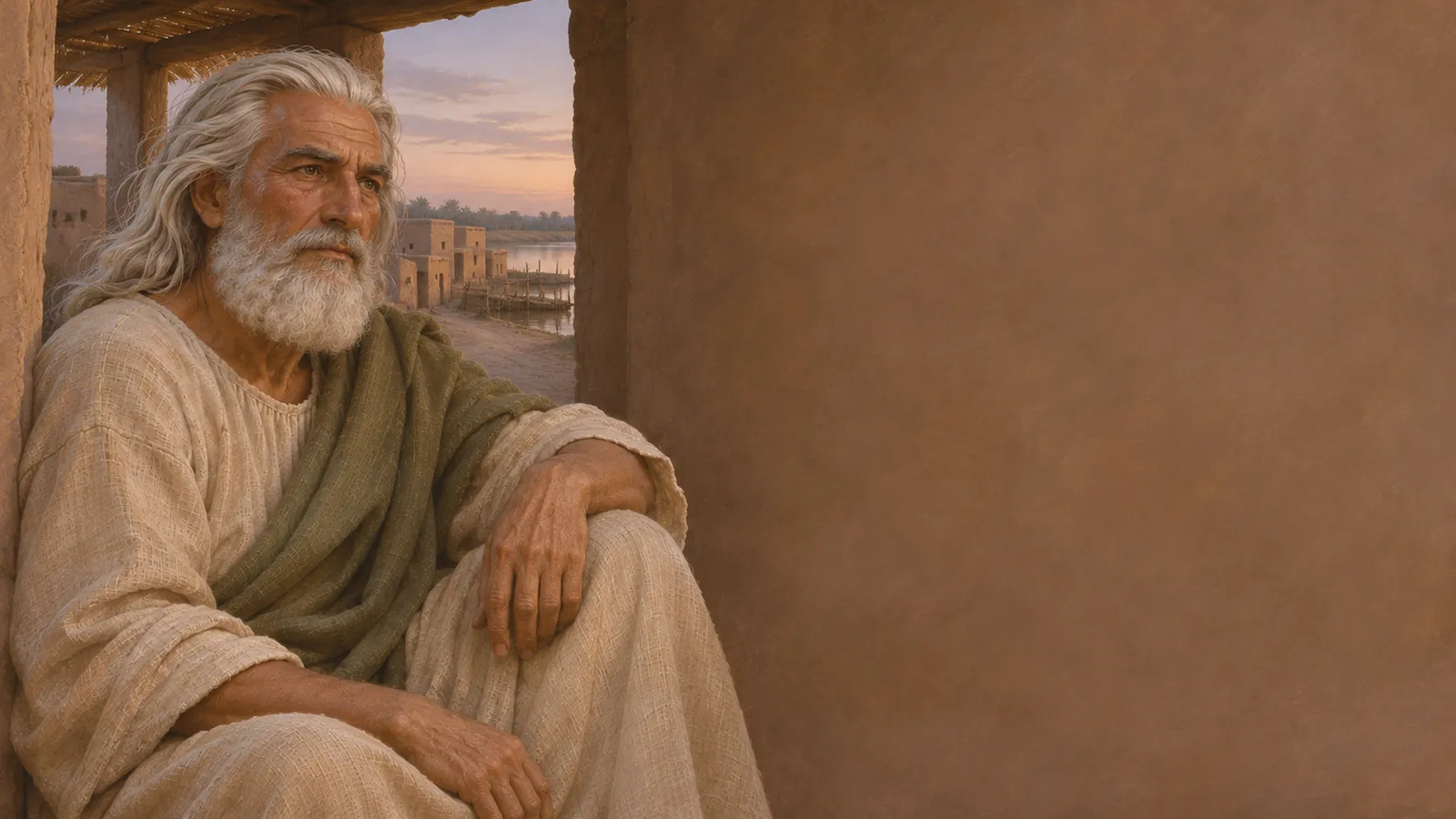
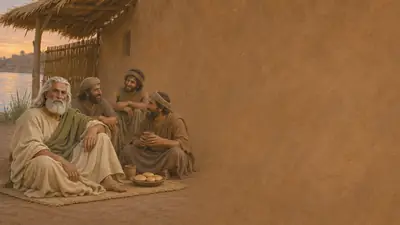
Utnapischtim sagte, er werde tun, was man ihm aufgetragen hatte. Dann fragte er, was er den Leuten und den Ältesten der Stadt sagen solle, wenn sie seine Arbeit sähen.
Ea trug ihm auf, zu sagen, er sei bei Enlil in Ungnade gefallen. So konnte er erklären, warum er die Stadt verließ, um mit Ea in der Tiefe zu wohnen.

Die Botschaft an die Stadt sprach von Überfluss. Brot und Weizen würden herabregnen, hieß es, verheißungsvolle Worte für Menschen, die nicht wussten, was bevorstand.
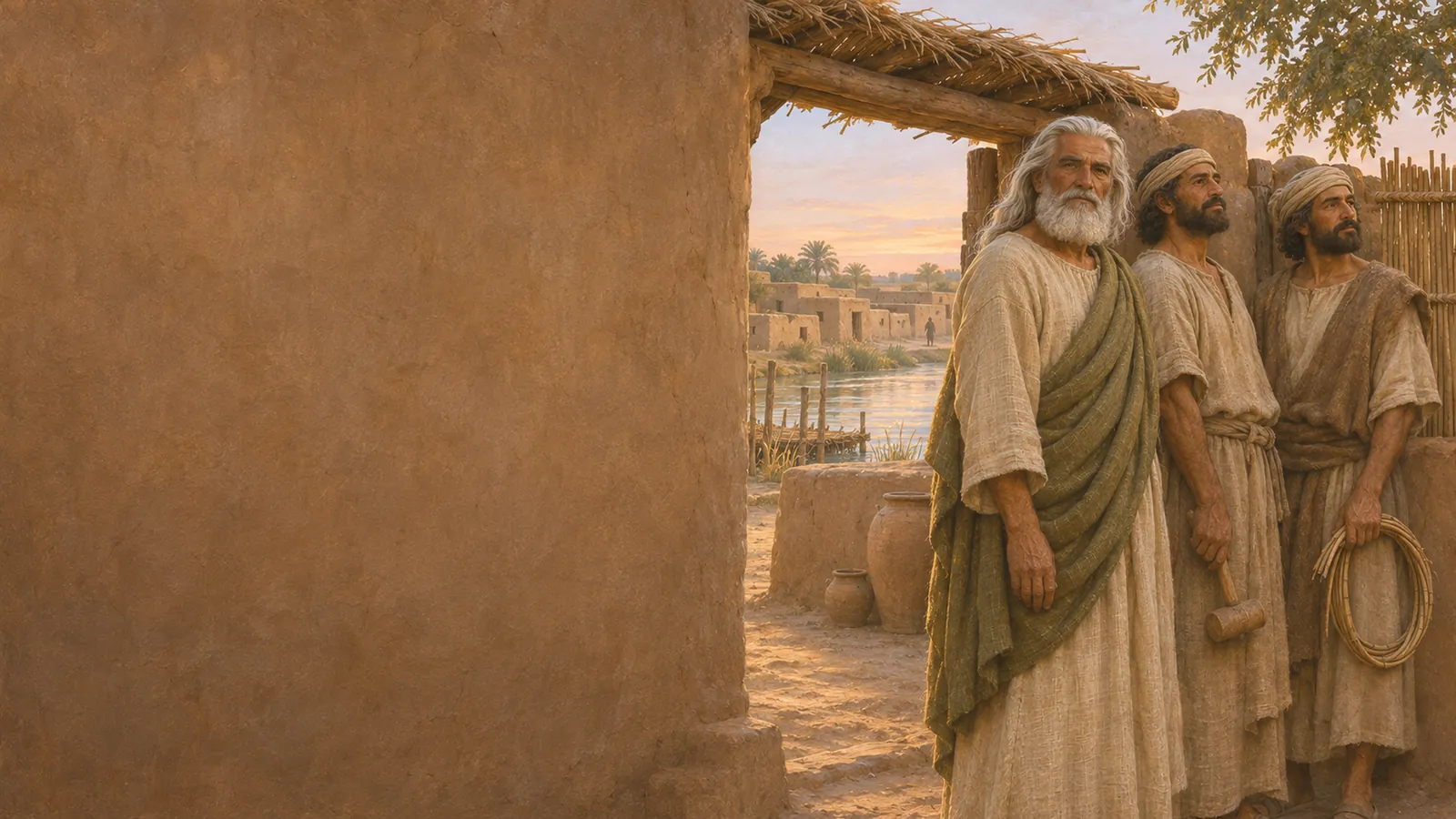
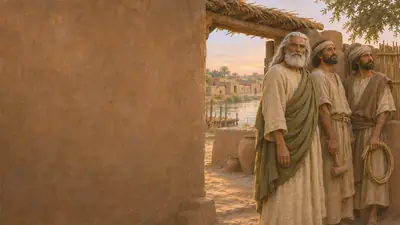
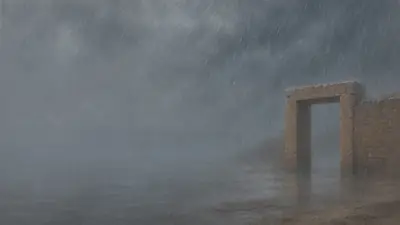
Bei Tagesanbruch versammelten sich die Leute vor Utnapischtims Tor. Das Gedicht hebt einen Zimmermann und einen Schilfhandwerker hervor, die beide ein Werkzeug für ihre Arbeit mitbrachten.

Mehrere Zeilen über die Arbeit sind weggebrochen. Wir erkennen noch die Umrisse einer gemeinsamen Anstrengung, zu der viele Hände beitrugen, was sie konnten.
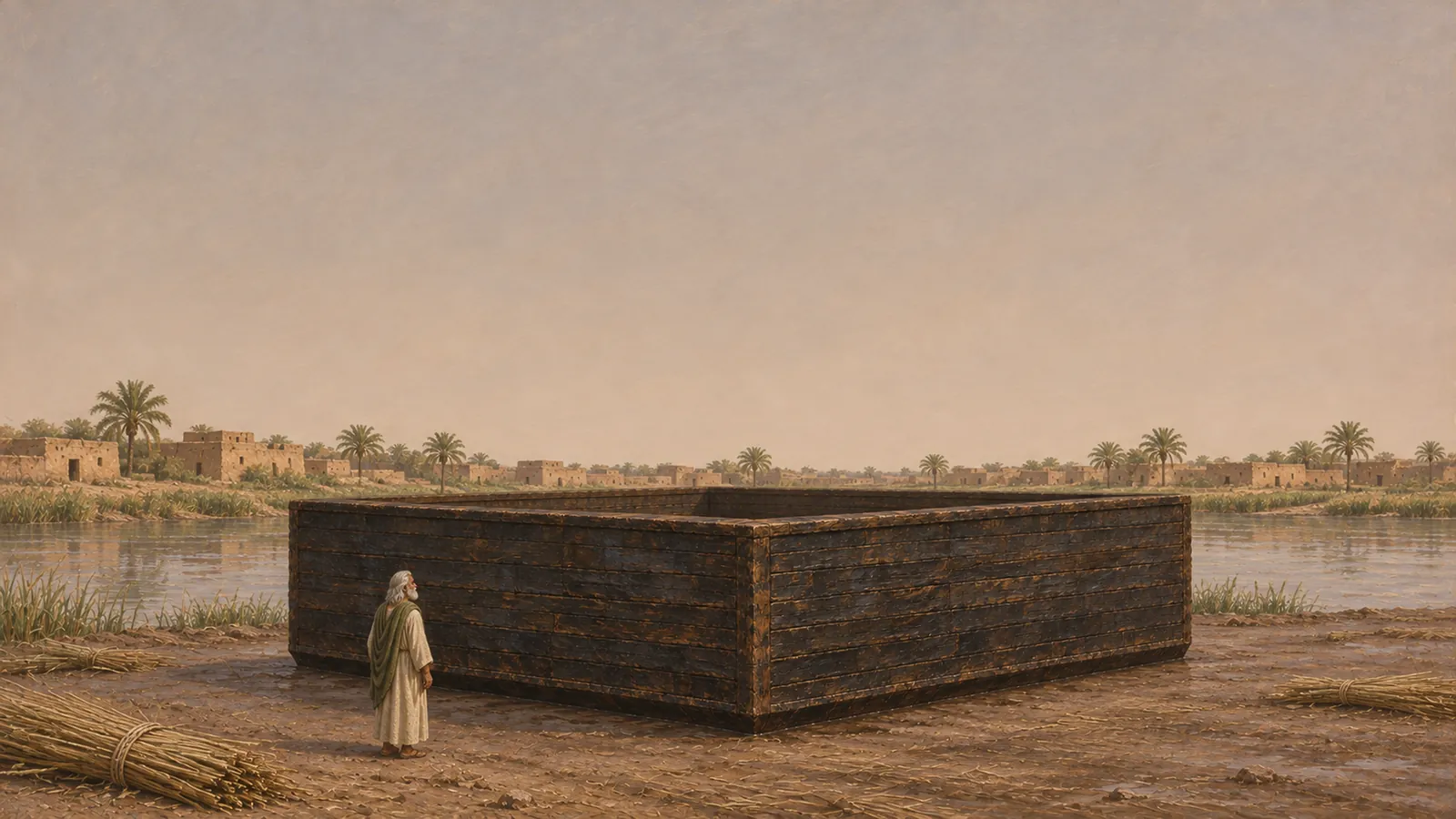
Die Geschichte kehrt zu dem Schiff zurück, das Gestalt annimmt. Seine hohen Seiten und gleich langen Kanten gaben ihm die Weite, die es brauchte, um so viel vom Leben ringsum aufzunehmen.
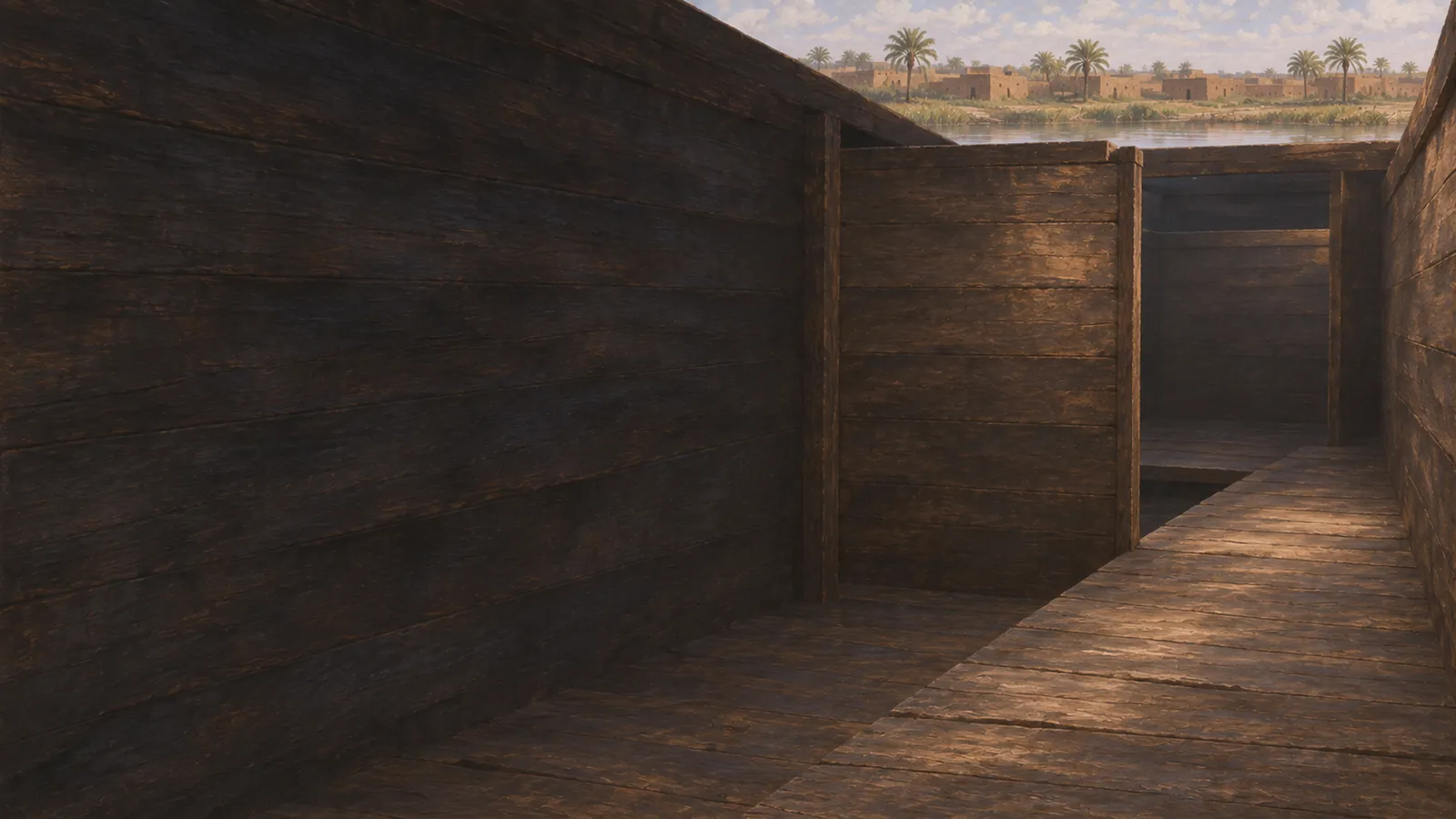
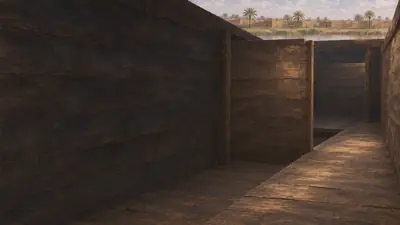
Utnapischtim beschreibt übereinanderliegende Decks und das in Abschnitte geteilte Innere des Schiffs. Das alte Gedicht verweilt bei dem Platz, der für alles an Bord geschaffen wurde.
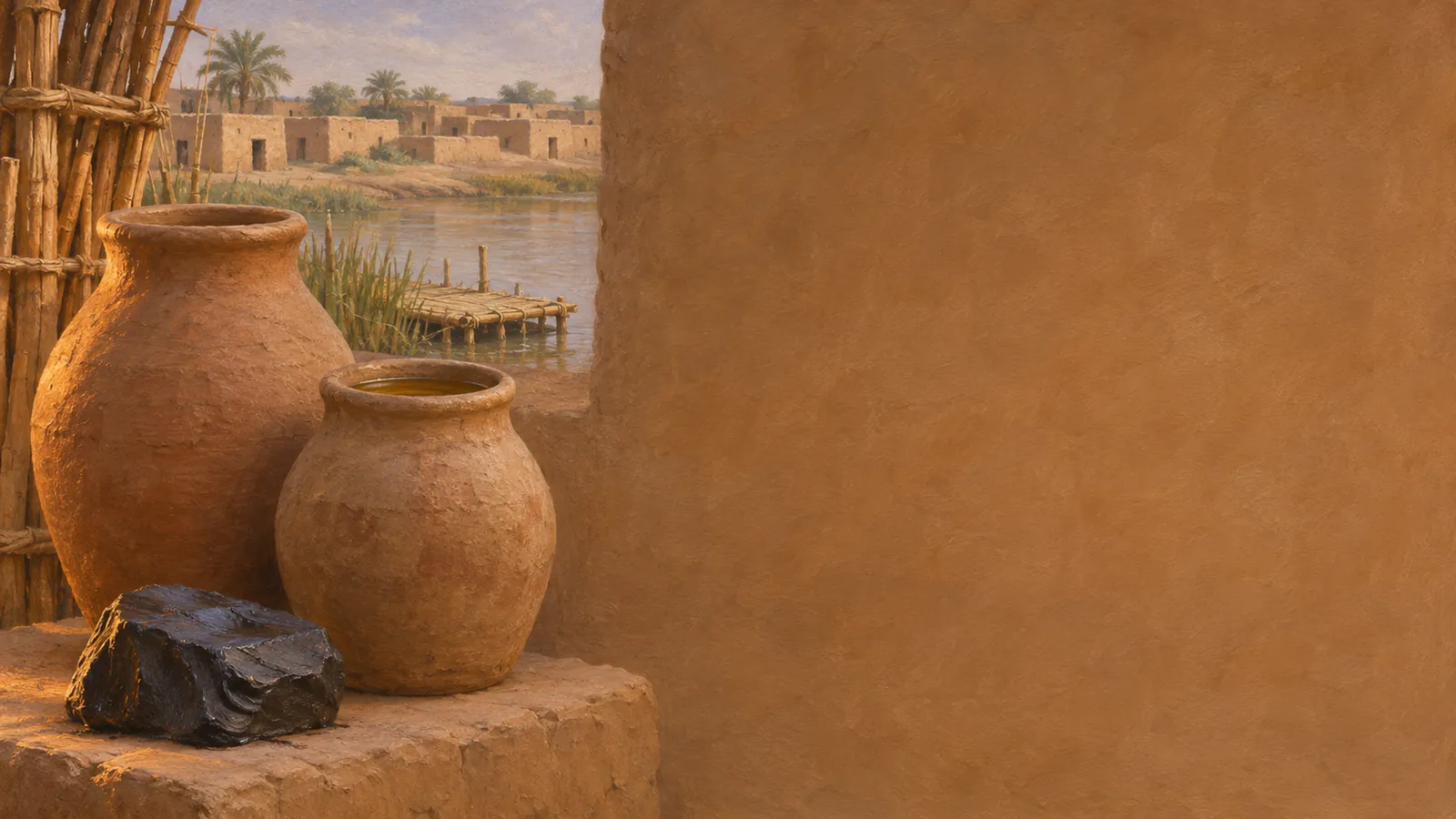
Bei der Arbeit brauchte man Bitumen und große Mengen Öl. Ein Teil des Berichts ist beschädigt, doch das dunkle Pech und die Ladungen Öl treten in der Beschreibung noch deutlich hervor.
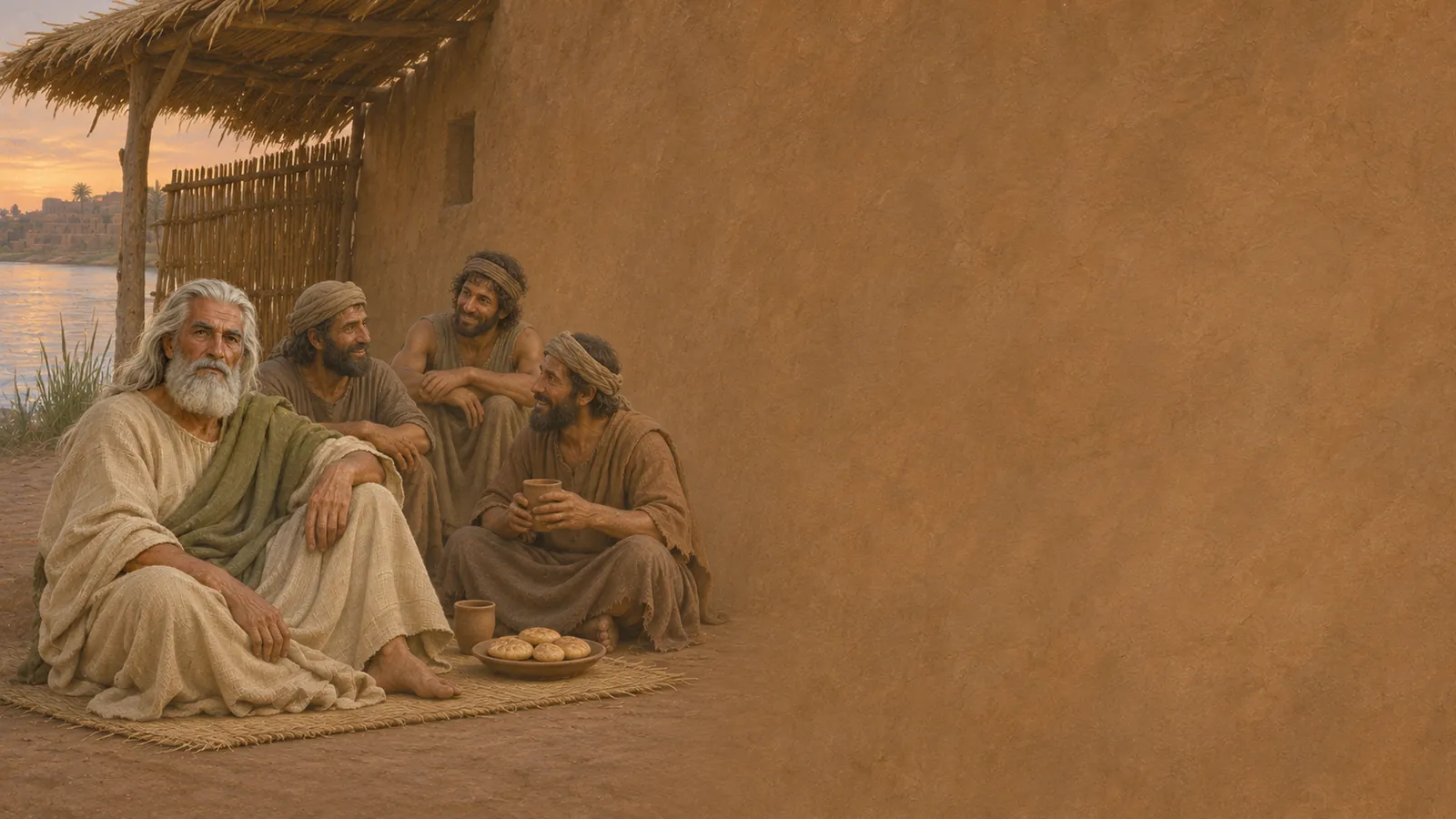
Utnapischtim versorgte die Leute bei der Arbeit mit Essen und Trinken. Er erinnert sich an Bier und Wein, die reichlich flossen, und erzählt, die Arbeiter hätten gefeiert wie zum Neujahrsfest.
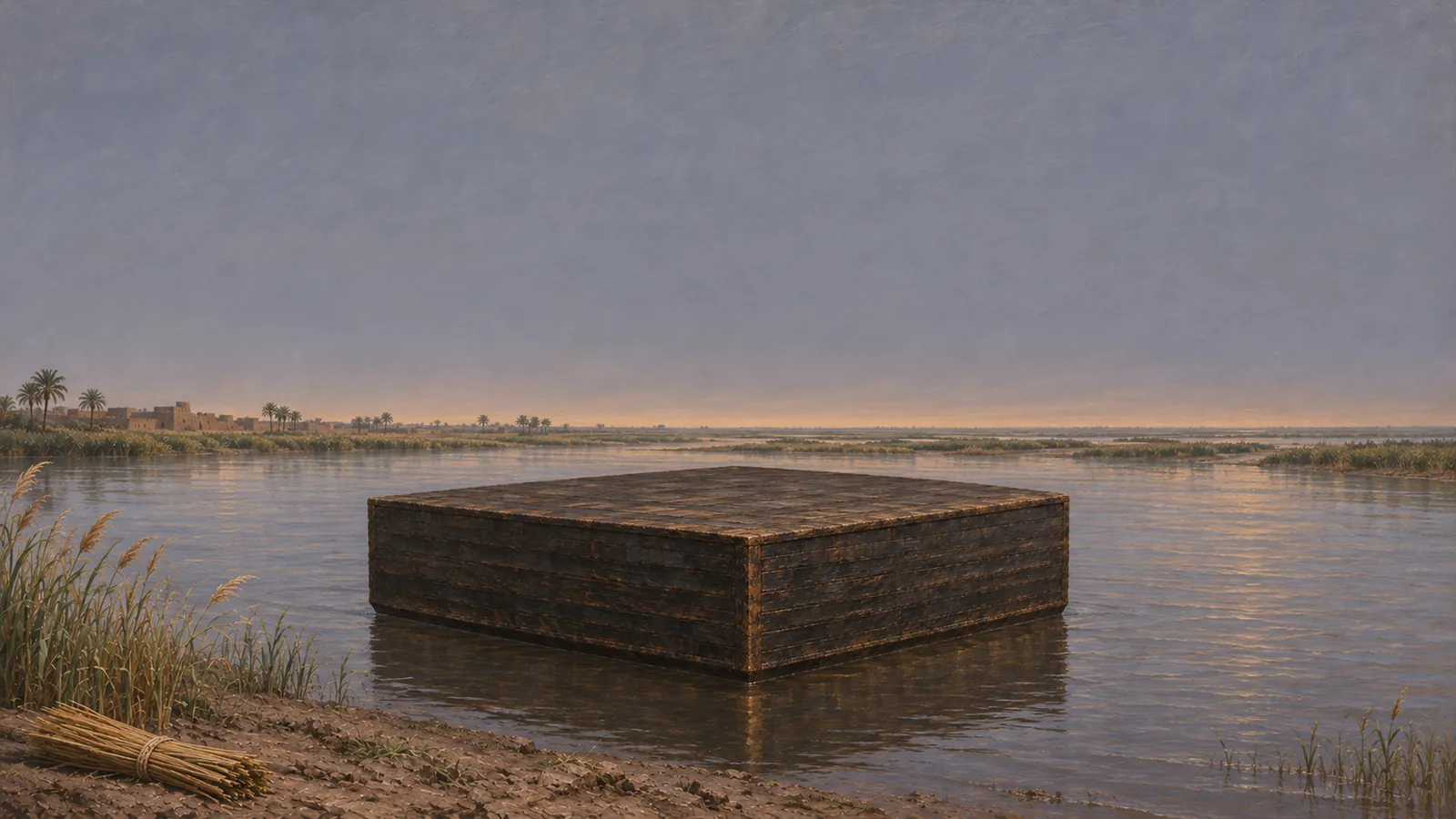
Bevor die Sonne unterging, war das Schiff fertig. Die nächsten Zeilen sind beschädigt, sodass uns nur Bruchstücke der letzten Arbeiten vor dem Beladen bleiben.

Als das Beladen begann, erzählt Utnapischtim, brachte er sein Silber und Gold an Bord. Unter dem, was er mitnahm, war der Same aller Lebewesen.
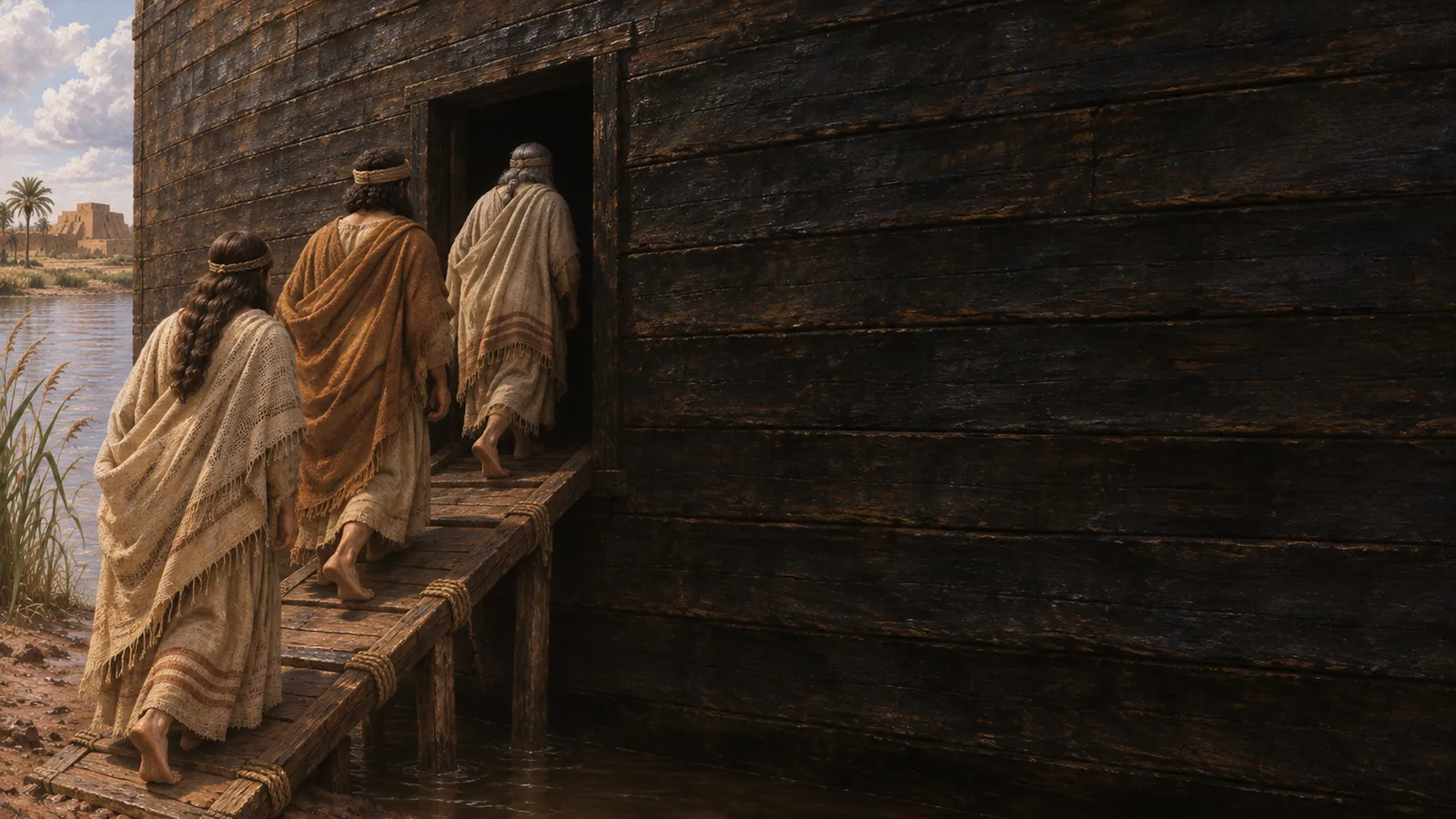
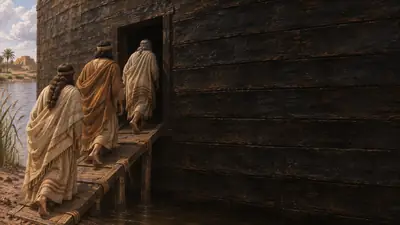
Dann nennt er seine Familie und seine Verwandten. Sie gingen an Bord des großen Schiffes, solange es noch am Land lag, in dem sie gelebt hatten.
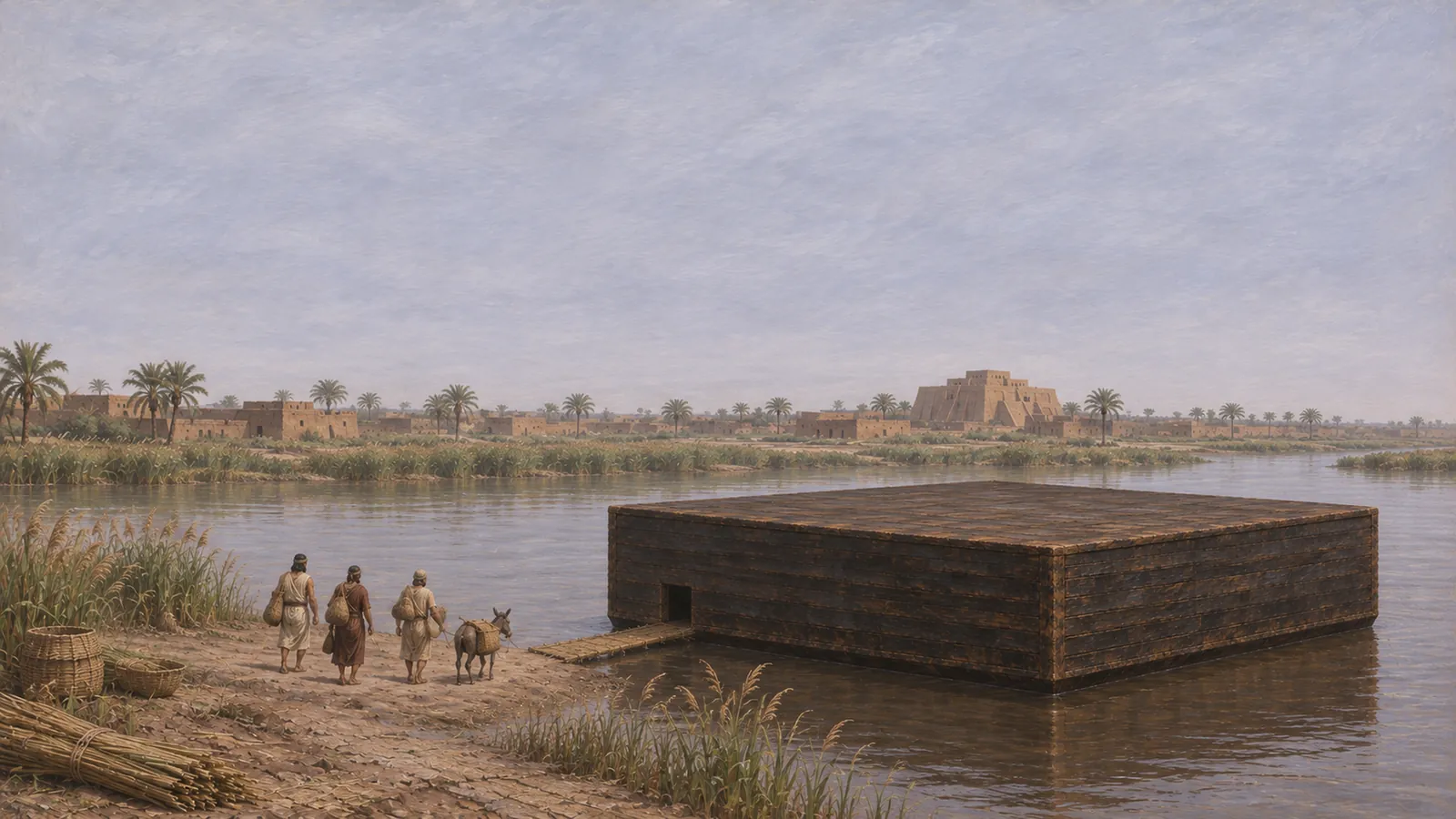
Er brachte Tiere aus der Wildnis und Menschen mit vielerlei handwerklichem Können an Bord. Die Erzählung nennt diese Gruppen, verrät aber nicht, wie viele an Bord kamen.
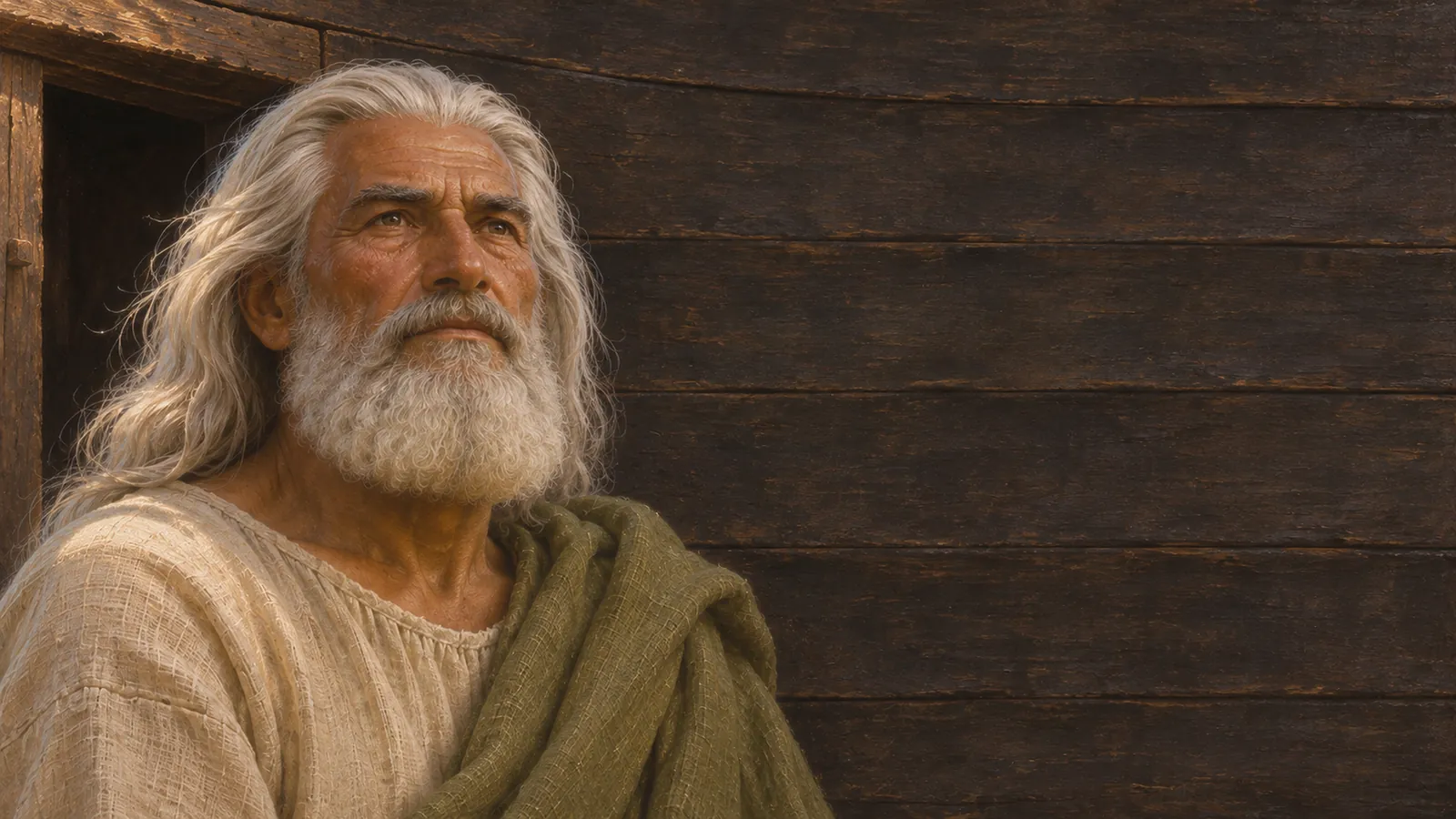
Schamasch hatte Utnapischtim eine Stunde genannt, zu der er hineingehen und die Luke schließen sollte. Die Worte über Brot und Weizen kehrten wieder und bezogen sich nun auf diese Stunde.
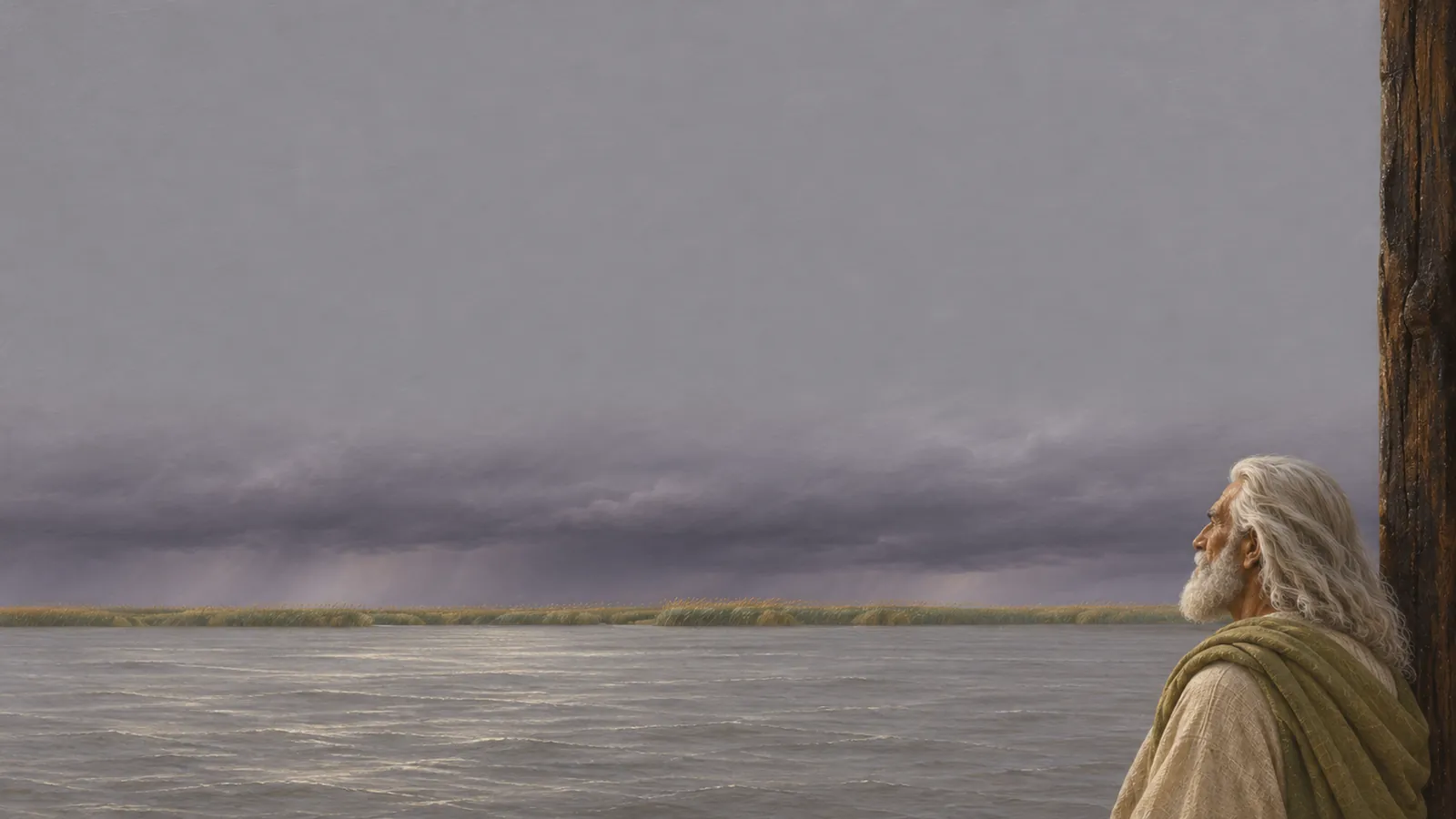
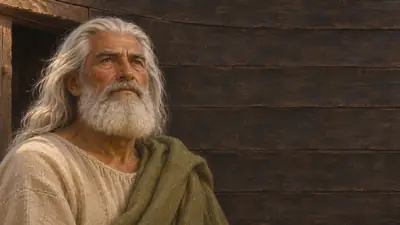
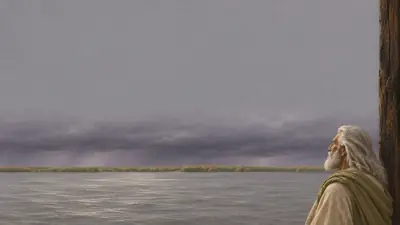
Die bestimmte Stunde kam. Utnapischtim blickte hinaus zum Himmel, und was er sah, machte ihm Angst.
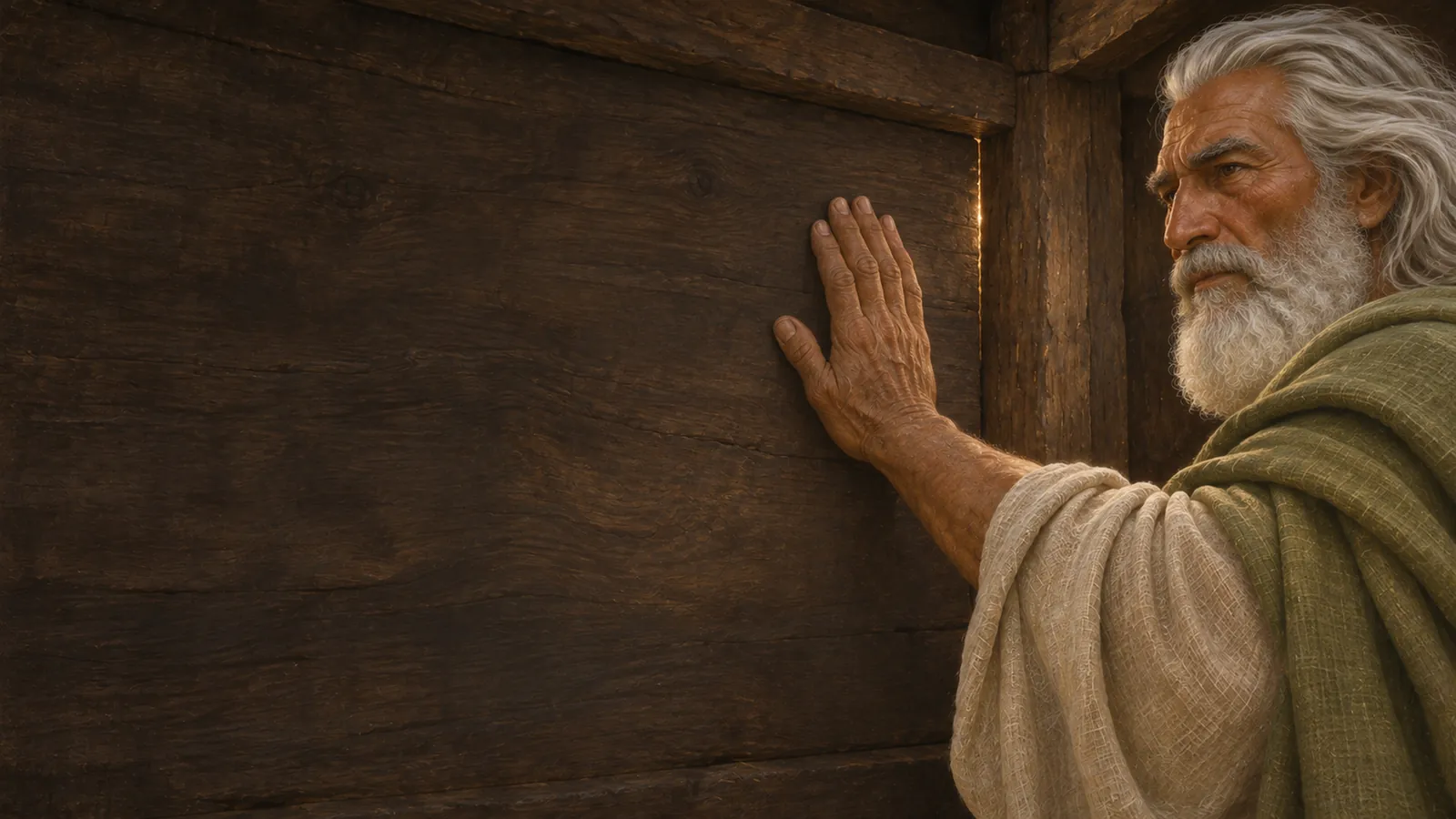
Utnapischtim ging hinein und versiegelte die Luke. Er erinnert sich, dass er Puzur-Enlil, der am Schiff gearbeitet hatte, einen Palast samt allem darin zur Belohnung gab.
STURM
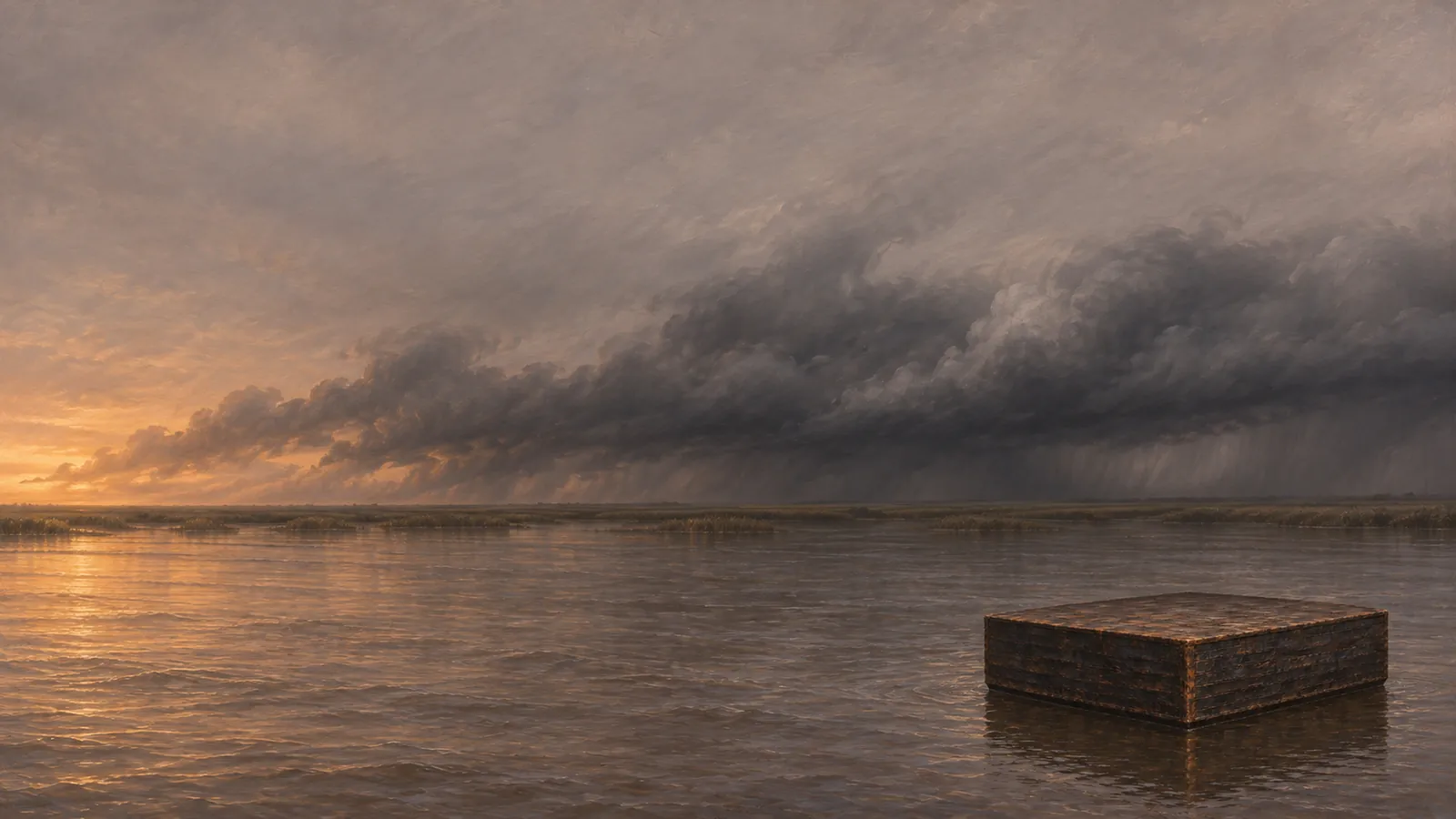
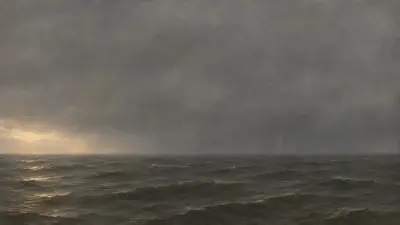
Beim ersten Licht stieg eine schwarze Wolke am Horizont auf. In Utnapischtims Erzählung war das Grollen in der Wolke die Stimme Adads, des Sturmgottes.
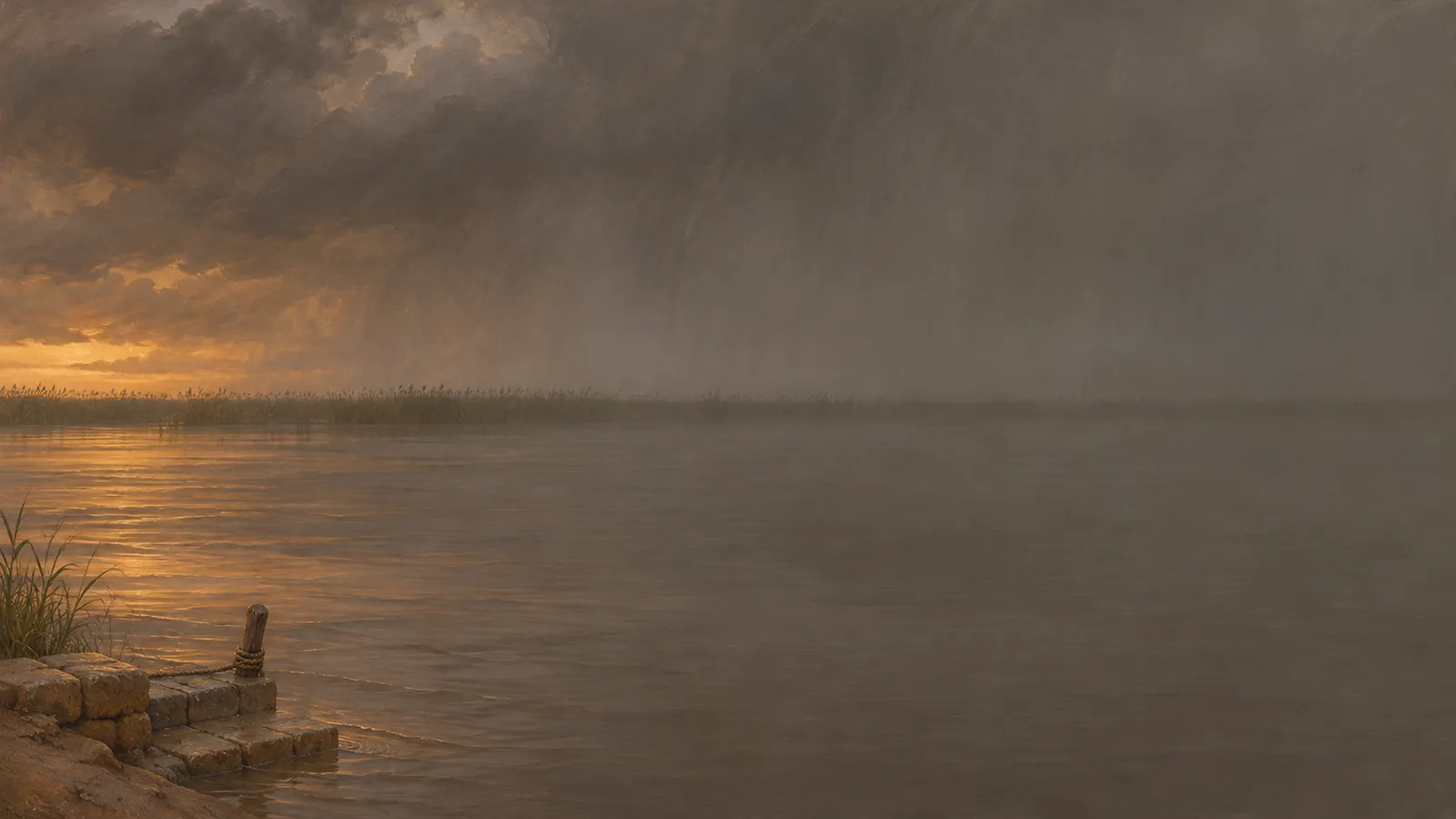
Das Gedicht nennt die Mächte, die dem Sturm vorauszogen. Die Flussanlagen liefen über, die Taue rissen, und das Land leuchtete im Schein der göttlichen Fackeln.
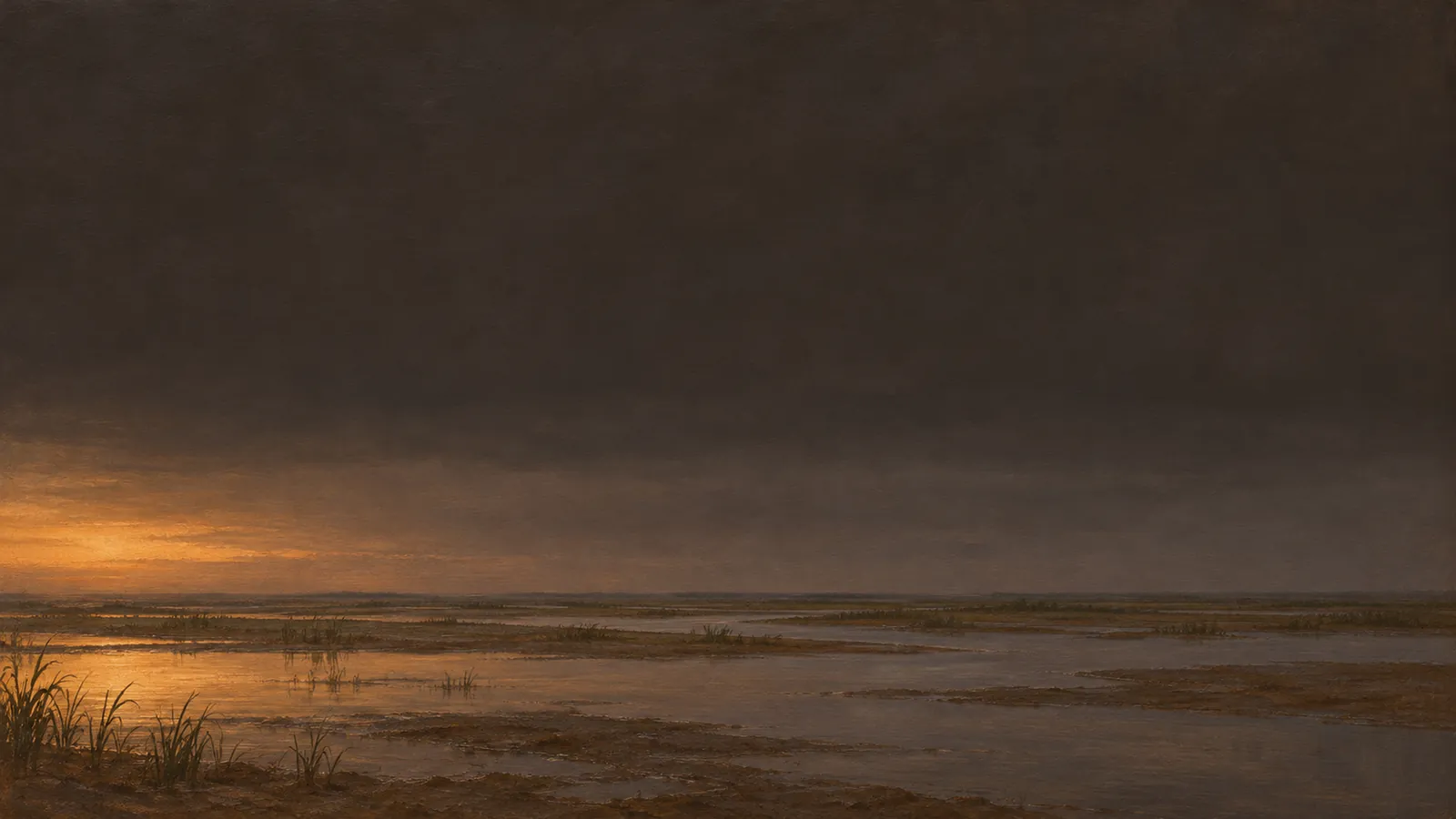
Als der Sturm über den Himmel zog, wich das Licht der Finsternis. An dieser Stelle fehlen einige Worte, doch wie es immer dunkler wurde, blieb in der alten Erzählung erhalten.
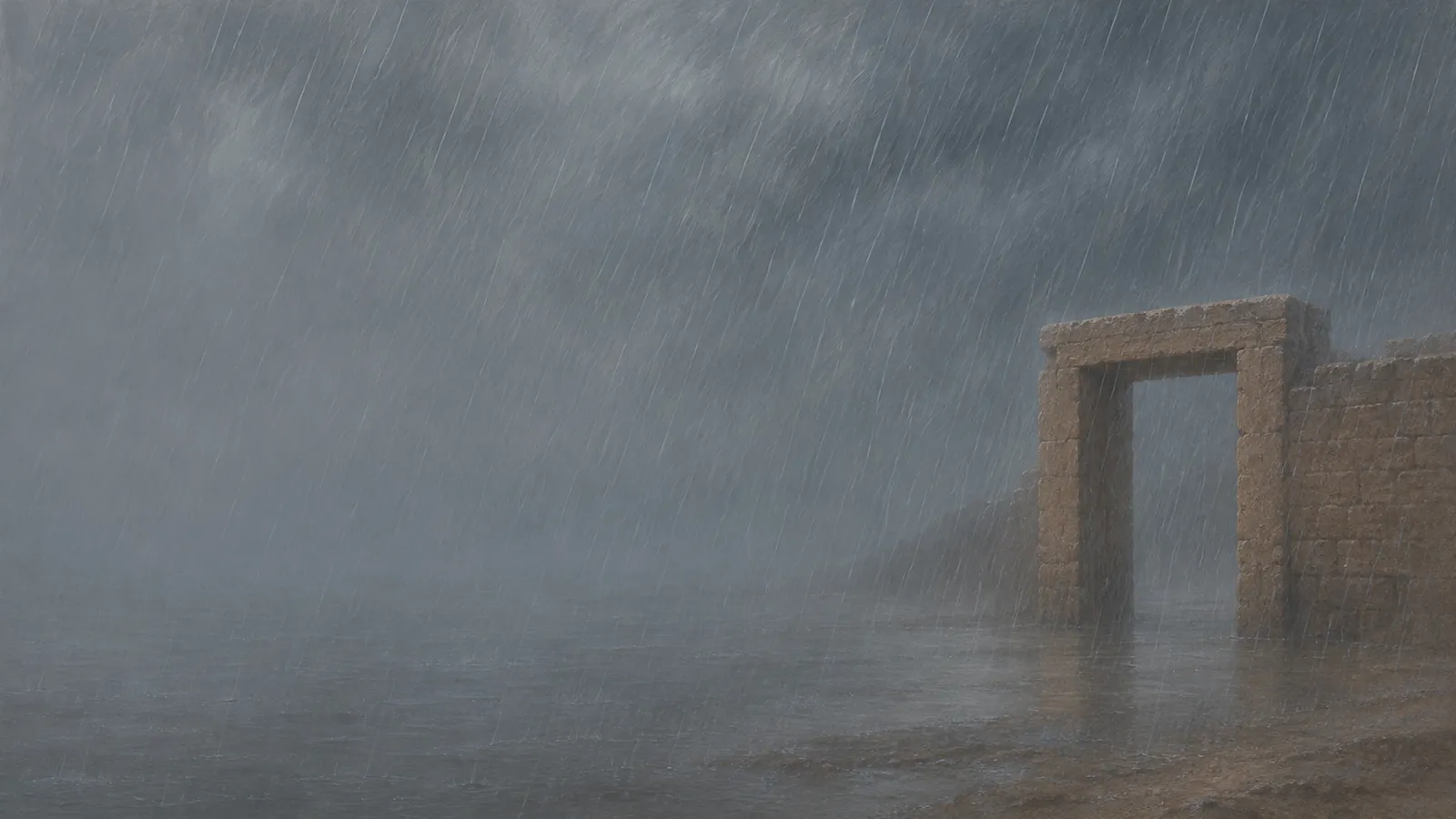
Als der Sturm am heftigsten war, konnte niemand mehr einen anderen Menschen sehen. Utnapischtim erzählt, wie die Welt aus dem Blick verschwand, noch ehe sich das Wasser beruhigte.
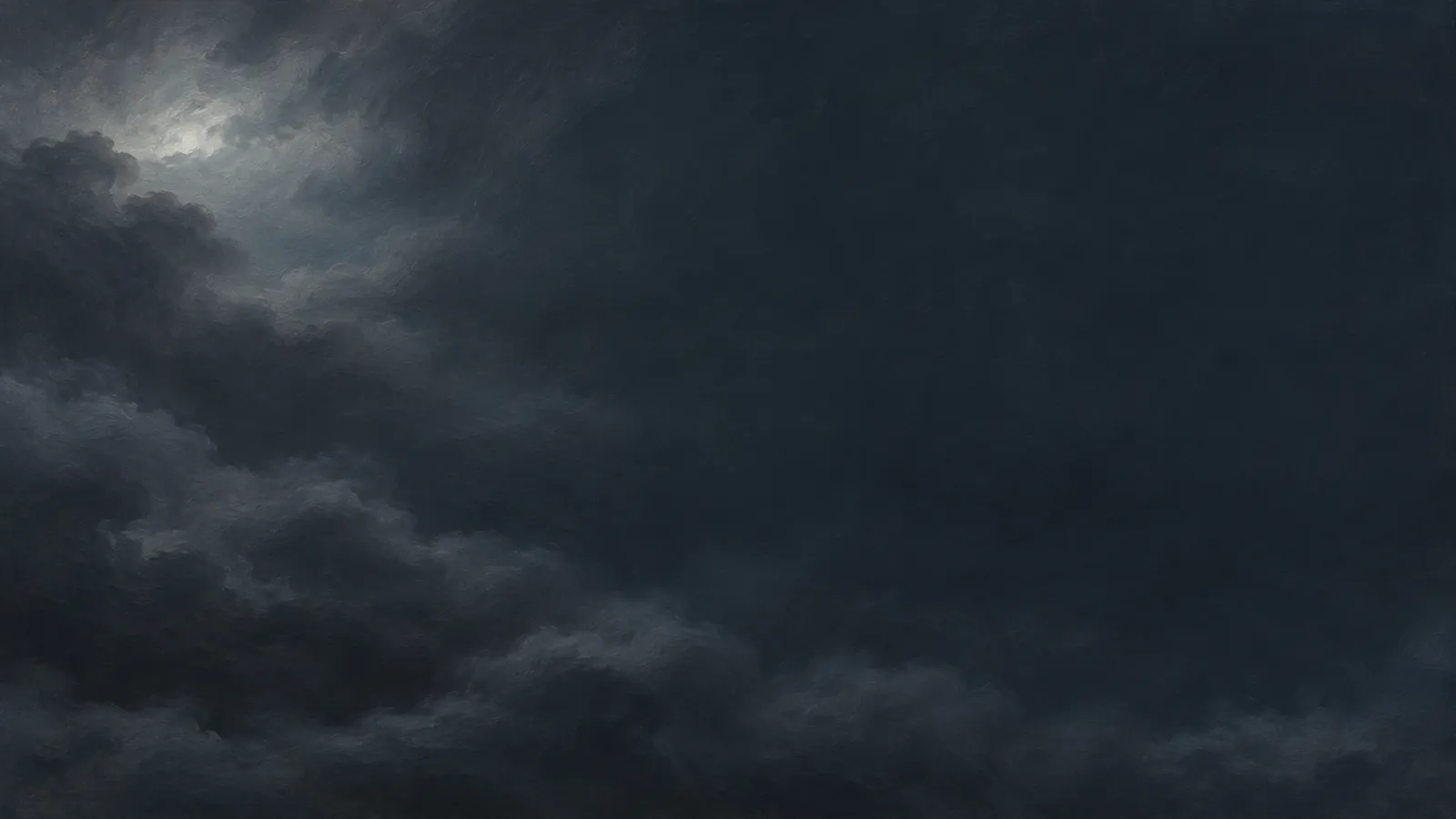
Selbst die Götter, die die Flut geschickt hatten, fürchteten sich vor ihr. Sie zogen sich in Anus Himmel zurück, während unten der Sturm weiterging.
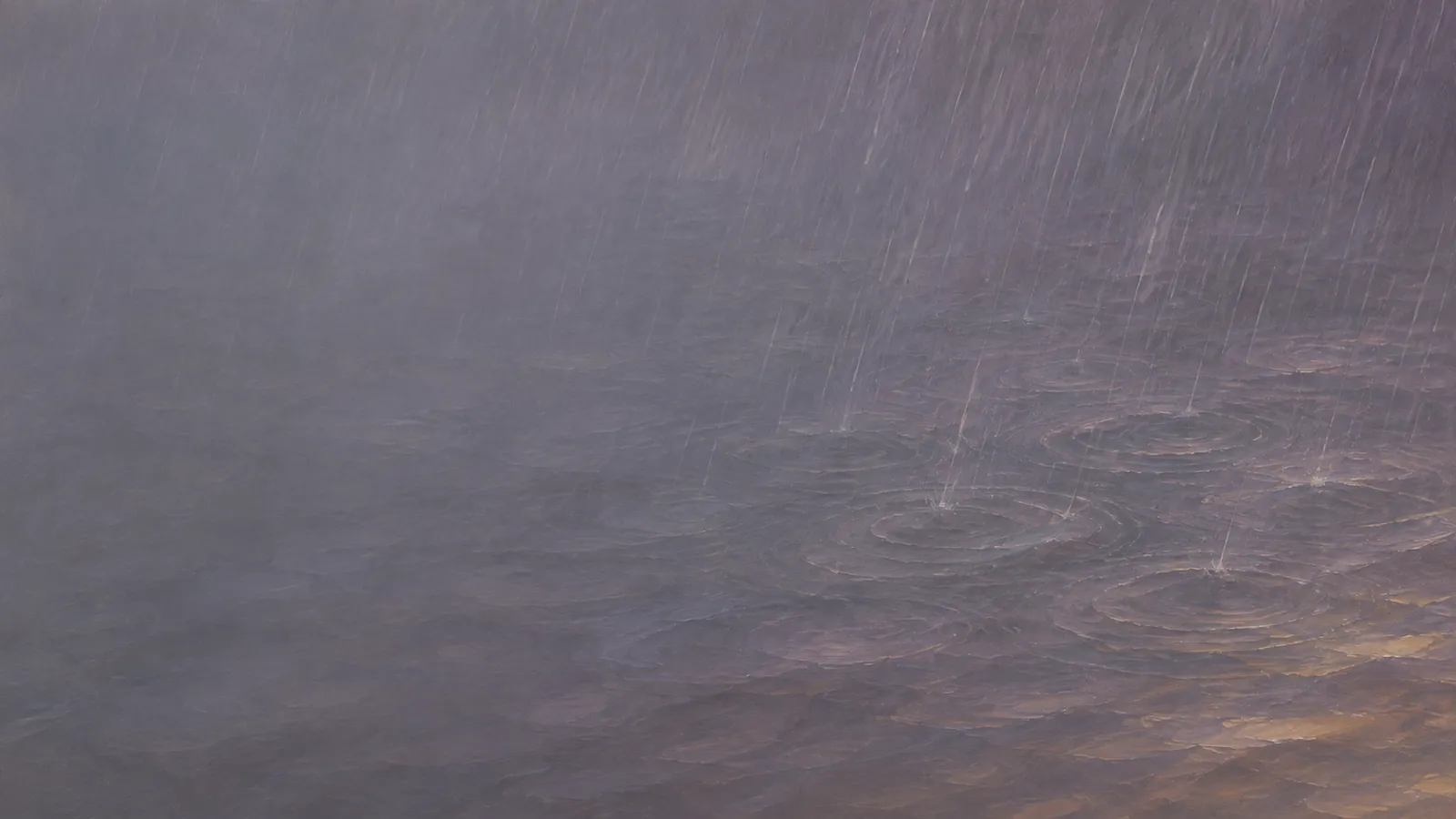
Die Muttergöttin schrie auf und bereute, was sie in der Versammlung gesagt hatte. Es seien ihre Menschen, sagte sie, und die anderen Götter weinten mit ihr.
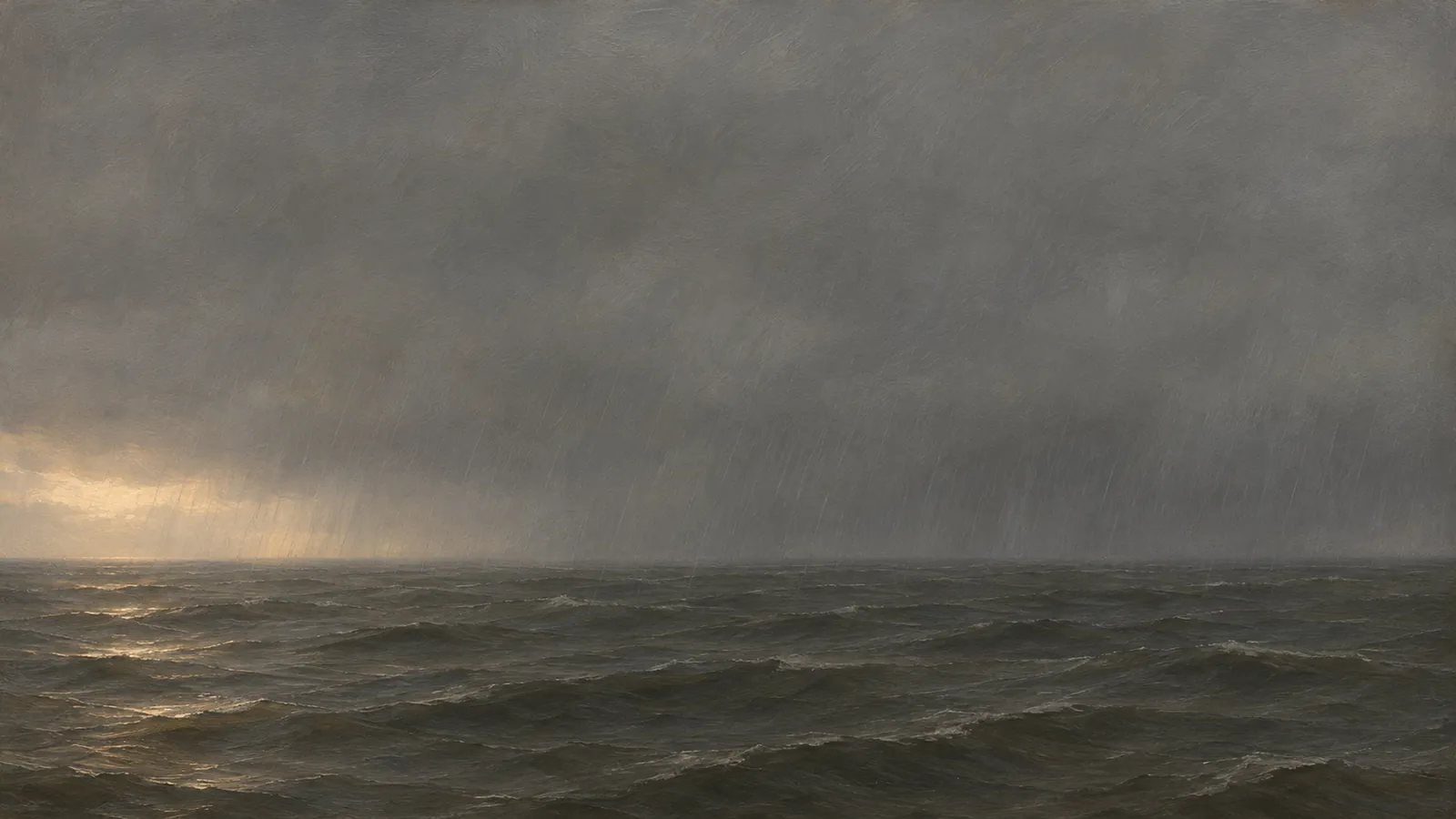
Tag um Tag und Nacht um Nacht dauerten Wind und Flut an. Am siebten Tag begann die Kraft des Sturms endlich nachzulassen.
STILLE
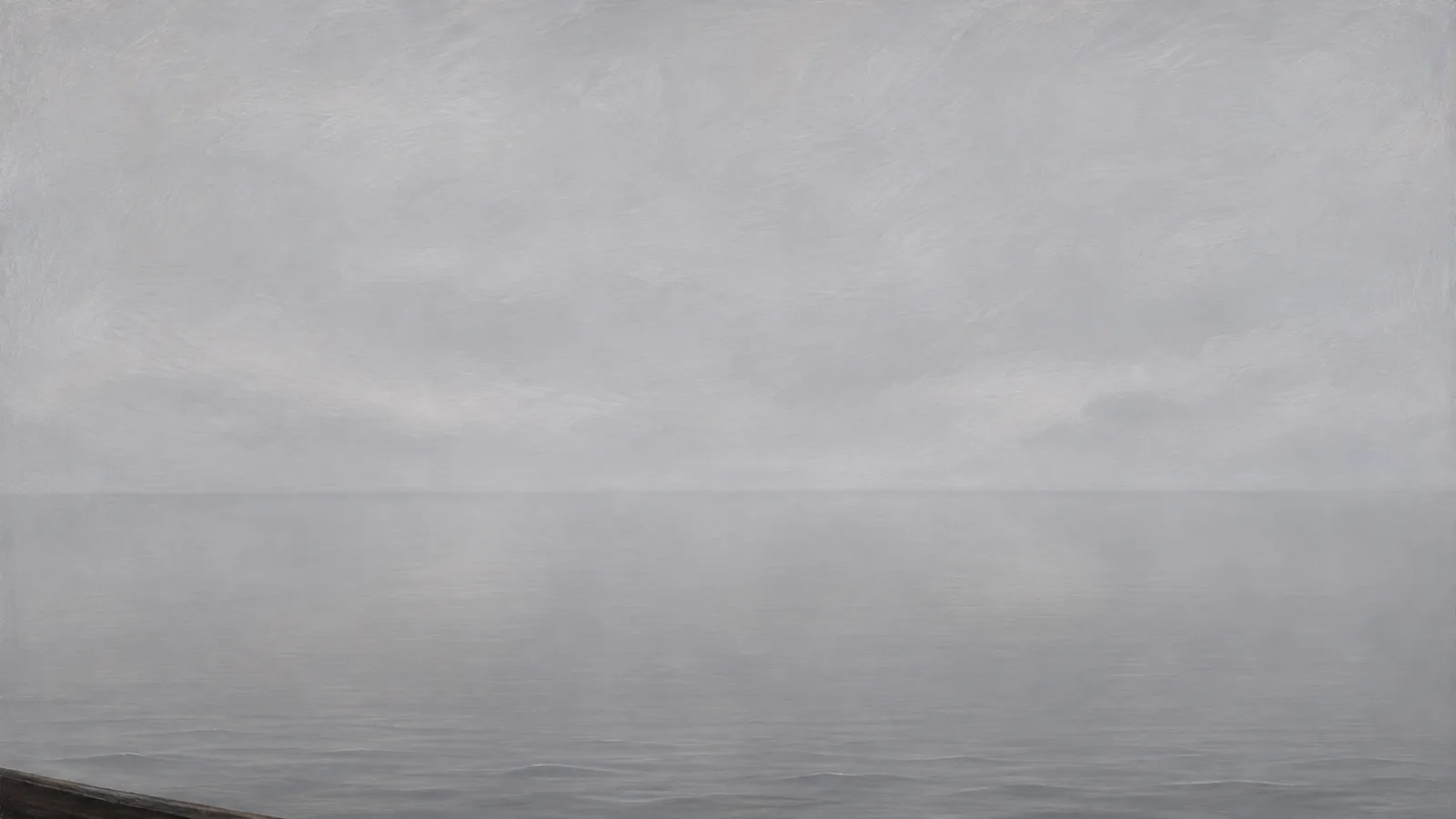
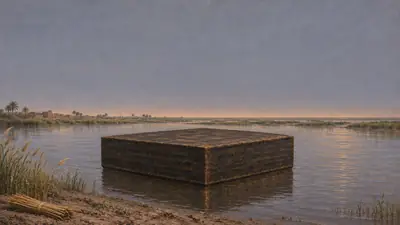
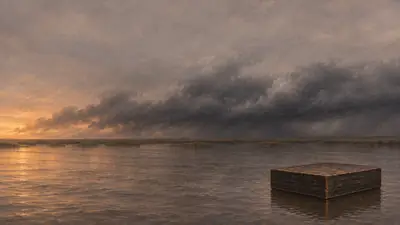
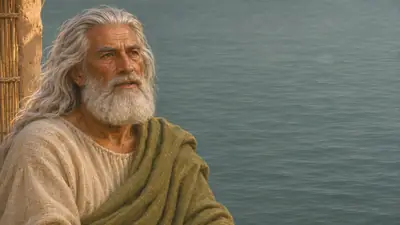
Am siebten Tag wurde das Meer still. Endlich konnte Utnapischtim auf eine Welt blicken, in der Wasser und Himmel aufgehört hatten, miteinander zu kämpfen.
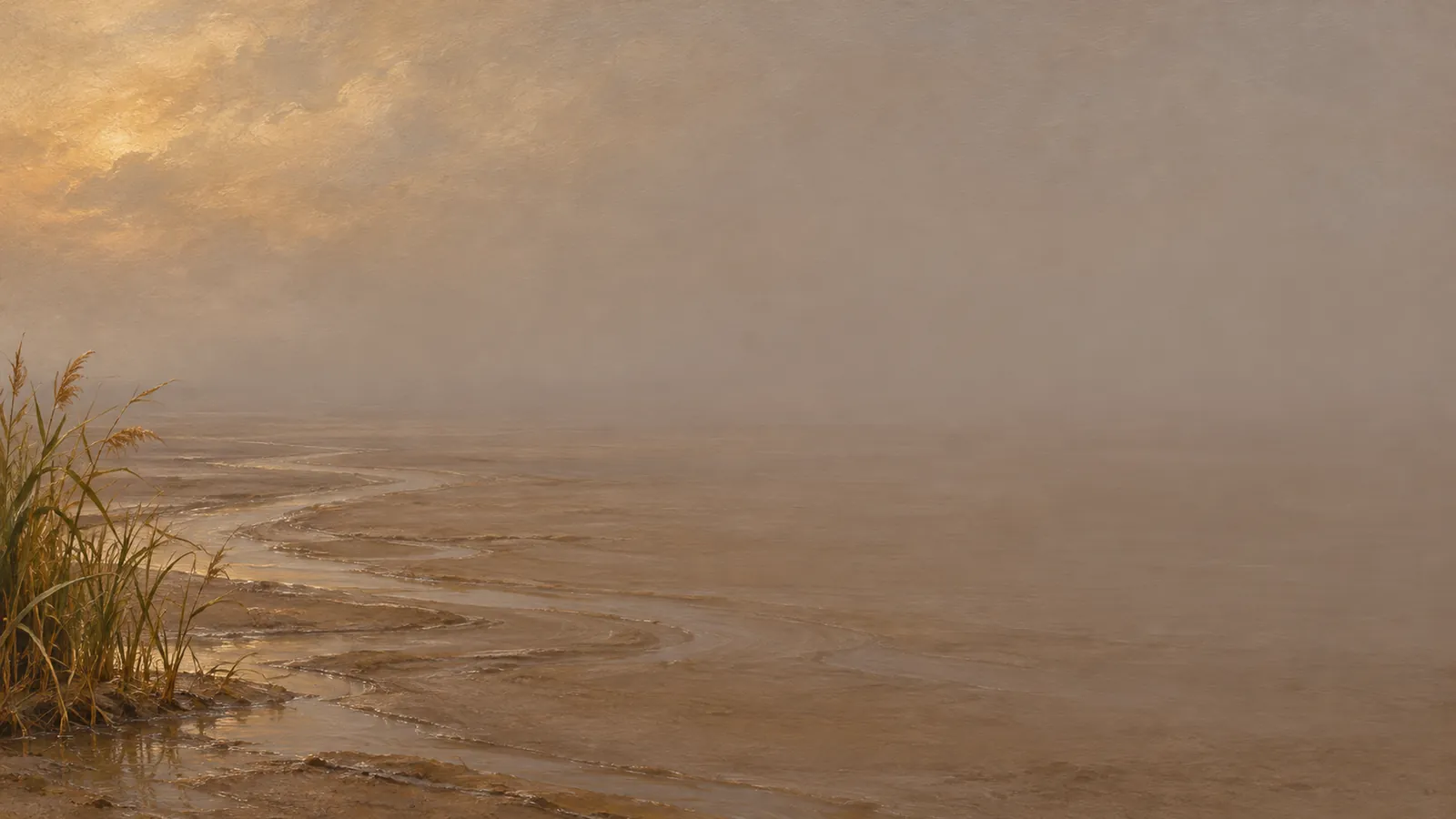
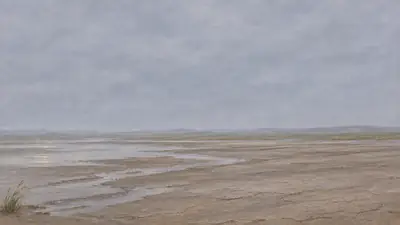
Draußen war die Welt still und flach. Utnapischtim sagt, die Menschen seien zu Lehm geworden, und wo einst Leben war, sah er nur eine ebene Fläche.
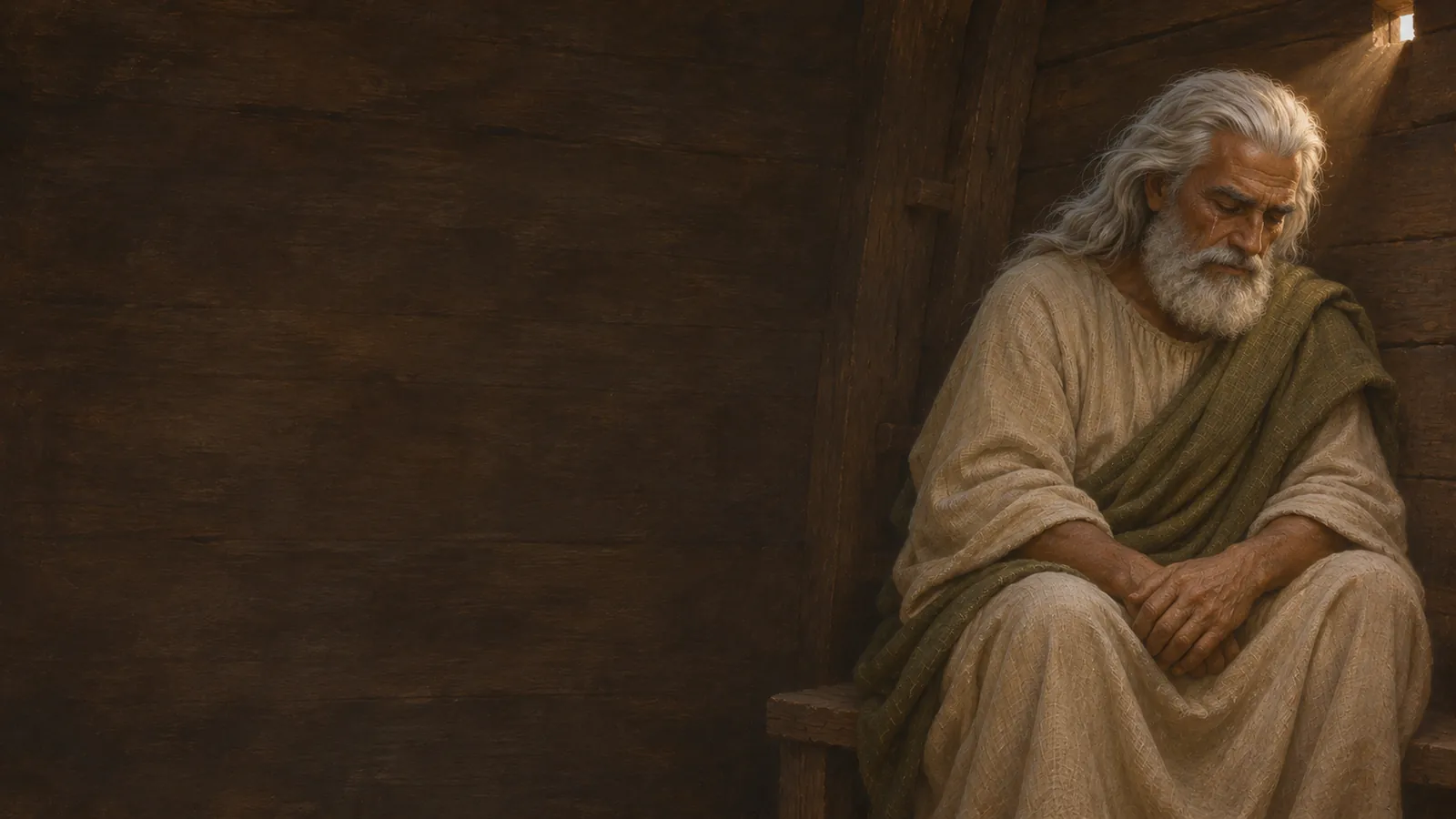
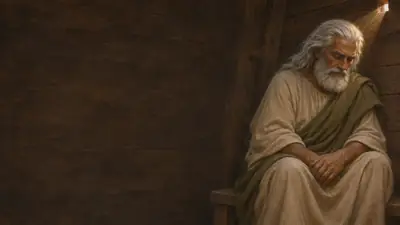
Utnapischtim öffnete eine Luftluke, und Sonnenlicht fiel auf sein Gesicht. Er sank nieder und weinte, während das Licht durch die Öffnung hereinkam.
NIMUSCH
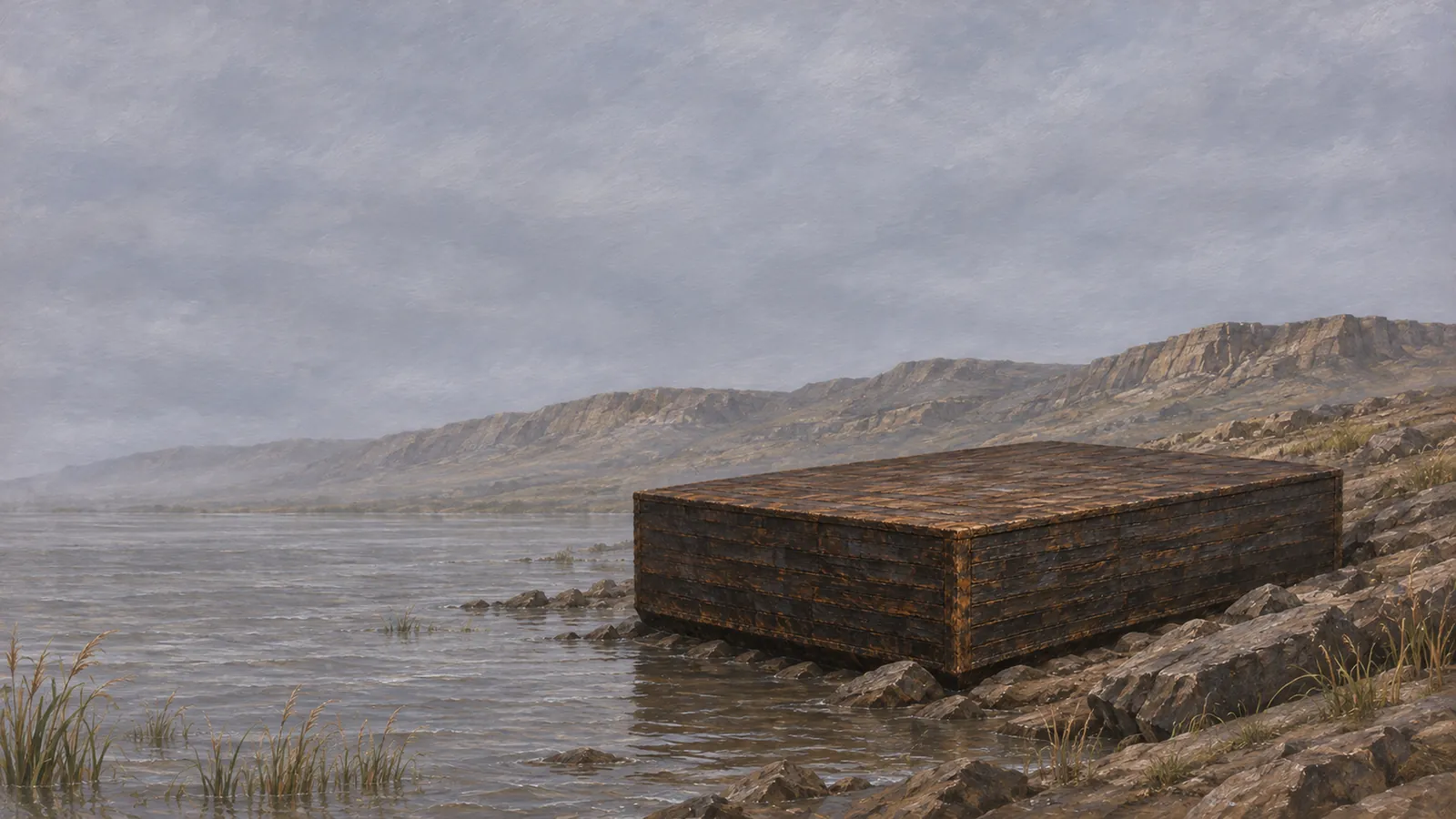
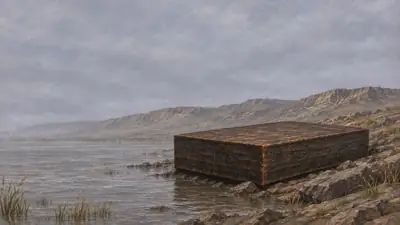
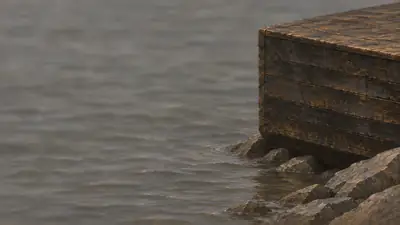
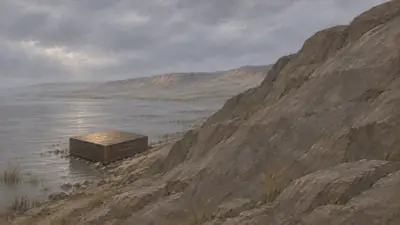
Als Utnapischtim hinaussah, tauchte Land auf. Am Berg Nimusch lief das Schiff auf Grund, und der Berg hielt es an Ort und Stelle fest.
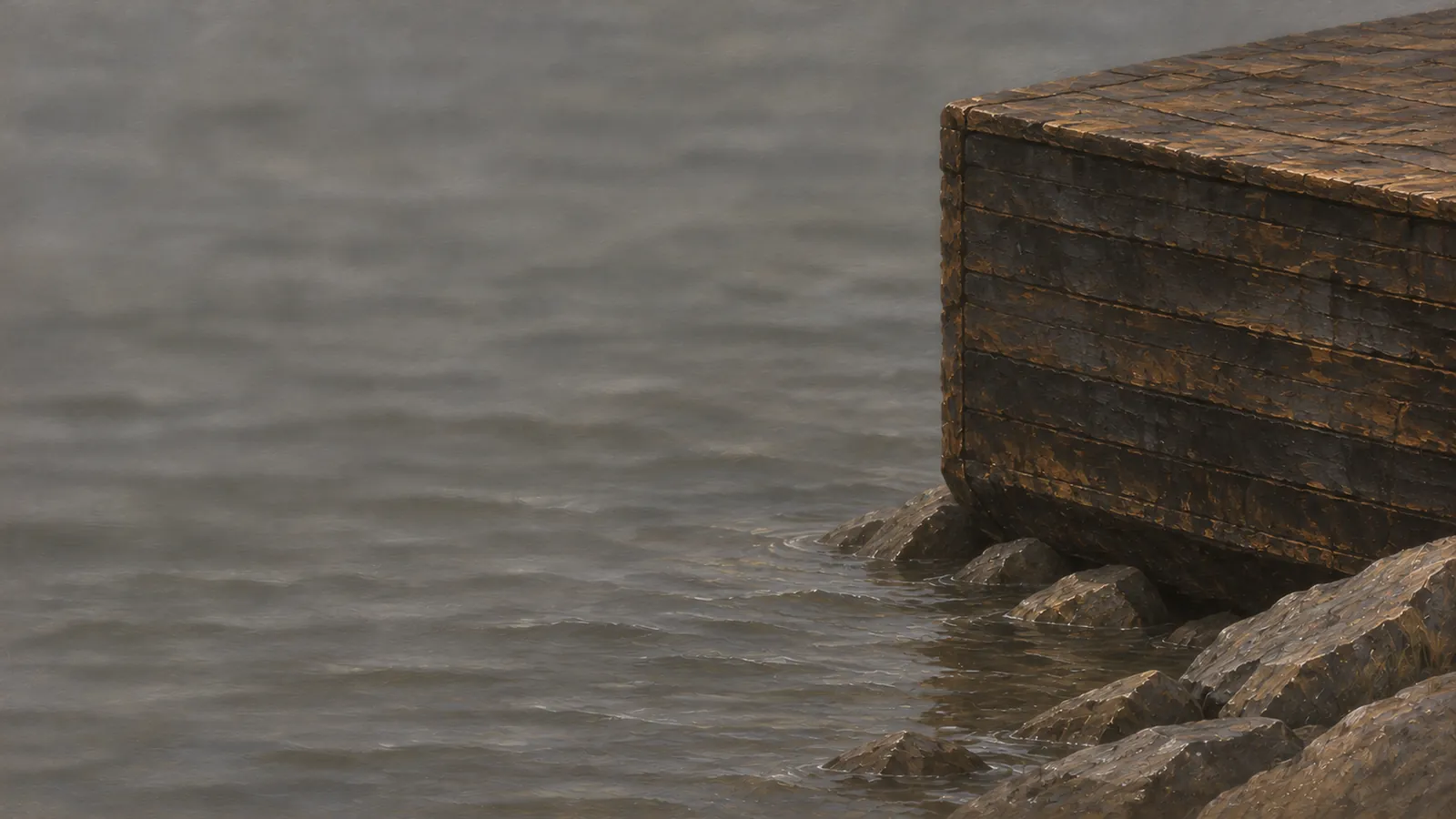
Tag um Tag kam das Schiff nicht weiter. Das Gedicht zählt die Tage des Wartens, während der Berg Nimusch das Schiff an seiner Flanke festhält.
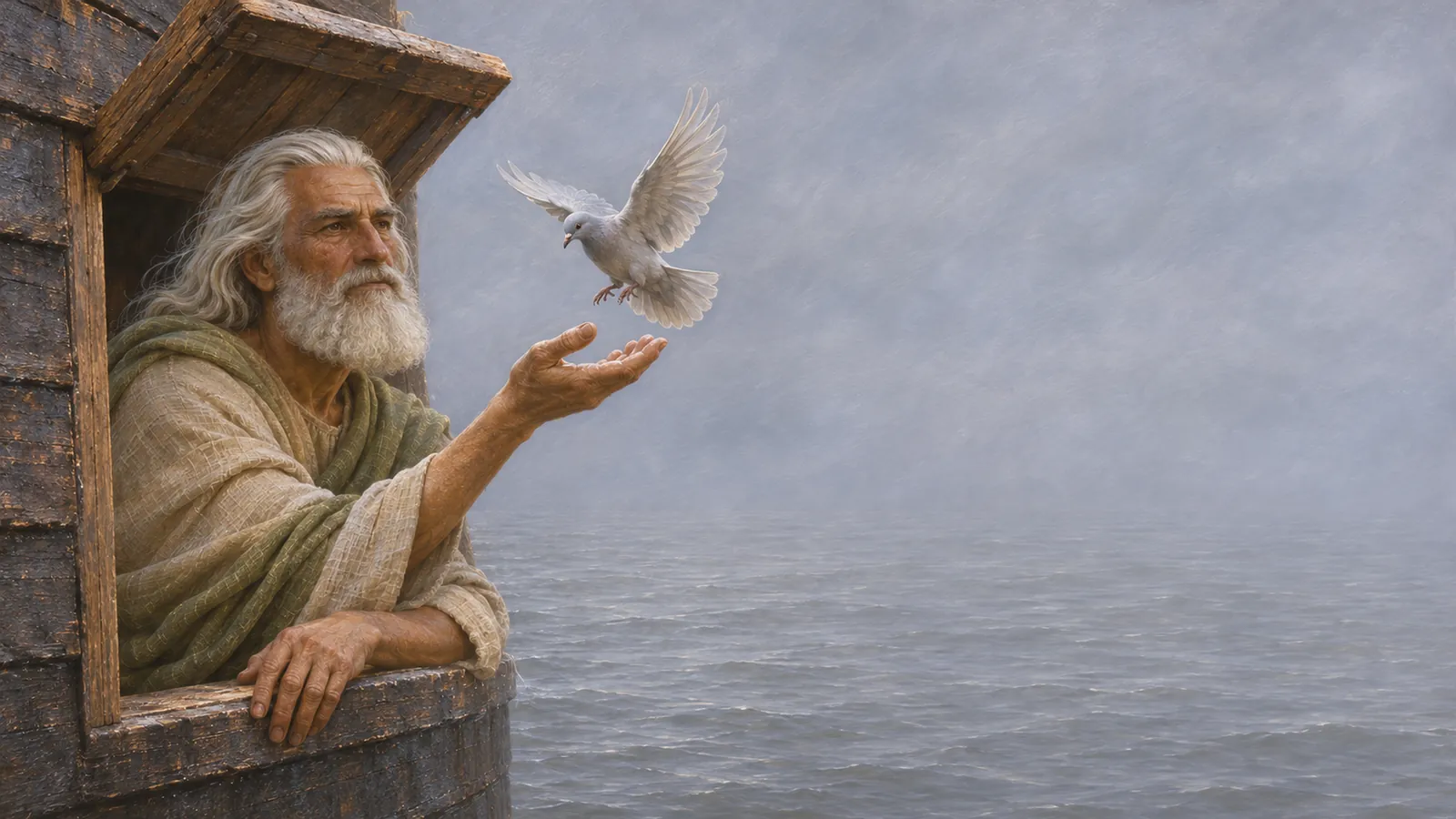
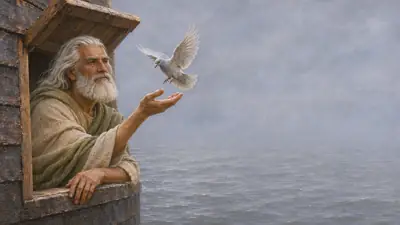
Utnapischtim ließ eine Taube frei. Sie fand keinen Platz zum Landen und kehrte zum Schiff zurück.
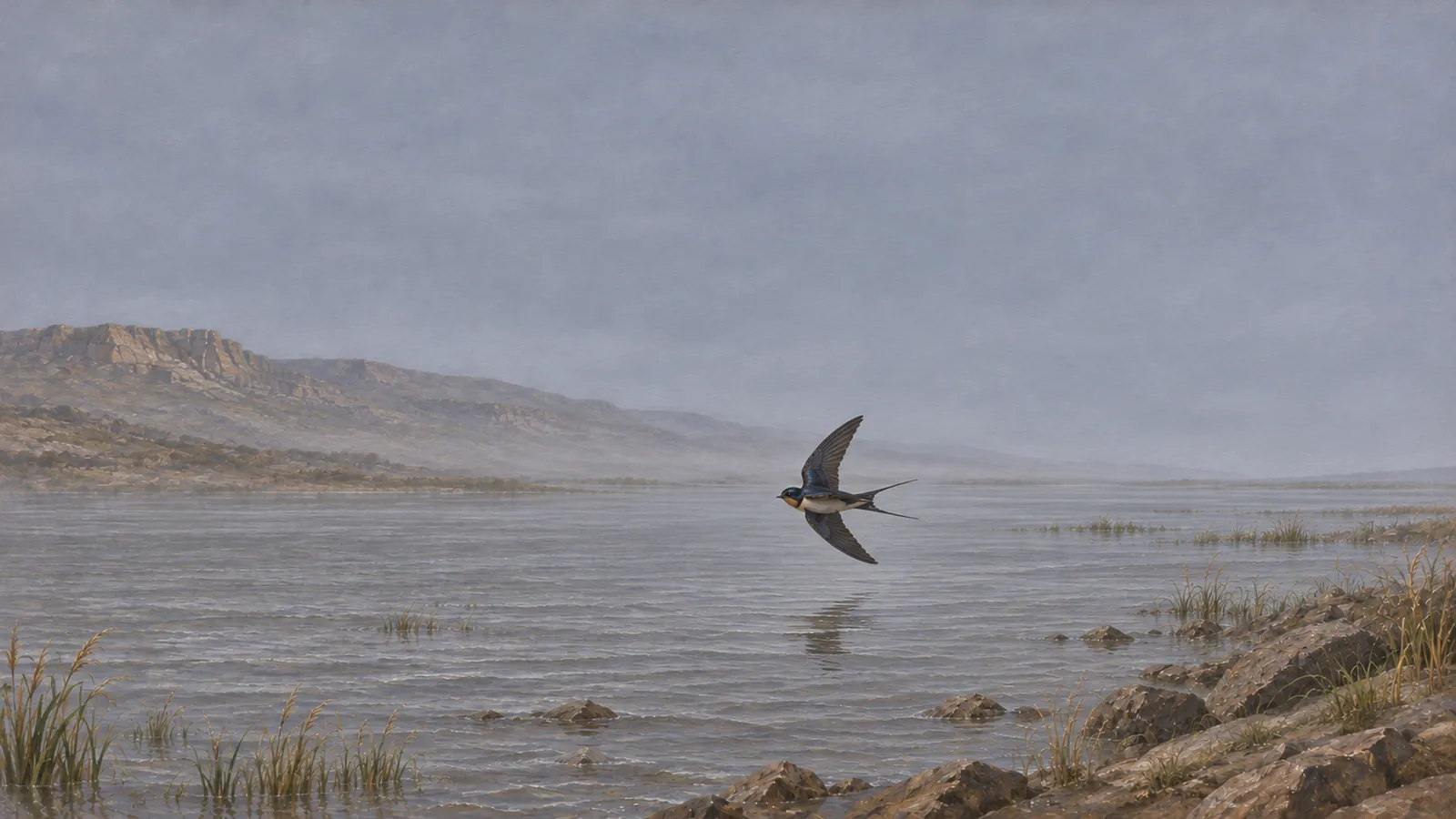
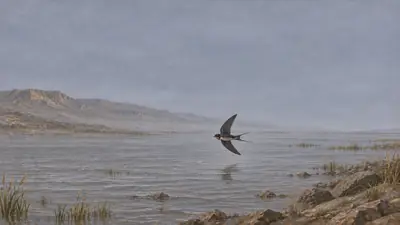
Dann ließ er eine Schwalbe frei. Wie die Taube fand sie keinen Ruheplatz und kehrte zu ihm zurück.
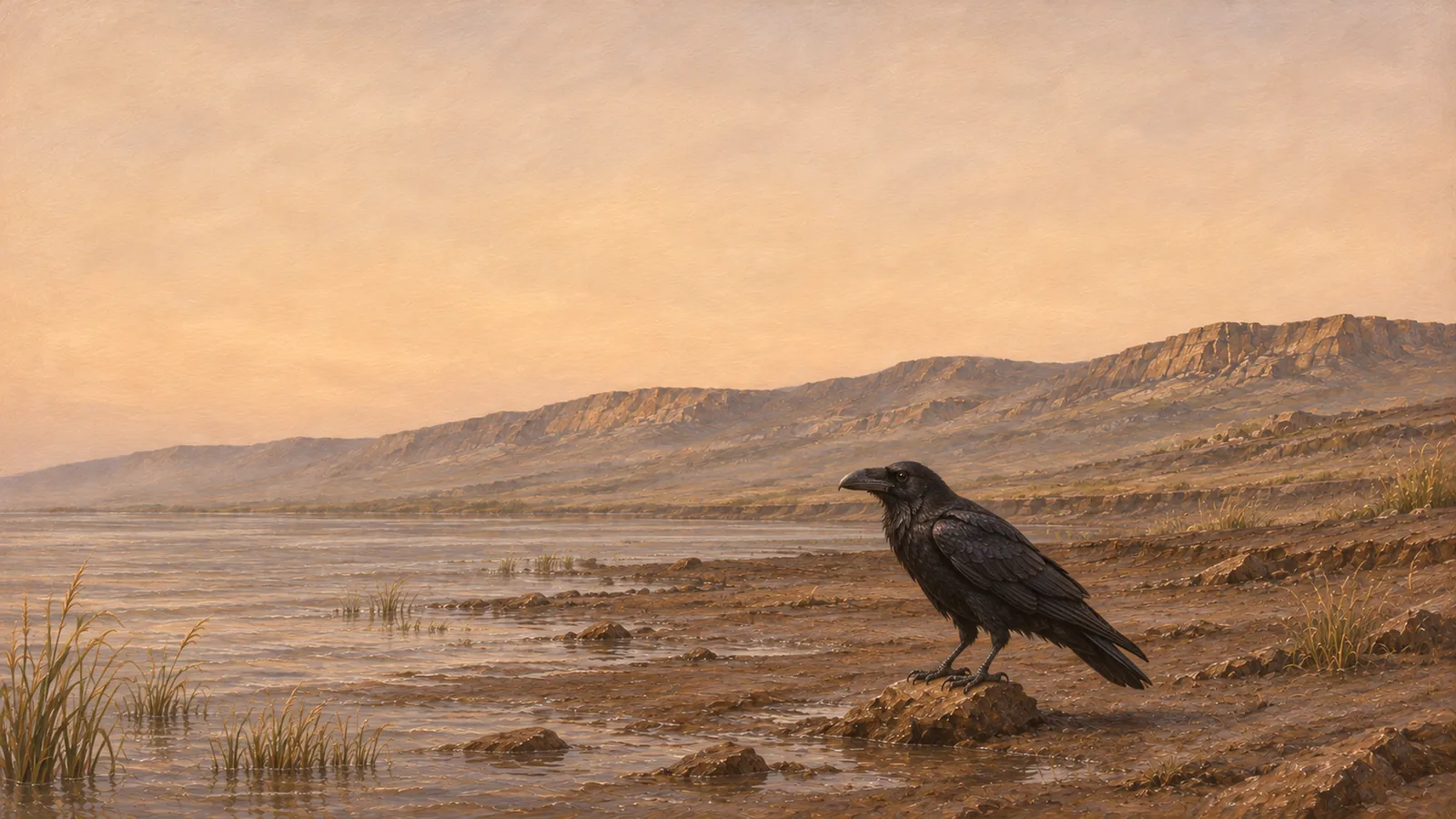
RABE
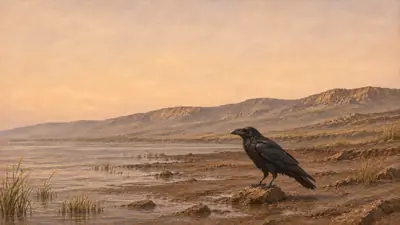
Der Rabe flog hinaus und sah, dass das Wasser zurückgegangen war. Er fand Nahrung, und diesmal kehrte der Vogel nicht zum Schiff zurück.
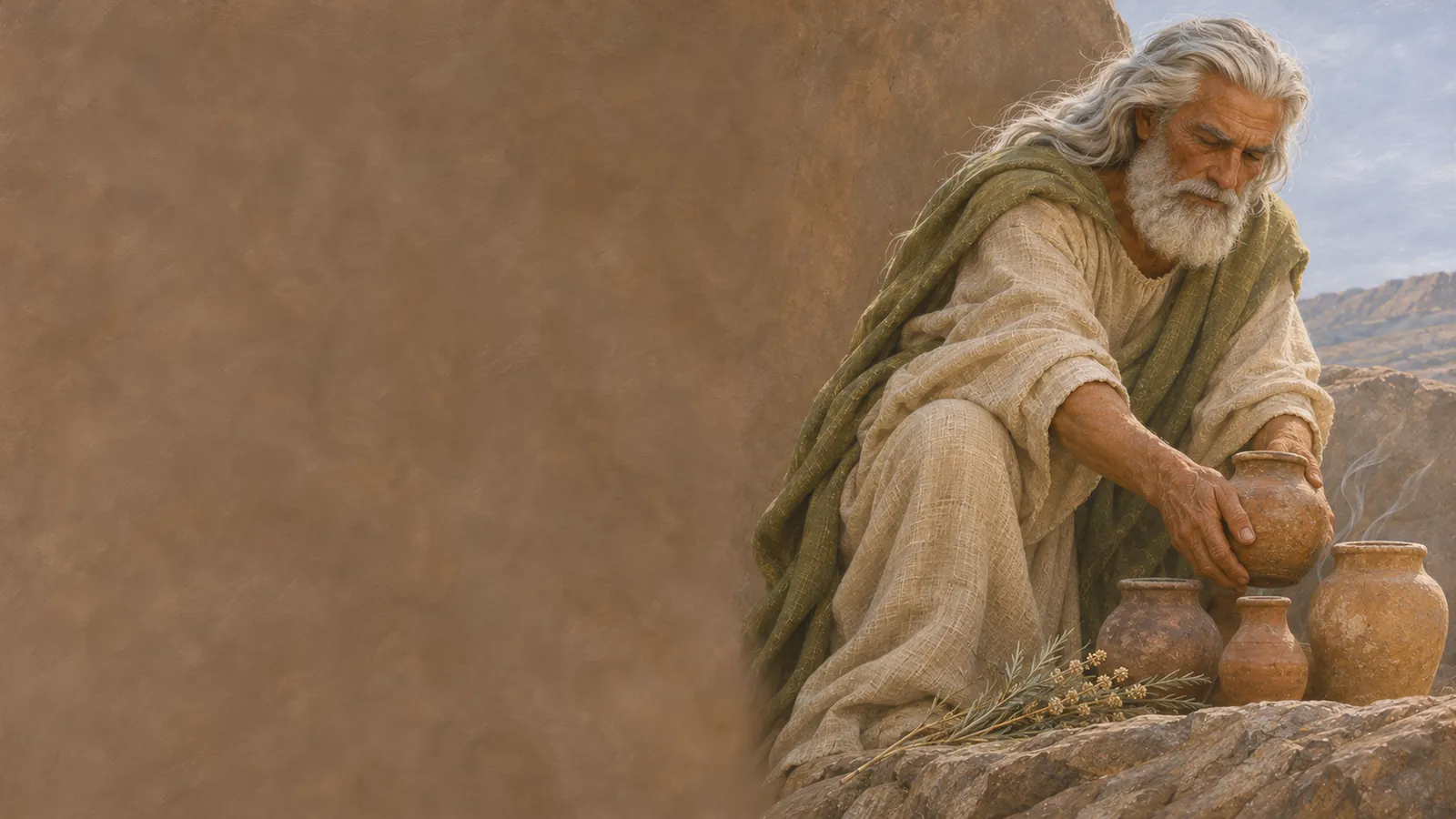
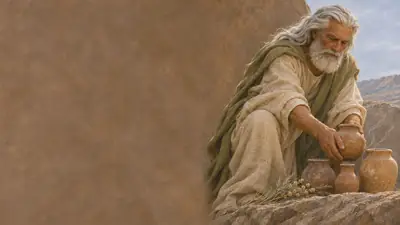
Dann brachte Utnapischtim ein Opfer in Richtung der vier Enden der Erde dar. Auf dem Berg stellte er Gefäße auf und legte Schilf, Zedernholz und Myrte darunter.
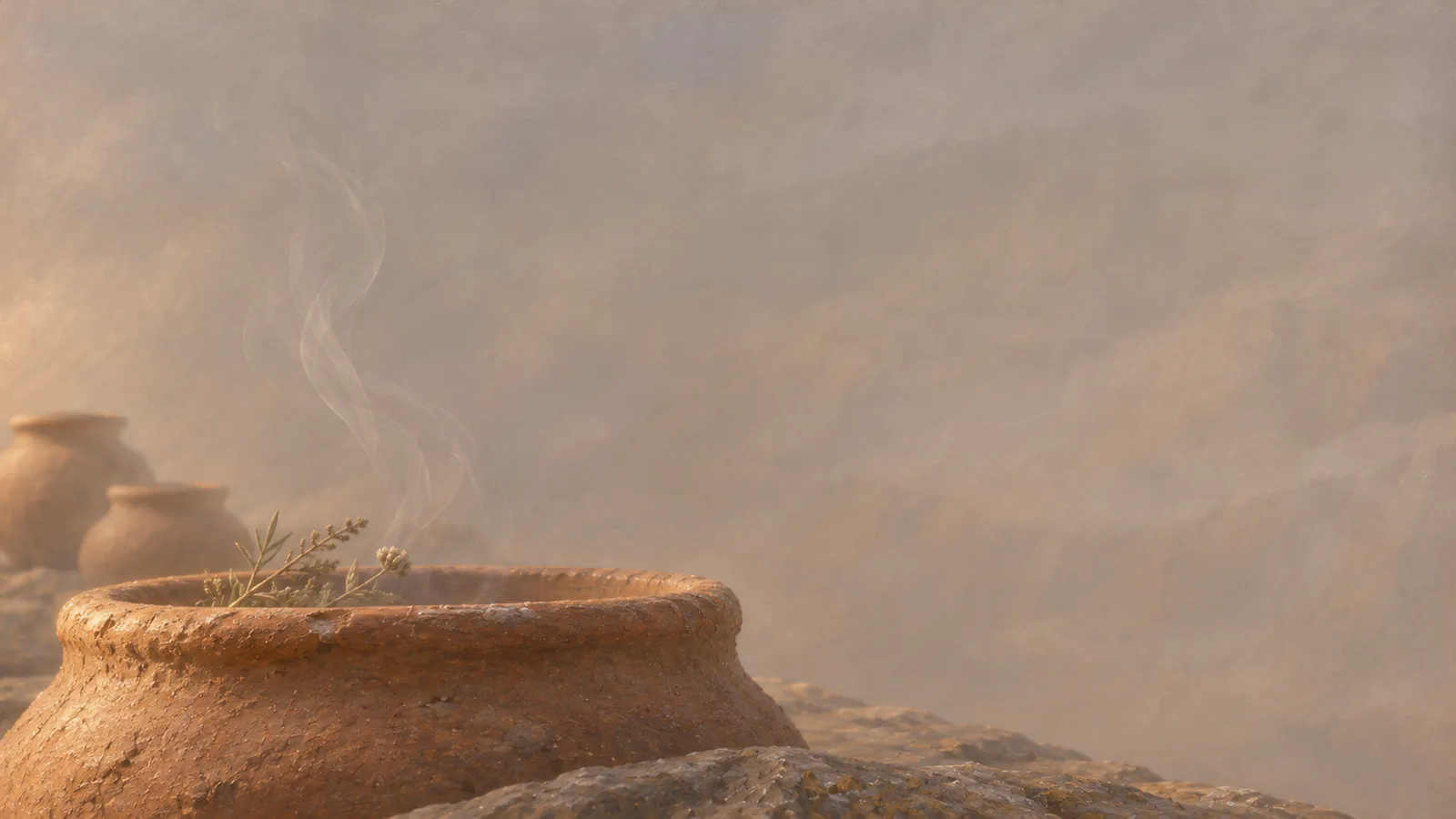
Der Duft des Opfers stieg auf. Utnapischtim sagt, die Götter sammelten sich darum wie Fliegen, ein überraschendes Bild nach so viel Stille.

Eine Göttin hob ihren Schmuck aus Lapislazuli hoch und sagte, sie werde diese Tage nie vergessen. Sie gab Enlil die Schuld an dem, was die Flut ihrem Volk angetan hatte.
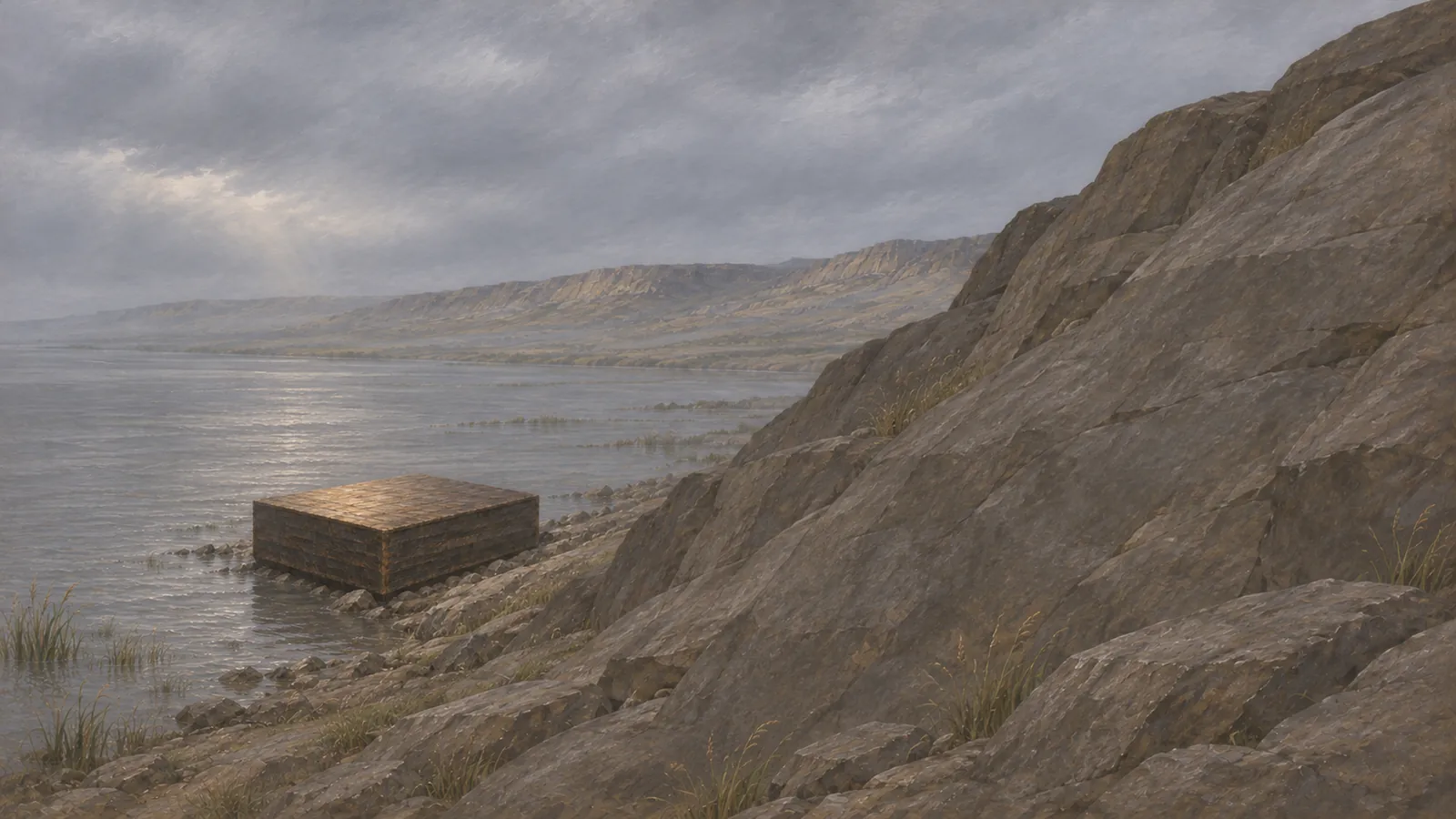
Enlil sah das Schiff und wurde zornig. Jemand hatte überlebt, obwohl er erwartet hatte, dass die Flut niemanden am Leben ließe.

Ninurta antwortete ihm, indem er auf Ea wies. Wer sonst, fragte er, hätte das bewirken können? Nun wendet sich die Erzählung dem zu, der Utnapischtim gewarnt hatte.
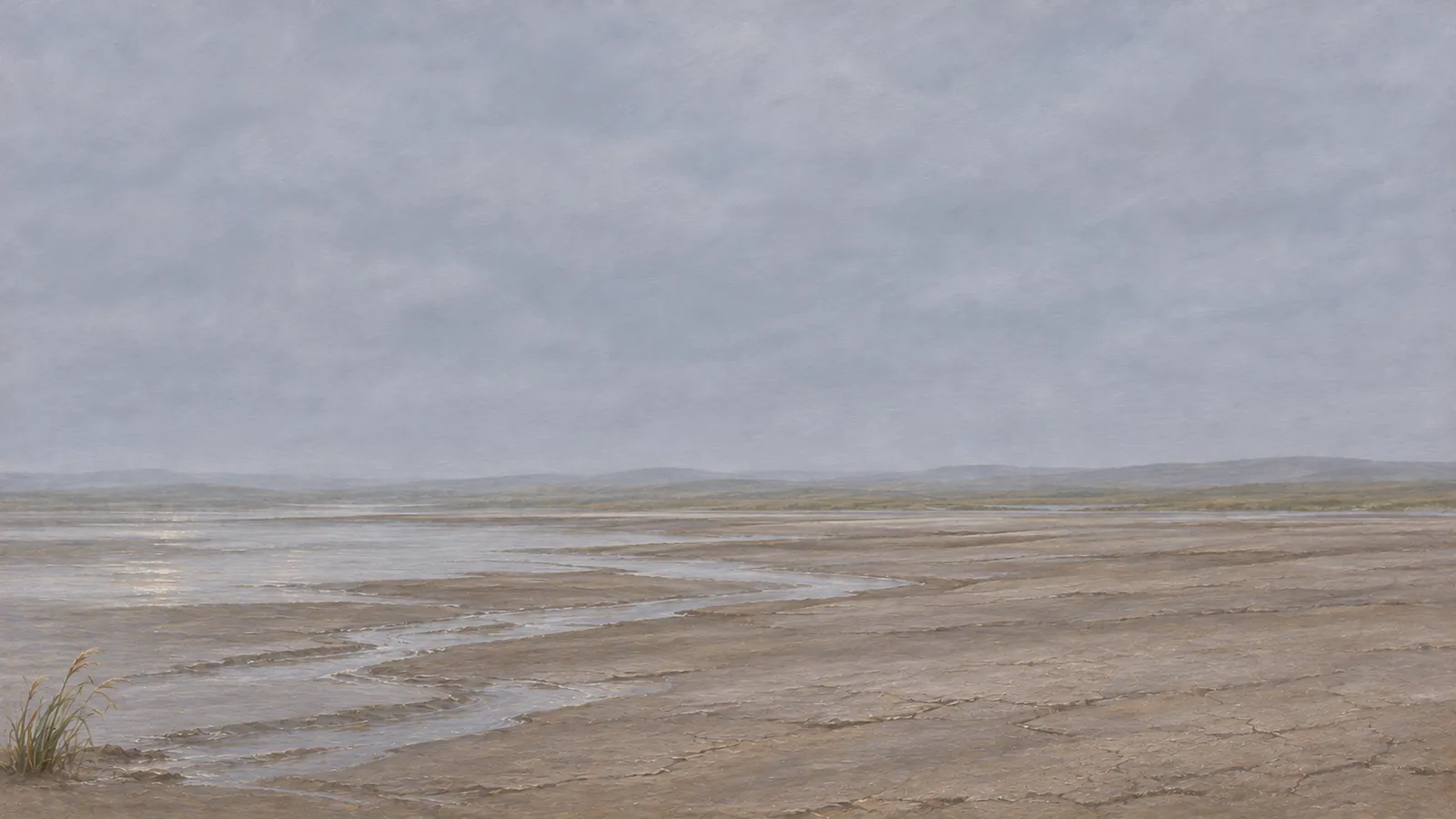
Ea fragte, wie Enlil eine solche Flut hatte auslösen können, ohne sie zu Ende zu bedenken. Wer Unrecht getan habe, solle dafür einstehen, sagte er, statt dass alle gemeinsam dafür büßten.
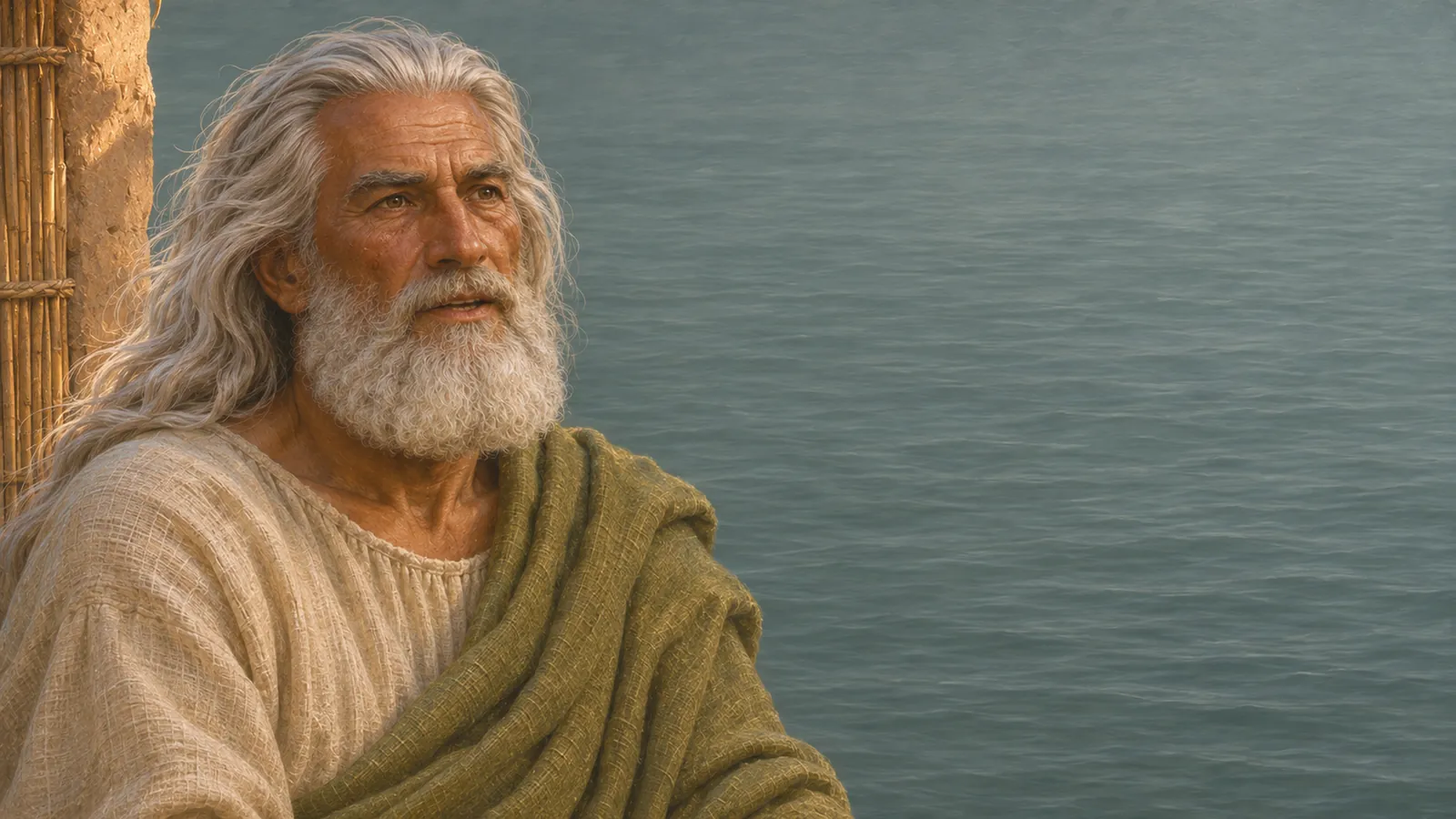
Ea sagte, er habe einen Traum gesandt, durch den der weise Mann das Geheimnis der Götter erfahren habe. Er bat die Versammlung, zu entscheiden, was nun mit ihm geschehen solle.
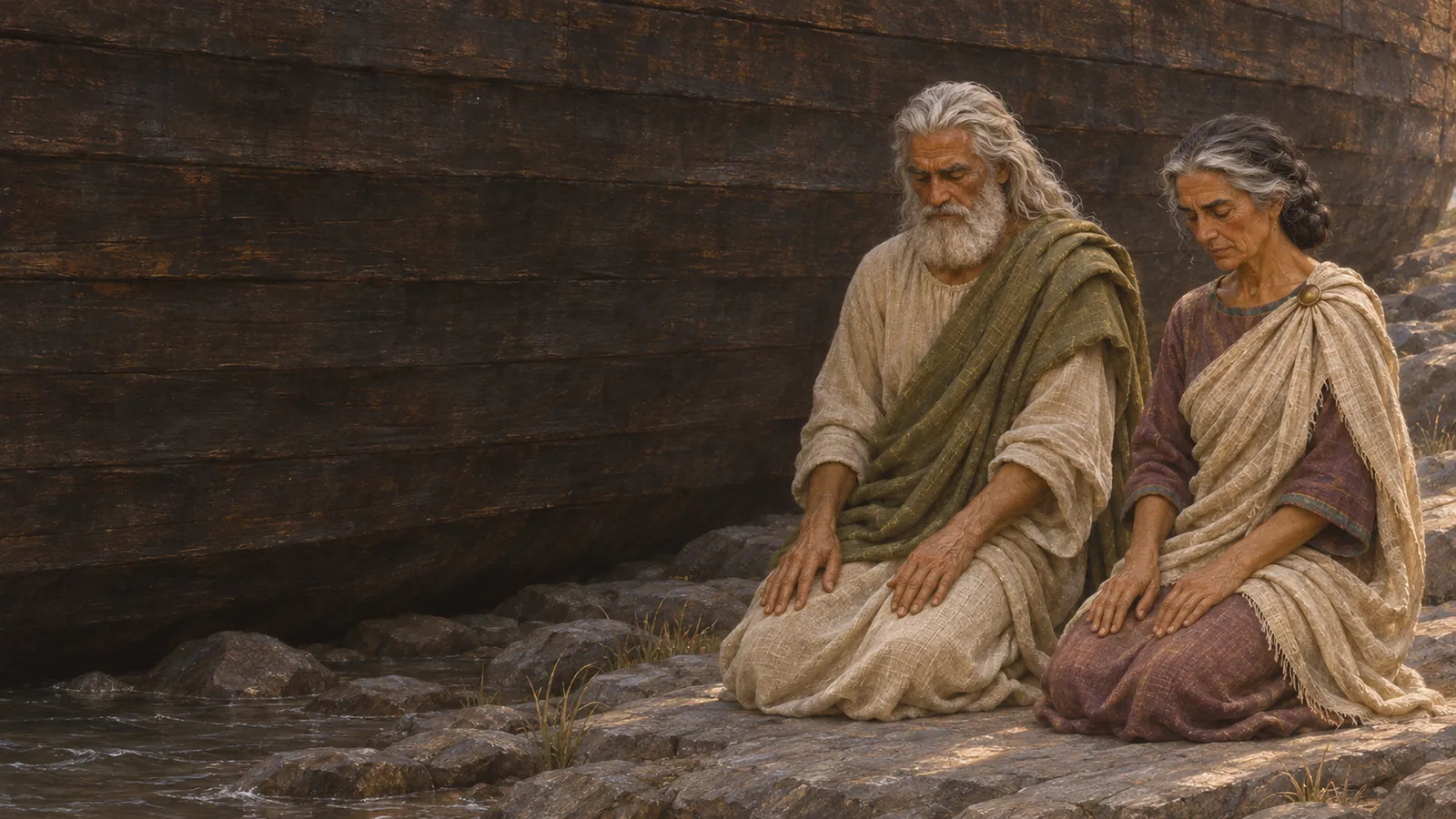
Enlil führte Utnapischtim aus dem Schiff und holte auch seine Frau heraus. Sie kniete neben ihm nieder, und die beiden empfingen einen Segen.
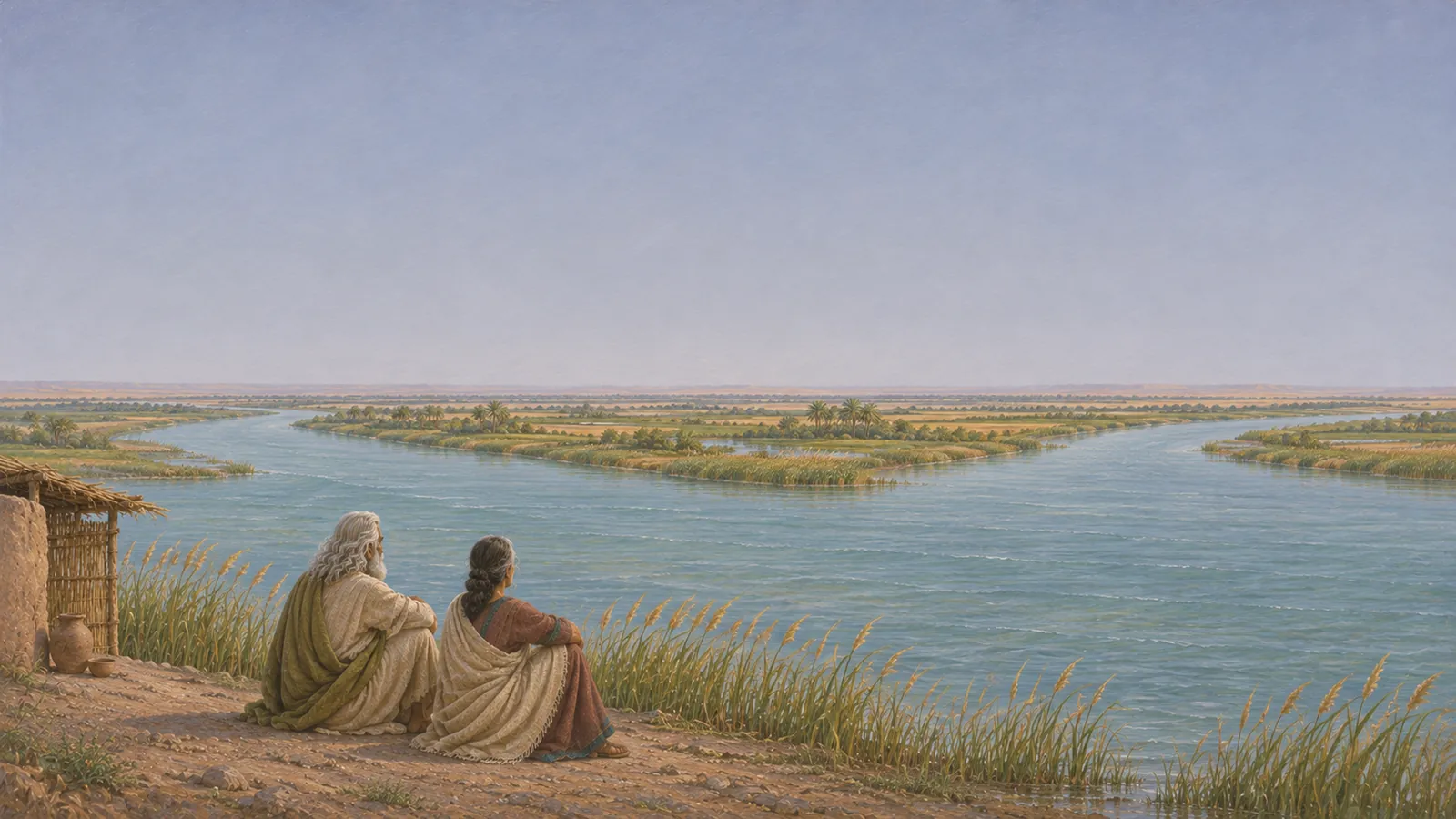
Enlil gewährte Utnapischtim und seiner Frau ein Leben wie das der Götter. Sie wurden weit fortgebracht, um an der Mündung der Flüsse zu wohnen.
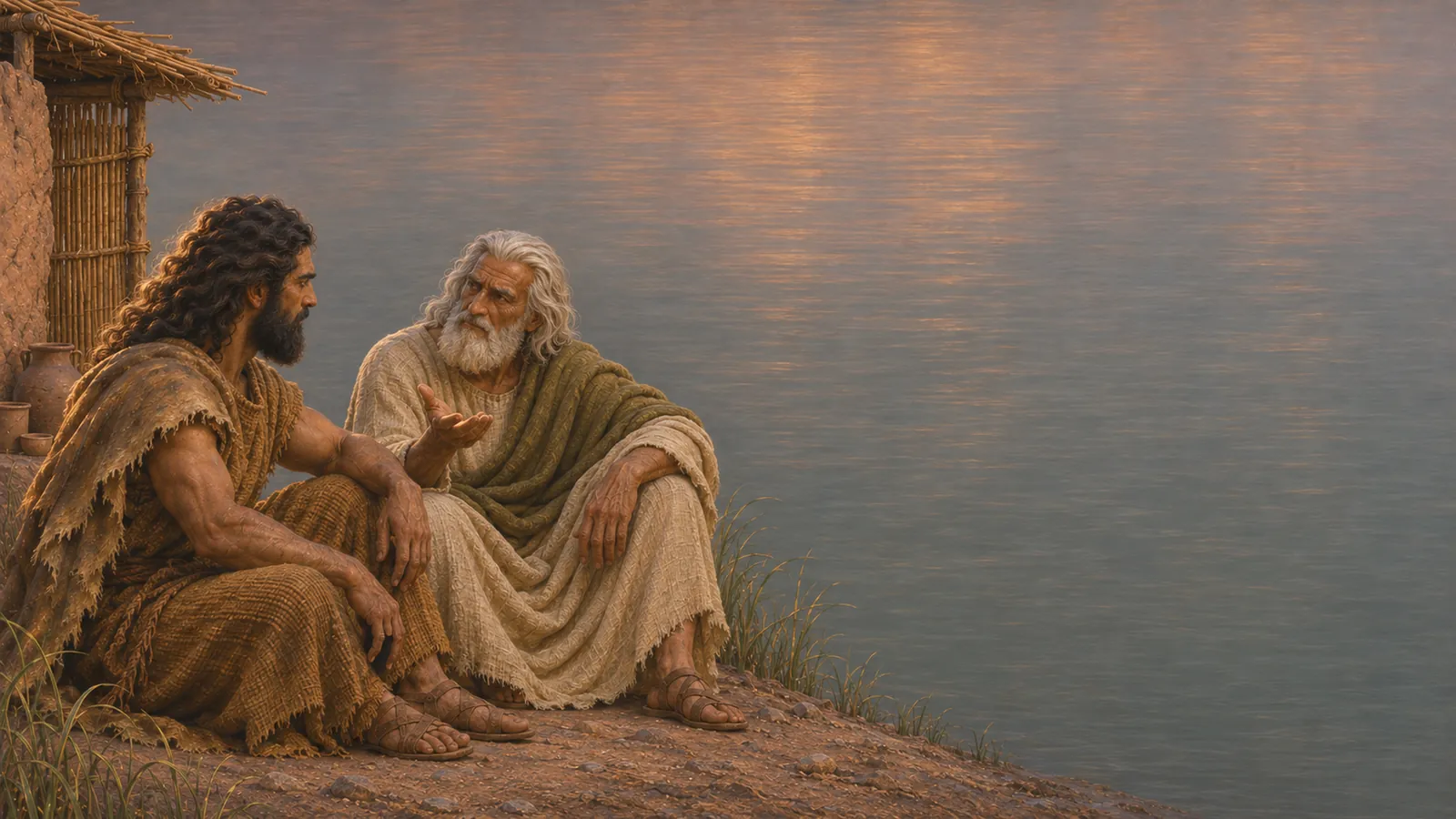
Utnapischtim kam auf Gilgameschs Frage zurück. Wer würde die Götter für ihn versammeln, damit er das Leben fände, das er suchte?
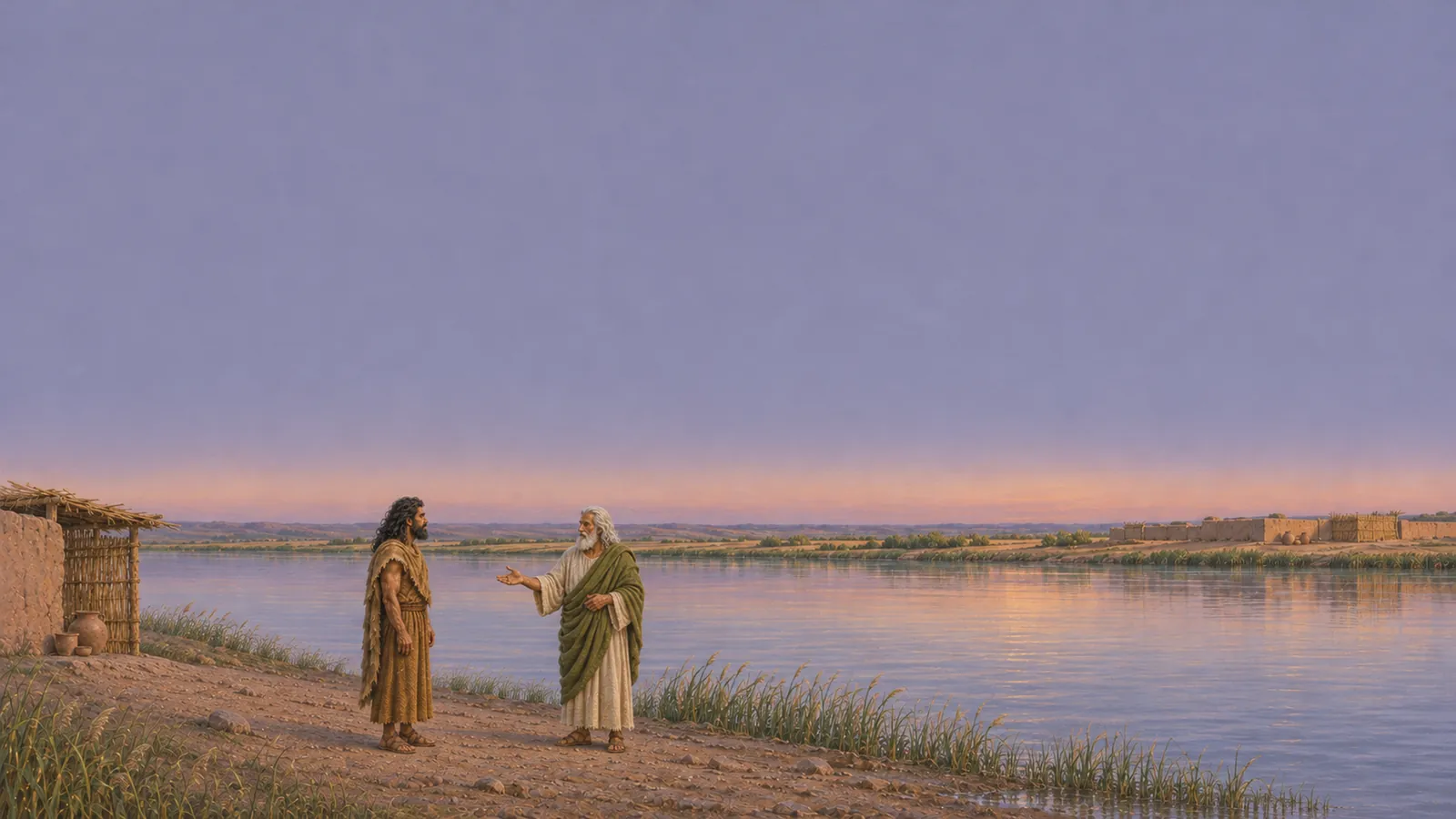
BLEIB WACH
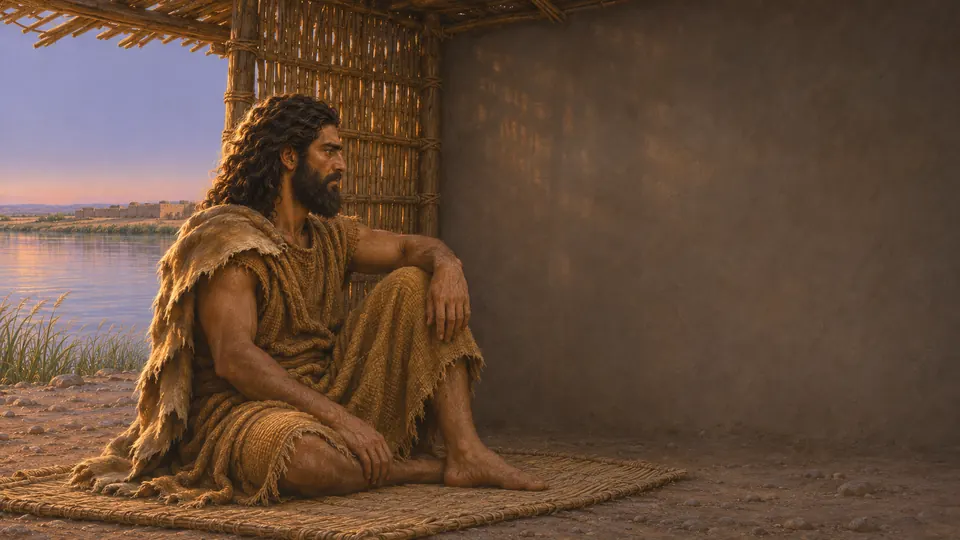
Utnapischtim schlug eine Prüfung vor. Er bat Gilgamesch, zu versuchen, sechs Tage und sieben Nächte wach zu bleiben.
Ende von Kapitel 7
Alle Seiten














Quellen
Benutzte Editionen
- SOAS Babylonian and Assyrian Literature, Tablet XI: for the first part of the line sequence.
- Andrew George, Tablet XI score transliteration: manuscript readings and line anchors.
- Nathan Wasserman, The Flood: open critical edition for the Mesopotamian flood texts and readings.
- Electronic Babylonian Library, Tablet XI: current edition. The [official chapter export](https://www.ebl.lmu.de/api/texts/L/1/4/chapters/SB/XI) was retrieved and checked for the line anchors, including the reed-fence warning, the three birds and the sleep challenge in XI 209.
Die antiken Verse hinter jeder Seite
- Page 1: SB XI 8–12
- Page 2: SB XI 11–14
- Page 3: SB XI 13–19
- Page 4: SB XI 15–22
- Page 5: SB XI 19–24
- Page 6: SB XI 23–27
Instructions are attested. - Page 7: SB XI 25–27; cf. XI 82–86
- Page 8: SB XI 28–31
The Apsû simile is in the source. - Page 9: SB XI 32–35
- Page 10: SB XI 36–42
- Page 11: SB XI 43–47; Andrew George, The Sign of the Flood
The wording is difficult and possibly ominous. - Page 12: SB XI 48–51; see source note on the epithet Atrahasis
- Page 13: SB XI 50–57
- Page 14: SB XI 57–60; cf. XI 28–31
- Page 15: SB XI 60–65
- Page 16: SB XI 64–70
- Page 17: SB XI 71–75
- Page 18: SB XI 76–81
The details of the launch and the timing of the last work are partly restored. - Page 19: SB XI 81–84
- Page 20: SB XI 85
- Page 21: SB XI 84–86
- Page 22: SB XI 87–91; Andrew George, The Sign of the Flood
The recurring wording may carry a hidden warning. - Page 23: SB XI 90–93
- Page 24: SB XI 94–96
- Page 25: SB XI 97–99
- Page 26: SB XI 100–105
- Page 27: SB XI 106–111
- Page 28: SB XI 111–113
- Page 29: SB XI 114–116
- Page 30: SB XI 117–127
Bēlet-ilī in the source. - Page 31: SB XI 128–132
Witnesses vary between six days and six nights and six days and seven nights. - Page 32: SB XI 130–134
The last clause paraphrases the poem’s storm simile. - Page 33: SB XI 134–136
- Page 34: SB XI 137–139
- Page 35: SB XI 140–143
- Page 36: SB XI 143–147
- Page 37: SB XI 147–150
Some words describing the flight are uncertain. - Page 38: SB XI 151–153
- Page 39: SB XI 154–156
The poem’s additional verbs of motion have variant translations. - Page 40: SB XI 157–160
- Page 41: SB XI 161–163
- Page 42: SB XI 164–171
- Page 43: SB XI 172–177
- Page 44: SB XI 178–182
- Page 45: SB XI 181–195
The speech names several foregone calamities. - Page 46: SB XI 196–198
- Page 47: SB XI 199–202
- Page 48: SB XI 203–206
- Page 49: SB XI 207–208; compare the framing at XI 1–10
- Page 50: SB XI 209; no action from XI 210 onward
Illustrationen von IL Archive mit KI-Werkzeugen; der Text folgt den antiken Quellen (siehe die Quellen am Ende jedes Kapitels).