Isis und Osiris Kapitel 3
Der Fluss im Schilf
Isis kehrt in die Sümpfe zurück, als sie erfährt, was Seth getan hat. Plutarchs Erzählung gibt zwei Erklärungen für die Gräber des Osiris. Horus stellt sich Seth, und Thot hilft ihm, den Vorwurf gegen seine Herkunft zu beantworten. Die letzten Worte gelten der Geburt des Harpokrates.
QuellenBlättern Sie mit den Pfeilen, den Pfeiltasten oder durch Wischen.

DAS MARSCHLAND
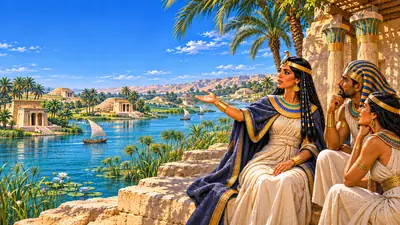
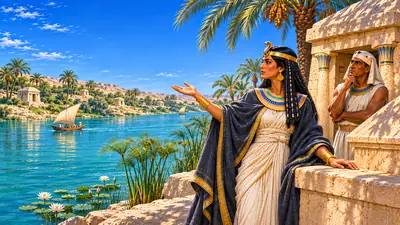
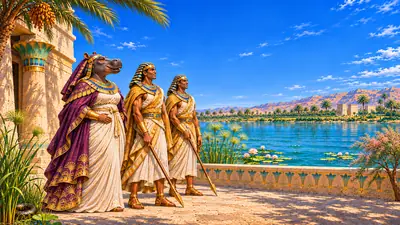
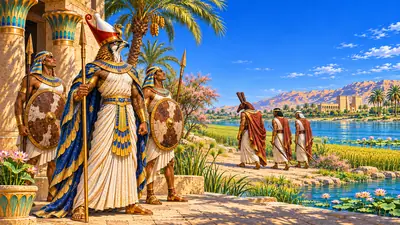
Zurück in Ägypten wollte Isis ihren Sohn Horus besuchen. Der Erzählung nach wuchs er in Buto auf.

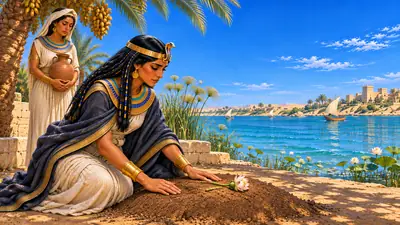
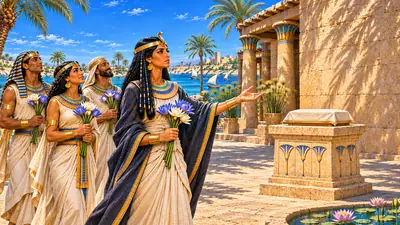
Bevor sie ihren Sohn besuchte, stellte Isis die Truhe beiseite. Sie wählte einen abgelegenen Ort, an den sich nur selten Menschen begaben.
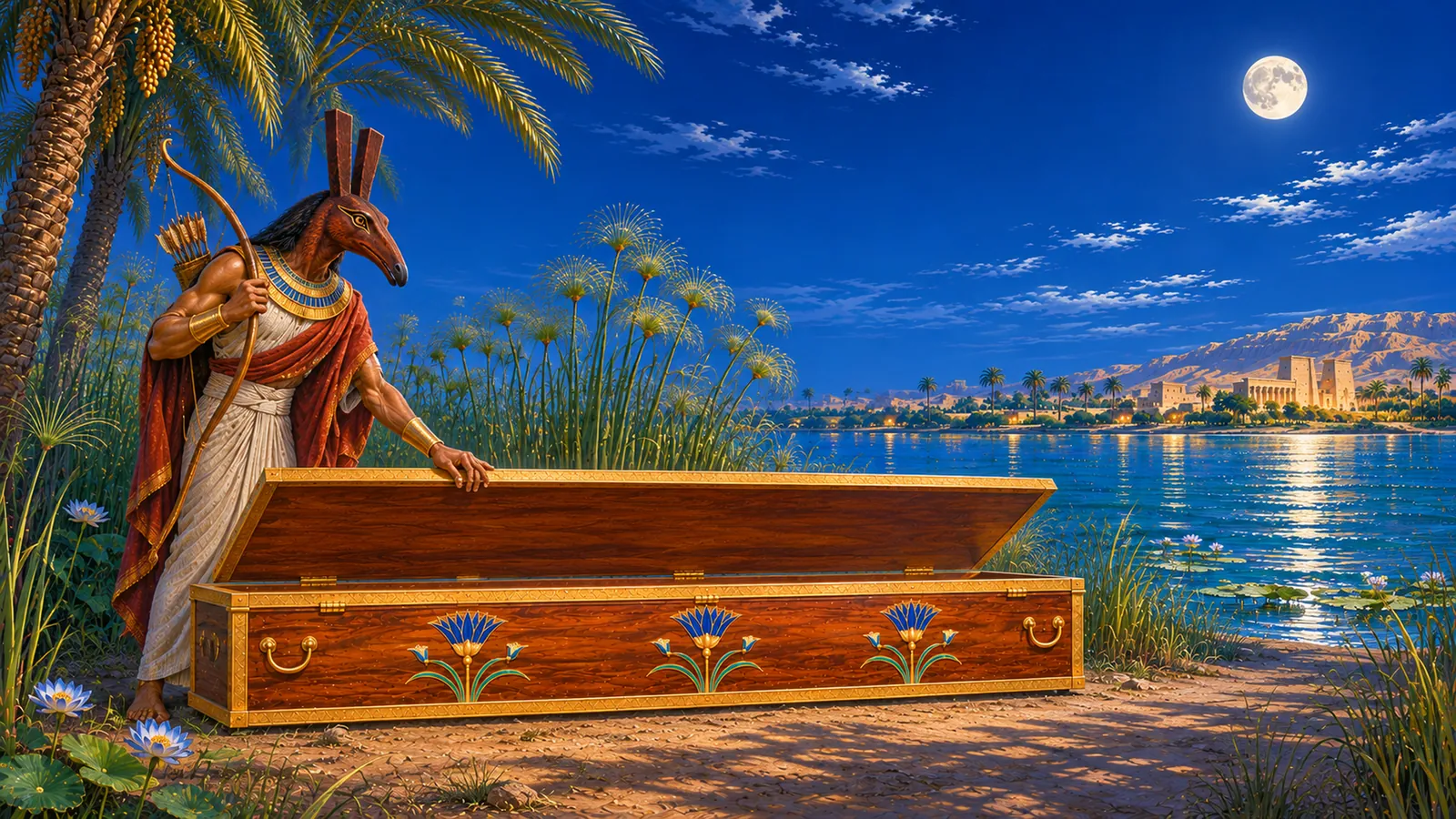
Seth jagte eines Nachts im Mondlicht. Er stieß zufällig auf die Truhe und erkannte den Leichnam darin.
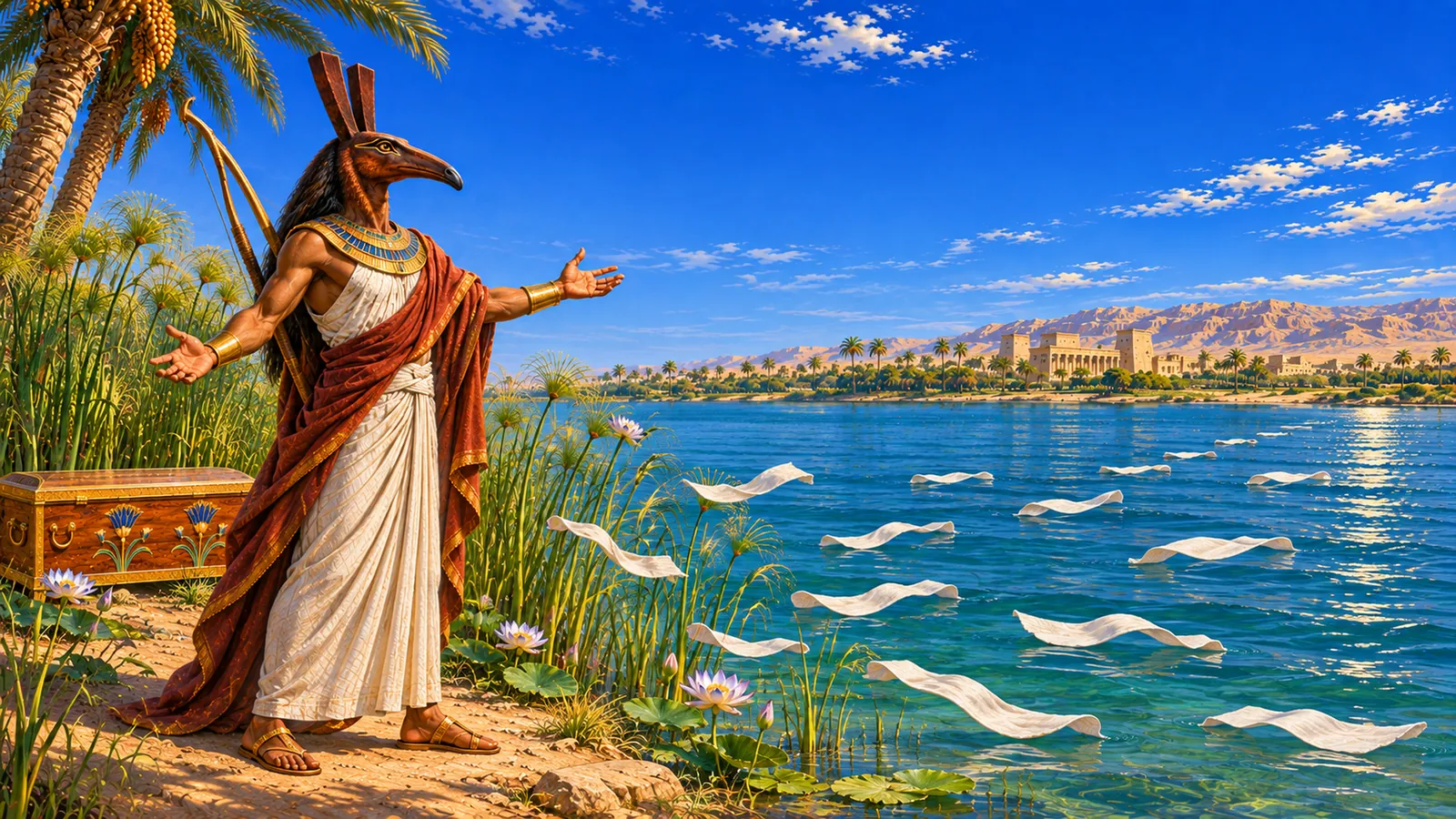
Seth erkannte Osiris in der Truhe. Der Erzählung nach riss er den Leichnam in vierzehn Stücke und verstreute sie in verschiedenen Teilen des Landes.
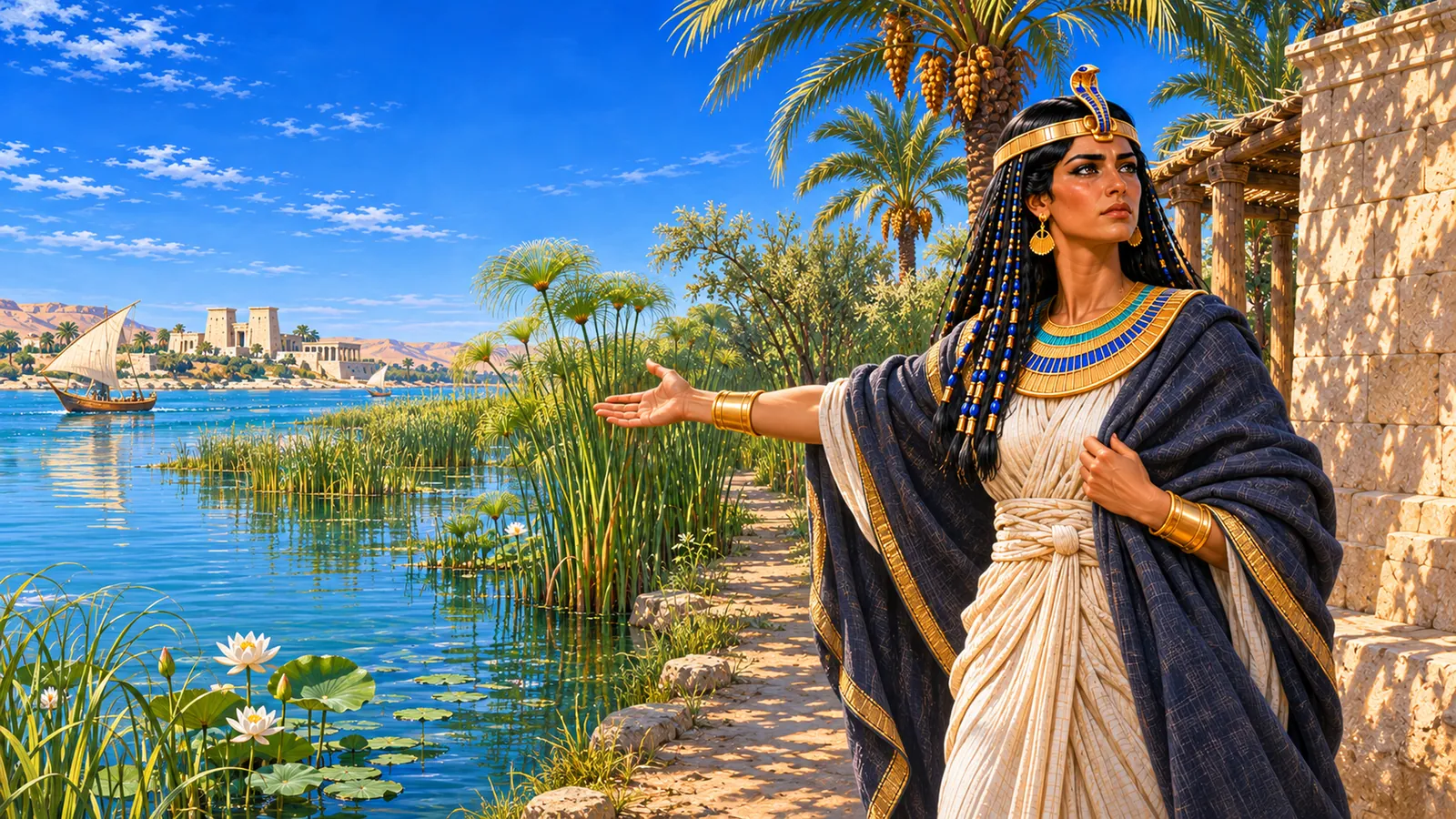
Isis erfuhr, was mit dem Leichnam des Osiris geschehen war. Sie brach wieder auf, diesmal um die Stücke zu finden, die Seth verstreut hatte.
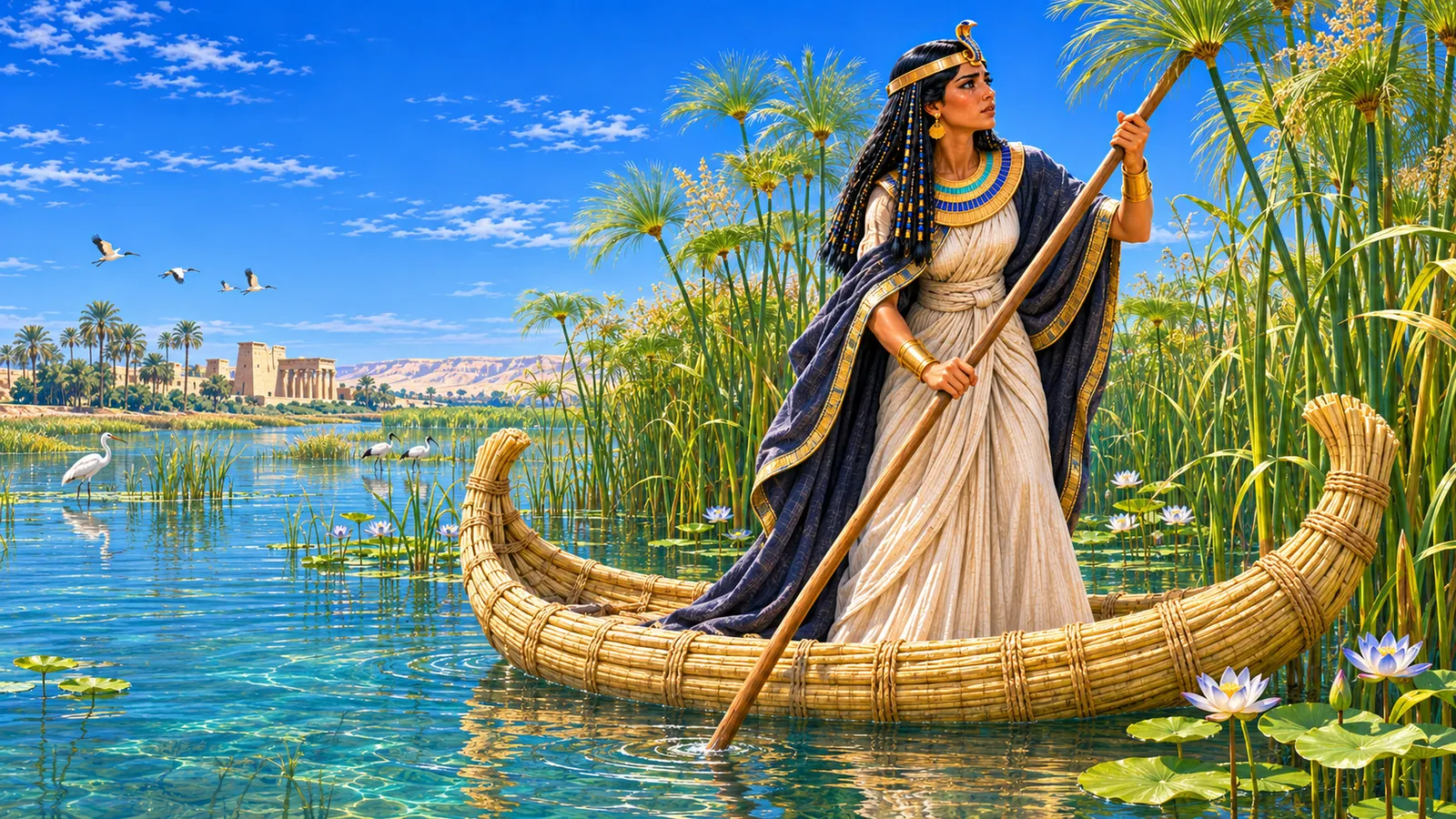
DAS BOOT
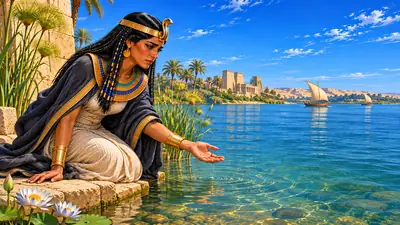
Isis fuhr in einem Boot aus Papyrusschilf. Damit kam sie leichter durch die tiefer gelegenen Sumpfgebiete des Landes.
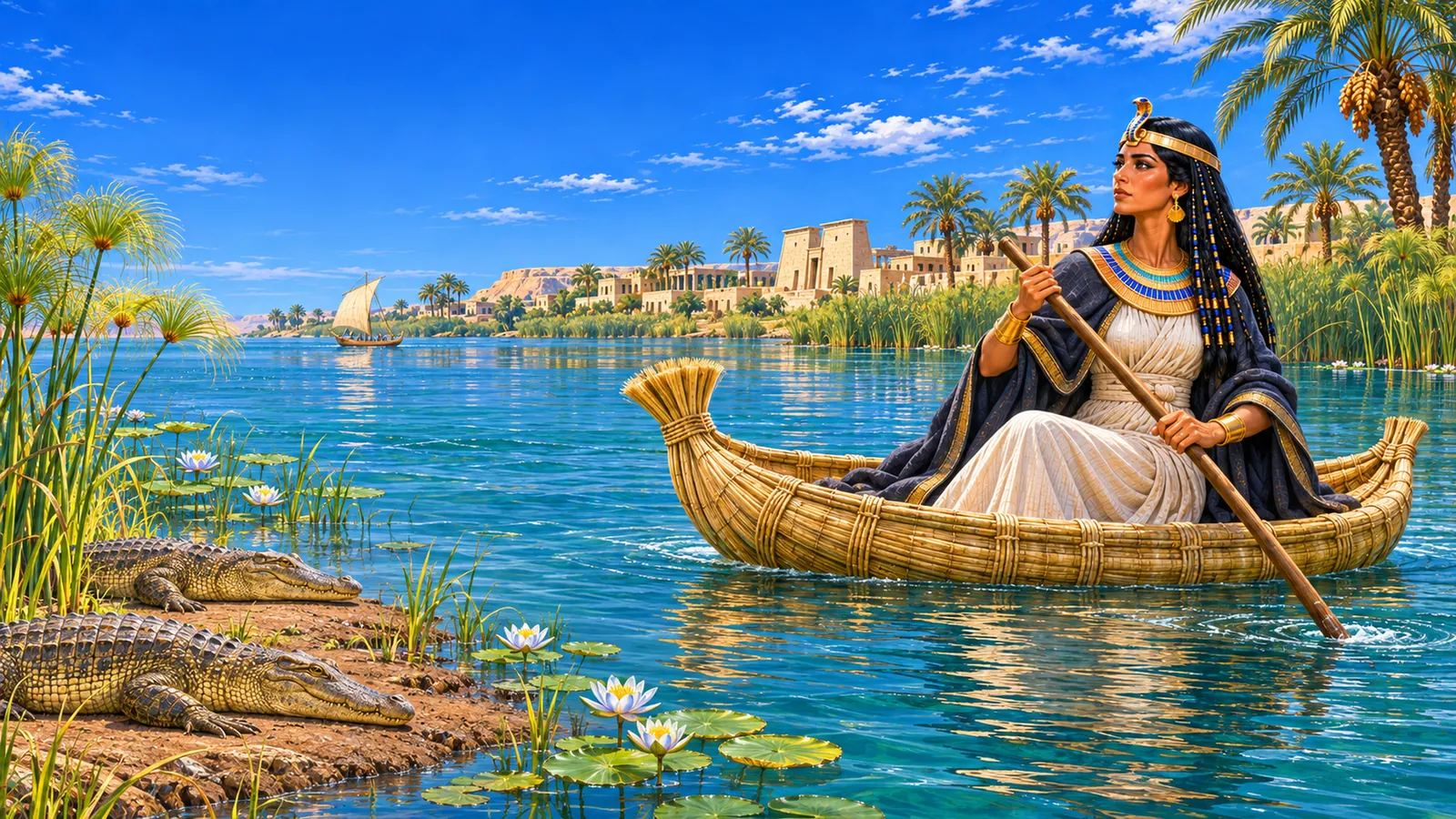
Der Erzählung nach verschonen Krokodile die Menschen in solchen Booten. Sie nennt zwei Gründe: Furcht vor dem Zorn der Isis oder Achtung vor der Art von Boot, die sie einst getragen hat.
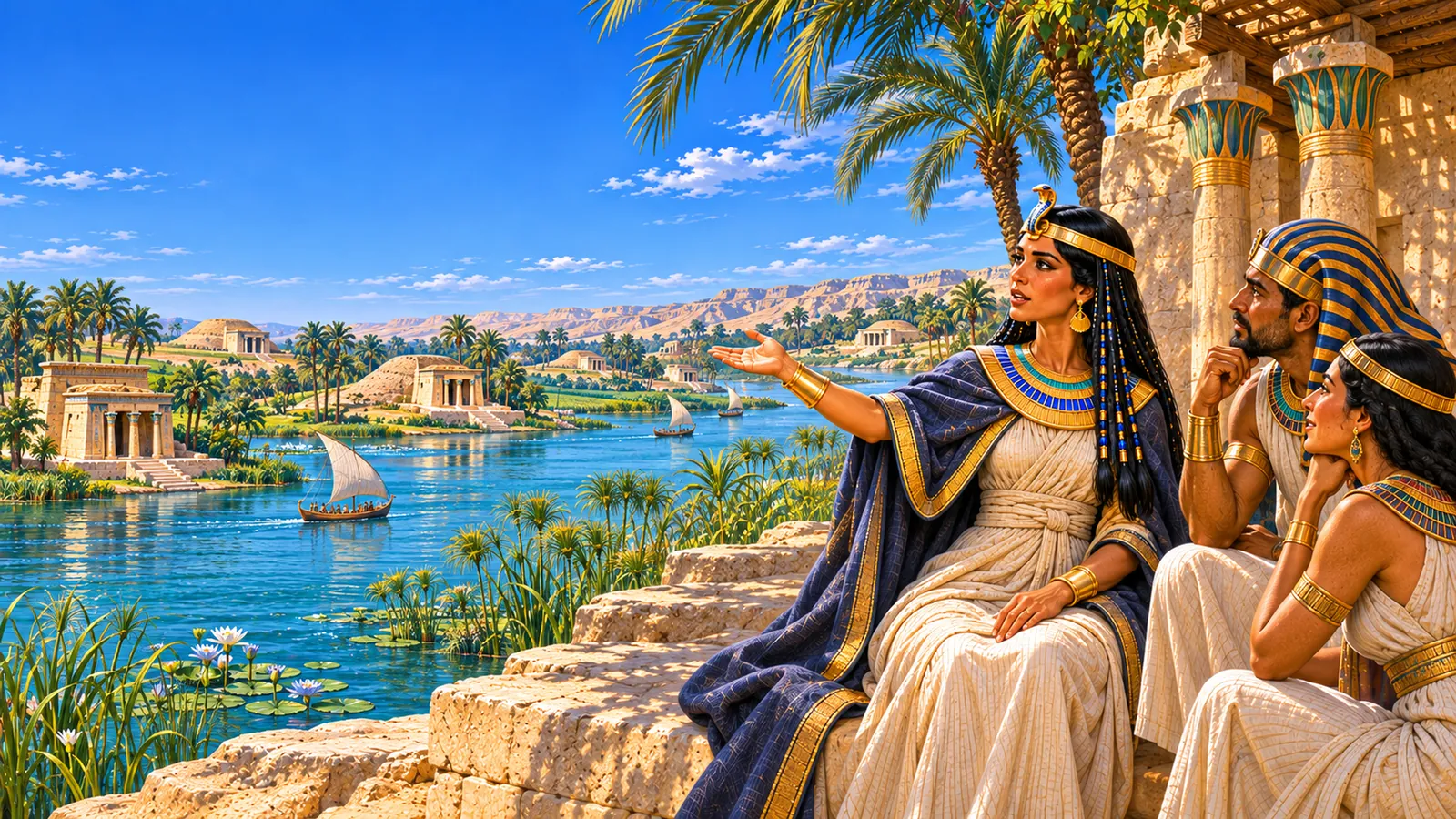
Die alte Erzählung verbindet die Suche der Isis mit den vielen Orten in Ägypten, die als Gräber des Osiris gezeigt wurden. Dann erzählt sie, warum es so viele gab.
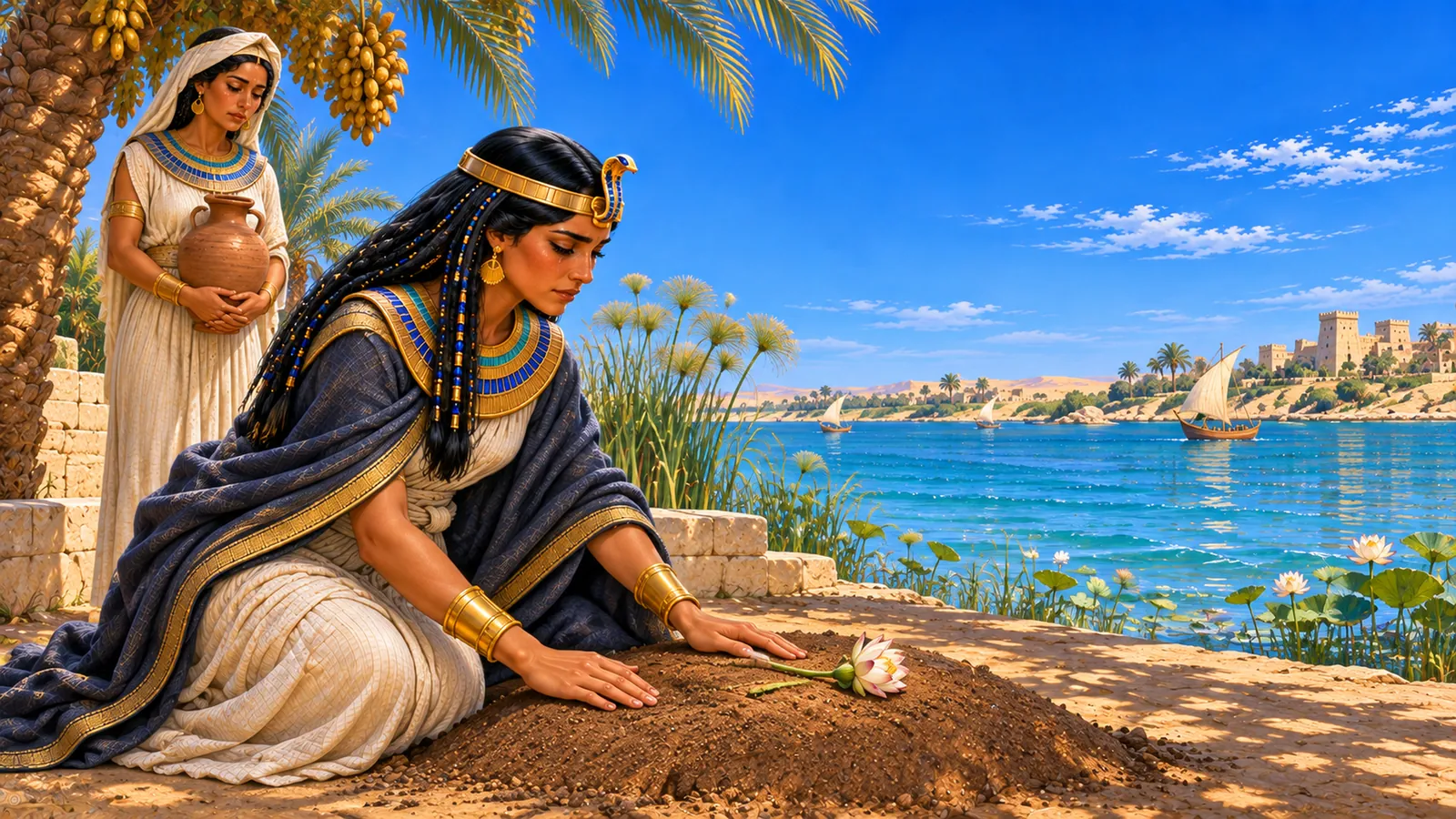
Nach der ersten Erklärung begrub Isis die Teile des Osiris an verschiedenen Orten. Jedes Mal, wenn sie einen fand, begrub sie ihn an seinem Fundort.
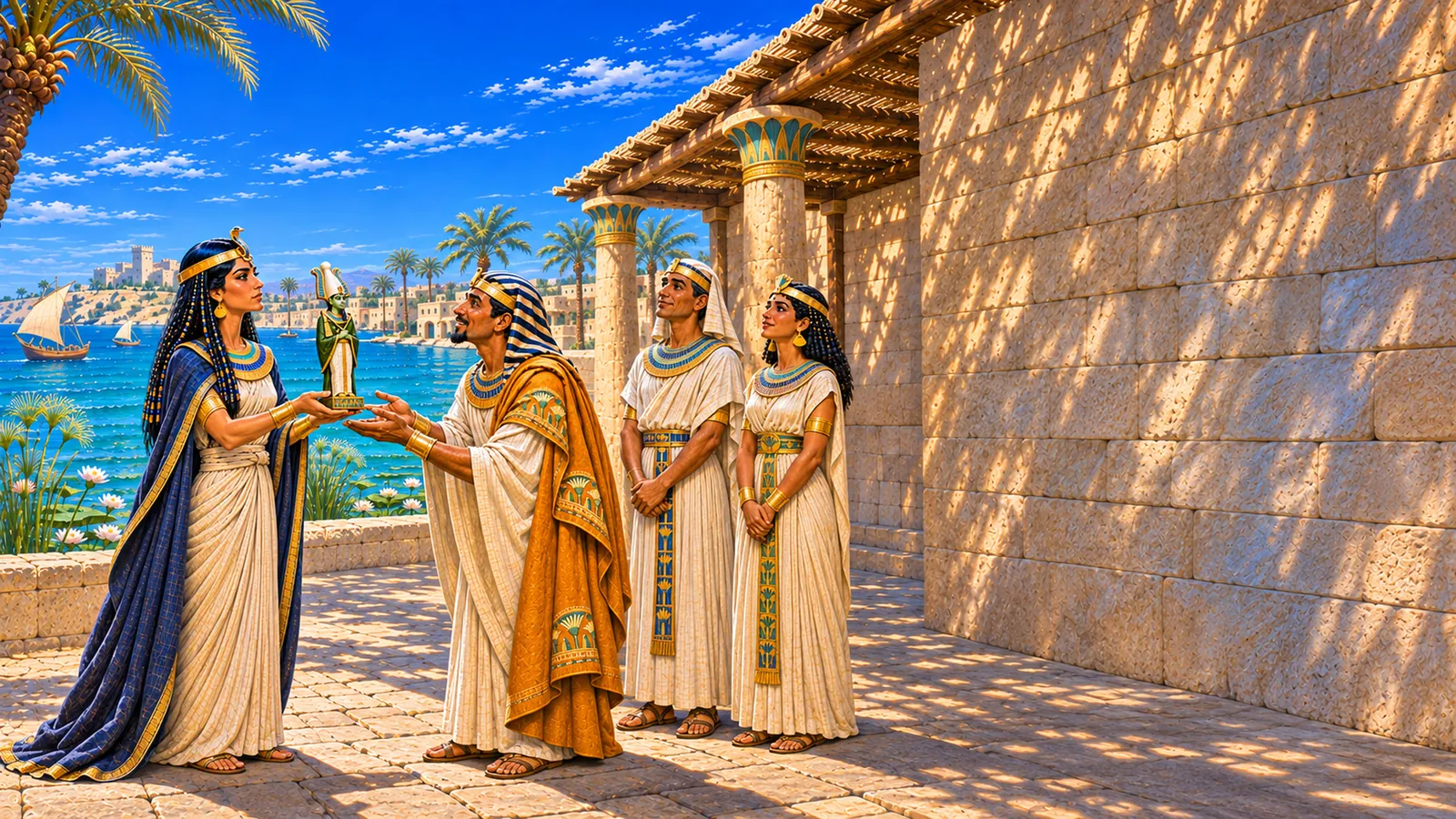
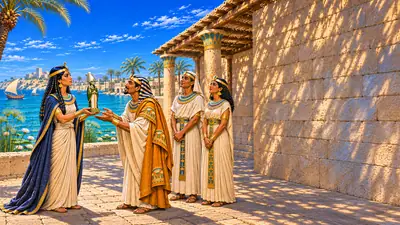
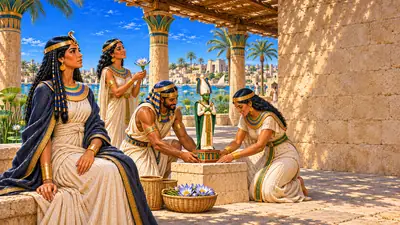
Andere widersprachen dieser Erklärung. Sie sagten, Isis habe verschiedenen Städten Abbilder des Osiris gegeben, die die Städte für seinen wirklichen Leichnam hielten.
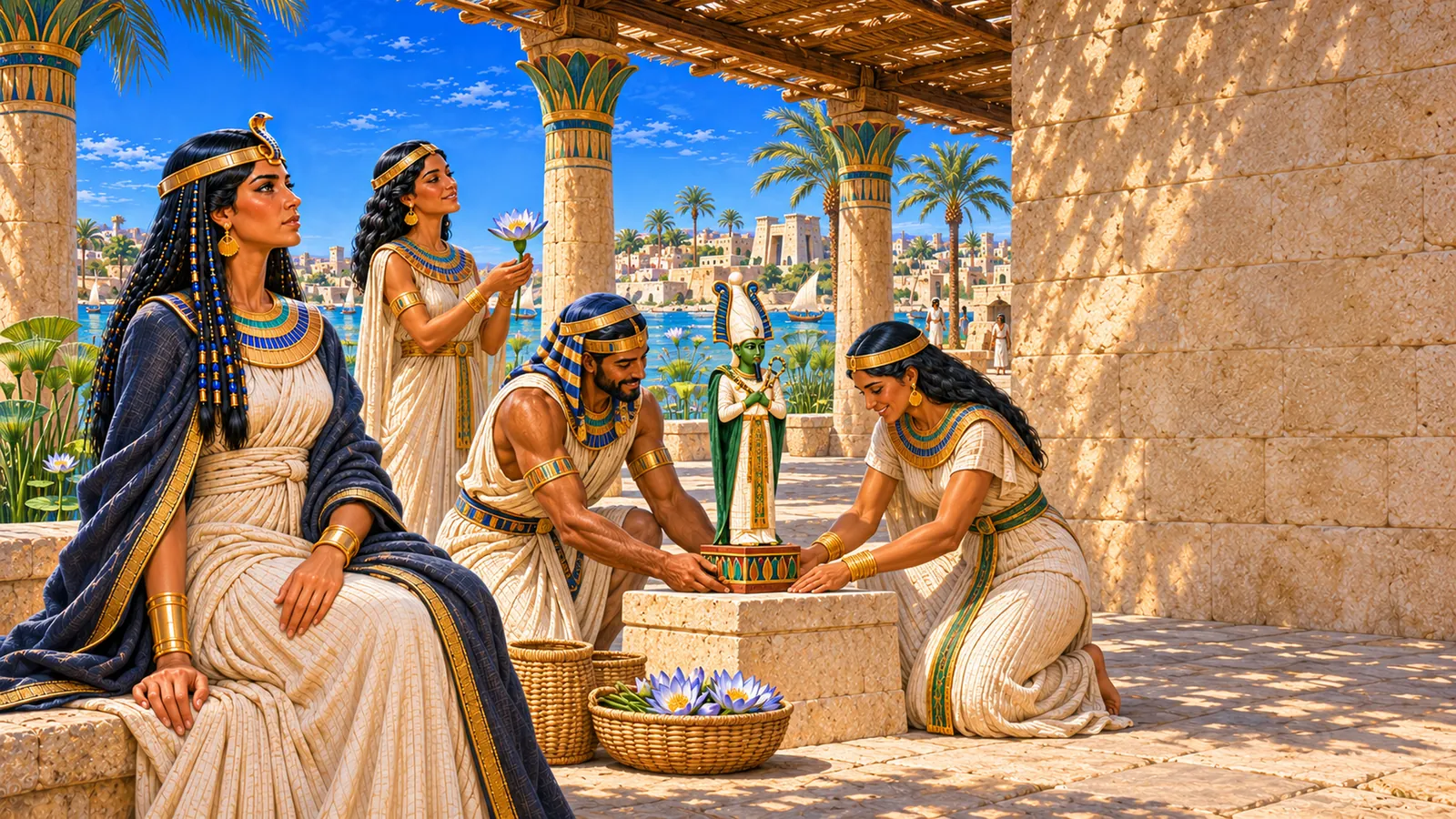
Wer die Geschichte so erzählte, nannte zwei Gründe für die Abbilder. Der erste war, die Ehrungen zum Gedenken an Osiris zu verbreiten.
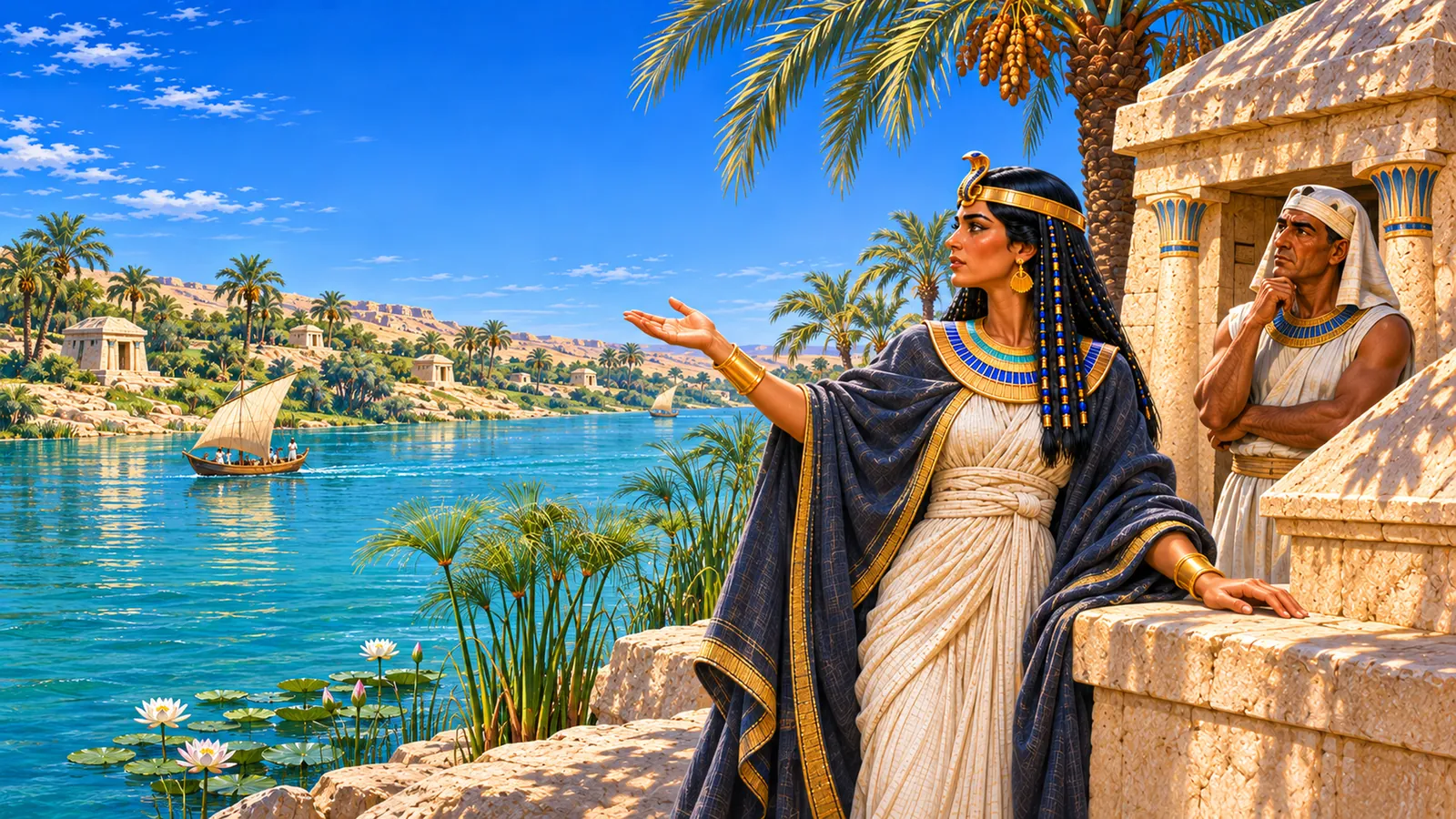
Der zweite Grund betraf Seth. Falls er Horus im kommenden Krieg besiegen sollte, könnte ihn die Vielzahl der Gräber daran hindern, das wirkliche zu finden.
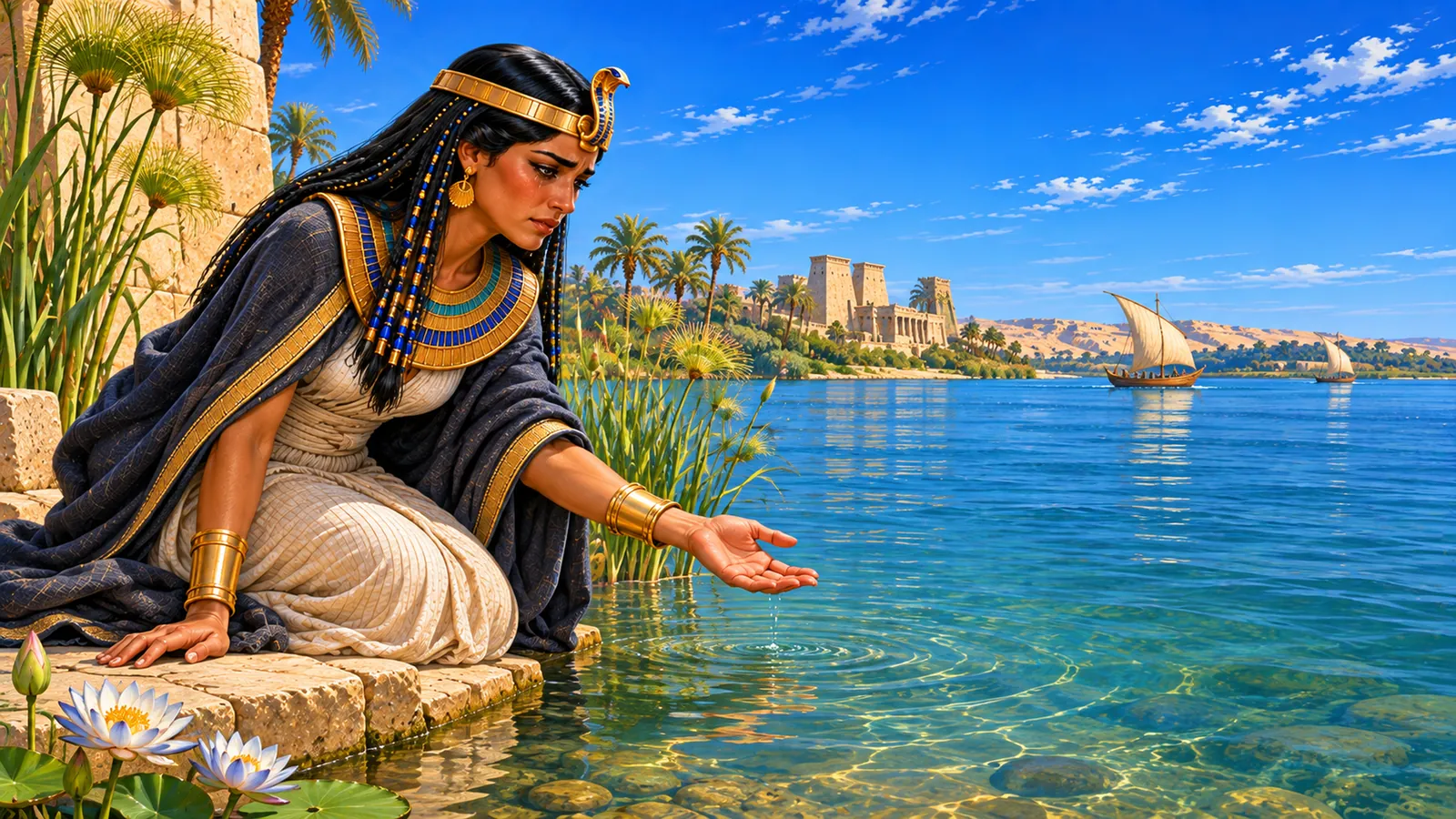
Einen Teil konnte Isis nie wiederfinden. Der Erzählung nach war der Penis des Osiris in den Nil geworfen und von drei Fischen gefressen worden.

Squires Übersetzung nennt die Fische Lepidotus, Phagrus und Oxyrynchus. Das Geschehen im Nil erklärt in der Erzählung, warum die Ägypter gerade diese Fische mieden.
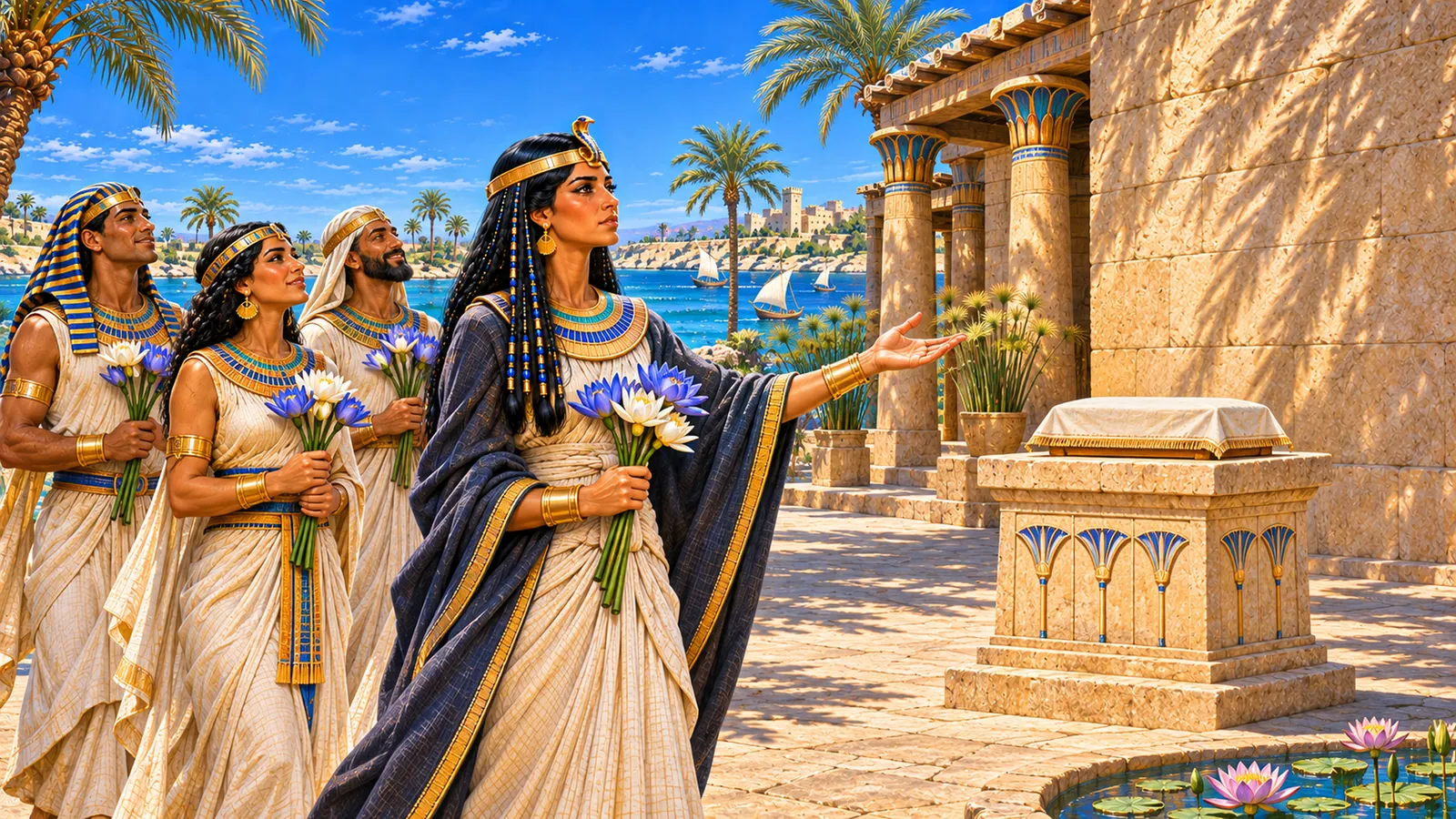
Plutarch sagt, Isis habe ein Abbild von Osiris’ verlorenem Penis geweiht und zu seinem Gedenken ein Fest gestiftet.
AUS DEM JENSEITS
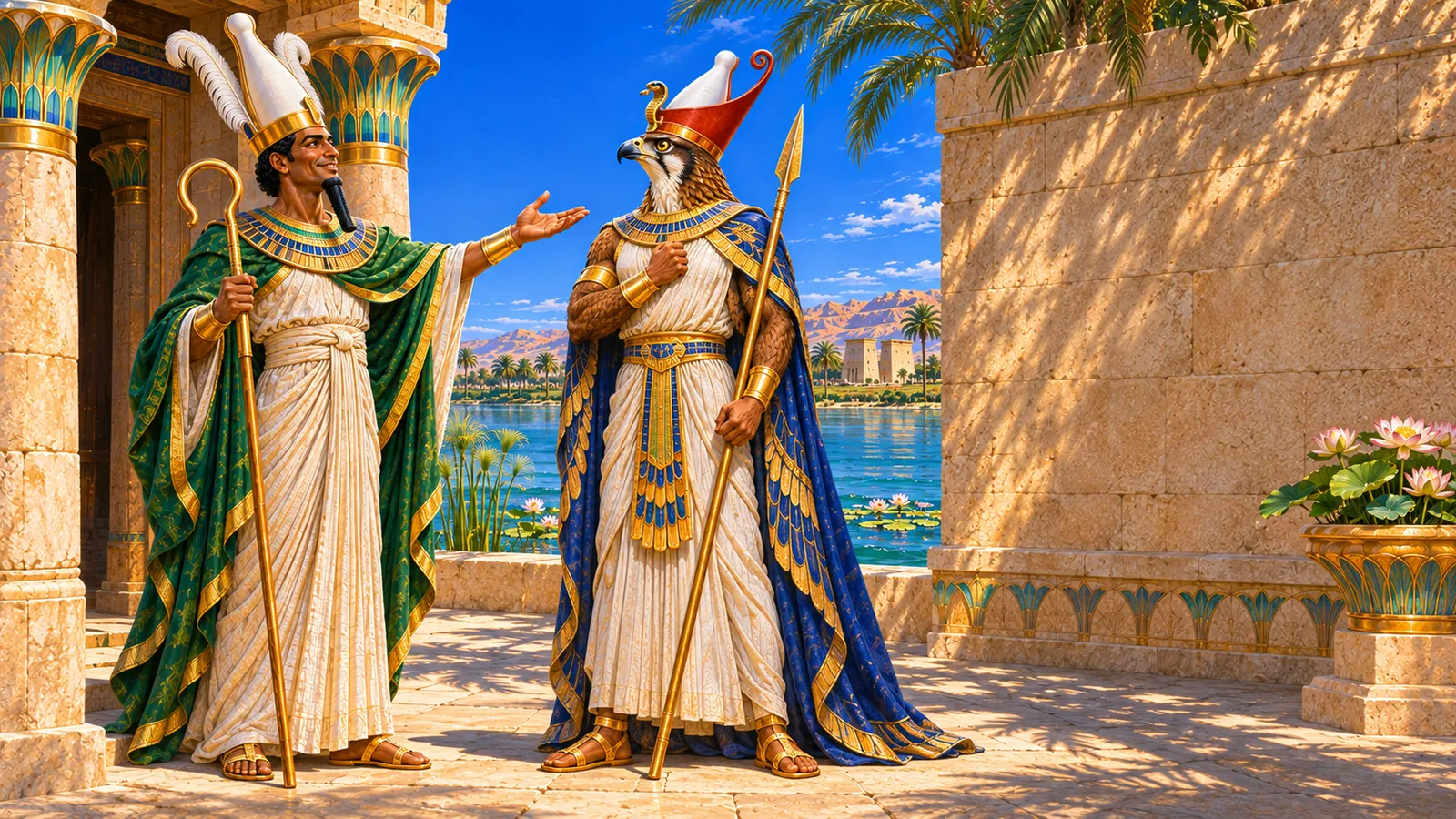
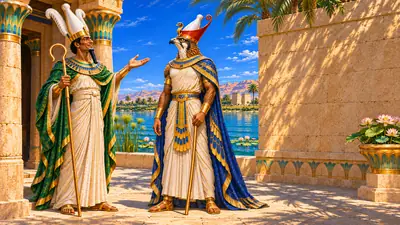
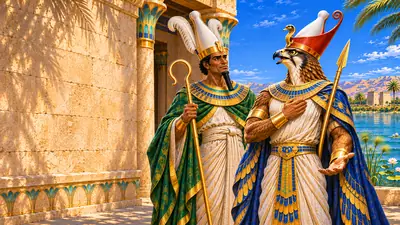
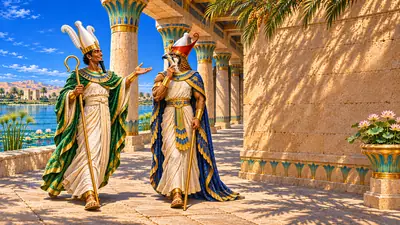
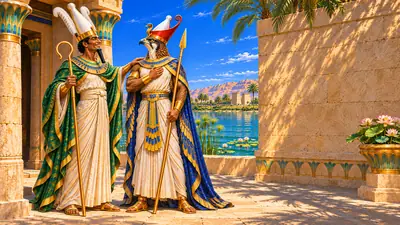
In Plutarchs Erzählung erschien Osiris seinem Sohn Horus aus dem Jenseits. Er ermutigte ihn und bereitete ihn auf den kommenden Kampf vor.
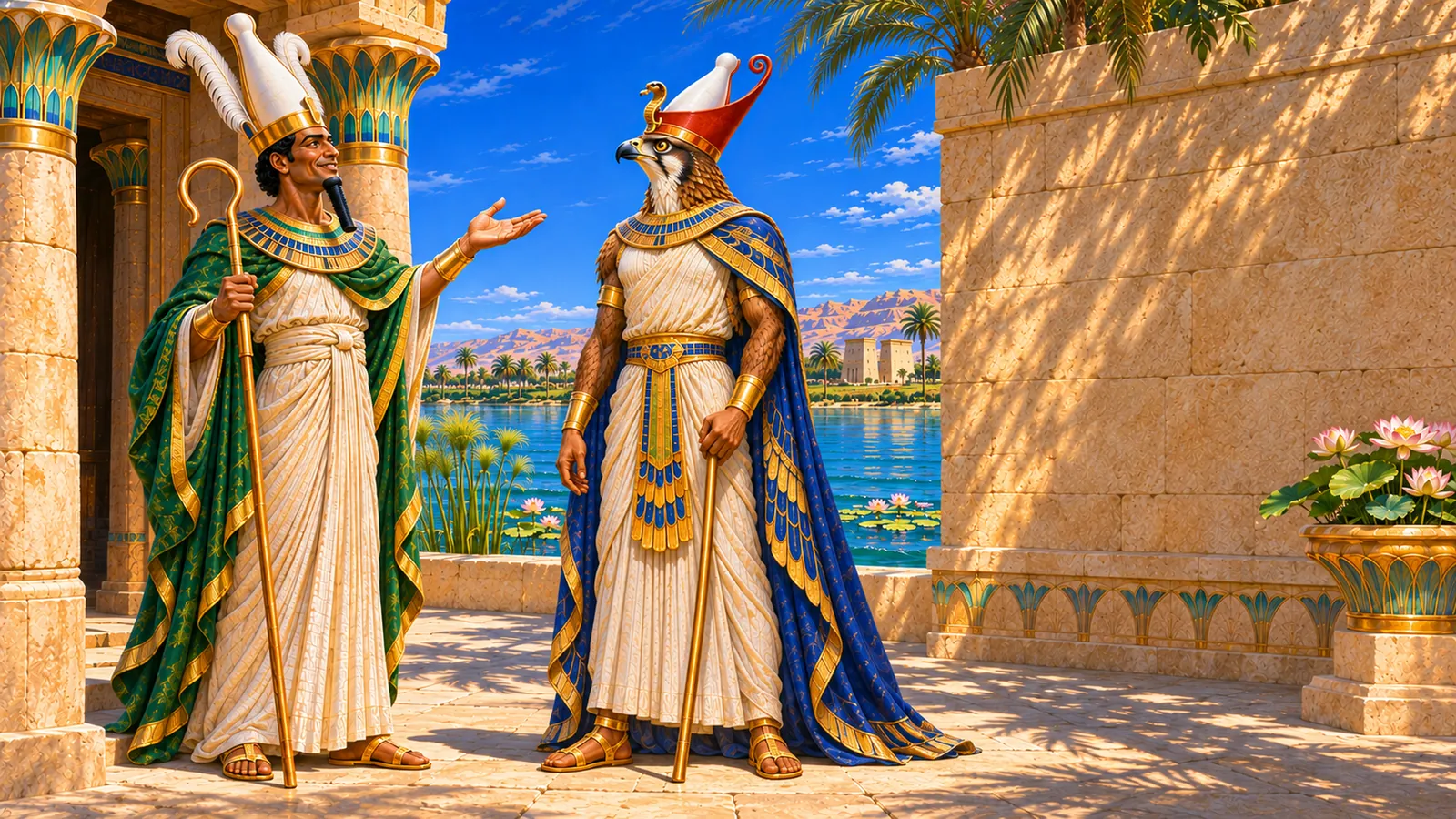
Osiris fragte Horus, welche Tat ein Mensch seiner Meinung nach als die ruhmreichste vollbringen könne.
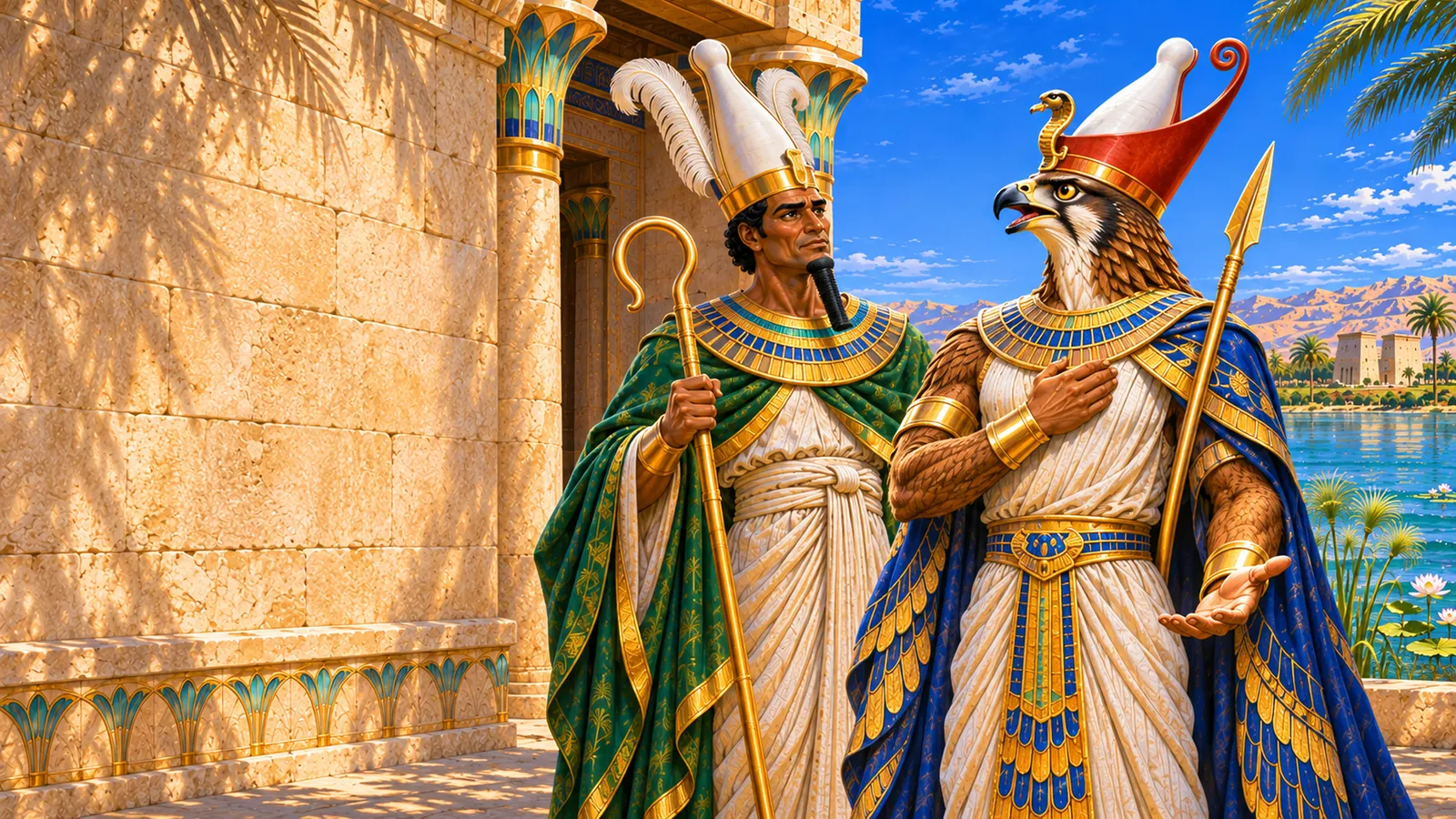
Horus antwortete, die ruhmreichste Tat wäre, das Unrecht an seinem Vater und seiner Mutter zu rächen.
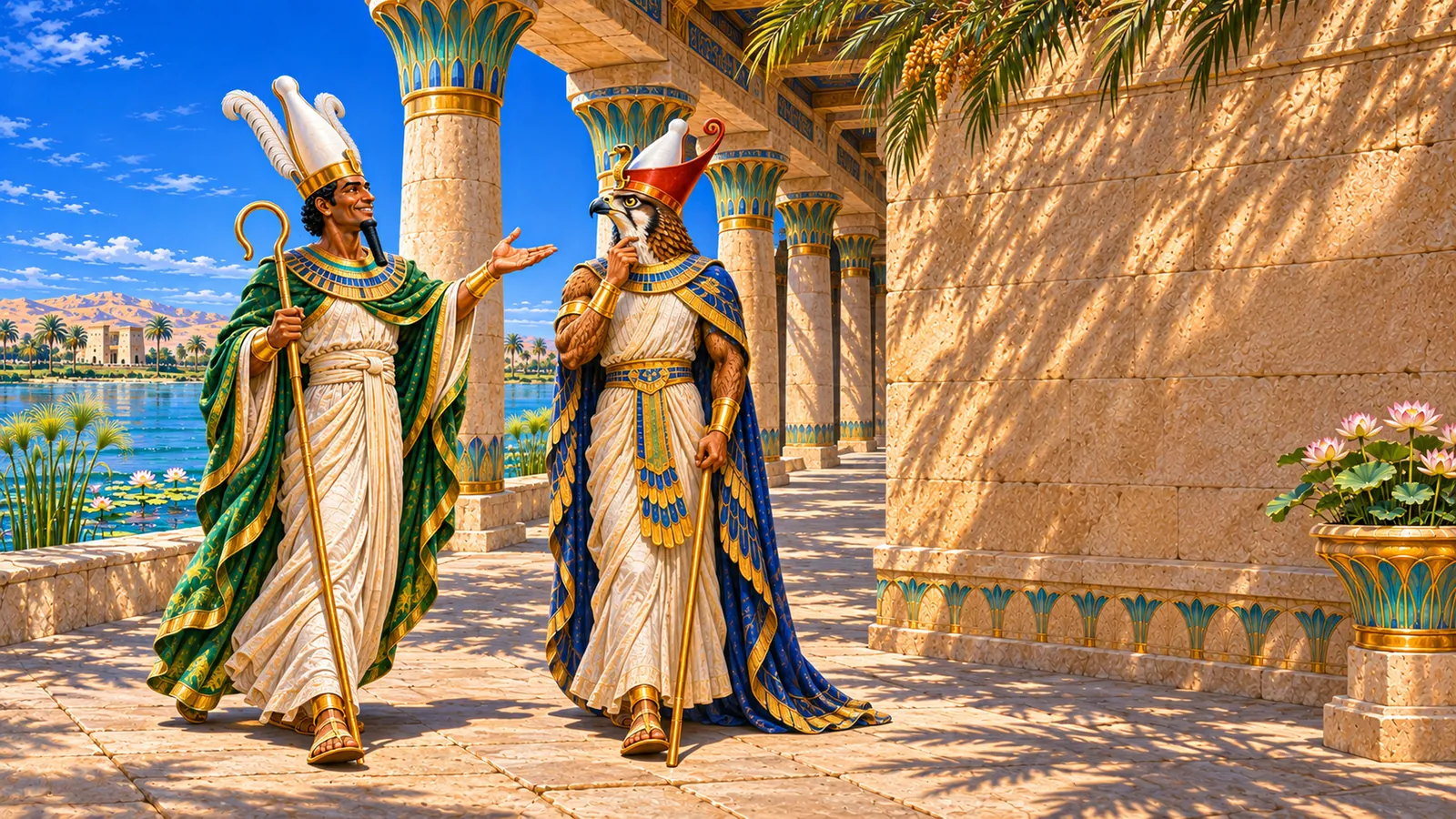
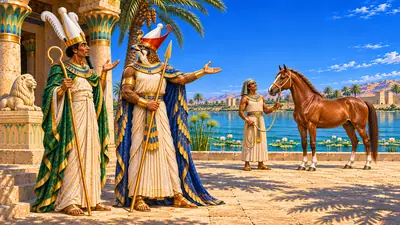
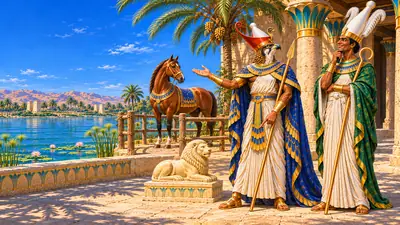
Dann fragte Osiris Horus, welches Tier seiner Meinung nach für einen Soldaten im Kampf am nützlichsten sei.
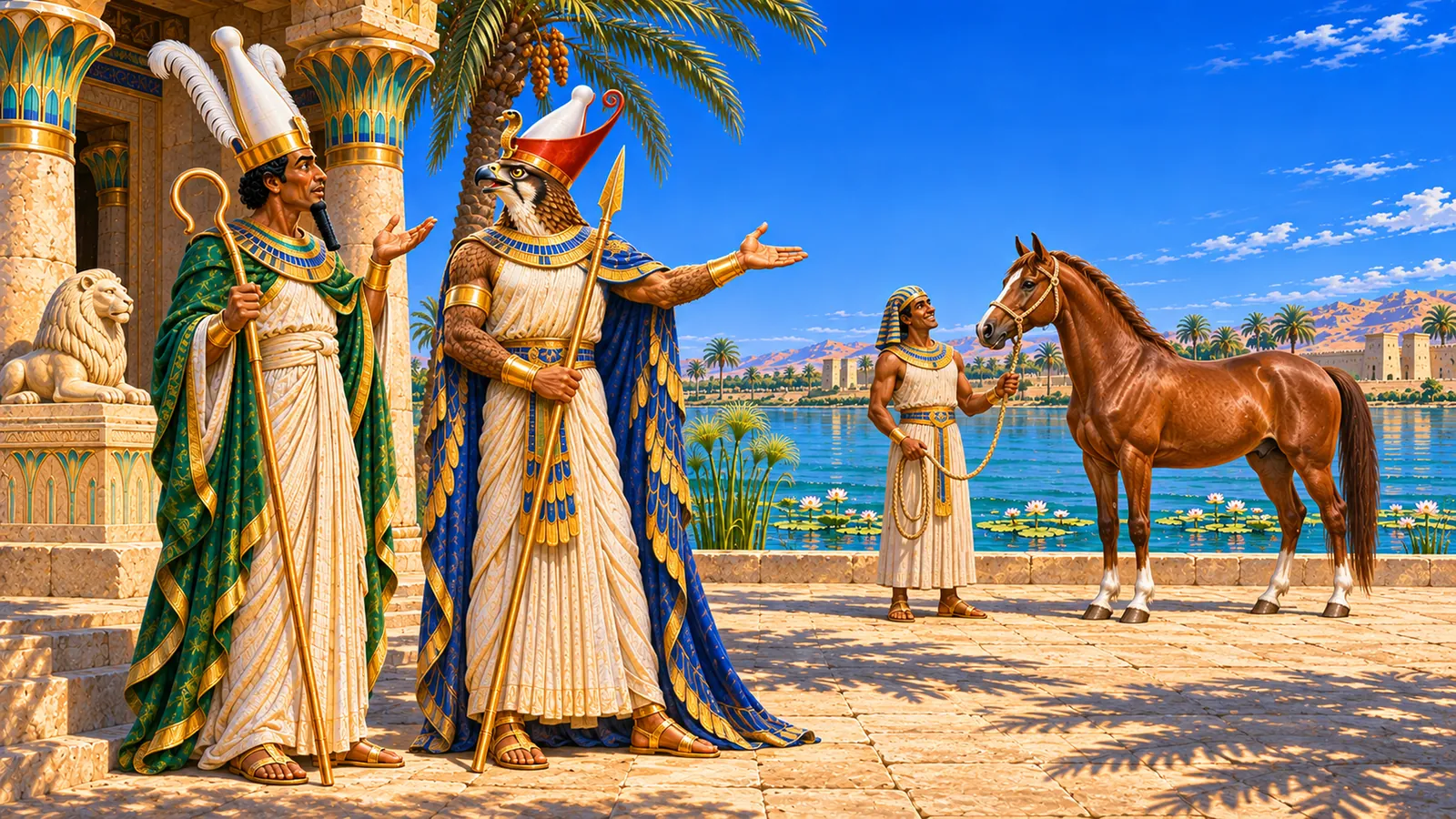
Horus antwortete, das Pferd sei am nützlichsten. Osiris war überrascht und fragte, warum Horus es einem Löwen vorzog.
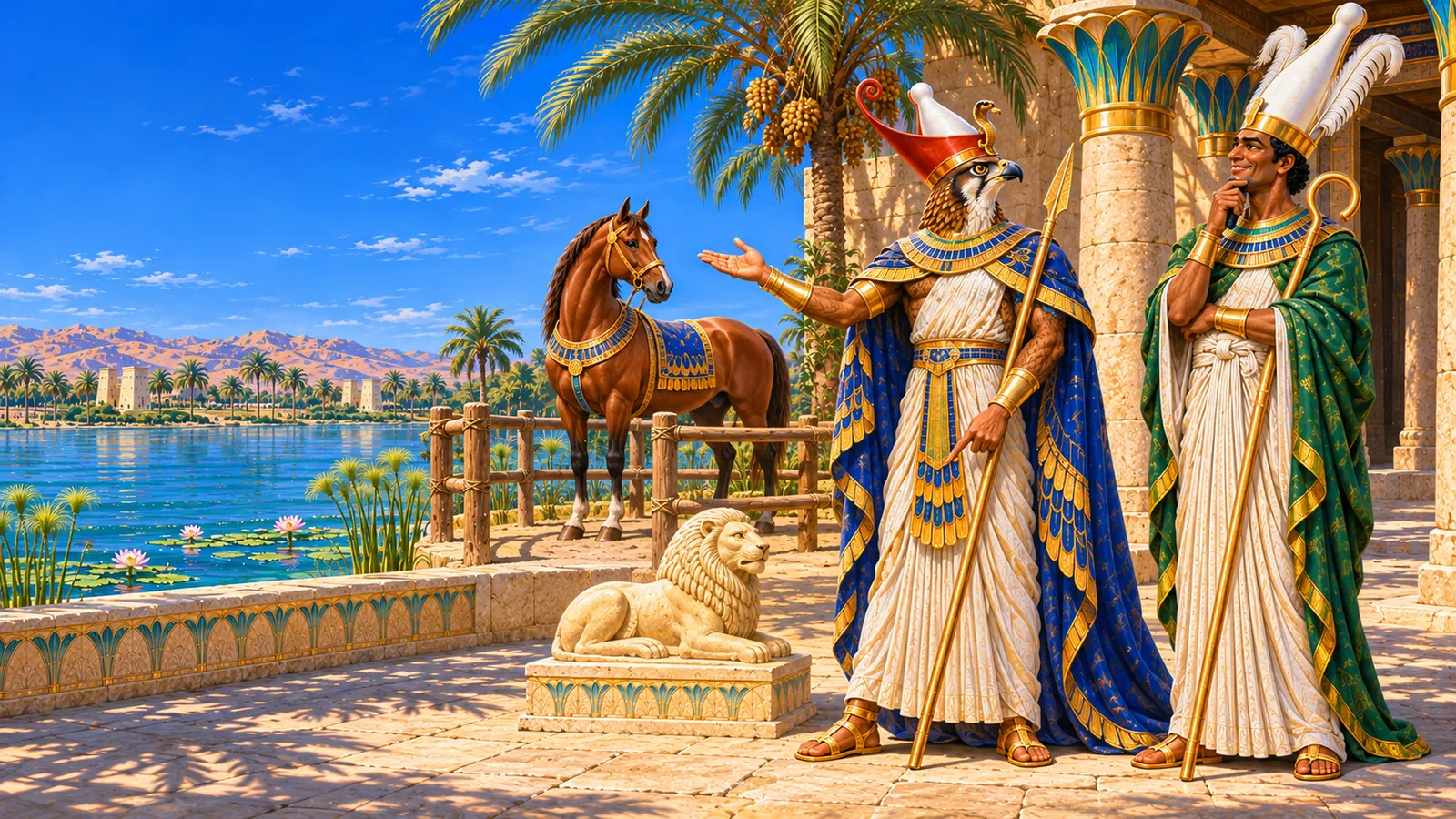
Horus sagte, ein Löwe helfe einem Menschen in Not eher. Ein Pferd hielt er für nützlicher, wenn es darum ging, einem fliehenden Gegner zu folgen.
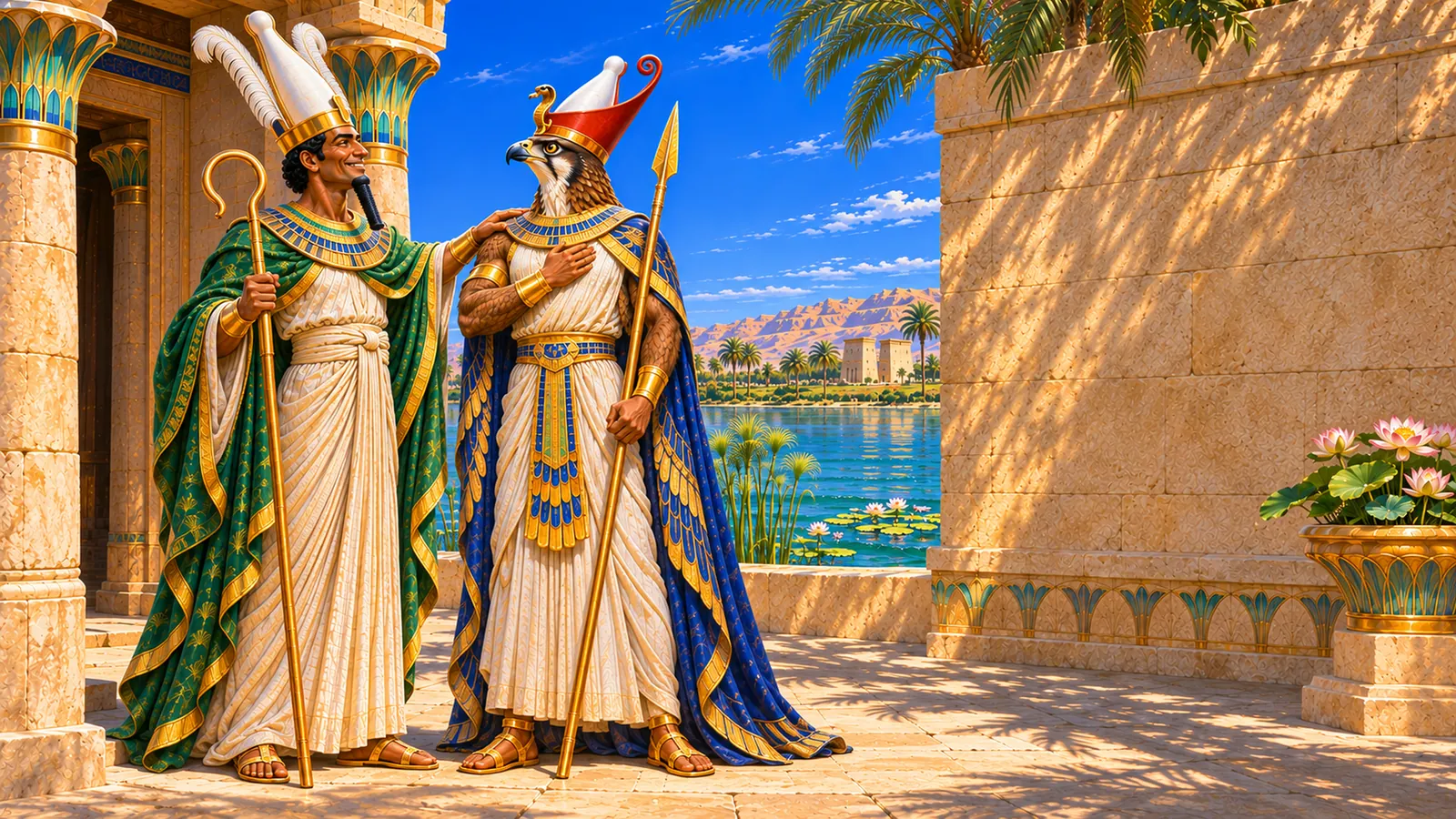
Osiris freute sich über Horus’ Antworten. In der Erzählung zeigten sie ihm, dass sein Sohn bereit war, seinem Feind entgegenzutreten.
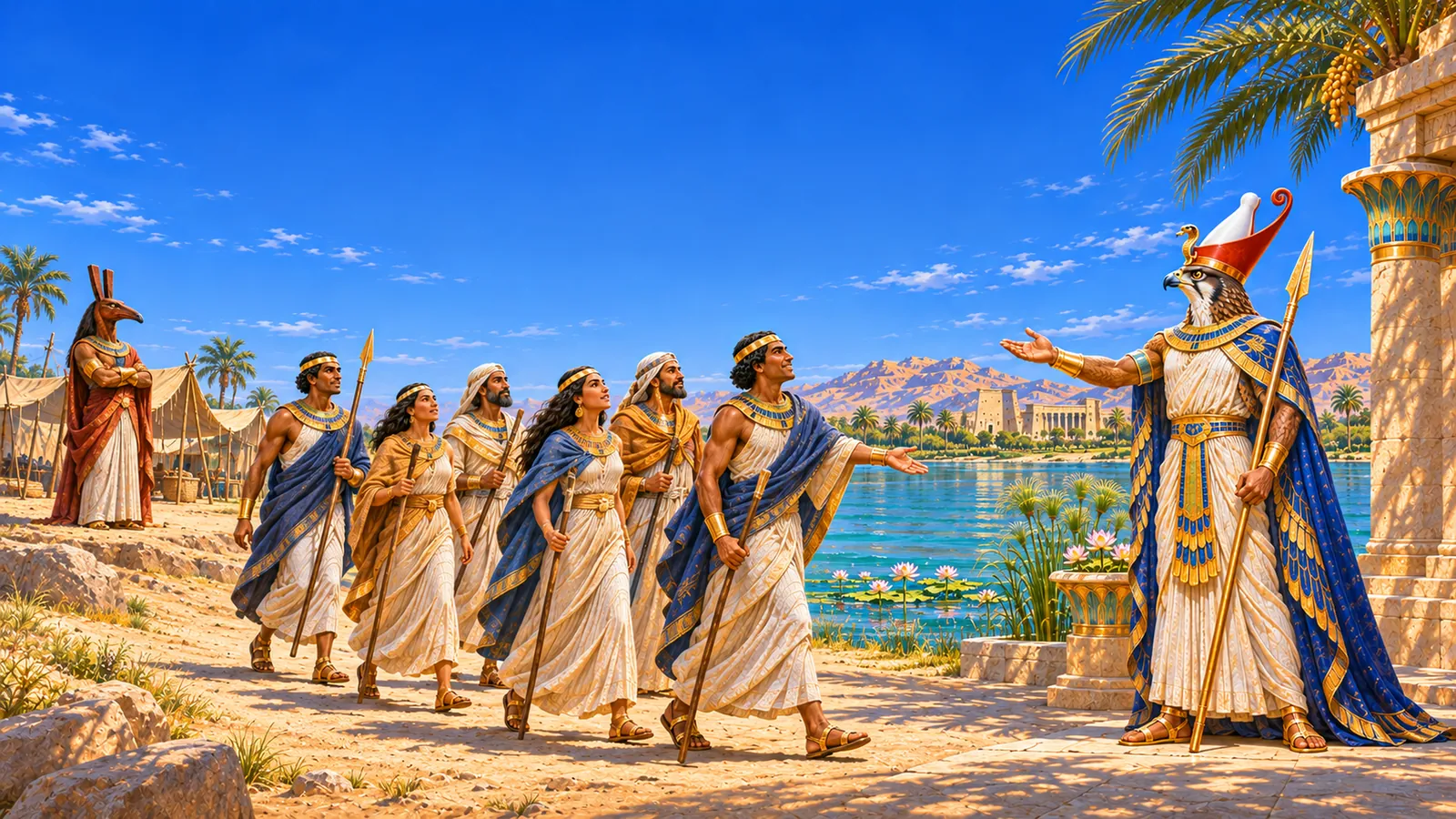
Plutarch berichtet auch, dass sich in diesem Konflikt viele Menschen fortwährend von Seth abwandten.
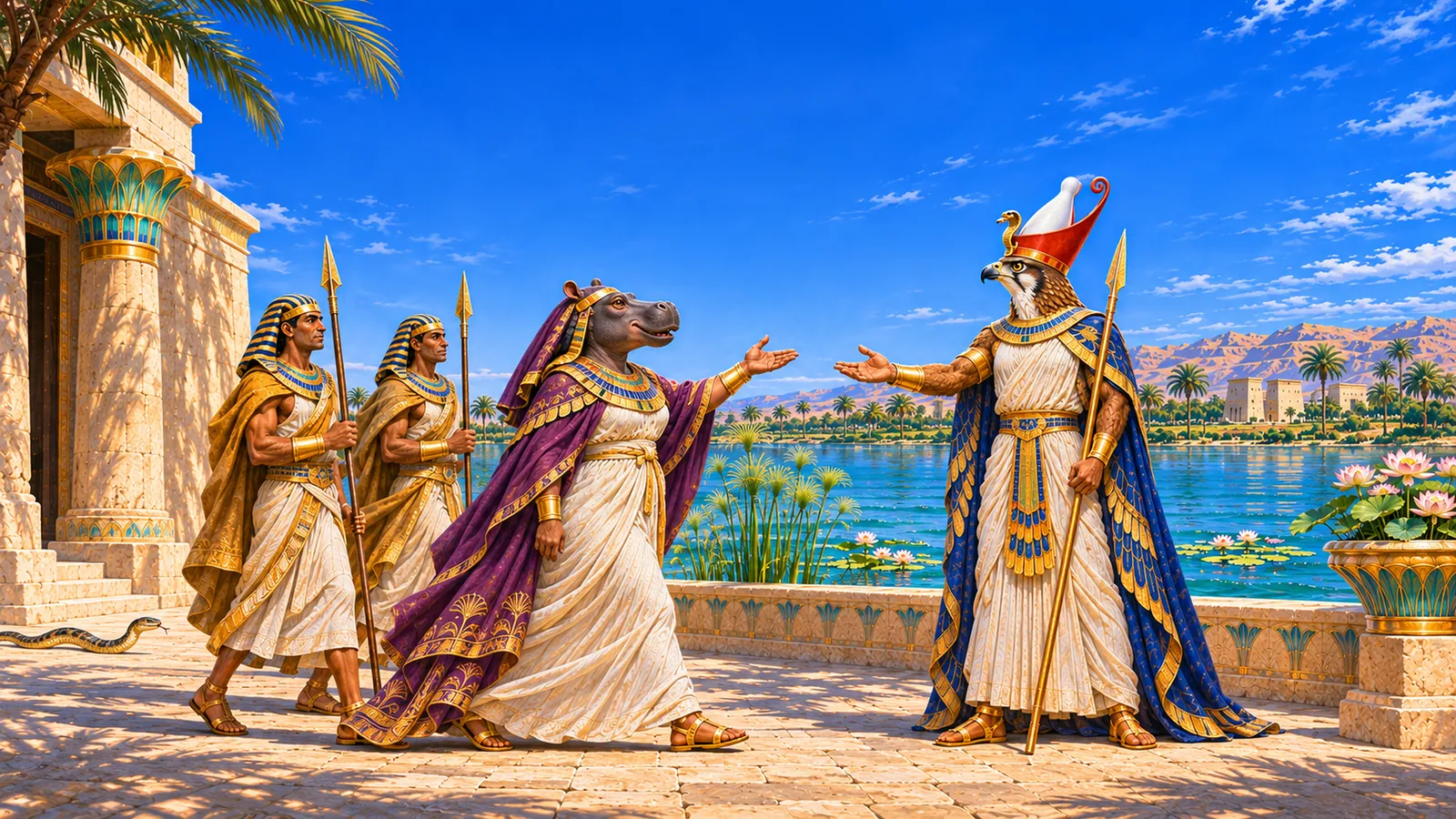
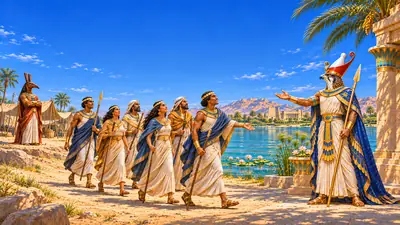
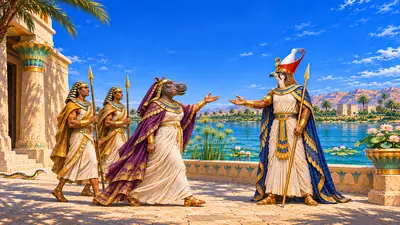
Unter denen, die Seth verließen, war seine Gefährtin Thueris. In Plutarchs Erzählung verfolgte eine Schlange sie, als sie zu Horus überging.
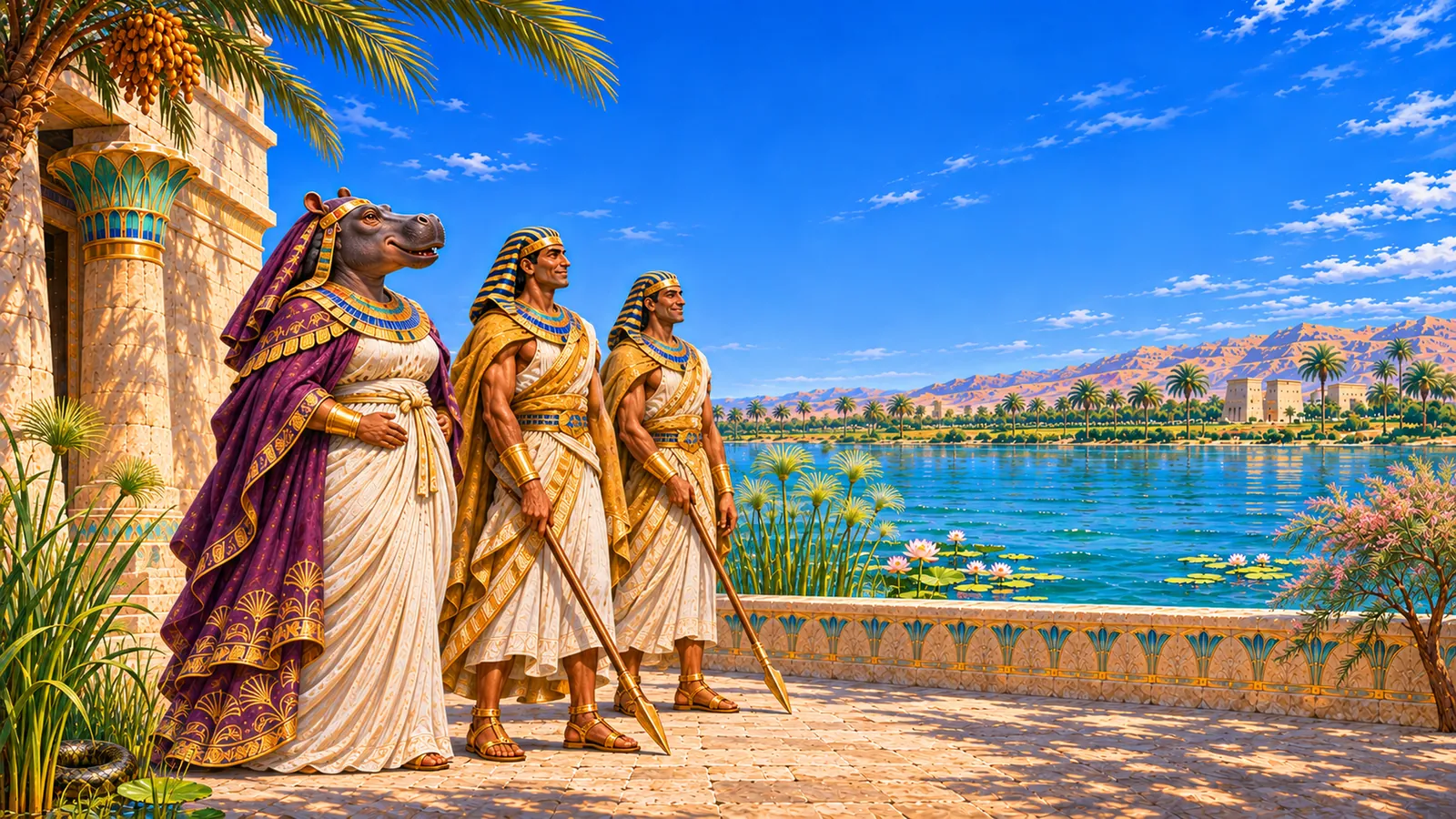
Der Erzählung zufolge töteten die Soldaten, die Thueris begleiteten, die Schlange, die sie verfolgt hatte.
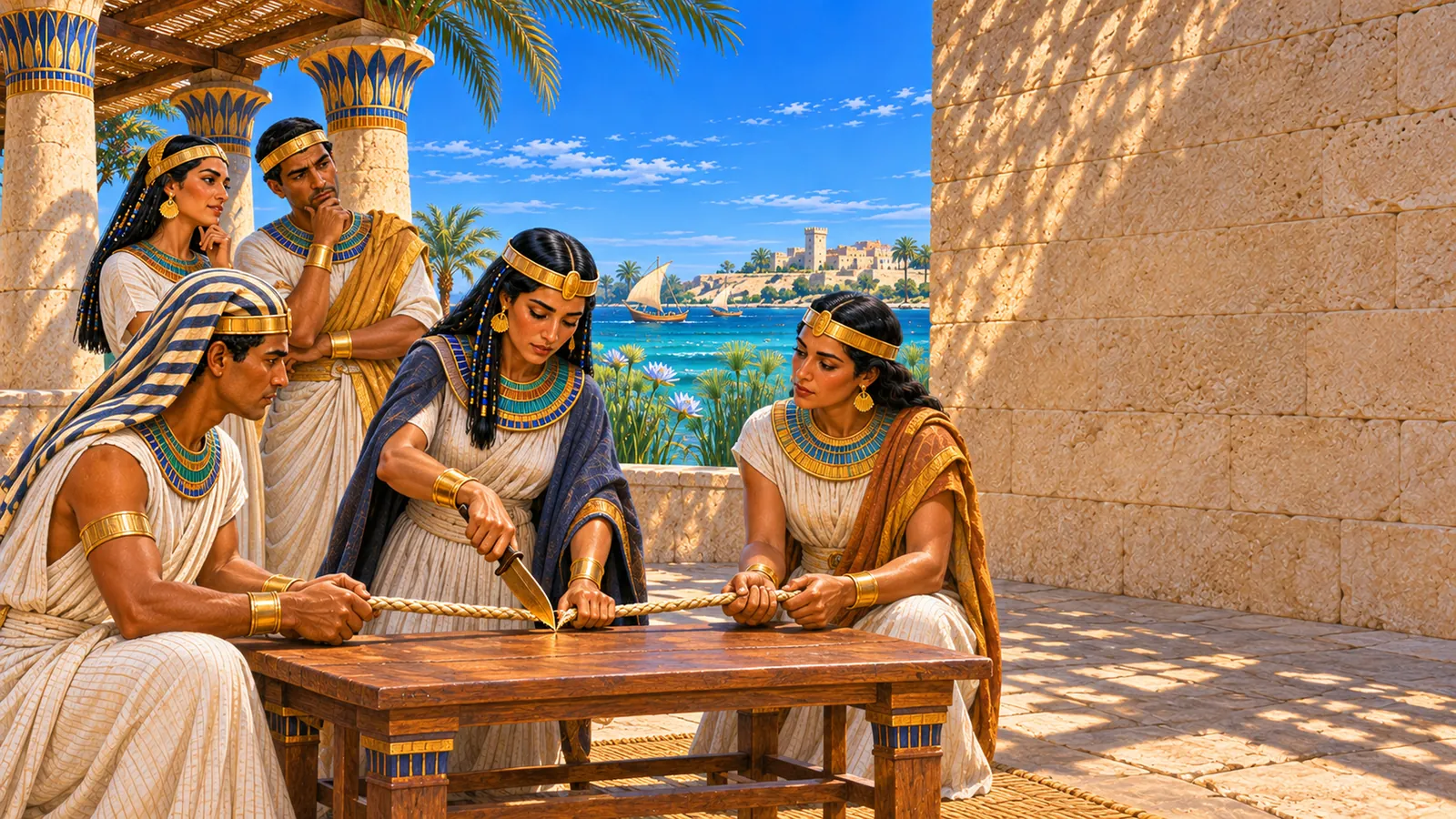
Plutarch verbindet das Ereignis mit einem Seil, das bei bestimmten Versammlungen durchschnitten wurde. Er sagt, man habe damit an den Tod der Schlange erinnert.
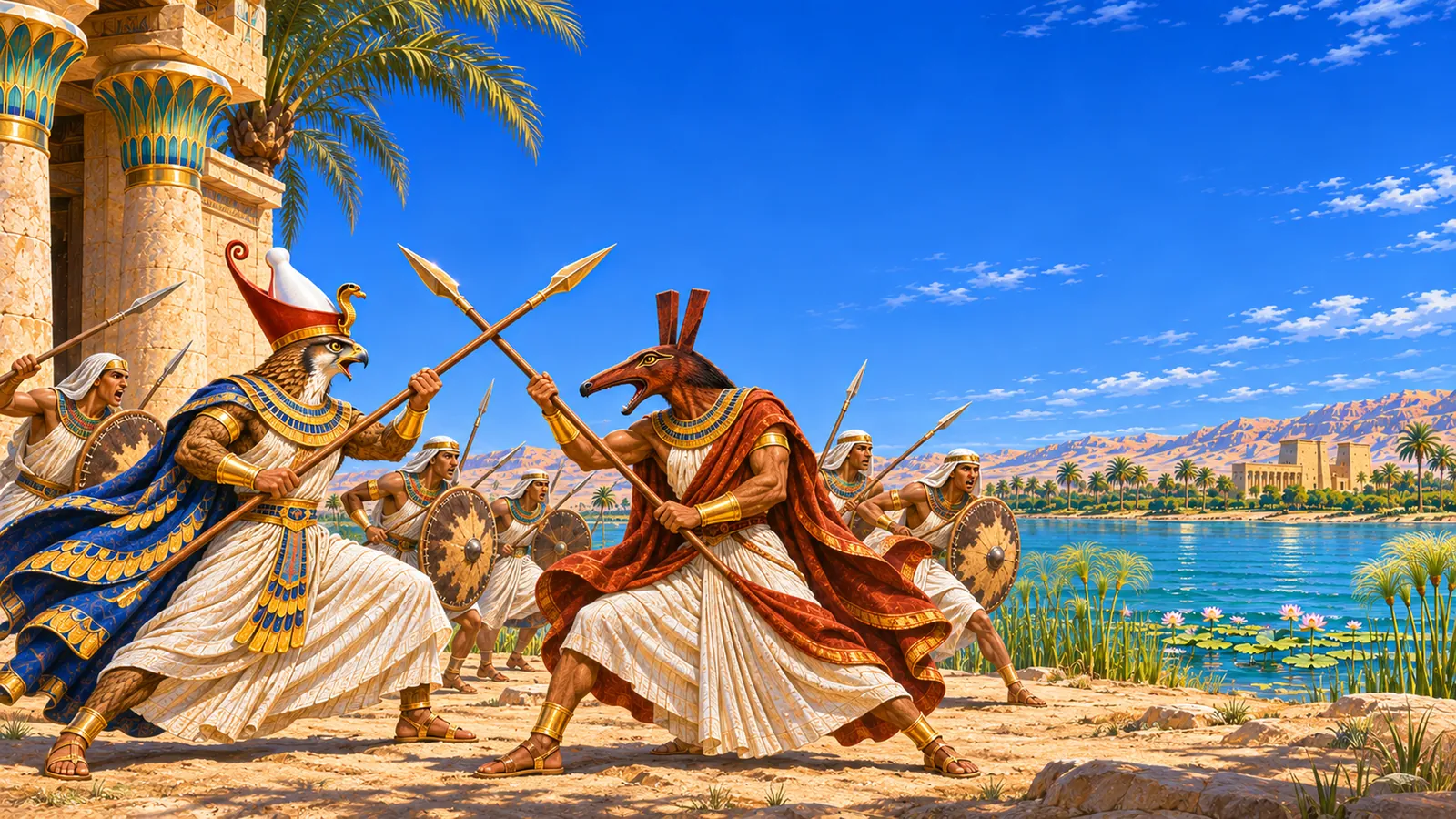
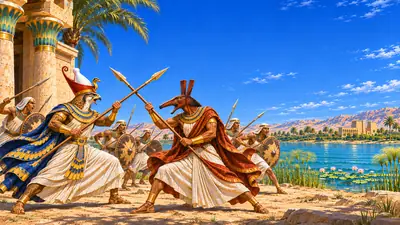
Zwischen Horus und Seth kam es zu einer Schlacht. In Plutarchs Erzählung dauerte der Kampf viele Tage.
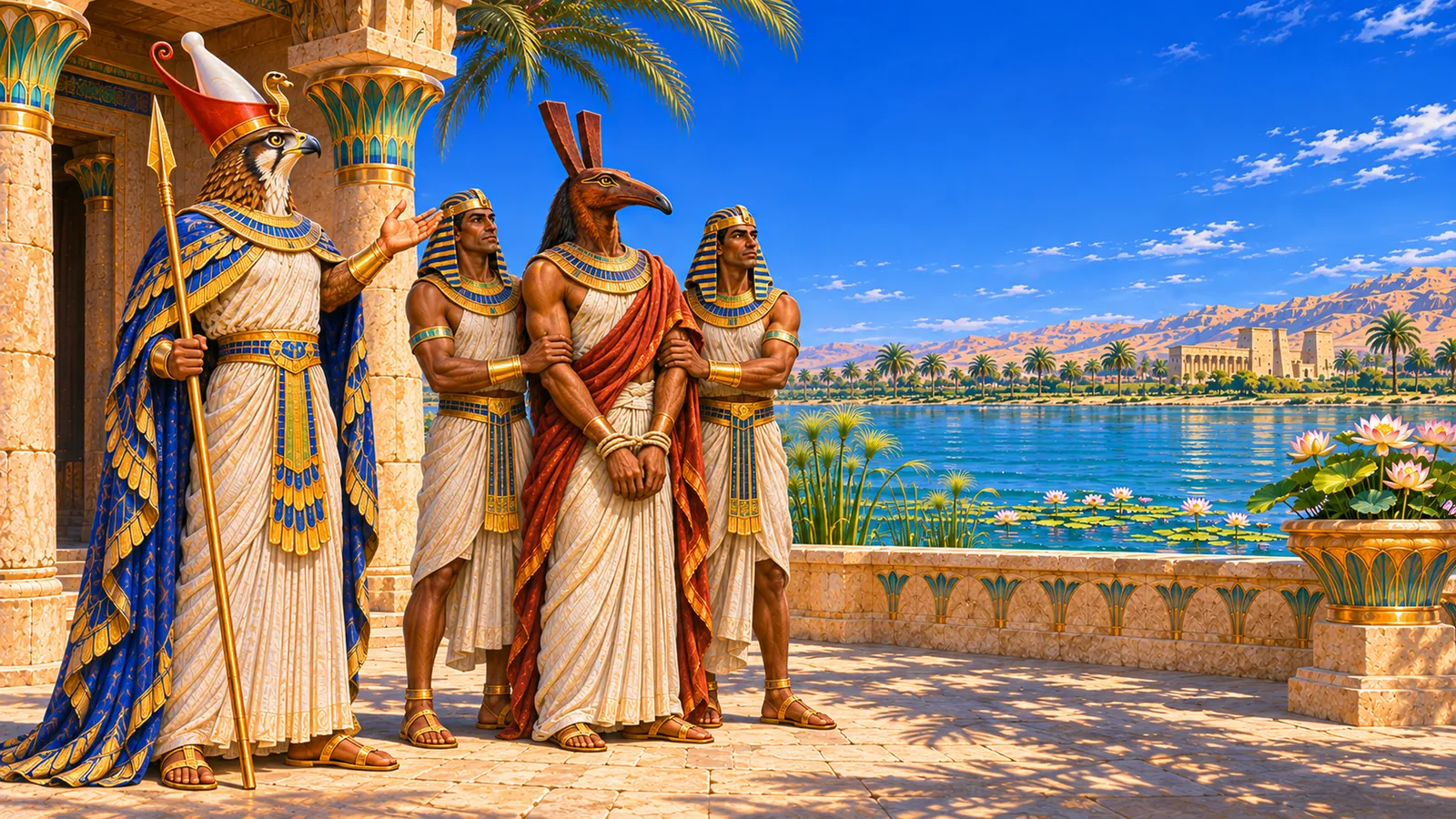
SIEG
Am Ende der Schlacht hatte laut Plutarch Horus den Sieg errungen und Seth war gefangen genommen worden.
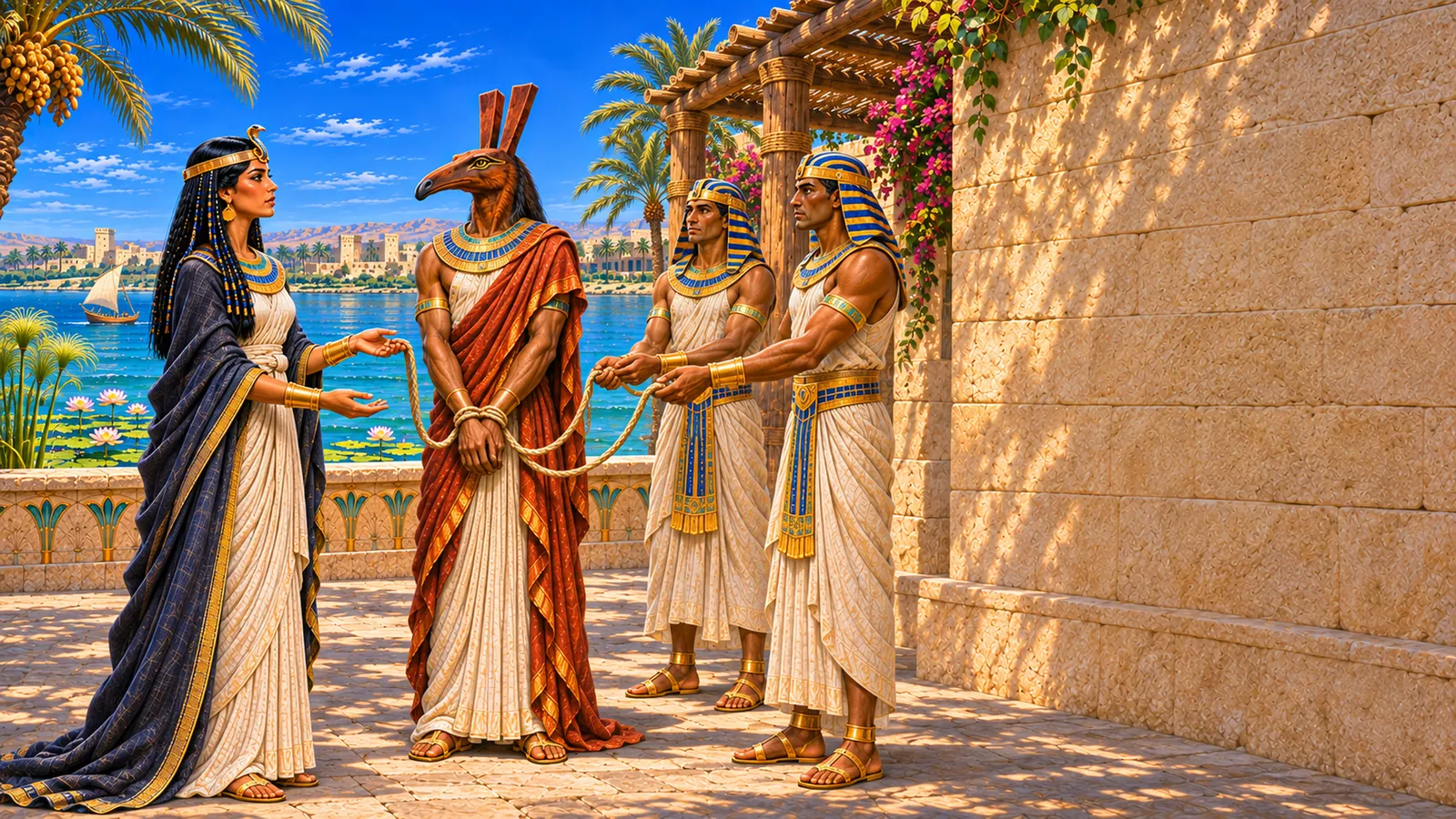
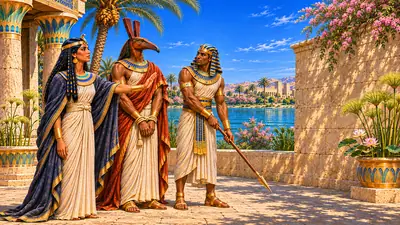
Seth war am Ende der Schlacht gefangen genommen worden. Der Erzählung nach übergaben ihn seine Bewacher in die Obhut der Isis.
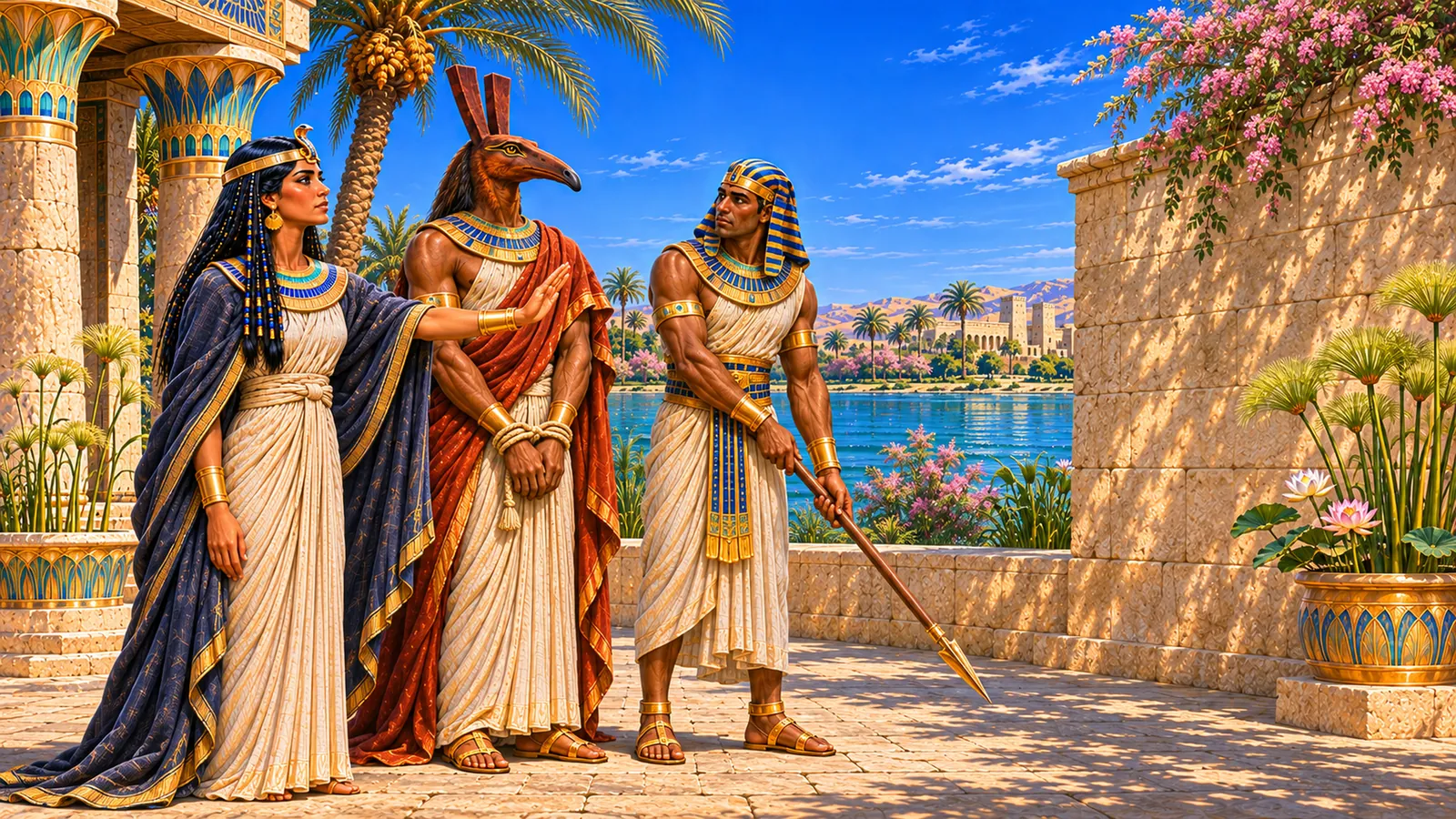
Seth war nun in der Obhut der Isis. Sie hielt ihn gefangen, doch der Geschichte nach ließ sie ihn am Leben.
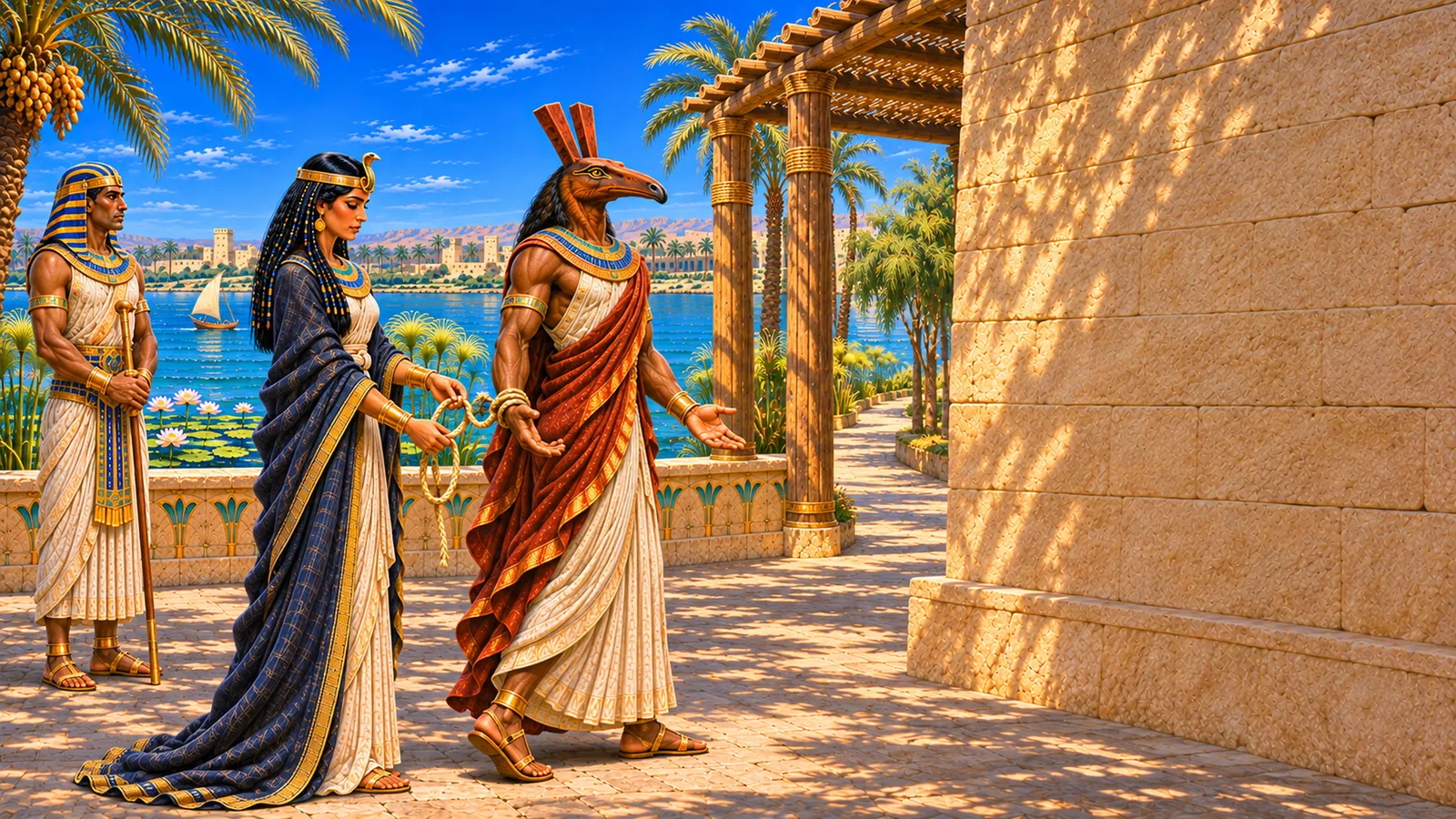
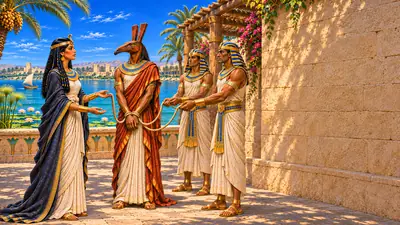
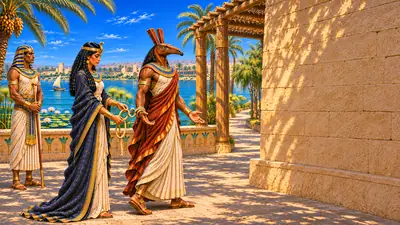
Isis ging weiter, als ihn am Leben zu lassen. Sie löste Seths Fesseln und ließ ihn frei.
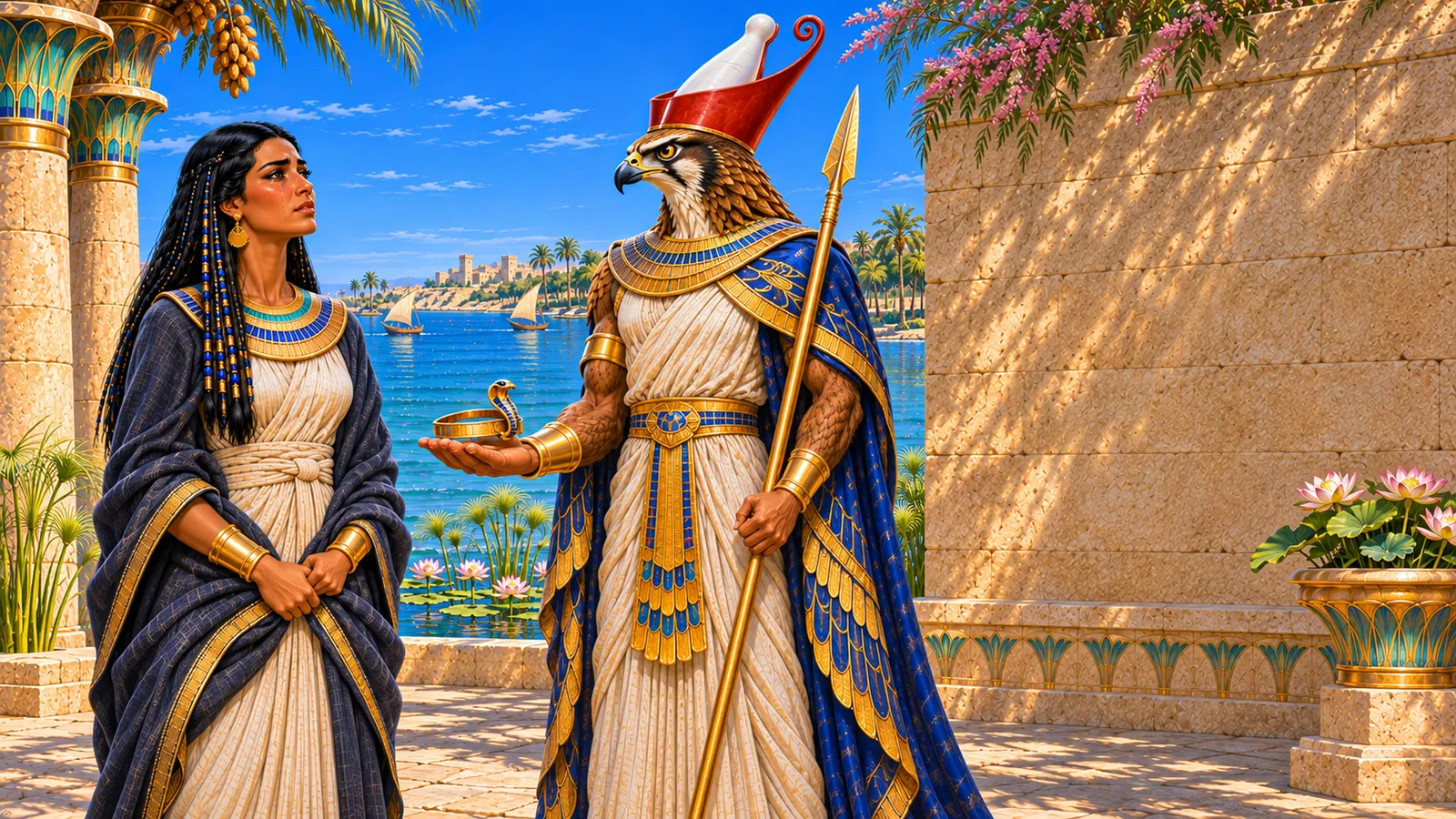
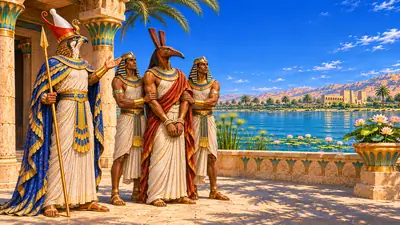
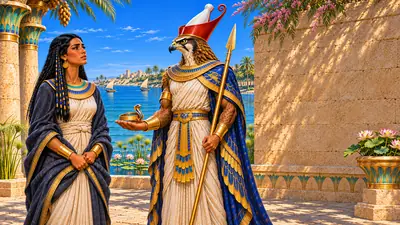
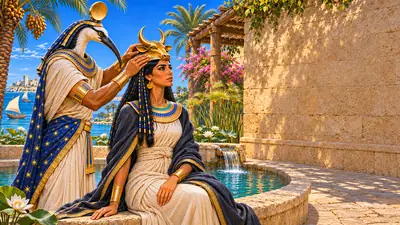
Seths Freilassung erzürnte Horus so sehr, dass er seine Mutter angriff. Er riss ihr das königliche Zeichen fort, das sie trug.
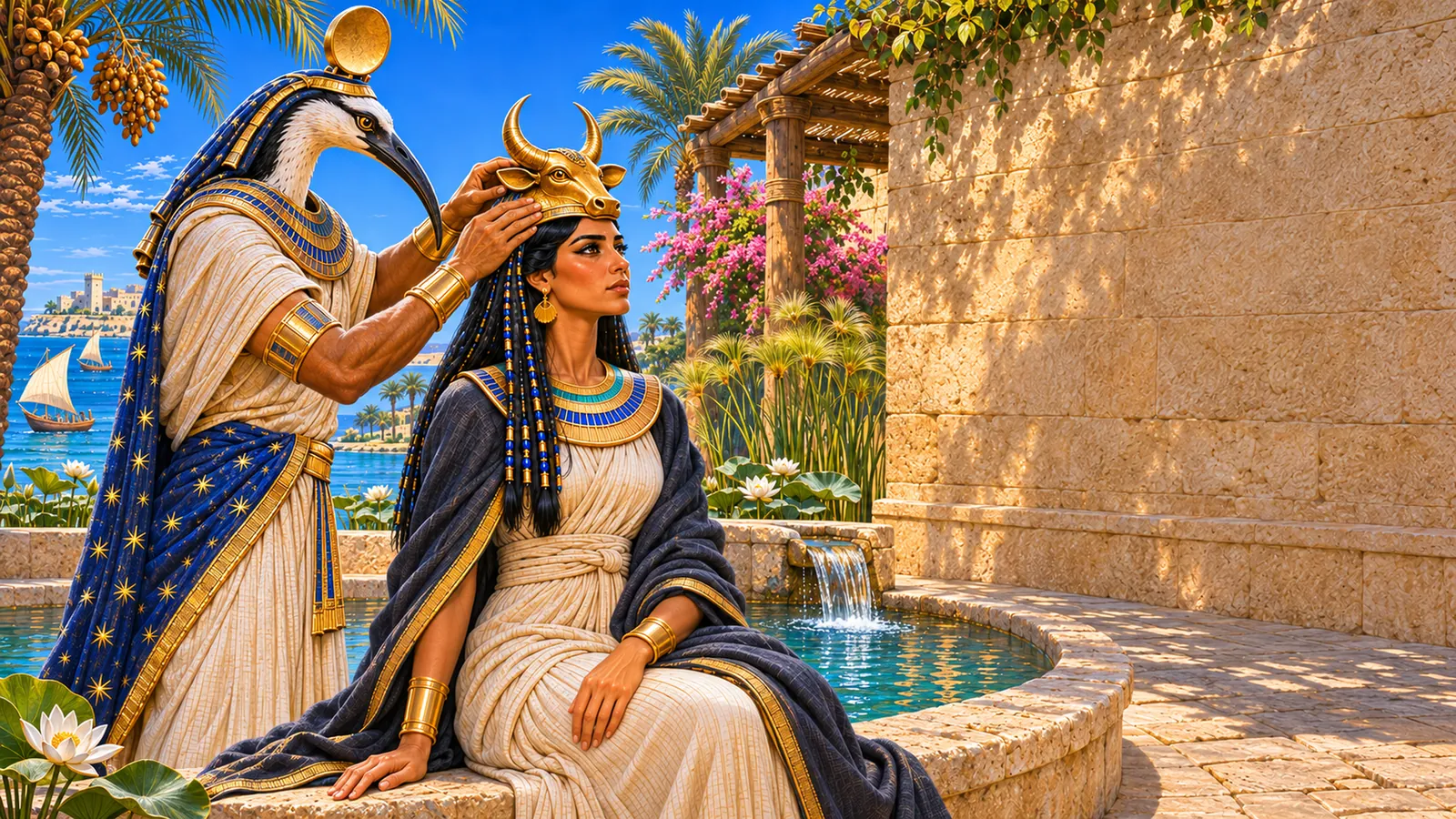
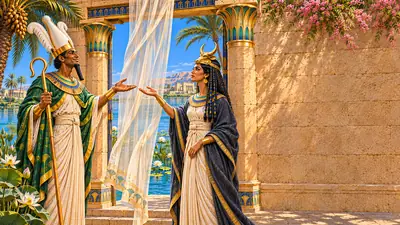
Thot setzte an die Stelle des königlichen Zeichens eine andere Kopfbedeckung. Die Erzählung beschreibt sie als einen Helm in Form eines Ochsenkopfes.
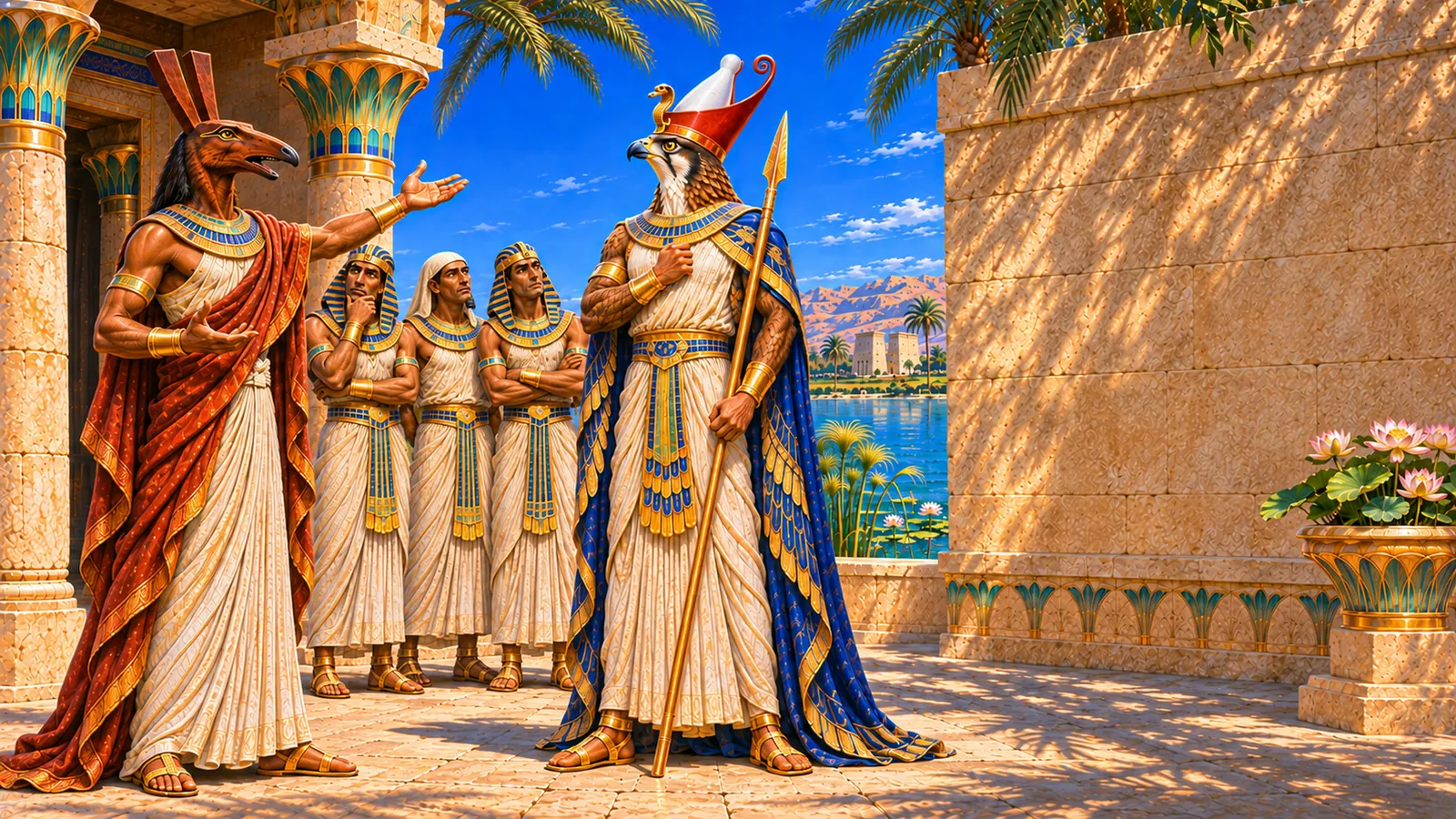
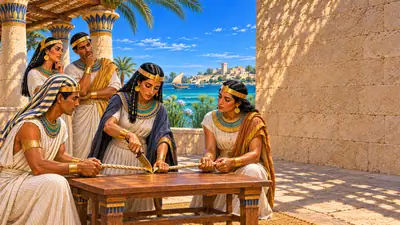
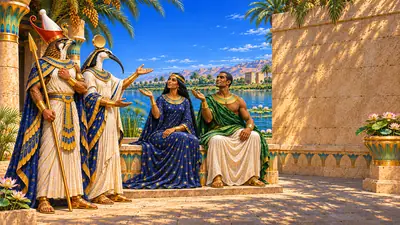
Seth erhob nun einen Vorwurf. Öffentlich behauptete er, Horus sei ein uneheliches Kind.
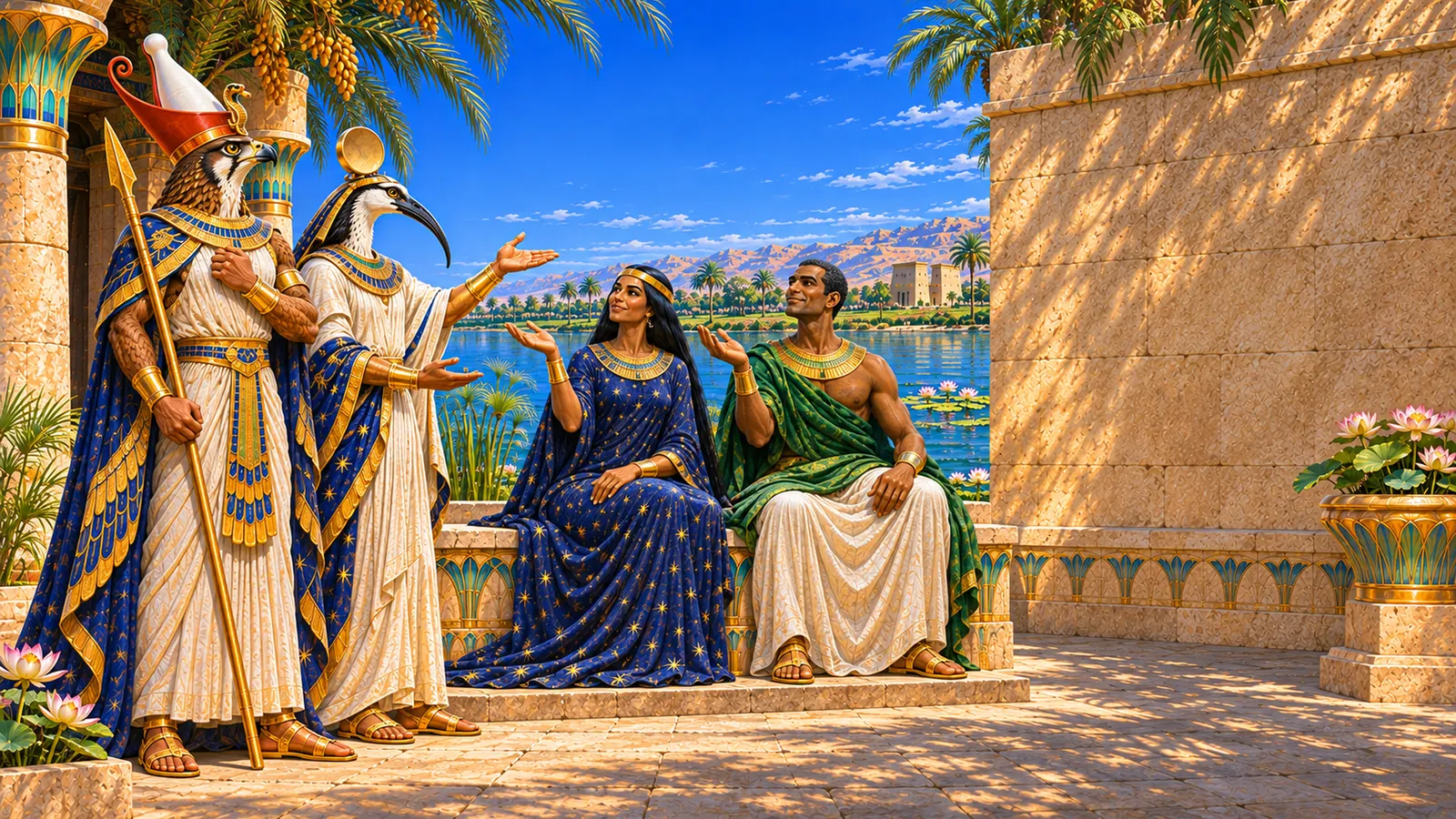
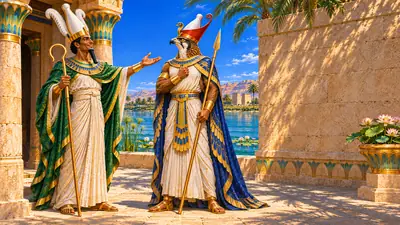
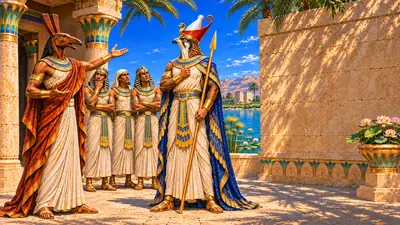
Thot half Horus, auf den Vorwurf zu antworten. In der Erzählung fällten die Götter selbst das Urteil und bestätigten seine Legitimität.
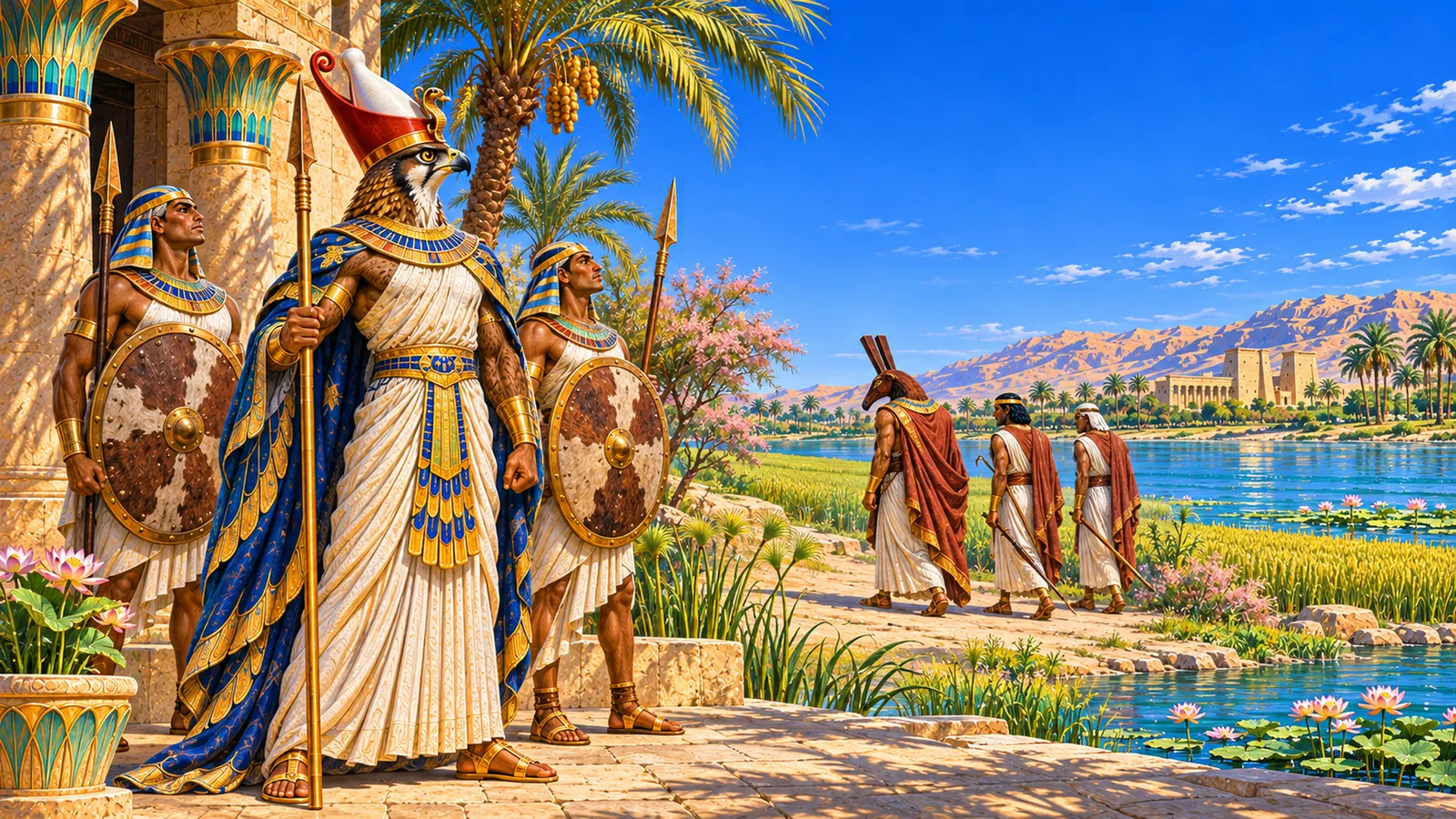
Nach dem Urteil kam es zu zwei weiteren Schlachten. Der alten Erzählung nach unterlag Seth in beiden.
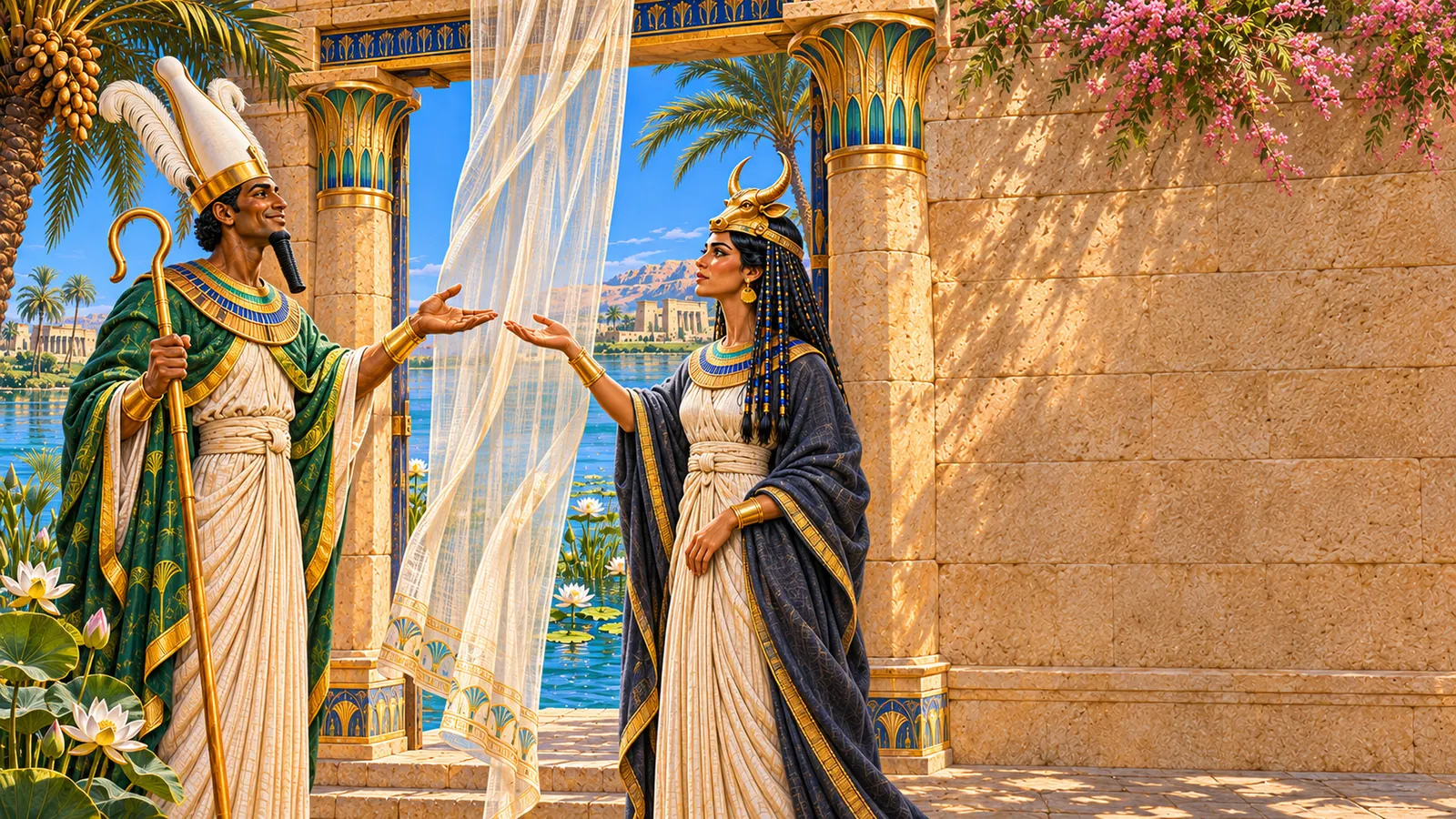
In der abschließenden Überlieferung heißt es, dass Isis nach seinem Tod mit Osiris schlief. Die Erzählung wendet sich dann ihrem Kind zu.
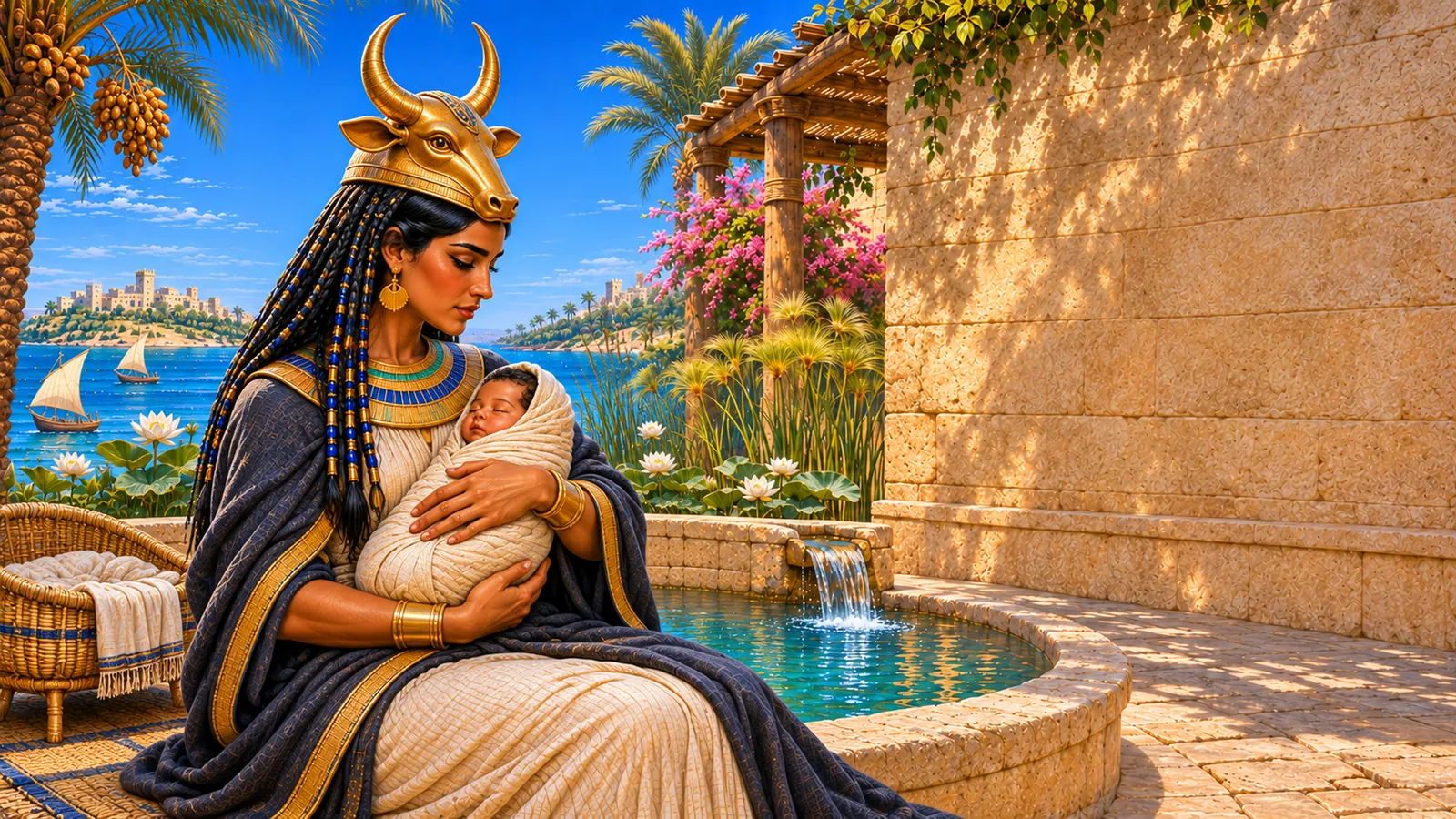
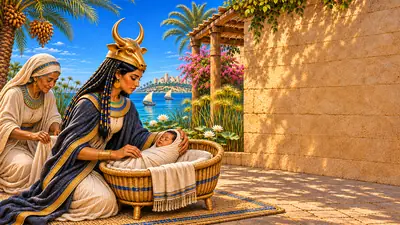
Der Erzählung nach wurde Isis aus dieser Verbindung ein Kind geboren. Der Name, den sie ihm gibt, ist Harpokrates.
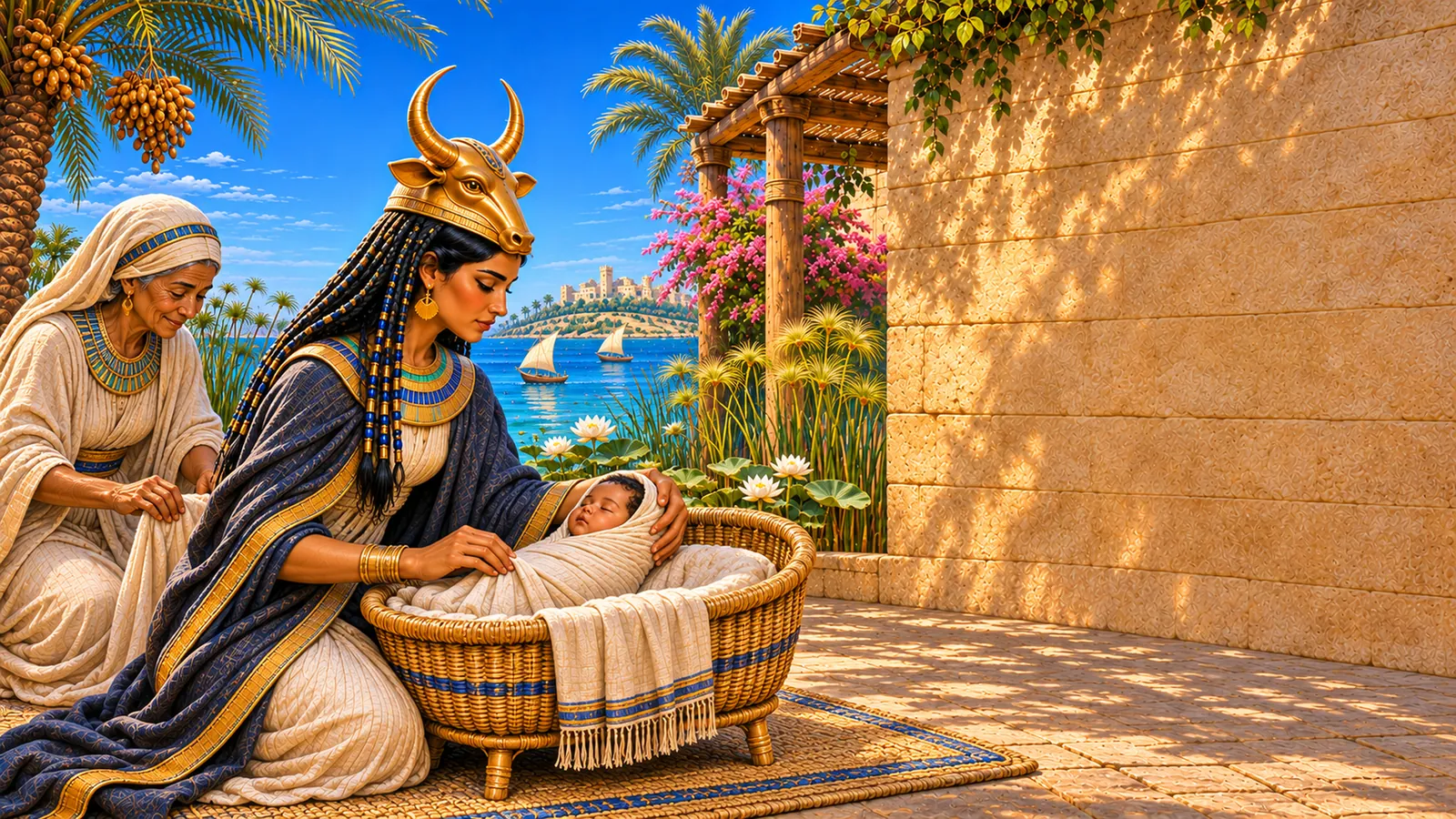
Die Erzählung erinnert an die Umstände dieser letzten Geburt. Sie sagt, Harpokrates sei vor der Zeit zur Welt gekommen.
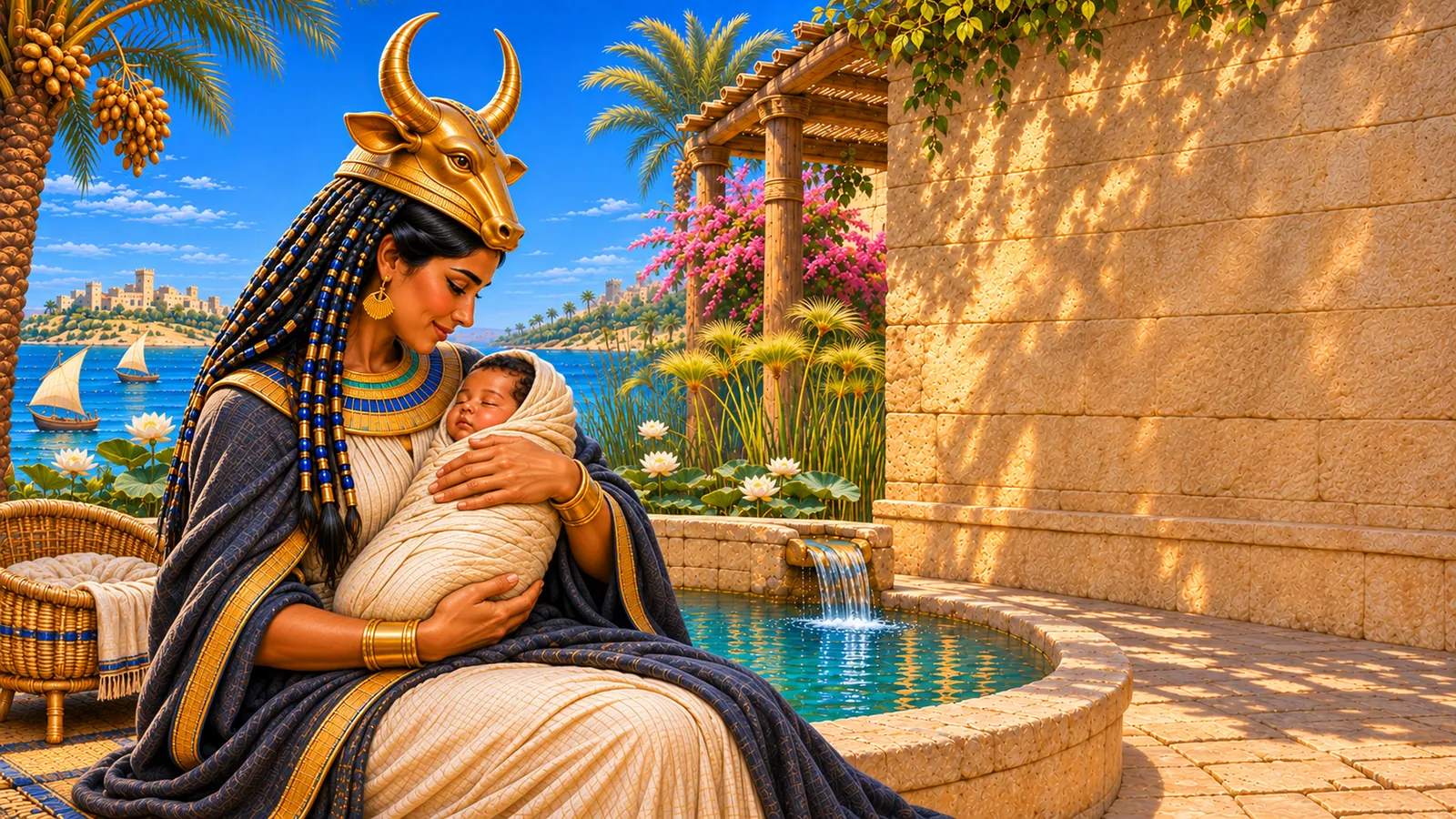
EINE GEBURT
Der Erzähler schließt mit der Aussage, Harpokrates sei mit einer Beeinträchtigung der unteren Gliedmaßen geboren worden. Damit endet diese Erzählung.
Ende von Kapitel 3
Alle Seiten







Quellen
Line positions in the page notes refer to the Project Gutenberg HTML of Budge’s edition. Literary claims about the safety of reed boats are part of the tale.
Benutzte Editionen
- E. A. Wallis Budge, Egyptian Ideas of the Future Life, third edition, 1908, Chapter II
- Plutarch’s narrative in Samuel Squire’s translation, as quoted in Chapter II
- Budge’s note on the horse in Plutarch’s retelling
Hinweise zu dieser Nacherzählung
### Pages 01–14 · The return to the marshes
Page 15 (Squire 1744 in Budge 1908, chapter II, HTML 1393–1396). He calls the likeness a “Phallus” and reports that the festival was still observed in the teller’s time.
Page 16 (1398–1400). Osiris appears to his son Orus, rendered Horus here, from the other world. He encourages his son for battle and, in Squire’s words, instructs him “in the exercise of arms.”
Pages 17–18 (1400–1403). Osiris asks what action would be most glorious. The cached wording has Orua at line 1402, with Orus in the surrounding dialogue.
Pages 19–20 (1403–1406). Osiris asks which animal would be most useful to a soldier. Horus names the horse. Osiris asks with surprise why he prefers it to the lion.
Pages 21–22 (1406–1412). Horus says the lion offers greater aid to a person needing help and the horse is more useful in pursuit. Osiris is pleased because he takes the answers as signs of readiness. Budge adds a separate chronological comment about the horse in footnote 53.
Pages 23–24 (1412–1415). The teller describes many people leaving Typho’s side. Thueris is among them. Squire calls her Typho’s concubine. In the account, a serpent pursues her when she goes over to Orus.
Pages 25–26 (1414–1417). The soldiers accompanying Thueris kill the serpent. Plutarch connects the event with a cord cut at assemblies as a remembrance.
Pages 27–28 (1417–1419). The first battle between Horus and Set continues for many days. Victory ultimately goes to Horus, and Set is taken prisoner. The next source lines concern what Isis does after Set is placed in her custody.
### Pages 29–40 · Isis, the judgment, and the last birth
Die antiken Verse hinter jeder Seite
- Page 1: Plutarch, Squire 1744 as printed by Budge 1908, Chapter II, HTML lines 1362–1364
- Page 2: Plutarch, Squire 1744 as printed by Budge 1908, Chapter II, HTML lines 1363–1364
- Page 3: Plutarch, Squire 1744 as printed by Budge 1908, Chapter II, HTML lines 1364–1366
- Page 4: Plutarch, Squire 1744 as printed by Budge 1908, Chapter II, HTML lines 1365–1367
- Page 5: Plutarch, Squire 1744 as printed by Budge 1908, Chapter II, HTML lines 1368–1370
- Page 6: Plutarch, Squire 1744 as printed by Budge 1908, Chapter II, HTML lines 1369–1371
- Page 7: Plutarch, Squire 1744 as printed by Budge 1908, Chapter II, HTML lines 1371–1374
- Page 8: Plutarch, Squire 1744 as printed by Budge 1908, Chapter II, HTML lines 1374–1377
- Page 9: Plutarch, Squire 1744 as printed by Budge 1908, Chapter II, HTML lines 1376–1378
- Page 10: Plutarch, Squire 1744 as printed by Budge 1908, Chapter II, HTML lines 1378–1382
- Page 11: Plutarch, Squire 1744 as printed by Budge 1908, Chapter II, HTML lines 1381–1384
- Page 12: Plutarch, Squire 1744 as printed by Budge 1908, Chapter II, HTML lines 1384–1387
- Page 13: Plutarch, Squire 1744 as printed by Budge 1908, Chapter II, HTML lines 1387–1391
- Page 14: Plutarch, Squire 1744 as printed by Budge 1908, Chapter II, HTML lines 1390–1393
- Page 15: Plutarch, Squire 1744 in Budge 1908, chapter II, HTML 1393–1396
- Page 16: Plutarch, Squire 1744 in Budge 1908, chapter II, HTML 1398–1400
- Page 17: Plutarch, Squire 1744 in Budge 1908, chapter II, HTML 1400–1401
- Page 18: Plutarch, Squire 1744 in Budge 1908, chapter II, HTML 1401–1403
- Page 19: Plutarch, Squire 1744 in Budge 1908, chapter II, HTML 1403–1404
- Page 20: Plutarch, Squire 1744 in Budge 1908, chapter II, HTML 1404–1406
- Page 21: Plutarch, Squire 1744 in Budge 1908, chapter II, HTML 1406–1410
- Page 22: Plutarch, Squire 1744 in Budge 1908, chapter II, HTML 1410–1412
- Page 23: Plutarch, Squire 1744 in Budge 1908, chapter II, HTML 1412–1414
- Page 24: Plutarch, Squire 1744 in Budge 1908, chapter II, HTML 1413–1415
- Page 25: Plutarch, Squire 1744 in Budge 1908, chapter II, HTML 1414–1416
- Page 26: Plutarch, Squire 1744 in Budge 1908, chapter II, HTML 1415–1417
- Page 27: Plutarch, Squire 1744 in Budge 1908, chapter II, HTML 1417–1419
- Page 28: Plutarch, Squire 1744 in Budge 1908, chapter II, HTML 1418–1419
- Page 29: Plutarch, Squire 1744 as printed by Budge 1908, Chapter II, HTML lines 1419–1420
- Page 30: Plutarch, Squire 1744 as printed by Budge 1908, Chapter II, HTML lines 1419–1421
- Page 31: Plutarch, Squire 1744 as printed by Budge 1908, Chapter II, HTML lines 1420–1421
- Page 32: Plutarch, Squire 1744 as printed by Budge 1908, Chapter II, HTML lines 1422–1424
- Page 33: Plutarch, Squire 1744 as printed by Budge 1908, Chapter II, HTML lines 1423–1425
Broken reflected sunlight picks out a thin copper edge of floor; right side ancient matte lapis plaster uninterrupted. - Page 34: Plutarch, Squire 1744 as printed by Budge 1908, Chapter II, HTML lines 1425–1426
- Page 35: Plutarch, Squire 1744 as printed by Budge 1908, Chapter II, HTML lines 1426–1427
- Page 36: Plutarch, Squire 1744 as printed by Budge 1908, Chapter II, HTML lines 1427–1429
- Page 37: Plutarch, Squire 1744 as printed by Budge 1908, Chapter II, HTML lines 1429–1430
- Page 38: Plutarch, Squire 1744 as printed by Budge 1908, Chapter II, HTML lines 1430–1431
- Page 39: Plutarch, Squire 1744 as printed by Budge 1908, Chapter II, HTML lines 1431–1432
- Page 40: Plutarch, Squire 1744 as printed by Budge 1908, Chapter II, HTML lines 1431–1432
Illustrationen von IL Archive mit KI-Werkzeugen; der Text folgt den antiken Quellen (siehe die Quellen am Ende jedes Kapitels).