Die Klage um Ur Kapitel 2
Der Sturm über Ur
Enlil ruft den Sturm herbei, und die Menschen klagen in drei späteren Passagen des Klagelieds um Ur. Jacobsen präsentiert diese Auszüge in H. A. Groenewegen Frankforts Versfassung im Text von 1946, der 1977 erneut erschien. Die Auswahl endet mit den Folgen der Verwüstung in der Stadt.
QuellenBlättern Sie mit den Pfeilen, den Pfeiltasten oder durch Wischen.
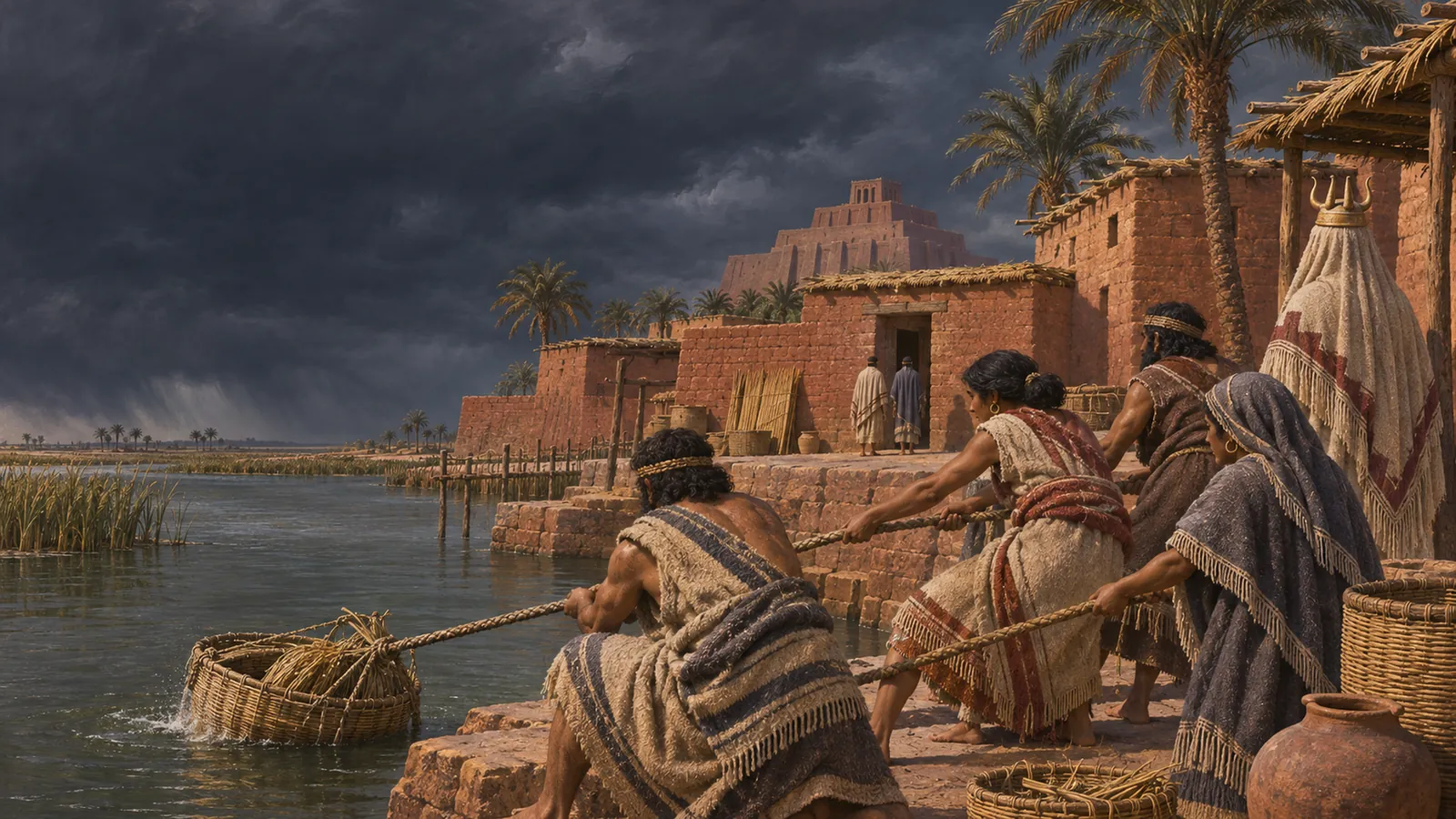
DER STURM ÜBER UR
Drei spätere Auszüge aus dem Klagelied um Ur beschreiben den Sturm und seine Folgen. Thorkild Jacobsen stellt sie in der englischen Versfassung von H A Groenewegen Frankfort vor.
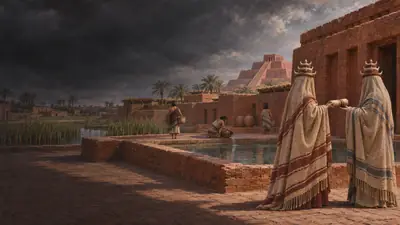
Im Gedicht ruft Enlil den Sturm herbei. Die Menschen klagen, und ihre Klage wird zum Refrain, der bei der Beschwörung des Sturms wiederkehrt.
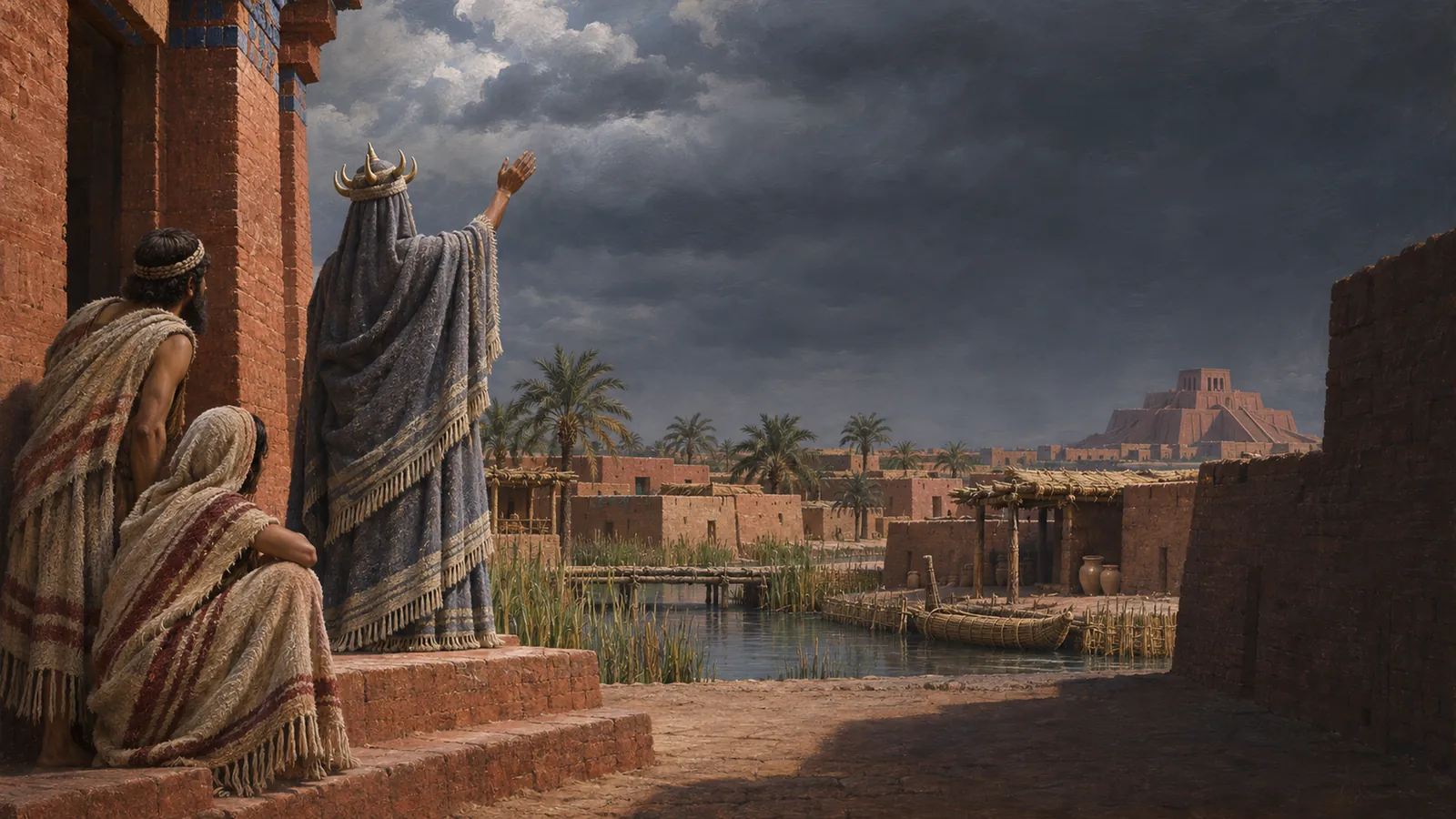
Das Gedicht sagt, Enlil nehme dem Land die erfrischenden Winde und Sumer die guten Winde. Nach jedem Verlust klagen die Menschen.
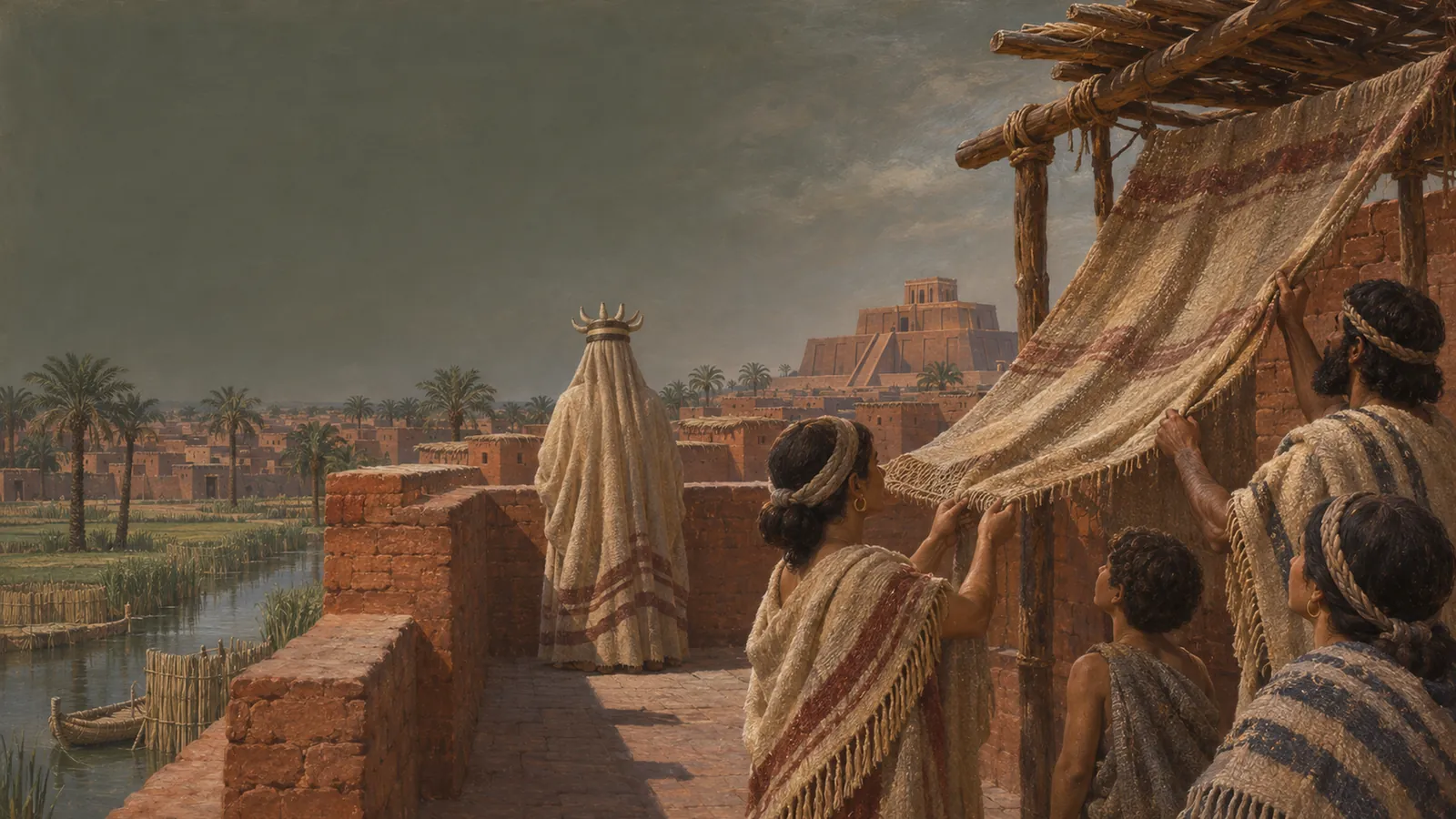
Enlil ruft dann die Winde herbei, die das Gedicht böse nennt. Wieder antwortet die Zeile über die Klage der Menschen auf seine Handlung.
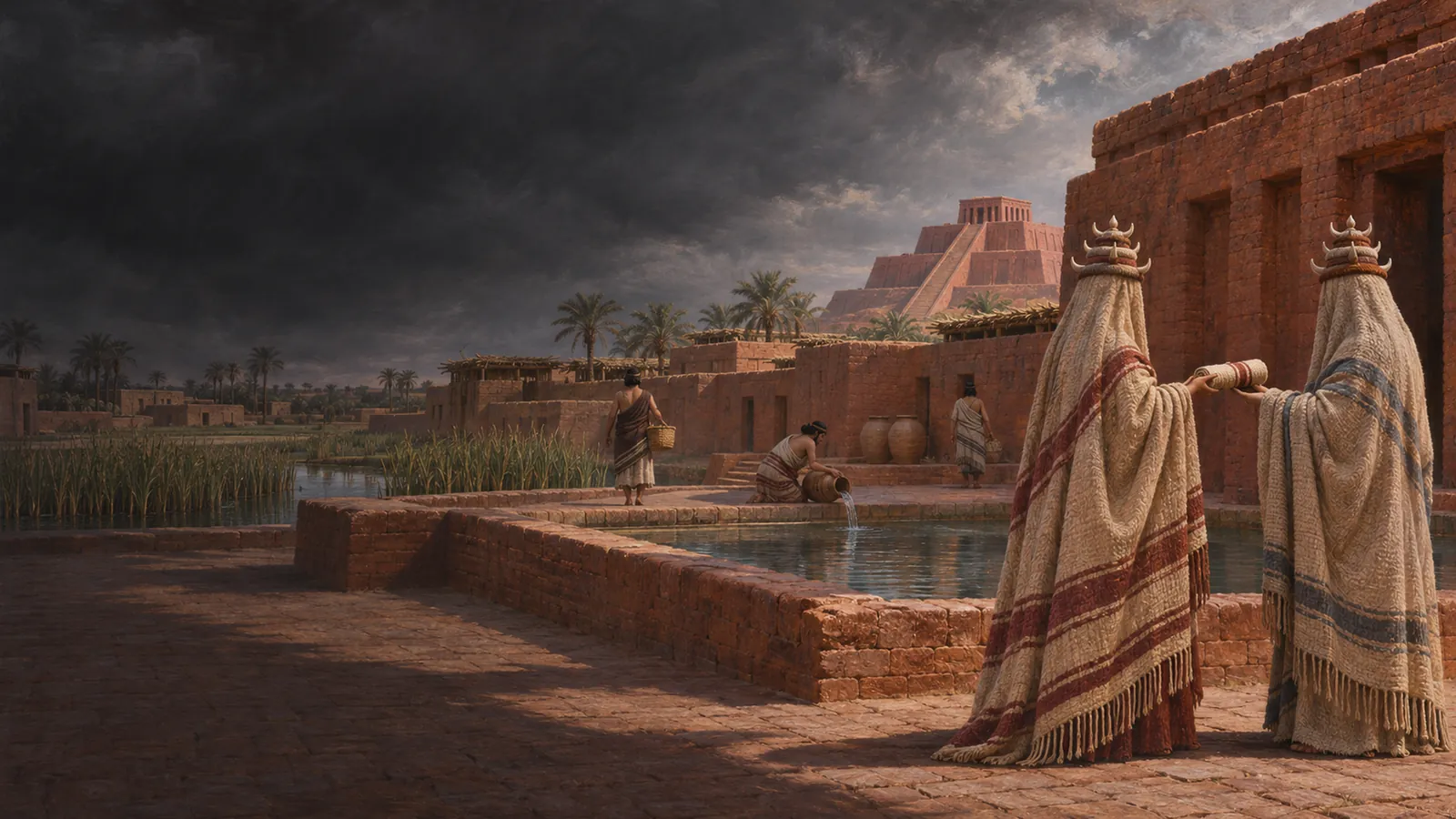
KINGALUDA
Das Gedicht sagt, Enlil vertraue diese Winde Kingaluda an. Es nennt Kingaluda den Hüter der Stürme.
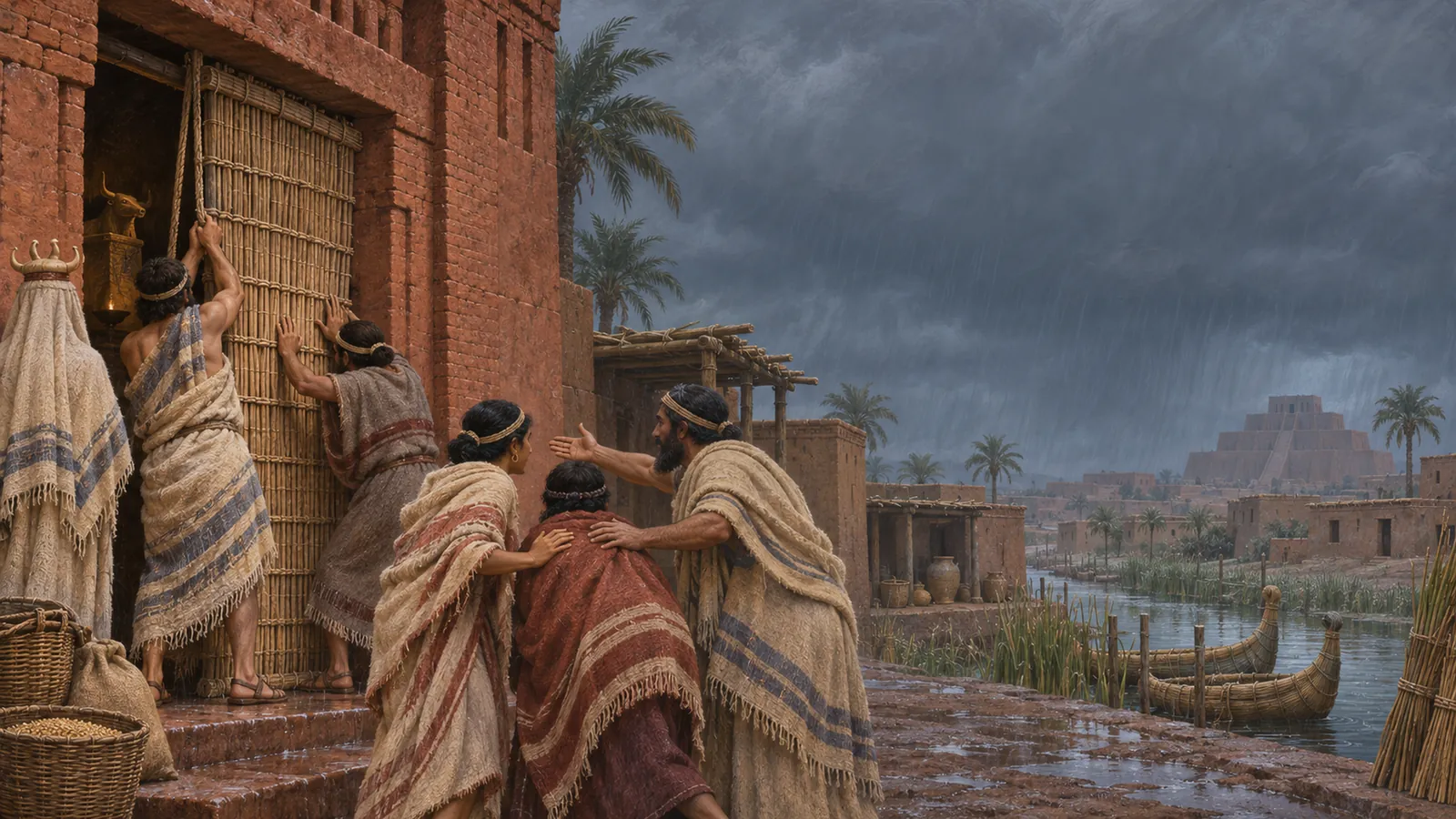
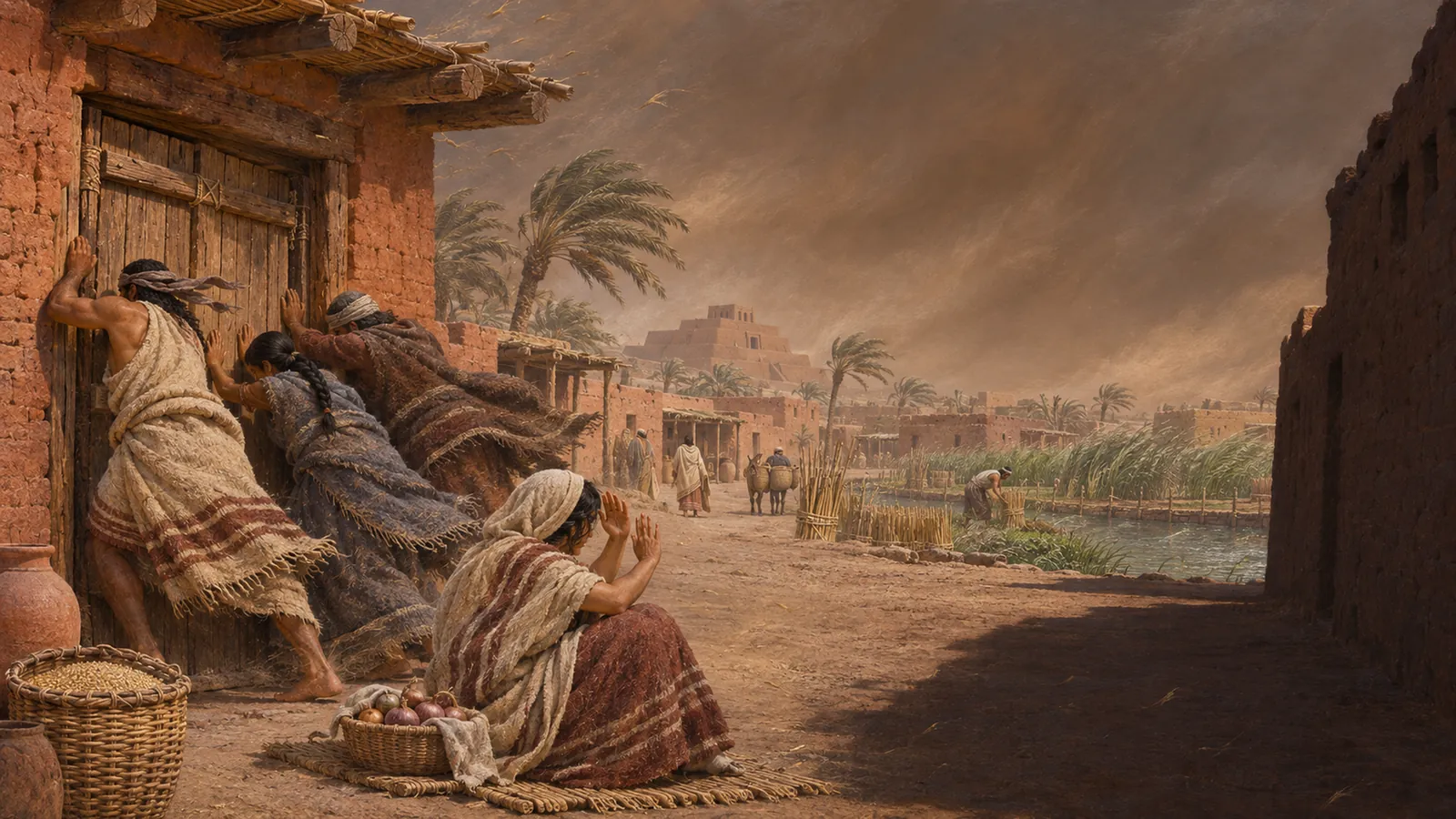
Enlil ruft den Sturm herbei, der das Land vernichten wird, und beschwört unheilvolle Winde. Nach jedem Ruf klagen die Menschen im Refrain.
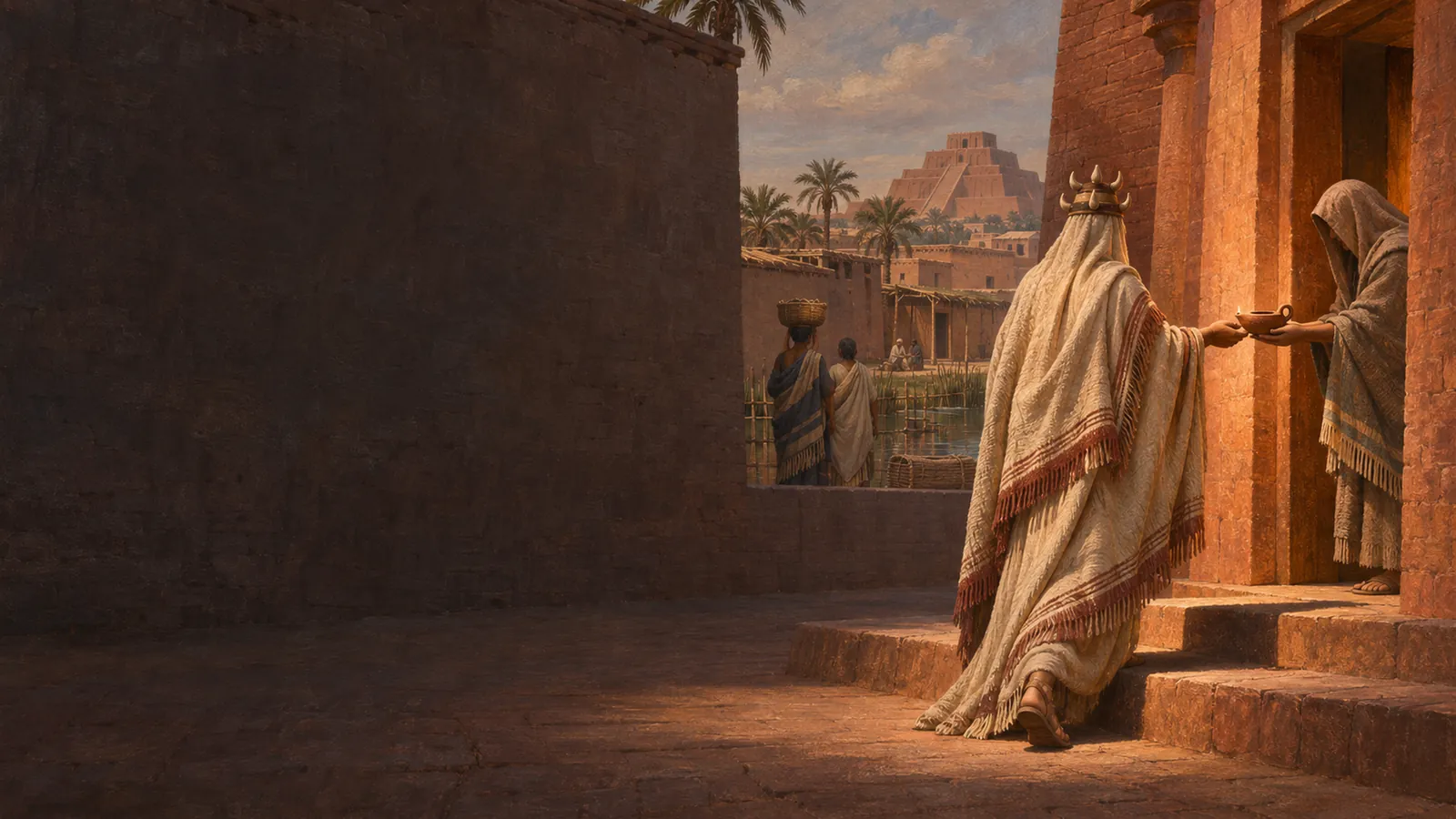
Das Gedicht nennt nun Gibil als den Helfer, den Enlil erwählt. Diese Wahl leitet zur Beschwörung des Himmelsorkans über.
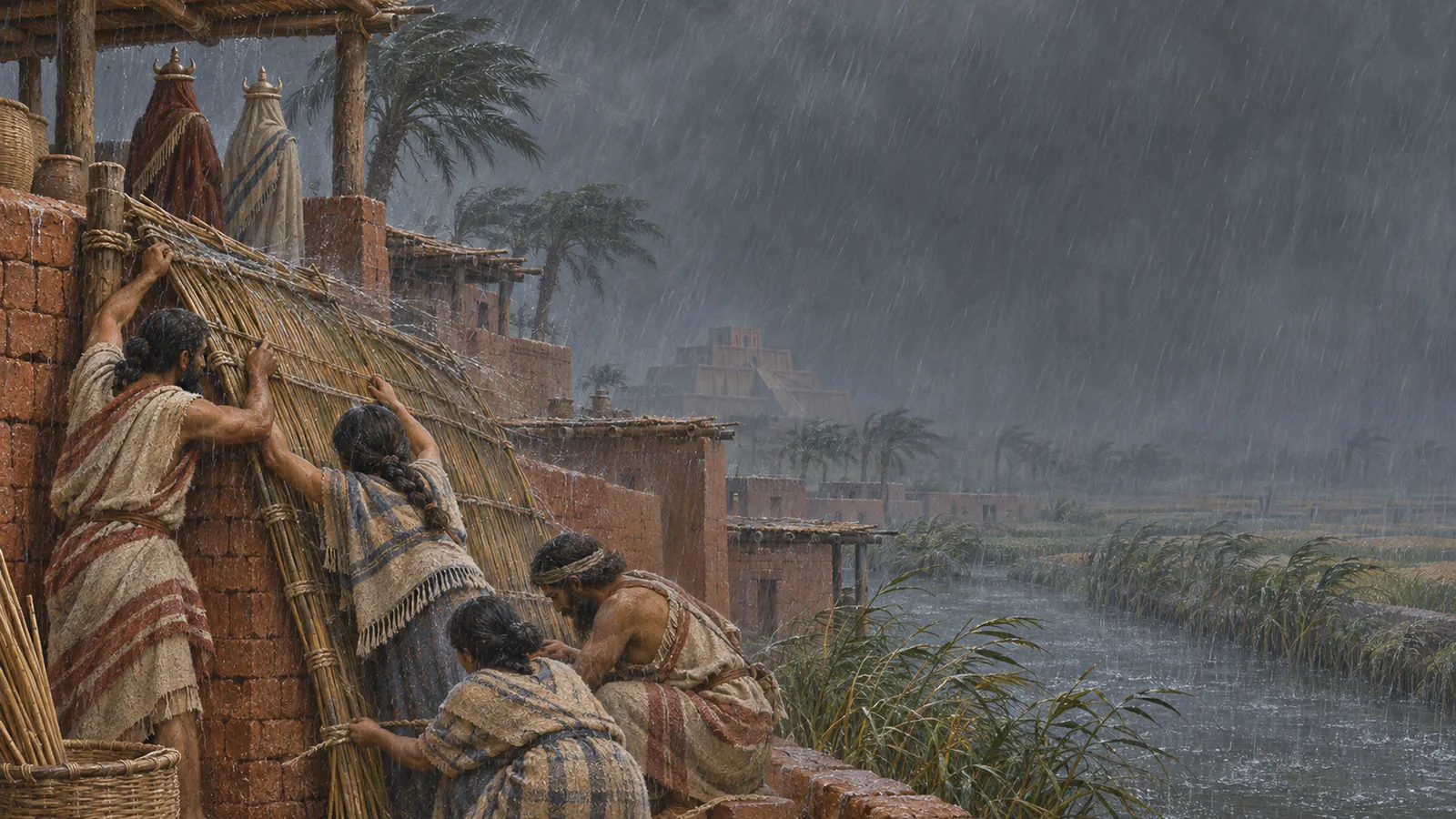
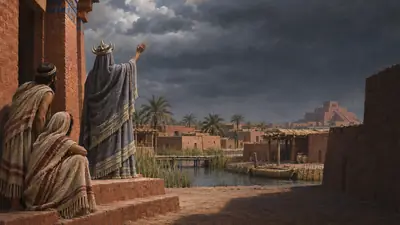
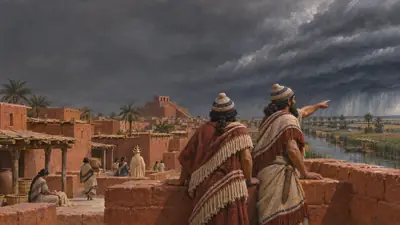
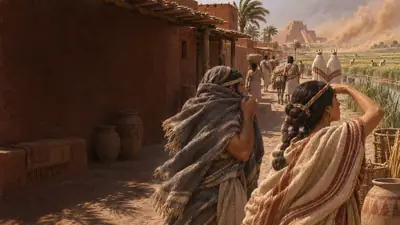
Enlil ruft den Orkan des Himmels herbei. Das Gedicht beschreibt sein Heulen über den Himmel, während der Refrain von der Klage der Menschen spricht.
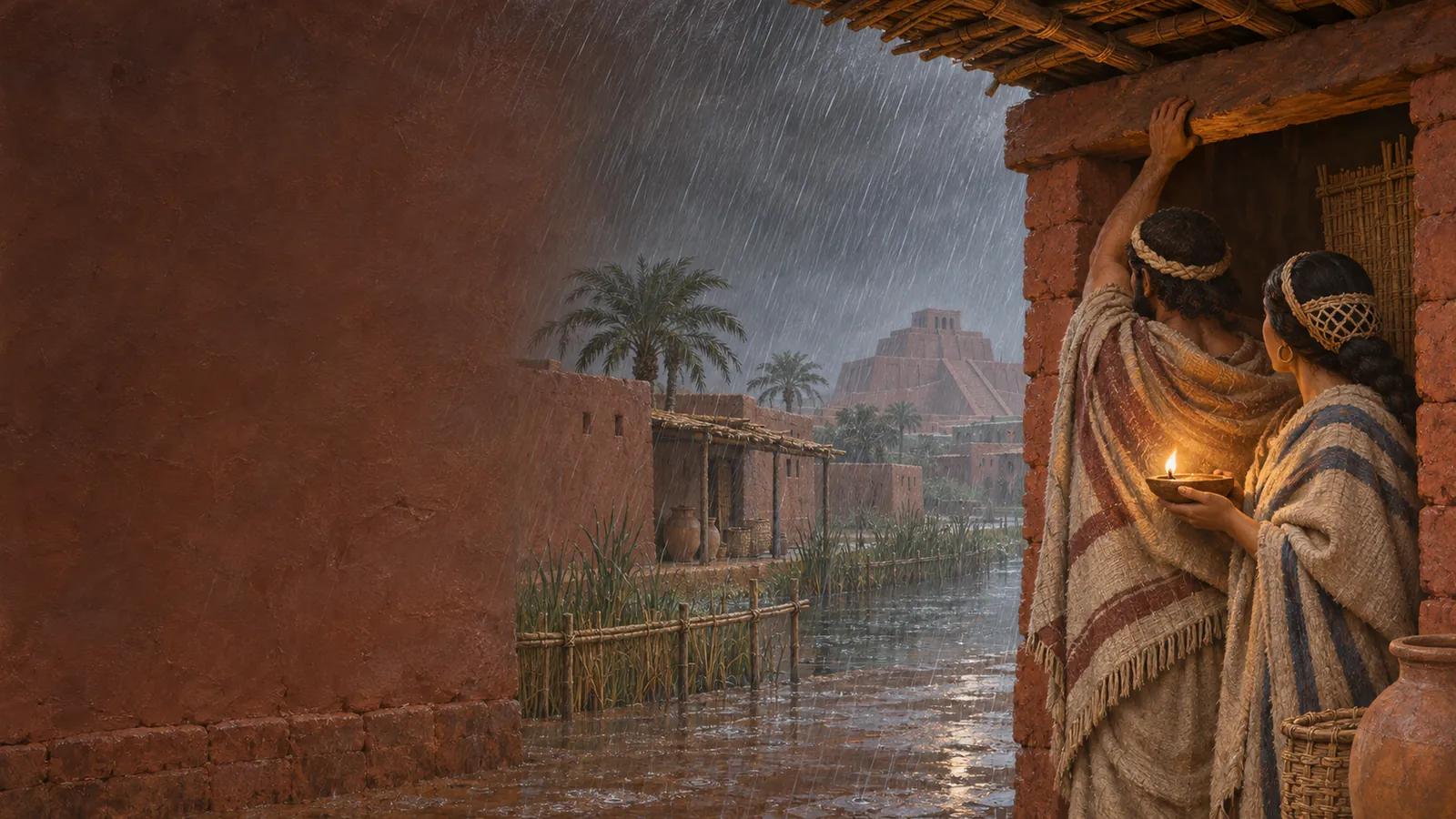
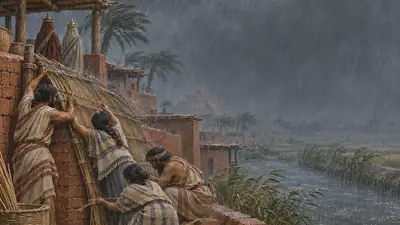
Das Gedicht beschreibt den zerstörerischen Sturm, der über das Land brüllt. Wieder unterbricht die Klage der Menschen die Schilderung seiner Kraft.
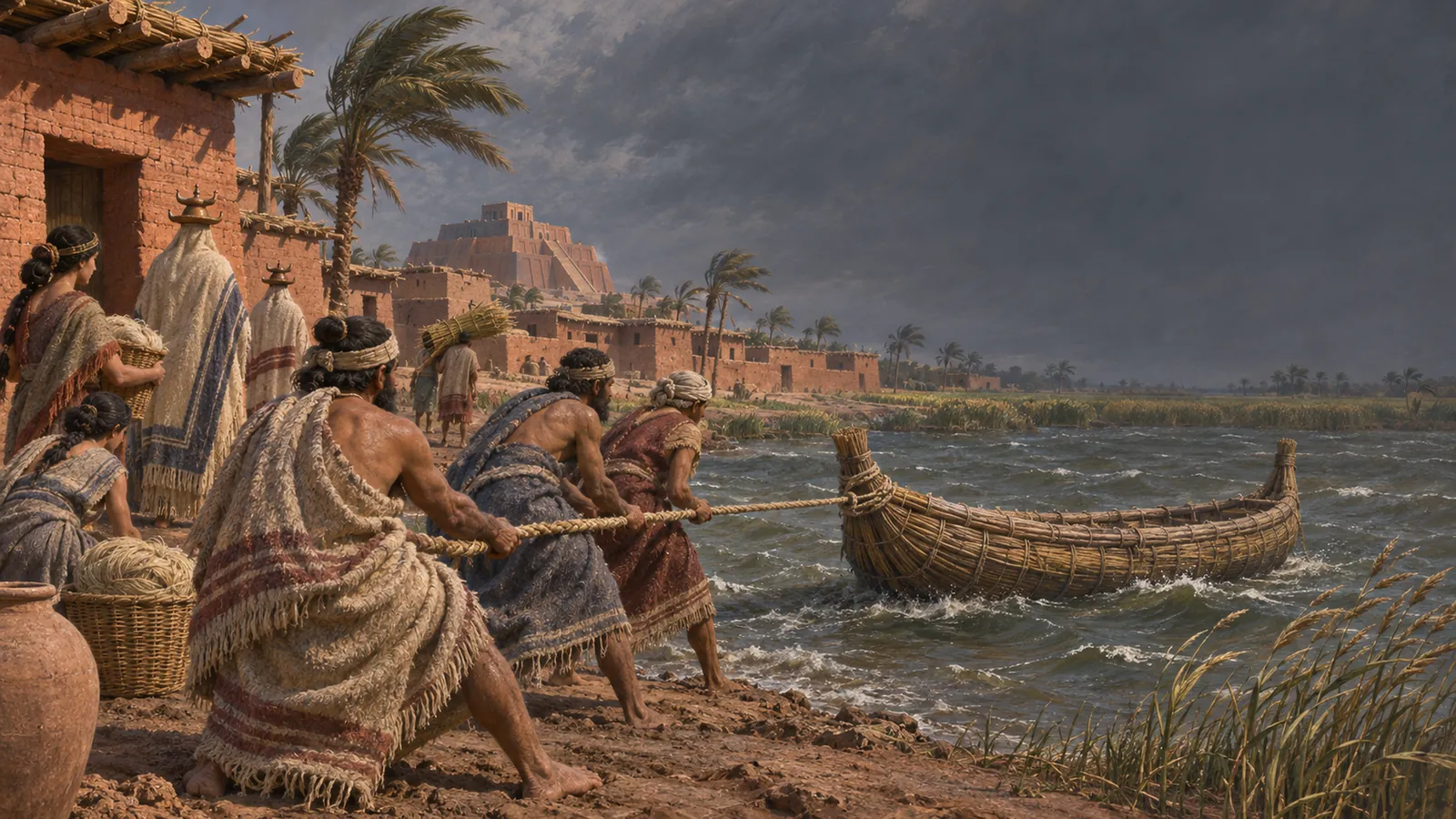
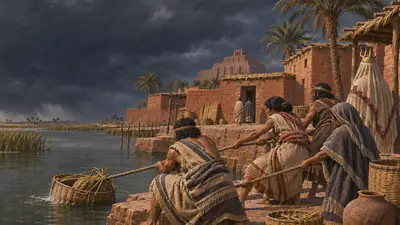
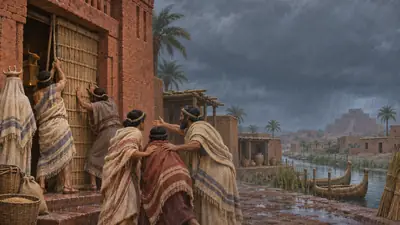
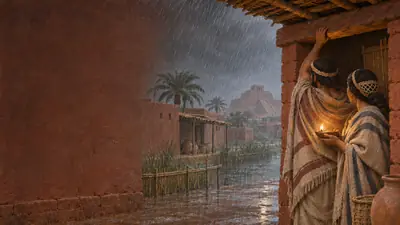
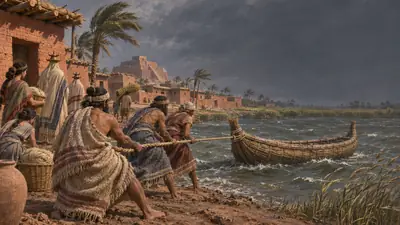
Das Gedicht schildert das Unwetter als so unerbittlich wie eine Flutwelle. Es schlägt auf die Schiffe der Stadt nieder und verschlingt sie.
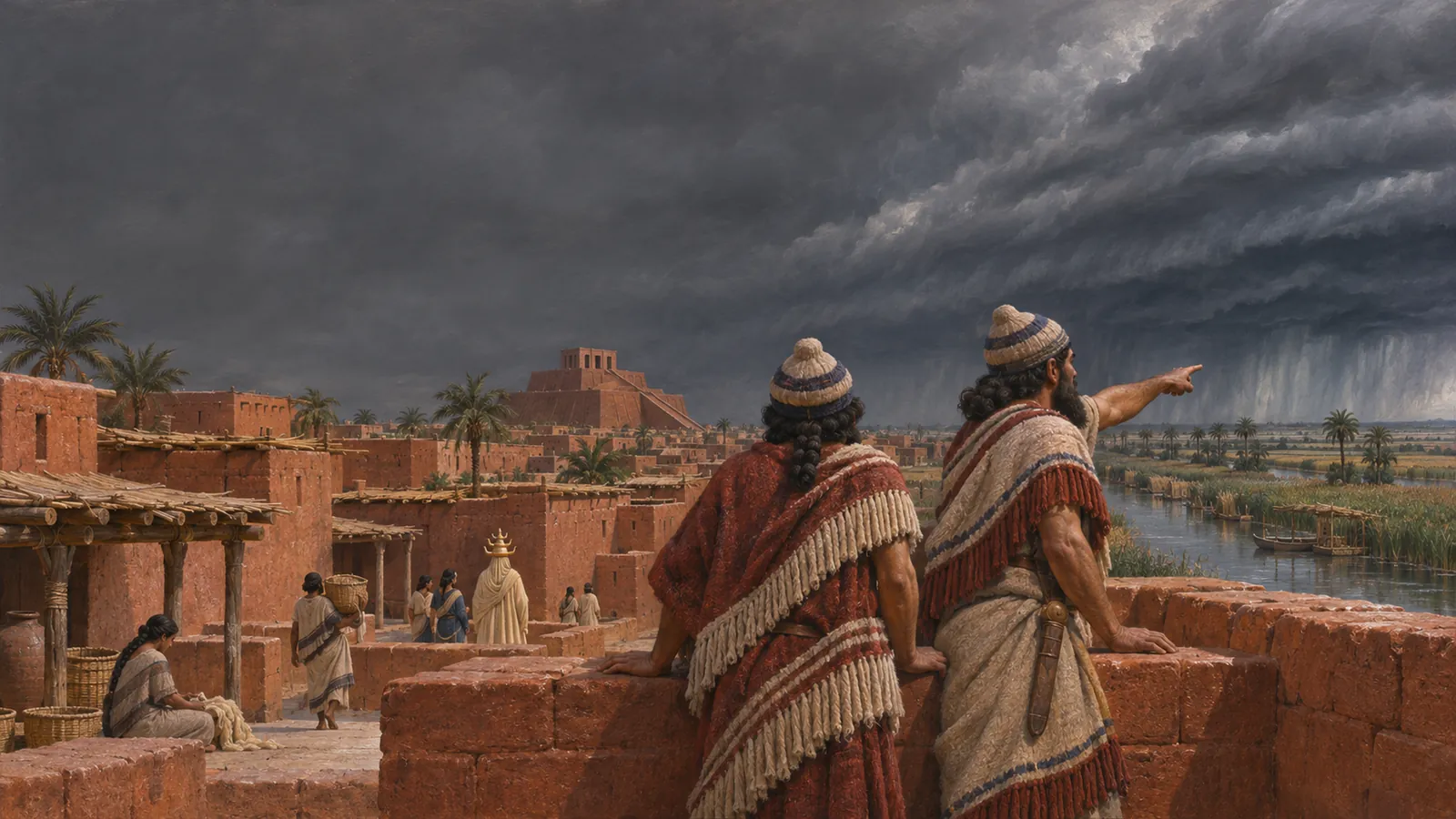
Enlil sammelt all diese Stürme am Fuß des Himmels. Wieder antwortet das Gedicht mit der Klage des Volkes.
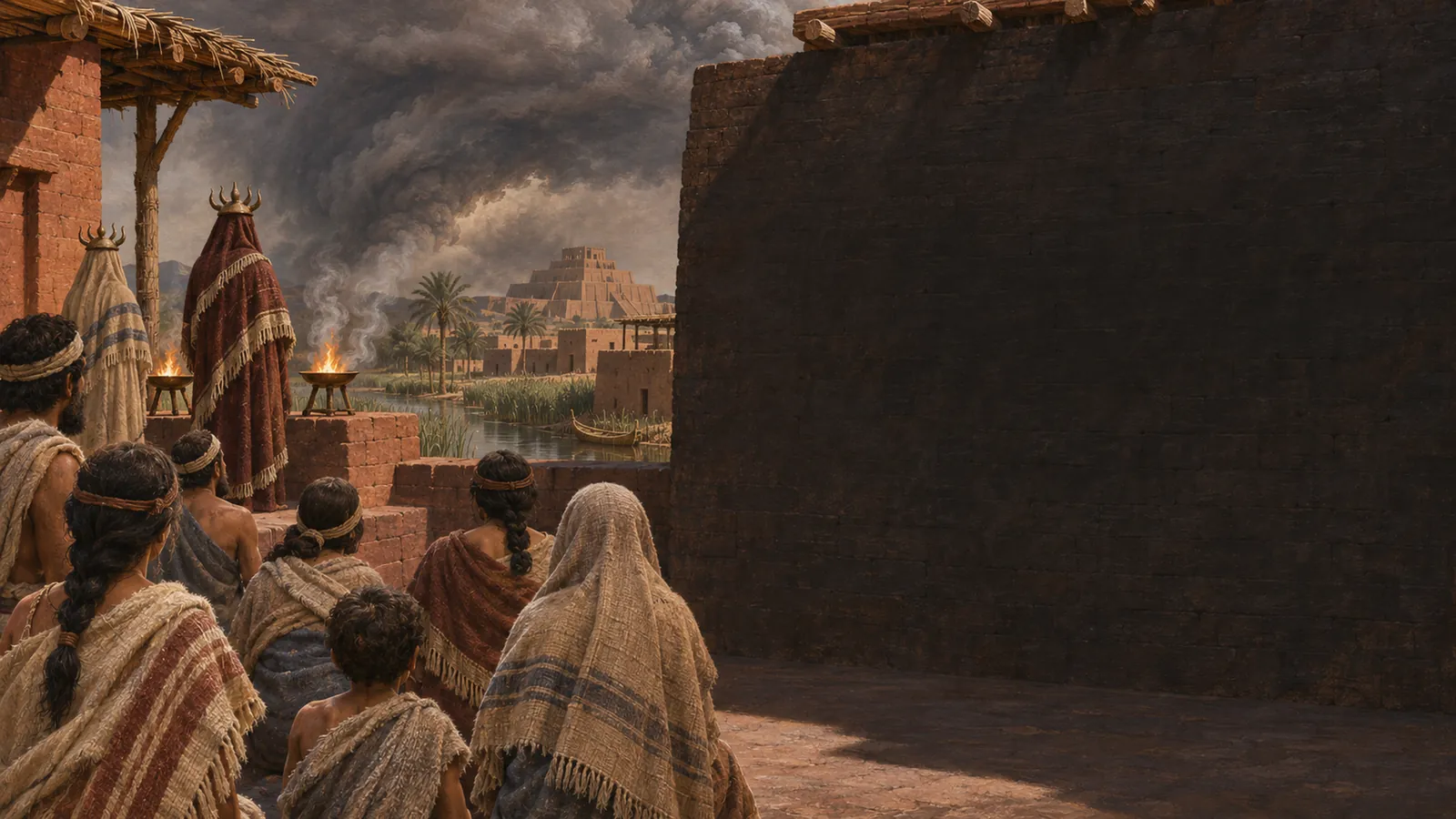
Das Gedicht sagt, Enlil entzünde große Feuer, die den Sturm ankündigen. Zwischen den Bildern kehrt die Klage des Volkes wieder.
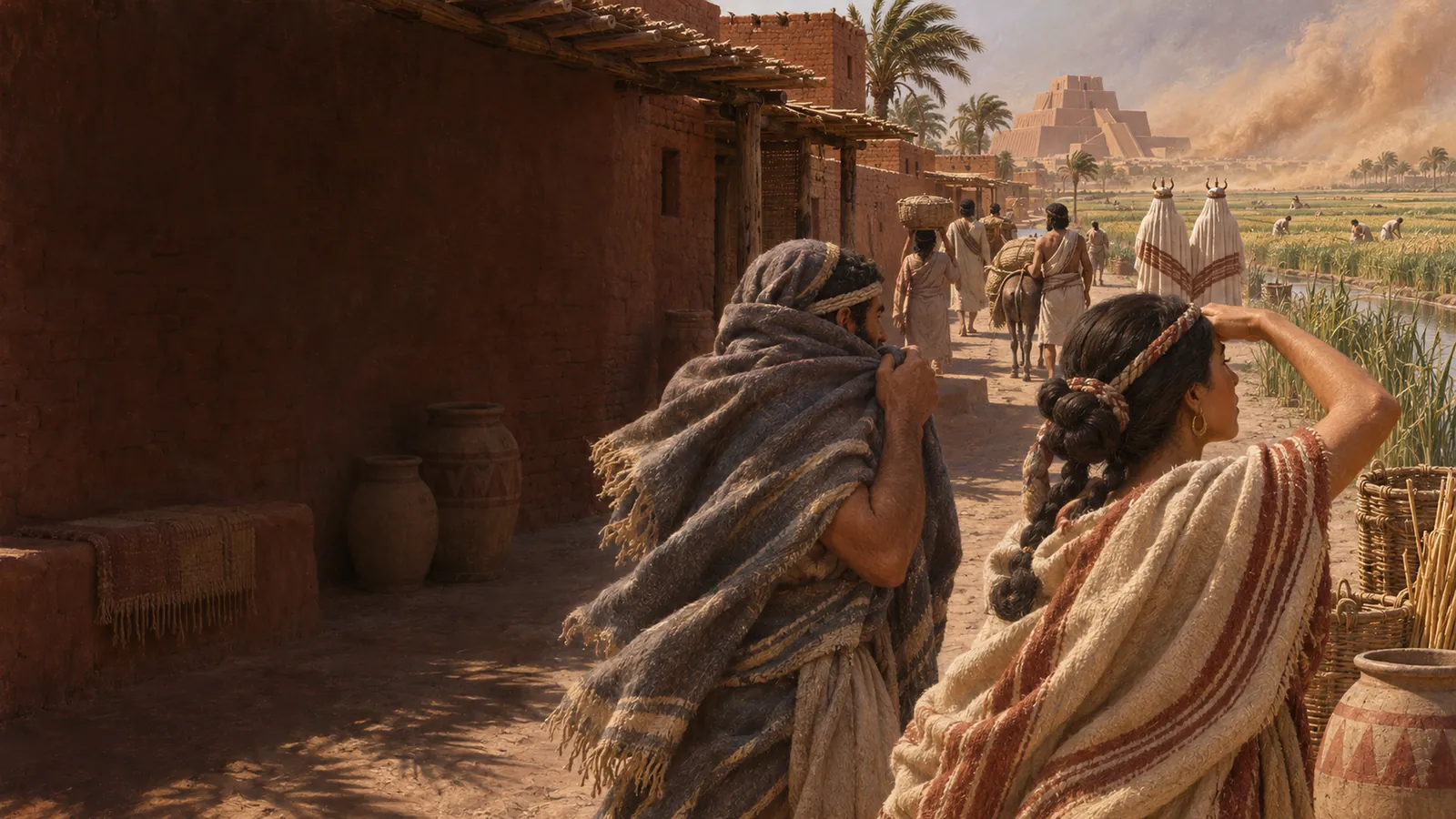
Er stellt die brennende Wüstenhitze an beide Flanken der tobenden Winde. Das Gedicht vergleicht die sengende Glut mit der Mittagshitze.
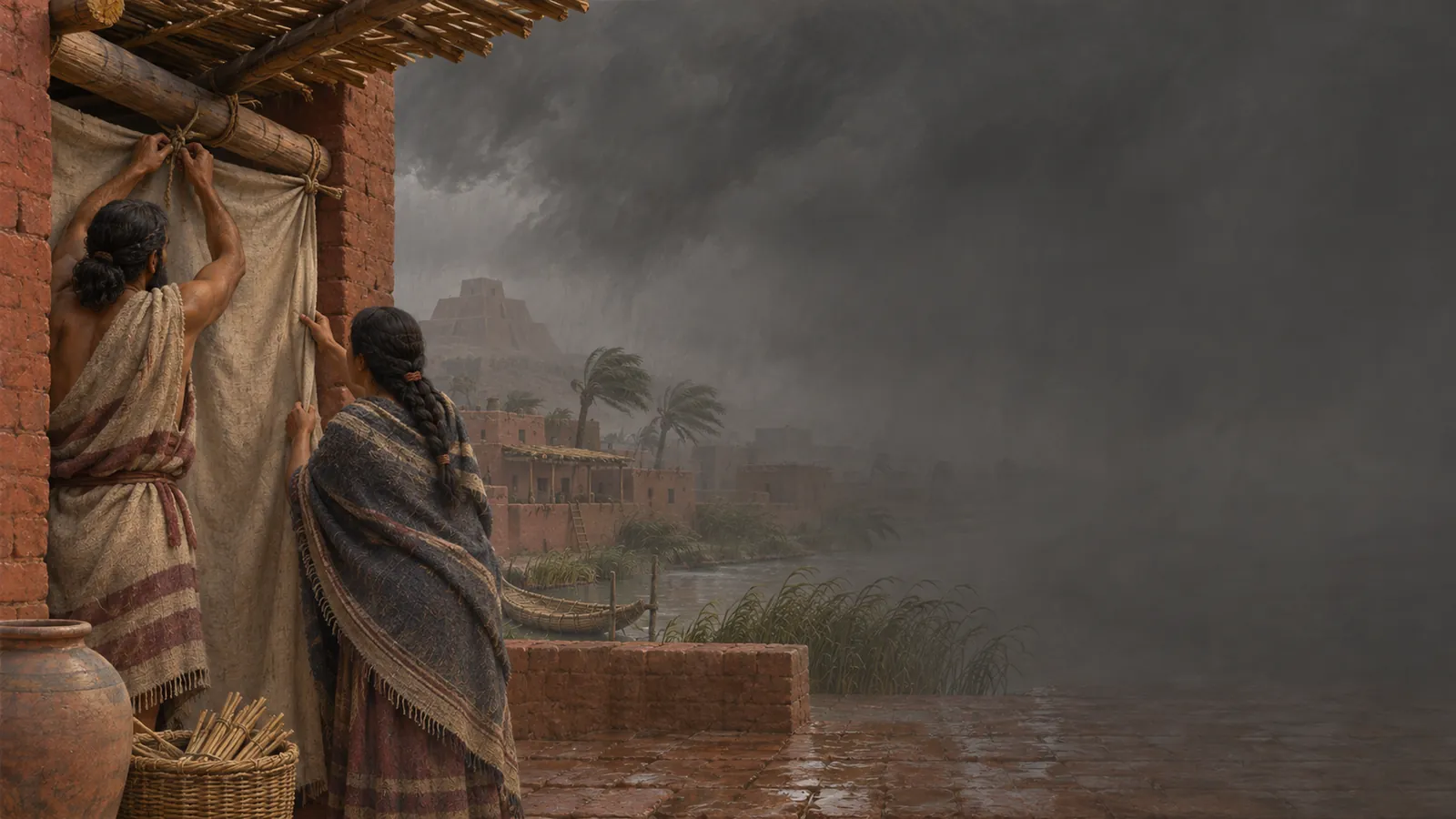
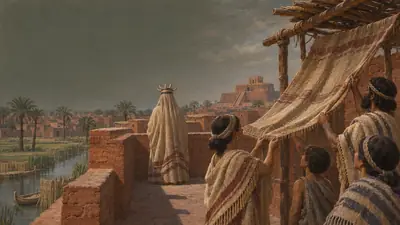
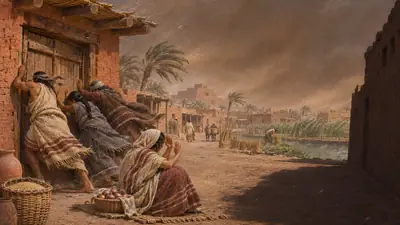
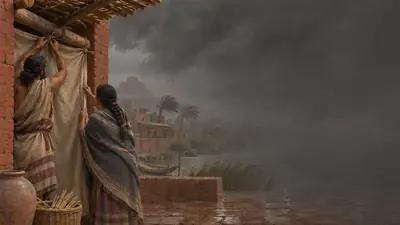
In einem eigenen Zitat zehrt der von Enlil im Hass befohlene Sturm das Land auf. Er bedeckt Ur wie ein Tuch und hüllt es wie ein Leinenlaken ein.
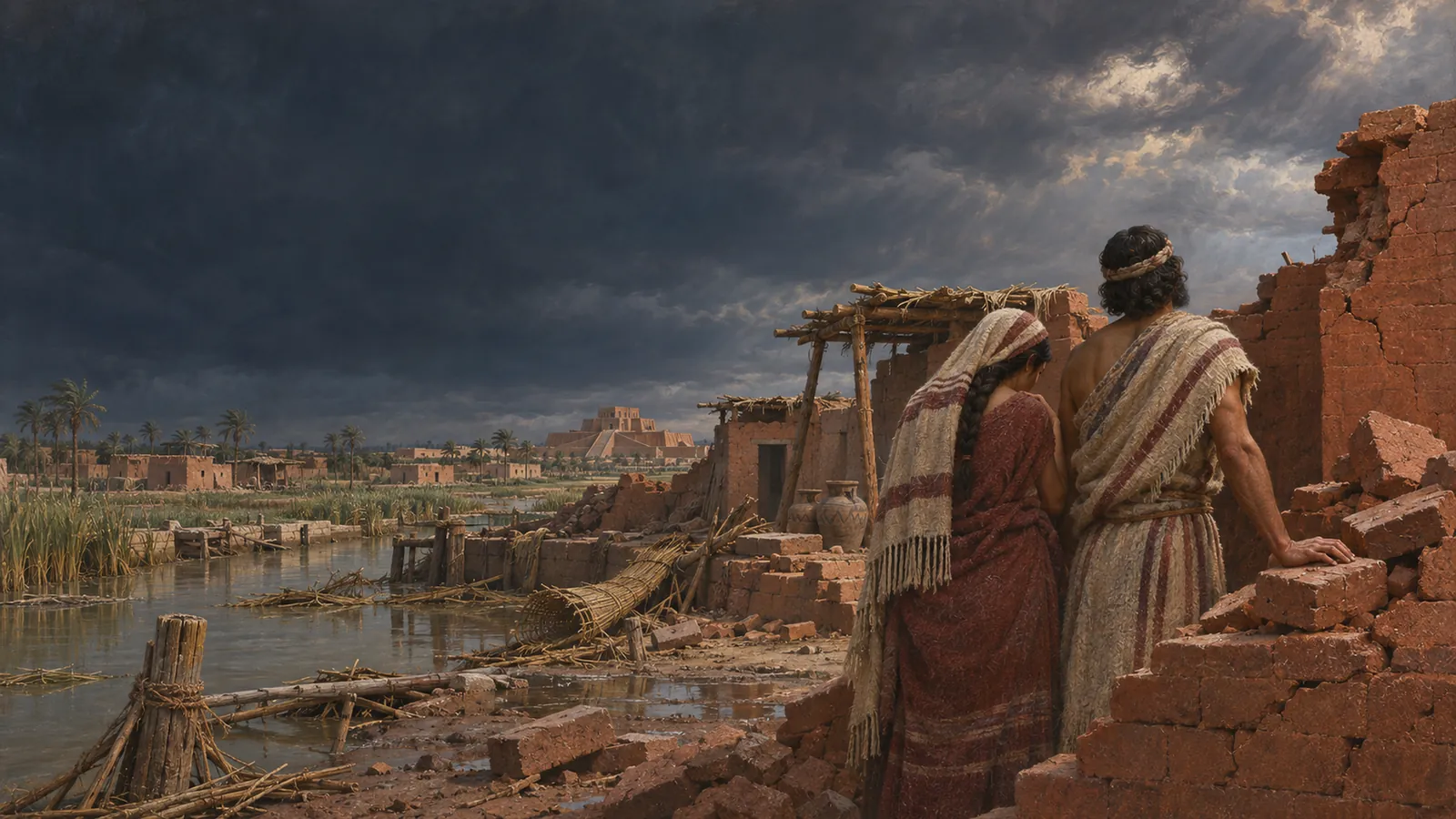
TRÜMMER
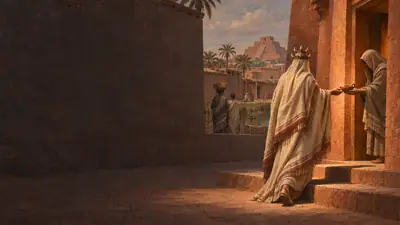
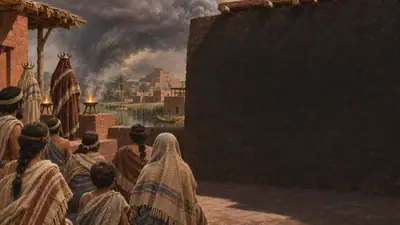
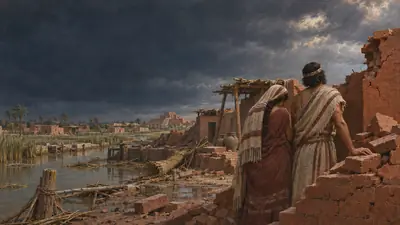
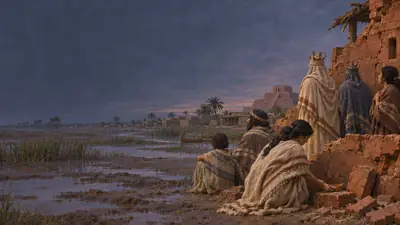
Ein weiteres Zitat sagt, der Sturm habe die Stadt als Ruine zurückgelassen. Es spricht Vater Nanna an und wiederholt die Verwüstung der Stadt, während das Volk klagt.
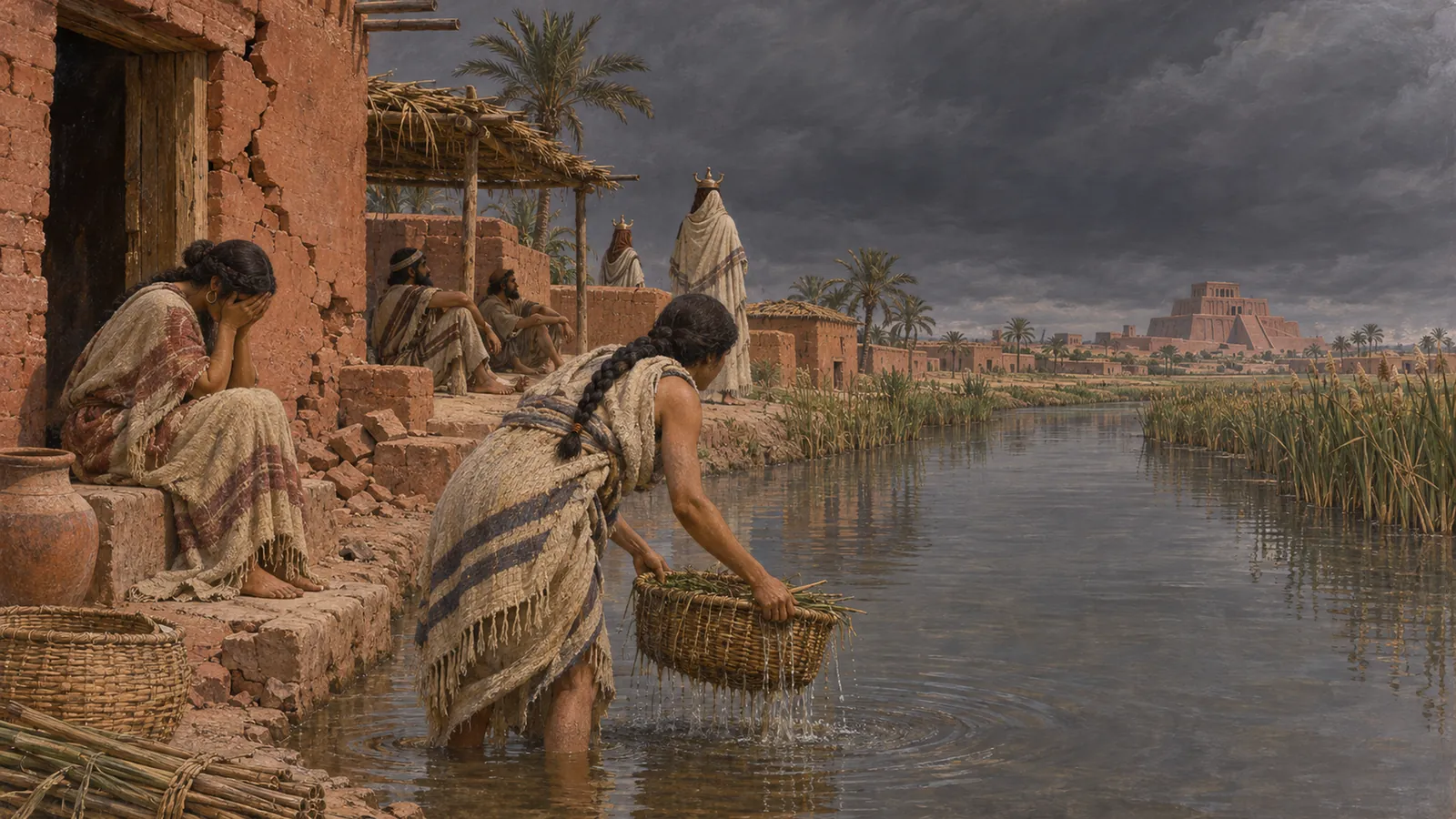
Der Sturm hat das Land verlassen, sagt das Gedicht. Sein wiederkehrender Antwortvers lässt erneut die Klage des Volkes hören.
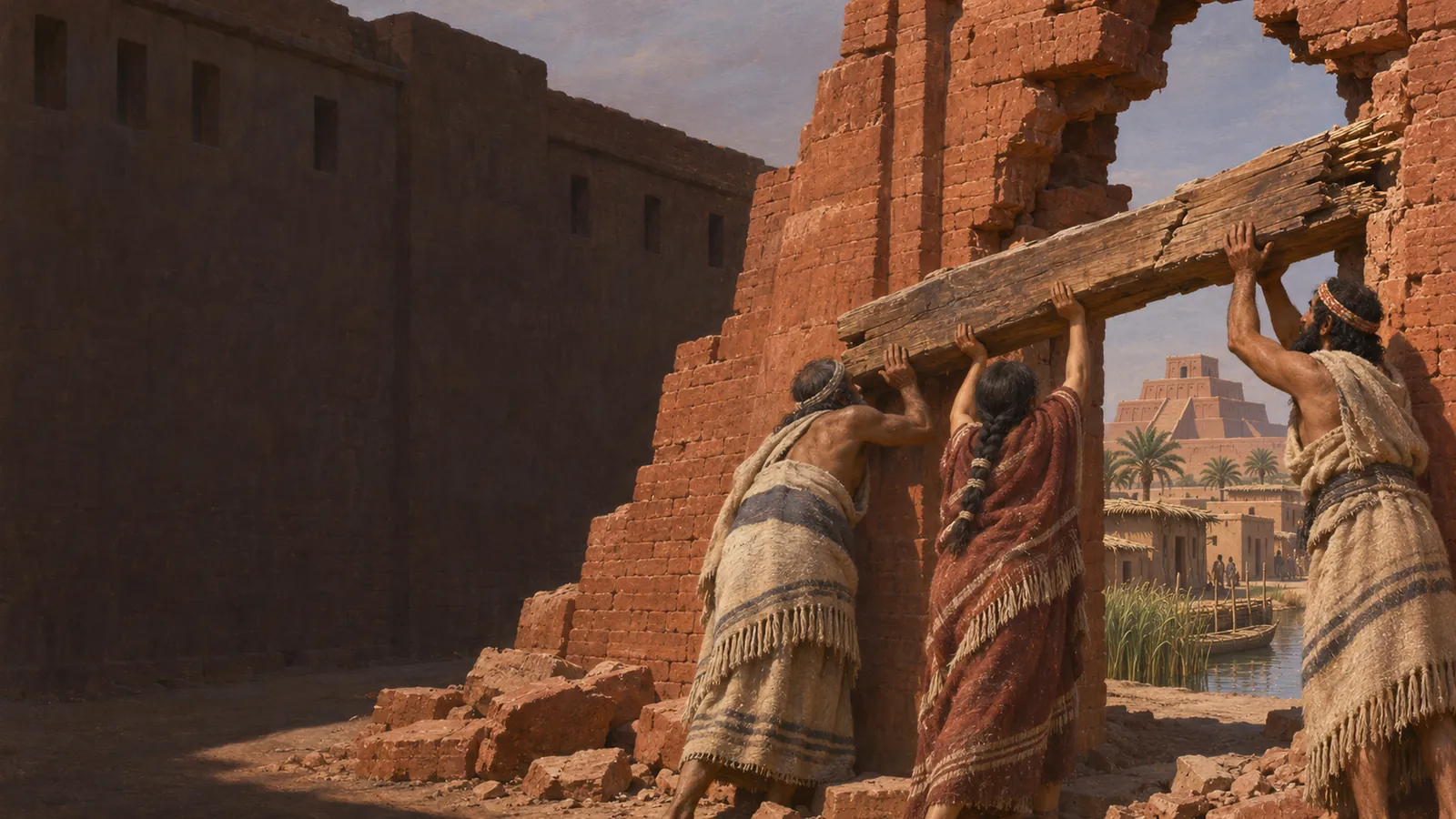
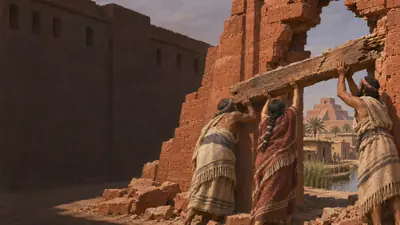
Die Toten bedecken die Zugänge zur Stadt. Die Mauern sind aufgebrochen, und an den hohen Toren und auf den Straßen liegen die Toten übereinander.
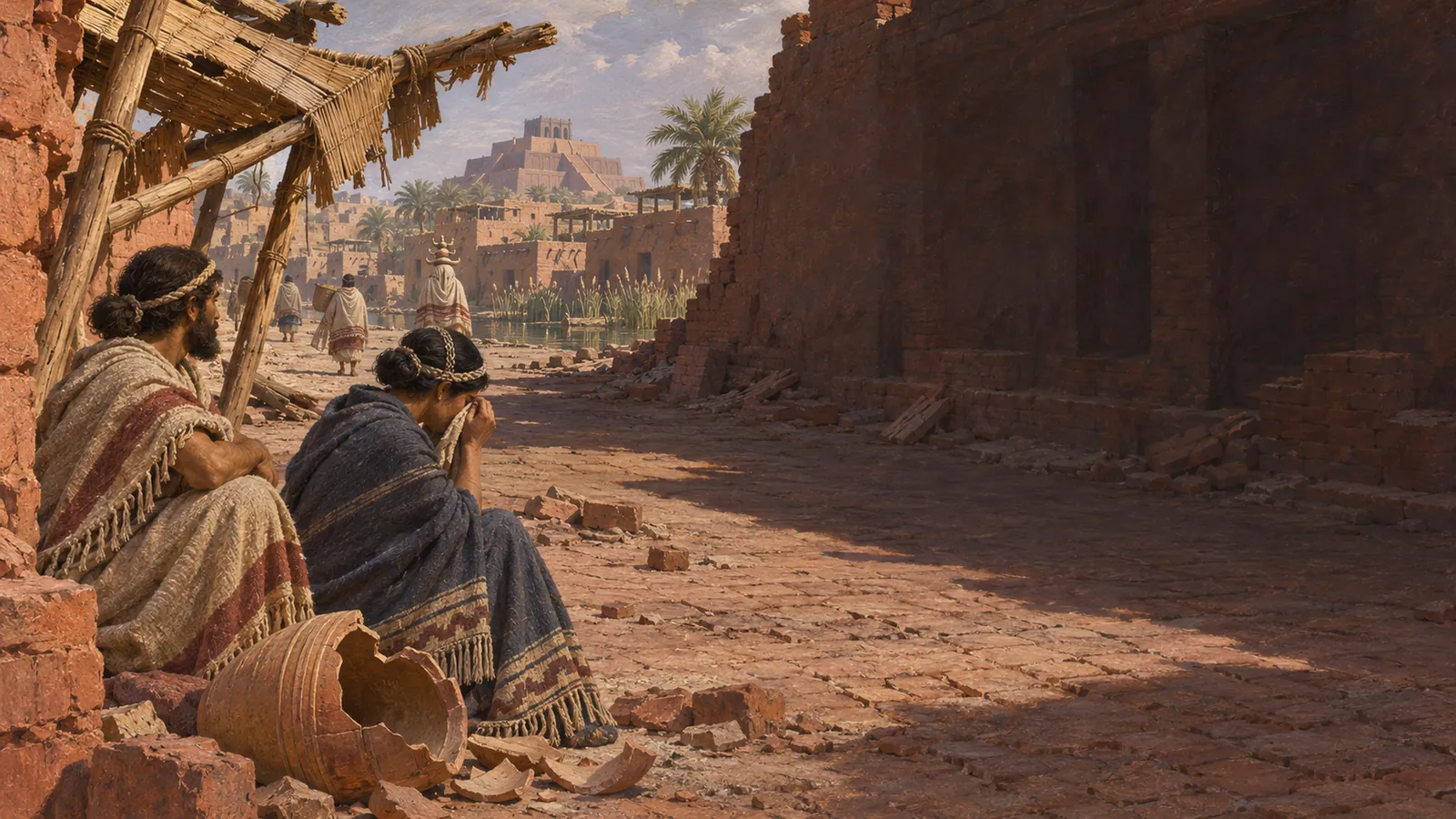
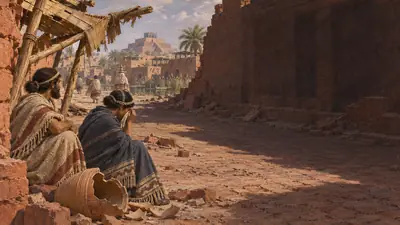
Die breiten Straßen versammelten einst Menschen zu Festmählern. Nun liegen dort laut dem Gedicht die Toten verstreut, in allen Straßen und Wegen.
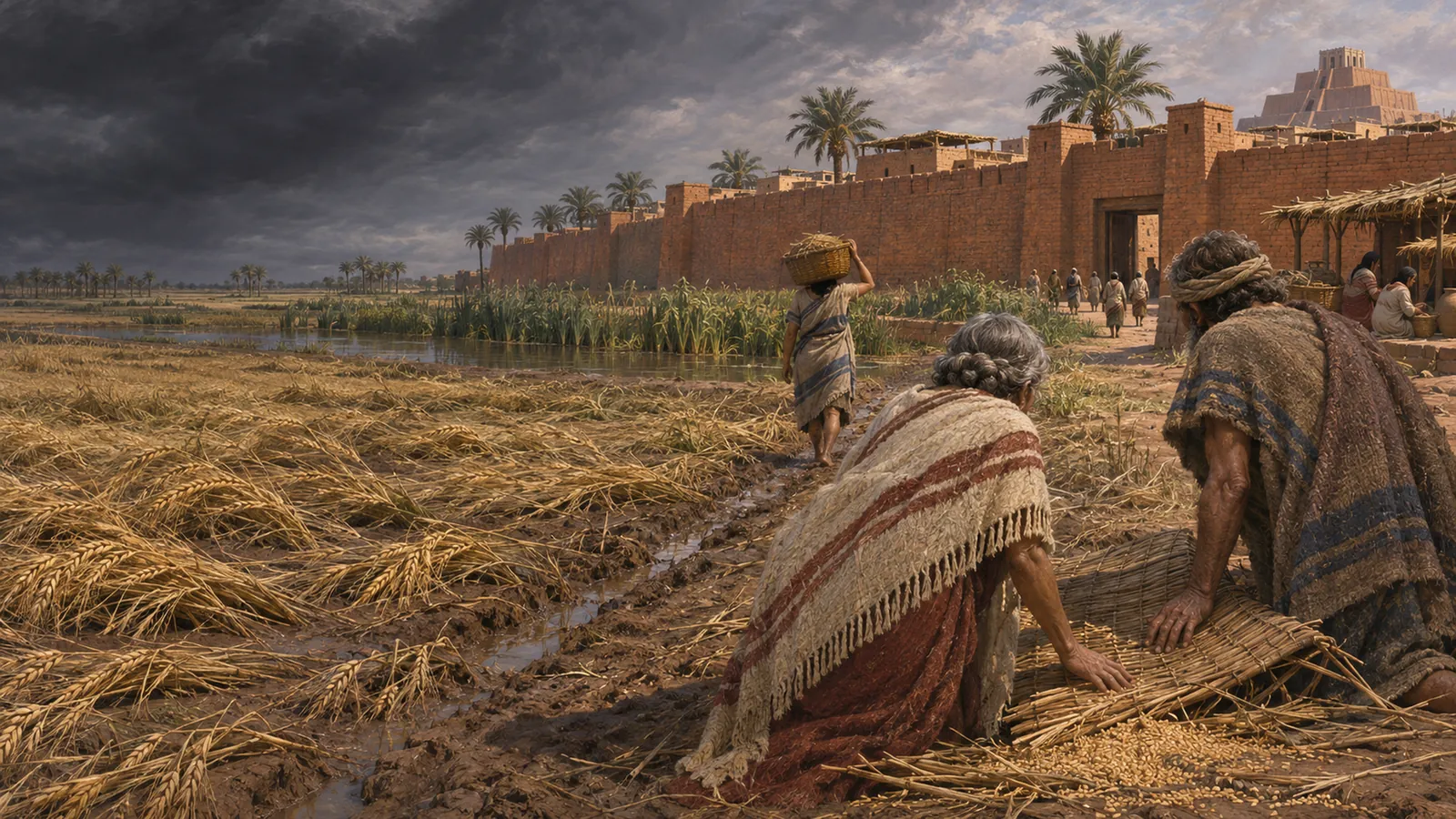
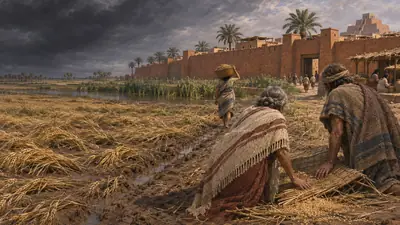
Das Gedicht wendet sich den offenen Feldern zu, auf denen sich einst Tänzer versammelten. Nun liegen dort die Toten in Haufen.
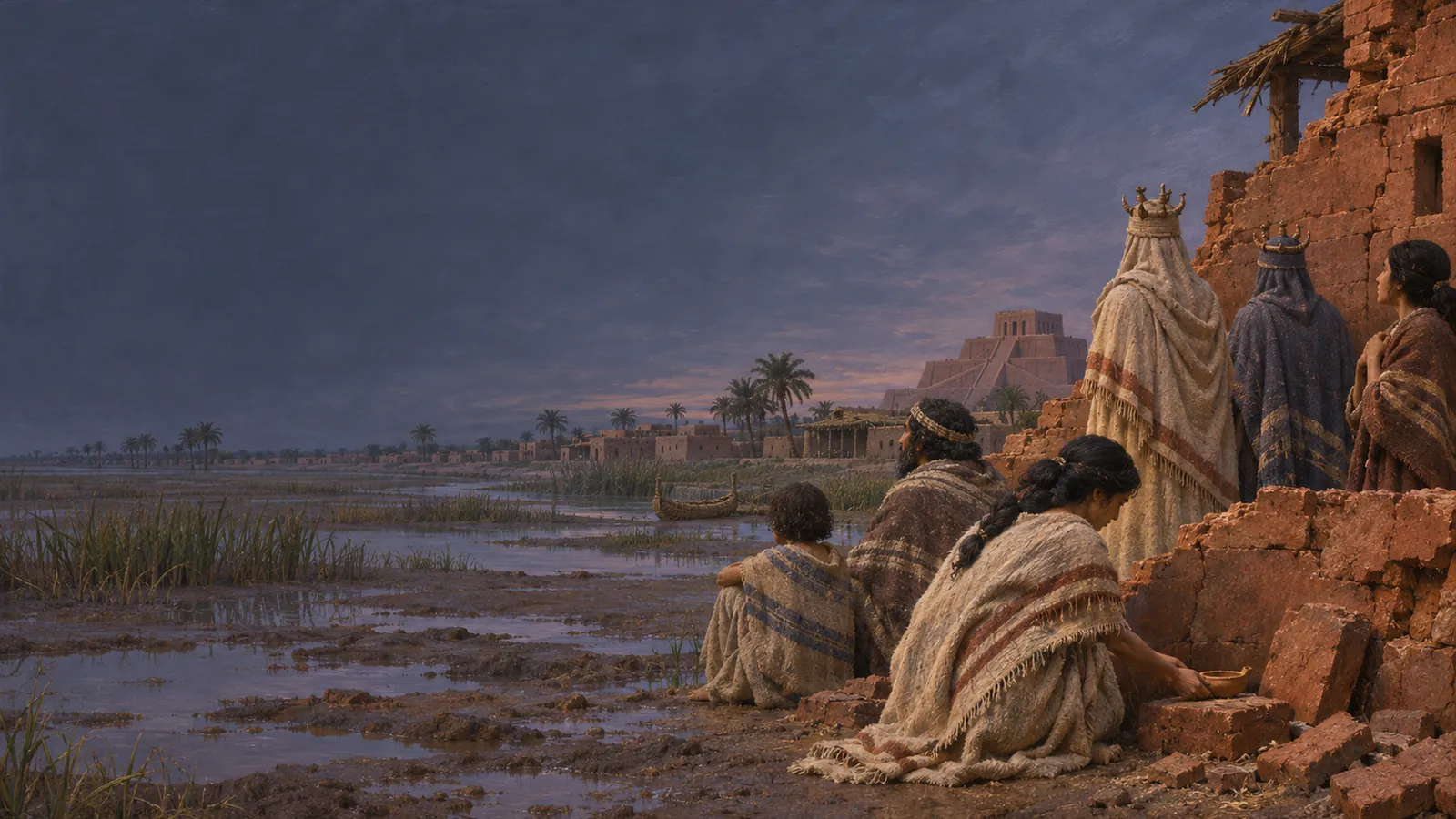
NACH DEM STURM
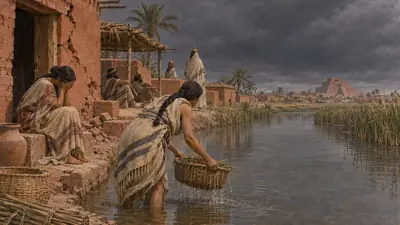
Die letzten Zeilen beschreiben, wie das Blut des Landes die Vertiefungen füllt und die Toten verwesen. Dieser ausgewählte Abschnitt endet mit diesen Bildern der Verwüstung.
Ende von Kapitel 2
Alle Seiten
Quellen
This chapter follows three further selections from the same Ur lament printed by Thorkild Jacobsen. The first is cited in note 16 as Kramer, Assyriological Studies XII, pp. 34 and 36, ancient lines 173–189. The second is cited in note 17 as p. 38, lines 203–204. The third is cited in note 18 as pp. 38 and 40, lines 208–218. The omitted intervals, 190–202 and 205–207, fall outside this modern selection. The book supplies inclusive ranges for its quotations. H. A. The 1946 main text is retained in the 1977 Phoenix edition. The ancient poem voices destruction, mourning and the death of inhabitants.
Benutzte Editionen
- University of Chicago, The Intellectual Adventure of Ancient Man
- Jacobsen’s three later Ur-lament selections, pp. 141–142
- Source notes 16–18, printed p. 184
Hinweise zu dieser Nacherzählung
printed pp. 141–142 and notes 16–18, p. 184. The opening names the modern scholars and the three selected excerpts.
first quotation, cited lines 173–189, opening call. Enlil calls the storm. The people’s mourning is printed immediately afterward and recurs throughout the selection.
same quotation and group bounds, withdrawal of the winds. Enlil takes exhilarating winds from the land and good winds from Sumer, printed as Shumer in the rendering. The people mourn after each statement.
same quotation and group bounds, evil winds. Enlil summons evil winds, followed by the mourning refrain.
same quotation and group bounds, Kingaluda. Enlil entrusts the winds to Kingaluda, described as the tender of storms.
same quotation and group bounds, two renewed calls. Enlil calls the storm that will annihilate the land, then disastrous winds. The refrain follows each call.
same quotation and group bounds, helper. Enlil chooses Gibil as his helper before calling the heavenly hurricane.
same quotation and group bounds, heavenly hurricane. Enlil calls the hurricane of heaven, and the text describes its howl across the skies. The words describing its greatness and blinding quality are parenthetical in the English rendering.
same quotation and group bounds, storm over the land. The shattering storm roars across the land. The printed mourning refrain interrupts the description.
same quotation and group bounds, ships. The tempest is compared to a relentless flood wave that beats down upon and devours the city’s ships.
After the tempest and the city’s ships, Enlil gathers all the storms at the base of heaven. The people’s mourning follows. This clause closes the portion printed on p. 141, and the same quotation continues on p. 142. The sequence is retained after page 10’s ship clause.
first quotation continued, cited ancient lines 173–189. The opening of this printed page gives the great fires that herald the storm, followed by the mourning response. The subject remains Enlil from the preceding passage.
The next clauses place the searing heat of the desert on either flank of the furious winds. The final comparison is to the flaming heat of noon. Note 16 cites Kramer, *AS* XII, pp. 34 and 36, lines 173–189. Jacobsen gives the inclusive ancient range for the entire quotation, without assigning separate ancient line numbers to these translated clauses.
second quotation, cited ancient lines 203–204. Enlil orders the storm in hatred. It wears away the country, covers Ur like cloth and encloses it like a linen sheet. These are two closely paired textile comparisons in the printed rendering. Note 17 cites the same edition, p. 38, lines 203–204. Ancient lines 190–202 lie outside this selection between the first and second quotations. This is an editorial interval between excerpts.
opening of the third quotation, cited ancient lines 208–218. The storm leaves the city, which is a ruin. The next clause addresses father Nanna and repeats that the town has been left ruined, followed by the people’s mourning. Father Nanna remains an address within the quoted lament. Note 18 cites Kramer, *AS* XII, pp. 38 and 40, lines 208–218. Ancient lines 205–207 lie outside Jacobsen’s selection between the second and third quotations.
third quotation, cited ancient lines 208–218. After leaving the city, the storm leaves the country. The response repeats the people’s mourning.
third quotation, cited ancient lines 208–218. The approaches are covered by men rather than potsherds. The word “Dead” is parenthetical in the printed English. The walls gape, and the high gates and roads are piled with the dead. The comparison with potsherds belongs to the printed passage.
third quotation, cited ancient lines 208–218. The wide streets once drew feasting crowds. The poem now places scattered dead there and continues with bodies throughout the streets and roadways. The past feasts and present deaths are both explicit in this quotation.
third quotation, cited ancient lines 208–218. This change of setting follows the streets in the printed order.
The last lines describe the country’s blood filling its holes like metal in a mold. Bodies dissolve like fat left in the sun. These are the two final material similes. The two explicit comparisons are retained in this note. The selected quotation ends here, before Jacobsen resumes his prose about Enlil’s role.
Die antiken Verse hinter jeder Seite
- Page 1: Jacobsen, The Intellectual Adventure of Ancient Man, 1946 text / 1977 Phoenix ed., pp. 141–142; notes 16–18, p. 184, selected lines 173–189, 203–204, 208–218
- Page 2: Jacobsen, The Intellectual Adventure of Ancient Man, 1946 text / 1977 Phoenix ed., p. 141, storm quotation; n. 16, p. 184 cites Kramer AS XII, lines 173–189, opening call and refrain
- Page 3: Jacobsen, The Intellectual Adventure of Ancient Man, 1946 text / 1977 Phoenix ed., p. 141, storm quotation; n. 16, p. 184 cites Kramer AS XII, lines 173–189, the two withdrawals of good winds
- Page 4: Jacobsen, The Intellectual Adventure of Ancient Man, 1946 text / 1977 Phoenix ed., p. 141, storm quotation; n. 16, p. 184 cites Kramer AS XII, lines 173–189, the summoning of evil winds and refrain
- Page 5: Jacobsen, The Intellectual Adventure of Ancient Man, 1946 text / 1977 Phoenix ed., p. 141, storm quotation; n. 16, p. 184 cites Kramer AS XII, lines 173–189, the entrusting of winds to Kingaluda
- Page 6: Jacobsen, The Intellectual Adventure of Ancient Man, 1946 text / 1977 Phoenix ed., p. 141, storm quotation; n. 16, p. 184 cites Kramer AS XII, lines 173–189, the annihilating storm and disastrous winds
- Page 7: Jacobsen, The Intellectual Adventure of Ancient Man, 1946 text / 1977 Phoenix ed., p. 141, storm quotation; n. 16, p. 184 cites Kramer AS XII, lines 173–189, Gibil chosen before the heavenly hurricane
- Page 8: Jacobsen, The Intellectual Adventure of Ancient Man, 1946 text / 1977 Phoenix ed., p. 141, storm quotation; n. 16, p. 184 cites Kramer AS XII, lines 173–189, the heavenly hurricane and howling skies
- Page 9: Jacobsen, The Intellectual Adventure of Ancient Man, 1946 text / 1977 Phoenix ed., p. 141, storm quotation; n. 16, p. 184 cites Kramer AS XII, lines 173–189, the shattering storm and repeated mourning
- Page 10: Jacobsen, The Intellectual Adventure of Ancient Man, 1946 text / 1977 Phoenix ed., p. 141, storm quotation; n. 16, p. 184 cites Kramer AS XII, lines 173–189, flood-wave simile and the city’s ships
- Page 11: Jacobsen, The Intellectual Adventure of Ancient Man, first Phoenix ed. (1977; main text 1946), p. 141, first quotation, cited ancient lines 173–189, closing gathering at the base of heaven and mourning response; poetic rendering by H A Groenewegen Frankfort
- Page 12: Jacobsen, The Intellectual Adventure of Ancient Man, first Phoenix ed. (1977; main text 1946), p. 142, first quotation continued from p. 141, cited ancient lines 173–189, opening fires that herald the storm and mourning response; poetic rendering by H A Groenewegen Frankfort
- Page 13: Jacobsen, The Intellectual Adventure of Ancient Man, first Phoenix ed. (1977; main text 1946), p. 142, end of the first quotation, cited ancient lines 173–189, desert heat on either flank and noon-heat comparison; poetic rendering by H A Groenewegen Frankfort
- Page 14: Jacobsen, The Intellectual Adventure of Ancient Man, first Phoenix ed. (1977; main text 1946), p. 142, second quotation, cited ancient lines 203–204, storm ordered in hatred, wearing away the country, cloth and linen-sheet similes; poetic rendering by H A Groenewegen Frankfort
- Page 15: Jacobsen, The Intellectual Adventure of Ancient Man, first Phoenix ed. (1977; main text 1946), p. 142, third quotation, cited ancient lines 208–218, opening departure from the city, ruined town, address to father Nanna and mourning response; poetic rendering by H A Groenewegen Frankfort
- Page 16: Jacobsen, The Intellectual Adventure of Ancient Man, first Phoenix ed. (1977; main text 1946), p. 142, third quotation, cited ancient lines 208–218, departure from the country and recurring mourning response; poetic rendering by H A Groenewegen Frankfort
- Page 17: Jacobsen, The Intellectual Adventure of Ancient Man, first Phoenix ed. (1977; main text 1946), p. 142, third quotation, cited ancient lines 208–218, men rather than potsherds at the approaches, gaping walls, high gates and roads; poetic rendering by H A Groenewegen Frankfort
- Page 18: Jacobsen, The Intellectual Adventure of Ancient Man, first Phoenix ed. (1977; main text 1946), p. 142, third quotation, cited ancient lines 208–218, wide streets formerly filled with feasting crowds, followed by streets and roadways; poetic rendering by H A Groenewegen Frankfort
- Page 19: Jacobsen, The Intellectual Adventure of Ancient Man, first Phoenix ed. (1977; main text 1946), p. 142, third quotation, cited ancient lines 208–218, open fields formerly filled with dancers and heaps of the dead; poetic rendering by H A Groenewegen Frankfort
- Page 20: Jacobsen, The Intellectual Adventure of Ancient Man, first Phoenix ed. (1977; main text 1946), p. 142, end of the third quotation, cited ancient lines 208–218, blood in hollows like metal in a mold and bodies dissolving like fat left in the sun; poetic rendering by H A Groenewegen Frankfort
Illustrationen von IL Archive mit KI-Werkzeugen; der Text folgt den antiken Quellen (siehe die Quellen am Ende jedes Kapitels).