Nergal und Ereshkigal Kapitel 1
Der Anteil der Königin
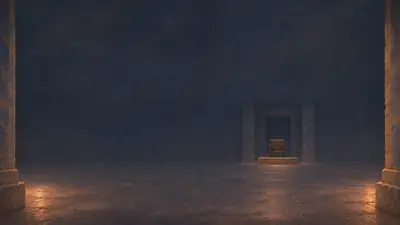
Ereshkigal schickt Namtar, um ihren Anteil am Festmahl der Götter zu holen. Ein Gott erhebt sich nicht vor ihm. Nergal geht mit Eas Hilfe in die Unterwelt. Als er Ereshkigal bedroht, bietet sie ihm einen Anteil an der Herrschaft an.
QuellenBlättern Sie mit den Pfeilen, den Pfeiltasten oder durch Wischen.
DER ANTEIL DER KÖNIGIN
Die Götter kamen in der oberen Welt zu einem Festmahl zusammen. Die alte Tafel beginnt mit dem Mahl, bevor der erste Bote ausgesandt wird.
Die Götter wollten mit Ereshkigal sprechen, die sie ihre Schwester nannten. Sie schickten einen Boten, der ihr ihre Worte überbringen sollte.
Die Botschaft sprach von den Grenzen zwischen den beiden Reichen. Die Götter sagten, sie könnten nicht zu Ereshkigal hinabsteigen, und sie könne nicht zu ihnen hinaufkommen.
Die Götter hatten für Ereshkigal einen Anteil beiseitegelegt. Sie baten sie, jemanden zu schicken, um ihn abzuholen.
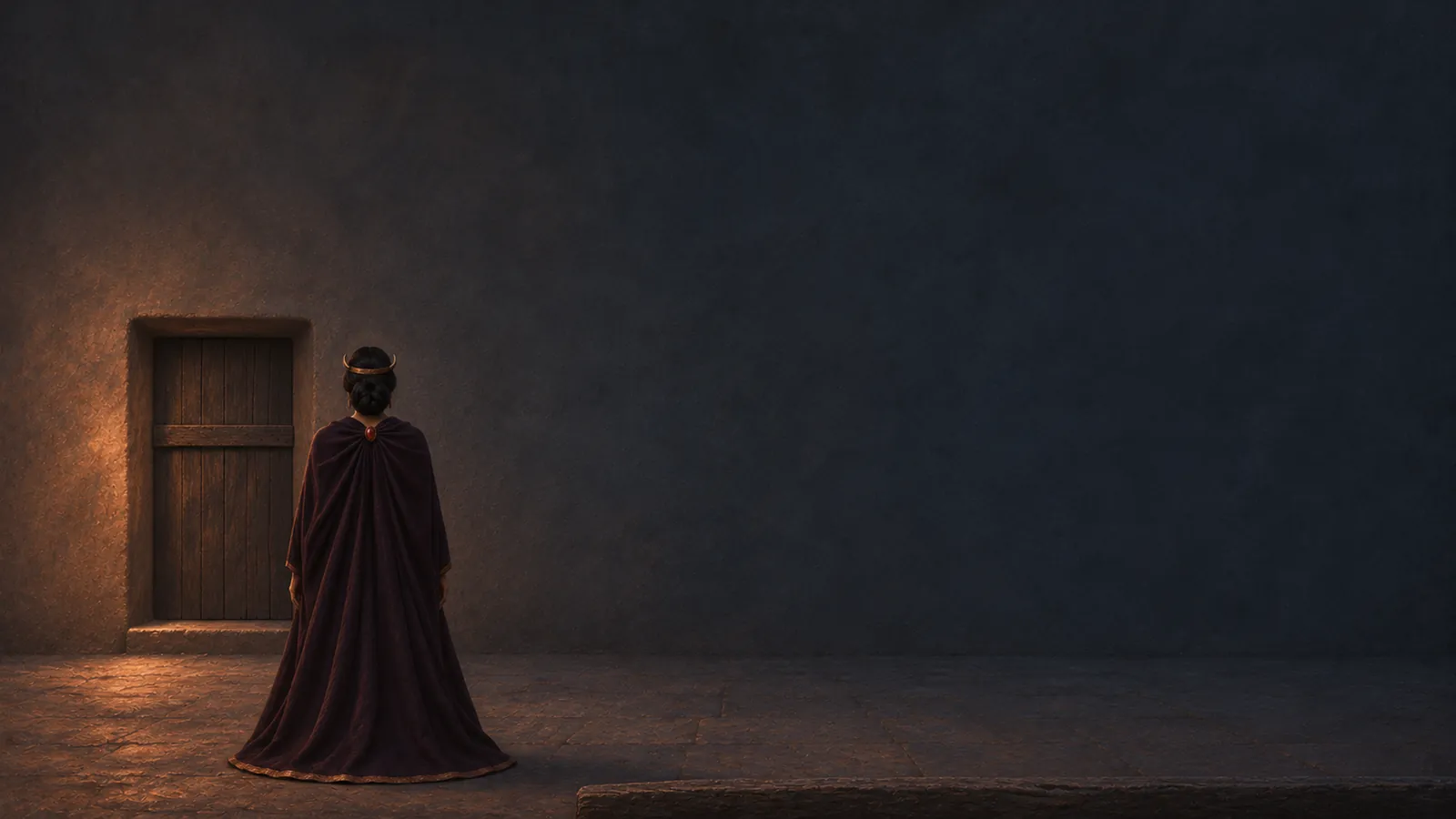
Ereshkigal wählte ihren eigenen Minister Namtar, damit er an ihrer Stelle ging. Er sollte ihren Anteil von den Göttern der oberen Welt entgegennehmen.
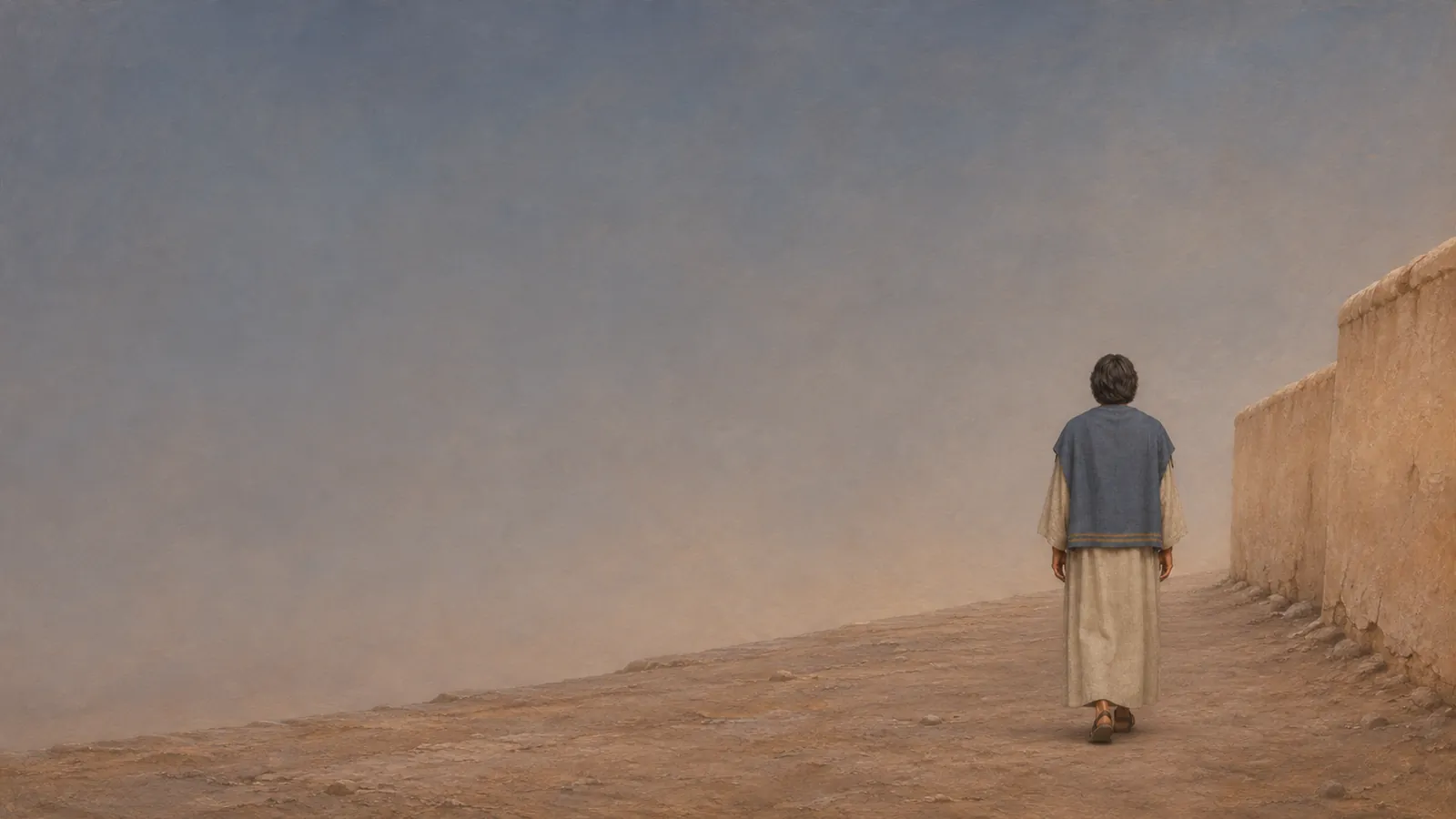
Namtar stieg zum hohen Himmel hinauf. Der alte Text nennt sein Ziel und lässt den Weg dorthin offen.

Als Namtar den Saal betrat, erhoben sich die Götter. Einige der folgenden Worte sind beschädigt, doch die Stelle scheint ihre Begrüßung zu beschreiben.
Hier nennt die Tafel Nergal beim Namen. Wer wen sah, lässt sich verschieden lesen, und ein Teil des Geschehens ist verloren.
An dieser Stelle sind nur Bruchstücke des Festmahls erhalten. Vielleicht ist von Speisen die Rede, und es finden sich Worte der Verzweiflung, doch ihr Zusammenhang ist beschädigt.
Hier fehlen mehrere Zeilen oder sind stark beschädigt. Eine Lücke auf der Tafel trennt diese Stelle von den Worten über die Kränkung.
Der Name Ea ist in den beschädigten Zeilen noch zu lesen. Spuren von Worten und Bewegung sind erhalten, doch vieles von dem, was hier geschah, ist verloren.
DIE FORDERUNG
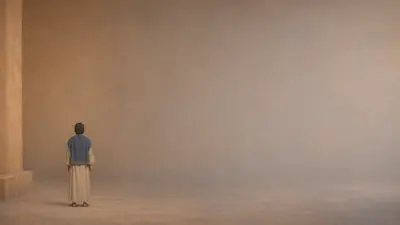
Ereshkigal fragte nach dem Gott, der vor ihrem Boten sitzen geblieben war. Sie wollte ihn vor sich haben und drohte, ihn zu töten.
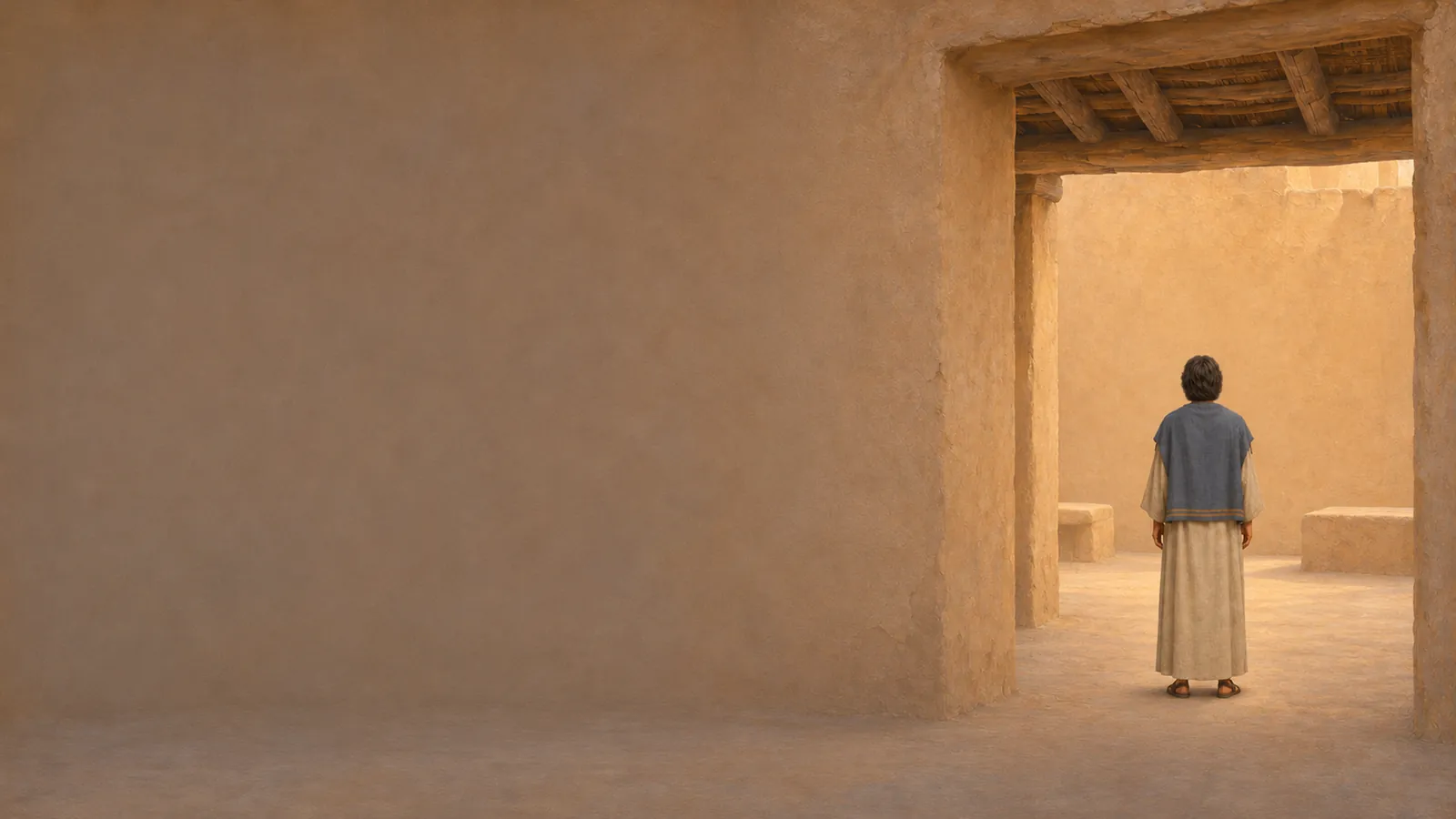
Namtar trat vor die Götter der oberen Welt und sprach zu ihnen. Sie riefen ihn in ihre Versammlung und trugen ihm auf, die Anwesenden zu zählen.
Die Götter sagten Namtar, er solle nach dem suchen, der sich nicht erhoben hatte. Sobald er ihn fand, sollte er ihn zu seiner Herrin bringen.
Namtar zählte die Götter in der Versammlung. Der letzte Gott, den er zählte, war laut der Tafel kahl. Der Grund bleibt offen.
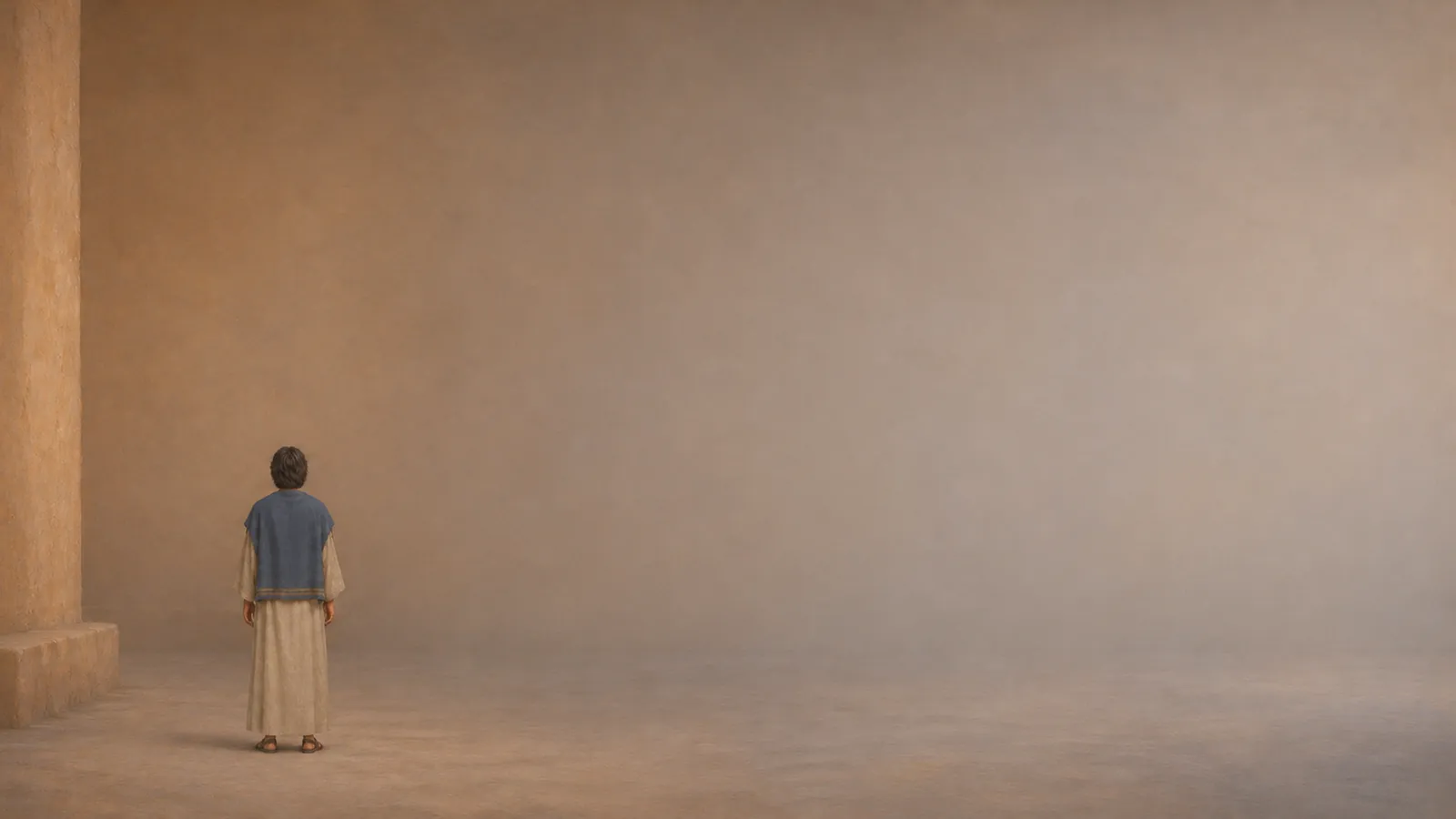
Namtar schloss, dass der Gott, der sich vor ihm nicht erhoben hatte, fehlte. Er hatte in der Versammlung nach ihm gesucht und konnte ihn nicht ausmachen.
Die beschädigten Zeilen scheinen zu wiederholen, was Namtar herausgefunden hatte. Der Gott, der sich nicht erhoben hatte, fehlte unter den Göttern, die er gezählt hatte.
Auf der Tafel sind ein Wort für ihren Boten und ein Wort für einen Monat erhalten. Das reicht nicht aus, um zu sagen, was dazwischen geschah.
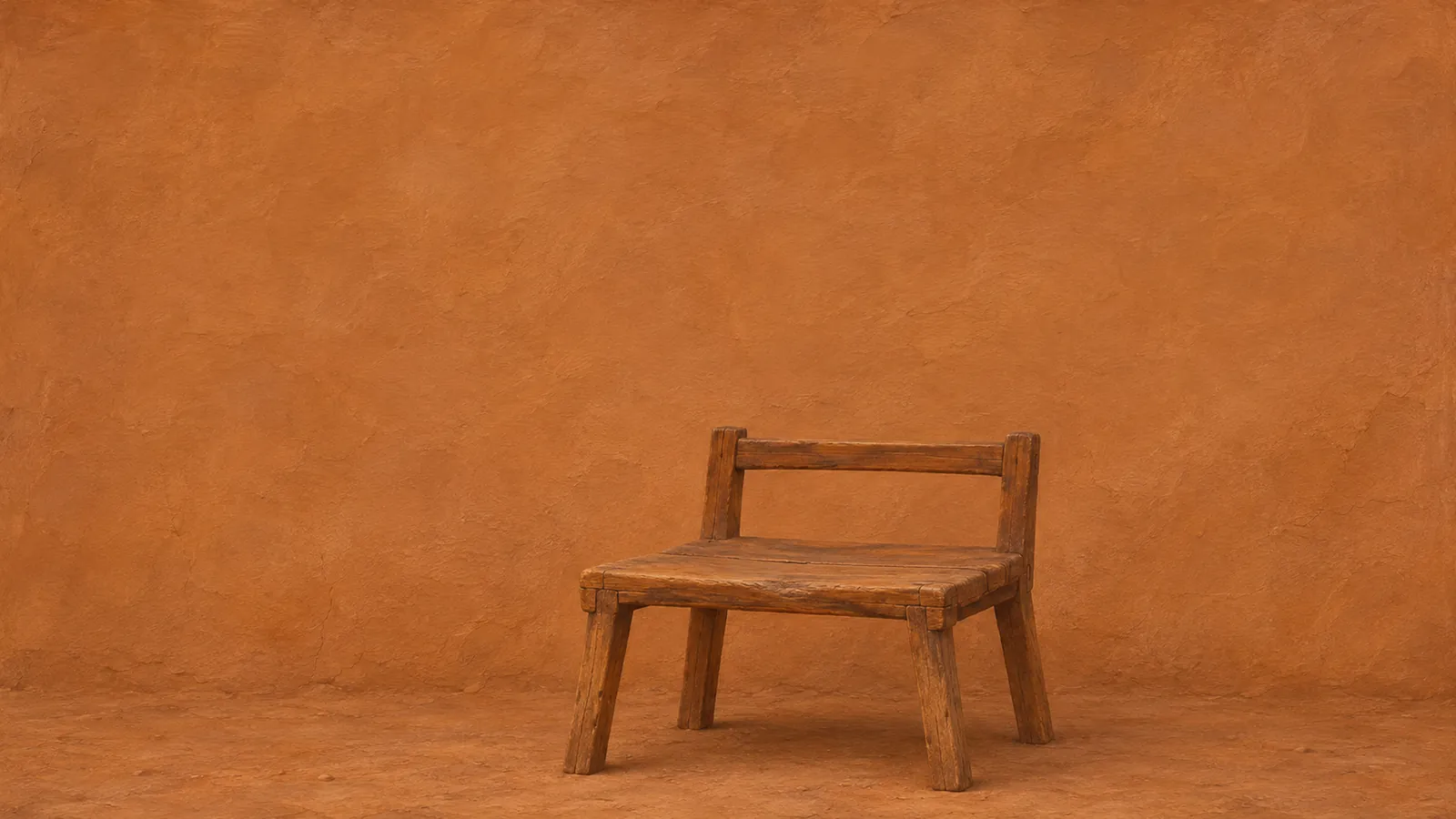
EAS STUHL
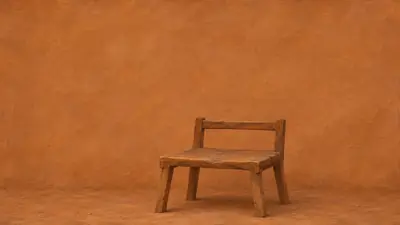
Als die Geschichte wieder deutlicher wird, gibt Ea Nergal einen Stuhl. So liest Izre’el diesen beschädigten Teil der Tafel.
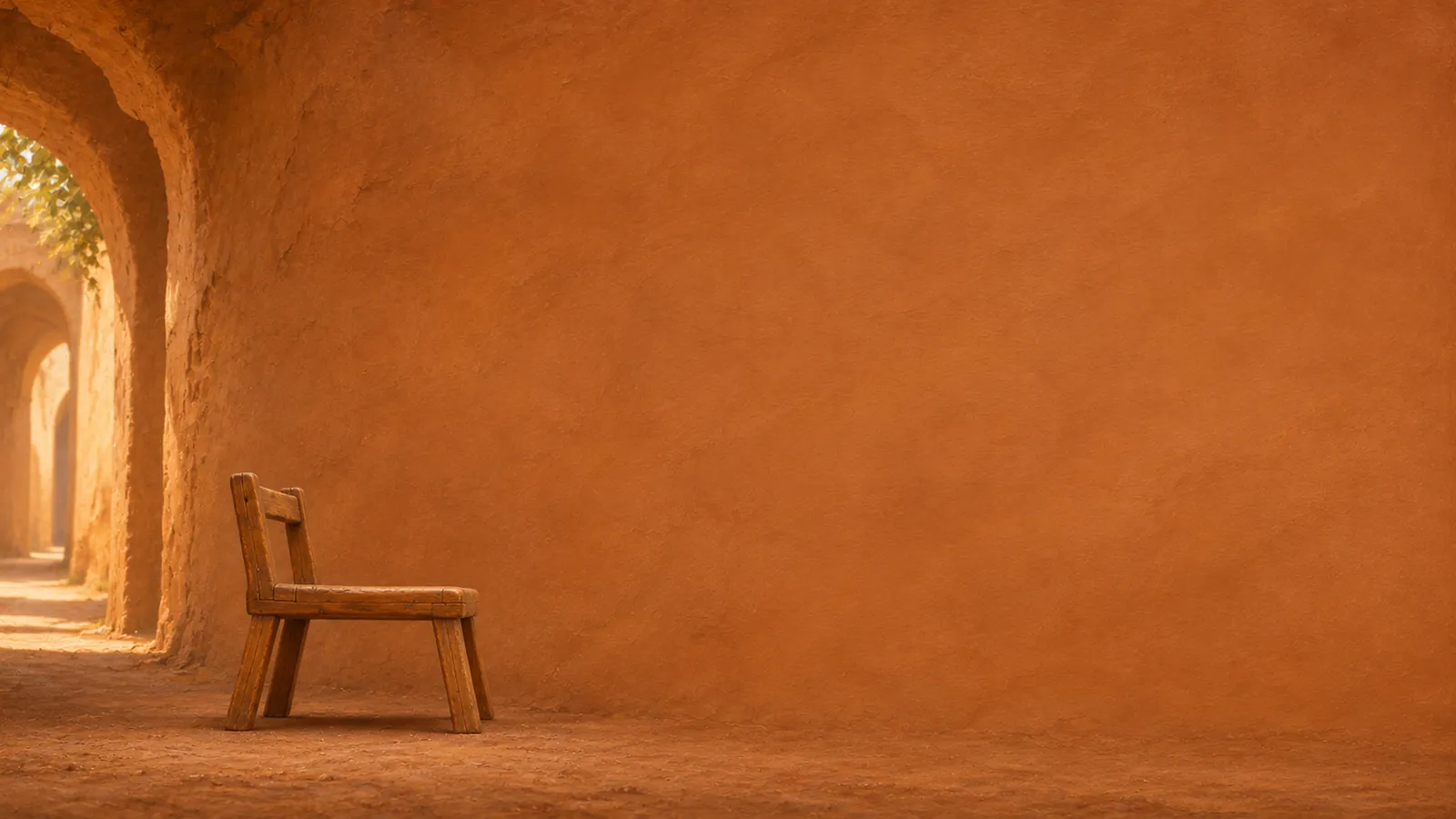
Ea sagte Nergal, er solle den Stuhl zu Ereshkigal bringen. Der Rest der Zeile ist beschädigt, und Nergals erste Reaktion bleibt ungewiss.
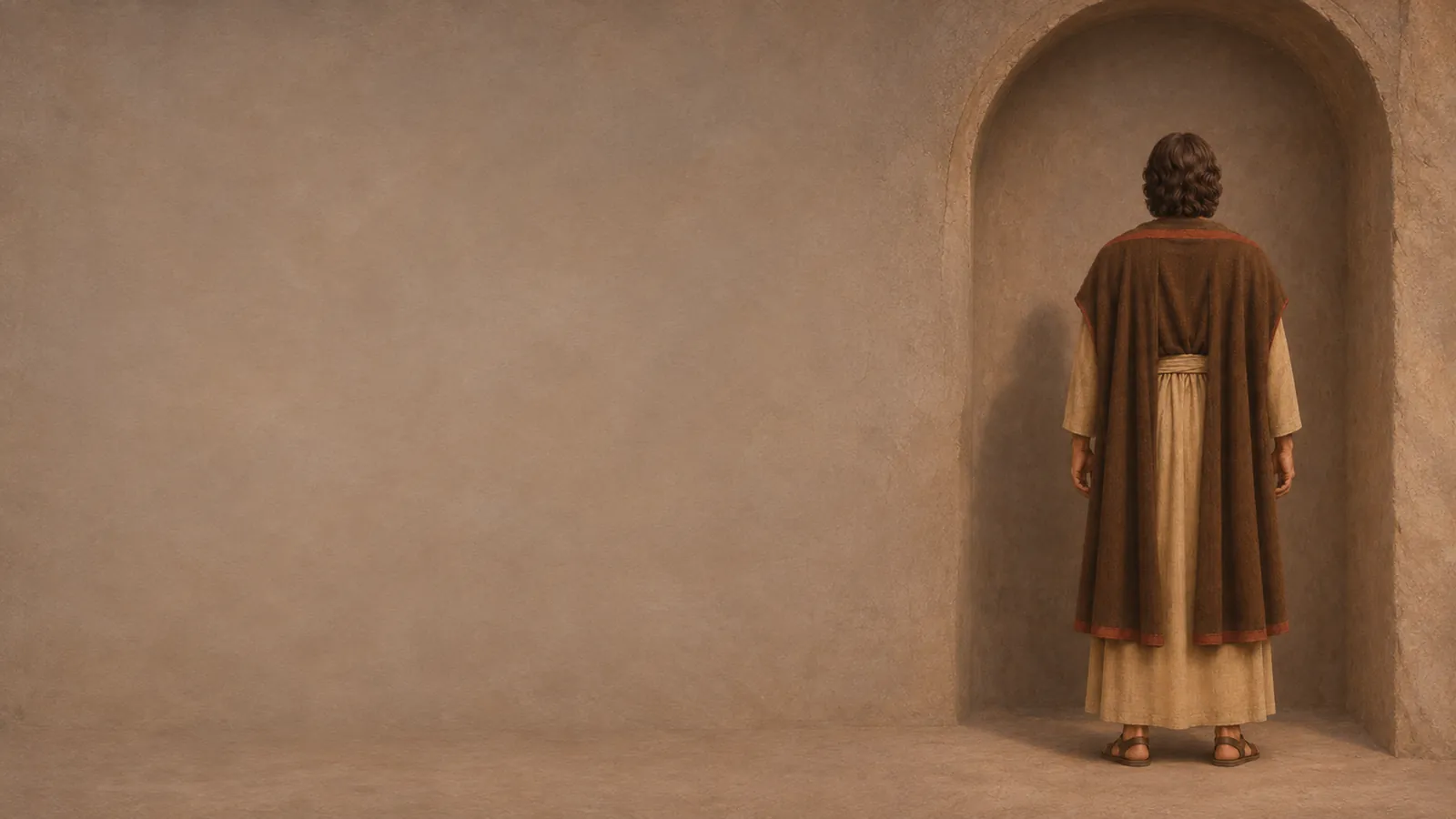
Nergal sagte zu seinem Vater Ea, dass Ereshkigal ihn sehen werde. Er fürchtete, dass sie ihn nicht lebend gehen lassen würde.
Ea sagte Nergal, er solle seine Furcht ablegen. Er versprach ihm Gefährten für die Reise, nach dem erhaltenen Wortlaut sieben und sieben.
Die Namen der Gefährten sind an dieser Stelle beschädigt. Izre’el ergänzt einen großen Teil der Liste anhand der Stelle, an der Nergal sie an den Toren aufstellt.

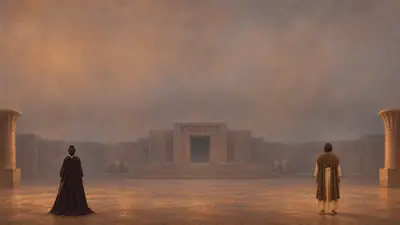
Die Worte über die Reise sind beschädigt. Als die Erzählung wieder deutlich wird, steht Nergal am Tor Ereshkigals.

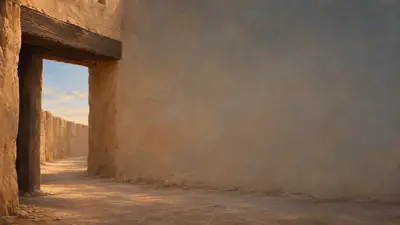
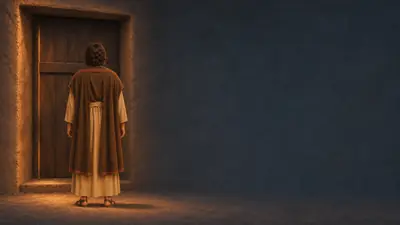
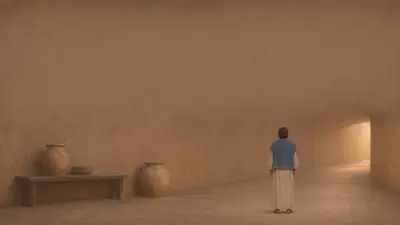
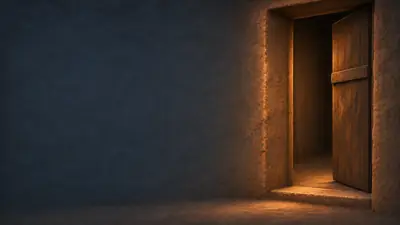
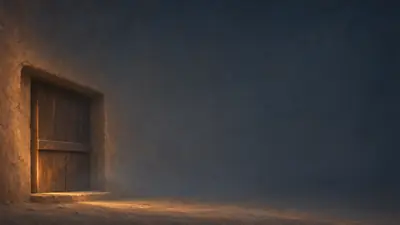
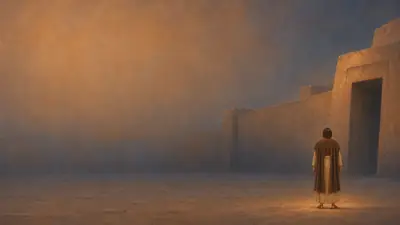
Nergal rief nach dem Torwächter. Er bat ihn, das Tor zu öffnen und die Riegel zu lösen, damit er eintreten könne.
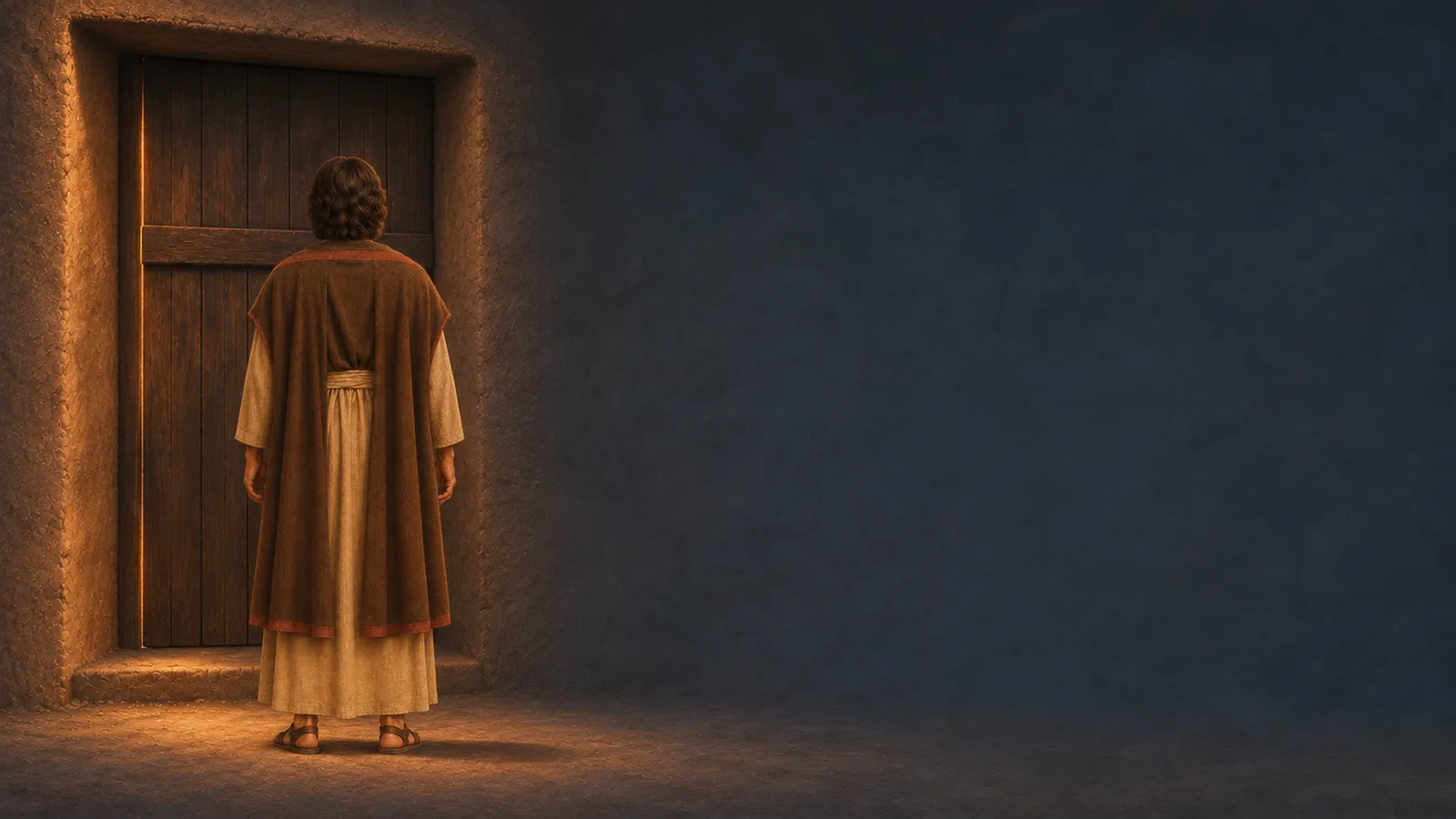
Nergal sagte, er sei zu Ereshkigal geschickt worden, der Herrin des Torwächters. Er sprach den Wächter von draußen an.
Der Torwächter sagte Namtar, dass draußen ein Gott stehe. Namtar solle kommen und nachsehen, wer es sei, bevor sie ihn einließen.
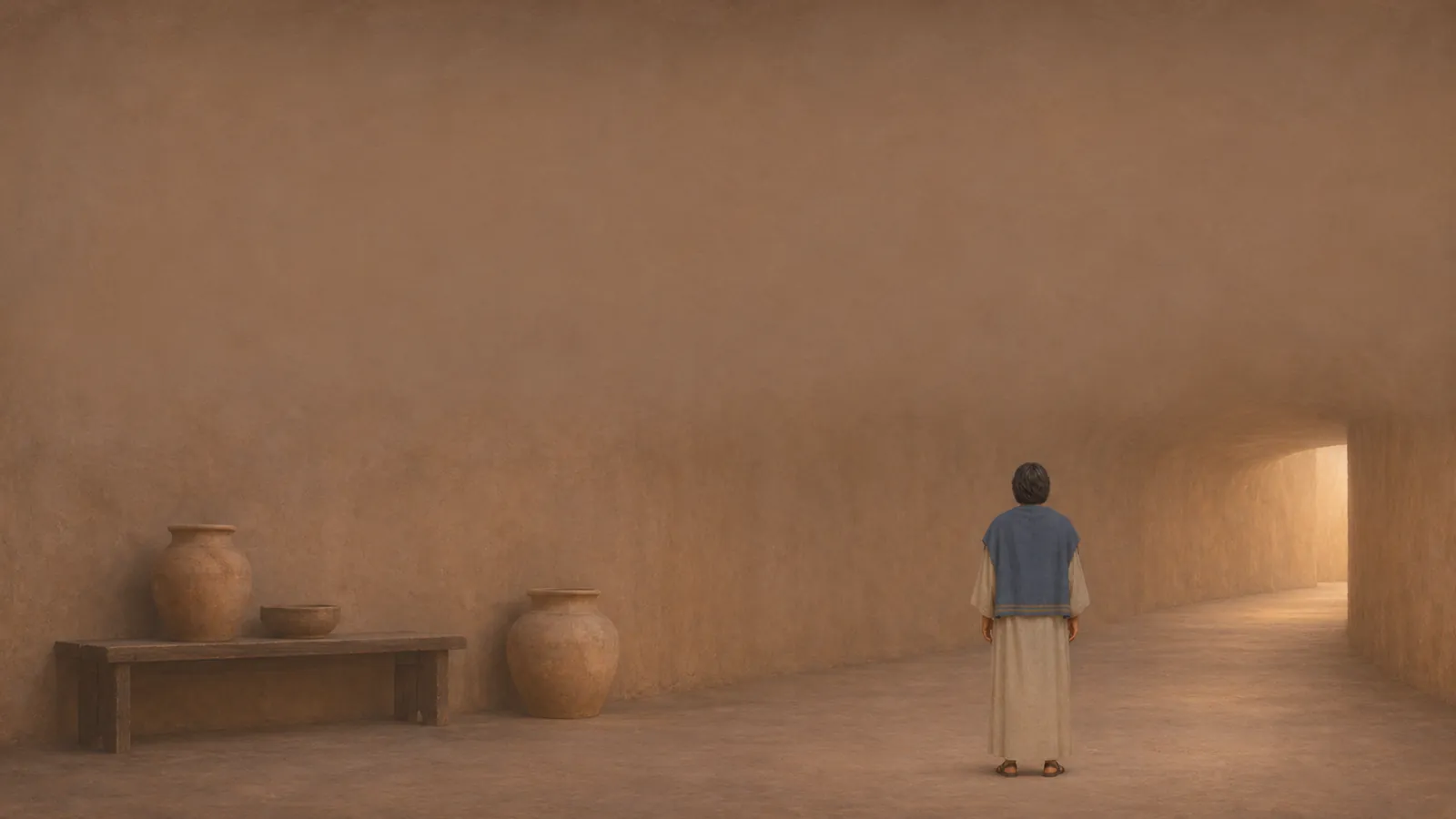
DAS WIEDERERKENNEN
Namtar trat hinaus und sah Nergal. Die Tafel sagt, dass er sich freute und forteilte, um zu berichten, was er gesehen hatte.
Namtar sagte Ereshkigal, das sei der Gott, der zuvor gefehlt hatte. Dies sei derjenige, der sich nicht vor ihrem Boten erhoben hatte.
Ereshkigal befahl Namtar, den Besucher einzulassen. Die teilweise ergänzten Worte wiederholen ihre Drohung, ihm das Leben zu nehmen.
Namtar kehrte zum Tor zurück und lud Nergal ein. Er solle in das Haus seiner Schwester eintreten und seinen Anteil entgegennehmen.
Einige Worte einer Antwort sind erhalten, die auf der Tafel offenbar Nergal zugeschrieben werden. Dann bricht das Gespräch erneut ab.
Ungefähr zwei Zeilen fehlen vor einer stark beschädigten Zeile. Die Namen an den ersten Torpositionen sind nicht mehr zu lesen.
Der dritte Name ist nur teilweise erhalten. Nergal stellte Muttabriqa an die vierte und Sharrabda an die fünfte Position.
An die sechste Position stellte er Rabisa, an die siebte Tirid. An die achte kam Idiptu, an die neunte Benna.
Sidana nahm die zehnte Position ein und Miqit die elfte. Dann nennt die Liste Bel’uri, Umma und Liba an der zwölften, dreizehnten und vierzehnten Position.
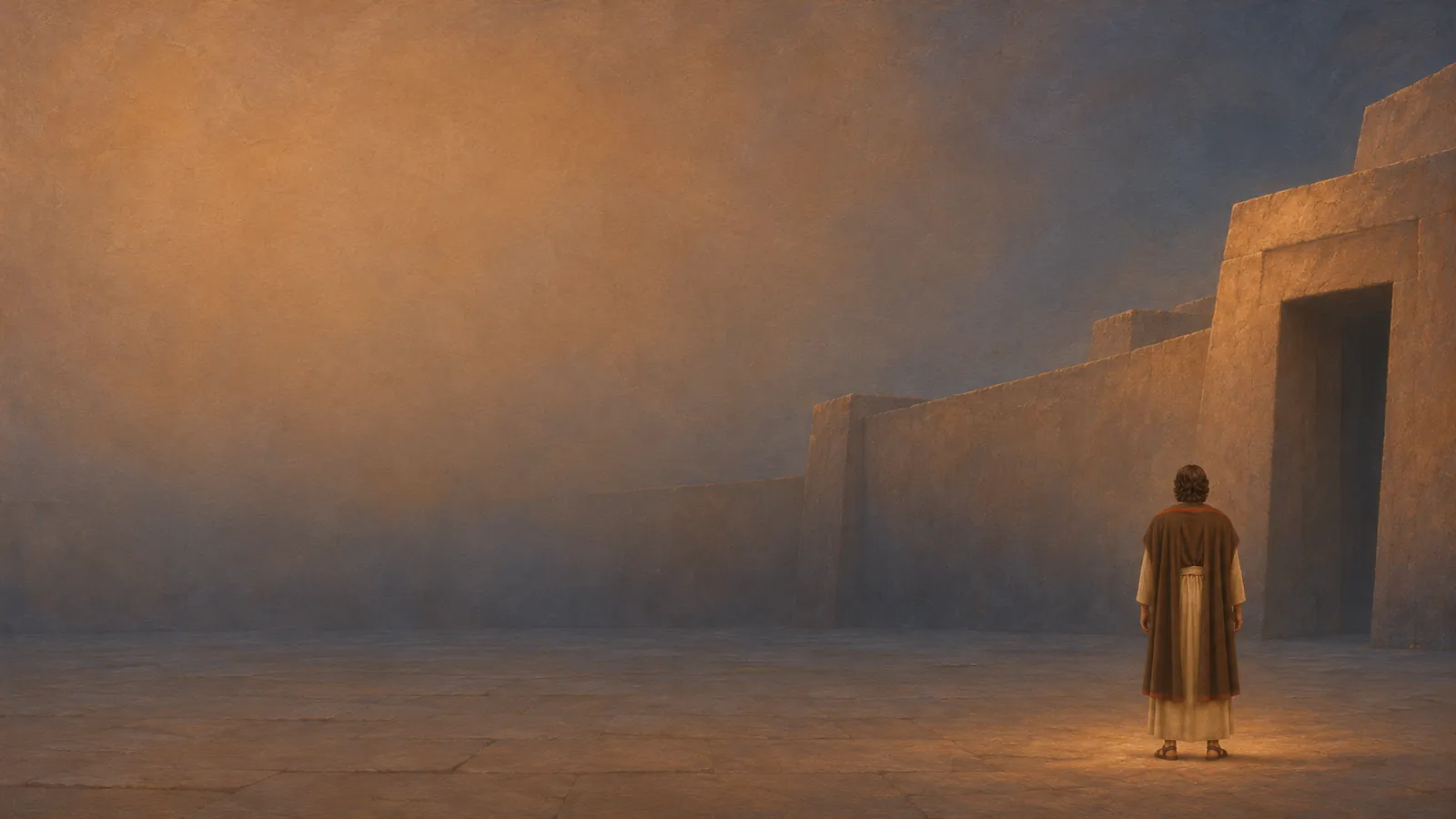
Die Tafel schließt die Liste der Positionen ab. Dann heißt es nach Izre’els Lesung, dass Nergal seine Furcht überwand, als er im Hof war.
DIE TORE
Nergal rief Namtar und seinen Leuten zu, sie sollten die Tore öffnen. Er sagte ihnen, er komme auf sie zu.
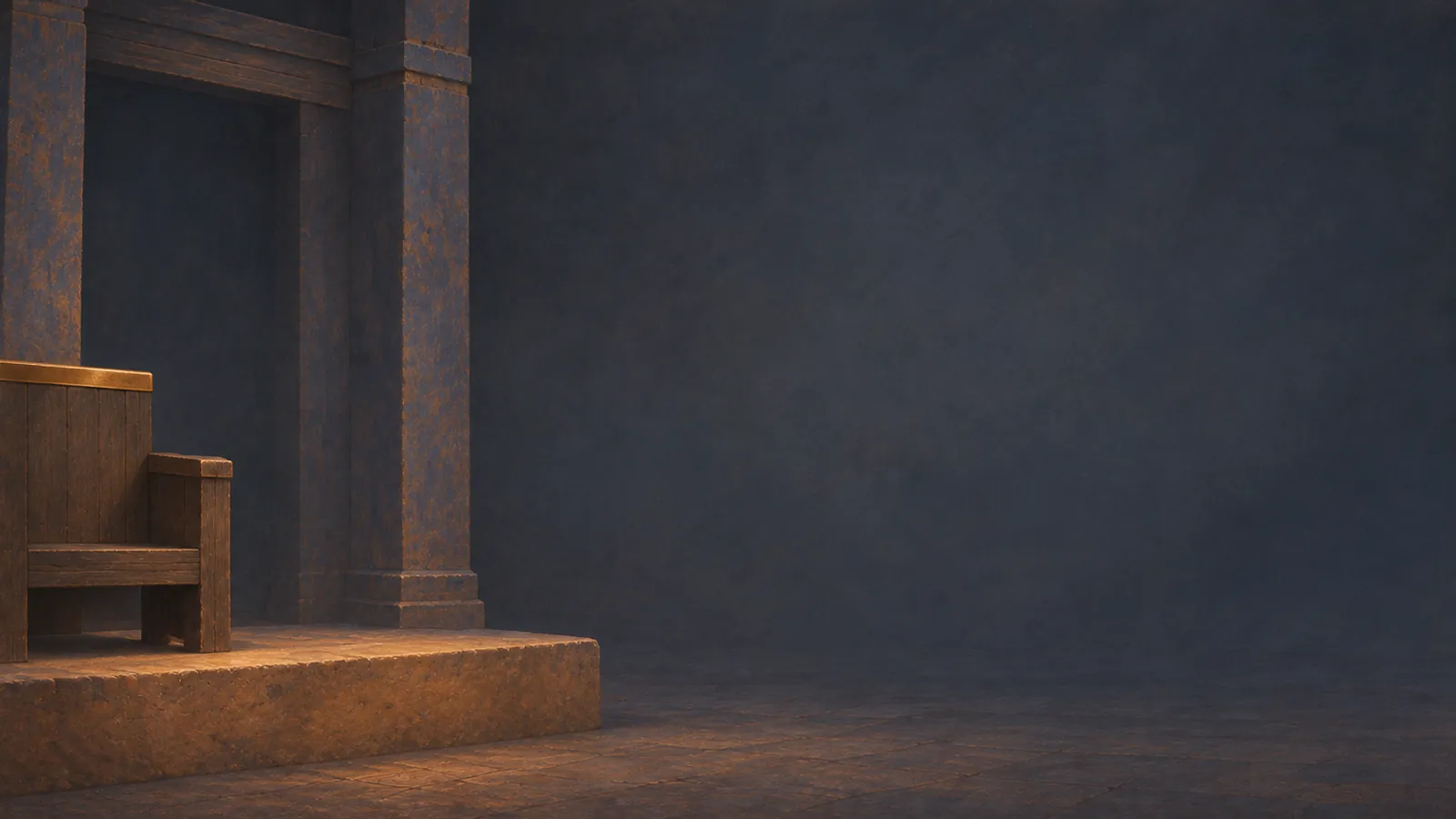
Im Haus packte Nergal Ereshkigal an den Haaren und zog sie vom Thron, um sie zu enthaupten.
Ereshkigal bat Nergal, sie zu verschonen und sie sprechen zu lassen. Er hielt inne und hörte ihr zu, und die Königin weinte.
DAS ANGEBOT
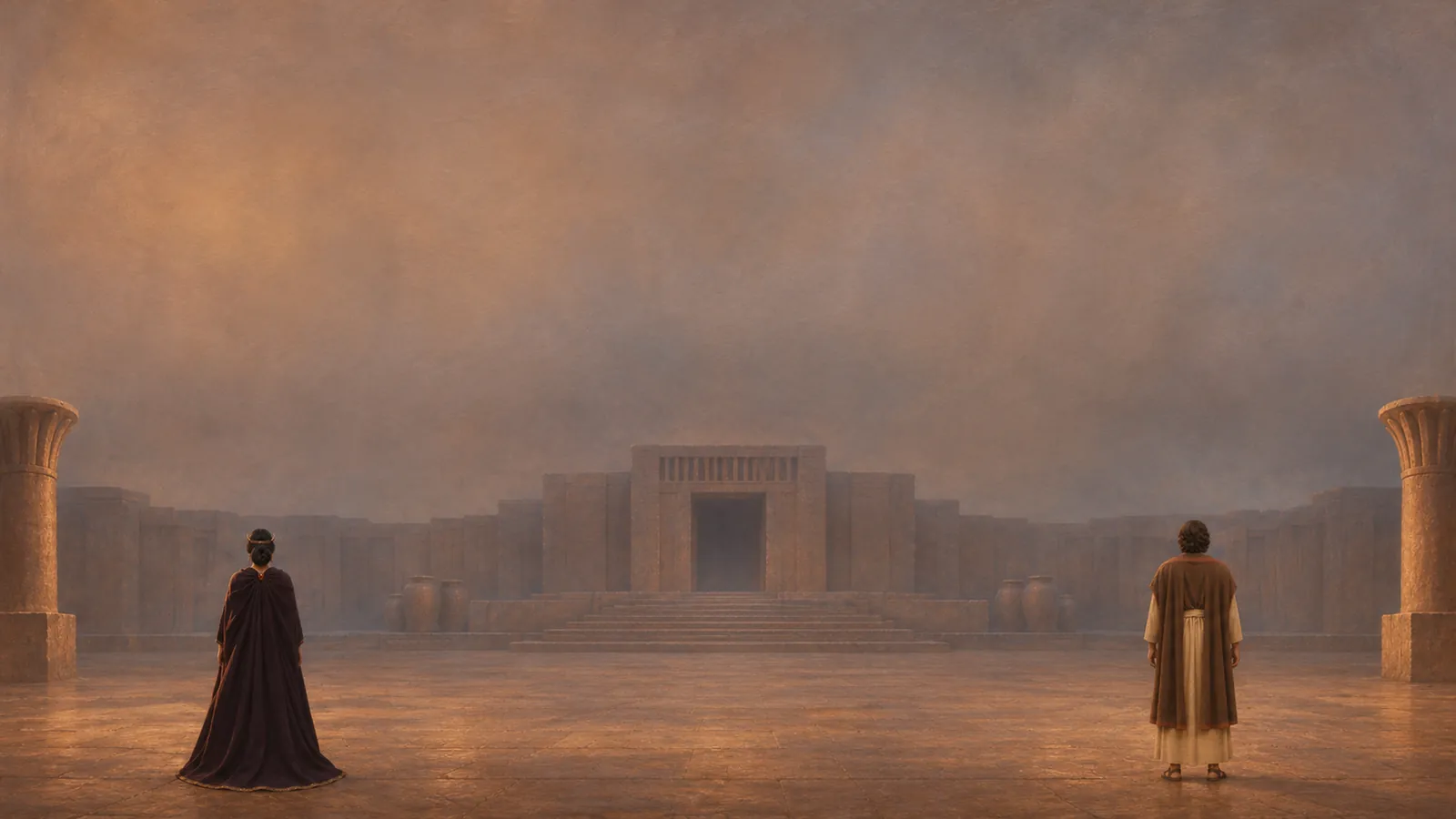
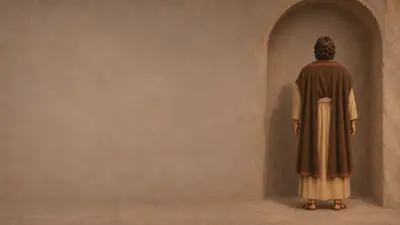
Ereshkigal machte nun selbst ein Angebot. Sie sagte Nergal, er solle ihr Mann werden, und sie werde seine Frau sein.
Ereshkigal bot ihm das Königtum in der Unterwelt und die Tafel der Weisheit an. Sie würde ihn Herr nennen und selbst Herrin bleiben.
Nergal hörte Ereshkigals Angebot. Er nahm sie in die Arme, küsste sie und wischte ihr vor der letzten Rede die Tränen ab.
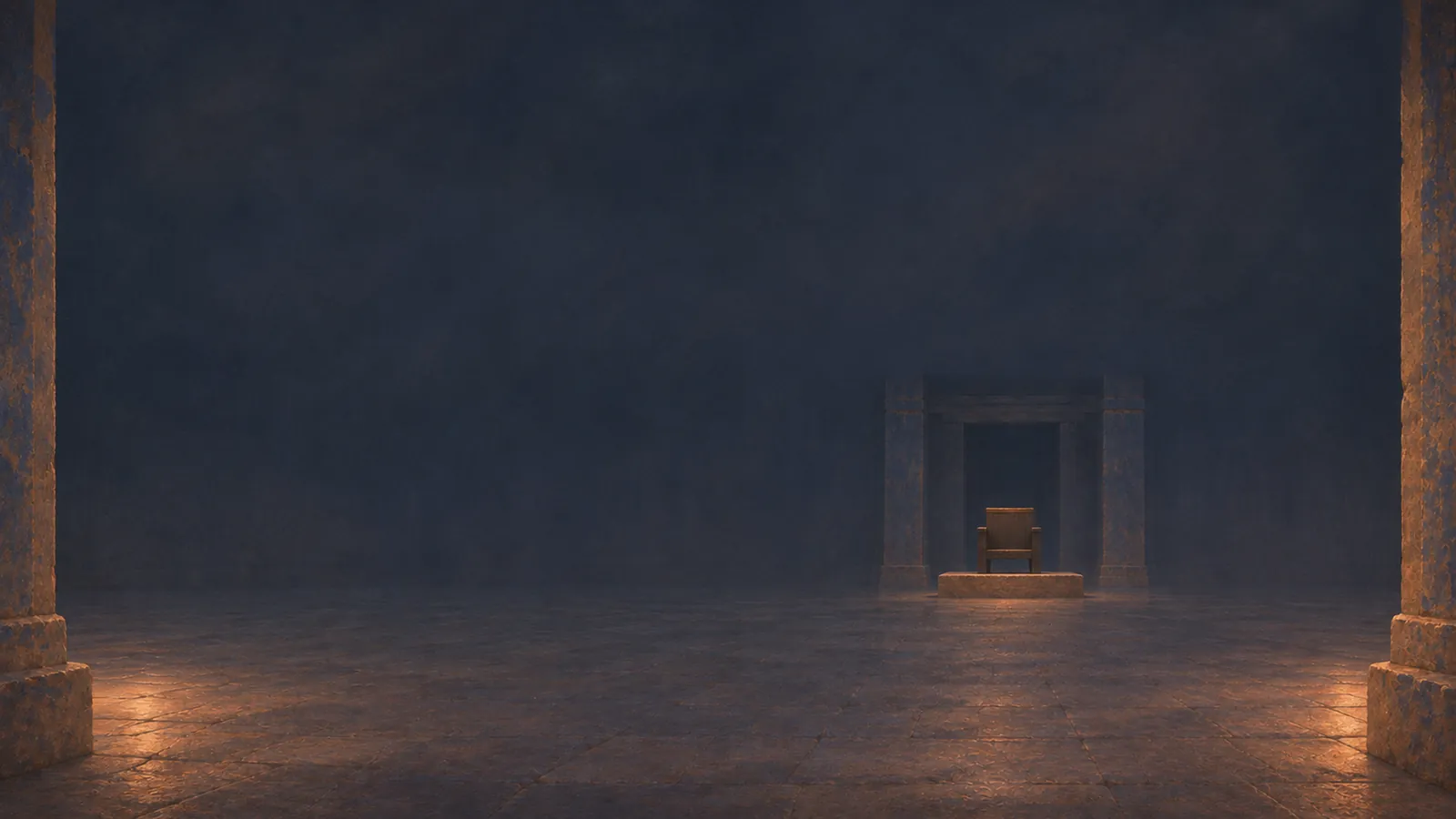
Die letzten Worte sind schwer zu verstehen. Izre’el vermutet, dass die letzte Zeile dem Schreiber sagen könnte, wo er aufhören soll.
Ende von Kapitel 1
Alle Seiten












Quellen
Benutzte Editionen
- Izre’el, The Amarna Scholarly Tablets, EA 357 edition and translation, pp. 50–60
- CDLI, Amarna tablet EA 357, P270856
- Hebrew University SEAL, EA 357 witness record
- Gurney, edition of the Sultantepe witness
- Ponchia and Luukko, the Standard Babylonian version
- Novotny, the door counts in the Amarna and later versions
- Rozzi, Jiménez and Bennett, edition of the Babylon fragment BM 39743
- IL Archive, Ereshkigal
Die antiken Verse hinter jeder Seite
- Page 1: EA 357 (Izre’el) 1
- Page 2: EA 357 (Izre’el) 2–3
- Page 3: EA 357 (Izre’el) 4–5
- Page 4: EA 357 (Izre’el) 6
- Page 5: EA 357 (Izre’el) 7
- Page 6: EA 357 (Izre’el) 8
- Page 7: EA 357 (Izre’el) 9–11
The entrance, standing and greeting have partly restored wording. - Page 8: EA 357 (Izre’el) 12
The subject of the verb of seeing and the object set out earlier in the line are uncertain. - Page 9: EA 357 (Izre’el) 13–15
The references to food and the subject of the distress are uncertain. - Page 10: EA 357 (Izre’el) 16–22
The seven numbered lines are very fragmentary or missing in Izre’el’s edition. - Page 11: EA 357 (Izre’el) 23–25
Ea’s name is partly preserved. - Page 12: EA 357 (Izre’el) 26–27
Parts of the demand are reconstructed from the surviving text. - Page 13: EA 357 (Izre’el) 28–29
The count command at the end of 29 is partly restored. - Page 14: EA 357 (Izre’el) 30–31
- Page 15: EA 357 (Izre’el) 32
- Page 16: EA 357 (Izre’el) 33
- Page 17: EA 357 (Izre’el) 34–38
Namtar’s movement and the details of the report are partly restored. - Page 18: EA 357 (Izre’el) 39–40
The lines preserve fragmentary words for messenger and month. The length and events of the interval remain uncertain. - Page 19: EA 357 (Izre’el) 41–42
The chair, the person giving it and the person receiving it are read with restorations in Izre’el’s edition. - Page 20: EA 357 (Izre’el) 43
Nergal’s initial reaction is uncertain. - Page 21: EA 357 (Izre’el) 44–45a
- Page 22: EA 357 (Izre’el) 45b–46
The reassurance and exact word describing the companions are partly damaged. - Page 23: EA 357 (Izre’el) 47–50
The first roster is largely restored from 68–73. - Page 24: EA 357 (Izre’el) 51
The transition to the gate is fragmentary. - Page 25: EA 357 (Izre’el) 52–53
The beginning of the call is partially restored. - Page 26: EA 357 (Izre’el) 54a
- Page 27: EA 357 (Izre’el) 54b–56
- Page 28: EA 357 (Izre’el) 57
The details of his recognition are given in the next lines. - Page 29: EA 357 (Izre’el) 58–59
Some wording about the earlier months and the missing god is restored. - Page 30: EA 357 (Izre’el) 60
The line is partly restored and the precise wording of the order is uncertain. - Page 31: EA 357 (Izre’el) 61–62
- Page 32: EA 357 (Izre’el) 63–64
Its introductory phrase and the words which follow are damaged. - Page 33: EA 357 (Izre’el) 65–67
Izre’el estimates about two missing lines. - Page 34: EA 357 (Izre’el) 68–69a
Individual positions are legible even though the physical form of the gates is debated. - Page 35: EA 357 (Izre’el) 69b–71a
- Page 36: EA 357 (Izre’el) 71b–73
- Page 37: EA 357 (Izre’el) 74
Izre’el reads a metaphor for overcoming fear. The phrase has been interpreted differently. - Page 38: EA 357 (Izre’el) 75–76
- Page 39: EA 357 (Izre’el) 77–79
- Page 40: EA 357 (Izre’el) 80–81
Izre’el takes Ereshkigal as the subject of the words about weeping. - Page 41: EA 357 (Izre’el) 82
- Page 42: EA 357 (Izre’el) 83–85a
The kingship and the tablet belong to the offer. The surviving words call Nergal master and Ereshkigal mistress. - Page 43: EA 357 (Izre’el) 85b–86
- Page 44: EA 357 (Izre’el) 87–88
Line 87 is difficult. The tablet supplies no further action.
Illustrationen von IL Archive mit KI-Werkzeugen; der Text folgt den antiken Quellen (siehe die Quellen am Ende jedes Kapitels).