Sargon und der Fluss Kapitel 2
Der König und sein Nachfolger
Eine historische Übersetzung gibt Sargons Darstellung seiner Herkunft, Ischtars Gunst und seiner königlichen Taten wieder. Nach gekennzeichneten Unsicherheiten und Textlücken wendet sich die Stimme an einen künftigen König und fordert ihn abschließend auf, nach Dur-ilu hinaufzusteigen.
QuellenBlättern Sie mit den Pfeilen, den Pfeiltasten oder durch Wischen.
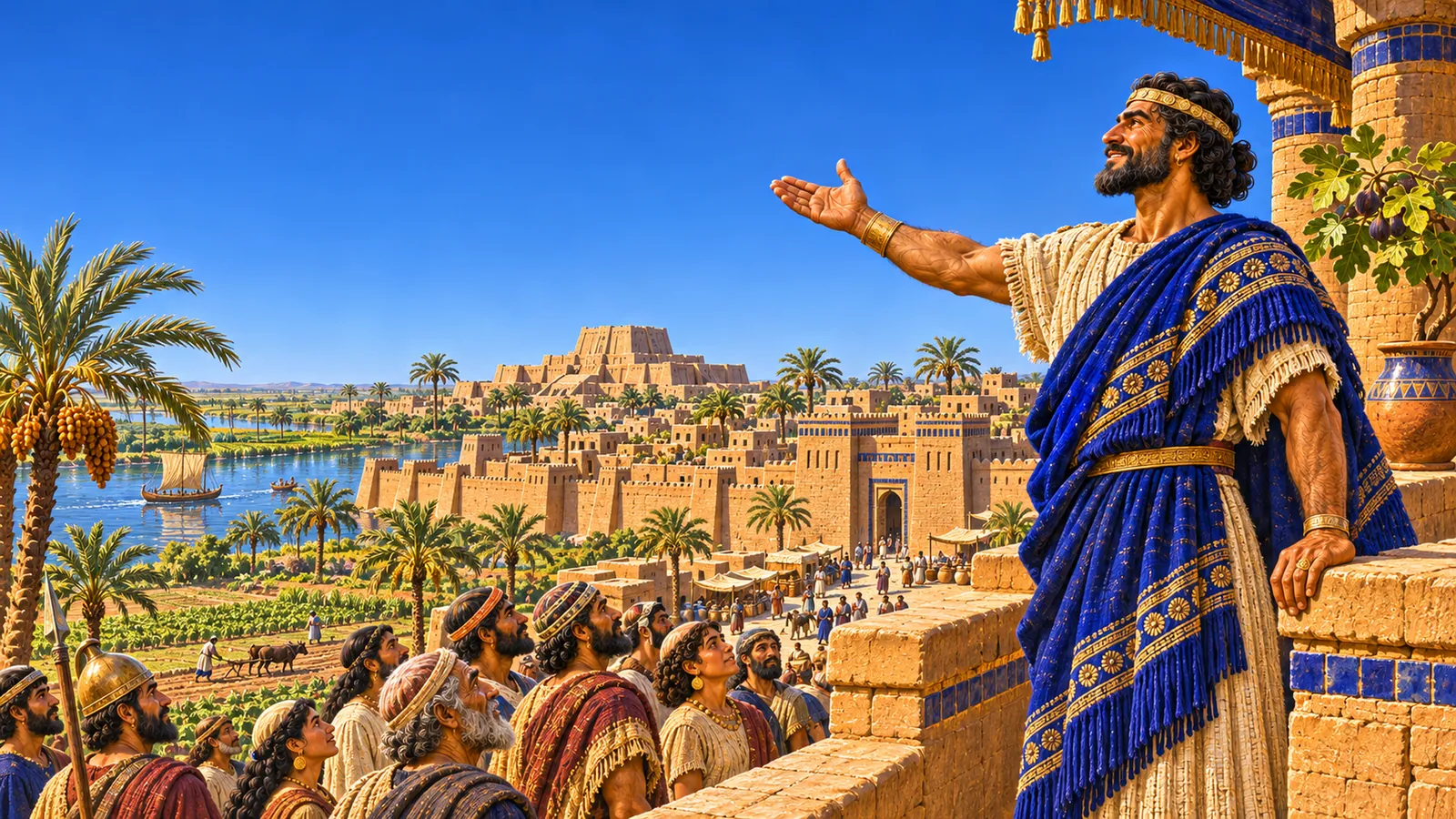
DER KÖNIG
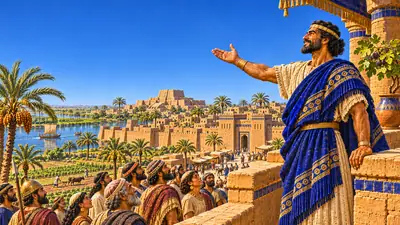
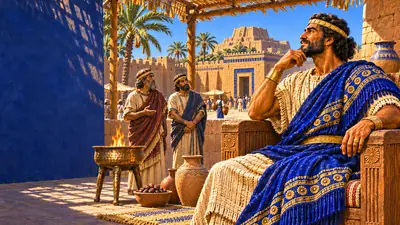
In Bartons Übersetzung von 1920, auf der Fordham-Seite sprachlich modernisiert, nennt sich der Sprecher Sargon und bezeichnet sich als mächtigen König, als König von Akkad.
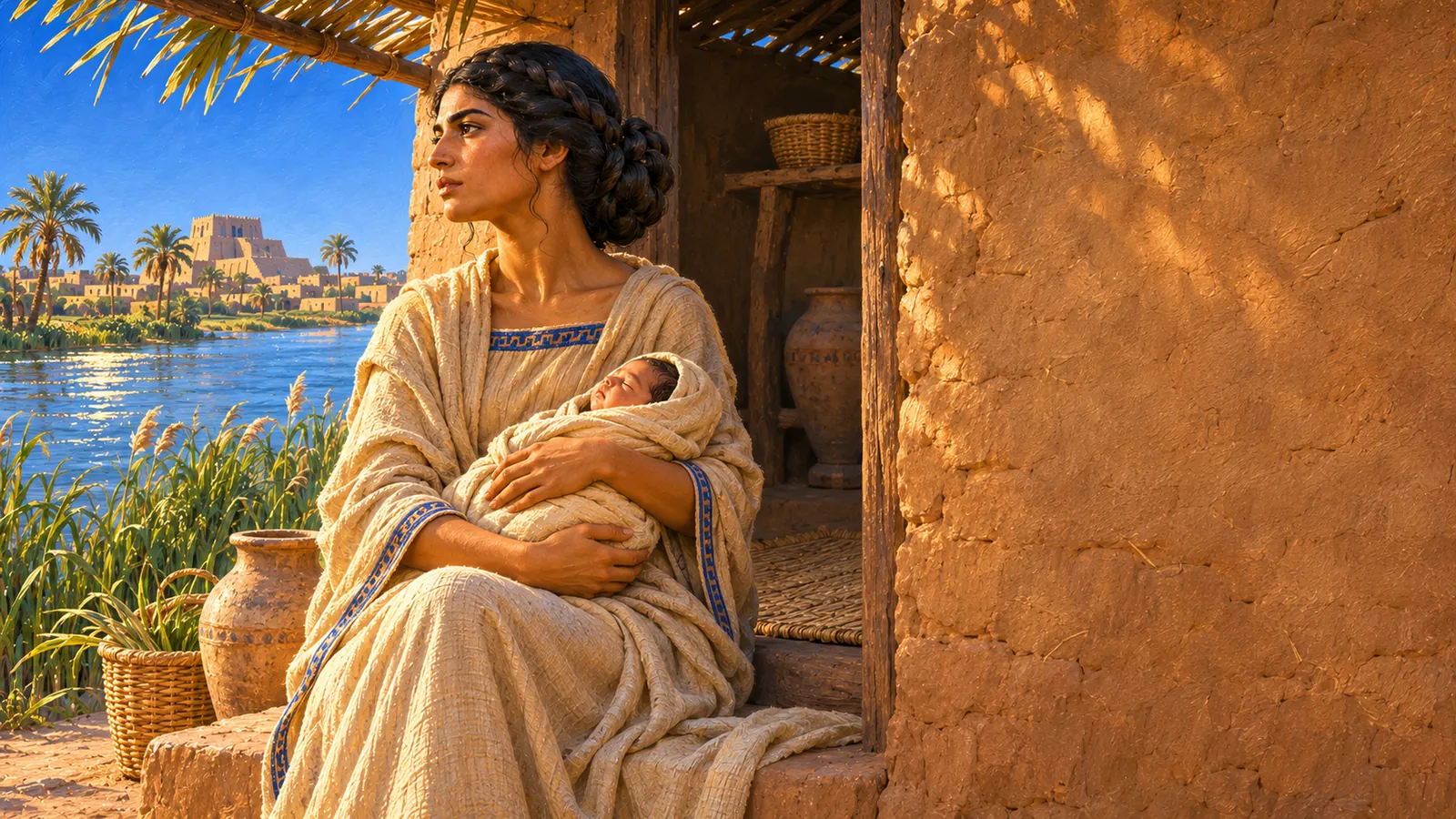
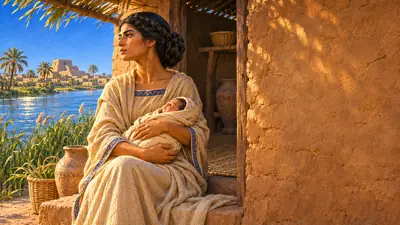
Bartons ältere Übersetzung nennt die Mutter des Sprechers von niedrigem Stand. In derselben Zeile sagt Sargon, dass er seinen Vater nicht kannte.
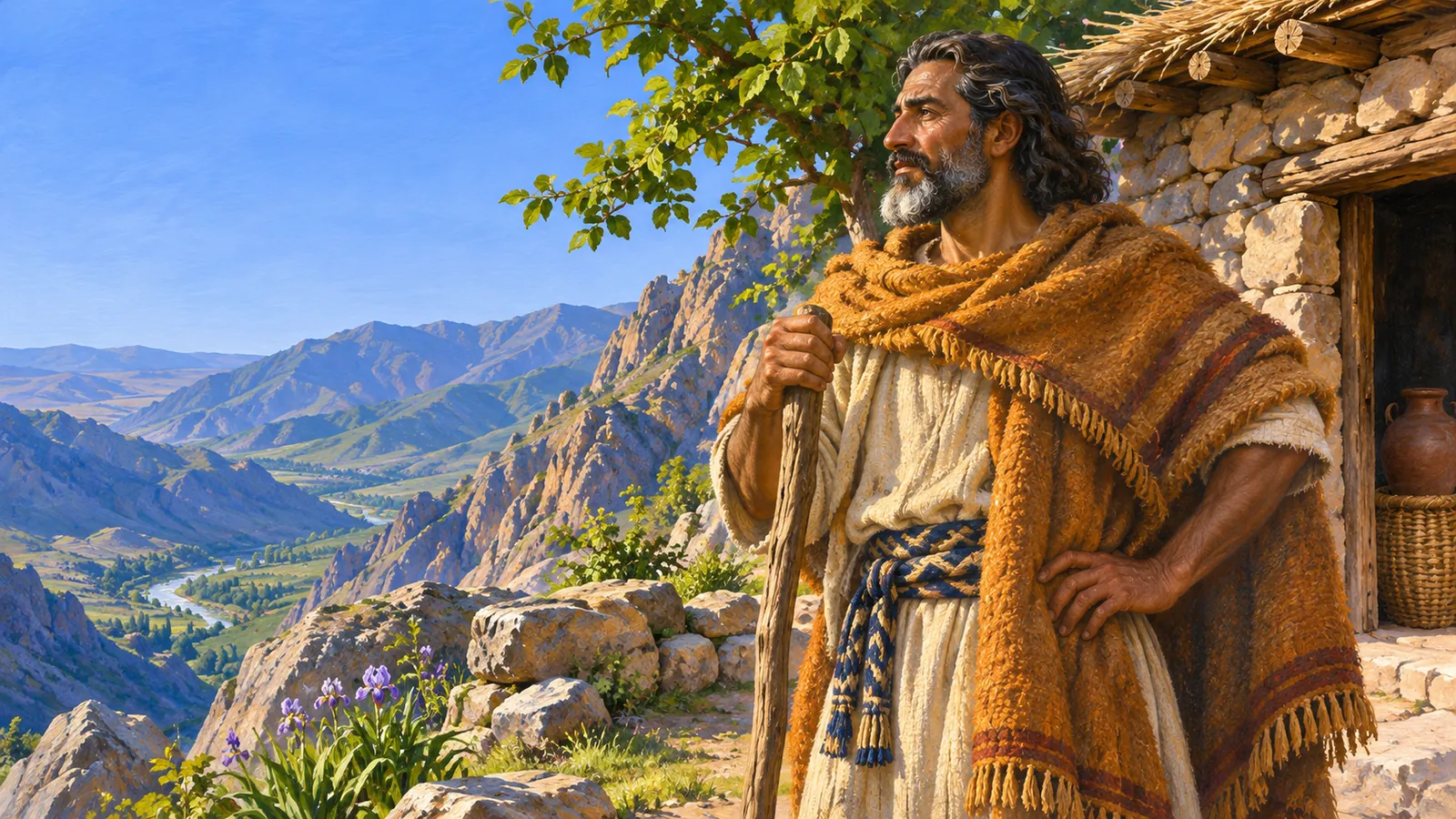
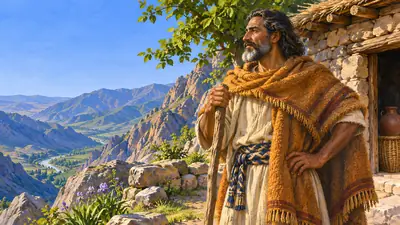
In der nächsten Zeile von Bartons älterer Übersetzung sagt der Sprecher, dass der Bruder seines Vaters im Gebirge lebte.
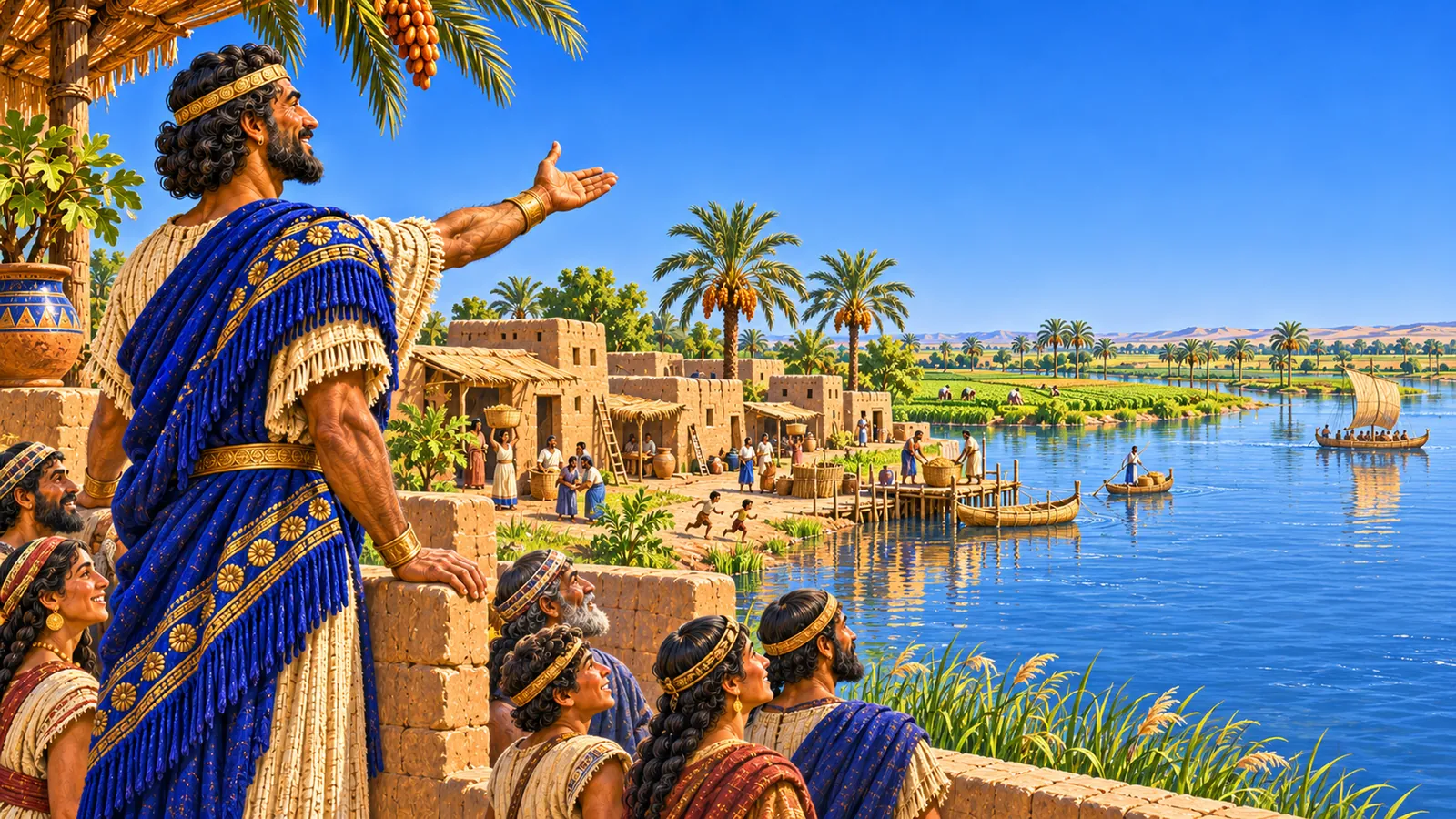
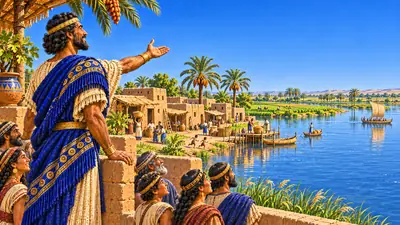
Der Sprecher nennt seine Stadt Azupiranu und verortet sie am Euphrat. So wird ihre Lage in Bartons älterer Übersetzung angegeben.
ISCHTAR
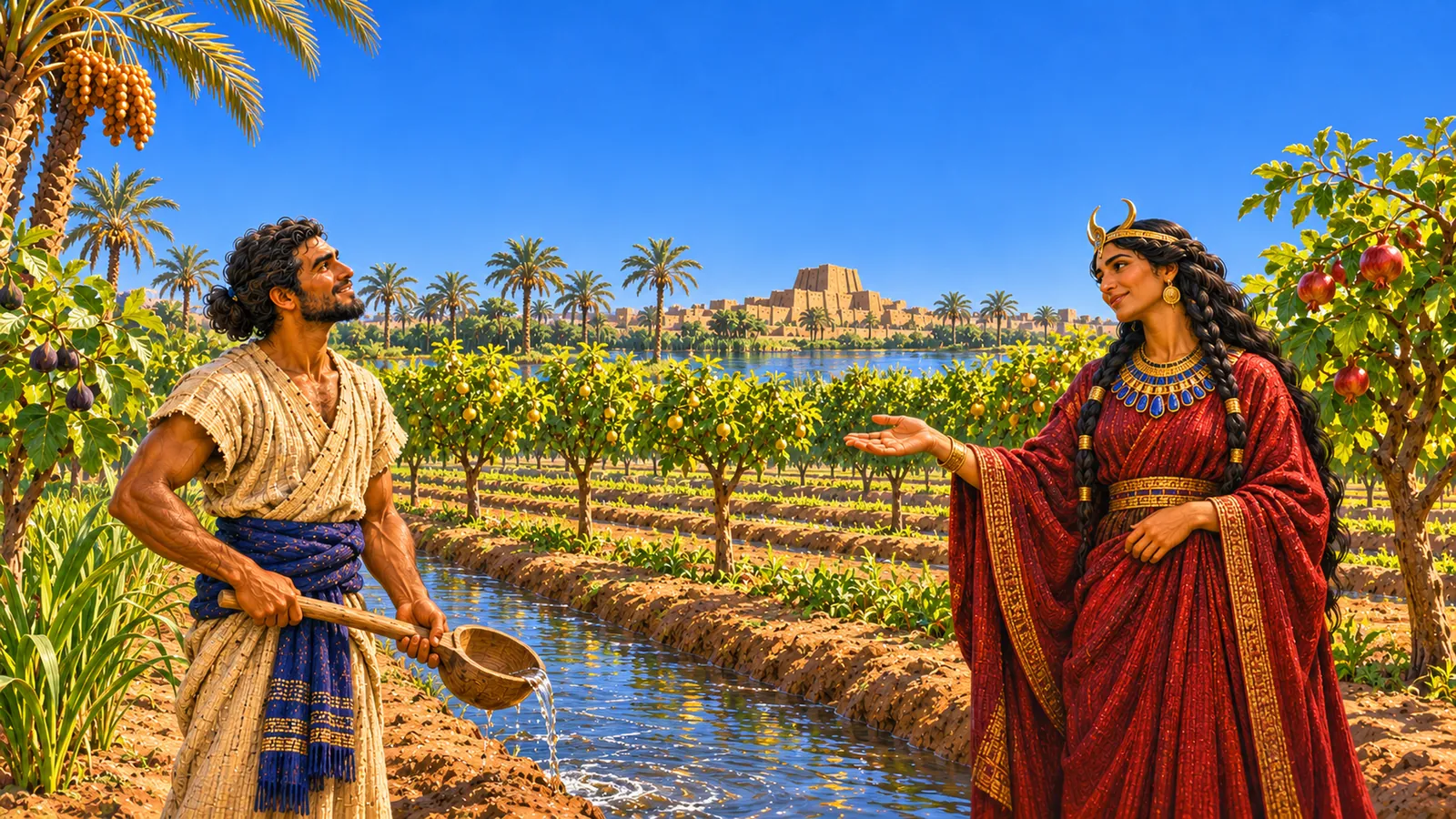
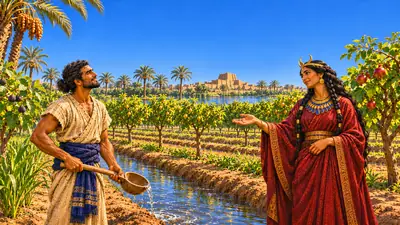
Die nächste ausgewählte Zeile in Bartons älterer Übersetzung zeigt Sargon wieder als Gärtner. Der Sprecher sagt, dass die Göttin Ischtar ihn damals liebte.
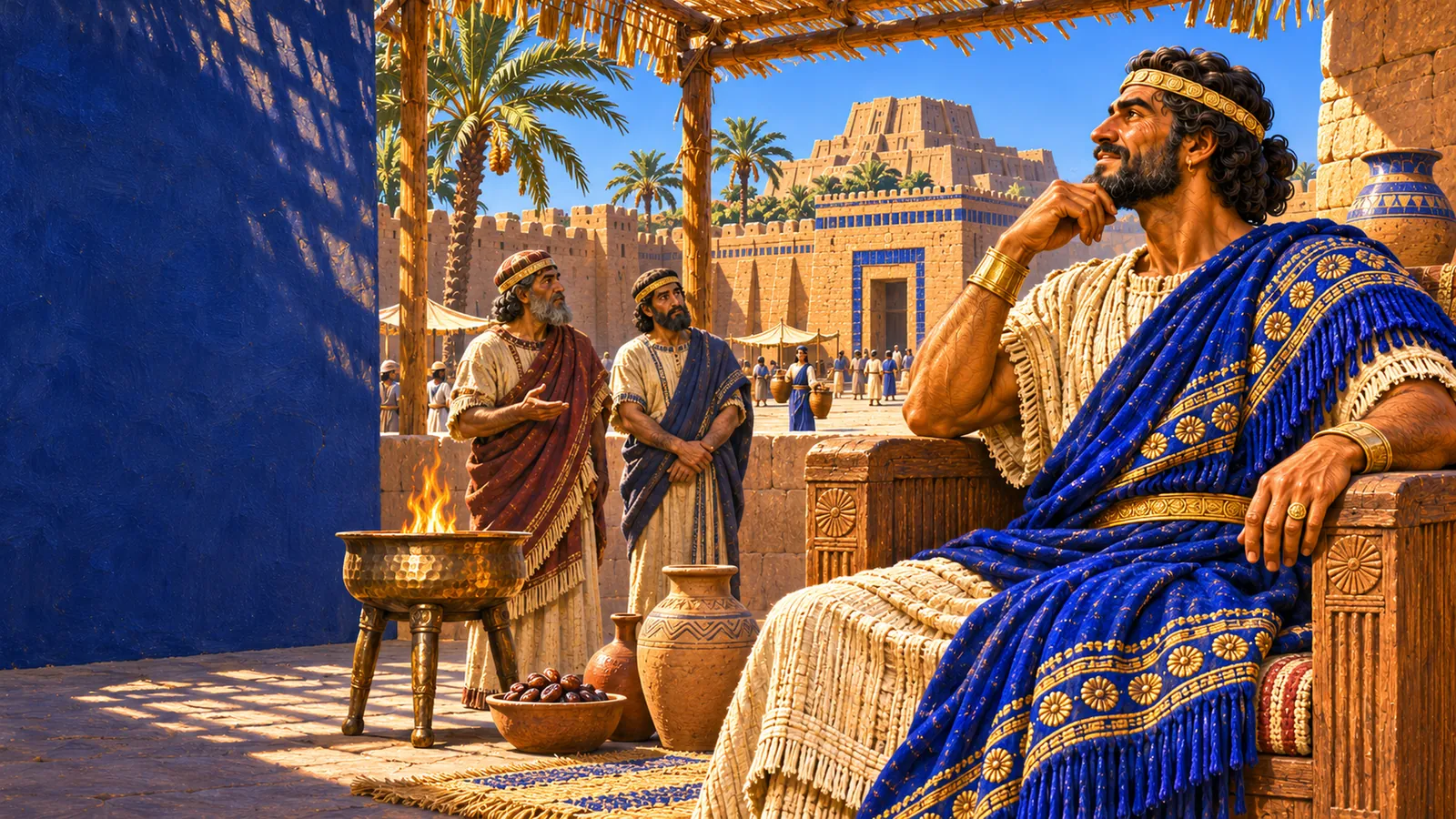
In Bartons alter Übersetzung von 1920 sagt der Sprecher, dass er das Königreich vier Jahre lang regierte.
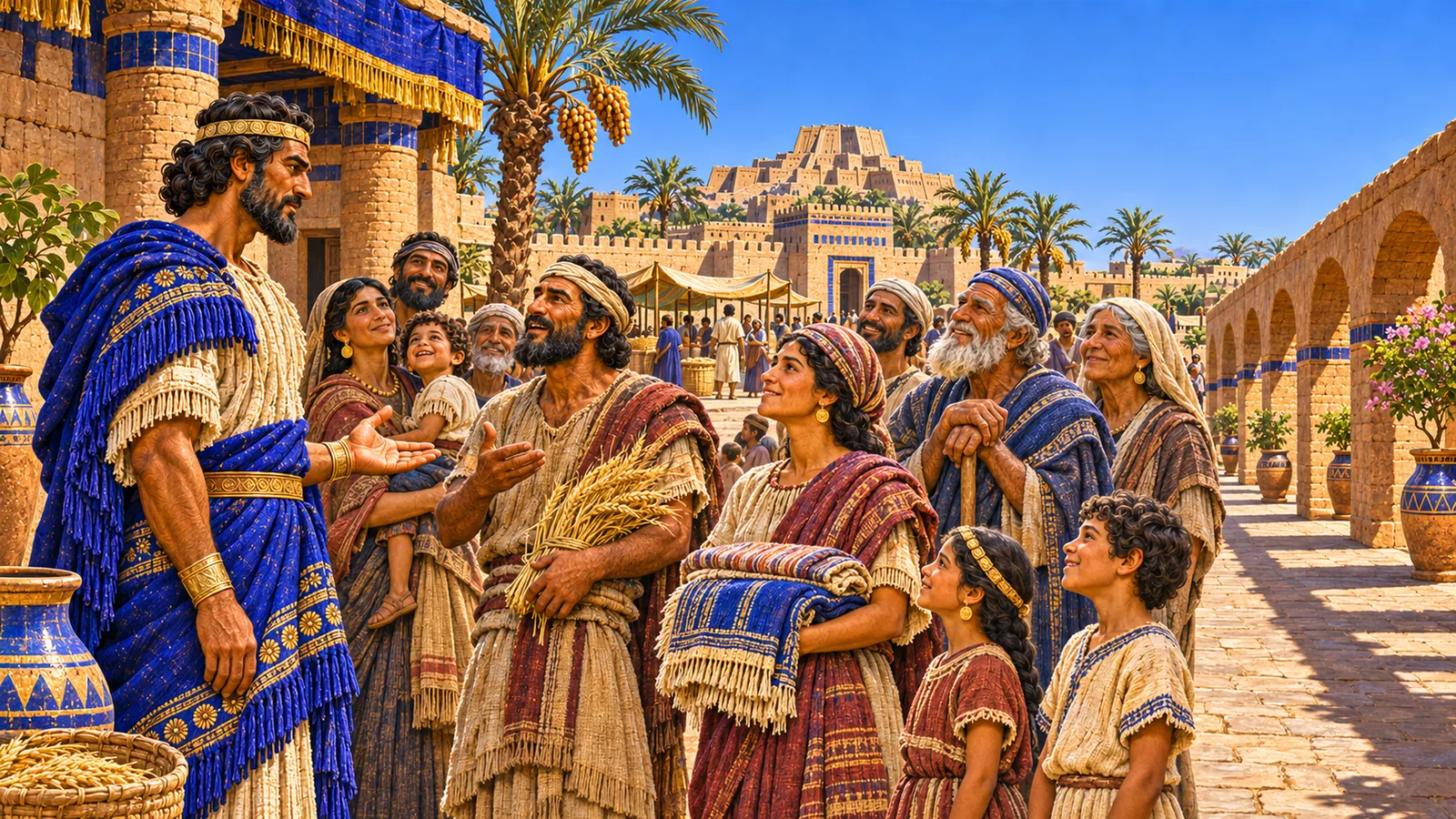
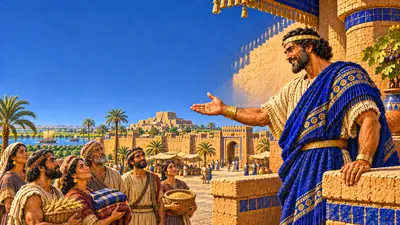
Bartons ältere Übersetzung verwendet den Ausdruck schwarzköpfige Völker für jene, die der Sprecher nach eigener Aussage regiert und beherrscht hat.
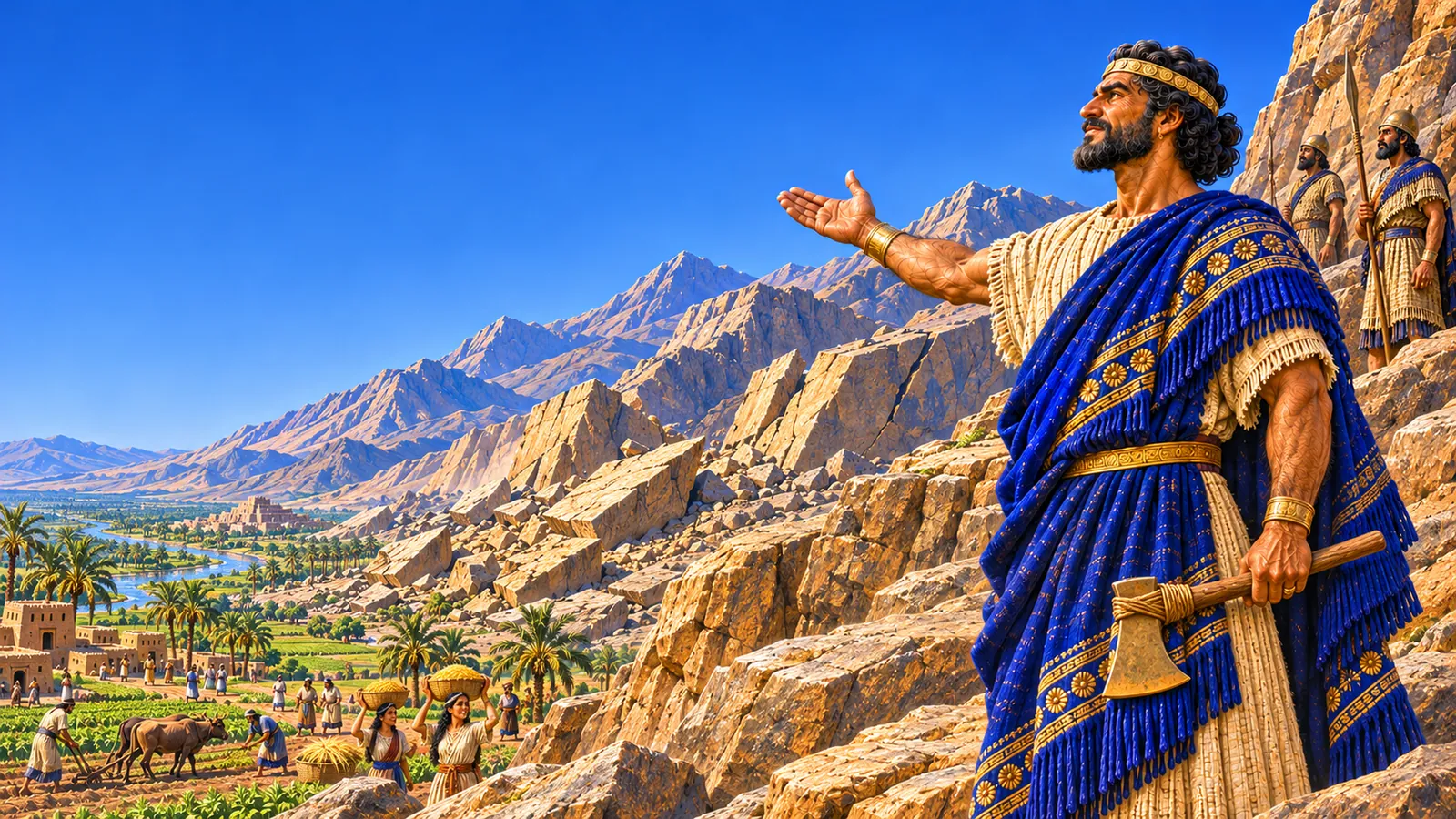
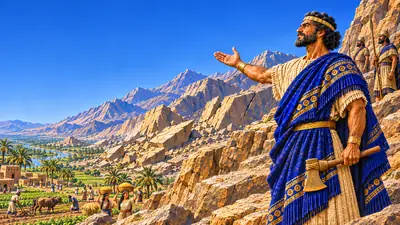
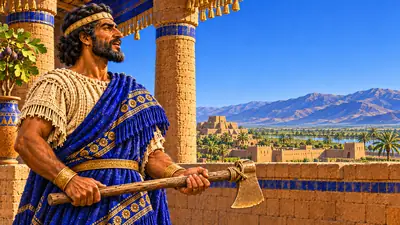
Der Sprecher behauptet, gewaltige Berge mit Bronzeäxten zerstört zu haben. Bartons alte Übersetzung setzt dahinter ein Fragezeichen, das auf Unsicherheit in der Wiedergabe hinweist.
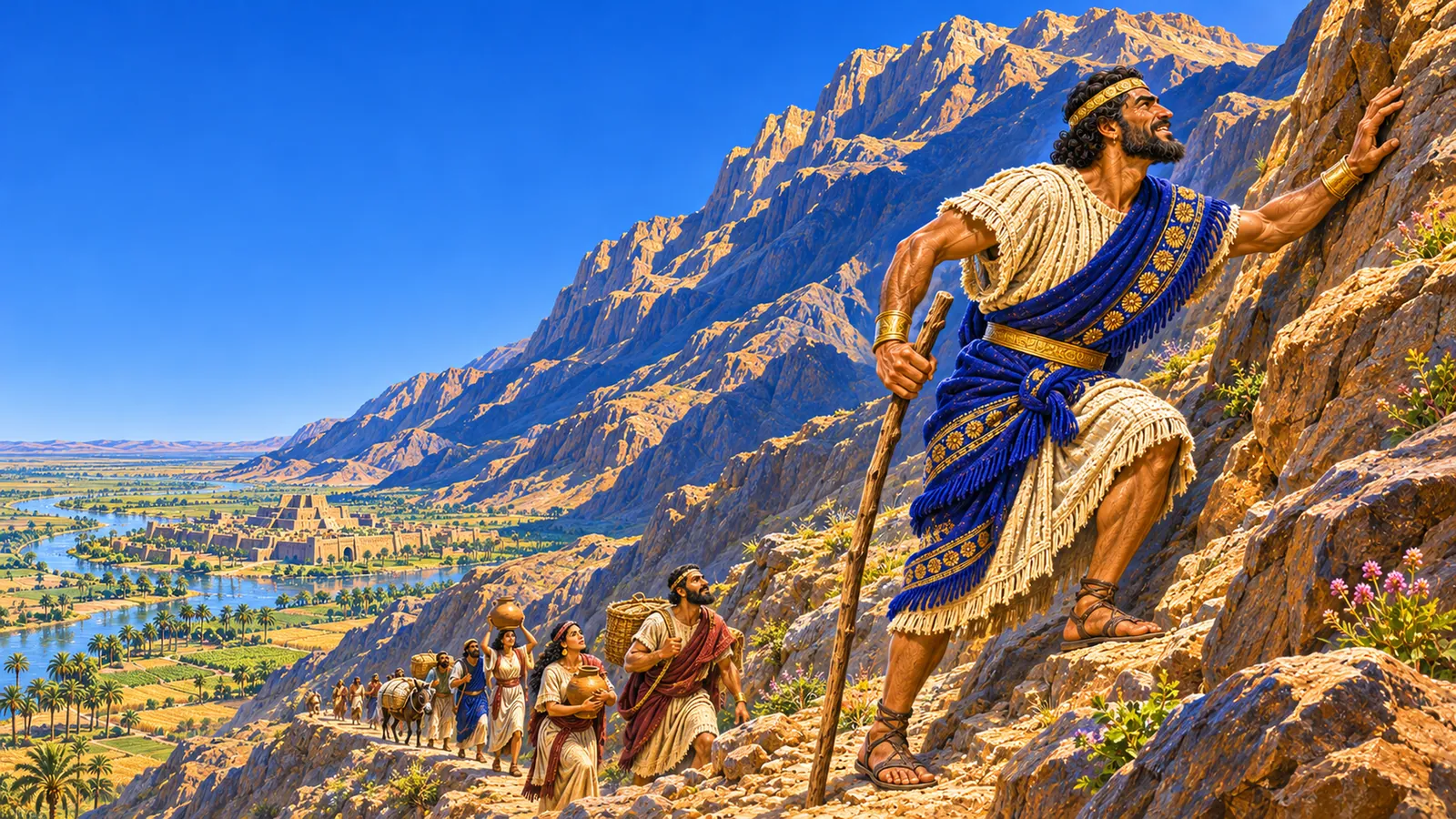
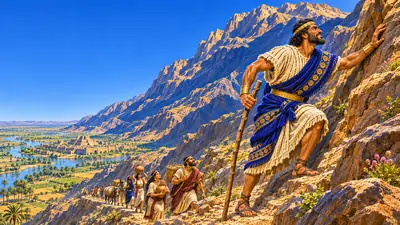
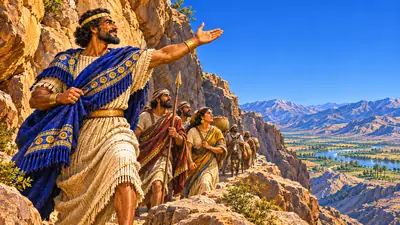
In der nächsten Zeile von Bartons älterer Übersetzung sagt der Sprecher, er sei in die oberen Berge hinaufgestiegen.
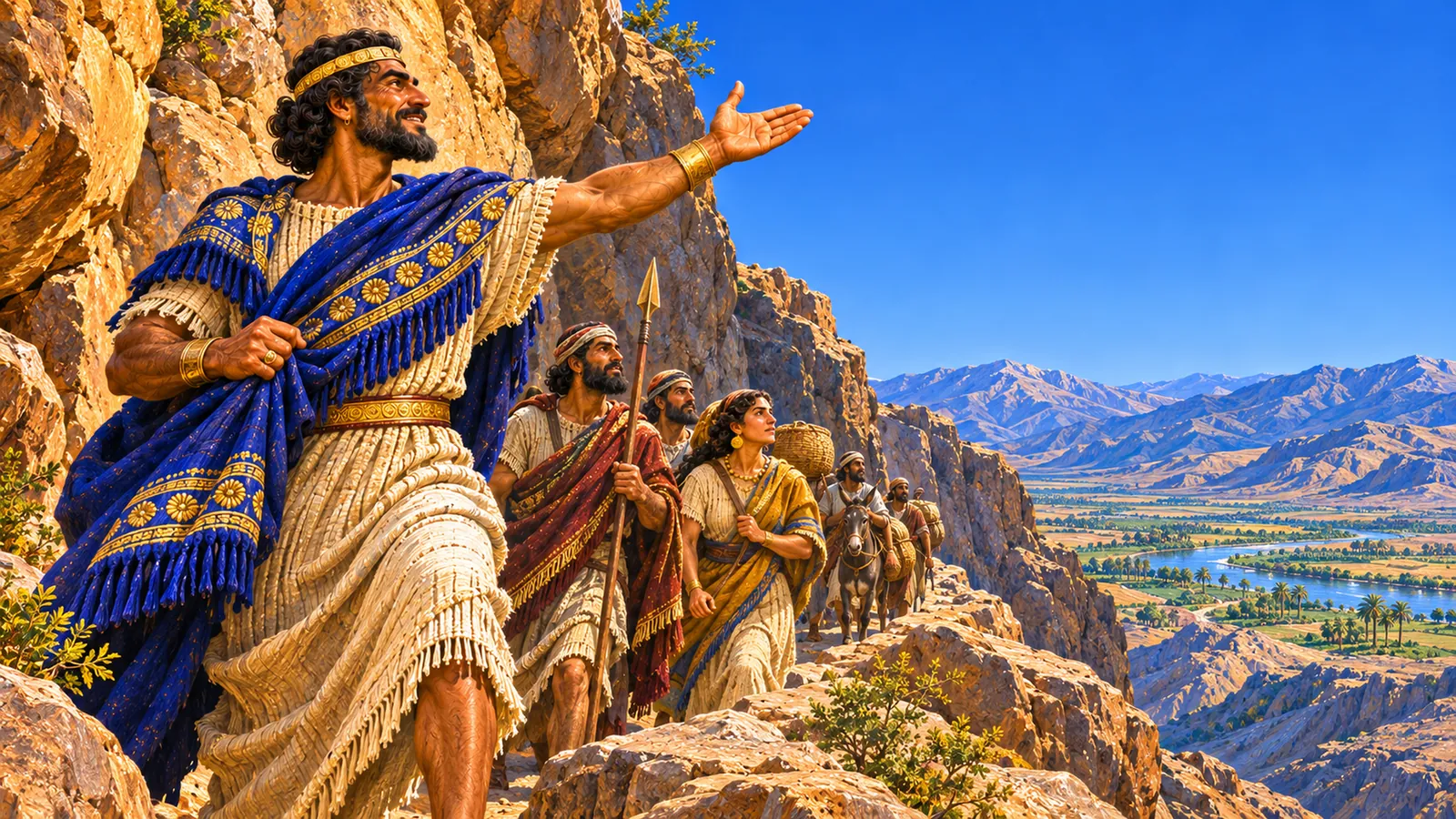
Der Sprecher sagt dann, er habe die unteren Berge durchbrochen. Diese Worte folgen in Bartons historischer Übersetzung auf den Aufstieg.
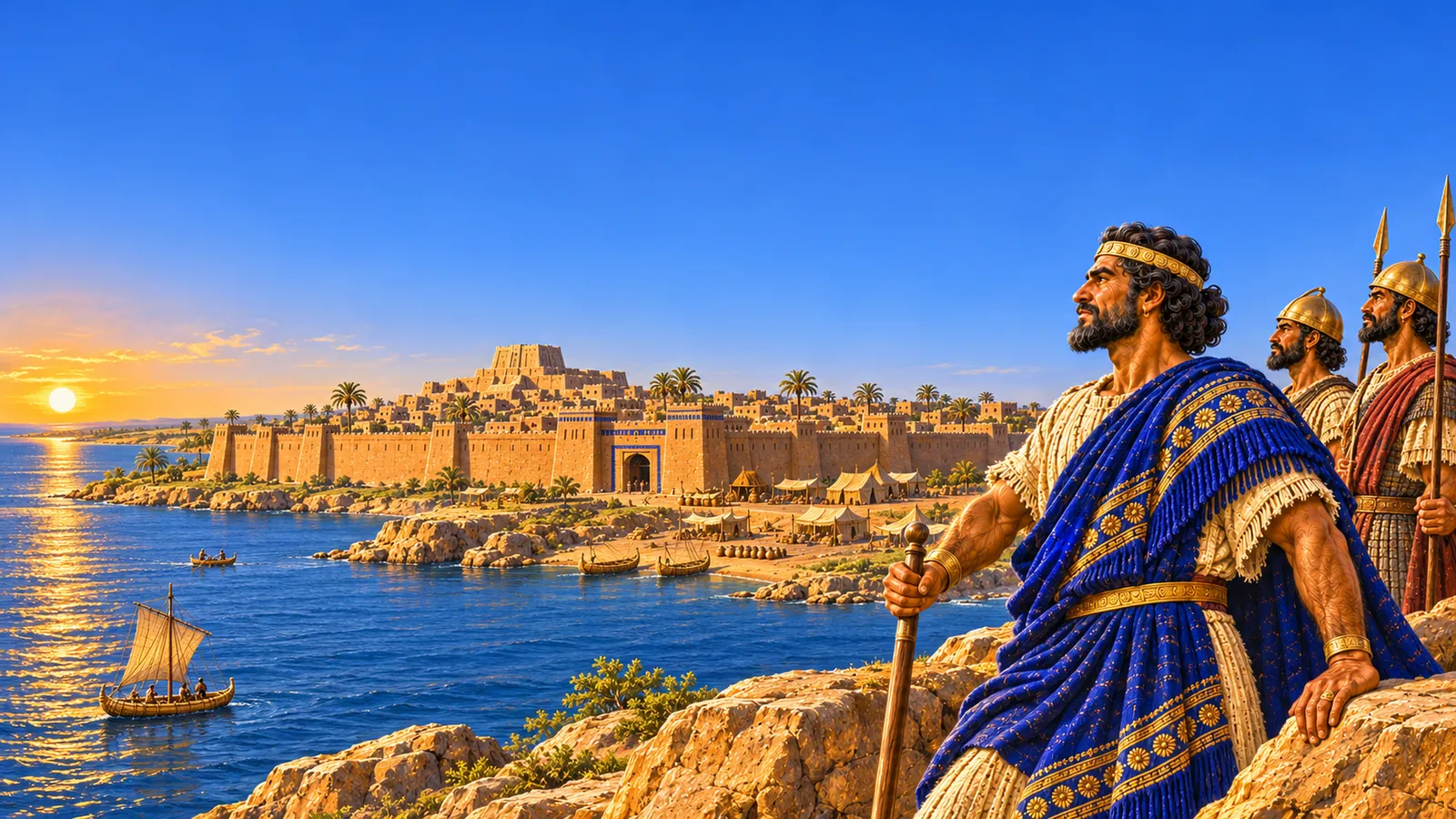
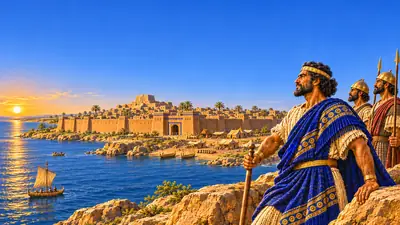
In dieser älteren Übersetzung behauptet Sargon, das Land am Meer dreimal belagert zu haben. Von diesen Belagerungen erzählt er hier keine Einzelheiten.
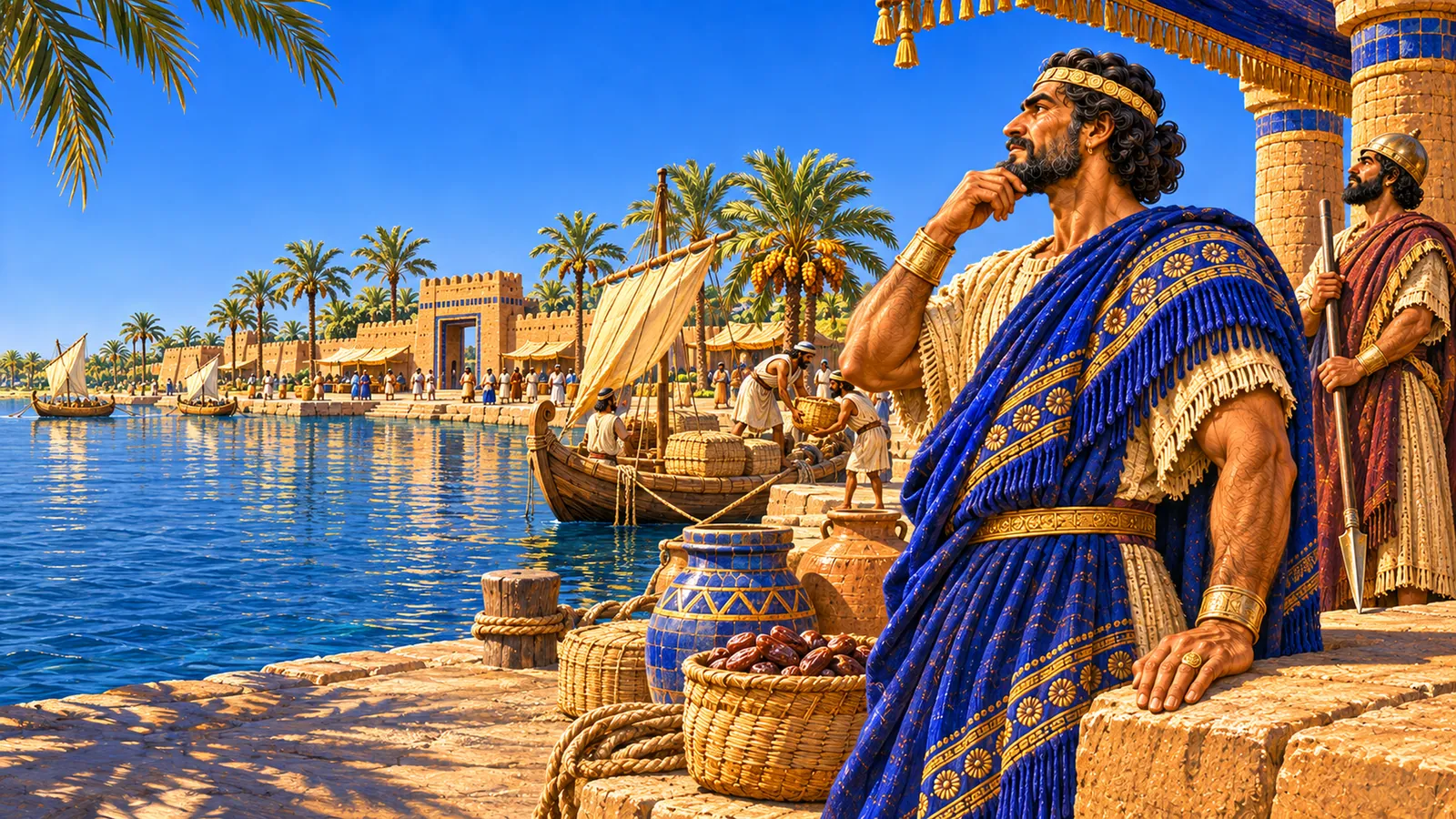
Die ältere Übersetzung gibt Sargons nächste Behauptung als Einnahme von Dilmun (?) wieder. Das Fragezeichen kennzeichnet die Unsicherheit dieser Lesart.
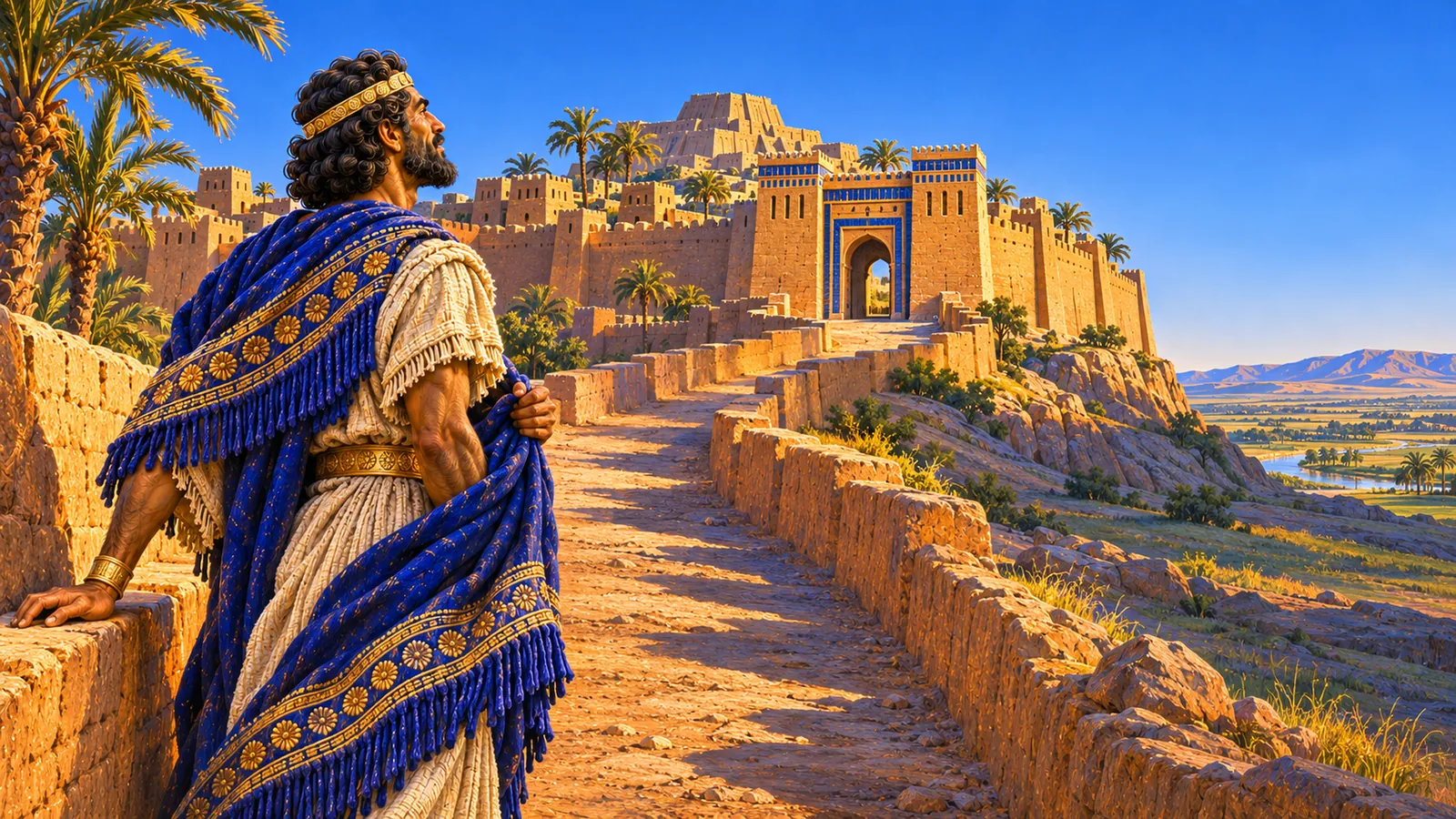
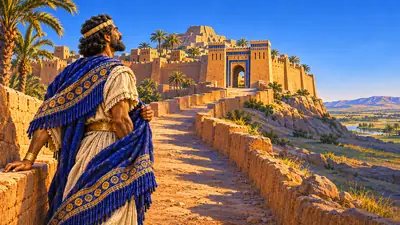
Sargon sagt, er sei zum großen Dur-ilu hinaufgestiegen, doch die Zeile bricht ab. Die nächste bewahrt ein mit „veränderte“ wiedergegebenes Wort, umgeben von fehlendem Text.
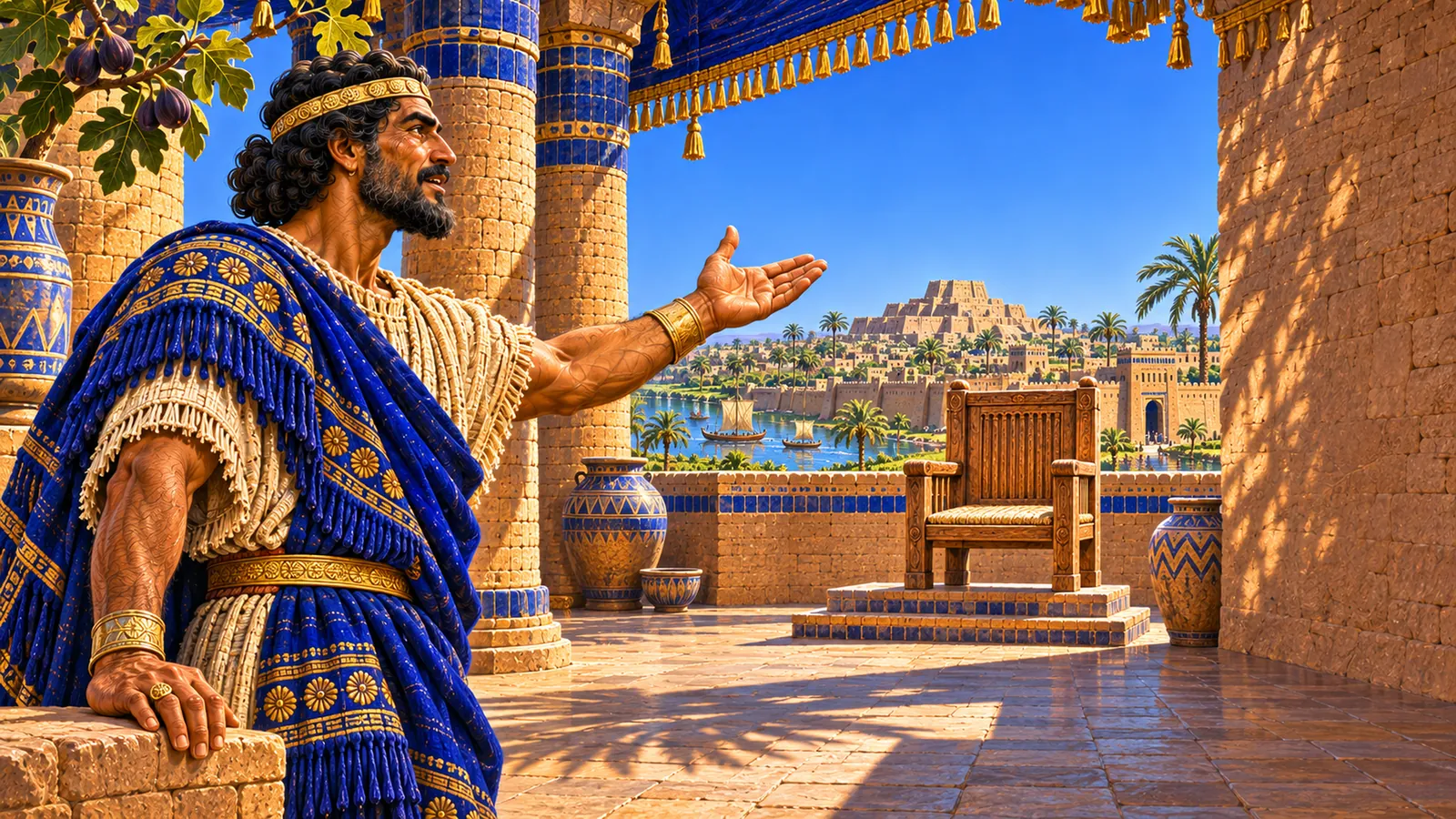
DER NACHFOLGER
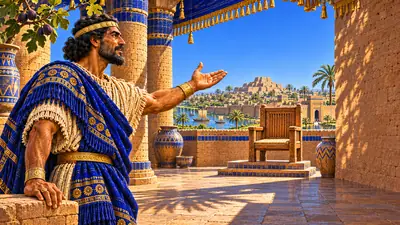
Sargon wendet sich an jeden König, der nach ihm erhöht werden wird. Eine fehlende Zeile unterbricht die Anrede, bevor die Anweisungen an diesen künftigen König beginnen.
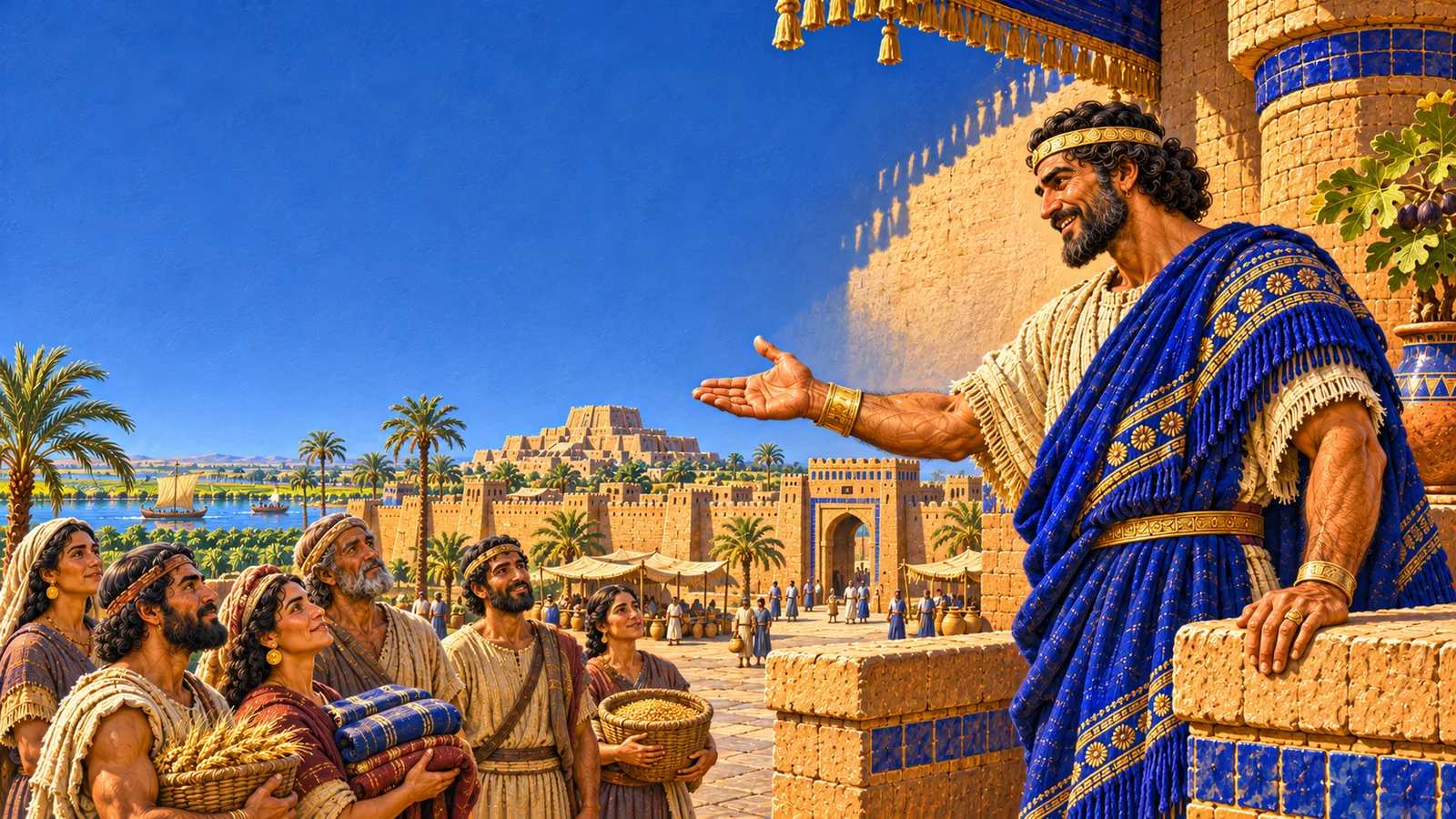
Die königliche Stimme fordert den künftigen König auf, über die Menschen zu herrschen und sie zu regieren, die diese ältere Übersetzung als Schwarzköpfige bezeichnet.
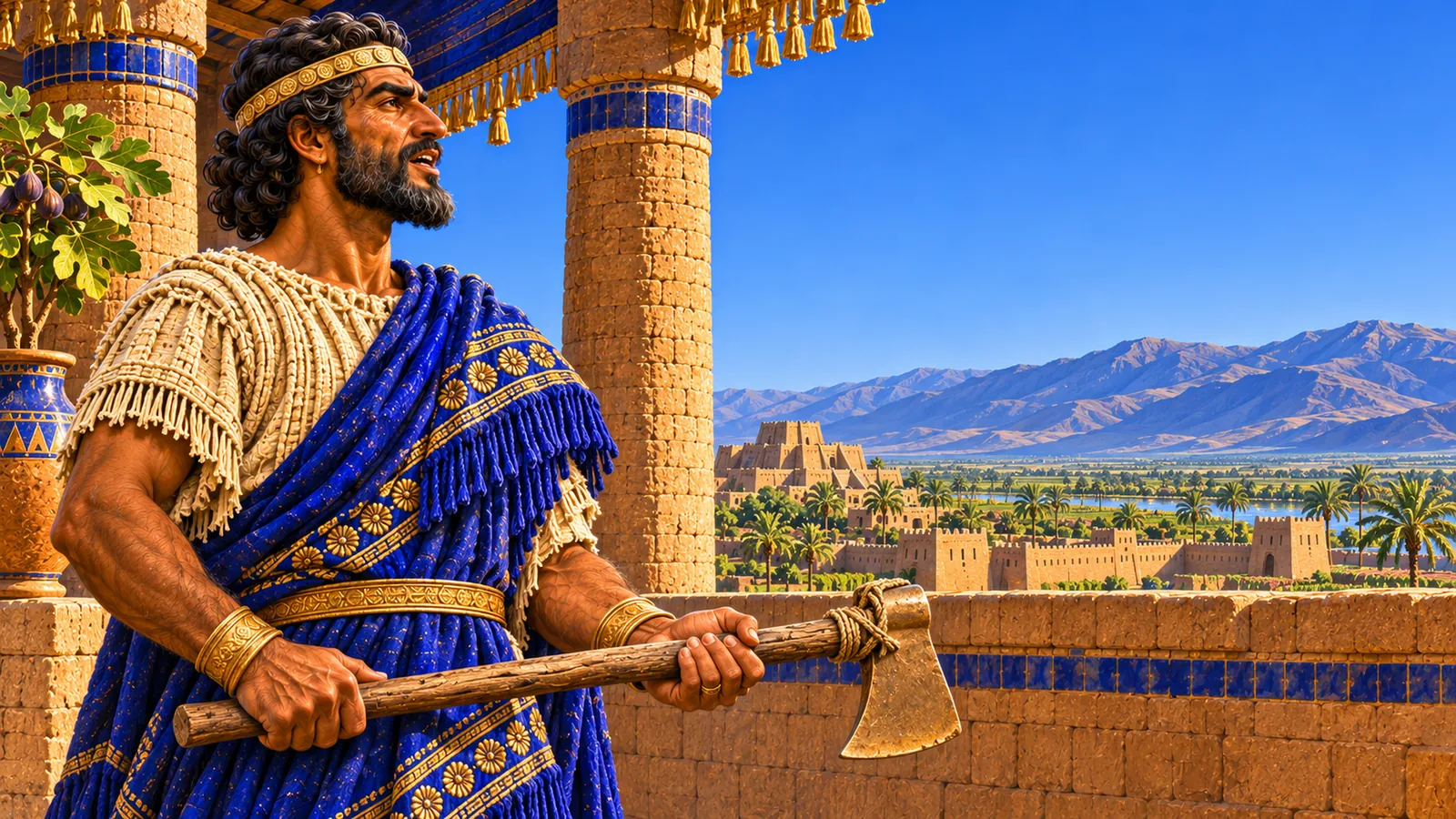
Sargon fordert den künftigen König auf, mächtige Berge mit Bronzeäxten zu zerstören. Die ältere Übersetzung gibt dies als Anweisung an seinen Nachfolger wieder.
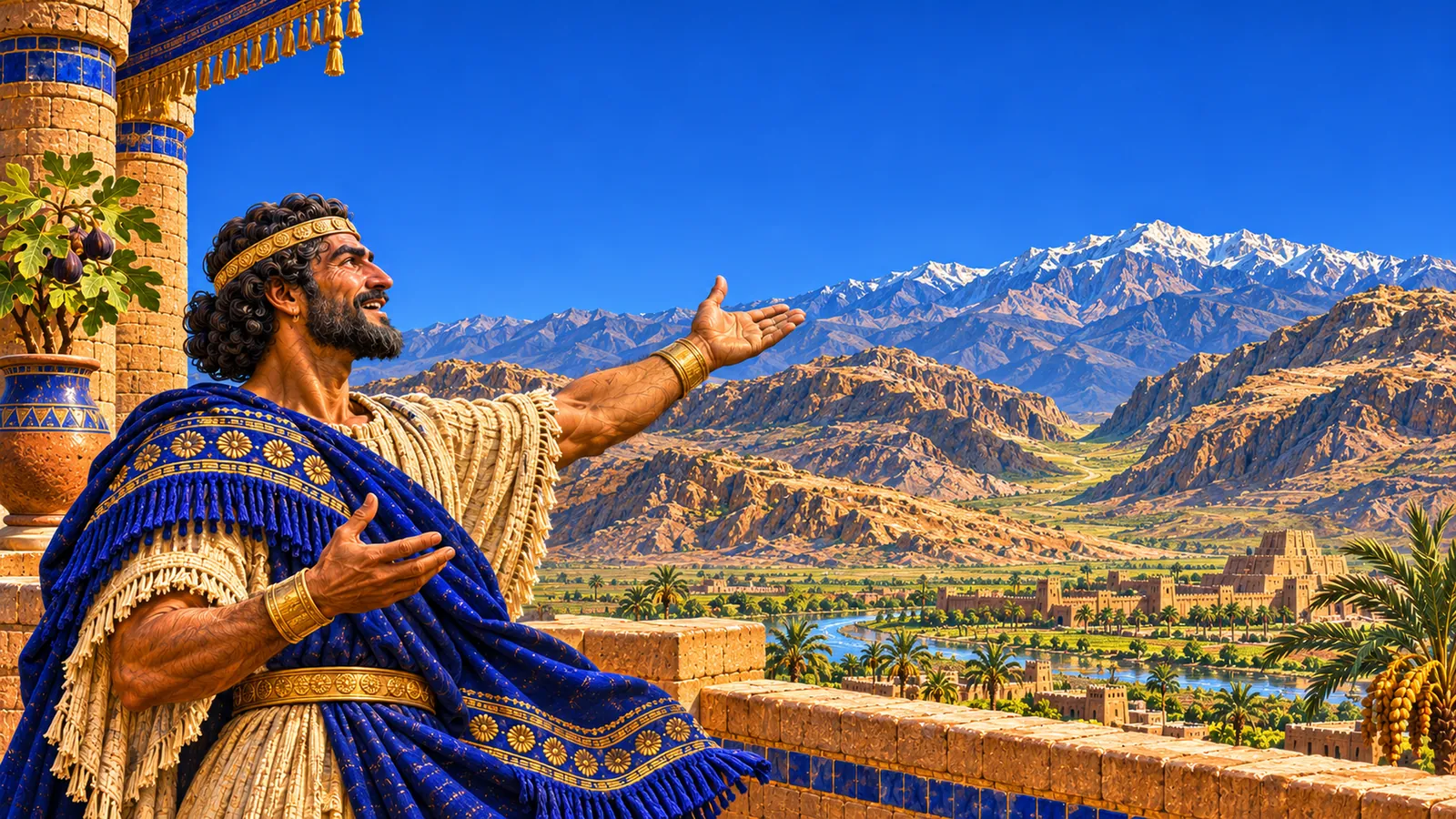
Er fordert diesen König auf, die oberen Berge zu besteigen und durch die unteren Berge zu brechen. Dies sind Befehle in der Anrede an seinen Nachfolger.
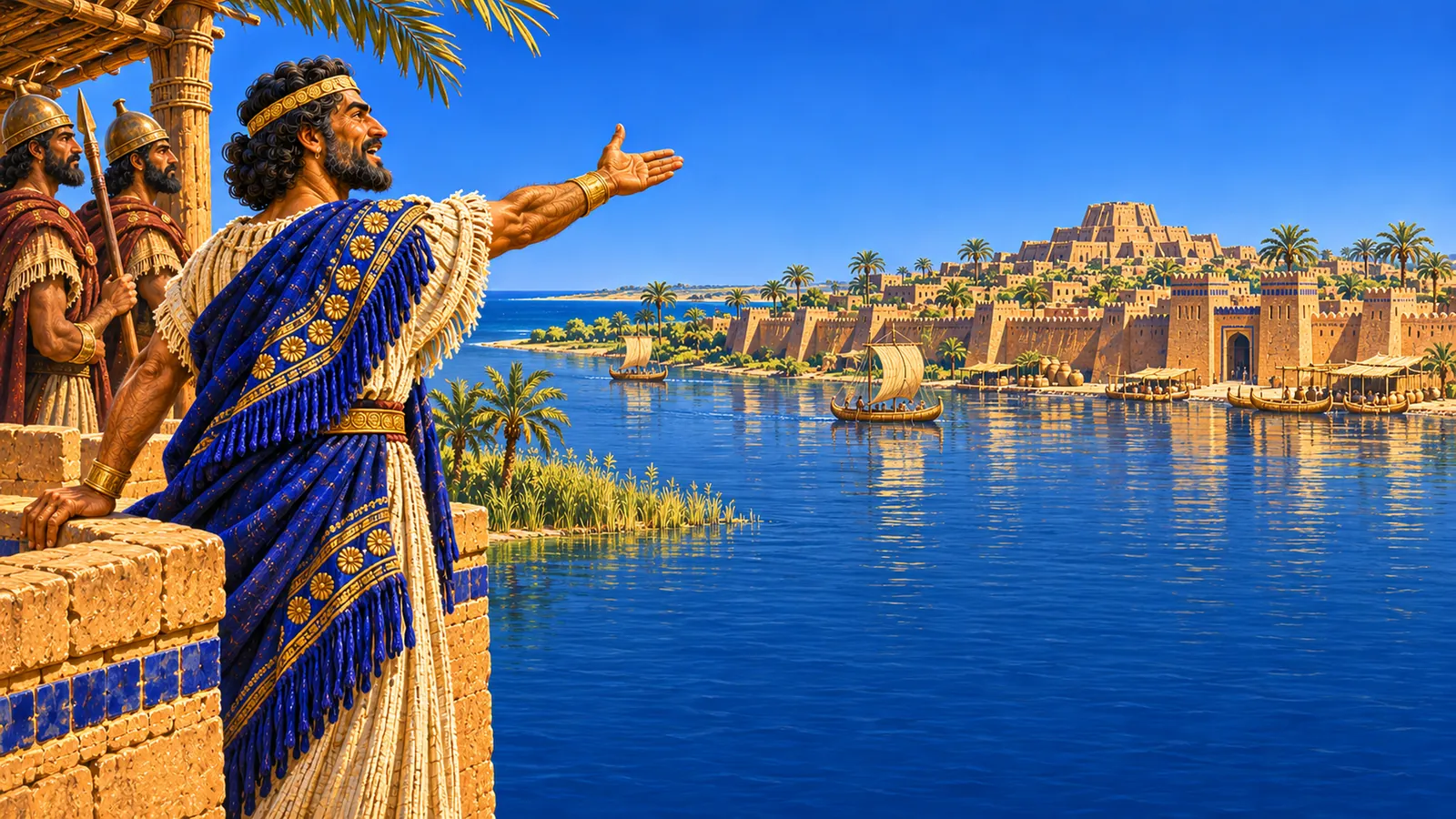
Sargon fordert den künftigen König dann auf, das Land am Meer dreimal zu belagern. Er wiederholt damit die Zahl aus seiner früheren Behauptung.
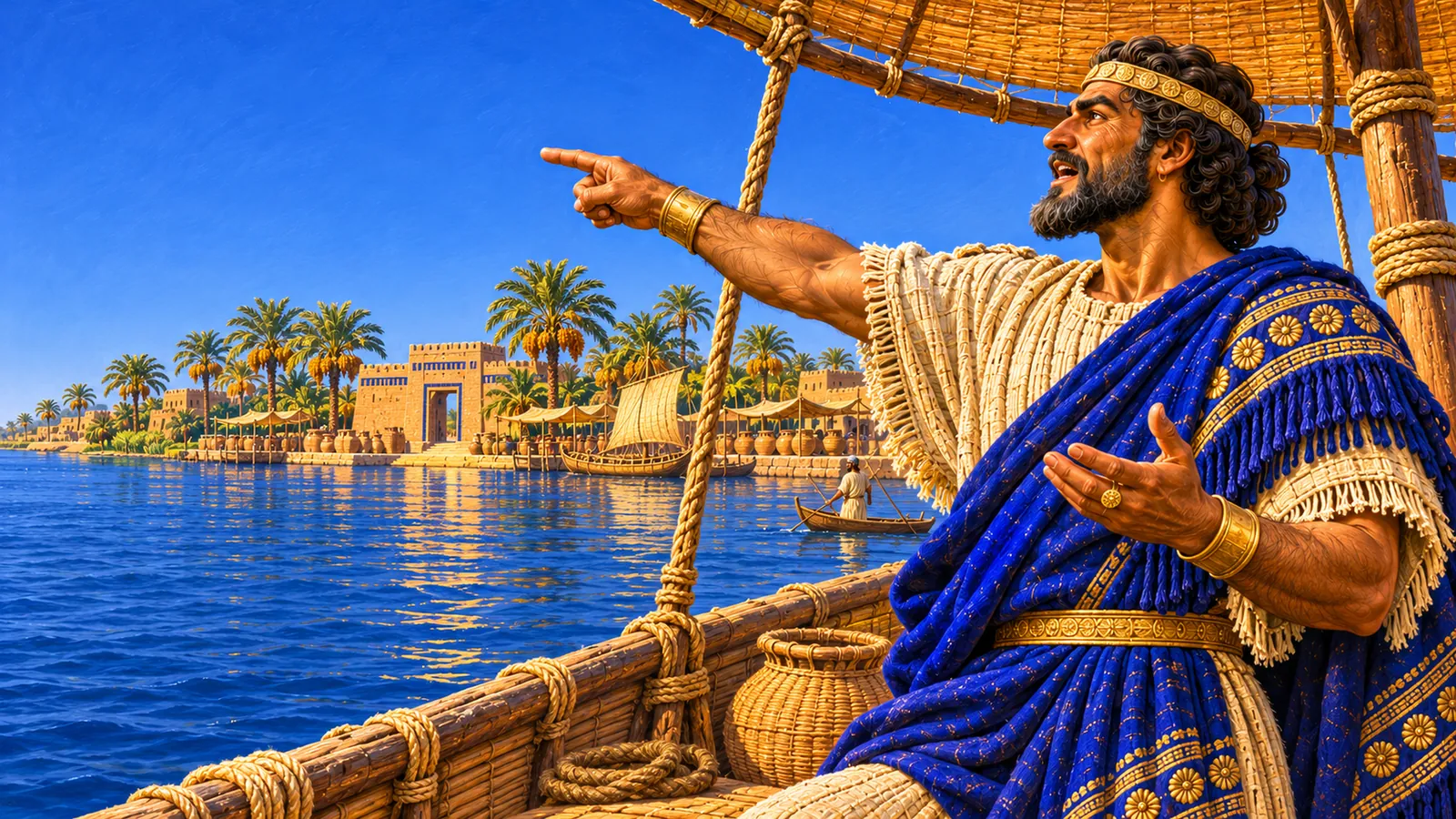
Die königliche Stimme weist den Nachfolger als Nächstes an, Dilmun einzunehmen. Diese Anweisung an den künftigen König folgt auf die frühere, unsichere Behauptung.
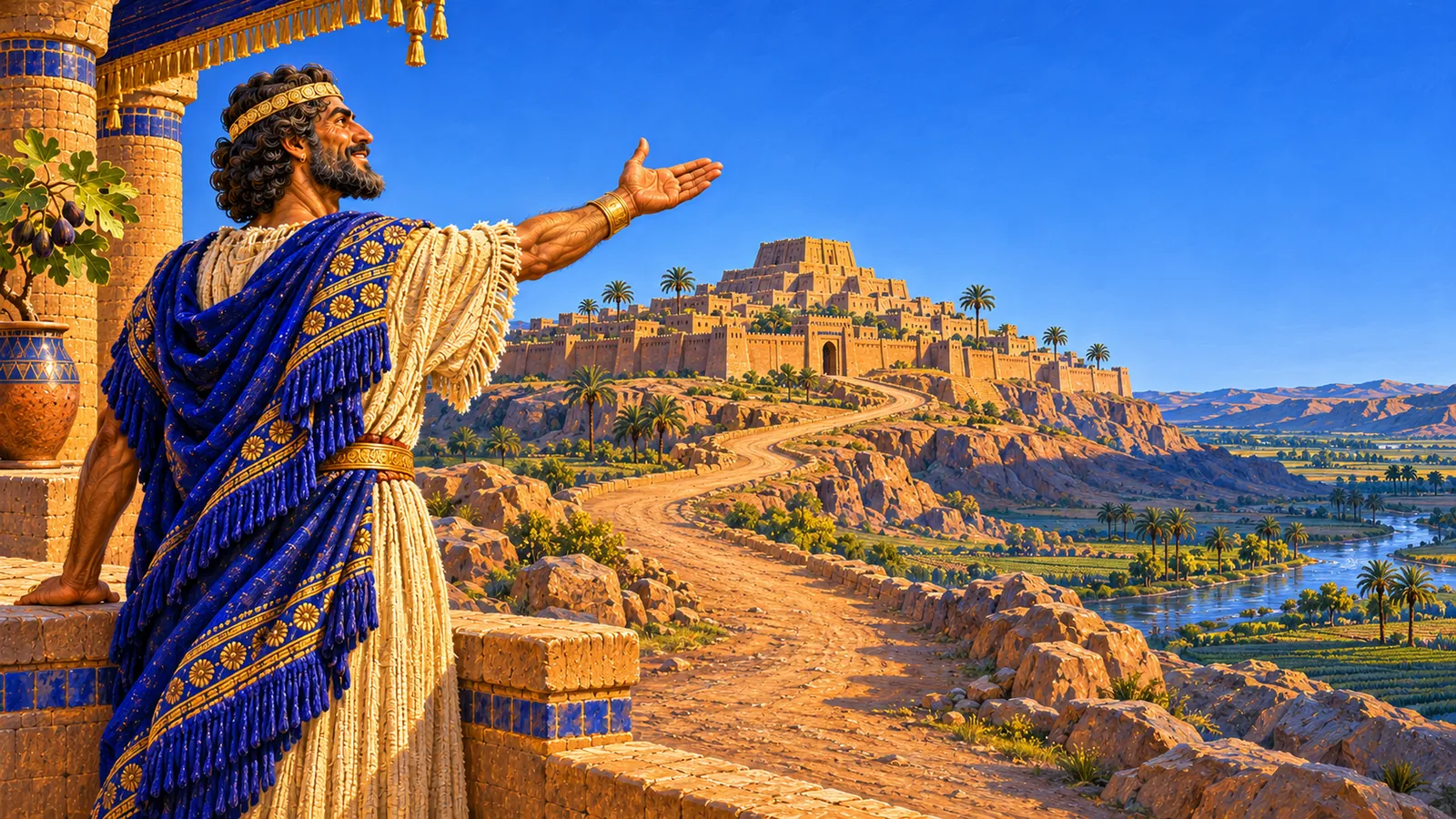
DUR-ILU
Die Anrede endet mit der Aufforderung an den künftigen König, zum großen Dur-ilu hinaufzusteigen. Der Abschnitt berichtet nicht, dass der Nachfolger diesen Befehl ausgeführt habe.
Ende von Kapitel 2
Alle Seiten
Quellen
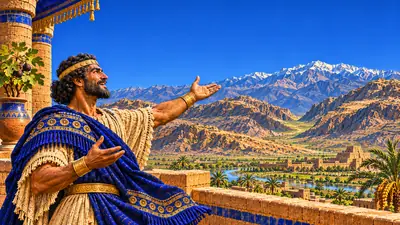
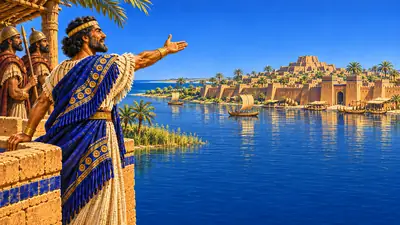
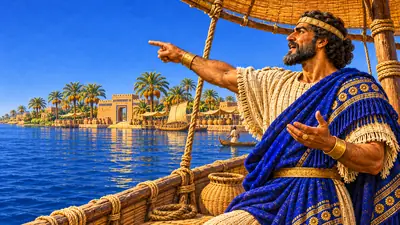
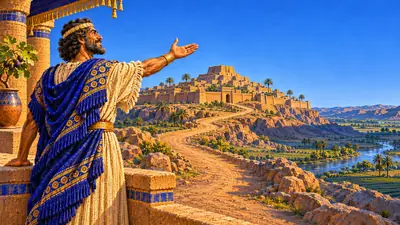
Fordham credits George A. Barton, Archaeology and the Bible, third edition, 1920, p. 310, with modernization by J. S. Arkenberg. This is a reading of that historical translation. Its wording, numbers, question marks and gaps remain attributed to that edition. The date in Fordham’s heading describes the royal setting. Empty landscapes and ordinary materials accompany the words.
Benutzte Editionen
- Fordham University, the Sargon legend in Barton’s 1920 translation, modernized by J. S. Arkenberg
- Jonathan Valk 2016, institutional copy for the different modern excerpt used in episode 1
- CDLI manuscript record P365306
Hinweise zu dieser Nacherzählung
Page 1, Fordham numbered entry 1. The speaker identifies himself as Sargon and king of Akkad. Fordham credits George A. Barton, *Archaeology and the Bible*, third edition (Philadelphia, American Sunday-School Union, 1920), p. 310, and states that J. S. Arkenberg scanned and modernized the text. The page’s title gives an approximate date for the king, which this reading does not assign to the manuscript.
Page 2, numbered entry 2. The older rendering describes the speaker’s mother as lowly and says that he did not know his father. The mother’s description is specific to the historical rendering on Fordham’s page. The two readings have their own attribution, without combining their wording.
Page 3, numbered entry 3. The speaker says that his father’s brother lived in the mountain. This sentence supplies no personal name or identified mountain.
Page 4, numbered entry 4. The speaker gives Azupiranu as his city and places it by the Purattu. Fordham puts the equivalent “Euphrates” in square brackets. The site’s location is reported as the speaker’s claim in this reading.
Page 5, numbered entry 12. In this historical rendering the speaker says that Ishtar loved him while he was a gardener.
Page 6, numbered entry 13. Barton’s old rendering gives four years of rule. It supplies no historical chronology of the king’s reign.
Page 7, numbered entry 14. The phrase about the black-headed peoples is the old English rendering’s collective idiom.
Page 8, numbered entry 15. The speaker claims to have destroyed mighty mountains with bronze axes. The Fordham rendering adds a question mark after the claim. All six narrations retain the uncertainty. An ordinary unused early bronze axe head accompanies the words as a symbolic object.
Pages 9–10, numbered entries 16–17. The two claims give an ascent of the upper mountains followed by breaking through the lower mountains. The reading preserves their order and assigns no separate names or route to the mountains.
The city and street are symbolic settings, and the axe head lies unused. Terrain, objects and buildings carry the words through varied still views.
Page 11 · line 18.
Page 12 · line 19. The old translation prints a question mark after the claim that Sargon captured Dilmun. The place name alone is used without a modern geographical identification.
Page 13 · lines 20–21. Line 20 says Sargon went up to great Dur-ilu and then breaks off. Line 21 preserves an isolated verb rendered “altered,” with dots on either side.
Page 14 · lines 22–23. Sargon addresses whatever king will be exalted after him. The next numbered line consists entirely of dots. The instructions resume at line 24.
Page 15 · line 24.
Page 16 · line 25. The future king is told to destroy mighty mountains with bronze axes.
Page 17 · lines 26–27. The future king is told to ascend the upper mountains and break through the lower mountains. These are imperatives, continuing the address.
Page 18 · line 28. He is told to besiege the country of the sea three times. This deliberately repeats the number in the royal claim at line 18.
Page 19 · line 29. He is told to capture Dilmun. This instruction has no question mark in the old translation. The earlier royal claim in line 19 remains marked as uncertain.
Page 20 · line 30. The final line instructs the future king to go up to great Dur-ilu. The selected passage ends with that instruction.
Die antiken Verse hinter jeder Seite
- Page 1: Fordham, numbered entry 1; George A. Barton, Archaeology and the Bible, 3rd ed. (1920), p. 310, modernized by J. S. Arkenberg
- Page 2: Fordham, numbered entry 2; George A. Barton, Archaeology and the Bible, 3rd ed. (1920), p. 310, modernized by J. S. Arkenberg
- Page 3: Fordham, numbered entry 3; George A. Barton, Archaeology and the Bible, 3rd ed. (1920), p. 310, modernized by J. S. Arkenberg
- Page 4: Fordham, numbered entry 4; George A. Barton, Archaeology and the Bible, 3rd ed. (1920), p. 310, modernized by J. S. Arkenberg
- Page 5: Fordham, numbered entry 12; George A. Barton, Archaeology and the Bible, 3rd ed. (1920), p. 310, modernized by J. S. Arkenberg
- Page 6: Fordham, numbered entry 13; George A. Barton, Archaeology and the Bible, 3rd ed. (1920), p. 310, modernized by J. S. Arkenberg
- Page 7: Fordham, numbered entry 14; George A. Barton, Archaeology and the Bible, 3rd ed. (1920), p. 310, modernized by J. S. Arkenberg
- Page 8: Fordham, numbered entry 15, printed question mark; George A. Barton, Archaeology and the Bible, 3rd ed. (1920), p. 310, modernized by J. S. Arkenberg
Left is continuous cool dark naturally shaded fine stone without a line, object, highlight, joint or gleam. The unused object is a symbolic accompaniment to the old translation’s uncertain claim. - Page 9: Fordham, numbered entry 16; George A. Barton, Archaeology and the Bible, 3rd ed. (1920), p. 310, modernized by J. S. Arkenberg
- Page 10: Fordham, numbered entry 17; George A. Barton, Archaeology and the Bible, 3rd ed. (1920), p. 310, modernized by J. S. Arkenberg
- Page 11: Barton 1920, Archaeology and the Bible, 3rd ed., p. 310; Fordham/Arkenberg modernization, Sargon legend, line 18
- Page 12: Barton 1920, Archaeology and the Bible, 3rd ed., p. 310; Fordham/Arkenberg modernization, Sargon legend, line 19
- Page 13: Barton 1920, Archaeology and the Bible, 3rd ed., p. 310; Fordham/Arkenberg modernization, Sargon legend, lines 20–21
- Page 14: Barton 1920, Archaeology and the Bible, 3rd ed., p. 310; Fordham/Arkenberg modernization, Sargon legend, lines 22–23
- Page 15: Barton 1920, Archaeology and the Bible, 3rd ed., p. 310; Fordham/Arkenberg modernization, Sargon legend, line 24
The natural left reading area must be clear ground, never fog or blur. - Page 16: Barton 1920, Archaeology and the Bible, 3rd ed., p. 310; Fordham/Arkenberg modernization, Sargon legend, line 25
- Page 17: Barton 1920, Archaeology and the Bible, 3rd ed., p. 310; Fordham/Arkenberg modernization, Sargon legend, lines 26–27
- Page 18: Barton 1920, Archaeology and the Bible, 3rd ed., p. 310; Fordham/Arkenberg modernization, Sargon legend, line 28
- Page 19: Barton 1920, Archaeology and the Bible, 3rd ed., p. 310; Fordham/Arkenberg modernization, Sargon legend, line 29
- Page 20: Barton 1920, Archaeology and the Bible, 3rd ed., p. 310; Fordham/Arkenberg modernization, Sargon legend, line 30
Illustrationen von IL Archive mit KI-Werkzeugen; der Text folgt den antiken Quellen (siehe die Quellen am Ende jedes Kapitels).