Entidad · Concepto
Ciclo de Baal
Página de referencia que vincula un nombre, grupo o concepto con los materiales que lo tratan.
- En la cronología
- De 1400 a. n. e. a 1200 a. n. e.
Traducción automática. Lea el original en inglés.
Un grupo de textos religiosos ugaríticos de la Edad del Bronce Final que narran los conflictos de Baal, sus relaciones con los dioses y la construcción de su palacio.
Tiempo estimado de lectura: 1 min Publicado el Última revisión:
Compartir artículo
Recorrido de lectura
Enlaces incluidos en este registro.
Periodos
¿Cuándo aparece?
- De 1400 a. n. e. a 1200 a. n. e.
Fechas
Cada fecha tiene una función distinta. La cronología usa la creación, la composición o la cobertura histórica, no la fecha de publicación ni la del hallazgo.
- Cobertura histórica
- Aproximadamente De 1400 a. n. e. a 1200 a. n. e.
Texto
Corpus y testimonio
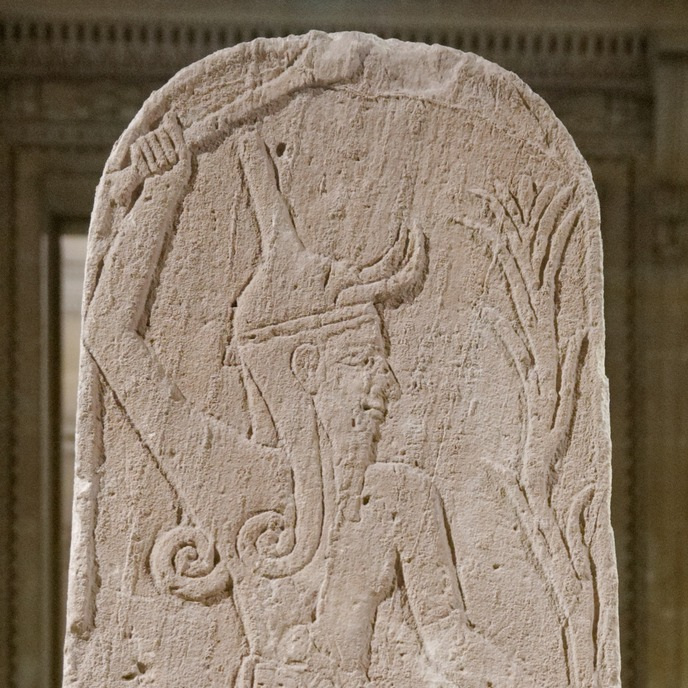
El Ciclo de Baal es un grupo de textos religiosos escritos en ugaríticoLengua ugaríticaAncient Semitic language preserved in Ugarit’s tablets on the Syrian coast, from the fourteenth–twelfth centuries BCE, written in a cuneiform alphabet.Glosario · Pulse para leer la explicación en tablillas procedentes de UgaritUgaritAncient city and kingdom at Ras Shamra on the Syrian coast, flourishing between the fourteenth and early twelfth centuries BCE and preserving multilingual archives.Glosario · Pulse para leer la explicación, la antigua ciudad de Ras Shamra, en la costa siria. Sus testimonios pertenecen a la Edad del Bronce FinalEdad del Bronce FinalAn archaeological period around 1600–1200 BCE in much of the Near East, with international diplomacy, exchange and religious diversity; its endpoints vary by region.Glosario · Pulse para leer la explicación, dentro de archivos que se extienden desde finales del siglo XIV hasta comienzos del siglo XII a. n. e. Los textos narran los conflictos de BaalBaalUgaritic storm god and warrior king who defeats Yamm, builds his palace with El’s consent and confronts Mot. References to El and Dagan as fathers do not define a single genealogy.Glosario · Pulse para leer la explicación, sus relaciones con los dioses y su realeza. [1]
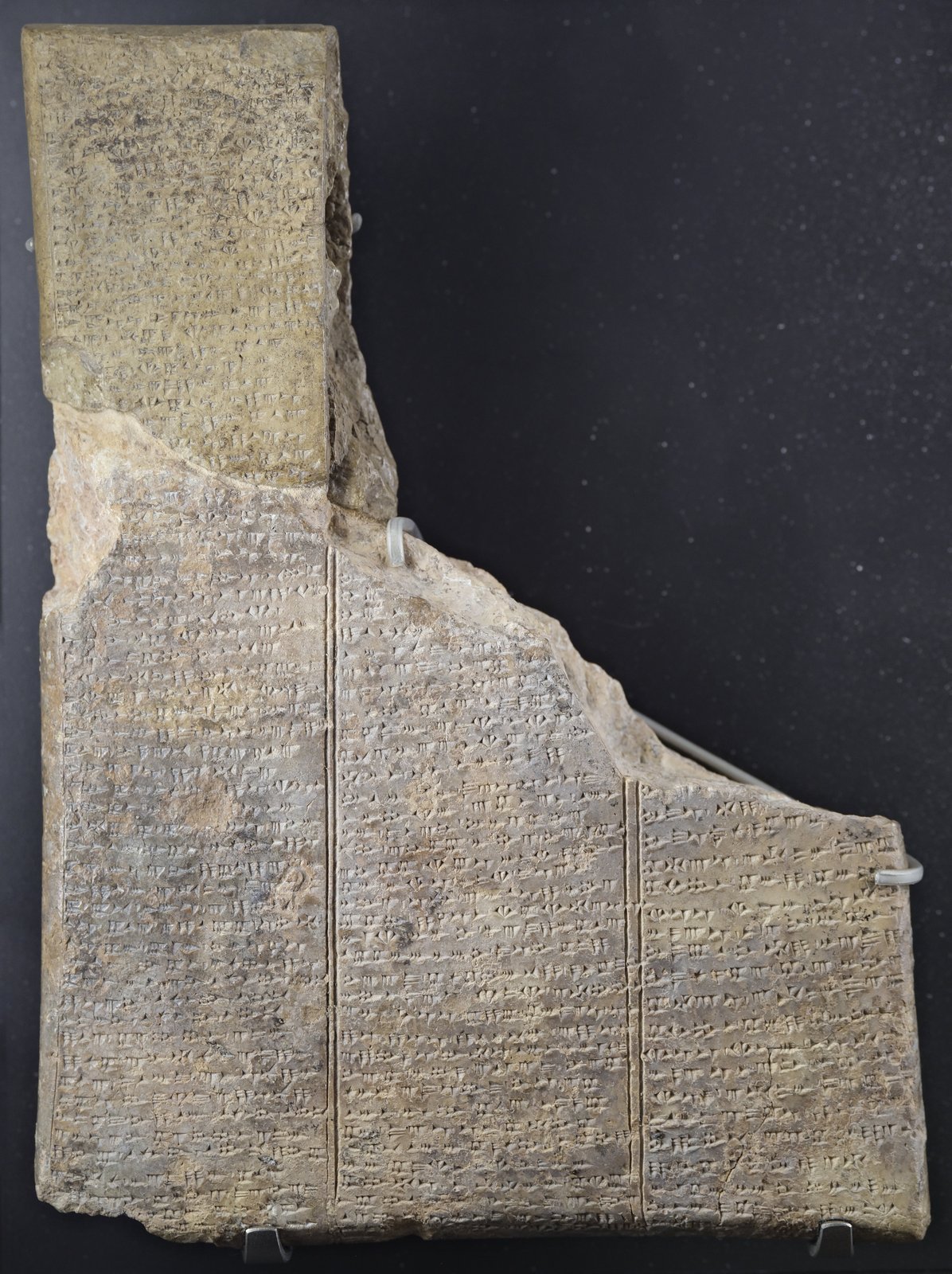
Un episodio importante es la petición de Baal a ElElEl is a senior deity in Late Bronze Age Ugaritic texts, portrayed as father of the divine family and a council authority, alongside his consort Athirat. This entry does not cover every linguistic use of El.Glosario · Pulse para leer la explicación, jefe de la familia divina, para obtener permiso para construir su palacio. La petición y la construcción se leen en las tablillas identificadas como KTU 1.3–1.4. Los códigos como KTU identifican textos en un catálogo académico, lo que ayuda a localizar un pasaje cuando las traducciones difieren o una tablilla presenta lagunas. [2][3]
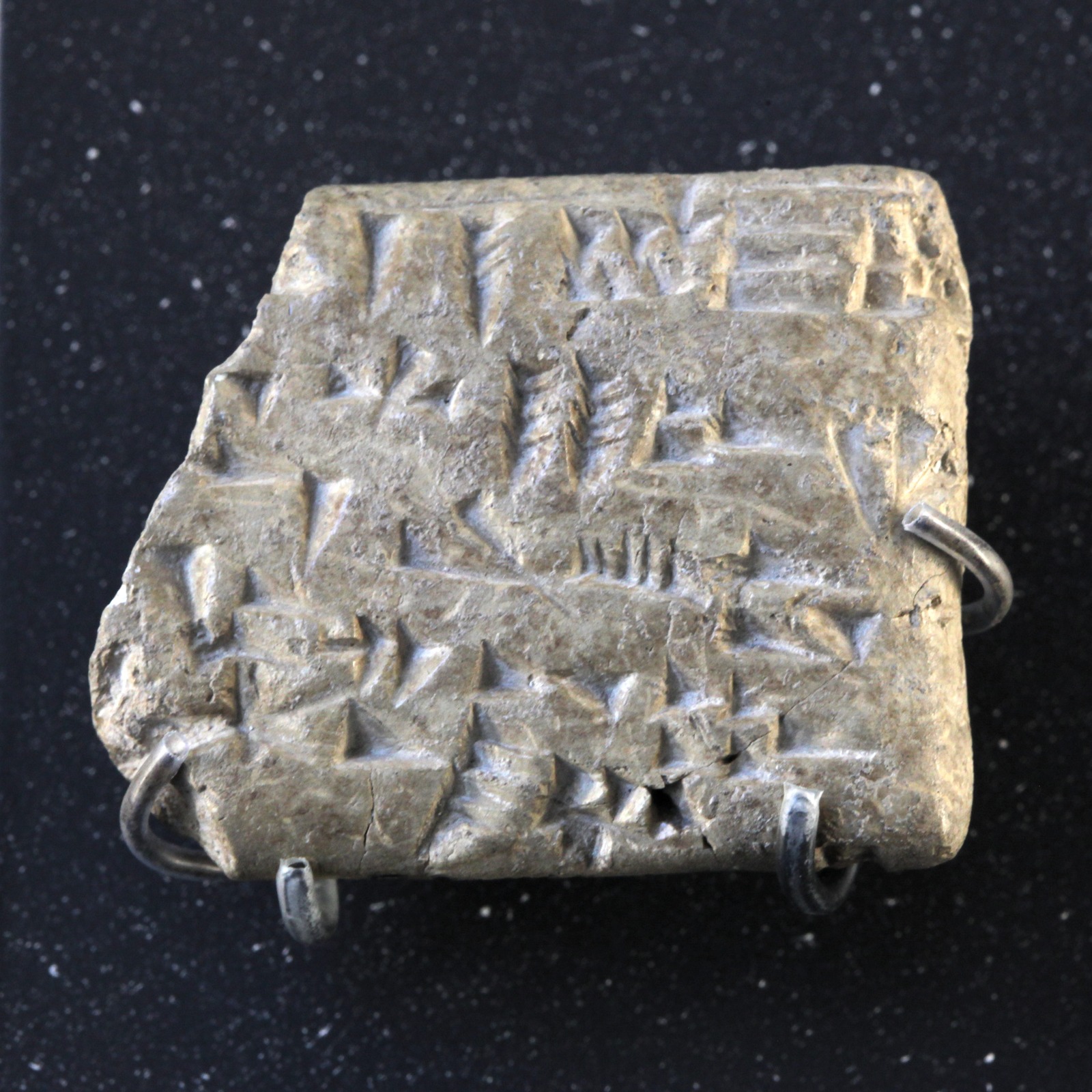
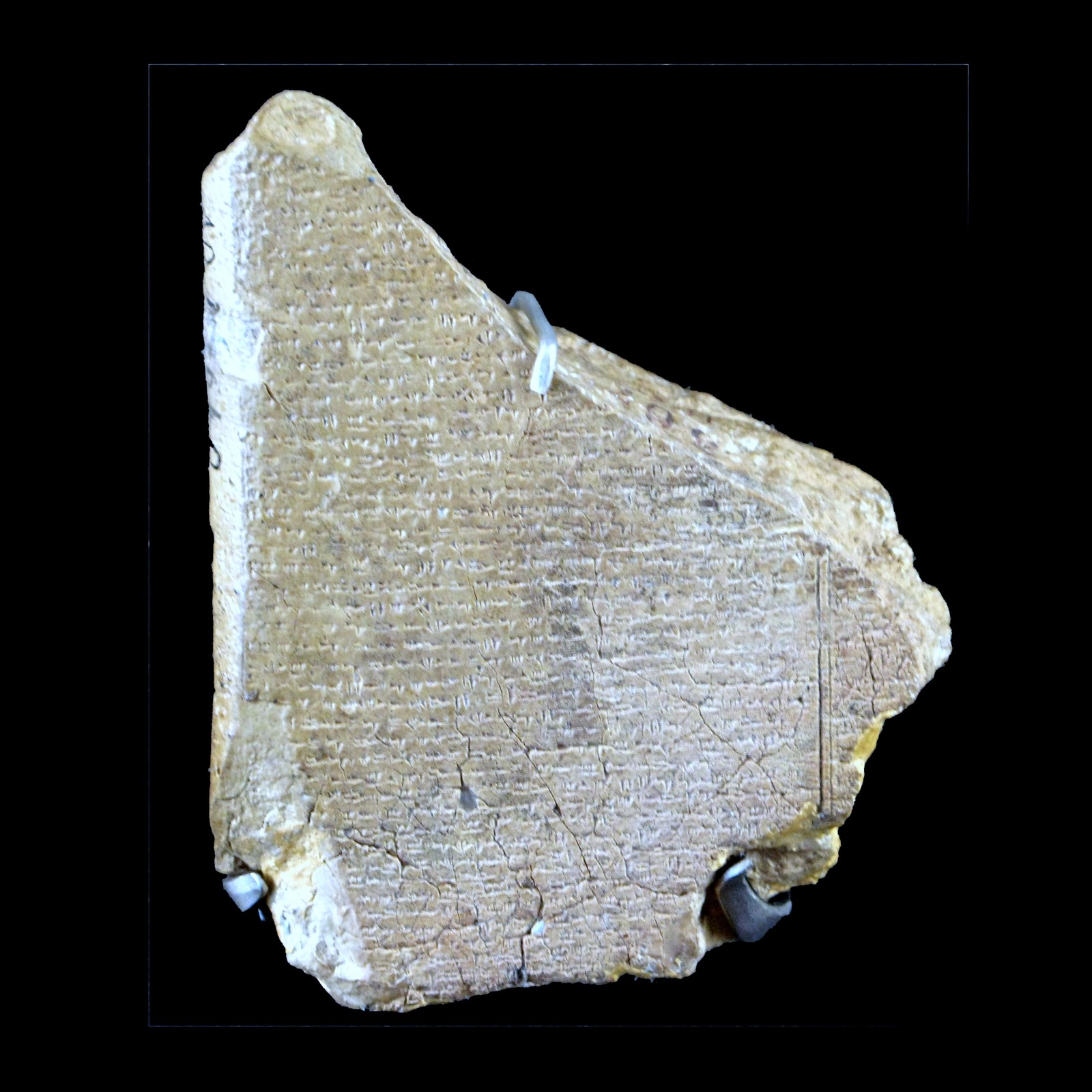
La fotografía muestra otra tablilla del grupo, conservada en el Louvre con el número AO 16640 y asociada a KTU 1.2. Presenta un testimonio escrito de aproximadamente 1400–1200 a. n. e.; los pasajes sobre el palacio se siguen en las tablillas que se les asignan. Estos relatos se estudian como literatura religiosa sobre dioses, autoridad y relaciones, junto con su contexto histórico. [4]
Referencias y notas
- Nicolas Wyatt (2007). Religion in ancient Ugarit. In A Handbook of Ancient Religions, ed. John R. Hinnells, pp. 105–160. doi:10.1017/CBO9780511488429.004. Publisher summary: Ras Shamra, excavation from 1929, archive from late fourteenth century to first decade of twelfth century BCE. Print 2007; online 2012. Summary and metadata read, not the full chapter. Volver al texto ↑
- Jeffery B. Lloyd (1994). The Goddess Anat: An Examination of the Textual and Iconographic Evidence from the Second Millennium B.C. PhD thesis, University of Edinburgh. Pp. 182–185: KTU 1.3 V, gray-hair threat, wisdom and El’s fatherhood, textual gaps and debate over El’s decline. P. 192: Athirat’s intercession and successful palace request. P. 184 visually checked. Thesis not read in full; restorations retained as restorations. Volver al texto ↑
- Mark S. Smith & Wayne T. Pitard (2009). The Ugaritic Baal Cycle, Volume II: Introduction with Text, Translation and Commentary of KTU/CAT 1.3–1.4. Brill. doi:10.1163/ej.9789004153486.i-864. University abstract: Baal obtains El’s permission to build the palace and constructs it in KTU 1.3–1.4. Volume metadata and abstract only; full 864-page commentary not read. Volver al texto ↑
- Musée du Louvre. Tablette AO 16640 / RS 3.367: cycle mythologique de Baal, KTU 1.2. Object record: clay, Ugarit, 1400–1200 BCE. KTU 1.2 identification retained; palace authorization in KTU 1.4 not assigned to it. Rama photograph under CC BY-SA 2.0 FR; no claim to have read the tablet from the photograph. Volver al texto ↑
Proponer una corrección · Proponga una fuente para este registro
Citar este registro
IL Archive, «Ciclo de Baal», https://ilarchive.com/es/entities/baal-cycle
Seguir leyendo