El ciclo de Baal Capítulo 1
Baal y Yamm
Tras el comienzo roto del Ciclo de Baal, el relato pasa a los emisarios de Yamm y a su exigencia de que los dioses entreguen a Baal. Kothar habla con Baal y el enfrentamiento se vuelve contra Yamm. Los versos finales, dañados, aclaman el reinado de Baal.
FuentesPase las páginas con las flechas, el teclado o deslizando el dedo.

BAAL Y YAMM
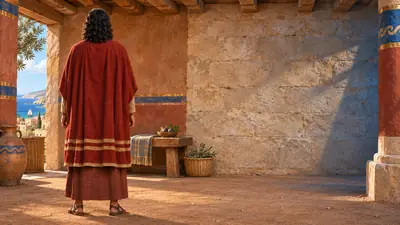
La primera tablilla del Ciclo de Baal se conserva en fragmentos. Su comienzo quebrado solo deja oír una parte de lo que un día se contó.
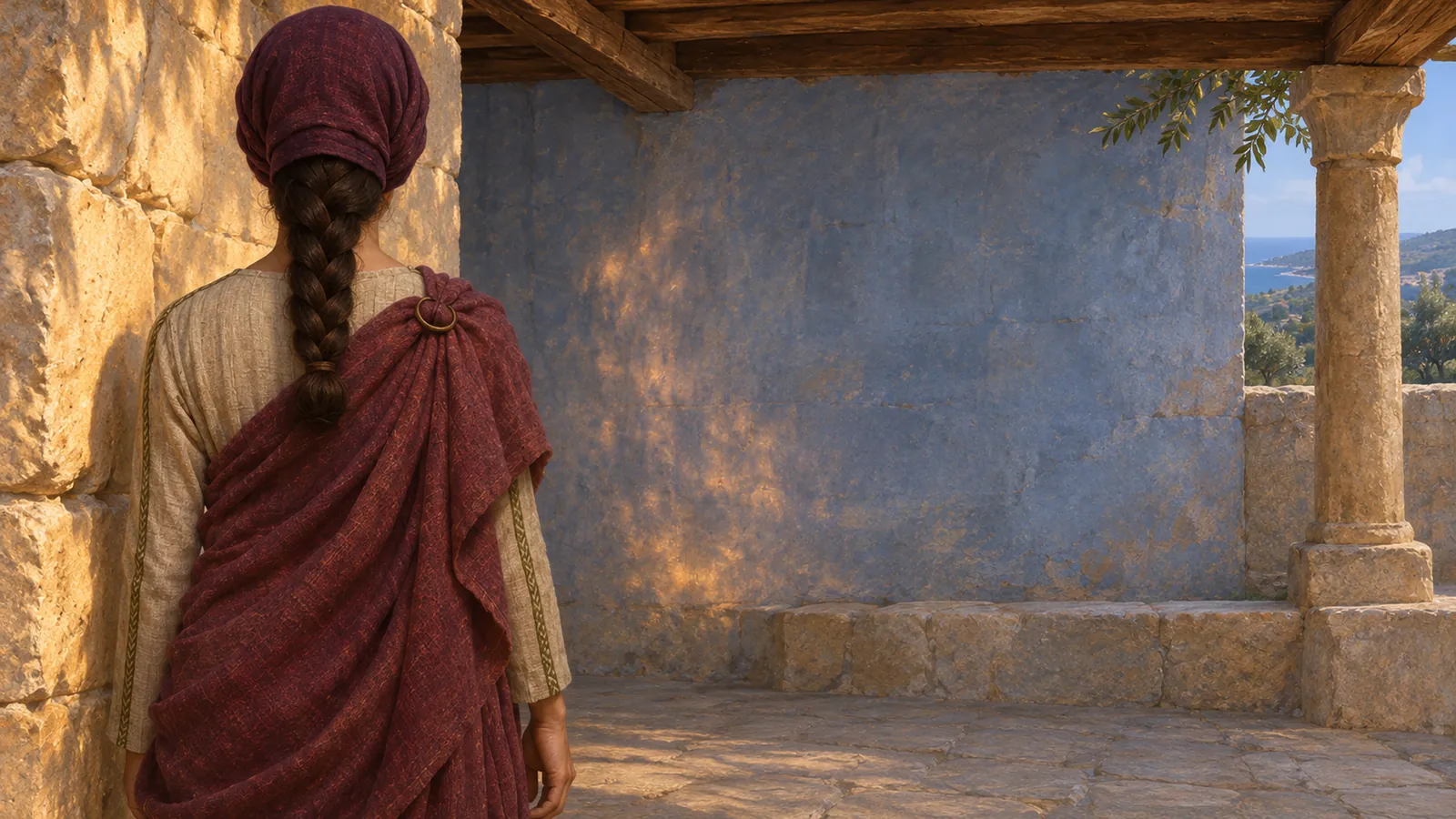
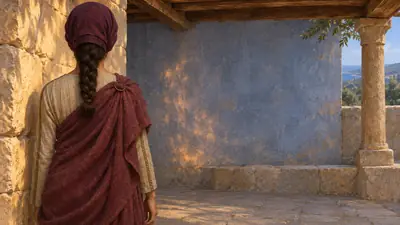
Un pasaje roto conserva el nombre de Anat. Las palabras que quedan a su alrededor dejan sin aclarar el propósito del diálogo.
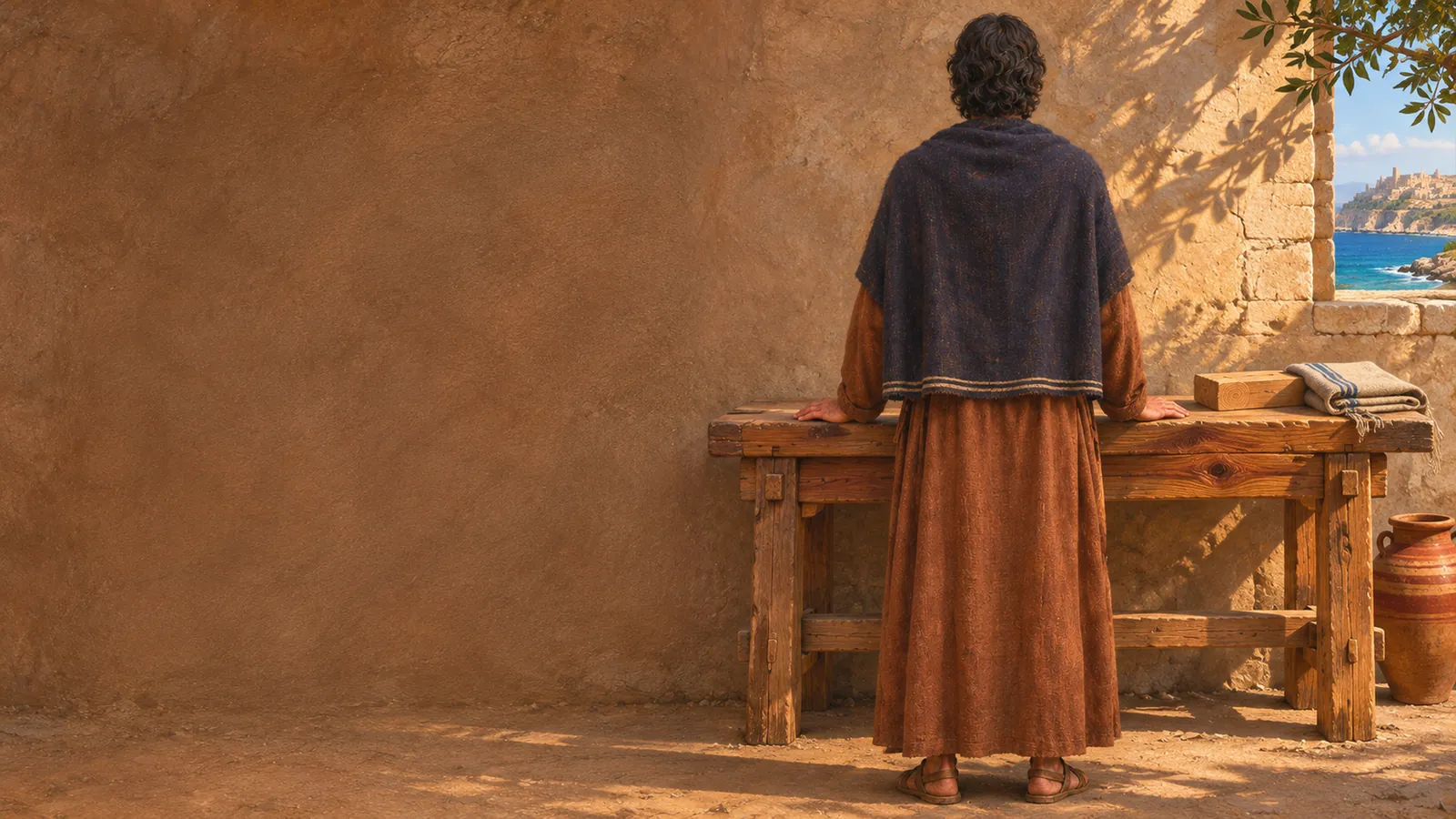
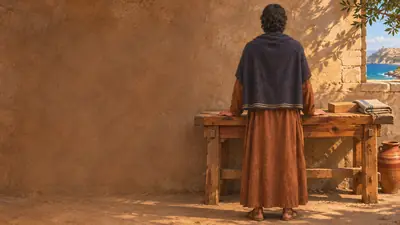
La siguiente columna conservada nombra a Kothar. Su nombre se lee entre palabras rotas que dejan gran parte del discurso en suspenso.

El discurso roto menciona los cielos. Un verso posterior habla de palabras y de saber, pero la idea completa se pierde en el borde quebrado.

El texto nombra a Kothar-wa-Hasis como quien responde. Se dirige a dos interlocutores, aunque una parte de su respuesta se ha perdido en la rotura.
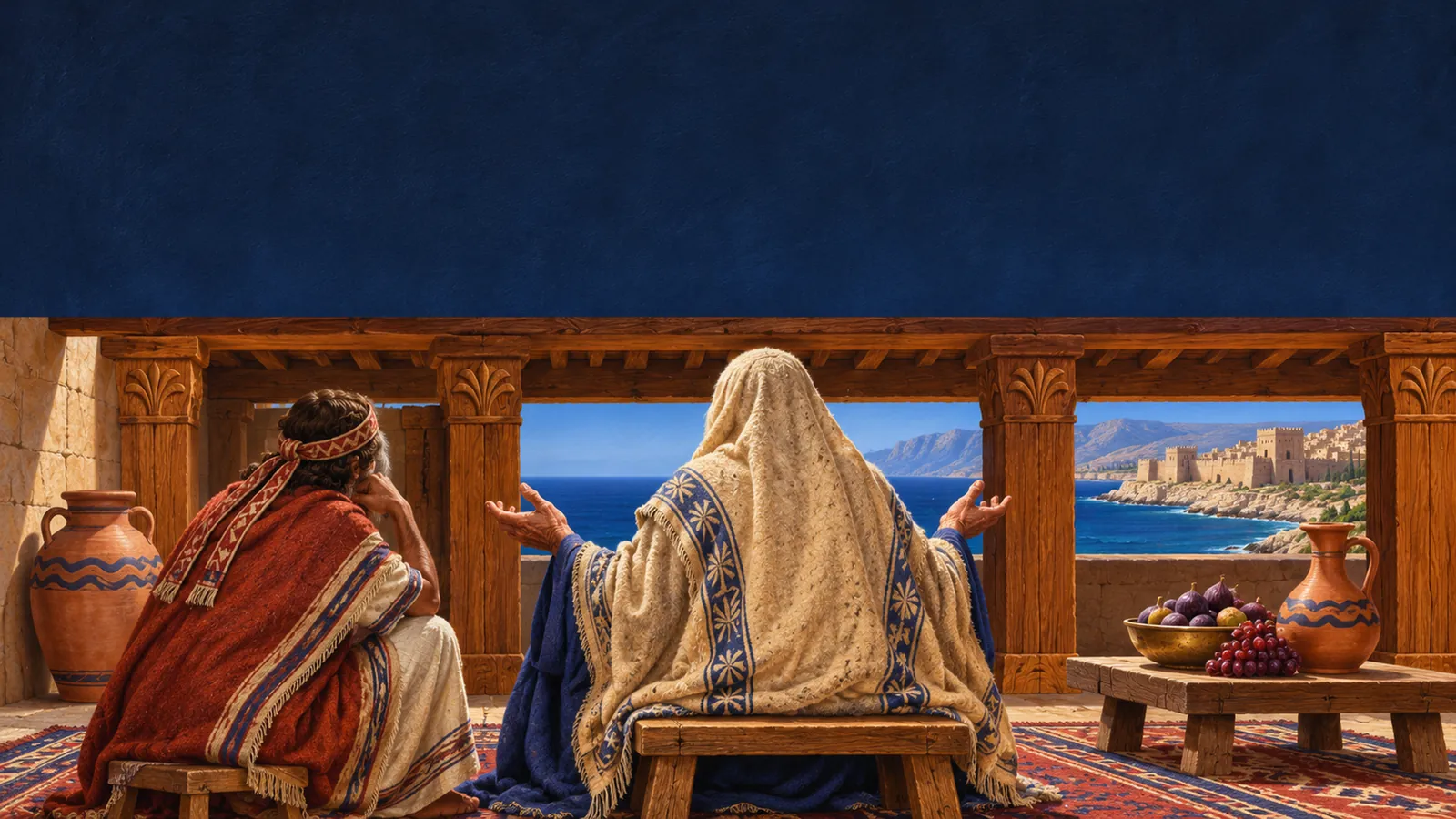
EL TOMA LA PALABRA
En otra columna rota, El responde. El verso lo nombra con palabras de mansedumbre, mientras que el final de la línea se ha perdido.
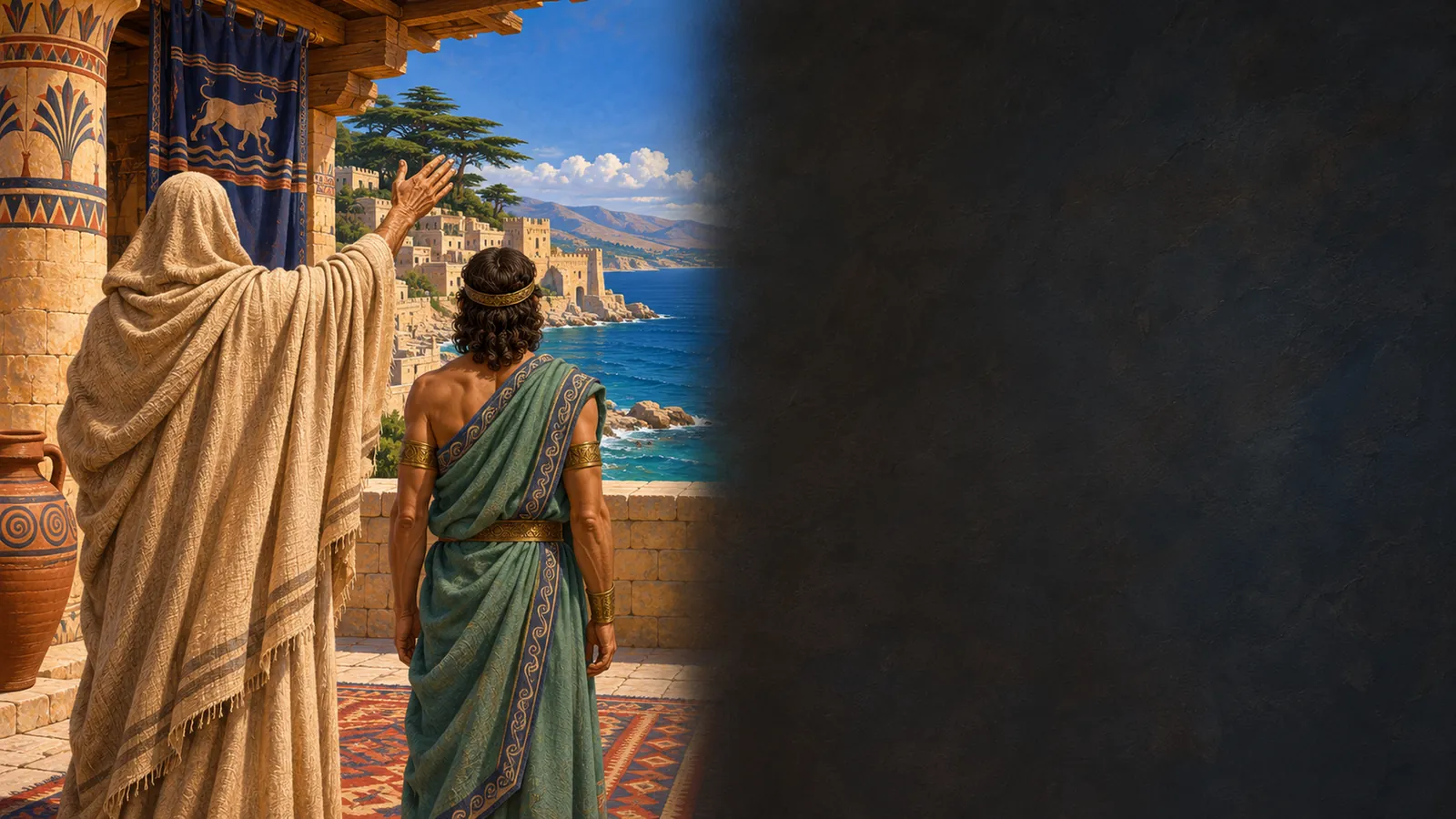
El verso conservado comienza con un nombre para el hijo de El. Los editores leen la forma breve Yw, mientras que las palabras siguientes están rotas.

En el verso siguiente, las palabras pasan al nombre de Yamm. Una expresión posterior del mismo pasaje se ha leído como un título que muestra el afecto de El.
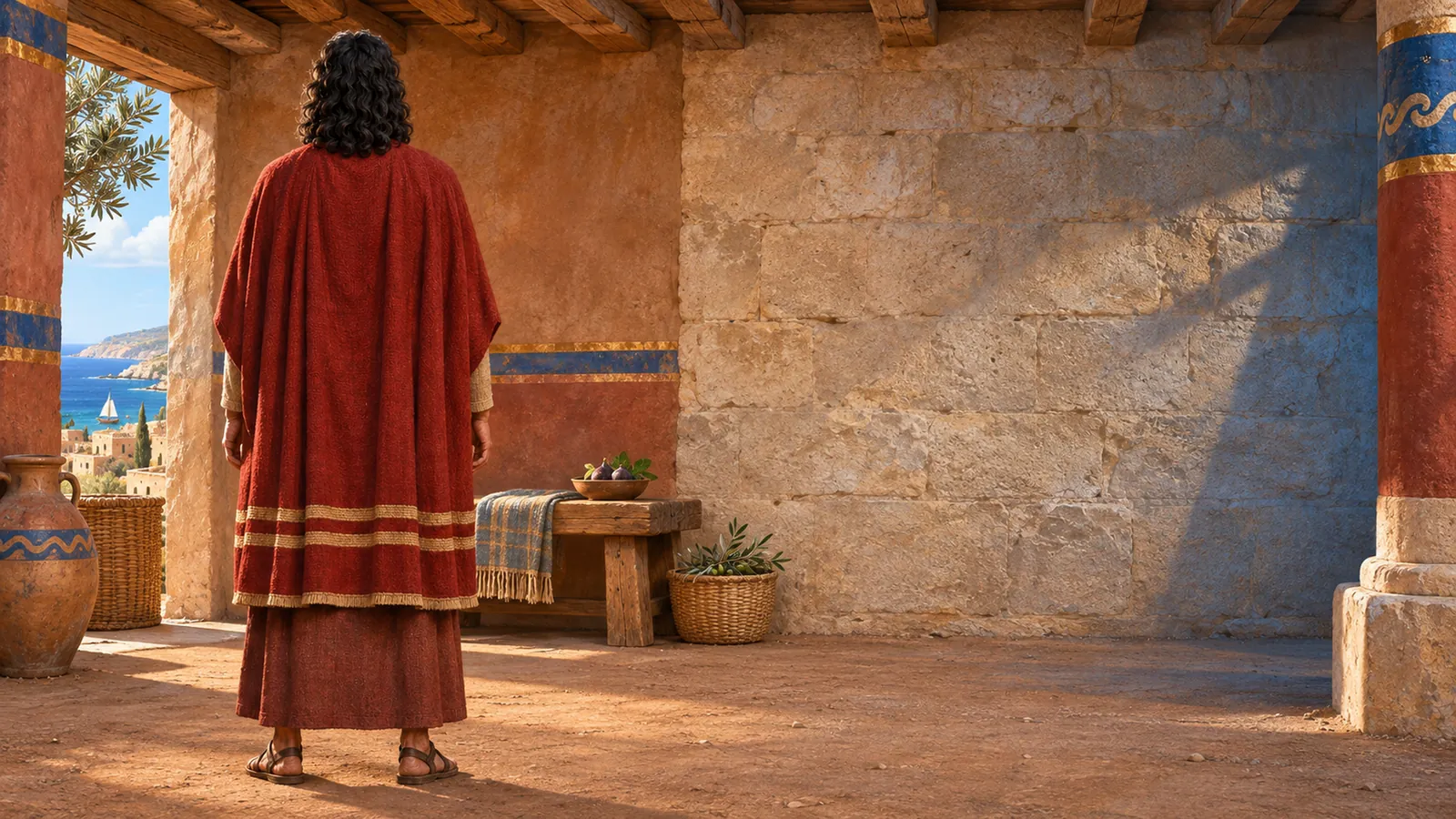
Los versos rotos conservan parte del nombre de Baal y la orden de expulsar a alguien. Las palabras sobre un asiento real dependen en parte de una restitución.
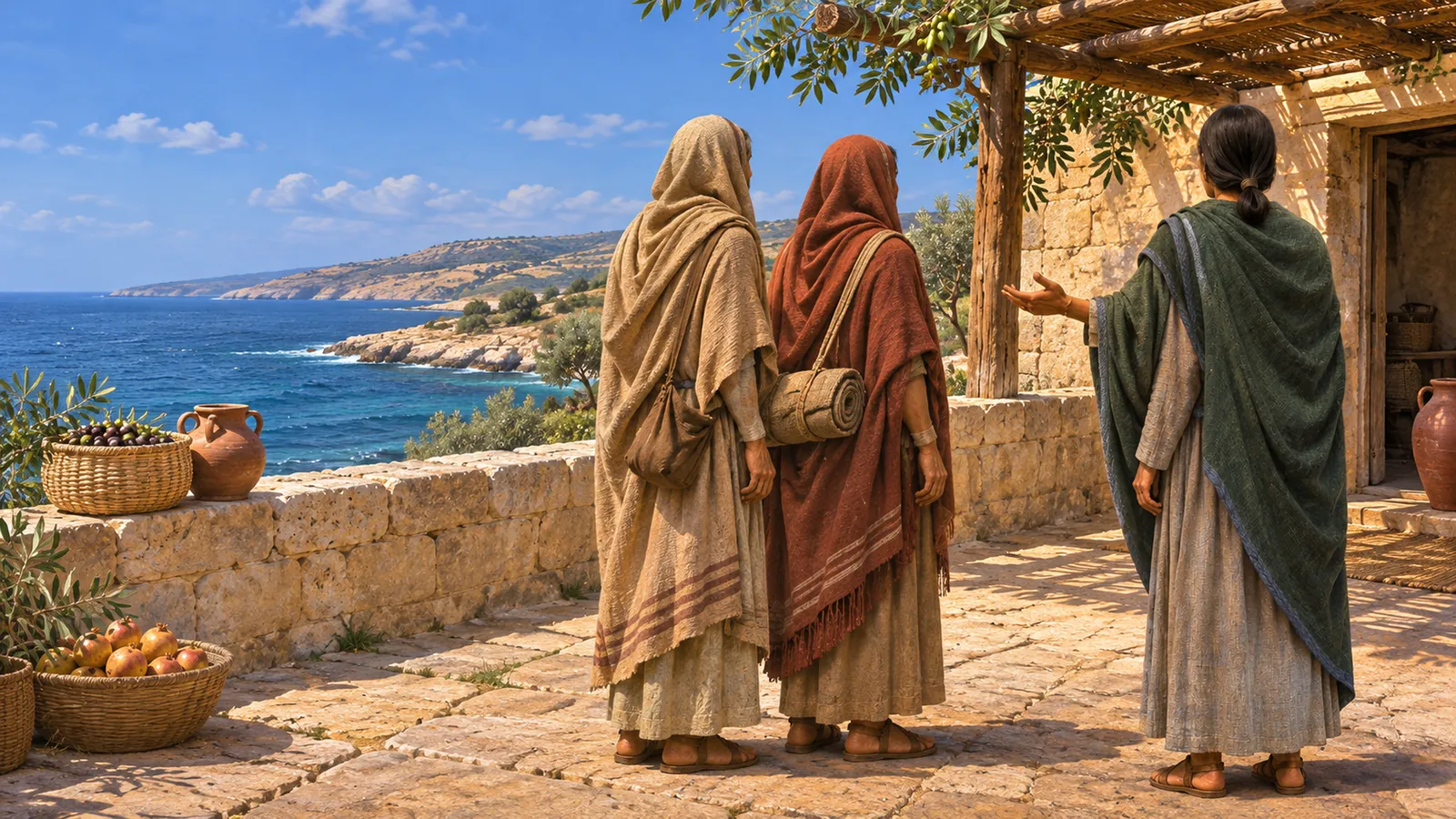
La segunda tablilla conserva otra escena. Yamm envía emisarios a los dioses reunidos, y sus instrucciones comienzan por el viaje que deben hacer.

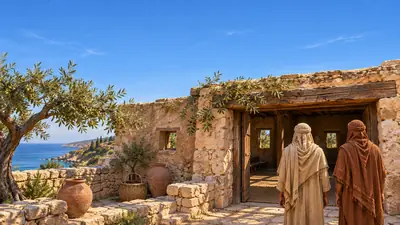
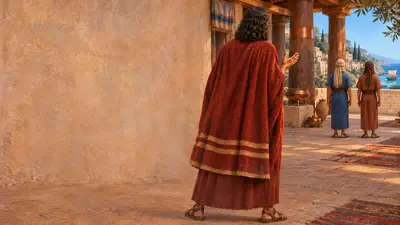
Yamm apremia a los jóvenes emisarios. Los envía al monte Lalu, donde están reunidos los dioses.

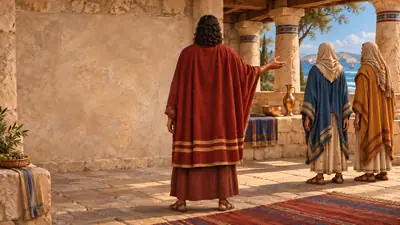
Yamm indica a los emisarios que transmitan sus palabras de pie. Les manda omitir los gestos de deferencia que suele recibir la asamblea.
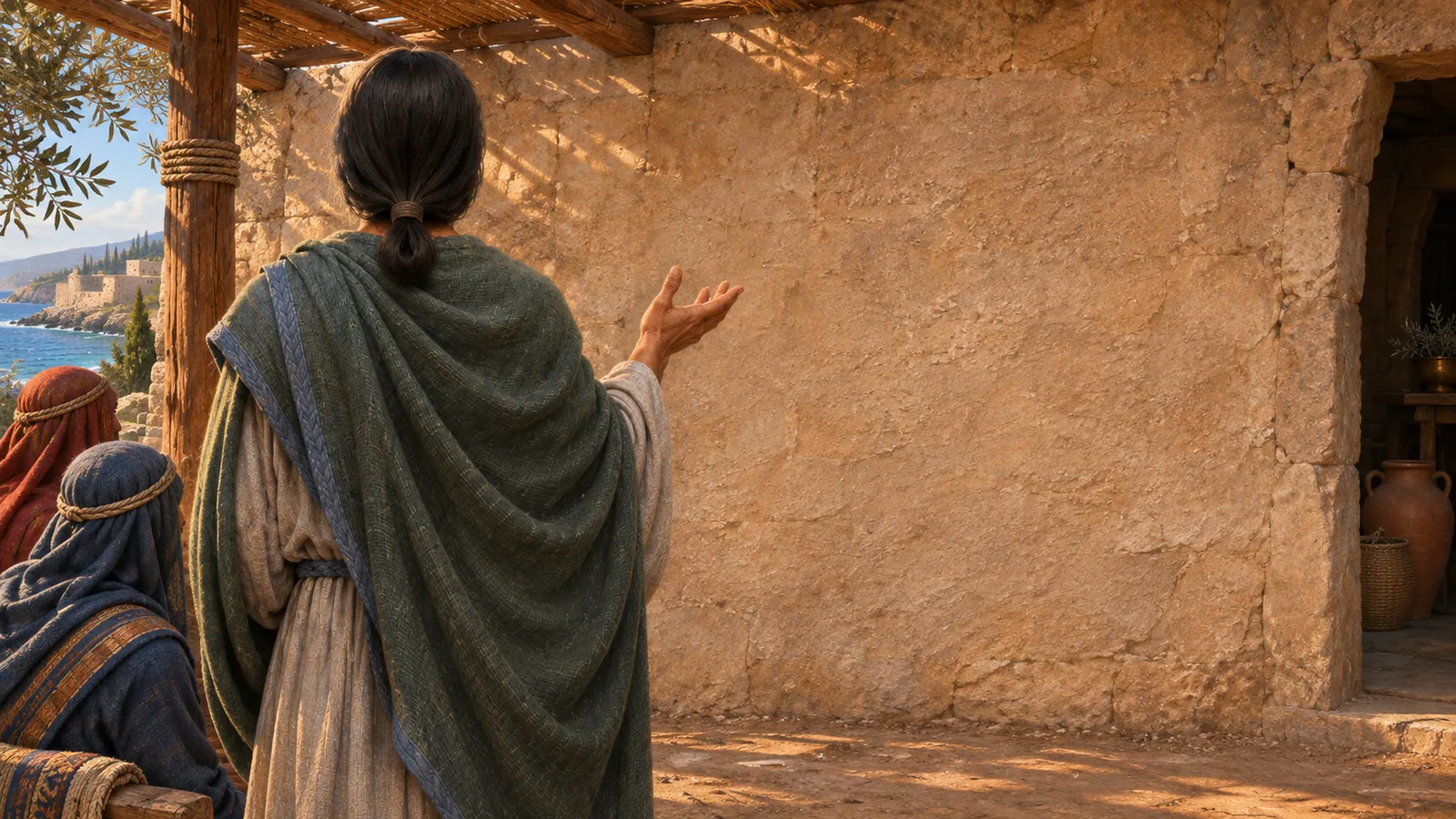
Los emisarios han de presentar la exigencia en nombre de Yamm y llamarlo señor de la asamblea. El mensaje también lo nombra Soberano Nahar.
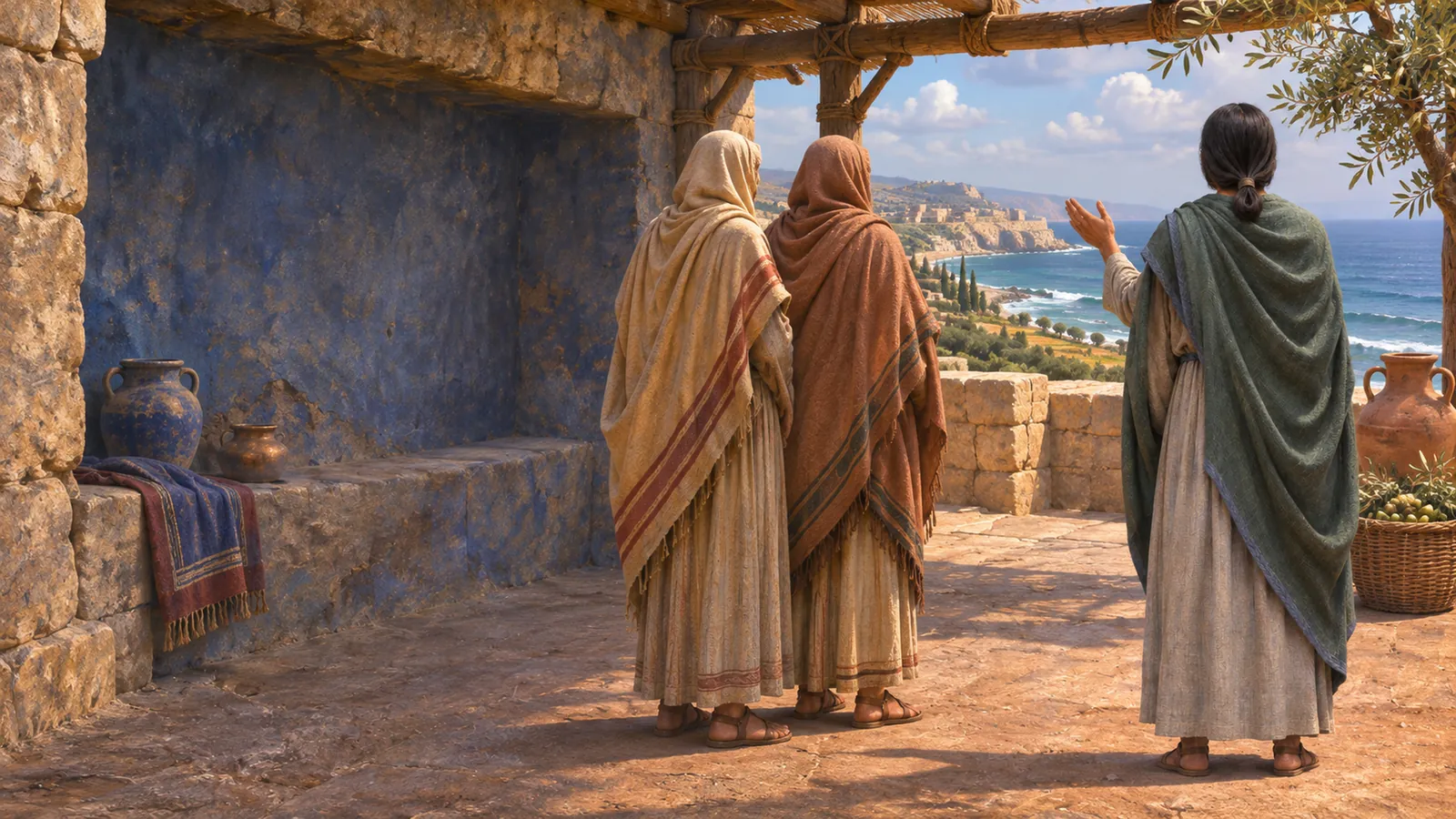
El mensaje exige que los dioses entreguen a Baal, hijo de Dagan. Yamm dice que piensa apoderarse de su oro.

Los dos emisarios parten sin demora. El poema los dirige hacia el monte Lalu y hacia la reunión a la que han de dirigirse.
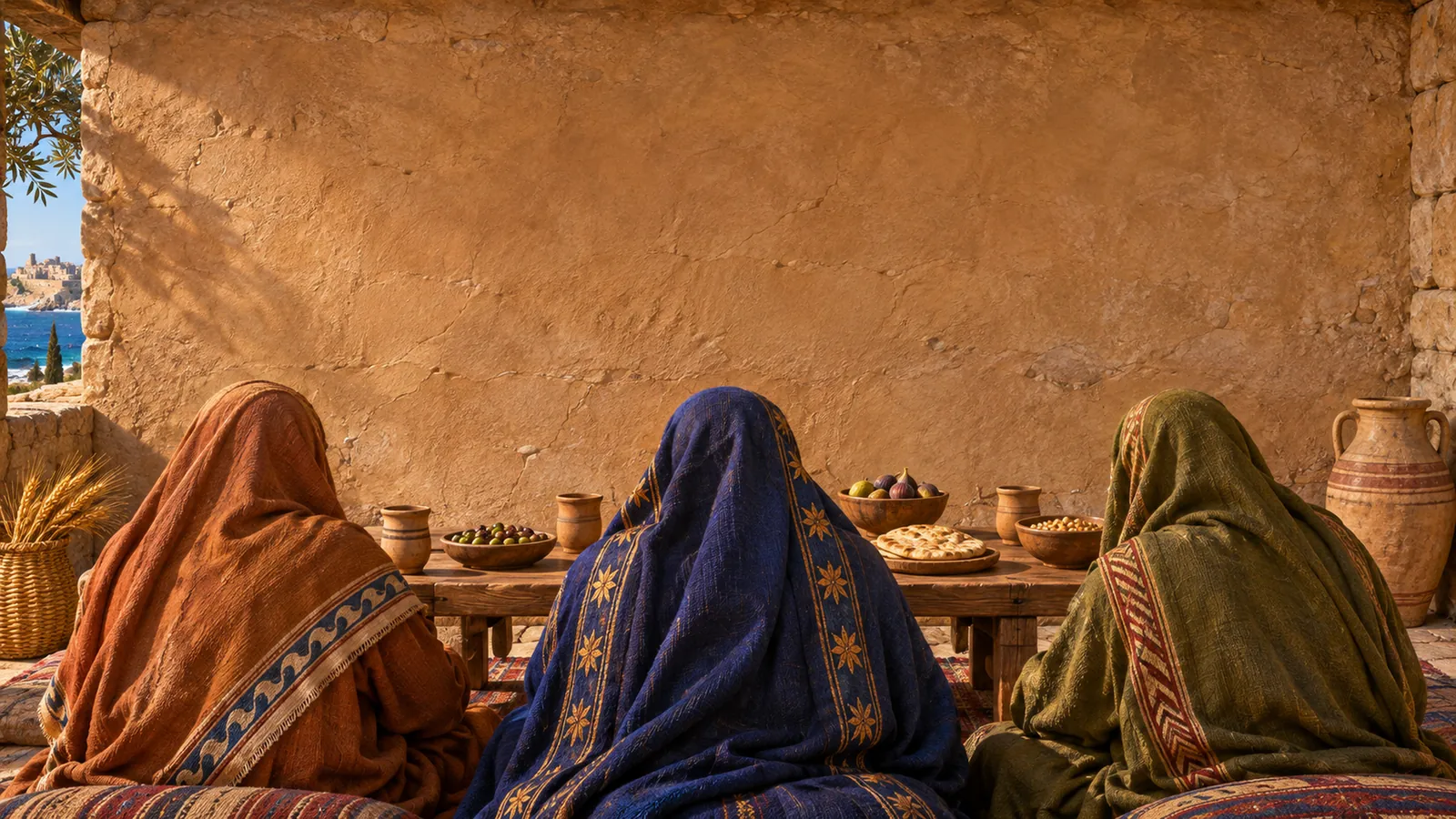
LOS DIOSES A LA MESA
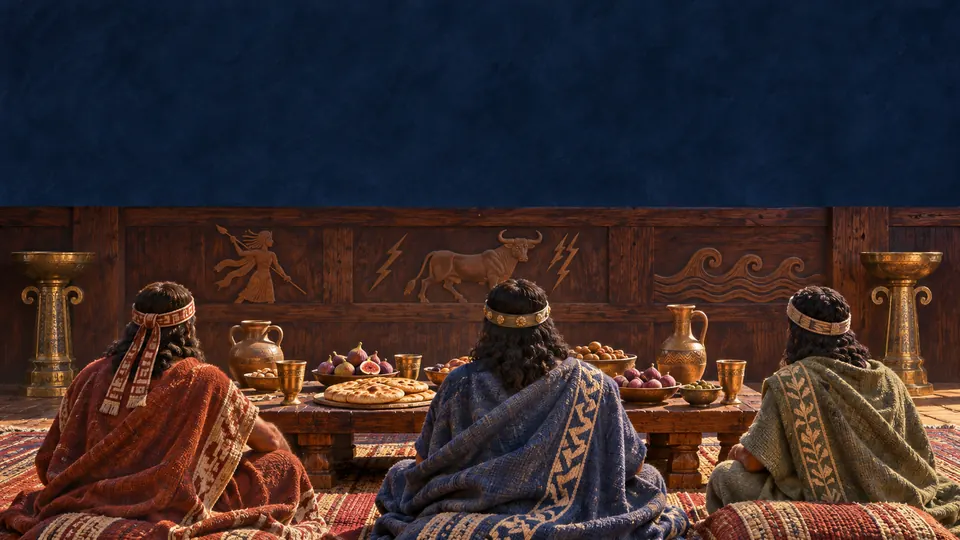
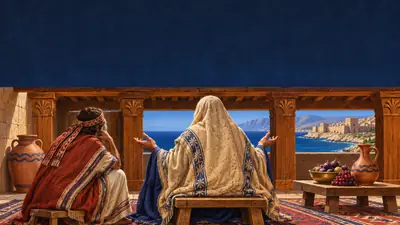
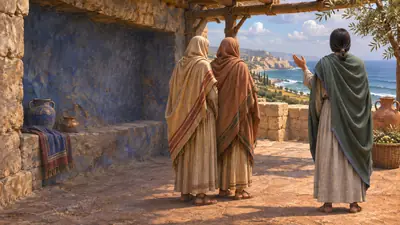
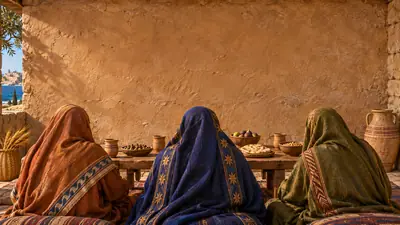
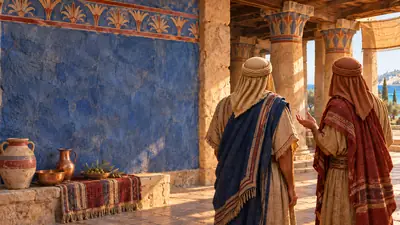
En la asamblea, los dioses se sientan a comer. El poema los muestra a la mesa mientras se acercan los emisarios de Yamm.

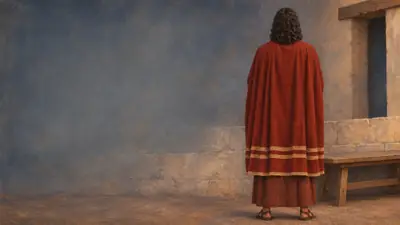
Un verso sitúa a Baal de pie con respecto a El. Las palabras admiten varias lecturas, así que su postura queda más clara que su intención.

Los dioses ven a los emisarios antes de que entreguen su mensaje. El poema los llama mensajeros de Yamm y embajada del Soberano Nahar.
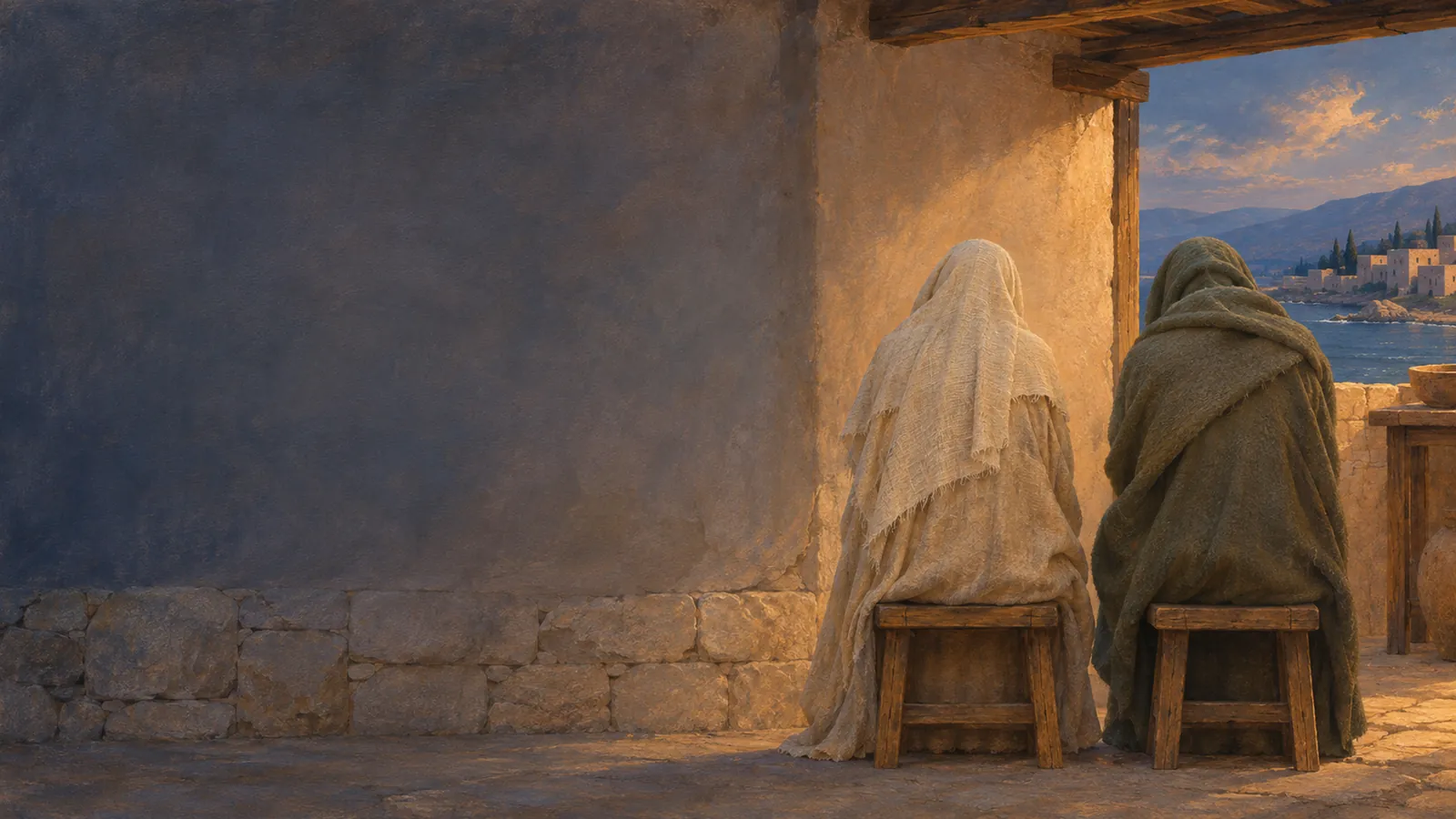
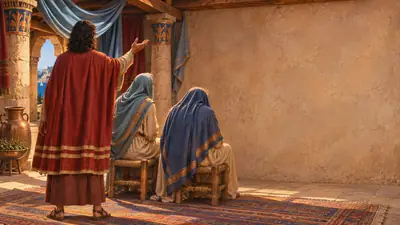
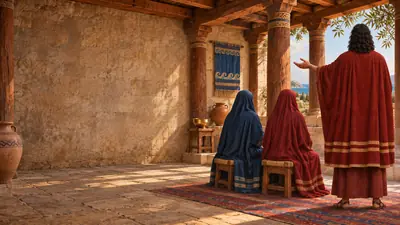
Los dioses bajan la cabeza hacia sus rodillas y asientos. El poema señala el gesto antes de que los emisarios se dirijan formalmente a ellos.
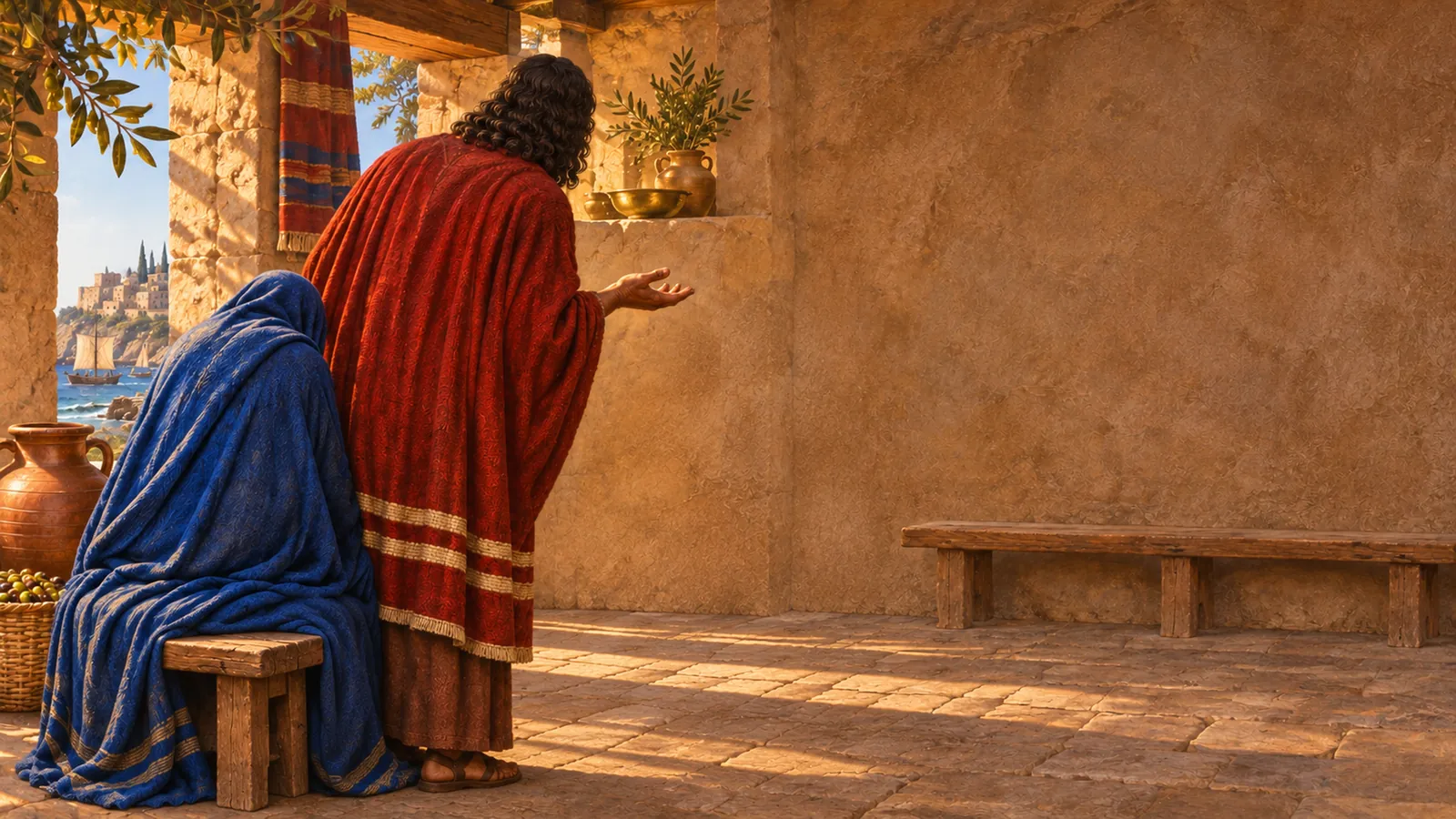
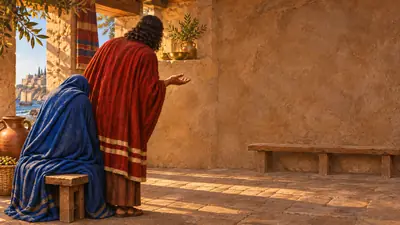
Baal pregunta por qué los dioses han bajado la cabeza hacia las rodillas y los asientos. Dirige la pregunta a la asamblea.
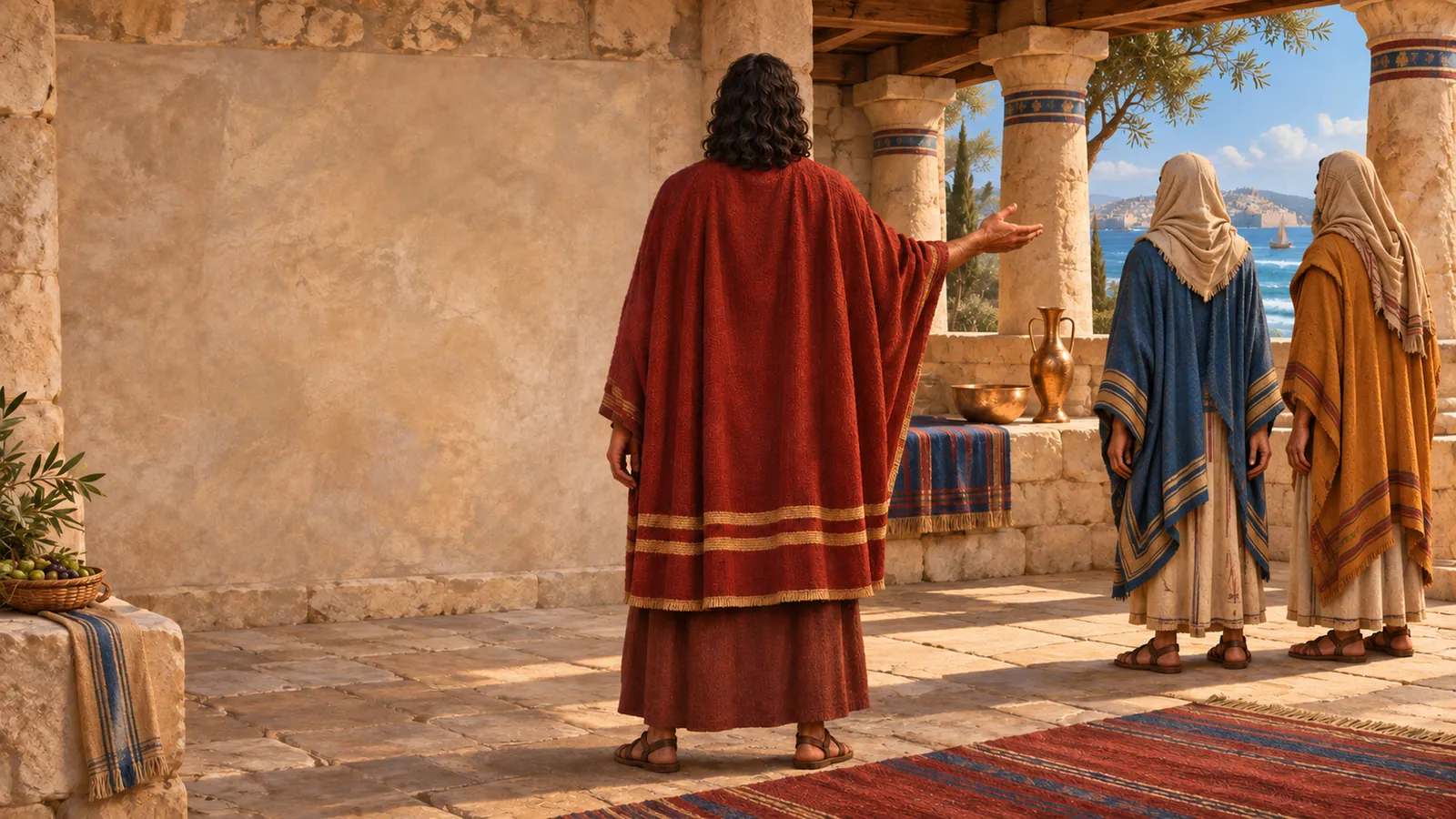
Baal dice que los dioses deben responder a la embajada. El verso menciona el mensaje escrito de los emisarios, aunque el comienzo de la oración es incierto.
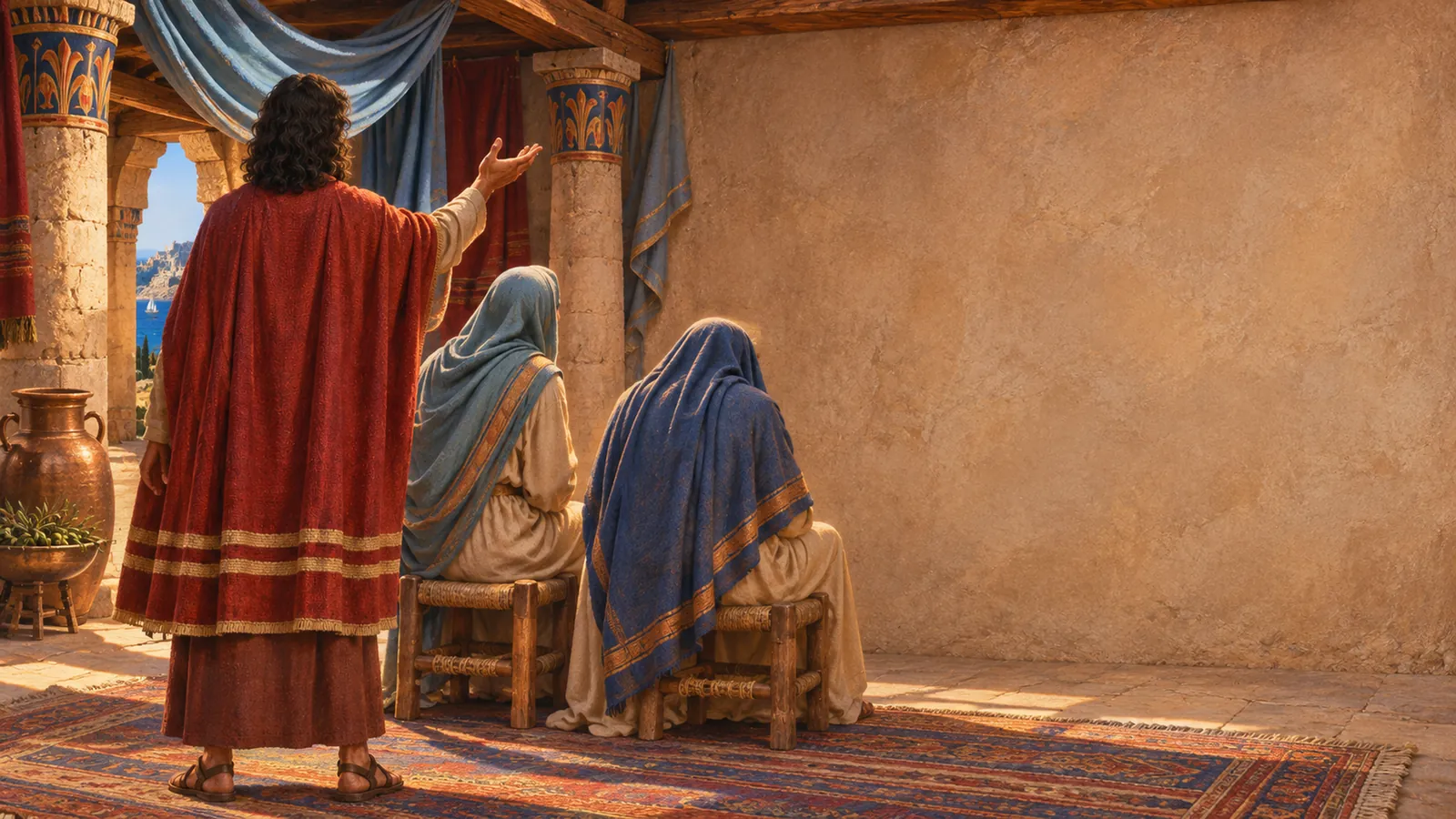
Baal pide a los dioses que levanten la cabeza, apartándola de sus rodillas y asientos. Les habla directamente.
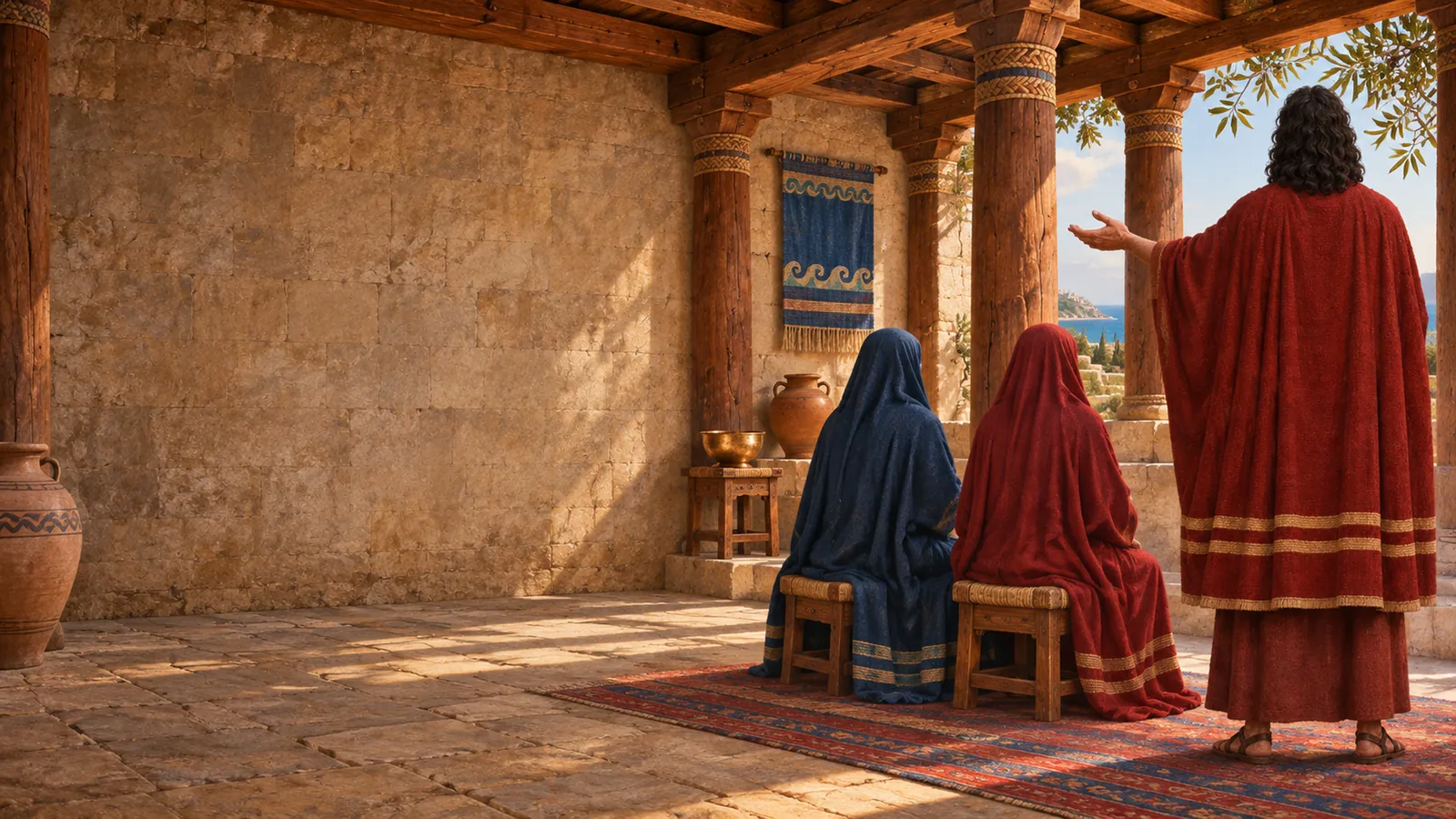
Baal se ofrece a responder él mismo a los emisarios. Los dioses levantan la cabeza y el poema pasa a la llegada de los emisarios ante la asamblea.
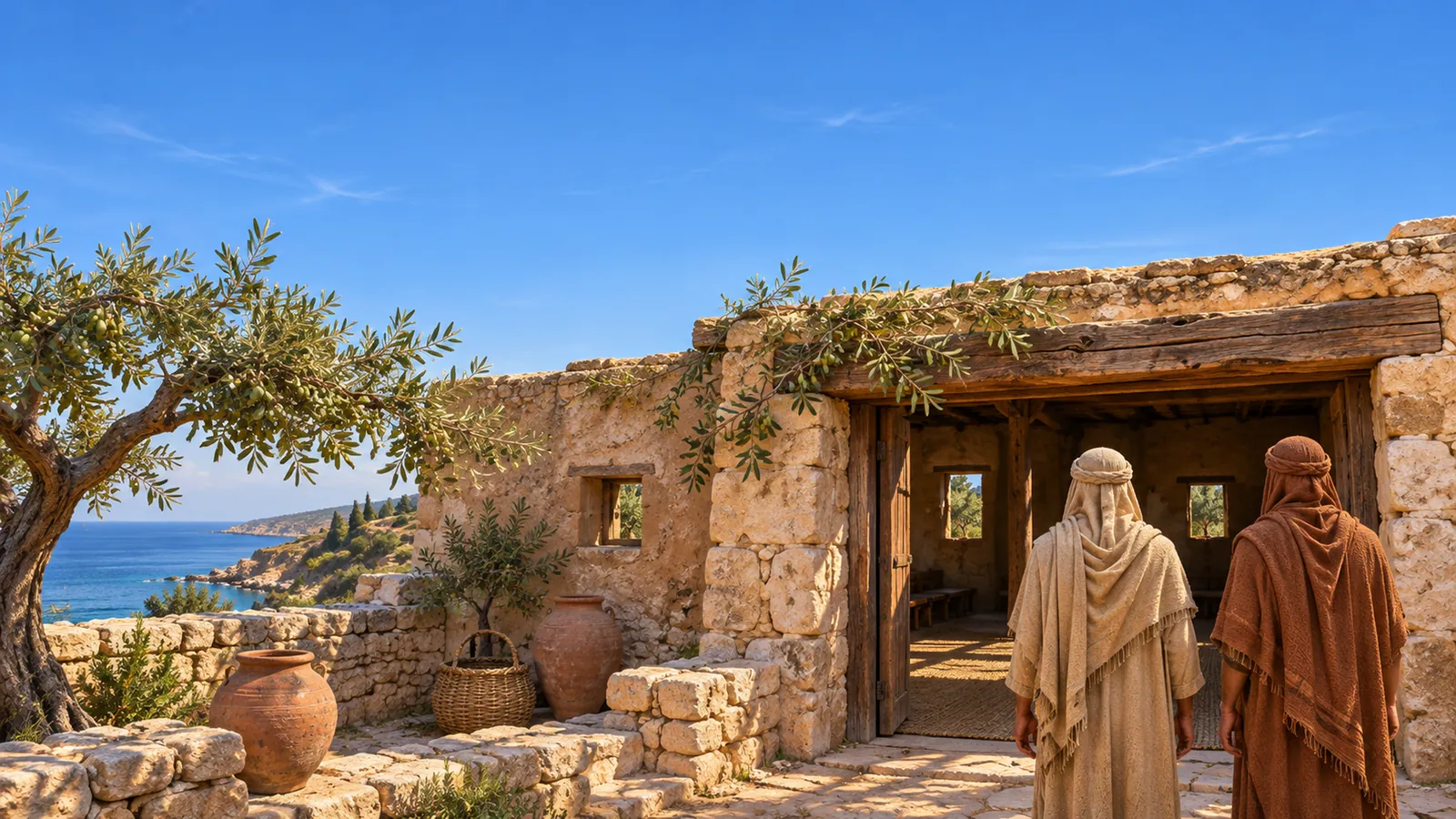
LLEGAN LOS EMISARIOS
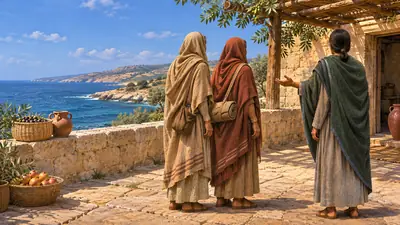
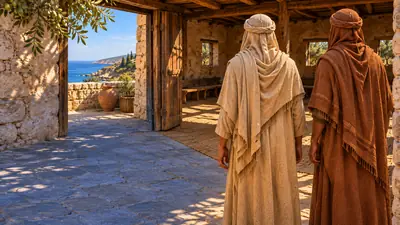
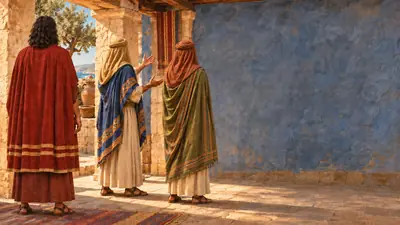
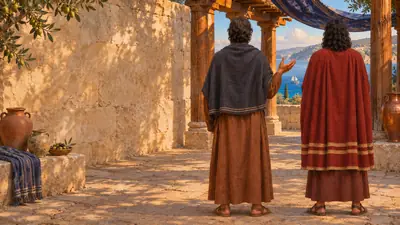
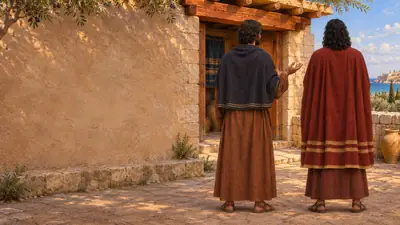
Los emisarios llegan ante El y la asamblea. Siguen las instrucciones de Yamm y ni se postran a los pies de El ni se inclinan ante la reunión.
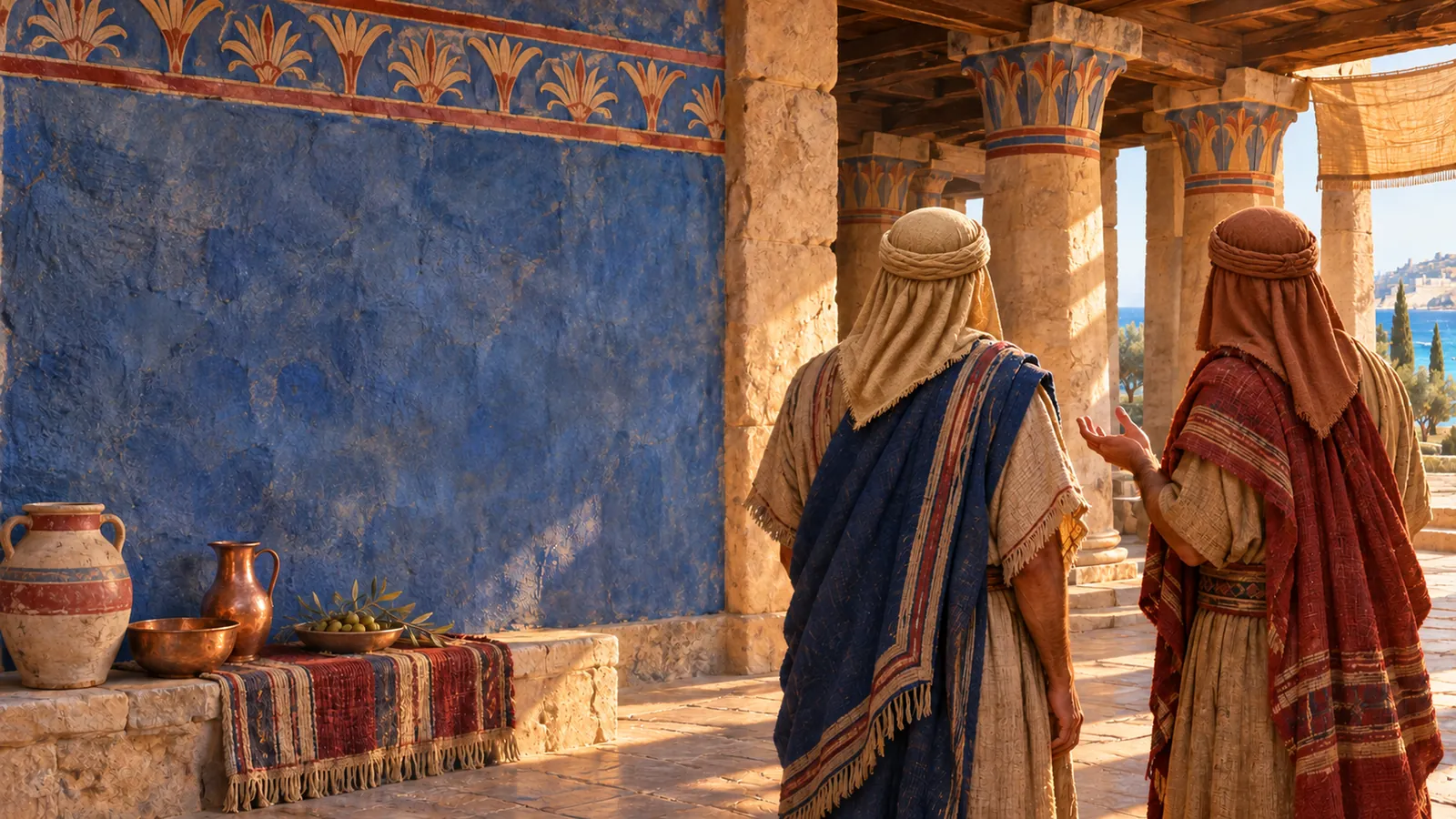
Los emisarios hablan de pie. El poema compara su aspecto con llamas y sus palabras con una hoja afilada.
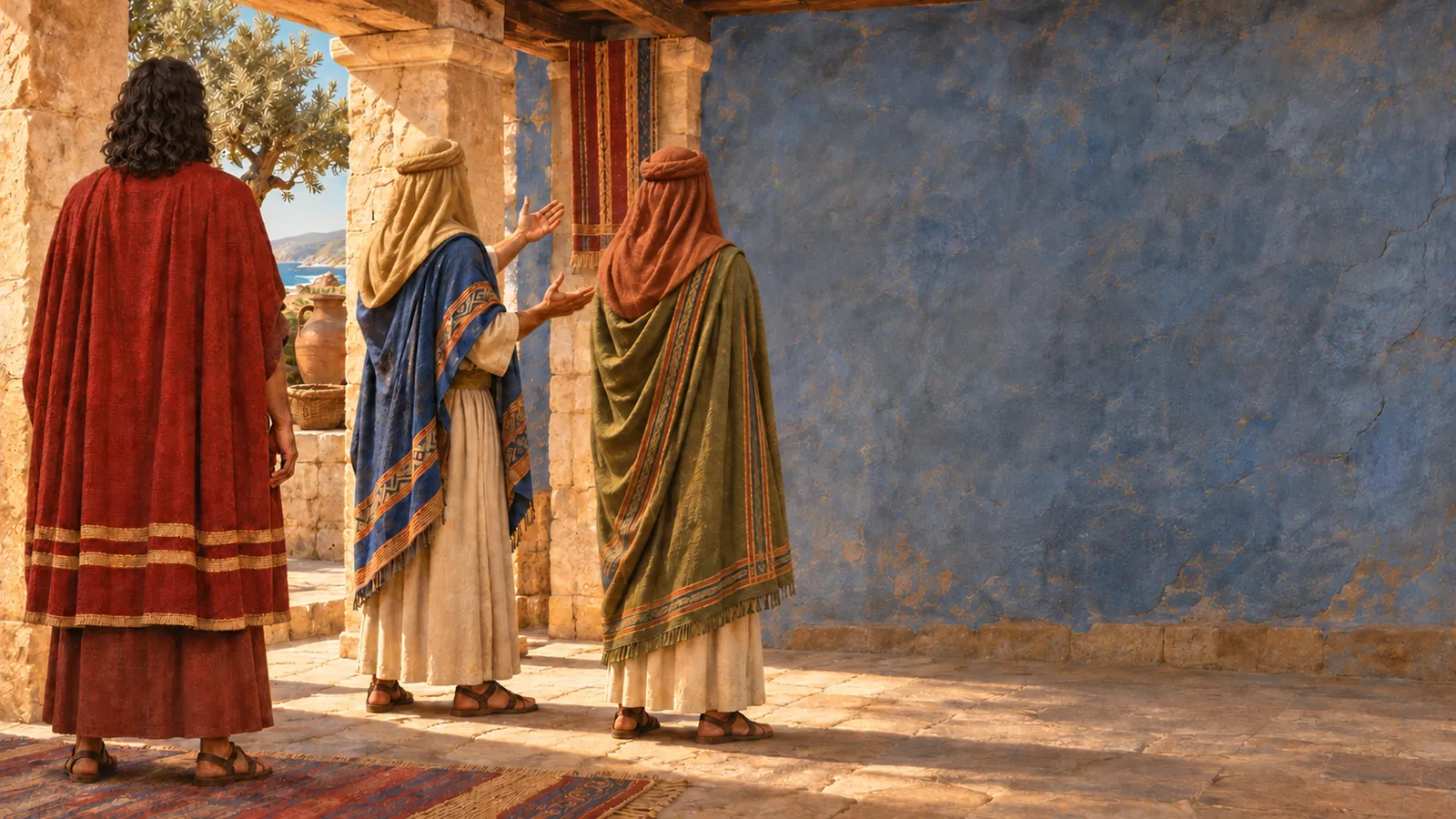
Los emisarios enuncian el título de Yamm y repiten su exigencia. Dicen a los dioses que entreguen a Baal, hijo de Dagan, para que Yamm se apodere de su oro.
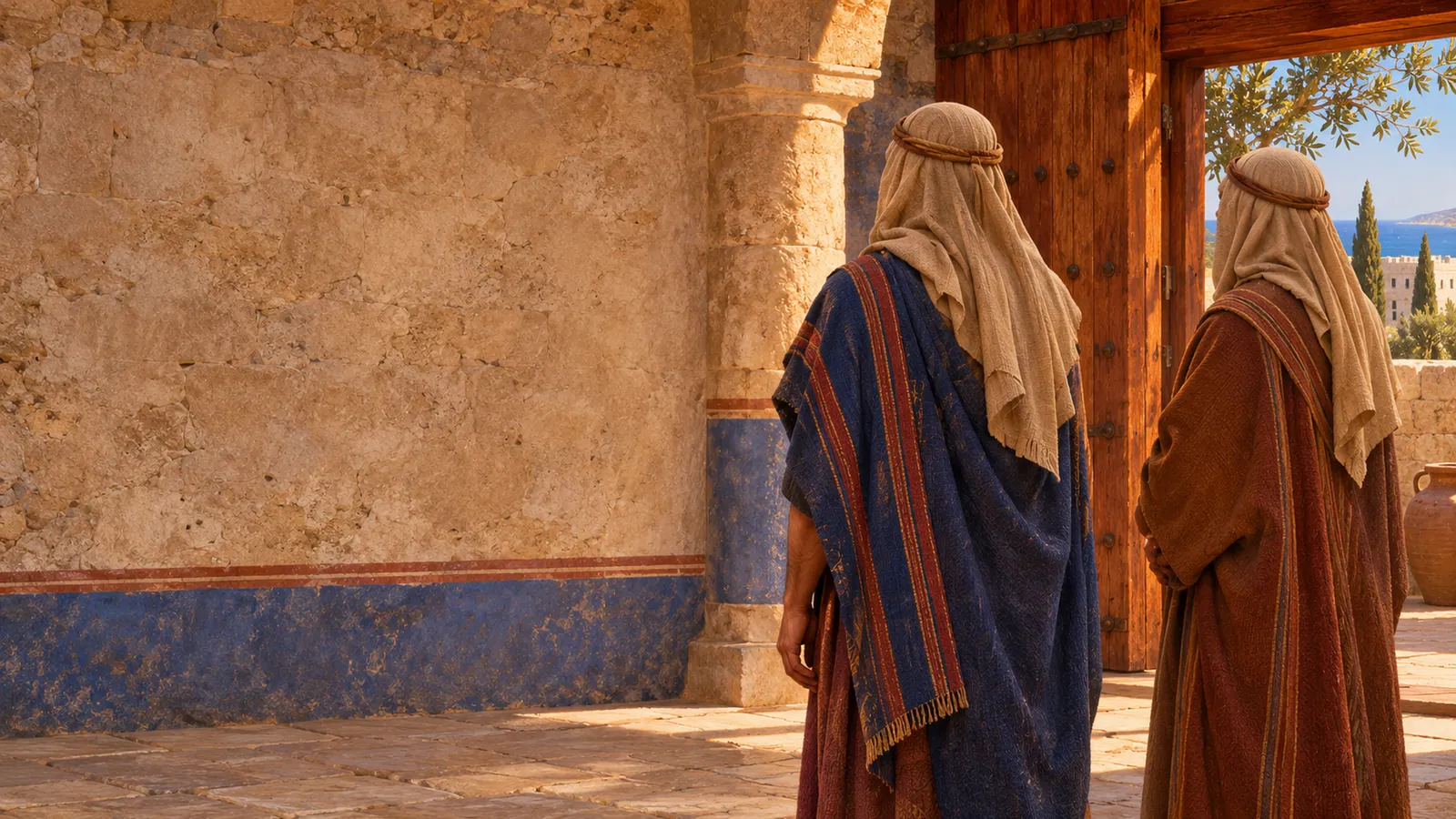
El responde a los emisarios en los términos de Yamm. Dice que Baal está sometido a Yamm y llama al hijo de Dagan su cautivo.
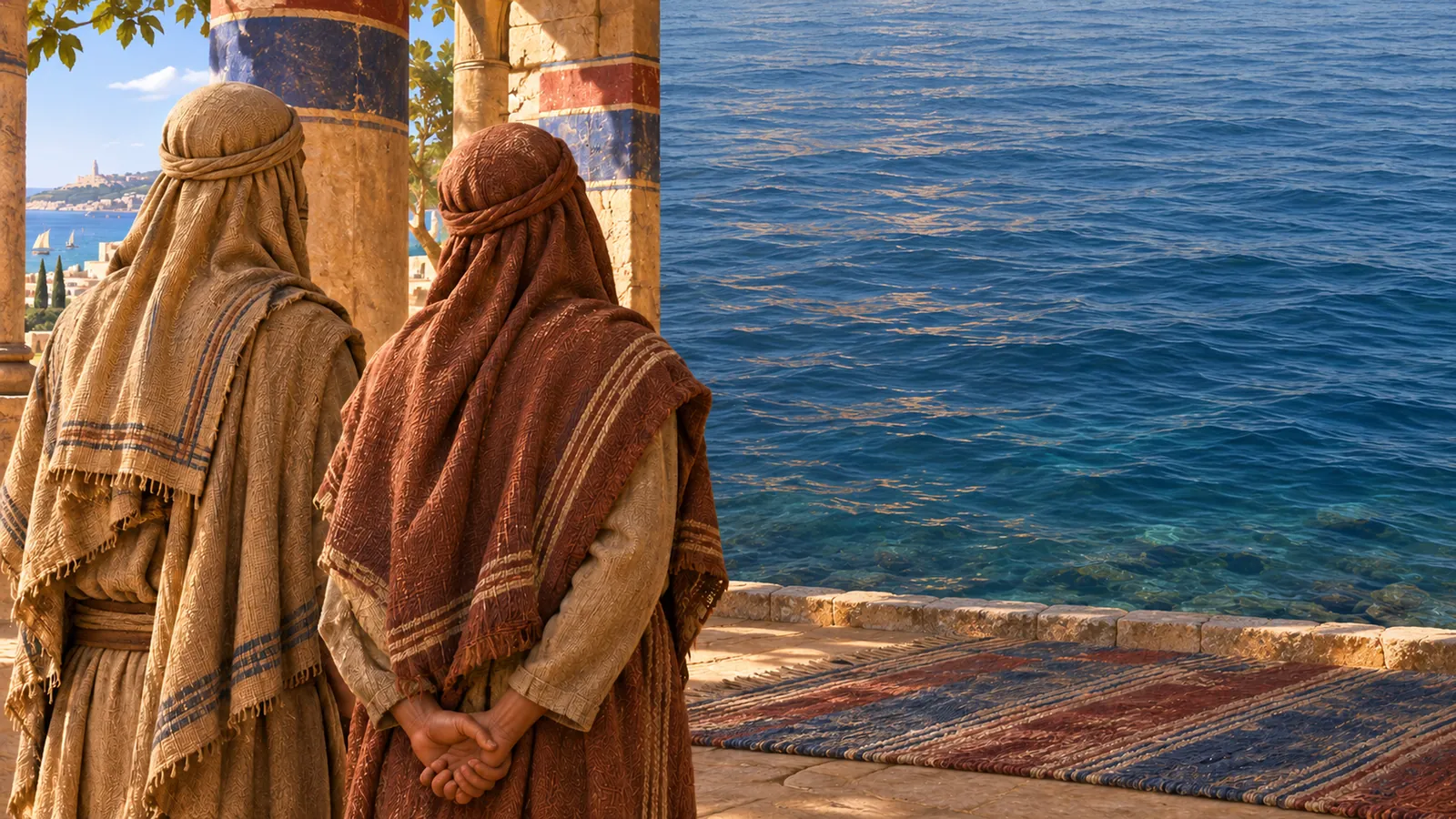
El continúa su respuesta diciendo que Baal traerá tributo. Habla de presentes y ofrendas junto a lo que llevarán los demás dioses.
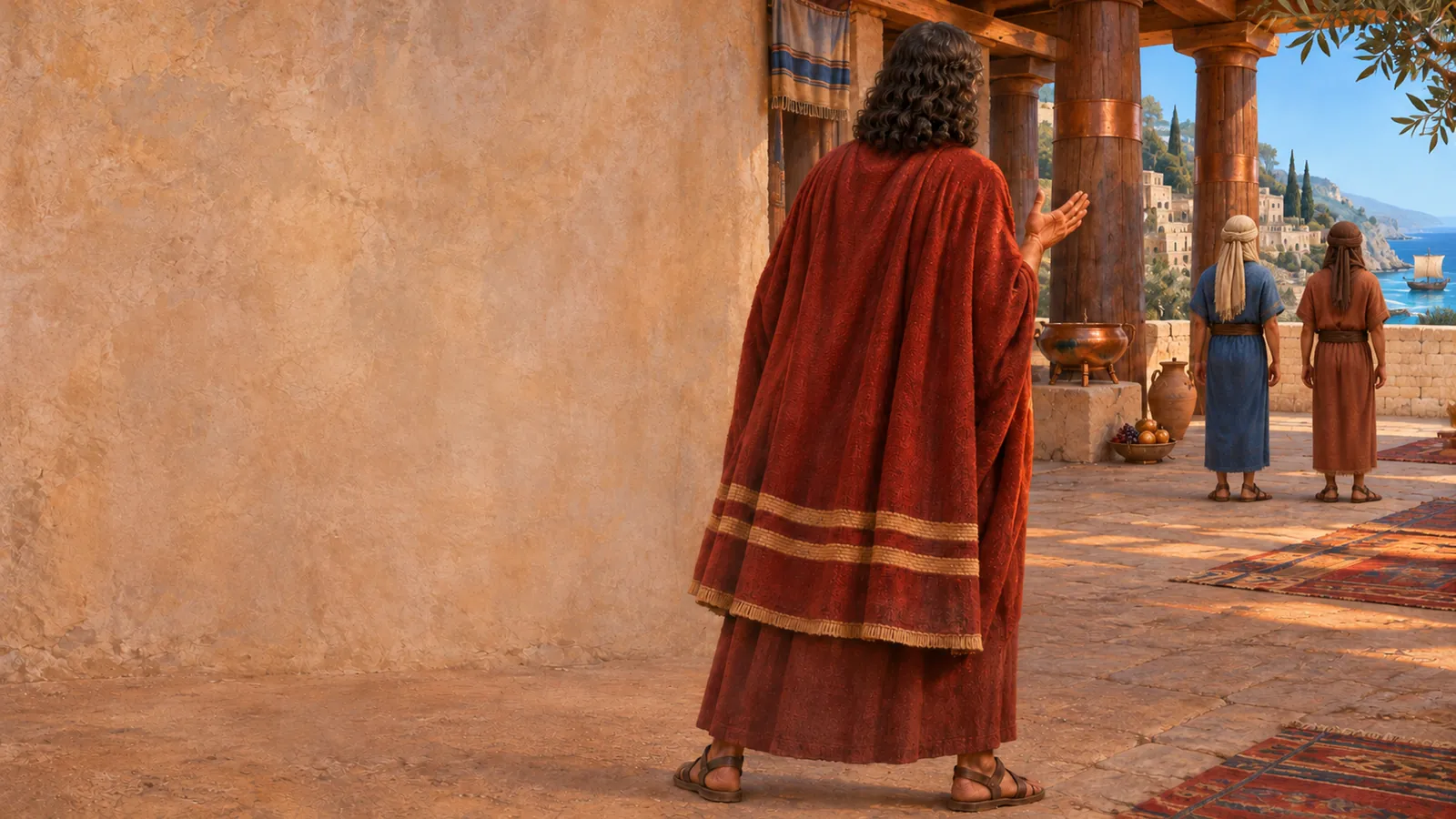
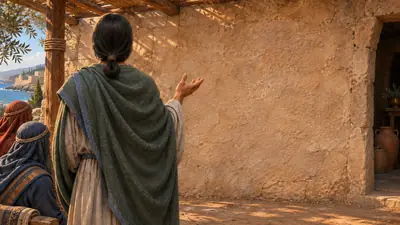
Baal se enfurece ante la respuesta de El y se vuelve contra los emisarios. Las palabras dañadas dejan algunas de sus acciones abiertas a la interpretación.
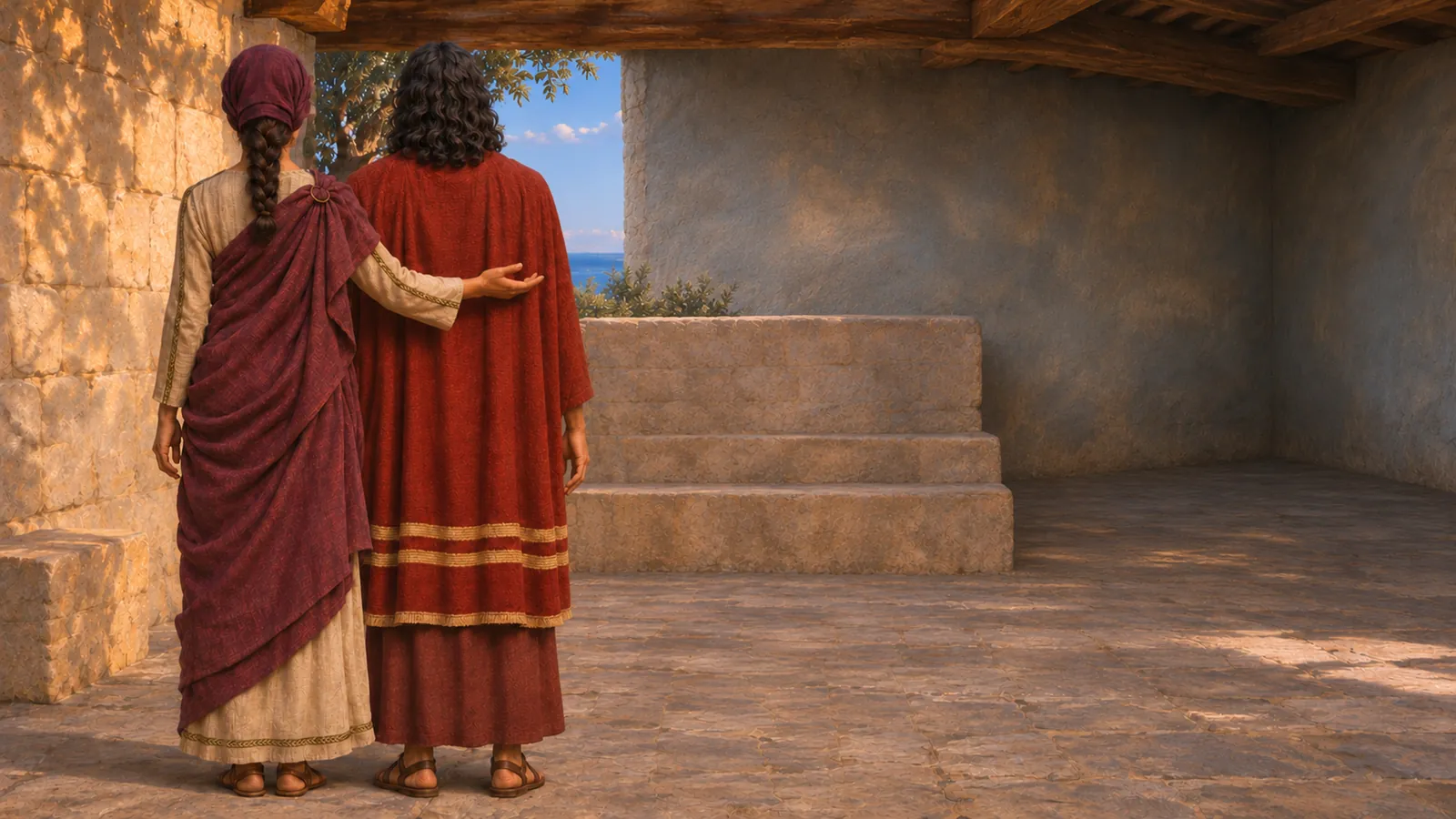
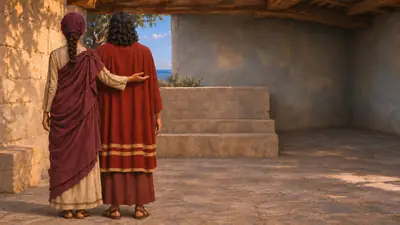
Anat y Athtart intervienen y, según una lectura, sujetan las manos de Baal. Los versos le reprochan haberse vuelto contra los emisarios.

La columna termina con una respuesta incompleta atribuida a Baal. Las palabras restantes se refieren a Yamm, pero el resto de la respuesta se perdió en la rotura.
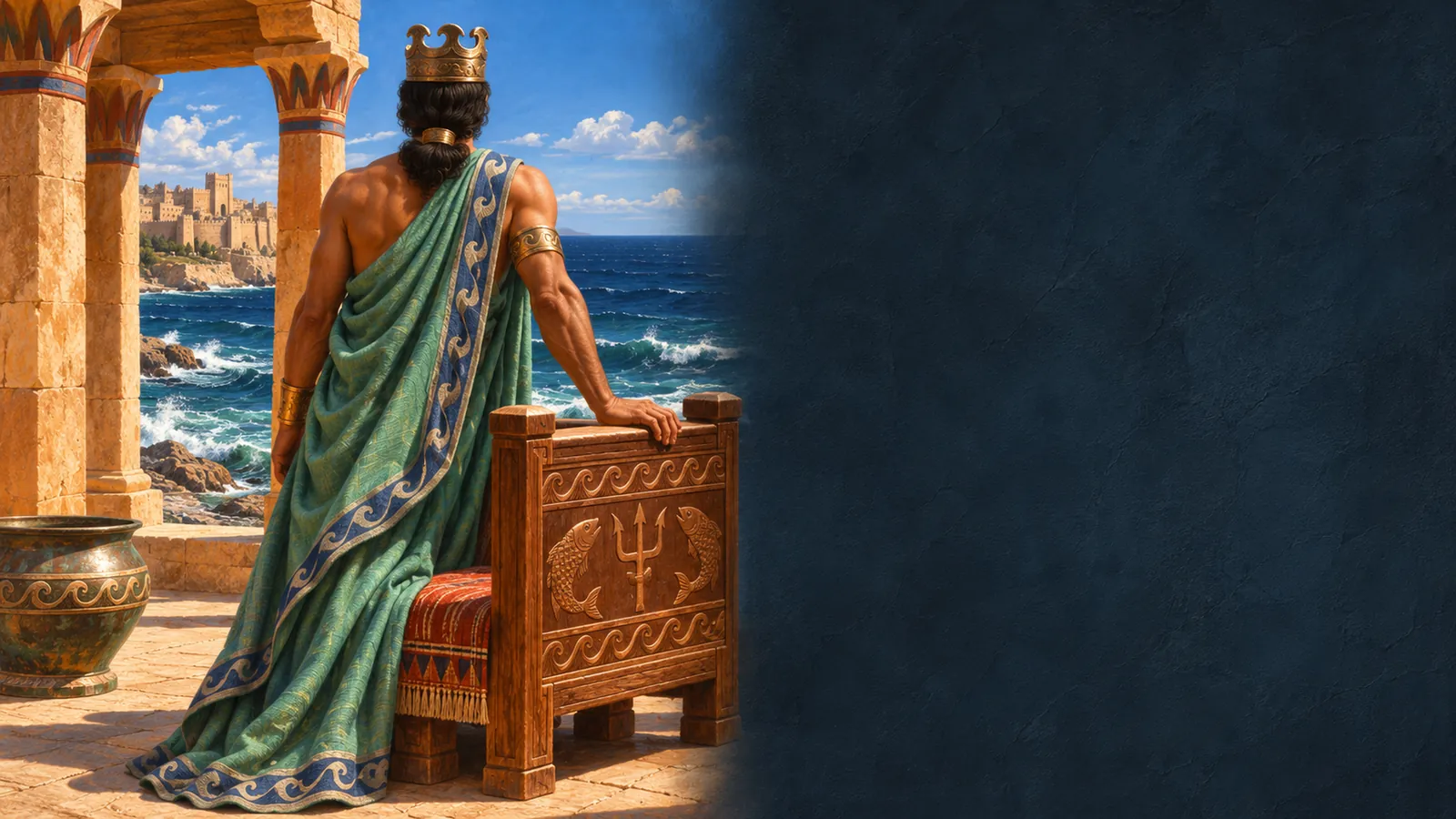
Otro pasaje conservado menciona el trono de Yamm. Las palabras a su alrededor están dañadas, y el vínculo con la escena de la asamblea sigue sin aclararse.
EL JINETE DE LAS NUBES
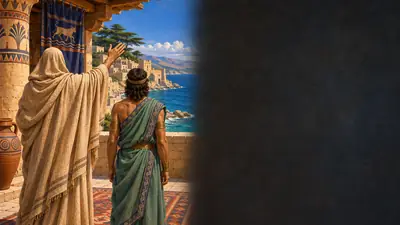
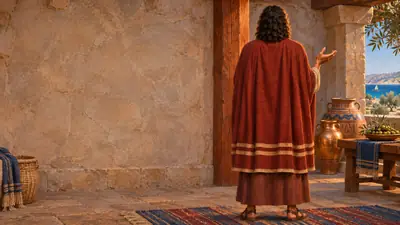
Kothar-wa-Hasis interviene. Habla con Baal y se dirige a él con el título de Jinete de las Nubes.
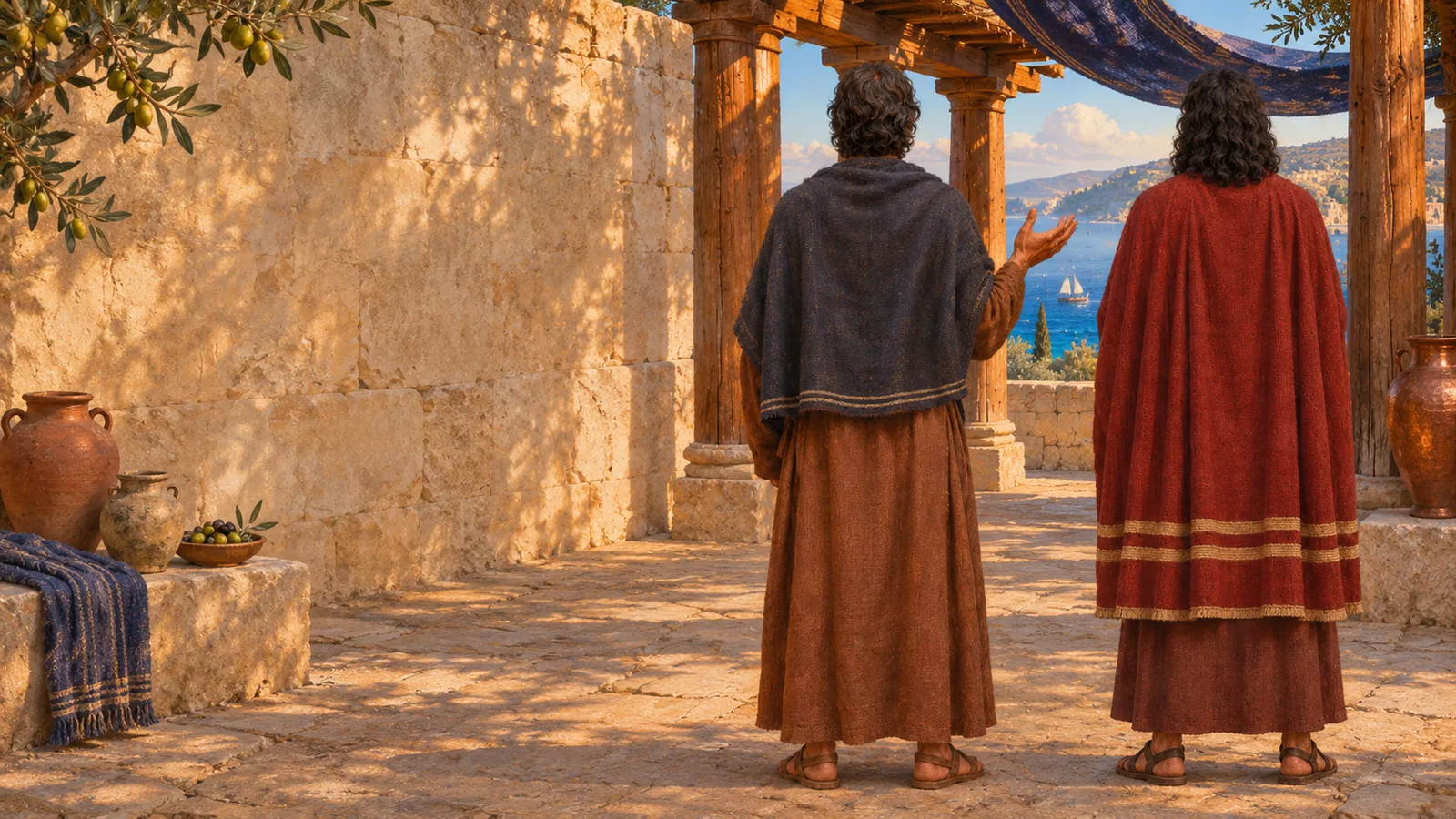
Kothar dice a Baal que vencerá a su adversario. Le ofrece la perspectiva de un reinado duradero.
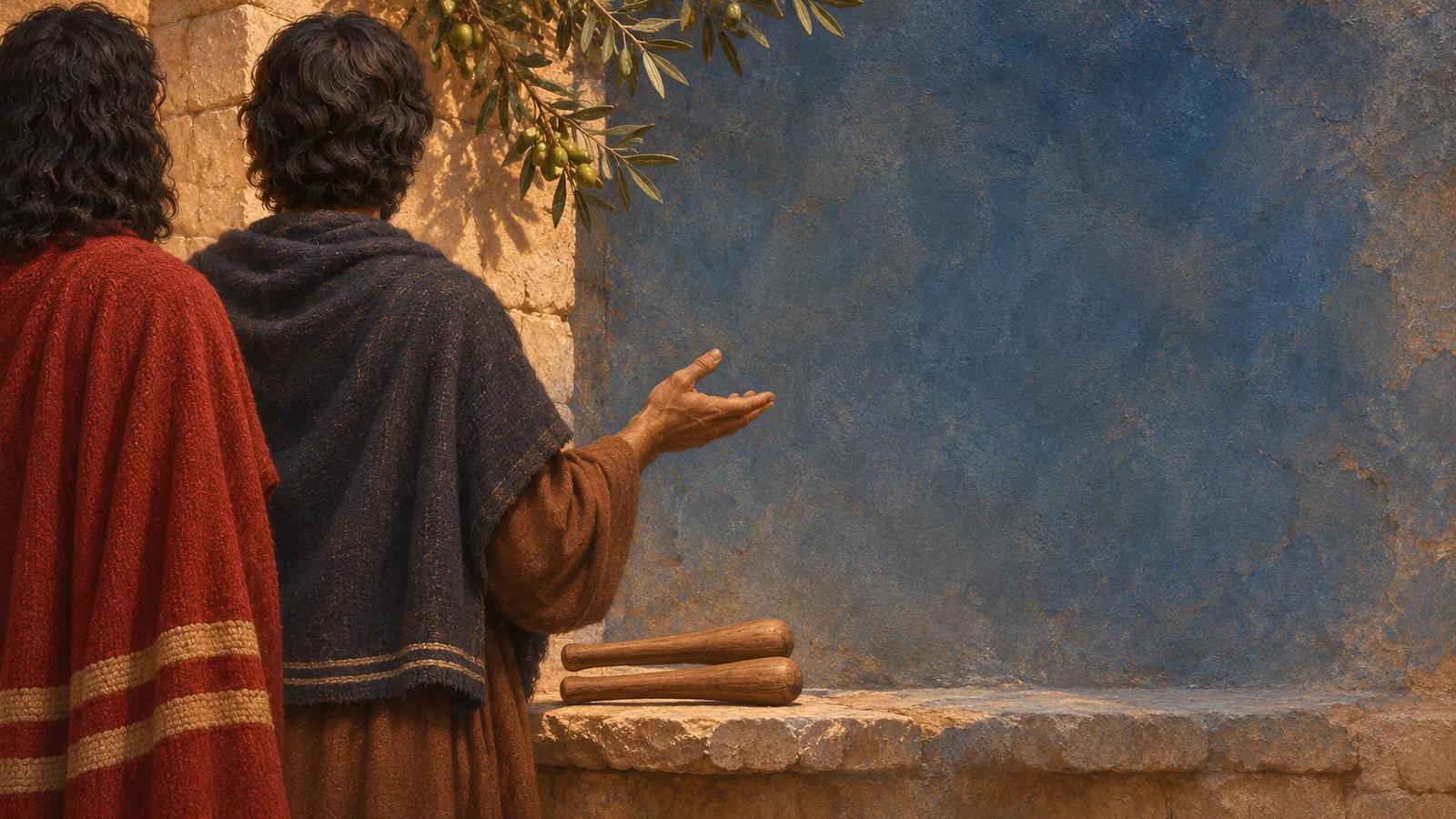
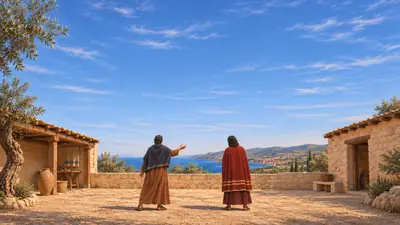
Kothar proporciona a Baal dos mazas y llama a la primera Yagarrish, la que expulsa. Le ordena expulsar a Yamm de su trono.

El poema relata el primer enfrentamiento. Yamm demuestra su fuerza y sigue en pie, y la contienda aún está por decidir.
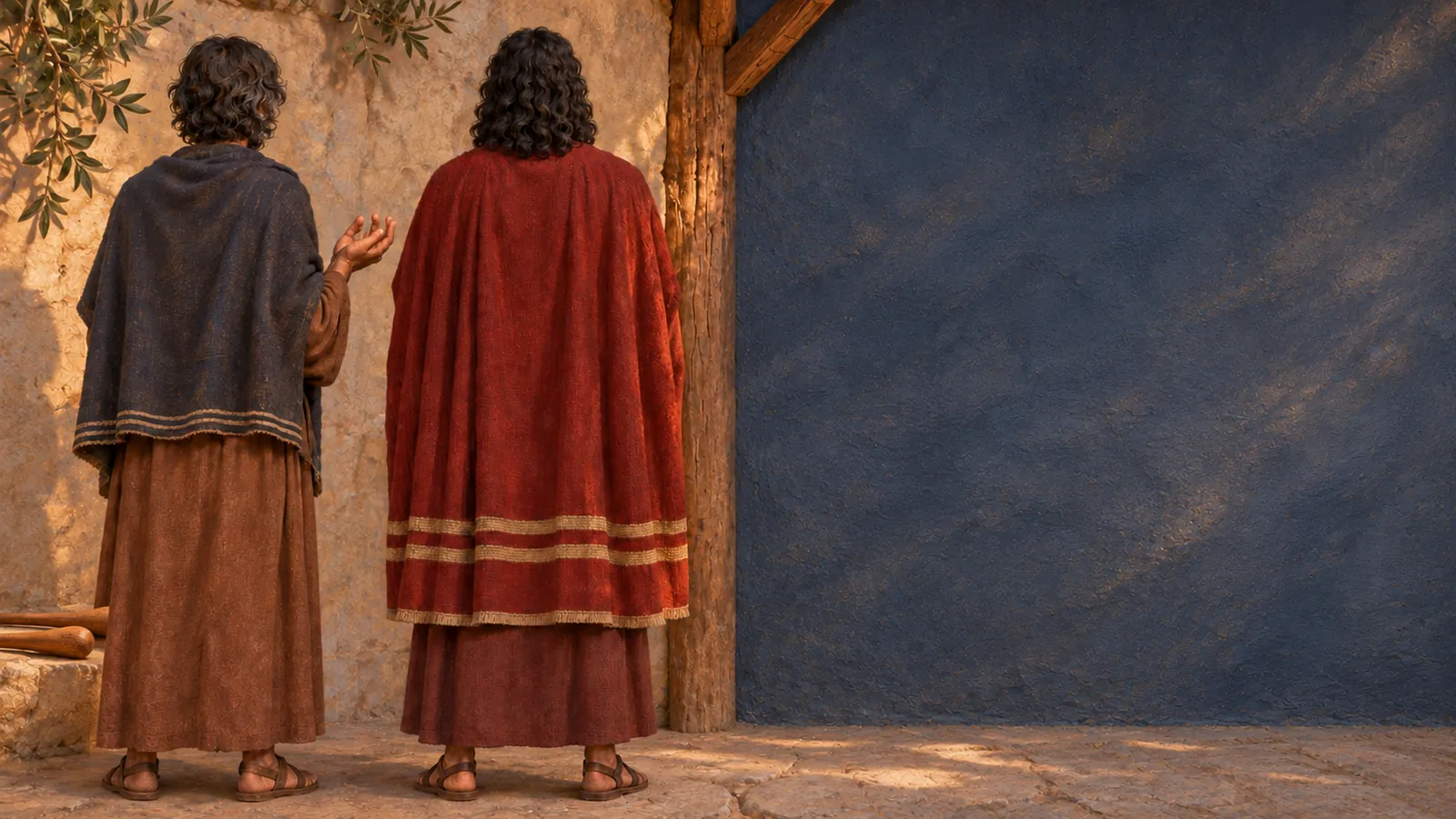
Kothar da el segundo nombre, Ayyamarri. Sus palabras vuelven a pedir que Yamm, también llamado Nahar, sea expulsado de su asiento.
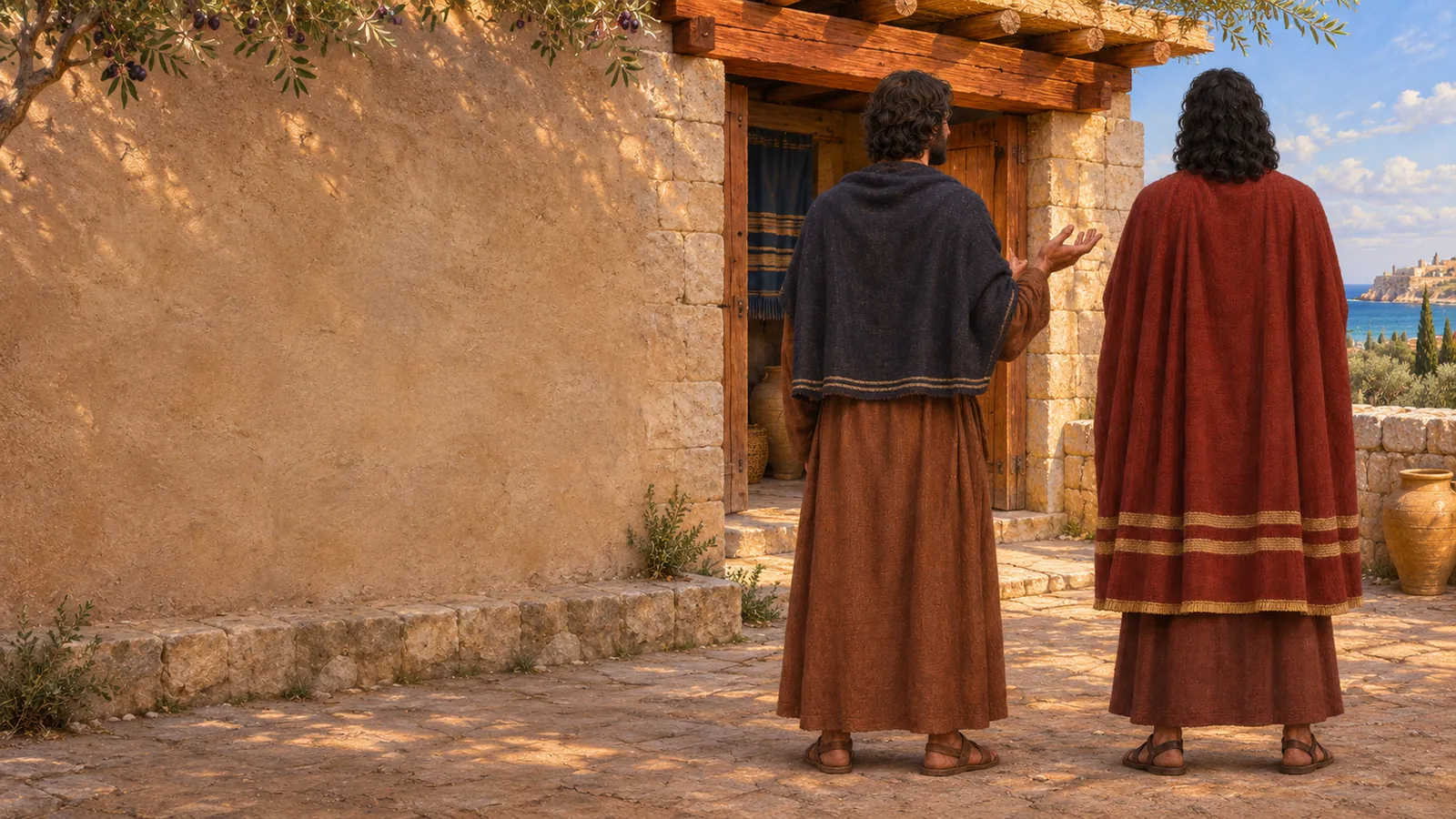
La segunda intervención de Kothar anuncia la caída de Yamm. En este punto del canto, sus palabras describen lo que espera que suceda.

Los versos siguientes relatan el cambio que anunció Kothar. Yamm cae, después de haber seguido en pie en el primer enfrentamiento.
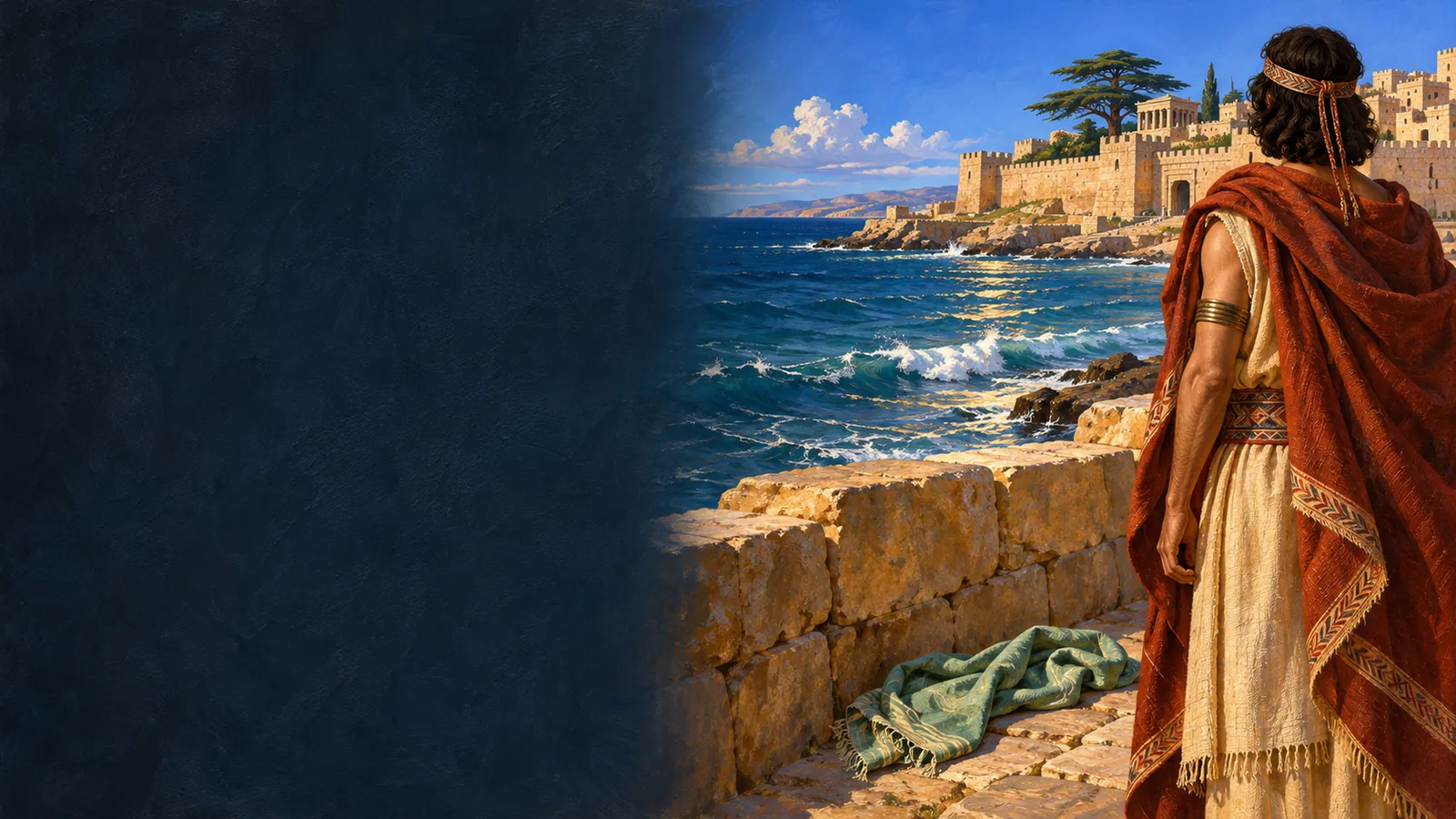
El verso que sigue a la caída de Yamm se ha entendido de varias maneras. La caída está clara, pero la acción concreta descrita a continuación sigue siendo discutida.
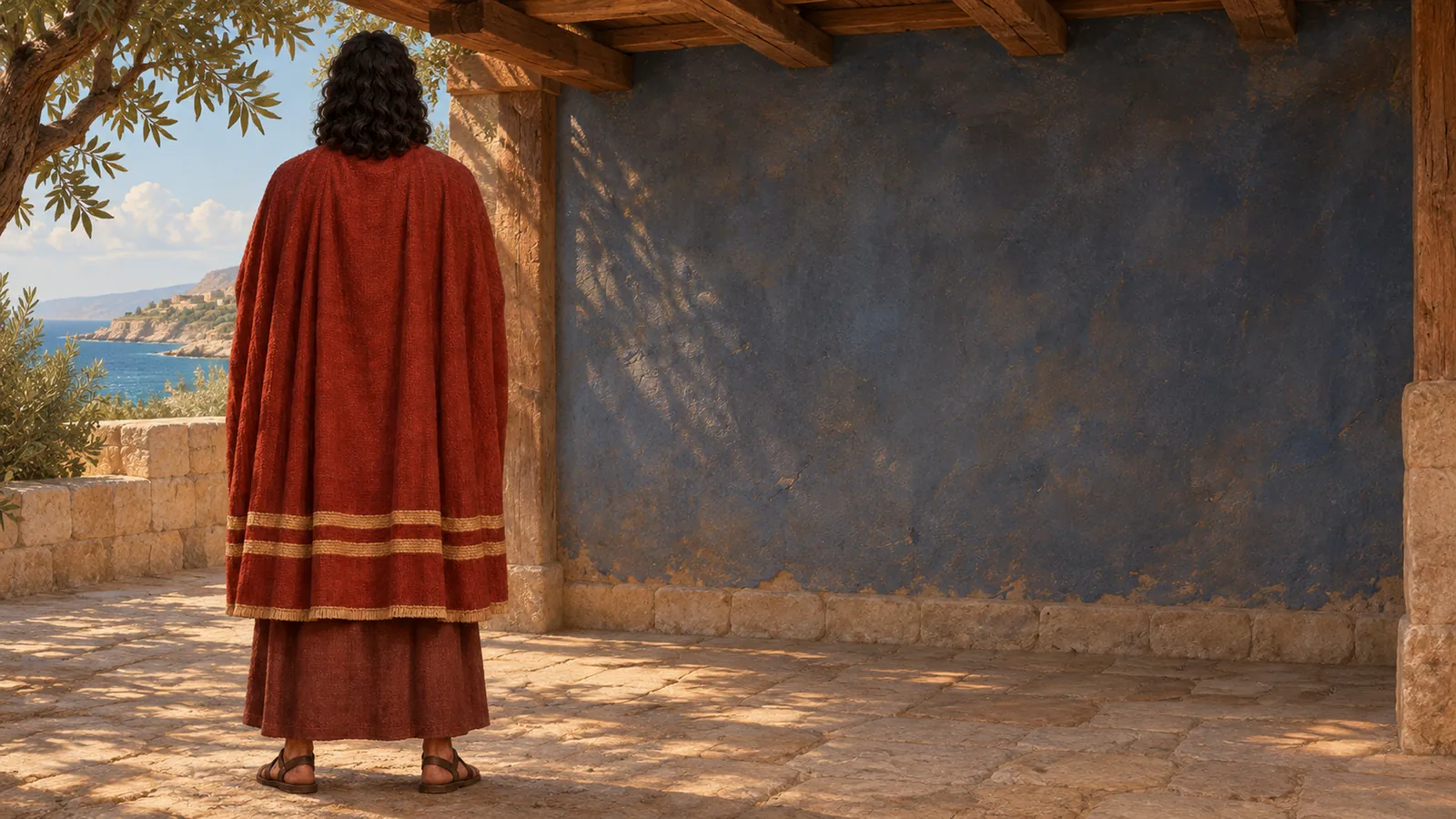
Athtart habla y vuelve a oírse el título de Jinete de las Nubes. Las palabras admiten distintas lecturas sobre a quién reprende y qué pide.
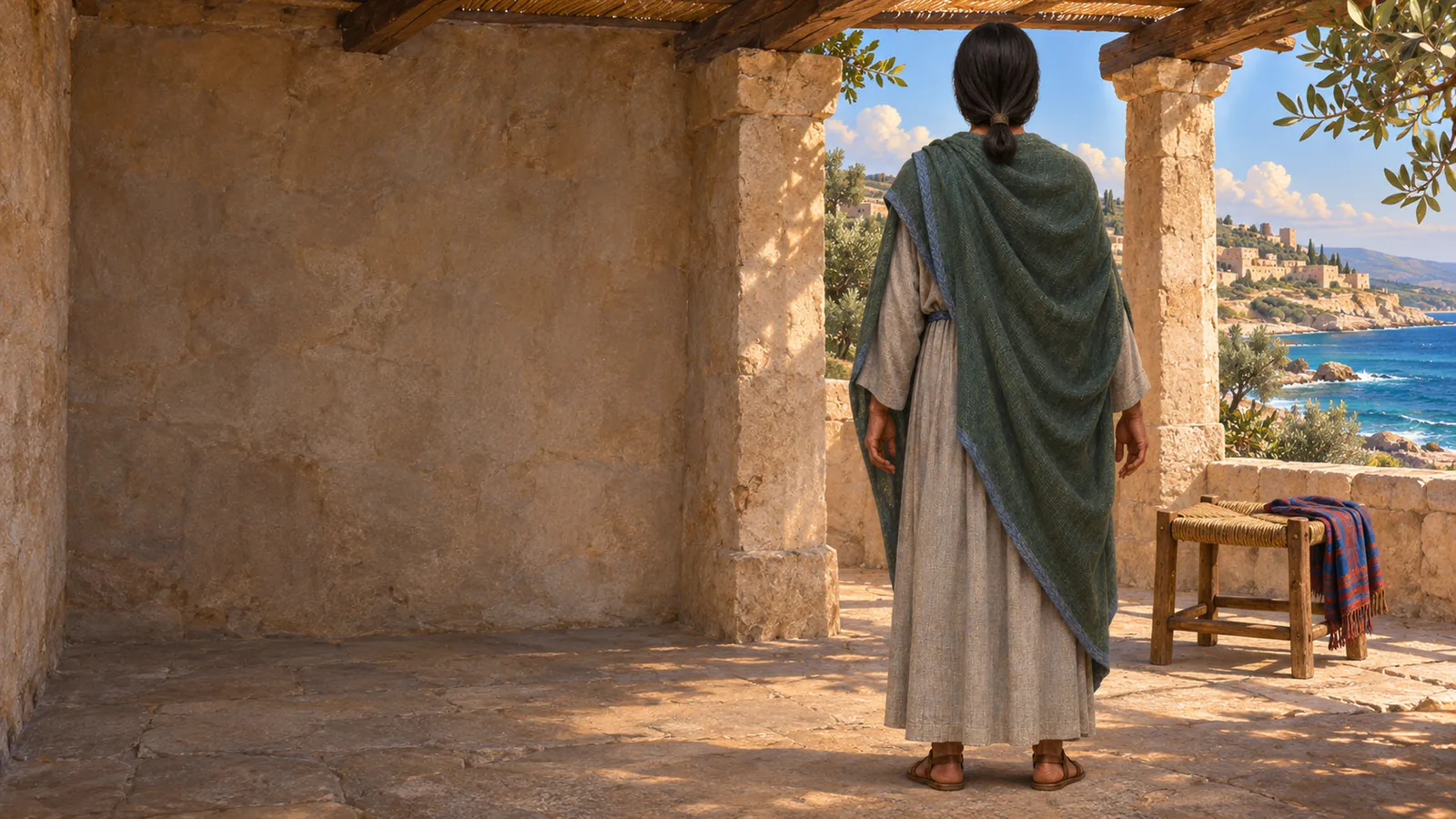
Las palabras siguientes llaman cautivo al Soberano Nahar. Nahar es otro título que se da a Yamm en los dos pasajes.

En el final roto, una declaración afirma que Yamm ha muerto. Las palabras conservadas dejan incierta la identidad de quien lo declara.
BAAL REINARÁ
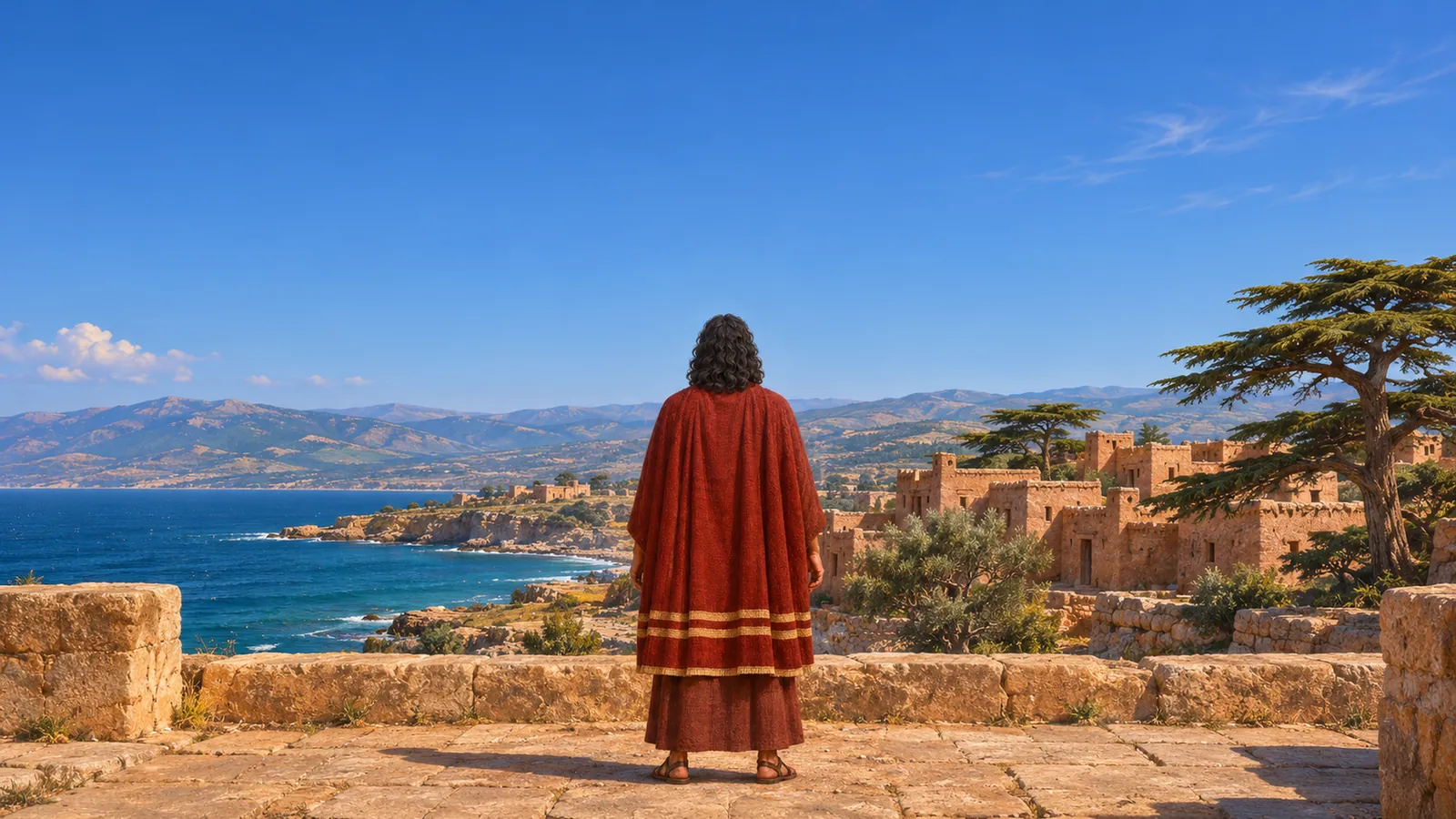
La aclamación final se lee como un anuncio de que Baal reinará. Parte de sus palabras se ha restituido y la declaración se conserva en un final dañado.
Fin del capítulo 1
Todas las páginas














Fuentes
Pages 35–39. Kothar names two clubs and addresses a command to each. They fly from Baal’s hand in the poem. The opening verb has been read as making or bringing down the clubs (KTU 1.2 IV 11–26; Reed, pp. 106–110; Bordreuil and Pardee).
Ediciones consultadas
- Clemens Steinberger, Göttingen Ugarit Portal, photographic transliteration of KTU 1.1
- Clemens Steinberger, EUPT glossary, selected KTU 1.2 lines and notes
- Aaron Tugendhaft, Unsettling Sovereignty, translation of KTU 1.2 i 11–46
- Aaron Tugendhaft, Baal and the Politics of Poetry, alternative order and implications
- Sang-yŏl Cho, University of Edinburgh, messenger formulas
- Noga Ayali-Darshan, line-focused reading of the envoy scene and El’s reply
- Textes ougaritiques I, excerpts from KTU 1.2 i and iv, pp. 109–110
- Pierre Bordreuil and Dennis Pardee, primary French translation of KTU 1.2 iv excerpt
- William Justin Reed, pp. 106–110, reading of KTU 1.2 iv 11–26
- Mark S. Smith and Wayne T. Pitard, the captive formula at KTU 1.2 iv 29–30, vol. II, p. 32
- Theodore J. Lewis, Athtart’s speech and the possible readings of KTU 1.2 iv 28–31
- Aren M. Wilson-Wright, p. 337, reading of KTU 1.2 iv 28–29
- Debra Scoggins Ballentine, pp. 74–75, reading of the closing declaration
- The Louvre, AO 16640, physical record and note on the proposed join
Notas sobre este relato
Pages 36 and 39. The first club strikes Yamm in the shoulder area and he stands. The second strikes him in the head and he collapses. 106–110; Bordreuil and Pardee).
Page 29. In a common restoration, Baal takes up a knife and dagger to strike the envoys. 374; Textes ougaritiques I, pp. 109–110).
Los versos antiguos de cada página
- Page 1: Steinberger, KTU 1.1 II 1–16, RS 3.361, fragmentary opening
- Page 2: Steinberger, KTU 1.1 II 14–16
- Page 3: Steinberger, KTU 1.1 III 5–9, especially 7
- Page 4: Steinberger, KTU 1.1 III 12–15
- Page 5: Steinberger, KTU 1.1 III 17–19
- Page 6: Steinberger, KTU 1.1 IV 12–13
- Page 7: Steinberger, KTU 1.1 IV 14 and n. 15
- Page 8: Steinberger, KTU 1.1 IV 15, 20; Tugendhaft, book ch. 6 n. 43
- Page 9: Steinberger, KTU 1.1 IV 21–25, readings and reconstruction
- Page 10: Tugendhaft, KTU 1.2 i 11–13, appendix pp. 383–384
- Page 11: Tugendhaft, KTU 1.2 i 13–14; Cho on i 13
- Page 12: Tugendhaft, KTU 1.2 i 14c–16; Steinberger, EUPT i 14c–15b
- Page 13: Tugendhaft, KTU 1.2 i 16–18
- Page 14: Tugendhaft, KTU 1.2 i 18–19a; Steinberger, EUPT i 18
- Page 15: Tugendhaft, KTU 1.2 i 19b–20; Steinberger, EUPT i 19b
- Page 16: Tugendhaft, KTU 1.2 i 20–21; French Ministry extract, p. 109
- Page 17: Tugendhaft, KTU 1.2 i 20–21, pp. 373–374; French Ministry extract, p. 109
- Page 18: Tugendhaft and Ayali-Darshan, KTU 1.2 i 21–22
- Page 19: Tugendhaft and Ayali-Darshan, KTU 1.2 i 23–24
- Page 20: Tugendhaft, KTU 1.2 i 24–26
- Page 21: Tugendhaft and Steinberger, KTU 1.2 i 25d–26
- Page 22: Steinberger, EUPT KTU 1.2 i 27–28a; Tugendhaft, appendix
- Page 23: Tugendhaft, KTU 1.2 i 28–30
- Page 24: Tugendhaft and Ayali-Darshan, KTU 1.2 i 30–31
- Page 25: Tugendhaft and Ayali-Darshan, KTU 1.2 i 31–33
- Page 26: Tugendhaft, KTU 1.2 i 33–35; French Ministry extract, pp. 109–110
- Page 27: Tugendhaft and Ayali-Darshan, KTU 1.2 i 36–37
- Page 28: Tugendhaft and Ayali-Darshan, KTU 1.2 i 37–38
- Page 29: Tugendhaft, KTU 1.2 i 38b–40, appendix and p. 374
- Page 30: Tugendhaft, KTU 1.2 i 39–44, appendix and p. 374
- Page 31: Tugendhaft, KTU 1.2 i 45–46
- Page 32: KTU 1.2 iv 6–7a, Textes ougaritiques I, French Ministry extract, p. 110; Smith’s section divisions
- Page 33: Bordreuil and Pardee, KTU 1.2 iv 7b–8, Ministry of Culture excerpt
- Page 34: Bordreuil and Pardee, KTU 1.2 iv 8–10; Steinberger, EUPT iv 8c–9
- Page 35: KTU 1.2 IV 11–15 (Reed, pp. 106–110; Bordreuil and Pardee; Steinberger, EUPT)
- Page 36: Reed and Bordreuil–Pardee, KTU 1.2 iv 15b–18a
- Page 37: Reed, KTU 1.2 iv 18b–20; Bordreuil and Pardee, Ministry of Culture excerpt
- Page 38: Reed and Bordreuil–Pardee, KTU 1.2 iv 21–23a
- Page 39: Reed and Bordreuil–Pardee, KTU 1.2 iv 23b–26
- Page 40: KTU 1.2 iv 27; Bordreuil and Pardee, Ministry of Culture excerpt; Smith’s passage division
- Page 41: Lewis and Wilson-Wright, KTU 1.2 iv 28–29a
- Page 42: Smith and Pitard, KTU 1.2 iv 29b–30, p. 32; Lewis iv 29–30
- Page 43: KTU 1.2 iv 32–33, Textes ougaritiques I, French Ministry extract, p. 110; Ballentine, pp. 74–75
- Page 44: KTU 1.2 iv 32–35, Textes ougaritiques I, French Ministry extract through iv 33; Ballentine, pp. 74–75
Ilustraciones hechas por IL Archive con herramientas de IA; el texto se basa en las fuentes antiguas (véanse las fuentes al final de cada capítulo).